KATZMAN FAMILY CENTER FOR LIVING

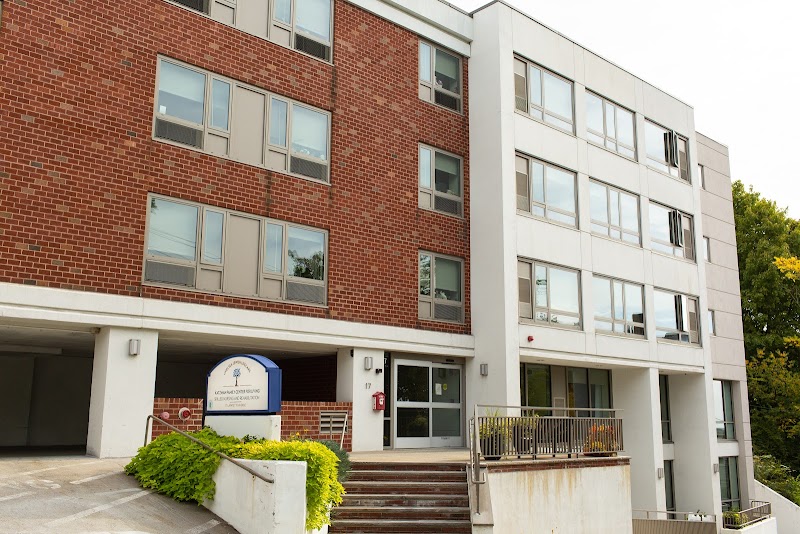
17 LAFAYETTE AVENUE, CHELSEA, MA 02150 (617) 884-6766
Non profit - Other 123 Beds CHELSEA JEWISH LIFECARE Data: November 2025
Trust Grade
95/100
#26 of 338 in MA
Last Inspection: April 2025

Within standard 12-15 month inspection cycle. Federal law requires annual inspections.

Overview

Katzman Family Center for Living has received a Trust Grade of A+, indicating it is an elite facility with top-tier quality. It ranks #26 out of 338 nursing homes in Massachusetts, placing it in the top half of facilities in the state, and #2 out of 22 in Suffolk County, meaning only one local option is better. The facility is currently improving, with issues decreasing from three in 2024 to none in 2025. Staffing is a mixed bag; while the turnover rate is good at 21%, below the state average, the staffing rating is only 3 out of 5 stars, indicating room for improvement. Additionally, the facility has not incurred any fines, which is a positive indicator of compliance, and it maintains average RN coverage, which is essential for monitoring resident health. However, there have been some concerning incidents, such as a resident not receiving breakfast in a timely manner despite being awake and other residents being served, and failures to implement physician orders for weight changes and catheter updates for other residents. This highlights a need for better adherence to care protocols, although it is important to note that there have been no critical or serious issues reported.

Trust Score
A+
95/100
In Massachusetts
#26/338
Top 7%
Safety Record
Low Risk
No red flags
Inspections
Getting Better
3 → 0 violations
Staff Stability
✓ Good
21% annual turnover. Excellent stability, 27 points below Massachusetts's 48% average. Staff who stay learn residents' needs.
Penalties
✓ Good
No fines on record. Clean compliance history, better than most Massachusetts facilities.
Skilled Nurses
○ Average
Each resident gets 32 minutes of Registered Nurse (RN) attention daily — about average for Massachusetts. RNs are the most trained staff who monitor for health changes.
Violations
○ Average
6 deficiencies on record. Average for a facility this size. Mostly minor or procedural issues.
★★★★★
5.0
Overall Rating
★★★☆☆
3.0
Staff Levels
★★☆☆☆
2.0
Care Quality
★★★★★
5.0
Inspection Score
Stable
2024: 3 issues
2025: 0 issues

The Good

  • Low Staff Turnover (21%) · Staff stability means consistent care
  • Full Sprinkler Coverage · Fire safety systems throughout facility
  • No fines on record
  • Staff turnover is low (21%)

    27 points below Massachusetts average of 48%

Facility shows strength in staff retention, fire safety.

The Bad

Chain: CHELSEA JEWISH LIFECARE

Part of a multi-facility chain

Ask about local staffing decisions and management

The Ugly 6 deficiencies on record

May 2024 3 deficiencies
CONCERN (D)

Potential for Harm - no one hurt, but risky conditions existed

Deficiency F0658 (Tag F0658)

Could have caused harm · This affected 1 resident

Based on record review, policy review and interviews, the facility failed to meet professional standards of quality for three Residents (#19, #32, and #27) out of a total sample of 26 residents. 1.) ...

Read full inspector narrative →
Based on record review, policy review and interviews, the facility failed to meet professional standards of quality for three Residents (#19, #32, and #27) out of a total sample of 26 residents. 1.) For Resident #19, the facility failed to implement physician's orders to notify the physician of a weight change. 2.) For Resident #32 and #27, the facility failed to ensure nursing implemented physician's orders for urinary catheter changes. Findings include: 1.) For Resident #19, the facility failed to implement physician's orders to notify the physician of a weight change. Review of the facility policy, Physician/ Family Notification, undated, indicated: 1. The Nurse Supervisor or Charge Nurse will notify a resident's Attending Physician or On-Call Physician when there has been: i. Instructions to notify the physician of changes in the resident's condition. Resident #19 was admitted to the facility in December 2023 with diagnoses including chronic obstructive pulmonary disease (COPD), congestive heart failure (CHF), and diabetes. Review of the Minimum Data Set (MDS) assessment, dated 3/9/24, indicated Resident #19 had a Brief Interview for Mental Status (BIMS) score of 15 out of a possible 15 which indicated he/she was cognitively intact. During an interview on 5/7/24 at 4:03 P.M., Resident #19 said his/her weights have been going up and he/she is weighed daily. Review of the plan of care related to congestive heart failure, indicated Resident #19 is at risk for complications due to congestive heart failure, dated 12/8/23, interventions included: -Weigh daily before breakfast. Notify provider (MD/NP) for gain (+) 3 pounds (lbs) in one day or +/-5 lbs in 1 week. Review of the physician's order, dated 1/27/24, indicated: - Weigh daily before breakfast. Notify provider (MD/NP) for gain (+) 3 pounds (lbs) in one day or +/-5 lbs in 1 week. Review of the physician progress note, dated 4/9/24, indicated: 2. NYHA class 3 heart failure with borderline preserved ejection fraction (HCC) -Continue daily weights as ordered. Review of the Weight Summary and Medication Administration Record (MAR), dated May 2024, indicated Resident #19 weighed the following: 5/1/24 250.8 lbs 5/2/24 251.0 lbs 5/3/24 253.4 lbs 5/4/24 253.0 lbs 5/5/24 255.0 lbs 5/6/24 no weight obtained. 5/7/24 258.0 lbs, a weight gain of 7.2 pounds in 6 days 5/8/24 259.4 lbs, a weight gain of 8.6 pounds in 7 days During an interview on 5/8/24 at 9:50 A.M., Nurse #2 said that Resident #19 requires daily weights. Nurse #2 said Resident #19 has a diagnosis of CHF and was hospitalized back in December for heart failure. Nurse #2 said Resident #19 became so sick, and he/she could gain 3 pounds over night. Nurse #2 said today's weight is 262 pounds (documented as 259.4, in the medical record). Nurse #2 said that she has not had to notify the physician about Resident #19's weights this week (record review indicated Nurse #2 was Resident #19's assigned Nurse on 5/1/24, 5/6/24, 5/7/24, and 5/8/24). Nurse #2 said the weights have been good this week and she would need to notify the provider for a weight gain of 3 pounds in 1 day or 5 pounds in one week. Nurse #2 said when she puts the weights in the electronic health record, she reviews the weights to ensure that she doesn't need to notify the provider. Nurse #2 reviewed the weights with the surveyor and said Resident #19's weights are good, and she did not need to notify the physician. Review of the nursing note, dated 5/8/24 at 9:05 A.M., indicated: - The resident complained of (C/O) shortness of breath when trying to wean him/her off oxygen. New orders from Nurse Practitioner (NP); Supplemental oxygen 0.5-2L/min via N/C as needed for shortness of breath (SOB). Further review of the note failed to indicate the NP was made aware of the weight gain. Review of the nursing note, dated, 5/8/24 at 1:51 P.M., indicated: - NP called with new orders for supplemental oxygen which override the previous orders; 1) Supplemental oxygen 0.5-2 L/min via N/C titrate to maintain 95% and above continuously to ensure Pt is not SOB. every shift Continue with plan of care. Further review of the note failed to indicate the NP was made aware of the weight gain. On 5/8/24 at 3:26 P.M., the surveyor called the Nurse Practitioner and requested a call back. During an interview on 5/8/24 at 3:45 P.M., Unit Manager #1 said that he notified the NP of Resident #19's shortness of breath and obtained new orders for oxygen continuous oxygen use. Unit Manager #1 said he would have the physician review the weights on Friday 5/10/24. During an interview on 5/8/24 at 3:54 P.M., the Triage Nurse, from the Nurse Practitioner's office, called the surveyor and reviewed the NP's note from 5/8/24. The Triage Nurse said that the weight gain was not reported to the NP, but she would notify the NP of the weight gain. During a follow up interview on 5/8/24 at 4:10 P.M., Unit Manager #1 reviewed weights with the surveyor and said nursing should have notified the provider of the 5-pound weight gain on 5/7/24 but they did not. Unit Manager #1 said when nursing notifies providers of weight gains, the notification would be documented in the nurses note. The surveyor and Unit Manager #1 reviewed the nursing notes and there was no documentation to support that nursing made the provider aware of the weight gain. Review of the nursing note dated 5/8/24 at 4:55 P.M., indicated: - NP called back regarding weight gain and elevated blood pressure. Lung sounds clear, denies SOB, no increased edema noted. New orders from NP; 1) STAT (immediately, without a delay) BMP (basic metabolic panel, laboratory test to check for electrolytes) 2) STAT NT-pro BNP (B-type Natriuretic Peptide, laboratory test used diagnose or rule out heart failure) Continue with plan of care. During a follow up interview on 5/9/24 at 10:00 A.M., Unit Manager #1 said that after he had spoken to the surveyor on 5/8/24 the NP called back after the NP became aware of Resident #19's weights and she ordered STAT labs to rule out congestive heart failure. During an interview on 5/9/24 at 1:24 P.M., the Director of Nursing said nursing should monitor Resident #19's daily weights per the physician's order and report changes as ordered. 2.) For Resident #32 and #27 the facility failed to ensure nursing implemented physician's orders for urinary catheter changes, as ordered by the physician. a.) For Resident #32 the facility failed to implement physician's orders for suprapubic catheter changes (an indwelling urinary catheter placed directly into the bladder through the abdomen) Specifically, the facility staff failed to ensure the correct size indwelling urinary catheter balloon was in place for Resident #32 as indicated in the plan of care (physician's order was not complete). b.) For Resident #27 the facility failed to implement physician's orders for indwelling urinary catheter/Foley (a flexible tube that passes through the urethra and into the bladder to drain urine) changes. Specifically, the facility staff failed to ensure the correct size indwelling urinary catheter was in place for Resident #27 as ordered by the physician. Review of the facility policy, Catheter Care, Urinary, indicated the purpose is prevent catheter associated infections. *Preparation 1. Review the resident's care plan to assess for any special needs of the resident. *General Guidelines -Changing Catheters 2. A physician's order is needed to insert and indwelling catheter including catheter care schedule and size of catheter. a.) Resident #32 was admitted to the facility in June 2013 with diagnoses including diabetes, neuromuscular dysfunction of the bladder, peripheral vascular disease, and benign prostate hyperplasia. Review of the Minimum Data Set (MDS) assessment, dated 4/20/24, indicated Resident #32 had an indwelling urinary catheter. Review of the physician's order, dated 3/5/23, indicated: -change suprapubic every 21 days and as needed. 14 french silicone coated only. Further review of the physician's order failed to include the size of the balloon. Review of the plan of care related to indwelling suprapubic catheter placement indicated: Resident #32 is at risk for complications related to insertion of indwelling suprapubic catheter due to urinary retention, dated as initiated 1/29/16, interventions included: - Change every 3 weeks or as needed - 14 French 10 cc balloon. Review of the Treatment Administration Record (TAR), dated April 2024, indicated on 4/8/24 and 4/29/24, nursing implemented the physician's order and changed the indwelling suprapubic catheter. Review of the nursing note, dated 4/8/24, indicated: - Change Suprapubic every 21 days and as needed. 14 fr silicone coated only. - Suprabic cath changed without any event. Review of the nursing note, by Nurse #1, dated 4/28/24, indicated: - Suprabic cath changed today without any issue. Review of the Urinary/ Straight Catheterization Competency, dated as 1/7/20, indicated Nurse #1 was trained and competent on catheterization including: 1. Verify or obtain the physician's order. 16. Document size of catheter inserted, amount of water in the balloon, patients' response to procedure and assessment of urine. On 5/8/24 at 10:29 A.M., the surveyor and the Assistant Director of Nursing (ADON) observed Resident #32 in bed, Resident had a suprapubic indwelling catheter size 14 French and a 30-cc balloon, not a 10-cc balloon as indicated by Resident #32's plan of care. On 5/9/24 at 7:47 A.M., two surveyors and the ADON reviewed the physician's order which did not include a balloon size. The ADON said nursing should have clarified the physician's order before inserting the indwelling catheter. The care plan was reviewed, and the care plan indicated a 14 french and 10-cc balloon. The two surveyors and the ADON observed Resident #32 with a 14 French and a 30-cc balloon. During an interview on 5/9/24 at 1:30 P.M., the Director of Nursing (DON) said nursing should have implemented suprapubic catheter size including the balloon. The DON said if the correct size balloon was unavailable nursing should have notified the provider and obtained a new order for the size available in stock. b.) Resident #27 was admitted to the facility in June 2022 with diagnoses including urinary retention and major depressive disorder. Review of the Minimum Data Set (MDS) assessment, dated 4/6/24, indicated Resident #27 had a Brief Interview for Mental Status (BIMS) score of 14 out of a possible 15 which indicated he/she was cognitively intact. The MDS indicated Resident #27 required an indwelling urinary catheter. During an interview on 5/7/24 at 8:07 A.M., Resident #37 was in his/her bed. Resident #37 said he/she did not like his/her indwelling urinary catheter. On 5/8/24 at 7:55 A.M., at the surveyor observed Certified Nurse Assistant (CNA) #1 providing care to Resident #27, there was a 14 french (fr) 10 cc indwelling urinary catheter. Review of the physician's order, dated 9/21/23, indicated: - Change catheter 12 Fr 10 cc as needed for blockage or leakage. - Foley catheter care every shift. Review of the plan of care related to indwelling foley catheter placement, indicated Resident #27 is at risk for complications related to insertion of an indwelling Foley catheter due to urinary retention, dated as reviewed 4/9/24, interventions included: -May change foley catheter with 12 french 10 cc secondary to blockage as needed. Review of the nursing progress note, dated 3/10/24, indicated: - Change catheter 12 Fr 10 cc as needed for blockage or leakage as needed. Resident complained of pain in his/her bladder. Bladder distended, Foley catheter changed due to blockage. Review of the Treatment Administration Record (TAR), dated March 2024, indicated nursing changed the catheter on 3/9/24. Review of the nursing progress note by Nurse #2, dated 3/27/24, indicated: - Foley catheter blocked. New catheter inserted without difficulty. Resident tolerated well. Catheter now patent. Review of the Treatment Administration Record (TAR), dated March 2024, failed to include nursing inserted a new catheter. Review of the Urinary/ Straight Catheterization Competency, dated as 8/11/20, indicated Nurse #2 was trained and competent on catheterization including: 1. Verify or obtain the physician's order. 16. Document size of catheter inserted, amount of water in the balloon, patients' response to procedure and assessment of urine. During an interview on 5/8/24 at 9:36 A.M., Nurse #2 said prior to changing an indwelling catheter, she would look to see what was currently inserted into Resident #27 and then she would verify the physician's order and care plan prior replacing the catheter. On 5/8/24 at 9:48 A.M., the surveyor and Nurse #2 observed Resident #27 indwelling urinary catheter together and Nurse #2 said the catheter that was inserted into Resident #27 was not the correct size according to the physician's order. During an interview on 5/8/24 at 3:38 P.M., Unit Manager #1 said there was at one point, a back order and the facility only had 14 french catheters. Unit Manager #1 said nursing should implement the correct catheter size based on the physician's order. Unit Manager #1 said that if nursing did not have the correct catheter size the physician should be made aware and a new order should be obtained for the insertion based on the catheter availability. During an interview on 5/9/24 at 1:29 P.M., the Director of Nursing said that nursing should verify the correct indwelling catheter size prior to implementing the physician's order. The DON said that if the correct size was unavailable nursing should reach out to the provider and obtain a new order with the size that is available.
CONCERN (D)

Potential for Harm - no one hurt, but risky conditions existed

Medical Records (Tag F0842)

Could have caused harm · This affected 1 resident

Based on observation, record review, policy review, and interviews, for one Resident (#19), out of 26 sampled residents, the facility failed to maintain an accurate medical record in accordance with a...

Read full inspector narrative →
Based on observation, record review, policy review, and interviews, for one Resident (#19), out of 26 sampled residents, the facility failed to maintain an accurate medical record in accordance with accepted professional standards and practice. Specifically, for Resident #19, the facility failed to ensure nursing documented oxygen administration on the treatment administration record. Findings include: Review of the facility policy, Oxygen Administration, undated, indicated the purpose of this procedure is to provide guidelines for safe oxygen administration. Preparation 1. Verify there is a physician's order for the procedure. 2. Review the resident's care plan to assess for any special needs of the resident. Steps in the Procedure 4. Adjust the oxygen delivery device so that it is comfortable for the resident and the proper flow of oxygen is being administered. Reporting 1. Report information in accordance with facility policy and professional standards of practice. Resident #19 was admitted to the facility in December 2023 with diagnoses including chronic obstructive pulmonary disease (COPD), congestive heart failure (CHF), and diabetes. Review of the Minimum Data Set (MDS) assessment, dated 3/9/24, indicated Resident #19 had a Brief Interview for Mental Status (BIMS) score of 15 out of a possible 15 which indicated he/she was cognitively intact. On 5/7/24 at 8:37 A.M., and on 5/7/24 at 12:01 P.M., the surveyor observed Resident #19 being administered continuous oxygen via nasal cannula at 1 liter per minute. During an interview on 5/7/24 at 4:03 P.M., Resident #19 was in his/her bedroom being administered oxygen at 3 liters per minute. Resident #19 said he/she needs nurses to help with oxygen administration and he/she cannot see the settings. Resident #19 said he/she has been wearing oxygen continuously for a few months. Review of the physician's order, dated 1/25/24, indicated: - Supplemental oxygen 0.5-2 liters/minute via nasal cannula (NC) as needed for oxygen saturation (O2 sat) greater than 92%, as needed. Review of the plan of care related to COPD: Resident #19 is at risk for complications due to COPD, dated 12/8/23, indicated: - Apply O2 via NC as needed. Review of the oxygen saturation summary indicated facility staff recorded Resident #19's oxygen saturations on the following dates and times: 5/1/24 12:57 P.M., 98.0% Oxygen via Nasal Cannula 5/2/24 9:08 A.M., 99.0% Oxygen via Nasal Cannula 5/3/24 8:36 A.M., 98.0% Oxygen via Nasal Cannula 5/4/24 1:09 P.M., 99.0% Oxygen via Nasal Cannula 5/5/24 9:33 A.M., 99.0% Oxygen via Nasal Cannula 5/7/24 1:09 P.M., 98.0% Oxygen via Nasal Cannula Review of the Treatment Administration Record, dated May 2024, failed to include documentation to support that nursing administered the as needed oxygen from 5/1/24 to 5/7/24. Further review of the nurses notes from 5/1/24 to 5/7/24, failed to include the flow rate of oxygen that nursing was administering to Resident #19. During an interview on 5/8/24 at 9:49 A.M., Nurse #2 said Resident #19 has been wearing continuous oxygen since his/her most recent hospitalization (December 2023). Nurse #2 said that oxygen administration is documented on the treatment administration record (TAR). Nurse #2 said she works the medication cart that Resident #19 is on 4 days a week and that she has not documented on the TAR as required but should have. Nurse #2 continued to say Resident #19 should have had an order for continuous oxygen but did not. Review of the nursing note, dated, 5/8/24 at 1:51 P.M., indicated: - new orders for supplemental oxygen which override the previous orders; During an interview on 5/8/24 at 3:45 P.M., Unit Manager #1 said Resident #19 has been on and off oxygen and since his/her most recent hospitalization he/she has been wearing the oxygen continuously. Unit Manager #1 and the surveyor reviewed the medical record, and he said that nursing should be documenting the oxygen administration on the TAR. Unit Manager #1 said that oxygen flow rate should be documented in the medical record. During an interview on 5/9/24 at 1:23 P.M., the Director of Nursing said that nursing should document the administration of oxygen on the treatment administration record.
MINOR (B)

Minor Issue - procedural, no safety impact

Assessment Accuracy (Tag F0641)

Minor procedural issue · This affected multiple residents

**NOTE- TERMS IN BRACKETS HAVE BEEN EDITED TO PROTECT CONFIDENTIALITY** 2. Resident #118 was admitted in March 2024 with a diagnoses that included pneumonitis, multiple fractures of ribs, urinary trac...

Read full inspector narrative →
**NOTE- TERMS IN BRACKETS HAVE BEEN EDITED TO PROTECT CONFIDENTIALITY** 2. Resident #118 was admitted in March 2024 with a diagnoses that included pneumonitis, multiple fractures of ribs, urinary tract infection, diabetes, and vascular dementia. Review of Resident #118's most recent Minimum Data Set (MDS), dated [DATE], indicated in section A of the MDS that the Resident discharged to a short-term general hospital. Review of Resident #118's social services note, dated 4/1/24, indicated the Resident was discharged home with services. Review of Resident #118's nursing progress note, dated 4/1/24, indicated, Resident was assessed by Dr. (doctor) and ordered to be discharged home with meds (medications) and services. He/she was picked up today about 11am. Review of Resident #118's nurse practitioner note, dated 4/1/24, indicated, May discharge patient home with meds and services. During an interview on 5/9/24 at 10:34 A.M., the Regional Nurse said Resident #118 was discharged home, he said the MDS should have been coded correctly, following the Resident Assessment Instrument (RAI) manual. Based on record review and interview, the facility failed to ensure that Minimum Data Set (MDS) assessments were coded accurately for two Residents (#19 and #118) out of a total sample of 26 residents. Specifically, the facility staff failed to ensure that an MDS Assessment: 1.) For Resident #19, was accurately coded relative to a.) oxygen use and b.) use of a non-invasive mechanical ventilator (continuous positive airway pressure, CPAP). 2.) For Resident #118, was accurately coded for discharge location. Findings include: 1.) Resident #19 was admitted to the facility in December 2023 with diagnoses including chronic obstructive pulmonary disease (COPD), congestive heart failure (CHF), and diabetes. Review of Minimum Data Set (MDS) 3.0 Resident Assessment Instrument (RAI) Manual, dated October 2023, indicated the following: O0110: Special Treatments, Procedures, and Programs *Steps for Assessment 1. Review the resident's medical record to determine whether or not the resident received or performed any of the treatments, procedures, or programs within the assessment period defined for each column. *Coding Instructions for Column b. While a Resident -Check all treatments, procedures, and programs that the resident received or performed after admission/entry or reentry to the facility and within the last 14 days. If no treatments, procedures or programs were received by, performed on, or participated in by the resident within the last 14 days or since admission/entry or reentry, check Z, none of the above. a.) Review of the Minimum Data Set (MDS) assessment, dated 3/9/24, indicated: C1. Oxygen Therapy- not checked, left blank. Review of the physician's order, dated 1/25/24, indicated: - Supplemental oxygen 0.5-2 liters per minute (L/min) by nasal cannula (NC) as needed for oxygen saturation (O2 sat) greater than 92% as needed Review of the oxygen saturation summary indicated Resident #19 received oxygen via nasal cannula on the following dates: - 3/2/24, 3/4/24, 3/6/24, 3/7/24, 3/8/24, and 3/9/24 Review of the nursing notes dated, 3/2/24, 3/3/24, 3/4/24, 3/5/24, 3/6/24, 3/7/24, and 3/8/24, indicated Resident #19 received oxygen administration. During an interview on 5/8/24 at 9:49 A.M., Nurse #2 said Resident #19 has been wearing continuous oxygen since his/her most recent hospitalization (December 2023). During an interview on 5/8/24 at 3:45 P.M., Unit Manager #1 said Resident #19 has been utilizing oxygen. b.) Review of the Minimum Data Set (MDS) assessment, dated 3/9/24, indicated: G1. Non-invasive Mechanical Ventilator- not checked, left blank. Review of the physician's order, dated 12/8/23, indicated: -Provide CPAP at night at bedtime related to sleep apnea. Review of the Treatment Administration Record (TAR), dated March 2024, indicated from 3/1/24 to 3/9/24 nursing applied Resident #19's CPAP as ordered by the physician. During an interview on 5/8/24 at 3:52 P.M., Unit Manager #1 said Resident #19 uses a CPAP every night. During an interview on 5/9/24 at 10:33 A.M., the Regional Nurse said the MDS Nurse should code MDS assessments based on the RAI manual.
Mar 2023 3 deficiencies
CONCERN (D)

Potential for Harm - no one hurt, but risky conditions existed

Deficiency F0604 (Tag F0604)

Could have caused harm · This affected 1 resident

Based on observations, interviews and record review, the facility failed to complete an assessment for a possible restraint for 1 Resident (#55) out of a sample of 25 Residents. Findings include: Revi...

Read full inspector narrative →
Based on observations, interviews and record review, the facility failed to complete an assessment for a possible restraint for 1 Resident (#55) out of a sample of 25 Residents. Findings include: Review of the facility policy titled 'Use of Restraints' with no revision date indicated the following: *Physical restraints are defined as any manual method or physical or mechanical device, material or equipment attached or adjacent to the resident's body that the individual cannot remove easily, which restricts freedom of movement or restricts normal access to one's body. *The definition of a restraint is based on the functional status of the resident and not the device. If the resident cannot remove a device in the same manner in which the staff applied it given that resident's physical condition (i.e. side rails are put back down, rather that climbed over), and this restricts his/her ability to change position or place, that device is considered a restraint. *By definition, devices such as special mattress, chairs, pillows and recliners used for comfort and not to prevent movement are not considered restraint. Continued use an assessment will be done when there's a significant change in functioning and as needed. *Prior to placing a resident in restraints, there shall be a pre-restraining assessment and review to determine the need of restraints. Resident #55 was admitted to the facility in October 2015 with diagnoses including Dementia and a history of falling. Review of the most recent Minimum Data Set (MDS) completed in 1/28/23 did not indicate a brief interview for mental status (BIMS) score because Resident #55 is rarely/never understood. Further review of the MDS indicated no restraints were being used for Resident #55. During observations on 3/7/23 at 8:53 A.M., and 10:47 A.M., Resident #55 was observed sleeping on a scoop air mattress with two long pillows tucked under the fitted sheet on each side of Resident #55 restricting his/her movements in bed. During observations on 3/8/23 at 6:50 A.M., and 7:50 A.M., Resident #55 was observed sleeping on a scoop air mattress with two pillows tucked under the fitted sheet on each side of Resident #55 restricting his/her movements in bed. A review of the activities of daily living (ADL) care plan initiated 11/4/2015 indicated the following: *Turn and reposition in bed with 2 assist every 2 hours and as needed *Requires assist with toileting and transfers A review of the fall care plan initiated 10/29/15 indicated the following: *Supervise resident during transfers During an interview with Certified Nurse's Assistant (CNA) #1 on 3/8/23 at 9:05 A.M., she told the surveyor the pillows tucked in under the sheet on either side of Resident #55's bed are in place to prevent the Resident from falling and he/she is a high fall risk. CNA #1 pointed at the floor mat placed next to the Resident's bed and said look there is a fall mat, he/she falls a lot. During an interview with Unit Manager (UM) #1 on 3/8/23 at 9:11 A.M., UM #1 went to Resident #55's room with the surveyor, she said that Resident #55's movements in bed appeared to be restricted. UM #1 said she had no idea why there were pillows tucked in on either side of Resident #55's bed and she started removing the pillows. During an interview with the Director of Nursing (DON) on 3/9/23 at 8:23 A.M., she said she was not aware that staff were placing items under Resident #55's bed to restrict movement and now that she has this information, a restraint assessment will be completed because one wasn't done prior. The DON provided a physical restraint assessment completed in 8/12/22, the only devices assessed for possible restraints were the scoop mattress and a geri chair.
CONCERN (D)

Potential for Harm - no one hurt, but risky conditions existed

Comprehensive Care Plan (Tag F0656)

Could have caused harm · This affected 1 resident

**NOTE- TERMS IN BRACKETS HAVE BEEN EDITED TO PROTECT CONFIDENTIALITY** Based on observation, interviews and record review, the facility failed to develop and implement a personalized behavior care pl...

Read full inspector narrative →
**NOTE- TERMS IN BRACKETS HAVE BEEN EDITED TO PROTECT CONFIDENTIALITY** Based on observation, interviews and record review, the facility failed to develop and implement a personalized behavior care plan related to dining for 1 resident (#37) out of a sample of 25 residents. Findings include: Resident #37 was admitted to the facility in August 2021 with diagnoses including major depressive disorder and anxiety. Review of the most recent Minimum Data Set (MDS) dated [DATE], indicated a brief interview for mental status (BIMS) score of 5 out of a possible 15 indicating severe impairment. On 3/7/23 at 9:34 A.M., Resident #37 was observed sitting in his/her room visibly upset. He/she told the surveyor he/she had to leave the dining room before eating his/her toast because the staff were taking too long to serve him/her. Resident #37 said this happens every morning at breakfast and she/he ends up eating his/her toast after leaving the dining room. Resident #37 said he/she wants to be served breakfast quickly so she/he does not have to wait long periods of time. During an interview with Unit Manager (UM#1) on 3/7/23 at 9:44 A.M., she said she was aware that Resident #37 was upset at breakfast, and she said that Resident #37 can be very impulsive. During a follow up interview with UM #1 on 3/8/23 at 8:48 A.M., she said she looked into the concern further, she found out Resident #37 was upset because he/she was not getting his/her breakfast fast enough. Resident #37 ends up leaving the dining room very upset and the staff make sure she/he gets his/her breakfast in his/her room. During an interview with the Dietary Aide (DA#1) on 3/8/23 at 8:53 A.M., she said on several occasions in the dining room during breakfast, Resident #37 gets very upset when staff do not attend to him/her only. DA#1 said she serves Resident #37 orange juice and coffee, puts his/her toast in the oven, and while DA #1 waits for the toast, she attends to other Residents in the dining room. DA #1 said Resident #37 ends up getting very upset, leaves the dining room so staff make sure she/he eats his/her breakfast in his/her room. Review of Resident #37's behavior care plan did not indicate documentation to support that the facility developed and implemented an individualized plan of care and interventions addressing this specific behavior during breakfast meals. During an interview with the Social Worker on 3/8/23 at 9:19 A.M., she said a personalized behavior care plan and interventions should be added to address Resident #37's behavior during breakfast.
CONCERN (E)

Potential for Harm - no one hurt, but risky conditions existed

Resident Rights (Tag F0550)

Could have caused harm · This affected multiple residents

2.) (a) For Resident #19, the facility failed to provide a meal in a timely manner. Resident #19 was admitted to the facility in June 2015 with diagnoses including dementia and dysphagia. Review of th...

Read full inspector narrative →
2.) (a) For Resident #19, the facility failed to provide a meal in a timely manner. Resident #19 was admitted to the facility in June 2015 with diagnoses including dementia and dysphagia. Review of the most recent minimum data set (MDS) completed on 1/21/23 indicated no brief interview for mental status because the resident is rarely/never understood. During an observation on 3/8/23 at 9:44 A.M., Resident #19 was observed in bed sleeping, all other residents on the unit had been served breakfast in the dining room, finished eating, all the other residents were observed moving on to the next activity of the day. During an interview with Nurse #4 on 3/8/23 at 9:46 A.M., the surveyor asked her if Resident #19 had eaten breakfast, she said she was not sure but will find the certified nurse's assistant (CNA) working with the Resident to find out. Nurse #4 said it should not take this long to assist the Resident with his/her meal. During an interview with CNA #1 on 3/8/23 at 9:50 A.M., the CNA was observed rushing into the Resident's room with his/her breakfast tray from the dining area, she told the surveyor that the Resident should not be eating this late, especially after all the other Residents had finished eating their breakfast. Nurse #1 came rushing into the room to assist CNA #1. During an interview with Nurse #1 on 3/8/23 at 9:57 A.M., he said he will be taking over from CNA #1 to assist Resident #19 with his/her meal. He said the Resident should not have waited this long to eat breakfast. During an interview with the Unit Manager (UM #1) on 3/8/23 at 10:19 A.M., she said the Residents who need assistance with eating should not wait this long to eat. UM #1 said that CNAs should not have to be prompted to assist the Residents with meals in a timely manner. During an interview with the Director of Nurses on 3/9/23 at 8:19 A.M., she said she expects Residents who need assistance with eating on the unit to be served in a timely manner. (b) The facility failed to identify Resident #19 in a dignified manner. During an interview with Nurse #4 on 3/8/23 at 9:48 A.M., she told the surveyor that the Resident #19 is a feed now, the nurses do assist residents eat when the certified nurse assistants (CNAs) on the unit are busy. During an interview with the Unit Manager #1 (UM #1) on 3/8/23 at 10:19 A.M., she said nurses and certified nurse assistants should not be referring to Residents as feeds , they are Residents who need assistance during meals. During an interview with the Director of Nurses (DON) on 3/8/23 at 12:17 P.M., she said she expects Residents who need assistance with meals on the unit to be referred to by their names and not a feed. Based on observation record review and interview the facility failed to 1.) provide a dignified dining experience on 1 of 3 units and 2.) provide 1 Resident (#19) with (a) his/her meal timely and (b) identify Resident #19 in a dignified manner out of a total of 25 sampled Residents. Findings include: Review of the facility policy titled 'Quality of life-Dignity' with no revision date indicated the following: *Each resident shall be cared for in a manner that promotes and enhances quality of life, dignity, respect and individuality. *Staff shall speak respectfully to residents at all times including addressing the resident by his or her name of choice and not labeling or referring to the resident by his or her room number, diagnosis, or care needs. 1. On 3/7/23 the surveyor observed the breakfast meal service in the Dementia Unit dining room: At 8:20 A.M. there were 9 Residents seated at tables with their meals in front of them. 2 Residents were in their reclining chairs watching the others waiting for their meals and waiting for assistance. At approximately 8:40 A.M., the last Resident in the reclining chair was assisted with his/her meal, after watching all others in the room be served. * On 3/7/23, the surveyor observed the lunch meal service in the Dementia Unit dining room: At 12:04 P.M., there were 13 Residents seated at tables with eating their lunch. There were 2 tables of 3 Residents with staff who were providing assistance with their meals. There were 6 Residents seated in their wheelchairs or Reclining chairs with lap tables in front of them waiting for their meals. At 12:06 P.M., a staff person brought a Resident his/her meal and placed it in front of him/her. The Resident's eyes were closed and he/she was not alerted that his/her meal had been delivered. At 12:08 P.M. a staff person delivered another Resident who requires assistance his/her meal and placed it in front of him/her and walked away. The Resident looked at his/her plate and did not initiate eating. At 12:12 P.M. a nurse arrived and began assisting the Resident. At 12:13 P.M. a staff person served and started to assist a Resident in his/her recliner his/her meal. The Resident seated next to him/her attempted to ask about his/her meal but was not heard. At 12:18 P.M., the surveyor inquired with the Assistant Director of Nursing (ADON) if the last Resident had eaten his/her meal yet as he/she had attempted to get the attention of staff 5 minutes earlier. The ADON said she would check with the kitchen staff. At 12:21 P.M., the last Resident was served his/her meal. * On 3/8/23 the surveyor observed the breakfast meal on Dementia Unit: At 8:05 A.M., a Certified Nurses Aide (CNA) was wheeling a Resident backwards down the hallway in his/her reclining chair to the dining room. The CNA stopped and asked another staff person to continue bringing the Resident to the dining room. The staff person told the Resident she would continue to bring him/her to the dining room and continued to pull the Resident backwards down the hallway. At 8:07 A.M., there were 11 Residents seated at tables in the dining room. 1 Resident was asleep with his/her head on the table, his face was positioned close to his/her uncovered hot cereal. At 8:09 A.M., a staff person observed the sleeping Resident and put her hand in the Resident's face and pushed the Resident's head up saying wake up! At 8:15 A.M., staff began to assist the Resident who had been pulled backwards down the hallway into the dining room with his/her breakfast. During an interview with the ADON on 3/9/23 at 8:28 A.M., the surveyor shared the above observations. The ADON said that staff do their best to serve and assist all Residents at the same time.
Understanding Severity Codes (click to expand)
Life-Threatening (Immediate Jeopardy)
J - Isolated K - Pattern L - Widespread
Actual Harm
G - Isolated H - Pattern I - Widespread
Potential for Harm
D - Isolated E - Pattern F - Widespread
No Harm (Minor)
A - Isolated B - Pattern C - Widespread

Questions to Ask on Your Visit

  • "Can I speak with families of current residents?"
  • "What's your RN coverage like on weekends and overnight?"

Our Honest Assessment

Strengths
  • • Grade A+ (95/100). Above average facility, better than most options in Massachusetts.
  • • No major safety red flags. No abuse findings, life-threatening violations, or SFF status.
  • • No fines on record. Clean compliance history, better than most Massachusetts facilities.
  • • 21% annual turnover. Excellent stability, 27 points below Massachusetts's 48% average. Staff who stay learn residents' needs.
Concerns
  • • No significant concerns identified. This facility shows no red flags across CMS ratings, staff turnover, or federal penalties.
Bottom line: Generally positive indicators. Standard due diligence and a personal visit recommended.

About This Facility

What is Katzman Family Center For Living's CMS Rating?

CMS assigns KATZMAN FAMILY CENTER FOR LIVING an overall rating of 5 out of 5 stars, which is considered much above average nationally. Within Massachusetts, this rating places the facility higher than 99% of the state's 100 nursing homes. This rating reflects solid performance across the metrics CMS uses to evaluate nursing home quality.

How is Katzman Family Center For Living Staffed?

CMS rates KATZMAN FAMILY CENTER FOR LIVING's staffing level at 3 out of 5 stars, which is average compared to other nursing homes. Staff turnover is 21%, compared to the Massachusetts average of 46%. This relatively stable workforce can support continuity of care.

What Have Inspectors Found at Katzman Family Center For Living?

State health inspectors documented 6 deficiencies at KATZMAN FAMILY CENTER FOR LIVING during 2023 to 2024. These included: 5 with potential for harm and 1 minor or isolated issues.
Who Owns and Operates Katzman Family Center For Living?

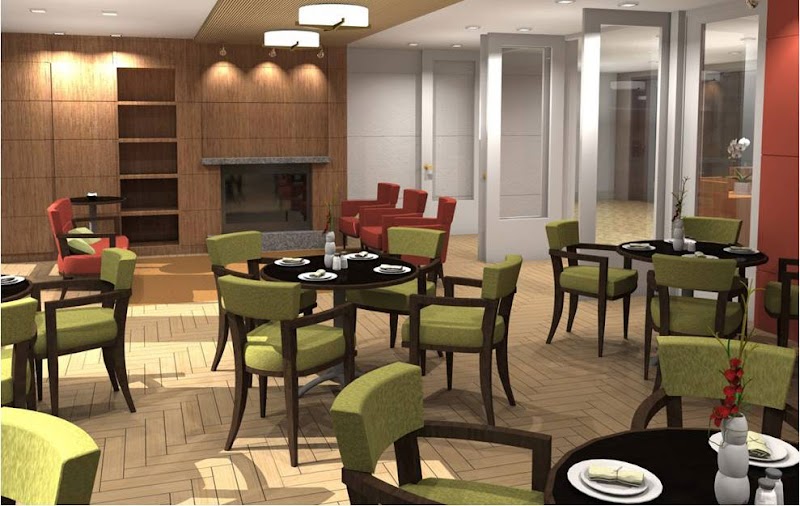
KATZMAN FAMILY CENTER FOR LIVING is owned by a non-profit organization. Non-profit facilities reinvest revenue into operations rather than distributing to shareholders. The facility is operated by CHELSEA JEWISH LIFECARE, a chain that manages multiple nursing homes. With 123 certified beds and approximately 116 residents (about 94% occupancy), it is a mid-sized facility located in CHELSEA, Massachusetts.
How Does Katzman Family Center For Living Compare to Other Massachusetts Nursing Homes?

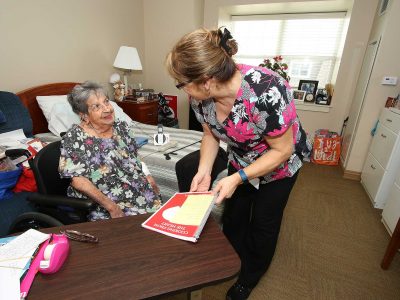
Compared to the 100 nursing homes in Massachusetts, KATZMAN FAMILY CENTER FOR LIVING's overall rating (5 stars) is above the state average of 2.9, staff turnover (21%) is significantly lower than the state average of 46%, and health inspection rating (5 stars) is much above the national benchmark.

What Should Families Ask When Visiting Katzman Family Center For Living?

Based on this facility's data, families visiting should ask: "Can I visit during a mealtime to observe dining assistance and food quality?" "How do you handle medical emergencies, and what is your hospital transfer rate?" "Can I speak with family members of current residents about their experience?"

Is Katzman Family Center For Living Safe?

Based on CMS inspection data, KATZMAN FAMILY CENTER FOR LIVING has a clean safety record: no substantiated abuse findings (meaning no confirmed cases of resident harm), no Immediate Jeopardy citations (the most serious violation level indicating risk of serious injury or death), and is not on the Special Focus Facility watch list (a federal program monitoring the lowest-performing 1% of nursing homes). The facility has a 5-star overall rating and ranks #1 of 100 nursing homes in Massachusetts. While no facility is perfect, families should still ask about staff-to-resident ratios and recent inspection results during their visit.

Do Nurses at Katzman Family Center For Living Stick Around?

Staff at KATZMAN FAMILY CENTER FOR LIVING tend to stick around. With a turnover rate of 21%, the facility is 24 percentage points below the Massachusetts average of 46%. Low turnover is a positive sign. It means caregivers have time to learn each resident's needs, medications, and personal preferences. Consistent staff also notice subtle changes in a resident's condition more quickly.

Was Katzman Family Center For Living Ever Fined?

KATZMAN FAMILY CENTER FOR LIVING has no federal fines on record. CMS issues fines when nursing homes fail to meet care standards or don't correct problems found during inspections. The absence of fines suggests the facility has either maintained compliance or corrected any issues before penalties were assessed. This is a positive indicator, though families should still review recent inspection reports for the full picture.

Is Katzman Family Center For Living on Any Federal Watch List?

KATZMAN FAMILY CENTER FOR LIVING is not on any federal watch list. The most significant is the Special Focus Facility (SFF) program, which identifies the bottom 1% of nursing homes nationally based on persistent, serious quality problems. Not being on this list means the facility has avoided the pattern of deficiencies that triggers enhanced federal oversight. This is a positive indicator, though families should still review the facility's inspection history directly.