GERMAN CENTER FOR EXTENDED CARE
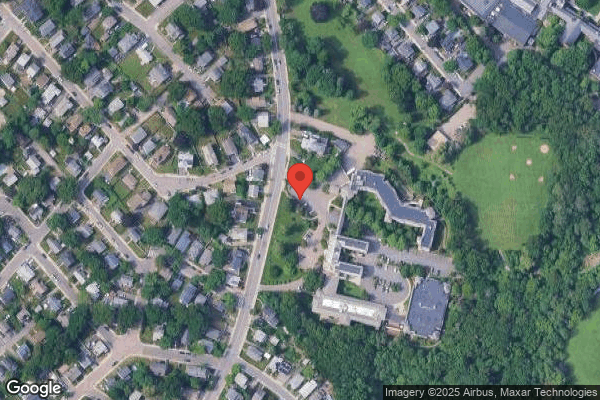

2222 CENTRE STREET, BOSTON, MA 02132 (617) 325-1230
For profit - Corporation 133 Beds CHELSEA JEWISH LIFECARE Data: November 2025
Trust Grade
53/100
#154 of 338 in MA
Last Inspection: August 2024

Within standard 12-15 month inspection cycle. Federal law requires annual inspections.

Overview

The German Center for Extended Care has a Trust Grade of C, meaning it is average and sits in the middle of the pack compared to other facilities. It ranks #154 out of 338 nursing homes in Massachusetts, placing it in the top half, and #10 out of 22 in Suffolk County, indicating only a few nearby options are better. The facility is improving, with issues decreasing from six in 2024 to three in 2025. Staffing is a strength here, with a 4/5 star rating and a turnover rate of 27%, which is below the state average of 39%. However, the facility has concerning fines of $91,840, higher than 82% of Massachusetts facilities, suggesting problems with compliance. There are specific concerns related to staff qualifications, as the facility failed to verify the education credentials of a nurse who worked directly with residents for 98 days, raising safety issues. Additionally, the facility did not maintain proper documentation related to resident grievances, which could hinder accountability. On the positive side, the staffing levels are decent and the quality measures are rated 4/5, showing that some aspects of care are being managed well.

Trust Score
C
53/100
In Massachusetts
#154/338
Top 45%
Safety Record
Moderate
Needs review
Inspections
Getting Better
6 → 3 violations
Staff Stability
✓ Good
27% annual turnover. Excellent stability, 21 points below Massachusetts's 48% average. Staff who stay learn residents' needs.
Penalties
○ Average
$91,840 in fines. Higher than 70% of Massachusetts facilities. Some compliance issues.
Skilled Nurses
○ Average
Each resident gets 35 minutes of Registered Nurse (RN) attention daily — about average for Massachusetts. RNs are the most trained staff who monitor for health changes.
Violations
⚠ Watch
22 deficiencies on record. Higher than average. Multiple issues found across inspections.
★★★☆☆
3.0
Overall Rating
★★★★☆
4.0
Staff Levels
★★★★☆
4.0
Care Quality
★★★☆☆
3.0
Inspection Score
Stable
2024: 6 issues
2025: 3 issues

The Good

  • 4-Star Staffing Rating · Above-average nurse staffing levels
  • 4-Star Quality Measures · Strong clinical quality outcomes
  • Low Staff Turnover (27%) · Staff stability means consistent care
  • Full Sprinkler Coverage · Fire safety systems throughout facility
  • No fines on record
  • Staff turnover is low (27%)

    21 points below Massachusetts average of 48%

Facility shows strength in staffing levels, quality measures, staff retention, fire safety.

The Bad

3-Star Overall Rating

Near Massachusetts average (2.9)

Meets federal standards, typical of most facilities

Federal Fines: $91,840

Well above median ($33,413)

Moderate penalties - review what triggered them

Chain: CHELSEA JEWISH LIFECARE

Part of a multi-facility chain

Ask about local staffing decisions and management

The Ugly 22 deficiencies on record

Feb 2025 3 deficiencies
CONCERN (D) 📢 Someone Reported This

A family member, employee, or ombudsman was alarmed enough to file a formal complaint

Potential for Harm - no one hurt, but risky conditions existed

Deficiency F0658 (Tag F0658)

Could have caused harm · This affected 1 resident

Based on records reviewed and interviews for one of three sampled residents (Resident #1) who had been admitted with a Stage II (partial loss of dermis) pressure ulcer, the Facility failed to ensure n...

Read full inspector narrative →
Based on records reviewed and interviews for one of three sampled residents (Resident #1) who had been admitted with a Stage II (partial loss of dermis) pressure ulcer, the Facility failed to ensure nursing staff provided care and services that met professional standards of practice related to timely follow up on recommendations regarding nutritional interventions to promote wound healing, and obtaining medication and/or treatment orders in a timely manner. Findings include: Resident #1 was admitted to the Facility in November 2024, diagnoses include fall with a left humeral (upper arm) fracture, anemia, Stage II pressure ulcer, and dementia. Review of Resident #1's admission Skin Assessment, dated 11/01/24, indicated he/she had a Stage II pressure ulcer to his/her right buttocks and multiple skin tears to both arms/elbows upon admission. Review of Resident #1's admission Minimum Data Set (MDS) Assessment, dated 11/07/24, indicated that he/she had significant cognitive impairment and had a Stage II pressure ulcer present upon admission. Review of Resident #1's admission Dietary Assessment, dated 11/07/24, indicated he/she had a right buttocks pressure ulcer. The Dietary Assessment indicated the Register Dietician (RD) had made the following recommendations, add vitamins to promote wound healing, Multivitamin (MVI) with minerals one time daily, Vitamin C 500 milligrams (mg) two (2) times a day, and Zinc Sulfate 220 mg one time daily for one month. Review of Resident #1's Care Plan Titled, Risk for an Alternation in Nutrition, dated 11/07/24, indicated he/she was at risk for an alternation in nutrition status related to skin breakdown, a fracture, and dementia. Further review of the Care Plan indicated one of the Nutrition Interventions, dated 11/07/24, included to administer vitamins and minerals as ordered. Review of Resident #1's Physicians Orders, dated 11/08/24, indicated that his/her HCP had been invoked. Review of Resident #1's Medical Record, including but not limited to, Medication Administration Records (MAR), Treatment Administration Records (TAR), Physician's Orders, and Nurse Progress Notes, indicated there was no documentation to support Nursing staff obtained any physician's orders related to administration of vitamins to help maintain his/her skin integrity, as recommended by the Registered Dietician. During an interview on 02/27/25 at 2:10 P.M., the Registered Dietician (RD) said she had not noticed that nursing had not review the recommendations that were made back on 11/07/24 and said she could not recall if she told a nurse about her recommendations. During an interview on 02/27/25 at 12:59 P.M., the Unit Manager said she was not aware that the recommendations that were made by the RD on 11/07/24 had not been followed up on. During an interview on 02/27/25 at 4:27 P.M., the Director of Nurses said that she was not aware Resident #1 had recommendations that were not addressed from the RD going back to 11/07/25. The DON said that the Facility's expectation was for the RD, once recommendations are made, was to physically hand the nurse responsible for the resident the recommendations to ensure they are followed up on in a timely manner with their physician.
CONCERN (D) 📢 Someone Reported This

A family member, employee, or ombudsman was alarmed enough to file a formal complaint

Potential for Harm - no one hurt, but risky conditions existed

Deficiency F0883 (Tag F0883)

Could have caused harm · This affected 1 resident

Based on records reviewed and interview for one of three sampled residents (Resident #1), whose Health Care Proxy (HCP) had been invoked, and upon admission his/her Health Care Agent (HCA) signed cons...

Read full inspector narrative →
Based on records reviewed and interview for one of three sampled residents (Resident #1), whose Health Care Proxy (HCP) had been invoked, and upon admission his/her Health Care Agent (HCA) signed consent and requested he/she be administered the Influenza (FLU) Vaccine, the facility failed to ensure nursing administered the vaccine as requested, and Resident #1 was not given the vaccine until more than three (3) months later. Findings include: Review of the Facility Policy titled Influenza Vaccine, undated, indicated that between October 1st and March 3rd each year, or when available, the influenza vaccine shall be offered to all residents and employees, unless the vaccine is medically contraindicated, or the resident or employee has already been immunized. Resident #1 was admitted to the Facility in November 2024, diagnoses include fall with a left humeral (upper arm) fracture, anemia, Stage II (partial dermis loss) pressure ulcer, and dementia. Review of Resident #1's admission Minimum Data Set (MDS) Assessment, dated 11/07/24, indicated that he/she had significant cognitive impairment, and that no flu vaccine had been administered for the current season. Review of the Consent for Immunizations, signed and dated 11/01/24, indicated that Resident #1's HCA gave written consent for him/her to receive the flu vaccine. Review of Resident #1's Physicians Orders, dated 11/02/24, indicated that his/her HCP had been invoked. Review of Resident #1's medical record indicated that there was no documentation to support that Resident #1 had received the flu vaccine until 02/11/25, more than 3 months after requested and consent was provided by his/her HCA. During a telephone interview on 02/26/25 at 3:42 P.M., Resident #1's HCA said that on 11/01/24, she had requested and signed a consent for him/her to receive this season's flu vaccine. The HCA said she received a call on 01/09/25 form someone at the facility, asking if she wanted to have Resident #1 vaccinated for the flu. The HCA said she was very confused and told the facility that she had consented for the vaccine upon admission and did not know why he/she had not been vaccinated. The HCA said that she again consented for the facility to administer the flu vaccine at that time. The HCA said that on 02/10/25, a quarterly Care Plan meeting was held, and it was again brought to her attention that Resident #1 still had not received the flu vaccine. During an interview on 02/27/25 at 12:59 P.M., the Unit Manager said that she does not recall ever seeing Resident #1's signed consents to receive any vaccinations. The Unit Manager said that the management team usually does do a chart review on all new admission, however, said it was never identified that Resident #1's HCA had signed a consent for receiving the flu vaccine upon admission. The Unit Manager said that Resident #1's HCA came to her sometime in January (exact date unknown) asking why he/she had not received the vaccine. The Unit Manager said that she thought the vaccine needed to be ordered, and said she had not administered the flu vaccine or informed the HCA. During an interview on 02/27/25 at 2:34 P.M., the Assistant Director of Nurses (ADON) said that he discovered that Resident #1 had not received the flu vaccine when he performed a facility audit. The ADON said he instructed the Unit Manager to call the HCA and ask if she wanted to have Resident #1 vaccinated and said he had no knowledge of the HCA signing consents for the vaccination upon admission. During an interview on 02/27/25 at 4:27 P.M., the Director of Nurses (DON) said that on 2/10/25, the Social Worker (SW) brought to her attention the concern Resident #1's HCA had regarding the flu vaccine not being administered since admission, that she had filled out a grievance form and then initiated an investigation. The DON said that she was unaware that Resident #1's HCA had signed the consent form allowing nursing to administer the flu vaccine upon admission until 02/27/25, the day of survey. The DON said that it was the Facility's expectation that the nurse obtaining consents to receive annual vaccines must inform the physician and obtain an order to administer the vaccine, once clarifying that they had not previously been vaccinated. The DON said they do not store vaccines in house, the nurse has to order it through the pharmacy and when the vaccine comes in, they are then able to administer vaccines as ordered by the physician.
CONCERN (D) 📢 Someone Reported This

A family member, employee, or ombudsman was alarmed enough to file a formal complaint

Potential for Harm - no one hurt, but risky conditions existed

Deficiency F0887 (Tag F0887)

Could have caused harm · This affected 1 resident

Based on records reviewed and interview for one of three sampled residents (Resident #1), whose Health Care Proxy (HCP) had been invoked, and upon admission his/her Health Care Agent (HCA) signed cons...

Read full inspector narrative →
Based on records reviewed and interview for one of three sampled residents (Resident #1), whose Health Care Proxy (HCP) had been invoked, and upon admission his/her Health Care Agent (HCA) signed consent and requested he/she be administered the Covid-19 Vaccine, the facility failed to ensure nursing administered the vaccine as requested, and Resident #1 was not given the vaccine until more than three (3) months later. Findings include: Review of the Center for Disease Control information regarding Covid-19 vaccinations, dated 01/07/25, indicated the following; -The COVID-19 vaccine helps protect you from severe illness, hospitalization, and death; and -It is especially important to get your 2024-2025 COVID-19 vaccine if you are ages 65 and older, are at high risk for severe COVID-19, are living in a long-term care facility or have never received a COVID-19 vaccine. Resident #1 was admitted to the Facility in November 2024, diagnoses include fall with a left humeral (upper arm) fracture, anemia, Stage II (partial dermis loss), and dementia. Review of Resident #1's admission Minimum Data Set (MDS) Assessment, dated 11/07/24, indicated that he/she had significant cognitive impairment. Review of the Consent for Immunizations, signed and dated 11/01/24, indicated that Resident #1's HCA signed the consent form for him/her to receive the Covid-19 vaccine. Review of Resident #1's Physicians Orders, dated 11/02/24, indicated that his/her Health Care Proxy had been invoked. Review of Resident #1's Nurse Progress Note, dated 12/19/24, indicated he/she tested positive for Covid-19. Review of Resident #1's medical record indicated that there was no documentation to support that Resident #1 had received the Covid-19 vaccine until 02/11/25, more than 3 months after administration of the vaccine had been requested and consent had been signed by his/her HCA. During a telephone interview on 02/26/25 at 3:42 P.M., Resident #1's HCA said that she had requested and signed a consent form for Resident #1 to receive the Covid-19 vaccine, upon admission back in November 2024. The HCA said she received a call sometime from someone at the facility on 01/09/25, asking if she wanted to have Resident #1 vaccinated for Covid-19. The HCA said she was very confused and told the facility that she had consented for the vaccine upon admission and did not know why he/she had not been vaccinated. The HCA said that she again consented for the facility to administer the Covid-19 vaccine to Resident #1 at that time. The HCA said that on 02/10/25, a quarterly Care Plan meeting was held, and it was again brought to her attention that Resident #1 had yet to receive the Covid-19 vaccine. During an interview on 02/27/25 at 12:59 P.M., the Unit Manager said that she does not recall ever seeing Resident #1's signed consent form to receive any vaccinations. The Unit Manager said that the management team usually does do a chart review on all new admission, but said it was not discovered that the HCA signed a consent form for receiving the Covid-19 vaccine upon admission. The Unit Manager said that Resident #1's HCA came to her sometime in January (exact date unknown) asking why he/she never received the vaccine. The Unit Manager said that she thought the vaccines needed to be ordered, said she had not administered the Covid-19 vaccine and had not informed the HCA. During an interview on 02/27/25 at 2:34 P.M., the Assistant Director of Nurses (ADON) said that he discovered Resident #1 has not received any vaccines since admission when he conducted an facility wide vaccine audit. The ADON said he instructed the Unit Manager to call the HCA and ask if she wanted to have Resident #1 vaccinated and said he had no knowledge that the HCA had provided written consent to the Covid-19 vaccination upon admission. During an interview on 02/27/25 at 4:27 P.M., the Director of Nurses (DON) said that on 02/10/25, the Social Worker (SW) had brought to her attention the concern Resident #1's HCA had regarding the Covid-19 vaccine not being administered since admission. The DON said that she was unaware that Resident #1's HCA had signed consent forms allowing nursing staff to administer the Covid-19 vaccines upon admission until 02/27/25, the day of survey. The DON said that it was the Facility's expectation that the nurse obtaining consent to receive any vaccines must inform the physician and obtain an order to administer the vaccine once clarifying that they had not previously been vaccinated.
Aug 2024 5 deficiencies
CONCERN (D)

Potential for Harm - no one hurt, but risky conditions existed

Deficiency F0657 (Tag F0657)

Could have caused harm · This affected 1 resident

**NOTE- TERMS IN BRACKETS HAVE BEEN EDITED TO PROTECT CONFIDENTIALITY** Based on observation, record review and interview, the facility failed to review and revise the plan of care for one Resident (#...

Read full inspector narrative →
**NOTE- TERMS IN BRACKETS HAVE BEEN EDITED TO PROTECT CONFIDENTIALITY** Based on observation, record review and interview, the facility failed to review and revise the plan of care for one Resident (#107) out of a total of 24 sampled residents. Findings include: Review of the facility's Care Plans - Comprehensive Policy, undated, indicated: 3. The Resident's comprehensive care plan is developed within seven days of the completion of the resident's comprehensive assessment (Admission, Annual or Significant Change in Status). 5. The comprehensive care plan is based on a thorough assessment that includes, but is not limited to the MDS(Minimum Data Set Assessment). 11. The care planning/interdisciplinary team is responsible for the review of updating of care plans: when there has been a significant change in the resident's condition; when the resident has been readmitted to the facility from a hospital stay and changes in care and, at least quarterly. Resident #107 was admitted to the facility in March 2024 with diagnoses including dementia and psychotic disorder. Review of Resident #107's Significant Change MDS dated [DATE] indicated he/she was severely cognitively impaired, dependent on staff for activities of daily living and had daily physical and verbal behaviors. On 8/27/24 at 8:49 A.M., Resident #107 was observed seated in a wheelchair with his/her right leg extended forward, elevated and in a cast. Resident #107 appeared agitated and was continuously shifting in the chair. Review of Resident #107's clinical record indicated he/she was hospitalized on [DATE] after a fall and diagnosed with a closed displaced trimalleolar fracture (a fracture of the lower leg sections that form the ankle joint and help move the foot and ankle) of the right ankle. Due to swelling, Resident #107 was placed in a soft cast with the plan to follow up with orthopedic services for a hard cast. Review of the hospital paperwork indicated Resident #107 required a 1:1 and wore mitts (a restraint on his/her hands) as he/she would remove his/her soft cast. The clinical record indicated Resident #107 had a follow up appointment to replace his/her soft cast with a hard cast on 7/16/24 but due to transportation issues, he/she was not able to attend. Resident #107 was not seen by orthopedic services for a replacement cast until 7/31/24. Review of the nurse progress note dated 7/18/24 indicated: Pt (pt) verbally responsive no change in MS (mental status) at baseline confusion, pt removed his/her RLE (right lower extremity) half cast and dsg (dressing). Pt RLE assessed dsg and cast replaced. Physician notified. Review of the physician's note dated 7/18/24 indicated: Last night, he/she removed his/her soft cast, but didn't put weight on his/her leg, staff re-applied it and add ace wrap. He/she continues to be confused and impulsive. Unfortunately, Resident #107 has a challenging situation, it's difficult to redirect him/her and he/she is at higher risk for falls and injuries now. Will encourage redirect him/her as possible. Review of Resident #107's behavioral care plan indicated the following: Focus: Resident exhibits behavioral issues may include but not limited to intrusiveness, wandering on unit inappropriate behavior, paranoid behavior, yelling at others, (3/22/24) trying to remove cast/sutures (8/22/24). Interventions: Administer medications as ordered. Approach resident in a calm manner at all times. Encourage resident to participate in activities. Monitor resident behaviors and document as needed. Notify HCP/Guardian as needed. Pysch consults as needed. Redirect resident as necessary, 3/22/24. The care plan was not updated to include behaviors of attempting to remove his/her cast/sutures until 8/22/24 and no updated interventions were initiated. (Resident #107 had a Significant Change MDS completed on 7/19/24.) During an interview with Occupational Therapist (OT) #1 on 8/28/24 at 12:20 P.M., she said that Resident #107 was on rehab services when he/she returned from the hospital in July 2024. OT #1 said that although his/her cast was always wrapped when she worked with him/her, she was told Resident #107 removed it many times. During an interview with Nurse #4 on 8/28/24 at 2:13 P.M., she said that staff had been instructed to not remove the cast as Resident #107 was supposed to go to an orthopedic services appointment to have the soft cast replaced with a hard cast once the swelling improved. Nurse #4 said that Resident #107's soft cast was wrapped with ace bandages and he/she had behaviors of trying to remove it. Nurse #4 said she did not know if interventions for monitoring Resident #107 were documented. During an interview on 8/29/24 at 7:14 A.M., Certified Nursing Aide (CNA) #2 said she works the overnight shift and Resident #107 would sometimes remove his/her soft cast. CNA #2 said when he/she would remove the cast, she would alert the nurse to re-apply the cast and ace wrap. During an interview on 8/29/24 at 8:24 A.M., CNA #1 said Resident #107 was always pulling on his/her soft cast and ace wrap and if it was off, she would alert the nurses to put it back on. During an interview with Health Care Proxy (HCP) #1 on 8/29/24 at 10:03 A.M., he said that Resident #107 was very confused and can be agitated. HCP #1 said he was not surprised that Resident #107 had behaviors of attempting to remove his/her cast. During an interview on 8/30/24 at 11:29 A.M., the Director of Nursing (DON) said that residents exhibiting new behaviors should be examined and assessed to determine the cause of behaviors. The DON said she was unaware that Resident #107's care plans were not updated until 8/22/24 to address his/her behavior of removing the leg cast, which had been ongoing since his/her re-admission to the facility in July 2024.
CONCERN (D)

Potential for Harm - no one hurt, but risky conditions existed

Deficiency F0658 (Tag F0658)

Could have caused harm · This affected 1 resident

**NOTE- TERMS IN BRACKETS HAVE BEEN EDITED TO PROTECT CONFIDENTIALITY** Based on observation, policy review, record review, and interviews, for one Resident (#120) of 24 sampled residents, the facilit...

Read full inspector narrative →
**NOTE- TERMS IN BRACKETS HAVE BEEN EDITED TO PROTECT CONFIDENTIALITY** Based on observation, policy review, record review, and interviews, for one Resident (#120) of 24 sampled residents, the facility failed to ensure nursing provided services in accordance with the comprehensive care plan that met professional standards of quality. Specifically, for Resident #120 the facility failed to ensure nursing implemented a physician's ordered dressing change to his/her left foot. Findings include: Review of [NAME], Manual of Nursing Practice 11th edition, dated 2018, indicated the following: - The professional nurse's scope of practice is defined and outlined by the State Board of Nursing that governs practice. Review of the Massachusetts Board of Registration in Nursing Advisory Ruling on Nursing Practice, dated as revised April 11, 2018, indicated the following: - Nurse's Responsibility and Accountability: Licensed nurses accept, verify, transcribe, and implement orders from duly authorized prescriber that are received by a variety of methods (i.e., written, verbal/telephone, standing orders/protocols, pre-printed order sets, electronic) in emergent and non-emergent situations. Licensed nurses in a management role must ensure an infrastructure is in place, consistent with current standards of care, to minimize error. Review of the facility policy titled, dressings, dry/clean, undated, indicated the purpose of this procedure is to provide guidelines for application of dry clean dressings. 17. Apply the ordered dressing and secure with tape or bordered dressing per order. Label with date and initials to top of the dressing. Resident #120 was admitted to the facility in August 2024 with diagnosis including diabetes mellitus with foot ulcer. Review of the most recent Minimum Data Set (MDS) assessment, dated 8/18/24, indicated that Resident #120 was cognitively intact as evidenced by a Brief Interview for Mental Status (BIMS) score of 15 out of 15. This MDS indicated Resident #120 had a surgical wound and received surgical wound care. On 8/27/24 at 8:55 A.M., the surveyor observed a dressing on Resident #120's left foot dated 8/25/24 with the initials of the Nurse who worked on 8/25/24. Resident #120 said that nursing is supposed to change his/her dressing every day, but the dressing was not done on 8/26/24. Review of Resident #120's plan of care related to actual skin break down, dated 8/14/24, indicated: - perform treatment as ordered. Review of Resident #120's physician's order, dated 8/14/24, indicated: - wound incision left great toe - dry clean dressing (DCD) daily, every day shift. Review of Resident #120's Treatment Administration Record (TAR), dated August 2024, indicated that Nurse #1 completed the dressing as ordered on 8/26/24. Review of Resident #120's nursing note, dated 8/26/24 at 3:24 P.M., indicated: - Wound to left great toe intact and dressing in place. No infection or drainage noted. During an interview on 8/28/24 at 12:12 P.M., Nurse #1 said she thinks she completed the wound treatment as ordered on 8/26/24 but she was not certain. Nurse #1 said she would date and label the dressing with the correct date and her initials. Upon further review of the dressing observation on 8/27/24 at 8:55 A.M., the dressings initials were not those of Nurse #1. The initials on the dressing dated 8/25/24 were of the nurse who completed the treatment as ordered on the TAR on 8/25/24. During an interview on 8/29/24 at 12:11 P.M., with Unit Manager #1, the surveyor made Unit Manager #1 aware of the observation of the dressing on 8/27/24 that was dated 8/25/24 and that this dressing did not have Nurse #1's initials on it. Unit Manager #1 said that Nurse #1 should have completed the dressing as ordered and Nurse #1 should have dated and initialed the dressing per facility policy. During an interview on 8/30/24 at 8:12 A.M., the Director of Nursing (DON) said that during dressing changes nursing should include the date and initial the dressing. The DON was made aware that Resident #120 said the dressing was not completed on 8/26/24. The DON said she is familiar with Resident #120, and she has changed his/her dressing and the DON said that Resident #120 is alert and oriented and nursing should document the dressing change once that dressing change is complete.
CONCERN (D)

Potential for Harm - no one hurt, but risky conditions existed

Quality of Care (Tag F0684)

Could have caused harm · This affected 1 resident

**NOTE- TERMS IN BRACKETS HAVE BEEN EDITED TO PROTECT CONFIDENTIALITY** Based on record review, policy review and interview the facility failed to provide care and treatment in accordance with profess...

Read full inspector narrative →
**NOTE- TERMS IN BRACKETS HAVE BEEN EDITED TO PROTECT CONFIDENTIALITY** Based on record review, policy review and interview the facility failed to provide care and treatment in accordance with professional standards of practice for one Resident (#43) out of a total sample of 24 Residents. Specifically, for Resident #43 the facility failed to ensure nursing followed up on coumadin (warfarin - anticoagulant) dosing and nursing failed to obtain repeat laboratory work (a prothrombin time PT/INR test measures how fast a blood sample forms a clot. A high PT/INR means the body takes longer than normal to form blood clots) as recommended by Nurse Practitioner. Findings include: Review of the facility policy titled, Anticoagulation - Clinical Protocol, undated indicated but was not limited to the following: 1. The physician will order appropriate lab testing to monitor anticoagulant therapy and potential complications; for example, periodically checking hemoglobin/hematocrit, platelets, PT/INR, and stool for occult blood. a. The staff should use a warfarin flow sheet or comparable monitoring tool to follow trends in anticoagulant dosage and response. 2. The physician will help review the progress of individuals who are being anticoagulated; for example, to see whether recent-onset atrial fibrillation has resolved. 3. The physician will periodically identify individuals whose anticoagulant can be discontinued or reduced, and will document a rationale for continuing anticoagulation over time, including the medication and current dosage. 5. Physician will be notified for all abnormal PT/INR results for further order. Resident #43 was admitted to the facility in June 2024 with diagnoses including heart failure, atrial fibrillation, and pulmonary embolism. Review of the most recent Minimum Data Set (MDS) assessment, dated 7/2/24, indicated that Resident #43 had moderate cognitive impairment as evidenced by a Brief Interview for Mental Status (BIMS) score of 10 out of 15. This MDS indicated Resident #43 did not reject care and received an anticoagulant. The MDS indicated he/she had a health care proxy, and his/her health care proxy was not invoked. Review of Resident #43's hospital Discharge summary, dated [DATE], indicated: 3.) Your warfarin dose has been adjusted several times during your stay. Please closely work with the facility to keep your INR at goal (2-3). Review of Resident #43's physician's order, dated 6/26/24, indicated: - Coumadin - monitoring dosing, give one unspecified (dose) by mouth every evening for coumadin monitoring per INR. Review of Resident #43's plan of care related to anticoagulation use, dated 7/3/24, indicated: - administer anti-coagulation as ordered - Check INR - as ordered. - Check lab as ordered. Review of Resident #43's laboratory results tab, indicated the following: 8/12/24 INR was 2.6. 8/19/24 INR was 4.0 High. 8/21/23 INR was 3.4 High. 8/22/24 INR was 3.3 High. Review of Resident #43's physician's order, dated 8/22/24, indicated: - hold coumadin today 8/22/24, recheck INR on 8/23/24. Review of Resident #43's nursing progress note written by Nurse #2, dated 8/23/24 at 5:38 P.M., indicated: - Had INR today, lab called to report the blood that they have drawn from the Resident was not enough, to run the test. The physician (MD) was made aware, and an order was given to hold coumadin until further notice. During an interview on 8/28/24 at 12:50 P.M., Nurse #2 said that he notified Nurse Practitioner #1 (not the MD, as indicated in the above note) about the INR results and Nurse #2 said that NP #1 said that the coumadin should be on hold. Nurse #2 said he did not receive orders to recheck Resident #43's INR. Review of Resident #43's Medication Administration Record (MAR), dated August 2024, indicated on 8/23/24, 8/24/24, 8/26/24, 8/27/24, and on 8/28/24, Nurse #3 implemented the physician's order to coumadin - monitoring dosing, give one unspecified by mouth every evening for coumadin monitoring per INR. Further review indicated there were no coumadin orders in place. Review of Resident #43's nursing progress note written by Nurse #3, dated 8/24/24 at 6:40 A.M., indicated: - Coumadin on hold until further notice no INR lab scheduled at this time per nurse report. During an interview on 8/29/24 at 8:31 A.M., Nurse #3, said she thought it was strange that there were no further orders to check an INR for Resident #43. Nurse #3 said she received this information during report. Nurse #3 said that she called NP #1 on 8/24/24 for coumadin dosing and INR monitoring but she did not hear back from NP #1. Nurse #3 said she did not reach out to the physician but should have. During an interview on 8/28/24 at 12:55 P.M., Nurse Practitioner #1 said he was not aware that Resident #43 has not had an INR level completed since 8/23/24. NP #1 said that he spoke with nursing on 8/23/24 when the specimen had clotted, and he said he told nursing to hold the coumadin for the night and recheck the INR in the morning on 8/24/24. NP #1 said he needed to order an INR for Resident #43 on 8/29/24. Review of the physician's order dated, 8/28/24, indicated: - INR on 8/29/24. Review of Resident #43's laboratory results tab, indicated the following: 8/29/25 INR was 1.3 Low. During an interview on 8/29/24 at 12:20 P.M., Resident #43 said he/she likes his/her family member involved in care and he/she is taking the blood thinner. During an interview on 8/29/24 at 11:20 A.M., NP #1 said that Resident #43's INR was now low because he/she has not received coumadin and he/she should not have gone this long without a repeat INR or any type of anticoagulation. NP #1 said that he would reach out to Resident #43's family member and review alternative anticoagulation options. During an interview on 8/29/24 at 12:06 P.M., Unit Manager #1 said she wasn't aware that Resident #43 did not have his/her INR checked for almost a week and Resident #43 did not receive any coumadin. Unit Manager #1 said that Resident #43 is his/her responsible person. Unit Manager #1 said that in the past the facility had used a coumadin tracking log but no longer used any tracking devices. During an interview on 8/30/24 at 8:14 A.M., the Director of Nursing (DON) said coumadin dosing requires INR monitoring and the facility does not use the coumadin book anymore. The DON said that Nurse #2 and Nurse #3 should have followed up with the provider for INR monitoring and coumadin dosing. The DON said she was not aware that Resident #43 did not have his/her INR monitored for almost 7 days. The DON reviewed the nursing notes with the surveyor, and she said there was no plan documented for further monitoring the INR or blood draws, and there was no documentation for future anticoagulation plans. The DON said that if Nursing had not heard back from the providers, she would have gotten involved and obtained orders for INR monitoring.
CONCERN (E)

Potential for Harm - no one hurt, but risky conditions existed

Grievances (Tag F0585)

Could have caused harm · This affected multiple residents

**NOTE- TERMS IN BRACKETS HAVE BEEN EDITED TO PROTECT CONFIDENTIALITY** Based on interview and policy review the facility failed to ensure that all written grievance decisions included the date the gr...

Read full inspector narrative →
**NOTE- TERMS IN BRACKETS HAVE BEEN EDITED TO PROTECT CONFIDENTIALITY** Based on interview and policy review the facility failed to ensure that all written grievance decisions included the date the grievance was received, a summary statement of the resident's grievance, the steps taken to investigate the grievance, a summary of the pertinent findings or conclusions regarding the resident's concerns(s), a statement as to whether the grievance was confirmed or not confirmed, any corrective action taken or to be taken by the facility as a result of the grievance, and the date the written decision was issued; the facility failed to maintain evidence demonstrating the results of all grievances for a period of no less than three years from the issuance of the grievance decision. Findings include: Centers for Medicare and Medicaid Services (CMS) defines a grievance as: an expression of dissatisfaction (other than an organization determination) with any aspect of the operations, activities, or behavior of a Medicare health plan, or its providers, regardless of whether remedial action is requested. Review of the undated facility policy, titled Grievance Policy, indicated, but was not limited to, the following: -The facility adheres to the DPH's (Department of Public Health's) regulation 483.10 about Grievances. Resident #101 was admitted to the facility in December 2022 with a diagnosis of Parkinson's Disease. Review of the Minimum Data Set (MDS), dated [DATE], indicated that Resident #101 scored a 9 out of a possible 15 on a Brief Interview for Mental Status (BIMS), indicating the Resident had moderate cognitive impairment. During an interview on 8/29/24 at 2:01 P.M., Resident #101 said he/she had voiced a complaint to staff regarding other staff speaking a different language in front of him/her four to five weeks ago. Review of the facility's 2024 Grievance binder failed to indicate that a grievance was filed or maintained regarding Resident #101's complaint about staff speaking in a foreign language. During an interview on 8/28/24 at 3:13 P.M., Unit Manager #3 said that if a resident voices a complaint that she will look into it, and that if the complaint is not resolved within seven days that the complaint will become a formal written grievance; Unit Manager #3 said that after seven days a form will be filled out and the grievance will be documented. Unit Manager #3 said the complaint will be discussed at the interdisciplinary team meeting and that this process is verbal unless the complaint is not settled within seven days, at which point it becomes a written process. Unit Manager #3 said that Resident #101 had voiced a complaint about staff speaking in a foreign language earlier this month. The Unit Manager said that she had completed an investigation, educated her staff, and followed up with the Resident about resolution but that this was all verbal, not documented/written, as it was resolved within seven days. During an interview on 8/28/24 at 11:43 A.M., the Administrator said that Resident #101 had voiced a complaint about overhearing staff speaking a foreign language. During a follow-up interview on 8/28/24 at 2:04 P.M., the Administrator said that when a resident voices a concern to staff the staff are expected to communicate the concern up to the supervisor. The Administrator said that if the resident concern/complaint isn't able to be resolved by the supervisor that it will then be escalated to the department head, and that all unresolved concerns made in the last 24 hours were discussed in the interdisciplinary meeting. The Administrator said that those complaints will be logged in a soft log, not the grievance binder, for tracking. The Administrator said not all resident complaints are necessarily documented if they are resolved within seven days. The Administrator said a complaint will only be formally documented as a grievance and entered into the grievance binder if the complaint was not resolved within seven days. During an interview on 8/28/24 at 2:59 P.M., Social Worker (SW) #1 said that if a resident complaint is not resolved within seven days that it becomes a grievance, and that if a complaint is resolved before seven days it would not be documented as a grievance. During a follow-up interview on 8/29/24 at 2:04 P.M., the Administrator said that there is nothing in writing regarding Resident #101's complaint of staff speaking a foreign language. While flipping through the soft-log the Administrator showed the surveyor multiple examples of resident complaints, as denoted by the resident room number, including complaints regarding resident activities and requests of room transfers. The Administrator said that these complaints in the soft log are informal and do not include date, a summary statement of the grievance or a summary of the pertinent findings or conclusions as they are not considered grievances until they have remained unresolved for seven days.
CONCERN (E)

Potential for Harm - no one hurt, but risky conditions existed

Food Safety (Tag F0812)

Could have caused harm · This affected multiple residents

Based on observation, policy review, and interview, the facility failed to store and prepare food in accordance with professional standards for food service safety. Specifically, the facility failed t...

Read full inspector narrative →
Based on observation, policy review, and interview, the facility failed to store and prepare food in accordance with professional standards for food service safety. Specifically, the facility failed to ensure food was labeled, that food was not stored directly on the floor, and that dented cans were not accepted into storage/circulation. Findings include: Review of the current FDA (Food and Drug Administration) food code indicated the following: - food shall be protected from contamination by storing the food: 1) In a clean, dry location; 2) Where it is not exposed to splash, dust, or other contamination; and 3) At least 15 cm (6 inches) above the floor. Review of the facility's undated policy titled Food Handling, indicated, but was not limited to, the following: - Prepared foods should be checked before serving to residents and non-labeled and foods older than 72 hours should be discarded. - Food should be stored appropriately in the refrigerator or at room temperature. - Foods should be labeled when opened and foods prepared in the facility should also be labeled. - Foods prepared in the facility should be discarded within 72 hours. Prepared foods should be inspected daily before noon time. On 8/27/24 at 7:30 A.M., the surveyor made the following observations during the initial walkthrough of the 1st floor kitchen: - Bananas and a container of unlabeled and undated brown food stored directly on the floor in the roll-in refrigerator. - A container of cottage cheese, half-empty, opened but undated in the roll-in refrigerator. - Three sandwiches, undated and unlabeled in the roll-in refrigerator. - A box containing 11 jelly donuts, undated in the roll-in refrigerator. - A plastic container of canned fruit, unlabeled and undated in the roll-in refrigerator. - Tomato juice opened but undated in the roll-in refrigerator. - Two cups of red liquid with lids, undated and unlabeled in the roll-in refrigerator. - 14 cups of fruit and cottage cheese individually portioned, wrapped but undated in the roll-in refrigerator. During an interview on 8/27/24 at 7:40 A.M., the Food Service Director (FSD) said he would expect all prepared foods and all foods that were opened to be labeled, dated, and discarded after three days. The FSD said the cottage cheese and fruit should have been labeled and dated, and that food should not be stored directly on the floor. During an interview on 8/27/24 at 7:43 A.M., the food service employee said she didn't work the weekend but thinks the canned fruit was opened at some point during the weekend. The food service employee said the donuts were from last Friday, and that the cups of red liquid were cranberry juice but that she does not know when they were poured. During an interview on 8/27/24 at 8:34 A.M., the surveyor and FSD observed a can of blueberry filling on the can rack in the upstairs kitchen. The can had a significant dent on the rim. The FSD said that all cans are inspected when received and cans with dents should be set aside in a room downstairs to be returned, not stored on the can rack. The FSD said he had not seen the dented can, and that he would have pulled that can especially because the dent is on the rim; the FSD said that cans on that rack are used to serve residents in the facility. During an interview on 8/28/24 at 8:20 A.M., the food service supervisor said that all food in the 1st floor kitchen is served to residents in the facility.
May 2024 1 deficiency
CONCERN (D) 📢 Someone Reported This

A family member, employee, or ombudsman was alarmed enough to file a formal complaint

Potential for Harm - no one hurt, but risky conditions existed

Notification of Changes (Tag F0580)

Could have caused harm · This affected 1 resident

**NOTE- TERMS IN BRACKETS HAVE BEEN EDITED TO PROTECT CONFIDENTIALITY** Based on records reviewed and interviews, for one of three sampled residents (Resident #1), whose diagnoses included Heart Failu...

Read full inspector narrative →
**NOTE- TERMS IN BRACKETS HAVE BEEN EDITED TO PROTECT CONFIDENTIALITY** Based on records reviewed and interviews, for one of three sampled residents (Resident #1), whose diagnoses included Heart Failure, with Physician's Orders for the medication Jardiance (enzyme inhibititor) and weekly weights to be obtained by Nursing, the Facility failed to ensure nursing notified the Physician/Nurse Practioner when 1) Resident #1 consistently refused to take the medication because it made him/her sick, and 2) his/her weights were not obtained, as ordered. Findings include: Review of the Facility's Policy titled, Refusal of Treatment, dated as last reviewed January 2024, indicated the Facility shall honor a resident's request not to receive medical treatment as prescribed by his or her Physician, as well as care routines outlined on the resident's assessment and plan of care. The Policy also indicated the attending Physician must be notified of refusal of treatment, in a time frame determined by the resident's condition and potential serious consequences of the refusal. Review of the Facility's Policy titled, Weight Assessment and Intervention, dated as last reviewed January 2024, indicated the Multidisciplinary Team will strive to prevent, monitor, and intervene for undesirable weight loss for our residents. The Policy indicated Nursing staff will measure resident weights as scheduled either by the Physician, Dietician, or the Interdisciplinary team and if the resident is admitted with a diagnosis of failure to thrive or a history of weight gain/loss within last month, resident will be weighed within 24 hours of admission. 1) Resident #1 was admitted to the Facility in January 2024, diagnosed included Heart Failure, weakness, unspecified protein-calorie malnutrition, Hypertension, Atrial Fibrillation, chronic Congestive Heart Failure (CHF), osteoarthritis, pain to bilateral knees, Dysphagia (Oropharyngeal Phase -occurs when it's difficult to control the food bolus and transport it to the back of the mouth) and benign Prostatic Hyperplasia (Bladder Mass). Review of Resident #1's Hospital Care Referral Form/Discharge summary, dated [DATE], indicated during his/her admission, Resident #1's was started on : - Empagliflozin (Jardiance) 10 mg one time daily for Guideline-Directed Medical Therapy (GDMT- used in heart failure with a reduced Ejection Fraction), - Furosemide (Lasix) 20 mg one time a day to treat CHF. Review of Resident #1's [Facility] Nurse Practitioner Progress Note, dated 01/26/24 (as a late entry), at 7:26 P.M. indicated the Facility will continue administrating the same medications from the Hospital [Discharge Referral Form]. Review of Resident #1's Medication Administration Record (MAR) for January 2024 and February 2024, indicated he/she had an order for Empaliflozin (Jardiance) Oral Tablet 10 MG, give 1 tablet by mouth one time a day. Further review of the MAR indicated that Resident #1 had refused to take Empaliflozin (Jardiance) five (5) days out of 18 days, before the Physician/Nurse Practitioner were notified of his/her refusal. Review of Resident #1's Progress Notes written by Nurse #1, indicated the following: - 01/26/24 at 11:57 P.M., Resident #1 refused his/her medications and treatments throughout the day, he/she reported that the medications made him/her sick. The Note indicated Resident #1 had poor fluid and food intake. - 02/11/24 at 8:38 P.M., Resident #1 was not compliant with medications. During a telephone interview on 05/15/24 at 9:30 A.M., Nurse #1 said he recalled Resident #1 refusing one of his/her medications that was prescribed to him/her because it made him/her sick. Nurse #1 said he informed the next shift nurse that Resident #1 was refusing medication. Nurse #1 said depending on the medication and what is is used for, would depend on how quickly the Physician/Nurse Practitioner (MD/NP) would be notified about the refusal of medication. Nurse #1 said he would document notification of MD/NP in the resident's Progress Note, if he had notified the MD/NP. However, there was no documentation in Resident #1's progress note (by Nurse #1) to support that the Physician/Nurse Practitioner were notified of the refusal of medications. During a telephone interview on 05/15/24 at 10:16 A.M., the Nurse Practitioner (NP) said he was not aware that Resident #1 had refused several doses of Empaliflozin (Jardiance). The NP said it was important for Nursing to inform him of Resident #1's refusal of medications so he could address Resident #1's medication regimen as needed, in order to be able to treat Resident #1's medical diagnoses. The NP said if he had been notified by Nursing that Resident #1 had refused and therefore missed medications, that he would have addressed and documented it in his NP Progress Note. 2) The Hospital Discharge Summary indicated that upon arrival to the Hospital Resident #1's weight was 153 pounds (lbs). The Discharge Summary further indicated that at the time of discharge Resident #1 had a dry weight (bed weight) of 120 lbs and his/her usual weight was 144-145 lbs. Review of Resident #1's Facility Dietary admission Assessment, dated 1/22/24, indicated Resident #1's weight was 125 pounds. The Assessment indicated Resident #1's Hospital Medical Record indicated he/she had a 15-20 lbs weight loss while in the Hospital related to diuretics (causes the kidneys to make more urine) and poor nutritional intake. The Assessment indicated Resident #1 was at risk for Malnutrition. Review of Resident #1's Progress Notes written by Nurse #1, indicated the following: - 01/27/24 at 11:56 P.M, Resident #1 had a very poor appetite, does not eat meals and does not drink enough fluid. The Note indicated Resident #1 said he/she was not able to drink, just because he/she cannot. - 01/30/24 at 12:04 A.M., Resident #1 continued to have poor appetite, refused to eat and drink, looked tired, and weak. - 02/09/24 at 3:23 P.M., Resident #1 had a poor appetite, and barely had fluid intake. - 02/11/24 at 8:38 P.M., Resident #1 continues to refuse to eat, poor fluid intake. Review of Resident #1's Medication Administration Record (MAR), for the month of January 2024, indicated he/she had a Physician Order, dated 01/22/24, for weekly weights every Monday for four weeks. Resident #1's Weights and Vitals Summary, for the months of January 2024, indicated Resident #1 had one weight documented as being obtained on 01/23/24, of 125 lbs. There were no documentation to support a weekly weight was obtained for 1/29/24, as ordered. Review of Resident #1's Nurse Practitioner Progress Note, dated 02/02/24 (as a late entry) at 2:22 P.M., indicated Resident #1 needed updated weights completed, had acute decompensated Heart Failure with a reduced EF of 25% with a second-degree AV Block, had been on Lasix and was at risk for dehydration. Review of Resident #1's MAR for February 2024, indicated there was documentation to support a weekly weight was obtained on 02/05/24, as ordered, even after the Nurse Practioner requested updated weights for him/her. There was no documentation to support that either the MD/NP were notified of the missed weights or why Resident #1's weight had not been obtained. Review of Resident #1's Nurse Practitioner (NP) Progress Notes, dated 02/07/24 (as a late entry) at 8:10 A.M., indicated Resident #1 needed updated weights completed. However, there was no documentation to support Resident #1's weight was obtained on 2/07/24 as requested, or that the MD/NP were notified of a weight, or why one had not been obtained. Review of Resident #1's Physician's Order, dated 02/09/24, indicated he/she had a new order for Tri-weekly (3 x's a week) weights, and he/she was to be weighed every Monday, Wednesday, and Friday for four weeks. During a telephone interview on 05/15/24 at 9:30 A.M., Nurse #1 said that he recalled Resident #1 not eating or drinking. Nurse #1 said he informed the next shift nursing staff that Resident #1 was not eating, or drinking. Nurse #1 said that he would weigh a resident according to the Physicians Orders and document the weight on the MAR and in the residents Progress Note. During a telephone interview on 05/15/24 at 10:16 A.M., the Nurse Practitioner (NP) said after reviewing Resident #1's Medical Record, that just one weight had been documented, which was a concern, because Resident #1 had been diagnosed with Heart Failure, and his/her weights needed to be monitored. The NP said he was not made aware that Resident #1 was not eating and drinking. The NP said it was important for Nursing to inform him of Resident #1's missed weights. During an interview on 05/02/24 at 5:17 P.M., the Director of Nursing (DON) said on admission a resident will be weighted within 24 hours and weights will be completed monthly thereafter, unless the Physician writes a specific order for a different weight schedule. The DON said nurses follow the Physician Weight Order, then document the weight in the Residents MAR, which will then automatically update the vitals section of the Residents' Medical Record. The DON said if the resident refuses to be weighted or the weight was unable to be completed, the expectation is that the Nurse will notify the Physician and try to identify the reason. The DON said if a Resident refuses a medication, the Nurse needs to document the refusal on the MAR, and the expectation is that the Nurse will notify the MD/NP of the refusal and try to identify the reason. The DON said it is important for the MD?NP to be notified so they can assess and treat the resident medically if needed.
Aug 2023 11 deficiencies
CONCERN (D)

Potential for Harm - no one hurt, but risky conditions existed

Resident Rights (Tag F0550)

Could have caused harm · This affected 1 resident

**NOTE- TERMS IN BRACKETS HAVE BEEN EDITED TO PROTECT CONFIDENTIALITY** 3. Resident #93 was admitted to the facility in November 2022 with diagnoses including Alzheimer's disease. Review of Resident #...

Read full inspector narrative →
**NOTE- TERMS IN BRACKETS HAVE BEEN EDITED TO PROTECT CONFIDENTIALITY** 3. Resident #93 was admitted to the facility in November 2022 with diagnoses including Alzheimer's disease. Review of Resident #93's most recent Minimum Data Set (MDS) assessment dated [DATE] indicated the Resident scored a 9 out of possible 15 on the Brief Interview for Mental Status (BIMS) score, indicating the Resident had moderately impaired cognition. The MDS further indicated Resident #93 required one person assist for personal hygiene and does not refuse care. On 8/15/23 at 7:55 A.M., Resident #93 was observed lying in his/her bed, the surveyor observed the Resident's chin covered in facial hair. On 8/15/23 at 11:28 A.M., Resident #93 was observed in activity group sitting in his/her wheel chair, his/her chin was covered with facial hair. On 8/16/23 at 8:42 A.M., Resident #93 was observed lying in his/her bed, with a large amount of facial hair noted, the Resident said he/she did not want to have the facial hair and would like it removed. Review of care plan titled ADL (Activity of daily living) dependent: Resident is dependent on staff with all ADLs, bathing, dressing and grooming. During an interview on 8/16/23 at 8:43 A.M., Certified Nursing Assistant (CNA) #1 said Resident #93 does not refuse care and she should offer facial hair removal daily. During an interview on 8/16/23 at 10:16 A.M., the Director of Nursing said the expectation is that facial hair is removed daily. Based on observation, record review and interview the facility failed to ensure three Residents (#19, #70 and #93 ) were provided a dignified existence, out a total sample of 30 residents. Specifically the facility failed to provide facial hair removal. Findings include: Review of the facility policy titled Activities of Daily Living, not dated, indicated the following: 1. Resident safety, dignity, comfort and medical condition will be incorporated into goals and decisions regarding provision of ADL's (Activities of Daily Living). 2. ADL's include: bathing, grooming, dressing, mobility, incontinence care, positioning, transfer, eating and others. 3. ADL assistance will be provided according to the needs of the resident. 1. Resident #19 was admitted to the facility in March 2021 with diagnoses including quadriplegia, stroke and dementia. Review of the Minimum Data Set (MDS) assessment dated [DATE], indicated that Resident #19 is severely cognitively impaired and is totally dependent on staff for all ADLs. On 8/15/23, at 8:32 A.M. the surveyor observed Resident #19 with a significant amount of hair on the upper lip. On 8/16/23, at 7:21 A.M., the surveyor observed Resident #19 with a significant amount of hair on the upper lip. Review of the care plan indicated that Resident #19 is dependent for grooming. Further review failed to indicate that Resident #19 refuses care. Review of the facility document titled Nurse's Aid Flow sheet dated august 2023 failed to indicate that Resident #19 had refused care. During an interview on 8/16/23, at 7:35 A.M., Certified Nurse's Aide (CNA) #2 said that it was the CNA's responsibility to make sure facial hair is removed daily if needed. During an interview on 8/16/23, at 10:18 A.M., the Director of Nursing said that it is the expectation that facial hair is removed if the resident does not refuse. 2. Resident #70 was admitted to the facility in June 2022 with diagnoses including dementia, cancer, and high blood pressure. On 8/15/23, at 8:30 A.M., the surveyor observed Resident #70 sitting in the day room. The surveyor observed Resident #70 to have significant facial hair on the upper lip. On 8/16/23, at 7:41 A.M., the surveyor observed Resident #70 sitting in the day room. The surveyor observed Resident #70 to have significant facial hair on the upper lip. During an interview on 8/16/23, at 7:41 A.M., Resident #70 said that she/he doesn't like the hair there and noticed it the other day and wanted it removed. Resident #70 was then observed to try and pull the upper lip hair out. Resident #70 then asked the surveyor if it looked really bad. Review of the care plan indicated that Resident #70 is an assist for grooming. Further review failed to indicate that Resident #70 refuses care. Review of the facility document titled Nurse's Aid Flow sheet dated August 2023 failed to indicate that Resident #70 had refused care. During an interview on 8/16/23, at 7:35 A.M., Certified Nurse's Aide (CNA) #2 said that it was the CNA's responsibility to make sure facial hair is removed daily if needed. During an interview on 8/16/23, at 7:43 A.M., CNA #3 said that she had completed Resident #70's morning care. During an interview on 8/16/23, at 10:18 A.M., the Director of Nursing said that it is the expectation that facial hair is removed if the resident does not refuse.
CONCERN (D)

Potential for Harm - no one hurt, but risky conditions existed

Deficiency F0552 (Tag F0552)

Could have caused harm · This affected 1 resident

**NOTE- TERMS IN BRACKETS HAVE BEEN EDITED TO PROTECT CONFIDENTIALITY** Based on record reviews, policy review and interviews, the facility failed to obtain consent for the use of psychotropic medicat...

Read full inspector narrative →
**NOTE- TERMS IN BRACKETS HAVE BEEN EDITED TO PROTECT CONFIDENTIALITY** Based on record reviews, policy review and interviews, the facility failed to obtain consent for the use of psychotropic medications for 2 Residents (#56, and #6) out of a total sample of 30 residents. Findings include: Review of the facility policy titled, Psychotropic Medication Use, undated indicated the following: *Psychotropic medications, including antipsychotic medications, needs consent from either competent resident, activated HCP (health care proxy), legal guardian or with [NAME] Guardianship before administration, or when a dose is increased when consent doesn't spell out specific ranges. Dose reduction doesn't need consent. 1. Resident #56 was admitted to the facility in [DATE] with diagnoses including psychotic disorder with delusions, and major depression. Review of Resident #56's most recent Minimum Data Set, dated [DATE], indicated the Resident had a Brief Interview for Mental Status (BIMS) score of 8 out of a possible 15, which indicated he/she had moderate cognitive impairment. Review of Resident #56's physician orders indicated the following orders: *Fluvoxamine Maleate (an antidepressant medication) Tablet 100 MG (milligrams) Give 3 tablets by mouth one time a day for Depression. Initiated on [DATE]. *Seroquel (an anti-psychotic medication) Tablet (Quetiapine Fumarate). Give 12.5 mg by mouth one time a day related to unspecified psychosis not due to a substance or physiological condition. Initiated [DATE]. *Ativan (an anti-anxiety medication) Tablet 0.5 MG (Lorazepam). Give 1 tablet by mouth in the afternoon related to UNSPECIFIED ABNORMALITIES OF GAIT AND MOBILITY (R26.9) Initiated [DATE], Review of Resident #56's medical record indicated all of his/her psychotropic medication consents had expired on [DATE]. During an interview on [DATE] at 8:10 A.M., Unit Manager #1 said psychotropic medication consents need to be obtained before the use of psychotropic medications. Unit Manager #1 said these consents must be updated yearly. Unit Manager #1 said she was unaware Resident #56's consents were not updated. During an interview on [DATE] at 8:30 A.M., the Director of Nursing said psychotropic medication consents are to be obtained prior to use and renewed every year. 2. Resident #6 was admitted to the facility in [DATE] with diagnoses including bipolar disorder, major depression and generalized anxiety disorder. Review of Resident #6's most recent Minimum Data Set (MDS) dated [DATE], indicated the Resident had a Brief Interview for Mental Status (BIMS) score of 3 out of a possible 15, indicating he/she had severe cognitive impairment. Review of Resident #6's physician orders indicated the following orders: *Olanzapine (an antipsychotic) Tablet 2.5 MG (milligrams). Give 2.5 mg by mouth at bedtime for Anxiousness related to BIPOLAR DISORDER, CURRENT EPISODE DEPRESSED, MILD OR MODERATE SEVERITY, UNSPECIFIED (F31.30) Give only when family sign the consent. Initiated on [DATE]. *Lamictal (an anti-depressant medication) Tablet 100 MG (lamoTRIgine). Give 1 tablet by mouth one time a day for Depression. Initiated on [DATE]. Review of Resident #6's medical record failed to indicate a psychotropic consent for the use of lamicatal as well as a current consent for the use of olanzapine. During an interview on [DATE] at 8:10 A.M., Unit Manager #1 said psychotropic medication consents need to be obtained before the use of psychotropic medications. Unit Manager #1 said these consents must be updated yearly. Unit Manager #1 said she was unaware Resident #6's consents were not updated/in place. During an interview on [DATE] at 8:30 A.M., the Director of Nursing said psychotropic medication consents are to be obtained prior to use and renewed every year.
CONCERN (D)

Potential for Harm - no one hurt, but risky conditions existed

Notification of Changes (Tag F0580)

Could have caused harm · This affected 1 resident

**NOTE- TERMS IN BRACKETS HAVE BEEN EDITED TO PROTECT CONFIDENTIALITY** Based on record review, policy review and interviews the facility failed to follow an order to notify the physician when blood s...

Read full inspector narrative →
**NOTE- TERMS IN BRACKETS HAVE BEEN EDITED TO PROTECT CONFIDENTIALITY** Based on record review, policy review and interviews the facility failed to follow an order to notify the physician when blood sugar levels were less than 100 mg/dl (milligram/deciliter) or greater than 300 mg/dl for two Residents (#48 and #95) out of a total sample of 30 residents. Findings include: Review of facility policy titled 'Diabetes -Clinical Protocol' undated, indicated the following but not limited to: Monitoring and follow-up: *The physician will order desired parameters from monitoring and reporting information related to diabetes or blood sugar management. *The staff will incorporate such parameters into the Medication Administration Record and care plan. 1. Resident #48 was admitted to the facility in September 2022 with diagnoses including Diabetes Mellitus (a chronic condition that affects the way the body processes blood sugar). Review of Resident #48's most recent Minimum Data Set (MDS) assessment dated [DATE] indicated the Resident scored an 11 out of possible 15 on the Brief Interview for Mental Status exam (BIMS) indicating moderately impaired cognition. The MDS further indicated the Resident had received insulin seven days prior to the MDS completion. Review of the current physician's orders indicated the following: dated as started 2/1/2019 Finger stick/blood sugars four times a day notify MD/PA (medical doctor/physician assistant) if FSBS (Finger stick blood sugar) is less than 100 or greater than 300. Review of the June 2023 Medication Administration Record (MAR) for Resident #48 indicated the following FSBS levels were documented that were less than 100 or greater than 300: -6/2/23 at 12:00 P.M - 312 -6/4/23 at 7:30 A.M. - 71 -6/6/23 at 5:00 P.M. - 319 -6/6/23 at 8:00 P.M. - 332 -6/7/23 at 12:00 P.M. - 305 -6/8/23 at 7:30 A.M. - 79 -6/13/23 at 12:00 P.M - 361 -6/13/23 at 5:00 P.M. - 301 -6/13/23 at 8:00 P.M. - 340 -6/15/23 at 12:00 P.M. - 322 -6/18/23 at 7:30 P.M. - 53 -6/20/23 at 8:00 P.M. - 346 -6/21/23 at 8:00 P.M. - 94 -6/24/23 at 12:00 P.M. - 318 -6/24/23 at 5:00 P.M. - 450 -6/25/23 at 12:00 P.M. - 396 -6/26/23 at 7:30 A.M. - 99 -6/29/23 at 12:00 P.M. -322 -6/30/23 at 5:00 P.M. - 306 -6/30/23 at 8:00 P.M.- 333 Review of the nursing progress notes in the medical records for June 2023 showed no evidence that the physician was notified of Resident #48's FSBS results as per the physician orders. Review of the July 2023 Medication Administration Record (MAR) for Resident #48 indicated the following FSBS levels were documented that were less than 100 or greater than 300: -7/1/23 at 5:00 P.M. - 71 -7/6/23 at 12:00 P.M. - 316 -7/7/23 at 7:30 A.M. - 98 -7/8/23 at 5:00 P.M. - 368 -7/8/23 at 8:00 P.M. - 325 -7/9/23 at 12:00 P.M. - 348 -7/11/23 at 7:30 A.M. - 83 -7/11/23 at 12:00 P.M. - 320 -7/11/23 at 8:00 P.M. - 321 -7/12/23 at 12:00 P.M. - 375 -7/12/23 at 5:00 P.M. - 326 -7/12/23 at 8:00 P.M. - 375 -7/15/23 at 5:00 P.M. - 313 -7/15/23 at 8:00 P.M. - 311 -7/18/23 at 5:00 P.M. - 349 -7/18/23 at 8:00 P.M. - 380 -7/19/23 at 5:00 P.M. - 304 -7/19/23 at 8:00 P.M. - 342 -7/20/23 at 12:00 P.M. - 407 -7/21/23 at 8:00 P.M. - 312 -7/22/23 at 12:00 P.M. - 344 -7/22/23 at 8:00 P.M. - 434 -7/23/23 at 12:00 P.M. - 341 -7/23/23 at 5:00 P.M. - 302 -7/24/23 at 5:00 P.M.-481 -7/24/23 at 8:00 PM - 401 -7/26/23 at 5:00 P.M. - 363 -7/26/23 at 8:00 P.M. - 317 -7/28/23 at 12:00 P.M. - 381 -7/28/23 at 8:00 P.M. - 340 -7/30/23 at 5:00 P.M. - 302 -7/31/23 at 7:30 A.M. - 74 Review of the nursing progress notes in the medical records for July 2023 showed no evidence that the physician was notified of Resident #48's FSBS results as per the physician's orders. Review of the August 2023 Medication Administration Record (MAR) for Resident #48 indicated the following FSBS levels were documented that were less than 100 or greater than 300: -8/1/23 at 12:00 P.M. - 375 -8/1/23 at 5:00 P.M. - 353 -8/2/23 at 12:00 P.M. - 372 -8/4/23 at 7:30 A.M. - 86 -8/4/23 at 5:00 P.M. - 426 -8/4/23 at 8:00 P.M. - 315 -8/6/23 at 12:00 P.M. - 376 -8/6/23 at 5:00 P.M. - 409 -8/6/23 at 8:00 P.M. - 324 -8/14/23 at 5:00 P.M. - 320 -8/14/23 at 8:00 P.M. - 324 -8/15/23 at 5:00 P.M. - 302 Review of the nursing progress notes in the medical records for August 2023 showed no evidence that the physician was notified of Resident #48's FSBS results as per the physician's orders. 2. Resident #95 was admitted to the facility in March 2023 with diagnoses including type one diabetes mellitus with hyperglycemia (insulin dependent with high blood sugars) Review of Resident #95's most recent Minimum Data Set (MDS) dated [DATE] indicated the Resident scored a 14 out of possible 15 on the Brief Interview for Mental Status (BIMS) indicating intact cognition. The MDS further indicated the Resident had received insulin the past seven days prior to MDS completion. Review of the current physician's orders indicated the following: date initiated 3/3/23 Accucheck ( blood sugar check) before meals and at bedtime call MD/NP ( medical doctor/ Nurse practitioner) if less than 100 or greater than 300. Review of the June 2023 Medication Administration Record (MAR) for Resident #95 indicated the following FSBS level were documented that were less than 100 or greater than 300: -6/1/23 at 12:00 P.M. - 426 -6/2/23 at 12:00 P.M. - 402 -6/4/23 at 7;30 A.M. - 320 -6/4/23 at 5:00 P.M - 325 -6/4/23 at 8:00 P.M - 343 -6/6/23 at 7:30 A.M. - 540 -6/6/23 at 5:00 P.M. - 345 -6/7/23 at 12:00 P.M. - 307 -6/8/23 at 7:30 A.M. - 312 -6/10/23 at 7:30 A.M. - 401 -6/10/23 at 12:00 P.M. - 332 -6/10/23 at 5:00 P.M. - 320 -6/10/23 at 8:00 P.M. - 396 -6/11/23 at 5:00 P.M. - 339 -6/11/23 at 8:00 P.M. - 365 -6/12/23 at 12:00 P.M. - 84 -6/13/23 at 7:30 A.M. - 333 -6/13/23 at 5:00 P.M. - 84 -6/13/23 at 8:00 P.M. - 310 -6/14/23 at 5:00 P.M. - 350 -6/15/23 at 7:30 A.M. - 348 -6/15/23 at 12:00 P.M. - 301 -6/16/23 at 8:00 P.M. - 98 -6/20/23 at 7:30 A.M. - 360 -6/20/23 at 8:00 P.M. - 348 -6/21/23 at 12:00 P.M. - 87 -6/21/23 at 8:00 P.M. - 315 -6/22/23 at 7:30 A.M. - 339 -6/24/23 at 5:00 P.M. - 340 -6/26/23 at 7:30 A.M. - 500 -6/27/23 at 7:30 A.M. - 455 -6/27/23 at 12:00 P.M. - 455 -6/27/23 at 5:00 P.M. - 412 -6/27/23 at 8:00 P.M. - 342 -6/28/23 at 12:00 P.M. - 315 -6/28/23 at 5:00 P.M. - 401 -6/28/23 at 8:00 P.M. - 399 -6/29/23 at 5:00 P.M. - 379 -6/30/23 at 7:30 A.M. - 408 -6/30/23 at 5:00 P.M. - 370 -6/30/23 at 8:00 P.M. - 318 Review of the nursing progress notes in the medical records for June 2023 showed no evidence that the physician was notified of Resident #95's FSBS results as per the physician's orders. Review of the July 2023 Medication Administration Record (MAR) for Resident #95 indicated the following FSBS levels were documented that were less than 100 or greater than 300: -7/1/23 at 4:30 P.M. - 466 -7/1/23 at 8:00 P.M. - 361 -7/3/23 at 11:30 A.M. - 508 -7/4/23 at 11:30 A.M. - 478 -7/6/23 at 7:30 A.M. - 335 -7/7/23 at 7:30 A.M. - 485 -7/10/23 at 7:30 A.M. - 374 -7/11/23 at 7:30 A.M. - 367 -7/11/23 at 4:30 P.M. - 341 -7/11/23 at 8:00 P.M. - 451 -7/12/23 at 11:30 A.M. - 335 -7/12/23 at 4:30 P.M. - 323 -7/13/23 at 11:30 A.M. - 305 -7/14/23 at 7:30 A.M. - 482 -7/14/23 at 11:30 A.M. - 368 -7/15/23 at 4:30 P.M. - 427 -7/15/23 at 8:00 P.M. - 427 -7/16/23 at 7:30 A.M. - 400 -7/15/23 at 11:30 A.M. - 329 -7/15/23 at 4:30 P.M. - 320 -7/17/23 at 7:30 A.M. - 599 -7/17/23 at 11:30 A.M. - 375 -7/17/23 at 4:30 P.M. - 402 -7/7/23 at 8:00 P.M. - 401 -7/18/23 at 7:30 A.M. - 373 -7/18/23 at 11:30 A.M. - 329 -7/18/23 at 4:30 P.M. - 389 -7/18/23 at 8:00 P.M. - 307 -7/19/23 at 4:30 P.M. - 324 -7/19/23 at 8:00 P.M. - 335 -7/20/23 at 4:30 P.M. - 305 -7/22/23 at 4:30 P.M. - 354 -7/22/23 at 8:00 P.M. - 401 -7/24/23 at 7:30 A.M. - 384 -7/24/23 at 11:30 A.M. - 364 -7/25/23 at 4:30 P.M. - 374 -7/26/23 at 4:30 P .M - 352 -7/26/23 at 8:30 P.M. - 352 -7/27/23 at 4:30 P.M. - 412 -7/28/23 at 7:30 A.M. - 427 -7/28/23 at 11:30 A.M. - 305 -728/23 at 8:00 P.M. - 322 -7/29/23 at 4:30 P.M. - 350 -7/30/23 at 7:30 A.M. - 89 -7/30/23 at 4:30 P.M. - 312 -7/31/23 at 7:30 A.M. - 475 Review of the nursing progress notes in the medical records for July 2023 showed no evidence that the physician was notified of Resident #95's FSBS results as per the physician's orders. Review of the August 2023 Medication Administration Record (MAR) for Resident #95 indicated the following FSBS levels were documented that were less than 100 or greater than 300: -8/1/23 at 7:30 A.M. - 558 -8/1/23 at 11:30 A.M. - 502 -8/1/23 at 4:30 P.M. - 477 -8/1/23 at 8:00 P.M. - 321 -8/2/23 at 7:30 A.M. - 344 -8/2/23 at 11:30 A.M. - 303 -8/3/23 at 4:30 P.M. - 315 -8/4/23 at 7:30 A.M. - 455 -8/4/23 at 11:30 A.M. - 321 -8/4/23 at 4:30 P.M. - 375 -8/4/23 at 8:00 P.M. - 306 -8/5/23 at 4:30 P.M. - 331 -8/5/23 at 8:00 P.M. - 370 -8/6/23 at 4:30 P.M. - 354 -8/7/23 at 11:30 A.M. - 365 -8/8/23 at 7:30 A.M. - 325 -8/9/23 at 7:30 A.M. - 82 -8/9/23 at 4:30 P.M. - 341 -8/10/23 at 4:30 P.M. - 302 -8/12/23 at 11:30 A.M. - 310 -8/12/23 at 4:30 P.M. - 342 -8/12/23 at 8:00 P.M. - 306 -8/15/23 at 11:30 A.M. - 345 -8/15/23 at 4:30 P.M. - 393 -8/16/23 at 7:30 A.M. - 96 Review of the nursing progress notes in the medical records for August 2023 showed no evidence that the physician was notified of Resident #95's FSBS results as per the physician's orders. During an interview on 8/16/23 at 2:37 P.M., Physician #1 said he has ordered parameters for nurses to notify him when the FSBS are outside of the parameters. He said the nurses have not been notifying him as per the orders of when blood sugar levels are less than 100 or greater than 300. Physician #1 further said he was aware of the blood sugars because he was checking them daily as he has his own flowsheets. During an interview on 8/17/23 at 7:18 A.M., Nurse Manager #2 said nurses should be notifying the physician on blood sugars as ordered and document in progress notes. During an interview on 8/17/23 at 7:46 A.M., the Director of Nursing said nurses should document in the medical record when they notify the physician when the FSBS are outside of the parameters as per the orders.
CONCERN (D)

Potential for Harm - no one hurt, but risky conditions existed

Pressure Ulcer Prevention (Tag F0686)

Could have caused harm · This affected 1 resident

**NOTE- TERMS IN BRACKETS HAVE BEEN EDITED TO PROTECT CONFIDENTIALITY** Based on observation, record review and interview the facility failed to ensure a resident with a pressure ulcer received necess...

Read full inspector narrative →
**NOTE- TERMS IN BRACKETS HAVE BEEN EDITED TO PROTECT CONFIDENTIALITY** Based on observation, record review and interview the facility failed to ensure a resident with a pressure ulcer received necessary treatment to promote healing for one Resident (#96) out of a total sample of 30 residents. Specifically, for Resident #96, the facility failed to ensure an air mattress was set to the appropriate setting for the treatment of a pressure ulcer. Findings include: Review of the facility policy titled Support Surface Guidelines, undated, indicated the following: *Redistributing support surfaces are to promote comfort for all bed or chairbound residents, prevent skin breakdown, promote circulation, and provide pressure relief or reduction. *Resident provided with special mattress should follow the doctor's order Resident #96 was admitted to the facility in March 2022 with diagnoses including pressure ulcer to sacral region, stage 4, weakness, and unspecified dementia. Review of Resident #96's most recent Minimum Data Set (MDS) dated [DATE] indicated that the resident had a Brief Interview for Mental Status score of 4 out of a possible 15 indicating he/she has severe cognitive impairment. Further review of the MDS indicated that Resident #96 is totally dependent on all activities of daily living, currently has a stage 4 pressure injury on the coccyx and is at risk for developing pressure injuries. The surveyor made the following observations: *On 8/15/23 at 10:00 A.M., Resident #96 was sleeping in his/her bed with his/her air mattress pump set to 200 pounds. *On 8/16/23 at 8:22 A.M., Resident #96 was sleeping in his/her bed with his/her air mattress pump set to 200 pounds. Review of Resident #96's physician's orders dated 7/10/22 indicated the following: *Ensure air mattress is functioning and set within range appropriate for resident's weight every shift Review of Resident #96's weight history indicated the following: 8/10/23: 94.2 lbs. (pounds) 8/17/23: 94.3 lbs. Review of Resident #96's Skin breakdown - pressure ulcer coccyx stage 4 care plan, dated and revised 4/20/23 indicated the following intervention: *Ensure air mattress is functioning and set within range appropriate for resident's weight Review of Resident #96's Norton Skin Assessment (an assessment to determine if a resident is at risk for developing pressure ulcers) dated 5/11/23 indicated that the resident scored a 9. The assessment indicates scores 10 or below represents a high risk for pressure ulcer development. During an interview on 8/16/23 at 7:59 A.M., Nurse #4 said Resident #96 has a pressure sore on his/her backside and he/she is on an air mattress. She continued to say the Resident's air mattress should be set to his/her weight to distribute the pressure evenly. The surveyor and nurse #4 went into Resident #96's room and observed him/her sleeping in bed with the air mattress set to 200 pounds. Nurse #4 said it was at the incorrect setting. During an interview on 8/16/23 at 8:22 A.M., Unit Manager #2 said Resident #96 has a pressure ulcer on his/her backside and he/she uses an air mattress to redistribute pressure. The surveyor and Unit Manager #2 observed Resident #96 lying in bed with his/her air mattress set to 200 pounds. Unit Manager #2 said it should be set to 100 pounds to match his/her weight. During an interview on 8/16/23 at 10:06 A.M., the Director of Nursing said air mattresses should be set to the resident's weight to redistribute pressure properly. She continued to say having an air mattress at the wrong setting might delay a wound from healing. She further said Resident #96's air mattress was at the wrong setting. During an interview at 8/16/23 at 12:05 P.M., the Wound Doctor said Resident #96 does well with his/her mattress set between 100-110 pounds and it was at the wrong setting.
CONCERN (D)

Potential for Harm - no one hurt, but risky conditions existed

Respiratory Care (Tag F0695)

Could have caused harm · This affected 1 resident

**NOTE- TERMS IN BRACKETS HAVE BEEN EDITED TO PROTECT CONFIDENTIALITY** Based on observations, record review, policy review and interviews, the facility failed to administer oxygen and the level order...

Read full inspector narrative →
**NOTE- TERMS IN BRACKETS HAVE BEEN EDITED TO PROTECT CONFIDENTIALITY** Based on observations, record review, policy review and interviews, the facility failed to administer oxygen and the level ordered by the physician and failed to change the oxygen tubing for one Resident (#55) out of a total sample of 30 residents. Findings include: Review of the facility policy titled, Oxygen Administration, undated, indicated the following: *Verify that there is a physician's order for this procedure. Review the physician's orders or facility protocol for oxygen administration. Resident #55 was admitted to the facility in March 2020 with diagnoses including malignant neoplasm of the lung, shortness of breath, and chronic obstructive pulmonary disease. Review of Resident #55's most recent Minimum Data Set (MDS) dated [DATE], indicated the Resident had a Brief Interview for Mental Status (BIMS) score of 2 out of a possible 15, which indicated he/she had severe cognitive impairment. The MDS also indicated Resident #55 requires extensive assistance for all functional tasks. On 8/15/23 from 7:45 A.M. to 8:25 A.M., Resident #55 was observed sitting in his/her wheelchair in the hallway and was wearing oxygen. The oxygen level was set to 0 on the concentrator and the oxygen tubing was labeled 8/4/23. At approximately 8:28 A.M., a Certified Nursing Assistant (CNA) moved Resident #55 and his/her oxygen concentrator to the dining room so the Resident could eat his/her meal. The CNA ensured the oxygen concentrator was plugged into the wall for power, however, never checked the oxygen setting. At 8:30 A.M., the surveyor observed the Resident's oxygen setting to still set to 0. On 8/15/23 at 11:14 A.M., Resident #55 was observed sitting in the day room wearing oxygen. The oxygen level was set to 0. Review of Resident #55's physician orders indicated the following order: *May administer Oxygen 2 Liter via nasal cannula continuous, initiated on 5/19/23. *Change and label all oxygen and nebulizer tubing on Thursday nights, initiated 10/3/20 Review of Resident #55's respiratory care plan last revised 4/21/23, indicated the following intervention: *Oxygen settings: Continuous O2 (oxygen) at 2L (liters) via NC (nose cannula) per MD (physician) orders. During an interview on 8/15/23 at 11:20 A.M., Nurse #1 said Resident #55 requires 2 liters of oxygen at all times. Nurse #1 said the staff need to check the Resident's oxygen often because he/she will play with the settings. Nurse #1 and the Surveyor observed Resident #55's oxygen together and Nurse #1 confirmed the Resident's oxygen concentrator was on but that the setting was set to 0. Nurse #1 then looked at the oxygen tubing and said that the tubing had not been changed this week as ordered. During an interview on 8/16/23 at 8:01 A.M., the Director of Nursing said oxygen should be worn as needed. The Director of Nursing said staff should be checking the oxygen setting when near the Resident as the Resident tends to change the settings on the machine. The Director of Nursing said oxygen tubing should be changed every week and said she was not aware Resident #55's tubing had not been changed this week.
CONCERN (D)

Potential for Harm - no one hurt, but risky conditions existed

Unnecessary Medications (Tag F0759)

Could have caused harm · This affected 1 resident

Based on observations, record reviews, policy review, and interviews, the facility failed to ensure it was free from a medication error rate of greater than 5 percent. Two out of four nurses observed ...

Read full inspector narrative →
Based on observations, record reviews, policy review, and interviews, the facility failed to ensure it was free from a medication error rate of greater than 5 percent. Two out of four nurses observed made three errors in 30 opportunities on two of three units resulting in a medication error rate of 10.0%. These errors impacted three Residents (#369, #57 and #21), out of 4 residents observed. Findings include: Review of the facility policy titled 'Administering Medications' undated, indicated the following but not limited to: Policy Statement Medications shall be administered in a safe and timely manner, and as prescribed. Policy Interpretation and Implementation: *Medications must be administered in accordance with the orders, including any required time frame. * The individual administering the medication must check the label three times to verify the right resident, right medication, right dosage, right time and right method (route) of administration before giving the medication. 1. During a medication pass on 8/16/23 at 8:13 A.M., the surveyor observed Nurse #2 prepare and administer the following medication to Resident #369: *MiraLAX powder (polyethylene Glycol 3350) one teaspoon mixed in eight ounces of water. Review of current physician's orders indicated the following: *MiraLAX powder (polyethylene Glycol 3350) Give 17 grams by mouth one time a day for constipation. During an interview on 8/16/23 at 11:39 A.M., Nurse #2 said she thought one tablespoon was 17 grams. She further said she should have used the manufacturer provided cap to measure the 17 grams per directions on the bottle. 2. During a medication pass on 8/16/23 at 8:47 A.M., the surveyor observed Nurse #3 prepare and administer the following medication to Resident # 57: *Vitamin D3 10 mcg (microgram) 400 IU (international units) one tab (tablet) by mouth. Review of current physician's orders indicated the following: *Vitamin D3 tablet 1000 unit (Cholecalciferol). Give one tablet by mouth one time a day. 3. During a medication pass on 8/16/23 at 9:06 A.M., the surveyor observed Nurse #3 prepare and administer the following medication to Resident #21: *Vitamin D3 10 mcg 400 IU two tabs by mouth Review of current physician's orders indicated the following: *Cholecalciferol tablet 1000 unit, give two tablets by mouth one time a day for supplement give two tablets. During an interview on 8/16/23 at 11:18 A.M., Nurse #3 said she gave the wrong medications as the dosage was incorrect. During an interview on 8/16/23 at 11:57 A.M., the Director of Nursing said the nurses should administer medications as ordered by the physician.
CONCERN (D)

Potential for Harm - no one hurt, but risky conditions existed

Deficiency F0761 (Tag F0761)

Could have caused harm · This affected 1 resident

Based on observations, policy review, and interviews the facility failed to: 1. Ensure medication carts were locked when unattended in two out of three resident care units and 2. Ensure medications we...

Read full inspector narrative →
Based on observations, policy review, and interviews the facility failed to: 1. Ensure medication carts were locked when unattended in two out of three resident care units and 2. Ensure medications were not left unattended in resident's rooms. Findings include Review of facility policy titled 'Administering Medications' undated indicated the following but not limited to: *During administration of medications, the medication cart will be kept closed and locked when out of sight of the medication nurse or aide. It may be kept in the doorway of the resident's room with open drawers facing inward and all other sides closed. No medications are kept on top of the cart. The cart must be clearly visible to the personnel administering medications, and all outward sides must be inaccessible to residents or others passing by. *Residents can self-administer, all or some of his/her medications, if competent to do so based on self-administration of medications. *Residents who are capable of self-administrating their medications can keep some of their medications like inhalers and tums at bedside when in a private room. 1. On 8/16/23 at 6:34 A.M., the surveyor observed the medication cart on the second-floor team two unlocked and unattended. During an interview on 8/16/23 at 6:36 A.M., Nurse #2 said the medication cart is supposed to be locked when unattended. On 8/16/23 at 6:46 A.M., the surveyor observed the medication cart on the first-floor team one unlocked and unattended, residents were observed walking by the medication cart that was unlocked, the surveyor was able to pull the drawers open. During an interview on 8/16/23 at 6:48 A.M., Nurse #5 said she leaves the medication cart open during the medication pass as it is easy to access the medications. 2. During a medication pass on 8/16/23 at 8:13 A.M., the surveyor observed Nurse #2 prepare and administer the following medication to Resident #369: *MiraLAX powder (polyethylene Glycol 3350) one teaspoon mixed in eight ounces of water Nurse #2 left the cup of MiraLAX mixed in water in the resident's room. During an interview on 8/16/23 at 11:39 A.M., Nurse #2 said she should have waited until the resident took all the medications before leaving the room. She further said the Resident was not assessed for self-administration. During a medication pass on 8/16/23 at 8:47 A.M., the surveyor observed Nurse #3 prepare and administer the following medication to Resident #57: *MiraLAX powder (polyethylene Glycol 3350) one cap 17 grams mixed in eight ounces of water Nurse #3 left the cup of MiraLAX mixed in water in the resident's room. During an interview on 8/16/23 at 11:18 A.M., Nurse #3 said she should have waited until the resident took all the medications before leaving the room. She further said the Resident was not assessed for self-administration. During an interview on 8/16/23 at 11:57 A.M., the Director of Nursing said, medications carts should be locked when unattended and nurses should stay with the residents until all medications have been taken.
CONCERN (D)

Potential for Harm - no one hurt, but risky conditions existed

Food Safety (Tag F0812)

Could have caused harm · This affected 1 resident

Based on observations, policy review and interviews, the facility failed to follow proper hand hygiene to minimize risk of food borne illness during breakfast service. Findings include: Review of the ...

Read full inspector narrative →
Based on observations, policy review and interviews, the facility failed to follow proper hand hygiene to minimize risk of food borne illness during breakfast service. Findings include: Review of the facility policy titled, Food Handling, undated, indicated the following: *Food will be stored, prepared, handled and served so that the risk of foodborne illness is minimized. *All employees who handle, prepare or serve food will be trained in the practices of safe food handling and preventing foodborne illness. Employees will demonstrate knowledge in these practices prior to working with food or serving food to residents. The breakfast service was observed on 8/16/23 at 7:37 A.M. The Dietary Aide was wearing gloves and was observed touching the bread package, the toaster handle and knives, potentially contaminating her gloves. Without changing her gloves, the Dietary Aide then touched several pieces of bread to cut them and place them on the food line. The cook was observed putting on gloves without washing his hands. He then touched several serving utensils, plastic wrap, warming tray covers, the lighter to light the stove and an oil container, possibly contaminating his gloves. The cook then began plating the food and while doing so, used his gloved hands to touch all toast going on to the plates. During an interview on 8/16/23 at 10:10 A.M., the Food Service Director (FSD) said he completes education with staff of food handling techniques regularly. The FSD said staff should not be touching any food with their hands, even if wearing gloves, if they have previously touched a non food item which could potentially contaminate the gloves.
CONCERN (D)

Potential for Harm - no one hurt, but risky conditions existed

Deficiency F0839 (Tag F0839)

Could have caused harm · This affected 1 resident

Based on employee file review and interview, the facility failed to ensure one out of eight nurses (Nurse #6) reviewed had graduated from an accredited nursing program and had the qualifications to pe...

Read full inspector narrative →
Based on employee file review and interview, the facility failed to ensure one out of eight nurses (Nurse #6) reviewed had graduated from an accredited nursing program and had the qualifications to perform the duties of a nurse and work in the facility. Findings include: Review of the state of Massachusetts guidance titled, Nursing Practice by Graduates and Students in Their Last Semester of Nursing Education Programs - Authorization Extended, dated May 11, 2023 indicated the following: *The employing licensed health care facility or licensed health care provider has verified that the individual is: - a graduate of a BORN (Massachusetts Board of Registration in Nursing) approved registered nursing or practical nursing program; or - a nursing student in his or her last semester at a BORN approved registered nursing or practical nursing program. Review of Nurse #6's employee file failed to provide proof of graduation from a nursing program. During an interview on 8/17/23 at 11:44 A.M., the Administrator, Human Resource (HR) Specialist and the Recruitment Specialist spoke about the hiring process of nurses for the facility. The Administrator said the facility has hired many nurses within the last 6 months and some of the nurses have not yet passed the nursing boards but have graduated from an accredited program and are able to work under to supervision of a registered nurse. The Recruitment Specialist said she ensures all nurses have graduated from nursing school and she obtains documentation of their completion of school. Both the Recruitment Specialist and HR Specialist said they were not working at the time Nurse #6 was hired and did not know why his proof of graduation from a nursing program was not in his employee file. During a phone interview on 8/21/23 at 3:02 P.M., the Nursing Practice Coordinator for the Board of Nursing for Massachusetts (NPC) said in order for the Nursing Practice by Graduates and Students in Their Last Semester of Nursing Education Programs - Authorization Extended to be applicable for students or new graduates, they must have graduated from a board approved school within Massachusetts as the board can validate the curriculum. The NPC continued to say Nurse #6 applied for his Registered Nurse (RN) licensure in 2016 but withdrew his application and is currently not licensed. Review of Nurse #6's licensure records indicated he attended a school on the Federal Bureau of Investigation's watchlist, and Massachusetts currently does not approve this school for licensure. She continued to say it is the facility's responsibility to verify its applicants attended a board-certified school in Massachusetts. The NPC further said that she cannot find any evidence allowing Nurse #6 to be licensed as a RN in Massachusetts and cannot practice as an RN. The facility told the surveyor they would be obtaining proof of Nurse #6's graduation from an accredited nursing program and failed to do so.
CONCERN (F)

Potential for Harm - no one hurt, but risky conditions existed

Deficiency F0658 (Tag F0658)

Could have caused harm · This affected most or all residents

Based on record review and interviews the facility failed to meet professional standards of care. Specifically, the facility failed to validate a nurse's education credentials before hire and allowed ...

Read full inspector narrative →
Based on record review and interviews the facility failed to meet professional standards of care. Specifically, the facility failed to validate a nurse's education credentials before hire and allowed the nurse to work directly with the residents in the entire facility for a total of 98 days in the last 215 days. Findings include: Review of the state of Massachusetts guidance titled, Nursing Practice by Graduates and Students in Their Last Semester of Nursing Education Programs - Authorization Extended, dated May 11, 2023, indicated the following: *The employing licensed health care facility or licensed health care provider has verified that the individual is: - a graduate of a BORN (Massachusetts Board of Registration in Nursing) approved registered nursing or practical nursing program; or - a nursing student in his or her last semester at a BORN approved registered nursing or practical nursing program. Review of the timecard report from 1/10/23 through 8/14/23 for Nurse #6 indicated he worked a total of 98 days at the facility providing direct care to the residents in the entire facility. Review of the Medication Administration Records (MAR) for the months of June, July, and August 2023 for two residents indicated that Nurse #6 administered medication to these residents, a task that a nurse would perform despite Nurse #6 not having the appropriate competencies to practice as a nurse. Review of Nurse #6's documented titled NCLEX-RN Candidate Performance Report indicated Nurse #6 attended Nursing School in Florida, not Massachusetts. During an interview on 8/17/23 at 7:46 A.M., the Director of Nursing said Nurse #6 worked per the state waiver of graduates and student nurse in the entire facility under the supervision of a registered nurse. During an interview on 8/17/23 at 8:58 A.M., the Administrator said the copy of graduation paperwork for Nurse #6 showing that he graduated from and accredited school should be in his employee hire file. The Administrator further said he and his team were not at the facility at the time Nurse #6 was hired and was unsure why his graduation documents were not in his file. During a phone interview on 8/21/23 at 3:02 P.M., the Nursing Practice Coordinator for the Board of Nursing for Massachusetts (NPC) said in order for the Nursing Practice by Graduates and Students in Their Last Semester of Nursing Education Programs - Authorization Extended to be applicable for students or new graduates, they must have graduated from a board approved school within Massachusetts as the board can validate the curriculum. The NPC continued to say Nurse #6 applied for his Registered Nurse (RN) licensure in 2016 but withdrew his application and is currently not licensed. Review of Nurse #6's licensure records indicated he attended a school on the Federal Bureau of Investigation's watchlist, and Massachusetts currently does not approve this school for licensure. She continued to say it is the facility's responsibility to verify its applicants attended a board-certified school in Massachusetts. The NPC further said that she cannot find any evidence allowing Nurse #6 to be licensed as a RN in Massachusetts and cannot practice as an RN.
CONCERN (F)

Potential for Harm - no one hurt, but risky conditions existed

Deficiency F0726 (Tag F0726)

Could have caused harm · This affected most or all residents

Based on employee record review and interview, the facility failed to hire nursing staff with the competencies required to provide safe and effective nursing care to residents in the entire facility. ...

Read full inspector narrative →
Based on employee record review and interview, the facility failed to hire nursing staff with the competencies required to provide safe and effective nursing care to residents in the entire facility. Specifically, the facility failed to verify education credentials for one employee hired as a nurse, who was not qualified to work as a nurse in the Commonwealth of MA. Findings include: Review of the facility document titled Pre-employment Protocol, undated, indicated the following: *License or Certification Verification - Facility will conduct license verification for applicable personnel to verify validity of licensure. This applies to the following personnel and may apply to others as well: nursing assistants, nurses. *Graduate Nurses: Graduate nurses of LPN (Licensed Practical Nurse) and RN (Registered Nurse) programs are allowed to work as nurses according to the current state's guidelines. They need to show proof of graduation from a recognized institution, proof of graduation can be one the following: diploma, certification, authority to test for NCLEX (an exam required for nursing graduates to pass to become a RN), proof of past failed NCLEX attempts, transcript of records showing degree awarded and other recognized document showing proof of completion of program. Graduate nurses need to be supervised by another nurse according to state and Department of Public Health guidelines. Review of the State of Massachusetts guidance titled, Nursing Practice by Graduates and Students in Their Last Semester of Nursing Education Programs - Authorization Extended, dated May 11, 2023 indicated the following: *The employing licensed health care facility or licensed health care provider has verified that the individual is: - a graduate of a BORN (Massachusetts Board of Registration in Nursing) approved registered nursing or practical nursing program; or - a nursing student in his or her last semester at a BORN approved registered nursing or practical nursing program. *The employing licensed health care facility or licensed health care provider has verified that the individual is: - a graduate of a BORN approved registered nursing or practical nursing program; or - a nursing student in his or her last semester at a BORN approved registered nursing or practical nursing program. During a review of employee records on 8/17/23 at approximately 11:15 A.M., Nurse #6's employee file failed to indicate any education or graduation from an accredited nursing school. Review of the timecard report from 1/10/23 through 8/14/23 for Nurse #6 indicated he worked a total of 98 days out of the last 215 days at the facility providing direct care to the residents in the entire facility. Review of the Medication Administration Records (MAR) for the months of June, July, and August 2023 for two residents indicated that Nurse #6 administered medication to these residents, a task that a nurse would perform despite Nurse #6 not having the appropriate competencies to practice as a nurse. During an interview on 8/17/23 at 11:44 A.M., the Administrator, Human Resource (HR) Specialist and the Recruitment Specialist spoke about the hiring process of nurses for the facility. The Administrator said the facility has hired many nurses within the last 6 months and some of the nurses have not yet passed the nursing boards but have graduated from an accredited program and are able to work under supervision of a registered nurse. The Recruitment Specialist said she ensures all nurses have graduated from nursing school and she obtains documentation of their completion of school. Both the Recruitment Specialist and HR Specialist said they were not working at the facility when Nurse #6 was hired and did not know why his proof of graduation from a nursing program was not in his employee file. During a phone interview on 8/21/23 at 3:02 P.M., the Nursing Practice Coordinator for the Board of Nursing for Massachusetts (NPC) said in order for the Nursing Practice by Graduates and Students in Their Last Semester of Nursing Education Programs - Authorization Extended to be applicable for students or new graduates, they must have graduated from a board approved school within Massachusetts as the board can validate the curriculum. The NPC continued to say Nurse #6 applied for his Registered Nurse (RN) licensure in 2016 but withdrew his application and is currently not licensed. Review of Nurse #6's licensure records indicated he attended a Florida school on the Federal Bureau of Investigation's watchlist, and Massachusetts currently does not approve this school for licensure. She further said the Nurse #6 did not pass his NCLEX exam. She continued to say it is the facility's responsibility to verify its applicants attended a board-certified school in Massachusetts. The NPC further said that she cannot find any evidence allowing Nurse #6 to be licensed as a RN in Massachusetts and cannot practice as an RN.
Jul 2022 2 deficiencies
CONCERN (D)

Potential for Harm - no one hurt, but risky conditions existed

Investigate Abuse (Tag F0610)

Could have caused harm · This affected 1 resident

**NOTE- TERMS IN BRACKETS HAVE BEEN EDITED TO PROTECT CONFIDENTIALITY** Based on observation, interview and record review, the facility failed to investigate a bruise of unknown origin for 1 Resident ...

Read full inspector narrative →
**NOTE- TERMS IN BRACKETS HAVE BEEN EDITED TO PROTECT CONFIDENTIALITY** Based on observation, interview and record review, the facility failed to investigate a bruise of unknown origin for 1 Resident (#77) out of a total sample of 27 residents. Findings include: During an interview on 7/22/22 at 9:15 A.M., the Director of Nursing said that the facility does not have a policy specific to non pressure related skin issues. Review of facility policy titled 'Abuse Prevention Program', undated, indicated the following: *Policy statement: Our residents have the right to be free from abuse, neglect, misappropriation of resident property, corporal punishment and involuntary seclusion. *Policy interpretation and implementation: -Identification of occurrences and patterns of potential mistreatment/abuse . Review of facility policy titled 'Abuse Prevention Program: Identifications', undated, indicated the following: 1. The nurse will assess the individual and document related findings. Assessment data will include: a. Injury assessment (bleeding, bruising deformity, swelling, etc.); b. All current medications, especially anticoagulants, NSAIDS (Non-steroidal anti anti-inflammatory medication), salicylate; c. Other platelet inhibitors; d. Vital signs; e. Behavior over last 24 hours (bruise could be related to movement disorder or aggressive behavior); f. History of any tendency towards bruising; g. All active diagnoses; and h. Any recent labs. 2. The nurse will report findings to the physician. As needed, the physician will assess the resident to verify or clarify such findings, especially if the cause or source of the problem is unclear. Resident #77 was admitted to the facility in March 2022 with diagnoses including dementia, heart failure and pneumonia. Review of Resident #77's Minimum Data Set Assessment (MDS) dated [DATE] indicated the Resident was severely cognitively impaired and scored a 2 out of 15 on the Brief Interview for Mental Status (BIMS), had no behaviors, and required extensive assistance with care activities. On 7/20/22 at 10:20 A.M., the surveyor observed Resident #77 in bed. Resident #77 had a large purple discolored area with defined edges to his/her left arm. Resident #77 was unable to say what had caused the purple area. Review of Resident #77's medical record indicated the following: -A general nursing note dated 7/16/22: Large bruise noted to be on patient's left upper extremity (LUE). Nurse manager notified. -A weekly skin assessment dated [DATE]: large bruise to LUE- anterior side (front), no signs/symptoms of infection, no active bleeding. Interventions: monitor- to be assessed further in the am. Further review of Resident #77's medical record and facility provided investigations failed to indicate an investigation was completed for the documented bruise. During an interview on 7/21/22 at 11:18 A.M., the Director of Nursing said that for bruises or skin issues of unknown origin, an investigation should be done. During an interview on 7/21/22 at 12:58 P.M., Nurse Manager #1 said for any skin injuries or bruises an investigation will be done if the cause is unknown or if the resident is unable to say what happened. Nurse Manager #1 said the nurse who is notified will start the investigation and then will communicate with the manager. She said they will notify the physician and health care proxy. She said the facility will will work as a team for investigation. During an interview on 7/21/22 at 4:07 P.M., Nurse Manager #1 said she was working the day Resident #77's bruise was identified but that she was not notified of the bruise. She said the Resident has thin, frail skin that gets discolored. Nurse Manager #1 said that since the nurse documented it as a bruise, the area should have been assessed and an investigation should have been done. On 7/22/22 at 8:21 A.M., the surveyor and the Director Nursing observed Resident #77 in a Broda chair with bilateral geri sleeves (protective sleeves) in place. The Director of Nursing pulled his/her geri sleeves down. The surveyor observed a large purplish red area with defined edges on his/her left arm. The Director of Nursing said he would consider it petechiae (a small red or purple spot). The Director of Nursing said sometimes nurses will call something a bruise even if it's not. During an interview on 7/22/22 at 9:15 A.M., the Director of Nursing acknowledged that the nurse had documented 2 separate entries for Resident #77 as a large bruise and that it should have been investigated.
CONCERN (D)

Potential for Harm - no one hurt, but risky conditions existed

Food Safety (Tag F0812)

Could have caused harm · This affected 1 resident

Based on observation and policy review, the facility failed to appropriately perform hand hygiene in the kitchen after changing gloves. Findings include: Review of the facility policy, titled Handwa...

Read full inspector narrative →
Based on observation and policy review, the facility failed to appropriately perform hand hygiene in the kitchen after changing gloves. Findings include: Review of the facility policy, titled Handwashing/Hand Hygiene, undated, indicated the following: - Employees must wash their hands for at least 15 seconds using antimicrobial or non-antimicrobial soap and water under the following conditions: - After removing gloves During an observation on 7/20/22 at 8:17 A.M., the cook serving the line changed his gloves twice and washed his hands with only water in between glove changes. The cook did not use soap and did not wash his hands for 15 seconds.
Understanding Severity Codes (click to expand)
Life-Threatening (Immediate Jeopardy)
J - Isolated K - Pattern L - Widespread
Actual Harm
G - Isolated H - Pattern I - Widespread
Potential for Harm
D - Isolated E - Pattern F - Widespread
No Harm (Minor)
A - Isolated B - Pattern C - Widespread

Questions to Ask on Your Visit

  • "Can I speak with families of current residents?"
  • "What's your RN coverage like on weekends and overnight?"

Our Honest Assessment

Strengths
  • • 27% annual turnover. Excellent stability, 21 points below Massachusetts's 48% average. Staff who stay learn residents' needs.
Concerns
  • • 22 deficiencies on record. Higher than average. Multiple issues found across inspections.
  • • $91,840 in fines. Extremely high, among the most fined facilities in Massachusetts. Major compliance failures.
  • • Grade C (53/100). Below average facility with significant concerns.
Bottom line: Mixed indicators with Trust Score of 53/100. Visit in person and ask pointed questions.

About This Facility

What is German Center For Extended Care's CMS Rating?

CMS assigns GERMAN CENTER FOR EXTENDED CARE an overall rating of 3 out of 5 stars, which is considered average nationally. Within Massachusetts, this rating places the facility higher than 99% of the state's 100 nursing homes. This mid-range rating indicates the facility meets federal standards but may have areas for improvement.
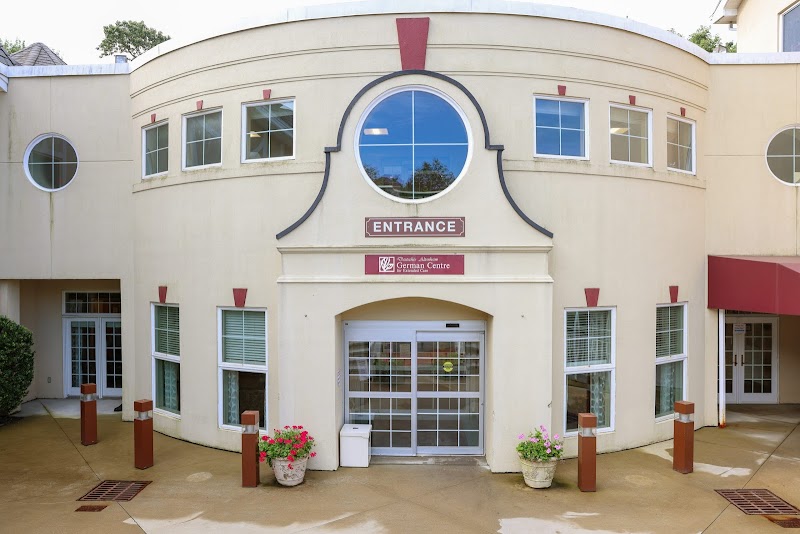
How is German Center For Extended Care Staffed?

CMS rates GERMAN CENTER FOR EXTENDED CARE's staffing level at 4 out of 5 stars, which is above average compared to other nursing homes. Staff turnover is 27%, compared to the Massachusetts average of 46%. This relatively stable workforce can support continuity of care.

What Have Inspectors Found at German Center For Extended Care?

State health inspectors documented 22 deficiencies at GERMAN CENTER FOR EXTENDED CARE during 2022 to 2025. These included: 22 with potential for harm.
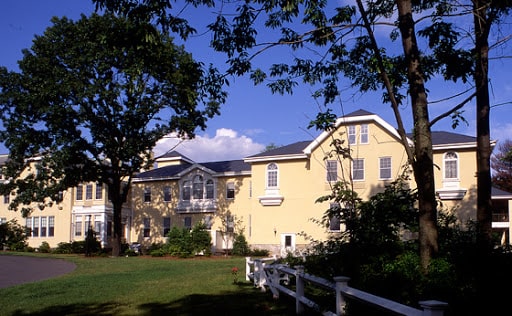
Who Owns and Operates German Center For Extended Care?

GERMAN CENTER FOR EXTENDED CARE is owned by a for-profit company. For-profit facilities operate as businesses with obligations to shareholders or private owners. The facility is operated by CHELSEA JEWISH LIFECARE, a chain that manages multiple nursing homes. With 133 certified beds and approximately 122 residents (about 92% occupancy), it is a mid-sized facility located in BOSTON, Massachusetts.

How Does German Center For Extended Care Compare to Other Massachusetts Nursing Homes?

Compared to the 100 nursing homes in Massachusetts, GERMAN CENTER FOR EXTENDED CARE's overall rating (3 stars) is above the state average of 2.9, staff turnover (27%) is significantly lower than the state average of 46%, and health inspection rating (3 stars) is at the national benchmark.

What Should Families Ask When Visiting German Center For Extended Care?

Based on this facility's data, families visiting should ask: "Can I visit during a mealtime to observe dining assistance and food quality?" "How do you handle medical emergencies, and what is your hospital transfer rate?" "Can I speak with family members of current residents about their experience?"

Is German Center For Extended Care Safe?

Based on CMS inspection data, GERMAN CENTER FOR EXTENDED CARE has a clean safety record: no substantiated abuse findings (meaning no confirmed cases of resident harm), no Immediate Jeopardy citations (the most serious violation level indicating risk of serious injury or death), and is not on the Special Focus Facility watch list (a federal program monitoring the lowest-performing 1% of nursing homes). The facility has a 3-star overall rating and ranks #1 of 100 nursing homes in Massachusetts. While no facility is perfect, families should still ask about staff-to-resident ratios and recent inspection results during their visit.

Do Nurses at German Center For Extended Care Stick Around?

Staff at GERMAN CENTER FOR EXTENDED CARE tend to stick around. With a turnover rate of 27%, the facility is 19 percentage points below the Massachusetts average of 46%. Low turnover is a positive sign. It means caregivers have time to learn each resident's needs, medications, and personal preferences. Consistent staff also notice subtle changes in a resident's condition more quickly. Registered Nurse turnover is also low at 29%, meaning experienced RNs are available to handle complex medical needs.

Was German Center For Extended Care Ever Fined?

GERMAN CENTER FOR EXTENDED CARE has been fined $91,840 across 1 penalty action. This is above the Massachusetts average of $33,997. Fines in this range indicate compliance issues significant enough for CMS to impose meaningful financial consequences. Common causes include delayed correction of deficiencies, repeat violations, or care failures affecting resident safety. Families should ask facility leadership what changes have been made since these penalties.

Is German Center For Extended Care on Any Federal Watch List?

GERMAN CENTER FOR EXTENDED CARE is not on any federal watch list. The most significant is the Special Focus Facility (SFF) program, which identifies the bottom 1% of nursing homes nationally based on persistent, serious quality problems. Not being on this list means the facility has avoided the pattern of deficiencies that triggers enhanced federal oversight. This is a positive indicator, though families should still review the facility's inspection history directly.