NORTH END REHABILITATION AND HEALTHCARE CENTER


70 FULTON STREET, BOSTON, MA 02109 (617) 726-9701
For profit - Limited Liability company 100 Beds MARQUIS HEALTH SERVICES Data: November 2025 2 Immediate Jeopardy citations
Trust Grade
6/100
#302 of 338 in MA
Last Inspection: May 2025

Inspected within the last 6 months. Data reflects current conditions.

Overview

North End Rehabilitation and Healthcare Center has received a Trust Grade of F, indicating significant concerns and that it is performing poorly compared to other facilities. It ranks #302 out of 338 in Massachusetts, placing it in the bottom half, and #20 out of 22 in Suffolk County, suggesting limited local options that are better. The facility is experiencing a worsening trend, with the number of identified issues increasing from 4 in 2024 to 8 in 2025. Staffing is rated average, with a 3 out of 5 stars and a turnover rate of 47%, which is around the state average. However, the center does have good RN coverage, exceeding 95% of other Massachusetts facilities, which can help catch potential issues. Specific incidents raise serious concerns: one critical finding involved a nurse failing to perform CPR immediately on a resident who was unresponsive, as their CPR certification had expired, leading to a dangerous delay. Additionally, there was a serious issue where a resident at risk for malnutrition was not properly monitored, resulting in significant weight loss and the need for protein supplements. While there are some strengths, such as RN coverage, the numerous deficiencies and critical incidents suggest families should be cautious and thoroughly assess this facility.

Trust Score
F
6/100
In Massachusetts
#302/338
Bottom 11%
Safety Record
High Risk
Review needed
Inspections
Getting Worse
4 → 8 violations
Staff Stability
⚠ Watch
47% turnover. Above average. Higher turnover means staff may not know residents' routines.
Penalties
○ Average
$27,115 in fines. Higher than 63% of Massachusetts facilities. Some compliance issues.
Skilled Nurses
✓ Good
Each resident gets 73 minutes of Registered Nurse (RN) attention daily — more than 97% of Massachusetts nursing homes. RNs are the most trained staff who catch health problems before they become serious.
Violations
⚠ Watch
27 deficiencies on record. Higher than average. Multiple issues found across inspections.
★☆☆☆☆
1.0
Overall Rating
★★★☆☆
3.0
Staff Levels
★★★★☆
4.0
Care Quality
★☆☆☆☆
1.0
Inspection Score
Stable
2024: 4 issues
2025: 8 issues

The Good

  • 4-Star Quality Measures · Strong clinical quality outcomes
  • Full Sprinkler Coverage · Fire safety systems throughout facility
  • No fines on record

Facility shows strength in quality measures, fire safety.

The Bad

1-Star Overall Rating

Below Massachusetts average (2.9)

Significant quality concerns identified by CMS

Staff Turnover: 47%

Near Massachusetts avg (46%)

Higher turnover may affect care consistency

Federal Fines: $27,115

Below median ($33,413)

Moderate penalties - review what triggered them

Chain: MARQUIS HEALTH SERVICES

Part of a multi-facility chain

Ask about local staffing decisions and management

The Ugly 27 deficiencies on record

2 life-threatening 1 actual harm
May 2025 8 deficiencies 2 IJ
CRITICAL (J)

Immediate Jeopardy (IJ) - the most serious Medicare violation

Deficiency F0678 (Tag F0678)

Someone could have died · This affected 1 resident

**NOTE- TERMS IN BRACKETS HAVE BEEN EDITED TO PROTECT CONFIDENTIALITY** Based on record review and interview, the facility failed to immediately perform cardiopulmonary resuscitation (CPR) according t...

Read full inspector narrative →
**NOTE- TERMS IN BRACKETS HAVE BEEN EDITED TO PROTECT CONFIDENTIALITY** Based on record review and interview, the facility failed to immediately perform cardiopulmonary resuscitation (CPR) according to professional standards of care for one Resident (#89), who was a full code, out of a total sample of 26 residents. Specifically, after Resident #89 was found with no pulse the nurse on duty, whose CPR certification had expired, left the Resident in a room with a Certified Nursing Aide (CNA), while he retrieved life saving materials and called 911, delaying life saving CPR measures for Resident #89. Findings include: Review of the current American Heart Association: CPR (cardiopulmonary resuscitation) and First Aide indicates that CPR - or Cardiopulmonary Resuscitation - is an emergency lifesaving procedure performed when the heart stops beating. Immediate CPR can double or triple chances of survival after cardiac arrest. The American Heart Association indicates that after successfully completing CPR training, your CPR certification lasts 2 years. Review of the facility policy titled Emergency Procedure- Cardiopulmonary Resuscitation and Basic Life Support (BLS), dated 2001, indicated the following: - If an individual (resident, visitor, or staff member) is found unresponsive and not breathing normally, a staff member who is certified in CPR for healthcare providers/BLS will administer CPR unless: * It is known that a do not resuscitate (DNR) order that specifically prohibits CPR and/or external defibrillation exists for that individual - General Sequence for Adult Basic Life Support * Ensure scene safety. * Check for response. * Shout for nearby help/activate the resuscitation team * Check for no breathing or only gasping and check pulse (ideally simultaneously) * Retrieve and activate the AED (automated external defibrillator) /Emergency equipment immediately after the check for no normal breathing and no pulse identifies cardiac arrest. * Immediately begin CPR and use the AED/defibrillator when available. * When the second rescuer arrives, provide 2-rescuer CPR and use the AED/defibrillator Resident #89 was admitted in [DATE] with diagnoses including chronic kidney disease, hypertension, and type 2 diabetes. Review of the Minimum Data Set (MDS), dated [DATE], indicated Resident #89 could not participate in the Brief Interview for Mental Status exam due to severely impaired cognition. Review of the MDS indicated that Resident #89 was a full code (a medical term indicating a patient's consent to receive all life saving measures). Review of the nursing progress note, dated [DATE], written by Nurse #1, indicated the following: At 5:00 am this nurse went into residents' room to change his/her feeding but observed that resident do [sic] not have the rising and falling of chest. This nurse touched Resident, and he/she was warm to touch but without response and no pulse. This nurse paged code blue, initiated CPR on patient and called 911. 911 arrived and took over from this nurse, on assessment, they said the patient may have expired about an house [sic] ago. The DON has been notified, so also is the family [sic]. At present, the family do not have a funeral home of choice and will notify the facility as soon as they nominate one. During an interview on [DATE] at 8:27 A.M., Nurse #1 said that he believes Resident #89 was a full code at the time of the code and said the Resident was alive at 2:00 A.M. when he did rounds. Nurse #1 said he went to check on the Resident when doing the morning medication pass, about 5:00 am, and saw that he/she was not breathing and had no pulse. Nurse #1 said he initiated a sternum rub, but got no response. Nurse #1 said he had to call 911 immediately so he asked a Certified Nursing Aide (CNA) to stay with the Resident while he went to call 911 and a code blue (a page made overhead to alert the building that emergency response is necessary). Nurse #1 said that after he called 911 and a code blue, he went to get the crash cart (a cart with supplies to perform life saving measures). After he retrieved the crash cart, he put the board behind the Resident's back and started CPR compressions. Nurse #1 said that Nurse #2, from the other unit, came up to assist with setting up the AED (automated external defibrillator) before EMS (emergency medical services) arrived. Nurse #1 said that the CNA, who was left with the Resident, did not start CPR and was told to wait until he got back from calling emergency response. Nurse #1 said that he wasn't sure if the CNA could start CPR, but it was his judgement call to have the CNA stay with the Resident before he went to call 911. Review of the nursing progress note, dated [DATE], written by Nurse #2, indicated the following: Around 5:00 am assigned nurse reported that resident was found unresponsive. Code blue was called x 3. 911 was called. CPR initiated. 911 came in around 5:20 am and pronounced the resident dead. Physician [sic] was notified and gave order to do the RN (registered nurse) pronouncement and release the body to the family's funeral home of choice. HCP (health care proxy) was notified and said she will be in shortly. During an interview on [DATE] at 10:07 A.M., Nurse #2 said that he was the Registered Nurse in the facility that shift and went up to the unit when he heard the code blue being called. Nurse #2 said that when he arrived, the crash cart had already been set up, the AED had been used, and he saw Nurse #1 performing CPR. Nurse #2 said that he called the pronouncement for Resident #89's death after EMS arrived. Review of the Emergency Medical Services report indicated that emergency services was dispatched at 5:16 A.M. and arrived to the facility at 5:20 A.M. Review of the report indicated the following: 76 yo (year old) patient found supine (lying flat) in bed of dispatched address. Pt unresponsive, skin cool pale, with lividity (reddish-purple discoloration on the skin) on posterior, and apneic (cessation of breathing). Staff reports unknown downtime and performing CPR on pt prior to EMS (emergency medical services) arrival. Upon assessment pt found to have lividity on posterior of back, lung sounds absent bilaterally, pupils fixed and dilated, carotid pulse (a way to assess a patients heart rate) completely absent. Pt declared non-viable (dead), and Pt left with rehabilitation facility for post mortem (after death) handling . Review of the CPR certification for Nurse #1 indicated his CPR certification expired in August of 2024. Review of the current CPR certification indicated Nurse #1 renewed his CPR certification on [DATE], approximately one month after the incident with Resident #89. During an interview on [DATE] at 9:30 A.M., the Director of Nursing said that if a Resident is unresponsive with no pulse, then the Nurse on duty should check the code status of the Resident and immediately start CPR. The Director of Nursing said that it is not the expectation for the CNA to start CPR. The Director of Nursing said that she would have expected CNA to go call 911 and code blue, and retrieve the crash cart while the nurse starts performing CPR. The Director of Nursing said that the facility uses a code sheet (a sheet to record the timing and event of the code) to determine when CPR was started, but it was not completed for the code that occurred with Resident #89. The Director of Nursing said she was unsure if code sheets were being implemented at that time. During an interview on [DATE] at 9:54 A.M., the Physician said that the facility should be following the standard ACLS (Advanced Cardiovascular Life Support) protocol. Review of the American Heart Association's Adult Basic and Advanced Life Support Guidelines indicate the following (https://cpr.heart.org/en/resuscitation-science/cpr-and-ecc-guidelines/adult-basic-and-advanced-life-support): - Recognition of cardiac arrest: 1. If a victim is unconscious/unresponsive, with absent or abnormal breathing (ie, only gasping), the healthcare provider should check for a pulse for no more than 10 s (seconds) and, if no definite pulse is felt, should assume the victim is in cardiac arrest. - It has been shown previously that all rescuers may have difficulty detecting a pulse, leading to delays in CPR, or in some cases CPR not being performed at all for patients in cardiac arrest. Recognition of cardiac arrest by lay rescuers, therefore, is determined on the basis of level of consciousness and the respiratory effort of the victim. Recognition of cardiac arrest by healthcare providers includes a pulse check, but the importance of not prolonging efforts to detect a pulse is emphasized. 2. After identifying a cardiac arrest, a lone responder should activate the emergency response system first (911) and immediately begin CPR. During an interview on [DATE] at 9:27 A.M., the Director of Nursing said she did not know that Nurse #1 was not CPR certified. The Director of Nursing said that the facility should have made sure that Nurse #1 had a current CPR certification upon hire. The Director of Nursing said that both CNAs on the floor confirmed they did not start CPR on Resident #89 at the time of the code. During an interview on [DATE] at 7:55 A.M., the Director of Nursing said that the facility did a house-wide CPR course on all staff on [DATE], as part of the facility's immediate removal plan, and told the surveyors that the fire department educated the staff on immediately performing CPR and having another staff member call emergency response. The Director of Nursing said the fire department instructed the staff that, if there were no other staff around, to immediately perform CPR for at least 2 minutes before running to call 911. Refer to F726.
CRITICAL (J)

Immediate Jeopardy (IJ) - the most serious Medicare violation

Deficiency F0726 (Tag F0726)

Someone could have died · This affected 1 resident

**NOTE- TERMS IN BRACKETS HAVE BEEN EDITED TO PROTECT CONFIDENTIALITY** Based on record review and interview, the facility failed to ensure the assigned nurse was competent to perform Cardiopulmonary ...

Read full inspector narrative →
**NOTE- TERMS IN BRACKETS HAVE BEEN EDITED TO PROTECT CONFIDENTIALITY** Based on record review and interview, the facility failed to ensure the assigned nurse was competent to perform Cardiopulmonary Resuscitation (CPR) on one Resident (#89), who was a full code, after he/she was found unresponsive, out of a total sample of 26 residents. Findings include: Review of the current American Heart Association: CPR (cardiopulmonary resuscitation) and First Aide indicates that CPR - or Cardiopulmonary Resuscitation - is an emergency lifesaving procedure performed when the heart stops beating. Immediate CPR can double or triple chances of survival after cardiac arrest. Review of the facility assessment indicated the following: Staff Education and Competency: Department specific training and competencies are completed with staff throughout employment to ensure that they can safely and competently provide the levels and types of care required by our resident population .As a part of ongoing education and training, mock drills are scheduled on a rotating shift and day schedule . The facility also implements additional staff education as a result of QAPI (Quality Assurance and Performance Improvement) actions and those incorporated in plans of correction. Review of the facility assessment also indicated that staff are to receive annual CPR competencies and ensure that CPR certification is renewed every two years. Review of the Minimum Data Set (MDS), dated [DATE], indicated Resident #89 could not participate in the Brief Interview for Mental Status exam due to severely impaired cognition. Review of the MDS indicated that Resident #89 was a full code (a medical term indicating a patient's consent to receive all life saving measures). Review of the nursing progress note, dated [DATE], indicated the following: At 5:00 am this nurse went into residents' room to change his/her feeding but observed that resident do [sic] not have the rising and falling of chest. This nurse touched Resident, and he/she was warm to touch but without response and no pulse. This nurse paged code blue, initiated CPR on patient and called 911. 911 arrived and took over from this nurse, on assessment, they said the patient may have expired about an house [sic] ago. The DON has been notified, so also is the family [sic]. At present, the family do not have a funeral home of choice and will notify the facility as soon as they nominate one. During an interview on [DATE] at 8:27 A.M., Nurse #1 said that he left Resident #89 with a CNA to go call 911 and a code blue (an overhead page indicating that emergency services are required), then retrieved the crash cart (a cart with supplies to perform life saving measures) before starting CPR on Resident #89. Review of the CPR certification for Nurse #1 indicated his CPR certification expired in August of 2024. Review of Nurse #1's annual competencies failed to indicate the facility ensured he completed the required annual CPR competency. Review of Nurse #1's CPR certification indicated his CPR certification expired in August of 2024, six months prior to the incident that occurred in February 2025. During an interview on [DATE] at 9:27 A.M., the Director of Nursing said she did not know that Nurse #1 was not CPR certified at the time of the code. The Director of Nursing said that the facility should have made sure that Nurse #1 had renewed his CPR certification at the time of renewal. During an interview on [DATE] at 7:55 A.M., the Director of Nursing said that the Staff Development Coordinator (SDC) was responsible for ensuring staff competencies and CPR recertification. The Director of Nursing said that both the staff development coordinator and human resources had left and she was taking over the assigned duties of both roles. The SDC left on [DATE] and human resources left on [DATE]. The Director of Nursing said that the facility hadn't done any mock codes (practice codes for when a real one takes place) in the past year, as indicated in the facility assessment, and that the CPR certification is what nurses receive for their CPR competencies. The Director of Nursing said that they did another audit during survey, as part of the facility's removal plan, and identified another nurse whose CPR certification had expired. During an interview on [DATE] at 8:20 A.M., the Medical Director said it is his expectation that the facility and the individual nurse ensure that their CPR certifications are renewed on time.
CONCERN (D)

Potential for Harm - no one hurt, but risky conditions existed

Comprehensive Care Plan (Tag F0656)

Could have caused harm · This affected 1 resident

Based on observations, record review and interviews, the facility failed to ensure a comprehensive resident-centered care plan was developed for two Residents (#5 and #33) out of a total sample of 26 ...

Read full inspector narrative →
Based on observations, record review and interviews, the facility failed to ensure a comprehensive resident-centered care plan was developed for two Residents (#5 and #33) out of a total sample of 26 Residents. Specifically, 1. For Resident #5, the facility failed to identify the make, model, serial number, cardiologist information, implant date, and pacer rate for the monitoring and care of a pacemaker. 2. For Resident #33, the facility failed to develop an individualized comprehensive resident-centered care plan related to the monitoring and care of a pacemaker. Findings include: Review of the facility policy titled Pacemaker, Care of a Resident with, revised December 2015, indicated the following: Purpose and Procedure: - The purpose of this is to provide information about and guidance for the care of a resident with a pacemaker. Monitoring: - Monitor the resident for pacemaker failure by monitoring signs and symptoms of bradycardia. - The resident will have an EKG (electrocardiogram) annually, or as ordered, to monitor changes in the heart's electrical activity. Documentation: - For each resident with a pacemaker, document the following in the medical record and on a pacemaker identification card upon admission: a. The name, address, and telephone number of the cardiologist. b. Type of pacemaker. c. Type of pacemaker. d. Manufacturer and model. e. Serial number. f. Date of implant. g. Paced rate. 1. Resident #5 was admitted to the facility September 2024 with diagnoses including chronic obstructive pulmonary disease (COPD) and the presence of a pacemaker. Review of Resident #5's most recent Minimum Data Set (MDS) assessment, dated 3/13/25, indicated a Brief Interview for Mental Status (BIMS) exam score of 14 out of a possible 15, indicating intact cognition. Further review of the MDS indicated Resident #5 was dependent on staff for functional daily activities and had an active diagnosis of a cardiac pacemaker. Review of Resident #5's care plan, initiated 11/21/24, failed to indicate a pacemaker care plan identifying the pacemakers' serial number, make and model, date of implant, paced rate, frequency of pacemaker checks and cardiologist information. During an interview on 5/5/25 at 2:43 P.M., Nurse #3 said she monitors vital signs for any resident with a pacemaker and that she follows the doctors' recommendations. Nurse #3 said she was unsure if the specific pacemaker information and pacer rate should be included in the care plan and that she monitors the vital signs and notifies the doctor of any irregularities. During an interview on 5/5/25 at 3:47 P.M., the Director of Nursing said a pacemaker care plan should include the paced rate, frequency of checks, make and model, cardiologist information, the serial number, and implant date so the nurses are aware. 2. Resident #33 was admitted to the facility in August 2024 with diagnoses including atrioventricular block and the presence of a cardiac pacemaker. Review of Resident #33's most recent Minimum Data Set (MDS) assessment, dated 4/24/25, indicated a Brief Interview for Mental Status (BIMS) exam score of 14 out of a possible 15, indicating intact cognition. Further review of the MDS indicated Resident #33 required partial/moderate to substantial/maximal assistance with functional daily activities and had an active diagnosis of a cardiac pacemaker. Review of Resident #33's care plans, initiated 8/2/24, failed to indicate a pacemaker care plan identifying the cardiologist information, pacemakers' paced rate, and frequency of pacemaker checks. During an interview on 5/5/25 at 2:43 P.M., Nurse #3 said she monitors vital signs for any resident with a pacemaker and that she follows the doctors' recommendations. Nurse #3 said she was unsure if the specific pacemaker information and pacer rate should be included in the care plan and that she monitors the vital signs and notifies the doctor of any irregularities. During an interview on 5/25/25 at 3:47 P.M., the Director of Nursing said she would expect a physician order to be put in place for the monitoring of the pacemaker, and a care plan should include the paced rate, frequency of checks, make and model, cardiologist name and phone number, the serial number, and implant date so the nurses are aware.
CONCERN (D)

Potential for Harm - no one hurt, but risky conditions existed

Respiratory Care (Tag F0695)

Could have caused harm · This affected 1 resident

**NOTE- TERMS IN BRACKETS HAVE BEEN EDITED TO PROTECT CONFIDENTIALITY** Based on observations, interviews, and record review, the facility failed to ensure staff provided the necessary care and servic...

Read full inspector narrative →
**NOTE- TERMS IN BRACKETS HAVE BEEN EDITED TO PROTECT CONFIDENTIALITY** Based on observations, interviews, and record review, the facility failed to ensure staff provided the necessary care and services in accordance with professional standards of practice for two Residents (#47 and #71), out of a total sample of six residents on a ventilator. Findings include: Review of the facility policy titled Departmental (Respiratory therapy)-Prevention of Infection, dated revised November 2011, indicated to change respiratory tubing every seven (7) days, or as needed. 1. Resident #47 was admitted to the facility in April 2025 with diagnoses including respiratory failure, paraplegia and protein-calorie malnutrition. Review of the Minimum Data Set (MDS) assessment dated [DATE], indicated Resident #47 has severe cognitive impairment and was unable to complete the Brief Interview for Mental Status exam. Further review indicated that Resident #47 requires total dependence on staff for all activities of daily living and receives a high concentration of oxygen via a tracheostomy mask. On 5/4/25 at 8:15 A.M., the surveyor observed Resident #47 lying in bed receiving humidified oxygen via a trach (tracheostomy) collar. The surveyor also observed that the trach tubing was dated 4/13/25. Review of the physician's orders dated May 2025 indicated an order for Humidified Air via Trach Collar at 35% continuously every shift. Further review failed to indicate an order for when the trach tubing via trach collar is to be changed. During an interview on 5/4/25 at 8:24 A.M., Respiratory Therapist #1 said the Respiratory Therapist changes all ventilator tubing every Sunday. During an interview on 5/5/25 at 3:47 P.M., the Director of Nursing said that all respiratory tubing connected to a trach or vent is to be changed according to the physician's orders. If there are no physician's order, then the tubing would be changed weekly per facility policy. She then said that all respiratory tubing should have a physician's order in place for frequency of tubing changes. 2. Resident #71 was admitted to the facility in January 2025 with diagnoses including protein-calorie malnutrition, dysphagia, and Guillain-Barre Syndrome. Review of the Minimum Data Set (MDS) assessment dated [DATE], indicated that Resident #71 was severely cognitively impaired, as evidenced by a score of 7 out of 15 on the Brief Interview for Mental Stats exam. Further review indicated that Resident #71 was substantially/dependent on staff for all activities of daily living. Further review indicated that Resident #71 was on a ventilator. On 5/4/25 at 8:17 A.M., the surveyor observed Resident #71 in bed on a ventilator. The surveyor also observed that the ventilator tubing was dated 4/20/25. Review of the physician's orders dated May 2025 indicated an order for trach (tracheostomy) mask via cool mist at 35% continuously every shift. Further review indicated an order to change all disposable equipment weekly on Wednesday 11p-7a and PRN (as needed). Review of the current care plan, dated 5/1/25, indicated an intervention to keep respiratory equipment clean and change disposable equipment per facility policy. During an interview on 5/4/25 at 8:24 A.M., Respiratory Therapist #1 said the Respiratory Therapist changes all ventilator tubing every Sunday. During an interview on 5/5/25 at 3:47 P.M., the Director of Nursing said that all respiratory tubing connected to a trach or vent is to be changed according to the physician's orders. If there are no physician's order, then the tubing would be changed weekly per facility policy. She then said that all respiratory tubing should have a physician's order in place for frequency of tubing changes.
CONCERN (D)

Potential for Harm - no one hurt, but risky conditions existed

Deficiency F0761 (Tag F0761)

Could have caused harm · This affected 1 resident

Based on observations, interviews and policy review, the facility failed to ensure staff stored drugs and biologicals in accordance with State and Federal requirements. Specifically, the facility fail...

Read full inspector narrative →
Based on observations, interviews and policy review, the facility failed to ensure staff stored drugs and biologicals in accordance with State and Federal requirements. Specifically, the facility failed to ensure a medication cart and treatment carts on the fourth floor were locked while a nurse was not present. Findings include: Review of the facility policy titled Medication Labeling and Storage, revised February 2023, indicated the following: - The facility stores all medications and biologicals in locked compartments under proper temperature, humidity and light controls. Only authorized personnel have access to keys. - Compartments (including, but not limited to, drawers, cabinets, rooms, refrigerators, carts, and boxes) containing medications and biologicals are locked when not in use, and trays or carts used to transport such items are not left unattended if open or otherwise potentially available to others. On 5/4/25 at 7:05 A.M., the surveyor observed a medication cart in the 4th floor hallway unlocked and without a nurse present. The surveyor opened the medication cart drawers and stood there while a certified nurse's aide walked by the surveyor and continued down the hall. The surveyor also observed another staff member sitting in a room at the end of the hall looking at the surveyor at the open medication cart. The surveyor was able to access the medication cart for 4 minutes without staff interference. During an interview on 5/4/25 at 7:09 A.M., Nurse #6 said that she is the only one allowed access to the medication cart and it should not be open. On 5/4/25 at 8:03 A.M., the surveyor observed a treatment cart, unlocked, next to the nurse's station on the 4th floor. The surveyor then observed the Admissions Director walking by the unlocked treatment cart multiple times without locking it. The surveyor was able to access the treatment cart without staff interference. On 5/4/25 at 8:04 A.M., the surveyor observed a treatment cart in the hallway of the 4th floor, unlocked, without a nurse in the surrounding area. The surveyor was able to access the treatment cart without staff interference. On 5/4/25 at 8:41 A.M., the surveyor observed a treatment cart next to the nurse's station unlocked, without the nurse present. Multiple other staff members were around the unlocked treatment cart. During an interview on 5/5/25 at 8:16 A.M., the Director of Nursing said that all medication carts and treatment carts are to be locked at all times when not in use.
CONCERN (D)

Potential for Harm - no one hurt, but risky conditions existed

Medical Records (Tag F0842)

Could have caused harm · This affected 1 resident

**NOTE- TERMS IN BRACKETS HAVE BEEN EDITED TO PROTECT CONFIDENTIALITY** Based on observation, record review, and interview, the facility failed to maintain an accurate medical record for two Residents...

Read full inspector narrative →
**NOTE- TERMS IN BRACKETS HAVE BEEN EDITED TO PROTECT CONFIDENTIALITY** Based on observation, record review, and interview, the facility failed to maintain an accurate medical record for two Residents (#71 and #72), out of a total sample of 26 residents. Specifically: 1. For Resident #71, the facility documented the ventilator tubing was changed when it was not. 2. For Resident #72, the facility documented the Resident recieved tube feedings at the wrong time. 1. Resident #71 was admitted to the facility in January 2025 with diagnoses including protein-calorie malnutrition, and dysphagia. Review of the Minimum Data Set assessment dated [DATE], indicated that Resident #71 was severely cognitively impaired, as evidenced by a score of 7 out of 15 on the Brief Interview for Mental Stats exam. Further review indicated that Resident #71 was substantially/dependent on staff for all activities of daily living. Further review indicated that Resident #71 was on a ventilator. On 5/4/25 at 8:17 A.M., the surveyor observed Resident #71 in bed on a ventilator. The surveyor also observed that the ventilator tubing was dated 4/20/25. Review of the physician's orders dated May 2025 indicated an order for trach (tracheostomy) mask via cool mist at 35% continuously every shift. Further review indicated an order to change all disposable equipment weekly on Wednesday 11p-7a and PRN (as needed). Review of the current care plan, dated 5/1/25, indicated an intervention to keep respiratory equipment clean and change disposable equipment per facility policy. Review of the facility document titled Respiratory Administration Record, dated April 2025, indicted the respiratory therapist signed, on 4/23/25 and 4/30/25, that the ventilator tubing was changed when it was not. During an interview on 5/4/25 at 8:24 A.M., Respiratory Therapist #1 said the Respiratory Therapist changes all ventilator tubing every Sunday. During an interview on 5/5/25 at 3:47 P.M., the Director of Nursing (DON) said that all respiratory tubing connected to a trach or vent is to be changed according to the physician's orders. The DON then said that the respiratory therapists should not be documenting that they changed the tubing when they did not. 2. Resident #72 was admitted to the facility in November 2024 with diagnoses including protein-calorie malnutrition, dysphagia, and amytrophic lateral sclerosis. Review of the Minimum Data Set assessment dated [DATE], indicated that Resident #72 cognitively intact as evidenced by a score of 14 out of 15 on the Brief Interview for Mental Status exam. Further review indicated that Resident #72 was totally dependent on staff for all activities of daily living. Further review indicated that Resident #72 received 51% or more of their nutrition through the use of a feeding tube. Review of the physician's orders dated May 2025 indicated the following conflicting orders: 1. Enteral Feed Order: Jevity 1.5 liquid via feeding tube hung up at 9 P.M. and take down at 6 P.M., via feeding pump set at 65 ml/hr (milliliters per hour) for 18 hours, total volume 1170 ml. 2. Enteral Feed Order: Jevity 1.5 liquid via feeding tube hung up at 9 A.M., and take down at 6 A.M., via feeding pump set at 65 ml/hr (milliliters per hour) for 18 hours, total volume 1170 ml. Review of the Medication Administration Record (MAR) dated May 2025 indicated that nurses signed for both conflicting orders 5/1/25, 5/2/25, 5/3/25 and 5/4/25. During an interview on 5/5/25 at 3:47 P.M., the Director of Nursing (DON) said that the tube feed orders were in error and the nurses should be signing only for one time frame.
CONCERN (D)

Potential for Harm - no one hurt, but risky conditions existed

QAPI Program (Tag F0867)

Could have caused harm · This affected 1 resident

**NOTE- TERMS IN BRACKETS HAVE BEEN EDITED TO PROTECT CONFIDENTIALITY** Based on record review and interview, the facility failed to implement adverse event monitoring to potentially prevent future ad...

Read full inspector narrative →
**NOTE- TERMS IN BRACKETS HAVE BEEN EDITED TO PROTECT CONFIDENTIALITY** Based on record review and interview, the facility failed to implement adverse event monitoring to potentially prevent future adverse events from occurring. Specifically, one Resident (#89), who was a full code, was found unresponsive and expired and the facility failed to identify and investigate the death, as it relates to Quality Assurance and Performance Improvement (QAPI). Findings include: According to the U.S. Department of Health and Human Services Office of Inspector General, an adverse event is defined as the following: An event in which care resulted in an undesirable clinical outcome-an outcome not caused by underlying disease-that prolonged the patient stay, caused permanent patient harm, required life-saving intervention, or contributed to death. https://oig.hhs.gov/reports/featured/adverse-events/ Review of the Facility Assessment, dated [DATE], indicated the following: Risk Identification and Quality Assurance Performance Improvement (QAPI) - The facility utilizes a comprehensive approach to risk identification and mitigation to ensure continous quality of care for its residents. - The interdisciplinary team addresses both the reactive and proactive aspects of risk identification and mitigation. Resident incidents are reviewed to ensure appropriate interventions have been implemented to prevent reoccurrence. A root cause analysis is conducted to ensure causal factors have been identified and addressed. - The QAPI committee will prioritize topics for performance improvement projects based on the current needs of the residents and our facility. Priority will be given to areas we define as high-risk to residents and staff, high- prevalence, or high-volume areas that are problem prone. Consideration of staff affected, and anticipated training needs will be reviewed prior to implementation of a performance improvement project. Resident #89 was admitted in [DATE] with diagnoses including chronic kidney disease, hypertension, and type 2 diabetes. Review of the Minimum Data Set (MDS), dated [DATE], indicated Resident #89 could not participate in the Brief Interview for Mental Status exam due to severely impaired cognition. Review of the MDS indicated that Resident #89 was a full code (a medical term indicating a patient's consent to receive all life saving measures). On [DATE], Resident #89, who was a full code, was found unresponsive and pulseless. Nurse #1 left the Resident in the room with a certified nursing aide and proceeded to dial 911, call a code blue, then retreive the crash cart before initiated CPR. Nurse #1's CPR certification had expired 6 months prior to the incident. Review of the nursing progress note, dated [DATE], written by Nurse #1, indicated the following: At 5:00 am this nurse went into residents' room to change his/her feeding but observed that resident do [sic] not have the rising and falling of chest. This nurse touched Resident, and he/she was warm to touch but without response and no pulse. This nurse paged code blue, initiated CPR on patient and called 911. 911 arrived and took over from this nurse, on assessment, they said the patient may have expired about an house [sic] ago. The DON has been notified, so also is the family [sic]. At present, the family do not have a funeral home of choice and will notify the facility as soon as they nominate one. During an interview on [DATE] at 7:55 A.M., the Director of Nursing said she was unaware that Nurse #1's CPR certification had expired and that Nurse #1 should not have provided CPR. The Director of Nursing said that it was the responsibility of the Staff Development Coordinator and Human Resources to ensure staff are up to date with their certification, but that both staff had left the facility, one on [DATE] and one on [DATE] . The Director of Nursing said she had taken over responsibilities of both positions until filled. The Director of Nursing said the positions had not been filled yet, but an SDC was starting soon. The Director of Nursing said that the facility had implemented a code sheet (a sheet used to record the event and timing of a code) to keep track of full code incidents in the building, but she was unsure of when they initiated the code sheets and said that sheet was never completed for the Resident that Nurse #1 performed CPR on. The Director of Nursing said that when an adverse event occurs, she will do an investigation into the event, however; the Director of Nursing said that she reviewed the notes in the electronic medical record and said that nothing stood out to her that would warrant an investigation of the situation. The Director of Nursing said she was notified of the incident, but was not aware that Nurse #1 did not start CPR immediately. During an interview on [DATE] at 8:33 A.M., the Administrator (at the time of the event) said when a death occurs (for someone who is a full code), the facility staff complete a code sheet and the Director of Nursing and Physician will review the code sheet, especially if the death was unexpected. The Administrator said that the facility will typically look into an unexpected death to find out what occurred in real time. The Administrator said that the Medical Director is very involved and would help the facility look into an unexpected death. The Administrator said that in January and February, the facility did an audit of human resources and employee files to improve the process, but CPR certification was not something that was identified during that audit and it was not brought to QAPI. During an interview on [DATE] at 8:20 A.M., the Medical Director said that it his expectation that all staff are recertified every 2 years. The Medical Director said he remembers being notified of the incident with Resident #89 because he is the one who completes the death certificates. The Medical Director said this Resident was tricky because he/she had a lot of comorbidities, but was not considered an expected death because the Resident was not on hospice. After a facility-wide audit, conducted during survey as part of the facility's removal plan, the facility identified that one more additional staff member's CPR certification had expired.
CONCERN (E)

Potential for Harm - no one hurt, but risky conditions existed

Tube Feeding (Tag F0693)

Could have caused harm · This affected multiple residents

**NOTE- TERMS IN BRACKETS HAVE BEEN EDITED TO PROTECT CONFIDENTIALITY** Based on observation, record review and interview, the facility failed to ensure nursing staff adhered to professional standards...

Read full inspector narrative →
**NOTE- TERMS IN BRACKETS HAVE BEEN EDITED TO PROTECT CONFIDENTIALITY** Based on observation, record review and interview, the facility failed to ensure nursing staff adhered to professional standards of practice for the administration of free water flushes and enteral tube feeding (water and nutrition taken through a tube directly into the stomach) for six out of seven Residents (#18, #40, #67, #71, #72 and #73) with a tube feed observed. Specifically: 1. For Resident #18, the facility failed to label and date the enteral free water administration bag. 2. For Resident #40, the facility failed to label and date the water administration bag and failed to ensure the amount of tube feeding administered followed the physician's order. 3. For Resident #67, the facility failed to label the tube feeding bottle and the free water administration bag with the date and time hung. 4. For Resident #71, the facility failed to label the free water administration bag with the date hung and failed to ensure the amount of tube feed administered followed the physician's order 5. For Resident #72, the facility failed to label the free water administration bag with the date hung. 6. For Resident #73, the facility failed to label the free water administration bag with the date hung and failed to ensure the amount of tube feed administered followed the physician's order. Findings include: Review of the facility policy titled Enteral Nutrition, revised November 2018, indicated adequate nutrition support through enteral nutrition is provided to residents as ordered. Review of the facility policy titled Enteral Feedings-Safety Precautions, revised November 2018, indicated that feed formulas are to be discarded 48 hours after opening. Further review failed to indicate that tube feedings and free water administration bags are to be labeled and dated. 1. Resident #18 was admitted to the facility in March 2025 with diagnoses including protein-calorie malnutrition, dependence on ventilator, and muscle wasting and atrophy. Review of the Minimum Data Set assessment dated [DATE], indicated that Resident #18 was moderately cognitively impaired and totally dependent of staff for all activities of daily living. Further review indicated that Resident #18 received 51% or more of their nutrition through the use of a feeding tube. Review of the current care plan indicated a focus of enteral tube feeding due to dysphagia with an intervention to administer tube feeding as ordered. Review of the physician's orders dated May 2025 indicated an order for free water flushes of 200 ml (milliliters) every six hours every shift. On 5/4/25 at 8:30 A.M., the surveyor observed that the water bag, instilling free water into the enteral tube, was not labeled with the date hung. 2. Resident #40 was admitted to the facility in February 2024 with diagnoses including protein-calorie malnutrition, dysphagia, and dependence on ventilator. Review of the Minimum Data Set assessment, dated 2/27/25, indicated that Resident #40 was severely cognitively impaired and totally dependent on staff for all activities of daily living. Further review indicated that Resident #40 received 51% or more of their nutrition through the use of a feeding tube. Review of the physician's orders indicated the following: every shift for nutrition Vital AF 1.2 @ 55 ml/hr (milliliters per hour), may use peptaman 1.5 until vital available. Further review indicated the following order: Enteral Feed order every 6 hours for hydration additional FWF (free water flush) of 200 ml q6h (every 6 hours). Review of the current care plan indicated a focus of enteral tube feeding due to dysphagia with an intervention to administer tube feeding as ordered. Review of the dietician's note dated 2/27/25 indicated the following: Note Text: TF (tube feed) reviewed. Rt (resident) currently on continuous feed of vital AF 1.2 @ 55 ml/hr w/additional FWF of 200 ml q6h (every 6 hours). This current regimen provides a total daily volume of 1320 ml, 1584 kcal, 99g pro (grams protein), 1871 ml fluid, meeting 100% of goal needs. No s/s/x (signs or symptoms) of intolerance noted. Wt (weight) reviewed. Unable to assess wt trend, last wt taken on 11/21/24. Rt (resident) known to refuse wt. Encourage obtaining wt as able to monitor accurate wt trend. Skin remains intact. Labs and meds reviewed. Recent lab notable for abnormally low creatinine. Continue current nutritional care plan and intervention. Continue to monitor. On 5/4/25 at 8:15 A.M., the surveyor observed a 1500 ml tube feed bottle hung, dated 5/2/25, and running at @ 55 ml/hr (milliliters per hour) with the label indicating the feed was started at 1800 (6 P.M.). The surveyor observed that the amount left in bottle was 300 ml. The surveyor also observed that the water bag was not labeled with the date hung. At a rate of 55 ml/hr for 38 hours the amount instilled should have been 2090 ml and not the 1200 ml as indicated on the bottle. 3. Resident #67 was admitted to the facility in September 2023 with diagnoses including protein-calorie malnutrition, dysphagia and Alzheimer's disease. Review of the Minimum Data Set assessment dated [DATE], indicated that Resident #67 was severely cognitively impaired and substantially to totally dependent on staff for all activities of daily living. Further review indicated that Resident #67 received 51% or more of their nutrition through the use of a feeding tube. Review of the physician's orders dated May 2025 indicated the following: every shift for Nutrition Continuous feed of Glucerna 1.0 @ 75 ml (total daily volume of 1800 ml) via J-tube. Further review indicated an order for free water flushes of 75 ml every 4 hours via J-tube (a tube directly inserted into the jejunum for the purpose of administering nutrition). On 5/4/25 at 8:11 A.M., the surveyor observed Resident #67 lying in bed with an enteral tube feeding bottle and enteral water administration bag hanging at bedside. The surveyor observed the tube feed running at 75 ml (milliliters) per hour. The surveyor also observed that the tube feeding bottle, and the free water administration bag were not labeled with the date and time hung. 4. Resident #71 was admitted to the facility in January 2025 with diagnoses including protein-calorie malnutrition, dysphagia, and Guillain-Barre Syndrome. Review of the Minimum Data Set assessment dated [DATE], indicated that Resident #71 was severely cognitively impaired as evidenced by a score of 7 out of 15 on the Brief Interview for Mental Status exam. Further review indicated that Resident #71 was substantially/dependent on staff for all activities of daily living. Further review indicated that Resident #71 received 51% or more of their nutrition through the use of a feeding tube. Review of the physician's orders dated May 2025 indicated the following order: Enteral: Glucerna 1.2 Cal liquid via feeding tube every shift, feeding pump set at 65 ml/hr (milliliters per hour) for 24 hours, total volume 1560 ml. Further review indicated an order for free water flushes of 200 ml every 4 hours. On 5/4/25 at 7:50 A.M., the surveyor observed Resident #71 lying in bed with a 1500 ml tube feed bottle with a time stamp of 1900 hours (7 P.M.), hanging and running at 65 ml/hr (milliliters per hour). The surveyor also observed the tube feed bottle to be dated 5/2/25 with 1000 ml left in the 1500 ml bottle. Based on the date and volume left in the bottle the amount that should have been instilled from 5/2/25 at 7 P.M. through 5/4/25 at 7:50 A.M. is 2405 ml and not the 500 ml indicated on the tube feed bottle. The surveyor also observed that the free water administration bag was not dated. 5. Resident #72 was admitted to the facility in November 2024 with diagnoses including protein-calorie malnutrition, dysphagia, and amytrophic lateral sclerosis. Review of the Minimum Data Set assessment dated [DATE], indicated that Resident #72 cognitively intact as evidenced by a score of 14 out of 15 on the Brief Interview for Mental Status exam. Further review indicated that Resident #72 was totally dependent on staff for all activities of daily living. Further review indicated that Resident #72 received 51% or more of their nutrition through the use of a feeding tube. Review of the physician's orders dated May 2025 indicated the following order: Enteral Feed Order: Jevity 1.5 liquid via feeding tube hung up at 9 P.M. and take down at 6 P.M., via feeding pump set at 65 ml/hr (milliliters per hour) for 18 hours, total volume 1170 ml. Further review indicated an order for free water flushes of 150 ml every 4 hours. On 5/4/25 at 8:24 A.M., the surveyor observed that the free water administration bag was not dated. 6. Resident #73 was admitted to the facility in June 2024 with diagnoses including severe protein-calorie malnutrition, dysphagia and amytrophic lateral sclerosis. Review of the Minimum Data Set assessment dated [DATE], indicated that Resident #73 was severely cognitively impaired. Further review indicated that Resident #73 was totally dependent on staff for all activities of daily living. Further review indicated that Resident #73 received 51% or more of their nutrition through the use of a feeding tube. Review of the physician's orders dated May 2025 indicated the following order: every shift Enteral: Osmolite 1.5 Cal liquid via feeding tube every shift, feeding pump set at 60 ml/hr for 21 hours. On 5/4/25 at 8:32 A.M., the surveyor observed the tube feed free water administration bag was not labeled with the date hung. The surveyor also observed an enteral feed running at 60 ml/hr, the tube feed bottle was dated 5/2/25, with a time stamp of hung up at 1800 (6 P.M.). The tube feed bottle had 350 ml left in it. At 60 ml/hr for a total of 35 hours, 2100 ml should have been instilled, not 1150 ml as was indicated by what was left in the bottle. During an interview on 5/5/25 at 8:16 A.M., the Director of Nursing (DON) said all enteral free water administration bags and tube feeding bottles should be labeled with the date and time hung as well as the prescribed rate of flow. The DON also said that the nurses should be checking to make sure that the prescribed amount to be instilled over a specific period of time was administered as ordered.
May 2024 4 deficiencies
CONCERN (D)

Potential for Harm - no one hurt, but risky conditions existed

Deficiency F0604 (Tag F0604)

Could have caused harm · This affected 1 resident

Based on observations, interviews, record review and policy review, the facility failed to identify and assess the use of pillows underneath a fitted sheet, bilaterally, as a potential restraint for o...

Read full inspector narrative →
Based on observations, interviews, record review and policy review, the facility failed to identify and assess the use of pillows underneath a fitted sheet, bilaterally, as a potential restraint for one Resident (#63) out of a total sample of 19 residents. Findings Include: Review of facility policy titled Use of Restraints, dated as revised April 2017, indicated the following: -Restraints shall only be used for the safety and well-being of the resident(s) and only after other alternatives have been tried unsuccessfully. -1. Physical Restraints are defined as any manual method or physical or mechanical device, material, or equipment attached or adjacent to the resident's body that the individual cannot remove easily, which restricts freedom of movement or restricts normal access to one's body. -6. Prior to placing a resident in restraints there shall be a pre-restraining assessment and review to determine the need for restraints. Resident #63 was admitted to the facility in September 2021 with diagnoses that include dementia, spinal stenosis, and anxiety disorder. Review of Resident #63's most recent Minimum Data Set (MDS) Assessment, dated 4/19/24 indicated he/she was unable to participate in the Brief Interview for Mental Status Exam and was assessed by staff as having severe cognitive impairment. On 5/21/24 at 7:58 A.M., the surveyor observed Resident #63 sleeping in bed with pillows tucked under his/her fitted sheet bilaterally. On 5/21/24 at 12:30 P.M., the surveyor observed Resident #63 in bed, pillows were tucked under his/her fitted sheet bilaterally. On 5/22/24 at 7:13 A.M., the surveyor observed Resident #63 sleeping in bed with pillows tucked under his/her fitted sheet bilaterally. On 5/23/24 at 6:42 A.M., the surveyor observed Resident #63 sleeping in bed with pillows tucked under his/ her fitted sheet bilaterally. Review of Resident #63's medical record failed to indicate a restraint assessment was completed to assess whether pillows tucked under the fitted sheet on his/her bed could be a restraint. Review of Resident #63's plan of care failed to indicate the use of pillows tucked into his/her fitted sheet. During an interview on 5/23/24 at 6:57 A.M., Certified Nursing Assistant (CNA) #1 said that she had worked overnight and took care of Resident #63. CNA #1 said that Resident #63 moves a lot in bed and the pillows tucked under the sheets prevent her from rolling out of the bed. During an observation and interview on 5/23/24 at 7:01 A.M., the Assistant Director of Nurses (ADON) observed the pillows under the fitted sheet and said that the pillows tucked into the sheets would be considered a restraint and Resident #63 was not assessed to have the use of a restraint. The ADON said that if staff are using any device that could be considered a restraint, an assessment would need to be completed. During an interview on 5/23/24 at 9:53 A.M., the Director of Nurses (DON) said that Resident #63 has not been assessed for the use of the pillows as a potential restraint and that staff have not been instructed to tuck pillows under the fitted sheet of Resident #63. The DON said that the pillows tucked under the fitted sheet could be considered a restraint.
CONCERN (D)

Potential for Harm - no one hurt, but risky conditions existed

Comprehensive Care Plan (Tag F0656)

Could have caused harm · This affected 1 resident

**NOTE- TERMS IN BRACKETS HAVE BEEN EDITED TO PROTECT CONFIDENTIALITY** Based on record review and interview, the facility failed to develop and implement care plans for one Resident (#57) out of a to...

Read full inspector narrative →
**NOTE- TERMS IN BRACKETS HAVE BEEN EDITED TO PROTECT CONFIDENTIALITY** Based on record review and interview, the facility failed to develop and implement care plans for one Resident (#57) out of a total of 19 sampled residents. Specifically, the facility failed to develop and implement a plan of care related to an implantable cardioverter defibrillator. Findings include: Review of the facility's policy Care of Implantable Cardioverter Defibrillator, undated, indicated: Overview: An implantable cardioverter defibrillator (ICD) is a small device placed in the chest that detects and corrects life-threatening irregular heart rhythms and can help the heart maintain a steady, stable rhythm. ICD's can deliver a defibrillating shock to attempt to correct the heart rhythm. Monitor: Monitor the resident for ICD failure by monitoring for signs and symptoms of arrhythmias. Monitor the resident for a defibrillating shock (ICD). If the ICD delivers a shock, encourage the resident to stay calm, find a safe place for the resident to assist or lie down, perform an assessment of the resident and notify the physician for further actions. Call emergency services and initiate CPR if indicated. The ICD battery will be monitored closely through the telephone or an internet connection. Documentation: For each resident with an ICD, document the resident's individualized needs and intervention in the care plan. For residents with an ICD, document the following in the medical record upon admission: The name, address and telephone number of the cardiologist, type of ICD, type of leads, manufacturer and model, serial number, date of implant. Resident #57 was admitted to the facility in [DATE] with diagnoses including end stage renal disease and chronic systolic heart failure. Review of Resident #57's hospital discharge paperwork indicated he/she had an ICD placed in [DATE]. Review of Resident #57's clinical record failed to indicate information related to Resident #57's ICD and failed to include a care plan with individualized interventions, methods or means for staff to monitor or identify his/her ICD. During an interview on [DATE] at 1:45 P.M., the Assistant Director of Nursing (ADON) said all information related to internal defibrillators should be included in the resident record. The ADON was not aware that Resident #57 had an internal defibrillator.
CONCERN (D)

Potential for Harm - no one hurt, but risky conditions existed

Deficiency F0658 (Tag F0658)

Could have caused harm · This affected 1 resident

**NOTE- TERMS IN BRACKETS HAVE BEEN EDITED TO PROTECT CONFIDENTIALITY** 2. Resident #2 was admitted to the facility in September 2021 with diagnoses that include Alzheimer's disease, insomnia, and his...

Read full inspector narrative →
**NOTE- TERMS IN BRACKETS HAVE BEEN EDITED TO PROTECT CONFIDENTIALITY** 2. Resident #2 was admitted to the facility in September 2021 with diagnoses that include Alzheimer's disease, insomnia, and history of falling. Review of Resident #2's Minimum Data Set (MDS) Assessment, dated 4/3/24, indicated a Brief Interview for Mental Status (BIMS) score of 11 out of a possible 15, indicating that Resident #2 has moderate cognitive impairment. Review of Resident #2's Physiatrist's progress note, dated 5/12/24, indicated, PT (physical therapy)/OT (occupational therapy) consult for ADLs (activities of daily living), bed mobility, transfers and ambulation training, to assess the candidacy for another bout of therapy, and to verify if right foot eversion is affecting gait. [Resident] was seen and examined at bedside this morning. IDT (interdisciplinary team) asked us to see this patient due to ongoing functional decline. Review of the medical record indicated that the most recent therapy evaluation was completed in January 2024. The medical record failed to indicate that the physiatrist's recommendations were acted upon for PT and OT consults. During an interview on 5/23/24 at 9:48 A.M., the Director of Nurses (DON) said that the IDT had asked physiatry services to see Resident #2 due to an ongoing functional decline. The DON said that usually the physiatrist will relay orders or recommendations to the nursing staff to communicate with Rehab staff. The medical record was reviewed with the DON and she said the request for therapy evaluations was not communicated to rehab, and that Resident #2 is not on rehabilitation services at this time. Based on observations, record review, policy review and interviews, the facility failed to meet professional standards of nursing practice for two Residents ( #18 and #3) out of a total sample of 19 Residents. Specifically, 1. For Resident #18, the facility failed to failed to address suicide threats in a timely manner. 2. For Resident #3 the facility failed to follow the recommendations from a physiatrist (a doctor who specializes in physical medicine and rehabilitation) for physical therapy and occupational therapy evaluations. Findings include: A review of the facility policy titled 'Suicide Threats' with a revision date of December 2007 indicated the following: -Resident suicide threats shall be taken seriously and addressed appropriately. -Staff shall report any resident threats of suicide immediately to the nurse supervisor/charge nurse. -A staff member shall remain with the resident until the nurse supervisor/charge nurse arrives to evaluate the resident. -After assessing the resident in more detail, the nurse supervisor/charge nurse shall notify the resident's attending physician and responsible party and shall seek further direction from the physician. -All nursing personnel and other staff involved in caring for the resident shall be informed of the suicide threat and instructed to report changes in the resident's behavior immediately. -As indicated, a psychiatric consultation or transfer for emergency psychiatric evaluation may be initiated. -If the resident remains in the facility, staff will monitor the resident's mood and behavior and update care plans accordingly, until a physician has determined that a risk of suicide does not appear to be present. -Staff shall document details of the situation objectively in the resident's medial record. 1. Resident #18 was admitted to the facility in December 2020 with diagnoses including major depressive disorder and psychotic disorder with delusions. A review of the most recent Minimum Data Set (MDS) assessment dated [DATE] indicated a Brief Interview for Mental (BIMS) score of 2 out of a possible 15, indicating severe cognitive impairment. On 5/21/24 at 8:03 A.M., the surveyor observed Resident #18 in bed, he/she was teary, rocking side to side in bed. The Resident told the surveyor he/she was going to kill himself/herself, the Resident said he/she was going to throw himself/herself out of the window and no one could stop him/her, the Resident said he/she was a nobody. During an interview on 5/21/24 at 8:09 A.M., the surveyor told the Unit Manager that the Resident was making suicidal threats. The Unit Manager said that the Resident makes suicidal threats all the time, she told the surveyor that the Resident was not going to kill himself/herself. The unit manager walked away and continued to pass breakfast trays. During an interview on 5/21/24 at 12:24 P.M., the Social Workers, Director of Nurses and Assistant Director of Nurses said the Unit Manager had not communicated to them about any concerns with Resident #18. They said that staff are expected to immediately put any resident who voices suicidal threats on one-to-one supervision while they notify the Director of Nurses. The Director of Nurses said the Resident is expected to remain on one-to-one supervision until a Psychiatric Nurse Practitioner assesses them and determines the risk of suicide does not appear to be present. The Director of Nurses said the Resident has had a lot of losses recently. She said the Unit Manger did not address the Resident's suicidal threats appropriately.
CONCERN (D)

Potential for Harm - no one hurt, but risky conditions existed

Medical Records (Tag F0842)

Could have caused harm · This affected 1 resident

Based on observation, record review and interview the facility failed to maintain accurate medical records for one Resident (#41) out of a total sample of 19 residents. Specifically, the facility inac...

Read full inspector narrative →
Based on observation, record review and interview the facility failed to maintain accurate medical records for one Resident (#41) out of a total sample of 19 residents. Specifically, the facility inaccurately documented the changing and replacement of a suprapubic catheter. Findings Include: Resident #41 was admitted to the facility in March 2022 with diagnoses that include muscle wasting and atrophy, benign prostate hyperplasia and retention of urine. Review of Resident #41's most recent Minimum Data Set (MDS) Assessment, dated 5/1/24, indicated a Brief Interview for Mental Status (BIMS) score of 4 out of a possible 15 indicating that the Resident has severe cognitive impairment. The MDS further indicated the presence of an indwelling urinary catheter. On 5/23/24 at 6:46 A.M., the surveyor observed a urinary drainage bag hanging on Resident #41's bed frame. Review of Resident #41's physician's orders indicated an order, dated 2/6/23, to replace the suprapubic catheter 14 fr (French), 10 ml (milliliters) balloon, monthly on the 6th of every month. Review of Resident #41's care plan indicated, I have a suprapubic catheter: for urinary retention, dated 4/5/22. Review of Resident #41's Treatment Administration Record indicated that the suprapubic catheter was documented as replaced 23 days in February 2024 and three days in March 2024. Review of Resident #41's progress notes indicated the following: -A progress note dated 4/1/24, Resident returned back from Mass General for sp (suprapubic) blockage. New sp cath (catheter) installed and patent. 2500 (ml) of urine obtained from resident at the hospital. -A progress note dated 4/8/24 The Resident was scheduled for urology appointment to have [suprapubic catheter] changed. Next appointment is scheduled for May 6th at 11:30 A.M. During an interview on 5/23/24 at 9:36 A.M., the Director of Nurses (DON) said that the suprapubic catheter was not changed 23 days in February and that the documentation was inaccurate. She said that the staff at the facility do not change suprapubic catheters as it is not a procedure performed in the facility. The DON said that the Resident goes out to urology for catheter replacements.
Jul 2023 2 deficiencies 1 Harm
SERIOUS (G) 📢 Someone Reported This

A family member, employee, or ombudsman was alarmed enough to file a formal complaint

Actual Harm - a resident was hurt due to facility failures

Deficiency F0692 (Tag F0692)

A resident was harmed · This affected 1 resident

**NOTE- TERMS IN BRACKETS HAVE BEEN EDITED TO PROTECT CONFIDENTIALITY** Based on records reviewed and interviews, for one of three sampled residents (Resident #1), who was assessed by nursing as being...

Read full inspector narrative →
**NOTE- TERMS IN BRACKETS HAVE BEEN EDITED TO PROTECT CONFIDENTIALITY** Based on records reviewed and interviews, for one of three sampled residents (Resident #1), who was assessed by nursing as being at risk for nutritional decline, the Facility failed to ensure based on his/her comprehensive assessment, that he/she maintained acceptable parameters of nutritional status, when he/she experienced a severe undesired significant weight loss and required the addition of protein supplements due to malnutrition. Findings include: The Facility Policy titled Nutritional Assessment, undated, indicated the dietician, in conjunction with the nursing staff and healthcare practitioners, will conduct a nutritional assessment for each resident upon admission (within current baseline assessment timeframe's) and as indicated by a change in condition that places the resident at risk for impaired nutrition. As part of the comprehensive assessment, the nutritional assessment will be systematic, multidisciplinary process that includes gathering and interpreting data and using that data to help define meaningful interventions for the resident at risk for or with impaired nutrition. The multidisciplinary team shall identify, upon the resident's admission and upon his/her change of condition and co-existing risk factors that may place the resident at increased risk for impaired nutrition. Sources of information may include, standardized nutrition screening and assessment tools, Resident Assessment Instrument, assessments from other disciplines, observation, resident and family interviews and the resident's medical record. Once current conditions and risk factors are identified, assessed and analyzed, the individual care plans will be developed that address or minimize to the extent possible the resident's risks for nutritional complications. Interventions will be developed within the context of the resident's prognosis and personal preferences. The individualized care plans shall address to the extend possible: identified causes of impaired nutrition, resident's personal preferences, goals and benchmarks for improvement, timeframe's and parameters for monitoring and reassessment. The Facility Policy titled Weight Assessment and Intervention, undated, indicated that resident's weights are monitored for undesirable or unintended weight loss or gain. Residents are weighed upon admission and at intervals established by the interdisciplinary team and or physician orders. - Any weight change of 5% or more since the last weight assessment is retaken for confirmation, - If the weight is verified, nursing will immediately notify the dietician in writing. - The threshold for significant unplanned and undesired weight loss will be based on: - 1 month - 5% weight loss is significant; greater than 5% is severe. - 3 months - 7.5% weight loss is significant; greater than 7.5% is severe. - 6 months - 10% weight loss is significant: greater than 10% is severe. - If the weight loss is desirable, this is documented. - Undesirable weight change is evaluated by the treatment team whether or not the criteria for significant weight change is met or not. - Care planning for weight loss or impaired nutrition is a multidisciplinary effort and includes the physician, nursing staff, dietician, pharmacist, and the resident or legal surrogate. - Individualized care plans will address the identified causes of weight loss, goals and benchmarks for improvement, timeframe's and parameters for monitoring and reassessment. - Interventions for undesirable weight loss are based on careful consideration of resident choice and preferences, nutrition hydration needs, functional factors that may inhibit independent eating, environmental factors that may inhibit appetite or desire to participate in meals, chewing and swallowing abnormalities and the need for diet modifications, medications that may interfere with appetite, chewing, swallowing or digestion, the use of supplementation and or feeding tubes, end of life decisions and advanced directives. Resident #1 was admitted to the Facility in December of 2022, diagnoses included dementia, hallucinations, delusions, paranoia, atrial fibrillation (irregular heart beat), high blood pressure and SIADH (Syndrome of Inappropriate Antidiuretic Hormone secretion), and a fall at home that resulted in a left fractured wrist and ulnar. Review of Resident #1's Care Plan titled Nutritional Problem,, initiated 12/2022 and reviewed and renewed with the completion of his/her MDS's in March and May of 2023, indicated Resident #1 was at risk for weight loss due to variable oral intake and cognitive decline with interventions that included the following: - he/she will consume at least 50% of meals. - encourage family to bring in culturally preferred meals. - maintain skin integrity. - obtain weights as ordered. - report a significant weight loss of 3 pounds (lbs) in 1 week, > (greater than 5% in 1 month, >7.5% in 3 months or > 10% in 6 months. - provide supplements as ordered to promote a gradual weight gain. Review of Resident #1's admission Minimum Data Set Assessment (MDS), dated [DATE], indicated Resident #1 required supervision of 1 staff member for eating, had swallowing difficulty, received speech therapy and weighed 140 lbs. Review of Resident #1's Quarterly MDS, dated [DATE], indicated Resident #1 required extensive physical assistance of 1 staff member for eating, had no difficulty with swallowing, no speech therapy, weight was 168 lbs. and he/she had no weight loss in the past 3 months. Review of Resident #1's Quarterly MDS, dated [DATE], indicated Resident #1 required extensive physical assistance of 1 staff member for eating, had coughing or choking during meals or when swallowing medications, was holding food in his/her mouth, received speech therapy, weight was 105 lbs, and he/she had a significant weight loss of 10% or more, in 6 months. The MDS indicated Resident #1 was not on a prescribed weight loss regime. Review of Resident #1's monthly weights, as documented by nursing indicated the following: 12/01/22 - 140.0 lbs. on admission, standing scale 12/18/22 - 140.0 lbs. hospital weight 01/07/23 - 166.2 lbs. via wheelchair scale 02/04/23 - 168.0 lbs. via wheelchair scale 03/10/23 - 118.8 lbs. standing scale 04/01/23 -114.0 lbs. via wheelchair scale 05/04/23 - 110.4 lbs. via wheelchair scale 06/01/23 - 104.8 lbs. via wheelchair scale 07/06/23 - 92.0 lbs. via wheelchair scale Resident #1 had a documented weight gain of greater than 10%, (in less than 30 days) with a weight of 140 lbs. on 12/01/22 and a weight of 169.9 lbs. on 12/24/22, however Resident #1 was not re-weighed per facility policy. Based on his/her documented weights, Resident #1 had a weight loss greater than 7.5 % 3 months, with a weight of 140.0 lbs. on 12/18/22 and a weight of 118.8 lbs. on 3/10/23, however Resident #1 was not re-weighed per facility policy. Further review of Resident #1's Dietician Progress Note, dated 3/13/23, indicated the admission weight of 140 lbs., (obtained back in December 2022) was likely inaccurate and the recorded weight on 3/10/23 of 118 lbs., was due to decreased oral intake and poor appetite. The Note indicated Glucerna supplements 3 times daily were implemented, continue weekly weights and trend weights from the new baseline of 118 lbs. obtained on 3/10/23. During an interview on 7/13/23 at 3:19 P.M., the Dietician said Resident #1 did have a weight loss, but the weight documentation in the 168 pound area were disputed due to inaccurate scales. The Dietician said the Facility re-calculated all the weight scales and re-weighed all the residents in March 2023. The Dietician said at that time, the Interdisciplinary Team decided the baseline weight for Resident #1 was 118 lbs. The Dietician said there was a period of time when Resident #1 was not eating anything. The dietician and the Food Service Director initiated serving rice and cooked vegetables for lunch and dinner to Resident #1 when no food was available from family members. The dietician said Resident #1 had been eating better but, she had not observed Resident #1 eating recently. The dietician said Resident #1 continued to suffer severe weight loss from March 2023 to through July 2023. However, although the facility determined in March 2023 that Resident #1's actual baseline weight was 118.0 lbs, he/she continued to experience an undesired weight loss, and based on his/her documented weight of 92.0 lbs., on 7/06/23, he/she had a severe significant weight loss of greater than 7.5 % in a 90 day period (with of loss of greater than 20% in that period). Further review of Resident #1's clinical record indicated on 5/31/23, Resident #1 developed a stage 2 pressure (break in skin, presents as an abrasion, blister or shallow crater) wound to his/her right buttock, a wound consult was completed and blood tests were ordered. Review of Resident #1's blood laboratory test results indicated his/her pre-albumin (blood test to measure malnutrition) level was critically low and he/she required the addition of a supplement for protein malnutrition (lack of proper nutrition). During an interview on 7/13/23 at 2:29 P.M., Certified Nursing Aide (CNA) #2 said Resident #1 was on her assignment almost everyday. CNA #2 said she feeds Resident #1 each morning while he/she is in bed. CNA #2 said breakfast is his/her best meal and likes 2 bowls of hot cereal, bananas and sometimes will drink orange juice. CNA #2 said Resident #1 does not eat well for lunch unless food brought in by the family is available. During an interview on 7/13/23 at 2:50 P.M., CNA #3 said she has cared for Resident #1 and that he/she eats breakfast in bed and usually is confused. CNA #3 said Resident #1 needs to be fed all meals, that he/she likes bananas. CNA #3 said Resident #1 but does not eat much at all for lunch. CNA #3 said an Ensure supplement is always available on his/her bedside table and Resident #1 will take a sip sometimes when offered by staff, but that she was not sure how much he/she drinks if staff does not and physically go in help him/her. During an interview on 7/13/23 at 4:30 P.M., Nurse #1 said she cares for Resident #1 daily, providing medications and treatments as ordered. Nurse #1 said Resident #1 eats breakfast in bed daily and needs to be fed by staff for all meals. Nurse #1 said Resident #1 eats fairly well for breakfast, but not much for lunch and dinner. Nurse #1 said Resident #1 will eat food brought in by family when available, and that Family brings in food approximately every other day. Review of Resident #1's Progress Note, dated 7/13/23, written by the Assistant Director of Nursing, indicated Resident #1 had triggered for weight loss on 7/12/23 and a re-weight was completed on 7/13/23, and he/she weighed 100.6 lbs.
CONCERN (D) 📢 Someone Reported This

A family member, employee, or ombudsman was alarmed enough to file a formal complaint

Potential for Harm - no one hurt, but risky conditions existed

Deficiency F0637 (Tag F0637)

Could have caused harm · This affected 1 resident

**NOTE- TERMS IN BRACKETS HAVE BEEN EDITED TO PROTECT CONFIDENTIALITY** Based on records reviewed and interviews for one of three sampled residents (Resident #1), who experienced a significant change ...

Read full inspector narrative →
**NOTE- TERMS IN BRACKETS HAVE BEEN EDITED TO PROTECT CONFIDENTIALITY** Based on records reviewed and interviews for one of three sampled residents (Resident #1), who experienced a significant change with a decline in overall status, related to Activities of Daily Living (ADLs), skin condition, and his/her nutritional status, the Facility failed to ensure nursing adequately identified the decline and completed a comprehensive Significant Change in Status Assessment (SCSA) Minimum Data Set (MDS), as required. Findings include: Review of the Centers for Medicare and Medicaid Services (CMS) Resident Assessment Instrument (RAI) Version 3.0 Manual indicated a Significant Change in Status Assessment (SCSA) must be completed within 14 days of determining the status was significant. A significant change means a major decline or improvement in the Resident's status that will not normally resolve itself without further intervention by staff or by implementing standard disease-related clinical interventions, that has an impact on more than one area of the Resident's health status, and requires interdisciplinary review or revision of the care plan. The Facility Policy titled Acute Condition Changes - Clinical Protocol, undated, indicated direct care staff, including nursing assistants will be trained in recognizing subtle but significant changes in the resident and how to communicate these changes to the nurse. The staff and physician will discuss possible causes of the condition change based on factors including resident history, current symptoms, medication regime and diagnostic test results. Resident #1 was admitted to the Facility in December of 2022, diagnoses included dementia, hallucinations, delusions, paranoia, atrial fibrillation (irregular heart beat), high blood pressure and Syndrome of Inappropriate Antidiuretic Hormone secretion (SIADH), and a fall at home that resulted in a left fractured wrist and ulnar. Review of Resident #1's admission MDS, dated [DATE], indicated he/she had severe cognitive impairment, and his/her level of staff assistance required for ADL care was documented as; - required limited assistance of 2 for transfers, - he/she was non-ambulatory, - required extensive physical assistance of 2 for dressing, - required supervision of 1 with eating, - required supervision of 1 for personal hygiene care, - always incontinent of bowel and bladder, - required limited assistance of 1 for toileting, - documented admission weight was 140 pounds. - skin was intact, he/she had no wounds. Review of Resident #1's Quarterly MDS, dated [DATE], indicated he/she had severe cognitive impairment. and his/her level of staff assistance required for ADL care was documented as; - required extensive physical assistance of 2 for transfers. - required limited physical assist of 1 to walk 50 feet with walker. - required extensive physical assistance of 2 for dressing. - required extensive physical assistance of 1 for eating. - required extensive physical assistance of 1 for personal hygiene. - was frequently incontinent of bowel and bladder. - required extensive physical assistance of 2 for toileting. - documented weight was 168 pounds (lbs.), - skin was intact, he/she had no wounds. Although, Resident #1 experienced a decline in ADL status related to his/her ability to participate in transfers, eating, hygiene, and toileting care needs, a Significant Change MDS was not initiated or completed. Review of Resident #1's Quarterly MDS, dated [DATE], indicated he/she had severe cognitive impairment. and his/her level of staff assistance required for ADL care was documented as; - required extensive physical assistance of 2 for transfers, - was non-ambulatory, - required extensive physical assistance of 2 for dressing, - required extensive physical assistance of 1 for eating. - required extensive physical assistance of 1 for personal hygiene. - was always incontinent of bowel and bladder. - required extensive physical assistance of 2 for toileting. - documented weight was 105 lbs. - skin, he/she had a Stage 2 (break in skin that presents as abrasion, blister, or shallow crater) pressure wound to right buttock. Although Resident #1 had a documented change in status which indicated he/she had a decline in two areas, a significant weight loss and the development a pressure injury, a Significant Change in Status MDS Assessment was not initiated or completed, within 14 days as required. Further review of Resident #1's medical record indicated that although he/she continued to experience significant weight loss, a Significant Change MDS was not initiated or completed. Review of Resident #1's monthly weights, as documented by nursing indicated the following: 12/01/22 - 140.0 lbs. on admission, standing scale 12/18/22 - 140.0 lbs. hospital weight 01/07/23 - 166.2 lbs. via wheelchair scale 02/04/23 - 168.0 lbs. via wheelchair scale 03/10/23 - 118.8 lbs. standing scale 04/01/23 -114.0 lbs. via wheelchair scale 05/04/23 - 110.4 lbs. via wheelchair scale 06/01/23 - 104.8 lbs. via wheelchair scale 07/06/23 - 92.0 lbs. via wheelchair scale Review of Resident #1's current Care Plan titled Nutritional Problem, indicated Resident #1 was at risk for weight loss due to variable oral intake and cognitive decline. Further review of Resident #1's Care Plan for Nutrition indicated interventions included the following: - Obtain weights at ordered intervals. - Dietician to evaluate nutritional status and make recommendations as needed. - Monitor, record, report signs or symptoms of malnutrition, emaciation, muscle wasting and significant weight loss of > (greater than) 3 pounds in 1 week, > 5% in 1 month, >7.5 % in 3 months or >10% in 6 months. Review of the Dietician Progress Note, dated 3/13/23, indicated the following: - Dietician reviewed and was aware of Resident #1's baseline weight and that it indicated significant weight loss, - Resident #1's weight loss is likely inaccurate, - documentation in January and February 2023 of 168 lbs, was due to inaccurate scale, - 168 lbs. was inconsistent with the hospital discharge summary weight of 140 lbs, - Resident #1's weight trend was indicative of a 22 lbs. weight loss in 3 months (140 lbs. to 118 lbs.) due to decreased oral intake and poor appetite. - Resident #1 receives Glucerna with meals. - Will maintain orders for weekly weights and trend from the new baseline. Although the Dietician's Progress Note indicated that Resident #1's weight loss trend was indicative of a 22 lbs. weight loss in 3 months, which therefore reflected an overall weight loss of greater than 15% in 3 months, there was no documentation to support a SCSA MDS was initiated or completed related to his/her weight loss. During an interview on 7/13/23 at 3:19 P.M., the Dietician said Resident #1 had experienced a weight loss, but that his/her weights in the 168 pound (lbs) area (January 2023 and February 2023) were disputed due to inaccurate scales. The Dietician said the Facility re-calibrated all the facility's weight scales and then re-weighed all the residents in March 2023. The Dietician said at that time, the Interdisciplinary Team decided the baseline weight for Resident #1 was 118 lbs. During an interview on 7/24/23 at 1:31 P.M., the MDS Nurse said she did not open a SCSA MDS when completing the March 2023 or May 2023 Quarterly MDS's for Resident #1. The MDS Nurse said Resident #1 had been on her radar for weight loss, said she looked at the Resident #1's MDS documentation again (during this survey) said she was not sure why a SCSA MDS had not been initiated. The MDS Nurse said she does not attend Care Plan Meetings routinely but would attend if a nurse was not available. The MDS Nurse said the Assistant Director of Nursing, Unit Manager, Social Worker, Dietary, Activities and the Resident or family member, attend the Care Plan meetings.
Mar 2023 13 deficiencies
CONCERN (D)

Potential for Harm - no one hurt, but risky conditions existed

Deficiency F0657 (Tag F0657)

Could have caused harm · This affected 1 resident

**NOTE- TERMS IN BRACKETS HAVE BEEN EDITED TO PROTECT CONFIDENTIALITY** Based on observation, record review and interview, the facility failed to review and revise a restraints care plan for 1 Residen...

Read full inspector narrative →
**NOTE- TERMS IN BRACKETS HAVE BEEN EDITED TO PROTECT CONFIDENTIALITY** Based on observation, record review and interview, the facility failed to review and revise a restraints care plan for 1 Resident (#15) out of a total of 28 sampled residents. Findings include: Resident #15 was admitted to the facility in September 2005 with diagnoses including paranoid schizophrenia and and diabetes. Review of his/her most recent Minimum Data Set assessment dated [DATE] indicated he/she scored a 7 out of a possible 15 on the Brief Interview for Mental Status Exam indicating he/she is moderately cognitively impaired and requires physical assistance for bathing, dressing and transfers. Review of Resident #15's care plans included a Restraints Care Plan initiated 10/14/22 with interventions including: Discuss and record with resident, family, and caregivers the risks and benefits of the restraint, when the restraints should or will be applied, routines while restrained and any concerns or issues regarding restraint issues. Educate resident and family on risks and benefits of restraint use, including potential risks. Ensure resident is positioned with good body alignment Check skin Q (every) shift and as needed. The care plan failed to specify the type of restraint used. The surveyor made multiple observations of Resident #15 in bed and in his/her wheelchair throughout the survey and did not observe Resident #15 with any type of restraint. During an interview with Unit Manager #1 on 3/24/23 at 8:29 A.M. the surveyor and Unit Manager #1 reviewed Resident #15's restraint care plan. Unit Manager #1 said that she had never seen Resident #15 with any sort of restraint. When asked if the care plan was written in error, Unit Manager #1 said that she was not sure but it needs to be reviewed and revised.
CONCERN (D)

Potential for Harm - no one hurt, but risky conditions existed

ADL Care (Tag F0677)

Could have caused harm · This affected 1 resident

**NOTE- TERMS IN BRACKETS HAVE BEEN EDITED TO PROTECT CONFIDENTIALITY** Based on observation, record reviews and interviews, the facility failed to provide needed assistance for activities of daily li...

Read full inspector narrative →
**NOTE- TERMS IN BRACKETS HAVE BEEN EDITED TO PROTECT CONFIDENTIALITY** Based on observation, record reviews and interviews, the facility failed to provide needed assistance for activities of daily living for 2 Residents (#48, and #60) out of a total sample of 28 residents. For Resident #48 the facility failed to to provide needed assistance for activities of daily living including nail care and scheduled showers. For Resident #60 the facility failed to to provide needed assistance for activities of daily living including nail care and scheduled showers. Findings include: Review of the facility policy titled, Activities of Daily Living (ADL's) Supporting, undated, indicated the following: -Residents will be provided with care, treatment and services as appropriate to maintain or improve their ability to carry out ADL's. -Residents who are unable to carry out activities of daily living independently will receive the services necessary to maintain good nutrition, grooming and personal and oral hygiene. -Appropriate care and services will be provided for residents who are unable to carry out ADL's independently, with the consent of the resident and in accordance with the plan of care, including appropriate support and assistance with: *Hygiene (bathing, dressing, grooming and oral care) 1). Resident #48 was admitted to the facility in March 2022, with diagnoses including unspecified mononeuropathy of bilateral lower limbs, ataxia (impaired coordination) unspecified, repeated falls, and unsteady on feet. Review of Resident #48's most recent Minimum Data Set (MDS) dated [DATE], indicated the Resident had a Brief Interview for Mental Status (BIMS) score of 8 out of a possible 15, indicating he/she has moderate cognitive impairments. The MDS also indicated Resident #48 requires extensive assist of one person for all self-care activities. On 3/21/23 at 8:16 A.M., Resident #48 was observed lying in bed with long fingernails and appeared unkempt. When asked when he/she last received a shower, Resident #48 responded it has been a while. When asked if he/she normally keeps his/her fingernails long, Resident #48 said no and he/she would like them to be cut. Resident #48 indicated he/she needs assistance with showering and cutting his/her fingernails. Review of the shower schedule for the unit indicated Resident #48 is scheduled to have a weekly shower on Wednesdays on the 7:00 A.M. to 3:00 P.M. shift. Record review on 3/22/23 at 7:52 A.M., indicated Resident #48 received 1 shower in the past 30 days. On 3/23/23 at 7:15 A.M., and 3/24/23 at 8:26 A.M., Resident #48 was observed lying in his/her bed with long fingernails. During an interview on 3/23/23 at 8:46 A.M., CNA #2 said if a resident refuses care she will report the refusal to the nurse and will attempt to complete care at a later time. CNA #2 said that refusals of care are documented by the nurse. When asked if she had offered a shower or to cut Resident #48's fingernails, CNA #2 said no. Review of Resident #48's record failed to indicate he/she refused care. During an interview on 3/23/23 at 9:11 A.M., Unit Manager #1 said she was not aware that Resident #48 had not been receiving weekly showers or his/her long fingernails. 2). Resident #60 was admitted to the facility in March 2022, with diagnoses including acquired absence of left leg below the knee, absence of right leg below the knee, Diabetes Mellitus due to underlying condition with diabetic neuropathy, peripheral vascular disease and end stage renal disease. Review of Resident #60's most recent Minimum Data Set (MDS) dated [DATE], revealed the Resident had a Brief Interview for Mental Status (BIMS) score of 14 out of a possible 15, indicating he/she is cognitively intact. The MDS also indicated Resident #60 requires extensive assist of 1-2 people for all self-care activities. During an interview on 3/21/23 at 7:55 A.M., Resident #60 said he/she does not get in the shower weekly because she was told it is too much work to get he/she into the shower. Resident #60 said he/she couldn't remember the last time he/she had had a shower, but it's been a while. Review of the shower schedule for the unit indicated Resident #60 is scheduled to have a weekly shower on Tuesdays on the 7:00 A.M. to 3:00 P.M. shift. Record review on 3/22/23 at 9:08 A.M., indicated Resident #60 received 2 showers in the past 30 days. During follow up interviews on 3/23/23 at 7:31 A.M., and on 3/24/23 at 8:31 A.M., Resident #60 was asked if she had received a shower and he/she said no. During an interview on 3/23/23 at 8:46 A.M., Certified Nurse Aide (CNA) #2 said if a resident refuses care, she will report the refusal to the nurse and will attempt to complete care at a later time. CNA #2 said that refusals of care are documented by the nurse. When asked if she had offered a shower to Resident #60, she said no. Review of Resident #60's record failed to indicate he/she refused care. During an interview on 3/23/23 at 9:11 A.M., Unit Manager #1 said she was not aware that Resident #60 had not been receiving weekly showers.
CONCERN (D)

Potential for Harm - no one hurt, but risky conditions existed

Quality of Care (Tag F0684)

Could have caused harm · This affected 1 resident

**NOTE- TERMS IN BRACKETS HAVE BEEN EDITED TO PROTECT CONFIDENTIALITY** Based on records reviewed and interviews the facility failed to ensure 1 Resident (#239) out of a total of 28 Residents received...

Read full inspector narrative →
**NOTE- TERMS IN BRACKETS HAVE BEEN EDITED TO PROTECT CONFIDENTIALITY** Based on records reviewed and interviews the facility failed to ensure 1 Resident (#239) out of a total of 28 Residents received treatment and care in accordance with professional standards of practice when staff did not report an abnormal laboratory result for an international normalized ratio (INR- test for evaluating blood clotting time) which was non-therapeutic. There there was no change in his/her physician's ordered Warfarin dose (medication used to prevent blood clots) for 3 days. Findings include: Review of the facility policy titled, Lab and Diagnostic Test Results- Clinical Protocol, undated, indicated: -when the test results are reported to the facility, the nurse will first review the results -the nurse will determine the urgency of communicating with the attending physician based on the seriousness of the abnormality. -the nurse will determine the test was done to monitor a drug level, the reason for obtaining a test often affects the urgency of acting upon the result. Review of the facility policy titled, Anticoagulation- Clinical Protocol, undated, indicated: -the physician should adjust the anticoagulant dose and monitor the PT/INR very closely while the resident is receiving Warfarin to ensure the the PT/INR is within therapeutic range. An INR range of 2.0 to 3.0 is generally an effective therapeutic range for people taking Warfarin. When the INR is higher than the recommended range, it indicates that your blood clots more non-therapeutic than desired. A non-therapeutic INR indicates your blood clots more quickly than desired. Resident #239 was admitted to the facility in March 2023 with diagnosis including history of venous thrombosis and embolism (blood clot), synovial cyst, morbid obesity, chronic obstructive pulmonary disorder and obstructive sleep apnea. Review of the most recent Minimum Data Set assessment dated [DATE], indicated that Resident #239 had a Brief Interview for Mental Status (BIMS) score of 15 out of a possible 15 indicating that he/she is cognitively intact and that he/she can make self understood and that he/she understands others. Further review of the MDS indicated that Resident #239 was on an anticoagulant. Review of the Hospital Discharge summary dated [DATE], indicated: -3/13/23 INR 3.0, take Warfarin 4 milligrams by mouth tonight. Review of the physician's order dated 3/13/23, indicated for nursing to administer: -Warfarin Sodium Oral Tablet 1 milligrams (Warfarin Sodium) Give 4 tablets by mouth daily at bedtime with no stop date. Review of the Nurse Practitioner Note dated 3/20/23, indicated Resident #239 was on coumadin for deep vein thrombosis. The note indicated the INR was pending. Review of lab work dated 3/20/23, indicated Resident #239 had an INR of 1.3 which was non-therapeutic (normal range of 2.0-3.0) Review of the Physician Note dated 3/21/23, indicated Resident #239 was on coumadin for deep vein thrombosis. Review of the medical record indicated that on 3/20/23, 3/21/23 and 3/22/23 there was no documentation to support Resident #239's Warfarin dose was adjusted based on his/her non-therapeutic INR results from 3/20/23. Further review indicated that were was no documentation to support any additional INR lab requests secondary to the non-therapeutic INR result. During an interview on 3/23/23, at 10:44 A.M., the Nurse Practitioner said that Resident #239's 3/20/23, INR result of 1.3 required an increase in dose. The NP said she was not sure why she didn't adjust the dose but she should have. During an interview on 3/23/23, at 11:56 A.M., the Director of Nursing said that the providers (nurse practitioners and the physicians) review the labs. On 3/23/23, Resident had an INR drawn with a result of 1.2 which was non-therapeutic. Review of the physician's order, dated 3/23/23, indicated for nursing to administer: -Warfarin 5 milligrams by mouth daily at bedtime -Lovenox 150 milligrams subcutaneous (injection under the skin) twice a day until Resident #239's INR is greater than 2.0 During an interview on 3/24/23, at 8:34 A.M., Unit Manager #2, said that the Nurse Practitioner should have revised Resident #239's coumadin dose on 3/20/23, She then said that Resident #239 requires an increase in Warfarin and now required Lovenox injections twice daily. During an interview on 3/24/23, at 10:16 A.M., the Director of Nursing (DON) said Warfarin is managed by the providers. The DON said that the lab should have been reviewed by nursing on 3/20/22, and nursing should have brought the results to the provider's attention. During an interview on 3/24/23, at 1:35 P.M., the Physician said that the INR on 3/20/23, required a change in Warfarin dose. The physician said that he is not sure why the Nurse Practitioner did not change the dose but he thought she did. The physician said he evaluated Resident #239 on 3/21/23, but he did not address the INR from 3/20/22. The Physician said because Resident #239's INR is non-therapeutic he/she now requires an increase in Warfarin and now requires Lovenox injections.
CONCERN (D)

Potential for Harm - no one hurt, but risky conditions existed

Deficiency F0692 (Tag F0692)

Could have caused harm · This affected 1 resident

**NOTE- TERMS IN BRACKETS HAVE BEEN EDITED TO PROTECT CONFIDENTIALITY** Based on record review and interview the facility failed to implement interventions for an identified significant weight loss fo...

Read full inspector narrative →
**NOTE- TERMS IN BRACKETS HAVE BEEN EDITED TO PROTECT CONFIDENTIALITY** Based on record review and interview the facility failed to implement interventions for an identified significant weight loss for 1 Resident (#15) out of a total of 28 sampled Residents. Findings include: Resident #15 was admitted to the facility in September 2005 with diagnoses including paranoid schizophrenia and and diabetes. Review of his/her most recent Minimum Data Set assessment dated [DATE] indicated he/she scored a 7 out of a possible 15 on the Brief Interview for Mental Status Exam indicating he/she is moderately cognitively impaired and requires physical assistance for bathing, dressing and transfers. During an interview with Unit Manager #1 on 3/24/23 at 11:05 A.M., she said that Resident #15 has had an ongoing weight loss because he/she is a very picky eater. Review of Resident #15's weights indicated the following: 12/5/22: 136 lbs (pounds) 1/12/23: 132.3 lbs 2/13/23: 127 lbs 3/10/23: 123.5 lbs Review of Resident #15's Dietitian note dated 2/27/23 indicated the following: Consulted for recent weight loss.Resident on mirtazapine, which can be associated with increased appetite. However, may want to consider additional appetite stimulant. Review of Resident #15's physician's orders failed to indicate the recommendations was implemented. Review of Resident #15's Nurse Practitioner's (NP) notes and Physician's notes failed to indicate the NP or Physician were made aware of the Dietitian's recommendation. During an interview with the Dietitian on 3/24/23 at 9:30 A.M., she said that she had recommended the addition of an appetite stimulant for Resident #15 due to ongoing weight loss. The Dietitian said she told a unit nurse about the recommendation but it was never brought forward to the NP or the physician. The Dietitian said that she did not speak to the NP or the physician herself about the possibility of implementing an additional appetite stimulant either and did not say why. The Dietitian acknowledged that Resident #15 has continued to lose weight since making the initial recommendation on 2/27/23. During an interview with Resident #15's Physician on 3/24/23 at 10:12 A.M. he said that he was not aware that the Dietitian had made a recommendation for Resident #15 to receive an additional appetite stimulant to address his/her weight loss.
CONCERN (D)

Potential for Harm - no one hurt, but risky conditions existed

Tube Feeding (Tag F0693)

Could have caused harm · This affected 1 resident

Based on observation, record review and interview the facility failed to ensure professional standards of practice were maintained during enteral feeding administration for 1 Resident (#67) out of a t...

Read full inspector narrative →
Based on observation, record review and interview the facility failed to ensure professional standards of practice were maintained during enteral feeding administration for 1 Resident (#67) out of a total sample of 28 residents. Specifically, the facility failed to obtain a new bottle of tube feeding when the the tube feeding was observed in use for almost 60 hours. Findings include: Review of the manufactures guidelines for Jevity 1.5, indicated: -hang product up to 48 hours after initial connection -use by date on container Resident #67 was admitted to the facility in August 2022 with diagnoses including amyotrophic lateral sclerosis (ALS), diabetes, severe protein malnutrition and dysphagia. Review of the Minimum Data Set assessment, dated 2/1/23, indicated Resident #67 was totally dependent for eating which included tube feeding. The MDS indicated he/she required a feeding tube. Review of the physician's order dated 2/20/23, indicated nursing to administer: -Jevity 1.5 cal. (calorie) 70 ml (milliliters) per hour for 24 hours for a total of 1680 ml. Review of the physician's order dated 3/16/23, indicated for nursing to administer: -riluzole (medication for ALS) 50 milligram tablet two times a day. Further review indicated to HOLD the tube feeding 2 hours before administration and 2 hours after the administration of the medication. (Resulting in Resident #67 tube feeding being administered only 16 hours per day) On 3/21/23, at 8:14 A.M., Resident #67 was in his/her bed sleeping. His/her tube feeding was not running and disconnected from his/her g-tube. The bottle of Jevity 1.5 was hung with a date of 3/19/23 and with a time of 2:45 A.M., written on the bottle. On 3/21/23, at 2:04 P.M., the surveyor observed, with the Regional Nurse, that Resident #67 was in bed with a bottle of Jevity 1.5 hung and infusing. The the date of 3/19/23 and time of 2:45 A.M., written on the bottle. The date and time indicated the bottle had been hung approximately 60 hours earlier. During an interview on 3/21/23, at 2:11 P.M., Unit Manager #2 said she restarted Resident #67's tube feeding earlier in the shift. Unit Manager #2 said she did not check the date on the tube feeding bottle but should have. During an interview on 3/22/23, at 6:59 A.M., Nurse #9 said she should have checked the date on Resident #67's tube feeding. Nurse #9 said that she should have discarded the bottle of tube feeding on 3/21/23, at 2:45 A.M., but did not. During an interview on 3/24/23, at 7:05 A.M., Nurse #8 said that nursing should check the label on the tube feeding to ensure that the feeding is still good. Nurse #8 said that she writes and date and time on the tube feeding bottles when she starts the new bottle. During a follow up interview on 3/24/23, at 8:51 A.M., Unit Manager #2, said that she should have checked the date of the bottle of the tube feeding on 3/21/23. Unit Manager #2 said that if she looked at the bottle she would have discarded the tube feeding and obtained a new bottle. During an interview on 3/24/23, at 10:02 A.M., the Director of Nursing said the nursing should have followed the manufactures guidelines for the tube feedings. The Director of Nursing said that the tube feeding is only good for 48 hours and nursing should have discarded the bottle dated 3/19/23, 2:45 A.M. and obtained a new bottle.
CONCERN (D)

Potential for Harm - no one hurt, but risky conditions existed

Respiratory Care (Tag F0695)

Could have caused harm · This affected 1 resident

**NOTE- TERMS IN BRACKETS HAVE BEEN EDITED TO PROTECT CONFIDENTIALITY** Based on observation, record review and interview, the facility failed to maintain respiratory equipment in a way to prevent pos...

Read full inspector narrative →
**NOTE- TERMS IN BRACKETS HAVE BEEN EDITED TO PROTECT CONFIDENTIALITY** Based on observation, record review and interview, the facility failed to maintain respiratory equipment in a way to prevent possible infections for 2 Residents (#45 and #239) out of a total sample of 28 Residents. For Resident #45 that Residents received oxygen according to professional standards of practice by failing to indicate a flow rate for oxygen administration and failed to store and maintain oxygen equipment in a way to prevent possible infections. For Resident #239 the facility failed to ensure they maintained a continuous positive airway pressure (CPAP) face mask according to professional standards of practice in a way to prevent possible infections. Findings include: 1.) Resident #45 was admitted to the facility in February 2023 with diagnoses that include acute and chronic respiratory failure with hypoxia, pneumonia and acute pulmonary edema. Review of Resident #45's most recent Minimum Data Set, dated [DATE] indicated that the Resident had a Brief Interview for Mental Status (BIMS) score of 13 out of a possible 15 indicating that he/she is cognitively intact. Further review of the Resident's MDS revealed that he/she requires extensive assistance with all activities of daily living and exhibits no behaviors. The surveyor made the following observations: *On 3/21/23 at 7:48 A.M., Resident 45 was sleeping in bed, the Resident's oxygen machine was turned on and set to a flow rate of 1L (Liters)/minute, the nasal cannula was directly on the floor and the oxygen tubing was not dated. *On 3/23/23 at 5:29 A.M., Resident #45 was sleeping, the nasal cannula was directly on the floor and the oxygen tubing was not dated. Review of Resident #45's physician orders indicated the following order written on 3/1/23: *Oxygen PRN (as needed) with special directions to titrate to maintain O2 (oxygen) saturation greater than 90% every shift for shortness of breath. Further reviewed of the order indicated there was no documentation to support the flow rate of oxygen. Review of Resident #45's care plan for requiring supplemental oxygen indicated the following intervention: *Change tubing as per facility protocol. Review of Resident #45's Nursing Progress Note dated 3/18/23 at 12:55 P.M. indicated the following: *O2 96% - 3/18/23 11:48 A.M., Method: Oxygen via Nasal Cannula. During an interview on 3/23/23 at 5:33 A.M., the Assistant Director of Nursing (ADON) said oxygen orders should state the level of oxygen being supplied to the resident. She continued to say that the oxygen tubing should be changed regularly and labeled with a date and the tubing should be removed when not in use. She further said the nasal cannula should not be on the floor. The surveyor and ADON went into Resident #45's room together and she said there was no date on the oxygen tubing and the nasal cannula should not be in the floor, it should be stored in a sterile bag.2.) Resident #239 was admitted to the facility in March 2023 with diagnoses including chronic obstructive pulmonary disorder, obstructive sleep apnea and history of venous thrombosis and embolism. Review of the Minimum Data Set assessment dated [DATE], indicated that Resident #239 had a Brief Interview for Mental Status (BIMS) score of 15 out of a possible 15, indicating that he/she is cognitively intact and that he/she can make self understood and that he/she understands others. Further review of the Resident's MDS revealed that he/she requires extensive assistance with all activities of daily living and exhibits no behaviors. Review of the physician's order dated 3/15/23, indicated Resident #239 required: -continuous positive airway pressure (CPAP) with a full face mask at bedtime Review of Resident #239's plan of care and medical record on 3/23/23, indicated there was no documentation to support Resident #239 had declined a storage bag for his/her CPAP equipment or had behaviors related to non-compliance with storage of his/her CPAP equipment. On 3/21/23, at 8:29 A.M., the surveyor observed Resident #239's CPAP was laying on the floor with the full face mask directly on the floor. The surveyor could not observe any bag for the CPAP to be stored in when not in use. On 3/21/23, at 1:55 P.M. and 2:17 P.M., the surveyor observed the CPAP was laying on the night stand with the face mask directly on a piece of plastic. The surveyor could not observe any bag for the CPAP to be stored in when not in use. On 3/22/23, at 7:54 A.M., the surveyor observed the CPAP face mask was on the floor facing up with Resident #239's call cord draped across the inside of the face mask. The surveyor could not observe any bag for the CPAP to be stored in when not in use. On 3/22/23, at 12:50 P.M., the surveyor observed Resident #239 was in bed wearing his/her CPAP. The surveyor could not observe any bag for the CPAP to be stored in when not in use. On 3/22/23, at 1:27 P.M. and 3:06 P.M., the surveyor observed the CPAP was turned on with the face mask sitting directly on the machine. The surveyor could not observe any bag for the CPAP to be stored in when not in use. On 3/22/23 at 4:48 P.M., the surveyor observed the CPAP was on the beside table with the CPAP mask face down on an personal electronic device. The surveyor could not observe any bag for the CPAP to be stored in when not in use. On 3/23/23 at 4:30 A.M., the surveyor observed Resident #239 in bed using his/her CPAP. The surveyor could not observe any bag for the CPAP to be stored in when not in use. On 3/23/23 at 8:12 A.M. the surveyor observed the CPAP facemask laying across the bed directly on the linens. The surveyor could not observe any bag for the CPAP to be stored in when not in use. During an interview on 3/23/23, at 11:15 A.M., Resident #239 said he/she has nowhere to place the mask when he/she is not using it. Resident #239 said he/she would use a bag if the facility staff would provide him/her with a bag. On 3/23/23, at 11:16 A.M., the surveyor, accompanied by the Regional Nurse, observed Resident #239's CPAP face mask on face down on the bedside table. The surveyor and Regional Nurse could not observe any bag for the CPAP to be stored in when not in use. During an interview on 3/23/23, at 4:37 A.M., Nurse #7 said the Resident #239 should have a bag for his/her CPAP face mask when not in use. During an interview on 3/24/23, at 8:34 A.M., Unit Manager #2 said that Resident #239 said that he/she should have a bag to store his CPAP face mask when not in use. During an interview on 3/24/23, at 9:25 A.M., the Registered Respiratory Therapist said that Resident #239's CPAP face mask should be stored in a bag when not in use. During an interview on 3/24/23, at 10:16 A.M., the Director of Nursing said that Resident #239's CPAP face mask should be stored in bag when not in use.
CONCERN (D)

Potential for Harm - no one hurt, but risky conditions existed

Unnecessary Medications (Tag F0759)

Could have caused harm · This affected 1 resident

Based on observation, interview and record review, the facility failed to ensure it was free from a medication error rate of greater than 5% when 2 out of 3 nurses observed made 4 errors in 34 opportu...

Read full inspector narrative →
Based on observation, interview and record review, the facility failed to ensure it was free from a medication error rate of greater than 5% when 2 out of 3 nurses observed made 4 errors in 34 opportunities resulting in a medication error rate of 11.76%. Those errors impacted 2 Residents (#47 and #63) out of 3 residents observed. Findings include: Review of the facility policy titled, Administering Medications undated included the following: -Medications are administered in a safe and timely manner, and as prescribed. -Medications are administered in accordance with prescriber orders, including any time frames. -Medication administration times are determined by resident need and benefit, not staff convenience. Factors that are considered include: A. Enhancing optimal therapeutic effect of the medication. B. Preventing potential medication or food interaction. -The individual administering the medication checks the label THREE times to verify the right resident, right medication, right dosage, right time, and right method. * On 3/22/23 at 9:09 A.M., the surveyor observed a medication pass on the 2nd floor resident care unit. Nurse #4 prepared and administered the following to Resident #47: -Bismuth Subsalicylate suspension 525 mg per 30 milliliters (ml) Review of current physicians' orders indicated the following: -Pepto-Bismol Oral suspension(Bismuth Salicylate) 524 MG per 30 mls. During an interview on 3/22/23 at 12:57 P.M., Nurse #4 said she was not aware the medication order for bismuth salicylate and the dose administered did not match the physician's order. Nurse #4 said the expectation is to administer the correct dose per physician order. * On 3/22/23, at 9:55 A.M., the surveyor observed a medication pass on the 4th floor resident care unit. Nurse #2 prepared and administered medications including the following to Resident #63: -Lidocaine patch 4% x1 patch -Omeprazole 20mg x1 capsule -Diclofenac 1% gel to left knee (Squeezed an unmeasured amount onto gloved hand and administered) Review of the current physician's orders and medication administration record indicated the following: - 8:00 A.M. Lidocaine patch 4% apply to area of discomfort topically, apply 2 patches onto areas of discomfort for 12 hours. - 8:00 A.M. Omeprazole capsule delayed release 20mg administer 1 capsule by mouth two times a day before meals. -9:00 A.M. Diclofenac Sodium External Gel 1% Apply to left knee topically one time a day give 2 grams. During an interview on 3/22/23 at 12:47 P.M., Nurse #3 reviewed the Medication Administration Record with the surveyor and said she did not read the orders fully for the Omeprazole order and Lidocaine patch order. Nurse #3 said she was not aware that the Omeprazole should have been given before meals and that Resident #63 should have been administered 2 Lidocaine 4% patches. Nurse #3 said she was unsure of how to measure 2 grams of the diclofenac sodium gel.
CONCERN (D)

Potential for Harm - no one hurt, but risky conditions existed

Laboratory Services (Tag F0770)

Could have caused harm · This affected 1 resident

Based on record review and interview, the facility failed to ensure laboratory services were provided for one Resident (#11) out of a sample of 28 residents. Specifically, the facility failed to ensur...

Read full inspector narrative →
Based on record review and interview, the facility failed to ensure laboratory services were provided for one Resident (#11) out of a sample of 28 residents. Specifically, the facility failed to ensure a hemoglobin A1C (test used to measure the glycated form of hemoglobin, indicating a three-month average of blood sugars for diabetes) was obtained. Findings include: Resident #11 was admitted to the facility in March 2023 with diagnosis including muscle wasting and atrophy, chronic respiratory failure and protein-calorie malnutrition. Review of the physician's order, dated 3/8/23, indicated for the facility to obtain: -Hemoglobin A1C on 3/10/23. Review of Resident #11's laboratory results tab indicated there was no documentation to support the facility obtained the lab. During an interview on 3/24/23, at 6:58 A.M., Nurse #8 said that when there is a lab ordered, the nurse who obtained the order is required to request the laboratory service. Nurse #8 said that she would review this during her 24 hour chart check and make sure the lab requisition is completed . During an interview on 3/24/23, at 9:03 A.M., Unit Manager #2, said that the Nurses should be reviewing the physician's orders for labs. Unit Manager #2 said that the lab was not completed on 3/10/23, but should have been. During an interview on 3/24/23, at 9:56 A.M., the Director of Nursing said that on 3/23/23, she deleted the order for the lab for the hemoglobin A1C that was to be drawn on 3/10/23. The DON said that she deleted the lab because it had not been done as ordered. The DON said that it is the Unit Manager's responsibility to ensure that laboratory requests are completed and labs are obtained.
CONCERN (D)

Potential for Harm - no one hurt, but risky conditions existed

Medical Records (Tag F0842)

Could have caused harm · This affected 1 resident

Based on observation, record review and interview the facility failed the ensure they maintained a complete and accurate medical record for 3 Residents (#11, #67 and #63) of 28 sampled residents. 1.) ...

Read full inspector narrative →
Based on observation, record review and interview the facility failed the ensure they maintained a complete and accurate medical record for 3 Residents (#11, #67 and #63) of 28 sampled residents. 1.) For Resident #11 the facility failed to ensure they maintained an accurate medical record related physician's orders. Specifically, Resident #11's physician's order for a) Prosource (protein supplement) did not have a dose or route specified and b) a Lidoderm patch (topical pain medication) order did not indicate a strength, as required. 2.) For Resident #67 the facility failed to ensure that nursing maintained an accurate medical record related to medication administration. Specifically, Resident #67 takes his/her medication via gastrostomy tube (g-tube, is a surgically placed device used to give direct access to the stomach) not by mouth, and the physician's orders indicated the route of administration was by mouth. 3.) For Resident #63 the facility failed to ensure Nurse #3 documented on the Medication Administration Record an as needed medication (acetaminophen) that Nurse #3 administered during the medication pass observed by the surveyor. Findings include: 1.) Review of the facility policy titled, Medication Orders, undated, indicated the purpose is to establish uniform guidelines in the record or medication orders. -commercial dietary supplements- when recording orders for commercial dietary supplements specify the amount ordered. -medication orders- when recording orders for medication specify the route, dosage, and strength of the medication ordered. Resident #11 was admitted to the facility in March 2023 with diagnoses including muscle wasting and atrophy, chronic respiratory failure and protein-calorie malnutrition. a) Review of the physician's order dated 3/16/23, indicated to administer: -Prosource two times a day for meeting adequate protein needs for wound healing. Further review indicated there was no dose and there was no route as required. b) Review of the physician's order dated 3/10/23, indicated to administer: Lidoderm External Patch (Lidocaine) Apply to left hip topically one time a day for pain. Further review indicated there was no strength as required. During an interview on 3/24/23, at 6:58 A.M., Nurse #8 said that Resident #11's physician's order for Prosource required a dose and route for administration. During an interview on 3/24/23, at 8:04 A.M., Nurse #3 said that said that Resident #11's physician's order for Prosource required a dose and route for administration. Nurse #3 said that there are different strengths for Lidocaine patches. Nurse #3 said she should have reviewed the order prior to applying the Lidocaine patches to ensure that she applied the correct one. During an interview on 3/24/23, at 9:03 A.M., Unit Manager #2, said that Resident #11's physician's order for Prosource required a dose and route for administration, but did not. Unit Manager #2 said that Resident #11's Lidocaine patches required a dose, but did not. During an interview on 3/24/23, at 9:56 A.M., the Director of Nursing, said that Resident #11's physician's order for Prosource required a dose and route for administration, but did not. The Director of Nursing said that Resident #11's Lidocaine patches required a dose, but did not. 2.) Resident #67 was admitted to the facility in August 2022 with diagnoses including amyotrophic lateral sclerosis, diabetes, severe protein malnutrition and dysphagia. Review of the facility policy titled, Medication Orders, undated, indicated the purpose is to establish uniform guidelines in the record or medication orders. -medication orders- when recording orders for medication specify the route. Review of the physician's order dated 2/20/23, indicated: -Resident #67 is NPO, (nothing by mouth) Review of the physician's order dated 2/20/23, indicated: - escitalopram tablet 5 milligrams by mouth once daily for depression. (wrong route) Review of the physician's order dated 3/6/23, indicated: -Metformin tablet 500 milligrams two tablets by mouth every twelve hours for diabetes. (wrong route) During an interview on 3/24/23, at 8:09 A.M., Nurse #3 said she administers Resident #67 all of his/her medications by g-tube. Nurse #3 said that Resident #67 does not take anything by mouth. During an interview on 3/24/23 at 8:51 A.M., Unit Manager #2 said Resident #67 is administered medications by g-tube. Unit Manager #2 said that nursing should have read the order and updated the order to reflect the correct route. During an interview on 3/24/23, at 10:02 A.M., the Director of Nursing said nursing should have updated the physician's order to reflect the correct route. 3.) Review of the facility policy titled, Administering Medications, undated, indicated: -As required or indicated for a medication the individual administering the medication records in the Resident's medical record: -The dosage. -The date and time the medication was administered. -The signature and title of the person administering the medication. On 3/22/23, at 9:55 A.M., the surveyor observed a medication pass on the 4th floor resident care unit. Nurse #3 prepared and administered medications including the following to Resident #63: -Acetaminophen 325 milligrams, two tablets as needed (PRN) Review of Resident #63's Medication Administration Record for March 2023 indicated that Acetaminophen had not been administered as a PRN dose. During an interview on 3/22/23 at 12:47 A.M., Nurse #3 said she was distracted and was not sure why the PRN medication was not documented as given.
CONCERN (E)

Potential for Harm - no one hurt, but risky conditions existed

Resident Rights (Tag F0550)

Could have caused harm · This affected multiple residents

**NOTE- TERMS IN BRACKETS HAVE BEEN EDITED TO PROTECT CONFIDENTIALITY** 2a.) The following observations were made on the 2nd floor unit: *On 3/21/23 at 8:35 A.M., a staff member was observed sitting n...

Read full inspector narrative →
**NOTE- TERMS IN BRACKETS HAVE BEEN EDITED TO PROTECT CONFIDENTIALITY** 2a.) The following observations were made on the 2nd floor unit: *On 3/21/23 at 8:35 A.M., a staff member was observed sitting next to a resident in his/her bed assisting with a meal. While doing so, the staff member had her laptop open on her lap and was using her cell phone. *On 3/23/23 at 8:08 A.M., Nurse #1 was observed standing over a resident, not at eye level while feeding a resident oatmeal. During an interview on 3/24/23 at 8:46 A.M., the Administrator said staff should be sitting at eye level while assisting residents with eating. The Administrator said that staff should not be on their cell phones or laptops while assisting residents with meals. Based on observations, policy review and interviews, the facility failed to 1.) maintain privacy during the provision of care for 1 Resident (#50) out of a total of 28 sampled Residents and 2.) failed to provide a dignified dinning experience for Residents on the 2nd and 4th floor nursing units. Finding Include: Review of the policy titled Dignity, dated as revised October 2022, indicated: -Each resident shall be cared for in a manner that promotes and enhances his or her sense of well-being, level of satisfaction with life, and feeling of self-worth and self- esteem. -Residents are to be treated with dignity and respect at all times. -Staff promote, maintain and protect resident privacy, including bodily privacy during assistance with personal care and during treatment procedures. 1.) Resident #50 was admitted to the facility in August 2019, with diagnoses including Parkinson's, generalized anxiety disorder and unspecified mood [affective] disorder. Review of Resident #50's most recent Minimum Data Set (MDS), dated [DATE], indicated he/she had a Brief Interview for Mental Status (BIMS) examination score of 10 out of a possible 15, indicating moderate cognitive impairment. The MDS also indicated Resident #50 required extensive assistance from staff for all daily functional tasks. On 3/21/23 at 8:46 A.M., a remote baby monitor camera was observed in Resident #50's room on the dresser opposite his/her bed where he/she was lying in bed sleeping. The corresponding video monitor was observed on the nursing medication cart in the hallway with a full view of Resident #50 sleeping. Record review indicated a physician's order, dated 3/10/23: -Continuous video monitoring of resident at all times (when not with resident or in resident's room). On 3/22/23 at 7:47 A.M., the video monitor was observed on nursing medication cart with Resident #50 visible sleeping in his/her bed. On 3/23/23 at 6:40 A.M., a CNA was observed entering Resident #50's room for morning care. The video monitor was observed on the counter at nursing station facing the hallway with Resident #50 visible to surveyor, staff and other residents while Resident #50 received morning care. During an interview on 3/23/23 at 8:57 A.M., Nurse #11 was asked about the video monitor on her medication cart. Nurse #11 said Resident #50 had many falls, so they decided to try the baby video monitor. Nurse #50 said the video monitor is working pretty well and she was instructed to keep the monitor on the medication cart. Nurse #11 said she did not feel it was the best idea as she is not at her medication cart while she is passing medications and she can't look at the monitor all the time. Nurse #11 also said she will leave it with the person covering the nurse's station if there is staff covering the desk, otherwise it is kept on the medication cart. During an interview on 3/24/23 at 9:11 A.M., Unit Manager #1 she said she was off for a few days and when she returned the baby monitor was being used due to Resident #50's fall risk. Unit Manager #1 said she understood having the monitor visible with Resident #50 in clear view at the nursing station was a privacy concern, but didn't have any recommendations for an alternative location to maintain Resident #50's privacy. During an interview on 3/24/23 at 9:20 A.M., the Regional Risk Manager acknowledged the concern for Resident #50's privacy. During an interview with the Director of Nursing on 3/24/23 at 9:20 A.M., the surveyor shared the above observations. The Director of Nursing acknowledged the concern for Resident #50's privacy with use of the video monitor during care. 2b.) On 3/22/23 at 12:12 P.M., the surveyor observed staff on the 4th floor to be in the middle of hall, going through the lunch food cart, during which the surveyor heard staff loudly refer to 6 different residents as 'feeders'. During an interview on 3/22/23, at 12:19 P.M., the Regional Nurse said staff should not call Residents feeders. During an interview on 3/24/23, at 9:16 A.M., Unit Manager #2 said that staff should not have called Residents feeders. During an interview on 3/24/23, at 10:29 A.M., the Director of Nursing said that staff should not have called Residents feeders.
CONCERN (E)

Potential for Harm - no one hurt, but risky conditions existed

Comprehensive Care Plan (Tag F0656)

Could have caused harm · This affected multiple residents

**NOTE- TERMS IN BRACKETS HAVE BEEN EDITED TO PROTECT CONFIDENTIALITY** 4.) For Resident #4 the facility failed to implement a physician's order for weekly skin checks. Resident #4 was admitted to the...

Read full inspector narrative →
**NOTE- TERMS IN BRACKETS HAVE BEEN EDITED TO PROTECT CONFIDENTIALITY** 4.) For Resident #4 the facility failed to implement a physician's order for weekly skin checks. Resident #4 was admitted to the facility in January 2023 with diagnoses that include spinal stenosis, end stage renal disease, unspecified protein calorie malnutrition, major depressive disorder and anxiety disorder. Review of Resident #4's most recent Minimum Data Set (MDS) dated [DATE] indicated that the Resident had a Brief Interview for Mental Status score of 12 out of possible 15 indicating that he/she had moderate cognitive impairment. Further review of the MDS indicated that the Resident requires extensive assistance with all activities of daily living and exhibited no behaviors. Review of Resident #4's physician orders indicated the following: *Skin Checks weekly on Tuesday 7-3, one time a day every Tuesday with a start date of 1/31/23 and an end date of 2/24/23 indicating this is a discontinued order. *Skin Checks weekly on Tuesday 7-3 one time a day every Tuesday with a start date of 2/28/23 and an end date of 3/14/23 indicating this is a discontinued order. *Skin Checks weekly on Monday 7-3 every day shift every Monday with a start date of 3/27/23 and no end date indicating this is an active order. Review of Resident #4's care plan for potential skin breakdown indicated the following intervention: *Document skin checks weekly and PRN (as needed). Notify the physician of new areas if observed, Follow-up as indicated. The facility failed to document a weekly skin check occurring on 2/21/23 and 3/7/23. Review of Resident #4's nursing progress notes and treatment administration record did not indicate any refusal of weekly skin checks. During an interview on 3/24/23 at 7:58 A.M., Nurse #1 said Resident #4 has a history of a pressure ulcers on his/her sacrum and has had a recent toe amputation. She continued to say that weekly skin checks should be done when residents have skin concerns and as ordered. She further said if weekly skin checks are not documented in the electronic medical record, then they were not completed. Nurse #1 said she was not sure why Resident #4 was missing two skin checks. 5.) For Resident #56 the facility failed to implement a physician's order for providing a dressing on a recent amputation site. Resident #56 was admitted to the facility in December 2022 with diagnoses that include encounter for orthopedic care aftercare following surgical amputation and end stage renal disease. Review of Resident #56's most recent Minimum Data Set (MDS) dated [DATE] indicated that the Resident scored a 13 out of a possible 15 on the Brief Interview for Mental Status exam indicating that he/she is cognitively intact. Further review the MDS indicated that the Resident requires extensive assistance with all activities of daily living and no behaviors were documented. The surveyor made the following observations: *On 3/21/23 at 11:24 A.M., Resident #56's above knee amputation site had exposed staples and was not wrapped. *On 3/23/23 at 5:42 A.M., Resident #56's above knee amputation had exposed staples and was not wrapped. Resident #56 was observed scratching at his/her amputation site. *On 3/23/23 at 9:40 A.M., Resident #56's above knee amputation site had exposed staples and was not wrapped. *On 3/24/23 at 7:43 A.M., Resident #56's above knee amputation site had exposed staples and was not wrapped. Review of Resident #56's physician orders indicated the following: *Cleanse with vashe (wound cleanser), pat dry, cover AKA with vashe moistened ABD pad (gauze pad) and wrap with kerlix (dressing for a wound). Change daily and PRN (as needed). Start Date: 3/10/23 7:00 A.M., Discontinue date: 3/21/23 2:55 P.M. *Right AKA incision: Cleanse with NS (normal saline), paint incision with Betadine (topical antiseptic) daily. Cover with DSD (dry sterile dressing) and change as needed every day shift for AKA incision. Start Date: 3/23/23 7:00 A.M. Review of Resident #56's nursing progress notes did not indicate any refusal of care or behaviors of the Resident removing his/his dressing for his/her above knee amputation (AKA) site. During an interview on 3/24/23 at 8:11 A.M., Nurse #1 said Resident #56's AKA site should be wrapped until it is changed again. The surveyor and Nurse #1 looked at Resident #56's AKA site together and it was not wrapped. Nurse #1 said it is odd that it is not covered and it should be covered. She said her expectation is that it should be covered until the next time it is scheduled to be changed. Based on records reviewed and interviews the facility failed to implement the plan of care for 5 Residents (#11, #67, #69, #4 and #56), out of a total sample of 28 residents. Findings include: 1.) For Resident #11 the facility failed to ensure staff implemented a physician's order for blood pressure checks. Resident #11 was admitted to the facility in March 2023 with diagnoses including muscle wasting, atrophy and thrombocytopenia (a bleeding condition where there is a deficiency of platelets in the blood that can cause bleeding into the tissues, bruising and slow clotting after injury). Review of the physician's order, dated 3/2/23, indicated: - no blood pressures in Resident #11's right arm due a deep vein thrombosis (blood clot). Review of Resident #11's medical record indicated that nursing obtained his/her blood pressure in the right arm on: 3/3/23 3/6/23 3/11/23 3/12/23 3/15/23 3/16/23 3/17/23 3/20/23 3/21/23 During an interview on 3/24/23, at 8:04 A.M., Nurse #3 said that she is only supposed to obtain Resident #11's blood pressure in the left arm. During an interview on 3/24/23, at 9:03 AM Unit Manager #2 said that nursing should only obtain blood pressure from Resident #11's left arm. During an interview on 3/24/23, at 9:56 A.M., the Director of Nursing said that nursing should only obtain blood pressure from Resident #11's left arm. 2.) For Resident #67 the facility failed to ensure a physician's order for Lovenox (an injection medication used to decrease the chance of blood clots) administration was implemented as ordered. Resident #67 was admitted to the facility in August 2022 with diagnoses including amyotrophic lateral sclerosis (disease that breaks down nerve cells), diverticulitis and left anterior fascicular block (cardiac condition). Review of the physician's order dated 3/6/23, indicated an order to administer: -Lovenox 40 milligrams inject one syringe subcutaneously under the skin one time a day for anticoagulant. Further review indicated to only administer the injection into the arms. Review of the Medication Administration Record, dated March 2023, indicated nursing administered Resident #67's Lovenox injection in his/her abdomen on: 3/10/23 3/11/23 3/12/23 3/13/23 3/14/23 3/15/23 3/16/23 3/17/23 3/18/23 3/19/23 3/22/23 During an interview on 3/23/23, at 9:02 A.M., Nurse #10 said that Resident #67's Lovenox injection can be injected into either his/her arm or in his/her abdomen. During an interview 3/24/23, at 8:09 A.M., Nurse #3 said that Resident #67's Lovenox administration is to be done in his/her arm. Nurse #3 said that when nursing administers Lovenox in Resident #67's abdomen that Resident #67 would bleed a lot. During an interview on 3/24/23, at 8:51 A.M., Unit Manager #2, said that nursing should have implemented the physician's order and administered Resident #67 his/her Lovenox injection in his/her arms. Unit Manager #2 said that Resident #67 bleeds a lot from injections in the abdomen. During an interview on 3/23/23, at 11:15 A.M., the Nurse Practitioner said that Resident #67's Lovenox injection should be in his/her arms. The NP said that she switched order to give Resident #67's abdomen a break because he/she was having prolonged episodes of bleeding after the Lovenox injection in the abdomen. During an interview on 3/24/23, at 10:02 A.M., the Director of Nursing (DON) said that nursing should have implemented the physician's order for the Lovenox administration. The DON said that the order indicated to administer in the arms and she was not sure why nursing would administer the Lovenox into the abdomen. 3.) For Resident #69 the facility failed to ensure nursing implemented a physician's order for Midodrine (a blood pressure medication used to treat low blood pressures). Resident #69 was admitted to the facility in March 2022 with diagnosis including chronic respiratory failure, chronic obstructive pulmonary disease and hypotension. Review of the physician's order, dated 12/23/22, indicated to administer: -Midodrine Tablet 5 milligrams, administer 3 tablets by mouth at bedtime for hypotension. Further review indicated to hold the medication for a systolic blood pressure greater than 130 (top number of a blood pressure, written as systolic/diastolic blood pressure). Review of the Medication Administration Records, dated December 2022, January 2023, February 2023 and March 2023 indicated that Resident #69's Midodrine was documented as administered on the following dates: 12/27/22 administered, blood pressure 148/88 1/21/23 administered, blood pressure 148/76 1/30/23 administered, blood pressure 139/82 2/11/23 administered, blood pressure 149/76 2/18/23 administered, blood pressure 138/76 2/22/23 administered, blood pressure 132/87 2/23/23 administered, blood pressure 136/82 2/27/23 administered, blood pressure 143/93 3/6/23 administered, blood pressure 134/77 3/9/23 administered, blood pressure 147/82 3/10/23 administered, blood pressure 132/84 3/13/23 administered, blood pressure 150/86 3/19/23 administered, blood pressure 136/74 During an interview on 3/24/23, at 6:54 A.M., Nurse #8 said Resident #69's Midodrine medication should be held if his/her systolic blood pressure is greater than 130. Nurse #8 said if Resident #69's systolic blood pressure is greater than 130 she would document the medication as not administered and she would write a note. During an interview on 3/24/23, at 8:46 A.M., Unit Manager #2 said that nursing should implement the physician's order and should not administer Resident #69's Midodrine when the systolic blood pressure is greater than 130. During an interview on 3/23/23, at 11:01 A.M., the Nurse Practitioner said that nursing should implement the physician's order and should not administer Resident #69's Midodrine when his/her systolic blood pressure is greater than 130. During an interview on 3/24/23, at 9:50 A.M., the Director of Nursing said that nursing should implement the physician's order and should not administer Resident #69's Midodrine when the blood pressure is greater than 130.
CONCERN (E)

Potential for Harm - no one hurt, but risky conditions existed

Accident Prevention (Tag F0689)

Could have caused harm · This affected multiple residents

**NOTE- TERMS IN BRACKETS HAVE BEEN EDITED TO PROTECT CONFIDENTIALITY** Based on observation, interview and record review, the facility failed to provide supervision for 27 residents and specifically,...

Read full inspector narrative →
**NOTE- TERMS IN BRACKETS HAVE BEEN EDITED TO PROTECT CONFIDENTIALITY** Based on observation, interview and record review, the facility failed to provide supervision for 27 residents and specifically, for 1 Resident (#19) who was identified as a high fall risk, seated and awake at the nurse's station, as evidenced by staff sleeping during the overnight shift (11:00 P.M. - 7:00 A.M.) , on 1 of 3 units observed. Findings include: Review of the Employee Handbook dated January 2023 indicated that sleeping on duty constitutes as disciplinary action up to immediate termination. Resident #19 was admitted to the facility in October 2019 with diagnoses that include lack of coordination, history of falling, altered mental status and unspecified dementia. Review of Resident #19's most recent Minimum Data Set, dated [DATE] indicated that the Resident had a Brief Interview for Mental Status (BIMS) score of 2 out of a possible 15 indicating that he/she has severe cognitive impairment. Further review of the MDS revealed that the Resident requires extensive assistance with locomotion on the unit. During an early morning visit to the facility on 3/23/23 the surveyors observed the following on the 2nd floor nursing unit: *At 3:30 A.M., Nurse #2 and Certified Nursing Assistant (CNA) #2 were observed sitting behind the nursing station asleep in their chairs while Resident #19 was sitting beside them awake in his/her wheelchair. *At 4:00 A.M., CNA #2 was observed sleeping sitting behind the nursing station in a chair with her arms crossed. During an interview on 3/23/23 at 3:32 A.M., Nurse #2 woke up, rubbed her eyes, pulled her employee badge from her pocket and wiped her face. Nurse #2 said that they brought Resident #19 out of his/her room at 1:00 A.M., to monitor him/her as he/she is a high fall risk. When asked if there was anyone else working on the unit, she said the other CNA was on her break, therefore there were no awake staff on the unit. During an observation on 3/23/23 at 4:12 A.M., the 2nd floor nursing station had the following document hanging on the shelf, dated 3/7/23: *Resident #19 - educate the private duty CNA that when she leaves for the night to notify the nurse when she leaves. When private duty aid leaves, staff need to monitor Resident #19 closely, if he/she is awake and trying to get up, bring him/her to the nurses station for close supervision. Review of Resident #19's falls care plan dated 10/14/22 indicates the following interventions: *Resident has outside sitter from 8 am-PM. *Education completed with private duty CNA to notify the staff when she leaves at night. Staff monitor resident closely following the private duty aid leaving. If the resident is awake in the bed put her in the wheelchair and out at the nurses station for close supervision until she is tired. During an interview on 3/23/23 at 5:55 A.M., the Administrator and Director of Nursing said their expectations are that staff should absolutely not be sleeping while working.
CONCERN (E)

Potential for Harm - no one hurt, but risky conditions existed

Deficiency F0761 (Tag F0761)

Could have caused harm · This affected multiple residents

**NOTE- TERMS IN BRACKETS HAVE BEEN EDITED TO PROTECT CONFIDENTIALITY** 2.) The facility failed to ensure that only persons authorized to prepare and administer medications will have access to the loc...

Read full inspector narrative →
**NOTE- TERMS IN BRACKETS HAVE BEEN EDITED TO PROTECT CONFIDENTIALITY** 2.) The facility failed to ensure that only persons authorized to prepare and administer medications will have access to the locked medications. Review of the facility policy titled, Storage of Medications, undated, indicated: -only persons authorized to prepare and administer medications will have access to the locked medications On 3/22/23, at 6:46 A.M., the surveyor observed the Regional Director of Education in the medication cart on the 2nd floor. The surveyor also observed that the nurse who was assigned to the medication cart was not in the area. During an interview on 3/22/23, at 6:46 A.M., the Regional Director of Education said she was not the assigned nurse for the medication cart and that she did not have keys for the medication cart. The Regional Director of Education said she was auditing the medication cart and she should not be in the medication cart without the assigned nurse. The Regional Director of Education asked a staff member to go find the assigned nurse. During an interview on 3/22/23, at 6:52 A.M., (6 minutes later) Nurse #12 returned to the medication cart. Nurse #12 said she had keys to the medication cart and the Regional Director of Education should not be left alone in the medication cart. During an interview on 3/24/23, at 10:29 A.M., the Director of Nursing said only the nurse who has keys to the medication cart should be left unattended at the medication cart. The DON said the Regional Director of Education should have had the assigned nurse with her. 3.) The facility failed to ensure drugs and biological's were stored in locked compartments on 1 of 3 units, specifically on the 4th floor. Review of the facility policy titled, Storage of Medications, undated, indicated: -drugs and biological's used in the facility are stored in locked compartments. On 3/21/23, during the the 4th Floor Unit initial tour, the surveyor observed: - At 7:39 A.M., one bottle of milk of magnesia (medication for constipation), on a bedside table - At 7:40 A.M., a tube of miconazole (medication for fungal or yeast infections) 2% cream, on a dresser - At 7:56 A.M., a tube of hydrocortisone (medication for itch) cream 1% on a night stand - At 7:58 A.M., a bottle of sore throat spray (phenol 1.4%), on a night stand - At 8:00 A.M., a tub of Silvadene (topical cream used to treat skin infections) 1% cream, on a night stand - At 8:09 A.M., a tub of Silvadene 1% cream, on a night stand - At 8:23 A.M., 2 bottles of nystatin (medication for fungus or yeast) powder and and 2 tubes of Silvadene 1% cream, on a night stand - At 8:49 A.M., 2 tubes of nystatin cream, 1 tube of lacri-lube eye ointment, on a bedside table - At 8:51 A.M., 1 tub of Silvadene 1% cream, 1 bottle of miconazole 2% powder, 1 tube of nystatin cream, in a wash basin on a windowsill - At 9:48 A.M., one bottle of artificial tears, one bottle of saline nasal spray, one tube of aspercreme (topical pain medication) 1%, on an over the bed table On 3/21/23, at 8:41 A.M., the surveyor observed the Regional Director of Operations (RDO) in a resident room. On 3/21/23, at 8:43 A.M., the Regional Director of Operations (RDO) exited the resident room with a pink basin and a towel draped across the basin. The RDO showed the surveyor 2 bottles of nystatin powder and and 2 tubes of Silvadene 1% cream (initially observed by surveyor at 8:23 A.M.). The RDO said the 2 bottles of nystatin powder and and 2 tubes of Silvadene 1% cream, on a night stand should not have been at the bedside. On 3/21/23, at 9:44 A.M., the surveyor observed the Admissions Director going room to room with plastic bags. The Admissions Director said he was collecting all the medications that were stored in the resident room. The Admissions Director said that medications should not be left unattended at the bedside. During an interview on 3/24/23, at 10:33 A.M., the Director of Nursing said medications should not be left at the bedside. Based on observations, policy review and interviews the facility failed to: 1.) Ensure medication carts were clean, had medications that were stored according to manufacture's guidelines (refrigerated), and that medications once opened were dated according to manufacture's guidelines. 2.) Ensure only persons authorized to prepare and administer medications had access to the locked medications. 3.) Ensure drugs and biologicals were stored in locked compartments on 1 of 3 units. 4.) For Resident #52 the facility failed to ensure medications and over the counter topical solutions were not kept at bedside. Findings include: Review of the facility policy titled, Storage of Medications, undated indicated the following: -The facility stores all drugs and biologicals in a safe, secure, and orderly manner. -Drugs and biologicals used in the facility are stored in locked compartments under proper temperature, light and humidity controls. -The nursing staff is responsible for maintaining medication storage and preparation areas in a clean, safe, and sanitary manner. -Medications requiring refrigeration are stored in a refrigerator located in the nurses station. 1.) The facility failed to ensure medication carts were clean, had medications that were stored according to manufacture's guidelines (refrigerated), and medications once opened were dated according to manufacture's guidelines. *On 3/22/23 at 6:46 A.M., on the 2nd floor Team 1 medication cart, the surveyor observed the following: -26 loose pills and debris from medication packaging in 2 medication cart drawers -a brown sand like substance in 1 medication drawer During an interview on 3/22/23 at 6:52 A.M., with the Regional Director of Education acknowledged the dirty medication cart and said nursing was responsible for cleaning medication carts. During an interview on 3/22/23 at 6:52 A.M., Nurse #12 said that nursing is responsible for cleaning the medication carts. *On 3/23/23 at 4:05 A.M., on the 4th floor Team 2 medication cart, the surveyor observed the following: -19 loose tablets in the bottom of various medication cart drawers. - [NAME] powder substance located in the top drawer. -Three bottles of gabapentin found in the medication cart with a label to keep in the refrigerator. -Two bottles of Omeprazole found in the medication cart with a label to keep in the refrigerator. During an interview on 3/23/23 at 4:18 A.M., Nurse #6 said he was unsure who was responsible to clean the medications found in the bottom of the drawers. Nurse #6 said Omeprazole liquid and gabapentin liquid should be kept in the fridge and was unsure why they were in the medication cart. *On 3/23/23 at 4:30 A.M., on the 3rd floor team 1 medication cart, the surveyor observed the following: -12 loose medication tablets observed in the bottom of the medication cart drawers. -A bottle of liquid Omeprazole with a label to keep in the refrigerator. -A bottle of Pro-stat protein supplement, opened and undated . -An opened Novolin R insulin pen, opened and undated. During an interview on 3/23/23 at 4:36 A.M., Nurse #5 said medications that are labeled to be in the refrigerator should be kept in the refrigerator and said he had not used them during his shift. Nurse #5 said pro-stat protein should be dated when opened as well as insulin. During an interview on 3/24/23 at 10:30 A.M., the Director of Nursing said that nursing is responsible for cleaning the medication cart. 4.) For Resident #52 the facility failed to ensure medications and over the counter topical solutions were not kept at bedside. Resident #52 was admitted to the facility in February 2022 with diagnoses including dementia and heart failure. Review of Resident #52's Minimum Data Set assessment dated [DATE] indicated he/she scored a 3 out of a possible 15 on the Brief Interview for Mental Status Exam indicating he/she is severely cognitively impaired and required physical assistance bathing, dressing and transfers. During observations on 3/21/23 at 8:14 A.M. the surveyor observed Resident #52 resting in bed. On the night stand, there was a bottle of 12, 600 mg tablets of Cranberry tablets, and two 18 oz (ounce) bottles of Camphor Liniment (an anti-inflammatory liquid used to treat irritation, itching and pain). Due to Resident #52's cognitive status, he/she could not participate in an interview to say if he/she self administers either the cranberry or the Camphor Liniment. Review of Resident #52's physician's orders failed to indicate orders for the use of Cranberry tablets or Camphor Liniment or an order for the self-administration of medication or topical liquids. On 3/22/23 at 7:32 A.M. the surveyor observed that Resident #52 resting in bed and the two bottles of Camphor Liniment were on his/her night stand. On 3/22/23 at 11:09 A.M. the surveyor and the Regional Risk Manager observed the bottles of the Camphor Liniment on Resident #52's nightstand and he removed them and said that they should not be there.
Understanding Severity Codes (click to expand)
Life-Threatening (Immediate Jeopardy)
J - Isolated K - Pattern L - Widespread
Actual Harm
G - Isolated H - Pattern I - Widespread
Potential for Harm
D - Isolated E - Pattern F - Widespread
No Harm (Minor)
A - Isolated B - Pattern C - Widespread

Questions to Ask on Your Visit

  • "What changes have you made since the serious inspection findings?"
  • "Can I speak with families of current residents?"
  • "What's your RN coverage like on weekends and overnight?"

Our Honest Assessment

Strengths
  • • Licensed and certified facility. Meets minimum state requirements.
Concerns
  • • Multiple safety concerns identified: 2 life-threatening violation(s), 1 harm violation(s), $27,115 in fines. Review inspection reports carefully.
  • • 27 deficiencies on record, including 2 critical (life-threatening) violations. These warrant careful review before choosing this facility.
  • • $27,115 in fines. Higher than 94% of Massachusetts facilities, suggesting repeated compliance issues.
  • • Grade F (6/100). Below average facility with significant concerns.
Bottom line: Trust Score of 6/100 indicates significant concerns. Thoroughly evaluate alternatives.

About This Facility

What is North End Rehabilitation And Healthcare Center's CMS Rating?

CMS assigns NORTH END REHABILITATION AND HEALTHCARE CENTER an overall rating of 1 out of 5 stars, which is considered much below average nationally. Within Massachusetts, this rating places the facility higher than 0% of the state's 100 nursing homes. A rating at this level reflects concerns identified through health inspections, staffing assessments, or quality measures that families should carefully consider.

How is North End Rehabilitation And Healthcare Center Staffed?

CMS rates NORTH END REHABILITATION AND HEALTHCARE CENTER's staffing level at 3 out of 5 stars, which is average compared to other nursing homes. Staff turnover is 47%, compared to the Massachusetts average of 46%.

What Have Inspectors Found at North End Rehabilitation And Healthcare Center?

State health inspectors documented 27 deficiencies at NORTH END REHABILITATION AND HEALTHCARE CENTER during 2023 to 2025. These included: 2 Immediate Jeopardy (the most serious level, indicating potential for serious harm or death), 1 that caused actual resident harm, and 24 with potential for harm. Immediate Jeopardy findings are rare and represent the most serious regulatory concerns. They require immediate corrective action.
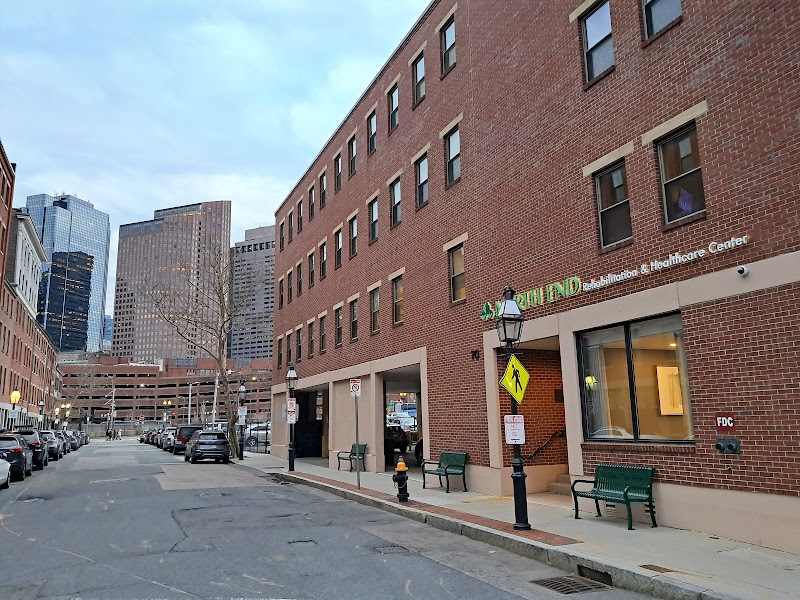
Who Owns and Operates North End Rehabilitation And Healthcare Center?

NORTH END REHABILITATION AND HEALTHCARE CENTER is owned by a for-profit company. For-profit facilities operate as businesses with obligations to shareholders or private owners. The facility is operated by MARQUIS HEALTH SERVICES, a chain that manages multiple nursing homes. With 100 certified beds and approximately 85 residents (about 85% occupancy), it is a mid-sized facility located in BOSTON, Massachusetts.
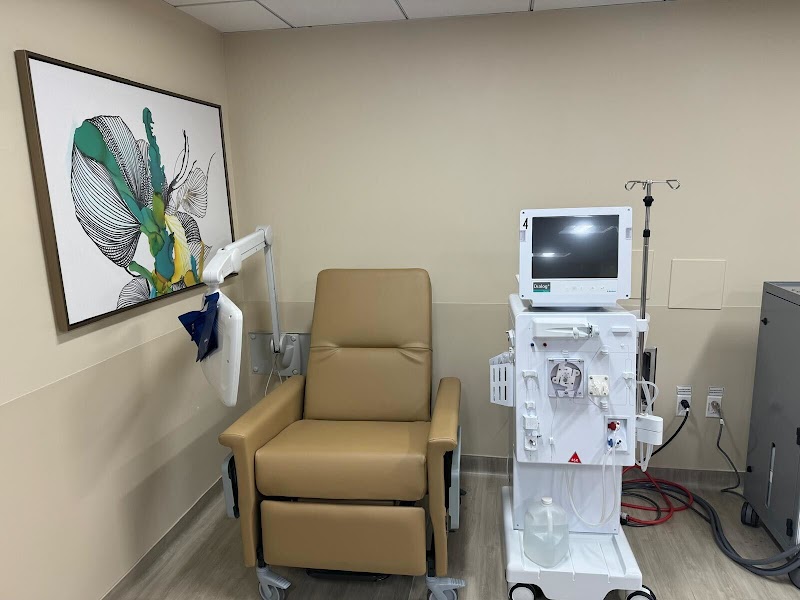
How Does North End Rehabilitation And Healthcare Center Compare to Other Massachusetts Nursing Homes?

Compared to the 100 nursing homes in Massachusetts, NORTH END REHABILITATION AND HEALTHCARE CENTER's overall rating (1 stars) is below the state average of 2.9, staff turnover (47%) is near the state average of 46%, and health inspection rating (1 stars) is much below the national benchmark.

What Should Families Ask When Visiting North End Rehabilitation And Healthcare Center?

Based on this facility's data, families visiting should ask: "What changes have been made since the serious inspection findings, and how are you preventing similar issues?" "Can I visit during a mealtime to observe dining assistance and food quality?" "How do you handle medical emergencies, and what is your hospital transfer rate?" "Can I speak with family members of current residents about their experience?" These questions are particularly relevant given the facility's Immediate Jeopardy citations.

Is North End Rehabilitation And Healthcare Center Safe?

Based on CMS inspection data, NORTH END REHABILITATION AND HEALTHCARE CENTER has documented safety concerns. Inspectors have issued 2 Immediate Jeopardy citations (the most serious violation level indicating risk of serious injury or death). The facility has a 1-star overall rating and ranks #100 of 100 nursing homes in Massachusetts. Families considering this facility should ask detailed questions about what corrective actions have been taken since these incidents.

Do Nurses at North End Rehabilitation And Healthcare Center Stick Around?

NORTH END REHABILITATION AND HEALTHCARE CENTER has a staff turnover rate of 47%, which is about average for Massachusetts nursing homes (state average: 46%). Moderate turnover is common in nursing homes, but families should still ask about staff tenure and how the facility maintains care continuity when employees leave.

Was North End Rehabilitation And Healthcare Center Ever Fined?

NORTH END REHABILITATION AND HEALTHCARE CENTER has been fined $27,115 across 2 penalty actions. This is below the Massachusetts average of $33,350. While any fine indicates a compliance issue, fines under $50,000 are relatively common and typically reflect isolated problems that were subsequently corrected. Families should ask what specific issues led to these fines and confirm they've been resolved.

Is North End Rehabilitation And Healthcare Center on Any Federal Watch List?

NORTH END REHABILITATION AND HEALTHCARE CENTER is not on any federal watch list. The most significant is the Special Focus Facility (SFF) program, which identifies the bottom 1% of nursing homes nationally based on persistent, serious quality problems. Not being on this list means the facility has avoided the pattern of deficiencies that triggers enhanced federal oversight. This is a positive indicator, though families should still review the facility's inspection history directly.