PARKWAY HEALTH AND REHABILITATION CENTER
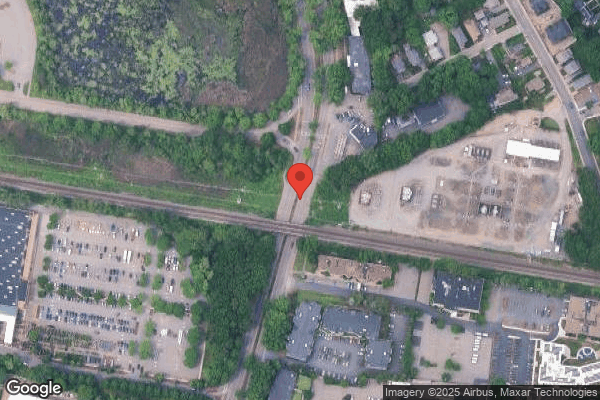
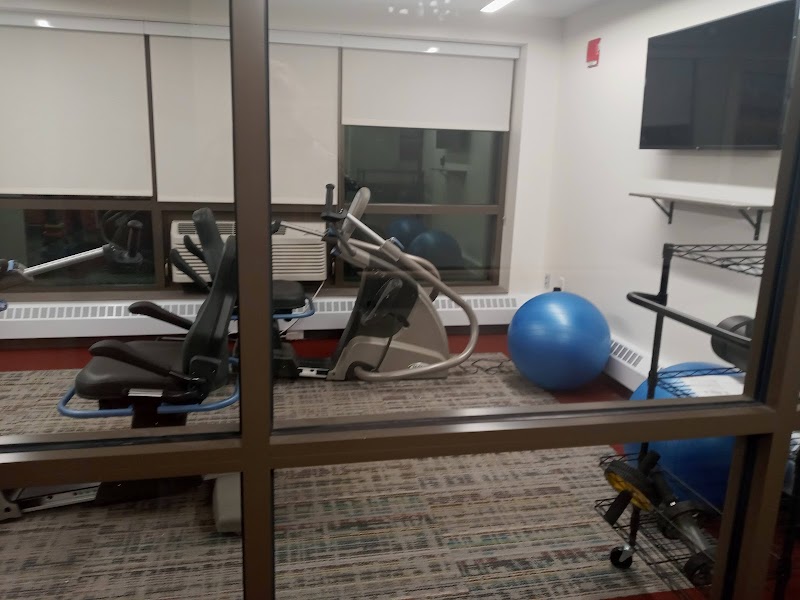
1190 VFW PARKWAY, BOSTON, MA 02132 (617) 325-1688
For profit - Limited Liability company 141 Beds BEAR MOUNTAIN HEALTHCARE Data: November 2025
Trust Grade
0/100
#308 of 338 in MA
Last Inspection: February 2025

Within standard 12-15 month inspection cycle. Federal law requires annual inspections.

Overview

Parkway Health and Rehabilitation Center has received a Trust Grade of F, indicating poor performance with significant concerns about care quality. Ranking #308 out of 338 facilities in Massachusetts places them in the bottom half, and they are #21 of 22 in Suffolk County, meaning only one local facility offers worse care. The trend is worsening, with issues more than doubling from 13 in 2024 to 28 in 2025. While staffing is a relative strength with a turnover rate of 39% (below the state average), the facility has faced serious problems, including a medication error that led to a resident's hospitalization and incidents of involuntary seclusion. Additionally, there were failures in providing necessary foot care, resulting in health complications. Overall, families should weigh these serious concerns against the facility's somewhat stable staffing situation when considering care options.

Trust Score
F
0/100
In Massachusetts
#308/338
Bottom 9%
Safety Record
High Risk
Review needed
Inspections
Getting Worse
13 → 28 violations
Staff Stability
○ Average
39% turnover. Near Massachusetts's 48% average. Typical for the industry.
Penalties
○ Average
$253,721 in fines. Higher than 61% of Massachusetts facilities. Some compliance issues.
Skilled Nurses
○ Average
Each resident gets 40 minutes of Registered Nurse (RN) attention daily — about average for Massachusetts. RNs are the most trained staff who monitor for health changes.
Violations
⚠ Watch
92 deficiencies on record. Higher than average. Multiple issues found across inspections.
★☆☆☆☆
1.0
Overall Rating
★★☆☆☆
2.0
Staff Levels
★★☆☆☆
2.0
Care Quality
★☆☆☆☆
1.0
Inspection Score
Stable
2024: 13 issues
2025: 28 issues

The Good

  • Full Sprinkler Coverage · Fire safety systems throughout facility
  • No fines on record
  • Staff turnover below average (39%)

    9 points below Massachusetts average of 48%

Facility shows strength in fire safety.

The Bad

1-Star Overall Rating

Below Massachusetts average (2.9)

Significant quality concerns identified by CMS

Staff Turnover: 39%

Near Massachusetts avg (46%)

Typical for the industry

Federal Fines: $253,721

Well above median ($33,413)

Significant penalties indicating serious issues

Chain: BEAR MOUNTAIN HEALTHCARE

Part of a multi-facility chain

Ask about local staffing decisions and management

The Ugly 92 deficiencies on record

5 actual harm
May 2025 1 deficiency
CONCERN (D) 📢 Someone Reported This

A family member, employee, or ombudsman was alarmed enough to file a formal complaint

Potential for Harm - no one hurt, but risky conditions existed

Deficiency F0604 (Tag F0604)

Could have caused harm · This affected 1 resident

**NOTE- TERMS IN BRACKETS HAVE BEEN EDITED TO PROTECT CONFIDENTIALITY** Based on records reviewed, interviews and review of surveillance camera video footage, for one of three sampled residents (Resid...

Read full inspector narrative →
**NOTE- TERMS IN BRACKETS HAVE BEEN EDITED TO PROTECT CONFIDENTIALITY** Based on records reviewed, interviews and review of surveillance camera video footage, for one of three sampled residents (Resident #1), who had a diagnosis of Alzheimer's disease and was cognitively impaired, the Facility failed to ensure he/she was treated in a respectful and dignified manner which included being free from the use of restraints, when on 05/01/25, nursing staff used a bed sheet wrapped around the Resident #1's chest then tucked it under his/her arms and tied behind Resident #1's wheelchair, to keep him/her from getting up. Findings include: Review of the facility policy titled Physical Restraints, dated December 2022, indicated the facility recognizes each resident's right to be free from any physical restraint imposed for the purpose of discipline or convenience and not required to treat a medical condition. Further review indicated the facility recognizes the necessity of maintaining a systematic method of evaluating and monitoring restraint use and any resident who is utilizing a device that could constitute a restraint will be evaluated to determine if the device is a restraint. Resident #1 was admitted to the Facility in June 2023, diagnoses included parkinsonism, Alzheimer's disease, acute kidney failure, and a history of cerebrovascular accident with right-sided hemiplegia (weakness on one side to upper and/or lower extremities). Review of Resident #1's Quarterly Minimum Data Set (MDS), dated [DATE], indicated he/she was cognitively impaired and had an invoked Health Care Proxy (HCP). Review of the Facility's Internal Investigation, dated 05/01/25, indicated that a staff member reported to the administration that a resident was seen with a sheet wrapped around him/her and then tied to the back of his/her wheelchair. The Resident was identified (as Resident #1), was assessed, no injuries were noted and he/she was found to be in his/her normal state. The Internal Investigation indicated the Facility maintains a surveillance camera system that records various areas of the Facility. The Investigation indicated that the video recording (which has no audio capability) from the dayroom where incident took place, was reviewed. The Investigation indicated Resident #1 was in a wheelchair, was non-ambulatory at the time and had a cast on his/her right lower leg secondary to a past injury. The Investigation indicated that based on review of the camera feed, there were two staff members on duty, (Nurse #1 and Certified Nurse Aide (CNA) #1) at the time of the alleged incident. Review of the surveillance camera video footage clips provided by the Facility, from the overnight shift (11:00 P.M. to 7:00 A.M.) dated 05/01/25 from 5:14:00 A.M. to 6:23:25 A.M., illustrated the following: At 5:14:00, Resident #1 was wheeled into the dining/dayroom by CNA #1. Nurse #1 who was also in the dayroom, can be seen greeting Resident #1 and CNA #1. At 5:14:45, Resident #1 is in his/her wheelchair and positioned in front of a dining table. At 5:15:00, Nurse #1 and CNA #1 ensure Resident #1 is positioned correctly. At 5:16:45, CNA #1 leaves the dayroom, returns shortly with a bed sheet in hand. At 5:17:02, CNA #1 can be seen pulling the sheet apart, holds it up, looks in Nurse 1's direction and Nurse #1 can be seen, shaking her head up and down in a Yes type motion. At 5:17:09, CNA #1 then puts the sheet across the front of Resident #1 under his/her arms and wrapping it behind the wheelchair. Resident #1 is calm, showing no signs of agitation or stress. At 5:17:20, Nurse #1 sits down at the same table as Resident #1, and CNA #1 exits the day room. At 5:17:30, Nurse #1, gets up, offers Resident #1 a box of diversional activities and sits back down at the table. At 5:20:10, Resident #1 can then be seen seen lifting the sheet, which was loose, over his/her head and throwing it behind his/her back. Resident #1 showed no signs of agitation and remained calm. At 5:20:39, Nurse #1, gets up again, places the sheet back around Resident #1, under his/her arms across the abdomen, around to the back of the chair, and then secures it to the back of the wheelchair. Nurse #1 then sits back down at the table and remains with Resident #1. At 6:09:00, Nurse #1 gets up and leaves the dayroom, Housekeeper (HK) #1 enters the room, waves to Resident #1, and goes over to speak to him/her. At 6:09:44, HK #1 sees the sheet wrapped around and tied behind Resident #1's wheelchair, and it looks like she tries to untie it, but does not. From 6:16:00 to 6:17:23, HK #1 remains in the room with Resident 1. HK #1 sees another staff member enter the room, and points to the sheet tied secured behind Resident 1's wheelchair. At 6:20:40, HK #1 can be seen speaking to the Housekeeping Supervisor, who entered the room, and points out the sheet out to him. At 6:21:56, the Housekeeping Supervisor returns to the dayroom with Nurse #1, and he points the sheet the was tied behind Resident #1 out to her, and Nurse #1 can be seen removing the sheet from Resident #1's wheelchair. At 6:23:25, Nurse #1 leaves the room. During an interview on 05/20/25 at 1:10 P.M., Housekeeper (HK) #1 said that she arrived at the unit on 05/01/25 around 6:00 A.M., and one of her first tasks was to clean the dayroom. HK #1 said that when she entered the dayroom, she saw Resident #1 seated at a table, went to greet Resident #1 and noticed there was a bed sheet wrapped around his/her chest, under his/her arms and then tied behind his/her wheelchair. HK #1 said she wondered why the bed sheet was tied behind Resident #1's wheelchair. HK #1 said she was uncertain whether she should untie the sheet and began searching for another staff member for help. HK #1 said that the Housekeeping Supervisor entered the dayroom, so she reported that Resident #1 was restrained in his/her wheelchair and pointed it out to him. During an interview on 05/20/25 at 1:55 P.M., the Housekeeping Supervisor said that on 05/01/25, around 6:20 A.M., he entered the dayroom and Housekeeper (HK) #1 called him over to where Resident #1 was seated in his/her wheelchair at a table. The Housekeeping Supervisor said that HK #1 showed him that a bed sheet was wrapped around Resident #1, and tied behind the back of the wheelchair. The Housekeeping Supervisor said that he reported the incident to Nurse #1, who was at the nurses' station, and then returned with Nurse #1 to the dayroom. The Housekeeping Supervisor said Nurse #1 removed the sheet from Resident 1's wheelchair. During a telephone interview on 05/21/25 at 9:00 A.M., Certified Nurse Aide (CNA) #1 said Resident #1, was up, restless, during the overnight shift (on 05/01/25) and was attempting to get out of bed. CNA #1 said that she assisted Resident #1 into the wheelchair and escorted him/her to the dayroom. CNA #1 said she positioned Resident #1's wheelchair in front of the dining table, and then informed Nurse #1, who was new to the Unit, that Resident #1 was restless and at risk of falling. CNA #1 said she was afraid that Resident #1 would slip forward in his/her chair and hurt his/her leg that was in the cast. CNA #1 said that Nurse #1 had approved and told her it would be okay to use a sheet to prevent Resident #1 from slipping forward, so she lightly wrapped a bed sheet around Resident #1, tucked it behind the wheelchair and loosely secured the ends of the sheet in back of the wheelchair. CNA #1 said she did not believed it was a restraint because Nurse #1 had approved it, that she had not intended to restrain him/her, but only meant to keep Resident #1 safe. The Surveyor was unable to interview Nurse #1 as she did not respond to the Department of Public Health's telephone call or letter requests for an interview. During an interview on 05/20/25, at 2:40 P.M., the Administrator said that on 05/01/25, the Housekeeping Supervisor reported that Resident #1 had been found with a sheet wrapped around him/her, that was tied to the wheelchair, and it appeared to be a restraint. The Administrator said that he initiated an internal investigation, which included reviewing the Facility's video surveillance camera footage and interviewing staff members on duty during the 11:00 P.M. to 7:00 A.M. shift from April 30, 2025, to May 1, 2025. During an interview on 05/01/25 at 3:41 P.M., the [NAME] President of Clinical Services (VPCS) said that on 05/01/25 when she and Administrator interviewed CNA #1 in person, CNA #1 admitted that she wrapped a sheet around Resident #1's waist, and tied it in back of his/her wheelchair. The VPCS said CNA #1 told them she did it to keep him/her from slipping forward, and that she thought doing this was only way of keeping Resident #1 safe. The VPCS said that CNA #1 reported that, since Nurse #1 was present and approved it, she did not consider it a restraint. The VPCS said when they interviewed Nurse #1 over the phone, Nurse #1 said that She knew nothing about the sheet being on the resident until the Housekeeping Supervisor told her. However, Nurse #1's statement to the facility administration contradicts what was captured on facility surveillance camera footage which shows her shaking her head in a yes type motion when CNA #1 unfolds and shows her the sheet. After Resident #1 pulled the sheet off and threw it behind him/herself, Nurse #1 is the one who is seen reapplying the sheet around Resident #1, tying it in back of his/her wheelchair and then sitting back down at the table where she remained for quite some time, during which the sheet she had secured, was still in place around the resident. The [NAME] President of Clinical Services (VPCS) said that the Facility prides itself on being restraint-free and that Nurse #1 and CNA #1 should not have tied the sheet around Resident #1. The VPCS said that tying a sheet around a resident in his/her chair was not an appropriate safety intervention and that it was considered a restraint. The VPCS said the Facility's investigation substantiated the improper use of physical restraint, and that CNA #1 was reeducated about restraints and Nurse #1 was terminated. On 05/20/25, the Facility was to be in Past Non-Compliance and presented the Surveyor with a plan of correction which addressed the area(s) of concern as evidenced by: A. Resident #1 was immediately assessed for any sign of injury or distress, none were noted, and he/she remained at baseline. B. Social Services and nursing staff continue to monitor and support Resident #1 for the potential for emotional distress, or adverse reaction to use of a restraint, there have been no changes observed. C. On 05/01/25, all residents on the unit were immediately assessed to ensure no other restraints were in place. D. On 5/02/25, re-education was initiated by Director of Nursing (DON), for all staff on abuse prevention, including but not limited restraints and the appropriate uses of assistive devices for positioning/safety. E. The Interdisciplinary Team (IDT) reviewed the current residents who have positioning needs or who have agitation (or both) to ensure that the staff understand appropriate interventions to use for residents' comfort and safety. F. Starting 05/01/25, daily nursing rounds were initiated and included the need for nursing to check for inappropriate device use. Daily checks by nursing to be continued for the next four weeks, and then continue weekly for four months. The results will be reviewed by the Administrator and the Director of Nursing (DON). G. The results of audits will be presented to the Facility's Quality Assurance and Performance Improvement (QAPI) Committee at monthly meetings for review. H. The Administrator and the Director of Nursing are responsible for overall compliance.
Mar 2025 1 deficiency 1 Harm
SERIOUS (G) 📢 Someone Reported This

A family member, employee, or ombudsman was alarmed enough to file a formal complaint

Actual Harm - a resident was hurt due to facility failures

Deficiency F0760 (Tag F0760)

A resident was harmed · This affected 1 resident

**NOTE- TERMS IN BRACKETS HAVE BEEN EDITED TO PROTECT CONFIDENTIALITY** Based on records reviewed and interviews, for one of three sampled residents (Resident #1), whose physician's orders included th...

Read full inspector narrative →
**NOTE- TERMS IN BRACKETS HAVE BEEN EDITED TO PROTECT CONFIDENTIALITY** Based on records reviewed and interviews, for one of three sampled residents (Resident #1), whose physician's orders included the administration of oral hypoglycemic agents for treatment and management of his/her diabetes, the Facility failed to ensure he/she was free from a significant medication error, when on 02/09/25 nursing did not properly identify Resident #1 prior to administering him/her Levemir insulin (a long-acting insulin) via subcutaneous injection. Resident #1 was transferred to the Hospital Emergency Department (ED) for evaluation and was admitted to the Intensive Care Unit (ICU) for close monitoring of his/her blood sugars and treatment, as needed. Findings Include: Review of the Facility's Policy titled Medication Administration-General Guidelines, undated, indicated the Following: -medications are administered as prescribed in accordance with good nursing principles and practices and only by persons legally authorized to do so -medications are administered in accordance with written orders of the prescriber, -five rights: right resident, right drug, right dose, right route, and right time, -residents are identified before medication is administered using two methods of identification: checking photograph attached to medical record, calling resident by name (except in residents with cognitive impairments), having the resident verify his/her last name, and if necessary, verifying resident identification with other facility personnel. Review of the Report submitted by the Facility via the Health Care Facility Reporting System (HCFRS), dated 02/14/25, indicated that on 02/09/25 the Director of Nursing (DON) administered 40 units of Levemir insulin (via subcutaneous injection) to Resident #1 in error. The Report indicated that when the DON identified she made the medication error, the on-call provider was alerted, and orders were given to transfer Resident #1 to the Hospital for observation as a precaution. The Report indicated that Resident #1 returned to the Facility the following day, and new orders were given to assess his/her blood glucose levels before meals and at bedtime for three days. Review of an article in Drugs.com the Official Website, dated 03/01/2024, indicated Levemir (detemir) is a man-made form of insulin (a hormone that is produced in the body), that insulin works by lowering levels of glucose (sugar) in the blood, and is used to improve blood sugar control in adults and children with Diabetes Mellitus. The Website indicated Levemir is a long-acting insulin that starts to work several hours after injection and keeps working evenly for up to 24 hours. The Website further indicated an insulin overdose can cause life-threatening hypoglycemia (low blood sugar); symptoms include drowsiness, confusion, blurred vision, numbness or tingling in your mouth, trouble speaking, muscle weakness, clumsy or jerky movements, seizure (convulsions), or loss of consciousness. Resident #1 was admitted to the Facility in June 2024, diagnoses included type 2 diabetes mellitus (non-insulin dependent, the body does not produce enough insulin, or the cells cannot effectively use the insulin that is available), Alzheimer's, hypertension, hyperlipidemia (high cholesterol), and bilateral hearing loss. Review of Resident #1's Quarterly Minimum Data Set (MDS), dated [DATE], indicated that he/she had severe cognitive impairment. Review of Resident #1's Medication Error Report, dated 02/09/25, indicated that Resident #1 received 40 units of Levemir insulin in error. The Report indicated Resident #1 was immediately assessed, the on-call Provider was notified, and orders were given to transfer him/her to the Hospital ED for evaluation. Review of Resident #1's Medication Administration Record (MAR), dated February 2025, indicated that he/she did not have a physician's order for Levemir insulin, that he/she received Metformin (oral hypoglycemic, lowers blood sugar) to manage his/her diabetes, and that he/she did not have any orders for administration of insulin. Review of Resident #2's Medication Administration Record (MAR), dated February 2025, indicated that he/she had a physician's order for the following: -Insulin Detemir (brand name Levemir) Solution 100 unit/milliliters (ml), inject 40 unit subcutaneously (under the skin) two times a day at 09:00 (9:00 A.M.) and 21:00 (9:00 P.M.). Review of Resident #1's On-Call Provider Note, dated 02/09/25, indicated that medication was given to Resident #1 in error, he/she was not on insulin, his/her blood sugar was 128 and to transfer him/her to the ED for monitoring and treatment. Review of Resident #1's Progress Note, dated 02/09/25, indicated that Resident #1's blood sugar was 154 at 1:10 P.M., (prior to him/her being sent to the Hospital ED). Review of Resident #1's Hospital Discharge Summary (DC), dated 02/10/25, indicated that Resident #1 presented to the ED for an accidental overdose of insulin. The Summary indicated his/her Diabetes had been managed with diet modification and Metformin, was administered 40 units of Levemir accidentally and brought to the ED for further evaluation. The DC Summary indicated that Resident #1's glucose level was 160 milligrams per deciliter (mg/dl) upon arrival to the ED. The Summary indicated that Resident #1 was initially started on D 10 W (dextrose 10% in water intravenous solution), with Intravenous (IV) fluids, which were stopped and they continued to monitor him/her off the IV fluids. The DC Summary indicated Resident #1 was under observation for insulin overdose, and was admitted to the Intensive Care Unit (ICU). The DC Summary indicated his/her blood glucose checks were to be done every one to two hours, and to hold off on Dextrose (sugar, also known as glucose to treat low blood sugar) administration until his/her blood glucose dips below 100 mg/dl. The DC Summary indicated that Resident #1's blood glucose levels (normal range 74-106 mg/dl) were monitored on 02/09/25 and 02/10/25, with levels dropping (low level) and increasing (high level) and documented as follows: -02/09/25 14:09 (2:09 P.M.) 160 mg/dl -02/09/25 14:15 (2 :15 P.M.) 160 mg/dl -02/09/25 14:17 (2:17 P.M.) 146 mg/dl -02/09/25 15:11 (3:11 P.M.) 135 mg/dl -02/09/25 16:09 (4:09 P.M.) 150 mg/dl -02/09/25 18:03 (6:03 P.M.) 132 mg/dl -02/09/25 20:02 (8:02 P.M.) 169 mg/dl -02/09/25 22:10 (10:10 P.M.) 94 mg/dl -02/10/25 00:19 (12:19 A.M.) 108 mg/dl -02/10/25 02:11 (2:11 A.M.) 84 mg/dl -02/10/25 04:24 (4:24 A.M.) 124 mg/dl -02/10/25 05:50 (5:50 A.M.) 78 mg/dl -02/10/25 06:52 (6:52 A.M.) 91 mg/dl -02/10/25 09:32 (9:32 A.M.) 145 mg/dl -02/10/25 11:39 (11:39 A.M.) 103 mg/dl During an interview on 03/19/25 at 12:31 P.M., Nurse #1 said on 02/09/25, she worked the 7:00 A.M. to 3:00 P.M. shift. Nurse #1 said the Director of Nurses (DON), who was working on another unit, asked her (Nurse #1) for help using the tablet (computer device) so she could contact the on-call provider. Nurse #1 said that the DON told her she (DON) had made a medication error and had administered insulin to the wrong resident (Resident #1). During an interview on 03/20/25 at 2:20 P.M., (which included review of her written statement) the Director of Nursing (DON, now the Former DON) said she worked on one of the nursing units on 02/09/25 because they had no nursing coverage for the 7:00 A.M. to 3:00 P.M. shift. The DON said she was not familiar with the residents on the unit and needed help from the CNA's to identify some of the residents. The DON said Resident #2 was in his/her room that morning, she checked his/her blood sugar and administered his/her insulin coverage, as ordered. The DON said later that morning she asked CNA #1 who Resident #2 was, that CNA #1 pointed to a resident (later identified as Resident #1) who was sitting in the dining room and said she (DON) administered 40 units of Levemir insulin to him/her. The DON said she went to Resident #2's room later to check his/her afternoon blood sugar, and when she went to document the results on his/her MAR, that after looking at his/her photo on the MAR, she realized that she had given the 40 units of Levemir insulin to the wrong resident, and had administered Resident #2's insulin to Resident #1. The DON said Resident #1 was the resident that had been in the dining room earlier that morning, when she had asked a CNA who Resident #2 was. The DON said she notified the on-call provider and obtained an order to send Resident #1 to the Hospital ED for monitoring. The DON said all facility residents have photos on their MARs in Point Click Care (PCC, electronic medical record system) and photos at their bedside. The DON said she had Resident #2's MAR in front of her but could not recall if she looked at the photo on the MAR before she administered the 40 units of Levemir insulin to Resident #1. The DON said she should not have depended on a CNA to identify who the resident was. During an interview on 03/19/25 at 1:00 P.M., (which included review of her interview done by Facility Administration) Certified Nurse Aide (CNA) #1 said she worked the 7:00 A.M. to 3:00 P.M. shift on 02/09/25 and the DON was the Nurse on the unit that day. CNA #1 said that the names of the residents on the unit were similar, and that they all had pictures in their rooms so staff could identify them. CNA #1 said the DON asked her a couple times that day to point out and show her who a certain resident was that she was looking for, but said the DON did not ask her (CNA #1) to point out who Resident #1 or Resident #2 was. CNA #1 said Resident #1 always ate his/her breakfast and lunch in the unit dining room and Resident #2 was not in the dining room that day (02/09/25) because he/she liked to stay in his/her room to eat. During an interview on 03/20/25 at 1:51 P.M., (which included review of her interview done by Facility Administration) CNA #2 said she worked the 7:00 A.M. to 3:00 P.M. shift on 02/09/25 and the nurse on the unit that day was the DON. CNA #2 said she knew the residents on the unit by their room numbers, pictures in their room and on their meal trays. CNA #2 said the DON had asked her (CNA #2) to point out who some of the residents were that day because she (DON) said she did not know them. CNA #2 said the DON did not ask her (CNA #2) who Resident #1 or Resident #2 were. During an interview on 03/19/25 at 1:17 P.M., the Director of Infection Control said on 02/09/25 the DON notified her that she (DON) had made a medication error, that she (DON) had administered insulin to the wrong resident (administered Resident #2's insulin to Resident #1) and that Resident #1 was being sent to the Hospital ED for evaluation. During an interview on 03/19/25 at 2:45 P.M., the Director of Operations said she was made aware of the medication error on 02/10/25, that the DON told her (Director) that she had administered insulin to Resident #1 in error. The Director said Resident #1 was a Diabetic, but he/she was not insulin dependent and was only taking an oral medication (Metformin) for diabetes. The Director said her expectation is that nurses follow the rights of medication administration, that nurses properly identifying residents prior to them receiving administration of any medications, and that medication administration is conducted in accordance with facility policy. On 03/19/25, the Facility was found to be in Past Non-Compliance and presented the Surveyor with a plan of correction which addressed the area(s) of concern as evidenced by: A. On 02/10/25, Resident #1 returned to the Facility and his/her blood sugars were monitored before meals and at bedtime for three days. B. On 02/14/25 through 02/18/25, the Corporate Clinical Team completed a house audit on all residents who were receiving insulin to ensure their insulin orders were carried out per Physician orders. C. On 02/14/25, 02/15/25, and 02/17/25, The Assistant Director of Nursing provided education to all Licensed Nursing Staff on the Rights of Medication Administration, the Facility's Policy and Procedure on Medication Administration, and Nursing Care of the Resident with Diabetes Mellitus. D. On 02/18/25, an Ad-Hoc QAPI Committee meeting was held to review Facility Policy, the medication error, corrective actions and plans to be implemented. E. The Corporate Nurse and/or designee will conduct daily audits on medication administration of insulin to ensure there are no medication errors identified for two months, then weekly for four weeks, the audits will continue until overall compliance is achieved. F. The results of the audits will be presented and reviewed at the monthly QAPI Committee meeting for three months or until compliance is achieved. G. The Assistant Director of Nursing and/or designee are responsible for overall compliance.
Feb 2025 26 deficiencies
CONCERN (D)

Potential for Harm - no one hurt, but risky conditions existed

Deficiency F0558 (Tag F0558)

Could have caused harm · This affected 1 resident

Based on observations and interviews, the facility failed to ensure two Residents (#82 and #120) had their call lights within reach, out of a total sample of 27 residents. Findings include: Review of...

Read full inspector narrative →
Based on observations and interviews, the facility failed to ensure two Residents (#82 and #120) had their call lights within reach, out of a total sample of 27 residents. Findings include: Review of the facility policy titled, Call Light, dated 12/6/21, indicated the following: - Purpose: The purpose of this procedure is to respond to the resident's requests and needs. - Policy: When the resident is in bed or confined to a chair be sure the call light is within easy reach of the resident. 1. Resident #82 was admitted to the facility in November 2022 with diagnoses including stroke and hemiplegia. Review of Resident #82's most recent Minimum Data Set (MDS) assessment, dated 12/10/24, indicated the Resident had a Brief Interview for Mental Status (BIMS) score of 14 out of a possible 15, indicating he/she is cognitively intact. During an interview on 2/11/25 at 8:04 A.M., Resident #82 said he/she often cannot reach his/her call light as it is tied up against the wall. During this interview, Resident #82's call light was observed to be tied up and placed above the light structure and out of reach of the Resident. On 2/11/15 at 2:15 P.M. and 3:28 P.M., and on 2/12/25 at 11:11 A.M. and 12:58 P.M., Resident #82's call light was observed to be out of reach of the Resident. During an interview on 2/12/25 at 12:58 P.M., Certified Nursing Assistant (CNA) #5 said call lights should always be within reach of the residents. During an interview on 2/12/25 at 1:48 P.M., the Assistant Director of Nursing said call lights should always be within reach of the residents. 2. Resident #120 was admitted to the facility in October 2024 with diagnoses including dementia and diabetes. Review of Resident #120's most recent Minimum Data Set (MDS) assessment, dated 1/16/25, indicated the Resident had a Brief Interview for Mental Status (BIMS) score of 14 out of a possible 15 which indicated he/she is cognitively intact. The MDS also indicated the Resident requires partial to moderate assistance with functional daily tasks. During an interview on 2/11/25 at 8:27 A.M., Resident #120 was observed lying in bed with his/her call light not within reach. The call light was hanging down from the wall and the string was behind the light structure. On 2/11/15 at 2:15 P.M. and 3:28 P.M., on 2/12/25 at 11:11 A.M. and 12:58 P.M., and on 2/13/25 at 8:14 A.M., Resident #102's call light was observed to be out of reach of the resident. During an interview on 2/12/25 at 12:58 P.M., Certified Nursing Assistant #5 said call lights should always be within reach of the residents. During an interview on 2/12/25 at 1:48 P.M., the Assistant Director of Nursing said call lights should always be within reach of the residents.
CONCERN (D)

Potential for Harm - no one hurt, but risky conditions existed

Deficiency F0578 (Tag F0578)

Could have caused harm · This affected 1 resident

Based on record review and interview, the facility failed to ensure Advance Directives (written documents that instruct health care providers of the decisions for specific medical treatment if a perso...

Read full inspector narrative →
Based on record review and interview, the facility failed to ensure Advance Directives (written documents that instruct health care providers of the decisions for specific medical treatment if a person was unable to speak or lacked the capacity to make decisions for themselves) consent was valid in the medical record for one Resident (#66) out of a total sample of 27 residents. Findings include: Review of the facility policy titled Massachusetts Advance Directives, dated 8/3/22, indicated It is policy of the facility to recognize and support the use of advanced directives. If a resident is incompetent, but has evidence of a properly executed advance directive, the facility will implement the resident's choices as outlined in their directive document. Resident #66 was admitted to the facility in April 2019 with diagnoses that included cerebral infraction, dysphagia, bipolar disorder, and paranoid schizophrenia. Review of Resident #66's most recent Minimum Data Set (MDS) assessment, dated 1/8/25, indicated he/she was assessed by nursing staff to have severe cognitive impairments. Review of Resident #66's physician order, dated 9/3/21, indicated DNR/DNI (Do Not Resuscitate/ Do Not Intubate). May transfer to Hospital. Review of Resident #66's MOLST (Medical Orders for Life-Sustaining Treatment), dated 9/8/22, indicated his/her advanced directives DNR, DNI consent was obtained over the phone. Review of Resident #66's physician order, dated 11/18/24, indicated Health Care Proxy Activated (HCP). During an interview on 2/13/25 at 8:40 A.M., Social Worker #2 said the MOLST is not valid unless there is a signature on that HCP line. The MOLST can be sent via mail or email for a signature and should have been obtained by now in 2025. During an interview on 2/13/25 at 8:49 A.M., Nurse #2 said a MOLST is not valid unless it is signed by the Resident or the Health Care Proxy. Nurse #2 said a verbal phone consent is not acceptable or valid. During an interview on 2/13/25 at 8:50 A.M., Nurse #1 said a MOLST form is not valid unless there is a signature signed by the Resident or the Health Care Proxy.
CONCERN (D)

Potential for Harm - no one hurt, but risky conditions existed

Assessment Accuracy (Tag F0641)

Could have caused harm · This affected 1 resident

**NOTE- TERMS IN BRACKETS HAVE BEEN EDITED TO PROTECT CONFIDENTIALITY** Based on record review and interview the facility failed to ensure an accurate Minimum Data Set (MDS) assessment was completed f...

Read full inspector narrative →
**NOTE- TERMS IN BRACKETS HAVE BEEN EDITED TO PROTECT CONFIDENTIALITY** Based on record review and interview the facility failed to ensure an accurate Minimum Data Set (MDS) assessment was completed for one discharged Resident (#133), out of three applicable discharged resident records reviewed. Findings include: Resident #133 was admitted to the facility in August 2024 and had diagnoses that included but not limited to cervical disc disorder, high cervical region, chronic pain, and monoplegia of upper limb following a cerebral infarction affecting left non-dominant side. Review of the Minimum Data Set assessment, dated 8/26/24, indicated Resident #133 scored a 15 out of 15 on the Brief Interview for Mental Status exam indicating he/she as having intact cognition and required supervision/touching assistance for ambulation. Review of the Minimum Data Set assessment, dated 11/22/24, indicated a Discharge-Return Not Anticipated was coded. Further review indicated the MDS was coded as a planned discharge and checked as a discharged to short term general hospital (acute hospital, IPPS). Review of Resident #133's medical record indicated in a Discharge Summary with an effective date 11/22/24 that Resident #133 was discharged home. During an interview on 2/12/25 at 3:12 P.M., the MDS Nurse said the MDS should be accurate and that after her review the discharge MDS assessment dated [DATE] was coded inaccurately, and that Resident #133 was discharged home.
CONCERN (D)

Potential for Harm - no one hurt, but risky conditions existed

Deficiency F0645 (Tag F0645)

Could have caused harm · This affected 1 resident

Based on record review and interview the facility failed for one Resident (#11) to ensure a Preadmission Screening and Resident Review (PASARR) level I was requested from DMH/Designee after the Reside...

Read full inspector narrative →
Based on record review and interview the facility failed for one Resident (#11) to ensure a Preadmission Screening and Resident Review (PASARR) level I was requested from DMH/Designee after the Resident was screened to have a Serious Mental Illness (SMI) and exceeded the discharge exception of 30 calendar days, out of a total sample of 27 residents. Findings include: Resident #11 was admitted to the facility in September 2019 and had diagnoses that included but are not limited to bipolar disorder. Review of the Preadmission Screening and Resident Review dated 9/24/19 indicated Resident #11 had a positive SMI screen. Further review of the PASARR indicated Resident #11's expected stay in a nursing facility was for less than 30 calendar days as certified by the hospital's attending or discharge practitioner. Review of the Level 1 PASARR indicated if the nursing facility determines that the resident's stay will exceed the 30-day exemption period, the nursing facility must complete Section G in this form and submit the Level 1 form to the DMH/Designee by no later than the 28th calendar day from admission. Review of Resident #11's medical record indicated Resident #11 has had a continuous stay at the facility. Further, the medical record failed to indicate a Level I PASARR was submitted after Resident #11 exceeded 30 days in the facility to receive a determination if Resident #11 requires specialized services for his/her SMI. During an interview on 2/12/25 at 11:01 A.M., Social Worker (SW) #1 reviewed Resident #11's PASARR and said a level 1 PASARR should have been resubmitted if he/she exceeded 30 days in the facility. SW #1 said it should be in the record, and he will take a closer look. During an interview on 2/13/25 at 1:20 P.M., SW #1 said he could not locate the PASARR Level 1 request after the Resident stayed beyond 30 days. SW #1 said he called and did not hear back from the PASARR office. SW #1 said he would expect the PASARR request and determination to be in Resident #11's medical record.
CONCERN (D)

Potential for Harm - no one hurt, but risky conditions existed

Deficiency F0658 (Tag F0658)

Could have caused harm · This affected 1 resident

**NOTE- TERMS IN BRACKETS HAVE BEEN EDITED TO PROTECT CONFIDENTIALITY** 2. Resident #11 was admitted to the facility in [DATE] and has diagnoses that include nontraumatic subdural hemorrhage, lack of ...

Read full inspector narrative →
**NOTE- TERMS IN BRACKETS HAVE BEEN EDITED TO PROTECT CONFIDENTIALITY** 2. Resident #11 was admitted to the facility in [DATE] and has diagnoses that include nontraumatic subdural hemorrhage, lack of coordination, adult failure to thrive and bipolar disorder. Review of Resident #11's most recent Minimum Data Set assessment dated [DATE], indicated Resident #11 scored a 10 out of 15 on the Brief Interview for Mental Status exam indicating he/she as having moderately intact cognition and requires substantial/maximal assist from staff for bathing and dressing. During an observation and interview on [DATE] at 8:06 A.M., Resident #11 was sitting up in his/her bed with the lower legs visible. Resident #11's left shin was observed with a small round dark red area consistent with a scab. Resident #11 said it has been there for a while. During an observation on [DATE] at 1:25 P.M., Resident #11 self-propelled his/her wheelchair into the Social Workers office. Resident #11's left shin was observed to have a small dressing on it. No date on the dressing could be observed. During an observation on [DATE] at 8:39 A.M., Resident #11 was sitting on the side of his/her bed. Resident #11's had a small dressing on his/her left shin. Review of Resident #11's active physician's orders failed to indicate an order for a dressing to his/her left shin. During an observation and interview on [DATE] at 8:49 A.M., Nurse #3 said the Resident had a small skin tear on Tuesday ([DATE]) that bled a little. Nurse #3 said she covered the area with a small dressing. Nurse #3 observed Resident #11 and said it is the same dressing she applied, and it should be dated. Nurse #3 said when a new skin tear or new skin area is identified a skin incident report should be completed, and an order for a treatment and monitoring of the area should be obtained from the doctor or nurse practitioner. During an interview on [DATE] at 11:05 A.M., the Assistant Director of Nursing said if a resident has a skin tear or new skin finding the nurse does an incident report, documents the finding in the medical record, notifies the Director of Nursing, and notifies the MD (medical doctor) to obtain a treatment order and plan for monitoring the area. 3. Review of Massachusetts General Law, Chapter 46, Section 9 indicated: When a patient suffering from a terminal illness or whose death is anticipated and who is receiving the services of a home health agency, as that term is defined in 42 USC 1395x(o), or of a hospice program licensed by the commonwealth, or who resides in a certified nursing home or who is enrolled in a PACE program as defined in 42 U.S.C. 1396u-4, dies, at home, in a hospice, or a nursing home, a registered professional nurse, licensed by the board of registration in nursing and employed by a certified home health agency, hospice, nursing home or a PACE program as defined in 42 U.S.C. 1396u-4, may declare such person dead; provided, however, that said nurse first makes a reasonable effort to contact the attending physician or medical examiner before making such determination or pronouncement; provided, further, that such determination or pronouncement be made in writing on a form approved by the commissioner of public health and subscribed under pain and penalties of perjury; and provided, further, that said physician or medical examiner be notified forthwith of the exact location to which the decedent has been removed. Resident #132 was admitted to the facility in [DATE] and had diagnoses that included liver cell carcinoma, type 3 diabetes mellitus, and adult failure to thrive. Review of Resident #132's medical record indicated the following: A progress note dated: [DATE] at 16:34 (4:34 P.M.) 2:00 P.M. received oxycodone for pain. 2:30 last seen sleeping in bed. 2:45 PM resident found lying across bed. Unresponsive. Positioned bed. CODE Blue was called. Cardiac Board in place CPR initiated. !!1 (sic) called Oxygen 100% on non-rebreather mask applied. CPR stopped AED applied as directed. Shock advised. Following by continuing CPR with Ambu and rebreather for 2 minutes. EMTs arrived resident intubated by EMT 3 amps of EPI given no response continued CPR cardiac ultrasound completed no cardiac activity. BMC called Dr [NAME] received EMT reports. Pronounced resident at 15:42 (3:42 P.M.) Family called by this writer. Review of the medical record indicated a document titled Commonwealth of Massachusetts, Registry of Vital Records and Statistics RN/PA/NP PRONOUNCEMENT OF DEATH, indicated the name of Registered Nurse, Physician Assistant, or Nurse Practitioner Pronouncing Death, as Nurse #5's signature, per EMT report. Further review of Resident #132's medical record failed to indicate a physician's order for an RN pronouncement During an interview on [DATE] at 2:23 P.M., Nurse #5 said she was present when Resident #132 coded. Nurse #5 said the EMTs took over the code when they arrived and called a doctor at Boston Medical Center to call off CPR and pronounce the Resident as deceased . Nurse #5 said she did not have a physician's order to pronounce the Resident's death and that the pronouncement was done by the EMTs calling a doctor. Nurse #5 said she did postmortem care and assessed Resident #132 as deceased . During an interview on [DATE] at 2:59 P.M., the Assistant Director of Nursing (ADON) said an order from the physician is required for an RN to complete the pronouncement of death. The ADON said she reviewed Resident #132's record and did not see a physician's order for the RN to complete the pronouncement. 4a. Resident #133 was admitted to the facility in [DATE] and had diagnoses that included but not limited to cervical disc disorder, high cervical region, chronic pain, and monoplegia of upper limb following a cerebral infarction affecting left non-dominant side. Review of Resident #133's Minimum Data Set assessment dated [DATE] indicated Resident #133 score a 15 out of 15 on the Brief Interview for Mental Status exam indicating he/she as having intact cognition and required supervision/touching assistance for ambulation. Review of Resident #133's medical record indicated a progress note dated [DATE] at 14:06 (2:06 P.M.) Note Text: Patient has been discharged . The note did not indicate any further information regarding the discharge. Review of the document in Resident #133's the medical record titled, Discharge Summary with an effective date [DATE] indicated that Resident #133 was discharged home. Review of Resident #133's physician orders failed to indicate an order for discharge. During an interview on [DATE] at 3:03 P.M., the Assistant Director of Nursing said when a resident is discharged from the facility the nurse discharging the resident would review the discharge plan and discharged medications with the resident and responsible party. The ADON said a physician's order is to be obtained when a resident is discharged to home. During an interview on [DATE] at 7:44 A.M., the Regional Administrator said a physician's order was not obtained for Resident #133 to be discharged . 4b. Resident #131 was admitted to the facility in [DATE] and had diagnoses that included chronic obstructive pulmonary disease, bipolar disorder, and type 2 diabetes mellitus. Review of the Minimum Data Set assessment, dated [DATE], indicted Resident #131 scored a 13 out of 15 on the Brief Interview for Mental Status exam indicating he/she as having intact cognition and requires supervision/touching assistance with ambulation. Review of the document titled Discharge Summary, effective date [DATE] indicated Resident #131 was discharged to a shared living home. Review of progress notes failed to indicate a progress note in relation to Resident #131's discharge from the facility. Review of Resident #131's physician orders failed to indicate an order for discharge from the facility. During an interview on [DATE] at 3:03 P.M., the Assistant Director of Nursing said when a resident is discharged from the facility the nurse discharging the resident would review the discharge plan and discharged medications with the resident and responsible party. The ADON said a physician's order is to be obtained when a resident is discharged to home. During an interview on [DATE] at 7:44 A.M., the Regional Administrator said a physician's order was not obtained for Resident #131 to be discharged . Based on record review and interviews, the facility failed to implement the physician orders for five Residents (#59, #11, #132, #131 and #133) out of a total sample of 27 residents. Specifically, 1. For Resident #59, the facility failed to obtain monthly weights as ordered. 2. For Resident #11, the facility failed to obtain a physician's order for a dressing to his/her left shin. 3. For Resident #132, the facility failed to obtain a physician's order for a Registered Nurse (RN) pronouncement of death. 4a. For Resident #131 and 4b. Resident #133, the facility failed to obtain an order to discharge from the facility. Findings include: Review of the Massachusetts Board of Registration in Nursing Advisory Ruling on Nursing Practice, dated as revised [DATE], indicated the following: - Nurse's Responsibility and Accountability: Licensed nurses accept, verify, transcribe, and implement orders from duly authorized prescriber that are received by a variety of methods (i.e., written, verbal/telephone, standing orders/protocols, pre-printed order sets, electronic) in emergent and non-emergent situations. Licensed nurses in a management role must ensure an infrastructure is in place, consistent with current standards of care, to minimize error. 1. Resident #59 was admitted to the facility in [DATE] with diagnoses including diabetes and dysphagia. Review of Resident #59's most recent Minimum Data Set (MDS) assessment, dated [DATE], indicated the Resident had a Brief Interview for Mental Status (BIMS) score of 12 out of a possible 15, indicating he/she had moderate cognitive impairment. The MDS also indicated Resident #59 was dependent on staff for for functional daily tasks. Review of Resident #59's physician orders indicated an order for monthly weights, initiated on [DATE]. Review of Resident #59's weight log failed to indicate his/her weight has been taken since the monthly weight order was written. Review of the Medication and Treatment Administration forms failed to indicate the order to weigh Resident #59 monthly was on the order sheet for the nurses to document as implemented. During an interview on [DATE] at 8:41 A.M., Nurse #3 looked at Resident #59's physician orders and confirmed the order for monthly weights and said this order had not been followed.
CONCERN (D)

Potential for Harm - no one hurt, but risky conditions existed

ADL Care (Tag F0677)

Could have caused harm · This affected 1 resident

**NOTE- TERMS IN BRACKETS HAVE BEEN EDITED TO PROTECT CONFIDENTIALITY** Based on observations, record reviews and interviews, the facility failed to provide assistance with Activities of Daily Living ...

Read full inspector narrative →
**NOTE- TERMS IN BRACKETS HAVE BEEN EDITED TO PROTECT CONFIDENTIALITY** Based on observations, record reviews and interviews, the facility failed to provide assistance with Activities of Daily Living (ADLs) for dependent residents for one Resident (#16) out of a total sample of 27 residents. Specifically, the facility failed to provide supervision with meals as per the plan of care for Resident #16. Findings include: Review of the facility policy titled Activities of Daily Living, dated December 2022, indicated the following: - Purpose: To provide support, assistance, and encouragement to remain as independent as possible with activities of daily living, including dining. - The facility will provide care and services for the following activities of daily living: Dining - eating, including meals and snacks. Resident #16 was admitted to the facility in February 2023 with diagnoses including lack of coordination, altered mental status, dysphagia and contracture of the left hand. Review of Resident #16's most recent Minimum Data Set Assessment (MDS) dated [DATE] indicated that the Resident had a Brief Interview of Mental Status score of 2 out of 15 indicating severe cognitive impairment. Further review of the MDS indicated that the Resident requires supervision or touching assistance when eating. The surveyor made the following observations: - On 2/11/25 at 8:56 A.M., Resident #16 was observed sitting up on the side of his/her bed eating breakfast on his/her bedside table. Resident #16 was observed to have oatmeal spilled all over his/her meal tray, having eggs on his/her legs and was having wet coughs in between bites of food. No staff were in the room supervising him/her while eating. - On 2/12/25 at 8:45 A.M., staff delivered Resident #16's breakfast tray to his/her room and left the room at 8:47 A.M. Resident #16 was observed sitting up on the side of his/her bed eating breakfast on his/her bedside table without supervision. - On 2/12/25 at 1:02 P.M., staff delivered Resident #16's lunch tray to his/her room and left the room. Resident #16 was observed sitting up on the side of his/her bed eating lunch on his/her bedside table without supervision. A staff member did not check on Resident #16 until 1:07 P.M. The staff member then left after a few minutes while Resident #16 continued eating. Review of Resident #16's [NAME] (a resident-centered form displaying the level of a care a resident needs) indicated the Resident requires continuous supervision while eating. Review of Resident #16's care plans indicated the following: - Dated 8/20/24 - Focus: I need supervision assistance with my ADLS's due to limited mobility, cognition impairment, adjustment disorder with anxiety and poor coordination. Intervention, dated 1/26/24: I need you to supervise me while I eat to provide with assistance as needed. - Dated 3/7/24 - Focus: I am at risk for aspiration r/t dysphagia. Intervention, dated 8/20/24: I need 1:1 supervision and assist as needed. Intervention, dated 3/7/24: Please provide me with verbal, visual and/or tactile cues when necessary get me to swallow my food or drink. During an interview on 2/13/25 at 8:21 A.M., Certified Nursing Assistant (CNA) #2 said Resident #16 should be supervised while he/she is eating meals. During an interview on 2/13/25 at 8:53 A.M., Nurse #5 said supervision with meals means a resident requires supervision at all times while they are eating so they do not aspirate or can get assistance with eating if needed. Nurse #5 said Resident #16 should have continuous supervision while eating meals. During an interview on 2/13/25 at 10:55 A.M., the Assistant Director of Nursing (ADON) said CNAs need to keep eyes on Resident #16 while he/she is eating at all times.
CONCERN (D)

Potential for Harm - no one hurt, but risky conditions existed

Quality of Care (Tag F0684)

Could have caused harm · This affected 1 resident

**NOTE- TERMS IN BRACKETS HAVE BEEN EDITED TO PROTECT CONFIDENTIALITY** Based on observation, record review and interview the facility failed to provide quality of care for one Resident (#11) out of a...

Read full inspector narrative →
**NOTE- TERMS IN BRACKETS HAVE BEEN EDITED TO PROTECT CONFIDENTIALITY** Based on observation, record review and interview the facility failed to provide quality of care for one Resident (#11) out of a total sample of 27 residents. Specifically, the facility failed to identify a round dark red area on Resident #11's left shin and failed to identify areas on his/her right shin, consistent with being bruised. Findings include: Resident #11 was admitted to the facility in September 2019 and has diagnoses that include nontraumatic subdural hemorrhage, lack of coordination, adult failure to thrive and bipolar disorder. Review of the Minimum Data Set assessment dated [DATE], indicated Resident #11 scored a 10 out of 15 on the Brief Interview for Mental Status exam indicating he/she as having moderately intact cognition and requires substantial/maximal assist from staff for bathing and dressing. During an observation and interview on 2/11/25 at 8:06 A.M., Resident #11 was sitting up in his/her bed with his/her lower legs visible. Resident #11's left shin was observed with a small round dark red area consistent with a scab. Resident #11 said it has been there for a while. Resident #11's right shin had several scattered bluish areas, with varying discoloration. Resident #11 held up his/her hands and said he/she has thin skin, and you can see my veins. During an observation on 2/11/25 at 1:25 P.M., Resident #11 self-propelled his/her wheelchair into the Social Worker's office. Resident #11's left shin was observed to have a small dressing on it. Resident #11's right shin had scattered round areas of varying discoloration. During an observation on 2/12/25 at 8:39 A.M., Resident #11 was sitting on the side of his/her bed. Resident #11 had a small dressing on his/her left shin and his/her right shin was observed with areas of varying discoloration. Review of Resident #11's medical record indicated the following: - The physician's orders failed to indicate an order for a dressing to Resident #11's left shin. - A physician's order dated 5/13/22, Weekly skin check on Monday 7-3pm (sic). - A care plan, I am at risk for skin breakdown due to limited mobility, incontinence dated 10/7/2019. Associated interventions included, a licensed nurse should check my skin weekly. Review of the weekly skin check dated 2/10/25 indicated the following: 1. Does the resident have any open areas or marks on skin? Checked off as 'No'. This is not consistent with the observation made of Resident #11's right and left shin on 2/11/25. During an observation and interview on 2/13/25 at 8:49 A.M., Nurse #3 said Resident #11 had a small skin tear on Tuesday (2/11/25) that bled a little. Nurse #3 said she covered the area with a small dressing. Nurse #3 and the surveyor went to Resident #11's room. Nurse #3 observed Resident #11 and said Resident #11's right shin had three yellowing ecchymotic (a medical term for a type of bruise) areas that are getting better and may be one to two days old. Nurse #3 said she did the skin check on 2/10/25 and did not note the skin areas on Resident #11's right and left shins. Nurse #3 said when a new skin tear or new skin area is identified a skin incident report should be completed, and an order for treatment and monitoring of the area should be obtained from the Doctor or Nurse Practitioner.
CONCERN (D)

Potential for Harm - no one hurt, but risky conditions existed

Deficiency F0685 (Tag F0685)

Could have caused harm · This affected 1 resident

Based on observations, record reviews and interviews, the facility failed to provide one Resident (#88) with hearing devices out of a total sample of 27 residents. Findings include: Resident #88 was ...

Read full inspector narrative →
Based on observations, record reviews and interviews, the facility failed to provide one Resident (#88) with hearing devices out of a total sample of 27 residents. Findings include: Resident #88 was admitted to the facility in October 2022 with diagnoses including sensorineural hearing loss. Review of Resident #88's most recent Minimum Data Set (MDS) assessment, dated 1/2/25, indicated the Resident scored 11 out of a possible 15 on the Brief Interview for Mental Status (BIMS), indicating he/she had moderate cognitive impairment. The MDS also indicated the Resident has moderate difficulty hearing. During an interview on 2/11/25 at 11:00 A.M., Resident #88 was unable to be interviewed secondary to his/her hearing impairment. During this interview, Resident #88 was not wearing a hearing aid in either ear. Throughout all days of the survey, Resident #88 was not observed to be wearing hearing aids. Review of Resident #88's physician orders indicated the following order: - Resident has both hearing aide(s). Apply in AM (morning) and remove at HS (every night). Store in med cart. Review of Resident #88's hearing impairment care plan indicated the following intervention initiated on 1/7/25: Resident has both hearing aide(s). Apply in AM and remove at HS. Store in med cart. During an interview on 2/12/25 at 11:14 A.M., Certified Nursing Assistant (CNA) #7 said Resident #88 does not have hearing aids. During an interview on 2/12/25 at 11:26 A.M., Nurse #4 said Resident #88 has hearing aids, does not refuse to wear them, but is not wearing them because the batteries are dead. Nurse #4 said Resident #88's hearing aids are kept in the medication cart when not in use. The surveyor asked to see the Resident's hearing aids and when the nurse looked through the medication cart he was unable to locate the hearing aids and said they must be lost. During an interview on 2/12/25 at 1:48 P.M., the Assistant Director of Nursing (ADON) said Resident #88 has hearing aids and at times does not like to wear them. The ADON said if the Resident refuses to wear his/her hearing aids the refusal should be documented and when not worn the hearing aids should be kept in the medication cart. The ADON said she was unaware the hearing aids were missing and that she would look for them. The ADON said missing hearing aids should be documented as missing and replaced if lost. During a follow-up interview on 2/13/25 at 7:58 A.M., the ADON said she looked for Resident #88's hearing aids and could not find them.
CONCERN (D)

Potential for Harm - no one hurt, but risky conditions existed

Pressure Ulcer Prevention (Tag F0686)

Could have caused harm · This affected 1 resident

**NOTE- TERMS IN BRACKETS HAVE BEEN EDITED TO PROTECT CONFIDENTIALITY** Based on observations, interviews and record review, the facility failed to ensure residents at risk for developing pressure ulc...

Read full inspector narrative →
**NOTE- TERMS IN BRACKETS HAVE BEEN EDITED TO PROTECT CONFIDENTIALITY** Based on observations, interviews and record review, the facility failed to ensure residents at risk for developing pressure ulcers received necessary treatment and services, consistent with professional standards of practice, to prevent new ulcers from developing for one Resident (#20) out of a total of 27 sampled residents. Specifically, the facility failed to ensure that Resident #20 was wearing prevalon boots to offload heels while in bed as ordered. Findings include: Review of the facility policy titled Pressure Ulcer Prevention, dated and revised 12/22/22, indicated the following: - The facility will implement interventions to minimize and/or eliminate contributing factors for pressure ulcer development on patients/residents at risk. - The facility will provide education for treatment and prevention of pressure ulcers to caregivers. - Positioning: Use pillows or specialty devices and support surfaces to float or off-load heels. Resident #20 was admitted to the facility in December 2023 with diagnoses including pressure ulcer of left heel and lack of coordination. Review of Resident #20's most recent Minimum Data Set (MDS) assessment, dated 12/12/23, indicated that the Resident was unable to complete the Brief Interview for Mental Status exam indicating severe cognitive impairment. Further review of the MDS indicated that the Resident requires assistance with all activities of daily living and is at risk of developing pressure ulcers. The surveyor made the following observations: - On 2/11/25 at 8:08 A.M., Resident #20 was observed sleeping in his/her bed. Resident #20's heels were directly on the mattress. Next to Resident #20's bed was a bedside table with two Prevalon boots not being worn by the resident. - On 2/11/25 at 6:43 A.M. and 7:59 A.M., Resident #20 was observed sleeping in his/her bed. Resident #20's heels were directly on the mattress. Next to Resident #20's bed was a bedside table with two Prevalon boots not being worn by the resident. Review of Resident #20's physician's order, dated 9/9/24, indicated the following: - Nursing to don (put on) bilateral prevalon shoes on resident bilateral feet while in bed for the purpose of pressure relief. Resident to wear prevalon shoes while in bed at all times as tolerated with nursing to provide daily skin check. Review of Resident #20's [NAME] indicated the following under skin care: Resident to wear bilateral prevalon shoes while in bed for the purpose of skin protection. Resident to wear prevalon shoes on both feet at all times as tolerated while in bed and nursing to provide daily skin check. Review of Resident #20's ADL (activities of daily living) care plan, dated 9/11/24, indicated the following intervention: - Resident to wear bilateral prevalon shoes while in bed for the purpose of skin protection. Resident to wear prevalon shoes on both feet at all times as tolerated while in bed and nursing to provide daily skin check. Review of Resident #20's risk for skin breakdown care plan, dated 12/27/24, indicated the following: - Focus: I am at risk for skin breakdown due to limited mobility, r/t (related to) hx (history) healed pressure unstageable DTI (deep tissue injury) (L) plantar heel and right toe trauma injury wound. Hx non pressure ulcer on left second toe. Review of Resident #20's medical record failed to indicate any nursing progress notes of the Resident refusing or removing his/her prevalon boots. During an interview on 2/13/25 at 9:34 A.M., Nurse #6 and Unit Manager #2 said Resident #20 should be wearing his/her prevalon boots while in bed as he/she has a history of pressure injuries to his/her feet. They continued to say if Resident #20 removes them or refuses them then the night staff need to document those occurrences. During an interview on 2/13/25 at 10:55 A.M., the Assistant Director of Nursing (ADON) said staff should be following physician's orders and Resident #20 should be wearing his/her prevalon boots while in bed. The ADON continued to say if Resident #20 refuses or removes the prevalon boots then it needs to be documented.
CONCERN (D)

Potential for Harm - no one hurt, but risky conditions existed

Deficiency F0687 (Tag F0687)

Could have caused harm · This affected 1 resident

Based on observations, record review, and interviews, the facility failed to ensure one Resident (#80), out of a total sample of 27 residents received proper care and treatment to maintain good foot h...

Read full inspector narrative →
Based on observations, record review, and interviews, the facility failed to ensure one Resident (#80), out of a total sample of 27 residents received proper care and treatment to maintain good foot health. Findings include: Review of the facility policy titled Nursing Care of the Resident with Diabetes Mellitus, dated 2015, indicated Skin and Foot care: 8. Toenails should only be trimmed by personnel qualified to do so (this can be regular associates, and does not have to be a podiatrist. Documentation: Documentation should reflect the carefully assessed diabetic resident and include the following: 12. Assessment of the feet include the following: a. Hygiene; g. The condition of the toes and toenails. Resident #80 was admitted to the facility in December 2024 with diagnoses that included end stage renal disease, type 2 diabetes, aphasia, and cerebral infarction. Review of Resident #80's most recent Minimum Data Set (MDS) assessment, dated 12/17/24, indicated he/she scored a 10 out of a possible score of 15 on the Brief Interview for Mental Status (BIMS) indicating moderate cognitive impairments. The MDS further indicated he/she was dependent on staff for hygiene, bathing and dressing. On 2/11/25 at 8:03 A.M., the surveyor observed Resident #80 in bed his/her toenails on both feet all nails were long thick and curling down around the toes. On 2/12/25 at 7:53 A.M., the surveyor observed Resident #80 in bed his/her toe nails on both feet all nails were long thick and curling down around the toes. Review of Resident #80's contacted provider request for service form, dated 12/23/24, indicated the healthcare proxy consented to have podiatry services. Review of Resident #80's physician order, dated 12/24/24, indicated Provide Diabetic Foot Care every day at HS (hour of sleep). Document adverse findings and notify MD (medical doctor). Review of Resident #80's February 2025 Treatment Administration Record (TAR), indicated Diabetic Foot Care was completed as ordered every night. Review of Resident #80's nursing progress notes from December 2024 through 2/11/25 failed to indicate that the MD was made aware of the Resident's long overgrown toe nails or that nursing wrote about the condition of his/her nails. Review of Resident #80's dialysis communication form, dated 2/6/25, indicated Pt (patient) needs to see podiatry toe nails overgrown. Review of Resident #80's weekly skin checks since admission failed to indicate the condition of his/her toenails. On 2/12/25 at 7:54 A.M., the surveyor with the Regional Administrator and the Staff Development Coordinator (SDC) observed Resident #80 in bed his/her toe nails on both feet all nails were long thick and curling down around the toes. The Regional Administrator and the SDC said nursing should be writing a progress note on the condition of his/her nails when they do their nightly diabetic foot care and the doctor should be notified.
CONCERN (D)

Potential for Harm - no one hurt, but risky conditions existed

Deficiency F0688 (Tag F0688)

Could have caused harm · This affected 1 resident

**NOTE- TERMS IN BRACKETS HAVE BEEN EDITED TO PROTECT CONFIDENTIALITY** Based on observation, record review and interview the facility failed to implement the use of a hand carrot (orthotic) in accord...

Read full inspector narrative →
**NOTE- TERMS IN BRACKETS HAVE BEEN EDITED TO PROTECT CONFIDENTIALITY** Based on observation, record review and interview the facility failed to implement the use of a hand carrot (orthotic) in accordance with the physician's order and the rehabilitation plan of care for one Resident (#16), out of a total sample of 27 residents. Findings include: Resident #16 was admitted to the facility in February 2023 with diagnoses including lack of coordination, altered mental status, and contracture of the left hand. Review of Resident #16's most recent Minimum Data Set Assessment (MDS), dated [DATE], indicated that the Resident had a Brief Interview of Mental Status score of 2 out of 15 indicating severe cognitive impairment. Further review of the MDS indicated that the Resident had functional limitation in range of motion on his/her upper extremity. The surveyor made the following observations: - On 2/11/25 at 8:56 A.M., Resident #16 was eating breakfast in his/her room. The Resident's left hand was closed into a fist, the surveyor asked if he/she was able to open it and he/she could only flex open his/her thumb. Resident #16 said his/her left hand was painful. Resident #16 was not using a hand carrot. The surveyor did not observe a hand carrot in the resident's room. - On 2/11/25 at 2:14 P.M., Resident #16 was observed laying in his/her bed, the Resident was not using a hand carrot in his/her left hand. The surveyor did not observe a hand carrot in the resident's room. - On 2/12/25 at 8:09 A.M., Resident #16 was awake in his/her wheelchair in his/her room. The Resident was not using a hand carrot in his/her left hand, Resident #16 proceeded to say that his/her left hand was hurting. The surveyor did not observe a hand carrot in the resident's room. - On 2/12/25 at 11:26 A.M., Resident #16 was observed in the hallway, he/she was not using a hand carrot in his/her left hand. Review of Resident #16's physician's order dated 12/6/24 indicted the following: - Nursing to don left hand carrot splint to left hand for the purpose of contracture prevention. Resident to wear splint at all times/per resident preference daily with nursing to provide daily skin inspection every shift for contracture prevention. Review of Resident #16's impaired functional mobility r/t (related to) left hand contractures care plan, dated 3/7/24, indicated the following intervention: - Dated 12/16/24: Resident #16 wears a left carrot splint on his/her left hand for the purpose of contracture prevention. Nursing to don (put on) and he/she prefers to wear it at all times as tolerated. Resident #16 occasionally is noncompliant with application of hand splint, please encourage to wear daily. Review of Resident #16's document titled Care Plan Updates, dated 12/6/24, indicated the following: Splint Instructions: a splint will be applied to L (left) hand carrot, remove splint each shift and check skin integrity. Review of Resident #16's Occupational Therapy OT Discharge summary, dated from 11/28/23 - 2/22/24, indicated the following: - Discharge Recommendations: Nursing to don left hand splint or L hand carrot (accommodate Pt's tolerance/preference) for the purpose of contracture prevention to left hand. Resident to wear splint for up to 8 hours daily as tolerated with nursing to provide daily skin inspection. Review of Resident #16's document titled Resident Interdisciplinary Screen Form, undated, indicated that the Resident uses a hand-held assistive device and he/she has a left hand contracture. Review of Resident #16's documents titled Clinical Education Sign Off presented by Therapy staff with nursing signatures indicating they completed education indicated the following: - Dated 4/11/23: Resident #16 Left hand contracture exercise program during morning/afternoon care for contracture prevention. - Dated 1/24/24: Left hand carrot application and positioning - Dated 3/2/24: hand splint application/hand carrot application, skin checks Review of a document, dated 2/5/25, that was hanging up at the nursing station indicated the following: - The following residents have splinting programs that should be monitored daily for wear, fit, compliance, should also have daily skin check to ensure bony prominences are intact/no skin breakdown. If there are any issues (splint is missing, resident reports pain, not fitting well, resident refuses splinting) please refer resident for therapy/alert rehab department. - Resident #16: left hand carrot splint at all times as tolerated. Review of Resident #16's medical record failed to indicate any progress notes indicating that the Resident refused to wear the left hand carrot. During an interview on 2/13/25 at 8:02 A.M., the Director of Rehabilitation (DOR) said Resident #16 has a left hand contracture and he/she should be using his/her hand carrot as tolerated. The DOR continued to say the carrot should be in his/her room so he/she uses it. The DOR said the occupational therapist teaches nursing on the orthotic use and nursing should be encouraging Resident #16 to use the hand carrot. The surveyor told the DOR that the carrot has not been seen in Resident #16's room. During an interview on 2/13/25 at 8:53 A.M., Nurse #5 said Resident #16 should be wearing his/her hand carrot and nursing should be encouraging him/her to be wearing it. During an interview on 2/13/25 at 10:55 A.M., the Assistant Director of Nursing (ADON) said Resident #16 should be wearing his/her hand carrot as ordered by the physician and if he/she refuses it needs to be documented.
CONCERN (D)

Potential for Harm - no one hurt, but risky conditions existed

Accident Prevention (Tag F0689)

Could have caused harm · This affected 1 resident

Based on record review and interview, the facility failed to investigate falls for two Residents (#13 and #133) of 27 sampled residents. Specifically, 1. For Resident #13, the facility failed to inve...

Read full inspector narrative →
Based on record review and interview, the facility failed to investigate falls for two Residents (#13 and #133) of 27 sampled residents. Specifically, 1. For Resident #13, the facility failed to investigate his/her fall to the ground in the outdoor smoking area. 2. For Resident #133, the facility failed to ensure an incident report and investigation was completed after getting his/her hand caught in the elevator. Findings include: Review of the facility's policy titled Accidents and Incidents - Investigation and Reporting, not dated, indicated, but was not limited to, the following: - In the event that a fall occurs, the facility will investigate the factors contributing to the fall and develop a plan of action to minimize further falls. - All accidents or incidents involving residents, employees, visitors, vendors, etc., occurring on our premises shall be investigated and reported to the Administrator. - Evaluate why the resident may have fallen, clarify the details of the fall. 1. Resident #13 was admitted to the facility in August 2020 and had diagnoses which included multiple sclerosis, cerebral vascular accident and psychotic disorder. Review of Resident #13's Minimum Data Set (MDS) assessment, dated 12/4/24, indicated he/she had a Brief Interview for Mental Status score of 13 out of 15, indicating intact cognition. The MDS also indicated that the Resident used a wheelchair, has had no recent falls, and required staff supervision or touching assistance when stood from a seated position. Review of Resident #13's care plan for falls, last reviewed on 12/4/24, indicated he/she was at risk for falls related to an unsteady gait, muscle weakness, multiple sclerosis and non-compliance with safety awareness. Interventions included: - Please do a fall assessment on admission and quarterly every quarter and if I have a fall. During an interview on 2/12/25 at 1:00 P.M., with a resident, he/she said they were with Resident #13 in the outdoor smoking area at approximately 11:00 A.M. this morning when they witnessed the Resident fall to the concrete pavement. Review of Resident #13's medical record on 2/13/25 at 7:10 A.M., indicated a post-fall investigation had not been initiated. During an interview with Resident #13 on 2/13/25 at 8:24 A.M., and at 10:18 A.M., the Resident said he/she fell yesterday while in the outdoor smoking area. The Resident said he/she stood up from a chair and lost his/her balance and fell backwards into the chair and fell to the ground. The Resident said he/she hit his/her head on the ground. The Resident said staff helped pick him/her up off the ground and offered a wheelchair. The Resident said he/she refused the wheelchair and used a walker to ambulate. Resident #13 said he/she told Nurse #5 he/she fell to the ground and hit his/her head. During an interview on 2/13/25 at 8:29 A.M., Nurse #5 said a staff person told her Resident #13 fell outside. Nurse #5 said she saw Resident #13 walking in the hallway with a walker, and he/she appeared unharmed. Nurse #5 said Resident #13 told her he/she did not fall and refused to allow her to physically assess him/her. Nurse #5 said she did not initiate a post-fall investigation because the Resident said he/she did not fall. During an interview on 2/13/25 at 9:01 A.M., the Director of Rehab said that on the morning of 2/12/25 a staff member entered the rehab office and asked for a wheelchair. The staff person told her that Resident #13 fell outside and hit his/her head. During an interview with the Administrator, the Infection Preventionist and the Regional Administrator on 2/13/25 at 9:50 A.M., they said staff had not informed them that Resident #13 fell outside in the smoking area. The Regional Administrator said a post-fall investigation should have been immediately initiated. 2. Resident #133 was admitted to the facility in August 2024 and has diagnoses that include but not limited to cervical disc disorder, high cervical region, chronic pain, and monoplegia of upper limb following a cerebral infarction affecting left non-dominant side. Review of the Minimum Data Set (MDS) assessment, dated 8/26/24, indicated Resident #133 scored a 15 out of 15 on the Brief Interview for Mental Status exam, indicating he/she had intact cognition, and required supervision/touching assistance for ambulation. Review of Resident #133's medical record indicated the following progress notes: - 11/21/24 at 11:43 (A.M.), Note Text: x-ray of right wrist ordered. No trauma seen after getting hand caught in elevator closure on 11/20/24. full range of motion no bruising today. - 11/21/24 at 11:46 (A.M.) Note Text: care plan updated to monitor right hand. - 11/22/24 at 14:06 (2:06 P.M.) Note Text: Patient has been discharged . Review of the medical record indicated there was no progress note dated 11/20/24. A review of incident reports indicated there was no incident report initiated or completed for Resident #133's 11/20/24 elevator incident. During an interview on 2/13/25 at 10:48 A.M., with the Assistant Director of Nursing (ADON) and the Staff Development Nurse (SDC), the ADON said she recalled issues with the elevator, but did not recall an incident with Resident #133. The SDC said she would expect an incident report to be completed, as well as a nursing assessment, provider notification, and an investigation into the incident, including the operation and functioning of the elevator.
CONCERN (D)

Potential for Harm - no one hurt, but risky conditions existed

Respiratory Care (Tag F0695)

Could have caused harm · This affected 1 resident

Based on observations, record review and interview, the facility failed to provide respiratory care services in accordance with professional standards of practice for three Residents (#30, #68 and #74...

Read full inspector narrative →
Based on observations, record review and interview, the facility failed to provide respiratory care services in accordance with professional standards of practice for three Residents (#30, #68 and #74) out of a total sample of 27 Residents. Specifically, the facility failed to: 1. Ensure Resident #30's nebulizer equipment was bagged and dated. 2. Ensure that Resident #68's oxygen flow rate followed physician orders. 3. Ensure that Resident #74's oxygen flow rate followed physician's orders and ensure his/her a bilevel positive airway pressure (BiPap) mask was kept clean and sanitary. Findings include: Review of the facility policy titled Oxygen Administration Policy and Procedure, dated 12/6/22, indicated the following: - Orders should specify the oxygen equipment and flow rate or concentration required as routine or PRN (as needed). - Oxygen equipment will be checked daily for: Correct flow and concentration. - Procedures: Check physician's order. If it is unclear, clarification must be obtained. - Resident compliance with therapy. 1. Resident #30 was admitted to the facility in November 2024 and had diagnoses which included chronic obstructive pulmonary disorder and diabetes. Review of Resident #30's Minimum Data Set (MDS) assessment, dated 12/2/24, indicated a Brief Interview for Mental Status exam score of 13 out of 15, indicating intact cognition. The MDS also indicated he/she received respiratory therapy, was not resistant to care, had impaired range of motion to his/her upper and lower extremities, and required substantial/maximal staff assistance for bed mobility. Review of Resident #30's February 2025 physician orders, indicated there was no order for the frequency of changing the nebulizer tubing. Review of the February 2025 Treatment Administration Record (TAR) did not reference nebulizer tubing or the frequency of nebulizer tubing changes. During an observation on 2/11/25 at 8:43 A.M., the surveyor observed Resident #30 lying in bed, awake. A nebulizer machine was located on the windowsill, next to the Resident's bed. The nebulizer mask was not bagged and was in direct contact with the sill. The nebulizer tubing was undated. During an observation on 2/12/25 at 7:46 A.M., the surveyor observed Resident #30 lying in bed, awake. A nebulizer machine was located on the bedside table, and it was running. The tubing was detached from the machine and lying on the floor, and the mask was on the Resident's lap. The tubing was undated. The Resident said that staff changed the nebulizer tubing this morning. During an interview on 2/12/25 at 8:24 A.M., the Regional Administrator said it was facility policy for nebulizer masks to be bagged when not in use to maintain cleanliness, and tubing to be dated and changed weekly. The Regional Administrator said the frequency for changing the nebulizer tubing should be listed on the TAR. 2. Resident #68 was admitted to the facility in November 2024, and has active diagnoses which include respiratory failure, asthma and coronary artery disease. Review of Resident #68's Minimum Data Set (MDS) assessment, dated 12/21/24, indicated a Brief Interview for Mental Status exam score was not obtained, but indicated he/she had moderately impaired cognition. The MDS indicated the Resident used a wheelchair for ambulation, and did not exhibit resistance to care, or other behaviors. Review of Resident #68's physician order dated 11/16/24, indicated: - Oxygen at 2-6 liters nasal cannula continuous. Every shift for Oxygen Therapy. Review of Resident #68's respiratory care plan last reviewed on 12/21/24, indicated he/she used continuous oxygen through a nasal cannula. On 2/11/25 at 8:13 A.M., the surveyor observed Resident #68 lying in bed, awake. A nasal cannula was in the Resident's nares and oxygen was flowing. An oxygen concentrator next to the bed indicated the flow rate was set to 10 liters. Resident #68 said he did not know the proper setting for the oxygen flow rate. On 2/12/25 at 7:31 A.M., the surveyor observed Resident #68 lying in bed, asleep. A nasal cannula was in the Resident's nares and oxygen was flowing. The oxygen concentrator was set to 8.5 liters. During an interview on 2/12/25 at 7:31 A.M., Unit Manager #1 and the Infection Preventionist said Resident #68 was known by staff to self-adjust the oxygen flow rate. They said they were unaware that yesterday the flow rate was set to 10 liters, or that today it was set to 8.5 liters. They said the flow rate should be between 6 to 8 liters. Unit Manager #1 and the Infection Preventionist said staff try to monitor Resident #68's oxygen flow rate. They said the care plan should be revised to address this behavior.3. Resident #74 was admitted to the facility in April 2024 with diagnoses including chronic obstructive pulmonary disease (COPD) and congestive heart failure. Review of Resident #74's most recent Minimum Data Set (MDS) assessment, dated 1/ 29/25, indicated that the Resident had a Brief Interview for Mental Status exam score of 15 out of 15, indicating intact cognition. Further review of the MDS indicated that the Resident requires oxygen therapy, does not reject care and requires staff assistance with activities of daily living. The surveyor made the following observations: - On 2/11/25 at 7:51 A.M. and 3:37 P.M., Resident #74 was sleeping in his/her bed receiving supplemental oxygen via nasal cannula. The oxygen machine was delivering oxygen at 5 liters. - On 2/12/25 at 6:47 A.M., Resident #74 was sleeping in his/her bed receiving supplemental oxygen via nasal cannula. The oxygen machine was delivering oxygen at 5 liters. - On 2/13/25 at 8:20 A.M., Resident #74 was awake in bed receiving supplemental oxygen via nasal cannula. The oxygen machine was delivering oxygen at 5 liters. During an interview on 2/13/25 at 8:20 A.M., Resident #74 said he/she does not adjust his/her oxygen machine. Resident #74 then said his/her BiPAP mask has not been changed in a month. The Resident showed the surveyor the mask and it had spots of white residue on it. The Resident proceeded to scratch the residue with his/her fingernail and a scraping noise was heard indicating it was crusted on. Review of Resident #74's physician's orders indicated the following: - Dated 10/24/24: 4 L (liters) oxygen every shift. - Dated 2/2/25: Clean BiPAP mask and hoses weekly and PRN (as needed) with warm soap and water. Review of Resident #74's care plans indicated the following: - Dated 5/1/24: Focus - I am on oxygen therapy continuous at 4 LPM (liters per minute) r/t (related to) COPD. Interventions: Maintain supplemental oxygen via nasal cannula as prescribed, please change nasal cannula tubing, nasal cannula, (face mask) weekly and as needed. Review of Resident #74's lab results report dated 2/3/25 indicated the following: - Test: CO2 (carbon dioxide), Result: 37, Reference Range: 22-33 mmol/L. This result was flagged as being high (elevated). Review of the nursing progress note dated 2/8/25 at 11:33 P.M., indicated the following: Resident c/o (complaint of) of dryness to nares, nostrils. Resident requests, wanted nasal spray to help ease. During an interview on 2/13/25 at 8:59 A.M., Nurse #5 said when residents receive supplemental oxygen, settings are determined by a physician's order. Nurse #5 reviewed Resident #74's physician's orders and said he/she should be receiving oxygen at 4 liters. Nurse #5 said Resident #74 has COPD and a resident receiving too much oxygen could result in an accumulation of CO2 within the body. Nurse #5 and the surveyor observed Resident #74's oxygen machine and Nurse #5 said the oxygen was set to 5 liters when it should be set to 4 liters. Nurse #5 also observed Resident #74's BiPAP mask and said it was dirty and had caked on residue. Nurse #5 said the BiPAP mask was dirty and needed to be cleaned. During an interview on 2/13/25 at 10:55 A.M., the Assistant Director of Nursing (ADON) said if a resident is receiving too much oxygen they can have high CO2 levels. The ADON said Resident #74 should be receiving oxygen as indicated by the physician's order and his/her BiPAP mask should be cleaned if it is visibly dirty and it likely has not been cleaned in a long time if there is crusty residue on it.
CONCERN (D)

Potential for Harm - no one hurt, but risky conditions existed

Deficiency F0740 (Tag F0740)

Could have caused harm · This affected 1 resident

Based on observation, record review and interviews, the facility failed to provide the necessary behavioral health care and services to attain or maintain the highest practicable mental, and psychosoc...

Read full inspector narrative →
Based on observation, record review and interviews, the facility failed to provide the necessary behavioral health care and services to attain or maintain the highest practicable mental, and psychosocial well-being for two Residents (#85 and #16) out of a total sample of 27 residents. Specifically, the facility failed to: 1. Ensure an individualized care plan for Resident #85, who has a secondary diagnosis of Substance Use Disorder (SUD), was developed. 2. Ensure recommendations from behavioral health services were relayed to the physician and implemented for Resident #16. Findings include: 1. Review of the facility policy titled 'Substance Use Disorder' last revised March 15, 2021, indicated the Purpose: The purpose of this policy is to avoid relapse of residents who have a substance use disorder and to remain a drug free environment where residents receive exceptional healthcare services. Substance Use Disorders (SUDs) have lasting adverse effects on an individual's functioning, mental, physical, social emotional and, or spiritual well-being. It is our role as healthcare workers to mitigate negative effects and provide a safe residence for those admitting to our center. Policy: the Facility ensures that residents who are diagnoses or have a history of substance use disorders are provided services in accordance with professional standards of practice to mitigate triggers that may cause relapse of the resident. Procedure: 1. Upon admission, the center will notify all residents of the center of the expectations to remain a drug and alcohol-free-facility. Illegal substances are prohibited, and the use of any legal substance must be ordered by the resident's attending physician. 2. The interdisciplinary team will assess each resident upon admission to inquire whether or not a resident has a history of substance use, is receiving treatment for substance use or had received treatment in the past. 3. Social Service personnel will conduct the assessments to identify resident triggers to prevent relapse and determine whether a referral to psych and or SUD treatment is necessary. 9 Substance use interventions will be documented in the resident's individualized, person-centered care plan upon admission, quarterly, and annually if not more often, if necessary, based on any change in the resident's physical and/or psychosocial needs well-being. As we evaluate resident specific interventions, we will determine whether referrals to psychological health or social service personnel is necessary for additional support. Resident #85 was admitted to the facility in January 2025 with diagnoses that include infection of intervertebral disc cervical region, pneumonitis, depression, and opioid dependence uncomplicated. Review of the comprehensive Minimum Data Set assessment, dated 1/21/24, indicated Resident #85 scored a 14 out of 15 on the Brief Interview for Mental Status exam indicating he/she as having intact cognition and requires partial/moderate assistance from staff for bathing and dressing. Further review of the MDS indicated under Section I Active Diagnoses that Resident #85 has opioid dependence, uncomplicated. Review of the hospital Medicine Discharge Summary, date of service 1/16/25, indicated: outstanding issues at discharge: OUD (opioid use disorder) Due for injectable buprenorphine (sublocade) (an opioid used to treat opioid use disorder) on 3/31/25. Evaluate if patient has naloxone and consider re-prescribing intranasal naloxone. Review of the physician's orders indicated the following: Appointment at Verta (sic) Beach (sic) (doctor's office) monthly appointment for SUD injection, active 1/29/25. During an interview on 2/11/25 at 4:08 P.M., Resident #85 said he/she has a history of drug use and has a PCP and case manager at the shelter where he/she resides. Resident #85 said he/she was not aware of any support services or anything like that here. Review of Social Service Substance Use assessment dated , January 2025 indicated next to history of opioids/heroin use as 'no'; which conflicted with the discharge summary and admission diagnoses. Review of Resident #85's medical record failed to indicate an individualized care plan with person-centered interventions for his/her SUD history was developed. During an interview on 2/12/25 at 11:07 A.M., Social Worker (SW) #1 said the facility does admit residents who have secondary diagnosis of SUD. SW #1 said Residents are assessed for a history of SUD as part of the admission assessment. SW #1 said they use the resident interview and medical record review to gather information about the resident and their SUD. SW #1 said nursing and social service staff can develop care plans and that a resident with a SUD would require a specific care plan related to the resident's journey for recovery, treatments, supports, or potential triggers for relapse. On 2/12/25 at 3:01 P.M., the Assistant Director of Nursing said a resident who has a SUD diagnosis should have a care plan developed. 2. Resident #16 was admitted to the facility in February 2023 with diagnoses including dementia, mood disturbance, anxiety and altered mental status. Review of Resident #16's most recent Minimum Data Set (MDS) assessment, dated 11/14/24, indicated that the Resident had a Brief Interview of Mental Status score of 2 out of 15 indicating severe cognitive impairment. Further review of the MDS indicated that the Resident exhibits verbal behavior symptoms towards staff and others. Review of Resident #16's Behavioral Health Visit from the Psychiatric Nurse Practitioner, dated 1/9/25, indicated the following: - Staff reported that Resident #16 has been confused with paranoid delusions, his/her appetite is poor, he/she sleeps at night, he/she refuses to go to appointments and is agitated at times. - Clinical Assessment: When asked about not being compliant with outpatient appointments, pt (patient) states he/she feels anxious. Informed pt we could start on Ativan (a psychotropic medication) for his/her anxiety. Will recommend Ativan PRN (as needed) if pt agrees to take it. - Plan/Recommendations: Agree with MD (medical doctor) recommendations to start pt on Ativan PRN for combativeness, agitation. Start Ativan 0.5 mg BID (twice daily) PRN for 14 days. Monitor and document changes in mood, behavior, mental status and cognition. Review of Resident #16's document titled Resident Daily Flow Sheet for January 2025 and February 2025, completed by Certified Nursing Assistants indicated that the Resident exhibited wandering, verbally abusive and disruptive/socially inappropriate behaviors throughout the months of January and February. Review of Resident #16's physician's orders failed to indicate that an active, discontinued, or completed order for Ativan 0.5 mg BID (twice daily) PRN for 14 days as recommended by the Psychiatric Nurse Practitioner. Review of Resident #16's Medication Administration Record for the months of January and February 2025 failed to indicate that an active, discontinued, or completed order for Ativan 0.5 mg BID (twice daily) PRN for 14 days as recommended by the Psychiatric Nurse Practitioner. During an interview on 2/13/25 at 9:21 A.M., the Psychiatric Nurse Practitioner (NP) said that she comes into the building once week and each resident is seen by her at least once a month. The NP said she is familiar with Resident #16 and he/she can be agitated and physically aggressive with staff. The NP said when she makes a recommendation she sends the paperwork to the Director of Nursing who will then call the medical doctor. The NP and surveyor reviewed the visit notes from 1/9/25 and the NP said she was not sure why the Ativan was not implemented as Resident #16 would benefit from it if he/she needed it for a behavior. The NP showed the surveyor her summary and recommendations that she sent in an email to the Director of Nursing, the NP said she would have expected the Director of Nursing to implement them. During an interview on 2/13/25 art 10:55 A.M., the Assistant Director of Nursing (ADON) said the facility should have followed the recommendation made by the NP and implemented the Ativan order for Resident #16. The ADON said if the NP and MD recommended a treatment it should be implemented. The ADON said the recommendations go right to the Director of Nursing and she would put the order in. The Director of Nursing was unavailable to be interviewed.
CONCERN (D)

Potential for Harm - no one hurt, but risky conditions existed

Drug Regimen Review (Tag F0756)

Could have caused harm · This affected 1 resident

**NOTE- TERMS IN BRACKETS HAVE BEEN EDITED TO PROTECT CONFIDENTIALITY** Based on record review and interview, the facility failed to ensure the pharmacy identified irregularities for one Resident (#15...

Read full inspector narrative →
**NOTE- TERMS IN BRACKETS HAVE BEEN EDITED TO PROTECT CONFIDENTIALITY** Based on record review and interview, the facility failed to ensure the pharmacy identified irregularities for one Resident (#15) of 27 sampled residents. Specifically, an antidepressant was incorrectly prescribed for the treatment of chronic obstructive pulmonary disorder (COPD). Findings include: Resident #15 was admitted to the facility in October 2024 and had diagnoses that included chronic obstructive pulmonary disease (dated 8/19/20), depression, cerebral vascular accident and Parkinson's disease. Review of Resident #15's Minimum Data Set (MDS) assessment dated [DATE], indicated a Brief Interview for Mental Status exam score of 2 out of 15, indicating severe cognitive impairment. The MDS also indicated he/she was prescribed an antidepressant. Review of Resident #15's physician's order dated 10/9/24, indicated: - Sertraline HCL (antidepressant medication) capsule 150 mg (milligrams). Give 1 tablet by mouth one time a day for nausea and vomiting related to chronic obstructive pulmonary disease with acute exacerbation. The order indicated it was reviewed by the pharmacy on 10/10/24. Review of the manufacturer's medication information (Pfizer), last revised October 2021, indicated Sertraline is a hormone that helps increase the amount of serotonin in the brain and to regulate mood. Sertraline is prescribed to treat mental illnesses, including diagnoses of depression, anxiety, obsessive-compulsive disorder, post-traumatic stress disorder and premenstrual dysphoric disorder. During an interview on 2/13/25 at 8:35 A.M., Nurse #5 said Sertraline was prescribed for a diagnosis of depression, not for nausea and vomiting or a diagnosis of COPD. Nurse #5 said the pharmacy is expected to identify incorrect uses for medications and notify the physician. During an interview on 2/13/25 at 9:06 A.M., the Regional Administrator said the order for Sertraline was to treat Resident #15's diagnosis of depression, not to treat COPD, or nausea and vomiting. The Regional Administrator said the pharmacy should have identified the error in its monthly medication reviews.
CONCERN (D)

Potential for Harm - no one hurt, but risky conditions existed

Medication Errors (Tag F0758)

Could have caused harm · This affected 1 resident

Based on record review, policy review, and interview, the facility failed to ensure residents were free of unnecessary medications for one Resident (#66) out of a total of 27 sampled residents. Specif...

Read full inspector narrative →
Based on record review, policy review, and interview, the facility failed to ensure residents were free of unnecessary medications for one Resident (#66) out of a total of 27 sampled residents. Specifically for Resident #66, the facility failed to ensure there was a re-assessment date for his/her as needed (PRN) Ativan. Findings include: Resident #66 was admitted to the facility in April 2019 with diagnoses that included cerebral infraction, dysphagia, bipolar disorder, and paranoid schizophrenia. Review of Resident #66's most recent Minimum Data Set (MDS) assessment, dated 1/8/25, indicated he/she was assessed by nursing staff to have severe cognitive impairments. Review of Resident #66's physician order, dated 1/28/25, indicated Ativan (a benzodiazepine medication used to treat anxiety) Oral Tablet 0.5 MG (milligrams), Give 1 tablet by mouth every 4 hours as needed for anxiety agitation. On 2/13/25 at 8:49 A.M., Nurse #2 said an as needed Ativan order needs a stop and re-assessment date. On 2/13/25 at 11:08 A.M., the Staff Development Coordinator (SDC) said an as needed Ativan order needs a stop and re-evaluation date.
CONCERN (D)

Potential for Harm - no one hurt, but risky conditions existed

Medical Records (Tag F0842)

Could have caused harm · This affected 1 resident

Based on observations, record review and interview, the facility failed to ensure staff maintained an accurate medical record for two Residents (#88 and #16) out of a sample of 27 residents. Specifica...

Read full inspector narrative →
Based on observations, record review and interview, the facility failed to ensure staff maintained an accurate medical record for two Residents (#88 and #16) out of a sample of 27 residents. Specifically, they failed to: 1. For Resident #88, the facility failed to accurately document if he/she was wearing his/her hearing aids. 2. For Resident #16, the facility documented that the Resident was wearing his/her left hand splint when he/she was not. Findings include: 1. Resident #88 was admitted to the facility in October 2022 with diagnoses including sensorineural hearing loss. Review of Resident #88's most recent Minimum Data Set (MDS) assessment, dated 1/2/25, indicated the Resident scored 11 out of a possible 15 on the Brief Interview for Mental Status (BIMS), indicating he/she had moderate cognitive impairment. The MDS also indicated the Resident has moderate to difficulty hearing. During an interview on 2/11/25 at 11:00 A.M., Resident #88 was unable to be interviewed secondary to his/her hearing impairment. During this interview, Resident #88 was not wearing a hearing aid in either ear. Throughout all days of the survey, (2/11/25 through 2/13/25), Resident #88 was not observed to be wearing hearing aids. Review of Resident #88's physician orders indicated the following order: - Resident has both hearing aid(s). Apply in AM (morning) and remove at HS (every night). Store in med cart. Review of the Medication Administration Record for February 2025 indicated the nurses had documented the above order as implemented, indicating Resident #88 had worn his/her hearing aids on 2/11/25 and 2/12/25. During an interview on 2/12/25 at 11:26 A.M., Nurse #4 said Resident #88 has hearing aids, does not refuse to wear them, but is not wearing them because the batteries are dead. Nurse #4 said Resident #88's hearing aids are kept in the medication cart when not in use. The surveyor asked to see the Resident's hearing aids and when the nurse looked through the medication cart he was unable to locate the hearing aids and said they must be lost. During an interview on 2/12/25 at 1:48 P.M., the Assistant Director of Nursing (ADON) said Resident #88 has hearing aids and at times does not like to wear them. The ADON said if the Resident refuses to wear his/her hearing aids the refusal should be documented and when not worn the hearing aids should be kept in the medication cart. The ADON said she was unaware the hearing aids were missing and that Resident #88 was not wearing his/her hearing aids. The ADON said orders should not be marked as implemented if the nurses had not actually implemented the order.2. Resident #16 was admitted to the facility in February 2023 with diagnoses including lack of coordination, altered mental status, and contracture of the left hand. Review of Resident #16's most recent Minimum Data Set (MDS) assessment, dated 11/14/24, indicated that the Resident had a Brief Interview of Mental Status score of 2 out of 15 indicating severe cognitive impairment. Further review of the MDS indicated that the Resident has functional limitation in range of motion on his/her upper extremity. The surveyor made the following observations: - On 2/11/25 at 8:56 A.M., Resident #16 was eating breakfast in his/her room. The Resident's left hand was closed into a fist, the surveyor asked if he/she was able to open it and he/she could only flex open his/her thumb. Resident #16 said his/her left hand was painful. Resident #16 was not using a hand carrot. The surveyor did not observe a hand carrot in the resident's room. - On 2/11/25 at 2:14 P.M., Resident #16 was observed laying in his/her bed, the Resident was not using a hand carrot in his/her left hand. The surveyor did not observe a hand carrot in the resident's room. - On 2/12/25 at 8:09 A.M., Resident #16 was awake in his/her wheelchair in his/her room. The Resident was not using a hand carrot in his/her left hand, Resident #16 proceeded to say that his/her left hand was hurting. The surveyor did not observe a hand carrot in the resident's room. - On 2/12/25 at 11:26 A.M., Resident #16 was observed in the hallway, he/she was not using a hand carrot in his/her left hand. Review of Resident #16's physician's order, dated 12/6/24, indicted the following: - Nursing to don left hand carrot splint to left hand for the purpose of contracture prevention. Resident to wear splint at all times/per resident preference daily with nursing to provide daily skin inspection every shift for contracture prevention. Review of Resident #16's impaired functional mobility r/t (related to) left hand contractures care plan dated 3/7/24 indicated the following intervention: - Dated 12/16/24: Resident #16 wears a left carrot splint on his/her left hand for the purpose of contracture prevention. Nursing to don (put on) and he/she prefers to wear it at all times as tolerated. Resident #16 occasionally is noncompliant with application of hand splint, please encourage to wear daily. Review of Resident #16's document titled Care Plan Updates,dated 12/6/24, indicated the following: Splint Instructions: a splint will be applied to L (left) hand carrot, remove splint each shift and check skin integrity. Review of a document, dated 2/5/25, that was hanging up at the nursing station indicated the following: - The following residents have splinting programs that should be monitored daily for wear, fit, compliance, should also have daily skin check to ensure bony prominences are intact/no skin breakdown. If there are any issues (splint is missing, resident reports pain, not fitting well, resident refuses splinting) please refer resident for therapy/alert rehab department. - Resident #16: left hand carrot splint at all times as tolerated. Review of Resident #16's Treatment Administration Record (TAR) documentation for the months of January and February 2025 indicated that staff had signed off that Resident #16 was wearing his/her hand carrot splint when he/she did not wear it. During an interview on 2/13/25 at 8:02 A.M., the Director of Rehabilitation (DOR) said Resident #16 has a left hand contracture and he/she should be using it as tolerated. The DOR continued to say the carrot should be in his/her room so he/she uses it. The DOR said the occupational therapist teaches nursing on the orthotic use and nursing should be encouraging Resident #16 to use the hand carrot. The surveyor told the DOR that the carrot has not been seen in Resident #16's room. During an interview on 2/13/25 8:53 A.M., Nurse #5 said Resident #16 should be wearing his/her hand carrot and nursing should be encouraging him/her to be wearing it. Nurse #5 continued to say that staff should not be documenting that Resident #16 is wearing his/her hand splint when he/she has not been. During an interview on 2/13/25 at 10:55 A.M., the Assistant Director of Nursing (ADON) said staff should be accurately documenting in the medical records. The ADON then said staff should not be documenting that Resident #16 is wearing his/her hand carrot splint when he/she has not been.
CONCERN (E)

Potential for Harm - no one hurt, but risky conditions existed

Resident Rights (Tag F0550)

Could have caused harm · This affected multiple residents

**NOTE- TERMS IN BRACKETS HAVE BEEN EDITED TO PROTECT CONFIDENTIALITY** Based on interviews, observations, and policy review, the facility failed to ensure staff treated residents in a dignified manne...

Read full inspector narrative →
**NOTE- TERMS IN BRACKETS HAVE BEEN EDITED TO PROTECT CONFIDENTIALITY** Based on interviews, observations, and policy review, the facility failed to ensure staff treated residents in a dignified manner during the dining experience. Specifically, 1. For Resident #56 who was dependent on staff for assistance with meals, the facility failed to provide assistance when his/her meal was delivered. 2. For Resident #66 who was dependent on staff for assistance with meals, the facility failed to provide assistance when his/her meal was delivered. 3. On the [NAME] 2 unit and the China Garden 1 unit, the facility failed to provide a dignified dining experience. 4. On the China Garden 2 unit, the facility failed to provide a dignified dining experience in the dining room. Findings include: Review of the facility policy titled Dignity/Quality of Life, dated 12/6/21, indicated Each resident shall be cared for in a manner that promotes and enhances quality of life, dignity, respect, and individuality. 1. Resident #56 was admitted to the facility in June 2020 with diagnoses that included dementia, dysphagia, type 2 diabetes, and major depressive disorder. Review of Resident #56's most recent Minimum Data Set (MDS) assessment, dated 1/2/25, indicated he/she was assessed by nursing staff to have severe cognitive impairments. Further review of the MDS indicated the Resident is dependent on staff for eating. On 2/11/25 from 8:14 A.M. to 8:26 A.M., the surveyor observed Resident #56 in bed with his/her breakfast tray in eye sight not set up for consumption. No staff were present in the room to assist the Resident with their meal. On 2/11/25 from 12:07 P.M. to 12:26 P.M., the surveyor observed Resident #56 in bed with his/her lunch tray within reach not set up for consumption. No staff were present in the room to assist the Resident with their meal. Review of Resident #56's dysphagia care plan, dated 7/17/24, indicated Please do not leave food or drinks in my room unsupervised. I may attempt to eat or drink without supervision which can lead me to choking. Review of Resident #56's activity of daily living care plan, dated 7/17/24, indicated I need your total assistance with eating. I can participate at times. Review of Resident #56's active CNA (Certified Nurse Aide) Kardex (form explaining to staff what level of assistance each resident needs), indicated Total dependence at meal times. During an interview on 2/11/25 at 12:22 P.M., Nurse #1 said the staff are not listening to her to feed the residents who need to be fed. Nurse #1 said the meal trays should not be given to the resident until they are ready to assist them with their meal. Nurse #1 said Resident #56 does need to be assisted with their meals. On 2/13/25 at 11:08 A.M., the Staff Development Coordinator (SDC) said staff should only give a resident a meal once the staff member is ready to assist them with that meal for dignity reasons. 2. Resident #66 was admitted to the facility in April 2019 with diagnoses that included cerebral infraction, dysphagia, bipolar disorder, and paranoid schizophrenia. Review of Resident #66's most recent Minimum Data Set (MDS) assessment, dated 1/8/25, indicated he/she was assessed by nursing staff to have severe cognitive impairments. Further review of the MDS indicated he/she is dependent on staff for eating. On 2/11/25 from 8:18 A.M. to 8:27 A.M., the surveyor observed Resident #66 in bed with his/her breakfast tray in eye sight not set up for consumption. No staff were present in the room to assist the Resident with their meal. On 2/11/25 from 12:02 P.M. to 12:22 P.M., the surveyor observed Resident #66 in bed with his/her lunch tray in eye sight not set up for consumption. No staff were present in the room to assist the Resident with their meal. Staff were also observed in the hallway picking up other residents finished meal trays. Review of Resident #66's activity of daily living care plan, dated 2/2/24, indicated I require total assistance from staff with my meals. During an interview on 2/11/25 at 12:22 P.M., Nurse #1 said the staff are not listening to her to feed the residents who need to be fed. Nurse #1 said the meal trays should not be given to the resident until they are ready to assist them with their meal. Nurse #1 said Resident #66 does need to be assisted with their meals. On 2/13/25 at 11:08 A.M., the Staff Development Coordinator (SDC) said staff should only give a resident a meal one the staff member is ready to assist them with that meal for dignity reasons. 3. The following was observed on 2/11/25 at 12:15 P.M., on the [NAME] 2 Unit: - A Nurse was heard referring to residents as feeders outside of dining room within the vicinity of the residents. - A Certified Nursing Assistant was observed assisting a resident with his/her meal while sitting on the arm rest of a chair, not sitting at the level of the resident. The following was observed on 2/11/25 at 12:25 P.M., on the China Garden 1 Unit: - A Certified Nursing Assistant was observed standing while assisting a resident with his/her meal, not sitting at the level of the resident. The following was observed on 2/12/25 at 7:55 A.M., on the China Garden 1 Unit: - A Nurse was heard referring to residents as feeders multiple times outside of dining room within the vicinity of the residents. During an interview on 2/11/25 at 12:30 P.M., the Regional Administration said staff should be seated while assisting a resident with their meal. During an interview on 2/12/25 at 12:32 P.M., Nurse #1 said staff should not refer to residents as feeders for dignity reasons. 4. The following was observed in the China Garden 2 Dining Room: During breakfast service on 2/11/25 the following was observed: - A table containing four residents were served breakfast at 8:21 A.M., 8:30 A.M., 8:33 A.M., and 8:34 A.M. While the last resident was waiting for his/her meal, he/she was signaling to staff by pointing to tablemate's trays, pointing to his/her mouth and waving for his/her food. While the Resident was waiting for his/her food, he/she took another resident's drink, proceeded to drink it and put it back on the tray. The Resident then began eating food from another resident's tray. Staff were in the dining room passing out trays and did not intervene. During lunch service on 2/12/25 the following was observed. - A table containing the same four residents as breakfast on 2/11/25 were served lunch at 12:08 P.M., 12:08 P.M., 12:13 P.M., and 12:17 P.M. While the last resident (the same resident who was served last during breakfast service on 2/11/25) was waiting for his/her meal, he/she was signaling to staff by pointing to tablemate's trays, pointing to his/her mouth and waving for his/her food. While the Resident was waiting for his/her food, the Resident drank a tablemate's juice at 12:14 P.M. At 12:16 P.M., the Resident was signaling to staff for his/her meal, the Resident then opened his/her tablemate's bowl of fruit and began eating it with his/her bare hands and returned the bowl. During an interview on 2/13/25 at 7:37 A.M., the Food Service Director (FSD) said a nurse from the China Garden 2 unit said dining was a mess on Tuesday (2/11/25) morning and they needed to make a new seating chart for the dining room. During an interview on 2/13/25 at 9:45 A.M., Nurse #6 and Unit Manager #2 said they are aware of the Resident taking food and the dining needs to be better. They continued to say that the certified nursing assistants should be supervising residents in the dining room to make sure residents should not be taking food from other residents.
CONCERN (E)

Potential for Harm - no one hurt, but risky conditions existed

Safe Environment (Tag F0584)

Could have caused harm · This affected multiple residents

**NOTE- TERMS IN BRACKETS HAVE BEEN EDITED TO PROTECT CONFIDENTIALITY** The surveyor made the following observations: - On 2/11/25 at 8:25 A.M. and 12:15 P.M., the surveyor observed all residents eati...

Read full inspector narrative →
**NOTE- TERMS IN BRACKETS HAVE BEEN EDITED TO PROTECT CONFIDENTIALITY** The surveyor made the following observations: - On 2/11/25 at 8:25 A.M. and 12:15 P.M., the surveyor observed all residents eating their breakfast and lunch on chipped meal trays in the China Garden 1 dining room. - On 2/12/25 at 8:22 A.M., the surveyor observed all residents eating their breakfast on chipped meal trays in the China Garden 1 dining room. During an interview on 2/12/25 at 9:03 A.M., Certified Nurse Aide (CNA) #1 said residents normally eat their meals off the meal tray in the dining room. During an interview on 2/12/25 at 9:05 A.M., Nurse #2 said meal trays should be removed after each resident meal is set up on the table for them and they were not removed today during breakfast. Based on observations and interviews, the facility failed to provide a homelike environment during dining on three of four nursing units. Specifically, on the [NAME] 1, China Garden 1 and China Garden 2 units, residents were observed eating meals on meal trays in the dining rooms. Findings include: The surveyor made the following observations: - On 2/11/25 at 11:50 A.M., the surveyor observed residents eating their lunch on meal trays in the [NAME] 1 dining room. - On 2/11/25 at 12:00 P.M., the surveyor observed residents eating their lunch on meal trays in the China Garden 1 dining room. - On 2/12/25 at 8:20 A.M., the surveyor observed residents eating their breakfast on meal trays in the China Garden 2 dining room. - On 2/12/25 at 8:40 A.M., the surveyor observed residents eating their breakfast on meal trays in the [NAME] 1 dining room. During an interview on 2/12/25 at 8:48 A.M., Certified Nurse Aide (CNA) #8 said the residents normally eat their meals in the dining room off their trays. During an interview on 2/12/25 at 8:52 A.M., Nurse #5 said it is the facility policy for staff to remove resident trays after staff serve their meals. She continued to say this morning's staff forgot to remove the trays. During an interview on 2/12/25 at 9:06 A.M., Nurse #6 said the CNAs are new and they left the breakfast meals on the trays even though they are supposed to be removed from the trays prior to being served.
CONCERN (E)

Potential for Harm - no one hurt, but risky conditions existed

Deficiency F0679 (Tag F0679)

Could have caused harm · This affected multiple residents

**NOTE- TERMS IN BRACKETS HAVE BEEN EDITED TO PROTECT CONFIDENTIALITY** Based on observations, record review and interviews the facility failed to provide an activities program to: 1. the residents on...

Read full inspector narrative →
**NOTE- TERMS IN BRACKETS HAVE BEEN EDITED TO PROTECT CONFIDENTIALITY** Based on observations, record review and interviews the facility failed to provide an activities program to: 1. the residents on the [NAME] 2 Unit, out of four units, and 2. four Residents (#3, #120, #32 and #52) out of a total sample of 27 residents. Findings include: 1. The following observations were made on the [NAME] 2 unit during survey: - The activity calendar failed to list any group activities on the unit for 2/11/25 and no group activities were held on the unit throughout the day on 2/11/25. - On 2/11/25 from 10:00 A.M. to 12:00 P.M. until lunch was served, there were 11 residents sitting in the dining room with the television on. One resident was watching the television, and the rest of the residents were observed sitting in silence at tables without individualized activity materials. Two of the residents were sleeping. Staff were in the room completing their documentation and were not interacting with the residents. There was no activity staff observed on the unit. - On 2/11/25 at 2:14 P.M., there were 10 residents in the dining room. The television was on, but no one was watching it. There was no floor or activity staff in the room. The activity calendar said one-to-one visits were scheduled for this time and they were not occurring. On 02/11/25 at beginning at 3:13 P.M., eight residents were sitting in the dining room. Two staff were present, one was sitting in the corner of the room. The other was in and out and neither were observed engaging with the residents present. The television was on a national news outlet station. One resident was sitting in a wheelchair at a table with two stuffed animals. One resident sat at a table and fidgeted with a water pitcher on the table in front of him/her. The remaining 5 residents were not looking at the television or exhibiting any interest in the news show. One resident was leaning his/her head on his/her hand. The others were staring out or their eyes were closed. - At 3:46 P.M., there were five residents in the dining room and one staff present. One resident was fidgeting with the water pitcher on the table in front of him/her. One resident was sitting with two stuffed animals; one resident was in a wheelchair facing the television and picking his/her nose. One resident was fidgeting with the buttons on his/her sweater. The television was on a national news station. During the observation no residents were engaged, no individual activity supplies were present, nor did the staff present provide any meaningful engagement. - At 3:59 P.M., five residents were seated in the dining room. One staff member was sitting near the corner of the room. One resident was seated at a table with his/her hands folded and looking out of the room. One resident got out of his/her seat and began walking, staff then escorted the resident out of the room. One resident remained seated at the same table with two stuffed animals. The others were sitting. Aside from the television audio there was no interaction observed within the community. - At 4:14 P.M., six residents were in the dining room. One staff member was present. One resident was observed with his/her head leaning on his/her hands. One resident with two stuffed animals was leaning towards the table. The television was on the news and the other residents were sitting and were not observed to be watching the television. - At 4:30 P.M., seven residents were seated in the dining room. The television was on the news. None of the seven residents were looking towards the television or showed interest in the television. One resident was offered and was eating an ice cream. Two staff were present and did not converse, nor engage with the residents present. No activity materials were present for individual interests or pursuits. During an observation on 2/12/25 at 10:05 A.M., review of the posted activity schedule indicated Bible Study at 10:00 A.M. on the G2 unit (Gardener 2) nine residents were in the dining room. One resident was resting his/her head on the stuffed animals on his/her lap while sitting at a table. Shortly after the resident began reaching out to shake a resident's hands who was seated at the table next to him/her. One resident was sitting and holding fake flowers and staring out. Three other residents were seated at a table just staring out, two other residents were seated at table. The television was on a national news network. One staff member was seated in the room and was not interacting with residents in anyway. - At 10:15 A.M. there was no bible study (as listed on the activity calendar), or any other activity occurring in the dining room. 7 residents were seated in the room, one staff member was present and talking with one resident. One resident began walking around the room and then sat back down. A nurse wheeled one resident out of the room. Two residents sitting at a table intermittently reached out for each other and would shake hands and smile. Two other residents were seated at a table and were staring out. Two other residents have their eyes closed. - At 10:21 A.M., One resident stood up and attempted to walk and staff stood up and escorted the resident back to the chair where they were sitting. - At 10:26 A.M., there was no bible study or any activity occurring the dining room. No activity staff were present. There were no activity supplies in the room for individual interest or pursuits. Nine residents were seated in the room. One staff person present. Two residents continued to try to reach out to one another to shake hands. - At 10:33 A.M., one resident stood up and walked out of the room carrying an empty cup, he/she knocked over a wet floor sign and picked it up him/herself. Eight residents remained in the room with no observed engagement. The television was on the news, and no one was watching the television. - At 10:59 A.M., No activities were occurring including Bible Study as posted on the calendar. One resident began putting tablecloths on the tables for lunch. Eleven residents were seated in the room and not engaged in any way. - At 11:16 A.M., nine residents were observed in the dining room. The television was on, and no one was watching it. None of the residents had any individualized activity materials in front of them and there was no social interaction. - At 11:35 A.M., the same nine residents were still in the dining room. There were now staff present in the room, not interacting with any residents. There were no activity materials present. - At 11:50 A.M., one of the Certified Nursing Assistants was observed to have her eyes closed while sitting in the room with the residents. During an observation on 2/13/25 at 10:03 A.M., review of the posted activity calendar on the [NAME] 2 unit indicated 10:00 (A.M.) Music Relaxation and Sensory Games. Eleven residents were seated in the dining room. The television was on a national news network. The residents present were sitting, not engaged and did not have any sensory items or any other activity supplies for their interest for individual pursuits. There was no music playing. - At 10:15 A.M. 12 residents were seated in the dining room, not engaged. Nurse #3 was sitting at a table with residents with a lap top opened and providing some conversation. One resident had his/her hand on his/her head holding it up. One resident entered the room and was talking in a loud repetitive tone consistent with being upset or angry. One resident was at a table with two stuffed animals and not engaged, nor was there any activity occurring per the posted schedule. At this time a rehabilitation staff member entered the room, talked with a few residents including the one resident who had a loud tone. The residents looked up and responded to the rehab staff's brief verbal interaction. The television was changed from news to another station and the residents present did not show interest by looking in the direction of the television. No music relaxation or sensory activity was occurring. During an interview on 2/13/25 at 10:22 A.M., Nurse #3 said she tried to put music on her phone to play for the residents while she was sitting in the room. Nurse #3 said they do not have many activities since the facility was without an activity director for a few months. During an interview on 2/13/25 at 10:32 A.M., an activities staff said he was the Director of the Activities for another building and did not know what the current activity staffing was for this facility, and he is here to help. The activities staff said he would expect the activities listed on the activity calendar to be followed and that residents have engagement. During an interview on 2/13/25 at 9:43 A.M., Nurse #7 said many of the activities listed on the activity calendar do not take place. Nurse #7 said residents have nothing to do. Nurse #7 said residents are not provided supplies for their interest, like fabric for a resident who likes to weave. Nurse #7 said there is no engagement for the residents, which increases them to have behaviors and look vacant and hopeless. During an interview on 2/13/25 at 11:56 A.M., the Activity Assistant said she is primarily responsible for the activities on the [NAME] 1 and 2 units. She said she has been working in the activity department by herself, and she is unable to complete activities throughout the facility and complete one-on-one visits with all the residents with only herself. The Activity Assistant said she attempts to make the activity calendar, but she is unable to hold the groups listed because she cannot be on two units at once. The Activity Assistant said it is the expectation that the nursing staff assist with activities when she is unavailable for the unit, however the staff often do not help with either the transportation for activities or the activities themselves. The Activities Assistant said she is aware activities are lacking for the residents on the [NAME] 2 unit. During an interview on 2/13/25 at 12:18 P.M., the Regional Administrator said they have been without an activities director and interviewing for the position. The Regional Administrator said she recently had staff come from their sister facility to help. The Regional Administrator said she would expect staff to assist residents to attend activities on the G1 floor or engage when they are in the sitting room. 2a. Resident #3 was admitted to the facility in September 2018 with diagnoses including end stage renal disease, diabetes and dementia. Review of Resident #3's most recent Minimum Data Set (MDS) assessment, dated 12/5/24, indicated the Resident scored a 7 out of a possible 15 on the Brief Interview of Mental Status (BIMS) which indicated he/she has severe cognitive impairment. The MDS also indicated the Resident required partial to moderate assistance with functional daily tasks. Review of the MDS dated [DATE], listed the following as the Resident's preferences: - It was somewhat important for the Resident to have books, newspapers, and magazines to read; - It was somewhat important for the Resident to have music to listen to; - It was very important to do things with groups of people; - It was very important to participate in his/her favorite activities; - It was very important to have fresh air; and - It was somewhat important to participate in religious services. During interviews on 2/11/25 at 8:31 A.M., and 2/13/25 at 11:11 A.M., Resident #3 said he/she was very bored in the facility. The Resident said he/she does not get invited to activities, does not know when activities are occurring and would like to attend some if they are of interest to him/her. On 2/11/25 there were no group activities listed on the calendar for Resident #3's unit. No activity staff were observed on the unit running individualized activities and Resident #3 spent the day sitting in his/her room or the lobby of the facility by himself/herself. There were no activity materials observed in the room and the Resident did not have the television or radio on. On 2/12/25 prior to Resident #3 leaving the facility for an appointment, the Resident was observed sitting in his/her room alone. No activity staff were observed on the floor visiting with the Resident. There was no activity materials observed in the room and the Resident did not have the television or radio on. On 2/13/25 Resident #3 spent the day sitting in his/her room or the lobby of the facility by himself/herself. There were no activity materials observed in the room and the Resident did not have the television or radio on. Review of Resident #3's quarterly activities assessment dated [DATE], indicated the following: - The Resident prefers activities in and out of the room; - The Resident's favorite activities are: coffee chat, cooking, baking, drawing, and arts and crafts. Review of Resident #3's activity care plan last revised 11/25/24, indicated the following interventions: - encourage me to participate in ethnic celebrations and family visits; - I need consistent routine with the same activity personnel; - I need cues to assist me with improving stimulation and relaxation; - interview me and/or my family at least quarterly to determine any changes in activity preferences that I may have; - (the Resident) needs a structured activity program for intellectual stimulation and relaxation; - (the Resident) alright yeah needs brief activities as (he/she) has a short attention span; - When I am unable to enjoy group activities provide one to one visits in a quiet location; - When possible and when I can tolerate it I would like community activity. During an interview on 2/13/25 at 11:56 A.M., the Activity Assistant said she has been working in the activity department by herself, and she is unable to complete activities throughout the facility and complete one-on-one visits with all the residents with only herself. The Activity Assistant said Resident #3 enjoys watching cooking shows but was unable to say which type of group activities the Resident would like to attend. The Activity Assistant said Resident #3 does not participate in activities. 2b. Resident #120 was admitted to the facility in October 2024 with diagnoses including dementia and diabetes. Review of Resident #120's most recent Minimum Data Set (MDS) assessment, dated 1/16/25, indicated the Resident had a Brief Interview for Mental Status (BIMS) score of 14 out of a possible 15 which indicated he/she is cognitively intact. The MDS also indicated the Resident requires partial to moderate assistance with functional daily tasks. Review of the MDS dated [DATE], listed the following as the Resident's preferences: - It was somewhat important for the Resident to have books, newspapers, and magazines to read; - It was very important for the Resident to have music to listen to; - It was somewhat important to do things with groups of people; - It was very important to participate in his/her favorite activities; - It was somewhat important to have fresh air; and - It was somewhat important to participate in religious services. During an interview on 2/11/25 at 8:27 A.M., Resident #120 said he/she is very bored and would like to attend activities, however staff never invite her or inform her of the activities. On 2/11/25 at 2:10 P.M., the surveyor observed Bingo was occurring in the lobby activity room. At 2:16 P.M., the surveyor observed Resident #120 sitting on the side of his/her bed in a room without lights on. The surveyor informed the Resident that Bingo was occurring, and the Resident said no one informed him/her about Bingo and said he/she would have liked to go and play. Resident #120 said he/she was bored. On 2/12/25 at 1:11 P.M., Resident #120 was observed sitting on the side of his/her bed without the bedroom lights on. The Resident said he/she was bored and was not invited to attend any activities on this day. The Resident was informed that bible study had been on the calendar, and he/she said he/she would have liked to attend that. On 2/13/25, Resident #120 was again observed in his/her dark room and staff were not observed inviting her to the dining room for social engagement or activities. Throughout survey there were no individual activity materials observed in the Resident's room, his/her light was never on, and the television or music was never on. Review of Resident #120's personalized care plans failed to indicate a focused activity care plan had been developed. Review of Resident #120's dementia care plan last revised 11/12/24 indicated the following intervention: - Engage in simple, structured activities that avoid overly demanding tasks. Review of Resident #120's initial activity assessment dated [DATE], indicated the following: - the Resident enjoys cooking and parties, - the Resident prefers the activity room as the place to participate in activities - Resident was cooperative and very social. (He/she) enjoys cooking, parties and going outside. She does go to the activity room period (he/she) enjoys coffee cart and coffee social. Staff will invite (him/her) to cooking and baking programs, on the patio groups, weather permitting. Staff will visit (him/her) in the AM with the daily chronicle and to remind (him/her) of the daily programs with encouragement. During an interview on 2/13/25 at 11:56 A.M., the Activity Assistant said she has been working in the activity department by herself, and she is unable to complete activities throughout the facility and complete one-on-one visits with all the residents with only herself. The Activity Assistant said Resident #120 sleeps a lot and does not participate in activities. The Activity Assistant could not identify activities of interest for Resident #120. 2c. Resident #32 was admitted to the facility in March 2024 and has diagnoses that include but are not limited to adjustment disorder with depressed mood, acute kidney failure, congenital malformation of the heart, and legal blindness. Review of Resident #32's most recent Minimum Data Set (MDS) assessment, dated 12/11/24, indicated Resident #32 scored a 7 out of 15 on the Brief Interview for Mental Status exam indicating he/she as having severely impaired cognition and requires supervision with eating and requires substantial/maximal assistance for bathing and transfers. Further review of the comprehensive Minimum Data Set assessment dated [DATE] indicated at Section F, Interview for Activity Preferences the following: - How important is it to you to have books, newspapers and magazines to read? not important at all - How important is it to listen to music you like? Very Important - How important is it to you to be around animals such as pets? Not very important - How important is it to you to keep up with the news? Not very important - How important is it to you to do things with groups of people? somewhat important. - How important is it to do your favorite activities? Very important - How important is it to you to go outside to get fresh air when the weather is good? somewhat important - How important is it to you to participate in religious services or practices? somewhat important. Primary respondent Resident Review of the MDS CAA (care area assessment) Activities analysis of findings indicated Activities: Resident (#32) is at risk for social isolation, d/t (due to) little interest in group activities and verbal behaviors. Review of Resident #32's care plans indicted the following: - I have an alteration in my vision r/t (related to) being legally blind, revised 9/15/2024, with the goal, I will be able to maintain navigate the environment, engage in meaningful activities with your assistance if needed through next review date, target date 5/28/2025. - I wander around with no purpose. I wonder into other resident's residents' rooms, revised 10/2/2024, with associated interventions of Provide activities based on my prior lifestyle and interests, dated 4/3/2024. - I have vision loss, and I am at risk for social isolation, date initiated 3/13/2024, with an associated intervention dated 3/13/2024, I want activities based on my interests and abilities, Inform of the daily activities and help me to activities located out of my room, Please assist me by reading my mail to me and Please supply me with audio materials. During an observation and interview on 2/11/25 at 8:32 A.M., Resident #32 was observed sitting up in a chair eating his/her breakfast. Resident #32 responded to the surveyors greeting. A large box was on his/her bedside table. On 2/11/25 at 3:13 P.M., Resident #32 was observed in the dining room, seated at a table. Resident #32 fidgeted with a water pitcher on the table in front of him her. At 3:46 P.M., Resident #32 remained in the dining room, not engaged and intermittently picked up the water pitcher and fidgeted with it. During an observation and interview on 2/12/25 at 9:08 A.M., Resident #32 was sitting in in his/her room. The television in his/her space was off. A box on his/her bedside table was observed to contain books on tape. Resident #32 said he/she had books on tape but did not know where the player was. The box did not contain the Player, and it was not observed in the vicinity of his/her space. During an interview on 2/13/25 at 9:05 A.M., Certified Nursing Assistant (CNA) #6 said Resident #32 likes to eat, does not see good and likes to listen to the radio. CNA #6 went with the surveyor to Resident #32's room. Resident #32 was sitting in a chair. CNA #6 said where is your radio? Resident #32 said he/she did not know where it was, and he/she wanted to listen to the radio. CNA #6 said the radio plays the books. CNA #6 looked in the box and around his/her room and did not locate the radio (book on tape player). Resident #32 was observed over the past three days without the book on tape player. On 2/13/25 at 9:22 A.M., CNA #6 said she found the radio, (book on tape player) and put it on for the Resident. Resident #32 said this is good. During an interview on 2/13/25 at 11:56 A.M., the Activity Assistant said she has been working by herself trying to provide activities for G 1 and G 2 ([NAME] 1 and [NAME] 2). The AA said she was not sure about the books on tape for Resident #32 and that if he/she has them, staff should assist him/her in using it. AA said if it was missing staff should have helped locate it so it could be used. 2d. Resident #52 was admitted to the facility in February 2017 and has diagnoses that include but are not limited to type 2 diabetes mellitus, unspecified lack of expected normal physiological development in childhood, and unspecified dementia. Review of Resident #52's comprehensive MDS assessment, dated 1/16/25 indicated Resident #52 scored a 6 out of 15 on the Brief Interview for Mental Status exam indicating he/she as having severely impaired cognition and requires supervision for eating and assistance from staff for bathing and transfers. Further review of the comprehensive Minimum Data Set assessment dated [DATE] indicated at Section F, Interview for Activity Preferences the following: - How important is it to you to have books, newspapers and magazines to read? Not important - How important is it to listen to music you like? Not very important - How important is it to you to be around animals such as pets? Somewhat important - How important is it to you to keep up with the news? Not important - How important is it to you to do things with groups of people? Not very important - How important is it to do your favorite activities? Somewhat important - How important is it to you to go outside to get fresh air when the weather is good? Not very important - How important is it to you to participate in religious services or practices? Not very important Primary respondent: family or significant other. On 2/11/25 at 8:57 A.M., Resident #52 was observed in bed. He/she was repetitively calling out 'nurse' and pointing to a piece of paper on the floor, which was the daily activity chronicle. A nurse responded and said she would read the chronicle to him/her and the resident smiled. Review of Resident #52's care plans indicated the following: - I have impaired cognition function r/t (related to) dementia, anxiety and depression revision date 5/8/24. Interventions included: Engage me in simple, structured activities that avoid overly demanding tasks, dated 8/6/2019. - I am totally dependent on staff for activities, cognitive stimulation, social interaction r/t cognitive deficits, revision date 10/8/2024. Goal: I will maintain involvement in cognitive stimulation, social activities as desired through review date, target date 1/28/2025. Interventions indicated: I need assistance/escort (sic)activities functions. I preferred arts and crafts, drawing, socials, drawing, and taking my baby dolls with me, invite me to scheduled activities, I prefers (sic) activities which do not involve overly demanding cognitive tasks. Engage is simple, structured activities such as (specify) blank, dated 10/8/2024. On 2/11/25 at 10:00 A.M., review of the posted activity calendar had no activities for [NAME] 1 or [NAME] 2 after 1:30 1:1 visits. At 3:13 P.M., through 4:30 P.M. Resident #52 was sitting in a wheelchair at a table in the dining room. He/she had 2 stuffed animals on his/her lap. There were other residents in the room. At 3:46 P.M., Resident #52 periodically glanced around the room. The television was on a news channel. There was one staff present in the room, sitting with her hands folded on her lap and not providing social interaction. - At 4:14 P.M., Resident #52 remained seated at a table. There were no individualized activity materials in front of the Resident. Resident #52 was leaning in his/her chair with his/her hand on his/her mouth. The television was set to a news channel. Staff did not socially interact or engage Resident #52. On 2/12/25 at 10:05 A.M. review of the [NAME] 2 posted activity calendar indicated Bible Study 10:00 G2 and Word Games and Trivia on G1. On 2/12/25 from 10:05 A.M. through 10:59 A.M., the following observations were made by the surveyor on the [NAME] 2 unit, there were nine residents in the dining room including Resident #52, who was observed seated at a table with his/her head leaned forward resting on the stuffed animals in his/her lap. Shortly after Resident #52 began reaching out to another resident seated at the table and they shook hands. Resident #52 and the resident intermittently reached out to each other to shake hands. At no time did staff offer any engagement, or activity materials to Resident #52. The television remained on a new station and Resident #52 did not exhibit any interest and did not look at the television. During an observation on the [NAME] 2 unit at 2/13/25 10:03 A.M., review of the posted activity calendar indicated 10:00 (A.M.) Music Relaxation and Sensory Games G2. Eleven residents were in the dining room including Resident #52. The television was on a news channel. Resident #52 was seated at a table with two stuffed animals on his/her lap. There was no activity materials, music or sensory items, nor was any structured or non-structured activity or engagement occurring. During an interview on 2/13/25 at 9:43 A.M., Nurse #7 said many of the activities listed on the activity calendar do not take place on [NAME] 2. Nurse #7 said residents have nothing to do. Nurse #7 said residents are not provided supplies for their interest and that she has brought in coloring materials and tries to help engage residents. Nurse #7 said Resident #52 will engage easily, will answer some trivia, and becomes very proud when of him/herself when he/she is involved. During an interview on 2/13/25 at 10:22 A.M., Nurse #3 said she tried to put music on her phone to play for the residents while she was sitting in the dining room. Nurse #3 said they do not have many activities since the facility was without an activity director for a few months. During an interview on 2/13/25 at 11:56 A.M. the Activity Assistant that she covers the [NAME] 1 and [NAME] 2 units and it is a challenge to provide activities since they are without an Activity Director. The Activity Assistant said the residents on [NAME] 2 need someone there to engage them and require more sensory items and liked to do a coloring group. The Activity Assistant said Resident #52 will participate in some activities and will show off his/her personality.
CONCERN (E)

Potential for Harm - no one hurt, but risky conditions existed

Deficiency F0730 (Tag F0730)

Could have caused harm · This affected multiple residents

Based on record review, the facility failed to perform annual performance reviews for three of three sampled Certified Nursing Assistant (CNA) records. Findings include: Review of three out of three...

Read full inspector narrative →
Based on record review, the facility failed to perform annual performance reviews for three of three sampled Certified Nursing Assistant (CNA) records. Findings include: Review of three out of three CNA employment records indicated that annual performance reviews were not completed as required. During an interview on 2/13/25 at 11:58 P.M., the Regional Administrator said that CNA's should have annual performance evaluations.
CONCERN (E)

Potential for Harm - no one hurt, but risky conditions existed

Deficiency F0761 (Tag F0761)

Could have caused harm · This affected multiple residents

**NOTE- TERMS IN BRACKETS HAVE BEEN EDITED TO PROTECT CONFIDENTIALITY** Based on interview, observation, and policy review, the facility failed ensure medications were properly labeled and dated with ...

Read full inspector narrative →
**NOTE- TERMS IN BRACKETS HAVE BEEN EDITED TO PROTECT CONFIDENTIALITY** Based on interview, observation, and policy review, the facility failed ensure medications were properly labeled and dated with an expiration, on 1 of 4 nursing units. Findings include: The United States Pharmacopoeia (USP) General Chapter 797 [16] recommends the following for multi-dose vials of sterile pharmaceuticals: If a multi-dose has been opened or accessed (e.g., needle-punctured) the vial should be dated and discarded within 28 days unless the manufacturer specifies a different (shorter or longer) date for that opened vial. The manufacturer's expiration date refers to the date after which an unopened multi-dose vial should not be used. The beyond-use-date refers to the date after which an opened multi-dose vial should not be used. The beyond-use-date should never exceed the manufacturer's original expiration date. Review of the facility policy Storage of Medications, not dated, indicated: When the original seal of a manufacturer's container or vial is initially broken, the container or vial will be dated. The Nurse shall place a date opened sticker on the medication and enter the date opened and the new date of expiration. On 2/12/25 at 9:52 A.M., on the [NAME] 2 nursing unit, the surveyor observed the medication cart contained the following: - One opened and actively used aerosol inhaler of Budensonide and Formoterol Fumerate Dihydrate (used for the treatment of asthma). The inhaler was not labeled with a resident's name or a date of opening or expiration. - One opened and actively used aerosol inhaler of Albuterol Sulfate. The inhaler did not have a date opened or expiration date. During an interview on 2/12/25 at 9:52 A.M., Unit Manager #1 said that prescription medications including inhalers should be labeled with the resident's name, the date opened and date of expiration.
CONCERN (E)

Potential for Harm - no one hurt, but risky conditions existed

Dental Services (Tag F0791)

Could have caused harm · This affected multiple residents

**NOTE- TERMS IN BRACKETS HAVE BEEN EDITED TO PROTECT CONFIDENTIALITY** Based on observations, record review and interviews, the facility failed to ensure one Resident (#82) was seen by the dentist fo...

Read full inspector narrative →
**NOTE- TERMS IN BRACKETS HAVE BEEN EDITED TO PROTECT CONFIDENTIALITY** Based on observations, record review and interviews, the facility failed to ensure one Resident (#82) was seen by the dentist for routine cleaning and had his/her dentures replaced once missing, out of a total sample of 27 residents. Findings include: Review of the facility policy titled, Dental Services and Denture Services, dated December 2022, indicated the following: -Purpose: To ensure that residents receive routine and emergent dental services to meet their individual needs. -Policy: Routine and emergency dental services are available to meet the resident's oral health services in accordance with the resident's assessment and plan of care. -Oral heath services are available to meet the resident's needs. -Our facility has a contract with a dentist that comes to the facility and provided dental services on a routine basis. -Nursing services or designee is responsible for scheduling dental services as needed. -Should a resident's dentures become lost or damaged, the facility will refer the resident to a dentist within three (3) days. If a referral does not occur within 3 days, the facility must provide documentation of what they did to ensure the resident could still eat and drink adequately while awaiting dental services and the extenuating circumstances that led to the delay. -If the loss or damage of a resident dentures is a result of the facility's actions, the facility will cover the expense of denture repair or replacement in accordance with the established fee schedule with its' contracted dental service provider. Resident #82 was admitted to the facility in November 2022 with diagnoses including stroke, hemiplegia and dysphagia (difficulty swallowing). Review of Resident #82's most recent Minimum Data Set (MDS), dated [DATE], indicated the Resident had a Brief Interview for Mental Status (BIMS) score of 14 out of a possible 15, indicating he/she is cognitively intact. The MDS also indicated Resident #82 required supervision or touching assistance for self-feeding tasks. During an interview on 2/11/25 at 8:04 A.M., Resident #82 said he/she would love to see a dentist for a cleaning and also said his/her top dentures were missing. The Resident said he/she would love to have his/her top dentures replaced. The Resident was observed to only have bottom teeth and the existing teeth were discolored. Review of Resident #82's physician orders indicated the following order: Podiatry, audiology, dental, ophthalmology consults as needed, initiated on 1/18/24. Review of Resident #82's medical record failed to indicate the facility obtained consent for the Resident to be seen by the dentist or had conversations with him/her about having dental visits. Review of Resident #82's admission nursing assessment, dated 11/8/22, indicated the Resident had upper dentures that fit well. Review of the nursing assessment, dated 8/9/24, failed to indicate the Resident had dentures. Review of Resident #82's oral assessment, dated 12/5/24, failed to indicate the Resident had dentures. Review of Resident #82's oral health care plan, last revised 12/5/24, indicated the following intervention: When indicated, I want you to schedule a consult with the dentist for me. During an interview on 2/12/25 at 11:55 A.M., Unit Manager #1 said all residents should have a discussion about ancillary services such as the dentist and consents should be obtained to be treated. During an interview on 2/12/25 at 1:48 P.M., the Assistant Director of Nursing (ADON) said consents for the dentist should be obtained upon admission and as needed. The ADON said she is unaware if Resident #82 ever had dentures and if he/she was ever seen by the dentist and would follow-up. During a follow-up interview on 2/13/25 at approximately 8:30 A.M., the ADON said she was unable to find a consent for dental services for Resident #82 and said she reviewed the nursing assessment which indicated the Resident had been admitted with dentures and is not sure where those dentures are now. During an interview on 2/13/25 at 8:41 A.M., Nurse #3 said she did not know if Resident #82 ever had dentures.
CONCERN (E)

Potential for Harm - no one hurt, but risky conditions existed

Food Safety (Tag F0812)

Could have caused harm · This affected multiple residents

Based on observations and interview, the facility failed to properly store food items to prevent the risk of foodborne illness and ensure food trays and dinnerware were in good condition. Specifically...

Read full inspector narrative →
Based on observations and interview, the facility failed to properly store food items to prevent the risk of foodborne illness and ensure food trays and dinnerware were in good condition. Specifically: 1. The facility failed to separate staff's personal food items from resident food items in the walk-in refrigerator and properly label and date food. 2 The facility failed to ensure resident's meal trays and food domes were in good condition. Findings include: 1. During the initial walk-through of the kitchen on 2/11/25 at 7:03 A.M., the surveyor made the following observations in the reach-in refrigerator: - A box of opened, unlabeled, undated donuts with resident food. - A container of unlabeled, undated brown, congealed food in a plastic Tupperware container. - A container of red paste not labeled or dated. During an interview on 2/11/25 at 7:11 A.M., the Food Service Director (FSD) said the donuts and Tupperware of brown material were a staff member's food and they should not be stored with resident food. The FSD continued to say the red paste was a container of ketchup and all food should be labeled and dated. 2. During lunch service on 2/12/25 at 12:42 P.M., the surveyors made the following observations: - The edges and corners of numerous meal trays holding resident food were chipped and worn down. Some of the trays had exposed metal that was underneath the plastic coating on the trays. - The meal domes that cover the resident's meals were very worn down, scratched and rough to the touch. During an interview on 2/13/25 at 7:37 A.M., the FSD said the resident's meal trays and domes should be in good condition and not be cracked or chipped. The surveyor showed the FSD the photos of the meal trays and domes and she said she needs to get new ones.
CONCERN (E)

Potential for Harm - no one hurt, but risky conditions existed

Deficiency F0925 (Tag F0925)

Could have caused harm · This affected multiple residents

**NOTE- TERMS IN BRACKETS HAVE BEEN EDITED TO PROTECT CONFIDENTIALITY** Based on observation and interview, the facility failed to implement an effective pest control program. Specifically, the facili...

Read full inspector narrative →
**NOTE- TERMS IN BRACKETS HAVE BEEN EDITED TO PROTECT CONFIDENTIALITY** Based on observation and interview, the facility failed to implement an effective pest control program. Specifically, the facility failed to implement recommendations made by the contracted pest control company to reduce the risk of pest infestations. Findings include: Review of the facility titled Pest Control policy, undated, indicated: This facility maintains an on-going pest control program to ensure that the building is kept free of insects and rodents. Pest control services will be provided by a licensed contractor. Maintenance services assist, when appropriate and necessary, in providing pest control services During the Resident Group Interview on 2/12/25 at 10:07 A.M., all participating residents said the facility had mice, roaches, and fruit flies. They said the facility has an exterminator once a week but reported the problem persists. Review of the pest control log visits indicated: - 1/4/25: Comments: Upon arrival I inspected all exterior areas of the building finding moderate rodent activity within bait stations. I replenished all bait within all exterior rodent bait stations. I treated all appliances, common harborage areas and sighting areas with roach bait as the roach population is quite high especially within the kitchen and employee break rooms.One rodent capture in the first floor [NAME] wing kitchenette within a tin can next to the fridge. Open Conditions: Interior basement level - Front door: Door not rodent proof - Front entrance door does not close properly and all the doors need door sweeps to keep mice and rats out. Action: add/replace door sweep. Created/last inspected: 12/27/23 [NAME] wing: RM [ROOM NUMBER] - Floor tiles loose. Gaps in floor tiles in bathroom by toilet. Action: Repair floor tiles: Created/last inspected: 1/26/24 - 1/9/25: Comments: Scanned exterior devices all feeding was found toward the back parking area and near water spiket [sic]. Serviced interior stations then proceeded to service kitchen due to roach captures in my zone monitors. Gel baited throughout kitchen, deployed several roach killer bait stations and deployed new zone monitors dispersed throughout kitchen. Open Conditions: Interior basement level - Front door: Door not rodent proof - Front entrance door does not close properly and all the doors need door sweeps to keep mice and rats out. Action: add/replace door sweep. Created/last inspected: 12/27/23 [NAME] wing: RM [ROOM NUMBER] - Floor tiles loose. Gaps in floor tiles in bathroom by toilet. Action: Repair floor tiles: Created/last inspected: 1/26/24 - 1/17/25: Comments: Full interior inspection was performed checking and replenishing all existing monitors and bait stations as needed. One capture and removal was made within the kitchen area; mouse. Several conditions were added within the basements employee break room, loose tiling at rear left corner, peeling baseboards at rear left corner as well as broken cabinetry housing beneath kitchen sink area. These areas were highlighted to on-site maintenance and staff as having high potential for cockroach breeding activity. Moderate German cockroach activity was found in this area during todays inspection. Additional monitoring was performed in this room as well as preventative treatment. First floor inspection yielded light cockroach activity around the nurses station. Second floor inspection yielded no signs of activity. Open Conditions: Interior basement level - Front door: Door not rodent proof - Front entrance door does not close properly and all the doors need door sweeps to keep mice and rats out. Action: add/replace door sweep. Created/last inspected: 12/27/23 [NAME] wing: RM [ROOM NUMBER] - Floor tiles loose. Gaps in floor tiles in bathroom by toilet. Action: Repair floor tiles: Created/last inspected: 1/26/24 Employee Break Room: Floor tiles need repair/group. old linoleum floor tiling is in desperate need of repair. Multiple areas in back left corner of break room where tile is completely lifted from floor and breaking away. Additionally, the baseboard along the wall in the back left corner is broken away, these areas provide habitat risk for cockroach breeding. Hole in wall located near floor, kitchen cabinetry beneath sink has broken flooring. Significant exposure at rear base of cabinet exists leading into recess of cabinetry housing. These areas provide significant potential for cockroach reading activity. Created/last inspected 1/17/25 Action: repair tile/grout. - 1/30/25: Comments: Checked in with maintenance manager who reported roach sightings in kitchen. Ham slicer showed fecal focal point. Attacked it with a flushing agent through the motor and roaches' started pouring out and dying. I then bated around and underneath counter top and roach killer stations were also deployed. Light roach activity found behind breakroom fridge. Attacked it with a flushing agent. Open Conditions: Interior basement level - Front door: Door not rodent proof - Front entrance door does not close properly and all the doors need door sweeps to keep mice and rats out. Action: add/replace door sweep. Created/last inspected: 12/27/23 [NAME] wing: RM [ROOM NUMBER] - Floor tiles loose. Gaps in floor tiles in bathroom by toilet. Action: Repair floor tiles: Created/last inspected: 1/26/24 Employee Break Room: Floor tiles need repair/group. old linoleum floor tiling is in desperate need of repair. Multiple areas in back left corner of break room where tile is completely lifted from floor and breaking away. Additionally, the baseboard along the wall in the back left corner is broken away, these areas provide habitat risk for cockroach breeding. Hole in wall located near floor, kitchen cabinetry beneath sink has broken flooring. Significant exposure at rear base of cabinet exists leading into recess of cabinetry housing. These areas provide significant potential for cockroach reading activity. Created/last inspected 1/17/25 Action: repair tile/grout. - 2/6/25 Comments: Flushed motor of ice machine in break room where roaches were breeding in. This breeding spot was found thanks to a previously deployed monitor which allowed me to find their nest. After using the flushing agent I then performed a baseboard roach treatment, where the perimeter of the break room was treated, including cabinets. New zone monitors were deployed throughout break room. Proceeded to service kitchen where a new condition was found and recorded. In kitchen roach activity was found in my monitors deployed underneath one of the prep tables near fridge. Performed a perimeter roach treatment throughout kitchen. Roaches were found on the ham slicer cover. Treated as needed and new zone monitors were deployed. Treated fridges in kitchen, treated dishwash machine and behind stoves. Open Conditions: Interior basement level - Front door: Door not rodent proof - Front entrance door does not close properly and all the doors need door sweeps to keep mice and rats out. Action: add/replace door sweep. Created/last inspected: 12/27/23 [NAME] wing: RM [ROOM NUMBER] - Floor tiles loose. Gaps in floor tiles in bathroom by toilet. Action: Repair floor tiles: Created/last inspected: 1/26/24 Employee Break Room: Floor tiles need repair/group. old linoleum floor tiling is in desperate need of repair. Multiple areas in back left corner of break room where tile is completely lifted from floor and breaking away. Additionally, the baseboard along the wall in the back left corner is broken away, these areas provide habitat risk for cockroach breeding. Hole in wall located near floor, kitchen cabinetry beneath sink has broken flooring. Significant exposure at rear base of cabinet exists leading into recess of cabinetry housing. These areas provide significant potential for cockroach reading activity. Created/last inspected 1/17/25 Action: repair tile/grout. Kitchen: hole behind triple sink - a hole that is exposing the pipes that are behind the triple sink can become an entry way for pest like mice or a breeding ground for roaches due to humidity. Created/last inspected: 2/6/25. Action: fix wall. During an interview on 2/13/25 at 9:37 A.M., the Maintenance Director said that pest control services visits with facility weekly, rounds, and baits and meets with the Maintenance department to discuss their findings. The Maintenance Director said that the pest control service will document their tasks and make recommendations that he will then follow up on, like repairs. The surveyor and the Maintenance Director reviewed the ongoing documented concerns including the repairs needed to the front door, resident room [ROOM NUMBER], the employee breakroom and kitchen. The Maintenance Director said that the items had been fixed and the pest control servicer did not delete the recommendations. During an interview on 2/13/25 at 9:49 A.M., the Pest Control Employee said that he rounds the building, performs treatments and baiting and meets with the Maintenance Director weekly. The Pest Control Employee said that he completes his documentation and will delete recommendations for repairs if they have been made. On 2/13/25 at 10:10 A.M., the surveyor observed the front door with a visible gap between the doors at the bottom as indicated by the pest control documentation. On 2/13/25 at 10:26 A.M., the surveyor observed multiple tiles missing next to and behind the toilet in room [ROOM NUMBER] as indicated in the pest control documentation. On 2/13/25 at 10:29 A.M., the surveyor observed multiple broken and missing tiles near the ice machine along with the baseboard pulling away from the wall as indicated by the pest control documentation. On 2/13/25 at 10:30 A.M., the surveyor observed the flooring under sink in employee breakroom broken and in disrepair as indicated in the pest control documentation.
MINOR (C)

Minor Issue - procedural, no safety impact

Staffing Information (Tag F0732)

Minor procedural issue · This affected most or all residents

Based on observation and interview, the facility failed to post the nurse staffing information daily as required. Findings include: During the survey the surveyor was unable to locate the staffing p...

Read full inspector narrative →
Based on observation and interview, the facility failed to post the nurse staffing information daily as required. Findings include: During the survey the surveyor was unable to locate the staffing posting that is required to be available for residents and visitors to view. During an observation and interview on 2/12/25 at 12:16 P.M., the Appointment Coordinator, found an empty plastic frame by the receptionist and said it is used for the daily staff posting. The facility appointment coordinator said that when she was the scheduler, she would post the staffing daily and that the current scheduler should be posting the daily staffing. During an interview on 2/12/25 at 12:22 P.M., the Scheduler said she did not post the staffing today or yesterday and then said she has not posted the staffing since she started working here a few months ago.
Dec 2024 1 deficiency
CONCERN (D) 📢 Someone Reported This

A family member, employee, or ombudsman was alarmed enough to file a formal complaint

Potential for Harm - no one hurt, but risky conditions existed

Medical Records (Tag F0842)

Could have caused harm · This affected 1 resident

Based on records reviewed and interviews, for two of three sampled residents (Resident #1 and Resident #3), the Facility failed to ensure it maintained complete and accurate medical records, when Heal...

Read full inspector narrative →
Based on records reviewed and interviews, for two of three sampled residents (Resident #1 and Resident #3), the Facility failed to ensure it maintained complete and accurate medical records, when Health Care Proxy activation forms were filled out and signed by the physician, however there were no Health Care Proxy forms and therefore no designated Health Care Agents, on file in the medical records. Findings include: The Facility Policy, titled Medical Records, dated 06/20/24, indicated the Facility would create and maintain accurate, organized resident records in accordance with industry standards. The Facility Policy, titled MA Advanced Directives, dated 08/03/22, indicated: - A Health Care Proxy (HCP) was a legal document that a competent adult may complete to identify an agent or agents who would make their health care decisions, should they be deemed incompetent by a physician or nurse practitioner. - Should it be determined by a physician or nurse practitioner that a resident does not have the capacity to make health care decisions, an existing HCP should be invoked. If the resident did not establish an HCP or Durable Power of Attorney (DPOA) for health prior to becoming incapacitated, the Facility should pursue a court appointed guardianship for the incapacitated resident. Resident #1 was admitted to the Facility in February 2024, diagnoses included schizophrenia and adult failure to thrive. Review of Resident #1's Documentation Of Resident Incapacity Pursuant To Massachusetts Health Care Proxy Act Form, dated 11/18/24, indicated Resident #1's HCP was invoked due to cognitive impairment. Review of Resident #1's Medical Record indicated there was no documentation to support that he/she had a HCP with a designated Health Care Agent (HCA). Resident #3 was admitted to the Facility in September 2019, diagnoses included bipolar disorder, dementia, anxiety, and schizoaffective disorder. Review of Resident #3's Documentation Of Resident Incapacity Pursuant To Massachusetts Health Care Proxy Act Form, dated 11/18/24, indicated Resident #1's HCP was invoked due to cognitive impairment. Review of Resident #3's Medical Record indicated there was no documentation to support that he/she had a HCP with a designated HCA. During a telephone interview on 12/12/24 at 02:29 P.M., the Medical Director said she expected that if she requested for a resident's HCP to be activated, that nursing staff would review the medical record to ensure there is a HCP form, with a designated HCA on file, as well as documentation to support that the HCA had been notified that the resident's HCP had been activated. The Medical Director said she was not notified by the Facility that Resident #1 and Resident #3 did not have HCP's or designated HCAs on file. During an interview on 12/09/24 at 05:00 P.M., the Director of Nurses (DON) said that on 11/18/24 the Medical Director had requested that Resident #1 and Resident #3's HCP be invoked. The DON said she filled out the activation forms without reviewing their records for their HCP's and HCA designations, but should have.
Mar 2024 10 deficiencies
CONCERN (D)

Potential for Harm - no one hurt, but risky conditions existed

Deficiency F0552 (Tag F0552)

Could have caused harm · This affected 1 resident

2. Resident #49 was admitted to the facility in November, 2021 with diagnoses including Alzheimer's Disease, psychotic disturbance, mood disturbance, and anxiety. Review of the most recent Minimum Dat...

Read full inspector narrative →
2. Resident #49 was admitted to the facility in November, 2021 with diagnoses including Alzheimer's Disease, psychotic disturbance, mood disturbance, and anxiety. Review of the most recent Minimum Data Set (MDS) assessment, dated 2/14/24, indicated Resident #49 had severe cognitive impairment. The MDS further indicated that Resident #49 was taking an antipsychotic medication. Review of Resident #49's current physician orders, indicated the following: -An order dated 1/12/24 for Seroquel Tablet 25 MG (Quetiapine Fumarate), Give 12.5 mg by mouth one time a day for psychosis. -An order dated 10/17/23 for Seroquel Oral tablet (Quetiapine Fumarate),Give 37.5 mg by mouth at bedtime for psychosis. Review of Resident #49's March Medication Administration Record (MAR), indicated Resident #49 was administered Seroquel daily from 3/1/24 to 3/27/24. Review of Resident #49's medical record failed to indicate that a psychotropic consent was obtained for Seroquel. During an interview on 3/28/24 at 7:12 A.M., Nurse (#3) said psychotropic medication consents are obtained on admission, with a new order, and then yearly. During an interview on 3/28/24 at 7:29 A.M., the Corporate Nurse said she was unable to locate a psychotropic consent form for Resident #49 and it should have been obtained with a new order and annually. Based on record review, policy review and interview, the facility failed to inform two Residents (#19 and #49), out of a total sample of 26 residents, of their right to be informed of the use of psychotropic medications. Findings include: Review of the facility policy titled Psychotropic Medication Treatment in Long Term Care Centers, dated January 2021, indicated the following: -Prior to administering psychotropic medication listed on the schedule created under subsection (b), a facility shall obtain the informed written consent of the resident, resident's health care proxy or the resident's guardian. Informed written consent shall be obtained on a form approved by the department, which shall include, at a minimum, the following information: (i) the purpose for administering the listed psychotropic drug; (ii) the prescribed dosage; and (iii) any known effect of side effect of the psychotropic medication. The written consent form shall be kept in the resident's medical record. 1. Resident #19 was admitted to the facility in February, 2023 with diagnoses including dementia and unspecified psychosis. Review of the most recent Minimum Data Set (MDS) assessment, dated 2/14/24, indicated that Resident #19 scored a 2 out of a possible 15 on the Brief Interview for Mental Status exam, indicating severe cognitive impairment. The MDS further indicated that Resident #19 was taking an antipsychotic medication. Review of Resident #19's current psychotropic medication care plan indicated the following: - I am taking Seroquel, Trazodone (medications used to treat bipolar and depression) r/t [sic] Psychosis. I am at risk for side effects of this medication - My psychotropic medication consent can be found in my medical records under consent (initiated 6/1/23). Review of the medical record indicated that Resident #19 requires a health care proxy to make his/her medical decisions. Review of the Medication Administration Record (MAR), for the month of March 2024, indicated that Resident #19 received Seroquel and Trazadone as ordered. Review of Resident #19's medical record failed to indicate that any consents for psychotropic medication administration had been completed. During an interview on 3/27/24 at 7:57 A.M., Nurse (#5) said that she could not find the consent for the Resident's medications in the chart. During an interview on 3/28/24 at 7:44 A.M., the Social Worker said that Resident #19's family never came in to sign the consents and she was not sure how to get them to come in to sign the consents. The Social Worker said that she hasn't mailed the forms in the past, but would consider mailing them. The Social Worker said that the facility doesn't have a process to handle unresponsive healthcare proxy's. During an interview on 3/28/24 at 7:52 A.M., the Assistant Director of Nursing said that if a psychotropic consent is not signed, then the doctor needs to be made aware and that it should be documented.
CONCERN (D)

Potential for Harm - no one hurt, but risky conditions existed

Deficiency F0658 (Tag F0658)

Could have caused harm · This affected 1 resident

Based on observations, record review and interviews, the facility failed to provide professional standards of practice for two Resident (#53 and #97), out of a total sample of 26 residents. Specifical...

Read full inspector narrative →
Based on observations, record review and interviews, the facility failed to provide professional standards of practice for two Resident (#53 and #97), out of a total sample of 26 residents. Specifically: 1. For Resident #53 the facility failed to offload heels as ordered. 2. For Resident #97 the facility failed to ensure the Resident wore Prevalon boots while in bed as ordered. Findings Include: 1. Resident #53 was admitted to the facility in August, 2021 with diagnoses including quadriplegia, muscle spasm and pressure induced deep tissue damage of left heel. Review of the most recent Minimum Data Set (MDS) assessment, dated 2/28/24, indicated that Resident #53 had intact short term and long-term memory. The MDS further indicated the Resident was at risk for pressure ulcers and had an unhealed deep tissue pressure injury. Review of Resident #53's current physician orders indicated the following: -Offload bilateral heels every shift related to functional quadriplegia. On 3/26/24 at 8:18 A.M., the surveyor observed Resident #53 lying in bed with his/her heels directly placed on the mattress. On 3/26/27 at 1:00 P.M., the surveyor observed Resident #53 lying in bed with his/her heels directly placed on the mattress. On 3/27/24 at 7:14 A.M., the surveyor observed Resident #53 lying in bed with his/her heels directly placed on the mattress. On 3/28/24 at 6:58 A.M., the surveyor observed Resident #53 lying in bed with his/her heels directly placed on the mattress. Review of Resident #53's care plan failed to indicate that the Resident refused to have his/her heels floated while in bed. During an observation and interview on 3/28/24 at 9:28 A.M., the surveyor and Nurse (#5) observed Resident #53 lying in bed with his/her heels on the mattress. Nurse #5 said the Resident's heels should be offloaded at all times while in bed per the physician orders. 2. Resident #97 was admitted to the facility in October 2023 with diagnoses including cerebral vascular disease, anoxic brain damage and muscle weakness. Review of the most recent Minimum Data Set (MDS) assessment, dated 2/22/24, indicated Resident #97 scored a five out of 15 on the Brief Interview for Mental Status exam, indicating severe cognitive impairment. The MDS further indicated that Resident #97 was at a high risk for developing pressure ulcers and required total dependence for all activities of daily living. Review of Resident #97's current physician orders indicated the following order: -Prevalon boots on both feet every shift remove for skin checks every shift. On 3/26/24 at 8:07 A.M., the surveyor observed Resident #97 lying in bed and he/she was not wearing Prevalon boots on his/her feet as ordered. On 3/26/24 at 12:15 P.M., the surveyor observed Resident #97 lying in bed and he/she was not wearing Prevalon boots on his/her feet as ordered. On 3/27/24 at 7:07 A.M., the surveyor observed Resident #97 lying in bed and he/she was not wearing Prevalon boots on his/her feet as ordered. On 3/28/24 at 6:50 A.M., the surveyor observed Resident #97 lying in bed and he/she was not wearing Prevalon boots on his/her feet as ordered. Review of Resident #97's care plan failed to indicate that the Resident refused to wear Prevalon boots. During an interview on 3/28/24 at 9:23 A.M., Certified Nursing Assistant (CNA) #2 said she takes care of Resident #97, and that she was not aware that Resident #97 was supposed to wear Prevalon boots. During an interview on 3/28/24 at 9:28 A.M., Nurse (#5) said Resident #97 did not have Prevalon boots and that he/she should have them according to the physician's orders. During an interview on 3/28/24 at 12:53 P.M., the Director of Nursing said that physician orders should be followed as ordered.
CONCERN (D)

Potential for Harm - no one hurt, but risky conditions existed

Deficiency F0679 (Tag F0679)

Could have caused harm · This affected 1 resident

**NOTE- TERMS IN BRACKETS HAVE BEEN EDITED TO PROTECT CONFIDENTIALITY** Based on observation and interviews the facility failed to provide an ongoing program of meaningful and person-centered group ac...

Read full inspector narrative →
**NOTE- TERMS IN BRACKETS HAVE BEEN EDITED TO PROTECT CONFIDENTIALITY** Based on observation and interviews the facility failed to provide an ongoing program of meaningful and person-centered group activities designed to meet the interests of, and support the physical, mental and psychosocial well-being for residents on two out of three resident care units. Findings include: During the Resident Group meeting on 3/27/24 at 11:00 A.M., 8 of 8 residents reported the following: -There have been no group activities at the facility for months and that they wished there would be activities again so that they would have something to do during the day. -The facility used to have activities such as Bingo, music and arts and crafts but they are no longer offered, despite what is scheduled on the activity calendar. -Two girls volunteer one hour a day, a few days a week at the facility, but that they do not run activities. Review of the activity calendar indicated that on 3/28/23 the following activities were scheduled for the morning: -9:30 A.M.: Gentle exercise. -10:00 A.M.: Bible study. On 3/28/24 at 9:43 A.M., a surveyor observed the [NAME] 1 unit day room. There were 4 residents seated in the dining room. One staff member was in the room sitting with one of the residents. The other residents were not being engaged. The scheduled gentle exercise and Bible study did not take place. The following was observed: -The Social Worker was in the dining room until 10:00 A.M. sitting next to one resident attempting to get him/her to color. -Another Resident was sitting in his/her wheelchair with his/her head slumped. -One Resident was sitting with a wordsearch in front of him/her, but not engaging with it. On 3/28/24 from 9:25 A.M., until 9:56 A.M., the surveyor observed the [NAME] 2 unit day room. There were 8 residents seated in the unit dining room. The TV was on a financial news station however none of the residents were interacting or watching the television. The surveyor continued to make the following observations: -At 9:56 A.M., the Nursing Home Administrator (NHA) and a Volunteer came to the unit day room. -From 9:56 A.M., to 9:58 A.M., the Volunteer stood in front of the room stretching, however no residents were engaged while the NHA placed sheets of coloring paper in front of the residents. -At 9:58 A.M., the Volunteer said okay are you guys ready to color and stopped stretching. -At 10:00 A.M., when Bible Study was scheduled to begin the Volunteer sat down at a table with a resident. She failed to interact with the resident began coloring her own sheet of paper. During an observation and interview on 3/28/24 at 10:03 A.M., the surveyor observed the Volunteer seated at a table coloring a picture of a tulip on the [NAME] 2 unit. The Volunteer said that she comes to the facility a few days a week to get volunteer hours for school. The Volunteer said that she is not provided with the facility's activity calendar and does not run activities according to the facility's calendar. She said I mix things up. The surveyor inquired if the Volunteer planned to run the 10:00 A.M., scheduled Bible Study and she said she was going to do it at 1:00 P.M., that day. On 3/28/24 between 9:30 A.M., and 10:30 A.M., there were no activities being run in the facilities Main Day room. The facility's Activities Assistants were not present in the facility during survey and unable to be interviewed. During an interview on 3/28/24 at 10:01 A.M., the Corporate Nurse said that the facility does not have an activities director and the position has been open since December. The Corporate Nurse said that the facility has two volunteers that come in a few times a week and other staff have been filling in as they can. The Corporate Nurse said that they try to provide one activity in the morning and one in the evening to keep the residents engaged.
CONCERN (D)

Potential for Harm - no one hurt, but risky conditions existed

Deficiency F0698 (Tag F0698)

Could have caused harm · This affected 1 resident

Based on observations, record review, policy review and interviews, the facility failed to ensure for one Resident (#3), who required dialysis, that they receive such services consistent with professi...

Read full inspector narrative →
Based on observations, record review, policy review and interviews, the facility failed to ensure for one Resident (#3), who required dialysis, that they receive such services consistent with professional standards of practice, out of a total sample of 26 residents. Specifically, for Resident #3 the facility failed to ensure nursing maintained visible and accessible emergency equipment supplies at the bedside. Findings include: The facility policy titled End Stage Renal Disease, Care of Resident With, dated January 1, 2020, indicated: -Residents with end-stage renal disease (ESRD) will be cared for according to currently recognized standards of care. -Staff caring for residents with ESRD, including residents receiving dialysis care outside the facility, shall be trained in the care and special needs of these residents. -Education and training of staff includes, specifically: d. How to recognize and intervene in medical emergencies such as hemorrhages and septic infections. Resident #3 was admitted to the facility in September, 2018 and has diagnoses that include End Stage Renal Disease and Chronic Kidney Disease- stage 5. Review of the most recent comprehensive Minimum Data Set (MDS) assessment, dated 1/17/24, indicated that on the Brief Interview for Mental Status exam Resident #3 scored a 3 out of a possible 15, indicating severely impaired cognition. The MDS further indicated that Resident #3 had no behaviors. Review of the current dialysis care plan included the following intervention: -Please keep my emergency supplies at my bed side, start date 11/20/23. On 3/27/24 at 7:58 A.M., Resident #3 was observed in bed. There were no emergency supplies observed at the bedside or in the room. Resident #3 said that he/she did not know if there were any available. During an observation and interview on 3/28/24 at 10:26 A.M., Nurse (#6) and the surveyor observed Resident #3's bedside and room however there were no emergency supplies present or available. Nurse #6 said that there was supposed to be an emergency kit at Resident #3's bedside that included items needed in the event that Resident #3 was bleeding from the fistula (a connection between an artery and vein surgically created in residents who require dialysis). Nurse #6 said that bleeding from the fistula site would be a dangerous emergency. During an interview on 3/28/24 at 10:32 A.M., the facility's Corporate Nurse (#1) said that there was supposed to be an emergency supply kit at the bedside of all residents who require dialysis treatment.
CONCERN (D)

Potential for Harm - no one hurt, but risky conditions existed

Unnecessary Medications (Tag F0759)

Could have caused harm · This affected 1 resident

Based on observations, record reviews, policy review, and interviews, the facility failed to ensure it was free from a medication error rate of greater than 5 percent. One out of two nurses observed m...

Read full inspector narrative →
Based on observations, record reviews, policy review, and interviews, the facility failed to ensure it was free from a medication error rate of greater than 5 percent. One out of two nurses observed made five errors in 28 opportunities on one of three units resulting in a medication error rate of 17.86%. These errors impacted two Residents (#99 and #8), out of 4 residents observed. Findings include: Review of the facility policy titled Medication Administration- General Guidelines, undated, indicated the following: -Medications are administered in accordance with written orders of the prescriber. -Five rights- right resident, right drug, right dose, right route and right time, are applied for each medication being administered. A triple check of these five rights is recommended at three steps in the process of preparation of a medication for administration. When the medication is selected, when the dose is removed from the container and finally just after the dose is prepared and the medication is put away. 1. During a medication pass on 3/27/24 at 8:04 A.M., the surveyor observed Nurse (#4) prepare the morning medications for Resident #99. The medications included the following: -Atorvastatin 20 mg (milligram) one tablet -Mirtazapine 15 mg one table -Tamsulosin 0.4 mg one capsule -Amlodipine 10 mg one tablet -Senna 8.6 mg one tablet -Multivitamin with mineral one tablet. -Chlorhexidine gluconate 0.12 % 15 ml (milliliter) Nurse #4 then brought the medications into Resident #99's room and was ready to administer. The surveyor asked Nurse #4 to not administer the medications and return to the medication cart to review the medications that had been prepared. Review of the current physician order indicated the following medications were scheduled as follows: -Atorvastatin 20 mg (milligram) one tablet by mouth at bedtime. -Mirtazapine 15 mg one table by mouth at bedtime -Tamsulosin 0.4 mg one capsule by mouth at bedtime -Polyethylene glycol powder give 17 grams by mouth one time a day for constipation dissolve 17 grams in any four or eight ounces of beverage at 9:00 A.M. During an interview on 3/27/24 at 8:10 A.M., Nurse #4 said if the surveyor did not stop her from administering the medication, she would have administered the wrong medications, at the wrong time. Nurse #4 said she is supposed to do the five rights when preparing and administering medications. She further said she did not administer the polyethylene glycol during morning medication pass as the Resident prefers to have the medication with his/her meals. Nurse #4 said the order did not indicate this and said it was an omission at the time of administration. 2. During a medication pass on 3/27/24 at 8:16 A.M., the surveyor observed Nurse #4 prepare and administer the following medication to Resident #8 without checking Resident #8's blood pressure. -Metoprolol tartrate 25 milligram one tablet by mouth. Review of the medication package indicated the following: -Metoprolol tartrate 25 milligram give one tablet by mouth daily hold systolic blood pressure less than 100 and heart rate less than 60. During an interview on 3/27/24 at 11:26 A.M., Nurse #4 said she should have checked Resident #8's blood pressure before administering the medication as the directions for parameters were on the medication packaging. Nurse #4 further reviewed the physician order and said whoever received the order did not schedule the blood pressure parameters correctly and so it wasn't being done. During an interview on 3/27/24 at 1:58 P.M., the Director of Nursing said the nurses are to follow the five rights of medication administration, medications should be given as ordered and if the resident had a preference the order should reflect that. He also said medications that require parameters should be checked.
CONCERN (D)

Potential for Harm - no one hurt, but risky conditions existed

Deficiency F0761 (Tag F0761)

Could have caused harm · This affected 1 resident

**NOTE- TERMS IN BRACKETS HAVE BEEN EDITED TO PROTECT CONFIDENTIALITY** Based on observations, interviews and policy review, the facility failed to ensure staff stored drugs and biologicals in accorda...

Read full inspector narrative →
**NOTE- TERMS IN BRACKETS HAVE BEEN EDITED TO PROTECT CONFIDENTIALITY** Based on observations, interviews and policy review, the facility failed to ensure staff stored drugs and biologicals in accordance with State and Federal laws. Specifically, the facility failed to ensure medications were labeled and stored according with manufacture's guidelines on one of three sampled medication carts. Findings include: Review of the facility policy, Storage of Medications, undated, indicated medications and biologicals are stored safely, securely, and properly, following manufacturer's recommendations or those of the supplier. The medication supply is accessible only to licensed nursing personnel, pharmacy personnel, or staff members lawfully authorized to administer medications. H. Outdated, contaminated, or deteriorated medications and those in containers that are cracked, soiled, or without secure closures are immediately removed from inventory, disposed of according to procedures for medication disposal -Expiration Dating (Beyond-use dating) C. Certain medications or package types, such as IV solutions, multiple dose injectable vials, ophthalmics, nitroglycerin tablets, blood sugar testing solutions and strips, once opened, require an expiration date shorter than the manufacturer's expiration date to insure medication purity and potency. c. Drugs dispensed in the manufacturer's original container will carry the manufacturer's expiration date. Once opened, these will be good to use until the manufacturer's expiration date is reached unless the medication is: 1. In a multi-dose injectable vial 2. An ophthalmic medication D. When the original seal of a manufacturer's container or vial is initially broken, the container or vial will be dated. 1.) The nurse shall place a date opened sticker on the medication and enter the date opened and the new date of expiration (NOTE: the best stickers to affix contain both a date opened and expiration notation line). The expiration date of the vial or container will be [30] days unless the manufacturer recommends another date or regulations/guidelines require different dating. G. All expired medications will be removed from the active supply and destroyed in the facility, regardless of amount remaining. The medication will be destroyed in the usual manner. On 3/26/24 at 4:31 P.M., the surveyor observed the following on the [NAME] 2 High side medication cart: - one bottle of timolol eye drops, opened and undated - one insulin glargine pen, opened and undated - two bottles of latanoprost eye drops, opened and undated - two vials of glargine insulin, opened and undated and - two bottles of liquid protein opened and undated, review of the manufacturer's guidelines indicated good for 3 months once opened. During an interview on 3/26/24 at 4:39 P.M., Nurse #1 said that eye drops, insulins, and liquid protein should be dated when opened. During an interview on 3/26/24 at 4:48 P.M., the Director of Nursing said eye drops, insulins, and liquid protein should be dated when opened.
CONCERN (D)

Potential for Harm - no one hurt, but risky conditions existed

Deficiency F0808 (Tag F0808)

Could have caused harm · This affected 1 resident

**NOTE- TERMS IN BRACKETS HAVE BEEN EDITED TO PROTECT CONFIDENTIALITY** Based on observations, record review and interviews, the facility failed to follow a therapeutic diet, as prescribed by the atte...

Read full inspector narrative →
**NOTE- TERMS IN BRACKETS HAVE BEEN EDITED TO PROTECT CONFIDENTIALITY** Based on observations, record review and interviews, the facility failed to follow a therapeutic diet, as prescribed by the attending physician, for one Resident (#15) out of a total sample of 26 residents. Specifically, for Resident #15 the facility failed to ensure the kitchen provided a fluid restriction as ordered by the physician. Findings include: Review of the facility policy titled Fluid Restriction, dated 12/21/22, indicated fluid restrictions are ordered, in writing, by physicians in the individual's medical record. Both the Dietary Department and Nursing Department are assigned specific amounts of fluids they may provide the individual daily. -Purpose: To standardize and communicate nutrition care approaches and processes throughout the organization. -Procedure: 1. Nursing personnel are responsibility for informing Dietary of residents placed on fluid restrictions, specifying the cc level permitted. 2. Nursing must determine specific cc levels of fluids to be provide by dietary and specific levels provide by Nursing. a. Fluid distribution (Dietary vs. Nursing) must be indicated on the diet cards (i.e., 1000 cc fluid restriction/ 500 cc Food Service and 500 cc Nursing). Review of the facility policy titled Therapeutic Diet Orders, dated 6/15/20, indicated to assure that residents receive and consume foods in the appropriate form and/or the appropriate nutritive content as prescribed by a physician, and/or assessed by the interdisciplinary team to support the resident's treatment, plan of care, in accordance with his/her goals and preferences. 1. Therapeutic diets will be based on the individual needs of the resident and must be prescribed by the attending physician or his delegate of a registered or licensed dietitian to the extent allowed by State law. 5. All therapeutic diet orders will be documented in the resident's medical record and communicated to dietary. Resident #15 was admitted to the facility in October 2023 with diagnoses including hyponatremia, orthostatic hypotension, and polydipsia. Review of the most recent Minimum Data Set (MDS) assessment, dated 1/11/24, indicated Resident #15 resident required supervision or touching assistance and did not have behaviors. Review of the plan of care related to dehydration risk, dated 10/27/23, indicated: - Dehydration risk: fluid restriction 1 liter. - Provide, serve diet as ordered. Monitor intake and record every meal. Review of the [NAME]-Nutrition Assessment Comprehensive assessment, dated 1/24/24, indicated: - Resident #15 presents at nutritional risk due to excessive fluid intake r/t food and nutrition-related knowledge deficit concerning appropriate fluid intake as evidenced by diagnosis hypo/hypernatremia and 1 liter fluid restriction. - Diet: Regular diet Regular Texture Thin Liquids, 1 liter fluid restriction decreased 1/15/24. Review of the physician's order, dated 3/19/24, indicated: -1 liter fluid restriction 120 milliliters (ml) (4 ounces/oz) with Breakfast 120 ml (4 oz) with Lunch 120 ml (4 oz) with Dinner Kitchen = 360 ml daily Nursing to provide an additional 640 ml through the whole day, every shift for syndrome of inappropriate antidiuretic hormone secretion (SIADH). On 3/26/24 at 8:29 A.M., the surveyor observed Resident #15 eating his/her breakfast. There was 4 oz orange juice, 4 oz milk, and 8 oz of coffee on the tray. Review of the diet slip failed to include the physician's ordered fluid restriction. The diet slip indicated 4 oz of orange juice and 4 oz of milk, there was 8 oz of fluid provided from the kitchen. On 3/26/24 at 12:19 P.M., the surveyor observed two 4 oz glasses of water next to his/her lunch tray. There was a 4 oz glass of apple juice and an 8 oz mug of black coffee. Review of the diet slip failed to include the physician's ordered fluid restriction. The diet slip indicated 4 oz of fruit juice and 4 oz of milk, there was 8 oz of fluid provided from the kitchen. On 3/26/24 at 12:35 P.M., the surveyor observed Resident #15 finish his/her lunch tray. The 4 fluid items (600 oz) were consumed on the finished tray. On 3/26/24 at 4:57 P.M., the surveyor observed Resident #15's dinner tray. The tray included 4 oz milk and 4 oz juice. Review of the diet slip failed to include the physician's ordered fluid restriction. The diet slip indicated 4 oz of fruit juice and 4 oz of milk, there was 8 oz of fluid provided from the kitchen. On 3/27/24 at 8:11 A.M., the surveyor observed Resident #15's breakfast tray. The tray included 4 oz milk, 4 oz orange juice, and 8 oz mug of coffee. Review of the diet slip failed to include the physician's ordered fluid restriction. The diet slip indicated 4 oz of orange juice and 4 oz of milk, there was 8 oz of fluid provided from the kitchen. During an interview on 3/27/24 at 8:35 A.M., Certified Nurse Assistant (CNA) #1 said she was not aware Resident #15 was on a fluid restriction. During an interview on 3/27/24 at 9:15 A.M., Nurse (#2) said Resident #15 is on a fluid restriction, Nurse #2 said that therapeutic diets are reported to the kitchen on a diet slip, and fluid restrictions are provided by the kitchen. During an interview on 3/27/24 at 9:21 A.M., the Food Service Director (FSD) said he was not aware of any fluid restrictions in the facility. The FSD said he would be notified by nursing and put the fluid restriction on the diet slip. The surveyor and the FSD reviewed Resident #15's kitchen slip and there was no fluid restriction indicated. During an interview on 3/27/24 at 9:42 A.M., the Director of Nursing said the kitchen should be aware of the therapeutic diet and provide the fluid restriction on the tray ticket.
CONCERN (D)

Potential for Harm - no one hurt, but risky conditions existed

Medical Records (Tag F0842)

Could have caused harm · This affected 1 resident

2. Resident #97 was admitted to the facility in October 2023 with diagnoses including cerebral vascular disease, anoxic brain damage and muscle weakness. Review of the most recent Minimum Data Set (MD...

Read full inspector narrative →
2. Resident #97 was admitted to the facility in October 2023 with diagnoses including cerebral vascular disease, anoxic brain damage and muscle weakness. Review of the most recent Minimum Data Set (MDS) assessment, dated 2/22/24, indicated Resident #97 scored a five out of 15 on the Brief Interview for Mental Status exam, indicating severe cognitive impairment. The MDS further indicated that Resident #97 was at a high risk for developing pressure ulcers and required total dependence for all activities of daily living. Review of Resident #97's current physician orders indicated the following order: -Prevalon boots on both feet every shift remove for skin checks every shift. Review of the Resident #97's Treatment Administration Record (TAR) indicated that the nurses had signed off on the TAR that the Resident was wearing the Prevalon on 3/26/24, 3/27/24 and 3/28/24. On 3/26/24 at 8:07 A.M., the surveyor observed Resident #97 lying in bed and he/she was not wearing Prevalon boots on his/her feet as ordered. On 3/26/24 at 12:15 P.M., the surveyor observed Resident #97 lying in bed and he/she was not wearing Prevalon boots on his/her feet as ordered. On 3/27/24 at 7:07 A.M., the surveyor observed Resident #97 lying in bed and he/she was not wearing Prevalon boots on his/her feet as ordered. On 3/28/24 at 6:50 A.M., the surveyor observed Resident #97 lying in bed and he/she was not wearing Prevalon boots on his/her feet as ordered. During an interview on 3/28/24 at 9:23 A.M., Certified Nursing Assistant (CNA) #2 said she takes care of Resident #97, and that she was not aware that Resident #97 was supposed to wear Prevalon boots. During an interview on 3/28/24 at 9:28 A.M., Nurse (#5) said that nurses should not sign off on the TAR that Resident #97 had the Prevalon boots on, if they were not on. During an interview on 3/28/24 at 12:53 P.M., the Director of Nursing said that Resident #97 does refuse to wear the Prevalon boots and that nurses should not be documenting that the boots were on when they were not. Based on observations, record review and interview, the facility failed to ensure medical records were complete and accurately documented for two Residents (#40 and #97) out of a total of 26 sampled Residents. Specifically: 1. For Resident #40 the facility failed to ensure nursing documented wound treatments as complete. 2. For Resident #97 the facility failed to ensure nursing accurately documented when Prevalon boots were applied in the Treatment Administration Record. Findings include: Review of the facility policy titled Wound Care, undated, indicated: The following information should be recorded in the resident's medical record: 1. The type of wound care given. 2. The date and time the wound care was given. 4. The name and title of the individual performing the wound care. 10. The signature and titled of the person recording the data. 1. Resident #40 was admitted to the facility in November 2016 with diagnoses including dementia and osteoarthritis. Review of the most recent Minimum Data Set (MDS) assessment, dated 1/17/24, indicated Resident #40 had a stage 4 pressure ulcer and required application of dressings to the feet. Review of the plan of care related to actual skin break down, dated 10/24/23, indicated: - Please do all my treatments the way my physician's has ordered in the treatment administration record. Review of the physician's order, dated 3/11/24, indicated: -right heel wound wash with normal saline pat dry, apply calcium alginate followed by dressing, abdominal pad with cling daily, one time a day for wound. Review of the Treatment Administration Record (TAR), dated March 2024, indicated nursing failed to document the physician's order for wound dressing changes on 3/20/24, 3/21/24, 3/24/24, 3/25/24, and 3/26/24. On 3/26/24 at 10:17 A.M., the surveyor observed Resident #40 was in his/her bed, the dressing on his/her right foot was dated 3/25/24. On 3/27/24 at 8:25 A.M., the surveyor observed Resident #40 was in his/her bed, the dressing on his/her right foot was dated 3/26/24. During an interview on 3/27/24 at 9:14 A.M., Nurse (#2) said the treatment to the heel should have been documented on the treatment administration record but was not. During an interview on 3/27/24 at 9:43 A.M., the Director of Nursing said the treatment to the heel should have been documented on the treatment administration record but was not.
CONCERN (D)

Potential for Harm - no one hurt, but risky conditions existed

Deficiency F0909 (Tag F0909)

Could have caused harm · This affected 1 resident

Based on observations, policy review and interviews, the facility failed to ensure a gap in the bed was filled to prevent possible entrapment for one Resident (#97) out of a total sample of 26 residen...

Read full inspector narrative →
Based on observations, policy review and interviews, the facility failed to ensure a gap in the bed was filled to prevent possible entrapment for one Resident (#97) out of a total sample of 26 residents. Findings include: Review of facility policy titled Side Rail Entrapment Risk, undated, indicated the following: -Each resident will have a safe and comfortable bed environment that meets his/her assessed needs. -The space between the bed rail and the mattress and the headboard and the mattress should be filled either by an added firm inlay or a mattress that creates an interface with the bed rail that prevents an individual from falling between the mattress and bed rails. -Maintenance and monitoring of bed, mattress, and accessories such as resident/ caregiver assist items should be on going. -The entrapment assessment will use the standard form and measuring tool and assess recognized entrapment zones. -Resolution may include an alternate mattress, alternate type or style of rails, adding padding to space at the head or foot of the bed, or similar entrapment risk mitigation interventions. -Zone 7: space between the head or the foot is a potential for entrapment. Resident #97 was admitted to the facility in October 2023 with diagnoses including cerebral vascular disease, anoxic brain damage and muscle weakness. Review of Resident #97's most recent Minimum Data Set (MDS) assessment, dated 2/22/24 indicated Resident #97 scored a five out of 15 on the Brief Interview for Mental Status exam, indicating severe cognitive impairment. The MDS further indicated that Resident #97 was totally dependent on staff for all activities of daily living. On 3/26/24 at 8:07 A.M., the surveyor observed Resident #97 lying in bed. There was a large gap between the mattress and the foot board and a foam bolster was observed on top of the bedside dresser. On 3/26/24 at 12:15 P.M., the surveyor observed Resident #97 lying in bed. There was a large gap between the mattress and the foot board and a foam bolster was observed on top of the bedside dresser On 3/27/24 at 7:07 A.M., the surveyor observed Resident #97 lying in bed. There was a large gap between the mattress and the foot board and a foam bolster was observed on top of the bedside dresser On 3/28/24 at 6:50 A.M., the surveyor observed Resident #97 lying in bed. There was a large gap between the mattress and the foot board and a foam bolster was observed on top of the bedside dresser During an interview on 3/28/24 at 9:23 A.M., Certified Nursing Assistant (CNA) #2 said the foam bolster should be between the mattress and the foot board. She further proceeded to place the foam bolster in between the mattress and the foot board. During an interview on 3/28/24 at 9:28 A.M., Nurse (#5) said Resident #97's bed required the foam bolster between the mattress and the foot board. She said it is nurses' responsibility to ensure the gap is filled if the resident is lying in bed as gaps, are potential hazards. During an interview on 3/28/24 at 12:53 P.M., the Director of Nursing said that the gap in Resident #97's bed should be filled by the bolster as the bed was assessed for potential entrapment.
CONCERN (E)

Potential for Harm - no one hurt, but risky conditions existed

Menu Adequacy (Tag F0803)

Could have caused harm · This affected multiple residents

Based on observation, record review, and interview, the facility failed to serve what was listed on the menu, or provide a substitution, for a breakfast meal. Findings include: On 3/28/24 at 8:01 A....

Read full inspector narrative →
Based on observation, record review, and interview, the facility failed to serve what was listed on the menu, or provide a substitution, for a breakfast meal. Findings include: On 3/28/24 at 8:01 A.M., the cook was observed plating from the serving line and was serving mixed fruit and a muffin. Review of the menu for the week indicated that the a 4oz yogurt should have been served in addition to the fruit and muffin. During an interview on 3/28/24 at 8:03 A.M., the cook said that they had run out of yogurt and he did not make a substitution. During an interview on 3/28/24 at 8:07 A.M., the Food Service Director said that he was not made aware that the staff had run out of yogurt, but he would have expected them to tell him so he could make a substitution. The Food Service Director said that when a substitution is made he has to get approval from the dietitian and then will plan to make a substitution.
Feb 2024 2 deficiencies
CONCERN (D) 📢 Someone Reported This

A family member, employee, or ombudsman was alarmed enough to file a formal complaint

Potential for Harm - no one hurt, but risky conditions existed

Quality of Care (Tag F0684)

Could have caused harm · This affected 1 resident

Based on record reviews and interviews, for one of three sampled residents (Resident #1) who developed a new wound to his/her right foot and had physician orders to be seen by the podiatrist and the f...

Read full inspector narrative →
Based on record reviews and interviews, for one of three sampled residents (Resident #1) who developed a new wound to his/her right foot and had physician orders to be seen by the podiatrist and the facility wound physician, the facility failed to ensure he/she was provided with quality of care that met professional standards of practice, when he/she was not seen by a podiatrist and there was a delay in being seen by the facility wound team for evaluation and treatment for his/her new pressure injury. Findings include: Review of Resident #1's clinical record indicated diagnoses included cerebral infarction (lack of blood supply to the brain cells) with left sided weakness, bipolar disorder (manic depression), high blood pressure and antiphospholipid syndrome (immune disorder that can cause blood clots). Resident #1's Annual Minimum Data Set Assessment (MDS) dated 11/2023 indicated he/she had moderate cognitive impairment, and required partial to substantial staff assistance with personal hygiene and dressing. Resident #1's Plan of Care, related to Risk for Skin Breakdown, initiated 11/02/21 and revised 12/12/23, indicated he/she was at risk for skin breakdown due to impaired mobility and the use of a wheelchair. The Care Plan goals included a goal for his/her skin to remain clean and intact with weekly skin assessment, report any changes, wound care specialist as needed and a wheelchair cushion. Review of Resident #1's clinical record indicated he/she developed a pressure injury to his/her right foot second toe on 12/15/23, that he/she was assessed by the facility physician on 12/16/23, and the physician provided and order Resident #1 to be seen by the podiatrist and the wound physician (wound team). Review of the clinical record indicated Resident #1 was last assessed and treated by a podiatrist on 01/17/23. Further review of Resident #1's clinical record indicated there was no additional documentation to support that Resident #1 was scheduled to be seen by the podiatrist, after the physician saw him/her on 12/16/23. Review of the facility's Wound Team documentation for the weeks of 12/17/23, 12/24/23 and 01/01/24 indicated that Resident #1 had not been assessed or evaluated by the facility wound team as ordered by the physician or assessed by a wound care specialist per his/her plan of care. During an interview 02/21/24 at 3:45 P.M., the Assistant Director of Nursing (ADON) said she recently became responsible for resident wound assessments, said she knew Resident #1, but was not aware of a wound on Resident #1's right foot, second toe. The ADON said when a new skin injury is found, the nurse involved is required to do an incident report with statements from staff on duty, notifying the physician, getting treatment orders and notifying the family. The ADON said Resident #1 was not on the wound team list to be seen and was therefore not assessed by the wound physician or the wound team. During an interview 02/21/24 at 4:00 P.M., the Staff Development Coordinator (SDC) said she also recently became responsible along with the ADON for wound assessments, said she was not aware of Resident #1's wound to his/her right foot second toe and that Resident #1 was not on the wound team list to be seen. The SDC said Resident #1 was not assessed by the wound physician or the wound team. During an interview on 02/21/24 at 5:02 P.M., the Director of Nursing (DON) said that all wounds are referred to the wound physician and the facility wound team for assessment. The DON said Resident #1 was not assessed by the wound physician or the facility wound team between 12/16/24 and 01/04/24 as ordered by the physician.
CONCERN (D) 📢 Someone Reported This

A family member, employee, or ombudsman was alarmed enough to file a formal complaint

Potential for Harm - no one hurt, but risky conditions existed

Medical Records (Tag F0842)

Could have caused harm · This affected 1 resident

Based on record reviews and interviews, for two of three sampled residents (Resident #1 and Resident #2) who had physician orders for wound dressing changes, the facility failed to ensure they maintai...

Read full inspector narrative →
Based on record reviews and interviews, for two of three sampled residents (Resident #1 and Resident #2) who had physician orders for wound dressing changes, the facility failed to ensure they maintained complete and accurate resident treatment records related to documentation of wounds and dressing changes. Findings include: Review of the Facility policy, Charting and Documentation, undated, indicated that any services provided to the resident, or any changes in the resident's medical or mental condition, shall be documented in the resident's medical record. Observations, medications administered, services performed, etc., will be documented in the resident's clinical records. Documentation of procedures and treatments shall include care-specific details and shall include at a minimum: - Date and time the procedure/treatment was provided; - Name and title of the individual(s) who provided the care; - The assessment data and or any unusual findings obtained during the procedure/treatment; - How the resident tolerated the procedure/treatment; - Whether the resident refused the procedure/treatment; - Notification of family, physician, or other staff if indicated; - The signature and title of the individual documenting; 1.) Review of Resident #1's clinical record indicated diagnoses included; cerebral infarction (lack of blood supply to the brain cells) with left sided weakness, bipolar disorder (manic depression), high blood pressure and antiphospholipid syndrome (immune disorder that can cause blood clots). Review of Resident #1's Physician Orders indicated he/she had an order, dated 12/16/23, for a dressing to his/her right foot second toe, for nursing to cleanse area with normal saline, pat dry, apply calcium alginate with silver and cover with a dry protective dressing daily every day shift. Review of Resident #1's electronic health record (EMR) indicated the treatment to the right second toe was not documented as administered by nursing on 12/22/23, 12/24/23, 01/02/24 and 01/04/24 per physician orders. During an interview on 02/21/24 at 1:49 P.M., Nurse #2 said she was familiar Resident #1 and he/she was on her assignment. Nurse #2 said she was on vacation most of December 2023 and was not aware of a treatment to Resident #1's toe. Nurse #2 said she administers medications and provides treatments to the residents on her assignment. Nurse #2 said was assigned to care for and had administered medications to Resident #1 on 01/02/24 and 01/04/24. Nurse #2 said because she was unaware of the treatment order, said she did not provide a treatment to Resident #1's toe on 01/02/24 or 01/04/24, as ordered by the physician. During an interview on 03/05/24 at 12:50 P.M., Nurse #4 said she usually works on the first floor, but will occasionally float to other units. Nurse #4 said she administers medications and provides treatments to the residents on her assignment. Nurse #4 said she did not recall a dressing order to Resident #1's right foot second toe. Nurse #4 said when a resident is prescribed a dressing change, she would follow the physician order, date and initial the dressing and sign off the treatment as completed on the treatment administration record (TAR) in Point Click Care (PCC). Nurse #4 said when a treatment is not signed off as completed in the TAR, that the treatment is considered not done. 2.) Review of Resident #2's clinical record indicated diagnoses included dementia, high blood pressure, anxiety, hypothyroidism and osteoarthritis. Review of Resident #2's physician orders for December 2023, indicated he/she had the following treatment to his/her right heel, betadine soaked gauze, abdominal pad and gauze roll daily. Review of Resident #2's EMR for December 2023 indicated the treatment to the right heel was not documented as administered by nursing on 12/04/23, 12/08/23, and 12/22/23. Review of Resident #2's physician orders for December 2023, indicated he/she had the following treatment to his/her left heel, apply skin prep twice daily. Review of Resident #2's EMR for December 2023 indicated the treatment to the left heel was not documented as administered by nursing on the day shift 12/01/23, 12/22/23 and 12/24/23. The treatment to the left heel was also not documented as administered by nursing on the evening shift 12/11/23. Review of Resident #2's physician orders for January 2024, indicated he/she had the following treatment to his/her right heel, betadine soaked gauze, abdominal pad and gauze roll daily. Review of Resident #2's EMR for January 2024, indicated the treatment to the right heel was not documented as administered by nursing on 01/02/24 and 01/04/24. Review of Resident #2's physician orders for January 2024, indicated he/she had the following treatment to his/her left heel, apply skin prep twice daily. Review of Resident #2's EMR for January 2024, indicated the treatment to the left heel was not documented as administered by nursing on the day shift 01/04/24, 01/05/24, 01/18/24, 01/19/24 and 01/29/24. The treatment to the left heel was also not documented on the evening shift 01/13/24. Nurse #2 said she was familiar with Resident #2 and he/she was on her assignment and she administered medications and provided treatments per physician orders to Resident #2. Nurse #2 said she could not recall if she provided treatments for Resident #2 on 01/02/24 and 01/04/24. During an interview on 02/21/24 at 5:02 P.M., the Director of Nursing (DON) said all nurses must document treatments provided on the TAR in PCC. The DON said when a treatment is provided by nursing and the corresponding documentation is not completed, then the treatment is considered as not done.
Nov 2023 2 deficiencies 1 Harm
SERIOUS (G) 📢 Someone Reported This

A family member, employee, or ombudsman was alarmed enough to file a formal complaint

Actual Harm - a resident was hurt due to facility failures

Deficiency F0603 (Tag F0603)

A resident was harmed · This affected 1 resident

Based on record reviewed, interviews and observations, for one of three sampled residents (Resident #1), who was severely cognitively impaired, wandered without purpose into other residents room, and ...

Read full inspector narrative →
Based on record reviewed, interviews and observations, for one of three sampled residents (Resident #1), who was severely cognitively impaired, wandered without purpose into other residents room, and therefore resided in a private room, the Facility failed to ensure he/she was free from involuntarily seclusion by being confined to his/her room by staff, when on 11/14/23 from approximately 12:00 A.M. to 1:45 A.M. a bed sheet was tied to the doorknob of Resident #1's room and then tied to the handrail in the hallway outside his/her room, by Certified Nurse Aide #1 who admitted to doing it in order to prevent him/her from exiting his/her room and wandering the unit. Review of Facility video surveillance camera footage showed that Resident #1 had made attempts to open the door during that time, but was unsuccessful. Findings include: Review of Facility Policy and Procedure titled Abuse Prohibition, dated 02/20/23, indicated each resident has the right to be free from involuntary seclusion and will not be subjected to abuse by anyone, including facility staff. The Policy and Procedure indicated residents will be protected from abuse by a combined process that included prevention. The Policy and Procedure indicated to ensure that prevention techniques are implemented in the facility, not limited to, ongoing supervision of employees through visual observation of care delivery and recognition of signs of burnout, frustration and stress. Review of Resident #1's clinical record indicated his/her diagnoses included Alzheimer's Disease, Psychotic Disturbance, Major Depressive Disorder, wedge compression fracture of first lumbar vertebra, and unsteadiness on feet. Review of Resident #1's Care Plan, dated 10/27/23, indicated that he/she wandered with no purpose and was oblivious to his/her needs and safety. Care Plan interventions included for staff to check his/her whereabouts frequently, for staff to please remove him/her from other resident's room and unsafe situations, and when he/she began to wander determine need; to go to bathroom, hunger, pain or if cold. Review of Resident #1's Quarterly Minimum Data Set Assessment (MDS), dated as completed 11/07/23, indicated he/she had severely impaired cognitive skills for daily decision making, inattention, trouble falling asleep or staying asleep, or sleeping too much, was short-tempered, easily annoyed, ambulated with supervision or touch assistance, required use of walker, and had wandering behaviors that occurred four to six days a week. Review of a photographic image taken on 11/14/23 during the night shift and provided to the surveyor by the Director of Operations, on 11/30/23, indicated that white bed sheet was tied around and encircling the doorknob of Resident #1's closed room door and was also wrapped around the end of a handrail affixed to the adjoining wall in the hallway outside Resident #1's room. Review of the facility video surveillance camera footage starting from approximately 11:30 P.M. on 11/13/23 up until to 2:00 A.M. on 11/14/23, indicated the following: - 11:56 P.M. (on 11/13/23) a staff member (later identified as CNA #1) escorted Resident #1 into a room (located across from the nursing desk, and identified by staff as being Resident #1's room) and the door is closed by CNA #1. - 12:00 A.M. (on 11/14/23) CNA #1 walks away from the room, and then returns holding a bed sheet, CNA #1 unfolds the bed sheet while standing by the closed door. -The door remains closed, CNA #1 can be seen as he ties the bed sheet around the doorknob to Resident #1's room and then loops the bed sheet around the handrail in hallway outside Resident #1's room. - CNA #1 can be seen squatting down, and appears to be pulling and applying force, to secure the bed sheet. - After he applied the bed sheet to the doorknob, CNA #1 walks away. - A few minutes after the bed sheet was applied, Resident #1's room door can be seen being opened inward slightly and closed this happens a few times, in an apparent attempt by Resident #1, who is the only person in the room, to open the door, however he/she was unsuccessful. -During this time there is no response by unit staff (if there was one) captured on surveillance camera footage, as no-one is seen approaching Resident #1's room door from the hallway. - from 12:00 A.M. until approximately 1:45 A.M., while the bed sheet was applied to Resident #1's room door, Nurse #1 can be seen seated at the nursing desk located across from the room, however Nurse #1 is not always visible on the video footage while seated at the desk, as there were four large open binders positioned upright along the upper platform of the desk obstructing the cameras view. -Approximately 1:45 A.M. the Director of Operations enters the Unit and can be seen as she locates Nurse #1 at the nurses desk, Nurse #1 stands up, and CNA #1 can be seen quickly approaching from a hallway from an area on the unit out of the cameras view. -At 1:48 A.M. in what appeared to be under the direction and observation of the Director of Operations, CNA #1 removes the bed sheet from the doorknob and handrail to release Resident #1's door. During a telephone interview on 11/30/23 at 1:30 P.M., Nurse #1 said she arrived on the Unit at approximately 11:00 P.M. on 11/13/23 (for the overnight shift ending at 7:00 A.M. on 11/14/23) to work with CNA #1. Nurse #1 said she was not feeling well and sat at the nursing desk (located across from Resident #1's room). Nurse #1 said Resident #1 does not make any attempts to leave the Unit, but does wander the hallways, enters other resident rooms, touches other residents' belongings and at times the residents will respond by arguing with him/her. Nurse #1 said at the start of the shift, she recalled providing Resident #1 with a drink in the dining room, seeing him/her wander into a resident's room without incident, and hearing CNA #1 verbally redirect Resident #1 back to his/her room. Nurse #1 said she has asked CNA #1 to provide 1:1 supervision for another resident on the Unit that night. Nurse #1 said at approximately 1:30 A.M. the Director of Operations arrived on the Unit and showed her that a bed sheet was tied directly from Resident #1's doorknob to the end of the hallway's handrail. Nurse #1 said CNA #1 admitted he tied the bed sheet and then removed it. Nurse #1 said upon releasing the door, Resident #1 was found to be asleep in bed and appeared to be unharmed. During a telephone interview on 12/01/23 at 2:30 P.M., Certified Nurse Aide (CNA) #1 said during the 11:00 P.M. to 7:00 A.M. shift (on 11/13/23 into 11/14/23), Resident #1 had wandered out of his/her room a few times, despite providing him/her with a snack in the common room and being redirected back to his/her private room. CNA #1 said during the shift the night, Nurse #1 had asked him to provide 1:1 supervision for another resident on the unit. CNA #1 said no one other than Nurse #1 and himself were scheduled to work on the Unit that night. CNA #1 said he was worried Resident #1 would leave his/her room to wander in and out of other resident rooms, that other residents may be disturbed, and feared a potential conflict could result in Resident #1 falling. CNA #1 said at approximately 12:00 A.M. on 11/14/23, he tied a bed sheet from the exterior doorknob of Resident #1's room to the hallway handrail, while Resident #1 was in bed. CNA #1 said he thought the resistance of the bed sheet would cause some banging sounds if Resident #1 tried to open the door, that he would hear it and would then respond to assist Resident #1. CNA #1 said although Nurse #1 was at the nursing desk (across from Resident #1's room), she was busy and was not aware that he had tied the bed sheet to keep Resident #1's door closed. CNA #1 said, after he tied the bed sheet to the doorknob and handrail, he did not hear any sounds to indicate Resident #1 was attempting to open the door to leave his/her room. CNA #1 said he removed the sheet at approximately 1:45 P.M. when the Director of Operations, asked why there was a bed sheet tied from the doorknob to the handrail, and then instructed him to remove it. CNA #1 said upon opening the door Resident #1 was observed to be asleep in bed. During a telephone interview on 12/07/23 at 3:15 P.M., the Director of Operations said she made an unexpected visit to Resident #1's Unit on 11/14/23 at approximately 1:45 A.M. The Director of Operations said Resident #1's door was closed and a bed sheet appeared to be attached to the doorknob. The Director of Operations said she sought out staff, located Nurse #1 at the desk and turned the lights on to further illuminate the Unit. The Director of Operations said she saw more clearly that a bed sheet was tied onto the doorknob and wrapped around the adjoining hallway handrail, which could have impeded Resident #1 from exiting the room. The Director of Operations said Nurse #1 was surprised to see it, and called out for CNA #1 in alarm who quickly approached from down the hallway where he was providing 1:1 supervision for another resident. The Director of Operations said CNA #1 immediately took responsibility for applying the bed sheet to Resident #1's doorknob and handrail, and removed it. The Director of Operations said when Resident #1's room door was opened and he/she was observed to be sleeping. The Director of Operations said CNA #1 stated he was concerned Resident #1 would wander into other resident rooms. The Director of Operations said after speaking to CNA #1, he was immediately removed from the Unit that night. The Director of Operations said although CNA #1 told her he had just applied the sheet prior to her arrival on the unit, said video surveillance footage reviewed by administrative staff at a later date revealed CNA #1 had applied the bed sheet at approximately 12:00 A.M. on 11/14/23. Although Resident #1 was severely cognitively impaired, a reasonable person with intact cognitive functioning would have experienced emotional distress from being involuntarily secluded/confined to his/her room against their will.
CONCERN (D) 📢 Someone Reported This

A family member, employee, or ombudsman was alarmed enough to file a formal complaint

Potential for Harm - no one hurt, but risky conditions existed

Medical Records (Tag F0842)

Could have caused harm · This affected 1 resident

**NOTE- TERMS IN BRACKETS HAVE BEEN EDITED TO PROTECT CONFIDENTIALITY** Based on record review and interviews for one of three sampled residents (Resident #1), the Facility failed to ensure they maint...

Read full inspector narrative →
**NOTE- TERMS IN BRACKETS HAVE BEEN EDITED TO PROTECT CONFIDENTIALITY** Based on record review and interviews for one of three sampled residents (Resident #1), the Facility failed to ensure they maintained a compete and accurate medical record, when although staff members said Resident #1 did not wear and had never required the use of a wanderguard bracelet (electronic monitoring device that triggers an alarm to sound when person wearing it enters into close proximity of alarm sensor), his/her Care Plan Interventions, however, identified that he/she required the use of a wanderguard bracelet daily and also indicated that nursing staff needed to check for the positioning and function of his/her wanderguard bracelet every shift. Findings include: Review of Resident #1's clinical record indicated his/her diagnoses included Alzheimer's Disease, Psychotic Disturbance, Major Depressive Disorder, wedge compression fracture of first lumbar vertebra, and unsteadiness on feet. Review of Resident #1's Elopement Risk Assessment, dated 10/27/23, indicated he/she was at low risk and does not transgress (go beyond) set boundaries. Review of Resident #1's Care Plan, dated 10/27/23, indicated he/she wanders around with no purpose, is oblivious to his/her needs and safety, interventions included staff to make sure that he/she has a wanderguard bracelet on left ankle and check for positioning and function every shift and as needed. Review of Resident #1's Quarterly Minimum Data Set Assessment (MDS), dated [DATE], indicated a wander/elopement alarm was not in use. Review of Resident #1's Order Summary Reports, for October 2023 and November 2033, indicated there were no physician's orders for the use of a wanderguard monitoring bracelet. Review of Resident #1's Treatment Administration Record (TAR) records, for October 2023 and November 2023, indicated there were no treatment orders related to the use of or for the monitoring of a wanderguard bracelet. Review of Resident #1's Progress Notes, dated 10/19/23 through 11/30/23, indicated there was no documentation referencing the use of a wanderguard bracelet or of any attempts by Resident #1 to elope from the Unit. During an interview on 11/30/23 at 12:20 P.M., the Director of Nurses and the Director of Operations said Resident #1 has never worn a wanderguard bracelet. The Director of Nurses and the Director of Operations said the Care Plan Intervention referencing Resident #1's use of a wander guard bracelet was a documentation error.
Jul 2023 2 deficiencies
CONCERN (D) 📢 Someone Reported This

A family member, employee, or ombudsman was alarmed enough to file a formal complaint

Potential for Harm - no one hurt, but risky conditions existed

Abuse Prevention Policies (Tag F0607)

Could have caused harm · This affected 1 resident

**NOTE- TERMS IN BRACKETS HAVE BEEN EDITED TO PROTECT CONFIDENTIALITY** Based on records reviewed and interviews, for one of three sampled residents (Resident #1), the Facility failed to ensure staff ...

Read full inspector narrative →
**NOTE- TERMS IN BRACKETS HAVE BEEN EDITED TO PROTECT CONFIDENTIALITY** Based on records reviewed and interviews, for one of three sampled residents (Resident #1), the Facility failed to ensure staff implemented and followed their Abuse Policy related to the need to immediately report suspected abuse of a resident, when on 6/13/23 a staff witnessed an incident of potential physical abuse involving Resident #1 and his/her treatment by a Certified Nurse Aide, however, the staff member that witnessed the incident did not report the incident until the following day, placing Resident #1 and other residents at risk of potential abuse. Findings include: Review of the Facility's Policy titled Abuse Prohibition, revised January 2022, indicated that notify the Shift Supervisor, Charge Nurse, or Manager immediately if suspected abuse, neglect, mistreatment, or misappropriation of property occurs. The Policy indicated that the Supervisor would immediately report the suspected abuse to the Facility's Administrator, Director of Nursing. Resident #1 was admitted to the Facility in July 2022, medical diagnoses included adult failure to thrive and difficulty walking. The admission Minimum Data Set (MDS), dated [DATE], indicated Resident #1 was cognitively intact and required limited assistance with ambulation. Review of the Facility's Internal Investigation, dated 6/14/23, indicated that sometime around 2:00 P.M. on 6/13/23, the Housekeeping Supervisor witnessed Certified Nurse Aide (CNA) #1 roughly pull Resident #1's arm and drag him/her out of his/her room. The Investigation indicated that the Administrator and Director of Nurses were notified of the alleged abuse the following day, on 6/14/23, at approximately 12:00 P.M. During an interview on 7/12/23 at 12:33 P.M., the Housekeeping Supervisor said that at approximately 2:00 P.M. on 6/13/23, she asked Certified Nurse Aide (CNA) #1 to assist in taking Resident #1 from his/her room to the dining room so that housekeeping staff could clean his/her room. The Housekeeping Supervisor said CNA #1 came and roughly pulled Resident #1's arm and dragged him/her out of his/her room. The Housekeeping Supervisor said she was unsure what to make of the situation and said she did not report it immediately. During an interview on 7/12/23 at 12:00 P.M., the Director of Nurses (DON) said she was notified of the alleged abuse of Resident #1 by the Housekeeping Supervisor (that happened the previous afternoon on 6/13/23) sometime during the early afternoon on 6/14/23. The Director of Nursing said Housekeeping Supervisor had not reported the alleged incident of potential abuse to management as required, per the facility's Abuse Policy. On 07/12/23, the Facility was found to be in Past Non-Compliance and presented the Surveyor with a Plan of Correction which addressed the area(s) of concern as evidenced by: A. On 06/14/23, Resident #1 was immediately assessed by nursing and social services for any signs or complaints of injury or emotional distress. B. On 06/14/23, all residents on CNA #1's assignment were immediately assessed for the potential to be adversely affected by the Facility's identified area of concern. C. 06/14/23 through 07/03/23, re-education was provided to all staff by the Administrator and the Director of Nursing on the following: - The definition of the Elder Justice Act on Abuse/Neglect - Re-educated staff regarding the Facility Policy -Abuse Prohibition - To immediately report any suspected/allegation of abuse, neglect, mistreatment, including unknown bruises. D. Starting effective 6/14/23 and going forward, random staff interviews are to be conducted to ensure staff can verbalize their understanding of the Abuse Policy and immediately report any allegation of abuse. E. The area of concern was reviewed June 2023 at QAPI, and the committee will continue to check the issue to ensure substantial compliance. F. The Administrator and/or Director of Nurses are responsible for overall compliance.
CONCERN (D) 📢 Someone Reported This

A family member, employee, or ombudsman was alarmed enough to file a formal complaint

Potential for Harm - no one hurt, but risky conditions existed

Report Alleged Abuse (Tag F0609)

Could have caused harm · This affected 1 resident

Based on records reviewed and interviews, for one of three sampled residents (Resident #1), who was alleged to have been potentially physically abuse by a staff member, the Facility failed to ensure t...

Read full inspector narrative →
Based on records reviewed and interviews, for one of three sampled residents (Resident #1), who was alleged to have been potentially physically abuse by a staff member, the Facility failed to ensure they submitted a report to the Department of Public Health (DPH) within the required two hour timeframe. Although, Facility Administration was made aware of the allegation on 6/14/23 at approximately 12:00 P.M., the Facility did not officially submit their report to the DPH until 6/15/23, which was more than 24 hours after being made aware. Findings include: Review of the Facility's Policy titled, Abuse Prohibition, revised January 2022, indicated that the Administrator or Director of Nurses will notify the DPH of any allegation of resident abuse, neglect, or mistreatment, within two hours of the allegation after identification of alleged/suspected incident. Review of the Report submitted by the Facility via the Health Care Facility Reporting System (HCFRS), dated 6/15/23 and time stamped 2:15 P.M., indicated the facility submitted the report regarding the allegation of physical abuse involving Resident #1 and Certified Nurse Aide (CNA) #1. However, the Director of Nurses (DON) had been notified of the alleged incident by Housekeeping Supervisor at approximately 12:00 P.M. on 6/14/23, more that 24 hours before the report was submitted via HCFRS. During an interview on 7/12/23 at 2:53 P.M., the Director of Nurses (DON) said she immediately suspended CNA #1 after being made aware of the allegation by the Housekeeping Supervisor on 6/14/23 and started the Facility's Internal Investigation. The DON said she had created a case in HCFRS on 6/14/23 but mistakenly had not submitted the report. The DON said she completed the Internal Investigation and submitted the report to DPH on 6/15/23. On 07/12/23, the Facility was found to be in Past Non-Compliance and presented the Surveyor with a Plan of Correction which addressed the area(s) of concern as evidenced by: A. On 06/14/23, Resident #1 was immediately assessed by nursing and social services for any signs or complaints of injury or emotional distress. B. On 06/14/23, all residents on CNA #1's assignment were immediately assessed for the potential to be adversely affected by the Facility's identified area of concern. C. 06/14/23 through 07/03/23, re-education was provided to all staff by the Administrator and the Director of Nursing on the following: - The definition of the Elder Justice Act on Abuse/Neglect - Re-educated staff regarding the Facility Policy -Abuse Prohibition - To immediately report any suspected/allegation of abuse, neglect, mistreatment, including unknown bruises. D. Starting effective 6/14/23 and going forward random staff interviews are to be conducted to ensure staff can verbalize their understanding of the Abuse Policy and immediately report any allegation of abuse. E. The area of concern was reviewed during the June 2023 QAPI meeting, and the committee will continue to check the issue to ensure substantial compliance, (which includes timely submission of reportable incidents to the DPH). F. The Administrator and/or the Director of Nurses are responsible for overall compliance.
May 2023 46 deficiencies 2 Harm
SERIOUS (G)

Actual Harm - a resident was hurt due to facility failures

Deficiency F0687 (Tag F0687)

A resident was harmed · This affected 1 resident

**NOTE- TERMS IN BRACKETS HAVE BEEN EDITED TO PROTECT CONFIDENTIALITY** Based on observation, interview, and record review the facility failed to provide proper foot care to maintain good foot health ...

Read full inspector narrative →
**NOTE- TERMS IN BRACKETS HAVE BEEN EDITED TO PROTECT CONFIDENTIALITY** Based on observation, interview, and record review the facility failed to provide proper foot care to maintain good foot health resulting in a fungal infection of the right foot and new wound of the left foot for 1 Resident (#73) out of a total sample of 37 residents. Findings include: Review of the facility policy titled, Nursing Care of the Resident with Diabetes Mellitus, not dated, failed to indicate the policy or procedure for performing diabetic foot care. Resident #73 was admitted to the facility in November 2018 with diagnoses including stroke with resulting hemiplegia and hemiparesis affecting the right side, diabetes, and schizophrenia. Review of the Minimum Data Set assessment dated [DATE], indicated that Resident #73 scored a 15 out of 15 on the Brief Interview for Mental Status exam indicating intact cognition. Further review indicated that Resident #73 is dependent on staff for personal hygiene and bathing. On 5/23/23 at 7:58 A.M., the surveyor observed Resident #73's feet. The surveyor observed a large amount of dry, peeling skin on both feet and the bed beneath the feet. On 5/23/23 at 11:00 A.M., the surveyor observed Resident #73's feet. The surveyor observed a large amount of dry, peeling skin on both feet and the bed beneath the feet. The surveyor then smelled a strong fungal odor coming from the right foot. The surveyor informed the Nurse Supervisor who then asked the Nurse Practitioner (NP) to inspect Resident #73's feet. The surveyor observed the NP wipe between the toes of Resident #73's right foot with a 4 x 4 gauze pad. The surveyor observed a thick, brownish, moist substance on the 4 x 4 gauze after the NP cleaned between each toe. During an interview on 5/23/23 at 11:00 A.M., the NP said that the right foot smelled, and looked like, there was a fungal infection between the toes. The NP also said that diabetic foot care should consist of cleaning between the toes, drying them thoroughly and keeping something like gauze or lambswool between the toes to keep them dry and separated to help prevent a fungal infection from occurring. The NP then said that a thick cream should then be applied to the feet to prevent the peeling and cracking of the skin. Review of the physician orders dated May 2023 indicated an order to provide diabetic foot care every day at HS (hour of sleep). Document adverse findings and notify MD (doctor). Review of the care plan dated as revised 1/25/23, indicated Resident #73 is dependent on staff for personal hygiene. Further review failed to indicate to provide diabetic foot care daily and failed to indicate that Resident #73 refuses care. Review of the medical record failed to indicate a history of foot fungus. During an interview on 5/23/23 at 12:30 P.M., Resident #73 said that the nurse's do not provide diabetic foot care. Resident #73 said that sometimes the Certified Nurse's Assistants (CNA)'s will wash between the toes but not very often. Resident #73 also said that nothing is ever put between the toes to keep them seperated and dry. During an interview on 5/24/23 at 11:50 A.M., the Medical Director said that the foot smelled and looked like there was a fungal infection between the toes. The Medical Director then said that the fungal infection requires being treated with an anti-fungal medication. The Medical Director then said that the reason that Resident #73 developed a fungal infection was because of poor hygiene. On 5/25/23 at 7:10 A.M., the surveyor observed Resident #73 lying in bed. Resident #73's right foot had copious amounts of dry flaking skin with flakes of skin covering the blue bootie his/her foot was lying on top of. Nothing was observed between the toes to separate them. During an interview on 5/25/23 7:13 A.M., CNA #10 said that the nurse's are responsible for providing diabetic foot care and it should be done every night and the toes should be kept separated. CNA #10 said that she has never seen anything between the toes to keep the area dry and seperated. Review of the wound care note dated 5/25/23, indicated Resident #73 has a new open wound on the left big toe and the cause of the wound is infection. During an interview on 5/25/23 at 11:05 A.M., the Wound Physician said that Resident #73 has a fungal infection on the right foot between the toes and on the left foot. The Wound Physician said the fungal infection needs to be treated before he can treat the open areas on the Resident's toes. The Wound Physician said that he would be recommending to the Resident's primary doctor to start an antifungal treatment.
SERIOUS (G)

Actual Harm - a resident was hurt due to facility failures

Deficiency F0688 (Tag F0688)

A resident was harmed · This affected 1 resident

**NOTE- TERMS IN BRACKETS HAVE BEEN EDITED TO PROTECT CONFIDENTIALITY** Based on observations, record reviews and interviews, the facility failed to prevent a decrease in range of motion for 2 Residen...

Read full inspector narrative →
**NOTE- TERMS IN BRACKETS HAVE BEEN EDITED TO PROTECT CONFIDENTIALITY** Based on observations, record reviews and interviews, the facility failed to prevent a decrease in range of motion for 2 Resident (#46 and #64) out of a total sample of 37 residents. Findings include: 1. Resident #46 was admitted to the facility in February 2015 with diagnoses including dementia. Review of Resident #46's most recent Minimum Data Set (MDS), dated [DATE], indicated the Resident has a Brief Interview for Mental Status (BIMS) score of 9 out of a possible 15, indicating he/she has moderate cognitive impairment. The MDS also indicated Resident #46 requires extensive assistance from staff for all functional daily tasks. During all days of survey, Resident #46 was observed lying in bed, with his/her right hand in a fisted position. When asked, Resident #46 was unable to open his/her hand. The Resident was unable to answer any questions about his/her hand. During an interview on 5/21/23 at 11:40 A.M., Resident #46's niece said the Resident's right hand has become increasingly more closed and staff have not attempted treatment or put any orthotic devices in place to prevent the hand from closing more. On 5/23/23 at 9:14 A.M., Certified Nursing Assistant (CNA) #3 attempted to open Resident #46's right hand. As she began to touch the Resident's right hand and attempt to straighten the fingers, Resident #46 yelled out in pain and said, I can't open my hand. CNA #3 was unable to open the Resident's right hand. During an interview on 5/23/23 at 9:10 A.M., Nurse #2 said Resident #46's right hand is more closed and that she had never seen the Resident's hand that bad before. Nurse #2 was unaware if a referral to therapy was ever made. Review of Resident #46's medical record indicated the following: *Resident #46 did not have a neurological diagnosis that would indicate avoidable, progressive contractures. *On occupational therapy evaluation from 8/19/21 which failed to indicate a range of motion deficit of Resident #46's right hand. *All physician and nurse practitioner notes since September 2022 failed to indicate Resident #46 had a deficit in range of motion of the right hand. During an interview on 5/24/23 at 12:21 P.M., the Director of Rehabilitation (DOR) said she completes quarterly screens on all residents in the facility to assess whether they have had a change in function. The DOR said she also depends on nursing to send a referral to the therapy department for any changes in a resident's status. The DOR said Resident #46 has always had a contracture of the right hand but could not say give specifics of the extent of the contracture because previous therapy evaluations did not take measurements of the joint mobility. The DOR said she evaluated Resident #46 herself on 5/23/23 and the Resident's hand did appear to have a worsened contracture and he/she now needs an orthotic to be placed to maintain skin integrity. Review of the occupational therapy evaluation dated 5/23/23 indicated Resident #46 was referred for the evaluation due to a decline in independence with self-feeding. The evaluation indicated Resident #46's right hand contracture limited his/her ability to grasp feeding utensils, causing the decrease in independence with self-feeding. The evaluation also indicated that hand orthotics were now indicated to maintain skin integrity due to the Resident's hand being closed. During an interview on 5/24/23 at 11:45 A.M., Resident #46's Physician said his/her right hand contracture is not new, but it has definitely gotten worse. The Physician said that even though Resident #46 is on hospice services, a referral to therapy would have been beneficial to obtain an orthotic to prevent a worsening contracture or at the very least get a palm protector to preserve skin integrity with a worsening contracture. 2. Resident #64 was admitted to the facility in August 2021 with diagnoses including cervical spine injury and pressure ulcers of the heel and sacrum. Review of the Minimum Data Set (MDS) dated [DATE], indicated a score of 10 out of 15 on the Brief Interview for Mental Status exam, indicating moderately impaired cognition. Further review indicated Resident # 64 is totally dependent on staff for all activities of daily living. On 5/21/23 at 8:20 A.M. and 12:30 P.M., the surveyor observed Resident #64 lying in bed without a hand splint on. The surveyor also observed a blue hand splint on top of Resident #64's bedside table. During an interview on 5/21/23, at 12:33 P.M., Resident #64 said (with daughter translating) nobody has put on the splint today. Resident #64 said that if my daughter doesn't put the splint on then it usually doesn't get put on. Review of the doctor's orders dated May 2023 indicated the following order: Nursing to don left resting hand splint to left forearm wrist and hand for the purpose of contracture management. Pt to wear splint for 6 hours as tolerated with nursing to provide skin check after removal.
CONCERN (D)

Potential for Harm - no one hurt, but risky conditions existed

Deficiency F0551 (Tag F0551)

Could have caused harm · This affected 1 resident

**NOTE- TERMS IN BRACKETS HAVE BEEN EDITED TO PROTECT CONFIDENTIALITY** Based on record review and interviews, the facility failed to confer with the appointed resident representative to obtain consen...

Read full inspector narrative →
**NOTE- TERMS IN BRACKETS HAVE BEEN EDITED TO PROTECT CONFIDENTIALITY** Based on record review and interviews, the facility failed to confer with the appointed resident representative to obtain consent for treatment for 1 Resident (Resident #93), out of a total sample of 37 residents. Findings include: Resident #93 was admitted to the facility in October 2022 with diagnoses including dementia. Review of Resident #93's most recent Minimum Data Set (MDS) dated [DATE], indicated the Resident has a Brief Interview for Mental Status (BIMS) score of 14 out of a possible 15, indicating he/she is cognitively intact. The MDS also indicated Resident #93 requires supervision with functional daily tasks. Review of Resident #93's medical record indicated he/she was admitted to the facility with a legal guardian in place. Further review of the medical record indicated Resident #93 signed all of his/her admission paperwork and consents, not his/her legal representative. There was no indication that the facility attempted to reach out to the Resident's representative to obtain the consents. During an interview on 5/22/23, at 2:10 P.M., Social Worker #'s 1 and 2 said Resident #93 was admitted to the facility with a legal guardian already in place. Both Social Workers said Resident #93 should not have signed his/her own admission paperwork, including all consents, and the legal guardian should have been contacted to do so.
CONCERN (D)

Potential for Harm - no one hurt, but risky conditions existed

Deficiency F0553 (Tag F0553)

Could have caused harm · This affected 1 resident

**NOTE- TERMS IN BRACKETS HAVE BEEN EDITED TO PROTECT CONFIDENTIALITY** Based on record review and interview the facility failed to conduct an interdisciplinary care plan meeting for 1 Resident (#46) ...

Read full inspector narrative →
**NOTE- TERMS IN BRACKETS HAVE BEEN EDITED TO PROTECT CONFIDENTIALITY** Based on record review and interview the facility failed to conduct an interdisciplinary care plan meeting for 1 Resident (#46) out of a total sample of 37 residents. Findings include: Review of the facility policy titled, Care Planning - Resident Participation, dated 12/6/21, indicated the following: *Purpose: To ensure that the resident and/or resident representative are informed of his/her to participate in his/her care planning and treatment (implementation of care). *The facility will honor requests for care plan meetings and acknowledge requests for revisions to the person-centered plan of care. *The facility will discuss the plan of care with the resident and/or representative, and allow them to see the care plan, initially, at routine intervals, and after significant changes. The facility will obtain a signature from the resident and/or resident representative after discussion or viewing of the care plan. Resident #46 was admitted to the facility in February 2015 with diagnoses including dementia. Review of Resident #46's most recent Minimum Data Set (MDS), dated [DATE], indicates the Resident has a Brief Interview for Mental Status (BIMS) score of 9 out of a possible 15, indicating he/she has moderate cognitive impairment. The MDS also indicates Resident #46 requires extensive assistance from staff for all functional daily tasks. During an interview on 5/21/23, at 11:40 A.M., Resident #46's niece and activated health care proxy said she has not had a care plan meeting with the facility in a very long time and has repeatedly requested one. Resident #46's niece said she is unaware of the treatment plan for the Resident and has no idea if he/she is getting the care ordered by the physician. Review of Resident #46's paper and electronic medical record indicated the Resident has not had a formal care plan meeting since June 2020. During an interview on 5/22/23, at 2:10 P.M., both Social Workers #1 and #2 said they are newer to the facility in the past two months and to their knowledge, there was no process in place to ensure care plan meetings were occurring prior to two months ago. Both Social Workers said formal care plan meetings should be held quarterly and if a meeting occurs, it will be documented in the electronic medical record. Both Social Workers were unaware Resident #46 had not had a formal care plan meeting since June 2020.
CONCERN (D)

Potential for Harm - no one hurt, but risky conditions existed

Deficiency F0583 (Tag F0583)

Could have caused harm · This affected 1 resident

**NOTE- TERMS IN BRACKETS HAVE BEEN EDITED TO PROTECT CONFIDENTIALITY** Based on observation, record review and interview the facility failed to ensure the privacy of 1 Resident (#69) out of a total s...

Read full inspector narrative →
**NOTE- TERMS IN BRACKETS HAVE BEEN EDITED TO PROTECT CONFIDENTIALITY** Based on observation, record review and interview the facility failed to ensure the privacy of 1 Resident (#69) out of a total sample of 37 Residents. Findings Include: Review of the facility policy titled, Dignity/Quality of Life, dated 2022, indicated Each resident shall be cared for in a manner that promotes and enhances quality of life, dignity, respect and individuality. Procedures shall be explained before they are performed . Staff shall promote, maintain and protect resident privacy, including bodily privacy during assistance with personal care and during treatment procedures. Resident #69 was admitted to the facility in May 2022 with diagnoses including type 2 diabetes, anxiety and depression. Review of Resident #69's most recent Minimum Data Set (MDS) dated [DATE], indicated he/she scored a 10 out of a possible 15 on the Brief Interview for Mental Status (BIMS) which indicated he/she had moderate cognitive impairment. During an observation on 5/23/23 at 11:47 A.M., the surveyor observed Nurse # 3 enter the [NAME] 2 dining room and asked for Resident #69's hand. Nurse #3 was then was observed taking Resident #69's blood sugar in the dining room in front of 10 other residents, without asking the Resident if it was okay. Nurse #2 walked by the dining room an said oh no, she is not suppose to be taking the Residents blood sugar in the dining room. Nurse #3 then was observed exiting the dining room. During an observation and interview on 5/23/23, at 11:48 A.M., the Regional Nurse acknowledged that Nurse #3 was obtaining a blood sugar in the dining room in front of many other residents and said it is unacceptable due to privacy concerns.
CONCERN (D)

Potential for Harm - no one hurt, but risky conditions existed

Grievances (Tag F0585)

Could have caused harm · This affected 1 resident

**NOTE- TERMS IN BRACKETS HAVE BEEN EDITED TO PROTECT CONFIDENTIALITY** Based on review of the grievance book, interviews and policy review, the facility failed to resolve 3 Resident grievances (Resid...

Read full inspector narrative →
**NOTE- TERMS IN BRACKETS HAVE BEEN EDITED TO PROTECT CONFIDENTIALITY** Based on review of the grievance book, interviews and policy review, the facility failed to resolve 3 Resident grievances (Resident #31, #66 and discharged Resident (DR) #1), out of a total sample of 37 residents. Findings include: Review of the facility policy titled, Grievances/Concerns, dated 12/6/21, indicated the following: *Purpose: to provide residents/resident representatives a means of voicing their grievances/concerns freely without fear of retaliation and for facility administration to follow an established process for investigating grievances and complaints in an efficient, comprehensive, and timely manner. *Policy: residents or their representatives may file a grievance or complaint concerning treatment, medical care, behaviors of other residents, staff members, theft of property, lost clothing, etc. Employees of the facility will assist residents and or their representatives in the grievance/complaint process when such requests are made. *The grievance/concern investigation will be initiated upon receipt and a written report resolution will be made available to the administrator within five (5) days. *The administrator will review the findings to determine what corrective actions, if any, need to be taken. *The resident, or person filing the grievance/concern on behalf of the resident, will be informed verbally of the findings of the investigation and the actions that will be taken to correct any identified problems within ten (10) working days of the filing of the grievance/complaint. a written summary of the investigation will also be provided to the resident/representative upon request. a. Resident #31 was admitted to the facility in October 2020 with diagnoses including anxiety and depression. Review of Resident #31's most recent Minimum Data Set (MDS), dated [DATE], indicated the Resident has a Brief Interview for Mental Status (BIMS) score of 15 out of a possible 15 indicating he/she is cognitively intact. During an interview on 5/21/23, at 8:11 A.M., Resident #31 said the food at the facility is often cold and that no one has spoken to him/her about this. Review of the grievance form dated 4/18/23, indicated Resident #31 filed a formal grievance for cold food and occasional burnt food. The Grievance form failed to indicate an action was taken, there was any follow-up or that there was a resolution. b. Resident #66 was admitted to the facility in February 2019 with diagnoses including diabetes. Review of Resident #66's most recent Minimum Data Set (MDS), dated [DATE], indicated the Resident has a Brief Interview for Mental Status (BIMS) score of 13 out of a possible 15 indicating he/she is cognitively intact. Review of a grievance form dated 12/15/22, indicated Resident #66 filed a formal grievance for missing jeans that had just been purchased. The grievance form indicated that the action taken was to search for the missing jeans. The form failed to indicate a resolution to the grievance. Resident #66 did not want to answer questions regarding this grievance during survey. c. A grievance filled out by discharged Resident #1 dated 4/28/23, indicated the Resident filed a formal grievance about the activity schedule. The Grievance form failed to indicate an action was taken, there was any follow-up or that there was a resolution. During an interview on 5/22/23, at 2:10 P.M., Social Worker #1 said she handles all grievances, and all grievances should be resolved within 48 to 72 hours. During an interview on 5/24/23, at 9:46 A.M., the Administrator said grievances should be resolved within 72 hours. The Administrator reviewed the above grievances and said these should have been resolved and said the facility did not do so.
CONCERN (D)

Potential for Harm - no one hurt, but risky conditions existed

Free from Abuse/Neglect (Tag F0600)

Could have caused harm · This affected 1 resident

Based on policy review, interviews and records reviewed, the facility failed to protect 2 Residents (#260 and #259) from neglect by providing them assistance with Activities of Daily Living (ADL) for ...

Read full inspector narrative →
Based on policy review, interviews and records reviewed, the facility failed to protect 2 Residents (#260 and #259) from neglect by providing them assistance with Activities of Daily Living (ADL) for 2 days. Findings include: Review of the facility policy titled, Abuse Prohibition, dated 2/20/23, indicated the following: *Goal: the facility prohibits the mistreatment, neglect, and abuse of resident/patients and misappropriation of resident/patient property by anyone including staff, family, friends, etc. the facility prohibits any exploitation of the mentally and physically disabled residents in the facility. The facility has designed and implemented processes, which strive to ensure the prevention and reporting of suspected or alleged resident/patient abuse, neglect, mistreatment, and/or misappropriation of property. Each resident has the right to be free from abuse, corporal punishment, and involuntary seclusion. Residents will not be subjected to abuse by anyone, including, but not limited to, facility staff, other residents, consultants, volunteers, and staff of other agencies serving the resident, family members or legal guardians, friends, or other individuals. *Abuse is the deprivation of goods and/or services that are necessary to attain or maintain physical, mental, and psychosocial well-being. *Neglect is any failure to provide goods or services necessary to avoid physical harm, mental anguish, or mental illness. *Staff will refrain from all actions that could be considered abuse, mistreatment and or neglect. 1. Resident #260 was admitted to the facility in May 2023 with diagnoses including hypertension. During an interview on 5/22/23 at 11:27 A.M., Resident #260 said he/she did not receive assistance with bathing over the weekend (5/20/23 and 5/21/23) and his/her daughter had to assist him/her with a sponge bath. Resident #260's daughter was present during the interview and said she asked staff for assistance multiple times, and no one assisted. Resident #260 said he/she is very upset by this and wants to leave the facility because he/she feels neglected. Review of Resident #260's Activity of Daily Living care plan initiated on 5/21/23 indicated the following interventions: *Staff will continue to provide support/assist needed for mobility/ADL completion. *Staff to assist with bathing, grooming, dressing, hygiene, toileting tasks/hygiene, bed mobility, wheelchair mobility, ambulation with the Walker, transfers as applicable. Review of the activity of daily living flow sheets filled out by the nursing staff once care is provided failed to indicate care was provided on 5/20/23 and 5/21/23, the two weekend days. During an interview on 5/23/23 at 11:15 A.M., Certified Nursing Assistant (CNA) #13 said the activity of daily living flow sheets are filled out when care is provided. CNA #13 said if the sheets are not filled out, it could mean that no one provided care. During an interview on 5/24/23 at 10:37 A.M., CNA #2 said she had worked the 7:00 A.M. to 3:00 P.M. shift on 5/20/23 and 5/21/23. CNA #2 said she was not on Resident #260's assignment on 5/20/23 and did not provide care to the Resident. CNA #2 said it was only her and one other CNA working on 5/22/23 and there were too many residents to take care of for just two people. CNA #2 said she could not provide care to all the residents on the floor and some people went without getting washed or dressed and most people did not get out of bed that day. CNA #2 said she was unable to provide care to Resident #260 on 5/22/23 because of the low staffing that day. CNA #2 said she told the staff working the 3:00 P.M. to 11:00 P.M. shift that they would have to provide care for the residents not cared for by the day staff. During an interview on 5/24/23 at 10:47 A.M., CNA #3 said she worked on 5/20/23 during the 7:00 A.M. to 3:00 P.M. shift and does not remember providing care to Resident #260. CNA #3 said she was the second CNA working with CNA #2 on 5/22/23. CNA #3 also said there were too many residents to take care of for just two people. CNA #3 said she could not provide care to all the residents on the floor and some people went without getting washed or dressed and most people did not get out of bed that day. CNA #3 said she was unable to provide care to Resident #260 because of the low staffing that day. During an interview on 5/25/23 at 9:19 A.M., CNA #4 said she worked on 5/20/23 and 5/22/23 on the 3:00 P.M. to 11:00 P.M. shift. CNA #4 said she did not hear from the prior shift that any residents needed care due to the prior shift not being able to complete activities of daily living. CNA #4 said she did not provide care to Resident #260 on either of the two weekend days. During an interview on 5/25/23, CNA #6 said she worked on 5/20/23 and 5/22/23 on the 3:00 P.M. to 11:00 P.M. shift. CNA #4 said she did not hear from the prior shift that any residents needed care due to the prior shift not being able to complete activities of daily living. CNA #4 said she did not provide care to Resident #260 on either of the two weekend days. During an interview on 5/25/23 at 10:25 A.M., CNA #12 said she worked on 5/20/23 on the 3:00 P.M. to 11:00 P.M. shift. CNA #4 said she did not provide care to Resident #260 on that day. The surveyor attempted to interview the one other CNA working over the weekend, however the CNA did not return the phone call. During an interview on 5/25/23 at 10:41 A.M., the Administrator said he was aware Resident #260 and his/her daughter filed a grievance regarding not having assistance with personal care. The Administrator said the facility reported this to the state agency because it is potential abuse but was unaware of the internal investigation findings into the potential abuse. While discussing the surveyor findings, the Administrator said, why did they neglect (the Resident) like this?. 2. Resident #259 was admitted to the facility in May 2023 with diagnoses including hypertension. During an interview on 5/23/23 at 10:09 A.M., Resident #259, with the assistance of his/her sister to translate, said he/she did not receive assistance with bathing over the weekend and his/her family had to assist him/her with bathing and toileting tasks on 5/21/23. Resident #259 said he/she is very upset with the lack of care being provided to him/her. Review of Resident #259's ADL care plan initiated on 5/21/23, indicated the following interventions: *Staff will continue to provide support/assist needed for mobility/ADL completion. *Staff to assist with bathing, grooming, dressing, hygiene, toileting tasks/hygiene, bed mobility, wheelchair mobility, ambulation with the Walker, transfers as applicable. Review of the activity of daily living flow sheets filled out by the nursing staff once care is provided failed to indicate any flow sheets had been filled out for Resident #259 since his/her admission to the facility. During an interview on 5/23/23 at 11:15 A.M., Certified Nursing Assistant (CNA) #13 said the activity of daily living flow sheets are filled out when care is provided. CNA #13 confirmed Resident #259 did not have any flow sheets and said the first staff providing care should place the sheets in the book. CNA #3 said if the sheets are not filled out, it could mean that no one provided care. During an interview on 5/24/23 at 10:37 A.M., CNA #2 said she had worked the 7:00 A.M. to 3:00 P.M. shift on 5/20/23 and 5/21/23. CNA #2 said she was not on Resident #259's assignment on 5/20/23 and did not provide care to the Resident. CNA #2 said it was only her and one other CNA working on 5/22/23 and there were too many residents to take care of for just two people. CNA #2 said she could not provide care to all the residents on the floor and some people went without getting washed or dressed and most people did not get out of bed that day. CNA #2 said she was unable to provide care to Resident #259 on 5/22/23 because of the low staffing that day. CNA #2 said she told the staff working the 3:00 P.M. to 11:00 P.M. shift that they would have to provide care for the residents not cared for by the day staff. During an interview on 5/24/23 at 10:47 A.M., CNA #3 said she worked on 5/20/23 during the 7:00 A.M. to 3:00 P.M. shift and does not remember providing care to Resident #259. CNA #3 said she was the second CNA working with CNA #2 on 5/22/23. CNA #3 also said there were too many residents to take care of for just two people. CNA #3 said she could not provide care to all the residents on the floor and some people went without getting washed or dressed and most people did not get out of bed that day. CNA #3 said she was unable to provide care to Resident #259 because of the low staffing that day. During an interview on 5/25/23 at 9:19 A.M., CNA #4 said she worked on 5/20/23 and 5/22/23 on the 3:00 P.M. to 11:00 P.M. shift. CNA #4 said she did not hear from the prior shift that any residents needed care due to the prior shift not being able to complete activities of daily living. CNA #4 said she did not provide care to Resident #259 on either of the two weekend days. During an interview on 5/25/23, CNA #6 said she worked on 5/20/23 and 5/22/23 on the 3:00 P.M. to 11:00 P.M. shift. CNA #4 said she did not hear from the prior shift that any residents needed care due to the prior shift not being able to complete activities of daily living. CNA #4 said she did not provide care to Resident #259 on either of the two weekend days. During an interview on 5/25/23 at 10:25 A.M., CNA #12 said she worked on 5/20/23 on the 3:00 P.M. to 11:00 P.M. shift. CNA #4 said she did not provide any bathing or dressing assistance for Resident #12 on that day. CNA #12 said she did offer to change the Resident's incontinent brief, however, he/she refused. CNA #12 said if a resident refuses care she and the nurse would document the refusal. Review of Resident #259's medical chart failed to indicate the Resident refused any care on 5/20/23 or 5/21/23. The surveyor attempted to interview the one other CNA working over the weekend, however the CNA did not return the phone call. During an interview on 5/25/23 at 10:41 A.M., the Administrator said he was unaware of Resident #259's complaint. The Administrator said the staff have to provide care as needed to all residents in the facility.
CONCERN (D)

Potential for Harm - no one hurt, but risky conditions existed

Deficiency F0604 (Tag F0604)

Could have caused harm · This affected 1 resident

**NOTE- TERMS IN BRACKETS HAVE BEEN EDITED TO PROTECT CONFIDENTIALITY** 3. Resident #38 was admitted to the facility in February 2015 with diagnoses including dementia, major depressive disorder, and ...

Read full inspector narrative →
**NOTE- TERMS IN BRACKETS HAVE BEEN EDITED TO PROTECT CONFIDENTIALITY** 3. Resident #38 was admitted to the facility in February 2015 with diagnoses including dementia, major depressive disorder, and anxiety. Review of Resident #38's most recent Minimum Data Set (MDS) dated [DATE], indicated he/she was assessed by nursing staff to have severe cognitive impairment. Further review of the MDS indicated Resident #38 did have a G-tube (feeding tube to provide nutrition) in place and needed extensive assistance by staff for all personal care. During an observation with Certified Nurse Aide (CNA) #1 on 5/23/23 at 7:48 A.M., the surveyor and CNA #1 observed Resident #38 in bed and was observed to be pulling at his/her g-tube. CNA #1 said Resident #38 is suppose to wear something around her stomach to prevent him/her from pulling on his/her g-tube. During an observation on 5/23/23 at 8:16 A.M., the surveyor observed Resident #38 in bed and was observed to be pulling at his/her g-tube, no abdominal binder on. Review of Resident #38's G-tube care plan, dated 3/22/23, indicated Please keep my abdominal binder in place, remove as ordered and check site. Review of Resident #38's May 2023 Physician Orders, indicated May monitor for abdominal binder placement every shift. Review of Resident #38's medical record failed to indicate that a restraint assessment was completed for the abdominal binder. During an interview on 5/23/23 at 8:31 A.M., Minimum Data Set (MDS) Nurse said the abdominal binder should have been assessed by nursing as it could be a restraint if the Resident is unable to release it themselves. Based on observation, record review and interview, the facility failed to ensure 3 Residents (#35, #68 and #38) were free from restraints out of a total sample of 37 residents. Specifically 1. For Resident #35 the facility failed to assess the use of pillows under the sheets on both sides of the bed as a potential restraint. 2. For Resident #68 the facility failed to assess the use of full length bolsters on either side of the bed as a potential restraint. 3. For Resident #38 the facility failed to assess the use of an abdominal binder as a potential restraint. Findings include: Review of the facility policy titled, Physical Restraints, dated December 2022, indicated the facility recognizes each resident's right to be free from any physical restraint imposed for the purpose of discipline or convenience and not required to treat a medical condition. Further review indicated the facility recognizes the necessity of maintaining a systematic method of evaluating and monitoring restraint use and any resident who is utilizing a device that could constitute a restraint will be evaluated to determine if the device is a restraint. 1. Resident #35 was admitted to the facility in March 2023 with diagnoses including a history of falls, hemplegia and hemiparesis secondary to a stroke, pressure ulcers and heart disease. Review of the Minimum Data Set (MDS) dated [DATE], indicated that Resident #35 requires an extensive assist of one staff member for bed mobility and transfers. Further review failed to indicate the use of restraints. On 5/21/23, at 7:26 A.M., the surveyor observed Resident #35 lying in bed with pillows on both sides of the bed, under the fitted sheet, preventing exit from the bed. On 5/22/23, at 8:04 A.M., the surveyor observed Resident #35 lying in bed with pillows on both sides of the bed, under the fitted sheet, preventing exit from the bed. Review of the medical record failed to indicate that Resident #35 was assessed for the use of pillows under the fitted sheet on both sides of the bed constituted a restraint. Review of Resident #35's care plan dated 4/20/23, failed to indicate a restraint care plan. During an interview on 5/21/23, at 8:30 A.M., Nurse #5 acknowledged the pillows under the fitted sheets. Nurse #5 said she didn't know anything about the pillows. Nurse #5 said that it looked like the facility was trying to prevent Resident #35 from getting or falling out of bed. During an interview on 5/22/23, at 8:30 A.M., Certified Nurse's Aide (CNA) #7 said that Resident # 35 tries to get up out of bed and has had a fall. Review of Resident #35's doctor's orders dated May 2023 failed to indicate the use of a restraint. 2. Resident #68 was admitted in November 2021 with diagnoses including dementia, diabetes and heart disease. Review of the Minimum data Set (MDS) dated [DATE], indicated that Resident #68 required an extensive assist of two staff members for bed mobility and is totally dependent for transfers. Further review failed to indicate the use of restraints. On 5/21/23, at 8:00 A.M. the surveyor observed Resident #68 lying in bed with full bolsters on both sides of the mattress, under the fitted sheet. On 05/22/23 08:22 AM the surveyor observed Resident #68 lying in bed with full bolsters on both sides of the mattress under the fitted sheet. Review of Resident #68's care plans revised 5/16/23, failed to indicate a restraint care plan. Review of Resident #68's doctor's orders dated May 2023 failed to indicate the use of a restraint. Review of the medical record failed to indicate that Resident #68 was assessed for the use of bolsters under the fitted sheet on both sides of the bed constituted a restraint. During an interview on 5/21/23, at 8:30 A.M., Nurse #5 acknowledged the bolsters under the fitted sheets. Nurse #5 said she didn't know anything about the bolsters. Nurse #5 said that it looked like the facility was trying to prevent Resident #68 from getting or falling out of bed. During an interview on 5/22/23, at 8:30 A.M. Certified Nurse's Aide (CNA) #7 said she doesn't know when the bolsters were added to Resident #68's bed but she thinks they are there to prevent the Resident from falling out of bed. CNA #7 then said that she doesn't think that Resident #68 can get out of bed alone without falling.
CONCERN (D)

Potential for Harm - no one hurt, but risky conditions existed

Report Alleged Abuse (Tag F0609)

Could have caused harm · This affected 1 resident

Based on record review, policy review and interviews, the facility failed to report an allegation of potential abuse for 1 Resident (discharged Resident #2), out of a total sample of 37 residents. Fi...

Read full inspector narrative →
Based on record review, policy review and interviews, the facility failed to report an allegation of potential abuse for 1 Resident (discharged Resident #2), out of a total sample of 37 residents. Findings include: Review of the facility policy titled, Abuse Prohibition, dated 2/20/23, indicated the following: *Allegations of abuse will be reported promptly and thoroughly investigated. *The administrator is responsible for ensuring that there has been notification to local law enforcement in the state survey agency within 2 hours of allegation after identification of alleged/suspected incident. *All alleged violations involving abuse, neglect, exploitation or mistreatment, including injuries of unknown source and misappropriation of resident property are reported immediately but not later than 2 hours after the allegation is made. *Results of all investigations will be reported to the state agency within 5 working days of the incident. *Any employee who fails to report an incident of abuse immediately to the appropriate supervisor will receive disciplinary action, may result in termination as this is a zero-tolerance policy, reporting is mandatory. Review of a grievance form dated 4/19/23, indicated the following: *(discharged Resident #2) reported he/she hears CNAs (certified nursing assistants) and nurses talking badly about him/her saying they are excited for him/her to leave. *(discharged Resident #2) said a CNA said the Resident was on her [expletive] list and the Resident felt she was being ignored by this CNA as she did not get washed that day. *The grievance form was blank in the sections labeled action taken, follow-up, and resolution. discharged Resident #2 was discharged from the facility at time of the survey and was not able to be interviewed. During an interview on 5/24/23, at 9:46 A.M., the Administrator said the above grievance should not have been handled as a grievance but rather as a possible allegation of verbal abuse and neglect. The Administrator said the facility should have immediately reported this to the state agency and said that had not been done.
CONCERN (D)

Potential for Harm - no one hurt, but risky conditions existed

Investigate Abuse (Tag F0610)

Could have caused harm · This affected 1 resident

Based on record review, policy review and interviews, the facility failed to investigate an allegation of potential abuse for 1 Resident (discharged Resident #2), out of a total sample of 37 residents...

Read full inspector narrative →
Based on record review, policy review and interviews, the facility failed to investigate an allegation of potential abuse for 1 Resident (discharged Resident #2), out of a total sample of 37 residents. Findings include: Review of the facility policy titled, Abuse Prohibition, dated 2/20/23, indicated the following: *Allegations of abuse will be reported promptly and thoroughly investigated. *The administrator and director of nursing are responsible for investigation and reporting. *The investigation will begin immediately after reporting the actual or suspected incident. *Initiate the investigative process using factual data. The investigation should be thorough and witness statements from staff, residents, visitors, and family members who may be interviewable and have information regarding the allegation. *The results of the investigation will be documented. *Conclusion must include whether the allegation was substantiated or not and what information supported the decision. Review of a grievance form dated 4/19/23, indicated the following: *(discharged Resident #2) reported he/she hears CNAs (certified nursing assistants) and nurses talking badly about him/her saying they are excited for him/her to leave. *(discharged Resident #2) said a CNA said the Resident was on her [expletive] list and the Resident felt she was being ignored by this CNA as she did not get washed that day. *The grievance form was blank in the sections labeled action taken, follow-up, and resolution. discharged Resident #2 was discharged from the facility at time of the survey and was not able to be interviewed. During an interview on 5/24/23 at 9:46 A.M., the Administrator said the above grievance should not have been handled as a grievance but rather as a possible allegation of verbal abuse and neglect. The Administrator said the facility should have immediately begun an investigation into this allegation and said that had not been done.
CONCERN (D)

Potential for Harm - no one hurt, but risky conditions existed

MDS Data Transmission (Tag F0640)

Could have caused harm · This affected 1 resident

Based on record review and interview, the facility failed to ensure its staff transmitted a Minimum Data Set (MDS) Assessment for 1 Resident (#1) out of 37 sampled Residents. Findings include: Revie...

Read full inspector narrative →
Based on record review and interview, the facility failed to ensure its staff transmitted a Minimum Data Set (MDS) Assessment for 1 Resident (#1) out of 37 sampled Residents. Findings include: Review of the Centers for Medicare and Medicaid Services (CMS) Resident Assessment Instrument (RAI) version 3.0 Manual, dated October 2019, indicated the significant change MDS Assessment must be transmitted no longer than 14 days after the completion date to CMS. Review of the medical record indicated Resident #1 qualified for a significant change MDS to be completed 2/12/23. Further review indicated a significant change MDS with an assessment reference date of 2/12/23. Further review indicated that the significant change MDS was completed 4/19/23, and remained export ready and was never transmitted to CMS as required. During an interview on 5/25/23, at approximately 10:30 A.M., the MDS Nurse acknowledged that the MDS had been completed late had not been transmitted to CMS, but said she didn't know why.
CONCERN (D)

Potential for Harm - no one hurt, but risky conditions existed

Assessment Accuracy (Tag F0641)

Could have caused harm · This affected 1 resident

**NOTE- TERMS IN BRACKETS HAVE BEEN EDITED TO PROTECT CONFIDENTIALITY** Based on observations, record reviews and interviews, the facility failed to accurately complete a Minimum Data Set for 2 Reside...

Read full inspector narrative →
**NOTE- TERMS IN BRACKETS HAVE BEEN EDITED TO PROTECT CONFIDENTIALITY** Based on observations, record reviews and interviews, the facility failed to accurately complete a Minimum Data Set for 2 Residents (#46 and #108) out of a total sample of 37 residents. Findings include: 1. Resident #46 was admitted to the facility in February 2015 with diagnoses including dementia. Review of Resident #46's most recent Minimum Data Set (MDS), dated [DATE], indicated the Resident had a Brief Interview for Mental Status (BIMS) score of 9 out of a possible 15, indicating he/she has moderate cognitive impairment. The MDS also indicated Resident #46 requires extensive assistance from staff for all functional daily tasks. Resident #46 was observed throughout survey with a closed right fist and when asked to open his/her hand, he/she was unable to do so. Further review of the MDS dated [DATE], indicated Resident #46 had no impairment in range of motion to his/her upper extremities. During an interview on 5/25/23, at approximately 12:30 P.M., the MDS Nurse said she obtains information for the MDS assessment from the medical chart and by speaking with the interdisciplinary team. The MDS Nurse said she was unaware Resident #46 had a right hand contracture and the MDS was coded inaccurately. 2. Resident #108 was admitted to the facility in March 2023. Review of the Minimum Data Set (MDS) assessment dated [DATE], indicated that Resident #108 was discharged to an acute hospital. Review of the nurse's notes dated 4/11/23, indicated: It was reported to this writer that resident had avoid riding with transportion [sic] to return back to the nursing facility after his/her appointment, when this writer call the resident cell phone, resident stated 'I left my wheelchair at the hospital and got on the bus to my home, I have been wanted to go home since my last appointment so I finally did, please don't call my phone', MD, HCP and social services updated. And also many attempt made to contact the nurse manager from the Boston healthcare program, will call back in AM. During an interview on 5/25/23, at approximately 10:30 P.M., the MDS Nurse said the MDS was coded incorrectly.
CONCERN (D)

Potential for Harm - no one hurt, but risky conditions existed

Deficiency F0655 (Tag F0655)

Could have caused harm · This affected 1 resident

**NOTE- TERMS IN BRACKETS HAVE BEEN EDITED TO PROTECT CONFIDENTIALITY** 2. Resident #160 was admitted to the facility in April 2023 with diagnoses including Parkinson's disease, bipolar disorder, and ...

Read full inspector narrative →
**NOTE- TERMS IN BRACKETS HAVE BEEN EDITED TO PROTECT CONFIDENTIALITY** 2. Resident #160 was admitted to the facility in April 2023 with diagnoses including Parkinson's disease, bipolar disorder, and type 2 diabetes. Review of Resident #160's most recent Minimum Data Set (MDS) dated [DATE], indicated he/she scored a 3 out of a possible 15 on the Brief Interview for Mental Status (BIMS) which indicated he/she had severe cognitive impairment. Further review of the MDS indicated he/she needed extensive assist of one staff person for personal care. Review of Resident #160's Baseline Care Plan & Summary Developed and Implemented within 48 hours of admission form was blank in his/her medical record. Review of Resident #160's medical record indicated a nutrition care plan dated 4/24/23, was developed. Further review of the medical record failed to indicate any other care plans were developed for Resident #160. During an interview on 5/23/23, at 8:54 A.M., the MDS Nurse said baseline care plans should be done by nursing within 48 hours of admission. The MDS Nurse said Resident #160 should have had baseline care plans developed within 48 hours and did not. The MDS Nurse said she is only one person and has a lot to do. The MDS Nurse said Resident #160 should have had a communication care plan, psychotropic medications care plan, diabetes, Parkinson's, Activity of Daily Living, discharge potential, mood care plan due to this Residents diagnoses. During an interview on 5/23/23, at 11:46 A.M., the Director of Nursing (DON) said baseline care plans need to be developed within 48 hours of admission. Based on record review, interview and policy review, the facility failed to develop baseline care plans for 2 Residents (#260 and #150) out of a total sample of 37 residents. Findings include: Review of the facility policy titled, The Baseline Care Plan, dated 12/21/22, indicated the following: *The baseline care plan includes the minimum healthcare information necessary to properly care for each resident upon their admission, which would address resident-specific health and safety concerns to prevent decline or injury, such as elopement or fall risk, and would identify needs for supervision and assistance with Activities of Daily Living. *The facility will develop and implement a baseline care plan for each resident with 48 hours of admission. 1. Resident #260 was admitted to the facility in May 2023 with diagnoses including hypertension. Review of Resident #260's paper and electronic medical record failed to indicate a baseline care plan was developed within 48 hours of the Resident's admission to the facility. During an interview on 5/23/23, at 8:54 A.M., the MDS Nurse said baseline care plans should be done by nursing within 48 hours of admission. During an interview on 5/23/23, at 11:46 A.M., the Director of Nursing (DON) said baseline care plans need to be developed within 48 hours of admission. The DON was unaware Resident #260 did not have a baseline care plan.
CONCERN (D)

Potential for Harm - no one hurt, but risky conditions existed

Quality of Care (Tag F0684)

Could have caused harm · This affected 1 resident

Based on observation, record review and interview the facility failed to 1) ensure 1 Resident (#260) went to their Chemotherapy appointment 2.) complete a wound dressing as ordered for 1 Resident (#25...

Read full inspector narrative →
Based on observation, record review and interview the facility failed to 1) ensure 1 Resident (#260) went to their Chemotherapy appointment 2.) complete a wound dressing as ordered for 1 Resident (#259) and 3) failed to provide insulin as ordered for 1 Resident (#259) out of a total sample of 37 residents. Findings Include: 1. Resident #260 was admitted to the facility in May 2023 with diagnoses including hypertension. Review of Resident #260's Hospital Discharge Paperwork After Visit Summary, dated 5/16/23, indicated he/she had appointments scheduled for May 22, 2023 for Port Access 12:15 P.M., for Chemotherapy at Mass General Cancer Center at 1:00 P.M. and at 2:00 P.M. with the RN (registered nurse). During an interview on 5/22/23, at 11:27 A.M., Resident #260 said they were suppose to have Chemotherapy but missed it. During an interview on 5/25/23, at 7:21 AM, Nurse #2 said that they did not book transport for Resident #260's chemotherapy appointment but said staff were aware that the Resident did have an appointment. During an interview on 5/25/23 at 10:48 A.M., the Administrator said they missed the chemotherapy appointment and said that nursing staff should have realized while reviewing the admission paperwork that Resident #260 did have a chemotherapy appointment on 5/22/23. 2. Resident #259 was admitted to the facility in May 2023 with diagnoses including left lateral calf wound, diabetes and heart disease. Review of the doctor's orders indicated an order for the following: 1. Over open wound: wash with NS (Normal Saline) dry pat, apply Thermoform non-adhering gauze cut to fit open area, apply 4 x 4 and ABD (abdominal) pad, cover with Kerlix from foot to knee, apply ACE (elastic bandage) and secure with Kling (rolled gauze) one time a day for wound. During a dressing change on 5/23/22, at 12:02 P.M. the surveyor observed the following: The Nursing Supervisor, assisted by Nurse #10, completed the wound dressing as ordered with the exception of applying the ACE wrap followed by the Kling gauze wrap. The Nurse Supervisor and Nurse #10 gathered up the used supplies, discarded them, performed hand hygiene, ensured that Resident #259 was comfortable in bed and left the room without completing the dressing change. During an interview on 5/23/23, at 12:45 P.M. The Nursing Supervisor and Nurse #10 acknowledged the omission of the ACE wrap followed by the Kling gauze. 3. Resident #259 was admitted to the facility in May 2023 with diagnoses including hypertension. During an interview on 5/23/23 at 10:09 A.M., Resident #259, along with his/her sister who was translating, said he/she has been eating breakfast before receiving his/her insulin. On 5/25/23, Nurse #12 arrived for her 7:00 A.M. to 3:00 P.M. shift after 8:00 A.M. When she arrived to the floor, breakfast was being served and she began to pass out breakfast trays. Review of Resident #269's physician orders indicated the following order initiated on 5/19/23: *Insulin Lispro Injection Solution. Inject 6 units subcutaneously before meals for antidiabetics. During interviews on 5/25/23 at 8:38 A.M., and 9:10 A.M., Nurse #12 said when she arrived to the floor the Nursing Supervisor had the medication cart keys so she started to assist with breakfast and had not handed out any medications yet. Nurse #12 said the overnight nurses typically obtain blood sugars for any residents who require them, but it is the responsibility of the 7:00 A.M. to 3:00 P.M. nurse to provide insulin prior to breakfast if ordered. Nurse #12 said she had not yet provided Resident #259 with his/her insulin, and he/she had already eaten breakfast. When asked why she did not provide the insulin as ordered, she said she wanted to help the Nursing Supervisor. During an interview on 5/25/23 at 8:57 A.M., Nurse #2 said all residents who have insulin orders, even if a sliding scale, should be given their insulin prior to meals. Nurse #2 said even if the insulin is ordered for 9:00 A.M., the insulin should be given prior to meals.
CONCERN (D)

Potential for Harm - no one hurt, but risky conditions existed

Deficiency F0685 (Tag F0685)

Could have caused harm · This affected 1 resident

**NOTE- TERMS IN BRACKETS HAVE BEEN EDITED TO PROTECT CONFIDENTIALITY** Based on observation, record review and interview, the facility failed to 1.) ensure an eye appointment was completed for 1 Resi...

Read full inspector narrative →
**NOTE- TERMS IN BRACKETS HAVE BEEN EDITED TO PROTECT CONFIDENTIALITY** Based on observation, record review and interview, the facility failed to 1.) ensure an eye appointment was completed for 1 Resident (#11) and 2.) ensure 1 Resident (#46) was wearing his/her hearing aids as ordered, out of a total sample of 37 residents. Findings include 1. Resident #11 was admitted to the facility in May 2016 with diagnoses including dementia. Review of Resident #11's most recent Minimum Data Set (MDS) dated [DATE], indicated the Resident was unable to participate in the Brief Interview for Mental Status (BIMS) and staff assessed him/her to have severe cognitive impairment. The MDS also indicated Resident #11 requires extensive assistance from staff for all functional tasks. Review of Resident #11's medical record indicated he/she had a signed consent for vision services through the consulting agency. Review of Resident #11's physician orders indicated the following order: *Podiatry, Audiology, Dental, Ophthalmology consults as needed. Review of an eye visit post-visit report dated 8/8/22, indicated the following: *Plan: Follow-up: Priority Comprehensive 1/21/23; Asymmetric IOP (eye pressure) puts patient at risk for progression to [NAME] (glaucoma). Review of Resident #11's vision care plan dated as last revised 3/29/23, indicated the following intervention: *As indicated and ordered, please arrange ophthalmologist/optometrist consults for me. During an interview on 5/24/23, at 2:30 P.M., the Director of Clinical Operations said nursing staff are expected to read all post visit reports and ensure the recommendations occur. During an interview on 5/25/23, at 10:15 A.M., the Regional Administrator said Resident #11 did not have an eye appointment as recommended and should have. 2. Resident #46 was admitted to the facility in February 2015 with diagnoses including hearing loss. Review of Resident #19's most recent Minimum Data Set (MDS), dated [DATE], indicated the Resident has a Brief Interview for Mental Status (BIMS) score of 9 out of a possible 15, indicating he/she has moderate cognitive impairment. The MDS also indicated Resident #46 requires extensive assistance from staff for all functional daily tasks. During an interview on 5/21/23, at 11:40 A.M., Resident #46's niece spoke with the surveyor and said she was very upset because the Resident never has his/her hearing aids in. The niece said the hearing aids are supposed to be placed in the Resident's ears each morning so that he/she can adequately hear the staff and television if he/she chooses to watch it. Resident #46's niece said she has repeatedly spoken to nursing about this and every time she comes to visit the Resident is not wearing the hearing aids. On 5/21/23, at 8:49 A.M., and 10:30 A.M., Resident #46 was observed lying in bed not wearing his/her hearing aids. On 5/22/23, at 12:21 P.M., Resident #46 was observed lying in bed not wearing his/her hearing aids. On 5/23/23, at 8:05 A.M., and again at 1:26 P.M., Resident #46 was observed lying in bed not wearing his/her hearing aids. On 5/25/23, at approximately 11:20 A.M., Resident #46 was observed lying in bed not wearing his/her hearing aids. Review of Resident #46's physician orders indicate the following order initiated on 4/27/23: *Resident has both hearing aid(s). Apply in AM (morning) and remove at HS (night). Store in med cart. During an interview on 5/24/23, at approximately 2:30 P.M., Director of Nursing (DON) said Resident #46 is supposed to have his/her hearing aids placed in his/her ears every morning. The DON could not say why the Resident had not been wearing the hearing aids and said they need to be placed in the Resident's ears.
CONCERN (D)

Potential for Harm - no one hurt, but risky conditions existed

Pressure Ulcer Prevention (Tag F0686)

Could have caused harm · This affected 1 resident

**NOTE- TERMS IN BRACKETS HAVE BEEN EDITED TO PROTECT CONFIDENTIALITY** Based on observations, record review, policy review and interviews, the facility failed to a) ensure wound doctor recommendation...

Read full inspector narrative →
**NOTE- TERMS IN BRACKETS HAVE BEEN EDITED TO PROTECT CONFIDENTIALITY** Based on observations, record review, policy review and interviews, the facility failed to a) ensure wound doctor recommendations were followed and b) wound treatments completed for 1 Resident (#46) out of a total sample of 37 residents. Findings include: Review of the policy titled, Pressure Ulcer Prevention, dated 12/22/22, indicated the following: *Policy: the appropriate care and services will be provided to our residents at (the facility) to assist in the prevention of pressure ulcers and to promote optimal healing. *The facility will identify residents at risk for pressure ulcer development upon admission and throughout their stay. The facility will implement interventions to minimize and/or eliminate contributing factors for pressure ulcer development on patients/residents at risk. *Wounds will have weekly assessment and documentation on each area until healed. *Wound dressings will be verified each shift for placement. Resident #46 was admitted to the facility in February 2015 with diagnoses including dementia. Review of Resident #19's most recent Minimum Data Set (MDS), dated [DATE], indicates the Resident has a Brief Interview for Mental Status (BIMS) score of 9 out of a possible 15, indicating he/she has moderate cognitive impairment. The MDS also indicates Resident #46 requires extensive assistance from staff for all functional daily tasks. a. On 5/21/23, at 9:52 A.M., Resident #46 was observed lying in bed with both heels on the bed and not offloaded. On 5/22/23, at 8:25 A.M., 10:39 A.M., and 12:21 P.M., Resident #46 was observed lying in bed with both heels on the bed and not offloaded. During an interview at 8:25 A.M., Resident #46 said his/her right heel was painful. On 5/23/23, at 8:06 A.M., Resident #46 was observed lying in bed with both heels on the bed and not offloaded. Review of Resident #46's medical record indicated Resident #46 has been consistently followed by the wound doctor. The wound notes from 5/4/23, and 5/18/23, indicated a recommendation for a sponge boot to the right heel to offload pressure from the heel. The medical record failed to indicate a sponge boot was obtained and put in place as recommended. A sponge boot was not observed in Resident #46's room on any days of survey. Review of the hospice plan of care dated 4/12/23, indicated Resident #46's goal of care is to maintain skin integrity until end of life. Review of the hospice communication/continuation note dated 1/30/23, indicated Resident #46 had discomfort to the right heel due to pressure ulcer and to keep the heel elevated on a pillow. Review of the hospice communication/continuation note dated 2/7/23, indicated Resident #46's right heel ulcer persists and to elevate on pillow. b. Review of Resident #46's physician orders indicated the following order initiated on 1/24/23: *Wash right heel with normal saline, apply alginate and cover with dressing daily, one time a day. On 5/23/23, at 8:47 A.M., Resident #46 was observed lying in bed with a right heel dressing. The dressing was dated 5/21/23, two days prior. Nurse #3 and Nurse #3 were present and confirmed the dressing was dated 5/21/23, and said it must have been changed the day prior on 5/22/23. Nurse #1 and Nurse #3 then removed Resident #46's right heel dressing to assess the wound. Nurse #3 did not reapply the dressing and said she would do it later in the day. On 5/24/23, at 8:57 A.M., Resident #46 was observed lying in bed with the dressing still not reapplied. During an interview on 5/24/23, at 9:25 A.M., the Regional Administrator and Corporate Infection Control Nurse said the facility expects all orders and recommendations to be followed as written. During an interview on 5/25/23, at 11:05 A.M., the Wound Physician said he expects all his recommendations to be followed to ensure wound healing.
CONCERN (D)

Potential for Harm - no one hurt, but risky conditions existed

Accident Prevention (Tag F0689)

Could have caused harm · This affected 1 resident

**NOTE- TERMS IN BRACKETS HAVE BEEN EDITED TO PROTECT CONFIDENTIALITY** Based on record review, policy review and interviews, the facility failed to complete full investigations, fall assessments, and...

Read full inspector narrative →
**NOTE- TERMS IN BRACKETS HAVE BEEN EDITED TO PROTECT CONFIDENTIALITY** Based on record review, policy review and interviews, the facility failed to complete full investigations, fall assessments, and update the care plans for 2 Residents (#72 and #11) after sustaining falls, out of a total sample of 37 residents. Findings include: Review of the facility policy titled, Fall Reduction, dated 6/22/22, indicated the following: *The facility will identify residents at risk for falls through use of a fall assessment tool. *The facility will implement interventions to minimize and/or eliminate contributing factors for falls for residents at risk based on the individual resident's needs. *In the event that a fall occurs, the facility will investigate the factors contributing to the fall and develop a plan of action to minimize further falls. *Upon admission, readmission, quarterly, annually and with the changing condition and or after a fall has occurred, residents will be evaluated for risk of potential falls by completing a falls risk assessment. *In the event a resident falls, the following measures will be instituted: evaluate while the resident may have fallen, clarify the details of the fall; implement intervention(s) as appropriate to prevent reoccurrence; complete an incident report. 1. Resident #72 was admitted to the facility in July 2022 with diagnoses including difficulty walking, muscle weakness and psychotic disorder. Review of Resident #72's most recent Minimum Data Set (MDS) dated [DATE], indicates the Resident has a Brief Interview for Mental Status (BIMS) score of 0 out of a possible 15, indicating he/she has severe cognitive impairment. The MDS also indicates Resident #72 requires extensive assistance from staff for all functional tasks. Review of a fall incident report dated 8/9/22, indicated Resident #72 sustained a fall while trying to get out of bed. The fall resulted in a skin tear on the Resident's arm. Review of Resident #72's medical record failed to indicate a fall assessment was completed after this fall. Review of Resident #72's fall care plan failed to indicate any new interventions were put in place. Review of the fall incident report dated 8/11/22, indicated Resident #72 was found on the floor in the day room. Review of Resident #72's medical record failed to indicate a fall assessment was completed after this fall. Review of Resident #72's fall care plan failed to indicate any new interventions were put in place until 8/26/22, over 2 weeks after the Resident sustained the fall. Review of the fall incident report dated 12/27/22, indicated Resident #72 sustained a fall in the dining room when attempting to stand up from a chair. Review of Resident #72's medical record failed to indicate a fall assessment was completed after this fall. Review of Resident #72's fall care plan failed to indicate any new interventions were put in place. Review of the fall incident report dated 2/8/23, indicated Resident #72 sustained a fall while ambulating by him/herself. The Resident required hospitalization after the fall. Review of Resident #72's medical record failed to indicate a fall assessment was completed after this fall. Review of Resident #72's fall care plan failed to indicate any new interventions were put in place. Review of a progress note dated 4/26/23, indicated social services found Resident #72 lying on the floor in the day room. Review of Resident #72's medical record failed to indicate an incident report or fall assessment was completed after this fall. Review of Resident #72's fall care plan failed to indicate any new interventions were put in place. Further review of Resident #72's medical record failed to indicate quarterly fall assessments had been completed, with the last assessment completed in July 2022. During an interview on 5/24/23, at 10:32 A.M., Nurse #11 said a fall risk assessment needs to be completed after every fall to assess a resident's risk for repeat falls. Nurse #11 said she was unsure how often scheduled fall assessments should be completed. During an interview on 5/24/23, at 9:25 A.M., the Regional Administrator and Corporate Infection Control Nurse said fall assessments should be completed quarterly for all residents to properly assess the resident's fall risk. The Regional Administrator and Corporate Infection Control Nurse said the expectation is for an incident report and fall assessment to be completed after a resident sustains a fall. The Regional Administrator said it is also the expectation that a new care plan intervention is put into place after each fall to prevent further falls. 2. Resident #11 was admitted to the facility in May 2016 with diagnoses including dementia and difficulty walking. Review of Resident #11's most recent Minimum Data Set (MDS) dated [DATE], indicated the Resident was unable to participate in the Brief Interview for Mental Status (BIMS) and staff assessed him/her to have severe cognitive impairment. The MDS also indicates Resident #11 requires extensive assistance from staff for all functional tasks. Review of the fall incident report dated 1/1/23, indicated Resident #11 sustained a fall out of bed. The Resident sustained a right hip fracture from this fall. Review of Resident #11's medical record failed to indicate an incident report or fall assessment was completed after this fall. Review of Resident #11's fall care plan failed to indicate any new interventions were put in place. Review of the fall incident report dated 1/20/23, indicated Resident #11 was found on the floor next to his/her bed. Review of Resident #11's medical record failed to indicate an incident report or fall assessment was completed after this fall. Review of Resident #11's fall care plan failed to indicate any new interventions were put in place. Review of Resident #11's fall care plan, last revised 3/29/23, indicated the following intervention: *I (the Resident) want you to perform a falls risk assessment on me at least quarterly. I also want a fall risk assessment completed if I should fall. Further review of Resident #11's medical record failed to indicate a fall assessment had completed since 12/1/22, and that the quarterly assessment had not been completed for 2023. During an interview on 5/24/23, at 10:32 A.M., Nurse #11 said a fall risk assessment needs to be completed after every fall to assess a resident's risk for repeat falls. Nurse #11 said she was unsure how often scheduled fall assessments should be completed. During an interview on 5/24/23 at 9:25 A.M., the Regional Administrator and Corporate Infection Control Nurse said fall assessments should be completed quarterly for all residents to properly assess the resident's fall risk. The Regional Administrator and Corporate Infection Control Nurse said the expectation is for an incident report and fall assessment to be completed after a resident sustains a fall. The Regional Administrator said it is also the expectation that a new care plan intervention is put into place after each fall to prevent further falls.
CONCERN (D)

Potential for Harm - no one hurt, but risky conditions existed

Incontinence Care (Tag F0690)

Could have caused harm · This affected 1 resident

Based on observation, record review and interview the facility failed to ensure professional standards of practice were adhered to for the care, and prevention of infection for 2 Residents (#35 and #6...

Read full inspector narrative →
Based on observation, record review and interview the facility failed to ensure professional standards of practice were adhered to for the care, and prevention of infection for 2 Residents (#35 and #64), with a urinary catheter, out of total sample of 37 residents. Findings include: Review of the facility policy titled, Foley Catheter Care, dated 5/1/22, failed to indicate Foley catheter drainage bag maintenance. 1. Resident #35 was admitted to the facility in March 2023 with diagnoses including stroke, heart disease and chronic kidney disease. On 5/21/23, at 7:20 A.M. the surveyor observed Resident #35's Foley catheter drainage bag touching the floor. On 5/23/23, at 8:13 A.M., the surveyor observed Resident #35's Foley catheter drainage bag lying on the floor. Review of the care plan dated as initiated 4/20/23, failed to indicate to keep the drainage bag off of the floor. During an interview on 5/23/23, at 8:27 A.M., Nurse #7 and the surveyor observed Resident #35's Foley catheter drainage bag on the floor. Nurse #7 said that the Foley catheter drainage bag should never touch the floor for infection control reasons. 2. Resident #64 was admitted to the facility in August 2021 with diagnoses including functional quadriplegia, cervical spine injury and depression. On 5/23/23, at 8:21 A.M., the surveyor observed Resident #64 lying in bed with the Foley catheter drainage bag on the floor. During an interview on 5/23/23, at 8:24 A.M., Certified Nurse Aid (CNA) #9 and the surveyor observed Resident #64's Foley catheter drainage bag on the floor. CNA #9 said that the catheter drainage bag should never be on the floor.
CONCERN (D)

Potential for Harm - no one hurt, but risky conditions existed

Deficiency F0692 (Tag F0692)

Could have caused harm · This affected 1 resident

Based on record review and interview, the facility failed to obtain weights upon admission, and as ordered, for 1 Resident (#259) out of a total sample of 37 residents. Findings include: Review of th...

Read full inspector narrative →
Based on record review and interview, the facility failed to obtain weights upon admission, and as ordered, for 1 Resident (#259) out of a total sample of 37 residents. Findings include: Review of the policy titled, Weight Monitoring, dated 12/21/21, indicated the following: *Purpose: to ensure that residents maintain acceptable parameter of nutritional status. *Procedure: the nursing staff will measure resident weights on admission and weekly for 3 weeks thereafter. If no weight concerns are noted at this point, weights will be measured monthly thereafter. Resident #259 was admitted to the facility in May 2023 with diagnoses including fluid retention. Review of Resident #259's physician orders initiated on 5/19/23, indicated the following order: *Weight due to fluid retention, one time a day every two days for monitoring resident weight due to fluid retention. Review of Resident #259's medical record on 5/23/23, at 9:00 A.M., failed to indicated Resident #259 had been weighed upon admission or every 2 days as ordered. During an interview on 5/23/23, at 9:22 A.M., the Dietitian said she expects weights to be obtained as ordered and upon admission. The Dietitian said Resident #259 had not been weighed 5 days after admission. During an interview on 5/23/23, at 10:09 A.M., Resident #259's sister was present and translating as needed. During the interview, Resident #259 said he/she had not been offered to be weighed and did not refuse being weighed. Review of Resident #259's medical record failed to indicate a note that the Resident refused being weighed. During an interview on 5/24/23, at 11:45 A.M., Resident #259's Physician said the Resident should have been weighed as ordered because of his/her history of fluid retention.
CONCERN (D)

Potential for Harm - no one hurt, but risky conditions existed

Tube Feeding (Tag F0693)

Could have caused harm · This affected 1 resident

**NOTE- TERMS IN BRACKETS HAVE BEEN EDITED TO PROTECT CONFIDENTIALITY** Based on record review and interview the facility failed to ensure they properly maintained g-tube nutrition for 2 Residents (#3...

Read full inspector narrative →
**NOTE- TERMS IN BRACKETS HAVE BEEN EDITED TO PROTECT CONFIDENTIALITY** Based on record review and interview the facility failed to ensure they properly maintained g-tube nutrition for 2 Residents (#38, #55) out of a total sample of 37 Residents. Findings Include: Review of the facility policy titled Enteral Feedings, not dated, indicated: To ensure the safe administration of enteral nutrition. Hang times: a. Sterile formulas decanted into an open system have a hang time of eight hours. b. Closed-system enteral formulas have a hang time of 24-48 hours, per manufacturer's instructions. Preventing errors in administration 1. Check the enteral nutrition label against the order before administration. Check the following information: a. Resident name, ID and room number; b. Type of formula; c. Date and time formula was prepared; d. Route of delivery; e. Access site; f. Method (pump, gravity, syringe) g. Rate of administration (mL/hour) 2. On the formula label document initials, date and time the formula was hung/administered. 1. Resident #38 was admitted to the facility in February 2015 with diagnoses including dementia, major depressive disorder, and anxiety. Review of Resident #38's most recent Minimum Data Set (MDS) dated [DATE], indicated he/she was assessed by nursing staff to have severe cognitive impairment. Further review of the MDS indicated Resident #38 did have a g-tube in place and needed extensive assistance by staff for all personal care. During an observation on 5/21/23, at 7:02 A.M., the surveyor observed Resident #38's g-tube solution running (Osmolite 1.2), the g-tube bottle was dated for 4/13/23. The g-tube solution was observed to be curdled and not infusing properly, the tubing had a lot of air running through and very little solution noted. The g-tube solution bottle had about 650 ml's left. The g-tube solution tubing was dated for 4/13/23 and the water flush bag was not dated. Review of Resident #38's May Medication Administration Record (MAR), indicated from 5/1/23, to 5/21/23, that the order for Enteral Feed Order every day shift Change tube feeding set q (every) 24 hours and with each new feeding bottle/bag was signed off as administered by nursing staff. Review of Resident #38's G-tube Care Plan, dated 3/22/2023, indicated Please provide me with the formula my MD/NP has ordered. Review of Resident #38's Physician Orders, dated 4/1/23, indicated continuously Osmolite 1.5 cal 35 ml/hour via G-tube continuously. During an interview and observation with Nurse #1 on 5/21/23, at 7:07 A.M., two surveyors and Nurse #1 observed Resident #38's g-tube solution bottle Osmolite 1.2 cal with a date of 4/13/23. Nurse #1 acknowledged that the g-tube solution was not changed as ordered and acknowledged that there were clumps floating in the bottle and said it should not look like that. During an interview on 5/21/23, at 12:02 P.M., the Director of Clinical Operations observed Resident #38's g-tube solution bottle and said that she does not dispute that the date is 4/13/23, and the solution is curdled. The Director of Clinical Operations also acknowledged the formula was Osmolite 1.2 cal and not the Osmolite 1.5 cal as ordered. The Regional Nurse said she expects the nurse every time they enter any resident room to assess the resident's g-tube formula. 2. Resident #55 was admitted to the facility in April 2022 with diagnosis including stroke, seizure disorder and paraplegia. Review of the Minimum Data Set (MDS) dated [DATE], indicated that Resident #55 is severely cognitively impaired, is totally dependent of staff for all activities of daily living, and is fed through a G-tube (a tube directly into the stomach through the abdomen). Review of the doctor's orders dated May 2023 indicated an order for Jevity 1.2 Cal (calorie) at 65 ml (milliliters) per hour, flush with water 60 ml every hour. On 5/21/23, at 7:12 A.M. the surveyor observed the bottle of Jevity 1.2 Cal enteral feeding, hanging and infusing, without a date of when it was hung. The surveyor also observed a bag of clear liquid hanging and infusing without a label or date and time of when it was hung. On 5/23/23, at 8:20 A.M., the surveyor observed a bag of clear liquid hanging and infusing without a label or date and time of when it was hung. During an interview on 5/23/23, at 8:20 A.M., Nurse #7 said that the tube feeding bottle and the bag of water should always be labeled with the date and time of when they were hung.
CONCERN (D)

Potential for Harm - no one hurt, but risky conditions existed

Deficiency F0699 (Tag F0699)

Could have caused harm · This affected 1 resident

**NOTE- TERMS IN BRACKETS HAVE BEEN EDITED TO PROTECT CONFIDENTIALITY** Based on record review and interview the facility failed to develop a plan of care for Post Traumatic Stress Disorder (PTSD) for...

Read full inspector narrative →
**NOTE- TERMS IN BRACKETS HAVE BEEN EDITED TO PROTECT CONFIDENTIALITY** Based on record review and interview the facility failed to develop a plan of care for Post Traumatic Stress Disorder (PTSD) for 1 Resident (#76) who had an active diagnosis for PTSD out of a total sample of 37 Residents. Findings Include: Review of the facility policy titled, Trauma Informed Care, dated 12/2022, indicated The facility will ensure that all residents who are trauma survivors receive culturally competent, trauma-informed care in accordance with professional standards of practice and accounting for residents' experiences and preferences in order to eliminate or mitigate triggers that may cause re-traumatization of the individuals. Further, for residents with identified history of trauma or PTSD, the facility will provide appropriate person-centered and individualized treatment and services to meet their assessed needs. Resident #76 was admitted to the facility in April 2019 with diagnoses including Post-Traumatic Stress Disorder (PTSD), bipolar disorder, paranoid schizophrenia, and cerebral infarction. Review of Resident #76's most recent Minimum Data Set (MDS) dated [DATE], indicated he/she was assessed by nursing staff to have severe cognitive impairment. Review of Resident #76's medical record indicated he/she had a diagnosis of PTSD dated 9/9/22. Review of Resident #76's medical record failed to indicate that a plan of care for PTSD was developed. During an interview on 5/23/23, at 9:23 A.M., the Minimum Data Set (MDS) Nurse said that when a resident has a PTSD diagnosis a care plan should be developed with specific interventions in place including triggers. The MDS Nurse said that Resident #76 should have a PTSD care plan in place.
CONCERN (D)

Potential for Harm - no one hurt, but risky conditions existed

Deficiency F0712 (Tag F0712)

Could have caused harm · This affected 1 resident

**NOTE- TERMS IN BRACKETS HAVE BEEN EDITED TO PROTECT CONFIDENTIALITY** Based on records reviewed and interviews, the facility failed to ensure that 1 Resident (#46) was seen by a physician every 90 d...

Read full inspector narrative →
**NOTE- TERMS IN BRACKETS HAVE BEEN EDITED TO PROTECT CONFIDENTIALITY** Based on records reviewed and interviews, the facility failed to ensure that 1 Resident (#46) was seen by a physician every 90 days out of a total sample of 37 residents. Finding include: Resident #46 was admitted to the facility in February 2015 with diagnoses including dementia. Review of Resident #46's most recent Minimum Data Set (MDS), dated [DATE], indicated Resident #46 has a Brief Interview for Mental Status (BIMS) score of 9 out of a possible 15, indicating he/she has moderate cognitive impairment. The MDS also indicates Resident #46 requires extensive assistance from staff for all functional daily tasks. Review of Resident #46's medical record indicated he/she was last seen by the physician on 2/10/23. The medical chart failed to include any notes from the physician to indicate the Resident was seen by the physician in the last 90 days. During an interview on 5/23/23, at 11:46 A.M., the Director of Nursing said residents need to be seen by the physician every 90 days and she would look to see if Resident #46 was seen within the last 90 days. During an interview on 5/25/23, at approximately 12:00 P.M. the Regional Administrator said all residents need to be seen every 90 days by the physician and she could not find evidence Resident #46 had been seen since February 2023, over 90 days ago.
CONCERN (D)

Potential for Harm - no one hurt, but risky conditions existed

Deficiency F0740 (Tag F0740)

Could have caused harm · This affected 1 resident

**NOTE- TERMS IN BRACKETS HAVE BEEN EDITED TO PROTECT CONFIDENTIALITY** Based on observations, record review and interviews, the facility failed to provide behavioral health services as recommended by...

Read full inspector narrative →
**NOTE- TERMS IN BRACKETS HAVE BEEN EDITED TO PROTECT CONFIDENTIALITY** Based on observations, record review and interviews, the facility failed to provide behavioral health services as recommended by the physician for 1 Resident (#7) out of a total sample of 37 residents. Findings include: Resident #7 was admitted to the facility in September 2021 with diagnoses including bipolar disorder, unspecified psychosis, major depression, and dementia. Review of Resident #7's most recent Minimum Data Set (MDS), dated [DATE], indicates the Resident has a Brief Interview for Mental Status (BIMS) score of 3 out of a possible 15 indicating he/she has severe cognitive impairment. The MDS also indicates Resident #7 requires assistance from staff for all daily functional tasks. Review of the physician note dated 5/4/23, indicated the physician recommended that Resident #7 be seen by behavioral health services because he/she appears to be going into a depressive stage of his/her illness. Resident #7 was observed lying in bed for the entire day shift on 5/21/23 to 5/24/23. During an interview on 5/24/23 at 10:40 A.M., Resident #7 said yes when asked if he/she was feeling sad. Review of Resident #7's medical record failed to indicate Resident #7 had been seen by behavioral services since the recommendation was made by the physician on 5/4/23. Review of Resident #7's psychotropic medication care plan, last revised 10/6/22, indicated the following intervention: *Please provide me with a psych consult as indicated. Review of a social services note dated 5/11/23, indicated the following: *SS (social services) spoke with (the Physician) and Zyprexa was reduced due to (the Resident) feeling dead inside, like feeling nothing and appearing below baseline with regards to affect and response. During an interview on 5/23/23 at 10:02 A.M., Nurse #2 said a referral to behavioral services is made in writing by placing the Resident's name in the referral book at the nursing station. Nurse #2 said the behavioral services team reviews the book whenever in the building to ensure they see all residents referred. Nurse #3 showed the surveyor the book and Resident #7's name was not in the book. Nurse #3 said she as unaware Resident #7 needed to be seen by behavioral services. During an interview on 5/23/23 at 10:42 A.M., Social Worker #1 said behavioral services are in the building twice a week and the expectation is that any resident referred to behavioral services is seen during the next visit to the building. Social Worker #1 said the expectation is that social work is also notified of any behavioral health concerns and said she was unaware that Resident #7 had a referral to be seen by the physician. Social Worker #1 said the behavioral health team had been in 3 times since the referral was made and Resident #7 should have been seen during one of those visits. During an interview on 5/23/23 at 11:46 A.M., the Director of Nursing (DON) said she expects anyone with a behavioral health referral to be seen the next time the behavioral health team is at the facility after the referral is made. The DON said this is the expectation even if a resident is regularly seen by behavioral health so an assessment can be completed to assess if the resident has had a change in status and an intervention be put in place if needed. During an interview on 5/25/23 at 11:23 A.M., the Psychiatric Nurse Practitioner from the behavioral health team said he was unaware Resident #7 needed to be seen. During an interview on 5/24/23 at 11:55 A.M., the Physician said she had made a referral for Resident #7 to be seen by behavioral health at the beginning of the month because she was questioning if Resident #7 was entering a depressive state of his/her bipolar disease. The Physician said Resident #7 recently had medication changes and medical issues that were addressed by her, but she felt Resident #7 would benefit from behavioral health services. The Physician said the facility did not follow up on her recommendation and still feels Resident #7 needs to be seen by behavioral health services.
CONCERN (D)

Potential for Harm - no one hurt, but risky conditions existed

Drug Regimen Review (Tag F0756)

Could have caused harm · This affected 1 resident

**NOTE- TERMS IN BRACKETS HAVE BEEN EDITED TO PROTECT CONFIDENTIALITY** Based on record review and interviews, the facility failed to review the recommendations of the pharmacist for 1 Resident (#29) ...

Read full inspector narrative →
**NOTE- TERMS IN BRACKETS HAVE BEEN EDITED TO PROTECT CONFIDENTIALITY** Based on record review and interviews, the facility failed to review the recommendations of the pharmacist for 1 Resident (#29) out of a total sample of 37 residents. Findings include: Resident #29 was admitted to the facility in June 2022 with diagnoses including hypertension. Review of Resident #29's most recent Minimum Data Set (MDS) dated [DATE], indicates the Resident had a Brief Interview for Mental Status (BIMS) score of 15 out of a possible 15, indicating he/she is cognitively intact. The MDS also indicates Resident #29 requires minimal assistance for activities of daily living. Review of Resident #29's physician orders indicated the following order written on 4/5/23: * Insulin Glargine Solution (a medication to regulate blood sugar) 100 UNIT/ML (milliliters), Inject 10 units subcutaneously in the evening for diabetes. Review of Resident #29's lab results indicated his/her A1C (blood test that measures blood sugar) results were 9.9%, 4 points higher than the normal range. Review of the pharmacy recommendations for April and May 2023 both recommended to consider increasing Resident #29's insulin Glargine secondary to the high A1C levels. Review of Resident #29's medical record failed to indicate any nursing or physician notes indicating the recommendation was reviewed or implemented. During an interview on 5/25/23 at 11:04 A.M., Nurse #2 said she was unaware of the pharmacy recommendations in April and May and there was no indication the physician had reviewed or implemented the recommendations.
CONCERN (D)

Potential for Harm - no one hurt, but risky conditions existed

Medication Errors (Tag F0758)

Could have caused harm · This affected 1 resident

**NOTE- TERMS IN BRACKETS HAVE BEEN EDITED TO PROTECT CONFIDENTIALITY** Based on record review and interview, the facility failed to ensure a PRN (as needed) psychotropic medication was re-evaluated a...

Read full inspector narrative →
**NOTE- TERMS IN BRACKETS HAVE BEEN EDITED TO PROTECT CONFIDENTIALITY** Based on record review and interview, the facility failed to ensure a PRN (as needed) psychotropic medication was re-evaluated and included a duration of use for 1 Resident (#46) out of a total sample of 37 residents. Findings include: Resident #46 was admitted to the facility in February 2015 with diagnoses including dementia and anxiety. Review of Resident #19's most recent Minimum Data Set (MDS), dated [DATE], indicated Resident #46 had a Brief Interview for Mental Status (BIMS) score of 9 out of a possible 15, indicating he/she has moderate cognitive impairment. The MDS also indicated Resident #46 requires extensive assistance from staff for all functional daily tasks. Review of Resident #46's physician orders indicated the follow order written on 12/15/22: *Lorazepam (an anti-anxiety medication) solution, 2 MG/ML (milligrams/milliliters). Give 1 mg sublingually (under the tongue) every 4 hours as needed for anxiety. The order did not indicate a stop date or a re-evaluation of the order. Review of the pharmacy recommendations for February, March, April and May 2023 all indicated a recommendation for an end date of the Lorazepam PRN order. During an interview on 5/23/23 at 11:46 A.M., the Director of Nursing (DON) and Regional Administrator both said they expect all PRN psychotropic medications to be re-evaluated after the first 14 days and then ordered with a specific end date. The DON said the medications can be open ended (without an end date) but would need to have a physicians note to explain why the medication would be needed/ordered like this. Both the DON and Regional Administrator said it would be especially important to evaluate the continued use of a PRN psychotropic medication if a Resident is on hospice. In addition, both the DON and Regional Administrator said the medication would have to be re-evaluated with an end date or explanation for no end date even if the medication had not been provided.
CONCERN (D)

Potential for Harm - no one hurt, but risky conditions existed

Dental Services (Tag F0791)

Could have caused harm · This affected 1 resident

**NOTE- TERMS IN BRACKETS HAVE BEEN EDITED TO PROTECT CONFIDENTIALITY** Based on observations,record reviews and interviews, the facility failed to 1.) provide dental services for 1 Resident (#11) and...

Read full inspector narrative →
**NOTE- TERMS IN BRACKETS HAVE BEEN EDITED TO PROTECT CONFIDENTIALITY** Based on observations,record reviews and interviews, the facility failed to 1.) provide dental services for 1 Resident (#11) and 2.) failed to identify and replace missing dentures for 1 Resident (#46) out of a total sample of 37 residents. Findings include: 1. Resident #11 was admitted to the facility in January 2009 with diagnoses including dementia. Review of Resident #11's most recent Minimum Data Set (MDS) dated [DATE], indicated the Resident was unable to participate in the Brief Interview for Mental Status (BIMS) and staff assessed him/her to have severe cognitive impairment. The MDS also indicated Resident #11 required extensive assistance from staff for all functional tasks. During an interview on 5/21/23 at 8:08 A.M., Resident #11 said he/she would like to see the dentist to have his/her teeth cleaned. During the interview, Resident #11 was observed to have several missing teeth and the teeth present were all dark brown in color. Review of Resident #11's medical chart indicated the following: *Resident #11's guardian signed a consent requesting dental services in October 2011. *A physician order for Podiatry, Audiology, Dental, Ophthalmology consults as needed. *The record failed to indicate Resident #11 had been seen by dental services in the last year. Review of Resident #11's dental care plan, last revised 3/29/23, indicated the following: *Focus: I (Resident #11) have teeth in poor condition and am at risk for discomfort and infection from them. *Intervention: When indicated, I (Resident #11) want you to schedule a consult with the dentist for me. During an interview on 5/25/23 at 10:15 A.M., the Regional Administrator confirmed Resident #11 had not been seen by dental services within the last year. During an interview on 5/25/23 at 11:18 A.M., Nurse #2 said all residents who are signed up for dental services should see the dentist at least once a year. 2. Resident #46 was admitted to the facility in February 2015 with diagnoses including dementia. Review of Resident #46's most recent Minimum Data Set (MDS), dated [DATE], indicates the Resident has a Brief Interview for Mental Status (BIMS) score of 9 out of a possible 15, indicating he/she has moderate cognitive impairment. The MDS also indicates Resident #46 requires extensive assistance from staff for all functional daily tasks. During all days of survey, Resident #46 was observed with only top teeth and no bottom dentures. During an interview on 5/21/23 at 11:40 A.M., Resident #46's niece said the Resident has been missing his/her bottom dentures for quite some time and he/she needs them replaced. Review of a hospice note, written on 4/11/23, indicated Resident #46's speech was difficult to understand due to lack of teeth. Review of Resident #46's dental care plan, last revised 1/25/23, indicated the following: *Focus: I (Resident #46) am completely edentulous: I may be at nutritional risk and poor oral hygiene. *Interventions: Please assist me (Resident #46) with my dentures and monitor my oral cavity; When indicated, I want you to schedule a consult with the dentist for me. During an interview on 5/25/23 at 11:15 A.M., Nurse #2 said Resident #46 has always had bottom dentures . Nurse #2 said she was aware that Resident #46's niece was upset the last time she visited because she was upset the Resident was missing the bottom dentures. During an interview on 5/25/23 at 10:15 A.M., the Regional Administrator said she was unable to find the origin of the missing dentures but that the facility will make an appointment for them to be replaced. Review of the medical record failed to indicate that prior to survey, the facility had identified Resident #46 was missing dentures or that the facility had begun the process of replacing them.
CONCERN (D)

Potential for Harm - no one hurt, but risky conditions existed

Deficiency F0806 (Tag F0806)

Could have caused harm · This affected 1 resident

Based on observation, interview, record review, and review of the meal ticket, the facility failed to accommodate one Resident's (#309) allergy to eggs, out of a total sample of 37 residents. Findings...

Read full inspector narrative →
Based on observation, interview, record review, and review of the meal ticket, the facility failed to accommodate one Resident's (#309) allergy to eggs, out of a total sample of 37 residents. Findings include: Resident #309 was admitted to the facility in May 2023 with diagnoses including gout, liver disease and high blood pressure. Review of Resident #309's doctor's orders dated May 2023, indicated that Resident #309 has an allergy to eggs. Review of the care plan dated 5/18/23, indicated a nutrition focus of allergy to eggs and an intervention of do not serve eggs. On 5/21/23, at 8:17 A.M. the surveyor observed Resident #309 sitting on the edge of her/his bed eating breakfast. The surveyor observed Resident #309 to have scrambled eggs on her/his plate. The surveyor also observed a meal ticket on Resident #309's tray that indicated that Resident #309 is allergic to eggs. During an interview on 5/21/23 at 8:17 A.M. Resident #309 said that she/he is allergic to eggs but the kitchen keeps sending them every morning. Resident #309 said she/he is aware that she/he can't eat the eggs and just sends them back to the kitchen. On 5/22/23 at 8:25 A.M. , the surveyor observed Resident #309 sitting on the edge of her/his bed eating breakfast. The surveyor observed Resident #309 to have scrambled eggs on her/his plate. The surveyor also observed a meal ticket on Resident #309's tray that indicated that Resident #309 is allergic to eggs. On 5/23/23 at 8:11 A.M., the surveyor observed Resident #309 sitting on the edge of her/his bed eating breakfast. The surveyor observed Resident #309 to have scrambled eggs on her/his plate. The surveyor also observed a meal ticket on Resident #309's tray that indicated that Resident #309 is allergic to eggs. During an interview on 5/23/23 at 8:11 A.M., Nurse #7 said that Resident #309 should not have eggs on her/plate because she/he is allergic to eggs. Nurse #7 also said that the nurses are supposed to check the resident's food trays against the meal ticket on the tray to make sure the diet is correct for each resident. Nurse #7 then said that she was the one who checked Resident #309's food tray and missed the allergy.
CONCERN (D)

Potential for Harm - no one hurt, but risky conditions existed

Infection Control (Tag F0880)

Could have caused harm · This affected 1 resident

Based on observations, interviews, and policy review, the facility failed to maintain an infection prevention and control program to help prevent the development of an infection during a dressing chan...

Read full inspector narrative →
Based on observations, interviews, and policy review, the facility failed to maintain an infection prevention and control program to help prevent the development of an infection during a dressing change for one Resident (#259) out of a total sample of 37 residents. Findings include: Review of the facility policy titled, Wound Care, not dated, failed to indicate to perform hand hygiene before donning and after doffing gloves. Further review failed to indicate that scissors are to be cleaned before and after touching any dressings or surface. Resident #259 was admitted to the facility in May 2023 with diagnoses including left lateral calf wound, diabetes and heart disease. Review of Resident #259's doctor's orders indicated an order for the following: 1. Over open wound: wash with NS (Normal Saline) dry pat, apply Thermoform non-adhering gauze cut to fit open area, apply 4 x 4 and abdominal pad (ABD), cover with Kerlix from foot to knee, apply ACE (elastic bandage) and secure with Kling (rolled gauze) one time a day for wound. 2. Left posterior calf: wash area with NS, dry pat, packing with Iodoform one time a day for wound. During Resident #259's dressing change on 5/23/22, at 12:02 P.M. the surveyor observed the following: - The Nursing Supervisor donned gloves without performing hand hygiene contaminating them. - Nurse #10 the donned gloves without performing HH,contaminating them, then opened a roll of Kerlix and 4 packages of 4 x 4 gauze pads, potentially contaminating them. -The Nursing Supervisor then cut off the old dressing with out cleaning the scissors. The Nursing supervisor then doffed and donned gloves without performing hand hygiene, contaminating them, washed the wound with NS and pat it dry wearing contaminated gloves, contaminating the wound. - Nurse #10 then cut the Xeroform dressing and the ABD pad with the contaminated scissors, contaminating both dressings. The Nursing Supervisor then applied the contaminated dressings to the left lateral calf wound, contaminating the wound. - Nurse #10 then cut the Iodoform dressing without cleaning the scissors, contaminating the dressing. The remaining dressing fell out of the bottle onto the exterior package of the ABD pad, contaminating it. The Nursing Supervisor then packed the left posterior calf wound with the contaminated Iodoform dressing. During an interview on 5/23/23 at 12:45 P.M. the Nursing Supervisor and Nurse #10 acknowledged the breaches in infection control. During an interview on 5/24/23 at 8:50 A.M., the Corporate Infection Control Nurse (CICN) said that she would expect scissors to be cleaned before cutting off the old dressing and after and before using them to cut a clean dressing. The CICN then said that the nurse is supposed to wash his/her hands immediately before and after donning and doffing gloves.
CONCERN (D)

Potential for Harm - no one hurt, but risky conditions existed

Room Equipment (Tag F0908)

Could have caused harm · This affected 1 resident

Based on observation and interview, the facility failed to maintain functioning equipment in the kitchen. Findings include: During observation of the walk-in freezer on 5/21/23 at 7:14 A.M., the surv...

Read full inspector narrative →
Based on observation and interview, the facility failed to maintain functioning equipment in the kitchen. Findings include: During observation of the walk-in freezer on 5/21/23 at 7:14 A.M., the surveyor observed significant ice build up on the freezer floor, curtain, shelves and ceiling. There was also significant frost and ice build-up around the inside frame of the freezer door as well as boxes containing food. During an interview on 5/22/23 at 11:10 A.M., the Food Service Director (FSD) said the freezer door has been broken for several months and not able to close properly due to a broken door latch. The FSD said the door not closing is the cause of the frost/ice build-up. The FSD said the staff have to hold the door closed with a heavy crate. The FSD said the company that installed the freezer no longer services Massachusetts and they have not yet reached out to another company to fix the latch on the door.
CONCERN (D)

Potential for Harm - no one hurt, but risky conditions existed

Deficiency F0910 (Tag F0910)

Could have caused harm · This affected 1 resident

**NOTE- TERMS IN BRACKETS HAVE BEEN EDITED TO PROTECT CONFIDENTIALITY** Based on record review and interview the facility failed to maintain 1 Resident's (#75) bedroom privacy out of a total sample of...

Read full inspector narrative →
**NOTE- TERMS IN BRACKETS HAVE BEEN EDITED TO PROTECT CONFIDENTIALITY** Based on record review and interview the facility failed to maintain 1 Resident's (#75) bedroom privacy out of a total sample of 37 Residents. Findings Include: Resident #75 was admitted to the facility in October of 2020 with diagnoses including cerebral infarction with hemiparesis and hemiparesis, type 2 diabetes, and chronic pain. Review of Resident #75's most recent Minimum Data Set (MDS) dated [DATE], indicated he/she scored a 10 out of a possible 15 on the Brief Interview for Mental Status (BIMS) which indicated he/she had moderate cognitive impairment. On 5/21/23 at 8:15 A.M., the surveyor observed Resident #75's bed was about 4 inches apart from his/her roommates bed in the third bed, the privacy curtain was not pulled. Resident #75 was sitting on his/her bed and the third bed roommate was in his/her wheelchair. During an interview on 5/21/23 at 8:16 A.M., Resident #75 said he/she has no privacy with the beds that close and said no one has offered to move the beds away from each other. Resident #75 said he/she cannot move heavy things themselves due to one arm being very weak. On 5/21/23 at 12:26 P.M., the surveyor observed Resident #75's bed was about 12 inches apart from his/her roommates bed, the privacy curtain was not pulled. Resident #75 was sleeping in his/her bed. On 5/22/23 at 7:34 A.M., the surveyor observed Resident #75's bed was about 14 inches apart from his/her roommates bed, the privacy curtain was not pulled. Resident #75 was sleeping in his/her bed. On 5/23/23 at 7:58 A.M., the surveyor observed Resident #75's bed was about 14 inches apart from his/her roommates bed, the privacy curtain was not pulled. Resident #75 was sleeping in his/her bed. During an interview on 5/23/23 at 12:02 P.M., the Director of Clinical Operations said that Resident #75's bed should not be that close to the roommate's bed due to privacy reasons and infection control purposes. During an interview on 5/23/23 at 12:04 P.M., the Regional Administrator said she went to Resident #75's room and said that the way the room is set up does not accommodate that residents needs for space.
CONCERN (D)

Potential for Harm - no one hurt, but risky conditions existed

Smoking Policies (Tag F0926)

Could have caused harm · This affected 1 resident

**NOTE- TERMS IN BRACKETS HAVE BEEN EDITED TO PROTECT CONFIDENTIALITY** Based on policy review, observation and interview the facility failed to ensure its staff implemented the facility smoking polic...

Read full inspector narrative →
**NOTE- TERMS IN BRACKETS HAVE BEEN EDITED TO PROTECT CONFIDENTIALITY** Based on policy review, observation and interview the facility failed to ensure its staff implemented the facility smoking policy for one Resident (#37) out of a total of 37 residents sampled. Findings include: Review of the facility policy titled, Smoking, and dated 5/26/22, indicated that Residents are not allowed to have cigarettes in their possession. All smoking materials are to be kept in a designated location. Resident #37 was admitted to the facility in July 2021 with diagnoses including asthma, chronic obstructive pulmonary disease and depression. On 5/23/23 at 7:42 A.M., the surveyor observed 2 packs of [NAME] cigarettes on the bedside table of Resident #37. During an interview on 5/23/23 at 8:15 A.M., Nurse #7 said that residents are not allowed to keep cigarettes in their rooms. Nurse #7 said that all smoking items are to be kept in a locked box downstairs and said only staff is allowed to have access to the locked box.
CONCERN (E)

Potential for Harm - no one hurt, but risky conditions existed

Resident Rights (Tag F0550)

Could have caused harm · This affected multiple residents

**NOTE- TERMS IN BRACKETS HAVE BEEN EDITED TO PROTECT CONFIDENTIALITY** 2. Resident #28 was admitted to the facility in November 2018 with diagnoses including dementia and traumatic brain injury. Revi...

Read full inspector narrative →
**NOTE- TERMS IN BRACKETS HAVE BEEN EDITED TO PROTECT CONFIDENTIALITY** 2. Resident #28 was admitted to the facility in November 2018 with diagnoses including dementia and traumatic brain injury. Review of Resident #28's Minimum Data Set (MDS) dated [DATE], indicated he/she was assessed by nursing staff to have severe cognitive impairment. During an observation on 5/21/23, at 8:25 A.M., the surveyor observed Resident #28 flat on the bed without a pillow under his/her head. During an observation on 5/21/23, at 12:55 P.M., the surveyor observed Resident #28 flat on the bed without a pillow under his/her head. During an observation on 5/22/23, at 7:40 A.M., the surveyor observed Resident #28 flat on the bed without a pillow under his/her head. During an observation on 5/22/23 at 8:30 A.M., the surveyor observed Resident #28 flat on the bed without a pillow under his/her head. During an observation on 5/22/23 at 8:46 A.M., the surveyor observed Resident #28 flat on the bed without a pillow under his/her head. During an observation on 5/23/23 at 8:16 A.M., the surveyor observed Resident #28 flat on the bed without a pillow under his/her head. During an interview and observation on 5/23/23 at 8:42 A.M., the MDS Nurse acknowledged that Resident #28 was flat on their bed without a pillow or anything under his/her head. The MDS Nurse said that Resident #28 should have a pillow as the Resident does not refuse them. During an interview on 5/24/23 at 10:02 A.M., Certified Nurse Aide (CNA) #1 translated for Resident #28, when asked if he/she was happy with their new pillow, Resident #28 said he/she was very pleased with the pillow and happy he/she received one. Based on observations, record review, interviews and policy review, the facility failed to 1) provide a dignified dining experience on the [NAME] 2 unit and for 2 Residents (#44 and #160) on the [NAME] 1 unit and 2) failed to provide a pillow for 1 Resident (#28), out of a total sample of 37 residents. Findings include: Review of the facility policy titled, Dignity/Quality of Life, dated 12/6/21, indicated the following: *Staff shall always speak respectfully to residents, including addressing the resident by his or her name of choice and not labeling or referring to the resident by his or her room number, diagnosis, or care needs. 1a. During observation of the lunch meal on 5/21/23, at 12:30 P.M., the following was observed: *A Certified Nursing Assistant (CNA) and nurse were handing out trays to the residents. The CNA and Nurse were discussing which residents were feeders in front of the residents in the dining room. *A nurse was helping to prepare the lunch trays. She referred to residents as feeders on four different occasions while she was in the vicinity of residents. *A nurse was observed assisting a resident during the mealtime in the resident's room. The resident's bed was low to the floor and the nurse was standing over the resident while assisting the resident. During observation of the lunch meal on 5/22/23, at 12:21 P.M., the following was observed: *A Certified Nursing Assistant (CNA) and nurse were handing out trays to the residents. The CNA and Nurse were discussing which residents were feeders in front of the residents in the dining room. *A CNA was observed assisting a resident during the mealtime in the resident's room. The resident's bed was low to the floor and the nurse was standing over the resident while assisting the resident. During observation of the breakfast meal on 5/25/23 at 8:50 A.M.,the following was observed: *The Director of Nursing and Nursing Supervisor referred to residents as feeders outside of residents' rooms where they could be heard. *A nurse was observed assisting a resident with her meal while standing over the resident and not at the level of the resident. 1st truck arrived at 7:57 A.M., the last meal was served at 8:48 A.M.,. At 8:26 A.M., the day supervisor referred to people as feeders in earshot of others on the unit. 1b. Resident #44 was admitted to the facility in March 2021 with diagnoses including adult failure to thrive, stoke, heart and kidney disease. Review of the Minimum Data Set (MDS) dated [DATE], indicated that Resident #44 scored a 7 out of 15 on the Brief Interview for Mental Status exam, indicating severe cognitive impairment. Review of the Activities of Daily Living care plan dated revised 4/13/23, indicated the following intervention: *I need you to continually supervise and assist me with eating in a dignified manner. On 5/21/23, at 8:15 A.M., the surveyor observed Resident #44 in bed, eating a puree diet with his/her fingers. The surveyor also observed that there were no staff in the room. 1c. Resident #160 was admitted to the facility in April 2023 with diagnoses including Parkinson's disease, bipolar disorder and diabetes. Review of the Minimum Data Set (MDS) dated [DATE], indicated that Resident #160 scored a 3 out of 15 on the Brief Interview for Mental Status indicating severe cognitive impairment. On 5/23/23, at 8:12 A.M. the surveyor observed a resident in the [NAME] 1 dining room being fed by a staff member. The surveyor also observed Resident #160 sitting at the same table, without food, watching the other resident being fed. During an interview on 5/23/23, at 8:37 A.M. Resident #160 said that she/he was very hungry and wanted breakfast. On 5/23/23, at 8:40 A.M. the surveyor observed Resident #160 receive her/his breakfast tray, 28 minutes after her/his tablemate. During an interview on 5/23/23, at 8:40 A.M. Certified Nurse's Aide #7 said that Resident #160 had to wait to long to get her/his breakfast tray. During an interview on 5/24/23, at 12:02 P.M. the Director of Clinical Services said that there was a problem with the order that the trays are being brought to the units. She then said that those eating in the dining rooms should be given their meals at the same time. During an interview on 5/23/23, at 11:36 A.M., the Director of Nursing and Director of Clinical Operations said staff should be at the same level of the resident while assisting during a meal and should not be using labels such as feeders.
CONCERN (E)

Potential for Harm - no one hurt, but risky conditions existed

Deficiency F0552 (Tag F0552)

Could have caused harm · This affected multiple residents

**NOTE- TERMS IN BRACKETS HAVE BEEN EDITED TO PROTECT CONFIDENTIALITY** 2. Resident #38 was admitted to the facility in February 2015 with diagnoses including dementia, major depressive disorder, and ...

Read full inspector narrative →
**NOTE- TERMS IN BRACKETS HAVE BEEN EDITED TO PROTECT CONFIDENTIALITY** 2. Resident #38 was admitted to the facility in February 2015 with diagnoses including dementia, major depressive disorder, and anxiety. Review of Resident #38's most recent Minimum Data Set (MDS) dated [DATE], indicated he/she was assessed by nursing staff to have severe cognitive impairment. Further review of the MDS indicated Resident #38 did have a g-tube in place and needed extensive assistance by staff for all personal care. Review of Resident #38's Physician Orders dated 4/13/23, indicated the following orders: *Olanzapine (an anti-psychotic medication) Tablet 2.5 MG (milligrams), Give 1 tablet via G-Tube two times a day. *Sertraline (an anti-depressant medication) TAB 25 MG, Give 1.5 tablet via G-Tube at bedtime. Review of Resident #38's Psychotropic care plan, dated 5/9/23, indicated My psychotropic medication consent can be found in my medical records under consents. Review of Resident #38's medical record failed to indicate that the facility obtained consents for either the Olanzapine and Sertraline. During an interview on 5/23/23, at 10:01 A.M., the Director of Nurses (DON) said that psychotropic medications need consent before administering them. The DON said consents are needed every year and if a new psychotropic medication is ordered. 3. Resident #76 was admitted to the facility in April 2019 with diagnoses including post-traumatic stress disorder, bipolar disorder, paranoid schizophrenia, and cerebral infarction. Review of Resident #76's most recent Minimum Data Set (MDS) dated [DATE], indicated he/she was assessed by nursing staff to have severe cognitive impairment. Review of Resident #76's Physician Orders indicated the following orders: *Risperidone (an anti-psychotic medication) Tablet 0.25 MG, Give 5 tablet by mouth at bedtime. *Ativan (an anti-anxiety medication) Tablet 0.5 MG (Lorazepam), Give 0.5 mg by mouth every 4 hours as needed. Review of Resident #76's Psychotropic care plan, dated 4/15/19, indicated My psychotropic medication consent can be found in my medical records under consents. Review of Resident #76's May 2023 Medication Administration Record (MAR), indicated the Risperidone was administered daily at bedtime from 5/1/23 to 5/21/23. Review of Resident #76's medical record failed to indicate consents for the use of Respiradone or Ativan. During an interview on 5/23/23, at 10:01 A.M., the Director of Nurses (DON) said that psychotropic medications need consent before administering them. The DON said consents are needed every year and if a new psychotropic medication is ordered. Based on record review, interviews and policy review, the facility failed to obtain consent for the use of psychotropic medications for 3 Residents (#93, #38 and #76) out of a total sample of 37 residents. Findings include: Review of the facility policy titled, Psychotropic Medication Treatment in Long Term Care Centers, undated, indicated the following: *Prior to administrating psychotropic medication listed on the schedule, a facility shall obtain written consent of the resident, the resident's health care proxy or the resident's guardian. *The written consent shall be kept in the resident's medical record. *Written consent can be obtained in person, by fax or by means of a scanned and emailed copy of the consent form. Verbal consent by telephone, even if witnessed by a second staff member of the facility, does not constitute written consent. 1. Resident #93 was admitted to the facility in October 2022 with diagnoses including dementia. Review of Resident #93's most recent Minimum Data Set (MDS) dated [DATE], indicated the Resident has a Brief Interview for Mental Status (BIMS) score of 14 out of a possible 15, indicating he/she is cognitively intact. The MDS also indicated Resident #93 requires supervision with functional daily tasks. Review of Resident #93's physician orders indicated the following order: *Duloxetine (an anti-depressant medication) HCl Capsule Delayed Release Particles 30 MG (milligrams). Give 1 capsule by mouth one time a day for depression. Review of Resident #93's medical record failed to indicate a consent was obtained for the use of this medication. During an interview on 5/21/23, at 2:29 P.M., Nurse #4 said the facility must obtain consent from either the residents or their health care proxy for the use of psychotropic medications at the time of admission or prior to the start of taking the medication. During an interview on 5/23/23, at 10:01 A.M., the Director of Nursing said consents for psychotropic medications need to be obtained prior to the administration of the medication and updated yearly thereafter.
CONCERN (E)

Potential for Harm - no one hurt, but risky conditions existed

Safe Environment (Tag F0584)

Could have caused harm · This affected multiple residents

**NOTE- TERMS IN BRACKETS HAVE BEEN EDITED TO PROTECT CONFIDENTIALITY** Based on observation, record review and interview the facility failed to maintain a clean, comfortable homelike environment on 3...

Read full inspector narrative →
**NOTE- TERMS IN BRACKETS HAVE BEEN EDITED TO PROTECT CONFIDENTIALITY** Based on observation, record review and interview the facility failed to maintain a clean, comfortable homelike environment on 3 of 3 units observed. Findings include: Review of the Resident Council Meeting Minutes dated 4/18/23, indicated residents complained that the showers were cold. All the temperatures listed below are in Fahrenheit. On 5/22/23, the following was observed on the China Garden unit: a. The water temperature in the shower was 110 degrees and felt cool. b. In room [ROOM NUMBER] the water temperature in the bathroom sink was 122 degrees. c. In room [ROOM NUMBER] the paper towel dispenser was broken. On 5/22/23, the following was observed on the Gardener 1 unit: a. In room [ROOM NUMBER] the water temperature in the bathroom sink was 138 degrees and the water pressure was very low. b. In room [ROOM NUMBER] the water temperature in the bathroom sink was 141.5 degrees. c. In room [ROOM NUMBER] the water temperature in the bathroom sink was 139.4 degrees. d. In room [ROOM NUMBER] the water temperature in the bathroom sink was 142.1 degrees. e. In room [ROOM NUMBER] the water temperature in the bathroom sink was 133.8 degrees. f. In room [ROOM NUMBER] the water temperature in the bathroom sink was 124.5 degrees. g. In room [ROOM NUMBER] the water temperature in the bathroom sink was 121.4 degrees. h. The water temperature in the shower was 111 degrees Fahrenheit and felt cool. On 5/22/23, the following was observed on the Gardener 2 unit: a. The shower temperature 88 degrees Fahrenheit and felt cold. On 5/23/23, the following was observed on the Gardener 2 unit: a. The shower temperature 68 degrees and felt cold. During an interview on 5/23/23, at 1:25 P.M., the Maintenance Director said that he takes water temperatures in all the rooms daily but when the surveyor requested to see the daily log of the temperatures he was not able to produce one. During an interview on 5/23/23, at 4:30 P.M., the Corporate Director of Maintenance acknowledged the water temperatures and said that the mixing valve was stuck. He also said that when the water temperatures in the sinks are too hot but the shower temperatures are too low the mixing valves in the showers should be checked. By the end of the survey the facility did not produce a policy regarding maintaining water temperatures in the facility.
CONCERN (E)

Potential for Harm - no one hurt, but risky conditions existed

Comprehensive Care Plan (Tag F0656)

Could have caused harm · This affected multiple residents

**NOTE- TERMS IN BRACKETS HAVE BEEN EDITED TO PROTECT CONFIDENTIALITY** 2. For Resident #160 the facility failed to develop comprehensive person-centered care plans. Resident #160 was admitted to the...

Read full inspector narrative →
**NOTE- TERMS IN BRACKETS HAVE BEEN EDITED TO PROTECT CONFIDENTIALITY** 2. For Resident #160 the facility failed to develop comprehensive person-centered care plans. Resident #160 was admitted to the facility in April 2023 with diagnoses including Parkinson's disease, bipolar disorder, and type 2 diabetes. Review of Resident #160's most recent Minimum Data Set (MDS) dated [DATE], indicated he/she scored a 3 out of a possible 15 on the Brief Interview for Mental Status (BIMS) which indicated he/she had severe cognitive impairment. Further review of the MDS indicated he/she needed extensive assist of one staff person for personal care. Review of Resident #160's medical record indicated a nutrition care plan dated 4/24/23. Further review of the medical record failed indicate any other care plans were developed for Resident #160. During an interview on 5/23/23, at 8:54 A.M., the MDS Nurse said comprehensive care plans should have been developed for Resident #160 by now. The MDS Nurse said she is only one person and has a lot to do. The MDS nurse said Resident #160 should have had a communication care plan, psychotropic medications care plan, diabetes, Parkinson's, Activity of Daily Living, discharge potential, mood care plan due to the Residents diagnoses. 3. For Resident #38 the facility failed to implement the plan of care for the abdominal binder. Resident #38 was admitted to the facility in February 2015 with diagnoses including dementia, major depressive disorder, and anxiety. Review of Resident #38's most recent Minimum Data Set (MDS) dated [DATE], indicated he/she was assessed by nursing staff to have severe cognitive impairment. Further review of the MDS indicated Resident #38 did have a g-tube (feeding tube for nutrition) in place and needed extensive assistance by staff for all personal care. During an observation on 5/21/23, at 7:02 A.M., the surveyor observed Resident #38 in bed, no abdominal binder on. During an observation on 5/21/23, at 12:23 P.M., the surveyor observed Resident #38 in bed, no abdominal binder on. During an observation on 5/22/23, at 12:30 P.M., the surveyor observed Resident #38 in bed, no abdominal binder on. During an observation on 5/23/23, at 7:48 A.M., the surveyor observed Resident #38 in bed and was observed to be pulling at his/her g-tube, no abdominal binder on. During an observation on 5/23/23, at 8:16 A.M., the surveyor observed Resident #38 in bed and was observed to be pulling at his/her g-tube, no abdominal binder on. Review of Resident #38's Physician Orders dated 3/21/23, indicated May monitor for abdominal binder placement every shift every shift. Review of Resident #38's g-tube care plan, indicated Please keep my abdominal binder in place remove as ordered check site. During an observation with the MDS Nurse on 5/23/23 at 8:40 A.M., Resident #38 was observed to be in bed and did not have an abdominal binder on. No abdominal binder was observed to be in his/her room. The MDS Nurse acknowledged that Resident #38 did not have an abdominal binder on and said that the Nurses should be applying the abdominal binder as ordered. During an observation on 5/24/23 at 10:01 A.M., the surveyor observed Resident #38 in bed, no abdominal binder on. Based on observations, record reviews, and interviews, the facility failed to 1.) develop comprehensive person-centered care plans for 3 Residents (#72, #160 and #35) and 2.) failed to implement person-centered care plans for 5 Residents (#38, #35, #44, #64 and #68) out of a total sample of 37 residents. Findings include: Review of the facility policy titled, Comprehensive Care Plan, not dated, indicated An individualized comprehensive care plan that includes measurable objectives and timetables to meet the resident's medical, nursing, mental and psychological needs is developed for each resident. The comprehensive care plan is based on a thorough assessment that includes, but is not limited to, the MDS (Minimum Data Set). 1. For Resident #72, the facility failed to develop a care plan for psychotropic medication use. Resident #72 was admitted to the facility in July 2022 with diagnoses including psychotic disorder. Review of Resident #72's most recent Minimum Data Set (MDS) dated [DATE], indicated the Resident has a Brief Interview for Mental Status (BIMS) score of 0 out of a possible 15, indicating he/she has severe cognitive impairment. The MDS also indicated Resident #72 requires extensive assistance from staff for all functional tasks. Review of Resident #72's physician orders indicated the following orders: *Lorazepam (an anti-anxiety medication). Give .5 MG (Milligrams) by mouth every 6 hours as needed for anxiety related to other lack of coordination. *Quetiapine Fumarate (an anti-psychotic medication) Give 25 MG by mouth two times a day related to mood disorder due to known physiological condition with depressive symptoms. *Trazadone (an anti-depressant medication) 50 MG Give 1 tablet by mouth at bedtime related to psychotic disorder with delusions due to known physiological condition. Review of Resident #72's physician orders failed to indicate a plan to monitor for the possible side effects with the use of psychotropic medications. During an interview on 5/24/23, at 2:40 P.M. the Director of Nursing said she expects everyone that is prescribed and taking psychotropic medications to have a care plan in place. 4. For Resident #35 the facility failed to a. implement the plan of care for eating, b. failed to develop a plan of care for restraint use and c. failed to implement the plan of care for the use of a Prevalon (protective boot) boot. Resident #35 was admitted to the facility in March 2023 with diagnoses including a history of falls, hemplegia and hemiparesis secondary to a stroke, pressure ulcers and heart disease. a. Review of the care plan dated revised 5/10/23, indicated that Resident #35 required assistance with eating. On 5/21/23, at 8:37 A.M., the surveyor observed Resident #35 in bed eating. The surveyor also observed that there were no staff in the room. On 5/23/23, at 8:36 A.M., the surveyor observed Resident #35 in bed eating. The surveyor also observed that there were no staff in the room. Review of the Certified Nurse's Aides(CNA) documentation on the document titled Resident Daily Flow Sheet, dated May 2023, indicated that Resident #35 requires continual supervision with eating. b. On 5/21/23, at 7:26 A.M., the surveyor observed Resident #35 lying in bed with pillows on both sides preventing exit from the bed. On 5/22/23, at 8:04 A.M., the surveyor observed Resident #35 lying in bed with pillows on both side preventing exit from the bed. Review of the care plan indicated that the facility failed to develop a restraint careplan. c. Review of the care plan dated revised 5/10/23, indicated an intervention for pressure relief for a Prevelon boot on at all times. Review of the doctor's orders dated May 2023 indicated an order to off load heels at all times. On 5/21/23, at 7:25 A.M. and 12:30 P.M. the surveyor observed Resident #35 in bed without a Prevalon boot on. On 5/23/23, at 8:13 A.M., the surveyor observed Resident #35 in bed without a Prevalon boot on. During an interview on 5/23/23, at 8:36 A.M., Nurse #7 said that both heels should be off the mattress, and the Prevalon boot should be on as per the care plan. 5. For Resident #44 the facility failed to implement the plan of care for supervised eating. Resident #44 was admitted to the facility in March 2021 with diagnoses including adult failure to thrive, stoke, heart and kidney disease. Review of the Minimum Data Set (MDS) dated [DATE], indicated that Resident #44 scored a 7 out of 15 on the Brief Interview for Mental Status exam, indicating severe cognitive impairment. Review of the Activities of Daily Living care plan dated revised 4/13/23, indicated the following intervention: *I need you to continually supervise and assist me with eating in a dignified manner. On 5/21/23, at 8:15 A.M., the surveyor observed Resident #44 in bed, eating a puree diet with his/her fingers. The surveyor also observed that there were no staff in the room. On 5/21/23, at 12:30 P.M., the surveyor observed Resident #44 sitting in the dining room asleep at the table, his/her food in front of him/her and no staff in the room. Review of the Certified Nurse's Aides documentation on the document titled Resident Daily Flow Sheet, dated May 2023, indicated that Resident #44 requires continual supervision with eating. 6. For Resident #64 the facility failed to a. implement the use of a hand splint and b. to off load bilateral heels at all times. Resident #64 was admitted to the facility in August 2021 with diagnoses including cervical spine injury and pressure ulcers of the heel and sacrum Review of the Minimum Data Set (MDS) dated [DATE], indicated a score of 10 out of 15 on the Brief Interview for Mental Status exam, indicating moderately impaired cognition. Further review indicated Resident # 64 is totally dependent on staff for all activities of daily living. a. On 5/21/23, at 8:20 A.M. and 12:30 P.M., the surveyor observed Resident #64 lying in bed without a hand splint on. The surveyor also observed a blue hand splint on top of Resident #64's bedside table. During an interview on 5/21/23, at 12:33 P.M., Resident #64 said (with daughter translating) nobody has put on the splint today. Resident #64 said that if my daughter doesn't put the splint on then it usually doesn't get put on. Review of the doctor's orders dated May 2023 indicated the following order: Nursing to don left resting hand splint to left forearm wrist and hand for the purpose of contracture management. Pt to wear splint for 6 hours as tolerated with nursing to provide skin check after removal. Review of the Treatment administration Record (TAR) dated 5/21/23, indicated Resident #64 was wearing the hand splint. Further review failed to indicate that Resident #64 refused to wear the hand splint. Review of the care plan dated revised 3/14/23, failed to indicate Resident #64 refuses the placement of the hand splint. b. On 5/21/23, at 8:20 A.M. and 12:30 P.M., the surveyor observed Resident #64's feet not off loaded and lying flat on the mattress. Review of the doctor's orders dated May 2023 indicated the following order: Offload Bilateral Heels Every Shift. Review of the care plan intervention dated 9/8/22, indicated to off load bilateral lower extremities when in bed. 7. For Resident #68 the facility failed to implement the careplan for continual supervision with eating. Review of the care plan dated revised 5/16/23, indicated that Resident #68 requires continual supervision with eating. On 5/21/23, at 8:25 A.M., the surveyor observed Resident #68 in bed eating. The surveyor also observed that no staff member was in the room. On 5/22/23, at 8:43 A.M., the surveyor observed Resident #68 in bed eating. The surveyor also observed that no staff member was in the room. Review of the Certified Nurse's Aides documentation on the document titled Resident Daily Flow Sheet, dated May 2023, indicated that Resident #68 requires continual supervision with eating. During an interview on 5/23/23, at 8:36 A.M., Certified Nurse's Aide (CNA) #8 said that I don't look at the care plan. I can tell if a resident needs supervision with eating by how they are sitting. If a resident is sitting okay then supervision is not needed.
CONCERN (E)

Potential for Harm - no one hurt, but risky conditions existed

ADL Care (Tag F0677)

Could have caused harm · This affected multiple residents

**NOTE- TERMS IN BRACKETS HAVE BEEN EDITED TO PROTECT CONFIDENTIALITY** Based on record review, observation and interview the facility failed to ensure 2 Residents (#28, and #90) received Activities o...

Read full inspector narrative →
**NOTE- TERMS IN BRACKETS HAVE BEEN EDITED TO PROTECT CONFIDENTIALITY** Based on record review, observation and interview the facility failed to ensure 2 Residents (#28, and #90) received Activities of Daily Living assistance as required out of a total sample of 37 Residents. Findings Include: Review of the facility policy titled, Activities of Daily Living (ADL), dated 12/2022, indicated A resident who is unable to carry out activities of daily living will receive the necessary services to maintain good nutrition, grooming, and personal and oral hygiene. The facility will provide care and services for the following activities of daily living: a. Hygiene- bathing, dressing, grooming and oral care d. Dining- eating, including meals and snacks 1. For Resident #28 the facility failed to provide assistance with meals. Resident #28 was admitted to the facility in November 2018 with diagnoses including dementia and traumatic brain injury. Review of Resident #28's Minimum Data Set (MDS) dated [DATE], indicated he/she required limited assistance of one staff member with physical assistance for eating. During an observation on 5/21/23, at 8:25 A.M., the surveyor observed Resident #28 alone in bed with the privacy curtain pulled unable to visualize the Resident from the hallway with their breakfast tray. There were no staff present if the Resident needed supervision or assistance. During an observation on 5/21/23, from 12:23 P.M. to 12:28 P.M., the surveyor observed Resident #28 alone in bed with the privacy curtain pulled unable to visualize the Resident from the hallway with their lunch tray. There were no staff present if the Resident needed supervision or assistance. During an observation from 5/22/23, 8:28 A.M. to 8:46 A.M., the surveyor observed Resident #28 alone in bed with the privacy curtain pulled unable to visualize the Resident from the hallway with their breakfast tray. There were no staff present if the Resident needed supervision or assistance. Resident #28 was observed to fall asleep at times with his/her tray with only about 30% of the meal consumed. During an observation on 5/22/23, from 12:21 P.M. to 12:31 P.M., the surveyor observed Resident #28 alone in bed with the privacy curtain pulled unable to visualize the Resident from the hallway with their breakfast tray. There were no staff present if the Resident needed supervision or assistance. Resident #28 was observed to fall asleep at times with his/her tray with only about 40% of the meal consumed. During an observation on 5/23/23, at 8:17 A.M., the surveyor observed Resident #28 alone in bed with the privacy curtain pulled unable to visualize the Resident from the hallway with their breakfast tray. There were no staff present if the Resident needed supervision or assistance. Resident #28 was observed to fall asleep at times with his/her tray with only about 30% of the meal consumed Review of Resident #28's ADL care plan, dated 11/21/2022, indicated he/she need [sic] assistance to dependent with eating. Review of Resident #28's Certified Nurse Aide (CNA) [NAME] (a form indicating how much assistance is needed for functional tasks), not dated, indicated he/she is dependent with eating. During an interview on 5/23/23, at 8:37 A.M., the MDS Nurse said the expectation is that the CNA's follow each residents care plan and if the care plan says the resident should be assisted or supervised for meals then that's what they should receive. During an interview on 5/23/23, at 8:41 A.M., Certified Nurse Aide (CNA) #1 said he does not supervise or assist Resident #28 after he sets up his/her meal tray. CNA #1 said that each resident does have a [NAME] that should be followed. 2. For Resident #90 the facility failed to provide grooming assistance. Resident #90 was admitted to the facility in November 2022 with diagnoses including hemiplegia and hemiparesis following a stroke, heart disease and muscle weakness. On 5/22/23, at 11:00 A.M. the surveyor observed Resident # 90 to have long finger nails. On 5/24/23, at 9:45 A.M. the surveyor observed Resident #90 to have long fingernails. During an interview on 5/24/23, at 9:45 A.M. Resident #90 indicated that he/she would like his/her fingernails cut. During an interview on 5/24/23, at 9:48 A.M. Certified Nurse's Aide (CNA) #2 said that it is the responsibility of the CNA to cut the fingernails with daily care. CNA #2 then said that Resident #90 sometimes refuses care but not most of the time. Review of the care plan dated revised 1/4/23, indicated that Resident #90 requires assistance with grooming. During an interview on 5/24/23, at 9:50 A.M. CNA #3 acknowledged that Resident #90's nails need to be cut.
CONCERN (E)

Potential for Harm - no one hurt, but risky conditions existed

Deficiency F0679 (Tag F0679)

Could have caused harm · This affected multiple residents

**NOTE- TERMS IN BRACKETS HAVE BEEN EDITED TO PROTECT CONFIDENTIALITY** 2c. Resident #11 was admitted to the facility in May 2016 with diagnoses including dementia. Review of Resident #11's most rece...

Read full inspector narrative →
**NOTE- TERMS IN BRACKETS HAVE BEEN EDITED TO PROTECT CONFIDENTIALITY** 2c. Resident #11 was admitted to the facility in May 2016 with diagnoses including dementia. Review of Resident #11's most recent Minimum Data Set (MDS) dated [DATE], indicated the Resident was unable to participate in the Brief Interview for Mental Status (BIMS) and staff assessed him/her to have severe cognitive impairment. The MDS also indicates Resident #11 requires extensive assistance from staff for all functional tasks. During an interview on 5/21/23, at 8:08 A.M., Resident #11 said she would like to get out of bed and do an activity Review of Resident #11's activity care plan last revised 9/5/2019, indicated the following interventions: *Interview me (the Resident) at least quarterly to determine any changes in activity preferences that I may have. *Please give me verbal reminders of upcoming activities. *Provide me with reading materials that I enjoy. *Encourage me to have community contact as desired. *Encourage me to pursue cultural visits through movies, music, parties, and family gathering. Review of Resident #11's activity assessment dated [DATE], indicated Resident #11 enjoys daily one-on-one visits from the activities team for socialization, music and aromatherapy and talk about the daily chronicle and educational pamphlets. Throughout all days of survey, Resident #11 was observed lying in bed without any activity materials in his/her room and the television off. There were no activity staff observed going into his/her room for one-on-one visits or to bring any activity materials. The Resident did not have any reading material, television, or music as mentioned as activities he/she enjoys in the activity assessment. Review of Resident #11's medical chart failed to indicate an activity assessment had been completed since September 2020, almost 3 years ago. During an interview on 5/24/23, at 11:31 A.M. the Director of Nursing (DON), interpreting for the Activity Assistant (AA), said that no activities are provided to residents who stay in their rooms other than occasional one-on-one visits. The AA said she does not complete any activity assessments or notes and does not keep attendance logs for those that may participate in activities. When asked what Resident #11 has as an activity program, the AA said she did not know and had not provided any activities to Resident #11. 2d. Resident #46 was admitted to the facility in February 2015 with diagnoses including dementia. Review of Resident #46's most recent Minimum Data Set (MDS), dated [DATE], indicates the Resident has a Brief Interview for Mental Status (BIMS) score of 9 out of a possible 15, indicating he/she has moderate cognitive impairment. The MDS also indicates Resident #46 requires extensive assistance from staff for all functional daily tasks. During an interview on 5/21/23 at 11:40 A.M., Resident #46's niece said the Resident has not gotten out of bed in a long time and just sits in bed with nothing to do. Review of Resident #46's activity care plan last revised 9/12/19 indicated the following interventions: *Interview me (the Resident) at least quarterly to determine any changes in activity preferences that I may have. *Please give me verbal reminders of upcoming activities. *Provide me with reading materials that I enjoy. *Encourage me to have community contact as desired. *Encourage me to pursue cultural visits through movies, music, parties, and family gathering. Review of Resident #46's activity assessment dated [DATE] indicated Resident #46's activity preferences are one-on-one visits, nail spa, sensory and entertainment. Throughout all days of survey, Resident #46 was observed lying in bed without any activity materials in his/her room and the television off. There were no activity staff observed going into his/her room for one-on-one visits or to bring any activity materials. During an interview on 5/24/23, at 11:31 A.M. the Director of Nursing (DON), interpreting for the Activity Assistant (AA), said that no activities are provided to residents who stay in their rooms other than occasional one-on-one visits. The AA said she does not complete any activity assessments or notes and does not keep attendance logs for those that may participate in activities. When asked what Resident #46 has as an activity program, the AA said she did not know and had not provided any activities to Resident #46. Refer to F725 Based on observation, record review and interview the facility failed to 1.) provide meaningful and person-centered activity programming on three out of three resident care units and 2.) failed to provide personalized activities to 4 Residents (#68, #90, #11 and #46.) out of a total sample of 37 residents. Findings include: Review of the facility's policy titled, Activities, dated as revised 12/6/21, indicated that it is the policy of this facility to provide an ongoing program of activities designed to meet the interest, choice and preferences as well as to meet the interest of and support the physical, mental and psychosocial well-being of each resident, encouraging both independence and interaction in the community, as well as the physical, mental and psychosocial well-being of each resident, 1. On 5/21/23, from 7:00 A.M. until 3:00 P.M. the surveyor failed to observe any activities on the China Garden, [NAME] 1 and 2 units other than a television on in the dining rooms. The surveyor also failed to observe any activities occurring in residents rooms for cognitively impaired residents other than a television in some of the rooms. During resident council meeting on 5/22/23, at 1:00 P.M. residents complained that they are not offered activities and 7 out of 7 participating members said they are bored. During an interview on 5/22/23, at 2:30 P.M., Certified Nurse's Aide (CNA) #8 said that there is nothing for the residents to do. CNA #8 said that there is only one person in the activity department and she doesn't provide activities to any of the residents who stay in bed or the residents who can't participate in organized activities due to dementia. On 5/24/23, at 10:40 A.M. the surveyor observed the Gardener 1 dining room to have 5 residents without an activity taking place. The television was on low without any residents watching. On 5/24/23, at 10:45 A.M. the surveyor observed the Gardener 2 dining room to have 10 residents without an activity taking place. The television was on low with a sport commentator show, which none of the residents were watching. On 5/24/23, at 11:00 A.M. the surveyor observed the China Garden unit dining room to have 9 residents. The television was on showing a movie in Chinese. 3 residents were watching, 3 residents were sleeping and 3 residents were staring away from the television. During an interview on 5/24/23, at 11:00 A.M. Certified Nurse's Aide (CNA) #10 said that she doesn't know what the activities are supposed to be. CNA #10 then acknowledged that all of the activity calendars posted were dated for April 2023. During an interview on 5/24/23, at 11:31 A.M. the Director of Nursing (DON), interpreting for the Activity Assistant (AA), said that no activities are provided to residents who stay in their rooms other than occasional 1:1 visits. The AA said she is responsible for providing the menus to each resident every day. The AA then said that she considers smoking an activity. She also said that there were no activities in the morning because of the time it takes to pass the menus and take the residents to smoke. She also said that she does not provide any sensory activities for residents who can not actively participate in an activity. The DON then acknowledged that there have been very few activities provided and there has been only one full time person in the activities department for the Gardener 1 and 2 units for at least 4 months and one activity assistant on the China Garden Unit for 2 days a week. The AA then said that she does not make the calendars and does not know who does. The AA then said that she does not know what the individual activity preferences of the residents are and does not know where to find them. The AA then said that she does not know who makes the activity care plans. The DON then said that for at least the past 4 months there has not been an activity director. After multiple requests by the surveyor for the activity logs of who attends an activity and when, the facility failed to produce any documentation. 2a. Resident #68 was admitted in November 2021 with diagnoses including dementia, diabetes and heart disease. Review of the Minimum Data Set (MDS) dated [DATE], indicated that Resident #68 enjoys reading books and magazines, listening to music, participating in group activities, enjoys religious activities and spending time outdoors. On 5/21/23, from 7:00 A.M. through 3:00 P.M. and 5/22/23 and 5/23/23, from 7:00 A.M. through 5:00 P.M. the surveyor observed Resident #68 in bed. Review of the care plan dated 5/10/23, indicated the following goals: Resident #68 will participate in 3-5 in or out of room activities a week x 90 days. Further review indicated the following interventions: * Invite Resident #68 and assist as needed to activities of choice and interest as tolerated by the resident. * Provide activity calendar in room. * Respect wishes to decline invitations when rest/leisure-type activities are preferred. Further review failed to indicate Resident #68 refuses to get out of bed or refuses activities. 2b. Resident #90 was admitted to the facility in November 2022 with diagnoses including stroke with hemiplegia and hemiparesis, heart disease and diabetes. Review of the Minimum Data Set (MDS) assessment dated [DATE], indicated that is was very important for him/her to participate in actives of choice, religious activities, music and go outside in good weather. Further review indicated that it was somewhat important to Resident #90 to participate in group activities, be around animals, keep up with the news and have reading materials available. On 5/21/23, the surveyor observed Resident #90 in bed from 7:00 A.M. to 3:00 P.M. During an interview on 5/21/23, at 1:10 P.M., Resident #90 said that he/she doesn't get out of bed because there is not enough staff to help. Resident #90 then said that he/she would like to go to activities and get out of bed daily. On 5/23/23, the surveyor observed Resident #90 in bed from 7:00 A.M. to 5:00 P.M. Review of the care plan dated revised 1/4/23, indicated the following goals: Resident #90 will participate in 3-5 in or out of room activities a week x 90 days. will initiate leisure activities 1-2 x/day such as visiting with family and friends. Review of the care plan dated indicated the following interventions: Invite Resident #90 and assist as needed to activities of choice. Provide Resident #90 an activity calendar in his/her room. Further review failed to indicate individualized, person centered activities. During an interview on 5/24/23, at 9:50 A.M. Certified Nurse's Aide (CNA) #3 said that sometimes Resident #90 doesn't get up because there isn't enough staff or there isn't an activity going on.
CONCERN (E)

Potential for Harm - no one hurt, but risky conditions existed

Deficiency F0725 (Tag F0725)

Could have caused harm · This affected multiple residents

Based on observations, interviews and records reviewed, the facility failed to ensure that sufficient staffing levels were maintained to adequately provide the level of assistance needed for 2 Residen...

Read full inspector narrative →
Based on observations, interviews and records reviewed, the facility failed to ensure that sufficient staffing levels were maintained to adequately provide the level of assistance needed for 2 Residents (#260 and #259) out of a total sample of 37 residents. Findings include: The surveyors interviewed residents on 5/21/23, about the general experience at the facility. Multiple residents expressed that they felt their activity of daily living needs were not met due to the facility not having enough staff. During an interview on 5/22/23, at 11:27 A.M., Resident #260 said he/she did not receive assistance with bathing over the weekend and his/her daughter had to assist him/her with a sponge bath. Resident #260's daughter was present during the interview and said she asked staff for assistance multiple times and no one assisted. Review of Resident #260's Activity of Daily Living care plan, initiated on 5/21/23, indicated the following interventions: *Staff will continue to provide support/assist needed for mobility/ADL completion. *Staff to assist with bathing, grooming, dressing, hygiene, toileting tasks/hygiene, bed mobility, wheelchair mobility, ambulation with the walker, transfers as applicable. During an interview on 5/23/23, at 10:09 A.M., Resident #259, with the assistance of his/her sister to translate, said he/she did not receive assistance with bathing over the weekend and his/her family had to assist him/her with bathing and toileting tasks. Review of Resident #259's ADL care plan initiated on 5/21/23, indicated the following interventions: *Staff will continue to provide support/assist needed for mobility/ADL completion. *Staff to assist with bathing, grooming, dressing, hygiene, toileting tasks/hygiene, bed mobility, wheelchair mobility, ambulation with the Walker, transfers as applicable. During an interview on 5/24/23, at 10:37 A.M., Certified Nursing Assistant (CNA) #2 said she had worked the previous weekend from 7:00 A.M. to 3:00 P.M., CNA #2 said it was only her and one other CNA and there were too many residents to take care of for just two people. CNA #2 said she could not provide care to all the residents on the floor and some people went without getting washed or dressed and most people did not get out of bed that day. CNA #2 said she was unable to provide care to Residents #260 and #259 because of the low staffing that day. CNA #2 said staffing is low often and residents are affected by this. During an interview on 5/24/23, at 10:47 A.M., CNA #3 said she was the second CNA working with CNA #2 over the weekend. CNA #3 also said there were too many residents to take care of for just two people. CNA #3 said she could not provide care to all the residents on the floor and some people went without getting washed or dressed and most people did not get out of bed that day. CNA #3 said she was unable to provide care to Residents #260 and #259 because of the low staffing that day. CNA #2 said staffing if low often and residents are affected by this. During an interview on 5/25/23, at 10:06 A.M., CNA #7 said staffing is sometimes low and with only 2 or 3 CNA's the staff cannot complete all their tasks. CNA #7 said some residents have to stay in bed when staffing is low and that showers are not given on these days unless it is an emergency. CNA #7 said the staff try their best, but it's too much. CNA #7 said staffing is usually low in the weekend but that it can also be low at times on the weekdays. During an interview on 5/25/23, at 10:12 A.M., Nurse #6 said that she is often late passing medications because she needs to assist the CNAs at times because there is not enough staff to do everything that needs to be done. During an interview on 5/25/23, at 10:41 A.M., the Administrator said he is aware that staffing is low and is going to start implementing strategies to maintain and recruit new staff. The Administrator said the scheduler had not been proactive in filling holes in the schedule and he will be making changes to how to schedule is made in the future. The Administrator said he was unaware care of residents was not being completed due to the low staffing ratios and the building should have enough staff present so all resident needs are met.
CONCERN (E)

Potential for Harm - no one hurt, but risky conditions existed

Deficiency F0730 (Tag F0730)

Could have caused harm · This affected multiple residents

Based on record review and interview, the facility failed to complete annual performance reviews for 8 of 8 sampled staff. Findings include: Review of 5 Certified Nursing Assistants (CNA) employee rec...

Read full inspector narrative →
Based on record review and interview, the facility failed to complete annual performance reviews for 8 of 8 sampled staff. Findings include: Review of 5 Certified Nursing Assistants (CNA) employee records and 3 Nursing employee records indicated that 8 out of 8 staff did not have annual reviews completed. During an interview on 5/23/23 at 1:03 P.M., the Director of Clinical Services, the Regional Staff Developer, and the Director of Nursing (DON) said that each nurse and CNA are required to have annual reviews. The DON said she believes the staff had annual reviews would look further and provided the reviews to the surveyors. During an interview on 5/25/23 at approximately 12:30 P.M., the Regional Administrator said the facility attempted to find proof of annual reviews being completed and were unable to show that any of the sampled employees had reviews completed with them.
CONCERN (E)

Potential for Harm - no one hurt, but risky conditions existed

Unnecessary Medications (Tag F0759)

Could have caused harm · This affected multiple residents

Based on observation, interview and record review, the facility failed to ensure it was free from a medication error rate of greater than 5 percent. Two out of three nurses observed made 4 errors in 3...

Read full inspector narrative →
Based on observation, interview and record review, the facility failed to ensure it was free from a medication error rate of greater than 5 percent. Two out of three nurses observed made 4 errors in 37 opportunities on one of two units resulting in a medication error rate of 10.81%. These errors impacted 1 Resident (#260) out of 2 residents observed. Findings include: Review of the facility policy titled Administration Procedures for all Medications dated 1/1/21, indicated the following: 1. check the label against the order on the MAR (medication administration record) 2. If unfamiliar with the medication, consult a drug reference, manufacturer's package insert or pharmacist for more information. Resident #260 was admitted to the facility in May 2021 with diagnoses including severe protein calorie malnutrition, cancer and heart failure. Review of the doctor's orders dated May 2023 indicated an order for ferrous sulfate tablet delayed release 324 (65 Fe) mg (milligrams) give 1 tablet by mouth one time a day related to anemia. Further review indicted an order for Eliquis (a blood thinner) 2.5 mg tablet give 2 tablets, 5 mg. two times a day. During medication pass on 5/22/23, at 9:05 A.M., the surveyor observed Nurse #9 to administer the following: 1. One tablet Eliquis 2.5 mg. 2. Omit ferrous sulfate tablet 324 mg During medication pass on 5/23/23, at 7:43 A.M., the surveyor observed Nurse #8 to administer the following: 1. One tablet ferrous sulfate 325 mg. 2. One tablet Eliquis 2.5 mg. During an interview on 5/23/23, at 9:33 A.M., Nurse #8 said that the order was very confusing. Nurse #8 said that she should have called the doctor to clarify the order. Nurse #8 then said that she didn't realize there was a difference in the ferrous sulfate tablets.
CONCERN (E)

Potential for Harm - no one hurt, but risky conditions existed

Deficiency F0761 (Tag F0761)

Could have caused harm · This affected multiple residents

**NOTE- TERMS IN BRACKETS HAVE BEEN EDITED TO PROTECT CONFIDENTIALITY** Based on record review and interview the facility failed to ensure that medications were properly stored and secured on 2 of 2 u...

Read full inspector narrative →
**NOTE- TERMS IN BRACKETS HAVE BEEN EDITED TO PROTECT CONFIDENTIALITY** Based on record review and interview the facility failed to ensure that medications were properly stored and secured on 2 of 2 units observed. Findings Include: Review of the facility policy titled Storage of Medications, not dated, indicated Medications and biologicals are stored safely, securely, and properly, following manufacturer's recommendations or those of supplier. The medication supply is accessible only to licensed nursing personnel, pharmacy personnel, or staff members lawfully authorized to administer medications. Medication rooms, carts, and medication supplies are locked when not attended by persons with authorized access. 1. During an observation on 5/21/23 at 6:59 A.M., the surveyor observed the medication cart on the China Gardens Unit unlocked with no nurse present. During an interview on 5/21/23 at 7:00 A.M., Nurse #1 said he should have locked the medication cart after he counted but said he did not. During an interview on 5/22/23 at 2:50 P.M., the Director of Clinical Operations said that the medication carts should be locked when the nurse is not standing at them. 2. During an observation on 5/22/23 from 9:50 A.M. to 9:54 A.M., the surveyor observed Nurse #2 hand off her medication cart keys to the Central Supply Person who then entered the medication room on the unit, alone, then was observed to exit the medication room. The surveyor then observed the Central Supply Person exit the unit with the medication cart keys and then was observed to enter the unit with the medication cart keys. During an interview on 5/22/23 at 12:41 P.M., Nurse #2 acknowledged she should not have given her medication keys to anyone. During an interview on 5/22/23 at 2:50 P.M., the Director of Clinical Operations said that a nurse should never give their keys to anyone at anytime, the nurses are responsible to keep them. 3. During an observation on 5/23/23 at 11:25 A.M., the surveyor observed Nurse #3 walk away from her medication cart, entered a resident room and left a bottle of Acetaminophen on top of her medication cart. During an interview on 5/23/23 at 11:27 A.M., Nurse #3 said she was not suppose to leave the medication unattended and said the medication should have been locked up before she walked away. 4. On 5/25/23, at 7:10 A.M. the surveyor observed an open medication cart on the [NAME] 2 unit. The surveyor opened a drawer in the medication cart and observed multiple packets of prescription medication for the residents on the unit. During an interview on 5/25/23, at 7:10 A.M. Nurse #2 said that she was not aware that the medication cart was open. 5. Resident #37 was admitted to the facility in July 2021 with diagnoses including asthma, chronic obstructive pulmonary disease and depression. Review of Resident #37's doctor's orders dated May 2023, indicated an order for Budesonide/Formoterol Fumerate Aerosol 160-4.5 MCG/ACT (Symbacort) 2 puffs inhale orally two times a day related to COPD. May self administer once the nurse hands it to me. On 5/21/22, at 8:04 A.M. the surveyor observed a Symbacort inhaler on the over the bed table. On 5/22/23, at 7:20 A.M., the surveyor observed a Symbacort inhaler on the over the bed table. On 5/22/23, at 7:39 A.M. the surveyor observed a Symbacort inhaler on the over the bed table. The surveyor also observed that Resident #37 was not in the room. During an interview on 5/22/23, at 7:39 A.M., Nurse #9 said that the inhaler should not be in the room without locking it up.
CONCERN (E)

Potential for Harm - no one hurt, but risky conditions existed

Deficiency F0804 (Tag F0804)

Could have caused harm · This affected multiple residents

**NOTE- TERMS IN BRACKETS HAVE BEEN EDITED TO PROTECT CONFIDENTIALITY** Based on observations, interviews and the results of test trays, the facility failed to 1) provide meals at an appetizing temper...

Read full inspector narrative →
**NOTE- TERMS IN BRACKETS HAVE BEEN EDITED TO PROTECT CONFIDENTIALITY** Based on observations, interviews and the results of test trays, the facility failed to 1) provide meals at an appetizing temperature on 2 out of 3 resident units and 2) failed to utilize safe food handling techniques during meal service. Findings include: 1. Resident group meeting was held on 5/22/23 at 1:00 P.M. During this meeting, 7 out of 7 participating residents said the food in the facility is often cold and they have to wait a long time for the meal trays to be passed out. Review of the May, April, February 2023 resident group meeting notes indicted the residents have complained of food being served cold in these meetings. A test tray was conduction on the [NAME] 2 unit on 5/22/23 at 9:09 A.M., with the following findings: *The scrambled eggs were 90 degrees Fahrenheit and tasted cool, not hot. *The Sausage was 104 degrees Fahrenheit and tasted luke warm, not hot. *The coffee was 120 degrees Fahrenheit and tasted luke warm, not hot. *The cream of wheat was 107.7 and taste cool, not hot. *The orange juice was 69 degrees Fahrenheit and tasted warm, not cold. *The apple juice was 73.6 degrees Fahrenheit and tasted warm, not cold. cream of wheat: gummy 107.7 bland and cool to taste A test tray was conducted on the [NAME] 1 unit on 5/22/23 at 8:50 A.M., with the following findings: *The cream of wheat was 103.5 degrees Fahrenheit and tasted cool, not hot. * The scrambled eggs 106.5 degrees Fahrenheit, and tasted warm not hot During an interview on 5/22/23 at 11:10 A.M., the Food Service Director (FSD) acknowledged the residents have been complaining about cold food. The FSD said the food leaves the kitchen hot, but it takes a while to pass out once the food truck arrives to the floor and this cooled the food down. 2. Review of the facility policy titled, Meal Service Sanitation and Safety Policy, dated 12/28/28, indicated the following: *Purpose: to ensure dietary staff are providing meals during tray line or point of service dining to residents in a sanitary and safe manner. **Servers who prepare plates of food from the steam table will use proper gloved hand protocols, including proper hand washing and replacing a gloves as necessary when going from one task to another during service. i.e. - leaving the service line and returning, answering the phone and returning, handling service utensils prior to handling ready to eat foods. *During meal service, all dietary staff, conducting tray line service or point of service dining must use best sanitary practices to include: wearing of and changing gloves when changing tasks or when contaminated, proper hand washing prior to donning gloves, change gloves often and do not touch skin or hair. Review of the facility policy titled, Hand Washing - Glove, dated 9/14/20, indicated the following: *When gloves are used, hand washing must occur per above procedure prior to putting on gloves in whenever gloves are changed. Gloves must be changed as often as hands need to be washed. Gloves may be used for one task only. *Important to remember that gloves can often give a false sense of sanitation and can carry germs same as our hands. The Surveyor observed the meal line on 5/22/23 at 7:45 A.M., and the following was observed: *The cook put on a pair of gloves without washing his hands first, contaminating them. As he served the meal, he touched the oven door, serving utensils, the counter, plates, plate warmers, and food packing potentially contaminating his gloves. While still wearing these contaminated gloves, the cook touched 15 pieces of pastry, 3 sausage patties and 2 fried eggs. *The cook then wiped sweat off his forehead with a napkin and took off his gloves. Without washing his hands, he put on a new pair of gloves, contaminating them. He then touched several surfaces, again, potentially contaminating his gloves. While still wearing these contaminated gloves, the cook touched 10 more pieces of pastry, 2 fried eggs, 3 sausage patties, and 7 pieces of toast. During an interview on 5/22/23 at 11:10 A.M., the Food Service Director (FSD) said food is not to be touched even if wearing gloves because gloves give a false sense of security and the gloves may be contaminated. The FSD said there hasn't been formal education on food handling in the recent months and she needs to provide the staff with some education.
CONCERN (E)

Potential for Harm - no one hurt, but risky conditions existed

Medical Records (Tag F0842)

Could have caused harm · This affected multiple residents

**NOTE- TERMS IN BRACKETS HAVE BEEN EDITED TO PROTECT CONFIDENTIALITY** 2. Resident #38 was admitted to the facility in February 2015 with diagnoses including dementia, major depressive disorder, and ...

Read full inspector narrative →
**NOTE- TERMS IN BRACKETS HAVE BEEN EDITED TO PROTECT CONFIDENTIALITY** 2. Resident #38 was admitted to the facility in February 2015 with diagnoses including dementia, major depressive disorder, and anxiety. Review of Resident #38's most recent Minimum Data Set (MDS) dated [DATE], indicated he/she was assessed by nursing staff to have severe cognitive impairment. Further review of the MDS indicated Resident #38 had a g-tube (feeding tube for nutrition) in place and needed extensive assistance by staff for all personal care. During an observation on 5/21/23 at 7:02 A.M., the surveyor observed Resident #38's g-tube formula running (Osmolite 1.2) with the g-tube formula bottle dated for 4/13/23. Review of Resident #38's Medication Administration Record (MAR), indicated from 5/1/23 to 5/21/23 that the order for Enteral Feed Order every day shift Change tube feeding set q (every) 24 hours and with each new feeding bottle/bag was signed off as administered by nursing staff. During an interview on 5/21/23 at 7:07 A.M., Nurse #1 said that the g-tube solution bottle should be changed every day. During an interview on 5/21/23 at 12:02 P.M., the Director of Clinical Operations observed Resident #38's g-tube solution bottle and said that she does not dispute that the date is 4/13/23 and said the g-tube solution bottle should be changed daily as ordered. The Director of Clinical Operations said that the g-tube solution bottle was not correct as it should be Osmolite 1.5 as ordered. 3a. Resident #260 was admitted to the facility in May 2023 with diagnoses including hypertension. During an interview on 5/22/23 at 11:27 A.M., Resident #260 said he/she did not receive the Lyrica (anticonvulsant medication) medication that he/she uses for pain as ordered by the doctor because the facility ran out of the medication. Review of Resident #260's Hospital Discharge Paperwork, dated 5/16/23, indicated Current Medications- Lyrica 50 mg (milligram) take one capsule by mouth three times a day. Review of Resident #260's May 2023 Physician Orders, dated 5/17/23, indicated Lyrica Oral Capsule 50 MG, Give 1 capsule by mouth three times a day. Review of Resident #260's pain medication care plan, dated 5/21/23, indicated Administer analgesic medications as ordered by MD. Monitor/document side effects and effectiveness, and report findings as appropriate. Review of Resident #260's May 2023 Medication Administration Record (MAR), indicated on: - 5/18/23 at 12:00 P.M., Lyrica Capsule 50 mg was signed off as administered by nursing. - 5/19/23 at 9:00 A.M. and 12:00 P.M., Lyrica Capsule 50 mg was signed off as administered by nursing. - 5/20/23 at 12:00 P.M., Lyrica Capsule 50 mg was signed off as administered by nursing. Review of the facility G2 unit Narcotic Book, failed to indicated that Resident #260's Lyrica 50 mg medication was signed for by nursing on 5/18/23 at 12:00 P.M., 5/19/23 at 9:00 A.M. and 12:00 P.M., and 5/20/23 at 12:00 P.M Further review of the Narcotic Book indicated on 5/18/23 at 7:00 P.M. the count for Resident #260's Lyrica was 3 capsules remaining, and on 5/20/23 at 9:00 A.M. the count for his/her Lyrica was 1 capsule remaining. During an interview on 5/25/23 at 7:21 AM, Nurse #2 said if a medication is signed off on the MAR it should have been given. During an interview on 5/25/23 at 9:01 A.M., the Director of Clinical Operations said that nursing should not have signed off that they gave the Lyrica medication because it needs to be signed out of the narcotic book each time it is given. Director of Clinical Operations said if it was not signed out of the narcotic book then it was not given as the count would change if it had been given. During an interview on 5/25/23 at 10:47 A.M., the Assistant Director of Nursing (ADON) said they should not have signed it off Resident #260's Lyrica medication if they did not give it. The ADON said Lyrica is a medication that has to be signed out every time it is given to the Resident. Based on observations, record review and interviews, the facility failed to maintain accurate medical records for 3 Residents (#46, #38, and #260) out of a total sample of 37 Residents. Findings include: 1. Resident #46 was admitted to the facility in February 2015 with diagnoses including dementia. Review of Resident #46's most recent Minimum Data Set (MDS), dated [DATE], indicated that the Resident has a Brief Interview for Mental Status (BIMS) score of 9 out of a possible 15, indicating he/she has moderate cognitive impairment. The MDS also indicated Resident #46 requires extensive assistance from staff for all functional daily tasks. a. Review of Resident #46's physician orders indicate the following order initiated on 4/27/23: *Resident has both hearing aid(s). Apply in AM (morning) and remove at HS (night). Store in med cart. On 5/22/23 at 12:21 P.M., Resident #46 was observed lying in bed, not wearing his/her hearing aids. Review of the Treatment Administration Report (TAR) on 5/22/23 at 12:25 P.M., indicated the Assistant Director of Nursing (ADON) signed the order as complete and that Resident #46 had been given his/her hearing aids. During an interview on 5/22/23, at 12:26 P.M., the ADON said she checked the order as complete even though it had not been and said the TAR was inaccurate. b. Review of Resident #46's physician orders indicated the following order initiated on 1/24/23: *Wash right heel with normal saline, apply alginate and cover with dressing daily, one time a day. On 5/23/23 at 8:06 A.M., Resident #46 was observed lying in bed with a right heel dressing on. The dressing was dated 5/21/23, two days prior. Review of the Treatment Administration Report (TAR) at 8:10 A.M., indicated the dressing had been changed on 5/22/23. On 5/23/23, at 8:47 A.M., Nurse #2 observed the right heel dressing and said it was not changed the day prior and the TAR must be inaccurate. The surveyor then observed Nurse #2 and Nurse #3 remove the dressing on Resident #46's right heel to assess his/her right heel. Neither nurse reapplied the dressing after the assessment was complete and Nurse #3 said she would apply the dressing later that day. On 5/24/23, at 8:57 A.M., Resident #46 was observed lying in bed. He/she did not have a dressing on his/her right foot as ordered. Review of the TAR for 5/23/23, indicated the treatment had been completed. During an interview on 5/24/23 at approximately 9:00 A.M., Nurse #3 said she completed the dressing order on 5/23/23, as ordered. She was unable to say the time the treatment was completed and said the Resident must have removed the treatment him/herself. During an interview on 5/24/23, at approximately 9:15 A.M., Nurse #2 said Resident #46 would not have been able to remove the dressing him/herself. 3b. Review of the facility policy titled Administration Procedures for all Medications dated 1/1/21, indicated that after administering medication document administration on the Medication Administration Record (MAR). Resident #260 was admitted to the facility in May 2021 with diagnoses including severe protein calorie malnutrition, cancer and heart failure. Review of the doctor's orders dated May 2023 indicated an order for ferrous sulfate tablet delayed release 324 (65 Fe) mg (milligrams) give 1 tablet by mouth one time a day related to anemia. Further review indicted an order for Eliquis (a blood thinner) 2.5 mg tablet give 2 tablets, 5 mg. two times a day. During medication pass on 5/22/23, at 9:05 A.M., the surveyor observed Nurse #9 to administer the following to Resident #260: 1. One tablet Eliquis 2.5 mg. 2. Omitted the ferrous sulfate 324 mg tablet Review of the MAR dated 5/22/23, indicated that Nurse #9 gave Eliquis 2.5 mg 2 tablets and ferrous sulfate tablet 324 mg 1 tablet. During medication pass on 5/23/23, at 7:43 A.M., the surveyor observed Nurse #8 to administer the following: 1. One tablet ferrous sulfate 325 mg. 2. One tablet Eliquis 2.5 mg. Review of the MAR dated 5/23/23, indicated that Nurse #8 gave Eliquis 2.5 mg 2 tablets and ferrous sulfate tablet 324 mg 1 tablet. During an interview on 5/23/23, at 9:33 A.M., Nurse #8 said that the order was very confusing. Nurse #8 said that she should have called the doctor to clarify the order. Nurse #8 then said that she didn't realize there was a difference in the ferrous sulfate tablets. Nurse #8 also said that she should not have documented that she gave the 5 mg of Eliquis and the 324 mg of ferrous sulfate.
CONCERN (F)

Potential for Harm - no one hurt, but risky conditions existed

Deficiency F0925 (Tag F0925)

Could have caused harm · This affected most or all residents

**NOTE- TERMS IN BRACKETS HAVE BEEN EDITED TO PROTECT CONFIDENTIALITY** Based on observation and interviews, the facility failed to implement effective pest control management by not following pest co...

Read full inspector narrative →
**NOTE- TERMS IN BRACKETS HAVE BEEN EDITED TO PROTECT CONFIDENTIALITY** Based on observation and interviews, the facility failed to implement effective pest control management by not following pest control recommendations as evidenced by mouse activities, sightings and droppings in multiple resident rooms. Findings include: Review of the Resident Council Meeting Minutes dated 1/10/23, 2/15/23, 3/16/23, 4/18/23 and 5/16/23, indicated that residents were seeing mice and bugs throughout the building. Review of the facility documents titled [NAME] 1 and [NAME] 2 indicated that mice and bugs were seen in residents rooms and at the nurse's station during the months of February, March, April and May of 2023. Review of the Pest Elimination Service Report dated 5/12/23, indicated the following open conditions and recommendations: Location Condition Severity level Responsibility Action Date Created Activity closet hole in wall high client repair 2/9/23 [NAME] 2 nurse's station large open section high client repair 3/23/23 under nurse desk Front exit double doors Gap high client add door 2/17/23 sweep Further review indicated the following resolved conditions: None During an interview on 5/23/23, at 1:25 P.M., the Maintenance Director acknowledged that the recommended repairs to the facility to help mitigate pest infestations had not been completed and the facility continued to have a pest problem as evidenced on the continued sightings of mice. During an interview on 5/23/23, at 4:30 P.M., the Corporate Director of Maintenance acknowledged that the recommended repairs to the facility to help mitigate pest infestations had not been completed.
CONCERN (F)

Potential for Harm - no one hurt, but risky conditions existed

Deficiency F0947 (Tag F0947)

Could have caused harm · This affected most or all residents

Based on record review and interview, the facility failed to ensure that 8 of 8 staff reviewed received 12 hours of mandatory in-service training in a year. Findings include: Review of 5 Certified Nu...

Read full inspector narrative →
Based on record review and interview, the facility failed to ensure that 8 of 8 staff reviewed received 12 hours of mandatory in-service training in a year. Findings include: Review of 5 Certified Nursing Assistants (CNA) employee records and 3 Nursing employee records indicated that 8 out of 8 employees did not complete the mandatory 12 hours of education required. During an interview on 5/23/23 at 1:03 P.M., the Director of Clinical Services, the Staff Developer, and the Director of Nursing (DON) said that each nurse and CNA are required to complete 12 hours of mandatory in-service training each year. The DON said she believes the staff had completed their training and would look further to find the training, but was not provided to the surveyors. During an interview on 5/25/23 at approximately 12:30 P.M., the Administrator said the facility attempted to find proof of training and could not find any proof that the required 12 hour in-service trainings had been done by staff.
MINOR (B)

Minor Issue - procedural, no safety impact

Deficiency F0582 (Tag F0582)

Minor procedural issue · This affected multiple residents

Based on record review and staff interview, the facility failed to provide an accurate estimated cost of services to Resident's or their representatives, for two out of three records reviewed, to ensu...

Read full inspector narrative →
Based on record review and staff interview, the facility failed to provide an accurate estimated cost of services to Resident's or their representatives, for two out of three records reviewed, to ensure they were informed of their potential financial liabilities of the cost of items and services provided in addition to the daily per diem room rate. Findings include: The SNF ABN (CMS-10055) notice is administered to a Medicare recipient when the facility determines that the beneficiary no longer qualifies for Medicare Part A skilled services and the resident has not used all of the Medicare benefit days for that episode. The SNF ABN provides information to residents/beneficiaries so that they can decide if they wish to continue receiving the skilled services that may not be paid for by Medicare and assume financial responsibility. During review of the notices provided to three residents who came off their Medicare Part-A Benefit and, either remained at the facility or discharged home or to a lesser level of care, found that two out of two of the residents, who remained at the facility, were provided Advanced Beneficiary Notices that did not include an accurate estimated cost of services. During an interview on 5/23/23, at 10:42 A.M., the Minimum Data Set (MDS) Nurse said that the form is given to her with the amount pre-written. She then said that the amount is always the same and does not include the amount for the therapy that the resident received.
Dec 2022 1 deficiency 1 Harm
SERIOUS (G) 📢 Someone Reported This

A family member, employee, or ombudsman was alarmed enough to file a formal complaint

Actual Harm - a resident was hurt due to facility failures

Quality of Care (Tag F0684)

A resident was harmed · This affected 1 resident

**NOTE- TERMS IN BRACKETS HAVE BEEN EDITED TO PROTECT CONFIDENTIALITY** Based on records reviewed and interviews, for one of three sampled residents (Resident #1), who was receiving Hospice Services r...

Read full inspector narrative →
**NOTE- TERMS IN BRACKETS HAVE BEEN EDITED TO PROTECT CONFIDENTIALITY** Based on records reviewed and interviews, for one of three sampled residents (Resident #1), who was receiving Hospice Services related to end of life care needs, the Facility failed to ensure that based on his/her comprehensive assessment that care needs were provided in accordance with acceptable standards of practice. When on [DATE] at approximately 2:00 P.M. Resident #1 was noted to experience a decline in condition with changes in his/her respiratory status, Hospice was notified, and Physician's Orders were obtained to administer liquid morphine (opioid used for respiratory distress and moderate/severe pain). However, despite Resident #1's continued decline and noted respiratory distress, nursing waited for his/her morphine to be delivered from the pharmacy, and did not try to access the Facility's emergency kit to obtain the medication, which resulted in an unnecessary delay in Resident #1 being administered morphine which was ordered to help alleviate his/her respiratory distress. Findings include: Review of Facility Policy titled Hospice Program, dated as last revised [DATE], indicated when a resident participates in the hospice program, a coordinated plan of care between the facility, hospice agency and resident/family will be developed and shall include directives for managing pain and other uncomfortable symptoms. Review of Facility Policy titled Preparation and General Guidelines for Medication Administration, dated [DATE], indicated if medications with a current , active order cannot be located in the medication cart, other areas of the medication cart, medication room, and facility (other units) are searched, if possible. The Pharmacy is contacted, or the medication is removed from the emergency kit. Resident #1 was admitted in February 2020, diagnoses included lung cancer, chronic obstructive pulmonary disease, congestive heart failure, diabetes mellitus, and anemia. Review of Resident #1's Physician's Order, dated [DATE], indicated he/she was admitted on to Hospice Services. Review of Resident #1's Care Plan titled, Hospice Care, dated [DATE], indicated his/her goal was to have a peaceful death with a tolerable pain level. The Care Plan also indicated interventions included nursing to administer medications for pain and discomfort that Hospice has recommended and per Physician's Order, and the Nursing Facility will work with Hospice Staff to ensure Resident #1's needs are met. Review of Resident #1's Care Plan titled, Chronic Obstructive Pulmonary Disease (COPD), indicated that he/she would display optimal breathing patterns. During an interview on [DATE] at 10:18 A.M., Resident #1's Health Care Agent (HCA) said on [DATE], she arrived at the Facility at approximately 4:30 P.M., to find Resident #1 struggling to breathe, that he/she was gasping for air, and was making gurgling sounds. The HCA said she went to the nurses station, spoke to Nurse #1 and asked about oxygen and morphine for Resident #1. The HCA said she went back to the nurses station about 20 minutes later and that Nurse #1 said they were working on it. The HCA said the Hospice Chaplin arrived at 5:00 P.M., and said that he went to the nurses station to ask about Resident #1's morphine and oxygen. The HCA said approximately 20 minutes later, a certified nurse aide (not a nurse) came into the room, placed oxygen on Resident #1, and left the room. The HCA said from the time she first got to the facility that day (4:30 P.M.) to be with Resident #1, that no-one from the facility, not even his/her nurse, came into the room to assess Resident #1. The HCA said it was not until the Hospice Nurse arrived at 6:20 P.M., that anyone did anything to help Resident #1. The HCA said it was heartbreaking to see the way Resident #1 died, that it was a horrible experience. Review of Resident #1's Nursing Progress Note (written by Nurse #1), dated [DATE], indicated he/she was having some changes around 11:00 A.M., some abnormal vitals, restlessness, and shortness of breath. Review of Resident #1's Nursing Progress Note (written by Nurse #2), dated [DATE], indicated Resident #1 was having some respiratory distress, called Hospice for recommendations, and called Resident #1's HCA to inform her of his/her change in condition. During an interview on [DATE] at 1:50 P.M., the Hospice Case Manager (CM) said she received a call from Nurse #2 regarding Resident #1 at approximately 3:00 P.M. The Hospice CM said Nurse #2 informed her that Resident #1 was declining and requested comfort medications. The Hospice CM said she provided Nurse #2 with the recommendations and said she asked Nurse #2 if she should come into the Facility to see Resident #1, and that Nurse #2 said no. Review of Resident #1's Physician's Orders, dated [DATE] at 2:18 P.M., indicated he/she was to receive Morphine Sulfate Solution 20 milligrams (mg) per milliliter (ml), give 0.25 ml sublingually (under the tongue) every six hours and as needed (PRN). During an interview on [DATE] at 4:28 P.M., Nurse #1 said she tried to call the pharmacy multiple times to get Resident #1's morphine. Nurse #1 said she did not think of accessing the Emergency (E) Kit. During an interview on [DATE] at 2:15 P.M., the Pharmacy Manager said the pharmacy received the fax for Resident #1's morphine at 3:09 P.M. The Pharmacy Manager said the authorization code to open the E Kit was requested and provided to the Facility at 6:45 P.M. and again at 7:35 P.M. to obtain morphine for Resident #1. During an interview on [DATE] at 2:50 P.M., the Hospice Chaplain said on [DATE], visited Resident #1 around 5:00 P.M., that the HCA was also there, and that he stayed with Resident 1# until 6:15 P.M. The Chaplain said he noticed Resident #1's respiratory rate vary throughout his visit and that Resident #1 respirations were elevated to close to 30-40 breaths per minute (normal rate range 12 to 16), said he informed nursing, and that was when nursing staff provided Resident #1 with oxygen. The Chaplain said he anointed Resident #1 and said he could tell, based on his experience, that Resident #1 was transitioning and actively dying. The Chaplain said Nursing staff (exact names unknown) told him that they were still waiting for Resident #1's morphine to be delivered from the pharmacy. The Chaplain said right after leaving the Facility, he immediately placed a call to Hospice Triage to inform them of Resident #1's significant change in condition. Review of Resident #1's Hospice Nurse Progress Note, dated [DATE], indicated she arrived at 6:20 P.M., and upon arrival Resident #1 was lying in bed with oxygen on at 2 liters (l) via nasal cannula. The Note indicated Resident #1's respiratory rate was 38 breaths per minute (normal rate range 12 to 16), pulse was 125 beats per minute (normal rate range 60-100), blood pressure was 81/32 (normal range 120/80), and his/her oxygen saturation was 68% (preferred range 90 -95% or higher with supplemental oxygen) on two liters of oxygen. The Note indicated that the facility staff was waiting for the pharmacy to deliver Resident #1's morphine. During an interview on [DATE] at 10:14 A. AM., the Hospice Nurse, said she was informed by the Hospice Triage Nurse that Resident #1 needed to be seen. The Hospice Nurse said the Hospice Triage Nurse reported to her that she needed to go see Resident #1 because he/she had been experiencing respiratory distress since the Facility first called in his/her change in condition at approximately 2:00 P.M., that day. The Hospice Nurse said she had arrived at the facility at 6:20 P.M., met with Resident #1 and his/her HCA in his/her room and said Resident #1 looked to be in a lot of distress. The Hospice Nurse said Resident #1 was in respiratory distress and was using his/her accessory (abdominal) muscles to breathe. The Hospice Nurse said that Resident #1's HCA told her she was glad she had arrived, because Resident #1 was in a lot of distress. The Hospice Nurse said she immediately went to locate Resident #1's nurse to see when the last time he/she had received any morphine to alleviate his/her respiratory distress. The Hospice Nurse said Nurse #1 told her that Resident #1 had not been administered any morphine yet because she was still waiting for the morphine to arrive from the pharmacy. The Hospice Nurse said she asked Nurse #1 if there was an Emergency (E) Kit in the Facility and that Nurse #1 said no, not on her cart. The Hospice Nurse then said she went to find the second nurse on the unit and asked if there was an E Kit in the Facility and that the nurse said yes, that it was located on the first floor. The Hospice Nurse said she went to the first floor to retrieve the E Kit. The Hospice Nurse said Nurse #4 called the Pharmacy to obtain the authorization code to open the E Kit to get the morphine for Resident #1. The Hospice Nurse said she administered morphine to Resident #1 at approximately 6:50 P.M The Hospice Nurse said no facility staff came into Resident #1's room to assess him/her or assist until after he/she was pronounced. The Hospice Nurse remained with Resident #1 (and his/her HCA) until he/she died at 7:38 P.M.
Understanding Severity Codes (click to expand)
Life-Threatening (Immediate Jeopardy)
J - Isolated K - Pattern L - Widespread
Actual Harm
G - Isolated H - Pattern I - Widespread
Potential for Harm
D - Isolated E - Pattern F - Widespread
No Harm (Minor)
A - Isolated B - Pattern C - Widespread

Questions to Ask on Your Visit

  • "Can I speak with families of current residents?"
  • "What's your RN coverage like on weekends and overnight?"

Our Honest Assessment

Strengths
  • • 39% turnover. Below Massachusetts's 48% average. Good staff retention means consistent care.
Concerns
  • • Multiple safety concerns identified: 5 harm violation(s), $253,721 in fines. Review inspection reports carefully.
  • • 92 deficiencies on record, including 5 serious (caused harm) violations. Ask about corrective actions taken.
  • • $253,721 in fines. Extremely high, among the most fined facilities in Massachusetts. Major compliance failures.
  • • Grade F (0/100). Below average facility with significant concerns.
Bottom line: Trust Score of 0/100 indicates significant concerns. Thoroughly evaluate alternatives.

About This Facility

What is Parkway Center's CMS Rating?

CMS assigns PARKWAY HEALTH AND REHABILITATION CENTER an overall rating of 1 out of 5 stars, which is considered much below average nationally. Within Massachusetts, this rating places the facility higher than 0% of the state's 100 nursing homes. A rating at this level reflects concerns identified through health inspections, staffing assessments, or quality measures that families should carefully consider.

How is Parkway Center Staffed?

CMS rates PARKWAY HEALTH AND REHABILITATION CENTER's staffing level at 2 out of 5 stars, which is below average compared to other nursing homes. Staff turnover is 39%, compared to the Massachusetts average of 46%. This relatively stable workforce can support continuity of care.

What Have Inspectors Found at Parkway Center?

State health inspectors documented 92 deficiencies at PARKWAY HEALTH AND REHABILITATION CENTER during 2022 to 2025. These included: 5 that caused actual resident harm, 85 with potential for harm, and 2 minor or isolated issues. Deficiencies causing actual harm indicate documented cases where residents experienced negative health consequences.

Who Owns and Operates Parkway Center?

PARKWAY HEALTH AND REHABILITATION CENTER is owned by a for-profit company. For-profit facilities operate as businesses with obligations to shareholders or private owners. The facility is operated by BEAR MOUNTAIN HEALTHCARE, a chain that manages multiple nursing homes. With 141 certified beds and approximately 128 residents (about 91% occupancy), it is a mid-sized facility located in BOSTON, Massachusetts.

How Does Parkway Center Compare to Other Massachusetts Nursing Homes?

Compared to the 100 nursing homes in Massachusetts, PARKWAY HEALTH AND REHABILITATION CENTER's overall rating (1 stars) is below the state average of 2.9, staff turnover (39%) is near the state average of 46%, and health inspection rating (1 stars) is much below the national benchmark.

What Should Families Ask When Visiting Parkway Center?

Based on this facility's data, families visiting should ask: "Can you walk me through typical staffing levels on day, evening, and night shifts?" "Can I visit during a mealtime to observe dining assistance and food quality?" "How do you handle medical emergencies, and what is your hospital transfer rate?" "Can I speak with family members of current residents about their experience?" These questions are particularly relevant given the below-average staffing rating.

Is Parkway Center Safe?

Based on CMS inspection data, PARKWAY HEALTH AND REHABILITATION CENTER has a clean safety record: no substantiated abuse findings (meaning no confirmed cases of resident harm), no Immediate Jeopardy citations (the most serious violation level indicating risk of serious injury or death), and is not on the Special Focus Facility watch list (a federal program monitoring the lowest-performing 1% of nursing homes). The facility has a 1-star overall rating and ranks #100 of 100 nursing homes in Massachusetts. While no facility is perfect, families should still ask about staff-to-resident ratios and recent inspection results during their visit.

Do Nurses at Parkway Center Stick Around?

PARKWAY HEALTH AND REHABILITATION CENTER has a staff turnover rate of 39%, which is about average for Massachusetts nursing homes (state average: 46%). Moderate turnover is common in nursing homes, but families should still ask about staff tenure and how the facility maintains care continuity when employees leave.

Was Parkway Center Ever Fined?

PARKWAY HEALTH AND REHABILITATION CENTER has been fined $253,721 across 4 penalty actions. This is 7.1x the Massachusetts average of $35,616. Fines at this level are uncommon and typically indicate a pattern of serious deficiencies, repeated violations, or failure to correct problems promptly. CMS reserves penalties of this magnitude for facilities that pose significant, documented risk to resident health or safety. Families should request specific documentation of what issues led to these fines and what systemic changes have been implemented.

Is Parkway Center on Any Federal Watch List?

PARKWAY HEALTH AND REHABILITATION CENTER is not on any federal watch list. The most significant is the Special Focus Facility (SFF) program, which identifies the bottom 1% of nursing homes nationally based on persistent, serious quality problems. Not being on this list means the facility has avoided the pattern of deficiencies that triggers enhanced federal oversight. This is a positive indicator, though families should still review the facility's inspection history directly.