PRESENTATION REHAB AND SKILLED CARE CENTER

10 BELLAMY STREET, BOSTON, MA 02135 (617) 782-8113
Non profit - Corporation 122 Beds ASCENTRIA CARE ALLIANCE Data: November 2025
Trust Grade
30/100
#238 of 338 in MA
Last Inspection: April 2025

Within standard 12-15 month inspection cycle. Federal law requires annual inspections.

Overview

Presentation Rehab and Skilled Care Center has received a Trust Grade of F, indicating significant concerns about the quality of care provided. It ranks #238 out of 338 nursing homes in Massachusetts, placing it in the bottom half, and #16 out of 22 in Suffolk County, meaning only a few local options are ranked lower. The facility is showing signs of improvement, having reduced its issues from 16 in 2024 to 15 in 2025, although it still faces a concerning total of 42 deficiencies, including serious failures in timely physician notifications that led to a resident's death. Staffing is a relative strength with a 4/5 rating and a turnover rate of 37%, which is below the state average, suggesting that staff are generally stable and familiar with the residents' needs. However, the facility has incurred $60,190 in fines, which is higher than 78% of Massachusetts facilities, indicating ongoing compliance problems, and specific incidents include a failure to provide dignified dining experiences and disrespectful communication with residents.

Trust Score
F
30/100
In Massachusetts
#238/338
Bottom 30%
Safety Record
High Risk
Review needed
Inspections
Getting Better
16 → 15 violations
Staff Stability
○ Average
37% turnover. Near Massachusetts's 48% average. Typical for the industry.
Penalties
○ Average
$60,190 in fines. Higher than 59% of Massachusetts facilities. Some compliance issues.
Skilled Nurses
✓ Good
Each resident gets 43 minutes of Registered Nurse (RN) attention daily — more than average for Massachusetts. RNs are trained to catch health problems early.
Violations
⚠ Watch
42 deficiencies on record. Higher than average. Multiple issues found across inspections.
★★☆☆☆
2.0
Overall Rating
★★★★☆
4.0
Staff Levels
★★★☆☆
3.0
Care Quality
★★☆☆☆
2.0
Inspection Score
Stable
2024: 16 issues
2025: 15 issues

The Good

  • 4-Star Staffing Rating · Above-average nurse staffing levels
  • Full Sprinkler Coverage · Fire safety systems throughout facility
  • No fines on record
  • Staff turnover below average (37%)

    11 points below Massachusetts average of 48%

Facility shows strength in staffing levels, fire safety.

The Bad

2-Star Overall Rating

Below Massachusetts average (2.9)

Below average - review inspection findings carefully

Staff Turnover: 37%

Near Massachusetts avg (46%)

Typical for the industry

Federal Fines: $60,190

Above median ($33,413)

Moderate penalties - review what triggered them

Chain: ASCENTRIA CARE ALLIANCE

Part of a multi-facility chain

Ask about local staffing decisions and management

The Ugly 42 deficiencies on record

2 actual harm
Apr 2025 15 deficiencies 2 Harm
SERIOUS (G)

Actual Harm - a resident was hurt due to facility failures

Notification of Changes (Tag F0580)

A resident was harmed · This affected 1 resident

**NOTE- TERMS IN BRACKETS HAVE BEEN EDITED TO PROTECT CONFIDENTIALITY** Based on observations, interviews and record review, the facility failed to ensure timely and accurate physician notification of...

Read full inspector narrative →
**NOTE- TERMS IN BRACKETS HAVE BEEN EDITED TO PROTECT CONFIDENTIALITY** Based on observations, interviews and record review, the facility failed to ensure timely and accurate physician notification of a significant decline in status for one Resident (#109) out of a total sample of 27 residents. Specifically, for Resident #109, the facility failed to notify the physician or nurse practitioner when his/her respiratory status declined, resulting in the facility initiating a code blue (emergency response) and the Resident expired. Findings Include: Review of the facility policy titled Physician Notification, undated, included the following but not limited to: -Upon identification of a resident who has clinical changes, change in condition, or abnormal lab values, a licensed nurse will perform appropriate clinical observations and data collection and report to the physician as indicated. Purpose -To communicate a change in residents condition to physician and initiate interventions as needed/observed. Procedure -A. Upon identification of a change in condition, the Guidelines for Physician Notification may be used as a reference to help determine urgent or routine notification. Clinical judgment and resident baseline should always be the primary determinant of the timing of the physician notification. Resident #109 was admitted to the facility in [DATE] with diagnoses that include acute chronic obstructive pulmonary disease (COPD) with acute exacerbation, respiratory failure with hypoxia (low oxygen level), shortness of breath, acute respiratory infection, parkinsonism, unspecified asthma, dysphagia, and personal history of pulmonary embolism. Review of Resident #109's Minimum Data Set (MDS) assessment, dated [DATE], indicated a Brief Interview for Mental Status (BIMS) score of 13 out of 15, indicating intact cognition. The MDS further indicated that the Resident had debility, cardiorespiratory conditions with a primary pulmonary diagnosis of asthma, (COPD), or Chronic Lung Disease and Respiratory Failure. Review of Resident #109's MOLST (Medical Orders for Life Sustaining Treatment) indicated Resident #109 was a DNR (Do Not Resuscitate), DNI (Do not intubate), but wished to be transferred to the hospital in a medical emergency. Review of Resident #109's progress notes since his/her readmission to the facility on [DATE] indicated he/she had been experiencing an increase in shortness of breath, decline of oxygen saturation levels, increased confusion and use of accessory breathing muscles. Review of Resident #109's active physician orders indicated the following: - Ipratropium-Albuterol Inhalation Solution 0.5-2.5 (3) MG/3ML (Ipratropium-Albuterol) 1 unit inhale orally three times a day related to chronic obstructive pulmonary disease with (Acute) Exacerbation for 5 Days. Dated [DATE]. -Lasix Oral Tablet 20 MG (Furosemide) Give 1 tablet by mouth one time a day related to heart failure. Dated [DATE]. - GuaiFENesin ER Tablet Extended Release 12 Hour 600 MG Give 1 tablet by mouth every 12 hours related to chronic obstructive pulmonary disease with (Acute) Exacerbation for 5 Days. Dated [DATE]. - Albuterol Sulfate HFA Inhalation Aerosol Solution 108 (90 Base) MCG/ACT (Albuterol Sulfate) 2 puff inhale orally every 6 hours as needed for SOB related to unspecified asthma. Dated [DATE]. - Albuterol Sulfate Nebulization Solution (2.5 MG/3ML) 0.083% 3 milliliter inhale orally via nebulizer every 6 hours as needed for Shortness of Breath. Dated [DATE]. - Give oxygen 2L via NC if 02 sat is less than 90% as needed for SOB as needed for shortness of breath. Dated [DATE]. - Ipratropium-Albuterol Inhalation Solution 0.5-2.5 (3) MG/3ML (Ipratropium-Albuterol) 1 application inhale orally every 4 hours as needed for COPD Exac. Dated [DATE]. - Skilled Pulmonary Assessment Every Shift every shift related to chronic obstructive pulmonary disease with (Acute) Exacerbation, Asthma. Pulmonary Assessment: lung sounds, SP02, cough and deep breathing exercises. Document finding in progress notes. Lung sound key: C=Clear, R=Rales, Co=Congested, Cr=Crackles, Rh=Rhonchi, Ru=Rubs, W=Wheezes, D=Diminished SOB=SOB while lying flat. Dated [DATE]. Review of Resident #109's respiratory care plan, dated [DATE], indicated the following interventions: - I have altered respiratory status/Difficulty Breathing r/t (related to) aspiration pneumonia. - Administer medication/puffers as ordered. Monitor for effectiveness and side effects. Date Initiated: [DATE]. - Assist me (and my family members PRN) to learn signs of respiratory compromise. Date Initiated: [DATE]. - Elevate HOB until respiratory relief is confirmed - encourage me to limit HOB elevation to 30-45 degrees at baseline. Date Initiated: [DATE]. - Monitor/document/report abnormal breathing patterns to MD (medical doctor): increased rate, decreased rate, periods of apnea, prolonged inhalation, prolonged exhalation, prolonged shallow breathing, prolonged deep breathing, use of accessory muscles, pursed-lip breathing, nasal flaring. Date Initiated: [DATE]. Review of Resident #109's COPD care plan, dated [DATE], indicated the following interventions: -I have COPD exacerbation and asthma. I am S/P (status post) MLOA (medical leave of absence) for respiratory distress, return [DATE]. I was treated for Aspiration PNA Date Initiated: [DATE]. - Give aerosol or bronchodilators as ordered. Monitor/document any side effects and effectiveness. Date Initiated: [DATE]. - Head of bed to be elevated (semi-Fowlers to fowlers) or out of bed upright in a chair during episodes of difficulty breathing (Dyspnea). Date Initiated: [DATE]. - Monitor for difficulty breathing (Dyspnea) on exertion. Remind me not to push beyond endurance. Date Initiated: [DATE]. - Monitor for s/sx of acute respiratory insufficiency: Anxiety, Confusion, Restlessness, SOB at rest, Cyanosis, Somnolence. Date Initiated: [DATE]. - Monitor/document/report to MD PRN any s/sx of respiratory infection: Fever, Chills, increase in sputum (document the amount, color and consistency), chest pain, increased difficulty breathing (Dyspnea), increased coughing and wheezing. Date Initiated: [DATE]. Review of Resident #109's cardiovascular care plan, dated [DATE], indicated the following interventions: - Administer medication as ordered. Date Initiated: [DATE]. - Give oxygen as ordered by the physician. Date Initiated: [DATE]. - Monitor/document/report to MD changes in lung sounds on auscultation (i.e. crackles), edema and changes in weight. Date Initiated: [DATE]. - Monitor/document/report to MD PRN any s/sx (signs and symptoms) of CAD (coronary artery disease): chest pain or pressure especially with activity, heartburn, nausea and vomiting, shortness of breath, excessive sweating, dependent edema, changes in cap refil (refill), colour [SIC] /warmth of extremities. Date Initiated [DATE]. - Vital Signs as ordered and PRN. Notify physician of any abnormal readings (as compared to baseline). Date Initiated: [DATE]. Review of the Nurse Practitioner progress note, dated [DATE], indicated the following: - Has been readmitted from hospital with diagnoses of COPD exacerbation, SOB, pneumonitis/aspiration PNA, acute hypoxic respiratory failure (improved with nebulizers). Continuous on O2 at 2 Liters via NC. O2 Sat running between 95%-96%. He/she is alert with baseline confusion. Lung sounds still wheezy. Received Neb Tx Med (medication) compliant and cooperative with Nx (nursing) care. Assessment and Plan: high risk for respiratory distress, will give 02 prn, monitor 02 sats, nebs/inhalers as indicated. Review of Resident #109's nursing progress note, dated [DATE], indicated the following: -At 5:44 P.M., Patient seems to easily De-Sat (low oxygen saturation) at 86% while on 2L via NC. Oxygen boosted up at 3 Liters to observe if any respiratory improvement occurred, slightly improved, put it up at 88%. Noted, Oxygen saturation slowly increased at a peak of 88% even after Neb treatment administration. Using his/her accessory muscles to breath comfortably, keeping HOB elevated at 45 angles. Patient is alert but very confused, with some fly of ideas noted while conversing with him/her, nonsensical at time. Neb Tx [nebulizer treatment] given as scheduled this shift. Will continue to assess. Oxygen saturation seems to be the prime clinical concern serving this patient. Review of the medical record, failed to indicate staff notified the physician or nurse practitioner of the decline in respiratory status when Resident #109's oxygen saturation dropped to 86%, was using accessory muscles to breathe, and was very confused. Further review of the medical record failed to indicate a physician's order was in place when the nurse increased the oxygen to 3 liters. Review of the Medication Administration Record (MAR) for [DATE] indicated the following: -[DATE], Ipratropim-Albuterol Inhalation Solution was administered as scheduled at 9:00 A.M., oxygen saturation of 88%, at 1:00 P.M., oxygen saturation of 88%. Review of the daytime Pulmonary assessment dated [DATE], indicated: Liter: 2, LS: Wheezing, Min: 15, SOB: Yes, RR: 18, O2 Sats: 88%. Review of the nursing progress note, dated [DATE], indicated the following: -At 4:41 P.M., Initially in the morning resident seemed to be anxious and short of breath. Resident was slightly clammy as he/she stared intensely into caregiver's eyes. No signs and symptoms of infection, even though his/her respiratory rate was elevated and his O2 saturation was 89%. Review of the medical record, failed to indicate staff notified the physician or nurse practitioner of a decline in respiratory status when Resident #109's oxygen saturation dropped to 89% and was clammy and had an elevated respiratory rate. Review of Resident #109's nursing progress note, dated [DATE], indicated the following: - At 7:33 A.M., Alert, responsive and confused. Continues on 2L oxygen therapy via nasal cannula. Patient asking weird questions that make no sense at all. - At 5:05 P.M., Higher peak of O2 Sat throughout the day shift for this patient was 90% on 3 Liters. When the flow returns to the desired order the O2 Sat running between 86%-88% on 2 Liters. No c/o somatic pain, but appears very fatigued, confused, restless at time and weak to even pick up his/her spoon to eat. Review of Resident #109's medical record, failed to indicate staff notified the physician or nurse practitioner of his/her decline in respiratory status when his/her oxygen saturation dropped to 86% to 88% on 2 Liters of oxygen, was documented as very fatigued, confused, restless, weak, and increased the oxygen level to 3 Liters when the physician order is for 2 Liters when the oxygen saturation goes under 90%. Review of the nursing progress note, dated [DATE], indicated the following: - At 5:28 P.M., O2 Sat this shift after Neb treatment running between 88%-90%, continuous O2 at 2L via NC. Lung sounds wheezing, SOB observed upon ADL's. Review of the medical record, failed to indicate staff notified the physician or nurse practitioner of the change in respiratory status when Resident #109's oxygen saturation dropped below 90% on 2 Liters of oxygen and was documented as having shortness of breath and wheezing. Review of Resident #109's nursing progress note, dated [DATE], indicated facility staff initiated a 911 call around 9:08 A.M., when Resident #109 was found unresponsive by nursing staff and was pronounced dead after emergency medical staff arrived. The progress not indicated HCP (Health Care Proxy) notified of change in condition and states he/she will call the funeral home and will pick up Resident's belongings on Thursday. Body released to Funeral home as indicated. During an interview on [DATE] at 10:47 A.M., Nurse #3 said Resident #109 required more oxygen because his/her saturation would drop to the mid to high 80s and sometimes needed 3 Liters of oxygen. Nurse #3 said the providers should have been notified of the change in condition. During an interview on [DATE] at 11:11 A.M., the Nurse Practitioner (NP) said Resident #109 required close monitoring due to his/her fragile respiratory status and said low oxygen levels must be addressed immediately. The NP said nursing staff should have notified him/her immediately of the decline in status, especially because the Resident had recently been sent to the hospital for similar respiratory concerns. The NP said staff should have administered the ordered PRN (as needed) respiratory medications and applied oxygen to prevent oxygen levels from becoming too low. The NP said vital signs should have been documented at a minimum each shift to monitor the Resident's medical status and had the physician or NP been notified, they would determine if the orders should change, or the Resident should be sent to the hospital due to the Residents oxygen levels falling between 86%-90% on 2 Liters of oxygen. During an interview on [DATE] at 11:36 A.M., the Director of Nurses (DON) and the Quality Assurance Nurse said staff should have notified the physician or nurse practitioner of Resident #109's change in condition when it first started. The DON said the Resident was unable to maintain oxygenation above 90% on 2 Liters of oxygen and required an intervention. The DON said the Resident had an order to be sent to the emergency room and the medical record indicated transfer to hospital if needed. The Quality Assurance Nurse said the care plan should have been followed and said it is the expectation of nursing to assess the resident and document a change in condition and notify the physician. Refer to F695
SERIOUS (G)

Actual Harm - a resident was hurt due to facility failures

Respiratory Care (Tag F0695)

A resident was harmed · This affected 1 resident

**NOTE- TERMS IN BRACKETS HAVE BEEN EDITED TO PROTECT CONFIDENTIALITY** 2. Resident #109 was admitted to the facility in [DATE] with diagnoses that including acute chronic obstructive pulmonary diseas...

Read full inspector narrative →
**NOTE- TERMS IN BRACKETS HAVE BEEN EDITED TO PROTECT CONFIDENTIALITY** 2. Resident #109 was admitted to the facility in [DATE] with diagnoses that including acute chronic obstructive pulmonary disease (COPD) with acute exacerbation, respiratory failure with hypoxia (low oxygen level), shortness of breath, acute respiratory infection, parkinsonism, unspecified asthma, dysphagia, and personal history of pulmonary embolism. Review of the most recent Minimum Data Set (MDS) assessment, dated [DATE], indicated that Resident #109 was cognitively intact as evidenced by a Brief Interview for Mental Status (BIMS) score of 13 out of 15, and required assistance with activities of daily living. Review of Resident #109's MOLST (Medical Orders for Life Sustaining Treatment) indicated Resident #109 was a DNR (Do Not Resuscitate), DNI (Do not intubate), but wished to be transferred to the hospital in a medical emergency. Review of Resident #109's progress notes since his/her readmission to the facility on [DATE] indicated he/she had been experiencing an increase in shortness of breath, decline of oxygen saturation levels, increased confusion and use of accessory breathing muscles. Review of the case management progress note, dated [DATE], indicated the following: -Resident was readmitted to facility on [DATE] with diagnoses of COPD exacerbation, SOB (shortness of breath), pneumonitis/aspiration PNA (pneumonia), acute hypoxic respiratory failure (improved with nebulizers), PMH (past medical history): asthma. He/she reported some SOB on exertion and when lying flat in bed. He/she states that he/she has some difficulty breathing if the HOB is not elevated while lying down and prefers that we leave the HOB (head of bed) in the elevated position at all times to increase comfort and rest. He/she is currently on 2L (liters) oxygen (O2) via NC (nasal canula) and uses Albuterol Sulfate Inhalation Nebulization Solution every 6 hours for SOB and Ipratropium-Albuterol Inhalation Solution PRN (as needed) every 4 hours for COPD exacerbation. The current interventions in place have increased Residents comfort and decreased SOB while lying in bed. Will continue with current interventions with a goal of decrease episodes of SOB and promote comfort and sleep. Review of Resident #109's active physician orders indicated the following: - Ipratropium-Albuterol Inhalation Solution 0.5-2.5 (3) MG/3ML (Ipratropium-Albuterol) 1 unit inhale orally three times a day related to chronic obstructive pulmonary disease with (Acute) Exacerbation for 5 Days. Dated [DATE]. -Lasix Oral Tablet 20 MG (Furosemide) Give 1 tablet by mouth one time a day related to heart failure. Dated [DATE]. - GuaiFENesin ER Tablet Extended Release 12 Hour 600 MG Give 1 tablet by mouth every 12 hours related to chronic obstructive pulmonary disease with (Acute) Exacerbation for 5 Days. Dated [DATE]. - Albuterol Sulfate HFA Inhalation Aerosol Solution 108 (90 Base) MCG/ACT (Albuterol Sulfate) 2 puff inhale orally every 6 hours as needed for SOB related to unspecified asthma. Dated [DATE]. - Albuterol Sulfate Nebulization Solution (2.5 MG/3ML) 0.083% 3 milliliter inhale orally via nebulizer every 6 hours as needed for Shortness of Breath. Dated [DATE]. - Give oxygen 2L via NC if 02 sat is less than 90% as needed for SOB as needed for shortness of breath. Dated [DATE]. - Ipratropium-Albuterol Inhalation Solution 0.5-2.5 (3) MG/3ML (Ipratropium-Albuterol) 1 application inhale orally every 4 hours as needed for COPD Exac. Dated [DATE]. - Skilled Pulmonary Assessment Every Shift every shift related to chronic obstructive pulmonary disease with (Acute) Exacerbation, Asthma. Pulmonary Assessment: lung sounds, SP02, cough and deep breathing exercises. Document finding in progress notes. Lung sound key: C=Clear, R=Rales, Co=Congested, Cr=Crackles, Rh=Rhonchi, Ru=Rubs, W=Wheezes, D=Diminished SOB=SOB while lying flat. Dated [DATE]. Review of Resident #109's respiratory care plan, dated [DATE], indicated the following interventions: -I have altered respiratory status/Difficulty Breathing r/t (related to) aspiration pneumonia. - Administer medication/puffers as ordered. Monitor for effectiveness and side effects. Date Initiated: [DATE]. - Assist me (and my family members PRN) to learn signs of respiratory compromise. Date Initiated: [DATE]. - Elevate HOB until respiratory relief is confirmed - encourage me to limit HOB elevation to 30-45 degrees at baseline. Date Initiated: [DATE]. - Maintain a clear airway by encouraging me to clear my own secretions with effective coughing. If secretions cannot be cleared, suction as ordered/required to clear secretions. Date Initiated: [DATE]. - Monitor/document/report abnormal breathing patterns to MD (medical doctor): increased rate, decreased rate, periods of apnea, prolonged inhalation, prolonged exhalation, prolonged shallow breathing, prolonged deep breathing, use of accessory muscles, pursed-lip breathing, nasal flaring. Date Initiated: [DATE]. Review of Resident #109's COPD care plan, dated [DATE], indicated the following interventions: -I have COPD exacerbation and asthma. I am S/P (status post) MLOA (medical leave of absence) for respiratory distress, return [DATE]. I was treated for Aspiration PNA Date Initiated: [DATE]. - Give aerosol (fine mist) or bronchodilators (medication to help breathing) as ordered. Monitor/document any side effects and effectiveness. Date Initiated: [DATE]. - Head of bed to be elevated (semi-Fowlers to fowlers) or out of bed upright in a chair during episodes of difficulty breathing (Dyspnea). Date Initiated: [DATE]. - Monitor for difficulty breathing (Dyspnea) on exertion. Remind me not to push beyond endurance. Date Initiated: [DATE] - Monitor for s/sx of acute respiratory insufficiency: Anxiety, Confusion, Restlessness, SOB at rest, Cyanosis (discoloration of skin, lips, nailbeds), Somnolence (drowsiness). Date Initiated: [DATE]. - Monitor/document/report to MD (medical doctor) PRN any s/sx of respiratory infection: Fever, Chills, increase in sputum (document the amount, color and consistency), chest pain, increased difficulty breathing (Dyspnea), increased coughing and wheezing. Date Initiated: [DATE]. Review of Resident #109's cardiovascular care plan, dated [DATE], indicated the following interventions: -Administer medication as ordered. Date Initiated: [DATE]. - Give oxygen as ordered by the physician. Date Initiated: [DATE]. - Monitor/document/report to MD changes in lung sounds on auscultation (i.e. crackles), edema and changes in weight. Date Initiated: [DATE]. - Monitor/document/report to MD PRN any s/sx (signs and symptoms) of CAD (coronary artery disease): chest pain or pressure especially with activity, heartburn, nausea and vomiting, shortness of breath, excessive sweating, dependent edema, changes in cap refil (refill), colour [SIC] /warmth of extremities. Date Initiated [DATE]. - Vital Signs as ordered and PRN. Notify physician of any abnormal readings (as compared to baseline). Date Initiated: [DATE]. Review of the Nurse Practitioner (NP) progress note, dated [DATE], indicated the following: -Continuous on O2 at 2 Liters via NC. O2 Sat (saturation) running between 95%-96%. He/she is alert with baseline confusion. Lung sounds still wheezy. Received Neb (nebulizer) Tx (treatment) Med (medication) compliant and cooperative with Nx (nursing) care. Assessment and Plan: high risk for respiratory distress, will give 02 prn, monitor 02 sats, nebs/inhalers as indicated. Review of the nursing progress note, dated [DATE], indicated the following: - Appears with increased confusion. Health Care Proxy (HCP) visited this afternoon expressed concerns regarding his/her current mental status and respiration. This writer offered to send him out, but family member asked to wait on the result. Chest X-ray (CXR) obtained today at 1:20 P.M. Review of Resident #109's medical record indicated a chest X-ray was completed on [DATE] and indicated the following: Congestive heart failure. Right lung base atelectasis (collapse of part of the lung) or pneumonia. A persistent spiculated 2.1 cm (centimeter) nodule in the right upper lobe. Malignancy needs to be excluded. Recommend follow-up further evaluation with CT (computer tomography, type of scan). Review of the nursing progress note, dated [DATE], indicated the following: - HCP was updated on CXR, states nodule is not new MD who follow him/her at (another) Medical center knows about it. NP was also notified of results no new orders at this time due to resident was recently treated for pneumonia, wants MD or regular NP to follow up. Supervisor got in touch with NP, he will see resident on [DATE]. Review of the medical record failed to indicate Resident #109 was seen by the nurse practitioner on [DATE]. Review of the Nursing progress note, dated [DATE], indicated the following: -At 5:44 P.M., Patient seems to easily De-Sat (low oxygen levels) at 86% while on 2L via NC. Oxygen boosted up at 3 Liters to observe if any respiratory improvement occurred, slightly improved, put it up at 88%. Oxygen saturation slowly increased at a peak of 88% even after Neb treatment administration. Using his/her accessory muscles to breath comfortably, keeping HOB elevated at 45 angles. Patient is alert but very confused, with some fly of ideas noted while conversing with him/her, nonsensical at time. Neb Tx given as scheduled this shift. Will continue to assess. Oxygen saturation seems to be the prime clinical concern serving this patient. Review of the medical record failed to indicate the physician or nurse practitioner was notified of the change in respiratory status when Resident #109's oxygen saturation dropped to 86% on 2 Liters of oxygen, was using accessory muscles to breath, was very confused, and increased the oxygen level to 3 Liters when the physician order is for 2 Liters when the oxygen saturation goes under 90%. Review of the Medication Administration Record (MAR) for [DATE] indicated the following: -[DATE], Ipratropim-Albuterol Inhalation Solution was administered as scheduled at 9:00 A.M., oxygen saturation of 88%, at 1:00 P.M., oxygen saturation of 88%. Review of the daytime Pulmonary assessment dated [DATE], indicated: Liter: 2, LS: Wheezing, Min: 15, SOB: Yes, RR: 18, O2 Sats: 88%. Further review of the MAR on [DATE], failed to indicate that Resident #109 was administered any additional medications as indicated, per the physician orders as needed, for the treatment of respiratory distress (or SOB). Review of the nursing progress note, dated [DATE], indicated the following: -At 4:41 P.M., Initially in the morning resident seemed to be anxious and short of breath. Resident was slightly clammy as he/she stared intensely into caregiver's eyes. No signs and symptoms of infection, even though his respiratory rate was elevated and his O2 saturation was 89%. Review of the medical record failed to indicate the physician or nurse practitioner was notified of the change in respiratory status when Resident #109's oxygen saturation dropped to 89% on 2 Liters of oxygen, was clammy and had an elevated respiratory rate. Further review of the MAR on [DATE], failed to indicate that Resident #109 was administered any additional medications as indicated, per the physician orders as needed, for the treatment of respiratory distress (or SOB). Review of the nursing progress note's, dated [DATE], indicated the following: -At 7:33 A.M., Continues on 2L oxygen therapy via nasal cannula. Patient asking weird questions that make no sense at all. -At 5:05 P.M., Higher peak of O2 Sat throughout the day shift for this patient was 90% on 3 Liters. When the flow returns to the desired order the O2 Sat running between 86%-88% on 2 Liters. No c/o somatic pain, but appears very fatigued, confused, restless at times and weak to even pick up his/her spoon to eat. Review of Resident #109's medical record on [DATE], failed to indicate staff notified the physician or nurse practitioner of his/her decline in respiratory status when his/her oxygen saturation dropped to 86% to 88% on 2 Liters of oxygen, was documented as very fatigued, confused, restless, weak, and increased the oxygen level to 3 Liters when the physician order is for 2 Liters when the oxygen saturation goes under 90%. Review of the MAR for [DATE] indicated the following: -[DATE], Ipratropim-Albuterol Inhalation Solution was administered as scheduled, at 9:00 A.M., oxygen saturation of 90%. Further review of the medical record on [DATE], failed to indicate that Resident #109 received any additional nebulizer or inhaler treatments as ordered and only received the one last scheduled dose of Ipratropim-Albuterol Inhalation Solution at 9:00 A.M. as the order was written for 5 days and was discontinued on [DATE]. Further review of the MAR on [DATE], failed to indicate that Resident #109 was administered any additional medications as indicated, per the physician orders as needed, for the treatment of respiratory distress (or SOB). Review of the nursing progress note's, dated [DATE], indicated the following: -At 5:28 P.M., O2 Sat this shift after Neb treatment running between 88%-90%, continuous O2 at 2L via NC. Lung sounds wheezing, SOB observed upon ADL's, skin color is intact. He/she received all his PO (oral) medications including scheduled Neb Tx. Review of the medical record on [DATE], failed to indicate staff notified the physician or nurse practitioner of the change in respiratory status when Resident #109's oxygen saturation dropped below 90% on 2 Liters of oxygen and was documented as having shortness of breath and wheezing Further review of the MAR on [DATE], failed to indicate that Resident #109 was administered any additional medications as indicated, per the physician orders as needed, for the treatment of respiratory distress (or SOB). Further review of the medical record failed to indicate that Resident #109 received any nebulizer or inhaler treatments as ordered by the physician and the last documented administration was on [DATE] at 9:00 A.M. Review of the nursing progress note's, dated [DATE], indicated the following: At approximately 9:08 am, nurse was called to assess Resident. Upon entering in room, Resident was noted lying in bed with breakfast tray in front of him/her. On assessment Resident lying supine, pale and unresponsive with a gasp on tactile stimuli. Oxygen applied. Resident has code status DNR/DNI however may transfer to hospital. Given may transfer status, code blue (emergency response) initiated and 911 was called. Emergency responders in facility, Resident with no pulse, no respiration and no blood pressure. Resident was later pronounced by in house RN. During an interview on [DATE] at 10:48 A.M., Nurse #3 said she walked into the Residents' room and observed Resident #109 in bed laying on his/her back with oxygen on and was unresponsive, so she rubbed the Resident's chest with her hand and the Resident made a loud gasping sound and she applied more oxygen to the Resident. Nurse #3 said she then ran to call 911 and grabbed the Resident's chart because she did not know the code status. Nurse #3 said once she knew the code status, she called 911 because the Resident's wishes are to be transferred to the hospital. Nurse #3 said staff responded and that she did not return to the Resident's room because EMS arrived and the Resident had no pulse and had passed away. Nurse #3 said Resident #109 required oxygen because his/her saturation drops to the mid to high 80's and sometimes needed 3 liters of oxygen. Nurse #3 said she came in at 9:00 A.M. that day to help out the facility and that she did not obtain vital signs that morning because she just arrived. During an interview on [DATE] at 11:11 A.M., the Nurse Practitioner (NP) said Resident #109 required close monitoring due to his/her fragile respiratory status and said low oxygen levels must be addressed immediately. The NP said nursing staff should have notified him/her immediately of the decline in status, especially because the Resident had recently been sent to the hospital for similar respiratory concerns. The NP said staff should have administered the ordered PRN (as needed) respiratory medications and applied oxygen to prevent oxygen levels from becoming too low. The NP said vital signs should have been documented at a minimum each shift to monitor the Resident's medical status and had the physician or NP been notified, they would determine if the orders should change, or the Resident should be sent to the hospital due to the Residents oxygen levels falling between 86%-90% on 2 liters of oxygen. Review of Resident #109's medical record failed to indicate an active physician order to obtain vital signs. Further review of the medical record indicated a physician order for Vital Signs every shift, every shift, was discontinued on [DATE]. During an interview on [DATE] at 11:36 A.M., the Director of Nurses and the Quality Assurance Nurse said staff should have notified the physician or nurse practitioner of the change in condition when it first started and said she would expect staff to follow physician orders for treatment. The DON said the Resident was unable to maintain oxygenation above 90% on 2 Liters of oxygen and required an intervention and said the physician should have been notified and the resident should have been sent to the emergency room for evaluation. The DON said the Resident had an order to be sent to the emergency room and medical record indicated transfer to hospital if needed. The Quality Assurance Nurse said the care plan should have been followed and said it is the expectation of nursing to assess the resident and document a change in condition and notify the physician. During an interview on [DATE] at 1:17 P.M., Resident Representative (RR) #1, who is Resident #109's Healthcare Proxy, said he was concerned about Resident #109's respiratory status because his/her pneumonia diagnosis was not getting better. RR #1 said the recent X-ray indicated a follow up CT scan should be done but it took too long to schedule. RR #1 said staff did not notify him of Resident #109's change in condition and said he didn't expect the Resident to pass away so suddenly because he/she seemed fine prior when visiting. RR #1 said he doesn't know what happened to Resident #109 because it was a sudden change and he was surprised to see Respiratory Failure as the cause of death on the death certificate. Based on observation, record review and interview, the facility failed to ensure that respiratory care and services consistent with professional standards of practice, and in accordance with physician's orders were provided for two Residents (#44, and #109) out of a total sample of 27 residents. Specifically: 1. For Resident #44 the facility failed to, ensure oxygen tubing was changed and dated accurately and ensure the oxygen filter was wiped down. 2. For Resident #109, the facility failed to ensure that a significant change in respiratory status was monitored, assessed, medications ordered by the physician were utilized, and changes in condition were reported timely to the physician for Resident #109; resulting in oxygenation levels falling below parameters, and subsequent death. Findings include: Review of facility policy titled 'Oxygen via Nasal Cannula' dated [DATE] indicated the following but not limited to: - Oxygen therapy via nasal cannula is administered as ordered by a nurse practitioner/physician and includes correct flow rate, mode of delivery and humidification. - Oxygen is set up, delivered and monitored by a licensed nurse or a respiratory therapist. - Nasal cannula labeled with date of initial set-up. 1. Resident #44 was admitted to the facility in [DATE] with diagnoses including acute and chronic respiratory failure with hypoxia (an absence of enough oxygen in the tissues to sustain bodily functions) and chronic obstructive pulmonary disease (COPD). Review of Resident #44's Minimum Data Set (MDS) assessment, dated [DATE], indicated the Resident scored 11 out of a possible 15 on the Brief Interview for Mental Status (BIMS) exam indicating he/she was moderately cognitively impaired. The MDS further indicated that the Resident was on oxygen therapy. On [DATE] at 8:57 A.M., the surveyor observed Resident #44 wearing an oxygen nasal cannula, the oxygen tubing was undated. The oxygen filter was covered with a thick coat of dust. On [DATE] at 7:03 A.M., the surveyor observed Resident #44 wearing an oxygen nasal cannula, the oxygen tubing was dated [DATE]. The oxygen filter was covered with a thick coat of dust. On [DATE] at 8:18 A.M., the surveyor and Nurse #1 observed Resident #44 wearing an oxygen nasal cannula, the oxygen tubing was dated [DATE]. The oxygen filter was covered with a thick coat of dust. Review of the current physician orders indicated the following: - Date [DATE]: Oxygen tubing and humidifier change every night shift every Wednesday for per protocol and as needed. - Date [DATE]: Oxygen at 2 liters per nasal/cannula every shift for COPD exacerbation. Review of the Resident's oxygen care plan date initiated [DATE] indicated the Resident has oxygen therapy related to COPD. Review of the Treatment Administration Record (TAR) for April indicated the oxygen tubing had been changed on [DATE]. During an interview on [DATE] at 8:13 A.M., Nurse #1 said the oxygen tubing is changed every 24 hours and for the oxygen filter she said maybe the oxygen company does the cleaning. During an interview on [DATE] at 8:40 A.M., Unit Manager #3 said oxygen tubing is changed weekly on the overnight shift and should be dated. The oxygen filter should be wiped down. During an interview on [DATE] at 9:11 A.M., the Assistant Director of Nursing (ADON) said oxygen tubing is changed weekly on the nightshift and the oxygen filter should be wiped down. She said she does all oxygen equipment rounding every week. During an interview on [DATE] at 10:26 A.M., the Director of Nursing (DON) said nursing should change and date the oxygen tubing weekly. The DON said the oxygen company does the filter changes, but nurses can wipe down the filter. The DON said the oxygen company is at the facility weekly and she was not sure if they had cleaned Resident #44's filter.
CONCERN (D)

Potential for Harm - no one hurt, but risky conditions existed

Deficiency F0554 (Tag F0554)

Could have caused harm · This affected 1 resident

**NOTE- TERMS IN BRACKETS HAVE BEEN EDITED TO PROTECT CONFIDENTIALITY** Based on record review, observation and interview the facility failed to ensure one Resident (#39) out of a total sample of 27 r...

Read full inspector narrative →
**NOTE- TERMS IN BRACKETS HAVE BEEN EDITED TO PROTECT CONFIDENTIALITY** Based on record review, observation and interview the facility failed to ensure one Resident (#39) out of a total sample of 27 residents did not self-administer medication without an assessment or care plan. Findings include: Review of the facility policy titled Self-Administration of Medications dated February 2021, indicated residents have the right to self-administer medications if the interdisciplinary team has determined that it is clinically appropriate and safe for the resident to do so. The policy indicated the resident's ability will be assessed and documented in the medical record and care plan. Resident #39 was admitted to the facility in May 2023 and has diagnoses which include cerebral vascular accident and paralysis. Review of Resident #39's Minimum Data Set assessment dated [DATE] indicated a score of 15, signifying intact cognition. The Resident required set-up assistance for eating and oral hygiene and was totally dependent on staff for all other activities of daily living. Review of Resident #39's clinical record indicated there was no assessment for the self-administration of medications. Review of Resident #39's physician orders dated April 2025 indicated: - May give medications with meals per resident preference unless contraindicated. - May crush medications in accordance with manufacturer guidelines and may administer in food/fluid vehicle of choice. Resident #39's physician orders did not indicate he/she was appropriate to self-administer medications Review of Resident #39's care plan failed to indicate the Resident self-administered medications. On 4/25/25 at 10:45 A.M., the surveyor observed Resident #39 lying in bed, awake. A medicine cup containing five pills of different sizes and colors were in the cup. The Resident said a nurse entered his/her bedroom a few minutes ago and gave him/her the cup of pills, and he/she took some of the pills while the nurse was still in the room. The Resident said the nurse then left the room. The Resident said he/she did not take the remainder of the pills because he/she wanted to ask the nurse some questions about them. The Resident said the nurses usually leave the cup of pills at his/her bedside and then leave the room before he/she takes them. During an interview with Unit Manager #2 on 4/25/25 at 11:05 A.M., she said the facility had not assessed Resident #39 to determine if he/she was appropriate to self-administer medications. Unit Manager #2 said the medication nurse is supposed to be present during the administration of medications and should not leave pills in the resident's room. During an interview with the Director of Nursing (DON) on 4/25/25 at 11:20 A.M., she said staff were not allowed to leave medications with residents unless the facility had completed an assessment and determined the resident was appropriate to do so.
CONCERN (D)

Potential for Harm - no one hurt, but risky conditions existed

Abuse Prevention Policies (Tag F0607)

Could have caused harm · This affected 1 resident

Based on record review and interview, the facility failed to implement written policies and procedures for the investigation of allegations of abuse, protection of residents during investigations, rep...

Read full inspector narrative →
Based on record review and interview, the facility failed to implement written policies and procedures for the investigation of allegations of abuse, protection of residents during investigations, reporting of allegations and investigative findings, and taking corrective actions to protect other residents from potential abuse for two Residents, (#16 and #67), out of a total sample of 27 residents. Specifically: 1. For Resident #16, the facility failed to initiate their abuse policy after allegations of abuse were reported on grievance forms dated 6/17/24 and 7/23/24. 2. For Resident #67, the facility failed to initiate their abuse policy after allegations of abuse were reported on a grievance form dated 2/5/25. Findings include: Review of the facility policy titled Abuse Prevention Program dated March 2022, indicated but was not limited to the following: - All employees are responsible for identifying and reporting immediately to their supervisors or any witnessed abuse or allegation of abuse they are told about by residents, families, visitors, or other staff. - Upon receiving an allegation of abuse supervisors will take necessary steps to protect all residents and then immediately notify the Director of Nursing who will notify the Administrator. Appropriate agencies are notified per regulation guidelines. - Staff member(s) implicated in a potential neglect or abuse incident will be removed immediately from all resident areas. The employees will be interviewed and may be asked to document the events that allegedly occurred. - Staff members implicated in any potential neglect or abuse situation will be suspended from work pending the result of that investigation. - The center social worker or social worker designee will provide counseling and support to the residents involved to ensure their psychosocial needs are addressed. Investigation - The center will report and investigate all allegations of resident abuse, mistreatment, neglect, involuntary seclusion, and misappropriation of property. It is the policy of this center when an allegation of abuse, including those involving the posting of an unauthorized photograph or recording of a resident on social media, the center must report the alleged violation to the Administrator/Director of Nursing services and initiate an immediate investigation. 1. Resident #16 was admitted to the facility in June 2024 with diagnoses including unspecified dementia, dysphagia, adjustment disorder with mixed anxiety and depressed mood, weakness and difficulty walking. Review of the most recent Minimum Data Set (MDS) assessment, dated 3/12/25, indicated that Resident #16 had mild cognitive impairment as evidenced by a Brief Interview for Mental Status score of 10 out of 15. The MDS further indicated Resident #16 was dependent on staff for activities of daily living tasks. On 4/24/25 at 7:45 A.M., the surveyor reviewed two grievance forms for Resident #16 and dated 6/17/24 and 7/23/24. The grievance forms indicated the following: Grievance #1 dated 6/17/24, indicated: Person reporting grievance was a family member. Way staff came in and talked to patient saying stop pooping he/she came in the room and changed the patient and then left him/her naked for 1 ½ (hours) with nothing on. Had to call again for the person to come back and put some clothes back on (him/her). He was very rude and talking down to him/her and made him/her feel very bad. Recommendations: Plan: Education provided to staff regarding clear communication with the resident. Resident educated on hygiene care provided. Resident agreed to wait until talking is completed before asking to be changed/cleaned/clothed. Follow-Up: Yes. Resident will be covered with blanket if he/she is being toileted. CNA (certified nursing assistant) will ask if resident is comforted before hygiene care is performed. Grievance #1 was signed and dated 6/17/24, by the Social Worker as reviewed and resolved. Grievance #2 dated 7/23/24, indicated: Person reporting the grievance was Resident #16. Sunday 7/21/24 CNA (certified nursing assistant) came in the room with 2 other people put the tray down and almost dropping on the floor she said that she was not going back in the room for nothing she said he/she had no manners and the fuck you and then gave him/her the finger on the way out of the door and walked out. I went in the room today to ask the roommate. I interviewed (him/her) (he/she) said he/she saw CNA give (Resident #16) the finger on the way out of the room. That is what he/she told me he/she saw her do with her finger in the air. Recommendations: Met with resident. Plan: Staff education to be done by leadership. Actions: Staff went in and talked with the resident to discuss incident and get more clarification. There was a referral to Pulse (another facility) more comfortable for (him/her). Follow-up: Yes. Staff education was completed. Staff met with the resident. It is clear how the care will be delivered. Resident pleased. Grievance #2 was signed and dated 7/24/24, by the Social Worker as reviewed and resolved. Review of Resident #1's social service progress notes did not indicate any information regarding the reported grievances. During an interview on 4/25/25 at 12:53 P.M., the Social Worker said he is the grievance officer for the facility and Resident #16's family member had a concern for care that was not being provided and said the resident was upset at how the staff treated him/her. The Social Worker said customer service education is provided to all staff when customer service issues are reported and said he did not conduct any interviews or meet with staff regarding these two issues because he was not told to do so by the Director of Nursing. The Social Worker said grievances are discussed during morning meeting with the Director of Nursing and the Administrator. The Social Worker said both issues should have been investigated and reported to identify the staff involved and to address any other concerns by residents to keep them safe. The Social Worker said he signs the grievances when he is told they are completed. During an interview on 4/25/25 at 1:51 P.M., the Director of Nurses (DON) said she was aware of the reported concerns and said the incidents should have been investigated and reported and said allegations of abuse or neglect should be investigated and reported to validate concerns. The DON said the grievances were reviewed by the interdisciplinary and said she does not have any investigation information regarding these incidents. During an interview on 4/28/25 at 8:38 A.M., the Administrator said an investigation into the allegations should have been implemented, and said grievances are reviewed by the Social Worker and Director of Nurses. The Administrator said he expects staff to report grievance concerns and follow-up immediately with any allegations of suspected abuse and report the suspected allegations to the state agency while the facility investigates the report. 2. Resident #67 was admitted to the facility in January 2024 with diagnoses including multiple sclerosis, weakness, muscle wasting and atrophy, and anxiety disorder, Review of the most recent Minimum Data Set (MDS) assessment, dated 2/5/25, indicated that Resident #67 had moderate cognitive impairment as evidenced by a Brief Interview for Mental Status score of 10 out of 15. The MDS further indicated Resident #16 was dependent on staff for functional tasks. On 4/24/25 at 7:48 A.M., the surveyor reviewed one grievance form for Resident #67 dated 2/5/25. The grievance form indicated the following: Person reporting grievance was Resident #67. (Employee 1) Spoke with resident about what he/she calls an incident that happened Wednesday night. See statement. Review of the statement dated 2/6/25, indicated: I was told by nurse, that (Resident) wanted to see me so I went up to his/her room and he/she told me, I am very upset because last night a female worker was rough with me and pushed me from side to side in bed. It was around 3:00 P.M., and I called because my sheet was wet. I don't think it was fully dry from when they washed it but this woman who was wearing a red dress and very tall and she was upset and pushed me from side to side. She then called in another girl from the other side of hallway but that girl didn't seem interested in helping out and left. (Writer) I then said, I am sorry that had happened to you and I will let the SW (social worker) know but I have never seen you in bed at 3:00 P.M., so do you maybe think it was later at night? He/she said, Oh you are right, I don't nap so it must have been right when I went to bed around 8ish. I then went down to let (social worker) know the situation. Plan: 2/6/25, Spoke with resident who states he/she feels safe here. Resident stated an incident happened the previous evening. He/she stated the girls came in and when giving me a new sheet I told them it was damp and must not have been fully dried in the dryer. When the girl moved me she shoved me. This writer asked (Resident) was the movement rough or fast. (Resident) answered it was fast. I got jostled when asked if he/she was physically hurt (Resident) stated Oh no dear. When asked if (Resident) felt safe here he/she stated Oh yes. - 2/7/25, Check in with (Resident) again this morning he/she stated all is good! This writer asked how was last night and (Resident) stated great. - Action: Gentle handling education with staff on unit. - Follow-Up: Staff education was done with repeat of gentle handling. The Grievance form was signed and dated 2/6/25, by the Social Worker as reviewed and resolved. Review of Resident #67's social service progress notes did not indicate any information regarding the reported grievance. The facility failed to provide any initial investigation documentation into the allegations reported on 2/6/25. Review of the Health Care Facility Report System (HCFRS) on 4/25/25, failed to indicate the facility reported the allegation to the state agency. During an interview on 4/25/25 at 1:07 P.M., the Social Worker said he was notified of the concern for rough handling and said the Director of Nurses was out of the facility at the time of the report and the Quality Assurance Nurse was notified. The Social Worker said he did not meet with the Resident. The Social Worker said when the Resident reported rough handling and being pushed by staff, the incident should have been investigated and reported to identify the staff involved and to address any other concerns by residents to keep them safe. The Social Worker said he signed the grievance when he was told it was resolved by the Quality Assurance Nurse. During an interview on 4/25/25 at 2:00 P.M., the Director of Nurses (DON) said she would expect the concern to be investigated and reported and said staff should have been identified, interviewed and called to obtain staff statements of who was working when the incident was reported. The DON said residents should have been interviewed as part of the process to identify any other issues. The DON said she does not have a file on this and does not know who was involved with the Resident's care. During an interview on 4/25/25 at 2:29 P.M., the Quality Assurance Nurse(QA) said she went to see Resident #67 to address the concerns reported on the grievance form regarding allegations of physical abuse by a staff member. QA said she went to see the Resident the same day because I was concerned for abuse, and I checked in to make sure he/she was okay as I was concerned for his/her safety. QA said she did not interview any staff or residents and could not determine who the staff member was. The QA said she did not call or reach out to any staff members who were on the schedule who may have cared for the Resident. QA said she educated the staff working on 2/6/25 about gentle handling of residents because of the safety concerns for rough handling and moving residents too fast. QA said she did not report the allegation of abuse to state agency. During an interview on 4/28/25 at 8:34 A.M., the Administrator said rough handling and shoving needs to be investigated and reported and said grievances must be reviewed and reported to senior management to begin the investigation process for allegations of abuse. The Administrator said he expects staff to report and follow-up immediately with any allegations of suspected abuse and said staff and residents should have been interviewed and statements should have been obtained to ensure no other resident has the same concerns. The Administrator said he was not aware that the incident was not reported to the state agency. Refer to F609, F610.
CONCERN (D)

Potential for Harm - no one hurt, but risky conditions existed

Report Alleged Abuse (Tag F0609)

Could have caused harm · This affected 1 resident

Based on record review and interview, the facility failed to report an allegation of abuse to the State Agency for two Residents (#16 and #67) out of a total sample of 27 residents. Specifically, 1. ...

Read full inspector narrative →
Based on record review and interview, the facility failed to report an allegation of abuse to the State Agency for two Residents (#16 and #67) out of a total sample of 27 residents. Specifically, 1. For Resident #16, the facility failed to report an allegation of abuse to the State Agency after allegations of abuse were reported on grievance forms dated 6/17/24 and 7/23/24. 2. For Resident #67, the facility failed to report an allegation of abuse to the State Agency after allegations of abuse were reported on a grievance form dated 2/5/25. Findings include: Review of the facility policy titled Abuse Prevention Program dated March 2022, indicated but was not limited to the following: - It is the policy of this center to assure an environment free of abuse, neglect, mistreatment and misappropriation of resident property. - Upon receiving an allegation of abuse supervisors will take necessary steps to protect all residents and then immediately notify the Director of Nursing who will notify the Administrator. Appropriate agencies are notified per regulation guidelines. - A thorough investigation will be completed under the direction of the Director of Nursing services and Administrator. Other personnel (Social Worker, etc.) will be included in the investigation as necessary and appropriate. The results of the investigation will be documented in writing and reviewed with the Administrator. This report and review will be completed within 48 hours of the allegation of abuse, although an initial notification will be provided to DPH within 2 hours of the allegation. If additional relevant information is obtained after the initial report, an addendum to the report will be submitted. - The Center Administrator will provide proper notification to the organization organization's administrative and clinical leadership staff, in all required state and other regulatory agencies. 1. Resident #16 was admitted to the facility in June 2024 with diagnoses including unspecified dementia, dysphagia, adjustment disorder with mixed anxiety and depressed mood, weakness and difficulty walking. Review of the most recent Minimum Data Set (MDS) assessment, dated 3/12/25, indicated that Resident #16 had moderate cognitive impairment as evidenced by a Brief Interview for Mental Status score of 10 out of 15. The MDS further indicated Resident #16 was dependent on staff for functional tasks. On 4/24/25 at 7:45 A.M., the surveyor reviewed two grievance forms for Resident #16 and dated 6/17/24 and 7/23/24. The grievance forms indicated the following: Grievance #1 dated 6/17/24, indicated: Person reporting grievance was a family member. Way staff came in and talked to patient saying stop pooping he came in the room and changed the patient and then left him/her naked for 1 ½ (hours) with nothing on. Had to call again for the person to come back and put some clothes back on (him/her). He was very rude and talking down to him/her and made him/her feel very bad. Grievance #1 was signed and dated 6/17/24, by Social Worker as reviewed and resolved. Grievance #2 indicated dated 7/23/24, indicated: Person reporting the grievance was Resident #16. Sunday 7/21/24 CNA came in the room with 2 other people put the tray down and almost dropping on the floor she said that she was not going back in the room for nothing she said he/she had no manners and then fuck you and then gave him/her the finger on the way out of the door and walked out. I went in the room today to ask the roommate. I interviewed (him/her) (he/she) said he/she saw CNA give (Resident #16) the finger on the way out of the room. That is what he/she told me he/she saw her do with her finger in the air. Grievance #2 was signed and dated 7/24/24, by Social Worker as reviewed and resolved. During an interview on 4/25/25 at 12:56 P.M., the Social Worker said he would expect the two grievances to have been reported due to the allegations of mistreatment and said mistreatment is a form of abuse needs to be reported and investigated. During an interview on 4/28/25 at 8:40 A.M., the Administrator said the incidents should have been reported to the state agency and an investigation process should have been implemented for each reported grievance. During an interview on 4/28/25 at 1:57 P.M., the Director of Nurses (DON) said allegations of suspected abuse or neglect should have been investigated and reported to the state agency. Review of the Health Care Facility Reporting System (HCFRS) on 4/28/25 failed to indicate the facility reported the allegations to the state agency. 2. Resident #67 was admitted to the facility in January 2024 with diagnoses including multiple sclerosis, weakness, muscle wasting and atrophy, and anxiety disorder, Review of the most recent Minimum Data Set (MDS) assessment, dated 2/5/25, indicated that Resident #67 had moderate cognitive impairment as evidenced by a Brief Interview for Mental Status score of 10 out of 15. The MDS further indicated Resident #16 was dependent on staff for functional tasks. On 4/24/25 at 7:48 A.M., the surveyor reviewed one grievance form for Resident #67 dated 2/5/25. The grievance form indicated the following: Person reporting grievance was Resident #67. (Employee 1) Spoke with resident about what he/she calls an incident that happened Wednesday night. See statement. Review of the statement dated 2/6/25, indicated: I was told by nurse, that (Resident) wanted to see me so I went up to his/her room and he/she told me, 'I am very upset because last night a female worker was rough with me and pushed me from side to side in bed. It was around 3 pm and I called because my sheet was wet. I don't think it was fully dry from when they washed it but this woman who was wearing a red dress and very tall and she was upset and pushed me from side to side. She then called in another girl from the other side of hallway but that girl didn't seem interested in helping out and left.' (Writer) I then said, 'I am sorry that had happened to you and I will let the SW (social worker) know but I have never seen you in bed at 3 pm so do you maybe think it was later at night?' He/she said, 'Oh you are right, I don't nap so it must have been right when I went to bed around 8ish.' I then went down to let (social worker) know the situation. Plan: 2/6/25, Spoke with resident who states he/she feels safe here. Resident stated an incident happened the previous evening. He/she stated the 'girls came in and when giving me a new sheet I told them it was damp and must not have been fully dried in the dryer.' When the girl moved me she 'shoved me'. This writer asked (Resident) was the movement rough or fast. (Resident) answered it was fast. I got 'jostled' when asked if he/she was physically hurt (Resident) stated 'Oh no dear.' When asked if (Resident) felt safe here he/she stated 'oh yes'. - 2/7/25, Check in with (Resident) again this morning he/she stated 'All is good!' This writer asked how was last night and (Resident) stated 'great'. - Action: Gentle handling education with staff on unit. - Follow-Up: Staff education was done with repeat of gentle handling. The Grievance form was signed and dated 2/6/25, by Social Worker as reviewed and resolved. Review of Resident #67 social service progress notes did not indicate any information regarding the reported grievance. Review of the Health Care Facility Report System (HCFRS) on 4/25/25, failed to indicate the facility reported the allegation to the state agency. During an interview on 4/25/25 at 12:55 P.M., the Social Worker said he would expect the allegation to be reported due to the concerns for rough handling and shoving. During an interview on 4/25/25 at 2:30 P.M., the Quality Assurance Nurse (QA) said she did not interview any staff or residents and could not determine who the staff member was and did not report the allegation to the state agency. During an interview on 4/28/25 at 8:42 A.M., the Administrator said the incident should have been reported to the state agency and an investigation process should have been implemented for the allegation of rough handling as reported in the grievance. During an interview on 4/28/25 at 2:03 P.M., the Director of Nurses (DON) said she would expect the concern to have been investigated and reported to the state agency because Resident #67 reported rough handling and shoving which is concerning for physical abuse. Refer to F610
CONCERN (D)

Potential for Harm - no one hurt, but risky conditions existed

Investigate Abuse (Tag F0610)

Could have caused harm · This affected 1 resident

Based on record review and interviews, the facility failed to investigate allegations of abuse for two Residents (#16 and #67) out of a total sample of 27 residents. Specifically, 1. For Resident #16,...

Read full inspector narrative →
Based on record review and interviews, the facility failed to investigate allegations of abuse for two Residents (#16 and #67) out of a total sample of 27 residents. Specifically, 1. For Resident #16, the facility failed to implement their abuse policy and conduct investigations after allegations of abuse were reported on grievance forms dated 6/17/24 and 7/23/24. 2. For Resident #67, the facility failed to implement their abuse policy and conduct an investigation after allegations of abuse were reported on a grievance form dated 2/5/25. Findings include: Review of the facility policy titled Abuse Prevention Program dated March 2022, indicated but was not limited to the following: - It is the policy of this center to assure an environment free of abuse, neglect, mistreatment and misappropriation of resident property. - The center Administrator and/or Director of Nurses will be the Abuse Prevention Coordinator. - Upon receiving an allegation of abuse supervisors will take necessary steps to protect all residents and then immediately notify the Director of Nursing who will notify the Administrator. Appropriate agencies are notified per regulation guidelines. - The center will report and investigate all allegations of resident abuse, mistreatment, neglect, involuntary seclusion, and misappropriation of property. It is the policy of this center when an allegation of abuse, including those involving the posting of an unauthorized photograph or recording of a resident on social media, the center must report the alleged violation to the Administrator/Director of Nursing services and initiate an immediate investigation. - A thorough investigation will be completed under the direction of the Director of Nursing services and Administrator. Other personnel (Social Worker, etc.) will be included in the investigation as necessary and appropriate. The results of the investigation will be documented in writing and reviewed with the Administrator. 1. Resident #16 was admitted to the facility in June 2024 with diagnoses including unspecified dementia, dysphagia, adjustment disorder with mixed anxiety and depressed mood, weakness and difficulty walking. Review of the most recent Minimum Data Set (MDS) assessment, dated 3/12/25, indicated that Resident #16 had moderate cognitive impairment as evidenced by a Brief Interview for Mental Status score of 10 out of 15. The MDS further indicated Resident #16 was dependent on staff for functional tasks. On 4/24/25 at 7:45 A.M., the surveyor reviewed two grievance forms for Resident #16 and dated 6/17/24 and 7/23/24. The grievance forms indicated the following: Grievance #1 dated 6/17/24, indicated: Person reporting grievance was a family member. Way staff came in and talked to patient saying stop pooping he came in the room and changed the patient and then left him/her naked for 1 ½ (hours) with nothing on. Had to call again for the person to come back and put some clothes back on (him/her). He was very rude and talking down to him/her and made him/her feel very bad. Recommendations: Plan: Education provided to staff regarding clear communication with the resident. Resident educated on hygiene care provide. Resident agreed to wait until talking is completed before asking to be changed/cleaned/clothed. Follow-Up: Yes. Resident will be covered with blanket if he/she is being toileted. CNA (certified nursing assistant) will ask if resident is comforted before hygiene care is performed. Grievance #1 was signed and dated 6/17/24, by Social Worker as reviewed and resolved. Grievance #2 indicated dated 7/23/24, indicated: Person reporting the grievance was Resident #16. Sunday 7/21/24 CNA came in the room with 2 other people put the tray down and almost dropping on the floor she said that she was not going back in the room for nothing she said he/she had no manners and then fuck you and then gave him/her the finger on the way out of the door and walked out. I went in the room today to ask the roommate (Roommate #1). I interviewed (him/her) (he/she) said he/she saw CNA give (Resident #16) the finger on the way out of the room. That is what he/she told me he/she saw her do with her finger in the air. Recommendations: Met with resident. Plan: Staff education to be done by leadership. Actions: Staff went in and talked with the resident to discuss incident and get more clarification. There was a referral to Pulse more comfortable for (him/her). Follow-up: Yes. Staff education was completed. Staff met with the resident. It is clear how the care will be delivered. Resident pleased. Grievance #2 was signed and dated 7/24/24, by Social Worker as reviewed and resolved. Review of Resident #16 social service progress notes did not indicate any information regarding the reported grievances. The facility failed to provide any initial investigation into the allegations reported on 6/17/24 and 7/23/24. During an interview on 4/25/25 at 12:53 P.M., the Social Worker said the family member had a concern for care that was not being provided and said the resident was upset at how the staff treated him/her. The Social Worker said customer service education is provided to all staff when customer service issues are reported and said he did not conduct any interviews or meet with staff regarding these two issues because he was not told to do so by the Director of Nursing (DON). The Social Worker said both issues should have been investigated and reported to identify the staff involved and to address any other concerns by residents to keep them safe. The Social Worker said he signs the grievances when he is told they are completed by the DON. The surveyor requested all accidents and incidents reported for Resident #16. The facility reported that Resident #16 did not have any documented incidents. The DON was unable to provide any investigations for any of the two grievances listed. During an interview on 4/25/25 at 1:51 P.M., the Director of Nurses (DON) said she would expect the incidents to have been investigated and reported and said any allegations of abuse or neglect should be investigated and reported to validate concerns. The DON said she was made aware of the concerns and said the interdisciplinary team should have implemented the investigation process the same day. The DON said she does not have any investigation information regarding these incidents. During a follow-up interview on 4/28/25 at 8:34 A.M., the DON said she found information related to Resident #16's grievance #2 that was reported on 7/23/24. The document contained information that was different from the original grievance form. During an interview on 4/28/25 at 8:38 A.M., the Administrator said an investigation into the allegation should have implemented, and said the grievances were reviewed at morning meeting the next day. The Administrator said he expects staff to report and follow-up immediately with any allegations or suspected abuse and said the allegations should have been reported to the state agency. 2. Resident #67 was admitted to the facility in January 2024 with diagnoses including multiple sclerosis, weakness, muscle wasting and atrophy, and anxiety disorder, Review of the most recent Minimum Data Set (MDS) assessment, dated 2/5/25, indicated that Resident #67 had moderate cognitive impairment as evidenced by a Brief Interview for Mental Status score of 10 out of 15. The MDS further indicated Resident #16 was dependent on staff for functional tasks. On 4/24/25 at 7:48 A.M., the surveyor reviewed one grievance form for Resident #67 dated 2/5/25. The grievance form indicated the following: Person reporting grievance was Resident #67. (Employee 1) Spoke with resident about what he/she calls an incident that happened Wednesday night. See statement. Review of the statement dated 2/6/25, indicated: I was told by nurse, that (Resident) wanted to see me so I went up to his/her room and he/she told me, I am very upset because last night a female worker was rough with me and pushed me from side to side in bed. It was around 3:00 P.M., and I called because my sheet was wet. I don't think it was fully dry from when they washed it but this woman who was wearing a red dress and very tall and she was upset and pushed me from side to side. She then called in another girl from the other side of hallway but that girl didn't seem interested in helping out and left. (Writer) I then said, I am sorry that had happened to you and I will let the SW (social worker) know but I have never seen you in bed at 3:00 P.M., so do you maybe think it was later at night? He/she said, Oh you are right, I don't nap so it must have been right when I went to bed around 8ish. I then went down to let (social worker) know the situation. Plan: 2/6/25, Spoke with resident who states he/she feels safe here. Resident stated an incident happened the previous evening. He/she stated the girls came in and when giving me a new sheet I told them it was damp and must not have been fully dried in the dryer. When the girl moved me she shoved me. This writer asked (Resident) was the movement rough or fast. (Resident) answered it was fast. I got jostled when asked if he/she was physically hurt (Resident) stated Oh no dear. When asked if (Resident) felt safe here he/she stated Oh yes. - 2/7/25, Check in with (Resident) again this morning he/she stated All is good! This writer asked how was last night and (Resident) stated Great. - Action: Gentle handling education with staff on unit. - Follow-Up: Staff education was done with repeat of gentle handling. The Grievance form was signed and dated 2/6/25, by Social Worker as reviewed and resolved. The facility failed to provide any initial investigation into the allegation reported on 2/6/25. During an interview on 4/25/25 at 1:49 P.M., the Director of Nurses (DON) said she would expect the incidents to been investigated and reported and said any allegations of abuse or neglect should be investigated and reported to validate concerns. The DON said they should have reviewed the grievances and implemented their investigation process the same day to identify staff involved. The DON said she does not have any investigation information regarding the incident. During an interview on 4/28/25 at 8:37 A.M., the Administrator said an investigation into the allegation should have been implemented and said he expects staff to follow-up immediately with abuse allegations, report and investigate all allegations of suspected abuse and neglect.
CONCERN (D)

Potential for Harm - no one hurt, but risky conditions existed

Deficiency F0637 (Tag F0637)

Could have caused harm · This affected 1 resident

Based on observations, record reviews and interviews, the facility failed to accurately code the Minimum Data Set (MDS) assessment for one Resident (#78) out of a total sample of 27 residents. Specifi...

Read full inspector narrative →
Based on observations, record reviews and interviews, the facility failed to accurately code the Minimum Data Set (MDS) assessment for one Resident (#78) out of a total sample of 27 residents. Specifically, the facility failed to ensure that the MDS assessment for Resident #78 coded for a significant change when the Resident signed onto hospice. Findings include: Resident #78 was admitted to the facility in June 2024 with diagnoses including malignant neoplasm of colon and failure to thrive. Review of Resident #78's most recent Brief Interview for Mental Status (BIMS) score dated 3/19/25, indicated the Resident scored 9 out of 15 indicating moderate cognitive impairment. Review of the most recent Minimum Data Set (MDS) assessment, dated 9/18/24, indicated Resident #78 was receiving hospice care but failed to indicate Resident #78 had a significant change completed upon being signed onto hospice. Review of Resident #78's current physician orders indicated the following: - Hospice services initiated 7/12/24. During an interview on 4/28/25 8:49 A.M., the MDS Nurse said the MDS should have reflected a significant change when the Resident signed onto hospice.
CONCERN (D)

Potential for Harm - no one hurt, but risky conditions existed

Comprehensive Care Plan (Tag F0656)

Could have caused harm · This affected 1 resident

**NOTE- TERMS IN BRACKETS HAVE BEEN EDITED TO PROTECT CONFIDENTIALITY** Based on observation, record review and interviews, the facility failed to implement the care plan of one Resident (#74), out of...

Read full inspector narrative →
**NOTE- TERMS IN BRACKETS HAVE BEEN EDITED TO PROTECT CONFIDENTIALITY** Based on observation, record review and interviews, the facility failed to implement the care plan of one Resident (#74), out of a total sample of 27 residents. Specifically, the facility failed to ensure alarms and floor mats were in place as per the care plan. Findings include: Review of facility policy titled 'Care Plans, Comprehensive Person-Centered' dated 6/6/22, indicated, but was not limited to, the following: - A comprehensive, person-centered care plan that includes measurable objectives and timetables to meet the resident's physical, psychosocial and functional needs is developed and implemented for each resident. Resident #74 was admitted to the facility in April 2025 with diagnoses including repeated falls, mild cognitive impairment and cognitive communication deficit. Review of the Minimum Data Set (MDS) assessment dated [DATE], indicated the Resident scored a 3 out of a total possible 15 on the Brief Interview for Mental Status (BIMS) exam indicating severely impaired cognition. Review of the medical records indicated the following: -A physician order dated 4/10/25: Bed and chair alarm in place related to patient's impulsiveness every shift for impulsiveness. Review of the care plan date initiated 4/8/25 indicated the following: -Focus: I (Resident) am at risk for falls related to confusion, gait/balance problems, impulsiveness. -Interventions: -Bed and alarms are in place -I (Resident) have floor mats to both sides of my bed. Review of the fall assessment dated [DATE] indicated the Resident scored 11 indicating moderate risk. On 4/23/25 at 8:29 A.M., the surveyor observed the Resident in his/her bed with one floor mat on the left side of the bed, alarm pad underneath the Resident, string not attached to the alarm box. Other noted mat was folded between the wall and bedside table. On 4/24/25 at 6:55 A.M., the surveyor observed the Resident lying in his/her bed, bed alarm string from under the beddings not attached to alarm box, floor mat on left side of resident bed. Another noted mat was folded between the wall and bedside table. On 4/25/25 at 6:50 A.M., Resident was observed lying in his/her bed, one floor mat noted on the left side of the bed. On 4/25/25 at 8:06 A.M., the Resident was observed sitting in his/her room in a regular armchair, the Resident did not have an alarm on. During an interview on 4/25/25 at 6:58 A.M., Certified Nursing Assistant (CNA) #1 said Resident has only one floor mat. When the surveyor pointed out the folded mat CNA #1 said she did not know the Resident had two floor mats. During an interview on 4/25/25 at 8:09 A.M., CNA #2 said he transferred the Resident from the bed to the armchair and did not put the alarm on because the Resident was not sitting on his/her wheelchair where the alarm was. During an interview on 4/25/25 at 8:11 A.M., Nurse #1 said alarms and floor mats should be in place as ordered. During an interview on 4/25/25 at 8:36 A.M., Unit Manager #3 said alarms and floor mats should always be in place as per the plan of care and physician orders. During an interview on 4/25/25 at 10:21 A.M., the Director of Nursing said staff should follow the orders and the plan of care.
CONCERN (D)

Potential for Harm - no one hurt, but risky conditions existed

Deficiency F0658 (Tag F0658)

Could have caused harm · This affected 1 resident

**NOTE- TERMS IN BRACKETS HAVE BEEN EDITED TO PROTECT CONFIDENTIALITY** 3a. Resident #16 was admitted to the facility in June 2024 with diagnoses including unspecified dementia, dysphagia, adjustment ...

Read full inspector narrative →
**NOTE- TERMS IN BRACKETS HAVE BEEN EDITED TO PROTECT CONFIDENTIALITY** 3a. Resident #16 was admitted to the facility in June 2024 with diagnoses including unspecified dementia, dysphagia, adjustment disorder with mixed anxiety and depressed mood, weakness and difficulty walking. Review of the most recent Minimum Data Set (MDS) assessment, dated 3/12/25, indicated that Resident #16 had moderate cognitive impairment as evidenced by a Brief Interview for Mental Status score of 10 out of 15. The MDS further indicated Resident #16 was dependent on staff for functional tasks and was at risk of developing pressure ulcers/injuries and required a pressure reducing device for bed and chair. Review of Resident #16's physician order dated 3/24/25 indicated: Air mattress to prevent pressure injuries. Every shift for Pressure sore prevention. Review of Resident #16's care plan dated 6/7/24 indicated he/she had an ADL Self Care Performance Deficit r/t (related to) dementia, impaired mobility, and weakness. Interventions included: I have an air mattress. Date Initiated: 03/24/2025 Review of Resident #16's medical record indicated the following: -3/19/25 weight 145.6 pounds. On 4/25/25 at 11:33 A.M., the surveyor observed Resident #16 lying in bed, awake. The air mattress pressure was set to 130 pounds. Resident #16 said the mattress was uncomfortable. The air mattress pressure was set to 80-130 pounds. On 4/28/25 at 7:53 A.M., the surveyor observed Resident #16 lying in bed, awake. The air mattress pressure was set to 80-130 pounds. During an interview on 4/28/25 at 7:54 A.M., Certified Nursing Assistant (CNA) #3 said Resident #16 needs an air mattress because he/she is in bed most of the day and has fragile skin. CNA #3 said he is not familiar with the air mattress and said the settings do not change. During an interview on 4/28/25 at 8:01 A.M., Nurse #1 said Resident #16's air mattress setting is set by maintenance and goes by the Resident's weight. Nurse #1 said she does not know how to adjust or check the setting because it stays the same. During an interview on 4/28/25 at 8:05 A.M., Unit Manager #3 said maintenance staff programs the air mattress settings according to the weight given by the nurse and said there should be a physician order to confirm the correct setting is in place. During an interview on 4/28/25 at 8:22 A.M., Maintenance Staff #1 said Resident #16 needs a different mattress because it is set too low and would benefit from a different air mattress that provides more support. During an interview on 4/28/25 at 8:25 A.M., the Director of Nursing (DON) said the air mattress setting should match the Resident's actual weight and it is the responsibility of nursing to check the correct air mattress setting. The DON the facility policy is to follow manufacturer's guidelines and said staff set the air mattress pressure to match residents' weight and comfort. Review of the air mattress manufacturers user manual, indicated the following: -Individual home care setting and long-term care. -Pain management as prescribed by a physician. -Pump Pressure Range: 20mmHg (millimeters of mercury, unit of pressure) - 55mmHg. -If pressure is below a user-defined pressure level, the pump will automatically start to inflate the mattress. The pump will stop when the user-defined pressure level is reached. 3b. On 4/25/25 at 11:33 A.M., the surveyor observed Resident #16 lying in bed, awake. The Resident did not have pressure relieving boots on his/her feet. There were no pressure relieving boots observed in the Resident's room. On 4/28/25 at 7:53 A.M., the surveyor observed Resident #16 lying in bed, awake. The Resident did not have pressure relieving boots on his/her feet. There were no pressure relieving boots observed in the Resident's room. Review of the medical record indicated the following physician order dated 3/31/25: Pressure relieving boots to bilateral heels. Check placement of boots every shift, every shift for pressure relieving. During an interview on 4/28/25 at 7:56 A.M., Certified Nursing Assistant (CNA) #3 said Resident #16 has heel booties but never wears them. CNA #3 was unable to locate the pressure relieving boots in the Resident's room. During an interview on 4/28/25 at 8:00 A.M., Nurse #1 said the Resident has the booties for his/her heels to keep them elevated but he/she kicks them off sometimes. Nurse #1 said there is a physician order for pressure relieving booties to both heels and said the boots should be available. During an interview on 4/28/25 at 8:07 A.M., Unit Manager #3 said the orders for the pressure relieving boots should be followed as ordered and made available in the Resident's room. During an interview on 4/28/25 at 8:22 A.M., the Director of Nursing said the physician order for pressure relieving boots should be followed as indicated according to the physician order. 3c. Review of the nursing progress note, dated 3/21/25, indicated the following: - Pt (patient) weight loss triggered warning. Pt currently on Ensure (nutritional drink for weight support). NP (Nurse Practitioner) notified. New order: Mirtazapine 7.5 mg PO (by mouth) daily for appetite stimulant. Review of the physician's orders indicated that Resident #16 had an order for weekly weights dated 3/24/25 and indicated: Weekly weight d/t (due to) weight trend. Review of the electronic weight record, indicated the last documented weight obtained was on 3/19/25, 145.6 lbs. (pounds). Review of Resident #16's Medication Administration Record (MAR) for March and April 2025 failed to indicate weights were obtained as ordered. Further review of the medical record indicated a nursing progress note dated 4/24/25, indicating the Resident had one documented weight refusal on 4/24/25. During an interview on 4/28/25 at 8:03 A.M., Nurse #1 said weights are documented in the electronic medical record and said weight refusals should be documented on the MAR. During an interview on 4/28/25 at 8:05 A.M., Unit Manager #1 said weights are listed on the CNA assignment sheet and highlighted to indicate which residents need weekly or monthly weights and the results are documented in the medical record. Unit Manager #1 said weights should be obtained as ordered and documented in the medical record if refused. Review of the monthly CNA assignment sheets failed to indicate weights were obtained during the months of March and April 2025, and did not contain documentation of refusals of weights. During an interview on 4/28/25 at 8:29 A.M., the Director of Nurses (DON) said weights should be obtained as ordered and documented in the medical record. 2. Resident #46 was admitted to the facility in December 2024 with diagnoses including cerebral infarction (stroke), type 2 diabetes mellitus and chronic pain syndrome. Review of Resident #46's Minimum Data Set (MDS) assessment dated [DATE] indicated the Resident scored a 13 out of a total possible 15 in the Brief Interview for Mental Status (BIMS) exam indicating intact cognition. On 4/23/25 at 9:03 A.M., the surveyor observed Resident #46 lying in his/her bed. The Resident did not have Prevalon boots (heel boots that are designed to reduce the risk of bedsore by keeping the heels floated and relieving pressure) on his/her feet. On 4/24/25 at 6:58 A.M., the surveyor observed Resident #46 lying in his/her bed. The Resident did not have Prevalon boots on his/her feet. On 4/24/25 at 10:11 A.M., the surveyor observed Resident #46 lying in his/her bed. The Resident had a Prevalon boot on his/her right foot only. On 4/25/25 at 6:51 A.M., the surveyor observed Resident #46 lying in his/her bed. The Resident did not have Prevalon boots on his/her feet. There was one prevalon boot on the Resident's wheelchair. Review of the medical record indicated the following: - A physician order, dated 12/23/24: Prevalon boot to bilateral heels while in bed every day shift. - A care plan, date initiated 12/31/24, with focus of I (Resident) have an actual wound to right lateral heel. Intervention, dated 1/6/25: Prevalon boots at all times remove for skin care daily. During an interview on 4/25/25 at 6:55 A.M., Certified Nursing Assistant (CNA) #1 said sometimes she sees the Resident with the boot on but not all the time. During an interview on 4/25/25 at 8:14 A.M., Nurse #1 said the Resident kicks the boots off when he/she is in bed. When asked if the Resident has declined to have the boots on she said no. She further said there should be bilateral boots available for the Resident as per the order. During an interview on 4/25/25 at 8:20 A.M., the Resident said he/she would like the Prevalon boots on while in bed and they don't bother him/her while they are on. During an interview on 4/25/25 at 8:37 A.M., Unit Manager #3 said the orders for the Prevalon boots should be followed as ordered. During an interview on 4/25/25 at 10:22 A.M., the Director of Nursing said the Prevalon boots order should be followed as per the physician order.Based on record review, interview and observation, the facility failed to ensure it met professional standards of practice for three Residents (#72, #46 and #16) out of a total sample of 27 residents. Specifically: 1. For Resident #72, the facility failed to set his/her air mattress to the correct pressure. 2. For Resident #46, the facility failed to apply Prevalon boots as ordered. 3. For Resident #16, the facility failed to a) set his/her air mattress to the correct pressure setting, b) failed to apply pressure relieving heel boots as ordered, and c) failed to obtain weekly weights as ordered. Findings: 1. Resident #72 was admitted to the facility in November 2024 and has diagnoses which include heart failure and renal disease. Review of Resident #72's Minimum Data Set assessment dated [DATE] indicated a Brief Interview for Mental Status exam score of 12 out of a possible 15, signifying moderate cognitive impairment, required substantial staff assistance for bed mobility, at-risk for the development of pressure ulcers, a history of pressure ulcers, and used a pressure-reducing device for the bed. Review of Resident #72's physician order dated 1/29/25 indicated: - Low air-loss mattress, check function and settings every shift. Review of Resident #72's care plan dated 3/6/25 indicated he/she had the potential for pressure injury development related to immobility. Interventions did not include the use of a pressure-reducing device for the bed. Review of Resident #72's weight taken on 4/23/25 at 9:00 A.M. indicated he/she weighed 116.1 pounds. Review of the air mattress instructions (Patient Safety Systems model: Flotation Air / Air Plus) undated, indicated Select the correct pressure [either in pounds or kilograms] corresponding to the patient's morphology. On 4/23/25 at 10:25 A.M., the surveyor observed Resident #72 lying in bed, awake. The air mattress pressure was set to 90 pounds. Resident #72 said the mattress was uncomfortable because it sagged in the middle. Resident #72 said his/her weight was approximately 125 pounds. Resident #72 said he/she did not adjust the air mattress pressure setting. On 4/24/25 at 8:20 A.M., the surveyor observed Resident #72 lying in bed, awake. The air mattress pressure was set to 100 pounds. On 4/24/25 at 10:51 A.M., the surveyor observed a nurse enter the room to administer medications to Resident #72. The nurse did not assess the air mattress pressure or adjust the setting. During an interview with Unit Manager #1 on 4/24/25 at 2:07 P.M., she said she was unaware there was a discrepancy between Resident #72's weight and the air mattress pressure setting. Unit Manager #1 said the setting is based on the physician's order. Unit Manager #1 said that if the order does not specify a weight then maintenance staff match the setting to the Resident's weight. Unit Manager #1 said nursing staff do not adjust the air mattress pressure settings and that this is the responsibility of maintenance staff. During an interview on 4/25/25 at 7:52 A.M., the Director of Nursing (DON) said the air mattress pressure setting should either match the Resident's actual weight, or the level of comfort requested by the Resident. The DON said it was the responsibility of nursing staff, not maintenance staff, to set the correct air mattress setting. The DON said it was facility policy to follow manufacturer's guidelines but that generally staff set the air mattress pressure to match resident weight and comfort. During an interview with the Regional Director of Facility Management on 4/25/25 at 1:35 P.M., he said it was the responsibility of nursing staff to determine and adjust air mattress pressure. The Regional Director of Facility Management said maintenance staff only become involved with air mattresses when a repair is required.
CONCERN (D)

Potential for Harm - no one hurt, but risky conditions existed

ADL Care (Tag F0677)

Could have caused harm · This affected 1 resident

Based on record reviews and interviews, the facility failed to provide assistance with Activities of Daily Living (ADLS) for one Resident (#67) out of a total of 27 residents. Specifically, the facili...

Read full inspector narrative →
Based on record reviews and interviews, the facility failed to provide assistance with Activities of Daily Living (ADLS) for one Resident (#67) out of a total of 27 residents. Specifically, the facility failed to ensure that the Resident was offered and/or provided showers. Findings include: Review of the facility policy titled Activities of Daily Living (ADLs), Supporting, last revised March 2018 indicated the following: - Residents will be provided with care, treatment and services as appropriate to maintain or improve their ability to carry out activities of daily living (ADLS). - Residents who are unable to carry out activities of daily living independently will receive the services necessary to maintain good nutrition, grooming and personal and oral hygiene. - 2. Appropriate care and services will be provided for residents who are unable to carry out ADLs independently, with the consent of the residents and in accordance with the plan of care, including appropriate support and assistance with: a. Hygiene (bathing, dressing, grooming, and oral care). Resident #67 was admitted to the facility in January 2024 with diagnoses including Multiple Sclerosis, falls and weakness. Review of Resident #67's Minimum Data Set (MDS) assessment, dated 2/5/25, indicated the Resident scored a 10 out of possible 15 on the Brief Interview for Mental Status exam, indicating he/she was moderately cognitively impaired. The MDS further indicated that the Resident does not exhibit behaviors for rejection of care and the Resident requires substantial to maximal assistance to shower or bathe self. Review of Resident #67's medical record indicated the following: - A facility care plan: I (resident) have an ADL Self Care Performance Deficit related to Multiple Sclerosis, dated 1/31/24. With the following interventions: Bathing: I (resident) require assistance of 1 staff with bathing/showering. Review of the Documentation Survey Report V2 (April 2025) tool failed to indicate documentation of showers given or resident refusal under the shower weekly section. Review of the medical record failed to indicate a nurse's note to reflect Resident refusals or offers of showers. During an interview on 4/23/25 at 8:35 A.M., Resident #67 said staff never offer him/her a weekly shower and he/she couldn't remember the last time he/she had an actual shower. Resident #67 said he/she would like his/her hair washed. During an interview on 4/25/25 at 10:35 A.M., Unit Manger #2 said the Certified Nursing Assistant's (CNA's) are educated to let the nurses know when residents refuse a shower so the nurse can reapproach. She also said, the expectation is for the CNA's to document refusals under the shower section and the nurses are expected to document resident refusals with a note reflecting circumstances surrounding refusals. During an interview on 4/25/25 at 2:33 P.M., the Director of Nursing said she would expect nurses to write a note that corresponds to a resident's refusals because residents forget, and it is important to document refusals so showers can be offered on a different day.
CONCERN (D)

Potential for Harm - no one hurt, but risky conditions existed

Deficiency F0740 (Tag F0740)

Could have caused harm · This affected 1 resident

**NOTE- TERMS IN BRACKETS HAVE BEEN EDITED TO PROTECT CONFIDENTIALITY** Based on observation, record review and interviews, the facility failed to provide the necessary behavioral health care and serv...

Read full inspector narrative →
**NOTE- TERMS IN BRACKETS HAVE BEEN EDITED TO PROTECT CONFIDENTIALITY** Based on observation, record review and interviews, the facility failed to provide the necessary behavioral health care and services to attain or maintain the highest practicable mental, and psychosocial well-being for one Resident (#54) out of a total sample of 27 residents. Specifically, the facility failed to ensure recommendations from behavioral health services were relayed to the physician and implemented for Resident #54. Findings include: Review of facility policy titled 'Behavioral Health Services' dated February 2019, indicated the following but not limited to: - Behavioral health services are provided to residents as needed as part of the interdisciplinary person-centered approach to care. Resident #54 was admitted to the facility in April 2024 with diagnoses including adjustment disorder with depressed mood. Review of Resident #54's Minimum Data Set (MDS) assessment dated [DATE] indicated the Resident scored a 12 out of possible 15 on the Brief Interview for Mental Status (BIMS) indicating that the Resident had moderately impaired cognition. The MDS further indicated the Resident was taking psychotropic medication. Review of Resident #54's Behavioral health notes dated 12/9/24, indicated the following: - Clinical assessment: Resident is alert and oriented, mood is congruent with affect. He/she smiles, reports that he/she has been doing okay except his/her sleep has not been good. He/she states, I received something for sleep, but it is not helping. Resident is currently on Remeron (an antidepressant) 7.5 (mg) milligram recommending to increase the dose to 15 mg by mouth at hour of sleep. Nursing continues to report dramatic shifts in moods, triggers easily can verbally aggressive to staff. Resident's deny thoughts of self-harm or harm to others. - Recommendations: Mirtazapine (Remeron) discontinue 7.5 mg. Start Mirtazapine 15 mg by mouth at hour of sleep for sleep and mood. Review of the medical record failed to indicate that the recommendations were addressed by the facility physician. Review of active and discontinued orders failed to indicate Mirtazapine 7.5 mg was discontinued and Mirtazapine 15 mg initiated. Review of Resident #54's Behavioral Health Notes dated 1/13/25 indicated the following: Clinical assessment: Resident is alert and oriented, mood congruent with affect, he/she smiles, pleasant reports fair appetite. Continues to endorse poor sleep. He/she sates I get something for sleep, but it is not helping. Resident is currently on Remeron 7.5 mg I previously recommended mirtazapine 15 mg, order still pending. Nursing mood and behavior have both been at baseline. Residents deny thoughts of self-harm or harm to others. - Plan/recommendations: Mirtazapine, discontinue 7.5 mg and start mirtazapine 15 mg by mouth at hour of sleep for insomnia. Review of the medical record failed to indicate that the recommendations were addressed by the facility physician. Review of the current physician order dated 5/22/24 indicated the following: - Mirtazapine oral tablet 7.5 mg give one tablet by mouth at bedtime for insomnia/mood. During an interview on 4/24/25 at 12:58 P.M., Unit Manager #3 said there were issues with addressing the recommendations but currently the plan is for the Unit Manager to notify the physician of any recommendations. She said the recommendation should have been addressed as the Resident was still experiencing insomnia despite a different drug prescribed. During an interview on 4/24/25 at 2:48 P.M., the Quality Assurance Nurse said when the recommendations are addressed there should be a progress note written. She said this was an issue that the facility had identified and is working on a quality assurance performance improvement (qapi) plan. During an interview on 4/25/25 at 10:23 A.M., the Director of Nursing said the recommendations should have been addressed timely.
CONCERN (D)

Potential for Harm - no one hurt, but risky conditions existed

Deficiency F0849 (Tag F0849)

Could have caused harm · This affected 1 resident

Based on record review and interviews, the facility failed to ensure a current hospice plan of care was present in the medical record and coordinated with facility staff for one Resident (#78) out of ...

Read full inspector narrative →
Based on record review and interviews, the facility failed to ensure a current hospice plan of care was present in the medical record and coordinated with facility staff for one Resident (#78) out of a total sample of 27 residents. Resident #78 was admitted to the facility in June 2024 with diagnoses including malignant neoplasm of colon and failure to thrive. Review of Resident #78's Minimum Data Set (MDS) assessment, dated 9/18/24, indicated the Resident scored a 9 out of possible 15 on the Brief Interview for Mental Status exam, indicating he/she had moderate cognitive impairment. The MDS further indicated that the Resident was receiving hospice services. Review of Resident #78's medical record indicated the following: - A physician's order dated 7/12/24, [facility's contracted] Hospice. - A facility care plan: I have a terminal prognosis related to Colon Cancer, dated 6/13/24. Review of the medical record failed to indicate the hospice agency's plan of care was available to the staff at the facility. During an interview on 4/28/25 at 9:46 A.M., Unit Manager #2 said when a resident is admitted to hospice, the hospice team would put the hospice plan of care in the resident's hospice binder. During an interview on 4/28/25 at 9:50 A.M., Social Worker #1 said Resident #78 came from another facility and he/she should have called hospice to retrieve a copy of the hospice plan of care.
CONCERN (E)

Potential for Harm - no one hurt, but risky conditions existed

Resident Rights (Tag F0550)

Could have caused harm · This affected multiple residents

Based on observations and interviews, the facility failed to provide a dignified dining experience for the residents on one of two floors (second floor). Specifically, the facility failed to ensure st...

Read full inspector narrative →
Based on observations and interviews, the facility failed to provide a dignified dining experience for the residents on one of two floors (second floor). Specifically, the facility failed to ensure staff did not refer to residents by the level of assistance they required, and to serve all residents seated at the same table at the same time. Findings Include: Review of the facility policy titled, Dignity, revised June 2022, indicated the following: - Each resident shall be cared for in a manner that promotes and enhances his or herself well-being, level of satisfaction with life, and feelings of self-worth and self-esteem. - Staff strive to treat residents with dignity and respect. - Staff speak respectfully to residents, including addressing the resident by his or her name of choice and not labeling or referring to the resident by his or her room number, diagnosis, or care needs. On 4/24/25 the surveyor made the following observations during breakfast on the second floor: - A staff member loudly expressed we have some feeders, the statement could be heard by the surveyor on the opposite side of the unit, roughly 50 feet away. - A staff member referred to a particular resident as a feed in a common area within earshot of residents. - A staff member referred to a particular resident as a feeder in a common area within earshot of residents. - A staff member referred to a particular resident as a feed in a common area within earshot of residents. - A staff member said the rest are feeds in a common area within earshot of residents. - A staff member referred to a particular resident as an assist in a common area within earshot of residents. On 4/24/25 the surveyor made the following observations during lunch on the second floor: - Three residents were seated at a table. The first resident was served lunch at 12:30 P.M. The second resident was served lunch at 12:38 P.M., eight minutes later, and the third resident was served lunch at 12:40 P.M., 10 minutes after the first resident received his/her meal. - A staff member referred to a particular resident as a feed in a common area within earshot of residents. - A staff member asked if a particular resident was a feed in a common area within earshot of residents. On 4/25/25 the surveyor made the following observations during lunch on the second floor: - Two residents were seated at a table. The first resident was served lunch at 12:16 P.M. and finished eating at 12:41 P.M. The second resident was served lunch at 12:44 P.M., 28 minutes after the first resident received his/her meal and three minutes after the first resident had finished eating. - Three residents were seated at a table. The first resident was served lunch at 12:16 P.M. The second and third resident were served at 12:35 P.M., 19 minutes after the first resident received his/her meal. - A staff member referred to a particular resident as a feed in a common area within earshot of residents. - A staff member referred to a particular resident as a supervise in a common area within earshot of residents. During an interview on 4/25/25 at 1:31 P.M., the Director of Nursing (DON) said that all residents sitting at the same table should be served at the same time. The DON said staff should not be referring to residents as feeders or by their level of assistance within earshot of residents because it was a dignity issue.
CONCERN (E)

Potential for Harm - no one hurt, but risky conditions existed

Deficiency F0565 (Tag F0565)

Could have caused harm · This affected multiple residents

Based on record review and interview, the facility failed to ensure that concerns expressed by the Resident Council Group had sufficient follow-up to respond to and effectively resolve concerns or pre...

Read full inspector narrative →
Based on record review and interview, the facility failed to ensure that concerns expressed by the Resident Council Group had sufficient follow-up to respond to and effectively resolve concerns or prevent recurrence. Findings include: The facility reported they do not have a Resident Council policy and follow state guidelines. Review of the policy titled, Grievance/Concerns Program, dated as revised 3/1/22, indicated the following: - It is the policy of this facility to support employee, resident and family advocacy efforts. All employees, residents and family members (or responsible parties) have a right to voice grievances and recommendations for change. Grievances will be documented and responded to in an orderly and timely manner. A. When a resident, visitor or employee has a concern, they may fill out a complaint/grievance form. The forms are located by the entry ways or lobbies and on nursing units. They may also make their complaint in person to the Administrator. The form may be given to the receptionist to forward to the appropriate Grievance Officer (Director of Social Services) or Administrator. B. The Grievance Officer or Administrator receiving the verbal complaint will complete the top portion [A thru C] of the Record of Resident and Family Concerns and provide it to the appropriate Department Head for follow-up. C. The department head will immediately make a copy of the form and initiate an investigation into the concern. The original will remain with the grievance officer filed in a notebook titled resident family grievances concerns located in the social workers office. D. The Grievance Officer, in discussion with the Administrator, will determine what action is needed to address the formal grievance -employee conference, family conference, staff conference, further investigation, etc. The Department Head will document this under section D on the original form and the Social Workers office E. Any action taken to resolve the grievance will be documented, by the responsible Department Head/designee under section E on the original form. F. The responsible Department Head will follow-up with the employee, resident and/or family member to provide feedback on their concern(s) and to identify action that has been taken. This contact will occur within 72 hours of the concern/grievance. The date of the follow up and the name of the person contacted will be entered into section F of the original form. If the employee resident/family member is satisfied with the resolution, the appropriate action issue resolved must be checked. G. Identify the method(s) used to notify the resident and or resident representative of the resolution. Written notification is required and can be accompanied by phone conversation or one-to-one discussion. H. If follow-up conversations with the resident and/or family member reveals more work is needed, check the area and re-instate the process. Document any work continuing on unresolved problems on the back of the form - following the previously identified steps. I. The Administrator will review the Record of Employee, Resident and Family Concerns notebook monthly and will track/trends resident/family concerns quarterly and report to the Quality Assurance and Performance Improvement Committee. Review of the Resident Council minutes for the month of February 2025, indicated: - The group requested more bean bag tossing activities to be added, residents would like certified nursing assistants to be more timely, resident requesting food trays to be passed out faster so that food can remain cold when they receive meals, requesting more beef. Review of the Resident Council minutes for the month of March 2025, indicated: - More activities requested on the first floor and more notification of different activities, requesting more cold cereal. Review of the Resident Council minutes for the month of April 2025, indicated: - Requesting food committee back and residents want more selections of soups. Resident group was held on 4/24/25 at 11:00 A.M., with the following concerns reported: - 7 of 27 participating residents complained about the food temperatures being cold, consistency of food being overcooked particularly eggs and chicken, and limited options for fruits and vegetables, requesting more food choice options for meals. - 13 out of 27 participating residents reported call bell wait times were long because staff would often shut off the call light and not return not provide care. Reporting this as an ongoing issue that is discussed during every meeting but not resolved. - 18 out of 27 participating residents said they feel frustrated and feel they are not being listened to when issues are reported they are not documented or resolved. Residents reported the same issues discussed month after month and they feel the facility does not respond to grievances brought up in the group meeting. - 5 out of 27 participating residents said they miss better activities such as bean bag toss game, going outside during nice weather and movies on television instead of news. Review of the Grievance logs for 2024 and 2025 failed to indicate any grievances had been filed for the issues reported in resident council meetings. August 2024 - No grievances. September 2024 - Late medications. October 2024 - Long call bell wait times. December 2024 - Long call bell wait times. January 2025 - No grievances. February 2025 - Concerns with staff handling. March 2025 - Staff are rude/customer service issues. April 2025 - Staff are rushing through care. During an interview on 4/25/25 at 10:57 A.M., the Activities Director said he assists the residents in conducting the resident council meetings and manages the meeting minutes. The Activity Director said when the residents bring up concerns, he notifies the director of nursing and discusses the issues at morning meeting with department heads. The Activities Director said he reviews the prior meeting minutes with the residents at the next monthly meeting to keep track of issues. During an interview on 4/28/25 at 8:52 A.M., the Administrator said he has been overseeing the grievance process along with the social worker and said he would expect concerns brought up by residents to be addressed, especially if the same concerns were repeatedly reported. The Administrator said concerns brought up in resident council meetings should be filed as a grievance and resolved. The Administrator said the facility reviews the resident council meeting minutes and said he was not aware that grievances had not been filed.
CONCERN (E)

Potential for Harm - no one hurt, but risky conditions existed

Deficiency F0804 (Tag F0804)

Could have caused harm · This affected multiple residents

Based on observation and interviews, the facility failed to serve food that was palatable, and at a safe and appetizing temperature, on two of two floors. Findings include: During the initial tour of...

Read full inspector narrative →
Based on observation and interviews, the facility failed to serve food that was palatable, and at a safe and appetizing temperature, on two of two floors. Findings include: During the initial tour of the facility on 4/23/25 the surveyors met with residents; ten residents voiced dissatisfaction with the temperature and/or taste of the food served at the facility. Review of the resident council minutes, dated 2/13/25, indicated the residents asked for trays to be passed out faster so that food could remain warm when they received their meals. During the resident group meeting on 4/23/25 at 11:00 A.M. the surveyors met with residents and the following complaints were made by seven residents: - The food was cold. - Chicken and fish were too hard/overcooked. - The alternative meal was overcooked. - The food was overcooked. - Eggs were always overcooked. On 4/25/25 at 8:10 A.M., the surveyor observed that there were two pans of scrambled eggs on the steam table in the main kitchen. Staff removed one of the pans and did not replace it, leaving a large hole for steam/heat to escape from and for the food to lose heat. On 4/25/25 at 8:31 A.M., the last food truck arrived on the second floor. After all resident trays were served the surveyor received the test tray at 8:48 A.M.,17 minutes after the truck had arrived, and the following was recorded and observed: - Scrambled eggs were 110 degrees Fahrenheit and tasted cool, not hot. - Cream of wheat was 140 degrees Fahrenheit and tasted hot but bland. - Muffin was 107 degrees Fahrenheit. - Milk was 50.9 degrees Fahrenheit and tasted cool not cold. - Juice was 52.5 degrees Fahrenheit and tasted cool not cold. - Coffee was 141.7 degrees Fahrenheit and tasted hot. On 4/25/25 at 7:51 A.M., the last food truck arrived on the first floor. After all resident trays were served the surveyor received the test tray at 8:08 A.M., 17 minutes after the truck had arrived, and the following was recorded and observed: - Scrambled eggs were 118.6 degrees Fahrenheit and tasted warm, not hot. - Muffin was 101.5 degrees Fahrenheit and was warm. - Milk was 51.9 degrees Fahrenheit and tasted cool not cold. - Juice was 47.5 degrees Fahrenheit and tasted cool not cold. - Coffee was 150.3 degrees Fahrenheit and tasted hot. On 4/25/25 at 12:30 P.M., the last food truck arrived on the second floor. After all resident trays were served the surveyor received the test tray at 12:45 P.M., 15 minutes after the truck had arrived, and the following was recorded and observed: - Fish was 125.7 degrees Fahrenheit and tasted warm, not hot; the fish was seasoned but had a firm texture. - [NAME] was 124.8 degrees Fahrenheit and tasted warm, not hot; the rice was bland and had a mushy texture. - Spinach was 136.4 degrees Fahrenheit and tasted hot. - Chowder was 145.2 degrees Fahrenheit and tasted hot. - Milk was 54.5 degrees Fahrenheit and tasted room-temperature, not cold. - Juice was 54.3 degrees Fahrenheit and tasted room-temperature, not cold. - Coffee was 155.6 degrees Fahrenheit and tasted hot. On 4/25/25 at approximately 12:00 P.M., the last food truck arrived on the second floor. After all resident trays were served the surveyor received the test tray at 12:11 P.M., and the following was recorded and observed: - Fish was 147 degrees Fahrenheit. - [NAME] was 131 degrees Fahrenheit. - Spinach was 133 degrees Fahrenheit. - Chowder was 160 degrees Fahrenheit. - Milk was 48 degrees Fahrenheit. - Fruit was 53 degrees Fahrenheit and hard. - Coffee was 136 degrees Fahrenheit. During an interview on 4/25/25 at 1:54 P.M., the Food Service Director (FSD) said he would expect hot food to be at least 145 degrees Fahrenheit when served to residents and cold food/drinks should be 38 to 40 degrees Fahrenheit when served to residents. The FSD said it should not take staff longer than ten minutes to pass all the trays and that any gaps in the steam table should be covered with pans to retain the heat.
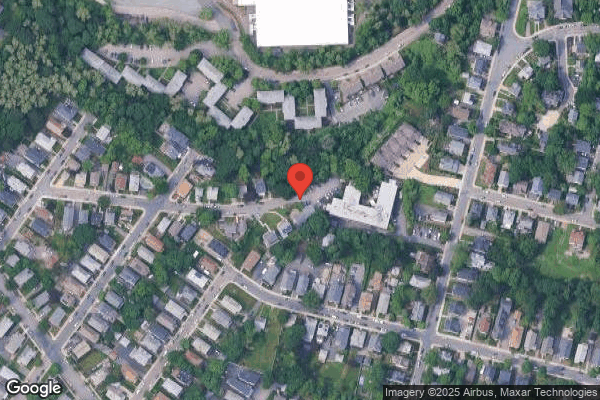
May 2024 16 deficiencies
CONCERN (D)

Potential for Harm - no one hurt, but risky conditions existed

Resident Rights (Tag F0550)

Could have caused harm · This affected 1 resident

**NOTE- TERMS IN BRACKETS HAVE BEEN EDITED TO PROTECT CONFIDENTIALITY** Based on observations, policy review, record review and interviews, the facility failed to provide a dignified existence for one...

Read full inspector narrative →
**NOTE- TERMS IN BRACKETS HAVE BEEN EDITED TO PROTECT CONFIDENTIALITY** Based on observations, policy review, record review and interviews, the facility failed to provide a dignified existence for one Resident (#31) out of a total sample of 35 residents. Findings include: Review of the facility policy titled, Dignity, dated June 2022, indicated the following: -each resident shall be cared for in a manner that promotes and enhances his or her sense of well-being, level of satisfaction with life, and feelings of self-worth and self-esteem. -staff strive to treat residents with dignity and respect. -demeaning practices and standards of care that compromise dignity are prohibited. Staff are expected to promote dignity and assist residents; For example: promptly responding to a resident's request for toileting assistance. Resident #31 was admitted to the facility in August 2016 with diagnoses including dementia. Review of Resident #31's most recent Minimum Data Set (MDS), dated [DATE], indicated the Resident had a Brief Interview for Mental Status (BIMS) of 9 out of a possible 15, which indicated the Resident had moderate cognitive impairment. The MDS also indicated Resident #31 was dependent on staff for toileting tasks. On 5/21/24 at 9:10 A.M., Resident #31 told his/her private aid that he/she needed to go to the bathroom. The aid did not leave the room to get the facility staff to assist the Resident and told the Resident to just go to the bathroom in his/her diaper. On 5/23/24 at 8:00 A.M., Resident #31 could be heard from the nursing station telling his/her private aide that he/she needed to go to the bathroom. The private aide could be heard telling the Resident Just go in your diaper. During an interview on 5/23/24 at 8:10 A.M., Unit Manager #2 said Resident #31's family hired a private aide so he/she can have someone with him/her throughout the day. Unit Manager #2 said she too heard the Resident asking to go to the bathroom and the private aide's response. Unit Manager #2 said the private aide should be offering the Resident a bed pan and asking him/her to go in his/her diaper is not dignified. During an interview on 5/23/24 at 9:28 A.M., the Director of Nursing (DON) said private aides hired by families are here to provide companionship and socialization for the resident, but the facility staff should be providing all care. The DON said private aides not employed by the facility are still expected to provide a dignified experience to residents and if this expectation is not met, education will be provided, and the family will be notified. The DON said staff should have intervened if they had heard the private aid telling Resident #31 to go to the bathroom in his/her incontinent brief.
CONCERN (D)

Potential for Harm - no one hurt, but risky conditions existed

Free from Abuse/Neglect (Tag F0600)

Could have caused harm · This affected 1 resident

**NOTE- TERMS IN BRACKETS HAVE BEEN EDITED TO PROTECT CONFIDENTIALITY** Based on observations, record review, policy review and interviews, the facility failed to keep one Resident (#64) free from ver...

Read full inspector narrative →
**NOTE- TERMS IN BRACKETS HAVE BEEN EDITED TO PROTECT CONFIDENTIALITY** Based on observations, record review, policy review and interviews, the facility failed to keep one Resident (#64) free from verbal abuse out of a total sample of 35 residents. Findings include: Review of the facility policy titled, Abuse Prevention Program 2022, last revised November 2022, indicated the following: -Verbal abuse: the use of oral, written or gestured language that willfully includes disparaging and derogatory terms to residents or their families, or within their distance, regardless of their age, ability to comprehend, or disability. Verbal abuse includes but is not limited to threats of harm and/or making statements to frighten a resident. Resident #64 was admitted to the facility in December 2023 with diagnoses including anxiety. Review of Resident most recent Minimum Data Set (MDS), dated [DATE], indicated the Resident had a Brief Interview for Mental Status (BIMS) score of 13 out of a possible 15, which indicated he/she is cognitively intact. On 5/22/24 at 9:15 A.M., the Admissions Director and Resident #64 could be heard speaking loudly at each other from the nursing station, two rooms away. The Admissions Director and Resident #63 were discussing Resident #64 not getting along with his/her roommate and the roommate requesting to change rooms. As the conversation continued, the Admissions Director's voice became aggressive, and she could be heard yelling at the Resident saying You've done this with two other people .you can't keep acting like this .I'm warning you. As the surveyor was seen standing outside the Resident's room, Unit Manager #2 entered the room and quieted the situation. During an interview on 5/22/24 at 9:20 A.M., the Admissions Director said she was frustrated with Resident #64 and telling him/her she was warning him/her was not appropriate. During an interview on 5/22/24 9:25 A.M., Unit Manager #2 said she had entered Resident #64's room because she could hear there was an issue from the hallway. Unit Manager #2 said the Admissions Director has a loud voice. When told of what was overheard in the interaction, Unit Manager #2 said it's not cool to say what the admissions person said and telling someone they are warning them sounds like threat. On 5/22/24 at 9:36 A.M., Resident #64 could be heard from the nursing station, in a teary voice, apologizing to his/her roommate. The surveyor entered the room and Resident #64 said I did not like it when asked about the situation/interaction with the Admissions Director. Resident #64 said the Admissions Director accused me of running two roommates out of the room and not being nice and that makes me feel bad. Review of the Admissions Director human resource record indicated she had last been educated on abuse training upon hire on 4/23/23. On 5/22/24 at 10:12 A.M., the Administrator said abuse if defined as anything that is physical abuse, emotional abuse, verbal abuse, harassment, sexual abuse, involuntary seclusion and unexplained injury. The Administrator said all staff complete education on abuse upon hire and then yearly. The Administrator said she expects staff to speak to residents kindly and professionally and if feeling frustrated, they should tap out and have another staff member take over caring for the resident. When the surveyor told the Administrator of the incident observed, the Administrator said the Admissions Director should not have spoken to Resident #64 that way and she should have stepped away and asked the social worker handle the situation.
CONCERN (D)

Potential for Harm - no one hurt, but risky conditions existed

Comprehensive Care Plan (Tag F0656)

Could have caused harm · This affected 1 resident

**NOTE- TERMS IN BRACKETS HAVE BEEN EDITED TO PROTECT CONFIDENTIALITY** Based on observations, record reviews and interviews, the facility failed to implement the plan of care to ensure foot protectio...

Read full inspector narrative →
**NOTE- TERMS IN BRACKETS HAVE BEEN EDITED TO PROTECT CONFIDENTIALITY** Based on observations, record reviews and interviews, the facility failed to implement the plan of care to ensure foot protection booties were in place for two Residents (#1 and #3) out of a total sample of 35 residents. Findings include: 1. Resident #1 was admitted to the facility in December 2021 with diagnoses including traumatic brain injury and hemiplegia. Review of Resident #1's most recent Minimum Data Set (MDS), dated [DATE], indicated the Resident was unable to complete the Brief Interview for Mental Status (BIMS) exam and the staff did not assess his/her cognitive level. The MDS also indicated Resident #1 was dependent on staff for all bed mobility/repositioning tasks. On 5/21/24 at 7:57 A.M., Resident #1 was observed lying in bed. Both of his/her feet were directly on the bed. Two heel protection booties were observed on the dresser across from the Resident's bed. On 5/22/24 at 6:39 A.M., Resident #1 was observed lying in bed. Both of his/her feet were directly on the bed. Two heel protection booties were observed on the dresser across from the Resident's bed. On 5/23/24 at 6:40 A.M. and 8:50 A.M., Resident #1 was observed lying in bed. Both of his/her feet were directly on the bed. Two heel protection booties were observed on the dresser across from the Resident's bed. Review of Resident #1's physician orders indicated the following order: -Apply bilateral heel booties when in bed. Every shift, initiated on 7/28/23. Review of Resident #1's pressure ulcer care plan indicated the following intervention: -bilateral heel booties while in bed. Review of Resident #1's medical record failed to indicate the Resident refused the booties. During an interview on 5/23/24 at 11:49 A.M., Certified Nursing Assistant (CNA) #2 said Resident #1 should have booties on his/her feet when lying in bed. During an interview on 5/23/24 at 8:56 A.M., Nurse #2 said Resident #1 should have booties on his/her feet when lying in bed. During an interview on 5/23/24 at 8:57 A.M., Unit Manager #2 said she was unaware Resident #1 had not been wearing booties on his/her feet as ordered. During an interview on 5/23/24 at 9:28 A.M., the Director of Nursing said all orders should be followed as written unless a resident refuses the intervention. 2. Resident #3 was admitted to the facility in December 2001 with diagnoses including dementia. Review of Resident #3's most recent Minimum Data Set (MDS), dated [DATE], indicated the Resident had a Brief Interview for Mental Status (BIMS) score of 7 out of a possible 15, which indicated he/she had severe cognitive impairment. The MDS also indicated Resident #3 was dependent on staff for all bed mobility/repositioning tasks. On 5/21/24 at 8:56 A.M., Resident #3 was observed lying in bed with both feet directly on the bed. There were two foot booties observed on the chair next to the bed. On 5/22/24 at 6:39 A.M., Resident #3 was observed lying in bed with both feet directly on the bed. There were two foot booties observed on the chair next to the bed. On 5/23/24 at 6:40 A.M., Resident #3 was observed lying in bed with both feet directly on the bed. There were two foot booties observed on the chair next to the bed. Review of Resident #3's medical record indicated he/she has a deep tissue injury to his/her left great toe. Review of Resident #3's physician orders indicated the following order: - Booties to bilateral heels while in bed. every shift, initiated on 1/31/24. Review of Resident #3's skin integrity care plan last revised on 3/6/24, indicated the following intervention: - bilateral booties when in bed. Review of Resident #3's [NAME] (a form indicating the level of care required) indicated the following: - bilateral heel booties while in bed. Review of Resident #1's medical record failed to indicate the Resident refused the booties. During an interview on 5/23/24 at 8:02 A.M., Certified Nursing Assistant (CNA) #1 said Resident #3 should have foot booties on at all times. CNA #1 said the overnight shift usually forgets to put them on. During an interview on 5/23/24 at 8:11 A.M., Unit Manager #2 said Resident #3 should wear foot booties when out of bed. The surveyor and Unit Manager #2 then looked at Resident #3's physician orders and Unit Manager #2 said the Resident is ordered to have foot booties while in bed. During an interview on 5/23/24 at 9:28 A.M., the Director of Nursing said all orders should be followed as written unless a resident refuses the intervention.
CONCERN (D)

Potential for Harm - no one hurt, but risky conditions existed

ADL Care (Tag F0677)

Could have caused harm · This affected 1 resident

Based on observations, interviews, policy review, and record review, the facility failed to provide the necessary activities of daily living (ADLs) for one Resident (#63) out of 35 total sampled resid...

Read full inspector narrative →
Based on observations, interviews, policy review, and record review, the facility failed to provide the necessary activities of daily living (ADLs) for one Resident (#63) out of 35 total sampled residents. Specifically, the facility failed to provide the needed supervision and assistance with eating. Findings include: Review of the facility policy titled Activities of Daily Living (ADLs), Supporting, revised March 2018, indicated: -Appropriate care and services will be provided for residents who are unable to carry out ADLs independently, with the consent of the resident and in accordance with the plan of care, including appropriate support and assistance with dining (meals and snacks). Resident #63 was admitted to the facility in July 2023 with diagnoses including dysphagia (difficulty swallowing and left sided hemiparesis (weakness) following a stroke. Review of the most recent Minimum Data Set (MDS) assessment, dated 4/10/24, indicated that Resident #63 was unable to complete the Brief Interview for Mental Status (BIMS) and had a staff assessment that indicated the Resident had moderate cognitive impairment. This MDS also indicated Resident #63 required supervision or touching assistance with eating. Review of Resident #63's active physician's order indicated: -Patient must be fed all meals, every shift, initiated 12/7/23. On 5/21/24 at 8:34 A.M., the surveyor observed Resident #63 in bed attempting to drink milk in a regular cup and eat toast with a fork. The head of the bed was at 30 degrees and he/she was leaning the left side and milk was spilling onto the Resident's chest. There was no staff in room or within vision of the Resident. The following sign was observed posted above the head of Resident #63's bed in clear sight: -TO PROMOTE SAFE SWALLOWING -SEAT PATIENT IN UPRIGHT POSITIONING IN BED OR CHAIR -MAKE SURE PATIENT HAS A SIPPY CUP -CUE PATIENT FOR SLOW RATE AND SMALL BITES/SIPS -ALLOW PATIENT EXTENDED MEAL TIME On 5/22/24 at 8:38 A.M., Resident #63 was observed eating breakfast in bed without assistance. There was no staff in room or within vision of the Resident. On 5/23/24 at 8:37 A.M., Resident #63 was observed eating breakfast in bed without assistance. There was no staff in room or within vision of the Resident until 8:49 A.M., when Certified Nurse Assistant (CNA) #5 came to pick up Resident #63's breakfast tray. CNA #5 said she did not know if Resident #63 required a staff member to be present during meals. During an interview on 5/23/24 at 8:51 A.M., CNA #8 said she is the primary aide for Resident #63 and frequently is assigned to him/her. CNA #8 said Resident #63 requires supervision at all times with meals. During an interview on 5/23/24 at 12:18 P.M., Nurse #7 said Resident #63 has an order that says, patient must be fed all meals and that this order would mean that Resident #63 required staff to be present in the room during meals and a meal tray should not be left at bedside with that order. During an interview on 5/22/24 at 11:02 A.M., the Assistant Director of Nursing (ADON) said that as long as someone feeds Resident #63, he/she will eat and drink. The ADON said Resident #63 should never be left alone with meals because he/she is at risk for aspiration (which is when food, liquid, or saliva that's intended to be swallowed enters the airway). During an interview on 5/23/24 at 12:33 P.M., the Director of Nursing (DON) said if Resident #63 had an order that read patient must be fed all meals then Resident #63 should have a nurse or an aid present at all times during meals.
CONCERN (D)

Potential for Harm - no one hurt, but risky conditions existed

Deficiency F0679 (Tag F0679)

Could have caused harm · This affected 1 resident

**NOTE- TERMS IN BRACKETS HAVE BEEN EDITED TO PROTECT CONFIDENTIALITY** Based on observations, record review, policy review and interviews, the facility failed to provide an activity program for two R...

Read full inspector narrative →
**NOTE- TERMS IN BRACKETS HAVE BEEN EDITED TO PROTECT CONFIDENTIALITY** Based on observations, record review, policy review and interviews, the facility failed to provide an activity program for two Residents (#1 and #69) out of a total sample of 35 residents. Findings include: Review of the facility policy titled, Activity Programs, dated June 2018, indicated the following: -activity programs are designed to meet the interest and of and support the physical, mental and psychosocial well-being of each resident. -The activities program is provided to support the well-being of residents and to encourage both independents and community interaction. -Activities offered are based on the comprehensive resident centered assessment and the preferences of each resident. -the activities program is ongoing and includes facility organized group activities, independent individual activities and assisted individual activities. -Activities are considered any endeavor, other than routine ADLs, in which the resident participates, that is intended to enhance his or her sense of well-being and to promote or enhance physical, cognitive or emotional health. -Our activity programs are designed to encourage maximum individual participation and are geared to the individual resident's needs. -Our activity programs consist of individual, small group and large group activities that are designed to meet the needs and interests of each resident. Activity programs include activities that promote self-esteem; Comfort; Pleasure; Education; Creativity; Success; And independence. -Residents are encouraged, but not required, to participate in scheduled activities. Resident group was held on 5/22/24 at 11:00 A.M. During this group, 12 out of 12 participating members said there were not enough activities in the building, and they were bored. 1. Resident #1 was admitted to the facility in December 2021 with diagnoses including traumatic brain injury and hemiplegia. Review of Resident #1's most recent Minimum Data Set (MDS), dated [DATE], indicated the Resident was unable to complete the Brief Interview for Mental Status (BIMS) exam and the staff did not assess his/her cognitive level. The MDS also indicated Resident #1 was dependent on staff for all bed mobility/repositioning tasks. During an interview on 5/23/24 at 8:50 A.M., Resident #1 nodded yes when asked if he/she would like to go to a group activity and if he/she was bored. Throughout all days of survey, Resident #1 was never observed outside of his/her room and was only observed watching television. There were no activity supplies observed in the Resident's room. On all days of survey, Resident #1's privacy curtain was drawn, and he/she could not see out into the hallway from his/her bed or chair. Review of Resident #1's activity care plan indicated the following interventions: -I enjoy most all the activities and I attend and fallow (sic) the direction through activities if I feel like it. -I am enjoying all the Events and Big Parties, Church Group and Musical Entertainments. -I need assist with arranging community activities/Arrange transportation. Review of Resident #1's psychosocial well-being care plan indicated the following intervention: -Provide me with an activity schedule and encourage me to engage in social interactions. Review of Resident #1's quarterly activity note dated 3/12/24, indicated: -Resident #1 attends group activities some of the time and enjoys coffee social and refreshment activities. -Resident #1 should participate in sensory activities. The activity note failed to indicate a goal for Resident #1 to attend group activities. Review of the psychological note dated 4/1/24, indicated: - Continue to engage (the Resident) in social activities in the home as indicated. The Activity Director provided the surveyor with attendance logs for the month of March 2024, however, did not have logs for April or May 2024. The attendance longs for March failed to indicate the Resident participated in any sensory program activities or any activities other than activities in his/her room or ice cream social. During an interview on 5/23/24 at 10:22 A.M., the Activities Director (AD) said she currently is the only staff member in the activities department and it can be difficult at times to follow the activity calendar. The AD said she provides one to one visits for individuals who are bed bound or who do not leave their room. These visits should include a hand massage or a sensory activity, movies/TV and music. The AD said Resident #1 does not go to group activities because he/she requires a lot of care and is often not out of bed in time to participate. 2. Resident #69 was admitted to the facility in June 2021 with diagnoses including cerebral palsy. Review of Resident #69's most recent Minimum Data Set (MDS), dated [DATE] indicated the Resident had a score of 15 out of a possible 15 on the Brief Interview for Mental Status (BIMS) which indicated he/she is cognitive intact. The MDS also indicated the Resident is dependent on staff for all functional daily tasks. During an interview on 5/23/24 at 9:20 A.M., Resident #39 said he/she would love to get out of his/her room and be with other people. Throughout all days of survey, Resident #69 was never observed outside of his/her room and was only observed watching television. There were no activity supplies observed in the Resident's room. On all days of survey, Resident #69's privacy curtain was drawn, and he/she could not see out into the hallway from his/her bed or chair. Review of Resident #69's activity care plan indicated the following interventions: - I like 1:1 visits from staff. -I attend day room and events and live entertainments and parties, when I feel like it. Review of Resident #69's quarterly activity note, dated 3/16/24, indicated the Resident has a goal to attend group activities 2-3 times a week. The Activity Director provided the surveyor with attendance logs for the month of March 2024, however, did not have logs for April or May 2024. The attendance longs for March failed to indicate the Resident participated in any sensory program activities or any activities other than activities in his/her room or ice cream social. During an interview on 5/23/24 at 10:22 A.M., the Activities Director (AD) said she currently is the only staff member in the activities department and it can be difficult at times to follow the activity calendar. The AD said she provides one to one visits for individuals who are bed bound or who do not leave their room. These visits should include a hand massage or a sensory activity, movies/TV and music. The AD said Resident #69 does not go to group activities because he/she requires a lot of care and is often not out of bed in time to participate.
CONCERN (D)

Potential for Harm - no one hurt, but risky conditions existed

Deficiency F0685 (Tag F0685)

Could have caused harm · This affected 1 resident

Based on observations, interviews, policy review, and record review, the facility failed to provide appropriate treatment and services related to hearing for one Resident (#88) out of a total of 35 sa...

Read full inspector narrative →
Based on observations, interviews, policy review, and record review, the facility failed to provide appropriate treatment and services related to hearing for one Resident (#88) out of a total of 35 sampled residents. Specifically, the facility failed to assist Resident #88 in maintaining hearing abilities and making an appointment to replace a lost and/or broken hearing aid. Findings include: Review of the facility policy titled Hearing Impaired Resident, Care of, revised February 2018, indicated: -Staff will assist hearing impaired residents to maintain effective communication with clinicians, caregivers, other residents, and visitors. -Staff will assist the resident (or representative) with locating available resources, scheduling appointments and arranging transportation to obtain needed services. -Staff will help residents who have lost or damaged hearing devices in obtaining services to replace devices. -When interacting with the hearing impaired or deaf resident, staff will: evaluate and address avoidable obstacles to effective communication. Resident #88 was admitted to the facility in October 2023 with diagnoses including chronic obstructive pulmonary disease (COPD) and emphysema, both which are common lung disease causing restricted airflow and breathing problems. Review of the most recent Minimum Data Set (MDS) assessment, dated 5/1/24, indicated that Resident #88 had moderate cognitive impairment as evidenced by a Brief Interview for Mental Status (BIMS) score of 8 out of 15. This MDS also indicated Resident #63 had adequate hearing with the use of a hearing aid or hearing appliance. Review of Resident #88's admission assessment, dated 10/23/23, indicated the presence of left and right hearing aids. Review of Resident #88's active physician's orders indicated: -Audiology consult as needed. Review of the plan of care related to hearing deficit, dated 10/24/23, failed to indicate the use or presence of hearing aids and indicated: -Monitor/document/report to MD PRN (pro re nata, which is Latin for as the need arises) changes in ability communicate, Potential contributing factors for communication problems, Potential for improvement. Review of Resident #88's progress note, dated 5/14/24, indicated a conference call was held with his/her son for the care plan review and that his/her son wanted him/her seen by audiologist for left hearing aid. On 5/21/24 at 8:39 A.M., the surveyor observed Resident #88 without hearing aids in his/her ears. Resident #88 was unable to hear the surveyor, even with increased volume and direction of speech. The surveyor typed words on the surveyor's computer and showed the computer to Resident #88 to complete interview. Resident #88 said his/her hearing aids didn't work because they were not charged, and one was lost over a month ago. Resident #88 said staff knew the hearing aid was lost and he/she could never hear what staff was saying. Resident #88 said there were no other hearing amplification devices or interventions in place or in her room. Resident #88 said this frustrated him/her and wished he/she had hearing aids so he/she could hear. On 5/22/24 at 10:02 A.M., Resident #88's was visiting with his/her spouse. Resident #88's spouse showed the surveyor a hearing aid charging on his/her bedside table. There was only one hearing aid charging. Resident #88's spouse said that staff was aware the left hearing aid had been missing for over a month and that he/she was told an audiology appointment was being arranged. During an interview on 5/23/24 at 6:52 A.M., the Assistant Director of Nursing (ADON) and Unit Manager #3 said at a recent care plan meeting it was noted Resident #88 needed an audiology appointment because his/her hearing aid was lost, and the facility was supposed to arrange this appointment. Both the ADON and Unit Manager #3 said they had not contacted audiology services to arrange an appointment. The ADON and Unit Manager #3 said they have not attempted any other interventions including writing information or a hearing amplifier, but that Resident #88 would probably benefit from it. The ADON said Resident #88 said he/she cannot hear without hearing aids unless staff shouts directly into right ear and would benefit from wearing bilateral hearing aids. During an interview on 5/23/24 7:02 A.M., the Quality Assurance (QA) Nurse said she is the contact person for arranging audiology services and was unaware Resident #88 had needed an appointment. The QA Nurse said she had not arranged an audiology appointment for Resident #88 and the Resident was not on the list to be seen at this time. During an interview on 5/23/24 7:39 A.M., the Director of Nursing (DON) said she was unaware Resident #88 has missing/broken hearing aids. The DON said someone should have arranged audiology services.
CONCERN (D)

Potential for Harm - no one hurt, but risky conditions existed

Pressure Ulcer Prevention (Tag F0686)

Could have caused harm · This affected 1 resident

**NOTE- TERMS IN BRACKETS HAVE BEEN EDITED TO PROTECT CONFIDENTIALITY** Based on observation, record review, and interview, the facility failed to follow a physician's order for air mattress settings ...

Read full inspector narrative →
**NOTE- TERMS IN BRACKETS HAVE BEEN EDITED TO PROTECT CONFIDENTIALITY** Based on observation, record review, and interview, the facility failed to follow a physician's order for air mattress settings for pressure ulcer prevention for 2 Residents (#91 and #102), out of a total sample of 35 residents. Findings include: Review of the facility policy titled Support Surface Guidelines, revised September 2013, indicated the following: - Redistributing support surfaces are to promote comfort for all bed- or chairbound residents, prevent skin breakdown, promote circulation and provide pressure relief or reduction. - Support surfaces are modifiable. Individual resident needs differ. 1. Resident #91 was admitted in January 2022 with diagnoses including depression and pressure ulcers of the left and right heel. Review of the Minimum Data Set (MDS), dated [DATE], indicated that the Resident did not score on the Brief Interview for Mental Status (BIMS), but is severely cognitively impaired. Review of the MDS indicated that Resident #91 is dependent with all activities of daily living. Review of the current physician's orders for Resident #91 indicate the following: -Low Airloss Mattress, check function and settings to (specify weight or comfort) every shift (initiated 8/2/23) During an observation on 5/21/24 at 8:47 A.M., Resident #91 was lying in bed with the air mattress set to 200. There was a sticker placed directly on the dial that indicated the mattress should be set to 160. During an observation on 5/22/24 at 6:37 A.M., Resident #91 was lying in bed with the air mattress set to 400. During an observation on 5/23/24 at 6:36 A.M., Resident #91 was lying in bed with the air mattress set to over 400. During an interview on 5/23/24 at 9:28 A.M., Nurse #7 said that he will look at the physician's orders to determine the setting of the air mattress and if it is not in the order then the sticker located on the air mattress dial is what the air mattress should be set at. 2. Resident #102 was admitted in October 2023 with diagnoses including a pressure ulcer of the sacral region. Review of the Minimum Data Set (MDS), dated [DATE], indicated that Resident #102 was unable to participate in the Brief Interview for Mental Status (BIMS), but is moderately impaired. Review of the current physician's orders for Resident #91 indicate the following: -Air mattress in place check placement and function every shift to ensure dial is set on the correct indicator (initiated 3/25/24) During an observation on 5/21/24 at 10:32 A.M., Resident #102 was lying in bed with the air mattress set to 160. There was a sticker on the air mattress dial to set the mattress to 100. During an observation on 5/23/24 at 6:26 A.M., Resident #102 was lying in bed with the air mattress set to 160. There was a sticker on the air mattress dial to set the mattress to 100. During an interview on 5/23/24 at 9:28 A.M., Nurse #7 said that he will look at the physician's orders to determine the setting of the air mattress and if it is not in the order then the sticker located on the air mattress dial is what the air mattress should be set at.
CONCERN (D)

Potential for Harm - no one hurt, but risky conditions existed

Deficiency F0688 (Tag F0688)

Could have caused harm · This affected 1 resident

**NOTE- TERMS IN BRACKETS HAVE BEEN EDITED TO PROTECT CONFIDENTIALITY** Based on observations, record review and interviews, the facility failed to implement interventions to prevent increased contrac...

Read full inspector narrative →
**NOTE- TERMS IN BRACKETS HAVE BEEN EDITED TO PROTECT CONFIDENTIALITY** Based on observations, record review and interviews, the facility failed to implement interventions to prevent increased contractures for two Residents (#30 and #69) out of a total sample of 35 residents. Findings include: 1. Resident #30 was admitted to the facility in October 2014 with diagnoses including hemiplegia with hemiparesis after a stroke. Review of Resident #30's most recent Minimum Data Set (MDS), dated [DATE], indicated Resident #30 had a Brief Interview of Mental Status Exam score of 9 out of a possible 15, which indicated the Resident had moderate cognitive impairment. The MDS also indicated Resident #30 is dependent on staff for all functional tasks with the exception of eating. On 5/21/24 at 8:15 A.M., Resident #30 was observed lying in bed. The Resident was observed to have a left-hand contracture and was not observed to be wearing a splint. At this time, Resident #30 said he/she had not worn a splint in a long time. On 5/21/24 at 12:18 P.M., Resident #30 was observed lying in bed. The Resident was observed to have a left-hand contracture and was not observed to be wearing a splint. On 5/22/24 at 6:39 A.M., 8:45 A.M., and 11:05 A.M., Resident #30 was observed lying in bed. The Resident was observed to have a left-hand contracture and was not observed to be wearing a splint. On 5/23/24 at 6:40 A.M., Resident #30 was observed lying in bed. The Resident was observed to have a left-hand contracture and was not observed to be wearing a splint. Review of Resident #30's physician orders indicated the following orders: - LUE (left upper extremity) WHFO (wrist hand finger orthotic) ball-finger splint to be worn up to 6 hours, initiated 7/29/23 and discontinued on 5/23/24. - left resting hand splint to be worn up to 6 hours as tolerated, initiated on 5/23/24. Review of Resident #30's care plans indicated the following interventions: -Restorative care: splint/brace assist. -Increase WHFO tolerance to 7 hours per day. Review of the occupational therapy Discharge summary, dated [DATE], indicated: -Pt (patient) currently tolerates left hand splint for 6-7 hours with no S/S (signs or symptoms) of skin irritation. Nursing trained on FMP (Functional Maintenance Plan) for donning and doffing resting hand splint upon d/c (discharge) from OT (occupational therapy). Nursing demos competency in splinting management for pt -Orthotic management: splint/orthotic recommendations: left resting hand splint for 6-7 hours per day as tolerated to decrease contracture formation. During an interview on 5/22/24 at 1:03 P.M., the Regional Director of Rehabilitation said the facility has a restorative program and, once a resident is discharged from therapy, the restorative aid continues to treat residents, but the care is then ultimately transited to nursing to complete. During an interview on 5/23/24 at 11:32 A.M., Certified Nursing Assistants #1 and #2 said Resident #30 is supposed to be wearing a splint on his/her left wrist hand and they haven't been able to find the splint in the Resident's room. During an interview on 5/23/24 at 11:35 A.M., Unit Manager #2 said Resident #30 has an order to wear a splint on his/her left hand. Unit Manager #30 then went to the Resident's room and then told the surveyor she was unable to find the Resident's splint and the facility will have to order a new one for the Resident. 2. Resident #69 was admitted to the facility in June 2021 with diagnoses including cerebral palsy. Review of Resident #69's most recent Minim Data Set (MDS), dated [DATE], indicated the Resident had a score of 15 out of a possible 15 on the Brief Interview for Mental Status (BIMS) which indicated he/she is cognitive intact. The MDS also indicated the Resident is dependent on staff for all functional daily tasks. During an interview on 5/21/24 at 8:01 A.M., Resident #69 said he/she has contractures of both hand and is supposed to be wearing splints. Resident #69 said he/she often does not wear splints and he/she cannot put them on him/herself. Two blue splints were observed on the ground between the wall and bedside table. On 5/21/24 at 12:20 P.M., Resident #39 was observed lying in bed and his/her morning care had already been completed. The Resident was noted to have bilateral hand contractures and he/she was not observed wearing any splints on either hand. On 5/22/24 at 11:30 A.M., Resident #39 was observed sitting in his/her wheelchair and his/her morning care had already been completed. The Resident was noted to have bilateral hand contractures and he/she was not observed wearing any splints on either hand. Review of Resident #69's physician orders indicated the following: -Left and right posey grip splints to be donned daily s/p (after) washing. Up to 6-8 hours day. every day shift. Review of the occupational therapy Discharge summary, dated [DATE], indicated the following: -Resident #69 was able to tolerate wearing bilateral hand splints for up to 4 hours daily. -Nursing staff had been educated regarded the use of hand splints and the wearing schedule. During an interview on 5/22/24 at 1:03 P.M., the Regional Director of Rehabilitation said the facility has a restorative program and, once a resident is discharged from therapy, the restorative aid continues to treat residents, but the care is then ultimately transited to nursing to complete. During an interview on 5/23/24 at 11:32 A.M., Certified Nursing Assistant #2 said Resident #69 had bilateral hand splints and they should be worn every day. During an interview on 5/23/24 at 12:01 P.M., Nurse #2 said the rehabilitation department puts Resident #69's splints on and he/she should be wearing them every day. Nurse #2 also said the nursing staff could also put the Resident's splints on if the rehabilitation department is not available. During an interview on 5/23/24 at 12:37 P.M., Unit Manager #2 said Resident #69 has an order for splints and the splints should be on as ordered.
CONCERN (D)

Potential for Harm - no one hurt, but risky conditions existed

Respiratory Care (Tag F0695)

Could have caused harm · This affected 1 resident

Based on observations, interviews, policy review, and record review, the facility failed to provide respiratory care services in accordance with professional standards of practice one Resident (#88) o...

Read full inspector narrative →
Based on observations, interviews, policy review, and record review, the facility failed to provide respiratory care services in accordance with professional standards of practice one Resident (#88) out of a total sample of 35 residents. Specifically, the facility failed to follow Resident #88's physician's orders to implement the correct oxygen flow rate. Findings include: Review of the facility policy titled Oxygen Administration, revised October 2010, indicated: -Preparation: Verify that there is a physician's order for this procedure. Review the physician's order or facility protocol for oxygen administration. -Reporting: Notify the supervisor if the resident refuses to procedure. Resident #88 was admitted to the facility in October 2023 with diagnoses including chronic obstructive pulmonary disease (COPD) and emphysema, both which are common lung disease causing restricted airflow and breathing problems. Review of the most recent Minimum Data Set (MDS) assessment, dated 5/1/24, indicated that Resident #88 had moderate cognitive impairment as evidenced by a Brief Interview for Mental Status (BIMS) score of 8 out of 15. This MDS also indicated Resident #88 required oxygen. Review of Resident #88's physician's orders indicated: -Oxygen at 4L (liters) per N/C (nasal cannula) every shift, initiated 5/13/24. Review of the plan of care related to oxygen therapy, dated 10/23/23, indicated: -OXYGEN: Provide oxygen via nasal prongs/mask as ordered. On 5/21/24 at 8:39 A.M., the surveyor observed Resident #88 in bed wearing a nasal cannula (a device that delivers extra oxygen through a tube and into your nose) connected to an oxygen machine with settings at 5 liters per minute (lpm). Resident #88 said he/she needs 5 liters (l) of oxygen because he/she has difficulty breathing if it's at a lower rate. The surveyor made the following observations of Resident #88, each time in bed with the oxygen machine not within his/her reach: -On 5/22/24 at 6:36 A.M., Resident #88 was wearing a nasal cannula connected to an oxygen machine with settings at 5 lpm. Resident was asleep. -On 5/22/24 at 10:02 A.M., Resident #88 was wearing a nasal cannula connected to an oxygen machine with settings at 5 lpm. Resident #88 asked surveyor to check if his/her oxygen was set to 5 lpm. Resident #88 said he/she does not adjust the oxygen, but often will ask staff to check because he/she is having difficulty breathing. -On 5/23/24 at 6:38 A.M., Resident #88 was wearing a nasal cannula connected to an oxygen machine with settings at 5 lpm. Resident was asleep. During an interview on 5/23/24 at 6:52 A.M., the Assistant Director of Nursing (ADON) and Unit Manager #3 said nursing should check oxygen flow rate at least once a shift to ensure it is running at the ordered flow rate. The ADON and Unit Manager #3 said Resident #88 has an order for oxygen at 4 lpm, and if Resident #88 refused or required a higher oxygen flow rate this should have been communicated to the physician and documented in the record but had not. Review of entire medical record for Resident #88 failed to indicate a need for increased oxygen or documentation that a higher flow rate of oxygen was administered. During an interview on 5/23/24 at 12:24 P.M., the ADON said she contacted the physician this morning and the physician had been unaware of Resident's request or need for increased oxygen rate. The ADON said the physician said Resident #88 should not receive a high oxygen flow rate until he/she is assessed by a provider. During an interview on 5/23/24 at 07:23 A.M., the Director of Nursing (DON) said oxygen should be administered as ordered. The DON said the nurses should be checking the oxygen flow rate a few times throughout each shift. The DON said the physician should be notified before any adjustments to oxygen flow rate are made and should be documented in the medical record.
CONCERN (D)

Potential for Harm - no one hurt, but risky conditions existed

Deficiency F0806 (Tag F0806)

Could have caused harm · This affected 1 resident

Based on interviews and record review the facility failed to provide the dietary preference for one Resident (#312) out of a total sample of 35 residents. Specifically, the facility failed to honor no...

Read full inspector narrative →
Based on interviews and record review the facility failed to provide the dietary preference for one Resident (#312) out of a total sample of 35 residents. Specifically, the facility failed to honor no pork products per resident preference. Findings include: Review of facility policy titled 'Resident Food Preference' revised July 2017 indicated the following but was not limited to: -Individual food preferences will be assessed upon admission and communicated to the interdisciplinary team. Modification to diet will only be ordered with the residents' or representative's consent. -Upon the resident's admission (or within 24 hours after his/her admission) the Dietician or nursing staff will identify a resident's food preferences. -When possible, staff will interview the residents directly to determine current food preferences based on history and life patterns related to food and mealtimes. Resident #312 was admitted to the facility in May 2024 with diagnoses including acute systolic congestive heart failure, fluid overload and chronic kidney disease stage four. Review of the Brief Interview for Mental Status dated 5/14/24 indicated the Resident scored a 14 out of a possible 15 indicating he/she was cognitively intact. During an interview on 5/21/24 at 8:45 A.M., Resident #312 said he/she was served bacon for breakfast. The Resident said he/she had communicated with the Food Service Director telling him that he/she cannot have pork products due to religious reasons. During an interview on 5/21/24 at 9:00 A.M., Resident's daughter said they had completed the facility weekly menu and wrote in big letters and circled NO PORK PRODUCTS. Resident #312's daughter said that due to religious reasons the resident could not have pork products and that the Resident had been served ham sandwich the night before and had received bacon for breakfast. Review of the breakfast menu for 5/21/24 indicated the following items were served: -Juice of choice -Cereal -French toast -Bacon -Margarine -Syrup -Coffee or Tea -Milk Dinner Items served for 5/20/24 indicated the following: -Grilled ham and cheese and alternate were cranberry glaze pork chop. During an interview on 5/22/24 at 11:03 A.M., Unit Manager #1 said on admission nursing will only review the diet sent on discharge paperwork. She said normally the dietician is the one that would get the Resident's detailed preferences, but they currently did not have a regular dietician on staff. She further said that the Food Service Director would be the alternate to obtain the preferences. During an interview on 5/23/24 at 9:17 A.M., the Food Service Director (FSD) said that he had met with the Resident and was not aware of the no pork preference. He further said he had given the Resident the weekly menu but could not find it among the other menus that he had on hand. The FSD said he was only made aware of the preferences on Tuesday 5/21/24 and did not add it on the meal ticket until 5/23/24. The FSD said Resident's preferences should be honored.
CONCERN (E)

Potential for Harm - no one hurt, but risky conditions existed

Deficiency F0658 (Tag F0658)

Could have caused harm · This affected multiple residents

**NOTE- TERMS IN BRACKETS HAVE BEEN EDITED TO PROTECT CONFIDENTIALITY** 2. For Resident #62 the facility failed to obtain and document pre and post dialysis weights per the physician orders. Review of...

Read full inspector narrative →
**NOTE- TERMS IN BRACKETS HAVE BEEN EDITED TO PROTECT CONFIDENTIALITY** 2. For Resident #62 the facility failed to obtain and document pre and post dialysis weights per the physician orders. Review of the facility policy titled 'Dialysis Policy' revised April 2022, indicated the following but not limited to: -Coordinate with out-patient dialysis center -Dialysis communication book will be sent with resident to dialysis treatment. -Nurse will review dialysis communication book for any changes or updates on resident to the nursing center. -Weigh as per medical director order. Dialysis weights may be utilized for consistency unless medical director provides alternate orders. -On dialysis days, resident will be weighed at dialysis before and after dialysis treatment. Resident #62 was admitted to the facility in April 2024 with diagnoses including end stage renal disease and dependence on dialysis. Review of the current physician orders indicated the following order: -Document pre and post dialysis weight (check dialysis book) one time a day every Tuesday, Thursday, and Saturday for weight. -Monitor dialysis communication book upon return from dialysis on Tuesday, Thursday and Saturday, every evening shift every look for any changes or updates. Review of the care plan renal failure date initiated 4/28/2024 with the following interventions. -Obtain vital signs and weights per protocol. Review of the Medication Administration Record (MAR) for May 2024 indicated the following: On 5/9/24 no weights were documented On 5/14/24 only pre dialysis weight documented On 5/16/24 no weights were documented On 5/21/24 no weights were documented. During an interview on 5/22/24 at 11:32 A.M., Unit Manager #1 said the nurses on 3-11 shift are responsible for looking at the dialysis communication book and documenting the weights In the MAR. During an interview on 5/23/24 at 11:26 A.M., the Director of Nursing said nurses should be referring to the dialysis communication binder for accurate weights and document as ordered. 3. For Resident #312, the facility failed to obtain daily weights as ordered by the physician. Review of the facility policy titled 'Heart Failure-Clinical Protocol' revised November 2018, indicated the following but not limited to: -The physician will review and make recommendations for relevant aspects of the nursing care plan, for example what symptoms to expect, how often and what (weights, renal function, digoxin level, etc.) to monitor, when to report findings to the physician, etc. Resident #312 was admitted to the facility in May 2024 with diagnoses including Acute systolic congestive heart failure and fluid overload. Review of the current physician orders indicated the following order: -Daily weight at 8 am one time a day for heart failure. Review of the Treatment Administration Record for May 2024 failed to indicate daily weights were obtained. Review of the weights and vitals indicated the following documented weights. 5/14/24- 131.4 pounds 5/15/24- 131.4 pounds 5/18/24 133.6 pounds During an interview on 5/22/24 at 10:50 A.M., the Unit Manager said daily weights should have been obtained as ordered. She further said the Resident did not have any behaviors of refusing weights to be obtained. During an interview on 5/23/24 at 11:29 A.M., the Director of Nursing said weights should be obtained as ordered. 4. For Resident #314 the facility failed to change daily dressing as ordered by the physician. Resident was admitted to the facility in May 2024 with diagnoses including acute osteomyelitis right ankle and foot and local infection of skin and subcutaneous tissues. Review of Resident #314's current physician orders indicated the following: -Wound care lateral right knee normal saline wash, pat dry, apply hydrogel cover with DPD daily. On 5/21/24 at 12:20 P.M., the surveyor observed Resident #314 lying in his/her bed, with a dressing on his/her right knee dated 5/19/24. Review of the Treatment Administration Record (TAR) for May 2024 indicated that daily dressing changes were completed and signed off on 5/19/24, and on 5/20/24. During an interview on 5/22/24 at 11:10 A.M., Unit Manager #1 said daily dressing changes should be completed as ordered. She said they have a wound nurse who does all the wound dressing changes and if the wound nurse is not available then the assigned nurse would complete the wound dressing changes. During an interview on 5/23/24 at 11:27 A.M., the Director of Nursing said the nurses on the floor should have ensured that the daily dressing change was done since the wound nurse had not been available on Monday. She further said that the nurses on the floor are responsible for completing the wound dressing changes on weekends and when the wound nurse is not available. Based on observation, record review and interview, the facility failed to meet professional standards of quality for four Residents (#3, #62, #312 and #314), out of a total sample of 35 residents. Specifically, the facility failed to: 1.) For Resident #3, the facility failed to obtain weekly weights as ordered by a physician. 2.) For Resident #62, the facility failed to obtain and document pre and post dialysis weights per the physician orders. 3.) For Resident #312, the facility failed to obtain daily weights as ordered by the physician. 4.) Resident #314 the facility failed to change daily dressing as ordered by the physician. Findings include: 1. For Resident #3, the facility failed to obtain weekly weights as ordered by a physician. Resident #3 was admitted in December 2001 with diagnoses including dementia and unspecified severe protein-calorie malnutrition. Review of the Minimum Data Set (MDS), dated [DATE], indicated that Resident #3 scored a 7 out of a possible 15 on the Brief Interview for Mental Status (BIMS), indicating severe cognitive impairment. Review of the current physician's orders indicated the following: - Weight Weekly (initiated 7/26/23) Review of the weight record for Resident #3 indicated the following: - 1/23/24: 95.8 lbs (pounds) - 2/7/24: 91 lbs - 3/4/24: 90.5 lbs - 4/24/24: 91.3 lbs - 5/2/24: 91.2 lbs - 5/21/24: 89 lbs Review of the weight record did not indicate that daily weights were being obtained. Review of the task report for the last 30 days did not indicate that Resident #3 had any behaviors or documented refusal. Review of the care plan did not indicate that Resident #3 has any behaviors of refusal. During an interview on 5/22/24 at 1:06 P.M., Unit Manager #2 said that the daily weight order was put in per the daughter's request, but if there is a physician order then it should be followed.
CONCERN (E)

Potential for Harm - no one hurt, but risky conditions existed

Accident Prevention (Tag F0689)

Could have caused harm · This affected multiple residents

**NOTE- TERMS IN BRACKETS HAVE BEEN EDITED TO PROTECT CONFIDENTIALITY** Based on observations, interviews, policy review and record review, the facility failed to maintain a safe environment for three...

Read full inspector narrative →
**NOTE- TERMS IN BRACKETS HAVE BEEN EDITED TO PROTECT CONFIDENTIALITY** Based on observations, interviews, policy review and record review, the facility failed to maintain a safe environment for three Residents (#82, #23, and #90) out of 35 total sampled residents. Specifically: 1. For Resident #82, the facility failed to implement the physician's order for bed alarm and floor mat. 2. For Resident #23, the facility failed to ensure nurse staff maintained 1:1 supervision in accordance with plan of care. 3. For Resident #90, the facility failed to implement the physician's order for floor mat. Findings include: Review of the facility policy titled Fall Prevention and Management, dated 9/1/2017, indicated, but was not limited to: -Prevention strategies to be implemented are listed on the plan of care. 1.) Resident #82 was admitted to the facility in February 2023 with diagnoses including dementia and epilepsy (a seizure disorder). Review of the most recent Minimum Data Set (MDS) assessment, dated 5/8/24, indicated that Resident #82 had severe cognitive impairment as evidenced by a Brief Interview for Mental Status (BIMS) score of 0 out of 15. Review of change in condition assessment, dated 4/24/24, indicated Resident #82 had an unwitnessed fall and was sent out emergently to the hospital because he/she was unable to move his/her right foot and it was pointed outward. This assessment indicated there was a small amount of blood on the floor. Review of fall investigation file, dated 4/24/24, indicated Resident #82 had fallen out bed. This fall investigation file indicated a bed alarm had been in place but was not ringing at the time of the fall. Review of Resident #82's [NAME] fall risk assessment, dated 5/7/24, indicated the Resident was at high risk for falls as evidenced by a score of 8. Review of Resident #82's Medication/Treatment Administration Record, dated each shift on 5/21/24, 5/22/24, and 5/23/24, indicated the follow physician orders as implemented: -Bed alarm monitor placement and function every shift, initiated 8/3/23. -Floor mats on right and left side of PT's (patient's) bed at all time [NAME] [sic] Resident in bed., initiated 4/25/24. On 5/21/24 at 9:09 A.M., 5/22/24 at 6:39 A.M., 5/22/24 at 8:40 A.M., and 5/23/24 at 6:19 A.M., the surveyor observed Resident #82 in bed with a disconnected alarm box on his/her bedside table. There was a bed sensor alarm pad under the sheet with the gray plug visible and unattached to any alarm box. There were no other alarms on the bed. There was one floor mat on the floor on the left side of Resident #82's bed and there was no floor mat on the right side of the bed. There was a folded up floor mat in the corner of the room. During an interview on 5/23/24 at 6:19 A.M., Certified Nurse Assistant (CNA) #7 said she is familiar with Resident #82 and was assigned to him/her that night shift. Resident #82 tends to fall on his/her left side so there is a floor mat on the left side. CNA #7 said Resident #82 does not have a floor mat on the right side of the bed. CNA #7 said Resident #82 does not have alarms. During an interview on 5/23/24 at 6:21 A.M., Nurse #8 visualized Resident #82 in bed and said he/she did not have a floor mat on the right side of the bed or alarms in place. Nurse #8 said Resident #82 had an order for floor mats on both the right and left side of the bed and they should be in place but were not. Nurse #8 said Resident #82 has an order for a bed alarm and that it should be in place but was not. During an interview on 5/23/24 at 6:46 A.M., the Assistant Director of Nursing (ADON) and Unit Manager #3 said Resident #82 had orders for a bed alarm and for bilateral floor mats. The ADON and Unit Manager #3 said if there is an order for a bed alarm and bilateral floor mats, there should be floor mats on both sides of the bed and alarms in place whenever Resident #82 is in bed. During an interview on 5/23/24 at 12:33 P.M., the Director of Nursing (DON) said if Resident #82 had an order for a bed alarm, then it should be in place and functioning. The DON said if Resident #82 had an order for floor mats to the left and right side of the bed, they both should have been in place. During an interview on 5/23/24 at 1:19 P.M., the DON said nursing should check the placement and function of alarms every shift. The DON said at the time of Resident #82's fall on 4/24/24 Resident #82's alarm was noted to not be functioning and it should not have been documented as functioning. 2.) Resident #23 was admitted to the facility in May 2022 with diagnoses including mild cognitive impairment and stroke. Review of the most recent Minimum Data Set (MDS) assessment, dated 5/15/24, indicated that Resident #23 had severe cognitive impairment as evidenced by a Brief Interview for Mental Status (BIMS) score of 4 out of 15. Review of Resident #23's fall risk assessment, dated 5/20/24, indicated Resident was at high risk of falls as evidenced by a score of 17. Review of Resident #23's active physician's order, initiated 5/21/24, indicated: -Resident is currently on 1:1 at all times for safety. Review of Resident #23's plan of care related to falls, dated 5/20/24, indicated: -Resident returned from hospital post fall on 5/20/24 agitated, Placed on 1:1 all 3 shifts. On 5/22/24 at 6:17 A.M., the surveyor observed Resident #23 in bed without any staff member in the room, in hallway, or at nurse's station near Resident's room. There was a motion sensor alarm plugged into the wall and the surveyor walked directly in front of sensor, which did not activate or ring. The switch was in the off position. On 5/22/24 at 6:22 A.M., Nurse #9 came from down the hall and sat in the back of the nurse's station, not within view of Resident #23. On 5/22/24 at 6:23 A.M., Certified Nurse Assistant (CNA) #9 came out of a bathroom in the hallway and went into Resident #23's room. CNA #9 said Resident is supposed to be on 1:1, but Nurse #9 knew and should have been watching Resident #23 while she was in the bathroom. On 5/22/24 at 6:29 A.M., Nurse #9 said she went down the hall to talk to another CNA and then came back to the nurse's station. Nurse #9 said she could not see into Resident #23's room, but that he/she had a motion sensor alarm, and she would hear it. The surveyor told Nurse #9 of the observation of motion sensor not activating and being in the off position. During an interview on 5/23/24 at 6:50 A.M., the Director of Nursing (DON), Assistant Director of Nursing (ADON), and Unit Manager #3 said alarms are not a replacement for 1:1. They said a staff member should have been in the room and within arms distance from Resident #23 at all times because the Resident is at high risk for falls. 3.) Resident #90 was admitted to the facility in April 2022 with diagnoses including dementia and Parkinson's disease. Review of the most recent Minimum Data Set (MDS) assessment, dated 4/17/24, indicated that Resident #90 had severe cognitive impairment as evidenced by a Brief Interview for Mental Status (BIMS) score of 3 out of 15. Review of Resident #23's fall risk assessment, dated 4/1/24, indicated Resident was at high risk of falls as evidenced by a score of 20. Review of Resident #90's active physician's order indicated: -Floor mats to both sides of bed while resident in bed, check placement every shift, initiated 8/2/23. Review of Resident #90's plan of care related to falls, dated 3/1/24, indicated: -Provide a floor mat next to my bed on both side of bed. On 5/21/24 at 8:17 A.M., the surveyor observed Resident #90 in bed, pulling on the right sided bed rail attempting to roll to the right side of his/her bed. There was one floor mat on the floor on the left side of Resident #90's bed and there was no floor mat on the right side of the bed. There was a folded up floor mat in the corner of the room. On 5/22/24 at 6:18 A.M., 5/22/24 at 8:37 A.M., 5/22/24 at 9:58 A.M., 5/22/24 at 12:10 P.M., and 5/23/24 at 6:39 A.M., Resident #90 was observed in bed. There was one floor mat on the floor on the left side of Resident #90's bed and there was no floor mat on the right side of the bed. There was a folded up floor mat in the corner of the room. During an interview on 5/23/24 at 6:39 A.M., Certified Nurse Assistant (CNA) #4 said Resident #90 has one floor mat on his/her left side of the bed. CNA #4 said he was not sure why Resident #90 had a folded up floor mat in the corner of his/her room. During an interview on 5/23/24 at 6:44 A.M., the Assistant Director of Nursing (ADON) said Resident #90 usually falls on the right side of his/her bed. The ADON looked at the Resident's active orders and said Resident #90 has an order for floor mats on both sides of his/her bed, and they should be in place. During an interview on 5/23/24 at 7:18 A.M., the Director of Nursing (DON) said if a Resident has an order for floor mats at both sides of the bed, then there should be floor mats on both sides of the bed.
CONCERN (E)

Potential for Harm - no one hurt, but risky conditions existed

Deficiency F0761 (Tag F0761)

Could have caused harm · This affected multiple residents

Based on observation, interviews and policy review the facility failed to ensure staff stored drugs and biologicals in accordance with State and Federal laws. Specifically, the facility failed to: 1...

Read full inspector narrative →
Based on observation, interviews and policy review the facility failed to ensure staff stored drugs and biologicals in accordance with State and Federal laws. Specifically, the facility failed to: 1. Ensure inhalers and medications with shortened expiration dates are dated once opened 2. Ensure orally administered medications are kept separate from externally used medications and treatments such as suppositories, ointments, creams, vaginal products, etc. 3.Ensure medication storage areas are kept clean, well-lit, and free of clutter and extreme temperatures and humidity. 4.Ensure only medications of residents residing in the facility were stored in the medication cart. Findings include: Review of the facility policy, titled 'Medication Storage in The Facility', dated 9/1/2013, indicated the following but not limited to: -Medications and biologicals are stored safely, securely, and properly, following manufacturer's recommendations or those of the supplier. - Only licensed nurses, pharmacy personnel, and those lawfully authorized to administer medications (such as medication aides) permitted to access medications. Medication rooms, carts, and medication supplies are locked when not attended by persons with authorized access. - Orally administered medications are kept separate from externally used medications and treatments such as suppositories, ointments, creams, vaginal products, etc. - Except for those requiring refrigeration or freezing, medications intended for internal use are stored in a medication care or other designated area. - Outdated, contaminated, or deteriorated medications and those in containers that are cracked, soiled, or without secure closures are immediately removed from inventory, disposed of according to procedures for medication disposal. - Medication storage areas are kept clean, well-lit, and free of clutter and extreme temperatures and humidity. - When the original seal of a manufacture's container or vial is initially broken, the container or vial will be dated. - The nurse shall place a date opened sticker on the medication and enter the date opened. and the new date of expiration. The expiration date of the vial or container will be 30 days unless the manufacturer recommends another date or regulations/guidelines require different dating. During an inspection of the One East unit on 5/22/24 at 12:40 P.M., the surveyor and Nurse #4 observed the following: - One opened bottle of acidophilus stored in drawer of medication cart and the bottle read refrigerate after opening. -10 loose pills in bottom drawers of med cart. - Fluticasone propionate inhaler opened and undated. -Salmeterol 250mcg/50 mcg inhaler opened and undated. -Budesonide and formoterol fumarate inhalation aerosol opened and undated. During an interview on 5/22/24 at 12:40 P.M., Nurse #4 said inhalers should be labeled and dated when opened and that acidophilus tablets should be stored in the refrigerator after opening. During an inspection of One [NAME] unit on 5/22/24 at 1:00 P.M., the surveyor and Nurse #6 observed, - One opened bottle of acidophilus in drawer of medication cart and the bottle read refrigerate after opening. - A bottle of hydrogel, a would care product, in medication cart. During an interview on 5/22/24 at 1:00 P.M, Nurse #6 says said opened bottle of acidophilus should be stored in the refrigerator, and treatment supplies should not be stored in the medication cart. During an inspection of the Two East unit On 5/22/24 at 1:30 P.M., the surveyor and Nurse #3 observed the following: -38 medications loose in bottom of medication cart drawers. - One bottle of prostat, opened and undated. - Breo inhaler, opened and undated. - Stiolto inhaler, opened and undated. During an interview on 5/22/24 at 1:30 P.M, Nurse #3 said all inhalers should be dated when opened and that prostat should have been dated when opened. During an inspection of Two [NAME] unit on 5/22/24 at 1:45 P.M., the surveyor and Nurse #2 observed the following: - A bottle of prostat opened and undated - 17 loose pills in bottom of med medication cart drawers - Sticky brown substance on bottles and bottom of medication cart drawer - Trelegy inhaler, opened and undated - A plastic bag with medication bottles belonging to a nurse During an interview on 5/22/24 at 1:35 P.M., Nurse #5 said the bag of medications, which contained three bottles and one inhaler, belonged to a staff member and only resident medications should be stored in medication cart. Nurse #5 said that employee medications should not be stored in the med cart. Nurse #5 said that prostat should have been dated when opened and that eye drops and inhalers should be dated when opened. Nurse #5 said she was not aware of any cleaning schedule for the medication cart. During an interview on 5/22/24 at 2:20 P.M., the Director of Nursing (DON) said she would expect the medication carts to be clean, should be wiped down, disinfected and should not contain any loose pills, any sticky bottles or sticky substance in bottom of drawers. The DON said she would expect inhalers and eye drops to be dated when they are opened and expiry date and for medications with shortened expiration date after opening would be opened and dated following pharmacy/manufacturer's directions for expiration. The DON would expect that only resident medications are stored in medication cart. The DON also said she would expect that treatment supplies would not be stored in medication carts.
CONCERN (E)

Potential for Harm - no one hurt, but risky conditions existed

Food Safety (Tag F0812)

Could have caused harm · This affected multiple residents

Based on observation and interview the facility failed to properly store food items and properly follow sanitation and food handling practices to prevent the risk of foodborne illness in accordance wi...

Read full inspector narrative →
Based on observation and interview the facility failed to properly store food items and properly follow sanitation and food handling practices to prevent the risk of foodborne illness in accordance with professional standards for food service safety. Findings include: Review of the facility policy titled, Food Receiving and Storage, dated November 2022, indicated the following: -refrigerated foods are labeled, dated and monitored so they are used in the appropriate time frame. Review of the facility policy titled, Food Preparation and Service, dated November 2022, indicated the following: -food preparation staff adhere to proper hygiene and sanitary practices to prevent the spread of foodborne illnesses. -Bare hand contact with food is prohibited. Gloves are worn when handling food directly and changed between tasks. Disposable gloves are single use items and are discarded after each use. The following observations were made in the kitchen refrigerators on 5/21/24 at 7:00 A.M.: -A bowl of cut up melon not dated or labeled. -A container of ground turkey dated 5/16/24. -A takeout container not dated or labeled. -A moldy cut lemon in a bowl. -A container of beans dated 5/11/24. -A container of beats dated 5/6/24. -A container of chicken broth dated 5/8/24. -A container of couscous dated 5/17/24. -A container of pureed meat undated. -A container of gravy undated. -A container of beef dated 5/18/24. -A container of rice dated 5/14/24. -A container of French toast wash dated 5/15/24. -A container of cottage cheese dated 5/13/24. -A container of cottage cheese with a best by date of 5/18/24. -A container of bacon fat dated 5/13/24. -A container of gravy undated. -A container of roasted garlic dated 4/11/24. -A container of roasted pork dated 5/14/24. -A container of diced onions undated. The following observations were made when watching the cooks prepare breakfast on 5/21/24 at 7:12 A.M.: -A cook was wearing gloves and preparing bacon. With the gloves he was opening the packaging to the bacon, potentially contaminating his gloves. He then touched all pieces of bacon to place on a baking sheet. He then picked up the baking sheet and placed it into the oven. Touching the bottom of the pan and oven doors. The cook then went back to the bacon packaging without changing his gloves and continued to place bacon onto another baking sheet. -A second cook was observed making toast. This cook was wearing gloves and was touching a knife, the bread packaging and the dials to the toaster, potentially contaminating the gloves. The cook was touching the bread to place into the toaster, removing the bread from the toaster and cutting the bread, all with the same gloves. During an interview on 5/23/24 at 10:30 A.M., the Food Service Director said anytime staff move from one process to another they need to wash their hands and change their gloves. The Food Service Director said items in the fridge should be labeled with the date made and when to use by and 3 days would be the longest amount of time to keep something in the refrigerator.
CONCERN (E)

Potential for Harm - no one hurt, but risky conditions existed

Medical Records (Tag F0842)

Could have caused harm · This affected multiple residents

**NOTE- TERMS IN BRACKETS HAVE BEEN EDITED TO PROTECT CONFIDENTIALITY** 3.) Resident #82 was admitted to the facility in February 2023 with diagnoses including dementia and epilepsy (a seizure disorde...

Read full inspector narrative →
**NOTE- TERMS IN BRACKETS HAVE BEEN EDITED TO PROTECT CONFIDENTIALITY** 3.) Resident #82 was admitted to the facility in February 2023 with diagnoses including dementia and epilepsy (a seizure disorder). Review of the most recent Minimum Data Set (MDS) assessment, dated 5/8/24, indicated that Resident #82 had severe cognitive impairment as evidenced by a Brief Interview for Mental Status (BIMS) score of 0 out of 15. Review of Resident #82's Medication/Treatment Administration Record, dated each shift on 5/21/24, 5/22/24, and 5/23/24, indicated the follow physician orders as implemented. -Bed alarm monitor placement and function every shift, initiated 8/3/23. -Floor mats on right and left side of PT's (patient's) bed at all time [NAME] [sic] Resident in bed., initiated 4/25/24. On 5/21/24 at 9:09 A.M., 5/22/24 at 6:39 A.M., 5/22/24 at 8:40 A.M., and 5/23/24 at 6:19 A.M., the surveyor observed Resident #82 in bed with a disconnected alarm box on his/her bedside table. There was a bed sensor alarm pad under the sheet with the grey plug visible and unattached to any alarm box. There were no other alarms on bed. There was one floor mat on the floor on the left side of Resident #82's bed and there was no floor mat on the right side of the bed. There was a folded up floor mat in the corner of the room. During an interview on 5/23/24 at 6:19 A.M., Certified Nurse Assistant (CNA) #7 said she is familiar with Resident #82 and was assigned to him/her that night shift. Resident #82 tends to fall on his/her left side so there is a floor mat on the left side. CNA #7 said Resident #82 does not have a floor mat on the right side of the bed. CNA #7 said Resident #82 does not have alarms. During an interview on 5/23/24 at 6:21 A.M., Nurse #8 visualized Resident #82 in bed and said he/she did not have a floor mat on the right side of the bed or alarms in place. Nurse #8 said Resident #82 has an order for floor mats on both the right and left side of the bed and they should be in place but were not. Nurse #8 said Resident #82 has an order for a bed alarm and that it should be in place but was not. During an interview on 5/23/24 at 6:46 A.M., the Assistant Director of Nursing (ADON) and Unit Manager #3 said Resident #82 has orders for a bed alarm and for bilateral floor mats. The ADON and Unit Manager #3 said if a Resident has an order for a bed alarm and bilateral floor mats, there should be floor mats on both sides of the bed and alarms in place whenever Resident #82 is in bed. The ADON and Unit Manager said it should not be documented as implemented if it was not. During an interview on 5/23/24 at 12:33 P.M., the Director of Nursing (DON) said if the Resident had an order for a bed alarm, then it should be in place and functioning. The DON said if the Resident had an order for floor mats to the left and right side of the bed, they both should have been in place. The DON Manager said it should not be documented as implemented if it was not. 4.) Resident #88 was admitted to the facility in October 2023 with diagnoses including chronic obstructive pulmonary disease (COPD) and emphysema, both which are common lung disease causing restricted airflow and breathing problems. Review of the most recent Minimum Data Set (MDS) assessment, dated 5/1/24, indicated that Resident #88 had moderate cognitive impairment as evidenced by a Brief Interview for Mental Status (BIMS) score of 8 out of 15. This MDS also indicated Resident #88 required oxygen. Review of Resident #88's Medication Administration Record, dated each shift on 5/21/24, 5/22/24, and 5/23/24, indicated the follow physician orders as implemented. -Oxygen at 4L per N/C (nasal cannula). On 5/21/24 at 8:39 A.M., the surveyor observed Resident #88 in bed wearing a nasal cannula (a device that delivers extra oxygen through a tube and into your nose) connected to an oxygen machine with settings at 5 liters per minute (lpm). Resident #88 said he/she needs 5 liters (l) of oxygen because he/she has difficulty breathing if it's at a lower rate. The surveyor made the following observations of Resident #88, each time in bed with the oxygen machine not within his/her reach: -On 5/22/24 at 6:36 A.M., Resident #88 was wearing a nasal cannula connected to an oxygen machine with settings at 5 lpm. Resident was asleep. -On 5/22/24 at 10:02 A.M., Resident #88 was wearing a nasal cannula connected to an oxygen machine with settings at 5 lpm. Resident #88 asked surveyor to check if his/her oxygen was set to 5 lpm. Resident #88 said he/she does not adjust the oxygen, but often will ask staff to check because he/she is having difficulty breathing. -On 5/23/24 at 6:38 A.M., Resident #88 was wearing a nasal cannula connected to an oxygen machine with settings at 5 lpm. Resident was asleep. During an interview on 5/23/24 at 6:52 A.M., the Assistant Director of Nursing (ADON) and Unit Manager #3 said nursing should check oxygen flow rate at least once a shift to ensure it is running at the ordered flow rate. The ADON and Unit Manager #3 said Resident #88 has an order for oxygen at 4 lpm, and if Resident #88 refused or required a higher oxygen flow rate this should have been communicated to the physician and documented in the record but had not. Review of entire medical record for Resident #88 failed to indicate a need for increased oxygen or documentation that a higher flow rate of oxygen was administered. During an interview on 5/23/24 at 12:24 P.M., the ADON said oxygen flow rate should be documented at the rate it is being received and should not be increased without a physician's order. During an interview on 5/23/24 at 07:23 A.M., the Director of Nursing (DON) said oxygen should be administered as ordered. The DON said the nurses should be checking the oxygen flow rate a few times throughout each shift and the rate it is being delivered at should be documented. If the oxygen was being delivered at a different flow rate, the physician should be notified, and it should be documented accurately in the Medication Administration Record or in a progress note. 2. For Resident #106 the facility failed to maintain accurate medical records. Resident #106 was admitted to the facility in May 2024 with diagnoses including Non-Alzheimer's dementia, restlessness and agitation. Review of Resident #106's Minimum Data Set (MDS) assessment dated [DATE] indicated the Resident scored a 6 out of a total possible 15 on the Brief Interview for Mental Status (BIMS) indicating he /she was cognitively impaired. Review of Resident #106's physician order dated 5/2/24 indicated the following: -Quetiapine fumarate oral tablet 25 milligram. Give one tablet by mouth in the evening for Bipolar. Review of Resident #106's medical record failed to indicate the source of the Bipolar diagnosis. During an interview on 5/22/24 at 10:28 A.m., Unit Manager #1 said that she believed the Resident was admitted to the facility with the diagnosis of Bipolar. The surveyor and Unit Manager #1 looked through the hospital discharge paperwork and could not identify the diagnosis of Bipolar. During an interview on 5/22/24 at 11:22 A.M., Regional Nurse #3 said the Bipolar diagnosis had been added in error.Based on observations, record reviews and interviews, the facility failed to ensure accurate medical records for three Residents (#3, #106 and #82) out of a total sample of 35 residents. Specifically, 1) for Resident #3 the facility failed to complete accurate skin assessments, 2) for Resident #106 the facility failed to maintain accurate medical records. 3) For Resident #82, the facility failed to accurately document the functioning of a bed alarm and presence of a floor mat 4.) For Resident #88, the facility failed to accurately document the flow rate of oxygen. Findings include: Resident #3 was admitted to the facility in December 2001 with diagnoses including dementia. Review of Resident #3's most recent Minimum Data Set (MDS) dated [DATE], indicated the Resident had a Brief Interview for Mental Status (BIMS) score of 7 out of a possible 15, which indicated he/she had severe cognitive impairment. The MDS also indicated Resident #3 was dependent on staff for all functional tasks. Review of Resident #3's medical record indicated the following wound notes: -4/29/24: Late Entry: DTI (Deep Tissue Injury) to left great toe: wound size 0.9 x 0.5 x NMcm (cetimeter). Area with no drainage, no s/sx (signs or symptoms) of infection noted this shift. -5/8/24: DTI to left great toe: wound size 0.5 x 0.5 x NMcm. Area with no drainage, no s/sx of infection noted this shift. -5/16/24: DTI to left great toe: wound size 0.5 x 0.3 x NMcm. Area with no drainage, no s/sx of infection noted this shift. On 5/23/24 at 8:11 A.M., the surveyor and Unit Manager #2 observed Resident #3's left great toe. A small round dark spot was observed on the tip of the toe. Review of Resident #3's weekly skin assessments dated 4/16/24, 4/23/24, 4/25/23, 5/2/24, 5/9/24, and 5/16/24 all failed to indicate the Resident had a deep tissue injury on his/her left great toe. During an interview on 5/23/24 at 8:38 A.M., the Wound Nurse said she completes all wound documentation but the nurses still complete weekly skin assessments on all residents. The Wound Nurse said Resident #3 currently has a deep tissue injury to his/her left great toe. The Wound Nurse said she was unsure if this skin concern would be included on the nurse's weekly skin assessment. During an interview on 5/23/24 at 8:11 A.M., Unit Manager #2 said skin assessments are completed weekly and should have all skin concerns documented on them. During an interview on 5/23/24 at 9:28 A.M., the Director of Nurses said all residents have weekly skin assessments and all skin concerns should be documented on these assessments.
CONCERN (E)

Potential for Harm - no one hurt, but risky conditions existed

Infection Control (Tag F0880)

Could have caused harm · This affected multiple residents

2.) On 5/22/24 at 8:09 A.M., the surveyor observed Nurse #3 draw up insulin from vial without wiping vial with alcohol. During an interview on 5/22/24 at 8:09 A.M., Nurse #3 said she should have wipe...

Read full inspector narrative →
2.) On 5/22/24 at 8:09 A.M., the surveyor observed Nurse #3 draw up insulin from vial without wiping vial with alcohol. During an interview on 5/22/24 at 8:09 A.M., Nurse #3 said she should have wiped the vial prior to drawing up the insulin. Based on observations, interviews, and policy review, the facility failed to ensure staff followed standards and transmission-based precautions to prevent the spread of infection. Specifically: 1.) The facility failed to ensure staff wore precaution gowns when required while providing care to residents with contact precautions and enhanced barrier precautions in place on one of four nursing units. 2.) The facility failed to ensure the nurse cleaned the top of an insulin vial prior to drawing up insulin. Findings include: 1.) Review of the facility policy title 'Isolation - Categories of Transmission-Based Precautions', revised September 2022, indicated, but was not limited to: -Transmission-based precautions are additional measures that protect staff, visitors and other residents from becoming infected. These measures are determined by the specific pathogen and how it is spread from person to person. -When a resident is placed on transmission-based precautions, appropriate notification is placed on the room entrance door and on the front of the chart so that personnel and visitors are aware of the need for and the type of precaution. The signage informs the staff of the type of CDC precaution(s), instructions for use of PPE (personal protective equipment), and/or instructions to see a nurse before entering the room. -Contact precautions: staff and visitors wear a disposable gown upon entering the room and remove before leaving the room and avoid touching potentially contaminated surfaces with clothing after gown is removed. Review of sign titled Contact Precautions, which is posted at the room entrance door for residents on contact precautions indicated, but was not limited to: -Providers and staff must also: Put on gloves before room entry. Put on gown before room entry. Review of sign titled Enhanced Barrier Precautions, which is posted at the room entrance door for residents on enhanced barrier precautions indicated, but was not limited to: -Providers and staff must also: Wear gloves and a gown for the following high-contact resident care activities: dressing, bathing/showering, transferring, changing linens, providing hygiene, changing briefs or assisting with toileting, device care or use: central line, urinary catheter, feeding tube, tracheostomy, wound care: any skin opening requiring a dressing. On 5/21/24 at 9:31 A.M., the surveyor observed Certified Nurse Assistant (CNA) #1 in a resident room without a precaution gown on holding soiled towels in a gloved hand. The surveyor observed a sign outside the resident's room indicating the need for enhanced barrier precautions, including the use of a precaution gown during personal hygiene and bathing/showering. Unit Manager #3 went to doorway and asked if CNA #1 was washing up the Resident and CNA #1 said he was. Unit Manager #3 then told CNA #1 he needs a precaution gown and gloves when washing up the Resident because he/she is on enhanced barrier precautions. On 5/22/24 at 9:59 A.M., the surveyor observed the Assistant Director of Nursing (ADON) and CNA #8 in resident's room without wearing precaution gowns. The surveyor observed a sign outside the resident's room indicating the need for enhanced barrier precautions, including the use of a precaution gown during personal hygiene and bathing/showering. The ADON was using a manual razor and shaving cream to shave the Resident, who was lying in bed wearing only a brief. CNA #8 was holding a wet washcloth in her gloved hand. The ADON said they are washing him up. On 5/22/24 at 12:12 P.M., the surveyor observed CNA #5 emptying the trash bin full of used precaution gowns in a resident's room without wearing a precaution gown or gloves. The surveyor observed a sign outside the resident's room indicating the need for contact precautions, including the use of a precaution gown and gloves upon entering. On 5/23/24 at 6:28 A.M., the surveyor observed Nurse #8 enter a resident's room without a precaution gown. The surveyor observed a sign outside the resident's room indicating the need for contact precautions, including the use of a precaution gown upon entering. Nurse #8 said she was going to empty the Resident's bag. Nurse #8 was wearing gloves and reached out of room to get a bottle of disinfectant wipes from the precaution cart outside of the room, which she placed on the Resident's bedside table. Nurse #8 then moved the Resident's trash and opened the lid, the used her gloved hand to push the overflowing precaution gowns deeper into the trash bin. Nurse #8 then was observed using over ten disinfectant wipes to wipe bedside table and floor before returning the disinfectant wipe container back to the precaution cart sitting outside of the room before removing gloves. During an interview on 5/23/24 at 6:33 A.M., Nurse #8 said she was going to empty the Resident's cholecystostomy (a tube inserted into the gallbladder to drain fluid) bag, but it was open and had spilled all over the floor, so she had to clean up the drainage with the disinfectant wipes. Nurse #8 said the Resident was on contact precautions and that she was not wearing a precaution gown, but probably should have been. During an interview on 5/23/24 at 7:07 A.M., Unit Manager #3 said staff needs to wear a precaution gown and gloves for when providing direct care for residents on enhanced barrier precautions, and a precaution gown and gloves should have been worn during washing up and shaving. Unit Manager #3 said staff needs to put on a precaution gown and gloves when entering the room to care for a resident on contact precautions, and a precaution gown and gloves should have been worn while emptying trash, handling trash, or caring for the Resident's cholecystostomy bag especially because the Resident is on precautions for vancomycin-resistant enterococci (an infection with bacteria that are resistant to the antibiotic called vancomycin) in the cholecystostomy bag. During an interview on 5/23/24 at 7:41 A.M., the Director of Nursing (DON) said staff needs to wear a precaution gown and gloves for when providing direct care for residents on enhanced barrier precautions, and a precaution gown and gloves should have been worn during washing up and shaving. The DON said she was not concerned with staff not wearing precaution gowns while handling trash or touching objects in the room of a resident on contact precautions, but she was concerned that a precaution gown was not worn while the nurse was handling the drainage from cholecystostomy bag. During an interview on 5/23/24 at 11:51 A.M., Regional Nurse #3 said staff should follow the instructions on the precaution sign posted at each resident's doorway for when to wear a precaution gown or gloves.
Nov 2023 1 deficiency
CONCERN (D)

Potential for Harm - no one hurt, but risky conditions existed

Infection Control (Tag F0880)

Could have caused harm · This affected 1 resident

Based on observations, record review, policy review and interviews the facility failed to ensure infection control standards of practice for the prevention of infections were implemented. Specifically...

Read full inspector narrative →
Based on observations, record review, policy review and interviews the facility failed to ensure infection control standards of practice for the prevention of infections were implemented. Specifically, the facility failed to: 1.) Ensure housekeeping staff performed hand hygiene upon removal of gloves and followed manufactures guidelines for disinfectant contact time. 2.) Ensure a transmission based precaution sign was posted for one COVID-19 positive Resident (#1), out of a total sample of five Residents. Findings include: 1.) The facility failed to ensure housekeeping staff performed hand hygiene upon removal of gloves and followed manufactures guidelines for disinfectant contact time. Review of the facility policy titled, Cleaning and Disinfection of Environmental Surfaces, dated as revised August 2019, indicated environmental surfaces will be cleaned and disinfected according to current CDC recommendations for disinfection of healthcare facilities and the OSHA Bloodborne Pathogens Standard. 2. Non-critical surfaces will be disinfected with an EPA-registered intermediate or low-level hospital disinfectant according to the label's safety precautions and use directions. a. Most EPA-registered hospital disinfectants have a label contact time of 10 minutes. Review of the facility policy titled, Handwashing/ Hand Hygiene, dated as revised 5/27/22, indicated the facility considers hand hygiene the primary means to prevent the spread of infection. 6. Use an alcohol-based hand rub containing at least 62% alcohol; or, alternatively, soap and water for the following situations. m. After removing gloves. 8. The use of gloves does not replace hand washing/ hand hygiene. Integration of glove use along with routine hand hygiene is recognized as the best practice for preventing healthcare associated infections. On 11/30/23 at 7:35 A.M., The Housekeeper on the 1 East Unit was observed at the housekeeping cart. The Housekeeper placed a second glove over her gloved right hand. -The Housekeeper then went into the bathroom and sprayed disinfectant spray on the mirror, the sink handles and grab bar, wiped each surface immediately after spraying, not allowing any contact time. -The housekeeper then sprayed disinfectant spray on the outside of the toilet bowl, bottom side of the toilet seat and top of the toilet seat and immediately wiped down each surface immediately with the same paper towel without allowing any contact time. On 11/30/23 at 7:39 A.M., the Housekeeper came to her housekeeping cart and touched the outside of the cart with her gloved hands. The Housekeeper removed her gloves and put on new ones without performing hand hygiene. On 11/30/23 at 7:41 A.M., the Housekeeper went into the same bathroom to get trash. The Housekeeper then grabbed the trash with her gloved hands and brought the trash out to the cart. The Housekeeper then began to sweep the floor. On 11/30/23 at 7:42 A.M., the Housekeeper returned to her cart and removed her gloves and did not perform hand hygiene. The Housekeeper then moved her cart to the clean utility room. On 11/30/23 at 7:43 A.M., the Housekeeper put on new gloves and swept the clean utility room and then removed the trash with the same gloves. On 11/30/23 at 7:45 A.M., the Housekeeper returned to her cart, did not change her gloves and retrieved a bottle of disinfectant. On 11/30/23 at 7:46 A.M., the Housekeeper sprays disinfectant on clean utility room counter and immediately wiped the surface without allowing contact time. The Housekeeper then sprayed the high touch areas on the microwave and immediately wiped the disinfectant away. During an interview, the Housekeeper had difficulty communicating with the surveyor but was able to show the surveyor that the disinfectant spray bottle indicated a recommendation for 10 minute contact time. During an interview on 11/30/23 at 7:47 A.M., the Housekeeping Supervisor said the Housekeeper should be performing hand hygiene after glove use. The Housekeeping Supervisor said the Housekeeper should be following the manufacture's guidelines for the disinfectants and allowing contact times. During an interview on 11/30/23 at 12:08 P.M., the Director of Nursing said the Housekeeper should perform hand hygiene after glove removal and she should follow the manufactures guidelines for disinfectants. During an interview on 11/30/23 at 10:12 A.M., the Administrator said the Housekeeper should perform hand hygiene after glove removal and she should follow the manufactures guidelines for disinfectants. 2.) For Resident #1 the facility failed to ensure transmission based precaution signage was posted for one COVID-19 positive Resident. During an interview on 11/30/23 at 7:32 A.M., Certified Nurse Assistant #1 said he completed working the night shift (11:00 P.M.- 7:30 A.M.,) and there were no cases of COVID-19 on the Unit. During an interview on 11/30/23 at 7:28 A.M., Nurse #1 said that Resident #1 has COVID-19. On 11/30/23 at 7:34 A.M., there were no precaution signs for transmission-based precautions (isolation) for Resident #1 outside his/her room. During an interview on 11/30/23 at 10:42 A.M., the Infection Control Nurse said Resident #1 tested positive for COVID-19 on 11/26/23. The Infection Control Nurse said there should be a transmission-based precaution outside of Resident #1's room but there was not. During an interview on 11/30/23 at 12:11 P.M., the Director of Nursing said Resident #1 had COVID-19 and there should be a sign outside his/her room but there was not.
Mar 2023 10 deficiencies
CONCERN (D)

Potential for Harm - no one hurt, but risky conditions existed

Resident Rights (Tag F0550)

Could have caused harm · This affected 1 resident

**NOTE- TERMS IN BRACKETS HAVE BEEN EDITED TO PROTECT CONFIDENTIALITY** Based on observations, record review and interview the facility failed to provide a dignified dining and meal service for one Re...

Read full inspector narrative →
**NOTE- TERMS IN BRACKETS HAVE BEEN EDITED TO PROTECT CONFIDENTIALITY** Based on observations, record review and interview the facility failed to provide a dignified dining and meal service for one Resident (#105) out of a total sample of 31 residents. Findings include: Review of facility policy titled 'Dignity' revised 6/6/22 indicated the following: Policy: Each resident shall be cared for in a manner that promotes and enhances his or her sense of well-being, level of satisfaction with life, and feelings of self-worth and self-esteem. Policy Interpretation and Implementation: 1. Staff strive to treat residents with dignity and respect. Resident #105 was admitted to the facility in August 2021 with diagnoses including cerebral infarction (stroke), dementia and dysphagia (difficulty swallowing). The most recent Minimum Data Set (MDS) dated [DATE] indicated a Brief Interview for Mental Status (BIMS) score of 00 out of possible 15, indicating severe cognitive impairment. During an observation on 3/7/23 at 8:54 A.M., Certified Nursing Assistant (CNA #2) was feeding Resident #105 while standing. The Resident was in his/her bed not at the eye level of the the CNA. During an observation on 3/8/23 at 12:50 P.M., Resident #105 was sitting in his/her recliner chair and CNA #2 was standing while feeding Resident #105. During an interview on 3/8/23 at 12:45 P.M., CNA #2 said she is suppose to be seated while assisting residents with meals. She further said the Resident's chair was too high for her to be able to be seated. During an interview on 3/8/23 at 12:48 P.M., Unit Manager #1 said residents requiring feeding assistance should have staff seated at their eye level. She further said there was no issue with the resident's chair height. During an interview on 3/9/23 at 12:13 P.M., the Director of Nursing said staff should be seated while assisting residents with meals.
CONCERN (D)

Potential for Harm - no one hurt, but risky conditions existed

Comprehensive Care Plan (Tag F0656)

Could have caused harm · This affected 1 resident

**NOTE- TERMS IN BRACKETS HAVE BEEN EDITED TO PROTECT CONFIDENTIALITY** Based on observation, record review and interview, the facility failed to implement the plan of care for 2 Residents (#23 and #9...

Read full inspector narrative →
**NOTE- TERMS IN BRACKETS HAVE BEEN EDITED TO PROTECT CONFIDENTIALITY** Based on observation, record review and interview, the facility failed to implement the plan of care for 2 Residents (#23 and #97) out of a total sample of 31 residents. For Resident #23, the facility failed to implement a care plan for self-injurious behavior. For Resident #97, the facility failed to implement an intervention for a bed alarm for a fall risk plan of care. Findings include: 1) Resident #23 was admitted to the facility in January 2016 with diagnoses that include cerebral infarction, aphasia, major depressive disorder, and epilepsy. Review of Resident #23's most recent Minimum Data Set (MDS) revealed that the Resident had a Brief Interview for Mental Status (BIMS) score of 12 out of a possible 15, indicating that he/she has moderate cognitive impairment. Further review of the MDS indicates that Resident #23 requires supervision with eating and extensive assistance with all other activities of daily living. *On 3/8/23 at 10:28 A.M., Resident #23 was observed sitting in his/her motorized wheelchair in his/her room unsupervised shaving his/her face and neck with a manual razor. Review of Resident #23's care plan for self-injurious behavior, dated and revised 6/1/2019, indicated the following intervention: *Staff to shave resident, assist with daily grooming. I utilize an electric razor for shaving. During an interview on 3/8/23 at 10:31 A.M., Certified Nursing Assistant (CNA) #1 said Resident #23 is able to shave him/herself without supervision with a manual razor. During an interview on 3/8/23 at 12:24 P.M., the Occupational Therapist said she has never assessed shaving with Resident #23, so she was unsure if the Resident is able to shave him/herself. During an interview on 3/9/23 at 10:35 A.M., Nurse #1 said Resident #23 can shave him/herself and was not aware the care plan said the Resident needed supervision and could only use an electric razor. Nurse #1 said the care plan needs to be updated. 2) Resident #97 was admitted to the facility in February 2022 with diagnoses that include Parkinson's disease, vascular dementia, Alzheimer's disease and major depressive disorder. Review of the facility policy titled Fall Prevention and Management reviewed 3/8/2022 indicated the following: *The Center assesses each resident for his or her risk for falls, designs a plan for care, and implements procedures in an effort to minimize falls and/or injury. *At Risk fall prevention strategies - additional interventions that may be used on residents identified as at risk for falls include: -Using chair/bed alarm, floor sensor alarm and other alarm devices, after the consideration of the effect on the resident of alarm use, benefit vs. risk, etc. Review of Resident #97's most recent Minimum Data Set (MDS) dated [DATE] revealed that the Resident had a Brief Interview for Mental Status score of 4 out of a possible 15 indicating that he/she has severe cognitive impairment. Further review of the MDS indicates that the Resident exhibits no behaviors and requires extensive assistance with all activities of daily living. Review of Resident #97's fall risk care plan dated 5/20/22 revealed the following intervention: *Bed and chair alarm for safety *On 3/7/23 at 12:45 P.M., Resident #97 was observed lying in his/her bed with a bed alarm on the bedside table, the alarm was not plugged in and not functioning. *On 3/8/23 at 8:09 A.M., Resident #97 was observed lying in his/her bed with a bed alarm on the bedside table, the alarm was not plugged in and not functioning. During an interview on 3/7/23 at 12:45 P.M., Resident #97 was not sure why the bed alarm was not plugged in. During an interview on 3/8/23 at 9:00 A.M., Nurse #2 said Resident #97's bed alarm should be plugged in when the Resident is lying in bed. During an interview on 3/9/23 at 11:58 A.M., the Director of Nursing said her expectation would be for the bed alarm to be plugged in as a fall preventative measure.
CONCERN (D)

Potential for Harm - no one hurt, but risky conditions existed

Respiratory Care (Tag F0695)

Could have caused harm · This affected 1 resident

**NOTE- TERMS IN BRACKETS HAVE BEEN EDITED TO PROTECT CONFIDENTIALITY** Based on observation, policy review, record review, and interview the facility failed to ensure staff provided care consistent w...

Read full inspector narrative →
**NOTE- TERMS IN BRACKETS HAVE BEEN EDITED TO PROTECT CONFIDENTIALITY** Based on observation, policy review, record review, and interview the facility failed to ensure staff provided care consistent with professional standards related to replacing and dating oxygen tubing for 1 Residents (#91) out of a total sample of 31 residents. Findings include: Review of the facility policy titled, Nasal Cannula, dated September 2011, indicated: Policy: *Oxygen therapy via nasal cannula is administered as ordered per physician and includes correct flow rate, mode of delivery, and frequency. Oxygen setup, delivered, and monitored by a licensed nurse or respiratory therapist. Procedure: *P. Replace entire setup every seven days. Date and store in treatment bag when not in use Resident #91 was admitted to the facility in January 2021, and diagnoses included Type 2 Diabetes Mellitus without complications, essential primary hypertension, hyperlipidemia, and personal history of Covid-19. Review of Resident #91's most recent Minimum Data Set (MDS) dated [DATE], revealed the Resident had a Brief Interview for Mental Status (BIMS) score of 6 out of a possible 15, indicating he/she has severe cognitive impairments. The MDS also indicated Resident #91 requires total care of one person for all self-care activities. During an observation on 3/07/23 at 9:03 A.M., Resident #91 was observed in bed and wearing oxygen at 2 liters per minute (L/min) via nasal cannula. The oxygen tubing was labeled and dated 2/23/23. During an observation on 3/08/23 at 7:38 A.M., Resident #91 was observed in bed and wearing oxygen at 2 liters per minute (L/min) via nasal cannula. The oxygen tubing was labeled and dated 2/23/23. During an observation on 3/8/23 at 11:17 A.M., Resident #91 was observed in bed and wearing oxygen at 2 liters per minute (L/min) via nasal cannula. The oxygen tubing was labeled and dated 2/23/23. During an observation on 3/9/23 at 7:30 A.M., Resident #91 was observed in bed and wearing oxygen at 2 liters per minute (L/min) via nasal cannula. The oxygen tubing was labeled and dated 2/23/23. During an interview on 3/9/23 at 8:03 A.M., Nurse #4 was asked what the expectation was on the management of oxygen tubing. Nurse #4 said that it should be changed every Wednesday on the 11 P.M. to 7 A.M. shift, labeled and dated.
CONCERN (D)

Potential for Harm - no one hurt, but risky conditions existed

Deficiency F0740 (Tag F0740)

Could have caused harm · This affected 1 resident

**NOTE- TERMS IN BRACKETS HAVE BEEN EDITED TO PROTECT CONFIDENTIALITY** Based on observation, record review and interview, the facility failed to provide behavioral health services after a suicide att...

Read full inspector narrative →
**NOTE- TERMS IN BRACKETS HAVE BEEN EDITED TO PROTECT CONFIDENTIALITY** Based on observation, record review and interview, the facility failed to provide behavioral health services after a suicide attempt for 1 Resident (#15) out of a total sample of 31 Residents. Findings include: Review of the facility policy titled Behavioral Health Services revised February 2019 indicated the following: *The facility will provide and residents will receive behavioral health services as need to attain or maintain the highest practicable physical, mental and psychosocial well-being in accordance with the comprehensive assessment and plan of care. *Behavioral health services are provided to residents as needed as part of the interdisciplinary, person-center approach to care. *Residents who exhibit signs of emotional/psychosocial distress receive services and support that address their individual needs and goals for care. *Staff training regarding behavioral health services includes, but is not limited to: Recognizing changes in behavior that indicate psychological distress. Resident #15 was admitted to the facility in March 2021 with diagnoses including anxiety disorder and unspecified dementia. Review of Resident #15's most recent Minimum Data Set (MDS) dated [DATE] revealed that the Resident had a Brief Interview for Mental Status (BIMS) score of 00 indicating that the Resident has severe cognitive impairment. Further review of the MDS revealed that Resident #15 requires extensive assistance with all activities of daily living. Review of Resident #15's nursing progress notes indicated the following: *Dated 12/23/2022 at 5:30 P.M.: Writer was notified that Resident #15 was seen with bed draw sheet tied around his/her neck per the Certified Nursing Assistant (CNA) that brought him/her supper. Reaching his/her room found him/her lying down in his/her bed in a supine position. He/she was very upset, sad, and tearful. *Dated 12/23/22 at 11:47 P.M.: Call to Nurse Practitioner, new order to send patient out to emergency room for further evaluation. Review of Resident #15's progress notes from the hospital, dated 12/24/22, indicated the following: *Shortly after clearing patient for discharge back to his/her nursing home as he/she does not meet criteria for involuntary inpatient level of psychiatric care, author was informed by the doctor that as Resident #15 was being discharged , patient wrapped an oxygen tube around his/her neck, apparently stating that he/she would like to die. Review of Resident #15's Behavioral Health visits from the facility revealed he/she was last seen by behavioral health on 10/13/22. The plan/recommendation from the visit indicated a follow-up appointment within 1-2 months or as needed. The facility failed to provide any documentation that Resident #15 was seen after 10/13/22. During an interview on 3/9/23 at 8:18 A.M., Social Worker #1 said she has worked at the facility since January 2023. She said all residents get seen quarterly by social services and they make referrals to behavioral health, if necessary. The social worker was unaware of Resident #15's attempted suicide in the facility and in the hospital. She said she would expect behavioral health to see Resident #15 after attempting suicide. During an interview on 3/9/23 at 8:29 A.M., the behavioral health Nurse Practitioner says he comes to the building once a week and speaks with the Director of Nursing about needs to be seen and to let him know if anything significant has happened. He said resident's requiring behavioral health services are seen monthly. When asked about Resident #15, the Nurse Practitioner said he was unaware that he/she attempted suicide within the facility and in the hospital. He continued to say he has not seen Resident #15 in a long time, since October. He further said if he had known about the attempted suicide, he would have seen him/her during his next visit and more frequently such as every 7-14 days. During an interview on 3/9/23 at 12:15 P.M., the Director of Nursing said an attempted to suicide would warrant a visit from behavioral health and she was not sure why Resident #15 has not been seen since the occurrence.
CONCERN (D)

Potential for Harm - no one hurt, but risky conditions existed

Dental Services (Tag F0791)

Could have caused harm · This affected 1 resident

**NOTE- TERMS IN BRACKETS HAVE BEEN EDITED TO PROTECT CONFIDENTIALITY** Based on observation, interview and record review, the facility failed to provide dental services for 1 Resident (#6) out of a t...

Read full inspector narrative →
**NOTE- TERMS IN BRACKETS HAVE BEEN EDITED TO PROTECT CONFIDENTIALITY** Based on observation, interview and record review, the facility failed to provide dental services for 1 Resident (#6) out of a total sample of 31 residents. Findings include: Review of the facility's policy titled Referral Agreements revised October 2008, indicated: Policy Statement: *The facility shall maintain written agreements with agencies providing services to our residents. Policy Interpretation and Implementation: 1. When appropriate the agreements will be reviewed and approved by other departments or disciplines (e.g., the Medical Director should review agreements to provide medical, dental, podiatry, or other consultations, as well as specialized services such as dialysis or psychiatric services). Resident #6 was admitted to the facility in December 2021, with diagnoses including Multiple Sclerosis, dysphagia unspecified, personal history of Covid-19, and neuromuscular dysfunction of bladder unspecified. Review of Resident #6's most recent Minimum Data Set (MDS) dated [DATE], revealed the Resident had a Brief Interview for Mental Status (BIMS) score of 14 out of a possible 15, indicating he/she is cognitively intact. The MDS also indicated Resident #6 requires extensive assist of one person for all self-care activities. Review of Resident #6's most recent Minimum Data Set, dated [DATE] indicated broken or loose fitting full or partial dentures. During an interview on 3/07/23 at 9:11 A.M., Resident #6 said he/she has not been seen by a dentist in a while and his/her partial dentures were broken. Resident #6 was asked if he/she reported it to staff and he/she said yes, a while ago. Review of Resident #6's medical record indicated a doctors order on 12/09/21 for dental service consult. Review of the facilities records indicated no record of Resident #6 being seen by a dentist in the past year. During an interview on 3/09/23 at 8:14 A.M., the Director of Nursing said she was not aware of Resident #6's broken dentures. The DON was informed that the facilities dental records provided failed to indicate Resident #6 had been seen by a dentist in the past year or that he/she had any future appointments scheduled. The DON said she was not made aware of Resident #6's broken dentures or that he/she had not been seen by the dentist.
CONCERN (D)

Potential for Harm - no one hurt, but risky conditions existed

Medical Records (Tag F0842)

Could have caused harm · This affected 1 resident

**NOTE- TERMS IN BRACKETS HAVE BEEN EDITED TO PROTECT CONFIDENTIALITY** Based on record review, and interview the facility failed to follow physician orders for post operative care for a surgical site...

Read full inspector narrative →
**NOTE- TERMS IN BRACKETS HAVE BEEN EDITED TO PROTECT CONFIDENTIALITY** Based on record review, and interview the facility failed to follow physician orders for post operative care for a surgical site, for 1 Resident ( #21), out of a total sample of 31 residents. Resident #21 was admitted to the facility in February 2023 with diagnoses including syncope and collapse, transient ischemic attack (stroke), vascular dementia and an implanted internal loop monitor to the left upper chest. Review of Resident #21 Minimum Data Set (MDS) assessment dated [DATE] indicated the Resident was moderately cognitively impaired and scored a 9 out of possible 15 on the Brief Interview for Mental Status (BIMS) assessment. The MDS further indicated the Resident did not have behaviors, delusions, hallucinations, did not reject care and required extensive assist of one person for personal hygiene. On 3/7/23 at 8:19 A.M., the surveyor observed a dressing on the Resident's chest and the dressing was not dated. On 3/8/23 at 12:40 P.M., the surveyor observed a dressing on the Resident's chest , the dressing was not dated. On 3/9/23 at 8:30 A.M., the surveyor observed a dressing on the resident's chest, the dressing was not dated. Review of Resident #21's medical record indicated a re-admission physician orders dated 3/1/23 indicated the following: *4. Internal loop cardiac monitor to chest area for remote monitoring. (Implant) 3/1/2023 -For the chest area loop cardiac monitor site may remove the wound dressing in 3 days (3/4/23) Further review of Resident #21 Medical record Treatment Administration Record (TAR) failed to indicate the above order had been transcribed. During an interview on 3/9/23 at 8:42 A.M., Unit Manager #1 said there was an error with the order transcription to the TAR and the dressing should have been removed on 3/4/23.
CONCERN (D)

Potential for Harm - no one hurt, but risky conditions existed

Infection Control (Tag F0880)

Could have caused harm · This affected 1 resident

The facility failed to ensure shared equipment was properly disinfected between resident use according to current Centers for Disease Control an Prevention (CDC) recommendations. Findings include: Rev...

Read full inspector narrative →
The facility failed to ensure shared equipment was properly disinfected between resident use according to current Centers for Disease Control an Prevention (CDC) recommendations. Findings include: Review of facility policy titled 'Cleaning and Disinfecting of Resident-Care Items and Equipment' revised September 2022 indicated the following. Policy Statement: Resident-care equipment, including reusable items and durable medical equipment, will be cleaned and disinfected according to the current CDC recommendations for disinfection and the Occupational Safety and Health Administration (OSHA) bloodborne pathogens standard. Policy Interpretation and Implementation: *5. Reusable items are cleaned and disinfected or sterilized between residents (example stethoscope, durable medical equipment). On 3/8/23 at 8:42 A.M., the surveyor observed Nurse #3 use a blood pressure machine on one resident and did not sanitize after. On 3/8/23 at 8:52 A.M., the surveyor observed Nurse #3 bring the blood pressure machine to another resident's room. Nurse #3 told the resident she would return at a later time to obtain his/her vital signs. During an interview on 3/8/23 at 9:01 A.M., Nurse #3 said she does not clean the blood pressure cuff between residents as it is placed over clothing. She further said only items like pulse oximeter is what she sanitizes between residents. During an interview on 3/9/23 at 12:05 P.M., the Director of Nursing said all shared equipments must be sanitized between each resident's use.
CONCERN (E)

Potential for Harm - no one hurt, but risky conditions existed

ADL Care (Tag F0677)

Could have caused harm · This affected multiple residents

**NOTE- TERMS IN BRACKETS HAVE BEEN EDITED TO PROTECT CONFIDENTIALITY** 2. Resident #21 was admitted to the facility in February 2023 with diagnoses including syncope and collapse, transient ischemic ...

Read full inspector narrative →
**NOTE- TERMS IN BRACKETS HAVE BEEN EDITED TO PROTECT CONFIDENTIALITY** 2. Resident #21 was admitted to the facility in February 2023 with diagnoses including syncope and collapse, transient ischemic attack (stroke), and vascular dementia. Review of Resident #21 Minimum Data Set (MDS) assessment dated [DATE] indicated the Resident was moderately cognitively impaired and scored a 9 out of possible 15 on the Brief Interview for Mental Status (BIMS) assessment. The MDS further indicated the Resident did not have behaviors, delusions, hallucinations, did not reject care and required extensive assist of one person for personal hygiene. On 3/7/23 at 8:19 A.M., Resident #21 was observed lying in his/her bed with long jagged finger nails and long thick chin facial hair. Resident #21 indicated he/she would like assistance in trimming his/her finger nails as well as removal of the chin facial hairs. On 3/8/23 at 12:40 P.M., Resident #21 was observed lying in his/her bed with long jagged finger nails and long thick facial chin hairs. Review of Resident #21 medical record indicated the following: A care plan initiated 2/17/23 for Activity of Daily Living (ADL) self care performance deficit indicated the Resident required assistance of one person to compete ADLs. Further review of Resident #21 medical record failed to indicate he/she had refused care. During an interview on 3/8/23 at 12:40 P.M., Certified Nursing Assistant (CNA) #2 said Resident #21 requires one person assist for care and Resident #21 does not refuse care, trimming of finger nails, and chin hair removal is part of ADL care. If there were any refusal she would report that to the nurse or the nurse manager. During an interview on 3/8/23 at 12:56 P.M., Unit Manager #1 said Resident #21 has not refused care. She further said grooming is part of ADL care and on shower days, any refusal would be documented by the nurse in the progress notes. During an interview on 3/9/23 at 12:16 P.M., the Director of Nursing (DON) said the expectation is for grooming to be done daily and if there were any refusal, then a care plan should be in place indicating refusal of care. 3. Resident #55 was admitted to the facility in June 2022 with diagnoses including hypothyroidism, epilepsy, mild cognitive impairment. Review of Resident #55 Minimum Data Set (MDS) assessment dated [DATE] indicated the Resident was cognitively intact and scored a 14 out of possible 15 on the Brief Interview for Mental Status (BIMS) score. The MDS further indicated the Resident did not have behaviors, delusions, hallucinations, did not reject care and required extensive assistance of one person physical assist for hygiene. On 3/7/23 at 9:02 A.M., Resident #55 was observed in his/her room with very thick chin facial hair, Resident #55 indicated he/she would like the chin hair removed as it felt aggravating. On 3/8/23 at 11:05 A.M., Resident #55 was observed in his/her room with thick chin hair. Resident #55 indicated he/she has electric razor, but was unsure what happened to the batteries. Review of Resident #55 medical record indicated the following: A care plan initiated 6/24/23 for Activity of Daily Living (ADL) self care performance deficit indicated the Resident required assistance of one person for personal hygiene. Further review of Resident #55 medical record failed to indicate refusal of care. During an interview on 3/8/23 at 12:24 P.M., Certified Nursing Assistant #3 said Resident #55 requested to have the facial hair removed but he/she is allergic to the shaving cream. She further said Resident #55 has an electric razor, but something was wrong with the battery and that she was going to ask the Resident's daughter to bring in a new razor. CNA #3 was asked if they had anyone looked at the razor or changed the batteries she said no. During an interview on 3/8/23 at 12:52 P.M., Unit Manager #1 said Resident #55 does not refuse care, she further said Resident #55 tends to have skin break outs with a regular razor and that the Resident's electric razor was not working. Unit Manager #1 said she had not followed up to see if the family could bring in another razor. During an interview on 3/9/23 at 12:16 P.M., the Director of Nursing (DON) said the expectation is to provide grooming with ADL daily and care plan should be in place indicating skin issues with the use of a regular razor. She further said an attempt to get an electric razor should have occurred sooner. Based on observation, record reviews and interviews, the facility failed to provide necessary assistance for activities of daily living for 3 Residents (#6, #21, and #55) out of a total sample of 31 residents. For Resident #6 the facility failed to provide routine showers. For Resident #21 the facility failed to provide assistance with nail care and removal of facial hair. For Resident #55 the facility failed to provide assistance with facial hair removal. Findings include: Review of the facility policy titled, Activities of Daily Living, Supporting revised March 2018, indicated the following: *Policy Statement: Residents who are unable to carry out activities of daily living independently will receive the services necessary to maintain good nutrition, grooming, and personal and oral hygiene. *Policy Interpretation and Implementation: 2. Appropriate care and services will be provided for residents who are unable to carry out activities of daily living (ADL's) independently, with consent of the resident and in accordance with the plan of care, including appropriate support and assistance with: a. Hygiene (bathing, dressing, grooming and oral care) 1. Resident #6 was admitted to the facility in December 2021, with diagnoses including Multiple Sclerosis, dysphagia unspecified, personal history of Covid-19, and neuromuscular dysfunction of bladder unspecified. Review of Resident #6's most recent Minimum Data Set (MDS) dated [DATE], revealed Resident #6 had a Brief Interview for Mental Status (BIMS) score of 14 out of a possible 15, indicating he/she is cognitively intact. The MDS also indicated Resident #6 requires extensive assist of one person for all self-care activities. During an interview on 3/07/23 at 9:11 A.M., Resident #6 said he/she said she has not had a shower in weeks and her normal shower day is on Saturday. Resident #6 was asked if he/she would like a shower and he/she said yes. Review of Resident #6's care card (a form that shows all resident care needs) indicated Resident #6 required physical assistance from staff for bathing tasks. Review of the shower schedule for the unit indicated Resident #6 was scheduled to have a shower weekly on Saturday evening shift. Review of nursing documentation for the past 30 days failed to indicate Resident #6 has received a shower. During an interview on 3/09/23 at 7:59 A.M., Nurse #4 said Resident #6 refused his/her shower this past Saturday. Nurse #4 was asked if it is documented when a resident refuses care, she said yes on the resident's shower [NAME]. Review of Resident #6's shower [NAME] failed to indicate he/she refused care or that he/she had received a shower in the past 30 days. Review of Resident #6's behavior care card (a form that shows all residents behaviors) failed to indicate Resident #6 refused care.
CONCERN (E)

Potential for Harm - no one hurt, but risky conditions existed

Unnecessary Medications (Tag F0759)

Could have caused harm · This affected multiple residents

Based on observation, record review and interview the facility failed to ensure it was free from a medication error rate greater than 5 percent. Two of 4 nurses observed made 2 errors in 25 opportunit...

Read full inspector narrative →
Based on observation, record review and interview the facility failed to ensure it was free from a medication error rate greater than 5 percent. Two of 4 nurses observed made 2 errors in 25 opportunities resulting in a medication error rate of 8%. These errors impacted 2 Residents (#43 and #63) out of 5 residents observed. Findings include: Review of facility policy titled 'Administering Oral Medication', revised October 2010 indicated the following: Purpose: The purpose of this procedure is to provide guidelines for the safe administration of oral medications. Steps in the Procedure: *6. Check the label on the medication and confirm the medication name and dose with the Medication Administration Record (MAR). *8. Check the medication dose. Re-check to confirm proper dose. 1. On 3/8/23 at 7:55 A.M., the surveyor observed a medication pass on the 1st floor west resident care unit. Nurse #5 prepared and administered medications including the following to Resident #63: *Tylenol 500 mg (Milligram) 2 tablets *Escitalopram 10 mg 1 tablet *Vitamin B 12 500 mcg (Microgram) 1 tablet *Sennakot 8.6 mg 2 tablets *Trazadone 50 mg 1/4 tablet (12.5 mg) *Timolol 0.5% 1 drop to both eyes *Miralax 17 gm (grams) Review of the current physician's orders indicated the following: *Vitamin B-12 1000 mcg give 1 tablet by mouth daily. During an interview on 3/8/23 at 9:49 A.M., Nurse #5 said she made a mistake and gave vitamin B-12 500 mcg 1 tablet instead of 2 tablets. She acknowledge the order required her to administer 1000 mcg. 2. On 3/8/23 at 8:52 A.M., the surveyor observed a medication pass on the 2nd floor middle resident care unit. Nurse #3 prepared and administered medications including the following to Resident #45: *Loratidine 10 mg (milligram) 1 tablet *Meclizine 25 mg 1 tablet *Myrebetriq 50 mg 1 tablet *Prednisone 2.5 mg 3 tablet Total Dose (TD) 7.5 mg *Seroquel 25 mg 1 tablet *Tramadol 50 mg 1 tablet *Fish oil 1000 mg 1 capsule Review of the current physician's orders indicated the following medications to be administered at 9:00 A.M.: *Myrebetriq 50 mg tablet Extended Release 24 hour. Give 2 tablets by mouth daily. During an interview on 3/8/23 at 9:39 A.M., Nurse #3 acknowledge she gave the wrong form of the medication. She further said the order had changed from regular to extended release as Resident #45 had recently returned from a hospital leave. During an interview on 3/9/23 at 12:09 P.M., the Director of Nursing said the medication error rate should be less than 5 %.
CONCERN (E)

Potential for Harm - no one hurt, but risky conditions existed

Deficiency F0761 (Tag F0761)

Could have caused harm · This affected multiple residents

Based on observation, policy review and interviews the facility failed to 1) to ensure medications were stored securely on 2 out of 4 resident care units and 2) ensure outdated medications were not av...

Read full inspector narrative →
Based on observation, policy review and interviews the facility failed to 1) to ensure medications were stored securely on 2 out of 4 resident care units and 2) ensure outdated medications were not available for administration and 3) ensure medications with shortened expiration dates were labeled and dated after being opened in 2 out of 4 medication carts. Findings include: Review of facility policy titled 'Storage of Medications' revised November 2020 indicated the following: Policy Heading: The facility stores all drugs and biologicals in a safe, secure and orderly manner. Policy Interpretation and Implementation: *1. Drugs and biologicals used in the facility are stored in locked compartments under proper temperature, light and humidity controls. Only persons authorized to prepare and administer medications have access to locked medications. *4. Drug containers that have missing,incomplete, improper, or incorrect labels are returned to the pharmacy for proper labeling before storing. Discontinued outdated, or deteriorated drugs or biologicals are returned to the dispensing pharmacy or destroyed. *6. Compartments (including,but not limited to drawers, cabinets,rooms,refrigerators, carts, and boxes) containing drugs and biologicals are locked when not in use. Unlocked medication carts are not left unattended. 1) The facility failed to ensure medications were stored securely and unlocked medication carts were attended. The surveyor made the following observations: *On 3/7/23 at 7:54 A.M., there were two unattended unlocked medication carts on the 1st floor East unit. On 3/7/23 at 7:57 A.M., Nurse #7 said medication cart should be locked at all times while unattended. *On 3/8/23 at 7:51 A.M., there was an unattended bottle of Acetaminophen on top of the medication cart and the nurse was not present. On 3/8/23 at 7:54 A.M., Nurse #5 said no medications should be left unattended on the medication cart. *On 3/8/23 at 11:06 A.M., there was unattended unlocked medication cart on the 1st floor East unit. On 3/8/23 at 11:07 A.M., Nurse #6 said medication cart should be locked if nurse is not near. *On 3/9/23 at 7:29 A.M., there was unattended unlocked medication cart on the 2nd floor Team 1. On 3/9/23 at 7:31 A.M., Nurse #1 said medication cart should be locked. 2) During an inspection of the 2nd floor Team 1 medication cart on 3/9/23 at 7:29 A.M., the following medications were available for administration: -2 Breo elipta 100 mcg (Microgram)/ 25 mcg (medication to treat breathing conditions) opened and undated, therefore not able to determine expiration date. -1 Flonase 50 mcg (medication with steroid use to treat allergies) opened and undated, therefore not able to determine expiration date. -3 Inhalers with missing labels, therefore unable to identify who they belong to. During an interview on 3/9/23 at 7:39 A.M., Nurse #1 said medications should be dated when opened as well as expiration dates, she further said medications should have identifying labels to know who they belong to. Nurse #1 said she had reordered the inhalers and was not sure why the unlabeled inhalers were in the medication cart. 3) During an inspection of the 2nd floor middle medication cart on 3/9/23 at 7:43 A.M., the following medications were available for administration: -1. Nasal saline spray opened and undated thus unable to determine expiration date. -1. Flonase 50 mcg opened and undated thus unable to determine expiration date. -1. bottle of ear wax softener drops opened and undated thus unable to determine expiration date. During an interview on 3/9/23 at 7:51 A.M., Nurse #4 said when medications are opened they are supposed to be dated and also with an expiration date. During an interview on 3/9/23 at 12:09 P.M., the Director of Nursing said its the expectation that all medication carts are locked while unattended, all medications are stored or locked inside of the medication cart and medications should be labeled and dated when opened.
Understanding Severity Codes (click to expand)
Life-Threatening (Immediate Jeopardy)
J - Isolated K - Pattern L - Widespread
Actual Harm
G - Isolated H - Pattern I - Widespread
Potential for Harm
D - Isolated E - Pattern F - Widespread
No Harm (Minor)
A - Isolated B - Pattern C - Widespread

Questions to Ask on Your Visit

  • "Can I speak with families of current residents?"
  • "What's your RN coverage like on weekends and overnight?"

Our Honest Assessment

Strengths
  • • 37% turnover. Below Massachusetts's 48% average. Good staff retention means consistent care.
Concerns
  • • Multiple safety concerns identified: 2 harm violation(s), $60,190 in fines. Review inspection reports carefully.
  • • 42 deficiencies on record, including 2 serious (caused harm) violations. Ask about corrective actions taken.
  • • $60,190 in fines. Extremely high, among the most fined facilities in Massachusetts. Major compliance failures.
  • • Grade F (30/100). Below average facility with significant concerns.
Bottom line: Trust Score of 30/100 indicates significant concerns. Thoroughly evaluate alternatives.

About This Facility

What is Presentation Rehab And Skilled's CMS Rating?

CMS assigns PRESENTATION REHAB AND SKILLED CARE CENTER an overall rating of 2 out of 5 stars, which is considered below average nationally. Within Massachusetts, this rating places the facility higher than 0% of the state's 100 nursing homes. A rating at this level reflects concerns identified through health inspections, staffing assessments, or quality measures that families should carefully consider.

How is Presentation Rehab And Skilled Staffed?

CMS rates PRESENTATION REHAB AND SKILLED CARE CENTER's staffing level at 4 out of 5 stars, which is above average compared to other nursing homes. Staff turnover is 37%, compared to the Massachusetts average of 46%. This relatively stable workforce can support continuity of care.

What Have Inspectors Found at Presentation Rehab And Skilled?

State health inspectors documented 42 deficiencies at PRESENTATION REHAB AND SKILLED CARE CENTER during 2023 to 2025. These included: 2 that caused actual resident harm and 40 with potential for harm. Deficiencies causing actual harm indicate documented cases where residents experienced negative health consequences.

Who Owns and Operates Presentation Rehab And Skilled?

PRESENTATION REHAB AND SKILLED CARE CENTER is owned by a non-profit organization. Non-profit facilities reinvest revenue into operations rather than distributing to shareholders. The facility is operated by ASCENTRIA CARE ALLIANCE, a chain that manages multiple nursing homes. With 122 certified beds and approximately 114 residents (about 93% occupancy), it is a mid-sized facility located in BOSTON, Massachusetts.

How Does Presentation Rehab And Skilled Compare to Other Massachusetts Nursing Homes?

Compared to the 100 nursing homes in Massachusetts, PRESENTATION REHAB AND SKILLED CARE CENTER's overall rating (2 stars) is below the state average of 2.9, staff turnover (37%) is near the state average of 46%, and health inspection rating (2 stars) is below the national benchmark.

What Should Families Ask When Visiting Presentation Rehab And Skilled?

Based on this facility's data, families visiting should ask: "Can I visit during a mealtime to observe dining assistance and food quality?" "How do you handle medical emergencies, and what is your hospital transfer rate?" "Can I speak with family members of current residents about their experience?"

Is Presentation Rehab And Skilled Safe?

Based on CMS inspection data, PRESENTATION REHAB AND SKILLED CARE CENTER has a clean safety record: no substantiated abuse findings (meaning no confirmed cases of resident harm), no Immediate Jeopardy citations (the most serious violation level indicating risk of serious injury or death), and is not on the Special Focus Facility watch list (a federal program monitoring the lowest-performing 1% of nursing homes). The facility has a 2-star overall rating and ranks #100 of 100 nursing homes in Massachusetts. While no facility is perfect, families should still ask about staff-to-resident ratios and recent inspection results during their visit.

Do Nurses at Presentation Rehab And Skilled Stick Around?

PRESENTATION REHAB AND SKILLED CARE CENTER has a staff turnover rate of 37%, which is about average for Massachusetts nursing homes (state average: 46%). Moderate turnover is common in nursing homes, but families should still ask about staff tenure and how the facility maintains care continuity when employees leave.

Was Presentation Rehab And Skilled Ever Fined?

PRESENTATION REHAB AND SKILLED CARE CENTER has been fined $60,190 across 2 penalty actions. This is above the Massachusetts average of $33,681. Fines in this range indicate compliance issues significant enough for CMS to impose meaningful financial consequences. Common causes include delayed correction of deficiencies, repeat violations, or care failures affecting resident safety. Families should ask facility leadership what changes have been made since these penalties.

Is Presentation Rehab And Skilled on Any Federal Watch List?

PRESENTATION REHAB AND SKILLED CARE CENTER is not on any federal watch list. The most significant is the Special Focus Facility (SFF) program, which identifies the bottom 1% of nursing homes nationally based on persistent, serious quality problems. Not being on this list means the facility has avoided the pattern of deficiencies that triggers enhanced federal oversight. This is a positive indicator, though families should still review the facility's inspection history directly.