RECUPERATIVE SERVICES UNIT-HEBREW REHAB CENTER


1200 CENTRE STREET, BOSTON, MA 02131 (617) 325-8000
Non profit - Corporation 50 Beds Independent Data: November 2025
Trust Grade
90/100
#48 of 338 in MA
Last Inspection: July 2025

Inspected within the last 6 months. Data reflects current conditions.

Overview

Recuperative Services Unit at Hebrew Rehab Center has received a Trust Grade of A, indicating it is an excellent choice among nursing homes, highly recommended for families seeking care. It ranks #48 out of 338 facilities in Massachusetts, placing it in the top half, and #4 out of 22 in Suffolk County, meaning only three local options are better. The facility shows an improving trend, with issues decreasing from five in 2024 to just two in 2025. Staffing is a relative strength, earning a 3 out of 5 stars with a 0% turnover rate, which is significantly below the Massachusetts average of 39%. Notably, there have been no fines, and the center boasts more RN coverage than 90% of state facilities, ensuring better oversight of resident care. However, there are some concerns to consider. Recent inspections revealed issues such as the failure to submit required staffing data to the Centers for Medicare and Medicaid Services and instances where staff used contaminated gloves while handling food, which could lead to food-borne illnesses. Additionally, one resident did not receive the necessary supervision during meals, which is critical for their safety due to swallowing difficulties. While the facility has many strengths, these weaknesses highlight areas that need attention for maintaining high standards of care.

Trust Score
A
90/100
In Massachusetts
#48/338
Top 14%
Safety Record
Low Risk
No red flags
Inspections
Getting Better
5 → 2 violations
Staff Stability
○ Average
Turnover data not reported for this facility.
Penalties
✓ Good
No fines on record. Clean compliance history, better than most Massachusetts facilities.
Skilled Nurses
✓ Good
Each resident gets 72 minutes of Registered Nurse (RN) attention daily — more than 97% of Massachusetts nursing homes. RNs are the most trained staff who catch health problems before they become serious.
Violations
⚠ Watch
11 deficiencies on record. Higher than average. Multiple issues found across inspections.
★★★★★
5.0
Overall Rating
★★★☆☆
3.0
Staff Levels
★★★★★
5.0
Care Quality
★★★★☆
4.0
Inspection Score
Stable
2024: 5 issues
2025: 2 issues

The Good

  • 5-Star Quality Measures · Strong clinical quality outcomes
  • Full Sprinkler Coverage · Fire safety systems throughout facility
  • No fines on record

Facility shows strength in quality measures, fire safety.

The Bad

No Significant Concerns Identified

This facility shows no red flags. Among Massachusetts's 100 nursing homes, only 0% achieve this.

The Ugly 11 deficiencies on record

Jul 2025 2 deficiencies
CONCERN (F)

Potential for Harm - no one hurt, but risky conditions existed

Staffing Data (Tag F0851)

Could have caused harm · This affected most or all residents

Based on record review and interview, the facility failed to electronically submit direct care staffing data to the Centers for Medicare and Medicaid Services (CMS) for the entire reporting period, Fi...

Read full inspector narrative →
Based on record review and interview, the facility failed to electronically submit direct care staffing data to the Centers for Medicare and Medicaid Services (CMS) for the entire reporting period, Fiscal Year (FY) Quarter 2 2025 (January 1 - March 31), in accordance with the schedule specified by CMS.Findings include:Review of the Payroll Based Journal (PBJ) Staffing Report, CASPER Report 1705D, FY Quarter 2 2025 (January 1 - March 31), indicated the facility failed to submit data for the quarter.Review of the facility's submission report titled ‘CMS Payroll Based Journal - Upload Data File', dated 5/7/25, indicated a submission had been made for PBJ data. This submission report indicated:-Your submission has been received and will be checked for errors within 24 hours.-Note: This screen does not confirm that your submission is error free.-This is a reminder to: Check CASPER for a system generated PBJ File Validation Report within 24 hours.During an interview on 7/23/25 at 7:13 A.M., the Quality and Regulatory Compliance Nurse said she was responsible for submitting the PBJ staffing data. The Quality and Regulatory Compliance Nurse said she uploaded the PBJ staffing data file to CMS on 5/7/25 and then went on vacation. The Quality and Regulatory Compliance Nurse said the facility process is the PBJ data submission status should be checked for errors within 24 hours to ensure it was accepted by CMS, as indicated on the PBJ submission report titled ‘CMS Payroll Based Journal - Upload Data File', dated 5/7/25. The Quality and Regulatory Compliance Nurse said the PBJ data submission status was not checked 24 hours later, so it was not identified that the submission had been rejected for errors.During an interview on 7/24/25 at 1:38 P.M., the Administrator said the PBJ staffing data was uploaded on time, but there was an error, and it was rejected from the system. The Administrator said the status should have been verified as accepted, but that step in their process was missed.
MINOR (B)

Minor Issue - procedural, no safety impact

Comprehensive Assessments (Tag F0636)

Minor procedural issue · This affected multiple residents

Based on Minimum Data Set (MDS) assessment review and interview, the facility failed to ensure staff completed comprehensive MDS assessments within the required time frame for 11 Residents (#46, #17, ...

Read full inspector narrative →
Based on Minimum Data Set (MDS) assessment review and interview, the facility failed to ensure staff completed comprehensive MDS assessments within the required time frame for 11 Residents (#46, #17, #21, #40, #73, #51, #7, #66, #60, #23, and #10), out of a total sample of 20 residents.Findings include: The MDS is part of the U.S. federally mandated process for clinical assessment of all residents in Medicare or Medicaid-certified nursing homes. It is a core set of screening, clinical and functional status elements, including common definitions and coding categories, which forms the foundation of a comprehensive assessment. Review of the Centers for Medicare and Medicaid Services (CMS) Long-Term Care Facility Resident Assessment Instrument 3.0 User's Manual, dated October 2024, indicated for admission (Comprehensive) Assessments, should be completed no later than the 14th calendar day of the resident's admission (admission date + 13 calendar days) 1. Resident #46 was admitted to the facility in June 2025. Review of Resident #46's admission MDS assessment, dated 6/30/25, indicated the assessment was completed 30 days after his/her admission date. 2. Resident #17 was admitted to the facility in June 2025. Review of Resident #17's admission MDS assessment, dated 7/2/25, indicated the assessment was completed 27 days after his/her admission date. 3. Resident #21 was admitted to the facility in June 2025. Review of Resident #21's admission MDS assessment, dated 7/3/25, indicated the assessment was completed 26 days after his/her admission date. 4. Resident #40 was admitted to the facility in June 2025. Review of Resident #40's admission MDS assessment, dated 7/3/25, indicated the assessment was completed 26 days after his/her admission date. 5. Resident #73 was admitted to the facility in June 2025. Review of Resident #73's admission MDS assessment, dated 7/1/25, indicated the assessment was completed 26 days after his/her admission date. 6. Resident #51 was admitted to the facility in June 2025. Review of Resident #51’s admission MDS assessment, dated 7/6/25, indicated the assessment was not completed at the time of survey, which was 24 days after his/her admission date. 7. Resident #7 was admitted to the facility in July 2025. Review of Resident #7’s admission MDS assessment, dated 7/8/25, indicated the assessment was not completed at the time of survey, which was 23 days after his/her admission date. 8. Resident #66 was admitted to the facility in June 2025. Review of Resident #66's admission MDS assessment, dated 7/6/25, indicated the assessment was completed 22 days after his/her admission date. 9. Resident #60 was admitted to the facility in July 2025. Review of Resident #60's admission MDS assessment, dated 7/9/25, indicated the assessment was completed 20 days after his/her admission date. 10. Resident #23 was admitted to the facility in July 2025. Review of Resident #23's admission MDS assessment, dated 7/14/25, indicated the assessment was completed 15 days after his/her admission date. 11. Resident #10 was admitted to the facility in July 2025. Review of Resident #10's admission MDS assessment, dated 7/14/25, indicated the assessment was completed 15 days after his/her admission date. During an interview on 7/23/25 at 9:55 A.M., 7/23/25 at 10:41 A.M., 7/24/25 at 8:30 A.M., 7/24/25 at 11:31 A.M., the MDS Coordinator said that all MDS assessments should be completed according to RAI guidelines for data entry and timeliness. The MDS Coordinator said admission MDS's should be completed within 14 days of admission. The MDS Coordinator said she was behind on the MDS's and that these eleven admission MDS's (for Residents #46, #17, #21, #40, #73, #51, #7, #66, #60, #23, and #10) were not completed within the required time frame. During an interview on 7/24/25 at 11:27 A.M., the Director of Nursing said admission MDS assessments should be completed within 14 days of admission to the facility.
Jul 2024 5 deficiencies
CONCERN (D)

Potential for Harm - no one hurt, but risky conditions existed

Comprehensive Care Plan (Tag F0656)

Could have caused harm · This affected 1 resident

Based on observations, interviews, and record review, the facility failed to implement the plan of care for one Resident (#434) out of a total sample of 12 residents. Specifically, the facility failed...

Read full inspector narrative →
Based on observations, interviews, and record review, the facility failed to implement the plan of care for one Resident (#434) out of a total sample of 12 residents. Specifically, the facility failed to provide supervision with eating for Resident #434. Findings include: Resident #434 was admitted to the facility in July 2024 with diagnoses including failure to thrive and dysphagia (difficulty swallowing). Review of the most recent Minimum Data Set (MDS) assessment, dated 7/16/14, indicated Resident #434 had moderate cognitive impairment as evidenced by a Brief Interview for Mental Status (BIMS) score of 12 out of 15. Review of Resident #434's plan of care related to dysphagia, dated 7/16/24, indicated: - Supervision recommendations: 100% of the time, need for cueing, Encourage self-feeding. - Supervision: Feeds self with close, line of sight/direct supervision to load to utensil with food, encouragement to continue eating. Review of the speech therapy evaluation, dated 7/12/24 and signed by the physician on 7/14/24, indicated: - Pt (patient) presents with presbyphagia (age-related swallowing changes) in conjunction with dentition changes and superimposed by delirium. Presence of delirium is influencing his/her mealtime efficiency which may influence his/her nutritional status if the correct level of mealtime support is not supplied. - Supervision recommendations: 100% of the time, need for cueing, Encourage self-feeding. - Safe Swallow strategies comments: Supervision: Feeds self with close, line of sight/direct supervision to load to utensil with food, encouragement to continue eating. Review of speech therapy progress note, dated 7/16/24, indicated: -Supervision: Feeds self with close, line of sight/direct supervision to load to utensil with food, encouragement to continue eating. On 7/16/24 at 8:26 A.M., the surveyor observed Resident #434 eating a cut up muffin, oatmeal, and coffee alone in his/her room. Resident #434 had a basin filled with vomit next to him/her. Resident #434 said he/she throws up every morning at breakfast and staff was aware. There were no staff within direct sight line of Resident. The staff communication board in his/her room indicated: - 1:1 set up and support at meals (encouragement, spoon loading). On 7/17/24 from 8:53 A.M to 9:03 A.M., the surveyor observed Resident #434 eating cut-up pancakes, cut-up bananas, orange juice, and coffee alone in his/her room. There were no staff within direct sight line of the Resident or in the corridor near his/her room during this time frame. During an interview on 7/17/24 at 9:03 A.M., Resident #434 said he/she was discouraged because he/she was having trouble eating breakfast. The Resident said this was because his/her arms were weak, and he/she couldn't see the food on his/her breakfast tray. On 7/17/24 from 12:14 P.M. to 12:27 P.M., the surveyor observed Resident #434 eating mashed potatoes, minced meatloaf, and juice alone in his/her room. There were no staff within direct sight line of the Resident or in the corridor near his/her room during this time frame. During an interview on 7/17/24 at 12:27 P.M., Resident #434 said he/she often gags on food and has a history of difficulty with swallowing. Resident #434 said he/she was very concerned about having difficulty swallowing and gagging. Resident #434 said staff does not supervise or provide assistance with his/her meals even though his/her staff communication board in his/her room says they should. Review of Resident #434's Certified Nurse Assistant documentation indicated the following assistance was provided with meals: - 7/11/24 at 1:39 P.M., cue/setup. - 7/11/24 at 6:36 P.M., independent. - 7/12/24 at 1:48 P.M., cue/setup. - 7/13/24 at 6:00 P.M., cue/setup. - 7/14/24 at 2:32 P.M., cue/setup. - 7/15/24 at 2:53 P.M., cue/setup. - 7/15/24 at 6:00 P.M., cue/setup. - 7/16/24 at 9:39 P.M., independent. During an interview on 7/17/24 at 12:44 P.M., Certified Nurse Assistant (CNA) #2 said she was not aware Resident #434 required supervision with meals, and that staff usually sets-up the meal and he/she eats it independently. CNA #2 said if Resident #434 required supervision it would either be listed on the staff communication board in his/her room, or it would be communicated to the CNA by the nurse in report at the beginning of the shift. The surveyor and CNA #2 went into Resident #434's room and observed the staff communication board, which indicated 1:1 set up and support at meals (encouragement, spoon loading). CNA #434 said she did not see that, and it was probably old because Resident #434 didn't need supervision. During an interview on 7/17/24 at 12:59 P.M., Nurse #3 said she was not aware Resident #434 required supervision with meals and said the Resident required set-up assistance only. Nurse #3 said if Resident #434 required supervision with meals she would communicate it to staff in report or it would be written on the staff communication board in the Resident's room. Nurse #3 said CNAs are expected to review each Resident's staff communication board each shift. Nurse #3 said care plan interventions and speech therapy interventions should be followed. Nurse #3 then looked into Resident #434's record with the surveyor and said based on the dysphagia care plan and speech therapy progress note, dated 7/16/24, Resident #434 should have had a CNA or nurse within direct line of sight of the Resident while eating. During an interview on 7/17/24 at 1:22 P.M., Speech Therapist #1 said Resident #434 had been recommended the intervention for direct supervision during meals on admission because of difficulty swallowing and was evaluated to continue this direct supervision during meals by speech therapy on 7/16/24. Speech Therapist #1 said this intervention should have been followed, because the physician signed this evaluation, and it was listed on the Resident's care plan. Speech Therapist #1 said ten minutes is too long for Resident #434 to not be within direct line of sight of staff while eating. During an interview on 7/17/24 at 1:32 P.M., the Director of Nursing (DON) said interventions listed in the dysphagia care plan should have been followed. The DON said based on Resident #434's dysphagia care plan he would expect staff to be close enough to the Resident to see or hear if the Resident was choking. The DON said the facility did not have a policy addressing assistance with meals or activities of daily living (ADLs), but the facility's expectation is to provide supervision with meals if indicated in care plan.
CONCERN (D)

Potential for Harm - no one hurt, but risky conditions existed

Respiratory Care (Tag F0695)

Could have caused harm · This affected 1 resident

Based on record review, interview and observation for one Resident (#81) of 12 sampled residents, the facility failed to provide respiratory care consistent with professional standards of practice. Sp...

Read full inspector narrative →
Based on record review, interview and observation for one Resident (#81) of 12 sampled residents, the facility failed to provide respiratory care consistent with professional standards of practice. Specifically, the facility failed to develop a resident care policy for oxygen administration and failed to obtain a physician's order for oxygen use, which staff were actively administering to the Resident. Findings include: Review of the Healthcare Quality Association on Accreditation, dated 5/4/2017, indicated physician orders must be obtained for oxygen use and should include the amount of oxygen (flow rate) and duration. Review of policies indicated the facility had not developed a policy for oxygen use. Resident #81 was admitted to the facility in June 2024, and had diagnoses which included chronic obstructive pulmonary disorder (COPD, a lung disease limiting the ability to breath), dyspnea (labored breathing) and multiple fractured ribs. Review of Resident #81's Minimum Data Set assessment, dated 7/9/24, indicated there was no reference to use of oxygen therapy. Review of Resident #81's care plan, dated 7/9/24, indicated he/she had an unstable respiratory status due to COPD. Interventions included Oxygen per order. Review of Resident #81's physician orders, dated 7/9/24 through 7/16/24, indicated there was no physician's order for the use of oxygen. Review of his/her Medication Administration and Treatment Administration Records, dated 7/9/24 through 7/16/24, failed to indicate a reference to oxygen administration. Review of Resident #81's nurses' notes, dated 7/9/24, 7/13/24 and 7/16/24, indicated references to his/her use of oxygen. Review of Resident #81's physician note, dated 7/11/24, indicated continue with supplemental oxygen with goal O2 sat [saturation] 88% or above - wean off as tolerated. During an interview and observation on 7/16/24 at 7:52 A.M., the surveyor observed Resident #81 awake, lying in bed, and wearing a nasal cannula. The oxygen flow rate was set to one liter of oxygen per minute. Resident #81 said sometimes he/she has difficulty breathing and that during those times staff will offer oxygen through a nasal cannula. Resident #81 then terminated the interview. On 7/17/24 at 7:45 A.M., the surveyor observed Resident #81 awake and lying in bed, wearing an oxygen mask. A nebulizer was attached to the mask and the oxygen flow rate was set to one liter per minute. During an interview on 7/17/24 at 8:01 A.M., Nurse #4 said she was unable to locate a physician's order for Resident #81's use of oxygen in either the Medication Administration or Treatment Administration Records. Nurse #4 said there was no record of the dates or times staff administered oxygen to the Resident. Nurse #4 said a physician's order was required for the administration of oxygen. On 7/17/24 at 8:08 A.M., the surveyor and Director of Nurses (DON) observed Resident #81 awake, lying in bed, and wearing a nasal cannula. The oxygen flow rate was set to one liter per minute. The DON said there was no order for Resident #81's use of oxygen, and that an order is required for its administration. The DON said the physician indicated in a progress note the Resident should receive oxygen, but that an order was not written for its use. The DON said the facility did not have a policy for oxygen use.
CONCERN (D)

Potential for Harm - no one hurt, but risky conditions existed

Deficiency F0761 (Tag F0761)

Could have caused harm · This affected 1 resident

Based on observation, policy review, record review and interview for one Resident (#18) of 12 sampled residents, the facility failed to ensure staff stored drugs and biologicals in accordance with Sta...

Read full inspector narrative →
Based on observation, policy review, record review and interview for one Resident (#18) of 12 sampled residents, the facility failed to ensure staff stored drugs and biologicals in accordance with State and Federal requirements. Specifically, for Resident #18 the facility failed to ensure nursing stored his/her physician's ordered nasal spray and timolol (medicated eye drops used to treat high pressure in the eyes) according to State and Federal requirements. Findings include: Review of the facility policy, Medication Storage, Security and Access, dated as revised 10/25/21, indicated all medications will be stored and secured in accordance with all state and federal regulations. Medications stored in patient care areas: 1. Medication storage areas are accessible only to authorized personnel, as designated by the Director of Pharmacy. 2. All medications are stored in a secured location or in an area where the medication storage area is under continuous surveillance by licensed personnel. The Director of Pharmacy has authority to designate storage areas for all medications. 3. Medications are stored in specialized compartments in automated dispensing machines or in secured cabinets/drawers or medication rooms when not in use. Review of the facility policy, Patient Self-Administration of Medication, dated as revised 2/22/22, indicated: II. Purpose: a. To provide a process that maintains a safe environment of care as it supports self-administration of medication for patients who meet the criteria for self-administration of medication. III. Policy: d. A Provider order must be obtained permitting medication self-administration for each medication individually. Resident #18 was admitted to the facility in July 2024 with diagnoses including bradycardia and spinal stenosis. Review of the most recent Minimum Data Set (MDS) assessment, dated 7/9/24, indicated that Resident #18 was cognitively intact as evidenced by a Brief Interview for Mental Status (BIMS) score of 15 out of 15. On 7/16/24 at 8:13 A.M., Resident #18 was in bed, the surveyor observed one bottle of saline nasal spray on Resident #18's overbed table. There was a bottle of timolol eye drops on the table along the side of the room. On 7/16/24 at 8:49 A.M., Resident #18 was in a chair, the surveyor observed one bottle of saline nasal spray on Resident #18's nightstand. There was a bottle of timolol eye drops on the table along the side of the room. Resident #18 said that he/she keeps the nasal spray at his/her bedside and will use it for nose pain. Review of Resident #18's physician's order, dated 7/3/24, indicated: - sodium chloride 0.65% nasal spray, two sprays in both nostrils three times daily as needed for nasal congestion and dryness. Further review of the physician's order failed to include instructions to self-administer. Review of Resident #18's physician's order, dated 7/3/24, indicated: - timolol 0.25%, one drop in both eyes every morning. Further review of the physician's order failed to include instructions to self-administer. Review of the Medication Administration Record (MAR), dated 7/16/24 at 9:27 A.M., indicated nursing administered the timolol eye drops as ordered. Review of Resident #18's physician's order, dated as active on 7/16/24, failed to include orders for self-administration of medications. Review of Resident #18's plan of care, dated as active on 7/16/24, failed to include orders for self-administration of medications. On 7/16/24 at 10:53 A.M., 7/16/24 at 1:18 P.M., and on 7/16/24 at 3:11 P.M., the surveyor observed the bottle of saline nasal spray on Resident #18's bedside table. During an interview on 7/17/24 at 12:18 P.M., Resident #18 said that he/she no longer has his/her nasal spray. Resident #18 said nursing took it away on 7/16/24 and locked it up. During an interview on 7/17/24 at 12:19 P.M., Nurse #2 said saline nasal spray and eye drops should be locked up and not left out at the bedside. Nurse #2 showed the surveyor Resident #18's saline nasal spray and timolol eye drops secured in a locked medication box. Nurse #2 said she routinely cares for Resident #18 and Resident #18 has not been assessed for self-administration of medications and will ask for nasal spray. During an interview on 7/17/24 at 1:30 P.M., the Director of Nursing (DON) said eye drops should be locked away, but the nasal spray could be left at the bedside. During an interview on 7/18/24 at 11:20 A.M., the Quality Assurance (QA) Nurse said that saline nasal spray and the timolol eye drops should be secured. The QA Nurse said that Resident #18 was not assessed for self-administration of medications.
CONCERN (E)

Potential for Harm - no one hurt, but risky conditions existed

Food Safety (Tag F0812)

Could have caused harm · This affected multiple residents

Based on observation, policy review, and interview, the facility failed to serve food in accordance with professional standards for food service safety. Specifically, the facility failed to ensure sta...

Read full inspector narrative →
Based on observation, policy review, and interview, the facility failed to serve food in accordance with professional standards for food service safety. Specifically, the facility failed to ensure staff did not use contaminated gloves to directly handle ready-to-eat food. Findings include: Review of the facility's policy titled Personal Hygiene and Uniforms, revised January 2024, indicated, but was not limited to, the following: -Culinary and Nutrition Staff will adhere to the highest standard of personal hygiene. -Proper hand washing is the single most effective way to minimize the transfer of food-borne illness. All staff must wash their hands frequently and particularly in the following situations: After coming in contact with any soiled utensil, equipment or surface and before touching anything unsoiled. On 7/17/24 from 7:49 A.M. to 8:03 A.M., the surveyor made the following observations during a continuous tray line observation during breakfast service: -The cook contaminated his gloves by picking up a toaster and moving it, he then further contaminated his gloves by touching a hanging ceiling outlet and two toaster cords when he unplugged the toaster from the hanging ceiling outlet and plugged another toaster in; the hanging ceiling outlets had visible dust/debris. The cook further contaminated the same gloves by touching the bottom of plates, and when moving a box of gloves. The cook then, using the same contaminated gloves, touched the middle of a plate where ready-to-eat food was then served. -The cook further contaminated the same gloves by touching the handle of a scoop. The cook then used the same contaminated gloves to grab a ready-to-eat muffin and removed the bottom wrapper. While removing the wrapper the cook's contaminated gloves contacted the edible portion of the muffin which he then placed on a resident plate to be served. -The cook further contaminated the same gloves by touching the bottom of a plate; the cook used the same contaminated gloves to grab a slice of ready-to-eat toast which he placed on a resident plate to be served. -The cook further contaminated the same gloves by touching the outside of two packages of bread, and a package of bagels. The cook then further contaminated his gloves when he went to the walk-in refrigerator; the cook opened the walk-in door, and brought back a package of bread. The cook then, using the same contaminated gloves, touched the middle of a plate where food was then served, and a slice of ready-to-eat toast with his contaminated gloves which he placed on a resident plate to be served. -The cook further contaminated the same gloves by touching the outside of a package of bread, and with the same contaminated gloves grabbed two pieces of toast and placed them on a plate to be served to residents. -The cook further contaminated the same gloves by touching the handle of a knife, the bottom of a plate, and the handle of a scoop, and then, with the same contaminated gloves, grabbed a ready-to-eat muffin to remove the wrapper. While removing the wrapper the cook's contaminated gloves contacted the edible portion of the muffin which he then placed on a resident plate to be served. -The cook did not replace his gloves or wash his hands throughout the entire, continuous observation. During an interview on 7/17/24 at 8:05 A.M., the food service staff said that the observed food was to be served to residents on the north side of the facilities' unit. During an interview on 7/17/24 at 8:03 A.M., the Food Service Director (FSD) said he would expect his staff to change gloves after they contaminate them, and/or when switching between tasks.
MINOR (B)

Minor Issue - procedural, no safety impact

Assessment Accuracy (Tag F0641)

Minor procedural issue · This affected multiple residents

Based on record review and interviews the facility failed to ensure a Minimum Data Set (MDS) assessment was accurately coded for one Resident (#28) out of three sampled closed records. Specifically, f...

Read full inspector narrative →
Based on record review and interviews the facility failed to ensure a Minimum Data Set (MDS) assessment was accurately coded for one Resident (#28) out of three sampled closed records. Specifically, for Resident #28, the facility failed to accurately code the correct discharge location on the MDS assessment. Findings include: Resident #28 was admitted to the facility in May 2024 with diagnoses that include diabetes, chronic kidney disease, and hyponatremia (levels of sodium in the blood is low). Review of MDS assessment, dated 6/5/24, indicated Resident #28 was discharged to a short-term general hospital. Review of Resident #28's Case Management/Social Work Discharge Assessment, dated 6/4/24, indicated he/she would discharge home on 6/5/24 with services for Nursing, Physical Therapy, and Occupational Therapy. During a phone interview on 7/17/24 at 10:06 A.M., the MDS Nurse said that the discharge destination should have been coded as discharge to home and it was not. During an interview on 7/17/24 at 3:12 P.M., the Director of Nursing (DON) said the MDS assessment should be coded according to the RAI (Resident Assessment Instrument) manual.
May 2023 4 deficiencies
CONCERN (D)

Potential for Harm - no one hurt, but risky conditions existed

Comprehensive Care Plan (Tag F0656)

Could have caused harm · This affected 1 resident

**NOTE- TERMS IN BRACKETS HAVE BEEN EDITED TO PROTECT CONFIDENTIALITY** Based on observation, record review and interviews, the facility failed to implement a personalized mood care plan for 1 Residen...

Read full inspector narrative →
**NOTE- TERMS IN BRACKETS HAVE BEEN EDITED TO PROTECT CONFIDENTIALITY** Based on observation, record review and interviews, the facility failed to implement a personalized mood care plan for 1 Resident (#1A) out of a sample of 13 Residents. Findings include: Review of the facility policy titled 'Nursing Documentation Policy' with a revision date of 12/13/21 indicated the following: *A care plan will be initiated for active problems and updated regularly, and when change in condition is noted. *Care plans will be initiated during change in condition and include individualized care plans with person specific approaches. Review of the facility policy titled 'Medical Management' with no revision date, indicated the following: *Upon admission to the Recuperative Services Unit, each patient is assessed by our team of professionals including case managers/social workers and psychiatrists. *At the conclusion of the assessment process, the team initiates a plan of care to be followed during the patient's stay, depending on the care needs of the patient, the following clinical specialties are also available upon request-psychiatric services Resident #1A was admitted to the facility in April 2023 with diagnoses including dysphagia and feeding by Gastrostomy tube (G-tube). A review of a Minimum Data Set (MDS) dated [DATE] indicated a Brief Interview for Mental Status (BIMS) score of 15 out of a possible 15 indicating intact cognition. During an observation and interview on 5/22/23 at 9:03 A.M., Resident #1A was observed in bed, he/she was irritable and angry, he/she angrily declined an interview with the surveyor. During an interview with Resident #1A on 5/24/23 at 10:10 A.M., he/she said that his/her life has changed overnight, he/she is angry and sad, he/she hates eating through a G- tube (a surgically placed device used to give direct access to the stomach for supplemental feeding, hydration or medicine), it is not easy dealing with this life change especially since his/her future includes using the feeding tube full time, he/she has to get education on how to manage the G-tube at home and it is very frustrating for him/her. Review of the medical record indicated a physician's progress note dated 5/19/23 indicating that Resident #1A's G-tube was placed on 5/16/23. Further review of the medical record indicated a social service admission assessment dated [DATE] indicating the following: *Able to communicate needs-Yes *Mood- Resident was down on themselves, was unhappy because he/she now needs to get his/her meals through a G-tube. *Specify mood-he/she is unhappy that he/she needs to be on tube feedings. Further review of the medical record indicated shift assessments dated, 5/22/23, 5/23/23, and 5/24/23 indicating the following: *Psychosocial assessment-Anxious During an interview with the Case Manager on 5/24/23 at 8:42 A.M., she said she should have initiated a personalized mood care plan with personalized interventions indicating that the Resident had recently gone through a major life change, and was feeling unhappy, angry and frustrated. During an interview with the Director of Nurses on 5/24/23 at 10:23 A.M., he said Residents with mood and behavior concerns should have a personalized care plan that include personalized interventions.
CONCERN (D)

Potential for Harm - no one hurt, but risky conditions existed

Deficiency F0740 (Tag F0740)

Could have caused harm · This affected 1 resident

**NOTE- TERMS IN BRACKETS HAVE BEEN EDITED TO PROTECT CONFIDENTIALITY** Based on observation, record review and interview, the facility failed to make a psychiatric service referral for 1 Resident (#1...

Read full inspector narrative →
**NOTE- TERMS IN BRACKETS HAVE BEEN EDITED TO PROTECT CONFIDENTIALITY** Based on observation, record review and interview, the facility failed to make a psychiatric service referral for 1 Resident (#1A) out of a sample of 13 Residents. Findings include: Review of the facility policy titled 'Medical Management' with no revision date indicated the following: *Upon admission to the Recuperative Services Unit, each patient is assessed by our team of professionals including case managers/social workers and psychiatrists. *At the conclusion of the assessment process, the team initiates a plan of care to be followed during the patient's stay, depending on the care needs of the patient, the following clinical specialties are also available upon request-psychiatric services Resident #1A was admitted to the facility in April 2023 with diagnoses including dysphagia and feeding by Gastrostomy tube (G-tube). A review of a Minimum Data Set (MDS) dated [DATE] indicated a Brief Interview for Mental Status (BIMS) score of 15 out of a possible 15 indicating intact cognition. During an observation and interview on 5/22/23 at 9:03 A.M., Resident #1A was observed in bed, he/she was irritable and angry, he/she angrily declined an interview with the surveyor. During an interview with Resident #1A on 5/24/23 at 10:10 A.M., he/she said that his/her life has changed overnight, he/she is angry and sad, he/she hates eating through a G- tube (( a surgically placed device used to give direct access to the stomach for supplemental feeding, hydration or medicine), it is not easy dealing with this life change especially since his/her future includes using the feeding tube full time, he/she has to get education on how to manage the G-tube at home and it is very frustrating. He/she needs a lot of emotional support to get through this significant change in his/her life. Review of the medical record indicated a physician's progress note dated 5/19/23 indicating that Resident #1A's G-tube was placed on 5/16/23. Further review of the medical record indicated a social service admission assessment dated [DATE] indicating the following: *Able to communicate needs-Yes *Mood- Resident was down on themselves, was unhappy because he/she now needs to get his/her meals through a G-tube. *Specify mood-he/she is unhappy that he/she needs to be on tube feedings. Further review of the medical record indicated shift assessments dated, 5/22/23, 5/23/23, and 5/24/23 indicating the following: *Psychosocial assessment-Anxious During an interview with the Case Manager on 5/24/23 at 8:42 A.M., she said she should have made a referral for psychiatric services for the Resident so they could assist him/her process the feelings of anger, sadness, and frustration after the recent G-tube placement.
CONCERN (D)

Potential for Harm - no one hurt, but risky conditions existed

Deficiency F0761 (Tag F0761)

Could have caused harm · This affected 1 resident

Based on observations, policy review and interviews, the facility failed to ensure medications were stored securely in the resident care unit affecting 4 Residents (#65, #170, #268 and #273). Findings...

Read full inspector narrative →
Based on observations, policy review and interviews, the facility failed to ensure medications were stored securely in the resident care unit affecting 4 Residents (#65, #170, #268 and #273). Findings Include: Review of facility policy titled 'Medication Storage,Security, and Access' Revised 5/1/2023, Indicated the following: Policy: All medications will be stored and secured in accordance with all State and Federal regulations. Definition: *Secure Area: A secure area is an area in which drugs and biologicals are stored in a manner to prevent unmonitored access by authorized individuals. Procedure: Medications stored in patient care areas: *2. All medications are stored in a secured location or in an area where medication storage area is under continuous surveillance by licensed personnel. The Director of Pharmacy has authority to designate storage areas for all medications. Patient's own medication storage: Patient's own medication that cannot be sent home with a family member must be secured in a tamper evident bag and stored in the pharmacy department until discharge. During medication administration pass on 5/22/23 at 8:33 A.M., the following were observed: 1. Nurse #1 was observed leaving a cup full of medications on the mobile computer and entered into Resident #65's room. The mobile computer was out of the nurse's site. 2. During a medication pass with Nurse #3 on 5/22/23 at 9:15 A.M., for Resident #170, the surveyor observed the medication locked box in the Resident's room was unlocked, 2 bottles of eye drops were in the open medication box. 3. During an interview with Resident # 268 on 5/22/23 at 9:31 A.M., the surveyor observed a medicine cup with an orange and white capsule on the Resident's breakfast tray. The Resident said it was his/her Omeprazole medication (medication for treating acid reflux) and the nurse had left it with him/her. 4. During an interview with Resident #273 on 5/22/23 at 8:49 A.M., the surveyor observed a bottle of eye vitamins (Areds) and inhalers in the Resident's room. The Resident's family member was also present and indicated that the facility did not have the eye vitamins so they brought from home. During an interview on 5/24/23 at 9:31 A.M., Nurse #2 said that it is the facility policy for nurses to keep possession of medication at all times, to stay with the resident during administration and confirm all medications are taken. She further said the medication lock boxes in the rooms should be locked at all times and medications brought from home should be checked by the pharmacy and locked in the medication room under resident specific. During an interview on 5/24/23 at 10:22 A.M., the Director of Nursing said during a medication pass the nurses should have the medications with them at all times, especially if they would be out of site. He further said the medication lock boxes should be locked at all times and medications brought in from home should be sent to the pharmacy for verification and re-labeling, and a physicians order should be obtained to administer a resident's own supply.
MINOR (C)

Minor Issue - procedural, no safety impact

MDS Data Transmission (Tag F0640)

Minor procedural issue · This affected most or all residents

Based on records reviewed and interviews, the facility failed to ensure MDS (Minimum Data Set) data was transmitted to the CMS (Center for Medicare and Medicaid System) for 35 resident assessments. F...

Read full inspector narrative →
Based on records reviewed and interviews, the facility failed to ensure MDS (Minimum Data Set) data was transmitted to the CMS (Center for Medicare and Medicaid System) for 35 resident assessments. Findings include: During record reviews on 5/23/23 and 5/24/23, the surveyor observed several records with MDS assessments overdue for transmission. During an interview with the Senior Director of Utilization Management on 5/23/23 at 11:30 A.M., she said that we have been without an MDS Nurse since November, and we are currently using contract MDS nurses as well as the MDS nurse from a sister facility to help us catch up. During a phone interview with the MDS Nurse covering from the sister facility on 5/23/23 at 1:09 P.M., she said that she has been assisting with the MDS transmission backlog and hired a few contract nurses as well. She said that she is now running a report every 2 days to transmit MDS assessments more often to avoid further backlog. Review of the MDS report provided by the Senior Director of Utilization Management on 5/24/23 at 8:50 A.M., indicated there were 35 MDS assessments overdue for transmission to CMS.
Understanding Severity Codes (click to expand)
Life-Threatening (Immediate Jeopardy)
J - Isolated K - Pattern L - Widespread
Actual Harm
G - Isolated H - Pattern I - Widespread
Potential for Harm
D - Isolated E - Pattern F - Widespread
No Harm (Minor)
A - Isolated B - Pattern C - Widespread

Questions to Ask on Your Visit

  • "Can I speak with families of current residents?"
  • "What's your RN coverage like on weekends and overnight?"

Our Honest Assessment

Strengths
  • • Grade A (90/100). Above average facility, better than most options in Massachusetts.
  • • No major safety red flags. No abuse findings, life-threatening violations, or SFF status.
  • • No fines on record. Clean compliance history, better than most Massachusetts facilities.
Concerns
  • • 11 deficiencies on record. Higher than average. Multiple issues found across inspections.
Bottom line: Generally positive indicators. Standard due diligence and a personal visit recommended.

About This Facility

What is Recuperative Services Unit-Hebrew Rehab Center's CMS Rating?

CMS assigns RECUPERATIVE SERVICES UNIT-HEBREW REHAB CENTER an overall rating of 5 out of 5 stars, which is considered much above average nationally. Within Massachusetts, this rating places the facility higher than 99% of the state's 100 nursing homes. This rating reflects solid performance across the metrics CMS uses to evaluate nursing home quality.
How is Recuperative Services Unit-Hebrew Rehab Center Staffed?

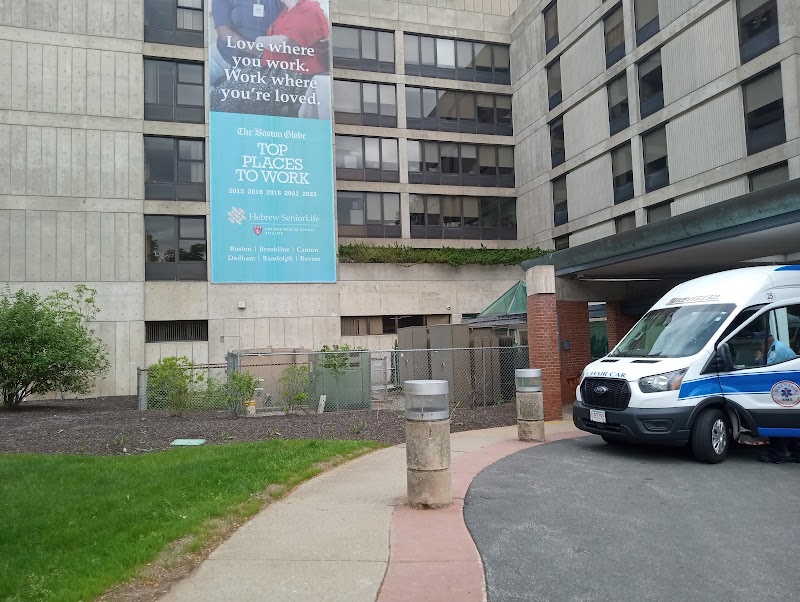
CMS rates RECUPERATIVE SERVICES UNIT-HEBREW REHAB CENTER's staffing level at 3 out of 5 stars, which is average compared to other nursing homes.

What Have Inspectors Found at Recuperative Services Unit-Hebrew Rehab Center?

State health inspectors documented 11 deficiencies at RECUPERATIVE SERVICES UNIT-HEBREW REHAB CENTER during 2023 to 2025. These included: 8 with potential for harm and 3 minor or isolated issues.
Who Owns and Operates Recuperative Services Unit-Hebrew Rehab Center?

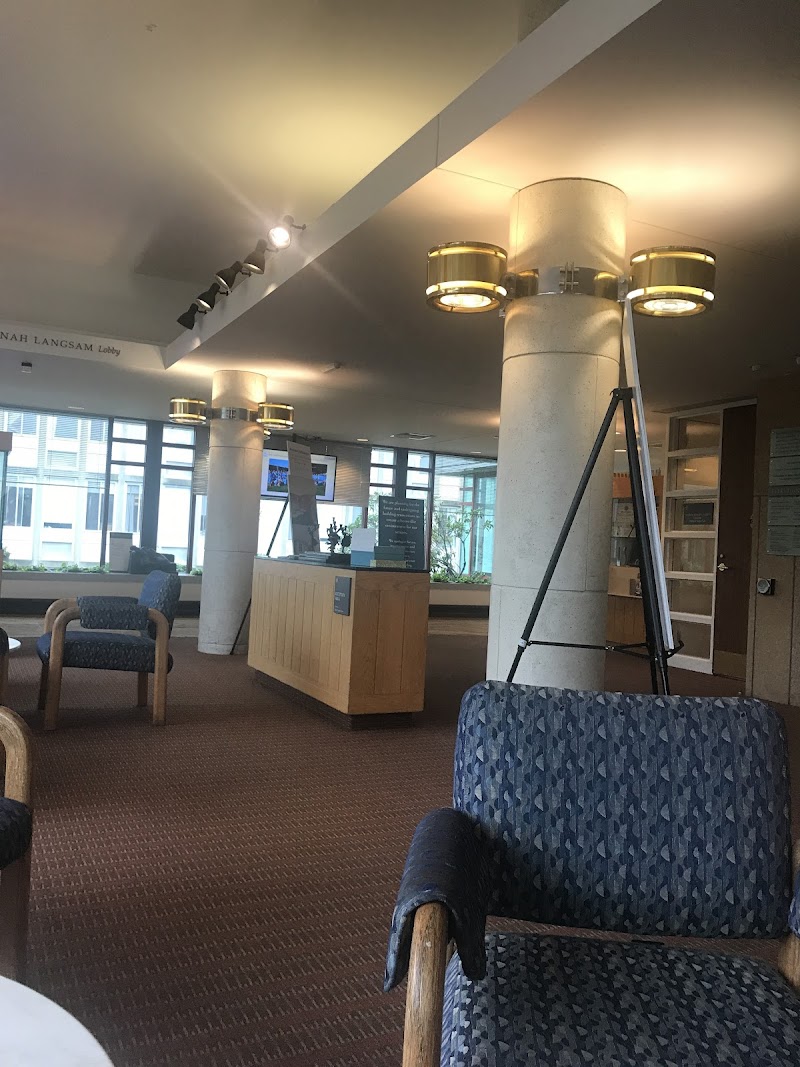
RECUPERATIVE SERVICES UNIT-HEBREW REHAB CENTER is owned by a non-profit organization. Non-profit facilities reinvest revenue into operations rather than distributing to shareholders. The facility operates independently rather than as part of a larger chain. With 50 certified beds and approximately 29 residents (about 58% occupancy), it is a smaller facility located in BOSTON, Massachusetts.
How Does Recuperative Services Unit-Hebrew Rehab Center Compare to Other Massachusetts Nursing Homes?

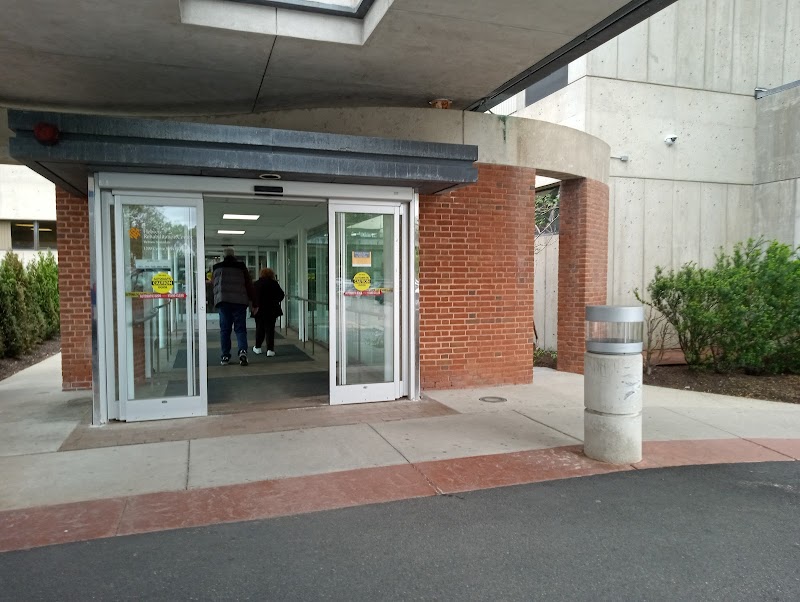
Compared to the 100 nursing homes in Massachusetts, RECUPERATIVE SERVICES UNIT-HEBREW REHAB CENTER's overall rating (5 stars) is above the state average of 2.9 and health inspection rating (4 stars) is above the national benchmark.

What Should Families Ask When Visiting Recuperative Services Unit-Hebrew Rehab Center?

Based on this facility's data, families visiting should ask: "Can I visit during a mealtime to observe dining assistance and food quality?" "How do you handle medical emergencies, and what is your hospital transfer rate?" "Can I speak with family members of current residents about their experience?"

Is Recuperative Services Unit-Hebrew Rehab Center Safe?

Based on CMS inspection data, RECUPERATIVE SERVICES UNIT-HEBREW REHAB CENTER has a clean safety record: no substantiated abuse findings (meaning no confirmed cases of resident harm), no Immediate Jeopardy citations (the most serious violation level indicating risk of serious injury or death), and is not on the Special Focus Facility watch list (a federal program monitoring the lowest-performing 1% of nursing homes). The facility has a 5-star overall rating and ranks #1 of 100 nursing homes in Massachusetts. While no facility is perfect, families should still ask about staff-to-resident ratios and recent inspection results during their visit.

Do Nurses at Recuperative Services Unit-Hebrew Rehab Center Stick Around?

RECUPERATIVE SERVICES UNIT-HEBREW REHAB CENTER has not reported staff turnover data to CMS. Staff turnover matters because consistent caregivers learn residents' individual needs, medications, and preferences. When staff frequently change, this institutional knowledge is lost. Families should ask the facility directly about their staff retention rates and average employee tenure.

Was Recuperative Services Unit-Hebrew Rehab Center Ever Fined?

RECUPERATIVE SERVICES UNIT-HEBREW REHAB CENTER has no federal fines on record. CMS issues fines when nursing homes fail to meet care standards or don't correct problems found during inspections. The absence of fines suggests the facility has either maintained compliance or corrected any issues before penalties were assessed. This is a positive indicator, though families should still review recent inspection reports for the full picture.

Is Recuperative Services Unit-Hebrew Rehab Center on Any Federal Watch List?

RECUPERATIVE SERVICES UNIT-HEBREW REHAB CENTER is not on any federal watch list. The most significant is the Special Focus Facility (SFF) program, which identifies the bottom 1% of nursing homes nationally based on persistent, serious quality problems. Not being on this list means the facility has avoided the pattern of deficiencies that triggers enhanced federal oversight. This is a positive indicator, though families should still review the facility's inspection history directly.