ROYAL BRAINTREE NURSING AND REHABILITATION CENTER
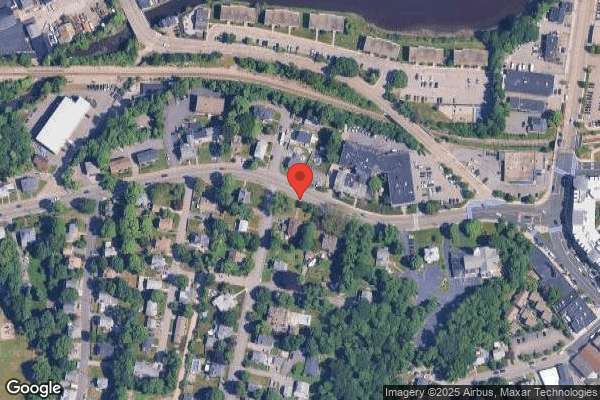
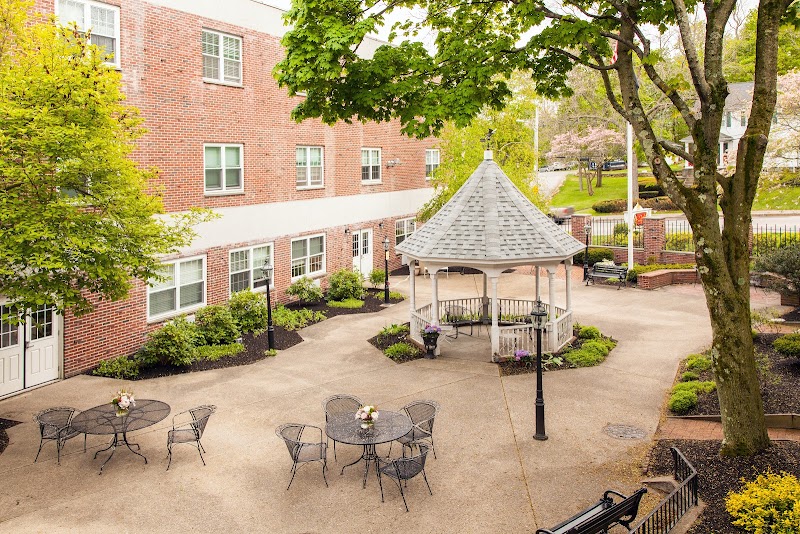
95 COMMERCIAL STREET, BRAINTREE, MA 02184 (781) 848-3678
For profit - Partnership 204 Beds ROYAL HEALTH GROUP Data: November 2025
Trust Grade
60/100
#176 of 338 in MA
Last Inspection: November 2024

Within standard 12-15 month inspection cycle. Federal law requires annual inspections.

Overview

Royal Braintree Nursing and Rehabilitation Center has a Trust Grade of C+, indicating it is slightly above average but not standout. It ranks #176 out of 338 in Massachusetts, placing it in the bottom half of facilities, and #19 out of 33 in Norfolk County, meaning only a few local options are better. The facility is improving, with issues decreasing from 16 in 2023 to 6 in 2024. Staffing is a relative strength, with a turnover rate of 30%, which is below the state average, though RN coverage is only average. While there have been no fines, which is positive, recent inspections revealed concerns such as residents lacking access to call systems for assistance and unmaintained living environments, indicating both strengths and areas that need attention.

Trust Score
C+
60/100
In Massachusetts
#176/338
Bottom 48%
Safety Record
Low Risk
No red flags
Inspections
Getting Better
16 → 6 violations
Staff Stability
○ Average
30% turnover. Near Massachusetts's 48% average. Typical for the industry.
Penalties
✓ Good
No fines on record. Clean compliance history, better than most Massachusetts facilities.
Skilled Nurses
○ Average
Each resident gets 39 minutes of Registered Nurse (RN) attention daily — about average for Massachusetts. RNs are the most trained staff who monitor for health changes.
Violations
⚠ Watch
38 deficiencies on record. Higher than average. Multiple issues found across inspections.
★★★☆☆
3.0
Overall Rating
★★★☆☆
3.0
Staff Levels
★★★★☆
4.0
Care Quality
★★★☆☆
3.0
Inspection Score
Stable
2023: 16 issues
2024: 6 issues

The Good

  • 4-Star Quality Measures · Strong clinical quality outcomes
  • Full Sprinkler Coverage · Fire safety systems throughout facility
  • No fines on record
  • Staff turnover below average (30%)

    18 points below Massachusetts average of 48%

Facility shows strength in quality measures, fire safety.

The Bad

3-Star Overall Rating

Near Massachusetts average (2.9)

Meets federal standards, typical of most facilities

Staff Turnover: 30%

16pts below Massachusetts avg (46%)

Typical for the industry

Chain: ROYAL HEALTH GROUP

Part of a multi-facility chain

Ask about local staffing decisions and management

The Ugly 38 deficiencies on record

Nov 2024 6 deficiencies
CONCERN (D)

Potential for Harm - no one hurt, but risky conditions existed

Deficiency F0692 (Tag F0692)

Could have caused harm · This affected 1 resident

Based on observation, interview, and record review, the facility failed to ensure one Resident (#67) was provided a therapeutic diet as ordered, in a total sample of 34 residents. Specifically, Reside...

Read full inspector narrative →
Based on observation, interview, and record review, the facility failed to ensure one Resident (#67) was provided a therapeutic diet as ordered, in a total sample of 34 residents. Specifically, Resident #67, with weight loss, was not provided fortified food as ordered. Findings include: Review of the facility's policy titled Fortified Food Program, undated, indicated the following: -the goal of the fortified food program is to provide a higher calorie and higher protein food item to residents -a fortified food is typically a food from the regular diet with additional ingredients which provide extra calories and/or protein without increasing the volume of food offered to the resident Resident #67 was admitted to the facility in April 2024 with diagnoses of dementia and failure to thrive. Review of the care plan indicated Resident #67 had a nutritional problem related to decreased appetite with a goal of maintaining adequate nutritional status. The care plan interventions included having fortified foods with all meals. Review of the Physician's Orders indicated that an order was written on 10/16/24 for a house diet, regular texture, with fortified foods with all meals and Magic Cup (high calorie, ice cream-like nutritional supplement) with lunch and dinner. Review of the weights for Resident #67 indicated the Resident weighed 109.5 pounds (lbs.) on 7/10/24 and 99.5 lbs. on 8/28/24, a loss of 9.13% in six weeks. Review of the weights indicated the Resident weighed 102.0 lbs. on 9/3/24 and 99.8 lbs. on 10/1/24. Review of the medical record indicated Resident #67 had been hospitalized for five days in October 2024. Review of the Quarterly Nutritional Assessment, dated 10/18/24, indicated Resident #67 was at nutritional risk related to a diagnosis of dementia and variable intake of food and the Resident would continue to have fortified foods at all meals. On 11/13/24 at 1:18 P.M., the surveyor observed Resident #67 in the unit dining room having lunch of seasoned fish, noodles, and cauliflower. Review of the meal ticket indicated Resident #67 was to have fortified mashed potatoes. There were no fortified foods observed with the Resident's meal. On 11/14/24 at 9:18 A.M., the surveyor observed Resident #67 in the unit dining room having breakfast of pancakes, sausage link, cold cereal and fruit cup. Review of the meal ticket indicated Resident #67 was to have fortified hot cereal of choice. There were no fortified foods observed with the Resident's meal. On 11/14/24 at 1:24 P.M., the surveyor observed Resident #67 in the unit dining room having lunch of seasoned chicken, macaroni and cheese, and brussels sprouts. Review of the meal ticket indicated Resident #67 was to have fortified mashed potatoes and Magic Cup. There were no fortified foods or Magic Cup observed with the Resident's meal. During an interview on 11/14/24 at 1:25 P.M., Nurse #3 said fortified foods were usually the oatmeal in the morning and the mashed potatoes. The Nurse observed the meal for Resident #67 and said she could not be sure if anything on the plate was fortified because there were no mashed potatoes. She said she had no way of knowing if the kitchen made additional food items fortified. She said she noticed the Resident's meal did not come with a Magic Cup and she had called down to the kitchen for them to send some up to the unit. During an interview on 11/14/24 at 2:26 P.M., the Registered Dietitian said the facility utilized oatmeal/hot cereal for a fortified food at breakfast and mashed potatoes for lunch and dinner. She said the facility did not have any other fortified foods. She said Resident #67 was a high nutritional risk and had been experiencing weight loss and should be getting fortified foods. She said the kitchen should be putting the fortified foods on to the meal trays as indicated on the tray tickets. She said the kitchen was responsible for putting the Magic Cups on the meal trays and this should be included if indicated on the tray ticket.
CONCERN (D)

Potential for Harm - no one hurt, but risky conditions existed

Deficiency F0699 (Tag F0699)

Could have caused harm · This affected 1 resident

Based on interview and record review, the facility failed to assess triggers for a Resident (#22) with a history of trauma, to avoid potential re-traumatization, out of a total sample of 34 residents....

Read full inspector narrative →
Based on interview and record review, the facility failed to assess triggers for a Resident (#22) with a history of trauma, to avoid potential re-traumatization, out of a total sample of 34 residents. Findings include: Review of the facility's policy titled Trauma Informed Care, dated as revised in November 2023, indicated the following: -the commitment to recognize events in resident's past that may have been traumatic and may continue to have a negative, upsetting or emotionally difficult impact on their lives -as part of the admission process a specific assessment will be done consisting of several questions that are worded to assesses past experiences and not trigger the episode -once the initial assessment has been completed by Social Services a choice can be made to proceed or not to proceed to a psych referral based on responses -if a resident has a history of trauma that is documented or if they have triggered from the assessment the Social Worker (SW) and Interdisciplinary team (IDT) need to immediately formulate a plan of care to assist the resident in coping within the facility -the plan of care needs to be specific and include anything that has been shared that could trigger a memory of the incident -staff education should be done to identify any resident reactions that may indicate past trauma and what to do with that information Resident #22 was admitted to the facility in June 2015. Review of the medical record indicated a new diagnosis of post-traumatic stress disorder (PTSD- a mental health condition that is triggered by an event, series of events, or set of circumstances that is experienced by an individual as physically or emotionally harmful or life threatening and that has lasting adverse effects on the individual's functioning and mental, physical, social, emotional, or spiritual well-being) in December 2023. Review of the care plans indicated Resident #22 had a trauma history with a goal of being comfortable during their stay. The interventions included: staff assistance with referral to psychiatric services as needed, assistance with monitoring for signs and symptoms of anxiety, hyperarousal or panic and requiring staff assistance with monitoring for signs and symptoms of depression including low self-esteem and trust issue. Review of the nursing progress note, dated 12/18/23, indicated Resident #22 had reported a sexual assault to his/her daughter and the daughter informed staff that Resident #22 had a history of sexual assault. Review of the social service progress note, dated 12/19/23, indicated Resident #22 said something happened a long time ago and emotional support was provided. Review of the Trauma Assessment, dated 12/26/23, indicated the following responses: Have you ever had a life-threatening medical condition: No Have you ever experienced something that made you feel threatened in the past or present: yes Have you ever had nightmares about something that happened to you or that you witnessed happen to someone else: yes What was your childhood like: ok If married or in serious relationship, what was that relationship like: NA Do you often feel on edge or that you are outside looking in on yourself: no Proceed to referral: Yes Review of the Follow-up Psychiatric Evaluation from the consultant Psychiatrist indicated delusional, believes foster staff may be here trying to harm him/her. During an interview on 11/15/24 at 9:05 A.M., Social Worker #1 said she had completed the Trauma Assessment for Resident #22 and had met with the Resident in December 2023. She said the Social Workers were responsible for completing the Trauma Assessment to determine if there was a history of trauma and then refer to psych services if needed, but did not inquire about triggers that may re-traumatize a Resident. She said the nurses would inquire about triggers for trauma, especially when related to sexual assault. She said Resident #22 was very conversant and was able to make his/her needs known. She said she did not inquire with the Resident if there was anything in particular which may be upsetting or trigger the trauma and would have to check with nursing to see if this was done. The surveyor and the Social Worker reviewed the Psychiatric Evaluation from 12/21/23. The Social Worker said she did not know what foster staff meant or if the Resident was ever in foster care. During an interview on 11/15/24 at 9:45 A.M., the Assistant Director of Nurses said the process for trauma informed care was for the Social Workers to complete the assessment to determine if there was a history of trauma and if there were triggers so that staff could be aware. She said if a resident has trauma, the triggers need to be identified so that staff can be educated on the triggers to avoid any additional re-traumatization. She reviewed the Trauma Assessment for Resident #22 and said the assessment did not indicate the type of trauma or the triggers and was not elaborate. She reviewed the care plan for Resident #22 and said the care plan did not include the trauma information or triggers. She said the facility staff would need to know what to do to keep the resident safe and the information wasn't available in this assessment or care plan.
CONCERN (E)

Potential for Harm - no one hurt, but risky conditions existed

Deficiency F0558 (Tag F0558)

Could have caused harm · This affected multiple residents

Based on observations, interviews, and records reviewed, the facility failed to ensure a reasonable accommodation was made for seven Residents (#150, #101, #49, #148, #65, #102, and #93), on the Sunsh...

Read full inspector narrative →
Based on observations, interviews, and records reviewed, the facility failed to ensure a reasonable accommodation was made for seven Residents (#150, #101, #49, #148, #65, #102, and #93), on the Sunshine Unit with a census of 35. Specifically, the facility failed to ensure the call system was accessible to the Residents to call for staff assistance. Findings include: Review of the facility's policy titled Resident Call System, undated, indicated but was not limited to: -When in their rooms and toilet and bathing areas, residents will have a means of directly contacting caregivers. 1. On the following dates and times, the surveyor observed Resident #150 without a means of directly contacting caregivers. The surveyor observed Resident #150 in bed with the call light clipped to itself and hanging against the wall, not within the Resident's reach, with no hand-held device (i.e., hand bell) observed: -11/12/24 at 10:53 A.M., -11/12/24 at 3:35 P.M., -11/13/24 at 9:11 A.M., -11/13/24 at 11:36 A.M., -11/13/24 at 2:08 P.M., -11/13/24 at 4:40 P.M., -11/14/24 at 8:05 A.M., and -11/14/24 at 3:18 P.M. 2. On the following dates and times, the surveyor observed Resident #101 without a means of directly contacting caregivers. The surveyor observed Resident #101 in bed with the call light cord draped over a wall mounted monitoring device above the headboard, not within the Resident's reach, with no hand-held device observed: -11/12/24 at 10:52 A.M., -11/12/24 at 3:35 P.M., -11/13/24 at 9:11 A.M., -11/13/24 at 11:36 A.M., -11/13/24 at 2:08 P.M., -11/14/24 at 8:05 A.M., and -11/14/24 at 3:18 P.M. 3. On the following dates and times, the surveyor observed Resident #49 without a means of directly contacting caregivers. The surveyor observed Resident #49 in bed with the call light cord draped over a wall mounted monitoring device above the headboard, not within the Resident's reach, with no hand-held device observed: -11/12/24 at 10:06 A.M., -11/12/24 at 3:34 P.M., -11/13/23 at 9:12 A.M., -11/13/23 at 11:34 A.M., -11/13/23 at 2:14 P.M., -11/13/23 at 4:43 P.M., and -11/14/24 at 3:19 P.M. 4. On the following dates and times, the surveyor observed Resident #148 without a means of directly contacting caregivers. The surveyor observed Resident #148 in bed with the call light cord clipped to itself and hanging against the wall, not within the Resident's reach, with no hand-held device observed: -11/12/24 at 9:57 A.M., -11/12/24 at 1:46 P.M., -11/12/24 at 3:36 P.M., and -11/13/24 at 4:44 P.M. 5. On the following dates and times, the surveyor observed Resident #65 without a means of directly contacting caregivers. The surveyor observed Resident #65 in bed with the call light cord draped over a wall mounted monitoring device above the headboard, not within the Resident's reach, with no hand-held device observed: -11/12/24 at 10:03 A.M., -11/12/24 at 1:39 P.M., and -11/12/24 at 3:30 P.M. 6. On 11/12/24 at 9:57 A.M., the surveyor observed Resident #102 without a means of directly contacting caregivers. The surveyor observed Resident #102 in bed with the call light cord clipped to itself and hanging against the wall, not within the Resident's reach, with no hand-held device observed. 7. On 11/12/24 at 9:52 A.M., the surveyor observed Resident #93 without a means of directly contacting caregivers. The surveyor observed Resident #93 in bed with the call light cord clipped to itself and hanging against the wall, not within the Resident's reach, with no hand-held device observed. During an interview on 11/14/24 at 4:08 P.M., Certified Nursing Assistants (CNA) #2, #3, and #4 said the facility staff know a resident needs help when they ring the call light. CNAs #2, #3, and #4 said all residents should be able to reach their call light when in their room. During an interview on 11/14/24 at 4:06 P.M., Nurse #1 said she knew when a resident needed help because they used the call light. Nurse #1 said residents should always have access to a call light. During an interview on 11/14/24 at 5:03 P.M., the Assistant Director of Nurses (ADON) said residents should always have the call light within reach. The surveyor and the ADON observed Residents #101, #150 and #49 in bed with their call lights out of reach. The ADON said the call lights should have been within reach. During an interview on 11/14/24 at 5:07 P.M., Regional Nurse #2 said all residents should have access to their call lights and a means of contacting staff when in their rooms.
CONCERN (E)

Potential for Harm - no one hurt, but risky conditions existed

Safe Environment (Tag F0584)

Could have caused harm · This affected multiple residents

**NOTE- TERMS IN BRACKETS HAVE BEEN EDITED TO PROTECT CONFIDENTIALITY** Based on observation and interview, the facility failed to ensure the residents' environment was clean, comfortable, and homelik...

Read full inspector narrative →
**NOTE- TERMS IN BRACKETS HAVE BEEN EDITED TO PROTECT CONFIDENTIALITY** Based on observation and interview, the facility failed to ensure the residents' environment was clean, comfortable, and homelike. Specifically, the facility failed to ensure the resident rooms were maintained in good repair (without holes, painted) and homelike on one unit (K2) out of seven. Findings include: Review of the facility's policy titled Royal Health Group Preventative Maintenance Program, undated, indicated but was not limited to: -A preventative maintenance program shall be developed and implemented to ensure the provision of a safe, functioning, sanitary, and comfortable environment for residents, staff, and the public. -The Maintenance Director is responsible for developing and maintaining a schedule of maintenance service to ensure that the buildings, grounds, and equipment are maintained in a safe and operable manner. On 11/13/24 at 8:30 A.M. on the K2 unit, the surveyor observed: -room [ROOM NUMBER]-B: Missing a privacy curtain; and a hole in the wall with paint cracking -room [ROOM NUMBER]-B: Blinds with four areas of brown stains -room [ROOM NUMBER]-B: Ripped floor mats exposing the foam inside; and a broken footboard on the bed -room [ROOM NUMBER]-B: A hole in the windowsill with paint chipping and peeling; and a broken window that would not close with four towels placed in the open window to decrease a cold draft in the room During an interview on 11/13/24 at 8:59 A.M., Certified Nurse Aide (CNA) #5 said maintenance requests for repairs are written in a logbook on the unit for someone from maintenance to review. During follow-up visits to the unit on 11/14/24 at 9:54 A.M., and 11/14/24 at 3:10 P.M., the same observations were made by the surveyor on the K2 unit as during the initial tour on 11/13/24. During an interview on 11/14/24 at 9:43 A.M., the Maintenance Director said he recently just started at the facility, and they have begun rolling out the implementation of the TELS system as of 11/11/24. He said he rounds on the units regularly and he wasn't aware of any issues on the K2 unit. Review of the TELS log indicated the need for repairs were not reported. During an interview on 11/14/24 at 9:49 A.M., Nurse #2 said she was not aware there were any repairs that needed to be requested on the unit. She said if she notices something she will put it in the log and she depends on the staff providing care in resident rooms to report issues. During an interview on 11/14/24 at 12:06 P.M., the Administrator said he was aware the building needed repairs and there were quite a few unfinished work orders from the previous maintenance director. He said the current Maintenance Director has only been in the role for a week. During an interview with observation on 11/14/24 at 3:10 P.M., the Administrator and Regional Nurse #2 toured the K2 unit with the surveyor. The Administrator and Regional Nurse #2 agreed that the fall mats, walls, windows, and other broken items should have been identified and repair. The Administrator said one possibility for the lack of repairs could be fatigue from the staff from making multiple requests to the previous maintenance director with no follow-up. He said sometimes we just get used to how something appears. The Regional Nurse #2 said the environment should be sanitary and in good repair for the residents to experience a homelike environment.
CONCERN (E)

Potential for Harm - no one hurt, but risky conditions existed

Food Safety (Tag F0812)

Could have caused harm · This affected multiple residents

**NOTE- TERMS IN BRACKETS HAVE BEEN EDITED TO PROTECT CONFIDENTIALITY** Based on observation and interview, the facility failed to follow professional standards of practice for food safety and sanitat...

Read full inspector narrative →
**NOTE- TERMS IN BRACKETS HAVE BEEN EDITED TO PROTECT CONFIDENTIALITY** Based on observation and interview, the facility failed to follow professional standards of practice for food safety and sanitation to prevent the potential spread of foodborne illness to residents who are at high risk. Specifically, the facility failed to ensure thickened beverage items were properly dated and stored in three of seven kitchenettes. Findings include: 1. Review of the 2022 Food Code by the Food and Drug Administration (FDA), revised 1/2023, indicated but was not limited to the following: 3-501.17 Ready-to-Eat, Time/Temperature Control for Safety Food, Date Marking. (B) Except as specified in (E) - (G) of this section, refrigerated, READY-TO-EAT TIME/TEMPERATURE CONTROL FOR SAFETY FOOD prepared and PACKAGED by a FOOD PROCESSING PLANT shall be clearly marked, at the time the original container is opened in a FOOD ESTABLISHMENT and if the FOOD is held for more than 24 hours, to indicate the date or day by which the FOOD shall be consumed on the FDA Food Code 2022 Chapter 3. Food Chapter 3 - 29 PREMISES, sold, or discarded, based on the temperature and time combinations specified in (A) of this section and: (1) The day the original container is opened in the FOOD ESTABLISHMENT shall be counted as Day 1; and (2) The day or date marked by the FOOD ESTABLISHMENT may not exceed a manufacturer's use-by date if the manufacturer determined the use-by date based on FOOD safety. Review of the facility's policy titled Food Receiving and Storage, undated, indicated but was not limited to: Policy: Food shall be stored in a manner that complies with safe food handling practices. Policy interpretation and implementation: Food items and snacks kept on the nursing units must be maintained as indicated below: -All food items to be kept below 41 degrees Fahrenheit must be placed in the refrigerator located at the nurses' station and labeled with a use by date; -Beverages must be dated when opened and discarded after 24 hours; -Other opened containers must be dated and sealed or covered during storage. The surveyor made the following observations: 11/12/24 at 10:37 A.M. (Windsor 1 Unit): -one opened thickened cranberry juice container, undated. Manufacturer label stated: after opening, may be kept up to seven days under refrigeration; 11/12/24 at 2:55 P.M. (Kensington 1 Unit): -two opened containers of thickened dairy beverage, undated. Manufacturer label stated: Discard if not used within four days of opening; 11/13/24 at 9:02 A.M. (Kensington 1 Unit): -three opened containers of thickened apple juice, undated. Manufacturer label stated: after opening, may be kept up to seven days under refrigeration; -two opened containers of thickened dairy beverage, undated. Manufacturer label stated: Discard if not used within four days of opening; 11/13/24 at 9:13 A.M. (Windsor 1 Unit): -one opened thickened cranberry juice container, undated. Manufacturer label stated: after opening, may be kept up to seven days under refrigeration; 11/14/24 at 12:45 P.M. ([NAME] Unit): -two opened containers of thickened juice, undated. Manufacturer label stated: after opening, may be kept up to seven days under refrigeration. During an interview on 11/14/24 at 3:45 P.M., the Food Service Director (FSD) and surveyor observed one opened container of thickened juice on the Windsor 1 Unit. The FSD said he expected the staff member who opened the thickened juice container to have written the date the beverage was opened. Additionally, the FSD said he expected all thickened beverage to be dated with an opened date and for staff to utilize the manufacturer's recommendations for length of storage.
MINOR (B)

Minor Issue - procedural, no safety impact

Assessment Accuracy (Tag F0641)

Minor procedural issue · This affected multiple residents

**NOTE- TERMS IN BRACKETS HAVE BEEN EDITED TO PROTECT CONFIDENTIALITY** Based on observation, interview, and record review, the facility failed to ensure that for two Residents (#86 and #232), of a to...

Read full inspector narrative →
**NOTE- TERMS IN BRACKETS HAVE BEEN EDITED TO PROTECT CONFIDENTIALITY** Based on observation, interview, and record review, the facility failed to ensure that for two Residents (#86 and #232), of a total sample of 34 residents, that Minimum Data Set (MDS) assessments accurately reflected the residents' status. Findings include: 1. Resident #232 was admitted to the facility in September 2024 with diagnoses which included a fall requiring rehabilitation. Review of the MDS assessment, dated 9/26/24, indicated, under the Physical Restraint section, P0100, that bed rails were not used. Review of the Physician's Orders, dated 9/16/24, indicated that bed rails were to be used daily. From 11/12/24 to 11/14/24, the surveyor observed each day of the survey that Resident #232's bed rails were in place and up, on the left and right upper part of the Resident's bed. During an interview on 11/13/24 at 10:52 A.M., Nurse #4 said that the Resident used bed rails daily. Nurse #4 reviewed the assessment dated [DATE] and said it was inaccurate because bed rails were used daily and the assessment should have been coded 2 Used daily instead of 0, Not used. 2. Resident #86 was admitted to the facility in January 2022 with diagnoses which included cerebrovascular accident (CVA). Review of the MDS assessment, dated 10/7/24, indicated, under Bowel and Bladder Section H, that the Resident did not have an indwelling catheter. On 11/12/24 at 11:30 A.M., the surveyor observed Resident #86 to have a Foley catheter in place. Review of Resident #86's record indicated that he/she utilized a urinary catheter for urinary drainage. Review of the current Physician's Order indicated: -16 French Foley catheter with a 10 milliliter (ml) balloon -Nursing to perform catheter care every shift, fluid output monitoring every shift, and irrigate with normal saline as needed. During an interview on 11/14/24 at 10:45 A.M., Unit Manager #3 said the MDS assessment, dated 10/7/24, was inaccurate, as it did not code the Resident for having an indwelling Foley catheter. Unit Manager #3 said Resident #86 has had the Foley catheter in place for months, going back to when the Resident developed a Stage 2 coccyx pressure ulcer following a hospitalization in April 2024.
Nov 2023 3 deficiencies
CONCERN (D) 📢 Someone Reported This

A family member, employee, or ombudsman was alarmed enough to file a formal complaint

Potential for Harm - no one hurt, but risky conditions existed

Notification of Changes (Tag F0580)

Could have caused harm · This affected 1 resident

Based on records reviewed and interviews, for one of three sampled Residents (Resident #1), who experienced a decline in condition with weakness, and who had a new physicians order in effect on 4/24/2...

Read full inspector narrative →
Based on records reviewed and interviews, for one of three sampled Residents (Resident #1), who experienced a decline in condition with weakness, and who had a new physicians order in effect on 4/24/23 at the start of the evening shift, for nursing obtain a urine sample STAT (obtain sample immediately) for testing, the Facility failed to ensure nursing notified the provider when 24 hours later, they had been unable to obtain the sample. Findings include: Review of the Facility's Policy titled, Change in a Resident's Condition or Status, undated, indicated that the Nurse will promptly notify the resident's physician when there has been a significant change in the resident's medical, physical, emotional, mental condition or status. The Policy indicated that the Nurse will notify the physician when there has been a need to alter the resident's medical treatment significantly and except in medical emergencies, notifications will be made within 24 hours of a change in the resident's medical, mental change in condition or status. Review of the Facility's Policy titled, Charting and Documentation, dated as revised October 2022, indicated that any changes in the resident's medical, physical, functional or psychosocial condition, treatments or services performed shall be documented in the resident's medical record and notification of the physician and family. Resident #1 was admitted to the Facility in September 2022, diagnoses included Alzheimer's disease, atherosclerosis disease, hypothyroidism, hyperlipidemia, thrombocytopenia (shortage of platelets in the blood, which increases the risk of bleeding) and COVID-19. Review of Resident #1's Physician's Order, dated 04/24/23 at 4:08 P.M., indicated to collect urine for urinalysis and culture and sensitivity STAT (to be obtained immediately). Review of a Nurse Progress Note, dated 4/24/23 at 11:01 P.M., written by Nurse #1, indicated that Resident #1 was weak and had a new order for STAT labs and a urine culture. The Note indicated that the labs were obtained, and results were pending. The Note further indicated that the urine was attempted twice to be obtained, but was not successful in obtaining a urine. During an interview on 11/20/23 at 2:16 P.M., Nurse #1 said that she worked on 4/24/23 during the 3:00 P.M. to 11:00 P.M. shift. Nurse #1 said that Resident #1 was weak and had a change in condition during her shift. Nurse #1 said that the Nurse Practitioner (NP) ordered STAT labs and STAT urine sample for urinalysis and culture and sensitivity. Nurse #1 said that she was unable to obtain a urine sample during her shift. Nurse #1 said that she reported this information to the 11:00 P.M. to 7:00 A.M. shift nurse. Nurse #1 said that she did not notify the physician or NP that she was unable to obtain a urine sample during her shift. Review of a Nurse Progress Note, dated 4/25/23 at 6:38 A.M., written by Nurse #3, indicated that Resident #1 was restless all night, repeatedly removed his/her oxygen nasal cannula and removed his/her clothes multiple times. The Note indicated that despite multiple attempts his/her urine sample for urinalysis and culture and sensitivity was unable to be obtained. During a telephone interview on 12/05/23 at 6:55 A.M., Nurse #3 said that she worked on the 11:00 P.M. to 7:00 A.M. shift on 4/24/23 (the shift after Nurse #1 had worked). Nurse #3 said that she was unable to obtain Resident #1's urine and said she reported that information to the 7:00 A.M. to 3:00 P.M. nurse. Nurse #3 said that she did not notify the physician or NP that she was unable to obtain the urine during her shift. During a telephone interview on 12/04/23, Nurse #4 said that she worked on the 7:00 A.M. to 3:00 P.M. shift on 4/25/23. Nurse #4 said she could not recall if she notified the physician or NP that she was unable to obtain a urine sample on Resident #1. Nurse #4 said that if she had notified the physician or NP, there would be a nurse's note written in Resident #1's medical record to indicate that she notified the physician or NP. Review of a Nurse Progress Note, dated 4/25/23 at 3:28 P.M., written by Nurse #4, indicated that she attempted to obtain a urine sample on Resident #1 and was unable to obtain the urine. Further review of Nurse #4's Progress Note, dated 4/25/23, indicated there was no documentation to support that the Physician or NP were notified that she was unable to obtain Resident #1's urine sample During a telephone interview on 12/04/23 at 8:35 A.M., Nurse #2 said that she worked on the 3:00 P.M. to 11:00 P.M. shift on 4/25/23. Nurse #2 said that she could not recall if she notified the physician or NP that she was unable to obtain a urine sample on Resident #1. Nurse #2 said that if she did notify the physician or NP, there would be a nurse's note written in Resident #1's medical record to indicate that she notified the physician or NP. Review of a Nurse Progress Note, dated 4/25/23 at 9:26 P.M., written by Nurse #2, indicated that she was unable to obtain a urine sample on Resident #1. Further review of Nurse #2's Progress Note, dated 4/25/23, indicated there was no documentation to support that the Physician or NP were notified that she was unable to obtain Resident #1's urine sample Review of Resident #1's Medical Record indicated there was no documentation to support that nursing staff notified the physician or NP that they were unable to obtain a urine sample for Resident #1. Review of Resident #1's Medical Record indicated there was no documentation to support that the STAT urine sample that was ordered on 4/24/23 was ever obtained. During an interview on 12/06/23 at 10:21 A.M., the Director of Nursing (DON) said that Resident #1's urine sample that was ordered on 4/24/23 was never obtained by nursing and said that neither the physician or the NP were notified. The DON said it was her expectation that nursing notified the physician or NP that they were unable to obtain a urine sample so further orders could be obtained.
CONCERN (D) 📢 Someone Reported This

A family member, employee, or ombudsman was alarmed enough to file a formal complaint

Potential for Harm - no one hurt, but risky conditions existed

Deficiency F0773 (Tag F0773)

Could have caused harm · This affected 1 resident

**NOTE- TERMS IN BRACKETS HAVE BEEN EDITED TO PROTECT CONFIDENTIALITY** Based on records reviewed and interviews for one of three sampled residents (Resident #1), who had a physicians order for STAT (...

Read full inspector narrative →
**NOTE- TERMS IN BRACKETS HAVE BEEN EDITED TO PROTECT CONFIDENTIALITY** Based on records reviewed and interviews for one of three sampled residents (Resident #1), who had a physicians order for STAT (to be obtained immediately) bloodwork, the Facility failed to ensure abnormal laboratory results were promptly reported to his/her Health Care Providers (Physician or Nurse Practitioner (NP). On 04/24/23 Resident #1's laboratory results were reported to the Facility by the laboratory via their electronic medical record system, Point Click Care (PCC), however the results were not reported to his/her Health Care Provider until the following day. Findings Include: Review of the Facility's Policy, titled Lab and Diagnostic Test Results - Clinical Protocol, dated as revised October 2022, indicated the following: -the physician will order lab testing, the staff will arrange for the tests and the laboratory will report test results to the facility; -the nurse will review all results and communicate the results to the physician; -the nurse will identify the urgency of communicating with the physician based on the seriousness of any abnormality; -nursing staff will consider situations requiring prompt physician notification such as: the result is something that should be conveyed to a physician regardless of other circumstances-the abnormal result is problematic regardless of any other factors, whether the resident's clinical status is unclear or worsening; -if resident has signs and symptoms of acute illness or condition change and he/she is not stable or improving, the nurse will notify the physician promptly; -the Facility staff should document information about when, how, and to whom the information was provided and the response in the Progress Notes of the medical record. Resident #1 was admitted to the Facility in September 2022, diagnoses included Alzheimer's disease, atherosclerosis disease, hypothyroidism, hyperlipidemia, thrombocytopenia (shortage of platelets in the blood, which increases the risk of bleeding) and COVID-19. Review of Resident #1's Physician's Order, dated 04/24/23 at 4:14 P.M., indicated to obtain STAT labs for Complete Blood Count (CBC), Comprehensive Metabolic Panel (CMP) and Thyroid Stimulating Hormone (TSH). Review of Resident #1's Laboratory Report, dated 4/24/23, indicated the blood sample was collected on 4/24/23 at 6:00 P.M. The Laboratory Report indicated that Resident #1 had multiple abnormal laboratory results that flagged. The Laboratory Report indicated that Resident #1's abnormal laboratory results were reported to the facility on [DATE] at 11:25 P.M. During a telephone interview on 12/05/23 at 8:33 A.M., the Laboratory Customer Service Representative said Resident #1's blood laboratory results for 4/24/23 had multiple abnormal labs that flagged as abnormal labs and was reported to the Facility via fax on 04/24/23 at 11:25 P.M. Review of a Nurse Progress Note, dated 4/24/23 at 11:01 P.M., written by Nurse #1, indicated that Resident #1 was weak and had a new order for STAT labs and a urine culture. The Note indicated that the labs were obtained, and results were pending. During an interview on 11/20/23 at 2:16 P.M., Nurse #1 said that she worked on 4/24/23 during the 3:00 P.M. to 11:00 P.M. shift. Nurse #1 said that Resident #1 was weak and had a change in condition on 4/24/23 during her shift. Nurse #1 said that the Nurse Practitioner (NP) ordered STAT labs and a urinalysis and urine for culture and sensitivity. Nurse #1 said that the labs were drawn during her shift but that the results of his/her bloodwork were not received during her shift. Nurse #1 said that she reported this information to the 11:00 P.M. to 7:00 A.M. shift nurse. Review of a Nurse Progress Note, dated 4/25/23 at 6:38 A.M., written by Nurse #3, indicated that Resident #1 was restless all night, repeatedly removed his/her oxygen nasal cannula and removed his/her clothes multiple times. During a telephone interview on 12/05/23 at 6:55 A.M., Nurse #3 said that she worked on the 11:00 P.M. to 7:00 A.M. shift on 4/24/23 (the shift after Nurse #1 had worked). Nurse #3 said she did not recall being told during the change of shift report with Nurse #1 that Resident #1 had STAT labs drawn. Nurse #3 said that if he/she had abnormal labs, she would have notified the Physician or NP. Review of the Facility Staffing Schedule, dated 04/24/23, indicated that Nurse #3 was scheduled on the unit where Resident #1 resided for the 11:00 P.M. to 7:00 A.M. shift. Review of Resident #1's Medical Record indicated there was no documentation to support that nursing reported the abnormal blood laboratory results to his/her Physician or Nurse Practitioner until 4/25/23 during the 7:00 A.M. to 3:00 P.M. shift. During an interview on 11/20/23 at 1:09 P.M., the Director of Nursing (DON) said that her expectation is that nursing reports any abnormal labs to the physician or nurse practitioner immediately so that further orders can be obtained.
CONCERN (D) 📢 Someone Reported This

A family member, employee, or ombudsman was alarmed enough to file a formal complaint

Potential for Harm - no one hurt, but risky conditions existed

Deficiency F0790 (Tag F0790)

Could have caused harm · This affected 1 resident

Based on records reviewed and interviews for one of three sampled residents (Resident #1), who had lost his/her upper dentures in October 2022, the Facility failed to ensure he/she had a timely dental...

Read full inspector narrative →
Based on records reviewed and interviews for one of three sampled residents (Resident #1), who had lost his/her upper dentures in October 2022, the Facility failed to ensure he/she had a timely dental consultation for the replacement of his/her upper dentures. Resident #1 was not seen by the dentist until July 2023 for the fabrication of the upper dentures, nine months after the loss of his/her upper dentures. Findings Include: Review of the Facility's Policy, titled Dental Services, dated May 2023, indicated the following: -routine and emergency dental services are available to meet the resident's oral health services; -facility will contract with a Consultant Dentist to provide services on site; -dentures will be protected from loss or damage, to the extent practicable, while being stored; -if dentures are lost, residents will be referred for dental services within three days; -if the referral is not made within three days, documentation will be provided regarding what is being done to ensure that the resident is able to eat and drink adequately while awaiting the dental services and the reason for the delay. Resident #1 was admitted to the Facility in September 2022, diagnoses included Alzheimer's disease, atherosclerosis disease, hypothyroidism, hyperlipidemia, thrombocytopenia (shortage of platelets in the blood, which increases the risk of bleeding) and COVID-19. Review of Nurse Progress Note, dated 10/06/22, indicated that Resident #1's daughter called the facility to report that his/her upper dentures were missing. Review of a Speech Therapy Evaluation and Plan of Treatment, dated 10/19/22, indicated that Resident #1 lost his/her upper dentures and diet was downgraded to ground textured diet. During an interview on 11/20/23 at 12:10 P.M., the Speech Language Pathologist (SLP) said that Resident #1 lost his/her upper dentures in October 2022. The SLP said that she evaluated Resident #1 in October 2022 when his/her upper dentures were lost and said she recommended a ground textured diet for him/her due to his/her lost upper dentures. The SLP said that no one ever notified her that Resident #1 had received upper dentures and said Resident #1 was still currently on a ground textured diet. Review of Resident #1's Medical Record indicated there was no documentation to support that the Facility notified the Dentist they contracted with, of Resident #1's lost upper dentures until eight months after they were lost. Review of a Dental Consult, dated 6/02/23, indicated that Resident #1 was seen for an initial examination. Review of a Dental Consult, dated 7/19/23, indicated that Resident #1 presented with a complaint of lost upper dentures. The Consult indicated that fabrication of new upper dentures to aid in eating was recommended for Resident #1. Review of a Dental Consult, dated 10/04/23, indicated that Resident #1 had alginate impressions taken for fabrication of new upper dentures and denture Step one completed. During an interview on 12/04/23 at 12:42 P.M., the Administrator said his expectation is that whenever dentures are lost, the Dental Service is contacted timely and new dentures are made for the resident a timely manner. The Administrator said that no resident should be waiting over a year for new dentures. During an interview on 12/04/23 at 12:47 P.M., the Director of Nurses (DON) said that a grievance regarding Resident #1's lost upper dentures should have been completed in October 2022. The DON said that the dental process for dentures takes a while and said that it was her expectation that Resident #1 would see the dentist as soon as possible to start the denture process. The DON said she could not explain why that did not happen and said Resident #1 should not have waited nine months to have the denture process begin. The DON said that Resident #1 should finally have his/her upper dentures sometime in January 2024.
Aug 2023 13 deficiencies
CONCERN (D)

Potential for Harm - no one hurt, but risky conditions existed

Grievances (Tag F0585)

Could have caused harm · This affected 1 resident

Based on interview, record review, and policy review, the facility failed to ensure one Resident's (#38) grievances were addressed, out of 35 sampled residents. Findings include: The facility's polic...

Read full inspector narrative →
Based on interview, record review, and policy review, the facility failed to ensure one Resident's (#38) grievances were addressed, out of 35 sampled residents. Findings include: The facility's policy titled Complaint/Grievance Policy and Procedure, undated, indicated the following: -All residents and their responsible representatives will have a mechanism to voice grievances and complaints to the Grievance Official in order to facilitate communication and timely resolution of the matter. 1. Grievance/Complaint forms will be available at the nurse's station or other designated area. 2. Resident and/or their responsible representative shall complete the form. 3. If a resident is unable to complete the form, a staff member shall assist them. 4. Resident and/or responsible representative have the right to file a grievance anonymously. 5. Completed forms should be forwarded to the Grievance Official. 6. The Grievance Official, or designee in his/her absence, will review the grievance within 24 business hours of receipt. 7. The Grievance Official will oversee the process, track grievances through the conclusion, lead investigations, issue written decisions to residents if requested, and coordinate with State and Federal agencies if necessary. 8. The Grievance Official will complete the Complaint/Grievance form within 72 business hours and submit to the Social Service Department and Administrator (if not Grievance Official). 9. The Grievance Official will complete the Grievance form to include date received, summary statement steps taken to investigate, summary of findings, confirmation or no confirmation of grievance, corrective action taken or to be taken, and date written resolution was issued if requested. 10. The Grievance Official or Social Service Department will review findings with the resident/responsible person and provide written resolution if requested. Resident #38 was admitted to the facility in February 2019 and had diagnoses that included schizoaffective disorder and anxiety disorder. Review of the most recent Minimum Data Set (MDS) assessment, dated 6/28/23, indicated that on the Brief Interview for Mental Status exam Resident #38 scored an 11 out of 15, indicating moderately impaired cognition. The MDS further indicated Resident #38 had an active diagnosis of schizophrenia. During an interview on 8/2/23 at 11:00 A.M., Resident #38 voiced being upset and said that he/she regularly gets medications 2-3 hours late, including Thorazine (Chlorpromazine) that I am supposed to get at the same time every day. Resident #38 said that he/she complains to every nurse that is giving the medication late and that nothing changes. Review of the facility's Grievance Binder failed to indicate any grievances had been filed regarding Resident #38's late medication concerns in 2023. During an interview on 8/3/23 at 10:29 A.M., Unit Manager #2 said Resident #38 gave her a handwritten letter this week complaining about medication times. She added, It's not the first time he/she's mentioned this. Unit Manager #2 said that she spoke to some staff about the concern but should have filed a grievance and should have completed written education and documentation regarding the concern but had not. During an interview on 8/3/23 at 10:37 A.M., the Director of Nursing (DON) said that she was not aware of the concern expressed by Resident #38 earlier this week to Unit Manager #2. The DON said that Unit Manager #2 should have initiated the grievance process when the complaint was received and that education should have been done to resolve the grievance.
CONCERN (D)

Potential for Harm - no one hurt, but risky conditions existed

Deficiency F0658 (Tag F0658)

Could have caused harm · This affected 1 resident

Based on observation, interviews, policy review, and record review, the facility failed to apply a splint as ordered by the physician for one Resident (#5), out of a sample of 35 residents. Findings ...

Read full inspector narrative →
Based on observation, interviews, policy review, and record review, the facility failed to apply a splint as ordered by the physician for one Resident (#5), out of a sample of 35 residents. Findings include: Review of the facility's policy titled 'Range of Motion' with no revision date indicated the following: *Residents will not experience an avoidable reduction in range of motion (ROM). *Residents with limited range of motion will receive treatment and services to increase and/or prevent a further decrease in range of motion (ROM). Resident #5 was admitted to the facility in March 2021 with diagnoses including a right-hand contracture. Review of the Resident's Minimum Data Set (MDS) assessment, dated 5/17/23, indicated a Brief Interview for Mental Status (BIMS) score of 13 out of 15 indicating intact cognition. On 8/1/23 at 9:44 A.M., 8/2/23 at 7:48 A.M., and 8/3/23 at 8:34 A.M., the surveyor observed the Resident without a right-hand splint on. The hand splint was not observed anywhere in the vicinity of the Resident. Review of the August Physician's Orders indicated the following: *SPLINT: check placement of splint to right hand, may remove for care, check skin integrity when removed. Resident is able to DON/DOFF [To put on and To take off] independently twice a day for 2 hours every shift. Further review of the Activities of Daily Living (ADL) care plan, revised 7/24/23, indicated the following: *Transfers: Dependent of 2, indicating the Resident could not transfer on his/her own to get the splint from the drawer. During an interview on 8/3/23 at 8:34 A.M., Resident #5 said he/she has not worn the right-hand splint for a few days, it is tucked in the drawer and he/she cannot reach it. The Resident said he/she likes it on because it helps his/her right hand feel better. With the Resident's permission, the surveyor confirmed the splint was in the drawer. During an interview on 8/3/23 at 9:26 A.M., Unit Manager #3 said the Resident's hand splint should not be tucked in the drawer; staff should check the placement of the splint on the Resident as ordered. Unit Manager #3 said they should make sure the splint is close to the Resident so he/she can don and doff it twice a day for two hours on every shift.
CONCERN (D)

Potential for Harm - no one hurt, but risky conditions existed

Quality of Care (Tag F0684)

Could have caused harm · This affected 1 resident

Based on observation, record review, and interview, the facility failed to obtain physician's orders for treatment of a skin tear (layers of skin separate or peel back) for one Resident (#154), out of...

Read full inspector narrative →
Based on observation, record review, and interview, the facility failed to obtain physician's orders for treatment of a skin tear (layers of skin separate or peel back) for one Resident (#154), out of a total sample of 35 residents. Findings include: Resident #154 was admitted to the facility in May 2023 with diagnoses including Alzheimer's disease and depression. Review of the most recent Minimum Data Set (MDS) assessment, dated 5/11/23, indicated Resident #154 was severely cognitively impaired based on staff assessment. The MDS further indicated the Resident has behaviors and rejects care at times. Resident #154 requires extensive assistance for personal care. On 8/1/23 at 9:23 A.M., the surveyor observed Resident #154 in the unit dining area with an approximately 2-3 centimeters linear skin tear, bright red in color above his/her right forearm. On 8/1/23 at 12:30 P.M., the surveyor observed Resident #154 with a large foam bandage above his/her right forearm. On 8/2/23 at 8:33 A.M., the surveyor observed Resident #154 with a large foam bandage above his/her right forearm. Review of Resident #154's medical record including re-admission assessment and nurse progress notes failed to indicate the Resident had a skin tear. The medical record also failed to indicate physician's orders for skin tear treatment and monitoring. During an interview on 8/2/23 at 11:30 A.M., Nurse #3 said that Resident #154 just recently returned from hospitalization and might have obtained the skin tear above his/her right elbow at the hospital. She reviewed Resident #154's medical record, including physician's order and progress notes, and agreed that there was no physician's order for skin treatment for Resident #154.
CONCERN (D)

Potential for Harm - no one hurt, but risky conditions existed

Deficiency F0685 (Tag F0685)

Could have caused harm · This affected 1 resident

Based on record review and interview, the facility failed to ensure one Resident (#116), out of a total sample of 35 residents, received proper treatment to maintain vision following cataract surgery....

Read full inspector narrative →
Based on record review and interview, the facility failed to ensure one Resident (#116), out of a total sample of 35 residents, received proper treatment to maintain vision following cataract surgery. Specifically, the facility failed to ensure follow-up appointments were scheduled with the surgeon following the procedure. Findings include: A cataract is defined as a clouding of the normally clear lens of the eye which can impair vision. Cataract surgery may be needed if impaired vision interferes with usual day-to-day activities. Resident #116 was admitted to the facility in October 2018 with diagnoses of Diabetes Mellitus and cataracts. Review of the most recent Minimum Data Set (MDS) assessment, dated 5/3/23, indicated Resident #116 had a Brief Interview for Mental Status (BIMS) exam score of 15 out of 15, indicating he/she was cognitively intact. The MDS further indicated the Resident was non-ambulatory and had impaired vision. Review of the medical record indicated Resident #116 was out of the facility on 6/8/23 for cataract surgery with a follow-up appointment scheduled for 6/9/23. Review of the Cataract Post-Operative Instruction Sheet (given to Resident #116) indicated the next follow-up appointment was scheduled for 6/16/23. Resident #116 was to wear an eye shield for seven days and receive Prednisolone acetate 1% (used as an anti-inflammatory agent following surgery) six times per day in the left eye and Moxifloxacin (an antibiotic solution) four times per day in the left eye. The instruction sheet further indicated the Resident was to bring the eye drops to every appointment. Review of the medical record failed to indicate Resident #116 attended the follow-up appointment on 6/16/23. During an interview on 8/2/23 at 12:28 P.M., the Director of Nurses (DON) said Resident #116 had not been feeling well on 6/16/23 so it was decided to reschedule the eye appointment for 6/26/23. However, on that date the Resident was still unwell and was transferred to the hospital on 6/27/23 and returned to the facility on 7/2/23. The Director of Nurses said there was no appointment currently scheduled for Resident #116 to see the eye surgeon. Review of the medical record on 8/2/23 failed to indicate a follow-up appointment had been rescheduled since the return to the facility one month prior or that the eye surgeon had been contacted. During an interview on 8/2/23 at 12:31 P.M., the DON said she could not speak to if the eye doctor was notified of the delay in appointments, but it was her expectation that the nurses would reschedule the appointment on return from the hospital.
CONCERN (D)

Potential for Harm - no one hurt, but risky conditions existed

Respiratory Care (Tag F0695)

Could have caused harm · This affected 1 resident

Based on observation, record review, policy review, and interviews, the facility failed to provide respiratory care per the physician's orders for two Residents (#148 and #5), out of a sample of 35 re...

Read full inspector narrative →
Based on observation, record review, policy review, and interviews, the facility failed to provide respiratory care per the physician's orders for two Residents (#148 and #5), out of a sample of 35 residents. Specifically, the facility failed for Residents #148 and #5 to clean the oxygen filters as ordered. Findings include: Review of the facility's policy titled 'Oxygen administration via nasal Cannula' with no revision date indicated the following: *Review the resident's care plan to assess for any special needs of the resident. 1. Resident #148 was admitted to the facility in July 20023 with diagnoses including congestive heart failure. Review of the Minimum Data Set (MDS) assessment, dated 7/27/23, indicated a Brief Interview for Mental Status (BIMS) score of 99 indicating the Resident is rarely interviewable and understood. On 8/1/23 at 9:48 A.M. and 8/3/23 at 8:33 A.M., the surveyor observed Resident #148 sleeping with continuous Oxygen being administered via nasal cannula. The oxygen filter was clogged with dust and lint. Review of the August Physician's Orders indicated the following: *O2 concentrators: change tubing & clean filter weekly During an interview on 8/2/23 at 12:40 P.M., Unit Manager (UM) #3 said oxygen filters should be cleaned weekly as ordered. She said she did rounds with the Corporate Nurse on the unit, and they both noticed all the oxygen filters were dirty and needed cleaning. 2. Resident #5 was admitted to the facility in March 2021 with diagnoses including chronic obstructive pulmonary disease (COPD). Review of the most recent MDS assessment, dated 5/17/23, indicated a BIMS score of 13 out of 15 indicating intact cognition. On 8/1/23 at 9:44 A.M., 8/2/23 at 7:38 A.M., and 8/3/23 at 9:37 A.M., the surveyor observed the Resident getting continuous Oxygen via nasal cannula. The oxygen filter was clogged with dust and lint. Review of the August Physician's Orders indicated the following: *O2 concentrators: change tubing & clean filter weekly During an interview on 8/2/23 at 12:40 P.M., Unit Manager (UM) #3 said oxygen filters should be cleaned weekly as ordered. She said she did rounds with the Corporate Nurse on the unit, and they both noticed all the oxygen filters were dirty and needed cleaning.
CONCERN (D)

Potential for Harm - no one hurt, but risky conditions existed

Deficiency F0699 (Tag F0699)

Could have caused harm · This affected 1 resident

Based on record review, policy review, and interviews, the facility failed to implement trauma informed care plans, specific to Post Traumatic Stress Disorder (PTSD), for two Residents (#40 and #95), ...

Read full inspector narrative →
Based on record review, policy review, and interviews, the facility failed to implement trauma informed care plans, specific to Post Traumatic Stress Disorder (PTSD), for two Residents (#40 and #95), out of a sample of 35 residents. Findings include: Review of the facility's policy titled 'Trauma Informed Care', with no revision date, indicated the following: *Trauma informed care is culturally sensitive and person-centered. *As part of the comprehensive assessment, identify history of trauma or interpersonal violence when possible. 1. Resident #40 was admitted to the facility in July 2023 with diagnoses including PTSD. Review of the most recent Minimum Data Set (MDS) assessment, dated 7/26/23, indicated a Brief Interview for Mental Status (BIMS) score of 14 out of 15 indicating intact cognition. On 8/3/23 at 11:59 A.M., the surveyor reviewed Resident #40's diagnoses sheet which indicated a PTSD diagnosis. Further review of Resident #40's care plan did not indicate a PTSD care plan. During an interview on 8/3/23 at 9:52 A.M., Social Worker (SW) #2 said a personalized, trauma informed care plan is missing and should be added. 2. Resident #95 was admitted to the facility in July 2023 with diagnoses including PTSD. Review of the most recent MDS assessment, dated 7/26/23, indicated a BIMS score of 12 out of 15 indicating moderate cognitive impairment. On 8/2/23 at 10:30 A.M., the surveyor reviewed Resident #95's diagnoses sheet which indicated a PTSD diagnosis. Further review of Resident #95's care plan did not indicate a PTSD care plan. During an interview on 8/3/23 at 9:52 A.M., SW #2 said a PTSD care plan is missing and should be added.
CONCERN (D)

Potential for Harm - no one hurt, but risky conditions existed

Medical Records (Tag F0842)

Could have caused harm · This affected 1 resident

Based on observation, record review, policy review, and interviews, the facility failed to maintain an accurate medical record for one Resident (#148), out of a sample of 35 residents. Specifically, t...

Read full inspector narrative →
Based on observation, record review, policy review, and interviews, the facility failed to maintain an accurate medical record for one Resident (#148), out of a sample of 35 residents. Specifically, the facility failed to transcribe a physician's telephone order for the Resident to receive Oxygen. Findings include: Review of the facility's policy titled 'Oxygen administration via nasal Cannula' with no revision date indicated the following: *Verify there is a physician's order for this procedure, review the physician's orders for facility protocol for oxygen administration. Resident #148 was admitted to the facility in July 2023 with diagnoses including congestive heart failure. Review of the Minimum Data Set (MDS) assessment, dated 7/27/23, indicated a Brief Interview for Mental Status (BIMS) score of 99 indicating the Resident is rarely interviewable and understood. On 8/1/23 at 9:48 A.M. and 8/3/23 at 8:33 A.M., the surveyor observed Resident #148 sleeping with Oxygen being administered via nasal cannula. Review of the Resident's Physician's Orders did not indicate an order to administer Oxygen. Further review of the medical record indicated the following Nursing Progress notes: *7/31/23- Resident continues on 3/L of O2. *8/1/23- Resident continues on 3/L of O2. During an interview on 8/3/23 at 8:48 A.M., Unit Manager (UM) #3 said a telephone order was received for the Resident to be on Oxygen for comfort and as needed but the orders were not transcribed to the physician's orders. UM #3 said the expectation is to transcribe telephone orders to the physician's orders. During an interview on 8/3/23 at 10:41 A.M., the Corporate Nurse said telephone orders should be transcribed to the physician's orders.
CONCERN (D)

Potential for Harm - no one hurt, but risky conditions existed

Infection Control (Tag F0880)

Could have caused harm · This affected 1 resident

**NOTE- TERMS IN BRACKETS HAVE BEEN EDITED TO PROTECT CONFIDENTIALITY** Based on observation, interview, policy review, and record review, the facility failed to maintain an infection prevention and c...

Read full inspector narrative →
**NOTE- TERMS IN BRACKETS HAVE BEEN EDITED TO PROTECT CONFIDENTIALITY** Based on observation, interview, policy review, and record review, the facility failed to maintain an infection prevention and control program designed to help prevent the development and transmission of infections for one Resident (#116), out of a total sample of 35 residents. Specifically, the facility failed to: a. Ensure contact precautions were maintained for Resident #116 while being treated for an active multi-drug resistant organism per facility policy, and b. Ensure enhanced barrier precautions were maintained for Resident #116 following the identification of a multi-drug resistant organism per facility policy. Findings include: Resident #116 was admitted to the facility in October 2018 with a diagnosis of Diabetes Mellitus. Review of the most recent Minimum Data Set (MDS) assessment, dated 5/3/23, indicated Resident #116 had a Brief Interview for Mental Status (BIMS) exam score of 15 out of 15, indicating he/she was cognitively intact. The MDS further indicated the Resident was non-ambulatory and required extensive assist with bed mobility and transfers. Review of the medical record indicated Resident #116 returned from the hospital on 7/2/23 with a new diagnosis of a urinary tract infection (UTI). Review of the Discharge summary, dated [DATE], for Resident #116 indicated the Resident had an infectious work-up done which showed a UTI. A urine culture was completed which grew MDR (multi-drug resistant) E. Coli (Escherichia Coli) (a bacteria that normally lives in the intestines, found to be resistant to multiple antibiotics). Resident #116 was started on intravenous Ertapenem (an antibiotic used to treat infections) and was to finish the course of antibiotics when he/she returned to the facility. a. Review of the facility's policy titled Multi Drug Resistant Organism Policy (MDRO), undated, indicated but was not limited to the following: - Residents identified as infected or colonized with a multi-drug resistant organism (MDRO) will have transmission-based precautions and room placement considerations as outlined in policy. - MDRO: Multi-drug resistant organisms are bacteria which have developed resistance to a number of antibiotics - Resident's with MDRO's will be placed on contact precautions. According to the Centers for Disease Control and Prevention (2023), contact precautions are intended to prevent transmission of infectious agents. Healthcare personnel caring for residents on contact precautions must wear a gown and gloves for all interactions that involve contact with the resident and the resident's environment. Review of the Physician's Orders and Medication Administration Record for July 2023 indicated Resident #116 received the last two doses of Ertapenem 1,000 mg in sodium chloride 0.9% via a peripheral IV on 7/4/23 and 7/5/23. Further review of the medical record including physician's orders, nursing progress notes, and care plans failed to indicate that contact precautions were in place for Resident #116 while being treated for an MDRO UTI per facility policy. During an interview on 8/2/23 at 1:21 P.M., the Director of Nurses said it was her expectation that nurses would put contact precautions in place when a resident has an MDRO. She said nurses should have an order in place for precautions, which would be checked every shift. The Director of Nurses, who also identified herself as the Infection Preventionist, said she was unaware that Resident #116 had an MDRO on return to the facility. b. Review of the facility's policy titled Enhanced Barrier Precautions, undated, indicated but was not limited to the following: - Enhanced Barrier Precautions are an infection control intervention designed to reduce transmission of multi-drug resistant organisms (MDROs) in nursing homes. Enhanced Barrier Precautions involve gown and glove use during high-contact resident care activities for residents known to be colonized or infected with a MDRO as well as those at increased risk of MDRO acquisition. - Enhanced Barrier Precautions are recommended for residents known to be colonized or infected with a MDRO or residents at increased risk of MDRO acquisition - Enhanced Barrier Precautions require the use of gown and gloves only for high-contact resident care activities (unless otherwise indicated as part of Standard Precautions). On 8/1/23 at 9:22 A.M., the surveyor observed the room of Resident #116. There was no precaution set-up, enhanced barrier precaution signage or any indication that enhanced barrier precautions were in place and being followed for Resident #116 per facility policy. On 8/2/23 at 9:48 A.M., the surveyor observed the room of Resident #116. There was no precaution set-up, enhanced barrier precaution sign or any indication that enhanced barrier precautions were in place and being followed for Resident #116 per facility policy. Review of the medical record including physician's orders, nursing progress notes and care plans for July and August 2023 failed to indicate that enhanced barrier precautions were in place for Resident #116 following the identification of a MDRO UTI per facility policy. During an interview on 8/2/23 at 1:23 P.M., the Director of Nurses said the facility follows enhanced barrier precautions and it was her expectation that nurses would put enhanced barrier precautions in place when a resident has an active or colonized MDRO. The Director of Nurses, who also identified herself as the Infection Preventionist, said she was unaware that Resident #116 had an MDRO on return to the facility.
CONCERN (E)

Potential for Harm - no one hurt, but risky conditions existed

Report Alleged Abuse (Tag F0609)

Could have caused harm · This affected multiple residents

3. Resident #21 was admitted to the facility in August 2022 and had diagnoses that included dementia and psychotic disorder. Review of the most recent MDS assessment, dated 7/28/23, indicated Resident...

Read full inspector narrative →
3. Resident #21 was admitted to the facility in August 2022 and had diagnoses that included dementia and psychotic disorder. Review of the most recent MDS assessment, dated 7/28/23, indicated Resident #21 scored a 1 out of 15 on the BIMS exam, indicating severely impaired cognition. Review of a Nursing Progress Note, dated 6/5/23, indicated Resident #21 got into an altercation with his/her roommate. Review of an Incident Report, dated 6/5/23, indicated Resident #21 was involved in a physical altercation with his/her roommate. Review of the HCFRS failed to indicate the resident-to-resident altercation involving Resident #21 was reported to the state agency as required. During an interview on 8/3/23 at 11:15 A.M., the DON said all resident-to-resident altercations should be reported, and that the event involving Resident #21 should have been reported but was not. 2. Resident #26 was admitted to the facility in May 2023 with diagnoses including dementia. Review of the most recent Minimum Data Set (MDS) assessment indicated a Brief Interview for Mental Status (BIMS) score of 10 out of 15 indicating moderate cognitive impairment. On 8/1/23 at 9:22 A.M., the surveyor observed bruises on both of Resident #26's upper arms; the Resident could not remember how he/she got the bruises. Review of an Incident Report, dated 5/19/23, indicated the following allegation: *This writer cared for the Resident on 7 to 3 shift assisted with ADL care, Resident in pleasant mood, family in to visit, [family member] brought to my attention while assisting Resident with toileting, she feels a bruise to the resident's left arm wrist is due to during ADL care being grabbed too hard for his/her fragile skin. Resident assessed, denies pain to area bruise approximate 4 cm by 2 cm faded dark, family completed a grievance form, Director of Nurses made aware. Review of the HCFRS failed to indicate that the incident was reported to the state agency as required. During an interview with the DON and Administrator on 8/3/23 at 8:25 A.M., they said the alleged abuse incident was not reported to the state agency, and should have been reported to the state agency within two hours.Based on observation, interview, policy review, and record review, the facility failed to report alleged incidents for three Residents (#147, #26, and #21), out of a sample of 35 residents. Specifically, the facility failed: 1. For Resident #147, to report a resident-to-resident altercation; 2. For Resident #26, to report an incident of alleged abuse to the state agency in a timely manner; and 3. For Resident #21, to report a resident-to-resident altercation. Findings include: Review of the facility's policy titled 'Abuse Policy' with no revision date indicated the following: *An employee who suspects an alleged violation shall immediately notify the executive director or his/her designee. The executive director shall also notify the appropriate state agency in accordance with the state law. The results of all investigations must be reported immediately to the executive director or his/her designee and to the appropriate state agency, as required by state law with initial report submitted within 2 hours and follow up within five working days of the violation. 1. Resident #147 was admitted to the facility in December 2022 with diagnoses including dementia and depression. Review of the Nursing Progress Notes, dated 6/19/23, indicated that Resident #147 attacked another resident and tried to choke him/her. Review of the Incident Report, dated 6/19/23, indicated that Resident #147 was involved in an altercation with another resident. Review of the Health Care Facility Reporting System (HCFRS) failed to indicate that the 6/19/23 incident was reported to the state agency as required. During an interview with the Administrator and the Director of Nursing (DON) on 8/3/23 at 8:05 A.M., they both said that the incident report was created but was not sent to the state agency by the previous point person.
CONCERN (E)

Potential for Harm - no one hurt, but risky conditions existed

Unnecessary Medications (Tag F0759)

Could have caused harm · This affected multiple residents

Based on observations, record review, policy review, and staff interviews, the facility failed to ensure that it was free of a medication error rate of 5 percent or greater. The surveyor observed 1 of...

Read full inspector narrative →
Based on observations, record review, policy review, and staff interviews, the facility failed to ensure that it was free of a medication error rate of 5 percent or greater. The surveyor observed 1 of 2 licensed nurses (Nurse #2) make errors while administering medications on 1 of 2 units. Five medication errors were observed out of 30 opportunities, resulting in a medication error rate of 16.67%. This affected two Residents (#48, #96), out of a total of three residents observed. Findings include: Review of the facility's policy and procedure titled Administering Medications, dated December 2012, indicated the following: -medications shall be administered in a safe and timely manner, and as prescribed. -medications must be administered within one (1) hour of their prescribed time, unless otherwise specified (for example: before and after meal orders) -the individual administering the medications must check the label three (3) times to verify the right resident, right medication, right dosage, right dosage, right time and right method (route) of administration before giving the medication. 1. For Resident #48, the facility failed to administer scheduled Sucralfate (a medication used to treat/prevent ulcer in the intestine) within the timeframe and failed to follow the physician's order to hold Hydralazine (a medication used to treat high blood pressure) for a systolic blood pressure (SBP- it measures the pressure in the arteries when the heartbeat) below 140 millimeters of mercury (mmHg). During an observation of the medication pass on 8/2/23 at 9:40 A.M., on the Sunshine nursing unit, the surveyor observed Nurse #2 obtain a blood pressure (117/69) and prepare the following medications for Resident #48: 1. Glipizide (a medication used to treat diabetes) 2.5 milligram (mg), 1 tablet. 2. Hydrochlorothiazide (a medication used to treat high blood pressure) 12.5 mg, 1 tablet 3. Hydralazine 25 mg, 1 tablet. 4. Amiodarone (a medication used to treat heart rhythm problems) 100 mg, 1 tablet. 5. Cranberry tablet 450 mg, 1 tablet 6. Senna (a medication used to treat constipation) 8.6 mg, 2 tablets. 7. Ferrous Sulfate (a medication used to treat/prevent low levels of iron in blood) 325 mg, 1 tablet. 8. Vitamin D3 25 microgram (mcg), 1 tablet. 9. Pantoprazole (a medication used to treat acid reflux) 40 mg ,1 tablet. 10. Sucralfate 1 gram (gm), 1 tablet. 11. Miralax (a medication used to treat constipation), 17 gm mixed with 8-ounce water. The surveyor observed Nurse #2 administer the medications to Resident #48. Review of Resident #48's current Physician's Order indicated: -Hydralazine 25 mg, give 1 tablet three times a day. Hold for SBP below 140 mmhg. -Sucralfate 1 gm. Give 1 tablet before meals and at bedtime. Nurse #2 administered Resident #48's Sucralfate after breakfast and Hydralazine for SBP below 140. Resident #48's SBP reading was 117 mmHg. 2. For Resident #96, the facility failed to administer the scheduled Omeprazole (a medication used to treat acid reflux) on an empty stomach and failed to give the correct form of aspirin and Vitamin D as ordered. During an observation of the medication pass on 8/2/23 at 10:05 A.M., on the Sunshine nursing unit, the surveyor observed Nurse #2 prepared the following medications for Resident #96: 1. Omeprazole 40 mg, 1 capsule. 2. Aspirin enteric coated 81 mg, 1 tablet. 3. Carbidopa-Levodopa (a medication used to treat Parkinson's symptoms) 25/250 mg, 1 tablet. 4. Dabigatran (a medication used to treat/prevent) blood clots, I tablet. 5. Folic acid 800 mg, 1 tablet. 6. Vitamin D3 25 mcg, 1 tablet. 7. Cranberry tablet 450 mg, 1 tablet. 8. Midodrine (a medication used to treat low blood pressure) 10 mg, 1 tablet. The surveyor observed Nurse #2 crush the medications, mix it with applesauce, and administer it to Resident #96. Review of Resident #96's current Physician's Order indicated: -Omeprazole Delayed Release 40 mg, give 1 capsule 1 hour before breakfast. -Aspirin chewable 81 mg one time a day. -Vitamin D, 2000 units one time a day. Nurse #2 administered Omeprazole 40 mg after breakfast and administered the wrong kind of aspirin and Vitamin D. During an interview on 8/2/23 at 10:40 A.M., Nurse #2 reviewed the physician's order and agreed that she gave Resident #48's Hydralazine while the SBP is off the parameter and gave the Sucralfate after breakfast. She agreed that she gave Resident #96's Omeprazole after breakfast and gave the wrong kind of aspirin and Vitamin D.
CONCERN (E)

Potential for Harm - no one hurt, but risky conditions existed

Deficiency F0760 (Tag F0760)

Could have caused harm · This affected multiple residents

2. Review of the facility's policy and procedure titled Administering Medications, dated December 2012, indicated the following: -medications shall be administered in a safe and timely manner, and as ...

Read full inspector narrative →
2. Review of the facility's policy and procedure titled Administering Medications, dated December 2012, indicated the following: -medications shall be administered in a safe and timely manner, and as prescribed. -medications must be administered within one (1) hour of their prescribed time, unless otherwise specified. Resident #38 was admitted to the facility in February 2019 and had diagnoses that included schizoaffective disorder and anxiety disorder. Review of the most recent MDS assessment, dated 6/28/23, indicated that on the BIMS exam Resident #38 scored an 11 out of 15, indicating moderately impaired cognition. The MDS further indicated Resident #38 had an active diagnosis of schizophrenia. During an interview on 8/2/23 at 11:00 A.M., Resident #38 voiced being upset and said that he/she regularly gets medication 2-3 hours late, including Thorazine (Chlorpromazine) that I am supposed to get at the same time every day. Resident #38 said that he/she confronts every nurse that is late and that nothing changes. Review of the Physician's Order, dated 4/25/22, indicated: - Chlorpromazine 100 milligrams (mg), give 3 tablets orally three times a day for ANTIPSYCHOTICS [sic], scheduled at 9:00, 14:00, and 19:00. Review of the Medication Administration Record, dated 7/20/23 to 8/2/23, indicated Resident #38 was administered his/her physician's ordered Chlorpromazine on: -7/20/23 at 21:15, 2 hours and 15 minutes after the scheduled time -7/20/23 at 15:19, 1 hour and 19 minutes after the scheduled time -7/21/23 at 22:38, 3 hours and 38 minutes after the scheduled time -7/22/23 at 10:41, 1 hour and 41 minutes after the scheduled time -7/23/23 at 10:59, 1 hour and 59 minutes after the scheduled time -7/23/23 at 20:53, 1 hour and 53 minutes after the scheduled time -7/24/23 at 20:34, 1 hour and 34 minutes after the scheduled time -7/25/23 at 11:07, 2 hours and 2 minutes after the scheduled time -7/25/23 at 15:02, 1 hour and 2 minutes after the scheduled time -7/25/23 at 20:43, 1 hour and 43 minutes after the scheduled time -7/26/23 at 14:46, 5 hours and 46 minutes after the scheduled time -7/26/23 at 15:11, 1 hour and 11 minutes after the scheduled time -7/26/23 at 20:35, 1 hour and 35 minutes after the scheduled time -7/27/23 at 12:33, 3 hours and 33 minutes after the scheduled time -7/27/23 at 18:06, 4 hours and 6 minutes after the scheduled time -7/27/23 at 20:33, 1 hour and 33 minutes after the scheduled time -7/28/23 at 21:03, 2 hours and 3 minutes after the scheduled time -7/29/23 at 20:56, 1 hour and 56 minutes after the scheduled time -7/30/23 at 11:28, 2 hours and 28 minutes after the scheduled time -7/30/23 at 20:38, 1 hour and 38 minutes after the scheduled time -7/31/23 at 20:13, 1 hour and 13 minutes after the scheduled time -8/1/23 at 11:45, 2 hours and 45 minutes after the scheduled time -8/1/23 at 20:21, 1 hour and 21 minutes after the scheduled time During an interview on 8/3/23 at 10:24 A.M., Nurse #7 said she is one of Resident #38's regular nurses and that when Resident #38 is on her assignment she tries to give him/her medication first, because it's important to him/her to get medication on time. Nurse #7 said medication is required to be given within one hour of its scheduled time. During an interview on 8/3/23 at 10:27 A.M., Nurse #8 said medication is required to be given within one hour of its scheduled time. She added that Resident #38 gets upset when his/her medications are given late and sometimes yells because of it. Nurse #8 said that she has not yet given Resident #38 his/her morning medications because she has been busy and verified that the medication at the time of the interview was 1 hour and 27 minutes late. During an interview on 8/3/23 at 10:29 A.M., Unit Manager #2 said Resident #38 gave her a handwritten letter this week complaining about late medication times and that it is not the first time Resident #38 has mentioned this. She said that Resident #38 is most concerned about the timeliness of the Chlorpromazine. Unit Manager #2 said medication is required to be given within one hour of its scheduled time and that she was not aware Resident #38 had not yet received his/her medication that day. During an interview on 8/03/23 at 10:37 A.M., the Director of Nursing said medication is required to be given within one hour of its scheduled time. Based on interview, policy review, and record review, the facility failed to ensure residents were free of significant medication errors for two Residents (#116, #38), out of a total sample of 35 residents. Specifically, the facility failed: 1. For Resident #116, to ensure Eliquis (apixaban) (an anticoagulant medication used to treat and prevent blood clots) was given as ordered following a hospitalization for deep vein thrombosis (DVT) (a blood clot in a deep vein) and pulmonary embolism (a blood clot in the lung) requiring a thrombectomy (a procedure to remove blood clots); and 2. For Resident #38, to ensure Chlorpromazine (an antipsychotic medication used to treat schizoaffective disorder), was given timely per facility policy on 23 out of 42 opportunities, resulting in a significant medication error. Findings include: 1. Resident #116 was admitted to the facility in October 2018 with a diagnosis of Diabetes Mellitus. Review of the most recent Minimum Data Set (MDS) assessment, dated 5/3/23, indicated Resident #116 had a Brief Interview for Mental Status (BIMS) exam score of 15 out of 15, indicating he/she was cognitively intact. The MDS further indicated the Resident was non-ambulatory and required extensive assist with bed mobility and transfer. Review of the medical record indicated Resident #116 returned from the hospital on 7/2/23 with new diagnoses of a DVT in the bilateral lower extremities and a pulmonary embolism requiring a thrombectomy. Review of the Discharge Summary for Resident #116 indicated the Resident was to begin taking Eliquis 5 milligram (mg) tablets (give two tablets for a total dose of 10 mg) two times per day for seven days, then transition to 5 mg two times per day upon return to the facility. Review of the Physician's Orders and Medication Administration Record for July 2023 indicated Resident #116 received Eliquis 10 mg for only a total of four doses from 7/2/23 through 7/4/23 and not for the full seven days as indicated in the discharge summary. During an interview on 8/2/23 at 9:29 A.M., Nurse #1 said Resident #116 was supposed to take Eliquis, two tablets (10 mg) for seven days, then decrease the dose. Nurse #1 said she was not sure why the Resident did not receive the medication for the full seven days. During an interview on 8/2/23 at 11:17 A.M., the Director of Nurses said, after speaking with the Nurse Practitioner and reviewing the medical record, it appears a transcription error was made when the order was inputted so Resident #116 did not receive the medication as ordered. The Director of Nurses said Resident #116 was supposed to receive the full dose of Eliquis for seven days.
CONCERN (E)

Potential for Harm - no one hurt, but risky conditions existed

Deficiency F0761 (Tag F0761)

Could have caused harm · This affected multiple residents

**NOTE- TERMS IN BRACKETS HAVE BEEN EDITED TO PROTECT CONFIDENTIALITY** Based on observations, interviews, and policy review, the facility failed to ensure medications were dated once opened, accordin...

Read full inspector narrative →
**NOTE- TERMS IN BRACKETS HAVE BEEN EDITED TO PROTECT CONFIDENTIALITY** Based on observations, interviews, and policy review, the facility failed to ensure medications were dated once opened, according to manufacturer's guidelines in 3 out of 4 medication carts observed. Findings include: Review of the facility's policy titled Storage of Medications, undated, indicated the facility shall store all drugs and biologicals in a safe, secure, and orderly manner. -the facility shall not use discontinued, outdated, or deteriorated drugs or biologics. 1. On 8/3/23 at 6:36 A.M., the surveyor and Nurse #4 observed the [NAME] Unit north side medication cart: -one bottle of Prosource (liquid protein), opened, and undated. During an interview on 8/3/23 at 6:36 A.M., Nurse #4 said the Prosource should be dated when opened. 2. On 8/3/23 at 6:45 A.M., the surveyor and Nurse #5 observed the Kensington 2 Unit medication cart: -one bottle of Dorzolamide 2% Ophthalmic (eye drops) Solution, opened and undated During an interview on 8/3/23 at 6:48 A.M., Nurse #5 said that eye drops should be dated when opened. 3. On 8/3/23 at 6:51 A.M., the surveyor, Nurse #6, and Unit Manager #3 observed the Windsor 1 medication cart: - two bottles of Oxcarbazepine (medication used for seizures) Oral Suspension, opened and undated, manufacturer's guidelines indicated to use within 7 weeks from opening; - two Fluticasone Propionate and Salmeterol Inhalation Powder inhalers (medication for breathing), opened and undated, manufacturer's guidelines indicated to discard 30 days after opening; - one bottle of Brimonidine Tartrate Ophthalmic (eye drops) Solution 0.2%, opened and undated; and - one bottle of Dorzolamide HCL Ophthalmic Solution 2%, opened and undated During an interview on 8/3/23 at 6:59 A.M., Unit Manager #3 said Oxcarbazepine Oral Suspension, inhalers, and eye drops needed to be dated when opened. During an interview on 8/3/23 at 7:41 A.M., the Director of Nursing said medications need to be dated when opened.
MINOR (B)

Minor Issue - procedural, no safety impact

Deficiency F0582 (Tag F0582)

Minor procedural issue · This affected multiple residents

Based on record review and interview, the facility failed to inform 2 out of 3 Residents, or their representative, of potential liability for payment for non-covered services including estimated cost ...

Read full inspector narrative →
Based on record review and interview, the facility failed to inform 2 out of 3 Residents, or their representative, of potential liability for payment for non-covered services including estimated cost of services. Findings include: The Advanced Beneficiary Notice (SNFABN) is a form which provides information to Residents and/or their beneficiaries so that they can decide if they wish to continue receiving the skilled services they are receiving at the facility that may not be paid for by Medicare and assume financial responsibility. Record review of three Residents who had been taken off their Medicare Part A benefit indicated the facility failed to provide information to 2 of the 3 Residents regarding potential liability on the SNFABN form. During an interview on 8/2/23 at 12:23 P.M., the facility's Social Worker said that residents should be given notice of potential liability and is not sure why that did not happen in this case.
Jun 2021 16 deficiencies
CONCERN (D)

Potential for Harm - no one hurt, but risky conditions existed

Resident Rights (Tag F0550)

Could have caused harm · This affected 1 resident

**NOTE- TERMS IN BRACKETS HAVE BEEN EDITED TO PROTECT CONFIDENTIALITY** Based on policy review, record review, observation, and interview, the facility failed to ensure that residents were provided re...

Read full inspector narrative →
**NOTE- TERMS IN BRACKETS HAVE BEEN EDITED TO PROTECT CONFIDENTIALITY** Based on policy review, record review, observation, and interview, the facility failed to ensure that residents were provided respect and dignity during the dining experience. Specifically, 1) for one Resident (#22) out of 31 sampled residents, staff did not remove Resident #22's meal from a meal tray that was placed on a utility cart, and positioned the Resident facing a wall; and 2) on 1 out of 6 units, staff failed to remove residents' meals from the plate warmers and the meal trays. Findings include: Review of the facility's policy titled Assistance with Meals, last revised September 2016, indicated, but is not limited to: -Residents shall receive assistance with meals in a manner that meets the individual needs of each resident -Resident who cannot feed themselves will be fed with attention to safety, comfort and dignity 1. Review of Resident #22's Minimum Data Set assessment (MDS), dated [DATE], indicated that Resident #22 had severe cognitive impairment for daily decision making, and was totally dependent on staff for eating. On 5/26/21 at 12:00 P.M., the surveyor observed Resident #22 seated in a Broda chair (positioning chair), in the far corner of the dining room, facing the wall. Five other residents were in the dining room seated at tables or in their wheelchairs. Certified Nursing Assistant (CNA) #10 was seated in a chair alongside Resident #22's chair. The Resident's meal was in a thermal base, on a tray, which was on the top shelf of a three- tiered, metal utility cart. On 5/27/21 at 11:55 A.M., the surveyor observed Resident #22 seated in a Broda chair, in the far corner of the dining room, facing the wall. CNA #10 was seated in a chair alongside the Resident's chair. The Resident's meal was in a thermal base, on a tray, which was on the top shelf of a three- tiered, plastic utility cart. 2. On 5/26/21 at 12:52 P.M., the surveyor observed four residents in the dining room on the Kensington 2 Unit (Dementia Special Care Unit), eating lunch. The residents' plates were left in the plate warmers, and the meal was left on the serving trays when the meals were presented to the residents. On 5/27/21 at 12:45 P.M., the surveyor observed five residents in the dining room on the Kensington 2 Unit, eating lunch. The residents' plates were left in the plate warmers, and the meal was left on the serving trays, when the meals were presented to the residents. During an interview on 6/2/21 at 10:30 A.M., the Administrator said that they do family style dining in the facility, and plates should not be in plate warmers, and serving trays should not be on the table. He also said that Resident #22 should not be fed by staff from a meal tray placed on a utility cart, and positioned facing a wall.
CONCERN (D)

Potential for Harm - no one hurt, but risky conditions existed

Deficiency F0552 (Tag F0552)

Could have caused harm · This affected 1 resident

Based on record review and interview, the facility failed to ensure that residents and/or their representatives were fully informed in advance, and given information necessary to make health care deci...

Read full inspector narrative →
Based on record review and interview, the facility failed to ensure that residents and/or their representatives were fully informed in advance, and given information necessary to make health care decisions including the risks and benefits of the antidepressant medication Trazodone prior to use for one Resident (#502), out of a total sample of 31 residents. Findings include: Resident #502 was admitted to the facility in May 2021 with diagnoses including dementia; and had an activated Health Care Proxy (HCP). Review of Resident #502's medical record indicated the Minimum Data Set (MDS) assessment was incomplete. Further review of the medical record indicated a physician's order for Trazodone HCL 50 milligrams (mg), one tablet at bedtime (initiated 5/28/21). Review of the Medication Administration Record (MAR) for May 2021 and June 2021, indicated that the medication was administered as ordered by the physician from 5/28/21 through 6/2/21. Further review of the medical record failed to indicate that Resident #502's HCP was provided information about the benefits, risks and side effects of Trazodone to make an informed healthcare decision prior to administration as required. During an interview on 6/2/21 at 10:53 A.M., Unit Manager #4 said that she has tried multiple times to reach the HCP, but has had no response. She said that informed consent should have been obtained before any psychotropic medication was administered.
CONCERN (D)

Potential for Harm - no one hurt, but risky conditions existed

Deficiency F0658 (Tag F0658)

Could have caused harm · This affected 1 resident

**NOTE- TERMS IN BRACKETS HAVE BEEN EDITED TO PROTECT CONFIDENTIALITY** 2. Resident #18 was admitted to the facility with diagnoses including dementia and major depressive disorder. Review of the most...

Read full inspector narrative →
**NOTE- TERMS IN BRACKETS HAVE BEEN EDITED TO PROTECT CONFIDENTIALITY** 2. Resident #18 was admitted to the facility with diagnoses including dementia and major depressive disorder. Review of the most recent Minimum Data Set (MDS), dated [DATE], indicated that Resident #18 had severe cognitive impairment as evidenced by a Brief Interview for Mental Status (BIMS) score of 3 out of 15; required extensive assistance from staff for activities of daily living; and was administered psychotropic medication daily. Review of the medical record indicated a physician's order for the anti-depressant Lexapro 20 milligram (mg) tablet, give half a tablet one time a day (for a daily dose of 10 mg) (ordered 3/10/20). Review of the physician's telephone order, dated 1/22/21, indicated to increase the dose of Lexapro to 20 mg every day. The order was signed as noted by nursing staff. Review of January 2021 through June 2021 Medication Administration Records (MAR), indicated that Resident #18 was administered a daily dose of 10 mg of Lexapro, and not 20 mg a day as ordered by the physician on 1/22/21 (and noted by facility staff). During an interview on 6/1/21 at 10:00 A.M., Unit Manager #4 reviewed Resident #18's medical record with the surveyor, and said that the Resident should have received 20 mg of Lexapro as ordered by the physician on 1/22/21. Based on policy review, record review and interview, the facility failed to follow standards of practice and 1) obtain weekly weights as ordered by the physician for two Residents (#70 and # 86); and 2) implement a physician's order for Resident (#18) to increase the dose of an antidepressant medication, out of a total sample of 31 Residents. Findings include: 1. Review of the facility's policy titled Weight Assessment and Intervention, last revised September 2008, indicated, but is not limited to: -Weights will be recorded in each unit's Weight record chart or notebook and in the individual's medical record. -Any weight change of 5% or more since the last weight assessment will be retaken the next day for confirmation. If the weight is verified, nursing will immediately notify the Dietician in writing. Verbal notification must be confirmed in writing. A. Review of Resident #70's Minimum Data Set (MDS) assessment, dated 10/14/20, indicated that the Resident was cognitively intact, as evidenced by a Brief Interview for Mental Status (BIMS) score of 15 out of 15. Review of Resident #70's quarterly nutritional assessment, dated 5/21/21, indicated the Resident regularly refuses to be weighed. Review of Resident #70's physician's orders, dated 6/1/21, indicated weekly weights every evening shift every Thursday. Review of Resident #70's weight record failed to indicate weights were being obtained, and failed to indicate that the physician was notified. During an interview on 6/2/21 at 1:32 P.M., Nurse #12 said Resident #70's weight should be obtained on a weekly basis and Resident #70 has been refusing to be weighed. B. Review of the Resident #86's MDS assessment, dated 4/27/21, indicated Resident #86 was cognitively intact as evidenced by a BIMS score of 13 out of 15. Review of Resident #86's physician's orders, dated May 2021, indicated weekly weights every day shift every Wednesday for weight monitoring. Review of the weight report from 4/6/21 to 6/2/21 indicated that the Resident refused to be weighed three times, and failed to indicate that the physician was notified. During an interview on 6/3/21 at 9:08 A.M., Nurse #6 said Resident #86's weight was not obtained on a weekly basis, per the physician's orders. Nurse #6 said the Resident refused at times, but this should have been documented to reflect his/her non-compliance.
CONCERN (D)

Potential for Harm - no one hurt, but risky conditions existed

Accident Prevention (Tag F0689)

Could have caused harm · This affected 1 resident

Based on observation, record review, and interview, the facility failed to ensure resident safety out of a total sample of 31 residents. Specifically, 1) for Resident #49, the facility failed to prov...

Read full inspector narrative →
Based on observation, record review, and interview, the facility failed to ensure resident safety out of a total sample of 31 residents. Specifically, 1) for Resident #49, the facility failed to provide seizure pads for the Resident's bed rails; and 2) for Resident #121 and the residents on 2 out of 7 units, the facility failed to ensure functioning door locks to the utility rooms containing cleaning and pest control chemicals. Findings include: 1. Resident #49 was admitted to the facility with diagnoses including seizure disorder. On 5/26/21 at 11:12 A.M., the surveyor observed Resident #49 lying in bed with both half side rails up; the rails were not padded. On 5/28/21 at 12:34 P.M., the surveyor observed Resident #49 lying in bed with both half side rails up; the rails were not padded. Review of the comprehensive care plan, revised 1/15/21, indicated Resident #49 required padded side rails related to a seizure disorder. Review of a physician's order, dated 1/22/21, indicated Resident #49 may have two half side rails when in bed related to muscle weakness, Parkinson's, and seizures. Further review indicated the side rails needed to be padded due to seizures. During an interview on 5/28/21 at 12:54 P.M., Certified Nursing Assistant (CNA) #5 said Resident #49 was in bed, both side rails were up and there were no pads on the rails. CNA #5 further said Resident #49 never had pads on his/her bed rails. During an interview on 5/28/21 at 12:59 P.M., Nurse #4 reviewed the physician's orders and said there was an order for Resident #49 to have padded side rails. Nurse #4 said Resident #49 should have had padded side rails but did not. 2. During observation of the Kensington 2 Unit (Dementia Special Care Unit) on 5/26/21 from 10:10 A.M. to 10:46 A.M., the surveyor observed Residents #72, #76, and #140 ambulate independently throughout the unit, walking in and out of several resident rooms on the unit. The surveyor observed a door in the hallway labeled as the soiled utility room. The door had a numeric, push button locking system attached to the doorknob. The surveyor pushed on the door, and it opened. The soiled utility room contained a housekeeping cart filled with bottles of cleaning solutions; a detergent dispensing system labeled Neutraquat Neutral Disinfectant and Detergent, was mounted to the wall, and easily accessible. The container had a danger warning on the label. Upper and lower cabinets were unlocked and contained: multi-surface disinfectant bathroom cleaner, a pest and wildlife glue trap, and a gallon size plastic bottle that contained an unidentified yellowish brown liquid. On 5/26/21 at 10:55 A.M., the surveyor brought Unit Manager (UM) #4 to the soiled utility room and asked her to push open the door. The UM #4 pushed the door open, and said that the room wasn't supposed to be unsecured. During observation of the Kensington 1 Unit on 6/2/21 at 11:55 A.M., the surveyor walked down the unit hallway with Resident #121. The Resident wandered and entered several rooms on the unit. Resident #121 pushed open the door to the soiled utility room and entered. The surveyor observed a housekeeping cart filled with bottles of cleaning solutions; a detergent dispensing system labeled Mixmate/Floormate all surface cleanser was mounted to the wall, and easily accessible. There was a danger warning on the label. At 12:01 P.M., the surveyor brought UM #2 to the soiled utility room, and asked her to push open the door. UM #2 pushed the door open and said that she would have maintenance fix it immediately.
CONCERN (D)

Potential for Harm - no one hurt, but risky conditions existed

Tube Feeding (Tag F0693)

Could have caused harm · This affected 1 resident

**NOTE- TERMS IN BRACKETS HAVE BEEN EDITED TO PROTECT CONFIDENTIALITY** Based on record review, policy review, and interview, the facility failed to ensure for one Resident (#34), out of a sample of 3...

Read full inspector narrative →
**NOTE- TERMS IN BRACKETS HAVE BEEN EDITED TO PROTECT CONFIDENTIALITY** Based on record review, policy review, and interview, the facility failed to ensure for one Resident (#34), out of a sample of 31 residents, that medication administration through an enteral tube was provided in accordance with the facility's policy, and Professional Standards of Practice, resulting in the Resident being hospitalized twice for a clogged enteral tube. Findings include: Review of Drug Administration Through an Enteral Feeding Tube (Lippincott Nursing Center) indicated: Stop the feeding and flush the tube with at least 15 mL [milliliters] sterile water before and after administering each medication. Flushing the tube has been shown to decrease the incidence of tube obstruction ([NAME] M, [NAME] S. Nasoduodenal feeding tubes: prevention of occlusion. J Neurosci Nurs 1992;24(5):256-9.) As with dilution, only sterile water or saline should be used. Review of the facility's policy titled Administering Medications Through an Enteral Tube, revised March 2015, indicated, but is not limited to: -The purpose of this procedure is to provide guidelines for the safe administration of medication through an enteral tube Steps in the Procedure: -Confirm placement of the feeding tube -Check gastric residual volume (GRV) to assess for tolerance of enteral feeding -When correct tube placement and acceptable GRV have been verified, flush tubing with 15-30 milliliters (ml) warm sterile water (or prescribed amount) -Dilute the crushed or split medication with 15-30 ml sterile or purified water (or prescribed amount) -If administering more than one medication, flush with 15 ml (or prescribed amount) warm sterile or purified water between medications -When the last of the medication begins to drain from the tubing, flush the tubing with 15 ml of warm sterile or purified water (or prescribed amount) Resident #34 was admitted to the facility with diagnoses including dementia and adult failure to thrive. Review of the most recent Minimum Data Set (MDS) assessment, dated 3/10/21, indicated that Resident #34 had moderate cognitive impairment as evidenced by a Brief Interview for Mental Status score of 11 out of 15, and received more than 51% of nutrition through a tube feeding. Review of May 2021 physician's orders related to enteral feeding indicated: - Change irrigation set every day (1/28/21) -Flush G-Tube (gastrostomy tube) with 100 ml water before and after hanging feed, two times a day (1/27/21) -Administer water at a rate of 80 ml/hour continuously via kangaroo pump X 22 hours every day (1/27/21) -Check tube placement by aspirating stomach contents before meals. If >60 ml, hold feed and notify physician (1/27/21) -Check tube placement by auscultating air passage, three times a day (1/27/21) Further review of the medical record failed to indicate physician's orders, or any documentation to indicate that flushes had been done in between medications and after the last medication begins to drain from the tubing to prevent the tube from clogging. Review of Resident #34's nursing progress note, dated 5/11/21, indicated that the Resident's G-tube was clogged during the day shift. The tube was flushed with no effect; the physician was notified and gave an order for the Resident to be sent to the emergency room. Review of the medical record indicated that Resident #34 was sent to the emergency room and evaluated on 5/11/21. Hospital documentation indicated that the Resident was found to have a gastrostomy tube obstruction. The tube was replaced, and the Resident returned to the facility. No further instructions were ordered. On 6/2/21 at 7:30 A.M., the surveyor observed two emergency medical technicians in Resident #34's room, preparing him/her for transport. They said that they were called to transport the Resident to the hospital for problems with his/her G-tube. On 6/2/21 at 8:42 A.M., Unit Manager #4 said that Resident #34 was taken to the hospital for a clogged and dislodged G-tube. Review of hospital documentation indicated that on 6/2/21, Resident #34 was sent out to the emergency room and evaluated. The Resident was found to have a gastrostomy tube obstruction. The tube was replaced, and the Resident returned to the facility. Instructions indicated on the discharge paperwork were: The tube was replaced with a similar tube. Down the road, he/she might benefit to see a GI (gastroenterologist) to have a larger G-tube placed as this would decrease the risk of future obstruction. No further instructions were ordered. During an interview on 6/3/21 at 9:45 A.M., the surveyor and Unit Manager #4 reviewed Resident #34's medical record. The Unit Manager said that prior to 6/2/21, there was no physician's order to flush the G-tube in between administration of each medication, and no documentation to validate that it had been done. She said that the nurses should have known to do that to prevent the tube from clogging, and documented it.
CONCERN (D)

Potential for Harm - no one hurt, but risky conditions existed

Deficiency F0697 (Tag F0697)

Could have caused harm · This affected 1 resident

Based on observation, record review, and interview, the facility failed to ensure that staff managed and accurately assessed the pain of one Resident (#45), out of a total sample of 31 residents. Find...

Read full inspector narrative →
Based on observation, record review, and interview, the facility failed to ensure that staff managed and accurately assessed the pain of one Resident (#45), out of a total sample of 31 residents. Findings include: Resident #45 was admitted to the facility with diagnoses that included type 2 diabetes mellitus with other specific complication, acute embolism and thrombosis of unspecified deep vein of unspecified lower extremity, and left foot ulcer. Review of the Minimum Data Set (MDS) assessment, dated 9/23/20, indicated that Resident #45 is cognitively intact, as evidenced by a Brief Interview for Mental Status (BIMS) score of 15 out of 15. The MDS also indicated that Resident #45 had an unhealed pressure ulcer. Review of the physician's orders, dated May 2021, indicated the following: 1.) Pain assessment every shift 0 = no pain, 1-3 = mild pain, 4-6 = moderate pain, 7-10 = severe pain; 2.) Acetaminophen 325 milligrams tablets, give two tablets orally two times a day for pain. Resident #45 complained of pain and discomfort to the surveyor as follows: -On 05/27/21 at 12:46 P.M., Resident #45 complained of left foot pain and rated his/her pain level as an 8 on a scale of 0-10. Resident complained of severe pain. -On 06/01/21 at 11:47 A.M., Resident #45 said that he/she had left foot pain, and rated his/her pain to be a 10 on a scale of 0-10, indicating severe pain. -On 06/03/21 at 01:00 P.M., Resident #45 said that he/she had been telling the nurses that provided care to him/her that the Tylenol does not work for his/her level of pain; they have done nothing; it seemed like they never told the physician about it. Review of May and June 2021 pain assessments for Resident #45 failed to indicate they were documented. The last documented pain assessment was dated 3/17/21. During an interview on 6/2/21 at 11:40 A.M., Nurse #12 said the Resident is receiving Tylenol 650 milligrams two times a day and had no pain. During an interview on 6/3/21 at 10: 20 A.M., Nurse #6 said Resident #45 did not report his/her severe pain discomfort to him. Nurse #6 immediately notified the physician.
CONCERN (D)

Potential for Harm - no one hurt, but risky conditions existed

Medication Errors (Tag F0758)

Could have caused harm · This affected 1 resident

Based on record review and interview, the facility failed to ensure that Residents' antipsychotic medication regimen was managed and monitored for movement disorders to promote or maintain the Residen...

Read full inspector narrative →
Based on record review and interview, the facility failed to ensure that Residents' antipsychotic medication regimen was managed and monitored for movement disorders to promote or maintain the Residents' highest practicable mental, physical, and psychosocial well-being for two Residents (#18 and #76), out of a total sample of 31 residents. Findings include: Tardive Dyskinesia (TD) is a serious side effect that may occur with certain medications used to treat mental illness. TD may appear as repetitive, jerking movements that occur in the face, neck, and tongue. Because of this risk, patients receiving long-term maintenance therapy should be evaluated at least every six months. Rating instruments, such as the Abnormal Involuntary Movement Scale (AIMS), may be used to more precisely track changes over time. The AIMS is a 14-item scale that a nurse or other clinician administers and scores. This standardized TD rating scale is useful for identifying mild or worsening manifestations of TD. An AIMS assessment is typically administered every 3 to 6 months to monitor patients at risk for TD, or more frequently as indicated. (Merck Manual) 1. Resident #18 was admitted to the facility in with diagnoses including dementia with behavioral disturbance. Review of the most recent Minimum Data Set (MDS) assessment, dated 3/3/21, indicated that Resident #18 had severe cognitive impairment as evidenced by a Brief Interview for Mental Status (BIMS) score of 3 out of 15, and was administered antipsychotic medication daily. Review of May 2021 physician's orders indicated that Resident #18 had an order for the antipsychotic medication Risperdal 0.25 milligrams (mg), give half tablet in the evening (initiated 3/10/20). Review of interdisciplinary care plans indicated, but is not limited to: Focus: Resident is at risk for adverse consequences related to receiving antipsychotic medication for treatment of dementia with behaviors Goal: Resident will not exhibit signs of drug related side effects or adverse drug reaction Interventions: Monitor and report signs of sedation, hypotension, or anticholinergic symptoms Review of the medical record failed to indicate that the AIMS examinations were conducted. 2. Resident #76 was admitted to the facility with diagnoses including Alzheimer's disease and dementia with behavioral disturbance. Review of the most recent MDS assessment, dated 4/14/21, indicated that Resident #76 had severe cognitive impairment as evidenced by a BIMS score of 6 out of 15, and was administered antipsychotic medication daily. Review of May 2021 physician's orders indicated that Resident #76 had orders for the antipsychotic medication Seroquel 50 mg once daily at bedtime (initiated 3/12/20). Review of interdisciplinary care plans indicated, but is not limited to: Focus: Resident receives antipsychotic medication related to major depressive disorder Goal: Resident will be prescribed the lowest effective dose of medication Interventions: AIMS every 6 months Review of the medical record failed to indicate that the AIMS examinations were conducted. During an interview on 6/1/21 at 9:40 A.M., Unit Manager (UM) #4 reviewed Residents #18's and #76's medical records with the surveyor. UM #4 said that she could not find AIMS assessments for Resident #18 and Resident #76.
CONCERN (D)

Potential for Harm - no one hurt, but risky conditions existed

Deficiency F0761 (Tag F0761)

Could have caused harm · This affected 1 resident

**NOTE- TERMS IN BRACKETS HAVE BEEN EDITED TO PROTECT CONFIDENTIALITY** Based on observation and interview, the facility failed to ensure medications were securely stored in 2 out of 7 medication stor...

Read full inspector narrative →
**NOTE- TERMS IN BRACKETS HAVE BEEN EDITED TO PROTECT CONFIDENTIALITY** Based on observation and interview, the facility failed to ensure medications were securely stored in 2 out of 7 medication storage rooms. Findings include: Review of the facility's policy titled Storage of Medications, revised April 2007, indicated but was not limited to: -Compartments such as rooms containing drugs and biologicals shall be locked when not in use. -Only persons authorized to prepare and administer medications shall have access to the medication room, including any keys. 1. On 5/27/21 at 11:11 A.M., the surveyor observed the Kensington 1 Unit medication storage room door not fully closed and was able to open the door. Nurse #3 was nearby at the nurse's station and observed the surveyor open the door. During an interview on 5/27/21 at 11:11 A.M., Nurse #3 said she was not aware that the door was not fully closed, but said it should have been. 2. On 6/1/21 at 10:42 A.M., the surveyor reviewed the [NAME] Unit medication storage room with Nurse #7. The door was unlocked and the surveyor was able to enter. During an interview on 6/1/21 at 10:42 A.M., Nurse #7 said the door to the medication storage room should have been locked, but wasn't. During an interview on 6/3/21 at 8:27 A.M., the Director of Nurses said the medication storage room doors should have been locked and closed to securely store medications.
CONCERN (D)

Potential for Harm - no one hurt, but risky conditions existed

Medical Records (Tag F0842)

Could have caused harm · This affected 1 resident

Based on record review and interview, the facility failed to ensure that the medical record for one Resident (#86), out of a total sample of 31 residents, was accurate and in accordance with accepted ...

Read full inspector narrative →
Based on record review and interview, the facility failed to ensure that the medical record for one Resident (#86), out of a total sample of 31 residents, was accurate and in accordance with accepted professional standards and practices. Specifically, the facility staff failed to document Resident #86's weekly weights accurately. Findings include: Review of the medical record indicated Resident #86 was admitted to the facility with medical diagnoses that included dementia and type 2 diabetes mellitus without complications. Review of Resident #86's physician's orders, dated May 2021, indicated weekly weights every day shift every Wednesday for weight monitoring. Review of the weight report for the past six months indicated Resident #86's weights were not accurately documented as evidenced by a weight calculation assessment for the past six months which indicated the following: 12/29/20 = 198.7 pounds 5/26/21= 245.0 pounds; indicating a significant weight gain of 23.30 % not identified by facility staff. During an interview on 6/3/21 at 09:08 A.M., Nurse #6 said the Certified Nursing Assistants (CNAs) obtained Resident #86's weight in a wheelchair and did not subtract the weight of the wheelchair before documenting. During a telephone interview on 06/10/21 at 08:30 A.M., the Dietitian said, she believed that Resident #86 was being weighed in a wheelchair and nursing staff were not subtracting the weight of the wheelchair. The Dietitian said she brought it up several times to the nursing department, including at weekly risk meetings, to subtract the weight of the wheelchair after obtaining the Resident's weight weekly, but there was no documented evidence that nursing staff were deducting the wheelchair weight. During a telephone interview on 6/10/21 at 11:47 A.M., with the Administrator and the Director of Nurses (DON), the DON said weights are discussed at weekly risk meetings. The DON said the unit manager was to oversee that Resident #86's weights were accurately documented. The DON said that Resident #86's weights were not being documented accurately.
CONCERN (D)

Potential for Harm - no one hurt, but risky conditions existed

Deficiency F0849 (Tag F0849)

Could have caused harm · This affected 1 resident

Based on observations, record review, and interviews, the facility failed to develop an integrated, person centered hospice care plan identifying coordination of care between the facility and the hosp...

Read full inspector narrative →
Based on observations, record review, and interviews, the facility failed to develop an integrated, person centered hospice care plan identifying coordination of care between the facility and the hospice provider for one Resident (#22) on hospice services, out of a total sample of 31 residents. Findings include: Review of the facility's Hospice policy, undated, indicated, but is not limited to: -The facility has designated the Director of Nursing to coordinate care provided to the resident by our facility staff and hospice staff. He or she is responsible for: -coordinating care plans for residents receiving hospice services will include the most recent hospice plan of care as well as care and services provided by the facility (including the responsible provider and discipline assigned to specific tasks) in order to maintain the resident's highest practicable physical, mental, and psychosocial well-being. Review of the contract agreement between the facility and the consultant Hospice provider, signed as effective 11/27/17, indicated, but is not limited to: Responsibilities of the Nursing Facility- -In accordance with applicable federal and state laws and regulations, Nursing Facility shall consult with Hospice regarding the development and/or modification of a Plan of Care for each resident. -The Plan of Care must identify the care and services that are needed and specifically identify which provider is responsible for performing the respective functions that have been agreed upon and included in the Plan of Care. Resident #22 was admitted to the facility with diagnoses including Alzheimer's disease and hypertension. Review of the Minimum Data Set (MDS) assessment, dated 3/3/21, indicated that Resident #22 had severe cognitive impairment for daily decision making, required extensive assistance to dependence on staff for all activities of daily living, and received hospice services. Review of physician's orders indicated that Resident #22 was admitted to hospice services on 12/4/20. Review of interdisciplinary care plans indicated: Focus: Resident is on hospice services (initiated 12/12/20, last updated 3/22/21) Interventions: -Allow resident/family to express feelings, concerns, and fears -Be available for resident/family. Assure resident/family that he/she will not be left alone -Coordinate/communicate plan of care with hospice agency. Notify hospice of any change in condition -Provide basic comfort measures (food/fluid/massage/pillows). Manage pain and other uncomfortable symptoms. Administer medications as needed for palliation -Realize that the resident/family/HCP needs time to accept impending death -Respond to resident/family inquiries honestly -Validate resident's advance directive wishes The care plan for hospice failed to identify the care and services that are needed and specifically identify which provider is responsible for performing the respective functions that have been agreed upon in order to maintain the resident's highest practicable physical, mental, and psychosocial well-being.
CONCERN (D)

Potential for Harm - no one hurt, but risky conditions existed

Deficiency F0883 (Tag F0883)

Could have caused harm · This affected 1 resident

Based on record review and interview, the facility failed to ensure one Resident (#120), out of a total sample of 31 residents, was screened for and provided the second dose of COVID-19 vaccine. Findi...

Read full inspector narrative →
Based on record review and interview, the facility failed to ensure one Resident (#120), out of a total sample of 31 residents, was screened for and provided the second dose of COVID-19 vaccine. Findings include: Review of the facility's policy titled Immunizations, indicated, but was not limited to: -Each resident's COVID-19 immunization status will be determined upon admission or soon afterwards, and will be documented in the resident's medical record. -All residents with undocumented COVID-19 vaccination status will be offered the vaccine. -Informed consent will occur prior to vaccination. Resident #120 was admitted to the facility in February 2021. Review of Resident #120's discharge summary indicated that he/she had received one dose of the Pfizer vaccine on 2/2/21. A copy of the vaccination card was included in the admission paperwork given to the nursing facility. Review of Resident #120's medical record indicated the Resident was readmitted to the facility following a hospitalization on 3/2/21. The facility did not identify the first Pfizer dose was given, and make arrangements to administer the second Pfizer dose. The facility instead administered a dose of the Johnson and Johnson vaccine to the resident on 5/5/21. There is no research that determines that administering doses of two different vaccines are neither safe nor effective in preventing COVID-19. On 6/2/21 at 3:05 P.M., the Director of Nursing (DON) said that she did not see the record from the discharge summary indicating Resident #120 received the first dose of the Pfizer vaccine. The DON said she could not find the Resident's status in the MIIS system (vaccine tracking system).
CONCERN (E)

Potential for Harm - no one hurt, but risky conditions existed

Deficiency F0578 (Tag F0578)

Could have caused harm · This affected multiple residents

Based on record review and interview, the facility failed to ensure that advanced directives were formulated for two Residents (#143 and #45), out of a total sample of 31 residents. Findings include: ...

Read full inspector narrative →
Based on record review and interview, the facility failed to ensure that advanced directives were formulated for two Residents (#143 and #45), out of a total sample of 31 residents. Findings include: Review of the facility's policy for Advance Directives, revised April 2013, indicated, but is not limited to: -Prior to or upon admission of a resident to our facility, the Social Services Director or designee will provide written information to the resident concerning his/her right to make decisions concerning medical care, including the right to accept or refuse medical or surgical treatment, and the right to formulate advance directives. -Prior to or upon admission of a resident, the Social Service Director or designee will inquire of the resident and/or his/her family members, about the existence of any written advance directives. -Information on the resident executed advance directive shall be displayed prominently in the medical record. -The plan of care for each resident will be consistent with his or her documented treatment preferences and/or advance directive. 1. Resident #143 was admitted to the facility in May 2021 with diagnoses including unspecified fracture of lower end of left tibia and Type 2 diabetes. Review of the Minimum Data Set (MDS) assessment, dated 5/18/21, indicated Resident #143 was cognitively intact as evidenced by a Brief Interview for Mental Status (BIMS) score of 14 out of 15, and was self-responsible. Review of Resident #143's medical record failed to indicate the Resident had discussions with staff or that the facility provided written information to the resident concerning his/her right to make decisions concerning medical care, including the right to formulate advance directives. During an interview on 5/27/21 at 12:15 P.M., Unit Manager (UM) #1 reviewed the medical record, and confirmed that the Medical Order for Life Sustaining Treatment (MOLST) document was blank. UM #1 said an advance directive had not been developed for Resident #143. During an interview on 6/3/21 at 11:30 A.M., the Social Service Director stated that it is usually the responsibility of the nursing staff to discuss the resident's preferences regarding advance directives upon admission to the facility. She said there were no notes in the medical record indicating that a discussion regarding advanced directives occurred. 2. Resident #45 was admitted to the facility in October 2018 with diagnoses including: Type 2 diabetes mellitus, essential primary hypertension, and chronic kidney disease. Review of the MDS assessment, dated 9/23/20, indicated Resident #45 was cognitively intact as evidence by a Brief Interview for Mental Status (BIMS) score of 15 out of 15. Review of Resident #45's medical record failed to indicate an advance directive on file. Review of the physician's orders, dated May 2021, failed to indicate an advance directives order for this Resident. During an interview on 6/2/21 at 3:15 P.M., Nurse #1 said advanced directives forms are to be kept in the record. She said she was not aware that the advanced directives forms were not in the medical record. During an interview on 6/2/21 at 3:30 P.M., the Social Worker (SW) said the Advance Directives should have been completed on admission. The SW said she would check the record again. At 4:25 P.M., the SW could not provide documentation that a discussion regarding advanced directives had occurred.
CONCERN (E)

Potential for Harm - no one hurt, but risky conditions existed

Comprehensive Care Plan (Tag F0656)

Could have caused harm · This affected multiple residents

**NOTE- TERMS IN BRACKETS HAVE BEEN EDITED TO PROTECT CONFIDENTIALITY** Based on observation, interview, and record reviews, the facility failed to ensure that a comprehensive care plan was developed ...

Read full inspector narrative →
**NOTE- TERMS IN BRACKETS HAVE BEEN EDITED TO PROTECT CONFIDENTIALITY** Based on observation, interview, and record reviews, the facility failed to ensure that a comprehensive care plan was developed and implemented for seven Residents (#62, #99, #120, #118, #72, #76, and #77), out of a total sample of 31 residents. Findings include: Review of the facility's policy titled Care Plans-Comprehensive, revised September 2010, indicated, but was not limited to: Each resident's comprehensive care plan is designed to: -Incorporate identified problem areas. -Incorporate risk factors associated with identified problems. Assessments of residents are ongoing and care plans are revised as information about the resident and the resident's condition change. 1. For Resident #62, the staff failed to ensure that a comprehensive person-centered care plan was developed and implemented to include the Resident's Merlin@home transmitter (allows remote care management of implanted cardiac device through scheduled transmissions and daily alert monitoring). Resident #62 was admitted to the facility in March 2017 with diagnoses including a prosthetic heart valve. Review of the Minimum Data Set (MDS) assessment, dated 3/22/17, indicated that Resident #62 had health conditions including heart failure, but did not indicate Resident #62 had a pacemaker (implanted cardiac device). Review of Resident #62's current physician orders failed to indicate an order for the Merlin@home transmitter. Review of Resident #62's comprehensive care plan failed to indicate information related to the Merlin@home transmitter. On 5/26/21 at 12:59 P.M., the surveyor observed a Merlin@home transmitter on top of Resident #62's bedside table. A light indicator was illuminated green. During an interview on 5/26/21 at 1:00 P.M., Nurse #10 and Certified Nursing Assistant (CNA) #7 said they did not know what the device was or what it was for. Nurse #10 said it was not being used and would have to call someone to ask what it was or why it was there. When the surveyor asked if it was being used for Resident #62's pacemaker, she said she didn't think so. During an interview on 5/26/21 at 1:48 P.M., Assistant Director of Nurses (ADON) #1 said the device was an Implanted Cardiac Device (ICD) monitor for Resident #62's pacemaker and staff should have been educated on what it was, what it was used for, and instructions for use, but weren't. She said there should have been an order and care plan for the device, but there wasn't. ADON #1 further said if staff unplugged the device because they did not know what it was, then it would have stopped the pacemaker's remote monitoring (reveals an episode or event), and if the light was green then it was functioning, but if it was red then it was not. She said there was no manual for the device available for staff to refer to. During an interview on 6/2/21 at 3:38 P.M., Nurse #9 said she did not know what the device was used for, but said maybe it was for a pacemaker. She said she'd seen it in the room before, but didn't know what it was and said she had not been educated on it. On 6/2/21 at 3:51 P.M., Unit Manager (UM) #2 said Resident #62 was admitted with the pacemaker and transmitter in March 2017, and said they were told to keep the transmitter on at all times as it was continuously monitoring the pacemaker. If not, it would alarm and not transmit. She said staff should have been educated on it, but were not. 2. For Resident #99, the staff failed to ensure that a comprehensive person-centered care plan was implemented to include the Resident's use of foam booties on his/her feet. Resident #99 was admitted to the facility in January 2021, with diagnoses including muscle weakness, arterial atherosclerosis (deposit of plaques of fatty material) of the right leg with ulceration of the foot, and peripheral vascular disease (fatty deposits and calcium in the walls of arteries). Review of the MDS assessment, dated 4/28/21, indicated that Resident #99 was totally dependent for bed mobility and transfer. Review of Resident #99's active physician's orders, dated 3/18/21, indicated foam boots to bilateral feet every shift. Review of Resident #99's comprehensive care plan, dated 4/25/21, indicated the following: Focus: Arterial Ulcers: Left and right great toes, last revised 4/25/21 Goal: Wound will be free of signs or symptoms of infection through next review, last revised 5/10/21 Interventions: Pressure relieving boots, initiated 4/25/21 On 6/1/21 at 9:42 A.M., the surveyor observed Resident #99 lying in bed with his/her feet exposed. Resident #99's foam booties were not on his/her feet, but instead observed on top of a chair in the Resident's room. On 6/2/21 at 7:57 A.M., the surveyor observed Resident #99 lying in bed with his/her feet exposed. Resident #99's foam booties were not on his/her feet. On 6/2/21 at 2:57 P.M., the surveyor observed Resident #99 lying in bed. The Resident was not wearing foam booties on his/her feet. The booties were observed on top of a chair in the Resident's room. During an interview on 6/2/21 at 2:57 P.M., Nurse #9 said she got Resident #99 out of bed that day. She said she took the foam booties off because it was hot, but said she thought they were put back on when the Resident returned to bed, but were not. She said they should have been on earlier in the morning as well while the Resident was lying in bed, but were not. During an interview on 6/2/21 at 3:11 P.M., UM #2 said the foam booties were to prevent pressure areas on Resident #99's skin and should have been on every day and while in bed, but were not. 3. For Resident #120, the facility failed to develop a care plan to address the Resident's activity needs to prevent feelings of isolation, and enhance his/her quality of life. Review of the MDS assessment, dated 5/5/21, indicated that Resident #120 had severely impaired cognitive skills for daily decision making, required extensive assist with activities of daily living, extensive assistance with ambulation, used a walker, and had an activated Health Care Proxy (HCP). Review of the medical record indicated that no care plan had been developed for Resident #120's activity needs. On 5/26/21 at 11:00 A.M., the surveyor observed that the door to Resident #120's room was closed. Upon entrance into his/her room, the Resident was observed sitting on his/her bed staring straight ahead. There were no books or magazines in the room. The television was on, but the sound was not audible. On 5/26/21 at 2:50 P.M., the surveyor observed that the door to Resident #120's room was closed. Upon entrance into his/her room, the surveyor observed the Resident sitting in a wheelchair, staring straight ahead. The surveyor observed that there were no books or magazines in the room. On 5/28/21 at 10:00 A.M., the surveyor observed that the door to Resident #120's room was closed. Upon entering the room, the surveyor observed the Resident in bed with the television on and tuned to a Russian station. However, the sound was not audible. The surveyor observed that there were no books or magazines in the room. During interviews on 5/27/21 at 10:29 A.M. and on 6/1/21 at 1:10 P.M., the Activity Director said that she does not participate in activity care plan development, and that there were no activities on the [NAME] unit as well as the Terrace unit. She said, We only do group activities for the Alzheimer's units. The Activity Director could not explain why group activities were not offered on the short-term units. During an interview on 6/1/21 at 1:14 P.M., Activity Assistant #1 said that there was no activity care plan for Resident #120. 4. For Resident #118, the staff failed: a) to implement a care plan to address the Resident's activity needs; and b) to develop a care plan with Resident centered interventions, and measurable goals to address the Resident's behavioral issues of inappropriate sexual comments. a) Resident #118 was admitted to the facility in December 2019 with diagnoses including epilepsy with complex partial seizures, and unspecified dementia with behavioral disturbances. Review of the MDS assessment, dated 5/5/21, indicated that Resident #118 has severely impaired cognitive skills for daily decision making, is dependent on staff for all activities of daily living, and is dependent on staff for locomotion using a reclining wheelchair. The assessment indicated that it is important for him/her to have reading materials in his/her room and that it is somewhat important for him/her to be involved in group activities. Review of the medical record revealed a care plan for activities, dated 11/24/20, that indicated, but is not limited to: Problem category: Activities-Residents cannot gather in groups due to Covid-19 virus. Social distancing of 6 feet at this time. Residents are encouraged to remain in rooms until further notice to prevent any spread of virus. Goal: Resident will demonstrate social connections and satisfaction with staff during 1:1 visits daily. Approach: -Staff will give daily visits to residents to inform them of any changes in activities or daily routine -Will provide 1:1 exercise, listen to music, watching movie as tolerated -Staff will provide any material for in room activities as needed such as books, puzzles, music, magazines, coloring material Review of a form titled Record of One-to-One Activities, undated, indicated in-room visits were conducted with Resident #118 on 16 out of 30 days in April 2021, and 18 out of 28 days in May 2021. The form also indicated that the Resident was room/bed bound and that one-to-one visits are to be conducted three times weekly. On 5/26/21 at 12:00 P.M., the surveyor observed Resident #118 sitting up in a reclining wheelchair in his/her room watching television from a distance. The Resident was hard of hearing, and the surveyor had to speak in a loud voice to be heard by the Resident. There were no books, magazines, puzzles or coloring materials observed in the room. On 5/28/21 at 12:00 P.M. the surveyor observed Resident #118 lying in bed. The Resident had the television on and indicated to the surveyor that he/she would like to get out of bed. There were no books, magazines, puzzles or coloring materials observed in the room. b) On 5/26/21 at 12:10 P.M., the surveyor observed Resident #118 sitting in a wheelchair in his/her room watching TV. The Resident told the surveyor that he/she wanted to hug the surveyor. The Resident said, Is it okay to put a penis in the vagina of a dead person? The Resident was not responsive to redirection. During an interview on 5/27/21 at 11:37 A.M., Unit Manager (UM) #1 said that Resident #118 has a history of being sexually inappropriate with staff. UM #1 said, I'm pretty sure that it is addressed in his/her care plan. During an interview on 5/27/21 at 11:43 A.M., CNA #3 said that Resident #118 was sexually inappropriate with her sometimes while providing care. She said that the Resident tries to rub her hand when she is trying to wash him/her. Review of the medical record revealed a care plan for behavioral symptoms, last revised 5/2/21, indicated, but was not limited to the following: Focus: I demonstrate behavior problem (verbal/physical) related to impaired cognition Goal: I will have fewer episodes of behavioral symptoms by next review date Interventions: -Explain all procedures to the resident before starting and allow the resident time to adjust to changes -Praise any indication of the resident's improvement in behavior -Provide a program of activities that is of interest and accommodates resident's status The care plan failed to identify the Resident's sexually inappropriate verbal behaviors, and failed to identify Resident centered interventions for staff to manage the behavior and measurable goals to determine the efficacy of the interventions. 5. For Resident #72, the facility failed to ensure that a comprehensive care plan was developed that was individualized, with measurable goals and timeframes to evaluate the Resident's progress. Specifically, the care plan failed to: a. address the resident's dementia care needs; b. address the resident's psychosocial needs as it relates to his/her diagnosis of psychotic disorder, and delusional disorder; c. address the resident's use of the antipsychotic medication Risperidone; and d. address the resident's use of the antidepressant medication Celexa. Resident #72 was admitted to the facility in July 2019 with diagnoses including Alzheimer's disease, dementia with behavioral disturbance, delusional disorder, and psychotic disorder. Review of the most recent Minimum Data Set (MDS) assessment, with a reference date of 4/7/21, indicated that Resident #72 had severe cognitive impairment as evidenced by a Brief Interview for Mental Status (BIMS) score of 3 out of 15, had behaviors including rejection of care, and was administered antipsychotic and antidepressant medication daily. Review of the interdisciplinary, comprehensive care plans on 6/1/21 at 11:05 A.M. indicated, but was not limited to: a. Focus: The Resident has impaired cognitive function/dementia or impaired thought processes (4/26/21) Goal: 1. The resident will improve current level of cognitive function through the review date (target date 5/26/21) 2. The resident will remain oriented to (person, place, time) through the review date (target date 5/26/21) 3. The resident will maintain current level of cognitive function through the review date (target date 5/26/21) 4. The resident will be able to communicate basic needs on a daily basis through the review date (target date 5/26/21) 5. The resident will develop skills to cope with cognitive decline and maintain safety by the review date (target date 5/26/21) There were no individualized, person-centered interventions, and no measurable goals with time frames developed to address Resident #72's special care needs as it relates to his/her diagnosis of Alzheimer's dementia, and dementia with behaviors. b. Focus: Alteration in coping psychotic disorder (4/7/21) Goal: Resident will be without fear or anxiety (target date 5/26/21) Interventions: -Determine resident's coping methods (4/7/21) -Provide reassurance to resident/representative (4/7/21) There were no individualized, person-centered interventions, and no measurable goals with time frames developed to address Resident #72's special care needs as it relates to his/her diagnosis of psychotic disorder. c. Focus: The resident uses antipsychotic medication (Risperidone) (4/26/21) Goal: The resident will show decreased episodes of behaviors through the review date (target date 5/26/21) Interventions: -Administer medications as ordered by the physician. Monitor/document side effects and effectiveness (4/26/21) -Educate the resident/family/caregivers about risks, benefits, and side effects and/or toxic symptoms of Risperidone (4/26/21) -Monitor/document/report adverse reactions to antipsychotic therapy (4/26/21) -Utilize lowest possible dose per pharmacy review (4/26/21) There were no individualized, person-centered interventions which identified target behaviors and individualized, measurable, non-pharmacological interventions and time frames to evaluate the resident's progress for the use of Risperidone. d. Review of June 2021 physician's orders and January 2021 through June 2021 Medication Administration Records indicated that Resident #72 was prescribed Celexa 10 milligrams, one time a day for depression (start date 1/27/21), and it was administered as ordered by the physician. Further review of interdisciplinary care plans failed to indicate that a care plan had been developed that identified targeted behaviors, signs/symptoms of depression, non-pharmacological interventions and time frames to evaluate the Resident's progress for the use of Celexa. During an interview on 6/1/21 at 2:45 P.M., Unit Manager #4 said that each resident's care plan should have individualized goals and interventions to reflect what their needs are. 6. For Resident #76, the facility failed to ensure that a comprehensive care plan was developed that was individualized, with measurable goals and timeframes to evaluate the Resident's progress. Specifically, the care plan failed to: a. address the resident's dementia care needs; b. address the resident's use of the antipsychotic medication Seroquel; and c. address the resident's use of the antidepressant medications Zoloft and Remeron. Resident #76 was admitted to the facility in August 2018 with diagnoses including Alzheimer's disease, anxiety, major depressive disorder, and dementia with behavioral disturbance. Review of the most recent Minimum Data Set (MDS) assessment, dated 4/14/21, indicated that Resident #76 had severe cognitive impairment as evidenced by a Brief Interview for Mental Status (BIMS) score of 6 out of 15, and was administered antipsychotic and antidepressant medication daily. Review of the interdisciplinary, comprehensive care plans on 6/1/21 at 11:05 A.M. indicated, but was not limited to: a. Focus: The resident has a diagnosis of dementia with expected decline in cognition & communication over a period of time as natural progression of disease process. (3/17/21) Goal: Staff will be able to understand the resident's needs as his/her cognition & communication abilities decline through the next review (target date 5/26/21) Interventions: -Administer medication as ordered (3/17/21) -Document declines in cognitive status (3/17/21) -Monitor his/her whereabouts (3/17/21) -Psychiatric consult as needed (3/17/21) -Speak slowly & distinctly when addressing him/her (3/17/21) -Stand where he/she can hear & see you well (3/17/21) -Use short, simple phrases & questions that require yes/no answers (3/17/21) There were no individualized, person-centered interventions, and no measurable goals with time frames developed to address Resident #76's special care needs as it relates to his/her diagnosis of Alzheimer's dementia and dementia with behaviors. b. Focus: The resident receives antipsychotic medication related to major depressive disorder (Seroquel) (3/17/21) Goal: The resident will be prescribed the lowest effective dose of medication (target date 5/26/21 Interventions: -Administer medications as ordered by the physician. Provide for assessment and documentation of their mood and behavior, the clinical effectiveness of the medications, all precautions and monitoring for untoward effects. -AIMS every 6 months -Assess if the resident's behavioral symptoms present a danger to the resident and/or others. Intervene as needed (3/17/21) -Monitor resident's behavior and response to medication (3/17/21) There were no individualized, person-centered interventions which identified target behaviors and individualized, measurable, non-pharmacological interventions and time frames to evaluate the resident's progress for the use of Seroquel. c. Focus: The resident uses antidepressant medications Zoloft and Remeron related to depression (3/17/21) Goal: The resident will not exhibit signs of drug related sedation, hypotension, or anticholinergic symptoms (target date 5/26/21) Interventions: -Assess resident's functional status prior to initiation of drug use to serve as a baseline (3/17/21) -Assess/record effectiveness of drug treatment. Monitor and report signs of sedation, hypotension, or anticholinergic symptoms (3/17/21) -Monitor resident's mood and response to medication (3/17/21) -Pharmacy consult review (3/17/21) There were no individualized, person-centered interventions which identified target behaviors and individualized, measurable, non-pharmacological interventions and time frames to evaluate the Resident's progress for the use of Zoloft and Remeron. 7. For Resident #77, the facility failed to develop an individualized care plan to address the Resident's Advance Directives. Review of the medical record indicated Resident #77 was admitted to the facility with diagnoses including hypertension, insomnia, and type 2 diabetes mellitus. Review of Resident #77's care plans indicated no Advanced Directives care plan in effect to address the Resident's health care wishes in the event he/she became incapacitated. Review of the physician's orders dated May 2021 indicated the Resident is a Full Code. During an interview on 6/3/21 at 11:20 A.M., the Administrator said the facility failed to develop an advance directive care plan to address the Resident's health care wishes, in the event the Resident became incapacitated.
CONCERN (E)

Potential for Harm - no one hurt, but risky conditions existed

Deficiency F0804 (Tag F0804)

Could have caused harm · This affected multiple residents

Based on observation, record review, and interviews, the facility failed to ensure staff served food that was palatable and served at an appetizing temperature on 3 out of 7 units. Findings include: O...

Read full inspector narrative →
Based on observation, record review, and interviews, the facility failed to ensure staff served food that was palatable and served at an appetizing temperature on 3 out of 7 units. Findings include: On 5/27/21 at 1:00 P.M., six residents, representing 3 out of 7 units, attended a group meeting with the surveyor and complained of cold food. On 6/2/21 at 11:10 A.M., the surveyor requested a test tray be sent to each of the seven units with a small sampling of the lunch meal. Concerns with food quality and temperature were identified on 3 out of the 7 units. On 6/2/21 at 12:50 P.M., the food truck arrived on the Kensington unit and a test tray was conducted at 1:20 P.M. by Nurse #13 and the surveyor with a digital thermometer provided by the Food Service Director (FSD). Nurse #13 declined to taste the food with the surveyor. The following results were documented: -Baked potato registered at 134.2 degrees Fahrenheit (F) -Pureed Vegetables registered at 112.6 degrees (F) and was lukewarm -Pureed chicken registered at 109.3 degrees (F) and was lukewarm -Spinach registered at 103.5 degrees (F) and was lukewarm -Citrus fish registered at 95.3 degrees (F) and tasted cold -Milk registered at 58.2 degrees (F) and was lukewarm -Sour cream registered at 74.4 degrees (F) and was lukewarm All foods were tasted by the surveyor, and all but the baked potato were unpalatable due to temperature. During an interview on 6/2/21 at 2:40 P.M., the FSD said once the food trucks arrive to the units the standard for hot food temperatures was 130 degrees (F), 120 degrees (F) was palatable, and anything less than 120 degrees (F) was not palatable. He said the standard for cold food temperatures for the lunch trays were less than 50 degrees (F) in general, milk should have been less than 45 degrees (F), and juice should have been less than 50 degrees (F). On 6/2/21 at 12:10 P.M., the truck with the test tray for the Kensington 1 Unit arrived on the unit. At 12:43 P.M., when the last resident on the unit received his/her tray, the surveyor conducted a test tray with Activity Staff #3 with the following results: -Milk: 56.7 F, tasted warm -Juice: 53 F, tasted warm -Baked potato: 135 F, warm -Tea: 117 F, lukewarm -Mashed potato: 124 F, salty to taste -Spinach: 122.6 F warm -Puree Peas: 118.3 F tepid (lukewarm) -Chicken Breast: 109 F lukewarm, but flavorful All foods were tasted by the surveyor, and all but the baked potato and spinach were unpalatable due to temperature and the mashed potatoes were unpalatable due to saltiness. On 6/2/21 at 12:01 P.M., the lunch truck arrived to the Windsor II Unit. At 12:15 P.M., the surveyor conducted the test tray with Nurse #12 using a digital thermometer provided by the FSD. The following results were documented: -Baked chicken registered at 121 degrees (F) and was warm and tasted dry -Mashed potatoes registered at 116 degrees (F) and was lukewarm and salty -Spinach registered at 121 degrees (F) and was warm -Pureed meat registered at 109 degrees (F) and was lukewarm and salty -Pureed spinach registered at 113 degrees (F) and was lukewarm -Pureed dessert registered at 50 degrees (F) and was lukewarm -Cranberry juice registered at 53 degrees (F) and was lukewarm -Milk registered at 52 degrees (F) and was lukewarm The surveyor and Nurse #12 tested the food and verified that the temperatures were not appetizing and the chicken, puree meat, and mashed potatoes were not palatable.
CONCERN (E)

Potential for Harm - no one hurt, but risky conditions existed

Infection Control (Tag F0880)

Could have caused harm · This affected multiple residents

2. Review of the Centers for Disease Control and Prevention guidance titled Interim Infection Prevention and Control Recommendations to Prevent SARS-CoV-2 Spread in Nursing Homes, dated 3/29/21, indic...

Read full inspector narrative →
2. Review of the Centers for Disease Control and Prevention guidance titled Interim Infection Prevention and Control Recommendations to Prevent SARS-CoV-2 Spread in Nursing Homes, dated 3/29/21, indicated, but is not limited to: Implement Universal Source Control Measures - Source control refers to use of well-fitting cloth masks, facemasks, or respirators to cover a person's mouth and nose to prevent spread of respiratory secretions when they are breathing, talking, sneezing, or coughing. - Because of the potential for asymptomatic and pre-symptomatic transmission, source control measures are recommended for everyone in a healthcare facility, even if they do not have symptoms of COVID-19. - HCP should wear well-fitting source control at all times while they are in the healthcare facility, including in breakrooms or other spaces where they might encounter co-workers. - Educate patients, visitors, and HCP about the importance of performing hand hygiene, including immediately before and after any contact with their cloth mask, facemask, or respirator. On 6/2/21 at 8:06 A.M., the surveyor observed Nurse #9 on the Kensington 1 Unit in patient care areas including the nurse's station and dining area during a meal wearing her goggles on top of her head and facemask below her nose for a period of six minutes. At that time, Nurse #9 adjusted her goggles and facemask without performing hand hygiene before or after then touched a banana on a resident's breakfast tray. During an interview on 6/2/21 at 2:53 P.M., Nurse #9 said either goggles or a face shield and a facemask were required on the unit at all times. She said she should have worn her goggles over her eyes and her facemask to cover her mouth and nose, but did not. Nurse #9 further said she should have washed her hands after touching or adjusting her PPE and before touching residents' food, but did not. During an interview on 6/3/21 at 8:48 A.M., the Infection Control Nurse said all staff is required to wear a facemask covering their mouth and nose and eye protection at all times while in patient care areas. She further said all staff is required to perform hand hygiene after touching their eye protection or facemask. 3. The facility adopted the American Society of Heating, Refrigerating, and Air Conditioning Engineers (ASHRAE) standard for use in minimizing the risk of Legionellosis in association with Building Water Systems. The facility used the TELS system to conduct weekly monitoring of fountains, bathtubs, and other areas where biofilm (slime) could be present. Once identified, these areas would be cleaned with effective killing agents. Water temperatures would also be checked to ensure that proper holding temperatures were in place to prevent Legionella from forming. Review of the Maintenance department's records titled Logbook Documentation indicated the tester should do inspections weekly of any water fountain, bath tub, ice machine, and eyewash stations that may have biofilm (slime) present. Temperature readings and testing for bacteria present should be conducted and logged. The areas that are suggested are rooms that are vacant for a period of time, eyewash stations, and system start up or shut down. The documentation indicated that testing was done once per month on 5/27/21, 4/29/21, 3/6/21, 2/4/21, and 1/7/21, and not weekly as required. The Maintenance director could not provide any additional logs or records of any testing or monitoring of the water system in this building. Based on observations, interviews, and policy review, the facility failed to establish and maintain an infection prevention and control program to help prevent the development and potential transmission of communicable diseases and infections, including COVID-19. Specifically, the facility failed to: 1) screen individuals for signs or symptoms related to COVID-19 upon entry into the facility; 2) ensure staff wear appropriate personal protective equipment (PPE) in patient care areas and to perform proper hand hygiene when indicated; and 3) ensure staff consistently monitored water temperatures and performed visual inspections as part of an ongoing water management program. Findings include: 1. Review of the Centers for Disease Control and Prevention guidance titled Interim Infection Prevention and Control Recommendations for Healthcare Personnel (HCP) During the Coronavirus Disease 2019 (COVID-19) Pandemic, dated 2/23/21, indicated, but is not limited to: -Visitors should be screened and restricted from visiting, regardless of their vaccination status, if they have: current SARS-CoV-2 infection; symptoms of COVID-19; or prolonged close contact (within 6 feet of an infected person for a cumulative total of 15 minutes or more over a 24-hour period) with someone with SARS-CoV-2 infection in the prior 14 days or have otherwise met criteria for quarantine. On 5/26/21 at 8:10 A.M., the surveyor was screened upon entry to the facility by the Activities Director (AD), but was not asked about signs or symptoms related to COVID-19. On 5/27/21 at 7:05 A.M., the surveyor was screened upon entry to the facility by the AD, but was not asked about signs or symptoms related to COVID-19. On 6/2/21 at 7:08 A.M., the surveyor was screened upon entry to the facility by the AD, but was not asked about signs or symptoms related to COVID-19. On 5/27/21 at 7:30 A.M., the surveyor was screened upon entry to the facility by the AD, but was not asked about signs or symptoms related to COVID-19 or recent exposure. During an interview on 6/2/21 at 7:45 A.M., the Administrator said the AD should have completed the assessment which included asking about signs or symptoms related to COVID-19. The Administrator said the regular screening staff member was on vacation and the AD was filling in.
CONCERN (F)

Potential for Harm - no one hurt, but risky conditions existed

Deficiency F0680 (Tag F0680)

Could have caused harm · This affected most or all residents

**NOTE- TERMS IN BRACKETS HAVE BEEN EDITED TO PROTECT CONFIDENTIALITY** Based on interviews, documentation review, and personnel record review, the facility failed to ensure that the facility's activi...

Read full inspector narrative →
**NOTE- TERMS IN BRACKETS HAVE BEEN EDITED TO PROTECT CONFIDENTIALITY** Based on interviews, documentation review, and personnel record review, the facility failed to ensure that the facility's activity program was directed by a qualified activities professional. Findings include: During an interview on 5/26/21 at 8:01 A.M., the Administrator said that the facility's Activity Director is also the Dementia Special Care Unit's (DSCU) Therapeutic Activity Director (TAD). Review of a staff listing document titled, Who's Who at Royal Braintree, indicated the facility's Activity Director was identified as the same staff member identified as the TAD for the DSCU. During an interview on 5/26/21 at 10:10 A.M., the DSCU Consultant said she comes to the facility two or three times a month. During an interview on 5/27/21 at 10:29 A.M., the Activity Director (AD) said that she was the TAD for the DSCU. She said that she was originally hired as the AD for the entire facility, but a while ago, she transitioned to be the TAD in the DSCU. She said that she oversees activity staff on both dementia units: Kensington 2, and Windsor 1, and also helps out on the [NAME] Unit (non-dementia unit) in the afternoons. She said that she does not know who the Activity Director for the rest of the facility is, and would have to ask the Administrator. Review of personnel files provided by the Director of Nursing on 6/1/21 at 8:13 AM indicated: Activity Director: Job description of both the Activity Director and Therapeutic Activity Director for the Dementia Special Care Unit, signed on 9/27/17; National Certification Council for Activity Professionals, dated 5/1/19 No National Certification Council for Activity Professionals, and/or no signed job description as an Activity Director were in personnel records for: Activity Assistant #1 Activity Assistant #2 Activity Assistant #3 Activity Assistant #4 Activity Assistant #5 Activity Assistant #6
Understanding Severity Codes (click to expand)
Life-Threatening (Immediate Jeopardy)
J - Isolated K - Pattern L - Widespread
Actual Harm
G - Isolated H - Pattern I - Widespread
Potential for Harm
D - Isolated E - Pattern F - Widespread
No Harm (Minor)
A - Isolated B - Pattern C - Widespread

Questions to Ask on Your Visit

  • "Can I speak with families of current residents?"
  • "What's your RN coverage like on weekends and overnight?"

Our Honest Assessment

Strengths
  • • No major safety red flags. No abuse findings, life-threatening violations, or SFF status.
  • • No fines on record. Clean compliance history, better than most Massachusetts facilities.
  • • 30% turnover. Below Massachusetts's 48% average. Good staff retention means consistent care.
Concerns
  • • 38 deficiencies on record. Higher than average. Multiple issues found across inspections.
Bottom line: Mixed indicators with Trust Score of 60/100. Visit in person and ask pointed questions.

About This Facility

What is Royal Braintree's CMS Rating?

CMS assigns ROYAL BRAINTREE NURSING AND REHABILITATION CENTER an overall rating of 3 out of 5 stars, which is considered average nationally. Within Massachusetts, this rating places the facility higher than 99% of the state's 100 nursing homes. This mid-range rating indicates the facility meets federal standards but may have areas for improvement.
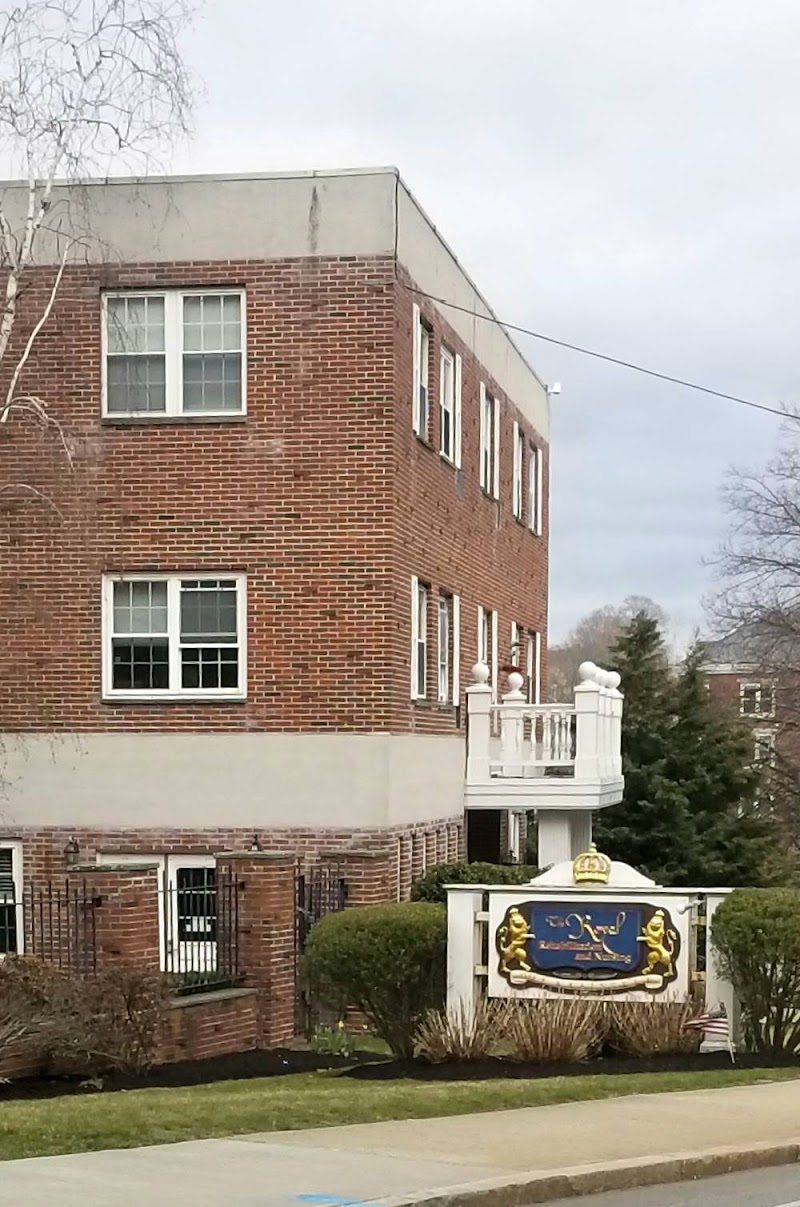
How is Royal Braintree Staffed?

CMS rates ROYAL BRAINTREE NURSING AND REHABILITATION CENTER's staffing level at 3 out of 5 stars, which is average compared to other nursing homes. Staff turnover is 30%, compared to the Massachusetts average of 46%. This relatively stable workforce can support continuity of care.

What Have Inspectors Found at Royal Braintree?

State health inspectors documented 38 deficiencies at ROYAL BRAINTREE NURSING AND REHABILITATION CENTER during 2021 to 2024. These included: 36 with potential for harm and 2 minor or isolated issues.
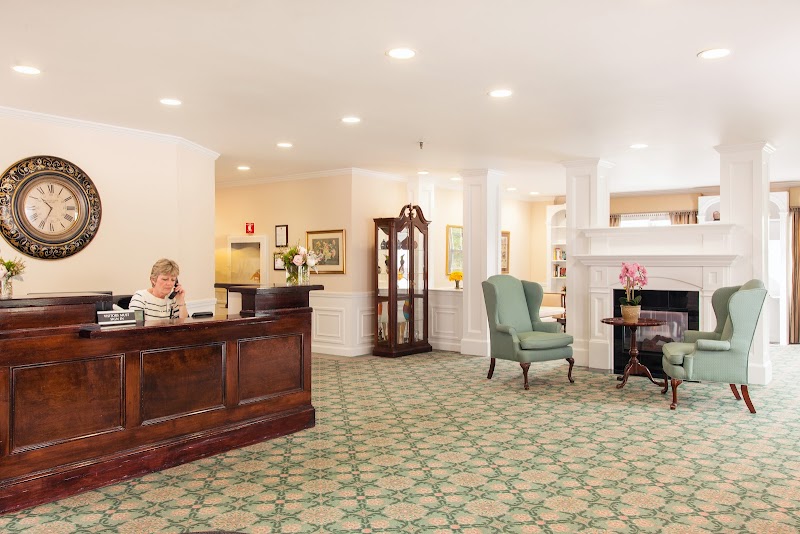
Who Owns and Operates Royal Braintree?

ROYAL BRAINTREE NURSING AND REHABILITATION CENTER is owned by a for-profit company. For-profit facilities operate as businesses with obligations to shareholders or private owners. The facility is operated by ROYAL HEALTH GROUP, a chain that manages multiple nursing homes. With 204 certified beds and approximately 175 residents (about 86% occupancy), it is a large facility located in BRAINTREE, Massachusetts.
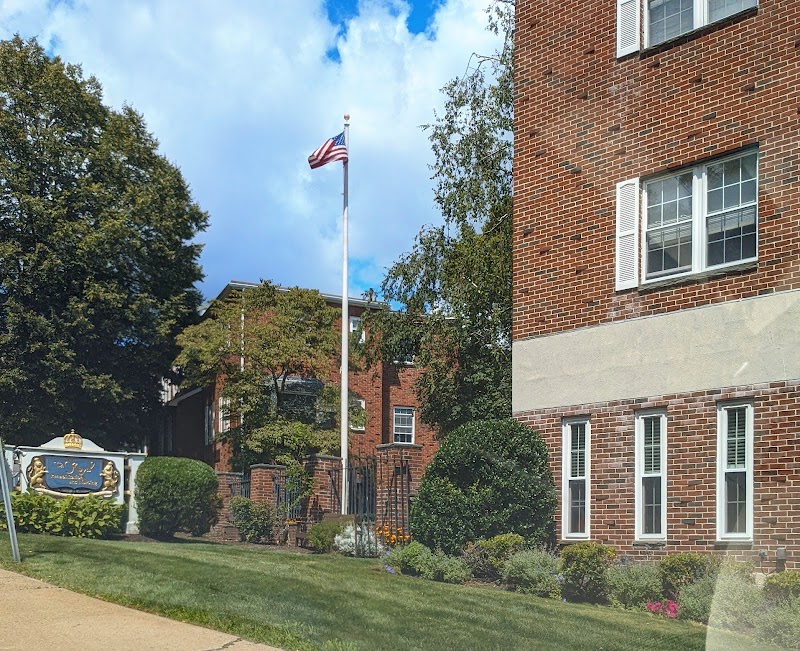
How Does Royal Braintree Compare to Other Massachusetts Nursing Homes?

Compared to the 100 nursing homes in Massachusetts, ROYAL BRAINTREE NURSING AND REHABILITATION CENTER's overall rating (3 stars) is above the state average of 2.9, staff turnover (30%) is significantly lower than the state average of 46%, and health inspection rating (3 stars) is at the national benchmark.

What Should Families Ask When Visiting Royal Braintree?

Based on this facility's data, families visiting should ask: "Can I visit during a mealtime to observe dining assistance and food quality?" "How do you handle medical emergencies, and what is your hospital transfer rate?" "Can I speak with family members of current residents about their experience?"

Is Royal Braintree Safe?

Based on CMS inspection data, ROYAL BRAINTREE NURSING AND REHABILITATION CENTER has a clean safety record: no substantiated abuse findings (meaning no confirmed cases of resident harm), no Immediate Jeopardy citations (the most serious violation level indicating risk of serious injury or death), and is not on the Special Focus Facility watch list (a federal program monitoring the lowest-performing 1% of nursing homes). The facility has a 3-star overall rating and ranks #1 of 100 nursing homes in Massachusetts. While no facility is perfect, families should still ask about staff-to-resident ratios and recent inspection results during their visit.

Do Nurses at Royal Braintree Stick Around?

ROYAL BRAINTREE NURSING AND REHABILITATION CENTER has a staff turnover rate of 30%, which is about average for Massachusetts nursing homes (state average: 46%). Moderate turnover is common in nursing homes, but families should still ask about staff tenure and how the facility maintains care continuity when employees leave.

Was Royal Braintree Ever Fined?

ROYAL BRAINTREE NURSING AND REHABILITATION CENTER has no federal fines on record. CMS issues fines when nursing homes fail to meet care standards or don't correct problems found during inspections. The absence of fines suggests the facility has either maintained compliance or corrected any issues before penalties were assessed. This is a positive indicator, though families should still review recent inspection reports for the full picture.

Is Royal Braintree on Any Federal Watch List?

ROYAL BRAINTREE NURSING AND REHABILITATION CENTER is not on any federal watch list. The most significant is the Special Focus Facility (SFF) program, which identifies the bottom 1% of nursing homes nationally based on persistent, serious quality problems. Not being on this list means the facility has avoided the pattern of deficiencies that triggers enhanced federal oversight. This is a positive indicator, though families should still review the facility's inspection history directly.