Brighton Post Acute Care
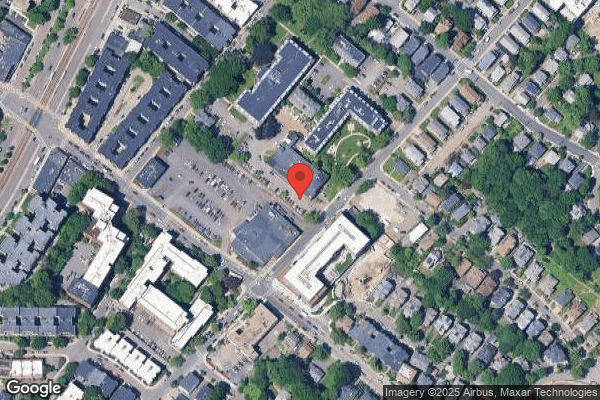

170 COREY ROAD, BRIGHTON, MA 02135 (617) 731-0515
For profit - Limited Liability company 78 Beds BANECARE MANAGEMENT Data: November 2025
Trust Grade
40/100
#138 of 338 in MA
Last Inspection: October 2024

Within standard 12-15 month inspection cycle. Federal law requires annual inspections.

Overview

Brighton Post Acute Care has received a Trust Grade of D, indicating below-average performance with several concerns. It ranks #138 out of 338 facilities in Massachusetts, which places it in the top half, but still raises questions about quality. The facility is showing improvement, with issues decreasing from 19 in 2023 to just 3 in 2024. However, staffing is a concern, with a low rating of 2 out of 5 stars and a high turnover rate of 53%, significantly above the state average. Additionally, it has faced $200,070 in fines, which is higher than 97% of Massachusetts facilities, suggesting ongoing compliance issues. Specific incidents noted by inspectors include failures to prevent falls for residents, where care plans were not followed, resulting in injuries. There were also concerns regarding infection control, such as not disinfecting reusable medical equipment properly. On a positive note, the facility has received an excellent rating of 5 out of 5 stars for quality measures, and its RN coverage is average, meaning that while there are areas needing improvement, some aspects of care are being delivered effectively. Overall, families may find some strengths here, but should weigh them against the significant concerns and recent findings.

Trust Score
D
40/100
In Massachusetts
#138/338
Top 40%
Safety Record
High Risk
Review needed
Inspections
Getting Better
19 → 3 violations
Staff Stability
⚠ Watch
53% turnover. Above average. Higher turnover means staff may not know residents' routines.
Penalties
⚠ Watch
$200,070 in fines. Higher than 96% of Massachusetts facilities. Major compliance failures.
Skilled Nurses
○ Average
Each resident gets 30 minutes of Registered Nurse (RN) attention daily — about average for Massachusetts. RNs are the most trained staff who monitor for health changes.
Violations
⚠ Watch
35 deficiencies on record. Higher than average. Multiple issues found across inspections.
★★★☆☆
3.0
Overall Rating
★★☆☆☆
2.0
Staff Levels
★★★★★
5.0
Care Quality
★★☆☆☆
2.0
Inspection Score
Stable
2023: 19 issues
2024: 3 issues

The Good

  • 5-Star Quality Measures · Strong clinical quality outcomes
  • Full Sprinkler Coverage · Fire safety systems throughout facility
  • No fines on record

Facility shows strength in quality measures, fire safety.

The Bad

3-Star Overall Rating

Near Massachusetts average (2.9)

Meets federal standards, typical of most facilities

Staff Turnover: 53%

Near Massachusetts avg (46%)

Higher turnover may affect care consistency

Federal Fines: $200,070

Well above median ($33,413)

Significant penalties indicating serious issues

Chain: BANECARE MANAGEMENT

Part of a multi-facility chain

Ask about local staffing decisions and management

The Ugly 35 deficiencies on record

1 actual harm
Oct 2024 3 deficiencies
CONCERN (D)

Potential for Harm - no one hurt, but risky conditions existed

Deficiency F0637 (Tag F0637)

Could have caused harm · This affected 1 resident

Based on record review and interviews, the facility failed to identify and complete a Significant Change in Status (SCSA) Minimum Data Set assessment (MDS) for one Resident (#16), out of a total sampl...

Read full inspector narrative →
Based on record review and interviews, the facility failed to identify and complete a Significant Change in Status (SCSA) Minimum Data Set assessment (MDS) for one Resident (#16), out of a total sample of 17 residents, when the Resident was discharged from hospice services. Findings include: Review of the MDS 3.0 Resident Assessment Instrument (RAI) Manual, dated October 2023, indicated: - A Significant Change in Status Assessment (SCSA) is required to be performed when a resident is receiving hospice services and then decides to discontinue those services (known as revoking of hospice care). The ARD (assessment reference date) must be within 14 days from the effective date of the hospice election revocation. Resident #16 was admitted to the facility in November 2021 with diagnoses that include dementia and history of Covid-19. Review of the most recent Minimum Data Set Assessment, (MDS) Assessment, dated 9/6/24 indicated that the Resident could not participate in a Brief Interview for Mental Status exam, but was assessed by staff to have severe cognitive impairment. The MDS further indicated that the resident was not receiving hospice services. Review of the quarterly MDS Assessment, dated 3/6/24, indicated that Resident #16 was receiving hospice services. Review of the quarterly MDS Assessment, dated 6/6/24, indicated that Resident #16 was not receiving hospice services. Review of Resident #16's medical record indicated a form for revocation of hospice services indicating the hospice disenrollment date of 4/19/24. Review of the medical record failed to indicate a Significant Change in Status Assessment was completed upon disenrollment of hospice services. During an interview on 10/30/24 at 8:55 A.M., Unit Manager #1 said that Resident #16 was receiving hospice services but was doing well and gaining weight so he/she was taken off hospice services. Unit Manager #1 said she was unaware of whether a Significant Change in Status Assessment should have been completed when hospice services ended. During an interview on 10/30/24 at 9:34 A.M., the Regional MDS coordinator said that for a change in status, such as stopping hospice services, a Significant Change in Status Assessment should have been completed, but it was not. During an interview on 10/30/24 at 10:15 A.M. with the Director of Nurses and the Infection Preventionist they said a Significant Change in Status Assessment should have been completed for Resident #16.
CONCERN (E)

Potential for Harm - no one hurt, but risky conditions existed

Assessment Accuracy (Tag F0641)

Could have caused harm · This affected multiple residents

**NOTE- TERMS IN BRACKETS HAVE BEEN EDITED TO PROTECT CONFIDENTIALITY** 3. Review of the MDS 3.0 Resident Assessment Instrument (RAI) Manual, dated October 2023, indicated: -Comatose is defined as a p...

Read full inspector narrative →
**NOTE- TERMS IN BRACKETS HAVE BEEN EDITED TO PROTECT CONFIDENTIALITY** 3. Review of the MDS 3.0 Resident Assessment Instrument (RAI) Manual, dated October 2023, indicated: -Comatose is defined as a pathological state in which neither arousal (wakefulness, alertness) nor awareness exists. The person is unresponsive and cannot be aroused; they do not open their eyes, do not speak and do not move their extremities on command or in response to noxious stimuli (e.g., pain). -To code yes to comatose if the record indicates that a physician, nurse practitioner or clinical nurse specialist has documented a diagnosis of coma or persistent vegetative state that is applicable during the 7-day look-back period. Resident #32 was admitted to the facility in April 2021 with diagnoses that include pneumonia and acute respiratory failure with hypoxia. Review of the most recent Minimum Data Set (MDS) Assessment, dated 7/22/24, indicated that Resident #32 was comatose and could not participate in cognitive testing. On 10/29/24 at 7:58 A.M., the surveyor observed Resident #32 in bed awake with his/her eyes open. On 10/30/29 at 9:26 A.M., the surveyor observed Resident #32 in bed awake with his/her eyes open. Resident #32 did not respond verbally to the surveyor but looked at the surveyor when spoken to. Review of Resident #32's medical record failed to indicate a diagnosis of coma or persistent vegetative state. During an interview on 10/30/24 at 8:51 A.M., Nurse #2 said that Resident #32 was not comatose. Nurse #2 said that the Resident was awake and alert at times and opens his/her eyes when their spouse was visiting. During an interview on 10/30/24 at 8:42 A.M., Unit Manager #1 said that Resident #32 was not comatose and responded by opening his/her eyes especially when family was visiting, talking to, or touching him/her. During an interview on 10/30/24 at 9:34 A.M., the Regional MDS coordinator said that if Resident #32 opened his/her eyes and was awake and alert, then the Resident would not be considered comatose. During an interview on 10/30/24 at 10:17 A.M., the Director of Nurses and Infection Preventionist said that Resident #32 was not comatose and this would be a coding error on the MDS. 2a. Resident #41 was admitted to the facility in December 2022 with diagnoses including Parkinson's disease and cognitive communication deficit. Review of the Minimum Data Set Assessment (MDS) dated [DATE] indicated Resident #41's primary language was Spanish and he/she wants/needs an interpreter. Additional review of the MDS indicated in section C that the Brief Interview for Mental Status Exam (BIMS) should not be completed as Resident #41 was rarely/never understood. Review of the MDS' dated 3/3/24 and 6/3/24 also indicated Resident #41 was rarely/never understood and staff did complete the BIMS. During interviews on 10/30/24 at 9:01 A.M., and 9:34 A.M., the MDS Coordinator said that indicating Residents are rarely/never understood on the MDS was not related to their ability to speak English, but related to their cognitive status. Review of Resident #41's Patient Health Questionnaire (PHQ) - 9 completed with psych services and dated 8/28/24 indicated Resident #41 was able to participate in the interview process. During an interview on 10/30/24 at 10:13 A.M., the Psychiatric Nurse said that when she meets with Resident #41 she utilizes a language line to facilitate communication. The Psychiatric Nurse said that Resident #41 was able to converse and communicate. 2b. Resident #59 was admitted to the facility in April 2024 with diagnoses including cognitive communication deficit and dysphagia. Review of Resident #59's Minimum Data Set Assessment (MDS) dated [DATE] indicated Resident #59's primary language was Cantonese and he/she required an interpreter. Additional review of the MDS indicated that Resident #59 was rarely/never understood and staff did not complete the Brief Interview for Mental Status exam (BIMS). Review of the Psychiatric Evaluation and Consultant note dated 8/28/24 indicated: Pt (patient) was alert and cooperative with assessment. No agitation or aggression noted. No acute MH (mental health) concerns noted today. Review of Resident #59's Occupational Therapy Evaluation dated 10/17/24 indicated: Interpreter: Present. PT (patient) present able to communicate with patient in Cantonese. During interviews on 10/30/24 at 9:01 A.M., and 9:34 A.M., the MDS Coordinator said that indicating Residents are rarely/never understood on the MDS is not related to their ability to speak English, but related to their cognitive status. During an interview on 10/30/24 at 11:06 A.M., the Psychiatric Nurse said that Resident #59 was confused, but he/she was able to communicate with him/her through the use of the interpreter line. Based on observations, record review and interview the facility failed to accurately complete a Minimum Data Set (MDS) assessment for four Residents (#61, #41, #59, and #32) out of a total sample of 17 residents. Specifically, 1. For Resident #61 the facility inaccurately coded no significant weight gain when there was one. 2. For Resident #41 and Resident #59, the facility inaccurately coded their ability to be understood. 3. For Resident #32, the facility inaccurately coded that the Resident was in a comatose state. Findings Include: 1. Resident #61 was admitted to the facility in November 2023 with diagnoses including stroke, heart disease, asthma and diabetes. Review of the medical record indicated the following weights: 2/27/2024 15:14 146.2 Lbs. (pounds) 3/5/2024 13:51 151.4 Lbs. 3/12/2024 12:11 147.0 Lbs. 3/19/2024 14:24 147.0 Lbs. 3/26/2024 16:26 149.0 Lbs. 4/2/2024 08:34 148.0 Lbs. 4/10/2024 13:10 146.3 Lbs. 4/17/2024 12:06 148.0 Lbs. 4/23/2024 15:06 148.7 Lbs. 4/30/2024 07:50 147.0 Lbs. 5/7/2024 14:18 148.0 Lbs. 6/4/2024 13:55 154.2 Lbs. 6/21/2024 11:48 157.2 Lbs. 6/25/2024 14:55 157.4 Lbs. 7/2/2024 15:51 172.8 Lbs. 7/24/2024 15:17 172.6 Lbs. 7/29/2024 07:57 174.0 Lbs. 8/8/2024 12:56 176.2 Lbs. 8/16/2024 15:14 173.8 Lbs. 8/22/2024 08:22 175.4 Lbs. 8/28/2024 13:28 178.8 Lbs. Further review of the recorded weights indicated that Resident #61 had experienced a significant weight gain of 22.30% of his/her total body weight in 6 months. Review of the MDS dated [DATE], indicated that Resident #61 did not have a significant weight gain. During an interview on 10/30/24 at 09:33 A.M. the Regional MDS nurse said that the MDS was coded in error and should indicate a significant weight gain.
CONCERN (E)

Potential for Harm - no one hurt, but risky conditions existed

Deficiency F0761 (Tag F0761)

Could have caused harm · This affected multiple residents

Based on observation, policy review and interview the facility failed to store medications in a safe manner, store medications in accordance with currently accepted professional principles and failed ...

Read full inspector narrative →
Based on observation, policy review and interview the facility failed to store medications in a safe manner, store medications in accordance with currently accepted professional principles and failed to follow manufacturer's instructions for storage. Specifically the facility failed to: 1. Store medication in secured (locked) locations, accessible only to designated staff in two medication carts on one of two units. 2. Store and label medications in accordance with currently accepted professional principles in one medication cart on one of two units. 3. Maintain temperatures in accordance with manufacturer specifications on one of two units Findings include: Review of the facility policy titled Medication Management-Medication Storage and dated reviewed 9/24 indicated that the facility shall store all drugs and biologicals in a safe, secure, and orderly manner. Further review indicated that medications requiring refrigeration must be stored and monitored in a refrigerator located in the drug room at the nurse's station or other secured location. 1. On 10/29/24 at 7: A.M., the surveyor observed two medication carts on the first floor unit, open and not within sight of the nurse sitting at the nurse's station. The surveyor also observed three residents and several staff members in the hall with potential access to the medication carts. 2. On 10/29/24 at 2:56 P.M., the surveyor observed a medication cup with applesauce and crushed medications in the top drawer of the medication cart on the first floor unit. The surveyor observed that the medication cup was not labeled with the medications it contained or the name of the resident they belonged to. During an interview on 10/29/24 at 2:56 P.M., Nurse #1 said that she had placed the unlabeled medication cup with a resident's medication in the top drawer of the medication cart and she should not have. 3. On 10/29/24 at 3:07 P.M., the surveyor observed a warm, unopened, Levemir Flex Pen (insulin), in the top drawer of the medication cart on the second floor unit. Review of the manufacturer's directions indicated that the Levemir Flex Pen is to be kept refrigerated until opened. During an interview on 10/29/24 at 3:07 P.M., Nurse #2 said that she didn't know when the unopened Levemir Flex Pen had been put in the medication cart but that it should remain in the refrigerator until opened.
Nov 2023 19 deficiencies 1 Harm
SERIOUS (H)

Actual Harm - a resident was hurt due to facility failures

Accident Prevention (Tag F0689)

A resident was harmed · This affected multiple residents

**NOTE- TERMS IN BRACKETS HAVE BEEN EDITED TO PROTECT CONFIDENTIALITY** Based on observation, record review, and interview, the facility failed to 1.follow the care plan intervention to prevent a fall...

Read full inspector narrative →
**NOTE- TERMS IN BRACKETS HAVE BEEN EDITED TO PROTECT CONFIDENTIALITY** Based on observation, record review, and interview, the facility failed to 1.follow the care plan intervention to prevent a fall with a fracture and laceration for one Resident #1.2. implement and develop appropriate interventions to prevent a fall with a fracture for one Resident (#35), 3. complete a fall investigation report after a fall for one Resident (#7), and 4. keep one Resident (#67) free from accidents/hazards after ingestion of lotion with subsequent hospitalization, . 5(a). For Resident #5, the facility failed to implement a scoop mattress intervention in a timely manner (b). have a bed alarm in good working condition out of a total sample of 30 residents. Findings include: Review of the facility policy titled Falls Program Policy, dated 09/2023, indicated the following: - Fall assessment should be completed upon admission, re-admission, quarterly, significant change in resident status and as needed. Identify residents fall risk after completing and reviewing the fall assessment. - Develop individualized care plan. - Review and revise care plan regularly, as needed. - Documentation of falls: complete incident report, fall investigation report and obtain witness statements. Monitor resident vital signs. Monitor neurological checks for any unwitnessed fall. Care plan needs to be updated reflective of resident status. Residents who have had a fall need this information shared with the IDT (interdisciplinary team). Rehab screen to be completed as indicated. Completed incident report and fall investigation report are to be submitted to the DNS or designee for review. 1. Resident #1 was admitted to the facility in July 2023 with diagnoses including wedge compression fracture of the lumbar vertebra, need for assistance with personal care and anxiety. Review of the most recent Minimum Data Set (MDS) dated [DATE] indicated the Resident scored a 9 out of possible 15 on the Brief Interview for Mental Status. The MDS further indicated that he/she required extensive assistance of two people for bed mobility and transfers. Review of the care plan related to falls, dated 7/20/23, indicated: -The resident is at risk for falls related to history of falls, acute on chronic low back pain due to acute compression fractures, chronic lumbar/ low back pain, multiple vertebral fractures, muscle weakness, impaired mobility, and dizziness. Intervention date initiated 7/20/23, indicated the following: -Ensure that the resident is wearing appropriate footwear. Intervention date initiated 8/14/23, indicated the following: -Bed/ chair alarm at all times. Review of the current physician orders date initiated 8/16/23, indicated the following: -Bed sensor alarm on when resident is in bed. Check every shift for proper placement and is in good working order every shift. Review of the nursing note indicated: 10/21/2023 at 11:23 P.M.: Nurse's Note: Note text; Patient alert and responsive, was compliant his/her medication. At about 11:15 P.M. this nurse was called in by a nursing aide to see patient was on the floor. This nurse observed that patient was lying face down in a pull of her own blood. This nurse called emergency ambulance for patient to be taken to hospital for further evaluation. The primary physician and the patient's granddaughter were called and a voice mail left. Both calls were not returned by the time this nurse finally handed over to incoming nurse. We will continue to monitor (sic). Review of the fall incident report dated 10/21/23 indicated: -11:15 P.M patient found on the floor of his/her room next to his/her bed, patient found face down in a pull (sic) of blood, wet cloth used to apply pressure and 911 was called. -Nature of injury- Laceration to the face. Review of the fall investigation work sheet included as part of the fall investigation indicated at the time of the fall the following footwear/equipment (at the time of fall), failed to include use of appropriate footwear and use of bed alarm. Further review of the fall investigation worksheet indicated that following the fall the recommendations were implemented to prevent further falls/immediate interventions including: -Floor mats both sides of the bed, bed alarm. Review of written staff statement from staff members indicated the following: -Nurse #1 statement, dated 10/21/23: Last saw resident in bed at 11:25 P.M. Nurse was called in to see the patient who was on the floor in a pull [sic] of blood. -Certified Nursing Assistant (CNA) #5 statement, dated 10/22/23: Last saw resident when doing rounds and found the resident on the floor, did not see anything that would contribute to the fall, alerted the nurse. Further review of the incident report and the witness staff statements failed to include information indicating Resident #1's bed alarm was sounding. Review of fall incident report submitted to the state agency, 10/22/23, indicated that Resident #1 had nothing on his/her feet at the time of the fall. Review of the hospital Discharge summary, dated [DATE], indicated the following: -Resident #1 sustained a right periprosthetic humeral (large bone in the arm) shaft fracture, metacarpal (bone in hand) fractures and eight sutures to the left eyelid laceration On 11/3/23 at 11:24 A.M., the surveyor attempted to interview CNA #5, CNA #5 did not return the request for interview. During a phone interview on 11/8/23 at 8:42 A.M., Nurse #8 said Resident #1 had the alarm on at the time of the fall, but he was not sure if it was functioning. Nurse #8 said he did not hear the alarm sound. During an interview on 11/3/23 at 10:38 A.M., the Director of Nursing (DON) said the alarm for Resident #1 should have sounded when the Resident was found on the floor. The DON and the surveyor reviewed the fall incident report. The DON said that the footwear at the time of the event and the alarm were not checked off as being utilized at the time of the fall but should have been checked of if the alarm was being used. 3(a). For Resident #5, the facility failed to implement a scoop mattress intervention in a timely manner (b). have a bed alarm in good working condition. Resident #5 was admitted to the facility in February 2019 with diagnoses including a history of falls. The most recent Minimum Data Set (MDS) dated [DATE] did not indicate a Brief Interview for Mental Status (BIMS) score because the Resident is rarely/never understood. A review of the Nurses progress notes dated 11/1/23 indicated that Resident #5 had fallen. Further review of the fall care plan indicated a fall intervention created on 11/1/23 indicating the following: *Fall out of bed with bruise to right upper side of forehead. Intervention: Scoop mattress During an observation on 11/3/23 at 8:42 A.M., the surveyor observed the Resident sleeping in bed on an air mattress. During an observation and interview with Certified Nurse's Assistant (CNA) #4 on 11/3/23 at 8:51 A.M., she said the Resident was sleeping on an air mattress and not a scoop mattress. During an interview with the Unit Manager #2 at 11/3/23 at 9:34 A.M., she said the Resident had a fall on 11/1/23, interventions were added to his/her fall care plan to get him/her a scoop mattress, she said when fall interventions are added, they should be implemented immediately. During an interview with the Director of Nurses on 11/3/23 at 9:46 A.M., he said he expects fall interventions added after a fall to be implemented immediately. (b). Resident #5 was admitted to the facility in February 2019 with diagnoses including a history of falls. The most recent Minimum Data Set (MDS) dated [DATE] did not indicate a Brief Interview for Mental Status (BIMS) score because the Resident is rarely/never understood. A review of the November physician's orders indicated the following: * Bed sensor alarm on when resident is in bed. Check every shift for proper placement and is in good working order. Start date 11/1/23. During an observation on 11/3/23 at 8:42 A.M., the surveyor observed the Resident sleeping. The Resident was observed moving around the bed in his/her sleep, there was no sound from the bed alarm. During an observation and interview with Unit Manager #2 on 11/3/23 at 9:34 A.M., Resident # 5 was observed out of bed in a broda chair. Unit Manager #2 removed the bed alarm placed under the Resident's bed sheets, she repeatedly tried to press the alarm but there was no sound, she checked the battery port, there were only two batteries, she said the alarm should have three batteries so it can work properly. During an interview with the Director of Nurses on 11/3/23 at 9:46 A.M., he said bed alarms should be always functional, staff should be checking every shift for proper placement and making sure the alarm is in good working order. 2. Resident #35 was admitted in 03/2023 with diagnoses including depression and hypertension. Review of the Minimum Data Set (MDS), 9/27/23, indicated that Resident #35 is rarely/never understood. Resident #35 requires extensive assist with toilet use, personal hygiene, bed mobility, and transfers. Review of the care plan, dated 3/30/23, indicated the following: - The resident is at risk for falls related to confusion, deconditioning, gait/balance problems < s/p falls, R-humerus fracture, UTI, confusion Review of the activities of daily living flow sheets for April 2023 indicated that toileting every 2 hours was in place at the beginning of April. Review of the fall incident reports indicated that Resident #35 had the following falls and interventions: - On 4/8/23 at 11:35 P.M., Resident #35 was observed sitting on the floor in his/her room going to the bathroom. The intervention put in place after the fall was toileting every 2 hours. - On 4/28/23 at 5:45 A.M., Resident #35 was observed lying on the floor in his/her room after attempting to go to the bathroom. The intervention put in place after the fall was to toilet every 2 hours and offer to toilet on 11-7 shift. - On 9/4/23 at 9:45 A.M., Resident #35 was observed in his/her bathroom on the floor after hitting the top of his/her head on the toilet paper dispenser. The intervention put in place was to educate and ensure Resident #35 is not carrying liquids when ambulating. - On 10/7/23 at 10:45 P.M., Resident #35 was found on the floor on left side in the bathroom after falling head first while reaching for toilet paper. The Resident sustained a laceration with 5 sutures to his/her left eye. The intervention was to offer toileting to Resident #35 after breakfast. Review of the care plan indicated that the last intervention updated was on 3/30/23. During an interview on 10/20/23 at 10:12 A.M., the Director of Nursing said that he doesn't usually like the 2 hour toileting and is usually a quick intervention that you put in place. The DON said that the 2 hour toileting intervention should have been re-evaluated because if the Resident is still falling then it means the intervention is not working. The DON said that the interventions should be appropriate for the fall and address the reason for the fall. He said that the intervention to not carry liquids when ambulating should have been related to the fall. 3. Resident #7 was admitted in February, 2018 with diagnoses including dementia and heart failure. Review of the Minimum Data Set (MDS), dated [DATE], indicated that Resident #7 scored a 1 out of a possible 15 on the Brief Interview for Mental status (BIMS), indicated severe cognitive impairment. Resident #7 requires limited assistance with toilet use, bed mobility, and transfers. During an observation on 10/17/23 at 10:32 A.M., Resident #7 was found on the floor by the surveyor. The surveyor notified the nurse on duty and the nurse responded. Vitals were taken on the Resident and the Resident was put back into bed. On 10/18/23, review of the fall incident reports did not indicate that a fall investigation had been started on the incident that occurred on 10/17/23. During an interview on 10/19/23 at 12:37 P.M., the Director of Nursing said he was not made aware of the fall that occurred with Resident #7 and that he did not have an investigation for the fall. 4. Resident #67 was admitted in March, 2023 with diagnoses including dysphagia and dementia. Review of the Minimum Data Set (MDS), dated [DATE], indicated that Resident #67 scored a 1 out of a possible 15 on the Brief Interview for Mental status (BIMS), indicated severe cognitive impairment. Review of the MDS indicated that Resident #67 requires extensive assistance with all activities of daily living and is independent with eating. Review of the clinical record indicated that on 10/13/23, Resident #67 was observed in his/her room ingesting a bottle of lotion. Resident #67 was sent out to the hospital for further evaluation. Review of the care plan did not indicate that Resident #67 had any interventions put in place after the incident occurred. During an observation on 10/19/23 at 8:26 A.M., Resident #67 had a tube of polygrip (a denture adhesive cream) in his/her bedside table. During an observation on 10/20/23 at 7:45 A.M., Resident #67 had a tube of polygrip in his/her bedside table. During an interview on 10/20/23 at 7:40 A.M., the Director of Nursing said that Resident #67 should not have any non-food items within reach after an incident of ingestion. He also said that a care plan should be put in place with interventions to prevent ingestion of non-food items.
CONCERN (D)

Potential for Harm - no one hurt, but risky conditions existed

Notification of Changes (Tag F0580)

Could have caused harm · This affected 1 resident

Based on observation, record review and interview, the facility failed to notify the physician of a change in status for one Resident (#23) out of a total sample of 30 Residents. Specifically, the fac...

Read full inspector narrative →
Based on observation, record review and interview, the facility failed to notify the physician of a change in status for one Resident (#23) out of a total sample of 30 Residents. Specifically, the facility failed to notify the physician when the Resident was observed to have vomited significantly while in bed. Findings include: Resident #23 was admitted to the facility in December 2022 with diagnoses including cerebral infarction and hemiplegia/hemiparesis. Review of Resident #23's most recent Minimum Data Set Assessment (MDS) indicated that the Resident had a Brief Interview for Mental Status score of 13 out of a possible 15 indicating that he/she is cognitively intact. Further review of the MDS indicated that the Resident requires extensive assistance with all activities of daily living. On 10/17/23 at approximately 8:35 A.M., the surveyor walked into Resident #23's room and observed a large amount of vomit on the floor next to his/her bed. Upon entering, a nurse entered the room and asked for assistance to clean up Resident #23. Review of Resident #23's physician's orders indicated the following: *Monitor for adverse effects of opioid medication including: constipation, vomiting, dry mouth, fatigue, dizziness, confusion and new or worsened depression, itching, sweating. Notify MD (medical doctor) of any significant findings every shift. Order date: 3/28/23 *Tramadol HCl Tablet 50 MG (milligrams) (an opioid medication used to treat pain). Order date: 3/28/23. Review of Resident #23's medical record on 10/20/23 at 7:05 A.M., including all nursing and physician progress notes failed to mention that Resident #23 vomited and did not indicate that the physician was ever notified of the change in condition. During an interview on 10/20/23 at 7:39 A.M., Nurse #7 said whenever the doctor or nurse practitioner is notified it should be documented in the medical record. She continued to say they should have documented in the medical record that the nurse practitioner was notified so the entire interdisciplinary team is updated on Resident #23's condition. During an interview on 10/20/23 at 8:27 A.M., the Director of Nurses said the facility needs to be documenting when the physician is notified otherwise it did not happen. He said the physician should have been notified after Resident #23 vomited and it should have been documented in the medical record and he said it is a concern.
CONCERN (D)

Potential for Harm - no one hurt, but risky conditions existed

Safe Environment (Tag F0584)

Could have caused harm · This affected 1 resident

**NOTE- TERMS IN BRACKETS HAVE BEEN EDITED TO PROTECT CONFIDENTIALITY** Based on observation and interview, the facility failed to provide a homelike environment, specifically, failed to address a chi...

Read full inspector narrative →
**NOTE- TERMS IN BRACKETS HAVE BEEN EDITED TO PROTECT CONFIDENTIALITY** Based on observation and interview, the facility failed to provide a homelike environment, specifically, failed to address a chirping fire alarm. Findings include: During an observation on 10/17/23 at 8:15 A.M., the surveyor observed a fire alarm in room [ROOM NUMBER] chirping repeatedly. During an observation on 10/20/23 at 8:16 A.M., the surveyor observed the same fire alarm in room [ROOM NUMBER] chirping repeatedly. During an interview on 10/20/23 at 8:16 A.M., the Maintenance Director said that he is usually told about an issue in the building via the log book or is called if there is an emergency. The Maintenance Director said that he was not aware or told of the chirping fire alarm in room [ROOM NUMBER].
CONCERN (D)

Potential for Harm - no one hurt, but risky conditions existed

Investigate Abuse (Tag F0610)

Could have caused harm · This affected 1 resident

**NOTE- TERMS IN BRACKETS HAVE BEEN EDITED TO PROTECT CONFIDENTIALITY** 2. Resident #34 was admitted to the facility in March 2023, with diagnoses including Alzheimer's disease, dementia and falls. Re...

Read full inspector narrative →
**NOTE- TERMS IN BRACKETS HAVE BEEN EDITED TO PROTECT CONFIDENTIALITY** 2. Resident #34 was admitted to the facility in March 2023, with diagnoses including Alzheimer's disease, dementia and falls. Review of the most recent Minimum Data Set (MDS), dated [DATE], indicated the Resident scored a 00 out of a possible 15 indicating severe impaired cognition. The MDS further indicated the Resident requires extensive assist for activities of daily living. Review of progress note dated 10/19/23 indicated the Resident was noted with blood on his/her pillowcase and a laceration on the back of his/her head. Resident was sent to the hospital. During an interview on 10/20/23 at 7:42 A.M., the Director of Nursing (DON) said injuries of unknown origin have to be assessed and an incident report with investigation should be completed to find the root cause. The DON was unable to provide an incident report with investigation. Based on record review and interview, the facility failed to 1. investigate a bruise of uknown origin for one Resident (#35) and 2. failed to investigate injury of unknown origin (laceration to head) for one Resident (#34) out of a total sample of 30 residents. Findings include: 1. Review of the facility policy titled Resident Rights and Ethics- Abuse/Neglect, dated 09/2023, indicated the following: - Injuries of uknown source: * the source of the injury was not observed by any person * the source of the injury could not be explained by the resident * the injury is suspicious because of the extent of the injury or the location of the injury Resident #35 was admitted in 03/2023 with diagnoses including depression and hypertension. Review of the Minimum Data Set (MDS), 9/27/23, indicated that Resident #35 is rarely/never understood. Resident #35 requires extensive assist with toilet use, personal hygiene, bed mobility, and transfers. Review of the progress note, dated 5/22/23, indicated that staff had discovered a bruise of uknown origin on Resident #35's back on his/her left ribs. During an interview on 10/19/23 at 12:54 P.M., the surveyor asked the Director of Nursing for the investigation regarding the bruise, but was never provided an investigation.
CONCERN (D)

Potential for Harm - no one hurt, but risky conditions existed

Transfer Notice (Tag F0623)

Could have caused harm · This affected 1 resident

Based on record review and interviews, the facility failed to provide a written notice of discharge prior to transferring Two Residents (#1 and #20) to the hospital, out of a total sample of 30 reside...

Read full inspector narrative →
Based on record review and interviews, the facility failed to provide a written notice of discharge prior to transferring Two Residents (#1 and #20) to the hospital, out of a total sample of 30 residents. Findings include: 1. Resident #1 was admitted to the facility in August 2023, with diagnoses including repeated falls. Review of medical record for Resident #1 indicated he/she was transferred to the hospital on 7/26/23, 8/21/23 and 9/7/23. Review of the paper and electronic medical records failed to indicate evidence that a Notice of Intent to Transfer Resident was completed on 7/26/23, 8/21/23 and 9/7/23. 2. Resident #20 was admitted to the facility in January 2023 with diagnoses including type two diabetes and hemiplegia and hemiparesis following cerebral infarction affecting right dominant side. Review of medical record for Resident #20 indicated he/she was transferred to the hospital on 3/9/23 and 9/20/23. Review of the paper and electronic medical records failed to indicate evidence that a Notice of Intent to Transfer Resident was completed on 3/9/23 and 9/20/23. During an interview on 10/19/23 at 9:46 A.M., Charge Nurse #1 reviewed Resident #1's and #20's medical records and said they are supposed to send the notice of intent to transfer with the Residents and a copy should be in the medical record. During an interview on 10/20/23 at 10:06 A.M., the Assistant Director of Nursing (ADON) said the charge nurse or the nurse responsible for the transfer should send the notice with the Residents and keep a copy in the medical record. The ADON confirmed that the Resident medical record did not have the copies. During an interview on 10/20/23 at 8:34 A.M., the Director of Nursing (DON) said the nurse responsible for transferring the Residents should complete the Notice of Intent to transfer and keep a copy in the medical record.
CONCERN (D)

Potential for Harm - no one hurt, but risky conditions existed

Deficiency F0625 (Tag F0625)

Could have caused harm · This affected 1 resident

Based on record reviews and interviews, the facility failed to provide a bed-hold notice upon transfer to the hospital for Two Residents (#1 and #20), out of a total sample of 30 residents. Findings i...

Read full inspector narrative →
Based on record reviews and interviews, the facility failed to provide a bed-hold notice upon transfer to the hospital for Two Residents (#1 and #20), out of a total sample of 30 residents. Findings include: 1. Resident #1 was admitted to the facility in August 2023 with diagnoses including repeated falls. Review of medical record for Resident #1 indicated he/she was transferred to the hospital on 7/26/23, 8/21/23 and 9/7/23. Review of the paper and electronic medical records failed to indicate evidence that a written notice of the bed-hold policy was provided to Resident #1 when he/she was transferred to the hospital on 7/26/23, 8/21/23 and 9/7/23. 2. Resident #20 was admitted to the facility in January, 2023 with diagnoses including type two diabetes and hemiplegia and hemiparesis following cerebral infarction affecting right dominant side. Review of medical record for Resident #20 indicated he/she was transferred to the hospital on 3/9/23 and 9/20/23. Review of the paper and electronic medical records failed to indicate evidence that a written notice of bed-hold policy was provided to Resident #20 when he/she was transferred to the hospital on 3/9/23 and 9/20/23. During an interview on 10/19/23 at 9:46 A.M., Charge Nurse #1 reviewed Resident #1's and #20's medical records and said they are supposed to send the written notice of bed-hold policy with the Residents and a copy should be in the medical record. During an interview on 10/20/23 at 10:06 A.M., the Assistant Director of Nursing (ADON) said the charge nurse or the nurse responsible for the transfer should send the notice of bed-hold policy with the Residents and keep a copy in the medical record. The ADON confirmed that the Resident medical record did not have the copies. During an interview on 10/20/23 at 8:34 A.M., the Director of Nursing (DON) said the nurse responsible for transferring the Residents should complete the notice of bed-hold policy and keep a copy in the medical record.
CONCERN (D)

Potential for Harm - no one hurt, but risky conditions existed

Comprehensive Care Plan (Tag F0656)

Could have caused harm · This affected 1 resident

**NOTE- TERMS IN BRACKETS HAVE BEEN EDITED TO PROTECT CONFIDENTIALITY** 2. Resident #1 was admitted to the facility on [DATE] with diagnoses including presence of cardiac pacemaker. Review of facility...

Read full inspector narrative →
**NOTE- TERMS IN BRACKETS HAVE BEEN EDITED TO PROTECT CONFIDENTIALITY** 2. Resident #1 was admitted to the facility on [DATE] with diagnoses including presence of cardiac pacemaker. Review of facility policy titled 'Care of a Resident with a Pacemaker' last reviewed 9/23, indicated the following but not limited to: Documentation: *For each resident with a pacemaker, documentation the following in the medical record and on a pacemaker identification card upon admission: -The name, address, and telephone number of the cardiologist. -Type of pacemaker -Types of leads -Manufacturer and model -Serial number -Date of implant and paced rate. Review of Resident #1's medical record failed to indicate information regarding pacemaker details. During an interview on 10/20/23 at 10:15 A.M., Unit Manager #1 said pacemaker information should be in the resident's medical records and if not, they will call the cardiologist's office to obtain the pacemaker information. During an interview on 10/20/23 at 7:50 A.M., the Director of Nursing said the care plan should have all the information required to for pacemaker management. Based on record review and interview, the facility failed to update the plan of care for one Resident (#67). Specifically, the plan of care was not updated after the Resident swallowed lotion and was hospitalized . 2. develop and implement a complete plan of care for a resident with a pace maker (a cardiac device used to control and monitor heart rate) for one Resident (#1), out of a total sample of 30 residents. Findings include: 1. Resident #67 was admitted in 03/2023 with diagnoses including dysphagia and dementia. Review of the Minimum Data Set (MDS), dated [DATE], indicated that Resident #67 scored a 1 out of a possible 15 on the Brief Interview for Mental status (BIMS), indicated severe cognitive impairment. Review of the MDS indicated that Resident #67 requires extensive assistance with all activities of daily living and is independent with eating. Review of the progress note, dated 10/13/23, indicated the following: - Situation: Resident was caught in room drinking bottle with lotion in it. - Response: Spoke to MD (doctor) sent patient out for emergency eval Review of the record did not indicate that Resident #67 had any behaviors of putting non-food items in his/her mouth. During an interview on 10/20/23 at 7:40 A.M., the Director of Nursing said that after a resident ingests a non-food item, the expectation is to update the care plan and remove all non-food items from the Resident's room. Review of the care plan failed to indicate that it had been updated or reviewed after the incident of swallowing a non-food item.
CONCERN (D)

Potential for Harm - no one hurt, but risky conditions existed

Deficiency F0658 (Tag F0658)

Could have caused harm · This affected 1 resident

**NOTE- TERMS IN BRACKETS HAVE BEEN EDITED TO PROTECT CONFIDENTIALITY** 2. Resident #47 was admitted to the facility in April 2023 with diagnoses including Type 2 Diabetes Mellitus. Review of the faci...

Read full inspector narrative →
**NOTE- TERMS IN BRACKETS HAVE BEEN EDITED TO PROTECT CONFIDENTIALITY** 2. Resident #47 was admitted to the facility in April 2023 with diagnoses including Type 2 Diabetes Mellitus. Review of the facility policy titled 'Essential Guidelines for Licensed Independent Practitioners' with a revision date of 9/23 indicated the following: *Pharmacy recommendations require a written response within the medical record. A review of Resident #47's most recent Minimum Data Set (MDS) dated [DATE] indicated a Brief Interview for Mental Status score (BIMS) of 14 out of a possible 15 indicating intact cognition. A review of Resident #47's pharmacy review dated 9/19/23 indicated the following: *Resident is receiving the following medications. Please consider corresponding labs in order to help assess efficacy and potential side effects of continued use. Insulins-A1C MagOx-Mg+ Vitamin D A review of Resident #47's October physician's orders indicated the following: *Lantus subcutaneous solution 100 unit/ml inject 56 units subcutaneously two times a day for DM2 with a start date of 4/20/23. *Novolog injection solution 100 unit/ml (insulin aspart) Inject 40 units subcutaneously with meals for DM2 with a start date of 9/11/23. *Magnesium Oxide 400 milligrams oral tablet, give 1 tablet by mouth two times a day for supplement with a start of 4/20/23. *Vitamin D Oral tablet 25 micrograms, give 2 tablets by mouth one time a day for supplement with a start date of 4/21/23. Further review of the medical record failed to indicate that the physician was contacted to agree or disagree with the pharmacy recommendations. During an interview with Unit Manager #2 on 10/20/23 at 8:02 A.M., she said she did not follow up on the pharmacy recommendation given on 9/19/23, she said she should have reached out to the physician to find out if they agreed with the recommendation or not, then follow through with labs if they agreed. During an interview with the Director of Nurses on 10/20/23 at 8:20 A.M., he said when the pharmacy gives a recommendation, he expects the nurse to reach out to the physician to find out if they agree with the recommendation or not. If the physician agrees, he expects the nurse to follow through with the recommendation. Based on record review and interview, the facility failed to 1. obtain weekly weights as ordered for one Resident (#25) and 2. failed to provide follow up on a pharmacy recommendation for one Resident (#47) out of a total sample of 30 residents. Findings include: 1. Resident #25 was admitted in 12/2021 with diagnoses including dementia and dysphagia. Review of the Minimum Data Set (MDS), dated [DATE], indicated that Resident #25 scored a 11 out of a possible 15 on the Brief Interview for Mental status (BIMS), indicated moderate cognitive impairment. Resident #25 require dependence with eating. Review of the progress note, dated 8/17/23, indicated the following: - Resident current weight is 98.8 pounds, NP (nurse practitioner) made aware orders given for weekly weight x4 weeks, obtain dietitian consultation. Attempts to notify HCP (health care proxy) unable to leave message. Review of the physician's orders indicated that Resident #25 had an order for weekly weights. Review of the weight record did not indicate that weekly weights were obtained for Resident #25. During an interview on 10/19/23 at 8:55 A.M., the dietitian said that weekly weights should be obtained as ordered.
CONCERN (D)

Potential for Harm - no one hurt, but risky conditions existed

ADL Care (Tag F0677)

Could have caused harm · This affected 1 resident

**NOTE- TERMS IN BRACKETS HAVE BEEN EDITED TO PROTECT CONFIDENTIALITY** Based on observation, interview and record review, the facility failed to provide assistance with Activities of Daily Living (AD...

Read full inspector narrative →
**NOTE- TERMS IN BRACKETS HAVE BEEN EDITED TO PROTECT CONFIDENTIALITY** Based on observation, interview and record review, the facility failed to provide assistance with Activities of Daily Living (ADLs) for dependent residents, specifically, the facility failed to 1)provide assistance with showers for two Residents (#65 and #23) and 2) provide supervision with meals for one Resident (#23) out of a total sample of 30 Residents. Findings include: Review of the facility policy titled Activities of Daily Living (ADL), Supporting, dated and revised 2018, indicated the following: *Residents who are unable to carry out activities of daily living independently will receive the services necessary to maintain food nutrition, grooming and personal and oral hygiene. *Appropriate care and services will be provided for residents who are unable to carry out ADLs independently, with the consent of the resident and in accordance with the plan of care, including appropriate support and assistance with: *Hygiene (bathing, dressing, grooming, and oral care) *Dining (meals and snacks) 1a) Resident #65 was admitted to the facility in April 2023 with diagnoses including cerebral infarction, unspecified dementia, and pulmonary embolism. Review of Resident #65's most recent Minimum Data Set Assessment (MDS) indicated that the Resident had a Brief Interview for Mental Status score of 11 out of a possible 15 indicating that he/she has moderate cognitive impairment. Further review of the MDS indicated that the Resident requires total dependence with all ADLs. During an interview on 10/17/23 at 8:27 A.M., Resident #65 told the surveyor that he/she has not had a shower in months and would like one. During Resident [NAME] meeting on 10/19/23 at 10:00 A.M., Resident #65 expressed his/her concern of not having a shower in months and would like one. Review of Resident #65's ADL self-care performance care plan dated 4/27/23 indicated the following intervention: *Dated 5/4/23: Bathing/Showering: The resident is totally dependent on 2 staff. Review of Resident #65's document titled admission Resident Activity Assessment, dated 4/26/23, indicated the following was checked: *Daily Preferences: Choose between a bath, shower, bed bath or sponge bath Review of Resident #65's document titled Documentation Survey Report indicated that Resident #65's last documented shower was on 8/6/23 and 6/28/23, a span of over two months and one month respectively. Review of the shower schedule for Resident #65's unit indicated the following: * Please initial when you have given the resident a shower or bed bath. All nurses must initial along side with the CNA after tasks has been given every shift The shower schedule indicated that Resident #65's scheduled shower day is on Wednesday, the 7-3 shift. Review of the shower schedule for the months of June - October 2023 does not indicate that staff have documented the Resident has received a shower. During an interview on 10/20/23 at 8:16 A.M., Certified Nursing Assistant (CNA) #2 said Residents have scheduled shower days and CNA's document in the electronic medical record when care is provided. When asked about Resident #65, she said she was not familiar with the Resident as she does not normally work on this floor. During an interview on 10/20/23 at 9:07 A.M., Unit Manager #3 said residents should be getting showers two times per week and if a resident wants a shower, they should be getting one. She continued to say if the resident refuses a shower, then the CNAs should be documenting that. Unit Manager #3 continued to say she was not aware that Resident #65 has not had a shower since August. 1b) Resident # 23 was admitted to the facility in December 2022 with diagnoses including cerebral infarction and hemiplegia/hemiparesis. Review of Resident #23's most recent Minimum Data Set Assessment (MDS) indicated that the Resident had a Brief Interview for Mental Status score of 13 out of a possible 15 indicating that he/she is cognitively intact. Further review of the MDS indicated that the Resident requires extensive assistance with all activities of daily living. During an interview on 10/17/23 at 12:27 P.M., Resident #23 said he/she does not remember the last time he/she has had a shower. Review of Resident #23's ADL self-care performance deficit care plan dated 1/13/23 indicted the following intervention: *Bathing/showering: The Resident fluctuates from assist to dependent of 2 staff Review of Resident #65's document titled admission Resident Activity Assessment, dated 1/13/23, indicated the following was checked: *Daily Preferences: Choose between a bath, shower, bed bath or sponge bath Review of Resident #65's document titled Documentation Survey Report indicated that Resident #23 went from August 27, 2023 to October 18, 2023 without having a shower, about seven weeks. Review of the shower schedule for Resident #23's unit indicated the following: * Please initial when you have given the resident a shower or bed bath. All nurses must initial along side with the CNA after tasks has been given every shift The shower schedule indicated that Resident #23's scheduled shower day is on Friday, the 7-3 shift. During an interview on 10/20/23 at 8:16 A.M., Certified Nursing Assistant (CNA) #2 said Residents have scheduled shower days and CNA's document in the electronic medical record when care is provided. When asked about Resident #23, she said she was not familiar with the Resident as she does not normally work on this floor. During an interview on 10/20/23 at 9:07 A.M., Unit Manager #3 said residents should be getting showers two times per week and if a resident wants a shower, they should be getting one. She continued to say if the resident refuses a shower, then the CNAs should be documenting that. Unit Manager #3 continued to say she was not aware that Resident #23 has not had his/her scheduled showers. 2) Resident # 23 was admitted to the facility in December 2022 with diagnoses including cerebral infarction and hemiplegia/hemiparesis. Review of Resident #23's most recent Minimum Data Set Assessment (MDS) indicated that the Resident had a Brief Interview for Mental Status score of 13 out of a possible 15 indicating that he/she is cognitively intact. Further review of the MDS indicated that the Resident requires extensive assistance with all activities of daily living and supervision while eating. The surveyor made the following observations: *On 10/19/23 at 8:45 A.M., Resident #23 was observed eating breakfast in his/her bed. The Resident did not have supervision while eating and could not be seen from the hallway. Resident #23 said he/she only has function of his/her right hand. *On 10/20/23 at 8:46 A.M., Resident #23 was observed eating breakfast in his/her bed. The Resident was heard coughing when he/she was eating his/her breakfast. The Resident did not have supervision while eating and could not be seen from the hallway. Review of Resident #23's ADL self-care performance deficit care plan dated 1/13/23 indicted the following intervention: *Eating: The resident requires continual supervision from 1 staff to eat. Review of Resident #65's document titled Documentation Survey Report for the month of October 2023 indicated that Resident #23 was documented 19 times as having either being independent with meals or only requiring setup or clean up assistance. During an interview on 10/20/23 at 8:16 A.M., Certified Nursing Assistant (CNA) #2 said she was not sure what level of assistance for eating Resident #23 needed. During an interview on 10/20/23 at 9:07 A.M., Unit Manager #3 said if a resident is care planned for supervision with eating, they should have supervision. She continued to say she was not aware Resident #23 required supervision with meals.
CONCERN (D)

Potential for Harm - no one hurt, but risky conditions existed

Deficiency F0687 (Tag F0687)

Could have caused harm · This affected 1 resident

**NOTE- TERMS IN BRACKETS HAVE BEEN EDITED TO PROTECT CONFIDENTIALITY** Based on observation, record review and interviews, the facility failed to ensure staff obtained necessary podiatry (foot care) ...

Read full inspector narrative →
**NOTE- TERMS IN BRACKETS HAVE BEEN EDITED TO PROTECT CONFIDENTIALITY** Based on observation, record review and interviews, the facility failed to ensure staff obtained necessary podiatry (foot care) services for One Resident (#20) out of a total sample of 30 residents. Findings include: Review of facility admission packet titled 'admission Notifications, Authorizations and Consents' indicated the following but not limited to: Professional services Authorization: *I understand that the choice of professional services provider is my right and the center will assist me in the obtaining professional services. I choose to use the nursing center's professional services. Resident #20 was admitted to the facility in January 2023, with diagnoses including type two diabetes and hemiplegia and hemiparesis following cerebral infarction affecting right dominant side. Review of Resident #20's Minimum Data Set (MDS) dated [DATE], indicated the Resident scored a 3 out of a possible 15 on the Brief Interview for Mental Status indicating he/she was severely cognitively impaired. Further review of MDS indicated the Resident was total dependent of staff for all Activities of Daily Living. Review of Resident #20's medical record indicated the following: -Nurse's Note dated 10/15/23: Health care proxy (HCP) in to visit stating this is her third request for the Resident to be seen by podiatrist. HCP is expecting a call to confirm. On 10/19/23 at 9:45 A.M., the surveyor observed Resident #20 lying in bed, the surveyor observed Resident #20's toenails to be long and jagged. Review of the medical record failed to Indicate a consent was obtained for podiatry services. Review of medical records failed to indicate a physician order was obtained for podiatry consult. During an interview on 10/19/23 at 9:48 A.M., Charge Nurse #1 said staff should have obtained consent and orders and had the Resident seen by the podiatrist. She further said the healthcare proxy should not have to ask three times for the Resident to be seen. During an interview on 10/19/23 at 9:52 A.M., Unit Manager #1 said podiatry information is given to the residents and their representatives upon admission. She was not sure why Resident #20 had not been in the podiatry list of Residents to be seen.
CONCERN (D)

Potential for Harm - no one hurt, but risky conditions existed

Deficiency F0692 (Tag F0692)

Could have caused harm · This affected 1 resident

**NOTE- TERMS IN BRACKETS HAVE BEEN EDITED TO PROTECT CONFIDENTIALITY** 2. For Resident #34 the facility failed to implement a dietician recommendations to prevent a significant weight loss. Resident ...

Read full inspector narrative →
**NOTE- TERMS IN BRACKETS HAVE BEEN EDITED TO PROTECT CONFIDENTIALITY** 2. For Resident #34 the facility failed to implement a dietician recommendations to prevent a significant weight loss. Resident #34 was admitted to the facility in March 2023, with diagnoses including Alzheimer's disease, dementia and dysphagia. Review of the most recent Minimum Data Set (MDS), dated [DATE], indicated the Resident scored a 00 out of a possible 15 indicating severe impaired cognition. Resident #34 was independent with eating. Review of the weight record for Resident #34 indicated the following: -3/25/23: 128.0 pounds -4/28/23: 128.0 pounds -5/19/23: 127.0 pounds -6/9/23:127.5 pounds -7/11/23: 119.6 pounds -8/24/23:103.6 pounds -9/1/23: 103.4 pounds Review of the weights indicated that Resident #34 had lost 24.6 pounds, or 19.22% in six months from 3/25/23 to 9/1/23. Review of Resident #34 progress notes indicated the following: -On 7/12/23 weight change note: Add ensure plus twice a day -On 8/17/23 weight change note: Add thrive ice cream lunch and dinner, reweigh the Resident. -On 9/14/23 weight change note: Add thrive ice cream at lunch and dinner, reweigh weekly weights times four. -On 9/27/23 dietary progress notes indicated: Recommendations add Thrive at lunch and dinner, add ensure plus 1x daily. Further review of Resident #34's record indicated that dietary recommendations interventions were not added until 9/28/23. During an interview on 10/19/23 at 9:58 A.M., Charge Nurse #1 said the nurses are responsible for ensuring the dietician recommendations are put in place. She further said the Resident should have received the supplements when it was initially recommended. During an interview on 10/19/23 at 10:05 A.M., Unit Manager #1 said it is her responsibility and the Director of Nursing to ensure that the emailed recommendations by the dietician are implemented. During an interview on 10/19/23 at 12:10 P.M., the Dietician said she should have followed up with nursing and the Director of Nursing as to why her recommendations had not been implemented to prevent the significant weight loss. Based on record review and interview, the facility failed to 1. address a significant weight loss for One Resident (#25), and 2. implement a dietician recommendations to prevent a significant weight loss for one Resident (#34) out of a total sample of 30 residents. Findings include: 1. Resident #25 was admitted in 12/2021 with diagnoses including dementia and dysphagia. Review of the Minimum Data Set (MDS), dated [DATE], indicated that Resident #25 scored a 11 out of a possible 15 on the Brief Interview for Mental status (BIMS), indicated moderate cognitive impairment. Resident #25 require dependence with eating. Review of the weight record for Resident #25 indicated the following: - 6/27/23: 108.2 pounds - 7/2/23: 108 pounds - 8/17/23: 98.8 pounds - 9/14/23: 100.2 pounds Review of the weights indicated that Resident #25 had lost 9.2 pounds, or 8.5% in one month from 7/2/23 to 8/17/23. Review of the progress note, dated 8/17/23, indicated the following: - Resident current weight is 98.8 pounds, NP (nurse practitioner) made aware orders given for weekly weight x4 weeks, obtain dietitian consultation. Attempts to notify HCP (health care proxy) unable to leave message. Review of the clinical record did not indicate that Resident #25 had been evaluated or assessed by the dietitian after the significant weight loss. During an interview on 10/19/23 at 12:04 P.M., the dietitian said that she was working for the building, but had Covid at that time and it must have slipped through. She said it was the expectation that the nurse who inputs the weights notifies her of any discrepancies. If the weight seems inaccurate, it is the expectation that the nurses weigh the Resident again.
CONCERN (D)

Potential for Harm - no one hurt, but risky conditions existed

Respiratory Care (Tag F0695)

Could have caused harm · This affected 1 resident

Based on observations, record review and interviews, the facility failed to obtain a physician's order for the use of a CPAP machine (a machine for Continuous Positive Airway Pressure to treat sleep a...

Read full inspector narrative →
Based on observations, record review and interviews, the facility failed to obtain a physician's order for the use of a CPAP machine (a machine for Continuous Positive Airway Pressure to treat sleep apnea) for one Resident (#13) with a diagnosis of sleep apnea out of a total sample of 30 residents. Findings include: Review of the facility policy titled, Care and Treatment CPAP, dated as reviewed September 2023, indicated to verify physician's orders. Resident #13 was admitted to the facility in May 2020 with diagnoses including anxiety, myalgia, obstructive sleep apnea and rheumatoid arthritis. Review of the Minimum Data Set (MDS) assessment, dated 9/28/23, indicated Resident #13 did not require a non-invasive mechanical ventilator (any type of CPAP or BiPAP respiratory support devices that prevent airways from closing by delivering slightly pressurized air through a mask or other device continuously or via electronic cycling throughout the breathing cycle. The BiPAP/CPAP mask/device enables the individual to support their own spontaneous respiration by providing enough pressure when the individual inhales to keep their airways open) On 10/17/23 at 8:32 A.M., 10/19/23 at 7:30 A.M., 10/20/23 at 6:38 A.M., and 10/20/23 at 7:58 A.M., Resident #13 was in his/her bed wearing a CPAP machine. Review of the plan of care related to obstructive sleep apnea, dated as initiated 5/19/23, failed to include the use of a CPAP. Review of the nursing practitioner progress note, dated 10/2/23, indicated continue with CPAP. During an interview on 10/20/23 at 7:59 A.M., Nurse #5 said Resident #13 wears a CPAP to bed at night. During an interview on 10/20/23 at 9:37 A.M., Nurse #4 said Resident #13 wears a CPAP to bed at night. During an interview on 10/20/23 at 9:33 A.M., Infection Control Nurse said Resident #13 should have orders for the use of the CPAP but does not. During an interview on 10/20/23 at 11:00 A.M., Director of Nursing said that Resident #13 requires an order for use of the CPAP.
CONCERN (D)

Potential for Harm - no one hurt, but risky conditions existed

Pharmacy Services (Tag F0755)

Could have caused harm · This affected 1 resident

Based on policy review, observation and staff interview, the facility failed to ensure pharmaceutical services met the needs of each resident. Specifically, the facility failed to ensure an antibiotic...

Read full inspector narrative →
Based on policy review, observation and staff interview, the facility failed to ensure pharmaceutical services met the needs of each resident. Specifically, the facility failed to ensure an antibiotic kit was replaced by the pharmacy after being opened. Finding include: Review of the facility policy titled, Emergency Drug Supply, dated 2012, indicated in order to assure that emergency supplies of certain infusion medications and supplies are maintained for STAT use within nursing facilities, the pharmacy will provide sealed supplies of these medications and solutions for the purpose of assuring their prompt administration. The nursing facility must notify the pharmacy so that these emergency supplies can be promptly replenished and the appropriate resident account is invoiced. F. When an Emergency Supple Box is opened, the nurse notifying the pharmacy of the resident's infusion orders will request a replacement Emergency dose or Emergency Supply Box as per usual protocol. On 10/19/23 at 8:10 A.M. during the medication pass, Nurse #1 attempted to obtain doxycycline from the antibiotic kit. The surveyor and Nurse #1 reviewed the antibiotic kit and there was no doxycycline available to administer to Resident #11. The manifest indicated on 10/16/23, 10/17/23 and 10/18/23 nursing obtained doses of doxycyline for Resident #11. During an interview on 10/19/23 at 8:14 A.M., Nurse #1 said she needed to reorder the antibiotic kit. Nurse #1 said that nursing is supposed to notify the pharmacy to get a new antibiotic kit. During an interview on 10/19/23 at 12:55 P.M., the Charge Nurse said that nursing should have reordered the antibiotic kit but did not. During an interview on 10/20/23 at 10:57 A.M., the Director of Nursing said that nursing should have reordered the antibiotic kit.
CONCERN (D)

Potential for Harm - no one hurt, but risky conditions existed

Deficiency F0805 (Tag F0805)

Could have caused harm · This affected 1 resident

**NOTE- TERMS IN BRACKETS HAVE BEEN EDITED TO PROTECT CONFIDENTIALITY** Based on observation, record review, and interview, the facility failed to provide a diet to meet one Resident (#40)'s specific ...

Read full inspector narrative →
**NOTE- TERMS IN BRACKETS HAVE BEEN EDITED TO PROTECT CONFIDENTIALITY** Based on observation, record review, and interview, the facility failed to provide a diet to meet one Resident (#40)'s specific dietary needs, as indicated on the Resident's tray ticket, out of a total sample of 30 residents. Findings include: Resident #40 was admitted in 03/2022 with diagnoses including end stage renal disease and hypertension. Review of the Minimum Data Set (MDS), dated [DATE], indicated that Resident #40 scored a 10 out of a possible 15 on the Brief Interview for Mental status (BIMS), indicated moderate cognitive impairment. Review of the facility policy titled Therapeutic Diets, dated 09/2023, indicated the following: - A therapeutic diet is considered a diet ordered by a physician, practitioner, or dietitian as part of treatment for a disease or clinical condition, to modify specific nutrients in the diet, or to alter the texture of a diet. During an observation on 10/19/23 at 8:30 A.M., Resident #40 was sitting in bed eating breakfast with 4 ounces of orange juice on his/her tray. Review of the Resident's tray ticket indicated that Resident #40 should not have orange juice on his/her tray. During an observation on 10/19/23 at 12:41 P.M., Resident #40 was sitting in bed eating lunch with a full piece of ham, uncut with sauce. Review of the Resident's tray ticket indicated the Resident #40 should have cut up meats on his/her tray. During an observation on 10/19/23 at 12:49 P.M., Unit Manager #2 said that the nurse should have checked the tray and noticed that the ham was not cut up before serving. Unit Manager #2 said that she cut up the meat for Resident #40.
CONCERN (D)

Potential for Harm - no one hurt, but risky conditions existed

Medical Records (Tag F0842)

Could have caused harm · This affected 1 resident

**NOTE- TERMS IN BRACKETS HAVE BEEN EDITED TO PROTECT CONFIDENTIALITY** Based on records reviewed and interviews, the facility failed to ensure they maintained a complete and accurate medical record f...

Read full inspector narrative →
**NOTE- TERMS IN BRACKETS HAVE BEEN EDITED TO PROTECT CONFIDENTIALITY** Based on records reviewed and interviews, the facility failed to ensure they maintained a complete and accurate medical record for two Residents (#18) and (#5) out of a total sample of 30 Residents. Specifically, 1. For Resident # 18, nursing failed to document showers given on the Activities of Daily Living (ADLs) flow sheets and 2. For Resident #5, the facility failed to complete documentation for monitoring a bed alarm on each shift as ordered. Findings include: 1. For Resident # 18, nursing failed to document showers given on the Activities of Daily Living (ADL) flow sheets Resident #18 was admitted to the facility in June 2020 with diagnoses including multiple sclerosis, immobility and depression. Review of the Minimum Data Set (MDS) assessment, dated 8/9/23, indicated Resident #18 was totally dependent of staff of two for bathing. On 10/19/23 at 11:00 A.M., Resident #18 said he/she does not always get his/her showers. Review of the Documentation Survey Report v2 (ADL flow sheets), dated September and October 2023, indicated Resident #18 received one shower on 10/6/23 out of 50 possible days. During an interview on 10/20/23 at 8:55 A.M., Unit Manager #2 said she has witnessed Certified Nurse Aide #1 give Resident #18 showers on the evening shift (3:00 P.M. to 11:00 P.M.). During an interview on 10/20/23 at 9:07 A.M., CNA #1 said that she gives Resident #18 showers on Tuesday and Friday during the evening shift. CNA #1 said that she did not document the showers given on the ADL sheets but she should have. During an interview on 10/20/23 at 9:48 A.M., the Infection Control Nurse said CNAs should document showers given on the ADL flow sheets. During an interview on 10/20/23 at 11:01 A.M., the Director of Nursing said that Resident #18 should get showers according to his/her schedule and said CNAs should document showers on the ADL sheets. 2. For Resident #5, the facility failed to complete documentation for monitoring a bed alarm on each shift as ordered. Resident #5 was admitted to the facility in February 2019 with diagnoses including a history of falls. The most recent Minimum Data Set (MDS) dated [DATE] did not indicate a Brief Interview for Mental Status (BIMS) score because the Resident is rarely/never understood. A review of the November physician's orders indicated the following: * Bed sensor alarm on when resident is in bed. Check every shift for proper placement and is in good working order. Start date 11/1/23. A review of the November Treatment Administration Record (TAR) indicated that staff did not complete documentation on 11/1/23-evening and night shift and 11/2/23 -evening shift. During an interview with the Director of Nurses on 11/3/23 at 9:46 A.M., he said staff should maintain complete documentation in the medical record.
CONCERN (E)

Potential for Harm - no one hurt, but risky conditions existed

Unnecessary Medications (Tag F0759)

Could have caused harm · This affected multiple residents

Based on observations, records reviewed, policy review, and interviews, the facility failed to ensure it was free from a medication error rate of greater than 5% when 2 out of 4 nurses observed made 4...

Read full inspector narrative →
Based on observations, records reviewed, policy review, and interviews, the facility failed to ensure it was free from a medication error rate of greater than 5% when 2 out of 4 nurses observed made 4 errors out of 31 opportunities, resulting in a medication error rate of 12.9%. Those errors impacted 2 Residents (#11 and #63), out of 4 residents observed. Findings include: Review of the facility policy titled, Administering Medications, dated as Revised December 2012, indicated medications shall be administered in a safe and timely manner and as prescribed. 7. The individual administering the medication must check the label THREE (3) times to verify the right resident, right medication, right dosage, right time and right method of administration before giving the administration. 1.) For Resident # 11, Nurse #1 administered the incorrect dose of calcium with vitamin d, the incorrect dose and incorrect form of metoprolol (cardiac medication) and opened a zonisamide (seizure medication) capsule that indicated to swallow whole. On 10/19/23 at 8:09 A.M. the surveyor observed Nurse #1 prepare and administer medications to Resident #11 including: - calcium (600 milligrams/mg) with vitamin d (10 micrograms/mcg) , 1 tablet - metoprolol ER 25 mg, 2 tablets crushed. Further review of the medication card indicated **DO NOT CRUSH** - zonisasmide 100 mg, 2 capsules. Further review of the medication card indicated Swallow Whole. Do Not Chew Or Crush Review of the physician's orders indicated the following: - 9/20/23: Calcium 600-Vitamin D3 Oral Tablet 600 mg-20 mcg, give 1 tablet by mouth one time a day for SUPPLEMENT (incorrect dose). - 10/16/23: Metoprolol Succinate Oral Capsule ER 24 Hour Sprinkle 50 MG (Metoprolol Succinate), give 1 mg by mouth two times a day for HTN (hypertension). (incorrect dose and incorrect form) - 10/16/23: Zonisamide Oral Capsule 100 MG (Zonisamide), give 2 capsule by mouth one time a day for seizure (opened capsule) During an interview on 10/19/23 at 1:00 P.M., Nurse #1 said she administered the incorrect dose of calcium with vitamin d. Nurse #1 said she did not read the instructions and crushed the metoprolol and she did not administer the correct dose or form of metoprolol. Nurse #1 said she did not read the instructions for the zonisamide and should not have opened the capsules. During an interview on 10/20/23 at 9:14 A.M., the Infection Control Nurse said that Nurse #1 should have verified the physician's orders and administered the correct dose of calcium and vitamin d and metoprolol. The Infection Control Nurse said Nurse #1 should have followed the manufacture's guidelines for the zonisamide. During an interview on 10/20/23 at 10:54 A.M., Director on Nursing said that Nurse #1 should have verified the physician's orders and administered the correct dose of calcium and vitamin d and metoprolol. The DON said said Nurse #1 should have followed the manufacture's guidelines for the zonisamide. 2.) For Resident #63 Nurse #2 administered the incorrect dose of calcium with vitamin d. On 10/19/23 at 8:05 A.M. the surveyor observed Nurse #2 prepare and administer medications to Resident #63 including: -calcium with d 500 mg/ 5 mcg, 1 tablet Review of the physician's order, dated 6/23/23, indicated for nursing to administer: Calcium+D3 Oral Tablet 500 mg-10 mcg, give 400 unit by mouth one time a day related to vitamin d deficiency. During an interview on 10/19/23 at 2:10 P.M., Nurse #2 said he administered the incorrect dose of calcium with vitamin d. During an interview on 10/20/23 at 9:20 A.M., the Infection Control Nurse said Nurse #2 should have administered the correct dose of calcium with vitamin d. During an interview on 10/20/23 at 10:54 A.M., the Director of Nursing said Nurse #2 should have administered the correct dose of calcium with vitamin d.
CONCERN (E)

Potential for Harm - no one hurt, but risky conditions existed

Deficiency F0761 (Tag F0761)

Could have caused harm · This affected multiple residents

Based on observation, interview, and policy review, the facility failed to ensure controlled medications were locked appropriately, medications were stored in clean/sanitary conditions, medications we...

Read full inspector narrative →
Based on observation, interview, and policy review, the facility failed to ensure controlled medications were locked appropriately, medications were stored in clean/sanitary conditions, medications were labeled/dated appropriately and medications that had a shortened expiration date were not available for use in two out of two observed medication carts and one medication storage room. Findings include: Findings include: Review of the facility policy titled Storage of Medications undated included the following: -The facility shall not use discontinued, outdated, or deteriorated drugs or biologicals. -Drugs for external use, as well as poisons, shall be clearly marked as such, and shall be stored separately from other medications. -Compartments (including, but not limited to, drawers, cabinets, rooms, refrigerators, carts, and boxes) containing drugs and biologicals shall be locked when not in use. On 10/20/23 at 9:14 A.M., the surveyor observed the following on the 2nd Floor B side Medication Cart: -Opened and undated bottle of Prostat. During an interview on 10/20/23 at 9:14 A.M., Nurse #7 said the prostat should have a date that it was opened. On 10/20/23 at 9:33 A.M., the surveyor observed the following on the 1st Floor A side Medication Cart: -Opened and undated bottle of Prostat. - An opened and undated Trelegy inhaler. During an interview on 10/20/23 at 9:35 A.M., Nurse #6 said the expectation for Trelegy inhaler is to be dated once opened. On 10/20/23 at 9:40 A.M., the surveyor observed the following in the 1st Floor Medication Storage Room: - A box of liquid Lorazepam (a benzodiazepine used for seizure disorder or anxiety) in the fridge, not in a lock box. - A plastic bag full of water that contained four bottles of Latanoprost eye drops. - An opened Humalog insulin vial dated, opened 8/5/23. - A box containing a new vial of Lantus that was wet. During an interview on 10/20/23 at 9:40 A.M., Nurse #6 said the Lorazepam should have been locked in the lock box located in the refrigerator. Nurse #6 said insulin is only good for 28 days once opened and the bottle should have been discarded. Nurse #6 was unsure why the plastic bag containing Latanoprost eye drops and Lantus insulin was full of water but should not be like that. During an interview on 10/20/23 at 11:16 A.M., the Director of Nursing (DON) said the expectation for controlled medications that are refrigerated is to be locked within the lock box inside the fridge. The DON said medication areas are expected to be clean. The DON said insulin should be discarded after 28 days, and Prostat and Trelegy should have been dated once opened.
CONCERN (E)

Potential for Harm - no one hurt, but risky conditions existed

Deficiency F0804 (Tag F0804)

Could have caused harm · This affected multiple residents

Based on resident group meeting, interview and test tray results, the facility failed to ensure foods provided to the residents were prepared by methods that conserve nutritional value, flavor, palata...

Read full inspector narrative →
Based on resident group meeting, interview and test tray results, the facility failed to ensure foods provided to the residents were prepared by methods that conserve nutritional value, flavor, palatability and at appetizing temperatures on two of two units. Findings include: During the initial Resident screening process, numerous residents voiced concerns and displeasure about the overall food quality, temperature, and variety they are provided. During the resident council group meeting on 10/19/23 at 10:00 A.M., 15 out of 15 participating residents said they did not like the food quality, and everything is always covered in chicken gravy. On 10/19/23 at 12:20 P.M., the second-floor unit test tray arrived. After all residents received this lunch tray, the surveyor received the test tray at 12:26 P.M. The following was recorded: *Baked ham with brown gravy and pineapple: temperature 134 degrees Fahrenheit. Warm to taste, not hot. Tasted very bland, was rubbery and salty. *Spinach: 118 degrees Fahrenheit. Warm to taste, not hot. Mushy in texture and was very salty. *Cheesy Potatoes: 138 degrees Fahrenheit. Warm to taste, not hot. *Cake: Very dry upon opening it and fell apart. Dry to taste, no taste. On 10/19/23 at 12:45 P.M., the first-floor unit test tray arrived. The following was recorded: *Baked ham with brown gravy and pineapple: temperature 143 degrees Fahrenheit. Warm to taste, not hot. Tasted very bland, was rubbery and salty. *Spinach: 146 degrees Fahrenheit. *Cheesy Potatoes: 152 degrees Fahrenheit. Warm to taste, not hot. *Cake: Very dry upon opening it and fell apart. Dry to taste, no taste. *Juice: 57 degrees Fahrenheit. Not cold to taste. During an interview on 10/20/23 at 11:08 A.M., the Foodservice Director acknowledged that the Residents are not happy with the food and that changes need to be made to the food.
CONCERN (F)

Potential for Harm - no one hurt, but risky conditions existed

Infection Control (Tag F0880)

Could have caused harm · This affected most or all residents

Based on observations, policy review, and interview, the facility failed to 1.) ensure nursing staff disinfected reusable resident care equipment (a vital sign machine) between residents and 2.) ensur...

Read full inspector narrative →
Based on observations, policy review, and interview, the facility failed to 1.) ensure nursing staff disinfected reusable resident care equipment (a vital sign machine) between residents and 2.) ensure nursing staff disinfected a blood glucose monitor after use. 3.) maintain measures they have in place to prevent the growth of Legionella, specifically, failed to monitor and document weekly testing protocols. Findings include: Review of the facility policy titled, Cleaning Equipment, dated as reviewed September 2023, indicated: 4. DME (durable medical equipment) must be cleaned and disinfected before reuse by another resident. 1.) The facility failed to ensure nursing staff disinfected reusable resident care equipment (a vital sign machine) between residents. On 10/19/23 at 8:30 A.M., the surveyor observed Nurse #3 obtain a Resident's blood pressure using a reusable blood pressure cuff. The cuff directly touched the Resident's bare skin. Nurse #3 did not clean the blood pressure cuff after use. The surveyor continued to observe Nurse #3. On 10/19/23 at 8:34 A.M., the surveyor observed Nurse #3 obtain another Resident's blood pressure using a reusable blood pressure cuff. The cuff directly touched the Resident's bare skin. Nurse #3 did not clean the blood pressure cuff after use. The surveyor continued to observe Nurse #3. On 10/19/23 at 8:40 A.M., the surveyor observed Nurse #3 obtain another Resident's blood pressure using a reusable blood pressure cuff. The cuff directly touched the Resident's bare skin. Nurse #3 did not clean the blood pressure cuff after use. During an interview on 10/19/23 at 8:45 A.M., Nurse #3 said he should have cleaned the blood pressure between Residents but he did not. During and interview on 10/20/23 at 9:11 A.M., the Infection Control Nurse said the Nurse #3 should have cleaned the blood pressure cuff between Residents. During an interview on 10/20/23 at 10:55 A.M., the Director of Nursing said the Nurse #3 should have cleaned the blood pressure cuff between the Residents. 2.) The facility failed to ensure nursing staff disinfected a blood glucose monitor after use. Review of the facility policy titled, Glucose Testing with Glucometer, dated as reviewed September 2023, indicated: 14. Clean according to manufacture's guidelines, meter shut down after 2 minutes, first to clean and the 2nd to disinfect. On 10/19/23 at 8:42 A.M., the surveyor observed Nurse #3, obtain a storage bag from the medication cart containing a glucometer (machine used to obtain a blood sugar level), test strips, lancets, gauze and alcohol swabs, and bring the storage bag into a resident room. -Nurse #3 placed the storage bag directly on the Resident's bedside table, which had papers and crumbs. -Nurse #3 took out the glucometer, the bottle of test strips, a lancet, gauze and an alcohol swab and placed these items directly on the bedside table. -Nurse #3 obtained the Resident's blood sugar, removed the test strip from the glucometer without cleaning the glucometer, with the same hand that he had just removed the bloody test strip, Nurse #3 then placed the glucometer and the bottle of tests strips back into the storage bag. -Nurse #3 returned to the medication cart. During an interview on 10/19/23 at 8:44 A.M., Nurse #3 said that he should have cleaned to glucometer before placing it into the storage bag. During an interview on 10/20/23 at 9:10 A.M.,the Infection Control Nurse said that Nurse #3 should have only brought in the supplies for the blood sugar check. The Infection Control Nurse said that Nurse #3 should have disinfected the glucometer after use. During an interview on 10/20/23 at 10:56 A.M., the Director of Nursing (DON) said that Nurse #3 should have only brought in the supplies for the blood sugar check. The DON said that Nurse #3 should have disinfected the glucometer after use. 3. The facility failed to maintain measures they have in place to prevent the growth of Legionella, specifically, failed to monitor and document weekly testing protocols. A review of the facility policy titled 'Water Management Program' with no revision date indicated the following: *The Maintenance Director is responsible for the documentation, coordination and communication of all water management program activities. *Weekly monitoring and documentation of water pressure in the building *Weekly testing and documentation of water temperatures A review of the record indicated that the weekly water management protocols to test water temperature and water pressure was last done in 2022. During an interview with the Maintenance Director on 10/20/23 at 8:54 A.M., he said he is expected to document all the weekly testing protocols in the facility, he said he has not documented any weekly monitoring of the water pressure and water temperatures from the beginning of 2023 to date. During an interview with the Administrator on 10/20/23 at 10: 56 A.M., she said the Maintenance Director is expected to document weekly testing protocols that include water temperature and water pressure. She said he has not documented any weekly testing water management protocols in 2023 to date.
Oct 2022 13 deficiencies
CONCERN (D)

Potential for Harm - no one hurt, but risky conditions existed

Notification of Changes (Tag F0580)

Could have caused harm · This affected 1 resident

Based on interviews, observations and record review, the facility failed to notify the physician after a significant weight loss for one Resident (#32) out of a sample of 21 Residents. Findings includ...

Read full inspector narrative →
Based on interviews, observations and record review, the facility failed to notify the physician after a significant weight loss for one Resident (#32) out of a sample of 21 Residents. Findings include: Review of the facility policy titled Resident Weight Monitoring revised in September 2021 indicated the following: *The nutritional and hydration status of residents will be monitored routinely with weight records; any changes will be communicated in a timely manner to the interdisciplinary team members. Resident #32 was admitted to the facility in October 2019 with diagnoses including Dementia, malnutrition and Failure to thrive. Review of the minimum data set (MDS) completed in August 2022 indicated that Resident #32 could not complete a brief interview for mental status (BIMS) score because he/she is rarely/never understood indicating severe cognitive impairment. On 10/3/22 at 9:54 A.M., Resident #32 was observed lying in bed, she/he appeared thin and frail. During a record review of Resident #32's record, the following weights were documented: *03/03/22 96.6 lbs sitting *03/10/22 96.6 lbs sitting (weight struck out on 5/28/22, wrong chart) *03/15/22 86.6 lbs *03/17/22 86.9 lbs sitting *03/24/22 87.4 lbs sitting *03/31/22 89.0 lbs sitting *04/07/22 88.0 lbs sitting *04/07/22 88.0 sitting (weight struck out on 4/7/22, duplicate order) Review of the weights between 3/3/22 and 4/7/22 indicated a significant weight change of 8.90% in a 35-day period. Review of Resident #32's medical record did not indicate any communication to the physician to notify him/her of Resident #32's weight changes. Further review of the weights indicated even though the weight taken on 3/10/22 was struck out for being in the wrong chart, this strike out occurred 79 days later, well after the time staff should have reweighed and notified the physician of Resident #32's weight change. During an interview with the Assistant Director of Nurses (ADON) on 10/5/22 at 11:26 A.M., she said the facility did not notify the physician of Resident #32's significant weight change between 3/3/22 and 4/7/22. The ADON said the facility expects staff to notify the physician after a weight loss is identified and confirmed. During an interview with the Dietician on 10/5/22 at 11:55 A.M., she said the facility process, when a weight change is identified, is to immediately reweigh the resident to confirm the weight change. The ADON said that if the significant weight change is confirmed, staff are required to notify the physician, responsible party and the interdisciplinary team so that further assessments and interventions can be developed.
CONCERN (D)

Potential for Harm - no one hurt, but risky conditions existed

Deficiency F0638 (Tag F0638)

Could have caused harm · This affected 1 resident

Based on observation, record review and interview, the facility failed to complete falls risk quarterly assessments for two Residents (#47 and #32) out of a sample of 21 Residents. Findings include: R...

Read full inspector narrative →
Based on observation, record review and interview, the facility failed to complete falls risk quarterly assessments for two Residents (#47 and #32) out of a sample of 21 Residents. Findings include: Review of the facility policy titled Falls Program Policy, revised in September 2021, indicated the following: *Fall assessments should be completed upon admission, re-admission, quarterly, and during a significant change in resident status and as needed. Identify fall risk after completing and reviewing the fall assessment. Residents with scores of 10 or greater are deemed at risk for falling. 1) Resident #47 was admitted to the facility in December 2018 with diagnoses including dementia and a history of falls. Review of the Minimum Data Set (MDS) assessment completed in August 2022 indicated Resident #47 had a Brief Interview for Mental Status (BIMS) examination score of 1 out of a possible 15 indicating severe cognitive impairment. During an observation on 10/3/22 at 9:43 A.M., Resident #47 was sleeping in a low positioned bed. Review of Resident #47's care plan initiated in May 2021 indicated she/he has a history of falls due to poor balance and unsteady gait. Further review of Resident #47's quarterly fall risk assessments indicated that the last quarterly fall assessment was completed in March 2022. There were no fall assessments for the second (April-May) and third (July-September) quarters in the medical record. During an interview with the assistant director of nurses (ADON) on 10/5/22 at 11:36 A.M., she said as per facility policy, quarterly fall risk assessments should be completed for all residents. 2) Resident #32 was admitted to the facility in October 2019 with diagnoses including dementia and abnormalities of gait and mobility. Review of the Minimum Data Set (MDS) assessment completed in October 2019 indicated Resident #32 could not complete a Brief Interview for Mental Status (BIMS) examination because he/she was rarely/never understood, indicating severe cognitive impairment. During an observation on 10/3/22 at 9:54 A.M., Resident #32 was observed in lying in bed with two fall mats on each side of the bed. Review of Resident #32's care plan initiated in October 2019 indicated she/he has a history of falls related to a diagnosis of psychotic disorder, incontinence, and dementia. Further review of Resident #32's quarterly fall risk assessments indicated the last quarterly fall risk assessment was completed in January 2022. There were no fall assessments for the first (January-March), second (April-June) and third (July-September) quarter in the medial record. During an interview with the Assistant Director of Nurses (ADON) on 10/5/22 at 11:36 A.M., she said as per facility policy, quarterly fall assessments should be completed for all residents.
CONCERN (D)

Potential for Harm - no one hurt, but risky conditions existed

Assessment Accuracy (Tag F0641)

Could have caused harm · This affected 1 resident

Based on record review, interview and observation, the facility failed to accurately document wound dressing changes for one Resident (#24) of 21 sampled Residents. Findings include: Review of the fa...

Read full inspector narrative →
Based on record review, interview and observation, the facility failed to accurately document wound dressing changes for one Resident (#24) of 21 sampled Residents. Findings include: Review of the facility's policy Dressing, Dry/Clean, dated September 2021, indicated: The following information may be recorded in the resident's medical record, treatment sheet or designated wound form: * The date and time the dressing was changed * If the resident refused the treatment, the reason for refusal and the resident's response to the explanation of the risks of refusing the procedure, the benefits of accepting and available alternatives. Document family and physician notification of refusal. * Notify the supervisor if the resident refuses the dressing change. Resident #24 was admitted to the facility in April 2019, and active diagnoses included: non-pressure chronic ulcer of unspecified part of left lower leg with unspecified severity, cellulitis of right lower limb, and peripheral vascular disease. Resident #24's care plan for skin conditions, dated 5/31/22, indicated he/she had a venous/stasis ulcer located on the right shin. Resident #24's most recent Minimum Data Set assessment, dated 7/19/22, indicated: a Brief Interview for Mental Status examination score of 2 (severely impaired cognition), and no resistance to care. Resident #24's physician order, dated 8/3/22, indicated, Wound to right shin: Cleanse with normal saline, pat dry, apply Xeroform [an occlusive dressing]: Cover with DPD [dry protective dressing] daily and PRN [as needed]. Every day shift for wound care and as needed for wound care. Resident #24's Treatment Administration Record (TAR), dated October 2022, indicated the dressing on the right shin had been changed daily. There was no documentation to indicate Resident #24 refused care. During an observation on 10/3/22 at 8:09 A.M., Resident #24 had a 4 x 4 dressing taped to his/her right shin. The dressing was undated and not initialed by a staff member. During an observation on 10/4/22 at 10:06 A.M., Resident #24 had a 4 x 4 dressing taped to his/her right shin. The dressing was undated and not initialed by a staff member. The dressing was peeling off the skin and colored brown and black on the lower third of the bandage. On approximately 10/4/22 at 10:07 A.M., Nurse #2 and the surveyor entered Resident #24's bedroom and observed the undated bandage on his/her right shin. Nurse #2 said the dressing should have been changed, dated and initialed. Nurse #2 said he did not know when the dressing was last changed. During an interview with the Director of Nurses (DON) on 10/5/22 at 9:09 A.M., the surveyor informed her that Resident #24's dressing was undated on 10/3/22 and 10/4/22, and dirty. The surveyor informed the DON that Resident #24's TAR indicated it had been changed on a daily basis, but that it was not changed. The DON said it was expected that nursing staff date and initial dressings and accurately document the completion of the physician's order in the TAR.
CONCERN (D)

Potential for Harm - no one hurt, but risky conditions existed

Quality of Care (Tag F0684)

Could have caused harm · This affected 1 resident

Based on record review, interview and observation, the facility failed to implement the physician's order to treat non-pressure wounds for one Resident (#24) of 21 sampled Residents. Findings include:...

Read full inspector narrative →
Based on record review, interview and observation, the facility failed to implement the physician's order to treat non-pressure wounds for one Resident (#24) of 21 sampled Residents. Findings include: Resident #24 was admitted to the facility in April 2019, and diagnoses included: non-pressure chronic ulcer of unspecified part of left lower leg with unspecified severity, cellulitis of right lower limb, and peripheral vascular disease. Resident #24's care plan for skin conditions, dated 5/31/22, indicated he/she had a venous/stasis ulcer located on the right shin. Resident #24's most recent Minimum Data Set assessment, dated 7/19/22, indicated: Brief Interview for Mental Status examination score of 2 (severely impaired cognition), and no resistance to care. Resident #24's physician order, dated 8/3/22, indicated. Wound to right shin: Cleanse with normal saline, pat dry, apply Xeroform [an occlusive dressing]: Cover with DPD [dry protective dressing] daily and PRN [as needed]. Every day shift for wound care and as needed for wound care. Resident #24's Treatment Administration Record (TAR), dated October 2022, indicated the dressing on the right shin had been changed daily. There was no documentation to indicate Resident #24 refused care. During an observation on 10/3/22 at 8:09 A.M., Resident #24 had a 4 x 4 dressing taped to his/her right shin. The dressing was undated and not initialed. During an observation on 10/4/22 at 10:06 A.M., Resident #24 had a 4 x 4 dressing taped to his/her right shin. The dressing was undated and not initialed. The dressing was peeling off the skin and colored brown and black on the lower third of the bandage. On approximately 10/4/22 at 10:07 A.M., Nurse #2 and the surveyor entered Resident #24's bedroom and observed the undated bandage on his/her right shin. Nurse #2 said the dressing should have been changed, dated and initialed. Nurse #2 said he did not know when the dressing was last changed. During an interview with the Director of Nurses (DON) on 10/5/22 at 9:09 A.M., the surveyor informed her that Resident #24's venous ulcer dressing had not been changed on a daily basis. The DON said it was expected that nursing staff would follow the physician's order and change the dressing on a daily basis.
CONCERN (D)

Potential for Harm - no one hurt, but risky conditions existed

Pressure Ulcer Prevention (Tag F0686)

Could have caused harm · This affected 1 resident

Based on record review, interview and observation, the facility failed to implement the physician's order to manage the risk for pressure injuries for one Resident (#12) of 21 sampled residents. Find...

Read full inspector narrative →
Based on record review, interview and observation, the facility failed to implement the physician's order to manage the risk for pressure injuries for one Resident (#12) of 21 sampled residents. Findings include: Resident #12 was admitted to the facility in June 2022, and diagnoses included heart failure and cerebral vascular accident. Resident #12's plan of care, dated 7/8/22, indicated he/she was at risk for pressure ulcer development. Interventions included air mattress in place. Review of Resident #12's physician order, dated 8/25/22, indicated Check proper placement and function of air mattress every shift. Air mattress should be set to between 80-160 for comfort. Resident #12's most recent Minimum Data Set assessment, dated 9/28/22, indicated a Brief Interview of Mental Status examination score of 11 (indicating mildly impaired cognition), required extensive assistance with bed mobility, did not exhibit resistance to care, and required a pressure relieving device for the bed. Review of Resident #12's Monthly Weight Report, dated September 2022, indicated he/she weighed 163.6 lbs. On 10/3/22 at 10:01 A.M., the surveyor observed Resident #12 lying in bed on an air mattress. The air mattress was functioning and the pump pressure was set to approximately 280 pounds. During an interview with Resident #12 on 10/3/22 at 10:01 A.M., he/she said he/she weighed 164 lbs, not 280 lbs. Resident #12 said he/she did not ask staff to adjust the air mattress pressure settings. During an observation on 10/4/22 at 2:40 P.M., Resident #12's air mattress pressure was set at approximately 200 lbs. On 10/4/22 at 2:42 P.M., the surveyor and Nurse #4 entered Resident #12's bedroom. Resident #12 was lying in bed. The surveyor showed Nurse #4 that the air pressure for the mattress was set at 200 lbs, and told her that yesterday the pressure was set to 280 lbs. Nurse #4 said that staff sometimes adjust the air mattress pressure/weight to make it easier for them to transfer residents in and out of bed, but she did not know why Resident #12's air pressure was set for a resident weighing 200 lbs. During an interview with the Director of Nurses (DON) on 10/5/22 at 9:20 A.M., she said, unless indicated in the physician's order, an air mattress pressure should be set to a resident's weight. The DON said the air mattress pressure settings and correct weight are checked daily during clinical rounds.
CONCERN (D)

Potential for Harm - no one hurt, but risky conditions existed

Accident Prevention (Tag F0689)

Could have caused harm · This affected 1 resident

Based on record review, interview and observation, the facility failed to ensure it implemented interventions to manage the fall risk for one Resident (#121) out of 21 sampled Residents. Findings inc...

Read full inspector narrative →
Based on record review, interview and observation, the facility failed to ensure it implemented interventions to manage the fall risk for one Resident (#121) out of 21 sampled Residents. Findings include: Resident #121 was admitted to the facility in September 2022 with a primary diagnosis of cardio-respiratory debility. Resident #121's care plan dated 9/22/22, indicated he/she was at risk for falls, and required a bed alarm while in bed. Resident #121's physician order dated 9/23/22, indicated bed sensor alarm on when resident in bed. Check every shift for proper placement and is in good working order. Resident #121's most recent Minimum Data Set assessment, dated 9/29/22, indicated impaired balance while transitioning from surfaces and while walking, required extensive staff assistance with transfers, and had a recent history of falls. During an observation on 10/4/22 at 9:37 A.M., Resident #121 was lying in bed, awake. The alarm was detached from the bed sensor pad and had been placed on a nearby window sill. During an observation on 10/5/22 at 8:14 A.M., Resident #121 was lying awake in bed. The alarm was detached from the bed sensor pad and had been placed on a window sill. Review of Resident #121's progress notes since his/her admission to the facility indicated there was no reference to him/her removing the alarm from the bed sensor pad. On 10/5/22 at approximately 8:15 A.M., the surveyor and Nurse #5 entered Resident #121's bedroom and the surveyor informed her that the alarm was detached from the bed sensor pad yesterday, and today. Nurse #5 observed the detached alarm on the window sill. Nurse #5 said that Resident #121 was at risk for falls and required a bed sensor alarm. Nurse #5 said she was unaware of Resident #121 previously removing the alarm, and did not know who had removed the alarm.
CONCERN (D)

Potential for Harm - no one hurt, but risky conditions existed

Deficiency F0692 (Tag F0692)

Could have caused harm · This affected 1 resident

Based on interviews, observations and record review, the facility failed to address weight loss in one Resident (#32) out of a sample of 21 Residents. Findings include: Review of the facility policy t...

Read full inspector narrative →
Based on interviews, observations and record review, the facility failed to address weight loss in one Resident (#32) out of a sample of 21 Residents. Findings include: Review of the facility policy titled Resident Weight Monitoring revised in September 2021, indicated the following: *The nutritional and hydration status of residents will be monitored routinely with weight records; any changes will be communicated in a timely manner to the interdisciplinary team members. *Any significant weight change will be referred to the dietitian for recommendations and/or possible reweigh. Resident #32 was admitted to the facility in October 2019 with diagnoses including dementia, malnutrition and failure to thrive. Review of the Minimum Data Set (MDS) assessment completed in August 2022, indicated that Resident #32 could not complete the Brief Interview for Mental Status (BIMS) examination. The MDS indicated Resident #32 was rarely/never understood, indicating severe cognitive impairment. On 10/3/22 at 9:54 A.M., Resident #32 was observed lying in bed, and she/he appeared thin and frail. Review of Resident #32's weight record indicated: *03/03/22 96.6 lbs sitting *03/10/22 96.6 lbs sitting (weight struck out on 5/28/22, wrong chart) *03/15/22 86.6 lbs *03/17/22 86.9 lbs sitting *03/24/22 87.4 lbs sitting *03/31/22 89.0 lbs sitting *04/07/22 88.0 lbs sitting *04/07/22 88.0 sitting (weight struck out on 4/7/22, duplicate order) Review of the weights between 3/3/22 and 4/7/22 indicated a significant weight change of 8.90% in a 35-day period. Review of Resident #32's medical record failed to indicate any progress notes with interventions from the dietitian, and the physician addressing the significant weight change during this time frame. Further review of the weights indicated even though the weight taken on 3/10/22 was struck out for being in the wrong chart, this strike out occurred 79 days later, well after the time staff should have reweighed and notified the physician of Resident #32's weight change. During an interview with the Assistant Director of Nurses (ADON) on 10/5/22 at 11:25 A.M., she said the weight change between 3/3/22 and 4/7/22 was significant. A reweigh should have been done within 24-72 hours to confirm the weight change. The ADON said that after the change was confirmed, the facility should have notified the physician, responsible party and the interdisciplinary team to further assess and develop interventions for the weight change. During an interview with the Dietitian on 10/5/22 at 11:55 A.M., she said she could not find any progress notes or interventions addressing Resident #32's significant weight change. She said the facility process, when a significant weight change is identified, is to immediately reweigh the resident to confirm the weight change. The ADON said the reweigh should be done within a 24-72-hour period, and if the weight change is confirmed, staff are required to notify the physician, responsible party and the interdisciplinary team so that interventions are implemented. The Dietitian said she maintains the following parameters to identify significant weight changes: 5% over 30 days, 7.5 % over 90 days, and 10% over 180 days.
CONCERN (D)

Potential for Harm - no one hurt, but risky conditions existed

Respiratory Care (Tag F0695)

Could have caused harm · This affected 1 resident

Based on observation and interview, the facility failed to ensure that staff maintained infection control standards of practice related to care of oxygen tubing for one Resident (#19) out of a total s...

Read full inspector narrative →
Based on observation and interview, the facility failed to ensure that staff maintained infection control standards of practice related to care of oxygen tubing for one Resident (#19) out of a total sample of 21 Residents Findings include: Review of the facility policy titled, Respiratory Equipment, dated as reviewed 9/21, indicated to prevent the transmission of infection the nasal cannula tubing should be kept in plastic when not in use. During an observation on 10/4/22 at 9:58 A.M., the surveyor observed Resident #19's portable oxygen tank, and the nasal cannula was directly on the floor. There was no plastic bag available to keep the tubing protected from contamination During an observation on 10/4/22 at 10:10 A.M., the surveyor observed Nurse #2 carrying Resident #19's portable oxygen tank with the exposed tubing and nasal cannula being dragged across the floor. Nurse #2 then applied the oxygen tubing, including inserting the nasal cannula that had been on the floor, into Resident #19's nose. During an observation on 10/4/22 at 12:34 P.M., the surveyor observed Resident #19's oxygen tubing draped across the bed with the nasal cannula exposed and directly on the bed. There was no plastic bag available to keep the tubing inside and protected from contamination. During an observation on 10/4/22 at 4:34 P.M., the surveyor and the Infection Control Nurse observed Resident #19's portable oxygen tubing behind him/her resting in the wheel chair with Resident #19's back touching the exposed nasal cannula. There was no plastic bag available to keep the tubing inside and protected from contamination. During an interview on 10/4/22 at 4:34 P.M., The Infection Control Nurse said that oxygen tubing should be stored in a bag when not in use. The Infection Control Nurse said that if the oxygen tubing was exposed and on the floor, the tubing should have been replaced.
CONCERN (D)

Potential for Harm - no one hurt, but risky conditions existed

Unnecessary Medications (Tag F0759)

Could have caused harm · This affected 1 resident

Based on observation, record review and interviews, the facility failed to ensure it was free of a medication error rate of five percent or greater when one of three nurses, on 1 of 2 nursing units ma...

Read full inspector narrative →
Based on observation, record review and interviews, the facility failed to ensure it was free of a medication error rate of five percent or greater when one of three nurses, on 1 of 2 nursing units made 3 errors in 28 opportunities, totaling a medication error rate of 10.71%. These errors impacted one (Resident #11) of four residents observed. Findings include: Review of facility policy titled, Administering Medications, dated as reviewed 9/21, indicated medications will be administered in a safe manner and as prescribed. -The individual administering the medication must check the right dose and the right route prior to administering medications. On 10/4/22 at 8:22 A.M., the surveyor observed Nurse #1 administer medications to Resident #11, including: -Hyoscyamine Sulfate (used to treat increased oral secretions) 0.125 milligram (mg) tablet, 1 tablet administered by mouth crushed in applesauce -Docusate Sodium Tablet (stool softener) 100 mg tablet, 1 tablet administered crushed in applesauce -Metoprolol Extended Release 24 Hour (hypertension) 100 mg tablet, 2 tablets administered crushed in apple sauce Review of Resident #11's Medication Administration Record, dated October 2022, indicated: -Hyoscyamine Sulfate Tablet 0.125 mg, give 1 tablet sublingually (route to be administered under the tongue) -Docusate Sodium Tablet, give 1 tablet, no dose ordered -Metoprolol Extended Release 24 Hour Tablet 100 mg, 2 tablets by mouth Further review of Resident #11's Metoprolol Extended Release 24 Hour Tablet 100 mg, indicated to swallow medication whole and do not crush. Crushing the medication destroys the extended-release mechanism, causing all of the medication to be released at once, increasing the risk of side effects. During an interview on 10/4/22 at 1:53 P.M., Nurse #1 said she should have administered Hyoscyamine Sulfate Tablet sublingually. Nurse #1 said the Docusate Sodium Tablet required a dose. Nurse #1 said she should not have crushed Metoprolol Extended Release 24 Hour Tablet. During an interview on 10/4/22 at 3:20 P.M., the Director of Nursing said that Nurse #1 should have administered the Hyoscyamine Sulfate sublingually and verified the dose of Docusate Sodium Tablet prior to administering the medication. The Infection Control Nurse said Nurse #1 should not have crushed Metoprolol Extended Release 24 Hour Tablet.
CONCERN (D)

Potential for Harm - no one hurt, but risky conditions existed

Medical Records (Tag F0842)

Could have caused harm · This affected 1 resident

**NOTE- TERMS IN BRACKETS HAVE BEEN EDITED TO PROTECT CONFIDENTIALITY** Based on records reviewed and interview, the facility failed to ensure it maintained an accurate medical record related to advan...

Read full inspector narrative →
**NOTE- TERMS IN BRACKETS HAVE BEEN EDITED TO PROTECT CONFIDENTIALITY** Based on records reviewed and interview, the facility failed to ensure it maintained an accurate medical record related to advanced care directives for code status for one Resident (#30), out of a total sample of 21 Residents. Findings included: Review of the facility policy titled, Nursing Services Documentation, dated as reviewed 9/21, indicated that nursing personnel are responsible for maintaining the medical record for completeness and accuracy. Resident #30 was admitted to the facility in [DATE] with diagnoses including obstructive uropathy and urinary retention. Review of Resident #30's admission Minimum Data Set assessment, dated [DATE], indicated he/she usually understood and understands others. Review of Resident #30's physician's order dated [DATE], indicated that his/her code status was a Full Code. Full code status means that all possible measures are taken to revive a person and sustain life. Review of Resident #30's Massachusetts Medical Orders for Life Sustaining Treatment (MOLST), dated [DATE], indicated that his/her code status was a Full Code. Review of Resident #30's Massachusetts Medical Orders for Life Sustaining Treatment (MOLST), dated [DATE], indicated that his/her code status was Do Not Resuscitate (DNR). DNR means not to have cardiopulmonary resuscitation attempted in the event that a person's heart or breathing stops. Review of Resident #30's Massachusetts Medical Orders for Life Sustaining Treatment (MOLST), dated [DATE], signed by Resident #30, indicated that his/her code status was Do Not Resuscitate (DNR). Review of Resident #30's medical record indicated there was no other documentation, or physician's order, to support Resident #30's wishes for DNR. During an interview on [DATE] at 9:15 A.M., the Infection Control Nurse said Resident #30 is his/her own decision maker and that his/her physician's order should reflect the MOLST form.
CONCERN (D)

Potential for Harm - no one hurt, but risky conditions existed

Infection Control (Tag F0880)

Could have caused harm · This affected 1 resident

Based on observation and interview, the facility failed to ensure that staff followed infection control standards during the medication pass, specifically related to insulin administration. Findings ...

Read full inspector narrative →
Based on observation and interview, the facility failed to ensure that staff followed infection control standards during the medication pass, specifically related to insulin administration. Findings include: During the medication administration pass on 10/4/22 at 8:43 A.M., the surveyor observed Nurse #2 administer insulin (medication used to treat diabetes) subcutaneously (injection into the skin) without wearing gloves. Review of facility policy titled, Subcutaneous Injections, dated as revised March 2011, indicated: -put on gloves -cleanse the site using a circular motion - inject the needle quickly - withdraw needle and apply alcohol over the site -remove gloves During an interview on 10/4/22 at 8:46 A.M., Nurse #2 said that he did not think he was required to wear gloves during insulin administration. During an interview on 10/4/22 at 12:53 P.M., the Charge Nurse said gloves are required during insulin administration. During an interview on 10/4/22 at 4:38 P.M., the Infection Control Nurse said gloves are required during insulin administration.
CONCERN (D)

Potential for Harm - no one hurt, but risky conditions existed

Deficiency F0919 (Tag F0919)

Could have caused harm · This affected 1 resident

Based on interview and observation, the facility failed to ensure it provided a call light, or other means of communication, to contact nursing staff for one Resident (#121) of 21 sampled Residents. ...

Read full inspector narrative →
Based on interview and observation, the facility failed to ensure it provided a call light, or other means of communication, to contact nursing staff for one Resident (#121) of 21 sampled Residents. Findings include: Review of the facility's policy Call Bell Procedure, dated December 2021, indicated: * Be sure that the call light is always plugged in * When the resident is in bed or confined to a chair be sure the call light is within easy reach of the resident * Report all defective call lights to the nurse supervisor promptly Resident #121 was admitted to the facility in September 2022 with a primary diagnosis of cardiorespiratory debility. Resident #121's most recent Minimum Data Set assessment, dated 9/29/22, indicated a Brief Interview for Mental Status examination score of 13 (indicating intact cognition), required extensive staff assistance with bed mobility and transfers, no impairment in range of motion, and no behavioral disturbances. During an observation on 10/3/22 at 1:25 P.M., Resident #121 was lying awake in bed. There was no call light cord attached to the call light panel on the wall next to Resident #121's bed. There was no bell, or other means, for Resident #121 to request assistance from staff. A telephone was placed next to Resident's #121's bed, but no visible nursing station phone number was posted in the bedroom. During an observation on 10/4/22 at 9:37 A.M., Resident #121 was lying awake in bed. There was no call light cord attached to the call light panel located on the wall by his/her bed, or bell or other means to call for staff assistance. During an observation on 10/5/22 at 8:14 A.M., Resident #121 was lying awake in bed. Again, there was no cord attached to the call light wall panel, and no other means to call for staff assistance. Review of Resident #121's progress notes, since his/her admission, indicated there was no reference to a missing call light cord. During an interview with Nurse #5 on 10/05/22 at approximately 8:15 A.M., the surveyor informed her that Resident #121's call light cord had been missing since at least 10/3/22. Nurse #5 also observed there was no call light cord. Nurse #5 said Resident #121 should have a cord and said she would inform maintenance staff to install a new one. On 10/5/22 at 8:46 A.M., the surveyor, accompanied by the Director of Nurses, entered Resident #121's bedroom and observed there was no call light cord, or other means of him/her requesting staff assistance.
CONCERN (E)

Potential for Harm - no one hurt, but risky conditions existed

Safe Environment (Tag F0584)

Could have caused harm · This affected multiple residents

**NOTE- TERMS IN BRACKETS HAVE BEEN EDITED TO PROTECT CONFIDENTIALITY** Based on interview and observation, the facility failed to ensure it replaced damaged ceiling tiles in a timely manner. Finding...

Read full inspector narrative →
**NOTE- TERMS IN BRACKETS HAVE BEEN EDITED TO PROTECT CONFIDENTIALITY** Based on interview and observation, the facility failed to ensure it replaced damaged ceiling tiles in a timely manner. Findings include: The surveyor observed on 10/3/22 at 1:25 P.M. and on 10/5/22 at 8:46 A.M., damaged ceiling tiles, located on the first floor, with large, circular, brown stains measuring between approximately 1' and 2' in diameter. The stains were observed in the following bedrooms, located above the exterior windows: * room [ROOM NUMBER] * room [ROOM NUMBER] * room [ROOM NUMBER] * room [ROOM NUMBER] * room [ROOM NUMBER] During an interview with the Resident located in room [ROOM NUMBER] on 10/3/22 at approximately 9:00 A.M., he/she said they were admitted to the facility in mid-September 2022, and that the stained ceiling tile in the bedroom was present at that time. During an interview with Unit Manager #1 and the Administrator on 10/5/22 at 8:46 A.M., they said the facility did not have a maintenance book for staff to request repairs, but instead nursing staff telephone maintenance staff when repairs are needed. Unit Manager #1 and the Administrator said they were unaware of the damaged tiles and there was no record of requesting ceiling tiles to be replaced.
Understanding Severity Codes (click to expand)
Life-Threatening (Immediate Jeopardy)
J - Isolated K - Pattern L - Widespread
Actual Harm
G - Isolated H - Pattern I - Widespread
Potential for Harm
D - Isolated E - Pattern F - Widespread
No Harm (Minor)
A - Isolated B - Pattern C - Widespread

Questions to Ask on Your Visit

  • "Can I speak with families of current residents?"
  • "What's your RN coverage like on weekends and overnight?"

Our Honest Assessment

Strengths
  • • Licensed and certified facility. Meets minimum state requirements.
Concerns
  • • Multiple safety concerns identified: 1 harm violation(s), $200,070 in fines. Review inspection reports carefully.
  • • 35 deficiencies on record, including 1 serious (caused harm) violation. Ask about corrective actions taken.
  • • $200,070 in fines. Extremely high, among the most fined facilities in Massachusetts. Major compliance failures.
  • • Grade D (40/100). Below average facility with significant concerns.
Bottom line: Trust Score of 40/100 indicates significant concerns. Thoroughly evaluate alternatives.

About This Facility

What is Brighton Post Acute Care's CMS Rating?

CMS assigns Brighton Post Acute Care an overall rating of 3 out of 5 stars, which is considered average nationally. Within Massachusetts, this rating places the facility higher than 99% of the state's 100 nursing homes. This mid-range rating indicates the facility meets federal standards but may have areas for improvement.
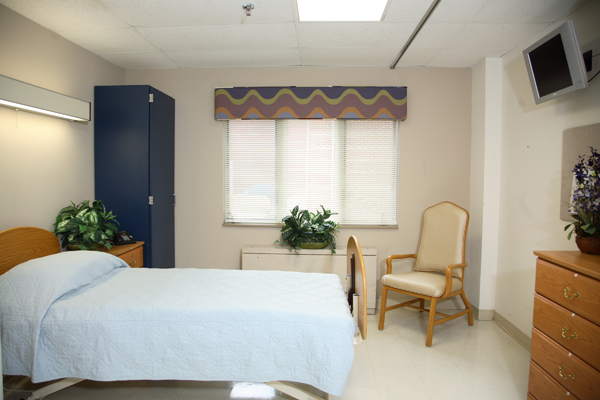
How is Brighton Post Acute Care Staffed?
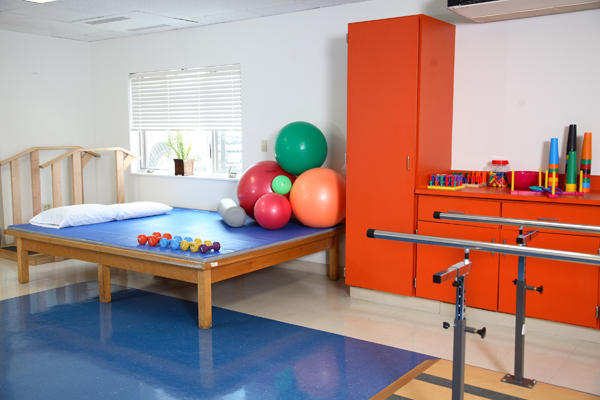
CMS rates Brighton Post Acute Care's staffing level at 2 out of 5 stars, which is below average compared to other nursing homes. Staff turnover is 53%, compared to the Massachusetts average of 46%. RN turnover specifically is 78%, which is notably high. RNs provide skilled clinical oversight, so turnover in this role can affect medical care quality.

What Have Inspectors Found at Brighton Post Acute Care?

State health inspectors documented 35 deficiencies at Brighton Post Acute Care during 2022 to 2024. These included: 1 that caused actual resident harm and 34 with potential for harm. Deficiencies causing actual harm indicate documented cases where residents experienced negative health consequences.

Who Owns and Operates Brighton Post Acute Care?

Brighton Post Acute Care is owned by a for-profit company. For-profit facilities operate as businesses with obligations to shareholders or private owners. The facility is operated by BANECARE MANAGEMENT, a chain that manages multiple nursing homes. With 78 certified beds and approximately 70 residents (about 90% occupancy), it is a smaller facility located in BRIGHTON, Massachusetts.

How Does Brighton Post Acute Care Compare to Other Massachusetts Nursing Homes?

Compared to the 100 nursing homes in Massachusetts, Brighton Post Acute Care's overall rating (3 stars) is above the state average of 2.9, staff turnover (53%) is near the state average of 46%, and health inspection rating (2 stars) is below the national benchmark.

What Should Families Ask When Visiting Brighton Post Acute Care?

Based on this facility's data, families visiting should ask: "Can you walk me through typical staffing levels on day, evening, and night shifts?" "Can I visit during a mealtime to observe dining assistance and food quality?" "How do you handle medical emergencies, and what is your hospital transfer rate?" "Can I speak with family members of current residents about their experience?" These questions are particularly relevant given the below-average staffing rating.

Is Brighton Post Acute Care Safe?

Based on CMS inspection data, Brighton Post Acute Care has a clean safety record: no substantiated abuse findings (meaning no confirmed cases of resident harm), no Immediate Jeopardy citations (the most serious violation level indicating risk of serious injury or death), and is not on the Special Focus Facility watch list (a federal program monitoring the lowest-performing 1% of nursing homes). The facility has a 3-star overall rating and ranks #1 of 100 nursing homes in Massachusetts. While no facility is perfect, families should still ask about staff-to-resident ratios and recent inspection results during their visit.

Do Nurses at Brighton Post Acute Care Stick Around?

Brighton Post Acute Care has a staff turnover rate of 53%, which is 7 percentage points above the Massachusetts average of 46%. Moderate turnover is common in nursing homes, but families should still ask about staff tenure and how the facility maintains care continuity when employees leave.

Was Brighton Post Acute Care Ever Fined?

Brighton Post Acute Care has been fined $200,070 across 1 penalty action. This is 5.7x the Massachusetts average of $35,080. Fines at this level are uncommon and typically indicate a pattern of serious deficiencies, repeated violations, or failure to correct problems promptly. CMS reserves penalties of this magnitude for facilities that pose significant, documented risk to resident health or safety. Families should request specific documentation of what issues led to these fines and what systemic changes have been implemented.

Is Brighton Post Acute Care on Any Federal Watch List?

Brighton Post Acute Care is not on any federal watch list. The most significant is the Special Focus Facility (SFF) program, which identifies the bottom 1% of nursing homes nationally based on persistent, serious quality problems. Not being on this list means the facility has avoided the pattern of deficiencies that triggers enhanced federal oversight. This is a positive indicator, though families should still review the facility's inspection history directly.