CHAMPION REHABILITATION AND NURSING CENTER
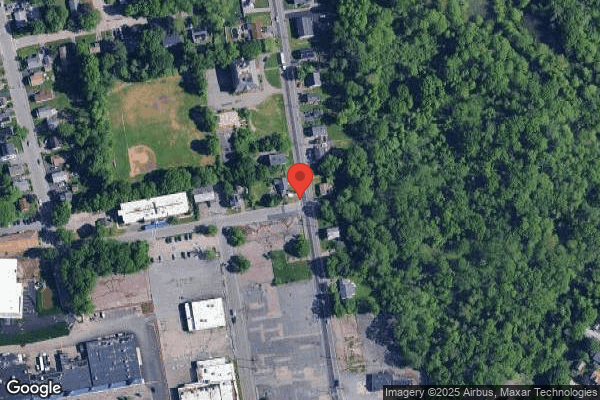
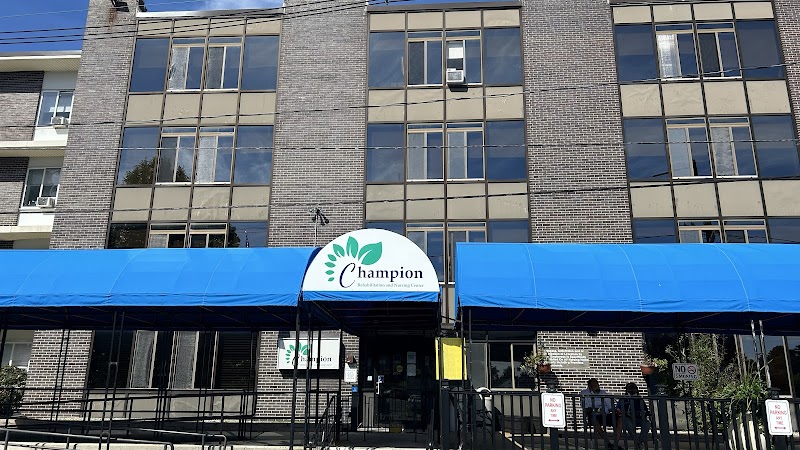
2 BEAUMONT AVENUE, BROCKTON, MA 02302 (508) 588-8550
For profit - Partnership 123 Beds EPHRAM LAHASKY Data: November 2025
Trust Grade
63/100
#147 of 338 in MA
Last Inspection: August 2024

Within standard 12-15 month inspection cycle. Federal law requires annual inspections.

Overview

Champion Rehabilitation and Nursing Center has received a Trust Grade of C+, which means it is slightly above average but not outstanding. It ranks #147 out of 338 facilities in Massachusetts, placing it in the top half of state options, and #14 out of 27 in Plymouth County, indicating there are only a few better local choices. The facility is improving, with the number of issues decreasing from 12 in 2023 to 11 in 2024. Staffing is a mixed bag; while turnover is low at 26%, indicating staff stability, the facility has below-average RN coverage compared to 87% of Massachusetts facilities, which could affect the quality of care. There were no fines recorded, which is a positive sign, but specific incidents raised concerns, such as failing to develop comprehensive care plans for residents with serious needs, like smoking assistance and suicidal ideation, as well as not following hand hygiene practices during meal service, which could risk infection spread. Overall, while there are strengths in staff retention and a lack of fines, the facility needs to address significant care planning and hygiene issues to ensure resident safety.

Trust Score
C+
63/100
In Massachusetts
#147/338
Top 43%
Safety Record
Low Risk
No red flags
Inspections
Getting Better
12 → 11 violations
Staff Stability
✓ Good
26% annual turnover. Excellent stability, 22 points below Massachusetts's 48% average. Staff who stay learn residents' needs.
Penalties
✓ Good
No fines on record. Clean compliance history, better than most Massachusetts facilities.
Skilled Nurses
⚠ Watch
Each resident gets only 20 minutes of Registered Nurse (RN) attention daily — below average for Massachusetts. Fewer RN minutes means fewer trained eyes watching for problems.
Violations
⚠ Watch
40 deficiencies on record. Higher than average. Multiple issues found across inspections.
★★★☆☆
3.0
Overall Rating
★★☆☆☆
2.0
Staff Levels
★★★☆☆
3.0
Care Quality
★★★☆☆
3.0
Inspection Score
Stable
2023: 12 issues
2024: 11 issues

The Good

  • Low Staff Turnover (26%) · Staff stability means consistent care
  • Full Sprinkler Coverage · Fire safety systems throughout facility
  • No fines on record
  • Staff turnover is low (26%)

    22 points below Massachusetts average of 48%

Facility shows strength in staff retention, fire safety.

The Bad

3-Star Overall Rating

Near Massachusetts average (2.9)

Meets federal standards, typical of most facilities

Chain: EPHRAM LAHASKY

Part of a multi-facility chain

Ask about local staffing decisions and management

The Ugly 40 deficiencies on record

Aug 2024 11 deficiencies
CONCERN (D)

Potential for Harm - no one hurt, but risky conditions existed

Pressure Ulcer Prevention (Tag F0686)

Could have caused harm · This affected 1 resident

Based on observations, interviews, and record review, the facility failed to ensure one Resident (#53), out of a total sample of 18 residents, received care and treatment to promote healing of a press...

Read full inspector narrative →
Based on observations, interviews, and record review, the facility failed to ensure one Resident (#53), out of a total sample of 18 residents, received care and treatment to promote healing of a pressure ulcer. Specifically, the facility failed for Resident #53, to implement treatments as ordered for an unstageable pressure ulcer (full-thickness skin and tissue loss in which the extent of tissue damage within the ulcer cannot be confirmed because the wound bed is obscured by slough (necrotic (dead) tissue that is green, yellow, tan, or brown and may be moist, loose, or stringy) or eschar (dry, thick, leathery tissue)) on the sacrum (lower spine area). Findings include: Review of the facility's policy titled Pressure Ulcers/Skin Breakdown- Clinical Protocol, dated as revised in December 2023, indicated the following: -the physician will order pertinent wound treatments including dressings and application of topical agents -the nurses shall describe and document current treatments Resident #53 was admitted to the facility in July 2022 with a diagnosis of dementia and was on hospice services. Review of the care plans indicated Resident #53 had actual skin impairment on the sacrum with interventions to complete the treatments as ordered by the physician. Review of the medical record indicated Resident #53 developed a Deep Tissue Injury (DTI) (intact skin with localized area of persistent non-blanchable deep red, maroon, purple discoloration due to damage of underlying soft tissue) on the sacrum on 4/9/24. Review of the Wound Evaluation and Management Summary from the wound consultant physician, dated 8/8/24, indicated Resident #53 had a stage 3 (full-thickness loss of skin in which fat is visible in the ulcer and granulation tissue and rolled wound edges are often present) pressure ulcer on the sacrum measuring 3.0 centimeters (cm) in length by 1 cm in width by 0.1 cm in depth with DTI within the wound bed. The treatment indicated to utilize Alginate Calcium with silver and Mupirocin topical ointment with a superabsorbent gelling fiber with silicone border dressing. Review of the medical record included a recommendation, dated 8/2/24, from hospice for wound care: cleanse with normal saline, pat dry, apply barrier cream to periwound, apply Calcium Alginate to wound bed, cover with non-adhesive foam followed by transparent dressing, three times weekly and as needed for soilage or dislodgement. Review of the Treatment Administration Record (TAR) for August 2024 indicated a new treatment started on 8/9/24: Sacrum- cleanse with normal saline, pat dry, apply barrier cream to periwound, apply Calcium Alginate to wound bed, cover with superabsorbent silicone dressing every evening shift every Monday, Wednesday, Friday for wound care. During an interview on 8/28/24 at 2:00 P.M., the Staff Development Coordinator (SDC) said she had contacted the primary physician with the hospice recommendation to change the treatment, including decreasing the frequency to three times per week and left a message. During an interview on 8/29/24 at 11:00 A.M., the primary physician said he could not recall specifically speaking with staff about changing the treatment on 8/9/24 but he does verify all orders or treatments that are presented. Review of the Wound Evaluation and Management Summary from the wound consultant physician, dated 8/15/24, indicated Resident #53 had an unstable (due to necrosis) pressure ulcer of the lower sacrum measuring 3.5 cm in length by 1.5 cm in width by 0.1 cm in depth with 40% necrotic tissue. The treatment indicated to add Santyl and continue to utilize Alginate Calcium with silver and Mupirocin topical ointment with a superabsorbent gelling fiber with silicone border dressing. Review of the August 2024 TAR indicated the treatment order for changing the dressing three times per week remained in place until Monday 8/19/24 and the last treatment was completed on Friday 8/16/24. The TAR indicated the order was discontinued on 8/19/24 before the treatment was completed. The TAR indicated the treatment recommended on 8/15/24 by the wound consultant physician began on 8/20/24. Review of the TAR indicated no treatment was completed on 8/20/24. The sacrum pressure ulcer dressing was not changed for five days. During an interview on 8/28/24 at 3:33 P.M., the SDC said she had spoken with hospice and the hospice staff did not provide a dressing change for Resident #53 on 8/19/24 or 8/20/24. During an interview on 8/29/24 at 12:46 P.M., the Director of Nurses (DON) said the nursing supervisor, who completed rounds with the wound consultant physician on 8/15/24, had not updated the treatment orders. The DON said she noticed on 8/19/24 that the order was not up to date and initiated the new treatment. She said the treatment order had changed in the electronic medical record prior to the treatment being completed on 8/19/24 and therefore the treatment was missed. The DON said the nurse should have completed the treatment on 8/20/24. During an interview on 8/30/24 at 6:00 P.M., the wound consultant physician said he had not known that on 8/9/24 the wound treatment had changed to be completed three times per week. He said a dressing cannot be left on that long on a necrotic wound. He said the treatment was now twice per day due to the incontinence (including feces) and to keep the dressing and the wound clean. Review of the active Physician's Orders indicated the following: -Sacrum: Cleanse with 1/4 strength Dakins (topical antiseptic used to prevent infections in wounds) pat dry apply Santyl (ointment used for debriding necrotic tissue from the wound) to slough (collection of dead tissue usually yellow or tan in color) and mupricin (sic) (Mupirocin-ointment used to treat skin infections) to remaining areas, then cover with calcium alginate with silver (antimicrobial dressing to prevent infection in wounds). Skin Prep (wipe used to create a barrier between skin and dressing) wound edges and cover with a super absorbent silicone bordered dressing daily and as needed for displacement. (8/23/24) On 8/29/24 at 10:00 A.M., the surveyor observed Nurse #1 perform Resident #35's wound care which included but was not limited to the following: -Nurse #1 gathered supplies at the doorway to the Resident's room, entered the room, and prepared the worktable with the following supplies: 1/2 strength Dakins solution, 4x4 gauze pads, a super absorbent dressing, calcium alginate, skin prep wipes, and a zip lock bag with two ointments. The nurse failed to obtain the correct Dakins solution, the correct calcium alginate, and the correct ointments. -Dakins 1/4 strength was ordered and 1/2 was placed in the work field. -Calcium Alginate with silver was ordered and calcium alginate was placed in the work field. -Santyl and Mupirocin ointments were ordered, and the zip lock bag placed on the work field contained ointments belonging to another resident. -Nurse #1 and Unit Manager #2 (UM) performed hand hygiene (HH), put on a gown and gloves before turning Resident #53 to provide wound care. -Nurse #1 removed the soiled dressing, removed gloves, and put on clean gloves without performing HH. -Nurse #1 cleansed the wound with the Dakins 1/2 strength solution and 4x4 gauze pads, removed gloves, performed HH, and put on clean gloves. -Nurse #1 opened the zip lock bag, after inspecting the tubes, he realized they did not belong to Resident #53. He then walked to the treatment cart (at the doorway), opened the drawer to get the correct supplies, returned to the work field and placed the ointments on the table. -Nurse #1 failed to change gloves or perform HH after handling the wrong tubes of ointment and touching the treatment cart. -Nurse #1 proceeded to open the tube of Santyl and squeezed the ointment directly from the tube onto to deep open wound, touching the wound bed and covering the entire wound bed (not just the area with slough). -Nurse #1 picked up the Mupirocin ointment and proceeded to squeeze the ointment directly from the tube onto the superficial open areas surrounding the deep wound. -Nurse #1 removed his gloves and put on new gloves without performing HH. -Nurse #1 cut the Calcium Alginate to fit in the wound bed and packed the dressing into the wound bed. -Nurse #1 removed his gloves and put on new gloves without performing HH. -Nurse #1 applied skin prep to the peri wound (skin surrounding the wound). -Nurse #1 removed his gloves, performed HH, and put on new gloves. -Nurse #1 folded a 4x4 piece of gauze, placed it over the calcium alginate, and covered the wound with the super absorbent dressing. -Nurse #1 removed gloves to get a marker from UM #2, put on new gloves without performing HH, proceeded to write the date on the dressing that was on Resident #53's body and then put the incontinent brief back on. -Nurse #1 removed his gloves and put on new gloves without performing HH. -Nurse #1 opened skin prep pads and applied skin prep to Resident #53's bilateral heels. -Nurse #1 removed his gloves and did not perform HH, then proceeded to clean up the supplies on the table. During an interview on 8/29/24 at 10:33 A.M., Nurse #1 said he did not have the correct supplies (he used 1/2 strength Dakins and regular Calcium Alginate) because that was all they had. Additionally, he said the order says for the Santyl to be applied to the slough, but it goes in the entire wound bed and the Mupirocin goes around it on the smaller areas. He said he squeezed the ointment directly from the tubes onto the wound and he should not have. He said sometimes he puts the ointment directly onto the Calcium Alginate but not always and he said the extra 4x4 piece of gauze he put on was not part of the order, but he always puts it there for reinforcement. Nurse #1 said he does not perform HH every time he changes his gloves and usually only does it every 2-3 times he changes them. During an interview on 8/29/24 at 2:00 P.M., the Director of Nurse (DON) and Infection Preventionist/Staff Development (IP/SDC) said HH should be done with every glove change. Additionally, they said the ointments should never be applied directly to the wound for infection control purposes, the ointments should be squeezed to a clean surface and then applied. The DON said the 4x4 is not part of the order and should not have been added to the dressing. Additionally, she said the 1/4 strength Dakins and Calcium Alginate with Silver are in the building and he should have used the correct wound supplies and followed the treatment order.
CONCERN (D)

Potential for Harm - no one hurt, but risky conditions existed

Accident Prevention (Tag F0689)

Could have caused harm · This affected 1 resident

Based on observation, record review, and interview, the facility failed to ensure the environment was free from accident hazards for one Resident (#51), out of a total sample of 18 residents. Specific...

Read full inspector narrative →
Based on observation, record review, and interview, the facility failed to ensure the environment was free from accident hazards for one Resident (#51), out of a total sample of 18 residents. Specifically, the facility failed to implement interventions on the comprehensive care plan to ensure safety precautions were taken for resident safety related to smoking, and to complete quarterly smoking evaluations. Findings include: Review of the facility's policy titled Resident Smoking Policy and Procedure, dated 2022, indicated but was not limited to the following: -The facility will maintain an environment that remains as free from accidental hazards as possible. The facility will ensure that each resident receives adequate supervision and assistance to prevent accidents. The facility will provide accommodation of individual needs and preferences without endangering the health or safety of any resident in the facility. -Residents deemed to need assistance should have this designation noted in the care plan. RESIDENTS: -Each resident should be individually assessed to determine whether or not he/she can safely smoke without supervision. -Residents are not permitted to have any smoking paraphernalia in their room or on their person. All smoking paraphernalia should be given to the nursing staff for safe keeping. -Residents who have been determined to require supervision must be actively supervised by a staff member while in the designated smoking area. CONTRACT: -Smoking materials are stored at the nurses' station or as per facility policy. -Use ashtrays provided to extinguish cigarettes. -Follow the plan of care established for the use of safety devices. Review of the facility's policy titled Clinical Assessment, dated 3/17/23, indicated but was not limited to the following: -Assessments to be completed on admission, quarterly, and significant change: Smoking - if applicable. Resident #51 was admitted to the facility in September 2021 with diagnoses including muscular dystrophy, ambulatory dysfunction, and generalized weakness. Review of the Minimum Data Set (MDS) assessment, dated 8/14/24, indicated Resident #51 scored 15 out of 15 on the Brief Interview for Mental Status (BIMS) indicating he/she was cognitively intact and he/she smoked. Review of the Smoking Evaluations in the medical record indicated evaluations were completed on the following dates: 11/30/21 and 3/27/23. The facility failed to complete quarterly assessments per policy. Review of the most current evaluation, dated 3/27/24, indicated Resident #51 was not able to light a cigarette safely, was not able to utilize an ashtray safely and properly, and was not able to extinguish a cigarette safely. Additionally, he/she must be supervised by staff and must wear a smoking apron. Review of the comprehensive care plan indicated the following: FOCUS: Resident #51 likes to smoke. (Initiated 11/30/21) GOAL: Resident # 51 will remain safe while smoking. INTERVENTIONS: -Resident #51 uses an adaptive ashtray to aid in smoking. (Ashtray that holds the cigarette in the ashtray away from the body, the cigarette is attached to a plastic tube with a mouth adapter that goes into the Resident's mouth to prevent ashes and the cigarette from falling onto lap if unable to hold the cigarette with own hands. (3/3/22) -Ensure Resident is aware of facility smoking policy. (11/30/21) -Smokers Apron. (11/15/22) Review of the active Physician's Orders indicated the following: -Adaptive Equipment: Smokers Apron (1/30/23) The surveyor made the following observations: -8/27/24 at 10:00 A.M., Resident #51 was sitting outside on the smoking patio with a staff member with the smokers apron on. Resident #51 had the cigarette hanging out of his/her mouth with his/her arms at their side under the smokers apron. No adaptive ashtray was in use. -8/28/24 at 1:40 P.M., Resident #51 was sitting in a wheelchair in his/her room with two cigarettes on his/her lap, waiting for staff to come back to take him/her outside. At 1:44 P.M., Certified Nursing Assistant (CNA) #6 arrived to bring Resident #51 to the smoking patio. -8/28/24 at 1:48 P.M., Resident #51 was sitting outside on the smoking patio with smokers apron on. Resident #51 had a cigarette hanging out of his/her mouth with his/her arms at their side under the smokers apron. No adaptive ashtray was in use. Nurse #3 was standing inside the building behind the glass doors to supervise smoking. Ashes from the cigarette fell from the cigarette that was hanging from his/her mouth onto the apron then Resident #51 dropped the cigarette onto the apron. The resident sitting next to Resident #51 picked the cigarette up from the apron and disposed of it. The resident then picked up Resident #51's second cigarette from his/her lap and put it in his/her mouth. Nurse #3 then opened the door and entered the patio to light the cigarette for Resident #51. Resident #51 proceeded to smoke the second cigarette with it hanging out of his/her mouth only held in place by his/her lips. Resident #51 was attempting to talk while balancing the cigarette in place. Neither Nurse #3 nor the other nurse that came to the patio looking for a resident to administer medications provided intervention to ensure the cigarette was secure while he/she was smoking. During an interview on 8/29/24 at 1:05 P.M., Resident #51 said they keep their cigarettes in their room because they are afraid someone will steal them. Additionally, he/she said they don't use that stupid tube smoke thing; they like to hang the cigarette from their mouth. He/she said, If I drop it, one of the other residents that sits near me usually pick it up for me. During an interview on 8/29/24 at 1:12 P.M., CNA #6 said Resident #51 keeps his/her cigarettes in the top drawer of the dresser with the lock. She said Resident #51 thinks people will steal them, so we keep them there and put two on his/her lap before he/she goes out to smoke. During an interview on 8/29/24 at 2:00 P.M, the Director of Nurses (DON) said she just found out Resident #51 likes to keep cigarettes in their room which is against policy. The DON said the care plan indicates an adaptive ashtray is in use. However, we tried it a while ago and he/she did not like it, so he/she does not use it. The DON said Resident #51 likes to smoke with the cigarette hanging from their mouth which really is not safe. Additionally, she said Resident #51 used to shake their head to get the ashes to fall off into the taller ashtray outside but having them just fall onto the apron is not safe. (The taller ashtray the DON was referring to was not in reach of Resident #51 during either smoking observation.) The DON said other residents should not be picking up cigarettes to help Resident #51 and he/she needs to be reevaluated. At 3:00 P.M, the DON said although staff can observe smoking from inside for most people, someone should be sitting with Resident #51 (1:1) as he/she cannot safety hold the cigarette or ensure ashes and the cigarette do not fall on him/her. During an interview on 8/29/24 at 2:45 P.M., the Staff Development Coordinator said Resident #51 holds his/her cigarette in their mouth; he/she does not use an adaptive ashtray; he/she usually bends their neck and shakes their head to flick ashes off. She said staff can stand inside to supervise in general but with Resident #51 there should be a staff member sitting next to the Resident (1:1), because he/she cannot hold the cigarette in their mouth or pick it up if it falls. Additionally, she said other residents should not be picking up the cigarette if it falls from someone else's mouth.
CONCERN (D)

Potential for Harm - no one hurt, but risky conditions existed

Incontinence Care (Tag F0690)

Could have caused harm · This affected 1 resident

**NOTE- TERMS IN BRACKETS HAVE BEEN EDITED TO PROTECT CONFIDENTIALITY** Based on record review and interview, the facility failed to provide indwelling catheter (a flexible tube inserted into the blad...

Read full inspector narrative →
**NOTE- TERMS IN BRACKETS HAVE BEEN EDITED TO PROTECT CONFIDENTIALITY** Based on record review and interview, the facility failed to provide indwelling catheter (a flexible tube inserted into the bladder to drain urine outside of the body) care and management consistent with professional standards for one Resident (#2), out of a total sample of 18 residents. Specifically, the facility failed to ensure the Foley catheter was assessed for removal as soon as possible after returning from the hospital and failed to ensure he/she followed up with Urology as recommended. Findings include: Resident #2 was admitted to the facility in April 2024 with diagnoses including overactive bladder and epilepsy (seizure disorder). Review of the Minimum Data Set (MDS) assessment, dated 7/31/24, indicated Resident #2 scored 9 out of 15 on the Brief Interview for Mental Status (BIMS) indicating he/she had moderate cognitive impairment, had epilepsy, had been hospitalized recently, and had a Foley catheter. Review of the active Physician's Orders indicated but were not limited to the following: -Foley Catheter Care every shift for urinary elimination. (7/25/24) -Foley Catheter 16 French/10 milliliter (16F/10cc) balloon every shift for monitoring. (7/25/24) Review of the Comprehensive Care plan indicated Resident #2 had a Foley catheter for neurogenic bladder (bladder dysfunction caused by the nervous system). Review of the medical record failed to indicate a diagnosis of neurogenic bladder. Further review of the medical record indicated Resident #2 had been hospitalized from [DATE] through 7/24/24 for seizures and did not have a Foley catheter prior to this hospitalization. Review of the Discharge summary, dated [DATE], indicated Resident #2 had acute urinary retention (inability to empty the bladder) resulting in repeated straight catheterizations (small tube inserted to drain urine but not left in place) and urethral trauma, requiring Foley catheter placement. Discharge recommendation included Urology follow up in 3-4 weeks and a voiding trial (attempt to remove Foley to evaluate if able to void without it). Review of the medical record including physician and nursing notes, orders, and treatment sheets failed to indicate a voiding trial had been attempted or discussed. Review of the Physician's progress note, dated 7/26/24, indicated Resident was noted with urinary retention, Foley inserted while inpatient with recommendation to follow up with urology in 3-4 weeks. Review of the Appointment book on the unit failed to indicate a urology appointment had been made. Review of the nursing progress notes indicated the following: -8/22/24, Resident #2 had a seizure, was restless and repeatedly asked staff to check the catheter. The catheter was draining, but not closed all the way, and was leaking into the privacy bag. -8/24/24, Resident #2 pulled the Foley catheter out and was transferred to the hospital at his/her request. -8/25/24, Resident #2 returned from the emergency room with a new catheter in place. -8/27/24, Resident #2 stated the catheter was leaking, the bag had a hole in it and was replaced. -8/28/24, Resident #2 said the room smelled like urine and he/she was not sleeping in there. Resident was out of bed in the wheelchair and at 6:30 A.M., was observed sideways in bed, and stated they were trying to get into bed. Further review of the progress notes failed to indicate staff had reached out to the physician to discuss a voiding trial or to inquire if a Urology follow-up was scheduled. During an interview on 8/28/24 at 9:51 A.M., Nurse #4 said every appointment is logged into the binder and that it is used to book transport as well. She was unsure if he/she had a Urology appointment scheduled. During an interview on 8/29/24 at 1:15 P.M., Nurse #4 said she did not know why the Urology appointment was never made but she was going to call the office. She said she thought the Unit Manager had booked it but there was nothing in the book. During an interview on 8/29/24 at 2:00 P.M., the Director of Nurses (DON) said she was not sure how the appointment was missed but the ball was dropped, and the process needs improvement. The DON said the Foley catheter is new and the appointment should have been made. The DON said we want him/her to have a voiding trial and not have a Foley catheter that is not needed. During an interview on 8/29/24 at 3:11 P.M., Nurse #4 said she called the Urologist's Office and unfortunately Resident #2 had an appointment yesterday and missed it because it was never put into the appointment book and transportation was never booked. She said the next available appointment now is not until October. She said she was going to call the physician to see what he wanted to do about the voiding trial. No additional information was provided to the surveyor prior to exit.
CONCERN (D)

Potential for Harm - no one hurt, but risky conditions existed

Deficiency F0692 (Tag F0692)

Could have caused harm · This affected 1 resident

Based on observations, interviews, record review, and policy review, the facility failed to monitor the nutritional status for one Resident (#18) with an unplanned gradual weight loss, in a total samp...

Read full inspector narrative →
Based on observations, interviews, record review, and policy review, the facility failed to monitor the nutritional status for one Resident (#18) with an unplanned gradual weight loss, in a total sample of 18 residents. Specifically, the facility failed for Resident #18, to obtain weekly weights as ordered and to monitor the gradual weight loss of 9.68% over six months. Findings include: Review of the facility's Weight Management policy, undated, indicated the healthcare staff will perform the following best practice guidelines to manage risk of significant unplanned weight change: -residents are weighed a minimum of monthly with more frequent weights obtained as ordered or deemed necessary Review of the facility's Clinical Assessment policy, dated 3/17/23, indicated it was the policy of the facility to complete appropriate assessments on residents on admission, quarterly, significant change, annually and at any time an assessment would be indicated. The purpose of the assessments is to get an accurate picture/evaluation of the resident to ensure the development of an appropriate and comprehensive plan of care. Assessments to be completed on admission, quarterly and significant change include Nutritional Assessment. Resident #18 was admitted to the facility in September 2006 with diagnoses of anoxic brain damage, dysphagia (difficulty swallowing), and dementia. Review of the care plans indicated Resident #18 was nutritionally at risk due to diagnoses of anoxic brain damage and dysphagia. The care plan goals indicated the Resident would consume greater than 50 percent (%) of all meals and would maintain a weight of 185 pounds (lbs.) plus or minus 5 lbs., last revised April 2024. Review of the medical record indicated on 2/2/24, Resident #18 weighed 169.4 lbs. and on 8/1/24, the resident weighed 153 lbs., a loss of 9.68%. During an interview on 8/28/24 at 8:20 A.M., Certified Nursing Assistant (CNA) #2 said the intake for Resident #18 can vary, sometimes the Resident was alert, like today and sometimes the Resident was more tired. The CNA said the Resident's ability to self-feed also depended on how alert the Resident was. Review of the most recent Mini Nutritional Assessment, dated 3/25/24, indicated Resident #18 was at risk for malnutrition. Review of the most recent Nutritional Risk Evaluation, dated 3/25/24, indicated Resident #18: -weighed 168 lbs. -had a usual body weight of 175 lbs., plus or minus 5 lbs. (10 lbs. less than indicated on the care plan) -received double portions and super cereal (dietary supplement) with breakfast -weight history indicated weight was stable for one month with a loss of 4.5% in six months, insignificant. Review of the progress notes indicated the following: -on 3/1/24, the Nurse Practitioner initiated Mighty Shakes (dietary supplement) twice per day -on 3/12/24, the physician reviewed the Resident's weights and did not feel it was a true weight loss because of good intake of meals. Review of the Physician's Orders indicated an order to obtain weekly weights for Resident #18 was written on 3/5/24. Review of the electronic and paper medical record failed to indicate weights were obtained weekly. Review of the weight record indicated the following weights were obtained for Resident #18: 3/5/24: 168.3 lbs. 4/2/24: 170.0 lbs. 4/9/24: 170.2 lbs. 4/16/24: 169.4 lbs. 4/30/24: 166.6 lbs. 5/14/24: 165.4 lbs. 5/28/24: 162.6 lbs. 6/11/24: 160.0 lbs. 6/18/24: 197.6 lbs. (reweigh requested) 6/25/24: 161.0 lbs. 7/15/24: 156.8 lbs. 8/1/24: 153.0 lbs. 8/6/24: 154.1 lbs. During an interview on 8/29/24 at 8:45 A.M., CNA #1 said there was a list of residents who needed to be weighed weekly. She reviewed the list with the surveyor and said Resident #18 was not on the list. Review of the physician's Progress Note, dated 8/20/24, indicated Resident #18 had no signs of weight loss, despite the loss of 14.2 lbs. since the order for weekly weights was written on 3/5/24. Review of all assessments and progress notes on 8/27/24 indicated a Registered Dietitian (RD) had not completed an assessment or written a progress note for Resident #18 since 3/25/24. During an interview on 8/29/24 at 11:05 A.M., the RD said she had been covering the facility since June 2024. She said the facility process was for every resident to be assessed quarterly by an RD and she was unable to locate a quarterly assessment for Resident #18 since March 2024. She said the RD also pulled reports to check that all residents with orders for weekly weights were being weighed weekly. She said she did not know Resident #18 was not being weighed weekly. She said she had become aware of the insidious weight loss (gradual, unintended, progressive weight loss over time) for Resident #18 this week and had planned to see and assess the Resident this week. During an interview on 8/29/24 at 2:16 P.M., the RD said she had met with and assessed Resident #18 and would be adding additional interventions.
CONCERN (D)

Potential for Harm - no one hurt, but risky conditions existed

Deficiency F0757 (Tag F0757)

Could have caused harm · This affected 1 resident

**NOTE- TERMS IN BRACKETS HAVE BEEN EDITED TO PROTECT CONFIDENTIALITY** Based on record review and staff interviews, the facility failed to ensure for one Resident (#42), out of a total sample of 18 r...

Read full inspector narrative →
**NOTE- TERMS IN BRACKETS HAVE BEEN EDITED TO PROTECT CONFIDENTIALITY** Based on record review and staff interviews, the facility failed to ensure for one Resident (#42), out of a total sample of 18 residents, that the Resident's drug regimen was free from unnecessary drugs. Specifically, the facility failed to ensure Azithromycin (antibiotic) was not administered without an adequate indication for use for an excessive duration of time (one year). Findings include: Resident #42 was admitted to the facility in December 2022 with diagnoses which included chronic respiratory failure, chronic obstructive pulmonary disease (COPD), and pneumonia. Review of the Minimum Data Set (MDS) assessment, dated 6/26/24, indicated Resident #42 scored 12 out of 15 on the Brief Interview for Mental Status (BIMS), was cognitively intact, and was taking an antibiotic. Review of the medical record indicated Resident #42 had been admitted to the hospital in August 2023. Review of the hospital Discharge summary, dated [DATE], indicated the Resident was discharged back to the facility on a 5-day course of antibiotics for pneumonia. The Discharge Summary failed to indicate the need or recommendation for long-term prophylactic treatment with antibiotics. Review of the Medication Administration Record (MAR) for August 2023 indicated he/she completed the 5-day course of antibiotics as recommended in the discharge orders. Review of the primary care physician (PCP) progress note, dated 8/22/23, indicated Resident #42 was being seen for follow up from pneumonia, had no shortness of breath or overnight issues. Additionally, his/her lungs were clear and oxygen saturation levels were over 90% and to continue current management. Review of the respiratory progress note, dated 8/22/23, indicated Resident #42 was seen by the respiratory therapist and pulmonary doctor, and indicated that the pulmonary doctor recommended Azithromycin and Prednisone (steroid) taper. Review of the nursing progress note, dated 8/22/23, indicated new orders per pulmonologist: Prednisone Taper 40-10 milligram (mg) (two days each dose) and Azithromycin 250 mg three times a week. MD in agreement. Review of the active Physician's Orders indicated but were not limited to the following: -Azithromycin Oral tablet 250 mg give one tablet by mouth one time a day every Monday, Wednesday, Friday related to COPD. (8/23/23) Review of the comprehensive care plan failed to indicate a care plan had been developed for the prophylactic use of antibiotics with an indication for use or for the diagnosis of COPD. Review of the medical records (paper and electronic) failed to indicate a progress note from the pulmonologist indicating his evaluation, recommendation for prophylactic antibiotic, and the indication for use. Review of the medical records (paper and electronic) failed to indicate the primary care physician had evaluated the need for prophylactic antibiotics and the indication for use. During an interview on 8/29/24 at 1:19 P.M., Nurse #4 said she thinks the recommendation came from respiratory therapist and/or pulmonologist. Nurse #4 was unable to provide the surveyor with any documentation regarding the indication for prophylactic antibiotic use. Additionally, Nurse #4 said she did not know why he/she has been on the antibiotic for a year now. During an interview on 8/29/24 at 2:00 P.M., the Director of Nurses (DON) said she was unable to find any documentation in the medical record except the one respiratory note, dated 8/22/23, indicating the recommendation came from the pulmonologist. She said he usually would write notes in the chart and was not sure why there was not a note in the paper or electronic medical record. The DON said she placed a call to the respiratory therapist to try and contact the pulmonologist. She said the pulmonologist no longer comes to the facility, however the respiratory therapist was still in contact with him, so she reached out to see if there was a progress note that was not uploaded. She said there should be a note from the Pulmonologist and the PCP in the medical record regarding the indication for use and there is not. The facility failed to provide any additional documentation regarding the prophylactic antibiotic use by the conclusion of the survey.
CONCERN (D)

Potential for Harm - no one hurt, but risky conditions existed

Deficiency F0808 (Tag F0808)

Could have caused harm · This affected 1 resident

**NOTE- TERMS IN BRACKETS HAVE BEEN EDITED TO PROTECT CONFIDENTIALITY** Based on observations, interviews, and record review, the facility failed to ensure the physician ordered therapeutic diet was f...

Read full inspector narrative →
**NOTE- TERMS IN BRACKETS HAVE BEEN EDITED TO PROTECT CONFIDENTIALITY** Based on observations, interviews, and record review, the facility failed to ensure the physician ordered therapeutic diet was followed for one Resident (#29), in a total sample of 18 residents. Findings include: Resident #29 was admitted to the facility in July 2015 with diagnoses which included: dysphagia oropharyngeal phase (an impairment in the ability to swallow), pneumonitis due to inhalation of other solids and liquids, gastrostomy status (presence of a feeding tube), and hemiplegia and hemiparesis following cerebrovascular disease affecting right dominant side. Review of Resident #29's Minimum Data Set (MDS) assessment, dated 6/11/24, indicated the staff assessed the Resident to be severely cognitively impaired. Review of the Physician's Orders for Resident #29 indicated the following: regular diet, puree texture, thin consistency. Review of the care plan for Resident #51 indicated the following: Focus: Resident #29 has an ADL self-care performance deficit. Goal: Resident #29 will maintain current level of function through the review date, revised on 3/26/24. Intervention: Resident requires tube feedings for nutrition, pureed diet for pleasure foods and requires continual supervision by staff. He/she may require physical assistance to eat by mouth. Review of the Nurse Practitioner's note, dated 8/1/24, indicated Resident #29 was to continue the current diet and monitor for signs of aspiration. Further review indicated that the Resident has been tolerating the pureed diet with thin liquids. Review of the Speech and Language Pathologist's (SLP) Discharge summary, dated [DATE], indicated Resident #29 was to continue to require a pureed diet for safe swallowing; he/she continued to present with difficulty managing non-pureed solids at discharge. On 8/28/24 at 10:35 A.M., the surveyor observed Resident #29 in bed, awake, with a box of crackers on the bedside table and an opened sleeve of crackers in the bed. The Resident's privacy curtain was pulled past the Resident's end of bed. The surveyor observed the Resident with crackers in his/her mouth and he/she was actively chewing. During an interview on 8/28/24 at 10:41 A.M., Unit Manager #2 said she doesn't know where the information would be kept if the Resident could have crackers on their diet. She said she was aware that the Resident had them. She said that a staff member would have had to hand the crackers to the Resident and open them as he/she wasn't able to do that without assistance. Unit Manager #2 said the staff keeps an eye on the Resident by checking on him/her and walking by the room. Unit Manager #2 said Resident #29 is on a therapeutic diet and isn't aware of any exceptions to the puree diet order. During an interview on 8/28/24 at 3:17 P.M., the Director of Nursing (DON) said the Rehab Director could not find any documentation indicating the Resident could eat the crackers safely and unsupervised. During an interview on 8/29/24 at 8:15 A.M., the Rehabilitation Director said the Resident was last treated by SLP in 2023. She said not adhering to the therapeutic diet puts the Resident at risk for choking and aspiration. She said the Resident should be supervised and if there were exceptions for the Resident to eat foods outside of the therapeutic diet there would be a physician's order. During an interview on 8/29/24 at 1:24 P.M., Rehab Staff #1 said that a screen was placed for the Resident to be evaluated by SLP. He said that after the evaluation, he had concerns for aspiration due to the Resident's positioning, lack of dentition, and he recommended that the puree diet be adhered to for safety with no exceptions.
CONCERN (D)

Potential for Harm - no one hurt, but risky conditions existed

Infection Control (Tag F0880)

Could have caused harm · This affected 1 resident

Based on observation, record review, and interviews, the facility failed to ensure for one Resident (#53), out of a total sample of 18 residents, infection prevention and control measures were impleme...

Read full inspector narrative →
Based on observation, record review, and interviews, the facility failed to ensure for one Resident (#53), out of a total sample of 18 residents, infection prevention and control measures were implemented to prevent the potential transmission of infections. Specifically, the facility failed to ensure staff followed basic infection control practices, including hand hygiene, resulting in potential cross contamination (transfer of pathogens from one surface to another). Findings include: Review of the facility's policy titled Handwashing/Hand Hygiene, dated as last revised August 2019, indicated but was not limited to the following: -This facility considers hand hygiene the primary means to prevent the spread of infections. -Use an alcohol-based hand rub containing at least 62% alcohol; or alternatively, soap and water for the following situations: a. Before and after direct contact with a resident. b. Before performing any non-surgical invasive procedures. c. Before handling clean or soiled dressings, gauze pads, etc. d. Before moving from a contaminated body site to a clean body site during resident care. e. After handling used dressings, contaminated equipment, etc. f. After contact with objects in the immediate vicinity of the resident. g. After removing gloves. -Applying and Removing Gloves: Perform hand hygiene before applying non-sterile gloves and after removing gloves. Review of Centers for Disease Control and Prevention (CDC) guidance titled Infection Control in Healthcare: An Overview, dated 2/7/24, indicated but not limited to the following: Common reservoirs in and on the human body: Skin -Many germs live and grow on healthy skin and normally do not cause harm. -Your skin interacts with the environment daily, especially when you touch things with your hands. -Pathways for germs to spread from skin include: -Touch, especially with your hands. Review of Centers for Disease Control and Prevention titled Infection Control Basics, dated 4/3/24, indicated but not limited to the following: Transmission can happen through activities such as: -Physical contact, like when a healthcare provider touches medical equipment that has germs on it and then touches a patient before cleaning their hands. Resident #53 was admitted to the facility in July 2022 with diagnoses including dementia, scoliosis, and protein calorie malnutrition. Review of the Minimum Data Set (MDS) assessment, dated 6/4/24, indicated Resident #53 was rarely/never understood, had severe cognitive impairment, and had an unhealed pressure ulcer. Review of the Wound Evaluation and Management Summary, dated 8/22/24, indicated but was not limited to the following: -Focused Exam (Site 2): Unstageable (due to necrosis) (full thickness tissue loss that is covered by a layer of dead tissue, or eschar, that prevents the physician from seeing the wound bed to determine the stage) of the lower sacrum (area located at the base of the lumbar vertebrae connected the pelvis) -Wound Size: 4.5 centimeters (cm) x 3.5 cm x 0.2 cm Review of the active Physician's Orders indicated the following: -Sacrum: Cleanse with 1/4 strength Dakins (topical antiseptic used to prevent infections in wounds) pat dry apply Santyl (ointment used for debriding necrotic tissue from the wound) to slough (collection of dead tissue usually yellow or tan in color) and mupricin (sic) (Mupirocin-ointment used to treat skin infections) to remaining areas, then cover with calcium alginate with silver (antimicrobial dressing to prevent infection in wounds). Skin Prep (wipe used to create a barrier between skin and dressing) wound edges and cover with a super absorbent silicone bordered dressing daily and as needed for displacement. (8/23/24) On 8/29/24 at 10:00 A.M., the surveyor, with Unit Manager #2 present, observed Nurse #1 perform wound care on Resident #53 which included but was not limited the following: -Nurse #1 removed the soiled dressing, removed gloves, and put on clean gloves without performing HH. -Nurse #1 opened a zip lock bag, after inspecting the tubes, he realized they did not belong to Resident #53. He then walked to the treatment cart (at the doorway), opened the drawer to get the correct supplies, returned to the work field and placed the ointments on the table. -Nurse #1 failed to change gloves or perform HH after handling the wrong tubes of ointment and touching the treatment cart. -Nurse #1 proceeded to open the tube of Santyl and squeezed the ointment directly from the tube onto the deep open wound, touching the wound bed. -Nurse #1 picked up the Mupirocin ointment and proceeded to squeeze the ointment directly from the tube onto the superficial open areas surrounding the deep wound. -Nurse #1 removed his gloves and put on new gloves without performing HH. -Nurse #1 cut the Calcium Alginate to fit in the wound bed and packed the dressing into the wound bed. -Nurse #1 removed his gloves and put on new gloves without performing HH. -Nurse #1 applied skin prep to the periwound (skin surrounding the wound). -Nurse #1 removed his gloves, performed HH, and put on new gloves. -Nurse #1 folded a 4x4 piece of gauze, placed it over the calcium alginate, and covered the wound with the super absorbent dressing. -Nurse #1 removed gloves to get a marker from UM #2, put on new gloves without performing HH, proceeded to write the date on the dressing that was on Resident #53's body and then put the incontinent brief back on. -Nurse #1 removed his gloves and put on new gloves without performing HH. -Nurse #1 opened skin prep pads and applied skin prep to Resident #53's bilateral heels. -Nurse #1 removed his gloves and did not perform HH, then proceeded to clean up the supplies on the table. During an interview on 8/29/24 at 10:33 A.M., Nurse #1 said he did squeeze the ointment directly from the tubes onto the wound and he should not have. He said sometimes he puts the ointment directly onto the Calcium Alginate but not always. Nurse #1 said he does not perform HH every time he changes his gloves and usually only does it every 2-3 times he changes them. During an interview on 8/29/24 at 2:00 P.M., the Director of Nurse (DON) and Infection Preventionist/Staff Development (IP/SDC) said HH should be done with every glove change. Additionally, they said the ointments should never be applied directly to the wound for infection control purposes, the ointments should be squeezed to a clean surface and then applied.
CONCERN (E)

Potential for Harm - no one hurt, but risky conditions existed

Comprehensive Care Plan (Tag F0656)

Could have caused harm · This affected multiple residents

**NOTE- TERMS IN BRACKETS HAVE BEEN EDITED TO PROTECT CONFIDENTIALITY** Based on observation, interview, and record review, the facility failed to develop and implement a person-centered comprehensive...

Read full inspector narrative →
**NOTE- TERMS IN BRACKETS HAVE BEEN EDITED TO PROTECT CONFIDENTIALITY** Based on observation, interview, and record review, the facility failed to develop and implement a person-centered comprehensive care plan for three Residents (#43, #2, and #36), out of a total sample of 18 residents. Specifically, the facility failed: 1. For Resident #43, to develop and implement a care plan for the Resident's smoking needs; 2. For Resident #2, to develop and implement a care plan for epilepsy (seizure disorder); and 3. For Resident #36, to develop and implement a care plan for the Resident's suicidal ideation. Findings include: 1. Review of Resident Smoking Policy and Procedure, dated 2022, indicated but was not limited to the following: -Resident deemed to need assistance to smoke should have the designation noted in the care plan. -The determination of the smoking assessment should be noted in the Resident's care plan. Resident #43 was admitted to the facility in August 2021 with diagnoses which included: hypertension, ambulatory dysfunction, and asthma. Review of the Minimum Data Set (MDS) assessment, dated 7/30/24, indicated Resident #43 scored 15 out of 15 on the Brief Interview for Mental Status (BIMS) assessment, indicating the Resident was cognitively intact. During an observation with an interview on 08/27/24 at 10:58 A.M., the surveyor observed Resident #43 outside in the designated smoking area with two other residents smoking cigarettes. The Resident said they go out four times a day to smoke and was not sure if his/her care plan indicated any special restrictions or instructions for smoking. During an interview on 8/27/24 at 11:00 A.M., Unit Manager #2 said she was not sure if there were any special instructions for Resident's smoking needs. She said information regarding needs and accommodations would be found in a smoking care plan. Review of the record indicated there was no smoking care plan developed. Further review revealed a smoking assessment was completed on 4/26/24 which indicated the Resident must be supervised by staff, volunteer or family member at all times when smoking. During an interview on 8/28/24 at 1:31 P.M., the Director of Nursing (DON) said any resident who smokes should have a care plan. She said the care plan links to the [NAME] (summary of resident's care and preferences) so Certified Nursing Assistants (CNA) can see the individual information related to the resident's smoking needs. She said the Resident should have a smoking care plan and that it was missed. 2. Resident #2 was admitted to the facility in April 2024 with diagnoses including epilepsy. Review of the MDS assessment, dated 7/31/24, indicated Resident #2 scored 9 out of 15 on the BIMS indicating he/she had moderate cognitive impairment and he/she had epilepsy. Review of the active Physician's Orders indicated the following: -Seizure Activity: monitor for signs and symptoms of seizure activity. Document seizure activity and update Doctor/Nurse Practitioner every shift. (6/19/24) -Gabapentin Oral Capsule 400 milligrams (mg) give one capsule two times daily related to epilepsy. (6/4/24) -Lamictal Oral Tablet 25 mg-give 50 mg by mouth one time a day related to epilepsy. (4/2/24) -Lamictal Oral Tablet 150 mg-give one tablet by mouth one time a day related to epilepsy. (1/29/24) -Levetiracetam (Keppra) Oral Tablet 500 mg-give three tablets by mouth two times a day related to epilepsy. (4/30/24) -Phenobarbital Oral Tablet 32.4 mg-give three tablets two times a day related to epilepsy. (5/5/24) Review of the comprehensive care plan failed to indicate a care plan for epilepsy had been developed. Review of the medical record including physician and nursing progress notes indicated Resident #2 had been transferred to the hospital multiple times for seizure activity and had been having increased frequency of seizure activity. During an interview on 8/29/24 at 1:15 P.M., Nurse #4 said Resident #2 keeps having seizures. We are trying to get an inpatient appointment, but it is taking a long time. She said she was not sure why there was not a care plan developed as there should be one with triggers on it. She said she knows that the door alarm is a trigger and will cause a seizure, so she keeps him/her away from the door and if he/she wants to go outside she knows to take him/her outside first. During an interview on 8/29/24 at 2:00 P.M., the DON said there should be a care plan with triggers and interventions in place and there was not. She said the MDS Nurse usually does the care plans but this one was missed. 3. Resident #36 was admitted to the facility in June 2024 with diagnoses including dementia with behavioral disturbance, post-traumatic stress disorder (PTSD- occurs in some individuals who have encountered a shocking, scary, or dangerous situation), and personal history of suicidal behavior. Review of the MDS assessment, dated 6/17/24, indicated Resident #36 was cognitively intact as evidenced by a BIMS score of 15 out of 15. Review of Resident #36's Hospital Discharge Summary indicated Resident #36 reported symptoms for worsening depression and suicidal ideation. Resident #36 expressed he/she had a plan to end his/her life. Further review of Resident #36's medical record failed to indicate facility staff gathered information related to Resident #36's suicidal ideation to develop an individualized person-centered plan of care. During an interview on 8/28/24 at 10:31 A.M., CNA #4 said she took care of Resident #36 regularly. CNA #4 said she was unaware that Resident #36 had been hospitalized for suicidal ideation. During an interview on 8/28/24 at 3:20 P.M., Social Worker (SW) #1 said she was aware that Resident #36 had been discharged following a psychiatric stay. SW #1 said she was unable to review the hospital discharge summary for Resident #36. SW #1 said she should have developed a care plan to monitor for suicidal ideation to keep him/her safe. During an interview on 8/29/24 at 7:45 A.M., Unit Manager (UM) #3 said she was unaware of Resident #36's history of suicidal ideation. UM #3 said she had admitted Resident #36 however, she only writes the medications and reviews them with the physician. UM #3 said she did not have time to read through the whole discharge summary. UM #3 said Resident #36's care plan for suicidal ideation should have been developed and staff taking care of him/her should have been aware. During an interview on 8/29/24 at 11:09 A.M., the DON said Resident #36's care plan should have been developed to include suicidal ideation and staff educated to monitor for signs of worsening depression.
CONCERN (E)

Potential for Harm - no one hurt, but risky conditions existed

Deficiency F0699 (Tag F0699)

Could have caused harm · This affected multiple residents

3. Resident #89 admitted to the facility in July 2004 with diagnoses including suicidal ideation and major depressive disorder. Review of the MDS assessment, dated 7/19/24, indicated the Resident scor...

Read full inspector narrative →
3. Resident #89 admitted to the facility in July 2004 with diagnoses including suicidal ideation and major depressive disorder. Review of the MDS assessment, dated 7/19/24, indicated the Resident scored 12 out of 15 on the BIMS assessment indicating a moderate cognitive impairment. Review of the Resident's documentation from the hospital indicated the Resident had a past medical history of trauma. Review of the Resident's care plan failed to include any history of trauma, triggers, or interventions to eliminate or mitigate triggers that may cause re-traumatization of the Resident. Review of hospital discharge documents in Resident #89's chart indicated that he/she had endured a history of sexual and physical abuse and had nightmares and flashbacks associated with these and described sometimes waking up screaming from these memories. Review of the Resident's Level II PASRR completed on 7/10/24 indicated PTSD as a current diagnosis. During an interview on 8/28/24 at 11:33 A.M., Resident #89 said the facility staff never asked him/her any questions about their trauma history. The Resident said he/she would have told them if they asked as there are specific things he/she can identify that bother him/her. For example, he/she said they had increased anxiety when he/she was in the hospital and there was a man disrobing in the hallway. Review of the Behavioral Health Services evaluation, completed on 8/27/24, indicated the Resident had been in a serious accident, witnessed an extremely frightening situation, and had been in a situation that was extremely frightening. Review of the medical record failed to indicate that the facility staff had assessed the Resident for trauma or implemented a care plan related to his/her diagnosis of PTSD. During an interview on 8/28/24 at 12:21 P.M., the Social Worker said she cannot remember if Resident #89 was assessed for trauma, as she cannot find any supporting information to indicate it was completed. She said if a resident has a diagnosis or trauma history she should go back and obtain additional information and develop a care plan. She said there is no additional information in the Resident's medical record indicating he/she was asked about his/her trauma and triggers and she must have missed the information in the Resident's PASARR and the psychiatric hospital discharge summary. 2. Resident #51 was admitted to the facility in September 2021 with diagnoses including muscular dystrophy, depression, and anxiety. Review of the MDS assessment, dated 8/14/24, indicated Resident #51 scored 15 out of 15 on the BIMS indicating he/she was cognitively intact and had a diagnosis of PTSD. Review of the medical record indicated the diagnosis of PTSD was a new diagnosis added to the profile on 8/5/24. During an interview on 8/27/24 at 9:00 A.M., Resident #51 reported to the surveyor that he/she had experienced a traumatic event in July 2024. Review of the nursing progress notes indicated that in July 2024 Resident #51 was transferred to the hospital and was admitted for further care. Resident #51 returned to the facility in August 2024. Review of the medical record, including hospital paperwork and discharge summary, indicated Resident #51 was admitted with a chief complaint of Abuse/Trauma. He/she was medically/psychologically cleared in agreement to return to the facility as long as issues were addressed. He/she returned to the facility for continued medical management in August 2024. Review of the nursing note, dated 8/6/24, indicated Resident #51 was seen by psychiatric services on 8/5/24 and a new diagnosis of PTSD was to be added to the resident record. Doctor aware and diagnosis added with a start date of 8/5/24. Review of the comprehensive care plan indicated a care plan had been developed on 8/7/24 for PTSD, however the care plan failed to indicate resident specific triggers that may cause re-traumatization of the Resident. Review of the Psychiatric Evaluation and Consultation progress notes indicated he/she was seen on 8/5/24 for monthly follow up after returning from the hospital and no medication changes were made. Further review indicated he/she was seen again on 8/12/24 due to persistent breakthrough anxiety and a recommendation for an as needed antianxiety medication was made. Review of the Trauma Questionnaire, dated 8/2/24, indicated the facility failed to complete the questionnaire. The assessment was opened in the electronic medical record and was blank; none of the questions were answered. During an interview on 8/28/24 at 12:21 P.M., Social Worker #1 said the Trauma Questionnaire should have been completed and it was not. During an interview on 8/29/24 at 1:15 P.M., Nurse #4 said she did not know who did the Trauma Questionnaire or who put the specific triggers onto the care plan. During an interview on 8/29/24 at 2:00 P.M., the Director of Nurses (DON) said the Trauma Questionnaire should have been completed when he/she returned from the hospital and the new diagnosis was added. She said she opened the questionnaire so the Social Worker would complete it and it was not done. Additionally, the DON said his/her care plan is generic and should have resident-specific interventions and triggers to avoid on it and it does not. She said the questionnaire, had it been completed, would have provided staff with more information to add to the care plan to guide staff to provide resident centered care related to the new diagnosis of PTSD and the events surrounding the new diagnosis.Based on record review and interviews, the facility failed to ensure three Residents (#36, #51, and #89), out of a total sample of 18 residents, received culturally competent, trauma-informed care in accordance with professional standards of practice. Specifically, the facility failed to assess and identify triggers of trauma to prevent potential re-traumatization. Findings include: Trauma results from an event, series of events, or set of circumstances that is experienced by an individual as physically or emotionally harmful or life threatening and that has lasting adverse effects on the individual's functioning and mental, physical, social, emotional, or spiritual well-being. Trauma. SAMHSA-HRSA Center for Integrated Health Solutions. Substance Abuse and Mental Health Services Administration, 11/30/2016. Review of the facility's policy titled Trauma Informed Care and Culturally Competent Care, dated revised 8/2022, indicated but was not limited to: -Perform universal screening of residents, which includes a brief, non-specialized identification of possible exposure to traumatic events -Assessment involves an in-depth process of evaluating the presence of symptoms, their relationship to trauma, as well as the identification of triggers -Utilize licensed and trained clinicians who have been designated by the facility to conduct trauma assessments -Develop individualized care plans that address past trauma in collaboration with the resident and family, as appropriate -Identify and decrease exposure to triggers that may re-traumatize the resident -Ensure that residents have a sense of psychological, social, cultural, moral and physical safety 1. Resident #36 was admitted to the facility in June 2024 with diagnoses including dementia with behavioral disturbance, post-traumatic stress disorder (PTSD- occurs in some individuals who have encountered a shocking, scary, or dangerous situation), and personal history of suicidal behavior. Review of the Minimum Data Set (MDS) assessment, dated 6/17/24, indicated Resident #36 was cognitively intact as evidenced by a Brief Interview for Mental Status (BIMS) score of 15 out of 15. Review of the Resident's Level I Preadmission Screenings and Resident Reviews (PASRR) completed on 7/12/24 indicated PTSD as a current diagnosis. Review of the Discharge Summary from Resident #36's hospitalization indicated the Resident reported symptoms of PTSD which included: nightmares, flashbacks, difficulty sleeping, and changes in mood. Review of Resident #36's medical record failed to indicate a trauma informed care assessment had been conducted since admission. Further review of Resident #36's medical record failed to indicate facility staff gathered information related to Resident #36's PTSD to develop an individualized person-centered plan of care that identified potential triggers of trauma and prevented re-traumatization. During an interview on 8/28/24 at 10:31 A.M., Certified Nursing Assistant (CNA) #4 said she took care of Resident #36 regularly. CNA #4 said she was unaware of any trauma indicators or triggers for this Resident and did not know about his/her trauma history. During an interview on 8/28/24 at 3:20 P.M., Social Worker (SW) #1 said she did not realize Resident #36 had a diagnosis of PTSD. SW #1 said she should have completed a trauma assessment. During an interview on 8/29/24 at 7:45 A.M., Unit Manager #3 said she was unaware of Resident #36's trauma history and could not identify triggers or interventions to prevent potential re-traumatization. During an interview on 8/29/24 at 11:09 A.M., the Director of Nurses (DON) said the Social Worker should complete an assessment to identify a history of trauma upon admission for all residents. The DON said Resident #36's trauma assessment was not done.
CONCERN (E)

Potential for Harm - no one hurt, but risky conditions existed

Food Safety (Tag F0812)

Could have caused harm · This affected multiple residents

**NOTE- TERMS IN BRACKETS HAVE BEEN EDITED TO PROTECT CONFIDENTIALITY** Based on observations, interview, and policy review, the facility failed to store, prepare, and serve food in accordance with pr...

Read full inspector narrative →
**NOTE- TERMS IN BRACKETS HAVE BEEN EDITED TO PROTECT CONFIDENTIALITY** Based on observations, interview, and policy review, the facility failed to store, prepare, and serve food in accordance with professional standards of practice for food safety and sanitation to prevent the potential spread of foodborne illness to residents who are at high risk. Specifically, the facility failed to perform hand hygiene during meal service on two of three units observed. Findings include: Review of the facility's policy titled hand washing/hand hygiene, revised August 2019, indicated but was not limited to the following: -The facility considers hand hygiene the primary means to prevent the spread of infections. -All personnel shall follow the hand washing/hygiene procedures to help prevent the spread of infections to other personnel, residents, and visitors. -Use an alcohol-based rub containing at least 62% alcohol; or, alternatively, soap (antimicrobial or non-antimicrobial) and water for the following situations: a. Before and after direct contact with residents; b. Contact with objects (e.g., medical equipment) in the immediate vicinity of the resident; and, c. Before and after assisting a resident with meals. On 8/28/24 at 11:55 A.M., the surveyor observed a meal pass on the [NAME] Unit and observed the Nurses and Certified Nursing Assistants (CNA) serve food trays from the meal truck and deliver them to resident rooms. In delivering the trays, they moved overbed tables, assisted residents in positioning, and set up the meal on the overbed table. This process was repeated until the meal truck was empty. The surveyor observed the nurses and the CNAs to occasionally perform hand hygiene when exiting the residents' room prior to retrieving and delivering another tray to a different resident. On 8/29/24 at 7:58 A.M., the surveyor observed breakfast service on the [NAME] Unit and observed the CNAs remove food trays from the meal truck and deliver them to resident rooms. In delivering the trays, they moved overbed tables, assisted residents in positioning, and set up the meal on the overbed table. This process was repeated until the meal truck was empty. The surveyor did not observe any of the CNAs perform hand hygiene after exiting the residents' room and prior to retrieving and delivering another tray to a different resident. During an interview on 8/29/24 at 8:25 A.M., the Food Service Manager (FSM) said he noticed the CNAs were not performing hand hygiene during the meal service. The surveyor reviewed the observations of meal service on 8/28/24 in which the CNAs and the nurses did not consistently perform hand hygiene during meal pass. He said they should be performing hand hygiene every time they leave the residents' room.
CONCERN (E)

Potential for Harm - no one hurt, but risky conditions existed

Deficiency F0840 (Tag F0840)

Could have caused harm · This affected multiple residents

**NOTE- TERMS IN BRACKETS HAVE BEEN EDITED TO PROTECT CONFIDENTIALITY** Based on record review and interview, the facility failed to ensure for one Resident (#2), out of a total sample of 18 residents...

Read full inspector narrative →
**NOTE- TERMS IN BRACKETS HAVE BEEN EDITED TO PROTECT CONFIDENTIALITY** Based on record review and interview, the facility failed to ensure for one Resident (#2), out of a total sample of 18 residents, recommended specialist appointments were scheduled. Specifically, the facility failed to ensure Inpatient Epilepsy (seizure disorder)and Neurology appointments were scheduled. Findings include: Review of the facility's policy titled Consultation Follow (sic), dated 2/2/24, indicated the facility will schedule the appointment and arrange transportation. Resident #2 was admitted to the facility in April 2024 with diagnoses including epilepsy. Review of the Minimum Data Set (MDS) assessment, dated 7/31/24, indicated Resident #2 scored 9 out of 15 on the Brief Interview for Mental Status (BIMS) indicating he/she had moderate cognitive impairment, he/she had epilepsy, and had been hospitalized recently. Review of the medical record indicated Resident #2 was having frequent seizures. Review of the Appointment Communication Form, dated 5/28/24, indicated Electro-encephalogram (EEG) (test to measure electrical activity in the brain) was completed and to follow up on 6/26/24. Review of the Appointment Communication Form, dated 6/26/24, indicated to consider inpatient evaluation at Epilepsy Center- patient refuses. Follow up as needed. Review of the nursing progress note, dated 7/1/24 (late entry), indicated 6/26/24 clinic recommendations-continue current medications-could consider inpatient evaluation at Epilepsy Center- patient refuses. Review of the nursing and physician progress notes failed to indicate facility staff had a discussion with the Resident regarding the inpatient Epilepsy Center upon return from the appointment (6/26/24 through 7/12/24). Review of the Physician progress note, dated 7/12/24, indicated patient seen for neurology follow up 6/26/24 to discuss EEG results, recommendations for additional follow up- nursing staff to schedule. Review of the Appointment book failed to indicate an appointment at the Epilepsy Center had been made or was in progress. Review of the medical record indicated a fax transmittal cover sheet, dated 7/15/24, was in the paper chart. The cover sheet indicated it was sent to the Neurology Office and indicated Resident #2 was seen on 6/26/24 and there was a recommendation to consider inpatient evaluation at Epilepsy Center but he/she had refused. He/she has been having more frequent seizures and is now in agreement. Please let us know what steps are needed to get him/her admitted . No confirmation page was attached. No additional documentation was attached. Review of the nursing progress note, dated 7/15/24, indicated a call was placed and a message left with the Neurology office to schedule an appointment at the Epilepsy Center. Further review of the nursing notes indicated Resident #2 continued having more frequent seizures. The notes failed to indicate staff had reached out to schedule an Epilepsy Center inpatient appointment. Resident #2 was hospitalized in July 2024 due to increased seizures and the physician wanted a full neuro evaluation. Review of the Hospital Discharge summary, dated [DATE], indicated the following: -Continuing prior Neuro meds. Recommend Neurology follow up in 4 weeks and outpatient referral for Epilepsy Monitoring Unit (EMU-specialized unit that monitors brain activity to evaluate, diagnose, and treat seizures) Admission. If having recurrent seizure type episode at the skilled nursing facility, recommend these be recorded for outpatient Neurology. Review of the comprehensive care plans failed to indicate an Epilepsy care plan had been developed. Review of the nursing and physician's progress notes and physician's orders failed to indicate the recommendation to record seizure activity had been addressed. Review of the Appointment book failed to indicate the appointments had been made. Review of the nursing progress notes indicated Resident #2 had seizures on 7/28/24, 7/30/24, and 8/1/24. Further review of the progress note, dated 8/1/24, indicated a call was placed to the Neurology Office to inquire about the Epilepsy Center Appointment process. The note indicated the Neurology Office said the process had been started, a return call was pending, and a direct number for the Epilepsy Center was provided to the nurse. Further review of the nursing progress notes failed to indicate a call was placed to the Epilepsy Center regarding the appointment process/status. Further review of the Appointment Binder on the unit failed to indicate Resident #2 had any appointments for Neurology or the Epilepsy Center scheduled or pending return calls. Review of the nursing progress notes indicated Resident #2 had seizures on 8/18/24, 8/22/24 times 2, and 8/27/24. Further review of the nursing progress notes failed to indicate a call was placed to the Epilepsy Center regarding the appointment process or to the Neurology Office to schedule a follow up appointment. During an interview on 8/28/24 at 9:51 A.M., Nurse #4 said every appointment is logged into the Appointment binder and that is used to book transport as well. She was unsure if he/she had a Neurology or an appointment at the Epilepsy Center booked. During an interview on 8/29/24 at 1:15 P.M., Nurse #4 said she did not know why neither of the appointments were ever made. She said the Epilepsy Center sent a fax on 7/15/24 but they haven't called back. Nurse #4 said Resident #2 keeps having seizures and she did not know what the plan was. Nurse #4 reviewed the Discharge Summary with the surveyor and said she did not know anything about a Neurology follow up or recording the seizure activity and was not sure of the status of the other appointment. She said it should not take this long to make appointments and we should have followed up. Nurse #4 called the Neurology Office, with the surveyor present, and the office confirmed a Neurology Appointment was never made. Additionally, she said the Epilepsy Center will not take Resident #2's insurance, but we (facility) did not know that because we never spoke to the office. During an interview on 8/29/24 at 2:00 P.M., the Director of Nurses (DON) said she was not sure how the appointments were missed but the ball was dropped, and the process needs improvement. She said she did not know anything about the recommendation to record the seizure activity but would have to look into that as they would need a secured device. The DON said Resident #2 has had more frequent seizures (a few times a week now) and it is to the point that the Physician doesn't know what to do with him/her. She said we need to get those appointments made and if the Epilepsy Center won't take his/her insurance we will have to call the Physician and come up with a new plan. Additionally, she said the Neurology Appointment was booked today (after surveyor inquiry), but it should have been done when he/she came back from the hospital a month ago. She said making follow up appointments should not take this long. No additional information was provided to the surveyor prior to exit.
Jul 2023 12 deficiencies
CONCERN (D)

Potential for Harm - no one hurt, but risky conditions existed

Notification of Changes (Tag F0580)

Could have caused harm · This affected 1 resident

Based on observation, interview, and record review, the facility failed to notify the physician of changes in condition, to re-evaluate the potential need to alter the treatment plan for two Residents...

Read full inspector narrative →
Based on observation, interview, and record review, the facility failed to notify the physician of changes in condition, to re-evaluate the potential need to alter the treatment plan for two Residents (#16 and #19), from a total sample of 19 residents. Specifically, the facility failed to notify the primary physician when: 1. Resident #16 developed an open area on the sacrum (lower back near the pelvis) and a new dressing was applied; and 2. Resident #19 had recommendations from the consultant Ophthalmologist. Findings include: Review of the facility's policy titled Change in a Resident's Condition or Status, dated as revised in February 2021, indicated the following: - The nurse will notify the resident's attending physician (or physician on call) when there has been a need to alter the resident's medical treatment significantly. 1. Resident #16 was admitted to the facility in August 2022. Review of the Care Plans indicated Resident #16 was at risk for skin breakdown related to incontinence, impaired mobility and a diagnosis of diabetes (initiated August 2022). Review of the Weekly Skin Review Assessment, dated 2/15/23, indicated Resident #16 had redness and a fragile coccyx. Review of the Treatment Administration Record for February 2023 included an order for Silvadene External Cream 1%, apply to buttocks topically every day and evening shift for redness. Review of the physician's orders for February 2023 failed to include any additional treatments to the buttocks as of 2/16/23. Review of the Nursing Progress Note, dated 2/16/23 at 10:44 P.M., indicated buttock dressing changed. There was no documentation to indicate what type of dressing was applied to which specific location or if a physician's order was obtained through physician notification. Review of the Nursing Progress Note, dated 2/17/23 (late entry from 2/21/23), indicated there was a post-shift report from a nurse indicating a dressing had been placed on the buttocks of Resident #16. The note indicated Resident #16 was assessed on 2/17/23 to have an unstageable pressure injury over the coccyx/sacrum. The progress note did not indicate the physician had been notified. Review of the Incident Report, dated 2/17/23, indicated a pressure injury was assessed and dressed and the physician was notified on 2/17/23 at 1:56 P.M., at least 16 hours after the area had been identified and dressed. Review of the Wound Evaluation and Management Summary from the wound consultant, dated 2/17/23, indicated Resident #16 had an unstageable (due to necrosis) pressure injury on the sacrum measuring 6 centimeters (cm) in length by 5 cm in width by 0.1 cm in depth. Review of the paper and electronic medical records did not include documentation to indicate the physician had been notified on 2/16/23 to evaluate the need for a change in treatment. During an interview on 7/7/23 at 3:58 P.M., the Director of Nurses said the nurse on 2/16/23 had not contacted the physician(s) to notify them of a needed change in treatment for Resident #16. 2. Resident #19 was admitted to the facility in March 2020 with diagnoses including schizophrenia and diabetes mellitus. Record review indicated that on 7/6/23 the Resident was evaluated by the consultant Ophthalmologist who recommended the following: 1. Monitor: Appears to be clearing. Warm compresses recommended, if tolerated. 2. New Medication Order: Ocusoft Lid Scrub Pads, apply 1 to both eyes every morning for 90 days. Baby Shampoo is an adequate alternative. 3. New Medication Order: Artificial Tears Ophthalmic Solution, apply drop, solution, both eyes twice daily for 90 days. Further record review indicated no nurse's note, no communication with the physician or physician's order addressing the recommendations made by the consultant Ophthalmologist on 7/6/23. During an interview on 7/12/23 at 10:34 A.M., Nurse #1 and Nurse #2 said that Residents #19's physician should have been notified of the consultant Ophthalmologist's recommendations and was not.
CONCERN (D)

Potential for Harm - no one hurt, but risky conditions existed

Deficiency F0658 (Tag F0658)

Could have caused harm · This affected 1 resident

Based on observation, interview, record review, and policy review, the facility failed for one Resident (#85), out of five residents observed during medication administration, to verify the prescribed...

Read full inspector narrative →
Based on observation, interview, record review, and policy review, the facility failed for one Resident (#85), out of five residents observed during medication administration, to verify the prescribed dose of medication prior to administering the medication to the Resident. Findings include: Review of the facility's policy titled Administering Medications, dated as revised March 2023, indicated but was not limited to the following: - the individual administering the medication checks the label three times to verify the right medication, resident, route, time and dose - nurses adhere to the seven rights of medication administration: right medication, right patient, right time, right route, right reason, right documentation, right dose Review of the current Physician's Orders for Resident #85 included but were not limited to the following: - Folic Acid 1 milligram (mg), once a day, 9:00 A.M. (12/14/22) - Thiamine hydrochloride (HCL) 100 mg, once a day, 9:00 A.M. (12/14/22) - Vitamin B12 500 micrograms (mcg), once a day, 9:00 A.M. (12/14/22) - Calcium 600 mg, twice a day, 9:00 A.M. and 8:00 P.M. (1/5/23) - Carvedilol 3.125 mg, twice a day, 9:00 A.M. and 5:00 P.M. (12/14/22) - Xifaxan 550 mg, twice a day, 9:00 A.M. and 5:00 P.M. (12/14/22) - Lactulose solution 10 grams (gm) per 15 milliliters (ml), give 60 ml, four times a day, 9:00 A.M., 12:00 P.M., 4:00 P.M., and 8:00 P.M. (2/3/23) - Salonpas (lidocaine) pain patch, apply to left shoulder, once a day at 9:00 A.M., 12 hours on 12 hours off remove at 9:00 P.M. (12/14/22) The order for Salonpas (lidocaine) pain patch failed to indicate a dose of lidocaine for the patch. During an observation on 7/11/23 at 9:13 A.M., Nurse #4 prepared and administered the following medications to Resident #85: - Folic Acid 1mg - Thiamine HCL 100 mg - Vitamin B12 500 mcg - Calcium 600 mg - Carvedilol 3.125 mg - Xifaxan 550 mg - Lactulose solution 10 gm per 15 ml, 60 ml - Salonpas (lidocaine) pain patch 4% During an interview on 7/11/23 at 9:22 A.M., Nurse #4 reviewed the medication administration record (MAR) for Resident #85 and said the order for Salonpas lidocaine pain patch was incomplete and did not contain a dosage, as is required. She said she administered a 4% Salonpas lidocaine pain patch because it was available on hand in the medication cart. She said the Salonpas patches come in other strengths and she should have contacted the physician and clarified the order for a medication dosage strength prior to administering the medication. During an interview on 7/11/23 at 11:52 A.M., the Director of Nurses reviewed the MAR for Resident #85 and said the Salonpas pain patch order was incomplete and required physician clarification for a dosage to be added to the order. She said the medication should not have been administered without the dosage being verified and the facility policy was not followed as it should have been.
CONCERN (D)

Potential for Harm - no one hurt, but risky conditions existed

ADL Care (Tag F0677)

Could have caused harm · This affected 1 resident

Based on observation, interview, and record review, the facility failed to provide activities of daily living, including getting out of bed to a wheelchair and receiving a shower, for one Resident (#1...

Read full inspector narrative →
Based on observation, interview, and record review, the facility failed to provide activities of daily living, including getting out of bed to a wheelchair and receiving a shower, for one Resident (#16) who was dependent for care, in a total sample of 19 residents. Findings include: Resident #16 was admitted to the facility in August 2022. Review of the most recent Minimum Data Set (MDS) assessment, dated 5/17/23, indicated Resident #16 was totally dependent on two staff members for transfers between surfaces (in and out of bed) and totally dependent on staff for bathing. Review of the Care Plans indicated Resident #16 had a self-care performance deficit, impaired mobility related to weakness, decreased activity tolerance and poor endurance with interventions including requiring extensive physical assist and dependent of one to two staff for bed mobility, toileting and transfers (between surfaces), requiring extensive physical assist and dependent on staff for grooming and hygiene, and requiring extensive physical assist for bathing. Review of the electronic medical record indicated Resident #16 moved from the 2nd floor unit to the 4th floor unit on 6/19/23, 17 days prior to the start of the survey process. Review of the Documentation Survey Report for Activities of Daily Living (ADLs) indicated transferring the Resident did not occur on the day shift on 6/20, 6/21, 6/22, 6/23, 6/24, 6/26, 6/28, 6/29, 7/1, 7/2, 7/3, 7/4, 7/5, and 7/6/23 (14 of the 17 days since moving units). On 7/6/23 at the following times: 8:40 A.M., 11:30 A.M., 1:30 P.M., 2:00 P.M., and 3:50 P.M., the surveyor observed Resident #16 lying in bed. During an interview on 7/7/23 at 11:50 A.M., the surveyor observed Resident #16 to be up, out of bed in a high back wheelchair in his/her room. The Resident said they liked to be out of bed for a couple of hours and would eat lunch out of bed. During an interview on 7/7/23 at 2:10 P.M., Certified Nursing Assistant (CNA) #1 said she had been the primary CNA for Resident #16 since the Resident moved to this unit. She said she was not very familiar with the care needs of Resident #16 and had only gotten Resident #16 out of bed two or three times since the Resident had come to this unit (18 days prior). Further review of the Documentation Survey Report for ADLs indicated Resident #16 had only received bed baths, no showers, since switching units on 6/19/23. Review of the CNA Shower Schedule indicated Resident #16 was to receive showers on Wednesdays during the 7:00 A.M. to 3:00 P.M. shift. During an interview on 7/7/23 at 2:10 P.M., the surveyor inquired if Resident #16 had received a shower on Wednesday 7/5/23. CNA #1 said she did not know the Resident's shower day was on Wednesdays and had not given the Resident a shower. The CNA said that if Resident #16 had wanted a shower there was not a shower chair which reclined on this unit and the straight back shower chair on this unit would not be appropriate for this Resident to sit up in. During an interview on 7/7/23 at 2:10 P.M., Resident #16 said to the surveyor and to CNA #1 that he/she would like a shower. On 7/11/23 at 9:00 A.M., the surveyor observed the shower rooms on the 4th floor unit with CNA #1. The CNA showed the two shower rooms, each containing a straight back shower chair. CNA #1 said she was unsure what type of shower chair the Resident had been using on the previous unit. During an interview on 7/7/23 at 9:30 A.M., the Administrator said there was a reclining shower chair, appropriate for Resident #16 on the 2nd floor unit, where the Resident previously resided and this shower chair should have been used for the Resident. During an interview on 7/11/23 at 11:10 A.M. with the Director of Nurses and Resident #16, the Director of Nurses said she was working on a new shower chair for the unit the Resident resided on and that she was not sure why Resident #16 had not been getting a shower. Resident #16 replied that he/she would like to get up and take a shower.
CONCERN (D)

Potential for Harm - no one hurt, but risky conditions existed

Deficiency F0685 (Tag F0685)

Could have caused harm · This affected 1 resident

Based on record review, observations, and interviews, the facility failed to ensure one Resident (#59) received his/her hearing aids daily, to maintain hearing ability, out of a total sample of 19 res...

Read full inspector narrative →
Based on record review, observations, and interviews, the facility failed to ensure one Resident (#59) received his/her hearing aids daily, to maintain hearing ability, out of a total sample of 19 residents. Findings include: Resident #59 was admitted to the facility in June 2022 with diagnoses which included dementia and need for assistance with personal care. Review of the Minimum Data Set (MDS) assessment, dated 6/6/23, indicated Resident #59 had a Brief Interview for Mental Status score of 2 out of 15, which indicated Resident #59 had severe cognitive impairment. Further review of the MDS indicated Resident #59 had minimal difficulty hearing with the use of hearing aids. Review of the medical record for Resident #59 included a care plan indicating he/she had a potential for communication problem related to being hard of hearing and having impaired cognition. Care plan interventions included bilateral hearing aids as ordered. Review of Resident #59's current Physician's Orders included: -Bilateral hearing aids in A.M. remove at HS (hour of sleep). Store in medication room when not in use, on charger, dated 5/8/23. The surveyor made the following observations of Resident #59: -On 7/6/23 at 1:08 P.M., sitting in dining room/TV room, not wearing hearing aids -On 7/10/23 at 7:39 A.M., sitting in dining room/TV room, not wearing hearing aids -On 7/10/23 at 11:03 A.M., sitting in dining room/TV room, not wearing hearing aids -On 7/10/23 at 1:58 P.M., sitting in dining room/TV room, not wearing hearing aids -On 7/10/23 at 2:56 P.M., lying in bed, not wearing hearing aids -On 7/11/23 at 7:52 A.M., sitting in dining room/TV room, not wearing hearing aids -On 7/11/23 at 10:16 A.M., sitting in dining room/TV room, not wearing hearing aids -On 7/11/23 at 2:50 P.M., lying in bed, not wearing hearing aids During an interview on 7/6/23 at 1:00 P.M., Resident Representative #1 said Resident #59 is hard of hearing and has bilateral hearing aids the nursing staff keeps in the medication room for safety and to charge. Resident Representative #1 said that when she comes to the facility to visit, she rarely finds the hearing aids in place despite management involvement. Resident Representative #1 said in the past, a hearing aid was lost, but it has since been replaced. During an interview on 7/11/23 at 10:19 A.M., Nurse #2 said Resident #59 is missing the left hearing aid and was not wearing the right hearing aid. Nurse #2 said the nurses keep the hearing aids in the medication room and the expectation was for nurses to put the hearing aids in in the morning and remove and charge them at night. On 7/11/23 at 2:50 P.M., the surveyor observed Resident #59 lying in bed with a hearing aid in the right ear and there was not a hearing aid in the left ear. During an interview on 7/11/23 at 4:32 P.M., the Director of Nurses (DON) said Resident #59's left hearing aid was recently replaced, and the facility was waiting for a family member to bring the left hearing aid into the facility. The DON said the expectation is for the hearing aid(s) to be provided to the Resident in the morning and removed at night. The DON said the staff is aware Resident #59's hearing aid(s) should be provided daily. During an interview on 7/13/23 at 1:36 P.M., Resident Representative #1 said the left hearing aid was brought into the facility and was handed to a nurse at the nursing station. Resident Representative #1 said she sent an electronic mail (e-mail) to the DON on 5/7/23 informing her the left hearing aid was brought into the facility and provided to a staff member.
CONCERN (D)

Potential for Harm - no one hurt, but risky conditions existed

Deficiency F0761 (Tag F0761)

Could have caused harm · This affected 1 resident

**NOTE- TERMS IN BRACKETS HAVE BEEN EDITED TO PROTECT CONFIDENTIALITY** Based on observation, interview, and policy review, the facility failed to ensure compartments containing drugs and biologicals ...

Read full inspector narrative →
**NOTE- TERMS IN BRACKETS HAVE BEEN EDITED TO PROTECT CONFIDENTIALITY** Based on observation, interview, and policy review, the facility failed to ensure compartments containing drugs and biologicals were locked when not in use for 2 of 6 medication carts in use by the facility. Findings include: Review of the facility's policy titled Storage of Medications, dated as revised November 2020, indicated but was not limited to the following: - facility stores all drugs and biologicals in a safe, secure and orderly manner - compartments, including carts, containing drugs and biologicals are locked when not in use - unlocked medication carts are not left unattended On 7/6/23, the surveyor made the following observations on the [NAME] unit: - 1:45 P.M., Nurse #1 sitting behind the nurses' station with the medication cart parked, unlocked in front of the nurses' station. - 1:47 P.M., Nurse #1 leaves the nurses' station and walks down the hallway to assist a resident behind a closed door. The medication cart remained unlocked, and now unattended by staff in the hallway in front of the nurses' station with two residents sitting in the area. - 1:49 P.M., Nurse #1 returns to the nurses' station walking past the unlocked medication cart. During an interview on 7/6/23 at 1:59 P.M., Nurse #1 was made aware of the surveyor's observation and said his medication cart should have been locked and wasn't. On 7/11/23 at 4:23 P.M., the surveyor observed a medication cart on the [NAME] unit, unattended and unlocked with residents passing by it in the hallway. During an interview on 7/11/23 at 4:25 P.M., Nurse #2 was made aware of the surveyor's observations and said his medication cart should be locked when left unattended and not in use. During an interview on 7/11/23 at 4:32 P.M., the Director of Nurses was made aware of the surveyor's observations and said that medication carts are to be locked when left unattended and the policy was not followed.
CONCERN (E)

Potential for Harm - no one hurt, but risky conditions existed

Deficiency F0565 (Tag F0565)

Could have caused harm · This affected multiple residents

Based on a resident group meeting, interview, policy review, and document review, the facility failed to ensure grievances and concerns brought forward by the Resident Council were addressed and/or re...

Read full inspector narrative →
Based on a resident group meeting, interview, policy review, and document review, the facility failed to ensure grievances and concerns brought forward by the Resident Council were addressed and/or responded to. Findings include: Review of the facility's policy titled Resident Council, dated as revised February 2021, indicated but was not limited to the following: - The purpose of the Resident Council is to provide a forum for discussion for concerns, communication between residents and staff, and to gather feedback. - a resident council response form will be utilized to track issues and their resolutions. Review of the facility's policy titled Resident and family concerns and grievance policy, dated 2020, indicated but was not limited to the following: - residents may voice a grievance to the facility staff in person, by phone, or written communication - a formal investigation of the grievance will occur as soon as is practicable - the facility will document all steps of the grievance resolution, including whether or not the residents were satisfied with the resolution Review of the Resident Council Minutes, dated 5/23/23, indicated but were not limited to the following: - Nursing department: staff not speaking English - ongoing (discussed at morning meeting) Review of the Resident Council Minutes, dated 6/21/23, indicated but were not limited to the following: - Nursing department: no issues There was no documentation in the 6/21/23 Resident Council Minutes to indicate the facility responded to the residents' concerns from the previous meeting on 5/23/23. On 7/7/23 from 10:30 A.M. - 11:00 A.M., the surveyors held a group meeting with 14 residents in attendance. Collectively, the residents said issues were brought up monthly at Resident Council meetings, but they did not feel the facility provided follow up or resolution to the issue of staff speaking foreign languages in resident areas on all three floors of the facility. In addition, individual residents, who were alert and oriented, commented as follows: - Resident #60 said he/she felt that if you have a disagreement with a staff member they discuss you in their primary language with a friend (another staff member) very loudly while looking at you and it can be intimidating because you cannot understand what is being said. Resident #60 said the issue is brought up in Resident Council all the time and the residents are told education will be provided to the staff, but the issue has not improved. - Resident #57 said sometimes a group of staff will stand around together on the nursing units and speak their primary language, which is foreign to the facility, and it feels like they could be targeting someone who may have just asked a question. - Resident #1 said staff frequently gather outside of his/her room speak loudly in their dominant language, which he/she cannot understand. The Resident said he/she has told them to move along because they were being loud and disruptive. Resident #1 said he/she has been told by the staff to mind his/her business and then they continue speaking near his/her doorway in a language he/she cannot understand. - Resident #74 said the staff get together in common areas in the facility, like dining rooms or sitting rooms, while residents are in there and speak to each other in their own foreign language and it is annoying, since he/she cannot understand what is being said. - Resident #78 said when staff speak in a foreign language in the resident common areas, and you ask them to stop, they either ignore you or speak louder and look at you and laugh as they continue to do it. - Resident #24 said he/she does not know why things have not improved with staff speaking foreign languages on the nursing units because it is brought up in Resident Council every month. During an interview on 7/7/23 at 1:37 P.M., the Activity Director said she documents any concerns that come up in Resident Council. She said she discusses the concerns at morning meeting the following day with all the department heads and grievance forms are completed for issues that have been brought forward. She said the facility grievance process is the method used for Resident Council concerns and then she will document improvement or resolution of issues in the meeting minutes (not the resident council response forms, per the resident council policy). She said the concern about staff speaking a foreign language in the facility is brought up monthly by the residents. She said the residents have told her the issue is ongoing and there has been no change or improvement in the concern. She said she was told not to document the issue of staff speaking a foreign language in the monthly minutes any longer and that staff would be in-serviced. She said she does not recall completing a grievance form for the voiced resident council concern of staff speaking a foreign language in the facility. Review of the completed grievance forms for 2023 (January 1 to July 7) failed to indicate a Resident Council grievance was completed for the concern of staff speaking a foreign language. During an interview on 7/7/23 at 2:49 P.M., the Director of Nurses said she was aware that occasionally residents have voiced that staff speak a foreign language in resident areas but she was unaware that it was an ongoing issue. She said if she is informed she addresses it with those involved at the time the concern is voiced to her. She said the process for Resident Council concerns is that the Activity Director facilitates Resident Council, maintains the minutes, fills out grievances for concerns and brings them to morning meeting the following day for the department heads to address. She said she was not aware the Resident Council had voiced the group concern of foreign language in their May 2023 meeting. She was made aware of the concerns brought forth in the group meeting and said she was unaware of the issue being ongoing and surprised the residents had such strong comments to make. She said the process for resolving Resident Council concerns does not appear to have been followed in this instance. During an interview on 7/7/23 at 3:06 P.M., the Administrator was made aware of the concerns brought forth during the group meeting and said he was unaware that this was an ongoing concern of the residents. He said although the concern is documented in the May Resident Council minutes he does not recall seeing a grievance form to coincide with that concern. He reviewed the facility grievance log and said the grievance was not documented. He said the process is for concerns to be brought to morning meeting the next day and grievance forms initiated to start the full grievance process and the process for resolving this resident concern was not followed as it should have been.
CONCERN (E)

Potential for Harm - no one hurt, but risky conditions existed

Safe Environment (Tag F0584)

Could have caused harm · This affected multiple residents

**NOTE- TERMS IN BRACKETS HAVE BEEN EDITED TO PROTECT CONFIDENTIALITY** 2. The surveyor observed the [NAME] Unit (4th floor) and made the following observations of the residents' environment: On 7/6/2...

Read full inspector narrative →
**NOTE- TERMS IN BRACKETS HAVE BEEN EDITED TO PROTECT CONFIDENTIALITY** 2. The surveyor observed the [NAME] Unit (4th floor) and made the following observations of the residents' environment: On 7/6/23 from 8:15 A.M. through 9:15 A.M. the surveyor observed: -room [ROOM NUMBER]-strong urine odor with the odor present at different times of day (the smell of urine remained in the room throughout the survey). ~The windowsill in the room was being used as a storage area by the Resident for movie/music tapes. The view was impeded by the storage of the tapes/movies. The tapes extended the entire length of the windowsill and was over 10 inches in height. -room [ROOM NUMBER] - debris (old cups, dried out/old food particles, used soda bottles) on the floor and under both beds the floors were laden with dust and debris. The floor in the room was dirty and sticky in certain areas. ~Bed A-Two overbed tables (#1 and #2) were badly stained with spills of liquids that had dried, were sticky to the touch and the laminate was lifting. The table could not be cleaned/disinfected properly because the integrity of the laminate was compromised and not intact. The overbed tables were in disrepair. ~Overbed table #1- There were numerous personal care items -lotion, spray deodorant, roll on deodorant, 2 bottles of mouthwash, a tube of hydrocortisone cream and a tube of a prescription cream. ~Overbed table #2- A urinal filled with urine, numerous Styrofoam cups that had been used, Styrofoam cups that were overflowing with condiments that the resident was hoarding, and four over ripened bananas. ~25 Styrofoam cups that had been stacked and stored behind the television on the dresser. There were 6 bowls of dry cereal loosely covered with a plastic lid and the surface of the dresser was dusty and stained from spills. ~The oxygen concentrator (as needed use only) was laden with dust and a walker and wheelchair piled up on top of the concentrator. ~The wheelchair and walker were dusty and needed cleaning. -room [ROOM NUMBER]- A large crack in the window near the air conditioner was observed. There was debris scattered throughout the room on the floor, including under the bed. The overbed tables had multiple dirty cups stored on them. During an interview on 7/6/23 at 8:55 A.M., Resident #18 said there are lots of mice and that he/she saw a mouse last night. In the far corner of the room, under the window was a bait station for mice. -room [ROOM NUMBER] had scattered debris on the floor. During an interview on 7/6/23 at 9:00 A.M., Resident # 5 said that there are always mice, but that he/she saw a rat recently that was as big as a cat. -room [ROOM NUMBER]-The fall mat placed next to B bed was dirty, dusty and had old stains. -room [ROOM NUMBER] (A bed)- an arm trough (used to elevate an extremity while seated in a wheelchair) was dirty, the blue foam was stained in multiple areas as was the plastic portion and the entire trough was in disrepair. -A tan Isotoner glove (used for edema) was on the dresser that had dried food on the glove and was stained. - (B bed)-Three urinals present on overbed table that were dirty and stained (old). -The shared bathroom for rooms #406 and #408 had a foul smell present when entering the bathroom and the grout around the toilet was brown and stained. -The flooring in the unit dining room was observed to be lifting at the edges in multiple areas creating a potential safety hazard for residents. The shades and windows were dirty. -All the rooms observed (#401 through room [ROOM NUMBER]) had floors with debris present, that consisted of old food items, paper, cups, etc. The above rooms remained cluttered and dirty throughout the day on 7/6/23 and at 4:27 P.M., the environment remained unchanged. On 7/10/23 from 8:00 A.M. through 1:00 P.M. the following was observed: -room [ROOM NUMBER] The urine odor was present and had not improved since initial observation on 7/6/23 -room [ROOM NUMBER] A bed-the same personal care items and the hydrocortisone cream remained on the overbed table #1; Observed on top of the dresser was a tube of prescription cream, four containers of dry cereal and multiple stacks of Styrofoam cups. Overbed side table#2 had multiple cups filled with condiments, used Styrofoam cups and open banana sitting on top of the dirty overbed table. Both overbed tables (#1 and #2) that remained in unsanitary condition -room [ROOM NUMBER] B bed (window) A urinal filled with urine on the overbed table. -room [ROOM NUMBER] pieces of paper on the floor. -room [ROOM NUMBER] A bed- the arm trough remained in the same position/place on the dresser and was in the same condition noted on 7/6/23. An empty chocolate ice cream cup and cover was observed under the bed. -room [ROOM NUMBER] B bed (window) two dirty urinals placed on the overbed table. -The shared bathroom for room [ROOM NUMBER] and room [ROOM NUMBER] continued to have brown spots on the floor and on the toilet. The foul smell was present when entering the bathroom and the grout around the toilet was brown. The bathroom remained dirty. -The shared bathroom for room [ROOM NUMBER] and #404 had brown grout around the toilet area and had a stale smell. The facility failed to maintain an environment that was sanitary and homelike. Based on observation and interview, the facility failed to ensure the resident environment was clean, comfortable, and homelike for the residents residing on two of three units. Specifically, 1. For the Astoria Unit (2nd floor), multiple areas in the environment were found to be dirty and/or in disrepair; and 2. For the [NAME] Unit (4th floor), multiple concerns were identified with regard to the cleanliness of resident rooms and equipment. Findings include: 1. The surveyor observed the Astoria Unit and made the following observations of the residents' environment: On 7/6/23 from 10:51 A.M. to 11:15 A.M., the surveyor observed the following: -An air conditioner in room [ROOM NUMBER] had a black mold-like substance material at the louvered side panels that meet the sides of the windows. -An air conditioner in room [ROOM NUMBER] had a black mold-like substance at the louvered side panels that meet the sides of the window and in the air conditioner vents. A soiled glove was observed on the floor between the beds. The floor was observed to have brown stains on it. -The bathroom between room [ROOM NUMBER] and 203 had trash on the floor and on top of the trash can. -The floor in the dining room was observed to be lifting at the edges in multiple areas creating a potential safety hazard for residents. On 7/11/23 at 8:03 A.M., the surveyor observed that the wall in room [ROOM NUMBER]-C had a long piece of chair rail molding behind the resident's bed, nearly detached from the wall, exposing white plaster underneath. On 7/12/23 from 8:35 A.M. to 12:05 P.M., the surveyor observed the following: -An end table in the sitting area opposite the nurses' station had a piece of laminate detached from the edge of the table. -A wooden nightstand in room [ROOM NUMBER] had the right hand front corner and front with scraped finish exposing the bare wood. -An air conditioner in room [ROOM NUMBER]-C had a black mold-like substance around the side panels. -An air conditioner in room [ROOM NUMBER] had a black mold-like substance around the air conditioner at the left and right air blowers. -A resident's personal fan in room [ROOM NUMBER]-C had a large accumulation of gray dust in the back of the fan. -The left, lower bathroom door frame in room [ROOM NUMBER] had the white paint scraped in multiple areas from the metal door frame, exposing gray and black paint underneath. -The Cool zone/ activity room window shades were dirty; the ceiling (above the middle picture window) had paint/plaster peeling with yellowish brown stains on it. -In room [ROOM NUMBER]-A (unoccupied), to the left, back of the bed, two large areas of paint were scraped from the wall, exposing the plaster beneath. The electric bed controller had a broken plastic tab that fastens it to the bed rail. -The dresser in room [ROOM NUMBER]-B had a significant amount of dried water/liquid stains on the wooden surfaces in the top, middle, and bottom drawers. -The top drawer of the dresser in room [ROOM NUMBER]-A had a large amount of hard, black, shiny substance and black stains scattered throughout the wooden surface of the drawer. The privacy curtain between A and B beds had a large, brownish-red stain at the level of the A bed. -room [ROOM NUMBER]-B (unoccupied) had a dresser with large water/liquid stains in the top, middle, and bottom drawers. -room [ROOM NUMBER] (unoccupied) had an air conditioner with a black mold-like substance at the front of the air conditioner. -room [ROOM NUMBER]-B had a metal, bi-fold door, with a sharp edge observed at the left edge of the right door -A chair across from the elevator had a push pin stuck in the fabric in the back of the chair. During an interview on 7/12/23 at 11:50 A.M., the Administrator said that he understood that there were environmental concerns that needed to be addressed at the facility, which included those identified by the surveyors during the survey.
CONCERN (E)

Potential for Harm - no one hurt, but risky conditions existed

Comprehensive Care Plan (Tag F0656)

Could have caused harm · This affected multiple residents

Based on observations, interviews, policy review, and record review, the facility failed to ensure an individualized plan of care was developed and implemented for three Residents (#66, #28, and #77),...

Read full inspector narrative →
Based on observations, interviews, policy review, and record review, the facility failed to ensure an individualized plan of care was developed and implemented for three Residents (#66, #28, and #77), in a total sample of 19 residents. Specifically, the facility failed: 1. For Resident #66, a. to develop a care plan for an indwelling urinary catheter, an intravenous (IV) catheter, and an active infection, and b. to ensure the air mattress settings were implemented per the plan of care; 2. For Resident #28, to develop a care plan for edema; and 3. For Resident #77, to ensure the air mattress settings were implemented per the plan of care. Findings include: Review of the facility's policy titled Comprehensive Person-Centered Care Plans, dated March 2022, indicated but was not limited to: -A comprehensive, person-centered care plan that includes measurable objective and timetables to meet the resident's physical, psychosocial and functional needs is developed and implemented for each resident. - The comprehensive, person-centered care plan describes the services that are to be furnished to attain or maintain the resident's highest practicable physical, mental and psycho-social well-being -Assessments of residents are ongoing and care plans are revised as information about the residents and the residents' condition change -The interdisciplinary team reviews and updates the care plan: a. when there has been a significant change in the resident's condition; b. when the desired outcome is not met; c. when the resident has been readmitted to the facility from the hospital stay; and d. at least quarterly, in conjunction with the required quarterly MDS assessment. 1. Resident #66 was admitted to the facility in February 2023 with diagnoses which included dementia, cerebrovascular accident (stroke), and multiple pressure ulcers. a. Review of Resident #66's current Physician's Orders indicated: -Foley Catheter Order, dated 5/25/23 -Foley Catheter Care, dated 5/25/23 -Cefepime HCL (antibiotic) 2 grams intravenously every 8 hours for infection, dated 6/27/23 -Daptomycin (antibiotic) 500 milligrams intravenously every 24 hours for infection, dated 6/27/23 Review of Resident #66's Nursing Note, dated 6/27/23, indicted Resident #66 was readmitted to the facility with an indwelling urinary catheter, was on antibiotics for an infection, and had an intravenous catheter. Review of Resident #66's Nursing Note, dated 7/10/23, indicted Resident #66 continued to have an indwelling urinary catheter, continued on antibiotics to treat a coccyx wound infection, and had an intravenous catheter in his/her right upper extremity. Review of Resident #66's care plans indicated no documented evidence that a care plan for an indwelling urinary catheter, an active infection, and an intravenous catheter had been developed. During an interview on 7/11/23 at 4:40 P.M., the Staff Development Coordinator said the indwelling catheter care plan was not in place before today but has since been developed. During an interview on 7/11/23 at 4:41 P.M., the Director of Nurses (DON) reviewed Resident #66's current care plans and said there was not a care plan for the active infection or intravenous catheter. The DON said the expectation was for care plans to be updated and inclusive of any changes or acute issues. b. Review of the manufacturer's guidelines for Protekt Aire pump and mattress system included but was not limited to: -The mattress is indicated for the prevention and treatment of any and all stage pressure ulcers when used in conjunction with a comprehensive pressure ulcer management program. -Operating instructions include: determine the patient's weight and set the control knob to that weight setting on the control unit. Review of Resident #66's current Physician's Orders indicated: -Low Air Loss Mattress set at 125 pounds +/- 10 pounds, check every shift, dated 3/1/23 Review of Resident #66's care plan included but was not limited to: -Focus: The resident has (multiple) pressure ulcer sizes may vary due to debridement, initiated on 2/24/23 and revised on 5/17/23 -Intervention: Air mattress for pressure relief-check function every shift, initiated 2/24/23 Review of Resident #66's weight summary indicated the most recent documented weight of 125.2 pounds on 3/1/23. Throughout survey, the surveyor observed Resident #66 and his/her air mattress control unit (located at the foot of the bed) as follows: -On 7/6/23 at 11:30 A.M., Resident #66 lying in bed with air mattress set at 170 pounds -On 7/10/23 at 8:20 A.M., Resident #66 lying in bed with air mattress set at 170 pounds -On 7/10/23 at 11:23 A.M., Resident #66 lying in bed with air mattress set at 170 pounds -On 7/10/23 at 2:50 P.M., Resident #66 lying in bed with air mattress set at 170 pounds -On 7/11/23 at 7:59 A.M., Resident #66 lying in bed with air mattress set at 170 pounds During an interview on 7/11/23 at 3:00 P.M., Nurse #2 said when a resident has an air mattress it should be set based on his/her weight. Nurse #2 said the computer system tells the staff to check the setting every shift. During an interview on 7/11/23 at 4:32 P.M., the Director of Nurses (DON) said the expectation was for an air mattress to be set per orders and nurses are prompted every shift to verify settings. 2. Resident #28 was admitted to the facility in August 2017 with diagnoses including diabetes mellitus and hemiplegia of the right side due to cerebrovascular disease. Review of an Occupational Therapy Screen, dated 5/9/23, indicated but was not limited to the following: Reason for the Screen: Quarterly Screen Change in other areas: Positioning, Range of Motion, Edema Occupational Therapy Evaluation Indicated: Yes Review of the July 2023 Physician's Orders indicated the following: -Isotoner glove (used to provide compression) Right hand wearing schedule, to don (put on) daily during A.M. routine for 6 hours as tolerated every day shift, (order date 6/29/23) Please keep right arm elevated on pillow all of the time for increased edema +2 every shift, monitor skin integrity. SPLINT: Right Upper Extremity (RUE) trough to wheelchair for comfort, positioning, and decrease risk of injury, every shift. Review of an Occupational Therapy Treatment note, dated 7/12/23, indicated but was not limited to the following: The elevated arm trough was provided due to a concern for edema of the RUE to allow passive control. Pt (patient) continues to present with minimal to moderate edema. Caregivers should continue to utilize appropriate positioning technique to assist with edema control. Review of the comprehensive care plans failed to indicate that a care plan had been developed related to the Resident's edema and interventions that addressed potential problems/focus, goals, and interventions. During an interview on 7/12/23 at 10:34 A.M., Clinical Nurse #1 and Clinical Nurse #2 reviewed Resident #28's medical record and said the comprehensive care plan related to the Resident's edema had not been developed and should have been. 3. Resident #77 was admitted in December 2022 with a diagnosis of a right hip fracture following a fall. Review of the medical record indicated the Resident was admitted to Hospice in April 2023 for end-stage care, to include treatment for a pressure injury to the sacrum that developed in April 2023. Review of the Resident's care plan indicated that adaptive equipment included the use of an air mattress set to a weight of 125 pounds (lbs.), plus or minus 10 lbs., check every shift for functioning. On 7/6/23 at 8:42 A.M., the surveyor observed Resident #77 lying in bed. The Resident's air mattress control unit was attached to the bottom of the bed, set on static, and on a pressure for a Resident's weight of 160 lbs. On 7/11/23 at 8:39 A.M., the surveyor observed the Resident lying in bed. The mattress control unit was attached to the bottom of the bed and observed to be set for a weight of 170 lbs., instead of the weight of 125 lbs. listed on the care plan. On 7/11/23 at 11:28 A.M., the surveyor and Nurse #4 observed the Resident's air mattress control unit set at 170 lbs. During an interview on 7/11/23 at 11:28 A.M., Nurse #4 said, that after reviewing the physician's order, and visualizing the air mattress control unit, the air mattress was not set at the proper pressure level for the Resident. She said that the physician's order indicated that the mattress should be set at 125 lbs., plus or minus 10 lbs. Nurse #4 confirmed with the surveyor that the last recorded weight for the Resident was 127.8 lbs. on 3/24/23.
CONCERN (E)

Potential for Harm - no one hurt, but risky conditions existed

Pressure Ulcer Prevention (Tag F0686)

Could have caused harm · This affected multiple residents

Based on observations, interviews, and record reviews, the facility failed to ensure one Resident (#16) with a pressure ulcer received treatment and services to promote wound healing, in a sample of f...

Read full inspector narrative →
Based on observations, interviews, and record reviews, the facility failed to ensure one Resident (#16) with a pressure ulcer received treatment and services to promote wound healing, in a sample of five residents with pressure ulcers. Specifically, the facility failed to ensure for Resident #16, a. wound treatment recommendations were implemented, and b. the pressure-relieving air mattress was utilized following professional standards. Findings include: Resident #16 was admitted to the facility in August 2022 and had diagnoses including re-occurring c-diff (clostridium difficile- a bacteria that causes diarrhea) and diabetes; hospice services were initiated in March 2023. Review of the Minimum Data Set (MDS) assessment, dated 5/17/23, indicated Resident #16 scored a 7 out of 15 on the Brief Interview for Mental Status, indicating severe cognitive impairment. Review of the Care Plans indicated Resident #16 had a skin impairment related to incontinence and a mobility deficit, initiated February 2023. The goal was to reduce the size of the pressure ulcer through interventions of utilizing a wound consultant and the use of a low air loss mattress. Review of the medical record indicated Resident #16 had a Stage 3 pressure ulcer (full-thickness loss of skin in which subcutaneous fat may be visible in the ulcer) to the sacrum (lower back near the pelvis) and the facility wound consultant had re-initiated services on 4/29/23. a. Review of the Wound Evaluation and Management Summary from the wound consultant indicated Resident #16 was seen by the wound consultant on 4/29/23. The wound consultant had indicated a change in dressing treatment for the stage 3 pressure ulcer on the sacrum. The dressing treatment plan now indicated to discontinue Alginate Calcium, Santyl, and Gentamycin Ointment and the following treatment was recommended: Alginate Calcium with silver, once daily and as needed followed by a superabsorbent silicone border. Review of the April 2023 Treatment Administration Records (TAR) indicated the following order for the Sacrum, dated 4/30/23: cleanse with normal saline, apply Calcium Alginate with Silver to wound bed, fill wound cavity with Maxorb (a dressing used to absorb drainage), cover with superabsorbent silicone border dressing, daily. Review of the medical record did not include documentation to indicate the use of Maxorb as part of the treatment. Review of the Wound Evaluation and Management Summary, dated 5/5/23, indicated to discontinue the Alginate Calcium with Silver and add Alginate Calcium and Santyl and to continue the superabsorbent silicone border dressing. Review of the May 2023 TAR indicated there had been no changes to the Sacrum pressure ulcer treatment and the treatment continued as Alginate Calcium with Silver and had not been changed to Alginate Calcium and Santyl. Review of the Wound Evaluation and Management Summary, dated 5/12/23, indicated to continue Alginate Calcium and Santyl and to add Mupirocin (an antibiotic ointment). Review of the May 2023 TAR indicated there had been no changes to the Sacrum pressure ulcer treatment and the treatment continued as Alginate Calcium with Silver and had not been changed to the previously recommended Alginate Calcium and Santyl and the current recommended Mupirocin. Review of all Wound Evaluation and Management Summaries, from 5/12/23 through 6/30/23, indicated the wound consultant continued to recommend the treatment to apply Alginate Calcium, apply Santyl, and apply Mupirocin ointment. During an interview on 7/7/23 at 3:33 P.M., the Director of Nurses said the process for the wound consultant was that when the wound consultant rounded on residents the nursing supervisor was present, the wound doctor would make verbal recommendations and the nursing supervisor would contact the primary physician for an order. She said the physicians would defer to the wound consultant for wound recommendations and agreed with the treatments. During an interview on 7/11/23 at 12:33 P.M., the Director of Nurses said she would have to review the medical record to determine if hospice had consulted on the treatment recommendations to determine why the wound consultant's recommendations were not followed. Review of the hospice recommendations for Resident #16 indicated the last hospice note regarding treatments to the Sacrum pressure ulcer was on 3/16/23. During an interview on 7/12/23 at 9:23 A.M., the Staff Development Coordinator said she had reviewed the documentation and was unable to determine why the recommendations from the wound consultant were not followed including continuing the use of Maxorb, not changing the treatment from Alginate Calcium with Silver to Alginate Calcium and Santyl and not including Mupirocin. During an interview on 7/12/23 at 9:59 A.M., the Physician of Resident #16 said the wound consultant recommendations (Wound Evaluation and Management Summary) are put directly into the electronic medical record and he is able to access them. He said the nurses notify him of any changes with the wound treatments and he will defer to the wound consultant for the treatment recommendations. He said the would treatments to the Sacrum pressure ulcer should reflect those recommended by the wound consultant. b. Review of the facility's policy titled Support Surface Guidelines, dated as revised in September 2013, indicated the following: -Review the resident's care plan to assess for any special needs of the resident. -Redistributing support surfaces are to promote comfort for all in bed, prevent skin breakdown, promote circulation and provide pressure relief or reduction. -Support surfaces are modifiable. Individual needs differ. -Elements of support surfaces that are critical to pressure ulcer prevention and general safety include pressure redistribution, moisture control, shear reduction, heat dissipation/temperature control, friction control and life expectancy. During an interview with observation on 7/6/23 at 11:27 A.M., the surveyor observed Resident #16 lying in bed, on an air mattress set to the correct weight setting. Resident #16 said the staff continue to put those tissues (disposable pads) under my butt. The surveyor observed a fitted sheet, a folded blanket\, and a folded sheet (both folded in half twice, creating multiple layers) between the Resident and the air mattress. On 7/7/23 at 8:41 A.M., the surveyor observed Resident #16 lying in bed with a fitted sheet and a folded sheet between the Resident and the air mattress. During an interview on 7/11/23 at 9:01 A. M., Resident #16 said he/she had just the usual underneath his/her buttocks. He/she said they tell staff not to let the items bunch up because it hurts the pressure ulcer. During an interview with observation on 7/11/23 at 10:48 A.M., Nurse #3 observed a fitted sheet, a folded sheet and a folded blanket between the resident and the air mattress. Nurse #3 said maybe the items were there for comfort and Resident #16 replied, No, I don't want all these. Nurse #3 said the items placed between the air mattress and the Resident would not assist with making the air mattress pressure relieving. During an interview on 7/11/23 at 11:07 A.M., the Director of Nurses said the air mattress was implemented for Resident #16 to promote wound healing. She said there should not be multiple layers between the air mattress and the Resident as this can change the effect of the air mattress.
CONCERN (E)

Potential for Harm - no one hurt, but risky conditions existed

Deficiency F0757 (Tag F0757)

Could have caused harm · This affected multiple residents

Based on record review and interview, the facility failed to ensure the resident's drug regimen was free from unnecessary drugs without adequate monitoring for signs/symptoms of adverse consequences (...

Read full inspector narrative →
Based on record review and interview, the facility failed to ensure the resident's drug regimen was free from unnecessary drugs without adequate monitoring for signs/symptoms of adverse consequences (i.e., side effects) to ensure the safe administration of medications for four Residents (#19, #42, #40, and #28), in a total sample of 19 residents. Specifically, the facility failed to ensure Residents #19, #42, #40 and #28 were monitored for signs/symptoms of adverse complications/side effects (signs and symptoms of hypo/hyperglycemia) and effectiveness related to the administration of antidiabetic medications. Findings include: 1. Resident #19 was admitted to the facility in March 2020 with diagnoses including diabetes mellitus. Review of the July 2023 Physician's Orders indicated the following: Glipizide (anti-diabetic medication) tablet 5 milligrams (mg). Give 1 tablet by mouth two times a day (start date 12/16/22). Metformin (anti-diabetic medication) tablet 1000 mg. Give 1000 mg by mouth two times a day (start date 5/19/22). Review of the current Medication Administration Record (MAR) indicated that Resident #19 was being administered the anti-diabetic medications as per the physician's order. Further record review failed to indicate a physician's order for the staff to monitor for signs and symptoms of hypo/hyperglycemia or that staff had monitored the Resident for signs of hypo/hyperglycemia and potential for adverse consequences (i.e., side effects) related to the administration the antidiabetic medications as required. 2. Resident #42 was admitted to the facility in March 2021 with diagnoses including diabetes mellitus. Review of the July 2023 Physician's Orders indicated the following: Lantus SoloStar Solution Pen-Injector 100 UNIT/Milliliter (ML) (Insulin Glargine-anti-diabetic medication) Inject 10 Units subcutaneously at bedtime (start date 4/12/2021). Metformin Tablet 500 MG. Give 2 tablets by mouth two times a day (start date 11/22/21). Trulicity Subcutaneous Solution Pen-Injector 1.5 mg/0.5 ml (anti-diabetic medication) Inject 1 application subcutaneously in the morning every Monday (start date 4/24/23). Review of the current MAR indicated that Resident #42 was being administered the anti-diabetic medications as per the physician's order. Further record review failed to indicate a physician's order for the staff to monitor for signs and symptoms of hypo/hyperglycemia or that staff had monitored the Resident for signs of hypo/hyperglycemia and potential for adverse consequences (i.e., side effects) related to the administration of the antidiabetic medications as required. 3. Resident #40 was admitted to the facility in June 2015 with diagnoses including diabetes mellitus. Review of the July 2023 Physician's Orders indicated the following: Glipizide Tablet 10 mg. Give 1 tablet by mouth two times a day (start date 1/14/21). Review of the current MAR indicated Resident #40 was being administered the anti-diabetic medications as per the physician's order. Further record review failed to indicate a physician's order for the staff to monitor for signs and symptoms of hypo/hyperglycemia or that staff had monitored the Resident for signs of hypo/hyperglycemia and potential for adverse consequences (i.e., side effects) related to the administration the antidiabetic medications as required. 4. Resident #28 was admitted to the facility in August 2017 with diagnoses including diabetes mellitus. Review of the July 2023 Physician's Orders indicated the following: Levemir Retouch Solution Pen-Injector 100 UNITS/ML (Insulin Detemir-anti-diabetic medication). Inject 8 units subcutaneously at bedtime. Hold if blood sugar is less than 100, (start date 6/7/23). Review of the current MAR indicated that Resident #28 was being administered the anti-diabetic medications as per the physician's order. Further record review failed to indicate a physician's order for the staff to monitor for signs and symptoms of hypo/hyperglycemia or that staff had monitored the Resident for signs of hypo/hyperglycemia and potential for adverse consequences (i.e., side effects) related to the administration the antidiabetic medications as required. During an interview on 712/23 11:00 A.M., Clinical Nurse #1 and Clinical Nurse #2 said Residents #19, #42, #40 and #28 should have a physician's orders in place for staff monitoring for signs/symptoms of adverse complications/side effects (signs and symptoms of hypoglycemia/hyperglycemia) and effectiveness related to the administration the the antidiabetic medications but did not.
MINOR (B)

Minor Issue - procedural, no safety impact

Transfer Notice (Tag F0623)

Minor procedural issue · This affected multiple residents

Based on interview and record review, the facility failed to provide a written notice of discharge prior to transferring one Resident (#6) to the hospital on two occasions, out of 19 sampled residents...

Read full inspector narrative →
Based on interview and record review, the facility failed to provide a written notice of discharge prior to transferring one Resident (#6) to the hospital on two occasions, out of 19 sampled residents. Findings include: Resident #6 was admitted to the facility in August 2020. Review of the medical record indicated Resident #6 was transferred to the hospital on 5/13/23 and 5/23/23. Review of the paper and electronic medical records failed to indicate evidence that a Notice of Intent to Transfer Resident was completed on 5/13/23 or 5/23/23. During an interview on 7/11/23 at 2:43 P.M., the Social Worker said nursing staff completes the Notice of Intent to Transfer Resident when they are transferring a resident to the hospital. During an interview on 7/11/23 at 4:32 P.M., the Director of Nurses (DON) reviewed Resident #6's medical record and was unable to locate a Notice of Intent to Transfer Resident for either hospitalization. The DON said the expectation was for a transfer notice to be completed any time a resident was transferred to the hospital.
MINOR (B)

Minor Issue - procedural, no safety impact

Deficiency F0625 (Tag F0625)

Minor procedural issue · This affected multiple residents

Based on interview and record review, the facility failed to provide a bed-hold notice upon transfer to the hospital on two occasions for one Resident (#6), out of 19 sampled residents. Findings inclu...

Read full inspector narrative →
Based on interview and record review, the facility failed to provide a bed-hold notice upon transfer to the hospital on two occasions for one Resident (#6), out of 19 sampled residents. Findings include: Resident #6 was admitted to the facility in August 2020. Review of the medical record indicated Resident #6 was transferred to the hospital on 5/13/23 and 5/23/23. Review of the paper and electronic medical records failed to indicate evidence that written notice of the bed-hold policy was provided to Resident #6 when he/she was transferred to the hospital on 5/13/23 or 5/23/23. During an interview on 7/11/23 at 2:43 P.M., the Social Worker said nursing staff provides the written notice of the bed-hold policy when they are transferring a resident to the hospital. During an interview on 7/11/23 at 4:32 P.M., the Director of Nurses (DON) reviewed Resident #6's medical record and was unable to locate evidence that written notice of the bed-hold policy had been completed on 5/13/23 or 5/23/23. The DON said the expectation was for written notice of the bed-hold policy to be provided any time a resident was transferred to the hospital.
Dec 2019 17 deficiencies
CONCERN (D)

Potential for Harm - no one hurt, but risky conditions existed

Deficiency F0554 (Tag F0554)

Could have caused harm · This affected 1 resident

2. For Resident #108, the facility failed to ensure that a prescribed corticosteroid nasal spray (used in the treatment of allergic nasal symptoms) was not left at the bedside and self-administered by...

Read full inspector narrative →
2. For Resident #108, the facility failed to ensure that a prescribed corticosteroid nasal spray (used in the treatment of allergic nasal symptoms) was not left at the bedside and self-administered by the resident without an assessment to determine the resident was capable of doing so. Resident #108 was admitted to the facility in March 2018 with diagnoses including allergic rhinitis. Review of the most recent annual Minimum Data Set with a reference date of 11/26/19, indicated that Resident #108 had moderate cognitive impairment as evidenced by a Brief Interview for Mental Status score of 8 out of 15, and required supervision with activities of daily living. During an interview with Resident #108 on 12/19/19 at 10:12 P.M., a bottle of Fluticasone Propionate Suspension nasal spray was observed sitting on a night stand next to the resident's bed. Review of Resident #108's medical record indicated a physician's order for Fluticasone Propionate Suspension 50 mcg (micrograms), spray in each nostril two times a day (initiated 8/2/19). Further review of Resident 108's medical record failed to indicate an assessment for self administration of medications had been conducted, and failed to indicate a physician's order for the resident to self administer the medication. On 12/23/19 at 1:03 P.M., the bottle of Fluticasone Propionate Suspension was again observed on the night stand next to Resident #108's bed. Resident #108 said that it he/she takes the medication on their own. During an interview on 12/23/19 at 1:05 P.M., Nurse # 3 said that Resident #108 becomes very behavioral when asked to give back the prescription nasal spray, so they leave it for the resident to self administer. Nurse # 3 said that an assessment for self administration had not been conducted, and there was no physician's order for the resident to self administer the medication. Based on observation, record review, and staff interviews, the facility failed to ensure that medications were not self administered without a physician's order and an assessment to self-administer was conducted to determine if the residents were safe to do so, for 2 Residents (#10, and #108) from a total sample of 23 residents. Findings include: Review of the facility's policy with a revision date of 10/2019, for Self-Administration of Medications, indicated that residents have the right to self administer medications if the interdisciplinary team has determined that it is appropriate and safe for the resident to do so. The Nurse will complete the Medication Self-Administration Assessment to determine the resident's ability to do so, a Physician order will be obtained to keep the medication at the bedside, and the medications are to be stored in a labeled locked box inside the bedside table storage drawer. 1. For Resident #10, the facility failed to ensure a prescribed ointment for a topical treatment of impaired skin was stored properly in the resident's room, and failed to conduct an assessment for the resident to self administer to determine the resident's ability to do so safely according to a physician order. Resident #10 was admitted to the facility in September 2018 with diagnoses including multiple co-morbidities, rectal cancer, and an abdominal abscess. Review of the Quarterly Minimum Data Set with a reference date of 12/3/19, indicated that Resident #10 was cognitively intact as evidenced by a Brief Interview for Mental Status score of 15 out of 15, requires set up and assistance of one for some activities of daily living, utilizes an ostomy appliance and has a surgical wound and MASD (moisture associated skin damage). During an observation and interview with Resident #10 on 12/17/19 at 2:05 P.M., a tube of ointment labeled silver sulfadiazine was inside the resident's walker device basket. Resident #10 said that he/she receives medications from the nurses. This silver sulfadiazine ointment tube was observed in the room again on 12/19/19 and 12/26/19. Review of Resident #10's medical record included a current physician's order for silver sulfadiazine cream 1% to be applied to buttocks day and evening shifts for redness. Further review of Resident #10's medical record failed to indicate an assessment had been conducted for the resident to self-administer topical ointments or any medications. During an interview on 12/26/19 at 9:46 A.M., Nurse #1 said that Resident #10 did not have physician orders to self administer any medications and could not locate a completed assessment or care plan interventions that the resident was capable to self administer the topical skin treatment to affected areas. This information was discussed with the Director of Nurses on 12/26/19.
CONCERN (D)

Potential for Harm - no one hurt, but risky conditions existed

Notification of Changes (Tag F0580)

Could have caused harm · This affected 1 resident

Based on record review and staff interview, the facility failed to notify the resident's physician of a significant weight change for 1 Resident (#104), in a total sample of 23 residents. Findings inc...

Read full inspector narrative →
Based on record review and staff interview, the facility failed to notify the resident's physician of a significant weight change for 1 Resident (#104), in a total sample of 23 residents. Findings included: Resident #104 was admitted to the facility in November 2019 with diagnoses including adult failure to thrive, and protein calorie malnutrition. Review of Resident #104's Minimum Data Set, with a reference date of 11/25/19, indicated that Resident #104 had moderate cognitive impairment as evidenced by a Brief Interview for Mental Status score of 8 out of 15, required 1 person physical assistance for eating, and had a weight loss of 5% or more in the last month or loss of 10% or greater in the past 6 months and was not on a physician prescribed weight loss regime. Review of Resident #104's medical record indicated a physician's order, dated 11/18/19 to obtain a weight on admission; weekly for 4 weeks, then monthly thereafter and unless otherwise ordered. The interdisciplinary care plan for Resident #104 being underweight indicated that the resident was to be weighed as ordered, and notify the physician of any significant weight variances. Review of the medical record indicated that Resident #104 had experienced a significant weight loss of 6.6 lbs 6.5% in one month as follows: -11/18/19=101.4 -11/20/19=99.0 -11/25/19=100.4 -12/1/19=98.4 -12/9/19=98.8 -12/18/19=94.8 Further review of the medical record failed to indicate that either Resident #104's physician or the facility's dietician was notified of the significant weight loss according to the resident's plan of care. During an interview with Unit Manager #2 on 12/20/19 at 9:45 A.M., she said that if a resident has a change in weight of 3 lbs, a re-weigh is to be done, and the physician is to be notified. The unit manager and surveyor reviewed the weights for Resident #104 and the medical record Unit Manager #2 said that the physician was not notified after Resident #104 was found to have lost 6.6 lbs on 12/18/19.
CONCERN (D)

Potential for Harm - no one hurt, but risky conditions existed

Comprehensive Care Plan (Tag F0656)

Could have caused harm · This affected 1 resident

3. For Resident #57, the facility failed to ensure a comprehensive care plan was developed to address the resident's substance use disorder. Resident #57 was admitted to the facility in October 2019 w...

Read full inspector narrative →
3. For Resident #57, the facility failed to ensure a comprehensive care plan was developed to address the resident's substance use disorder. Resident #57 was admitted to the facility in October 2019 with diagnoses of fibromyalgia, opioid dependence (substance use disorder) and major depressive disorder with anxiety. Review of the medication administration record (MAR) indicated that Resident #57 was receiving methadone (synthetic analgesic drug that is similar to morphine in its effects but longer acting, used in the treatment of opioid and heroin addiction). Resident #57's medical diagnosis for the use of methadone on the Medication Administration Record (MAR) listed opioid addiction. Review of the clinical record did not indicate any plan of care for the treatment of Resident #57's substance use disorder history/diagnosis. Review of the psychiatric notes in the medical record indicated that Resident #57 was exhibiting medication seeking behaviors. Resident #57 wanted to increase the methadone dose to 200 mg a day, which according to the resident's statement, was his/her previous dose, not the current 60 mg of methadone prescribed daily. However, during review of the documentation Resident #57's medical record, Resident #57 was actually receiving 10 mg of methadone every four hours prior to admission to this facility, not the 200 mg he/she said to the Psychiatric Clinician, that was documented. During an interview with Social Worker #1 on 12/23/19 at 4:00 P.M., the surveyor requested a copy of the Policy for Substance Use Disorder. Social Worker #1 said that she did not think they had a Policy. The Director of Nurses (DON) confirmed the facility did not have a policy or procedures for care and treatment of residents with substance use disorders. During an interview on 12/24/19 at 10:15 A.M. with Social Worker #1 and Social Worker #2, both stated that no care plan was developed for Resident #57 with opioid addiction and medication seeking behaviors, as documented in his/her medical record by staff and psychological services. Social Worker #2 said that she did not use the new intake assessment form which focuses on more specific issues like addiction and PTSD (post traumatic stress disorder). Social Worker #2 said that she should have developed a care plan for Resident #57 concerning his/her substance use disorder and medication seeking behaviors. 1. For Resident #92, the facility failed to ensure that a plan of care was implemented for the use of bilateral cotton stockinet sleeves to address the resident's fragile skin integrity due to use of anticoagulant (blood thinner) medication (initiated 5/24/19). Resident #92 was admitted to the facility in May 2019 with diagnose including a history of pulmonary embolism. Review of the most recent quarterly Minimum Data Set, with a reference date of 11/14/19, indicated that Resident #92 had severe cognitive impairment as evidenced by a Brief Interview for Mental Status score of 4 out of 15, was dependent on staff for all activities of daily living, and was administered anticoagulant medication (blood thinner) daily. Review of the medical record indicated a physician's order (initiated 5/27/19) for the use of cotton stockinet sleeves to bilateral arms at all times to protect fragile tissue. Resident #35 was observed in his/her room with no cotton stockinet sleeves to bilateral arms in place on the following occasions: 12/19/19 at 8:38 A.M. 12/19/19 at 9:12 A.M. 12/19/19 at 12:26 P.M. 12/19/19 at 2:21 P.M. 12/20/19 at 12:30 P.M. Unit Manager #2 was interviewed on 12/23/19 at 12:55 P.M. Unit Manager #2 said that Resident #92 is supposed to have bilateral stockinet sleeves on at all times. 2. For Resident #108, the facility failed to develop and implement a comprehensive care plan for self administration of a prescribed corticosteroid nasal spray (used in the treatment of allergic nasal symptoms). Resident #108 was admitted to the facility in March 2018 with diagnoses including allergic rhinitis. Review of the most recent annual Minimum Data Set with a reference date of 11/26/19, indicated that Resident #108 had moderate cognitive impairment as evidenced by a Brief Interview for Mental Status score of 8 out of 15, and required supervision with activities of daily living. On 12/19/19 at 10:12 P.M., and 12/23/19 at 1:03 P.M., a bottle of Fluticasone Propionate Suspension nasal spray was observed sitting on a night stand next to the Resident #108's bed. Resident #108 said that he/she takes the medication on their own. During an interview on 12/23/19 at 1:05 P.M., Nurse #3 said that Resident #108 becomes very behavioral when asked to give back the prescription nasal spray, so they leave it for the resident to self administer. Nurse #3 also said that a care plan had not been developed to address Resident #108's self administering this medication. Based on record review, observation, and interviews, the facility failed to ensure that a comprehensive care plan was developed for 3 Residents (#108, #93 and #57), from a total sample of 23 residents, to provide services that met each of their care needs. Findings include:
CONCERN (D)

Potential for Harm - no one hurt, but risky conditions existed

Deficiency F0688 (Tag F0688)

Could have caused harm · This affected 1 resident

**NOTE- TERMS IN BRACKETS HAVE BEEN EDITED TO PROTECT CONFIDENTIALITY** Based on record review, observation, staff and resident interview, the facility failed to ensure that residents with limited ran...

Read full inspector narrative →
**NOTE- TERMS IN BRACKETS HAVE BEEN EDITED TO PROTECT CONFIDENTIALITY** Based on record review, observation, staff and resident interview, the facility failed to ensure that residents with limited range of motion received appropriate care and services to maintain or improve their mobility for 1 Resident (#35) out of a total sample of 23 Residents. Findings include: Resident #35 was admitted to the facility in July 2015 with diagnoses including hemiplegia, and hemiparesis following a stroke affecting the right side. Review of the most recent quarterly Minimum Data Set, with a reference date of 10/12/19, indicated that Resident #35 had severely impaired cognitive skills for daily decision making, was dependent on staff for activities of daily living and had hemiparesis. On 12/20/19 at 8:55 A.M., a fleece covered hand splint was observed lying on a bureau in Resident #35's room. The surveyor asked Resident #35 if it was his/hers, and Resident #35 gestured toward his/her right hand. Resident #35 then pulled back the sheet covering his/her right arm, and the resident's contracted right hand was visible and did not have a hand splint on it. The surveyor asked Resident #35 if he/she was supposed to have the splint on his/her hand, and Resident #35 nodded their head up and down, indicating, yes. At 9:00 A.M., the surveyor brought Unit Manager #2 to Resident #35's room and was shown the brace that was lying on the bureau. Unit Manager #2 said that she wasn't sure if the brace belonged to Resident #35, and said that maybe therapy was trialing it. Review of the interdisciplinary care plan for hemiplegia/hemiparesis, identified an intervention to apply a right short [NAME] splint in the morning, and remove in the evening (imitated 5/24/17). Review of the 1/27/19 Occupational Therapy Discharge Summary indicated that Resident #35 would wear the [NAME] splint on his/her right hand for up to 8 hours with minimal signs/symptoms of redness, swelling, discomfort or pain in order to prevent Proximal interphalangeal (PIP) and Metacarpophalangeal (MCP) joint contractures. The therapist's notes indicated that he provided the resident and primary caregivers instruction on splinting/orthotic schedule with 100% carryover demonstrated by primary caregivers. On 12/20/19 at 11:30 A.M., the surveyor conducted an interview with the Occupational Therapist (OT) and Rehabilitation Manager. The OT said that Resident #35 had worked with therapy in the past for his/her contractures. The OT said that he most recently started working with Resident #35 on 10/17/19 for a contracted right hand. The OT said that he trialed a fleece covered [NAME] splint for the resident's right hand and it went well. Resident #35 was discharged from OT services on 11/27/19, and that Resident #35 is supposed to wear the splint 8 hours a day during the 7-3 shift. On 12/23/19 at 3:00 P.M., Resident #35 was observed lying in bed resting. The surveyor asked Resident #35 if he/she was wearing the right hand splint. Resident #35 pulled back the sheet covering his/her right arm and the resident's contracted right hand was visible and again did not have the [NAME] splint applied.
CONCERN (D)

Potential for Harm - no one hurt, but risky conditions existed

Accident Prevention (Tag F0689)

Could have caused harm · This affected 1 resident

Based on interview, observations and record review, the facility failed to ensure that residents were provided an environment that was free from accident hazards on 1 of 3 units in the facility. Find...

Read full inspector narrative →
Based on interview, observations and record review, the facility failed to ensure that residents were provided an environment that was free from accident hazards on 1 of 3 units in the facility. Findings include: Review of the Matrix for Providers completed by the Director of Nursing and provided to the survey team on the first day of survey (12/11/19), indicated that 32 Residents residing on the 2nd floor unit had diagnoses of Alzheimer's dementia/dementia. 1. On 12/19/19 at 10:12 P.M., a bottle of Fluticasone Propionate Suspension (a corticosteroid nasal spray used to treat seasonal allergies and asthma) was observed on the night stand next to Resident #108's bed, accessible to anyone who entered the room. 2. On 12/23/19 at 1:05 P.M., the bottle of Fluticasone Propionate Suspension was again observed on the night stand next to Resident #108's bed, accessible to anyone who entered the room. During an interview with Nurse #3 she said that the resident becomes very behavioral when asked to give back the prescription nasal spray, so they leave it in the resident's room, but it should be secured in the medication cart.
CONCERN (D)

Potential for Harm - no one hurt, but risky conditions existed

Incontinence Care (Tag F0690)

Could have caused harm · This affected 1 resident

**NOTE- TERMS IN BRACKETS HAVE BEEN EDITED TO PROTECT CONFIDENTIALITY** Based on record review and staff interviews, the facility staff failed to ensure a comprehensive plan of care was developed for ...

Read full inspector narrative →
**NOTE- TERMS IN BRACKETS HAVE BEEN EDITED TO PROTECT CONFIDENTIALITY** Based on record review and staff interviews, the facility staff failed to ensure a comprehensive plan of care was developed for catheter care for 1 Resident (#46) from a total sample of 23 residents. Findings include: Resident #46 was admitted to the facility in July 2019 with diagnoses including congestive heart failure, obesity, diabetes depression, anxiety and renal insufficiency. Resident #46's care plan, dated 7/17/19, for self care deficits, due to weakness and hospitalization, would be met with staff set up and assistance, and indicated the resident was continent of urine and bowel and required one assist for toileting. Review of Resident #46's Minimum Data Set (MDS) with a reference date of 7/22/19, indicated Resident #46 was alert and oriented with a Brief Interview for Mental Status (BIMS) score of 14 out of 15, indicating intact cognition. For Resident #46's activities of daily living needs, the assessment indicated set up or assist of one, and occasional bladder and bowel incontinence. Resident #46 received antidepressant and diuretic medications and oxygen therapy. Review of Resident #46's medical record indicated the resident was hospitalized for an infection and upon return, the 9/28/19 nursing readmission assessment indicated Resident #46 was continent of urine and independent for all aspects of toileting needs. Review of Resident 46's clinical progress notes dated 10/8/19, indicated Resident #46 required a Foley catheter (tube that is inserted into the bladder to drain the urine) due to urinary retention. Further laboratory results indicated Resident #46 had a urinary tract infection and required antibiotics and additional diuretic medication for an increase in weight/fluid condition. Review of Resident #46's Quarterly MDS, dated [DATE], noted the use of a Foley catheter for urine collection. Review of Resident #46's physician's orders included catheter device (16 French 10 ml balloon) and to change every 30 days. Review of Resident #46's Treatment Administration Records (TAR) indicated on 10/9/19 to 11/5/19 and (from 11/5/19 to 12/16/19 that Resident #46 continued to require the use of a Foley catheter to collect urine. Resident #46's clinical progress notes indicated attempts to perform voiding trails to remove the urinary catheter on 10/24/19 and 12/6/19, however due to small amounts of urine output and abdominal complaints, the Foley catheter was reinserted. Resident #46's care plan was reviewed on 12/19/19, and although there were current orders for the use of the urinary catheter and evidence of attempts to remove, there were no individualized care approaches for the Resident #46's urinary incontinence and retention with interventions to monitor and address ongoing bladder function needs.
CONCERN (D)

Potential for Harm - no one hurt, but risky conditions existed

Deficiency F0691 (Tag F0691)

Could have caused harm · This affected 1 resident

**NOTE- TERMS IN BRACKETS HAVE BEEN EDITED TO PROTECT CONFIDENTIALITY** Based on record review, interviews and observation, the facility failed ensure that a comprehensive plan of care for 1 Resident ...

Read full inspector narrative →
**NOTE- TERMS IN BRACKETS HAVE BEEN EDITED TO PROTECT CONFIDENTIALITY** Based on record review, interviews and observation, the facility failed ensure that a comprehensive plan of care for 1 Resident (#10) from a total sample of 23 residents, included resident centered goals and interventions to ensure services for colostomy care were provided. For Resident #10, the facility failed to ensure the plan of care reflected care and services provided to meet current bowel care needs. Resident #10 was admitted in September 2018, with a reentry date in October 2019. Record review indicated medical diagnoses included a malignant neoplasm of rectum with the resident receiving radiation treatments. Further record review included a physician's order (10/7/19 start date) for colostomy care every shift and to change bag twice per week. An 11/19/19 physician's note indicated the resident required antibiotic medication to treat an infection of a rectal abscess, with surgical recommendations for further interventions for a drain placement due to leakage. According to the recent Quarterly MDS, dated [DATE], the assessment indicated the resident was alert and oriented, had occasional bladder incontinence, for bowel needs used an ostomy device, and had special surgical wound care needs. Review of the care plan, dated 10/8/19, did not include any goals or mention that Resident #10 required colostomy care, or specific care interventions. The latest revision for bowel care was dated 6/4/19, and indicated occasional bowel incontinence with assistance of one for toileting/bathroom needs. Resident #10 was observed on 12/19/19 at 2:00 P.M., in the his/her room lying on the bed and verbally permitted the surveyor to enter the room. The Resident was alert and offered minimal conversation. The resident was not fully dressed, wearing an adult brief and unbuttoned shirt with evidence of a colostomy bag in use. Interview with Unit Manager #1 on 12/19/19 said that nursing performs all colostomy care. The Director of Nurses was informed on 12/26/19, and agreed that facility care plans were in need of revisions and that Resident #10's plan of care was not reflective of current status.
CONCERN (D)

Potential for Harm - no one hurt, but risky conditions existed

Deficiency F0692 (Tag F0692)

Could have caused harm · This affected 1 resident

**NOTE- TERMS IN BRACKETS HAVE BEEN EDITED TO PROTECT CONFIDENTIALITY** Based on record review and interview, the facility failed to provide necessary assistance and supervision with meals, to prevent...

Read full inspector narrative →
**NOTE- TERMS IN BRACKETS HAVE BEEN EDITED TO PROTECT CONFIDENTIALITY** Based on record review and interview, the facility failed to provide necessary assistance and supervision with meals, to prevent further significant weight loss and aspiration pneumonia, for a resident who had a significant, unplanned weight loss prior to admission and had a diagnosis of dysphagia (difficulty swallowing) for 1 Resident (#104) out of a total sample of 23 residents. Findings include: Review of the Facility's policy for Weighing the Resident (last reviewed 6/2016), included the following: -any unplanned weight loss/gain is to be reported to the physician, family/responsible party, dietician, nursing supervisor and addressed at the weekly At Risk Meeting. -re-weigh of a resident is required with a fluctuation of 3 lbs from previous weight, with Licensed Nurse observation/validation. Also with 5% loss in one month, 7.5% in 3 months. Resident #104 was admitted to the facility in November 2019 with diagnoses including adult failure to thrive, protein calorie malnutrition, dysphagia, and weight loss. Review of the hospital documentation indicated that Resident #104 was sent to the hospital on [DATE] from his/her group home with concerns of decreased eating and drinking, weight loss of between 10-15 lbs (pounds) in past 2 months and increasing weakness. Additionally, Resident #104 was noted by hospital staff to be coughing on clear liquids in the hospital and was diagnosed with dysphagia (difficulty swallowing). Review of Resident #104's Minimum Data Set with a reference date of 11/25/19, indicated that Resident #104 had moderate cognitive impairment as evidenced by a Brief Interview for Mental Status score of 8 out or 15, required 1 person physical assistance for eating, and had a weight loss of 5% or more in the last month or loss of 10% or greater in the past 6 months and was not on a physician prescribed weight loss regime. Review of Resident #104's November 2019 physician's orders indicated the following: -house puree texture diet with nectar thick liquids (11/19/19) -8 ounces of Nepro (nutritional supplement) (11/25/19) -weight on admission, weekly X 4 weeks, then monthly thereafter (11/18/19) -Speech Therapy evaluation and treat as indicated for dysphagia (11/19/19) Resident #104 was evaluated by the Speech Therapist (ST) on 11/20/19. The evaluation indicated that Resident #104 took multiple swallows with 1/2 teaspoon of pureed food and not able to swallow it. Resident #104 also exhibited similar swallow behavior with nectar thick liquids. The ST indicated that Resident #104 would be downgraded to honey thick liquids for increased swallow safety. The ST indicted that Resident #104 had cognitive issues and was unable to comprehend why he/she needs to continue on pureed diet and the resident requested a diet upgrade to higher texture. The therapist noted that Resident #104 was not a candidate for higher textures due to severe oropharyngeal issues. Recommendations for Resident #104 included close supervision, and verbal cues to use double and effortful swallow as needed. The 12/2/19 initial nutritional assessment indicated that Resident #104 had fair food intake, required supervision and assistance to eat, had impaired swallowing, weighed 100.4 lbs, was 68 inches, and had a body mass index of 15.2 (normal range of 18.5 - 24.9). Resident #104's ideal body weight was identified as 154 lbs (+/- 10 lbs). The dietician's assessment indicated that Resident #104 was underweight as evidenced by severe cachexia/sarcopenia (weakness and wasting of the body). Review of Resident #104's interdisciplinary care plans included the following: Focus: -Resident is underweight with impaired nutrient utilization secondary to advanced renal disease (initiated 12/4/19) Goal: -Slow, steady weight gain of 2 - 5 lbs a month (initiated 12/4/19) -Resident will tolerate diet as provided and consume 50% or greater than 3 meals and supplements provided (initiated 12/4/19) Interventions: -Collaborate with Speech therapy to safely optimize food and beverage intake (initiated 12/4/19) -Monitor % of meals consumed and document after each meal. Offer appropriate alternatives for foods left uneaten/refused (initiated 12/4/19) -Provide Nepro (nutritional supplement) as ordered (initiated 12/4/19) -Weigh resident as ordered. Notify dietician/physician of any significant weight variances (initiated 12/4/19) Review of Resident #104's care plans failed to indicate that the resident required close supervision, verbal cues, and assistance to eat according to the ST evaluation, and the dietician's comprehensive assessment. On 12/20/19 at 8:20 A.M., Resident #104 was observed seated in a wheelchair with a breakfast tray on an over bed table in front of him/her untouched. At 8:35 A.M., CNA #1 was observed to remove the resident's meal tray from his/her room. During an interview with CNA #1 at 9:49 A.M., he said that Resident #104 eats independently and he does not sit with the resident to supervise, encourage or otherwise assist Resident #104 to eat. CNA #1 said that he brings the tray to the resident in his/her room, and picks it up when the resident is finished. CNA #1 said that when he went into Resident #104's room this morning, the resident told him to take away the breakfast tray. CNA #1 said that Resident #104 did not eat much, maybe 25% of the food. Review of Resident #104's medical record indicated a significant weight loss as follows: -11/18/19=101.4 -11/20/19=99.0 -11/25/19=100.4 -12/1/19=98.4 -12/9/19=98.8 -12/18/19=94.8 (6.5 % weight loss in one month) -12/20/19=93.6 (7.7 % weight loss in one month) Resident #104 had a 3 lbs weight loss from 11/18/19 to 12/1/19. The facility failed to ensure a reweigh was taken in the presence of a nurse for confirmation, per facility policy. There was no evidence in the medical record to indicate the physician and dietician were notified of the weight loss, and no evidence that any new interventions were implemented. From 12/9/19 to 12/18/19, Resident #104 had further weight loss of 4 lb., resulting in a 6.5% weight loss in one month. The facility failed to ensure a reweigh was taken in the presence of a nurse for confirmation, per facility policy, and there is no evidence that the physician and dietician were not notified of the weight loss, and no new interventions were implemented. A 12/19/19 physician's note indicated Resident #104 had an elevated temperature, cough, and congestion. The physician ordered a chest X-ray to evaluate for possible pneumonia. The X-ray results were positive for aspiration pneumonia, and Resident #104 was started on antibiotic therapy, and fluids were downgraded to honey thick. On 12/19/19 at 12:20 P.M., Resident #104 was observed seated in a wheelchair in his/her room with an over bed table in front of him/her with a lunch meal, which appeared untouched. The meal consisted of pureed potato, chicken, sweet potato, magic cup, and nectar thickened milk. Resident #104 was observed to take one small bite of the potato, and began to cough. The resident told the surveyor that he/she did not want to eat anymore. On 12/19/19 at 12:36 P.M., the speech therapist entered Resident #104's room and said that the resident has been having a difficult time eating, and coughs a lot when eating and drinking. The ST said that Resident #104 needs to be supervised when eating, but the resident does not want to go to the dining room. The ST said that Resident #104 had aspirated (breathing food into airway), developed aspiration pneumonia, and started antibiotic treatment. The ST assisted Resident #104 with the meal and encouraged Resident #104 to take another bite of food. Resident #104 was observed to cough as he/she attempted to swallow the food. The ST said that Resident #104 ate better yesterday, about 20% of the meal, but coughed a lot while he/she ate. During a telephone interview with the facility's Dietitian on 12/20/19 at 10:07 A.M., she said that she routinely comes into the facility twice a week. The Dietitian said that she was in the facility on 12/19/19 and was not told by facility staff that Resident #104 was having increased difficulty with coughing while eating, had poor meal intake, and had significant weight loss. The Dietitian said she will re-assess Resident #104 on Monday, when she is back in the facility. During an interview with the Director of Nursing (DON) on 12/20/19 at 2:20 P.M., he said that he was not aware of Resident #104's unplanned, significant weight loss that was identified on 12/18/19, his/her increased difficulty with swallowing, and thought that Resident #104 was doing well. The surveyor and DON reviewed December 2019 weekly At Risk Meeting minutes. The DON said that Resident #104 was not reviewed at the last meeting (held on 12/19/19), although the resident should have been included, according to the facility's weight policy.
CONCERN (D)

Potential for Harm - no one hurt, but risky conditions existed

Respiratory Care (Tag F0695)

Could have caused harm · This affected 1 resident

Based on observation, record review and staff interview, the facility failed to ensure that the prescribed flow rate of oxygen was provided to the resident according to the physician's order for 1 sam...

Read full inspector narrative →
Based on observation, record review and staff interview, the facility failed to ensure that the prescribed flow rate of oxygen was provided to the resident according to the physician's order for 1 sampled Resident (#93), in a total sample of 23 residents. Findings include: Resident #93 was admitted to the facility in May 2019 with diagnoses including acute and chronic respiratory failure. Review of the most recent quarterly Minimum Data Set, with a reference date of 11/14/19, indicated that Resident #92 had severe cognitive impairment as evidenced by a Brief Interview for Mental Status score of 4 out of 15, was dependent on staff for all activities of daily living, and received oxygen. Review of the medical record indicated a physician's order for continuous oxygen at 3 liters per minute via a nasal cannula to maintain oxygen saturation greater than 90%. Resident #93 was observed in his/her room with a nasal cannula in place, and the oxygen concentrator on and set to 2 liters of oxygen per minute on the following occasions: -12/19/19 at 8:38 A.M., 9:12 A.M., 12:26 PM , and 2:21 P.M. -12/20/19 at 12:30 P.M. During an interview with Unit Manager #2 in Resident #93's room on 12/23/19 at 12:55 P.M., the surveyor asked the Unit Manager what the oxygen flow rate setting was on Resident #93's concentrator. Unit Manager #2 said that it was set at 2 liters. Unit Manager #2 said that it should be set at 3 liters according to the physician's orders.
CONCERN (D)

Potential for Harm - no one hurt, but risky conditions existed

Deficiency F0700 (Tag F0700)

Could have caused harm · This affected 1 resident

Based on observations, interviews and record review, the facility failed to conduct an assessment that included the risk for entrapment, obtain informed consent and obtain a physician's order for the ...

Read full inspector narrative →
Based on observations, interviews and record review, the facility failed to conduct an assessment that included the risk for entrapment, obtain informed consent and obtain a physician's order for the use of side rails, for 1 Resident (#38) out of a total sample of 23 residents. Findings include: Resident #38 was admitted to the facility in November with diagnoses of a history of falls, COPD (chronic obstructive pulmonary disease) and seizures. Resident #38 has a Brief Interview for Mental Status (BIMS) score of 7 out of 15 indicating he/she has moderate cognitive impairment. Resident #38 began receiving hospice services from on 12/6/19 due to end stage disease processes. On 12/23/19 at 9:19 A.M., the surveyor observed Resident #38 in bed with two side rails up, the bed in the low position and a low air loss mattress in place. Review of the facility policy, titled Side Rail Use, dated January 2017 and revised September 2019, indicated that the consent, assessment, care plan and physician's order should be obtained. Review of Resident #38's clinical record failed to indicate a physician's order for the use of side rails, a consent for use, and an assessment, which included the risk of entrapment, were present. During an interview with Nurse Manager #2 on 12/24/19 at 9:45 A.M., Resident #38's medical record was reviewed. The side rail consent and assessment forms in Resident #38's medical record were blank. Nurse Manager #2 said that Resident #38 should have had an assessment for side rails, a consent for use and a physician's order to implement the use of side rails according to the facility's policy.
CONCERN (D)

Potential for Harm - no one hurt, but risky conditions existed

Pharmacy Services (Tag F0755)

Could have caused harm · This affected 1 resident

Based on observation, record review, and staff interview, the facility failed to ensure that the facility implemented policies and procedures for ensuring accurate recording of physician orders and ad...

Read full inspector narrative →
Based on observation, record review, and staff interview, the facility failed to ensure that the facility implemented policies and procedures for ensuring accurate recording of physician orders and administration of narcotics in accordance with professional standards of quality and to minimize the risk of medication errors for 1 Resident (#12) out of a total sample of 23 residents. Resident #12 was admitted in June 2019 with diagnoses which included unspecified schizophrenia, muscle weakness, and repeated falls. The surveyor observed Nurse #3 prepare Resident #12's morning medications on 12/20/19 at 9:18 A.M. The surveyor observed the Narcotic Register which was noted to have a handwritten order across the top of the page on Page #97 for the medication Klonopin 0.5 mg. The handwritten order indicated that the order was changed on 12/19 to Klonopin 0.5 mg BID (twice/day) x 1 wk then QHS (every hour of sleep). When the surveyor questioned Nurse #3 about the handwritten order, Nurse #3 said that she had not seen a narcotic change order written that way. Nurse #3 said the facility policy was to put a line through the last administration entry and re-write the order on a new page in the Narcotic Register. Nurse #3 also said that Change of Order stickers are to be used on both the Narcotic Register and the card containing the medication, when there is a change in medication order. The surveyor also observed that the previous order for Klonopin, written in the Narcotic Register, was written as Klonopin 5 mg, 1 tablet, 2 times/day, (5 mg is an extremely high dose of Klonopin). Nurse #3, who said to the surveyor that she did not typically work on Unit 2, said that Klonopin 5 mg was a very high dose and that she thought that it could be an error in transcription. Nurse #3 said she would check the physician's order before administering the medication. The surveyor observed, that although the order for Klonopin was written in the Narcotic Register to be given twice a day, nurses had been documenting that the medication was being administered three times daily at 8:00 A.M., 2:00 P.M., and 10:00 P.M. Nurse #3 acknowledged this discrepancy in the order, and again, said that she would have to check the physician's order and have the Unit 2 Nurse Manager investigate the suspected error. Nurse #3 said to the surveyor that the way the Klonopin order was transcribed could easily lead to a medication error being made. The Unit 2 Nurse Manager examined the Narcotic Register on Page #97, the order for Klonopin 5 mg twice/day, the dosage of Klonopin on hand, how often the medication was being administered, and the change in Klonopin order handwritten at the top margin of Page #97 on 12/19/19. The Nurse Manager said that the situation with Resident #12's Klonopin was a set up for a potential medication error. The Nurse Manager said that the Klonopin 5 mg entry, which was clearly a transcription error, should have been picked up by every nurse that administered Resident #12's Klonopin to him/her. The Nurse Manager also said that the written order for the Klonopin 5 mg two times/day should also have been questioned by each nurse who administered the Klonopin 0.5 mg dose. However, the Nurse Manager could not explain why nurses were administering the Klonopin 0.5 mg three times/day when the order on the Narcotic Register was clearly written as Klonopin 0.5 mg twice/day. The surveyor requested that the Unit Manager notify the Director of Nurses (DON) to make him aware of the serious errors in transcription of the Resident #12's Klonopin, so they could be investigated and corrective action taken. The DON informed the surveyor that he had investigated the errors in Resident #12's Klonopin transcription/documentation in the narcotic register, including nursing's failure to identify and correct written errors in the Klonopin order (order written as Klonopin 5 mg two times/day), administering the Klonopin 0.5 mg three times/day, and for nursing's failure to follow the facility policy regarding transcribing changes in narcotic orders. The DON said, that although he could not determine that a medication error had occurred, he said that the potential for a significant error was identified.
CONCERN (D)

Potential for Harm - no one hurt, but risky conditions existed

Deficiency F0757 (Tag F0757)

Could have caused harm · This affected 1 resident

Based on record review, observation and interview, the facility failed to ensure that monitoring of targeted behaviors was conducted and documented for 1 Resident (#73) from a total sample of 23 resid...

Read full inspector narrative →
Based on record review, observation and interview, the facility failed to ensure that monitoring of targeted behaviors was conducted and documented for 1 Resident (#73) from a total sample of 23 residents, to ensure the psychotropic medication treatment plan was effective. Findings included: For Resident #73, the facility failed to ensure that psychotropic medications were not administered without monitoring for targeted behaviors, in order to support the use of the medication based on an assessment of the resident's condition and that those targeted behaviors are documented in the medical record. Review of the facility's policy for Antipsychotic Medication Use (last revised May 2019) indicated that psychoactive medications will be prescribed at the lowest possible dosage for the shortest duration to effectively treat targeted behaviors and for staff to observe and document for effectiveness and for review for efficacy. Resident #73 was admitted to the July 2019 with diagnoses including history of post traumatic injury and stress disorder, dementia, depression, psychosis with delusions, spinal stenosis, osteoarthritis and impaired hearing. Review of Resident #73's Quarterly Minimum Data Set (MDS) assessment completed 11/5/19, indicated that Resident #73 had a Brief Interview for Mental Status (BIMS) score of 8 out of 15, indicating moderate cognitive impairment, behaviors which included hallucinations, (occurring 1 to 3 days), delusions and wandering, and received psychotropic medication daily. Resident #73 has an invoked health care proxy and was admitted for long term care. Review of Resident #73's medical record indicated physician's orders for Zyprexa 2.5 milligram tablet at bedtime for vascular dementia with behavioral disturbances. Medication administration records (MAR) for November 2019 and December 2019 indicated Resident #73 received the antipsychotic medication nightly, since admission. Review of Resident #73's initial psychiatric consultant's evaluation dated 8/8/19, indicated a history of psychiatric hospitalization for a neurocognitive disorder with multifactorial behavioral disturbances which included verbal threats, aggression, agitation, problematic wandering with paranoid delusions. Review of Resident #73's medical record indicated that Resident #73 was making adjustments with some complaints of insomnia. The consultant's recommendations for Resident #73 included a trail of Melatonin at night for insomnia, continue Zyprexa nightly at the same dose and to monitor behaviors every shift to help guide the treatment plan and to notify psychological services of any changes in mood/behavior. Review of Resident #73's MAR documentation included to monitor for signs and symptoms of side effects (tardive dyskinesia, tremors, dry mouth etc.), the facility failed to monitor and document any behaviors exhibited by Resident #73. Interview with the Unit Manager #1 on 12/17/19 said that resident behavior logs were kept in the unit behavior monitoring book. Observation on 12/17/19 at 2:05 P.M., included visible bandages on either side of Resident #73's neck/check from fingernail scratches. Interview with Resident #73 revealed that he/she was involved in a resident to resident altercation earlier that day. Further interview, revealed the incident was unprovoked, and Resident #73 voiced no concerns and had spoken with facility nursing staff and social worker. Review of the unit behavior monitoring book on 12/20/19 failed to include any monitoring of targeted behaviors for the use of antipsychotic medication for Resident #73. During an interview on 12/20/19 at 12:55 A.M., Nurse #2 said that he could not locate any behavior monitoring records in the unit behavior log book for Resident #73, which is where nursing staff would document targeted behaviors. This information was shared with the Director of Nursing on 12/26/19 at 12:42 P.M., and the Director of Nursing was unable to provide any additional documentation to indicate that the facility had monitoring logs of behaviors for Resident #73's antipsychotic medication use.
CONCERN (D)

Potential for Harm - no one hurt, but risky conditions existed

Deficiency F0838 (Tag F0838)

Could have caused harm · This affected 1 resident

Based on documentation review and staff interview, the facility failed to conduct an accurate assessment of the resident population needs and update the Facility Assessment to reflect a plan to provid...

Read full inspector narrative →
Based on documentation review and staff interview, the facility failed to conduct an accurate assessment of the resident population needs and update the Facility Assessment to reflect a plan to provide services to address residents with diagnoses including substance use disorders. Review of the Facility Assessment failed to include information of needed resources to provide these services to residents and staff competencies to support and care for the residents with recent and current substance use disorders. Findings include: The facility failed to accurately conduct and document a facility-wide assessment to determine what resources are necessary to care for all residents. During the 12/17/19, Entrance Conference, the Administrator and Director of Nurses both said that the facility does not admit residents with substance use disorders. After reviewing the Facility Assessment on 12/24/19, the Administrator (ADM) and Director of Nurses (DON) were interviewed at 10:35 A.M. and said that they did not admit or care for residents with diagnosis or history of substance use disorders. However, the Facility Assessment, dated 7/1/19, with a review date of 9/11/19, indicated that the facility provides care and services for residents with active and current substance use disorders (the assessment indicated the facility had 6 residents). When the ADM and DON were asked for a current policy and procedure on how to care for residents with substance use disorders (SUD), they both said they did not have one. The Facility Assessment's list of resources failed to include how the facility planned to provide services or support for their resident population with substance use disorders and failed to include specific information for staff training, education and competencies to meet those specific needs of residents. During further interview, the Administrator said he was not aware if the scope of services provided by the current psychological counseling included qualified SUD counselors for residents with associated disorders and or referral resources for community based programs.
CONCERN (D)

Potential for Harm - no one hurt, but risky conditions existed

Infection Control (Tag F0880)

Could have caused harm · This affected 1 resident

Based on observation and interview, the facility failed to ensure that the facility's Infection Control policy was followed and medications were administered in a manner which minimized the spread of ...

Read full inspector narrative →
Based on observation and interview, the facility failed to ensure that the facility's Infection Control policy was followed and medications were administered in a manner which minimized the spread of infection. Findings included: The Medication Administration Observation task was conducted on 12/20/19 at 10:15 A.M. Nurse #2 was observed by the surveyor preparing medications for Resident #56. While pouring the resident's lorazepam 1 mg (milligram) and dispensing the medication from the medication card, Nurse #2 was observed by the surveyor securing the plastic medication cup with his thumb and middle finger. In doing so, the nurse placed both fingers inside the medication cup containing the resident's other medications thereby contaminating them. The surveyor informed Nurse #2 of the breech of infection control while Nurse #2 poured the resident's medication. Nurse #2 said that he was not aware that he had put his fingers in the medication cup, and said that he understood the risk for contamination caused by placing his finger inside the medication cup containing the Resident's medication. The Director of Nursing (DON) was interviewed on 12/20/19 at 12:52 P.M. regarding Nurse #2's technique while preparing medications for Resident #56. The DON said that Nurse #2 should not have put his fingers in the medication cup containing the resident's medications. The DON said that this violated the facility Infection Control Policy. The DON also said that Nurse #2 would require re-education on medication administration and the facility's Infection Control Policy.
CONCERN (E)

Potential for Harm - no one hurt, but risky conditions existed

Safe Environment (Tag F0584)

Could have caused harm · This affected multiple residents

**NOTE- TERMS IN BRACKETS HAVE BEEN EDITED TO PROTECT CONFIDENTIALITY** 1) Observations on 12/17/19 at 3:42 P.M. on Unit 3 in room [ROOM NUMBER] included dirty flooring with paper trash and dried spil...

Read full inspector narrative →
**NOTE- TERMS IN BRACKETS HAVE BEEN EDITED TO PROTECT CONFIDENTIALITY** 1) Observations on 12/17/19 at 3:42 P.M. on Unit 3 in room [ROOM NUMBER] included dirty flooring with paper trash and dried spills, dirty personal clothing, spills all over the bed and dirty sheets, with untouched puree meal on over bed table. On 12/19/19 at 10:14 A.M., in room [ROOM NUMBER], observations included very dirty bed linens, odors, food and napkins on the bed and uneaten breakfast meal tray. The housekeeper was observed to enter the room but said the resident refused a scheduled cleaning. 2) On 12/19/19 at 2:05 P.M., in room [ROOM NUMBER] strong odors were detected from the Unit 4 corridor. Inside the room along the window sill and on top of bedside tables there was evidence of clutter of multiple personal care articles, reading materials, a urinal containing urine, beverage cups and food products including a large opened bottle of ketchup that the label indicated to refrigerate after opening. An untouched lunch meal tray was left on the overbed table near the window. 3). On 12/20/19 at 10:10 A.M., room [ROOM NUMBER] was observed to have a significant amount of clutter/resident belongings, scattered about the floor near the window side of the room. Personal clothing, a watering can, various items, and two different types of rodent traps were observed on the floor under the radiator beneath the window. 4). On Unit 2 in room [ROOM NUMBER], a strong smell of urine was observed to be pervasive on on all days of the survey, including on 12/17/19 at 10:15 A.M., and 12/24/19 at 9:48 A.M., when the Resident in A bed was observed lying in bed. On 12/26/19 at 8:25 A.M., room [ROOM NUMBER] continued to have a strong smell of urine emanating from the room into the adjacent corridor. Both residents were observed in bed at that time. A large pile of clothes was observed lying on the floor beneath the window, to the right of the window bed. 5). Residents attending the group meeting with the surveyor complained about the presence of pest boxes on the flooring despite no evidence of mice. Observations of resident rooms on all units had closed pest (mice) boxes. B. Observations of the environment not comfortable include the following: 1) During the resident council meeting held on 12/19/19 at 10:30 A.M., residents complained of cool temperatures in their room due to either the lack of radiator heat and/or drafty windows. After the meeting the following resident rooms were observed on 12/19/19: room [ROOM NUMBER] had drafty windows. room [ROOM NUMBER] windows had a large crack in one of the window panes, and drafty windows. Some areas of the windows had duct tape along the seams of the window/frame. room [ROOM NUMBER] windows were foggy, as the window seal appeared broken and it made it difficult to look through to the outside. The window was drafty at the closure seals. room [ROOM NUMBER] had a draft at the window seam. room [ROOM NUMBER] had drafty windows. room [ROOM NUMBER] had no heat from the baseboard and drafty windows. The Unit 2 day room had no radiating baseboard heat. 2) On 12/26/19 at 8:32 A.M., in the Unit 2 Dining/Day room the heat registers were observed. The heat coming from the registers was not evenly distributed and the residents in the room at that time complained that the room was often cold, drafty, and uncomfortable. 3) Multiple windows in the Unit 2 Dining/Day room were observed to be dirty, the glass cloudy, making it difficult for residents to see outside. Several of the windows, especially the double slider in the middle and the right side of the room, were observed to let in a significant amount of cold air. One of the windows to the right side of the room had a large crack in the pane of glass. One of the residents eating breakfast in the Dining/Day Room at that time, said that in Room, #217, it is often cold at night. The resident said that he/she is often woken up by the cold at night and has to get up and get an extra blanket to stay warm. On 12/26/19 at 8:41 A.M., the Maintenance Director, agreed that the windows in the Unit 2 Dining/Day Room were dirty, foggy and drafty, allowing cold air to enter the Dining/Day room. The Maintenance Director said that the seal was gone on the window to the right where two residents were seated eating breakfast. The Maintenance Director said that he would try to tape the window where the draft was coming in. However, during interview, he said that there were no immediate plans to clean or replace the windows that were in disrepair. Based on observation, interviews with the Resident Council and staff interview, the facility failed to maintain a homelike, comfortable and sanitary environment for residents residing on 3 units. Findings include: A. Observations of the environment not maintained in a clean and homelike manner are as follows:
CONCERN (E)

Potential for Harm - no one hurt, but risky conditions existed

Medical Records (Tag F0842)

Could have caused harm · This affected multiple residents

**NOTE- TERMS IN BRACKETS HAVE BEEN EDITED TO PROTECT CONFIDENTIALITY** 4. For Resident #38, the facility failed to ensure the plan of care was accurate to reflect advanced directive decisions and cu...

Read full inspector narrative →
**NOTE- TERMS IN BRACKETS HAVE BEEN EDITED TO PROTECT CONFIDENTIALITY** 4. For Resident #38, the facility failed to ensure the plan of care was accurate to reflect advanced directive decisions and current skin condition. a.) Resident #38 was admitted to the facility in November of 2018, with diagnoses including a history of falls, COPD (chronic obstructive pulmonary disease) and seizure disorder. Resident #38 has a BIMS (brief interview mental status) of 7 (scale 1-15), indicating he/she is moderately impaired. Resident #38 began receiving hospice services on 12/6/19 for end stage disease processes. Resident #38's care plan for Advance Directives indicated a Full Code status. Review of the Resident's medical record indicated that the most current MOLST (medical orders for life-sustaining treatment), signed and dated on 10/7/19, indicated Resident #38 was a DNR (Do Not Resuscitate), not a Full Code. Review of the medical record for Resident #38, the physician wrote an order on 10/7/19, for Resident #38 to be a DNR. Review of the current care plan for Advance Directives, documentation indicated that the facility failed to update the Resident's code status in the care plan from Full Code to DNR. During an interview on 12/23/19 at 1:36 P.M. with Unit Manager #1, she was unaware the current care plan in place indicated that the resident is still a full code, which is inaccurate. Nurse Manager #1, said that the care plan should be updated to reflect the current status of the Resident as a DNR. b). Resident #38's care plan for a wound on his/her coccyx (dated 10/21/19), indicated the wound was unstageable. There were no current treatment orders in the medical record concerning a wound. Review of the current (12/2019) weekly skin assessments indicated there were no issues with Resident #38's skin. Further review of wound documentation dated 11/19/19, indicated the resident's skin area had resolved. The care plan did not reflect the current status of the wound. During an interview on 12/23/19 at 1:36 P.M., Nurse Manager #1 said that the area was resolved and the resident's care plan did not reflect the current status and should be updated to reflect the change in the resident's condition. 5. Resident #115 was admitted to the facility in September 2019, with diagnoses of infection in right great toe, (non-pressure chronic ulcer of right foot), diabetes and depression. Resident #115 had a BIMS (brief interview mental status) score of 14, (scale of 1-15), which indicated that the Resident was alert and oriented. Resident #115's discharge plans on 9/27/19 included Home Health Agency (HHA) services and his/her medications. Review of the medical record indicated that there was no physician's order to discharge Resident #115 from the facility to home with services and medications. The medical record was reviewed by the surveyor and the Director of Nurses (DON) on 12/23/19 at 2:04 P.M. The DON reviewed the electronic orders on the computer and interim (hand written) orders in the medical record, but was unable to locate a physician's order to discharge the resident home with medications and HHA services for nursing, physical therapy and occupational therapy. The DON said that the staff should have obtained an order from the physician for the discharge. 6. Resident #93 was admitted to the facility in June of 2019, with diagnoses of pressure ulcer and major infection. Resident had a BIMS (brief interview for mental status with a scale of 1-15) score of 3, which indicated Resident #93 was cognitively impaired. Resident #93's care plan concerning his/her hospitalizations was not updated to accurately reflect the status of the resident. Review of Resident #93's medical record, documentation indicated he/she was hospitalized from [DATE] -7/12/19, 7/16/19 -7/24/19, 10/2/19-10/18/19 and most recently in December, 2019. The 4 hospitalizations were not addressed/updated on the resident's plan of care. During an interview with the Nurse Manager #1 on 12/23/19 at 11:00 A.M., she said that Resident #93 has been in and out of the hospital a few times since his/her original date of admission. The care plan failed to address the frequent hospitalizations and current interventions. Based on record review and staff interview, the facility failed to ensure that medical records were complete, and accurately documented in accordance with professional standards of practice for 6 Residents (#92, #108, #35, #38, #115 and #93) out of a total sample of 23 residents. Findings include: 1. For Resident #92, the facility failed to ensure that Medication Administration Records (MAR) were accurate and reflected the administration of continuous flow oxygen according to physician's order. Resident #92 was admitted to the facility in May 2019 with diagnoses including acute and chronic respiratory failure. Review of the most recent quarterly Minimum Data Set, with a reference date of 11/14/19, indicated that Resident #93 had moderate cognitive impairment as evidenced by a Brief Interview for Mental Status score of 4 out of 15, was dependent on staff for all activities of daily living, and received oxygen. Review of the medical record indicated a physician's order for continuous oxygen at 3 liters per minute via a nasal cannula to maintain oxygen saturation greater than 90%. Resident #92 was observed in his/her room with a nasal cannula in place, and the oxygen concentrator on and set to 2 liters of oxygen per minute on the following occasions: -12/19/19 at 8:38 A.M., 9:12 AM, 12:26 PM , and 2:21 PM -12/20/19 at 12:30 PM Review of the December 2019 Medication Administration Record (MAR) indicated that continuous oxygen was administered to the resident as ordered by the physician (and not at 2 liters per minute as observed by the surveyor on 12/19/19 and 12/20/19) as evidenced by the nurse's initials in a box corresponding to the day and shift it was to be administered. During interview with Unit Manager #2 in Resident #93's room on 12/23/19 at 12:55 P.M., the surveyor asked her to observe the oxygen concentrator and tell the surveyor was the oxygen flow rate setting was. Unit Manager #2 said that it was set at 2 liters. She said that it should be set at 3 liters according to physician's orders. 2. For Resident #108, the facility failed to ensure that Medication Administration Records (MAR) were accurate and reflected the administration of the corticosteroid nasal spray Fluticasone (used in the treatment of allergic nasal symptoms) according to physician's orders. Resident #108 was admitted to the facility in March 2018 with diagnoses including allergic rhinitis. Review of the most recent annual Minimum Data Set with a reference date of 11/26/19, indicated that Resident #108 had mild cognitive impairment as evidenced by a Brief Interview of Mental Status score of 8 out of 15, and required supervision with activities of daily living. Review of the medical record indicated a physician's order for Fluticasone Propionate Suspension 50 mcg (micrograms), 1 spray in each nostril two times a day (initiated 8/2/19). On 12/19/19 at 10:12 A.M., and 12/23/19 at 1:05 P.M., a bottle of Fluticasone Propionate Suspension 50 mcg was observed on the night stand next to Resident #108's bed. Review of the December 2019 MAR indicated that Fluticasone Propionate Suspension 50 mcg was administered by nursing staff twice daily as ordered by the physician, as documented by the nurse's initials in a box corresponding to the day and time the medication was to be administered to the resident. During interview with Nurse #3 on 12/23/19 at 1:07 P.M., she said that nursing staff does not administer the prescription nasal spray to Resident #108. She said that the resident keeps the prescription nasal spray in his/her room and self administers it. 3. For Resident #35, the facility failed to ensure the comprehensive care plan for nutrition was accurate to reflect the status of enteral feedings. Resident #35 was admitted to the facility in July 2015 with diagnoses including dysphagia. Review of the most recent quarterly Minimum Data Set, with a reference date of 10/12/19, indicated that Resident #35 had severely impaired cognitive skills for daily decision making, and was dependent on staff for activities of daily living, and received more than 51% of total nutrition and more than 501 cubic centimeters (cc) of hydration by feeding tube. Review of the medical record indicated that Resident #35 received Osmolite 1.5 (therapeutic nutrition administered through a feeding tube) at 50 milliliters per hour for 20 hours a day (initiated 4/28/19). The comprehensive care plan for nutrition and enteral feeding indicated that Resident #35 had a swallowing problem and required enteral feeding was to be administered enteral nutrition (initiated 12/23/15). A 11/5/19 dietician's note indicated that the resident was eating well, consuming greater than 50% of meals, and refused enteral nutrition at times due to a good appetite. The dietician recommended that the tube feeding be discontinued. The physician agreed, and discontinued the order for tube feedings. The comprehensive care plan for nutrition and enteral feeding was not updated to reflect the discontinuation of tube feeding.
CONCERN (E)

Potential for Harm - no one hurt, but risky conditions existed

Safe Environment (Tag F0921)

Could have caused harm · This affected multiple residents

**NOTE- TERMS IN BRACKETS HAVE BEEN EDITED TO PROTECT CONFIDENTIALITY** Based on observation and interviews, the facility failed to ensure the environment was maintained to assure comfort and sanitati...

Read full inspector narrative →
**NOTE- TERMS IN BRACKETS HAVE BEEN EDITED TO PROTECT CONFIDENTIALITY** Based on observation and interviews, the facility failed to ensure the environment was maintained to assure comfort and sanitation as evident by the condition of some resident room windows and common areas for 3 of 3 resident units. Findings include: 1. During the resident council meeting held on 12/19/19 at 10:30 A.M., and resident interviews, residents from 3 of 3 units complained of drafts and cool temperatures in their room. These included Rooms 418, 410, 405, 401, 306, 217 and 209. On 12/20/19 at 10:30 A.M., in room [ROOM NUMBER] there were reported problems of no heat on 12/19/19. The heat was now working but windows continued with a draft. During an interview on 12/24/19 at 10:44 A.M., the Maintenance Director said that he did fix some windows that were not latched tightly. Outside air temperatures according to local weather reports for the survey period included the following: - on 12/17/19 air temperatures ranged from 23 to 34 degrees Fahrenheit (F) ; - on 12/19/19 temperatures ranged from 9 to 19 degrees F - for weekend (12/21/19 and 12/22/19) temperatures ranged from 16 to 28 degrees F and 27 to 39 degrees. - on 12/23/19 ranged from 34 to 52 degrees F - on 12/24/19 air temperatures ranged from 30 to 43 degrees F - on 12/26/19 temperatures ranged from 28 to 37 degrees F Further interview on 12/24/19, the Maintenance Director was asked about the use of duck tape around some windows in the day room and resident rooms and conference room and he said that the building has aged and that some windows are in need of replacement as the seals are gone which makes them cloudy and drafty. Observations on 12/26/19 at 8:32 A.M. in the Unit 2 Dining/Day room, some of the windows were difficult to see out of due to extreme dirt/broken seal. One window had a crack and was in need of replacement. During an interview with the Maintenance Director on 12/26/19 at 8:41 A.M., the Maintenance Director , acknowledged the crack and said the seal was gone on the window in the Unit 2 dining/day room. The Maintenance Director said that there were no immediate plans to clean or replace the windows that were in disrepair. Additional observations on 12/26/19 at 9:35 A.M., in room [ROOM NUMBER], the window had a large crack in one pane and had duck tape along the window sill, the window was dirty. rooms [ROOM NUMBERS] were observed and still had evidence of drafts. room [ROOM NUMBER], 217 and 306 were reported by residents to be drafty and cold some nights. 2. On 12/17/19 at 2:54 P.M., the environment of 1 of 3 nourishment areas was observed. The interior condition of the microwave unit was in an unsanitary condition. The interior roof of the microwave had dried food splatters throughout and was very dirty. The nourishment area surfaces of counters and cabinets were sticky and unsanitary. The cabinet sink counter top was splitting away from the wall and sections of the floor tile were missing.
Understanding Severity Codes (click to expand)
Life-Threatening (Immediate Jeopardy)
J - Isolated K - Pattern L - Widespread
Actual Harm
G - Isolated H - Pattern I - Widespread
Potential for Harm
D - Isolated E - Pattern F - Widespread
No Harm (Minor)
A - Isolated B - Pattern C - Widespread

Questions to Ask on Your Visit

  • "Can I speak with families of current residents?"
  • "What's your RN coverage like on weekends and overnight?"

Our Honest Assessment

Strengths
  • • No major safety red flags. No abuse findings, life-threatening violations, or SFF status.
  • • No fines on record. Clean compliance history, better than most Massachusetts facilities.
  • • 26% annual turnover. Excellent stability, 22 points below Massachusetts's 48% average. Staff who stay learn residents' needs.
Concerns
  • • 40 deficiencies on record. Higher than average. Multiple issues found across inspections.
Bottom line: Mixed indicators with Trust Score of 63/100. Visit in person and ask pointed questions.

About This Facility

What is Champion Rehabilitation And Nursing Center's CMS Rating?

CMS assigns CHAMPION REHABILITATION AND NURSING CENTER an overall rating of 3 out of 5 stars, which is considered average nationally. Within Massachusetts, this rating places the facility higher than 99% of the state's 100 nursing homes. This mid-range rating indicates the facility meets federal standards but may have areas for improvement.
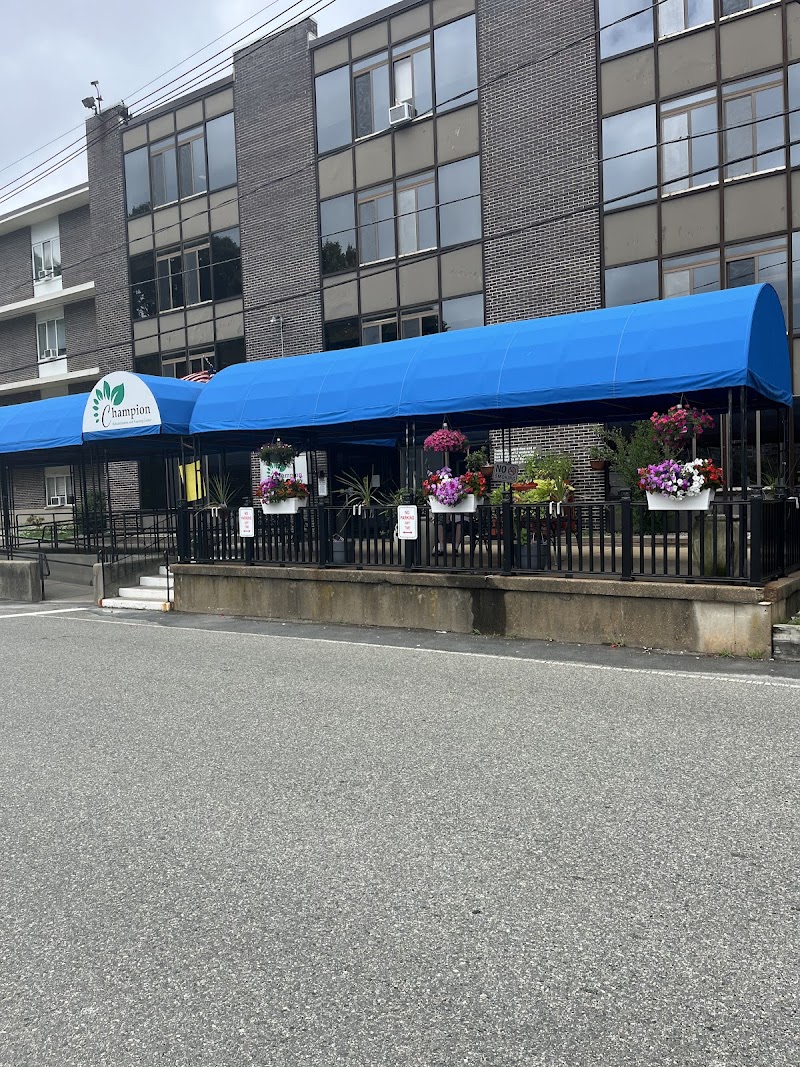
How is Champion Rehabilitation And Nursing Center Staffed?

CMS rates CHAMPION REHABILITATION AND NURSING CENTER's staffing level at 2 out of 5 stars, which is below average compared to other nursing homes. Staff turnover is 26%, compared to the Massachusetts average of 46%. This relatively stable workforce can support continuity of care.

What Have Inspectors Found at Champion Rehabilitation And Nursing Center?

State health inspectors documented 40 deficiencies at CHAMPION REHABILITATION AND NURSING CENTER during 2019 to 2024. These included: 38 with potential for harm and 2 minor or isolated issues.
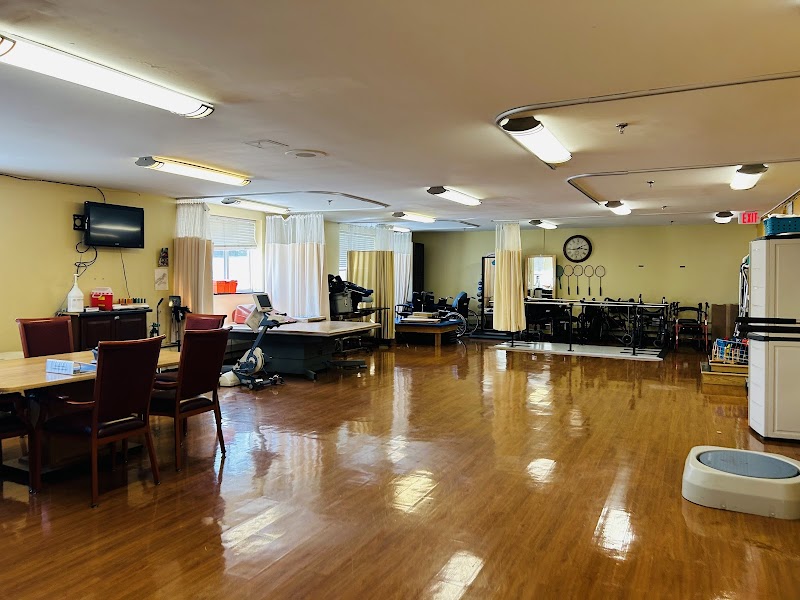
Who Owns and Operates Champion Rehabilitation And Nursing Center?

CHAMPION REHABILITATION AND NURSING CENTER is owned by a for-profit company. For-profit facilities operate as businesses with obligations to shareholders or private owners. The facility is operated by EPHRAM LAHASKY, a chain that manages multiple nursing homes. With 123 certified beds and approximately 108 residents (about 88% occupancy), it is a mid-sized facility located in BROCKTON, Massachusetts.
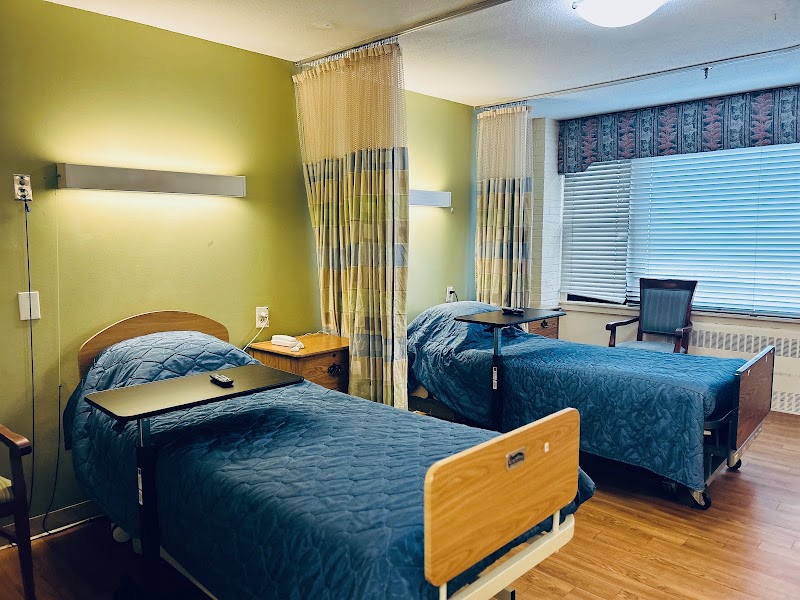
How Does Champion Rehabilitation And Nursing Center Compare to Other Massachusetts Nursing Homes?

Compared to the 100 nursing homes in Massachusetts, CHAMPION REHABILITATION AND NURSING CENTER's overall rating (3 stars) is above the state average of 2.9, staff turnover (26%) is significantly lower than the state average of 46%, and health inspection rating (3 stars) is at the national benchmark.

What Should Families Ask When Visiting Champion Rehabilitation And Nursing Center?

Based on this facility's data, families visiting should ask: "Can you walk me through typical staffing levels on day, evening, and night shifts?" "Can I visit during a mealtime to observe dining assistance and food quality?" "How do you handle medical emergencies, and what is your hospital transfer rate?" "Can I speak with family members of current residents about their experience?" These questions are particularly relevant given the below-average staffing rating.

Is Champion Rehabilitation And Nursing Center Safe?

Based on CMS inspection data, CHAMPION REHABILITATION AND NURSING CENTER has a clean safety record: no substantiated abuse findings (meaning no confirmed cases of resident harm), no Immediate Jeopardy citations (the most serious violation level indicating risk of serious injury or death), and is not on the Special Focus Facility watch list (a federal program monitoring the lowest-performing 1% of nursing homes). The facility has a 3-star overall rating and ranks #1 of 100 nursing homes in Massachusetts. While no facility is perfect, families should still ask about staff-to-resident ratios and recent inspection results during their visit.

Do Nurses at Champion Rehabilitation And Nursing Center Stick Around?

Staff at CHAMPION REHABILITATION AND NURSING CENTER tend to stick around. With a turnover rate of 26%, the facility is 20 percentage points below the Massachusetts average of 46%. Low turnover is a positive sign. It means caregivers have time to learn each resident's needs, medications, and personal preferences. Consistent staff also notice subtle changes in a resident's condition more quickly.

Was Champion Rehabilitation And Nursing Center Ever Fined?

CHAMPION REHABILITATION AND NURSING CENTER has no federal fines on record. CMS issues fines when nursing homes fail to meet care standards or don't correct problems found during inspections. The absence of fines suggests the facility has either maintained compliance or corrected any issues before penalties were assessed. This is a positive indicator, though families should still review recent inspection reports for the full picture.

Is Champion Rehabilitation And Nursing Center on Any Federal Watch List?

CHAMPION REHABILITATION AND NURSING CENTER is not on any federal watch list. The most significant is the Special Focus Facility (SFF) program, which identifies the bottom 1% of nursing homes nationally based on persistent, serious quality problems. Not being on this list means the facility has avoided the pattern of deficiencies that triggers enhanced federal oversight. This is a positive indicator, though families should still review the facility's inspection history directly.