ST JOSEPH MANOR HEALTH CARE INC
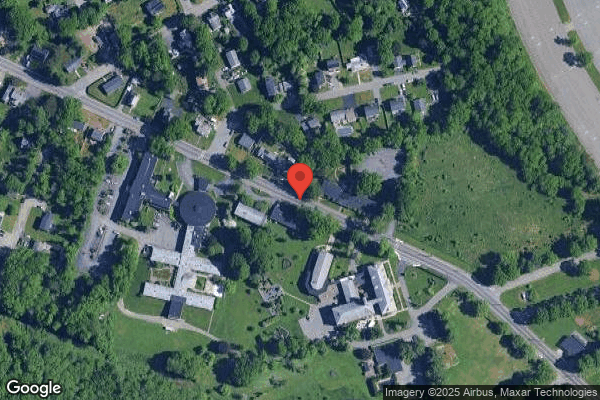
215 THATCHER STREET, BROCKTON, MA 02302 (508) 583-5834
Non profit - Corporation 118 Beds Independent Data: November 2025
Trust Grade
63/100
#184 of 338 in MA
Last Inspection: November 2024

Within standard 12-15 month inspection cycle. Federal law requires annual inspections.

Overview

St. Joseph Manor Health Care Inc has a Trust Grade of C+, which means it is slightly above average but still has room for improvement. In Massachusetts, it ranks #184 out of 338 nursing homes, placing it in the bottom half of facilities in the state, and it is #16 out of 27 in Plymouth County, indicating limited options for better care nearby. The facility is improving, having reduced its issues from 8 in 2023 to just 3 in 2024. Staffing is a strong point, with a rating of 4 out of 5 stars and a low turnover rate of 25%, which is significantly better than the state average. However, there are concerns, such as findings related to food safety and infection control, including instances where the kitchen was not kept sanitary, which could risk residents’ health. Overall, while there are positive aspects like good staffing and an improving trend, families should be aware of the existing health and safety concerns.

Trust Score
C+
63/100
In Massachusetts
#184/338
Bottom 46%
Safety Record
Low Risk
No red flags
Inspections
Getting Better
8 → 3 violations
Staff Stability
✓ Good
25% annual turnover. Excellent stability, 23 points below Massachusetts's 48% average. Staff who stay learn residents' needs.
Penalties
✓ Good
No fines on record. Clean compliance history, better than most Massachusetts facilities.
Skilled Nurses
○ Average
Each resident gets 32 minutes of Registered Nurse (RN) attention daily — about average for Massachusetts. RNs are the most trained staff who monitor for health changes.
Violations
⚠ Watch
22 deficiencies on record. Higher than average. Multiple issues found across inspections.
★★★☆☆
3.0
Overall Rating
★★★★☆
4.0
Staff Levels
★★☆☆☆
2.0
Care Quality
★★★☆☆
3.0
Inspection Score
Stable
2023: 8 issues
2024: 3 issues

The Good

  • 4-Star Staffing Rating · Above-average nurse staffing levels
  • Low Staff Turnover (25%) · Staff stability means consistent care
  • Full Sprinkler Coverage · Fire safety systems throughout facility
  • No fines on record
  • Staff turnover is low (25%)

    23 points below Massachusetts average of 48%

Facility shows strength in staffing levels, staff retention, fire safety.

The Bad

3-Star Overall Rating

Near Massachusetts average (2.9)

Meets federal standards, typical of most facilities

The Ugly 22 deficiencies on record

Nov 2024 3 deficiencies
CONCERN (E)

Potential for Harm - no one hurt, but risky conditions existed

Incontinence Care (Tag F0690)

Could have caused harm · This affected multiple residents

**NOTE- TERMS IN BRACKETS HAVE BEEN EDITED TO PROTECT CONFIDENTIALITY** Based on record review and interview, the facility failed to provide indwelling catheter (a flexible tube inserted into the blad...

Read full inspector narrative →
**NOTE- TERMS IN BRACKETS HAVE BEEN EDITED TO PROTECT CONFIDENTIALITY** Based on record review and interview, the facility failed to provide indwelling catheter (a flexible tube inserted into the bladder to drain urine outside of the body) care and management consistent with professional standards for one Resident (#98), out of a total sample of 22 residents. Specifically, the facility failed to ensure the Foley catheter was assessed for removal as soon as possible after returning from the hospital and failed to ensure he/she followed up with Urology as recommended. Findings include: Review of the facility's policy titled Catheter Care, Urinary, revised August 2022, indicated but was not limited to the following: -Nursing and the interdisciplinary team should assess and document the ongoing need for a catheter that is in place. Use standardized tool for documenting clinical indications for catheter use. -Remove the catheter as soon as it is no longer needed. Review of the facility's form titled Foley Catheter Assessment, undated, indicated but was not limited to the following: -The goal of this assessment is to determine if an indwelling catheter can be removed without detrimental consequences for the resident. -If none of the conditions apply, proceed with assessment as follows: 1. Notify physician to discontinue order. 2. If resident is incontinent after removal; proceed to bladder incontinent management program. Resident #98 was re-admitted to the facility in May 2024 with diagnoses including neuromuscular dysfunction of bladder, quadriplegia cervical level 1-4 incomplete, cervical 2 spinal cord injury American Spinal Injury Association ([NAME]) D (Motor function is preserved below the neurological level at least half), cerebral infarction (stroke) with hemiplegia (weakness) involving right side. Review of the Minimum Data Set (MDS) assessment, dated 7/31/24, indicated Resident #2 scored 9 out of 15 on the Brief Interview for Mental Status (BIMS) indicating he/she had moderate cognitive impairment. During an interview on 11/05/24 at 1:35 P.M., with Resident #98 present, Family Member (FM) #1 said Resident #98 has not seen a urologist since admission to this facility. FM #1 said they have been asking for the Foley catheter to be removed and have spoken to multiple staff members, including Nurse #9. FM #1 said prior to Resident #98's initial admission to the hospital in December 2023, Resident #98 did not have a Foley catheter and when Resident #98 was in the Hospital in May 2024, they had removed the catheter but put it back in because Resident #98 was incontinent. Resident #98 and FM #1 said they would like to see if the catheter can be removed. Review of the Hospital Discharge summary, dated [DATE], indicated but was not limited to the following: -Brief hospital course: intraventricular hemorrhage (stroke) patient presented with left sided neglect in hemi-inattention, balance difficulties with relatively preserved strength. - During his/her stay patient developed progressive dyspnea (shortness of breath). -He was treated with intravenous diuresis (medication to increase removal of fluid through the kidneys) and the patient's respiratory status markedly improved to his/her baseline and was converted to oral diuresis medication. -Urinary incontinence (loss of bladder control): Patient remained incontinent particularly at night. Given incontinence and now large dose of diuresis, plan on continuing Foley catheter. Review of the Foley Catheter Assessment, dated 5/2/24, indicated the form was blank except for a facility staff member's signature at the bottom. Review of the Comprehensive Care plan indicated Resident #98 had an indwelling catheter dated 5/16/24. Further review of the care plan did not indicate any assessment for removal or follow-up with a urologist (Physician who specializes in treatment of urinary function or disorders). Review of the Nursing Note, dated 5/30/24 at 3:39 P.M., indicated Veterans Administration (VA) in process of scheduling urology appointment. Review of the Nursing Note, dated 5/21/24 at 2:58 PM., indicated Resident #98 noted this morning with large continuous amounts of blood clots coming from penis. Nurse Practitioner (NP) made aware and new order to send to hospital for evaluation at 8:30 A.M., still being evaluated at this time. Review of the Nursing Note, dated 5/21/24 at 10:35 P.M., indicated Resident #98 returned from the hospital at 7:33 P.M. Discharge summary said urine shows no blood and is clear, no new order, follow-up with specialist. Family and on call notified. Review of the Nurse Practitioner's (NP) progress note, dated 5/28/24, indicated but was not limited to the following: History of Present Illness: - Patient is status post hospital transfer related to blood coming through urinary meatus (tip), however no hematuria (blood) noted. -Medical work-up without acute findings, urine negative for urinary tract infection and patient returned to facility, unable to locate any discharge summary but this was reported from nursing staff. -Will refer to urology for evaluation. Assessment/Plan: -Anemia: Patient with drop in hemoglobin (protein in red blood cells that carries oxygen) and hematocrit (percentage of red blood cells in total blood volume) (H&H) from admission, nursing reports clots from urinary meatus (tip of the urethra) but no hematuria, will refer to urology. Review of the NP's progress note, dated 6/14/24, indicated but was not limited to the following: -Patient with a drop in H&H from admission nursing staff report clots from urinary meatus, but no hematuria. Will refer to urology. Review of the Appointment book on the unit failed to indicate a urology appointment had been made. Further review of the medical record including Physician, NP and nursing notes, physician orders, and assessments failed to indicate that Resident #98 was evaluated for removal of the catheter, a voiding trial was attempted to remove the catheter, or was scheduled to see a urologist for evaluation of the catheter need.
CONCERN (F)

Potential for Harm - no one hurt, but risky conditions existed

Food Safety (Tag F0812)

Could have caused harm · This affected most or all residents

**NOTE- TERMS IN BRACKETS HAVE BEEN EDITED TO PROTECT CONFIDENTIALITY** Based on observation and interview, the facility failed to follow professional standards of practice for food safety and sanitat...

Read full inspector narrative →
**NOTE- TERMS IN BRACKETS HAVE BEEN EDITED TO PROTECT CONFIDENTIALITY** Based on observation and interview, the facility failed to follow professional standards of practice for food safety and sanitation to prevent potential spread of foodborne illness to residents who are at high risk. Specifically, the facility failed to: 1. Ensure the main kitchen, main dining room steam table, and basement food storage area were clean and maintained in a sanitary manner to prevent potential food contamination; and 2. Maintain two of three kitchenettes in a clean and sanitary condition, and ensure food stored is not expired and stored at appropriate temperatures to prevent foodborne illness. Findings include: Review of the 2022 Food Code by the Food and Drug Administration (FDA), revised 1/2023, indicated but was not limited to the following: 3-305.11 (A) Except as specified in paragraphs (B) and (C) of this section, food shall be protected from contamination by storing the food (1) in a clean, dry location. 3-501.17 Ready-to-Eat, Time/Temperature Control for Safety Food, Date Marking. (B) Except as specified in (E) - (G) of this section, refrigerated, READY-TO-EAT TIME/TEMPERATURE CONTROL FOR SAFETY FOOD prepared and PACKAGED by a FOOD PROCESSING PLANT shall be clearly marked, at the time the original container is opened in a FOOD ESTABLISHMENT and if the FOOD is held for more than 24 hours, to indicate the date or day by which the FOOD shall be consumed on the FDA Food Code 2022 Chapter 3. Food Chapter 3 - 29 PREMISES, sold, or discarded, based on the temperature and time combinations specified in (A) of this section and: (1) The day the original container is opened in the FOOD ESTABLISHMENT shall be counted as Day 1; and (2) The day or date marked by the FOOD ESTABLISHMENT may not exceed a manufacturer's use-by date if the manufacturer determined the use-by date based on FOOD safety. (D) A date marking system that meets the criteria stated in (A) and (B) of this section may include: (1) Using a method approved by the regulatory authority for refrigerated, ready-to-eat time/temperature control for safety food that is frequently rewrapped, such as lunch meat or a roast, or for which date marking is impractical, such as soft serve mix or milk in a dispensing machine; (2) Marking the date or day of preparation, with a procedure to discard the food on or before the last date or day by which the food must be consumed on the premises, sold, or discarded as specified under (A) of this section; (3) Marking the date or day the original container is opened in a food establishment, with a procedure to discard the food on or before the last date or day by which the food must be consumed on the premises, sold, or discarded as specified under (B) of this section; or (4) Using calendar dates, days of the week, color-coded marks, or other effective marking methods, provided that the marking system is disclosed to the REGULATORY AUTHORITY upon request. 4-602.11 (D) Equipment is used for storage of packaged or unpackaged food such as a reach-in refrigerator and the equipment are cleaned at a frequency necessary to preclude accumulation of soil residues. 6-501.12 (A) Physical facilities shall be cleaned as often as necessary to keep them clean. 1. On 10/31/24 at 8:15 A.M., the surveyor made the following observations in the main kitchen, dry storage in the basement, and Main dining room off the kitchen: Main kitchen: -On the shelf below the main steam table there were numerous mouse droppings and food particles. -On the floor between the kitchen appliances and wall, there were numerous mouse droppings, dirt and debris. -Under the steam oven there was an open drain that was clogged with debris and grayish/black thick wet slime and there was standing water around the drain opening. -To the right of the walk-in refrigerator was a staff break area with debris and food particles on the floor. The wall was visibly dirty with dried liquid stains by the table. On the table was a white bag containing food, not labeled or dated. -The dish room floor mat was observed to have buildup of black wet debris in the cut-outs, and when the mat was lifted there was a large amount of wet black debris. -The main kitchen ice machine drip tray drain was clogged with debris. The drip tray had a buildup of black wet substance. The clear plastic cover where the ice is dispensed was dirty. Dry storage in the basement: -Borders of the entire room under the shelves had buildup of debris and mice droppings. Main dining room off the kitchen: -In the cabinet below the main steam table there were numerous mouse droppings. During an interview on 10/31/24 at 8:15 A.M. through 9:00 A.M., the Food Service Manager (FSM) said they had a problem with mice over a month ago, but the pest control company is here weekly, and we have not seen any sightings in the past month. The FSM said the kitchen, steam tables and the basement should have been cleaned of all mice droppings. The corners and behind the kitchen appliances, the drain under the steam table, and the ice machine should have been cleaned. 2. On 11/1/24 at 9:00 A.M., the surveyor observed Applewood dining room and kitchenette and made the following observations: -The kitchenette cabinets and drawers stored snacks, glasses, silverware, condiment packages and drinks. -The cabinet with the lazy [NAME] carousel had clothing and debris, and the shelves were soiled with dried liquid, and a large box of Oreo cookies. -The outside of the lower cabinet's doors was visibly stained and were tacky to the touch. -Inside the lower cabinet doors, the shelves were dirty with debris and numerous dried liquid stains and were tacky to touch in areas with stains. -The drawers were dirty with buildup of small particles of debris, dried liquid stains, and the inside and outside were tacky to touch. -The top cabinet shelves had old, dried liquid stains and debris and the drinking glasses and mugs were stored upside down on the shelves. -The floor along the border of the cabinets had a buildup of black debris and food particles. On 11/1/24 at 11:15 A.M., the surveyor observed the kitchenette on the [NAME] One Unit and made the following observations: -The upper left cabinet had nine individual containers of Nepro with an expiration date of 5/1/24, and three Thick and Easy containers with expiration date of 1/22/24. -The bottom left drawer contained one TwoCal container with an expiration of 1/1/24, one Osmolite with an expiration of 9/1/24, and three containers of Nepro with an expiration of 5/1/24. -In the refrigerator was a bowl of oatmeal and a glass of milk not dated or labeled. -Stored on the counter in the corner was a bowl containing two eggs, a paper cup with two eggs, a paper cup with four cooked sausages not stored with temperature control and not labeled or dated. During an interview on 11/4/24 at 2:15 P.M., the FSM said he was aware of the issues with the food storage in the kitchenettes and the expired supplement drinks. He said all food should be stored labeled and dated and discarded if they are expired.
CONCERN (F)

Potential for Harm - no one hurt, but risky conditions existed

Infection Control (Tag F0880)

Could have caused harm · This affected most or all residents

Based on observation, interview, and document review, the facility failed to maintain an infection prevention and control program designed to provide a safe, sanitary, and comfortable environment, and...

Read full inspector narrative →
Based on observation, interview, and document review, the facility failed to maintain an infection prevention and control program designed to provide a safe, sanitary, and comfortable environment, and to help prevent the development and potential transmission of communicable diseases and infections. Specifically, the facility failed to: 1. Perform a COVID-19 related investigation and conduct contact tracing to prevent, to the extent possible, the onset and spread of infection; and 2. Maintain an infection prevention and control program which included a complete and accurate system of surveillance to identify any trends or potential infections. Findings include: 1. Review of the facility's policy titled COVID-19 Policy and Procedure, dated as revised 3/23, indicated but was not limited to the following: -Perform outbreak testing of residents and staff as soon as possible when a case is identified. -If facility identifies that the resident or staff member's first exposure occurred less than 24 hours ago, then they should wait to test until 24 hours after any exposure. -Test exposed residents and staff at least every 48 hours on the affected unit until we go seven days without a new case -Residents and staff who are recovered from COVID-19 in the last 30 days can be excluded from this testing. Review of the facility's policy titled Infection Prevention and Control Program (IPCP), dated as revised 2018, indicated but was not limited to the following: -The elements of the infection prevention and control program consist of coordination/oversight, policies/procedures, surveillance, and outbreak management -Outbreak Management is the process that consists of: Determining the presence of an outbreak, documenting information about the outbreak Review of CDC guidance titled Interim Infection Prevention and Control Recommendations for Healthcare Personnel During the Coronavirus Disease 2019 (COVID-19) Pandemic, revised May 2023, indicated but was not limited to the following: -Healthcare facilities should have a plan for how SARS-CoV-2 exposures in a healthcare facility will be investigated and managed and how contact tracing will be performed. -A single new case of SARS-CoV-2 infection in any healthcare personnel (HCP) or resident should be evaluated to determine if others in the facility could have been exposed. -Perform testing for all residents and HCP identified as close contacts or on the affected unit(s) if using a broad-based approach, regardless of vaccination status. During an interview on 11/4/24 at 10:05 A.M., the Infection Preventionist (IP) said she monitors any positive case of COVID-19 on a tracking sheet. Review of the most recent COVID-19 outbreak documentation provided by the IP on 11/4/24 at 10:34 A.M. titled Residents Illness Tracking Form, indicated the facility had two positive residents in January 2024, eight positive residents in February 2024, and one positive resident in March 2024. The tracking forms failed to indicate any contact tracing, testing of close contacts or evaluation of the outbreak to determine if other residents or staff may have been exposed to COVID-19. During an interview on 11/4/24 at 3:46 P.M., the IP said the COVID-19 outbreak began in January 2024 with one positive resident. She said the facility also had some positive staff members. The IP said all close contacts, including staff were tested on the affected unit day one, day two, and day five, until there were no more positive cases until day 10. She said resident testing is documented in the specific resident record, and she does not document positive staff on any tracking sheets. The IP said the staff are responsible for testing themselves and provide her with a photo if they test positive for COVID-19. She said she has no way of knowing if staff tested when required to do so. She does not keep track of the staff testing and has no further documentation regarding the COVID-19 outbreak in the facility. The surveyor and IP reviewed the facility provided COVID-19 procedure guidelines together. The IP said she was unaware of the updated guidelines and has not been following them. During an interview on 11/5/24 at 2:36 P.M., the Director of Nursing (DON) said her expectation is for the IP to conduct a complete investigation of a COVID-19 positive case per the facility guidelines. She said contact tracing and testing must be completed and documented to help determine the status of the outbreak and reduce the spread of COVID-19. 2. Review of the facility's policy titled Surveillance for Infections, dated as revised 9/2017, indicated but was not limited to the following: -The Infection Preventionist will conduct ongoing surveillance for Healthcare-Associated Infections (HAIs) and other epidemiologically significant infections that have substantial impact on potential resident outcome and that may require transmission-based precautions and other preventative interventions. -The criteria for such infections are based on the current standard definitions of infections -The purpose of the surveillance of infections is to identify both individual cases and trends of epidemiologically significant organisms, and Healthcare-Associated infections, to guide appropriate interventions, and to prevent future infections. Review of the facility's policy titled Infection Prevention and Control Program (IPCP), dated as revised 2018, indicated but was not limited to the following: -Surveillance: Process surveillance (adherence to infection prevention and control practices) and outcome surveillance (incidence and prevalence of healthcare acquired infections) are used as measures of the IPCP effectiveness -Surveillance tools are used for recognizing the occurrence of infections, recording their number and frequency, detecting outbreaks and epidemics, monitoring employee infection, monitoring adherence to infection prevention and control practices. Review of the facility's surveillance data sheets titled Monthly Infection Line Listing indicated but was not limited to the following: July 2024 -7 out of 20 residents met criteria for infection and 20 out of 20 residents were started on antibiotics. August 2024 -4 out of 19 residents met criteria for infection and 19 out of 19 residents were started on antibiotics. September 2024 -3 out of 17 residents met criteria for infection and 17 out of 17 residents were started on antibiotics. The monthly line listings failed to indicate any tracking of illness, not prescribed antibiotics, for surveillance of the potential spread of illnesses. During an interview on 11/4/24 at 3:46 P.M., the IP said the facility uses McGeer Criteria (set of guidelines used to identify HAIs) to determine if an illness meets criteria for infection. She said she reviews the residents' progress notes and the 24-hour shift report to determine if residents have signs and symptoms of an infection. The IP said she does not track or monitor any residents that do not require the use of antibiotics. During an interview on 11/5/24 at 2:36 P.M., the DON said her expectation is for the monthly line listings to include all illnesses, not just antibiotic use, to ensure proper tracking of illness and infections within the facility.
Aug 2023 8 deficiencies
CONCERN (D)

Potential for Harm - no one hurt, but risky conditions existed

Comprehensive Care Plan (Tag F0656)

Could have caused harm · This affected 1 resident

**NOTE- TERMS IN BRACKETS HAVE BEEN EDITED TO PROTECT CONFIDENTIALITY** Based on observation, record review and interview, the facility failed to implement the plan of care for one Resident (#86), out...

Read full inspector narrative →
**NOTE- TERMS IN BRACKETS HAVE BEEN EDITED TO PROTECT CONFIDENTIALITY** Based on observation, record review and interview, the facility failed to implement the plan of care for one Resident (#86), out of a total of 24 sampled residents. Specifically, the facility failed to ensure Resident #86's call light was within reach. Findings include: Resident #86 was admitted to the facility in December 2022 with diagnosis including hemiplegia and dysphagia. Review of Resident #86's Minimum Data Set assessment dated [DATE], indicated he/she is severely cognitively impaired and had impairment on one side of his/her upper and lower extremities. Review of Resident #86's fall care plan dated 12/21/22, indicated the following intervention: Be sure Resident #86's call light is within reach and encourage him/her to use it for assistance as needed. Resident needs prompt response to all requests for assistance. On 8/2/23 at 9:59 A.M., the surveyor observed Resident #86 in bed. There was a sign on the wall indicating for staff to keep call light in reach on his/her left side. There was a tap call light (a call light used for individuals with dexterity issues) wrapped on the wall out of reach and inaccessible to Resident #86. On 8/4/23 at 9:04 A.M., the surveyor observed Resident #86 in bed with his/her tap call light on the floor at the foot of the bed, inaccessible and out of reach. During an interview on 8/4/23 at 9:09 A.M., Unit Manager #3 said Resident #86's call light should be within reach.
CONCERN (D)

Potential for Harm - no one hurt, but risky conditions existed

Deficiency F0657 (Tag F0657)

Could have caused harm · This affected 1 resident

**NOTE- TERMS IN BRACKETS HAVE BEEN EDITED TO PROTECT CONFIDENTIALITY** Based on record review and interviews, the facility failed to revise the plan of care related to dialysis for one Resident (#72)...

Read full inspector narrative →
**NOTE- TERMS IN BRACKETS HAVE BEEN EDITED TO PROTECT CONFIDENTIALITY** Based on record review and interviews, the facility failed to revise the plan of care related to dialysis for one Resident (#72), out of a total sample of 24 residents. Findings include: Resident #72 was admitted to the facility in October 2021, with diagnoses including dependence on renal dialysis (a treatment used when kidneys fail to remove toxins from blood and extra fluid from the body), end stage renal disease and dementia. Review of the most recent Minimum Data Set assessment dated [DATE], indicated a Brief Interview for Mental Status score of 9 out of a possible 15 indicating moderate cognitive impairment. Further review indicated Resident #72 receives dialysis. Review of Resident #72's medical record indicated the following: -A physician order dated 10/7/22 to check bruit and thrill every shift related to arteriovenous fistula (a surgically created access point for dialysis usually located in the arm). -A care plan revision dated 10/8/22 indicated Resident #72 requires hemodialysis related to End Stage Renal Disease with interventions including a Tesio Catheter (An access point for renal dialysis located in the chest) to Right Chest Wall for Hemodialysis. During an interview on 8/3/23 at 1:04 P.M., Nurse #4 said Resident #72 has an AVF (arteriovenous fistula) and has not had a Tesio Catheter that she is aware of. Nurse #4 said the unit manager is responsible for updating the care plans. During an interview on 8/3/23 at 1:12 P.M., Unit Manager #2 said Resident #72 has an AVF and does not have a Tesio Catheter. Unit Manager #2 said the expectation is for care plans to be updated to reflect the residents' current interventions.
CONCERN (D)

Potential for Harm - no one hurt, but risky conditions existed

Deficiency F0658 (Tag F0658)

Could have caused harm · This affected 1 resident

**NOTE- TERMS IN BRACKETS HAVE BEEN EDITED TO PROTECT CONFIDENTIALITY** 2. Resident #17 was admitted to the facility in February 2023 with diagnoses including hypertension and stroke. Review of facili...

Read full inspector narrative →
**NOTE- TERMS IN BRACKETS HAVE BEEN EDITED TO PROTECT CONFIDENTIALITY** 2. Resident #17 was admitted to the facility in February 2023 with diagnoses including hypertension and stroke. Review of facility policy titled 'Medication Administration General Guidelines', dated January 2021, indicated the following but not limited to: *Long-acting, extended release or enteric-coated dosage forms should generally not be crushed; an alternative should be sought. During an observation on 8/3/23 at 9:46 A.M., Nurse #2 prepared and administered the following medications for Resident #17: -Aspirin 81 mg (milligrams) EC (Enteric Coated) one tablet by mouth crushed in applesauce -Metoprolol 50 mg ER (Extended Release) one tablet by mouth crushed in applesauce. During an interview on 8/3/23 at 11:46 A.M., Nurse #2 said she should not have crushed the medications as they are not to be crushed. During an interview on 8/3/23 at 11:36 A.M., the Director of Nursing said the expectation is that nurses would not crush medications that are enteric coated or extended release. Based on interview, record review and policy review, the facility failed to ensure that staff provided care and services according to accepted standards of clinical practice for two Residents ( #22 and #17) out of a total sample of 24 residents. Specifically, the facility failed to: 1. For Resident #22, ensure nursing staff administered Coumadin (anticoagulant) for Resident #22, who was recently diagnosed with a deep vein thrombosis (DVT). 2. For Resident #17, administer medications in accordance with standards of practice, and not crush enteric coated (EC) and extended release (ER) medications. Findings include: 1. Resident #22 was admitted to the facility in May 2023 with diagnoses including dementia, anemia, chronic kidney disease, and presence of vascular implants and grafts. Review of Resident #22's most recent Minimum Data Set (MDS), dated [DATE], indicated he/she scored a 2 out of a possible 15, which indicated Resident #22 had severe cognitive impairment. Review of Resident #22's July 2023 Physician Orders, dated 7/22/23, indicated Coumadin Oral Tablet 2.5 mg (milligram) by mouth at bedtime on 7/22/23 and 7/23/23. Review of Resident #22's July 2023 Medication Administration Record (MAR), indicated on 7/23/23 the Coumadin 2.5 mg order was 5=Hold/See Progress Notes. Review of Resident #22's nursing progress note, dated 7/23/23, indicated Incident Note Late Entry: Note Text: Medication Warfarin (Coumadin) medication was not administered during this shift because this writer was told by the nurse handing off that it was on hold. Review of Resident #22's anticoagulant care plan, dated 5/8/2023, indicated 5/18/23 Resident #22 is positive for a DVT (deep vein thrombosis) to the Right Lower Extremity. Give medications as ordered. Monitor for side effects, effectiveness. During an interview on 8/03/23 at 1:23 P.M., the Director of Nurses said that the nurse did not administer the Coumadin medication as ordered and said she is not sure why the nurse did not.
CONCERN (D)

Potential for Harm - no one hurt, but risky conditions existed

Unnecessary Medications (Tag F0759)

Could have caused harm · This affected 1 resident

Based on observations, records reviewed, policy review, and interviews, the facility failed to ensure it was free from a medication error rate of greater than 5% when one out of two nurses observed ma...

Read full inspector narrative →
Based on observations, records reviewed, policy review, and interviews, the facility failed to ensure it was free from a medication error rate of greater than 5% when one out of two nurses observed made three errors out of 29 opportunities resulting in a medication error rate of 10.34%. Those errors impacted two Residents (#59 and #17), out of 4 residents observed. Findings include: Review of facility policy titled 'Medication Administration General Guidelines', dated January 2021, indicated the following but not limited to: Policy: Medications are administered as prescribed in accordance with manufacturer's specifications, good nursing principles and practices and only legally authorized to do so. Personnel authorized to administer medications do so only after they have familiarized themselves with the medication. Procedures: *If it is safe to do so, medication tablets may be crushed or capsule emptied out when a resident has difficulty swallowing or is tube-fed, using the following guidelines and with a specific order from prescriber. *Long-acting, extended release or enteric-coated dosage forms should generally not be crushed; an alternative should be sought. *Check expiration date on package/container. No expired medication will be administered to a resident. 1. For Resident #59, Nurse #2 prepared to administer an expired Vitamin C 500 mg (milligram) On 8/3/23 at 8:57 A.M., Nurse #2 prepared the following medication and was ready to administer to Resident #59. -Vitamin C 500 mg (milligram) one tablet which had and expiration date of 2/23. During an interview on 8/3/23 at 9:13 A.M., Nurse #2 said she should not administer expired medications to the Resident. 2. For Resident #17, Nurse #2 crushed and administered medications that were enteric coated (a coated medication to prevent stomach irritations) and extended release (medication designed to last longer in the body over time) which were not supposed to be crushed. On 8/3/23 at 9:46 A.M., Nurse #2 prepared and administered the following medications for Resident #17. -Aspirin 81 mg EC (Enteric Coated) one tablet by mouth crushed in applesauce -Metoprolol 50 mg ER (Extended Release) one tablet by mouth crushed in applesauce. During an interview on 8/3/23 at 11:46 A.M., Nurse #2 said she should not have crushed the medications as they are not to be crushed. During an interview on 8/3/23 at 11:36 A.M., the Director of Nursing said the expectation is that nurses would not crush medications that are enteric coated or extended release.
CONCERN (D)

Potential for Harm - no one hurt, but risky conditions existed

Deficiency F0761 (Tag F0761)

Could have caused harm · This affected 1 resident

2. During a medication pass on Apple [NAME] unit on 8/3/23 at 8:57 A.M., Nurse #2 was observed preparing the following medication for administration. -Miralax powder 17 GM (grams) mixed in eight ounce...

Read full inspector narrative →
2. During a medication pass on Apple [NAME] unit on 8/3/23 at 8:57 A.M., Nurse #2 was observed preparing the following medication for administration. -Miralax powder 17 GM (grams) mixed in eight ounces of water. Nurse #2 was observed walking away from the medication cart and left the water with medication on top of the medication cart. A resident was observed walking by the medication cart. During an interview on 8/3/23 at 9:19 A.M., Nurse #2 said she should not have left medication on top of the medication cart unattended. During an interview on 8/3/23 at 11:36 A.M., the Director of Nursing said nurses should secure medications before walking away from the medication cart. Based on observations, policy review and interviews the facility failed to to ensure that 1. medications were stored securely on one unit and 2. Medications were not left on the medication cart unsecured. Findings include: Review of the facility policy titled Storage of Medication, dated 1/21, indicated Medications and biologicals are stored properly, following manufacturer's or provider pharmacy recommendations, to maintain their integrity and to support safe effective drug administration. The medication supply shall be accessible only to licensed nursing personnel, pharmacy personnel, or staff members lawfully authorized to administer medications. Medication rooms, cabinets and medication supplies should remain locked when not in use or attended by persons with authorized access. 1. On 8/2/23 at 8:42 A.M., the surveyor observed the treatment cart on the Cherry [NAME] Unit was unlocked with no nurse present. The surveyor observed multiple medications and treatment supplies in the cart. On 8/3/23 at 8:13 A.M., the surveyor observed the treatment cart on the Cherry [NAME] Unit was unlocked with no nurse present. The surveyor observed multiple medications and treatment supplies in the cart. During an interview on 8/3/23 at 8:13 A.M., Nurse #1 said that the treatment cart should always be locked if a nurse is not at the cart. During an interview on 8/3/23 at 8:51 A.M., Unit Manager #1 said the treatment cart should always be locked if a nurse is not present at the cart.
CONCERN (D)

Potential for Harm - no one hurt, but risky conditions existed

Food Safety (Tag F0812)

Could have caused harm · This affected 1 resident

Based on observation, policy review and interview the facility failed to ensure food items were stored and labeled in accordance with professional standards for food service safety in the kitchen. Fin...

Read full inspector narrative →
Based on observation, policy review and interview the facility failed to ensure food items were stored and labeled in accordance with professional standards for food service safety in the kitchen. Findings include: Review of the facility's General Food Preparation and Handling policy, dated 2021, indicated: Leftovers must be dated, labeled, covered, cooled and stored in a refrigerator. Use leftovers within 72 hours or discard. On 8/2/23 at 7:23 A.M., the surveyor observed the following in the reach-in and walk-in refrigerators in the kitchen: *two containers of lactaid milk with an expiration date of 7/21/23 *wrapped cold cuts that were undated *an unknown food item wrapped in tinfoil undated *two styrofoam plates wrapped together together with plastic wrap with initials, but no date or indication what the food item was *a container of cooked scrambled eggs and peppers dated 7/12/23 *a container of pasta salad undated. During an interview on 8/4/23 at 7:45 A.M., the Food Service Director (FSD) said that items in the refrigerator need to be dated and disposed of after three days. The FSD said the observed items should have been discarded.
CONCERN (D)

Potential for Harm - no one hurt, but risky conditions existed

Medical Records (Tag F0842)

Could have caused harm · This affected 1 resident

**NOTE- TERMS IN BRACKETS HAVE BEEN EDITED TO PROTECT CONFIDENTIALITY** Based on observation, record reviews and interviews, the facility failed to maintain accurate medical records for one Resident (...

Read full inspector narrative →
**NOTE- TERMS IN BRACKETS HAVE BEEN EDITED TO PROTECT CONFIDENTIALITY** Based on observation, record reviews and interviews, the facility failed to maintain accurate medical records for one Resident (#59) out of a total sample of 24 residents. Findings include: Resident #59 was admitted to the facility in September 2022 with diagnoses including dementia and pain in right foot. Review of Resident #59's most recent Minimum Data Set (MDS) dated [DATE], indicated the Resident scored a 5 out of a possible 15 on the Brief Interview for Mental Status (BIMS) indicating severely impaired cognition. The MDS further indicated that the Resident was on a scheduled pain medication regimen. On 8/3/23 at 9:24 A.M., during a medication pass the surveyor observed Nurse #2 remove a pain patch from Resident #59's lower back, the patch was dated 7/30. Review of Resident #59's physician orders indicated the following order dated 6/16/23: *Salonpas patch 3.1-6-10% (Camphor-Menthol-Methyl [NAME]) Apply to lower back topically one time a day for pain management remove at 5 PM and removed per schedule. Review of Resident #59's Medication Administration Record (MAR) dated 7/31/23, 8/1/23 and 8/2/23 indicated that the nurse marked the above order as complete. During an interview on 8/3/23 at 9:28 A.M., Nurse #2 said the patch should be applied and removed as ordered [daily], she further said nurses should not be signing off if a task is not complete. During an interview on 8/3/23 at 11:36 A.M., the Director of Nursing said nurses should only sign off on completed task.
CONCERN (E)

Potential for Harm - no one hurt, but risky conditions existed

Safe Environment (Tag F0584)

Could have caused harm · This affected multiple residents

**NOTE- TERMS IN BRACKETS HAVE BEEN EDITED TO PROTECT CONFIDENTIALITY** Based on interview and observation, the facility failed to maintain a clean environment and in good repair in 5 bedrooms (rooms ...

Read full inspector narrative →
**NOTE- TERMS IN BRACKETS HAVE BEEN EDITED TO PROTECT CONFIDENTIALITY** Based on interview and observation, the facility failed to maintain a clean environment and in good repair in 5 bedrooms (rooms 214, 215, 216 , 217 and 222) on one resident unit ([NAME] II). Findings include: During observations of the [NAME] II resident unit on 8/2/23 at approximately 9:00 A.M. and on 8/03/23, at approximately 9:30 A.M., the surveyor observed the following: * room [ROOM NUMBER]: seal on the exterior window was broken and moisture and mildew had built up between the panes, causing the glass to become streaked and opaque. * rooms [ROOM NUMBERS] shared bathroom: strong urine-like odor permeating the bathroom and could be smelled from the bedrooms. * room [ROOM NUMBER]: seal on the exterior window was broken and moisture and mildew had built up between the panes, causing the glass to become streaked and opaque. * room [ROOM NUMBER]: wall plaster next to the resident's bed is gouged in approximately 15, 1 spots, covering a 3' x 3' area. During observations on 8/3/23 at 11:36 A.M., accompanied by the Administrator, maintenance staff and housekeeping staff, we entered room [ROOM NUMBER], the shared bathroom for rooms [ROOM NUMBERS], room [ROOM NUMBER], and room [ROOM NUMBER]. There had been no change to the windows in rooms [ROOM NUMBERS] or the gouged wall in room [ROOM NUMBER]. The bathroom shared by rooms [ROOM NUMBERS] had been cleaned sometime after the surveyor's observation that morning and while the urine-like odor was improved it still could be smelled from the bedrooms. During an interview with the Administrator on 8/3/23 at 11:55 A.M., he said the facility had plans in its Facility Assessment to refurbish the [NAME] II unit. Review of the Facility assessment dated [DATE], indicated a plan which included painting resident units, but did not reference repairing/cleaning windows, deodorizing bathrooms, or repairing wall plaster.
Jun 2021 11 deficiencies
CONCERN (D)

Potential for Harm - no one hurt, but risky conditions existed

Report Alleged Abuse (Tag F0609)

Could have caused harm · This affected 1 resident

Based on interview and record review, the facility failed to report an allegation of abuse within two hours, as required, for one Resident (#32), out of 20 sampled residents. Findings include: During ...

Read full inspector narrative →
Based on interview and record review, the facility failed to report an allegation of abuse within two hours, as required, for one Resident (#32), out of 20 sampled residents. Findings include: During an interview on 6/24/21 at 2:38 P.M., Resident #32 said a specific aide stole his/her pink bottle of shampoo and a blue spray bottle a couple months ago. He/she further said the aide intentionally did things to bother him/her including complaining about what he/she wears. Resident #32 said he/she told his/her therapist. Review of the online Health Care Facility Reporting System (HCFRS) on 6/24/21 at 2:53 P.M., indicated the facility staff had not reported Resident #32's allegations to DPH as required. On 6/24/21 at 2:57 P.M., the surveyor notified the Director of Nurses (DON) of Resident #32's allegation. Review of the facility's Resident Abuse & Neglect Policy, revised December 2017, indicated the following: Definitions: Abuse - Willful infliction of injury, unreasonable confinement, intimidation, or punishment that results in physical harm, pain, or mental anguish. It also includes the intentional depravation of goods and services that are necessary to maintain physical, mental, and psychosocial well-being. Misappropriation of Resident Property - The deliberate misplacement, exploitation or wrongful, temporary or permanent use of a resident's belongings or money without the resident's consent. What to do if you suspect abuse: - Report it immediately to your supervisor and administrator What we will do if you suspect abuse: - Report the alleged incident to the Department of Public Health Compliant Unit Review of the psychotherapy progress note, dated 5/27/21, indicated Resident #32 was feeling very upset and paranoid about one specific aide and felt the aide was out to get me and does things intentionally to bug me. The psychotherapist indicated she spoke to the Unit Manager (UM) and advised her of the allegation. Review of the psychiatric nurse practitioner progress note, dated 6/2/21, indicated Resident #32 was very upset and paranoid about one specific aide and that nursing was made aware and would follow up on the allegations. Review of a nursing progress note, dated 6/2/21, indicated UM #1 had received a report from the psychotherapist (from 5/27/21) that Resident #32 had been more paranoid and fixated on certain staff members saying and doing things to her and around her that never happened. UM #1 also documented the psychiatric nurse practitioner had seen Resident #32 afterwards and made a recommendation to increase the Seroquel. During an interview on 6/28/21 at 8:52 A.M., the DON said the allegation should have been reported, but was not. During an interview on 6/29/21 at 9:26 A.M., UM #1 said she should have reported Resident #32's allegation to a supervisor or administrator, but did not.
CONCERN (D)

Potential for Harm - no one hurt, but risky conditions existed

Comprehensive Care Plan (Tag F0656)

Could have caused harm · This affected 1 resident

Based on record review, observation, and staff interview, the facility failed to ensure that for one Resident (#57), out of a total sample of 20 residents, a comprehensive care plan was developed and ...

Read full inspector narrative →
Based on record review, observation, and staff interview, the facility failed to ensure that for one Resident (#57), out of a total sample of 20 residents, a comprehensive care plan was developed and consistently implemented to address the Resident's activities care needs. Specifically, the facility failed to address the resident's activity preferences to prevent frequent periods of wandering within the unit and enhance the Resident's quality of life. Findings include: Review of the medical record indicated Resident #57 was admitted to the facility with diagnoses including Alzheimer's disease, unspecified, and vascular dementia without behavioral disturbance. Review of the Minimum Data Set (MDS) assessment, dated 12/03/20, indicated the Resident's activities of interest were choosing clothes to wear, participating in religious activity or practices, participating in favorite activities, doing things with group of people, keeping up with the news, reading books, and newspapers, listening to music, being around animals such as pets. Review of the MDS assessment, dated 06/02/21, indicated that Resident #57 had severely impaired cognitive skills for daily decision making; required supervision and one person physical assist with activities of daily living; extensive assistance with dressing; ambulate without assistive device; and the Resident had an activated health care proxy. On 06/23/21 at 9:40 A.M., the surveyor observed Resident #57 standing in front of the mirror in the common area bathroom looking at him/herself. Staff members did not redirect him/her to come out of the bathroom. On 06/23/21 at 2:22 P.M., the surveyor observed Resident #57 standing in the common area bathroom, looking at him/herself in the mirror. The Resident remained standing in the bathroom for over thirty minutes, until walking out on his/her own. On 06/29/21 at 8:55 A.M. to 9:20 A.M., the surveyor observed Resident #57 pacing back and forth within the Unit and did not observe any staff members intervene to redirect the Resident. The Resident was not observed participating in any activities. Review of the comprehensive care plans, dated 5/18/21, indicated, but was not limited to: Focus: Resident enjoys engaging in activity programs Goal: Resident will attend activities of his/her choice through the review date. Interventions: - Encourage resident participation in 1:1 programs - Provide guidance and assistance - Encourage active participation - Provide reminders about programs - Encourage leisure interest The activity care plan was not individualized to take into account the Resident's dementia and Alzheimer's care needs and his/her preferences in order to enhance his/her quality of life. During an interview on 06/29/21 at 9:07 A.M., the Activity Director said that the Resident's activities of choice were doing things with group of people, keeping up with the news, reading books, and newspapers, listening to music, being around animals such as pets. The Activity Director said the Resident's care plan was not individualized.
CONCERN (D)

Potential for Harm - no one hurt, but risky conditions existed

Deficiency F0657 (Tag F0657)

Could have caused harm · This affected 1 resident

Based on record review and interviews, the facility failed to revise the plan of care appropriately for one sampled resident (#57) to prevent frequent periods of pacing and enhance his/her quality of ...

Read full inspector narrative →
Based on record review and interviews, the facility failed to revise the plan of care appropriately for one sampled resident (#57) to prevent frequent periods of pacing and enhance his/her quality of life, out of a total sample of 20 residents. Findings include: Resident #57 was admitted to the facility with diagnoses including Alzheimer's disease, unspecified, and vascular dementia without behavioral disturbance. Review of the Minimum Data Set (MDS), assessment, dated 06/02/21, indicated that Resident #57 had severely impaired cognitive skills for daily decision making; required supervision and one person physical assist with activities of daily living; extensive assistance with dressing; ambulate without assistive device; and the Resident had an activated health care proxy. Review of the June 2021 physician's orders indicated that Resident #57 may participate in social/physical activities. On 06/23/21 at 9:40 A.M., the surveyor observed Resident #57 standing in front of the mirror in the common area bathroom looking at him/herself. The surveyor did not observe any staff attempt to redirect the Resident. On 06/23/21 at 2:22 P.M., the surveyor observed Resident #57 standing in the common area bathroom, looking at him/herself in the mirror. The Resident remained standing in the bathroom for over thirty minutes then walked out on his/her own. During an interview on 06/29/21 at 8:45 A.M., the Activity Director said, We try to do one on one. Ever since the Resident's last hospitalization in May 2021, he/she had not been able to focus. On 06/29/21 at 8:55 A.M. to 9:20 A.M., the surveyor observed Resident #57 pacing back and forth within the Unit. No staff member intervened to redirect him/her, and the Resident was not observed involved in any activities. Review of the comprehensive care plans, dated 5/18/21 included, but was not limited to: Focus: Resident enjoys engaging in activity programs Goal: Resident will attend activities of his/her choice through the review date. Interventions: - Encourage resident participation in 1:1 programs - Provide guidance and assistance - Encourage active participation - Provide reminders about programs - Encourage leisure interest During an interview on 06/29/21 at 9:07 A.M., the Activity Director the care plan was not updated after the Resident's hospitalization in May 2021.
CONCERN (D)

Potential for Harm - no one hurt, but risky conditions existed

Deficiency F0688 (Tag F0688)

Could have caused harm · This affected 1 resident

Based on record review, observation, and interviews, the facility failed to ensure that one Resident (#44), out of a total sample of 20 residents, received appropriate care and services to maintain or...

Read full inspector narrative →
Based on record review, observation, and interviews, the facility failed to ensure that one Resident (#44), out of a total sample of 20 residents, received appropriate care and services to maintain or improve the Resident's range of motion and mobility. Findings include: Resident #44 was admitted to the facility in October 2017 with diagnoses including traumatic brain injury, fractured neck, and fusion of the spine. Review of the Minimum Data Set assessment, dated 4/27/21, indicated that Resident #44 had severe cognitive impairment as evidenced by a Brief Interview for Mental Status score of 7 out of 15, required extensive assistance of two staff for activities of daily living, and had functional limitation in range of motion on one side of his/her upper extremity. Review of Occupational Therapy (OT) notes indicated that Resident #44 had an occupational therapy evaluation on 9/22/20 to address impaired right upper extremity motor control and positioning. Subsequent therapy sessions indicated passive range of motion to the right elbow, right elbow extension splint, and a palm roll to the right hand to prevent further joint deformity, and contracture (shortening and hardening of tissues leading to rigidity of joints). Review of the OT discharge summary note, dated 10/13/20, indicated that Resident #44 met his/her goals of decreasing right upper extremity hypertonicity (abnormally high muscle tone) with application of elbow extension splint in order to reduce further progressing/development of contracture, and use of hand roll. Two photographs were included in the medical record that depicted images of the right elbow extension splint and the right hand roll in place. Review of the June 2021 physician's orders indicated: -Apply compression stockings (TED) at 6:00 A.M., and remove at bedtime (10/16/20) -Right soft elbow splint on at all times as tolerated, off for skin check every shift and bathing -Apply firm hand roll, right hand, as tolerated, continuous (10/16/20) On 6/24/21 at 8:38 A.M., the surveyor observed Resident #44 sitting upright in bed. The surveyor observed the Resident's right arm bent upward from the elbow, and right hand was contracted, and closed tightly. No firm hand roll, or elbow splint was in place. A fabric brace and Posey hand roll were observed across the room on the Resident's bureau. The Resident said that his/her right hand was painful, and would work with therapy again to see if something would help. The Resident said that he/she used to have something to put in his/her hand, but doesn't use it anymore because it kept falling out. On 6/25/21 at 9:20 A.M., the surveyor observed Resident #44 sleeping in bed. His/her arms and hands were clearly visible resting on top of the bed sheet. The Resident did not have a firm hand roll in his/her left hand, and did not have a soft splint on his/her right arm. The Resident's legs and feet were sticking out from underneath the blanket. The Resident did not have TED stockings in place. A fabric brace and Posey hand roll were observed across the room on the Resident's bureau. Review of Resident #44's Treatment Administration Records (TAR) indicated: -6/23/21 unable to locate TED stockings, unable to locate firm hand roll, resident refused soft elbow splint -6/24/21 unable to locate TED stockings, unable to locate firm hand roll, resident refused soft elbow splint -6/25/21 unable to locate firm hand roll, resident refused soft elbow splint On 6/29/21 at 8:10 A.M., Unit Manager #1 said that Resident #44 refuses to use these [TED stockings, hand roll, and elbow splint] devices, and that therapy should have been notified of the Resident's refusal of the splint and hand roll, and the physician should have been notified of the Resident's refusal of the TED stockings. She said that they should have explored other options that may work better for the Resident. On 6/29/21 at 8:45 A.M., the Rehabilitation Director said that she was just notified this morning that the Resident refuses to use the splint and hand roll.
CONCERN (D)

Potential for Harm - no one hurt, but risky conditions existed

Accident Prevention (Tag F0689)

Could have caused harm · This affected 1 resident

Based on observation and interviews, the facility failed to ensure that residents were provided an environment that was free from accident hazards on 1 out of 4 units, and for one Resident (#54), from...

Read full inspector narrative →
Based on observation and interviews, the facility failed to ensure that residents were provided an environment that was free from accident hazards on 1 out of 4 units, and for one Resident (#54), from a total sample of 20 residents. Specifically, the facility failed to ensure that: 1) a skin treatment cream was not left at Resident #54's bedside; and 2) a medication cart on the Cherrywood unit was locked and medications were not left on top of the cart. Findings include: 1. On 6/24/21 at 8:30 A.M., the surveyor observed a bottle labeled Miconazole (antifungal) cream, on the bedside table in Resident #54's room. On 6/24/21 at 2:16 P.M., the surveyor observed a tube of Miconazole antifungal cream on the bedside table in Resident #54's room. On 6/25/21 at 8:50 A.M., the surveyor observed a tube of Miconazole antifungal cream on the bedside table in Resident #54's room. During an interview on 6/29/21 at 8:10 A.M., Unit Manager #1 said that antifungal cream should not have been left at Resident #54's bedside. 2. On 6/28/21 from 11:55 A.M. to 12:10 P.M., the surveyor observed a medication cart on the Cherrywood Unit, positioned in the hallway in front of the nurse's station unlocked, and easily accessible with three bottles of stock probiotics, and one bottle of stock Nystop (used to treat fungal skin infections) placed on top of the cart. The surveyor did not observe nursing staff in the vicinity of the medication cart during this time. The surveyor observed two residents walk by the unlocked medication cart, three residents were seated in the activity room located 15 feet away from the unlocked medication cart, and a wheelchair car driver entered the unit and stood near the unlocked medication cart as he waited for staff to assist him. During an interview on 6/28/21 at 12:10 P.M., Nurse #3 said that he got busy, and forgot to lock the medication cart.
CONCERN (D)

Potential for Harm - no one hurt, but risky conditions existed

Deficiency F0849 (Tag F0849)

Could have caused harm · This affected 1 resident

Based on observations, record review, and interviews, the facility failed, for 2 out of 2 sampled Residents on hospice services (#67 and #72), out of a total sample of 20 residents, to develop an inte...

Read full inspector narrative →
Based on observations, record review, and interviews, the facility failed, for 2 out of 2 sampled Residents on hospice services (#67 and #72), out of a total sample of 20 residents, to develop an integrated, person-centered hospice care plan identifying coordination of care between the facility and the hospice provider. Findings include: Review of the facility's Hospice policy, undated, indicated, but is not limited to: -Each long term care facility providing hospice care under a written agreement must ensure that each resident's written plan of care includes both the most recent hospice plan of care and a description of the services furnished by the facility to attain or maintain the resident's highest practicable physical, mental, and psychosocial well-being, as required. Review of the contract agreements between the facility and the consultant Hospice providers, indicated, but is not limited to: -Plan of Care: Hospice and the facility will jointly develop and agree upon a coordinated Plan of Care which is consistent with the hospice philosophy and is responsive to the unique needs of the hospice patient and his/her expressed desire for hospice care. The plan of care will identify which provider is responsible for performing the respective functions that have been agreed upon and included in the plan of care. 1. Resident #67 was admitted to the facility in February 2021 with diagnoses including vascular dementia and malignant neoplasm of the brain. Review of the Minimum Data Set assessment, dated 2/28/21, indicated that Resident #67 was unable to complete the Brief Interview for Mental Status, required extensive assistance from two or more staff for activities of daily living, and received hospice services. Review of physician's orders indicated that Resident #67 was admitted to hospice services on 2/22/21. Review of interdisciplinary care plans indicated: Focus: Resident has a terminal prognosis related to end stage Alzheimer's disease and was admitted to hospice on 2/22/21 (initiated 2/23/21) Goal: -Resident will be free from depression and anxiety through the review period. -Resident's dignity and autonomy will be maintained at highest level through the review date. -Resident's comfort will be maintained through the review date. Interventions: -Assess resident coping strategies and respect resident wishes. -Encourage resident to express feelings, listen with non-judgmental acceptance, compassion. -Encourage support system of family and friends. -Observe resident closely for signs of pain, administer pain medication as ordered, and notify physician immediately if there is breakthrough pain. -Refer for psychiatric/psychogeriatric consult if indicated -Work cooperatively with hospice team to ensure the resident's spiritual, emotional, intellectual, physical and social needs are met. 2. Resident #72 was admitted to the facility in December 2018 with diagnoses including multiple sclerosis. Review of the Minimum Data Set assessment, dated 6/1/21, indicated that Resident #72 had severe cognitive impairment as evidenced by a Brief Interview for Mental Status score of 3 out of 15, required extensive assistance from two or more staff for activities of daily living (ADL), and received hospice services. Review of physician's orders indicated that Resident #72 was admitted to hospice services on 5/27/21. Review of interdisciplinary care plans indicated: Focus: Resident is on Hospice Care of Massachusetts (initiated 6/2/21) Goal: -Resident's comfort will be maintained through the review date. Interventions: -Adjust provision of ADLs to compensate for resident's changing abilities. -Encourage participation to the extent the resident wishes to participate. -Consult with physician and social services to have hospice care for resident in the facility -Observe resident closely for signs of pain, administer pain medication as ordered, and notify physician immediately if there is breakthrough pain. -Refer for psychiatric/psychogeriatric consult if indicated During an interview on 6/28/21 at 11:40 A.M., the Director of Nursing said that the Social Worker was the hospice liaison. During an interview on 6/28/21 at 11:50 A.M., the Social Worker (SW) said that she was not aware that she was the hospice liaison, and did not know what the role entailed besides making referrals for hospice once an order was written by the physician. The SW said that there was only one resident in the building on hospice services (#72). She was not aware Resident #67 also received hospice services. The SW said that she had not developed an integrated care plan that delineated hospice services and services provided by the facility for either Resident #72 or #67. The care plans for hospice for Residents #67 and #72 failed to identify the care and services that are needed and specifically identify which provider is responsible for performing the respective functions that have been agreed upon in order to maintain the Residents' highest practicable physical, mental, and psychosocial well-being.
CONCERN (E)

Potential for Harm - no one hurt, but risky conditions existed

Infection Control (Tag F0880)

Could have caused harm · This affected multiple residents

Based on observation, interview, and record review, the facility failed to establish and maintain an infection prevention and control program designed to help prevent the development and transmission ...

Read full inspector narrative →
Based on observation, interview, and record review, the facility failed to establish and maintain an infection prevention and control program designed to help prevent the development and transmission of communicable diseases and infections. Specifically, the facility failed to properly screen staff and visitors for COVID-19 upon entrance to the facility. Findings include: Review of the Centers for Disease Control and Prevention guidance titled, Interim Infection Prevention and Control Recommendations for Healthcare Personnel (HCP) During the Coronavirus Disease 2019 (COVID-19) Pandemic, dated February 23, 2021, indicated, but was not limited to: Screen and Triage Everyone Entering a Healthcare Facility for Signs and Symptoms of COVID-19 - Establish a process to ensure everyone (patients, healthcare personnel, and visitors) entering the facility is assessed for symptoms of COVID-19, absence of a diagnosis of SARS-CoV-2 infection in the prior 10 days, or exposure to others with suspected or confirmed SARS-CoV-2 infection during the prior 14 days. On 6/24/21 at 6:55 A.M., the surveyor entered the facility and was not screened for symptoms of COVID-19 by the Food Service Director (FSD). During an interview on 6/24/21 at 7:33 A.M., the FSD said she was filling in at the last minute for the Staff Developer/Infection Preventionist (IP), and said she should have asked the surveyor about COVID-19, including symptoms, but did not. She said staff that arrived before 7:00 A.M. had to enter the Cherrywood Unit to be screened. The surveyor did not observe any signage instructing staff and/ or visitors on off shifts of where to go to be screened. During an interview on 6/24/21 at 7:35 A.M., the Director of Nurses said the Staff Developer/IP was usually at the door at 6:30 A.M., but the FSD was filling in that day. She further said any staff that arrived prior to that time had to enter the Cherrywood Unit to be screened which probably was not good. The Cherrywood Unit is beyond the main entrance area, and requires the staff to board an elevator, and then pass through resident care areas prior to being screened. During an interview on 6/28/21 at 10:07 A.M., the Staff Developer/IP said the 11:00 P.M.-7 A.M. staff was screened on the Cherrywood Unit. She said staff had to enter the unit prior to screening for COVID-19 and should not have bypassed the screening station at the main entrance to the facility.
CONCERN (F)

Potential for Harm - no one hurt, but risky conditions existed

Deficiency F0801 (Tag F0801)

Could have caused harm · This affected most or all residents

Based on staff interviews and documentation review, the facility failed to designate a person who met the minimum qualifications to serve as the Director of Food and Nutrition Services to ensure the f...

Read full inspector narrative →
Based on staff interviews and documentation review, the facility failed to designate a person who met the minimum qualifications to serve as the Director of Food and Nutrition Services to ensure the functioning of the dietary department. Findings include: During an interview on 6/23/21 at 9:45 A.M., the Food Service Manager (FSM) said she was in charge of the facility's dietary department. The FSM said she had completed a dietary manager training program. The FSM said the Registered Dietitian worked at the facility part-time. If a facility does not employ a full-time Registered Dietitian, the Certified Dietary Director credential is a requirement for the employee who serves as the Director of Food and Nutrition Services. Review of the FSM's personnel file indicated she was hired as the full-time FSM in September 2017. The personnel file also indicated that she does not have an advanced college degree, but she completed a nutrition & food service professional training program on 12/19/19, over a year and a half ago. In order to be certified, an individual must take and pass the dietary manager certification exam. During an interview on 6/24/21 at 1:00 P.M., the dietitian said that she works at the facility 20 hours per week. During an interview on 6/25/21 at 9:55 A.M., the Administrator said that the Food Service Manager had not taken the manager certification exam yet, and the dietitian works part time at 20 hours per week. He said that he thought the regulation had changed and that the Food Service Director was qualified.
CONCERN (F)

Potential for Harm - no one hurt, but risky conditions existed

Food Safety (Tag F0812)

Could have caused harm · This affected most or all residents

Based on observation and interview, the facility failed to ensure that food was stored, prepared, and served in accordance with professional standards of food service safety. Specifically, the facilit...

Read full inspector narrative →
Based on observation and interview, the facility failed to ensure that food was stored, prepared, and served in accordance with professional standards of food service safety. Specifically, the facility failed to: 1) Store food properly and ensure the general sanitation of the kitchen; and 2) Monitor food temperatures to ensure proper cooking and holding temperatures. Findings include: 1. Review of the facility's policies titled Food Storage, dated 2013, and General Sanitation of Kitchen, dated 2013 indicated, but is not limited to: -Food is stored, prepared, and transported at appropriate temperatures and by methods designed to prevent contamination or cross contamination -All stock must be rotated with each new order received; food should be dated as it is placed on the shelves -All foods are stored in covered containers or wrapped carefully and securely. Each item is clearly labeled, and dated before being refrigerated/frozen -Every refrigerator must be equipped with an internal thermometer -The staff shall maintain the sanitation of the kitchen through compliance with a written, comprehensive cleaning schedule -Cleaning and sanitation tasks for the kitchen will be recorded -Tasks will be assigned to be the responsibility of specific positions -Frequency of cleaning for each task will be defined -Employees will initial and date tasks when completed On 6/23/20 at 9:45 A.M., the surveyor and the Food Service Manager (FSM) observed the following: Ice Cream Freezer: -No thermometer inside. -On the top shelf of the freezer, a large, clear plastic bag (opened), contained unidentified, irregular shaped tan colored pieces of food. The bag was unlabeled and undated. -On the second shelf, a small clear plastic bag (opened), contained multiple round tan colored pieces of food. The bag was unlabeled and undated. Beverage Fridge: -A clear, plastic pitcher contained a yellowish color liquid on the second shelf. The pitcher was unlabeled and undated. -A shallow cardboard box that contained pastry. Clear plastic wrap was not secure and the food was open to air. Cook's Box fridge: -No thermometer inside. -A large opened bag of shredded cheddar cheese was undated. -A small square shaped cellophane wrapped food item was unlabeled and undated. The refrigerator/freezer doors and handles had drips of multiple colored substances. A brownish/red sticky substance was observed to be adhered to the vents on the lower portion of all of the units. Beverage Center: -The coffee machine had dried, brown splatters and drips on the unit where the coffee is dispensed. The handle was encased in a dark brown crusty substance. -Two juice dispensers had shiny, sticky splatters of translucent red, orange, and brownish substance where cups are placed to dispense the juices. -Significant amount of food debris was on the counter top. -A blender was encrusted with brown, tan, and white substances dried on the sides. -A microwave on the countertop had tan and brown splatters on all inside surfaces. -The shelves underneath the beverage center had a significant amount of food debris. A metal pan was on the lower shelf and had a black and brown, burnt, oily substance in it. Steam Table in Kitchen: -Food splatters on all surfaces of the unit (front, sides, doors). Food Preparation Area: -The shelves had a significant amount of food crumbs, brown colored, sticky splatters on the shelves. -A sticky insect trap was on the lower shelf with multiple small insects adhered to its surface. Counter top and shelves opposite the double ovens: -The counter top had crumbs on it. -The shelf below had food crumbs, and sticky, reddish brown splatters on it. Lower shelf had a sticky insect trap with several insects adhered to it, food crumbs, and purplish/red sticky splatters on the shelf. Industrial stand mixer: -The safety guard cage and mixer unit was covered in dark colored splatters. During an interview on 6/23/21 at 10:21 A.M., the surveyor and FSM reviewed a notebook that contained the master cleaning schedule and daily cleaning assignment checklists. All of the checklists forms were blank. The FSM said that they have had a problem with low staff lately because of staff taking vacation time, and calling out, and that she has been lenient on staff cleaning the kitchen lately. 2. Review of the Food Temperature Records binder, a binder which contains documentation sheets that kitchen staff uses to record temperatures of food on the steam table in the main kitchen, indicated that there were no completed food temperature sheets in the binder, only blank forms. The 2013 Food and Drug Administration Food Code indicates that temperatures should be monitored to ensure proper cooking and holding temperatures. The Food Code is a model for safeguarding public health and ensuring food is safe for consumption. During an interview on 6/23/21 at 10:21 A.M., the FSM said that after three months, she throws away the temperature logs, but the current temperature logs should be in the book. She said that there was nowhere else they would be kept. During an interview on 6/23/21 at 10:25 A.M., with Diet Aide #4 and [NAME] #1, Diet Aide #4 said that she did not know where the temperature sheets were, and had not taken any food temperatures. The surveyor asked [NAME] #1 if he had taken food temperatures of the food this morning, and he said, No, and could not remember the last time he measured and logged the temperature of the food in the steam table in the kitchen.
CONCERN (F)

Potential for Harm - no one hurt, but risky conditions existed

Deficiency F0838 (Tag F0838)

Could have caused harm · This affected most or all residents

Based on documentation review and staff interview, the facility failed to complete an accurate Facility-wide assessment to determine what resources are necessary to care for its residents and to plan ...

Read full inspector narrative →
Based on documentation review and staff interview, the facility failed to complete an accurate Facility-wide assessment to determine what resources are necessary to care for its residents and to plan for resources needed for both day-to-day operations and emergencies, including the public health emergency. Findings include: Review of the Facility Assessment tool, dated January 14, 2021, indicated the following inaccurate/missing information: a. The assessment failed to identify COVID-19 as an infection the facility was able to manage; failed to identify how the facility managed resident care and resources during the COVID-19 state of emergency, and failed to identify services that were not available to residents during the pandemic. The facility did not provide services that were identified as being available to residents during the pandemic. b. There was no specific information on the Infection Control program, infection prevention and control risk, and the Antibiotic Stewardship program. The assessment did not list any infection control education with specific information detailing an outline of the program. The assessment did not address resources needed to maintain an ongoing infection prevention and control program. c. There was no information related to competencies that are necessary to provide the level and types of care needed for the resident population, and no specific information related to the facility's training program to ensure any training needs are met for all new, existing, and contract staff. d. There was no information under the preventative maintenance needed for the installation of side rails, tracking and/or monitoring and maintenance of these devices. e. The assessment indicates that each resident in the facility is able to utilize a Nurse Call system to communicate with nursing staff via a telephone/speaker. The call system is not functional for many residents, who then must use a hand bell to alert staff that assistance is needed. f. There was no specific information related to the monitoring of the water system for water-borne pathogens (a bacteria or virus that can cause disease). g. The assessment indicated that the facility personnel included a full time Director of Food and Nutrition Services, when the facility did not employ a qualified Food Service Director. During a telephone interview on 7/2/21 at 9:22 A.M., the Administrator confirmed that the Facility Assessment was not updated to accurately reflect the status of the facility.
CONCERN (F)

Potential for Harm - no one hurt, but risky conditions existed

Deficiency F0909 (Tag F0909)

Could have caused harm · This affected most or all residents

Based on observation, record review, and interview, the facility failed to conduct regular inspections of all bed frames, mattresses, and bed rails, if any, as part of a regular maintenance program to...

Read full inspector narrative →
Based on observation, record review, and interview, the facility failed to conduct regular inspections of all bed frames, mattresses, and bed rails, if any, as part of a regular maintenance program to identify areas of possible entrapment for one Resident (#79), and the remaining 81 beds in the facility. Specifically, when bed rails and mattresses are used and purchased separately from the bed frame, the facility must ensure that the bed rails, mattress, and bed frame are compatible. Findings include: On 6/25/21 at 8:30 A.M., the surveyor observed Resident #79 in bed with quarter side rails in the upright position. During an interview on 6/25/21 at 11:52 A.M., the Maintenance Director said that he did not inspect Resident #79's bed because it was a rental bed. He said that there are 5 other rental beds in the facility that were not inspected. The Maintenance Director provided the survey team with Bed System Measurement Device Test Result Worksheets (used to document the evaluation of measurements of entrapment zones between mattresses and bed rails; the bed identification; date of test; name of staff who conducted the evaluation; bed make, model number and barcode; mattress make and model). The Maintenance Director said that the beds and mattresses were all different and not necessarily purchased together, and that he did not inspect them to ensure that mattresses and bed frames were compatible as required. Review of the worksheets for the beds with bed rails in use by residents in the facility were incomplete, and failed to indicate a date of inspection, staff who conducted the evaluation, model number of the bed, barcode, mattress make and model.
Understanding Severity Codes (click to expand)
Life-Threatening (Immediate Jeopardy)
J - Isolated K - Pattern L - Widespread
Actual Harm
G - Isolated H - Pattern I - Widespread
Potential for Harm
D - Isolated E - Pattern F - Widespread
No Harm (Minor)
A - Isolated B - Pattern C - Widespread

Questions to Ask on Your Visit

  • "Can I speak with families of current residents?"
  • "What's your RN coverage like on weekends and overnight?"

Our Honest Assessment

Strengths
  • • No major safety red flags. No abuse findings, life-threatening violations, or SFF status.
  • • No fines on record. Clean compliance history, better than most Massachusetts facilities.
  • • 25% annual turnover. Excellent stability, 23 points below Massachusetts's 48% average. Staff who stay learn residents' needs.
Concerns
  • • 22 deficiencies on record. Higher than average. Multiple issues found across inspections.
Bottom line: Mixed indicators with Trust Score of 63/100. Visit in person and ask pointed questions.

About This Facility

What is St Joseph Manor Health Care Inc's CMS Rating?

CMS assigns ST JOSEPH MANOR HEALTH CARE INC an overall rating of 3 out of 5 stars, which is considered average nationally. Within Massachusetts, this rating places the facility higher than 99% of the state's 100 nursing homes. This mid-range rating indicates the facility meets federal standards but may have areas for improvement.
How is St Joseph Manor Health Care Inc Staffed?

CMS rates ST JOSEPH MANOR HEALTH CARE INC's staffing level at 4 out of 5 stars, which is above average compared to other nursing homes. Staff turnover is 25%, compared to the Massachusetts average of 46%. This relatively stable workforce can support continuity of care.

What Have Inspectors Found at St Joseph Manor Health Care Inc?

State health inspectors documented 22 deficiencies at ST JOSEPH MANOR HEALTH CARE INC during 2021 to 2024. These included: 22 with potential for harm.
Who Owns and Operates St Joseph Manor Health Care Inc?

ST JOSEPH MANOR HEALTH CARE INC is owned by a non-profit organization. Non-profit facilities reinvest revenue into operations rather than distributing to shareholders. The facility operates independently rather than as part of a larger chain. With 118 certified beds and approximately 103 residents (about 87% occupancy), it is a mid-sized facility located in BROCKTON, Massachusetts.

How Does St Joseph Manor Health Care Inc Compare to Other Massachusetts Nursing Homes?

Compared to the 100 nursing homes in Massachusetts, ST JOSEPH MANOR HEALTH CARE INC's overall rating (3 stars) is above the state average of 2.9, staff turnover (25%) is significantly lower than the state average of 46%, and health inspection rating (3 stars) is at the national benchmark.

What Should Families Ask When Visiting St Joseph Manor Health Care Inc?

Based on this facility's data, families visiting should ask: "Can I visit during a mealtime to observe dining assistance and food quality?" "How do you handle medical emergencies, and what is your hospital transfer rate?" "Can I speak with family members of current residents about their experience?"

Is St Joseph Manor Health Care Inc Safe?

Based on CMS inspection data, ST JOSEPH MANOR HEALTH CARE INC has a clean safety record: no substantiated abuse findings (meaning no confirmed cases of resident harm), no Immediate Jeopardy citations (the most serious violation level indicating risk of serious injury or death), and is not on the Special Focus Facility watch list (a federal program monitoring the lowest-performing 1% of nursing homes). The facility has a 3-star overall rating and ranks #1 of 100 nursing homes in Massachusetts. While no facility is perfect, families should still ask about staff-to-resident ratios and recent inspection results during their visit.

Do Nurses at St Joseph Manor Health Care Inc Stick Around?

Staff at ST JOSEPH MANOR HEALTH CARE INC tend to stick around. With a turnover rate of 25%, the facility is 20 percentage points below the Massachusetts average of 46%. Low turnover is a positive sign. It means caregivers have time to learn each resident's needs, medications, and personal preferences. Consistent staff also notice subtle changes in a resident's condition more quickly. Registered Nurse turnover is also low at 27%, meaning experienced RNs are available to handle complex medical needs.

Was St Joseph Manor Health Care Inc Ever Fined?

ST JOSEPH MANOR HEALTH CARE INC has no federal fines on record. CMS issues fines when nursing homes fail to meet care standards or don't correct problems found during inspections. The absence of fines suggests the facility has either maintained compliance or corrected any issues before penalties were assessed. This is a positive indicator, though families should still review recent inspection reports for the full picture.

Is St Joseph Manor Health Care Inc on Any Federal Watch List?

ST JOSEPH MANOR HEALTH CARE INC is not on any federal watch list. The most significant is the Special Focus Facility (SFF) program, which identifies the bottom 1% of nursing homes nationally based on persistent, serious quality problems. Not being on this list means the facility has avoided the pattern of deficiencies that triggers enhanced federal oversight. This is a positive indicator, though families should still review the facility's inspection history directly.