CARE ONE AT BROOKLINE
99 PARK STREET, BROOKLINE, MA 02146 (617) 731-1050
For profit - Limited Liability company 120 Beds CAREONE Data: November 2025
Trust Grade
48/100
#139 of 338 in MA
Last Inspection: November 2024

Within standard 12-15 month inspection cycle. Federal law requires annual inspections.

Overview

Care One at Brookline has a Trust Grade of D, indicating below-average performance with some concerns about the quality of care. In Massachusetts, they rank #139 out of 338 facilities, placing them in the top half, and #14 out of 33 in Norfolk County, meaning only 13 local homes are rated higher. However, the facility's issues are worsening, increasing from 9 to 17 reported problems between 2023 and 2024. Staffing is a strength, with a 4/5 star rating and a turnover rate of 30%, lower than the state average, which suggests that staff are experienced and familiar with residents' needs. While there are no fines recorded, some serious incidents were noted, including failure to prevent weight loss in residents and not addressing pain expressed by another resident, which raises concerns about care management. Overall, while there are positive aspects like good staffing levels, the increasing number of issues and specific incidents of inadequate care should be carefully considered.

Trust Score
D
48/100
In Massachusetts
#139/338
Top 41%
Safety Record
High Risk
Review needed
Inspections
Getting Worse
9 → 17 violations
Staff Stability
✓ Good
30% annual turnover. Excellent stability, 18 points below Massachusetts's 48% average. Staff who stay learn residents' needs.
Penalties
✓ Good
No fines on record. Clean compliance history, better than most Massachusetts facilities.
Skilled Nurses
○ Average
Each resident gets 41 minutes of Registered Nurse (RN) attention daily — about average for Massachusetts. RNs are the most trained staff who monitor for health changes.
Violations
⚠ Watch
51 deficiencies on record. Higher than average. Multiple issues found across inspections.
★★★☆☆
3.0
Overall Rating
★★★★☆
4.0
Staff Levels
★★★★★
5.0
Care Quality
★★☆☆☆
2.0
Inspection Score
Stable
2023: 9 issues
2024: 17 issues

The Good

  • 4-Star Staffing Rating · Above-average nurse staffing levels
  • 5-Star Quality Measures · Strong clinical quality outcomes
  • Low Staff Turnover (30%) · Staff stability means consistent care
  • Full Sprinkler Coverage · Fire safety systems throughout facility
  • No fines on record
  • Staff turnover is low (30%)

    18 points below Massachusetts average of 48%

Facility shows strength in staffing levels, quality measures, staff retention, fire safety.

The Bad

3-Star Overall Rating

Near Massachusetts average (2.9)

Meets federal standards, typical of most facilities

Chain: CAREONE

Part of a multi-facility chain

Ask about local staffing decisions and management

The Ugly 51 deficiencies on record

3 actual harm
Nov 2024 17 deficiencies
CONCERN (D)

Potential for Harm - no one hurt, but risky conditions existed

Deficiency F0554 (Tag F0554)

Could have caused harm · This affected 1 resident

Based on observation, record review and interview, the facility failed to ensure that one Resident (#201) did not self-administer medications out of a total sample of 24 residents. Specifically, Resid...

Read full inspector narrative →
Based on observation, record review and interview, the facility failed to ensure that one Resident (#201) did not self-administer medications out of a total sample of 24 residents. Specifically, Resident #201 was not assessed to be able to safely self-administer medication. Findings include: Review of the facility policy titled, Self Administration of Medications, dated as reviewed February 2021, indicated that as part of the evaluation comprehensive assessment, the interdisciplinary team assesses each resident's cognitive and physical abilities to determine whether self-administering medications is safe and clinically appropriate. Resident #201 was admitted to the facility in November 2024 with diagnoses including post-traumatic stress disorder, anxiety disorder and depression. On 11/19/24 at 8:08 A.M., and 12:30 P.M. the surveyor observed a bottle of Motrin B on Resident #201's over the bed table. During an interview on 11/20/24 11:15 A.M., Resident #201 said that he/she put the bottle of Motrin in his/her backpack. Review of the medical record failed to indicate Resident #201 was assessed for the ability to self-administer medication. Review of the medical record failed to indicate Resident #201 was assessed for self-administration of medication. Review of the doctor's orders failed to indicate an order for Resident #201 to self-administer medication. Review of the care plan failed to indicate Resident #4 had a care plan for the self-administration of medication. During an interview on 11/20/24 at 11:20 A.M., Nurse #7 said that Resident #201 is not supposed to have medications at bedside.
CONCERN (D)

Potential for Harm - no one hurt, but risky conditions existed

Deficiency F0655 (Tag F0655)

Could have caused harm · This affected 1 resident

Based on record review, policy review, and interview, the facility failed to ensure staff developed and implemented a baseline care plan for one Resident (#201) out of a total sample of 24 residents. ...

Read full inspector narrative →
Based on record review, policy review, and interview, the facility failed to ensure staff developed and implemented a baseline care plan for one Resident (#201) out of a total sample of 24 residents. Specifically, the facility failed to develop a care plan within 48 hours of the resident's admission, which included the instructions needed to provide effective and person-centered care to the resident which meet professional standards of quality care. Findings include: Review of the facility policy titled Care Plans - Baseline, dated revised March 2022 indicated that a baseline plan of care to meet the resident's immediate health and safety needs is developed for each resident within forty-eight hours of admission. Resident #201 was admitted to the facility in November 2024 with diagnoses including osteomyelitis (infection of the bone), spinal abscess with drains in the back and intravenous antibiotic use. Review of the medical record failed to indicate a baseline care plan was developed within 48 hours of admission to the facility. Further review indicated that as of 5 days post admission, a baseline plan of care had not been developed. During an interview on 11/20/24 at 1:02 P.M., the Director of Nursing said that nursing staff should have developed a baseline care plan for Resident #201 within 48 hours of admission to the facility.
CONCERN (D)

Potential for Harm - no one hurt, but risky conditions existed

Comprehensive Care Plan (Tag F0656)

Could have caused harm · This affected 1 resident

**NOTE- TERMS IN BRACKETS HAVE BEEN EDITED TO PROTECT CONFIDENTIALITY** Based on observations, record review and interview the facility failed to implement resident-centered care plans for one Residen...

Read full inspector narrative →
**NOTE- TERMS IN BRACKETS HAVE BEEN EDITED TO PROTECT CONFIDENTIALITY** Based on observations, record review and interview the facility failed to implement resident-centered care plans for one Resident (#77) out of a total sample of 24 residents. Specifically, for Resident #77 the facility failed to implement the use of a hand brace and failed to assist with trimming fingernails. Findings include: Review of the facility policy titled Care Plans, Comprehensive Person-Centered, revised December 2016 indicated that a comprehensive, person-centered care plan that includes measurable objectives and timetables to meet the resident's physical, psychosocial and functional needs is developed and implemented for each resident. Resident #77 was admitted to the facility in June 2023 with diagnoses including stroke with left sided hemiplegia/hemiparesis, diabetes and depression. Review of the Minimum Data Set assessment dated [DATE], indicated a score of 13 out of 15 on the Brief Interview for Mental Status exam, indicating intact cognition. Further review indicated that Resident #77 is totally dependent for activities of daily living (ADLs)and has impairments to his/her upper and lower body. Review of the doctor's order dated 10/26/23, indicated an order for left hand splint on in the morning, off in the evening as tolerated. Review of the care plan dated as initiated 6/28/23 indicated a focus of self care deficit with interventions including left hand splint on during the day as tolerated off in the evening. Further review indicated Resident #77 is totally dependent for ADLs and to keep nails trimmed to prevent injury. On 11/19/24, at 8:30 A.M., the surveyor observed Resident #77 in his/her room without a hand brace on the left hand and fingernails that were long and jagged. The surveyor further observed that there was no hand brace in Resident #77's room. During an interview on 11/19/24 at 8:30 A.M., Resident #77 said that he/she has a hand brace for the left hand but it has been missing for about a month. Resident #77 said that the hand brace was sent down to laundry and never came back. Resident #77 then said that he/she needs help cutting his/her fingernails and staff have not helped. On 11/19/24 at 1:06 P.M., the surveyor observed Resident #77 in the 2nd floor dining room without a hand brace on and fingernails that were long and jagged. During an interview on 11/20/24 at 10:39 A.M., Resident #77 was observed to have a blue brace on the left hand but Resident #77 said it was the wrong brace. During an interview on 11/20/24 at 10:39 A.M., Certified Nurse's Aide (CNA) #4 said that it was the responsibility of the CNA to cut fingernails and to apply any braces. During an interview on 11/20/24 10:45 A.M., Unit Manager #2 said that she was not aware that Resident #77 had long nails or that he/she is wearing the wrong brace. During an interview on 11/20/24 10:49 A.M. Physical Therapist (PT) #1 said that Resident #77 is not wearing the correct brace on his/her left hand. She then said that the facility has ordered the correct brace. PT #1 then said that the brace had been ordered on 10/24/24 and received on 10/31/24 but had been given to another resident who went home. PT #1 then said that she dropped the ball and forgot to order Resident #77 another brace. During an interview on 11/20/24 at 11:05 A.M., Unit Manager #2 said that it is the facility protocol for the podiatrist to cut fingernails on residents diagnosed with diabetes. During an interview on 11/20/24 at 11:06 A.M., Unit Secretary #1 said that facility staff had never offered Resident #77 a consent to be seen by a podiatrist. During an interview on 11/20/24 at 1:02 P.M., the Director of Nursing (DON) said the podiatrist does not cut fingernails. The DON then said that CNAs are responsible for cutting fingernails and it is the nurse's responsibility to ensure braces have been applied to the residents requiring them.
CONCERN (D)

Potential for Harm - no one hurt, but risky conditions existed

Deficiency F0657 (Tag F0657)

Could have caused harm · This affected 1 resident

Based on observation, record review and staff interview, the facility failed to ensure the comprehensive care plan was reviewed and revised by the interdisciplinary team for one Resident (#14) out of ...

Read full inspector narrative →
Based on observation, record review and staff interview, the facility failed to ensure the comprehensive care plan was reviewed and revised by the interdisciplinary team for one Resident (#14) out of a total sample of 24 residents. Findings include: Review of the facility policy titled Care Plans, Comprehensive Person-Centered, dated as revised December 2016 indicated the Interdisciplinary Team must review and update the care plan: d. At least quarterly, in conjunction with the required quarterly MDS (Minimum Data Set) assessment. Resident #14 was admitted to the facility in July 2024 with diagnoses including schizophrenia, anxiety disorder and depression. Review of Resident #14's clinical record indicated an MDS was completed on 10/22/24. Review of Resident #4's most recent care plan indicated a target date of 10/16/24. Further review indicated the care plan was not reviewed and had not been reviewed since 7/30/24, and target dates for all goals had not been updated . During an interview on 11/20/24 at 8:14 A.M., the Director of Nursing said that care plans are to be reviewed each time the MDS is completed and new target dates should be set for all the goals.
CONCERN (D)

Potential for Harm - no one hurt, but risky conditions existed

ADL Care (Tag F0677)

Could have caused harm · This affected 1 resident

**NOTE- TERMS IN BRACKETS HAVE BEEN EDITED TO PROTECT CONFIDENTIALITY** Based on observation, interview and record review, the facility failed to provide assistance with activities of daily living (AD...

Read full inspector narrative →
**NOTE- TERMS IN BRACKETS HAVE BEEN EDITED TO PROTECT CONFIDENTIALITY** Based on observation, interview and record review, the facility failed to provide assistance with activities of daily living (ADLs) for 3 dependent Residents (#14, #77 and #15) out of a total sample of 24 Residents. Specifically, the facility failed to: 1. For Resident #14, cut fingernails and remove unwanted chin hair. 2. For Resident #77, cut fingernails. 3. For Resident #15, remove unwanted chin hair. Findings include: Review of the facility policy titled Activities of Daily Living (ADL), Supporting and dated revised March 2018 indicated that residents that are unable to carry out activities of daily living independently will receive the services necessary to maintain good nutrition, grooming and personal and oral hygiene. 1. Resident #14 was admitted to the facility in July 2024 with diagnoses including schizophrenia, anxiety disorder and depression. Review of the Minimum Data Set (MDS) assessment dated [DATE] indicated that Resident #14 scored an 8 out of 15 on the Brief Interview for Mental Status exam, indicating moderate cognitive impairment. Further review indicated that Resident #14 requires substantial assistance with bathing and dressing and requires set up assistance with personal hygiene. On 11/19/24 at 8:54 A.M., the surveyor observed Resident #14 laying in bed. The surveyor also observed Resident #14 to have long, jagged fingernails and inch-long chin hair. During an interview on 11/19/24 at 8:54 A.M., Resident #14 said that he/she is embarrassed by the hairy chin and wants his/her long nails cut. Resident #14 said that he/she is not capable of cutting his/her fingernails or removing unwanted chin hair without staff's help. On 11/20/24 at 10:56 A.M., the surveyor observed Resident #14 sitting in the [NAME] unit dining room. The surveyor also observed Resident #14 to have long, jagged fingernails and inch long chin hair. On 11/21/24 at 8:30 A.M., the surveyor observed Resident #14 with long chin hair. Review of the care plan indicated that Resident #14 requires assistance with daily hygiene, as needed. Further review failed to indicate that Resident #14 refuses care. During an interview on 11/21/24 at 8:30 A.M., Certified Nurse's Aide (CNA) #5 said that it was the responsibility of the CNAs to remove unwanted chin hair and to cut fingernails. 2. Resident #77 was admitted to the facility in June 2023 with diagnoses including stroke with left sided hemiplegia/hemiparesis, diabetes, and depression. Review of the Minimum Data Set assessment dated [DATE], indicated a score of 13 out of 15 on the Brief Interview for Mental Status exam, indicating intact cognition. Further review indicated that Resident #77 is totally dependent for activities of daily living (ADLs) and has impairments to his/her upper and lower body. Review of the care plan dated as initiated 6/28/23 indicated a focus of self-care deficit, including Resident #77 is totally dependent on staff for ADL care. Interventions included keep nails trimmed to prevent injury. On 11/19/24, at 8:30 A.M., the surveyor observed Resident #77 in his/her room with fingernails that were long and jagged. During an interview on 11/19/24 at 8:30 A.M., Resident #77 said that he/she needs help cutting his/her fingernails and staff have not helped. On 11/19/24 at 1:06 P.M., the surveyor observed Resident #77 in the 2nd floor dining room with fingernails that were long and jagged. During an interview on 11/20/24 at 10:39 A.M., CNA #4 said that it was the responsibility of the CNAs to cut fingernails. During an interview on 11/20/24 at 10:45 A.M., Unit Manager #2 said that she was not aware Resident #77 had long nails. During an interview on 11/20/24 at 11:05 A.M., Unit Manager #2 said that it is the facility protocol for the podiatrist to cut fingernails on residents diagnosed with diabetes. During an interview on 11/20/24 at 11:06 A.M., Unit Secretary #1 said that facility staff had never offered Resident #77 a consent to be seen by a podiatrist. During an interview on 11/20/24 at 1:02 P.M., the Director of Nursing (DON) said the podiatrist does not cut fingernails. The DON then said that CNAs are responsible for cutting fingernails and removing unwanted chin hair. 3. Resident #15 was admitted to the facility in July 2022 with diagnoses including cancer, muscle weakness and anxiety disorder. Review of the Minimum Data Set (MDS) assessment dated [DATE], indicated Resident #15 is cognitively intact and scored a 13 out of 15 on the Brief Interview for Mental Status exam. Further review indicated that Resident #15 is totally dependent on staff for all activities of daily living. On 11/19/24, at 9:10 A.M., the surveyor observed Resident #15 to have a significant amount of chin hair. Resident #15 said that he/she is embarrassed by the chin hair and wanted it removed. Resident #15 then said that he/she doesn't get the help he/she needs to remove the chin hair. On 11/20/24, at 12:30 P.M., the surveyor observed Resident #15 to have a significant amount of chin hair. On 11/21/24, at 9:25 A.M., the surveyor observed Resident #15 to have a significant amount of chin hair.
CONCERN (D)

Potential for Harm - no one hurt, but risky conditions existed

Deficiency F0679 (Tag F0679)

Could have caused harm · This affected 1 resident

**NOTE- TERMS IN BRACKETS HAVE BEEN EDITED TO PROTECT CONFIDENTIALITY** Based on observation, record review and interview, the facility failed to provide a meaningful activity program for one Resident...

Read full inspector narrative →
**NOTE- TERMS IN BRACKETS HAVE BEEN EDITED TO PROTECT CONFIDENTIALITY** Based on observation, record review and interview, the facility failed to provide a meaningful activity program for one Resident (#44) out of a total of 24 sampled residents Findings include: Resident #44 was admitted to the facility in June 2023 with diagnoses including malignant neoplasm of frontal lobe and aphasia. Review of the Minimum Data Set assessment dated [DATE] indicated Resident #44 is severely cognitively impaired and requires assistance with bathing, dressing and transfers. During an interview on 11/19/24 at 10:20 A.M., the surveyor observed Resident #44 resting in bed. Family Member #1 said that she visits Resident #44 regularly and that Resident #44 is confused and bedbound. Family Member #1 said that she has not seen staff offer Resident #44 in room activities, turn his/her TV on or play music for him/her. Review of Resident #44's Activities Care Plan, dated 6/13/24, indicated: Focus: Resident experiences barriers to activities, especially communication and language barriers. Due to brain neoplasm, experiences cognitive loss and aphasia, Resident #44 is primarily nonverbal. Resident is alert but confused and forgetful. Goals: Resident #44 declines group activities at this time but will socialize weekly during family visits and staff visits. Interventions. Due to Chinese speaking as well as nonverbal, aphasic state, use interpreter as needed, also pay attention to Resident #44 facial expressions and body language, and any indications of discomfort in order to pick up nonverbal cues. Family members to bring in sentimental reminders of resident's life, photos, favorite music, favorite belongings in order to comfort resident. Provide resident daily room visits. On 11/19/24 at 2:00 P.M., Resident #44 was observed in bed awake and able to follow the surveyor with his/her eyes. There was a TV and radio in the room, but they were not on, and Resident #44 lay in the bed in silence. On 11/20/24 at 8:36 A.M., 9:52 A.M., 10:45 A.M., and 1:49 P.M., the surveyor observed Resident #44 awake and in bed. The privacy curtain was pulled, and he/she was not visible and could not see out into the hallway. The overhead light was off, and the room was dimly lit. Resident #44 lay in bed in silence as his/her TV and radio were not on. During an interview on 11/20/24 at 8:48 A.M., Nurse #2 said that Resident #44 is bedbound and refuses to get out of bed. During an interview on 11/20/24 at 1:47 P.M., the Activities Assistant said that Resident #44 does not get out of bed or attend activities. The Activities Assistant said in room visits are provided to residents who do not leave their rooms. Review of Resident #44's Activity Participation Record on 11/20/24 indicated he/she had received no in-room activities on 11/5/24, 11/9/24, 11/10/24, 11/12/24, 11/15/24, 11/16/24, 11/17/24, 11/18/24, 11/19/24 and 11/20/24. During an interview on 11/20/24 at 1:59 P.M., the Activities Director said that she has volunteers and staff that provide in-room visits and activities for residents who do not wish to leave their room. She said that they will encourage TV, the use of a radio and provide sensory support. The surveyor and the Activities Director reviewed Resident #44's Activity Participation Record, and the Activity Director said she was not aware that activities were not provided to Resident #44.
CONCERN (D)

Potential for Harm - no one hurt, but risky conditions existed

Respiratory Care (Tag F0695)

Could have caused harm · This affected 1 resident

Based on observations, record review and interview, the facility failed to provide respiratory care services in accordance with professional standards of practice for one Resident (#67) out of a total...

Read full inspector narrative →
Based on observations, record review and interview, the facility failed to provide respiratory care services in accordance with professional standards of practice for one Resident (#67) out of a total sample of 24 Residents. Specifically, the facility failed to ensure the oxygen filter was clean and the oxygen tubing changed as ordered. Findings include: Review of the facility policy titled Oxygen Administration and dated revised October 2010 failed to indicate how often the oxygen tubing was to be replaced and how often the concentrator filter was to be cleaned. Resident #67 was admitted to the facility in October 2021 with diagnoses including chronic obstructive pulmonary disease, heart disease, and kidney disease. On 11/19/24 at 8:38 A.M., the surveyor observed Resident #67 lying in bed receiving oxygen via nasal cannula, attached to an oxygen concentrator. The surveyor observed the oxygen tubing to be dated 10/11/24. The surveyor also observed the concentrator filter to be covered with a gray fuzzy substance. Review of the doctor's orders indicated an order dated 10/26/22 to change nasal cannula weekly. Further review indicated an order dated 10/11/21 to change all disposable oxygen supplies every week and as needed. Label and date all supplies. During an interview on 11/20/24 at 10:45 A.M., Unit Manager #2 said that all oxygen tubing was supposed to be changed weekly. During an interview on 11/20/24, at 1:02 P.M. the Director of Nursing (DON) said that the concentrator air filters get cleaned according to manufacturer's instructions. The DON was not able to state what those directions were nor was he able to produce the directions to the surveyor.
CONCERN (D)

Potential for Harm - no one hurt, but risky conditions existed

Deficiency F0697 (Tag F0697)

Could have caused harm · This affected 1 resident

Based on observation, record review, and interview, the facility failed to ensure that pain management was provided to residents who require such services, consistent with professional standards of pr...

Read full inspector narrative →
Based on observation, record review, and interview, the facility failed to ensure that pain management was provided to residents who require such services, consistent with professional standards of practice for one Resident (#4) out of a total sample of 24 residents. Specifically, for Resident #4 the facility failed to administer the correct dose of a lidocaine patch (topical pain patch that comes in different strengths) and apply the lidocaine patch to the correct location. Findings include: Review of the facility policy, Pain Assessment and Management, dated as revised October 2022, indicated the purpose is to help staff identify pain in the resident, and develop interventions that are consistent with the resident's goals and needs and that address the underlying causes of pain. * Implementing Pain Management Strategies 5. The following are considered when establishing the medication regimen: a. Starting with lower doses and titrating upward as necessary; 6. The medication regimen is implemented as ordered. Results of the interventions are documented and communicated directly to the provider when appropriate. Ongoing communication between the prescriber and the staff is necessary for the optimal and judicious use of pain medications. Resident #4 was admitted to the facility in August 2021 with diagnoses including diabetes, atrial fibrillation, heart failure, and pain. Review of the Minimum Data Set (MDS) assessment, dated 11/1/24, indicated Resident #4 had a Brief Interview for Mental Status (BIMS) score of 15 out of a possible 15 which indicated he/she was cognitively intact. This MDS indicated Resident #4 did not complain of pain in the last 5 days. Review of Resident #4's plan of care related to pain, dated as revised 9/13/23, indicated: - Administer pain medication per physician orders, initiated 8/4/21. On 11/19/24 at 10:52 A.M., 11/20/24 at 12:50 P.M., 11/20/24 at 4:11 P.M., and on 11/21/24 at 10:22 A.M., the surveyor observed lidocaine 5% patches applied to Resident #4's right hip and right shoulder. Review of Resident #4's physician's order, dated 3/15/23, indicated: - Lidocaine Patch 4%, apply to left hip. Topically one time a day for pain management. Apply for 12 Hours in a 24-Hour period. Max dose = 3 patches. External use only. Review of Resident #4's physician's order, dated 6/27/24, indicated: - Lidocaine Patch 4%, apply to right shoulder topically one time a day for pain management. Apply for 12 Hours in a 24-Hour period. Max dose = 3 patches. External use only. Further review of the physician's orders and location of the lidocaine patch determined that nursing applied the incorrect strength and applied the patch to the wrong hip on 11/19/24, 11/20/24, and 11/21/24. During an interview on 11/20/24 at 12:50 P.M., Nurse #4 said that she applied the lidocaine 5% patches to Resident #4 to his/her right shoulder, right wrist, and right hip. Nurse #4 said that she verified the lidocaine patch strength prior to applying the patches to Resident #4. During an interview on 11/21/24 at 10:20 A.M., Nurse #5 said Resident #4 uses lidocaine 5% patches and she applied the lidocaine 5% patches to Resident #4 this morning. During an interview on 11/21/24 at 9:16 A.M., the Director of Nursing (DON) said nursing should apply the correct lidocaine patches and verify the correct site prior to application.
CONCERN (D)

Potential for Harm - no one hurt, but risky conditions existed

Deficiency F0699 (Tag F0699)

Could have caused harm · This affected 1 resident

Based on record review and interview, the facility failed develop a trauma-informed care plan to address the diagnosis of post-traumatic stress disorder (PTSD) for one Resident (#201) of 24 sampled re...

Read full inspector narrative →
Based on record review and interview, the facility failed develop a trauma-informed care plan to address the diagnosis of post-traumatic stress disorder (PTSD) for one Resident (#201) of 24 sampled residents. Findings include: Review of the facility policy titled Trauma Informed Care and Culturally Competent Care dated revised August 2022 indicated that individualized care plans are developed that address past trauma in collaboration with the resident and family as appropriate. Further review indicated to identify and decrease exposure to triggers that may retraumatize the resident. Resident #201 was admitted to the facility in November 2024 with diagnoses including post-traumatic stress disorder (PTSD), osteomyelitis (infection of the bone), spinal abscesses with drains in the back and intravenous antibiotic use. Review of the medical record failed to indicate a baseline care plan for PTSD was developed within 48 hours of admission to the facility. Further review indicated that as of 5 days post admission, a baseline plan of care for PTSD had not been developed. During an interview on 11/20/24 at 1:02 P.M., the Director of Nursing said that nursing staff should have developed a baseline care plan for Resident #201 within 48 hours of admission to the facility. During an interview on 11/20/24 at 3:13 P.M., the Regional Social Service Director said that nursing staff should have developed a baseline care plan within 24 hours for Resident #201's PTSD.
CONCERN (D)

Potential for Harm - no one hurt, but risky conditions existed

Drug Regimen Review (Tag F0756)

Could have caused harm · This affected 1 resident

Based on record review and interview, the facility failed to review the consultant pharmacist's recommendations for the monthly medication regimen reviews (MRR) for one Resident (#4), out of a total s...

Read full inspector narrative →
Based on record review and interview, the facility failed to review the consultant pharmacist's recommendations for the monthly medication regimen reviews (MRR) for one Resident (#4), out of a total sample of 24 residents. Specifically, the facility failed to ensure nursing staff and the physician reviewed the consultant pharmacist's recommendations for Resident #4 from 9/23/24 and 10/25/24. Findings include: Review of the facility policy, Medication Regime Reviews, dated as revised May 2019, indicated the consultant pharmacist reviews the medication regimen of each resident at least monthly. 8. Within 24 hours of the MRR, the consultant pharmacist provides a written report to the attending physicians for each resident identified as having a non-life threatening medication irregularity. The report contains: a. the resident's name; b. the name of the medication; c. the identified irregularity; and d. the pharmacist's recommendation. 11. If the physician does not provide a timely or adequate response, or the consultant pharmacist identifies that no action has been taken, he/she contacts the medical director or (if the medical director is the physician of record) the administrator. 12. The attending physician documents in the medical record that the irregularity has been reviewed and what (if any) action was taken to address it. 13. An acute change of condition may prompt a request for a MRR. The staff member who identifies the change of condition follows reporting procedures to notify the physician. The physician may request a MRR be conducted within a specific timeframe (e.g., within 24 hours). 14. The consultant pharmacist provides the director of nursing services and medical director with a written, signed, and dated copy of all medication regimen reports. 15. Copies of medication regimen review reports, including physician responses, are maintained as part of the permanent medical record. Resident #4 was admitted to the facility in August 2021 with diagnoses including diabetes, atrial fibrillation, heart failure, and pain. Review of the Minimum Data Set (MDS) assessment, dated 11/1/24, indicated Resident #4 had a Brief Interview for Mental Status (BIMS) score of 15 out of a possible 15 which indicated he/she was cognitively intact. Review of Resident #4's pharmacist progress note, dated 9/23/24, indicated the following: - September Review: discontinue as needed Atarax and Imodium [loperamide] due to nonuse. Review of Resident #4's pharmacist progress note, dated 10/25/24, indicated the following: - September Review: discontinue as needed Atarax and Imodium due to nonuse. - October Review: please evaluate the continued need for scheduled Flonase. Review of Resident #4's active physician's orders on 11/20/24, included the following: - hydroxyzine HCl Oral Tablet (Hydroxyzine HCl/Atarax), give 25 milligrams (mg) by mouth every 6 hours as needed for rash, dated 8/24/23. - Loperamide HCl Oral Tablet 2 mg (Loperamide HCl), give 1 tablet by mouth every 12 hours as needed for diarrhea, dated 2/18/23. - Flonase allergy relief nasal suspension 50 microgram (Fluticasone Propionate (Nasal), 1 spray in each nostril one time a day for congestion, dated 4/4/23. During an interview on 11/20/24 at 6:41 A.M., Nurse #3 said that there is no Unit Manager for the 3rd floor, and the first floor Unit Manager #1 manages the 3rd floor pharmacy recommendations. Nurse #3 was unable to find any pharmacy recommendations for Resident #4. During an interview on 11/20/24 at 9:48 A.M., Unit Manager #1 said she is assisting with completing the pharmacy recommendations for the 3rd floor. Unit Manger #1 said that the September 2024 and October 2024 recommendations should be reviewed and implemented by now. Unit Manager #1 provided the surveyor with stack of August 2024 recommendations, and she said that these are the last recommendations she has from the Director of Nursing. During an interview on 11/21/24 at 9:18 A.M., the Director of Nursing (DON) said he did not receive the pharmacy recommendations from the consultant pharmacist in September 2024 and October 2024, but he should have. The DON said that nursing should review the pharmacy recommendations and implement the recommendations. On 11/21/24 at 10:30 A.M., the facility provided the surveyor with Resident #4's MRRs, that were not addressed by nursing staff or the physician, with the following recommendations: 1. MRR dated 9/23/24, could the following prn, as needed, orders be discontinued for this resident as none have been utilized for some time. Unused PRNs tend to expire and can result in an increased risk of errors and increased cost. - Loperamide 2 mg caps - Hydroxyzine 25 mg tabs 2. MRR dated 10/25/24, resident with long term orders for Flonase Nasal Spray: 1 spray each nostril daily. Please evaluate the continued need/benefit of Flonase Spray and consider a trial tapering off of the drug or changing to as needed only at this time. If Flonase continues to be needed as ordered, please document as such.
CONCERN (D)

Potential for Harm - no one hurt, but risky conditions existed

Infection Control (Tag F0880)

Could have caused harm · This affected 1 resident

Based on observation, record review and interview, the facility failed to follow infection control practices to prevent possible spread of infection by failing to follow infection control practices du...

Read full inspector narrative →
Based on observation, record review and interview, the facility failed to follow infection control practices to prevent possible spread of infection by failing to follow infection control practices during medication pass. Findings include: Review of the facility policy titled Administering Oral Medications, dated revised October 2010 indicated that for tablets or capsules from a bottle pour the desired number into the bottle cap and transfer to the medication cup. Do not touch the medications with your hands. For unit dose tablets or capsules place the packaged medications directly into the medication cup. During medication pass on 11/20/24, at 9:48 A.M., the surveyor observed Nurse #4 pour 5 out of 7 unit dose medications into her hand before transferring each one into a medication cup, potentially contaminating the poured medications. The surveyor also observed Nurse #4 pour 5 out of 5 medications from different bottles into her bare hand, placing some into medication cups, and returning the unused medications to the bottles, potentially contaminating these 5 bottles of medications. During an interview on 11/20/24, at 10:03 A.M., Nurse #4 said she was not supposed to touch medications with her bare hands. During an interview on 11/20/24, at 1:02 P.M., the Director of Nursing said that nurses are not to touch medications with their bare hands.
CONCERN (E)

Potential for Harm - no one hurt, but risky conditions existed

Deficiency F0565 (Tag F0565)

Could have caused harm · This affected multiple residents

Based on record review and interview, the facility failed to ensure that concerns addressed by the Resident Council Group had sufficient follow-up to address and prevent recurrence. Findings include: ...

Read full inspector narrative →
Based on record review and interview, the facility failed to ensure that concerns addressed by the Resident Council Group had sufficient follow-up to address and prevent recurrence. Findings include: Review of the facility policy, Resident Council, dated as revised February 2021, indicated the facility supports residents' rights to organize and participate in the resident council. 1. The purpose of the resident council is to provide a forum for: a. residents, families, and resident representatives to have input in the operation of the facility; b. discussion of concerns and suggestions for improvement; c. consensus building and communication between residents and facility staff; and d. disseminating information and gathering feedback from interested residents. 6. A Resident Council Response Form will be utilized to track issues and their resolution. The facility department related to any issues will be responsible for addressing the items of concern. Review of the facility policy, Menus, undated, indicated that menus are developed and prepared to meet resident choices including religious, cultural and ethnic needs while following established national guidelines for nutritional adequacy. Review of the facility policy, Grievances/Complaints, Recording and Investigating, dated as revised 4/12/18, indicated all grievances and complaints filed with the facility will be investigated and corrective actions will be taken to resolve the grievance(s). 1. The Administrator has assigned the responsibility of investigating grievances and complaints to the Grievance Officer. 2. Upon receiving a grievance and complaint report, the Grievance Officer will begin an investigation into the allegations. 3. The department directors of any named employee(s) will be notified of the nature of the complaint and that an investigation is underway. 5. The Grievance Officer will record and maintain all grievances and complaints on the Resident Grievance Complaint Log. 6. The Resident Grievance/Complaint Investigation Report Form will be filed with the Administrator within five (5) working days of the incident. 7. The resident, or person acting on behalf of the resident, will be informed of the findings of the investigation, as well as any corrective actions recommended, within five (5) working days of the filing of the grievance or complaint. 8. The Grievance Officer will coordinate actions with the appropriate state and federal agencies, depending on the nature of the allegations. All alleged violations of neglect, abuse and/or misappropriation of property will be reported and investigated under guidelines for reporting abuse, neglect, and misappropriation of property, as per state law. During an initial tour of the facility kitchenettes on 11/19/24, the surveyor observed three out of three kitchenettes without condiments such as creamers, butter, salt, and pepper. During an interview on 11/19/24 at 8:22 A.M., Resident #351 said his/her biggest complaint is that he/she is unable to get condiments when he/she asks for them. The Resident said if he/she asks for creamer or ketchup staff are unable to give them anything because the staff say they have none to give. During the Resident Group interview on 11/20/24 at 1:25 P.M., six residents were in attendance and reported the following: - 6 of 6 Residents said menus are not followed as posted. Sometimes they receive potatoes and rice at the same meal and the meal is too starchy. - 5 of 6 Residents said they often do not get condiments on meal trays, such as salt, pepper, sugar, butter, or creamers. The Residents said that often they must wait upwards of 30 minutes for nursing to provide condiments and their hot foods are no longer hot, such as coffee that needs creamers and toast that needs butter, and this diminishes the dining experience. The Residents said that this concern comes up month after month and the residents do not feel that the facility has sufficiently responded to their concerns. Review of the Resident Council Minutes, dated 8/8/24, indicated the following concerns: Dietary: - Kitchenettes are not stocked sometimes. - Residents not receiving the condiments he/she wants. - Menu choices not followed. - Slips don't match trays. - Missing condiments. Review of the Resident Council Minutes, dated 9/12/24, indicated the following concerns: Dietary: - Residents not receiving condiments. - Residents not receiving preferred meal choices. Review of the Resident Council Minutes, dated 10/23/24, indicated the following concerns: Dietary: - No condiments. - Residents feel dietary are not reading the diet slips. During an interview on 11/20/24 at 11:29 A.M., the Ombudsman said she was aware of concerns with the food service department including diets not being followed and concerns with the quality of food. During an interview on 11/21/24 at 8:18 A.M., the [NAME] said that diet aides are responsible for putting the condiments on the Resident's trays. During an interview on 11/21/24 at 9:12 A.M., the Dietitian said she was aware of the Residents condiment concerns as an on-going issue. The Dietician said she is responsible to review any menu substitutions before they are made. During an interview on 11/21/24 at 10:09 A.M., the Food Service Director said condiments should be on the Residents trays and menu changes should be posted. During an interview on 11/21/24 at 9:32 A.M., the Director of Nursing said he conducted the Resident Council meeting on 10/23/24, in the absence of the Activities Director. The DON said that he was aware of the Residents' on-going food concerns. During an interview on 11/21/24 at 9:53 A.M., Administrator #2 said that she attended the Resident Council meeting on 9/12/24. Administrator #2 said there should be condiments available on the Residents' trays and there should be condiments on the units. During an interview on 11/21/24 at 9:47 A.M., Administrator #1 said a grievance should be filed on behalf of the Residents regarding the on-going food service concerns brought forward during Resident Council.
CONCERN (E)

Potential for Harm - no one hurt, but risky conditions existed

Deficiency F0583 (Tag F0583)

Could have caused harm · This affected multiple residents

Based on observations and interviews, the facility failed to ensure resident protected health information (PHI) was secure and not visible to others on two of three nursing units. Findings include: R...

Read full inspector narrative →
Based on observations and interviews, the facility failed to ensure resident protected health information (PHI) was secure and not visible to others on two of three nursing units. Findings include: Review of the facility policy titled Confidentiality of Information and Personal Privacy, dated February 2022, indicated the facility will protect and safeguard resident confidentiality and personal privacy. On 11/19/24 at 6:58 A.M., the surveyor observed the computer screen on a medication cart on the first floor. There was no nurse in the area and the computer screen was open displaying various residents' names, photos and identifying information. On 11/19/24 at 8:32 A.M., the surveyor observed the computer screen on a medication cart on the second floor. There was no nurse in the area and the computer screen was open displaying various residents' names, photos and identifying information. On 11/20/24 at 7:06 A.M., the surveyor observed the computer screen on a medication cart on the first floor. There was no nurse in the area and the computer screen was open displaying various residents' names, photos and identifying information. On 11/20/24 from 11:29 A.M. to 11:35 A.M., the surveyor observed the computer screen on a medication cart on the first floor. There was no nurse in the area and the computer screen was open displaying various residents' names, photos and identifying information. During an interview and observation on 11/20/24 at 11:35 A.M., Unit Manager #1 said the medication administration computer screen should never be left open to a resident screen unless the nurse is present at the medication cart. Unit Manager #1 said there was no nurse currently at the cart and the resident screen was open. During an interview on 11/21/24 at 8:20 A.M., the Director of Nursing (DON) said that resident information should not be visible to anyone other than the nurse attending the medication cart.
CONCERN (E)

Potential for Harm - no one hurt, but risky conditions existed

Deficiency F0658 (Tag F0658)

Could have caused harm · This affected multiple residents

**NOTE- TERMS IN BRACKETS HAVE BEEN EDITED TO PROTECT CONFIDENTIALITY** 3. Resident #4 was admitted to the facility in August 2021 with diagnoses including diabetes, atrial fibrillation, heart failure...

Read full inspector narrative →
**NOTE- TERMS IN BRACKETS HAVE BEEN EDITED TO PROTECT CONFIDENTIALITY** 3. Resident #4 was admitted to the facility in August 2021 with diagnoses including diabetes, atrial fibrillation, heart failure, and pain. Review of the Minimum Data Set (MDS) assessment, dated 11/1/24, indicated Resident #4 had a Brief Interview for Mental Status (BIMS) exam score of 15 out of a possible 15 which indicated he/she was cognitively intact. Review of Resident #4's plan of care related to cardiac disease and congestive heart failure, dated 8/4/21, indicated: - Obtain weights as indicated and report significant changes, dated as revised 2/23/23. Review of Resident #4's plan of care related to nutritional status, dated 8/26/24, indicated: - Weights as ordered. Review of Resident #4's physician's order, dated 7/31/23, indicated: - Weight twice a week, in the morning every Monday, Friday related to type 2 diabetes mellitus with diabetic neuropathy. Review of Resident #4's vital signs on 11/21/24, indicated his/her most recent weight was recorded on 10/17/24 at 8:18 A.M., as 289 pounds. Review of Resident #4's Medication Administration Record (MAR), dated September 2024, October 2024, and November 2024, indicated that nursing implemented the physician's order for twice weekly weights. The MAR indicated nursing staff weighed Resident #4 on the following dates: 9/2/24, 9/6/24, 9/9/24, 9/13/24, 9/16/24, 9/20/24, 9/23/24, 9/27/24, 9/30/24, 10/4/24, 10/7/24, 10/11/24, 10/14/24, 10/18/24, 10/21/24, 10/24/24, 10/28/24, 11/1/24, 11/4/24, 11/8/24, 11/11/24, 11/15/24, and 11/18/24. Further review of the MAR failed to indicate nursing staff documented the obtained weights and there were no weights documented under the weights tab in the electronic health record. During an interview on 11/20/24 at 9:41 A.M., Nurse #3 said that Resident #4 does not have twice weekly weights. Nurse #3 said that if t weights are due the order will show up on the MAR and she will ask the nursing assistants to obtain the weights. Nurse #3 said the nursing assistants inform her of the weights and she then enters these values under the weights and vitals tab. During an interview on 11/21/24 at 6:41 A.M., Resident #4 said he/she has not been weighed in about a month. During a follow-up interview on 11/21/24 at 6:43 A.M., Nurse #3 said that Resident #4 hasn't been weighed in over a month and Nurse #3 doesn't obtain Resident #4's weights in the morning. The surveyor and Nurse #3 reviewed Resident #4's electronic health record and she said that Resident #4's last weight was like a month ago on 10/17/24 and she said Resident #4 is ordered for monthly weights. During an interview on 11/21/24 at 9:15 A.M., the Director of Nursing said nursing staff are required to implement the physician's orders for weights and enter the values in the clinical record. Based on observation, record review and interview, the facility failed to meet professional standards of practice for 5 Residents (#55, #87, #4, #252, #13) out of a total of 24 sampled residents. Specifically, 1. For Resident #55, the facility failed to implement a physician's order to offload heels and to apply waffle boots. 2. For Resident #87, the facility failed to obtain weights as ordered. 3. For Resident #4, the facility failed to ensure nursing implemented a physician's order for weights and failed to document those weights in the electronic health record. 4. For Resident #252, the facility failed to ensure physicians orders were implemented for the monitoring of a peripheral intravenous (IV) site. 5. For Resident 13, the facility failed to obtain physician orders for the care of a central line. Findings include: Review of [NAME], Manual of Nursing Practice 11th edition, dated 2018, indicated the following: - The professional nurse's scope of practice is defined and outlined by the State Board of Nursing that governs practice. Review of the Massachusetts Board of Registration in Nursing Advisory Ruling on Nursing Practice, dated as revised April 11, 2018, indicated the following: - Nurse's Responsibility and Accountability: Licensed nurses accept, verify, transcribe, and implement orders from duly authorized prescriber that are received by a variety of methods (i.e., written, verbal/telephone, standing orders/protocols, pre-printed order sets, electronic) in emergent and non-emergent situations. Licensed nurses in a management role must ensure an infrastructure is in place, consistent with current standards of care, to minimize error. 1. Resident #55 was admitted to the facility in September 2024 with diagnoses that included severe protein-calorie malnutrition, dysphagia, cerebral palsy, and epilepsy. Review of Resident #55's most recent Minimum Data Set (MDS) assessment, dated 10/30/24, indicated he/she was assessed by nursing staff to have severe cognitive impairments. Further review of the MDS indicated the Resident is dependent on staff for activities of daily living (ADLs) and dependent on staff for positioning. Further review of the MDS indicated he/she was at risk for developing pressure ulcers. Review of Resident #55's Norton Score (a tool to assess the risk of developing pressure ulcers), dated 10/23/24, indicated a score of 9 indicating the Resident is at very high risk for developing pressure ulcers. Review of Resident #55's physician orders, dated 10/23/24, indicated Heels off bed surface at all times, Waffle Boots. On 11/19/24 at 8:19 A.M., 9:09 A.M., and 9:40 A.M., the surveyor observed the Resident laying in bed with his/her feet flat on the bed without wearing waffle boots. On 11/20/24 at 7:00 A.M., 7:44 A.M., 8:49 A.M.,9:38 A.M., and 9:58 A.M. and 10:23 A.M., the surveyor observed the Resident laying in bed with his/her feet flat on the bed and without wearing waffle boots. During an interview and observation on 11/20/24 at 10:32 A.M., Unit Manager #1 said Resident #55's heels are not off loaded and he/she does not have waffle boots on as ordered. Unit Manager #1 said the Resident is at risk for skin breakdown. 2. Resident #87 was admitted to the facility in October 2024 with diagnoses that included adult failure to thrive, chronic diastolic congestive heart failure (CHF), and spinal stenosis. Review of Resident #87's most recent Minimum Data Set (MDS) assessment, dated 11/3/24, indicated he/she scored a 15 out 15 on the Brief Interview for Mental Status (BIMS) exam indicating the Resident is cognitively intact. Review of Resident #87's nutritional assessment, dated 11/1/24, indicated He/she continues to be at risk for weight fluctuations r/t (related to) fluid shifts and CHF. Recommendations: Monitor wts (weights), labs, intake. Review of Resident #87's nutritional care plan, dated 11/3/24, indicated Weights as ordered. Review of Resident #87's Nurse Practitioner (NP) progress note, dated 11/12/24, indicated Cont (continue) with daily weigths [sic] Hypertension. Review of Resident #87's physician order, dated 11/14/24, indicated Daily weight in the morning for Hypertension. Review of Resident #87's Certified Nurse Aide (CNA) [NAME] (form explaining the needs of a resident), dated 11/20/24, indicated weigh weekly and weigh PRN (as needed). Review of Resident #87's weights indicated the last weight obtained was on 11/11/24. During an interview on 11/20/24 at 10:24 A.M., Certified Nurse Aide (CNA) #1 said the nurses tell them who needs to be weighed and then they tell the nurse what the weight is. CNA #1 said the daily weights are done at 6:00 A.M. and the night shift staff will weigh those residents. During an interview on 11/20/24 at 10:26 A.M., Nurse #1 said after the Resident is weighed it should be documented in the medical record in the vitals section. During an interview and medical record review on 11/20/24 at 10:30 A.M., Unit Manager #1 reviewed Resident #87's weights with the surveyor and said the last weight that was recorded was on 11/11/24. Unit Manager #1 said staff are supposed to obtain the Resident's weight daily, as ordered.4. Review of the Peripheral and Midline IV Dressing Changes policy dated March 2022 indicated: the purpose of this procedure is to prevent complications associated with intravenous therapy, including catheter related infections associated with contaminated, loosened, or soiled catheter site dressings. Assess the peripheral/midline access device at least every four hours. Resident #252 was admitted to the facility in November 2024 with diagnoses including urinary tract infection, generalized edema, and depression. There was no Minimum Data Set assessment available for Resident #252. Review of the hospital discharge paperwork dated 11/16/24 indicated Resident #252 was admitted to the facility with a peripheral IV in his/her right arm: Active Lines/Drains: Peripheral IV Right; anterior forearm Placement date: 11/24/23 Size (Gauge): 22 G (indicating the size of the needle) Catheter Length 1.75 inch Line Status: Capped Line Care: Flushed; connections checked and tightened Dressing Type: TSM (transparent Dressing Status: Clean, dry, intact Review of the admission nursing assessment dated [DATE] indicated: Infusions/access sites: Type of device - Peripheral. Site: IV line. Review of the physicians' orders and care plans failed to indicate any orders were initiated or implemented regarding the monitoring or care of Resident #252's IV site. During an interview on 11/21/24 at 7:26 A.M., Unit Manager #1 said that when residents are admitted to the facility with an IV site, the expectation is for physician orders to be initiated and implemented regarding dressing changes, flushes and monitoring the IV site. During an interview on 11/21/24 at 8:20 A.M., The Director of Nursing said that when residents are admitted with an IV site, the expectation would be for physician orders to be initiated upon admission for monitoring and flushing. 5. Resident #13 was admitted to the facility in July 2024 with diagnoses including lung cancer, schizoaffective disorder, and bipolar disorder. On 11/19/24, at 9:10 A.M., the surveyor observed Resident #13 lying in bed with a central line in the upper left chest wall covered by a transparent dressing. The surveyor observed that there was no date on the dressing indicating when the dressing was applied. During an interview on 11/19/24, at 9:10 A.M., Resident #13 said that the central line was placed for Chemotherapy a few days ago. Review of the progress note dated 11/15/24 indicated that Resident #13 had an appointment for Port (central line) placement. Review of the medical record failed to indicate a doctor's order for the care of a central line. Review of the care plan failed to indicate a plan of care for the central line. During an interview on 11/20/24 at 1:02 P.M. the Director of Nursing said that all central lines require a plan of care and doctor's orders for their maintenance.
CONCERN (E)

Potential for Harm - no one hurt, but risky conditions existed

Unnecessary Medications (Tag F0759)

Could have caused harm · This affected multiple residents

Based on observations, record review, and interviews, the facility failed to ensure it was free from a medication error rate of greater than 5% when three out of three nurses observed made seven error...

Read full inspector narrative →
Based on observations, record review, and interviews, the facility failed to ensure it was free from a medication error rate of greater than 5% when three out of three nurses observed made seven errors out of 30 opportunities, resulting in a medication error rate of 23.33%. Those errors impacted three Residents (#15, 22 and #48), out of three residents observed. Findings include: Review of the facility policy titled Administering Oral Medications dated revised October 2010 indicated that; #6: Check the label on the medication and confirm the medication name and dose with the MAR (medication administration record). #8 Check the medication dose. Re-check to confirm the proper dose. 1. Resident #15 was admitted to the facility in July 2022 with diagnoses including cancer, muscle weakness and anxiety disorder. On 11/20/24 at 8:48 A.M., the surveyor observed Nurse #6 give Resident # 15 the following medications: Omeprazole 20 mg (milligrams) 1 tablet Amlodipine 5 mg 2 tablets Refresh eye drops 1 drop each eye. Fluticasone nasal spray one spray each nostril Dairy aid 1 tablet Metoprolol tartrate 25 mg 1 tablet Sertraline 100 mg (3) 1/2 tablets to = 150 mg Review of the doctor's orders indicated to give: Omeprazole 20 mg (milligrams) 1 tablet Amlodipine 5 mg 2 tablets Refresh eye drops 1 drop each eye. Fluticasone nasal spray one spray each nostril Dairy aid 1 tablet Metoprolol tartrate 25 mg 1 tablet Sertraline 100 mg (3) 1/2 tablets to = 150 mg Aspirin enteric coated tablet delayed release 81 mg (not given) Magnesium Oxide 400 mg give 2 tablets two time a day (not given) 2. Resident #22 was admitted to the facility in August 2020 with diagnoses including heart disease and stroke. On 11/20/24, at 9:48 A.M., the surveyor observed Nurse #4 give Resident #22 the following medications: Sulfasalizine 500 mg 1 tablet Clopidogrel 75 mg 1 tablet Lasix 20 mg 1 tablet Duloxetine 60 mg 1 tablet Gabapentin 300 mg 2 tablets Lisinopril 5 mg 1 tablet Hydroxychloroquine 200 mg 1 tablet Senna 8.6 mg 1 tablet Ferrous Gluconate 324 mg 1 tablet Folic acid 400 mg 2 tablets Vit D3 2000 iu (international units) Acetaminophen 325 mg 2 tablets Review of the doctor's orders indicated to give: Sulfasalizine 500 mg 1 tablet Clopidogrel 75 mg 1 tablet Lasix 20 mg 1 tablet Duloxetine 60 mg 1 tablet Gabapentin 300 mg 2 tablets Lisinopril 5 mg 1 tablet Hydroxychloroquine 200 mg 1 tablet Senna 8.6 mg 2 tablets (gave 1 tablet) Ferrous Gluconate 239 mg 1 tablet (gave 324 mg) Folic acid 1000 mg 1 tablets (gave 800 mg) Vit D3 2000 iu (international units) Acetaminophen 325 mg 2 tablets Famotidine 20 mg 1 tablet (not given) 3. Resident #48 was admitted to the facility in November 2024 with diagnoses including osteomyelitis, opioid dependence and liver failure. On 11/20/24 at 8:09 A.M., the surveyor observed Nurse #7 give Resident #48 the following medications: Gabapentin 400 mg 2 tablets Meformin 1000 mg 1 tablet Acetaminophen 325 mg 2 tablets folic acid 1000 mg 1 tablet Lasix 40 mg 1 tablet Jardiance 25 mg 1 tablet Lidocaine 4% patch Losartan Pot. 100 mg 1 tablet multivitamin with iron 1 tablet Vit B1 100 mg 1 tablet Ceftriaxone 2 gm (grams) NS (normal saline) 100 ml (milliliters) IV Review of the doctor's orders indicated to give: Gabapentin 400 mg 2 tablets Meformin 1000 mg 1 tablet Acetaminophen 325 mg 3 tablets (gave 2 tablets) folic acid 1000 mg 1 tablet Lasix 40 mg 1 tablet Jardiance 25 mg 1 tablet Lidocaine 4% patch Losartan Pot. 100 mg 1 tablet multivitamin with iron 1 tablet Vit B1 100 mg 1 tablet Ceftriaxone 2 gm (grams) NS (normal saline) 100 ml (milliliters) IV During an interview on 11/20/24 at 1:02 P.M., the Director of Nursing (DON) said that the medication error rate was above acceptable limits. The DON said that all medications are to be given as ordered by the physician.
CONCERN (E)

Potential for Harm - no one hurt, but risky conditions existed

Deficiency F0761 (Tag F0761)

Could have caused harm · This affected multiple residents

**NOTE- TERMS IN BRACKETS HAVE BEEN EDITED TO PROTECT CONFIDENTIALITY** 2. The facility failed to ensure a medication cart was locked when unattended on the 3rd floor. On 11/21/24 at 6:46 A.M., the s...

Read full inspector narrative →
**NOTE- TERMS IN BRACKETS HAVE BEEN EDITED TO PROTECT CONFIDENTIALITY** 2. The facility failed to ensure a medication cart was locked when unattended on the 3rd floor. On 11/21/24 at 6:46 A.M., the surveyor observed the 3rd floor East medication cart unlocked and unattended. There were two housekeeping employees, two therapy employees, one resident, and the dietitian within the vicinity of the unlocked and unattended medication cart. On 11/21/24 at 6:51 A.M., the surveyor observed Nurse #3 return to the unlocked and unattended medication cart. During an interview on 11/21/24 at 9:25 A.M., the Director of Nursing (DON) said medication carts should be locked when unattended. 3. The facility failed to ensure medications were not left unattended at the bedside for Resident #4. On 11/19/24 at 10:52 A.M., 11/20/24 at 6:39 A.M., 11/20/24 at 8:47 A.M., 11/20/24 at 12:50 P.M., 11/20/24 at 4:11 P.M., 11/21/24 at 6:41 A.M., and on 11/21/24 at 10:22 A.M., the surveyor observed two lidocaine 5% patches on Resident #4's bedside table sitting directly on top of a plastic organizer. On 11/21/24 at 10:22 A.M., the surveyor, accompanied by Nurse #5, went to Resident #4's bedroom. Nurse #4 said that the lidocaine patches should not be left unattended at the bedside. During an interview on 11/21/24 at 9:17 A.M., the DON said the lidocaine patches should be stored in the medication cart and not at Resident #4's bedside. Based on observation and interview, the facility failed to ensure medications were properly secured. Specifically: 1. The facility failed to ensure medications were not left unattended on medication carts, at nurses' stations and in resident rooms. 2. The facility failed to ensure a medication cart was locked when unattended on the 3rd floor. 3. The facility failed to ensure medications were not left unattended at the bedside for Resident #4. 4. The failed to ensure medications were labeled with date opened. 5. The failed to ensure medications were not left unattended on top if the medication cart. 6. For Resident #201, the facility failed to ensure medication was not stored at bedside. Findings include: Review of the facility's Medication Labeling and Storage policy, dated February 2023, indicated: The facility stores all medications and biologicals in locked compartments under proper temperature, humidity and light controls. Only authorized personnel have access to keys. Compartments (including but not limited to drawers, cabinets, rooms, refrigerators, carts, and boxes) containing medications and biologicals are locked when not in use, and tray carts used to transport such items are not left unattended if open or otherwise potentially available to others. 1. On 11/19/24 at 1:21 P.M., the surveyor observed two medication cards on top of an unlocked medication cart on the 1st floor. One medication card contained one 100 milligram (mg) tablet of gabapentin (a medication used to treat pain), and one card containing eleven 60 MG tablets of Duloxetine (a medication used to treat anxiety and depression). Nurse #2 exited a resident room and approached the cart. Nurse #2 said that the medications should not have been left on top of the cart unattended. On 11/21/24 at 6:51 A.M., the surveyor observed four medication cards unattended on the desk of the first floor nurses station. The medication cards contained twenty-five 50 mg tablets of Hyoscyamine (medication used to treat stomach and intestinal disorders), twenty-one 50 mg tablets of Losartan (medication used to treat blood pressure) and twenty-one tablets of 50 mg Famotidine (a medication used to reduce stomach acid). Unit Manager #1 then arrived to the unit and removed the medication cards. On 11/21/24 at 9:43 A.M., the surveyor observed three medication cups on a resident's bedside table. Licensed nursing staff were not in the bedroom. The cups were behind the resident's back, and he/she could not observe them. One medication cup had one small white pill inside, one medication cup had approximately 6 tablets inside, and one medication cup was filled with an amber-like fluid. The medication cups contained the following medications: one capsule Gabapentin 300 mg (used to treat pain), one tablet Torsemide 20 mg (used to treat kidney disease), one darolutamide tablet 300 mg (used to treat prostate cancer), one multi-vitamin tablet, one tablet Pantoprazole Sodium Tablet 40 mg (used to treat acid reflux), one Ferrous Sulfate Tablet 325 mg (used to treat low iron levels), one Finasteride Tablet 5 mg (used to treat prostate cancer), one Amlodipine Tablet 10 mg (used to treat hypertension). During an interview on 11/21/24 at 7:26 A.M., Unit Manager #1 said medications should not be left unattended. 4. On 11/21/24 at 8:24 A.M. the surveyor observed a Wixela inhaler (used to treat asthma) open without a date inside the [NAME] unit medication cart. Review of the manufacturer's directions indicated to discard the inhaler one month after opening. Review of the inhaler's pharmacy label indicated that the inhaler was received by the facility on 9/25/24. During an interview on 11/21/24 at 8:24 A.M., Nurse #6 said that the inhaler should have been dated when opened. On 11/21/24 at 8:26 A.M., the surveyor observed a bottle of Tuberculin derivative (used to test for tuberculosis) open and without an opened date. During an interview on 11/21/24 at 8:30 A.M., Nurse #6 said that the bottle of Tuberculin derivative should have been dated when opened. Nurse #6 then said that any accessed bottle of injectable medication is only good for 1 month. 5. On 11/20/24, at 9:50 A.M., the surveyor observed Nurse #4 leave 2 cards of medications on top of the medication cart in the hallway and enter a resident's room, out of sight of the medication cart. During an interview on 11/20/24, at 9:55 A.M., Nurse #4 said that she should not have left the medication on top of the medication cart, unattended. 6. Resident #201 was admitted to the facility in November 2024 with diagnoses including osteomyelitis (infection of the bone), spinal abscess with drains in the back and intravenous antibiotic use. On 11/19/24 at 8:08 A.M., and at 12:30 P.M., the surveyor observed a bottle of Motrin B on Resident #201's over the bed table. Review of the medical record failed to indicate Resident #201 was assessed for self-administration of medication. During an interview on 11/20/24 11:15 A.M., Resident #201 said that he/she put the bottle of Motrin in his/her backpack. During an interview on 11/20/24 11:20 A.M., Nurse #4 said that Resident #201 is not supposed to have medications at bedside.
CONCERN (E)

Potential for Harm - no one hurt, but risky conditions existed

Medical Records (Tag F0842)

Could have caused harm · This affected multiple residents

**NOTE- TERMS IN BRACKETS HAVE BEEN EDITED TO PROTECT CONFIDENTIALITY** 4. Resident #1 was admitted to the facility in February 2024 with diagnoses including cerebral infarction and vascular dementia....

Read full inspector narrative →
**NOTE- TERMS IN BRACKETS HAVE BEEN EDITED TO PROTECT CONFIDENTIALITY** 4. Resident #1 was admitted to the facility in February 2024 with diagnoses including cerebral infarction and vascular dementia. Review of the Minimum Data Set (MDS) assessment dated [DATE] indicated Resident #1 is severely cognitively impaired as evidenced by a score of one out of a possible 15 on the Brief Interview for Mental Status Exam (BIMS). Review of the November 2024 Medication Administration Record (MAR) on 11/19/24 indicated the following: Atorvastatin Calcium tablet 80 MG, give via G tube in the evening: nursing did not sign off the medication was administered on 11/5/24, 11/8/24 and 11/18/24. Polyethylene Glycol 3350 Powder; give 17 gram once a day: nursing did not sign off the medication was administered on 11/16/24. Quetiapine Fumarate Oral Tablet 25 MG give 1 tablet at bedtime: nursing did not sign off the medication was administered on 11/5/24, 11/7/24 and 11/9/24. Amlodipine Besylate 5 MG give two times a day; nursing did not sign off the medication was administered during the morning shift on 11/16/24. Acetaminophen Tablet 500 MG give two caplet every 8 hours for pain: Nursing did not sign off the dosages were administered the evening shifts of 11/5/24, 11/8/24, 11/10/24, 11/14/24 and 11/18/24. Enteral Feed every shift Glucerna 1.5 full strength continuously rate: 45 ml/hr: nursing did not sign off the feed was administered on the morning shift on 11/16/24 and evening shifts on 11/5/24, 11/8/24, 11/10/24 and 11/18/24. Artificial Tears Solution 1.4%, instill 2 drops in both eyes every 6 hours: nursing did not sign off that the drops were administered on the evening shifts on 11/5/24, 11/8/24, 11/16/24, and 11/18/24. Guaifenesin give 10ML every 6 hours: nursing did not sign off the medication as being administered on the evening shifts on 11/5/24, 11/8/24, 11/16/24 and 11/18/24. Insulin 100 unit/ml, inject 8 units subcutaneously every 6 hours: nursing did not sign off the medication as being administered on the afternoon shift on 11/16/24 and the evening shifts on 11/5/24, 11/7/24 and 11/18/24. Metoclopramide HCL table 5 MG, give 1 tablet four times a day: nursing did not sign off the medication was administered on 11/5/24, 11/8/24, 11/16/24 and 11/18/24. Oxycodone HCL 5MG/ML, give 2.5 ml every six hours: nursing did not sign off the medication was administered on the evening shifts on 11/5/24, 11/8/24, 11/16/24 and 11/18/24. During an interview on 11/21/24 at 8:20 A.M , the Director of Nursing (DON) said that nurses are expected to document the administration or refusals of medications on the MAR. 2. Resident #67 was admitted to the facility in October 2021 with diagnoses including chronic obstructive pulmonary disease, heart disease, and kidney disease. On 11/19/24 at 8:38 A.M., the surveyor observed Resident #67 lying in bed receiving oxygen via nasal cannula, attached to an oxygen concentrator. The surveyor observed the oxygen tubing to be dated 10/11/24. Review of the doctor's orders indicated an order dated 10/26/22 to change nasal cannula weekly. Further review indicated an order dated 10/11/21 to change all disposable oxygen supplies every week and as needed. Label and date all supplies. Review of the Medication Administration Record (MAR) dated November 2024 inaccurately indicated that the O2 tubing was changed 11/6/24 and 11/13/24. During an interview on 11/20/24 at 10:45 A.M., Unit Manager #2 said that all oxygen tubing was supposed to be changed weekly. During an interview on 11/20/24, at 1:02 P.M., the Director of Nursing (DON) said that nursing should not have documented the O2 tubing was changed when it wasn't. 3. Resident #77 was admitted to the facility in June 2023 with diagnoses including stroke with left sided hemiplegia/hemiparesis, diabetes and depression. Review of the Minimum Data Set assessment dated [DATE], indicated a score of 13 out of 15 on the Brief Interview for Mental Status exam, indicating intact cognition. Further review indicated that Resident #77 is totally dependent for activities of daily living (ADLs) and has impairments to his/her upper and lower body. Review of the doctor's order dated 10/26/23, indicated an order for left hand splint on in the morning, off in the evening as tolerated. Review of the care plan dated as initiated 6/28/23 indicated a focus of self care deficit with interventions including left hand splint on during the day as tolerated and off in the evening. On 11/19/24 at 8:30 A.M., the surveyor observed Resident #77 in his/her room without a hand brace on the left hand. The surveyor further observed that there was no hand brace in Resident #77's room. During an interview on 11/19/24 at 8:30 A.M., Resident #77 said that he/she has a hand brace for the left hand but it has been missing for about a month. Resident #77 said that the hand brace was sent down to laundry and never came back. On 11/19/24 at 1:06 P.M., the surveyor observed Resident #77 in the 2nd floor dining room without a hand brace on. Review of the Medication Administration Record (MAR) dated November 2024 indicted that Resident #77 was wearing a splint on the left hand 33 out of 33 possible shifts. During an interview on 11/20/24 at 10:39 A.M., Resident #77 was observed to have a blue brace on the left hand but Resident #77 said it was the wrong brace and he/she didn't know where it came from. During an interview on 11/20/24 at 10:39 A.M., Certified Nurse's Aide (CNA) #4 said that it was the responsibility of the CNA to apply any braces. During an interview on 11/20/24 at 10:45 A.M., Unit Manager #2 said that she was not aware that Resident #77 is wearing the wrong brace. During an interview on 11/20/24 10:49 A.M. Physical Therapist (PT) #1 said that Resident #77 is not wearing the correct brace on his/her left hand. She then said that the facility has ordered the correct brace. PT #1 then said that the brace had been ordered on 10/24/24 and received on 10/31/24 but had been given to another resident who went home. PT #1 then said that she dropped the ball and forgot to order Resident #77 another brace. During an interview on 11/20/24 at 1:02 P.M., the Director of Nursing (DON) said it is the nurse's responsibility to ensure braces have been applied to the residents and to document in the medical record accurately. Based on record review and interview, the facility failed to accurately document in the clinical records for 4 residents (#30, #67, #77 and #1) of 24 sampled residents. Specifically: 1. For Resident #30, the facility failed to document diabetic foot care. 2. For Resident #67, the facility inaccurately documented O2 (oxygen) tubing changed when it was not. 3. For Resident #77, the facility inaccurately documented a hand splint/brace was on when it was not. 4. For Resident #1, the facility failed to ensure staff documented the administration of medications. Review of the Documentation of Medication Administration policy dated November 2022 indicated: A medication administration record is used to document all medications administered. Documentation of medication administration includes . date and time of administration, reason(s) why a medication was withheld, not administered, or refused (as applicable); initials, signature and title of the person administering the medication. Review of the facility policy titled Charting and Documentation, dated revised July 2017 indicated that documentation in the medical record will be objective (not opinionated or speculative), complete, and accurate. 1. Resident #30 was admitted to the facility in February 2024, and has active diagnoses which include diabetes mellitus and dementia. Resident #30 had no documented incidents of refusing care. Review of Resident #30's physician orders dated 2/15/24 indicated Diabetic foot care every evening shift. Review of Resident #30's Treatment Administration Record (TAR) dated November 2024 indicated staff did not document if diabetic foot care was provided on 11/6/24, 11/8/24, 11/10/24, 11/12/24 and 11/14/24. During an interview with the Director of Nursing (DON) on 11/21/24 at approximately 9:10 A.M., he said licensed nursing staff are required to document whether a physician's order was completed, or not, in the Treatment Administration Record. The DON said diabetic foot care was not documented as complete for Resident #30 on 11/6/24, 11/8/24, 11/10/24, 11/12/24 and 11/14/24.
Nov 2023 9 deficiencies
CONCERN (D)

Potential for Harm - no one hurt, but risky conditions existed

Deficiency F0658 (Tag F0658)

Could have caused harm · This affected 1 resident

**NOTE- TERMS IN BRACKETS HAVE BEEN EDITED TO PROTECT CONFIDENTIALITY** Based on records reviewed, interviews, and policy review, the facility failed to ensure one Resident (#285) received care in acc...

Read full inspector narrative →
**NOTE- TERMS IN BRACKETS HAVE BEEN EDITED TO PROTECT CONFIDENTIALITY** Based on records reviewed, interviews, and policy review, the facility failed to ensure one Resident (#285) received care in accordance with professional standards of practice, out of a total sample of 19 residents. Specifically, the facility failed to ensure nursing reconciled and transcribed medications from Resident #285's hospital discharge summary accurately. Findings include: Review of the facility policy titled, Medication Reconciliation, dated as revised 12/11/14, indicated the Center will accurately reconcile medications of newly admitted residents to contribute to the creation of an accurate master medication list. The purpose of this policy is to: -Describe the process for creating the most accurate list possible of all medications a newly admitted patient or resident is taking -Provide correct medications to the patient or resident after transitioning to the Center's care. General Information: -Prescribing errors may occur when a patient is admitted to the hospital or transferred across the continuum of care to the skilled nursing center; these errors may result in adverse drug events. -Medication reconciliation is a formal process of obtaining a complete and accurate list of each patient's current medications (including name, dosage, frequency, and route and comparing the incoming admission, transfer and/or discharge medication orders to that list. Discrepancies are brought to the attention of the prescriber and, if appropriate, changes are made to the orders. Any resulting changes in orders are documented. Use the designated form to list all prescription, nonprescription (OTC), herbal supplements, vitamins, patches, and inhalers either taken routinely or on an as needed basis. Process: 1. Medication reconciliation is completed any time an individual is admitted to the Skilled Nursing Facility (SNF). This includes: New admissions, readmissions from home or hospital, respite stays, etc. 2. When a patient or resident is admitted to the SNF, the list of all medications ordered upon admission to the SNF should be compared and reconciled with all other medications the individual was taking including: 2.3. Medications noted on the discharge summary 4.1.6. Compare identified medications to the discharge summary, admitting orders, and previous MAR and indicate whether they match. 4.1.7. For medications that do not match, indicate the elements that require review 4.1.8. Document the outcome of the review of each identified discrepancy 4.1.8.1. Include a written order on the Physician Order Sheet for new, modified, or discontinued orders Resident #285 was admitted to the facility in November 2023 with diagnoses including urinary tract infection, clostridium difficile and sepsis. Review of the hospital Discharge summary, dated [DATE], indicated: - ferrous sulfate 325 milligrams (mg), by mouth every other day. (medication used for anemia) - fidaxomicin 200 mg, by mouth two times a day for 10 days. (medication for clostridium difficile) - psyllium 3.4 gram packet, one packet by mouth four times a day. (medication used to form stools) - zinc sulfate 220 mg, by mouth daily. (medication used to promote wound healing) - cholecalciferol 25 micrograms (mcg), by mouth daily. (medication used to for vitamin d levels) - Ertapenem 1 gram every 24 hours for bacteremia, continue until instructed by the infectious disease team. (antibiotic medication) On 11/20/23 at 3:30 P.M., the surveyor reconciled the discharge medication list to Resident #285's active physician's orders. Review of the active physician's order, dated 11/18/23, indicated: - Ertapenem Sodium Injection Solution Reconstituted 1 gram (Ertapenem Sodium), use 1 gram intravenously one time a day for infection for 4 days. There was a stop date added to the physician's order. - Ferrous Sulfate 325 mg, by mouth daily. Not ordered as every other day. - Fidaxomicin 200 mg, by mouth twice daily. No stop date in the order. The following orders were not reconciled from the hospital discharge summary: - psyllium 3.4 gram packet, one packet by mouth four times a day. - zinc sulfate 220 mg, by mouth daily. - cholecalciferol 25 micrograms (mcg), by mouth daily. During an interview on 11/21/23 at 12:05 P.M., Nurse #5 said she reviewed Resident #285's hospital discharge summary, and said she transcribed the orders based on the discharge summary. Nurse #5 said she did not have a second nurse check the orders she transcribed for accuracy. During an interview on 11/21/23 at 11:50 A.M., the Unit Manager said she completed the medication reconciliation for Resident #285 on 11/20/23. The Unit Manager said the admitting nurse (Nurse #5) did not fill out the reconciliation form correctly. On 11/21/23 at 1:10 P.M., the surveyor notified the Director of Nursing of discrepancies with Resident #285's admission orders and requested a medication reconciliation policy. On 11/22/23 at 7:30 A.M., the surveyor reviewed the hospital discharge summary with the Director of Nursing (DON). The Director of Nursing said he would have the Unit Manager reconcile the medications. During an interview on 11/22/23 at 8:38 A.M., the Unit Manager said a medication reconciliation should have been done accurately but was not. During an interview on 11/22/23 at 10:10 A.M., the Director of Nursing said Resident #285's discharge summary medications were not reconciled correctly but should have been.
CONCERN (D)

Potential for Harm - no one hurt, but risky conditions existed

ADL Care (Tag F0677)

Could have caused harm · This affected 1 resident

**NOTE- TERMS IN BRACKETS HAVE BEEN EDITED TO PROTECT CONFIDENTIALITY** Based on observations, interviews and record review, the facility failed to provide Activities of Daily Living (ADLs) for one Re...

Read full inspector narrative →
**NOTE- TERMS IN BRACKETS HAVE BEEN EDITED TO PROTECT CONFIDENTIALITY** Based on observations, interviews and record review, the facility failed to provide Activities of Daily Living (ADLs) for one Resident (#2) out of a sample of 19 Residents. Specifically, the facility failed to provide mouth care resulting in thrush on the Resident's tongue. Findings include: A review of the facility policy titled, 'Mouth Care', with a revision date of February 2018, indicated the following: *The purpose of this procedure is to keep the resident's lips and oral tissues moist, to cleanse and freshen the resident's mouth, and to prevent oral infection. Resident #2 was admitted to the facility in September 2019 with diagnoses including dysphagia. A review of the most recent Minimum Data Set (MDS), dated [DATE], indicated a Brief Interview for Mental Status (BIMS) score of 3 out of a possible 15 indicating severe impairment. A review of the Resident's November physician's orders indicated the following: *NPO (Nothing by Mouth) diet, NPO texture and NPO consistency *Enteral feed every 6 hours for dysphagia *Mouth care every shift, initiated 7/23/23 During an observation on 11/20/23 at 12:30 P.M., the Resident was observed out of bed in a geri chair (chair that tilts back), he/she was yelling out intermittently, the Resident's tongue was covered in a white substance. On 11/20/23 at 12:56 P.M., the surveyor along with Certified Nurse Assistant CNA (# 1) observed a white film on the Resident's tongue, CNA #1 said the Resident's tongue should be cleaned every shift. On 11/20/23 at 1:04 P.M., the surveyor along with Nurse #1 observed the Resident's tongue. The tongue was covered in a white substance, and she said CNAs are expected to clean the Resident's mouth every shift. During an interview on 11/20/23 at 1:16 P.M., the Director of Nurses said oral care should be provided daily, if the CNAs note anything out of the ordinary, they should notify the nurse immediately, the nurse is expected to assess the Resident then notify the physician for further orders. The Director of Nurses said the white film on the Resident's tongue looked like thrush. During a telephone interview on 11/21/23 at 11:51 A.M., the Physician said she assessed the Resident and she expects the staff to clean the Resident's mouth as ordered and notify her if they see anything out of the ordinary.
CONCERN (D)

Potential for Harm - no one hurt, but risky conditions existed

Quality of Care (Tag F0684)

Could have caused harm · This affected 1 resident

Based on observation, record review and interview the facility failed to ensure quality care was provided for 1 Resident (#29) out of a total sample of 19 residents. Specifically, the facility failed...

Read full inspector narrative →
Based on observation, record review and interview the facility failed to ensure quality care was provided for 1 Resident (#29) out of a total sample of 19 residents. Specifically, the facility failed to ensure a physician's order was in place for a resident's wound treatment. Findings include: Review of the facility policy titled Skin Tears-Abrasions and Minor Breaks, Care of, dated September 2013, indicated the following: -The purpose of this procedure is to guide the prevention and treatment of abrasions, skin tears, and minor breaks in the skin. -Obtain a physician's order as needed. Document physician notification in medical record. -Review the resident's care plan, current orders, and diagnosis to determine resident needs. -Check the treatment record. -Complete in-house investigation of causation. -When an abrasion/skin tear/bruise is discovered, complete a Report of Incident/Accident. Resident #29 was admitted to the facility in May 2023 and had diagnoses that included Type II Diabetes with Diabetic Neuropathy. Review of the most recent Minimum Data Set (MDS) assessment, dated 8/17/23, indicated that on the Brief Interview for Mental Status exam Resident #29 scored a 10 out of a possible 15, indicating moderately impaired cognition. The MDS further indicated Resident #29 required extensive assistance from staff for dressing and personal hygiene care. Review of the most recent weekly Skin Observation Tool, dated 11/15/23, indicated Resident #29 had purplish green discoloration to his/her lower abdomen due to insulin injections. No other skin issues were noted. Review of the most recent Wound Care Specialist note, dated 11/16/23, indicated Resident #29 had a Right Lower Leg wound that was assessed on that day to be resolved. No other skin areas were identified. During an initial tour of the facility on 11/20/23 at 7:35 A.M., the surveyor entered the nursing unit and observed Resident #29 seated in his/her wheelchair in the common area. Resident #29 had an unlabeled bandage on his/her left lower leg, with blood dripping through the bandage and down his/her leg, to the upper portion (2-inch X 1 inch) of Resident #29's slipper sock which was saturated in blood. On 11/20/23 at 7:47 A.M., the surveyor observed Nurse (#6) wheeling Resident #29 in a wheelchair from his/her room to the unit dining room. The blood had been cleaned off of Resident #29's leg and a new bandage had been applied to Resident #29's left lower leg. The new bandage was unlabeled and undated. The upper portion of the slipper sock remained saturated in blood. On 11/20/23 at 8:44 A.M., Resident #29 was observed in the unit dining with the unlabeled and undated bandage to his/her left lower leg. Resident #29 could not say how he/she sustained the injury but grimaced and said pain to the surveyor as he/she pointed at the left shin. Review of the November 2023 Medication Administration Record (MAR) and Treatment Administration Record (TAR) indicated the following: -An order dated as started 11/2/23: Right Lower Extremity Skin Tear: leave open to air. Monitor for adverse changes, report findings to MD/NP. Every Shift. The order was dated as discontinued 11/16/23. -The MAR and TAR failed to indicate a Physician's order for the Left Lower Extremity. Review of the clinical progress notes for the 11/16/23 through 11/20/23 failed to indicate documentation regarding an area to the left lower leg. On 11/21/23 at 7:41 A.M., Resident #29 was observed in bed. There was a bandage on his/her left lower leg with some blood leaking through. The bandage was not labeled or dated. On 11/22/23 at 6:50 A.M., the surveyor observed a bandage on Resident #29's left lower leg that was unlabeled and undated. Certified Nursing Assistant (CNA) #1 said that she was not sure what happened to Resident #29's leg. On 11/22/23 at 6:52 A.M., the surveyor observed a bandage on Resident #29's left lower leg that was undated and undated with Nurse (#7). Nurse #7 said that she was not sure why Resident #29 had a bandage to his/her left lower leg. During an interview on 11/22/23 at 7:50 A.M., with the Director of Nursing (DON) he said it is the expectation that CNA's observe skin daily with care and if a new area is observed, that the CNA notify the Nurse. The DON said that the Nurse would assess the area, notify the physician, and obtain an order for the area. The DON said that bandages should always be labeled and dated when applied by nursing.
CONCERN (D)

Potential for Harm - no one hurt, but risky conditions existed

Deficiency F0685 (Tag F0685)

Could have caused harm · This affected 1 resident

**NOTE- TERMS IN BRACKETS HAVE BEEN EDITED TO PROTECT CONFIDENTIALITY** Based on interview, record review and policy review, the facility failed to obtain consent to receive vision services resulting ...

Read full inspector narrative →
**NOTE- TERMS IN BRACKETS HAVE BEEN EDITED TO PROTECT CONFIDENTIALITY** Based on interview, record review and policy review, the facility failed to obtain consent to receive vision services resulting in the Resident not receiving vision services since admission for one Resident (#5) out of a total sample of 19 residents. Findings include: Review of the facility policy titled Physician Orders for Consultation, dated and revised 1/5/22, indicated the following: The purpose of this policy is to: *Ensure that consultations for specialty care or ancillary services (including podiatry, dental, optometry, audiology and physiatry services) are ordered by the attending physician to meet the medical or clinical care needs of each patient. Process: *The interdisciplinary team (including the attending physician, nurses, therapists, and social workers) will identify the need for consultative services. *The attending physician or designated practitioner will order consultative services when necessary to meet individualized medical and clinical needs of the resident. *The center will assist residents with obtaining services as needed including making appointments and arranging transportation. Resident #5 was admitted to the facility in March 2023 with diagnoses including acute respiratory failure with hypoxia, legal blindness, and unspecified glaucoma. Review of Resident #5's most recent Minimum Data Set Assessment (MDS) dated [DATE] indicated that the Resident had a Brief Interview for Mental Status score of 15 out of a possible 15 indicating intact cognition. Further review of the MDS indicated that the Resident requires supervision with all activities of daily living and has severely impaired vision. During an interview on 11/20/23 at 9:55 A.M., Resident #5 said he/she does not remember the facility ever offering him/her to see an eye doctor since he/she has lived in the facility. He/she continued to say he/she is blind and thinks it would be a good idea to see the eye doctor. Review of Resident #5's medical record did not indicate that a consent form to be seen by vision services was completed or any indication that the Resident was seen by an eye doctor. Review of Resident #5's care plan with a focus on impaired vision related to blindness, dated 3/22/23 indicated the following interventions: *Eye exam consult as needed During an interview on 11/21/23 at 9:04 A.M., the Director of Nursing (DON) said Resident #5 has not completed a consent form to be seen by the eye doctor. The DON continued to say once residents become long-term residents in the facility, they should be set up with vision services. When asked when Resident #5 became a long-term resident he was unable to answer. The DON said without consent, Resident #5 cannot be seen by the eye doctor. The DON said Resident #5 should have had consent to be seen by the eye doctor and should have been seen.
CONCERN (D)

Potential for Harm - no one hurt, but risky conditions existed

Deficiency F0694 (Tag F0694)

Could have caused harm · This affected 1 resident

Based on observation, record review and interview, the facility failed to ensure a peripherally inserted central catheter (PICC) was flushed in accordance of professional standards of practice for one...

Read full inspector narrative →
Based on observation, record review and interview, the facility failed to ensure a peripherally inserted central catheter (PICC) was flushed in accordance of professional standards of practice for one Resident (#285) out of a total sample of 19 residents. Specifically, for Resident #285, the facility failed to ensure nursing obtained physician's orders for routine flushes. Findings: Review of the facility policy titled, Central Line Catheter Flushing, dated June 2016, indicated to maintain patency of the central venous access device (CVAD). VII. To maintain the patency of a peripherally inserted central catheter (PICC); the catheter will be flushed every 8 hours or once per shift with 10 milliliters (ml) 0.9% preservative-free sodium chloride flush followed by 5 ml heparin 10 units/mI flush, unless closed ended or valve catheter then only 10 ml 0.9% preservative-free sodium chloride flush every 8 hours or once per shift is required to maintain patency. A. Verify physician's orders. M. Document on IV medication administration record (MAR) and/or resident's medical record. Resident #285 was admitted to the facility in November 2023 with diagnoses including urinary tract infection, clostridium difficile and sepsis. Review of the physician's order, dated 11/18/23, indicated Ertapenem Sodium Injection Solution Reconstituted 1 gram (Ertapenem Sodium), use 1 gram intravenously one time a day for infection for 4 days. Review of the physician's order, dated 11/20/23, indicated: -Sodium Chloride Solution 0.9 %, use 10 ml intravenously as needed for Line Patency Flush before each use. -Sodium Chloride Solution 0.9 %, use 10 ml intravenously as needed for Line Patency Flush after each use. Review of the Medication Administration Record, dated November 2023, failed to include documentation of the as needed flushes being administered. Review of the plan of care related to intravenous use, dated 11/21/23, indicated flush IV line per physician orders. During an interview on 11/21/23 at 8:25 A.M., Nurse #4 said that Resident #285 has a PICC line. Nurse #4 said the PICC line needs to be flushed every shift and said flushing the PICC line requires a physician's order. On 11/21/23 at 11:54 A.M., the surveyor observed Nurse #3 exit Resident #285's room. Nurse #3 said Resident #285's IV antibiotic just completed and said she flushed Resident #285's PICC line with normal saline followed by heparin. Nurse #3 said that flushing a PICC line requires a physician's order. On 11/21/23 at 12:00 P.M., the surveyor reviewed Resident #285's physician's orders and did not observe a physician's order for heparin flushes. During an interview on 11/22/23 at 7:10 A.M., Nurse #8 said Resident #285 has a PICC line and said that a physician's order is required to flush the PICC line. During an interview on 11/21/23 at 12:49 P.M., the Director of Nursing (DON) said that PICC lines should be flushed every shift and said there should be a physician's order for flushes.
CONCERN (D)

Potential for Harm - no one hurt, but risky conditions existed

Pharmacy Services (Tag F0755)

Could have caused harm · This affected 1 resident

Based on policy review, record review and staff interview, the facility failed to ensure pharmaceutical services met the needs of each resident for one Resident (#285) in a total sample of 19 resident...

Read full inspector narrative →
Based on policy review, record review and staff interview, the facility failed to ensure pharmaceutical services met the needs of each resident for one Resident (#285) in a total sample of 19 residents. Specifically, for Resident #285 who was admitted to the facility with clostridium difficile (infection that causes diarrhea and inflammation of the colon) and required an antibiotic medication (fidaxomicin), the facility failed to ensure they obtained his/her physician ordered antibiotic medication, as a result Resident #285 was not administered the antibiotic as ordered, and he/she missed 5 doses. Findings include: Review of the facility policy titled, Unavailable Medications, dated February 2019, indicated medications used by residents in the nursing facility may be unavailable for dispensing from the pharmacy on occasion. This situation may be due to the pharmacy being temporarily out of stock of a particular product, a drug recall, manufacturer's shortage of an ingredient, or the situation may be permanent because the drug is no longer being made. The facility must make every effort to ensure that medications are available to meet the needs of each resident. A. The pharmacy staff shall: 1. Call or notify nursing staff that the ordered products) is/are unavailable. 2. Notify nursing when it is anticipated that the drugs) will become available. 3. Suggest alternative, comparable drug(s) and dosage of drugs) that is/are available, which is covered by the resident's insurance. B. Nursing staff shall: 1. Notify the attending physician of the situation and explain the circumstances, expected availability and optional therapy(ies) that are available. 2. Obtain a new order and cancel/discontinue the order for the non-available medication. Resident #285 was admitted to the facility in November 2023 with diagnoses including urinary tract infection, clostridium difficile and sepsis. Review of the hospital after visit summary, dated 11/18/23, indicated: -fidaxomicin 200 milligrams (mg) by mouth two times a day for 10 days. Further review of the of the summary indicated the medication was prescribed for recurrent clostridium difficile. Review of the physician's order, dated 11/18/23, indicated: -fidaxomicin oral tablet 200 mg, give 1 tablet by mouth two times a day for infection. Review of the Medication Administration Record, dated November 2023, indicated Fidaxomicin was not administered on 11/19/23 at 9:00 A.M., and 5:00 P.M., on 11/20/23 at 9:00 A.M., and 5:00 P.M., and on 11/21/23 at 9:00 A.M. During an interview on 11/21/23 at 11:47 A.M., Nurse #3 said she did not have Resident #285's fidaxomicin to administer. Nurse #3 said she was the nurse on the medication cart on 11/20/23 and 11/21/23 for the day shift (7:00 A.M., to 3:00 P.M.) and she said the medication was not available. Nurse #3 said she marked the medication as unavailable and did not follow up with the provider or the pharmacy regarding the fidaxomicin. During an interview on 11/22/23 at 7:07 A.M., Nurse #8 said she worked on 11/19/23 on the evening shift (3:00 P.M. to 11:00 P.M.). Nurse #8 said she did not have Resident #285's fidaxomicin, she said she did not follow up with the provider or the pharmacy regarding the fidaxomicin. During an interview on 11/21/23 at 1:12 P.M., the Director of Nursing said that the fidaxomicin was not delivered from the pharmacy. The DON said the medication was not covered by insurance and said he was not made aware the medication was not available until 11/21/23.
CONCERN (D)

Potential for Harm - no one hurt, but risky conditions existed

Deficiency F0790 (Tag F0790)

Could have caused harm · This affected 1 resident

**NOTE- TERMS IN BRACKETS HAVE BEEN EDITED TO PROTECT CONFIDENTIALITY** Based on interview, record review and policy review, the facility failed to obtain consent to receive dental services resulting ...

Read full inspector narrative →
**NOTE- TERMS IN BRACKETS HAVE BEEN EDITED TO PROTECT CONFIDENTIALITY** Based on interview, record review and policy review, the facility failed to obtain consent to receive dental services resulting in the Resident not receiving dental services since admission for one Resident (#5) out of a total sample of 19 residents. Findings include: Review of the facility policy titled Dental Services, dated and revised December 2016 indicated the following: *Routine and emergency dental services are available to meet the resident's oral health services in accordance with resident's assessment and plan of care. *Routine and 24-hour emergency dental services are provided to our residents through: a. a contract agreement with a licensed dentist that comes to the facility monthly b. Referral to the resident's personal dentist c. Referral to community dentists or d. Referral to other health care organizations that provide dental services *A list of community dentists available to provide dental services to our residents is posted at each nurses' station and the list is also available from Service Services *Social services representatives will assist residents with appointments, transportation arrangements. Review of the facility policy titled Physician Orders for Consultation, dated and revised 1/5/22, indicated the following: The purpose of this policy is to: *Ensure that consultations for specialty care or ancillary services (including podiatry, dental, optometry, audiology and physiatry services) are ordered by the attending physician to meet the medical or clinical care needs of each patient. Process: *The interdisciplinary team (including the attending physician, nurses, therapists, and social workers) will identify the need for consultative services. *The attending physician or designated practitioner will order consultative services when necessary to meet individualized medical and clinical needs of the resident. *The center will assist residents with obtaining services as needed including making appointments and arranging transportation. Resident #5 was admitted to the facility in March 2023 with diagnoses including acute respiratory failure with hypoxia, legal blindness, and unspecified glaucoma. Review of Resident #5's most recent Minimum Data Set Assessment (MDS) dated [DATE] indicated that the Resident had a Brief Interview for Mental Status score of 15 out of a possible 15 indicating intact cognition. Further review of the MDS indicated that the Resident requires supervision with all activities of daily living and has severely impaired vision. During an interview on 11/20/23 at 9:55 A.M., Resident #5 said he/she does not remember the facility ever offering him/her to see a dentist since he/she has lived in the facility. He/she continued to say he/she has had tooth pain for a long time when he/she eats and would like to see a dentist. Review of Resident #5's medical record did not indicate that a consent form to be seen by dental services was completed or any indication that the Resident was seen by a dentist. During an interview on 11/21/23 at 9:04 A.M., the Director of Nursing (DON) said Resident #5 has not completed a consent form to be seen by the dentist. The DON said he spoke with the dentist who said the facility has a very low roster of who is seen by dental services. The DON continued to say once residents become long-term residents in the facility, they should be set up with dental services. When asked when Resident #5 became a long-term resident he was unable to answer. The DON said without consent, Resident #5 cannot be seen by the dentist. The DON said Resident #5 should have had consent to be seen by the dentist and should have been seen. The DON said he was not aware Resident #5 had any tooth pain.
CONCERN (D)

Potential for Harm - no one hurt, but risky conditions existed

Medical Records (Tag F0842)

Could have caused harm · This affected 1 resident

**NOTE- TERMS IN BRACKETS HAVE BEEN EDITED TO PROTECT CONFIDENTIALITY** Based on interviews and record review, the facility failed to transcribe a physician's order accurately for one Resident (#2) ou...

Read full inspector narrative →
**NOTE- TERMS IN BRACKETS HAVE BEEN EDITED TO PROTECT CONFIDENTIALITY** Based on interviews and record review, the facility failed to transcribe a physician's order accurately for one Resident (#2) out of a sample of 19 Residents. Specifically, the facility failed to accurately document the medication route of administration. Findings include: Resident #2 was admitted to the facility in September 2019 with diagnoses including dysphagia. A review of the most recent Minimum Data Set (MDS), dated [DATE], indicated a Brief Interview for Mental Status (BIMS) score of 3 out of a possible 15 indicating severe impairment. A review of the Resident's November physician's orders indicated the following: *NPO (Nothing by Mouth) diet, NPO texture and NPO consistency *Enteral feed every 6 hours for dysphagia *Diflucan (medication used to treat thrush) Oral Tablet 150 milligrams (mg), give 1 tablet by mouth in the evening. During an interview on 11/21/23 at 8:14 A.M., the Director of Nurses said Residents who are NPO should not have medication orders that read, administered by mouth. He expects the Resident's medication to be administered via G-tube (Gastronomy tube). During a telephone interview on 11/21/23 at 11:51 A.M., the Physician said she ordered Diflucan for the Resident, she said she does not expect the medication to be administered by mouth, she said the medication should be administered via G-tube.
MINOR (C)

Minor Issue - procedural, no safety impact

Staffing Information (Tag F0732)

Minor procedural issue · This affected most or all residents

Based on observation and interviews, the facility failed to post nurse staffing daily, as required. Findings include: During an observation on 11/20/23 at 7:05 A.M., the nurse staffing posted at the r...

Read full inspector narrative →
Based on observation and interviews, the facility failed to post nurse staffing daily, as required. Findings include: During an observation on 11/20/23 at 7:05 A.M., the nurse staffing posted at the receptionist's desk was dated 10/30/23. During an interview on 11/22/23 at 8:06 A.M., the Facility Scheduler said staffing should be posted daily. During an interview on 11/22/23 at 8:03 A.M., the Administrator said staffing should be posted every day. The posted staffing should not be three weeks old.
Oct 2022 25 deficiencies 3 Harm
SERIOUS (G)

Actual Harm - a resident was hurt due to facility failures

Deficiency F0688 (Tag F0688)

A resident was harmed · This affected 1 resident

**NOTE- TERMS IN BRACKETS HAVE BEEN EDITED TO PROTECT CONFIDENTIALITY** Based on observation, record review, and interview the facility failed to prevent a worsening contracture for 2 Residents (#58 a...

Read full inspector narrative →
**NOTE- TERMS IN BRACKETS HAVE BEEN EDITED TO PROTECT CONFIDENTIALITY** Based on observation, record review, and interview the facility failed to prevent a worsening contracture for 2 Residents (#58 and #38) out of a total sample of 36 residents. Findings include: 1. Resident #58 was admitted in August, 2020 with diagnoses including hemiplegia. Review of Resident #58's most recent Minimum Data Set (MDS) assessment dated [DATE], indicated Resident #58 scored a 3 out of 15 on the Brief Interview for Mental Status (BIMS) examination, which indicated severe cognitive impairment. The MDS also indicated Resident #58 required extensive staff assistance to dependent care from staff with all activities of daily living. During an observation on 10/5/22 at 8:00 A.M., Resident #58 was lying in bed without a splint on his/her left hand and the left hand was in a closed position and bending to the left at the wrist. During an observation on 10/6/22 at 9:56 A.M., Resident #58 was lying in bed without a splint on his/her left hand and his/her left hand was closed and the hand was bending to the left at the wrist. Review of Resident #58's medical record indicated he/she had received occupational therapy services from September 2021 to January 2022. The occupational therapy evaluation, dated 9/21/21, indicated Resident #58 was evaluated for skilled services for a left hand/digit/wrist/shoulder contracture. Resident #58 was assessed to have a 55 degree ulnar deviation (bending of the wrist towards the pinky finger) contracture of the left wrist. Resident #58 was assessed to have 0 to 70 degrees of left shoulder flexion (ability to raise arm over head). Review of the Occupational Therapy Discharge summary, dated [DATE], indicated that Resident #58 was discharged with improved ulnar deviation of the left wrist to 10 degrees of deviation. Resident #58 also demonstrated range of motion of the left shoulder to 105 degrees of flexion. Resident #58 was discharged with a splint. During an interview on 10/06/22 at 12:43 P.M., the Director of Rehabilitation (DOR) said nursing is responsible for sending a referral to the therapy department if they notice a change in function or range of motion. The DOR said Resident #58 had been treated by occupational therapy at the start of the year for left hand and left shoulder contractures and had been given a hand splint when discharged from treatment. The DOR said nursing had been educated regarding how to put on Resident #58's splint as well as the splint wearing schedule. The DOR said nursing is responsible for monitoring the splint use and if there is a change in a resident's ability to use the splint. The DOR said she had not received a recent referral for Resident #58 and was unaware he/she had not been wearing his/her left hand splint. The DOR said occupational therapy was going to evaluate Resident #58 to assess whether there had been a decline in his/her range of motion since discharge from occupational therapy in January 2022. Resident #58 was evaluated by the Occupational Therapist on 10/6/22. Resident #58's range of motion in his/her left shoulder flexion was documented to be 90 degrees, a 15 degree worsening from the previous discharge summary. Resident #58's ulnar deviation range of motion was documented to be 30 degrees, a 20 degree worsening of range of motion from the previous discharge summary. During a follow-up interview on 10/11/22 at 12:51 P.M., the DOR said Resident #58 was evaluated by occupational therapy to assess for possible worsening contracture. The DOR said Resident #58 had increased ulnar deviation of the left wrist and decreased flexion of the left shoulder. 2. For Resident #58, the facility failed to prevent a knee contracture. Resident #38 was admitted in January /2020 with diagnoses including aphasia, hemiparesis, and dysphagia. Review of the Minimum Data Set (MDS) assessment, dated 7/29/22, indicated that Resident #38 scored a 0 on the Brief Interview for Mental Status (BIMS) examination, indicating an inability to participate. Review of the MDS indicated that Resident #38 requires extensive staff assistance for all activities of daily living, was totally dependent with bathing, and needed supervision at meals. During an observation on 10/11/22 at 8:00 1:15 P.M., Resident #38 was lying in bed with his/her right knee bent in bed. Resident #38 said he/she could not extend his/her knee. Review of Resident #58's medical record indicated he/she had received occupational therapy services from February 2022 to March 2022. Review of the Physical Therapy Initial Assessment, dated 2/24/22 indicated that Resident #38 started both physical therapy and occupational therapy rehab services for a left metatarsal fracture and left tibial fracture after a fall. Review of the physical therapy treatment note, dated 3/24/22, indicated the following: - Patient is discharged from skilled therapy from med A, will re-evaluate under med B in one week. Review of the occupational therapy treatment note, dated 3/24/22, indicated the following: - Patient discharging from med A, will be re-evaluated under part B - patient still appropriate for skilled occupational therapy. During an interview on 10/11/22 at 1:25 P.M., CNA #8 said that she could not extend Resident #58's left leg fully. During an interview on 10/06/22 at 12:43 P.M., the Director of Rehab (DOR) said nursing is responsible for sending a referral to the therapy department if they notice a change in function or range of motion.
SERIOUS (G)

Actual Harm - a resident was hurt due to facility failures

Deficiency F0692 (Tag F0692)

A resident was harmed · This affected 1 resident

**NOTE- TERMS IN BRACKETS HAVE BEEN EDITED TO PROTECT CONFIDENTIALITY** Based on observations, interviews, policy review and record reviews, the facility failed to 1) address significant weight loss f...

Read full inspector narrative →
**NOTE- TERMS IN BRACKETS HAVE BEEN EDITED TO PROTECT CONFIDENTIALITY** Based on observations, interviews, policy review and record reviews, the facility failed to 1) address significant weight loss for 2 Residents (#17 and #82) out of a total sample of 36 residents. Findings include: Review of the facility policy titled, Weight Assessment and Intervention, revised March 2022, indicated the following: *Residents are weighed upon admission and at intervals established by the interdisciplinary team such as weekly for four weeks, then monthly unless otherwise indicated or as ordered. *A weight change of 5 lbs (pounds) or more in a patient weighing more than 100 lbs or of 2 lbs in a patient weighing less than 100 lbs since the last weight assessment will be retaken for validation. If the weight is verified, nursing will notify the Dietitian. For non-significant weight changes either the dietitian or provider is notified upon consideration of the resident's overall clinical condition. *The Dietitian will follow-up within 1 week. *The Dietitian will discuss undesired weight changes (loss or gains) with the resident and/or family. 1. Resident #17 was admitted to the facility in July 2022 with diagnoses including left femur (leg bone) fracture and high blood pressure. Review of Resident #17's most recent Minimum Data Set (MDS) assessment dated [DATE], indicated a Brief Interview for Mental Status (BIMS) examination score of 15 out of a possible 15, indicating intact cognition. Review of Resident #17's weights indicated the following: *On 07/08/22 Resident #17 weighed 190 lbs. (pounds) *On 08/24/22 Resident #17 weighed 182.2 lbs. *On 08/29/22 Resident #17 weighed 182. 4 lbs. *On 09/09/22 Resident #17 weighed 172.1 lbs, a 9.42 % loss in 2 months and a 5.65% loss within the last month. Review of Resident #17's physician orders dated 7/19/22 indicated weekly weights. Review of Resident #17's weight log indicated on 4 weights were taken out of the possible 13 weeks the Resident has been in the facility, Review of Resident #17's medical record failed to indicate he/she had a cast to treat his/her leg fracture and there was no indication the Resident was experiencing edema when first admitted to the facility. During an interview on 10/12/22 at 8:49 A.M., Resident #17 said he/she was unaware he/she had lost weight and that no staff, including the Dietitian or Physician, had spoken to him/her about it. Resident #17 said he/she would have liked to speak to someone about his/her weight loss. Review of Resident #17's medical record failed to indicate Resident #17's physician was notified of the Resident's significant weight loss or that the Dietitian had assessed Resident #17 after the significant weight loss recorded on 9/9/22. The last nutritional assessment for Resident #17 was completed on 7/14/22 at the time of his/her admission to the facility. During an interview on 10/07/22 at 12:55 P.M., the Dietitian says she monitors all resident weights daily and uses the weight report and weight logs to do this. The Dietitian said a weight loss of 5% in one month and 7.5% in 3 months would indicate a significant weight loss. The Dietitian said if a significant weight loss occurs, she is expected to assess the resident within 1 week and begin new interventions to prevent further weight loss. The Dietitian said she was aware of Resident #17's significant weight loss but had not yet assessed the Resident or initiated any new interventions. She confirmed it had been 1 month since the weight loss had occurred. During an interview on 10/7/22 at 1:18 P.M., the Director of Nursing said she was unaware of Resident #17's weight loss. 2. Resident #82 was admitted to the facility in September 2021 with diagnoses including dementia and diabetes. Review of Resident #82's most recent Minimum Data Set (MDS) assessment dated [DATE], indicated a score of 0 on the Brief Interview for Mental Status examination, indicating an inability to participate in the exam. Review of Resident #82's weight log indicated the following: *On 8/16/22, Resident #82 weighed 115.1 lbs. (pounds) *On 9/6/22 Resident #82 weighed 104 lbs. *on 9/13/22 Resident #82 weighed 106.4 lbs 7.56% weight loss in 1 month. Review of Resident #17's medical record indicated the Dietitian assessed Resident #17 on 9/7/22. During this assessment, the Dietitian recommended initiating oral supplements to optimize nutrition due to suspected weight loss. Review of Resident #17's physician orders indicated the following order written on 9/23/22, over two weeks after the Dietitian's recommendation: *Glucerna 237 ml 2x/day for weight loss, malnutrition risk. During an interview on 10/11/22 at 10:59 A.M., the Dietitian said she was aware of Resident #82's significant weight loss and had made recommendations to prevent further weight loss. The Dietitian said she was aware that the interventions she recommended were delayed and should have been implemented immediately.
SERIOUS (G)

Actual Harm - a resident was hurt due to facility failures

Deficiency F0697 (Tag F0697)

A resident was harmed · This affected 1 resident

Based on observation, interview, and record review the facility failed to address pain after 1 Resident (#38) verbally expressed pain in the right leg, out of a total sample of 36 residents. Findings ...

Read full inspector narrative →
Based on observation, interview, and record review the facility failed to address pain after 1 Resident (#38) verbally expressed pain in the right leg, out of a total sample of 36 residents. Findings include: Review of the facility policy titled Pain Assessment and Management, dated 5/19/20, indicated the following: - Pain management is a multidisciplinary care process that includes the following: - Assessing the potential for pain - Recognizing the presence of pain - Identifying the characteristics of pain - Addressing the underlying causes of pain - Developing and implementing approaches for pain management - Identifying and using specific strategies for different levels and sources of pain - Monitoring the effectiveness of interventions and modifying approaches as necessary Cognitive, cultural, familial, or gender-specific influences on the resident's ability or willingness to verbalize pain are considered when assessing and treating pain. Comprehensive pain assessments when there is a significant change in condition and when there is an onset of new pain or worsening of existing pain. Acute pain or significant worsening of chronic pain should be assessed every 30 to 60 minutes after the onset and reassessed as indicated until relief is obtained. Report the following information to the physician or practitioner: - Significant changes in the level of resident's pain - Prolonged or unrelieved pain despite care plan interventions Resident #38 was admitted in January, 2020 with diagnoses including aphasia, hemiparesis, and dysphagia. Review of the Minimum Data Set (MDS) assessment, dated 7/29/22, indicated a score of 0 on the Brief Interview for Mental Status (BIMS) examination, indicating an inability to participate. Review of the MDS indicated that Resident #38 was an extensive assist for all activities of daily living, total dependence with bathing, and supervision at meals. There was no indication in the medical record that Resident #38 had a history of behaviors or refusal of care. During an interview on 10/6/22 at 11:05 A.M., Resident #38 was repeating the word pain and pointing to his/her right leg and foot. The surveyor notified Nurse #3 of the pain that Resident #38 was reporting. During an interview on 10/6/22 at 1:55 P.M., Resident #38 said that he/she was in pain and that it was not addressed by nursing. During an interview and observation on 10/6/22 at 2:00 P.M., Nurse #3 said that she came in to assess Resident #38 after the surveyor had told her of the pain and that the Resident was not in pain. The surveyor explained that Resident #38 was still in pain of the right leg. Nurse #3 went to touch Resident #38's foot and Resident #38 yelled out in pain and said no, no, no. Review of the Medication Administration Record (MAR) for 10/6/2022 indicated that Resident #38 reported a 0 on the pain scale. Review of the MAR indicated that Resident #38 was prescribed oxycodone (a medication used to treat pain) 5 milligram tablet as needed for pain and that it was not offered or given on 10/6/22. There was no documentation of refusal in the record. Review of the medical record did not indicate that a physician or nurse practitioner was notified of Resident #38's pain on 10/6/22. During an interview on 10/7/22 at 8:36 A.M., Resident #38 verbalized he/she was still in pain in the right leg and was in an 8-10 level of pain. Resident #38 said that he/she feels that staff are not managing his/her pain effectively. Resident #38 said that he/she never saw the physician or nurse practitioner and that Nurse #3 did not address his/her pain. During an interview on 10/7/22 at 11:17 A.M., Nurse Practitioner #1 said that she was not notified of Resident #38's pain and would expect the nurse to assess a new onset or worsening of pain and would expect staff to call her. During a follow up interview on 10/7/22 at 12:10 P.M., Nurse Practitioner #1 said that Resident #38's pain is mostly on the right side by the Resident's foot and that she would increase Resident #38's Neurontin (a medication used to treat nerve pain) dose and order a lidocaine patch (a patch used to treat pain) for Resident #38's foot. During an interview on 10/11/22 at 1:15 P.M., Resident #38 said that the lidocaine patch has helped with his/her pain.
CONCERN (D)

Potential for Harm - no one hurt, but risky conditions existed

Resident Rights (Tag F0550)

Could have caused harm · This affected 1 resident

**NOTE- TERMS IN BRACKETS HAVE BEEN EDITED TO PROTECT CONFIDENTIALITY** 2. For Resident #10, the facility failed to provide a dignified dining experience by not cleaning his/her unclean hands or clean...

Read full inspector narrative →
**NOTE- TERMS IN BRACKETS HAVE BEEN EDITED TO PROTECT CONFIDENTIALITY** 2. For Resident #10, the facility failed to provide a dignified dining experience by not cleaning his/her unclean hands or cleaning and changing dirty linen before serving his/her breakfast. Resident #10 was admitted to the facility in September 2021, with diagnoses including abnormal weight loss, adult failure to thrive, type 2 diabetes mellitus, and abnormalities of gait and mobility. Review of Resident #10's most recent Minimum Data Set (MDS) assessment, dated 8/31/22, indicated a Brief Interview for Mental Status score of 10 out of a possible 15, indicating moderate cognitive impairment. Further review of Resident #10's MDS indicated he/she required extensive assistance for personal hygiene tasks and supervision (oversight, encouragement, or cueing) for eating. During an observation on 10/12/22 at 8:10 A.M., Resident #10 was in his/her room with the door closed. The surveyor entered and observed a red substance, similar in appearance to blood, all over Resident #10's hands, pillowcases, blanket, bed rails and the floor. During an additional observation on 10/12/22 at 8:39 A.M., a Certified Nursing Assistant (CNA) brought a breakfast tray into Resident #10's room. The CNA gave the meal tray to Resident #10 and then left the bedroom without cleaning Resident #10 or changing the unclean linen or cleaning up the red substance. During an observation on 10/12/22 at 9:05 A.M., Resident #10 was observed to still have the red substance on his/her hands, pillowcases, blankets, side rails and floor. During an interview with Nurse #7 at this time,she said it was Resident #10's baseline to scratch him/herself and was restless. During an observation on 10/12/22 at 10:19 A.M., Resident #10 was observed lying in bed with geri-sleeves (removable sleeve to protect the skin) on both arms. Resident #10 was observed to still have a dried red substance, similar to blood, on his/her hands as well as blood stains on pillowcases, side rails, and floor. During an interview on 10/12/22 at 10:23 A.M., CNA #7 said she noticed Resident #10 had some blood on his/her hand. CNA #7 also said she usually let the nurse know about the blood and would clean the Resident up. During an interview on 10/12/22 at 10:25 A.M., Nurse #7 said Resident #10 scratches his/her arms. Nurse #7 said the expectation would be to clean him/her up when it was noticed, but it happened last night and staff had to get other residents ready this morning. During an interview on 10/12/22 at 10:34 A.M., the Director of Nursing (DON) said the expectation for someone who had a new open area would be for the nurse to assess the area and implement a treatment. The DON said a two-hour time span to get Resident #10 assessed and cleaned up was not acceptable. Based on observations and interviews, the facility failed to provide a dignified existence for 2 Residents (#83 and #10) out of a total sample of 36 residents. Findings include: 1. Resident #83 was admitted to the facility in February 2021, with diagnoses including stroke, muscle weakness and adult failure to thrive. Review of Resident #83's most recent Minimum Data Set (MDS), dated [DATE], indicated he/she had a Brief Interview for Mental Status (BIMS) examination score of 1 out of a possible 15, indicating severe cognitive impairment. The MDS also indicated Resident #83 required extensive assistance from staff for all daily functional tasks. On 10/5/22 at 10:00 A.M., the surveyor observed Resident #83 lying in bed with both socks on and his/her feet on the bed with the bed sheets over the legs and his/her feet sticking out from the bedding. Both socks were significantly covered with brown marks, similar to dirt, covering both the tops and bottoms of the socks. On 10/6/22 at 9:54 A.M., the surveyor observed Resident #83 lying in bed with his/her feet on top of the bedding. Resident #83's socks were were significantly covered with brown marks, similar to dirt, covering both the tops and bottoms of the socks. Resident #83's morning care had already been completed by the staff. During an interview on 10/6/22 at 10:02 A.M., Certified Nursing Assistant (CNA) #1 said resident socks should be changed daily and as needed if dirty. During an interview on 10/6/22 at 10:04 A.M., Nurse #1 observed Resident #83 lying in bed. Nurse #1 said Resident #83's socks were extremely dirty and should have been changed by the CNA when morning care had been provided. During an interview on 10/6/22 at 10:26 A.M., the Director of Nursing (DON) said resident socks should be changed if visibly soiled or dirty. The DON said dirty socks should not be worn in bed due to the risk of bacteria spreading.
CONCERN (D)

Potential for Harm - no one hurt, but risky conditions existed

Deficiency F0554 (Tag F0554)

Could have caused harm · This affected 1 resident

**NOTE- TERMS IN BRACKETS HAVE BEEN EDITED TO PROTECT CONFIDENTIALITY** 2. Resident #292 was admitted to the facility in September, 2022 with diagnoses which included presence of right artificial knee...

Read full inspector narrative →
**NOTE- TERMS IN BRACKETS HAVE BEEN EDITED TO PROTECT CONFIDENTIALITY** 2. Resident #292 was admitted to the facility in September, 2022 with diagnoses which included presence of right artificial knee joint, asthma and repeated falls. Review of Resident #292's most recent MDS, dated [DATE], indicated a score of 14 out of a possible 15 on the Brief Interview for Mental Status (BIMS) examination, indicating intact cognition. Further review of the MDS indicated that Resident #292 required extensive assistance for personal hygiene tasks. During an observation of Resident #292's room, on 10/7/22 at 10:45 A.M., 10/11/22 at 9:44 A.M., and 10:06 A.M., the surveyor observed an ipratropium bromide inhaler (medication used for breathing problems) and a fluticasone inhaler (medication used for breathing problems) on Resident #292's bedside table. During an interview on 10/7/22 at 10:45 A.M., Resident #292 said he/she entered the facility with the inhalers, and self-administers the inhalers twice a day for asthma. Review of the physician's orders, dated October 2022, indicated Resident #292 was prescribed fluticasone inhaler 110 Micrograms (MCG), 2 puffs twice a day and ipratropium bromide 17 MCG, 2 puffs every 6 hours. There was no physician's order for Resident #292 to self-administer these medications. On 10/11/22 at 11:51 A.M., review of the Self-administration of Medication Informed Consent and Assessment Form, dated 10/5/22, indicated Resident #292 signed the form to self-administer the medication. The rest of the form was not signed by the interdisciplinary team, which indicated an incomplete assessment. During an interview on 10/11/22 at 12:02 P.M., Nurse #7 said medications used for self-administration do not need to be stored in a locked area on this unit. During an interview on 10/11/22 at 2:03 P.M., the Director of Nursing (DON) said that residents need to have a self-administration assessment completed to be able to self-administer their medications, a physician's order for self-administration, and these medications are to be placed in a locked box. Based on observation, interview, and policy review, the facility failed to ensure that 2 of 2 Residents (#18 and #292), who were observed to have medications in their rooms on their overbed table, were clinically appropriate to self-administer medications, out of a total sample of 36 residents. Findings include: Review of the facility's Self-Administration of Medication policy, revised December 2016, included the following: * Residents have the right to self-administer medications if the interdisciplinary team has determined that it is clinically appropriate and safe for the resident to do so. * As part of their overall evaluation, the staff and practitioner will assess each resident's mental and physical abilities to determine whether self-administering medications is clinically appropriate for the resident. *Self-administered medication must be stored in a safe and secure place, which is not accessible by other residents. * The staff and practitioner will periodically (for example, during quarterly Minimum Data Set assessment reviews) re-evaluate a resident's ability to continue to self-administer medications. 1. Resident #18 was admitted to the facility in October 2021 with diagnoses which included diabetes, congestive heart failure and chronic obstructive pulmonary (lung) disease. Review of Resident #18's most recent Quarterly Minimum Data Set assessment, dated 7/13/22, indicated that Resident #18 was cognitively intact with a score of 15 out of 15 on the Brief Interview for Mental Status examination and required extensive assistance with activities of daily living. On 10/5/22 at 9:52 A.M., during observation of Resident #18's room, the surveyor observed an albuterol inhaler (prescription medication to treat breathing problems), umeclidinium inhalation powder (prescription medication to treat breathing problems) and a bottle of fluticasone propionate nasal spray (prescription medication used for nasal congestion) on Resident #18's bedside table. During an interview on 10/5/22 at 10:00 A.M., Resident #18 said the nurse on the night shift brings in his/her medication and leaves it for him/her to take on his/her own. Resident #18 said that sometimes the nurse comes back for the medications and sometimes she doesn't, so they remain on the bedside table. Review of physician orders for October 2022, indicated Resident #18 was prescribed the albuterol inhaler, umeclidinium inhalation powder and fluticasone propionate. There was no physician order for Resident #18 to self-administer the medications. On 10/5/22 at 3:43 P.M., review of the Self Administration of Medication Informed Consent and Assessment form, dated 10/11/21, indicated that Resident #18 signed the I wish to have the med nurse administer my medications portion of the form. During an interview on 10/5/22 at 3:54 P.M., Nurse #2 said that the medications should not be left at Resident #18's bedside unless the Resident was assessed properly for self-administration. Nurse #2 also said that even if Resident #18 could self-administer his/her own medications, they should not be left out on a table.
CONCERN (D)

Potential for Harm - no one hurt, but risky conditions existed

Notification of Changes (Tag F0580)

Could have caused harm · This affected 1 resident

**NOTE- TERMS IN BRACKETS HAVE BEEN EDITED TO PROTECT CONFIDENTIALITY** Based on observations, record reviews and interviews, the facility failed to notify the physician of changes in the health condi...

Read full inspector narrative →
**NOTE- TERMS IN BRACKETS HAVE BEEN EDITED TO PROTECT CONFIDENTIALITY** Based on observations, record reviews and interviews, the facility failed to notify the physician of changes in the health conditions for 3 Residents (#53, #38 and #17) out of a total sample of 36 residents. Findings include: 1. For Resident #53, the facility failed to notify the Physician of a urinary tract infection. Resident #53 was admitted in June, 1997 with diagnoses including chronic kidney disease. Review of Resident #53's most recent Minimum Data Set (MDS) assessment, dated 8/30/22, indicated Resident #53 scored a 0 out of 15 on the Brief Interview for Mental Status (BIMS) examination, indicating he/she was unable to participate in the exam. The MDS also indicated that Resident #53 required extensive assist with toileting and personal hygiene. Review of the progress note, dated 9/5/2022, indicated Resident #53 was noted to have discharge tinged with blood from the genital area. A urine analysis was ordered at that time. Review of the urine analysis, dated 9/8/2022, indicated Resident #53 was positive for Beta-hemolytic Streptococcus, Group B (a bacteria that can cause a urinary tract infection). Review of Resident #53's progress notes, physician notes, and doctor's orders failed to indicate any review of the abnormal laboratory results took place, or any treatment was put in place. During an interview on 10/12/2022 at 12:38 P.M., Physician #1 said she was never notified of the urinary analysis or culture that had been done for Resident #53. Physician #1 said she likely would have treated Resident #53 if she had known, and now would need to do another culture to rule out a urinary tract infection. 2. For Resident #38, the facility failed to notify the physician of worsening pain. Resident #38 was admitted to the facility in January, 2020 with diagnoses including aphasia, hemiparesis, and dysphagia. Review of Resident #38's most recent Minimum Data Set (MDS) assessment dated [DATE], indicated Resident #38 scored a 0 out of a possible 15 on the Brief Interview for Mental Status (BIMS) examination, indicating he/she was unable to participate in the exam. The MDS also indicated Resident #38 required extensive assist for all activities of daily living, was totally dependent on staff with bathing, and supervision at meals. Review of the facility policy titled Pain Assessment and Management, dated 5/19/20, indicated the following: * Report the following information to the physician or practitioner: - Significant changes in the level of resident's pain - Prolonged or unrelieved pain despite care plan interventions During an interview on 10/6/22 at 11:05 A.M., Resident #38 was repeating the word pain and pointing to his/her right leg and foot. The surveyor notified Nurse #3 of the pain that Resident #38 was reporting. During an interview on 10/6/22 at 1:55 P.M., Resident #38 was able to answer yes/no questions and said that he/she was in pain and that it had not been addressed by nursing. During an interview and observation on 10/6/22 at 2:00 P.M., Nurse #3 said that she came in to assess Resident #38 prior and that he/she was not in pain. The surveyor explained that Resident #38 was still in pain of the right leg. Nurse #3 went to touch Resident #38's foot and Resident #38 yelled out in pain and said no, no, no!. Review of the Medication Administration Record (MAR) for 10/6/2022, indicated that Resident #38 reported a 0 on the pain scale and did not document the pain observed with the surveyor. Review of the MAR indicated Resident #38 was prescribed Oxycodone (a medication used to treat pain) 5 milligram tablet as needed for pain and that he/she was not given this medication on 10/6/22 when pain had been identified. There was no documentation in the record to indicate refusal to take the pain medication. Review of the medical record failed to indicate a physician or practitioner was notified of Resident #38's pain on 10/6/22. During an interview on 10/7/22 at 11:17 A.M., Nurse Practitioner #1 said she was not notified of Resident #38's pain and would expect the nurse to assess a new onset or worsening of pain and would expect staff to call her. During a follow-up interview on 10/07/22 at 12:10 P.M., Nurse Practitioner #1 said she had assessed Resident #38 and he/she was having pain in his/her right foot. Nurse Practitioner #1 said Resident #38's pain was at a level high enough to start a new order for a lidocaine patch (pain patch) to his/her right foot. See F697 3. For Resident #17, the facility failed to notify the physician of a significant weight loss. Resident #17 was admitted to the facility in July 2022 with diagnoses including left femur (leg bone) fracture and high blood pressure. Review of Resident #17's most recent Minimum Data Set (MDS) assessment dated [DATE], indicated he/she had a Brief Interview for Mental Status (BIMS) examination score of 15 out of a possible 15, indicating he/she was cognitively intact. Review of Resident #17's weights indicated the following: *On 07/08/22 Resident #17 weighed 190 lbs. (pounds) *On 08/24/22 Resident #17 weighed 182.2 lbs. *On 08/29/22 Resident #17 weighed 182.4 lbs. *On 09/09/22 Resident #17 weighed 172.1 lbs, a 9.42 % loss in two months, and a 5.65% loss within the last month. During an interview on 10/07/22 at 12:55 P.M., the Dietitian said a weight loss of 5% in one month and 7.5% in 3 months would indicate a significant weight loss and either herself or nursing would need to notify the resident's physician. The Dietitian said she was aware of Resident #17's significant weight loss and had not notified the physician of Resident #17's significant weight loss. She said she was unaware if nursing had notified the physician. During an interview on 10/7/22 at 1:18 P.M., the Director of Nursing said she was unaware of Resident #17's weight loss and would not have known to notify the physician.
CONCERN (D)

Potential for Harm - no one hurt, but risky conditions existed

Report Alleged Abuse (Tag F0609)

Could have caused harm · This affected 1 resident

Based on interview, policy review, and record review the facility failed to report allegations of abuse for 1 Resident (#292) out of a total sample of 36 residents. Findings include: Review of the fa...

Read full inspector narrative →
Based on interview, policy review, and record review the facility failed to report allegations of abuse for 1 Resident (#292) out of a total sample of 36 residents. Findings include: Review of the facility policy titled, Abuse Prevention Program, dated 4/5/18, indicated: -Identify and assess all possible incidents of abuse. -Investigate and report any allegations of abuse within timeframes as required by federal requirements. Resident #292 was admitted to the facility in September 2022 with diagnoses which included the presence of right artificial knee joint, asthma and repeated falls. Review of Resident#292's most recent Minimum Data Set (MDS) assessment, dated 10/9/22, revealed a Brief Interview for Mental Status (BIMS) score of 14 out of a possible 15, indicating intact cognition. Further review of the MDS indicated that Resident #292 required extensive assistance for personal hygiene tasks. During an interview on 10/5/22 at 9:28 A.M., Resident #292 told the surveyor of an incident that happened on 9/28/22. Resident #292 said a male nurse caring for him/her was aggressive and argumentative after he/she asked questions about medications he/she was being given. Resident #292 said he/she felt this was verbal abuse. Resident #292 said his/her daughter reported the incident and called the Director of Nurses (DON). Resident #292 said that no follow-up had occurred, and was not interviewed for an investigation, but he/she had not seen the nurse again. On 10/5/22, review of the Massachusetts Health Care Facility Reporting System (HCFRS) for September and October 2022, failed to indicate any entries for alleged abuse involving Resident #292 and a nurse. During an interview on 10/6/22 at 10:32 A.M., when the DON was asked for any incident reports for Resident #292, she said she had no incident reports for Resident #292. The DON said a concern was just reported through HCFRS, on 10//22. The DON said Resident #292 had reported an incident of a nurse being rude and disrespectful to him/her. The DON said this concern should have been reported immediately. During an interview on 10/6/22 at 10:48 A.M., Resident #292's daughter said she spoke with the DON on the telephone during two separate occasions. Resident #292's daughter said the first time she spoke with the DON was immediately after Resident #292 had an incident with a male nurse being very rude, disrespectful, and argumentative about Resident #292's medication.
CONCERN (D)

Potential for Harm - no one hurt, but risky conditions existed

Investigate Abuse (Tag F0610)

Could have caused harm · This affected 1 resident

**NOTE- TERMS IN BRACKETS HAVE BEEN EDITED TO PROTECT CONFIDENTIALITY** 2. For Resident #292 the facility failed to investigate an allegation of abuse in a timely manner. Review of the facility policy...

Read full inspector narrative →
**NOTE- TERMS IN BRACKETS HAVE BEEN EDITED TO PROTECT CONFIDENTIALITY** 2. For Resident #292 the facility failed to investigate an allegation of abuse in a timely manner. Review of the facility policy titled, Abuse Prevention Program dated 4/5/18, indicated: -Identify and assess all possible incidents of abuse. -Investigate and report any allegations of abuse within timeframes as required by federal requirements. Resident #292 was admitted to the facility in September /2022 with diagnoses which included presence of right artificial knee joint, asthma and repeated falls. Review of Resident #292's most recent Minimum Data Set (MDS) assessment, dated 10/9/22, indicated a Brief Interview for Mental Status (BIMS) examination score of 14 out of a possible 15, which indicated intact cognition. Further review of the MDS indicated that Resident #292 required extensive staff assistance for personal hygiene tasks. During an interview on 10/5/22 at 9:28 A.M., Resident #292 told the surveyor of an incident that happened on 9/28/22. Resident #292 said a male nurse caring for him/her was aggressive and argumentative after he/she asked questions about medications he/she was being given. Resident #292 said he/she felt this was verbal abuse. Resident #292 said his/her daughter reported the incident and called the Director of Nurses (DON). Resident #292 said that no one interviewed him/her about the incident, but that he/she had not seen the nurse again. During an interview on 10/6/22 at 10:48 A.M., Resident #292's daughter said she spoke with the DON on the telephone during two separate occasions. Resident #292's daughter said the first time she spoke with the DON was immediately after Resident #292 had an incident with a male nurse being very rude, disrespectful, and argumentative about Resident #292's medication. During an interview on 10/6/22 at 10:32 A.M., the Director of Nurses (DON) was asked for any incident reports or investigations for Resident #292, the DON said she had no incident reports or investigation for Resident #292 allegation. Based on observations, policy review, record reviews and interviews, the facility failed to investigate potential abuse for 2 Residents (#38 and #292) out of a total sample of 36 residents, Findings include: Review of the facility policy titled Abuse and Neglect - Clinical Protocol, dated March 2018, indicated the following: -The nurse will assess the individual and document related findings. Assessment data will include: Injury assessment (bleeding, bruising deformity, swelling, etc.) Review of the facility policy titled Abuse Investigation and Reporting, dated July 2017, indicated the following: - All reports of resident abuse, neglect, exploitation, misappropriation of resident property, mistreatment and/or injuries of unknown source shall be promptly reported to local, state, and federal agencies and thoroughly investigated by management. 1. For Resident #38, the facility failed to investigate a bruise of unknown origin. Resident #38 was admitted in January, 2020 with diagnoses including aphasia, hemiparesis, and dysphagia. Review of Resident #38's most recent Minimum Data Set (MDS) assessment dated [DATE], indicated Resident #38 scored a 0 on the Brief Interview for Mental Status (BIMS) examination, indicating he/she was unable to participate. Review of the MDS indicated Resident #38 required extensive assist for all activities of daily living, total dependence on staff with bathing, and supervision at meals. Review of Resident #38's progress note, dated 7/22/22, indicated the following: -This writer informed by the CNA caring for the patient at 5:15 A.M. about an abdominal bruise right upper quadrant. Director of Nursing made aware. During an interview on 10/6/22 at 11:51 A.M., the Director of Nursing said any episode of potential abuse needs to be investigated immediately. Review of the Healthcare Facility Reporting System indicated that Resident #38's bruise was reported on 7/22/22 to the Department of Public Health, but staff were unable to show, or provide to the surveyor an investigation for the identified bruise.
CONCERN (D)

Potential for Harm - no one hurt, but risky conditions existed

Deficiency F0657 (Tag F0657)

Could have caused harm · This affected 1 resident

Based on record reviews and interviews, the facility failed to update a care plan related to insulin dependent diabetic care for 1 Resident (#42) out of a total sample of 36 residents. Findings inclu...

Read full inspector narrative →
Based on record reviews and interviews, the facility failed to update a care plan related to insulin dependent diabetic care for 1 Resident (#42) out of a total sample of 36 residents. Findings include: Resident #42 was admitted to the facility in January 2021 with diagnoses including diabetes and acute kidney failure. Review of Resident #42's most recent Minimum Data Set (MDS) assessment, dated 8/11/22, indicated he/she had a Brief Interview for Mental Status (BIMS) examination score of 15 out of a possible 15 which indicated he/she was cognitively intact. Review of Resident #42's physician orders indicated the following: *Lantus Solution (insulin) 100 UNIT/ML (milliliter) - inject 22 units subcutaneously one time a day for diabetes mellitus. Review of Resident #42's care plans indicated a care plan for endocrine system care related to non-insulin dependent related diabetes. During an interview on 10/07/22 at 10:29 A.M., Nurse #1 said Resident #42 is prescribed and is taking (dependent on) insulin. Nurse #1 said she does not update care plans when changes are made and is unsure who is responsible to do that. During an interview on 10/7/22 at 1:18 P.M., the Director of Nursing said care plans are updated whenever there is a change with care of the residents. The Director of Nursing said Resident #42 is taking insulin and his/her care plan should have been updated to reflect that.
CONCERN (D)

Potential for Harm - no one hurt, but risky conditions existed

Deficiency F0679 (Tag F0679)

Could have caused harm · This affected 1 resident

**NOTE- TERMS IN BRACKETS HAVE BEEN EDITED TO PROTECT CONFIDENTIALITY** Based on observation, record review, and interview, the facility failed to provide activities for 1 Resident (#15) out of a tota...

Read full inspector narrative →
**NOTE- TERMS IN BRACKETS HAVE BEEN EDITED TO PROTECT CONFIDENTIALITY** Based on observation, record review, and interview, the facility failed to provide activities for 1 Resident (#15) out of a total sample of 36 residents. Findings include: Resident #15 was admitted in July 2020 with diagnoses including major depressive disorder, dementia, and dysphagia. Review of the Minimum Data Set (MDS) assessment dated [DATE], indicated a score of 0 on the Brief Interview for Mental Status (BIMS) examination, indicating an inability to participate. Review of the current activities care plan for Resident #15 indicated the following: - Participation in activities is limited due to language barrier. - Goal: Resident #15 will engage in visits/conversation with others that speak the same language for increased stimulation/comfort. - Interventions: Encourage family/friends to bring in items of interest (initiated 4/15/2021) Encourage interactions with others that speak the same language (initiated 4/15/2021) Praise efforts to participate in activities (initiated 4/15/2021) Transport to and from activities (initiated 4/15/2021) Review of the current communication care plan indicated the following: - Difficulty communicating related to lack/limited use/understanding of English - Interventions: Involve in activities which do not depend on ability to communicate/hear; parties, crafts, movies. Review of the clinical record did not indicate that Resident #15 had any history or behaviors of frequently refusing activities. During multiple observations throughout survey, Resident #15 was in his/her room alone. The television was not on and he/she was not participating in any individual activities. Review of the daily activity's participation record for the month of September 2022 indicated Resident #15 attended an activity on only 5 of the 30 days in the month. Resident #15 only refused one activity for the month. Review of the daily activity's participation record for the month of October 2022 indicated that Resident #15 attended activities on 3 days of the 12 days in the month and refused only 1 day. During an interview on 10/12/22 at 11:33 A.M., the Activities Director said Resident #15 sometimes declined participation and she will try to use YouTube for residents that do not speak English. The Activities Director said she would expect someone to be offered to attend activities regardless of a language barrier.
CONCERN (D)

Potential for Harm - no one hurt, but risky conditions existed

Quality of Care (Tag F0684)

Could have caused harm · This affected 1 resident

**NOTE- TERMS IN BRACKETS HAVE BEEN EDITED TO PROTECT CONFIDENTIALITY** Based on observation, record review and interview the facility failed to 1. identify and treat oral thrush and 2. check gastric ...

Read full inspector narrative →
**NOTE- TERMS IN BRACKETS HAVE BEEN EDITED TO PROTECT CONFIDENTIALITY** Based on observation, record review and interview the facility failed to 1. identify and treat oral thrush and 2. check gastric residuals, per facility protocol, to prevent aspiration for 1 Resident (#58) out of a total sample of 36 residents. Findings include: Resident #58 was admitted in August 2020 with diagnoses including hemiplegia, protein-calorie malnutrition, and dysphagia. Review of the Minimum Data Set (MDS), dated [DATE], indicated that Resident #58 scored a 3 out of 15 on the Brief Interview for Mental Status (BIMS), indicating severe cognitive impairment. Resident #58 requires extensive assistance to dependence with all activities of daily living. 1. Review of the current care plan for Resident #58 indicated the following: - Resident is dependent with daily bathing, hygiene, grooming, dressing, toilet use, and oral care. - Provide oral hygiene daily and as needed During an observation on 10/5/22 at 8:00 A.M., Resident #58 was noted to have a thick white coating on his/her tongue. During an observation on 10/6/22 at 9:56 A.M., Resident #58 had a thick white coating on his/her tongue. On 10/6/22 at 11:21 A.M., CNA #3 said she attempted to provide oral care to Resident #58, but he/she refused. CNA #3 said she did not inform the nurse regarding Resident #3's refusal of care. CNA #3 said that mouthcare is supposed to be provided daily and if any changes are noted to the oral cavity, she is supposed to tell the nurse. On 10/6/22 at 11:25 A.M., Nurse #3 said that she was never notified about a white coating on Resident #58's tongue. During an interview on 10/6/22 at 11:31 A.M., the Director of Nursing said she expects oral care to be provided to each resident twice daily and if a resident refuses, then staff should re-approach and report to the nurse if oral care is not done. Review of the Physician progress note dated 10/7/22, indicated that Resident #58 had Candidiasis (a fungal infection) of the mouth. Review of Resident #58's medical record indicated Resident #58 was prescribed the treatment of Fluconazole (an anti-fungal medication) 100 milligrams daily on 10/11/22, 4 days after he/she was diagnosed with the oral infection. 2. For Resident #58, the facility failed to measure gastric residuals per facility protocol to prevent aspiration. Resident #58 was admitted in August 2020 with diagnoses including hemiplegia, protein-calorie malnutrition, and dysphagia. Review Resident #58's most recent Minimum Data Set (MDS) dated [DATE], indicated the Resident scored a 3 out of 15 on the Brief Interview of Mental Status (BIMS), which indicated severe cognitive impairment. The MDS also indicated Resident #58 required extensive assistance to dependent care from staff with all activities of daily living. Review of the facility policy titled Checking Gastric Residual Volume (GRV), dated November 2018, indicated the following: - Check GRV if clinical assessment reveals: The resident is not tolerating enteral feedings (nausea, vomiting, distention) Review of the physician order, dated 9/2/22, is as follows: - Enteral Feed Order per ASPEN (American Society of Parenteral and Enteral Nutrition) guidelines, please do not check gastric residual volumes unless resident is exhibiting signs and/or symptoms of gastrointestinal distress. If greater than 500 cc (milliliters) follow facility procedures and alert provider. Review of the progress note, dated 8/5/22, indicated the following: - While checking residual at 11:10 am for the 8 am enteral feed, patient complained of gastrointestinal discomfort. Aspirated and returned about 40 ml of green bile from stomach. Patient began to vomit as soon as green fluid was returned to the stomach. My estimation is that about 1000 ml of feed and bile was vomited .DON notified. In house provider notified at 11:55 am. Review of the progress note, dated 8/6/22, indicated the following: - Patient continued to vomit food like and bile, and diarrhea approximately 800 ml of food and bile was vomited with no odor. Review of the progress note, dated 8/7/22, indicated the following: - Patient had a good night sleep. Nauseated around 6 am. Fluid given. Review of the Physician/Practitioner note, dated 8/8/22, indicated the following: - Vomiting- check residual Review of the Physician/Practitioner note, dated 8/16/22, indicated the following: - status post hospitalization due to altered mental status/obtundation, found to have septic shock from aspiration pneumonia . During an interview on 10/6/22 at 10:05 A.M., the Director of Nursing (DON) said she would expect nurses to check gastric residuals if there is gastrointestinal upset, new or increased distention, vomiting or diarrhea. The DON said she would also expect gastric residuals to be checked if there was a new sign of intolerance. The DON said all gastric residuals should be documented on the Medication Administration Record (MAR) and nurses should write a narrative in a progress note. Review of the clinical record failed to indicate any gastric residuals were measured or documented during the timeframe Resident #58 was exhibiting gastrointestinal distress. Resident #58 was hospitalized for aspiration pneumonia in August 2022.
CONCERN (D)

Potential for Harm - no one hurt, but risky conditions existed

Deficiency F0685 (Tag F0685)

Could have caused harm · This affected 1 resident

**NOTE- TERMS IN BRACKETS HAVE BEEN EDITED TO PROTECT CONFIDENTIALITY** Based on record reviews and interviews, the facility failed to implement a recommendation by the optometrist for 1 Resident (#44...

Read full inspector narrative →
**NOTE- TERMS IN BRACKETS HAVE BEEN EDITED TO PROTECT CONFIDENTIALITY** Based on record reviews and interviews, the facility failed to implement a recommendation by the optometrist for 1 Resident (#44) out of a total sample of 36 residents. Findings include: Resident #44 was admitted to the facility in December 2014 with diagnoses including glaucoma and cataracts. Review of Resident #44's most recent Minimum Data Set (MDS) assessment dated [DATE], indicated a Brief Interview for Mental Status (BIMS) examination score of 10 out of a possible 15, indicating he/she had moderate cognitive impairment. The MDS also indicated Resident #44 had impaired vision. Resident #44 refused to be interviewed by the surveyor during survey. Review of Resident #44's physician orders indicated Ophthalmic/Optometrist care as needed, dated 6/26/22. Review of Resident #44's medical chart indicated he/she was seen by the optometrist on 7/5/22 with the following recommendations: *New medication order: Occusoft Lid scrub pads, apply 1 both eyes, every morning for indefinitely. *Recommend social services consult with family or RP [Responsible Person] regarding condition. Further review of Resident #44's medical chart failed to indicate the physician was notified of the new medication recommendation and failed to indicate social services had a discussion with Resident #44 or his/her family about the condition of his/her eyes. During an interview on 10/07/22 at 9:33 A.M., the Social Worker said she was unaware of the recommendation from the eye visit. During an interview on 10/6/22 at 10:26 A.M., the Director of Nursing (DON) said all vision visit summaries are emailed to her and she examines them to ensure the recommendations are followed through. The DON said she was unaware of the recommendations made by the Optometrist and they were not followed through on.
CONCERN (D)

Potential for Harm - no one hurt, but risky conditions existed

Accident Prevention (Tag F0689)

Could have caused harm · This affected 1 resident

**NOTE- TERMS IN BRACKETS HAVE BEEN EDITED TO PROTECT CONFIDENTIALITY** 2. For Resident #4, the facility failed to ensure he/she wore a smoking apron while smoking. Resident #4 was admitted to the fac...

Read full inspector narrative →
**NOTE- TERMS IN BRACKETS HAVE BEEN EDITED TO PROTECT CONFIDENTIALITY** 2. For Resident #4, the facility failed to ensure he/she wore a smoking apron while smoking. Resident #4 was admitted to the facility in March 2022 with diagnoses that included congestive heart failure, spinal stenosis, muscle weakness and a history of cerebral infarction. Review of Resident #4's most recent Minimum Data Set (MDS) assessment, dated 9/23/22, indicated a Brief Interview for Mental Status examination score of 15 out of a possible 15 which indicated he/she was cognitively intact. The MDS also indicated that Resident #4 required limited assistance with locomotion on and off the unit and extensive assistance with all activities of daily living. Review of the facility policy titled Smoking Policy; Residents, dated and revised 2/5/20 indicated the following: *Develop a plan of care that addresses smoking with input from the interdisciplinary team. *Consider the need for individualized interventions such as smoking schedules, safety devices such as smoking aprons, or the need for direct supervision. Review of Resident #4's smoking care plan, dated 7/19/22, indicated the following: Wear smoking apron when smoking. On 10/11/22 at 10:43 A.M., the surveyor observed Resident #4 actively smoking in the designated smoking area without wearing a smoking apron. During an interview on 10/11/22 at 11:22 A.M., Resident #4 said he/she sometimes wears an apron but not usually since he/she knows what he/she is doing while smoking. During an interview on 10/11/22 at 11:27 A.M., Nurse #6 and Unit Manager #1 said they would expect Resident #4's smoking care plan to be followed when he/she smoked. Based on observations, record review, policy review and interviews, the facility failed to 1) complete falls investigations and assessments while implementing a fall care plan for 1 Resident (#72) and 2) failed to ensure a safety smoking plan was implemented for 1 Resident (#4) out of a total 36 sampled residents. Findings include: 1. For Resident #72, the facility failed to complete falls investigations and assessments while implementing a fall care plan. Review of the facility policy titled, Falls - Clinical Protocol, revised March 2018 indicated the following: *The staff will evaluate and document falls that occur while the individual's in the facility; for example, when and where they happen, any observations of the events, etc. *The Nurse shall assess and document/report the following: a. Vital signs b. Recent injury, especially fracture or injury c. Musculoskeletal function, observing change in normal range of motion, weight bearing, etc d. change in cognition or level of consciousness e, neurological status f. pain g. frequency and number of falls since last physician visit h. precipitating factors, details on how the fall occurred i. all current medications, especially those associated with dizziness or lethargy j. all active diagnoses. Resident #72 was admitted to the facility in December 2021 with diagnoses including dementia and muscle weakness. Review of Resident #72's most recent Minimum Data Set (MDS) assessment dated [DATE], indicated a Brief Interview for Mental Status (BIMS) examination score of 7 out of a possible 15 which indicated severe cognitive impairment. The MDS also indicated Resident #72 required extensive assistance from staff for all daily functional tasks. Review of an incident report form, dated 2/4/22, indicated Resident #72 sustained a fall out of bed. There was no investigative report included with the incident report to determine cause of fall. After multiple requests, the facility was unable to provide an investigation, or any documentation related to the fall. Review of Resident #72's medical record failed to indicate a fall assessment was completed after this fall occurred. Review of a fall report, written 6/17/22, indicated Resident #72 had an unwitnessed fall in his/her room. Review of Resident #72's medical record failed to indicate a fall assessment was completed after this fall occurred. Review of Resident #72's fall care plan, last revised 1/12/22, indicated the following interventions: *Fall Mat (s): left, right bilaterally. *Keep bed in lowest position. On 10/5/22 at 8:30 A.M. and 12:27 P.M., 10/6/22 at 8:11 A.M., and 10/7/22 at 10:30 A.M., Resident #72 was observed lying in bed. There were no fall mats next to the bed and the bed was not in the lowest position. During an interview on 10/7/22 at 10:30 A.M., Certified Nursing Assistant #4 said Resident #72 does not have any specific fall interventions or equipment. During an interview on 10/11/22 at 10:51 A.M., the Director of Nursing (DON) said if a resident falls in the facility, she expects a summary of the fall to be completed so the interdisciplinary team can investigate and assess the possible causes of the fall and put appropriate interventions into place. The DON said a fall assessment must be completed after each fall.
CONCERN (D)

Potential for Harm - no one hurt, but risky conditions existed

Incontinence Care (Tag F0690)

Could have caused harm · This affected 1 resident

Based on observation and interview, the facility failed to ensure staff maintained a suprapubic indwelling catheter (a tube that enters the bladder through the abdomen and drains urine via a closed ur...

Read full inspector narrative →
Based on observation and interview, the facility failed to ensure staff maintained a suprapubic indwelling catheter (a tube that enters the bladder through the abdomen and drains urine via a closed urinary drainage bag) in the appropriate manner, to minimize the risk of infection for 1 of 1 resident (#80) with a suprapubic indwelling catheter, out of a total sample of 36 residents. Findings include: 1. Resident #80 was admitted to the facility in September 2022, with diagnoses which included diabetes, urinary retention requiring a suprapubic urinary catheter and a urinary tract infection. During observation on the 1st floor unit on 10/5/22 at 11:30 A.M., the surveyor observed Resident #80's urinary drainage bag bunched up on the floor under his/her bed. During observation on the 1st floor unit, on 10/6/22 at 8:00 A.M., the surveyor observed Resident #80's urinary drainage bag resting on the floor next to his/her bed. During observation on the 1st floor unit, on 10/6/22 at 11:00 A.M., the surveyor observed Resident #80's urinary drainage bag resting on the floor next to his/her bed. During an interview on 10/5/22 at 12:00 P.M., Certified Nursing Assistant (CNA) #6 said that Resident #80's urinary drainage bag should not be on the floor. CNA #6 said that the hook should be attached to the side of the bed so it hangs freely but doesn't touch the floor.
CONCERN (D)

Potential for Harm - no one hurt, but risky conditions existed

Tube Feeding (Tag F0693)

Could have caused harm · This affected 1 resident

**NOTE- TERMS IN BRACKETS HAVE BEEN EDITED TO PROTECT CONFIDENTIALITY** Based on observation, record review, and interview the facility failed to 1. properly label and date formula and 2. ensure a tub...

Read full inspector narrative →
**NOTE- TERMS IN BRACKETS HAVE BEEN EDITED TO PROTECT CONFIDENTIALITY** Based on observation, record review, and interview the facility failed to 1. properly label and date formula and 2. ensure a tube feeding was running according to physician orders for 1 Resident (#58) out of a total sample of 36 residents. Findings include: Resident #58 was admitted in August 2020 with diagnoses including hemiplegia, protein-calorie malnutrition, and dysphagia. Review of Resident #58's most recent Minimum Data Set (MDS) assessment dated [DATE], indicated a score of 3 out of 15 on the Brief Interview for Mental Status (BIMS) examination, which indicated severe cognitive impairment. The MDS also indicated Resident #58 required extensive assistance to dependent care with all activities of daily living. Review of the facility policy titled Enteral Nutrition, dated November 2018, indicated the following: - Adequate nutritional support through enteral nutrition is provided to residents as ordered. 1. During an observation on 10/5/22 at 10:29 A.M., Resident #58's tube feeding formula was labeled and dated 9/6/22. During an observation on 10/6/22 at 8:00 A.M., Resident #58's tube feeding formula was labeled and dated 9/6/22. 2. Review of the physician orders for Resident #58 indicated the following - Formula type: Glucerna 1.5, Rate: 100 ml/hr; start at 7:00 A.M. and run until 7:00 P.M. During an observation on 10/11/22 at 8:27 A.M., Resident #58's tube feeding was not running or turned on and the tube feeding formula was dated for 10/10/22. The Director of Nursing was notified and the tube feeding was initiated, which was 1 hour and 30 minutes after the scheduled start time.
CONCERN (D)

Potential for Harm - no one hurt, but risky conditions existed

Deficiency F0694 (Tag F0694)

Could have caused harm · This affected 1 resident

Based on record review, observation and interview, the facility failed to ensure an intravenous (IV) access line was discontinued timely, in accordance with the physician order, for 2 of 2 residents w...

Read full inspector narrative →
Based on record review, observation and interview, the facility failed to ensure an intravenous (IV) access line was discontinued timely, in accordance with the physician order, for 2 of 2 residents with intravenous access lines (#80 and #142) out of a total sample of 36 residents. Findings include: 1. For Resident #80, the facility failed to ensure staff removed or changed a peripheral IV from the resident's right arm, per the physician's order. Resident #80 was admitted to the facility in September 2022, with diagnoses which included diabetes, urinary retention and hypertension. Review of a physician order, dated 10/1/22, included the following: Peripheral -short IV catheter; change site every 72 hours and as needed. Review of a Peripheral IV Insertion Record form, dated 10/1/22 and timed 12:00 P.M., indicated a 1 inch, 22 gauge peripheral IV was inserted into Resident #80's right arm. On 10/5/22 at 8:30 A.M., the surveyor observed a peripheral IV with a transparent dressing on Resident #80's right arm. On 10/6/22 at 8:20 A.M., the surveyor observed a peripheral IV with a transparent dressing on Resident #80's right arm. On 10/6/22 at 11:00 A.M., the surveyor observed a peripheral IV with a transparent dressing on Resident #80's right arm. During an interview on 10/6/22 at 10:48 A.M., the Director of Nursing (DON) said that Resident #80 had the peripheral IV placed by an outside agency and should have been changed after 72 hours. The DON said that it was never changed at 72 hours or discontinued as it was no longer needed. 2. For Resident #142, the facility failed to ensure staff removed or changed a peripheral IV from the resident's right hand, per the physician's order. Resident #142 was admitted to the facility in September 2022, with diagnoses which included diabetes, metabolic encephalopathy and hypertension. Review of a physician order, dated 10/1/22, included the following: Peripheral -short IV catheter; change site every 72 hours and as needed. Review of a Peripheral IV Insertion Record form, dated 10/1/22 and timed 12:10 P.M., indicated a 1 inch, 22 gauge peripheral IV was inserted into Resident #142's right hand. On 10/5/22 at 2:16 P.M., the surveyor observed a peripheral IV with a transparent dressing on the back of Resident #142's right hand. The transparent dressing and tape was lifting away from Resident #142's right hand. On 10/6/22 at 8:23 A.M., the surveyor observed a peripheral IV with a transparent dressing located on the back of Resident #142's right hand. During an interview on 10/6/22 at 10:48 A.M., the DON said that Resident #142 had the peripheral IV placed by an outside agency and it should have been changed after 72 hours. The DON said that it was never changed at 72 hours or discontinued as it was no longer needed.
CONCERN (D)

Potential for Harm - no one hurt, but risky conditions existed

Deficiency F0740 (Tag F0740)

Could have caused harm · This affected 1 resident

Based on record reviews and interviews, the facility failed to provide behavioral interventions to 1 Resident (#442) with suicidal ideation out of a total sample of 36 residents. Findings include: Rev...

Read full inspector narrative →
Based on record reviews and interviews, the facility failed to provide behavioral interventions to 1 Resident (#442) with suicidal ideation out of a total sample of 36 residents. Findings include: Review of the policy titled, Behavioral Assessment, Intervention and Monitoring, revised February 2019, indicated the following: *The interdisciplinary team will evaluate behavioral symptoms in residents to determine the degree of severity, distress and potential safety risk to the resident, and develop a plan of care accordingly. Safety strategies will be implemented immediately if necessary to protect the resident and others from harm. Corporate Nurse #1 said the facility did not have a policy specific to addressing suicidal ideation. Resident #442 was admitted to the facility in March 2021 with diagnoses including major depression. Review of Resident #442's Minimum Data Set (MDS) assessment, dated 3/31/22, indicated a score of 0 on the Brief Interview for Mental Status examination, indicating he/she was unable to participate in the exam. Review of a Grievance/Concern form, dated 4/11/22, indicated Resident #442's son called the facility upset that he was not getting assistance with the Resident #442's discharge from the facility and reported that Resident #443 had been calling him every day stating he/she did not want to live. Review of a social services note, dated 4/11/22, indicated the following: *Resident #442's son informed the social worker that the Resident was having suicidal thoughts all the time. *The social worker, using an interpreter line, confirmed with the Resident that he/she had been having suicidal thoughts for the past 20 days. The Resident told the social worker that he/she had a plan to overdose on medication. *The Resident was placed on 1 to 1 observation. Review of Resident #442's medical record failed to include documentation to confirm the Resident was on 1 to 1 observation. Review of a nursing note, dated 4/12/22, indicated the nurse practitioner and behavior services were made aware of Resident #442's suicidal ideation, however, the medical record failed to indicate either the physician or nurse practitioner had evaluated the Resident to clear him/her of risk of self-harm. The medical record also indicated Resident #442 had not been seen by the facility's psychiatric services since December 2021. Review of a social services note, dated 4/13/22, indicated the following: *The social worker and nurse felt Resident #442 should be followed by psychiatric services once discharged from the facility. The social worker indicated she would discuss this with the Resident's physician to obtain a referral for community psychiatric services. Review of Resident #442's discharge summary indicated nursing had documented that Resident #442 was taking antipsychotic medications but there were no behaviors noted and no issues at this time. The discharge summary failed to indicate psychiatric services were put in place for the community prior to discharge. During an interview on 10/07/22 at 9:26 A.M., the Social Worker (SW) said if a resident expresses suicidal ideation, the Director of Nursing would call psychiatric services to have the resident assessed and it would be documented in the medical record. The SW said the resident would be placed on 1 to 1 observation, the physician would be notified, and a suicidal ideation care plan would be created. The SW said she was told by Resident #442 and his/her son that Resident #442 was having depressive thoughts as well as thoughts of self-harm and had a plan on how he/she could harm him/herself. The SW said she believes Resident #442 was placed on 1 to 1 observation but was unsure if he/she remained on this observations until discharge from the facility. The SW said any resident with this history that is being discharged home should be discharged home with a plan to have psychiatric services follow-up immediately once in the community. The SW said this discharge plan should be on the discharge summary and it was not. During an interview on 10/7/22 at 10:09 A.M., the Director of Nursing (DON) said a resident who displays or expresses any form of suicidal ideation should be put on 1 to 1 observation immediately and she and other management staff should be notified of the situation immediately. The DON said that the physician should also be notified immediately, and behavioral services should be obtained for the resident. The DON said a resident expressing suicidal ideation would stay on 1 to 1 observation until the physician or behavioral services clear the resident of potential harm to self. The DON said that all documentation regarding the 1 to 1 observation would be kept in the paper chart and said she has been unable to find the documentation indicating Resident #442 was on 1 to 1 observation. The facility was unable to provide evidence that when expressing suicidal ideation, Resident #442 was on 1 to 1 observation, that behavioral services had assessed the Resident and that his/her physician was aware of his/her suicidal ideation.
CONCERN (D)

Potential for Harm - no one hurt, but risky conditions existed

Drug Regimen Review (Tag F0756)

Could have caused harm · This affected 1 resident

**NOTE- TERMS IN BRACKETS HAVE BEEN EDITED TO PROTECT CONFIDENTIALITY** Based on record reviews and interviews, the facility failed to follow pharmacy recommendations for 2 Residents (#72 and #82) out...

Read full inspector narrative →
**NOTE- TERMS IN BRACKETS HAVE BEEN EDITED TO PROTECT CONFIDENTIALITY** Based on record reviews and interviews, the facility failed to follow pharmacy recommendations for 2 Residents (#72 and #82) out of a total of 36 sampled residents. Findings include: 1. Resident #72 was admitted to the facility in December 2021 with diagnoses including dementia and muscle weakness. Review of Resident #72's most recent Minimum Data Set (MDS) assessment dated [DATE], indicated a Brief Interview for Mental Status (BIMS) examination score of 7 out of a possible 15, which indicated severe cognitive impairment. The MDS also indicated Resident #72 required extensive assistance from staff for all daily functional tasks. Review of the pharmacy recommendation, dated 5/3/22, indicated Resident #72 was prescribed a psychotropic medication olanzapine with a recommendation for a Gradual Dose Reduction (GDR). Resident #72's medical record failed to indicate the physician was aware of this recommendation or that psychiatric services had seen Resident #72 after this recommendation. The pharmacy recommendations dated 3/9/22, 6/10/22 and 7/14/22, all recommended the physician review Resident #72's acetaminophen (pain reliever) dosing. Resident #72's medical record failed to indicate the physician was aware of this recommendation. Review of the pharmacy recommendation, dated 9/8/22, indicated a recommendation from the pharmacist for Resident #72's vitamin D level to be tested to ensure toxic levels were not present. Resident #72's medical record failed to indicate any blood work was completed after this recommendation was made. During an interview on 10/6/22 at 2:06 P.M., the Director of Nursing (DON) said the pharmacist comes into the facility once a month to review residents' medications and to make recommendations as indicated. The DON said she is given the pharmacy recommendations and passes these recommendations to the nurse managers on the floor to ensure all recommendations are reported to the physician and followed. The DON said all completed recommendation forms are in the medical record and would not be found anywhere else and if not in the chart she cannot be sure if they were addressed. The DON was unaware of the recommendations for Resident #72 and that they were not addressed. 2. Resident #82 was admitted to the facility in September 2021 with diagnoses including dementia with behavioral disturbance. Review of Resident #82's most recent Minimum Data Set (MDS) assessment dated [DATE], indicated a score of 0 on the Brief Interview for Mental Status examination indicating they were unable to participate in the exam. Review of the pharmacy recommendation, dated 2/16/22, indicated Resident #82 was prescribed an antipsychotic medication and an AIMS (Abnormal Involuntary Movement Scale) was required. Resident #82's medical record failed to indicate an AIMS was completed, as recommended by the pharmacist. Review of the pharmacy recommendation, dated 3/9/22, indicated Resident #82 was prescribed an antipsychotic medication and an AIMS was required. Resident #82's medical record failed to indicate an AIMS was completed, as recommended by the pharmacist. Review of the pharmacy recommendation, dated 5/31/22, indicated Resident #82 was prescribed an antipsychotic medication and an AIMS was required. Resident #82's medical record failed to indicate an AIMS was completed, as recommended by the pharmacist. Review of the pharmacy recommendation, dated 7/14/22, indicated a recommendation for a Gradual Dose Reduction (GDR) of Resident #82's two psychotropic medications. Resident #82's medical record failed to indicate the physician was aware of this recommendation or that psychiatric services had seen Resident #82 after this recommendation. Review of the pharmacy recommendation, dated 8/9/22, indicated a recommendation from the pharmacist for Resident #82's vitamin D level to be tested to ensure toxic levels were not present. Resident #82's medical record failed to indicate any blood work was completed after this recommendation was made. During an interview on 10/6/22 at 2:06 P.M., the Director of Nursing (DON) said the pharmacist comes into the facility once a month to review residents' medications and to make recommendations as indicated. The DON said she is given the pharmacy recommendations and passes these recommendations to the nurse managers on the floor to ensure all recommendations are reported to the physician and followed. The DON said all completed recommendation forms are in the medical record and would not be found anywhere else and if not in the chart she cannot be sure if they were addressed. The DON was unaware of the recommendations for Resident #82 and that they were not addressed.
CONCERN (D)

Potential for Harm - no one hurt, but risky conditions existed

Medication Errors (Tag F0758)

Could have caused harm · This affected 1 resident

**NOTE- TERMS IN BRACKETS HAVE BEEN EDITED TO PROTECT CONFIDENTIALITY** Based on record review and interviews, the facility failed to ensure a diagnosis was in place for the use of psychotropic medica...

Read full inspector narrative →
**NOTE- TERMS IN BRACKETS HAVE BEEN EDITED TO PROTECT CONFIDENTIALITY** Based on record review and interviews, the facility failed to ensure a diagnosis was in place for the use of psychotropic medications for 1 Resident (#82) out of a total sample of 36 residents. Findings include: Review of the facility policy titled, Pharmacological Medication Policy, last revised 9/6/18, indicated the following: *Diagnosis of a specific condition for which antipsychotic medications are necessary to treat will be based on a comprehensive assessment of the resident. *Antipsychotic medications shall generally be used only for the following conditions/diagnosis as documented in the record, consistent with the definition(s) in the Diagnostic and Statistical Manual of Mental Disorders (current or subsequent additions): -schizophrenia -schizoaffective disorder -schizophreniform disorder -delusional disorder -mood disorders -psychosis in the absence of dementia -medical illnesses with psychotic symptoms and/or treatment-related psychosis or mania Resident #82 was admitted to the facility in September 2021 with diagnoses including dementia with behavioral disturbance. Review of Resident #82's most recent Minimum Data Set (MDS) assessment dated [DATE], indicated a score of 0 on the Brief Interview for Mental Status examination, indicating he/she was unable to participate in the exam. Review of Resident #82's physician orders indicated the following: *Mirtazapine (an antidepressant medication) tablet 15 milligrams one time a day *Quetiapine (an antipsychotic medication) tablet 25 milligrams one time a day Review of Resident #82's medical diagnoses indicated dementia, unspecified severity, without behavioral disturbance, psychotic disturbance, mood disturbance and anxiety. Resident #82's medical diagnoses failed to indicate a diagnosis of depression or psychosis. During an interview on 10/6/22 at 2:06 P.M., the Director of Nursing said the diagnosis of dementia alone is not sufficient for the use of psychotropic medications and that a resident would need to have a psychiatric diagnosis in order to be prescribed these types of medications.
CONCERN (D)

Potential for Harm - no one hurt, but risky conditions existed

Food Safety (Tag F0812)

Could have caused harm · This affected 1 resident

Based on observation and record review, the facility staff failed to follow proper sanitation and food handling practices to prevent the risk of food borne illnesses. Findings include: Review of the f...

Read full inspector narrative →
Based on observation and record review, the facility staff failed to follow proper sanitation and food handling practices to prevent the risk of food borne illnesses. Findings include: Review of the facility policy titled, Preventing Foodborne Illness - Employee Hygiene and Sanitary Practices, dated October 2017, indicated the following: *Employees must wash their hands: *Before coming in contact with any food surfaces *After handling soiled equipment or utensils *During food preparation, as often as necessary to remove soil and contamination and to prevent cross contamination when changing tasks *After engaging in other activities that contaminate the hands *Gloves are considered single-use items and must be discarded after completing the task for which they are used. The use of disposable gloves does not substitute for proper handwashing. During an observation on 10/5/22 at 7:52 A.M., the cook preparing the breakfast line put on disposable gloves without washing his hands prior and put the gloved hands inside of an oven mitt. With the same contaminated gloves, the cook proceeded to grab a slice of cheese and put it onto a bagel while wearing the same contaminated gloves. The cook then discarded the gloves and put on a new pair without washing his hands prior. During an observation on 10/5/22 at 11:41 A.M., the cook preparing food entered the walk-in refrigerator, put his hands in an oven mitt, touched the microwave and touched a pen without disposable gloves on. The cook then proceeded to put on disposable gloves without washing his hands and began cutting raw onions, touching the onions with his gloved hands. The cook then entered the walk-in refrigerator with the same pair of gloves on. The cook then removed his gloves and used a label maker and walked into the walk-in refrigerator. The cook then put on new gloves without washing his hands and touched butter. During an interview on 10/5/22 at 2:15 P.M., the Corporate Foodservice Director said staff were required to wash hands before putting on and after removing single use gloves.
CONCERN (D)

Potential for Harm - no one hurt, but risky conditions existed

Deficiency F0825 (Tag F0825)

Could have caused harm · This affected 1 resident

Based on record review and interview, the facility failed to provide rehabilitation services for 1 Resident (#38) out of a total sample of 36 residents. Findings include: Resident #38 was admitted in ...

Read full inspector narrative →
Based on record review and interview, the facility failed to provide rehabilitation services for 1 Resident (#38) out of a total sample of 36 residents. Findings include: Resident #38 was admitted in January, 2020 with diagnoses including aphasia, hemiparesis, and dysphagia. Review of the Minimum Data Set (MDS) assessment, dated 7/29/22, indicated a score of 0 on the Brief Interview for Mental Status (BIMS) examination, indicating an inability to participate. Review of the MDS indicated that Resident #38 required extensive assistance for all activities of daily living, was totally dependent on staff with bathing, and needed supervision at meals. Review of the Physical Therapy Initial Assessment, dated 2/24/22 indicated that Resident #38 started both physical therapy and occupational therapy rehab services for a left metatarsal fracture and left tibial fracture after a fall. Review of the physical therapy treatment note, dated 3/24/22, indicated the following: - Patient is discharged from skilled therapy from med A, will re-evaluate under med B in one week. Review of the occupational therapy treatment note, dated 3/24/22, indicated the following: - Patient discharging from med A, will be re-evaluated under part B - patient still appropriate for skilled occupational therapy Review of the clinical record did not indicate that Resident #38 was evaluated or treated by rehab services after 3/24/22. Review of the orthopedic note, dated 5/26/22, indicated that Resident #38 had a new distal femur fracture of uncertain chronicity. Review of the clinical record did not indicate that Resident #38 was evaluated or treated by rehab services since 3/24/22. During an interview on 10/11/22 at 12:39 P.M., Physical Therapist #1 said Resident #38 was struggling with therapy because of pain and had pain in both the left and right leg during therapy. During an interview on 10/11/22 at 12:39 P.M., the Director of Rehabilitation (DOR) said Resident #38 was discharged from therapy because of his/her insurance coverage did not approve authorization of therapy services. The DOR said that there was still potential for progress for Resident #38 at the time of discharge. The DOR said the building will pay for therapy if a resident's insurance denies coverage, however, she did not ask the Administrator to cover the cost for Resident #38. The DOR said that if there is a change in status, like a new fracture, a therapy evaluation would be indicated and an authorization would be submitted to the resident's insurance company for rehab services. The DOR said that she did not receive a referral for therapy services after the newly identified fracture on 5/26/22 and Resident #38 was never re-evaluated.
CONCERN (D)

Potential for Harm - no one hurt, but risky conditions existed

Medical Records (Tag F0842)

Could have caused harm · This affected 1 resident

**NOTE- TERMS IN BRACKETS HAVE BEEN EDITED TO PROTECT CONFIDENTIALITY** Based on interview and record review, the facility failed to accurately document in the medical record regarding the placement o...

Read full inspector narrative →
**NOTE- TERMS IN BRACKETS HAVE BEEN EDITED TO PROTECT CONFIDENTIALITY** Based on interview and record review, the facility failed to accurately document in the medical record regarding the placement of a knee brace for 1 Resident (#38) out of a total sample of 36 residents. Findings include: Resident #38 was admitted in January 2020 with diagnoses including aphasia, hemiparesis, and dysphagia. Review of Resident #38's most recent Minimum Data Set (MDS) assessment dated [DATE], indicated a score of 0 on the Brief Interview for Mental Status (BIMS) examination, indicating he/she was unable to participate in the exam. The MDS also indicated Resident #38 required extensive staff assistance for all activities of daily living, total dependence with bathing, and supervision at meals. Review of the Physician orders for October 2022 indicated Resident #38 had the following orders: - Monitor placement of right leg hinged knee brace. Every shift observe skin underneath for intactness - Monitor the intactness of splint every shift for prevention. Report compromise of splint. On 10/05/22 at 10:41 A.M., and 1:40 P.M., 10/06/22 at 12:35 P.M., and 10/11/22 at 1:15 P.M., Resident #38 was observed lying in bed with no adaptive devices, splints or braces. During an interview on 10/6/22 at 1:55 P.M., Resident #38 said he/she was in pain in his/her right leg. Resident #38 said he/she wears a knee brace for comfort and that the knee brace helps with his/her pain. Resident #38 did not know where his/her brace was located. Resident #38 did not have a brace or splint on during this interview. During an interview on 10/6/22 at 2:00 P.M., Nurse # 3 said Resident #38 did not have a brace or splint. The nurse was unable to locate a splint or brace in Resident #38's room. Review of the Medication Administration record (MAR), for October 2022, indicated both physician orders for the brace and splint were checked off as completed for the entire month of October despite Resident #38 not having either a brace or a splint.
CONCERN (E)

Potential for Harm - no one hurt, but risky conditions existed

Comprehensive Care Plan (Tag F0656)

Could have caused harm · This affected multiple residents

**NOTE- TERMS IN BRACKETS HAVE BEEN EDITED TO PROTECT CONFIDENTIALITY** Based on observations, record reviews and interviews, the facility failed to 1) develop a psychotropic medication care plan and ...

Read full inspector narrative →
**NOTE- TERMS IN BRACKETS HAVE BEEN EDITED TO PROTECT CONFIDENTIALITY** Based on observations, record reviews and interviews, the facility failed to 1) develop a psychotropic medication care plan and pain care plan for 2 Residents (#82 and #38) and 2) implement personalized care plans for 3 Residents (#33, #83, #58) and 3) follow a physician order for a fluid restriction ( #346, #38, #10) out of a total sample of 36 residents. Findings include: 1a. For Resident #82, the facility failed to develop an individualized care plan for the use of psychotropic medication. Resident #82 was admitted to the facility in September 2021 with diagnoses including dementia with behavioral disturbance. Review of Resident #82's most recent Minimum Data Set (MDS) assessment dated [DATE], indicated he/she scored a 0 on the Brief Interview for Mental Status examination, indicating an inability to participate in the examination. The staff did not complete a staff assessment for cognition. Review of Resident #82's physician orders indicated the following: *Mirtazapine (an antidepressant medication) 15 milligrams one time a day, written 9/14/21. *Quetiapine (an antipsychotic medication) 25 milligrams one time a day, written 11/11/21. During an interview on 10/6/22 at 2:06 P.M., the Director of Nursing said all residents who are taking psychotropic medications require a care plan for the use of these medications. The Director of Nursing was unaware Resident #82 did not have a psychotropic care plan. 1b. For Resident #38, the facility failed to develop a care plan for pain. Resident #38 was admitted in January 2020 with diagnoses including aphasia, hemiparesis, and dysphagia. Review of the Minimum Data Set (MDS), dated [DATE], indicated that Resident #38 scored a 0 on the Brief Interview for Mental Status (BIMS) examination, indicating he/she was unable to participate. Review of the MDS indicated that Resident #38 required extensive assistance for all activities of daily living, total dependence with bathing, and supervision at meals. Review of the facility policy titled Pain Assessment and Management, dated 5/19/20, indicated the following: - The pain management interventions shall be consistent with the resident's goals for treatment. Such goals will be specifically defined and documented. Review of the care plan failed to indicate that Resident #38 had a care plan developed for pain. Review of the Physician orders indicated that Resident #38 was prescribed gabapentin and oxycodone for pain management. Review of the Minimum Data Set (MDS) assessment, dated 8/8/22, indicated that Resident #38 was on a scheduled pain medication regimen. 2a. For Resident #33, the facility failed to implement an order to wear a right hand orthotic. Resident #33 was admitted to the facility in June 2014 with diagnoses including a stroke and contracture of his/her right hand. Review of Resident #33's most recent Minimum Data Set (MDS) assessment, dated 7/26/22, indicated he/she scored a 0 on the Brief Interview for Mental Status examination, indicating an inability to participate in the examination. On 10/5/22 at 8:35 A.M., and at 11:49 A.M., Resident #33 was observed lying in bed without a right hand splint on. On 10/6/22 at 8:23 A.M. and at 8:57 A.M., Resident #33 was observed lying in bed without a right hand splint on. On 10/6/22 at 11:30 A.M., Resident #33 was observed sitting in his/her wheelchair in the dining room. Resident #33 was not wearing a right hand splint. Review of Resident #33's physician orders indicated the following: *Hand splint on right wrist and hand every day and evening. On in the morning, off at 3pm. The order was written on 6/18/18. Review of an Occupational Therapy Discharge summary, dated [DATE], indicated for Resident #33 the nursing staff was educated on the wearing schedule of the right-hand splint at time of discharge from occupational therapy. During an interview on 10/06/22 at 11:26 A.M., Certified Nursing Assistant #3 said she has never seen Resident #33 wear a splint on his/her right hand. During an interview on 10/06/22 at 11:35 A.M., Nurse #1 said Resident #33 does not have a right wrist splint. Nurse #1 then looked at Resident #33's physician orders and said there was an order for a hand splint and that Resident #33 had not been wearing it and the facility had not been following the order. 2b. For Resident #83, the facility failed to follow two physician orders for skin integrity. Resident #83 was admitted to the facility in February 2021 with diagnoses including stroke, muscle weakness and adult failure to thrive. Review of Resident #83's most recent Minimum Data Set (MDS) assessment dated [DATE], indicated he/she had a Brief Interview for Mental Status (BIMS) examination score of 1 out of a possible 15, indicating severe cognitive impairment. The MDS also indicated Resident #83 required extensive assistance from staff for all daily functional tasks. Review of Resident #83's physician orders indicated the following: *Air mattress to bed check placement and function. Keep at 160 pounds, every shift for wound care. The order was written on 4/14/21. *Geri-sleeves (skin protectors) at all times as tolerated every shift for protection of fragile skin. Remove for ADL (bathing/dressing) and skin care and then reapply. On 10/05/22 at 10:33 A.M. and 1:30 P.M., Resident #83 was observed lying in bed on a regular mattress without any special equipment or skin protecting materials. On 10/06/22 at 9:54 A.M., Resident #83 was observed lying in bed on a regular mattress without any special equipment or skin protecting materials. During an interview on 10/06/22 at 10:04 A.M., Nurse #1 said she was unaware Resident #83 had a physician order for an air mattress. Nurse #1 examined Resident #83's skin and said his/her skin is very fragile and geri-sleeves would protect his/her skin. Nurse #1 said Resident #83 had an open area on his/her arm in the past and the geri-sleeves are a good way to prevent other skin injuries. Nurse #1 was unable to find any geri-sleeves in Resident #83's room and said that he/she had not been wearing them as ordered. 2c. Resident #58 was admitted in August 2020 with diagnoses including hemiplegia, protein-calorie malnutrition, and dysphagia. Review of the Minimum Data Set (MDS) assessment, dated 8/26/22, indicated that Resident #58 scored a 3 out of 15 on the Brief Interview of Mental Status (BIMS) examination, indicating severe cognitive impairment. Resident #58 required extensive staff assistance to dependence with all activities of daily living. Review of the Activities of Daily Living care plan indicated the following: - Use of left hand resting splint in morning remove at bedtime Review of the Physician orders for October 2022 indicated the following: - Assess skin integrity prior to applying the left hand resting splint in the morning for contracture. - Left hand resting splint on in the morning for contracture During an observation on 10/5/22 at 8:00 A.M., Resident #58 did not have a splint on either hand. During an observation on 10/6/22 at 9:56 A.M., Resident #58 did not have a splint on either hand. 3a. Resident #346 was admitted in September 2022 with diagnoses including mild protein-calorie malnutrition and hypertension. Review of the Minimum Data Set (MDS) assessment, dated 9/29/22, indicated a score of 15 out of 15 on the Brief Interview for Mental Status (BIMS) examination, which indicated intact cognition. Review of the facility policy titled Fluid Restriction Management dated 7/22/11, indicated the following: - The nurse or designee will document the fluid restriction order on the MAR (medication administration record) - The nurse will document the maintenance of prescribed fluid restriction each shift on the MAR - The nurse will oversee documentation of the actual fluid intake on each shift and monitor to ensure that the restriction is maintained. Review of the Physician orders for Resident #346 dated October 2022, indicated that he/she was on a 1500 cc (cubic centimeter/milliliter) fluid restriction. Review of the Physician orders for Resident #346 dated October 2022, indicated an order for 237 milliliters of Ensure three times a day. Review of the Medication Administration Record (MAR) for the month of October 2022 indicated that Resident #346 received the following: - 10/01/2022: 1,991 cc total - 10/02/2022: 2,471 cc total - 10/03/2022: 1,991 cc total - 10/04/2022: 2,185 cc total - 10/05/2022: 1,951 cc total During an interview on 10/11/22 at 10:31 A.M., the Dietitian said that she was not sure if Resident #346 was on a fluid restriction and would have to follow up. The Dietitian said nursing and dietary are responsible for providing the correct amount of fluid. The Dietitian was unsure if the Ensure was included in the daily nursing allotment and no further information was provided regarding Resident #346's fluid restriction. 3b. Resident #38 was admitted in January 2020 with diagnoses including aphasia, hemiparesis, and dysphagia. Review of Resident #38's most recent Minimum Data Set (MDS) assessment dated [DATE], indicated a score of 0 on the Brief Interview for Mental Status (BIMS) examination, indicating an inability to participate. Review of the MDS indicated that Resident #38 required extensive staff assistance for all activities of daily living, was totally dependent with bathing, and needed supervision at meals. Review of the facility policy titled Fluid Restriction Management, dated 7/22/11, indicated the following: - The nurse or designee will document the fluid restriction order on the MAR (medication administration record) - The nurse will document the maintenance of prescribed fluid restriction each shift on the MAR - The nurse will oversee documentation of the actual fluid intake on each shift and monitor to ensure that the restriction is maintained. Review of the Physician orders for Resident #38 indicated that he/she was on a 1500 cc (cubic centimeter/milliliter) fluid restriction. The order indicated that 960 cc was to be provided by dietary staff and 540 cc was to be provided by nursing staff. During an observation on 10/6/22 at 12:35 P.M., Resident #38 had 237 ml of coffee and 120 ml of coke on his/her tray for lunch. Review of the Medication Administration Record (MAR) for October 2022 indicated that, during lunch, Resident #38 was only supposed to be provided 240 ml from dietary. Review of the MAR, on 10/6/22, indicated that Resident #38 received a total of 3,360 ml of fluid for the day, which is 1,860 ml over the daily allotted fluid restriction. 3c. Resident #10 was admitted to the facility in September 2021 with diagnoses including abnormal weight loss, adult failure to thrive, type 2 diabetes mellitus, and abnormalities of gait and mobility. Review of Resident #10's most recent Minimum Data Set (MDS) assessment, dated 8/31/22, indicated a Brief interview for Mental status examination score of 10 out of a possible 15, indicating moderate cognitive impairment. Further review of Resident #10's MDS indicated he/she required extensive assistance for personal hygiene tasks and supervision (oversight, encouragement, or cueing) for eating. Review of the facility policy titled Fluid Restriction Management, dated 7/22/11, indicated the following: - The nurse or designee will document the fluid restriction order on the MAR (medication administration record) - The nurse will document the maintenance of prescribed fluid restriction each shift on the MAR - The nurse will oversee documentation of the actual fluid intake on each shift and monitor to ensure that the restriction is maintained. Review of Resident #10's medical record indicated the following: -Physician order dated 10/3/22 indicated 1500 milliliters (ml) per day. 960 ml. dietary and 540 ml for nursing per day. -Physician order dated 10/5/22 indicated an order for a mighty shake (120 ml.) three times a day. -Medication Administration Record (MAR) for October 2022 indicated that Resident #10 received the following: *10/04/22: 1680 ml. *10/06/22: 1620 ml. *10/07/22: 1660 ml. *10/08/22: 1660 ml. *10/09/22: 1860 ml. *10/10/22: 1680 ml. During an interview on 10/11/22 at 9:35 A.M., Certified Nursing Assistant (CNA) #7 said she was unsure if Resident #10 was on a fluid restriction and normally asks nursing if anyone required fluid restrictions. During an interview 10/11/22 at 11:42 A.M., Nurse #7 said Resident #10 was on a fluid restriction and that nursing is responsible for documentation.
CONCERN (E)

Potential for Harm - no one hurt, but risky conditions existed

ADL Care (Tag F0677)

Could have caused harm · This affected multiple residents

**NOTE- TERMS IN BRACKETS HAVE BEEN EDITED TO PROTECT CONFIDENTIALITY** 2e. For Resident #10, the facility failed to provide supervision during meals. Resident #10 was admitted to the facility in Sep...

Read full inspector narrative →
**NOTE- TERMS IN BRACKETS HAVE BEEN EDITED TO PROTECT CONFIDENTIALITY** 2e. For Resident #10, the facility failed to provide supervision during meals. Resident #10 was admitted to the facility in September 2021 with diagnoses including abnormal weight loss, adult failure to thrive, type 2 diabetes mellitus, and abnormalities of gait and mobility. Review of Resident #10's most recent Minimum Data Set (MDS) assessment, dated 8/31/22, indicated a Brief Interview for Mental Status examination score of 10 out of a possible 15, indicating moderate cognitive impairment. Further review of Resident #10's MDS indicated he/she required extensive assistance for personal hygiene tasks and supervision (oversight, encouragement, or cueing) for eating. During an observation on 10/5/22 at 8:59 A.M., Resident #10 was sitting in his/her bed with a breakfast meal tray in front of him/her and touching items on the tray. A sign on Resident #10's wall indicated aspiration precautions (strict precautions to prevent food from entering the airway) and a 1:1 feeding. There was no staff present supervising Resident 10's meal. During an observation on 10/12/22 at 8:45 A.M., Resident #10 sitting up in bed with a meal tray in front of him/her. No staff were present with Resident #10 to supervise the meal. Review of Resident #10's medical record indicated the following: -A care plan, dated 9/28/21, indicated Activities of Daily Living (ADL) self-care deficit related to physical limitations including physical assist (when fatigued) for eating and continual staff supervision. During an interview on 10/11/22 at 1:57 P.M., Nurse #7 said Resident #10 did not like people to feed him/her. Nurse #7 said expectation for 1:1 supervision was for staff to be present during meals. During an interview on 10/12/22 at 11:14 A.M., the Director of Nursing said the expectations was to follow the care plan interventions. Based on observations, record reviews and interviews, the facility failed to 1) provide showers to 2 Residents (#17 and #72) and 2) provide assistance during mealtime for 5 Residents (#44, #47, #87, #15 and #10) out of a total sample of 36 residents. Findings include: 1a. For Resident #17, the facility failed to provide regular showers. Resident #17 was admitted to the facility in July 2022 with diagnoses including left femur (leg bone) fracture and high blood pressure. Review of Resident #17's most recent Minimum Data Set (MDS) assessment dated [DATE], indicated he/she had a Brief Interview for Mental Status (BIMS) examination score of 15 out of a possible 15, indicating intact cognition. The MDS also indicated Resident #17 required extensive assistance from staff for bathing tasks. During an interview on 10/12/22 at 8:50 A.M., Resident #17 said he/she has not had a shower since being admitted to the facility and would love to have one. During the interview, Resident #17's hair was observed to be very greasy. Review of the nursing assignment sheet indicated Resident #17 is scheduled for showers on Wednesdays. Review of Resident #17's medical chart did not indicate a physician order that the Resident was unable to take a shower. Review of Resident #17's [NAME] (a form which explains the level of care a resident requires) indicated the following: *Bathing: assist of (1) person *Shower - Tue/Fri on days and PRN (as needed) During an interview on 10/12/22 at 12:39 P.M., Certified Nursing Assistant (CNA) #5 said Resident #17 requires extensive assistance for bathing and dressing tasks. CNA #5 said she has worked in the facility for a year and is the regular CNA for Resident #17 since he/she was admitted to the facility. CNA #5 said that Resident #17 had already been given a bed bath today and was unaware that today was his/her scheduled shower day. CNA #5 said Resident #17 has not had a shower since admission to the facility and could not explain the reasoning as to why not. CNA #5 said there is a shower chair available on the floor and Resident #17 would be able to use that chair to take a shower. During an interview on 10/7/22 at 12:07 P.M., the Director of Nursing said all residents in the facility should be offered a shower at least once a week and then provided additional showers per the residents' requests. 1b. For Resident #72, the facility failed to provide regular showers and remove unwanted facial hair. Resident #72 was admitted to the facility in December 2021 with diagnoses including dementia and muscle weakness. Review of Resident #72's most recent Minimum Data Set (MDS) assessment dated [DATE], indicated he/she had a Brief Interview for Mental Status (BIMS) examination score of 7 out of a possible 15, which indicated severe cognitive impairment. The MDS also indicated Resident #72 required extensive assistance from staff for all daily functional tasks. During observations on 10/5/22 at 12:27 P.M. and 10/7/22 at 10:46 A.M., Resident #72 was observed to have greasy hair and a significant amount of chin hair. Resident #72 said he/she would love a shower and was unable to recall the last time he/she had received one. Resident #72 said he/she would also like his/her chin hair removed. Review of Resident #72's medical record failed to indicate an order from the physician that he/she was unable to take a shower. Review of Resident #72's Activity of Daily Living (ADL) care plan, last revised 9/14/22, indicated the following intervention: *Assist to bath/shower as needed. Review of the nursing assignment sheet indicated Resident #17 is scheduled for showers on Fridays. During an interview on 10/7/22 at 10:30 A.M., Certified Nursing Assistant (CNA) #4 said Resident #72 was scheduled for a shower today but she did not provide one due to a wound on his/her stomach. CNA #4 said she did not ask the nurse if Resident #72 could shower and made the decision on her own. CNA #4 was unable to recall the last time Resident #72 was given a shower. During an interview on 10/7/22 at 10:31 A.M., Nurse #1 said it would be beneficial for Resident #72 to have a shower. Nurse #1 said the Resident #72's stomach wound is from the removal of a feeding tube and is healing nicely. Nurse #1 said a shower would be beneficial because there are stomach juices coming out of the wound and a shower would help cleanse the area. Nurse #1 confirmed that Resident #72 was scheduled for a shower today and was unable to recall the last time Resident #72 had been given a shower. Nurse #1 said she does not believe staff had given Resident #72 a shower since he/she had been transferred to this unit approximately a month ago. During an interview on 10/7/22 at 12:07 P.M., the Director of Nursing said all residents in the facility should be offered a shower at least once a week and then provided additional showers per the residents' requests. The Director of Nursing also said all unwanted facial hair should be removed during daily morning or evening care. 2a. For Resident #44, the facility failed to provide supervision during meal times. Resident #44 was admitted to the facility in December 2014 with diagnoses including glaucoma and cataracts. Review of Resident #44's most recent Minimum Data Set (MDS) assessment dated [DATE], indicated a Brief Interview for Mental Status (BIMS) examination score of 10 out of a possible 15 indicating he/she had moderate cognitive impairment. The MDS also indicated Resident #44 had impaired vision and required supervision for self-feeding tasks. On 10/5/22 at 8:13 A.M., Resident #44 was observed eating lunch in his/her bedroom with the door to the room half closed. Resident #44 was not visible from the hallway. There were no staff in the room to provide supervision or assistance if needed. On 10/6/22 at 8:22 A.M., Resident #44 was observed eating lunch in his/her bedroom with the door to the room [ROOM NUMBER]% closed. Resident #44 was not visible from the hallway. There were no staff in the room to provide supervision or assistance if needed. On 10/6/22 at 12:33 p.m., Resident #44 was observed eating lunch in his/her bedroom alone. Resident #44 was partially visible from the hallway. There were no staff in the room to provide supervision or assistance if needed. Review of Resident #44's Activity of Daily Living care plan last revised on 11/11/21, indicated the following intervention: *Eating - physical assist (when fatigued) - continual supervision (1:8 group) if not having feeding groups have Resident sit in room doorway so staff can continually supervise feeding. During an interview on 10/6/22 at 12:38 P.M., Certified Nursing Assistant #2 said Resident #44 was independent with meals and was unaware of the care plan intervention to provide continual supervision at meals. During an interview on 10/6/22 at 12:39 P.M., Nurse #1 said Resident #44 was independent with meals and was unaware of the care plan intervention to provide continual supervision at meals. 2b. For Resident #47, the facility failed to provide supervision during meal times. Resident #47 was admitted to the facility in January 2018 with diagnoses including dysphagia (difficulty swallowing food or liquid) and muscle weakness. Review of Resident #47's most recent Minimum Data Set (MDS) assessment dated [DATE] indicated a Brief Interview for Mental Status (BIMS) examination score of 12 out of a possible 15 which indicated he/she had moderate cognitive impairment. The MDS also indicated Resident #47 required supervision for self-feeding tasks. On 10/5/22 at 8:43 A.M., Resident #47 was observed eating breakfast while lying in bed and alone in his/her room. The curtain next to his/her bed was drawn and he/she was not visible from the hallway. There were no staff present in the room to provide supervision or assistance with the meal if needed. On 10/5/22 at 1:01 P.M., Resident #47 was observed eating lunch while lying in bed and alone in his/her room. The curtain next to his/her bed was drawn and he/she was not visible from the hallway. There were no staff present in the room to provide supervision or assistance with the meal if needed. On 10/6/22 at 8:22 P.M., Resident #47 was observed eating breakfast while lying in bed and alone in his/her room. The curtain next to his/her bed was drawn and he/she was not visible from the hallway. There were no staff present in the room to provide supervision or assistance with the meal if needed. On 10/6/22 at 12:33 P.M., Resident #47 was observed eating lunch while lying in bed and alone in his/her room. The curtain next to his/her bed was drawn and he/she was not visible from the hallway. There were no staff present in the room to provide supervision or assistance with the meal if needed. Review of Resident #47's Activity of Daily Living care plan last revised on 1/5/22, indicated the following intervention: *Eating - physical assist (when fatigued) - continual supervision (1:8 group) if not having feeding groups have Resident sit in room doorway so staff can continually supervise feeding. Review of Resident #47's [NAME] (a form which explains the level of care a resident requires) indicated the following: *Eating: provide assist of (1) person. During an interview on 10/6/22 at 12:38 P.M., Certified Nursing Assistant #2 said Resident #47 was independent with meals and was unaware of the care plan intervention to provide continual supervision at meals. During an interview on 10/6/22 at 12:39 P.M., Nurse #1 said Resident #47 was independent with meals and was unaware of the care plan intervention to provide continual supervision at meals. 2c. For Resident #87, the facility failed to provide supervision during meal times. Resident #87 was admitted to the facility in June 2014 with diagnoses including dysphagia (difficulty swallowing food or liquids) and muscle weakness. Review of the most recent Minimum Data Set (MDS) assessment dated [DATE], indicated a score of 0 on the Brief Interview for Mental Status examination, indicating he/she was unable to participate in the exam. On 10/05/22 at 8:25 A.M., Resident #87 was observed eating breakfast in his/her room without staff present to supervise or provide assistance if needed. On 10/05/22 at 1:00 P.M., Resident #87 was observed eating lunch in his/her room without staff present to supervise or provide assistance if needed. On 10/6/22 at 12:33 P.M., Resident #87 was observed eating lunch in his/her room without staff present to supervise or provide assistance if needed. Review of Resident #87's Activity of Daily Living care plan last revised on 9/11/22, indicated the following intervention: *Eating - physical assist (when fatigued) - continual supervision (1:8 group) if not having feeding groups have Resident sit in room doorway so staff can continually supervise feeding. During an interview on 10/6/22 at 12:38 P.M., Certified Nursing Assistant #2 said Resident #87 was independent with meals and was unaware of the care plan intervention to provide continual supervision at meals. During an interview on 10/6/22 at 12:39 P.M., Nurse #1 said Resident #87 was independent with meals and was unaware of the care plan intervention to provide continual supervision at meals. 2d. For Resident #15, the facility failed to provide supervision during meals. Resident #15 was admitted in July/2020 with diagnoses including major depressive disorder, dementia, and dysphagia. Review of the Minimum Data Set (MDS) assessment, dated 7/8/22, indicated that Resident #15 scored a 0 on the Brief Interview for Mental Status (BIMS) examination, indicating an inability to participate. Review of the MDS indicated that Resident #15 required supervision with eating. During an observation on 10/5/22 at 1:39 P.M., Resident #15 was in his/her room eating lunch. No staff were present to supervise Resident #15. During an observation on 10/6/22 at 8:33 A.M., Resident #15 was in his/her room eating breakfast. No staff were present to supervise Resident #15. Review of the current Activities of Daily Living care plan indicated that Resident #15 required supervision with eating and cueing. Review of the Licensed Nursing Summary for September 2022 indicated that Resident #15 required continual supervision with eating. Review of the Nutrition note, dated 10/6/22, indicated that Resident #15 required supervision at meals. During an interview on 10/6/22 at 12:38 P.M., Certified Nursing Assistant #2 said all residents who are served meals in their rooms are considered to be independent and do not need any assistance or supervision during meals.
CONCERN (E)

Potential for Harm - no one hurt, but risky conditions existed

Deficiency F0761 (Tag F0761)

Could have caused harm · This affected multiple residents

Based on observation and interview, the facility failed to ensure 1) expired and/or unlabelled medications were not stored in an area where they were available for administration and 2) medications we...

Read full inspector narrative →
Based on observation and interview, the facility failed to ensure 1) expired and/or unlabelled medications were not stored in an area where they were available for administration and 2) medications were stored at the proper temperature in 3 of 4 medication carts and 1 of 2 medication rooms inspected. Findings include: Review of the Centers for Disease Control and Prevention (CDC) guidance for Injection Safety, Multidose Vials, last reviewed, 6/20/19, indicated that if a multi-dose vial has been opened or accessed (e.g. needle-punctured), the vial should be dated and discarded within 28 days unless the manufacturer specifies a different (shorter or longer) date for that opened vial. 1. On 10/12/22 at 7:56 A.M., during inspection of a medication room and the Side A medication cart on the 2nd floor unit, with Nurse #4, the following medication was stored at an improper temperature and expired medications were stored in a manner that made them available for administration as follows: * One opened multidose vial of tuberculin solution was stored in the medication room refrigerator. The refrigerator thermometer read 50 degrees Fahrenheit. The manufacturers directions for use of tuberculin solution indicated that the refrigerated temperature can be no higher than 46 degrees Fahrenheit. * One opened bottle of ferrous sulfate (iron) liquid with an expiration date of December 2021. During an interview on 10/12/22 at 8:05 A.M., Nurse #4 said the ferrous sulfate liquid should have been discarded and the refrigerator temperature should not be greater than 46 degrees Fahrenheit. 2. On 10/12/22 at 8:15 A.M., during inspection of a medication cart on the Side A, 3rd floor unit, with Nurse #3, the following expired and/or unlabelled medications were stored in a manner that made them available for administration: * 1 opened multidose vial of insulin aspart (a diabetic injectable medication), was opened and not labeled with the date it was opened and there was no resident name or prescription instructions. * 1 opened multidose vial of insulin aspart was not dated when opened or with an expiration date. * 1 opened multidose vial of insulin aspart, opening date 8/27/22, but not labeled with any resident name or prescription instructions or with an expiration date. * 1 opened multidose vial of insulin detemir (a diabetic injectable medication) dated 8/26/22. There was no expiration date. * 1 opened multidose vial of insulin glargine (a diabetic injectable medication), was opened and not labeled with the date it was opened and there was no resident name or prescription instructions. * 1 bottle of famotidine (a medication used for acid reflux) 20 milligram (mg) tablets, expiration date July 2022. * 1 bottle of aspirin (a pain reliever) 325 mg tablets, expiration date July 2022. During an interview on 10/12/22 at 8:35 A.M., Nurse #3 said that any opened multidose vial of insulin must be dated when it was opened and marked with an expiration date. Nurse #3 said that the insulins should be discarded after 28 days. Nurse #3 said that the nurses are responsible for discarding any expired medications that may be in the medication cart. 3. On 10/12/22 at 8:38 A.M., during inspection of a medication cart on the Side A, 1st floor unit, with Nurse #5, the following expired and/or unlabeled medications were stored in a manner that made them available for administration: * 1 opened multidose vial of insulin lispro (a diabetic injectable medication), was opened and not labeled with the date it was opened. * 1 opened multidose vial of insulin lispro, was opened and not labeled with the date it was opened. * 1 bottle of enteric coated aspirin (a pain reliever) 325 mg tablets, expiration date January 2022. * 1 bottle of aspirin 81 mg, expiration date was not legible. * 1 bottle of vitamin E capsules, expiration date September 2022. During an interview on 10/12/22 at 8:50 A.M., Nurse #5 said that insulins should be labeled with both the date the vial was opened and the date the medication will expire.
Understanding Severity Codes (click to expand)
Life-Threatening (Immediate Jeopardy)
J - Isolated K - Pattern L - Widespread
Actual Harm
G - Isolated H - Pattern I - Widespread
Potential for Harm
D - Isolated E - Pattern F - Widespread
No Harm (Minor)
A - Isolated B - Pattern C - Widespread

Questions to Ask on Your Visit

  • "Can I speak with families of current residents?"
  • "What's your RN coverage like on weekends and overnight?"

Our Honest Assessment

Strengths
  • • No fines on record. Clean compliance history, better than most Massachusetts facilities.
  • • 30% annual turnover. Excellent stability, 18 points below Massachusetts's 48% average. Staff who stay learn residents' needs.
Concerns
  • • Multiple safety concerns identified: 3 harm violation(s). Review inspection reports carefully.
  • • 51 deficiencies on record, including 3 serious (caused harm) violations. Ask about corrective actions taken.
  • • Grade D (48/100). Below average facility with significant concerns.
Bottom line: Trust Score of 48/100 indicates significant concerns. Thoroughly evaluate alternatives.

About This Facility

What is Care One At Brookline's CMS Rating?

CMS assigns CARE ONE AT BROOKLINE an overall rating of 3 out of 5 stars, which is considered average nationally. Within Massachusetts, this rating places the facility higher than 99% of the state's 100 nursing homes. This mid-range rating indicates the facility meets federal standards but may have areas for improvement.
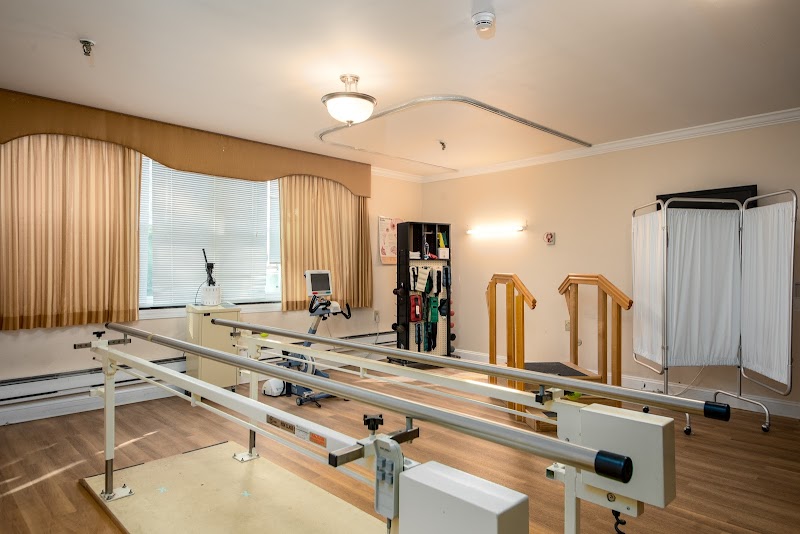
How is Care One At Brookline Staffed?

CMS rates CARE ONE AT BROOKLINE's staffing level at 4 out of 5 stars, which is above average compared to other nursing homes. Staff turnover is 30%, compared to the Massachusetts average of 46%. This relatively stable workforce can support continuity of care.

What Have Inspectors Found at Care One At Brookline?

State health inspectors documented 51 deficiencies at CARE ONE AT BROOKLINE during 2022 to 2024. These included: 3 that caused actual resident harm, 47 with potential for harm, and 1 minor or isolated issues. Deficiencies causing actual harm indicate documented cases where residents experienced negative health consequences.
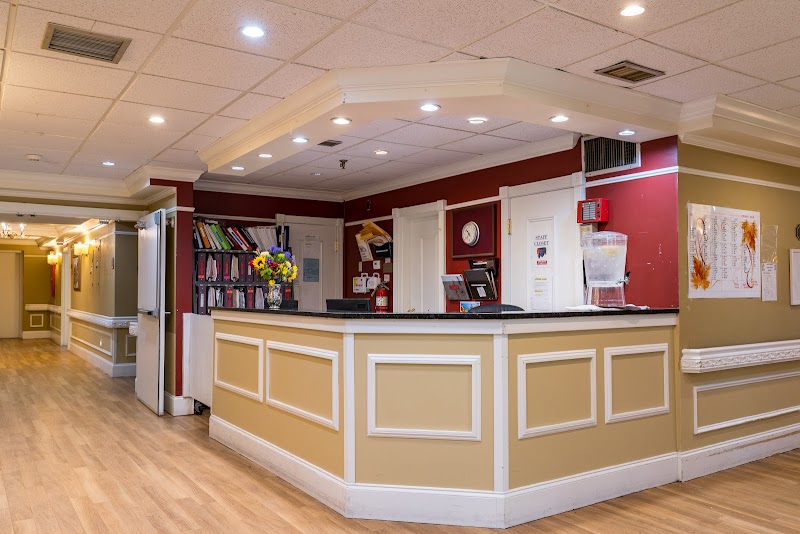
Who Owns and Operates Care One At Brookline?

CARE ONE AT BROOKLINE is owned by a for-profit company. For-profit facilities operate as businesses with obligations to shareholders or private owners. The facility is operated by CAREONE, a chain that manages multiple nursing homes. With 120 certified beds and approximately 91 residents (about 76% occupancy), it is a mid-sized facility located in BROOKLINE, Massachusetts.

How Does Care One At Brookline Compare to Other Massachusetts Nursing Homes?

Compared to the 100 nursing homes in Massachusetts, CARE ONE AT BROOKLINE's overall rating (3 stars) is above the state average of 2.9, staff turnover (30%) is significantly lower than the state average of 46%, and health inspection rating (2 stars) is below the national benchmark.

What Should Families Ask When Visiting Care One At Brookline?

Based on this facility's data, families visiting should ask: "Can I visit during a mealtime to observe dining assistance and food quality?" "How do you handle medical emergencies, and what is your hospital transfer rate?" "Can I speak with family members of current residents about their experience?"

Is Care One At Brookline Safe?

Based on CMS inspection data, CARE ONE AT BROOKLINE has a clean safety record: no substantiated abuse findings (meaning no confirmed cases of resident harm), no Immediate Jeopardy citations (the most serious violation level indicating risk of serious injury or death), and is not on the Special Focus Facility watch list (a federal program monitoring the lowest-performing 1% of nursing homes). The facility has a 3-star overall rating and ranks #1 of 100 nursing homes in Massachusetts. While no facility is perfect, families should still ask about staff-to-resident ratios and recent inspection results during their visit.

Do Nurses at Care One At Brookline Stick Around?

Staff at CARE ONE AT BROOKLINE tend to stick around. With a turnover rate of 30%, the facility is 16 percentage points below the Massachusetts average of 46%. Low turnover is a positive sign. It means caregivers have time to learn each resident's needs, medications, and personal preferences. Consistent staff also notice subtle changes in a resident's condition more quickly.

Was Care One At Brookline Ever Fined?

CARE ONE AT BROOKLINE has no federal fines on record. CMS issues fines when nursing homes fail to meet care standards or don't correct problems found during inspections. The absence of fines suggests the facility has either maintained compliance or corrected any issues before penalties were assessed. This is a positive indicator, though families should still review recent inspection reports for the full picture.

Is Care One At Brookline on Any Federal Watch List?

CARE ONE AT BROOKLINE is not on any federal watch list. The most significant is the Special Focus Facility (SFF) program, which identifies the bottom 1% of nursing homes nationally based on persistent, serious quality problems. Not being on this list means the facility has avoided the pattern of deficiencies that triggers enhanced federal oversight. This is a positive indicator, though families should still review the facility's inspection history directly.