HELLENIC NURSING & REHABILITATION CENTER
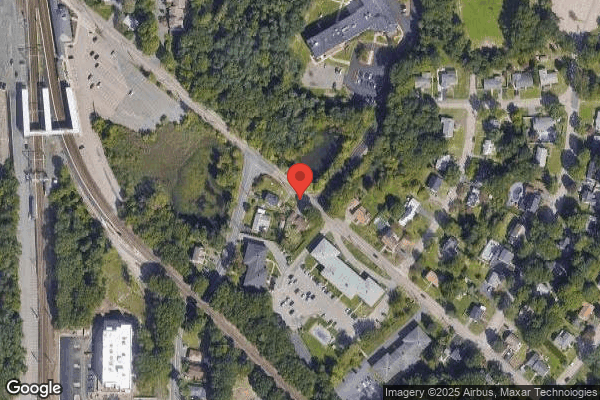
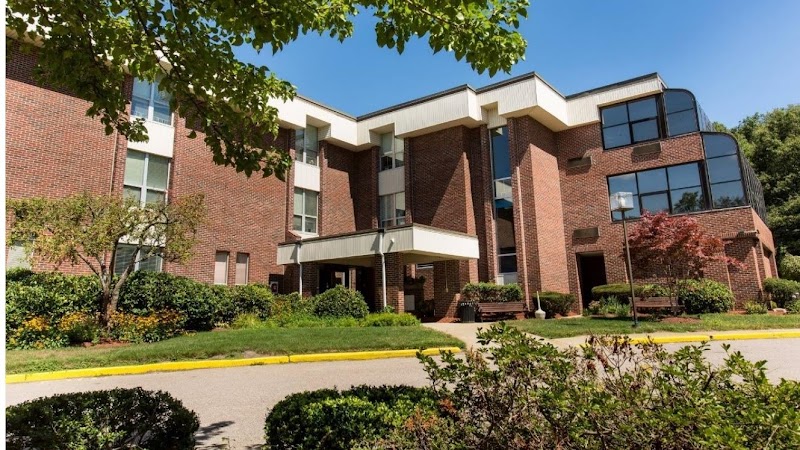
601 SHERMAN STREET, CANTON, MA 02021 (781) 828-7450
Non profit - Corporation 154 Beds Independent Data: November 2025
Trust Grade
48/100
#157 of 338 in MA
Last Inspection: August 2024

Within standard 12-15 month inspection cycle. Federal law requires annual inspections.

Overview

Hellenic Nursing & Rehabilitation Center in Canton, Massachusetts has a Trust Grade of D, indicating below average performance with some significant concerns. It ranks #157 out of 338 facilities in the state, placing it in the top half but still indicating there is room for improvement. The facility is on an improving trend, with issues decreasing from 22 in 2023 to 13 in 2024. Staffing is a notable strength, rated at 5 out of 5 stars with a low turnover rate of 17%, suggesting that staff are experienced and familiar with the residents. However, there are concerning incidents reported, including a failure to adequately assess and manage a resident's pain following a fall, which resulted in a serious fracture requiring hospitalization. Another resident with advanced dementia did not receive timely pain management, reflecting potential gaps in care standards. While there are some strengths, families should weigh these serious deficiencies when considering this facility for their loved ones.

Trust Score
D
48/100
In Massachusetts
#157/338
Top 46%
Safety Record
High Risk
Review needed
Inspections
Getting Better
22 → 13 violations
Staff Stability
✓ Good
17% annual turnover. Excellent stability, 31 points below Massachusetts's 48% average. Staff who stay learn residents' needs.
Penalties
✓ Good
$7,901 in fines. Lower than most Massachusetts facilities. Relatively clean record.
Skilled Nurses
○ Average
Each resident gets 40 minutes of Registered Nurse (RN) attention daily — about average for Massachusetts. RNs are the most trained staff who monitor for health changes.
Violations
⚠ Watch
67 deficiencies on record. Higher than average. Multiple issues found across inspections.
★★★☆☆
3.0
Overall Rating
★★★★★
5.0
Staff Levels
★★☆☆☆
2.0
Care Quality
★★☆☆☆
2.0
Inspection Score
Stable
2023: 22 issues
2024: 13 issues

The Good

  • 5-Star Staffing Rating · Excellent nurse staffing levels
  • Low Staff Turnover (17%) · Staff stability means consistent care
  • Full Sprinkler Coverage · Fire safety systems throughout facility
  • No fines on record
  • Staff turnover is low (17%)

    31 points below Massachusetts average of 48%

Facility shows strength in staffing levels, staff retention, fire safety.

The Bad

3-Star Overall Rating

Near Massachusetts average (2.9)

Meets federal standards, typical of most facilities

Federal Fines: $7,901

Below median ($33,413)

Minor penalties assessed

The Ugly 67 deficiencies on record

3 actual harm
Aug 2024 13 deficiencies
CONCERN (D)

Potential for Harm - no one hurt, but risky conditions existed

Deficiency F0552 (Tag F0552)

Could have caused harm · This affected 1 resident

Based on record review and interview, the facility failed to ensure that residents and/or their representatives were fully informed in advance and given information necessary to make health care decis...

Read full inspector narrative →
Based on record review and interview, the facility failed to ensure that residents and/or their representatives were fully informed in advance and given information necessary to make health care decisions including the dose and benefits of psychotropic medications prior to their use for one Resident (#32), from a total sample of 27 residents. Findings include: Review of the facility's policy titled Policy and Procedure for Informed Consent for Psychotropic Medications, dated 3/17/16, indicated but was not limited to: -It is the policy of the facility that informed consent for the administration of psychotropic medications will be obtained prior to the administration of any psychotropic medication, including antipsychotic medications and medications used out of class for alternate clinical purpose. -Documentation will include: -Dose range for the medication -Purpose of the medication -Risks of use of the medication; if on antipsychotics, the black box warning is reviewed for use of antipsychotics in dementia related psychosis -Benefits of use of the medication Resident #23 was admitted to the facility in June 2020 with diagnoses including dementia with behavioral disturbance and bipolar disorder. The Resident's Health Care Proxy was activated on 10/28/20. Review of the Minimum Data Set (MDS) assessment, with a reference date of 6/18/24, indicated that Resident #23 was cognitively intact as evidenced by a Brief Interview for Mental Status (BIMS) score of 13 out of 15, and was administered psychotropic medication daily. Review of the medical record indicated Physician's Orders including but not limited to: -Bupropion (antidepressant) HCI 75 milligrams (mg), give one tablet one time a day and -Bupropion HCI 75 mg, give two tablets one time a day for a total daily dose of 225 mg for bipolar disorder (1/13/24) Review of April 2024 through August 2024 Medication Administration Records (MAR) indicated Bupropion was administered as ordered by the physician. Review of psychotropic consent forms indicated a consent form for Bupropion was renewed (annually) and signed by the Health Care Proxy 4/9/24. The consent form failed to identify the dose administered, failed to indicate the benefits of the medication and indicated a dose range of 0-200 mg and not up to 225 mg that the Resident is administered daily. During an interview on 8/28/24 at 11:35 A.M., Unit Manager #2 and Nurse #2 reviewed Resident #23's medical record and said the psychotropic consent for Bupropion should indicate the dose administered, benefits of the medication, and a dose range that includes the total amount of medication administered daily.
CONCERN (D)

Potential for Harm - no one hurt, but risky conditions existed

Notification of Changes (Tag F0580)

Could have caused harm · This affected 1 resident

Based on record review and interview, the facility failed to ensure the Physician/Practitioner was notified of a change in treatment for one Resident (#17), out of a total sample of 27 residents. Spec...

Read full inspector narrative →
Based on record review and interview, the facility failed to ensure the Physician/Practitioner was notified of a change in treatment for one Resident (#17), out of a total sample of 27 residents. Specifically, the facility failed to ensure the Physician/Practitioner was notified when the Wound Consultant recommended the initiation of an antibiotic. Findings include: Resident #17 was admitted to the facility in July 2024 with the following diagnoses: Stage 4 pressure ulcer on his/her right calf (a wound with full thickness tissue loss with exposed bone, tendon, or muscle). Review of the Minimum Data Set (MDS) assessment, dated 7/30/24, indicated Resident #17 was cognitively intact as evidenced by a Brief Interview for Mental Status (BIMS) score of 13 out of 15, and had one Stage 4 pressure ulcer that was present on admission. Review of the Wound Consultant's Wound Evaluation and Management Summary, dated 8/2/24, indicated but was not limited to: -Stage 4 pressure wound of the right, upper calf, full thickness: Additional Wound Detail: Augmentin (antibiotic) 875 milligrams (mg) twice daily for seven days Review of Resident #17's August Medication Administration Record (MAR) and Treatment Administration Record (TAR) failed to indicate he/she had received Augmentin as recommended by the wound consultant. Review of Resident #17's Order Recap Report from 8/1/24 through 8/29/24 failed to indicate Augmentin 875 mg twice daily for seven days had been initiated. Review of Resident #17's progress notes from 8/1/24 through 8/29/24 failed to indicate the Physician/Practitioner was made aware of the Wound Consultant's recommendation to start Augmentin. During an interview on 8/28/24 at 3:07 P.M., Unit Manager #1 reviewed Resident #17's medical record and said there was no indication that an antibiotic had been ordered. During an interview on 8/28/24 at 3:51 P.M., the Infection Control Nurse said there was no record that Resident #17 received Augmentin during the month of August. During a telephonic interview on 8/28/24 at 1:34 P.M., the Wound Consultant said when he had a recommendation, he verbalized it to the nursing staff and included it on his Wound Evaluation and Management Summary report. The Wound Consultant said he had intended for Resident #17 to start Augmentin. During an interview on 8/29/24 at 10:13 A.M., Physician #1 said the Wound Consultant's recommendation to initiate Augmentin was not brought to his attention. Physician #1 said he spoke with his Practitioner and his Practitioner had not been made aware of the Wound Consultant's recommendation either. During an interview on 8/29/24 at 10:55 A.M., Nurse #7 said she completes wound rounds with the Wound Consultant. Nurse #7 said she did not recall the recommendation to initiate Augmentin for Resident #17. Nurse #7 said she should have seen the recommendation to start an antibiotic on the Wound Evaluation and Management Summary report and should have called the Physician/Practitioner. During an interview on 8/29/24 at 10:19 A.M., the Infection Control Nurse said Physician/Practitioners should be made aware of all recommendations.
CONCERN (D)

Potential for Harm - no one hurt, but risky conditions existed

Safe Environment (Tag F0584)

Could have caused harm · This affected 1 resident

Based on observations and interviews, the facility failed to maintain a clean, safe, comfortable, and homelike environment for the residents at the facility, for 1 of 3 nursing units. Findings includ...

Read full inspector narrative →
Based on observations and interviews, the facility failed to maintain a clean, safe, comfortable, and homelike environment for the residents at the facility, for 1 of 3 nursing units. Findings include: Review of the facility's policy titled Homelike Environment, dated as revised February 2021, indicated but was not limited to: -Residents are provided with a safe, clean, comfortable, and homelike environment and encouraged to use their personal belongings to the extent possible -The facility staff and management maximizes, to the extent possible, the characteristics of the facility that reflect a personalized, homelike setting. These characteristics include a clean, sanitary, and orderly environment. On the following days of survey, the Surveyor observed the following in the C Unit Lounge: On 8/26/24 at: -9:27 A.M., eight resident wheeled positioning devices which included standard wheelchairs, high back wheelchairs and Broda chairs (a wheelchair that provides comfort, support, and mobility), a mattress, a rolling walker, and a set of leg rests. -11:02 A.M., six resident wheeled positioning devices which included standard wheelchairs, high back wheelchairs and Broda chairs, a mattress, a rolling walker, and a set of leg rests. -3:40 P.M., eight resident wheeled positioning devices which included standard wheelchairs, high back wheelchairs and Broda chairs, a mattress, a rolling walker, and a set of leg rests. On 8/27/24 at: -8:26 A.M., nine resident wheeled positioning devices which included standard wheelchairs, high back wheelchairs and Broda chairs, a mattress, a rolling walker, and a set of leg rests. -10:08 A.M., seven resident wheeled positioning devices which included standard wheelchairs, high back wheelchairs and Broda chairs, a mattress, a rolling walker, and a set of leg rests. An activity was on-going at this time. -12:00 P.M., six resident wheeled positioning devices which included standard wheelchairs, high back wheelchairs and Broda chairs, a mattress, a rolling walker, and a set of leg rests. On 8/28/24 at: -8:02 A.M., nine resident wheeled positioning devices which included standard wheelchairs, high back wheelchairs and Broda chairs, a mattress, a rolling walker, and a set of leg rests. -9:45 A.M., eight resident wheeled positioning devices which included standard wheelchairs, high back wheelchairs and Broda chairs, a mattress, a rolling walker, and a set of leg rests. -12:07 P.M., seven resident wheeled positioning devices which included standard wheelchairs, high back wheelchairs and Broda chairs, a mattress, a rolling walker, and a set of leg rests. -4:48 P.M., nine resident wheeled positioning devices which included standard wheelchairs, high back wheelchairs and Broda chairs, a mattress, a rolling walker, and a set of leg rests. On 8/29/24 at: -7:54 A.M., seven resident wheeled positioning devices which included standard wheelchairs, high back wheelchairs and Broda chairs, a mattress, a rolling walker, and a set of leg rests. -10:17 A.M., eight resident wheeled positioning devices which included standard wheelchairs, high back wheelchairs and Broda chairs, a mattress, a rolling walker, and a set of leg rests. An activity was on-going at this time. -12:33 P.M., seven resident wheeled positioning devices which included standard wheelchairs, high back wheelchairs and Broda chairs, a mattress, a rolling walker, and a set of leg rests. During an interview on 8/29/24 at 9:42 A.M., Resident #71 said the Unit Lounge had been used as a storage room and with all the equipment in the room it was not welcoming or inviting. Resident #71 said the room was meant for the residents to use and not for storing the equipment. During an interview on 8/26/24 at 10:15 A.M., Resident Representative #1 said the Unit C Lounge looked more like a storage closet than an activity room/resident space. Resident Representative #1 said she has seen that the room has been heavily occupied by equipment that included wheelchairs, a mattress, a window screen and rolling walkers. During an interview on 8/29/24 at 9:38 A.M., Activities Assistant #1 said the Unit C Lounge was the room the facility used for most activities. Activities Assistant #1 said the room was also used to store equipment that is not in use. During an interview on 8/29/24 at 8:01 A.M., Certified Nursing Assistant (CNA) #4 said the C Unit Lounge is used for activities and occasionally as an additional dining room. CNA #4 said the equipment in the room was there because it was not currently in use and kept the residents' rooms less cluttered. During an interview on 8/29/24 at 10:17 A.M., Nurse #1 said when resident equipment was not in use it was stored in the Lounge to keep the resident rooms from being cluttered. During an interview on 8/29/24 at 12:50 P.M., the Maintenance Director said the facility goal was to keep resident areas clear of equipment and at one point the C Unit Lounge had been cleared of equipment. During an interview on 8/29/24 at 1:01 P.M., the Administrator said the C Unit Lounge was used to store wheelchairs when a resident was not using it, instead of in their rooms. The Administrator said unassigned equipment and mattresses should not be stored in the Unit Lounge.
CONCERN (D)

Potential for Harm - no one hurt, but risky conditions existed

Deficiency F0655 (Tag F0655)

Could have caused harm · This affected 1 resident

Based on record review and interview, the facility failed to ensure staff developed a baseline or comprehensive care plan within 48 hours of the resident's admission, which included the instructions n...

Read full inspector narrative →
Based on record review and interview, the facility failed to ensure staff developed a baseline or comprehensive care plan within 48 hours of the resident's admission, which included the instructions needed to provide effective and person-centered care for two Residents (#96 and #251), out of a total sample of 27 residents. Specifically, the facility failed: 1. For Resident #96, to develop and implement a baseline care plan related to falls; and 2. For Resident #251, to ensure staff provided the resident and/or their representative with a summary of the baseline care plan within 48 hours of his/her admission. Findings include: Review of the facility's policy titled Care Plans - Baseline, last revised March 2022, indicated but was not limited to: - Policy Statement: A baseline plan of care to meet the resident's immediate health and safety needs is developed for each resident within forty-eight (48) hours of admission. - The baseline care plan includes instructions needed to provide effective, person-centered care of the resident that meet professional standards of quality care and must include the minimum healthcare information necessary to properly care for the resident including, but not limited to the following: a. Initial goals based on admission orders and discussion with the resident/representative; b. Physician orders; c. Dietary orders; d. Therapy services; e. Social services; and f. PASARR recommendation, if applicable. - The baseline care plan is used until the staff can conduct the comprehensive assessment and develop an interdisciplinary person-centered care plan (no later than 21 days after admission). The baseline care plan is updated as needed to meet the resident's needs until the comprehensive care plan is developed. - The resident and/or representative are provided a written summary of the baseline care plan (in a language that the resident/representative can understand) that includes, but is not limited to the following: a. The stated goals and objectives of the resident; b. A summary of the resident's medications and dietary instructions; c. Any services and treatments to be administered by the facility and personnel acting on behalf of the facility; and d. Any updated information based on the details of the comprehensive care plan, as necessary. - Provision of the summary to the resident and/or resident representative is documented in the medical record. 1. Resident #96 was admitted to the facility in June 2024 with diagnoses of legally blind and epilepsy (seizure disorder). Review of Resident #96's Minimum Data Set (MDS) assessment, dated 6/24/24, indicated he/she had a severe cognitive deficit as evidenced by staff assessment for mental status. Review of Resident #96's Fall Risk Evaluation, dated 6/18/24, indicated that he/she had a high fall risk as evidenced by a fall score of 19. Review of the medical record indicated Resident #96 sustained a fall on 7/8/24. Further review of the medical record indicated a care plan for Falls had been established on 7/8/24, 20 days (480 hours) after Resident #96's admission. During an interview with a record review on 8/28/24 at 2:32 P.M., Unit Manager (UM) #1 reviewed Resident #96's admission fall assessment and care plans. UM #1 said Resident #96 had a fall score of 19 which indicated he/she was a high fall risk and should have had a baseline care plan for falls but did not. During an interview on 8/28/24 at 2:56 P.M., the Staff Development Coordinator (SDC) said baseline care plans were put in on admission as comprehensive care plans. The SDC said a fall care plan should have been initiated within 48 hours of admission. 2. Resident #251 was admitted to the facility in August 2024 with the following diagnoses: dementia and behavioral disorders. Review of the medical record indicated Resident #251 was alert and confused at baseline. Review of the Brief Interview or Mental Status (BIMS) Evaluation, dated 8/18/24, indicated he/she was severely cognitively impaired as evidenced by a BIMS score of 0 out of 15. During an interview on 8/26/24 at 10:15 A.M., Resident Representative #1 said she had not discussed Resident #251's goals or plan of care with the facility since he/she was admitted . Resident Representative #1 said a family member had been present daily since his/her admission, but the facility had not initiated a meeting to establish their goals and/or to find out Resident #251's baseline. Resident Representative #1 said Resident #251 had been at the facility for over a week without a meeting to establish his/her treatment plan. Review of Resident #251's Interdisciplinary Baseline Care Plan Attendance documentation failed to indicate his/her representative had been present. During an interview on 8/28/24 at 2:32 P.M., Unit Manager #1 said a baseline care plan meeting should be held within 48 hours of admission to establish a resident's goals and update his/her plan of care. Unit Manager #1 said a copy of this information should be provided to the resident and/or their representative. During an interview on 8/28/24 at 2:39 P.M., Social Worker #1 said baseline care plan meetings should be conducted within 48 hours of admission. The surveyor and Social Worker #1 reviewed the Interdisciplinary Baseline Care Plan Attendance documentation and Social Worker #1 said the meeting had been conducted telephonically in which they discussed Resident #251's history and his/her baseline. During a follow-up telephonic interview on 8/29/24 at 12:14 P.M., Resident Representative #1 said the day after Resident #251 was admitted she met with the facility to sign admission paperwork and on that day, she asked to speak with the social worker or nursing manager but that did not occur. Resident Representative #1 said the social worker had called her on the evening of 8/26/24 but had not contacted her prior to that. Resident Representative #1 said I do not know how they were able to create goals or establish care without talking to the family because her loved one could not speak for themselves. During a follow up interview on 8/29/24 at 10:43 A.M., Social Worker #1 said she wanted to clarify that Resident #251's baseline care plan had not occurred as previously reported due to an urgent issue arising at the facility. Social Worker #1 said she has since reached out to the Resident Representative and a meeting was set for 8/30/24.
CONCERN (D)

Potential for Harm - no one hurt, but risky conditions existed

Comprehensive Care Plan (Tag F0656)

Could have caused harm · This affected 1 resident

**NOTE- TERMS IN BRACKETS HAVE BEEN EDITED TO PROTECT CONFIDENTIALITY** Based on observations, interviews, and records reviewed for two Residents (#35 and #52), out of 27 sampled residents, the facili...

Read full inspector narrative →
**NOTE- TERMS IN BRACKETS HAVE BEEN EDITED TO PROTECT CONFIDENTIALITY** Based on observations, interviews, and records reviewed for two Residents (#35 and #52), out of 27 sampled residents, the facility failed to develop and/or implement comprehensive care plans to reflect the individual needs of the resident. Specifically, the facility failed: 1. For Resident #35, to develop and implement a comprehensive person-centered care plan to address the Resident's diagnoses of dementia with behavioral disturbance and psychotic disorder with delusions; and 2. For Resident #52, to develop and implement a comprehensive person-centered care plan to address trauma informed care related to post-traumatic stress disorder (PTSD) diagnosis. Findings include: Review of the facility's policy titled Care Plans, Comprehensive Person-Centered, revised March 2022, indicated but was not limited to the following: -Policy Statement: A comprehensive, person-centered care plan that includes measurable objectives and timetables to meet the resident's physical, psychosocial and functional needs is developed and implemented for each resident. 2. The comprehensive, person-centered care plan is developed within seven (7) days of the completion of the required MDS assessment (Admission, Annual or Significant Change in Status), and no more than 21 days after admission. 7. The comprehensive, person-centered care plan: a. includes measurable objectives and timeframes; b. describes the services that are to be furnished to attain or maintain the resident's highest practicable physical, mental, and psychosocial well-being, including: (1) services that would otherwise be provided for the above, but are not provided due to the resident exercising his/her rights, including the right to refuse treatment; (2) any specialized services to be provided as a result of PASARR (Pre-admission Screening and Resident Review) recommendations; and (3) which professional services are responsible for each element of care; c. includes the resident's stated goals upon admission and desired outcomes; d. builds on the resident's strengths; e. reflects currently recognized standards of practice for problem areas and conditions. 1. Resident #35 was admitted to the facility in June 2024 with diagnoses including dementia with behavioral disturbance and psychotic disorder with delusions. Review of the Minimum Data Set (MDS) assessment, dated 7/2/24, indicated Resident #35 was cognitively impaired as evidenced by a Brief Interview for Mental Status (BIMS) assessment score of 4 out of 15. Further review of the MDS indicated that the Resident exhibited verbal behaviors, wandering, and other behaviors (e.g., physical symptoms such as hitting or scratching self, pacing, rummaging, public sexual acts, disrobing in public, throwing or smearing food or bodily wastes, or verbal/vocal symptoms like screaming, disruptive sounds) and that the cognitive loss/dementia and behavioral symptoms care areas were triggered for the Resident and addressed in the Resident's Care Plan. Review of Resident #35's Physician's Orders included but was not limited to the following: - HCP (Health Care Proxy) ACTIVATED 6/27/24 (6/27/24) -ANTIPSYCHOTIC MEDICATION: Monitor for dry mouth, constipation, blurred vision, disorientation/confusion difficulty urinating, hypotention [sic], dark urine, yellow skin, N/V, lethargy, drooling, EPS symptoms (tremors, disturbed gait, increased agitation, restlessness, involuntary movement of mouth or tongue) (6/27/24) Review of Resident #35's [NAME] failed to indicate target behaviors that the Resident should be monitored for related to his/her diagnoses of dementia with behavioral disturbance and psychotic disorder with delusions. Review of Resident #35's Care Plan included but was not limited to the following: -Focus: [Resident #35] uses psychotropic medications (specify medications) [sic] r/t Behavior management -Goal: The resident will be/remain free of psychotropic drug related complications, including movement disorder, discomfort, hypotension, gait disturbance, constipation/impaction or cognitive/behavioral impairment through review date -Interventions: a. Administer psychotropic medications as ordered by physician. Monitor for side effects and effectiveness q-shift (every shift). b. AIMS (Abnormal Involuntary Movement Scale) assessment every 6 months and PRN (as needed). c. Consult with pharmacy, MD to consider dosage reduction when clinically appropriate at least quarterly. Further review of the Resident's Care Plan failed to indicate that a care plan was developed related to the Resident's impaired cognition related to his/her dementia diagnosis. Additionally, Resident #35's Care Plans failed to indicate that a care plan was developed related to the Resident's behavioral disturbance related to his/her diagnoses of dementia and psychotic disorder with delusions. Review of Resident #35's Progress Notes included but was not limited to the following: -7/23/24 at 10:29 P.M.: Resident noted to be agitated in the evening, yelling and shouting. -7/20/24 at 2:15 P.M.: Resident stated no its not after being told these are your medications and no I told you no after trying to administer medications again. Resident Refused after medication education stating, I don't care, I said no. -7/8/24 at 6:53 A.M.: Resident alert and responsive, confusion, awake most of night. Resident very disturbing behaviors to other resident shouting able to be redirected. Kept looking to go home and for his/her truck. -7/7/24 at 10:54 P.M.: Resident noted to be alert but confused, yelling out and disturbing other residents. Also resisting care, wanting to leave. During an interview on 8/29/24 at 12:19 P.M., the MDS Nurse said that she would expect that care areas triggered on the MDS would be addressed in the Resident's care plan. 2. Review of the facility's policy titled Trauma Informed Care Policy, undated, indicated but was not limited to the following: -if a resident has a history of trauma that is documented or if they have triggered from the assessment, the Social Worker (SW) and interdisciplinary team (IDT) need to immediately formulate a plan of care to assist the resident in coping within the facility with whatever issue has been identified. -the plan of care needs to be specific and include anything that has been shared that can trigger a memory of the incident. Resident #52 was admitted to the facility in July 2023 with diagnoses including unspecified dementia with agitation, anxiety disorder, major depressive disorder (MDD), and chronic PTSD (mental health condition that is triggered by a terrifying event, either by experiencing it or witnessing it. Symptoms may include flashbacks, nightmares, and severe anxiety, as well as uncontrollable thoughts about the event). Review of Resident #52's MDS assessment, dated 5/16/24, indicated Resident #52 had a BIMS score of 0 out of 15, which is indicative of severe cognitive impairment. Further review of the MDS indicated Resident #52 had active diagnoses that included dementia, anxiety, depression, and PTSD; and the Resident displayed physical, verbal, and other behavioral symptoms directed toward others. Review of Resident #52's Physician's Orders indicated but was not limited to the following: -Seroquel, 25 milligrams (mg) by mouth one time a day related to chronic PTSD, MDD, severe with psychotic symptoms, start 3/6/24; -Seroquel, 50 mg by mouth one time a day related to chronic PTSD, MDD, severe with psychotic symptoms, start 3/6/24. During an interview on 8/28/24 at 2:56 P.M., Social Worker (SW) #1 reviewed Resident #52's care plan. SW #1 said a trauma informed care care plan, which would include documentation of PTSD triggers, was not completed for the Resident. SW #1 said she could not find documentation of specific trauma or triggers related to the Resident's PTSD in the Resident's medical record. During an interview on 8/29/24 at 9:53 A.M., Unit Manager (UM) #1 said any resident with a diagnosis of PTSD must have a trauma informed care care plan that would include information such as PTSD triggers. UM #1 said Resident #52 should have a trauma informed care plan but did not.
CONCERN (D)

Potential for Harm - no one hurt, but risky conditions existed

Deficiency F0658 (Tag F0658)

Could have caused harm · This affected 1 resident

**NOTE- TERMS IN BRACKETS HAVE BEEN EDITED TO PROTECT CONFIDENTIALITY** Based on observation, interviews, and record review, the facility failed to ensure residents were provided care in accordance wi...

Read full inspector narrative →
**NOTE- TERMS IN BRACKETS HAVE BEEN EDITED TO PROTECT CONFIDENTIALITY** Based on observation, interviews, and record review, the facility failed to ensure residents were provided care in accordance with professional standards of practice for two Residents (#35 and #63), out of a total sample of 27 residents. Specifically, the facility failed: 1. For Resident #35, a. to ensure that the Resident's fingerstick blood sugar was obtained per physician's order, b. to ensure that a physician's order was in place for the care and maintenance of the Resident's catheter drainage bag, and c. to ensure that a voiding trial (a procedure in which the ability of the bladder to empty after removal of a urinary catheter is measured) on 8/23/24 was implemented per physician's order; and 2. For Resident #63, to ensure physician's orders were complete for the management of a continuous glucose monitoring sensor and included orders to remove and change the device every 14 days. Findings include: Review of the Massachusetts Board of Registration in Nursing Advisory Ruling on Nursing Practice, dated as revised April 11, 2018, indicated but was not limited to: Nurse's Responsibility and Accountability: Licensed nurses accept, verify, transcribe, and implement orders from duly authorized prescriber that are received by a variety of methods (i.e., written, verbal/telephone, standing orders/protocols, pre-printed order sets, electronic) in emergent and non-emergent situations. Licensed nurses in a management role must ensure an infrastructure is in place, consistent with current standards of care, to minimize error. 1. Review of the facility's policy titled Diabetes - Clinical Protocol, revised November 2020, indicated but was not limited to the following: -As indicated, the Physician will order appropriate lab tests (for example, periodic finger sticks or A1C) and adjust treatments based on these results and other parameters such as glycosuria, weight gain or loss, hypoglycemic episodes, etc. Review of the facility's policy titled Insulin Administration, revised September 2014, indicated but was not limited to the following: -Characteristics and Types of Insulin Type: Long-acting Onset: 1-2 hours Peak: up to 8 hours Duration: up to 24 hours Review of the facility's policy titled Catheter Care, Urinary, revised August 2022, indicated but was not limited to the following: -Changing Catheters 1. Do not change indwelling catheters or drainage bags at routine, fixed intervals. 2. Change catheters and drainage bags based on clinical indications such as infection, obstruction, or when the closed system is compromised. Resident #35 was admitted to the facility in June 2024 with diagnoses including infection and inflammatory reaction due to indwelling urethral catheter, diabetes mellitus, urinary tract infection, obstructive and reflex uropathy, and benign prostatic hyperplasia. Review of the Minimum Data Set (MDS) assessment, dated 7/2/24, indicated Resident #35 was severely cognitively impaired, as evidenced by a Brief Interview for Mental Status (BIMS) assessment score of 4 out of 15. Further review of the MDS indicated the Resident had an indwelling urinary catheter and diagnosis of diabetes. a. Review of Resident #35's Physician's Orders included but was not limited to the following: - Fingerstick; contact MD below 70 above 350 one time a day (scheduled at 7:00 A.M.) (7/10/24) - Lantus (long-acting insulin) 100 units/milliliter; Inject 10 units subcutaneously one time a day (scheduled at 8:00 P.M.) (6/27/24) Review of Resident #35's Medication Administration Records (MAR) for July 2024 and August 2024 indicated that the fingersticks were obtained daily as ordered at 7:00 A.M. 7/10/24 through 8/28/24, but no values for the fingersticks obtained were documented on the MAR. Review of Resident #35's Weights and Vitals Summary showed that the Resident's blood sugar was documented as 160 milligrams (mg)/deciliter (dL) on 8/15/24 at 5:44 A.M. and 130 mg/dL on 8/11/24 at 7:06 A.M. From 7/10/24 through 8/26/24, 41 blood sugar values were entered in the Resident's record between 7:04 P.M. and 12:57 A.M., outside of the scheduled 7:00 A.M. time per the physician's order for fingersticks. b. Review of Resident #35's Physician's Orders included, but was not limited to, the following: - Foley Catheter Care every shift (7/30/24) - Foley catheter size 16 Fr (French) (7/30/24) - Irrigate Foley with 60 ml NS as needed (8/18/24) No physician's order for replacement/changing of the Resident's catheter drainage bag was identified. Review of Resident #35's August 2024 MAR indicated that the Resident completed a course of Linezolid (an antibiotic) for treatment of a Vancomycin-resistant Enterococci (a bacteria resistant to Vancomycin, an antibiotic commonly used to treat enterococci infections) urinary tract infection on 8/8/24. Review of Resident #35's Treatment Administration Records (TAR) failed to indicate that his/her catheter drainage bag had been changed. c. Review of Resident #35's Physician's Orders included, but was not limited to, the following: - Foley Catheter Care every shift (7/30/24) - Foley catheter size 16 Fr (French) (7/30/24) - Void trial-reinsert foley if unable to void 8hrs, abdominal pain or distention one time only for retention for 1 Day (8/6/24) - Void trial-reinsert >400cc, abdominal distention, inability to void >8 hours (8/23/24) Review of Resident #35's TAR for July 2024 and August 2024 indicated that a voiding trial was completed 8/23/24; however, the TAR indicated that Foley catheter care was completed every shift on 8/23/24. Review of Resident #35's Progress Notes indicated, but was not limited to, the following: -On 8/20/24, Nurse #2 indicated that the Physician Assistant (PA) ordered a voiding trial for Friday (8/23/24) at 6:30 A.M. -On 8/21/24, Nurse #2 indicated that a voiding trial was scheduled for Friday (8/23/24) at 6:30 A.M. -On 8/26/24, Nurse #2 indicated that the Resident's catheter was removed at 7:00 A.M. for an attempted voiding trial but was reinserted as the Resident had not voided at 3:00 P.M. -On 8/27/24, Physician Assistant #1 indicated that the Resident had failed the voiding trial and that his/her blood sugar monitoring was without indications of hypoglycemia. No physician's order for a voiding trial on 8/26/24 was identified in the Resident's record. No progress note was entered on 8/23/24 indicating a voiding trial was attempted on that date or that communication with the physician had occurred to obtain an order to change the date of the voiding trial. No progress note was entered on 8/23/24 that indicated a voiding trial was attempted on that date. No progress note was entered that indicated communication with the physician had occurred to inform him/her that the voiding trial was not completed on 8/23/24 and/or to obtain an order to change the date of the voiding trial. During an interview on 8/28/24 at 2:59 P.M., Nurse #2 said that the Resident had undergone catheter removal for a voiding trial in the morning on 8/26/24, but was unable to void and the catheter was reinserted that afternoon. 2. Review of the facility's policy titled Blood Glucose Monitoring-Continuous Policy, dated January 2023, indicated but was not limited to: -Staff should change out the site monitor/transmitter per manufacturer recommendations. Review of [NAME] Freestyle Libre Continuous Glucose Monitoring (CGM- https://www.freestyle.[NAME]/us-en/home.html) guidelines, included but was not limited to: -the Libre CGM is a small sensor-based system that provides real-time glucose readings day and night, without fingersticks; -The sensor is applied to the back of the upper arm with a simple, disposable device called an applicator. When the sensor is applied, a small (5 millimeter) filament (needle) is inserted just under the skin and held in place with a small adhesive pad; -There is a needle (sharp) in the applicator to insert the filament in the back of your upper arm so the sensor can monitor your glucose; -The sensor lasts up to 14 days and it is recommended to rotate application site of the sensor between arms. Review of Quick Start Guide for FreeStyle Libre 2 Reader (cgmmonitors.com/how-to-apply-freestyle-libre-sensor/) indicated, but was not limited to: -Select site on the back of upper arm. Do not use other sites as these may result in inaccurate glucose readings. -Wash site using a plain soap, dry, and then clean with alcohol wipe. Allow site to air dry before proceeding. -Place Sensor Applicator over site and push down firmly to apply Sensor. CAUTION: Do not push down on Sensor Applicator until placed over prepared site to prevent unintended results or injury. -Rotate application sites: To avoid skin irritation or tissue buildup, it's essential to rotate the sensor's application site regularly. Do not apply the sensor to the same spot consecutively. This helps maintain accurate readings and reduces the risk of skin-related issues. Resident #63 was admitted to the facility in February 2024 and had diagnoses including diabetes mellitus, type 1. Review of the MDS assessment, dated 5/27/24, indicated Resident #63 had moderate cognitive impairment as evidenced by a BIMS score of 8 out of 15 and received insulin injections daily. Review of August 2024 Physician's Orders indicated, but was not limited to: -FreeStyle Libre 2 Reader Device (Continuous Glucose System Receiver), 1 unit three times a day for diabetes mellitus (DM) monitoring using sliding scale as ordered (5/23/24) The physician's orders failed to include an order to change the device every 14 days. Review of August 2024 MAR/TAR and the entire medical record failed to indicate staff changed the sensor every 14 days as recommended by the manufacturer. During an interview on 8/30/24 at 8:38 A.M., Unit Manager #2 reviewed Resident #63's medical record. She said Resident #63 did not have a physician's order to change the device every 14 days but there should be. Telephone calls with voice messages left for Physican #2 on 8/30/24 and 9/13/24 were not returned.
CONCERN (D)

Potential for Harm - no one hurt, but risky conditions existed

Deficiency F0676 (Tag F0676)

Could have caused harm · This affected 1 resident

Based on observation, record review, and interview, the facility failed to provide the necessary care and services to attain or maintain the highest practicable physical, mental, and psychosocial well...

Read full inspector narrative →
Based on observation, record review, and interview, the facility failed to provide the necessary care and services to attain or maintain the highest practicable physical, mental, and psychosocial well-being for one Resident (#57), out of a total sample of 27 residents. Specifically, the facility failed to fully develop and implement interdisciplinary care plans related to his/her dominant language of Albanian and failed to ensure staff provided person-centered care and services to determine and support the Resident's communication needs. Findings include: Resident #57 was admitted to the facility in May 2019 and had diagnoses including Alzheimer's disease, major depressive disorder, and adjustment disorder. Review of the Minimum Data Set assessment, dated 7/9/24, indicated Resident #57's preferred language was Greek and requires an interpreter to communicate with his/her physician and health care staff. Review of the care plan for communication problems, initiated 5/12/19, indicated Resident #57 has a language barrier and prefers to speak in Albanian, but can understand some Greek and English words. The care plan indicated a language translator will be used for communication. Review of the care plan for Resident #57's dependence on staff for meeting emotional, intellectual, physical, and social needs, initiated 6/10/19, indicated all staff to converse with the Resident while providing care: I speak Albanian and Greek with limited English. On 8/26/24 at 9:25 A.M., the surveyor observed Resident #57 ambulating independently in his/her room. The surveyor greeted the Resident with good morning. The Resident's roommate told the surveyor that Resident #57 does not understand or speak English. During an interview on 8/26/24 at 9:26 A.M., Resident #57's Health Care Proxy (HCP) said Resident #57 speaks Albanian and Greek only and there is only one staff person that speaks Greek, but he/she hasn't seen her in a long time. The HCP said staff call him a lot to translate and he doesn't mind, but it would be very helpful if they had some basic words and pictures posted on the bulletin board in the Resident's room for staff to use so they could communicate with him/her. The HCP said there is not a communication book or translation service available for staff to use to communicate with Resident #57. The surveyor and HCP looked around the Resident's room and were unable to find a communication book or information about the availability of a language translation service. As the surveyor was leaving Resident #57's room on 8/26/24 at 9:32 A.M., Nurse #1 greeted Resident #57 in Spanish, Cómo estás?. Resident #57 did not respond. On 8/26/24 at 9:30 A.M., the surveyor inspected the nursing station and vicinity, including all shelving and accessible storage areas and found no language communication book or information about the availability of a language translation service. On 8/27/24 at 2:00 P.M., the surveyor observed Resident #57 standing in his/her doorway. The surveyor greeted the Resident with good morning. The Resident began to speak in his/her language. At this time, Certified Nursing Assistants (CNA) #1 and #5 were standing outside of the Resident's room. During an interview, the CNAs said they have Resident #57 on their assignment regularly and neither of them speak Albanian or Greek and cannot communicate with the Resident or understand what he/she is trying to say. CNA #1 said she asks the family to translate when they are in to visit, but they don't come in every day. The CNAs said there was no communication book with pictures or simple phrases available to assist in communicating with Resident #57 and they were not aware of the availability of a language translation service. During an interview on 8/27/24 at 2:10 P.M., Nurse #1 said she cannot speak Albanian or Greek and uses hand gestures to try and communicate with Resident #57. She said one of the physicians that comes to the facility can speak Greek and one staff person from consultant service provider that occasionally comes to the facility also speaks Greek. On 8/27/24 at 2:15 P.M., the surveyor again inspected the nursing station and vicinity, including all shelving and accessible storage areas and found no language communication book or information about the availability of a language translation service. During an interview on 8/27/24 at 2:35 P.M., Volunteer #1 said he/she usually comes to the facility once a week. He/she said the staff can't speak Greek and it is sad that they can't communicate and engage the residents for which English is not their primary language. The Volunteer said there used to be someone here that could speak Greek, but he/she hasn't seen her in a while. The Volunteer said he/she is not aware of a language translation service available to residents, staff and volunteers. During an interview on 8/28/24 at 11:35 A.M., the surveyor asked Unit Manager #2 and Nurse #2 what resources are available for staff to communicate with non-English speaking residents. They said they try to interpret Resident #57's gestures to figure out what he/she needs, but don't know of any resources when they are not in the building. Nurse #2 said she is not aware of the availability of a language translation line. Unit Manager #2 said the social worker had just brought up a telephone number for a translation line and put it somewhere at the nursing station. Nurse #2 searched the nursing station and vicinity and moved a large computer monitor away from the wall to access a piece of paper tacked to a cork board with the words Translator Services and a telephone number printed on it. Unit Manager #2 and Nurse #2 said they didn't know the telephone number was there, did not know the translation service was available, and had never called the number. Unit Manager #2 removed a red binder, labeled Unit B Greek Translation, from a shelving unit holding medical records. The surveyor shared observations on 8/26/24 and 8/27/24 of no communication book at the nursing station and vicinity including all shelving and accessible storage areas. Unit Manager #2 could not explain why no staff, Health Care Proxys or volunteers interviewed were aware of the existence of a Greek language communication book and language translation service. Unit Manager #2, Nurse #2 and the surveyor reviewed the communication binder. A page in the binder listed four names of Greek translators available. Nurse #2 said she didn't know how old the book was, because three out of the four names listed no longer worked at the facility. She said the fourth name was a contracted consultant service provider and is not available to interpret unless she is in the building seeing her patients. Unit Manager #2 said Resident #57's physician speaks Greek and is always available to translate for staff. During an interview on 8/29/24 at 8:58 A.M., Physician #1 said he is Resident #57's attending physician and he speaks Greek with both residents and their families. He said if there is a medical problem, staff call him. He gave an example that if the Resident isn't feeling well, they call him to translate to find out what is going on. He said he only performs translation for medical issues and does not translate for anything non-medical.
CONCERN (D)

Potential for Harm - no one hurt, but risky conditions existed

Deficiency F0679 (Tag F0679)

Could have caused harm · This affected 1 resident

Based on observation and interview, the facility failed to provide an ongoing program of individual and group activities designed to meet the interests of and support the physical, mental and psychoso...

Read full inspector narrative →
Based on observation and interview, the facility failed to provide an ongoing program of individual and group activities designed to meet the interests of and support the physical, mental and psychosocial well-being for one Resident (#251), out of 27 sampled residents. Specifically, for Resident #251, the facility failed to consistently provide activities based on the comprehensive assessment and care plan. Findings include: Resident #251 was admitted to the facility in August 2024 with the following diagnoses: dementia and behavioral disorders. Review of the medical record indicated Resident #251 was alert and confused at baseline. Review of the Brief Interview for Mental Status (BIMS) Evaluation, dated 8/18/24, indicated the Resident scored 0 out of 15 indicating he/she was severely cognitively impaired. Review of Resident #251's care plans included but were not limited to: -Focus: Resident admitted for long term care. Resident in need of 24 hour care and supervision, dated 8/16/24. Interventions: Encourage/involve in daily activities, dated 8/16/24 -Focus: Resident #251 is dependent on staff for meeting emotional, intellectual, physical, and social needs related to cognitive deficits due to dementia, depression, anxiety, anemia, physical limitations due to gait and balance problems, dated 8/22/24. Interventions: I need 1:1 bedside/in-room visits and activities if unable to attend out of room events, dated 8/22/24. Invite Resident #251 to scheduled activities. I enjoy Musical Events, dated 8/22/24 Review of Resident #251's August 2024 Activity Participation Record indicated but was not limited to: -8/16/24: TV/Radio, 1:1 visit, Family Visit -8/17/24: TV/Radio -8/18/24: TV/Radio, Outside Family Visit -8/19/24: TV/Radio, Family Visit, Entertainment -8/20/24: TV/Radio, Family Visit -8/21/24: TV/Radio -8/22/24: TV/Radio -8/23/24: TV/Radio -8/24/24: TV/Radio, Family Visit, Holy Communion, 1:1 Visit -8/25/24: TV/Radio, Family Visit -8/26/24: TV/Radio, Family Visit -8/27/24: TV/Radio, 1:1 visit -8/28/24: TV/Radio, 1:1 visit -8/29/24: TV/Radio, 1:1 visit On the following dates and times of survey, the surveyor observed Resident #251: On 8/27/24: -8:27 A.M., lying in bed, no TV/music, with no staff engagement -10:08 A.M., sitting in his/her chair, door to room partially closed, no TV/music, with no staff engagement. Multiple residents observed in the C Unit Lounge participating in an exercise group -10:29 A.M., sitting in his/her chair, door to room partially closed, no TV/music, with no staff engagement. Multiple residents observed in the C Unit Lounge participating in an exercise group -12:12 P.M., sitting in his/her chair, door to room partially closed, no TV/music, with no staff engagement On 8/28/24: -7:58 A.M., lying in bed, no TV/music, with no staff engagement -9:44 A.M., sitting in his/her chair, no TV/music, with no staff engagement -11:52 A.M., lying in bed, no TV/music, with no staff engagement -2:46 P.M., sitting in his/her chair looking at a paper on his/her overbed table, no TV/music, with no staff engagement. Multiple residents observed in the C Unit Lounge participating in a music activity. -4:48 P.M., sitting in his/her chair, no TV/music, with no staff engagement On 8/29/24: -7:55 A.M., lying in bed, no TV/music, with no staff engagement -9:47 A.M., sitting in his/her chair with a baby doll in hands, no TV/music, with no staff engagement -10:11 A.M., sitting in his/her chair, no TV/music, with no staff engagement. Multiple residents observed in the C Unit Lounge participating in an exercise group -12:33 P.M., sitting in his/her chair, no TV/music, with no staff engagement During an interview on 8/26/24 at 10:15 A.M., Resident Representative #1 said Resident #251 was used to being involved in structured activity. Resident Representative #1 said Resident #251 was not being engaged by the staff and had not been to any activities. During an interview on 8/28/24 at 2:17 P.M., Certified Nursing Assistants (CNA) #2 and #3 said Resident #251 stayed in his/her room most of the time with his/her baby doll and family photos. CNA #2 said his/her family visited often and that Resident #251 had gone to one or two group activities. During an interview on 8/28/24 at 12:02 P.M., Nurse #4 said Resident #251 was new to her, but from what she has seen, Resident #251 sits in his/her room with the baby doll and seemed content with that. Nurse #4 said she was not aware if Resident #251 had attended activities. During an interview on 8/29/24 at 10:53 A.M., Social Worker #2 said she was reviewing Resident #251's medical record and that goal of care was to get him/her involved in a routine and activities. During an interview on 8/29/24 at 1:48 P.M., the Activities Director said she would go in and provide 1:1 visits with Resident #251. The Activities Director said Resident #251's family visited often and he/she spent time with them outside. The Activities Director provided the surveyor with a copy of Resident #251's August 2024 Activity Participation Record and said any activities he/she had participated in would be recorded. The Activities Director said the (Activity Participation Record) sheets were updated daily and were accurate at this time.
CONCERN (D)

Potential for Harm - no one hurt, but risky conditions existed

Accident Prevention (Tag F0689)

Could have caused harm · This affected 1 resident

Based on observation, record review, and interview, the facility failed to ensure residents were free from accident hazards for two Residents (#32 and #62), out of a total sample of 27 residents. Spec...

Read full inspector narrative →
Based on observation, record review, and interview, the facility failed to ensure residents were free from accident hazards for two Residents (#32 and #62), out of a total sample of 27 residents. Specifically, the facility failed to complete his/her quarterly smoking evaluations. Findings include: Review of the facility's policy titled Smoking Policy and Procedure, dated as revised 11/1/2018, indicated but was not limited to: -All residents expressing the desire to smoke tobacco products or use E-cigarettes will be assessed upon admission to the center, when there is a change in status and quarterly. On 8/26/24 at 1:30 P.M. and 8/29/24 at 9:07 A.M., the surveyor observed Residents #32 and #62 smoking in the facility's designated smoking area with staff supervision. a. Resident #32 was admitted to the facility in June 2020 and had diagnoses including bipolar disorder and anxiety. Review of the Minimum Data Set (MDS) assessment, dated 3/19/24, indicated Resident #32 had moderate cognitive impairment as evidenced by a Brief Interview for Mental Status (BIMS) score of 10 out of 15 and utilized tobacco products. Review of the medical record indicated the last smoking and safety assessment was conducted on 12/18/23. Further review of the entire medical record failed to indicate any smoking and safety assessments were conducted after 12/18/23. b. Resident #62 was admitted to the facility in March 2021 and had diagnoses including bipolar disorder and anxiety. Review of the MDS assessment, dated 1/2/24, indicated Resident #32 had moderate cognitive impairment as evidenced by a BIMS score of 8 out of 15 and utilized tobacco products. Review of the medical record indicated the smoking and safety assessment were conducted on: -1/20/23 -6/16/23 -4/1/24 -7/1/24 Further review of the medical record indicated no quarterly smoking and safety assessments were conducted in 4/2023, 9/2023, 12/2023 and 3/2024. During an interview on 8/27/24 at 1:49 P.M., Unit Manager #2 said smoking and safety assessments are to be completed quarterly. She said some assessments were missed and not done quarterly for Residents #32 and #62.
CONCERN (D)

Potential for Harm - no one hurt, but risky conditions existed

Deficiency F0757 (Tag F0757)

Could have caused harm · This affected 1 resident

Based on record review, policy review, and interview, the facility failed to monitor adverse consequences (side effects) of anticoagulant medications (used to prevent the blood from clotting; a blood ...

Read full inspector narrative →
Based on record review, policy review, and interview, the facility failed to monitor adverse consequences (side effects) of anticoagulant medications (used to prevent the blood from clotting; a blood thinner) for one Resident (#41), out of a total sample of 27 residents. Findings include: Review of the facility's policy titled Anticoagulation-Clinical Protocol, last revised November 2018, indicated but was not limited to: - Monitor and Follow-Up 5. The staff and physician will monitor for possible complications in individuals who are being anticoagulated, and will manage related problems. Resident #41 was admitted to the facility in January 2024 with diagnoses of atrial fibrillation and hypertension. Review of Resident #41's Minimum Data Set (MDS) assessment, dated 7/25/24, indicated Resident #41 had a moderate cognitive impairment as evidenced by a Brief Interview for Mental Status (BIMS) score of 10 out of 15. Further review of the MDS indicated that Resident #41 received anticoagulant medication. Review of Resident #41's current Physician's Orders indicated but was not limited to: - Rivaroxaban (Xarelto, anticoagulant medication) 20 milligrams (mg), give 1 tablet by mouth one time a day for AFIB (atrial fibrillation), dated 3/7/24 Review of Resident #41's August 2024 Medication Administration Record (MAR) indicated he/she received Rivaroxaban as ordered. Further review of Resident #41's medical record failed to indicate Resident #41 was monitored for adverse consequences of anticoagulant medication. During an interview on 8/29/24 at 9:04 A.M., Nurse #8 said residents who received anticoagulant medications should be monitored for adverse consequences. Nurse #8 reviewed Resident #41's physician's orders and said the Resident had an order for anticoagulant medication and had received it as ordered. Nurse #8 said Resident #41 should have had an order to monitor for adverse consequences of anticoagulant medication but did not. During an interview on 8/29/24 at 9:10 A.M., Nurse #5 said any resident who takes an anticoagulant medication should have an order to monitor for adverse consequences. During an interview on 8/29/24 at 12:09 P.M., the Staff Development Coordinator (SDC) said residents who take anticoagulant medications should be monitored for adverse consequences every shift. During an interview on 8/29/24 at 1:33 P.M., Unit Manager (UM) #1 said all residents who receive an anticoagulant medication should have an order to monitor for adverse consequences.
CONCERN (D)

Potential for Harm - no one hurt, but risky conditions existed

Medication Errors (Tag F0758)

Could have caused harm · This affected 1 resident

Based on record review and interview, the facility failed to ensure one Resident's (#56) drug regimen was free from unnecessary psychotropic medications, out of a total sample of 27 residents. Specifi...

Read full inspector narrative →
Based on record review and interview, the facility failed to ensure one Resident's (#56) drug regimen was free from unnecessary psychotropic medications, out of a total sample of 27 residents. Specifically, the facility failed to ensure an as needed antipsychotic medication was limited to 14 days, or extended beyond 14 days with a documented clinical rationale and duration. Findings include: Review of the facility's policy titled Antipsychotic Medication Use, last revised July 2022, indicated but was not limited to: - Policy Statement: - Residents will not receive medications that are not clinically indicated to treat a specific condition. - Antipsychotic medications will be prescribed at the lowest possible dosage for the shortest period of time and are subject to gradual dose reduction and re-review. - Policy Interpretation and Implementation: 1. Resident will only receive antipsychotic medications when necessary to treat specific conditions for which they are indicated and effective. 16. PRN (as needed) orders for antipsychotic medications will not be renewed beyond 14 days unless the healthcare practitioner has evaluated the resident for the appropriateness of that medication and documented the rationale for continued use. The duration of the PRN order will be indicated in the order. Resident #56 was admitted to the facility in July 2024 with a diagnosis of Alzheimer's disease. Review of Resident #56's August 2024 Physician's Orders indicated but were not limited to: - Quetiapine (antipsychotic medication) 25 milligrams (mg), Give 1 tablet by mouth every six hours as needed for Breakthrough Aggression and Agitation with an end date listed as indefinite. (dated 8/9/24) - Quetiapine 25 mg, give half a tab (12.5 mg) two times daily for Breakthrough Aggression and Agitation related to Alzheimer's disease (dated 8/9/24) Review of Resident #56's medical record failed to indicate that Quetiapine 25 mg as needed was re-evaluated after 14 days. During an interview on 8/28/24 at 3:21 P.M., Unit Manager (UM) #1 said any resident who had an order for an as needed anti-psychotic medication should have the order for no longer than 14 days. UM #1 reviewed Resident #56's medical record and said the Resident had an order for an as needed anti-psychotic medication, Quetiapine, that did not have a stop date and was put into the physician's orders as indefinitely. UM #1 said the order for Quetiapine should have been 14 days, and then the physician should have re-evaluated the medication. During an interview on 8/29/24 at 10:15 A.M., the Staff Development Coordinator said as needed anti-psychotic medications should be prescribed for no longer than 14 days.
CONCERN (E)

Potential for Harm - no one hurt, but risky conditions existed

Deficiency F0698 (Tag F0698)

Could have caused harm · This affected multiple residents

Based on interview and record review, the facility failed to ensure staff implemented dialysis care and services consistent with professional standards of practice for one Resident (#10), out of 27 sa...

Read full inspector narrative →
Based on interview and record review, the facility failed to ensure staff implemented dialysis care and services consistent with professional standards of practice for one Resident (#10), out of 27 sampled residents. Specifically, the facility failed to provide ongoing communication between the nursing facility and dialysis facility. Findings include: Review of the Long Term Care Facility Outpatient Dialysis Services Agreement, dated 6/15/07, indicated but was not limited to the following: 3. Resident Information. The Facility shall ensure that all appropriate medical and administrative information accompany all residents at the time of transfer or referral to the Center. This information, shall include, but is not limited to, where appropriate, the following: a. Resident's name, address, date of birth , and Social Security Number; b. Name, address and telephone number of the resident's next of kin; c. Resident's third party payor data; d. Appropriate medical records, including history of the resident's illness, including laboratory and x-ray findings; e. Treatment presently being provided to the resident, including medications; f. Name, address and telephone number of the nephrologist with admitting privileges at the Center referring the resident to the Center; and g. Any advance directive executed by the resident. Resident #10 was admitted to the facility in October 2021 with diagnoses including end stage renal disease and diabetes mellitus. Review of the Minimum Data Set (MDS) assessment, dated 6/25/24, indicated Resident #10 was cognitively intact, as evidenced by a Brief Interview for Mental Status (BIMS) assessment score of 15 out of 15. Further review of the MDS indicated the Resident received dialysis treatments. Review of the Physician's Orders indicated Resident #10 had dialysis three times weekly. Review of the Dialysis Communication Book indicated that no dialysis communication forms were completed by the facility from 10/28/23 through 8/27/24. Further review of the dialysis communication book indicated that communication forms were completed by the dialysis center for communication to the facility 10/28/23 through 8/27/24. Review of Resident #10's Progress Notes failed to indicate the facility called the dialysis center and provided verbal communication from 10/28/23 through 8/27/24. During an interview on 8/27/24 at 12:40 P.M., Unit Manager (UM) #2 said that the nurse should complete the facility's Dialysis Communication Form in the Resident's dialysis communication book before the Resident leaves for dialysis. UM #2 reviewed the dialysis communication book with the surveyor and said that she did not see any completed Dialysis Communication Forms in the book. During an interview on 8/27/24 at 12:45 P.M., Nurse #2 said that the nurse on duty when the Resident leaves for dialysis is responsible for completing the Dialysis Communication Form and that she reviews the Resident's dialysis book when he/she returns from dialysis. During a telephonic interview on 8/27/24 at 3:49 P.M., the Dialysis Nurse said that the facility does not usually complete a communication form to share information with the dialysis center on a regular basis but will report if something out of the ordinary occurs with the Resident. During an interview on 8/29/24 at 10:25 A.M., Nurse #2 said that the facility utilizes the paper communication forms in the Resident's dialysis communication book to communicate with the dialysis center.
CONCERN (E)

Potential for Harm - no one hurt, but risky conditions existed

Food Safety (Tag F0812)

Could have caused harm · This affected multiple residents

**NOTE- TERMS IN BRACKETS HAVE BEEN EDITED TO PROTECT CONFIDENTIALITY** Based on observation and interview, the facility failed to store, prepare and serve food in accordance with professional standar...

Read full inspector narrative →
**NOTE- TERMS IN BRACKETS HAVE BEEN EDITED TO PROTECT CONFIDENTIALITY** Based on observation and interview, the facility failed to store, prepare and serve food in accordance with professional standards of practice for food safety and sanitation to prevent the potential spread of foodborne illness to residents who are at high risk. Specifically, the facility failed to: 1. Ensure food was properly labeled in two out of two refrigerators in the kitchen; and 2. Properly label, date, and store food products in two of two nourishment kitchenettes. Findings include: Review of the facility's policy titled Food Storage: Cold Foods, revised 2/2023, indicated but was not limited to: - All foods will be stored wrapped or in covered containers, labeled and dated and arranged in a manner to prevent cross contamination. - All refrigerated, ready-to-eat Time/Temperature Control Safety (TCS) prepared foods that are to be held for more than 24 hours at a temperature of 41 degrees Fahrenheit or less, will be labeled and dated with a prepared date (Day 1) and use by date (Day 7). Review of the 2022 Food Code by the U.S. Food and Drug Administration (FDA) indicated, but was not limited to: 3-501.18 Ready-to-Eat, Time/Temperature Control for Safety Food, Disposition. (A) A food specified in 3-501.17(A) or (B) shall be discarded if it: (1) Exceeds the temperature and time combination specified in 3- 501.17(A), except time that the product is frozen; (2) Is in a container or package that does not bear a date or day; or (3) Is inappropriately marked with a date or day that exceeds a temperature and time combination as specified in 3-501.17(A). 1. On 8/27/24 at 7:35 A.M., the surveyor along with the Food Service Manager (FSM) observed the following in Refrigerator #1 and #2 in the main kitchen: - Refrigerator #1: one large, opened package of American cheese opened 8/26/24 no use by date, one large bowl of egg salad dated 8/26/24 no use by date. - Refrigerator #2: one container of feta cheese dated 7/30/24 no use by date. One bag of parmesan cheese delivered 8/13/24 opened and undated. During an interview on 8/27/24 at 9:10 A.M., the FSM said the kitchen staff should have labeled the refrigerated food items with an opened and a use by date. She said the items in use stored in the main kitchen refrigerators were not properly labeled. 2. Review of the facility's policy titled Food Brought by Family/Visitors, reviewed June 2020, indicated but was not limited to: - The nursing staff is responsible for discarding perishable foods on or before the use by date. - The nursing and/or food service staff must discard any foods prepared for the resident that show obvious signs of potential foodborne danger (for example, mold growth, foul odor, past due package expiration dates). On 8/27/24 at 9:50 A.M., the surveyor along with the FSM observed the following in the second-floor nourishment kitchenette: - One bottle of apple juice dated 8/5/24 and no use by date. - One small container of applesauce dated 8/26/24 and no use by date. - One bottle of peach flavored iced tea with no resident name or date. - One take-out food container dated 8/25/24-8/27/24 with no resident name. - One plastic shopping bag that contained meat, cucumbers, and a bowl of stew with no resident name or date. - One dish containing stuffing, green beans and turkey meat dated 8/26/24, indicated room [ROOM NUMBER] without a name. - One 16-ounce cup containing watermelon, honeydew, and pineapple that appeared to be deteriorating. - Garlic parmesan refrigerated dinner, which appeared partially eaten, with no resident name or date. - One small jar of tartar sauce, which the FSD said is not supplied by the facility, with no resident name or date. - Three packages of frozen dinners in the refrigerator with no resident name or date. - One container of prepared food consisting of baked chicken with no resident name or date. - One carton box of shrimp scampi, a la vodka with Italian sausage. - One box of meatloaf with mashed potatoes not labeled. - One box of macaroni and cheese dinner not labeled. - One lunch box on the counter. During an interview on 8/27/24 at 9:51 A.M., the FSM said foods brought from home are to be verified by nurses and to be labeled and stored in the refrigerator. She also said beverages and dairy products must have an opening and discard date. On 8/27/24 at 9:55 A.M., the surveyor along with the FSM, observed the following in the third-floor nourishment kitchenette: - One bottle of hot sauce, the FSM said was not supplied by the facility, with no resident name or date. - One can of chicken noodle soup with no resident name. - One box of spaghetti, stored in the cabinet next to the refrigerator with no resident name or date. - One brown bag of fast-food containing chicken nuggets, one cheeseburger, one fish sandwich, two containers of French fries, dated 8/26/24 with no resident name indicated. - Six slices of oatmeal bread, which the FSM said was not supplied by the facility, with no resident name or date. - Three zipper bags containing soup in the refrigerator with no resident name or date. - Two blueberry muffins with no resident name or date. - One snack pack of garlic hummus and chips with no resident name or date. - One can of coconut water, unopened, with no resident name or date. On 8/27/24 at 9:55 A.M., the surveyor observed in the third-floor nourishment kitchenette refrigerator splashes and spills of liquid substances on refrigerator shelves and the sides of the interior. The surveyor observed containers of food set on top of the spilled substances. During an interview on 8/27/24 at 10:10 A.M., the FSM said the items observed in the refrigerator should be labeled with the resident's name and a use by date. The FSM said any items in kitchenettes that have no resident name or date should be thrown away. The FSM said the kitchenette refrigerator was dirty and should have been clean by the dietary aides who were supposed to clean the kitchenette and the refrigerator prior to restocking snacks and beverages. Review of the Dietary Morning Checklist - Kitchenettes undated indicated: Check the refrigerator temperature, and freezer; check and discard expired items, Check labels and dates - if no label and date for Resident Food notify Nurse or Certified Nursing Assistant; Check Inventory - milk, juice, supplement shake, bread, snack and condiments, post menu of the day. During an interview on 8/30/24 at 7:40 A.M., the Administrator said dietary is responsible to clean the refrigerator in the kitchenettes.
Jun 2023 19 deficiencies
CONCERN (D)

Potential for Harm - no one hurt, but risky conditions existed

Resident Rights (Tag F0550)

Could have caused harm · This affected 1 resident

**NOTE- TERMS IN BRACKETS HAVE BEEN EDITED TO PROTECT CONFIDENTIALITY** Based on observation and interview, the facility failed to provide a dignified existence for one Resident (#16), out of a total ...

Read full inspector narrative →
**NOTE- TERMS IN BRACKETS HAVE BEEN EDITED TO PROTECT CONFIDENTIALITY** Based on observation and interview, the facility failed to provide a dignified existence for one Resident (#16), out of a total sample of 26 residents. Findings include: Resident #16 was admitted to the facility in May 2023 and had diagnoses that included Alzheimer's disease and Parkinson's disease. Review of the most recent Minimum Data Set (MDS) assessment, dated 5/24/23, indicated that on the Brief Interview for Mental Status exam Resident #16 scored a 6 out of 15, indicating severe cognitive impairment. The MDS further indicated Resident #16 requires one person physical assistance with Activities of Daily Living (ADLs). During an interview on 6/27/23 at 7:50 A.M., Resident #16 said that he/she had been wearing the same underwear for four days and that his/her butt is itchy and sticky. Resident #16 said he/she had complained to all the Certified Nursing Assistants (CNAs) each day for four days and that the CNAS have told Resident #16 that he/she has no underwear with his/her name on them. On 6/27/23 at 7:56 A.M., the surveyor overheard Resident #16 tell a CNA that he/she had been wearing the same underwear for four days and that his/her butt is itchy and sticky. The CNA responded, but you do not have anymore (underwear). The CNA then offered to shower Resident #16 and he/she agreed. During an interview on 6/27/23 at 8:16 A.M., Resident #16 told the surveyor the CNA put him/her in a diaper after the shower. During a record review the following was indicated: * Resident #16's [NAME] (resident specific care instructions) indicated Resident #16 required extensive one person physical assistance with personal hygiene and dressing. * The Certified Nursing Assistant Behavior Monitoring and Interventions documentation for the month of June failed to indicate Resident #16 had any behaviors. During an interview with Resident #16's CNA (#1) on 6/29/23 at 10:16 A.M., CNA #1 said that Resident #16 had been complaining since last week that he/she had no underwear but they looked and couldn't find them, so we are putting a diaper on him/her, but he/she doesn't like it. CNA #1 said that Resident #16 was continent and should wear underwear. During an interview on 6/30/23 at 7:38 A.M., Social Worker #1 said that she was not aware that Resident #16 was missing underwear and that if she had been she would have provided Resident #16 with underwear, adding so that he/she would not have to wear a diaper. During an interview on 6/30/23 at 8:18 A.M., the Nursing Home Administrator (NHA) said that Resident #16 should not have to wear a diaper as the resolution to missing underwear; that's a dignity issue. The NHA said that if she or the social worker had been made aware that Resident #16 did not have underwear, the first day it was identified, the facility would have ensured Resident #16 was provided with underwear to wear, not a diaper.
CONCERN (D)

Potential for Harm - no one hurt, but risky conditions existed

Deficiency F0552 (Tag F0552)

Could have caused harm · This affected 1 resident

2. Resident #54 was admitted to the facility in March 2020 with diagnoses which included cognitive communication deficits, major depressive disorder recurrent, moderate and adjustment disorder, unspec...

Read full inspector narrative →
2. Resident #54 was admitted to the facility in March 2020 with diagnoses which included cognitive communication deficits, major depressive disorder recurrent, moderate and adjustment disorder, unspecified. Review of Resident #54's most recent MDS assessment, dated 5/25/23, indicated Resident #54 has a Brief Interview for Mental Status (BIMS) exam score of 6 out of 15, indicating he/she has severe cognitive deficits. Review of Resident #54's current Physician's Orders indicated the following order: *Lexapro oral tablet (Escitalopram Oxalate). Give 15mg via G-tube (Gastrostomy Tube) one time a day for GDR (Gradual Dose Reduction). Review of Resident #54's medical record failed to indicate a consent was obtained for the use of this medication. Record review on 6/29/23 at 1:18 P.M., of Resident #54's care plan indicated the following: *Resident #54 has a Guardianship in place r/t (related to) inability to make healthcare decisions. During an interview on 6/29/23 at 12:45 P.M., Unit Manager #1 said the facility must obtain consent from either the resident, their health care proxy or guardian for the use of psychotropic medications and signed consent forms are kept in the medical chart. Unit Manager #1 said that she had requested the consent form be faxed to Resident #54's guardian to sign but it had not been returned yet. Unit Manager #1 was asked to see the fax confirmation as it was not in the medical record. She said she would get it for the surveyor to review, however she was unable to provide a copy by the conclusion of the survey. During a follow-up interview on 6/29/23 at 12:52 P.M., Unit Manager #1 said the facility called Resident #54's guardian to request the guardian come in and sign the consent form, and the form was not faxed. Unit Manager #1 said the communication with Resident #54's guardian regarding signing the consent form was not documented in the medical record. During an interview on 6/30/23 at 8:05 A.M., the Director of Nursing (DON) said a consent form should be signed by the guardian if the resident is not their own person and placed in the medical chart. Based on record review and interview, the facility failed to ensure two Residents (#16 and #54) consented to the administration of an antipsychotic medication, prior to administration, out of a total sample of 26 residents. Findings include: 1. Resident #16 was admitted to the facility in May 2023 and had diagnoses that included Alzheimer's disease and Parkinson's disease. Review of the most recent Minimum Data Set (MDS) assessment, dated 5/24/23, indicated Resident #16 had received antipsychotic medication for five of the past seven days. Review of the current Physician's Orders indicated: * Resident #16 had an order, started 5/20/23, for Quetiapine Fumarate (an antipsychotic medication) Oral Tablet 25 milligrams (mg). * Resident #16 did not have an order to have his/her Health Care Proxy (HCP) activated. Review of the paper and electronic medical records failed to indicate the Physician had activated Resident #16's HCP, therefore Resident #16 is deemed to be his/her own person. Further review failed to indicate Resident #16 deferred to family to sign consents on his/her behalf. Review of the June 2023 Medication Administration Record (MAR) indicated Resident #16 had received Quetiapine Fumarate 25 mg daily in June. Review of all clinical progress notes since admission failed to indicate Resident #16 was deemed incapacitated or preferred his/her family member to sign any consents on his/her behalf. Review of the form titled Informed Consent for Psychotropic Administration Form, indicated Resident #16's family member signed a consent for the administration of the Quetiapine Fumarate (Seroquel) on 5/22/23. There is no indication on the form, or elsewhere in the medical record, that Resident #16 was aware that his/her family member had signed this form, or that he/she gave permission for the family member to consent to the administration of an antipsychotic medication. During an interview on 6/30/23 at 7:38 A.M., Social Worker (SW) #1 said if a resident is their own person they must sign their own consents prior to the administration of an antipsychotic medication. SW #1 said that she is not aware that Resident #16 prefers his/her family member to sign consents for him/her. SW #1 reviewed Resident #16's medical record and said that Resident #16's HCP was not activated. During an interview on 6/30/23 at 8:18 A.M., the Nursing Home Administrator (NHA) said that a resident should sign their own consents unless their HCP has been activated by the physician. The NHA said that if a resident deferred to a family member to sign for them, when not activated, then there is an expectation that there be documentation in the record indicating that.
CONCERN (D)

Potential for Harm - no one hurt, but risky conditions existed

Deficiency F0561 (Tag F0561)

Could have caused harm · This affected 1 resident

Based on observations, interviews, policy review, and record review, the facility failed to provide meal choices and preferences for one Resident (#27), out of a total sample of 26 residents. Finding...

Read full inspector narrative →
Based on observations, interviews, policy review, and record review, the facility failed to provide meal choices and preferences for one Resident (#27), out of a total sample of 26 residents. Findings include: Review of the facility's policy titled Dining and Food Preferences, dated as revised September 2017, indicated the following: *The individual tray assemble ticket will identify all food items appropriate for the Resident/patient based on diet order, allergies & intolerances, and preferences. Resident #27 was admitted to the facility in February 2023 with diagnoses including type 2 diabetes mellitus. Review of the most recent Minimum Data Set (MDS) assessment, dated 2/28/23, indicated a Brief Interview for Mental Status (BIMS) exam score of 15 out of 15, indicating intact cognition. During an observation and interview on 6/27/23 at 8:47 A.M., the surveyor observed Resident #27 eating breakfast in his/her room. Resident #27 told the surveyor that he/she does not always get all the food items on his/her meal ticket. Resident #27 said that he/she reviews the meal tickets at each meal, and saves the meal tickets with food items missing. Review of the meal tickets (provided by Resident #27) with missing food items from the following dates indicated: 5/16/23-Lunch, 5/28/23-Dinner, 6/3/23-Breakfast,6/7/23-Dinner, 6/24/23-Dinner, 6/25/23-Dinner,6/26/23-Dinner, 6/27/23-Lunch, and 6/28/23-Breakfast. During an interview on 6/28/23 at 12:49 P.M., the Dietitian said Resident #27 should have all the meal items listed on his/her meal ticket on his/her meal tray. During an interview on 6/28/23 at 12:50 P.M., the Food Services Director said Resident #27 should have all the food items listed on his/her meal ticket on his/her meal tray.
CONCERN (D)

Potential for Harm - no one hurt, but risky conditions existed

Comprehensive Care Plan (Tag F0656)

Could have caused harm · This affected 1 resident

2. Resident #54 was admitted to the facility in March 2020 with diagnoses including hemiplegia and hemiparesis following cerebral infarction affecting the left non-dominant side and cognitive communic...

Read full inspector narrative →
2. Resident #54 was admitted to the facility in March 2020 with diagnoses including hemiplegia and hemiparesis following cerebral infarction affecting the left non-dominant side and cognitive communication deficits. Review of Resident #54's most recent MDS assessment, dated 5/25/23, indicated Resident #54 has a Brief Interview for Mental Status (BIMS) exam score of 6 out of 15, indicating severe cognitive impairment. The MDS further indicated Resident #54 requires extensive assistance of 2 people with functional daily tasks. During observations on 6/27/23 at 8:08 A.M., 6/28/23 at 9:59 A.M., and 6/29/23 at 11:29 A.M., the surveyor observed Resident #54 lying in bed and he/she was not wearing his/her left resting hand splint. The surveyor observed Resident #54's resting hand splint on the Resident's nightstand. Review of Resident #54's Physician's Order indicated the following order initiated on 3/17/23: * Left Resting hand splint ON after morning care and OFF before dinner for a total of six hrs. every day and evening shift for splint. Further review of Resident #54's Range of Motion Care Plan, dated 4/24/23, indicated, Staff to apply left resting hand splint ON in AM after care and OFF in evening. Wear up to 6hrs daily. During an interview on 6/29/23 at 11:38 A.M., Nurse #3 said the splint should be put on Resident #54's left hand every morning after he/she is washed up, but I haven't had time to put it on him/her yet. Nurse #3 said the time Resident #54's left hand splint was donned (put on) and doffed (removed) is not documented on the TAR (Treatment Administration Record); she verbally tells the next nursing shift when she put it on Resident #54. During an interview on 6/30/23 at 8:04 A.M., the Director of Nursing said a splint schedule should be followed as ordered by the physician and documented in the medical record. 3. Review of the facility's policy titled Translation and/or Interpretation of Facility Services, undated, indicated the following: * The facility's language access program will ensure that individuals with limited English proficiency (LEP) shall have meaningful access to information and services provided by the facility. * When encountering LEP individuals, staff members will conduct the initial language assessment (e.g., I Speak Cards) and notify the staff person in charge of the language access program. Resident #82 was admitted to the facility in April 2023 with diagnoses which included Alzheimer's disease and glaucoma. Review of Resident #82's most recent MDS assessment, dated 5/04/23, indicated he/she had a BIMS score of 99 which indicated he/she was unable to complete the interview. During an observation and interview on 6/28/23 at 9:12 A.M., the surveyor observed Resident #82 lying in bed, being fed breakfast. The surveyor attempted to speak to Resident #82. CNA #3 said Resident #82 does not speak English. The surveyor observed CNA #3 using gestures and speaking to the Resident in English while feeding Resident #82 breakfast. During a record review on 6/29/23 at 10:50 A.M., a psychosocial admission note was reviewed. The note indicated Resident #82 is Portuguese speaking. Further review of Resident #82's medical record failed to indicate a communication care plan. During an interview on 6/29/23 at 11:48 A.M., Nurse #3 and Nurse Unit Manager #1 both said there should be a communication care plan in place for Resident #82 to ensure all staff are able to communicate with Resident #82. Nurse #3 said she uses some Spanish words, as they are similar to Portuguese, to communicate with Resident #82. During an interview on 6/30/23 at 7:57 A.M., the Director of Nursing said a communication care plan should be developed for all non-English speaking residents to ensure staff know how to communicate with the residents. Based on observations, records reviews, and interviews, the facility failed to implement the plan of care for three Residents (#451, #54 and #82), out of a total of 26 sampled residents. Specifically, the facility failed: 1. For Resident #451, to ensure nursing implemented a physician's ordered bed alarm for a resident with a history of a fall with injury; 2. For Resident #54, to implement the orthotic/splint care plan; and 3. For Resident #82, to develop a communication care plan. Findings include: 1. Resident #451 was admitted to the facility in September 2022 with diagnoses including chronic obstructive pulmonary disease, muscle weakness, and glaucoma. Review of the most recent Minimum Data Set (MDS) assessment, dated 6/8/23, indicated Resident #451 had one fall in the past month. Review of the Physician's Order, dated 6/15/23, indicated: * Alarms: Bed alarm - Check function and placement every shift Review of the plan of care related to falls, dated 6/15/23, indicated: * Resident #451 uses bed electronic alarm. Ensure the device is in place as needed. During observations on 6/27/23 at 8:59 A.M., 6/28/23 at 6:43 A.M. and 6/29/23 6:52 A.M., the surveyor observed Resident #451 in his/her bed. There was no bed alarm applied. Review of the Treatment Administration Record, dated June 2023, indicated nursing implemented Resident #451's bed alarm on 6/27/23, 6/28/23, and 6/29/23. During an interview on 6/29/23 at 7:03 A.M., Certified Nurse Assistant (CNA) #2 said she had just finished providing morning care to Resident #451, including transferring him/her out of bed. CNA #2 said Resident #451 does not use a bed alarm. During an interview on 6/29/23 at 7:07 A.M., CNA #3 said Resident #451 does not use a bed alarm. During an interview on 6/29/23 at 7:08 A.M., CNA #4 said Resident #451 has poor safety awareness and will try to self-transfer out of bed at night. CNA #4 said that Resident #451 does not use a bed alarm. During an interview on 6/29/23 at 7:18 A.M., Nurse #7 said Resident #451 does not use a bed alarm. During an observation and interview on 6/29/23 at 12:13 P.M., Nurse Unit Manager (#1) accompanied the surveyor to Resident #451's bedroom. Nurse Unit Manager #1 said that Resident #451 required a bed alarm and she searched the bedroom but could not locate the bed alarm. Nurse Unit Manager #1 said staff should not have signed off on the TAR that the bed alarm was applied if it was not. During an interview on 6/30/23 at 9:11 A.M., the Director of Nursing said that nursing should have implemented the physician's order and provided the bed alarm.
CONCERN (D)

Potential for Harm - no one hurt, but risky conditions existed

Deficiency F0657 (Tag F0657)

Could have caused harm · This affected 1 resident

Based on record review, policy review, and interviews, the facility failed to revise the plan of care related to advanced directives for one Resident (#451), out of a total sample of 26 residents. Fin...

Read full inspector narrative →
Based on record review, policy review, and interviews, the facility failed to revise the plan of care related to advanced directives for one Resident (#451), out of a total sample of 26 residents. Findings include: Review of the facility's policy titled Advanced Directives, undated, indicated: * The plan of care for each resident will be consistent with his or her documented treatment preferences and/or advanced directives. Resident #451 was admitted to the facility in September 2022 with diagnoses including chronic obstructive pulmonary disease, dysphagia, muscle weakness, and sleep apnea. Review of the most recent Minimum Data Set (MDS) assessment, dated 6/8/23, indicated that Resident #451 was coded: Do Not Resuscitate- NO Review of the Massachusetts Medical Orders for Life Sustaining Treatment (MOLST), dated 6/8/23 and 6/10/23, indicated: Do Not Resuscitate (DNR) Do Not Intubate and Ventilate (DNI, DNV) Review of the Physician's Order, dated 6/20/23, indicated: Code Status: DNR, DNI, DNV. May transfer to hospital. Review of the plan of care related to advanced directives, dated as initiated on 9/12/22 and reviewed on 6/29/23, indicated: * Resident #451 wishes to be resuscitated should cardiac arrest occur. Full Code Intervention: Review code status upon admission, quarterly, and as needed. Review of the plan of care note, dated 6/29/23, indicated: Quarterly review: IDT (interdisciplinary team) met and held a care plan meeting on this date. Resident #451 is a DNR, DNI, DNV, may transfer to the hospital. IDT will continue to be available to resident and family as needed. No changes were made to Resident #451's care plan on this date. During an interview on 6/30/23 at 7:54 A.M., the Unit Manager said the care plan, MOLST, and physician's order should match. Unit Manager #1 said that the social worker updates the advanced directive care plan. During an interview on 6/30/23 at 9:17 A.M., the Director of Nursing (DON) said the advanced directives care plan, MOLST, and physician's orders should match. The DON said the social worker should have updated the plan of care. During an interview on 6/30/23 at 9:44 A.M., the Director of Social Services said the advanced directives in the care plan should match the physician's order. The Director of Social Services said that the social worker should have updated that care plan but did not.
CONCERN (D)

Potential for Harm - no one hurt, but risky conditions existed

Deficiency F0658 (Tag F0658)

Could have caused harm · This affected 1 resident

2a. Resident #4 was admitted to the facility in November 2022 with diagnoses including right fibula fracture, diabetes and heart disease. Review of the Minimum Data Set (MDS) assessment, dated 4/16/2...

Read full inspector narrative →
2a. Resident #4 was admitted to the facility in November 2022 with diagnoses including right fibula fracture, diabetes and heart disease. Review of the Minimum Data Set (MDS) assessment, dated 4/16/23, indicated Resident #4 can make self understood and he/she can understand others. Review of the current Physician's Order, dated 5/10/23, indicated the following order: * Stop Sign in front of the door at all the times every shift for prevention. Review of the Nursing Progress Note, dated 5/10/23, indicated stop signs in front of the door so wanders [sic] residents cannot go in. During observations on 6/27/23 at 8:52 A.M., 6/28/23 at 6:42 A.M., 6/28/23 at 8:16 A.M., 6/28/23 at 10:10 A.M., 6/28/23 at 1:13 P.M., 6/28/23 at 3:13 P.M., 6/29/23 at 8:14 A.M. and 6/29/23 at 9:56 A.M., the surveyor observed Resident #4 in his/her room. There was no stop sign on the outside of his/her door. Resident #4 is on a unit where there are residents that wander the unit. During an interview on 6/28/23 at 8:51 A.M., Resident #4 said he/she would like a stop sign outside his/her room. Resident #4 said other residents frequently wander in and out of his/her room and he/she does not like it. During an interview on 6/29/23 at 12:01 P.M., Certified Nurse Assistant (CNA) #5 said that Resident #4 does not have a stop sign outside his/her room. CNA #5 said Resident #4 does not like residents wandering into his/her room. During an interview on 6/29/23 at 11:51 A.M., Nurse #3 said Resident #4 should have a stop sign outside his/her room door but does not. During an interview on 6/29/23 at 12:10 P.M., Nurse Unit Manager #1 said Resident #4 should have a stop sign outside his/her room, as ordered by the physician. During an interview on 6/30/23 at 9:29 A.M., the Director of Nursing said Resident #4 should have a stop sign outside his/her room. b. Review of the most recent Minimum Data Set (MDS) assessment, dated 4/16/23, indicated Resident #4 requires extensive assistance of one staff member for dressing which included donning of TED hose. Review of the Physician's Order, dated 3/24/23, indicated: * Apply TEDs in the morning to bilateral extremities and remove in PM (evening) two times a day for swelling right extremity During observations on 6/27/23 at 8:52 A.M., 6/28/23 at 8:16 A.M., 6/28/23 at 8:51 A.M., 6/28/23 at 10:10 A.M., 6/28/23 at 1:13 P.M., 6/28/23 at 3:13 P.M., 6/29/23 at 8:14 A.M., and 6/29/23 at 9:56 A.M., the surveyor did not observe Resident #4 wearing his/her physician's ordered TEDs. Review of the Treatment Administration Record, dated June 2023, indicated the physician's ordered TEDs were implemented by nursing daily on 6/27/23, 6/28/23 and 6/29/23 at 6:00 A.M. During an interview on 6/29/23 at 7:40 A.M., Nurse #7 said Certified Nurse Assistants will apply TEDs and the nurse will verify the TEDs are applied. Nurse #7 said she was not aware of Resident #4 refusing TEDs. During an interview on 6/29/23 at 11:51 A.M., Nurse #3 said that Resident #4's physician's ordered TEDs were not applied but should have been applied at 6:00 A.M. During an interview on 6/29/23 at 12:07 P.M., Unit Manager #1 said the night nurse should have applied the physician's ordered TEDs. During an interview on 6/30/23 at 9:30 A.M., the Director of Nursing said that nursing should have implemented the physician's order and applied the TEDs. Based on observations, records reviewed, policy review, and interviews, the facility failed to ensure professional standards of care were followed related to physician's orders for two Residents (#63 and #4) out of 26 sampled residents. Specifically, the facility failed: 1. For Resident #63, to obtain weekly weights, per the physician's order; and 2. For Resident #4, to ensure the physician's orders were implemented for a.) a stop sign outside of his/her room, and b.) the application of compression stockings (TEDs). Findings include: 1. Review of the facility's policy titled Weight Surveillance, undated, included the following: * Resident weights are an important indicator of nutritional and overall health status. * Licensed nurse is to enter the weights into the resident's record. Resident #63 was admitted to the facility in December 2020 with diagnoses including Alzheimer's disease, type 2 diabetes, and dysphagia (difficulty chewing and swallowing). Review of the most recent Minimum Data Set assessment, dated 5/25/23, indicated Resident #63 was assessed by staff to have severe cognitive impairment. Review of the current Physician's Order, dated 4/25/23, indicated an order for weekly weight related to recent weight loss. Review of Resident #63's weight record indicated the following weights: * 6/5/23: 100 pounds (lbs.) (sitting) * 5/12/23: 100 lbs. (sitting) * 5/3/23: 100 lbs. (sitting) * 4/24/23: 101 lbs. (sitting) Review of the medical record failed to indicate weekly weights were obtained as ordered. During an interview on 6/29/23 at 11:38 A.M., Dietitian #2 said she was familiar with Resident #63. Dietitian #2 said Resident #63's weights had been stable but still had a low Body Mass Index (BMI) for his/her age and would still expect the weekly weights to be obtained. Dietitian #2 was unaware Resident #63 was not receiving weekly weights as ordered. During an interview on 6/29/23 at 11:51 A.M., Nurse Unit Manager #2 said she was not aware staff were not obtaining Resident #63's weekly weights as ordered. Nurse Unit Manager #2 said the only place the weights would be documented would be the computer and that the expectation is that nursing is following physician's orders.
CONCERN (D)

Potential for Harm - no one hurt, but risky conditions existed

Quality of Care (Tag F0684)

Could have caused harm · This affected 1 resident

**NOTE- TERMS IN BRACKETS HAVE BEEN EDITED TO PROTECT CONFIDENTIALITY** Based on observations, record review, and interview, the facility failed to ensure quality care was provided to one Resident (#4...

Read full inspector narrative →
**NOTE- TERMS IN BRACKETS HAVE BEEN EDITED TO PROTECT CONFIDENTIALITY** Based on observations, record review, and interview, the facility failed to ensure quality care was provided to one Resident (#451), out of a total sample of 26 residents. Specifically, on 6/5/23 Resident #451 fell while in the facility and sustained a subdural hematoma and laceration to his/her right forehead and was transferred to the hospital. Resident #451 returned on 6/8/23 with four sutures to his/her right forehead. On 6/27/23, 6/28/23 and 6/29/23 (24 days after the sutures were inserted) the sutures were still in Resident #451's right forehead and nursing failed to obtain a suture removal date. Findings include: Resident #451 was admitted to the facility in September 2022 with diagnoses including chronic obstructive pulmonary disease, dysphagia, muscle weakness, and sleep apnea. Review of the Minimum Data Set (MDS) assessment, dated 6/8/23, indicated Resident #451 could make self understood and he/she could understand others. Review of the Hospital Discharge summary, dated [DATE], indicated on 6/5/23 Resident #451 arrived to the emergency room and he/she was bleeding from an open laceration (cut) to his/her right forehead and the laceration was ligated (closed) and sutured. Review of the Physician's Order, dated 6/13/23, indicated: * Document skilled note Q-shift (every shift): VS (vital signs), subdural hematoma, fall, head laceration. Review of the Nursing Progress Notes, dated 6/6/23, 6/9/23, 6/10/23, 6/11/23, 6/13/23, 6/14/23, 6/15/23, 6/18/23, 6/20/23, 6/21/23, 6/22/23, and 6/28/23, indicated Resident #451 had sutures to his/her right forehead. During observations on 6/27/23 at 8:59 A.M., 6/28/23 at 6:38 A.M., 6/28/23 at 10:08 A.M. and 6/29/23 at 7:45 A.M., the surveyor observed four sutures in Resident #451's right forehead. The wound was well approximated and healed. During an interview on 6/29/23 at 7:00 A.M., Nurse #6 said sutures typically stay in for about seven days and Nurse #6 said she was not sure how long Resident #451 had the sutures. During an observation and interview on 6/29/23 at 7:45 A.M., the surveyor and Nurse Unit Manger #1 observed four sutures in Resident #451's right forehead. The wound was well approximated and healed. Nurse Unit Manager #1 said she was not sure how long the sutures should be in place. During an interview on 6/29/23 at 7:51 A.M., the Director of Nursing (DON) said she observed the sutures on 6/28/23 and Resident #451's sutures should be removed based on physician's recommendations. During an interview on 6/29/23 at 9:33 A.M., the Physician said that Resident #451's sutures should have been removed seven days after placement. The Physician said Resident #451's sutures should not still be in 24 days later. During a follow up interview on 6/29/23 at 9:45 A.M., the DON said there was no information in the discharge summary about suture removal. The DON said she was not sure if nursing should have followed up with the hospital after Resident #451 returned. The DON said that the Admission's Director was going to obtain the medical record from the hospital. During an interview on 6/29/23 at 10:10 A.M., Nurse #8 said that she readmitted Resident #451 from the hospital on 6/8/23. Nurse #8 said there were no recommendations in the hospital discharge summary for suture removal. Nurse #8 said she should have followed up with the hospital but did not. On 6/29/23 at 1:26 P.M., the Physician arrived at the facility. The DON and two surveyors accompanied the Physician to Resident #451's bedroom. The Physician removed the four sutures. The Physician said he does not typically come into the facility to remove sutures, but he did because nursing did not. During an interview on 6/30/23 at 9:10 A.M., the DON said that nursing should have followed up with the hospital and obtained follow up instructions for the suture removal.
CONCERN (D)

Potential for Harm - no one hurt, but risky conditions existed

Deficiency F0685 (Tag F0685)

Could have caused harm · This affected 1 resident

**NOTE- TERMS IN BRACKETS HAVE BEEN EDITED TO PROTECT CONFIDENTIALITY** Based on observations, record review, policy review, and interviews, the facility failed to ensure that routine devices (hearing...

Read full inspector narrative →
**NOTE- TERMS IN BRACKETS HAVE BEEN EDITED TO PROTECT CONFIDENTIALITY** Based on observations, record review, policy review, and interviews, the facility failed to ensure that routine devices (hearing aids) used to maintain hearing were provided for one Resident (#451), out of 26 sampled residents. Specifically, the facility failed to provide and implement the use of hearing aids for Resident #451 who was hard of hearing. Findings include: Review of the facility's policy titled Care of Hearing Aids, undated, indicated the purpose is to maintain the resident's hearing at the highest attainable level. Review the resident's care plan to assess for any special needs of resident. Documentation: 3. If the Resident refused the procedure, the reason(s) why and the intervention taken. Reporting: 1. Notify the supervisor if hearing aid is damaged or needs to be sent to the dealer for cleaning. 2. Notify the supervisor if the resident complains or problems related to hearing and/or the hearing aid or has a wax build up in the ear. 3. Report other information in accordance with facility policy and professional standards of practice. Resident #451 was admitted to the facility in September 2022 with diagnoses including glaucoma and hearing loss. Review of the most recent Minimum Data Set (MDS) assessment, dated 6/8/23, indicated Resident #451's hearing is adequate and he/she requires hearing aids. The MDS indicated he/she could make self understood and he/she could understand others. Review of the Audiology Request for Service, dated 10/4/22, indicated Resident #451 consented to audiology services. Review of the Physician's Order, dated 4/27/23, indicated: * May have Podiatry, Optometry, Dental, Audiology, Psych Evaluation and Treat as needed. Review of the plan of care related to communication, dated 9/19/22, indicated: 9/19/22- COMMUNICATION: Resident requires hearing aids to communicate. Ensure availability and functioning of adaptive communication equipment. 9/19/22- Ensure hearing aids are in place. 9/19/22- Refer to Audiology for hearing consult as ordered. Review of the current Certified Nursing Assistant (CNA) [NAME] (resident specific care instructions) Report, dated 6/29/23, indicated: * COMMUNICATION: Resident requires hearing aids to communicate. Ensure availability and functioning of adaptive communication equipment. Review of the nursing note, dated 6/1/23, indicated Resident #451 left to the hospital wearing hearing aids. On 6/27/23 at 8:41 A.M., the surveyor observed the Speech Language Pathologist (SLP) in Resident #451's room. The SLP was talking to Resident #451 in a very loud voice. During an interview on 6/27/23 at 8:59 A.M., Resident #451 was in his/her bed and had a difficult time hearing the surveyor. Resident #451 said he/she is hard of hearing. The surveyor observed on the nightstand, a hearing aid box with one hearing aid in the box. Resident #451 was not wearing any hearing aids. On 6/27/23 at 10:39 A.M., the surveyor observed Resident #451 in the dining room; he/she was not wearing his/her hearing aids. On 6/28/23 at 7:57 A.M., the surveyor observed Resident #451 in the dining room; he/she was not wearing his/her hearing aids. On 6/28/23 at 10:08 A.M., the surveyor observed Resident #451 in the hallway; he/she was not wearing his/her hearing aids. During an interview on 6/29/23 at 7:03 A.M., Certified Nurse Assistant (CNA) #2 said she had just finished providing morning care to Resident #451. CNA #2 said that Resident #451 is hard of hearing and the nurse has his/her hearing aids. CNA #2 said the nurse will put the hearing aids in. On 6/29/23 at 8:07 A.M. and 6/29/23 at 9:57 A.M., the surveyor observed Resident #451 in the dining room and he/she was not wearing his/her hearing aids. During an interview on 6/29/23 at 11:35 A.M., Resident #451's Health Care Agent (HCA) said Resident #451's hearing aids have disappeared twice in the facility and Resident #451 is on the third set. The HCA said his/her [family member] was in the facility yesterday (6/28/23) and she had a difficult time speaking with Resident #451 because Resident #451 was not wearing hearing aids. The HCA said Resident #451 has difficulty hearing and requires his hearing aids for communication. During a follow up interview on 6/29/23 at 11:49 A.M., CNA #2 said Resident #451 is hard of hearing and the nurse had the hearing aids and it is the nurse's job to put in Resident #451's hearing aids. During an interview on 6/29/23 at 12:14 P.M., Nurse #6 said that Resident #451 should have his/her hearing aids in. Nurse #6 said the CNA's put hearing aids in during care. During an interview on 6/29/23 at 12:15 P.M., Unit Manager #1 said Resident #451 should be wearing hearing aids. Review of the record failed to indicate Resident #451 refused his/her hearing aids. During an interview on 6/30/23 at 9:13 A.M., the Director of Nursing said that nursing should be providing Resident #451 with his/her hearing aids.
CONCERN (D)

Potential for Harm - no one hurt, but risky conditions existed

Deficiency F0692 (Tag F0692)

Could have caused harm · This affected 1 resident

Based on observation, interview, record review, and policy review, the facility failed to follow the Weight Surveillance policy for one Resident (#87), out of a total sample of 26 residents. Specifica...

Read full inspector narrative →
Based on observation, interview, record review, and policy review, the facility failed to follow the Weight Surveillance policy for one Resident (#87), out of a total sample of 26 residents. Specifically, the facility did not obtain monthly weights as ordered for Resident #87 and did not reweigh Resident #87 when a 12.5% weight loss was recorded to ensure accuracy of the weight obtained. Findings include: Review of the facility's policy titled Weight Surveillance, undated, indicated the following: * Reweighs are to be obtained if there is a three (3) pound discrepancy from previous weight. Licensed staff will do re-weigh and notify unit manager if discrepancy is accurate. * Unit manager will report to the Physician, Dietitian, MDS coordinator and Responsible Party, any significant, unplanned weight loss or gain. * Dietitian to reassess and document interventions to address significant weight loss or gain. Resident #87 was admitted to the facility in December 2021 and had diagnoses that included dementia, anxiety disorder, and need for assistance with personal care. Review of the most recent Minimum Data Set (MDS) assessment, dated 6/6/23, indicated that on the Brief Interview for Mental Status exam Resident #87 scored a 9 out of 15, indicating moderate cognitive impairment. The MDS further indicated Resident #87 requires supervision and set up with meals. During a record review on 6/27/23 at 11:09 A.M., the following was indicated: * A physician order for monthly weights. * A Nutrition care plan, with a goal, revised 3/3/23, that Resident #87 will maintain adequate nutritional status as evidenced by maintaining weight +/- 1-2# (pounds) QM (each month, no s/s of malnutrition, and consuming >75% of meals provided daily through review date. Interventions on the care plan included: -Monitor/record/report to MD PRN (as needed) s/sx of malnutrition: Emaciation (Cachexia), muscle wasting, significant weight loss: 3 lbs. in 1 week, >5% in 1 month, >7.5% in 3 months, >10% in 6 months. -Obtain weights as ordered. * Resident #87 was weighed on 4/10/23 and weighed 118.4 pounds (lbs.). He/she was not weighed again until 6/15/23 and weighed 103.6 lbs., indicating a weight loss of 12.5%. The record failed to indicate Resident #87 was reweighed following the documented significant weight loss. As well, the record failed to indicate the dietitian or physician were notified of the new weight obtained. * The record failed to indicate Resident #87 refused to be weighed. * The most recent Nutrition Assessment was completed on 6/14/23 and indicated: - weight loss discouraged -suggest obtain (sic) new weight and then will re-review for need for intervention. During an interview with Resident #87's Certified Nursing Assistant (CNA) #1 on 6/29/23 at 10:11 A.M., CNA #1 said that Resident #87 doesn't refuse to be weighed. During an interview on 6/29/23 at 10:55 A.M., Dietitian #1 said that she was not aware that Resident #87 had a weight recorded on 6/15/23 of 103.6 lbs. She said as this is a significant weight change, she would expect staff to re-weigh the Resident and if the weight loss is confirmed notify herself and the physician. She said she would have seen him/her and absolutely put an intervention in place. The Dietitian indicated the facility has not been consistent with obtaining weights as ordered. During an interview on 6/29/23 at 11:51 A.M., the Physician's Assistant said that he was not aware that Resident #87 had a weight loss of 12.5 % recorded and that he knows about weight loss if staff bring it to his attention, which they did not.
CONCERN (D)

Potential for Harm - no one hurt, but risky conditions existed

Respiratory Care (Tag F0695)

Could have caused harm · This affected 1 resident

2. Review of the facility's policy titled Administering Medications through a Small Volume (Handheld) Nebulizer, undated, indicated the purpose of this procedure is to safely and aseptically administe...

Read full inspector narrative →
2. Review of the facility's policy titled Administering Medications through a Small Volume (Handheld) Nebulizer, undated, indicated the purpose of this procedure is to safely and aseptically administer aerosolized particles of medication into the resident's airway. - Change equipment and tubing every 7 days. Review of the Physician's Order, dated 6/15/23, indicated Change nebulizer tubing weekly STAFF NOTE: Date and initial tubing every night shift every Sunday. Review of the Medication Administration Record, dated June 2023, indicated the nebulizer tubing was changed on 6/18/23 and 6/25/23. On 6/27/23 at 7:40 A.M., the surveyor observed Resident #452's nebulizer tubing undated. The face mask was face down on the bedside table and draped across a tube of peri guard skin protectant. The nebulizer storage bag was dated 6/17/23. On 6/29/23 at 9:25 A.M., the surveyor observed Resident #452's nebulizer tubing undated. The face mask was face down on the floor. The nebulizer storage bag was dated 6/17/23. On 6/30/23 at 6:50 A.M., the surveyor observed Resident #452's nebulizer tubing undated. The face mask was stored in a bag dated 6/17/23. During an observation and interview on 06/29/23 at 10:07 A.M., the surveyor and Nurse #9 observed Resident #452's nebulizer tubing undated. The face mask was face down on the bedside table. Nurse #9 said she had just administered Resident #452 a nebulizer treatment. Nurse #9 said the nebulizer tubing should be stored in the bag on the wall when not in use. Nurse #9 said the nebulizer tubing bag was dated 6/17/23 and that the bag should be changed and dated with the nebulizer tubing. On 6/30/23 at 8:54 A.M., Nurse #10 said that nursing should implement the physician's order for nebulizer tubing. Nurse #10 said that the nebulizer storage bag should be changed on the same date. Nurse #10 and the surveyor observed in Resident #452's room the bag that was dated 6/17/23. The nebulizer face mask was lying on the bedside table; further review indicated there was a large piece of tape on the nebulizer tubing dated 6/17/23. During an interview on 6/30/23 at 9:22 A.M., the Director of Nursing said nursing should have implemented the physician's order for nebulizer tubing. Based on observations, record reviews, policy review, and interviews, the facility failed to maintain respiratory equipment according to professional standards of practice for two Residents (#27 and #452), out of a total sample of 26 residents. Specifically, the facility failed: 1. To label the oxygen tubing and clean the filter as ordered; and 2. To implement a physician's order for dating and initialing nebulizer tubing, and to store a nebulizer face mask to prevent possible contamination. Findings include: 1. Review of the facility's policy titled Oxygen Administration via nasal Canula, mask, CPAP, BiPAP, undated, indicated the following: * Verify that there is a physician's order for this procedure. Review the physician's orders or facility protocol for oxygen administration. * Review the Resident's care plan to assess for any special needs of the resident. Resident #27 was admitted to the facility in February 2023 with diagnoses including Chronic Obstructive Pulmonary Disease (COPD). Review of the most recent Minimum Data Set (MDS) assessment, dated 2/28/23, indicated that on the Brief Interview for Mental Status (BIMS) exam Resident #27 scored a 15 out of 15, indicating intact cognition. During observations on 6/27/23 at 8:47 A.M., and 11:24 A.M., the surveyor observed Resident #27's oxygen tubing labeled 6/19/23 and the filter clogged with dust and lint. Review of the current Physician's Orders indicated the following order: * O2 (oxygen) Concentrators: change tubing and clean filter weekly, staff note: initial and date tubing every night shift every Sunday. During observations on 6/28/23 at 7:31 A.M., and 8:19 A.M., the surveyor observed Resident #27's oxygen tubing labeled 6/19/23 and the filter clogged with dust and lint. During an interview on 6/28/23 at 9:30 A.M., Nurse #10 said that the oxygen tubing should have been changed on 6/25/23 during the overnight shift. Nurse #10 also said the filter should have been cleaned on the same night. During an interview on 6/29/23 at 7:42 A.M., the Director of Nurses said Resident #27's oxygen tubing should have been changed and the filter cleaned as ordered by the physician.
CONCERN (D)

Potential for Harm - no one hurt, but risky conditions existed

Drug Regimen Review (Tag F0756)

Could have caused harm · This affected 1 resident

Based on record review, policy review, and interviews, the facility failed to ensure that pharmacy recommendations were reviewed and addressed for three Residents (#21, #12, and #86), out of a total s...

Read full inspector narrative →
Based on record review, policy review, and interviews, the facility failed to ensure that pharmacy recommendations were reviewed and addressed for three Residents (#21, #12, and #86), out of a total sample of 26 residents. Findings include: Review of the facility's policy titled Pharmacy Recommendations Protocol, undated, included but was not limited to: * Pharmacy Recommendations will be received via email or physical copy given to Unit Manager by pharmacy consultant. A Consultant Pharmacist Medication Regimen Review will be included. The original regimen review will be obtained by the DON [Director of Nurses] and a copy given to the unit manager. Unit Responsibilities 1. Nursing recommendations will be reviewed and addressed. 2. MD/NP [Medical Doctor/Nurse Practitioner] recommendations will be reviewed with MD/NP/PA [Physician's Assistant] and follow-through completed based on direction. 3. Unit will note follow-through action on the original follow through listing and return it to the DON when all recommendations have been addressed. 1. Resident #21 was admitted to the facility in November 2021 with diagnoses including Alzheimer's disease and muscle weakness. Review of the most recent Minimum Data Set (MDS) assessment, dated 4/26/23, indicated Resident #21 was rarely or never understood and cognitive skills for daily decision making were severely impaired. Review of the Consultant Pharmacy Medication Regimen progress note in the electronic medical record, dated 6/7/23, had the following recommendations: * Hold off on recommending DC of unused prn Zofran until rt has been on iron awhile. * Nursing rec to clarify dose of iron liquid. Further review of the medical record failed to indicate that nursing implemented the recommendations from 6/7/23 to clarify the dose. During interviews on 6/28/23 at 9:24 A.M., and 12:55 P.M., Nurse Unit Manager #2 said pharmacy recommendations are either in the resident's paper chart or in the DON's office. Nurse Unit Manager #2 said up until recently the DON was completing the Pharmacist Recommendations and that once they are completed by nursing or the physician, they are added to the resident's chart. During an interview on 6/28/23 at 3:06 P.M., the DON said she was unsure of what the policy is for pharmacy recommendations. The DON was unable to find the requested recommendations and is unsure where they are and how the facility completes them. The DON said she would work on getting the requested recommendations to the surveyor. The surveyor was not provided with the requested completed Pharmacy Recommendations prior to the end of the survey period. 2. Resident #12 was admitted to the facility in August 2019 with diagnoses including heart failure, transient cerebral ischemic attack, dysphagia, and dementia. Review of Resident #12's most recent MDS assessment, dated 5/18/23, indicated a Brief Interview for Mental Status (BIMS) score of 5 out of 15 indicating severe cognitive impairment. Review of the Consultant Pharmacist Medication Regimen progress note in the electronic medical record, dated 5/2/23, indicated the following: * Seroquel order references schizoaffective disorder, but this dx not in pcc. * Nursing rec to change dx associated with Seroquel. Review of the Consultant Pharmacist Medication Regimen progress note in the electronic medical record, dated 6/7/23, indicated the following: * Seroquel order references schizoaffective disorder, but this dx not in pcc. * Nursing rec to change dx associated with Seroquel. Further review of the medical record failed to indicate the pharmacy recommendations were reviewed or implemented by nursing. During interviews on 6/28/23 at 9:24 A.M., and 12:55 P.M., Nurse Unit Manager #2 said pharmacy recommendations are either in the resident's paper chart or in the DON's office. Nurse Unit Manager #2 said up until recently the DON was completing the Pharmacist Recommendations and that once they are completed by nursing or the physician, they are added to the resident's chart. During an interview on 6/28/23 at 3:06 P.M. the DON said she was unsure of what the policy is for pharmacy recommendations. The DON was unable to find the requested recommendations and is unsure where they are and how the facility completes them. The DON said she would work on getting the requested recommendations to the surveyor. The surveyor was not provided with the requested completed Pharmacy Recommendations prior to the end of the survey period. 3. Resident #86 was admitted to the facility in December 2021 with diagnoses including Alzheimer's disease, dementia, and muscle weakness. Review of the most recent MDS assessment, dated 3/16/23, indicated a BIMS score of 5 out of 15 indicating severe cognitive impairment. Review of the Consultant Pharmacist Medication Regimen progress notes in the electronic medical record, dated 4/5/23, 5/2/23 and 6/7/23, indicated the following: * Nursing rec to have Afib added to PCC[sic]. Further review of the medical record failed to indicate the pharmacy recommendations were reviewed or implemented by nursing. During interviews on 6/28/23 at 9:24 A.M. and 12:55 P.M., Nurse Unit Manager #2 said pharmacy recommendations are either in the resident's paper chart or in the DON's office. Nurse Unit Manager #2 said up until recently the DON was completing the Pharmacist Recommendations and that once they are completed by nursing or the physician, they are added to the resident's chart. During an interview on 6/28/23 at 3:06 P.M., the DON said she was unsure of what the policy is for pharmacy recommendations. The DON was unable to find the requested recommendations and is unsure where they are and how the facility completes them. The DON said she would work on getting the requested recommendations to the surveyor. The surveyor was not provided with the requested Pharmacy Recommendations prior to the end of the survey period.
CONCERN (D)

Potential for Harm - no one hurt, but risky conditions existed

Unnecessary Medications (Tag F0759)

Could have caused harm · This affected 1 resident

Based on observations, record reviews, policy review, and interviews, the facility failed to ensure it was free from a medication error rate of greater than 5 percent. Two out of four nurses observed ...

Read full inspector narrative →
Based on observations, record reviews, policy review, and interviews, the facility failed to ensure it was free from a medication error rate of greater than 5 percent. Two out of four nurses observed made 3 errors in 36 opportunities on two of three units resulting in a medication error rate of 8.33%. These errors impacted two Residents (#20 and #95), out of seven residents observed. Findings include: Review of the facility's policy titled Administering Medications, undated, indicated the following: Policy Statement: Medications shall be administered in a safe and timely manner, and as prescribed. Policy Interpretation and Implementation *2. Medications must be administered in accordance with the orders, including any required timeframe. *3. Medications must be administered within one (1) hour of their prescribed time, unless otherwise specified (for example, before and after meals orders). Nurse must write reason if not given timely. 1. During a medication pass on 6/28/23 at 8:12 A.M., the surveyor observed Nurse #1 prepare and administer the following medication to Resident #20: * Risperdal 0.25 milligrams (mg) 1 tablet by mouth. Review of current Physician's Orders indicated the following: * Risperdal 1 mg tablet given by mouth one time a day for breakthrough delusions, agitation and aggressive behaviors related to unspecified dementia. During an interview on 6/28/23 at 12:33 P.M., Nurse #1 said the dose administered was the wrong dosage, and that is a medication error. Nurse #1 said Resident #20 was supposed to receive 1 mg as ordered and she did not administer a 1 mg dosage and did not have it in the medication cart. 2. During a medication pass on 6/28/23 at 9:19 A.M., the surveyor observed Nurse #5 prepare and administer the following medications: * Glyburide (medication to treat diabetes) 2.5 mg 1 tablet by mouth * Empagliflozin (medication to treat diabetes) 25 mg 1 tablet by mouth Review of the current Physician's Orders indicated the following: *Glyburide 2.5 mg give 1 tablet by mouth at 8:00 AM daily *Empagliflozin 25 mg give 1 tab by mouth at 8:00 AM daily During an interview on 6/28/23 at 11:59 A.M., Nurse #5 said medications should be administered within the 1 hour before and 1 hour after the ordered time. Nurse #5 further said that she gets interrupted a lot during her medication pass and that contributes to administering medications outside of the prescribed time. During an interview on 6/29/23 at 10:02 A.M., the Director of Nursing said the nurses are to follow physician's orders for medication administration and if medication is not available to check in the emergency kit. She said wrong dosage is a medication error. The Director of Nursing further said medications should be administered within the prescribed one hour before and after per protocol.
CONCERN (D)

Potential for Harm - no one hurt, but risky conditions existed

Deficiency F0760 (Tag F0760)

Could have caused harm · This affected 1 resident

**NOTE- TERMS IN BRACKETS HAVE BEEN EDITED TO PROTECT CONFIDENTIALITY** Based on record review and interview, the facility failed to ensure one Resident (#4) was free from a significant medication err...

Read full inspector narrative →
**NOTE- TERMS IN BRACKETS HAVE BEEN EDITED TO PROTECT CONFIDENTIALITY** Based on record review and interview, the facility failed to ensure one Resident (#4) was free from a significant medication error, out of a total sample of 26 residents. Specifically, Resident #4 was administered an antibiotic twice daily for 14 days instead of twice daily for 14 doses (7 days) as indicated by the hospital discharge summary and discharge prescription. Findings include: Resident #4 was admitted to the facility in November 2022 with diagnoses including right fibula fracture, diabetes, and heart disease. Review of the most recent Minimum Data Set (MDS) assessment, dated 4/16/23, indicated Resident #4 can make self understood and he/she can understand others. Review of the Hospital Discharge summary, dated [DATE], indicated Resident #4 was diagnosed with a urinary tract infection. The summary indicated to administer antibiotics as prescribed. The discharge summary indicated for Cefpodoxime (antibiotic) 200 milligrams (mg) by mouth two times a day and to dispense 14 tablets (7 days). Review of the prescription, dated 4/18/23, indicated Cefpodoxime 200 milligrams (mg) by mouth two times a day and to dispense 14 tablets (7 days). Review of the Medication Administration Record, dated April and May 2023, indicated nursing administered: *Cefpodoxime 200 milligrams (mg) by mouth two times a day for 14 days for a total of 28 tablets. During an interview on 6/29/23 at 10:47 A.M., Nurse #3 said she did not transcribe the order correctly. Nurse #3 said she made a medication error and the Cefpodoxime should have been for 7 days. Nurse #3 said she was not aware of this until the surveyor reviewed the prescription with her. During an interview on 6/29/23 at 10:51 A.M., Unit Manager #1 said that Nurse #3 should have transcribed the Cefpodoxime prescription for 7 days and not 14 days. During an interview on 6/30/23 at 9:35 A.M., the Director of Nursing said that nursing should have transcribed the Cefpodoxime prescription for 7 days and not 14 days. During an interview on 6/29/23 at 10:55 A.M., the Physician said that nursing should have transcribed the Cefpodoxime prescription for 7 days and not 14 days.
CONCERN (D)

Potential for Harm - no one hurt, but risky conditions existed

Deficiency F0761 (Tag F0761)

Could have caused harm · This affected 1 resident

Based on observations, policy review, and interviews, the facility failed: 1. To ensure medications were stored securely in 2 out of 4 resident care units, and 2. To ensure medications with shortened...

Read full inspector narrative →
Based on observations, policy review, and interviews, the facility failed: 1. To ensure medications were stored securely in 2 out of 4 resident care units, and 2. To ensure medications with shortened expiration dates were labeled and dated after being opened in 2 out of 3 medication carts. Findings include: Review of the facility's policy titled Storage of Medications, undated, indicated the following: Policy statement: The facility shall store all drugs and biologicals in a safe, secure, and orderly manner. Policy interpretation and implementation. *The facility shall not use discontinued, outdated, or deteriorated drugs or biologicals. All such drugs shall be returned to the dispensing pharmacy or destroyed. *Multi-dose vials which have been opened or accessed (e.g., needle- punctured) should be dated and discarded within 28 days unless the manufacturer specifies a different (shorter or longer) date for that opened vial. *Compartments (including, but not limited to drawers, cabinets, rooms, refrigerators, carts, and boxes) containing drugs and biologicals shall be locked when not in use, and trays or carts, used to transport such items shall not be left unattended if open or otherwise potentially available to others. 1. On 6/28/23 at 9:11 A.M., the surveyor observed the B Unit medication cart left unlocked and unattended. Residents were walking by the cart going into the dining room. Nurse #5 was observed walking down the corridor, away from the medication cart. During an interview on 6/28/23 at 11:59 A.M., Nurse #5 said medication carts should always be locked and not left unattended. On 6/29/23 at 10:02 A.M., the surveyor observed the D Unit medication cart left unlocked and unattended. There were residents in the hallway and no nurse in sight. During an interview on 6/29/23 at 10:06 A.M., Nurse #9 returned to the medication cart and said she went to find a medication and should have locked the medication cart. During an interview on 6/29/23 at 10:26 A.M., the Director of Nursing said that the medication carts should be locked when unattended. 2. During an inspection of the B unit, side 1 medication cart on 6/28/23 at 11:47 A.M., the following medications were available for administration: * Flonase 50 mcg (micrograms) (medication with steroid used to treat allergies), opened, undated and without a resident name or identifier, therefore unable to identify who they belong to. * One Albuterol Sulfate inhaler opened and undated, therefore unable to determine the expiration date once item was opened. During an interview on 6/28/23 at 12:00 P.M., Nurse #4 said medications should be dated when they are opened and also indicate expiration dates. Nurse #4 said medications in the medication cart should have identifying labels to know who they belong to. During an inspection of the C unit, side 1 medication cart on 6/28/23 at 1:28 P.M., the following medication was available for administration: * One vial of Insulin Lispro 100 unit/ milliliter opened and undated, therefore unable to determine expiration date. The manufacturer's recommendations are to discard vial after 28 days. During an interview on 6/28/23 at 1:33 P.M., Nurse #3 said all insulins should be dated when opened and indicate date to be discarded. During an interview on 6/29/23 at 10:08 A.M., the Director of Nursing said it is the facility expectation that medications be labeled once opened, indicating expiration dates.
CONCERN (D)

Potential for Harm - no one hurt, but risky conditions existed

Medical Records (Tag F0842)

Could have caused harm · This affected 1 resident

Based on record review, policy review, and interview, the facility failed to ensure they maintained a complete and accurate medical record for one Resident (#4), out of a total sample of 26 residents....

Read full inspector narrative →
Based on record review, policy review, and interview, the facility failed to ensure they maintained a complete and accurate medical record for one Resident (#4), out of a total sample of 26 residents. Specifically, for Resident #4, the physician's ordered calcium carbonate tablet did not have a dose as required. Findings include: Review of the facility's policy titled Medication Orders, undated, indicated the purpose is to establish uniform guidelines in the receiving and recording of medication orders. -medication orders- when recording orders for medication specify the type, route, dosage, frequency and strength of the medication ordered. Resident #4 was admitted to the facility in November 2022 with diagnoses including right fibula fracture, diabetes, and heart disease. Review of the most recent Minimum Data Set (MDS) assessment, dated 4/16/23, indicated Resident #4 can make self understood and he/she can understand others. Review of the Physician's Order, dated 8/16/22, indicated: -Tums Tablet Chewable (Calcium Carbonate Antacid) Give 1 tablet by mouth one time a day for Supplement. Further review indicated there was no dose as required. During an interview on 6/29/23 at 11:56 A.M., Nurse #3 said that the calcium carbonate antacid tablet is incomplete and did not have a dose and the order should include a dose. During an interview on 6/29/23 at 11:58 A.M., Nurse Unit Manager #1 said that the calcium carbonate antacid tablet did not have a dose and the order should include a dose. During an interview on 6/30/23 at 9:33 A.M., the Director of Nursing said that the calcium carbonate antacid tablet did not have a dose and the order is incomplete and should include a dose.
CONCERN (E)

Potential for Harm - no one hurt, but risky conditions existed

Deficiency F0565 (Tag F0565)

Could have caused harm · This affected multiple residents

Based on record review, policy review, and interview, the facility failed to ensure that concerns addressed by the Resident Council Group have sufficient follow-up to address and prevent recurrence. ...

Read full inspector narrative →
Based on record review, policy review, and interview, the facility failed to ensure that concerns addressed by the Resident Council Group have sufficient follow-up to address and prevent recurrence. Findings include: Review of the facility's policy titled Complaint/Grievance Policy and Procedure, undated, indicated the following: *Voiced grievances (e.g., those about treatment, care, management of funds, lost clothing, or violation of rights) are not limited to a formal, written process and may include a resident's verbalized complaint to facility staff. During the Resident Group interview on 6/28/23 at 11:08 A.M., nine residents were in attendance, and 8 of 9 residents reported: * Despite repeatedly voicing concerns, month after month, the staff speak Creole on the units, it continues. * Snacks are not passed at nighttime and if they ask the staff for a snack the staff say that they are too busy. The Resident Group suggested the surveyor look back at past year's monthly resident council minutes and said that these concerns are documented. Review of the past year's Resident Council Meeting minutes indicated: * May 2023: residents stated that (Certified Nursing Assistants) CNAs are speaking in their native language AND snacks are not given out to the resident. * April 2023: Residents state that CNAs spend too much time on their phones in patient rooms. They are speaking in their native language in patient rooms. AND Resident stated that the snacks are not given out at 2pm and 8pm. this only occurred once. * March 2023: Resident requested a snack wagon for evening distribution * November 2022: All residents present at the meeting stated that on 9-11p.m shift, staff speak in their own language and staff speaking their native language where residents can hear and residents are upset because they don't understand the conversation. * October 2022: All residents present at the meeting stated that on all shifts staff speak in their own language. * September 2022: All residents present at the meeting stated that on all shifts staff speak in their own language. * July 2022: staff continue to speak in their own language at times. During an interview on 6/29/23 at 8:06 A.M., the Activities Director said that she coordinates the monthly Resident Council meetings and takes the minutes. After each meeting she said she meets with the Nursing Home Administrator (NHA) to review the concerns. The Activities Director said, They keep complaining about the languages even though we try to address that through staff development, and that the snacks are not available in the evening. She thinks that the kitchen may not be sending up enough snacks but is not sure. During an interview with the NHA and Director of Nurses (DON) on 6/29/23 at 8:24 A.M., they said that they are aware that languages and snacks are ongoing issues and that they are at the point they might start writing people up because they have heard this ad nauseam. The NHA said it is her expectation that grievances be resolved within 48 to 72 hours.
CONCERN (E)

Potential for Harm - no one hurt, but risky conditions existed

Deficiency F0604 (Tag F0604)

Could have caused harm · This affected multiple residents

Based on observation, record review, policy review, and interview, the facility failed to ensure four Residents (#75, #46, #31, and #21) were free from restraints, out of a total sample of 26 resident...

Read full inspector narrative →
Based on observation, record review, policy review, and interview, the facility failed to ensure four Residents (#75, #46, #31, and #21) were free from restraints, out of a total sample of 26 residents. Specifically, the facility failed: 1. For Resident #75, to assess the use of a rolled-up Hoyer pad and pillows under the fitted sheet on both sides of the Resident as a potential restraint; 2. For Resident #46, to assess the use of multiple blankets under the sheets on both sides of the bed as a potential restraint; 3. For Resident #31, to assess the use of blankets under the fitted sheet on one side of the Resident as a potential restraint; and 4. For Resident #21, to assess the Resident's bed up against the wall as a potential restraint. Findings include: Review of the facility's policy titled Use of Restraints, dated 11/2020, included the following: - Restraints shall only be used for the safety and well-being of the resident and only after other alternatives have been tried unsuccessfully. - Restraints should only be used to treat the resident's medical symptoms and never for discipline, staff convenience or for the prevention of falls. - If the resident cannot remove a device in the same manner in which the staff applied it given that resident's physical condition and this restricts his/her typical ability to change position or place that device is considered a restraint. - There shall be a restraint assessment and review to determine the need. 1. Resident #75 was admitted to the facility in November 2020 with diagnoses including Alzheimer's disease, seizures, and adult failure to thrive. Review of the most recent Minimum Data Set (MDS) assessment, dated 4/6/23, indicated Resident #75 was rarely or never understood and cognitive skills for daily decision making were severely impaired. Further review of the MDS indicated Resident #75 required extensive assistance with bed mobility. On 6/28/23 at 12:26 P.M., the surveyor observed Resident #75 lying in bed with a Hoyer pad (a sling used to lift a resident from one surface to another) rolled underneath a fitted sheet along the right side of the Resident and a pillow secured underneath the fitted sheet alongside of the left side of the Resident. On 6/28/23 at 3:20 P.M., the surveyor observed Resident #75 with a Hoyer pad rolled underneath a fitted sheet along the right side of the Resident and a pillow secured underneath the fitted sheet alongside the left of the Resident. On 6/29/23 at 6:47 A.M., the surveyor observed Resident #75 with a Hoyer pad underneath the right side of the fitted sheet beginning at the Resident's head down to the Resident's abdomen and a pillow secured underneath the fitted sheet along the left side of the Resident's body. During an interview on 6/29/23 at 7:14 A.M., Nurse #11 said she believes the items were secured underneath the fitted sheet to prevent Resident #75 from falling out of bed. Nurse #11 was unable to say if it was typical to use a Hoyer pad underneath the Resident's sheets. During an interview on 6/29/23 at 10:13 A.M., the Director of Nursing (DON) was unsure why there would be blankets/pillows or other items underneath the fitted sheet but said she had seen it in the past for positioning. The DON said the pillows/blankets were possibly placed under the fitted sheet, so they didn't slide out of place. The DON said she had never seen a Hoyer pad used for positioning. The DON was unsure if the items would be considered a restraint if the Resident was unable to move the items. The DON said the expectation would be not to limit the movement of a resident and an assessment to be completed. The DON was unable to tell the surveyor if there was an assessment that the facility used. Review of the medical record failed to indicate that Resident #75 was assessed for the use of blankets/pillows or other items placed bilaterally alongside the Resident as a restraint. 2. Resident #46 was admitted to the facility in July 2020 with diagnoses including dementia and hypertension. Review of the most recent MDS assessment, dated 3/30/23, indicated Resident #46 was unable to complete the Brief Interview for Mental Status (BIMS) exam and was assessed by staff to have severe cognitive impairment. On 6/27/23 at 8:12 A.M., the surveyor observed Resident #46 lying in bed with a pillow under the fitted sheet on the left side of his/her body and blankets stuffed under the fitted sheet on the right side of his/her body. On 6/28/23 at 3:46 P.M., the surveyor observed Resident #46 lying in bed with blankets rolled up underneath the fitted sheet on the right side of his/her body and a large bath blanket rolled under the left side of his/her body. On 6/29/23 at 6:40 A.M., the surveyor observed Resident #46 lying in bed with blankets rolled up underneath the fitted sheet on the right side of his/her body and a large blanket rolled up under the left side of his/her body. During an interview on 6/29/23 at 7:11 A.M., Nurse #11 accompanied the surveyor to Resident #46's room. Nurse #11 said she was the nurse on the night shift and did not know why Resident #46 had the blankets underneath the fitted sheet but that was a way the staff used to prevent falls. Nurse #11 was unsure of the expectation when it comes to placing items underneath the fitted sheet, and said she thinks it was to prevent falls. During an interview on 6/29/23 at 7:52 A.M., Certified Nursing Assistant (CNA) #10 said she had Resident #46 on the assignment that day and that Resident #46 does try to get out of bed in the morning. Review of the medical record failed to indicate that Resident #46 was assessed for the use of blankets and/or pillows under the fitted sheet on both sides of the bed as a potential restraint. 3. Resident #31 was admitted to the facility in September 2015 with diagnoses including type 2 diabetes mellitus, hypertension, and dementia with behavioral disturbance. Review of the MDS assessment, dated 3/23/23, indicated a BIMS score of 1 out of a possible 15 indicating severe cognitive impairment. Further review of the MDS indicated Resident #31 required extensive assistance with bed mobility. On 6/27/23 at 8:28 A.M., the surveyor observed Resident #31 sitting up in bed with blankets rolled up under the right side of the fitted sheet and a pillow along the left side underneath the fitted sheet. Review of Resident #31's care plans revised, failed to indicate a restraint care plan. Review of Resident #31's Physician's Orders, dated June 2023, failed to indicate the use of a restraint. Review of the medical record failed to indicate that Resident #31 was assessed for the use of blankets or pillows placed bilaterally alongside the Resident as a potential restraint. On 6/28/23 at 8:13 A.M. and 12:34 P.M., the surveyor observed Resident #31 lying in bed with a blanket along the right side of the Resident secured under the fitted sheet. On 6/29/23 at 6:43 A.M., the surveyor observed Resident #31 lying in bed with a blanket secured underneath the fitted sheet along the right side of the Resident, and a pillow secured under the fitted sheet alongside the Resident on the left. During an interview on 6/29/23 at 6:54 A.M., CNA #7 accompanied the surveyor to Resident #31's room. CNA #7 said she did not have Resident #31 on the assignment but said she believes the pillows and blankets were placed so that the Resident does not get up. During an interview on 6/29/23 at 7:11 A.M., Nurse #11 observed Resident #31 with the surveyor. Nurse #11 said she does not know why the blankets and pillows were placed in Resident #31's bed but said she noticed it over the night shift. Nurse #11 said she thinks the placement of the blanket and pillows is to prevent falls. During an interview on 6/29/23 at 10:13 A.M., the DON was unsure why there would be blankets or pillows underneath the fitted sheet but said she had seen it in the past for positioning. The DON said the pillows/blankets were possibly placed under the fitted sheet, so they didn't slide out of place. The DON was unsure if the items would be considered a restraint if the Resident was unable to move the items. The DON said the expectation would be not to limit the movement of a resident and an assessment to be completed. The DON was unable to tell the surveyor if there was an assessment that the facility used. 4. Resident #21 was admitted to the facility in November 2021 with diagnoses including Alzheimer's disease, muscle weakness, and unsteadiness on feet. Review of the most recent MDS assessment, dated 4/26/23, indicated Resident #21 was rarely or never understood and cognitive skills for daily decision making were severely impaired. On 6/28/23 at 8:10 A.M. and 8:52 A.M., the surveyor observed Resident #21 lying in a bed that was pushed up against the wall, with upper side rails in place, full length bolsters, as well as a pillow secured underneath the left side of the fitted sheet. Review of Resident #21's Physician's Orders, dated June 2023, failed to indicate the use of a bed up against the wall or full-length bolsters. Review of the medical record failed to indicate that Resident #21 was assessed for the use of a bed up against the wall as a restraint. On 6/28/23 at 3:50 P.M., the surveyor observed Resident #21 in bed, with full length bolsters, and the bed up against the wall. On 6/29/23 at 6:46 A.M., the surveyor observed Resident #21 lying in their bed that was up against the wall, with both upper side rails raised and full-length bolsters. During an interview on 6/29/23 at 7:59 A.M., CNA #9 said she was unsure why Resident #21's bed was up against the wall, but it was always like that. CNA #9 said Resident #21 tries to get out of bed sometimes. During an interview on 6/29/23 at 10:13 A.M., the DON was unaware that Resident #21's bed was up against the wall. The DON was unsure if the bed against the wall was considered a restraint or restricting Resident #21's movement. The DON said the expectation would be to complete an assessment to evaluate if the devices are restricting the resident's movement. The DON was unable to tell the surveyor if there was an assessment that the facility used to assess. During an interview on 6/29/23 at 12:03 P.M., Unit Manager #2 said she was unsure why Resident #21's bed was against the wall but said it should not be. When Unit Manager #2 was asked if there was a Restraint Assessment available for review on the floor, Unit Manager #2 said there were no residents with restraints on the floor.
CONCERN (E)

Potential for Harm - no one hurt, but risky conditions existed

ADL Care (Tag F0677)

Could have caused harm · This affected multiple residents

**NOTE- TERMS IN BRACKETS HAVE BEEN EDITED TO PROTECT CONFIDENTIALITY** 2b. Resident #54 was admitted to the facility in March 2020 with diagnoses including dysphagia, hemiplegia and hemiparesis follo...

Read full inspector narrative →
**NOTE- TERMS IN BRACKETS HAVE BEEN EDITED TO PROTECT CONFIDENTIALITY** 2b. Resident #54 was admitted to the facility in March 2020 with diagnoses including dysphagia, hemiplegia and hemiparesis following cerebral infarction affecting the left non-dominant side and cognitive communication deficits. Review of Resident #54's most recent MDS assessment, dated 5/25/23, indicated Resident #54 has a BIMS exam score of 6 out of 15, indicating severe cognitive impairment. The MDS further indicated Resident #54 requires extensive assistance of 1 person for eating. On 6/28/23 at 8:39 A.M., 6/29/23 at 8:41 A.M., and 6/29/23 at 8:53 A.M., the surveyor observed Resident #54 sitting up in bed eating breakfast. There was no staff present to supervise or assist Resident #54. During a record review on 6/29/23 at 6:39 A.M., the following was indicated: * Resident #54's care plan, dated as last revised on 5/18/23, indicated the following: Eating: Eats under continual supervision. * Resident #54's [NAME] indicated Eating: Extensive assistance, one-person physical assist. During an interview on 6/29/23 at 7:47 A.M., Resident #54 said he/she never receives any assistance or supervision during his/her meals. During an interview on 6/29/23 at 8:16 A.M., the DON and the Administrator said the expectation for continual supervision with assist for meals is the staff would be in the room with the resident during meals and will provide cueing and/or assistance. During an interview on 6/29/23 at 8:58 A.M., Nurse #3 said Resident #54 can eat on his/her own after his/her meal tray is set up. 2c. Resident #12 was admitted to the facility in August 2019 with diagnoses including dysphagia and dementia. Review of Resident #12's most recent MDS assessment, dated 5/18/23, indicated a BIMS score of 5 out of 15, indicating severe cognitive impairment. The MDS further indicated Resident #12 requires supervision/cueing while eating. On 6/27/23 at 7:55 A.M., the surveyor observed Resident #12 standing in a dining room alone feeding him/herself breakfast. On 6/28/23 at 8:55 A.M. and 9:02 A.M., the surveyor observed Resident #12 in a dining room alone eating breakfast unsupervised. Review of Resident #12's medical record indicated the following: * Care Plan, with a revision date of 6/24/22, indicated Resident #12 had a self-care performance deficit and required continue [sic] supervision to assist of 1 with eating. * Care Plan, with an initiation date of 11/22/22, indicated Resident #12 has a history of unplanned weight loss and to provide maximum assistance with eating at meals and snacks. During an interview on 6/29/23 at 7:48 A.M., CNA #7 said Resident #12 did not require supervision while eating. During an interview on 6/29/23 at 11:53 A.M., Nurse Unit Manager #2 said staff tries to keep Resident #12 within eye shot while eating. Nurse Unit Manager #2 said if the care plan says Resident #12 requires continuous supervision while eating then staff should be providing continuous supervision. 2a. Resident #40 was admitted to the facility in June 2022 with diagnoses including dysphagia (difficulty chewing and swallowing). Review of the most recent MDS assessment, completed in 6/9/23, indicated a BIMS of 4 out of 15 indicating severe cognitive impairment. During an observation and interview on 6/27/23 at 8:27 A.M., the surveyor observed the Resident propped up in bed eating breakfast on his/her own. The Resident asked the surveyor to help butter his/her biscuit. The Resident said no one helps him/her at meal times. Review of the Activities of Daily Living Care Plan (ADL), initiated 6/5/23, indicated the following: *Eating-continual supervision to assist Review of the [NAME] Care Plan, initiated 6/29/23, indicated the following: *Eating-continual supervision to assist On 6/28/23 at 8:12 A.M., the surveyor observed Resident #40 in his/her room, propped up in bed eating breakfast on his/her own without supervision. On 6/28/23 at 12:15 P.M., the surveyor observed Resident #40 in his/her room, propped up in bed eating lunch on his/her own without supervision. During an interview on 6/28/23 at 12:18 P.M., CNA #6 said Resident #40 is independent with all his/her meals, so she drops off his/her tray and leaves the room. CNA #6 said if the Resident was continual supervision with assistance, she would have to stay in the room during the whole meal to cue him/her. During an interview on 6/28/23 at 12:21 P.M., Nurse #10 said Resident #40 is continual supervision with assistance at all meals, the CNAs should sit with the Resident and cue him/her during all meals. During an interview on 6/29/23 at 8:16 A.M., the Director of Nurses (DON) said that continual supervision with assistance means that Resident #40 should be supervised at all meals.Based on observation, record review, and interview, the facility failed to ensure Activity of Daily Living (ADL) assistance was provided to four dependent Residents (#87, #40, #54, and #12), out of a total sample of 26 residents. Specifically, 1. Resident #87's facial hair was not removed timely; and 2. Residents #40, #54, and #12 were not supervised with eating. Findings include: 1. Resident #87 was admitted to the facility in December 2021 and had diagnoses that included dementia, anxiety disorder, and need for assistance with personal care. Review of the most recent Minimum Data Set (MDS) assessment, dated 6/6/23, indicated that on the Brief Interview for Mental Status (BIMS) exam Resident #87 scored a 9 out of 15, indicating moderate cognitive impairment. The MDS further indicated Resident #87 required 1 person physical assistance with personal hygiene. During an observation and interview on 6/27/23 at 8:02 A.M., the surveyor observed Resident #87. He/she had long chin hair. Resident #87 said he/she would like it removed but the girls never do (it). During a record review on 6/27/23 at 11:04 A.M., the following was indicated: * The current Activity of Daily Living (ADL) care plan indicated grooming physical assist of 1. * The current [NAME] (resident specific care instructions) indicated Resident #87 requires 1 person physical assistance with personal hygiene. * The record, including daily Certified Nursing Assistant (CNA) documentation for the month of June, failed to indicate Resident #87 refused to have chin hair removed. On 6/28/23 at 8:13 A.M., the surveyor observed Resident #87 dressed and walking back to his/her room. Resident #87 had long chin hair covering his/her chin. During an interview on 6/28/23 at 8:20 A.M., Resident #87 said that the girls had still not shaved his/her chin hair and that he/she wanted it removed. On 6/29/23 at 7:22 A.M., the surveyor observed the Resident sleeping in bed and had chin hair covering his/her chin. During an observation and interview on 6/29/23 at 9:33 A.M., the surveyor observed Resident #87 dressed for the day; the chin hair was in place, and Resident #87 said no one offered to remove the chin hair. Resident #87 said he/she could not recall if he/she had asked to have it removed. During an interview with Resident #87's Certified Nursing Assistant (CNA) #1 on 6/29/23 at 10:11 A.M., CNA #1 said Resident #87 needed assistance with his/her personal hygiene, including staff to remove his/her facial hair. CNA #1 said Resident #87 occasionally refused a shower but did not refuse other care. On 6/29/23 at 10:22 A.M., the surveyor observed the CNA approach Resident #87 to offer grooming care and he/she agreed. Resident #87 told CNA #1 that he/she had been picking at the chin hair and doesn't want it. During an observation and interview on 6/29/23 at 12:20 P.M., the surveyor observed Resident #87 smiling brightly. Resident #87 said CNA #1 had showered and shaved him/her and that he/she now feels like a million bucks. During an interview on 6/29/23 at 12:23 P.M., Nurse Unit Manager #3 said if a resident refuses care the CNAs should tell the nurse who would reapproach the resident. Nurse Unit Manager #3 said that if after that they couldn't get the care done the nurse would document it.
CONCERN (E)

Potential for Harm - no one hurt, but risky conditions existed

Food Safety (Tag F0812)

Could have caused harm · This affected multiple residents

Based on observations, policy review, and interviews, the facility failed to store food in sanitary conditions, specifically, label and date leftover food items and dispose of food items after their u...

Read full inspector narrative →
Based on observations, policy review, and interviews, the facility failed to store food in sanitary conditions, specifically, label and date leftover food items and dispose of food items after their use by date. Findings include: Review of the facility's policy titled 'Food Handling' indicated the following: *Foods that are prepared and not placed into service are considered unused portions. *Unused portions that have been properly handled, refrigerated, covered, labeled, and dated with use by dates or frozen and reheated and served according to the HACCP Food Flow Charts can be served by the use by date. *Foods that are marked with the manufacturer's use by date that are properly stored can be used until that date as long as the product has not been combined with any other food or prepared in any including portioning. Once a product has been prepared or portioned, a new use by date is established. Follow the use by dating guidelines (Appendix) to establish a new date. On 6/27/2023 at 7:19 A.M., the surveyor observed the following undated food items in the kitchen's refrigerator: *Leftover nectar milk *Leftover dessert *Leftover salad (brown in color) *Leftover macaroni salad On 6/27/2023 at 7:19 A.M., the surveyor observed the following labeled food items in the kitchen's refrigerator: *Leftover Tuna sandwiches labeled 3/26/23 During an interview on 6/27/23 at 7:39 A.M., Diet Aide #1 said all leftover food items should be dated and thrown out after three days. During an interview on 6/28/23 at 12:10 P.M., the Food Service Director said all leftover food items should be labeled and dated and disposed of within three days.
Apr 2023 2 deficiencies 2 Harm
SERIOUS (G) 📢 Someone Reported This

A family member, employee, or ombudsman was alarmed enough to file a formal complaint

Actual Harm - a resident was hurt due to facility failures

Deficiency F0658 (Tag F0658)

A resident was harmed · This affected 1 resident

Based on records reviewed and interviews for one of three sampled residents (Resident #1), who during December 2022 was noted to have increased pain during rehabilitation therapy session which continu...

Read full inspector narrative →
Based on records reviewed and interviews for one of three sampled residents (Resident #1), who during December 2022 was noted to have increased pain during rehabilitation therapy session which continued to worsen over several days, the Facility failed to ensure nursing staff provided care and services that met professional standards of practice, when despite Rehabilitation Staff reporting to nursing multiple days in a row that Resident #1 was exhibiting and complaining of pain, including screaming and yelling out in pain during some of his/her therapy sessions, Resident #1 was not assessed by nursing related to his/her new onset of acute pain. On 12/27/22, an x-ray of Resident #1's left femur (bone of upper leg) was obtained revealing he/she had a displaced subcapital femoral neck fracture (fracture line extends through the junction of the head and the neck of the bone) and he/she required hospitalization for surgical intervention to repair the fracture. Findings include: Standard Reference: Standard of Practice Reference: Pursuant to Massachusetts General Law (M.G.L), chapter 112, individuals are given the designation of registered nurse and practical nurse which includes the responsibility to provide nursing care. Pursuant to the Code of Massachusetts Regulation (CMR) 244, Rules and Regulations 3.02 and 3.04 define the responsibilities and functions of a registered nurse and practical nurse respectively. The regulations stipulate that both the registered nurse and practical nurse bear full responsibility for systematically assessing health status and recording the related health data. They also stipulate that both the registered and practical nurse incorporated into the plan of care and implement prescribed medical regimens. The rules and regulations 9.03 defined standards of Conduct for Nurses where it is stipulated that a nurse licensed by the Board shall engage in the practice of nursing in accordance with accepted standards of practice. Review of Facility Policy titled, Pain Assessment and Management, undated, indicated that the pain program is based on a facility-wide commitment to resident comfort. The Policy also indicated the following; -Conduct a comprehensive pain assessment upon admission to the facility; -Upon quarterly review; -When there is a significant change in condition; -When there is onset of new pain or worsening of existing pain; and -Assess the resident's pain and consequences of pain at least each shift for acute pain or significant changes in levels of chronic pain. Resident #1 was admitted to the Facility in January 2022, diagnoses included dementia, diabetes mellitus, adult failure to thrive, osteoarthritis of knees, and legal blindness. Review of Resident #1's Health Care Incapacitation Form, dated 2/02/22, indicated his/her Health Care Proxy (HCP) had been activated, and his/her Health Care Agent (HCA) was making his/her health care decisions. Review of Resident #1's Facility Incident Report, dated 12/09/22, indicated he/she was being moved forward in his/her wheelchair by another resident (later identified as a guest of a resident), when Resident #1 placed his/her feet on the ground and tipped forward (falling out of the wheelchair) onto the floor on his/her left side. The Report indicated Resident #1 did not complain of pain at the time of the incident. Review of Resident #1's Nurse Progress Note, dated 12/11/22, indicated he/she complained of pain in both legs, the Nurse Practitioner (NP) was made aware and a physicians order was obtained to complete x-rays of both knees and both hips. Review of Resident #1's x-ray results dated 12/11/22, indicated both knees showed osteoarthritis with no fracture and the bilateral hip x-ray showed mild degenerative changes, no fracture, and to consider cross-sectional imaging to better evaluate. Review of Resident #1's Physical and Occupational Therapy Progress Notes, dated 12/16/22 through 12/22/22 indicated the following; -12/16/22, while working with occupational therapy Resident #1 complained of left hip/knee pain during treatment, nursing notified (reported to Nurse #1 who worked 7:00 A.M. to 3:00 P.M. ); -12/19/22, while working with occupational therapy Resident #1 complained of left lower extremity pain, nursing made aware (reported to Nurse #1 who worked 7:00 A.M. to 3:00 P.M. and 3:00 P.M. to 11:00 P.M.); -12/20/22, while working with occupational therapy Resident #1 complained of pain above the left knee, nursing aware (reported to Nurse #1 who worked 7:00 A.M. to 3:00 P.M. and 3:00 P.M. to 11:00 P.M.) ; -12/21/22, while working with physical therapy Resident #1 complained of left thigh pain throughout standing trials this session, communicated with nursing (reported to Nurse #1 who worked 7:00 A.M. to 3:00 P.M. and 3:00 P.M. to 11:00 P.M.); and -12/22/22, while working with occupational therapy Resident #1 complained of above the knee pain, he/she was screaming and yelling when putting weight on left lower extremity, nursing made aware (reported to Nurse #1 who worked 7:00 A.M. to 3:00 P.M. and 3:00 P.M. 11:00 P.M.). Review of Resident #1's Physical Therapy (PT) Discharge Summary Report, dated 12/24/22, indicated PT was discontinued (last treatment date 12/22/22) secondary to his/her inability to participate related to complaints of left leg pain. Review of Resident #1's Occupational Therapy (OT) Discharge Summary Report, dated 12/26/22, indicated OT was discontinued (last treatment date 12/22/22) secondary to Resident exhibiting a change in medical status. Review of Resident #1's Medical Record, indicated there was no documentation to support that nursing staff performed the following; -Assessed Resident #1 at any time with each notification of complaints and evident signs of new and acute pain as reported by therapy staff; -Notified his/her physician of new and acute pain; -Followed up with the physician regarding the recommendation on the 12/11/22 x-ray report to consider cross sectional imaging to better evaluate; or -Administered pain medication per physicians orders for his/her complaints of pain. During an interview on 4/12/23 at 1:16 P.M., Nurse #1 said that the rehabilitation department staff had reported Resident #1's pain to her but said Resident #1 could be behavioral and complained at times. Nurse #1 said she does not remember what days or at what times therapy reported Resident #1's complaints of pain to her, but said she was not aware that Resident #1 was screaming and yelling in pain while working with therapy. Review of Resident #1's Medication Administration Record (MAR), dated December 2022, indicated there was no documentation to support nursing staff monitored his/her pain each shift. Nurse #1 said upon admission a standing order is added to each resident's Medication Administration Record (MAR) that they should be assessed by nursing every shift for signs and symptoms of pain and the results need to be documented on the MAR by nursing staff. Nurse #1 said Resident #1 did not have an order entry on his/her MAR to monitor pain every shift, but he/she should have. During an interview on 4/12/23 at 1:54 P.M., the Director of Nurses (DON) said she did realize that Resident #1's MAR did not include an order to monitor his/her signs and symptoms of pain every shift, or a place on the MAR for nursing to document their findings. The DON also said that some of Resident #1's scheduled weekly pain assessments had not being completed. The DON said it was the Facility's expectation that nursing staff monitor each resident every shift for signs and symptoms of pain, (chronic, new, and acute), medicate each resident as order by their physician for pain, and notifying the physician with any new findings. Review of Resident #1's Nursing Progress Note dated 12/27/22, indicated he/she was confused, combative, and resistive to care, nursing staff informed his/her Physician of the change in his/her pain and a physician's order was obtained to repeat the x-ray of Resident #1's left leg (16 days after the original x-ray was performed). Resident #1 was found to have a fracture of his/her left leg, and he/she was transported and admitted to the Hospital, as he/she required surgical intervention to repair the fracture.
SERIOUS (G) 📢 Someone Reported This

A family member, employee, or ombudsman was alarmed enough to file a formal complaint

Actual Harm - a resident was hurt due to facility failures

Deficiency F0697 (Tag F0697)

A resident was harmed · This affected 1 resident

Based on records reviewed and interviews for one of three sampled residents (Resident #1), who on 12/09/22 had experienced a fall from his/her wheelchair, the Facility failed to ensure that after Reha...

Read full inspector narrative →
Based on records reviewed and interviews for one of three sampled residents (Resident #1), who on 12/09/22 had experienced a fall from his/her wheelchair, the Facility failed to ensure that after Rehabilitation Staff reported to nursing about a week after his/her fall, for multiple days in a row that Resident #1 complained of pain during his/her rehabilitation therapy sessions, that he/she had screamed and yelled out in pain during therapy, that nursing adequately assessed and managed his/her pain. On 12/27/22, an x-ray of Resident #1's left femur (bone of upper leg) was obtained revealing he/she had a displaced subcapital femoral neck fracture (fracture line extends through the junction of the head and the neck of the bone) and he/she required hospitalization for surgical intervention to repair the fracture. Findings include: Review of the Facility Policy, titled Pain Assessment and Management, undated, indicated that the pain program is based on a facility-wide commitment to resident comfort. Pain Management is defined as the process of alleviating the resident's pain to a level that is acceptable to the resident and is based on his/her clinical condition and treatment goals. The Policy further indicated the following; -Perform a new pain assessment when there is an onset of new pain or worsening of existing pain; -Assess the resident's pain at least each shift for acute pain or significant changes in levels of chronic pain; -Observe the resident (during rest and movement) for physiologic and behavioral (non-verbal) signs of pain; -Verbal expressions such as groaning, crying, screaming; -Behaviors such as resisting care, irritability, depression, decreased participation in usual activities; -Limitations in his/her level of activity due to presence of pain; -Insomnia; -Ask the resident if he/she is experiencing pain; and -Review the Medication Administration Record (MAR) to determine how often the resident requests and receives pain management and to what extent the administered medications relieve the resident's pain. Resident #1 was admitted to the Facility in January 2022, diagnoses included dementia, diabetes mellitus, adult failure to thrive, osteoarthritis of knees, and legal blindness. Review of Resident #1's Health Care Incapacitation Form, dated 2/02/22, indicated his/her Health Care Proxy (HCP) had been activated, and his/her Health Care Agent (HCA) was making his/her health care decisions. Review of Resident #1's Facility Incident Report, dated 12/09/22, indicated he/she was being moved forward in his/her wheelchair by another resident (later identified as a guest of a resident), when Resident #1 placed his/her feet on the ground and tipped forward (falling out of the wheelchair) onto the floor on his/her left side. The Report indicated Resident #1 did not complain of pain at the time of the incident. Review of Resident #1's Nurse Progress Note, dated 12/11/22, indicated he/she complained of pain in both legs, the Nurse Practitioner (NP) was made aware and a physicians order was obtained to complete x-rays of both knees and both hips. Review of Resident #1's Medication Administration Record (MAR), dated 12/11/22, indicated at 4:20 P.M., he/she was administered Tylenol 325 milligram (mg) two tablets (for a total of 650 mg) for complaints of pain in both legs. Review of Resident #1's Physicians Orders, dated 12/11/22, indicated he/he was to have an x-ray of both of his/her hips and both knees. Review of Resident #1's x-ray results dated 12/11/22, indicated both knees showed osteoarthritis with no fractures and the bilateral hip x-ray showed mild degenerative changes, no fracture, and consider cross-sectional imaging to better evaluate. Review of Resident #1's Care Plan related to pain, indicated he/she was at risk for pain secondary to physical disabilities and diabetic neuropathy. The Care Plan goals indicated that Resident #1 would be free from pain through the next review date and approaches for Resident #1 included the following; -Anticipate the Resident's need for pain relief and respond immediately to any complaints of pain; -Monitor, record, and report to nurse any signs and symptoms of non-verbal pain; changes in breathing, vocalizations such as moaning, grunting, and yelling out; behaviors such as restless, aggressive, and irritable; -Monitor, record, and report to nurse resident complaints of pain or request for pain medication; -Notify physician if interventions are unsuccessful or if current complaint is a significant change from the residents past experience; and -Complete a pain assessment quarterly and as needed. Review of Resident #1's Medication Administration Record (MAR), for December 2022, indicated he/she had an active physicians order for Tylenol Tablet 325 milligrams (mg), give two tablets by mouth every four hours as needed for pain. Review of Resident #1's Physical and Occupational Therapy Progress Notes, dated 12/16/22 through 12/22/22 indicated the following; -12/16/22, while working with occupational therapy Resident #1 complained of left hip/knee pain during treatment, nursing notified (reported to Nurse #1 who worked 7:00 A.M. to 3:00 P.M.); -12/19/22, while working with occupational therapy Resident #1 complained of left lower extremity pain, nursing made aware (reported to Nurse #1 who worked 7:00 A.M. to 3:00 P.M. and 3:00 A.M. to 11:00 P.M.); -12/20/22, while working with occupational therapy Resident #1 complained of pain above his/her left knee, nursing aware (reported to Nurse #1 who worked 7:00 A.M. to 3:00 P.M. and 3:00 P.M. to 11:00 P.M.) ; -12/21/22, while working with physical therapy Resident #1 complained of left thigh pain throughout standing trials this session, communicated with nursing (reported to Nurse #1 who worked 7:00 A.M. to 3:00 P.M. and 3:00 P.M. to 11:00 P.M.); and -12/22/22, while working with occupational therapy Resident #1 complained of above the knee pain, he/she was screaming/yelling when putting weight on left lower extremity, nursing made aware (reported to Nurse #1 who worked 7:00 A.M. to 3:00 P.M. and 3:00 P.M. to 11:00 P.M.). Review of Resident #1's Medical Record, indicated there was no documentation to support that nursing staff performed the following according to the Facility Policy to address or help alleviate Resident #1; -Assessed Resident #1 at any time with each notification of complaints and evident signs of new and acute pain reported by therapy staff; -Notified his/her physician of new and acute pain; -Followed up with the physician regarding the x-ray recommendation to consider cross sectional imaging to better evaluate; -Performed a Pain Assessment quarterly and with each change in pain symptoms (per medical record his/her last Pain Assessment was completed on 4/28/22) -Administered pain medication per his/her physicians orders, related to complaints of pain Review of Resident #1's MAR, dated for the month of December, 2022, indicated that on 12/18/22, Resident #1 received his/her only dose of Tylenol despite the reports of continued and worsening pain reported to nursing staff from the rehabilitation staff on multiple occasions from 12/16/22 through 12/22/22. Further review of the MAR indicated there was no documentation to support Resident #1 was assessed every shift for pain by nursing staff. During an interview on 4/12/23 at 1:16 P.M., Nurse #1 said that the rehabilitation department staff had reported Resident #1's complaints of pain to her, but she does not recall when. Nurse #1 said Resident #1 could be behavioral and complained at times. Nurse #1 said she was not aware that he/she was screaming/yelling out in pain with therapy. During an interview on 4/12/123 at 1:07 P.M., the Unit Manager said she was not aware that Resident #1 was complaining of pain and said she would have called the Physician services to notify them about the change in his/her pain symptoms. Review of Resident #1's Nursing Progress Note dated 12/27/22, indicated he/she was confused, combative, and resistive to care, nursing staff informed his/her Physician of the change in his/her pain and a physician's order was obtained to repeat the x-ray of Resident #1's left leg (16 days after the original x-ray was performed). Resident #1 was found to have a fracture of his/her left leg, he/she transported and admitted to the Hospital, as he/she required surgical intervention to repair the fracture. During an interview on 4/12/23 at 1:54 P.M., the Director of Nurses (DON) said she did not realize that Resident #1 had been complaining or exhibiting signs and symptoms of pain with therapy. The DON said it was the Facility's expectation that nursing staff assess each resident every shift for signs and symptoms of pain, inform the Physician of any changes in pain, and administer medication as ordered to maintain comfort.
Jan 2023 1 deficiency
CONCERN (D) 📢 Someone Reported This

A family member, employee, or ombudsman was alarmed enough to file a formal complaint

Potential for Harm - no one hurt, but risky conditions existed

Abuse Prevention Policies (Tag F0607)

Could have caused harm · This affected 1 resident

Based on records reviewed and interviews, for one of three sampled residents (Resident #1), the Facility failed to ensure staff implemented and followed their Abuse policy, when on 12/13/22 during the...

Read full inspector narrative →
Based on records reviewed and interviews, for one of three sampled residents (Resident #1), the Facility failed to ensure staff implemented and followed their Abuse policy, when on 12/13/22 during the 3:00 P.M.-11:00 P.M. shift, Certified Nurse Aide (CNA) #2 placed a written witness statement under the door of the Scheduler's office, that alleged CNA #1 was physically abusive with Resident #1 while providing care to him/her. CNA #2 did not immediately report the allegation of physical abuse to the nurse on the unit or facility administration. CNA #1 continued to work the remainder of the evening shift that night placing other residents at risk for potential abuse. The Director of Nursing did not become aware of the allegation until she received a telephone call from the Scheduler the following day (12/14/22) at which point an internal investigation was initiated. Findings include: Review of the Facility's Abuse Policy, dated as reviewed October 2022, indicated that an employee who suspects an alleged violation of mistreatment, neglect, abuse, injuries of unknown source, and misappropriation shall immediately notify the Executive Director or his/her designee. Review of the Facility's Internal Investigation, dated 12/14/22, indicated that the Director of Nursing (DON) did not become aware of the allegation of abuse until she received a telephone call from the Scheduler on 12/14/22 around 6:00 A.M. The Investigation indicated the Scheduler informed the DON that CNA #2 had placed a written witness statement under her office door (Scheduler's) that alleged CNA #1 was rough while undressing Resident #1, and Resident #1 became angry and struck CNA #1. The Investigation indicated CNA #2's written witnessed alleged that CNA #1 struck Resident #1 back and after struck by him/her. The Investigation indicated CNA #2 also alleged that CNA #1 held Resident #1 hands together and bent his/her fingers back causing him/her to cry out in pain. The Investigation indicated at that point an internal investigation was initiated, the allegation of abuse was reported to the local Police, and CNA #1 was suspended pending investigation. During an interview on 1/17/23 at 9:45 A.M., Nurse #4 (who worked the 3:00 P.M.-11:00 P.M. shift on 12/13/22, on Resident #!'s unit) said that nothing was reported to her that evening. The Surveyor was unable to interview CNA #2 despite multiple attempts, including several telephone voicemail messages and sending a letter sent to CNA #2's last known address. During an interview on 01/11/22 at 4:03 P.M., the Director of Nursing (DON) said that she was notified of the alleged abuse of Resident #1 by the Scheduler on 12/14/22 around 6:00 A.M. The DON said that when she arrived at the Facility, she immediately started an Internal Investigation into the abuse allegation and notified the Police. The DON said that CNA #2 did not immediately report the allegation of abuse per Facility Policy. On 01/11/23, the Facility was found to be in Past Non-Compliance and presented the Surveyor with a plan of correction which addressed the area(s) of concern as evidenced by: A. The Facility completed a skin and pain assessment on Resident #1 on 12/14/22 without identifying any marks, injury, or pain resulting from the alleged physical abuse. B. The Facility suspended CNA #1 on 12/14/22 and terminated her on 12/16/22. C. On 12/15/22, CNA #2 was re-educated by the Director of Nursing on Facility Policy and reporting procedures for abuse, neglect, and safety of residents. D. On 12/15/22, 12/19/22, 12/19/22, and 1/04/23 the Social Worker conducted Facility wide resident interviews to ensure they felt safe and had no issues related to care or treatment by staff. E. The Social Worker will monitor Resident #1 for one month to determine any psychosocial issues post the event. F. On 12/16/22, 12/19/22, 12/20/22, and 12/21/22 the Staff Development Coordinator (SDC) conducted Educational In-services for all staff on the Facility's Resident Rights, Abuse, Neglect, Misappropriation of funds/property Policies, and Agency staff are required to read and sign the Agency Orientation binder (which includes the Facility's Abuse Policy). G. All Agency staff will be educated and/or re-educated in-person prior to going to their scheduled floor by the SDC or Nurse Manager on Abuse, the investigation process and reporting requirement, and take an education validation quiz after the provided education. H. A list will be maintained by the Scheduler on Agency personal to ensure that Abuse training has been conducted prior to Agency staff going to their scheduled floor. I. The daily Nurse Schedule will have a Supervising Nurse delineated for each shift, so staff knows who to report to. All staff and the Scheduler will be educated to this process. J. Staff knowledge of reporting and investigation will be validated through random staff interviews and quizzes of no less than 10 employees per week x4 weeks, no less than 20 employees per month x3 months, then no less than 25 employees per quarter. The audit results will be brought to QAPI monthly. K. The Director of Nursing will review (audit) staff validations (interviews) and quizzes weekly. The audits will be conducted x4 weeks, then monthly x3 months. The audit results will be brought to QAPI monthly. L. The Director of Nursing will review (audit) the Nurse schedule to ensure a Supervisor Nurse is listed on all shifts. The audits will be conducted x4 weeks, then monthly x3 months. The audit results will be brought to QAPI monthly. M. The Executive Director will audit the Agency Abuse orientation documents. The audits will be conducted weekly x4 weeks, then monthly x3 months to ensure Agency staff are signing the documents prior to going to their scheduled floor. The audit results will be brought to QAPI monthly. N. The Administrator and/or the Director of Nursing/designee will be responsible for overall compliance.
May 2021 32 deficiencies 1 Harm
SERIOUS (G)

Actual Harm - a resident was hurt due to facility failures

Deficiency F0697 (Tag F0697)

A resident was harmed · This affected 1 resident

**NOTE- TERMS IN BRACKETS HAVE BEEN EDITED TO PROTECT CONFIDENTIALITY** Based on observations, interview, record review, and policy review, the facility failed to recognize, re-evaluate and ensure tre...

Read full inspector narrative →
**NOTE- TERMS IN BRACKETS HAVE BEEN EDITED TO PROTECT CONFIDENTIALITY** Based on observations, interview, record review, and policy review, the facility failed to recognize, re-evaluate and ensure treatment was provided to manage signs and symptoms of pain for one Resident (#66), out of a total sample of 21 residents. This failure resulted in a delay in addressing pain in a resident with advanced dementia, who is unable to make his/her needs known. Findings include: Review of the facility's policy, Pain Management (undated), indicated, but is not limited to: -It is the policy of the facility to recognize and treat pain promptly in order to maintain the comfort level of our residents -Pain assessments will be done on admission and re-admission, quarterly, and upon any new onset or change in current pain level Standards: -Recognize and treat pain promptly -Promise residents adequate and prompt analgesic care Clinical Approaches: -Assess pain systematically -Deliver interventions in a timely, logical, and systematic fashion Assessment: -Pain is assessed by location, intensity, quality, duration, and frequency -Factors that should be considered when assessing: depression, cognitive status -Behavioral cues that can be indicative of pain: Grunting, increased activity, groaning, rocking, twitching, crying, calling out -Objective Reports of pain: non-verbal/cognitively impaired residents require the use of objective data. Use of facial expression and a scale to indicate the intensity. Documentation: -Pain Assessment sheets -Pain Flow Sheets with Wong-Baker scale for documentation of pain and to monitor for effectiveness and response of pain treatment -Nursing progress notes to be written with each new sudden onset of pain describing location, quality, duration, interventions, and outcomes Resident #66 was admitted to the facility with diagnoses including dementia and arthritis. Review of the Minimum Data Set (MDS), dated [DATE], indicated that Resident #66 had severely impaired cognitive skills for daily decision making, exhibited no behaviors, required extensive assistance/dependence on staff for activities of daily living, was on a pain management program, and received hospice services. The Resident was unable to participate in a pain assessment interview, and the staff assessment for pain indicated that Resident #66 did not exhibit any non-verbal indicators of pain, or possible pain in the review period. Review of April 2021 physician's orders indicated Resident #66's pain medication regimen as follows: -Tramadol 25 milligrams (mg) three times daily for pain (initiated 2/15/21) -Tylenol 325 mg, give two tablets every six hours as needed for mild pain (initiated 1/27/21) Review of the medical record indicated an interdisciplinary care plan for pain, initiated 9/24/20, that includes, but is not limited to: Focus: Resident has potential for pain related to arthritis Goal: Resident will be pain free through next review date Interventions: -Administer pain medication as ordered -Anticipate resident's need for pain relief and respond immediately -Monitor/record/report to nurse any sign/symptom of non-verbal pain: vocalizations (grunting, moans, yelling out), restless, squirmy, constant motion, crying -pain assessment quarterly and as needed On 4/27/21 at 1:45 P.M., the surveyor observed Resident #66 in his/her room seated in a Broda chair (positioning chair). The Resident was moaning, crying, restless, and was repeatedly lifting his/her legs and arms up and down. Review of the Medication Administration Record (MAR) and nursing progress notes indicated that Resident #66 had been administered Tylenol 650 mg at 12:47 P.M. At 2:04 P.M., the effectiveness of the pain medication was documented: Unknown. On 4/28/21 at 12:30 P.M., the surveyor observed Resident #66 in his/her room seated in a Broda chair (positioning chair). The Resident was positioned diagonally in the chair, with his/her head leaning on the upper left portion of the chair, and his/her right foot dangling off the right side of the foot support. The Resident was crying, moaning, restless, and was reaching for his/her groin area. The Resident appeared to be writhing in the chair and attempting to reposition him/herself. On 4/28/21 at 12:45 P.M., the surveyor observed Unit Manager #1 standing next to Resident #66 holding his/her hand as he/she sat in the Broda chair. The Resident was crying, writhing in the chair, and reaching for his/her groin area. The Resident appeared to be continuously attempting to reposition him/herself. The surveyor asked the Unit Manager if she felt that the movements the Resident was doing indicated that the Resident was in pain. The Unit Manager said, No, and that Resident #66 cries frequently because he/she misses his/her dead spouse. The Unit Manager said that she knows the Greek word for pain, and when she asks the Resident, he/she always says no. During an interview on 4/28/21 at 2:00 P.M., Unit Manager #1 said that following the surveyor's inquiry about the Resident's behavior, she contacted the Hospice Nurse. The Hospice Nurse recommended an increase in the Resident's Tramadol from 25 mg three times a day to 50 mg three times day, and said she would assess the Resident's chair for increased comfort at her next visit. The Unit Manager said that she contacted the Nurse Practitioner (NP), who approved the recommendation to double the dose in pain medication. Review of the medical record failed to indicate that the Unit Manager, Hospice nurse, or NP conducted an assessment to determine the cause of the Resident's pain, or conducted a physical assessment of the Resident's body. Review of the comprehensive care plans identified that the Resident would cry, but failed to indicate that the Resident had behaviors of writhing, wriggling, or lifting his/her legs up and down. Further review of the medical record failed to indicate that Resident #66 exhibited behaviors of writhing, wriggling, or lifting his/her legs up and down. Following the increase in pain medication, the surveyor made the following observations: On 4/29/21 at 8:24 A.M., Resident #66 was lying in bed sleeping. The Resident appeared comfortable, and was not crying, writhing, or wriggling in bed. On 5/4/21 at 11:37 A.M., Resident #66 was seated in a reclined position in his/her Broda chair. The Resident was awake and appeared comfortable, and was not crying, writhing, or trying to reposition him/herself in the chair. On 5/5/21 at 12:35 P.M., 12:52 P.M., and 1:26 P.M., Resident #66 was lying in bed awake. The Resident appeared comfortable, and was not crying, writhing, or wriggling in bed.
CONCERN (D)

Potential for Harm - no one hurt, but risky conditions existed

Resident Rights (Tag F0550)

Could have caused harm · This affected 1 resident

Based on policy review, and resident and staff interviews, the facility failed to ensure that residents' rights were protected and promoted when the facility failed to adhere to the smoking schedule, ...

Read full inspector narrative →
Based on policy review, and resident and staff interviews, the facility failed to ensure that residents' rights were protected and promoted when the facility failed to adhere to the smoking schedule, and discontinued smoking privileges for 5 out of 5 residents in the facility who smokes, out of a total sample of 21 residents. Findings include: Review of the facility's Smoking Policy and Procedure, last updated 9/1/19, indicated, but is not limited to: -It is the policy of the facility to provide a safe environment for residents, staff and visitors through the enforcement of a smoking policy. -Smoking times will be held for all residents at designated times during the day, Monday through Sunday. -Each unit will be responsible for gathering and escorting supervised residents to the designated smoking area. During a resident group meeting on 4/29/21 at 1:30 P.M., Resident #45 said that the facility changed the smoking rules in March, and ever since that time, they have not adhered to the smoking schedule (9:00 A.M., 1:00 P.M., 4:00 P.M., and 7:00 P.M.). The Resident said that they used to be able to go outside and smoke independently, but now they must have a staff member with them at all times. Resident #45 said that there is not enough staff to take them outside, and because of this, they have missed many smoking times, and feels that this is a violation of their rights. Resident #45 said that last week, the staff told all of the smokers that they are no longer allowed to smoke because there was a positive case of COVID-19 on the B unit where all of the smokers in the facility reside. The Resident said, I wasn't even given a smoking cessation patch or anything. Two other residents present at the Resident Council interview confirmed that they also had not been allowed to go outside to smoke since last week. During an interview on 4/29/21 at 2:40 P.M., Social Worker #1 said that smokers that live on the B unit can't go out to smoke because of the positive case of COVID-19. During an interview on 4/29/21 at 3:35 P.M., the Infection Preventionist (IP) referenced the 2/3/21 Department of Public Health Memorandum, Updates to Visitation Conditions, Communal Dining, and Congregate Activities in Long-Term Care Facilities during the COVID-19 Outbreak, and said that no residents on the B unit are allowed to go out to smoke because there is a positive case of COVID-19 in the facility. She said that no activities are being held on the B unit. The IP said that she was not aware that smoking is not considered an activity, but a resident's right.
CONCERN (D)

Potential for Harm - no one hurt, but risky conditions existed

Deficiency F0578 (Tag F0578)

Could have caused harm · This affected 1 resident

**NOTE- TERMS IN BRACKETS HAVE BEEN EDITED TO PROTECT CONFIDENTIALITY** Based on policy review, record review, and staff interview, the facility failed to ensure that advanced directive information fo...

Read full inspector narrative →
**NOTE- TERMS IN BRACKETS HAVE BEEN EDITED TO PROTECT CONFIDENTIALITY** Based on policy review, record review, and staff interview, the facility failed to ensure that advanced directive information for one Resident (#80), out of a total sample of 21 residents, was available in the medical record. Findings include: Review of the facility's policy for Advance Directive/Health Care Proxy Invocation/Legal Representation, revised December 2016, indicated, but is not limited to: -Upon admission, the resident/representative will be provided with written information concerning the right to refuse or accept medical or surgical treatment and to formulate an advance directive if he/she chooses to do so. -Written information will include a description of the facility's policies to implement advance directives and applicable state law. -If the resident is incapacitated and unable to receive information about his or her right to formulate an advance directive, the information may be provided to the resident's legal representative. -Prior to or upon admission of a resident, the Social Services Director or designee will inquire of the resident, his/her family members and/or his/her legal representative about the existence of any written advance directives. -Information about whether the resident has executed an advance directive shall be displayed prominently in the medical record. Resident #80 was admitted to the facility in August 2019 with diagnoses including high blood pressure and heart failure. Review of the Minimum Data Set (MDS), dated [DATE], indicated that Resident #80 had severe cognitive impairment as evidenced by a Brief Interview for Mental Status (BIMS) score of 6 out of 15, and had a legal representative. Review of the medical record failed to indicate that either an advance directive/MOLST (Medical Order for Life Sustaining Treatment) document or a physician's order for advance directives was on file. There was no documentation to indicate that the resident/representative had discussions with the facility staff regarding the right to formulate an advanced directive. During an interview on 4/28/21 at 1:55 P.M., Unit Manager (UM) #1 reviewed Resident #80's medical record with the surveyor. UM #1 confirmed that there was no advance directive/MOLST document, a physician's order, or documentation that staff discussed the right to formulate an advance directive in the medical record. UM #1 said, There should be a MOLST and a physician's order for an advance directive.
CONCERN (D)

Potential for Harm - no one hurt, but risky conditions existed

Notification of Changes (Tag F0580)

Could have caused harm · This affected 1 resident

Based on record review and interviews, the facility failed to ensure that staff notified the attending physician of continued weight loss of one Resident (#1B), with a recent history of significant we...

Read full inspector narrative →
Based on record review and interviews, the facility failed to ensure that staff notified the attending physician of continued weight loss of one Resident (#1B), with a recent history of significant weight loss. Findings include: Review of the facility's policy titled Weight Surveillance, last revised December 2020, indicated, but was not limited to: -Unit Manager will report to physician, dietician, Minimum Data Set (MDS) Coordinator, and responsible person, any significant, unplanned weight loss or gain. -Significant weight change is considered if 5% or more gain or loss within a month Resident #1B was admitted to the facility in May 2021 with diagnoses including a fractured elbow and recent unplanned weight loss. Review of the Minimum Data Set (MDS) assessment, dated 5/20/21, indicated that Resident #1B was cognitively intact as evidenced by a Brief Interview for Mental Status score of 14 out of 15, was 64 inches tall, and weighed 97 pounds (lbs.). Review of the interdisciplinary care plans initiated on 5/17/21 indicated, but was not limited to: Focus: -Resident had an unplanned weight loss prior to admission to the facility Interventions: -Monitor/record/report to MD as needed signs/symptoms of malnutrition: emaciation, muscle wasting, significant weight loss: 3 lbs. in 1 week, > 5% in 1 month, > 7.5 % in 3 months, > 10% in 6 months. Goal: -Resident will remain free of further unplanned weight loss through review date Review of July 2021 physician's orders indicated: -Weekly weights (initiated 5/17/21) Review of the medical record indicated that Resident #1B experienced a significant weight loss of 7.2 lbs. or 7.4% in one month. The Resident lost an additional 4.4 lbs. in one week as follows: -5/14/21= 97 lbs. -5/19/21= 95.3 lbs. -5/24/21= 95 lbs. -5/31/21= 95.2 lbs. -6/11/21= 85.8 lbs. -6/14/21= 89.8 lbs. -6/23/21= 85.4 lbs. -6/28/21= 85.2 lbs. -7/6/21= 85.6 lbs. Further review of the medical record failed to indicate that Resident #1B's physician was notified of the significant weight losses per the facility's policy and plan of care. During an interview on 7/7/21 at 7:45 A.M., the surveyor and Nurse #8 reviewed Resident #1B's medical record. Nurse #8 said that there was no documentation in the record that the Resident's physician was notified of the significant weight loss. Nurse #8 said that the physician should have been notified of the Resident's weight loss.
CONCERN (D)

Potential for Harm - no one hurt, but risky conditions existed

Transfer Notice (Tag F0623)

Could have caused harm · This affected 1 resident

Based on record review and staff interview, the facility failed to ensure that a notice of transfer or discharge was provided to the resident and/or the resident's representative and to a representati...

Read full inspector narrative →
Based on record review and staff interview, the facility failed to ensure that a notice of transfer or discharge was provided to the resident and/or the resident's representative and to a representative of the Office of the State Long-Term Care Ombudsman before a resident was transferred or discharged from the facility, for two Residents (#4 and #24) in a total sample of 21 residents and three closed records. Findings include: The facility's policy regarding transfers or discharges of a resident from the facility was not available for review. 1. Review of Resident #4's medical record indicated that he/she was transferred to the hospital on 3/11/21 and admitted for further evaluation and treatment. Review of the medical record failed to indicate that Resident #4 or their representative received a written transfer or discharge notice, upon or after the transfer to the hospital. In addition, there was no documentation that the facility sent a notice to a representative of the Office of the State Long-Term Care Ombudsman. During an interview on 05/05/21 at 10:38 A.M., Unit Manager (UM) #2 said that when a resident is transferred to the hospital, the nurses are to complete the notice of transfer or discharge, give a copy to the resident, and notify his/her family. She said, the social worker should have done the follow up and faxed a copy to the ombudsman. 2. Review of Resident #24's medical record indicated that he/she was transferred to the hospital on 4/09/21 and admitted for further evaluation and treatment. Further review of the medical record failed to indicate that Resident #24's Health Care Proxy was given a written transfer notice, upon or after the transfer to the hospital. In addition, there was no documentation that the facility sent a notice to a representative of the Office of the State Long-Term Care Ombudsman. During an interview on 05/04/21 at 04:45 P.M., Nurse #8 said that when a resident is transferred to the hospital, the nursing staff completes a two-page referral and makes copies of medications, current laboratory results and assessments. Nurse #8, along with the surveyor, reviewed the medical record and failed to find the transfer or discharge form. Nurse #8 contacted the social worker whom verified that the nurses are responsible for completing the transfer/discharge notices upon transfer. Nurse #8 said the form was not completed.
CONCERN (D)

Potential for Harm - no one hurt, but risky conditions existed

Deficiency F0625 (Tag F0625)

Could have caused harm · This affected 1 resident

Based on record review and staff interview, the facility failed to ensure that the resident or resident representative was informed of the facility's bed hold policy and received written notification ...

Read full inspector narrative →
Based on record review and staff interview, the facility failed to ensure that the resident or resident representative was informed of the facility's bed hold policy and received written notification before being transferred to the hospital for two Residents (#4 and #24), in a total sample of 21 residents and three closed records. 1. Review of Resident #4's medical record indicated that he/she was transferred to the hospital on 3/11/21 and admitted for further evaluation and treatment. Further review of Resident #4's medical record indicated that no bed hold policy notice was provided to Resident #4 or their representative before/upon transfer to the hospital. During an interview on 05/05/21 at 10:38 A.M., Unit Manager (UM) #2 said that the nurses are to complete the notice of bed hold and return, give a copy to the resident, and notify the family. UM #2 and the surveyor reviewed Resident #4's medical record and the notice of bed hold was not readily available for review. During an interview on 5/6/21 at 9:30 A.M., UM #2 said the bed hold policy was not completed by the facility nursing staff. 2. Review of Resident #24's medical record indicated that he/she was transferred to the hospital on 4/09/21 and admitted for further evaluation and treatment. Further review of Resident #24's medical record indicated that no bed hold policy notice was provided to Resident #24 or their representative before/upon transfer to the hospital. During an interview on 05/04/21 at 04:45 P.M., Nurse #8 said the bed hold policy for transfer was not completed by nursing staff at the time of the transfer. Nurse #8 said the bed hold policy should have been available in Resident #24's medical record if it was completed.
CONCERN (D)

Potential for Harm - no one hurt, but risky conditions existed

Deficiency F0657 (Tag F0657)

Could have caused harm · This affected 1 resident

Based on record review and staff interviews, the facility failed to review and revise the comprehensive care plan for two Residents (#4 and #24), out of a total of 21 sampled residents. Specifically, ...

Read full inspector narrative →
Based on record review and staff interviews, the facility failed to review and revise the comprehensive care plan for two Residents (#4 and #24), out of a total of 21 sampled residents. Specifically, for 1) Resident #4, the staff failed to review and revise the Gastrostomy tube (GT) care plan post hospitalization to reflect the care for the new GT catheter tubing; and for 2) Resident #24, the staff failed to revise and implement the plan of care to address a pressure ulcer (injury to the skin and underlying tissue primarily caused by prolonged pressure to the skin) that was healed. Review of the facility's policy titled Goals and Objectives, Care Plans, dated April 2009, indicated care plans shall incorporate goals and objectives that lead to the resident's highest obtainable level of independence. 1. Resident #4 was admitted to the facility with medical diagnoses including hemiplegia and hemiparesis following cerebral infarction affecting left non-dominant side, dysphagia (difficulty swallowing), and unspecified protein calorie malnutrition. Review of the Minimum Data Set (MDS) assessment, dated 11/19/20, indicated that Resident #4 had severe cognitive impairment, as evidenced by a Brief Interview for Mental Status (BIMS) score of 4 out of 15. Resident #4 received feeding via a percutaneous endoscopic gastrostomy (PEG) tube. A PEG tube is surgically placed to enable a person to obtain adequate nutrition when they cannot swallow. The MDS also indicated that Resident #4 received a mechanically altered and therapeutic diet. Review of Resident #4's medical record indicated he/she was hospitalized in September 2020 and the PEG tube tubing was changed. Review of Resident #4's care plan, initiated 12/11/18, indicated the following: 1. The Resident is status post cerebral vascular accident (CVA); he/she had a patent PEG tube and he/she is at risk for signs and symptoms of aspiration and infection at the PEG tube site. - The Resident's insertion site will be free of signs and symptoms of infection through the review date. There was no review date in the care plan. - Obtain and monitor laboratory diagnostic work as ordered, report results to the physician and follow up as indicated. -The Resident is dependent with tube feeding and water flushes. See physician for current feeding orders. Review of current physician orders indicated the following: - May replace G-tube with 20 French and 5 milliliters balloon Foley catheter as needed for Gastrostomy tube (4/27/2021) -Mechanical soft, thin liquids three times a day scoop plate all meals (3/31/21) -Flush G-tube with 200 milliliters of water every six hours 12:00 A.M., 6:00 A.M., 12:00 Noon and 6:00 P.M. (3/17/2021) -G-tube change yearly by the physician (9/30/2020) During an interview on 05/05/21 at 10:14 A.M., Unit manager #2 said she was not aware Resident #4's care plan had not been updated to reflect the changes in gastrostomy feeding and care. Unit Manager #2 said the care plan should have been reviewed and revised. 2. Resident #24 was admitted to the facility with medical diagnoses including a pressure ulcer of unspecified buttocks, Stage 2. Review of the Minimum Data Set (MDS) assessment, dated 3/2/21, indicated that Resident #24 had severe cognitive impairment, as evidenced by a Brief Interview for Mental Status (BIMS) score of 3 out of 15. The MDS indicated Resident #24 is incontinent of bowel and bladder. Review of the Resident's care plan, initiated 12/10/20, indicated the following: 1. The Resident has a pressure ulcer on right buttocks, sacrum immobility, and incontinence of bowel and bladder. - The Resident's pressure ulcer will show signs of healing and remain free from infection by/through review date of 12/16/20 (no review was done) - Follow facility policies/protocols for the prevention/treatment of skin breakdown - Apply house protective cream as ordered - Monitor nutritional status, serve diet as ordered, monitor intake and record - Norton Assessment on admission/readmission, quarterly and as needed - Treat pain as per orders prior to treatment/turning etc. to ensure the Resident's comfort. - Apply treatment to buttocks and sacrum - Weekly skin check by licensed nurse - Evaluate by wound physician as ordered Review of the quarterly pressure assessment, dated 4/22/21, indicated that the Resident is a high risk for pressure ulcer as evidenced by a skin assessment score of 3.0 or less than 10. Review of the Wound Evaluation and Management Summary, dated 4/22/21, indicated that Resident #24's shear wound of the right buttock was resolved on 4/22/21. During an interview on 05/05/21 at 10:40 A.M., Nurse #8 said Resident #24 no longer had the open area on the right buttock. Nurse #8 along with the surveyor reviewed the Resident's pressure ulcer care plan. Nurse #8 said the care plan had not been updated to reflect that the open area was closed; reflect the current treatment of applying barrier cream and reposition per facility protocol.
CONCERN (D)

Potential for Harm - no one hurt, but risky conditions existed

Deficiency F0658 (Tag F0658)

Could have caused harm · This affected 1 resident

Based on observation, record review, and staff interview, the facility failed to ensure staff obtained a physician's order for respiratory care and services according to accepted standards of clinical...

Read full inspector narrative →
Based on observation, record review, and staff interview, the facility failed to ensure staff obtained a physician's order for respiratory care and services according to accepted standards of clinical practice for one Resident (#191), out of a total sample of 21 residents. Findings include: Review of the facility's policy titled Oxygen Storage and Use Policy and Procedure, undated, indicated, but is not limited to: - Oxygen will be provided to all residents with an MD order. Resident #191 was admitted to the facility in April 2021 with diagnoses including chronic obstructive pulmonary disease (COPD) (A lung disease that blocks airflow making it difficult to breathe) and acute respiratory failure with hypoxemia (low oxygen level). Review of the Minimum Data Set (MDS) assessment, dated 4/29/21, indicated the Resident had no cognitive impairment as evidenced by a Brief Interview for Mental Status (BIMS) score of 15 out of 15 and had shortness of breath with exertion and when lying flat. Special treatments included oxygen. Review of Resident #191's active physician orders failed to indicate a current order for oxygen though the Resident was receiving it. On 4/27/21 at 1:41 P.M., the surveyor observed Resident #191 in bed receiving 4 liters (L) of oxygen via nasal cannula (tubing used to deliver oxygen through the nose). On 4/29/21 at 3:46 P.M., the surveyor observed Resident #191 in bed receiving 4L of oxygen via nasal cannula. On 5/4/21 at 8:32 A.M., the surveyor observed Resident #191 in bed receiving 4L of oxygen via nasal cannula. During an interview on 5/4/21 at 11:51 A.M., Unit Manager #3 said the Resident used 4L of continuous oxygen at home for COPD. Respiratory care treatment including oxygen was not ordered, but should have been. During an interview on 5/5/21 at 4:00 P.M., the Director of Nurses said oxygen should have been ordered if the Resident was receiving it, but was not.
CONCERN (D)

Potential for Harm - no one hurt, but risky conditions existed

Accident Prevention (Tag F0689)

Could have caused harm · This affected 1 resident

Based on observation and interview, the facility failed to ensure that residents were provided an environment that was free from accident hazards on 1 unit (Dementia Special Care Unit/DSCU) out of 3 u...

Read full inspector narrative →
Based on observation and interview, the facility failed to ensure that residents were provided an environment that was free from accident hazards on 1 unit (Dementia Special Care Unit/DSCU) out of 3 units in the facility. Specifically, 1) cleaning products were stored in an unlocked cabinet underneath a sink in the resident dining room/kitchenette; and 2) a medication cart was left unlocked and unattended in the hallway for nearly 30 minutes. Findings include: The surveyor made the following observations on the DSCU where 29 residents with Alzheimer's dementia resided: 1. On 4/28/21 at 7:16 A.M., an aerosol can of disinfectant spray (labeled as being hazardous to humans) and hand sanitizing wipes were found in an unlocked cabinet underneath a sink in the resident dining room/kitchenette. During an interview on 4/28/21 at 8:30 A.M., the Unit Manager said that there shouldn't be anything under the sink. 2. On 4/29/21 at 8:25 A.M., a medication cart was in the hallway positioned against the wall, near the solarium/dining room. The medication cart was unlocked and unattended. From 8:25 A.M. to 8:54 A.M., several residents and staff members passed by the unlocked, unattended medication cart. At 8:54 A.M., nearly 30 minutes after the surveyor noted the unlocked, and unattended medication cart, Nurse #3 locked the medication cart. During an interview on 4/29/21 at 9:00 A.M., the Director of Nursing said that the medication cart should be locked at all times when unattended.
CONCERN (D)

Potential for Harm - no one hurt, but risky conditions existed

Deficiency F0692 (Tag F0692)

Could have caused harm · This affected 1 resident

Based on record review and interview, the facility failed for one Resident (#1B), who had been identified as having had unplanned weight loss prior to admission, and remained at risk for weight loss, ...

Read full inspector narrative →
Based on record review and interview, the facility failed for one Resident (#1B), who had been identified as having had unplanned weight loss prior to admission, and remained at risk for weight loss, to notify the physician of continued weight loss, and to initiate appropriate and timely interventions to prevent further weight loss, out of a total sample of 17 residents. Findings include: Review of the facility's policy, Weight Surveillance, last revised December 2020, indicated, but was not limited to: -Re-weights are to be obtained if there is three pound discrepancy from previous weight. -Licensed staff will re-weigh and notify Unit Manager if discrepancy is accurate. -Unit Manager will report to physician, dietician, Minimum Data Set (MDS) Coordinator, and responsible person, any significant, unplanned weight loss or gain. -Significant weight change is considered if 5% or more gain or loss within a month -Dietician to reassess and document interventions to address significant weight loss or gain -Significant weight gains/losses will be discussed and care plan updates done at Weekly Weight meeting. Resident #1B was admitted to the facility in May 2021 with diagnoses that included metastatic cancer of the colon and weight loss. Review of the Comprehensive Nutritional Assessment, dated 5/14/21, indicated that Resident #1B had significant weight loss prior to admission, his/her usual body weight was 110 lbs., was provided a house regular diet, food preferences were obtained (banana, coffee at all meals, sweet and low and sugar at breakfast), and the goal was to remain free of further unplanned weight loss. Review of the Minimum Data Set assessment, dated 5/20/21, indicated that Resident #1B was cognitively intact as evidenced by a Brief Interview for Mental Status score of 14 out of 15, was 64 inches tall, and weighed 97 pounds (lbs.). The MDS did not identify the Resident as having had any weight loss, even though the dietitian's Nutritional Assessment indicated he/she had a significant weight loss prior to admission. On 5/17/21, the facility initiated a care plan (with a review date of 8/12/21) that identified that the Resident had unplanned weight loss prior to admission to the facility: Interventions: -Encourage fluid intake with meals and in between meals -Monitor/record/report to MD as needed signs/symptoms of malnutrition: emaciation, muscle wasting, significant weight loss: 3 lbs. in 1 week, > 5% in 1 month, > 7.5 % in 3 months, > 10% in 6 months. -Obtain weights as ordered -Provide, serve diet as ordered. Monitor intake and record every meal -Registered dietician to evaluate and make diet change recommendations as needed Goal: -Resident will remain free of further unplanned weight loss through review date On 5/14/21, the Resident's weight was 97 lbs. On 5/19/21, the Resident's weight was 95.3 lbs., a 1.7 lbs. loss in five days. On 5/24/21, the Resident weighed 95 lbs., a loss of 2 lbs. since 5/14/21. On 5/31/21, the Resident weighed 95.2 lbs. On 6/11/21, the Resident weighed 85.8 lbs., a loss of 9.4 lbs. in 11 days, and an 11.2 lbs./11.5 % loss (significant weight loss) since 5/14/21. There was no evidence in the medical record that the Resident was re-weighed after a weight loss of greater than three pounds, and no evidence that the physician, dietitian, and Minimum Data Set (MDS) Coordinator, were notified of the significant, unplanned weight loss, per the facility policy. No recommendations or care plan updates were made in an attempt to stop further weight loss. On 6/14/21, the Resident weighed 89.8 lbs. Review of the Risk Meeting minutes, dated 6/16/21, indicated the minutes and Dietitian's progress note failed to identify Resident #1B's weight loss since admission as significant weight loss. The Dietitian documented that the Resident disliked supplements, food preferences were updated (sugar substitute/salt/pepper at breakfast, lunch, dinner), he/she would continue to receive a house diet, and the dietitian would monitor and intervene as needed. No recommendations or care plan updates were made in an attempt to stop further weight loss. On 6/23/21, the Resident weighed 85.4 lbs., a loss of 4.4 lbs. in nine days, and an 11.6 lbs./11.9% loss since 5/14/21. Review of the Risk Meeting minutes, dated 6/23/21, indicated that Resident #1B was being followed by the interdisciplinary team, refused supplements, and had a regular diet. No recommendations or care plan updates were made in an attempt to stop further weight loss, and the physician had not been notified of the Resident's significant, unplanned weight loss. On 6/28/21, the Resident weighed 85.2 lbs., an 11.8 lbs./12.1% loss since 5/14/21. Review of the Risk Meeting minutes, dated 6/30/21, indicated that Resident #1B continued to be followed by the interdisciplinary team, had a fluctuating appetite, had a progressive cancer diagnosis, and that staff would question the Resident's advanced directives and obtaining weights. No recommendations or care plan updates were made in an attempt to stop further weight loss. During an interview on 7/7/21 at 7:45 A.M., Nurse #8 said that the Resident had not been eating very well, and had lost weight. She said she did not know if the physician had been notified of the weight loss. The Nurse and surveyor reviewed the medical record, and Nurse #8 found a Health and Physical physician note dated 5/24/21. The Nurse was unable to locate any other physician's notes, or any evidence that the physician had been notified of Resident #1B's significant weight loss. During an interview on 7/7/21 at 8:00 A.M., the Dietitian and surveyor reviewed the Resident's medical record. The Dietitian said that the Resident had a fluctuating appetite and confirmed that he/she had a significant weight loss while at the facility. She said that she obtained the Resident's food preferences as it relates to the menu offerings/alternates, and offered him/her supplements, but he/she does not want them. The Dietitian said she did not investigate or develop any other nutritional intervention to halt the Resident's significant weight loss; she only obtained the Resident's food preferences. The surveyor asked the Dietitian if fortified foods are offered at the facility, and she said they are. She said they had fortified oatmeal and potatoes, but she could not explain why she had not considered or offered fortified foods for the Resident as a strategy to stop the significant weight loss. During an interview on 7/7/21 at 8:11 A.M., Resident #1B was observed sitting up on the edge of the bed eating breakfast. The tray included scrambled eggs, oatmeal, a small muffin, banana, whole milk, orange juice and coffee. The Resident said that he/she had lost weight and frequently felt weak. Resident #1B said that the oatmeal he/she had on the tray was regular, and not fortified, but would be interested in having fortified oatmeal and other fortified foods.
CONCERN (D)

Potential for Harm - no one hurt, but risky conditions existed

Deficiency F0698 (Tag F0698)

Could have caused harm · This affected 1 resident

**NOTE- TERMS IN BRACKETS HAVE BEEN EDITED TO PROTECT CONFIDENTIALITY** Based on interviews and record review, the facility failed to ensure standards of practice for a resident receiving dialysis ser...

Read full inspector narrative →
**NOTE- TERMS IN BRACKETS HAVE BEEN EDITED TO PROTECT CONFIDENTIALITY** Based on interviews and record review, the facility failed to ensure standards of practice for a resident receiving dialysis services and failed to include ongoing communication between the facility and the dialysis clinic for one Resident (#12) on dialysis, out of a total sample of 21 residents. Findings include: Resident #12 was admitted to the facility in February 2021 with a diagnosis of chronic kidney disease, stage 4. Review of the Minimum Data Set, dated [DATE], indicated Resident #12 received dialysis services. Review of the May 2021 physician's orders indicated Resident #12 received dialysis services three times per week (Monday, Wednesday, and Friday) at an offsite dialysis clinic. Review of the comprehensive care plan for Resident #12, indicated that the facility did not include any interventions for hemodialysis, other than dietary interventions. Review of the communication binder indicated that from February 15th through the end of February 2021, there were 2 out of 6 entries documented in the communication binder between the facility and the dialysis unit. The facility and the dialysis center are to use the communication binder and document each time the Resident receives dialysis treatment. For the month of March 2021, there were 4 (dated 3/10/21, 3/19/21, 3/22/21 and 3/29/21) out of 14 entries completed. For the month of April 2021, 1 (dated 4/2/21) out of 12 entries were completed. For the month of May 2021, 0 out of 2 entries were completed. During an interview on 5/5/21 at 11:18 A.M., the Nurse Manger said they were currently using a hospice communication binder for the dialysis patients. The Nurse Manager said they did not have an organized system in place to communicate between the facility and the dialysis clinic.
CONCERN (D)

Potential for Harm - no one hurt, but risky conditions existed

Deficiency F0726 (Tag F0726)

Could have caused harm · This affected 1 resident

**NOTE- TERMS IN BRACKETS HAVE BEEN EDITED TO PROTECT CONFIDENTIALITY** Based on observation, interviews, and record review, the facility failed to ensure that nursing staff possessed the specific com...

Read full inspector narrative →
**NOTE- TERMS IN BRACKETS HAVE BEEN EDITED TO PROTECT CONFIDENTIALITY** Based on observation, interviews, and record review, the facility failed to ensure that nursing staff possessed the specific competencies necessary to recognize non-verbal signs and symptoms of pain for one Resident (#66), out of 29 residents on the Dementia Special Care Unit (DSCU), out of a total sample of 21 residents. Findings include: Resident #66 was admitted to the facility with diagnoses including dementia. The Resident is non-English speaking. Review of Resident #66's Minimum Data Set (MDS), dated [DATE], indicated that the Resident had severely impaired cognitive skills for daily decision making, was on a pain management program, and received hospice services. The Resident was unable to participate in a pain assessment interview, and the staff assessment for pain indicated that Resident #66 did not exhibit any non-verbal indicators of pain, or possible pain in the review period. Review of the medical record indicated an interdisciplinary care plan for pain, initiated 9/24/20, that included, but is not limited to: Focus: Resident has potential for pain related to arthritis Goal: Resident will be pain free through next review date Interventions: -Administer pain medication as ordered -Anticipate resident's need for pain relief and respond immediately -Monitor/record/report to nurse any sign/symptom of non-verbal pain: vocalizations (grunting, moans, yelling out), restless, squirmy, constant motion, crying -pain assessment quarterly and as needed Further review of interdisciplinary care plans failed to indicate that a care plan had been developed to address the resident's language/communication barrier. On 4/27/21 at 1:45 P.M., the surveyor observed Resident #66 in his/her room seated in a Broda chair (positioning chair). The Resident was moaning, crying, restless, and was repeatedly lifting his/her legs and arms up and down. On 4/28/21 at 12:30 P.M., the surveyor observed Resident #66 in his/her room seated in a Broda chair. The Resident was positioned diagonally in the chair, with his/her head leaning on the upper left portion of the chair, and his/her right foot dangling off the right side of the foot support. The Resident was crying, moaning, restless, and reaching for his/her groin area. The Resident appeared to be writhing in the chair and attempting to reposition him/herself. On 4/28/21 at 12:45 P.M., the surveyor observed Unit Manager (UM) #1 standing next to Resident #66 holding the Resident's hand as the Resident sat in the Broda chair. The Resident was crying, reaching for his/her groin area, and writhing in the chair. The Resident appeared to be continuously attempting to reposition him/herself. The surveyor asked UM #1 if she felt that the movements the Resident were doing indicated that the Resident was in pain. UM #1 said, No, and that the Resident cries frequently because he/she misses his/her dead spouse. UM #1 said that she knows the Greek word for pain, and when she asks the Resident, he/she always says, No. She said that there is no communication book with Greek words available on the unit, but there is a language translation program on a tablet that can be used by staff. During an interview on 4/28/21 at 2:00 P.M., UM #1 said that following the surveyor's inquiry about the Resident's behavior, she contacted the Hospice Nurse and described the Resident's behavior. The Hospice Nurse then recommended an increase in the Resident's pain medication regimen of Tramadol 25 milligrams (mg) three times a day to 50 mg three times day, and said she would assess the Resident's chair for increased comfort at her next visit. UM #1 said that she contacted the Nurse Practitioner (NP), who approved the recommendation to double the dose of pain medication. Review of the medical record failed to indicate that the Unit Manager, Hospice nurse, or NP conducted an assessment to determine the cause of the Resident's pain, or conducted a physical assessment of the Resident's body. Review of the comprehensive care plans identified that the Resident would cry, but failed to indicate that the Resident had behaviors of writhing, wriggling, or lifting his/her legs up and down. Further review of the medical record failed to indicate that Resident #66 exhibited behaviors of writhing, wriggling, or lifting his/her legs up and down. On 4/29/21 at 8:24 A.M., the surveyor observed Resident #66 lying in bed sleeping. The Resident appeared comfortable and was not crying, writhing, or wriggling in bed. On 5/4/21 at 11:37 A.M., the surveyor observed Resident #66 seated in a reclined position in his/her Broda chair. The Resident was awake and appeared comfortable, and was not crying, writhing, or trying to reposition him/herself in the chair. On 5/5/21 at 12:35 P.M., 12:52 A.M., and 1:26 P.M., the surveyor observed Resident #66 lying in bed awake. The Resident appeared comfortable and was not crying, writhing, or wriggling in bed.
CONCERN (D)

Potential for Harm - no one hurt, but risky conditions existed

Deficiency F0741 (Tag F0741)

Could have caused harm · This affected 1 resident

Based on observation, interviews, and record review, the facility failed to ensure that staff had the skills necessary to provide appropriate dementia care services for one Resident (#18) out of 29 re...

Read full inspector narrative →
Based on observation, interviews, and record review, the facility failed to ensure that staff had the skills necessary to provide appropriate dementia care services for one Resident (#18) out of 29 residents on the Dementia Special Care Unit (DSCU), out of a total of 21 sampled residents. Specifically, Certified Nursing Assistant (CNA) #1 and CNA #2 failed to utilize approaches appropriate for residents with dementia, as identified in Resident #18's behavioral care plan, to manage the Resident's resistance to care. Findings include: Resident #18 was admitted to the facility with diagnoses including major depressive disorder and schizoaffective disorder. Review of Resident #18's Minimum Data Set assessment, dated 2/16/21, indicated that the Resident had severely impaired cognitive skills for daily decision making, wandered, and was administered antipsychotic and antidepressant medication. Review of Resident #18's medical record indicated an interdisciplinary care plan for behavior, initiated on 11/25/21, which included, but is not limited to: -Focus: Resident has a behavior problem related to agitation, anxiety disorder -Goal: Resident will have fewer episodes by review date -Interventions: Explain all procedures to resident before starting and allow the resident some time to adjust to changes; if resident is resisting care, stop and re-approach when more receptive On 4/28/21 at 6:50 A.M. on the Dementia Special Care Unit (DSCU), the surveyor observed Certified Nursing Assistant (CNA) #1 approach Resident #18, who was sitting in a chair in the hallway. CNA #1 told the Resident that he/she needed to be weighed, grasped the Resident's left arm and pulled him/her to a standing position. The Resident shouted, No, no! I don't like that, and attempted to sit back down. CNA #1 then called to CNA #2 to assist her. CNA #2 emerged from a resident's room, approached the Resident without speaking, and grasped the Resident's right arm. CNA #1 and CNA #2, held the Resident's arms and pushed the Resident from behind while walking in front of the nursing station, and down the hallway. The surveyor heard the Resident say in a loud voice, No, no. I don't want to. I don't like it. CNA #1 told the Resident three times, We have to do it, and continued pushing the Resident down the hallway. The surveyor followed the CNAs and the Resident down the hallway to a room labeled Clean Utility Room. The CNAs then turned the Resident around, grasped the Resident's arms and pushed the Resident toward the chair scale, all the while the Resident was shouting, No, no, I don't like that. During an interview on 4/29/21 at 6:56 A.M., CNA #2 said that Resident #18 is often resistant to care, and that this was the approach used for this Resident, and You just need to help to get it done. CNA #2 said that he was not aware of any other approaches that are used with this Resident when he/she is resistant. Review of required dementia training documentation indicated that both CNA #1 and CNA #2 completed the initial eight hour training, as well as the annual four hour training. The content of the training included, but is not limited to, behaviors, behavior as communication, and person-centered care. During an interview on 5/3/21 at 7:08 A.M., the Director of Nursing said that staff should have followed approaches on the care plan. She said that it was apparent that staff needed more dementia training to help them interact with residents with dementia in more appropriate ways.
CONCERN (D)

Potential for Harm - no one hurt, but risky conditions existed

Pharmacy Services (Tag F0755)

Could have caused harm · This affected 1 resident

Based on observation, interview, and policy review, the facility failed to ensure medications were available and accessible to meet the needs of one Resident (#85) out of a total sample of 21 resident...

Read full inspector narrative →
Based on observation, interview, and policy review, the facility failed to ensure medications were available and accessible to meet the needs of one Resident (#85) out of a total sample of 21 residents. Findings include: During observation of the medication administration pass on 5/3/21, at 10:15 A.M., on the dementia special care unit, Resident #85 had a physician's order for Seroquel 12.5 milligrams (mg) once daily by mouth, as well as Hydrochlorothiazide (HCTZ) 25 mg orally by mouth once daily. Neither medication was available. The Nurse Manager for the unit was notified and checked the facility Cubex machine (container/cabinet system holding minimal quantities of medications, which is intended to expedite immediate initiation of emergency and non-emergency medication dosing). During an interview on 5/3/21 at 10:30 A.M., the Nurse Manager returned to the nursing unit and said the facility did not have the Seroquel or the HCTZ available. Pharmacy policy #3.7 dated September 2018 Titled Electronic Interim Box-Cubex indicated on page 44 of 218, section V Inventory Replenishment/Restock paragraph 1 , boxes will be restocked and reconciled by authorized pharmacy representative or nursing personnel.
CONCERN (D)

Potential for Harm - no one hurt, but risky conditions existed

Drug Regimen Review (Tag F0756)

Could have caused harm · This affected 1 resident

Based on record review and staff interviews, the facility failed to ensure that for two Residents (#24 and #25) psychotropic medications were accurately monitored to prevent the use of unnecessary med...

Read full inspector narrative →
Based on record review and staff interviews, the facility failed to ensure that for two Residents (#24 and #25) psychotropic medications were accurately monitored to prevent the use of unnecessary medications, in a total of 21 sampled residents. Findings include: Review of the facility's policy titled Abnormal Involuntary Movement During Antipsychotic Drug Therapy, undated, indicated an Abnormal Involuntary Movement Scale (AIMS) assessment must be done upon initiation of antipsychotic drug therapy and every six months, thereafter, while on antipsychotic drug therapy. The AIMS is a 14-item scale that a nurse or clinician administers and is useful for identifying mild or worsening manifestations of Tardive Dyskinesia (TD). TD is a serious side effect that may occur with certain medications used to treat mental illness. TD may appear as repetitive, jerking movements that occur in the face, neck, and tongue. 1. Resident #24 was admitted to the facility with medical diagnoses including depression, unspecified dementia with behavioral disturbance, and insomnia. Review of Resident #24's Minimum Data Set (MDS) assessment, dated 3/2/21, indicated that the Resident had severe cognitive impairment, as evidenced by a Brief Interview for Mental Status (BIMS) score of 03 out of 15. The MDS indicated Resident #24 had depression and received psychotropic medications. Review of the physician's orders dated April 2021, indicated the following psychotropic medications: -Remeron (given for insomnia) 15 milligram (mg) tablets. Give 0.5 mg tablet (7.5 mg) by mouth at bedtime; -Trazodone (given for unspecified dementia with behavioral disturbance) 25 mg by mouth twice daily. Give one tablet at bedtime. Review of Resident #24's medical record failed to indicate that an AIMS score was assessed for the Resident and an assessment conducted. Review of the psychiatric consultant's progress notes, dated 3/4/21, indicated that the AIMS assessment and score for the last date conducted was unavailable for review. During an interview on 05/04/21 at 04:15 P.M., Nurse #8 said Resident #24 did not have an AIMS assessment in the medical record. 2. Resident #25 was admitted to the facility with medical diagnoses including unspecified dementia without behavioral disturbance and major depressive disorder. Review of Resident #25's MDS assessment, dated 3/3/21, indicated the Resident is cognitively competent as evidence by a Brief Interview for Mental Status (BIMS) score of 15 out of 15. Resident #25 requires total assistance for all ADLs; Resident #25 had a Health Care Proxy (HCP) that had been invoked. Review of the MDS assessment, dated 9/18/20, indicated No Gradual Dose Reduction was attempted; Resident #25 received antidepressant and diuretic medications. Review of the Physician's Orders, dated April 2021, indicated the following psychotropic medications: -Remeron (used for insomnia) 15 mg tablets. Give one tablet (15 mg) by mouth at bedtime; -Trazodone (used for depression) 50 mg tablets by mouth daily. Give one half tablet (25 mg) daily. Trazodone 50 mg tablets, Give 25 mg at HS (hour of sleep) Review of the medical record failed to indicate that an AIMS score was assessed for Resident #25. Further review of the medical record indicated no evidence of results to indicate the AIMS assessment had been conducted. Review of the psychiatric consultant's progress note, dated 3/9/21, indicated that the AIMS assessment and score for the last date conducted was unavailable for review. During an interview on 05/04/21 at 04:20 P.M., Nurse #8 said Resident #25 did not have an AIMS assessment in the medical record.
CONCERN (D)

Potential for Harm - no one hurt, but risky conditions existed

Medication Errors (Tag F0758)

Could have caused harm · This affected 1 resident

Based on record review and staff interview, the facility failed to ensure that for two Residents (#18 and #66), out of a total sample of 21 residents, that each resident's drug regimen was free of unn...

Read full inspector narrative →
Based on record review and staff interview, the facility failed to ensure that for two Residents (#18 and #66), out of a total sample of 21 residents, that each resident's drug regimen was free of unnecessary drugs and that PRN (as needed) orders for psychotropic drugs were limited to 14 days, unless the physician or practitioner evaluated the appropriateness of that medication. Findings include: Review of the facility's policy titled Policy and Procedure for Informed Consent for Psychotropic Medications, last reviewed April 2020, indicated, but is not limited to: -The order for PRN antipsychotic medication must have a stop date after 14 days -If the physician wishes longer duration, a detailed progress note outlining the risk/benefit must be completed -In order to continue the PRN usage a new order must be written every 14 days as well as an assessment 1. For Resident #18, the facility failed to ensure that a PRN order for the antipsychotic medication, Zyprexa, was limited to 14 days. Resident #18 was admitted to the facility with diagnoses including major depressive disorder and schizoaffective disorder. Review of the Minimum Data Set (MDS) assessment, dated 2/16/21, indicated that Resident #18 had severely impaired cognitive skills for daily decision making, wandered, and was administered antipsychotic and antidepressant medication. Review of April 2021 physician's orders indicated: -Zyprexa 5 milligrams (mg), give 5 mg every 24 hours as needed for agitation/delusions (initiated 4/13/21) Further review of the medical record failed to indicate documentation that Resident #18's PRN (as needed) order for Zyprexa was re-evaluated by the attending physician or prescribing practitioner to determine that it was appropriate to renew the order for an additional 14 days as required. 2. For Resident #66, the facility failed to ensure that a PRN order for the antianxiety medication, Ativan, was limited to 14 days. Resident #66 was admitted to the facility with diagnoses including dementia and anxiety. Review of the MDS assessment, dated 3/30/21, indicated that Resident #66 had severely impaired cognitive skills for daily decision making and was administered antianxiety medication. Review of April 2021 physician's orders indicated: -Ativan 0.5 mg, give 1 tablet every 24 hours as needed for anxiety (initiated 4/14/21) Review of the medical record failed to indicate documentation that Resident #66's PRN order for Ativan was re-evaluated by the attending physician or prescribing practitioner to determine that it was appropriate to extend beyond 14 days as required. During an interview on 5/5/21 at 3:05 P.M., Unit Manager #1 said that the PRN orders for Zyprexa and Ativan should have a limit of 14 days, and should have been re-evaluated.
CONCERN (D)

Potential for Harm - no one hurt, but risky conditions existed

Unnecessary Medications (Tag F0759)

Could have caused harm · This affected 1 resident

**NOTE- TERMS IN BRACKETS HAVE BEEN EDITED TO PROTECT CONFIDENTIALITY** Based on observation, record review, and staff interview, the facility failed to ensure that medication error rates were five pe...

Read full inspector narrative →
**NOTE- TERMS IN BRACKETS HAVE BEEN EDITED TO PROTECT CONFIDENTIALITY** Based on observation, record review, and staff interview, the facility failed to ensure that medication error rates were five percent or less. A total of 27 opportunities for error were observed with two errors noted. The error rate was found to be 7.41 percent. Findings include: The surveyor observed two nurses administering medications on two different units and two shifts, 7:00 A.M. - 3:00 P.M. and 3:00 P.M. -11:00 P.M. 1) On [DATE] at 9:12 A.M. on the D unit, the surveyor observed Nurse #9 pour 17 grams of Miralax, mixed with 120 milliliters (ml) of house supplement, into a plastic cup for Resident #75. The resident drank approximately half of this liquid and placed the remaining amount on the table in front of him/her. Nurse #9 then left this liquid and continued to administer additional medications to other residents. At 10:25 A.M., the surveyor observed this medication still sitting inside the cup in front of Resident #75. Nurse # 9 failed to ensure that the medication was taken by the Resident. 2) Review of the pharmacy policy titled General Guidelines for Medication Administration, updated [DATE], indicated in section 3, paragraph 5b, page 62, if a vial or container is found without a stated date opened, the date opened will automatically default to the date dispensed and the expiration date will be calculated accordingly, unless otherwise indicated in a facility-specific policy. Resident #75 had a physician's order to receive [NAME] 2 puffs twice daily. This medication is used to assist with breathing. The medicine container was opened and undated. The pharmacy insert indicated medication is to be administered within six weeks of opening. The date that the pharmacy had filled this prescription was [DATE]. Nurse #9 administered this expired medication to Resident #75. Based on the facility's policy, the medication should have been discarded on [DATE]. During an interview on [DATE] at 4:35 P.M., the Director of Nursing said Nurse #9 should have remained with Resident #75 to be sure all the medicine was taken after it was poured. Also, Nurse #9 should have notified the pharmacy if there was any question on whether medicine had expired before administering the [NAME] puffs to Resident #75.
CONCERN (D)

Potential for Harm - no one hurt, but risky conditions existed

Deficiency F0761 (Tag F0761)

Could have caused harm · This affected 1 resident

Based on observation, record review, and staff interview, the facility failed to ensure that medications were stored at proper temperatures to preserve their integrity in 1 out of 4 medication room re...

Read full inspector narrative →
Based on observation, record review, and staff interview, the facility failed to ensure that medications were stored at proper temperatures to preserve their integrity in 1 out of 4 medication room refrigerators; and failed to ensure vaccines were properly labeled with the expiration date in 1 out of 4 medication room refrigerators. Findings include: Review of the facility's policy titled Refrigerator Temperature Log, revised June 2014, indicated, but was not limited to: - Temperature Log Medication Storage - Daily check required. Safe temperature range is 36-46 degrees. - Temperature Log Vaccine Storage - Twice daily check required. Safe temperature range is 36-46 degrees. - If refrigerator or freezer is out of temperature range: - Move stored items to a refrigerator with appropriate temperature range. - Notify maintenance department that the refrigerator is not maintaining required temperature. If refrigerator failure occurs during maintenance off-duty hours, notify the on-call maintenance person for repair during regular business hours or to arrange for emergency repair. Review of the facility's policy titled Storage of Medications, revised April 2007, indicated, but was not limited to: - Medications must be labeled . 1) A Unit Medication Room Refrigerator On 4/29/21 at 2:23 P.M., the surveyor reviewed the A Unit medication storage room with Nurse #3. Review of the medication refrigerator temperature log indicated that there were documented temperatures below the normal range per facility policy as follows: April 2021 A.M. temperatures - On 28 of 30 days, the temperatures documented were below the required range (36-46 degrees). There was no documentation for 2 out of 30 days. April 2021 P.M. temperatures - On 20 of 30 days, the temperatures documented were below the required range (36-46). There was no documentation for 2 out of 30 days. March 2021 A.M. temperatures - On 27 of 31 days, the temperatures documented were below the required range (36-46). March 2021 P.M. temperatures - On 31 of 31 days, the temperatures documented were below the required range (36-46). During an interview on 4/29/21 at 2:23 P.M., Nurse #3 said she wasn't sure what the required temperature range was and said the 3:00 P.M. -11:00 P.M. supervisor (Nurse #1) checked the temperatures. During an interview on 5/4/21 at 4:21 P.M., Nurse #1 said she checked the temperatures for the A Unit medication refrigerator. She said she thought the required temperature range was 35-46 degrees. Nurse #1 said she could not read the thermometer well and should have worn her glasses. Nurse #1 said she should have reported the low temperatures to the Maintenance Director and the Director of Nurses, but did not. During an interview on 5/5/21 at 11:14 A.M., the Maintenance Director said he had not been notified of the low refrigerator temperatures. 2) D Unit Medication Storage Room On 4/28/21 at 12:46 P.M., the surveyor reviewed the D Unit medication storage room with Nurse #7. The surveyor observed an opened box of a multiuse vial of quadrivalent influenza vaccine inside the medication refrigerator. The plastic seal (prevents contamination) had been removed from the top of the vial which indicated the vial had been used. The box had not been labeled with the date opened and the expiration date, as required per facility policy. During an interview on 4/28/21 at 12:46 P.M., Nurse #7 said the box should have been labeled with the date when it was opened and the expiration date, but it was not. During an interview on 5/5/21 at 11:13 A.M., Infection Control Nurse #1 said influenza vaccine vials must be labeled with the date when it was opened and the expiration date.
CONCERN (D)

Potential for Harm - no one hurt, but risky conditions existed

Deficiency F0804 (Tag F0804)

Could have caused harm · This affected 1 resident

**NOTE- TERMS IN BRACKETS HAVE BEEN EDITED TO PROTECT CONFIDENTIALITY** Based on observation, interviews, and test trays, the facility failed to ensure that food was served in a manner that was palata...

Read full inspector narrative →
**NOTE- TERMS IN BRACKETS HAVE BEEN EDITED TO PROTECT CONFIDENTIALITY** Based on observation, interviews, and test trays, the facility failed to ensure that food was served in a manner that was palatable and at an appetizing temperature for two Residents (#31 and #66), out of 29 residents on the Dementia Special Care Unit (DSCU), out of a total sample of 21 residents. Findings include: 1. Review of Resident #31's Minimum Data Set assessment, dated 3/2/21, indicated that the Resident had severe cognitive impairment for daily decision making and was dependent on staff for eating. On 4/28/21 at 8:20 A.M., a breakfast tray was delivered to Resident # 31's room, and placed on an overbed table. The Resident was observed lying in bed awake. At 8:51 A.M., the surveyor observed the breakfast tray on the bedside table still covered and untouched. There was no staff in the vicinity of the Resident's room. At 8:56 A.M., Certified Nursing Assistant (CNA) #5 entered the Resident's room, uncovered the food and prepared to feed Resident #31 their breakfast. Because the tray had sat for 36 minutes, the surveyor had CNA #5 call for a fresh breakfast tray. The surveyor and CNA #5 measured the temperatures of the food on the original tray: -pureed eggs= 116 F (tasted cool with a rubbery texture) -pureed sausage= 113 F (tasted cool) -hot cereal= 113 F (tasted cool) -milk= 54 F (tasted warm) -orange juice= 56 F (tasted warm) On 4/30/21 at 8:01 A.M., the surveyor observed the food truck arrive on the unit. Staff began to distribute the food trays to residents in the dining room at 8:12 A.M. The door to the food truck remained open from 8:12 A.M. to 8:31 A.M. On 4/30/21 at 8:44 A.M., the surveyor observed Nurse #5 deliver a food tray to Resident #31's room, and place it on an overbed table. Because the tray had sat for 43 minutes, the surveyor had Nurse #5 request a fresh breakfast tray. The surveyor and Nurse #5 measured the temperatures of the food on the original tray: -waffle= 109 F (tasted cool with a gummy texture) -sausage= 106.9 F (tasted cool) -milk= 54.3 F (tasted warm) -orange juice= 56.7 F (tasted warm) 2. Review of Resident #66's Minimum Data Set (MDS), dated [DATE], indicated that the Resident had severe cognitive impairment and was dependent on staff for eating. On 4/30/21 at 8:39 A.M., the surveyor observed a CNA deliver a food tray to Resident #66's room, and place it on an overbed table, and leave the room. Because the tray had sat for 38 minutes, the surveyor asked the CNA to call to the kitchen to request a fresh breakfast tray. The surveyor and the Therapeutic Activity Director measured the temperatures of the food on the original tray: -waffles= 107.8 F (tasted cool with a gummy texture) -sausage= 111 F (tasted cool) -hot cereal= 123 F (tasted lukewarm) -milk= 53.1 F (tasted warm) -orange juice= 58 F (tasted warm) During an interview on 4/30/21 at 9:00 A.M., the DSCU Program Director said that she recognizes that the food distribution on the unit is not efficient.
CONCERN (D)

Potential for Harm - no one hurt, but risky conditions existed

Food Safety (Tag F0812)

Could have caused harm · This affected 1 resident

Based on observation, staff interviews, and policy review, the facility failed to ensure that staff prepared and served food under sanitary conditions in the main kitchen. Findings include: Review of...

Read full inspector narrative →
Based on observation, staff interviews, and policy review, the facility failed to ensure that staff prepared and served food under sanitary conditions in the main kitchen. Findings include: Review of the facility's Food Preparation and Service, dated July 2014, indicated the following: Policy Statement: -Food service employees shall prepare and serve food in a manner that complies with safe food handling practices. Policy Interpretation and Implementation Food preparation -Dietary staff shall wear restraints (hairnet, hat, beard restraint) to avoid hair from being in contact with food. During an initial tour of the main kitchen on 4/27/21 at 10:50 A.M., the surveyor, accompanied by the Food Service Manager, observed that seven pieces of cake were not labeled in Refrigerator #1. Signage on the refrigerator indicated all items placed in the refrigerator must be labeled and dated. The surveyor made the following observations in the kitchen: On 04/28/21 at 07:33 A.M., the cook was not wearing a hair restraint. On 04/28/21 at 1:46 P.M., the cook was not wearing a hair restraint. On 04/29/21 at 10:34 A.M., the cook was not wearing a hair restraint. On 04/29/21 at 12:42 P.M., the cook was not wearing a hair restraint. The surveyor observed that hairnets were not readily accessible prior to entering the kitchen; staff had to go to the food service manager to obtain a hairnet. During an interview on 04/29/21 at 12:45 P.M., the Food Service Manager said the signs to the door indicated not to enter the kitchen without wearing a hair net. The facility failed to follow their own policy as hairnets were not readily accessible.
CONCERN (E)

Potential for Harm - no one hurt, but risky conditions existed

Deficiency F0565 (Tag F0565)

Could have caused harm · This affected multiple residents

Based on policy review, staff and resident interviews, and review of Resident Council Minutes, the facility failed to ensure that residents' right to participate in resident groups in the facility was...

Read full inspector narrative →
Based on policy review, staff and resident interviews, and review of Resident Council Minutes, the facility failed to ensure that residents' right to participate in resident groups in the facility was promoted and encouraged on 4 out of 4 units in the facility. Findings include: Review of the facility's Resident Council policy, last revised December 2006, indicated, but is not limited to: -The purpose of the Resident Council is to provide a forum for: -residents to have input in the operation of the facility -discussion of concerns -consensus building and communication between residents and facility staff -staff to disseminate information and gather feedback from interested residents -All residents are eligible to participate in the Resident Council. -Minutes include names of the council members and any guests present; issues discussed, recommendations from the council to the Administrator; and follow-up on prior issues. During an interview on 4/28/21 at 1:30 P.M., the Activity Director (AD) said that the Resident Council is made up of only four or five residents. She said that they are not holding group meetings right now due to COVID-19 restrictions, so she meets with each member of the council individually on a monthly basis. The AD said that all members of the council reside on the B unit. The surveyor asked the AD if she meets individually with residents on any of the other three units (A, C, and D) for Resident Council, and she said that she and her staff see everybody in the building for activities, but not for the purpose of Resident Council. During the Resident Council group interview on 4/29/21 at 1:30 P.M., 5 out of 5 residents in attendance said that the Resident Council is made up of only residents on the B unit. Review of Resident Council Minutes indicated: -8/26/20: Each member of the Resident Council was visited 1:1 to voice their suggestions for inclusion into the Resident Council Minutes. Five residents were visited, all of which reside on the B unit. -9/30/20: Each member of the Resident Council was visited 1:1 to voice their suggestions for inclusion into the Resident Council Minutes. No one had anything to offer to include into the minutes. Four residents were visited, all of which reside on the B unit. -10/28/20: Each member of the Resident Council was visited 1:1 to voice their suggestions for inclusion into the Resident Council Minutes. No one had anything to offer to include into the minutes. Four residents were visited, all of which reside on the B unit. -11/18/20: Due to COVID-19 restrictions, room to room council was held with residents. Residents did not bring any issues up. Four residents were visited, all of which reside on the B unit. -12/30/20: Due to COVID-19 restrictions, room to room council was held with residents. Residents did not bring any issues up. Four residents were visited, all of which reside on the B unit. -1/27/21: Due to COVID-19 restrictions, room to room council was held with residents. Five residents were visited, all of which reside on the B unit. -2/24/21: Due to COVID-19 restrictions, room to room council was held with residents. Five residents were visited, all of which reside on the B unit. -3/24/21: Due to COVID-19 restrictions, room to room council was held with residents. Four residents were visited, all of which reside on the B unit. -4/21/21: Due to COVID-19 restrictions, room to room council was held with residents. Five residents were visited, four of which reside on the B unit.
CONCERN (E)

Potential for Harm - no one hurt, but risky conditions existed

Comprehensive Care Plan (Tag F0656)

Could have caused harm · This affected multiple residents

**NOTE- TERMS IN BRACKETS HAVE BEEN EDITED TO PROTECT CONFIDENTIALITY** 3. For Resident #191, the facility failed to ensure that a comprehensive person-centered care plan was developed and implemented...

Read full inspector narrative →
**NOTE- TERMS IN BRACKETS HAVE BEEN EDITED TO PROTECT CONFIDENTIALITY** 3. For Resident #191, the facility failed to ensure that a comprehensive person-centered care plan was developed and implemented to include the Resident's respiratory needs. Resident #191 was admitted to the facility in April 2021 with diagnoses including chronic obstructive pulmonary disease (COPD) (a lung disease that blocks airflow making it difficult to breathe), and acute respiratory failure with hypoxemia (low oxygen level). Review of the Minimum Data Set (MDS) assessment, dated 4/29/21, indicated the Resident had no cognitive impairment as evidenced by a Brief Interview for Mental Status (BIMS) score of 15 out of 15, and had shortness of breath with exertion and when lying flat. Special treatments included oxygen. Review of Resident #191's comprehensive care plan failed to indicate that there was a plan to address the Resident's use of oxygen. On 4/27/21 at 1:41 P.M., the surveyor observed Resident #191 in bed receiving 4 liters (L) of oxygen via nasal cannula (tubing used to deliver oxygen through the nose). On 4/29/21 at 3:46 P.M., the surveyor observed Resident #191 in bed receiving 4L of oxygen via nasal cannula. On 5/4/21 at 8:32 A.M., the surveyor observed Resident #191 in bed receiving 4L of oxygen via nasal cannula. During an interview on 5/4/21 at 11:51 A.M., Unit Manager #3 said Resident #191 used 4L of continuous oxygen at home for his/her COPD and said respiratory care treatment including oxygen was not included in Resident #191's comprehensive care plan, but should have been. During an interview on 5/5/21 at 4:00 P.M., the Director of Nurses said oxygen should have been care planned, but was not. 4. For Resident #82 the facility failed to implement the Resident's plan of care as evidenced by the lack of side rails on the Resident's bed. Review of Resident #82's plan of care, revised 1/21/21, indicated two upper quarter rails on the bed to facilitate independence with positioning and bed mobility. Review of the side rail assessment, dated 9/24/20, indicated the use of side rails to support self during transfers and assist with moving up and down in bed. Review of the certified nursing aide [NAME], dated 4/29/21, indicated half rails up as per doctor's order for safety during care provision, to assist with bed mobility. Review of the maintenance log, dated 1/20/21, indicated that side rails were attached to the Resident's bed. On 4/29/21 at 10:03 A.M., the surveyor observed Resident #82 lying in bed. No side rails were attached to the bed frame.Based on observation, record review, and interview, the facility failed to ensure that individualized, comprehensive care plans were developed and consistently implemented for five Residents (#66, #18, #191, #82, and #4), out of a sample of 21 residents. Specifically, for 1) Resident #66 the facility failed to implement the care plan for pain and failed to develop a communication care plan; 2) Resident #18 the facility failed to implement a care plan to ensure the Resident maintained his/her highest practicable physical, mental, and psychosocial well-being and failed to develop care plans for the Resident's use of psychotropic medications; 3) Resident #191 the facility failed to develop a care plan to address the Resident's respiratory needs; 4) Resident #82 the facility failed to implement the care plan for bed rails; and 5) Resident #4 the facility failed to develop a care plan to address the Resident's mobility needs. Findings include: 1. For Resident #66, the facility failed to: A) implement the Resident's care plan for pain, and facility staff did not recognize and address the Resident's pain, which resulted in a delay in a change in treatment, and B) develop a care plan to address the Resident's communication barrier as his/her primary language is Greek. The Resident resides on the Dementia Special Care Unit. Resident #66 was admitted to the facility in September 2020 with diagnoses including dementia, osteoarthritis, and a history of falls. Review of the Minimum Data Set (MDS), dated [DATE], indicated that Resident #66 had severely impaired cognitive skills for daily decision making, exhibited no behaviors, required extensive assistance/dependence on staff for activities of daily living, was on a pain management program, and received hospice. The staff assessment for pain indicated that Resident #66 did not exhibit any non-verbal indicators of pain, or possible pain in the review period. A) Review of Resident #66's medical record indicated that an interdisciplinary care plan for pain, initiated 9/24/20, included, but is not limited to: Focus: Resident has potential for pain related to arthritis Goal: Resident will be pain free through next review date Interventions: -Administer pain medication as ordered -Anticipate resident's need for pain relief and respond immediately -Monitor/record/report to nurse any sign/symptom of non-verbal pain: vocalizations (grunting, moans, yelling out), restless, squirmy, constant motion, crying -pain assessment quarterly and as needed On 4/28/21 at 12:30 P.M., the surveyor observed Resident #66 in his/her room seated in a Broda chair (positioning chair). The Resident was positioned diagonally in the chair, with his/her head leaning on the upper left portion of the chair, and his/her right foot dangling off the right side of the foot support. The Resident was crying, moaning, restless, reaching for his/her groin area, and writhing in the chair. On 4/28/21 at 12:45 P.M., the surveyor observed Unit Manager (UM) #1 standing next to Resident #66 holding the Resident's hand as the Resident sat in the Broda chair. The Resident was crying, writhing in the chair, and reaching for his/her groin area. The Resident also appeared to be continuously attempting to reposition him/herself. The surveyor asked UM #1 if she felt that the movements the Resident was doing indicated that the Resident was in pain. UM #1 said, No, and that the Resident cries frequently because he/she misses his/her dead spouse. UM#1 said that she knows the Greek word for pain, and when she asks the Resident, he/she always says, No. During an interview on 4/28/21 at 2:00 P.M., UM #1 said that following surveyor intervention, she contacted the hospice nurse. The hospice nurse recommended an increase in the Resident's pain medication regimen from Tramadol 25 milligrams (mg) three times a day, to 50 mg three times day, and said she would assess the Resident's chair for increased comfort at her next visit. UM#1 said that she contacted the nurse practitioner, who approved the recommendation to double the dose in pain medication. B) During an interview on 4/30/21 at 11:10 A.M., Nurse #5 said that she does not know the Greek word for pain, only the word for food. Nurse #5 said that the Resident used to speak a little bit of English, but now only cries out for his/her yia-yia (Greek for grandmother). Nurse #5 said that if she needed to find out a Greek word, she would use her cell phone to look it up on the Internet. She said that she was not aware of a translation service or communication book on the unit. During an interview on 4/30/21 at 12:00 P.M., Nurse #9 and Certified Nursing Assistant (CNA) #8 said that they do not know any Greek words, and don't know how to communicate with residents that speak Greek. They said there are no resources available to them with simple, relevant Greek words. Nurse #9 said that there used to be posters with Greek and English words for staff to reference, but since COVID started, it is no longer available. 2. For Resident #18, the facility failed to: A) implement resident centered approaches identified on the interdisciplinary care plan for behaviors to ensure the resident maintained maintain his/her highest practicable physical, mental, and psychosocial well-being; and B) ensure that a care plan was developed that identified target behaviors/symptoms for the use of psychotropic medications, with individualized interventions, measurable objectives and timeframes to meet his/her needs. Resident #18 was admitted to the facility in November 2020 with diagnoses including major depressive disorder and schizoaffective disorder. Review of the Minimum Data Set assessment, dated 2/16/21, indicated that Resident #18 had severely impaired cognitive skills for daily decision making, wandered, and was administered antipsychotic and antidepressant medication. A) On 4/28/21 at 6:50 A.M. on the Dementia Special Care Unit (DSCU), the surveyor observed Certified Nursing Assistant (CNA) #1 approach Resident #18, who was sitting in a chair in the hallway. CNA #1 told the Resident that he/she needed to be weighed, grasped the Resident's left arm and pulled him/her to a standing position. Resident #18 shouted, No, no! I don't like that, and attempted to sit back down. CNA #1 then called to CNA #2 to assist her. CNA #2 emerged from a resident's room, approached Resident #18 without speaking, and grasped the Resident's right arm. CNA #1 and CNA #2 held the Resident's arms and pushed the Resident from behind while walking in front of the nursing station, and down the hallway. The surveyor heard Resident #18 say in a loud voice, No, no. I don't want to. I don't like it. CNA #1 told the Resident three times, We have to do it, and continued pushing the resident down the hallway. The surveyor followed the CNAs and the Resident down the hallway to a room labeled Clean Utility Room. The CNAs then turned the Resident around, grasped the Resident's arms and pushed the Resident toward the chair scale, all the while the resident was shouting, No, no, I don't like that. During an interview on 4/29/21 at 6:56 A.M., CNA #2 said that Resident #18 is often resistant to care, and that this was the approach used for this Resident, and You just need to help to get it done. CNA #2 said that he was not aware of any other approaches that are used with this Resident when he/she is resistant. Review of the medical record indicated an interdisciplinary care plan for behavior, initiated on 11/25/20, included, but was not limited to: -Focus: Resident has a behavior problem related to agitation, anxiety disorder -Goal: Resident will have fewer episodes by review date -Interventions: Explain all procedures to resident before starting and allow the resident some time to adjust to changes; if resident is resisting care, stop and re-approach when more receptive During an interview on 5/3/21 at 7:08 A.M., the Director of Nursing said that staff should have followed approaches on the care plan. B) Review of April 2021 physician's orders indicated: -Remeron (antidepressant) 15 milligrams (mg), give one tablet one time daily for major depressive disorder (initiated 2/22/21) -Trazodone (antidepressant) 100 mg, give 1 tablet one time daily (initiated 2/10/21) -Trazodone 50 mg give 1 tablet one time daily (initiated 1/20/21) -Trazodone 25 mg, give one tablet one time daily (initiated 2/11/21) -Zyprexa (antipsychotic) 5 mg, give one tablet two times daily (initiated 2/22/21) -Zyprexa 5 mg, give one tablet every 24 hours, as needed for increased agitation (4/13/21) Review of the interdisciplinary care plans indicated, but is not limited to: Focus: Resident uses the antidepressant medication Trazodone related to depression (initiated 11/25/20) -Interventions: -Administer antidepressant medications as ordered -Monitor side effects and effectiveness -Discuss ongoing need for use of medication; review behaviors and alternate therapies attempted for their effectiveness -Monitor adverse reactions to the medication -Goal: Resident will remain free from discomfort and adverse reactions related to antidepressant therapy No targeted behaviors were identified, no person-centered non-pharmacological interventions were developed, and no measurable goals were identified for the use of Trazodone. Focus: Resident uses Zyprexa related to delusions, paranoia (initiated 11/25/20) -Interventions: -Administer medication as ordered -AIMS assessment every six months and as needed -Discuss ongoing need for use of medication; review behaviors and alternate therapies attempted for their effectiveness -Monitor adverse reactions to the medication -Goal: Resident will remain free of psychotropic drug related complications, including movement disorder, discomfort, hypotension, gait disturbance, constipation/impaction or cognitive/behavioral impairment through review date No targeted behaviors were identified, no person-centered non-pharmacological interventions were developed, and no measurable goals were identified for the use of Zyprexa. A care plan was not developed for the use of the psychotropic medication Remeron. During an interview on 5/5/21 at 3:05 P.M., Unit Manager #1 and the surveyor reviewed Resident #18's care plans for the use of psychotropic medication. She said that the care plans should include specific behaviors and interventions that are measureable so they can evaluate the effectiveness of the medication. 5. For Resident #4, the facility failed to develop an individualized care plan to address the Resident's mobility care needs. Resident #4 was admitted to the facility with medical diagnoses including hemiplegia and hemiparesis following cerebral infarction affecting left non-dominant side and muscle weakness. Review of Resident #4's Minimum Data Set (MDS) assessment, dated 11/19/20, indicated that the Resident had severe cognitive impairment, as evidenced by a Brief Interview for Mental Status (BIMS) score of 4 out of 15. Resident #4 received full staff assistance for bed mobility, transfer, locomotion on unit, and activities of daily living (dressing, eating, toileting, and personal hygiene). The MDS also indicated that Resident #4 had impairment on one side of his/her upper and lower extremity and uses a wheelchair for mobility. Review of Resident #4's care plan, initiated 12/11/18, indicated: -Care Plan: the Resident has limited physical mobility related to status post cerebral vascular accident with left sided residual. -Goal: the Resident will demonstrate the appropriate use of side rails/adaptive device to increase mobility through the review date of 12/19/18. -Intervention: the Resident is totally dependent on one staff for locomotion using wheelchair/Broda chair whereas, Resident #4 required two plus people's physical assist for mobility and transfer. On 04/27/21 at 9:33 A.M., the surveyor observed Resident #4 lying in bed on his/her back and was unable to move independently (left sided weakness observed at the time). On 4/28/21 at 8:30 A.M., the surveyor observed Resident #4 lying in bed on his/her back and was unable to move independently. During an interview on 05/05/21 at 11:10 A.M., Unit Manager (UM) #2 said the facility nursing staff did not revise and implement the care plan to reflect the Resident's mobility care needs. UM #2 said the care plan was not individualized.
CONCERN (E)

Potential for Harm - no one hurt, but risky conditions existed

Deficiency F0700 (Tag F0700)

Could have caused harm · This affected multiple residents

5) Review of Resident #21's MDS assessment, dated 1/28/21, indicated that the Resident required total dependence for bed mobility. On 4/28/21 at 9:09 A.M., the surveyor observed Resident #21 lying in...

Read full inspector narrative →
5) Review of Resident #21's MDS assessment, dated 1/28/21, indicated that the Resident required total dependence for bed mobility. On 4/28/21 at 9:09 A.M., the surveyor observed Resident #21 lying in bed sleeping. Bilateral upper quarter side rails were in the upright position. On 4/29/21 at 3:41 P.M., the surveyor observed Resident #21 lying in bed sleeping. Bilateral upper quarter side rails were in the upright position. Review of the medical record indicated that Resident #21 had a physician's order for two quarter side rails, dated 10/30/20, while in bed for self-positioning and security. Review of the Side rail/Bed rail assessment, dated 10/20/20, indicated the Resident requested bed rails to assist with transfer. The assessment did not identify if the side rail installation was correct or ensure that the bed's dimensions were appropriate for the Resident's size prior to installation. Review of the Side rail/Bed rail assessment, dated 4/9/21, indicated the Resident used bilateral rails to support him/herself and to provide a sense of security. The assessment did not identify if the side rail installation was correct or ensure that the bed's dimensions were appropriate for the Resident's size and weight prior to installation. 6) Review of Resident #36's MDS assessment, dated 3/10/21, indicated that the Resident required extensive assistance for bed mobility and transfer. On 4/27/21 at 1:58 P.M., the surveyor observed Resident #36 in bed with bilateral lower extremity braces for contractures. Bilateral upper quarter side rails were in the upright position. Review of the medical record indicated that Resident #36 had a physician's order for two quarter side rails, updated on 3/5/21, while in bed for self-positioning and to maximize independence. Review of the Side rail/Bed rail assessment, dated 11/18/20, indicated the Resident requested bed rails to provide a sense of security and support him/herself. The assessment did not identify if the side rail installation was correct or ensure that the bed's dimensions were appropriate for the Resident's size and weight prior to installation. Based on observation, record review, and staff interview, the facility failed to ensure that for six Residents (#18, #31, #40, #66, #21, and #36), that bed dimensions were appropriate for the Residents' size and weight as required, out of a total sample of 21 residents. Findings include: 1. Review of Resident #18's Minimum Data Set (MDS) assessment, dated 2/16/21, indicated that the Resident required extensive assistance from staff for bed mobility. Review of April 2021 physician's orders indicated that Resident #18 had two quarter side rails to his/her bed (initiated 11/24/20). On 4/30/21 at 8:55 A.M., the surveyor observed Resident #18 lying in bed with bilateral quarter side rails up. Review of the side rail assessment, dated 2/16/21, failed to indicate that the bed's dimensions are appropriate for the resident's size and weight, as required. 2. Review of Resident #31's MDS assessment, dated 3/2/21, indicated that the Resident was dependent on staff for bed mobility. Review of current physician's orders indicated that Resident #31 had two quarter side rails to his/her bed (initiated May 2018). On 5/3/21 at 12:30 P.M., the surveyor observed Resident #31 lying in bed with bilateral quarter side rails up. Review of the side rail assessment, dated 3/2/21, failed to indicate that the bed's dimensions are appropriate for the resident's size and weight, as required. 3. Review of the Resident #40's MDS assessment, dated 12/15/20, indicated that the Resident required extensive assistance with bed mobility. Review of current physician's orders indicated that Resident #40 had two quarter side rails to his/her bed (initiated 7/2/20). On 5/3/21 at 12:30 P.M., the surveyor observed Resident #40 lying in bed with bilateral quarter side rails up. Review of the side rail assessment, dated 3/9/21, failed to indicate that the bed's dimensions are appropriate for the resident's size and weight, as required. 4. Review of Resident #66's MDS assessment, dated 3/30/21, indicated that the Resident required extensive assistance with bed mobility. Review of current physician's orders indicated that Resident #66 had two quarter side rails to his/her bed (initiated 9/24/20). On 5/5/21 at 12:35 P.M., the surveyor observed Resident #66 lying in bed with two quarter side rails up. Review of the side rail assessment, dated 3/30/21, failed to indicate that the bed's dimensions are appropriate for the resident's size and weight, as required. During an interview on 5/5/21 at 3:05 P.M., Unit Manager #1 said that the nursing bed rail assessment should include documentation that the bed's dimensions were assessed to be appropriate for the resident's size and weight.
CONCERN (E)

Potential for Harm - no one hurt, but risky conditions existed

Deficiency F0849 (Tag F0849)

Could have caused harm · This affected multiple residents

5) Review of Resident #21's MDS assessment, dated 2/14/21, indicated that the Resident was receiving hospice services. Review of the physician's order, dated 2/5/21, indicated Resident #21 be evaluat...

Read full inspector narrative →
5) Review of Resident #21's MDS assessment, dated 2/14/21, indicated that the Resident was receiving hospice services. Review of the physician's order, dated 2/5/21, indicated Resident #21 be evaluated for hospice and admitted if he/she qualified. Review of the interdisciplinary care planning progress note, dated 2/2/21, indicated Resident #21 was admitted to hospice service on 2/8/21. Review of Resident #21's hospice care plan, dated 4/14/21, indicated a need for observation and assessment of altered comfort related to hospice and facility staff coordination. Review of Resident #21's comprehensive care plan, last revised 1/28/21, failed to indicate care planning for hospice services. During an interview on 5/5/21 at 1:11 P.M., Social Worker #1 said she was responsible for coordinating care with the hospice team. She said the hospice plan of care should have been integrated with the Resident #62's comprehensive care plan by her or the nursing staff, but was not. Based on observations, record review, and interviews, the facility failed for 5 out of 5 sampled residents on hospice services (#31, #40, #66, #62, and #21), out of a total sample of 21 residents, to develop an integrated, person-centered hospice care plan identifying coordination of care between the facility and the hospice provider. Findings include: Review of the facility's Hospice policy, undated, indicated, but is not limited to: -The facility has designated the Director of Nursing to coordinate care provided to the resident by our facility staff and hospice staff. He or she is responsible for: -coordinating care plans for residents receiving hospice services will include the most recent hospice plan of care as well as care and services provided by the facility (including the responsible provider and discipline assigned to specific tasks) in order to maintain the resident's highest practicable physical, mental, and psychosocial well-being. Review of the contract agreement between the facility and the consultant Hospice provider, dated 11/27/17, indicated, but is not limited to: Responsibilities of the Nursing Facility- -In accordance with applicable federal and state laws and regulations, Nursing Facility shall consult with Hospice regarding the development and/or modification of a Plan of Care for each resident. -The Plan of Care must identify the care and services that are needed and specifically identify which provider is responsible for performing the respective functions that have been agreed upon and included in the Plan of Care. 1. Review of Resident #31's Minimum Data Set (MDS) assessment, dated 12/8/20, indicated that the Resident had severe cognitive impairment for daily decision making, was dependent on staff for all activities of daily living, and received hospice services. Review of physician's orders indicated that Resident #31 was admitted to hospice services on 4/2/20. Review of Resident #31's interdisciplinary care plans indicated: Focus: Resident has a terminal prognosis related to end stage dementia, and has elected hospice services (initiated 10/4/19) Interventions: -encourage support system of family and friends -keep the environment quiet and calm; keep linens clean, dry, and wrinkle free; keep lighting low and familiar objects near -observe resident closely for signs of pain, administer pain medication as ordered and notify physician immediately if there is breakthrough pain -work cooperatively with hospice team to ensure the resident's spiritual, emotional, intellectual, physical and social needs are met -work with nursing staff to provide maximum comfort for the resident The care plan for hospice failed to identify the care and services that are needed and specifically identify which provider is responsible for performing the respective functions that have been agreed upon in order to maintain Resident #31's highest practicable physical, mental, and psychosocial well-being. 2. Review of Resident #40's MDS assessment, dated 3/9/21, indicated that the Resident had severe cognitive impairment as evidenced by a Brief Interview for Mental Status score of 2 out of 15, was dependent on staff for all ADLs (activities of daily living), and received hospice services. Review of physician's orders indicated that Resident #40 was admitted to hospice services on 10/6/20. Review of Resident #40's interdisciplinary care plans indicated: Focus: Resident has a terminal prognosis related to end stage Alzheimer's disease, and has elected hospice services (initiated 10/23/20) Interventions: -adjust provision of ADLs to compensate for the resident's changing abilities; encourage participation to the extent the resident wishes to participate -assess coping strategies and respect resident wishes -encourage resident to express feelings, listen with non-judgmental acceptance, compassion -keep the environment quiet and calm; keep linens clean, dry, and wrinkle free; keep lighting low and familiar objects near -observe resident closely for signs of pain, administer pain medication as ordered and notify physician immediately if there is breakthrough pain -work cooperatively with hospice team to ensure the resident's spiritual, emotional, intellectual, physical and social needs are met The care plan for hospice failed to identify the care and services that are needed and specifically identify which provider is responsible for performing the respective functions that have been agreed upon in order to maintain Resident #40's highest practicable physical, mental, and psychosocial well-being. 3. Review of Resident #66's MDS assessment, dated 3/30/21, indicated that the Resident had severely impaired cognitive skills for daily decision making, required extensive assistance/dependence on staff for activities of daily living, and received hospice services. Review of physician's orders indicated that Resident #66 was admitted to hospice services on 1/5/21. Review of Resident #66's interdisciplinary care plans indicated: Focus: Resident has a terminal prognosis related to end stage Alzheimer's disease, and has elected hospice services (initiated 1/6/21) Interventions: -consult with physician and social services to have hospice care for resident in the facility -encourage support system of family and friends -Review resident's living will and ensure it is followed, involve family in discussion. -work cooperatively with hospice team to ensure the resident's spiritual, emotional, intellectual, physical and social needs are met -work with nursing staff to provide maximum comfort for the resident The care plan for hospice failed to identify the care and services that are needed and specifically identify which provider is responsible for performing the respective functions that have been agreed upon in order to maintain Resident #66's highest practicable physical, mental, and psychosocial well-being. 4.) Review of Resident #62's MDS assessment, dated 04/02/21, indicated the Resident had severe cognitive impairment, as evidenced by a Brief Interview for Mental Status (BIMS) score of 99 (was unable to complete an interview). The MDS indicated the Resident received hospice care. Review of the Facility's Hospice Care Plan initiated 3/23/21, indicated that the care plan is not individualized and does not include specific care to be provided by hospice staff by discipline to meet Resident #62's needs. The care plan includes the following interventions: -Work cooperatively with hospice team to ensure the Resident's spiritual, emotional, intellectual, physical and social needs are met and; -Work with nursing staff to provide maximum comfort to the Resident. On April 28, 2021 at 10:27 A.M., the Hospice comprehensive admission assessment for Resident #62 was not available in the medical record for review. The Hospice provider did not have a separate book on the Unit for review. During an interview on 4/28/21 at 11:45 A.M., Nurse #6 said there should be a binder available on the unit for each resident on hospice. Nurse #6 said this specific hospice provider does not have a separate binder for communication. The Hospice aide schedule was not readily available for review. During an interview on 5/4/21 at 9:32 A.M., Unit Manager #2 said that the facility staff did not develop an integrated care plan to ensure Resident #62's care needs are met.
CONCERN (E)

Potential for Harm - no one hurt, but risky conditions existed

Deficiency F0883 (Tag F0883)

Could have caused harm · This affected multiple residents

Based on record review and interview, the facility failed to ensure that seven Residents (#4, #21, #31, #40, #66, #74, #77), out of a total sample of 21 residents, were screened for and provided (if a...

Read full inspector narrative →
Based on record review and interview, the facility failed to ensure that seven Residents (#4, #21, #31, #40, #66, #74, #77), out of a total sample of 21 residents, were screened for and provided (if appropriate) the pneumonia vaccine. Findings include: Review of the facility's policy titled Immunizations: Pneumococcal Vaccination (PPV) of Residents, dated November 2004, indicated, but was not limited to: - Each resident's pneumococcal immunization status will be determined upon admission or soon afterwards, and will be documented in the resident's medical record. - All residents with undocumented or unknown pneumococcal vaccination status will be offered the vaccine. - Informed consent will occur prior to vaccination. Review of the Residents' (#4, #21, #31, #40, #66, #74, and #77) medical records indicated there were no consents or information regarding the immunization status for the pneumonia vaccine. Review of the Residents' (#4, #21, #31, #40, #66, #74, and #77) admission Minimum Data Set (MDS) assessments indicated the residents' vaccination status was not up to date and had not been assessed. The residents' admission dates were as follows: #4 - December 2018 #21 - November 2020 #31 - May 2018 #40 - January 2020 #66 - September 2020 #74 - April 2021 #77 - February 2020 During an interview on 5/5/21 at 11:02 A.M., the Infection Control Nurse said Resident #4, #21, #31, #40, #66, #74, and #77 had not received the pneumonia vaccine since being admitted to the facility because she did not have the consent forms. She said if a resident/resident representative had refused, it would have been documented on the consent form, but she did not have them. She further said there was no documentation of the residents' immunization status in the medical records. During an interview on 5/5/21 at 2:33 P.M., the MDS Nurse said she documented that the pneumonia vaccine was not up to date and not assessed upon admission because she didn't have any information on the residents' vaccination status.
CONCERN (E)

Potential for Harm - no one hurt, but risky conditions existed

Room Equipment (Tag F0908)

Could have caused harm · This affected multiple residents

Based on observations and staff interview, the facility failed to ensure that all mechanical, electrical, and patient care equipment was in safe operating condition on 1 (Dementia Special Care Unit (D...

Read full inspector narrative →
Based on observations and staff interview, the facility failed to ensure that all mechanical, electrical, and patient care equipment was in safe operating condition on 1 (Dementia Special Care Unit (DSCU)) out of 3 units in the facility. Findings include: 1. On 5/4/21 at 12:15 P.M., the surveyor observed a call light fastened to Resident #40's bed rail. The button was missing from the device, and a hole was where the button should have been. The call bell was non-functional. 2. On 5/4/21 at 12:15 P.M., the surveyor observed a call light fastened to Resident #9's bed rail. The button was missing from the device, and a hole was where the button should have been. The call bell was non-functional. 3. On 5/4/21 at 12:15 P.M., the surveyor observed a call light fastened to Resident #75's bed rail. The button was missing from the device, and a hole was where the button should have been. The call bell was non-functional. 4. On 5/4/21 at 12:16 P.M., the surveyor observed a call light fastened to Resident #15's bed rail. The button was missing from the device, and a hole was where the button should have been. The call bell was non-functional. 5. On 5/4/21 at 12:17 P.M., the surveyor observed a call light fastened to Resident #26's bed rail. The button was missing from the device, and a hole was where the button should have been. The call bell was non-functional. 6. On 5/4/21 at 12:18 P.M., the surveyor observed a call light fastened to Resident #63's bed rail. The button was missing from the device, and a hole was where the button should have been. The call bell was non-functional. 7. On 5/4/21 at 12:18 P.M., the surveyor observed the call light outlet pulled away from the wall above Resident #65's bed. Multiple wires were exposed and sticking out of the wall. The call bell was observed lying on the floor, disconnected. During an interview on 5/4/21 at 3:11 P.M., the Maintenance Director accompanied the surveyor to the DSCU and observed each identified broken call light. The Maintenance Director said that staff is supposed to utilize the electronic TELS system to report any equipment that needs repair. He said that he had not received any reports or work orders for broken call lights on the DSCU.
CONCERN (F)

Potential for Harm - no one hurt, but risky conditions existed

Abuse Prevention Policies (Tag F0607)

Could have caused harm · This affected most or all residents

Based on policy review, employee education documentation, and staff interviews, the facility failed to ensure that abuse training for all facility staff includes all components of the abuse policy. Sp...

Read full inspector narrative →
Based on policy review, employee education documentation, and staff interviews, the facility failed to ensure that abuse training for all facility staff includes all components of the abuse policy. Specifically, the annual abuse training failed to include abuse that is facilitated or caused by nursing home staff taking or using photographs or recordings in any manner that would demean or humiliate the resident(s). Findings include: Review of the facility's Abuse Policy and Addendum to Abuse Policy, revised 2/15/17, indicated, but is not limited to: -Abuse means the willful infliction of injury, unreasonable confinement, intimidation or punishment with resulting physical harm, pain or mental anguish. -Training: Upon hire, each new employee shall be informed of the obligation to report violation; training shall also include appropriate interventions to deal with aggressive and/or catastrophic reactions of residents, definition of alleged violations and caregiver stress. -Each resident has the right to be free from all types of abuse, including mental abuse. Mental abuse includes, but is not limited to, abuse that is facilitated or caused by nursing home staff taking or using photographs or recordings in any manner that would demean or humiliate the resident(s). Review of staff In-Service training materials and attendance records for Abuse training, indicated that the content of the training included the following topics: -Verbal Abuse -Physical Abuse -Neglect -Misappropriation of Resident Property/Funds -Sexual Abuse -Psychological Abuse -Involuntary Seclusion -Reporting of Abuse/Neglect/Misappropriation of funds/property During an interview on 5/05/21 at 11:50 A.M., the Staff Development Coordinator (SDC) provided the surveyor with all training materials and sign in sheets for staff abuse education. Review of the abuse training module and evaluations failed to indicate that staff was educated on the facility's Addendum to Abuse Policy which includes abuse that is facilitated or caused by staff taking or using photographs or recordings in any manner that would demean or humiliate a resident(s). The SDC said that she was not aware that the training and evaluations provided to staff did not include all forms of abuse as required.
CONCERN (F)

Potential for Harm - no one hurt, but risky conditions existed

Deficiency F0801 (Tag F0801)

Could have caused harm · This affected most or all residents

Based on record review and staff interview, the facility failed to designate a person who met the minimum qualifications to serve as a director of food and nutrition services to ensure the function of...

Read full inspector narrative →
Based on record review and staff interview, the facility failed to designate a person who met the minimum qualifications to serve as a director of food and nutrition services to ensure the function of the dietary department. Findings include: During an interview on 4/27/21 at 10:50 A.M., the Food Service Manager said that she has been in this position for approximately one month and that she did not have the qualifications as outlined in the regulations to serve as the Director of Food and Nutrition Services. There was one dietitian at the facility, but she was not sure if the dietitian worked full time or part time. During an interview on 04/29/21 at 07:40 A.M., the Dietitian said that she worked part time at the facility (Mondays and Wednesdays from 6:00 A.M. to 4:00 P.M.) and was not considered the Director of Food and Nutrition Services. The Dietitian said the Food Service Manager is required to be a Certified Dietary Manager (CDM), and to have food safety certification and allergen certification. The Dietitian works 20 hours a week. Therefore, this does not meet the regulatory requirements.
CONCERN (F)

Potential for Harm - no one hurt, but risky conditions existed

Deficiency F0838 (Tag F0838)

Could have caused harm · This affected most or all residents

Based on document review and staff interview, the facility failed to conduct and accurately document a facility-wide assessment to determine what resources are necessary to care for its residents. Spe...

Read full inspector narrative →
Based on document review and staff interview, the facility failed to conduct and accurately document a facility-wide assessment to determine what resources are necessary to care for its residents. Specifically, the Facility Assessment Tool was incomplete and failed to reflect the status of the facility. Findings include: Review of the Facility Assessment Tool, last revised 1/12/21, indicated that the facility failed to accurately conduct, document, and implement a facility-wide assessment to determine what resources are necessary to care for its residents competently during both day-to-day operations and emergencies. The Assessment Tool was incomplete and/ or inaccurate, and failed to indicate: a. the system for assessing bed rails for potential entrapment as pertains to resident safety b. the monitoring of the water system for water-borne pathogens (a bacteria or virus that can cause disease), and resources necessary to assess the risk and management of the building water to reduce the risk of potential growth of Legionella, a water-borne pathogen. c. current staffing plans. The assessment is based on staffing needs for a census of 154 residents, when the current census is less than 100 residents. Staffing needs indicated the total number or average or range of staff as 18-19 licensed nurses per day and 34-38 nurse aides per day. The facility was not staffed with this many staff during all days of survey. d. staffing with consistent assignments on the dementia special care unit, when this practice is not in place currently. e. the Infection Prevention and Control Program (IPCP), infection prevention and control risk, and the Antibiotic Stewardship program. The assessment did not list any infection prevention education with specific information detailing an outline of the program. The assessment did not address resources needed to maintain an ongoing IPCP. f. information on the ethnic, cultural, or religious factors or personal resident preferences that may potentially affect the care provided to residents by the facility. g. that the facility does not currently accept dialysis residents for admission. During an interview on 5/3/21 at 4:45 P.M., the Administrator said that due to recent changes with respect to transporting dialysis residents to and from the dialysis center, the facility does not currently accept any new dialysis admissions.
CONCERN (F)

Potential for Harm - no one hurt, but risky conditions existed

Infection Control (Tag F0880)

Could have caused harm · This affected most or all residents

Based on observations, interviews, record review, and policy review, the facility failed to establish and maintain an infection prevention and control program designed to provide a safe, sanitary, and...

Read full inspector narrative →
Based on observations, interviews, record review, and policy review, the facility failed to establish and maintain an infection prevention and control program designed to provide a safe, sanitary, and comfortable environment to help prevent the development and potential transmission of communicable diseases and infections. Specifically, the facility failed to: 1) properly store laundry to help prevent the potential spread of infection; 2) post signage at the facility entrance for screening and restrictions; 3) perform appropriate hand hygiene practices; and 4) dispose of contaminated food and utensil during medication administration. Findings include: 1) The facility failed to store linens appropriately to help prevent the potential spread of infection. Review of the facility's policy titled Laundry Services, dated 2004, indicated, but was not limited to: Separating clean from dirty in the laundry - Dirty linen should be clearly separated from areas where clean linen is handled. On 4/29/21 at 10:17 A.M., the surveyor reviewed the laundry room with the Maintenance Director and observed folded linens inside clear plastic bags stored in the soiled linen room. During an interview on 4/29/21 at 10:17 A.M., the Maintenance Director said he was also in charge of housekeeping and laundry and said the folded linens inside the clear plastic bags were clean and should not have been stored in the same area as the soiled linens. During an interview on 4/29/21 at 12:52 P.M., the Infection Control Nurse said the clean linens should not have been stored in the soiled linen room. 2) The facility staff failed to post the required signage at the main entrance to the facility. Review of the Centers for Disease Control and Prevention (CDC) guidance titled Interim Infection Prevention and Control Recommendations to Prevent SARS-CoV-2 Spread in Nursing Homes, last updated on March 29, 2021, indicated the following: Visitation - Post signs at the entrance to the facility advising visitors to check-in with the front desk to be assessed for symptoms prior to entry. On 4/27/21 at 10:18 A.M., upon entering the facility the surveyor observed that the main entrance was without the required signage posted to instruct visitors to check in at the front desk to be assessed for symptoms of Covid-19 prior to entry and notification of current precautions. During an interview on 5/5/21 at 11:07 A.M., the Infection Control Nurse said there were no signs posted. During an interview on 5/5/21 at 3:47 P.M., the Director of Nurses said signs to instruct healthcare personnel and visitors to check in at the front desk and have their Covid-19 symptoms checked should have been posted at the main entrance to the facility, but were not. 3) Facility staff failed to follow appropriate hand hygiene practices when providing wound care for Resident #192. Review of the facility's policy titled Infection Control Guidelines for Nursing Procedures, undated, indicated, but was not limited to: - In most situations, the preferred method of hand hygiene is with an alcohol-based hand rub. If hands are not visibly soiled, use an alcohol-based hand rub containing 60-95% ethanol or isopropanol for all the following situations: - Before and after direct contact with residents; - Before handling clean or soiled dressings, gauze pads, etc.; - After removing gloves On 5/4/21 at 11:10 A.M. on the 2nd Floor Unit, the surveyor observed Nurse #7 performing wound care to Resident #192's pressure ulcers (damage to the skin and/or underlying tissue) on his/her right foot and right lateral ankle. On six occasions, Nurse #7 did not perform hand hygiene in between doffing (to take off) her gloves and donning (to put on) a new pair. On one occasion, Nurse #7 doffed her gloves and placed them on top of her tray table which contained clean wound care supplies instead of disposing them in the trash. During an interview on 5/4/21 at 11:46 A.M., Nurse #7 said she should have performed hand hygiene each time she changed her gloves and should have disposed of the dirty gloves in the trash instead of placing them on her tray table. During an interview on 5/4/21 at 1:53 P.M., the Infection Control Nurse said Nurse #7 should have washed her hands or used hand sanitizer each time she removed her gloves and should have placed the dirty gloves in the trash and not on the tray table. 4. On 5/3/21 at 10:30 A.M, the surveyor observed Nurse #9 using applesauce in a multi-use container to administer resident medications. The surveyor observed Nurse #9 using a spoon to administer applesauce with medication, and give it to Resident #8. Using the same spoon that was just in Resident #8's mouth, Nurse #9 spooned more applesauce and medication for Resident #8 and administered it. Nurse #9, then attempted to reuse the container of applesauce, contaminated with Resident #8's saliva, for another resident until the surveyor intervened.
CONCERN (F)

Potential for Harm - no one hurt, but risky conditions existed

Deficiency F0909 (Tag F0909)

Could have caused harm · This affected most or all residents

Based on documentation review and staff interview, the facility failed to ensure that staff developed a system to conduct inspections of residents' bed rails and mattresses and that manufacturers' rec...

Read full inspector narrative →
Based on documentation review and staff interview, the facility failed to ensure that staff developed a system to conduct inspections of residents' bed rails and mattresses and that manufacturers' recommendations and specifications for the installation and maintenance of these devices were followed to identify potential entrapment hazards for 98 out of 98 beds in the facility. Findings include: The Maintenance Director provided the surveyor with a checklist that indicated every bed in use in the facility had side rails (98). Review of the checklist indicated that the sections that indicate whether zones 1 through 4 passed inspection were blank. During an interview on 4/30/21 at 1:30 P.M., the Maintenance Director said that he had not conducted any inspections of any bed frames, mattresses, and side rails as part of a regular maintenance program to identify areas of possible entrapment in the facility.
MINOR (B)

Minor Issue - procedural, no safety impact

Deficiency F0637 (Tag F0637)

Minor procedural issue · This affected multiple residents

Based on record review and staff interview, the facility failed to complete a Significant Change in Status Assessment within the required time frame of 14 days for one Resident (#40) that was admitted...

Read full inspector narrative →
Based on record review and staff interview, the facility failed to complete a Significant Change in Status Assessment within the required time frame of 14 days for one Resident (#40) that was admitted to hospice services, out of a total sample of 21 residents. Findings include: Resident #40 was admitted to the facility with diagnoses including dementia with behavioral disturbance. Review of Resident #40's medical record indicated a 10/6/20 physician's order for the Resident to be evaluated and admitted to hospice services if indicated. Resident #40 was admitted to hospice services on 10/8/20. Review of the Significant Change Minimum Data Set (MDS), with a reference date of 12/15/20, indicated that Resident #40 received hospice services. The MDS was completed more than 6 weeks after the Resident was admitted to hospice services instead of within the required 14 days. During an interview on 5/5/21 at 2:46 P.M., the MDS Coordinator said that the Significant Change MDS was missed and should have been completed within 14 days as required.
Understanding Severity Codes (click to expand)
Life-Threatening (Immediate Jeopardy)
J - Isolated K - Pattern L - Widespread
Actual Harm
G - Isolated H - Pattern I - Widespread
Potential for Harm
D - Isolated E - Pattern F - Widespread
No Harm (Minor)
A - Isolated B - Pattern C - Widespread

Questions to Ask on Your Visit

  • "Can I speak with families of current residents?"
  • "What's your RN coverage like on weekends and overnight?"

Our Honest Assessment

Strengths
  • • 17% annual turnover. Excellent stability, 31 points below Massachusetts's 48% average. Staff who stay learn residents' needs.
Concerns
  • • Multiple safety concerns identified: 3 harm violation(s). Review inspection reports carefully.
  • • 67 deficiencies on record, including 3 serious (caused harm) violations. Ask about corrective actions taken.
  • • Grade D (48/100). Below average facility with significant concerns.
Bottom line: Trust Score of 48/100 indicates significant concerns. Thoroughly evaluate alternatives.

About This Facility

What is Hellenic Nursing & Rehabilitation Center's CMS Rating?

CMS assigns HELLENIC NURSING & REHABILITATION CENTER an overall rating of 3 out of 5 stars, which is considered average nationally. Within Massachusetts, this rating places the facility higher than 99% of the state's 100 nursing homes. This mid-range rating indicates the facility meets federal standards but may have areas for improvement.
How is Hellenic Nursing & Rehabilitation Center Staffed?

CMS rates HELLENIC NURSING & REHABILITATION CENTER's staffing level at 5 out of 5 stars, which is much above average compared to other nursing homes. Staff turnover is 17%, compared to the Massachusetts average of 46%. This relatively stable workforce can support continuity of care.

What Have Inspectors Found at Hellenic Nursing & Rehabilitation Center?

State health inspectors documented 67 deficiencies at HELLENIC NURSING & REHABILITATION CENTER during 2021 to 2024. These included: 3 that caused actual resident harm, 63 with potential for harm, and 1 minor or isolated issues. Deficiencies causing actual harm indicate documented cases where residents experienced negative health consequences.
Who Owns and Operates Hellenic Nursing & Rehabilitation Center?

HELLENIC NURSING & REHABILITATION CENTER is owned by a non-profit organization. Non-profit facilities reinvest revenue into operations rather than distributing to shareholders. The facility operates independently rather than as part of a larger chain. With 154 certified beds and approximately 106 residents (about 69% occupancy), it is a mid-sized facility located in CANTON, Massachusetts.
How Does Hellenic Nursing & Rehabilitation Center Compare to Other Massachusetts Nursing Homes?

Compared to the 100 nursing homes in Massachusetts, HELLENIC NURSING & REHABILITATION CENTER's overall rating (3 stars) is above the state average of 2.9, staff turnover (17%) is significantly lower than the state average of 46%, and health inspection rating (2 stars) is below the national benchmark.

What Should Families Ask When Visiting Hellenic Nursing & Rehabilitation Center?

Based on this facility's data, families visiting should ask: "Can I visit during a mealtime to observe dining assistance and food quality?" "How do you handle medical emergencies, and what is your hospital transfer rate?" "Can I speak with family members of current residents about their experience?"

Is Hellenic Nursing & Rehabilitation Center Safe?

Based on CMS inspection data, HELLENIC NURSING & REHABILITATION CENTER has a clean safety record: no substantiated abuse findings (meaning no confirmed cases of resident harm), no Immediate Jeopardy citations (the most serious violation level indicating risk of serious injury or death), and is not on the Special Focus Facility watch list (a federal program monitoring the lowest-performing 1% of nursing homes). The facility has a 3-star overall rating and ranks #1 of 100 nursing homes in Massachusetts. While no facility is perfect, families should still ask about staff-to-resident ratios and recent inspection results during their visit.

Do Nurses at Hellenic Nursing & Rehabilitation Center Stick Around?

Staff at HELLENIC NURSING & REHABILITATION CENTER tend to stick around. With a turnover rate of 17%, the facility is 28 percentage points below the Massachusetts average of 46%. Low turnover is a positive sign. It means caregivers have time to learn each resident's needs, medications, and personal preferences. Consistent staff also notice subtle changes in a resident's condition more quickly. Registered Nurse turnover is also low at 20%, meaning experienced RNs are available to handle complex medical needs.

Was Hellenic Nursing & Rehabilitation Center Ever Fined?

HELLENIC NURSING & REHABILITATION CENTER has been fined $7,901 across 1 penalty action. This is below the Massachusetts average of $33,158. While any fine indicates a compliance issue, fines under $50,000 are relatively common and typically reflect isolated problems that were subsequently corrected. Families should ask what specific issues led to these fines and confirm they've been resolved.

Is Hellenic Nursing & Rehabilitation Center on Any Federal Watch List?

HELLENIC NURSING & REHABILITATION CENTER is not on any federal watch list. The most significant is the Special Focus Facility (SFF) program, which identifies the bottom 1% of nursing homes nationally based on persistent, serious quality problems. Not being on this list means the facility has avoided the pattern of deficiencies that triggers enhanced federal oversight. This is a positive indicator, though families should still review the facility's inspection history directly.