THE MASSACHUSETTS VETERANS HOME AT CHELSEA
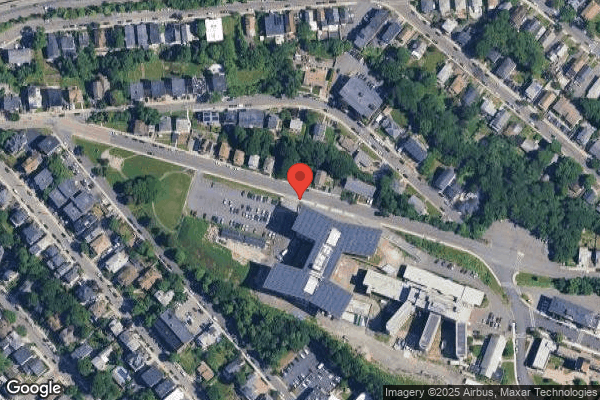
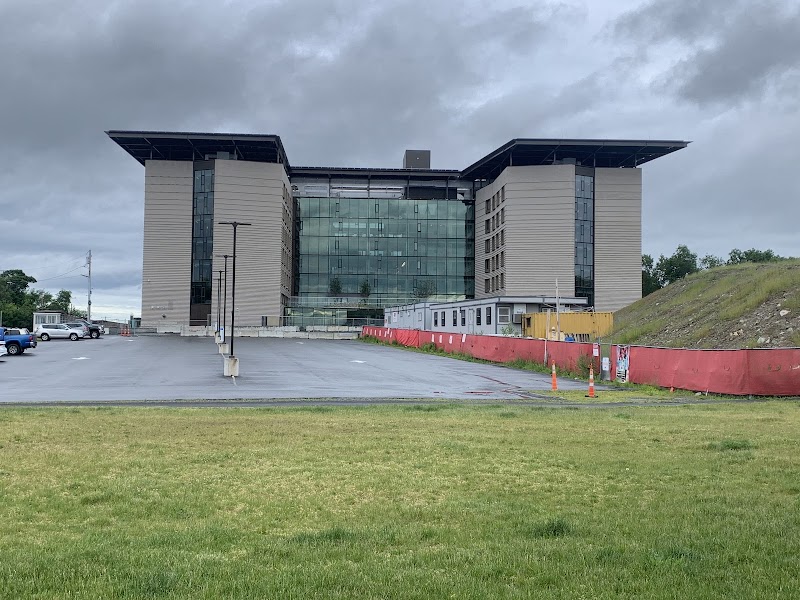
100 SUMMIT STREET, CHELSEA, MA 02150 (617) 884-5660
Government - State 154 Beds Independent Data: November 2025
Trust Grade
60/100
#187 of 338 in MA
Last Inspection: October 2024

Within standard 12-15 month inspection cycle. Federal law requires annual inspections.

Overview

The Massachusetts Veterans Home at Chelsea has a Trust Grade of C+, indicating it is slightly above average but not exceptional. It ranks #187 out of 338 facilities in Massachusetts, placing it in the bottom half, and #12 out of 22 in Suffolk County, meaning only one other facility in the area is rated lower. The facility is improving, having reduced its issues from 10 in 2024 to 2 in 2025, and it boasts good staffing ratings with a 4/5 score and a low turnover rate of 0%, which is well below the state average. Notably, there have been no fines, and the home has more RN coverage than 82% of Massachusetts facilities, ensuring attentive care. However, there are some concerns, such as the failure to develop a comprehensive quality assurance program and not following care plans for residents, including neglecting to create a dementia care plan for one resident and not adhering to physician orders for others. Overall, while there are strengths in staffing and improvement trends, the facility needs to address significant quality and compliance issues.

Trust Score
C+
60/100
In Massachusetts
#187/338
Bottom 45%
Safety Record
Low Risk
No red flags
Inspections
Getting Better
10 → 2 violations
Staff Stability
○ Average
Turnover data not reported for this facility.
Penalties
✓ Good
No fines on record. Clean compliance history, better than most Massachusetts facilities.
Skilled Nurses
✓ Good
Each resident gets 96 minutes of Registered Nurse (RN) attention daily — more than 97% of Massachusetts nursing homes. RNs are the most trained staff who catch health problems before they become serious.
Violations
⚠ Watch
26 deficiencies on record. Higher than average. Multiple issues found across inspections.
★★★☆☆
3.0
Overall Rating
★★★★☆
4.0
Staff Levels
★★★☆☆
3.0
Care Quality
★★★☆☆
3.0
Inspection Score
Stable
2024: 10 issues
2025: 2 issues

The Good

  • 4-Star Staffing Rating · Above-average nurse staffing levels
  • Full Sprinkler Coverage · Fire safety systems throughout facility
  • No fines on record

Facility shows strength in staffing levels, fire safety.

The Bad

3-Star Overall Rating

Near Massachusetts average (2.9)

Meets federal standards, typical of most facilities

The Ugly 26 deficiencies on record

Jul 2025 2 deficiencies
CONCERN (D) 📢 Someone Reported This

A family member, employee, or ombudsman was alarmed enough to file a formal complaint

Potential for Harm - no one hurt, but risky conditions existed

Deficiency F0604 (Tag F0604)

Could have caused harm · This affected 1 resident

Based on records reviewed and interview, for one of three sampled residents, (Resident #1) who had a history of being resistant and combative during care, the facility failed to ensure he/she was free...

Read full inspector narrative →
Based on records reviewed and interview, for one of three sampled residents, (Resident #1) who had a history of being resistant and combative during care, the facility failed to ensure he/she was free from the use of physical restraint, when on 6/17/25, while Resident #1 was receiving foot care from the podiatrist, the Charge Nurse laid across his/her lap/leg area to prevent him/her from moving during the procedure.Findings include:Review of the Facility Policy titled Restraints and Safety Devices, dated 11/03/23, indicated physical restraints are used only after assessment by the Interdisciplinary Team (IDT), when an alternative to restraints has been determined to be ineffective by the IDT members, and when absolutely necessary to ensure the safety of the Veteran or others. Resident #1 was admitted to the Facility in January 2024, diagnoses included cognitive social or emotional deficits, cardiovascular disease, type 2 diabetes mellitus, hypertension, hyperlipidemia, and dementia.Review of Resident #1's Quarterly Minimum Data Set (MDS) indicated he/she was significantly cognitively impaired and had an invoked Health Care Proxy (HCP). Review of the Facility's Internal Investigation Report, dated 06/18/25, indicated that the Certified Occupational Therapist Assistant (COTA) reported to his supervisor that he was asked to assist with securing Resident #1 while he/she was receiving footcare by the Podiatrist, because Resident #1 has a history of becoming combative during care. The Investigation Report indicated that the COTA reported that he felt uneasy with the method being used because it limited Resident #1's mobility during the process of receiving podiatry care. During an interview on 07/29/25 at 1:31 P.M., the Certified Occupational Therapy Assistant (COTA) said that on 06/17/25, he was asked by the Charge Nurse, who was assisting the Podiatrist in providing treatment for Resident # 1, to hold his/her right hand. The COTA said his understanding was that he was to hold Resident #1's hand gently and distract him/her with calming words. The COTA said he held Resident #1's right hand as the Charge Nurse gently laid over his/her lap/legs and held Resident #1's left hand.The COTA said during the care session (which took about 5 to 10 minutes) the Podiatrist cut multiple toenails, and that Resident #1 verbally requested numerous times for his/her feet to be left alone while the Charge Nurse was across his/her lap/legs. The COTA said he felt uncomfortable with the way we were limiting Resident #1's mobility during the process of podiatry care. The COTA said if the Charge Nurse had told him that Resident #1 had been refusing podiatry care and the only method to use to get it done was to restrain him/her, that he would not have assisted them. During an interview on 07/29/25 at 2:00 P.M., the Charge Nurse said that Resident #1 had a history of agitation with personal contact and had been refusing to see the Podiatrist for the past six months. The Charge Nurse said on 06/17/25, Resident #1 was not on the list for the Podiatrist for that day, but she asked the Podiatrist to see him/her. The Charge Nurse said she saw the COTA walking by, and she asked him for assistance. The Charge Nurse said Resident #1 needed podiatry care since he/she was diabetic and had ingrown toenails. The Charge Nurse said she made the decision for Resident 1 to have podiatry care that day. The Charge Nurse said that she laid over the knees of Resident #1, as he/she was refusing, kicking, and combative during care. The Charge Nurse acknowledged that her approach was wrong and said she should have discussed it with the physician to send Resident #1 out of the hospital to have podiatry care. During an interview on 07/29/25 at 2:30 P.M., Certified Nurse Aide (CNA) #1 said on 06/17/25, his job that day was to assist the Podiatrist in positioning residents' feet at a right angle and stay on same side of the foot with the Podiatrist. CNA #1 said the Charge Nurse was holding Resident #1's left hand and the COTA was holding his/her right hand, and immediately Resident #1 became agitated. CNA #1 said the Charge Nurse laid across Resident #1's knees gently. CNA #1 said Resident #1 verbally requested multiple times for his/her feet to be left alone. CNA #1 said that Resident #1 was yelling, Leave me alone, stop. CNA #1 said Resident #1 was forced to receive the care, it was not his/her choice. During an interview on 07/29/25 at 3:17 P.M., the Deputy Executive Director (DED) said the Charge Nurse admitted to laying across Resident #1 to keep him/her from moving. The DED said the Charge Nurse said that Resident #1 was yelling, refusing care, and that Charge Nurse had referred to the incident as a lapse in judgment
CONCERN (D) 📢 Someone Reported This

A family member, employee, or ombudsman was alarmed enough to file a formal complaint

Potential for Harm - no one hurt, but risky conditions existed

Comprehensive Care Plan (Tag F0656)

Could have caused harm · This affected 1 resident

Based on records reviewed and interviews, for one of three sampled residents (Resident #1) who had a history of combativeness and resistance with care, the Facility failed to ensure staff consistently...

Read full inspector narrative →
Based on records reviewed and interviews, for one of three sampled residents (Resident #1) who had a history of combativeness and resistance with care, the Facility failed to ensure staff consistently implemented interventions identified in his/her plan of care, which indicated when Resident #1 refused care that staff shouldn't force him/her, but instead should reapproach him/her when he/she is more accepting of care. On 06/17/25, although Resident #1 told staff to leave his/her feet alone, exhibited combative behavior during foot care, staff continued with care and did not implement interventions to return later.Findings include: Review of the Facility's Care Planning Policy, dated 12/15/23, indicated that the Facility will develop and implement a plan for each resident that includes the instructions needed to provide effective and person-centered care of the residents that meets professional standards of quality care. Resident #1 was admitted to the Facility in January 2024, diagnoses included cognitive social or emotional deficits, cardiovascular disease, type 2 diabetes mellitus, hypertension, hyperlipidemia, and dementia. Review of Resident #1's most recent Quarterly Minimum Data Set (MDS), from 04/2025, indicated he/she was significantly cognitively impaired and had an invoked Health Care Proxy (HCP). Further review of the MDS Assessment indicated that Resident #1 exhibited behavioral symptoms that included rejecting care, which occurred on one to three days during the seven-day assessment period. Review of Resident #1's Activities of Daily Living (ADL's) Care Plan, reviewed and renewed with his/her 04/15/25 MDS, indicated that Resident #1 had a self-care deficit related to history of left extremity weakness and required assistance with activities of daily living. The ADL's Care Plan interventions indicated Resident #1 should be provided with foot/nail care, nails needed to be filed, and nail edges needed to be smoothed, to refer to a Podiatrist as necessary. Additional Interventions also indicated that Resident #1 has the right to refuse, if he/she refuses care, maintain safety and reapproach. During an interview on 07/29/25 at 2:00 P.M., the Charge Nurse said that Resident #1 has a history of rejecting and being combative with care and that it always takes two, sometimes three, staff members to provide care to him/her. The Charge Nurse said one of Resident #1's care plan interventions included to reapproach him/her multiple times if he/she refused care and to notify the provider. The Charge Nurse said since Podiatry was in the facility, there was no time to reapproach that day and she made the decision to have the Podiatrist see him/her. Ther Charge Nurse said Resident #1's toenail/foot care was essential, because he/she was a diabetic, his/her toenails were jagged and imbedded and that made it difficult for Resident #1 to be able wear shoes, which he/she needed to wear since he/she liked to propel him/herself in a wheelchair. During an interview on 07/29/25 at 12:53 P.M., the Assistant Director of Nursing (ADON) said Resident #1's ADL Care Plan addressed goals and interventions related to him/her rejecting care. The ADON said the Charge Nurse knew that Resident #1 was refusing podiatry care, and she should not have forced him/her to accept the treatment but instead should have sought out assistance from leadership for alternative care. The ADON said the Charge Nurse was educated to seek out help from the providers and nursing leadership when residents demonstrate noncompliance in accepting care.
Oct 2024 7 deficiencies
CONCERN (D)

Potential for Harm - no one hurt, but risky conditions existed

Comprehensive Care Plan (Tag F0656)

Could have caused harm · This affected 1 resident

**NOTE- TERMS IN BRACKETS HAVE BEEN EDITED TO PROTECT CONFIDENTIALITY** 2. Review of the facility policy titled Care Planning, revised 12/12/23 indicated the following: - it is the policy of the Veter...

Read full inspector narrative →
**NOTE- TERMS IN BRACKETS HAVE BEEN EDITED TO PROTECT CONFIDENTIALITY** 2. Review of the facility policy titled Care Planning, revised 12/12/23 indicated the following: - it is the policy of the Veterans Home to develop and implement a comprehensive, person-centered care plan for each resident consistent with resident rights, that includes measurable objectives and timeframe's to meet a resident's medical, nursing and mental and psychological needs that are identified in the resident's comprehensive assessment. Review of the facility policy titled Pacemaker (Care of Patient with Permanent Cardiac) dated last reviewed 10/08. indicated the objective was to initiate and maintain the heartbeat when the normal pacemaker fails to do so in such conditions as AV block and in [NAME] arrhythmia's (slow heart rate). Further review indicated the following: 1. Assess patient's knowledge of his/her condition. 2. Attach identification bracelet stating type of pacemaker include physician's name, pacemaker rate and date of insertion. 3. explain condition to patient to allay fears and anxiety. 6. Observe and record vital signs at frequent intervals to determine effect of pacemaker. 8. Change of more than five impulses, missed beats, or failure of pacemaker to sense when rate drops below pre-set rate should be reported to physician. Resident #264 was admitted to the facility in February 2024 with diagnoses including dementia, diabetes and weight loss. Review of the hospital discharge report dated 9/26/24, indicated that Resident #264 has a single chamber medtronic pacemaker implanted on 1/12/17. Further review indicated the make, model, serial number and rate at which the pacemaker was set (45 beats per minute). Review of the current care plan dated 2/6/24, failed to indicate a care plan for the care of a pacemaker. Review Nursing Progress notes dated September 2024 and October 2024 failed to indicate Resident #264 had a pacemaker. Review of the physician's orders date October 2024 failed to indicate orders for the care of a pacemaker. Review of the Medication Administration Record dated October 2024 failed to indicate physician orders for the care of the pacemaker. Review of the Treatment Administration Record dated October 2024 failed to indicate physician orders for the care of the pacemaker. During an interview on 10/08/24 at 9:59 A.M., Nurse #1 said she was not aware Resident #264 had a pacemaker. Nurse #1 then said that she was not aware of a follow-up appointment scheduled for Resident #264 to check the pacemaker. Nurse #1 then said she would have to check with the clinic to see when a follow-up appointment would be needed. Based on observation, interview, and record review for two Residents (#30, #264) out of 26 sampled residents, the facility failed to implement the plan of care. Specifically: 1. For Resident #30, the facility failed to follow the physician's order to apply heel protector booties. 2. For Resident #264, the facility failed to develop a plan of care for a pacemaker. Findings include: 1. Resident #30 was admitted to the facility in February 2024, and had diagnoses which included diabetes mellitus, hemiplegia, and peripheral vascular disease. Review of Resident #30's Minimum Data Set (MDS) assessment, dated 8/19/24, indicated he/she had a Brief Interview for Mental Status score of 15, signifying intact cognition, and was at-risk for the development of pressure ulcers. Review of Resident #30's most recent care plan indicated he/she was at risk for skin breakdown and required a pressure-relieving mattress. Review of Resident #30's physician order dated 9/30/24 indicated: - Please use heel protector booties while in bed. Review of Resident #30's Treatment Administration Record (TAR) dated October 2024 indicated the physician's order, dated 9/30/24 for heel protectors, was not transcribed onto the TAR. There was no documentation to indicate staff offered heel protectors to Resident #30. On 10/7/24 at 10:13 A.M. and on 10/8/24 at 8:47 A.M., the surveyor observed Resident #30 lying awake, in bed. Resident #30 was not wearing heel protector booties. The surveyor observed that booties were not visible in the bedroom or bathroom. During an interview on 10/8/24 at 8:50 A.M., Resident #30 said his/her ankle was sore, but that the skin was intact. Resident #30 said staff had discussed with him the use of protective booties while in bed to provide comfort to the ankle, but staff had not applied them. During an interview on 10/8/24 at 8:58 A.M., Certified Nurse Aide (CNA) #1 said she was assigned to Resident #30 on a regular basis. CNA #1 said Resident #30's left ankle was sore, but she was unaware that Resident #30 should wear heel protector booties while in bed. During an interview on 10/8/24 at 9:23 A.M., Nurse #5 said she was unaware there was a physician's order for Resident #30 to wear heel protector booties while in bed.
CONCERN (D)

Potential for Harm - no one hurt, but risky conditions existed

Quality of Care (Tag F0684)

Could have caused harm · This affected 1 resident

Based on record review and interview the facility failed to ensure they followed standards of practice for 1 Resident (#264) out of a total sample of 26 residents. Specifically the facility failed to ...

Read full inspector narrative →
Based on record review and interview the facility failed to ensure they followed standards of practice for 1 Resident (#264) out of a total sample of 26 residents. Specifically the facility failed to obtain lab results for a lab obtained during a hospitalization which was still pending upon discharge of the Resident from the hospital. Findings include: Resident #264 was admitted to the facility in February 2024 with diagnoses including dementia, diabetes and weight loss. Review of the medical record failed to indicate the facility had acquired the lab results. Review of the hospital document titled Hospital Course, dated 9/27/24 indicated that there were pending labs for Legionella. Review of the nursing progress notes failed to indicate that the facility called the hospital for the results of the pending labs. Review of the physician progress notes failed to indicate the physician was notified of the pending lab results. During an interview on 10/08/24 at 10:40 A.M., Nurse #1 said she was not aware that there was a pending lab result from Resident #264's 9/27/24 hospital discharge. During an interview on 10/08/24, at 10:57 A.M., the Superintendent of Operations said that it is the expectation that the nurse would call the hospital for the results of a pending lab on discharge from the hospital.
CONCERN (D)

Potential for Harm - no one hurt, but risky conditions existed

Accident Prevention (Tag F0689)

Could have caused harm · This affected 1 resident

**NOTE- TERMS IN BRACKETS HAVE BEEN EDITED TO PROTECT CONFIDENTIALITY** Based on record review and interview, the facility failed to ensure one Resident (#40) was safe from accidents/hazards out of a ...

Read full inspector narrative →
**NOTE- TERMS IN BRACKETS HAVE BEEN EDITED TO PROTECT CONFIDENTIALITY** Based on record review and interview, the facility failed to ensure one Resident (#40) was safe from accidents/hazards out of a total sample of 26 residents. Specifically, the facility failed to appropriately assess the Resident for safety and ensure a safety care plan was developed to prevent an elopement. Findings include: Review of the facility policy titled Soldier's Home Policy Guide: Code Yellow: Missing Veteran, revised 9/22/23, indicated the following: -Policy: Veterans who are cognitively impaired have the right to a safe environment. Veterans who wander, exit seek, and/or elope their assigned unit will be identified and returned to their unit utilizing an expedited procedure for searching the Soldier's Home premises and surrounding communities. Resident #40 was admitted to the facility in February 2024 with diagnoses including psychiatric disorder and depression. Review of the Minimum Data Set (MDS), dated [DATE], indicated Resident #40 scored an 8 out of a possible 15 on the Brief Interview for Mental Status (BIMS), indicating moderately impaired cognition. Review of the MDS indicated Resident #40 is independent with wheelchair mobility. Review of the clinical record indicated that Resident #40 has an activated healthcare proxy as of 1/15/22 (when a person is designated to make decisions on the Resident's behalf when they are no longer able to). Review of the facility document titled Wander Data Collection Tool, dated 3/18/24 and 5/19/24, indicated that Resident #40 was not at risk of elopement, but that on 8/9/24, Resident #40 became a wander risk. Review of the Nurse Practitioner progress note, dated 7/19/24, indicated Resident #40 had left the campus in his/her wheelchair and was unable to return. Resident #40 stated that he/she cannot go uphill with his/her wheelchair and a good Samaritan called 9-1-1 to help Resident #40. Resident #40 had left the facility using his/her key card access. Review of the clinical record indicated that Resident #40's key card access was revoked after his/her elopement off campus. Review of the incident reports for Resident #40 indicated that on 9/28/24, Resident #40 had eloped off his/her locked unit and was found outside alone. Review of the incident report indicated that the employee entrance door on the unit was broken and Resident #40 was able to get off of the unit. Review of the care plan for Resident #40 indicated that on 9/28/24, 2 months after the initial elopement, a care plan was developed for Resident #40's elopement risk. During an interview on 10/8/24 at 1:04 P.M., the Director of Nursing said the Resident agreed to only go out on the patio with his/her keycard access. The Director of Nursing said that physical therapy is the department who assesses resident's capability of being able to have access to the key cards. During an interview on 10/8/24 at 1:17 P.M., the Physical Therapist said he assesses a resident's physical capabilities and navigation abilities when determining key card access, but never assesses their cognitive ability to leave campus. The Physical Therapist said Resident #40's health care proxy was pushing for Resident #40 to have key card access since his/her freedom is tied to his/her mental health. The Physical Therapist said that Resident #40 was getting confused and lost during his/her assessment, but that the health care proxy was adamant. During an interview on 10/8/24 at 1:56 P.M., Social Worker #1 said that given Resident #40's mental health status, he would not have recommended giving the Resident a key card. Social Worker #1 said his involvement in the decision to grant key card access is minimal. During an interview with the Administrator and the Deputy Superintendent on 10/8/24 at 4:10 P.M., the Administrator said that she would expect that the Physical Therapist would document and communicate all concerns with the Resident's ability to safely navigate outside independently during the assessment. The Administrator said that the health care proxy cannot dictate care when it comes to safety and the Physical Therapist should not have considered the health care proxy's wishes when making the decision to sign off on the safety of the Resident's ability to safely navigate outside.
CONCERN (D)

Potential for Harm - no one hurt, but risky conditions existed

Deficiency F0699 (Tag F0699)

Could have caused harm · This affected 1 resident

**NOTE- TERMS IN BRACKETS HAVE BEEN EDITED TO PROTECT CONFIDENTIALITY** Based on record review and interview, the facility failed to develop a trauma informed plan of care for 2 Residents (#109 and 92...

Read full inspector narrative →
**NOTE- TERMS IN BRACKETS HAVE BEEN EDITED TO PROTECT CONFIDENTIALITY** Based on record review and interview, the facility failed to develop a trauma informed plan of care for 2 Residents (#109 and 92) out of a total sample of 26 residents. Findings include: Review of the facility policy titled Trauma Informed Care, revised 9/22/23, indicates the following: - It is the policy of the Massachusetts Veterans Home at [NAME] to provide care and services to residents that meet professional standards, are delivered using approaches which are culturally competent, account for experiences and preferences, and address the needs of trauma survivors by minimizing triggers and/or re-traumatization. - The Veterans Home will collaborate with resident trauma survivors, and as appropriate, the resident's family, friends, and primary care clinician, and any other health care professionals (such as psychologists and mental health professionals) to develop and implement individualized care plan interventions. 1. Resident #109 was admitted in 08/2024 with diagnoses including post traumatic stress disorder (PTSD). Review of the Minimum Data Set (MDS), dated [DATE], indicated Resident #109 scored a 15 out of a possible 15 on the Brief Interview for Mental Status (BIMS), indicating intact cognition. Review of Resident #109's history and physical assessment for long term care, dated 8/13/24, indicated Resident #109 has PTSD from physical abuse from his/her father. Review of the current care plan did not indicate that a trauma-informed plan of care was developed for Resident #109 or a PTSD assessment was completed. During an interview on 10/9/24 at 1:56 P.M., Social Worker #1 said that if a Resident has a diagnosis, then they should have a PTSD care plan. Social Worker #1 said that the care plan should include PTSD triggers and how to manage those triggers. Social Worker #1 said that the social worker who is responsible for the Resident should develop the care plan based on the PTSD assessment. 2. For Resident #92 the facility failed to develop a resident centered comprehensive care plan that included triggers for PTSD. Resident #92 was admitted to the facility in March 2024 with diagnoses including PTSD, bipolar depression and kidney disease. Review of the facility document titled Behavioral Assessment/PTSD, not dated, indicated that Resident #92's triggers for an episode of PTSD are over stimulation and not understanding expectations. Further review indicated that early warning signs of distress are cursing, name calling, saying he/she does not feel well or feels hot. Further review indicated that his/her coping mechanisms are a change of activity, medication, warm shower, calling friends or family, watching TV and going outside. Review of the care plan dated 3/20/24, indicated a problem for PTSD and that Resident #92 was 100% disabled as a result of PTSD. Further review failed to indicate resident specific triggers for PTSD. During an interview on 10/08/24 at 1:56 P.M. Social Worker (SW) #1 said that the assigned social worker is responsible for assessing the residents for PTSD and then developing the care plan based on the results. SW #1 then said that he is the assigned SW for Resident #92 and did not follow through with including the individualized triggers that were found during the assessment, onto the care plan and should have.
CONCERN (D)

Potential for Harm - no one hurt, but risky conditions existed

Deficiency F0710 (Tag F0710)

Could have caused harm · This affected 1 resident

Based on record review and interview the facility failed to ensure the physician was notified of a recommendation from a consulting dentist for one Resident (#79) out of a total sample of 26 residents...

Read full inspector narrative →
Based on record review and interview the facility failed to ensure the physician was notified of a recommendation from a consulting dentist for one Resident (#79) out of a total sample of 26 residents. Findings include: Resident #79 was admitted to the facility February 2024 with diagnoses including dementia, diabetes and cancer. Review of the dental consult dated 7/15/24 indicated a recommendation for Peridex mouth rinse twice daily, swab with a toothette using 1/4 ounce of Peridex after breakfast and at bedtime. Review of the physician's orders dated July 2024, August 2024, September 2024 and October 2024 failed to indicate an order for Peridex mouth rinse. Review of the nursing progress notes dated after 7/14/24, failed to indicate acknowledgement or notification of the physician regarding the recommendation for the Peridex mouth rinse made by the dentist on 7/15/24. Review of the physician's progress notes failed to indicate a note written after 7/12/24. During an interview on 10/08/24 03:21 PM the Deputy Superintendent said that she would expect that nursing would inform the physician of the dentist's recommendation for Peridex and document the physician's response in the medical record. The Deputy Superintendent then said that she was not able to locate a policy and procedure regarding the notification of a consulting physician's recommendations to the primary care physician.
CONCERN (D)

Potential for Harm - no one hurt, but risky conditions existed

Deficiency F0740 (Tag F0740)

Could have caused harm · This affected 1 resident

**NOTE- TERMS IN BRACKETS HAVE BEEN EDITED TO PROTECT CONFIDENTIALITY** Based on record review and interview, the facility failed to provide appropriate behavioral health services for 1 Resident (#40)...

Read full inspector narrative →
**NOTE- TERMS IN BRACKETS HAVE BEEN EDITED TO PROTECT CONFIDENTIALITY** Based on record review and interview, the facility failed to provide appropriate behavioral health services for 1 Resident (#40) out of a total sample of 26 residents. Findings include: Review of the facility policy titled Behavioral Management, revised 9/23/23, indicates the following: - The Massachusetts Veterans Home will maintain an interdisciplinary Behavioral Management Committee (BMC) designed to identify, intervene, and monitor isolated and ongoing behavioral events occurring within the facility. - Committee members will intervene as described below when behavioral events occur and will document all assessments and changes in designated sections of resident's medical record. - If psychotherapy is indicated, LICSW (licensed social worker) assessing the resident to determine the type of therapy, frequency, and duration of services recommended. - Documenting intervention and outcome in psychosocial section of the medical record, care plan, and ensuring this is reflected in the Minimum Data Set (MDS). Resident #40 was admitted in February 2024 with diagnoses including psychiatric disorder and depression. Review of the Minimum Data Set (MDS), dated [DATE], indicated Resident #40 scored an 8 out of a possible 15 on the Brief Interview for Mental Status (BIMS), indicating moderately impaired cognition. Review of the current care plan for Resident #40, initiated 10/7/21, indicated the following: - Resident has a history of major depressive disorder and suicide ideation evidenced by self-report, discussion, chart review and reports from the interdisciplinary team. - When suicide ideation behavior witnessed, call clinician and/or social worker to evaluation for risk and subsequent interventions. - Keep close monitor for safety until cleared by clinician or nursing supervisor - Assess environment for safety - Complete event report - Refer to [contracted] Mental Health Services in plan of care - Behavior Committee to monitor for ongoing evaluation Review of Resident #40's hospital discharge paperwork, dated 3/19/24, indicated that Resident #40 was expressing suicidal ideation and wanted to end it all. Resident #40 was cleared the next day to come back to the facility. Review of the clinical record did not indicate that any behavioral health services were provided by the facility to manage the Resident's mood after re-admission. Review of the Nurse Practitioner note, dated 7/19/24, indicated Resident #40 was experiencing worsening depression with continued decline and a mental health visit and psych follow up was recommended. Review of the record did not indicate that psych services or a mental health visit took place after the Nurse Practitioner note. Review of the Nurse Practitioner note, dated 7/24/24, indicated that Resident #40 was sent out to the hospital for a psychiatric evaluation. Review of the medical record failed to indicate that any behavioral health services were implemented after the psychiatric admission in July 2024. Review of the Nurse Practitioner note, dated 9/26/24, indicated Resident #40 was having increased anxiety and behavioral disturbances with suicidal ideation. Resident #40 was sent to the emergency department for an evaluation. Review of the hospital discharge paperwork, dated 9/26/24, indicated the following: I spoke with PES (psychiatric emergency service), who states the patient has a bed assigned for voluntary inpatient admission at the VA (veteran's affairs). Pending transfer at time of shift change. Review of the emergency department note, dated 9/26/24, indicated the following: . refusing his/her meds for 4-5 days, plan to jump out the window (not possible at Soldiers Home) called in by Soldiers Home physician. Is a VA patient. They tried to transfer him/her there. EMS (emergency medical services) brought him/her here instead. Needs geri-psych admission. Resident #40 was admitted back to the facility. Review of the record failed to indicate that Resident #40 was provided with a geri-psych admission or reviewed/assessed by psych services. During an interview on 10/8/24 at 1:40 P.M., the Director of Nursing said that Resident #40 was supposed to be sent out to a different psych hospital to have a subsequent psychiatric inpatient stay, but the ambulance who picked the Resident up would not go to the location of the geri-psych hospital. The Director of Nursing said that by the time the Resident came back to the facility, his/her pending bed at the geri psychiatric hospital was no longer being held. Resident #40 had never gone for an inpatient psych stay. During an interview on 10/8/24 at 1:56 P.M., Social Worker #1 said Resident #40 has been a long term resident at the facility and was aware of his/her psych hospitalization in March 2024. Social Woker #1 said Resident #40 had a section 12 in July and two weeks ago had another one, but was sent back from the hospital after he/she was medically cleared. Social Worker #1 said that Resident #40 was sometimes receiving individual therapy at the VA, but said it wasn't consistent and there hasn't been an individual therapist since May or June. Social Worker #1 said the VA offers group therapy, but that is not the best for Resident #40. Social Worker #1 said the VA usually hires interns and he is unaware if they are licensed individuals. Social Worker #1 said that he does not have access to the therapy notes and hasn't called to receive them or communicate with the VA providing therapy. During an interview with the Administrator and the Deputy Superintendent on 10/8/24 at 4:10 P.M., The Administrator then said that she was not sure if the facility could obtain psychological therapy information from the Veterans Administration where the Resident goes outpatient for mental health therapy visits. The Deputy Superintendent said that it is the facilities responsibility to ensure that the residents in the facility are receiving the mental health they need and that based on the continued suicidal ideations with subsequent psychiatric hospitalizations the Resident was experiencing, it may be an issue that the facility should have looked into.
CONCERN (D)

Potential for Harm - no one hurt, but risky conditions existed

Deficiency F0761 (Tag F0761)

Could have caused harm · This affected 1 resident

Based on observation, interviews, and record review, the facility failed to ensure prescribed medications were secured in locked compartments or under proper supervision for two Residents (#31 and #7)...

Read full inspector narrative →
Based on observation, interviews, and record review, the facility failed to ensure prescribed medications were secured in locked compartments or under proper supervision for two Residents (#31 and #7) out of 26 total sampled residents. Specifically: 1.) For Resident #31, the nurse left two pills at bedside without proper supervision. 2.) For Resident #7, the nurse left topical prescription medication at bedside without proper supervision. Findings include: Review of the facility policy titled Medication Storage and Security, revised 9/26/22, indicated: - It is the policy of the facility that medications be kept secure. - Medications being administered must be under constant surveillance. - Medications removed from a medication storage area must always remain with the individual and are not to be left unattended. Review of the facility policy titled Bedside Medication Storage and Self Administration of Meds, revised 10/24/23, indicated: - Bedside storage of medications is indicated on the resident medication administration record (MAR) and in the care plan for the appropriate medications. 1.) Resident #31 was admitted to the facility in June 2024 with diagnoses including legal blindness and osteoarthritis. Review of the most recent Minimum Data Set (MDS) assessment, dated 9/14/24, indicated Resident #31 had moderate cognitive impairment as evidenced by a Brief Interview for Mental Status (BIMS) score of 12 out of 15. Review of Resident #31's assessment titled Patient/Resident Assessment of Ability to Self-Medicate, dated 6/20/24, indicated Resident #31 was not safe to self-administer medications. Review of Resident #31's medical record, including MAR and care plan, failed to indicate Resident #31 could store any medications at bedside. On 10/7/24 at 10:20 A.M., the surveyor observed Resident #31 with two blue pills in a medication cup beside his/her breakfast tray. There was no nurse within view of the Resident. Resident #31 said he/she doesn't like to take them all at once, so the nurse sometimes leaves medication to take later. During an interview on 10/7/24 at 10:29 A.M., Nurse #2 said he left Resident #31's pills before he/she took all of them. Nurse #2 said he should not have left the pills because Resident #31 required constant supervision until all his/her pills were taken. During an interview on 10/8/24 at 1:20 P.M., Nurse #3 said no medications should be left at bedside unless the Resident was assessed to be safe for the ability to self-administer the specific medication and had a physician's order to store the specific medication at bedside. During an interview on 10/9/24 at 9:59 A.M., the Director of Nursing (DON) said Nurse #2 should not have left pills unattended at bedside if he was out of view of the Resident. 2.) Resident #7 was admitted to the facility in October 2023 with diagnoses including hypertension and back pain. Review of the most recent Minimum Data Set (MDS) assessment, dated 7/30/24, indicated Resident #7 was cognitively intact as evidenced by a Brief Interview for Mental Status (BIMS) score of 13 out of 15. Review of Resident #7's physician's order, initiated 10/18/23, indicated: - Lidocaine 5% patch (a topical prescription medication), 1 patch, apply to right shoulder. - Lidocaine 5% patch, 1 patch, apply patch to lumbar spine. Review of Resident #7's medical record, including MAR and care plan, failed to indicate the Resident could self-administer medications or have any medications stored bedside. On 10/7/24 at 9:08 A.M. and 9:33 A.M., the surveyor observed two Lidocaine patches, which were opened and dated 10/7/24, with the plastic protector intact on the back on Resident #7's bedside table. During an interview on 10/9/24 at 8:50 A.M., Nurse #2 said he left the Lidocaine patches at bedside, but he should not have. During an interview on 10/8/24 at 1:14 P.M., Nurse #4 said he cares for Resident #7 frequently and there is no reason Lidocaine patches should have been left at his/her bedside. During an interview on 10/8/24 at 1:20 P.M., Nurse #3 said no medications should be left at bedside unless the Resident was assessed for the ability to self-administer the specific medication and had a physician's order to store the specific medication at bedside. During an interview on 10/9/24 at 9:59 A.M., the Director of Nursing (DON) said Lidocaine patches should never had been left at bedside.
Jul 2024 2 deficiencies
CONCERN (D) 📢 Someone Reported This

A family member, employee, or ombudsman was alarmed enough to file a formal complaint

Potential for Harm - no one hurt, but risky conditions existed

Deficiency F0557 (Tag F0557)

Could have caused harm · This affected 1 resident

Based on records reviewed and interviews, for one of four sampled residents (Resident #1) who was cognitively intact, the Facility failed to ensure staff treated him/her in a respectful manner, when o...

Read full inspector narrative →
Based on records reviewed and interviews, for one of four sampled residents (Resident #1) who was cognitively intact, the Facility failed to ensure staff treated him/her in a respectful manner, when on 06/21/24 during the evening shift, Nurse #1 and Certified Nurse Aide (CNA) #1 were arguing in the hallway outside of Resident #1's room, they then enter his/her room to provide care, and continued their argument in front of him/her, which made him/her feel uncomfortable. Findings include: The Facility Policy, titled Resident Rights, has no date. The Facility will treat you with dignity and respect in full recognition of your individual rights. Resident #1 was admitted to the Facility in February 2024, diagnoses included paraplegia, spinal abscess, lumbar spinal stenosis, lumbar osteomyelitis, and neurogenic bladder/bowel. Review of Resident #1's Minimum Data Set (MDS) Assessment, dated 05/09/24, indicated that he/she had intact cognition, could communicate his/her needs, and was his/her own decision-maker. The MDS also indicated that Resident #1 required assistance from two staff members to meet his/her care needs. The Facility's Internal Investigation Summary Report, dated 06/24/24, indicated that Resident #1, who had filed the grievance, was in his/her room waiting for staff assistance with the nighttime routine on 06/21/24. Resident #1 overheard a disagreement among staff regarding a scheduled break time in the hallway, which continued as they entered his/her room, causing him/her significant discomfort. During an interview on 07/17/24, at 10:15 A.M., Resident #1 expressed his/her discomfort and loss of trust in the staff. Resident #1 said it was unprofessional for Nurse #1 and CNA #1 to enter his/her room and argue loudly in front of him/her. Resident #1 said he/she found it disrespectful that staff members did not respect his/her room and personal space. Resident #1 said he/she requested that Nurse #1 not provide care for him/her in the future. During a telephone interview on 07/18/24, at 11:49 A.M., Nurse #1 denied speaking loudly but admitted that discussing the break schedule with CNA #1 in Resident #1's room was disrespectful. During a telephone interview on 07/22/24, at 12:58 P.M., CNA #1 said on 6/21/24, she was late returning from her break, and that it was already time to assist Resident #1 into bed and provide care. CNA #1 said Nurse #1 was upset about her (CNA #1) being a few minutes late because she (Nurse) #1 said she had to do Resident #1's wound care. CNA #1 said she was not trying to discuss the issue any further once she and Nurse #1 entered Resident #1's room, but said it was difficult because Nurse #1 continued discussing the break schedule. CNA #1 said she knew it was disrespectful to have that type of conversation in a residents room. During an interview on 07/17/24, at 9:30 A.M., the interim DON said that Resident #1 had reported that he/she had felt uncomfortable because staff members were yelling at each other in front of him/her and that he/she felt Nurse #1 was more unprofessional towards CNA #1. The DON said both Nurse #1 and CNA #1 were suspended pending an investigation into the incident.
CONCERN (D) 📢 Someone Reported This

A family member, employee, or ombudsman was alarmed enough to file a formal complaint

Potential for Harm - no one hurt, but risky conditions existed

Free from Abuse/Neglect (Tag F0600)

Could have caused harm · This affected 1 resident

Based on records reviewed, review of surveillance camera video footage, and interviews for one of four sampled residents (Resident #2), who had moderate cognitive impairment, a history of behaviors, a...

Read full inspector narrative →
Based on records reviewed, review of surveillance camera video footage, and interviews for one of four sampled residents (Resident #2), who had moderate cognitive impairment, a history of behaviors, and was dependent on staff for care, the Facility failed to ensure he/she was free from abuse from staff members, when 1) on 6/29/24. Certified Nurse Aide (CNA) #4 engaged in a verbal altercation with Resident #2 and responded by throwing an object at him/her and 2) on 7/01/24, CNA #3 also engaged in a verbal altercation with Resident #2, was intimidating and confrontational while engaging with him/her, which resulted in escalating his/her behaviors. Findings include: The Facility's Policy titled Patient, Complaints, Mistreatment, Abuse or Neglect, revised 09/2018, indicated that Abuse is an overt act or an omission of care that results in the physical or emotional trauma of a patient. Examples of alleged abuse would include: -The aggressive imposition of a caregiver on a patient in the manner of pushing, shoving or any other form of physical touching that would constitute an assault under best practices as well as Massachusetts General Law. -The use of verbal means to insult or abuse a patient by threatening, shouting, cursing or teasing, speaking in a demanding/degrading manner. Resident #2 was admitted to the Facility in January 2024; diagnoses included dementia with behavioral disturbances, left leg DVT (deep vein thrombosis, blood clot), pulmonary emboli (blood clot in the lungs), and sinus arrhythmia. Review of Resident #2's Quarterly Minimum Set Data (MDS) Assessment, dated 04/10/24, indicated he/she had moderate cognitive impairment, required physical assistance with ADL, and ambulates independently. Review of Resident #1's Behavior Care Plan, reviewed and renewed with his/her January 2024 MDS, indicated that he/she exhibited or had the potential to demonstrate verbal behaviors, and included the following interventions: -maintain a comfortable environment by reducing noise and using dim lights. -employ therapeutic and non-judgmental communication. -staff is to reapproach in an unhurried manner, often during a cooling off period. -allow time to express your feelings of getting daily care without interruption. 1) Review of the surveillance camera video footage clips (video only, no audio) provided by the Facility, dated 06/29/24 from 11:50:24 A.M. to 11:53:17 A.M., related to an incident involving Certified Nurse Aide (CNA) #4 and Resident #2, illustrated the following: - 11:50:24, Resident #2 can be seen seated at his/her table for lunch, - 11:50:58, Resident #2 gets up and walks toward the unit hallway, - 11:51:23, CNA #4 walks toward the same hallway as Resident #2, - 11:51:31, Resident #2 can be seen passing the units' nursing station, CNA #4 can be seen behind him/her, and she stops to grab an object. - 11:51:43, Resident #2 suddenly turns back around and looks at CNA #4. - 11:51:51, CNA #4 can then be seen walking through the dining area, Resident #2 walks back to the hallway and approaches CNA #4, who was in front of the nurses' office. - 11:53:09, Resident #2 and CNA #4 can be seen engaging in a verbal alteration, Resident #2 proceeds to punch CNA #4 in the face. CNA #4 responds by throwing an object (appears to be a lunch box) at Resident #2, which does not hit him/her, - 11:53:17, CNA #4 walks back to the nursing station, grabs what appears to be a large container of sanitary wipes and moves toward Resident #2, as he/she approaches her. Staff and family members can be seen intervening to separate CNA #4 and Resident #2. During an interview on 07/17/24 at 2:32 P.M., the Administrator said on 06/29/24, the Supervisor called her and said Resident #2 had punched a staff member (later identified as CNA #4) and that Resident #2 had been sent out to the hospital. The Administrator said the facility's security officer reviewed the surveillance camera video footage and reviewed the incident from 06/29/24 that had occurred between Resident #2 and CNA #4. The Administrator said CNA #4 should have tried to de-escalated the situation or should have walked away, but instead had thrown an object at Resident #2. Review of an email received by the Director of Nurses (DON) on 07/17/24 at 8:53 A.M. indicated it was sent from Certified Nurse Aide (CNA) #4, and included her statement regarding the incident on 06/29/24, with Resident #2. CNA #4's statement indicated that Resident #2 approached her and asked if he/she could take the plate from her, that she replied, No, I got it, and then Resident #2 punched her. CNA #4's statement indicated she was upset and mad and that she threw her lunch plate at him/her to prevent him/her from attacking me more. The Surveyor was unable to interview CNA #4 as she did not respond to the Department of Public Health's telephone or letter requests for an interview. During an interview on 07/16/24 at 1:20 P.M., Nurse #2 said she was familiar with Resident #2 and said he/she could become easily agitated. Nurse #2 said she was Resident #2's nurse on both days of the incidents (6/29/24 and 7/01/24). Nurse #2 said that on 06/29/24, Resident #2 was quiet that morning with no behaviors and had finished his/her lunch meal. Nurse #2 said Resident #2 usually goes to his/her room after the meal. Nurse #2 said she had not witnessed any confrontational interaction between Resident #2 and CNA #4, until the incident that day. Nurse #2 said after the incident, Resident #2 was sent to the hospital for further evaluation. 2) Review of the surveillance camera video footage clips (video only, no audio), dated 07/01/24 from 11:40:57 A.M. to 11:45:18 A.M., related to the incident involving Resident #2 and CNA #3, illustrated the following: -11:40:57, Resident #2 can be seen sitting at the dining room table with another resident who was being fed by a CNA, -11:41:25, CNA #3 can be seen, seated at another table and was providing 1:1 supervision for another resident. CNA #3 can been seen looking in the direction of Resident #2, and looks to be doing so for an extended period of time (several minutes), - 11:44:20, CNA #3 and Resident #2 can then be seen having some sort of verbal exchange, and Resident #2 appears to become agitated, - 11:44:22, Resident #2 and CNA #3 are seen simultaneously standing up, CNA #3 appears to be gesturing to Resident #2 to come to where she is standing, as if to provoke him/her, -11:44:23, Resident #2 approaches CNA #3, and CNA #3 then picks up the napkin holder from the table and motioned with it toward Resident #2, - 11:44:28, Staff members are then seen intervening and separate Resident #2 and CNA #3, Resident #2 returns to his/her table. - 11:44:38, CNA #3 can been seen looking (staring) in Resident #2's direction and Resident #2's demeanor changes and he/she looks more agitated, - 11:44:59, Resident #2 approaches CNA #3 for the second time. CNA #3 appears to try to intimidate Resident #2 by pointing her finger at him/her and waving the napkin holder in Resident #2's face, -11:45:18, Staff members again intervene, the Nurse Practitioner (NP) is able to redirect and calm Resident #2 down, he/she walks away from the dining room area and is redirected back to his/her room. Nurse #2 said that on 07/01/24, at lunchtime, Resident #2 was seated at a different table in the dining room across from where CNA #3 was sitting with another resident, who required 1:1 supervision. Nurse #2 said she was unsure what made Resident #2 get agitated and that she had not heard the verbal interaction between Resident #2 and CNA #3. Nurse #2 said Resident #2 stood up, then moved in the direction of CNA #3. Nurse #2 said she believed CNA #3 was afraid of Resident #2, that CNA #3 had grabbed the napkin holder, but she (CNA #3) did not touch him/her. Nurse #2 said staff members intervened and Resident #2 returned his/her seat. Nurse #2 said that while she called out for help with the situation, the Nurse Practitioner was able to redirect Resident #2 and take him/her to his/her room. Nurse #2 said Resident #2 was assessed, and no injuries were noted. During an interview on 07/16/24 at 2:32 P.M., the Nurse Practitioner (NP) said she was coming onto the unit and noticed that Resident #2 was standing, he/she was agitated, that the dining area was noisy at the time, but that Resident #2 was not close to CNA #3 at that time. The NP said she was able to calm him/her down and took Resident #2 back to his/her room. The NP said Resident #2 was assessed, and he/she had no injuries were noted. During a telephone interview on 07/18/24 at 12:00 P.M., Certified Nurse Aide (CNA) #3 said that she was afraid that Resident #2 would attack her since he/she attacked another staff member over the weekend. CNA #3 denied she was looking in Resident #2 direction, said she had not tried to intimidate him/her, and denied having a verbal altercation with Resident #2. CNA #3 said she grabbed the napkin holder to defend herself. The Administrator said on 07/01/24, during lunch time, she received a called from the nurse that Resident #2 was agitated, that he/she approached and tried to attack CNA #3. The Administrator said she reviewed the surveillance camera video footage and reviewed CNA #3 interaction with Resident #2. The Administrator said CNA #3 responded to Resident #2 in an intimidating manner, and engaged in a verbal and threatening confrontation with Resident #2, which escalated his/her behaviors.
May 2024 1 deficiency
CONCERN (D) 📢 Someone Reported This

A family member, employee, or ombudsman was alarmed enough to file a formal complaint

Potential for Harm - no one hurt, but risky conditions existed

Report Alleged Abuse (Tag F0609)

Could have caused harm · This affected 1 resident

Based on records reviewed and interviews, for one of three sampled residents (Resident #1), who was alleged to have been subjected to verbal abuse by Certified Nurse Aide #1, the Facility failed to en...

Read full inspector narrative →
Based on records reviewed and interviews, for one of three sampled residents (Resident #1), who was alleged to have been subjected to verbal abuse by Certified Nurse Aide #1, the Facility failed to ensure they submitted a report to the Department of Public Health within the required timeframe (two hours), after being made aware of the allegation, when their report regarding the allegation was not submitted until seven days after administrative staff became aware of the allegation. Findings include: Review of the Facility's Policy titled Prevention/Identification of Abuse, Neglect or Mistreatment, dated October 13, 202, indicated the Compliance Officer or designee is responsible for reporting the incident to the appropriate regulatory agency or accreditation organization. The Policy indicated to notify the State Agency through the Health Care Facility Reporting System (HCFRS) for alleged violations involving Abuse immediately, but no later than 2 hours after the allegation is made if the events that cause the allegation involve abuse. Review of the Report submitted by the Facility via the Health Care Facility Reporting System (HCFRS) indicated the Facility submitted the report regarding an allegation of verbal abuse (that had occurred on 4/15/24) at 4:12 P.M. on 04/22/24, seven days after Housekeeper #1 reported the alleged incident to the Housekeeping Supervisor, and Administrative staff were initially made aware. Review of Resident #1's medical record indicated his/her diagnoses included alcohol abuse and dementia with behavioral issues. Review of Resident #1's Quarterly Minimum Data Set (MDS) assessment, dated 04/23/24, indicated he/she had severely impaired cognition, and displayed behavioral symptoms not directed toward others. During a telephone interview on 05/20/24 at 11:15 A.M., the Housekeeping Supervisor said at approximately 4:45 P.M. on 04/15/24, Housekeeper #1 reported to him that a Certified Nurse Aide (CNA) was heard telling Resident #1 that he/she was such an idiot after he/she repeatedly asked to go outside to smoke. The Housekeeping Supervisor said he immediately notified the Nursing Supervisor. During a telephone interview on 05/20/24 at 10:08 A.M., the Nursing Supervisor said on 04/15/24, sometime between 5:00 P.M. and 5:30 P.M. (exact time unknown) the Housekeeping Supervisor notified her that a CNA was heard calling Resident #1 an idiot after requesting to go out to smoke several times. The Nursing Supervisor said based on descriptions provided, the CNA was identified as CNA #1, and her employment was immediately suspended and Administration was notified. During an interview on 05/14/23 at 11:00 A.M., the Quality Nurse Manager said at approximately 5:00 P.M. on 04/15/24, the Administrator notified her there was an allegation of verbal abuse, that CNA #1 called Resident #1 an idiot. The Quality Nurse Manager said since the Administrator was not a registered user for the HCFRS system for the Facility yet, she was asked to submit the initial report within two hours. The Quality Nurse Manager said she immediately began to enter the information into HCFRS, but accidentally did not submit the report. The Quality Nurse Manager said once her error was identified (date not recalled), the report was submitted into HCFRS days later. Review of an email received on 05/17/24 at 2:47 P.M., from the Administrator indicated, that although the Facility became aware of the alleged incident of abuse on 04/15/24, it was not discovered until the following Monday on 04/22/24 that the report was not submitted to the DPH.
Aug 2023 9 deficiencies
CONCERN (D)

Potential for Harm - no one hurt, but risky conditions existed

Deficiency F0637 (Tag F0637)

Could have caused harm · This affected 1 resident

Based on observation, record review and interview the facility failed to identify and complete a Significant Change in Status assessment, Minimum Data Set assessment (MDS) for one Resident (#32), who ...

Read full inspector narrative →
Based on observation, record review and interview the facility failed to identify and complete a Significant Change in Status assessment, Minimum Data Set assessment (MDS) for one Resident (#32), who elected to receive hospice care services, out of a total sample of 17 residents. Findings include: Resident #32 was admitted to the facility in November 2019 and has diagnoses that include congested heart failure, coronary artery disease, and a lung mass. Review of Resident #32's medical record indicated the following: *An election for hospice services document signed by Resident #32's health care proxy dated 2/1/23. *An end-of-life care plan related to terminal diagnosis of cancer dated 4/6/23, that Resident #32 admitted back on Hospice care dated 2/3/23. Review of the MDS assessments for Resident #32 failed to indicate a Significant Change in Status assessment, MDS was completed as required. During an interview on 8/2/23, at 4:13 P.M., Minimum Data Nurse #1 said he reviewed Resident #32's MDS records and said a significant change MDS was not completed and should have been after the Resident had an order to admit to hospice on 2/3/23.
CONCERN (D)

Potential for Harm - no one hurt, but risky conditions existed

MDS Data Transmission (Tag F0640)

Could have caused harm · This affected 1 resident

Based on record review and interview the facility failed to complete an Minimum Data Set assessment for a resident discharge/return anticipated and failed to complete an MDS assessment for a resident ...

Read full inspector narrative →
Based on record review and interview the facility failed to complete an Minimum Data Set assessment for a resident discharge/return anticipated and failed to complete an MDS assessment for a resident re-entry to the facility for one Resident (#32) out of a total sample of 17 residents, resulting in inaccurate MDS data and the possible failure to care plan for Resident #32's post hospital needs. Findings include: Resident #32 was admitted to the facility in November 2019 with diagnoses that included congested heart failure, coronary heart disease and lung cancer. Review of Resident #32's medical record indicated the following: *A nurse practitioner progress note dated 5/31/23, which indicated Resident #32 was in the hospital 5/24/23, through 5/31/23. *A care plan that indicated Resident #32 had an acute (hospital) admission 5/24/23, through 5/31/23. Review of Resident #32's MDS binder failed to indicate an MDS discharge return anticipated assessment was completed or an MDS re-entry assessment was completed as required. During an interview on 8/2/23, at 4:13 P.M., Minimum Data Set Nurse #1 said he reviewed Resident #32's MDS records and said a the discharge return anticipated MDS and the re-entry MDS were not completed and should have been. MDS Nurse #1 then said he did not know why they were missed.
CONCERN (D)

Potential for Harm - no one hurt, but risky conditions existed

Deficiency F0658 (Tag F0658)

Could have caused harm · This affected 1 resident

**NOTE- TERMS IN BRACKETS HAVE BEEN EDITED TO PROTECT CONFIDENTIALITY** Based on observations, record reviews and interviews, the facility failed to identify, assess and document a bruise for 1 Reside...

Read full inspector narrative →
**NOTE- TERMS IN BRACKETS HAVE BEEN EDITED TO PROTECT CONFIDENTIALITY** Based on observations, record reviews and interviews, the facility failed to identify, assess and document a bruise for 1 Resident (#30) out of a total sample of 17 residents. Findings include: Resident #30 was admitted to the facility in March 2019 with diagnoses including congestive heart failure. Review of Resident #30's most recent Minimum Data Set (MDS) assessment dated [DATE], indicated he/she had a Brief Interview for Mental Status (BIMS) score of 13 out of a possible 15, indicating he/she is cognitively intact. The MDS also indicated Resident #30 requires assistance from staff for functional daily tasks. Review of Resident #30's medical record indicated the following: *The Resident had blood drawn on 7/20/23. *The latest skin assessment on 7/27/23, failed to indicate a bruise on the Resident's right hand. *The nursing notes written since the Resident had blood drawn failed to indicated new bruising to his/her right hand. During an interview on 8/3/23, at 9:05 A.M., Nurse #4 said all new skin impairments, including bruises, should be documented in a nursing note and on a skin assessment. Nurse #4 observed Resident #30's right hand with the surveyor and the Resident said he/she had blood drawn and the bruise is a result of that. Nurse #4 said although the cause of the bruise is known it should be documented in a nursing note and on a skin assessment. During an interview on 8/3/23, at 10:30 A.M., the MDS Nurse said all skin impairments should be documented in the medical record in both a nursing note and on a skin assessment. The MDS Nurse also said that even though the cause of the bruise on Resident #30's hand was known, it should be documented in the medical record and monitored.
CONCERN (D)

Potential for Harm - no one hurt, but risky conditions existed

Deficiency F0761 (Tag F0761)

Could have caused harm · This affected 1 resident

Based on observation, interview, and policy review, the facility failed to ensure medications once opened were dated as required on 1 of 3 sampled medication carts. Findings include: Review of the fa...

Read full inspector narrative →
Based on observation, interview, and policy review, the facility failed to ensure medications once opened were dated as required on 1 of 3 sampled medication carts. Findings include: Review of the facility policy titled Medication Storage and Security dated reviewed June 2019, indicated that beyond use dating, after initially entering or opening multi-dose containers is 28 days unless otherwise specified by the manufacturer. On 8/3/23, at 11:00 A.M., the surveyor the surveyor observed the following in the 4 Center Unit medication cart: 1 Fluticasone Proprionate 250 mcg (micrograms) inhaler dated as opened on 7/31/23, and dated as will expire on 10/25/23. Review of the manufacturer's instruction indicated that the inhaler expires 2 months after opening not the 3 months as indicated on the inhaler. 1 Fluticasone Proprionate inhaler 250 mcg dated as opened 7/12/23, and dated as will expire 11/23/23. Review of the manufacturer's instruction indicated that the inhaler expires 2 months after opening not the 4.5 months as indicated on the inhaler. During an interview on 8/3/23, at 11:03 A.M., Nurse #4 said that the inhalers were labeled incorrectly.
CONCERN (D)

Potential for Harm - no one hurt, but risky conditions existed

Deficiency F0790 (Tag F0790)

Could have caused harm · This affected 1 resident

**NOTE- TERMS IN BRACKETS HAVE BEEN EDITED TO PROTECT CONFIDENTIALITY** Based on observation, record review and interview, the facility failed to provide dental services for one Resident (#14) out of ...

Read full inspector narrative →
**NOTE- TERMS IN BRACKETS HAVE BEEN EDITED TO PROTECT CONFIDENTIALITY** Based on observation, record review and interview, the facility failed to provide dental services for one Resident (#14) out of a total sample of 17 residents. Specifically, the facility failed to provide dental services to Resident #14 since admission to the facility. Findings include: Review of the facility policy titled Dental Examinations for Facility Patients, dated 5/13/14, indicated the following: *Annual Examination: Provide annual dental/oral examinations in accordance with VA (Veterans Affair) and CMS (Centers for Medicare and Medicaid Services) regulations. *Facility Responsibilities: Assign Facility contact within 14 days of effective date to coordinated with contracted dental services, assistance with enrollment of residents in services, assistance with obtaining physician orders and other authorizations necessary to commence the services. Resident #14 was admitted to the facility in May 2022 with diagnoses including dementia without behavioral issues, cerebral vascular accident, and depression. Review of Resident #14's most recent Minimum Data Set (MDS) dated [DATE], indicated that the Resident had a Brief Interview for Mental Status score of 2 out of a possible 15 indicating that he/she has severe cognitive impairment. Further review of the MDS indicated that the Resident requires extensive assistance with personal hygiene, including oral care and documented the Resident as having obvious or likely cavity or broken natural teeth. During an observation on 8/2/23, at 11:14 A.M., Resident #14 had visible missing upper and lower teeth, yellow staining, and some white build up around the gum line. Review of Resident #14's document titled Care Area Assessment indicating that he/she had impaired dentition and missing teeth related to cognitive deficit. Review of Resident #14's document titled Request for Service for the contracted dental company indicated that the Resident requested to be seen by dental services. This form was signed by Resident #14's Health Care Proxy (medical representative) on 5/27/21. Review of Resident #14's document titled Nursing Assessment dated 6/29/22, indicated the Resident has missing teeth. Review of Resident #14's document titled Nutrition Assessment dated 6/8/23, indicated the Resident has dental cavities and missing teeth. Review of the monthly Physician's Ancillary Orders dated 7/27/23, indicated the following: *Dental consults as needed Review of Resident #14's care plan dated 6/9/23, indicated that he/she has impaired dentition. Review of Resident #14's annual Nutrition assessment dated [DATE], indicated that he/she is missing most upper and few lower teeth. During an interview on 8/3/23, at 9:05 A.M., the Director of Quality Management said she could not find any dental records for Resident #14 since he/she was admitted to the facility despite consenting to treatment. She continued to say it must have been overlooked.
CONCERN (D)

Potential for Harm - no one hurt, but risky conditions existed

Infection Control (Tag F0880)

Could have caused harm · This affected 1 resident

Based on observation, policy and record review the facility failed to ensure infection control was maintained by 2 out of 2 nurses observed during medication pass. Findings include: On 8/3/23, at 9:20...

Read full inspector narrative →
Based on observation, policy and record review the facility failed to ensure infection control was maintained by 2 out of 2 nurses observed during medication pass. Findings include: On 8/3/23, at 9:20 A.M., the surveyor asked the Director of Quality Management for the facility policy for infection control during medication pass. The surveyor was presented with a policy titled Medications dated as reviewed July 2018. Review of the facility policy titled Pass Medications dated as reviewed July 2018 failed to indicate any infection control procedures during medication pass. 1. On 8/3/23, at 8:20 A.M., the surveyor observed Nurse #5 administer a resident eye drops in both eyes. The surveyor then observed Nurse #5 take a tissue and wipe each eye several times using the same tissue, potentially contaminating both eyes. During an interview on 8/3/23, at 8:23 A.M., Nurse #5 said that she should have used a different tissue for each eye to prevent the potential spread of infection. 2. On 8/3/23, at 8:50 A.M., the surveyor observed Nurse #2 pushing medications out of a bubble pack dispenser card, using his fingers to guide the pills into the medication cup, contaminating the pills and the contents of the medication cup. Nurse #2 then administered the contaminated medication to a resident. During an interview on 8/3/23, at 9:07 A.M., Nurse #2 said that it was a bad habit he had of using his fingers to guide the pills into the medication cup. Nurse #2 then said he wasn't aware he was doing it and had to be more mindful during the dispensing of the medications to prevent contaminating them.
CONCERN (E)

Potential for Harm - no one hurt, but risky conditions existed

Comprehensive Care Plan (Tag F0656)

Could have caused harm · This affected multiple residents

**NOTE- TERMS IN BRACKETS HAVE BEEN EDITED TO PROTECT CONFIDENTIALITY** Based on record reviews and interviews, the facility 1) failed to develop a dementia care plan for one Resident (#40), 2) failed...

Read full inspector narrative →
**NOTE- TERMS IN BRACKETS HAVE BEEN EDITED TO PROTECT CONFIDENTIALITY** Based on record reviews and interviews, the facility 1) failed to develop a dementia care plan for one Resident (#40), 2) failed to follow physician orders for two Residents (#22 and #2) and 3) facility failed to follow a physician order to ensure air mattress was maintained at the proper setting for one Resident (#37) out of a total sample of 17 residents. Findings include: 1. Resident #40 was admitted to the facility in March 2022 with diagnoses including dementia with behavioral disturbance. Review of Resident #40's most recent Minimum Data Set (MDS) dated [DATE], indicated that the Resident has a Brief Interview for Mental Status (BIMS) score of 9 out of a possible 15, indicating he/she has moderate cognitive impairment. The MDS also indicated that Resident #40 requires supervision for functional daily tasks. Review of Resident #40's care plans failed to indicate a dementia care plan or a care plan to address cognitive impairment. During an interview on 8/2/23, at 1:01 P.M., Nurse #3 said she is responsible for developing resident care plans based on the individual care needs and diagnoses. Nurse #3 said a resident with a dementia diagnosis should have a cognitive/dementia care plan. Nurse #3 said the speech therapist has been completing the cognitive assessments so she should be making the care plans. Nurse #3 looked at Resident #40's care plans and confirmed he/she did not have a dementia care plan and again said one should have been developed. During an interview on 8/2/23, at 2:14 P.M., the Director of Nursing said a dementia care plan should be developed for any resident who has dementia as a diagnosis. 2 A. Resident #22 was admitted to the facility in September 2018 with diagnoses including chronic right knee pain, obesity, and hypertension Review of Resident 22's most recent Minimum Data Set (MDS), dated [DATE], indicated the Resident had a Brief Interview for Mental Status (BIMS) score of 9 out of a possible 15, indicating he/she has moderate cognitive impairment and requires extensive assistance for functional daily tasks. Review of Resident #22's physician orders indicated the following orders: *Elastic stockings- apply elastic stockings to BLE (Both Lower Extremities) every AM and remove after 12 hours later, dated a initiated 7/26/23. On 8/2/23, at 9:54 A.M.,11:36 A.M., and 1:54 P.M., the surveyor observed Resident #22 sitting in his/her wheelchair. The Resident was wearing sneakers and socks. The Resident was not wearing compression stockings. On 8/3/23, at 10:35 A.M., the surveyor observed Resident #22 lying in bed wearing socks on both feet. Resident #22 was not wearing compression stockings. On 8/3/23, at 11:44 A.M., the surveyor observed Resident #22 sitting in his/her wheelchair. The Resident was wearing sneakers and socks. The Resident was not wearing compression stockings. During an interview on 8/03/23 at 11:44 A.M., Nurse #4 said Resident #22 should be wearing compression stockings because there is an order. Nurse #4 said resident orders are to be followed, care plans need to be followed and, staff will check the care plans for care needs. Nurse #4 said residents who have orders for compression stockings will be documented on the treatment administration record (TAR) and it is expected that Resident #22 would have compression stockings on. Nurse #4 walked into Resident # 22's room and observed the Resident sitting in his/her wheelchair without compression stockings on. During an interview on 8/3/23, at 11:04 A.M., the Director of Quality Management said staff are expected to follow all orders and care plan interventions. 2 B. Resident #2 was admitted to the facility in December 2020 with diagnoses including depression, anxiety, cervical spinal stenosis, back pain, and diabetes. Review of Resident #2's most recent Minimum Data Set (MDS), dated [DATE], indicated the Resident had a Brief Interview for Mental Status (BIMS) score of 14 out of a possible 15, indicating he/she has intact cognitive function. Further review indicated that Resident #22 requires total dependence for functional daily tasks. Review of Resident #2's physician orders indicated the following orders: *Pillow under calves to lift offload right lateral ankle off bed surface, dated 7/26/2023. On 8/2/23 at 7:28 A.M., and 9:00 A.M., the surveyor observed Resident #2 lying in bed with bilateral feet and ankles on the bed with both feet positioned laterally facing outward. No pillow was observed under the Resident's leg to offload pressure from his/her ankles. On 8/03/23 at 7:29 A.M., 7:44 A.M., and 9:30 AM., the surveyor observed Resident #2 lying in bed with bilateral feet and ankles on bed with feet positioned laterally facing outward. No pillow was observed under the Resident's leg to offload pressure from his/her ankles During an interview on 8/3/23, at 7:44 A.M., Certified Nursing Assistant (CNA) #2 said Resident #2 is unable to move on his own and sometimes staff will place pillows underneath his/her legs but not always. CNA #2 said care plans will indicate what the Resident needs for daily tasks. During an interview on 8/3/23, at 11:47 A.M., Nurse #4 said Resident orders are to be followed, care plans need to be followed and staff will check the care plans for care needs. Nurse #4 said Residents who have orders for off-loading heels will be documented on the treatment administration record (TAR) and it is expected that the Resident would have a pillow placed under calves as ordered. During an interview on 8/3/23, at 11:04 A.M., the Director of Quality Management (DQM) said staff are expected to follow all orders and care plan interventions.3. Review of the facility policy titled Alternating Pressure Pad (Air Mattress) dated (reviewed 10/21), failed to indicate what the mattress settings should be based on. Review of the manufacturer's user manual titled Med-Aire 8 indicated that the air mattress should be set up using the patient's weight as a guideline but could be adjusted for comfort. Resident #37 was admitted to the facility in February 2021 with diagnoses including diabetes, depression and anxiety disorder. Review of the Minimum Data Set assessment dated [DATE], indicated that Resident #37 scored a 5 out of a possible 15 on the Brief Interview for Mental Status exam indicating that Resident #37 is severely cognitively impaired. Further review indicated that Resident #37 is totally dependent on staff for all activities of daily living. On 8/2/23, at 8:32 A.M. and 4:08 P.M. the surveyor observed Resident #37's air mattress to be set at 450 lbs. (pounds). On 8/3/23, at 7:08 A.M., the surveyor observed Resident #37's air mattress to be set at 450 lbs. Review of the doctor's orders dated August 2023 indicated an order for the air mattress according to patients weight, check every shift. Review of the medical record indicated Resident # 37's weight on 7/1/23, was 252.6 lbs. During an interview on 8/3/23, at 7:08 A.M., Certified Nurse's Aide #1 said that she did not know what the mattress setting was supposed to be. During an interview on 8/3/23, at 7:15 A.M., Nurses #1 said that the nurse is responsible for ensuring the correct mattress setting. Nurse #1 said that Resident #37 weighs 252.6 lbs and that is what the mattress setting should be set at. During an interview on 8/3/23, at 11:10 A.M., the Director of Quality Management said that the facility follows the manufacturer's directions for the air mattress.
CONCERN (F)

Potential for Harm - no one hurt, but risky conditions existed

Deficiency F0865 (Tag F0865)

Could have caused harm · This affected most or all residents

Based on interview, document review, and policy review, the facility failed to develop, implement, and maintain a Quality Assurance and Performance Improvement (QAPI) program that addressed the full r...

Read full inspector narrative →
Based on interview, document review, and policy review, the facility failed to develop, implement, and maintain a Quality Assurance and Performance Improvement (QAPI) program that addressed the full range of care and services, was comprehensive and data-driven, and focused on indicators of outcomes of quality of life, care, and services to residents in the facility. Findings include: Review of the facility's policy titled Agency Quality Assurance Performance Improvement Committee (QAPI) dated 9/2018 indicated that the committee will review/analyze departmental reports and other QAPI data and discuss the need for improvement or change, make recommendations as appropriate to Executive Committee and perform follow-up analysis when indicted. Review of the facility document titled QAPI Program Meeting and dated 12/7/22, and 3/22/23, indicated the purpose of the meeting was to continually improve the quality of patient care at the Soldiers Home. To systematically and objectively monitor the effectiveness of care at the Soldiers Home. To identify and implement monitoring processes the ensures standards of patient safety are established and improved. Further review failed to indicate that data collected was reviewed for trends, analyzed for areas of improvement, analyzed for root cause and/or analyzed for effectiveness of improvements put in place. The meeting minutes also failed to indicate any discussion of potential areas needing improvement. During an interview on 8/3/23, at 1:27 P.M., the Director of Quality Management said the facility was not doing a real QAPI. She said that the facility was tracking some data but had not put plans in place for improvement and were not tracking outcomes of any interventions. The Director of Quality Management then said that she had started her job in May 2023 and had just recognized that the QAPI program was not being implemented per the facility policy.
CONCERN (F)

Potential for Harm - no one hurt, but risky conditions existed

QAPI Program (Tag F0867)

Could have caused harm · This affected most or all residents

Based on record review and interview the facility failed to develop and implement policies addressing: (a) How they will use a systematic approach to determine underlying causes of problems impacting...

Read full inspector narrative →
Based on record review and interview the facility failed to develop and implement policies addressing: (a) How they will use a systematic approach to determine underlying causes of problems impacting larger systems; (b) How they will develop corrective actions that will be designed to effect change at the systems level to prevent quality of care, quality of life, or safety problems; and (c) How the facility will monitor the effectiveness of its performance improvement activities to ensure that improvements are sustained. Findings include: Review of the facility policy titled Agency Quality Assurance Performance Improvement Committee (QAPI) and dated 9/2018 failed to indicate how the facility will (a) use a systematic approach to determine underlying causes of problems impacting larger systems; (b) how the facility will develop corrective actions that will be designed to effect change at the systems level to prevent quality of care, quality of life, or safety problems; and (c) how the facility will monitor the effectiveness of its performance improvement activities to ensure that improvements are sustained. During an interview on 8/3/23, at 1:27 P.M., the Director of Quality Management said the facility was not doing a real QAPI. She said that the facility was tracking some data but had not put plans in place for improvement or were tracking outcomes of any interventions. The Director of Quality Management then said that she had started her job in May 2023 and had just recognized that the QAPI program was not being implemented per facility policy.
Oct 2021 5 deficiencies
CONCERN (D)

Potential for Harm - no one hurt, but risky conditions existed

Report Alleged Abuse (Tag F0609)

Could have caused harm · This affected 1 resident

Based on record review, interview, and policy review, the facility failed to report a potential incidence of abuse for 1 Resident (#13), out of total sample of 12 residents. Findings include: Review ...

Read full inspector narrative →
Based on record review, interview, and policy review, the facility failed to report a potential incidence of abuse for 1 Resident (#13), out of total sample of 12 residents. Findings include: Review of the policy titled, Prevention Identification of Abuse, Neglect or Mistreatment, dated 10/13/21 indicated the following: *Residents at the facility have the right to be free from abuse, neglect, exploitation and misappropriation of resident property. *All facility employees are responsible for identifying and immediately reporting to the proper authorities all cases of suspected abuse, neglect, mistreatment, exploitation and misappropriation. *The facility will require any witnessed or allegation of abuse, neglect, mistreatment, exploitation or misappropriation of any residents be reported via event report to the Superintendent or their designee immediately. *The compliance officer or designee is responsible for reporting the incident to the appropriate regulatory agency or accreditation organization. Review of the document titled, Event Report, dated 2/6/21 indicated that a Certified Nursing Assistance (CNA) was observed yelling at Resident #13. The attached nurse statement indicated that she witnessed the CNA being verbally abusive to Resident #13. During an interview on 10/22/21 at 9:47 A.M., the compliance officer said that this incident was not reported to the state agency and that the facility policy on how to report potential abuse was not followed.
CONCERN (D)

Potential for Harm - no one hurt, but risky conditions existed

Investigate Abuse (Tag F0610)

Could have caused harm · This affected 1 resident

**NOTE- TERMS IN BRACKETS HAVE BEEN EDITED TO PROTECT CONFIDENTIALITY** Based on record review, interview, and policy review, the facility failed to investigate a potential incidence of abuse for 1 Re...

Read full inspector narrative →
**NOTE- TERMS IN BRACKETS HAVE BEEN EDITED TO PROTECT CONFIDENTIALITY** Based on record review, interview, and policy review, the facility failed to investigate a potential incidence of abuse for 1 Resident (#13), out of total sample of 12 residents. Findings include: Review of the policy titled, Prevention Identification of Abuse, Neglect or Mistreatment, dated 10/13/21 indicated the following: *Residents at the facility have the right to be free from abuse, neglect, exploitation and misappropriation of resident property. *All facility employees are responsible for identifying and immediately reporting to the proper authorities all cases of suspected abuse, neglect, mistreatment, exploitation and misappropriation. *The facility will require any witnessed or allegation of abuse, neglect, mistreatment, exploitation or misappropriation of any residents be reported via event report to the Superintendent or their designee immediately. *The facility will begin an investigation immediately. An investigation may not be delayed due to efforts to report and discuss the specifics of the allegation with the Superintendent or their designee. Resident #13 was readmitted to the facility in February 2021 with a diagnosis of dementia. Review of Resident #13's most recent Minimum Data Set (MDS) dated [DATE] revealed that he/she had a Brief Interview for Mental Status (BIMS) score of 3 out of a possible 15 which indicated Resident #13 has severe cognitive impairment. The MDS also indicated that Resident #13 requires minimum assistance from staff for all functional tasks. Review of the document titled, Event Report, dated 2/6/21 indicated that a Certified Nursing Assistant (CNA) was observed yelling at Resident #13. The attached nurse statement indicated that she witnessed the CNA being verbally abusive to Resident #13. During an interview on 10/22/21 at 9:47 A.M., the compliance officer said that this incident was not fully investigated and that the facility policy on how to investigate potential abuse was not followed.
CONCERN (D)

Potential for Harm - no one hurt, but risky conditions existed

Comprehensive Care Plan (Tag F0656)

Could have caused harm · This affected 1 resident

**NOTE- TERMS IN BRACKETS HAVE BEEN EDITED TO PROTECT CONFIDENTIALITY** Based on observation, record review, and interview, the facility failed to properly implement a medical care plan for an indwell...

Read full inspector narrative →
**NOTE- TERMS IN BRACKETS HAVE BEEN EDITED TO PROTECT CONFIDENTIALITY** Based on observation, record review, and interview, the facility failed to properly implement a medical care plan for an indwelling urinary catheter (a flexible tube used to empty the bladder and collect urine in a drainage bag) care for 1 Resident (#2) out of a sample of 12 residents. Findings include: Resident #2 was admitted to the facility in January 2020 with diagnoses including dementia, and respiratory failure. The most recent Minimum Data Set (MDS) assessment dated [DATE] indicated the Resident had severe cognitive impairment and indicated he/she required assistance with daily care. Review of the facility policy titled maintenance of indwelling catheter dated 10/2008 indicated the following: -catheter drainage bag should be dated and changed every 2 weeks or as ordered. On 10/21/21 at 9:38 A.M., the surveyor observed Resident #2 sleeping in bed. The surveyor observed a catheter drainage bag hanging on the bed frame. Review of Resident #2's medical record indicated that he/she has a 16 French indwelling foley catheter in place for urinary retention after multiple failed voiding trials. Review of Resident #2's medical care plan for indwelling urinary catheter indicated the following: -change catheter drainage bag every 2 weeks. Review of Resident #2's treatment administration record for the month of August, September and October 2021 failed to indicate that Resident #2's catheter drainage bag was replaced every 2 weeks as care plan stated. During an interview with nurse #3 on 10/22/21 at 11:00 A.M., she told the surveyor that the night shift (11:00 P.M.-7:00 A.M.) nurse changes Resident #2's catheter drainage bags every 2 weeks but did not document on progress notes or treatments.
CONCERN (D)

Potential for Harm - no one hurt, but risky conditions existed

Respiratory Care (Tag F0695)

Could have caused harm · This affected 1 resident

**NOTE- TERMS IN BRACKETS HAVE BEEN EDITED TO PROTECT CONFIDENTIALITY** Based on observation, policy review, record review and interview, the facility failed to ensure oxygen equipment was maintained ...

Read full inspector narrative →
**NOTE- TERMS IN BRACKETS HAVE BEEN EDITED TO PROTECT CONFIDENTIALITY** Based on observation, policy review, record review and interview, the facility failed to ensure oxygen equipment was maintained in a way as to minimize the risk of infection for 1 Resident (#36) out of total sample of 12 Residents. Findings include: Review of the facility policy titled, Oxygen Respiratory Therapy, dated 5/13/14, indicated the following: *All tubing must be changed and dated every 7 days. Resident #36 was admitted to the facility in November 2019 with the diagnosis of lung cancer. Review of Resident #36's most recent Minimum Data Set, dated [DATE], revealed that he/she had a Brief Interview for Mental Status score of 10 out of a possible 15 which indicated Resident #36 has moderate cognitive impairment. The MDS also indicated that Resident #36 requires supervision to minimum assistance for all functional tasks. On 10/21/21 at 10:33 A.M., Resident #36 was observed utilizing oxygen through a nasal cannula. Resident #36 said that he/she uses oxygen intermittently when he/she feels out of breath or his/her oxygen saturation declines. The surveyor observed the oxygen tubing which was dated 9/22/21. During an interview on 10/21/21 at 2:16 P.M., Nurse #1 said that she was unsure how often oxygen tubing needed to be changed but said that tubing dated 9/22/21 would be considered old and should have been changed recently.
CONCERN (D)

Potential for Harm - no one hurt, but risky conditions existed

Dental Services (Tag F0791)

Could have caused harm · This affected 1 resident

**NOTE- TERMS IN BRACKETS HAVE BEEN EDITED TO PROTECT CONFIDENTIALITY** Based on record review, interview and observation the facility failed to provide routine dental services to 1 Resident (#12) out...

Read full inspector narrative →
**NOTE- TERMS IN BRACKETS HAVE BEEN EDITED TO PROTECT CONFIDENTIALITY** Based on record review, interview and observation the facility failed to provide routine dental services to 1 Resident (#12) out of a total sample of 12 residents. Finding include: Resident #12 was admitted in October 2010 with diagnosis that include cancer, high blood pressure and schizophrenia. Review of the most recent Minimum Data Set (MDS) dated [DATE] revealed he/she had a Brief Interview of Mental Status (BIMS) score 6 out of a possible 15 which indicated Resident #12 a severe cognitive impairment. The MDS indicated resident #12 requires extensive assistance with personal hygiene, including brushing teeth. During an interview on 10/21/21 at 9:44 A.M., Resident #12 said that he/she would like to be seen by the dentist. Resident #12 said that he/she had not seen the dentist in a long time and would like some teeth pulled. Resident #12 denied having tooth pain, however kept saying my teeth have holes in them. Resident #12 said that he/she would like to have dentures. Resident #12 had several missing teeth and the teeth that were present were observed to be discolored with significant build up of a gray substance. The facility did not have a dental policy. Review of Resident #12's medical chart indicated the following: *A Health Drive (the dental company) consent form present in Resident #12's chart requesting to be seen by dental services. *A physician order dated 10/1/21 for Resident #12 to have a dental consult as needed. *An oral assessment dated [DATE] that indicated a referral to the dentist should be made. *A dental visit from 2/28/20 which recommended that Resident #12 be seen by the dentist annually. The chart failed to indicate Resident #12 was seen for his/her annual appointment due in February 2021. During an interview on 10/22/21 at 8:25 A.M., Nurse #2 said that the Unit Secretaries are responsible for making sure residents are seen by the dentist as needed. Nurse #2 said that she was unsure if Resident #12 needed to be seen by the dentist. During an interview on 10/22/21 8:32 A.M., Unit Secretary #1 said that she is responsible for obtaining the consents to be seen by the dentist from each resident, however, is not involved with making sure they are seen by the dentist. Unit Secretary #1 was unaware that Resident #12 had a request from nursing to be seen by the dentist. She said that the Assistant Director of Nursing (ADON) would know if residents needed to be seen by the dentist. During an interview 10/22/21 at 8:43 A.M., the ADON and Unit Secretary #2 said that Health Drive has not been in the building since February of 2020. The ADON said that people have not been seen for routine visits since then. Neither the ADON or Unit Secretary #2 were aware that Resident #12 had a recommendation to be seen by the dentist or that he/she missed his/her annual exam.
Understanding Severity Codes (click to expand)
Life-Threatening (Immediate Jeopardy)
J - Isolated K - Pattern L - Widespread
Actual Harm
G - Isolated H - Pattern I - Widespread
Potential for Harm
D - Isolated E - Pattern F - Widespread
No Harm (Minor)
A - Isolated B - Pattern C - Widespread

Questions to Ask on Your Visit

  • "Can I speak with families of current residents?"
  • "What's your RN coverage like on weekends and overnight?"

Our Honest Assessment

Strengths
  • • No major safety red flags. No abuse findings, life-threatening violations, or SFF status.
  • • No fines on record. Clean compliance history, better than most Massachusetts facilities.
Concerns
  • • 26 deficiencies on record. Higher than average. Multiple issues found across inspections.
Bottom line: Mixed indicators with Trust Score of 60/100. Visit in person and ask pointed questions.

About This Facility

What is The Massachusetts Veterans Home At Chelsea's CMS Rating?

CMS assigns THE MASSACHUSETTS VETERANS HOME AT CHELSEA an overall rating of 3 out of 5 stars, which is considered average nationally. Within Massachusetts, this rating places the facility higher than 99% of the state's 100 nursing homes. This mid-range rating indicates the facility meets federal standards but may have areas for improvement.
How is The Massachusetts Veterans Home At Chelsea Staffed?

CMS rates THE MASSACHUSETTS VETERANS HOME AT CHELSEA's staffing level at 4 out of 5 stars, which is above average compared to other nursing homes.

What Have Inspectors Found at The Massachusetts Veterans Home At Chelsea?

State health inspectors documented 26 deficiencies at THE MASSACHUSETTS VETERANS HOME AT CHELSEA during 2021 to 2025. These included: 26 with potential for harm.
Who Owns and Operates The Massachusetts Veterans Home At Chelsea?

THE MASSACHUSETTS VETERANS HOME AT CHELSEA is owned by a government entity. Government-operated facilities are typically run by state, county, or municipal agencies. The facility operates independently rather than as part of a larger chain. With 154 certified beds and approximately 121 residents (about 79% occupancy), it is a mid-sized facility located in CHELSEA, Massachusetts.
How Does The Massachusetts Veterans Home At Chelsea Compare to Other Massachusetts Nursing Homes?

Compared to the 100 nursing homes in Massachusetts, THE MASSACHUSETTS VETERANS HOME AT CHELSEA's overall rating (3 stars) is above the state average of 2.9 and health inspection rating (3 stars) is at the national benchmark.

What Should Families Ask When Visiting The Massachusetts Veterans Home At Chelsea?

Based on this facility's data, families visiting should ask: "Can I visit during a mealtime to observe dining assistance and food quality?" "How do you handle medical emergencies, and what is your hospital transfer rate?" "Can I speak with family members of current residents about their experience?"

Is The Massachusetts Veterans Home At Chelsea Safe?

Based on CMS inspection data, THE MASSACHUSETTS VETERANS HOME AT CHELSEA has a clean safety record: no substantiated abuse findings (meaning no confirmed cases of resident harm), no Immediate Jeopardy citations (the most serious violation level indicating risk of serious injury or death), and is not on the Special Focus Facility watch list (a federal program monitoring the lowest-performing 1% of nursing homes). The facility has a 3-star overall rating and ranks #1 of 100 nursing homes in Massachusetts. While no facility is perfect, families should still ask about staff-to-resident ratios and recent inspection results during their visit.

Do Nurses at The Massachusetts Veterans Home At Chelsea Stick Around?

THE MASSACHUSETTS VETERANS HOME AT CHELSEA has not reported staff turnover data to CMS. Staff turnover matters because consistent caregivers learn residents' individual needs, medications, and preferences. When staff frequently change, this institutional knowledge is lost. Families should ask the facility directly about their staff retention rates and average employee tenure.

Was The Massachusetts Veterans Home At Chelsea Ever Fined?

THE MASSACHUSETTS VETERANS HOME AT CHELSEA has no federal fines on record. CMS issues fines when nursing homes fail to meet care standards or don't correct problems found during inspections. The absence of fines suggests the facility has either maintained compliance or corrected any issues before penalties were assessed. This is a positive indicator, though families should still review recent inspection reports for the full picture.

Is The Massachusetts Veterans Home At Chelsea on Any Federal Watch List?

THE MASSACHUSETTS VETERANS HOME AT CHELSEA is not on any federal watch list. The most significant is the Special Focus Facility (SFF) program, which identifies the bottom 1% of nursing homes nationally based on persistent, serious quality problems. Not being on this list means the facility has avoided the pattern of deficiencies that triggers enhanced federal oversight. This is a positive indicator, though families should still review the facility's inspection history directly.