BOSTONIAN NURSING CARE & REHABILITATION CTR, THE
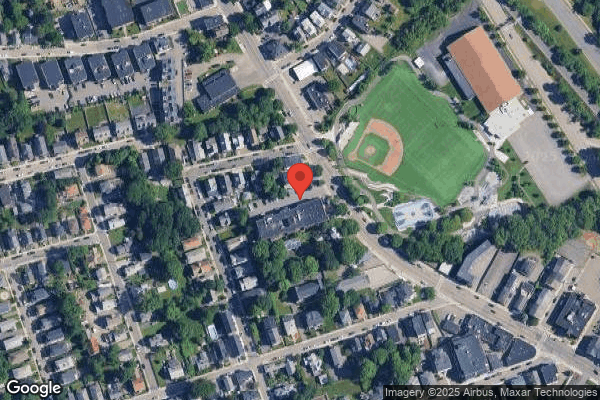
337 NEPONSET AVENUE, DORCHESTER, MA 02122 (617) 265-2350
Non profit - Corporation 121 Beds Independent Data: November 2025
Trust Grade
63/100
#72 of 338 in MA
Last Inspection: May 2025

Inspected within the last 6 months. Data reflects current conditions.

Overview

Bostonian Nursing Care & Rehabilitation Center has a Trust Grade of C+, indicating it is slightly above average but not outstanding. It ranks #72 out of 338 facilities in Massachusetts, placing it in the top half, and #7 out of 22 in Suffolk County, meaning there are only six better options locally. The facility is improving, as it reduced the number of issues from four in 2024 to one in 2025. However, staffing is a concern, with a rating of 2 out of 5 stars and a turnover rate of 52%, which is significantly higher than the state average. They have incurred $8,648 in fines, which is considered average, and their RN coverage is also average, providing adequate oversight. Recent inspections revealed some serious issues, including a resident who developed a worsened pressure injury due to insufficient nursing care after readmission from the hospital. Additionally, several residents did not have their pain assessments completed, which raises concerns about proper monitoring. While the facility shows some strengths, such as a good overall star rating, these weaknesses highlight the need for improvement in care and attention to residents' specific health needs.

Trust Score
C+
63/100
In Massachusetts
#72/338
Top 21%
Safety Record
Moderate
Needs review
Inspections
Getting Better
4 → 1 violations
Staff Stability
⚠ Watch
52% turnover. Above average. Higher turnover means staff may not know residents' routines.
Penalties
✓ Good
$8,648 in fines. Lower than most Massachusetts facilities. Relatively clean record.
Skilled Nurses
○ Average
Each resident gets 31 minutes of Registered Nurse (RN) attention daily — about average for Massachusetts. RNs are the most trained staff who monitor for health changes.
Violations
⚠ Watch
21 deficiencies on record. Higher than average. Multiple issues found across inspections.
★★★★☆
4.0
Overall Rating
★★☆☆☆
2.0
Staff Levels
★★★☆☆
3.0
Care Quality
★★★★☆
4.0
Inspection Score
Stable
2024: 4 issues
2025: 1 issues

The Good

  • Full Sprinkler Coverage · Fire safety systems throughout facility
  • No fines on record

Facility shows strength in fire safety.

The Bad

Staff Turnover: 52%

Near Massachusetts avg (46%)

Higher turnover may affect care consistency

Federal Fines: $8,648

Below median ($33,413)

Minor penalties assessed

The Ugly 21 deficiencies on record

1 actual harm
May 2025 1 deficiency
CONCERN (D)

Potential for Harm - no one hurt, but risky conditions existed

Comprehensive Care Plan (Tag F0656)

Could have caused harm · This affected 1 resident

**NOTE- TERMS IN BRACKETS HAVE BEEN EDITED TO PROTECT CONFIDENTIALITY** Based on observation, record review and interview, the facility failed to implement the care plan for one Resident (#62) out of ...

Read full inspector narrative →
**NOTE- TERMS IN BRACKETS HAVE BEEN EDITED TO PROTECT CONFIDENTIALITY** Based on observation, record review and interview, the facility failed to implement the care plan for one Resident (#62) out of a total sample of 23 residents. Specifically, the facility failed to ensure Resident #62 was wearing a Wanderguard (a bracelet around the ankle that locks or alarms facility doors when a resident is near them) as ordered by the physician. Findings include: Review of the facility policy titled Elopement Policy dated February 2025, indicated the following: - Include the following if there is any threat of elopement: Identify residents at risk for wandering/elopement behavior. Resident #62 was admitted to the facility in February 2020 with diagnoses including unspecified psychosis and anxiety disorder. Review of Resident #62's most recent Minimum Data Set Assessment (MDS) dated [DATE] indicated a Brief Interview for Mental Status score of 4 out of 15 indicating severe cognitive impairment. Further review of the MDS indicated that the Resident has wandering behaviors. The surveyor made the following observations: - On 5/27/25 at 12:14 P.M., Resident #62 was walking up and down the hallway using a rolling walker. There was no Wanderguard bracelet observed on either one of his/her ankles. - On 5/28/25 at 8:15 A.M., Resident #62 was sitting in the dining room. The surveyor asked if he/she could pull down his/her socks below the ankles. No Wanderguard was observed on either ankle. - On 5/28/25 at 9:42 A.M., Resident #62 was walking up and down the hallway using a rolling walker. There was no Wanderguard bracelet observed on either one of his/her ankles. Review of Resident #62's physician's orders indicated the following: - Dated 10/3/23: May use Wanderguard system. Monitor Wanderguard to left ankle every shift for placement, every shift. - Dated 11/22/24: Wanderguard to right ankle. Check function daily, every shift, replace Wanderguard bracelet per expiration date located on device. Review of Resident #62's Elopement Risk Assessment Form dated 4/14/25 indicated that the Resident scored 16. The Assessment indicated that a score above 10 indicates a high risk to wander. Review of Resident #62's care plan dated 10/5/23 indicated the following: - Problem: Resident #62 is an elopement risk/wanderer and has a Wanderguard in place to left ankle. - Intervention: Wanderguard. During an interview on 5/28/25, Unit Manager #1 said Resident #62 wanders up and down the unit all the time and he/she should have a Wanderguard on his/her ankle. Unit Manager #1 and the surveyor reviewed Resident #62's physician's orders and Unit Manager #1 said she would expect the Wanderguard to be in place. Unit Manager #1 and the surveyor observed Resident #62 sitting in his/her bed, the Resident was barefoot and no Wanderguard was observed on either ankle. Unit Manager #1 asked for permission to look for it in the Resident's room, Unit Manager #1 was unable to locate the Wanderguard. Unit Manager #1 said if staff noticed Resident #62 not wearing a Wanderguard she would expect to be notified. During an interview on 5/28/25 at 2:17 P.M., the Director of Nursing said Resident #62 should have been wearing a Wanderguard per the physician's orders. During an interview on 5/29/25 at 7:54 A.M., Social Worker #1 said Resident #62 wanders up and down the hallway all the time.
Jun 2024 4 deficiencies
CONCERN (D)

Potential for Harm - no one hurt, but risky conditions existed

Comprehensive Care Plan (Tag F0656)

Could have caused harm · This affected 1 resident

**NOTE- TERMS IN BRACKETS HAVE BEEN EDITED TO PROTECT CONFIDENTIALITY** Based on observations, record review and interviews, the facility failed to implement a care plan for skin protection for 1 Resi...

Read full inspector narrative →
**NOTE- TERMS IN BRACKETS HAVE BEEN EDITED TO PROTECT CONFIDENTIALITY** Based on observations, record review and interviews, the facility failed to implement a care plan for skin protection for 1 Resident (#18) out of a total sample of 25 residents. Finding include: Resident #18 was admitted to the facility in October 2023 with diagnoses including paraplegia. Review of Resident #18's most recent Minimum Date Set (MDS) indicated the Resident scored a 15 out of a possible 15 on the Brief Interview for Mental Status, which indicated he/she was cognitively intact. The MDS also indicated Resident #18 was dependent on staff for all bed mobility tasks. Review of Resident #18's medical chart indicated he/she was hospitalized from [DATE] to 6/14/24 and upon return to the facility, the Resident had a deep tissue injury to his/her left heel. On 6/25/24 at 8:08 A.M., Resident #18 was observed lying in bed with both heels directly on the bed. There were two pressure relieving heel booties on the chair across from the bed. On 6/26/24 at 7:12 A.M., 7:57 A.M. 12:27 P.M., and 12:47 P.M., Resident #18 was observed lying in bed with both heels directly on the bed. There were two pressure relieving heel booties on the chair across from the bed. During an interview on 6/26/24 at 12:27 A.M., Resident #18 said he/she does not wear the protective booties because nursing has not offered to put them on. Resident #18 said he/she would wear the booties if nursing would put them on. Review of Resident #18's physician orders indicated the following order: -Encourage booties to bilateral heels as resident allows, initiated on 6/17/24. Review of Resident #18's [NAME] (a form indicating the level of care required) indicated the following: -Encourage booties to bilateral heels as resident allows. During an interview on 6/26/24 at 12:53 P.M., Nurse #2 said she was unaware if Resident #18 had any skin issues on his/her heels. Nurse #2 said she had not yet offered to assist the Resident with putting on the booties today. During an interview on 6/26/24 at 1:09 P.M., the Director of Nursing said orders should be followed as written.
CONCERN (D)

Potential for Harm - no one hurt, but risky conditions existed

Deficiency F0688 (Tag F0688)

Could have caused harm · This affected 1 resident

**NOTE- TERMS IN BRACKETS HAVE BEEN EDITED TO PROTECT CONFIDENTIALITY** Based on observations, record review and interviews, the facility failed to implement bilateral hand orthotics for the treatment...

Read full inspector narrative →
**NOTE- TERMS IN BRACKETS HAVE BEEN EDITED TO PROTECT CONFIDENTIALITY** Based on observations, record review and interviews, the facility failed to implement bilateral hand orthotics for the treatment of contractures for 1 Resident (#79) out of a total sample of 25 residents. Findings include: Resident #79 was admitted to the facility in September 2020 with diagnoses including subdural hematoma (bleeding in the brain) and contractures of both the left and right hands. Review of Resident #79's most recent Minimum Data Set (MDS) dated [DATE], indicated the Resident was unable to complete the Brief Interview for Mental Status (BIMS) and the staff had assessed him/her to have severe cognitive impairment. The MDS also indicated Resident #79 was dependent on staff for all functional daily tasks. Review of Resident #79's physician orders indicated the following order: -Bilateral palm rolls on at all times - remove for hygiene and ADLs (Activities of Daily Living), every shift, initiated on 10/8/2020. On 6/25/24 at 8:02 A.M., Resident #79 was observed lying in bed with his/her hands in a fisted position and face cloths in both hands. The face cloths were not rolled and only partially in the Resident's hands. On 6/26/24 at 8:05 A.M., 10:21 A.M., and 11:20 A.M., Resident #79 was observed with his/her hands in a fisted position and face cloths in both hands. The face cloths were not rolled and only partially in the Resident's hands. During an interview on 6/26/24 at 11:20 A.M., Certified Nursing Assistant (CNA) #4 searched Resident #79's room and was unable to find hand rolls. CNA #4 said she had never seen the Resident use hand rolls and that staff place towels in Resident #79's hands daily. During an interview on 6/26/24 at 11:26 A.M., Nurse #1 said Resident #79 has an order to use bilateral hand rolls daily due to his/her hand contractures. Nurse #1 said if the hand rolls are missing and staff need to notify the rehabilitation department so new hand rolls can be ordered. Nurse #1 said she was unaware Resident #79's hand rolls had gone missing. During an interview on 6/26/24 at 11:32 A.M., the Occupational Therapist (OT) said she was unaware Resident #79's hand rolls were missing. The OT said hand rolls are used for individuals with contractures in order for hands to be kept open and prevent contractures from worsening. The OT said wash cloths, especially if not rolled, are an ineffective replacement for hand rolls. During an interview on 6/26/24 at 1:09 P.M., the Director of Nursing said she would expect the nursing staff to make a referral to rehabilitation if equipment such as hand rolls go missing. The Director of Nursing said wash cloths do not meet the purpose of hand rolls.
CONCERN (D)

Potential for Harm - no one hurt, but risky conditions existed

Food Safety (Tag F0812)

Could have caused harm · This affected 1 resident

Based on observation, policy review, and interview, the facility failed to maintain appropriate food sanitation practices in the kitchen. Findings include: Review of the facility policy titled Nutri...

Read full inspector narrative →
Based on observation, policy review, and interview, the facility failed to maintain appropriate food sanitation practices in the kitchen. Findings include: Review of the facility policy titled Nutrition and Foodservice- Employee Practices, dated 09/2023, indicated the following: - Gloves worn in food preparation should be changed: * as soon as they become soiled or torn * at least every four hours during continual use and more often when necessary * after handling raw meat and before handling cooked or ready-to-eat food During an observation on 6/27/24 at 7:47 A.M., the cook on the serving line was wearing a pair of disposable gloves and walked away from serving the food on the line and put on oven mitts over the disposable gloves, opened the steamer, and then removed the oven mitts. Without changing the disposable gloves, the cook proceeded to touch and serve a ready to eat english muffin with the potentially contaminated gloves. At 7:49 A.M., the cook, while wearing the same contaminated gloves, opened the refrigerator door, and then proceeded to touch ready to eat pancakes with the contaminated gloves. During an interview on 6/27/24 at 10:00 A.M., the Food Service Director was made aware of the cross contamination and said that cooks should change their gloves before touching ready to eat food.
CONCERN (D)

Potential for Harm - no one hurt, but risky conditions existed

Medical Records (Tag F0842)

Could have caused harm · This affected 1 resident

**NOTE- TERMS IN BRACKETS HAVE BEEN EDITED TO PROTECT CONFIDENTIALITY** Based on observations, record review and interviews, the facility failed to maintain an accurate medical record by 1. inaccurate...

Read full inspector narrative →
**NOTE- TERMS IN BRACKETS HAVE BEEN EDITED TO PROTECT CONFIDENTIALITY** Based on observations, record review and interviews, the facility failed to maintain an accurate medical record by 1. inaccurately marking a treatment complete when it was not for 1 Resident (#18) and 2. not completing daily documentation for 1 Resident (#12) out of a total sample of 25 residents. Finding include: 1. Resident #18 was admitted to the facility in October 2023 with diagnoses including paraplegia. Review of Resident #18's most recent Minimum Date Set (MDS) indicated the Resident scored a 15 out of a possible 15 on the Brief Interview for Mental Status (BIMS), which indicated he/she was cognitively intact. The MDS also indicated Resident #18 was dependent on staff for all bed mobility tasks. Review of Resident #18's medical chart indicated he/she was hospitalized from [DATE] to 6/14/24 and upon return to the facility, the Resident had a deep tissue injury to his/her left heel. Review of Resident #18's physician orders indicated the following order: -Encourage booties to bilateral heels as resident allows, initiated on 6/17/24. On 6/26/24 at 12:27 P.M., Resident #18 was observed lying in bed with both heels directly on the bed. There were two pressure relieving heel booties on the chair across from the bed. During an interview on 6/26/24 at 12:27 A.M., Resident #18 said he/she does not wear the protective booties because nursing has not offered to put them on. Resident #18 said he/she would wear the booties if nursing would put them on. Review of the Treatment Administration Record (TAR) indicated nursing had documented the physician order as complete and Resident #18 was wearing the bilateral heel booties. During an interview on 6/26/24 at 12:53 P.M., the surveyor showed Nurse #2 the TAR. Nurse #2 said she documented the physician order as completed even though she had not completed the order. During an interview on 6/26/24 at 1:09 P.M., the Director of Nursing said nurses should not document orders are complete if they had not completed the treatment. 2. Resident #12 was admitted to the facility in May 2024 with diagnoses including muscle weakness and dementia. Review of Resident #12's most recent Minimum Data Set (MDS) dated [DATE] indicated the Resident scored 5 out of a possible 15 on the Brief Interview for Mental Status (BIMS), which indicated the Resident has severe cognitive impairment. The MDS also indicated Resident #12 is dependent for bathing tasks. Review of the Activity of Daily Living (ADL) documentation for the month of June 2024, indicated the following: -there were 12 daytime shifts (7:00 A.M. to 3:00 P.M.) with no ADL documentation completed. -there were 9 afternoon shifts (3:00 P.M. to 11:00 P.M.) with no ADL documentation completed. -there were 16 nighttime shifts (11:00 P.M. to 7:00 A.M.) with no ADL documentation completed. During an interview on 6/26/24 at 10:09 A.M., Certified Nursing Assistant (CNA) #3 said all documentation is completed on the computer and the CNAs are expected to document all care on all shifts. During an interview on 6/26/24 at 1:09 P.M., the Director of Nursing said the CNAs are expected to document all care provided throughout the day on all shift and there should be no missing documentation.
Jun 2023 4 deficiencies 1 Harm
SERIOUS (G) 📢 Someone Reported This

A family member, employee, or ombudsman was alarmed enough to file a formal complaint

Actual Harm - a resident was hurt due to facility failures

Pressure Ulcer Prevention (Tag F0686)

A resident was harmed · This affected 1 resident

**NOTE- TERMS IN BRACKETS HAVE BEEN EDITED TO PROTECT CONFIDENTIALITY** Based on records reviewed and interviews, for one of three sampled residents (Resident #2), who had developed areas of skin brea...

Read full inspector narrative →
**NOTE- TERMS IN BRACKETS HAVE BEEN EDITED TO PROTECT CONFIDENTIALITY** Based on records reviewed and interviews, for one of three sampled residents (Resident #2), who had developed areas of skin breakdown, had been admitted to the Hospital, and required treatment by the Hospital wound nurse while admitted , the Facility failed to ensure that upon readmission to the Facility he/she was provided nursing treatment and services that were consistent with professional standards of practice related to his/her care needs and as a result his/her pressure injury worsened. Findings include: The Facility's Policy, titled Wound and Skin Care Protocols/Definitions, dated 09/2022, indicated the following definitions: -A pressure injury was defined as any lesion caused by unrelieved pressure resulting in damage to underlying tissue and were staged to classify the degree of tissue damage. -Stage 1 pressure injury was defined as an observable pressure related alteration of intact skin which may include changes in skin temperature, tissue consistency or sensation, and appeared as intact skin with a defined area of non-blanchable redness. -Stage 2 was defined as partial thickness presenting as shallow open ulceration with a red or pink wound bed without slough. The ulcer would be superficial and could present clinically as an abrasion, blister, or shallow crater. -Unstageable was defined as full thickness tissue loss in which the base of the ulcer was covered by slough (yellow, tan, gray, green, or brown and/or eschar (brown or black)) in the wound bed. The true depth of the wound could not be determined due to the slough. The Facility's Policy, titled Skin/Wound Care, dated 09/2022, Documentation Guidelines, indicated a complete wound assessment and documentation would be done weekly on all pressure injuries until they were healed, the criteria would include location, stage, size (measurements) and appearance of the wound. The Facility Protocol titled, Pressure Ulcers/Skin Breakdown, dated 10/2022, indicated the physician would order wound treatments for pressure injuries including pressure reduction surfaces, wound cleansing, debridement approaches, and dressings. Resident #2 was admitted to the Facility in February 2023, diagnoses included encephalopathy, sepsis, stroke, diabetes, and dementia. Review of Resident #2's Medical Record indicated he/she was transferred to the Hospital Emergency Department on 02/10/23, was admitted , and was discharged back to the facility on [DATE]. Review of the Hospital Wound Nurse Note, dated 02/14/23, indicated Resident #2 had a wound on his/her sacrum that was combination friction and shear, and that there was discoloration in the gluteal crease with a linear open area with a small amount of serosanguinous (pink, watery) drainage. The Note indicated Resident #2 also had redness to his/her right heel. The Note indicated recommendations included a dressing to Resident #2's coccyx area using sacral adhesive foam, change every three days and as needed, offloading of pressure, and a pressure ulcer care plan. Review of the Hospital Discharge summary, dated [DATE], indicated Resident #2 had a stage two pressure injury at his/her sacrum, and nursing staff were to follow the recommendations developed by the Wound Nurse on 02/14/23. Review of the Facility's Admissions Assessment (for his/her readmission), dated 02/17/23, indicated nursing documented that Resident #2 did not have any pressure injuries. Review of the Nurse Progress Note, dated 02/27/23, indicated Resident #2 had redness developing on his/her buttocks area, and he/she refused to get out of bed. The Note indicated Nursing staff would follow up with Resident #2's Nurse Practitioner regarding his/her pressure injuries. Review of Resident #2's Weekly Skin Check, dated 03/10/23, indicated Resident #2's sacrum area was red and blanchable. Review of the Nurse Progress Note, dated 03/19/23, indicated a wound dressing to Resident #2's coccyx was completed. However, review of Resident #2's Medical Record indicated there was no documentation to support that nursing had obtained a physician's order for a wound dressing, at that time. Review of Resident #2's Weekly Skin Check, dated 03/24/23, indicated Resident #2 had an open area on his/her coccyx. However, there was no documentation to support that nursing had obtained measurements or documented a description of Resident #2's pressure injury. Further review of Resident #2's Medical Record indicated there were still no physician's orders in place for the treatment of his/her pressure injuries. The Nurse's Progress Note, dated 03/30/23, indicated Resident #2 was lethargic, was not eating, and was transferred to the Hospital Emergency Department. Review of the Hospital admission History and Physical, dated 03/30/23, indicated Resident #2 was admitted to the Hospital Emergency Department and had a pressure injury on his/her sacrum that had worsened since his/her previous admission on [DATE] to 02/17/23. The Hospital admission History and Physical indicated Resident #2's sacral pressure injury measured 4 centimeters (cm) by 4.5 cm and was unstageable. During interview on 06/13/23 at 12:25 P.M., the Assistant Director of Nurses (ADON) said she would do rounds with the wound Physician's Assistant on Mondays and Tuesdays. The ADON said wounds should be measured weekly and documented in the medical record. The ADON said she was unable to locate any documentation of measurements of Resident #2's pressure injuries. During interview on 06/12/23, the Director of Nurses (DON) said every wound should be measured and documentation (by nursing) including measurement and description of the wounds should have been included in Resident #2's medical record, that treatments should have been initiated, and any dressings should have a physician's order.
CONCERN (D) 📢 Someone Reported This

A family member, employee, or ombudsman was alarmed enough to file a formal complaint

Potential for Harm - no one hurt, but risky conditions existed

Abuse Prevention Policies (Tag F0607)

Could have caused harm · This affected 1 resident

Based on records reviewed and interviews, for one of three sampled residents (Resident #3), who had a diagnosis of dementia, the Facility failed to ensure staff implemented and followed their abuse po...

Read full inspector narrative →
Based on records reviewed and interviews, for one of three sampled residents (Resident #3), who had a diagnosis of dementia, the Facility failed to ensure staff implemented and followed their abuse policy, when on 06/10/23, Nurse #2 witnessed an incident of potential physical abuse of Resident #3 by his/her visitor, but did not report the incident to her immediate supervisor or Director of Nurses, placing Resident #3 at risk for potential continued abuse by the visitor. Findings include: The Facility Policy, titled, Prevention of Resident Abuse and Neglect, Mistreatment, Exploitation and Involuntary Seclusion, Misappropriation of Resident Property, dated 10/2022, indicated: -Residents would have a right to be free from mental, physical, sexual, and verbal abuse, neglect, mistreatment, exploitation, or misappropriation of resident property by any source, including staff, other residents, visitors, or family members. -The Facility had the responsibility to protect residents from real or perceived abuse, neglect, mistreatment, exploitation, or misappropriation. -All employees of the Facility were mandated to report incidents of suspected resident abuse, neglect, mistreatment, exploitation, or misappropriation to their immediate supervisor, Director of Nursing Services, or the Executive Director. -The Facility was required by law to report any alleged violations of abuse, neglect, mistreatment, exploitation, or misappropriation to the State Survey Agency, and where alleged violations also gave rise to a reasonable suspicion of a crime, law enforcement would be notified as well. The Facility Policy, titled Investigation Guidelines for Allegations of Abuse or Neglect, dated 09/2022, indicated: -When an allegation of abuse was made, the Resident would be examined and observed for any evidence of bruising or skin tears where hands may have been placed, or a pattern or ring or belt may have been placed. -The Resident would be interviewed, and statements documented. Resident #3 was admitted to the Facility July 2022, diagnoses included dementia, peripheral vascular disease, traumatic subdural hematoma, and stroke. Review of the Nurse's Note, dated 06/10/23, indicated that on 06/10/23, Nurse #2 witnessed Resident #3's visitor forcefully holding his/her feet while taking pictures and or video of his/her private area while Resident #3 was yelling for her to stop, and there were two other male visitors in the room at the time. During interview on 06/14/23 at 12:11 P.M., Nurse #2 said that on 06/10/23 sometime after the lunch time meal, she was asked to go to Resident #3's room by a Certified Nurses Aide (CNA) (exact name unknown). Nurse #2 said that when she entered Resident #3's room she saw Resident #3's visitor holding his/her feet down with one hand and using her mobile phone to take a video or pictures of Resident #3's private area and buttocks, while two other male visitors were in the room watching and could see Resident #3's naked body. Nurse #2 said Resident #3 was yelling for the visitor to let me the fuck go and leave me the fuck alone over and over, was unable to use his/her arms, was helpless, and seemed angry and upset. Nurse #2 said Resident #3's privacy and dignity were violated, and said she felt as though he/she had been abused by the visitor. Nurse #2 said she asked the visitors to leave, and they did. Nurse #2 said she tried to call the Assistant Director of Nurses (ADON), but said the ADON did not answer the phone, and said she did not leave a voice mail. Nurse #2 said she did not report the incident to anyone else in administration. During interview on 06/13/23 at 11:20 A.M., the Director of Nurses (DON) said that on 06/12/23 at 5:30 P.M., she was made aware of the allegation of visitor to Resident abuse when she received a phone call from one of Resident #3's family members. The DON said Nurse #2 should have reported the allegation of abuse to her or to administration immediately, but had not.
CONCERN (D) 📢 Someone Reported This

A family member, employee, or ombudsman was alarmed enough to file a formal complaint

Potential for Harm - no one hurt, but risky conditions existed

Report Alleged Abuse (Tag F0609)

Could have caused harm · This affected 1 resident

Based on records reviewed and interviews, for one of three sampled residents (Resident #3), who had a diagnosis of dementia, the Facility failed to ensure a that after being made aware of an allegatio...

Read full inspector narrative →
Based on records reviewed and interviews, for one of three sampled residents (Resident #3), who had a diagnosis of dementia, the Facility failed to ensure a that after being made aware of an allegation of potential abuse on 06/12/23, that they reported the allegation to the State Agency within two hours, as required. On 06/12/23, the Director of Nurses was made aware of an allegation of physical abuse involving Resident #3 and one of his/her visitors, however a report was not submitted until the following day (06/13/23) to the Department of Public Health. Findings include: The Facility Policy, titled, Identification and Reporting of alleged violations of Abuse, Neglect, Mistreatment, Exploitation, or misappropriation of Resident Property, dated 10/2022, indicated the Director of Nurses or Administrator would notify the DPH of any allegation of resident abuse, neglect, mistreatment, exploitation, or misappropriation immediately, but not later than two hours after the allegation is made, if the events that cause the allegation involves abuse. Resident #3 was admitted to the Facility July 2022, diagnoses included dementia, peripheral vascular disease, traumatic subdural hematoma, and stroke. Review of the Nurse Progress Note, dated 06/10/23, indicated that on 06/10/23, Nurse #2 witnessed Resident #3's visitor forcefully holding his/her feet while taking pictures and video of his/her private area while Resident #3 was yelling for her to stop, and there were two other male visitors in the room at the time. During interview on 06/14/23 at 12:11 P.M., Nurse #2 said that on 06/10/23 sometime after the lunch time meal, she was asked to go to Resident #3's room by a Certified Nurse's Aide (CNA) (exact name unknown). Nurse #2 said that when she entered Resident #3's room she saw Resident #3's visitor holding his/her feet down with one hand and using her mobile phone to take a video or pictures of Resident #3's private area and buttocks, while two other male visitors were in the room watching and could see Resident #3's naked body. Nurse #2 said Resident #3 was yelling for the visitor to let me the fuck go and leave me the fuck alone over and over, was unable to use his/her arms, was helpless, and seemed angry and upset. Nurse #2 said Resident #3's privacy and dignity were violated, and said she felt as though he/she had been abused by the visitor. Nurse #2 said she did not report the incident to anyone in administration. During interview on 06/13/23 at 11:20 A.M., the Director of Nurses (DON) said that on 06/12/23 at 5:30 P.M., she was made aware of an allegation of visitor to Resident abuse when one of Resident #3's family members called her. The DON said however that she had not submitted a report to the DPH that day. The DON said the allegation of abuse should have been reported to the DPH within two hours, but it was not. Review of the report submitted by the facility via Health Care Facility Reporting System (HCFRS), dated 06/13/23, indicated the incident of alleged abuse was reported to the DPH on 06/13/23, the day after facility Administration became aware of the allegation.
CONCERN (D) 📢 Someone Reported This

A family member, employee, or ombudsman was alarmed enough to file a formal complaint

Potential for Harm - no one hurt, but risky conditions existed

Comprehensive Care Plan (Tag F0656)

Could have caused harm · This affected 1 resident

**NOTE- TERMS IN BRACKETS HAVE BEEN EDITED TO PROTECT CONFIDENTIALITY** Based on records reviewed and interviews, for two of three sampled residents (Resident #2 and Resident #3), who both were noted ...

Read full inspector narrative →
**NOTE- TERMS IN BRACKETS HAVE BEEN EDITED TO PROTECT CONFIDENTIALITY** Based on records reviewed and interviews, for two of three sampled residents (Resident #2 and Resident #3), who both were noted to have wounds requiring care and treatment by nursing, the Facility failed to ensure the following; 1) for Resident #2, although nursing identified his/her wounds and documented application of a dressing, a comprehensive Plan of Care was not developed by nursing related to the treatment of his/her wounds, and 2) for Resident #3, interventions indicated in his/her Comprehensive Plan of Care to obtain and document measurements of his/her wounds, were not consistently implemented by nursing. Findings include: The Facility Policy, titled, Comprehensive Person-Centered Care Plan, dated 09/2022, indicated a comprehensive person-centered care plan that included measurable objectives to meet the resident's needs would be developed and implemented for each resident, and the care plan would be reviewed and updated when there had been a significant change in the resident's condition or when the resident was readmitted to the Facility from a Hospital stay. The Facility Policy, titled Skin/Wound Care Documentation Guidelines, dated 09/2022, indicated a complete wound assessment and documentation would be done weekly including measurements. The Facility Protocol titled, Pressure Ulcers/Skin Breakdown, dated 10/2022, indicated the physician would order wound treatments for pressure injuries including pressure reduction surfaces, wound cleansing, debridement approaches, and dressings. 1) Resident #2 was admitted to the Facility in February 2023, diagnoses included encephalopathy, sepsis, stroke, diabetes, and dementia. Review of Resident #2's Skin Care Plan, dated 02/08/23, indicated he/she was at risk for pressure ulcer development, and an air mattress was in place as an intervention. Review of Resident #2's Medical Record indicated he/she was transferred to the Hospital Emergency Department on 02/10/23, was admitted to the Hospital and was discharged back to the facility on [DATE]. Review of the Hospital Wound Nurse Note, dated 02/14/23, indicated Resident #2 had a wound on his/her sacrum that was combination friction and shear and discoloration in the gluteal crease with a linear open area with a small amount of serosanguinous (pink, watery) drainage. The Note indicated Resident #2 also had redness to his/her right heel. The Note indicated recommendations included a dressing to Resident #2's coccyx area using sacral adhesive foam, change every three days and as needed, offloading of pressure, and a pressure ulcer care plan. Review of the Nurse Progress Note, dated 02/27/23, indicated Resident #2 had redness developing on his/her buttocks area, and he/she refused to get out of bed. The Note indicated Nursing staff would follow up with Resident #2's Nurse Practitioner regarding his/her pressure injuries. The Weekly Skin Check, dated 03/10/23, indicated Resident #2's sacrum area was red and blanchable. Review of the Nurse's Progress Note, dated 03/19/23, indicated a wound dressing to Resident #2's coccyx was completed. However further review of Resident #2's Medical Record indicated there was no documentation to support a physician's order was obtained for a wound dressing. Review of the Weekly Skin Check, dated 03/24/23, indicated Resident #2 had an open area on his/her coccyx. However, review of Resident #2's Medical Record indicated there was no documentation to support that nursing staff had obtained measurements or documented a description of Resident #2's pressure injuries. Further review of Resident #2's Comprehensive Plan of Care indicated there after he/she was re-admitted from the Hospital and noted to have developed pressure injuries, there was no documentation to support that his/her Plan of Care related to Skin Integrity was updated or that an individualized Plan of Care related to his/her new pressure injuries was developed with interventions identified to promote healing or prevent worsening of his/her wounds. The Nurse's Progress Note, dated 03/30/23, indicated Resident #2 was lethargic, was not eating, and was transferred to the Hospital Emergency Department. The Hospital admission History and Physical, dated 03/30/23, indicated Resident #2 was admitted to the Hospital Emergency Department and had a pressure injury on his/her sacrum that had worsened since his/her previous admission on [DATE] to 02/17/23. The Hospital admission History and Physical indicated Resident #2's sacral pressure injury measured 4 centimeters (cm) by 4.5 cm and was unstageable. During interview on 06/13/23 at 12:25 P.M., the Assistant Director of Nurses (ADON) said she was unable to locate any documentation to support measurements of Resident #2's wound were obtained. 2) Resident #3 was admitted to the Facility in July 2022, diagnoses included peripheral vascular disease, deep vein thrombosis of the right upper extremity with surgical intervention. Review of Resident #3's Skin Integrity Care Plan, dated 01/13/23, indicated interventions included that nursing would obtain and document weekly his/her treatment, which would include measurements of Resident #3's wounds. Review of Resident #3's Order Recap Report indicated he/she had the following Physician's Orders: - 03/22/23, Wound care descriptive documentation of wound at his/her right forearm, every day shift. - 03/22/23, wound care descriptive documentation of wound at right hand, every day shift. - 04/24/23, monitor open are to penis for infection, every shift. Review of Resident #3's Medical Record indicated there was no documentation to support nursing had obtained any measurements of Resident #3's wounds. During interview on 06/13/23 at 12:25 P.M., the Assistant Director of Nurses (ADON) said she was unable to locate any documentation to support measurements of Resident #3's wounds were obtained prior to 06/12/23. During interview on 06/12/23, the Director of Nurses (DON) said every wound should be measured and that nursing documentation including measurements and descriptions of the wounds should be included in the resident's medical record. The DON said there should be a comprehensive Plan of Care developed for any resident with wounds that included interventions to prevent worsening of the wounds and promote healing. The DON said wound measurements should be done weekly or as indicated in the Plan of Care.
Apr 2023 12 deficiencies
CONCERN (D)

Potential for Harm - no one hurt, but risky conditions existed

Notification of Changes (Tag F0580)

Could have caused harm · This affected 1 resident

**NOTE- TERMS IN BRACKETS HAVE BEEN EDITED TO PROTECT CONFIDENTIALITY** Based on record review, policy review and interview, the facility failed to notify the physician of a change in condition for on...

Read full inspector narrative →
**NOTE- TERMS IN BRACKETS HAVE BEEN EDITED TO PROTECT CONFIDENTIALITY** Based on record review, policy review and interview, the facility failed to notify the physician of a change in condition for one Resident (#84) out of a total sample of 25 residents. Findings include: Review of the facility policy titled Change in Resident Condition, reviewed and dated September 2022 indicates the following: *Policy: The facility shall promptly notify the resident, his or her attending physician, and resident representative of changes in the resident's medical/mental condition and/or status. *Procedure: The nurse will notify the resident's Attending Physician or physician on call when there has been: significant change in the resident's physician/emotional/mental condition Resident #84 was admitted to the facility in June 2021 with diagnoses that include Type 2 Diabetes Mellitus with hyperglycemia, vascular dementia, depression and anxiety. Review of Resident #84's most recently completed Minimum Data Set (MDS) dated [DATE] indicated that he/she had a Brief Interview for Mental Status score of 9 out of a possible 15 indicating that he/she has moderate cognitive impairment. Further review of the MDS indicated that the Resident requires extensive assistance with all activities of daily living. Review of Resident #84's care plan for Diabetes Mellitus, dated 6/14/21 indicated the following: *Goal: Resident will have no complications related to diabetes through the review date. *Interventions: Monitor for s/sx (signs and symptoms) of hyper or hypoglycemia Review of Resident #84's physician orders indicated the following: *An order, dated 9/17/21, if blood sugar is below 70 follow hypoglycemic protocol and notify MD (Medical Doctor)/NP (Nurse Practitioner). If blood sugar is greater than 400 notify MD/NP. Review of Resident #84's Nursing Progress notes indicated the following note dated 3/30/23 at 6:55 A.M.: *This writer doing rounds at 3:45 A.M. noted Resident with slurred speech cold clammy skin diaphoresis, FS (fasting sugar) checked stat results 37. Glucagon 1 mg (milligram) adm (administered) with an increase after 15 minutes 57, snack tolerated at this time orange juice and crackers. FS checked 102, resident noted more alert stated he/she was not aware of what was taking place. Teaching done with Resident to encourage eating at all times to prevent hypoglycemia. Safely maintained, bed low, call bell at reach, nursing continue to monitor. The progress note failed to indicate that the MD or NP was notified. Review of Resident #84's Weights and Vitals Summary indicated that he/she had a blood sugar reading of 37 mg/dL on 3/30/23 at 3:57 A.M. During an interview on 4/5/23 at 10:52 A.M., Nurse #3 said the MD/NP should be notified and it should be documented when a resident has a change in condition so they can follow up with the resident. Nurse #3 said that change in a blood sugar to 37 mg/dL would be considered a change in condition. Upon reviewing Resident #84's medical record with the surveyor, Nurse #3 could not find any evidence that the MD or NP was notified when Resident #84's blood sugar levels were measured at 37 mg/dL. Nurse #3 said when the MD or NP is notified it should be documented in the medical record. During an interview on 4/5/23 at 11:46 A.M., the Director of Nursing (DON) said it is her expectation that the MD would be notified when a resident has a change in condition. The DON said that a change in blood sugar levels would be considered a change in condition. She further said that the MD should have been notified when Resident #84's blood sugar levels were identified at 37 mg/dL.
CONCERN (D)

Potential for Harm - no one hurt, but risky conditions existed

Comprehensive Care Plan (Tag F0656)

Could have caused harm · This affected 1 resident

**NOTE- TERMS IN BRACKETS HAVE BEEN EDITED TO PROTECT CONFIDENTIALITY** Based on observation, record review and interview the facility failed to develop and implement the plan of care for supervision ...

Read full inspector narrative →
**NOTE- TERMS IN BRACKETS HAVE BEEN EDITED TO PROTECT CONFIDENTIALITY** Based on observation, record review and interview the facility failed to develop and implement the plan of care for supervision during meals for 1 Resident (#313) out of a total sample of 25 residents. Findings include: Review of the facility's policy titled Activities of Daily Living (ADLs) Supporting, dated 9/2022, indicated Residents will provided with care, treatment and services as appropriate to maintain or improve their ability to carry out activities of daily living (ADLs). Resident #313 was admitted to the facility in January 2023 with diagnoses including Dysphagia, Acute Respiratory Failure with Hypoxia and Heart Failure. Review of the most recent Minimum Data Set (MDS) dated [DATE], indicated that Resident #313 was assessed to have moderately impaired cognition. Review of Resident #313's Activity of Daily Living Care Plan, dated 2/23/23, indicated Eating: The resident requires supervision of staff to eat. Review of Resident #313's April 2023 Physician orders, indicated and order Soft and Bite-Sized texture, Mildly Thick Liquids/Nectar Thick Liquids consistency, for Aspiration Need Assistant with meals, Sips between bites. Review of Resident #313's [NAME], dated 4/5/23, indicated Eating: The resident requires supervision of staff to eat. During an observation on 4/4/23 at 8:20 A.M., the surveyor observed Resident #313 in bed, alone with out any staff present in the room, and was observed to be struggling to open drink containers. During an observation on 4/4/23 at 12:35 P.M., the surveyor observed Resident #313 in his/her wheelchair eating lunch, alone with out any staff present in the room, . During an observation on 4/5/23 from 8:03 A.M. to 8:20 A.M., the surveyor observed Resident #313 in bed, alone, and eating breakfast. The privacy curtain was pulled past the Residents foot board. During an observation on 4/5/23 from 12:37 P.M. to 12:45 P.M., the surveyor observed Resident #313 in his/her wheelchair eating lunch, alone with out any staff present in their room, . During an observation on 4/6/23 at 7:59 A.M., the surveyor observed Resident #313 in bed, alone eating his/her breakfast, and observed that the privacy curtain was pulled past the Residents foot board, . During an interview on 4/5/23 at 12:45 P.M., the Charge Nurse said the expectation is that staff follow the care plan for each resident and said if a Certified Nurse Aide is unsure on how to take care of a newer resident they would ask the nurse what the plan of care is.
CONCERN (D)

Potential for Harm - no one hurt, but risky conditions existed

Deficiency F0657 (Tag F0657)

Could have caused harm · This affected 1 resident

**NOTE- TERMS IN BRACKETS HAVE BEEN EDITED TO PROTECT CONFIDENTIALITY** Based on observations, record review an interview the facility failed to revise an Activity of Daily Living Care Plan to reflect...

Read full inspector narrative →
**NOTE- TERMS IN BRACKETS HAVE BEEN EDITED TO PROTECT CONFIDENTIALITY** Based on observations, record review an interview the facility failed to revise an Activity of Daily Living Care Plan to reflect the Residents current status for 1 Resident (#86) out of a total sample of 25 sampled Residents. Findings Include: Resident #86 was re-admitted to the facility in January 2023 with diagnoses including Chronic Kidney Disease, Type 2 Diabetes, Dysphagia, and Cognitive Communication Deficit. Review of Resident #86's most recent Minimum data Set (MDS) dated [DATE], indicated Resident #86 requires set up help and supervision by staff for eating. Further review of the MDS failed to indicate a cognition level for Resident #86. Review of Resident #86's Activity of Daily Living (ADL) Care Plan, dated 2/23/23, indicated Eating: The resident requires assist x1 staff to eat. Review of Resident #86's Speech Therapy Discharge summary, dated [DATE], indicated Resident #86 was discharged on a soft/thin liquids diet texture and requires only set up assist. During an observation on 4/4/23 at 8:17 A.M., Resident #86 was in bed, alone with out any staff present eating his/her breakfast. During an observation on 4/4/23 at 12:35 P.M., Resident #86 was in bed, alone with out any staff present eating his/her lunch. During an observation on 4/5/23 from 8:02 A.M. through 8:20 A.M., Resident #86 was in bed, alone with out any staff present eating their breakfast, the privacy curtain was observed pulled down past the Residents legs making Resident #86 to be visualized from the doorway. During an observation on 4/5/23 from 12:37 P.M. through 12:43 P.M., Resident #86 was in bed, alone with out any staff present eating their lunch. During an interview on 4/6/23 at 8:00 A.M., the Charge Nurse said Resident #86 did need assistance with feeding in the past but said he/she has progressed since then. The Charge Nurse said Resident #86's ADL Care Plan should have been updated with his/her new status for eating and was not updated as of yet.
CONCERN (D)

Potential for Harm - no one hurt, but risky conditions existed

ADL Care (Tag F0677)

Could have caused harm · This affected 1 resident

**NOTE- TERMS IN BRACKETS HAVE BEEN EDITED TO PROTECT CONFIDENTIALITY** Based on observations, record review and interviews, the facility failed to provide assistance with Activities of Daily Living (...

Read full inspector narrative →
**NOTE- TERMS IN BRACKETS HAVE BEEN EDITED TO PROTECT CONFIDENTIALITY** Based on observations, record review and interviews, the facility failed to provide assistance with Activities of Daily Living (ADLs), specifically providing assistance with showers, for one Resident (#65) out of a total sample of 25 residents. Findings include: Review of the facility policy titled Activities of Daily Living (ADLs), Supporting, reviewed and dated September 2022, indicated the following: *Residents who are unable to carry out activities of daily living independently will receive the services necessary to maintain good nutrition, grooming and personal and oral hygiene. *Appropriate care and services will be provided for residents who are unable to carry out ADLs independently, with the consent of the resident and in accordance with the plan of care, including appropriate support assistance with: Hygiene (bathing, dressing, grooming, and oral care). Resident #65 was admitted to the facility in July 2020 with diagnoses that include Parkinson's disease, morbid obesity and weakness. Review of Resident #65's most recent completed Minimum Data Set (MDS) dated [DATE] revealed that the Resident has a Brief Interview for Mental Status score of 12 out of possible 15 indicating that he/she has moderate cognitive impairment. Further review of the MDS indicated that Resident #65 requires total dependence on all ADLs including bathing and did not exhibit any behaviors. On 4/4/23 at 1:52 P.M., Resident #65 was observed laying in his/her bed, the Resident's hair was visibly greasy. The Resident said it has been such a long time since he/she has received a shower that he/she cannot remember the last time he/she has received one and would like to have one. On 4/5/23 at 11:23 A.M., Resident #65 was observed sitting in his/her wheelchair, his/her was visibly greasy and he/she said he/she would still like a shower. Review of the shower schedule indicated that Resident #65 is scheduled to receive showers weekly on Thursdays. Review of Resident #65's ADL self-care performance deficit care plan dated 7/28/20 indicated the following: *Bathing/showering: Resident is able to bath daily with extensive to total dependent of one. Review of Resident #65's [NAME] (a form indicating the level of assistance a resident requires) indicated the following: *Bathing/Showering: Resident #65 is able to bath daily with extensive to total dependent of one. Review of the Nursing Flow Sheets for the months of January, February, March and April of 2023 indicated that Resident #65 received a bed bath with total dependence of 1 staff member for each month. There was no documentation that Resident #65 received a shower or refused a shower for these months. Review of Resident #65 nursing progress notes did not indicate any refusal of ADL care. During an interview on 4/5/23 at 1:29 P.M., Certified Nursing Assistant (CNA) #1 said Resident #65 is dependent on staff and requires 2+ staff assistance for transfers. She said the Resident is scheduled for weekly showers and does not refuse care. During an interview on 4/5/23 at 2:21 P.M., Nurse #3 acknowledged that the Nursing Flow Sheets indicated that Resident #65 did not receive a shower for the months of January, February, March and April of 2023. She continued to say that any resident who wants a shower can get one and should be getting a shower at least once a week. She said if a resident refuses it should be documented and another attempt for a shower would be made on the next shift.
CONCERN (D)

Potential for Harm - no one hurt, but risky conditions existed

Pressure Ulcer Prevention (Tag F0686)

Could have caused harm · This affected 1 resident

**NOTE- TERMS IN BRACKETS HAVE BEEN EDITED TO PROTECT CONFIDENTIALITY** Based on observation, record review, interview and policy review, the facility failed to ensure an air mattress was at the corre...

Read full inspector narrative →
**NOTE- TERMS IN BRACKETS HAVE BEEN EDITED TO PROTECT CONFIDENTIALITY** Based on observation, record review, interview and policy review, the facility failed to ensure an air mattress was at the correct setting to help prevent the formation of pressure ulcers for one Resident (#96) out of a total sample of 25 residents. Findings include: Review of the facility policy titled Support Surface Guidelines reviewed and dated September 2022, indicated the following: *Preparation - Review the resident's care plan to assess for any special needs of the resident. *General Guidelines: *Redistributing support surfaces are to promote comfort for all bed- or chairbound residents, prevent skin breakdown, promote circulation and provide relief or reduction. *Support surfaces are modifiable. Individual resident needs differ. *Guidelines for Selecting Appropriate Pressure-Relieving Devices: *Use a pressure ulcer risk scale such as the Norton Scale to help determine the need for and appropriate type of pressure-relieving devices. *Nurses will check placement, function and settings for comfort at least daily. Resident #96 was admitted to the facility in December 2022 with diagnoses that include Type 2 Diabetes, muscle weakness and heart failure. Review of Resident #96's annual Minimum Data Set (MDS) assessment dated [DATE] indicated that the Resident has a Brief Interview for Mental Status score of 12 out of a possible score of 15 indicating that he/she has moderate cognitive impairment. Review of Resident #96's most recent MDS dated [DATE] indicated the Resident requires extensive assistance with all activities of daily living and does not display any behaviors. Further review of the MDS revealed that Resident #96 is at risk for developing pressure ulcers. The surveyor made the following observations: *On 4/4/23 at 1:47 P.M., Resident #96 was observed lying in bed, his/her air mattress was set to 200 lbs. (pounds). *On 4/5/23 at 7:58 A.M., Resident #96 was sitting in his/her wheelchair, the air mattress was set to 200 lbs. *On 4/6/23 at 6:58 A.M., Resident #96 was observed sleeping in bed, his/her air mattress was set to 200 lbs. Review of Resident #96's weight summary report indicated that his/her last reported weight for the week of 4/6/23 was 126.2 lbs. Review of Resident #96's physician order with a start date of 3/30/23 indicated the following: *Air Mattress check placement and function every shift set for comfort prefers 150 lbs. every shift Review of Resident #96's care plan initiated 4/3/23 indicated the following: *Problem: Resident #96 has potential for pressure ulcer development r/t (related to) immobility *Interventions: Administer treatments as ordered and monitor for effectiveness. Follow facility policies/protocols for the prevention/treatment of skin breakdown. Review of Resident #96's assessment titled Norton Plus Pressure Ulcer Risk Scale (an assessment used to assess the risk of developing pressure ulcers) dated 3/29/23 revealed that the Resident was at a high risk for developing pressure ulcers. During an interview on 4/6/23 at 8:00 A.M., the surveyor and the Assistant Director of Nursing (ADON) went into Resident #96's room and observed him/her sleeping in bed with the air mattress set to 200 lbs. The ADON said the air mattress should be set to 150 lbs. and she changed the setting. The ADON continued to say that Resident #96 had pressure ulcers and we have him/her on an air mattress as a preventive intervention, so they do not come back. She further said the air mattress settings should be set as ordered by the physician. During an interview on 4/6/23 at 8:31 A.M., the Director of Nursing (DON) said her expectations are that an air mattress should be set to what the physician's orders indicate.
CONCERN (D)

Potential for Harm - no one hurt, but risky conditions existed

Deficiency F0696 (Tag F0696)

Could have caused harm · This affected 1 resident

**NOTE- TERMS IN BRACKETS HAVE BEEN EDITED TO PROTECT CONFIDENTIALITY** Based on observation, record review and interview the facility A). Failed to adhere to professional standards of practice by fai...

Read full inspector narrative →
**NOTE- TERMS IN BRACKETS HAVE BEEN EDITED TO PROTECT CONFIDENTIALITY** Based on observation, record review and interview the facility A). Failed to adhere to professional standards of practice by failing to develop a person-centered care plan with individualized interventions for the use of bilateral prostheses and B). Failed to provide physical therapy services following the delivery of a new left prosthesis for 1 Resident (#83), out of a total sample of 25 residents Findings include: Resident #83 was admitted to the facility in 4/2022 and has diagnoses that include cerebral atherosclerosis, peripheral vascular disease, chronic systolic (congested) heart failure, type 2 diabetes mellitus with diabetic neuropathy, acquired absence of left leg below the knee, and acquired absence of the right leg below the knee. Review of the most recent Minimum Data Set (MDS) with an ARD of 1/25/23, indicated Resident #83 can be understood and can understand others. Further, the MDS indicated Resident #83 required extensive assistance for bathing, dressing, bed mobility, transfers, and had functional limited range of motion impairment in both lower extremities. The MDS indicated Resident #83 was on physical therapy services 9/8/22 through 10/27/22. On 4/04/23 at 10:45 A.M. Resident #83 was observed sitting in a wheelchair with prostheses on both his/her right and left legs. Resident #83 pointed to a walker in the corner of the room and said rehabilitation is on halt and he/she was not sure why. Resident #83 said he/she has had the right prosthesis since last year and had the left leg amputated last summer and got the left prosthesis more recently. He/she said he/she puts them on him/herself and that the right one is more difficult to get on. Resident #83 was wearing a shrinker under each of the prosthesis. A). Review of Resident #83's medical record indicated the following active physician orders: *Don (put on) RLE (right lower extremity) shrinker sock while in bed with HOB (head of bed) elevated, dated 9/7/22. *I approve (physician) the interdisciplinary care plan for this resident, dated 4/19/22. The physician's orders failed to indicate orders for the absence of the left leg below the knee and the use of the left leg prosthesis, further the physician orders failed to indicate an order for the use of a prosthesis for acquired right below the knee prosthesis. Review of the Resident #83's care plans indicated the following: *Activities of Daily living performance deficit due to bilateral amputation LBKA (left below the knee amputation) 8/23/22 and RBKA 4/22, impaired balance, limited mobility. Date initiated 4/27/22. *Resident may have acute pain status post RBKA 4/22 and LBKA 8/31/22, date initiated 4/27/22. Review of Resident #83's care plans failed to indicate a care plan with individualized interventions for the use of right and left prostheses was developed to maintain Resident #83's highest level of function with the use of the prostheses. Review of Resident #83's Visual/Bedside [NAME] Report, used by nursing and certified nursing aides as a guide for daily care, dated as of 7/14/23 indicated the following: *Off-loading shoe to left foot when bearing weight. *Resident has left heel brace/cushion and requires encouragement to be compliant. Review of the [NAME] failed to indicate a plan and interventions related to the use of both left and right leg prostheses. During an interview on 4/5/23 at 3:12 P.M., Physical Therapist #1 (PT#1) said Resident #83 is not safe to ambulate with the prostheses and when last on physical therapy was discharged at an independent level for wheelchair mobility. Physical Therapist #1 said Resident #83 is followed by a prosthetic company. Review of the Physical Therapy Discharge summary, dated [DATE] indicated the following: *Discharge recommendations: 24-hour care. *Functional maintenance program established/trained=Prosthetic Management Program, transfer program. *Prosthetic Management Program established/trained: nursing staff and patient demonstration/verbalize 100 % understanding of don/doff schedule of prosthetic and use of shrinkers and elevation legs to reduce swelling. *Prognosis to maintain CLOF (current level of function) = excellent with consistent staff support. On 4/6/23 at 9:19 A.M., Resident #83 was observed in his/her room wearing both the right and left leg prostheses. When asked by the surveyor how he/she was instructed on how to don the prostheses, he/she said he/she follows the verbal instruction he/she was given by a named person who comes in from the prosthetic company. Review of the medical record failed to indicate any written consultation or information provided by the prosthetic company. During an interview on 4/6/23 at 9:25 A.M., Nurse #5 said nursing staff check Resident #83's skin at the amputation site and assess for pain. Nurse #5 said she was not aware of any interventions for the use of the prostheses and that the Resident puts them on his/her own. Nurse #5 said interventions for the use of prostheses should be on the care plan. Nurse said #5 said she did not know who the person was, or the plan provided by the prosthetic provider. During an interview on 4/6/23 at 10:27 A.M., CNA #3 said she assists Resident #83 with all daily care and was not aware of a specific plan for the use of the prostheses. During an interview on 4/6/23 at 11:18 A.M., PT #1 said one (the left) of Resident #83's prostheses was recent and the other he/she had when he/she was admitted to the facility. PT #1 said the prosthetic management plan on the PT discharge summary was for the right leg prosthesis and that Resident #83 was not seen by Physical Therapy for the Left leg prosthesis. She said she provided training verbally to staff for the right leg prosthetic management. PT #1 said the don/doff schedule depended on the level of inflammation on the right amputation site and that it could vary from 2-4 hours and the Resident should be encouraged to elevate his/her leg. PT #1 acknowledged that a care plan with specific prosthetic management and interventions was not part of Resident #83's care plans for either the right or left prostheses. On 4/6/23 at 12:01 P.M., the Director of Nurses said a care plan for the use of right and left prostheses for the Resident should have been developed. B). Review of the documents provided by the Director of Nursing on 4/6/23 from the Orthotics and Prosthetics Provider indicated the following: *A clinical note dated, 10/25/22, fit shrinkers to (Resident #83's) left BK (below knee.) Clinician spoke to Physical Therapist (#1) on the phone. She states he/she (Resident #83) is being discharged from physical therapy as he/she has plateaued but will pick him/her up again for therapy after he/she receives the prothesis. *A clinical note, dated 11/8/22, Cast for Left BK. Resident #83 is very anxious to receive his/her other prostheses so he/she can continue working with physical therapy. *A clinical note, dated 12/14/22, Fit first BK prosthesis. A new prothesis will allow him/her to easily transfer and ambulate. He/she is hopeful to begin working with physical therapy after he/she receives the new prothesis. *A clinical note, dated 12/29/22, Fit left BK definitive. I am here today to deliver his/her new left definitive prothesis. He/she independently dons the liner and the prosthesis. He/she is hopeful that he/she will begin working with PT shortly. I recommend that PT reach out for a session once he/she becomes comfortable with the prosthesis. Review of Resident #83's physician's orders failed to indicate there was an order for physical therapy, following the receipt of the new left prosthetic. During an interview on 4/6/2023 at 11:18 A.M., PT #1 said Resident #83 was not seen for evaluation or treatment by and should have been after receiving his/her new left leg prosthesis.
CONCERN (D)

Potential for Harm - no one hurt, but risky conditions existed

Deficiency F0699 (Tag F0699)

Could have caused harm · This affected 1 resident

Based on observation, record review and interview the facility failed to develop and implement a person-centered plan of care for trauma informed care with individualized interventions for 2 Residents...

Read full inspector narrative →
Based on observation, record review and interview the facility failed to develop and implement a person-centered plan of care for trauma informed care with individualized interventions for 2 Residents (#85 and #5) out of 2 applicable residents diagnosed with post-traumatic stress disorder (PTSD,) out of total sample of 25 residents, and failed to ensure competency of staff by failing to provide education on trauma informed care. Findings include: Review of the facility's policy, Manual, Admission/Social Service, subject: 12-Trauma Informed Care and PTSD, dated as reviewed 9/22 indicated the following: The facility will strive to provide that residents who are trauma survivors receive culturally competent, trauma informed care in accordance with professional standards or proactive and accounting of residents experiences and preferences in order to eliminate or mitigate triggers that may cause re traumatization or the residents. Goal is establishing an atmosphere of calm and safety and attempt to avoid escalation of PTSD reaction. Procedure: 1) Resident will be assessed upon admission to facility to identify any history of trauma/PTSD, 2) If a history of Trauma or PTSD is identified staff will develop care plan inclusive of potential triggers and how to avoid re traumatization. Care Plan will be reviewed at admission, quarterly, and in response to a significant change. 3) staff education will be provided upon hire and annually. Review of the facility Resident Matrix, (a Centers for Medicare and Medicaid Services form) indicated 2 residents were identified with PTSD/Trauma. 1. Resident #85 was admitted to the facility in 9/2020 with diagnoses that include post-traumatic stress disorder, unspecified. Review of the Minimum Data Set Assessment (MDS) with an Assessment Reference Date (ARD) of 1/4/23 indicated Resident #85 was dependent on staff for all daily care activities including bathing, dressing, bed mobility and transfers. The MDS did not include Resident #85's cognitive status. Further review of the MDS indicated Resident #85 was coded as having PTSD. On 4/04/23 at 7:49 A.M., Resident #85 was observed in his/her bed resting. At 8:50 A.M., staff was observed sitting and assisting Resident #85 to eat breakfast. Review of Resident #85 medical record indicated the following: *A physician progress note dated 3/21/23 indicating past medical history of PTSD * Social Work progress notes dated 4/27/22, 7/28/22, 10/25/22. 1/24/23 and 4/3/23 did not indicate the diagnosis of PTSD or an associated plan of care with interventions. *Care Plans did not include a care plan with individualized interventions or possible triggers for PTSD. *No behavioral health clinician notes. During an interview on 4/5/23 at 7:49 A.M., Social Worker #1 said he was not aware of any long-term residents with a diagnosis of PTSD. Social Worker #1 reviewed Resident #85's medical record and acknowledged the diagnosis of PTSD. Social Worker #1 said he would refer a resident with PTSD to psychiatric services, get more information from the resident or family and would develop a plan of care for the risks associated with the diagnosis of PTSD. 2. Resident #5 was admitted to the facility in 6/2021 with diagnoses that includes vascular dementia and post-traumatic stress disorder, unspecified. Review of the MDS with and ARD of 3/10/23 indicated Resident #5 has severe cognitive impairment, is dependent on staff for all daily care including bathing, dressing, bed mobility and transfers. Further review of the MDS indicated Resident #5 was coded as having PTSD. Review of the Resident #5's medical record indicated the following: *No care plan for the diagnosis of PTSD with individualized person-centered interventions with assessed triggers. *No behavioral health clinician notes. During an interview on 4/5/23 at 8:00 A.M., Social Worker #1 reviewed Resident #5's medical record and acknowledged the diagnosis of PTSD and said a care plan should be developed. 3. During an interview on 4/5/23 at 9:25 A.M., the Staff Development Coordinator Nurse (SDC nurse) said she started her role in September of 2022. The SDC nurse said education on trauma informed care has not been reviewed with existing staff but has been reviewed during new staff orientation.
CONCERN (D)

Potential for Harm - no one hurt, but risky conditions existed

Deficiency F0757 (Tag F0757)

Could have caused harm · This affected 1 resident

Based on record review and interview the facility failed to ensure the pharmacy recommendations which were agreed upon by the physician/prescriber were implemented for 1 Resident (#5) out of a total s...

Read full inspector narrative →
Based on record review and interview the facility failed to ensure the pharmacy recommendations which were agreed upon by the physician/prescriber were implemented for 1 Resident (#5) out of a total sample of 25 residents. Findings include: Resident #5 was admitted to the facility in 6/2021 with diagnoses that include adult failure to thrive, type 2 diabetes's mellitus, bipolar disorder, post-traumatic stress disorder, vascular dementia, and dysphagia (a swallowing disorder.) Review of the Minimum Data Set Assessment with an Assessment Reference Date of 3/10/23 indicated Resident #5 has severe cognitive impairment, is dependent on staff for all daily care including bathing, dressing, and eating. Review of Resident #5's medical record indicated the following: A document titled, Consultant Pharmacist Recommendation to the Prescriber dated 1/25/23. Nursing staff indicates the resident's medications are being crushed. Medication profiles includes medications that should not be crushed. Please evaluate continued need and if the medication remains indicated, please consider changes noted below: *Venlafaxine ER (extended release) (a medication used to treat depression) 150 mg tablets-Switch to capsules (open in applesauce Do Not Crush) *Omeprazole 20 mg tablets (a medication to treat gastroesophageal reflux disease)-Switch to capsules (open in applesauce-Do Not Crush) *Depakote ER (an anti-convulsant medication) 250 QD (once a day) and 500 mg HS (at hour of sleep)-Switch to capsules (open in applesauce-Do Not Crush) *Metoprolol ( a medication to treat hypertension) ER 25 mg QD (once a day)-Switch to Metoprolol Tartrate (immediate release) 12.5 mg BID (twice a day) The document indicated the Physician/Prescriber Response as I agree. Please see new order and was signed and dated 2/9/23. Review of the April 2023, physician's orders indicated the following: *An order dated 6/2/21, may crush medications according to crushing guidelines. The physician's orders failed to indicate the pharmacy recommendations agreed upon by the physician/prescriber were implemented for the Venlafaxine, Depakote, and Metoprolol. During an interview on 4/05/23 at 10:00 A.M., Nurse #4 said Resident #5 has an order to crush his/her medications. Nurse #4 reviewed the pharmacist recommendations with the surveyor then reviewed, the current orders and said extended release medication should be put in applesauce not crushed, the omeprazole was changed to a capsule, but the venlafaxine, Depakote and metoprolol orders were not changed. Review of the medication administration record (MAR) for March 2023, and through 4/4/23 indicated Resident #5 was administered the following: *Venlafaxine HCI ER tablet extended release 24 hour, 150 mg by mouth one time day related to bipolar disorder, start date 6/3/21. *Divalproex Sodium (Depakote) ER tablet extended release 24 hour 250 mg by mouth one time day related to major depressive disorder, start date 6/2/2021. *Divalproex Sodium ER tablet, extended release 24 hour 500 mg by mouth one time day related to major depressive disorder. *metoprolol succinate ER tablet, extended release 24 hour 25 mg, give 25 mg by mouth one time day related to essential hypertension. By failing to provide new medications orders in accordance with the physician/prescriber's agreement to the pharmacist recommendations, Resident #5 received medications for 55 days that should not have been crushed.
CONCERN (D)

Potential for Harm - no one hurt, but risky conditions existed

Medication Errors (Tag F0758)

Could have caused harm · This affected 1 resident

**NOTE- TERMS IN BRACKETS HAVE BEEN EDITED TO PROTECT CONFIDENTIALITY** Based on record review and interview the facility failed to ensure an appropriate diagnosis for the use of an antipsychotic medi...

Read full inspector narrative →
**NOTE- TERMS IN BRACKETS HAVE BEEN EDITED TO PROTECT CONFIDENTIALITY** Based on record review and interview the facility failed to ensure an appropriate diagnosis for the use of an antipsychotic medication for 1 Resident (#63) out of a total sample of 25 residents. Findings include: Resident #63 was admitted to the facility in 9/2020 with diagnoses that include end stage renal disease, visual hallucinations, cognitive communication deficit and dementia without behavioral disturbance, psychotic disturbance, mood disturbance and anxiety. Review of the Minimum Data Set Assessment (MDS) with an Assessment Reference Date of 1/5/23 failed to indicate Resident #63's cognition. Further review of the MDS indicated Resident #63 received an antipsychotic medication on a routine basis. Review of Resident #63's medical record indicated the following: *An order summary report, dated as of 4/5/23 indicated Seroquel tablet 25 mg, give 0.5 tablet by mouth at bedtime related to Insomnia, order date 2/28/23. *A Nurse Practitioner progress note dated 3/16/23 did not indicate the appropriate diagnosis to support the administration of an antipsychotic. *A follow up psychiatry visit progress note dated 1/3/23 indicated Seroquel. History of present illness he/she still has V hall. (Visual hallucinations) dx [NAME] Bonnet, Assessment and Plan indicated diagnostic codes. *A follow up psychiatry visit progress note dated 2/21/23 indicated psych meds Seroquel 25. Positive nitemares [sic] occ hall. Assessment and plan indicated diagnoses codes. *A care plan dated as initiated 9/30/20, indicated Resident #63 receives psychotropic medications Seroquel (an antipsychotic medication) and Prozac (an antidepressant medication) The care plan did not indicate the supporting diagnosis for the use of the Seroquel. During an interview with on 4/5/23 at 8:04 A.M., Social Worker #1 said Resident #63 was on an antipsychotic medication. Social Worker #1 was asked what diagnosis was used to support the use of the antipsychotic medication, he reviewed the diagnoses in the medical record and the psychiatry visit notes which indicated medical codes and not diagnoses and said he would need to look into it further. During a subsequent interview on 4/05/23 at 9:07 A.M., Social Worker #1 said he is unable to decipher all the diagnoses codes on the follow up psychiatry visit progress notes. During an interview on 4/5/23 at 11:04 A.M., the Director of Nursing said the diagnosis of insomnia is not a diagnosis to support the use of an antipsychotic medication.
CONCERN (D)

Potential for Harm - no one hurt, but risky conditions existed

Deficiency F0761 (Tag F0761)

Could have caused harm · This affected 1 resident

**NOTE- TERMS IN BRACKETS HAVE BEEN EDITED TO PROTECT CONFIDENTIALITY** Based on observation and interview the facility failed to ensure medications were dated when opened and disposed of when expired...

Read full inspector narrative →
**NOTE- TERMS IN BRACKETS HAVE BEEN EDITED TO PROTECT CONFIDENTIALITY** Based on observation and interview the facility failed to ensure medications were dated when opened and disposed of when expired for 1 of 2 medication carts on the short term rehab unit. Findings include: Review of the facility's policy titled, Storage of Medications, dated 9/2022, indicated The facility shall store all drugs and biologicals in a safe, secure, and orderly manner. The nursing staff shall be responsible for maintaining medication storage and preparation areas in a clean, safe, and sanitary manner. During an observation on [DATE] at 8:53 A.M. the following was observed: - 4 Fluticasone Propionate inhalers, opened and undated, manufactures instructions to discard after one month after opening. - 1 Wixela Inhaler, opened and undated. - 1 ProAir respiclick inhaler, opened and undated. - 1 Dulera inhaler, opened and undated. During an interview on [DATE] at 8:56 A.M., Unit Manager #1 said all inhalers should be dated with a label after the nurse opens the package. During an interview on [DATE] at 9:00 A.M., the Charge Nurse acknowledged that the inhalers were not dated and opened. The Charge Nurse said the expectation is that the nursing staff label and date all inhalers once they are opened.
CONCERN (E)

Potential for Harm - no one hurt, but risky conditions existed

Assessment Accuracy (Tag F0641)

Could have caused harm · This affected multiple residents

**NOTE- TERMS IN BRACKETS HAVE BEEN EDITED TO PROTECT CONFIDENTIALITY** 5. Resident #44 was admitted to the facility in 6/2021. Review of the most recent MDS with an ARD date of 3/9/23, indicated Res...

Read full inspector narrative →
**NOTE- TERMS IN BRACKETS HAVE BEEN EDITED TO PROTECT CONFIDENTIALITY** 5. Resident #44 was admitted to the facility in 6/2021. Review of the most recent MDS with an ARD date of 3/9/23, indicated Resident #44 did not participate in the interview for the Brief Interview of Mental Status and it was blank. Further review of the MDS, indicated the resident interview for pain was blank. 6. Resident #79 was admitted to the facility in 5/2020. Review of the most recent MDS with an ARD date of 3/3/23, indicated Resident #79 did not participate in the interview for the Brief Interview of Mental Status and it was blank. Further review of the MDS, indicated the resident interview for pain was blank. 7. Resident #65 was admitted to the facility in 7/2020. Review of the most recent MDS with an ARD date of 1/26/23, indicated Resident #65 did not participate in the interview for the Brief Interview of Mental Status and it was blank. Further review of the MDS, indicated the resident interview for pain was blank. 8. Resident #4 was admitted to the facility in 4/2020. Review of the most recent MDS with ARD date of 1/26/23, indicated Resident #4 did not participate in the interview for the Brief Interview of Mental Status and it was blank. Further review of the MDS, indicated the resident interview for pain was blank. 9. Resident #84 was admitted to the facility in 6/2021. Review of the most recent MDS with ARD date of 3/16/23, indicated Resident #84 did not participate in the interview for the Brief Interview of Mental Status and it was blank. Further review of the MDS, indicated the resident interview for pain was blank. During an interview on 4/05/23 at 1:49 P.M., the MDS nurse said she was not able to get to the resident interviews earlier enough and before the ARD. During an interview on 4/5/23 at 2:08 P.M., the Director of Nurses said they recently became aware about 2 to 3 weeks ago that resident interviews with residents for the MDS, were not being conducted prior to the ARD.B. Resident #112 was admitted to the facility in December 2022 with diagnoses including Hypertension, Depression and Hypothyroidism. Review of Resident #112's Nursing Progress Note dated 1/5/23, indicated Pt (patient) alert and oriented, verbal, very excited to go home today, med compliant, no complaints of pain. Review of Resident #112's Social Services Note dated 1/5/23, indicated Resident #112 was discharged to his/her home on 1/5/23 per his/her request and with physician order. Review of Resident #112's most recent Minimum Data Set (MDS), dated [DATE], indicated Resident #112's discharge status was to an acute hospital. During an interview on 4/5/23 at 1:54 P.M., the MDS Nurse said Resident #112's MDS was coded incorrectly to where he/she discharged to and said it should have been coded that he/she went home. Based on record review and interview the facility failed to A). conduct direct resident interviews for the Minimum Data Set Assessment for 9 residents and B). failed to accurately complete a discharge Minimum Data Set Assessment for 1 out of 3 discharge records reviewed, out of a total sample of 25 residents. Findings include: Review of the Centers for Medicare and Medicaid Services, Long Term Facility Resident Assessment Instrument (RAI) 3.0 User's Manual, dated October 2019 indicated the following: The purpose of this manual is to offer clear guidance, through instruction and example, for the effective use of the RAI, and thereby help nursing home staff achieve the benefits listed above. In keeping with objectives set forth in the Institute of Medicine (IOM) study completed in 1986 (Committee on Nursing Home Regulation, IOM) that made recommendations to improve the quality of care in nursing homes, the RAI provides each resident with a standardized, comprehensive, and reproducible assessment. This tool assesses a resident's ability to perform daily life functions, identifies significant impairments in a resident's functional capacity, and provides opportunities for direct resident interview. In essence, with an accurate RAI completed periodically, caregivers have a genuine and consistent recorded look at the resident and can attend to that resident's needs with realistic goals in hand The goals of the MDS 3.0 revision are to introduce advances in assessment measures, increase the clinical relevance of items, improve the accuracy and validity of the tool, increase user satisfaction, and increase the resident's voice by introducing more resident interview items. a. During the surveyors screening process on 4/4/2023, the Minimum Data Set Assessment indicators on the Long-Term Care Surveyor Process Screen failed to reveal the Brief Interview for Mental Status Scores for multiple residents. Review of the following sampled residents indicated the following: 1. For Resident #11 the facility failed to conduct interviews for two consecutive Minimum Data Set Assessments. Resident #11 was admitted to the facility in 3/2019. Review of the most recent Minimum Data Set Assessment (MDS) with an Assessment Reference Date (ARD) of 3/10/23, indicated the Brief Interview for Mental Status interview was not conducted with Resident #11 and was blank. Further review of the MDS indicated the resident interview for pain was not conducted and was blank. Review of the MDS with an ARD of 12/8/22 indicated the Brief Interview for Mental Status interview was not conducted with Resident #11 and was blank. Further review of the MDS indicated the resident interview for pain was not conducted and was blank. 2. For Resident #83 the facility failed to conduct interviews for two consecutive Minimum Data Set Assessments. Resident #83 was admitted to the facility in 4/2022. Review of the most recent MDS with an ARD of 1/25/23, indicated the Brief Interview for Mental Status interview was not conducted with Resident #83 and was blank. Further review of the MDS, indicated the resident interview for pain was not conducted and left blank. Review of the MDS with an ARD of 10/25/22, indicated the Brief Interview for Mental Status interview was not conducted with Resident #83 and was blank. Further review of the MDS, indicated the resident interview for pain was not conducted and left blank. 3. For Resident #63 the facility failed to conduct direct interviews for the most recent MDS. Resident #63 was admitted to the facility in 9/2020. Review of the most recent MDS with an ARD date of 1/5/23, indicated Resident #63 did not participate in the interview for the Brief Interview of Mental Status and it was blank. Further review of the MDS, indicated the resident interview for pain was blank. 4. For Resident #85 the facility failed to conduct interviews for the most recent MDS. Resident #85 was admitted to the facility in 9/2020. Review of the most recent Minimum Data Set Assessment (MDS) with an Assessment Reference Date (ARD) of 1/4/23, indicated the Brief Interview for Mental Status interview was not conducted with Resident #85 and was left blank. Further review of the MDS indicated that the resident interview for pain was blank, not assessed.
CONCERN (E)

Potential for Harm - no one hurt, but risky conditions existed

Respiratory Care (Tag F0695)

Could have caused harm · This affected multiple residents

**NOTE- TERMS IN BRACKETS HAVE BEEN EDITED TO PROTECT CONFIDENTIALITY** 2. Resident #45 was re-admitted to the facility in November 2022 with diagnoses including Congestive Heart Failure, Chronic Obst...

Read full inspector narrative →
**NOTE- TERMS IN BRACKETS HAVE BEEN EDITED TO PROTECT CONFIDENTIALITY** 2. Resident #45 was re-admitted to the facility in November 2022 with diagnoses including Congestive Heart Failure, Chronic Obstructive Pulmonary Disease (COPD), Dysphagia and Adult Failure to Thrive. Review of Resident #45's most recent Minimum Data Set, dated [DATE], indicated Resident #45 was assessed to be moderately cognitively impaired. During an observation on 4/4/23 from 7:58 A.M. to 9:04 A.M., the surveyor observed oxygen tubing in use by Resident #45 with a labeled date of 3/22/23. Review of Resident #45's April 2023 Physician Orders, indicated an order for oxygen via nasal cannula at 3 Liters continuously. Further review of the orders indicated an order for Change O2 (oxygen) Tubing Weekly on Sunday 11pm-7am. During an interview on 4/4/23 at 8:29 A.M., the Charge Nurse said that the oxygen tubing should be changed weekly as the doctor order reads and said the tubing needs to be labeled with a date. 3. Resident #61 was re-admitted to the facility in September 2021 with diagnoses including Chronic Obstructive Pulmonary Disease (COPD), Volvulos, Cognitive Communication Deficit and Major Depressive Disorder. Review of Resident #61's most recent Minimum Data Set, dated [DATE], assessed as cognitively intact with no memory issues. Review of Resident #61's April 2023 Physician Orders, indicated Oxygen continuously at 2-3 liters per minute via nasal cannula. Further review of the orders indicated Change oxygen tubing and clean filter weekly. During an observation on 4/4/23 from 8:25 A.M. to 8:29 A.M., the surveyor observed oxygen tubing in use by Resident #61 with a labeled date of 3/22/23. During an interview and observation with the Charge Nurse on 4/4/23 at 8:29 A.M., the Charge Nurse said that the oxygen tubing should be changed weekly as the doctor order reads and said the tubing needs to be labeled with a date. 4. Resident #68 was readmitted to the facility in March 2023 with diagnoses including Chronic Obstructive Pulmonary Disease (COPD), Chronic Atrial Fibrillation, Depression, Dyspnea and Dysphagia. Review of Resident #68's most recent Minimum Data Set, dated [DATE], indicated Resident #68 was assessed to be moderately cognitively impaired. A. Review of Resident #68's April 2023 Physician Orders, indicated an order oxygen via nasal cannula 2L (liters) continuously Check oxygen saturation every shift. During an observation on 4/4/23 from 8:08 A.M. to 9:04 A.M., the surveyor observed Resident #68 lying in bed with a non-rebreather oxygen mask (a specialized oxygen mask for high flow oxygen) on his/her face with the oxygen concentrator running and set to 2 liters. The surveyor further observed the non-rebreather oxygen mask bag was not inflated. Review of Resident #68's Nursing Progress Note dated 4/4/23, indicated I had to intervene and give one treatment and place him/her on the non-rebreather (mask). During an interview on 4/4/23 at 8:11 A.M., Resident #68 said he/she has had the the oxygen mask on for awhile to try it out as the nurse instructed him/her to and said he/she has to take it on and off to eat. During an interview on 4/4/23 at 9:11 A.M., Nurse #1 said she did notice that Resident #68 was wearing a non-rebreather mask and said she was unsure why. Nurse #1 said that the mask is only used under special conditions and said it needs to connected to high flow oxygen to work correctly. During an interview on 4/5/23 at 7:24 A.M., the Charge Nurse said that a non-rebreather mask needs at least 10 liters of 02 or it does not work correctly. During an interview on 4/5/23 at 1:31 P.M., the Director of Nurses (DON) said that a non-rebreather mask is only used with high flow oxygen or it does not work correctly. The DON said she was unsure why Resident #68 had the non-rebreather mask on in the first place. During an interview on 4/6/23 at 7:54 A.M., Nurse #2 said he did place Resident #68 on a non-rebreather mask on his shift. Nurse #2 said he turned the oxygen concentrator to 5 liters and said the oxygen should have been on a higher liter to work appropriately but still applied the mask anyway. B. The facility failed to ensure proper infection control practices for oxygen and nebulizers were maintained. During an observation on 4/4/23 from 8:09 A.M. to 9:04 A.M., the surveyor observed the nebulizer machine and mask in Resident #68's nightstand drawer on top of personal items and was observed to not be in an oxygen bag, dated or labeled. The surveyor further observed Resident #68's oxygen tubing not labeled or dated. During an observation on 4/5/23 from 7:02 A.M. to 7:16 A.M., the surveyor observed the nebulizer machine and nebulizer mask in Resident #68's nightstand drawer on top of personal items, not in a oxygen bag and not dated and labeled. Review of Resident #68's April 2023 Physician Orders, indicated Change O2 (oxygen) Tubing Weekly on Sunday 11pm-7am every night shift every Sun (Sunday) Label Tubing with DATE. During an observation and interview 4/5/23 at 7:40 A.M., the Charge Nurse acknowledged that the nebulizer mask was in the nightstand drawer on top of personal items and not labeled with a date or in an oxygen bag. The Charge Nurse said she expects staff to change tubing weekly and to date and label and said she expects the nebulizer mask to be placed in the oxygen bag after use. Based on observation, record review and interview the facility failed to provide care consistent with professional standards of practice for respiratory treatment and equipment for 4 Residents (#11, #45, #61 and #68) out of a total sample of 25 residents. Specifically, for Resident #11 the facility failed to ensure the medical plan of care included the use of humidification for continuous oxygen administration and failed to develop a care plan for the use of humidification, failed to ensure for Resident #45 and #61 that the oxygen tubing was maintained per the medical plan of care and for Resident #68 failed to ensure proper equipment was used to administer oxygen therapy and that proper storage of respiratory equipment to prevent infection was maintained. Findings include: Review of the facility's policy, titled, Infection Control Manual, subject 7- Respiratory Equipment dated as revised with no changes 9/22 indicated the following: Purpose: To prevent the transmission of infection associated with respiratory therapy tasks and equipment. Policy: *If distilled water is used in respiratory therapy, the bottle must be dated and initiated when opened and discarded after 24 hours. *Disposable cannulas, masks and tubing is used. Change every 7 days or as needed. Keep PRN tubing and equipment in plastic when not in use. *O2 concentrators have filters that need weekly cleaning. *Nebulizers should be rinsed and dried after use. Wipe mouthpiece with damp gauze or paper towel. Save the equipment in clean plastic bag between treatments. Discard the administration set every 7 days. * Humidification bottles associated with administration of oxygen should be disposable. 1. For Resident #11 the facility failed to develop a plan of care to include the use of humidification oxygen administration and failed to ensure the sterile water bottle, used for humidification, was changed and maintained to prevent the spread of infection. Resident #11 was admitted to the facility in 3/2019 and has a diagnosis of chronic obstructive pulmonary disease (COPD.) Review of the Minimum Data Set Assessment, with an assessment reference date of 3/10/23 indicated Resident #11 is able to make him/herself understood and can understand, requires limited assistance with hygiene, dressing and used oxygen therapy. On 4/4/23 at 10:09 A.M. Resident #11 was observed sitting on the side of his/her bed, wearing a nasal cannula administering oxygen. A bottle attached to the oxygen tubing labeled sterile water for humidification use dated 3/22 and was on the floor in front of the oxygen concentrator. On 4/4/23 the surveyor made the following observations of Resident #11, who was sitting on the side of his/her bed: *At 1:47 P.M., the bottle of sterile water, attached to the oxygen tubing, was on the floor in front of the oxygen concentrator, dated 3/22. *At 4:07 P.M., the bottle of sterile water, attached to the oxygen tubing was on the floor in front of the oxygen concentrator, dated 3/22. Review of Resident #11's medical record indicated the following: *A physician's order dated 11/2/21 oxygen via nasal cannula continuously. *A care plan, resident has COPD r/t (related to) smoking with the intervention to provide oxygen therapy as ordered by the physician, dated 6/6/19. *A care plan, resident is receiving oxygen therapy r/t (related to) COPD and SOB (shortness of breath) with the intervention Oxygen setting: resident has oxygen via nasal cannula at 2 liters continuously, dated 6/6/19. The medical record failed to indicate a plan of care with the interventions for the use of humidification for the oxygen therapy for Resident #11. On 4/5/23 at 7:09 A.M., Resident #11 was observed sitting on the side of his/her bed, with oxygen being administered via the nasal cannula. The bottle of sterile water, attached to the oxygen tubing, dated 3/22, was on the floor in front of the oxygen concentrator. During an interview on 4/5/23 at 11:27 A.M. Nurse #4 said Resident #11 uses oxygen continuously. Nurse #4 said the humidification bottle should not be stored on the floor and that there should be an order for the humidification. The Staff Development Nurse, who was present, said she observed the bottle on the floor this morning and changed the bottle and oxygen tubing.
Understanding Severity Codes (click to expand)
Life-Threatening (Immediate Jeopardy)
J - Isolated K - Pattern L - Widespread
Actual Harm
G - Isolated H - Pattern I - Widespread
Potential for Harm
D - Isolated E - Pattern F - Widespread
No Harm (Minor)
A - Isolated B - Pattern C - Widespread

Questions to Ask on Your Visit

  • "Can I speak with families of current residents?"
  • "What's your RN coverage like on weekends and overnight?"

Our Honest Assessment

Strengths
  • • Licensed and certified facility. Meets minimum state requirements.
Concerns
  • • 21 deficiencies on record, including 1 serious (caused harm) violation. Ask about corrective actions taken.
Bottom line: Mixed indicators with Trust Score of 63/100. Visit in person and ask pointed questions.

About This Facility

What is Bostonian Nursing Care & Rehabilitation Ctr, The's CMS Rating?

CMS assigns BOSTONIAN NURSING CARE & REHABILITATION CTR, THE an overall rating of 4 out of 5 stars, which is considered above average nationally. Within Massachusetts, this rating places the facility higher than 99% of the state's 100 nursing homes. This rating reflects solid performance across the metrics CMS uses to evaluate nursing home quality.
How is Bostonian Nursing Care & Rehabilitation Ctr, The Staffed?

CMS rates BOSTONIAN NURSING CARE & REHABILITATION CTR, THE's staffing level at 2 out of 5 stars, which is below average compared to other nursing homes. Staff turnover is 52%, compared to the Massachusetts average of 46%. RN turnover specifically is 71%, which is notably high. RNs provide skilled clinical oversight, so turnover in this role can affect medical care quality.

What Have Inspectors Found at Bostonian Nursing Care & Rehabilitation Ctr, The?

State health inspectors documented 21 deficiencies at BOSTONIAN NURSING CARE & REHABILITATION CTR, THE during 2023 to 2025. These included: 1 that caused actual resident harm and 20 with potential for harm. Deficiencies causing actual harm indicate documented cases where residents experienced negative health consequences.
Who Owns and Operates Bostonian Nursing Care & Rehabilitation Ctr, The?

BOSTONIAN NURSING CARE & REHABILITATION CTR, THE is owned by a non-profit organization. Non-profit facilities reinvest revenue into operations rather than distributing to shareholders. The facility operates independently rather than as part of a larger chain. With 121 certified beds and approximately 110 residents (about 91% occupancy), it is a mid-sized facility located in DORCHESTER, Massachusetts.
How Does Bostonian Nursing Care & Rehabilitation Ctr, The Compare to Other Massachusetts Nursing Homes?

Compared to the 100 nursing homes in Massachusetts, BOSTONIAN NURSING CARE & REHABILITATION CTR, THE's overall rating (4 stars) is above the state average of 2.9, staff turnover (52%) is near the state average of 46%, and health inspection rating (4 stars) is above the national benchmark.

What Should Families Ask When Visiting Bostonian Nursing Care & Rehabilitation Ctr, The?

Based on this facility's data, families visiting should ask: "Can you walk me through typical staffing levels on day, evening, and night shifts?" "Can I visit during a mealtime to observe dining assistance and food quality?" "How do you handle medical emergencies, and what is your hospital transfer rate?" "Can I speak with family members of current residents about their experience?" These questions are particularly relevant given the below-average staffing rating.

Is Bostonian Nursing Care & Rehabilitation Ctr, The Safe?

Based on CMS inspection data, BOSTONIAN NURSING CARE & REHABILITATION CTR, THE has a clean safety record: no substantiated abuse findings (meaning no confirmed cases of resident harm), no Immediate Jeopardy citations (the most serious violation level indicating risk of serious injury or death), and is not on the Special Focus Facility watch list (a federal program monitoring the lowest-performing 1% of nursing homes). The facility has a 4-star overall rating and ranks #1 of 100 nursing homes in Massachusetts. While no facility is perfect, families should still ask about staff-to-resident ratios and recent inspection results during their visit.

Do Nurses at Bostonian Nursing Care & Rehabilitation Ctr, The Stick Around?

BOSTONIAN NURSING CARE & REHABILITATION CTR, THE has a staff turnover rate of 52%, which is 5 percentage points above the Massachusetts average of 46%. Moderate turnover is common in nursing homes, but families should still ask about staff tenure and how the facility maintains care continuity when employees leave.

Was Bostonian Nursing Care & Rehabilitation Ctr, The Ever Fined?

BOSTONIAN NURSING CARE & REHABILITATION CTR, THE has been fined $8,648 across 1 penalty action. This is below the Massachusetts average of $33,165. While any fine indicates a compliance issue, fines under $50,000 are relatively common and typically reflect isolated problems that were subsequently corrected. Families should ask what specific issues led to these fines and confirm they've been resolved.

Is Bostonian Nursing Care & Rehabilitation Ctr, The on Any Federal Watch List?

BOSTONIAN NURSING CARE & REHABILITATION CTR, THE is not on any federal watch list. The most significant is the Special Focus Facility (SFF) program, which identifies the bottom 1% of nursing homes nationally based on persistent, serious quality problems. Not being on this list means the facility has avoided the pattern of deficiencies that triggers enhanced federal oversight. This is a positive indicator, though families should still review the facility's inspection history directly.