WINGATE AT SILVER LAKE


17 CHIPMAN WAY, KINGSTON, MA 02364 (781) 585-4100
For profit - Corporation 164 Beds Independent Data: November 2025
Trust Grade
60/100
#193 of 338 in MA
Last Inspection: March 2025

Within standard 12-15 month inspection cycle. Federal law requires annual inspections.

Overview

Wingate at Silver Lake in Kingston, Massachusetts has a Trust Grade of C+, indicating it is slightly above average but not exceptional. It ranks #193 out of 338 facilities in Massachusetts, placing it in the bottom half overall, and #18 out of 27 in Plymouth County, suggesting only a few local options are superior. The facility is showing improvement, with issues decreasing from 12 in 2024 to 5 in 2025. Staffing is rated average with a 37% turnover, which is slightly better than the state average. However, the facility has concerning RN coverage, being lower than 81% of state facilities, which may impact the level of care. While there have been no fines recorded, which is a positive sign, recent inspections revealed several significant concerns. For example, the facility failed to ensure proper hygiene standards in food preparation, risking foodborne illness. Additionally, there were lapses in care for residents with pressure ulcers, where treatments recommended by healthcare professionals were not implemented. Overall, while there are strengths in some areas, families should be aware of these weaknesses when considering this nursing home for a loved one.

Trust Score
C+
60/100
In Massachusetts
#193/338
Bottom 43%
Safety Record
Low Risk
No red flags
Inspections
Getting Better
12 → 5 violations
Staff Stability
○ Average
37% turnover. Near Massachusetts's 48% average. Typical for the industry.
Penalties
✓ Good
No fines on record. Clean compliance history, better than most Massachusetts facilities.
Skilled Nurses
⚠ Watch
Each resident gets only 23 minutes of Registered Nurse (RN) attention daily — below average for Massachusetts. Fewer RN minutes means fewer trained eyes watching for problems.
Violations
⚠ Watch
24 deficiencies on record. Higher than average. Multiple issues found across inspections.
★★★☆☆
3.0
Overall Rating
★★★☆☆
3.0
Staff Levels
★★★☆☆
3.0
Care Quality
★★★☆☆
3.0
Inspection Score
Stable
2024: 12 issues
2025: 5 issues

The Good

  • Full Sprinkler Coverage · Fire safety systems throughout facility
  • No fines on record
  • Staff turnover below average (37%)

    11 points below Massachusetts average of 48%

Facility shows strength in fire safety.

The Bad

3-Star Overall Rating

Near Massachusetts average (2.9)

Meets federal standards, typical of most facilities

Staff Turnover: 37%

Near Massachusetts avg (46%)

Typical for the industry

The Ugly 24 deficiencies on record

Mar 2025 5 deficiencies
CONCERN (D)

Potential for Harm - no one hurt, but risky conditions existed

Deficiency F0635 (Tag F0635)

Could have caused harm · This affected 1 resident

**NOTE- TERMS IN BRACKETS HAVE BEEN EDITED TO PROTECT CONFIDENTIALITY** Based on interview and record review, the facility failed to ensure its staff obtained physician's orders for levothyroxine (a t...

Read full inspector narrative →
**NOTE- TERMS IN BRACKETS HAVE BEEN EDITED TO PROTECT CONFIDENTIALITY** Based on interview and record review, the facility failed to ensure its staff obtained physician's orders for levothyroxine (a thyroid hormone medication) until 18 days after return from the hospital for one Resident (#24), out of a sample of 30 residents. Findings include: Review of the facility's policy titled Medication Reconciliation, revised July 2024, indicated but was not limited to the following: POLICY: Medication reconciliation is the process of comparing a resident's medication orders to all of the medications the resident has been receiving. It is the policy of the facility to obtain and document a complete list of the resident's current medications upon the resident's admission to the organization with the involvement of the resident or the family or responsible party. GUIDELINES: A. Admission 1. Upon admission the nurse will obtain medication history from the following sources: -the referring agency's discharge summary -provider discharge orders -any other medication information provided by the referring agency 2. The information collected should include the full range of medications as well as the dose, route and frequency of each medication: -Prescription medications 3. The nurse compares the medications ordered for the resident with the list created at the time of entry to the organization or admission. 4. Any discrepancies identified (such as omissions, duplications, adjustments, deletions, additions) during the review between the medication history and the medications ordered for, administered to, and dispensed to the resident while under the care of the organization will be reported to the attending provider for reconciliation/resolution by the Medical Doctor (MD). Resident #24 was admitted to the facility in November 2024 with diagnoses that included hypothyroidism (a condition in which the body does not produce enough thyroid hormone). Review of Resident #24's medical record indicated the Resident was hospitalized in December 2024. Review of Resident #24's Hospital Discharge summary, dated [DATE], indicated but was not limited to the following: -Hospital medications before discharge included Levothyroxine 88 micrograms (mcg) by mouth every morning; -Medications prior to admission included Levothyroxine 50 mcg daily Review of Resident #24's Hospital After Visit Summary, dated 12/29/24, indicated but was not limited to the following: -Your medications have changed; CHANGE how you take Levothyroxine; Review your updated medication list below. -CHANGED/REFILLED medications included Levothyroxine 88 mcg every morning for 30 days; What changed: medication strength, how much to take, when to take this; Last given: December 29, 2024; Start taking on December 30, 2024. Review of Resident #24's Physician's Orders indicated but was not limited to the following: 11/15/24-12/29/24, Levothyroxine 50 micrograms (mcg) once a day; 1/17/25-2/20/25, Levothyroxine 50 mcg once a day; Review of the Resident's Medication Administration Record (MAR) for December 2024 and January 2025 indicated he/she received Levothyroxine as ordered. Further review of Resident #24's medical record indicated there was no order for Levothyroxine from 12/30/24 through 1/17/25 (a total of 18 days) and the facility resumed administration of Levothyroxine on 1/18/25. Review of Resident #24's Pharmacy Recommendations, dated 1/15/25, indicated but was not limited to the following: -***CLINICAL PRIORITY RECOMMENDATION: PROMPT RESPONSE REQUESTED***; -Resident #24 was recently readmitted to the facility on 12/30. The medication review process revealed the following discrepancies on the readmission orders: ORDER FOR LEVOTHYROXINE 50 MCG DAILY WAS DISCONTINUED ON 12/29 AND NOT RESTARTED ON 12/30 WHEN readmitted . ALSO, THE DOSE DOCUMENTED IN DISCHARGE PAPERWORK HAS 88 MCG DAILY; -Recommendation: Please consider clarifying these medication orders, communicating with the prescriber and pharmacy as appropriate. Response requested; -Physician's response: Booked for 1/20/25; -Signature: signed as a Telephone Order from Physician #1, dated 1/15/25; -Signature: signed by Director of Nursing. Review of Resident #24's medical record indicated but was not limited to the following: 1/17/25 lab results: TSH 72.38 (critically high), reference range 0.34-5.60 Review of Resident #24's Progress Notes indicated but was not limited to the following: -1/17/25 Nursing Note stated: Resident had TSH drawn today- Lab called with critical TSH of 72.38. Per NP restart 50 micrograms (mcg) of Levothyroxine and recheck TSH in 6 weeks. Orders placed and labs ordered. During an interview on 3/24/25 at 3:47 P.M., Nurse #8 said when a resident is readmitted to the facility, nursing reviews the hospital's discharge paperwork, especially the medications, and notifies the Physician or Nurse Practitioner (NP) of any medication changes/discrepancies. Nurse #8 said two nurses review a resident's medications upon admission and complete a medication reconciliation worksheet. During an interview on 3/24/25 at 3:47 P.M., Nurse #8 and the surveyor reviewed Resident #24's medical record which included the hospital summary and discharge records, and past and current levothyroxine orders. Nurse #8 said the admitting nurses should have identified in the hospital discharge paperwork that Levothyroxine orders were in place prior to the facility discharging the Resident to the hospital and the hospital recommendation to increase Levothyroxine from 50 mcg to 88 mcg. Nurse #8 could not find a medication reconciliation worksheet in the Resident's medical record for his/her readmission to the facility on [DATE]. During an interview on 3/24/25 at 4:18 P.M., Nurse #9 said two nurses perform a medication reconciliation when a resident is admitted /readmitted to the facility. Nurse #9 said nursing reviews the resident's previous medications and hospital discharge medications. The Physician is notified of any medication changes. Nurse #9 said a medication reconciliation worksheet is completed. During an interview on 3/24/25 at 4:18 P.M., UM #1 said in addition to two nurses completing medication reconciliation worksheets for admissions/readmissions, the Unit Managers also review the admitting resident's medications the day after admission. UM #1 and the surveyor reviewed Resident #24's Levothyroxine orders and could not find orders from 12/30/24 through 1/16/25. UM #1 said she expected medication reconciliations to be completed and changes in medications to be documented. During an interview on 3/25/25 at 12:36 P.M., the Medical Director reviewed Resident #24's medical record, including past and present Levothyroxine orders and hospital discharge and summary records. The Medical Director said it was not good that the Resident did not receive his/her Levothyroxine from 12/30/24 through 1/17/25. The Medical Director said the hospital recommended a dosage increase, not to discontinue the medication; the Resident should have at least continued his/her previous dosage of 50 mcg Levothyroxine to start, then the Physician would modify as needed based on labs. The Medical Director said he did not see a reason to withhold the Resident's Levothyroxine upon readmission on [DATE] and was not sure how Resident #24's Levothyroxine order was not properly transferred during readmission from the hospital to the facility.
CONCERN (D)

Potential for Harm - no one hurt, but risky conditions existed

Deficiency F0658 (Tag F0658)

Could have caused harm · This affected 1 resident

**NOTE- TERMS IN BRACKETS HAVE BEEN EDITED TO PROTECT CONFIDENTIALITY** Based on interview and record review, the facility failed to ensure professional standards of practice were followed for one Res...

Read full inspector narrative →
**NOTE- TERMS IN BRACKETS HAVE BEEN EDITED TO PROTECT CONFIDENTIALITY** Based on interview and record review, the facility failed to ensure professional standards of practice were followed for one Resident (#32), in a sample of two closed records reviewed. Specifically, the facility failed to ensure medications were administered as ordered by the physician and laboratory (lab) work was completed as ordered. Findings include: Review of [NAME], Manual of Nursing Practice 11ed, dated 2019, indicated the following: -The professional nurse's scope of practice is defined and outlined by the State Board of Nursing that governs practice. Review of the Massachusetts Board of Registration in Nursing Advisory Ruling on Nursing Practice, dated as revised April 11, 2018, indicated: -Nurse's Responsibility and Accountability: Licensed nurses accept, verify, transcribe, and implement orders from duly authorized prescriber's that are received by a variety of methods (i.e., written, verbal/telephone, standing orders/protocols, pre-printed order sets, electronic) in emergent and non-emergent situations. Licensed nurses in a management role must ensure an infrastructure is in place, consistent with current standards of care, to minimize error. -In any situation where an order is unclear, or a nurse questions the appropriateness, accuracy, or completeness of an order, the nurse may not implement the order until it is verified for accuracy with a duly authorized prescriber. Resident #32 was admitted to the facility in January 2025 with a diagnosis of endocarditis (inflammation of the heart usually caused by a bacterial infection). Review of the medical record indicated Resident #32 had a chest X-ray on 2/26/25 which indicated the Resident had a plural effusion (a buildup of fluid between the lungs and the chest wall) making it difficult to breathe. Review of the medical record indicated Resident #32 was started on Lasix (a diuretic used to remove excess fluid from the body). Review of the medical record indicated Resident #32 had a repeat chest X-ray on 3/3/25 and the results were reported to the Nurse Practitioner (NP). During an interview on 3/21/25 at 1:20 P.M., Unit Manager #1 said she had contacted the NP on 3/4/25 through their electronic secure communication system and inquired if the NP would like to continue the order for Lasix as the previous order ended on 3/3/25. The Unit Manager said the NP ordered to continue the Lasix until 3/5/25. Review of the Medication Administration Record (MAR) indicated Resident #32 did not receive Lasix on 3/4/25, as ordered by the physician. Review of the medical record indicated on 3/6/25, the NP reviewed a BNP level (B-type Natriuretic Peptide- a lab used to help monitor heart failure). The lab results indicated Resident #32 had an elevated BNP and the NP wrote on the lab results to order Lasix 40 milligrams (mg) for one week and repeat a BMP (basic metabolic panel), a CBC (complete blood count), and BNP on Monday 3/10/25. Review of the MAR indicated Resident #32 did not receive Lasix on 3/6/25, as ordered by the physician. Review of the medical record failed to indicate the BMP, CBC or BNP were completed on 3/10/25. Review of the nursing progress notes indicated on 3/11/25, the NP inquired about the lab results from 3/10/25. The nursing progress notes indicated the NP said the lab work should have been completed already and to order the labs immediately. During an interview on 3/21/25 at 11:20 A.M., Nurse #1 said he was not working on 3/6/25 when the NP ordered the repeat labs so he was not sure why the labs had not been completed on 3/10/25. He said he was working on 3/11/25 when the NP ordered the labs to be done immediately and the labs were completed that day as ordered. During an interview on 3/21/25 at 12:50 P.M., Unit Manager #1 said when the NP ordered Lasix on 3/4/25 and 3/6/25 the Lasix should have been administered on those days. She reviewed both orders in the medical record and said the order start dates were for 3/4/25 and 3/6/25 (respectively) and should have been administered as ordered. She said the NP ordered the repeat labs on 3/6/25 to be completed on 3/10/25 but the orders were not entered into the medical record and were not in the laboratory system as ordered. She said she was not sure how the order for labs was missed.
CONCERN (D)

Potential for Harm - no one hurt, but risky conditions existed

Deficiency F0761 (Tag F0761)

Could have caused harm · This affected 1 resident

Based on observation, record review, and interview, the facility failed to ensure all drugs and biologicals were stored in a safe and secure manner as required. Specifically, the facility failed to: 1...

Read full inspector narrative →
Based on observation, record review, and interview, the facility failed to ensure all drugs and biologicals were stored in a safe and secure manner as required. Specifically, the facility failed to: 1. Ensure medications, including vaccines, were stored at the correct temperature per manufacturer's recommendations; 2. Ensure one of four medication carts inspected was clean and free of loose pills and debris; and 3. Ensure multi-dose vials of medications were labeled with a date opened and a use-by date per manufacturer's guidelines. Findings include: Review of the facility's policy titled Storage and Expiration of Medications, Biologicals, Syringes, and Needles; revised 1/1/13; indicated but was not limited to the following: -Facility should ensure that medications and biologicals: a) Have an expiration date on the label; b) Have not been retained longer than recommended by manufacturer or supplier guidelines; or c) Have not been contaminated or deteriorated, are stored separate from other medications until destroyed or returned to the pharmacy or supplier. -Once any medication or biological package is opened, Facility should follow manufacturer/supplier guidelines with respect to expiration dates for opened medications. Facility staff should record the date opened on the medication container when the medication has a shortened expiration date once opened. a) Facility staff may record the calculated expiration date based on date opened on the medication container. -Facility should ensure that medications and biologicals are stored at their appropriate temperatures according to the United States Pharmacopeia guidelines for temperature ranges. Facility staff should monitor the temperature of vaccines twice a day. a) Room temperature: 59 degrees - 77 degrees Fahrenheit or 15 - 25 degrees Celsius b) Refrigeration: 36 degrees - 46 degrees Fahrenheit or 2 degrees - 8 degrees Celsius c) Freezing: -4 degrees Fahrenheit to 14 degrees Fahrenheit or -20 to -10 degrees Celsius -Facility should ensure that infusion therapy products are stored at the appropriate temperature in a medication-only refrigerator or freezer or in a designated area of a medication or biological-only refrigerator or freezer. -Facility personnel should inspect nursing station storage areas for proper storage compliance on a regularly scheduled basis. 1. On 3/19/25 at 2:28 P.M., the surveyor observed the Pinewood Unit medication storage room with Nurse #1. The surveyor observed one unopened box of COVID-19 vaccine, one single-dose pneumococcal vaccine syringe, and one bag of intravenous Ceftriaxone (an antibiotic) medication. The thermometer in the refrigerator read 26 degrees Fahrenheit and the liquid contents in the Ceftriaxone bag were noted to be partially frozen. A form titled Medication Refrigerator Temperature Log for the month of March 2025 for the Pinewood Unit indicated the temperature of the refrigerator was checked and recorded twice daily on 3/13/25 and once daily on 3/1/25 through 3/12/25, 3/14/25, and 3/15/25. No temperature recordings were documented on 3/16/25, 3/17/25, 3/18/25, or 3/19/25. During an interview on 3/19/25 at 2:28 P.M., Nurse #1 said the refrigerator should not have been that cold and the contents of the intravenous medication bag should not have been frozen. During an interview on 3/19/25 at 2:37 P.M., Unit Manager #1 said she was not aware of any abnormal refrigerator temperatures. During an interview on 3/25/25 at 10:55 A.M., the Director of Nurses (DON) said that the refrigerator temperature should be monitored twice daily as indicated on the temperature log. 2. On 3/20/25 at 11:55 A.M., the surveyor observed the Maplewood Low Side medication cart to have loose pills and debris on the bottom of the second and third drawers. During an interview on 3/20/25 at 12:00 P.M., Nurse #4 said the night shift staff are responsible for cleaning the medication cart and there should not be any loose pills or debris in the medication cart. During an interview on 3/20/25 at 10:55 A.M., the DON said there should be no loose pills or debris in the medication cart. 3. On 3/20/25 at 11:55 A.M., the surveyor observed the Maplewood Low Side medication cart with Nurse #4. The surveyor observed the medication cart to have: -One open Humulin N Kwikpen (an intermediate-acting insulin) with no date opened or use-by date indicated (per manufacturer's recommendations, a Humulin N pen should be discarded after 14 days after opening). During an interview on 3/20/25 at 12:00 P.M., Nurse #4 said insulin pens should be labeled with the date opened and/or the use-by date and replaced when indicated. During an interview on 3/25/25 at 10:55 A.M., the DON said that insulin should be labeled with the date opened.
CONCERN (E)

Potential for Harm - no one hurt, but risky conditions existed

Pressure Ulcer Prevention (Tag F0686)

Could have caused harm · This affected multiple residents

Based on observations, interviews, and records reviewed, the facility failed to ensure three Residents (#97, #51, and #83), out of a total sample of 30 residents, received care and treatment to promot...

Read full inspector narrative →
Based on observations, interviews, and records reviewed, the facility failed to ensure three Residents (#97, #51, and #83), out of a total sample of 30 residents, received care and treatment to promote healing of a pressure ulcer. Specifically, the facility failed: 1. For Resident #97, to implement treatments from the wound consultant physician for a Stage 3 pressure ulcer (full-thickness loss of skin) on the right foot; 2. For Resident #51, to implement a treatment that included an antimicrobial wash for eight months to a Stage 4 pressure ulcer (full-thickness skin and tissue loss) on the coccyx (tailbone, area at the base of the spine); and 3. For Resident #83, to implement a treatment from the wound consultant physician for a Stage 1 pressure ulcer (intact skin with a localized area of non-blanchable erythema (redness)) on the upper back. Findings include: 1. Resident #97 was admitted to the facility in September 2024 with a bunion (a bony bump that forms on the joint at the base of the big toe). Review of the care plans indicated Resident #97 had a pressure ulcer to the right foot with approaches to treat the area as ordered. Review of the Initial Wound Evaluation and Management Summary from the wound consultant physician, dated 11/20/24, indicated Resident #97 had developed a Stage 3 pressure ulcer on the bunion on the right foot. Review of Resident #97's Physician's Orders on 3/20/25 indicated a treatment to the right bunion foot of normal saline wash, pat dry, apply Calcium Alginate, followed by a foam border dressing once per day. Review of Resident #97's Wound Evaluation and Management Summary report from the wound consultant physician, dated 1/22/25, indicated the treatment plan was to discontinue the Calcium Alginate, add Calcium Alginate with Silver, discontinue the foam dressing and add an ABD pad (gauze pad), a gauze roll, and use tape (to keep the gauze in place). Review of the subsequent Wound Evaluation and Management Summary reports on the following dates indicated the treatment to the right foot bunion was for Calcium Alginate with Silver, ABD pad, gauze roll and tape for retention: 1/29/25 2/5/25 2/12/25 3/5/25 3/12/25 Review of Resident #97's Physician's Orders on 3/20/25 indicated a treatment to the right bunion foot of normal saline wash, pat dry, apply Calcium Alginate, followed by a foam border dressing once per day. During an interview on 3/20/25 at 3:20 P.M., the Assistant Director of Nurses (ADON) said she completed wound rounds with the wound consultant physician weekly. She said if the wound consultant physician made any changes to wound treatments, he would tell her, and she would contact the primary physicians and make changes in the electronic medical record. On 3/21/25 at 9:15 A.M., the surveyor observed Nurse #6 complete a treatment to the right foot bunion of Resident #97. The Nurse was observed to wash the wound with normal saline, pat dry, apply Calcium Alginate followed by a foam border dressing. During an interview on 3/24/25 at 11:35 A.M., the wound consultant physician said there was a difference between Calcium Alginate and Calcium Alginate with Silver as the Silver was an antimicrobial (substance that kills or inhibits the growth of microorganisms) and he would make recommendations to change between the two depending on the need. He said the great toe of Resident #97 had been red and he had recommended changes to the treatment. He said he could not recall if he had noted the redness to the toe in his reports. He said the process was for him to talk to the nurses while he was completing wound rounds and to write the changes to the treatments in the reports. He reviewed the Wound Evaluation and Management Summary reports and confirmed he changed the treatment for Resident #97 on 1/22/25 and that treatment remained in place as of 3/24/25. During an interview on 3/24/25 at 12:55 P.M., the Primary Physician (#2) for Resident #97 said she defers wound treatments to the wound consultant physician as he was the specialist and she agrees with whatever treatment was recommended. During an interview on 3/24/25 at 3:20 P.M., the ADON said the process was for her to complete wound rounds with the wound consultant physician and review the Wound Evaluation and Management Summary reports. She said she thought she had been verifying the treatment orders for each visit but must have missed the change on 1/22/25 and had not verified that the subsequent treatments on the Wound Evaluation and Management Summary reports matched the treatment orders in the electronic medical record. 2. Resident #51 was admitted to the facility in November 2022 with diagnoses which included pressure ulcer and diabetes mellitus. Review of the Minimum Data Set (MDS) assessment, dated 12/25/24, indicated he/she had one unhealed Stage 4 pressure ulcer. Review of Resident #51's Physician's Orders on 3/20/25 indicated but was not limited to: -coccyx dressing: irrigate wound with normal saline, pack with Calcium Alginate with Silver rope in area of wound, cover with silicone border or similar, dated 7/26/24 Review of Resident #51's Treatment Administration Record (TAR) from 7/26/24 through 3/20/25 indicated his/her coccyx wound treatment order had been completed as ordered. Review of Resident #51's Wound Evaluation and Management Summary report, dated 7/23/24, indicated the recommended coccyx wound treatment had changed. Further review of the Wound Evaluation and Management Summary report indicated: -discontinue: normal saline irrigation -discontinue: Alginate Calcium with Silver -add: hypochlorous acid solution (Vashe, a wound cleanser that prevents bacterial growth) -add: Alginate rope with silver -continue: foam with border Review of the subsequent Wound Evaluation and Management Summary reports, with the following dates, indicated that the Wound Consultant's recommended coccyx wound treatment did not change: -7/31/24, -8/7/24, -8/13/24, -8/28/24, -9/4/24, -9/11/24 -9/18/24, -9/25/24, -10/1/24, -10/9/24, -11/6/24, -11/13/24, -11/20/24, -12/4/24, -12/11/24, -12/18/24, -1/2/25, -1/8/25, -1/15/25, -1/22/25, -1/29/25, -2/5/25, -2/12/25, -2/29/25, and -3/12/25 Further review of Resident #51's July 2024 through March 20, 2025, TARs failed to indicate his/her coccyx wound had been cleansed with hypochlorous acid solution (Vashe) as recommended by the wound consultant. During an interview on 3/20/25 at 2:48 P.M., Nurse #2 said Resident #51's current coccyx treatment was to irrigate the wound with normal saline then pack the wound with Calcium Alginate rope and cover it with a foam dressing. Nurse #2 said the wound was being cleansed with normal saline. During an interview on 3/24/25 at 7:55 A.M., Nurse #3 said wound rounds are done weekly with the wound consultant and a nurse from the facility does rounds with the consultant. Nurse #3 said it was usually the ADON, but if she is unavailable, then a manager or floor nurse will round with the consultant. Nurse #3 said the during wound rounds the wound consultant verbalizes his recommendations and then provides a written report. During an interview on 3/20/25 at 1:57 P.M., Unit Manager #4 said the Wound Consultant does wound rounds weekly. Unit Manager #4 said the ADON was also the wound nurse and she completed wound rounds with the wound consultant. Unit Manager #4 said the wound doctor communicates with the wound consultant during rounds and then receives the weekly report from the wound consultant. Unit Manager #4 said the ADON then implements any changes and notifies the facility staff. During a telephonic interview on 3/24/25 at 11:24 A.M., the Wound Consultant said Resident #51 had a chronic pressure ulcer on his/her coccyx and the wound was very deep and difficult to assess the wound bed. The Wound Consultant said Vashe and Calcium Alginate had been recommended for Resident #51 to prevent infection. The Wound Consultant said he verbalizes his recommendations during wound rounds and records his recommendations in the Wound Evaluation and Management Summary report which was available to the facility at the end of his weekly visit. During a telephonic interview on 3/24/25 at 10:40 A.M., Physician #1 said the facility has a wound consultant who rounds on the patients weekly and makes recommendations for wound care. Physician #1 said the orders need to be approved by the facility physician and that because the wound consultant is the specialist the orders were usually approved. Physician #1 said he was not aware of any wound recommendations for Resident #51 that had not been implemented. During an interview on 3/24/25 at 2:51 P.M., Unit Manager #4 said Resident #51's current coccyx treatment was to irrigate the wound with normal saline then pack the wound with Calcium Alginate rope and cover it with a foam dressing. Unit Manager #4 and the surveyor reviewed the Wound Evaluation and Management Summary report and Unit Manager #4 said she was not sure why Vashe had not been ordered. During an interview on 3/24/25 at 3:20 P.M., the ADON said she completes wound rounds with the wound consultant weekly and the wound consultant verbalizes his recommendations and then provides a report at the end of the visit. The ADON said she goes through the report to ensure the assessment was documented and the recommendations/orders were implemented. The ADON said she missed the part of the recommendations that included the Vashe wash. 3. Resident #83 was admitted to the facility in December 2024 with diagnoses which included Stage 1 pressure ulcer and hypertension. Review of the MDS assessment, dated 1/4/25, indicated he/she had an unhealed Stage 1 pressure ulcer. Review of Resident #83's Physician's Orders, on 3/25/25, failed to indicate an order to his/her right upper back. Review of Resident #83's TAR from January 2025 through March 25, 2025, failed to indicate a treatment to his/her right upper back. Review of Resident #83's Wound Evaluation and Management Summary report, dated 1/22/25, indicated he/she had a Stage 1 pressure wound on his/her right upper back and the recommended treatment was for zinc ointment three times per week followed by a bordered foam dressing. Review of the subsequent Wound Evaluation and Management Summary report, dated 2/26/25, indicated the Wound Consultant recommendation to Resident #83's right upper back wound had not changed. Further review of Resident #83's January 2025 through March 25, 2025, TAR failed to indicate a treatment had been provided to his/her right upper back. During an interview on 3/24/25 at 9:58 A.M., Nurse #3 said the only treatment order for Resident #83 was to his/her lower back. Nurse #3 said there was no treatment ordered for his/her right upper back. During a telephonic interview on 3/24/25 at 11:24 A.M., the Wound Consultant said Resident #83 had a pressure ulcer on his/her right upper back and he had ordered zinc and a bordered foam dressing to protect the wound and prevent further decline. During a telephonic interview on 3/24/25 at 10:40 A.M., Physician #1 said the facility has a wound consultant who rounds on the patients weekly and makes recommendations for wound care. Physician #1 said the orders need to be approved by the facility physician and that because the wound consultant is the specialist the orders were usually approved and if they were declined there would have been documentation to support the rationale. During an interview on 3/24/25 at 2:47 P.M., Unit Manager #4 said Resident #83 did not have any current treatment orders to his/her right upper back. Unit Manager #4 reviewed the Wound Evaluation and Management Summary report and said she had only been familiar with the Resident for about a month and was not sure why the treatment order to his/her right upper back was not in place. During an interview on 3/24/25 at 3:20 P.M., the ADON reviewed Resident #83's medical record and said he/she had zinc ointment ordered in the past but it had been discontinued and was never reordered.
CONCERN (E)

Potential for Harm - no one hurt, but risky conditions existed

Infection Control (Tag F0880)

Could have caused harm · This affected multiple residents

Based on record review and interview, the facility failed to maintain an infection prevention and control program designed to provide a safe, sanitary, and comfortable environment and to help prevent ...

Read full inspector narrative →
Based on record review and interview, the facility failed to maintain an infection prevention and control program designed to provide a safe, sanitary, and comfortable environment and to help prevent the development and potential transmission of communicable diseases and infections. Specifically, the facility failed: 1. To implement an infection surveillance plan to identify, track, and monitor for infection; and 2. For Resident #77, to provide hand hygiene prior to meals and after the Resident handled his/her indwelling urinary catheter bag. Findings include: Review of the facility's policy titled Infection Prevention and Control Policy, dated November 2019, indicated but was not limited to: -The Infection Prevention and Control Program includes a system for preventing, identifying, reporting, investigating, and controlling infections and communicable diseases for all residents, staff, volunteers, visitors, and other individuals providing services. -Written standards, policies, and procedures for the Infection Prevention and Control Program, include: Surveillance: a system of surveillance designed to identify possible communicable diseases or infections before they can spread to other persons in the facility. Review of the facility's policy titled Infection Control Surveillance Policy, dated July 2019, indicated but was not limited to: -The Infection Control Preventionist does surveillance of healthcare associated infections: review of line listing of infection for each unit and identify infections using McGeer's criteria, review culture reports and other pertinent lab data, review progress notes -Unit Managers will maintain surveillance lists of any infections, including date of onset and symptoms. The Infection Preventionist will make the final determination if the infection is Healthcare facility acquired (HAI) or Community acquired (CAI) Review of the facility provided infection surveillance line listing for November 2024, December 2024, January 2025, and February 2025 indicated symptoms and culture results were not consistently monitored. Further review of the November 2024 line listing indicated: -Maple Unit: 1 of 1 HAI urinary tract infections (UTI) failed to include symptoms and culture results -Oakwood Unit: 2 of 2 HAI UTI failed to include culture results Further review of the December 2024 line listing indicated: -Maple Unit: 1 of 1 HAI UTI failed to include culture results -Oakwood Unit: 1 of 1 HAI UTI failed to include culture results -Pinewood Unit: 6 of 6 HAI UTI failed to include symptoms and culture results Further review of the January 2025 line listing indicated: -Maple Unit: 1 of 1 HAI UTI failed to include symptoms and culture results -Oakwood Unit: 2 of 2 HAI UTI failed to include culture results -Pinewood Unit: 3 of 3 HAI UTI failed to include culture results -Elmwood Unit: 1 of 2 HAI skin, mucosal, and soft tissue infections failed to reflect all the symptoms reflected in the medical record. Further review of the February 2025 line listing indicated: -Maple Unit: Failed to include one resident diagnosed with influenza -Pinewood Unit: 6 of 6 HAI UTI failed to include culture results During an interview on 3/24/25 at 3:20 P.M., the Assistant Director of Nurses/Infection Control Nurse said the unit managers maintained a list of infections being treated on their units and handed them in to her at the end of each month. The Infection Control Nurse and the surveyor reviewed the monthly line listings and the Infection Control Nurse said symptoms and culture results should be monitored and recorded for accurate surveillance. The Infection Control Nurse said the line listing should be updated as information changed or became available to the facility and the line listings should be complete and accurately reflect the status of infections in the building for adequate surveillance. 2. Resident #77 was admitted to the facility in February 2020 with diagnoses including obstructive uropathy (a condition that prevents urine from flowing naturally through the urinary system) and urinary retention. Review of the Minimum Data Set (MDS) assessment, dated 1/15/25, indicated Resident #77 scored 15 out of 15 on the Brief Interview for Mental Status (BIMS) indicating the Resident was cognitively intact. Further review of the MDS indicated that the Resident had an indwelling catheter. Review of Resident #77's care plans indicated: Problem: Resident has a urinary catheter; and is at risk for developing urinary tract infection due to catheter use; and Resident is at risk of developing complications due to catheter use. Interventions include but are not limited to the following: Resident prefers to carry his/her drainage bag and declines use of a leg bag. Education completed on importance of handwashing, proper technique of emptying device, and risk of infection. Leg bags are available if resident desires to use. During an interview on 3/19/25 at 11:03 A.M., Resident #77 said he/she holds the Foley catheter bag in their hands when walking in the building or outside of the building. He/She said most days they eat in the dining room downstairs and will carry the bag in his/her hands down. On 3/19/25 at 1:11 P.M., the surveyor observed Resident #77 walking in the hallway holding his/her Foley catheter bag in their right hand. On 3/20/25 at 11:40 A.M., the surveyor observed Resident #77 standing in the hallway talking with another resident, holding his/her Foley catheter bag in their right hand and holding on to the railing with the same hand. The surveyor watched the Resident walking down the hallway and entering the elevator. On 3/20/25 at 11:43 A.M., the surveyor observed the Resident in the elevator and pushed the B button in the elevator while holding his/her Foley catheter bag. On 3/20/25 at 11:58 A.M., the surveyor observed the Resident walking to the dining room while holding the Foley catheter bag and pulling his/her chair out and sitting down. The Resident attached the Foley catheter bag to their stationary chair. During an interview on 3/20/25 at 12:14 P.M., the Resident said they were not offered hand hygiene prior to coming to the dining room. He/She said the last time their hands were washed was earlier this morning after getting dressed. He/She said they always carry the catheter bag to the dining room for lunch. On 3/20/25 at 12:15 P.M., the surveyor observed Resident #77 receive their meal. The surveyor observed the resident unwrapping two ham salad sandwiches and begin eating them with his/her hands. During an interview on 3/20/25 at 12:19 P.M., Activities Staff #1 said the activities team helps pass meals at lunchtime and she does not offer hand hygiene to residents before passing the meals. During an interview on 3/20/25 at 12:21 P.M., Activities Staff #2 said no hand hygiene was offered to residents in the dining room. She said there were no wipes available in the dining room. During an interview on 3/20/25 at 12:35 P.M., MDS Staff #1 said she was aware that Resident #77 carries his/her catheter bag to the dining room. She said the Resident should be offered hand hygiene prior to eating. She said she can see how problematic it is that Resident #77 was holding the catheter bag and eating with his/her hands directly after. During an interview on 3/20/25 at 12:37 P.M., the Director of Nurses (DON) said hand hygiene should be completed for all residents prior to meals and the expectation is hand hygiene is not only offered but encouraged for Resident #77. She said that hand hygiene should be completed every time the Resident picks up or puts down the catheter bag as it puts him/her at risk for infections.
Nov 2024 1 deficiency
CONCERN (D) 📢 Someone Reported This

A family member, employee, or ombudsman was alarmed enough to file a formal complaint

Potential for Harm - no one hurt, but risky conditions existed

Comprehensive Care Plan (Tag F0656)

Could have caused harm · This affected 1 resident

**NOTE- TERMS IN BRACKETS HAVE BEEN EDITED TO PROTECT CONFIDENTIALITY** Based on records reviewed and interviews, for one of three sampled residents (Resident #1), who was assessed by nursing as being...

Read full inspector narrative →
**NOTE- TERMS IN BRACKETS HAVE BEEN EDITED TO PROTECT CONFIDENTIALITY** Based on records reviewed and interviews, for one of three sampled residents (Resident #1), who was assessed by nursing as being at high risk for falls, and whose comprehensive plan of care indicated that non-slip strips were to be adhered to the floor next to his/her bed, the Facility failed to ensure staff consistently implemented and followed interventions identified in his/her plan of care, when on 11/06/24, after moving Resident #1 to a different room, the non-slip strips required to help maintain his/her safety, were not immediately put in place in his/her new room next to the bed, and were not put in place until he/she experienced a fall. Findings include: Review of the Facility's policy, titled Comprehensive Care Plan Policy, dated as revised March 2024, indicated that a comprehensive person-centered care plan that includes measurable objectives and timelines to meet the resident's physical, psychological and functional needs, is developed and implemented for each resident. Review of the Facility's policy, titled Fall Management Guidelines, dated as revised July 2015, indicated that residents who are at risk for falls will be identified. Interventions will be implemented and the resident's environment will be adapted in an effort to reduce falls and reduce injury. Resident #1 was admitted to the Facility in April 2024, diagnoses included stroke and vascular dementia. Review of Resident #1's Minimum Data Set (MDS) assessment, dated 08/01/24, indicated he/she had moderate cognitive impairment. Review of Resident #1's Care Plan titled Falls, reviewed and renewed with his/her August 2024 MDS, indicated he/she required non-slip strips to be adhered to the floor in his/her room as an fall prevention intervention. The Care Plan also indicated he/she required the assist of one staff member for transfers. Review of Resident #1's Fall Risk Assessment, dated 10/01/24 indicated he/she was at high risk for falls. Review of Resident #1's Fall Incident Report, dated 11/06/24, indicated he/she had an unwitnessed fall in his/her room while attempting to transfer from his/her wheelchair to his/her bed. The Report indicated that non-slip strips were immediately added to Resident #1's floor. Further review of the Falls Care Plan, indicated that on 11/06/24 non-slip strips were added to Resident #1's bedside in his/her current room because he/she had recently switched rooms, and that the non-slip strips had not been applied to the floor in his/her new room before he/she fell on [DATE]. During an interview on 11/19/24 at 11:52 A.M. which included review of her Written Witness Statement, Nurse #1 said that on 11/06/24, she heard Resident #1 yell from his/her room and then found him/her on the floor between his/her bed and wheelchair. During an interview on 11/19/24 at 12:24 P.M. the Unit Manager said that immediately after Resident #1 fell on [DATE], she added the non-slip strips to the floor in his/her room since they had not been added to the floor when he/she changed rooms. The Unit Manager said that non-slip strips should have been in place, but were not. During an interview on 11/19/24 at 11:52 A.M., the Director of Nurses (DON) said Resident #1 had an unwitnessed fall on 11/06/24. The DON said that when staff moved Resident #1 to a different room closer to the nurse's station, they did not make sure the non-slip strips were applied to the floor in his/her new room next to his/her bed. The DON said the non-slip strips should have been adhered to the floor next to Resident #1's bed as a fall prevention intervention, but were not in place at the time of his/her fall on 11/06/24.
Oct 2024 1 deficiency
CONCERN (D) 📢 Someone Reported This

A family member, employee, or ombudsman was alarmed enough to file a formal complaint

Potential for Harm - no one hurt, but risky conditions existed

Deficiency F0557 (Tag F0557)

Could have caused harm · This affected 1 resident

Based on records reviewed and interviews, for one of three sampled residents (Resident #1), who was alert, oriented and frequently incontinent, the Facility failed to ensure he/she was treated in a di...

Read full inspector narrative →
Based on records reviewed and interviews, for one of three sampled residents (Resident #1), who was alert, oriented and frequently incontinent, the Facility failed to ensure he/she was treated in a dignified and respectful manner, when at 4:00 P.M. on 8/28/24, Certified Nurse Aide (CNA) #1 approached Resident #1 after an episode of incontinence and used degrading and insulting language while interacting with him/her. Findings include: Review of the Facility Resident Rights Policy, most recently revised 1/01, indicated the Facility must promote and protect the rights of residents. Review of Resident #1's clinical record indicated that he/she was admitted to the Facility during June 2023 and his/her diagnosis included dementia, depression and anxiety. Review of Resident #1's most recent Minimum Data Set (MDS) Assessment, dated 8/28/24, indicated his/her cognitive patterns were moderately impaired and he/she was frequently incontinent of bowel and bladder. Review of the Report submitted by the Facility via the Health Care Facility Reporting System (HCFRS), dated 8/28/24, indicated that the Unit Manager heard CNA #1 swearing at Resident #1 that's shit, you shit on the floor! During an interview on 10/07/24 at 1:35 P.M., the Unit Manager said that on 8/28/24 she walked into Resident #1's room and found CNA #1 at Resident #1's bedside. The Unit Manager said she heard CNA #1 tell Resident #1 you shit, that's shit all over you in a demeaning and reprimanding tone of voice. The Unit Manager said that she immediately instructed CNA #1 to leave Resident #1's room. During an interview on 10/07/24 at 1:55 P.M., Resident #1 said that although he/she recalled having an incident with CNA #1 on 8/28/24, said he/she did not recall the specific inappropriate comment CNA #1 made. Resident #1 said that he/she wrote a statement at the time of the alleged incident. Review of Resident #1's Written Witness Statement, dated 8/28/24, indicated he/she was incontinent on the floor in his/her room and CNA #1 stated look that's shit on the floor! The Witness Statement indicated CNA #1 made a disgusted face and left Resident #1's room. The Witness Statement indicated Resident #1 felt ashamed of his/herself. During a telephone interview on 10/10/24 at 11:00 A.M., CNA #1 said that she entered Resident #1's room on 8/28/24 and saw something on the floor that she could not identify. CNA #1 said that she asked Resident #1 what was on the floor and said to him/her what is it, shit? During an interview on 10/07/24 at 1:10 P.M., the Assistant Director of Nursing (ADON) said that on 8/28/24 the Unit Manager reported that she heard CNA #1 yell and swear at Resident #1. The ADON said that CNA #1 was immediately suspended due to the report that she failed to interact with Resident #1 in a dignified and respectful manner and an investigation initiated.
Feb 2024 10 deficiencies
CONCERN (D)

Potential for Harm - no one hurt, but risky conditions existed

Accident Prevention (Tag F0689)

Could have caused harm · This affected 1 resident

Based on observation and interview, the facility failed to ensure residents were provided with an environment that was free from accident hazards on one (Elmwood, secure unit) of four units in the fac...

Read full inspector narrative →
Based on observation and interview, the facility failed to ensure residents were provided with an environment that was free from accident hazards on one (Elmwood, secure unit) of four units in the facility. Specifically, the facility failed to ensure that potentially hazardous items were not left unsecured and easily accessible to residents with dementia. Findings include: Review of the Matrix for Providers completed by the Director of Nursing and provided to the survey team on 2/2/24, indicated that 40 out of 41 residents residing on the Elmwood Unit had diagnoses of Alzheimer's dementia/dementia. On 2/7/24 at 8:48 A.M., the surveyor observed the Elmwood Unit bathing suite door unlocked. The surveyor then entered the vacated room and observed that the interior shower room door was fully open exposing the shower stall. The following items were observed stored and unsecured in the top drawer of a plastic cart that was placed just outside the shower stall to the right: -Salon Selectives volume and body conditioner, Warning: Avoid contact with eyes. -White Rain moisturizing conditioner, Warning: For external use only. Avoid contact with eyes. -DermaVera skin and hair cleanser, For external use only. Avoid contact with eyes. -Major Ammonium Lactate 12% lotion, Caution: For external use only. Avoid contact with eyes, lips, and mucous membranes. During an interview on 2/7/24 at 9:30 A.M., the surveyor reviewed the Elmwood Unit bathing suite with Unit Manager #3 who said the unit was a secure dementia unit and the residents could potentially have access to the unlocked room and unsecured potentially hazardous personal care items being stored in there. She said the doors to the bathing suite and shower room did not lock and the personal items should not have been stored in there. During an interview on 2/7/24 at 4:53 P.M., the Infection Preventionist (IP) said the bathing suite and shower room should not have had personal products stored in there where residents could get to them. She said potential access to personal products on a dementia special care unit was a concern. The IP said if the doors did not lock that would potentially allow the dementia residents to gain access and have potential exposure.
CONCERN (D)

Potential for Harm - no one hurt, but risky conditions existed

Respiratory Care (Tag F0695)

Could have caused harm · This affected 1 resident

**NOTE- TERMS IN BRACKETS HAVE BEEN EDITED TO PROTECT CONFIDENTIALITY** Based on observation, record review, and interviews, the facility failed to ensure for one Resident (#60), out of a sample of 29...

Read full inspector narrative →
**NOTE- TERMS IN BRACKETS HAVE BEEN EDITED TO PROTECT CONFIDENTIALITY** Based on observation, record review, and interviews, the facility failed to ensure for one Resident (#60), out of a sample of 29 residents, that respiratory care was provided consistent with professional standards of practice. Findings include: [NAME] NURSING PROCEDURES, 8th edition oxygen .all oxygen delivery systems should be checked at least once each day -verify the practitioner's order for the oxygen therapy, because oxygen is considered a medication or therapy and should be prescribed -monitor the patient's oxygen (O2) saturation level by pulse oximetry to assess response to O2 therapy -assess the patient frequently for signs and symptoms of hypoxia, such as restlessness, decreased level consciousness, increased heart rate, arrhythmias, perspiration, dyspnea, use of accessory muscles, yawning or flared nostrils, cyanosis, and cool, clammy skin, obtain vital signs, as needed. DOCUMENTATION record the date and time of oxygen administration, the type of delivery device, the oxygen flow rate, the patient's vital signs, skin color, respiratory effort and breath sounds. Resident #60 was admitted to the facility in October 2021 with diagnoses including chronic obstructive pulmonary disease (COPD- lung disease that blocks airflow and makes it difficult to breathe). On 2/2/24 at 1:25 P.M., the surveyor observed Resident #60 lying in bed. An oxygen concentrator was at the bedside. Oxygen tubing was attached to the concentrator and connected to a nasal cannula (small, flexible tube that contains two open prongs intended to sit just inside your nostrils) that was in place in the Resident's nose. During observations with interviews on 2/7/24 at 11:35 A.M. and 12:06 P.M., the surveyor observed Resident #60 lying in bed. The oxygen concentrator was on and set to a liter flow of 2 liters per minute. Oxygen tubing was attached to the concentrator and connected to a nasal cannula in place in the Resident's nose. Resident #60 said he/she has been using Oxygen for months. Review of the medical record failed to indicate physician's orders for the use of Oxygen that identified a clinical indication for use, liter flow delivery mode, frequency, monitoring of respiratory rate, and equipment maintenance. Further review of the medical record failed to indicate an individualized respiratory care plan had been developed for the use of Oxygen. During an interview on 2/7/24 at 12:54 P.M., Unit Manager #2 said Resident #60 has chronic COPD and uses Oxygen at 2 liters for comfort. She reviewed the Resident's medical record and was unable to find any physician's orders for oxygen therapy that identified a clinical indication for use, liter flow delivery mode, frequency, monitoring of respiratory rate, and equipment maintenance, or a care plan that identified the Resident used Oxygen. She said she thought there was an as needed (prn) order for Oxygen, but there was not.
CONCERN (D)

Potential for Harm - no one hurt, but risky conditions existed

Medication Errors (Tag F0758)

Could have caused harm · This affected 1 resident

2. Resident #95 was admitted to the facility in February 2020 with the following diagnoses: paranoid schizophrenia and insomnia. Review of the MDS assessment, dated 11/29/23, indicated Resident #95 w...

Read full inspector narrative →
2. Resident #95 was admitted to the facility in February 2020 with the following diagnoses: paranoid schizophrenia and insomnia. Review of the MDS assessment, dated 11/29/23, indicated Resident #95 was severely cognitively impaired as evidenced by a BIMS score of 7 out of 15, and received antipsychotic medication daily. Review of Resident #95's medical record included but was not limited to: -Risperdal (antipsychotic) 0.5 mg twice per day as indicated for increased agitation/restlessness associated with manic episodes, initiated 1/4/24 and discontinued 2/6/24. Review of Resident #95's January 2024 and February 2024 MAR indicated Risperdal 0.5 mg was administered as needed on 1/20/24. Further review of Resident #95's medical record on 2/6/24 failed to indicate documentation that Resident #95's as needed Risperdal was re-evaluated by the attending physician or psychiatric consultant to determine that it was appropriate to extend beyond 14 days as required. During an interview on 2/6/24 at 1:35 P.M., Nurse #7 said Resident #95 required as needed Risperdal when he/she became manic. Nurse #7 said the as needed antipsychotic medications should only be ordered for a short time to help the Resident through his/her manic episode. During an interview on 2/8/24 at 10:35 A.M., Unit Manager #4 said as needed psychotropic medications should be reviewed by the prescriber after 14 days. Unit Manager #4 said the pharmacy consultant noted Resident #95's as needed Risperdal extended the 14 days and therefore the order was discontinued on 2/6/24. During an interview on 2/8/24 at 1:45 P.M., the Director of Nurses (DON) said as needed psychotropic medications should be reviewed by the attending physician or psychiatric consultant after 14 days to determine that the medication was appropriate and needed to be extended. Based on record review and interview, the facility failed to ensure that as needed (prn) orders for psychotropic medications were limited to 14 days, unless otherwise documented by the attending physician or prescribing practitioner that it was appropriate to extend beyond 14 days for 2 Residents (#7 and #95), out of a total sample of 29 residents. Findings include: 1. Resident #7 was admitted to the facility in July 2023 with diagnoses including depression, anxiety, and dementia. Review of the Minimum Data Set (MDS) assessment, with a reference date of 12/20/23, indicated that Resident #7 had severe cognitive impairment as evidenced by a Brief Interview for Mental Status (BIMS) score of 2 out of 15, and was administered antidepressant medication daily. Review of the medical record included, but was not limited to: -Trazodone 25 milligrams (mg) three times a day prn for anxiety (initiated 1/23/24). The prn order did not have a stop date as required. Review of January 2024 and February 2024 Medication Administration Records (MAR) indicated Trazodone 25 mg was administered as needed on 1/30/24, 2/2/24, and 2/5/24. Further review of the medical record on 2/8/24 failed to indicate documentation that Resident #7's prn order for Trazodone was re-evaluated by the attending physician or psychiatric consultant to determine that it was appropriate to extend beyond 14 days as required. During an interview on 2/8/24 at 9:00 A.M., Unit Manager #2 said the prn order should have a stop date.
CONCERN (D)

Potential for Harm - no one hurt, but risky conditions existed

Medical Records (Tag F0842)

Could have caused harm · This affected 1 resident

**NOTE- TERMS IN BRACKETS HAVE BEEN EDITED TO PROTECT CONFIDENTIALITY** Based on observations, interviews and records reviewed, for two Residents (#110 and #142), of 29 sampled residents, the facility...

Read full inspector narrative →
**NOTE- TERMS IN BRACKETS HAVE BEEN EDITED TO PROTECT CONFIDENTIALITY** Based on observations, interviews and records reviewed, for two Residents (#110 and #142), of 29 sampled residents, the facility failed to maintain medical records that were accurately documented. Specifically, the facility failed: 1. For Resident #110, to ensure the medical record accurately reflected the Resident and/or HCP's end-of-life goals and preferences; and 2. For Resident #142, to ensure nursing documented an incident of the Resident bleeding. Findings include: Review of the facility's policy titled Medical Orders for Life Sustaining Treatment (MOLST, a document that conveys a person's wishes regarding life-sustaining treatments), dated as revised [DATE], indicated but was not limited to: -Resident admitted with a completed MOLST form. -Is legally sufficient and recognized as a medical order. -Is recognized and honored across treatment settings. -Is an expansion of the Massachusetts Comfort Care/Do Not Resuscitate verification protocol, although MOLST is more comprehensive in that it addresses preferences to accept or refuse other life sustaining treatment in addition to resuscitative measures. -The MOLST form must be signed and dated and timed by patient/resident or health care agent and the clinical signer (physician, nurse practitioner or physician assistant) in order for it to be valid. -A completed, fully executed (signed by provider) MOLST is a valid medical order and is immediately actionable. -The Social worker or the admitting nurse will note the existence of the MOLST form during the admission assessment and review the form for completeness (e.g. signed by resident or activated HCP, and by a provider) and confirm with the resident, if possible, or the resident's activated HCP, that the MOLST form in hand had not been revoked or superseded by a subsequent MOLST form. -The order to Follow MOLST Instructions will be added to the resident's admitting order. Thereafter, the orders will be renewed and reassessed on a periodic basis and as warranted by a change in the resident's health status, medical condition or preferences. -The MOLST will be honored during the initial comprehensive assessment period (14 days) even if the attending clinician has not yet formally reviewed the form. -If there has been a change in the resident's condition or wishes, then the attending provider or Medical Director will be notified as soon as possible to discuss the potential changes with the resident, or if the resident lacks decision-making capacity the activated HCP. -The initial review and discussion about continuing, revising or revoking the MOLST should be documented in the medical record. This documentation should include the time and date of the discussion, the parties involved, the essence of the conversation, and plans for follow-up action if needed. -Reviewing/revising the MOLST -The MOLST will be reviewed by the facility interdisciplinary team during the quarterly care planning conference and should be reviewed anytime there is a significant change in the resident's condition, and at any time that the resident, or if the resident lacks decision-making capacity, the activated HCP requests it. -All discussions about revising or revoking the MOLST should be documented in the resident's medical record. This documentation should include the time and date of the discussion, the parties involved, the essence of the conversation, and plans for follow-up action if needed. -Conflict Resolution -If the MOLST conflicts with the resident's other health care instructions, then, to the extent of the conflict, the most recent expression of the resident's wishes govern. -If there are any conflicts or ethical concerns about the MOLST orders, appropriate facility resources - e.g., ethics committees, care conferences, legal risk management or other administrative and medical staff resources- may be utilized to address the conflict. -During conflict resolution, consideration should always be given to: b) the determination by the clinician as to whether the care or treatment specified by MOLST is medically ineffective, non-beneficial, or contrary to generally accepted health care standards; and c) the resident's most recently expressed preferences for treatment and the resident's treatment goals. Resident #110 was admitted to the facility in [DATE] with the following diagnoses: dysphagia (difficulty swallowing), cognitive communication deficit, and encounter for attention for gastrostomy. Review of the Minimum Data Set (MDS) assessment, dated [DATE], indicated Resident #141 was moderately cognitively impaired as evidenced by a Brief Interview for Mental Status (BIMS) score of 8 out of 15 and their HCP was invoked. Further review of the MDS indicated Resident #110 was receiving 51% or more calories via tube feeding. Review of the MOLST, dated [DATE], signed by Resident #110, indicated but was not limited to: -Full Code Status -No artificial nutrition -Artificial hydration, short term only Review of Resident #110's face sheet in the EHR indicated but was not limited to: -Full Code Status -No artificial nutrition -Use short term artificial hydration Review of Resident #110's care plan indicated but was not limited to: -Resident is at nutrition risk due to requiring feeding tube to meet required nutrition needs related to inadequate intakes by mouth; start date [DATE]; last reviewed/revised [DATE]. -If the resident's heart stops, or if they stop breathing, cardiopulmonary resuscitation (CPR) will not be initiated in honor of their Do Not Resuscitate (DNR) wishes ongoing through the next review date; revised [DATE]. Review of Resident #110's current Physician's Orders indicated but was not limited to: -Admit to [NAME] at Silver Lake, skilled care. All orders reviewed and verified with provider, [DATE] -Regular diet, regular (thin) liquids, regular diet texture with swallow safety instructions, dated [DATE] -Jevity 1.5 calorie, flow rate: 45 milliliters (mL); Total volume of formula per 24 hours: 1080 mL, dated [DATE] -Full Code, [DATE] -Activated HCP, dated [DATE] Review of Resident #110's [DATE] through February 2024 Medication Administration Record (MAR) indicated artificial nutrition was administered. On the following days, the surveyor observed Resident #110 receiving artificial nutrition via tube feeding of Jevity 1.5 at 45 mL per hour on: - [DATE] at 9:35 A.M. - [DATE] at 9:45 A.M. Review of Resident #110's updated MOLST, dated [DATE], and signed by the HCP indicated, but was not limited to: -Full Code Status -Use artificial nutrition -Use artificial hydration During an interview on [DATE] at 8:24 A.M., Unit Manager #2 said Resident #110 was admitted to the facility with a gastric tube in place. Unit Manager #2 said Resident #110 had received artificial nutrition since [DATE] and his/her MOLST form indicated no artificial nutrition. Unit Manager #2 said Resident #110's MOLST had been updated on [DATE] due to the discrepancy. During an interview on [DATE] at 8:24 A.M., Unit Manager #2 and the surveyor reviewed Resident #110's medical record which indicated no documented evidence of advanced directive discussion prior to [DATE]. Unit Manager #2 said a new MOLST should have been completed prior to the administration of artificial nutrition; the face sheet orders and care plan should match and have accurately reflected the active MOLST. During an interview on [DATE] at 9:22 A.M., Social Worker #1 said nursing and social services work together to ensure a resident's medical record reflects the current MOLST form. Social Worker #1 said nursing ensures physician's orders match the MOLST form; either nursing or social services enters advanced directive information on the EHR face sheet; and social services is responsible for updating care plans, which are reviewed and revised quarterly. During an interview on [DATE] at 9:22 A.M., Social Worker #1 said the MOLST form dated [DATE], which indicated full code status and no artificial nutrition, would have been in effect for Resident #110 upon admission. Social Worker #1 said she could not locate any other MOLST form from the hospital that discharged Resident #110. During an interview on [DATE] at 9:22 A.M., Social Worker #1 said Social Worker #2 should have been aware that Resident #110 was receiving artificial nutrition which conflicted with his/her MOLST, and Social Worker #2 should have discussed the discrepancy with the Resident's nurse. Social Worker #1 and the surveyor reviewed Resident #110's medical record which indicated no documented evidence of advanced directive discussion prior to [DATE]. During an interview on [DATE] at 9:22 A.M., Social Worker #1 reviewed Resident #110's medical records and could not find documentation on discussion of conflicting MOLST orders and physician orders for artificial nutrition, or that any conversations or reconciliations of either had occurred. During an interview on [DATE] at 9:22 A.M., Social Worker #1 reviewed Resident #110's care plan and said that the goal of DNR/no CPR to be administered was a mistake and the facility's fault for not double checking its accuracy. During an interview on [DATE] at 12:33 P.M., the Assistant Director of Nurses (ADON) said MOLST forms are reviewed for accuracy upon admission to the facility because hospital paperwork does not always reflect the active MOLST orders. The ADON said if a discrepancy between the MOLST and physician orders exists, the physician and resident and/or activated HCP are consulted to resolve the discrepancy. The ADON said a discrepancy existed from [DATE] through [DATE] between the active MOLST form and artificial nutrition being provided, and the MOLST form should have been reviewed for accuracy upon admission and when the HCP was activated, and the MOLST should have been updated as needed.2. Resident #142 was admitted to the facility in [DATE] with diagnoses including atrial fibrillation (irregular and often very rapid heart rhythm) and Alzheimer's disease. Review of the MDS assessment, dated [DATE], indicated Resident #142 had severely impaired cognitive skills for daily decision making, and received anticoagulant medication (medications that decrease your blood's ability to clot). Review of the medical record indicated Physician's Orders including but not limited to: -Eliquis (anticoagulant) 5 milligrams (mg), twice a day ([DATE]) -Monitor for signs and symptoms of bleeding/bruising every shift ([DATE]) On [DATE] at 8:58 A.M., the surveyor observed Resident #142 sitting upright in bed eating breakfast. Several facial tissues soaked with large spots of blood were noted on the meal tray in front of him/her. At 9:00 A.M., the surveyor alerted Unit Manager #3 and Nurse #2. On [DATE], the surveyor reviewed the medical record, including [DATE] and February 2024 Medication/Treatment Administration Records (MAR/TAR). The records indicated Resident #142 received Eliquis as ordered by the physician and failed to indicate the Resident had bleeding on [DATE]. Further review of the medical record failed to indicate any documentation of assessment following nursing staff being notified of bloody tissues by the surveyor. During an interview on [DATE] at 10:04 A.M., Nurse #2 said she assessed Resident #142 on [DATE] and found that he/she had a small scratch on the inside of his/her nose and it began to bleed. Nurse #2 said she notified the Nurse Practitioner (NP) because the Resident is on a blood thinner and was told to monitor the Resident. She said she did not document her assessment, notification of the NP, or order to monitor the Resident in the medical record but should have. During an interview on [DATE] at 9:25 A.M., Unit Manager #3 said Nurse #2 should have documented her assessment, notification of the NP, and order to monitor the Resident in the medical record.
CONCERN (D)

Potential for Harm - no one hurt, but risky conditions existed

Deficiency F0849 (Tag F0849)

Could have caused harm · This affected 1 resident

Based on record review, hospice contract review, and staff interview, the facility failed to ensure for one Resident (#145), out of a total sample of 29 residents, hospice services were provided in ac...

Read full inspector narrative →
Based on record review, hospice contract review, and staff interview, the facility failed to ensure for one Resident (#145), out of a total sample of 29 residents, hospice services were provided in accordance with the agreement between the hospice and the facility. Specifically, the facility failed to provide ongoing documentation, and maintain a complete medical record of services to ensure prompt and effective communication and continuity of care for the Resident. Findings include: Review of the Skilled Nursing Facility Services Agreement with Hospice, dated April 2017, indicated but was not limited to the following: Responsibility of Hospice: -Hospice shall promote open and frequent communication with the facility and shall provide the facility with sufficient information to ensure that provision of services under this agreement is in accordance with the hospice plan of care, assessments, treatment planning and care coordination. -In addition, at a minimum, Hospice shall provide the following information to the facility for each hospice patient: Election Form (Resident's option to elect to receive hospice services) and shall maintain adequate records of all physician orders communicated in connection with the hospice plan of care -Hospice shall maintain adequate records of all physician orders communicated in connection with the hospice plan of care. Services to be provided by facility: -Facility shall participate in any meetings, when requested for coordination, supervision and evaluation by hospice of the provision of facility services. -Facility and hospice shall communicate with one another regularly and as needed for each particular patient. -Each party is responsible for documenting such communication in its respective clinical record to ensure the needs of hospice patients are met 24 hours per day. Records: -Compilation of Records: -The facility and hospice shall each prepare and maintain complete and detailed clinical records concerning each Hospice Patient receiving services under this agreement in accordance with prudent record keeping procedures, policies and procedures and applicable federal and state laws and regulations. Resident #145 was admitted to the facility in June 2023 with diagnoses which included cirrhosis of the liver and dementia. Review of the Physician's Orders, dated 2/1/24 through 2/29/24, indicated an order for Hospice services with a start date of 9/27/23. Review of the Minimum Data Set (MDS) assessment, dated 12/20/23, indicated Resident #145 received hospice services. Review of the white hospice binder for Resident #145 included numerous dividers with identified sections to separate hospice documentation. The binder included: - A hospice Signature Sign-In sheet, dated 12/18/23 through 2/5/24 which included only one signature for the home health aide assigned to the care of Resident #145 on those dates. - Hospice Face Sheet, which indicated start of care on 9/22/23. - Medication Profile Sheet, dated as printed on 12/7/23 and 1/4/24. - A plastic sheet protector which contained numerous blank sheets of paper identified as Coordinated Care Plan Audit Tool. - Hospice Certification of Terminal Illness with a certification period dated 12/21/23 through 3/19/24. - Hospice Plan of Care with a certification period dated 12/21/23 through 3/19/24. - Located in a pocket in the back of the binder were numerous blank forms identified as Communication/Continuation Note. The form was a carbon copy two page (white and yellow) form which indicated white: clinical record and yellow: home folder. Additional review of the hospice binder failed to include any additional documentation including an Election Form of Services, Consent to Treat, Physician's orders, Communication/Continuation Notes, or any documentation of visits notes from any discipline from hospice since the initial start of care on 9/22/23, including coordinated care plan meetings. During an interview on 2/7/24 at 10:46 A.M., Nurse #1 reviewed the binder with the surveyor and confirmed Resident #145 received services from a hospice provider. Nurse #1 said the hospice nurse and home health aide spoke with staff at the time of their visits and would inform staff of any changes or recommendations. Nurse #1 said she was not aware of any additional documentation and believed hospice staff were responsible for the hospice record. During an interview on 2/7/24 at 11:23 A.M., Unit Manager (UM) #2 and the surveyor reviewed the hospice binder. UM #2 said the hospice staff spoke with facility staff at the time of their visit and informed staff of any changes or recommendations. UM #2 said the hospice nurse used the Communication/Continuation Notes for recommendations to the physician. UM#2 said hospice staff kept the yellow form and the white form was presented to the physician for review. UM#2 said once the white form was addressed by the physician, the form was scanned into the facility's electronic medical record (EMR). UM#2 and the surveyor reviewed Resident #145's EMR which failed to include any Communication/Continuation Notes. UM #2 said the hospice nurse was responsible for the hospice record. During an interview on 2/8/24 at 10:02 A.M., Social Worker (SW) #1 and SW #2 said they coordinated hospice services for the facility. SW #1 said the facility and hospice staff meet monthly for an integrated care plan meeting. SW #1 said there was no sign-in sheet and was unable to provide the surveyor with any documentation to reflect the monthly care plan meetings. SW #2 said the hospice nurse was in the facility on a daily basis and had constant communication with the staff. The surveyor reviewed Resident #145's hospice binder with the social workers. SW #1 and SW #2 were unable to locate the documentation and ongoing communication required for continuity of care. SW #1 said the hospice nurse maintained a record at the hospice office and was responsible for the coordination of the hospice record. During an interview on 2/8/24 at 10:45 A.M., the Administrator and [NAME] President of Clinical Services was made aware of the surveyor's observations. The [NAME] President of Clinical Services said it was the expectation the hospice record was complete and included all the required necessary hospice documentation. During an interview on 2/8/24 at 11:44 A.M., Hospice Nurse #1 said she was the primary hospice nurse for the facility. She said the hospice providers documented in the hospice EMR and the information was not printed out for placement in the facility hospice binder. Hospice Nurse #1 said the facility did not have access to the hospice EMR.
CONCERN (E)

Potential for Harm - no one hurt, but risky conditions existed

Deficiency F0692 (Tag F0692)

Could have caused harm · This affected multiple residents

Based on observations, interviews, and record review, for one Resident (#57) of 29 sampled residents, the facility failed to monitor the Resident's fluid intake to ensure that he/she was not exceeding...

Read full inspector narrative →
Based on observations, interviews, and record review, for one Resident (#57) of 29 sampled residents, the facility failed to monitor the Resident's fluid intake to ensure that he/she was not exceeding the physician ordered fluid restriction while maintaining adequate hydration. Findings include: Review of the facility's policy, titled Hydration (Intake and Output Monitoring), dated as revised July 2023, indicated but was not limited to: -When a Provider orders a fluid restriction due to specific clinical condition, close monitoring of fluid intake will be provided to maintain adequate hydration. -The Licensed Nurse monitors residents on Fluid Restriction -The total number is to be divided between the 3 shifts and amounts allotted will be documented on the intake and output worksheet and on the MAR. Resident #57 was admitted to the facility in February 2018 with the following diagnoses: end stage renal disease (ESRD) requiring dialysis (a process by which dissolved substances are removed from a patient's body by diffusion from one fluid compartment to another across a semi-permeable membrane). Review of the Minimum Data Set (MDS) assessment, dated 12/6/23, indicated Resident #57 was cognitively intact as evidenced by a Brief Interview for Mental Status (BIMS) score of 14 out of 15, and received dialysis. Review of Resident #57's Physician's Orders indicated but was not limited to: -1500 milliliter (ml) fluid restriction daily. Dietary allowance of 1200 ml (720 ml for Breakfast, 240 ml for Lunch, and 240 ml for Dinner). Nursing allowance of 300 ml (100 ml per shift), dated 1/25/23. Review of Resident #57's current care plan indicated but was not limited to: -Problem: Resident at risk for fluid volume deficit related to ESRD, dialysis, 1500 ml fluid restriction, edited 12/13/23 -Goal: Resident will adequately hydrated [sic] as evidenced by good skin turgor, pink and moist mucus membranes, edited 12/13/23 -Approach: Record intake and output every shift, edited 10/13/23 Review of Resident # 57's January 2024 and February 2024 Medication Administration Record (MAR) and Treatment Administration Record (TAR) failed to indicate intake and output were recorded. Further review of the medical record failed to include an intake and output worksheet. During an interview on 2/8/24 at 9:59 A.M., Nurse #6 said the facility did not track or tally Resident #57's intake or output. Nurse #6 said nursing only allowed sips of fluids with medication. During an interview on 2/8/24 at 10:35 A.M., Unit Manager #4 said intake and output should be recorded on the TAR and should be monitored by the staff to ensure the orders were not exceeded. Unit Manager #4 and the surveyor reviewed Resident #57's medical record and Unit Manager #4 said the fluid restriction order was entered incorrectly and did not prompt the facility staff to record the intake or output. During an interview on 2/8/24 at 10:55 A.M., the Dietitian said Resident #57 required a fluid restriction because of his/her ESRD and need for dialysis. The Dietitian said the order was divided and both nursing and the kitchen had a specific breakdown and allotment. The Dietitian said she did not review Resident #57's intake and output and she was not sure if the nursing department tracked or recorded his/her intake and output. During an interview on 2/8/24 at 1:45 P.M., the Director of Nurses (DON) said she would expect intake and output to be tracked and monitored when a resident was on a fluid restriction.
CONCERN (E)

Potential for Harm - no one hurt, but risky conditions existed

Deficiency F0730 (Tag F0730)

Could have caused harm · This affected multiple residents

Based on staff interview and record review, the facility failed to complete performance reviews at least every 12 months for 3 of 3 Certified Nursing Assistant (CNA) files reviewed. Findings include:...

Read full inspector narrative →
Based on staff interview and record review, the facility failed to complete performance reviews at least every 12 months for 3 of 3 Certified Nursing Assistant (CNA) files reviewed. Findings include: During an interview on 2/8/24 at 9:34 A.M., the Human Resource Director (HRD) said she maintains the personnel files for all staff. The surveyor requested personnel files for three CNAs, including CNA #7, CNA #8, and CNA #9. Review of CNA #7's personnel file indicated she was hired on 5/9/2022, and she did not have an annual review in 2023. Review of CNA #8's personnel file indicated he was hired on 7/19/2019. His last completed annual review was completed 2021-2022, and he did not have an annual review in 2023. Review of CNA #9's personnel file indicated she was hired on 6/15/2020 and her last annual review was completed 6/2022. She did not have an annual review in 2023. During an interview on 2/8/24 at 10:59 A.M., with the Director of Nurses (DON), Assistant Director of Nurses (ADON) and the [NAME] President (VP) of Clinical Services present, the DON and ADON said they were responsible for completing the annual staff reviews and the HRD provided them with a list of employees whose annual review was due. The surveyor reviewed the personnel files for CNA #7, CNA #8, and CNA #9, in which none of the three had a performance review in 2023. The VP of Clinical Services said all three CNAs should have had a performance review and education based on the performance review as needed. Refer to F947
CONCERN (E)

Potential for Harm - no one hurt, but risky conditions existed

Deficiency F0838 (Tag F0838)

Could have caused harm · This affected multiple residents

Based on review of the Facility Assessment and interviews, the facility failed to conduct and document a facility wide assessment that accurately reflected the resources necessary to care for its resi...

Read full inspector narrative →
Based on review of the Facility Assessment and interviews, the facility failed to conduct and document a facility wide assessment that accurately reflected the resources necessary to care for its residents. Specifically, the facility failed to: 1. Identify evaluation of overall number of facility staff needed to ensure residents' needs are met every day and during emergencies; 2. Identify use of agency staff to fill licensed nurse staff positions; 3. Ensure required annual four-hour dementia training for eligible staff was completed as required; 4. Include resources that would be necessary to care for its residents when a COVID-19 outbreak may occur; 5. Include contracts, memorandums of understanding, or other agreements with third parties that provide services or equipment to the facility during both normal operations and emergencies; and 6. Include health information technology resources used to managing electronic patient records. Findings include: Review of the Facility Assessment indicated it was last reviewed with the Quality Assurance and Performance Improvement Committee (QAPI) on 3/31/23. 1. Review of the Facility Assessment failed to include a description of the facility's staffing approach to ensure availability of qualified sufficient staff to meet the needs of the residents at any given time. 2. The Facility Assessment failed to indicate the facility utilized agency staff in the provision of care for their Residents. 3. The Facility Assessment indicated the facility conducted staff training/education and competencies that are necessary to provide the level and types of support and care needed for the resident population (on hire and annually) including caring for residents with dementia, Alzheimer's, and cognitive impairments. Review of the 2023 In-service Education documentation provided by the facility for direct care staff on the DSCU failed to demonstrate that all eligible staff completed mandatory annual four-hour dementia training for 2023. During an interview on 2/8/24 at 9:55 A.M., the Human Resource Director said all eligible staff on the DSCU have not completed required four-hour dementia training for 2023 as required. During an interview on 2/8/24 at 10:45 A.M., the [NAME] President of Clinical Services provided the education files for five requested staff members and said the training was incomplete for the three Certified Nursing Assistants (CNA): CNA #7, CNA #8, and CNA #9. Review of CNA #7's education file indicated she completed 2.75 hours of the required four hours of dementia training for 2023. Review of CNA #8's education file indicated he did not complete the required four hours of dementia training for 2023. Review of CNA #9's education file indicated she did not complete the required four hours of dementia training for 2023. 4. The Facility Assessment Tool failed to indicate the necessary resources, including staff training and competency related to COVID-19 testing during a COVID-19 outbreak. During an observation on 2/7/24 at 3:05 P.M., the surveyor observed that staff failed to conduct COVID-19 testing in accordance with manufacturer's instructions. Medical Record Assistant #1 conducted Binax testing of staff utilizing 3 drops of testing developer instead of 6 drops according to manufacturer's instructions, and one staff member was allowed to immediately return to the unit and enter a COVID affected resident's room without waiting for test results. During an interview on 2/7/24 at 3:27 P.M., Medical Record Assistant #1 said she received training on testing, but it was a long time ago. 5. The Facility Assessment Tool failed to include contracts, memoranda of understanding, or other agreements with third parties who provide services or equipment to the facility. 6. The Facility Assessment Tool failed to identify health information resources utilized for management of electronic patient records. During an interview on 2/2/24 at 7:52 A.M., the Administrator said the facility utilizes an electronic medical record system for resident medical records. She said the facility has contracts with providers for emergency water, Hospice, dialysis, laboratory services, pharmacy services, food services, environmental services, audiology, podiatry, and behavioral health services. During an interview on 2/8/24 at 1:00 P.M., the Administrator reviewed the Facility Assessment with the surveyor and said it does not include all of the required components and needs to be updated.
CONCERN (E)

Potential for Harm - no one hurt, but risky conditions existed

Infection Control (Tag F0880)

Could have caused harm · This affected multiple residents

**NOTE- TERMS IN BRACKETS HAVE BEEN EDITED TO PROTECT CONFIDENTIALITY** Based on observation, interview, policy review, and document review, the facility failed to maintain an infection prevention and...

Read full inspector narrative →
**NOTE- TERMS IN BRACKETS HAVE BEEN EDITED TO PROTECT CONFIDENTIALITY** Based on observation, interview, policy review, and document review, the facility failed to maintain an infection prevention and control program to help prevent the potential transmission of a communicable disease when the facility was currently experiencing an outbreak of COVID-19 infections. Specifically, the facility failed to: 1. Ensure proper COVID-19 outbreak testing procedures were implemented for five of five facility staff members reviewed (Nurse #8, Nurse #9, Nurse #10, Certified Nursing Assistant (CNA) #5, and CNA #10); 2. Ensure proper COVID-19 outbreak testing procedures for 23 of 27 potentially exposed residents residing on the Pinewood Unit (affected COVID-19 unit); 3. Ensure COVID-19 testing procedures were followed per manufacturer's instructions for one of three staff members observed (CNA #10); 4. Ensure proper infection control practices were followed while conducting rapid COVID-19 outbreak testing of staff using BinaxNow antigen testing cards; and 5. Ensure environmental cleaning and disinfection were properly performed in the bathing suite on one (Elmwood) of four units. Findings include: During an interview on 2/7/24 at 11:08 A.M., the Infection Preventionist (IP) said the facility was experiencing a current COVID-19 outbreak which started on 2/2/24 when a resident on the Pinewood Unit tested positive. A second resident residing on the Pinewood Unit tested positive for COVID-19 upon transfer to the hospital on 2/3/24. The IP said the facility was currently performing outbreak testing of all potentially exposed staff and residents on the affected unit starting within 48 hours after the potential exposure, then every 48 hours thereafter until the facility goes seven days without a new COVID-19 case. Review of the facility's policy titled COVID Outbreak Testing, revised July 2023, indicated but was not limited to the following: -It is the policy to follow infection control practices recommended by the Massachusetts Department of Public Health (DPH) in alignment with the Centers for Medicare and Medicaid Services (CMS). Review of the Massachusetts Department of Public Health (DPH) Memorandum titled Update to Infection Prevention and Control Considerations When Caring for Long-Term Care Residents, Including Visitation Conditions, Communal Dining, and Congregate Activities, dated May 10, 2023, indicated but was not limited to the following: - Long-term care facilities are required to perform outbreak testing of residents and staff as soon as possible when a case is identified. - If the long-term care facility identifies that the resident or staff member's first exposure occurred less than 24 hours ago, then they should wait until 24 hours after any exposure, if known. -Once a new case is identified in a facility, following outbreak testing, long-term care facilities should test exposed residents and staff at least every 48 hours on the affected unit until the facility goes seven days without a new case unless the DPH epidemiologist directs otherwise. -Residents and staff who are recovered from COVID-19 in the last 30 days can be excluded from this testing. 1. During an interview on 2/7/24 at 1:50 P.M., the IP and Director of Nursing (DON) reviewed the staff February 2024 COVID-19 Line Listings with the surveyor and said they were also used as outbreak testing logs for potentially exposed staff. The IP said the logs reflected staff outbreak testing dates of 2/2/24 (16 staff) and 2/3/24 (17 staff). The IP and DON said there were no other staff outbreak testing logs to provide to the surveyor. On 2/7/24 at 3:49 P.M., the surveyor and IP reviewed timecards for five randomly sampled staff who were identified by the IP and DON as being potentially exposed to the COVID-19 positive residents on the Pinewood Unit on 2/2/24 and 2/3/24 (Nurse #8, Nurse #9, Nurse #10, CNA #4, and CNA #5) and were as follows: a. Review of Nurse #8's February 2024 timecard indicated that he/she had worked on the following days since the start of the current COVID-19 outbreak that occurred on 2/2/24: -February 2nd, February 5th, and February 6th Review of the staff February 2024 testing logs indicated Nurse #8 tested negative for COVID-19 on 2/2/24. The logs failed to indicate any further COVID-19 outbreak testing for Nurse #8. b. Review of Nurse #9's February 2024 timecard indicated that he/she had worked on the following days since the start of the current COVID-19 outbreak that occurred on 2/2/24: -February 2nd, February 4th, February 5th, February 6th Review of the staff February 2024 testing logs indicated Nurse #9 tested negative for COVID-19 on 2/2/24. The logs failed to indicate any further COVID-19 outbreak testing for Nurse #9. c. Review of Nurse #10's February 2024 timecard indicated that he/she had worked on the following days since the start of the current COVID-19 outbreak that occurred on 2/2/24: -February 2nd, February 5th, February 7th Review of the staff February 2024 testing logs indicated Nurse #10 tested negative for COVID-19 on 2/2/24. The logs failed to indicate any further COVID-19 outbreak testing for Nurse #10. d. Review of CNA #4's February 2024 timecard indicated that he/she had worked on the following days since the start of the current COVID-19 outbreak that occurred on 2/2/24: -February 2nd, February 4th, February 5th, February 7th Review of the staff February 2024 testing logs indicated CNA #4 tested negative for COVID-19 on 2/2/24. The logs failed to indicate any further COVID-19 outbreak testing for CNA #4. e. Review of CNA #5's February 2024 timecard indicated that he/she had worked on the following days since the start of the current COVID-19 outbreak that occurred on 2/2/24: -February 2nd, February 5th, February 6th, February 7th Review of the staff February 2024 testing logs indicated CNA #5 tested negative for COVID-19 on 2/2/24. The logs failed to indicate any further COVID-19 outbreak testing for CNA #5. During an interview on 2/7/24 at 4:07 P.M., the IP said the facility followed DPH guidance regarding outbreak testing and should have been testing exposed staff every 48 hours until the facility reached seven days with no new cases. During an interview on 2/7/24 at 4:36 P.M., the DON said there were no other staff testing logs to provide to the surveyor. The IP said none of the five staff members were recovered from COVID-19 in the past 30 days, therefore, all qualified for outbreak testing. She said the facility did not meet the requirement for staff COVID-19 outbreak testing per facility policy and DPH guidance. 2. Review of the resident Rapid Test Log in Sheet provided to the surveyor by the IP on 2/7/24 and dated 2/4/24, indicated that 27 of 27 residents tested negative for COVID-19 on 2/4/24. No further resident outbreak testing dates were documented on the log. On 2/7/24 at 1:50 P.M., the IP and DON reviewed the resident Rapid Test Log in Sheet with the surveyor and said it was the COVID-19 outbreak testing log for potentially exposed residents (27) on the Pinewood Unit. The DON said the log reflected a resident outbreak testing date of 2/4/24 only, 48 hours after the initial first case. The IP and DON said all had tested negative on 2/4/24 and there were no other testing logs to provide to the surveyor, but the residents should have been tested again, 48 hours later, on 2/6/24, but weren't. The IP and DON said the exposed residents were not tested in accordance with DPH guidance for outbreak testing. Review of the Census Activity Report on 2/7/24 at 2:57 P.M. indicated that 4 of 27 residents listed on the 2/4/24 Rapid Test Log in Sheet had been discharged from the facility on 2/2/24, two days prior, and did not return. During an interview on 2/7/24 at 4:48 P.M., the surveyor reviewed the Census Activity Report with the IP who said the testing log was a mix of potentially exposed residents from both sides of the unit and the log should not have displayed testing results for residents who had been discharged from the facility. 3. Review of the [NAME] BinaxNOW COVID-19 Ag Card product insert, revised April 2021, indicated but was not limited to the following: -The BinaxNOW COVID-19 Ag Card is a lateral flow immunoassay for the qualitative detection of the nucleocapsid protein antigen to SARS-CoV-2 directly from the anterior nasal (nares) swab specimens collected from individuals who are suspected of COVID-19 by their healthcare provider within seven days of the onset of symptoms. Precautions: -Proper sample collection, storage, and transport are essential for correct results. -Inadequate or inappropriate sample collection, storage, and transport may yield false test results. -Invalid results can occur when an insufficient volume of extraction reagent is added to the test card. Test Procedure: -Hold extraction reagent bottle vertically. Hovering ½ inch above the top hole, slowly add 6 drops to the top hole of the swab well. -Read result in the window 15 minutes after closing the card. In order to ensure proper test performance, it is important to read the result promptly at 15 minutes, and not before. Results should not be read after 30 minutes. -Note: False results can occur if test results are read before 15 minutes. During an observation with interview on 2/7/24 at 3:05 P.M., the surveyor observed Staff Member #3 conduct rapid antigen COVID-19 outbreak testing for CNA #10 in the physician's room behind the nurses' station on the Pinewood Unit (affected unit). The surveyor observed Staff Member #3 place three drops of the extraction reagent in the top hole of the swab well, not six drops, then place the testing card on top of the physician's desk in the room. The testing card had only CNA #10's name, not the testing time. Staff Member #3 said she had placed three drops in the well. CNA #10 was not instructed by Staff Member #3 to wait for his test results and CNA #10 reported for his shift entering the patient care areas on the unit. During an observation with interview on 2/7/24 at 3:07 P.M., two minutes later, the surveyor observed CNA #10 exit a resident's room on the Pinewood Unit and enter the hallway. CNA #10 said he didn't have to wait for his test result prior to providing care to the residents and said, They'll tell me. On 2/7/24 at 3:14 P.M., the surveyor observed 10 antigen testing cards with the nasal swab inserted lying flat in a row on top of the physician's desk in the testing room. Ten out of 10 cards had only the staffs' names written on them, not the testing start times. During an interview on 2/7/24 at 3:16 P.M., Staff Member #3 said she only wrote staff names on the testing cards, not the testing times. She said CNA #10 was tested before 3:00 P.M. and knew about when she tested him but could not be certain if she didn't write down the start time. She said she could not determine the testing times for any of the 10 cards observed because of the huge influx of staff that were waiting to be tested. Staff Member #3 said the processing time was only three minutes, then said it was five minutes. She further said it didn't matter when she checked the results because if they were positive, they would still be positive. Staff Member #3 said she was not aware of the potential for invalid test results if the cards were not read within the manufacturer's time parameters and did not know what the parameters were. She said staff should wait for the results prior to reporting to their unit and she did not communicate CNA #10's negative result to him nor did he ask. During an interview on 2/7/24 at 4:20 P.M., the IP said staff testing was being done in the doctor's office on the Pinewood Unit behind the nurses' station. She said six drops of the extraction reagent were supposed to be used, not three, and the processing time was 15 minutes. The IP said the start times should have been written on the testing cards so Staff Member #3 would know when the 15-minute processing time was up. She said staff should wait 15 minutes prior to starting their shift or providing care to ensure their result was negative. The IP further said test results would be invalid if not processed long enough or too long. 4. On 2/7/24 at 3:14 P.M., the surveyor observed Staff Member #3 perform staff rapid COVID-19 antigen testing in the physician's office behind the nurses' station on the Pinewood Unit. Five testing cards were observed lined up in a row on top of the physician's desk just below the computer keyboard while processing and another five were placed over the computer's mouse pad while processing. There was no protective barrier underneath to help prevent potential cross-contamination (transfer of pathogens from one surface to another). Staff Member #3 said she did not use protective barriers. During an interview on 2/7/24 at 4:20 P.M., the IP said there should have been a protective barrier underneath the testing cards when processing to help stop the spread of infection. 5. Review of the Centers for Disease Control and Prevention Core Infection Prevention and Control Practices for Safe Health Care Delivery in All Settings, last reviewed 11/29/22, indicated but was not limited to Environmental Cleaning and Disinfection required routine targeted cleaning of environmental surfaces as indicated by the level of patient contact and degree of soiling. On 2/7/24 at 8:48 A.M., the surveyor observed the Elmwood Unit bathing suite door unlocked then entered the vacated room. The interior shower room door was fully open exposing the shower stall which had multiple brown stains on the shower base. A ball of gray hair was observed over the shower drain. The floor to the shower room was laden with dirt, dust, and debris consisting of a 4x4 gauze pad with yellow stains and pieces of white paper trash items. A plastic cart was placed just outside the shower stall to the right and contained an unwrapped toothbrush on top of the cart with the bristles worn and an unwrapped brush containing hair fibers inside the top drawer. Nine bottles of various hair conditioners, lotions, hair and skin cleansers, and body wash were observed stored in the top drawer of the cart, one labeled with a residents' name. The surveyor did not observe a housekeeping cleaning log posted in the bathing suite/shower room to indicate when it was last cleaned. On 2/7/24 at 9:03 A.M., the surveyor observed Resident #117 walk from the shower room past the nurses' station and say someone shit in the shower room and he/she wasn't going to take a shower. During an interview on 2/7/24 at 9:08 A.M., the surveyor reviewed the bathing suite/shower room with Unit Manager (UM) #3 who said staff assisted residents on the unit in the shower room and there was only one resident who used it independently but had not used it yet today. UM #3 said she wasn't sure of the housekeeping schedule or when the room was last cleaned. She said the room should have been cleaned but wasn't. During an interview on 2/7/24 at 9:30 A.M., Housekeeping Staff #1, UM #3, and the Housekeeping Manager entered the shower room with the surveyor. Housekeeping Staff #1 said he didn't know what the cleaning schedule was and asked the Housekeeping Manager who said the shower rooms are supposed to be cleaned at 9:00 A.M. and 2:00 P.M. and staff are to notify him if a shower is used so the room can be cleaned. He said he was just notified now and wasn't there yesterday, so he didn't know if staff tried to notify him to clean the room. The Housekeeping Manager said he didn't know when the shower room was last cleaned and did not have a cleaning log to provide to the surveyor. UM #3 said she didn't know when the shower was last used, but no one had used it yet that day. During an interview on 2/7/24 at 9:51 A.M., Nurse #2 and Nurse #3 said the shower room got a total clean once a month but was supposed to get a regular clean a couple times a day. They said they weren't sure when it was used or cleaned last. During an interview on 2/7/23 at 9:56 A.M., Nurse #2 said resident use personal hygiene items should not have been mixed together or stored in the drawers as it could cause potential cross-contamination. During an interview on 2/7/24 at 4:53 P.M., the IP said the shower room should have been cleaned every day, including the walls and floors and all of it being wiped down. She said personal hygiene products should not have been stored in the cart as there was a potential for cross-contamination. The IP said trash should not have been on the floor and the floor should have been cleaned and sanitized for infection control purposes.
CONCERN (E)

Potential for Harm - no one hurt, but risky conditions existed

Deficiency F0947 (Tag F0947)

Could have caused harm · This affected multiple residents

Based on staff interview and record review, the facility failed to ensure the Certified Nursing Assistants (CNA) completed the required no less than 12 hours annual education for 2 of 3 CNA's educatio...

Read full inspector narrative →
Based on staff interview and record review, the facility failed to ensure the Certified Nursing Assistants (CNA) completed the required no less than 12 hours annual education for 2 of 3 CNA's education files reviewed, and failed to complete the required four hours of dementia training for 3 of 3 CNA's education files reviewed Findings include: During an interview on 2/8/24 at 4:10 P.M., the [NAME] President (VP) of Clinical Services said the facility did not have a policy for staff education requirements. During an interview on 2/7/24 at 3:51 P.M., the Human Resource Director (HRD) said the CNAs' four hours of annual dementia training, along with other required corporate training were done on the electronic training portal. She said it was difficult to track all the training, she did her best and if someone was missing training, she spoke to them and sent out a text message. During an interview on 2/8/24 at 9:34 A.M., the HRD said the electronic training program was designed to provide 4.25 hours of dementia training. The HRD said to verify whether a staff member had completed the training or not she would need to look them up individually. The surveyor requested education files for five staff members. During an interview on 2/8/24 at 10:45 A.M., the VP of Clinical Services provided the education files for the five requested staff members and said the training was incomplete for the three CNAs. She said the electronic training was incomplete for CNA #7, CNA #8 and CNA #9. Review of CNA #7's education file indicated she only completed 2.75 hours of dementia training and did not complete at least 12 hours total of competency training for 2023. Review of CNA #8's education file indicated he did not complete the required four hours of dementia training for 2023. Review of CNA #9's education file indicated she did not complete the required four hours of dementia training and did not complete at least 12 hours total of competency training for 2023. During an interview on 2/8/24 at 10:59 A.M., with the Director of Nurses (DON), Assistant Director of Nurses (ADON) and the VP of Clinical Services present, the ADON said she conducted in-service training/education to nursing staff if there was a problem in the building or with a specific resident. The ADON said she was not responsible for all nursing staff education. The VP of Clinical Services said part of the education was through an electronic portal and part of the education was through in-services. The VP of Clinical Services said the facility had no documentation the three CNAs reviewed had completed the 2023 education.
Nov 2023 1 deficiency
CONCERN (D) 📢 Someone Reported This

A family member, employee, or ombudsman was alarmed enough to file a formal complaint

Potential for Harm - no one hurt, but risky conditions existed

Accident Prevention (Tag F0689)

Could have caused harm · This affected 1 resident

**NOTE- TERMS IN BRACKETS HAVE BEEN EDITED TO PROTECT CONFIDENTIALITY** Based on records reviewed and interviews for one of three sampled residents (Resident #1), who had a Physician's Order for a pur...

Read full inspector narrative →
**NOTE- TERMS IN BRACKETS HAVE BEEN EDITED TO PROTECT CONFIDENTIALITY** Based on records reviewed and interviews for one of three sampled residents (Resident #1), who had a Physician's Order for a pureed diet, the Facility failed to ensure he/she received adequate supervision/monitoring by nursing during meal service related to the inspection of meal trays by nursing for appropriateness of diet and food items per each resident's physician's order diet and restrictions, prior to the meal tray being delivered and served to resident, in an effort to prevent an incident of choking, when on 11/12/23, Resident #1's dinner tray included an item that did not meet his/her physician's ordered diet, however the nurse did not check the tray prior to service as required, Resident #1 consumed the item, started to choke and required the Heimlich Maneuver. Findings include: Review of the Facility Policy titled, Meal and Snack Delivery Process, dated 2/03/22, indicated that the Facility will distribute meals and snacks that meet the residents' dietary needs and personal preferences. The Policy indicated that the licensed nurse will check all meal trays for accuracy, including the correct diet, dietary restrictions, texture modifications and adaptive equipment and then the licensed nurse staff hands the meal tray to the staff member who will deliver the tray to the resident. Review of the Facility Protocol, titled [NAME] Mechanically Altered Diet Explanation, dated as last revised 5/06/19, indicated that a puree diet consists of the following; -Puree all foods to the consistency of smooth, moist mashed potatoes or pudding-like consistency; -Puree meats are served with sauce, gravy, or broth; -Puree vegetables free from chunks, lumps. Pulp and seeds; -Fruits should be pureed to a smooth consistency with no pulp, seeds, skins or chunks; Review of the Report submitted by the Facility via the Health Care Facility Reporting System (HCFRS), dated 11/02/23, indicated Resident #1 was served a regular textured dessert instead of his/her physicians ordered puree dessert, and he/she required the Heimlich Maneuver to dislodge the whole fruit pieces. Resident #1 was admitted to the Facility in April 2023, diagnoses included dementia, anxiety, impaired communication, and dysphagia (difficulty swallowing). Review of Resident #1's Medical Record, indicated his/her Health Care Proxy had been activated as of 4/12/23. Review of Resident #1's Nutritional Assessment, dated 10/10/23, indicated he/she required a regular Special Nutrition Program (SNP, fortified foods, and extra calories to increase nutrition) diet with pureed textures and thin liquids. Review of Resident #1's Quarterly Minimum Data Set (MDS) Assessment, dated 10/11/23, indicated he/she had both long- and short-term memory loss, moderately impaired decision-making abilities, and impaired communication related to his/her diagnosis of dementia. The MDS also indicated he/she required a mechanically altered diet and supervision to physical assistance of one staff member for eating. Review of Resident #1's Physician's Order, dated 11/01/2023, indicated his/her diet required Special Nutrition Program (SNP) food items, pureed solids and thin liquids. During an interview on 11/30/23 at 1:13 P.M., the Manager in Training (MIT), said she was working on the food service line on the evening of 11/02/23 and said she was reading the resident diet tickets out loud to the cook. The Kitchen Manager said she did ask for a puree diet for Resident #1 and said she did receive a puree diet from the cook. The Kitchen Manager said she made an error when placing the dessert on Resident #1's dinner tray and said instead of putting a puree dessert on his/her tray she said she mistakenly put a regular textured dessert on his/her tray. During a telephone interview on 12/04/23 at 4:01 P.M., Nurse #1 said she was working the 3:00 P.M.-11:00 P.M. shift on 11/02/23 and said she was helping pass out dinner trays to the residents. Nurse #1 said she was responsible for checking the residents meals trays on the food service cart that contained the meals for the resident on Resident #1's side of the unit, which included checking the items on the tray against the resident meal ticket on the tray. Nurse #1 said she did not remove the cover from Resident #1's meal to visually check the food items for appropriateness prior to it being served to him/her by Certified Nurse Aide (CNA) #1. Nurse #1 said she had still been passing out trays when she saw Resident #1 stand up, throw off his/her outer sweater and then he/she started swinging his/her arms as if he/she was in trouble. Nurse #1 said she yelled for help to Unit Manager #1 and said she began to bang on Resident #1's back without success. Nurse #1 said when Unit Manager #1 entered the dining room she performed the Heimlich Maneuver and pieces of fruit came up out of Resident #1's mouth and Nurse #1 said that was when she realized he/she received a regular textured dessert and not a pureed dessert as the pieces were still whole. During an interview on 11/30/23 at 1:58 P.M., Unit Manager #1 said she was coming out of another resident's room and heard Nurse #1 yelling for her and said Resident #1 was choking. Unit Manager #1 said she entered the dining room and Resident #1 was standing up in front of the dinner table, his/her face was red and he/she was attempting to cough. Unit Manager #1 said she had done a few back blows without success and then said she began to perform the Heimlich Maneuver and chunks of whole fruit pieces came out and said Resident #1 began to breath more regularly, and he/she was then sent to the Hospital Emergency Department for evaluation, as a precaution. The Unit Manger said she had not checked Resident #1's meal tray before the CNA's delivered it to him/her. Unit Manager #1 said she checked the resident meal trays for other meal cart sent up from the kitchen that had meals for residents on the other side the unit (not Resident #1's side). During a telephone interview on 12/01/23 at 1:10 P.M., the Director of Nurses (DON) said the dinner plate served to Resident #1 was a pureed diet, however the dessert that Resident #1 was given was a regular consistency. The DON said it is the Facility's expectation that all resident meal trays will be checked by a licensed nurse for the proper diet, correct consistency, before serving to any resident. On 11/30/23, the Facility was found to be in Past Non-Compliance and presented the Surveyor with a plan of correction which addresses the areas of concern as evidence by; A) 11/02/23, Resident #1 was transferred to the Hospital Emergency Department for evaluation and returned to the Facility a few hours later, with no new diagnosis or physicians orders. B) 11/02/23 through 11/07/23, the Dietician reviewed all mechanically altered diets in-house with residents tray tickets and Physician's Orders, ensuring all residents are receiving the appropriate diet including the proper consistency. C) 11/03/23, the Food Service Director began an audit visualizing actual meals against each resident's meal ticket on the resident's meal trays. Dietary aides are to read out loud to the cook on the line what each diet is and the cook is to repeat the order, ensuring accuracy. D) 11/03/23 through 11/07/23 (and ongoing), the Food Service Director educated the dietary staff on proper labeling of mechanically altered foods on the meal line and now have provided a separation in desserts by consistency. E) 11/03/23 through 11/09/23 and ongoing, the Director of Nurses and other designee provided education to all licensed staff that all meal trays are to be checked for accuracy by a licensed nurse prior to being served to any resident. Ongoing audits by department heads are being performed to ensure that resident trays are being checked by a nurse prior to serving to a resident. F) 11/06/23, weekly audit times four weeks, then monthly times three will be conducted by the Assistant Director of Nurses/designee to ensure compliance G) The results of the weekly audited of meal tray accuracy of diet and consistency will be brought to Quality Assurance Performance Improvement (QAPI) monthly times three months or until compliance in achieved. H) The DON and or designee are responsible for overall compliance.
Mar 2023 1 deficiency
CONCERN (D) 📢 Someone Reported This

A family member, employee, or ombudsman was alarmed enough to file a formal complaint

Potential for Harm - no one hurt, but risky conditions existed

Deficiency F0658 (Tag F0658)

Could have caused harm · This affected 1 resident

**NOTE- TERMS IN BRACKETS HAVE BEEN EDITED TO PROTECT CONFIDENTIALITY** Based on records reviewed and interviews for one of three sampled residents (Resident #1), who was admitted to the Facility for ...

Read full inspector narrative →
**NOTE- TERMS IN BRACKETS HAVE BEEN EDITED TO PROTECT CONFIDENTIALITY** Based on records reviewed and interviews for one of three sampled residents (Resident #1), who was admitted to the Facility for skilled nursing care and services, the Facility failed to ensure nursing provided care and services that met professional standards of practice related to the admission process, including medication reconciliation, when Resident #1's medications were not accurately reconciled upon admission by nursing, which resulted in two of his/her medications dosages being incorrectly transcribed onto his/her Medication Administration Record, and being administered to him/her by nursing for several days, before the error was discovered. Findings include: Review of the Facility Policy titled Medication Reconciliation, dated as last revised 7/2022, indicated the process of reconciliation is to compare a resident's medications ordered with all of the medications the resident is receiving. The Policy indicated the following process is to occur; -upon admission the nurse will obtain a medication history from all available sources (hospital discharge summary, home medication list, and resident of responsible party interview); -information collected should include the full range of medications as well as the dose, route, and frequency of each medication; -the nurse compares the medications ordered for the resident with the list created at the time of admission; and -any discrepancies identified during the review between the medication history and the medications ordered for, administered to and dispensed to the resident while under the care of the organization will be reported to the attending provider for reconciliation/resolution by the Physician. Review of Bristol [NAME] Squibb Black Box Warning for the medication Eliquis, dated as last revised September 2021, indicated Eliquis is used to reduce the risk of stroke and symptomatic embolism in patient with nonvavular atrial fibrillation, The recommended dose in patients greater than or equal to [AGE] years of age (Resident #1 is [AGE] years old) and a serum creatine (CRE) level of greater than or equal to 1.5 milligrams per deciliter (mg/dl, Resident #1 CRE level was 1.51 mg/dl), is 2.5 milligrams (mg) orally twice a day (for a total of 5 mg daily). The Black Box Warning indicated Eliquis increases the risk of bleeding and can cause serious, potentially fatal, bleeding. One may be at a higher risk if you take Eliquis and take other medicines that increase your risk of bleeding, including aspirin (Resident #1 prescribed 81 mg by mouth daily). Resident #1 was admitted to the Facility in February 2023, diagnoses included, chronic atrial fibrillation (irregular heartbeat that often causes the heart to beat too quickly), rheumatoid arthritis (an auto immune condition in which the immune system mistakenly attacks healthy cells and inflames joints), falls, and dementia. Review of Resident #1's Hospital Discharge summary, dated [DATE], indicated his/her discharge medication list included the following; -Eliquis (a blood thinner) 5 milligram (mg) tablet, administer 2.5 mg by mouth two times a day; (for a total of 5 mg per day); -Prednisone (a steroid used to suppress the immune system and decrease inflammation) 1 mg tablet, administer 6 tablet (for a total of 6 mg ) by mouth daily. Review of Resident #1's Medication Reconciliation Worksheet, dated and signed by nursing on 2/09/2023, indicated that there were no clarifications needed. However, review of Resident #1's Facility Physicians Orders, dated 2/09/23, indicated nursing to administer; -Eliquis 5 mg, administer by mouth twice a day; (which meant he/she would be receiving a total of 10 mg daily, not a total of 5 mg a day, per the Hospital Discharge Summary) -Prednisone 1 mg, administer by mouth daily (which meant he/she would only be administered 1 mg a day, not 6 mg per the Hospital Discharge Summary) Review of Resident #1's Nurse Practitioner Progress Note, dated 02/11/23, indicated he/she was to be receiving Eliquis 2.5 mg by mouth two times a day (for a total of 5 mg daily) for his/her atrial fibrillation and Prednisone 6 mg by mouth daily, for his/her rheumatoid arthritis. Review of Resident #1's Medication Administration Record (MAR), dated February 2023, indicated he/she was administered the following; - from 2/10/23 through 2/14/23, he/she was administered of Eliquis 5 mg twice a day (for a total of 40 mg over the four days) However, Resident #1 should have been administered Eliquis 2.5 mg twice a day, (for a total of 20 mg in that four day period) -from 2/11/23 through 2/14/23, he/she was administered Prednisone 1 mg daily, (for a total of 4 mg over four days). However, Resident #1 should have been administered Prednisone 6 mg daily, (for a total of 24 mg in that four day period) During an interview on 3/22/23 at 3:26 P.M., the Nursing Supervisor said she was the admission nurse for Resident #1. The Supervisor said she took the medications from Resident #1's hospital discharge summary, faxed them to his/her Physician, and entered the medications into the computer. The Supervisor said an automatic standing Physician's Order is typically put in the system that medications have been verified by a Physician and said she does not remember putting in the standing Physician's Order for Resident #1. The Supervisor said she missed the changes with two of Resident #1's medications upon admission and did not realize the errors at the time of admission during his/her medication reconciliation process. During an interview on 3/22/23 at 1:54 P.M., the Director of Nurses (DON) said she was unaware of the errors found in Resident #1's medication reconciliation upon admission and said it is the Facility's expectation that nursing staff admitting a resident, will reconcile all medications with the Physician accurately and according to the Facility Policy.
May 2022 5 deficiencies
CONCERN (D)

Potential for Harm - no one hurt, but risky conditions existed

Comprehensive Care Plan (Tag F0656)

Could have caused harm · This affected 1 resident

Based on observation, record review, and policy review, the facility failed to ensure staff developed and implemented a comprehensive, person-centered care plan for three Residents (#112, #51, and #13...

Read full inspector narrative →
Based on observation, record review, and policy review, the facility failed to ensure staff developed and implemented a comprehensive, person-centered care plan for three Residents (#112, #51, and #139), out of a total sample of 28 residents. Specifically, the facility failed 1) For Resident #112, to develop a comprehensive, person-centered care plan for the care and treatment of a Foley catheter; 2) For Resident #51, to develop a comprehensive, person-centered care plan for the care and treatment of a urinary tract infection (UTI); and 3) For Resident #139, to develop a comprehensive, person-centered care plan for the care and treatment of a Foley catheter. Findings include: Review of the facility's policy titled Updating Care Plans, (no date), indicated but was not limited to: - The Unit Manager creates Care Plans that are not triggered in the MDS assessment - Care Plans are updated as changes occur - Any time the plan of care changes for a resident, remember to update the Care Plan 1) Resident #112 was admitted to the facility in February 2021 with diagnoses which included obstructive and reflux uropathy (urine is unable to flow through the bladder, urethra, or ureter due to urinary tract blockage). Review of the Minimum Data Set (MDS) assessment, dated 4/6/22, indicated the Resident was occasionally incontinent of urine. Review of Resident #112's medical record indicated a Physician's Order, dated 4/12/22, for the care and treatment of a Foley catheter. Further review of the Physician's orders, dated 4/28/22, indicated remove the Foley catheter and on 4/29/22, a Physician's Order to re-insert the Foley catheter. Review of the interdisciplinary care plans failed to include any documented evidence that the facility developed a care plan which addressed the care and treatment of a Foley catheter. On 5/3/22 at 2:15 P.M., the Administrator was made aware a care plan was not initiated for the care and treatment of a Foley catheter. 2) Resident #51 was admitted to the facility in November 2021 with diagnoses that included spinal stenosis, lumbar fusion, and muscle weakness. Review of the MDS assessment, dated 3/1/22, indicated Resident #51 had an indwelling Foley catheter. Review of the medical record indicated Resident #51 had a urology appointment on 4/27/22. At this appointment, the Urologist suspected a UTI and initiated treatment of Cipro (antibiotic) 500 mg twice a day for 10 days for the care and treatment of a UTI. Review of the Physician's Orders, dated 4/27/22, indicated the Cipro order was put in place. Review of the interdisciplinary care plans failed to include any documented evidence that the facility developed a care plan which addressed the care and treatment of a UTI. On 5/3/22 at 2:15 P.M., the Administrator was made aware that care plans were not initiated for the care and treatment of a UTI. 3) Resident #139 was admitted to the facility in February 2022 with diagnoses which included sacral (bottom of spine) pressure ulcer area with the intervention of an indwelling catheter. Review of the most recent Minimum Data Set (MDS) assessment, dated 4/13/22, indicated Resident #139 had an unhealed Stage 3 pressure ulcer (full thickness skin loss), and had an indwelling catheter. Review of the current Physician's Orders indicated the following: -Change indwelling catheter drainage system as needed -Foley catheter output every shift -Irrigate indwelling catheter with 30 milliliters (ml) of sterile normal saline as needed to maintain patency -Resident to wear leg bag when out of bed -Use catheter stabilization device to stabilize catheter tubing to thigh Review of Resident #139's Interdisciplinary Care Plans failed to include any documented evidence that the facility developed a care plan which addressed the care and treatment of a Foley catheter. On 5/3/22 at 2:15 P.M., the Administrator was made aware that a care plan was not initiated for the care and treatment of a Foley catheter.
CONCERN (D)

Potential for Harm - no one hurt, but risky conditions existed

Deficiency F0658 (Tag F0658)

Could have caused harm · This affected 1 resident

Based on observation, staff interview, record review, and policy review, the facility failed to ensure staff met professional standards of practice for three Residents (#51, #59, and #37), out of a to...

Read full inspector narrative →
Based on observation, staff interview, record review, and policy review, the facility failed to ensure staff met professional standards of practice for three Residents (#51, #59, and #37), out of a total sample of 28 residents. Specifically, the facility 1.) Failed to obtain a physician's order for an alternating air pressure mattress and failed to follow the facility policy for weight monitoring for Resident #51; 2.) Failed to follow the facility's policy for weight monitoring for Resident #59; and 3.) Failed to obtain a physician's order for an alternating air pressure mattress for Resident #37. Findings include: Review of the facility's policy titled Weight Monitoring Standards, revised June 2020, indicated but was not limited to: - all residents who are stable and not deemed at risk for compromised nutrition status will be weighed monthly - weights will be recorded in Matrix (facility's electronic medical record system) as Vitals if used 1.) Resident #51 was admitted to the facility in November 2021 with diagnoses which included spinal stenosis, lumbar fusion, muscle weakness, and history of weight loss. Review of the Minimum Data Set (MDS) assessment, dated 3/1/22, indicated the Resident required extensive assist with bed mobility and rolling from side to side. Further review of the MDS indicated the Resident required assist with transfers and was at risk for pressure ulcers. On 4/27/22 at 10:30 A.M., and again on 5/3/22 at 11:00 A.M., the surveyor observed Resident #51 lying in his/her bed on an alternating air pressure mattress (mattress designed to protect skin against pressure ulcers). Review of the April 2022 Physician's Orders and Resident #51's Plan of Care indicated there was no physician's order or plan of care for the alternating air pressure mattress. Review of the Nursing Progress Notes, dated April 2022, failed to include documented evidence that the air mattress was being monitored for the correct setting or function. During an interview on 5/3/22 at 9:05 A.M., Unit Manager (UM) #4 said there should be physician's orders for the air mattress. She said staff should be monitoring the air mattress for the proper setting and functions. Further review of Resident #51's medical record indicated a Physician's Order, dated 11/23/21, for monthly weights to be obtained on the first Tuesday of each month. Review of the Vitals Report section in the Electronic Medical Record (EMR) indicated no documented evidence that weights were obtained in the months of December 2021 or February 2022. Further review of the Nursing Progress Notes, dated April 2022, failed to include documented evidence that weights were obtained. Subsequent review of the Nursing Progress Notes failed to include a rationale for why weights were not obtained and failed to include documented evidence the physician was notified that the weights were not obtained. During an interview on 5/3/22 at 9:05 A.M., UM #4 said she could not speak to why the weights were not obtained. She said resident weights should be obtained monthly per the physician's order. 2.) Resident #59 was admitted to the facility in December 2021 with diagnoses which included right tibia (shinbone) fracture. Review of the MDS assessment, dated 3/9/22, indicated Resident #59 required extensive assist with bed mobility, transfers, and had poor balance. Review of the Physician's Orders, dated April 2022, indicated the Resident was to have monthly weights obtained on the fourth Monday of each month. Review of the Vitals Report section of the EMR indicated weights were not obtained in January 2022, February 2022, March 2022, and April 2022. Review of the Nursing Progress Notes, dated December 2021-April 2022, did not provide documented evidence or rationale why the weights were not obtained. Progress notes did not provide documented evidence that the physician was notified that the weights were not obtained. During an interview on 5/3/22 at 9:05 A.M., UM #4 said she could not speak to why the weights were not obtained. She said the weights should be obtained monthly per the physician's order. 3.) Resident #37 was admitted to the facility in August 2021 with diagnoses which included Parkinson's disease, lower extremity edema, and malnutrition. Review of the MDS assessment, dated 2/16/22, indicated the Resident required extensive assist with bed mobility and was at risk for pressure ulcers. On 4/27/22 at 10:00 A.M., and again on 4/28/22 at 2:05 P.M., the surveyor observed Resident #37 lying in his/her bed on an alternating air pressure mattress. Review of the April 2022 Physician's Orders and the Resident's Plan of Care indicated there was no physician's order or plan of care for the use of an alternating air pressure mattress. Review of the Nursing Progress Notes, dated April 2022, did not provide documented evidence the air pressure mattress was being monitored for the correct setting or function. During an interview on 5/3/22 at 9:05 A.M., UM #4 said there should be an order for the air mattress to ensure the proper setting and functions.
CONCERN (D)

Potential for Harm - no one hurt, but risky conditions existed

Deficiency F0761 (Tag F0761)

Could have caused harm · This affected 1 resident

Based on observation and interview, the facility failed to: (1) Label medications and biologicals in accordance with currently accepted professional principles, and include the appropriate accessory ...

Read full inspector narrative →
Based on observation and interview, the facility failed to: (1) Label medications and biologicals in accordance with currently accepted professional principles, and include the appropriate accessory and cautionary instructions, and the expiration date when applicable; and (2) Store all drugs and biologicals in locked compartments, and permit only authorized personnel to have access. Findings include: Review of the facility's policy titled 5.3 Storage and Expiration of Medications, Biologicals, Syringes and Needles, revised 1/1/13, indicated the following: - Facility should ensure that all medications and biologicals, including treatment items, are securely stored in a locked cabinet/cart or locked medication room that is inaccessible by residents and visitors. - Facility should ensure that food is not to be stored in the refrigerator, freezer, or general storage areas where medications and biologicals are stored. - Facility should ensure that medications and biologicals: - Have an expiration date on the label. - Have not been retained longer than recommended by manufacturer or supplier guidelines. 1) On 5/3/22 at 8:30 A.M., the surveyor inspected the high-side medication cart, located on the Maplewood Unit, with Nurse #1. On inspection of the top drawer of the medication cart, the surveyor observed Levimir insulin (a long-acting insulin used to treat diabetes mellitus) in the back right corner of the medication cart. The insulin was opened but was not dated as to when the insulin was opened. According to the manufacturer's guidelines for Levimir, unrefrigerated vials of Levimir should be discarded after 42 days of initial use. Nurse #1 could not tell the surveyor how long the Levimir has been opened or if it was past the date of expiration. Further inspection of the top drawer (top left corner) of the medication cart indicated undated Rhopressa eye drops (used to decrease pressure within the eye) and undated Lantanoprost eye drops 0.005% (used to decrease eye pressure). According to the manufacturer's guidelines for Rhopressa and Lantanoprost, unrefrigerated bottles of the eye drops should be discarded after 6 weeks of initial use. Nurse #1 could not tell the surveyor how long the two eye drops had been opened for or if the eye drops were past the date of expiration. During an interview on 05/03/22 at 08:44 A.M., Unit Manager #4 said all insulins and eyes drops should be labeled and dated when opened. On further inspection of the third drawer of the medication cart, a clear plastic cup with a lid and straw was observed. The cup was filled with a liquid beverage. During an interview on 5/3/22 at 8:42 A.M., Nurse #1 said the cup in the third drawer was her personal iced coffee she had been drinking that morning. Nurse #1 said beverages should not be kept in the medication cart. 2) On 5/3/22 at 8:55 A.M., the surveyor entered the Elmwood Unit, and observed the low-side medication cart sitting to the left of the nurses' station, unlocked and unsupervised. Approximately two minutes later, the surveyor observed Nurse #3 coming out of the day room, across from the nurses' station, and return to her medication cart. She said she should not leave her medication cart unlocked but had left for only a short time to obtain a resident's blood pressure in the day room.
CONCERN (E)

Potential for Harm - no one hurt, but risky conditions existed

Deficiency F0804 (Tag F0804)

Could have caused harm · This affected multiple residents

Based on observations, interviews, Resident Group meeting concerns, and test tray results, the facility failed to ensure foods and beverages were prepared by methods which conserved nutritional value,...

Read full inspector narrative →
Based on observations, interviews, Resident Group meeting concerns, and test tray results, the facility failed to ensure foods and beverages were prepared by methods which conserved nutritional value, flavor, appearance, palatability, and appetizing temperatures. Findings include: On 4/28/22 at 2:00 P.M., the surveyor held a Resident Group meeting with 16 residents in attendance. The overall concern expressed by the group was hot and cold foods including beverages were not served at the appropriate temperatures and food palatability was not to their liking. During an interview on 04/27/22 at 02:29 P.M., Resident #112 said the food was awful, very bland, and nothing tasted good. During an interview on 04/27/22 at 04:19 P.M., Resident #139 said the food was not good. During an interview on 04/27/22 at 05:08 P.M., Resident #5 said the food was just not good, so he/she ordered out for food multiple times a week. During an interview on 4/28/22 at 11:20 A.M., Resident #247 said he/she had only been at the facility for a short time and the food was not good. Resident #247 said the meal last night and breakfast this morning was not warm. During an interview on 04/27/22 at 12:31 P.M., Resident #124 said there was a limited choice of food, and he/she could only eat so much mashed potatoes and carrots which were served every day. During an interview on 04/27/22 at 04:55 P.M., Resident #24 said the food was not good. During an interview on 4/29/22 at 11:10 A.M., Resident #28 said sometimes he/she did not know if the meat served was chicken or pork as the meat was cooked too much and the rice was always under cooked. During an interview on 05/03/22 at 08:41 A.M., Resident #5 said breakfast was usually his/her favorite meal but today it was fair. Resident #5 said the waffles were soggy and he/she was not going to finish the eggs. During an interview on 05/03/22 at 08:51 A.M., Resident #125 said the food was OK, but said by the time staff got the food to him/her, it was cold. During an interview on 05/03/22 at 09:10 A.M., Resident #347 said breakfast today was awful, the food was cold, and the waffle did not taste good. On 04/28/22 at 12:05 P.M., the surveyor observed the lunch service and observed the cook plate the food and pass it to the dietary aide who placed it on the tray and covered it with an insulated dome top. The insulated dome top was ill fitting and was observed shifting off some of the plate as the trays were loaded into the food delivery truck. In addition, the surveyor observed the steam table with the breaded fish patty's stacked 2-3 inches above the steam table pan. On 04/28/22 at 12:30 P.M., the surveyor requested a test tray, and one was placed on the food truck and left the kitchen for delivery to the Maple Unit. The Food truck arrived on the Maple Unit at 12:33 P.M., and the last tray was delivered off the food truck to the residents at 12:44 P.M. The surveyor with a staff member present, conducted the test tray with the following results: -The pot roast (beef) registered 143.3 Fahrenheit (F). The meat was tough and chewy and difficult to cut with the butter knife provided with the meal; -The carrots registered 120.7 F, were lukewarm and tasted bland with no seasoning; -The breaded fish patty registered 119.3 F, was lukewarm, pale in coloring, and the texture was mushy; -The grilled cheese sandwich was lukewarm, and the bread was saturated in grease, the texture was soggy. The grilled cheese sandwich was opened, and the two slices of cheese had not fully melted together; -The coffee registered at 142 F and had good flavor; -The orange juice carton registered at 52.7 F and was acceptable; -The yogurt registered at 47.5 F and was acceptable; and -The juice registered at 57.5 F and was not chilled. On 05/03/22 at 08:07 A.M., the surveyor observed the breakfast service, and the food was plated by the cook, handed to the dietary aide, and placed on the tray with only the insulated dome cover. The surveyor requested a test tray, and one was placed on food truck that left the kitchen for the Maple Unit. The food truck arrived on Maple Unit at 8:11 A.M., and the last tray was delivered to the residents at 8:21 A.M. The surveyor, with a staff member present, conducted the test tray with the following results: -The oatmeal registered at 132.7 F with acceptable taste and temperature -The scrambled eggs registered at 109.2 F were lukewarm with adequate flavor -The fried egg registered 95.4 F was cold -The sausage patty registered at 109.2 F was lukewarm with adequate flavor -The waffle registered at 102.0 F was pale in color, soggy, and cool -The French toast registered at 98 F was cold with adequate flavor -The cranberry drink registered at 49.7 F and was adequate -The milk carton registered at 40.2 F and was adequate During an interview on 05/03/22 at 1:05 P.M., the Food Service Director (FSD) said the meat which was served for lunch on 4/28/22 was the wrong cut of meat and they never season the potatoes or the vegetables because of different preferences and diets. He said residents are served potatoes and carrots for both lunch and dinner every day. In addition, the FSD said they have looked into buying the metal warming plate to go under the dish, but the warming plates have been back ordered.
CONCERN (F)

Potential for Harm - no one hurt, but risky conditions existed

Food Safety (Tag F0812)

Could have caused harm · This affected most or all residents

**NOTE- TERMS IN BRACKETS HAVE BEEN EDITED TO PROTECT CONFIDENTIALITY** Based on observation and staff interview, the facility failed to follow professional standards of practice for food safety and s...

Read full inspector narrative →
**NOTE- TERMS IN BRACKETS HAVE BEEN EDITED TO PROTECT CONFIDENTIALITY** Based on observation and staff interview, the facility failed to follow professional standards of practice for food safety and sanitation to prevent the potential spread of foodborne illness to residents who are at high risk. Specifically, the facility 1. Failed to handle ready to eat food (food which does not require cooking or further preparation prior to consumption) utilizing proper hand hygiene to prevent cross contamination; 2. Failed to have soap available at the hand washing station resulting in staff returning to food preparation without performing proper hand hygiene; 3. Failed to properly store frozen food items to prevent contamination in the walk in freezer; 4. Failed to maintain cleanliness in the main kitchen, including maintenance cleaning of the grease drippings from the over the stove hood and maintain clean floors; 5. Failed to monitor the temperature of one reach-in refrigerator to ensure the unit maintained a temperature of 41 degrees Fahrenheit (F) or below; and 6. Failed to properly store food and maintain the cleanliness of the kitchenettes on three units. Findings include: 1. On 05/03/22 at 8:08 A.M., the surveyor observed the breakfast service tray line and observed [NAME] #1 touch multiple surfaces with his gloved hands including plates, pre-poured bowls of oatmeal, and various utensils in the tray line. [NAME] #1 was observed to reach into the pans with his gloved hands and plate the waffles, French toast, and muffins from the tray to the left of him. During an interview on 05/03/22 at 08:10 A.M., the Food Service Director (FSD) said the cook should serve all the food using utensils and the cook knew better. The FSD looked around for utensils and the utensils were not readily available. The FSD had to leave the tray line to locate utensils for [NAME] #1 to use. 2. On 04/27/22 at 09:00 A.M., the surveyor attempted to wash her hands in the only handwashing sink in the kitchen and found there was no soap available. The FSD said housekeeping forgot to put in a new soap container this morning. On 04/27/22 at 09:00 A.M., the surveyor observed Dietary Aide #1 making sandwiches at the prep station, and then leave to get a box of plastic wrap. Dietary Aide #1 was observed to remove her gloves, wash her hands at the handwashing sink with just water, and then use hand sanitizer before putting on a new pair of gloves. The surveyor asked Dietary Aide #1 about her handwashing technique, and she said they did not fill the soap dispenser today, so she used the hand sanitizer on the wall after washing her hands with water before returning to finish wrapping the sandwiches. 3. On 04/27/22 at 09:00 A.M., the Surveyor observed the walk-in freezer and made the following observations: -Two drums of ice cream with the covers not securely in place -Multiple individual containers of ice cream on a tray which had defrosted and melted onto the tray -Multiple open boxes and bags of food including: -Hamburger patties with light freezer burn noted -Corn dogs -Bread rolls -Egg pasta sheets -[NAME] fish patties On 04/27/22 at 09:30 A.M., the FSD observed the walk-in freezer with the surveyor, and observed the open boxes of food listed above. He said the staff should close all the bags. The FSD and surveyor observed the two drums of ice cream and the individual ice cream containers which had leaked on the tray. The FSD said the ice cream had been taken out of the freezer for Activities, was served to the residents, and then returned to the freezer. The FSD and surveyor observed the inside of the ice cream drums and the ice cream was observed to have been partially defrosted and refrozen. 4. On 04/27/22 at 09:44 A.M., the surveyor observed grease dripping down the back wall of the ventilation hood behind the flat top grill with grease pooled on the floor and layer of thick, sticky grease on top of the pipes, yellow plastic tubing, and on top of the shelf above the oven. In addition to the pool of grease, the surveyor observed metal silverware, plastic cup lids, and a small brown paper bag on the ground. The main kitchen floor was observed to be dirty, with visible dirt, food particles and the grout was dark in color. In front of the steam table and under the mobile plate warmer unit, there was scattered debris, including metal silverware, Smart Balance buttery spread packets, Hood creamers, and dirt. During an interview on 04/27/22 at 09:44 A.M., the FSD and surveyor observed the grease dripping down from the ventilation hood onto the wall and floor. The FSD said the hood is professionally cleaned every 90 days and he does not perform any additional cleaning of the hood. In addition, he said the floor is mopped every night by the kitchen staff. 5. On 04/27/22 at 09:00 A.M., the surveyor observed the reach-in refrigerator located in the main kitchen. The outside temperature registered 50.5 Fahrenheit (F), and an internal temperature of 49.1 F. During an interview on 04/27/22 at 09:25 A.M., the FSD observed the temperatures of the reach-in refrigerator located in the main kitchen to have an internal temperature of 48.5 F. An individual container of yogurt located in a gray bucket on the middle shelf registered 48.0 F. On 04/29/22 at 12:26 P.M., the surveyor observed the reach in refrigerator located in the main kitchen. The outside temperature was observed to be 48.5 F, and an internal temperature to be 49.0 F. 6. On 05/02/22 at 11:35 A.M., the surveyor observed the kitchenettes located on Pinewood, Oakwood and Maplewood Units and made the following observations: Pinewood Unit: - In the refrigerator the following foods were not labeled and dated: Opened container of onion dip, a takeout container of chicken nuggets and French fries, and a plastic container of cut up fresh pineapple. - Two plastic containers of juice; apple and cranberry, with a use by date of April 30, 2022. - In the cabinet was an opened package of cookies, not labeled or dated. - The soap dispenser was broken. - The top drawer had various miscellaneous food packets including, mayonnaise, tartar sauce, roll of tape, and loose plastic utensils. -The bottom cabinet's shelving was dirty. - There was a plastic insulated dome cover filled with various individual packets of Smart Balance buttery spread, jelly, sugar packets, straws, pepper, and peanut butter. Oakwood Unit: - The refrigerator contained three staff lunch bags on the bottom shelf, a container of cottage cheese and yogurt, not labeled or dated. - Two plastic containers of juice; apple and cranberry, with a use by date of April 30, 2022. - The freezer had a partially opened frozen dinner with visible freezer burn, not labeled or dated, and a Reese's peanut butter cup, not labeled or dated. - The refrigerator door brackets were missing. - The cabinet drawers were dirty and filled with miscellaneous items including: straws, plastic bags, silverware and various individual food packets of jelly, peanut butter, tartar sauce, sugar packets, tea bags, and syrup. Maplewood Unit: - On the top shelf in the refrigerator, there was an individual size milk carton lying on its side with evidence the milk had dripped down onto the lid of the plastic container of apple juice on the middle shelf and individual applesauce containers on the bottom shelf. - Two plastic containers of apple and cranberry juice, with use by date of April 30, 2022. The apple juice had visible milk in the container and on the lid. - In cabinet #1, there was an insulated travel mug with two tea bag tags hanging out of it, and a white Styrofoam cup with a straw filled with liquid. - In cabinet #2, there was a white Styrofoam cup containing liquid with a lid and straw. - In cabinet #3, there was a clear plastic cup containing blue liquid. - The top drawer had visible liquid and food stains and various individual packets of condiments. During an interview on 05/02/22 at 11:49 A.M., the FSD and surveyor observed the Pinewood, Oakwood, and Maplewood kitchenettes. The FSD said staff should not store personal food in the refrigerators, all food in the refrigerators should be labeled and dated and he was aware the door railings are missing on the Pinewood unit, and some are broken. He said all the individual packets of condiments should be stored in the gray plastic bins which are on each unit and not be stored loosely in drawers or in the plastic dinner covers. In addition, the FSD said he is responsible for the food aspect of the kitchenettes and housekeeping should be doing the general cleaning. He said the plastic containers of juice which were out of date should have been removed but he had not had an opportunity the last few days to check the kitchenettes. On 4/29/22 at 12:15 P.M., on the Elmwood Unit nourishment kitchen, the surveyor observed the following: - The cabinet door above the counter was unattached from the bottom hinge and was hanging open by the top hinge only. - The cabinet door under the counter area was unattached to the bottom hinge and hanging on the top hinge only. There was an opened cardboard box containing an opened plastic bag with disposable spoons. - The back splash area was dirty with a brown type of matter splattered on the wall, chipped off paint, and areas of the sheet rock above the sink was gouged and discolored. - In the cabinet, below the sink, were numerous dried, brown, sticky areas on the bottom shelf. There was a pair of non-skid slipper socks lying on top of the toaster. There were several packages of crackers lying on the bottom shelf under the drainpipe. There were several plastic-like grocery bags with unidentified items lying on the bottom shelf. - The interior of the microwave was dirty with dried food splatters. - The drawer located to the right of the sink, had a collection of salt, pepper, jelly, and other condiment type of packets piled in the drawer. - There was a ceiling tile observed with a large, dark water stain. During an interview on 5/2/22 at 12:25 P.M., the Administrator and surveyor observed the Elmwood kitchenette. The Administrator said she believed the facility was waiting for estimates to replace the cabinet area in the kitchenette, but said routine maintenance still needed to be completed. During an interview on 5/2/22 at 12:30 P.M., Unit Manager #1 and the surveyor observed the Elmwood kitchenette. Unit Manager #1 said she believed the housekeeping department was responsible for general cleaning and said the kitchenette should be cleaned and maintained on a daily basis.
Understanding Severity Codes (click to expand)
Life-Threatening (Immediate Jeopardy)
J - Isolated K - Pattern L - Widespread
Actual Harm
G - Isolated H - Pattern I - Widespread
Potential for Harm
D - Isolated E - Pattern F - Widespread
No Harm (Minor)
A - Isolated B - Pattern C - Widespread

Questions to Ask on Your Visit

  • "Can I speak with families of current residents?"
  • "What's your RN coverage like on weekends and overnight?"

Our Honest Assessment

Strengths
  • • No major safety red flags. No abuse findings, life-threatening violations, or SFF status.
  • • No fines on record. Clean compliance history, better than most Massachusetts facilities.
  • • 37% turnover. Below Massachusetts's 48% average. Good staff retention means consistent care.
Concerns
  • • 24 deficiencies on record. Higher than average. Multiple issues found across inspections.
Bottom line: Mixed indicators with Trust Score of 60/100. Visit in person and ask pointed questions.

About This Facility

What is Wingate At Silver Lake's CMS Rating?

CMS assigns WINGATE AT SILVER LAKE an overall rating of 3 out of 5 stars, which is considered average nationally. Within Massachusetts, this rating places the facility higher than 99% of the state's 100 nursing homes. This mid-range rating indicates the facility meets federal standards but may have areas for improvement.

How is Wingate At Silver Lake Staffed?

CMS rates WINGATE AT SILVER LAKE's staffing level at 3 out of 5 stars, which is average compared to other nursing homes. Staff turnover is 37%, compared to the Massachusetts average of 46%. This relatively stable workforce can support continuity of care. RN turnover specifically is 64%, which is notably high. RNs provide skilled clinical oversight, so turnover in this role can affect medical care quality.

What Have Inspectors Found at Wingate At Silver Lake?

State health inspectors documented 24 deficiencies at WINGATE AT SILVER LAKE during 2022 to 2025. These included: 24 with potential for harm.
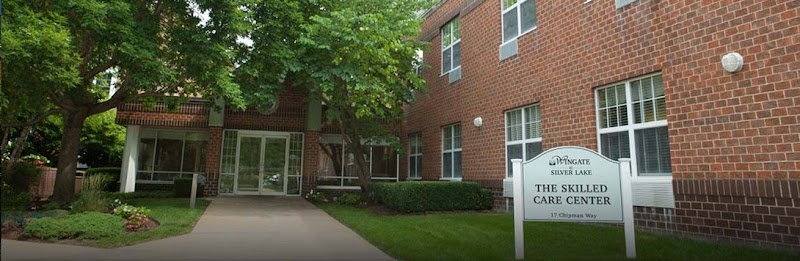
Who Owns and Operates Wingate At Silver Lake?

WINGATE AT SILVER LAKE is owned by a for-profit company. For-profit facilities operate as businesses with obligations to shareholders or private owners. The facility operates independently rather than as part of a larger chain. With 164 certified beds and approximately 143 residents (about 87% occupancy), it is a mid-sized facility located in KINGSTON, Massachusetts.
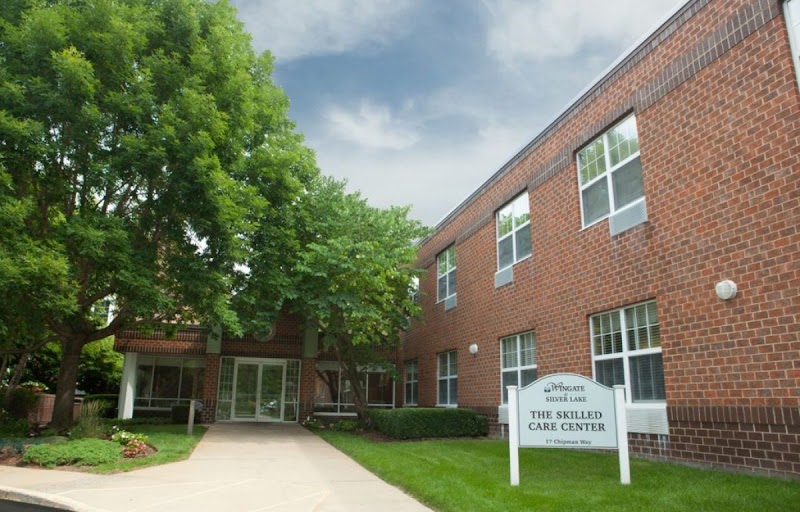
How Does Wingate At Silver Lake Compare to Other Massachusetts Nursing Homes?

Compared to the 100 nursing homes in Massachusetts, WINGATE AT SILVER LAKE's overall rating (3 stars) is above the state average of 2.9, staff turnover (37%) is near the state average of 46%, and health inspection rating (3 stars) is at the national benchmark.

What Should Families Ask When Visiting Wingate At Silver Lake?

Based on this facility's data, families visiting should ask: "Can I visit during a mealtime to observe dining assistance and food quality?" "How do you handle medical emergencies, and what is your hospital transfer rate?" "Can I speak with family members of current residents about their experience?"

Is Wingate At Silver Lake Safe?

Based on CMS inspection data, WINGATE AT SILVER LAKE has a clean safety record: no substantiated abuse findings (meaning no confirmed cases of resident harm), no Immediate Jeopardy citations (the most serious violation level indicating risk of serious injury or death), and is not on the Special Focus Facility watch list (a federal program monitoring the lowest-performing 1% of nursing homes). The facility has a 3-star overall rating and ranks #1 of 100 nursing homes in Massachusetts. While no facility is perfect, families should still ask about staff-to-resident ratios and recent inspection results during their visit.

Do Nurses at Wingate At Silver Lake Stick Around?

WINGATE AT SILVER LAKE has a staff turnover rate of 37%, which is about average for Massachusetts nursing homes (state average: 46%). Moderate turnover is common in nursing homes, but families should still ask about staff tenure and how the facility maintains care continuity when employees leave.

Was Wingate At Silver Lake Ever Fined?

WINGATE AT SILVER LAKE has no federal fines on record. CMS issues fines when nursing homes fail to meet care standards or don't correct problems found during inspections. The absence of fines suggests the facility has either maintained compliance or corrected any issues before penalties were assessed. This is a positive indicator, though families should still review recent inspection reports for the full picture.

Is Wingate At Silver Lake on Any Federal Watch List?

WINGATE AT SILVER LAKE is not on any federal watch list. The most significant is the Special Focus Facility (SFF) program, which identifies the bottom 1% of nursing homes nationally based on persistent, serious quality problems. Not being on this list means the facility has avoided the pattern of deficiencies that triggers enhanced federal oversight. This is a positive indicator, though families should still review the facility's inspection history directly.