BROOKHAVEN AT LEXINGTON
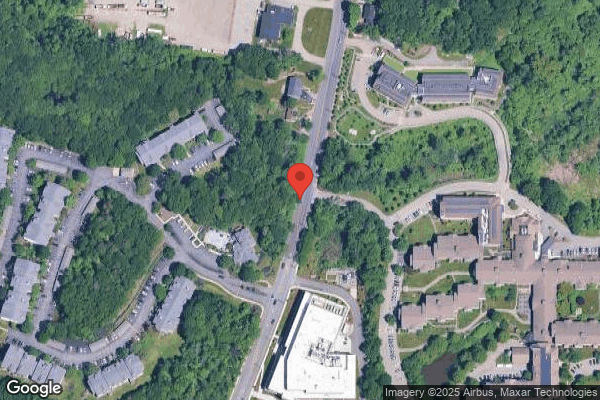
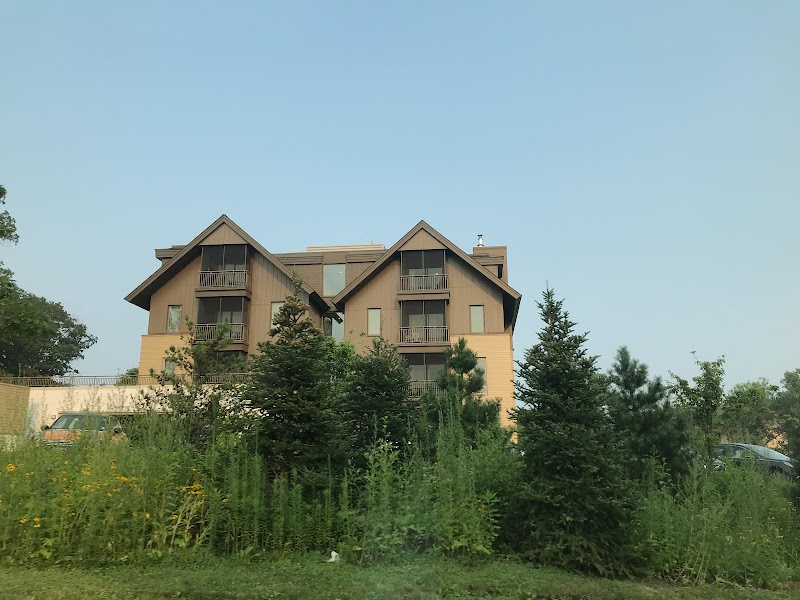
1010 WALTHAM STREET, LEXINGTON, MA 02421 (781) 863-9660
Non profit - Corporation 49 Beds Independent Data: November 2025
Trust Grade
90/100
#10 of 338 in MA
Last Inspection: October 2024

Within standard 12-15 month inspection cycle. Federal law requires annual inspections.

Overview

Brookhaven at Lexington has an excellent Trust Grade of A, meaning it is highly recommended and performs well compared to other facilities. It ranks #10 out of 338 nursing homes in Massachusetts, placing it in the top tier of facilities statewide, and #4 out of 72 in Middlesex County, indicating only three local options are better. However, the facility's trend is worsening, with issues increasing from one in 2023 to three in 2024. Staffing is a concern, as it received a 0/5 star rating, but the turnover is 0%, which is significantly below the state average, suggesting that staff stays long-term even if there are challenges. While there have been no fines, which is a positive sign, recent inspections revealed several concerns, including failing to check a resident's vital signs before administering heart medication and leaving medications unsecured during medication distribution, highlighting both strengths and weaknesses in the facility's care practices.

Trust Score
A
90/100
In Massachusetts
#10/338
Top 2%
Safety Record
Low Risk
No red flags
Inspections
Getting Worse
1 → 3 violations
Staff Stability
○ Average
Turnover data not reported for this facility.
Penalties
✓ Good
No fines on record. Clean compliance history, better than most Massachusetts facilities.
Skilled Nurses
○ Average
RN staffing data not reported for this facility.
Violations
✓ Good
Only 4 deficiencies on record. Cleaner than most facilities. Minor issues only.
★★★★★
5.0
Overall Rating
☆☆☆☆☆
0.0
Staff Levels
★★★★★
5.0
Care Quality
★★★★★
5.0
Inspection Score
Stable
2023: 1 issues
2024: 3 issues

The Good

  • 5-Star Quality Measures · Strong clinical quality outcomes
  • Full Sprinkler Coverage · Fire safety systems throughout facility
  • No fines on record

Facility shows strength in quality measures, fire safety.

The Bad

No Significant Concerns Identified

This facility shows no red flags. Among Massachusetts's 100 nursing homes, only 0% achieve this.

The Ugly 4 deficiencies on record

Oct 2024 3 deficiencies
CONCERN (D)

Potential for Harm - no one hurt, but risky conditions existed

Comprehensive Care Plan (Tag F0656)

Could have caused harm · This affected 1 resident

Based on observation, record review, and interview, the facility failed for one Resident (#5) to follow the physician's order to obtain an apical pulse prior to administering the heart medication Digo...

Read full inspector narrative →
Based on observation, record review, and interview, the facility failed for one Resident (#5) to follow the physician's order to obtain an apical pulse prior to administering the heart medication Digoxin, out of a total sample of ten residents. Findings include: Resident #5 was admitted to the facility in March 2018 and has active diagnoses which include heart failure, atrial fibrillation, seizures, and stroke. Review of Resident #5's most recent Minimum Data Set assessment, dated 9/3/24, indicated a Brief Interview for Mental Status exam score of 5 out of a possible 15, indicating severe cognitive impairment. Review of Resident #5's current physician orders indicated the following order: - Digoxin, 125 mcg (0.125 mg) tablet. Give 1 tablet by oral route once daily. Hold if AP [apical pulse] less than 60. Monitoring: pulse (apical). Digoxin is a medication used to treat heart failure and atrial fibrillation. On 10/22/24 at 10:05 A.M., during a medication pass with Nurse #1, the surveyor observed Nurse #1 place a pulse oximeter over one of Resident #5's fingers. The pulse oximeter read 93 heart beats per minute. Nurse #1 then administered the tablet of Digoxin to Resident #5. A pulse oximeter is a device placed over a finger used to measure the body's heart rate and oxygen levels. During an interview on 10/22/24 at 10:11 A.M., Nurse #1 said she normally obtains Resident #5's pulse through the pulse oximeter, prior to administering Resident #5's Digoxin. Nurse #5 said she would only obtain an apical pulse from a resident if the physician order required it to be done. During an interview with the Director of Nurses (DON) on 10/22/24 at 11:00 A.M., she said that obtaining an apical pulse prior to administering Digoxin is only required if the physician orders it to be done. The DON said that if the physician does not include a requirement to obtain an apical pulse, then the use of a pulse oximeter or heart rate obtained from the wrist is acceptable.
CONCERN (D)

Potential for Harm - no one hurt, but risky conditions existed

Deficiency F0658 (Tag F0658)

Could have caused harm · This affected 1 resident

**NOTE- TERMS IN BRACKETS HAVE BEEN EDITED TO PROTECT CONFIDENTIALITY** Based on observation, record review and interview, the facility failed for one Resident (#5), to follow the professional standar...

Read full inspector narrative →
**NOTE- TERMS IN BRACKETS HAVE BEEN EDITED TO PROTECT CONFIDENTIALITY** Based on observation, record review and interview, the facility failed for one Resident (#5), to follow the professional standard for monitoring heart rate by apical pulse prior to administering the heart medication Digoxin, out of a total sample of ten residents. Findings include: Review of the [NAME] Drug Guide, 19th edition, 2024, indicated: - Monitor apical pulse for one full minute before administering oral Digoxin. Hold dose and notify health care professional if pulse rate is less than 60 beats per minute in an adult. The apical pulse is a pulse point located on the chest at the bottom tip (apex) of the heart. A stethoscope is used to hear the arterial pulse rate as the heart contracts and pumps out blood. Resident #5 was admitted to the facility in March 2018 and has active diagnoses which include heart failure, atrial fibrillation, seizures, and stroke. Review of Resident #5's most recent Minimum Data Set assessment, dated 9/3/24, indicated a Brief Interview for Mental Status exam score of 5 out of a 15, indicating severe cognitive impairment. Review of Resident #5's current physician orders indicated: - Digoxin, 125 mcg (0.125 mg) tablet. Give 1 tablet by oral route once daily. Hold if AP [apical pulse] less than 60. Monitoring: pulse (apical). Digoxin is a medication used to treat heart failure and atrial fibrillation. On 10/22/24 at 10:05 A.M., during a medication pass with Nurse #1, the surveyor observed Nurse #1 place a pulse oximeter over one of Resident #5's fingers. The pulse oximeter read 93 heart beats per minute. Nurse #1 then administered the tablet of Digoxin to Resident #5. A pulse oximeter is a device placed over a finger used to measure the body's heart rate and oxygen levels. During an interview on 10/22/24 at 10:11 A.M., Nurse #1 said she normally obtains Resident #5's pulse through the pulse oximeter, prior to administering Resident #5's Digoxin. Nurse #5 said she would only obtain an apical pulse from a resident if the physician order required it to be done. Nurse #5 did not think it was a nursing standard of practice to obtain an apical pulse prior to administering Digoxin. During an interview with the Director of Nurses (DON) on 10/22/24 at 11:00 A.M., she said that obtaining an apical pulse prior to administering Digoxin is only required if the physician orders it to be done. The DON said that if the physician does not include a requirement to obtain an apical pulse, then the use of a pulse oximeter or heart rate obtained from the wrist is acceptable.
CONCERN (D)

Potential for Harm - no one hurt, but risky conditions existed

Deficiency F0761 (Tag F0761)

Could have caused harm · This affected 1 resident

Based on observation and interview, the facility failed to secure medications left on top of the medication cart during the medication pass. Findings include: On 10/22/24 at 9:51 A.M., during a medic...

Read full inspector narrative →
Based on observation and interview, the facility failed to secure medications left on top of the medication cart during the medication pass. Findings include: On 10/22/24 at 9:51 A.M., during a medication pass with Nurse #1, the surveyor observed a small pink pill in a medication cup, located on top of the medication cart. Between 9:51 A.M. and 10:11 A.M., Nurse #1 left this medication unattended at various times, including while she was in a resident's bedroom administering medications. On 10/22/24 at 10:01 A.M., during a medication pass with Nurse #1, the surveyor observed Nurse #1 pour medications for a resident and place one tablet of Carbamazepine (an anticonvulsant) into a medication cup, located on top of the medication cart. Nurse #1 gathered the other medications and entered a resident's bedroom, leaving the Carbamazepine unsecured on top of the cart. At approximately 10:09 A.M., eight minutes after entering the resident's bedroom, Nurse #1 re-entered the hallway, closed the bedroom door, and stood by the medication cart. During an interview with Nurse #1 on 10/22/24 at 10:11 A.M., she said the small pink pill was Lisinopril (a blood pressure medication) and that she had intended to administer it earlier in the morning to a resident but forgot to do this. Nurse #1 said the large pink pill was chewable Carbamazepine, and that she had forgotten to administer it to the resident. Nurse #1 said that medications are not allowed to be left unsecured on top of the medication cart when she is not present to supervise them. During an interview with the Director of Nurses on 10/22/24 at 11:00 A.M., she said it was her expectation that nursing staff be present to supervise any medications left unlocked on top of the medication cart.
Oct 2023 1 deficiency
CONCERN (D)

Potential for Harm - no one hurt, but risky conditions existed

Unnecessary Medications (Tag F0759)

Could have caused harm · This affected 1 resident

Based on observation, record review and interview the facility failed to ensure that it is free of medication error rates of five percent or greater. Specifically the medication error rate was 7.69%. ...

Read full inspector narrative →
Based on observation, record review and interview the facility failed to ensure that it is free of medication error rates of five percent or greater. Specifically the medication error rate was 7.69%. Findings include: Review of the facility policy titled Mobile Med Pass and dated March, 10 2017, failed to indicate the nurse is to follow doctor's orders in dispensing medications to a resident. Further review indicated that the nurse is to follow the 5 rights for medication pass. The right patient, the right drug, the right dose, the right route and the right time. Resident #163 was admitted to the facility in October 2023 with diagnoses including Parkinson's disease, fractures and dementia. During medication pass on 10/11/23, at 8:58 A.M. the surveyor observed Nurse #1 pour and administer the following medications: Donepezil 10 mg (milligrams) 1 tablet Carbidopa ER (extended release) 25 mg-levodopa 100 mg 1 tablet Comtan 200 mg 1 tablet Nuplazid 34 mg 1 tablet Myrbetriq 50 mg 1 tablet Vitamin B1 100 mg 1 tablet Multivitamin 1 tablet Vitamin D3 25 mcg (micrograms) Review of the doctor's orders indicated the following: Carbidopa 25 mg-levodopa 100 mg give one tablet by mouth once daily take in the morning together with the slow-release levodopa. (This medication was not given by the nurse) Donepezil 10 mg tablet give one tablet by mouth daily at bedtime. (This medication was given by the nurse at 8:58 A.M.) During an interview on 10/11/23, at 12:28 P.M., Nurse #1 said that she thought she had given the Carbidopa 25 mg-levodopa 100 mg and did not realize she had given the Donepezil 10 mg.
Understanding Severity Codes (click to expand)
Life-Threatening (Immediate Jeopardy)
J - Isolated K - Pattern L - Widespread
Actual Harm
G - Isolated H - Pattern I - Widespread
Potential for Harm
D - Isolated E - Pattern F - Widespread
No Harm (Minor)
A - Isolated B - Pattern C - Widespread

Questions to Ask on Your Visit

  • "Can I speak with families of current residents?"
  • "What's your RN coverage like on weekends and overnight?"

Our Honest Assessment

Strengths
  • • Grade A (90/100). Above average facility, better than most options in Massachusetts.
  • • No major safety red flags. No abuse findings, life-threatening violations, or SFF status.
  • • No fines on record. Clean compliance history, better than most Massachusetts facilities.
  • • Only 4 deficiencies on record. Cleaner than most facilities. Minor issues only.
Concerns
  • • No significant concerns identified. This facility shows no red flags across CMS ratings, staff turnover, or federal penalties.
Bottom line: Generally positive indicators. Standard due diligence and a personal visit recommended.

About This Facility

What is Brookhaven At Lexington's CMS Rating?

CMS assigns BROOKHAVEN AT LEXINGTON an overall rating of 5 out of 5 stars, which is considered much above average nationally. Within Massachusetts, this rating places the facility higher than 99% of the state's 100 nursing homes. This rating reflects solid performance across the metrics CMS uses to evaluate nursing home quality.
How is Brookhaven At Lexington Staffed?

Detailed staffing data for BROOKHAVEN AT LEXINGTON is not available in the current CMS dataset.

What Have Inspectors Found at Brookhaven At Lexington?

State health inspectors documented 4 deficiencies at BROOKHAVEN AT LEXINGTON during 2023 to 2024. These included: 4 with potential for harm.
Who Owns and Operates Brookhaven At Lexington?

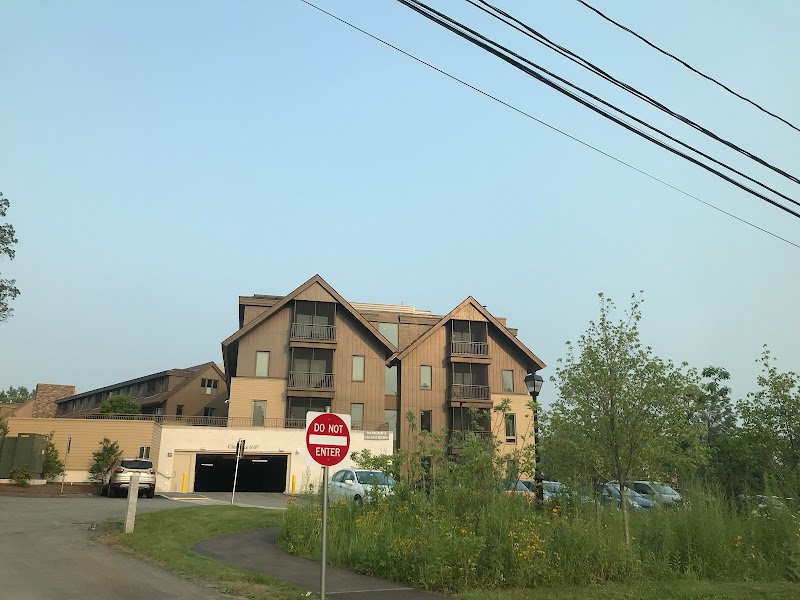
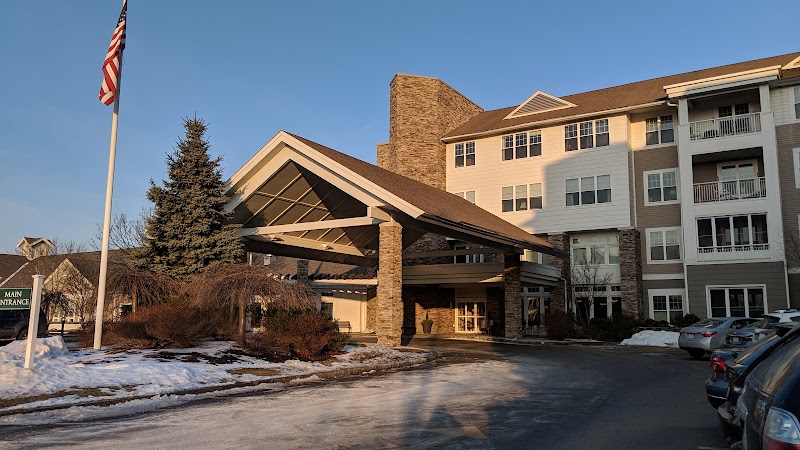
BROOKHAVEN AT LEXINGTON is owned by a non-profit organization. Non-profit facilities reinvest revenue into operations rather than distributing to shareholders. The facility operates independently rather than as part of a larger chain. With 49 certified beds and approximately 9 residents (about 18% occupancy), it is a smaller facility located in LEXINGTON, Massachusetts.

How Does Brookhaven At Lexington Compare to Other Massachusetts Nursing Homes?

Compared to the 100 nursing homes in Massachusetts, BROOKHAVEN AT LEXINGTON's overall rating (5 stars) is above the state average of 2.9 and health inspection rating (5 stars) is much above the national benchmark.

What Should Families Ask When Visiting Brookhaven At Lexington?

Based on this facility's data, families visiting should ask: "Can I visit during a mealtime to observe dining assistance and food quality?" "How do you handle medical emergencies, and what is your hospital transfer rate?" "Can I speak with family members of current residents about their experience?"

Is Brookhaven At Lexington Safe?

Based on CMS inspection data, BROOKHAVEN AT LEXINGTON has a clean safety record: no substantiated abuse findings (meaning no confirmed cases of resident harm), no Immediate Jeopardy citations (the most serious violation level indicating risk of serious injury or death), and is not on the Special Focus Facility watch list (a federal program monitoring the lowest-performing 1% of nursing homes). The facility has a 5-star overall rating and ranks #1 of 100 nursing homes in Massachusetts. While no facility is perfect, families should still ask about staff-to-resident ratios and recent inspection results during their visit.

Do Nurses at Brookhaven At Lexington Stick Around?

BROOKHAVEN AT LEXINGTON has not reported staff turnover data to CMS. Staff turnover matters because consistent caregivers learn residents' individual needs, medications, and preferences. When staff frequently change, this institutional knowledge is lost. Families should ask the facility directly about their staff retention rates and average employee tenure.

Was Brookhaven At Lexington Ever Fined?

BROOKHAVEN AT LEXINGTON has no federal fines on record. CMS issues fines when nursing homes fail to meet care standards or don't correct problems found during inspections. The absence of fines suggests the facility has either maintained compliance or corrected any issues before penalties were assessed. This is a positive indicator, though families should still review recent inspection reports for the full picture.

Is Brookhaven At Lexington on Any Federal Watch List?

BROOKHAVEN AT LEXINGTON is not on any federal watch list. The most significant is the Special Focus Facility (SFF) program, which identifies the bottom 1% of nursing homes nationally based on persistent, serious quality problems. Not being on this list means the facility has avoided the pattern of deficiencies that triggers enhanced federal oversight. This is a positive indicator, though families should still review the facility's inspection history directly.