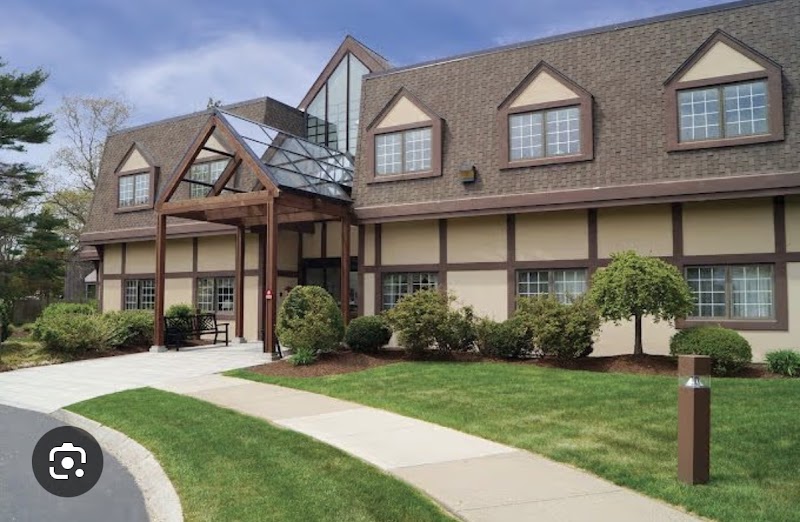
SIPPICAN REHABILITATION AND HEALTHCARE CENTER

15 MILL STREET, MARION, MA 02738 (508) 748-3830
For profit - Corporation 123 Beds ATLAS HEALTHCARE Data: November 2025
Trust Grade
53/100
#181 of 338 in MA
Last Inspection: March 2025

Within standard 12-15 month inspection cycle. Federal law requires annual inspections.

Overview

Sippican Rehabilitation and Healthcare Center has a Trust Grade of C, which means it is average and in the middle of the pack compared to other facilities. It ranks #181 out of 338 nursing homes in Massachusetts, placing it in the bottom half of the state, and #15 out of 27 in Plymouth County, indicating only a few local options are better. Unfortunately, the facility is worsening, as the number of issues reported increased from 5 in 2024 to 8 in 2025. Staffing is average here with a rating of 3 out of 5 stars and a turnover rate of 46%, which is close to the state average. There have been some concerning incidents, such as a resident who fell due to not having their bed alarm connected and another resident who did not receive proper pain management after sustaining fractures. While the center has some strengths, such as average RN coverage, families should be aware of these significant weaknesses.

Trust Score
C
53/100
In Massachusetts
#181/338
Bottom 47%
Safety Record
Moderate
Needs review
Inspections
Getting Worse
5 → 8 violations
Staff Stability
⚠ Watch
46% turnover. Above average. Higher turnover means staff may not know residents' routines.
Penalties
○ Average
$8,788 in fines. Higher than 65% of Massachusetts facilities. Some compliance issues.
Skilled Nurses
○ Average
Each resident gets 40 minutes of Registered Nurse (RN) attention daily — about average for Massachusetts. RNs are the most trained staff who monitor for health changes.
Violations
⚠ Watch
17 deficiencies on record. Higher than average. Multiple issues found across inspections.
★★★☆☆
3.0
Overall Rating
★★★☆☆
3.0
Staff Levels
★★★★☆
4.0
Care Quality
★★★☆☆
3.0
Inspection Score
Stable
2024: 5 issues
2025: 8 issues

The Good

  • 4-Star Quality Measures · Strong clinical quality outcomes
  • Full Sprinkler Coverage · Fire safety systems throughout facility
  • No fines on record

Facility shows strength in quality measures, fire safety.

The Bad

3-Star Overall Rating

Near Massachusetts average (2.9)

Meets federal standards, typical of most facilities

Staff Turnover: 46%

Near Massachusetts avg (46%)

Higher turnover may affect care consistency

Federal Fines: $8,788

Below median ($33,413)

Minor penalties assessed

Chain: ATLAS HEALTHCARE

Part of a multi-facility chain

Ask about local staffing decisions and management

The Ugly 17 deficiencies on record

2 actual harm
Mar 2025 7 deficiencies
CONCERN (D)

Potential for Harm - no one hurt, but risky conditions existed

Deficiency F0554 (Tag F0554)

Could have caused harm · This affected 1 resident

Based on observations, interviews, and record review, the facility failed to ensure medications were not self-administered without a physician's order and an assessment for self-administration for one...

Read full inspector narrative →
Based on observations, interviews, and record review, the facility failed to ensure medications were not self-administered without a physician's order and an assessment for self-administration for one Resident (#52), out of a total sample of 22 residents. Specifically, the facility failed to assess Resident #53's ability to self-administer and manage supplemental oxygen independently. Findings include: Review of the facility's policy titled Self-Administration of Medications, dated February 2021, indicated but was not limited to the following: - Residents have the right to self-administer medications if the interdisciplinary team has determined that it is clinically appropriate and safe for the resident to do so. - If it is deemed safe and appropriate for a resident to self-administer medications, this is documented in the medical record and the care plan. The decision that a resident can safely self-administer medications is re-assessed periodically based on changes in the resident's medical and/or decision-making status. Review of the National Library of Medicine Chapter 11 Oxygen Therapy Nursing Skill Book, dated 2021 (https://www.ncbi.nlm.nih.gov/books/NBK593208/), indicated but was not limited to the following: - Several medical conditions, such as asthma, chronic obstructive pulmonary disease (COPD), pneumonia, heart disease, and anemia can impair a person's ability to sufficiently complete this oxygenation process, thus requiring the administration of supplemental oxygen. - Oxygen is considered a medication and, therefore, requires a prescription and continuous monitoring by the nurse to ensure its safe and effective use. Resident #53 was admitted to the facility in December 2024 with diagnoses including pneumonia, chronic respiratory failure, asthma, and COPD. Review of Resident #53's Minimum Data Set (MDS) assessment, dated 1/27/25, indicated he/she was cognitively intact as evidenced by a Brief Interview for Mental Status (BIMS) score of 13 out of 15. Resident #53 was independent with ambulation and transfer tasks and required set up assistance for activities of daily living. Furthermore, the MDS assessment indicated he/she utilized oxygen therapy continuously. Review of Resident #53's Physician's Orders included but were not limited to: - 12/30/24: Oxygen at 2-liters continuous via nasal cannula to maintain saturation above 88% every shift. - 12/30/24: portable Oxygen via nasal cannula; confirm hours of use while out of room on portable Oxygen every shift. During an observation with interview on 3/24/25 at 12:33 P.M., the surveyor observed Resident #53 sitting at the edge of his/her bed with the nasal cannula oxygen tubing on, connected to an oxygen concentrator in the corner of his/her room. The oxygen concentrator was not turned on. Resident #53 said he/she has been using Oxygen for several years and uses the portable concentrator when he/she goes out of their room. Resident #53 said nursing staff do not really help him/her manage the nasal cannula tubing when he/she leaves the room. Resident #53 said he/she is able to disconnect the nasal cannula tubing and place it on the oxygen concentrator or portable oxygen tank. Resident #53 said he/she typically shuts the oxygen concentrator off when he/she leaves the room and turns it back on when he/she returns. On 3/24/25 at 4:01 P.M., the surveyor observed Resident #53 sitting at the edge of his/her bed with the nasal cannula oxygen tubing on, connected to an oxygen concentrator in the corner of his/her room. The oxygen concentrator was not turned on. During an interview with observation on 3/24/25 at 4:08 P.M., Charge Nurse #3 said Resident #53 uses Oxygen continuously. Charge Nurse #3 said Resident #53 removes the nasal cannula oxygen tubing and puts it on a portable tank when needed throughout the day. The surveyor reviewed the observations made regarding Resident #53's nasal cannula oxygen tubing and oxygen concentrator with Charge Nurse #3. Charge Nurse #3 entered Resident #53's room and turned on the oxygen concentrator. Charge Nurse #3 assessed Resident #53's oxygen saturation via a pulse oximeter and overall respiratory status. Resident #53's oxygen saturation was 91%. Charge Nurse #3 educated Resident #53 on importance of turning oxygen concentrator back on when returning to room. Resident #53 said he/she must have forgotten but was not having any respiratory distress. Review of Resident #53's comprehensive care plan failed to indicate he/she was independent with managing nasal cannula oxygen tubing between oxygen concentrator and portable oxygen tank until after the observation and interview was completed with Charge Nurse #3 and the surveyor. Review of Resident #53's medical record failed to indicate any Self-Administration of Medication assessments were completed until after the observation and interview with Charge Nurse #3 and the surveyor. During an interview on 3/26/25 at 9:47 A.M., Nurse #1 said Resident #53 utilizes continuous Oxygen via nasal cannula tubing everyday secondary to his/her diagnosis of COPD. Nurse #1 said Resident #53 has no issues with changing nasal cannula oxygen tubing between the oxygen concentrator and portable oxygen tank and is able to do it independently. Nurse #1 said there is no formal assessment completed to determine Resident #53's independent management of oxygen. During an interview on 3/26/25 at 9:49 A.M., Charge Nurse #3 said supplemental Oxygen was not considered a medication. Charge Nurse #3 said no assessments were completed on admission to indicate Resident #53 was safe to independently manage his/her oxygen use. Charge Nurse #3 said she was not sure if the Self-Administration of Medication assessment needed to be completed after the observations made on 3/24/25, but she did it in case. Charge Nurse #3 said she also updated the comprehensive care plan for Resident #53 after the observation on 3/24/25 but did not think his/her independent management of oxygen previously needed to be documented in the care plan. During an interview on 3/26/25 at 11:36 A.M., the Director of Nursing (DON) said her expectation was for a Self-Administration of Medication assessment to be completed prior to allowing a resident to independently manage his/her oxygen. The DON said without the assessment there was no way to ensure a resident would safely be able to manage his/her oxygen independently. The DON said the comprehensive care plan should also reflect the resident's independence with oxygen management.
CONCERN (D)

Potential for Harm - no one hurt, but risky conditions existed

Comprehensive Care Plan (Tag F0656)

Could have caused harm · This affected 1 resident

**NOTE- TERMS IN BRACKETS HAVE BEEN EDITED TO PROTECT CONFIDENTIALITY** Based on observation, interview, and record review, the facility failed to ensure a person-centered individualized comprehensive...

Read full inspector narrative →
**NOTE- TERMS IN BRACKETS HAVE BEEN EDITED TO PROTECT CONFIDENTIALITY** Based on observation, interview, and record review, the facility failed to ensure a person-centered individualized comprehensive care plan was developed and implemented for one Resident (#4), in a total sample of 22 residents. Specifically, the facility failed for Resident #4, to: A. individualize their pain care plan with a Resident stated goal and individualized interventions that were in use, offered or attempted and failed in attempts to manage the Resident's actual pain; and B. develop and implement a person-centered care plan with non-pharmacological individualized interventions and targeted behaviors to help manage the Resident's ongoing psychiatric issues including anxiety, delusions, and weepiness. Findings include: Review of the facility's policy titled Care Plans, Comprehensive Person-Centered, dated as revised March 2022, indicated but was not limited to the following: - a comprehensive, person-centered care plan that includes measurable objectives to meet the resident's physical, psychosocial and functional needs is developed and implemented for each resident - care plan interventions are derived through analysis of the information gathered as part of a comprehensive assessment and are only chosen after gathering data, careful consideration of the relationship between the resident's problems and their causes and relevant clinical decision making - the person-centered care plan includes measurable objectives, describes services to be furnished and services the resident chooses to refuse or decline, resident stated goals, will build on the resident's strengths, and reflect recognized standards of practice for problems - when possible interventions address underlying problems not just symptoms or triggers Resident #4 was admitted to the facility in September 2022 and had diagnoses including: Pain in the right shoulder, complete rotator cuff tear or rupture of the right shoulder, lower back pain, Alzheimer's disease, psychotic disturbance, major depressive disorder, delusional disorder, and anxiety disorder. Review of the Minimum Data Set, dated [DATE], indicated the Resident was moderately cognitively impaired with a Brief Interview for Mental Status score of 10 out of 15, and suffers from mild pain. Behaviors include: inattention, wandering, rejection of care, verbal outbursts directed at others, other behaviors not directed towards others and the Resident has a PHQ-9 (test to determine severity of depression symptoms) score of 2 out of 27, indicating no depression. A. During an interview on 3/25/25 at 9:24 A.M., Resident #4 said he/she has pain all the time in his/her right shoulder and cannot recall a time when he/she was not at least uncomfortable. The Resident said their pain goal is to have no pain and remain consistently at a zero on a 0-10 verbal numeric pain scale. The Resident said the staff do provide medicine which does help manage the pain. During an interview on 3/25/25 at 9:31 A.M., Nurse #2 said he provided the Resident with a dose of Ibuprofen (an over-the-counter medication used to manage minor aches and pains) at approximately 9:11 A.M. for a complaint of right shoulder discomfort that the Resident did not provide a pain scale score for. He said the Resident has pain in the right shoulder related to an old torn rotator cuff and repair that occurred prior to their admission to the facility. He said the Resident does not always provide the staff a rating prior to receiving their medications and has had many different interventions in place to assist with the pain management including: numerous bouts of rehab, Activeice (a cold therapy gel pack pain management system), pain clinic referrals, and pain shots with the pain specialist and orthopedic follow up, but the Resident may not currently have all of those interventions in place because of ineffectiveness or family request. Review of the medical record for Resident #4 indicated, but was not limited to the following: - Orthopedic referral sheet: appointment on 1/22/25 was not completed and the Resident did not receive treatment as planned on this day for their pain - Pain Specialist referral notes: 12/4/24: Chronic severe right shoulder pain, lower back pain stable with intrathecal pump, schedule right shoulder suprascapular nerve ablation (a procedure to inject an anesthetic to temporarily block pain signals in the nerves) with sedation and 12/12/24: Resident is s/p Suprascapular nerve block - Nursing progress notes: 1/22/25: family cannot attend appointments and requests facility discontinue all future scheduled orthopedic appointments; and 2/20/25 family request to discontinue all orthopedic follow up for right shoulder injections, pain clinic only as needed, next pain pump refill 3/31/25 During an interview on 3/26/25 at 11:40 A.M., the Resident and their spouse said the Resident has chronic pain. The Resident said their pain goal is zero on the 0-10 pain scale and does not know how the facility is helping him/her reach that goal. The spouse said they are not aware of the current plans for pain management and is not sure what can be done but does state the Resident has seen numerous specialists and believes they have had rehab help as well but couldn't say what interventions other than medications are effective or in place or what has been tried and ineffective in the past. The Resident said it would be good to know what's been done to determine what can be done to get to their goal or consider adjusting their goal, the Resident said the pain is always there but not always horrible. Review of the current care plans for Resident #4 that included pain information and were reviewed and revised on 2/3/25, indicated but were not limited to the following: PROBLEM: Activities of daily living (ADLs) Functional Status: Potential for pain related to (r/t) status post (s/p) right shoulder arthroscopy, s/p rotator cuff repair, arthritis GOAL: Resident will be free from signs and symptoms of discomfort as evidence by a decrease of complaints of discomfort for 90 days INTERVENTIONS: Assess need for pain medication(s) (meds); reposition as needed, identify precipitating factors; consult with MD or Nurse practitioner (NP) as needed (PRN); monitor for verbal and non-verbal signs and symptoms of pain (facial grimacing, guarding, moaning); complete pain assessments per policy; meds as ordered (a/o): ibuprofen, gabapentin, diclofenac, acetaminophen, percocet, dilaudid pain pump PROBLEM: Resident has a dilaudid (narcotic pain medication) pump for pain r/t osteoarthritis, low back pain and spinal stenosis. GOAL: Resident will have pain relief INTERVENTION: Serial # of pump: NGV736297H; Resident is followed at the pain clinic for pump refills and management The care plans failed to indicate the Resident has actual chronic and ongoing pain or any non-medicinal interventions that are in use or have been attempted and failed in the past. During an interview on 3/27/25 at 8:04 A.M., Nurse #4 said the Resident sees or has seen numerous specialists for his/her pain and has attempted many interventions that have been ineffective. She said those interventions should be documented on the care plan to demonstrate all the attempted ways the facility has attempted to manage the Resident's ongoing chronic pain. She reviewed the pain care plans and said the care plans indicate the Resident has potential for pain, but the Resident has actual chronic and ongoing pain and the care plans do not have a measurable goal or include the Resident's personal pain goal. She said none of the numerous interventions that have been tried and failed in the past are indicated on the plan and the care plan should be more individualized to tell the whole story of the Resident's pain and best ways to assist in managing the Resident's pain and they currently appeared canned. During an interview on 3/27/25 at 8:16 A.M., Unit Manager (UM) #3 said the Resident had actual chronic and ongoing pain that is difficult to manage and the care plan is not specific to this and alludes to just a potential to pain. She said the facility had consulted numerous specialists, attempted skilled rehab services numerous times and have attempted numerous other interventions for the Resident including pain injections, nerve blocks, and Activeice in addition to others and they have not all been effective. In addition, she said there are some interventions that the family has decided to discontinue at this time as well and those interventions, in addition to all the failed interventions should be on the Resident's care plan to demonstrate all the effort to help effectively manage the Resident's pain. She said the goal is for relief of pain but does not include the Resident's measurable individual pain goal or any barriers to reaching those goals that may exist. She said the care plan does not tell the whole story and does not indicate what doesn't work or has been declined so the team knows what else may be attempted and the care plan requires updating to be more person-centered. During an interview on 3/27/25 at 11:08 A.M., the Director of Nurses (DON) said the Resident has a long history of actual pain that is chronic and has been challenging to manage. She said the care plans should tell the full story of the Resident and include that the pain is actual and not potential and any interventions that have been offered and declined, ineffective, or currently in place to assist the Resident in reaching his/her individual goals and at this time the care plan is more generic and would require some updating. B. Review of the behavior monitoring on Resident #4's Medication & Treatment Administration Records (MAR/TAR) indicated but was not limited to the following: Findings of any and all behaviors on every shift: January 2025: -12 documented episodes of behaviors out of a possible 93 opportunities -Behaviors included: anxiousness, weepiness, demanding behavior, accusatory, wandering, screaming at staff, and other unspecified behaviors not directed toward others -Standard templated interventions are available on the TAR and were documented on all occasions in addition to seven instances of an as needed (PRN) Ativan (anti-anxiety medication) February 2025: -5 documented episodes of behaviors out of a possible 84 opportunities -Behaviors included: anxiousness, weepiness, physical agitation, verbal behavior towards others, and other unspecified behaviors not directed toward others -Standard templated interventions are available on the TAR and were documented on all occasions in addition to six instances of an as needed (PRN) Ativan (anti-anxiety medication) March 2025: -9 documented episodes of behaviors out of a possible 75 opportunities -Behaviors included: wandering, verbal behavior towards others, and other unspecified behaviors not directed toward others -Standard templated interventions are available on the TAR and were documented on all occasions in addition to two instances of an as needed (PRN) Ativan (anti-anxiety medication) Review of the Psychiatric consult notes for Resident #4 indicated but were not limited to the following: 1/23/25: Behaviors addressed included: anxiety, weepy, loud, difficult to redirect, restlessness, pacing back and forth, delusional at times with paranoia, crying spells, excessive worry, motor restlessness is associated with the anxiety. Plan is to utilize behavior interventions prior to PRN. 2/17/25: Behaviors addressed included: wandering back and forth, screaming to get dressed, progressively worsening anxiety, motor restlessness with anxiety, some delusional thinking, verbally aggressive behaviors. Plan is to utilize behavior interventions prior to PRN. 3/12/25: Behaviors addressed included: restless anxiety and sleep disturbance. Plan is for medication changes. 3/19/25: Behaviors addressed included: agitation and difficulty falling asleep. Plan is continue medications and monitor. During an interview on 3/26/25 at 11:13 A.M., Certified Nurse Aide (CNA) #2 said Resident #4 does have some behaviors which typically don't start until after lunch. She said the Resident will become anxious and look for his/her spouse or attempt to get in touch with his/her son. She said she finds the Resident to be easily redirected with a snack and some distraction. She said the Resident's favorite thing is to sit by the hall window in the dayroom by themselves at their own table. During an interview on 3/26/25 at 11:35 A.M., CNA #3 said the Resident is anxious and restless and paces the halls usually looking for something like a pair of pants he/she likes or his/her spouse. She said the Resident mostly expresses some type of anxiety and will be fidgety until that is resolved or he/she is distracted from it in some way. She said she finds the Resident to have a good relationship with her and she can distract him/her with a snack and conversation about a different topic. Review of the current care plans for Resident #4 that included information on mood, behavior or psychosocial well-being and were reviewed and revised on 2/3/25, indicated but were not limited to the following: PROBLEM: Psychosocial well-being PROBLEM: Resident receives antipsychotic medications r/t psychotic disorder Neither of these care plans provide any information on the Resident's targeted behavior for the medication use or non-medicinal interventions PROBLEM: Cognitive impairment r/t Alzheimer's/Dementia, episodes of behavior INTERVENTION: Use short direct phrases; attempt to capture Resident's attention when speaking with them and attempt eye contact; speak clearly with direct request; when making requests encourage Resident to respond with simple yes/no answers; observe and assess body language; approach in a gentle positive manner; assist to activities of choice; monitor for decline in cognition; provide calm therapeutic environment; psych and social service support PRN PROBLEM: Psychotropic medication use r/t anxiety, depression, psychotic disorder INTERVENTIONS: Allow time for Resident to express thoughts and feelings; educate on medications and possible interventions; encourage activity attendance PROBLEM: Mood State: Mood/Psychosocial/Disorders and Behaviors r/t anxiety, yelling out with confusion, depression, insomnia, sundown behaviors, paranoia, forgetful, delusional disorder, can hyper-focus on physiological status, weepy, agitated, anxious on evening shift and related to familial relationships INTERVENTIONS: Takes pride in their appearance and responds well to support; redirect to strengths and positive aspects; psych PRN; document signs and symptoms of depression/anxiety; encourage socialization; remind and escort to activities of choice; review positive impacts of long-term care placement as it relates to his/her clinical and functional needs The medication care plans fail to indicate targeted behaviors for the medication use and the mood care plan fails to indicate the Resident's preference of seating and distraction in the dayroom or any other additional individualized interventions. During an interview on 3/27/25 at 8:04 A.M., Nurse #4 said the Resident has behaviors that include pacing, attention seeking, searching for family or items and these seem to be related to his/her anxiety. She said contacting the Resident's spouse or the spouse visiting are good interventions as well as bringing the Resident to their preferred seat in the dayroom by the window to people watch. She said she feels the Resident responds more positively to interventions by the CNAs and seems to just request medications from the Nurses. She reviewed the numerous care plans for the Resident and said they were canned and not specific to the Resident and they should be more individualized so unfamiliar staff could easily redirect and provide care to the Resident. During an interview on 3/27/25 at 8:16 A.M., UM #3 said Resident #4 has a complicated psychiatric history and takes both antipsychotic and antianxiety medications and exhibits behaviors. She said the Resident will obsessively speak about events occurring with his/her children and assisting them and will seek out relatives or a particular piece of clothing. In addition, the Resident exhibits worry or paranoia when he/she has pain which is what complicates their situation. She said the Resident does very well with sitting in a particular location in the dayroom when he/she is paranoid or anxious and likes to people watch. In addition, she said the Resident also responds better to certain people he/she feels most comfortable with as can be easily redirected by them. She reviewed the care plans and said they were the templated care plans in the system and the interventions are not anything they would not provide to every resident on the unit. She said the resident-specific information for interventions and targeted behaviors were not added as they should have been and they don't provide a good reflection of the Resident's needs to unknown staff. During an interview on 3/27/25 at 11:08 A.M., the DON said the Resident has a complex history related to their psychopharmacology and psychiatric and clinical needs. She said the facility has done a significant amount of coordinating with the family and psych services to attempt to ease the Resident's anxiety and anxious behaviors that go beyond their medication use and changes. She said the care plan is generic and does not identify the Resident specific interventions or reasons for those interventions as it should to tell the whole story.
CONCERN (E)

Potential for Harm - no one hurt, but risky conditions existed

Medication Errors (Tag F0758)

Could have caused harm · This affected multiple residents

2. Resident #32 was admitted to the facility in September 2022 with diagnoses including vascular dementia, psychotic disturbance, mood disturbance, and anxiety. Review of the MDS assessment, dated 2/...

Read full inspector narrative →
2. Resident #32 was admitted to the facility in September 2022 with diagnoses including vascular dementia, psychotic disturbance, mood disturbance, and anxiety. Review of the MDS assessment, dated 2/13/25, indicated Resident #32 had severe cognitive impairment as evidenced by a Brief Interview for Mental Status (BIMS) score of 3 out of 15, received antipsychotic and antidepressant medications daily and exhibited verbal behaviors toward others and behavioral symptoms not directed toward others. Review of current Physician's Orders indicated but was not limited to: -Seroquel 25 mg; once a day PRN; special instructions: severe agitation/anxiety (2/28/25 - 3/14/25) -Seroquel 25 mg at bedtime (3/8/24) -Seroquel 25 mg; give 12.5 mg once a day (4/3/24) -Seroquel 25 mg; give three half tabs=37.5 mg once a day (11/15/24) -Re-evaluate the use of psychotropic medication (Seroquel) and obtain MD/NP progress note with appropriateness, rationale, and duration. Confirm MD/NP progress note with continued appropriateness, rationale, and duration Further review of the medical record indicated the orders for Seroquel 25 mg once a day PRN for severe agitation/anxiety was initiated on 2/22/24 and renewed every 14 days by the prescriber through 4/8/24. On 4/8/24, the order was extended to 7/8/24, a 91-day duration and not limited to 14 days as required. On 7/8/24, the order was extended to 8/30/24, a 53-day duration for a total duration of 144 days and not limited to 14 days as required. On 8/30/24, the prescriber resumed the PRN order for Seroquel 25 mg once a day every 14 days through 3/28/25. Review of Physician's and NP's progress notes failed to indicate the prescriber assessed and documented in the medical record an evaluation of the Resident's current condition and the appropriateness to continue the use of PRN Seroquel and the rationale, benefit, duration, and response to treatment. During an interview on 3/26/25 at 1:13 P.M., Charge Nurse #2 said Resident #32's order is a reminder for nursing to remind the MD/NP to document their review of the antipsychotic medication in their notes. She said nursing does not confirm it is done; they just remind them to do their evaluation. Charge Nurse #2 said the MD/NPs don't always do it and they need to make sure it's done. During telephone interviews on 3/27/25 at 9:32 A.M. and 3/28/25 at 11:38 A.M., NP #1 said when she reviews Resident #32's psychotropic medications, she speaks with staff and asks if the medications are effective. The surveyor reviewed the NP's progress notes and orders for PRN Seroquel with her and she said her documentation should include more information. She said the notes she uses on the computer are template-based and carry forward each time. She said her assessment and documentation needs to include a clinical rationale, specify which medication order is being reviewed, targeted symptoms and potential adverse effects for its use. The NP said she was not aware of the regulation that PRN antipsychotic medication orders had to be limited to 14 days and could only be extended for another 14 days after evaluating the resident to determine if it is appropriate to extend the order. 3. Resident #97 was admitted to the facility in June 2023 and had diagnoses including dementia with behavioral disturbance, depression, anxiety disorder, restlessness, and agitation and visual hallucinations. Review of the MDS assessment, dated 3/20/25, indicated Resident #97 was unable to complete the BIMS assessment, had severely impaired cognitive skills for daily decision making, received antipsychotic and antidepressant medications daily and exhibited verbal behaviors toward others and behavioral symptoms not directed toward others. Review of current Physician's Orders indicated but was not limited to: -Seroquel 25 mg; once a day PRN; special instructions: aggressive behaviors (2/14/24 - 2/28/25) -Seroquel 50 mg at bedtime (8/22/24) -Seroquel 25 mg twice a day (8/29/24) -Re-evaluate the use of psychotropic medication (Seroquel) and obtain MD/NP progress note with appropriateness, rationale and duration. Confirm MD/NP progress note with continued appropriateness, rationale, and duration Further review of the medical record indicated the orders for Seroquel 25 mg once a day PRN for severe agitation/anxiety was initiated on 8/22/24 and renewed every 14 days by the prescriber through 3/28/25 which would require MD/NP evaluation and documentation on 14 occasions. Review of Physician's and NP's progress notes failed to indicate the prescriber assessed and documented in the medical record an evaluation of the Resident's current condition and the appropriateness to continue the use of PRN Seroquel and the rationale, benefit, duration and response to treatment on 13 of 14 occasions in which the PRN Seroquel was renewed for 14 days. During an interview on 3/27/25 at 10:15 A.M., the DON reviewed Resident #32 and Resident #97's physician's orders for PRN Seroquel with the surveyor. She said when a resident is prescribed a PRN antipsychotic, it should be for no longer than a 14-day duration and then be reviewed by the Physician or NP to extend it if needed. She said nursing reminds the Physicians and NPs to review the PRN medications and document it, but said would probably find that there are no notes or notes that don't include adequate documentation of clinical rationale and other required information for continuation of psychotropic medications. Based on record review and interview, the facility failed for three Residents (#8, #32, and #97), out of a total sample of 22 residents, to ensure that each resident's drug regimen was free from unnecessary psychotropic medications. Specifically, the facility failed: 1. For Resident #8, to ensure a sufficient documented rationale was in place for the ongoing extended use of as needed (PRN) psychotropic medications including clonazepam (anti-anxiety medication) and triazolam (benzodiazepine - sedative, treats insomnia and anxiety); 2. For Resident #32, to ensure PRN use of Seroquel (antipsychotic) was limited to 14 days and the prescriber documented an evaluation of the Resident's current condition and the appropriateness to continue the use of PRN Seroquel and the rationale, benefit, duration and response to treatment; and 3. For Resident #97, to ensure the prescriber documented an evaluation of the Resident's current condition and the appropriateness to continue the use of PRN Seroquel and the rationale, benefit, duration and response to treatment. Findings include: Review of the facility's policy titled Use of Psychotropic Medications, dated 2025, indicated but was not limited to the following: Policy: Policy Explanation and Compliance Guidelines: -A psychotropic drug is any drug that affects brain activities associated with mental processes and behavior. Psychotropic drugs include but are not limited to the following categories: antipsychotics, antidepressants, anti-anxiety, and hypnotics. -Psychotropic medications are to be used only when a practitioner determines that the medication(s) is appropriate to treat a resident's specific, diagnosed, and documented condition and the medication(s) is beneficial to the resident, as demonstrated by monitoring and documentation of the resident's response to the medication(s). -Psychotropic medications used on a PRN (as needed) basis must have a diagnosed specific condition and indication for the PRN use documented in the resident's medical record and is subject to the limitations as noted: a. PRN orders for psychotropic medications, excluding antipsychotics, shall be limited to no more than 14 days, unless the attending physician or prescribing practitioner believes it is appropriate to extend the order beyond the 14 days. The medical record should include documentation from the physician or prescriber for the rationale for the extended time period and indicate a specific duration. b. PRN orders for antipsychotic medications only shall be limited to 14 days with no exceptions. If the attending physician or prescribing practitioner believes it is appropriate to write a new order for the PRN antipsychotic, they must first evaluate the resident to determine if the new order for the PRN antipsychotic is appropriate. 1. Resident #8 was admitted to the facility in February 2025 with diagnoses including altered mental status, bipolar disorder, major depressive disorder, and generalized anxiety disorder. Review of the Minimum Data Set (MDS) assessment, dated 3/4/25, indicated Resident #8 received antianxiety medications and exhibited mood symptoms. The MDS indicated the Resident did not exhibit any behavioral symptoms. Review of current Physician's Orders indicated the following: -clonazepam (Klonopin) - Schedule IV (controlled substance with low potential for abuse and low risk of dependence) tablet; 0.5 milligrams (mg); amt: 1 tab = 0.5 mg; oral once a day- prn, special instructions: as needed for anxiety, re-eval on or before 6/11/25, order date 3/11/25 -triazolam - Schedule IV tablet; 0.125 mg; amt: 1 tab = 0.125 mg; oral at bedtime - PRN, special instructions: as needed at bedtime for sleep, re-eval on or before 6/11/25, order date 3/11/25 Review of the February 2025 through March 2025 Medication Administration Records (MARs) indicated the following uses of PRN clonazepam and triazolam: February 2025: -administered PRN clonazepam one time only on 2/26/25 -no behaviors, no side effects noted March 2025: -administered PRN clonazepam on 3/1/25, 3/5/25, and 3/15/25 -administered triazolam PRN on 3/13, 3/15, 3/16, 3/19, 3/21, 3/22, 3/23, 3/24, and 3/25 -no behaviors, no side effects noted During an interview on 3/26/25 at 10:00 A.M., Resident #8 denied any adverse events but said he/she has anxiety typically in the afternoon and takes medication for it as needed. Review of a Nursing Progress Note, dated 3/11/25, indicated but was not limited to the following: -May DC (discontinue) hydroxyzine d/t (due to) nonuse and continue PRN clonazepam (for anxiety) and PRN triazolam (for sleep) x 90 days per Nurse Practitioner (NP) Review of an NP Visit Note, dated 3/11/25, indicated but was not limited to the following: History of Present Illness: -Patient was seen today at the request of nursing staff for anxiety. Patient on Atarax, Klonopin, and Triazolam. Patient has no acute distress and is cooperative with today's assessment. I will review the MAR/Med regimen and current poc (plan of care) and discuss this with nursing staff. ROS otherwise negative other than noted above. Plan: -Medications were reviewed. D/C Atarax. Continue other meds and re-eval in 90 days. Further review of the medical record failed to indicate sufficient documentation that a rationale was in place for the ongoing extended 90-day use of the as needed psychotropic medications including a risk versus benefit rationale or any indication if the medications were still necessary for the Resident. During an interview on 3/27/25 at 8:44 A.M., the surveyor reviewed the medical record with Unit Manager (UM) #1 who said the Resident has a history of bipolar disorder, anxiety, and depression and takes clonazepam and triazolam for anxiety. She said the Resident is well managed without any adverse events. She said the Resident was admitted with PRN use of the medications and had a re-eval on 3/11/25 by the NP who extended the PRN use of the medications for another 90 days. She said during a re-eval they check things such as usage, any increase in anxiety, and will have a discussion with the Resident to see if they're agreeable to continued use. UM #1 said there should also be a conversation about symptoms to see if the medications should be continued. Upon review of the nurse's and NP progress notes, she said they did not indicate a clinical rationale for continued use and did not mention if the Resident had experienced any adverse events or side effects. She said there wasn't sufficient documentation of a rationale for extended use and said the information was not added. During an interview on 3/27/25 at 9:32 A.M., the NP said she re-evaluated the Resident for extended PRN psychotropic med use and said as part of a re-eval, she speaks to nursing staff and the patient to determine if the medications are helping them and if they took them at home. She said she assesses side effects or any adverse events and looks to see how often the medications are being used, whether it be only a couple of times or on occasion and will ask the Resident if they would like to keep them in place. She said if so then she will and will do another re-eval. The NP said her visit note is template based, and she did not elaborate on these things in the note but should have. The NP said when she evaluates a medication, she just asks questions such as if they're having side effects but did not include those things in her note. During an interview on 3/27/25 at 10:15 A.M., the surveyor reviewed the medical record with the Director of Nursing (DON) who said the process for psychotropic medication PRN extended use is to start with a 14-day dose, then re-eval on day 14 for extended use for all psychotropic medications. She said after that, it could be extended for 14 days, 30 days, or 90 days depending on the provider. The DON said on the re-eval the provider gets a report from nursing on what's happening with the resident and a decision is made to extend out where an order is then given. She said documentation of the evaluation should include the reasons why they are continuing the medications and the symptoms that go along with their reasoning. The DON said the continuation should list the name of each medication separately, but they do not always do it that way. She said they also document behaviors and adverse side effects. The DON said nursing is doing their piece to ensure doctors are evaluating the medications, but they could be more thorough. She said documentation of the re-eval is very important to support the PRN medication being extended. She said there was no sufficient documentation of a rationale for Resident #8's extended use of the PRN psychotropic medications and said, it's not there.
CONCERN (E)

Potential for Harm - no one hurt, but risky conditions existed

Infection Control (Tag F0880)

Could have caused harm · This affected multiple residents

Based on document review and interviews, the facility failed to establish and maintain an infection prevention and control program designed to provide a safe, sanitary, and comfortable environment. Sp...

Read full inspector narrative →
Based on document review and interviews, the facility failed to establish and maintain an infection prevention and control program designed to provide a safe, sanitary, and comfortable environment. Specifically, the facility failed to: 1. Maintain an accurate surveillance system that reflected potential illnesses and infections in the facility and calculate an accurate facility infection attack rate in accordance with their pre-defined McGeer criteria; 2A. Ensure personal protective equipment (PPE) was used properly by staff while cleaning an isolation room with Contact precautions in place for Resident #360; and B. Ensure staff wore the appropriate PPE while providing care for Resident #34, who was on droplet precautions, to prevent the potential spread of infection. Findings include: 1. Review of the facility's policy titled Infection Prevention and Control Programs, dated as reviewed 2/5/25, indicated but was not limited to the following: SURVEILLANCE: - a system of surveillance is utilized for prevention, identifying, reporting, investigating, and controlling infections and communicable diseases for all residents, staff, volunteers, visitors, and other individuals providing services a contractual arrangement based upon facility assessment and accepted national standards - the Infection Preventionist (IP) serves as the leader in surveillance activities and maintains documentation of incidents, findings, and any corrective actions made by the facility and reports surveillance findings to the facility Quality assessment and assurance committee - RNs and LPNs participate in surveillance through assessment of the residents and reporting changes in condition to the residents' physicians and management staff, per protocol for notification of changes an in-house reporting of communicable diseases and infections Review of the facility's policy titled Infection Surveillance, dated as revised 5/29/24, indicated but was not limited to the following: A system of infection surveillance serves as a core activity in the facility's infection prevention and control program. Its purpose is to identify infections and to monitor adherence to recommended infection prevention and control practices in order to reduce infections and prevent the spread of infections. - McGeer criteria or other nationally recognized surveillance criteria will be used to define infections - surveillance activities will be monitored facility-wide, and may be broken down by department or unit, depending on measures observed. A combination of process and outcome measures will be utilized - the facility will collect data to properly identify possible communicable diseases or infections among residents and staff before they spread by identifying by identifying: data to be collected, infection site, pathogen (if possible), signs and symptoms, resident location, including a summary and analysis of number of residents who develop infections, observations of staff, and identification of unusual or unexpected outcomes infection trends or patterns - monthly time periods will be used for capturing and reporting data; line charts will be used to show data comparisons over time and will be monitored for trends - formulas used to calculate infection rates will remain constant for a minimum of one calendar year During an interview on 3/25/25 at 4:24 P.M., the Director of Nurses (DON) said the facility IP is on vacation and unavailable and she will speak to the facility infection control practices, in addition she said the facility uses McGeer criteria to define an infection. Review of the key in use by the facility indicated but was not limited to the following: Categories: UTI (Urinary tract infection); NTM/URI (nose, throat, mouth/upper respiratory infection); PNU (pneumonia); LRI (lower respiratory infection); GI (gastrointestinal infection) Review of the McGeer criteria in use by the facility indicated, but was not limited to the following: Syndrome: Urinary tract infection (UTI) Must fulfill both 1 and 2 criteria 1. At least one of the following sign or symptoms: -Acute dysuria or pain, swelling, or tenderness of testes, epididymis, or prostate -Fever or leukocytosis (a high level of white blood cells), and one or more of the following: -Acute costovertebral angle pain or tenderness, suprapubic pain, gross hematuria, new or marked increase in incontinence, urgency or frequency. -If no fever or leukocytosis, then two or more of the following: -Suprapubic pain, gross hematuria, new or marked increase in incontinence, urgency and frequency. 2. At least one of the following microbiologic criteria - greater than or equal to 50,000 count of no more than two species of organisms in a voided urine sample, OR - greater than or equal to 20,000 count of any organism(s) in a specimen collected by an in-and-out catheterization Syndrome: Common cold or pharyngitis Must fulfill at least 2 criteria -Runny nose or sneezing - Stuffy nose or congestion - Sore throat, hoarseness, or difficulty swallowing - Dry cough - Swollen or tender glands in the neck Syndrome: Gastroenteritis Must fulfill at least 1 criteria: - diarrhea: greater than or equal to 3 liquid stools above what is normal for the resident in 24 hours (hrs.) - vomiting: greater than or equal to 2 episodes in 24 hrs. - BOTH of the following signs and symptoms: positive specimen stool specimen and at least one criteria of diarrhea, vomiting, abdominal pain/tenderness, nausea Review of the facility Surveillance sheets indicated but were not limited to the following: December 2024: Resident #3, Category: resp; date of onset: 12/19; symptoms: increase congestion; results: sinusitis; final status: HAI (healthcare acquired illness); count: Yes Resident #92, Category: GU; date of onset: 12/4; symptoms: mental status change; culture: 12/6 results: Proteus; final status: HAI; count: Yes The December 2024 facility surveillance failed to identify an approved category for the syndrome/illness being monitored or to indicate an appropriate amount of symptom information to count the illness as an infection in their surveillance numbers in accordance with their pre-determined McGeer criteria, making the information inaccurate and potentially incomplete. January 2025: Resident #30, Category: GU; date of onset: 1/1; symptoms: frequency; culture: 1/2 results: E-coli; final status: HAI; count: Yes Resident #90, Category: GU; date of onset: 1/4; symptoms: frequency; culture: 1/4 results: E-coli; final status: HAI; count: Yes The January 2025 facility surveillance failed to identify an approved category for the syndrome/illness being monitored or to indicate an appropriate amount of symptom information to count the illness as an infection in their surveillance numbers in accordance with their pre-determined McGeer criteria, making the information inaccurate and potentially incomplete. February 2025: The surveillance for February 2025 included a separate Acute Gastroenteritis Surveillance line listing that included 41 affected residents. Review of the document indicated 19 of the 41 monitored residents suffered from vomiting and diarrhea for over 48 hrs., and remained in the facility, no residents had stool specimens performed and no residents were counted as having an active infection in the facility attack rate and placed on the surveillance sheet that includes active infection attack counts (count: yes), even though they meet McGeer criteria for a gastroenteritis infection. During an interview on 3/27/25 at 10:48 A.M., the DON reviewed the surveillance and said the categories are not in line with the facility approved key or McGeer criteria and the documented symptoms on the surveillance sheets for Residents #3, #92, #30 and #90 did not reflect that the illness met McGeer criteria and the count should have been no and the sheets were inaccurate. Review of the February gastroenteritis and surveillance sheets indicated there were 19 residents who met criteria for gastroenteritis and should have been included in the facility infection rate and added to the surveillance for counted infections and were not. She said the February facility infection rate would be inaccurate based on this information and those infections should have been counted in the facility infection attack rate and were not. 2. Review of the facility's policy titled Isolation- Categories of Transmission-Based Precautions, last revised September 2022, indicated but was not limited to: - Transmission-based precautions are additional measures that protect staff, visitors, and other residents from becoming infected. These measures are determined by the specific pathogen and how it is spread from person to person. The three types of transmission-based precautions are contact, droplet, and airborne. - When a person is placed on transmission-based precautions, appropriate notification is placed on the room entrance door and on the front of the chart so that personnel and visitors are aware of the need for the type of precautions. - The signage informs the staff of the type of the CDC (Centers for Disease Control and Prevention) precaution(s) PPE, instructions for use of PPE. -Contact Precautions - Contact precautions are implemented for residents known or suspected to be infected with microorganisms that can be transmitted by direct contact with the resident or indirect contact with environmental surfaces or resident-care items in the resident's environment. - Staff and visitors wear gloves when entering the room. - Staff and visitors wear a disposable gown upon entering the room and remove before leaving the room and avoid touching potentially contaminated surfaces with clothing after gown is removed. - Droplet Precautions - Droplet precautions are implemented for an individual documented or suspected to be infected with a microorganism transmitted by droplets (larger particle droplets that can be generated by an individual coughing, sneezing, talking, or by the performance of procedures such as suctioning), - Masks are worn when entering the room. - Gloves, gown and goggles are worn if there's a risk of spraying respiratory secretions. Review of the facility's policy titled MDRO (Multidrug-Resistant Organism) Infection, last revised 2/5/25, indicated but was not limited to: - Infection Control Precautions: - Signage at entry of the resident's room shall indicate Contact Precautions, and the type of personal protective equipment required upon entering the room. - Environmental infection control: - Adhere to contact precautions when cleaning. - Prioritize daily cleaning and disinfection of resident care areas and equipment with appropriate disinfectants for the specific MDRO. - Dedicate equipment to the resident with an MDRO as possible. Use disposable equipment whenever possible. Thoroughly clean and disinfect reusable equipment with a disinfectant that is compatible with equipment and a kill claim for the organism. A. Resident #360 was admitted to the facility in March 2025 with diagnoses including hypertension and right nephrectomy (surgical removal of part or all of kidney). Review of Resident #360's Physician's Orders indicated but were not limited to: - 3/24/25: maintain contact precautions for VRE (vancomycin-resistant entercocci) in stool On 3/26/25 at 10:20 A.M., the surveyor observed a contact precaution sign posted on the doorway entrance of Resident #360's room. Resident #360 was seated in a wheelchair with a bedside table in front of him/her, watching television. The surveyor observed Housekeeper #1 enter the room, begin cleaning including wiping down the bedside table in front of the Resident. Housekeeper #1 did not have a gown or gloves on prior to entering the room. At approximately 10:28 A.M., Charge Nurse #1 was observed knocking on the door and told Housekeeper #1 she needed to put on a gown and gloves prior to entering the room. Housekeeper #1 was then observed to exit the room and put on a gown and gloves before reentering. During an interview on 3/26/25 at 10:30 A.M., Housekeeper #1 said she looks for signage posted on the doorway entrance to determine if a room has a precaution. Housekeeper #1 said Resident #360's room did have signage posted on the doorway indicating precautions were required prior to entering the room. Housekeeper #1 said she should have put a gown and gloves on prior to entering and starting to clean. During an interview on 3/26/25 at 10:32 A.M., Charge Nurse #1 said Resident #360 was on contact precautions and required a gown and gloves to be put on before entering the room. Charge Nurse #1 said Housekeeper #1 should have put on a gown and gloves prior to entering the Resident's room. B. Resident #34 was admitted to the facility in February 2025. Review of Resident #34's current Physician's Orders indicated but was not limited to: - Maintain airborne isolation precautions every shift due to Influenza A infection (dated 3/22/25 to 3/24/25) - Maintain Droplet/Contact precautions every shift due to Influenza A infection, (dated 3/24/25) On 3/24/25 at 10:33 A.M., the surveyor observed that Resident #34 had an Isolation sign, undated, from the CDC posted outside his/her room, which indicated but was not limited to the following: - STOP ISOLATION DROPLET/CONTACT PRECAUTIONS - Staff and Providers MUST: - Clean hands: when entering and exiting - Gown - Mask - Eye protection - Gloves On 3/24/25 at 10:34 A.M., the surveyor observed the Unit Secretary in Resident #34's room. The Unit Secretary failed to don (put on) a gown, gloves, mask, and eye protection. On 3/24/25 at 12:25 P.M., the surveyor observed a Certified Nursing Assistant (CNA) don a gown, gloves, and mask and enter Resident #34's room. The CNA failed to don eye protection. On 3/24/25 at 12:37 P.M., the surveyor observed a CNA don a gown, gloves, and mask and enter Resident #34's room. The CNA failed to don eye protection. On 3/25/25 at 8:10 A.M., the surveyor observed a Nurse #7 don a gown, gloves, and mask and enter Resident #34's room. The Nurse failed to don eye protection. On 3/25/25 at 8:36 A.M., the surveyor observed CNA #1 don gloves, a gown, and mask and enter Resident #34's room. CNA #1 failed to don eye protection. On 3/25/25 at 11:49 A.M., the surveyor observed the Speech Language Pathologist (SLP) in Resident #34's room, wearing gloves, a gown, and mask. The SLP failed to don eye protection. On 3/25/25 at 2:39 P.M., the surveyor observed CNA #1 don a gown, gloves, and mask and enter Resident #34's room. CNA #1 failed to don eye protection. During an interview on 3/25/25 at 2:46 P.M., CNA #1 said Resident #34 was on precautions for Influenza A. CNA #1 and the surveyor reviewed the sign outside of Resident #34's room. CNA #1 said she should have donned eye protection but did not. During an interview on 3/25/25 at 3:00 P.M., the SLP said Resident was on precautions for Influenza A. The SLP said when she was in Resident #34's room she had not been wearing eye protection as indicated per the sign outside Resident #34's room. The SLP said she should have donned eye protection. During an interview on 3/25/25 at 3:08 P.M., the Unit Secretary said she had not donned a gown, gloves, mask, and eye protection when she entered Resident #34's room on 3/25/25. The Unit Secretary said she should have worn PPE but she did not. During an interview on 3/25/25 at 3:10 P.M., Charge Nurse #1 said Resident #34 was on isolation droplet precautions for Influenza A which required staff to wear eye protection, gloves, a mask, and a gown. Charge Nurse #1 said the expectation was for all staff to wear appropriate PPE every time they enter Resident #34's room. During an interview on 3/26/25 at 3:53 P.M., the DON said the expectation was for all staff to follow precautions and wear the appropriate PPE.
CONCERN (F)

Potential for Harm - no one hurt, but risky conditions existed

Grievances (Tag F0585)

Could have caused harm · This affected most or all residents

**NOTE- TERMS IN BRACKETS HAVE BEEN EDITED TO PROTECT CONFIDENTIALITY** Based on observation, interviews, and document review, the facility failed to ensure that residents were fully aware of the grie...

Read full inspector narrative →
**NOTE- TERMS IN BRACKETS HAVE BEEN EDITED TO PROTECT CONFIDENTIALITY** Based on observation, interviews, and document review, the facility failed to ensure that residents were fully aware of the grievance process. Specifically, the facility failed to ensure residents were aware of and had access to grievance forms, and were aware they could formulate grievances anonymously, should they choose not to alert a staff member of their concern(s). Findings include: Review of the facility's policy titled Grievance/Complaints, Filing, last revised April 2017, indicated but was not limited to: -Residents and their representatives have the right to file grievances, either orally or in writing, to the facility staff or to the agency designated to hear grievances (e.g. the State Ombudsman). -A copy of our grievance/complaint procedure is posted on the resident bulletin board. -Grievances and/or complaints may be submitted orally or in writing and may be filed anonymously. On 3/25/25 at 10:30 A.M., the surveyor held a resident group meeting with 12 residents, representing two of the facility's three units, in attendance. Nine of 12 residents who actively participated in the group said they have not seen any postings about the grievance process and do not know how to file a grievance except for telling a staff member about a problem. The residents said they were not aware of the availability of grievance forms or that they could file a grievance anonymously. One resident said they don't want to be known as a complainer or be identified, so he/she does not tell any staff if he/she has a grievance or concern. On 3/26/25 at 10:28 A.M., the surveyor toured all three units in the facility and was unable to locate any postings about the grievance process or grievance forms as follows: -Mayfair Unit. A copy of the grievance/complaint procedure was not posted on the resident bulletin board. A wall mounted plastic document holder was noted on the wall outside the unit dining/day room labeled Grievance Forms. The holder had a clipboard with a resident census list attached to it. No grievance forms were found on the unit. -Windsor Unit. A copy of the grievance/complaint procedure was not posted on the resident bulletin board and no grievance/complaint forms were found on the unit. -[NAME] Unit. A copy of the grievance/complaint procedure was not posted on the resident bulletin board. A wall mounted plastic document holder had a clipboard with several dining menus in it, but no grievance forms were found on the unit. During an interview on 3/26/25 at 10:50 A.M., the Social Worker said she was not aware that that residents could file a grievance anonymously and they have no process in place for residents to remain anonymous. She said information about the grievance process and grievance/complaint forms should be available on all the units. The Social Worker and surveyor toured the facility's three units. The Social Worker said there was neither information about the grievance process posted on the units, nor any grievances/complaint forms available on any of the units for residents or their representatives to file a grievance. During an interview on 3/26/25 at 11:30 A.M., the Administrator said there is no information about the grievance process and grievance forms on any of the units. He said there also needs to be a process in place for residents to file grievances anonymously.
MINOR (B)

Minor Issue - procedural, no safety impact

Deficiency F0657 (Tag F0657)

Minor procedural issue · This affected multiple residents

Based on record review and interviews, the facility failed to update and revise the dietary care plan for one Resident (#64), out of a sample of 22 residents. Specifically, the facility failed to revi...

Read full inspector narrative →
Based on record review and interviews, the facility failed to update and revise the dietary care plan for one Resident (#64), out of a sample of 22 residents. Specifically, the facility failed to revise the care plan after being informed by the Resident's family that he/she was no longer considered to have an inability to digest gluten (a protein naturally found in some grains including wheat, barley, and rye). Findings include: Review of the facility's policy titled Care Plans, Comprehensive Person-Centered, last revised March 2022, indicated but was not limited to: -The interdisciplinary team reviews and updates the care plan at least quarterly, in conjunction with the required quarterly Minimum Data Set (MDS) assessment. Resident #64 was admitted to the facility in May 2024 and had diagnoses including irritable bowel syndrome (IBS) with constipation, gastroesophageal reflux disease (GERD), and lactose intolerance. Review of the comprehensive Minimum Data Set assessment, dated 5/29/24, indicated Resident #64 had severe cognitive impairment as evidenced by a Brief Interview for Mental Status score of 2 out of 15, was dependent for all activities of daily living, received a therapeutic diet and had an activated Health Care Proxy (health care agent designated by the resident when competent who has the authority to consent for health care decisions when a resident has been declared, by a physician, not to be competent to make his/her own health care decisions). Review of the medical record indicated Resident #64 had a diet order for a regular diet. Review of comprehensive care plans indicated, but was not limited to: -Problem: Impaired nutrient metabolism related to inability to digest gluten (5/22/24) -Approach: Diet as ordered-gluten free; honor preferences within diet; offer menu selection; monitor intake (5/22/24) -Goal: Minimize gastrointestinal distress (target date: 5/19/25) Review of Care Conference Reports indicated care plan reviews were conducted on 5/24/24, 6/10/24, 9/12/24, 12/12/24 and 3/13/25. Review of the 9/12/24 care conference report included, but was not limited to: -Attendees: Social Worker, Charge Nurse #2 and Activity Director). Per conversation with Health Care Proxy in July 2024, Resident remains on a house regular diet/unrestricted from gluten and lactose. Further review of the Resident's care plans failed to indicate the care plan was revised to reflect notification from Resident #64's family that he/she was unrestricted from gluten as of July 2024. During an interview on 3/26/25 at 12:58 P.M., Charge Nurse #2 reviewed Resident #64's medical record and said she was not aware that Resident #64 had gluten intolerance. She reviewed the comprehensive care plans and said she now remembers the Resident's family saying the Resident was eating a gluten free diet prior to admission to the facility but could not remember when the gluten free diet was discontinued. She said the care plan for gluten intolerance and a gluten free diet should have been edited/removed from the care plan at the first care plan meeting. During an interview on 3/26/25 at 1:02 P.M., Resident Representative #1 said Resident #64 ate a gluten free diet while living in the community and never ate a gluten free diet at the facility. During a telephone interview on 3/26/25 at 2:05 P.M., the Dietitian said she spoke to the HCP in July 2024 and was told the Resident was not to have a gluten restricted diet. She said it was an oversight, and the care plan should have been updated at that time (eight months ago).
MINOR (B)

Minor Issue - procedural, no safety impact

Deficiency F0844 (Tag F0844)

Minor procedural issue · This affected multiple residents

Based on interviews and review of the Health Care Facility Reporting System (HCFRS- State agency reporting system), the facility failed to provide written notice to the State agency when a change in t...

Read full inspector narrative →
Based on interviews and review of the Health Care Facility Reporting System (HCFRS- State agency reporting system), the facility failed to provide written notice to the State agency when a change in the facility's Director of Nurses (DON) occurred. Findings include: During an interview on 3/24/25 at 8:05 A.M., the DON said that she started working at the facility as the DON in July 2023. Review of HCFRS indicated the last time the State was notified of a DON change for the facility was 6/23/21. Further review of HCFRS failed to indicate the State Agency was notified when the change took place for the current DON. During an interview on 3/26/25 at 2:27 P.M., the Administrator reviewed HCFRS and said the last time the DON information was updated for the facility was on 6/23/21. The Administrator said the DON had started at the facility in July of 2023 as an interim DON. The Administrator said he thought the information had been updated, but it had not.

Jan 2025 1 deficiency 1 Harm
SERIOUS (G) 📢 Someone Reported This

A family member, employee, or ombudsman was alarmed enough to file a formal complaint

Actual Harm - a resident was hurt due to facility failures

Accident Prevention (Tag F0689)

A resident was harmed · This affected 1 resident

**NOTE- TERMS IN BRACKETS HAVE BEEN EDITED TO PROTECT CONFIDENTIALITY** Based on records reviewed and interviews, for one of three sampled residents (Resident #1), who was recovering from a recent rig...

Read full inspector narrative →
**NOTE- TERMS IN BRACKETS HAVE BEEN EDITED TO PROTECT CONFIDENTIALITY** Based on records reviewed and interviews, for one of three sampled residents (Resident #1), who was recovering from a recent right hip fracture and whose Plan of Care indicated that he/she required the use of chair and bed alarms for safety, the Facility failed to ensure nursing staff consistently implemented and followed interventions identified in his/her Plan of Care while meeting his/her care needs. On 12/25/24, Certified Nurse Aide (CNA) #1 transferred Resident #1 into bed but did not attach the alarm box to the bed alarm sensor pad. Resident #1 was found lying on the floor complaining of right hip pain. Resident #1 was transferred to the Hospital Emergency Department (ED) for evaluation and was diagnosed with a new right non-displaced greater trochanter fracture (upper part of the femur) which was inoperable. Findings include: Review of the Facility's Policy, titled Interdisciplinary Care Planning, dated as revised April 2024, indicated the following: -the facility will assess and analyze each resident's individual needs and provide effective person-centered care that meets professional standards of quality; -the Interdisciplinary process is performed by qualified medical professionals drawing from nursing, rehabilitation, social service, activities, dietetics, medical, and other consultative staff as deemed appropriate to promote continuity of care and communication among staff; -the care plan process is not limited to developing a written plan but also addresses the ongoing execution of care, treatment, and services that includes resident goals that are reasonable and measurable. Review of the Facility's Policy, titled Guidelines for the Use of Position Change Alarms, dated September 2018, indicated the following: -it is the policy of the facility to promote each resident's quality of life, ensure the highest practicable level of functioning and well-being and implement interventions to reduce and decrease risk of falls; -a position change alarm is an alerting device intended to monitor a resident's movement and emits an audible signal when the resident moves a certain way; -position change alarms included bedside alarmed mats, alarms clipped to a resident's clothing, seatbelt alarms, infrared beam motion detectors, chair and bed sensor pads; -the position change alarm will be utilized when it is determined that the benefit of the alarm is greater than the risk and potential negative effect of using the alarm; -the individualized, resident-centered care plan and CNA Care Card will be updated to reflect this approach and the specific type of alarm to be utilized. Review of the report submitted by the Facility via Health Care Facility Reporting System (HCFRS) Report, dated 12/31/24, indicated that on 12/25/24 at approximately 6:45 P.M., a staff member notified the nurse that Resident #1 was on the floor in his/her room. The Report indicated that the nurse observed Resident #1 [on the floor] with his/her feet facing the foot of the bed, the bed alarm was not sounding, and he/she complained of right hip pain. The Report indicated that although the CNA (later identified as CNA #1) had a printed assignment sheet detailing Resident #1's safety interventions, which included a bed and chair alarm, the alarm was not attached. The Report indicated that the physician was notified and Resident #1 was transferred to the Hospital Emergency Department (ED) for evaluation and treatment. The Report further indicated that an x-ray of Resident #1's right hip revealed he/she had a nondisplaced right great trochanteric hip fracture that was non-operative. Resident #1 was admitted to the Facility in September 2024 diagnoses included: displaced fracture of base of neck of right femur, cerebral infarction, hemiplegia (complete paralysis on one side) and hemiparesis (muscle weakness or partial paralysis on one side of the body) affecting the right dominant side, type 2 diabetes mellitus, dementia, psychotic disturbance, mood disturbance and anxiety, unspecified macular degeneration, osteoporosis, osteoarthritis, atrial fibrillation and intervertebral disc degeneration. Review of Resident #1's Care Plan related to Fall Risk, dated 12/04/24, indicated that he/she required the use of a bed alarm while in bed and a chair alarm while in chair. Review of Resident #1's CNA Care Card, (reviewed and updated in conjunction with his/her plan of care), indicated that he/she required the use of a bed and chair alarm. Review of Resident #1's Significant Change Minimum Data Set Assessment (MDS), dated [DATE], indicated Resident #1 required maximal assistance of staff with transfers. Review of the Assignment Sheet provided to CNA #1 for Resident #1, dated 12/25/24, indicated that Resident #1 required the use of bed and chair alarms. During a telephone interview on 01/09/25 at 1:51 P.M., (which included review of his written witness statement), CNA #2 said that on 12/25//24, Resident #1's roommate yelled out for help and said that Resident #1 had fallen. CNA #2 said that he ran into Resident #1's room and saw him/her lying on the floor. CNA #2 said that he immediately called the nurse to notify her that Resident #1 was lying on the floor. CNA #2 said that Resident #1 required bed and chair alarms for safety and said that he was surprised that the bed alarm had not sounded. CNA #2 said that he noticed that the alarm box was still attached to Resident #1's wheelchair and that the alarm box needed to be moved to Resident #1's bed when he/she was transferred into bed. CNA #2 said that Resident #1's CNA Care Card also indicated that he/she required the use of bed and chair alarms. Review of a Nurse Progress Note, dated 12/25/24, (written by Nurse #1) indicated that Resident #1 was found lying on the floor beside the bed with his/her feet facing the foot of the bed, with facial grimacing noted. The Note indicated that the bed alarm was not sounding and that the alarm box was attached to alarm sensor pad on the wheelchair. The Note indicated that Resident #1 was transferred to the Hospital ED for evaluation. Review of the Hospital Discharge summary, dated [DATE], indicated that Resident #1 had previously underwent a right hip hemiarthroplasty (surgical procedure that replaces the femoral head of the hip joint) on 11/28/24 for a displaced right femoral neck fracture. The Summary indicated that on 12/25/24 Resident #1 was brought to the Hospital ED after an unwitnessed fall, complaining of right hip pain. The Summary indicated that x-rays were obtained of the right hip and revealed a new right nondisplaced right greater trochanter fracture that is non-operative. During an interview on 01/08/25 at 3:10 P.M., (which included review of her written witness statement), Nurse #1 said that on 12/25/24, CNA #2 called her into Resident #1's room and she found Resident #1 lying on the floor complaining of right hip pain. Nurse #1 said that Resident #1 had recently undergone surgical repair of his/her right hip and required the use of bed and chair alarms for safety. Nurse #1 said that she noticed that the bed alarm was not sounding and that the alarm box was not attached to the bed alarm sensor pad but was still attached to the wheelchair sensor pad. Nurse #1 said that the CNA who was assigned to Resident #1 (later identified as CNA #1) told her that she was unaware that Resident #1 required the use of bed and chair alarms for safety. Nurse #1 said that Resident #1's assignment sheet [which was provided to CNA #1 at the start of the shift] and CNA Care Card clearly indicated that he/she required bed and chair alarms for safety. During a telephone interview on 01/08/25 at 1:15 P.M., (which included review of her written witness statement), CNA #1 (Agency CNA) said that on 12/25/24 she was assigned to provide care to Resident #1 and that he/she asked her to be transferred into bed. CNA #1 said that she transferred Resident #1 from the wheelchair into bed and said that no alarm sounded when he/she got up from the wheelchair. CNA #1 said that she did not transfer the alarm box from the wheelchair sensor pad to Resident #1's bed sensor pad and said she was not aware that Resident #1 required bed and chair alarms for safety. CNA #1 said she had two other residents on her assignment that day who required the use of bed and chair alarms, but could not recall where she obtained that information. CNA #1 said that someone gave her a piece of paper at the beginning of the evening shift on 12/25/24, with a list of the residents on her assignment. CNA #1 said that she looked at the piece of paper but could not recall if the paper indicated if Resident #1 required bed and chair alarms for safety. CNA #1 said that she was unaware that Resident #1 had a CNA Care Card. CNA #1 said that no one told her that Resident #1 required the use of bed and chair alarms until after he/she fell out of bed. During a telephone interview on 01/09/25 at 2:44 P.M., CNA #3 (Senior CNA on Resident #1's unit) said that she worked the 7:00 A.M. to 3:00 P.M. shift on 12/25/24. CNA #3 said that it is the Facility's process for the Senior CNA to give a verbal report and do walking rounds with the next shift CNA's, CNA #3 said the process included reviewing the CNA Care Card and assignment sheet of each resident with the oncoming CNA, and identifying those residents who require the use of alarms, including bed and chair alarms. CNA #3 said that at the beginning of the shift, at approximately 3:00 P.M. on 12/25/24, she gave verbal report and did walking rounds with the 3:00 P.M. to 11:00 P.M. (evening) shift CNA's and reviewed the CNA Care Card, as well as the assignment sheets with each of them. CNA #3 said that she remembers specifically stating that Resident #1 required the use of bed and chair alarms when she gave report and again when she did walking rounds that day with the evening shift CNA's. During an interview on 01/08/25 at 3:26 P.M., the Director of Nurses (DON) said that Resident #1 required the use of bed and chair alarms. The DON said that Resident #1's CNA Care Card and Assignment Sheet clearly indicated that he/she required the use of both a bed and chair alarm. The DON said that CNA #1 was an experienced CNA, who had been educated and trained on the need to review the CNA Care Card and assignment sheet before caring for a resident. The DON said that CNA #1 should have moved the alarm box from the wheelchair sensor pad and attached it to the bed sensor pad when she transferred Resident #1 from the wheelchair into bed. The DON said that CNA #1 did not follow Resident #1's plan of care. On 01/08/25, the Facility was found to be in Past Non-Compliance and presented the Surveyor with a plan of correction which addressed the area(s) of concern as evidenced by: A. On 12/25/24, Resident #1 was assessed by the nurse and transferred to the hospital for evaluation. B. On 12/25/24, Nurse #1 re-educated CNA #1 on the need to review the CNA Care Card and CNA Assignment Sheet for care directives prior to caring for a resident. Nurse #1 also reviewed Resident #1's CNA Care Card with CNA #1 that clearly indicated that he/she required the use of bed and chair alarms. C. On 12/25/24, Nurse #1 re-educated the staff on alarm boxes and the proper placement of alarm boxes. D. On 12/26/24, a full house audit was conducted by the DON and Unit Managers of all residents who utilize any kind of alarm to ensure that all of the components, alarm box, bed sensor pad and chair sensor pads were in working condition. E. On 12/26/24, the Charge Nurses re-educated Licensed Nursing Staff and CNA's on alarms to ensure that they are plugged into the box and functioning and to utilize the reset button instead of turning off the alarm when transferring residents. F. On 12/26/24, the DON initiated a Quality Assurance Performance Improvement Plan (QAPI) on ensuring that all alarms are functioning properly, to decrease the number of alarms and falls, increase evening activities and weekly alarm audits with the Unit Managers, Nursing Supervisors, Staff Development Coordinator and Charge Nurses. G. On 12/26/24, Resident #1's Care Plan and CNA Care Card were updated to include that he/she had separate alarm boxes for the bed and chair alarms and to keep frequently used items in close proximity to him/her. H. On 12/28/24, the Staff Development Coordinator re-educated Licensed Nursing Staff and CNA's on updating CNA Care Cards, that CNA's are required to review each residents Care Cards prior to providing care so they are aware of the resident's specific plan of care including safety interventions, adaptive equipment and Fall Prevention. I. On 01/03/25, the Senior CNA began weekly audits of all residents with alarms to ensure they have the correct alarms, the alarms are functioning and attached to the correct sensor pad, that all components are present and functioning. Audits will continue to be conducted weekly, as instructed by nursing. J. On 01/06/25, the Staff Development Coordinator re-educated Licensed Nursing Staff and CNA's on alarms and that they need to be checked at the start of each shift during walking rounds, check alarms for placement, function and to report any issues to the Nurse. K. Unit Managers and/or their Designee will conduct weekly audits x 90 days, on all residents with alarms to ensure that they are functioning properly, that all the components are present, the bed and chair sensors, and that the alarm box is not set to the OFF mode but set to the RESET mode. L. The results of the audits will be forwarded to the DON and Administrator, and will be brought to QAPI meeting quarterly x 3 or until the committee determines compliance. M. The Director of Nursing and/or Designee are responsible for overall compliance.
Jan 2024 5 deficiencies
CONCERN (D)

Potential for Harm - no one hurt, but risky conditions existed

Deficiency F0655 (Tag F0655)

Could have caused harm · This affected 1 resident

Based on record review, policy review, and interview, the facility failed to ensure that staff developed and implemented a baseline care plan within 48 hours of the resident's admission, that included...

Read full inspector narrative →
Based on record review, policy review, and interview, the facility failed to ensure that staff developed and implemented a baseline care plan within 48 hours of the resident's admission, that included the instructions needed to provide effective and person-centered care to the resident that provided information at a minimum so that staff could provide the necessary care and services to properly meet their care needs for one Resident (#204), in a total sample of 21 residents. Specifically, the facility failed to ensure a baseline care plan was developed for the Resident's legal blindness. Findings include: Review of the facility's policy titled Interdisciplinary Care Planning, last revised 1/2022, included but was not limited to: -The facility will develop and implement a baseline care plan for each resident that included the instructions needed to provide effective and person-centered care within professional standards of quality care. -The baseline care plan must be developed within 48 hours of admission and include the minimum healthcare information necessary to properly care for a resident. Resident #204 was admitted to the facility in December 2023 with diagnoses including macular degeneration, glaucoma, and legal blindness. During an interview on 12/27/23 at 12:03 P.M., the surveyor observed Resident #204 seated in a wheelchair at the bedside. The Resident said he/she was waiting for lunch to arrive. Resident #204 said it is difficult to eat because he/she is legally blind and can't see the food very well. Review of Resident #204's Care Card (CNA care plan in a three-ringed binder on the unit) indicated Resident #204 required only set-up assistance for meals. There were no individualized instructions for staff to orient the Resident to his/her food on the plate or overbed table. During an interview on 12/28/23 at 9:23 A.M., the surveyor observed Resident #204 seated in a wheelchair at the bedside with an overbed table in front of him/her. A Styrofoam cup of water, a thermal coffee mug, a banana and small tube of lip balm were on the table. The Resident said he/she could only see small parts of items on her table. He/she asked the surveyor where the lip balm was on the table because he/she could not see it. The Resident said his/her low vision makes it very difficult to eat and is glad his/her family come in to assist when they can. The Resident said, They [facility staff] don't always help me. Review of the medical record indicated the baseline/comprehensive care plan failed to include any person-centered care instructions or interventions to address any of the Resident's care needs related to legal blindness. During an interview on 12/29/23 at 12:03 P.M., the Assistant Director of Nursing and Unit Manager #1 reviewed Resident #204's baseline/comprehensive care plans and said the baseline care plan did not include any individualized interventions to address the Resident's care needs related to his/her legal blindness.
CONCERN (D)

Potential for Harm - no one hurt, but risky conditions existed

Accident Prevention (Tag F0689)

Could have caused harm · This affected 1 resident

**NOTE- TERMS IN BRACKETS HAVE BEEN EDITED TO PROTECT CONFIDENTIALITY** Based on interviews, record review, policy review, and observations, the facility failed to maintain an environment free of acci...

Read full inspector narrative →
**NOTE- TERMS IN BRACKETS HAVE BEEN EDITED TO PROTECT CONFIDENTIALITY** Based on interviews, record review, policy review, and observations, the facility failed to maintain an environment free of accident hazards for one Resident (#82), out of a total sample of 21 residents. Specifically, the facility failed to ensure individualized safety interventions, including a lid for hot beverages, was documented in the medical record, and consistently implemented to reduce the risk of the Resident being burned by hot liquids as identified in a burn incident report. Findings include: Review of the facility's policy titled Heating or Reheating Beverages, dated 11/12/10, included but was not limited to: -Heat water with tea bag for 60 seconds. Allow to stand. Use a clean food thermometer to check temperature is no more than 130 degrees. -If coffee is served from floor coffee pot, allow to cool to 130 degrees before serving to the resident. -If tea, hot chocolate, instant coffee or instant soup is made using the water dispenser allow beverage to cool to 130 degrees before serving to the resident. -This policy applies to staff and visitors using the microwave. Review of the facility's policy titled Interdisciplinary Care Planning, revised 2/2022, included but was not limited to: -It is the policy of this facility to assess and analyze each resident's individual needs and provide effective person-centered care that meets professional standards of quality care. -The care plan process is not limited to developing a written plan but also addresses the ongoing execution of care, treatment, and services with a person-centered approach. The plan is continually reevaluated and modified to ensure the resident's needs are met. The plan includes: -Regularly reviewing the care plan and modifying the plan as deemed necessary. -Documenting the plan for care, treatment, and services; dating/updating the documents appropriately. Resident #82 was admitted to the facility in June 2021 with diagnoses including dementia, anxiety, and a contracture of the left hand. During an interview on 12/27/23 at 10:35 A.M., Family Member #1 and the Resident's Health Care Proxy (HCP- healthcare agent designated by the resident when competent who has the authority to consent for health care decisions when a resident has been declared, by a physician, not to be competent to make his/her own health care decisions) said that about a year ago, Resident #82 was served a cup of hot coffee by a Certified Nursing Assistant that spilled on the Resident's lap and burned him/her. The HCP said the skin blistered and it was bad. The family members said they were concerned staff was not testing the temperature of hot beverages and using covers on the cups when serving it. Review of the Minimum Data Set (MDS) assessment, dated 7/7/22, indicated Resident #82 had severe cognitive impairment as evidenced by a Brief Interview for Mental Status score of 3 out of 15, exhibited inattentive behaviors, and required substantial/maximum assistance with eating (the ability to use suitable utensils to bring food to the mouth and swallow food once the meal is presented on the table). Review of the Health Care Facility Reporting System (HCFRS) Report and incident investigation, dated 9/6/22, indicated that on 8/30/22 at 1:50 P.M., while visiting two family members in the unit dayroom, the Resident requested a cup of coffee. A Certified Nursing Assistant (CNA) prepared the coffee and temped (took the temperature of) it to 120 degrees, and brought it to Resident #82 where the family was seated. The report indicated that the two family members turned away from the table where the Resident was seated, heard the Resident yell out and noted that the Resident had spilled the cup of coffee on his/herself. The report indicated that Resident #82 was assessed by the nurse and was found to have an area of reddened skin to his/her abdomen and right upper thigh. The right upper thigh was noted to have a six-centimeter (cm) x 2 cm red area with two fluid filled blisters. Corrective action identified in the report indicated the Resident will have a covered mug for hot beverages to reduce risk of future spillage. Further review of the investigation indicated licensed staff education was conducted on 9/6/22 and 9/7/22 on Hot Beverage Safety: Hot beverages need to be temped prior to serving less than 130 degrees Fahrenheit. Thermometer is available in kitchen. Place sipping lids on any hot beverage found in kitchen cabinet. Call kitchen if out of stock on unit. Review of the entire medical record failed to indicate any individualized safety interventions were documented to reduce the risk of Resident #82 burning him/herself on hot beverages. On 1/2/24 at 11:40 A.M., the surveyor observed Resident #82 seated in a Broda chair (positioning chair) in the unit dining room. The Resident's lunch meal was on the table and included a thermal cup of hot coffee, uncovered. During an interview on 1/3/24 at 8:10 A.M., CNA #4 said that she refers to residents' Care Cards (CNA care plan in a three-ringed binder on the unit) to find out what each resident's individual care needs are. Review of Resident #82's Care Card failed to indicate Resident #82 required a sippy lid or any other intervention for hot beverages. On 1/3/24 at 8:22 A.M. on the [NAME] Unit, the surveyor observed CNA #5 place a thermal cup of liquid into the microwave in the unit kitchenette, set the timer to 30 seconds, and turn it on. After 21 seconds had elapsed, the CNA removed the thermal cup, placed a cover on it and walked out of the room and down the hallway. During an interview on 1/3/24 at 8:24 A.M., CNA #5 said the facility's policy for reheating beverages is to reheat it in the microwave for 30 seconds, clean the thermometer, and then temp it to make sure it is 130 degrees or less. The CNA then read aloud the reheating policy posted on the cabinet in the kitchenette and said beverages are supposed to be reheated for 60 seconds, allowed to stand, then use a clean thermometer to check that the temperature is no more than 130 degrees. The CNA said she did not follow the facility's beverage reheating policy because she did not reheat the beverage for 60 seconds, did not clean the thermometer and did not check the temperature to ensure it was no more than 130 degrees. The CNA said she did not know the temperature of the coffee before she reheated it in the microwave. On 1/3/24 at 12:51 P.M., the surveyor observed Resident #82 seated in a Broda chair at a table in the unit dining room. An uncovered thermal cup filled to the top with coffee was on the table in front of Resident #82. A diet slip was on the table labeled with Resident #82's name and the following words in bold lettering: SIPPY LID FOR HOT BEVERAGES. The Resident reached for the uncovered thermal cup, pulled it toward him/her and said it was hot coffee. With the Resident's permission, the surveyor touched the sides of the thermal cup and it felt warm to the touch. There were no staff in the dining room or anywhere in the vicinity providing supervision at the time of the surveyor's observation. During an interview on 1/3/24 at 12:55 P.M., CNA #1 said that she assisted Resident #82 with breakfast that morning and there was no cover on his/her hot coffee. She said she did not use a thermometer to measure the temperature of the coffee to ensure it was no more than 130 degrees. She said she did not read the diet slip and was not aware that Resident #82 was supposed to have a cover on hot beverages. During an interview on 1/3/24 at 12:58 P.M., Unit Manager #1 said Resident #82's hot beverages are supposed to have covers on them and staff are supposed to use a thermometer to ensure the temperature is no more than 130 degrees. She could not explain why safety interventions identified in the 9/6/22 incident report to reduce the risk of burns from hot liquid were not documented on the Resident's interdisciplinary care plan and Care Card.
CONCERN (E)

Potential for Harm - no one hurt, but risky conditions existed

Respiratory Care (Tag F0695)

Could have caused harm · This affected multiple residents

**NOTE- TERMS IN BRACKETS HAVE BEEN EDITED TO PROTECT CONFIDENTIALITY** Based on observation, interview, policy review, and record review, the facility failed to ensure staff provided the necessary re...

Read full inspector narrative →
**NOTE- TERMS IN BRACKETS HAVE BEEN EDITED TO PROTECT CONFIDENTIALITY** Based on observation, interview, policy review, and record review, the facility failed to ensure staff provided the necessary respiratory care and services in accordance with professional standards of practice for three Residents (#43, #83 and #86), in a total sample of 21 residents. Specifically, the facility failed: 1. For Resident #43, to ensure proper care and storage of the Resident's nebulizer machine and tubing was maintained in a clean and sanitary manner, to help decrease the risk of contamination and infection, and Oxygen was provided to the Resident according to Physician's orders; 2. For Resident #83, the nebulizer machine and tubing were maintained in a clean and sanitary manner, to help decrease the risk of contamination and infection; and 3. For Resident #86, the nebulizer machine and tubing were maintained in a clean and sanitary manner, to help decrease the risk of contamination and infection. Findings include: Review of the facility's policies titled Oxygen Therapy, revised February 2022 and Oxygen & Respiratory Equipment Management, revised February 2019, indicated but were not limited to the following: -Standard Procedures for Oxygen Therapy: an order by the physician or designee must be in the patient's electronic medical record specifying the oxygen equipment and concentration or flow-rate desired. -Check flow rate daily and as needed (prn). -Document in the electronic medical record. -Hand Held Nebulizer: -After a physician's order is received for handheld nebulizer treatment, the nurse will obtain tubing, face mask and plastic storage bag. Write date on sticker; add handheld nebulizer to the treatment sheet. -The handheld nebulizer is to be rinsed, air dried and replaced in the appropriate bag after each use. [NAME] NURSING PROCEDURES, 8th edition Oxygen: all Oxygen delivery systems should be checked at least once each day -verify the practitioner's order for the Oxygen therapy, because Oxygen is considered a medication or therapy and should be prescribed. DOCUMENTATION: record the date and time of Oxygen administration, the type of delivery device, the Oxygen flow rate, the patient's vital signs, skin color, respiratory effort, and breath sounds. 1. Resident #43 was admitted to the facility in November 2021 with diagnoses including chronic obstructive pulmonary disease (lung disease that blocks airflow and makes it difficult to breathe) and acute and chronic respiratory failure with hypercapnia (a buildup of carbon dioxide in your bloodstream). Review of the Minimum Data Set (MDS) assessment, dated 11/30/23, indicated Resident #43 was cognitively intact as evidenced by a Brief Interview for Mental Status (BIMS) score of 15 out of 15, utilized a non-invasive mechanical ventilator and received oxygen therapy. Review of December 2023 Physician's Orders included but was not limited to: -Oxygen at 3 liters continuous via nasal cannula, to maintain saturation above 88% (3/13/23) -Ipratropium-albuterol solution for nebulization, 0.5 milligrams (mg)-3 mg/milliliters(mL) inhalation, four times a day: 6:00 A.M., 12:00 P.M., 4:00 P.M., 8:00 P.M. (3/13/23) During an interview on 12/27/23 at 10:10 A.M., the surveyor observed Resident #43 seated in a chair at the bedside. Oxygen tubing was noted to be connected to the concentrator with a nasal cannula (a lightweight tube which on one end splits into two prongs which are placed in the nostrils and from which a mixture of air and oxygen flows) in place in the Resident's nostrils. The Resident said he/she uses Oxygen continuously at 4 liters and has nebulizer treatments a few times a day for his/her breathing problems. The surveyor observed a nebulizer compressor on the windowsill in the Resident's room. The tubing and facemask were not in a plastic bag and did not have a date written on a sticker to indicate when it was last replaced according to the facility's policy. A greasy film was noted on the inside perimeter of the facemask. The surveyor observed the oxygen concentrator set to a liter flow of 4 liters and not 3 liters according to physician's orders. On 12/27/23 at 1:20 P.M., the surveyor observed a nebulizer compressor on the windowsill in the Resident's room. Tubing and a facemask were attached to the unit with a clip and was exposed to air. The tubing and facemask were not in a plastic bag and did not have a date written on a sticker to indicate when it was last replaced according to the facility's policy. A greasy film was noted on the inside perimeter of the facemask. The surveyor observed the oxygen concentrator set to a liter flow of 4 liters and not 3 liters according to physician's orders. On 12/28/23 at 9:15 A.M., the surveyor observed a nebulizer compressor on the windowsill in the Resident's room. Tubing and a facemask were attached to the unit with a clip and was exposed to air. The tubing and facemask were not in a plastic bag and did not have a date written on a sticker to indicate when it was last replaced according to the facility's policy. A greasy film was noted on the inside perimeter of the facemask. The surveyor observed the oxygen concentrator set to a liter flow of 4 liters and not 3 liters according to physician's orders. On 12/29/23 at 10:30 A.M., the surveyor observed Resident #43 sitting in a chair at the bedside. Oxygen tubing was noted to be connected to the concentrator with a nasal cannula in place in the Resident's nostrils and the flow rate was set to 4 liters and not 3 liters according to physician's orders. Review of December 2023 Medication/Treatment Administration Records (MAR/TAR) indicated nursing staff documented Ipratropium-albuterol solution nebulizer treatments were administered as ordered on 12/27/23, 12/28/23 and 12/29/23. However, there was no evidence that the handheld nebulizer was rinsed, air dried, and replaced in the appropriate bag after each use according to facility policy. Further review of the December 2023 MAR indicated that nursing signed off that the Resident's Oxygen was set at 3 liters/minute and not 4 liters/minute during the time of the surveyor's observations. During an interview on 12/29/23 at 10:45 A.M., Unit Manager #1 reviewed Resident #43's medical record and said there was no order in place for maintenance of the Resident's nebulizer equipment but there should be. During an interview on 12/29/23 at 11:00 A.M., Nurse #4 said she administered medications to Resident #43 this morning and documented the Resident's oxygen liter flow was set to 3 liters on the MAR. The surveyor asked Nurse #4 to come into the Resident's room to examine his/her oxygen. The Nurse looked at Resident #43's oxygen concentrator and said it was set to 4 liters and not 3 liters according to the physician's orders and should have documented the MAR to reflect the Resident was receiving 4 liters. 2. Resident #83 was admitted to the facility in July 2021 with diagnoses including hypertension. Review of the MDS assessment, dated 10/5/23, indicated Resident #83 had moderate cognitive impairment as evidenced by a BIMS score of 10 out of 15. Review of December 2023 Physician's Orders included but was not limited to: -Ipratropium-albuterol solution for nebulization, 0.5 milligrams (mg)-3 mg/milliliters(mL) inhalation, administer 1 unit dose every four hours as needed for shortness of breath/wheezing (7/4/23) On 12/27/23 at 10:40 A.M., the surveyor observed Resident #83 lying in bed awake. A nebulizer compressor was noted on the bedside table. The tubing and facemask were not in a plastic bag. A piece of tape wrapped around the nebulizer tubing was dated 7/4. A greasy film was noted on the inside surface of the facemask. On 12/28/23 at 9:40 A.M., the surveyor observed Resident #83 lying in bed sleeping. A nebulizer compressor was noted on the bedside table. The tubing and facemask were not in a plastic bag. A piece of tape wrapped around the nebulizer tubing was dated 7/4. A greasy film was noted on the inside surface of the facemask. Review of July 2023 through December 2023 MAR and TAR indicated nursing staff documented Ipratropium-albuterol solution nebulizer treatments were administered as ordered on 7/4/23, 7/5/23, 7/6/23, and 12/22/23. However, there was no evidence that the handheld nebulizer was rinsed, air dried, and replaced in the appropriate bag after each use according to facility policy. During an interview on 1/2/24 at 11:33 A.M., Unit Manager #1 reviewed the medical record and said Resident #83 had an order for nebulizer treatments initiated on 7/4/23 but did not have an order or instructions to maintain the nebulizer tubing. She could not explain why the nebulizer tubing had not been cleaned or changed since 7/4/23. 3. Resident #86 was admitted to the facility in September 2021 with diagnoses including diaphragmatic hernia (a birth defect where there is a hole in the diaphragm (the large muscle that separates the chest from the abdomen). Review of the MDS assessment, dated 11/2/23, indicated Resident #86 was cognitively intact as evidenced by a BIMS score of 14 out of 15. Review of December 2023 Physician's Orders included but was not limited to: --Ipratropium-albuterol solution for nebulization, 0.5 milligrams (mg)-3 mg/milliliters(mL) inhalation, administer 1 unit dose four times a day as needed for shortness of breath/wheezing (12/18/23) During an interview on 12/27/23 at 11:30 A.M., Resident #86 said he/she has had a cough for several days, is taking cough syrup and nebulizer treatments. The surveyor observed a nebulizer compressor on the bedside table. The handheld mouthpiece was lying directly on the surface of the table, not stored in a protective bag, and potentially exposed to environmental contaminants. Neither the tubing nor the mouthpiece had a date written on a sticker to indicate when it was last changed according to the facility's policy. On 12/28/23 at 9:30 A.M., the surveyor observed a nebulizer compressor on the bedside table. The handheld mouthpiece was lying directly on the surface of the table, not stored in a protective bag, and potentially exposed to environmental contaminants. Neither the tubing nor the mouthpiece had a date written on a sticker to indicate when it was last changed according to the facility's policy. On 12/29/23 at 12:00 P.M., the surveyor observed a nebulizer compressor on the bedside table. The handheld mouthpiece was lying directly on surface of table, not stored in a protective bag, and potentially exposed to environmental contaminants. Neither the tubing nor the mouthpiece had a date written on a sticker to indicate when it was last changed according to the facility's policy. Review of the December 2023 MAR and TAR indicated nursing staff documented Ipratropium-albuterol solution nebulizer treatments were administered as ordered on 12/27/23, 12/28/23 and 12/29/23. However, there was no evidence that the handheld nebulizer was rinsed, air dried, and replaced in the appropriate bag after each use according to facility policy. During an interview on 12/29/23 at 12:03 P.M., Unit Manager #1 said the nebulizer tubing and mouthpiece is supposed to be cleaned and bagged after each use and tubing should be labeled with the date it was last changed.
CONCERN (E)

Potential for Harm - no one hurt, but risky conditions existed

Medication Errors (Tag F0758)

Could have caused harm · This affected multiple residents

Based on record review, policy review, and interview, the facility failed to ensure for two Residents (#35 and #38), out of a total sample of 21 residents, each Resident's drug regimen was free from u...

Read full inspector narrative →
Based on record review, policy review, and interview, the facility failed to ensure for two Residents (#35 and #38), out of a total sample of 21 residents, each Resident's drug regimen was free from unnecessary psychotropic medications. Specifically, the facility failed to ensure psychotropic medications were monitored for adverse consequences of their use. Findings include: Review of the facility's policy titled Guidelines for the Administration of Antipsychotic Medications, last revised January 2022, included but was not limited to: - Policy: This facility recognizes that antipsychotic medications benefit only some residents and can be associated with side effects and risks. - Documentation and Behavior Monitoring a. Potential adverse drug reactions and side effects will be monitored and documented on the Side Effects Monitor Log. 1. Resident #35 was admitted to facility in November 2021 with diagnoses including dementia with agitation and major depressive disorder. Review of the January 2024 Physician's Orders included but was not limited to: - Risperdal (antipsychotic medication used to treat paranoia) 0.25 milligrams (mg), two times daily (4/28/23) The orders failed to indicate monitoring for potential adverse side effects of Risperdal. Further review of the medical record failed to indicate the Resident was monitored for potential adverse side effects of Risperdal. 2. Resident #38 was admitted to the facility in September 2022 with diagnoses including delusional disorder, major depressive disorder, and vascular dementia. Review of the January 2024 Physician's Orders included but was not limited to: - Seroquel (antipsychotic medication used to treat delusions) 12.5 mg three times a day (3/30/23) The orders failed to indicate monitoring for potential adverse side effects of Seroquel. Further review of the medical record failed to indicate the Resident was monitored for potential adverse side effects of Seroquel. During an interview on 1/3/24 at 11:54 A.M., Unit Manager (UM) #3 said residents receiving antipsychotic medication should have an order to monitor for side effects. UM #3 reviewed the medical record for Resident #35 and Resident #38 and said that neither Resident had an order to monitor for side effects of antipsychotic medications as expected. During an interview on 1/3/24 at 12:07 P.M., the Director of Nursing (DON) said residents who received antipsychotic medication should have an order in place to monitor for side effects of the medication. The DON reviewed the Physician's Orders (current and previously discontinued) for Resident #34 and Resident #38. The DON said Resident #35 and Resident #38 did not have orders in place to monitor for side effects of antipsychotic medications but they should have.
CONCERN (E)

Potential for Harm - no one hurt, but risky conditions existed

Deficiency F0761 (Tag F0761)

Could have caused harm · This affected multiple residents

**NOTE- TERMS IN BRACKETS HAVE BEEN EDITED TO PROTECT CONFIDENTIALITY** Based on observation, interview, and policy review, the facility failed to ensure staff stored all drugs and biologicals in acco...

Read full inspector narrative →
**NOTE- TERMS IN BRACKETS HAVE BEEN EDITED TO PROTECT CONFIDENTIALITY** Based on observation, interview, and policy review, the facility failed to ensure staff stored all drugs and biologicals in accordance with facility policy on 2 of 3 Units. Specifically, the facility failed to ensure that staff kept the medication cart locked when not in use or under the direct supervision of the nurse. Findings include: Review of the facility's policy titled Storage of Medications, last revised December 2019, indicated but was not limited to: - Policy: The medication supply is accessible only to licensed nursing personnel, pharmacy personnel, or staff members lawfully authorized to administer medications. - Only licensed nurses, pharmacy personnel, and those lawfully authorized to administer medications are permitted to access medications. Medication rooms, carts, and medication supplies are locked when not attended by persons with authorized access. On 1/2/24, on the [NAME] Unit (a Dementia/Short Term Care Unit), the surveyor observed: - at 9:15 A.M., Nurse #1 in room [ROOM NUMBER] behind a pulled curtain with his back to the unlocked, unattended medication cart - at 9:20 A.M., Nurse #1 leave room [ROOM NUMBER] walk past the unlocked medication cart to the clean linen room, then return to room [ROOM NUMBER]. Nurse #1 stood behind a pulled curtain with his back to the unlocked, unattended medication cart. - at 9:24 A.M., Nurse #1 leave room [ROOM NUMBER] walk past the unlocked medication cart to the soiled utility room. The surveyor stayed with the unlocked medication cart. Nurse #1 entered the soiled utility room out of sight of the medication cart. Nurse #1 was out of sight of the surveyor when he entered the soiled utility room. - at 9:26 A.M., Nurse #1 return to room [ROOM NUMBER] and stand with his back to the medication cart and stand behind the curtain until 9:34 A.M. During an interview on 1/2/24 at 9:34 A.M., Nurse #1 said that when he was in room [ROOM NUMBER] and in the dirty utility room, he could not see the medication cart. Nurse #1 said he knew he should have locked it when it was not in his line of view. During an interview on 1/2/24 at 4:13 P.M., the Director of Nursing (DON) said her expectation was that all medication carts are always locked when not in view of the nurse. On 1/2/24 at 4:13 P.M., on the Mayfair Unit (long term dementia unit), the surveyor observed an unattended medication cart at the nurses' station with multiple residents sitting in the hallway at the nurses' station. The surveyor observed Nurse #8 walk out of a resident's room, past the nurses' station, and return to the medication cart. During an interview on 1/2/24 at 4:13 P.M., Nurse #8 said the medication cart should always be locked if unattended and it was not.
Aug 2021 4 deficiencies 1 Harm
SERIOUS (G)

Actual Harm - a resident was hurt due to facility failures

Deficiency F0697 (Tag F0697)

A resident was harmed · This affected 1 resident

**NOTE- TERMS IN BRACKETS HAVE BEEN EDITED TO PROTECT CONFIDENTIALITY** Based on policy review, observations, record review and interviews, the facility: 1) Failed to implement their policy for pain c...

Read full inspector narrative →
**NOTE- TERMS IN BRACKETS HAVE BEEN EDITED TO PROTECT CONFIDENTIALITY** Based on policy review, observations, record review and interviews, the facility: 1) Failed to implement their policy for pain control; 2) Failed to develop an effective pain management regimen using both pharmacological and non-pharmacological interventions; 3. Failed to perform ongoing re-assessments of the current pain management program until optimal pain management is attained; and 4) Failed to utilize the program Around the Clock dosing administering analgesics regularly (not as needed), if pain is present most of the day to prevent ongoing break through pain for one Resident (#85) who sustained multiple pelvic fractures in a fall, out of total sample of 20 residents. Findings include: Resident #85 was admitted to the facility in May 2021 with diagnoses which included: stroke affecting the right side, cognitive communication deficit, dysphasia, anxiety disorder, dementia with behavioral disturbances, and Alzheimer's disease. Resident #85 also had an added diagnosis of multiple pelvic fractures following a significant fall out of bed in July 2021. Review of the most recent Minimum Data Set (MDS), dated [DATE], indicated the Resident had a Brief Interview for Mental Status (BIMS) score of 99, which indicated the Resident was unable to complete the assessment. In addition, the MDS indicated, the Resident received scheduled and as need pain medication, but no non-medication interventions were in place. Review of the facility's policy titled Pain Management, dated February 2016, indicated the following: -It is the policy of the facility to assess the acute and chronic pain needs of each resident prior to and post administration of physician ordered pain medication and to develop an effective pain management regimen that will address the pharmacological and non-pharmacological interventions that will effectively meet those needs. -The goal is to promote prompt and effective assessment, diagnosis and treatment of a resident's experience of pain or discomfort. -The pain flow sheet (back of the MAR) will be used to document the resident's level of pain prior to administration of the medication and to document the effectiveness of the as needed medication 15-30 minutes after administration. The documentation should reflect the numerical pain management scale or the Wong-Baker or dementia scales. -The effectiveness of the resident's pain management regimen including scheduled pain medication will be assessed on an on-going basis utilizing the resident's response to pain management, in order to determine whether to continue the current protocol or to modify the program. Re-assessment for effectiveness will be made as indicated until optimum pain relief has been attained using the least amount of medication and incorporation of non-pharmacological interventions. -Physical therapy and Occupational Therapy will also assess the residents as necessary to determine if there are appropriate interventions that may enhance the effectiveness of the program. Guidelines for Assessing Pain: -To provide a preventive approach to analgesia, such as pain management should occur before the onset of pain or before pain increases. -To use Around the Clock (ATC) dosing in an attempt to manage chronic and acute pain. -Administer analgesics regularly (not PRN) if pain is present most of the day. -Analgesics should be administered initially on a regular basis and frequency should be adjusted to prevent pain from recurring. Interruption of Around the Clock dosage schedule may cause a resurgence of pain as blood level of the analgesic decline. -Give analgesics on a regular schedule to prevent a loss of effectiveness between doses. Pain in non-verbal residents or those with impaired communication: -Systematically observe possible pain and comfort behaviors related to vocalizations, facial expressions, body movements, behavior/activity change and autonomic responses. Pain Assessment in the Confused Elderly: -Reports from the family or caregiver. -Rubbing body parts. -Change in vocalization. Effects of Pain: -Discomfort, suffering -Sleep disturbances -Anxiety, fear -Irritability -Poor quality of life Review of Resident #85's CT scan, dated 7/11/21, indicated the following: -Comminuted right acetabular (hip socket) fracture involving both the anterior (front) and posterior (back) columns with mildly displaced fracture segments. The fracture line extends into the lateral aspect of the right superior pubic ramus (front portion of the pelvic bone). -There is an additional minimally displaced fracture involving the medial aspect right superior pubic ramus. -There is a minimally displaced fracture involving the posterior aspect of the right inferior pubic ramus. -There is a minimally displaced, small focal fracture involving the anterior, mid to lower aspect of the right sacrum (triangular bone at the base of the lower spine). -There is a non-displaced fracture involving the upper coccyx (small triangular bone at the base of the sacrum). -Small amount of right periarticular soft tissue hematoma/hemorrhage (collection of blood) and intra pelvic hematoma/hemorrhage. Review of the physician's progress note, dated 7/13/21, indicated the following: Current medications: -Oxycodone 2.5 milligrams (mg) every four hours as needed -Trazodone 50 mg at bedtime Review of systems: - As I walked into the room, he/she appeared to be in pain. He/She did endorse moderate to severe pain. He/she has not asked for pain medications as discussed with nursing. Assessment and Plan: -Late onset Alzheimer's dementia with behavioral disturbances. -Scheduled Oxycodone 2.5 mg twice daily and will continue every four hours as needed. -Follow up with orthopedics on 7/15/21 Review of Resident #85's orthopedic consult, dated 7/15/21, indicated the following: -Right acetabular fracture minimally displaced -Plan: Non operative treatment, Non-weight-bearing, Bed to Chair, Follow up in five weeks Medications: -Oxycodone 5 mg immediate release tablets: Take 0.5- 1 tablet (2.5-5 mg total) by mouth every four hours as needed for severe pain (7-10.) Max daily amount 30 mg. -Trazodone 50 mg tablet: take 50 mg by mouth at bedtime as needed. Review of Nurse Practitioner's note, dated 7/29/21, indicated the following: -Resident #85 had recent pelvic fracture - Chief complaint: increased agitation yelling out? [Question] Pain. -Nursing reports he/she has increased agitation and is yelling out often. Question poor pain control. Plan: -Schedule Oxycodone 5 mg three times daily and every 4 hours for as needed pain. -Change Trazodone to twice daily as needed for anxiety Review of the nursing progress notes, dated 7/15/21 thru 7/29/21 indicated the following: -7/15/21 (04:00 A.M.) Patient calling help me, upon entering room patient reported pain 8/10 pelvic pain. Gave as needed (PRN) Oxycodone 5 mg given at 3:15 A.M. -7/15/21 (08:17 A.M.) Nurse Practitioner aware of increased pain. New order to increase Oxycodone to 5 mg twice a day. -7/15/21 (09:14 P.M.) Utilizing Oxycodone scheduled twice a day and PRN every four hours as needed -7/15/21 (03:17 P.M.) Complains right hip and pelvic pain 8/10 received PRN Oxycodone 2.5 mg. -7/15/21 (08:30 P.M.) Resident given APAP (acetaminophen) at 4:40 P.M. for complaints of pelvic pain 5/10 with fair effect. Resident yelling out help me and restless at 7:00 P.M., medicated with Oxycodone 2.5 mg and Trazodone PRN, repositioned, and total care given by staff with fair effect. -7/16/21 (03:47 P.M.) Tolerating out of bed 7:30 A.M. to 1:30 P.M. Gave PRN Oxycodone at 12:30 P.M. for signs and symptoms of grimacing and restlessness. -7/16/21 (09:05 P.M.) Lethargic afternoon Trazodone held. Gave PRN APAP 650 mg along with scheduled Oxycodone (2.5 mg due to lethargy) with good effect. -7/18/21 (08:50) Gave PRN Oxycodone 5 mg at 3:35 P.M., resident giving 7/10 pain scale medication had moderate effect. Became agitated in bed after receiving PRN pills, yelling out: redirection unsuccessful. -7/19/21 (06:49) Reclining chair used for comfort and safety to get resident out of bed. Gave PRN Oxycodone 5 mg given at 4:35 P.M., pain rated a 7/10 by resident, Oxycodone had moderate effect. Resident brought into the day room at 4:45 P.M. Resident exhibited increased yelling and agitation. Given scheduled Depakote early due to behavior, wheeled over to nurse's station 1:1. Tried to use the wall and turn Broda (reclining chair) chair towards the room: redirected unsuccessfully. Resident put back to bed at 7:00 P.M. Follow up by nurse at 8:00 P.M., resident sleeping and breathing evenly. At 9:45 P.M., resident calling out spouse's name, exhibiting increased agitation. Gave PRN Trazadone 50 mg for behavior at 9:51 P.M. -7/20/21 (07:40 P.M.) Gave PRN Oxycodone for pelvic pain 7/10, effective results noted. -7/20 (10:50 P.M.) Resident put to bed at 4:45 P.M., became agitated, yelling and attempting to self-transfer. Complained pain 7/10, gave Oxycodone 5 mg and APAP 650 mg for headache at 5:07 P.M., to moderate effect. -7/21/21 (10:48 P.M.) Resident complained of bilateral lower extremity pain at 4:00 P.M., gave PRN Oxycodone with moderate effect. Complained of anxiety at 5:00 P.M., gave PRN Trazodone with moderate effect. -7/22/21 (05:47 A.M.) Gave PRN Oxycodone 5 mg due to pelvic pain 7/10, positive effect. -7/22/21 (12:35 P.M.) Complained of left hip pain 7/10 at 12:00 P.M., gave PRN Oxycodone 5 mg with good effect. -7/22/21 (10:41 P.M.) Resident yelling out help at the start of shift, scheduled medications given with little effect. Resident yelling out a lot after dinner, Gave PRN Trazadone at 6:15 P.M., with some effect. PRN APAP given at 6:15 P.M. for temperature of 100.2. -7/23/21 (06:59 A.M.) Gave PRN Oxycodone for pelvic pain 7/10 during care. Resident yelling out help and facial grimacing noted. Positive effect noted. -7/23/21 (10:46 P.M.) Began to yell out after dinner, given PRN Trazadone and PRN Oxycodone 5 mg at 6:00 P.M., with poor effect. One-on-one with nurse after attempts to self-transfer and continued with verbal outburst. One-on-one had moderate effect on behavior. Resident given P.M. scheduled medications and put to bed. Resident resting comfortably, sleeping and even breathing. -7/24/21 (2:07 A.M.) Resident complained of bilateral lower extremity pain at 2:15 A.M., gave PRN Oxycodone with good effect. -7/24/21 (6:05 A.M.) Gave PRN Oxycodone for pelvic pain 7/10, Resident moaning and calling for help. -7/24/21 (9:10 P.M.) Resident began to yell out from bed, increased agitation, gave PRN Trazodone and Oxycodone 5 mg at 3:40 P.M. to moderate effect. Resident was transferred out of bed at 4:45 P.M. and ate dinner at the nurse's station. After dinner resident yelling out, redirection to little effect. Resident transferred back to bed and gave P.M. scheduled medications. -7/25/21 (2:25 P.M.) Gave PRN Oxycodone for 8/10 pelvic pain, resident yelling from room. Good effect noted. -7/25/21 (8:53 P.m.) Resident calling out from bed at start of the shift. Gave PRN Oxycodone at 3:30 P.M., 5 mg, to poor effect. Given scheduled Trazodone and Depakote. Transferred to wheelchair for dinner at 4:30 P.M., yelling/behavioral while sitting in wheelchair next to nurse's station. Given PRN Trazodone at 4:40 P.M. and APAP 650 mg at 5:00 P.M. Resident stayed out of bed until 6:45 P.M. At 9:45 P.M. given PRN Oxycodone 5 mg when resident began to call out wife's name, agitated in bed with facial grimacing and increased breathing. -7/26/21 (06:40 P.M.) Gave Oxycodone at 1:45 A.M. for yelling out Help me due pelvic pain. -7/26/21 (12:32 P.M.) At 10:00 A.M. gave resident PRN Trazodone for continually yelling out for help. -7/26/21 (10:56 P.M.) Resident up in wheelchair at 3:45 P.M. for dinner, gave PRN Oxycodone for discomfort, gave PRN APAP at 5:12 P.M. Agitated during dinner, yelling out. CNA provided 1:1, continued to be agitated. Resident put back to bed at 7:00 P.M. -7/26/21 (2:47 P.M.) Gave PRN Oxycodone for pelvic pain. Resident yelling out help me, unable to give number value, facial grimacing noted. Positive effect. -7/27/21 (10:11 P.M.) Gave PRN Oxycodone 5 mg at 3:10 P.M. to moderate effect. Agitated gave PRN APAP at 4:20 P.M. and PRN Trazodone at 5:10 P.M., both to moderate effect -7/28/21 (3:02 P.M.) Resident complained of pain all over, pain 8/10 gave scheduled Oxycodone 5 mg at 8:00 A.M. with good effect. Out of bed most of the shift. -7/28/21 (6:11 P.M.) Gave PRN Oxycodone 5 mg at 5:30 P.M. for increased pain and discomfort. Resident calling out and yelling. Unable to give numeric pain scale, answered yes when asked if in pain. -7/28/21 (10:00 P.M.) Resident sitting up at nurse's station from 7:00 P.M. to 10:00 P.M. due to safety issues. Resident with increased agitation, yelling help me multiple times. Scheduled Oxycodone administered with PRN APAP for pelvic pain 7/10, some effect noted. -7/29/21 (12:43 P.M.) Resident hollering out for help. Morning medications given out of bed for breakfast. Remained up until 9:00 A.M., then became restless. Resident back to bed until 11:15 A.M., then up for lunch. Resident remained up until 12 noon and then became restless once more. Resident said had pain in the legs and rated 8/10 on scale one to ten. Overt signs and symptoms of pain facial grimace and restless, trying to adjust position his/her position. Gave PRN Oxycodone at noon and placed in bed at 12:45 P.M. -7/29/21 (05:39 P.M.) At start of shift resident complained of increased pain, yelling out and grabbing right leg, medicated with Oxycodone 2.5 mg at 3:30 P.M. and repositioned with no effect noted, at 4:20 P.M. resident continues to yell out, medicated with PRN Oxycodone 5 mg for severe pain and Trazodone 50 mg for increased anxiety with fair effect. -7/29 ( 5:31 P.M.) Nurse Practitioner in today, new orders to change Oxycodone to 5 mg three times a day and Oxycodone 5 mg PRN every four hours for pain. Review of the Medication Administration Record (MAR) from 7/15/21-7/29/21 indicated Resident #85 received all scheduled Oxycodone 5.0 mg twice a day at 8:30 A.M. and 8:00 P.M. Review of the MAR from 7/15/21-7/29/21 indicated Resident #85 received as needed Oxycodone 5.0 mg pain medication 31 times in 15 days with the following Resident complaints of pain rated or described. 7/10- 12 times 8/10- 8 times 9/10 - 3 times 10/10 - 1 time severe- 1 time Facial grimacing- 6 times Review of the MAR from 7/15/21-7/29/21 indicated Resident #85 received as needed Oxycodone 2.5 mg pain medication 6 times in 15 days with the following Resident complaints of pain rated or described: 6/10 - 3 times 7/10 - 1 time 8/10 - 1 time Pain, yelling out- 1 time Review of Interdisciplinary Resident Data Collection provided by the Rehabilitation Director indicated the following: -7/12/21-Functional change noted, recent fall with multiple pelvic fractures. Rehabilitation comments: Status post fall with pelvic fractures, made non-weight-bearing. Nursing advised to use mechanical lift to transfer or remain in bed. Orthopedic follow up made for 7/15/21 and will follow up then for any changes. --7/16/21-Rehabilitation follow up to orthopedic visit. Rehabilitation comments: Resident returned from orthopedic with orders for non-weight-bearing and transfers only. Bed to chair. Due to resident's cognitive status, he/she is unable to trial physical therapy and comply with weight-bearing. Educated nursing to continue to use mechanical lift until weight-bearing is upgraded. Review of Pain Assessment, dated 7/13/21, indicated the following: -Been on scheduled pain medication regimen-No -Received as needed (PRN) pain medication- Yes -Received non-medication intervention for pain- No -Resident unable to answer specific pain questions -Indicators of pain or possible pain in the last five days: Non-verbal sounds (crying, whining, gasping, moaning or groaning) and vocal complaints of pain (that hurts, ouch, stop). Evaluation: Resident denies pain. Displays pain with movement by yelling out or moaning loudly. PRN Oxycodone in place. On 07/27/21 at 04:30 P.M., the surveyor observed Resident #85 sitting in a standard wheelchair and appeared to be in pain and having difficulty weight shifting. The left leg rest was elevated higher than the right leg rest, keeping the left hip flexed greater than 90 degrees. During an interview on 07/27/21 at 4:45 P.M., Resident #85 said he/she was in pain and pointed to the left hip area. Resident #85 was observed yelling out for help and attempting to pull his/her pants away from the left hip. During an interview on 07/29/21 at 11:00 A.M., Resident #85 said he/she was feeling a little better but was still having stomach pain. Resident #85 was observed lying on the right side in bed, with his/her left hand across the lower stomach, rubbing back and forth. During an interview on 07/29/21 at 02:37 P.M., Nurse #9 said they changed Resident #85's pain medication today from scheduled twice a day to scheduled three times a day and added as needed (PRN) Trazodone 50 mg. Nurse #9 said the reason Trazodone was increased was because the Resident was having increased agitation and anxiety. Unit Manager #2 said the only pain interventions in place for Resident #85 was scheduled and as needed Oxycodone for pain and Trazodone for anxiety. On 07/29/21 at 04:32 P.M., the surveyor observed Resident #85 sitting in a standard wheelchair in the dining room yelling out in pain and requesting to go to bed. The Certified Nursing Assistant (CNA) was heard by the surveyor, telling Resident #85 he/she could not go to bed and had to stay up for dinner. The CNA offered Resident #85 a drink and brought him/her to the nurse's station. Resident #85 was observed to have his/her left hand across the lower stomach in his/her pants, continued to attempt to weight shift and yelling out for help. During an interview on 07/29/21 at 04:32 P.M., Nurse #10 said Resident #85 having his/her hand in the pants was a gender thing. Nurse #10 said she gave Resident #85 an Oxycodone at 3:30 P.M., and it was ineffective, so now she can give him/her another PRN Trazodone. Nurse #10 said the Trazodone was for anxiety, because if Resident #85 is anxious he/she won't eat dinner. During an interview on 07/30/21 at 04:02 P.M., the Rehabilitation (Rehab) Manager said Resident #85 was only referred for a rehab or screened on 7/12 after returning from the hospital and on 7/16 after seeing the orthopedic physician to assess Resident #85's transfer status. The Rehab manager said she had recommended in one morning meeting (No date provided), shortly after the fractures, that Resident #85 could benefit from a reclining chair due to the fractures, which would allow the Resident #85 to recline back and off-weight the multiple fractures. The Rehab Manager said nursing told her Resident #85 was tolerating the standard wheelchair well. The Rehab Manager said no other interventions were put into place for pain management by the Rehab department between 7/15/21-7/29/21. On 07/30/21 at 01:45 P.M., the surveyor observed Resident #85 being wheeled back to the unit by a staff member and left in the dining room. Resident #85's Spouse was following and was visibly upset and crying. Resident #85 was yelling out in pain and had facial grimacing. Resident #85's spouse requested to speak to a nurse. A CNA (unidentified), then wheeled Resident #85 back to his/her room to wait for a nurse. The surveyor observed Resident #85 and the spouse sitting in the room. Resident #85 continued to yell out for help and his/her spouse was sitting in the chair crying. During an interview on 07/30/21 01:50 P.M., Resident #85's Spouse was crying and visibly upset. The Spouse said, I don't know what to do, he/she is getting worse. Resident #85's Spouse said the nurse called him/her last night and said they were increasing Resident #85's pain medication and the Spouse thought he/she would be better today. Resident #85's Spouse said he/she is not better; he/she is worse. Resident #85's Spouse said, The whole time I have been visiting today he/she was screaming out in pain. During the interview, Resident #85 kept yelling out please help me, I don't feel good, please help. The Resident had the left hand in his/her pants rubbing the lower stomach. Resident #85's spouse said he/she does not normally have his/her hand in the pants, rubbing the stomach. The surveyor went to the nurse's station and asked for assistance for Resident #85 and the Unit Manager #2 said his/her nurse was on break, but she could help. Review of Resident #85's medical record indicated there was no further comprehensive Pain Assessment performed after 7/13/21. During an interview on 07/30/21 02:25 P.M., Unit Manager #2 said they manage Resident #85's pain with pain medication and the Resident is non-weight-bearing. She said the staff gets Resident #85 up for breakfast and as soon as he/she exhibits signs of anxiety, they put him back to bed. Unit Manager #2 said Resident #85 had to stay up for dinner on 7/29/21, because he/she is out of bed for all meals. During an interview on 07/30/21 02:45 P.M., Resident #85's Spouse said he/she is comfortable now, he/she just can't sit that long. Resident #85's Spouse said, I just don't know what to do, he/she is getting worse instead of better, I wanted to take him/her home, but now I don't know. During an interview on 07/30/21 at 02:55 P.M., the Director of Nurses (DON) said Resident #85 does not have to stay up for dinner if he/she is in pain. She said a staff member could feed him in bed. During a phone interview on 8/4/2021 at 11:50 A.M., the Nurse Practitioner (NP) said she just saw Resident #85 at the request of nursing staff due to increased pain and agitation. She said the Resident's scheduled pain medication was increased from twice a day to three times for more consistent pain coverage, especially because he/she does not ask for pain medication. NP said, she last addressed Resident #85's pain on 7/15/21 and is in the facility two times a week and would expect the nursing staff to inform her if Resident #85's pain was not well controlled. NP said she would not consider pain well controlled if the resident was having pain 7/10 or above consistently between the dates of 7/15/21-7/29/21.
CONCERN (D)

Potential for Harm - no one hurt, but risky conditions existed

Deficiency F0657 (Tag F0657)

Could have caused harm · This affected 1 resident

**NOTE- TERMS IN BRACKETS HAVE BEEN EDITED TO PROTECT CONFIDENTIALITY** Based on interview and record review, the facility failed to review and revise the comprehensive care plan for Activities of Dai...

Read full inspector narrative →
**NOTE- TERMS IN BRACKETS HAVE BEEN EDITED TO PROTECT CONFIDENTIALITY** Based on interview and record review, the facility failed to review and revise the comprehensive care plan for Activities of Daily Living (ADL) for ambulation after discharge from skilled physical therapy services for 2 Residents (#5 and #7), out of a sample of 19 residents. Specifically, the facility 1) Failed to revise Resident #5's care plan to reflect the goal of ambulating 450 feet within 6 minutes and approaches that would assist Resident #5 in attaining the goal to be considered for a lung transplant; and 2) Failed to revise Resident #7's ADL care plan to ensure that the Resident was provided assistance/supervision while ambulating with a rolling walker. Findings include: 1. Resident #5 was admitted to the facility in April 2021 with diagnoses that included pulmonary fibrosis, chronic respiratory failure with hypoxia (body deprived of adequate oxygen), and generalized muscle weakness. Review of Resident #5's care plan for ADL deficit related to pulmonary fibrosis, dated 4/22/21, indicated: Goal: Will reach highest level of function with all areas of ADLs to safely return to prior living arrangement times 90 days. Some approaches included: ambulation status-30 feet with supervision/assist with a walker Review of the quarterly Minimum Data Set (MDS), dated [DATE], indicated that the Resident had a Brief Interview for Mental Status (BIMS) score of 15 out of 15, indicating the Resident was cognitively intact. The MDS also indicated that Resident #5 required supervision with one person physical assist for walking in the room and on the unit. During an interview on 7/28/21 at 9:59 A.M., Resident #5 said, I'm supposed to get out of bed and walk after every meal and they still have not come to walk me. Review of the Physical therapy Discharge summary, dated [DATE], indicated that Resident #5 was discharged from skilled physical therapy services. The Physical Therapist (PT) documented that the Resident was unable to ambulate 450 feet to continue with the next step of a lung transplant protocol. Currently, the Resident was able to ambulate 250 feet in 6 minutes, and functional maintenance program was not recommended. The PT also documented that the Resident was issued a calendar with numbers 1-5 on each date for the next month (August) and that the Resident was educated to ambulate 5 times a day with the rolling walker in the hallway (approximately 100 feet), and to check off on the calendar each time he/she ambulates. The Resident was also educated to stay out of bed during the day and the PT documented that the Resident was the only one that can increase his/her stamina. The PT documented if the Resident follows the plan consistently for the next month, she would perform the six minute walking test again. Review of the physician's orders, dated 7/29/21, indicated that Resident #5 could be weight bearing as tolerated for ambulation. During an interview on 8/2/21 at 10:13 A.M., the Resident pointed to the calendar on the wall posting July 2021. The surveyor observed that on each day of the month (starting 7/28/21), there was a list of numbers one through five; some had check marks, while others remained blank. No one changed the calendar to have the month of August showing. The Resident said sometimes he/she checks off the calendar when he/she ambulates. Resident #5 said he/she can ambulate with the walker, but no one monitors that he/she ambulated or checks the calendar. During an interview on 8/2/21 at 12:15 P.M., PT #1 said they do not have a restorative program at the facility and they rely on the nursing staff to continue maintenance of the Resident's ADLs. PT #1 said she did not want the nurses to remind the Resident, but rather have the Resident do it on his/her own. PT #1 said she did not tell the nurses, but they were aware because they get excited when they see the Resident in the hallway. There was no documented evidence of monitoring or documenting the Resident's progress. During an interview on 8/2/21 at 12:50 P.M., Nurse #1 said she was aware that Resident #5 needed to ambulate independently, but the care plan had not been updated to reflect the Resident's current ambulation status or plan for him/her to potentially achieve the distance goal and therefore be considered for a lung transplant. 2. Resident #7 was admitted to the facility in January 2021 with diagnoses that included multiple sclerosis (disabling disease of the brain and spinal cord), spinal stenosis (spinal column narrows and compresses the spinal cord), difficulty walking, and weakness. Review of the care plan, dated 1/21/21, indicated that Resident #7 has multiple sclerosis. Goal: resident will participate in self-care activities at highest level of independence as evidenced by: participation in therapies. Approaches include: instruct on use of walker Review of a second care plan, dated 1/21/21, indicated that the resident has ADL deficit related to falls and MS (multiple sclerosis) and indicated: Goal: will reach highest level of function with all areas of ADL's to safely return to prior living arrangements times 90 days. Approaches included: ambulation status: non-ambulatory Review of the physical therapy Discharge summary, dated [DATE], indicated that the Resident had received skilled physical therapy services from 5/1/21- to 7/1/21 for the use of the upwalker (a rolling walker that has bilateral platforms which allows the resident to use their forearms to support their upper body during ambulation). The PT documented that the Resident and the staff received education on the use of the upwalker to ambulate to the bathroom and in the halls with supervision. The PT documented that a functional maintenance program had been established. Review of the social worker progress note, dated 7/28/21, indicated that the Resident's prior home setting was not conducive to the Resident as well as a change in his/her relationship status. The goal was potentially to return to another community living setting if appropriate. Review of the quarterly MDS assessment, dated 7/29/21, indicated that the Resident had a BIMS score of 12 out of 15 indicating moderate impairment for cognition, and required extensive assist for transfer and walking in room had not occurred. During an interview on 8/1/21 at 2:00 P.M., the Resident said that he/she wants to use the upwalker to be more mobile. During an interview on 8/3/21 at 12:02 P.M., PT #1 said she educated the staff about the use of the upwalker for Resident #7, but did not update the care plan to reflect the change in the Resident's ambulation status to supervision with assist when using the upwalker. PT #1 also said that if the Resident was able to use the upwalker it may allow him/her to seek alternative housing for the future. During an interview on 8/4/21 at 8:30 A.M., the Staff Development Coordinator (SDC) said that she was covering on the unit and was not familiar with Resident #7, but after reviewing the physical therapy discharge summary, said that the care plan had not been revised to reflect the new goal or approaches to assist the Resident in using the upwalker with supervision in his/her room or in the hallway. During an interview on 8/4/21 at 9:00 A.M., Certified Nursing Assistant (CNA) #2 said he was caring for Resident #7 that day and has offered the Resident to ambulate to the bathroom with the upwalker, but he/she had declined today. During an interview on 8/4/21 at 9:36 A.M., the Rehab Director said that there was no transition from rehab to nursing and the care plan was not revised to reflect the functional maintenance program to ensure that Resident #7 was offered by staff to ambulate with the upwalker when ambulating to the bathroom or in the hallway. The Rehab Director said there was limited documentation in the medical record of education provided to the staff about Resident #7.
CONCERN (D)

Potential for Harm - no one hurt, but risky conditions existed

Drug Regimen Review (Tag F0756)

Could have caused harm · This affected 1 resident

Based on policy review, record review, and interviews, the facility failed to implement their policy to: 1) ensure pharmacy review recommendations were acted upon; and 2) ensure resident specific reco...

Read full inspector narrative →
Based on policy review, record review, and interviews, the facility failed to implement their policy to: 1) ensure pharmacy review recommendations were acted upon; and 2) ensure resident specific recommendations were documented in the resident's medical record for two Residents (#77 and #84), out of a total sample of 20 residents. Findings include: Review of the facility's policy titled Medication Regimen Review, dated 2017, indicated the following: -Findings and recommendations are reported to the Director of Nursing and the attending physician. -Recommendations are acted upon and documented by the facility staff and/or the prescriber. -Prescriber accepts and acts upon suggestion or rejects and provides an explanation for disagreeing. -The Director of Nursing or designated licensed nurse address and document recommendations that do not require a physician intervention, e.g., blood pressure. -The consultant pharmacist activities performed and services provided on behalf of the residents and the facility. - A written or electronic report of findings and recommendations resulting from the activities as described above is given to the attending physician, Director of Nursing and others as may be appropriate (e.g. administrator, medical director). -The facility has a process to ensure that the findings are acted upon. -Resident-specific recommendations are documented (e.g., in the resident's active record). 1. Resident #77 was admitted to the facility in January 2020 with diagnoses which included dementia, anxiety, and depression. Review of the paper and electronic medical records indicated a pharmacy review was performed on the following days and a report was generated: -8/31/20 see pharmacy report -1/31/21 see pharmacy report During an interview on 07/30/21 at 12:09 P.M., Unit Manager #2 said she was unable to locate the pharmacy reports in the medical record or the physician folder for 8/31/2020 and 1/31/2021. She reviewed the nursing notes and said the nursing notes for both dates said to see the pharmacy report. During an interview on 08/03/21 at 11:32 A.M., the Director of Nurses (DON) said she has only been able to find the pharmacy report for the review date 8/31/2020. The DON said the pharmacy report is only maintained in a binder in her office only up until December 2020. 2. Resident #84 was admitted to the facility in April 2018 with diagnoses which included vascular dementia with behavioral disturbances, insomnia, anxiety, and major depression. Review of the paper and electronic medical records indicated a pharmacy review was performed on the following days and a report was generated: -5/30/21 see pharmacy report -6/29/21 see pharmacy report During an interview on 07/30/21 at 12:09 P.M., Unit Manager #2 said she was unable to locate the pharmacy reports in the medical record or the physician folder for 6/29/21 and 5/30/21. She reviewed the nursing notes and said the nursing notes for both dates said to see the pharmacy report. Unit Manager #2 said she would have to follow up with the Director of Nursing (DON). During an interview on 07/30/21 at 03:10 P.M., Unit Manager #2 said she was not aware of the specific recommendation the pharmacist made on 5/30/21 and 6/29/21 or if they have been addressed. During an interview on 08/03/21 at 11:32 A.M., the DON said she has not been able to find the pharmacy reports for Resident #84 on the following dates for 5/30/21 and 6/29/21.
CONCERN (E)

Potential for Harm - no one hurt, but risky conditions existed

Infection Control (Tag F0880)

Could have caused harm · This affected multiple residents

**NOTE- TERMS IN BRACKETS HAVE BEEN EDITED TO PROTECT CONFIDENTIALITY** Based on observation, policy review, and staff interview, the facility failed to ensure that infection control policies and proc...

Read full inspector narrative →
**NOTE- TERMS IN BRACKETS HAVE BEEN EDITED TO PROTECT CONFIDENTIALITY** Based on observation, policy review, and staff interview, the facility failed to ensure that infection control policies and procedures were consistently implemented to prevent the potential transmission of communicable diseases, including COVID-19, within the facility. Specifically, the facility 1) Failed to ensure that Transmission Based Precautions and hand hygiene were consistently implemented by staff caring for Resident #239 with a diagnosis of C-diff; 2) Failed to ensure that infection prevention and control guidance was consistently implemented by staff caring for residents during the public health emergency; and 3) Failed to maintain the cleanliness of Resident #5's respiratory equipment and room fan. Findings include: 1. Resident #239 was admitted to the facility in July 2021 with diagnoses of dementia and Clostridioides difficile (C-diff). C. diff is a bacterium that causes diarrhea and colitis (an inflammation of the colon). Review of Resident #239's current physician's orders indicated the following: -Contact precautions every shift On 7/27/21 at 10:15 A.M., the surveyor observed two signs posted on the door frame of Resident #239's room indicating: Sign 1: General personal protective equipment (PPE) precautions- Facility with COVID cases. - General PPE Precautions. High Contact care, gowns, gloves, masks, eye goggles are required. - Examples of high contact resident care activities: Dressing, Bathing/showering, transferring, providing hygiene, changing briefs or assisting with toileting. The sign did not indicate the Resident had an actual infection, but that the staff was following CDC guidance for droplet/contact for the COVID-19 outbreak. Sign 2: was curling inward on itself and not noticeable unless you flattened the sign. The sign indicated anyone entering the room to see the staff first. On 7/27/21 at 10:40 A.M., the surveyor observed Resident #239 wandering in and out of his/her room. Resident #239 approached the surveyor and entered several other resident rooms. The surveyor observed the trash container in Resident #239's room overflowing and yellow gowns were sticking out of the container. Resident #239 was observed in the trash container pushing the contaminated gowns back into the trash container. During an interview on 7/27/21 at 10:55 A.M., Unit Manager #1 said Resident #239 was on contact precautions for C-diff. She said that the staff was to use full PPE precautions, gowns, gloves, masks, eye goggles for care and that the resident was to be kept in the room to prevent the spread of the C-diff. On 7/29/21 at 10:50 A.M., the surveyor observed Nurse #7 putting on a gown and gloves before entering Resident #239's room. Nurse #7 performed hand hygiene with an alcohol-based hand hygiene product. Upon exiting the Resident's room, Nurse #7 removed her PPE in the room and performed hand hygiene with an alcohol-based product. Nurse #7 was observed continuing with her medication administration and was not observed performing hand hygiene with soap and water which is the recommended and effective clinical practice guidance for hand hygiene for C-diff, as alcohol does not kill the C-difficile spores. On 7/29/21 at 11:15 A.M., the surveyor observed Certified Nursing Assistant (CNA) #3 assist Resident #239 back to his/her room. CNA #3 had physical contact with the Resident. CNA # 3 performed hand hygiene with alcohol-based hand sanitizer not soap and water. During an interview on 8/3/21 at 9:05 A.M., Unit Manager #1 said C-diff hand hygiene is soap and water not an alcohol based product. She said that staff was aware. 2. Review of the facility's policy for Personal Protective Equipment during COVID-19 Pandemic, effective 7/1/21, indicated that the facility follows Centers for Disease Control and Prevention (CDC) guidance for symptom based strategy criteria to discontinue transmission based precautions. The policy provides procedures for staff to follow for PPE use including proper donning (putting on) and doffing (taking off), and proper disposal. The policy also indicates staff performs hand hygiene before starting the donning and after removing of the PPE. On 7/28/21 at 11:00 A.M., the surveyor observed CNA #4 supervising 14 residents in the day/ dining room. The residents were seated in wheelchairs and the CNA was observed having direct physical contact with a number of the residents during the observation period. CNA #4 was not observed performing hand hygiene during the observation. In addition, COVID-19 was identified in the building and the residents were not socially spaced and were not wearing masks. On 7/28/21 at 10:55 A.M., the surveyor observed CNA #3 in the hallway with her PPE draped over her shoulder. She did not perform hand hygiene, before she put on a pair of gloves, then put on her gown before entering the room to provide care. On 7/28/21 at 11:00 A.M., the surveyor observed CNA #5 putting on a gown and a pair of gloves before entering a resident room. The CNA #5 did not perform hand hygiene before donning the gown or gloves. On 7/28/21 at 11:05 A.M., the surveyor observed CNA #3 donning a gown and gloves before entering a resident's room and she did not perform hand hygiene. During an interview on 7/28/21 at 11:21 A.M., CNA #5 and CNA #3 said they were trained and knew how to put on and take off PPE. They said that there was hand sanitizer in the rooms and in the hallways. Following the interview, the surveyor observed CNA #3 finish documenting on a computer and then put on her PPE. CNA #3 put on her gloves before she put on her gown and she had not performed hand hygiene before putting on the PPE. Per the facility policy and CDC guidance, CNA #3 should have performed hand hygiene and then put on her gown and then her gloves. On 7/29/21 at 9:55 A.M., the surveyor observed CNA #8 preparing to enter a resident's room with a gown in her hand. CNA #8 was already wearing gloves before putting on her gown and she did not perform hand hygiene before entering the resident's room. On 7/29/21 at 9:55 A.M., the surveyor observed CNA #6 in a resident room, as the door of the room remained open. The surveyor observed CNA #8 enter the same room and assist CNA #6 with resident care of one of the two residents in the room and then moved to provide care to the second resident. CNA #6 and CNA #8 performed care to both residents without performing hand hygiene and without changing their PPE between residents. On 7/29/21 at 10:02 A.M, the surveyor observed CNA #6 exit a resident's room and then re-enter the same room. CNA #6 did not perform hand hygiene or put on PPE before re-entering the room. The surveyor observed through the open door CNA #6 provide direct care to a resident in the room. CNA #6 left the room without performing hand hygiene. A follow-up interview with CNA #6 provided no insight into her lack of understanding of what infection control procedures she did not follow. She told the surveyor she had worked at the facility for a long time. On 7/29/21 at 10:00 A.M., 10:10 A.M., and 10:54 A.M., the surveyor observed CNA #3 putting on a pair of gloves without performing hand hygiene, then putting on a gown before entering a resident room. On 7/29/21 at 10:07 A.M., the surveyor observed CNA #6 putting on a pair of gloves without performing hand hygiene, then tying the neck of the gown and putting the gown over her head to put on. CNA #6 removed the PPE and left the room, re-enter room touching bed and resident's linens, exiting room without any hand hygiene. During an interview on 8/3/21 at 9:00 A.M., Unit Manager #1 said that staff is educated and that audits on PPE and hand hygiene are completed. She said that staff knows what the procedure is for PPE and hand hygiene use. During the interview, the surveyor and Unit Manager #1 observed a staff member put on a pair of gloves before she performed hand hygiene and put on her gown. On 8/3/21 at 12:05 P.M. the surveyor observed CNA #9 assisting a resident near room [ROOM NUMBER] on the Windsor Unit. CNA #9 was observed wearing a surgical mask that was not covering her entire nose and mouth. The mask was approximately 1/2 inch to 1 inch below the nose exposing the nostrils. On 8/3/21 at 2:12 P.M., the surveyor observed CNA #9 coming off the elevator on the first floor with a blue surgical mask on. The mask again, was positioned so that it was not covering the entire nose and mouth. The mask was observed approximately one inch below the nose exposing the nostrils. During an interview with the Administrator and the Infection Control Nurse (ICN) on 8/4/21 at 11:24 A.M., the ICN said that it remained a challenge to get staff to wear masks. The ICN said that she continues to see staff not wearing masks according to the facility policy. On 8/4/21 at 1:30 P.M., the surveyor observed a laboratory technician exit a resident room. The lab technician did not remove her PPE (a mask, face shield, gown and gloves), before exiting the room. The laboratory technician was observed removing equipment from her phlebotomy cart and documenting. The surveyor observed the laboratory technician's gown dragging on the floor when she was leaning over and taking items out of the cart. She was observed re-entering the resident's room without performing hand hygiene or changing her PPE. The ICN arrived and witnessed the infection control breach. During an interview on 8/4/21 at 2:00 P.M., the ICN said that staff is educated on hand hygiene and PPE use. She had no comment for the observation of the lab tech not following the procedure and said the laboratory technician was not a regular. 3. Resident #5 was admitted to the facility in April 2021 with diagnoses that included pulmonary fibrosis and chronic respiratory failure with hypoxia (body deprived of adequate oxygen). Review of the physician's orders, dated 4/20/21, indicated Resident #5 had an order for oxygen at the rate of 4-5 liters and to change the oxygen tubing, rinse filter, and wipe down the concentrator weekly on Thursday. The surveyor observed the following in Resident #5's room: -On 7/28/21 at 9:57 A.M., the oxygen tubing had been changed on 7/22/21, but the filter, located on the back of the oxygen concentrator, had a buildup of dirt and dust. The Resident's fan, which was located at the foot of the bed and pointed towards the Resident, had a buildup of dust on the exterior frame. - On 8/4/21 at 9:00 A.M., a buildup of dirt and dust on the fan. The filter, located on the back of the oxygen concentrator, was observed to be dusty. The Oxygen tubing was dated 7/29/21. During an interview on 8/4/21 at 9:05 A.M., Nurse #1 said that she was not aware that the fan and the filter had not been cleaned on 7/29/21 when the oxygen tubing was replaced.
Understanding Severity Codes (click to expand)
Life-Threatening (Immediate Jeopardy)
J - Isolated K - Pattern L - Widespread
Actual Harm
G - Isolated H - Pattern I - Widespread
Potential for Harm
D - Isolated E - Pattern F - Widespread
No Harm (Minor)
A - Isolated B - Pattern C - Widespread

Questions to Ask on Your Visit

  • "Can I speak with families of current residents?"
  • "What's your RN coverage like on weekends and overnight?"

Our Honest Assessment

Strengths
  • • Licensed and certified facility. Meets minimum state requirements.
Concerns
  • • 17 deficiencies on record, including 2 serious (caused harm) violations. Ask about corrective actions taken.
  • • Grade C (53/100). Below average facility with significant concerns.
Bottom line: Mixed indicators with Trust Score of 53/100. Visit in person and ask pointed questions.

About This Facility

What is Sippican Rehabilitation And Healthcare Center's CMS Rating?

CMS assigns SIPPICAN REHABILITATION AND HEALTHCARE CENTER an overall rating of 3 out of 5 stars, which is considered average nationally. Within Massachusetts, this rating places the facility higher than 99% of the state's 100 nursing homes. This mid-range rating indicates the facility meets federal standards but may have areas for improvement.

How is Sippican Rehabilitation And Healthcare Center Staffed?

CMS rates SIPPICAN REHABILITATION AND HEALTHCARE CENTER's staffing level at 3 out of 5 stars, which is average compared to other nursing homes. Staff turnover is 46%, compared to the Massachusetts average of 46%.

What Have Inspectors Found at Sippican Rehabilitation And Healthcare Center?

State health inspectors documented 17 deficiencies at SIPPICAN REHABILITATION AND HEALTHCARE CENTER during 2021 to 2025. These included: 2 that caused actual resident harm, 13 with potential for harm, and 2 minor or isolated issues. Deficiencies causing actual harm indicate documented cases where residents experienced negative health consequences.

Who Owns and Operates Sippican Rehabilitation And Healthcare Center?

SIPPICAN REHABILITATION AND HEALTHCARE CENTER is owned by a for-profit company. For-profit facilities operate as businesses with obligations to shareholders or private owners. The facility is operated by ATLAS HEALTHCARE, a chain that manages multiple nursing homes. With 123 certified beds and approximately 110 residents (about 89% occupancy), it is a mid-sized facility located in MARION, Massachusetts.

How Does Sippican Rehabilitation And Healthcare Center Compare to Other Massachusetts Nursing Homes?

Compared to the 100 nursing homes in Massachusetts, SIPPICAN REHABILITATION AND HEALTHCARE CENTER's overall rating (3 stars) is above the state average of 2.9, staff turnover (46%) is near the state average of 46%, and health inspection rating (3 stars) is at the national benchmark.

What Should Families Ask When Visiting Sippican Rehabilitation And Healthcare Center?

Based on this facility's data, families visiting should ask: "Can I visit during a mealtime to observe dining assistance and food quality?" "How do you handle medical emergencies, and what is your hospital transfer rate?" "Can I speak with family members of current residents about their experience?"

Is Sippican Rehabilitation And Healthcare Center Safe?

Based on CMS inspection data, SIPPICAN REHABILITATION AND HEALTHCARE CENTER has a clean safety record: no substantiated abuse findings (meaning no confirmed cases of resident harm), no Immediate Jeopardy citations (the most serious violation level indicating risk of serious injury or death), and is not on the Special Focus Facility watch list (a federal program monitoring the lowest-performing 1% of nursing homes). The facility has a 3-star overall rating and ranks #1 of 100 nursing homes in Massachusetts. While no facility is perfect, families should still ask about staff-to-resident ratios and recent inspection results during their visit.

Do Nurses at Sippican Rehabilitation And Healthcare Center Stick Around?

SIPPICAN REHABILITATION AND HEALTHCARE CENTER has a staff turnover rate of 46%, which is about average for Massachusetts nursing homes (state average: 46%). Moderate turnover is common in nursing homes, but families should still ask about staff tenure and how the facility maintains care continuity when employees leave.

Was Sippican Rehabilitation And Healthcare Center Ever Fined?

SIPPICAN REHABILITATION AND HEALTHCARE CENTER has been fined $8,788 across 1 penalty action. This is below the Massachusetts average of $33,167. While any fine indicates a compliance issue, fines under $50,000 are relatively common and typically reflect isolated problems that were subsequently corrected. Families should ask what specific issues led to these fines and confirm they've been resolved.

Is Sippican Rehabilitation And Healthcare Center on Any Federal Watch List?

SIPPICAN REHABILITATION AND HEALTHCARE CENTER is not on any federal watch list. The most significant is the Special Focus Facility (SFF) program, which identifies the bottom 1% of nursing homes nationally based on persistent, serious quality problems. Not being on this list means the facility has avoided the pattern of deficiencies that triggers enhanced federal oversight. This is a positive indicator, though families should still review the facility's inspection history directly.