MATTAPAN HEALTH & REHABILITATION CENTER
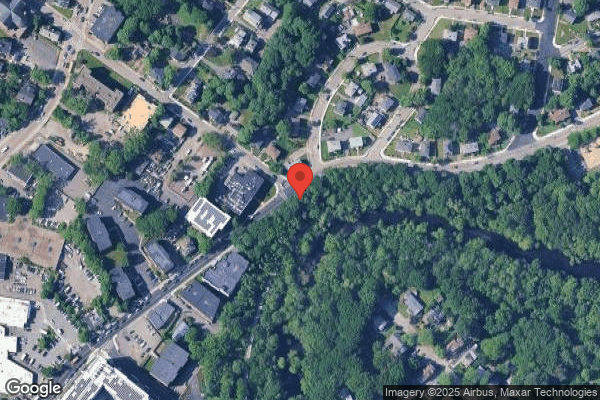
405 RIVER STREET, MATTAPAN, MA 02126 (617) 296-5585
For profit - Corporation 85 Beds BEAR MOUNTAIN HEALTHCARE Data: November 2025
Trust Grade
53/100
#226 of 338 in MA
Last Inspection: February 2025

Within standard 12-15 month inspection cycle. Federal law requires annual inspections.

Overview

Mattapan Health & Rehabilitation Center has a Trust Grade of C, which means it is average compared to other nursing homes. It ranks #226 out of 338 facilities in Massachusetts, placing it in the bottom half of the state, and #15 out of 22 in Suffolk County, indicating that only a few local options are better. The facility's trend is improving, showing a decrease in reported issues from 27 in 2024 to 20 in 2025. Staffing is a strength here, with a turnover rate of 20%, well below the Massachusetts average, although it has concerning RN coverage, being lower than 84% of state facilities. However, there are notable weaknesses, including a concerning incident where the facility failed to develop a water management infection control program, and multiple failures to follow physician orders for residents, which could impact their care. Additionally, food safety practices were not properly followed, as seen in the storage of dented cans and unlabeled food items. Overall, while there are some positive aspects, families should weigh these concerns carefully.

Trust Score
C
53/100
In Massachusetts
#226/338
Bottom 34%
Safety Record
Low Risk
No red flags
Inspections
Getting Better
27 → 20 violations
Staff Stability
✓ Good
20% annual turnover. Excellent stability, 28 points below Massachusetts's 48% average. Staff who stay learn residents' needs.
Penalties
○ Average
$11,235 in fines. Higher than 68% of Massachusetts facilities. Some compliance issues.
Skilled Nurses
⚠ Watch
Each resident gets only 21 minutes of Registered Nurse (RN) attention daily — below average for Massachusetts. Fewer RN minutes means fewer trained eyes watching for problems.
Violations
⚠ Watch
66 deficiencies on record. Higher than average. Multiple issues found across inspections.
★★☆☆☆
2.0
Overall Rating
★★☆☆☆
2.0
Staff Levels
★★★★☆
4.0
Care Quality
★★☆☆☆
2.0
Inspection Score
Stable
2024: 27 issues
2025: 20 issues

The Good

  • 4-Star Quality Measures · Strong clinical quality outcomes
  • Low Staff Turnover (20%) · Staff stability means consistent care
  • Full Sprinkler Coverage · Fire safety systems throughout facility
  • No fines on record
  • Staff turnover is low (20%)

    28 points below Massachusetts average of 48%

Facility shows strength in quality measures, staff retention, fire safety.

The Bad

2-Star Overall Rating

Below Massachusetts average (2.9)

Below average - review inspection findings carefully

Federal Fines: $11,235

Below median ($33,413)

Minor penalties assessed

Chain: BEAR MOUNTAIN HEALTHCARE

Part of a multi-facility chain

Ask about local staffing decisions and management

The Ugly 66 deficiencies on record

Feb 2025 20 deficiencies
CONCERN (D)

Potential for Harm - no one hurt, but risky conditions existed

Resident Rights (Tag F0550)

Could have caused harm · This affected 1 resident

**NOTE- TERMS IN BRACKETS HAVE BEEN EDITED TO PROTECT CONFIDENTIALITY** Based on observation and interview, the facility failed to provide a dignified existence for one Resident (#3) out of a total sa...

Read full inspector narrative →
**NOTE- TERMS IN BRACKETS HAVE BEEN EDITED TO PROTECT CONFIDENTIALITY** Based on observation and interview, the facility failed to provide a dignified existence for one Resident (#3) out of a total sample of 23 residents. Specifically, staff failed to pull the privacy curtain or shut Resident #3's door when he/she was in bed without a top on, which exposed Resident #3 to others passing by in the hallway. Findings include: Review of the facility policy titled Dignity/Quality of Life, dated 12/6/21, indicates the following: - Staff shall promote, maintain, and protect resident privacy, including bodily privacy during assistance with care and treatment procedures. Resident #3 was admitted to the facility in October 2010 with diagnoses including anemia. Review of the Minimum Data Set (MDS), dated [DATE], indicated Resident #3 could not participate in the Brief Interview for Mental Status (BIMS) due to severe cognitive impairment. Review of the MDS indicated Resident #3 requires assistance to dependence with activities of daily living. Review of Resident #3's current care plan indicates the following: Focus: At times I like to lie naked in bed (initiated 7/3/17). Intervention: Please assist me with the privacy curtain as needed when I want to not wear briefs or clothes (initiated 12/3/19). During an observation on 2/12/25 at 8:47 P.M., Resident #3 was lying in bed topless with his/her privacy curtain open and the bedroom door open to the hallway. Resident #3 had a breakfast tray by his/her bedside that had been dropped off by a staff member. During an interview on 2/12/25 at 8:51 A.M., Nurse #2 said that Resident #3 is very behavioral and will pull open the curtain with a stick. When asked to show the surveyor what stick Resident #3 uses to access the curtain, Nurse #2 could not find it in Resident #3's room. Nurse #2 said he does understand that it is a dignity issue and said it was hard to close the bedroom door because the other roommate likes the door open, but agreed Resident #3's curtain should be closed if he/she is topless. During an interview on 2/12/25 at 11:08 A.M., the Director of Nursing said that if a Resident is exposed, she would expect the privacy curtain to be pulled closed. During an observation on 2/13/25 at 7:38 A.M., Resident #3 was lying in bed topless with the curtain open and the door open, exposing Resident #3 to the hallway.
CONCERN (D)

Potential for Harm - no one hurt, but risky conditions existed

Notification of Changes (Tag F0580)

Could have caused harm · This affected 1 resident

**NOTE- TERMS IN BRACKETS HAVE BEEN EDITED TO PROTECT CONFIDENTIALITY** Based on observation, record review, and interview, the facility failed to notify the physician of a change in condition related...

Read full inspector narrative →
**NOTE- TERMS IN BRACKETS HAVE BEEN EDITED TO PROTECT CONFIDENTIALITY** Based on observation, record review, and interview, the facility failed to notify the physician of a change in condition related to edema for one Resident (#19) out of a total sample of 23 residents. Findings include: Review of the facility policy titled Change of Condition- Physician Notification, dated 1/10/17, indicated the following: - A change in condition is a significant clinical symptom(s) or development, which requires assessment and intervention - It is then the RN supervisor's responsibility to do a follow-up assessment and to ensure that the assessment is documented. - All assessment findings and relevant information should be compiled prior to calling the physician to ensure accuracy of information. - The physician (or alternate) will be contacted to report findings. Resident #19 was admitted in October 2019 with diagnoses including history of an embolism of the lower extremity and hemiplegia of the left side. Review of the Minimum Data Set (MDS), dated [DATE], indicated Resident #19 scored a 15 out of a possible 15 on the Brief Interview for Mental Status (BIMS), indicating intact cognition. Review of the MDS indicated Resident #19 requires substantial assistance to dependence with activities of daily living. During an observation on 2/11/25 at 8:14 A.M., Resident #19 was lying in bed with his/her left leg exposed. Resident #19's left leg was large and swollen throughout the leg. Resident #19 said that he/she has had increased leg swelling and pain in his/her left calf since last week. Resident #19 said he/she told his/her occupational therapist about it, but no one has done anything about it. Review of the medical record failed to indicate that Resident #19 had any edema or diagnoses that would cause edema of the left leg. During an interview on 2/12/25 at 12:31 P.M., Nurse #2 said that Resident #19's leg has been like that for a while and that it is not pitting edema. Nurse #2 said that he does not think the Nurse Practitioner or Physician had been notified because it is normal for Resident #19. Nurse #2 could not say what was causing the swelling. During an interview on 2/12/25 at 12:46 P.M., Rehab Staff #1 said that she has worked with Resident #19 recently and knows that Resident #19 notified nursing of his/her leg swelling. Rehab Staff #1 said that as far as she knows, the swelling has gotten worse. During an interview on 2/12/25 at 1:27 P.M., Rehab Staff #2 said that she worked with Resident #19 on 2/4/25 and said that Resident #19 told her that his/her leg felt like it had a cramp in it. Rehab staff #2 said she looked at the leg and it was swollen with 2+ edema without redness or warmth. Rehab staff #2 said she notified Nurse #2 and asked Nurse #2 to relay that information to the physician. Rehab staff #2 said she also worked with Resident #19 on 2/11/25 and notified Nurse #2 about the leg swelling again. She said Nurse #2 told her that he's been watching it and it looks the same. Rehab staff #2 was told by Nurse #2 that sometimes Resident #19 can be behavioral. During an interview on 2/12/25 at 1:26 P.M., Nurse Practitioner #1 said she was never notified of the leg swelling, but that Resident #19 has a history of a deep vein thrombosis (occurs when a blood clot (thrombus) forms in one or more of the deep veins in the body, usually in the legs. Deep vein thrombosis can cause leg pain or swelling.) During an interview on 2/12/25 at 12:18 P.M., Physician #1 said he was never made aware of the leg edema.
CONCERN (D)

Potential for Harm - no one hurt, but risky conditions existed

Safe Environment (Tag F0584)

Could have caused harm · This affected 1 resident

**NOTE- TERMS IN BRACKETS HAVE BEEN EDITED TO PROTECT CONFIDENTIALITY** Based on observation and interview, the facility failed to provide a clean and homelike environment for one Resident (#3) out of...

Read full inspector narrative →
**NOTE- TERMS IN BRACKETS HAVE BEEN EDITED TO PROTECT CONFIDENTIALITY** Based on observation and interview, the facility failed to provide a clean and homelike environment for one Resident (#3) out of a total sample of 23 residents. Findings include: Resident #3 was admitted in October 2010 with diagnoses including anemia. Review of the minimum data set (MDS), dated [DATE], indicated Resident #3 could not participate in the Brief Interview for Mental Status (BIMS) due to severe cognitive impairment. Review of the MDS indicated Resident #3 requires assistance to dependence with activities of daily living. During an observation on 2/11/25 at 8:17 A.M., Resident #3 was lying in bed with approximately 6-7 dead cockroaches surrounding his/her bed. During an observation on 2/12/25 at 8:47 A.M., Resident #3 was lying in bed with a soiled brief on the floor next to him/her and approximately 6-7 dead cockroaches surrounding his/her bed. During an observation on 2/13/25 at 7:38 A.M., Resident #3 was lying in bed with a soiled brief on the floor next to him/her and approximately 6-7 dead cockroaches surrounding his/her bed. During an interview on 2/12/25 at 11:04 A.M., the Director of Nursing said that housekeeping should be cleaning rooms daily. During an interview on 2/13/25 at 12:09 A.M., the Corporate Nurse said that she expects the rooms to be cleaned daily and as needed if there are pests in the room.
CONCERN (D)

Potential for Harm - no one hurt, but risky conditions existed

Grievances (Tag F0585)

Could have caused harm · This affected 1 resident

Based on record review and interviews, the facility failed to investigate a report of drug and alcohol use in the facility, reported by one Resident (#44), out of a total sample of 23 Residents. Findi...

Read full inspector narrative →
Based on record review and interviews, the facility failed to investigate a report of drug and alcohol use in the facility, reported by one Resident (#44), out of a total sample of 23 Residents. Findings Include: Review of the facility policy titled, Abuse Prohibition, revised 2/20/23, indicated the following: Policy -Allegations of abuse will be reported and thoroughly investigated. -The Administrator and Director of Nursing are responsible for investigation and reporting. Investigation -The investigation will begin immediately after reporting the actual or suspected incident. -Initiate the investigative process using factual data. The investigation should be thorough with witness statements from staff, residents, visitors, and family members who may be interviewed and have information regarding the allegation. -The results of the investigation will be documented. -Conclusion must include whether the allegation was substantiated or not and what information supported the decision. -Corrective measures will be implemented and documented post incident. Follow-up Measure -The investigation and the findings will be documented and submitted to the facility's Medical Staff for review. Documentation will be retained by the facility for no less than three (3) years. Resident #44 was admitted to the facility in January 2024 with diagnoses including atrial fibrillation, chronic pain, and anxiety disorder. Review of Resident #44's most recent Minimum Data Set (MDS) assessment, dated 12/20/24, indicated a Brief Interview for Mental Status (BIMS) exam score of 15 out of a possible 15, indicating intact cognition. During an interview on 2/12/25 at 2:41 P.M., Resident #44 said he/she reported to the prior social worker that he/she observed his/her roommate doing drugs in the bathroom and drinking alcohol in the room. Resident #44 said he/she was told to submit a grievance but would not be allowed to write his/her account of his/her observations and if he/she did it would stop there and not go any further. Resident #44 was asked if he/she submitted a grievance, he/she said no because there was no point if the staff were not going to investigate his/her report. During an interview on 2/12/25 at 3:39 P.M., the Corporate Nurse and the Director of Nursing said they were not aware of the report of drug and alcohol use. The Corporate Nurse said she would investigate the matter further and report back. During an interview on 2/12/25 at 4:51 P.M., the Corporate Nurse said the prior social worker said Resident #44 did not want to submit a grievance because it would not go anywhere and that the social worker and the Director of Nursing spoke with the Resident and offered him/her a room change, but Resident #44 declined. The Corporate Nurse said an investigation was not completed and said she would expect all reports on alleged drug and alcohol use in the facility to be investigated. Review of the grievance book on 2/13/25 at 8:35 A.M., indicated a grievance on 1/4/25 submitted by the prior social worker regarding Resident #44 not liking his/her roommate and visitors. The grievance form stated the following: Resident #44 was asked by Social Services and the Director of Nursing to write facts not accusations on the roommate. Resident became upset and said never mind I am going to take care of it myself. Resident was offered a room change then refused and said not to bother. Further review of the grievance book failed to indicate an investigation was completed regarding Resident #44's report of his/her roommates' alcohol and drug use in the facility.
CONCERN (D)

Potential for Harm - no one hurt, but risky conditions existed

Deficiency F0637 (Tag F0637)

Could have caused harm · This affected 1 resident

**NOTE- TERMS IN BRACKETS HAVE BEEN EDITED TO PROTECT CONFIDENTIALITY** 2. Resident #67 was admitted to the facility in October 2024 with diagnoses including malignant neoplasm of temporal lobe, depre...

Read full inspector narrative →
**NOTE- TERMS IN BRACKETS HAVE BEEN EDITED TO PROTECT CONFIDENTIALITY** 2. Resident #67 was admitted to the facility in October 2024 with diagnoses including malignant neoplasm of temporal lobe, depression and dementia. Review of Resident #67's Minimum Data Set (MDS) dated [DATE] indicated the Resident scored a 3 out of possible 15 on the Brief Interview for Mental Status (BIMS) indicating he/she was severely cognitively impaired. Review of a physician progress note dated 10/29/24 indicated the following but not limited to: Glioblastoma multiforme-Decision has been made to make patient comfort measures only and follow up with hospice continue current management. [sic] Review of the physician orders dated 11/11/24 indicated the following: admitted to hospice services as of 11/4/24. Review of the medical record failed to indicate that a significant change MDS was completed within the required time frame following an admission to hospice services. During an interview on 2/13/25 at 10:44 A.M., the Corporate Nurse said a significant change MDS should have been completed for when Resident #67 was admitted to hospice. Based on record review and interviews for two Residents (#49 and #67) of 23 sampled residents, the facility failed to ensure staff adequately identified a significant change in the Resident's status and completed a comprehensive Significant Change of Status Assessment Minimum Data Set (MDS) as required. Specifically 1. For Resident #49, the facility failed to identify and complete Significant Change in Status MDS when Resident #49, experienced significant weight loss, had an indwelling urinary catheter removed, and developed a stage 4 pressure wound. 2. For Resident #67, the facility failed to complete a significant change in status MDS when Resident #67 was signed on to hospice care. Findings include: Review of the MDS 3.0 Resident Assessment Instrument (RAI) Manual, dated October 2023, indicated a Significant Change in Status Assessment must be completed by the end of the 14th calendar day following determination that a significant change has occurred. It defines a significant change as a major decline or improvement in a resident's status that: 1. Will not normally resolve itself without intervention by staff or by implementing standard disease-related clinical interventions, the decline is not considered self-limiting; 2. Impacts more than one area of the resident's health status; and 3. Requires interdisciplinary review and/or revision of the care plan. 1. Resident #49 was admitted to the facility in February 2020 with the diagnoses including stroke and quadriplegia. Review of Resident #49's most recent MDS, dated [DATE], indicated the following: -Weight= 165 pounds, weight loss of 5% or more in the last month or 10% or more in the last six months and not on a physician prescribed weight-loss regime. -Always incontinent of urine, with no use of an indwelling urinary catheter. -One stage four pressure ulcer. Review of Resident #49's previous MDS, dated [DATE], indicated: -Weight= 172 pounds, no weight loss. -Indwelling urinary catheter. -No pressure ulcers. Review of Resident #49's nurses progress notes, dated 11/7/24, indicated the indwelling urinary catheter was discontinued. Review of Resident #49's medical record as of the most recent MDS assessment reference date (ARD) of 12/5/24, indicated that the indwelling urinary catheter was never re-inserted after being removed on 11/7/24 (28 days), thus the change from having an indwelling urinary catheter to being incontinent of urine would not be considered self-limiting. Review of Resident #49's wound physician notes, dated 11/7/24, indicated a new stage 4 pressure wound to the coccyx, full thickness. Review of Resident #49's nurse progress notes, dated 11/8/24, indicated treatment done as ordered to coccyx stage 4. Review of Resident #49's medical record as of the most recent MDS ARD of 12/5/24, indicated that Resident #49 continues to have a stage 4 pressure would to the coccyx, thus the change from having no pressure ulcers to having a stage 4 pressure ulcer to his/her coccyx on 10/21/24 (45 days) would not be considered self-limiting. Review of Resident #49's nurse progress note addressing weights and vitals summary, dated 11/11/24, indicated weight warning: value:161.0 (pounds); 7.5% change in three months (12.5%, 23.0); 10.0% change in six months (12.0%, 22.0). Review of Resident #49's weights and vital summary, dated 2/13/24, indicated his/her weights were the following: -9/10/24- 171.5 pounds (Lbs.): 5% weight change compared to weight on 8/13/24 of 184.0 Lbs. (-6.8%; -12.5 Lbs.). -9/17/24- 167 Lbs.: 5% weight change compared to weight on 8/13/24 of 184.9 Lbs. (-9.2%; 17.0 Lbs.) and 7.5% weight change compared to last weight on 6/25/24 of 183.0 Lbs. (-8.7%; 16 Lbs.). -10/1/24- 163.8 Lbs.: 10% weight change compared to weight on 6/25/24 of 183.0 Lbs. (-10.5%; -19.2 Lbs.) and 7.5 % weight change compared to last weight of 7/22/24 of 179.6 Lbs. (-8.8%; 15.8 Lbs.). -10/21/24- 157.2 Lbs.: 10% weight change compared to weight on 4/30/24 of 175.3 Lbs. (-10.3%; -18.1 Lbs.). -10/29/24- 161 Lbs.: 10% weight change compared to weight on 6/25/24 of 183.0 Lbs. (-12%; -22 Lbs.). -11/12/24- 165.2 Lbs.: 10% weight change compared to weight on 7/23/24 of 185.2 Lbs. (-10.8%; 20 Lbs.). -11/26/24- 161 Lbs.: 10% weight changed compared to weight on 6/25/24 of 183.0 Lbs. (-12%; 22 Lbs.). Review of Resident #49's medical record as of the most recent MDS ARD of 12/5/24, indicated that Resident #49 continued to have significant weight loss throughout the quarter (75 days), thus the weight loss would not be considered self-limiting. Although Resident #49 had a documented change in status which indicated he/she had a decline in more than two areas, including a significant weight loss, discontinuation of an indwelling urinary catheter with new urinary incontinence and the development of a new pressure wound, a Significant Change in Status MDS Assessment was not initiated or completed within 14 days as required. During an interview on 2/13/25 at 9:58 A.M., the Director of Nursing (DON) said the MDS nurse monitors residents for the need to complete any Significant Change in Status MDS's. The facility MDS Nurse was not available to interview on 2/13/25. During an interview on 2/13/25 at 11:38 A.M., the MDS trainee, after speaking with the corporate MDS nurse, said Resident #49 was still in acute stages of his/her medical condition and continued to be assessed for changes from his/her baseline, therefore, did not require a significant change of status assessment to be completed according to the RAI (Resident Assessment Instrument) manual guidelines.
CONCERN (D)

Potential for Harm - no one hurt, but risky conditions existed

Assessment Accuracy (Tag F0641)

Could have caused harm · This affected 1 resident

Based on observation, record review and interview, the facility failed to accurately reflect the status of one Resident (#42) out of a total sample of 23 residents, when the Minimum Data Set (MDS) ass...

Read full inspector narrative →
Based on observation, record review and interview, the facility failed to accurately reflect the status of one Resident (#42) out of a total sample of 23 residents, when the Minimum Data Set (MDS) assessment failed to indicate that the Resident had an indwelling urinary catheter. Findings include: Resident #42 was admitted to the facility in May 2023 with diagnoses that include neuromuscular dysfunction of the bladder. Review of Resident #42's most recent Minimum Data Set (MDS) Assessment, dated 1/16/25, indicated a Brief Interview for Mental Status score of 15 out of 15 indicating that the Resident is cognitively intact. The MDS failed to indicate the use of an indwelling catheter. On 2/11/25 at 8:00 A.M., Resident #42 was observed lying in bed, a urinary catheter drainage bag was observed hanging from the frame of his/her bed. Review of Resident #42's active Physician's orders indicated the following: -Foley Catheter Order: size: 16 french, 10 balloon Size, dated 5/19/23. -Empty Foley drainage bag and record 24 HOUR output, every night shift for Foley Output (TOTAL OUTPUT), 11/27/24. Review of the January 2025 Treatment Administration Record indicated use of an indwelling urinary catheter for the entire month. Review of Resident #42's active care plan indicated I have a alteration in urinary output r/t (related to) the need for an (specify kind type size balloon size i.e Foley catheter 16 Fr with a 10 ml balloon or Suprapubic) medically justified r/t neurogenic bladder spinal cord disease, dated as revised 8/18/23. [sic] During an interview on 2/12/25 at 12:32 P.M., Nurse #1 said that Resident #42 has an indwelling urinary catheter and had one during the month of January. During an interview on 2/13/25 at 9:47 A.M., the Corporate Nurse said that if a resident had an indwelling urinary catheter, it should be coded accurately on the MDS assessment.
CONCERN (D)

Potential for Harm - no one hurt, but risky conditions existed

Deficiency F0655 (Tag F0655)

Could have caused harm · This affected 1 resident

Based on record review and interview the facility failed to create a baseline plan of care within the required 48 hours of admission for one Resident (#373) out of a total sample of 23 residents. Find...

Read full inspector narrative →
Based on record review and interview the facility failed to create a baseline plan of care within the required 48 hours of admission for one Resident (#373) out of a total sample of 23 residents. Findings include: Resident #373 was admitted to the facility in January 2025 with diagnoses including acute embolism and deep vein thrombosis of the left upper extremity. Review of the medical record failed to indicate a baseline care plan was completed within 48 hours of admission. During an interview on 2/12/25 at 11:44 A.M., Unit Manager #1 said a baseline care plan should be completed within two days of admission, she further said that the care plan is necessary to guide the care givers on the resident's care needs.
CONCERN (D)

Potential for Harm - no one hurt, but risky conditions existed

Comprehensive Care Plan (Tag F0656)

Could have caused harm · This affected 1 resident

**NOTE- TERMS IN BRACKETS HAVE BEEN EDITED TO PROTECT CONFIDENTIALITY** Based on observations, record review and interview the facility failed to develop and implement a comprehensive resident-centere...

Read full inspector narrative →
**NOTE- TERMS IN BRACKETS HAVE BEEN EDITED TO PROTECT CONFIDENTIALITY** Based on observations, record review and interview the facility failed to develop and implement a comprehensive resident-centered care plan for one Resident (#371) out of a total sample of 23 residents. Specifically, for Resident #371 the facility failed to develop a care plan for dialysis and for an actual skin impairment. Findings include: Resident #371 was admitted to the facility on [DATE] with diagnoses including end-stage renal disease, renal dialysis dependence and osteomyelitis left ankle and foot. Review of Resident #371's Minimum Data Set (MDS) assessment dated [DATE], indicated the Resident scored a 12 out of a possible 15 on the Brief Interview for Mental Status (BIMS) indicating he/she had moderate cognitive impairment. The MDS further indicated the Resident was on dialysis, had a surgical wound and infections of the wound. Review of physician orders dated 1/30/25 indicated the following: -Resident to have dialysis on days Monday, Wednesday and Friday. -Dialysis catheter site left chest monitor every shift for signs and symptoms of bleeding. -Left foot daily dressing apply betadine followed by abdominal pad and ace bandage every day shift. Review of Resident #371's care plans failed to indicate a care plan for dialysis and actual skin impairment was developed upon admission to the facility. During an interview on 2/13/25 at 11:56 A.M., Unit Manager #1 said the resident should have a person-centered care plan indicating he/she is on dialysis and that he/she has an actual skin impairment, she said the once the MDS are completed it should trigger what care plans are needed to be completed for the residents.
CONCERN (D)

Potential for Harm - no one hurt, but risky conditions existed

ADL Care (Tag F0677)

Could have caused harm · This affected 1 resident

**NOTE- TERMS IN BRACKETS HAVE BEEN EDITED TO PROTECT CONFIDENTIALITY** Based on observations, record review and interviews, the facility failed to provide assistance with Activities of Daily Living (...

Read full inspector narrative →
**NOTE- TERMS IN BRACKETS HAVE BEEN EDITED TO PROTECT CONFIDENTIALITY** Based on observations, record review and interviews, the facility failed to provide assistance with Activities of Daily Living (ADLs), for one Resident (#28) out of a total sample of 23 residents. Specifically, for Resident #28 the facility failed to provide assistance and/or supervision with meals. Findings include: Review of the facility policy titled Activity of Daily Living, dated 12/22, indicated the following: -A resident who is unable to carry out activities of daily living will receive the necessary services to maintain nutrition, grooming, and personal and oral hygiene. -Based on the comprehensive assessment of a resident and consistent with the resident's needs and choices, the facility will provide the necessary care and services to ensure that a resident's abilities in activities of daily living do not diminish unless circumstances of the individual's clinical condition demonstrate that it is unavoidable. -The facility will ensure a resident is given the appropriate treatment and services to maintain or improve his or her ability to carry out the activities of daily living. -The facility will provide care and services for following activities of daily living: -Dining- eating, including meals and snacks. Resident #28 was admitted to the facility in December 2024 with diagnoses that included dementia, dysphagia (difficulty swallowing foods and fluids), and schizophrenia. Review of Resident #28's most recent Minimum Data Set (MDS), dated [DATE], indicated he/she scored a 6 out of a possible 15 on the Brief Interview for Mental Status (BIMS) indicating severe cognitive impairment. Review of Resident #28's Activity of Daily Living (ADLs) care plan, dated 8/20/24, indicated Please assist me with eating. I need staff to assist me. Review of Resident #28's Dysphagia care plan, dated 2/12/24, indicated I am to eat with staff assistance/supervision. On 1/11/25 from 8:38 A.M. to 8:52 A.M., the surveyor observed Resident #28 sitting on the edge of the bed with his/her breakfast tray set up without any staff present in his/her room or within view from the hallway. On 1/12/25 from 9:05 A.M. to 9:21 A.M., the surveyor observed Resident #28 sitting on the edge of the bed with his/her breakfast tray set up without any staff present in his/her room or within view from the hallway. On 1/13/25 from 8:45 A.M. to 9:00 A.M., the surveyor observed Resident #28 sitting on the edge of the bed with his/her breakfast tray set up without any staff present in his/her room or within view from the hallway. During an interview on 2/13/25 at 9:39 A.M., Certified Nursing Assistant (CNA) #2 said she often has Resident #28 on her assignment and that Resident #28 does not need supervision to eat. During an interview on 2/13/25 at 12:07 P.M., Nurse #4 said she works regularly on the second floor and knows Resident #28 very well. Nurse #4 said Resident #28 does not need supervision or assist to eat. Nurse #4 and the surveyor reviewed Resident #28's care plan indicating the need for assistance and supervision. Nurse #4 said that she was unaware that Resident #28's care plan indicated he/she required supervision/assist for eating meals. During an interview on 2/13/25 at 9:58 A.M., the Director of Nurses (DON) said if Resident's care plan says that he/she needs to be supervised/assisted for eating, the care plan should be followed.
CONCERN (D)

Potential for Harm - no one hurt, but risky conditions existed

Quality of Care (Tag F0684)

Could have caused harm · This affected 1 resident

**NOTE- TERMS IN BRACKETS HAVE BEEN EDITED TO PROTECT CONFIDENTIALITY** Based on observation, record review, and interview, the facility failed to address a change in condition related to edema manage...

Read full inspector narrative →
**NOTE- TERMS IN BRACKETS HAVE BEEN EDITED TO PROTECT CONFIDENTIALITY** Based on observation, record review, and interview, the facility failed to address a change in condition related to edema management for one Resident (#19) out of a total sample of 23 residents. Findings include: Resident #19 was admitted in October 2019 with diagnoses including history of an embolism of the lower extremity and hemiplegia of the left side. Review of the Minimum Data Set (MDS), dated [DATE], indicated Resident #19 scored a 15 out of a possible 15 on the Brief Interview for Mental Status (BIMS), indicating intact cognition. Review of the MDS indicated Resident #19 requires substantial assistance to dependence with activities of daily living. During an observation on 2/11/25 at 8:14 A.M., Resident #19 was lying in bed with his/her left leg exposed. Resident #19's left leg was large and swollen throughout the leg. Resident #19 said that he/she has had increased leg swelling and pain in his/her left calf since last week. Resident #19 said he told his occupational therapist about it, but no one has done anything about it. Review of the medical record failed to indicate that Resident #19 had any edema or diagnoses that would cause edema of the left leg. During an interview on 2/12/25 at 12:31 P.M., Nurse #2 said that Resident #19's leg has been like that for a while and that it is not pitting edema. Nurse #2 said that he does not think the Nurse Practitioner or Physician had been notified because it is normal for Resident #19. Nurse #2 could not say what was causing the swelling. During an interview on 2/12/25 at 12:46 P.M., Rehab Staff #1 said that she has worked with Resident #19 recently and knows that Resident #19 notified nursing of his/her leg swelling. Rehab staff #1 said that as far as she knows, the swelling has gotten worse. During an interview on 2/12/25 at 1:27 P.M., Rehab Staff #2 said that she worked with Resident #19 on 2/4/25 and said that Resident #19 told her that his/her leg felt like it had a cramp in it. Rehab staff #2 said she looked at the leg and it was swollen with 2+ edema without redness or warmth. Rehab staff #2 said she notified Nurse #2 and asked Nurse #2 to relay that information to the physician. Rehab staff #2 said she also worked with Resident #19 on 2/11/25 and notified Nurse #2 about the leg swelling again. She said Nurse #2 told her that he's been watching it and it looks the same. Rehab staff #2 was told by Nurse #2 that sometimes Resident #19 can be behavioral. During an interview on 2/12/25 at 1:26 P.M., Nurse Practitioner #1 said she was never notified of the leg swelling, but that Resident #19 has a history of a deep vein thrombosis (occurs when a blood clot (thrombus) forms in one or more of the deep veins in the body, usually in the legs. Deep vein thrombosis can cause leg pain or swelling). During an interview on 2/12/25 at 12:18 P.M., Physician #1 said he was never made aware of the leg edema. Review of the medical record indicated that on 2/12/25, 8 days after the occupational therapist reported the swelling to nursing, the nurse practitioner was notified, and an ultrasound was ordered to rule out a DVT (deep vein thrombosis).
CONCERN (D)

Potential for Harm - no one hurt, but risky conditions existed

Deficiency F0685 (Tag F0685)

Could have caused harm · This affected 1 resident

Based on record review and interview the facility failed to ensure that one Resident (#58) out of a total sample of 23 residents received proper treatment and assistive devices to maintain their visio...

Read full inspector narrative →
Based on record review and interview the facility failed to ensure that one Resident (#58) out of a total sample of 23 residents received proper treatment and assistive devices to maintain their vision. Specifically, the facility failed to ensure that Resident #58 had a follow up and consultation for cataract surgery as recommended by the consulting eye doctor. Findings include: Resident #58 was admitted to the facility in April 2024 with diagnoses that include stiff man syndrome and anxiety. Review of Resident #58's most recent Minimum Data Set (MDS) Assessment, dated 1/10/25, indicated a Brief Interview for Mental Status (BIMS) score of 15 out of 15, indicating that the Resident is cognitively intact. The MDS further indicated that the Resident's vision is impaired and he/she does not utilize corrective lenses. Review of the consultant eye doctor visit note, dated 7/11/24 indicated the following: -Assessment: 1. Cataract, mixed; Bothersome; L > R (left greater than right). -Plan: 1. Cataract surgery recommended; ophthalmology consult; Follow-Up: 3-4 Months; Referral: Ophthalmology Consult (Cataract Surgeon) -Consult with primary care physician regarding surgical recommendation -Monitor and advised patient on condition and visual changes -Patient wants to proceed with surgery; Spoke with RN (registered nurse) on need for referral to cataract surgeon. Review of Resident #58's progress notes failed to indicate any follow up was completed in regard to a consult for cataract surgery. Review of a social services progress note, dated 1/9/25, indicated the need for an ophthalmologist appointment, but the medical record failed to indicate any further follow up. Review of the medical record failed to indicate that the resident has an activated healthcare proxy, indicating that the Resident makes his/her own decisions about healthcare options. During an interview on 2/11/25 at 7:49 A.M., Resident #58 said that he/she has cataracts in both eyes and can barely see anymore. He/she said their vision has gotten worse since admission to the facility. During a follow up interview on 2/12/25 at 12:22 P.M., Resident #58 said that he/she is responsible for making their own healthcare decisions and would like to follow up about his/her options for cataract surgery. Resident #58 further said that his/her decline in vision makes it hard to read and watch the television at times. During an interview on 2/12/25 at 12:45 P.M., Nurse #3 said that Resident #58 has some visual issues. She said that if the eye doctor recommended a follow up then a follow up appointment should have been scheduled. She was not sure if Resident #58 required any follow up. During an interview on 2/12/25 at 1:11 P.M., the Director of Nurses said she would expect that staff have a follow up conversation with the Resident about their desire to proceed with the follow up, and if the Resident wants to proceed, the physician should be made aware and a follow up should be scheduled.
CONCERN (D)

Potential for Harm - no one hurt, but risky conditions existed

Pressure Ulcer Prevention (Tag F0686)

Could have caused harm · This affected 1 resident

**NOTE- TERMS IN BRACKETS HAVE BEEN EDITED TO PROTECT CONFIDENTIALITY** Based on observation, record review, and interview, the facility failed to provide care and services consistent with professiona...

Read full inspector narrative →
**NOTE- TERMS IN BRACKETS HAVE BEEN EDITED TO PROTECT CONFIDENTIALITY** Based on observation, record review, and interview, the facility failed to provide care and services consistent with professional standards of practice by not following a physician's order for air mattress settings to promote the healing of existing pressure ulcer for one Residents (#20), out of a total sample of 23 residents. Findings include: Resident #20 was admitted to the facility in March 2024 with diagnoses including multiple sclerosis, pressure ulcers stage 3 and 4 of back and sacrum. Review of Resident #20's Minimum Data Set (MDS) assessment dated [DATE], indicated the Resident scored a 15 out of a possible 15 on the Brief Interview for Mental Status (BIMS) indicating he/she was cognitively intact. The MDS further indicated the Resident had pressure ulcers. On 2/11/25 at 7:47 A.M., the surveyor observed Resident #20 lying in his/her bed the air mattress was set at 100 lbs. (pounds). On 2/12/25 at 6:45 A.M., the surveyor observed Resident #20 lying in his/her bed the air mattress was set at 100 lbs. (pounds). Review of the physician order dated 10/10/24 indicated the following: -Air mattress to be set at 150, check for proper functioning and placement every shift. Review of the care plan with a focus of Actual alteration in skin integrity related to pressure ulcer, date as initiated 3/26/24 indicated the following intervention: Pressure redistribution air mattress set as ordered in bed. During an interview on 2/12/25 at 11:02 A.M., the Director of Nursing said that nurses should be checking air mattress orders and settings every shift to ensure that they are at the correct settings. During an interview on 2/12/25 at 11:22 A.M., Nurse #1 said the air mattress should be set per the orders and nurses are to ensure it is set correctly.
CONCERN (D)

Potential for Harm - no one hurt, but risky conditions existed

Tube Feeding (Tag F0693)

Could have caused harm · This affected 1 resident

**NOTE- TERMS IN BRACKETS HAVE BEEN EDITED TO PROTECT CONFIDENTIALITY** Based on observation, record review and interview the facility failed to adhere to professional standards for the administration...

Read full inspector narrative →
**NOTE- TERMS IN BRACKETS HAVE BEEN EDITED TO PROTECT CONFIDENTIALITY** Based on observation, record review and interview the facility failed to adhere to professional standards for the administration of enteral feeding (nutrition taken through a tube directly to the stomach or small intestine) for one Resident (#20) out of a total sample of 23 residents. Specifically, the facility failed to implement the enteral feeding in accordance with the physician's order to receive the enteral feeding for 24 hours per day. Findings include: Resident #20 was admitted to the facility in March 2024 with diagnoses including multiple sclerosis, dysphagia, gastrostomy status. Review of Resident #20's Minimum Data Set (MDS) assessment dated [DATE], indicated the Resident scored a 15 out of a possible 15 on the Brief Interview for Mental Status (BIMS) indicating he/she was cognitively intact. The MDS further indicated the Resident utilizes a feeding tube. During an interview on 2/12/25 at 6:45 A.M., Resident #20 was observed lying in his/her bed, the Resident told the surveyor he/she had gone on a leave of absence to his/her apartment the day before at 12:00 P.M. and returned to the facility around 7:00 P.M. The Resident said he/she does not eat anything by mouth and so he/she goes without food when he/she is away from the facility. Review of the current physician orders indicated the following: -NPO diet (Nothing by Mouth) texture, thin liquids consistency. -Enteral feed order every shift infuse Osmolite 1.5 at 55 ml (milliliter)/ hour x 24 hours. Review of the medical record failed to indicate the physician was notified that the Resident had not received the enteral feeding per the orders the day the Resident was away from the facility for seven hours. During an interview on 2/12/25 at 11:15 A.M., Nurse #1 said the Resident receives the tube feeding continuously, she further said the physician should be notified if the Resident is out of the facility and does not receive the enteral feeding as ordered. During an interview on 2/12/25 at 11:33 A.M., Unit Manager #1 said the Resident should be receiving the enteral feeding as per the orders.
CONCERN (D)

Potential for Harm - no one hurt, but risky conditions existed

Respiratory Care (Tag F0695)

Could have caused harm · This affected 1 resident

**NOTE- TERMS IN BRACKETS HAVE BEEN EDITED TO PROTECT CONFIDENTIALITY** Based on observations, interview, and record review, the facility failed to ensure that respiratory care and services consistent...

Read full inspector narrative →
**NOTE- TERMS IN BRACKETS HAVE BEEN EDITED TO PROTECT CONFIDENTIALITY** Based on observations, interview, and record review, the facility failed to ensure that respiratory care and services consistent with professional standards of practice, were provided for two Residents (#3 and #11), out of a total sample of 23 residents. Specifically, 1. For Resident #3, the facility failed to label and date the oxygen tubing and maintain a clean oxygen filter. 2. For Resident #11, the facility failed to label and date nebulizer tubing and store it in properly in a bag. Findings include: Review of the facility policy titled Oxygen Administration Policy and Procedure, dated 12/6/22, indicates the following: - Procedures: Check the physician order. If it is unclear, clarification must be obtained. - Precautions: Do not operate a concentrator without a filter or with a dirty filter. 1. Resident #3 was admitted in October 2010 with diagnoses including anemia. Review of the minimum data set (MDS), dated [DATE], indicated Resident #3 could not participate in the Brief Interview for Mental Status (BIMS) due to severe cognitive impairment. Review of the MDS indicated Resident #3 requires assistance to dependence with activities of daily living. During an observation on 2/11/25 at 8:17 A.M., Resident #3 was lying in bed with oxygen on and running. Resident #3's oxygen tubing was not labeled or dated. The filter in the oxygen concentrator was covered in dust. During an observation on 2/12/25 at 9:00 A.M., Resident #3 was lying in bed with oxygen on and running. Resident #3's oxygen tubing was not labeled or dated. The filter in the oxygen concentrator was covered in dust. During an interview on 2/12/25 at 9:00 A.M., Nurse #2 said that the night nurse is supposed to change the tubing weekly and is supposed to label and date. Nurse #2 said that maintenance is responsible for changing filters in the concentrators. 2. Resident #11 was admitted to the facility in July 2024 with diagnoses including chronic pain syndrome and lack of coordination. Review of Resident #11's most recent Minimum Data Set (MDS) Assessment, dated 1/9/25, indicated a Brief Interview for Mental Status (BIMS) score of 15 out of 15, indicating that the Resident is cognitively intact. Review of physician's orders indicated the following order, dated 2/8/25: -Ipratropium-Albuterol Solution 0.5-2.5 (3) MG (milligram)/3ML (milliliter)- 1 vial inhale orally every 4 hours as needed for Wheezing-SOB (shortness of breath) administer via nebulizer. On 2/11/25 at 8:08 A.M., the surveyor observed a nebulizer machine with tubing and a mask attached at the Resident's bedside. The nebulizer tubing was not labeled with a date, and it was not stored in a bag and no bag was present. The nebulizer mask was in the drawer of the bedside table with other supplies in the drawer. On 2/11/25 at 1:22 P.M., the surveyor observed a nebulizer machine with tubing and a mask attached at the Resident's bedside. The nebulizer tubing was not labeled with a date. The mask was now stored in a bag labeled as issued on 2/16/25. On 2/12/25 at 7:15 A.M., the surveyor observed a nebulizer machine with tubing and a mask attached at the Resident's bedside. The nebulizer tubing was not labeled with a date. The mask was stored in a bag labeled as issued on 2/16/25. During an interview on 2/12/25 at 12:50 P.M., Nurse #3 said that respiratory tubing should be labeled with the date and changed weekly. Nurse #3 said that as part of the resident assessment is ensuring that the tubing is labeled appropriately and if it is not, it should be replaced. During an interview on 2/12/25 at 11:06 A.M., the Director of Nursing (DON) said that nurses should be assessing the oxygen or nebulizer tubing as part of their assessment and if it is unlabeled or soiled then it should be replaced and labeled with the date. The DON further said that respiratory equipment should be stored properly in a a bag.
CONCERN (D)

Potential for Harm - no one hurt, but risky conditions existed

Deficiency F0740 (Tag F0740)

Could have caused harm · This affected 1 resident

**NOTE- TERMS IN BRACKETS HAVE BEEN EDITED TO PROTECT CONFIDENTIALITY** Based on record reviews, policy reviews and interviews, the facility failed to provide the necessary behavioral health care and ...

Read full inspector narrative →
**NOTE- TERMS IN BRACKETS HAVE BEEN EDITED TO PROTECT CONFIDENTIALITY** Based on record reviews, policy reviews and interviews, the facility failed to provide the necessary behavioral health care and services to attain or maintain the highest practicable mental, and psychosocial well-being for one Resident (#28) out of a total sample of 23 residents. Specifically, for Resident #28, the facility failed to ensure a psychiatric consult was completed. Findings Include: Resident #28 was admitted to the facility in December 2024 with diagnoses that included dementia without behaviors, dysphagia, and schizophrenia. Review of Resident #28's most recent Minimum Data Set (MDS), dated [DATE], indicated he/she scored a six out of a possible 15 on the Brief Interview for Mental Status (BIMS) exam indicating severe cognitive impairments. Further review of the MDS indicated the Resident is receiving an antipsychotic medication. Review of Resident #28's physician order, dated 7/24/24, indicated Psychological evaluation and treatment for: Adjustment to need for placement in facility and Med management, if required. [sic] Review of Resident #28's active physician's orders indicated: -Haldol (an antipsychotic medication) 0.5 milligrams every six hours, initiated 12/13/24. -Olanzapine (an antipsychotic medication) 7.5 milligrams daily, initiated 12/13/24. Review of Resident #28's nursing progress note, dated 1/28/25, indicated Resident noted very agitated this afternoon. For no apparent reason started to curse everyone, very aggressive grabbed the computer by the nursing station and attempted to throw it at Writer or anyone else close to her. For safety issue, Writer run to the toilet. Male CNA (certified nursing assistant) approached her and hold the computer to prevent further damage. Now resident tried to open the back door by pushing it several times and hardly. Nurse on Team one helped Writer to administer Haldol 0.5ml (milliliters) Intramuscularly to Right Deltoid. Resident calmed down after approximately half hour, compliant with medications. [sic] Review of Resident #28's physician progress note, dated 2/4/25, indicated Schizophrenia-I was asked to evaluate patient because as per staff patient has become more agitated recently patient was on IM (intramuscular) Haldol and also p.o. (by mouth) Haldol seems to have been dropped off because it had an end date as per staff patient seems to benefit from the Haldol so we will resume the Haldol orders and have psych follow up with the patient for any needed medication adjustments. [sic] Review of Resident #28's MMR (monthly medication review) by the Consultant Pharmacist, dated 12/1/24 through 12/24/24, indicated The resident currently has a scheduled order for Zyprexa, and now also Haldol. Please perform an AIMS (Abnormal Involuntary Movement Scale) evaluation and put the results electronic medical record, under Assessments. Alternately, make sure that this resident is seen by Psych and that the practitioner completes an AIMS as part of their evaluation. [sic] Review of Resident #28's MMR follow-through form on 2/13/25, dated 1/8/25, indicated staff was enrolling Resident with Psych services. Review of request for Psych services on 2/13/25 in Resident #28's medical record indicated the form was blank. Review of Resident #28's medical record on 2/13/25 failed to indicate that he/she had been seen by psych services. During an interview on 2/13/25 at 9:55 A.M., Nurse #4 was unaware of Resident #28 not having an AIMS and that Resident was not enrolled in Psych services, but they should have been. During an interview on 2/13/25 at 9:58 A.M., the Director of Nursing ( DON) said that request for service form must be faxed for Resident to be enrolled and was unaware that the form was blank in Resident's #28's chart or if the need for Resident to be enrolled had been followed up on. The DON said that the Resident should have been seen by Psych services.
CONCERN (D)

Potential for Harm - no one hurt, but risky conditions existed

Medication Errors (Tag F0758)

Could have caused harm · This affected 1 resident

Based on record review and interview the facility failed to ensure residents were free of unnecessary medications and were properly assessed for possible adverse reactions to psychotropic medications ...

Read full inspector narrative →
Based on record review and interview the facility failed to ensure residents were free of unnecessary medications and were properly assessed for possible adverse reactions to psychotropic medications for one Resident (#28) out of a total of 23 sampled residents. Specifically, for Resident #28, the facility failed to ensure an Abnormal Involuntary Movement Scale (AIMS, a clinical outcome checklist completed by a healthcare provider to assess the presence and severity of adverse outcomes, such as abnormal movements of the face, limbs, and body in patients) assessment was completed. Findings Include: According to CMS guidelines, an AIMS (Abnormal Involuntary Movement Scale) test should be conducted on a nursing home resident when a resident starts or has significant changes to medications that can cause tardive dyskinesia, like certain antipsychotics. Review of facility policy titled [Outside Vendor] Behavioral Health, dated April 2023, indicated the purpose is to ensure all residents taking antipsychotic are monitored for adverse side effects. It is the policy of [Outside Vendor] Behavioral Health that anyone on our caseload at a facility who is treated with an antipsychotic medication is assessed with an AIMS (Abnormal Involuntary Movement Scale) test every 6 months. Resident #28 was admitted to the facility in December 2024 with diagnoses that included dementia without behavioral disturbance, dysphagia, and schizophrenia. Review of Resident #28's most recent Minimum Data Set (MDS) assessment, dated 12/18/24, indicated that Resident #28 had a Brief Interview for Mental Status (BIMS) score of 6 out of 15, indicating severe cognitive impairment. The MDS Assessment further indicated that Resident #28 received an antipsychotic medication. Review of Resident #28's active physician's orders indicated: - Haldol (an antipsychotic medication) 0.5 milligrams every six hours, initiated 12/13/24. - Olanzapine (an antipsychotic medication) 7.5 milligrams daily, initiated 12/13/24. Review of Resident #28's MMR (monthly medication review) by the Consultant Pharmacist, dated 12/1/24 through 12/24/24, indicated The resident currently has a scheduled order for Zyprexa, and now also Haldol. Please perform an AIMS evaluation and put the results in the electronic medical record, under Assessments. Alternately, make sure that this resident is seen by Psych and that the practitioner completes an AIMS as part of their evaluation. [sic] Review of Resident #28's medical record on 2/13/25 failed to indicate that an AIMS assessment was completed. Review of Resident #28's psychotropic medication care plan on 2/13/25, dated as revised 8/21/24, indicated that [Resident #28] takes antipsychotic related to history of schizophrenia. [sic] Review of Resident #28's medical record on 2/13/25 failed to indicate that he/she had been evaluated or seen by behavioral health/ psych services. During an interview on 2/13/25 at 7:51 A.M., Nurse #4 said AIMS assessments are completed by psych services and should be included in their notes. During an interview on 2/13/25 at 9:58 A.M., the Director of Nursing (DON) said that she would expect an AIMS assessment to be completed every 6 months by psych services for a resident who is receiving antipsychotic medications.
CONCERN (D)

Potential for Harm - no one hurt, but risky conditions existed

Infection Control (Tag F0880)

Could have caused harm · This affected 1 resident

Based on observation and interview, the facility failed to adhere to infection control practices and standards increasing the risk of contamination and spread of infection for residents in the facilit...

Read full inspector narrative →
Based on observation and interview, the facility failed to adhere to infection control practices and standards increasing the risk of contamination and spread of infection for residents in the facility. Specifically, the facility failed to unglove hands after bagging soiled linens and proceeded to wear the contaminated gloves in the hallway and potentially contaminate the soiled linen chute. Findings include: During an observation on 2/11/25 at 7:59 A.M., a certified nursing aide exited a Resident room with a bag of soiled linen wearing the same gloves that were used to bag the linen. The certified nursing aide walked through the hallway and disposed of the dirty linen in the linen chute. The certified nursing aide then removed the potentially contaminated gloves. During an observation on 2/12/25 at 8:45 A.M., a certified nursing aide exited a Resident room with a bag of soiled linen wearing the same gloves that were used to bag the linen. The certified nursing aide walked through the hallway and disposed of the dirty linen in the linen chute. The certified nursing aide then removed the potentially contaminated gloves. During an interview on 2/13/25 at 12:45 P.M., the Infection Preventionist said that gloves should not be worn in hallways and staff should remove gloves and complete hand hygiene before entering the hallway.
CONCERN (E)

Potential for Harm - no one hurt, but risky conditions existed

Deficiency F0658 (Tag F0658)

Could have caused harm · This affected multiple residents

**NOTE- TERMS IN BRACKETS HAVE BEEN EDITED TO PROTECT CONFIDENTIALITY** Based on observations, record review and interview, the facility failed to meet professional standards of practice for five Resi...

Read full inspector narrative →
**NOTE- TERMS IN BRACKETS HAVE BEEN EDITED TO PROTECT CONFIDENTIALITY** Based on observations, record review and interview, the facility failed to meet professional standards of practice for five Residents (#46, #43, #20, #42 and #11) out of a total sample of 23 residents. Specifically: 1. For Resident #46, the facility failed to follow a physician's recommendation to send the resident to an outside clinic. 2. For Resident #43, the facility failed to obtain a physician's orders for air mattress settings 3. For Resident #20, the facility failed to obtain a physician's orders to hold a tube feeding when the Resident was away from the facility. 4. For Resident #42, the facility failed to follow physician's orders regarding air mattress settings. 5. For Resident #11, the facility failed to implement physician's orders for heel booties and elevating heels off the mattress. Findings include: 1. Resident #46 was admitted in October 2024 with diagnoses including methicillin resistant staphylococcus aureus (MRSA) and human immunodeficiency virus (HIV) disease. Review of the Minimum Data Set (MDS), dated [DATE], indicated Resident #46 scored a 15 out of a possible 15 on the Brief Interview for Mental Status (BIMS), indicating intact cognition. Review of the physician's note, dated 11/19/24, indicated the following: -Patient needs to follow-up with HIV clinic as per the staff patient question about this diagnosis so if the patient follows up with the HIV clinic will be able to know whether this is an accurate diagnosis and whether the patient needs treatment related there is no signs of opportunistic infections [sic] Review of the medical record failed to indicate if Resident #46 was ever seen by the HIV clinic to determine his/her HIV status. During an interview on 12/12/25 at 12:14 P.M., Physician #1 said that he remembers making that recommendation and believes the facility was trying to get an appointment for an infectious disease clinic, but they can be hard to get. The facility failed to provide any documentation supporting that Resident #46 had an appointment with an HIV clinic. 2. Resident #43 was admitted in April 2024 with diagnoses including hypertension, hemiplegia, and cerebral infarction. Review of the Minimum Data Set (MDS), dated [DATE], indicated Resident #43 scored an 11 out of a possible 15 on the Brief Interview for Mental Status (BIMS), indicating moderate cognitive impairment. During an observation on 2/11/25 at 9:20 A.M., Resident #43 was lying in bed on an air mattress set to 150 pounds of pressure. During an observation on 2/12/25 at 8:33 A.M., Resident #43 was lying in bed on an air mattress set to 150 pounds of pressure. Review of the medical record failed to indicate any physician order for the air mattress or supporting care plan for the appropriate air mattress settings. During an interview on 12/12/25 at 11:02 A.M., the Director of Nursing said that she would expect an order or a care plan for the use of an air mattress with the appropriate settings. 3. Resident #20 was admitted to the facility in March 2024 with diagnoses including multiple sclerosis, dysphagia and dependence on tube feeding. Review of Resident #20's Minimum Data Set (MDS) assessment dated [DATE], indicated the Resident scored a 15 out of a possible 15 on the Brief Interview for Mental Status (BIMS) indicating he/she was cognitively intact. During an interview on 2/12/25 at 6:45 A.M., Resident #20 was observed lying in his/her bed, the Resident told the surveyor he/she had gone on a leave of absence to his/her apartment the day before at around 12:00 P.M., and returned to the facility around 7:00 P.M. The Resident said he/she does not eat anything by mouth and so he/she goes without food when he/she is away from the facility. Review of the current physician orders indicated the following: -NPO diet (Nothing by Mouth) texture, thin liquids consistency. -Enteral feed order every shift infuse Osmolite 1.5 at 55 ml (milliliter)/ hour x 24 hours. Review of the medical record failed to indicate a physician's order had been obtained for holding the tube feeding when the Resident was away on a leave of absence. During an interview on 2/12/25 at 11:15 A.M., Nurse #1 said the Resident receives the tube feeding continuously. She further said there should be an order to hold the tube feed if the Resident is out of the facility. During an interview on 2/12/25 at 11:33 A.M., Unit Manager #1 said there should be an order to hold the tube feeding when the Resident is out of the facility.4. Resident #42 was admitted to the facility in May 2023 with diagnoses that include neuromuscular dysfunction of the bladder. Review of Resident #42's most recent Minimum Data Set (MDS) Assessment, dated 1/16/25, indicated a Brief Interview for Mental Status score of 15 out of 15 indicating that the Resident is cognitively intact. The MDS indicated that Resident #42 does not have pressure injuries but is at risk for development of pressure injuries. Review of Resident #42's physician's orders indicated the following order, dated 9/25/23: -Air Mattress to bed at all times set to 325 Alternating. Check placement and functioning every shift. Review of Resident #42's most recent Norton Assessment (an assessment to determine the risk for skin breakdown), dated 1/20/25 indicated a score of 8 indicating that Resident #42 is at high risk for developing pressure ulcers. Review of Resident #42's active activities of daily living care plan indicated an intervention for air mattress for pressure prevention to be set as ordered, dated as initiated 4/10/24. On 2/11/25 at 8:00 A.M., Resident #42 was observed sleeping in bed. An air mattress was in place and set to 150. On 2/12/25 at 7:17 A.M. and 8:39 A.M., Resident #42 was observed lying in bed. An air mattress was in place and set to 150. During an interview on 2/12/25 at 11:02 A.M., the Director of Nursing said that nurses should be checking air mattress orders and settings every shift to ensure that they are at the correct settings. 5. Resident #11 was admitted to the facility in July 2024 with diagnoses including chronic pain syndrome and lack of coordination. Review of Resident #11's most recent Minimum Data Set (MDS) Assessment, dated 1/9/25, indicated a Brief Interview for Mental Status (BIMS) score of 15 out of 15, indicating that the Resident is cognitively intact. The MDS further indicated that the Resident is at risk of developing pressure ulcers. Further the MDS indicated rejection of care 1-3 days during the lookback period. Review of Resident #11's most recent Norton Assessment (an assessment utilized to determine a resident's risk for skin breakdown), dated 1/6/25, indicated a score of 12, indicating that the Resident is at high risk for skin breakdown. Review of Resident #11's active risk for skin breakdown care plan, dated 7/23/24, indicated an intervention to Please elevate my heels off the mattress while in bed. Review of Resident #11's active physician orders indicated the following: -Apply foam booties to bilateral heels when in bed may remove for care, dated 7/11/24. -offload heels whenever in bed, dated 7/11/24. -On 2/11/25 at 8:08 A.M., Resident #11 was observed lying in bed on his/her back. His/her heels were directly on the mattress. Resident #11 said that their left heel often hurts. Heel booties were observed stuffed between the bureau and the wall. -On 2/12/25 at 7:16 A.M. and 8:38 A.M., Resident #11 was observed lying in bed on his/her back. His/her heels were directly on the mattress. Heel booties were observed stuffed between the bureau and the wall in the same place as previously observed. -On 2/13/25 at 6:53 A.M., Resident #11 was observed lying in bed on his/her back. His/her heels were directly on the mattress. Heel booties were observed stuffed between the bureau and the wall in the same place as previously observed. Review of the February 2025 Treatment Administration Record failed to indicate refusal of booties to heels or elevation of heels off the mattress, and during the survey were signed off indicating treatment occurred, and failed to indicate rejection of care. During an interview on 2/13/25 at 9:47 A.M., the Corporate Nurse said that physician's orders should be implemented as written and documented accurately in the medical record.
CONCERN (E)

Potential for Harm - no one hurt, but risky conditions existed

Food Safety (Tag F0812)

Could have caused harm · This affected multiple residents

Based on observation and interview, the facility failed to store food in accordance with professional standards for food service safety. Specifically, the facility failed to ensure food was labeled in...

Read full inspector narrative →
Based on observation and interview, the facility failed to store food in accordance with professional standards for food service safety. Specifically, the facility failed to ensure food was labeled in the main kitchen refrigerators, and that dented cans were not accepted into storage/circulation. Findings include: Review of the facility's undated policy titled Food Receiving and Storage, indicated, but was not limited to, the following: - When food is delivered to the facility it will be inspected for safe transport and quality before being accepted. - All foods stored in the refrigerator or freezer will be covered, labeled and dated (use by date). On 2/11/25 at 6:51 A.M., the surveyor observed a significantly dented can of carrots, a significantly dented can of beef stew, and three significantly dented cans of tropical fruit salad on the can rack in the kitchen storage room. On 2/11/25 at 6:51 A.M., the surveyor made the following observations in the main kitchen refrigerator: -One opened, undated and unlabeled ham roast. -One pan of cooked meat in juices, undated and unlabeled. During an interview on 2/11/25 at 7:36 A.M., the cook said that dented cans should not go on the can rack and should instead be placed in the office. During an interview on 2/11/25 at 7:13 A.M., the cook said that all food in the kitchen refrigerators should be dated and labeled. During an interview on 2/12/25 at 8:00 A.M., the Food Service Director (FSD) said dented cans should be set aside in the office to be returned as they pose a risk for botulism if consumed (a rare but serious illness caused by a toxin that attacks the nervous system and can lead to paralysis and death). The FSD said that the meats in the refrigerator should be dated and labeled when opened.
CONCERN (E)

Potential for Harm - no one hurt, but risky conditions existed

Medical Records (Tag F0842)

Could have caused harm · This affected multiple residents

**NOTE- TERMS IN BRACKETS HAVE BEEN EDITED TO PROTECT CONFIDENTIALITY** Based on record review and interview the facility failed to maintain accurate and complete medical records for four Residents (#...

Read full inspector narrative →
**NOTE- TERMS IN BRACKETS HAVE BEEN EDITED TO PROTECT CONFIDENTIALITY** Based on record review and interview the facility failed to maintain accurate and complete medical records for four Residents (#46, #43, #3 and #20) out of a total sample of 23 residents. Specifically, 1. For Resident #46 the facility failed to maintain an accurate diagnosis list. 2. For Resident #43 the facility failed to document the appropriate location of a blood pressure measurement. 3. For Resident #3 the facility failed to ensure that the medical record included information pertaining only to that resident. 4. For Resident #20 the facility failed to accurately document the intake of enteral feeding per day. Findings include: 1. Resident #46 was admitted in October 2024 with diagnoses including methicillin resistant staphylococcus aureus (MRSA) and human immunodeficiency virus (HIV) disease. Review of the minimum data set (MDS), dated [DATE], indicated Resident #46 scored a 15 out of a possible 15 on the Brief Interview for Mental Status (BIMS), indicating intact cognition. During observations throughout survey, Resident #46 did not have any precautions in place for any infectious disease. Review of the hospital discharge paperwork, dated 10/24/24, indicated Resident #46 had a skin wound on his/her upper lip, but was swabbed negative for MRSA. Review of the diagnosis list for Resident #46 indicated he/she has MRSA on the lip. Review of the current physician's orders indicate Resident #46 is receiving Mupirocin ointment (a topical ointment for bacterial skin infections) for a MRSA infection. During an interview on 2/12/24 at 12:14 P.M., Physician #1 said he was never able to figure out if Resident #46 had MRSA or not. Review of the medical record indicated Resident #46 has an active diagnosis of MRSA despite being admitted from the hospital with a negative MRSA diagnosis. 2. Resident #43 was admitted in April 2024 with diagnoses including hypertension, hemiplegia, and cerebral infarction. Review of the Minimum Data Set (MDS), dated [DATE], indicated Resident #43 scored an 11 out of a possible 15 on the Brief Interview for Mental Status (BIMS), indicating moderate cognitive impairment. Review of the care plan for Resident #43 indicated the following: Focus- Blood pressure to be taken on the left leg only due to vascular implants and grafts (initiated 4/25/24) Review of the physician's orders for Resident #43 indicated the following: - TAKE BP [blood pressure] on LEFT LEG only (initiated 4/13/24) Review of the Vitals Summary for blood pressure indicated that Resident #43's blood pressure was taken on the right or left arm 15 times during the month of February. During an interview on 2/12/25 at 11:02 A.M., the Director of Nursing said that nurses should be documenting on the appropriate location that they take the blood pressure and not taking or documenting the blood pressure on either arm. 3. Resident #3 was admitted in October 2010 with diagnoses including anemia. Review of the Minimum Data Set (MDS), dated [DATE], indicated Resident #3 could not participate in the Brief Interview for Mental Status (BIMS) due to severe cognitive impairment. Review of the MDS indicated Resident #3 requires assistance to dependence with activities of daily living. Review of the medical record indicated that on 7/1/24 a progress note from another resident from another building was uploaded to the medical record of Resident #3. During an interview on 12/12/25 at 11:02 A.M., the Director of Nursing said that Resident #3's medical record should not contain any other medical information from any other resident. 4. Resident #20 was admitted to the facility in March 2024 with diagnoses including multiple sclerosis, dysphagia, gastrostomy status. Review of Resident #20's Minimum Data Set (MDS) assessment dated [DATE], indicated the Resident scored a 15 out of a possible 15 on the Brief Interview for Mental Status (BIMS) indicating he/she was cognitively intact. The MDS further indicated the Resident utilizes a feeding tube. During an interview on 2/12/25 at 6:45 A.M., Resident #20 was observed lying in his/her bed, the Resident told the surveyor he/she had gone on a leave of absence to his/her apartment the day before at 12:00 P.M., and returned to the facility at 7:00 P.M. The Resident said he/she does not eat anything by mouth and so he/she goes without food when he/she is away from the facility. Review of the current physician orders indicated the following: -Enteral feed order every shift infuse Osmolite 1.5 at 55 ml (milliliter)/ hour x 24 hours. -Enteral tube feed intake every shift. -Free water bolus at 160 ml (milliliter) every 4 hours. Review of the medication administration record (MAR) for February 2025 indicated incorrect documentation of the enteral intake amount. On 2/11/25 the MAR indicated incorrect documentation as the Resident had been out of the facility for about seven hours. Further review of the MAR indicated inconsistency with the amount documented per shift and per day. During an interview on 2/12/25 at 11:15 A.M., Nurse #1 said the Resident receives the tube feeding continuously and the total enteral intake should be the osmolite at 55 ml/hour for 8 hours per shift and including the water flushes. She further said there were multiple shifts with inaccurate total intake documentations. During an interview on 2/12/25 at 11:33 A.M., Unit Manager #1 said the nurses should document accurately the enteral intake.
Mar 2024 27 deficiencies
CONCERN (D)

Potential for Harm - no one hurt, but risky conditions existed

Resident Rights (Tag F0550)

Could have caused harm · This affected 1 resident

**NOTE- TERMS IN BRACKETS HAVE BEEN EDITED TO PROTECT CONFIDENTIALITY** Based on observation, record review and interview the facility failed to 1. speak respectfully to one Resident (#14) and 2. staf...

Read full inspector narrative →
**NOTE- TERMS IN BRACKETS HAVE BEEN EDITED TO PROTECT CONFIDENTIALITY** Based on observation, record review and interview the facility failed to 1. speak respectfully to one Resident (#14) and 2. staff failed to respect the resident environment as evidenced by using cell phones and conducting private conversations in a resident area, from a total sample of 24 residents. Findings Include: Review of the facility policy Dignity/Quality of Life dated 12/6/21, indicated: -Each resident shall be cared for in a manner that promotes and enhances quality of life, dignity, respect, and individuality. Procedure: - Residents shall always be treated with dignity and respect. - Staff shall always speak respectfully to residents, including addressing the resident by his or her name of choice and not labeling or referring to the residents by his or her room number, diagnosis, or care needs. 1. Resident #14 was admitted to the facility in February 2023 with diagnoses including end stage renal disease and Type 2 Diabetes Mellitus. Review of Resident #14's most recent Minimum Data Set (MDS) assessment dated [DATE], indicated Resident #14 scored 15 out of a possible 15 on the Brief Interview for Mental Status exam, indicating he/she is cognitively intact. The MDS also indicated Resident #14 requires maximum assistance with self-care activities. During an interview on 3/6/24 at 11:46 A.M., Resident #14 said he/she was missing $160.00 that he/she kept in his/her dresser drawer. Resident #14 said he/she was going to give the money to his/her daughter to purchase new T-shirts, underwear, and socks. Resident #14 said he/she did not file a grievance form but reported the loss to the Activities Director. Resident #14 said the Activities Director told him/her it was too late to file a grievance. Resident #14 said he/she was made to feel it was his/her fault the money went missing. During an interview on 3/7/24 at 12:28 P.M., the Activities Director said she told Resident #14 it was his/her fault the money went missing because he/she did not put the money in the lockbox that the facility provided to him/her. During an interview on 3/8/24 at 10:27 A.M., the Administrator said staff should be professional and should speak to all residents in a respectful and dignified manner. The Administrator said the Resident should not have been made to feel disrespected. 2. During the resident group meeting conducted on 3/6/24 at 2:00 P.M., four of six residents in attendance from two of two units said staff use their cell phones while caring for residents or when in resident areas. -Review of the facility's policy, titled Cell Phone Policy, dated as last revised 12/1/18 indicated it is the policy of the facility to prohibit personal cell phone use within company buildings. Personal cell phones must be turned to the silent mode at all times while indoors. On 3/6/24 at 2:35 P.M., a Certified Nursing Assistant (CNA #7) was observed on her phone, having a private conversation in a common area. A resident was sitting nearby the CNA, and other residents were observed entering the room. During an interview on 3/6/24 at 2:36 P.M., CNA #7 said she was not supposed to use a cell phone around residents. During an interview on 3/7/24 at 9:14 A.M., Nurse #7 said staff are not allowed to use personal cell phones in resident areas.
CONCERN (D)

Potential for Harm - no one hurt, but risky conditions existed

Grievances (Tag F0585)

Could have caused harm · This affected 1 resident

**NOTE- TERMS IN BRACKETS HAVE BEEN EDITED TO PROTECT CONFIDENTIALITY** Based on interview and record review, the facility failed to file a grievance for one Resident (#14) out of a total sample of 24...

Read full inspector narrative →
**NOTE- TERMS IN BRACKETS HAVE BEEN EDITED TO PROTECT CONFIDENTIALITY** Based on interview and record review, the facility failed to file a grievance for one Resident (#14) out of a total sample of 24 residents. Findings Include: Review of the facility policy titled Grievances/Concerns, dated as last revised December 2021, indicated the following: Policy: -Residents or their representatives may file a grievance or complaint concerning treatment, medical care, behavior of other residents, staff members, theft of property, lost clothing, etc. Employees of the facility will assist residents and or their representatives in the grievance/complaint process when such requests are made. Procedure: -Grievances/concerns may be submitted orally or in writing. The person/staff receiving an oral grievance/concern will fill out the grievance/concern form for submission to leadership. Written complaints or grievances must be signed by the resident or the person filing the grievance/complaint on behalf of the resident. The resident/representative has the right to choose to remain anonymous. -Any alleged grievance/concern involving neglect, abuse, injury of known origin, and/or misappropriation of resident property will be immediately reported to the Administrator and DNS. -Grievances/concerns will be recorded on the grievance log. The social services department/designee will be responsible for recording and maintaining this log. Grievance/concern forms will be kept for a minimum of three (3) years. Resident #14 was admitted to the facility in February 2023 with diagnoses including end stage renal disease and Type 2 Diabetes Mellitus. Review of Resident #14's most recent Minimum Data Set (MDS) assessment dated [DATE], indicated Resident #14 scored 15 out of a possible 15 on the Brief Interview for Mental Status exam, indicating he/she is cognitively intact. The MDS also indicated Resident #14 requires maximal assistance with self-care activities. During an interview on 3/6/24 at 11:46 A.M., Resident #14 said he/she was missing $160.00 that he/she kept in his/her dresser drawer. Resident #14 said he/she was going to give the money to his/her daughter to purchase new T shirts, underwear, and socks. Resident #14 said he/she did not file a grievance form but reported the loss to the Activities Director. The Resident said the Activities Director told him/her it was too late to file a grievance for the missing money. Review of the Grievance Log on 3/6/24 at 12:21 P.M., failed to indicate a grievance was filed for Resident #14. During an interview on 3/7/24 at 12:15 P.M., the Activities Director said she remembers Resident #14 telling her about his/her missing money but forgot to file a grievance. The Activities Director said she should have filled out a grievance form and given it to the Social Worker for an investigation to be completed. During an interview on 3/7/23 at 1:02 P.M., the Director of Nursing said when a grievance is reported to a staff member by a resident a grievance form should be filled out and given to the Social Worker. She said the grievance is then reviewed during morning meeting, an investigation is initiated, and if it is determined if a reportable needs to be submitted, and the Ombudsman is informed.
CONCERN (D)

Potential for Harm - no one hurt, but risky conditions existed

Abuse Prevention Policies (Tag F0607)

Could have caused harm · This affected 1 resident

Based on record review, policy review and interviews, the facility failed to implement their abuse prohibition policy for three Residents (#39, #25, and #10) out of a total sample of 24 residents. Sp...

Read full inspector narrative →
Based on record review, policy review and interviews, the facility failed to implement their abuse prohibition policy for three Residents (#39, #25, and #10) out of a total sample of 24 residents. Specifically, 1. For Resident #39 and #25, the facility failed to ensure nursing immediately reported an allegation of potential abuse (resident to resident altercation) to the Director of Nursing or Administrator, as required. 2. For Resident #10, failed to ensure nursing immediately reported an allegation of potential abuse to the Director of Nursing or Administrator, as required. Findings include: Review of the facility policy, Abuse Prohibition, dated as revised 7/13/22, indicated allegations of abuse will be reported promptly and thoroughly investigated. Reporting: 1. All alleged violations can be observed by staff, residents, relative, visitor, another health care provider, or others. 2. Notify the Shift Supervisor / Charge Nurse/ Manager immediately in person if suspected abuse, neglect, mistreatment or misappropriation of property occurs. 3. Report the incident immediately to the Director of Nursing and/or Administrator. 9. Any employee who fails to report an incident of abuse immediately to the appropriate supervisor will receive disciplinary action, may result in termination as this is a Zero Tolerance policy, reporting is mandatory. 1. For Resident #39 and #25, the facility failed to ensure nursing immediately reported an allegation of potential abuse to the Director of Nursing and Administrator, as required. Review of the nurses note, dated 9/1/23 at 11:07 P.M., indicated: The resident (#39) was temporarily transferred to another room, due to his/her roommate (#25) who was verbally abusive towards him/her, arguing, screaming, and yelling at him/her over the air conditioner, one wanted it on and the other one wanted it off, to avoid more confrontation he/she was removed from the room. Review of the incident report submitted to the state agency, on 9/3/23 at 9:14 P.M., indicated: On 9/3/23 at approximately 4.00 P.M., the charge nurse responded to yelling coming from the resident's room. It was reported that Resident #39 called for help because Resident #25 turned off the air conditioner. Resident #25 stated that he/she turned off the Air conditioner because he/she was feeling cold, the charge nurse assessed Resident #39 for any visible injuries or trauma, there was none. Further review of the report submitted to state agency by the Director of Nursing failed to include the accurate date and time of the event. During an interview on 3/7/24 at 5:15 P.M., Nurse #5 said she did not immediately notify the Director of Nursing or Administrator about the allegation of potential abuse but should have. During an interview on 3/7/24 at 1:12 P.M., the Director of Nursing (DON) said the nurse didn't notify her immediately about the allegation of potential abuse but should have. 2. For Resident #10, the facility failed to ensure direct care nursing staff immediately reported an allegation of potential abuse to the Director of Nursing or Administrator, as required. Review of the incident report submitted to the state agency, dated 12/20/23 at 1:36 P.M., indicated: On 12/20/23 at 12:00 P.M., Resident #25 reported hearing yelling from the room adjacent to his/her room and he/she suspected that staff was hitting the Resident (#10) who was yelling. Review of the written statement, dated 12/19/23, indicated that on 12/19/23 at 7:30 P.M., Nurse #5 received an allegation of physical abuse from Resident #25. Review of the written statement dated 12/19/23, indicated that on 12/19/23 at 7:45 P.M., Nurse #1 received an allegation of physical abuse from Resident #25. Further review of the report submitted to state agency by the Administrator failed to include the accurate date and time of the event. During an interview on 3/7/24 at 5:12 P.M., Nurse #5 said she did not immediately notify the Director of Nursing about the allegation of abuse but should have. During an interview on 3/7/24 at 7:47 A.M., the Administrator said that staff did not immediately report the allegation of physical abuse to him but should have. During a follow up interview on 3/8/24 at 7:41 A.M., the Administrator said he was not made aware of the incident until Resident #25 reported the allegation to him.
CONCERN (D)

Potential for Harm - no one hurt, but risky conditions existed

Report Alleged Abuse (Tag F0609)

Could have caused harm · This affected 1 resident

Based on record review, interviews and policy review, the facility failed to report an injury of unknown source to the state agency within two hours, as required for one Resident (#10) out of a total ...

Read full inspector narrative →
Based on record review, interviews and policy review, the facility failed to report an injury of unknown source to the state agency within two hours, as required for one Resident (#10) out of a total sample of 24 residents. Specifically, on 7/14/23 at 1:50 P.M., the Director of Nursing (DON) was made aware of Resident #10's new pain and diagnosis of an angulated supracondylar fracture of the femur. The DON did not report this injury to the state agency until 7/19/23 at 3:43 P.M., almost 120 hours after becoming aware of the new fracture. Findings include: Review of the facility policy, Abuse Prohibition, dated as revised 7/13/22, indicated allegations of abuse will be reported promptly and thoroughly investigated. III. Injuries of Unknown Origin- An injury will be classified as an injury of unknown source when all of the following criteria are met: a. The source of the injury was not observed by any person AND b. The source of the injury could not be explained by the resident AND c. The injury is suspicious because of the extent of the injury or the location of the injury (for example is an injury is located in an area that not generally vulnerable to trauma) or the number of injuries observed at one particular point in time or the incidence of injuries over time. Injuries of unknown origin will be considered potential abuse until otherwise proven through the investigative process. Reporting 3. Report the incident immediately to the Director of Nursing and/or Administrator. 4. The Administrator is responsible for ensuring that there has been notification local law enforcement and the State Survey Agency within 2 hours of allegation after identification of alleged/suspected incident. a. All alleged violations involving abuse, neglect, exploitation or mistreatment, including injuries of an unknown source and misappropriation of resident property are reported immediately but not later than 2 hours after the allegation is made. Findings include: Resident #10 was admitted to the facility in February 2023 with diagnoses including dementia, cerebral infarction, and major depression. Review of the Minimum Data Set (MDS) assessment, dated 5/15/23, indicated Resident #10 had a Brief Interview for Mental Status (BIMS) exam score of 4 out of a possible 15 which indicated severe cognitive impairment. Further review of the MDS indicated Resident #10 had a health care proxy which was invoked (activated by the physician to allow the health care agent to make medical decisions due to the resident lacking the capacity to make health care decisions). Review of the incident report submitted to the state agency, on 7/19/23 at 3:43 P.M., indicated: On 7/14/23 at approximately 9:00 A.M., Resident complained of right knee pain, the charge nurse assessed for any traumatic injuries there was none, range of motion was within normal limits, but the charge nurse observed that Resident's knee was swollen and warm to the touch and painful. An x-ray of the right knee was completed, and the result came back positive for an angulated supracondylar fracture of the femur with no calcifications. Angulated supracondylar fracture of the femur is caused by a traumatic event in which the thigh bone breaks at the knee. Review of the nursing note, dated 7/14/23 at 3:12 P.M., indicated: Alert verbally responsive, during morning care CNA reported to staff nurse that resident has complaint of right knee pain. On assessment right knee no redness, swollen painful to touch. Right knee x-ray done at 1:50 P.M., result in supracondylar fracture of the femur. Review of the radiology results report, dated 7/14/23 at 2:16 P.M., indicated: Angulated supracondylar fracture of the femur. Review of the hospital Discharge summary, dated as 7/15/23, indicated: -Right femur (bone in leg and strongest bone in the body) open reduction internal fixation (ORIF). - Resident poor historian due to baseline dementia. He/she denies any recent falls or trauma. - Unclear whether the resident had a fall. - Right knee showed an acute fracture of the distal femoral metaphysis. 2-centimeter posterior displacement of the distal fracture fragment is demonstrated. Review of the written statements and interviews from CNA #4, CNA #5, Nurse #12, Nurse #8, and Nurse #4 all of whom provided direct care to Resident #10 on 7/14/23, indicated Resident #10 was a poor historian and they were not aware of the cause of the fracture. During an interview on 3/8/24 at 9:04 A.M., the Director of Nursing (DON) said she was aware of the new fracture on 7/14/24 at 1:50 P.M., and she did not finish her investigation until 7/19/24 when she reported the fracture to the state agency on 7/19/24 at 3:43 P.M., almost 120 hours after the results of the x-ray. During an interview on 3/8/24 at 10:02 A.M., the Administrator said he just reviewed the report from 7/14/23 for the first time on 3/8/24. The Administrator said serious injuries of unknown origin need to be reported to the state agency within two hours.
CONCERN (D)

Potential for Harm - no one hurt, but risky conditions existed

Investigate Abuse (Tag F0610)

Could have caused harm · This affected 1 resident

Based on record review, policy review and interviews, the facility failed to thoroughly investigate an injury of unknown origin and failed to maintain evidence of a thorough investigation was complete...

Read full inspector narrative →
Based on record review, policy review and interviews, the facility failed to thoroughly investigate an injury of unknown origin and failed to maintain evidence of a thorough investigation was completed for one Resident (#10) out of a total sample of 24 residents. Findings include: Review of the facility policy, Abuse Prohibition, dated as revised 7/13/22, indicated allegations of abuse will be reported promptly and thoroughly investigated. III. Injuries of Unknown Origin- An injury will be classified as an injury of unknown source when all of the following criteria are met: a. The source of the injury was not observed by any person AND b. The source of the injury could not be explained by the resident AND c. The injury is suspicious because of the extent of the injury or the location of the injury (for example, an injury is located in an area that not generally vulnerable to trauma) or the number of injuries observed at one particular point in time or the incidence of injuries over time. Injuries of unknown origin will be considered potential abuse until otherwise proven through the investigative process. -Reporting: 7. Investigation will begin immediately after the report. This may include, but not limited to, statements from witnesses and staff, consultation with family, physician, Department of Public Health, and Ombudsman. The resident's medical records will also be reviewed. 8. Results of all investigations will be reported to the State Survey Agency within 5 working days of the incident. -Follow-up Measures: The investigation and the findings will be documented and submitted to the facility's medical staff for review. Documentation will be retained by the facility for not less than three (3) years. Resident #10 was admitted to the facility in February 2023 with diagnoses including dementia, cerebral infarction, and major depression. Review of the Minimum Data Set (MDS) assessment, dated 5/15/23, indicated Resident #10 had a Brief Interview for Mental Status (BIMS) score of 4 out of a possible 15 which indicated severe cognitive impairment. Further review of the MDS indicated Resident #10 had a health care proxy which was invoked (activated by the physician to allow the health care agent to make medical decisions due to the resident lacking the capacity to make health care decisions). Review of the incident report submitted to the state agency, on 7/19/23 at 3:43 P.M., indicated: On 7/14/23 at approximately 9:00 A.M., Resident complained of right knee pain, the charge nurse assessed for any traumatic injuries there was none, range of motion was within normal limits, but the charge nurse observed that Resident's knee was swollen and warm to the touch and painful. An x-ray of the right knee was completed, and the result came back positive for an angulated supracondylar fracture of the femur with no calcifications. Angulated supracondylar fracture of the femur is caused by a traumatic event in which the thigh bone breaks at the knee. Review of the nursing note, dated 7/14/23 at 3:12 P.M., indicated: Alert verbally responsive, during morning care CNA [certified nurse aide] reported to staff nurse that resident is complaint of right knee pain. On assessment right knee no redness, swollen painful to touch. Right knee x-ray done at 1:50 P.M., result in supracondylar fracture of the femur. Review of the radiology results report, dated 7/14/23 at 2:16 P.M., indicated: Angulated supracondylar fracture of the femur. Review of the hospital Discharge summary, dated as 7/15/23, indicated: - Right femur (bone in leg and strongest bone in the body) open reduction internal fixation (ORIF). - Resident poor historian due to baseline dementia. He/she denies any recent falls or trauma. - Unclear whether the resident had a fall. - Right knee showed an acute fracture of the distal femoral metaphysis. 2-centimeter posterior displacement of the distal fracture fragment is demonstrated. Review of the written statements and interviews from CNA #4, CNA #5, Nurse #12, Nurse #8, and Nurse #4, all of whom provided direct care to Resident #10 on 7/14/23 during the day shift, indicated Resident #10 was a poor historian and they were not aware of the cause of the fracture. During an interview on 3/8/24 at 9:04 A.M., the Director of Nursing (DON) said she was aware of Resident #10's new fracture on 7/14/24 at 1:50 P.M., and she did not finish her investigation until 7/19/24. The DON and the surveyor reviewed the investigation file together and the DON said the investigation file was incomplete and not thorough because she had not obtained written statements from other staff who cared for Resident #10 other than CNA #4, CNA #5, Nurse #12, Nurse #8, and Nurse #4. During an interview on 3/8/24 at 10:06 A.M., the Administrator said he just reviewed the report from 7/14/23 involving Resident #10 for the first time (on 3/8/24). The Administrator said the file was incomplete and did not contain evidence of a thorough investigation because the facility had not obtained written statements from other staff who cared for Resident #10 other than CNA #4, CNA #5, Nurse #12, Nurse #8, and Nurse #4.
CONCERN (D)

Potential for Harm - no one hurt, but risky conditions existed

Deficiency F0657 (Tag F0657)

Could have caused harm · This affected 1 resident

**NOTE- TERMS IN BRACKETS HAVE BEEN EDITED TO PROTECT CONFIDENTIALITY** Based on observation, record review and interview, the facility failed to ensure that care plans were reviewed with the interdis...

Read full inspector narrative →
**NOTE- TERMS IN BRACKETS HAVE BEEN EDITED TO PROTECT CONFIDENTIALITY** Based on observation, record review and interview, the facility failed to ensure that care plans were reviewed with the interdisciplinary team (IDT) as required for one Resident (#10), out of a total sample of 24 residents. Specifically, the facility staff failed to review and revise the Resident #10's care plans with the IDT after each Minimum Data Set (MDS) assessment. Findings include: Review of the facility policy, titled Comprehensive Care Plan, undated, indicated an individualized comprehensive care plan that includes measurable objectives and timetables to meet the resident's medical, nursing, mental and psychological needs is developed for each resident. 10. The Care Planning/Interdisciplinary Team along with the resident/representative is responsible for the review and updating of care plans: b. When the desired outcome is not met. d. At least quarterly. Resident #10 was admitted to the facility in February 2023 with diagnoses including dementia, cerebral infraction, and major depression. Review of the clinical record indicated Resident #10's Minimum Data Set (MDS) assessments were completed on 11/6/23 and 2/1/24. Review of the plan of care related to activities of daily living, dated 8/10/23, indicated: Patient to have [NAME] Brace on at all times to (R) LE, locked 0-90 degrees, off with care. Patient is non-compliant with use of [NAME] Brace, and often takes off splint during day. Review of the nursing note, dated 9/25/23, indicated: Note: Call received from orthopedics and said knee immobilizer order should be discontinued. On 3/6/24 at 4:38 P.M., Resident #10 was up out of bed and not wearing a right knee immobilizer. During an interview on 3/8/24 at 7:37 A.M., Nurse #4 said care plans are updated during the care plan meeting. Nurse #4 said that Resident #10 no longer uses a knee immobilizer, and the care plan should have been revised. During an interview on 3/8/24 at 7:57 A.M., the Minimum Data Set (MDS) nurse said care plans should be reviewed during care plan meetings and revised to reflect current status. The MDS Nurse said the brace should have been removed from the care plan. During an interview on 3/8/24 at 8:20 A.M., the Director of Nursing said Resident #10's care plan should have been revised during the November 2023 or February 2024 care plan reviews but was not.
CONCERN (D)

Potential for Harm - no one hurt, but risky conditions existed

Deficiency F0658 (Tag F0658)

Could have caused harm · This affected 1 resident

**NOTE- TERMS IN BRACKETS HAVE BEEN EDITED TO PROTECT CONFIDENTIALITY** Based on observation, record reviews and interviews, the facility failed to follow professional standards of practice for two Re...

Read full inspector narrative →
**NOTE- TERMS IN BRACKETS HAVE BEEN EDITED TO PROTECT CONFIDENTIALITY** Based on observation, record reviews and interviews, the facility failed to follow professional standards of practice for two Residents (#30 and #39), out of a total sample of 24 residents. Specifically, the facility failed: 1. For Resident #30, the facility failed to implement the physician's order for seizure pads. 2. For Resident #39, the facility failed to ensure staff had supporting testing to diagnosis paranoid schizophrenia and who was receiving antipsychotic medication. Findings include: 1. For Resident #30, the facility failed to implement the physician's order for seizure pads. Resident #30 was admitted to the facility in July 2022 and diagnoses included catatonic disorder, epilepsy, and cerebral infarction with hemiplegia and hemiparesis. Review of the Minimum Data Set (MDS) assessment, dated 2/15/24, indicated Resident #30 required staff assistance with activities of daily living. Review of Resident #30's plan of care related to seizures, dated 7/9/22, indicated: - Please keep 2 1/2 padded side rails on my bed. Review of the physician's order, dated 7/9/22, indicated: - seizure pads to bilateral 1/4 upper side rails. Review of the Treatment Administration Record, dated March 2024, indicated nursing implemented the physician's ordered for seizure pads on: - 3/4/24 11:00 P.M., to 7:00 A.M., - 3/5/24 7:00 A.M., to 3:00 P.M., - 3/5/24 11:00 P.M., to 7:00 A.M., - 3/5/24 3:00 P.M., to 11:00 P.M., - 3/6/24 11:00 P.M., to 7:00 A.M., - 3/6/24 3:00 P.M., to 11:00 P.M., On 3/5/24 at 7:41 A.M., 3/5/24 at 10:43 A.M., 3/6/24 at 6:37 A.M., 3/6/24 at 8:41 A.M., 3/6/24 at 10:17 A.M., and 3/7/24 at 8:42 A.M., the surveyor observed Resident #30 in his/her bed and there were no seizure pads present. During an interview on 3/7/24 at 8:42 A.M., Certified Nurse Assistant (CNA) #1 said Resident #30 does not have seizure pads. During an interview on 3/7/24 at 12:02 P.M., Nurse #4 said Resident #30 should have seizure pads. During an interview on 3/7/24 at 1:17 P.M., the Director of Nursing (DON) said Resident #30 should have seizure pads. 2. For Resident #39 the facility failed to ensure staff had supporting testing to diagnosis paranoid schizophrenia to a resident receiving antipsychotic medication. Resident #39 was admitted to the facility in July 2023 and has current diagnoses which include paranoid schizophrenia, post-traumatic stress disorder, coagulation defect, and unspecified fracture of the first lumbar vertebra, Review of the Minimum Data Set (MDS) assessment, dated 2/19/24, indicated Resident #39 had a Brief Interview for Mental Status (BIMS) exam score of 12 out of a possible 15 which indicated moderate cognitive impairment and a diagnosis of paranoid schizophrenia. The MDS indicated Resident #39 received an antipsychotic. Review of the hospital Discharge summary, dated [DATE], indicated: - Post Traumatic Stress Disorder - Psychosis - Mood disorder- has seen psychology and neuropsychology in outpatient setting has chronic history of delusions and psychosis. His/her baseline is paranoid with visual hallucinations. He/she appears at baseline. Further review of the hospital discharge paperwork failed to include the diagnosis of schizophrenia. Review of the Preadmission Screening and Resident Review (PASRR), dated 7/11/23, did not include a diagnosis of schizophrenia. Review of the active diagnoses, dated 8/24/23, indicated Resident #30 had paranoid schizophrenia, and that it was added by the Director of Nursing. Review of the physician's orders, dated 2/12/24, indicated: - Seroquel 25 milligrams (mg), one time a day related to paranoid schizophrenia. - Seroquel 62.5 mg, one time a day at bedtime related to paranoid schizophrenia. Review of the behavior health group note, dated 2/24/24, indicated past medical history of paranoid schizophrenia. The diagnosis includes primary diagnosis of major depression and secondary diagnosis of unspecified psychosis and post-traumatic stress disorder. -Primary: F32.9 - Major depressive disorder, single episode, unspecified Secondary: F29 - Unspecified psychosis not due to a substance or known physiological condition; F43.10 - post-traumatic stress disorder, unspecified During an interview on 3/6/24 at 12:38 P.M., Nurse Practitioner (NP) #1 said that Resident #39 does not meet the criteria for the diagnosis of paranoid schizophrenia. NP #1 said he did not give Resident #39 the diagnosis of paranoid schizophrenia. During an interview on 3/6/24 at 4:48 P.M., Nurse Practitioner #2 said she did not give Resident #39 the diagnosis of paranoid schizophrenia. During an interview on 3/7/24 at 12:07 P.M., Nurse #4 said Resident #39 does not have a diagnosis of paranoid schizophrenia. Nurse #4 and the surveyor reviewed the active diagnoses and Nurse #4 said the Director of Nursing added a diagnosis of paranoid schizophrenia but was not sure why. During an interview on 3/7/24 at 12:10 P.M., Physician #2 said it was his practice to review the hospital discharge summary and add a diagnosis if appropriate. Physician #2 said he did not diagnosis Resident #39 with paranoid schizophrenia. During an interview on 3/7/24 at 1:12 P.M., the Director of Nursing (DON) said Resident #39 takes antipsychotic medications and said she added the diagnosis of paranoid schizophrenia but did not know why.
CONCERN (D)

Potential for Harm - no one hurt, but risky conditions existed

ADL Care (Tag F0677)

Could have caused harm · This affected 1 resident

**NOTE- TERMS IN BRACKETS HAVE BEEN EDITED TO PROTECT CONFIDENTIALITY** 2. For Resident #30, the facility failed to provide meals in accordance with the physician's orders and the plan of care. Reside...

Read full inspector narrative →
**NOTE- TERMS IN BRACKETS HAVE BEEN EDITED TO PROTECT CONFIDENTIALITY** 2. For Resident #30, the facility failed to provide meals in accordance with the physician's orders and the plan of care. Resident #30 was admitted to the facility in July 2022 with diagnoses including catatonic disorder, epilepsy, and cerebral infarction with hemiplegia and hemiparesis. Review of the Minimum Data Set (MDS) assessment, dated 2/15/24, indicated Resident #30 required supervision/touching assistance with eating. Review of the physician's order, dated 12/31/23, indicated: - small sips with liquids. Review of the plan of care related to nutrition, dated as revised 2/8/24, indicated: -physical assistance with meals, totally dependent as needed. Review of the Resident Activities of Daily Living [NAME], undated, indicated: - eating: continual supervision/cueing 1:8 ratio. Review of Resident #30's tray ticket, indicated: - Supervision, Encourage Small Sips. - Feeding Assistance. On 3/5/24 at 9:45 A.M., the surveyor observed Resident #30 in bed eating alone behind a closed privacy curtain. Resident #30 picked up dry pieces of corned beef hash with his/her hands. On 3/5/24 at 9:56 A.M., the surveyor observed Resident #30 in bed eating with his/her hands behind a closed privacy curtain. About half of the corned beef hash was on his/her bed linens. On 3/6/24 at 8:35 A.M., the surveyor observed a Certified Nurse Assistant (CNA) deliver Resident #30's breakfast tray and leave Resident #30 alone behind a closed privacy curtain. Resident #30 picked up a full glass of milk and held the cup up to his/her mouth for about 30 seconds. Resident #30 drank approximately over 1/2 of the glass of milk during this period. Resident #30 did not take small sips of his/her fluids. On 3/7/24 at 8:47 A.M., the surveyor observed a CNA go into Resident #30's room and deliver the breakfast tray. The CNA set the tray up and exited the room, leaving Resident #30 alone with his/her meal. On 3/7/24 at 8:48 A.M., the surveyor observed Resident #30 struggle to get a soup spoon full of yogurt into his/her mouth. Resident #30 spilled yogurt on his/her johnny. On 3/7/24 at 8:49 A.M., the CNA returned to the room and placed a towel across Resident #30's chest on top of the spilled yogurt. The CNA then left the room. Resident #30 was behind his/her privacy curtain and not visible from the doorway. The surveyor stayed in the room and continued to observe Resident #30. On 3/7/24 at 8:54 A.M., Resident #30 attempted to pick up pieces of fruit with a soup spoon, and pieces of fruit fell onto the towel on his/her chest. On 3/7/24 at 8:56 A.M., Resident #30 held the spoon with fruit for approximately a minute without bringing the spoon to his/her mouth. On 3/7/24 at 8:57 A.M., Resident #30 picked up the bowl with leftover fruit liquid and drank it all without stopping over a period of 30 seconds. On 3/7/24 at 8:58 A.M., Resident #30 took a fork and was poking at the empty fruit bowl then he/she put a fork with no food on it in his/her mouth. On 3/7/24 at 9:00 A.M., Resident #30 picked up a muffin and took a bite. On 3/7/24 at 9:01 A.M., Resident #30 held the muffin in his/her hand for a minute. On 3/7/24 at 9:06 A.M., Resident #30 fell asleep without finishing his/her breakfast. During an interview on 3/7/24 at 11:31 A.M., Certified Nurse Assistant (CNA) #1 said Resident #30 is a set-up for meals and is a slow eater. During an interview on 3/7/24 at 12:02 P.M., Nurse #4 said Resident #30 requires supervision with meals and he/she eats very slowly. During an interview on 3/7/24 at 1:16 P.M., the Director of Nursing said Resident #30 should receive supervision with meals. Based on observation, record review and interview for two Residents (#41 and #30), out of a total sample of 24 residents, the facility failed provide activities of daily living in accordance with their plan of care. Specifically: 1. For Resident #41, the facility failed to provide incontinence care and positioning in accordance with the plan of care. 2. For Resident #30, the facility failed to provide meals in accordance with physician's orders and the plan of care. Findings include: Review of the facility's policy, titled Activities of Daily Living, dated as revised December 2022 indicated the following: -Purpose: to provide support, assistance, and encouragement to remain as independent as possible with activities of daily living, including hygiene, mobility, elimination, dining, and communication; and that the care and services provided are person-centered and honor and support each resident's preferences, choices, values, and beliefs. -Policy: A resident who is unable to carry out activities of daily living will receive the necessary services to maintain good nutrition, grooming and personal and oral hygiene. 1. For Resident #41, the facility failed to provide incontinence and positioning care in accordance with their plan of care. Resident #41 was admitted to the facility in February 2019 and has diagnoses that include unspecified dementia, osteoarthritis, and major depressive disorder. Review of the Minimum Data Set assessment, dated 1/11/24, indicated Resident #41 scored a 3 out of 15 on the Brief Interview for Mental Status exam, indicating severe cognitive impairment, and he/she requires substantial/maximal assistance from staff for transfers and toileting. Review of Resident #41's care plans indicated the following: -I have the potential for pressure ulcer development r/t (related to) decrease mobility and incontinence, dated 4/19/23 with interventions that included: I need assistance to turn/reposition at least every two hours, more often as needed or requested. -I have functional mixed bladder incontinence r/t being unable to recognize the urge to go due to decline in cognition r/t dementia, physical limitations, dated 4/19/23 with interventions including incontinent: check me before/after meals and at bedtime and as required for incontinence. On 3/5/24 at 10:39 A.M., the surveyor observed Resident #41 in the dining/sitting room sitting in a high back wheelchair with his/her head hanging down. Resident #41 appeared small and frail in stature. Resident #41 remained in the room, until he/she was brought to an activity on another floor. On 3/5/24 from 2:00 P.M., through 4:20 P.M. the surveyor observed the following: At 2:00 P.M., Resident #41 was sitting in his/her high back wheelchair with his/her head leaning forward, nearly on the table. At 2:15 P.M., Resident #41 was provided a drink and remained in the same position in the sitting room. At 2:40 P.M., Resident #41 was sitting holding an empty cup with his/her head hanging forward. At 2:50 P.M., Resident #41 was in the same position with his/her head down and tapping at the table with his/her hands. At 3:09 P.M., Resident #41 was in the same position. At 3:21 P.M., Resident #41 was moved to another table with other residents. Certified Nursing Assistant (CNA) #9 said the Resident was moved to sit near others who speak his/her language. At 3:25 P.M., Resident #41 remained in the same seated position with his/her head hanging and engaged with staff by moving his/her arms to music. At 3:52 P.M., Resident #41 moved his/her chair a bit, and remained in the sitting room. At 4:18 P.M., Resident #41 was moved by staff to another table. Although staff were present in the sitting room, at no time during the observation lasting over two hours, did they check Resident #41 for or provide incontinence care. In addition, staff failed to assist the Resident to shift weight or change position. Review of the document titled; ADL (Activities of Daily Living) Flow sheet, dated March 2024 indicated the following: From 3/1/24 through 3/5/24 bladder and bowel elimination were blank on the 7:00 A.M.-3:00 P.M, shifts and the 3:00 P.M.-11:00 P.M. shifts. The ADL Flow Sheet failed to indicate staff provided incontinence care to Resident #41, as required. Review of the document titled Positioning Sheet dated March 2024 indicated that all areas were left blank. Positioning codes for 10:00 A.M., 12:00 P.M., 2:00 P.M., and 4:00 P.M., indicated the position codes as 4. Ambulated, 5. Toileting/incontinent care, and 6. Weight shift. All areas were blank. The Positioning Sheet failed to indicate staff provided repositioning assistance to Resident #41, as required. During an interview on 3/8/24 at 9:01 A.M., CNA #10 said Resident #41 sometimes will say he/she needs to use the bathroom, can at times refuse care, and is dependent on staff for care. CNA #10 said Resident #41 needs to be given incontinence care every two hours.
CONCERN (D)

Potential for Harm - no one hurt, but risky conditions existed

Deficiency F0687 (Tag F0687)

Could have caused harm · This affected 1 resident

Based on observations, record review, and interviews, the facility failed to ensure one Resident (#39), out of a total sample of 24 residents received proper care and treatment to maintain good foot h...

Read full inspector narrative →
Based on observations, record review, and interviews, the facility failed to ensure one Resident (#39), out of a total sample of 24 residents received proper care and treatment to maintain good foot health. Findings include: Review of the facility policy titled, Care of the Fingernails/ Toenails, undated, indicated the purpose of this procedure are to clean the nail bed, to keep nails trimmed, and to prevent infections. 5. Stop and report to the nurse supervisor if there is evidence of ingrown toenails, infections, pain or if the nails are too hard or too thick to trim or file with ease. 7. Toenails will be trimmed/cut by the podiatrist. Add resident to the podiatry list as needed. Resident #39 was admitted to the facility in July 2023 with diagnoses including coagulation defect, unspecified fracture of the first lumbar vertebra, paranoid schizophrenia, and post-traumatic stress disorder. Review of the Minimum Data Set (MDS) assessment, dated 2/19/24, indicated Resident #39 had a Brief Interview for Mental Status (BIMS) score of 12 out of a possible 15 which indicated moderate cognitive impairment, and he/she can make self-understood and he/she usually understands others. Review of the physician's order, dated 7/17/23, indicated: - Podiatry, Audiology, Dental, Ophthalmology consults as needed. Review of the consultant request for service, undated, in the medical record, was left blank. Review of the most recent podiatry visit summary indicated a podiatrist was in the facility on: - 10/26/23 - 1/6/24 On 3/5/24 at 9:47 A.M., the surveyor observed Resident #39 in his/her bed not wearing any socks. Resident #39 had long toenails and Resident #39 said he/she would like them cut. On 3/6/24 at 6:38 A.M., the surveyor observed Resident #39 not wearing any socks. His/her toenails were long. During an interview on 3/6/24 at 7:43 A.M., Certified Nurse Assistant #1 said Resident #39's toenails are too long and the CNAs cannot cut toes nails. During a follow up interview on 3/6/24 at 4:40 P.M., Resident #39 said he/she would like someone to cut his/her nails and said, When I cut them myself, they hurt. I would like the Doctor to cut them. On 3/6/24 at 4:48 P.M., Nurse Practitioner (NP) #2 said podiatry services should be set up by nursing staff. NP #2 and the surveyor observed Resident #39's toenails. NP #2 said that Resident #39 needs podiatry services. During an interview on 3/7/24 at 12:06 P.M., Nurse #4 said that social services will set up podiatry services for Resident #39. During an interview on 3/7/24 at 5:16 P.M., the Social Worker said that if nursing obtains the consent, she will set up podiatry services for Resident #39. During an interview on 3/8/24 at 8:23 A.M., the Director of Nursing said Resident #39 needs podiatry services and the nurses, or the social worker should send the referral to the podiatrist.
CONCERN (D)

Potential for Harm - no one hurt, but risky conditions existed

Accident Prevention (Tag F0689)

Could have caused harm · This affected 1 resident

**NOTE- TERMS IN BRACKETS HAVE BEEN EDITED TO PROTECT CONFIDENTIALITY** Based on observations, record review and interviews, for one Resident (#25) out of a total sample of 24 residents, the facility ...

Read full inspector narrative →
**NOTE- TERMS IN BRACKETS HAVE BEEN EDITED TO PROTECT CONFIDENTIALITY** Based on observations, record review and interviews, for one Resident (#25) out of a total sample of 24 residents, the facility failed to ensure staff provided adequate supervision to maintain safety. Specifically, for Resident #25, the staff knowingly allowed Resident #25 to keep his/her own smoking materials, including a lighter, and allowed Resident #25 to smoke unsupervised between designated supervised smoking times. Findings Include: Review of the facility's policy titled Smoking, dated 5/26/2022, indicated the following: Policy: It is the policy of this facility to maintain a safe resident smoking/nicotine environment. This policy respects resident's rights and preferences and is in accordance with Life Safety Code requirements, and state and local laws governing safe practices for the facility. Smoking articles include but are not limited to cigarettes, cigars, vapor, e-cigarettes, and any nicotine related product. To provide a structured framework to ensure the safety and well-being of residents who choose to smoke, as well as the safety and well-being of other residents. Procedure: 1. A smoking assessment will be done at the time of admission/re-admission and quarterly and/or with change in condition for those residents who choose to smoke. 2. Smoking is only allowed outside, in designated areas and at designated times. 3. Residents must be supervised while smoking. 4. Residents will be evaluated to determine if they may safely smoke upon admission quarterly and with a change of condition. 7. Residents are not allowed to have cigarettes, cigars, pipes etc., or fire sources (matches, lighters) in their possession. All smoking materials will be kept at a designated location. 10. A staff member will distribute and assist the resident to light the cigarette for the resident(s) and supervise the smoking activity. Appropriate staff is educated on the smoking policy and are aware of each smoking resident's individual care plans regarding smoking. 13. Any unusual/unsafe occurrences shall be reported to the charge nurse by the supervising staff member. 14. A new smoking evaluation will be completed by the charge nurse after an unusual/unsafe smoking occurrence prior to the resident smoking again. 15. If a resident is found to have or is suspected of having smoking materials or sources of flame in their possession, they will be asked to surrender the items. The facility reserves the right to institute a room search to remove smoking materials. The facility reserves the right to inspect personal packages for smoking materials upon a resident's return from any/all outings. A non-invasive person search may be necessary when there is a life-threatening danger. 16. Repeat offenders of the smoking policy present a high-risk situation. The administrator and DNS, along with the IDT, should consider interventions such as routine and random searches of room, belongings and/or person as deemed necessary, as well as close observation, supervised visitation with those suspected of passing along smoking materials, and ultimately, discharge planning. Review of the document titled Smoking schedule time, undated, provided by the facility in the surveyor binder, indicated the designated smoking times as: 10:00 A.M., 2:00 P.M., 4:00 P.M., and 7:00 P.M., and that the designated smoking area is the back smoking area. Resident #25 was admitted to the facility in August of 2023 with diagnoses including schizophrenia, depression, post-traumatic stress disorder, and traumatic brain injury. Review of Resident #25's Minimum Data Set (MDS) dated [DATE] indicated he/she scored 15 out of a possible score of 15 on the Brief Interview for Mental Status (BIMS), which indicated he/she was cognitively intact. Further review of the MDS indicated Resident #25 has tobacco use. Review of the UDA Packet, Section 7, Smoking Assessment, dated 2/23/24, indicated Resident #25 smokes, has impaired vision, requires a smoking apron, requires a cigarette holder, does not require supervision, and follows smoking guidelines per policy. Review of the care plan dated 9/9/23 indicated Focus: I am a current smoker. Goal: I will adhere to the tobacco/smoking policies of the facility. Interventions: Conduct Smoking Safety Evaluation on admission and PRN. Educate me on the facility's tobacco/smoking policy(s). On 3/6/24 the surveyor made the following observations: At 8:45 A.M., Resident #25 told Nurse #4 that he/she was going outside to smoke, Nurse #4 replied, Okay. Resident #25 went outside and sat on a bench that was not located in the designated smoking area. Resident #25 was observed by the surveyor smoking without a smoking apron and cigarette holder, Resident #25 was in possession of his/her own cigarettes and lighter and lit the cigarette independently. At 10:17 A.M. during the designated smoking time, with one other resident, Resident #25 was observed smoking in the designated smoking area, with a smoking apron, without a cigarette holder, supervised by the MDS Nurse. Resident #25 was in possession of his/her own cigarettes and lighter and lit the cigarette independently. Resident #25 said to the MDS Nurse that he/she signed a form with the facility to be allowed to store his/her smoking materials in a lock box in his/her room due to items going missing. Resident #25 said the signed document was with the Director of Nursing and Administrator. Review of Resident #25's medical record indicated the following: A nurse's progress note dated 1/12/24, indicated The resident returned to the building around 5:30 P.M., walked right back with his/her cigarettes, had a smoke then he/she went back to his/her room. A nurse's progress note dated 1/15/24, indicated frequently smoking ad lib PCP (primary care physician) made aware will b (sic) in sometime this week will visit with resident. A nurse's progress note dated 1/19/24, indicated refused to comply with regulations smoking outside ad lib patient not complying with the smoking rules not redirectable PCP made aware. A nurse's progress note dated 3/6/24, indicated continues to be non-compliant with smoking rules/regulation. During an interview on 3/6/24 at 10:55 A.M., Nurse #7 said that Resident #25 did not sign anything with the facility allowing him/her to keep his/her smoking materials in his/her room because the facility doesn't offer that as an option since it is against policy and regulations for residents to keep smoking materials in their rooms. During an interview on 3/6/24 at 12:11 P.M., Activities Assistant #1 said she supervises smoking regularly. Activities Assistant #1 showed the surveyor the smoking materials stored in the facility's lock box for three residents. No smoking materials for Resident #25 were stored in the facility's lock box. Activities Assistant #1 said Resident #25 stores a lighter and cigarettes in his/her room. Activities Assistant #1 said staff used to hold Resident #25's smoking materials, but that changed, and she is unsure when. During an interview on 3/6/24 at 12:25 P.M., Nurse #4 said that the facility's smoking policy is that all cigarettes and lighters are held by staff and all smoking is supervised by staff at designated times. Nurse #4 said that Resident #25 is noncompliant with the facility's smoking policies and goes out to smoke on his/her own. Nurse #4 said that Resident #25 is assessed to smoke independently. Nurse #4 said she has a strong suspicion that Resident #25 has his/her own smoking materials and is not assessed to store them in his/her room. Nurse #4 said that nursing reported to the Social Worker several times, that Resident #25 is non-compliant with the smoking policy. During an interview on 3/6/24 at 12:36 P.M., Resident #25 said that he/she signed a document with the Director of Nurses and the Administrator a few months ago to be allowed to store smoking materials in his/her room. Resident #25 showed the surveyor the locked nightstand drawer in his/her room where his/her smoking materials are stored. During an interview on 3/6/24 at 4:12 P.M., the Social Worker said that she hadn't been made aware that Resident #25 was smoking outside of the designated times until yesterday. The Social Worker said Resident #25 said he/she has a signed document that he/she can keep his/her own cigarettes and lighter in a locked box in his/her room. The Social Worker said she had never seen the document. During an interview on 3/7/24 at 11:35 A.M., The MDS Nurse said that all the residents' smoking materials are stored in the facility's lock box, but that she has known that Resident #25 holds his/her own cigarettes for a long time. The MDS Nurse said that when she supervised smoking at 10:00 A.M., yesterday morning, it was the first time she learned that Resident #25 keeps his/her own lighter too. The MDS Nurse said that Resident #25 told her that he/she signed something so that he/she can keep his/her own smoking materials. During an interview on 3/6/24 at 4:33 P.M., the Administrator said that he would not sign any document allowing a resident to keep smoking materials in their room because it is not safe, and it is not fair to the other residents. The Director of Nurses said that she did not sign any document with Resident #25 allowing him/her to store smoking materials in his/her room.
CONCERN (D)

Potential for Harm - no one hurt, but risky conditions existed

Deficiency F0692 (Tag F0692)

Could have caused harm · This affected 1 resident

Based on record review, policy review and interviews, the facility failed to identify and address a significant weight gain for one Resident (#39) out of a total sample of 24 Residents. Specifically, ...

Read full inspector narrative →
Based on record review, policy review and interviews, the facility failed to identify and address a significant weight gain for one Resident (#39) out of a total sample of 24 Residents. Specifically, for Resident #39 on 2/28/24, the Resident weighed 157.4 pound (lbs) and on 2/29/24, the Resident weighed 172.2 pounds which is a 9.40 % gain. Findings include: Review of the facility policy titled, Weight Monitoring, dated as revised 12/21/22, indicated, the multidisciplinary team will strive to prevent, monitor, and intervene for undesirable weight loss/gain for our residents. 2. Weights will be recorded in the individual's medical record. 3. Any weight change of 5% or more since the last weight assessment will be retaken within 24 hours for confirmation. If the weight is verified, nursing will notify the Dietitian, Physician and the resident/responsible party. Resident #39 was admitted to the facility in July 2023 with diagnoses including coagulation defect, hypertension, atrial fibrillation, and congestive heart failure. Review of the Minimum Data Set (MDS) assessment, dated 2/19/24, indicated Resident #39 had a Brief Interview for Mental Status (BIMS) score of 12 out of a possible 15 which indicated moderate cognitive impairment, and he/she can make self-understood, and he/she usually understands others. Review of the cardiology note, dated 2/21/24, indicated: - restart lasix (diuretic) daily, monitor and consider escalating the dose, up 10 pounds since last visit. Review of the physician's order, dated 2/22/24, indicated: -Record weekly weights for 4 weeks every day shift every Tue for 4 Weeks to monitor fluid status and nutrition status Review of the physician's order, dated 2/23/24, indicated: -daily weight before breakfast. -lasix 20 milligrams by mouth daily or congestive heart failure. Review of weights and vitals summary, indicated the following weights: 2/4/24 157 pounds (lbs) 2/24/24 157 lbs 2/26/24 157 lbs 2/27/24 157 lbs 2/28/24 157 lbs 2/29/24 172.2 lbs On 2/28/24, the Resident weighed 157.4 lbs. On 2/29/24, the resident weighed 172.2 pounds which is a 9.40 % gain. 3/1/24 172 lbs 3/2/24 172.6 lbs 3/3/24 173 lbs 3/4/24 173.2 lbs 3/5/24 172.6 lbs 3/6/24 173.3 lbs During an interview on 3/6/24 at 12:13 P.M., Nurse #4 and the surveyor reviewed the daily weights for Resident #39. Nurse #4 said that Resident had a significant weight gain on 2/29/24. Nurse #4 said she was not aware of the weight gain until reviewing the weights with the surveyor. Nurse #4 said Resident #39 has congestive heart failure and when nurses obtain weights and put the weight into the electronic health record, they should compare the weights and notify the physician and dietician for weight gains. During an interview on 3/6/24 at 4:48 P.M., Nurse Practitioner #2 said Resident #39 has congestive heart failure and she is evaluating Resident #39's significant weight gain. During an interview on 3/8/24 at 8:12 A.M., the Dietician said she was not made aware of the significant weight gain from 2/29/24 until 3/6/24 but should have been. During an interview on 3/8/24 at 8:29 A.M., the Director of Nursing (DON) said Resident #39 is on daily weights for congestive heart failure. The DON said staff should have notified the physician of the weight gain.
CONCERN (D)

Potential for Harm - no one hurt, but risky conditions existed

Tube Feeding (Tag F0693)

Could have caused harm · This affected 1 resident

**NOTE- TERMS IN BRACKETS HAVE BEEN EDITED TO PROTECT CONFIDENTIALITY** Based on observation, record review and interview for one Resident (#37) out of three applicable residents in a total sample of ...

Read full inspector narrative →
**NOTE- TERMS IN BRACKETS HAVE BEEN EDITED TO PROTECT CONFIDENTIALITY** Based on observation, record review and interview for one Resident (#37) out of three applicable residents in a total sample of 24 residents, the facility failed to adhere to professional standards for the administration of enteral feeding (nutrition taken through a tube directly to the stomach or small intestine). Specifically, the facility failed to implement the physician's order for continuous feed, failed to notify the physician or nurse practitioner the continuous feed was not implemented and failed to obtain orders for an alternate way to support Resident #37's nutritional needs. Findings include: Review of the facility's policy, titled 'Enteral Feedings, not dated, indicated: -Purpose: To ensure the safe administration of enteral nutrition. -Preparation: All personnel responsible for preparing, storing, and administering enteral nutrition formulas will be trained, qualified and competent in his or her responsibilities. -The facility will remain current in and follow accepted best practices in enteral nutrition. Documentation: Document all assessments, findings, and interventions in the medical record. Reporting: Report unusual findings and/or signs of complications to the physician. Resident #37 was admitted to the facility in June 2018 with diagnoses including anoxic brain damage, dysphagia, and quadriplegia. Review of the Minimum Data Set (MDS) assessment dated [DATE] indicated Resident #37 is severely cognitively impaired and totally dependent on staff for all activities of daily living. Further, the MDS indicated Resident #37's nutritional approach was through a feeding tube. During an observation on 3/5/24 at 7:30 A.M., an infusion pole and pump were observed in the hall outside of Resident #37's room. On 3/5/24 at 9:43 A.M., Resident #37 was observed resting in his/her bed. Resident #37 was not able to participate in an interview. No enteral feeding supplies were observed in the Resident's area. During an interview on 3/5/24 at 9:51 A.M., Nurse #10 said the Resident is on bolus feedings and the plan was to start continuous feedings again. Review of Resident #37's physician's orders indicated the following: -Diet order NPO (nothing by mouth) dated 12/20/2020. -Enteral feed every shift infuse Osmolite 1.5 cal at a rate of 66 cc (cubic centimeter) per hour for 24 hours continuous, dated 3/4/24. Review of the Medication Administration Record (MAR) dated March 2024 indicated the following: -Enteral feed order every shift infuse OSMOLITE 1.5 cal at a rate of 66 cc per hour for 24 hours continuous. The Order was signed off by Nurse #1 on 3/4/24. The MAR indicated the night shift staff, on 3/5/24, administered. the Osmolite. -Osmolite 1.5 cal 235 ml give one can via bolus/peg tube as usual 6 x daily. Six times a day for nutrition 24 at 1750 (5:50 P.M.) Further, the MAR was x'd out on 3/4/24 at the 1900 (7:00 P.M.) and 2200 (10:00 P.M.) times. dc (discontinued) date 3/4/24. During an interview on 3/5/24 at 1:53 P.M., Nurse #10 said the continuous feeding for Resident #37 was supposed to start last night. Nurse #10 said she did not get anything in shift report this morning about the continuous feed and said maybe the night nurse was not comfortable with the pump. During an interview on 3/5/24 at 3:12 P.M., Nurse #10 said the enteral feeding pump was outside of Resident #37's room, plugged in and she was not sure if it was working. Nurse #10 said because Resident #37 needed to have a feeding, she was behind, she got an order from the Nurse Practitioner to administer a bolus feed to Resident #37. Nurse #10 said she could not speak for the nurse who was on during the night shift as to what happened to the pump and continuous feeding order. During an interview on 3/5/24 at 2:55 P.M., Nurse #4, who is the unit manager, said the order for Resident #37's continuous enteral feed was placed yesterday (3/4/24) at around 5:00-5:30 P.M. Nurse #4 said the dietician had made the recommendation to start Resident #37 on continuous feeds in place of bolus feeds. Nurse #4 reviewed the MAR and said the continuous feed was administered as ordered on the night shift by Nurse #1. Nurse #4 said she did not get anything in report this morning about the continuous enteral feed for Resident #37. During an interview on 3/5/24 at 3:58 P.M., Nurse #1 said she worked the 3:00 P.M-11:00 P.M., shift on 3/4/24 and that she ended up working the 11:00 P.M. to 7:00 A.M., shift, which was not planned because no nurse showed up for the shift. Nurse #1 said the Director of Nursing (DON) came with the enteral feeding pump for Resident #37 in the afternoon on 3/4/24. Nurse #1 said she did not administer the continuous enteral feeding for Resident #37 as ordered and that she followed the discontinued order for the bolus feed order. Nurse #1 said she did not notify the physician or the nurse practitioner that the enteral continuous feed was not administered and said because in her mind they were not using the pump. Nurse #1 said she did not tell the day nurse that the pump for Resident #37's continuous feed was not used. Review of the MAR indicated the continuous enteral feeding was administered on 3/4/24 and 3/5/24 night shift. The interview with Nurse #1 indicated the continuous enteral feeding for Resident #37 was not administered as ordered. Further review of the MAR failed to indicate any active order for bolus/peg tube feed was in place after 1600 (4:00 P.M.) on 3/4/24. Review of the progress notes failed to indicate Nurse #1 did not administer the enteral feed order of Osmolite 1.5 cal at a rate of 66 cc/per hour for 24 hours, continuous. During an interview on 3/5/24 at 5:11 P.M., the Registered Dietitian said the enteral bolus feeding Nurse #1 said was administered to Resident #37 (without an active order), was not documented as administered in Resident #37's medical record.
CONCERN (D)

Potential for Harm - no one hurt, but risky conditions existed

Deficiency F0741 (Tag F0741)

Could have caused harm · This affected 1 resident

**NOTE- TERMS IN BRACKETS HAVE BEEN EDITED TO PROTECT CONFIDENTIALITY** Based on record reviews and interviews, for one Resident (#25), out of a total sample of 24 residents, the facility failed to pr...

Read full inspector narrative →
**NOTE- TERMS IN BRACKETS HAVE BEEN EDITED TO PROTECT CONFIDENTIALITY** Based on record reviews and interviews, for one Resident (#25), out of a total sample of 24 residents, the facility failed to provide appropriate and sufficient staff to provide behavioral health care services as indicated in the facility assessment. Specifically, for Resident #25, with a known history of trauma and mental illness, the facility failed to provide services to include psychotherapy. Findings include: Review of the document titled Facility Assessment dated 12/11/23 indicated the facility accepts residents with psychiatric/mood disorders including the following common diagnoses: psychosis (hallucinations, delusions, etc.), impaired cognition, mental disorder, depression, bipolar disorder (i.e. mania/depression), post-traumatic stress disorder, anxiety disorder, behavior that needs intervention, schizophrenia. Further review of the document indicated contracted behavioral health services, in-house services and telehealth as needed to psychiatric services and medication management as needed. The facility employs/contracts a licensed social worker who facilitates meetings as needed with the IDT and Psych service group to address concerns related to the following diagnoses. Further review of the document indicated contracted behavioral health services provides 1:1 psychotherapy as needed. Resident #25 was admitted to the facility in August of 2023 with diagnoses including schizophrenia, depression, post-traumatic stress disorder (PTSD), and traumatic brain injury. Review of Resident #25's Minimum Data Set (MDS) dated [DATE] indicated he/she scored 15 out of a possible score of 15 on the Brief Interview for Mental Status (BIMS), which indicated he/she was cognitively intact. Further, the MDS indicated that Resident #25 exhibited verbal behaviors four out of the last seven days and was coded as being socially isolated sometimes. During an interview on 3/5/24 at 8:11 A.M., Resident #25 said he/she has a history of PTSD, homelessness, domestic violence and abuse. Resident #25 said he/she is on medications for his/her mood and that he/she discusses his/her medications and effectiveness with the 'psychiatrist' (referring to Nurse Practitioner (NP) #1). Review of NP #1's notes dated 9/6/23, 9/13/23, 9/27/23, 10/11/23, 10/25/23, 11/3/23, 11/10/23, 11/15/23, 12/13/23, 1/10/24, 1/24/24, and 2/28/24 indicated Resident #25 was seen by NP #1 primarily for medication management with interim psychosocial support. During an interview on 3/6/24 at 1:12 P.M., NP #1 said that he is a contracted behavioral health provider for the facility. NP #1 said there was no one seeing Resident #25 for psychotherapy as the facility did not have that service, but it would be nice to have someone to collaborate with. NP #1 said facility staff have not involved him in how to deal with Resident #25's behavior issues aside from medication management. During an interview on 3/6/24 at 1:18 P.M., Nurse #13 said that the facility has no psychotherapy services, and only has an NP for medication management. Nurse #13 said the facility does not have anyone who provides psychotherapy and said there is one resident who could benefit from psychotherapy. Nurse #13 identified the resident as Resident #25. Nurse #13 said Resident #25 cries a lot and we are nurses and not psych. Nurse #13 said she doesn't know how to help Resident #25 when he/she cries. During an interview on 3/6/24 at 1:26 P.M., Resident #25 said he/she had therapy his/her whole life and had it in the state he/she had to flee. Resident #25 said he/she talks with NP #1 about his/her medications and how they are working. Resident #25 said he/she wanted to and asked to have therapy. During an interview on 3/7/24 at 11:35 A.M., the MDS Nurse said I'm afraid of Resident #25. The main intervention with him/her is redirection. It works sometimes. There aren't any other behavioral health services we can offer. I'm not sure what attempts have been made to obtain psychotherapy services, that would be a question for the SW. The SW and NP #1 should really be working on his/her behaviors. During an interview on 3/6/24 at 4:12 P.M., the SW said nearly every resident at the facility has behavioral health needs. The SW said that the facility does not have a qualified 1:1 therapist for the residents to talk to. The SW said she is a Licensed Social Worker (LSW), and it is not in her scope of practice to perform psychotherapy. The SW said NP #1 is the only psychiatric support the facility has. The SW said staff come to her with concerns about Resident #25 because they are afraid of Resident #25 and concerned, he/she will hurt somebody. The SW said that aside from medication management provided by NP #1, it would be beneficial for Resident #25 to have behavioral counseling services and would be a candidate for psychotherapy. During an interview on 3/7/24 at 2:34 P.M., the DON said the facility uses the services of NP #1 and that he is seasoned and experienced. The DON said the NP is the only clinician from the contracted behavioral health services. The DON said the NP sees Resident #25 regularly and she believed he provides psychotherapy. The medical record failed to indicate Resident #25 had ever been seen by a qualified behavioral health counselor for psychotherapy since admission to the facility, resulting in continued and ongoing behaviors and emotional distress.
CONCERN (D)

Potential for Harm - no one hurt, but risky conditions existed

Drug Regimen Review (Tag F0756)

Could have caused harm · This affected 1 resident

Based on record review, policy review, and interviews, the facility failed to act upon recommendations made by the consultant pharmacist during the monthly Medication Regimen Reviews (MRR) for one Res...

Read full inspector narrative →
Based on record review, policy review, and interviews, the facility failed to act upon recommendations made by the consultant pharmacist during the monthly Medication Regimen Reviews (MRR) for one Resident (#10), out of a total sample of 24 residents. Specifically, the facility failed to ensure the 11/29/23, 12/25/23, 1/25/24, and 2/26/24 consultant pharmacist's recommendations were acted upon. Findings include: Review of the facility policy titled, Medication Regimen Review, undated, indicated the consultant pharmacist performs a comprehensive review of each resident's medication regimen and clinical record at least monthly. The medication regimen review (MRR) includes evaluating the resident's response to medication therapy to determine that the resident maintains the highest practicable level of functioning and preventing or minimizing adverse consequences related to medication therapy. All findings and recommendations are reported to the director of nursing and the attending physician, the medical director and the administrator. A. Prescriber accepts and acts upon suggestion or rejects and provides an explanation for disagreeing. G. If there is potential for serious harm and the attending physician or prescriber does not concur, or refuses to document an explanation for disagreeing, the director of nursing and the consultant pharmacist will contact the medical director. C. The Director of Nursing or designated licensed nurse address and document recommendations that do not require a physician intervention. G. Recommendations are acted upon and documented by the facility staff and/or the prescriber. H. At least monthly, the consultant pharmacist reports any irregularities to the attending physician, medical director and director of nursing, at a minimum. Resident #10 was admitted to the facility in February 2023 with diagnoses including dementia, cerebral infraction, and major depression. Review of the Minimum Data Set (MDS) assessment, dated 2/1/24, indicated Resident #10 received an anti-psychotic. Review of the assessment tab, dated 5/23/23, indicated: - Abnormal Involuntary Movement Scale (AIMS, a clinical outcome checklist completed by a healthcare provider to assess the presence and severity of abnormal movements of the face, limbs, and body in patients with tardive dyskinesia) was completed. Review of the physician's order, dated 8/2/23, indicated: - seroquel (anti-psychotic medication) 100 milligrams (mg) by mouth at bedtime for psychosis. - seroquel 25 mg, two tablets by mouth one time a day for psychosis. - seroquel 25 mg, one tablet by mouth one time a day for psychosis. Review of the pharmacist note, dated 11/29/23, indicated: Not seen by psych. AIMS: 5/24/23. Nursing recommendation for aims/seroquel. Review of the pharmacist note, dated 12/25/23, indicated: Not seen by psych. AIMS: 5/24/23. Nursing recommendation for AIMS/seroquel. Review of the pharmacist note, dated 1/25/24, indicted: Not seen by psych. AIMS: 5/24/23. Nursing recommendation for aims/seroquel. Review of the pharmacist note, dated 2/26/24, indicated: Not seen by psych. AIMS: 5/24/23. Nursing recommendation for AIMS/seroquel. Physician recommendation to clarify diagnosis associated with seroquel. During an interview on 3/7/24 at 11:58 A.M., Nurse #4 said that Nurse #6 reviews the monthly MRRs. During an interview on 3/8/24 at 10:57 A.M., Nurse #6 said that she will review the monthly MRRs. Nurse #6 said that she will address the nursing recommendations and she will follow up with the physician for physician recommendations. During an interview on 3/7/24 at 12:09 P.M., Physician #2 said that he reviews the MRR when the facility staff send them to him. Physician #2 said that nursing should forward the MRR to him at least monthly. During an interview on 3/8/24 at 8:10 A.M., the Director of Nursing (DON) said that Nurse #6 is responsible for reviewing the MRRs. The DON said Resident #10's MRR were not addressed but should have been.
CONCERN (D)

Potential for Harm - no one hurt, but risky conditions existed

Medication Errors (Tag F0758)

Could have caused harm · This affected 1 resident

Based on record review, policy review, and interview, the facility failed to ensure that each Resident's drug regimen was free from unnecessary psychotropic medications for one Resident (#10), out of ...

Read full inspector narrative →
Based on record review, policy review, and interview, the facility failed to ensure that each Resident's drug regimen was free from unnecessary psychotropic medications for one Resident (#10), out of a total sample of 24 residents. Specifically, for Resident #10, the facility failed to ensure an Abnormal Involuntary Movement Scale (AIMS, a clinical outcome checklist completed by a healthcare provider to assess the presence and severity of adverse outcomes, such as abnormal movements of the face, limbs, and body in patients) assessment was completed. Findings include: Review of the facility policy titled, AIMS Testing, dated as revised 2023, indicated to ensure all residents taking anti-psychotics are monitor for adverse side effects. Anyone at the facility who is treated with an anti-psychotic medication is assessed with an AIMS every 6 months. Resident #10 was admitted to the facility in February 2023 with diagnoses including dementia, cerebral infraction, and major depression. Review of the Minimum Data Set (MDS) assessment, dated 2/1/24, indicated Resident #10 received an anti-psychotic. Review of the assessment tab, dated 5/23/23, indicated: - AIMS was completed. Review of the physician's order, dated 8/2/23, indicated: - seroquel (anti-psychotic medication) 100 milligrams (mg) by mouth at bedtime for psychosis. - seroquel 25 mg, two tablets by mouth one time a day for psychosis. - seroquel 25 mg, one tablet by mouth one time a day for psychosis. During an interview on 3/7/24 at 11:58 A.M., Nurse #4 said the last AIMS assessment was completed on 5/23/23 and AIMs are required every 6 months. During an interview on 3/8/24 at 8:10 A.M., the Director of Nursing (DON) said the last AIMS assessment was completed on 5/23/23 and AIMs are required every 6 months.
CONCERN (D)

Potential for Harm - no one hurt, but risky conditions existed

Medical Records (Tag F0842)

Could have caused harm · This affected 1 resident

**NOTE- TERMS IN BRACKETS HAVE BEEN EDITED TO PROTECT CONFIDENTIALITY** 2. For Resident #30, the facility failed to ensure nursing maintained complete and accurate comprehensive weekly skin checks. Sp...

Read full inspector narrative →
**NOTE- TERMS IN BRACKETS HAVE BEEN EDITED TO PROTECT CONFIDENTIALITY** 2. For Resident #30, the facility failed to ensure nursing maintained complete and accurate comprehensive weekly skin checks. Specifically, the facility documented it had performed skin checks for approximately eight weeks, yet there were no documented skin checks in the electronic health record. Review of the facility policy titled, Skin Body Audit, dated as reviewed [DATE], indicated licensed nurses will perform skin body audits on a weekly basis. Resident #30 was admitted to the facility in [DATE] with diagnoses including catatonic disorder, epilepsy, and cerebral infarction with hemiplegia and hemiparesis. Review of the Minimum Data Set (MDS) assessment, dated [DATE], indicated Resident #30 was at risk for skin breakdown. Review of the physician's order, dated [DATE], indicated: -Weekly Skin Assessment due: every day shift, every Saturday. Please complete skin assessment underneath the assessment tab in the electronic health record. Do NOT click new, please click on Weekly skin checks beside Next Assessment due to complete assessment. Review of the Treatment Administration Record, dated [DATE], February 2024, and [DATE], indicated nursing documented weekly head to toe skin checks under the assessment tab on the following dates: [DATE] [DATE] [DATE] [DATE] [DATE] [DATE] [DATE] [DATE] Review of the assessment tab indicated on [DATE] nursing completed an assessment titled: -[NAME]-Weekly Skin Checks (Premier - Triggered). Further review of the clinical record failed to support nursing documented weekly head to toe skin assessments between [DATE] and [DATE]. During an interview on [DATE] at 11:31 A.M., Certified Nurse Assistant (CNA) #1 said Resident #30 has skin breakdown. During an interview on [DATE] at 7:43 A.M., Nurse #4 said nursing is not documenting complete comprehensive skin checks for Resident #30. During an interview on [DATE] at 8:40 A.M., the Director of Nursing (DON) said Resident #30's last comprehensive skin check was on [DATE]. The DON said skin checks should be done weekly and documented under the assessment tab in the electronic health record. Based on record review and interview, the facility failed to ensure medical records were accurate for two Residents (#63, #30) out of a total of 24 sampled Residents. Specifically: 1. For Resident #63, the facility failed to ensure his/her code status was accurate. 2. For Resident #30, the facility failed to ensure nursing maintained complete and accurate comprehensive weekly skin checks. Findings include: 1. Resident #63 was admitted to the facility in [DATE] with diagnoses including Lewy body dementia, cirrhosis, and chronic obstructive pulmonary disease. Review of Resident #63's Minimum Data Set assessment dated [DATE] indicated Resident #63 was severely cognitively impaired and did not elect a DNR/DNI (do not resuscitate/do not intubate) status. Review of Resident #63's admission check list dated [DATE] and signed by Resident #63's activated healthcare proxy indicated the facility did not obtain code status information upon admission. Review of the physicians' orders failed to indicate orders related to Resident #63's code status. Review of Resident #63's Advanced Directives care plan dated [DATE] indicated: Resident/authorized responsible party requested FULL CODE wish to be honored. Review of the clinical record indicated Resident #63 had a Massachusetts Medical Orders for Life Sustaining Treatment (MOLST) and the Resident elected Do Not Resuscitate (DNR) code status, dated [DATE]. The MOLST was signed by Physician #1. However, the MOLST was not signed by Resident #63 or his/her activated health care proxy. During an interview on [DATE] at 3:23 P.M., Physician #1 said that he usually signs off on the MOLST forms for residents after the resident or activated health care proxy signs them. Physician #1 said that he could not recall having a conversation with Resident #63 or his/her family regarding advanced directives. Physician #1 said that the MOLST was not valid as it had not been signed by Resident #63's activated health care proxy. Review of Nurse #6's progress note dated [DATE], indicated: Called to room by CNA (Certified Nursing Assistant) at 4:00 P.M. and noted resident unresponsive to verbal and painful stimuli without carotid and apical pulses, respirations, and BP (blood pressure). Heart and lungs sounds absent. Pupils dilated and fixed. No corneal reflex present. Patient is DNR/DNI. NP covering for (physician) notified. Order received for RN pronouncement and released body to Funeral parlor. Patient's wife notified. Condolences provided. Resident pronounced at 4:30 P.M. During interviews on [DATE] at 10:36 A.M. and 11:55 A.M., Nurse #6 said that on [DATE], CNA #2 alerted her that Resident #63 didn't look good. Nurse #6 said she then went to the room and saw that Resident #63 was pale, not rigid, his/her body was slightly warm, he/she was not breathing and did not have a pulse. Nurse #6 said she left the room to check Resident #63's code status and called Nurse #3 who was working on another unit. Nurse #6 said that she checked Resident #63's chart and saw that he/she was a DNR and did not initiate Cardiopulmonary Resuscitation (CPR) or call 911. Nurse #6 then said that Nurse #3 came to the unit, and she told Nurse #3 that Resident #63 was a DNR. During an interview on [DATE] at 10:50 A.M., Nurse #3 said that on [DATE], he was called by Nurse #6 for assistance because a resident had a change of condition. Nurse #3 said when he arrived on the unit, Nurse #6 said never mind, he/she's a DNR. Nurse #3 said that CPR was not initiated. During an interview with the Director of Nursing (DON) and Nurse #7 on [DATE] at 12:16 P.M., the DON said that staff are expected to check resident's physician's orders and paper chart to determine code status in the event of a change of condition. The surveyor then showed the DON Resident #63's MOLST and informed her that it had not been signed by the health care proxy. Nurse #7 said that the MOLST form should have been signed by Resident #63's activated health care proxy for it to be valid.
CONCERN (D)

Potential for Harm - no one hurt, but risky conditions existed

Deficiency F0849 (Tag F0849)

Could have caused harm · This affected 1 resident

**NOTE- TERMS IN BRACKETS HAVE BEEN EDITED TO PROTECT CONFIDENTIALITY** Based on observation, record review and interview for one Resident (#41), out of a total sample of 24 residents, the facility fa...

Read full inspector narrative →
**NOTE- TERMS IN BRACKETS HAVE BEEN EDITED TO PROTECT CONFIDENTIALITY** Based on observation, record review and interview for one Resident (#41), out of a total sample of 24 residents, the facility failed to ensure a coordinated person-centered care plan with individualized interventions was developed for the provision of hospice care services. Findings include: Review of the facility's policy titled: Hospice Program, dated as last revised 12/6/21, indicated the following: -Purpose: to ensure that residents are provided with Hospice Services when appropriate. -Policy: The facility contracts for hospice services for residents who wish to participate in such programs. 4. When a resident participates in the hospice program, a coordinated plan of care between the facility hospice agency and resident/family will be developed and shall include directives for managing pain and other uncomfortable symptoms. The care plan shall be revised and updated as necessary to reflect the resident's current status. Resident #41 was admitted to the facility in February 2019 and has diagnoses that include unspecified dementia, osteoarthritis, and major depressive disorder. Review of Resident #41's Minimum Data Set (MDS) assessment dated [DATE] indicated he/she received hospice services. Review of Resident #41's MDS assessment dated [DATE] indicated a score of 3 out of 15 on the Brief Interview for Mental Status exam, indicating Resident #41 has a severe cognitive impairment, and required substantial assistance for bathing, hygiene, and dressing. Further, the MDS indicated Resident #41 received hospice services. On 3/5/24 at 10:39 A.M., the surveyor observed Resident #41 in the dining room, sitting in a high back wheelchair with his/her head hanging forward. Resident #41 did not respond to the surveyor's greeting and was observed to be frail. Review of Resident #41's physician's orders indicated the following: -May be admitted to hospice services today, Friday October 7, 2023, with the principal diagnosis of weight loss, 10/6/23. Review of Resident #41's care plans indicated the following: - A nutrition focus care plan, with the intervention of hospice services as ordered. Review of the care plans failed to indicate a person-centered hospice services care plan with individualized interventions was developed and in coordination with the hospice service provider's plan of care. During an interview on 3/7/24 at 10:44 A.M. Nurse #13, who was caring for Resident #41, said she did not think Resident #41 was on hospice care services. During an interview on 3/7/24 at 11:37 A.M., the MDS nurse said an interdisciplinary team member can develop a care plan when needed, and that she will also develop care plans as part of the MDS assessments. The MDS nurse said a resident who is signed on for hospice care services should have a specific care plan addressing hospice care services including interventions. During an interview on 3/7/24 at 11:50 A.M., the MDS nurse said she reviewed the care plans, and that Resident #41 did not have a care plan developed for hospice care services. The facility failed to develop a care plan for Resident #41, who was signed on to hospice services over four months ago.
CONCERN (D)

Potential for Harm - no one hurt, but risky conditions existed

QAPI Program (Tag F0867)

Could have caused harm · This affected 1 resident

**NOTE- TERMS IN BRACKETS HAVE BEEN EDITED TO PROTECT CONFIDENTIALITY** Based on record review and interview, the facility failed to implement an effective Quality Assurance and Performance Improvemen...

Read full inspector narrative →
**NOTE- TERMS IN BRACKETS HAVE BEEN EDITED TO PROTECT CONFIDENTIALITY** Based on record review and interview, the facility failed to implement an effective Quality Assurance and Performance Improvement (QAPI) plan related to the accuracy of resident code status. Specifically, the facility identified inconsistencies in the accurate documentation of advanced directives on [DATE] but failed to conduct a facility-wide Performance Improvement Project or to monitor for lapses. Subsequently, staff failed to provide Cardiopulmonary Resuscitation (CPR) to one Resident (#63) who had an incomplete MOLST form and therefore, continued as a full code status. Findings include: Review of the facility's Quality Assurance and Performance Improvement (QAPI) policy, dated as reviewed [DATE] indicated: *QAPI encompasses all administrative, managerial, clinical and environmental services as well as performance of external providers and suppliers of care and services. QAPI is a comprehensive program by which the facility identifies problems or issues early on, develops a plan to address the root causes of the problems and prevent adverse events throughout the system while involving the entire team in using the data to understand quality and work to improve performance. *The QAPI program is ongoing and comprehensive, dealing with the full range of services offered by the facility, including the full range of departments. The program addresses clinical care, quality of life, resident choice and care transition. It aims for safety and high quality with all clinical interventions while emphasizing autonomy and choice in daily life for residents. *The Administrator is the designated QAPI officer and drives the process in setting standards of expectations around resident safety, resident rights, choice and respect. The Administrator is responsible for overseeing and has direct oversight responsibility for all functions of QAPI in the facility. *The facility conducts Performance Improvement Projects (PIPs) to examine and improve care or services in areas that are identified as needing attention. A PIP project is a concentrated effort on a particular problem in one area of the facility or facility wide; it involves gathering information systemically to clarify issues or problems and intervening for improvements. PIPS include a plan that includes a system for gathering information and verifying successful improvement resolution which is reviewed by the QAPI committee. Review of the facility's code status list indicated that 63 out of 65 residents have full code status. Resident #63 was admitted to the facility in [DATE] with diagnoses including Lewy body dementia, cirrhosis, and chronic obstructive pulmonary disease. Review of Resident #63's Minimum Data Set assessment dated [DATE] indicated he/she was severely cognitively impaired and did not elect a DNR/DNI (do not resuscitate/do not intubate) status. Review of Resident #63's admission check list dated [DATE] and signed by Resident #63's activated healthcare proxy indicated the facility did not obtain code status information upon admission. Review of Resident #63's clinical record indicated a Massachusetts Medical Orders for Life Sustaining Treatment (MOLST) dated [DATE], was partially completed. The MOLST indicated the Resident had DNR/DNI status. The MOLST was signed by Physician #1 but not signed by Resident #63's activated health care proxy. Review of Resident #63's Advanced Directives Care plan dated [DATE] indicated: Resident/authorized responsible party request FULL CODE wish to be honored. Review of Resident #63's physician's orders failed to indicate his/her code status. During an interview on [DATE] at 3:23 P.M., Physician #1 said Resident #63's MOLST is not valid as it had not been signed by Resident #63's activated health care proxy. During an interview on [DATE] at 12:52 P.M., Nurse #10 said that to determine resident code status, nurses are to check the physician's orders in the electronic medical record and check the paper chart to find the resident's advanced directive. During an interview on [DATE] at 12:59 P.M., Nurse #11 said that to determine resident code status, nurses need to check the paper chart. During an interview on [DATE] at 10:13 A.M., Nurse #4 said that nurses are required to check the resident's record to determine code status. Review of Nurse #6's progress note dated [DATE], indicated: Called to room by CNA (Certified Nursing Aid) at 4:00 P.M. and noted resident unresponsive to verbal and painful stimuli without carotid and apical pulses, respirations, and BP (blood pressure). Heart and lungs sounds absent. Pupils dilated and fixed. No corneal reflex present. Patient is DNR/DNI. NP covering for (physician) notified. Order received for RN pronouncement and released body to Funeral parlor. Patient's wife notified. Condolences provided. Resident pronounced at 4:30 P.M. During interviews on [DATE] at 10:36 A.M. and 11:55 A.M., Nurse #6 said that on [DATE], CNA #2 alerted her that Resident #63 didn't look good. Nurse #6 said she then went to the room and saw that Resident #63 was pale, not rigid, his/her body was slightly warm, he/she was not breathing and did not have a pulse. Nurse #6 said she left the room to check Resident #63's code status and called Nurse #3, who was working on another unit. Nurse #6 said that she checked Resident #63's chart and saw that he/she was a DNR and did not initiate CPR or call 911. Nurse #6 then said that Nurse #3 came to the unit, and she told him that Resident #63 was a DNR. During an interview with the Director of Nursing (DON) and Nurse #7 on [DATE] at 12:16 P.M., the DON said that staff are expected to check physician's orders and paper chart to determine code status in the event of a change of condition. The surveyor then showed the DON Resident #63's MOLST and informed her that it had not been signed by the health care proxy. Nurse #7 said that the MOLST form should have been signed by Resident #63's activated health care proxy for it to be valid. The DON said that the facility had identified issues with advanced directives being complete and accurate in resident records and it had been brought to QAPI for further review. During an interview with the Administrator and Social Worker #1 on [DATE] at 12:20 P.M., Social Worker #1 said there had been issues with having accurate advanced directives/code status in resident records and a QAPI program had been initiated to address it. Review of the QAPI Performance Improvement Project dated [DATE] indicated the following: Problem statement: Resident's chart missing MOLST [doc or it did not reflect resident's wishes and goals of care]. Goal: To put resident's chart up to date and compliance with stated law. Root causes: Missing or incorrectly directive choice in place and form needs to be rectified according with resident's goals of care prior discussed with provider or discussed with a responsible party. Barriers: Time consuming to find HCP (health care proxy), guardian or any responsible party to sign document. Tasks: Reviewing individual charts. Start date: [DATE]. Actual completion date: [DATE]. Status/outcomes: Resident without MOLST 10% sent out to be signed by a responsible party. The QAPI Performance Improvement Project indicated it was completed as of [DATE]. The QAPI Performance Improvement Project failed to indicate the percentage of records meeting compliance or a system to ensure ongoing compliance and monitoring. Review of the audits completed indicated only resident records from the second floor nursing unit had been audited for code status accuracy. The first floor nursing unit, occupied by approximately 30 residents, had not been included in the Performance Improvement Project. During an interview on [DATE] at approximately 2:30 P.M., Social Worker #1 said she had only audited medical records from the second floor to determine code statuses for residents. The Administrator said that the audits were ongoing. The surveyor then informed the Administrator that the QAPI Performance Improvement Project had indicated a completion date of [DATE]. Social Worker #1 said she had not audited the first floor nursing unit because the second floor was a priority. During an interview on [DATE] at 1:39 P.M., the Administrator and Nurse #7 said that the QAPI completion date of [DATE] was the date indicating that an audit of the 2nd floor was completed and 10% of residents did not have a complete MOLST form. They said that audits should have been implemented for both floors as it was determined to be a facility systems issue.
CONCERN (E)

Potential for Harm - no one hurt, but risky conditions existed

Comprehensive Care Plan (Tag F0656)

Could have caused harm · This affected multiple residents

**NOTE- TERMS IN BRACKETS HAVE BEEN EDITED TO PROTECT CONFIDENTIALITY** Based on observation, record review and interview the facility failed to ensure for four Residents (#3, #4, #15, and #13) that c...

Read full inspector narrative →
**NOTE- TERMS IN BRACKETS HAVE BEEN EDITED TO PROTECT CONFIDENTIALITY** Based on observation, record review and interview the facility failed to ensure for four Residents (#3, #4, #15, and #13) that care plans were implemented, out of a total sample of 24 residents. Specifically: 1. For Residents #3, #4 and #15, the facility failed to provide supervision with meals, per the plan of care. 2. For Resident #13, the facility failed to ensure his/her call light was within reach, per the plan of care. Findings include: 1a. Resident #3 was admitted to the facility in January 2002 with diagnoses including, cerebrovascular disease, dementia, and aphasia (difficulty communicating). Review of Resident #3's most recent Minimum Data Set (MDS) assessment dated [DATE], indicated the Resident has severe cognitive deficits. The MDS also indicated Resident #3 requires maximum to dependent assistance with self-care activities, including eating. Review of Resident #3's care plan indicated: Focus: I need assistance with my ADLs (Activities of Daily Living) due to impaired mobility/decreased ROM (Range of Motion) r/t (related to) CVA (cerebral vascular accident) with R (right) hemiplegia. Decreased strength and endurance r/t Anemia and impaired vision r/t Exotropia (outward deviation of either one or alternative eyes), dated 9/21/23. Intervention: Eating: I need continual supervision/cueing from staff while eating ratio 1:8. On 3/6/24 at 8:37 A.M., the surveyor observed Resident #3 eating scrambled eggs with his/her hands. There was no staff providing supervision or cueing. On 3/6/24 at 12:43 P.M., the surveyor observed Resident #3 eating chicken and rice with his/her hands. There was no staff providing supervision or cueing. On 3/7/24 at 9:07 A.M., the surveyor observed Resident # 3 eating chopped pears with his/her hands, attempting to drink his/her yogurt from a cup, and drinking his/her hot cereal directly from the bowl. There were no staff providing supervision or cueing. During an interview on 3/8/24 at 8:55 A.M., Certified Nursing Aide #3 said Resident #3 requires set up and he/she can eat on his/her own. During an interview on 3/8/24 at 10:33 A.M., The Administrator said the expectation would be Resident #3 would receive continual supervision and cueing per his/her care plan. 1b. Resident #4 was admitted to the facility in October 2010 with diagnoses including dysphagia (difficulty swallowing) and gastro-esophageal reflux. Review of Resident #4's most recent Minimum Data Set (MDS) assessment dated [DATE], indicated he/she scored 8 out of a possible 15 on the Brief Interview for Mental Status exam, indicating he/she has severe cognitive impairments. The MDS also indicated Resident #4 requires moderate to maximal assistance with self-care activities, including eating. Review of Resident #4's care plan indicated: Focus: I have a self-care deficit and unable to perform my ADLs secondary to my decline in cognitive status r/t paranoia, Schizophrenia, OCD (obsessive compulsive disorder) and decreased strength and endurance r/t anemia, dated 2/7/23. Interventions: Eating: I am continual supervision to assist with meals/eating snacks, etc. of one staff, 1:8 ratio or 1:1. On 3/7/24 at 8:30 A.M., 3/7/24 at 12:41 A.M., and 3/8/24 at 8:15 A.M., the surveyor observed Resident #4 eating in his/her room behind a privacy curtain and not visible from the doorway. There were no staff in the area providing continual supervision or assistance. During an interview on 3/8/24 at 8:25 A.M., Certified Nursing Aide #8 said Resident #4 can eat independently. During an interview on 3/8/24 at 10:33 A.M., the Administrator said Resident #4 should receive continual supervision and assistance per his/her care plan. 1c. Resident #15 was admitted to the facility in October 2010 with diagnoses including cerebral infarct, dysphagia (difficulty swallowing), and renal dialysis. Review of Resident #15's most recent Minimum Data Set (MDS) assessment dated [DATE], indicated he/she scored 8 out of a possible 15 on the Brief Interview for Mental Status exam, indicating he/she has severe cognitive impairments. The MDS also indicated Resident #15 requires maximal assistance with self-care activities, including eating. Review of Resident #15's care plan indicated: Focus: I have an ADL Self Care Performance Deficit d/t decreased strength and endurance, decreased ROM (range of motion), decreased motivation, poor activity tolerance, and cognitive impairment, dated 5/16/23. Interventions: Eating: I am continually supervised, 1:8 ratio, to be physically assisted while eating. On 3/6/24 at 8:59 A.M., the surveyor observed Resident #15 in bed and eating a waffle with his/her hands. There were no staff in the area providing supervision or assistance, per his/her care plan. On 3/6/24 at 12:44 P.M., the surveyor observed Resident #15 sitting up in bed eating his/her lunch. There were no staff in the area providing supervision or assistance, per his/her care plan. On 3/7/24 at 9:00 A.M., the surveyor observed Resident #15 in his/her room eating breakfast behind closed doors. There were no staff in the area providing supervision or assistance, per his/her care plan. During an interview on 3/8/24 at 8:52 A.M., Certified Nursing Aide #8 said staff set up Resident #15's meal tray and he/she can eat independently. During an interview on 3/8/24 at 10:33 A.M., the Administrator said staff should provide continual supervision and assistance during meals to Resident #15, per his/her care plan. 2. Resident #13 was admitted to the facility in March 2016 with diagnoses including traumatic brain injury, dysphagia, and dementia. Review of Resident #13's Minimum Data Set assessment dated [DATE] indicated he/she scored 8 out of a possible 15 on the Brief Interview for Mental Status exam, indicating he/she is severely cognitively impaired and requires assistance with bathing, dressing and transfers. Review of Resident #13's care plans indicated: Focus: I am at a high risk for falls related to confusion, gait/balance problems, poor communication/comprehension, psychoactive drug use, and involuntary movements, dated 4/18/2023. Interventions: I need a safe environment with . a working and reachable call light. Be sure my call light is within reach and encourage me to use it for assistance as needed. I need prompt response to all requests for assistance. Focus: I have an alteration in my vision related to cataracts, dated 4/17/23. Interventions: Please place my meal trays, call bell, tissues, and water within reach. Focus: I have ADL (activities of daily living) self-care performance deficit, dated 4/18/23 Interventions: Encourage me to use call light to call for assistance. On 3/5/24 at 7:51 A.M., the surveyor observed Resident #13 in bed. Resident #13 said he/she needed help as he/she had made a mess in bed. The surveyor observed Resident #13's call light was clipped to the wall above his/her head and out of reach. On 3/6/24 at 7:08 A.M., the surveyor observed Resident #13 in bed. Resident #13 said, I need to get changed. Resident #13's call light was clipped to the wall above his/her head and out of reach. During an interview on 3/7/24 at 8:07 A.M., Certified Nursing Aide #3 said that Resident #13 can use his/her call light, but sometimes forgets to. During an interview on 3/7/24 at 9:07 A.M. Nurse #9 said that call lights should be within reach of dependent residents. Nurse #9 was not aware Resident #13's call light had been clipped to the wall above his/her bed.
CONCERN (E)

Potential for Harm - no one hurt, but risky conditions existed

Pressure Ulcer Prevention (Tag F0686)

Could have caused harm · This affected multiple residents

**NOTE- TERMS IN BRACKETS HAVE BEEN EDITED TO PROTECT CONFIDENTIALITY** 2. For Resident #30, who had actual skin breakdown, the facility failed to consistently implement the physician's orders for an ...

Read full inspector narrative →
**NOTE- TERMS IN BRACKETS HAVE BEEN EDITED TO PROTECT CONFIDENTIALITY** 2. For Resident #30, who had actual skin breakdown, the facility failed to consistently implement the physician's orders for an air mattress, prevalon boots and heel offloading to prevent further skin breakdown/decline. Resident #30 was admitted to the facility in July 2022 with diagnoses including catatonic disorder, epilepsy, and cerebral infarction with hemiplegia and hemiparesis. Review of the Minimum Data Set (MDS) assessment, dated 2/15/24, indicated Resident #30 had a functional limitation in range of motion in his/her lower extremities on both sides and was dependent of staff for putting on/taking off footwear. The MDS indicated Resident #30 was at risk for skin breakdown. Review of Resident #30's plan of care related to alteration in skin integrity, dated 2/29/24, indicated: - If ordered, please off lift heels in bed to prevent placing pressure on heels. Review of Resident #30's plan of care related to heel pain, dated 2/29/24, indicated: -air mattress in place. Review of Resident #30's Activities of Daily Living [NAME], undated, indicated: - decubitus prevention (pressure ulcer): barrier cream. Further review of the [NAME] failed to include the use of heel protectors. Review of Resident #30's nursing note, dated 2/29/24, indicated: Resident alert with baseline mentation complaining of pain/discomfort to bilateral feet new skin impairment noted during assessment deep tissue injury (pressure ulcer purple/maroon discoloration) was noted to bilateral heels. New recommendations for air mattress. Review of Resident #30's Wound Physician note, dated 2/29/24, indicated: Unstageable deep tissue injury (purple/maroon discoloration) of the left heel, undetermined thickness Recommendations: Off-Load Wound; Float Heels in Bed; Low Air Loss Mattress, unstageable deep tissue injury (purple/maroon discoloration) of the right heel, undetermined thickness Recommendations: Off-Load Wound; Float Heels in Bed; Low Air Loss Mattress Review of Resident #30's physician's order, dated 2/29/24, indicated: - air mattress to bed at all times check for proper functioning every shift. Review of Resident #30's Treatment Administration Record, dated March 2024, indicated between 3/1/24 to 3/4/24 nursing implemented the physician's order for an air mattress. Review of Resident #30's physician's order, dated 3/1/24, indicated: - off load bilateral heels when in bed. Review of Resident #30's Treatment Administration Record, dated March 2024, indicated nursing implemented the physician's order for offloading bilateral heels while in bed on: - 3/4/24 11:00 P.M., to 7:00 A.M., - 3/5/24 7:00 A.M., to 3:00 P.M., - 3/5/24 11:00 P.M., to 7:00 A.M., - 3/6/24 11:00 P.M., to 7:00 A.M., Review of the physician's order, dated 3/1/24, indicated: - prevalon boots to be on all times. Review of the Treatment Administration Record, dated March 2024, indicated nursing implemented the order for prevalon boots (to be on at all times) on: - 3/4/24 11:00 P.M., to 7:00 A.M., - 3/5/24 7:00 A.M., to 3:00 P.M., - 3/5/24 11:00 P.M., to 7:00 A.M., - 3/5/24 3:00 P.M., to 11:00 P.M., - 3/6/24 11:00 P.M., to 7:00 A.M., - 3/6/24 3:00 P.M., to 11:00 P.M., On 3/5/24 at 7:41 A.M., Resident #30 was in bed and said his/her feet hurt. The Resident's heels were observed directly on a standard mattress, and he/she was not wearing prevalon boots. On 3/5/24 at 12:50 P.M., and 3/5/24 at 3:34 P.M., Resident #30 was observed sitting in his/her wheelchair and wearing regular shoes. On 3/6/24 at 6:37 A.M., Resident #30 was observed in bed, and was not wearing prevalon boots. The Resident's heels were directly touching the mattress. On 3/6/23 at 12:30 P.M., and 4:38 P.M., Resident #30 was observed sitting in his/her wheelchair and wearing regular shoes. During an interview on 3/7/24 at 11:31 A.M., Certified Nurse Assistant (CNA) #1 said Resident #30 wears booties when in bed only. During an interview on 3/7/24 at 11:58 A.M., Nurse #4 said Resident #30 required an air mattress and she was not sure why the air mattress had not arrived. Nurse #4 said Resident #30 should have his/her heels offloaded and should not wear regular shoes. During an interview on 3/7/24 at 9:54 A.M., the Hospice Nurse said Resident #30 should have an air mattress and the facility staff should have reached out to her if the air mattress had not been delivered. During an interview on 3/7/24 at 1:14 P.M., the Director of Nursing (DON) said the hospice agency should have provided Resident #30 with an air mattress for pressure ulcer prevention and care. The DON said Resident #30 should have his/her heels offloaded and should wear prevalon boots. The DON said Resident #30 should not be wearing shoes.Based on observation, record review and interview for three Residents, (#37, #7, #30) out of a total of 24 sampled residents, the facility failed to implement interventions for the prevention and treatment of pressure ulcers. Specifically: 1. For Resident #37, the facility failed to implement the Wound Physician's order for a wound dressing. 2. For Resident #30, who had actual skin breakdown, the facility failed to consistently implement the physician's orders for an air mattress, prevalon boots and heel offloading to prevent further skin breakdown/decline. 3. For Resident #7, the facility failed to implement the Wound Physician's order to offload heels. Findings include: 1. Resident #37 was admitted to the facility in June 2018 with diagnoses including anoxic brain damage, dysphagia, and quadriplegia. Review of the Minimum Data Set assessment dated [DATE] indicated Resident #37 is severely cognitively impaired and totally dependent on staff for all activities of daily living. On 3/8/24 at approximately 7:55 A.M., the surveyor observed Resident #37 resting comfortably in bed on an air mattress (a mattress designed to redistribute pressure). Resident #37 was unable to participate in the interview process. Review of Resident #37's care plans indicated: Focus: I am at risk for skin breakdown, dated 4/19/23. Interventions: A licensed nurse should check my skin weekly. I need a pressure relief mattress on my bed. I need the help of 2 people to turn/reposition me every 2 hours to prevent me from getting skin breakdown. Keep my linens clean, dry, and wrinkle free. Please apply house barrier cream to my bony prominence each shift. Please keep a pressure relief cushion on my wheelchair. Please perform a Norton Plus assessment quarterly. Review of Resident #37's clinical record indicated he/she had developed an unstageable pressure ulcer on 2/15/24. Review of the Wound Physician's note dated 2/15/24 indicated: Unstageable (due to necrosis) of the right ischium. Etiology: full thickness. Wound Size: 1 CM X 2 CM X Not measurable on due to presence of nonviable tissue and necrosis. Surface area: 2 CM Exudate: None. Thick adherent devitalized necrotic tissue: 100%. Treatment plan: Xeroform gauze, apply once daily for 30 days. Hydrogel with silver, apply once daily for 30 days. Gauze island with bdr apply once daily for 30 days. Review of Resident #37's Treatment Administration Record dated February 2024 indicated that no treatment was implemented for Resident #37's pressure ulcer until 2/26/24; 11 days after Resident #37 had been seen by the Wound Physician. During an interview on 3/8/24 at 10:04 A.M., Nurse #13 said that floor nurses on the unit round with the Wound Physician and are responsible for transcribing new orders into the record. During an interview on 3/8/24 at 11:22 A.M., Nurse #7 and Nurse #14 said that nursing staff are responsible for transcribing treatment orders from the Wound Physician into the clinical record. Nurse #14 said that an order for the treatment dated 2/18/24 (3 days after the Wound Physician's visit) was entered into the electronic record as an ancillary order and did not properly transfer to the Treatment Administration Orders. 3. Resident #7 was admitted to the facility in March 2018, and had diagnoses which included pressure ulcer, diabetes, coronary artery disease and dementia. Review of Resident #7's Minimum Data Set (MDS) assessment dated [DATE], indicated a Brief Interview for Mental Status exam score of 4/15 (4 out of a possible 15), signifying significant cognitive deficits. The MDS also indicated the Resident required substantial staff assistance for most activities of daily living, including bed mobility, and had an unstageable pressure ulcer with suspected deep tissue injury. Review of Resident #7's care plan dated 6/9/23, indicated he/she had a right heel deep tissue injury. Interventions included: - Administer treatments as ordered and monitor for effectiveness. - Offload heels with blue boots and/or pillows. - Consult with Wound MD. Review of Resident #7's physician orders indicated Offload heels when patient is in bed. On 3/6/24 at 1:19 P.M., the surveyor observed Resident #7 lying supine in bed. There was no pillow or boots to offload his/her heels. Both heels made direct contact with the mattress. On 3/6/24 at 2:54 P.M., the surveyor observed Resident #7 lying supine in bed. There was no pillow or boots to offload his/her heels. Both heels made direct contact with the mattress. On 3/7/24 at 11:45 A.M., the surveyor observed Resident #7 lying supine in bed. Resident #7's heels were not offloaded from the mattress. A thin pillow was placed under his/her calves but did not provide the needed support to offload his/her heels. During an interview with Nurse #3 on 3/7/24 at 11:46 A.M., he said Resident #7's deep tissue injury had improved but that he/she still required the heels to be offloaded. During an interview with the Wound Physician on 3/7/24 at 1:11 P.M. he said Resident #7's heels should be offloaded while in bed to reduce pressure and to promote healing of the right heel deep tissue injury. The Wound Physician said boots were no longer appropriate but that pillows should be used for offloading the heels.
CONCERN (E)

Potential for Harm - no one hurt, but risky conditions existed

Deficiency F0761 (Tag F0761)

Could have caused harm · This affected multiple residents

Based on observations, interviews and policy review, the facility failed to ensure staff stored drugs and biologicals in accordance with State and Federal laws. Specifically, the facility failed to: 1...

Read full inspector narrative →
Based on observations, interviews and policy review, the facility failed to ensure staff stored drugs and biologicals in accordance with State and Federal laws. Specifically, the facility failed to: 1.) ensure medication carts were locked and secured on one of two units, 2.) ensure medications were labeled and stored according with manufacture's guidelines, and 3.) ensure the medication cart keys were not left unattended. Findings include: Review of the facility policy, titled Storage of Medications, undated, indicated medications and biologicals are stored safely, securely, and properly, following manufacturer's recommendations or those of the supplier. The medication supply is accessible only to licensed nursing personnel, pharmacy personnel, or staff members lawfully authorized to administer medications. B. Only licensed nurses, pharmacy personnel, and those lawfully authorized to administer medications (such as medication aides) permitted to access medications. Medication rooms, carts, and medication supplies are locked when not attended by persons with authorized access E. Except for those requiring refrigeration or freezing, medications intended for internal use are stored in a medication cart or other designated area. Expiration Dating (Beyond-use dating) A. Expiration dates (beyond-use date) of dispensed medications shall be determined by the pharmacist at the time of dispensing. C. Certain medications or package types, such as IV solutions, multiple dose injectable vials, ophthalmic, nitroglycerin tablets, blood sugar testing solutions and strips, once opened, require an expiration date shorter than the manufacturer's expiration date to insure medication purity and potency. 1.) The facility failed to ensure one of four medication carts were locked when unattended. On 3/5/24 at 7:19 A.M., the surveyors were able to gain access to a medication cart on the 1st floor. On 3/5/24 at 7:27 A.M., Nurse #1 returned to the medication cart and said the medication cart should be locked. 2.) The facility failed to ensure medications were labeled (date opened) and stored according to manufactures guidelines (refrigerated) on two of two sampled medication carts. 1st Floor: On 3/5/24 at 7:19 A.M., in the 1st floor medication cart 2, the surveyor observed: - one bottle of brimonidine tartrate ophthalmic, opened, and undated. - one bottle of dorzolamide HCL ophthalmic solution opened and undated. During an interview with Nurse #1 said the nurses are to date eye drops when the eye drops are opened. 2nd Floor: On 3/6/24 at 6:41 A.M., Nurse #2 allowed the surveyor to go through the 2nd floor medication cart 2 unattended, the following was observed: - two bottles of latanoprost 0.005%, unopened and undated, further review of the manufacture's guidelines indicate to refrigerate until open. - one bottle of dorzolamide ophthalmic solution, opened and undated. - one umeclidinium inhalation powder, multi dose inhaler, opened and undated. Review of the manufacture's guidelines indicated good for 6 weeks once opened. On 3/6/24 at 6:47 A.M., Nurse #3 arrived to the medication cart. The surveyor shared the observations with Nurse #3. Nurse #3 said medications need to be dated once opened and medications that require refrigeration must remain in the refrigerator until open. 3.) The facility failed to ensure the medication cart keys were not left unattended. On 3/6/24 at 6:41 A.M., the surveyor observed Nurse #2 obtain his medication cart keys from underneath a towel on the medication cart. On 3/7/24 at 6:34 A.M., the surveyor observed the medication cart keys on top of the medication cart. There were two CNAS and two Residents around the medication cart. On 3/7/24 at 6:38 AM the surveyor observed Nurse #2 return to the medication cart, and he said medication cart keys should not have been left on top of the medication cart and the medication cart keys should be kept on person at all times. During an interview on 3/8/24 at 8:47 A.M., the Director of Nursing (DON) said inhalers and eye drops should be dated when opened, eye drops should be refrigerated until opened, and the medication cart should be locked when unattended. The DON said the medication cart keys should be kept on person.
CONCERN (E)

Potential for Harm - no one hurt, but risky conditions existed

Infection Control (Tag F0880)

Could have caused harm · This affected multiple residents

2.) The facility failed to ensure nursing disinfected a glucometer according to manufactures guidelines and performed hand hygiene after gloves were removed. Review of the facility policy titled, Blo...

Read full inspector narrative →
2.) The facility failed to ensure nursing disinfected a glucometer according to manufactures guidelines and performed hand hygiene after gloves were removed. Review of the facility policy titled, Blood Glucose Machines, dated as revised 10/9/18, indicated it is the policy of the facility to ensure proper maintenance, cleaning, use and calibration of the blood glucose machine. The policy is established to ensure the safety of the residents within the facility, to prevent the spread of infection. 2. Cleaning: -Cleaning and disinfecting can be completed by using a commercially available EPA-registered disinfectant or germicide wipe. -To use a wipe, remove from container and follow label instructions to disinfect the meter. Take extra care not to get liquid in the test strip and key ports of the meter. -Many wipes act as both a cleaner and disinfectant, though if blood is visibly present on the meter, two wipes must be used; use one wipe to clean and a second wipe to disinfect. -Contact time: allow to remain wet two (2) minutes, let air dry. On 3/7/24 at 6:36 A.M. the surveyor observed Nurse #2 exit a resident room, wearing gloves and holding a glucometer. Nurse #2 then placed the glucometer directly into a pouch containing lancets, blood glucose strips, gauze, and alcohol swabs, therefore contaminating the contents. Nurse #2 then removed his gloves and did not perform hand hygiene. Nurse #2 then took a piece of paper off the medication cart, went to the copy machine to make a copy and then returned to the medication cart. During an interview on 3/7/24 at 6:38 A.M., Nurse #2 returned the medication cart and said he did not clean the blood glucose machine after he just used it. Nurse #2 then removed the blood glucose machine from the pouch and began to clean the glucometer with an alcohol swab. Nurse #2 said blood glucose machines are to be cleaned with alcohol swabs. During an interview on 3/8/24 at 8:53 A.M., the Director of Nursing (DON) said blood glucose machines should be cleaned based on manufactures guidelines and hand hygiene should be performed after gloves are removed. Based on observation, record review and interview the facility failed to adhere to professional standards of practice to prevent possible infections. Specifically, the facility failed to: 1. Doff (remove) personal protection equipment properly and failed to perform hand hygiene. 2. Ensure nursing disinfected a glucometer (device that measure how much sugar is in a blood sample) according to manufactures guidelines. Findings include: Review of the facility's policy 'Transmission Based Precautions with PPE (personal protection equipment) Grid for COVID-19 Endemic' dated as last reviewed June 2/20/20, indicated: -Transmission based precautions are designed for patients documented or suspected of being infected or colonized with transmissible pathogens for which additional precautions beyond standard precautions are needed to interrupt transmission in the healthcare setting. Transmission based precautions may be used on an empiric or temporary basis. Use of precautions will be reassessed in these instances once laboratory and other clinical testing information is available. -Procedure: Enhanced Barrier Precautions. In addition to standard precautions enhanced barrier precautions will be implemented for residents with active or colonized MDRO (multidrug resistant organism) infections, those with indwelling devices, or chronic wounds (e.g.: pressure ulcers, diabetic foot ulcers, unhealed surgical wounds, and chronic venous stasis ulcers). Additional Measures for Enhanced Barrier Precautions: Gloves and Hand Washing *In addition to wearing gloves as outlined for standard precautions gloves are to be worn for high contact care activities (dressing, bathing, transferring, providing hygiene, changing linens, changing briefs/assisting with toileting) indwelling device care, wound care) *Remove gloves before leaving the room and wash hands immediately with an anti-microbial agent or an alcohol based hand gel. *After removing gloves and washing hands do not touch potentially contaminated environmental services or items in the residence room. Gown: *Remove the gown before leaving the room and wash hands immediately with an anti-microbial agent or an alcohol-based hand gel. *After removing the gown and washing hands do not touch potentially contaminated environmental services or items in the residence room. 1.) During an observation on the first-floor unit on 3/6/24 the following was observed: -At 11:55 A.M., CNA #7 wearing gloves and a gown, exited a room, identified by a sign as requiring 'Enhanced Barrier Precautions' walk across the hallway, touched the handle on the soiled linen/trash cart, removed her gown and gloves in the hall and placed the contaminated PPE in the cart, then without performing hand hygiene stood in the hall and walked away. -At 12:01 P.M., CNA #7 exited a resident room wearing gloves, went to the PPE cart outside another room, touched a box of masks with her gloved hands, potentially contaminating the box and the contents of masks, removed a mask, placed it over her head and nose and mouth and re-entered the resident's room. -At 12:02 P.M., a housekeeper exited a room identified by a sign as requiring Enhanced Barrier Precautions, removed her gown and gloves in the hall, place the soiled PPE in the trash on the housekeeping cart, and without performing hand hygiene moved the cart to the next resident room. During an interview on 3/6/24 at 2:35 P.M., CNA #7 said she was educated in infection control as part of her orientation. CNA #7 said she went in the hall to take the PPE off because that was where the cart was at the time. During an interview on 3/7/24 at 3:18 P.M., the Director of Nursing and the Nurse #9 said staff are to follow the facility's policy for proper removal of PPE and hand hygiene.
CONCERN (E)

Potential for Harm - no one hurt, but risky conditions existed

Deficiency F0947 (Tag F0947)

Could have caused harm · This affected multiple residents

Based on record review and interview the facility failed to ensure two of three Certified Nursing Assistant educational files reviewed had no less than 12 hours of in-service training per year. Findi...

Read full inspector narrative →
Based on record review and interview the facility failed to ensure two of three Certified Nursing Assistant educational files reviewed had no less than 12 hours of in-service training per year. Findings include: Review of two of three Certified Nursing Assistant (CNA) employee files indicated they failed to have 12 hours of in-service training. During an interview on 3/7/24 at 2:30 P.M., the Director of Nursing (DON) said CNAs require 12 hours of in-service training annually. Nurse #7, who was present, said she believed the files provided had all the education that was available. During an interview on 3/7/24 at 4:32 P.M., the DON said she has additional education for the two CNAs. When asked why she could not produce the education at this time, the DON said the supervisor, who is out, has access to the education. At the time of exit on 3/8/24 at 3:00 P.M., no further education was provided to the surveyor for the two CNAs.
MINOR (B)

Minor Issue - procedural, no safety impact

Transfer Notice (Tag F0623)

Minor procedural issue · This affected multiple residents

**NOTE- TERMS IN BRACKETS HAVE BEEN EDITED TO PROTECT CONFIDENTIALITY** 2. Resident #37 was admitted to the facility in June 2018 with diagnoses including anoxic brain damage, dysphagia, and quadriple...

Read full inspector narrative →
**NOTE- TERMS IN BRACKETS HAVE BEEN EDITED TO PROTECT CONFIDENTIALITY** 2. Resident #37 was admitted to the facility in June 2018 with diagnoses including anoxic brain damage, dysphagia, and quadriplegia. Review of the Minimum Data Set assessment dated [DATE] indicated Resident #37 is severely cognitively impaired and totally dependent on staff for all activities of daily living. Review of Resident #37's clinical record indicated he/she was transferred to the hospital on 2/19/24. Additional review of the clinical record failed to indicate the facility provided Resident #37's guardian with a transfer/discharge notice as required. During an interview on 3/8/24 at 11:22 A.M., the Administrator said nursing staff is responsible for completing the discharge/transfer notice and he was unable to locate the completed notice for Resident #37. Based on record review and interview for two Residents (#28, #37) out of 24 sampled residents, the facility failed to complete a notice of intent to transfer/discharge to the hospital. Findings include: 1. Resident #28 was admitted to the facility in November 2023 with diagnoses including neurological disorder, coronary artery disease and diabetes. Review of the Minimum Data Set assessment dated [DATE], indicated Resident #28 had moderately impaired cognition, and required assistance with most activities of daily living. Review of Resident #28's clinical record indicated he/she was transferred to the hospital on [DATE]. Additional review of the clinical record failed to indicate the facility provided Resident #24, or a responsible person, with a notice of intent to transfer/discharge to the hospital. During an interview with Nurse #3 (Resident #28's assigned nurse) on 3/7/24 at 1:51 P.M., he said if staff had given Resident #28, or his/her responsible person, a notice of intent to transfer/discharge for the 12/4/23 hospitalization, a copy should be in the medical record. Nurse #3 said sometimes when a resident is transferred to the hospital staff do not complete the notice of transfer/discharge.
MINOR (B)

Minor Issue - procedural, no safety impact

Deficiency F0625 (Tag F0625)

Minor procedural issue · This affected multiple residents

**NOTE- TERMS IN BRACKETS HAVE BEEN EDITED TO PROTECT CONFIDENTIALITY** Based on observation, record review and interview for two Residents (#37, #28) out of 24 sampled residents, the facility failed ...

Read full inspector narrative →
**NOTE- TERMS IN BRACKETS HAVE BEEN EDITED TO PROTECT CONFIDENTIALITY** Based on observation, record review and interview for two Residents (#37, #28) out of 24 sampled residents, the facility failed to provide bed hold notices upon transfer to the hospital. Findings include: 1. Resident #37 was admitted to the facility in June 2018 with diagnoses including anoxic brain damage, dysphagia, and quadriplegia. Review of the Minimum Data Set assessment dated [DATE] indicated Resident #37 is severely cognitively impaired and is totally dependent on staff for all activities of daily living. Review of Resident #37's clinical record indicated he/she was transferred to the hospital on 2/19/24. Additional review of the clinical record failed to indicate the facility provided Resident #37's guardian with a bed hold notice, as required. During an interview on 3/8/24 at 11:22 A.M., the Administrator said that nursing staff is responsible for completing the bed hold notice and he was unable to locate the completed notice for Resident #37. 2. Resident #28 was admitted to the facility in November 2023 with diagnoses including neurological disorder, coronary artery disease and diabetes. Review of the Minimum Data Set assessment dated [DATE], indicated Resident #28 had moderately impaired cognition, and required assistance with most activities of daily living. Review of Resident #28's clinical record indicated he/she was transferred to the hospital on [DATE]. Additional review of the clinical record failed to indicate the facility provided Resident #24, or his/her responsible person, a bed hold notice. During an interview with Nurse #3 (Resident #28's assigned nurse) on 3/7/24 at 1:51 P.M., he said if a notice of bed hold policy was given to Resident #28 or his/her responsible person for the 12/4/23 hospitalization, a copy should be in the medical record. Nurse #3 said sometimes when a resident is transferred to the hospital staff do not complete the bed hold notice.
MINOR (C)

Minor Issue - procedural, no safety impact

Deficiency F0582 (Tag F0582)

Minor procedural issue · This affected most or all residents

Based on record review and interview, the facility failed to inform three out of three Residents, or their representative, of the potential liability for payment for non-covered services including est...

Read full inspector narrative →
Based on record review and interview, the facility failed to inform three out of three Residents, or their representative, of the potential liability for payment for non-covered services including estimated cost of services. Findings include: The Advanced Beneficiary Notice (SNFABN) is a form which provides information to residents and/or their beneficiaries so that they can decide if they wish to continue receiving the skilled services they were receiving at the facility that may not be paid for by Medicare and assume financial responsibility. Record review of three residents who had been taken off their Medicare Part A benefit indicated the facility failed to provide payment information regarding potential liability on the SNFABN form. During an interview on 3/7/24 at 12:25 P.M., the facility's Minimum Data Set (MDS) nurse said she just started in December 2023 and was unable to provide evidence that the SNFABN forms were provided to the residents as required.
MINOR (C)

Minor Issue - procedural, no safety impact

Staffing Information (Tag F0732)

Minor procedural issue · This affected most or all residents

Based on observation, record review and interview the facility failed to ensure nursing staffing data, including the total number and actual hours worked by following categories of licensed and unlice...

Read full inspector narrative →
Based on observation, record review and interview the facility failed to ensure nursing staffing data, including the total number and actual hours worked by following categories of licensed and unlicensed nursing staff directly responsible for resident care per shift, was posted daily in a prominent area and readily accessible to residents and visitors as required. Findings include: On 3/5/24 at 7:20 A.M., the surveyor was unable to locate the daily Nursing Staff data, required to be posted and accessible and available to residents and visitors. On 3/06/24 at 1:55 P.M., the surveyor was unable to locate the daily Nursing Staff data. During an interview on 3/6/24 at 2:00 P.M., the Administrator said the scheduler is responsible for putting up the daily Nursing Staff data, and that it was not posted today.
Sept 2023 1 deficiency
CONCERN (D) 📢 Someone Reported This

A family member, employee, or ombudsman was alarmed enough to file a formal complaint

Potential for Harm - no one hurt, but risky conditions existed

Accident Prevention (Tag F0689)

Could have caused harm · This affected 1 resident

**NOTE- TERMS IN BRACKETS HAVE BEEN EDITED TO PROTECT CONFIDENTIALITY** Based on records reviewed and interviews, for one of three sampled residents (Resident #1), who was assessed as being at increas...

Read full inspector narrative →
**NOTE- TERMS IN BRACKETS HAVE BEEN EDITED TO PROTECT CONFIDENTIALITY** Based on records reviewed and interviews, for one of three sampled residents (Resident #1), who was assessed as being at increased risk for elopement and exhibited exit seeking behaviors, the Facility failed to ensure they provided adequate safety equipment, specifically that facility emergency exit doors located at the far end of each unit, were equipped with alarms that sounded at levels loud enough for staff to be able to hear alarms from anywhere on the unit and therefore respond appropriately in an effort to maintain resident safety to prevent an incident of elopement. On [DATE], Resident #1 successfully eloped from the Facility through an emergency exit door unbeknownst to staff, and although the emergency exit door alarm sounded, staff did not hear or respond to the alarm because of it's low volume setting. Findings include: The Facility's Policy titled, Resident Elopement/Prevention, dated [DATE], indicated that the Facility will ensure that residents who exhibit wandering behavior and are at risk for elopement receive adequate supervision. Resident #1 was admitted to the Facility in [DATE]; diagnoses included Dementia, Schizophrenia, Chronic Obstructive Pulmonary Disease, and Anxiety. Review of Resident #1's medical record indicated his/her Health Care Proxy was invoked in [DATE], due to dementia and his/her inability to make or communicate his/her own healthcare decisions. Resident #1's Quarterly Minimum Data Set, dated [DATE], indicated that he/she had severe cognitive impairment, and he/she used a wander guard bracelet due to his/her wandering behaviors. Review of Resident #1's Comprehensive Plan of Care (POC) related to elopement risk, dated as initiated [DATE], and renewed on [DATE], indicated that he/she had history of elopement, had left the faciity on at least one occasion, and interventions included that he/she required a thirty-minute safety checks to be completed by staff. Review of the Facility's Internal Investigation, dated [DATE], indicated that on [DATE], Resident #1, who had been placed on 30-minute safety checks due to his/her elopement risk, had eloped from the Facility. The Investigation indicated that the staff had last seen Resident #1 at approximately 4:15 P.M. going toward the dining area. The Investigation indicated that staff went to check on Resident at 4:30 P.M., to see if Resident #1 was in his/her room or dining area, and they noticed Resident #1 missing. During an interview on [DATE] at 1:00 P.M., Nurse #1 said that approximately around 4:15 P.M., Resident #1 asked for his/her medication and then he/she went to the dining room. Nurse #1 said that at approximately 4:30 P.M., CNA #1 (doing safety checks) had checked to see if Resident #1 was in his/her room, noticed he/she was not there and went to check the dining room for him/her, but Resident #1 was not there. Nurse #1 said they could not locate Resident #1 on the unit and staff initiated the Facility's elopement policy process. Nurse #1 said they later determined Resident #1 had eloped through an emergency exit door at the far end of the unit, and that staff had not hear the alarm sound. During an interview on [DATE] at 2:15 P.M., the Director of Nursing (DON) said on [DATE], Resident #1 left the Facility without staff knowledge by most likely accessing and exiting through an emergency exit door at the end of the unit. The DON said that it was possible that staff did not hear the alarm sound because the volume of the alarm on the emergency exit doors had a low volume sound. On [DATE], the Facility was found to be in Past Non-Compliance and presented the Surveyor with a Plan of Correction which addressed the area of concern as evidenced by: A. On [DATE], Resident #1 was physically assessed by the nursing staff upon his/her return to the Facility; staff re-assessed his/her risk for elopement and placed on a 1:1 sitter until his/her transfer to a secure facility. B. [DATE] Residents who triggered an elopement risk and expressed the desire to take social leaves of absence were re-assessed by nursing management for safety and elopement risk to maintain resident safety. C. On [DATE], the DON completed Care Plan Audits for all residents in the Facility. D. [DATE] through [DATE], re-education was provided to all staff by the Director of Nursing (DON) on the following: - Safety of Residents - Education related to elopement risk and prevention. E. Staff will continue to complete wander guard checks to ensure bracelets are not expired and working appropriately. F. The Facility changed the code to the alarm, and if a resident pushes on the Emergency Exit Door in an attempt to leave the unit, a much louder alarm sounds. G. The Facility also added an alarm sensor on the Emergency Exit Doors on the units, which sounds when the door is opened, even with code, and staff were in-serviced on the addition of the second alarm. H. The Facility increased the volume of all Emergency Exit Door alarms so staff can hear it on Units if activated. I. Concern area of Elopement, as well as Alarms and staff response were addressed at QAPI and will continue to be discussed with the committee as needed to ensure resident safety and substantial compliance. J. The Director of Nurses and/or Designee are responsible for overall compliance.
Jan 2023 18 deficiencies
CONCERN (D)

Potential for Harm - no one hurt, but risky conditions existed

Deficiency F0604 (Tag F0604)

Could have caused harm · This affected 1 resident

**NOTE- TERMS IN BRACKETS HAVE BEEN EDITED TO PROTECT CONFIDENTIALITY** Based on observation, record review and interview, the facility failed to assess for the use of a possible restraint for 1 Resid...

Read full inspector narrative →
**NOTE- TERMS IN BRACKETS HAVE BEEN EDITED TO PROTECT CONFIDENTIALITY** Based on observation, record review and interview, the facility failed to assess for the use of a possible restraint for 1 Resident (#42) out of a total 19 sampled residents. Findings include: Review of facility policy titled Physical Restraints, dated December 2022 indicated the following: Policy: It is the policy of this facility that each resident has the right to be free from physical restraint imposed for the purposes of discipline or convenience or any restraint that is not necessary to treat a resident`s medical condition. Definition of Restraint: Physical restraint is defined as any manual method, physical or mechanical device, equipment or material that meets the following criteria: Is attached to adjacent to the patient`s body Cannot be removed easily by the patient Restricts the patient`s freedom of movement or normal access to his/her body. Resident #42 was admitted to the facility in August, 2019 with the following diagnoses: seizure, cramp and spasm and dementia. Review of Resident #42`s Minimum Data Set (MDS) assessment dated [DATE] indicated the Resident was severely cognitively impaired as evidenced by a score of 00 out of possible 15 on the Brief Interview for Mental Status (BIMS). The MDS further indicated the Resident did not have any behaviors, delusions/hallucinations, was totally dependent on 2 person assist for all activities of daily living, and did not reject care. On 1/18/23 at 8:51 A.M., Resident #42 was observed resting in bed with a pillow tucked under the fitted sheet on his/her right side. On 1/19/23 at 7:50 A.M., Resident #42 was observed resting in bed with a pillow tucked under the fitted sheet on his/her right and left side. Review of Resident #42`s clinical record indicated the following: -Activity of daily living (ADL) care plan, initiated on 7/24/2018: Resident has a self-care deficit and unable to perform ADL due to decreased strength and endurance, decreased range of motion, muscle contractures. Interventions: Positioning pillows at all times. The care plan failed to identify the use of pillows tucked under fitted sheet as a possible restraint. Further review of Resident #42`s clinical record failed to indicate any restraint assessment had been completed for the pillow under the fitted bed sheet. During an interview on 1/19/23 at 7:41 A.M., Certified Nursing Assistant (CNA) #1 said that Resident #42`s neck moves a lot and staff use the pillows to support his/her neck. CNA #1 further said that Resident #42 is unable to remove the pillows. During an interview on 1/19/23 at 7:55 A.M., Nurse #3 said that Resident #42 rolls a lot in bed and they use the pillows to keep Resident #42 safe. Nurse #3 further said Resident #42 has a scoop mattress (mattress with raised sides) to keep Resident #42 safe in bed. During an interview on 1/19/23 at 2:16 P.M., the Director of Nursing said the use of pillows tucked under a fitted sheet is a restraint as the Resident cannot move freely.
CONCERN (D)

Potential for Harm - no one hurt, but risky conditions existed

Comprehensive Care Plan (Tag F0656)

Could have caused harm · This affected 1 resident

**NOTE- TERMS IN BRACKETS HAVE BEEN EDITED TO PROTECT CONFIDENTIALITY** Based on observations, record review and interview, the facility failed to 1) implement a care plan for seizures for 1 Resident ...

Read full inspector narrative →
**NOTE- TERMS IN BRACKETS HAVE BEEN EDITED TO PROTECT CONFIDENTIALITY** Based on observations, record review and interview, the facility failed to 1) implement a care plan for seizures for 1 Resident (#42), 2) implement a physician order to monitor a port catheter site (device used to draw blood and give treatment including chemotherapy) for 1 Resident (#25) and 3) follow a physician order for wound treatment for 1 Resident (#44) out of a total sampled 19 residents. Findings include: 1. Resident # 42 was admitted to the facility in August 2019 with diagnoses including seizures. Review of Resident #42`s most recent Minimum Data Set (MDS) assessment dated [DATE] indicated the Resident was severely cognitively impaired and scored a 00 out of possible 15 on the Brief Interview for Mental Status (BIMS). Further review of the MDS indicated the Resident did not have behaviors and was totally dependent on staff of all activities of daily living (ADL). On 1/18/23 at 8:51 A.M., the surveyor observed Resident #42 laying in his/her bed, and the bed rails were not padded. On 1/19/23 at 7:41 A.M., the surveyor observed Resident #42 laying in his/her bed, the bed rails were not padded. Review of Resident #42`s clinical record indicated the following: -Focus; pad rails to prevent injury related to risk for seizure activity. Intervention: I will be using 2 1/4 padded bed rails. During an interview on 1/19/23 at 7:47 A.M., Certified Nursing Assistant (CNA) #1 said she had never seen pads for the bed rails and did not know the Resident required them. During an interview on 1/19/23 at 7:55 A.M., Nurse #3 said that Resident #42 should have padded bed rails. During an interview on 1/20/23 at 10:30 A.M., the Director of Nursing said residents with diagnosis of seizure should have padded bed rails. 2. Resident #25 was admitted to the facility in October 2022 with diagnoses including carcinoma in situ of left bronchus and lung (lung cancer), bipolar disorder and adult failure to thrive. Review of Resident #25's Minimum Data Set (MDS) assessment dated [DATE] indicated the Resident was cognitively intact and scored a 14 out of 15 on the Brief Interview of Mental Status (BIMS). On 1/19/23 at 7:33 A.M., the surveyor observed Resident #25 in his/her room sitting on his/her bed. During an interview on 1/19/23 at 7:33 A.M., Resident #25 said that his/her port is accessed at the hospital for chemotherapy treatment and that staff does not look at it in the facility. Review of Resident #25`s physician order dated 10/25/22 indicated the following: -Monitor right upper chest port of catheter site for signs and symptoms of infection every shift, every 8 hours for port catheter for intravenous infusion. Further review of the Resident's Treatment Administration Record (TAR) failed to indicate an order for monitoring of the port catheter. During an interview on 1/20/23 at 10:26 A.M., Nurse #5 said that Resident #25 receives chemotherapy infusions at the hospital and facility nurses should monitor the site per physician order. Nurse #5 said the order should be scheduled on the TAR. During an interview on 1/20/23 at 10:22 A.M., the Director of Nursing said the expectation is for nursing staff to follow the physician order for monitoring the port catheter site. 3. Resident #44 was admitted to the facility on [DATE] with the following diagnoses: cervical disc disorder, cervical disc degeneration and spinal stenosis cervical region. Review of Resident #44's Minimum Data Set (MDS) assessment dated [DATE] indicated Resident #44 was cognitively intact and scored a 15 out of 15 on the Brief Interview of Mental Status (BIMS). Further review of Resident #44`s MDS indicated the Resident had no behaviors and did not reject care. On 1/18/23 at 9:20 A.M., the surveyor observed Resident #44 laying in his/her bed with a cervical (neck) collar. Resident #44 said no one was cleaning and applying a dressing nor checking the incision under the neck collar. Review of Resident #44`s physician order dated 11/23/22 indicated the following: -Normal saline wash to neck area apply dry sterile dressing once daily, every day shift. During an interview on 1/20/23 at 7:16 A.M., Nurse #5 said Resident #44 no longer has a dressing for the neck area. On 1/20/23 at 7:59 A.M., the surveyor went with Nurse #5 to Resident #44's room. The Resident was observed laying in his/her bed. Nurse #5 removed Resident #44`s neck collar, there was no dressing present on the neck incision. During an interview on 1/20/23 at 10:34 A.M., Nurse #5 said Resident #44 had been seen at a follow up appointment, and had new orders for the dressing treatment. Nurse #5 said the new order indicated to keep dressing off when incision was no longer draining but that this new order did not carry over to the TAR. Nurse #5 was unable to provide the surveyor with the new order.
CONCERN (D)

Potential for Harm - no one hurt, but risky conditions existed

Pressure Ulcer Prevention (Tag F0686)

Could have caused harm · This affected 1 resident

**NOTE- TERMS IN BRACKETS HAVE BEEN EDITED TO PROTECT CONFIDENTIALITY** 3. Resident #60 was admitted to the facility in January 2022 with diagnoses including adult failure to thrive, need for assistan...

Read full inspector narrative →
**NOTE- TERMS IN BRACKETS HAVE BEEN EDITED TO PROTECT CONFIDENTIALITY** 3. Resident #60 was admitted to the facility in January 2022 with diagnoses including adult failure to thrive, need for assistance with personal care and pressure ulcer of sacral region. Resident #60's Minimum Data Set (MDS) assessment dated [DATE] indicated the Resident was cognitively intact and scored a 14 out of 15 on the Brief Interview of Mental Status (BIMS). Further review of Resident #60`s MDS indicated the Resident required total dependence of two person physical assistance for bed mobility. On 1/18/23 at 8:49 A.M., the surveyor observed Resident #60 laying in his/her bed on an air mattress with the comfort level set to #5. During an interview on 1/18/23 at 8:49 A.M., Resident #60 said he/she has a wound on his/her bottom and that he/she does not change the air mattress setting. On 1/19/23 at 7:40 A.M., the surveyor observed Resident #60 laying in his/her bed on an air mattress with the comfort level set to #5. On 1/19/23 at 9:47 A.M., the surveyor went into Resident #60`s room with Nurse #1. The Resident was laying in his/her bed with the air mattress comfort level set to #5. Review of the medical record indicated a physician order start date 2/1/2022: Air mattress to bed- check setting and function, setting at comfort level #3 alternating. Every shift for wound healing. During an interview on 1/19/23 at 9:47 A.M., Nurse #1 said the air mattress should be set at #5 as indicated in the physician orders and that it is the nurses responsibilities to ensure accuracy of the setting each shift. During an interview on 1/19/23 at 10:19 A.M., the Director of Nursing said the nurses are supposed to be checking for setting and functioning of the air mattress every shift. Based on observation, record review, interview and policy review, the facility failed to ensure an air mattress was on the correct setting for 3 Residents (#29, #48 and #60) out of a total sample of 19 residents. Findings include: Review of the facility policy titled Support Surfaces dated 12/21/22, indicated the following: *Support surfaces designed for the management of pressure, shear, or friction forces on tissue will be used in accordance with evidence-based practice for residents with or at-risk for pressure injuries. *Support surfaces will be chosen by matching the potential therapeutic benefit with the resident's specific situation. Considerations for utilizing specialized support surfaces: *Medical condition and weight. *For powered devices, or those requiring air, the licensed nurse will check each shift and prn (as needed) for proper functioning and/or inflation. 1. Resident #29 was admitted to the facility in August 2016 with diagnoses that include hemiplegia and hemiparalysis following cerebral infarction, Type 2 Diabetes Mellitus and major depressive disorder. Review of Resident #29's most recent Minimum Data Set (MDS) assessment dated [DATE] indicated that the Resident has a Brief Interview for Mental Status score of 7 out of a possible 15, indicating that he/she has severe cognitive impairment. Further review of the MDS indicated that the Resident requires total dependence for all activities of daily living. The surveyor made the following observations: *On 1/18/23 at 10:15 A.M. and 12:20 P.M., and on 1/19/23 at 7:16 A.M. and 10:39 A.M., Resident #29 was observed laying in his/her bed with the air mattress set to the maximum setting, over 400 lbs. (pounds). Review of Resident #29's weight record indicated that his/her current weight was 230 pounds. Review of Resident #29's physician orders dated 3/4/2022 indicated the following: alternating air mattress, check placement and functioning every shift. Settings at 200 lb. Review of Resident #29's skin breakdown care plan dated 5/3/21 indicated an intervention to have an alternative air mattress in place. During an interview on 10:39 A.M., Nurse #2 said an air mattress is used if a resident has fragile skin, bed ridden or as a preventive measure for pressure injuries. She further said the air mattress should be set to the resident's weight and they would follow the physician's orders. The surveyor and Nurse #2 observed the air mattress to be set at the maximum setting of greater than 400 lbs., she said this was not correct. When Nurse #2 attempted to adjust the weight, the dial would not move and appeared to be stuck and broken at the maximum weight position. During an observation on 1/20/23 at 7:37 A.M., Resident #29 was observed to still be on the air mattress set at the maximum setting, over 400 lbs.2. Resident #48 was admitted to the facility in December 2022, and had diagnoses which included severe protein and calorie malnutrition and adult failure to thrive. Review of Resident #48's Minimum Data Set assessment, dated 12/20/22, indicated he/she was at-risk for the development of pressure injuries. Resident #48's care plan, dated 12/20/22, indicated he/she was at-risk for pressure injuries. The care plan did not reference the use of an air mattress or pressure setting. Review of Resident #48's physician orders and Treatment Administration Record, dated January 2023, indicated these did not reference the use of an air mattress, or pressure setting. Review of Resident #48's weights indicated: * 1/4/2023 120 pounds * 12/26/2022 124 pounds * 12/23/2022 120 pounds * 11/18/2022 121.9 pounds * 11/4/2022 120 pounds During observations on 1/18/23 at 11:28 A.M. and on 1/19/23 at 8:40 A.M., Resident #48 was lying in bed, resting on top of an inflated air mattress. The air mattress pressure was set to 250 pounds. During an interview with the Director of Nursing (DON) on 1/20/23 at 9:06 A.M., he said if there is not a physician's order for a specific air mattress setting then staff should set the mattress pressure by resident weight. The DON said staff should also do weekly rounds to ensure the mattress pressure is set to the correct weight.
CONCERN (D)

Potential for Harm - no one hurt, but risky conditions existed

Deficiency F0692 (Tag F0692)

Could have caused harm · This affected 1 resident

Based on observation, record review and interview, the facility failed to provide supervision while eating meals for 1 Resident (#28) out of a total sample of 19 Residents. Findings include: Resident...

Read full inspector narrative →
Based on observation, record review and interview, the facility failed to provide supervision while eating meals for 1 Resident (#28) out of a total sample of 19 Residents. Findings include: Resident #28 was admitted to the facility in January 2017 with diagnoses including Type 2 Diabetes Mellitus, dysphagia (difficulty swallowing), weakness, blindness due to Congenital Rubella Syndrome and major depressive disorder. Review of Resident #28's most recent minimum data set (MDS) completed in December 2022, indicated a Brief Interview for Mental Status (BIMS) score of 5 out of a possible 15 indicating that he/she has severe cognitive impairment. Further review of the MDS revealed that the Resident requires supervision while eating meals and extensive assistance with all other activities of daily living. The surveyor made the following observations: *On 1/18/23 at 12:37 P.M., Resident #28 was eating in his/her room unsupervised with his/her back facing the doorway. The Resident spilled juice all over his/her tray and on the ground below him/her and the Resident was observed eating diced vegetables with his/her hands. *On 1/19/23 at 12:53 P.M., Resident #28 was observed eating in his/her room unsupervised with his/her back facing the doorway. The Resident was observed eating a bone-in chicken thigh and using his/her hands to eat mashed potatoes and green beans. *On 1/20/23 at 8:27 A.M., Resident #28 was observed eating in his/her room unsupervised with his/her back facing the doorway. The Resident was observed eating scrambled eggs with his/her hands, and scrambled eggs were observed to be on the floor below Resident #28. Review of Resident #28's care plan interventions for nutritional risk indicated the following: *Dated and revised 2/22/2018: Monitor for signs and symptoms of aspiration at all meals. *Dated and revised 9/26/2018: Provide supervision with verbal cueing at meals due to blindness. Review of Resident #28's care plan interventions for aspiration due to dysphagia indicated the following: *Dated and revised 3/4/2021: Provide distant supervision while I am eating during meals and snacks. During an interview on 1/20/23 at 9:17 A.M., Certified Nursing Assistant (CNA) #4 said Resident #28 needs supervision with meals and he should not be eating in his/her room alone. During an interview on 1/20/23 at 10:05 A.M., Nurse #4 said she was unsure if Resident #28 needs to be supervised with meals but doesn't think he/she needs to be. She continued to say that if a resident is care planned for supervision with eating during meals she would expect them to be supervised.
CONCERN (D)

Potential for Harm - no one hurt, but risky conditions existed

Respiratory Care (Tag F0695)

Could have caused harm · This affected 1 resident

**NOTE- TERMS IN BRACKETS HAVE BEEN EDITED TO PROTECT CONFIDENTIALITY** Based on observation, policy review, record review, and interview the facility failed to ensure staff provided care consistent w...

Read full inspector narrative →
**NOTE- TERMS IN BRACKETS HAVE BEEN EDITED TO PROTECT CONFIDENTIALITY** Based on observation, policy review, record review, and interview the facility failed to ensure staff provided care consistent with professional standards, related to replacing and dating oxygen tubing for 1 Resident (#13) out of a total sample of 19 residents. Findings include: Review of the facility policy titled, Oxygen Administration Policy and Procedure, dated as revised December 2022, indicated: Procedures: *All tubing will be changed at least weekly, more often if soiling with secretions. Review of the medical record on 1/19/23 at 2:07 P.M., indicated Resident #13's oxygen tubing is to be changed every Thursday. Resident #13 was admitted to the facility in June 2022, and diagnoses included Type 2 Diabetes Mellitus, acute on chronic systolic (congestive) heart failure, and hypertensive heart disease with heart failure. Review of Resident #13's most recent Minimum Data Set (MDS) assessment dated [DATE], indicated the Resident had a Brief Interview for Mental Status (BIMS) score of 10 out of a possible 15, indicating he/she has moderate cognitive impairments. The MDS also indicated Resident #13 requires extensive assist of one person for all self-care activities and transfers. During an observation on 1/18/23 at 7:56 A.M., Resident #13 was observed in bed and wearing oxygen set to 2 liters per minute (L/min) via nasal cannula. The oxygen tubing was not labeled and not dated. During an observation on 1/19/23 at 7:28 A.M., Resident #13 was observed in bed and wearing oxygen set to 2 liters per minute (L/min) via nasal cannula. The oxygen tubing was not labeled and not dated. During an observation on 1/19/22 at 10:18 A.M., Resident #13 was observed in bed and wearing oxygen set to 2 liters per minute (L/min) via nasal cannula. The oxygen tubing was not labeled and not dated. During an interview on 1/19/23 at 1:30 P.M., the Director of Nursing (DON) was asked what the expectation was for the management of oxygen tubing. The DON said that it should be changed weekly and documented on the Medical Administration Record (MAR) or the Treatment Administration Record (TAR) and dated.
CONCERN (D)

Potential for Harm - no one hurt, but risky conditions existed

Deficiency F0699 (Tag F0699)

Could have caused harm · This affected 1 resident

**NOTE- TERMS IN BRACKETS HAVE BEEN EDITED TO PROTECT CONFIDENTIALITY** Based on record review and interview the facility failed to ensure a plan of care was developed for Trauma-Informed Care for one...

Read full inspector narrative →
**NOTE- TERMS IN BRACKETS HAVE BEEN EDITED TO PROTECT CONFIDENTIALITY** Based on record review and interview the facility failed to ensure a plan of care was developed for Trauma-Informed Care for one Resident (#25), who was admitted with the diagnosis of Post-Traumatic Stress Disorder (PTSD), out of a total 19 sampled residents. Findings include: Review of the facility policy titled 'Comprehensive Care Plan' (undated) indicated the following: Policy Statement: An individualized comprehensive care plan that includes measurable objectives and timetables to meet the resident`s medical, nursing, mental and psychological needs is developed for each resident. Policy Interpretation and Implementation: *3 Each resident's comprehensive care plan is designed to: -Incorporate identified problem areas -Incorporate risk factors associated with identified problems - Reflect treatment goals, timetables and objectives in measurable outcome -Identify the professional services that are responsible for each element of care - Reflect currently recognized standards of practice for problem areas and conditions. Resident #25 was admitted to the facility in October 2022 with diagnoses including: Post-Traumatic Stress Disorder (PTSD), bipolar disorder current episode depressed severe with psychotic features, lung cancer. Review of Resident #25`s medical record indicated an active diagnosis of PTSD, dated 10/6/22 Review of Resident #25`s Minimum Data Set (MDS) assessment dated [DATE] indicated the Resident was cognitively intact and scored a 14 out of possible 15 on a Brief Interview for Mental Status (BIMS). Further review of Resident #25's MDS indicated the Resident did not have any behaviors, or delusions/ hallucinations. Review of Resident #25's MDS indicated an active diagnosis of Post-Traumatic Stress Disorder (PTSD) During an interview on 1/19/23 at 2:09 P.M., the Director of Nursing (DON) said that Resident #25 should have a care plan addressing trauma. The DON said that without a social worker physically present in the facility some things have fallen through the cracks.
CONCERN (D)

Potential for Harm - no one hurt, but risky conditions existed

Deficiency F0740 (Tag F0740)

Could have caused harm · This affected 1 resident

**NOTE- TERMS IN BRACKETS HAVE BEEN EDITED TO PROTECT CONFIDENTIALITY** Based on observation, record review, and interview, the facility failed to provide behavioral health services to 1 Resident (#13...

Read full inspector narrative →
**NOTE- TERMS IN BRACKETS HAVE BEEN EDITED TO PROTECT CONFIDENTIALITY** Based on observation, record review, and interview, the facility failed to provide behavioral health services to 1 Resident (#13) out of a total sample of 19 residents. Findings include: Resident #13 was admitted to the facility in June 2022, and diagnoses included major depressive disorder and anxiety. Review of Resident #13's most recent Minimum Data Set (MDS) assessment dated [DATE], indicated the Resident had a Brief Interview for Mental Status (BIMS) score of 10 out of a possible 15, indicating he/she has moderate cognitive impairments. During an interview on 1/18/23 at 7:56 A.M., Resident #13 said he/she often is very sad living here and does not see family very much. Resident #13 said he/she cannot remember the last time he/she saw someone from psych services. Review of Resident #13's physician orders indicated: consult psychiatry services and psychology services and evaluate and treat, dated 7/4/22. Review of Resident #13's medical record indicated he/she met with psychiatric services 2 times since his/her admission [DATE] and 10/26/22). The last note on 10/26/22 indicated Resident #13 was to be re-assessed in 3-4 weeks and as needed for any psychological changes to ensure Resident continues to safely live in their nursing home and not be at risk for hospitalizations, not be at risk of harm to self or to others and to continue to function at their maximum psychological function. The note indicated the psychiatric services educated staff to report any concerns to this provider or to the primary care physician. During an interview on 1/19/23 at 2:32 P.M., the Director of Nursing (DON) said behavioral health services will notify him when they will be coming to the facility and provide him with a list of residents that are scheduled to be seen. They also inquire if any additional residents need to be added to the list for the upcoming facility visit and he provides that list to the nurses on each floor. The DON was informed the follow up recommendations made by behavioral health services on 10/26/22 for Resident #13 were not followed. The DON said that behavioral health services met with Resident # 13 this past week and he would provide the documentation from the visit. During an interview on 1/20/23 at 7:54 A.M., the DON said Resident #13 was not seen by behavioral health services this week and he confirmed the Resident was last seen in October 2022.
CONCERN (D)

Potential for Harm - no one hurt, but risky conditions existed

Drug Regimen Review (Tag F0756)

Could have caused harm · This affected 1 resident

**NOTE- TERMS IN BRACKETS HAVE BEEN EDITED TO PROTECT CONFIDENTIALITY** Based on record review and interview the facility failed to ensure pharmacy recommendations from the Monthly Medication Review (...

Read full inspector narrative →
**NOTE- TERMS IN BRACKETS HAVE BEEN EDITED TO PROTECT CONFIDENTIALITY** Based on record review and interview the facility failed to ensure pharmacy recommendations from the Monthly Medication Review (MMR), were addressed and implemented for one Resident (#25) out of a total sample of 19 residents. Findings include: Resident #25 was admitted to the facility in October 2022 with diagnoses including bipolar disorder, post-traumatic stress disorder (PTSD), depression and chronic obstructive pulmonary disease. Review of Resident #25's Minimum Data Set (MDS) assessment dated [DATE] indicated that Resident #25 scored 14 out of 15 on the Brief Interview of Mental Status (BIMS), indicating intact cognition and he/she had no behaviors or reject care. Review of the pharmacy note dated 10/31/22 indicated: medications reviewed see consultant pharmacist report for recommendations. Review of a general pharmacy note dated 11/22/22 indicated: medications reviewed see consultant report for recommendations. Review of the pharmacy note dated 12/27/22 indicated: medications reviewed see consultant pharmacist report for recommendations. Further review of Resident #25's medical record indicated there were no consultant pharmacist reports, or any progress notes referencing a pharmacy report. During an interview on 1/20/23 at 12:18 P.M., the Director of Nursing said he was unable to locate any of Resident #25's consultant pharmacy reports and could not furnish them at the time. He further said the recommendations should have been sent to the facility and implemented per the recommendations. The Director of Nursing said he was going to follow up with the pharmacy and furnish the report to the surveyor. The Director of Nursing was able to fax the consultant pharmacy report to the surveyor which indicated the following: Review of the consultant recommendation to nursing report dated 10/31/22 indicated the following: Resident has an order for symbicort inhaler, please add to the medication administration record rinse mouth after use to decrease the risk of thrush. Review of the consultant recommendation to nursing report dated 11/23/22 indicated the following: Resident has an order for polyethylene glycol (Miralax) that requires clarification. Polyethylene glycol mix 17g in 4-6 ounces of fluids. Please specify on the medication administration record. Review of the consultant recommendation to the physician report dated 12/27/22 indicated the following: Resident is receiving lidocaine patch, please clarify the order on the medication administration record by adding the strength.
CONCERN (D)

Potential for Harm - no one hurt, but risky conditions existed

Medication Errors (Tag F0758)

Could have caused harm · This affected 1 resident

**NOTE- TERMS IN BRACKETS HAVE BEEN EDITED TO PROTECT CONFIDENTIALITY** Based on record review and interview, the facility failed to complete an Abnormal Involuntary Movement Scale (AIMS) testing on 1...

Read full inspector narrative →
**NOTE- TERMS IN BRACKETS HAVE BEEN EDITED TO PROTECT CONFIDENTIALITY** Based on record review and interview, the facility failed to complete an Abnormal Involuntary Movement Scale (AIMS) testing on 1 Resident (#25) out of a total sampled 19 residents. Findings include: Resident #25 was admitted to the facility in October 2022 with diagnoses including bipolar disorder, Post-Traumatic Stress disorder (PTSD), and depression with psychotic features. Review of Resident #25's Minimum Data Set (MDS) assessment dated [DATE] indicated the Resident was cognitively intact and scored a 14 out of 15 on the Brief Interview of Mental Status (BIMS). Further review of Resident #25`s MDS indicated no behaviors, hallucinations/delusions. Review of the facility policy titled AIMS Testing, dated April 2022 indicated the following: *Purpose-To ensure all residents taking antipsychotics are monitored for adverse side effects. *Policy- It is the policy of Healthdrive Behavioral Health services that anyone on our case load at a facility who is treated with an antipsychotic medication is assessed with an AIMS test every 6 months, *Procedure- 2. The results of the AIMS test will be documented in the resident's record in the electronic medical record. Review of Resident #25's physician orders indicated the following: Seroquel (an antipsychotic medication) Tablet 25 MG (milligrams), give 1 tablet by mouth one time a day for antipsychotic. Review of Resident #25's medical record failed to indicate an AIMS assessment had been completed for him/her. Further review of Resident #25's medical record indicated Resident #25 had signed a consent on 10/4/22 for behavioral health. During an interview on 1/19/23 at 2:09 P.M., the Director of Nursing said that residents who are admitted to the facility for short term rehabilitation do not sign up for behavioral health services and that AIMS testing is not conducted.
CONCERN (D)

Potential for Harm - no one hurt, but risky conditions existed

Dental Services (Tag F0791)

Could have caused harm · This affected 1 resident

**NOTE- TERMS IN BRACKETS HAVE BEEN EDITED TO PROTECT CONFIDENTIALITY** Based on observation, record review and interview, the facility failed to obtain consent for dental care resulting in 1 Resident...

Read full inspector narrative →
**NOTE- TERMS IN BRACKETS HAVE BEEN EDITED TO PROTECT CONFIDENTIALITY** Based on observation, record review and interview, the facility failed to obtain consent for dental care resulting in 1 Resident (#6) not seeing the dentist out of a total sample of 19 residents. Findings include: Review of the facility policy titled Dental Services & Denture Services, dated and revised December 2022 indicated the following: *Policy: Routine and emergency dental services are available to meet the resident's oral health services in accordance with the resident's assessment and plan of care. *Procedure: *Routing and emergency dental services are provided to our residents through a contract agreement with a local dentist *Our facility has a contract with a dentist that comes to the facility and provides dental services on a routing basis. *Nursing Services or designee is responsible for scheduling dental services as needed. Resident #6 was admitted to the facility in June 2019 with diagnoses that include paranoid schizophrenia, psychotic disorder, bipolar disorder and type 2 diabetes mellitus. Review of Resident #6's most recent Minimum Data Set (MDS) assessment dated [DATE] indicated that the Resident had a Brief Interview for Mental Status score of 6 out of a possible 15, indicating that he/she has severe cognitive impairment. Further review of the MDS revealed that the Resident requires extensive assistance with all activities of daily living. Review of Resident #6's medical records indicated that his/her Health Care Proxy is activated, indicating that he/she does not make his/her own medical decisions. During an interview on 1/18/23 at 12:55 P.M., Resident #6 was observed having no upper teeth, multiple missing bottom teeth and black coloring on his/her remaining teeth. During an interview on 1/19/23 at 10:08 A.M. and 1/20/23 at 8:44 A.M., Resident #6 said he/she wants to see the dentist and has not seen one since living in the facility. Review of the facility document titled Request for Service from the contracted dental provider indicated that Resident #6 requested to be seen by the dentist. The form is not signed or dated by Resident #6's health care proxy, indicating that it is incomplete. Review of Resident #6's appointment history from January 2022 through January 2023 indicated that he/she was not seen by dental services. Review of Resident #6's physician order dated 1/31/21 indicated the following: Ophthalmic, Auditory, Dental and Podiatry Consults as needed. During an interview on 1/19/23 at 7:44 A.M., Nurse #4 said residents are seen by a contracted dentist through the facility, and that residents sign a consent form upon admission to the facility to be seen by dental services. If the resident has an activated health care proxy it would be expected that they would sign the consent form instead. During an interview on 1/19/23 at 11:08 A.M., the Administrator said if a resident has consented to be seen by a dentist he would expect them to be seen. He continued to say he would expect the Request for Service form to be completed by the resident or their health care proxy, if applicable. The facility failed to show evidence that they notified Resident #6's health care proxy to request consent for him/her to be seen by dental services.
CONCERN (D)

Potential for Harm - no one hurt, but risky conditions existed

Medical Records (Tag F0842)

Could have caused harm · This affected 1 resident

Based on record review, interview and observation, the facility failed to accurately document the use of a wanderguard for 1 Resident (#1) of 19 sampled residents. Findings include: Resident #1 was a...

Read full inspector narrative →
Based on record review, interview and observation, the facility failed to accurately document the use of a wanderguard for 1 Resident (#1) of 19 sampled residents. Findings include: Resident #1 was admitted to the facility in August 2020, and was diagnosed with schizophrenia, bipolar disorder and dementia. Review of Resident #1's Minimum Data Set (MDS) assessment, dated 6/7/22, indicated intact cognition and no active behavioral disturbances. The MDS indicated he/she wandered approximately 4 to 6 days per week. Resident #1's Elopement Risk Screen, dated 9/5/22, indicated serious actual risk. Review of Resident #1's care plan, dated October 2022, indicated he/she wandered and had required the use of a wanderguard bracelet. The care plan indicated he/she removed the wanderguard bracelet and that it was no longer required. Resident #1's Treatment Administration Record (TAR), dated December 2022 and January 2023, indicated Check wanderguard placement every shift for safety. These TARs indicated nursing staff had documented that Resident #1 wore the wanderguard during these months, including the evening and night shifts of 1/19/23. During an observation on 1/19/23 at 9:50 A.M., Resident #1 was lying in bed, resting. He/she was not wearing a wanderguard. Resident #1 told the surveyor he/she did not like to wear a wanderguard. At this time, a Certified Nurse Aide (CNA) in the bedroom said that Resident #1 had been cutting wanderguards off his/her person and it was decided it was no longer required. The CNA said she did not know how long Resident #1 had not been wearing a wanderguard, but that it had been many weeks. During an interview with the Director of Nursing (DON) on 1/20/23 at 9:03 A.M., he said Resident #1 had not worn a wanderguard for a number of weeks because it was no longer appropriate. The DON said the physician's order for a wanderguard should be discontinued and staff should not be indicating on the TAR that it was on his/her person when it was not.
CONCERN (D)

Potential for Harm - no one hurt, but risky conditions existed

Deficiency F0865 (Tag F0865)

Could have caused harm · This affected 1 resident

Based on interview and record review, the facility failed to incorporate a water management infection control program in its Quality Assurance and Performance Improvement program (QAPI). Findings inc...

Read full inspector narrative →
Based on interview and record review, the facility failed to incorporate a water management infection control program in its Quality Assurance and Performance Improvement program (QAPI). Findings include: Review of the facility's Infection Prevention and Control Program policy (undated) indicated it was required to have a comprehensive water management program to address the risk of Legionella disease. The policy indicated the water management program will be reviewed on an annual basis by the Quality Assurance Performance Improvement committee. Review of a folder titled Water Management indicated it contained an educational brochure on water management programs. The folder did not contain any documents specific to the facility that referenced a water management infection control program. During an interview with the Administrator on 1/20/23 at 8:55 A.M., he said the facility did not have a risk assessment, a water management team, or water management policy and procedures.
CONCERN (E)

Potential for Harm - no one hurt, but risky conditions existed

Resident Rights (Tag F0550)

Could have caused harm · This affected multiple residents

Based on observation and interview, the facility failed to provide a dignified dining experience for the residents on the second floor. Findings include: Review of the facility policy titled, Dining ...

Read full inspector narrative →
Based on observation and interview, the facility failed to provide a dignified dining experience for the residents on the second floor. Findings include: Review of the facility policy titled, Dining and Nutrition Programs, undated, indicated the following: *Dining Rooms: *Provide cues for eating *Stools for staff to feed at eye level *Soft music to create a natural home like dining experience *Staff should create a natural feeling: *Sit next to the resident *Project a positive attitude about feeding the resident 1. The following observations were made during the breakfast meal in the second floor dining room on 1/18/23: *At 9:01 A.M., a Certified Nursing Assistant (CNA) was observed standing and cutting up a resident's food. The CNA finished cutting the food and was then observed leaning on a table that other residents were eating at with her back facing the residents and her arms crossed. *At 9:04 A.M., a resident was observed eating scrambled eggs with his/her hands. The CNA in the room did not attempt to redirect the resident to use utensils. The resident was observed having scrambled eggs on his/her legs. 2. The following observations were made during the breakfast meal in the second floor dining room on 1/19/23: *At 8:48 A.M., a resident was observed eating scrambled eggs with his/her hands. The staff member in the room did not redirect the resident to use his/her utensils. 3. The following observations were made during the breakfast meal in the second floor dining room on 1/20/23: *At 8:32 A.M., a CNA was observed directing a resident to sit down in the dining room. The CNA pulled out the tray from the table very abruptly and said sit down! to the resident in a loud, aggressive tone without helping the resident into the chair. During an interview on 1/20/23 at 10:05 A.M., the Administrator said staff members should be helping residents eat their food with utensils, if able, and should not be yelling at residents. 4. The following observation was made on 1/29/23 during the breakfast meal in the second floor dining room: * At 1:07 P.M., a staff member stood next to a resident seated at a table, while cutting his/her food. The staff person continued to stand over the resident while feeding him/her using a fork.
CONCERN (E)

Potential for Harm - no one hurt, but risky conditions existed

Safe Environment (Tag F0584)

Could have caused harm · This affected multiple residents

**NOTE- TERMS IN BRACKETS HAVE BEEN EDITED TO PROTECT CONFIDENTIALITY** Based on interviews and observations, the facility failed to maintain furniture, ceilings and walls in a homelike and working co...

Read full inspector narrative →
**NOTE- TERMS IN BRACKETS HAVE BEEN EDITED TO PROTECT CONFIDENTIALITY** Based on interviews and observations, the facility failed to maintain furniture, ceilings and walls in a homelike and working condition. Findings include: During observations made of the second floor resident living areas on 1/18/23 between approximately 9:00 A.M. to 12:48 P.M., revealed: * A resident sat in a broken, wooden chair, located in the hallway in front of the dining room. Two of the chair's bottom support struts had broken off and one was lying on the floor beneath the chair. The surveyor informed Nurse #1 of the situation. Nurse #1 asked the resident to move, and then he removed the chair from the hallway. Nurse #1 said he had removed the broken chair on a previous day and did not know how it was returned to the floor, still broken. * The hallway ceiling, located between the dining room and the nursing station, had a brown stain measuring approximately 10 x 5 feet. * The pantry counter was cracked and missing an edge. The counter surface had a dark grime. A metal duct in the room had a 2 x 1 foot area of exposed insulation. * room [ROOM NUMBER]'s bathroom wall was marred and had chipped paint. * room [ROOM NUMBER]'s window sill had black grime covering the entire surface. The radiator cover had partially fallen off and protruded from the wall. * room [ROOM NUMBER]'s bathroom door (bottom) was marred and the paint was chipped. During an interview with the Administrator on 1/20/23 at approximately 10:00 A.M., he said there were resident areas in the building that needed repair.
CONCERN (E)

Potential for Harm - no one hurt, but risky conditions existed

Deficiency F0658 (Tag F0658)

Could have caused harm · This affected multiple residents

Based on observation, record review and interview the facility failed to 1) administer medications to 21 residents on the the first floor unit within one-hour of the scheduled times 2) ensure proper a...

Read full inspector narrative →
Based on observation, record review and interview the facility failed to 1) administer medications to 21 residents on the the first floor unit within one-hour of the scheduled times 2) ensure proper and safe handling of insulin needles while in a resident care area. Findings Include: 1. During an interview on 1/19/23 at 7:53 A.M., Nurse #3, who was on the first floor resident care unit, said she was waiting for the 7:00 A.M.-3:00 P.M. nurses to arrive so she could go home. Nurse #3 said she had been made aware that the two nurses scheduled to relieve her had called out. Nurse #3 said she had worked a total of 16 hours. During an interview on 1/19/23 at 9:35 A.M., Nurse #1 said he had been called in to help out, had just arrived to cover the shift and he was running behind on all morning medication administrations. During an interview on 1/19/23 at 9:54 A.M., Nursing Supervisor #1 said she was running late with the morning medication administration as two nurses had called out. Review of the Medication Administration Audit Report; documentation type late-1.0 hour(s), dated 1/20/23, indicated the following: Twenty-one residents out of 33 residents residing on the first floor had received their morning medications over one hours late. During an interview on 1/19/23 at 10:19 A.M., the Director of Nursing said that he had two nurses call out of the shift causing the late medication administration for the residents on the first floor. 2. The facility failed to ensure proper and safe handling of insulin needles in the resident care area. Findings include: During an observation on 1/19/23 at 8:05 A.M., the surveyor observed Nurse #2 walking in the hallway and entering the dining room where residents were located, and carrying two uncapped insulin syringes (needles to administer diabetes medication) with sharp points exposed. During an interview on 1/19/23 at 8:06 A.M., Nurse #2 said she was not supposed to walk in the hallway with exposed needles due to safety reasons and that facility policy does not allow recapping of unused needles. During an interview on 1/19/23 at 10:19 A.M., the Director of Nursing (DON) said nurses should not be walking in the hallway with exposed needles. The DON further said facility policy did not allow for unused needles to be recapped. During an interview on 1/19/23 at 11:37 A.M., Corporate Nurse #1 said clean needles can be recapped for safety. Corporate Nurse #1 said once the injection has been completed the needles can not be recapped.
CONCERN (E)

Potential for Harm - no one hurt, but risky conditions existed

ADL Care (Tag F0677)

Could have caused harm · This affected multiple residents

**NOTE- TERMS IN BRACKETS HAVE BEEN EDITED TO PROTECT CONFIDENTIALITY** 2. For Resident #55, the facility failed to provide assistance with removal of facial hair. Resident #55 was admitted to the fac...

Read full inspector narrative →
**NOTE- TERMS IN BRACKETS HAVE BEEN EDITED TO PROTECT CONFIDENTIALITY** 2. For Resident #55, the facility failed to provide assistance with removal of facial hair. Resident #55 was admitted to the facility in November 2022 with diagnoses including falls, seizures, and cognitive communication deficit. Review of Resident #55 Minimum Data Set (MDS) assessment dated [DATE] indicated the Resident was moderately cognitively impaired as evidenced by a score of 12 out of a total possible 15 on the Brief Interview of Mental Status (BIMS). The MDS further indicated the Resident did not have any behavior of hallucination or delusions, required limited assistance of one person physical assist for personal hygiene and did not reject care. On 1/18/23 at 8:04 A.M., Resident #55 was observed in his/her room laying in bed with a lot of facial hairs. Resident #55 indicated he/she would like assistance in getting the hair removed or to see a barber. On 1/20/23 at 10:20 A.M., the surveyor entered Resident #55's room with his/her assigned Certified Nursing Assistant (CNA) #2. Resident #55 was observed laying in his/her bed with a lot of facial hair. Resident #55 indicated he/she would like assistance in getting his/her facial hair removed. Review of Resident #55 medical record indicated the following: A care plan initiated 11/4/22 (revised on 12/25/22) for Activities of Daily Living (ADL) self-care performance deficit indicated that the Resident requires staff to assist Resident #55 with bathing, grooming, dressing and hygiene. Further review of Resident #55's Daily Flow Sheet for January 2023 failed to indicate he/she had refused care. During an interview on 1/20/23 at 10:20 A.M., CNA #2 said that Resident #55 can refuse care. CNA #2 was asked if he had reported or documented any refusal of care and he said he had not. The surveyor went into Resident #55's room with CNA #2, and Resident #55 said he/she would like assistance with his/her facial hair removal. During an interview on 1/20/23 at 7:47 A.M., Nurse #5 said Resident #55 refused his/her facial hair to be removed. Nurse #5 could not show evidence of documented refusal of care in Resident #55`s medical record. During an interview on 1/20/23 at 8:02 A.M., Unit Manager #1 said they should be able to assist Resident #55 with the hair removal by requesting an electric shaver from his/her social worker in the community. She further said any refusal of care should be documented. Based on observation, record reviews and interviews, the facility failed to provide needed assistance for activities of daily living for two Residents (#55 and #66) out of a total sample of 19 residents. Findings include: Review of the facility policy titled, Activities of Daily Living, revised December 2022, indicated the following: Purpose: *To provide support, assistance, and encouragement to remain as independent as possible with activities of daily living, including hygiene, mobility, elimination, dining, and communication; and that the care provided are person-centered, and honor and support each resident's preferences, choices, values, and beliefs. Policy: *A resident who is unable to carry out activities of daily living will receive the necessary services to maintain good nutrition, grooming, and personal and oral hygiene. 1. Resident #66 was admitted to the facility in December 2022, with diagnoses including iron deficiency due to blood loss (chronic), muscle weakness (generalized), Type 2 Diabetes Mellitus and unspecified glaucoma. Review of Resident #66's most recent Minimum Data Set (MDS) assessment dated [DATE], indicated the Resident had a Brief Interview for Mental Status (BIMS) score of 13 out of a possible 15, indicating he/she is cognitively intact. The MDS also indicated Resident #66 requires extensive assistance of one person for all self-care activities and transfers. During an interview on 1/18/23 at 7:51 A.M., Resident #66 said he/she has not had a shower since he/she was admitted to the facility. Resident #66 was asked if he/she would like a shower, and he/she said yes. Review of Resident #66's care card (a form that shows all resident care needs) indicated Resident #66 required extensive physical assistance from staff for bathing tasks. Review of nursing documentation for Resident #66 since his/her admission, failed to indicate Resident #66 received a shower. During an interview on 1/19/23 at 7:45 A.M., Nurse #3 said she works overnights and is not aware of a shower schedule. Nurse #3 called over CNA #3 and asked about a shower schedule. CNA #3 said they haven't used a shower schedule in a while. CNA #3 said they ask the residents if they want a shower, or they give them a shower if they feel they need one. CNA #3 was asked if she had offered Resident #66 a shower, she said no. During an interview on 1/19/23 at 11:30 A.M., Resident #66 said he/she was not offered a shower this week.
CONCERN (E)

Potential for Harm - no one hurt, but risky conditions existed

Food Safety (Tag F0812)

Could have caused harm · This affected multiple residents

Based on observation, interview and record review, the facility failed to maintain proper sanitation practices related to labeling and dating of items in the kitchen. Findings include: Review of the f...

Read full inspector narrative →
Based on observation, interview and record review, the facility failed to maintain proper sanitation practices related to labeling and dating of items in the kitchen. Findings include: Review of the facility policy titled Food Purchasing and Storage, dated August 2011, indicated the following: *Dented cans will be put in a designated area for pickup by vendor. *All food items in refrigerators will be properly dated, labeled, and placed in containers with lids, or will be wrapped. *All frozen food will be dated, labeled, and wrapped. Moisture-proof, tight-fitting materials will be used to prevent freezer burn. During an initial walk through of the kitchen on 1/18/23 at 7:09 A.M., the following observations were made: *A container labeled tuna only had one date of 1/15/23 on the label in the refrigerator. *A container labeled pasta only had one date of 1/15 on the label in the refrigerator. *An undated, unlabeled container of a brown sauce resembling soup was in the refrigerator. *A container labeled beans only had one date of 1/14 on the label in the refrigerator. *A container labeled Veg only had one date of 1/15 on the label in the refrigerator. *An unlabeled, undated container of a purple drink was in the refrigerator. *Two undated, unlabeled, and uncovered containers of food resembling jello were in the refrigerator. *Multiple dented cans of food were observed in the dry storage room mixed in with the non-dented cans and not stored in a separate area. *An opened, unlabeled, undated bag of food resembling French toast was in the freezer, some freezer burn was visible. During a follow-up visit to the kitchen on 1/19/23 at 11:41 A.M., the follow observations were made: * A container labeled beans only had one date of 1/14 on the label in the refrigerator. * A container labeled coleslaw only had one date of 1/16 on the label in the refrigerator. *An opened bag of shredded cheddar cheese had no identifier label or dates. During an interview on 1/19/23 at 11:45 A.M., the Food Service Director said all refrigerated and frozen food items should be labeled with what the product is, the date it was opened and the date it should be used by.
CONCERN (F)

Potential for Harm - no one hurt, but risky conditions existed

Infection Control (Tag F0880)

Could have caused harm · This affected most or all residents

Based on interview and record review, the facility failed to develop a water management infection control program. Findings include: Review of the facility's Infection Prevention and Control Program ...

Read full inspector narrative →
Based on interview and record review, the facility failed to develop a water management infection control program. Findings include: Review of the facility's Infection Prevention and Control Program policy (undated) indicated it was required to have a comprehensive water management program to address the risk of Legionella disease. Review of a folder titled Water Management indicated it contained an educational brochure on water management programs. The folder did not contain any documents specific to the facility that referenced a water management infection control program. During an interview with the Administrator on 1/20/23 at 8:55 A.M., he said the facility did not have a risk assessment, a water management team, or water management policy and procedures.
Understanding Severity Codes (click to expand)
Life-Threatening (Immediate Jeopardy)
J - Isolated K - Pattern L - Widespread
Actual Harm
G - Isolated H - Pattern I - Widespread
Potential for Harm
D - Isolated E - Pattern F - Widespread
No Harm (Minor)
A - Isolated B - Pattern C - Widespread

Questions to Ask on Your Visit

  • "Can I speak with families of current residents?"
  • "What's your RN coverage like on weekends and overnight?"

Our Honest Assessment

Strengths
  • • 20% annual turnover. Excellent stability, 28 points below Massachusetts's 48% average. Staff who stay learn residents' needs.
Concerns
  • • 66 deficiencies on record. Higher than average. Multiple issues found across inspections.
  • • $11,235 in fines. Above average for Massachusetts. Some compliance problems on record.
  • • Grade C (53/100). Below average facility with significant concerns.
Bottom line: Mixed indicators with Trust Score of 53/100. Visit in person and ask pointed questions.

About This Facility

What is Mattapan Health & Rehabilitation Center's CMS Rating?

CMS assigns MATTAPAN HEALTH & REHABILITATION CENTER an overall rating of 2 out of 5 stars, which is considered below average nationally. Within Massachusetts, this rating places the facility higher than 0% of the state's 100 nursing homes. A rating at this level reflects concerns identified through health inspections, staffing assessments, or quality measures that families should carefully consider.

How is Mattapan Health & Rehabilitation Center Staffed?

CMS rates MATTAPAN HEALTH & REHABILITATION CENTER's staffing level at 2 out of 5 stars, which is below average compared to other nursing homes. Staff turnover is 20%, compared to the Massachusetts average of 46%. This relatively stable workforce can support continuity of care.

What Have Inspectors Found at Mattapan Health & Rehabilitation Center?

State health inspectors documented 66 deficiencies at MATTAPAN HEALTH & REHABILITATION CENTER during 2023 to 2025. These included: 62 with potential for harm and 4 minor or isolated issues. While no single deficiency reached the most serious levels, the total volume warrants attention from prospective families.

Who Owns and Operates Mattapan Health & Rehabilitation Center?

MATTAPAN HEALTH & REHABILITATION CENTER is owned by a for-profit company. For-profit facilities operate as businesses with obligations to shareholders or private owners. The facility is operated by BEAR MOUNTAIN HEALTHCARE, a chain that manages multiple nursing homes. With 85 certified beds and approximately 68 residents (about 80% occupancy), it is a smaller facility located in MATTAPAN, Massachusetts.

How Does Mattapan Health & Rehabilitation Center Compare to Other Massachusetts Nursing Homes?

Compared to the 100 nursing homes in Massachusetts, MATTAPAN HEALTH & REHABILITATION CENTER's overall rating (2 stars) is below the state average of 2.9, staff turnover (20%) is significantly lower than the state average of 46%, and health inspection rating (2 stars) is below the national benchmark.

What Should Families Ask When Visiting Mattapan Health & Rehabilitation Center?

Based on this facility's data, families visiting should ask: "Can you walk me through typical staffing levels on day, evening, and night shifts?" "Can I visit during a mealtime to observe dining assistance and food quality?" "How do you handle medical emergencies, and what is your hospital transfer rate?" "Can I speak with family members of current residents about their experience?" These questions are particularly relevant given the below-average staffing rating.

Is Mattapan Health & Rehabilitation Center Safe?

Based on CMS inspection data, MATTAPAN HEALTH & REHABILITATION CENTER has a clean safety record: no substantiated abuse findings (meaning no confirmed cases of resident harm), no Immediate Jeopardy citations (the most serious violation level indicating risk of serious injury or death), and is not on the Special Focus Facility watch list (a federal program monitoring the lowest-performing 1% of nursing homes). The facility has a 2-star overall rating and ranks #100 of 100 nursing homes in Massachusetts. While no facility is perfect, families should still ask about staff-to-resident ratios and recent inspection results during their visit.

Do Nurses at Mattapan Health & Rehabilitation Center Stick Around?

Staff at MATTAPAN HEALTH & REHABILITATION CENTER tend to stick around. With a turnover rate of 20%, the facility is 25 percentage points below the Massachusetts average of 46%. Low turnover is a positive sign. It means caregivers have time to learn each resident's needs, medications, and personal preferences. Consistent staff also notice subtle changes in a resident's condition more quickly.

Was Mattapan Health & Rehabilitation Center Ever Fined?

MATTAPAN HEALTH & REHABILITATION CENTER has been fined $11,235 across 1 penalty action. This is below the Massachusetts average of $33,191. While any fine indicates a compliance issue, fines under $50,000 are relatively common and typically reflect isolated problems that were subsequently corrected. Families should ask what specific issues led to these fines and confirm they've been resolved.

Is Mattapan Health & Rehabilitation Center on Any Federal Watch List?

MATTAPAN HEALTH & REHABILITATION CENTER is not on any federal watch list. The most significant is the Special Focus Facility (SFF) program, which identifies the bottom 1% of nursing homes nationally based on persistent, serious quality problems. Not being on this list means the facility has avoided the pattern of deficiencies that triggers enhanced federal oversight. This is a positive indicator, though families should still review the facility's inspection history directly.