CEDAR VIEW REHABILITATION AND HEALTHCARE CENTER
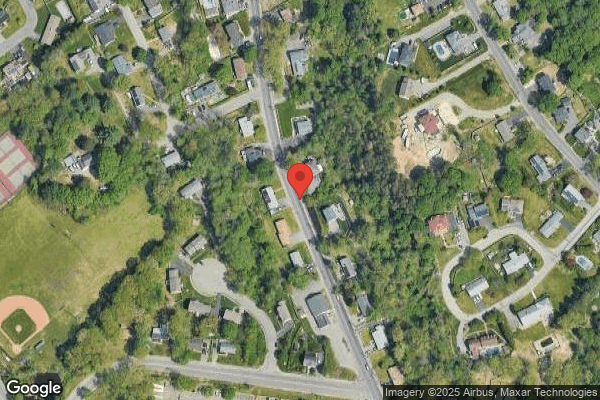

480 JACKSON STREET, METHUEN, MA 01844 (978) 686-3906
For profit - Limited Liability company 106 Beds MARQUIS HEALTH SERVICES Data: November 2025
Trust Grade
81/100
#16 of 338 in MA
Last Inspection: January 2025

Within standard 12-15 month inspection cycle. Federal law requires annual inspections.

Overview

Cedar View Rehabilitation and Healthcare Center has a Trust Grade of B+, indicating it is above average and recommended for families considering care options. It ranks #16 out of 338 facilities in Massachusetts, placing it in the top half, and #2 out of 44 in Essex County, suggesting only one other local facility is better. However, the facility is showing a worsening trend, with issues increasing from 4 in 2024 to 5 in 2025. Staffing is a concern, with a rating of 2 out of 5 stars and RN coverage lower than 89% of Massachusetts facilities, which may impact the quality of care. There have been specific deficiencies noted, such as staff failing to measure urinary output for residents who needed it and improperly storing medications, which poses potential risks to safety and compliance. While the facility excels in quality measures and has good staff turnover at 29%, the presence of these concerning incidents means families should weigh both the strengths and weaknesses carefully.

Trust Score
B+
81/100
In Massachusetts
#16/338
Top 4%
Safety Record
Low Risk
No red flags
Inspections
Getting Worse
4 → 5 violations
Staff Stability
✓ Good
29% annual turnover. Excellent stability, 19 points below Massachusetts's 48% average. Staff who stay learn residents' needs.
Penalties
✓ Good
$9,750 in fines. Lower than most Massachusetts facilities. Relatively clean record.
Skilled Nurses
⚠ Watch
Each resident gets only 21 minutes of Registered Nurse (RN) attention daily — below average for Massachusetts. Fewer RN minutes means fewer trained eyes watching for problems.
Violations
⚠ Watch
21 deficiencies on record. Higher than average. Multiple issues found across inspections.
★★★★★
5.0
Overall Rating
★★☆☆☆
2.0
Staff Levels
★★★★★
5.0
Care Quality
★★★★☆
4.0
Inspection Score
Stable
2024: 4 issues
2025: 5 issues

The Good

  • 5-Star Quality Measures · Strong clinical quality outcomes
  • Low Staff Turnover (29%) · Staff stability means consistent care
  • Full Sprinkler Coverage · Fire safety systems throughout facility
  • No fines on record
  • Staff turnover is low (29%)

    19 points below Massachusetts average of 48%

Facility shows strength in quality measures, staff retention, fire safety.

The Bad

Federal Fines: $9,750

Below median ($33,413)

Minor penalties assessed

Chain: MARQUIS HEALTH SERVICES

Part of a multi-facility chain

Ask about local staffing decisions and management

The Ugly 21 deficiencies on record

Jan 2025 5 deficiencies
CONCERN (D)

Potential for Harm - no one hurt, but risky conditions existed

Comprehensive Care Plan (Tag F0656)

Could have caused harm · This affected 1 resident

**NOTE- TERMS IN BRACKETS HAVE BEEN EDITED TO PROTECT CONFIDENTIALITY** Based on record review and interview, the facility failed to develop and implement a comprehensive person-centered care plan for...

Read full inspector narrative →
**NOTE- TERMS IN BRACKETS HAVE BEEN EDITED TO PROTECT CONFIDENTIALITY** Based on record review and interview, the facility failed to develop and implement a comprehensive person-centered care plan for one Resident (#85) out of a total sample of 21 residents. Specifically, for Resident #85 the facility failed to develop a fall risk care plan. Findings include: Review of facility policy titled Care Plans, Comprehensive Person- Centered, dated as revised March 2022, indicated the following: -A comprehensive, person- centered care plan that includes measurable objectives and timetables to meet the resident's physical, psychosocial and functional needs is developed and implemented for each resident. -A comprehensive, person centered care plan is developed within seven (7) days of the completion of the required MDS (Minimum Data Set) assessment, and no more than 21 days after admission. Resident # 85 was admitted to the facility in November 2024 with diagnoses that include hemiplegia (paralysis to one side of the body) and hemiparesis (weakness to one entire side of the body) following cerebral infarction affecting left dominant side. Review of Resident #85's most recent comprehensive Minimum Data Set Assessment (MDS), dated [DATE], indicated a Brief Interview for Mental Status (BIMS) score of 9 out of 15 indicating that the Resident has moderate cognitive impairment. Further the MDS indicated that the Resident is dependent with activities of daily living (ADLs) and transfers. Review of the discharge referral from hospital, dated 11/27/24, indicated the following: -Precautions/Restrictions: Fall Precautions, Left Hemiparesis. Review of Resident #85's Admission/readmission Evaluation Packet, dated 1/7/25 indicated a fall risk score of 20, indicating that the resident is at high risk for falls. Review of Resident #85's nursing progress note, dated 1/18/25 indicated the following: Pt [patient] s/p [status post] fall at 5pm. Pt was found on floor by wheelchair and assisted back to bed via hoyer lift [a mechanical lift used to transfer residents from one place to another].[sic] Review of Resident #85's fall risk assessment completed on 1/18/25 indicated a fall risk score of 22, indicating that the Resident is at high risk for falls. Review of Resident #85's active care plan indicated a risk for falls care plan, initiated on 1/22/25, four days after sustaining a fall in the facility, and 15 days after being assessed as having a fall score of 20 and being at high risk for falls. Review of Resident #85's resolved plan of care that indicated a focus indicating that Resident #85 is at risk for falls related to impaired mobility, dated as initiated on 11/29/24 and resolved on 1/22/25. The incomplete care plan failed to indicate a measurable goal or any interventions to prevent falls in the facility. During an interview on 1/23/25 at 11:53 A.M., Nurse #1 said that a resident with a cerebral infarction and hemiplegia would be at risk for falls and should probably have a fall care plan in place with interventions to prevent falls. He said Resident #85 is at risk for falls. During an interview on 1/23/25 at 12:11 P.M., the Director of Nursing said Resident #85 is at risk for falls and should have had a complete and comprehensive falls care plan with interventions in place but did not.
CONCERN (D)

Potential for Harm - no one hurt, but risky conditions existed

Deficiency F0825 (Tag F0825)

Could have caused harm · This affected 1 resident

**NOTE- TERMS IN BRACKETS HAVE BEEN EDITED TO PROTECT CONFIDENTIALITY** Based on observation, record review and interview the facility failed to ensure for one Resident (#146), out of a total sample o...

Read full inspector narrative →
**NOTE- TERMS IN BRACKETS HAVE BEEN EDITED TO PROTECT CONFIDENTIALITY** Based on observation, record review and interview the facility failed to ensure for one Resident (#146), out of a total sample of 21 residents that a physical therapy evaluation was completed timely. Findings include: Resident #146 was admitted to the facility in January 2025 and has diagnoses that include but are not limited to muscle wasting and atrophy and acute systolic (congestive) heart failure. Review of Resident #146's Minimum Data Set assessment dated [DATE] indicated he/she scored a 14 out of 15 on the Brief Interview for Mental Status exam, indicating his/her as having intact cognition. During an observation and interview on 1/22/25 at 11:17 A.M., Resident #146 was resting in bed. Resident #146 said he/she was admitted to the facility in early January 2025, after being in the hospital for CHF (congested heart failure). Resident #146 said he/she needed to have therapy to walk again. Resident #146 said he/she has both physical therapy and occupational therapy, but they have been inconsistent. Review of Resident #146's physician's orders indicated the following: PT (physical therapy)-Screen, Evaluate, and Treat as indicated, dated 1/4/25. Review of Resident #146's Physical Therapy Evaluation and Plan of Treatment, dated with a certification period of 1/8/2025-2/8/2025 indicated treatment approaches may include, therapeutic exercises, neuromuscular reeducation, gait training therapy, manual therapy techniques, group therapeutic procedures, Physical therapy evaluation: moderate complexity, Therapeutic activities, Wheelchair management training. Frequency 5 time(s)/week Duration 4 weeks. Review of the Physical Therapy and Evaluation and Treatment Plan indicated the evaluation was completed on day five after Resident #146 was admitted to the facility. Review of progress notes in Resident #146's medical record from 1/4/25 through 1/8/25 failed to indicate any refusal or documented obstacles impacting the physical therapy evaluation. During an interview on 1/23/25 at 9:24 A.M., the Director of Rehabilitation (DOR) said the physical therapy staff aim to evaluate a resident within 24 hours of admission. The DOR said following the Medicare guidelines a PT evaluation and treatment plan must be completed by day three of admission and that day one is the admission date. The DOR said Resident #146 was admitted for skilled rehabilitation. The DOR said Resident #146 was scheduled to be evaluated by physical therapy on 1/6/25 and that she is unsure what happened and is just now looking into it. The DOR said Resident #146 should have been evaluated by physical therapy by day three of admission.
CONCERN (D)

Potential for Harm - no one hurt, but risky conditions existed

Medical Records (Tag F0842)

Could have caused harm · This affected 1 resident

Based on observation, record review and interview the facility failed to ensure accuracy of the medical record for one Resident (#24) out of a total sample of 21 residents. Specifically: For Resident ...

Read full inspector narrative →
Based on observation, record review and interview the facility failed to ensure accuracy of the medical record for one Resident (#24) out of a total sample of 21 residents. Specifically: For Resident #24 the facility failed to ensure accurate documentation for a hand roll. Resident #24 was admitted to the facility in November 2016 with diagnoses including hemiplegia and hemiparesis following cerebral infarction affecting left non dominant side. Review of Resident #24's Minimum Data set (MDS) assessment, dated 10/24/24, indicated the Resident scored a 13 out of a total possible 15 on the Brief Interview for Mental Status indicating he/she was cognitively intact. The MDS further indicated impairment on one side to the upper extremity. On 1/22/25 at 8:18 A.M., the surveyor observed Resident #24 sitting in his/her room, left hand clenched in a fist, the surveyor observed a hand roll sitting on the bedside table. On 1/23/25 at 9:26 A.M., the surveyor observed Resident #24 sitting in his/her room . The Resident did not have the hand roll on. On 1/23/25 at 12:38 P.M., the surveyor observed Resident #24 sitting in his/her room, the Resident did not have the handroll on. Resident #24 said he/she only wears the splint at night. Review of the physician order dated 11/20/20 indicated the following: Left hand roll, remove during care check skin integrity every shift. Review of the care plan focus: Activity of Daily Living (ADL) care performance deficit date initiated: 3/18/2019 had the following interventions: Left hand roll, remove during care-check skin integrity. Review of the January 2025 Treatment Administration Record (TAR) indicated staff documented that the Resident had been wearing the hand roll continuously throughout the three shifts. During an interview on 1/23/25 at 12:40 P.M., Nurse #5 said the Resident wore the hand roll all the time. During an interview on 1/23/25 at 2:52 P.M., Unit Manager #1 said the Resident only wears the hand roll at nighttime, and staff should document accurately if Resident is not wearing the hand roll. During an interview on 1/24/25 at 10:25 A.M., the Director of Nursing said the Resident has been wearing the splint only at night and had worked with occupational therapy to put the hand roll on and take it off. She said the staff should document accurately if the Resident is not utilizing the hand roll.
CONCERN (E)

Potential for Harm - no one hurt, but risky conditions existed

Incontinence Care (Tag F0690)

Could have caused harm · This affected multiple residents

**NOTE- TERMS IN BRACKETS HAVE BEEN EDITED TO PROTECT CONFIDENTIALITY** Based on observation, record review and interview the facility failed to ensure for 3 out of 3 sampled residents (#49, #23 and #...

Read full inspector narrative →
**NOTE- TERMS IN BRACKETS HAVE BEEN EDITED TO PROTECT CONFIDENTIALITY** Based on observation, record review and interview the facility failed to ensure for 3 out of 3 sampled residents (#49, #23 and #65), out of 6 applicable residents, in a total sample of 21 residents, that professional standards of practice were provided for the treatment related to urinary catheter output. Specifically, for Resident #49, #23 and #65 the facility failed to implement the physician's order to measure each resident's urinary output. Findings include: 1. Resident #49 was readmitted to the facility in August 2024 and has diagnoses that include hemiplegia and hemiparesis following nontraumatic subarachnoid hemorrhage affecting left non-dominant side and neuromuscular dysfunction of bladder unspecified. Review of the Minimum Data Set (MDS) assessment, dated 8/31/24, indicated Resident #49 scored an 11 out of 15 on the Brief Interview of Mental Status indicating he/she has a moderately intact cognition, has an indwelling catheter and is dependent on staff for toileting. During an observation and interview on 1/22/25 at 2:11 P.M., Resident #49 was in his/her bed. A urinary catheter collection bag was hanging on the side of the bed in a privacy cover. Resident #49 said he/she required care and has been at the facility since 2019. Review of Resident #49's physician's orders indicated the following: -Measure urinary out every shift document output in mls [milliliters], active 9/4/2024. Review of the Treatment Administration Record dated November 2024 indicated the following: -Day 11/22/24, 11/26/24 did not have measured or recorded output. -Evening 11/6/24, 11/16/24 did not have measured or recorded output. -Night 11/4/24, 11/11/24, 11/13/24, 11/19/24 did not have measured or recorded output. -A total of 8 sifts out of 90 shifts failed to have measured and recorded output for Resident #49. Review of the Treatment Administration Record dated December 2024 indicated the following: -Day 12/17/24 did not have measured or recorded output . -Evening 12/2/24, 12/8/24, did not have measured or recorded output. -Night 12/6/24, 12/13/24, 12/19/24, 12/20/24, 12/28/24, 12/30/24, 12/31/24 did not have measured or recorded output . -A total of ten shifts out of 93 shifts failed to have measured and recorded output for Resident #49. Review of the Treatment Administration Record dated January 2025 (1/1/25-1/22/25) indicated the following: -Day 1/3/25, 1/7/25, 1/10/25, did not have measured or recorded output. -Evening 1/17/25, did not have measured or recorded output. -Night 1/8/25, 1/13/25, 1/18/25, did not have measured or recorded output. -A total of seven shifts out of sixty-six shifts failed to have measured and recorded output for Resident #49 During an interview on 1/23/25 at 1:12 P.M., Certified Nursing Assistant (CNA) #1 said Resident #49 has a catheter. CNA #1 said the CNAs empty the catheter and report the amount to the nurse. During an interview on 1/23/25 at 1:14 P.M., Nurse #4 said Resident #49 has a urinary catheter. Nurse #4 said the purpose of having the output measurement is to make sure the Resident is not experiencing any urinary retention. Nurse #4 said the CNA staff are to report to the nurses the amount each shift. Nurse #4 said the CNA staff leave quickly at the end of a shift and do not always report to the nurse the output. Nurse #4 said the Nurse is responsible to document in the medical record the amount of output each shift. 2. Resident #23 was admitted to the facility in December 2024 and has diagnoses that include but are not limited to paraplegia and neuromuscular dysfunction of the bladder. Review of the most recent Minimum Data Set (MDS) assessment, dated 12/16/24, indicated Resident #23 scored a 15 out of 15 on the brief interview of Mental Status exam indicating that the Resident is cognitively intact. Further review of the MDS indicated Resident #23 had a urinary indwelling catheter. During an observation on 1/23/25 at 12:54 P.M., Resident #23 was observed resting in his/her bed. A urinary collection bag was hanging on his/her right side of the bed. Review of the physician's order indicated the following: -order: Measure Urinary Output every shift for foley document output in mls (milliliters) dated as active 12/11/2024. Review of the November 2024 Treatment Administration Record (TAR) indicated the following: Measure Urinary Output every shift document in mls start date 7/15/2024 DC date 11/25/2024. -Day: 11/1/24, 11/9/24, 11/15/24, 11/20/24, 11/21/24 and 11/23/24 did not have measured or recorded output. -Evening: 11/1/24, 11/2/24, 11/3/24 11/8/24, 11/9/24, 11/15/24, 11/17/24, 11/19/24, 11/23/24 did not have measured or recorded output. -Night: 11/3/24, 11/20/24 and 11/22/24 did not have measured or recorded output. -Review of the November 2024 TAR indicated a total of 17 shifts out of 75 shifts failed to have documented urinary output for Resident #23. Review of December 2024 TAR indicated the following: Measure Urinary Output every shift for foley document output in: mls start date 12/11/24 -Day 12/12/24, 12/14/24, 12/15/24, 12/17/24, 12/19/24, 12/20/24, 12/22/24, 12/26/24, did not have measured or recorded output. -Evening: 12/14/24, 12/15/24, 12/20/24, 12/27/24, 12/28/24, 12/29/24, 12/31/24 did not have measured or recorded output. -Night: 12/18/24, 12/23/24. 12/28/24 did not have measured or recorded output. -Review of the December 2024 TAR indicated that a total of 19 shifts out of 63 shifts failed to have documented urinary output for Resident #23. Review of the January 2025 TAR indicated the following: Measure Urinary Output every shift for foley document output in: mls start date 12/11/24 -Day: 1/5/25, 1/8/25, 1/10/25, 1/11/25 1/15/25, 1/17/25, 1/21/25 did not have measured or recorded output. -Evening: 1/1/25, 1/3,25, 1/14/25, 1/15/25, 1/16/25, 1/17/25 did not have measured or recorded output. -Review of the January 2024 TAR indicated 15 shifts out of 44 day and evening shifts failed to have documented urinary output on Resident #23. During an interview on 1/24/25 at 9:38 A.M., Nurse #1 said that the Certified Nurses aids (CNAs) generally empty the urinary catheters and should let the nurse know the amount that is drained. Sometimes they do not let us know so we cannot document it, but it should be documented per physician's orders. 3. Resident #65 was admitted to the facility in September 2023 with diagnoses including urinary retention. Review of Resident #65's most recent Minimum Data Set (MDS) assessment dated [DATE], indicated the Resident scored a 14 out of a possible 15 on the Brief Interview for Mental Status (BIMS) indicating he/she was cognitively intact. The MDS further indicated the Resident had a urinary catheter (a tube used to remove urine directly from the bladder). On 1/22/25 at 8:59 A.M., the Resident was observed lying in his/her bed foley catheter observed draining and in a privacy bag. On 1/23/25 at 9:28 A.M., the Resident was observed lying in his/her bed, foley catheter observed draining and in a privacy bag. Review of the physician order dated 9/30/23 indicated the following: -Measure urinary output every shift document output in mls (milliliter). Review of a care plan date initiated 12/27/23 with a focus of indwelling urinary catheter related to urinary retention. Had the following intervention: Monitor/record/report as needed signs and symptoms of UTI (urinary tract infection), pain burning, blood-tinged urine, cloudiness, no output, deepening of urine color, increased pulse, increased temp, urinary frequency, foul smelling urine, fever, chills, altered mental status, change in behavior change in eating patterns. Review of the Treatment Administration Record (TAR) indicated on the following months there were incomplete documentation for urinary output: During the month of November 2024- there were seven undocumented shifts without urinary output. During the month of December 2024- there were ten undocumented shifts without urinary output. During the month of January 2025- there were seven undocumented shifts without urinary output. During an interview on 1/23/25 at 12:50 PM., Unit Manager #1 said physician orders should be followed as ordered and urinary output should be documented following the physician's orders. During an interview on 1/24/25 at 10:25 A.M., the Director of Nursing said nursing should follow physician order and document output as per the orders.
MINOR (B)

Minor Issue - procedural, no safety impact

Assessment Accuracy (Tag F0641)

Minor procedural issue · This affected multiple residents

**NOTE- TERMS IN BRACKETS HAVE BEEN EDITED TO PROTECT CONFIDENTIALITY** Based on observation, record review and interview the facility failed to ensure an accurate Minimum Data Set (MDS) assessment wa...

Read full inspector narrative →
**NOTE- TERMS IN BRACKETS HAVE BEEN EDITED TO PROTECT CONFIDENTIALITY** Based on observation, record review and interview the facility failed to ensure an accurate Minimum Data Set (MDS) assessment was completed for one Resident (#22), out of a total sample of 21 residents. Specifically, for Resident #22 the MDS dated [DATE] indicated Resident #22 had a gradual dose reduction (GDR) of his/her antipsychotic medication administered on a routine basis dated 11/11/24. Review of the physician's orders failed to indicate a GDR was implemented therefore the MDS assessment failed to be accurate. Findings include: Resident #22 was admitted to the facility in September 2024 and has diagnoses that include major depressive disorder with recurrent severe psychotic symptoms. Review of the Minimum Data Set assessment dated [DATE] indicated Resident #22 scored a 12 out of 15 on the Brief Interview for Mental Status exam indicating that he/she as having moderately intact cognition. Further review of MDS indicated Resident #22 is administered an antipsychotic medication on a routine basis and was coded that a gradual dose reduction of the antipsychotic medication was completed and documented on 11/11/24. Review of Resident #22's medical record failed to indicate documentation of a gradual dose reduction. Review of the physician's orders indicated the following order: -Seroquel (an antipsychotic medication) oral tablet 50 mg (milligrams) (Quetiapine Fumarate) (generic name) Give 50 mg by mouth at bedtime for anxiety. Start date 9/23/24. Review of the December 2024 Medication Administration Record (MAR) indicated Resident #22 was administered Seroquel 50 mg. Further review of the MAR failed to indicate that the dose of Seroquel was reduced, which conflicts with the MDS dated [DATE]. During an interview on 1/23/25 at 8:40 A.M., Unit Manager #1 said Resident #22 did not have a gradual dose reduction of the Seroquel in November 2024. During an interview on 1/23/25 at 9:49 A.M., MDS Nurse #1 reviewed Resident #22's orders and said he did not see a dose reduction in the Seroquel. MDS Nurse #1 said he would need to look into it further. During an interview on 1/23/25 at 11:50 A.M., MDS Nurse #1 said the coding of the MDS dated [DATE] that Resident #22 had a gradual dose reduction of the antipsychotic medication (Seroquel) was a data entry error and that there was no medication change or reduction of the antipsychotic medication.
Feb 2024 4 deficiencies
CONCERN (D)

Potential for Harm - no one hurt, but risky conditions existed

Respiratory Care (Tag F0695)

Could have caused harm · This affected 1 resident

Based on observations, policy review, record review and interviews the facility failed to ensure a resident who required respiratory care (continuous oxygen) received care consistent with professional...

Read full inspector narrative →
Based on observations, policy review, record review and interviews the facility failed to ensure a resident who required respiratory care (continuous oxygen) received care consistent with professional standard of practice for one Resident (#344) out of a total sample of 20 Residents. Specifically, for Resident #344, nursing administered continuous oxygen without a physician's order. Findings include: Review of the facility policy titled, Oxygen Administration, dated October 2010, indicated: 1. Verify that there is a physician's order for this procedure. Review the physicians' orders or facility protocol for oxygen administration. Documentation: After completing the oxygen setup or adjustment, the following information should be recorded in the resident's medical record: -The date and time the procedure was performed -The name and title of the individual who performed the procedure. -The rate of oxygen flow, route, and rationale. -The frequency and duration of the treatment. Resident #344 was admitted to the facility in February 2024 with diagnoses including chronic obstructive pulmonary disease, respiratory failure, and aortic venous thrombus (condition affecting the heart). Review of the Minimum Data Set (MDS) assessment, dated 2/15/24, indicated Resident #344 had a Brief Interview for Mental Status (BIMS) score of 15 out of a possible 15 which indicated he/she was cognitively intact. Further review of the MDS indicated the use of oxygen therapy. On 2/15/24 at 7:59 A.M., the surveyor observed Resident #344 in his/her bed. He/she was receiving oxygen via nasal cannula at 2.5 liters per minute. Resident #344 said he/she wears oxygen at his/her home and oxygen is not new. On 2/15/24 at 10:18 A.M., the surveyor observed Resident #344 in his/her bed. He/she was receiving oxygen via nasal cannula at 2.5 liters per minute. Review of the nurse practitioner (NP) health status note, dated 2/14/24, indicated acute and chronic respiratory failure with hypoxia, newly diagnosed congestive heart failure. Patient with history of COPD, on 3 L to 4 L of home oxygen. He/she presented to the emergency room with increased shortness of breath. He/she reports shortness of breath is improving. Currently 99% on 2 Liters. Advised to maintain oxygen (O2) saturation 88 to 92% if possible. Do not exceed 2 Liters unless O2 saturation is less than 88%. Review of the plan of care, dated 2/15/24, failed to include the use of oxygen. Review of the physician's orders, dated 2/15/24, failed to include an order to administer continuous oxygen. Review of the medical record indicated the following documented use of oxygen: 2/15/24 at 12:58 P.M. 96 % (Oxygen via Nasal Cannula) 2/15/24 at 12:53 P.M. 96 % (Oxygen via Nasal Cannula) 2/15/24 at 6:17A.M. 92 % (Oxygen via Nasal Cannula) 2/15/24 at 12:10 A.M. 92 % (Oxygen via Nasal Cannula) 2/15/24 at 12:09 A.M. 92 % (Oxygen via Nasal Cannula) During an interview on 2/16/24 at 6:59 A.M., Certified Nursing Assistant (CNA) #1 said Resident #344 uses oxygen. During an interview on 2/16/24 at 7:04 A.M., Unit Manager #1 said Resident #344 should have an order for oxygen and orders for oxygen use must be followed. During an interview on 2/16/24 at 10:01 A.M., the Director of Nurses (DON) said Residents on oxygen are required to have an order in place for settings, for cleaning and changing the tubing. The DON said she expects the policy to be followed.
CONCERN (D)

Potential for Harm - no one hurt, but risky conditions existed

Medication Errors (Tag F0758)

Could have caused harm · This affected 1 resident

Based on record review and interview, the facility failed to ensure a PRN (as needed) psychotropic medication was limited to 14 days and the physician's order included the duration for the PRN order, ...

Read full inspector narrative →
Based on record review and interview, the facility failed to ensure a PRN (as needed) psychotropic medication was limited to 14 days and the physician's order included the duration for the PRN order, for one Resident (#27) out of a total sample of 20 residents. Findings include: Review of the facility's policy entitled, 'Psychotropic Medication Use', dated July 2022 indicated the following: 11. Psychotropic medications are not prescribed or given on a PRN (as needed) basis unless that medication is necessary to treat a diagnosed specific condition that is documented in the record. (1) For psychotropic medications that are NOT antipsychotic: If the prescriber or attending physician believes it is appropriate to extend the PRN order beyond 14 days, he or she will document the rationale for extending the use and include the duration for the PRN order. Resident #27 was admitted to the facility in October 2023 and has diagnoses that include atrial fibrillation, chronic pain, and anxiety disorder. Review of Resident #27's Minimum Data Set (MDS) assessment, dated 1/18/24, indicated Resident #27 scored a 15 out of 15 on the Brief Interview for Mental Status exam, indicating intact cognition and in section N0415 High-Risk Drug Classes, Resident #27 was administered antianxiety medication. Review of Resident #27's physician's orders indicated the following: -Xanax (a psychotropic medication used to treat anxiety) Oral Tablet 0.5 milligrams (mg) (Alprazolam), give 0.5 mg by mouth as needed for anxiety 3x/day, dated 10/19/23. Further review of the physician's order for the as needed antianxiety medication failed to include the duration of the PRN order, as required. Review of the Medication Administration Record (MAR), dated 2/1/24 through 2/20/24, indicated 18 doses of the PRN Xanax were administered to Resident #27. Review of the Nurse Practitioner notes in Resident #27's medical record dated 10/18/23, 10/26/23, 11/3/23, 12/29/23 and 1/2/24 failed to include an end date or duration for the use of the PRN antianxiety medication. During an interview on 2/20/24 at 1:09 P.M., Unit Manager #2 said PRN psychotropic medications should be reviewed after the first 14 days, then would require an evaluation by the nurse practitioner or physician, and if continued would require a stop date. During an interview on 2/20/24 at 1:45 P.M., Nursing Supervisor #1, who was caring for Resident #27, said the Resident was admitted to the facility with a Xanax order, and is being administered the PRN regularly as needed at Resident #27's request for anxiety. Nursing Supervisor #1 reviewed the physician's order and said it did not have an end date. During an interview on 2/20/24 at 2:44 P.M. the Director of Nursing (DON) said psychotropic medication used PRN needs to be reevaluated after 14 days. The DON said the Nurse Practitioner did not want to make changes to Resident #27's PRN psychotropic medications and should have put a duration or end date on the PRN Xanax order.
CONCERN (D)

Potential for Harm - no one hurt, but risky conditions existed

Deficiency F0825 (Tag F0825)

Could have caused harm · This affected 1 resident

Based on observation, record review and interview the facility failed to ensure specialized rehabilitative services were provided timely for one Resident (#30), out a total sample of 20 residents. Sp...

Read full inspector narrative →
Based on observation, record review and interview the facility failed to ensure specialized rehabilitative services were provided timely for one Resident (#30), out a total sample of 20 residents. Specifically, for Resident #30 when on 11/2/23 his/her diet was downgraded while waiting on the fabrication of dentures, the facility failed to ensure Speech Language Pathology (SLP) screened/assessed Resident #30 after he/she received the new dentures on 12/19/23, resulting in Resident #30 not being screened/assessed for 63 days after he/she received new dentures. Findings include: Review of the facility's policy titled 'Speech Therapy', dated May 2013 indicated the purpose of this procedure is to identify, assess and treat speech and language problems including swallowing disorders. Further review of the policy indicated; General Guidelines 1. Speech therapists treat stroke survivors and other brain injury survivors who experience impaired ability to swallow or have difficulty expressing thought or understanding language. These residents may experience d. Dysphagia-difficulty in chewing or swallowing. 2. The speech therapist works with other rehabilitation and medical professionals and families to provide a comprehensive evaluation and treatment plan for residents with any of the problems listed in paragraph (1) above. Resident #30 was admitted to the facility in February 2015 and has diagnoses that include adult failure to thrive, dysphagia oropharyngeal phase (swallowing problems occurring in the mouth and/or throat). Review of the comprehensive Minimum Data Set (MDS) assessment, dated 8/31/23, indicated in section L that Resident #30 had no natural teeth or tooth fragments. Edentulous (lacking teeth). Review of the MDS assessment, dated 11/29/23, indicated Resident #30 scored a 10 out of 15 on the Brief Interview for Mental Status exam, indicating he/she is moderately cognitive impaired. Further review of the MDS indicated that Resident #30 was seen by Speech Therapy on 11/2/23. During an interview on 2/15/24 at 11:42 A.M., Resident #30 said he/she did not like his/her meals. Resident #30 said he/she does not need a soft diet and is waiting for his/her meals to be changed because he/she got new teeth in December. Review of Resident #30's medical record indicated the following physician's order summary: -ST (speech therapy) screen, evaluate and treat as indicated, dated 6/21/21 -Regular diet, mechanical soft texture, thin consistency dated 11/2/23. Review of Resident #30's medical record indicated in a document from the dentist, dated 12/19/23, full upper and lower denture insertion, adjustment. Pt (patient) pleased and comfortable, followed treatment well. RN (registered nurse) informed. Review of the Speech Therapy Evaluation and Plan of Treatment, dated 11/2/23, indicated' Pt (patient) referred for clinical bedside swallow exam d/t (due to) difficulty with mastication (chewing) d/t awaiting new dentures. Assessment Summary: Oral dysphagia WFL (within functional limits) with mech. (mechanical) soft diet. Rec (recommend) upgrade to regular when dentures fitted. During an interview on 2/20/24 at 9:03 A.M., the Speech Language Pathologist (SLP) said she was not informed by nursing that Resident #30's dentures came in. The SLP said Resident #30 was placed on a soft diet because he/she was edentulous, and the plan was to screen Resident #30 after he/she received his/her new dentures. The SLP said when a screen request is made for speech therapy, the resident would be screened/or evaluated within a few days. During an interview on 2/21/24 at 7:40 A.M., CNA #3 said Resident #30 eats independently with set up. CNA #3 said Resident #30 got new dentures over a month ago. During an interview on 2/21/24 at 7:45 A.M., Nurse #2 said for a resident to have an upgraded diet, the dietitian will be involved, or rehabilitation staff would screen and fill out a form with their recommendation. Nurse #2 said he did not know why Resident #30 was on a mechanical soft diet and was not familiar with Resident #30's teeth or dentures. During an interview on 2/21/24 at 7:51 A.M., Unit Manager #2 said speech therapy would need to screen a resident for a diet upgrade. Unit Manager #2 said she did not know if Resident #30 was screened by speech after receiving his/her new dentures. During an interview on 2/21/24 at 8:11 A.M., the Director of Nursing said diet texture changes would need to be assessed by the speech therapy, with a few exceptions. The DON said Resident #30 should have been screened by the SLP after receiving his/her new dentures.
CONCERN (E)

Potential for Harm - no one hurt, but risky conditions existed

Deficiency F0761 (Tag F0761)

Could have caused harm · This affected multiple residents

Based on observations, interviews and policy review, the facility failed to ensure staff stored drugs and biologicals in accordance with State and Federal laws. Specifically, the facility failed to: 1...

Read full inspector narrative →
Based on observations, interviews and policy review, the facility failed to ensure staff stored drugs and biologicals in accordance with State and Federal laws. Specifically, the facility failed to: 1.) ensure treatment carts were locked and secured on two of two units, 2.) ensure medications were stored in locked compartments on one of two nursing units, 3.) ensure the medication cart keys were not left unattended on one of four medication carts, and 4.) ensure one of two medication storage rooms were locked when unattended. Findings include: Review of the facility policy titled, Medication Labeling and Storage, dated as revised February 2023, indicated, the facility stores all medications and biologicals in locked compartments under proper temperature, humidity, and light controls. Only authorized personnel have access to keys. 2. The nursing staff is responsible for maintaining medication storage and preparation areas in a clean, safe, and sanitary manner. 4. Compartments (including, but not limited to, drawers, cabinets, rooms, refrigerators, carts, and boxes) containing medications and biologicals are locked when not in use, and trays or carts used to transport such items are not left unattended if opened or otherwise potentially available to others. 5. Medications are stored in an orderly manner in cabinets, drawers, carts, or automatic dispensing systems. Each resident's medications are assigned to an individual cubicle, drawer, or other holding area to prevent the possibility of mixing medications of several residents. 1.) The facility failed to ensure treatment carts were locked and secured on two of two units. On 2/15/24 at 6:52 A.M., the surveyor observed one treatment cart unlocked and unattended in the hallway on the East unit. The treatment cart contained prescription ointments and creams. No staff were present at the treatment cart. Two residents and one housekeeping staff member were observed in the hall near the treatment cart. On 2/15/24 at 7:00 A.M., the surveyor observed a treatment cart unlocked and unattended in the hallway on the [NAME] unit. The treatment cart contained prescription ointments and creams. No staff were present at the medication cart. During an interview on 2/15/24 at 7:10 A.M., Nurse #1 said treatment carts should be locked when unattended. During an interview on 2/20/24 at 8:18 A.M., Unit Manager #1 said treatment carts should be locked when unattended. During an interview on 2/20/24 at 8:52 A.M., the Director of Nursing said treatment carts must be kept locked when not in use. 2.) The facility failed to ensure medications were stored in locked compartments on one of two nursing units. On 2/15/24 at 6:52 A.M., the surveyor observed two cards of medications left unattended, on the East high side medication cart including: -one blister packs of warfarin tabs 7.5 milligrams (medication for blood clot prevention) -one blister pack of metoprolol (medication for blood pressure) During an interview on 2/15/24 at 7:12 A.M., Nurse #1 said medication packs should not be stored on top of medication carts and should not be left unattended. During an interview on 2/20/24 at 8:52 A.M., the Director of Nursing said the medications should not be kept on top of the medication cart and must be locked in the medication cart. 3.) The facility failed to ensure the medication cart keys were not left unattended on one of four medication carts. On 2/15/24 at 6:52 A.M., and 2/15/24 at 7:05 A.M., the surveyor observed key rings with keys to the medication cart and treatment cart placed inside the narcotic book, located on top of the East medication cart. Two residents and one housekeeping staff member were observed in the hall near the medication cart. During an interview on 2/15/24 at 7:10 A.M., Nurse #1 said keys to the medication and treatment cart should not be left on the medication cart and should be always kept with the nurse. During an interview on 2/20/24 at 8:52 A.M., the Director of Nursing said keys to the medication and treatment cart should not be placed on top of the medication cart. 4.) The facility failed to ensure one of two medication storage rooms were locked when unattended. On 2/15/24 at 6:52 A.M., the surveyor observed the East side medication room door propped open with an intravenous (IV) kit. The IV kit contained bags of IV fluids, needles, and venous access device equipment. Two residents and one housekeeping staff member were observed in the hall. During an interview on 2/20/24 at 8:18 A.M., Unit Manager #1 said the medication room should not be unlocked and should not be propped open with any equipment. During an interview on 2/20/24 at 8:52 A.M., the Director of Nursing said the medication room must be locked.
Jan 2023 12 deficiencies
CONCERN (D)

Potential for Harm - no one hurt, but risky conditions existed

Comprehensive Care Plan (Tag F0656)

Could have caused harm · This affected 1 resident

**NOTE- TERMS IN BRACKETS HAVE BEEN EDITED TO PROTECT CONFIDENTIALITY** 2. Resident #49 was admitted to the facility in October of 2022 with diagnoses that included unspecified protein-calorie malnutr...

Read full inspector narrative →
**NOTE- TERMS IN BRACKETS HAVE BEEN EDITED TO PROTECT CONFIDENTIALITY** 2. Resident #49 was admitted to the facility in October of 2022 with diagnoses that included unspecified protein-calorie malnutrition, dysphagia (difficulty chewing and swallowing) and cerebral infarction. Review of Resident #49's most recent Minimum Data Set (MDS) assessment dated [DATE], revealed Resident #49 had a Brief Interview for Mental Status score of 5 out of a possible 15, indicating severe cognitive impairment. Review of Resident #49's Physician Orders, dated 10/27/22, indicated Weights Weekly on Thursdays. Review of Resident #49's Nutritional Problem Care Plan, dated 11/2/22, indicated to obtain weights at ordered intervals. Review of Resident #49's weights failed to indicate a weight was obtained on 11/3/22, 11/24/22, 12/1/22, 12/15/22, 12/19/22, 1/12/23. Review of Resident #49's clinical progress notes failed to indicate that Resident #49 refused to be weighed. During an interview on 1/23/23 at 12:57 P.M., the Registered Dietitian (RD) said she would expect that the weekly weight would be obtained weekly. The RD acknowledged there were many weeks where Resident #49 was not weighed and she could not say why. During an interview on 1/23/23 at 1:05 P.M., Nurse #1 said Resident #49 has an order for weekly weights on Thursdays and it is the expectation that the Certified Nursing Assistants (CNAs) obtain the weight on the day shift on Thursdays. During an interview on 1/24/23 at 10:08 A.M., the Director of Nursing said she expects the nursing staff to follow the doctors order and obtain the weekly weight and document it in the medical record. Based on observations, record review and interview, the facility failed to 1) develop a care plan for dementia for 1 Resident (#56) and 2) failed to implement a physician's order for weekly weights for 1 Resident (#49) out of a total sample of 20 residents. Findings include: 1. Resident #56 was admitted to the facility in October 2021 with diagnoses including dementia. Review of Resident #56's most recent Minimum Data Set (MDS) assessment dated [DATE], indicated the Resident had a Brief Interview for Mental Status score of 9 out a possible 15 which indicates he/she has moderate cognitive impairment. The MDS also indicates Resident #56 requires extensive assistance from staff for all self-care tasks. Review of Resident #56's interdisciplinary care plans failed to indicate a dementia care plan was developed. During an interview on 1/23/23 at 1:24 P.M., the Director of Nursing said she would expect a care plan to be in place for all diagnoses, including dementia to ensure staff know how to care for the residents.
CONCERN (D)

Potential for Harm - no one hurt, but risky conditions existed

Deficiency F0658 (Tag F0658)

Could have caused harm · This affected 1 resident

Based on record review and interview the facility failed to ensure a Physician's order was in place for hospice services for one Resident (#13) out of a total sample of 20 Residents. Finding include:...

Read full inspector narrative →
Based on record review and interview the facility failed to ensure a Physician's order was in place for hospice services for one Resident (#13) out of a total sample of 20 Residents. Finding include: Resident #13 was admitted to the facility in April of 2018 with diagnoses that included dementia, chronic kidney disease stage 3, anxiety and hypertension. Review of Resident #13's Hospice Care Plan, dated 6/24/22, indicated Resident #13 was receiving Hospice services. Review of Resident #13's Progress Note, dated 3/21/22, indicated admitted on to hospice services with [NAME] Hospice effective today 3/21/22. Review of Resident #13's Nurse Practitioner Note, dated 12/20/22, indicated Continue on hospice no signs of pain, continues with baseline confusion. Review of Resident #13's Physician Orders failed to indicate an order for Hospice services. During an interview on 1/23/23 at 12:23 P.M., Unit Manager #2 said there should be a doctors order when someone goes onto hospice. The Unit Manager acknowledged that there was not an active order for hospice and said someone must have discontinued it.
CONCERN (D)

Potential for Harm - no one hurt, but risky conditions existed

ADL Care (Tag F0677)

Could have caused harm · This affected 1 resident

**NOTE- TERMS IN BRACKETS HAVE BEEN EDITED TO PROTECT CONFIDENTIALITY** 3. Resident #81 was admitted to the facility in October 2022 with diagnoses including legal blindness, right below knee amputati...

Read full inspector narrative →
**NOTE- TERMS IN BRACKETS HAVE BEEN EDITED TO PROTECT CONFIDENTIALITY** 3. Resident #81 was admitted to the facility in October 2022 with diagnoses including legal blindness, right below knee amputation and muscle atrophy. Review of Resident #81's Minimum Data Set (MDS) assessment, dated 10/24/22, revealed Resident #81 was cognitively intact as evidenced by a score of 15 out of 15 on the Brief Interview of Mental Status (BIMS) exam. The MDS further indicated Resident #81 required total dependence of 2 person physical assist for bathing and did not have behaviors or reject care. During an observation and interview on 1/22/23 at 10:30 A.M., Resident #81 was observed laying in his/her bed with greasy hair. Resident #81 said he/she had not had a shower since October 2022 and does not like how his/her hair looks and feels. Review of Resident #81's Activity of Daily Living (ADL) care plan last initiated 10/21/22, indicated the following: * I (Resident #81) require 1 staff to assist with bathing. Review of the Documentation Survey report for the months of October 2022 to January 2023 indicated the following: * Resident #81 had received 3 showers in the last 4 months with no showers provided in October, December and January. *During the last 4 months, there were 17 days when Resident #81 had ADL care only once a day. *During the last 4 months, there have been 2 days that failed to document Resident #81 had any ADL care. During an interview on 1/24/23 at 8:48 A.M., Certified Nursing Assistant (CNA) #3 said Resident #81 refuses to have showers and nursing was aware. During an interview on 1/24/23 at 9:08 A.M., Nurse #1 said she was unaware Resident #81 has refused showers and that if he/she had it would be documented in the nurse's progress notes. Nurse #1 verified there was no documentation regarding refusals. During an interview on 1/23/23 at 1:44 P.M., the Director of Nursing said all residents should have both morning and evening ADL care and showers twice a week. 2. Resident #49 was admitted to the facility in October of 2022 with diagnoses that included unspecified protein-calorie malnutrition, dysphagia (difficulty chewing and swallowing) and cerebral infarction. Review of Resident #49's most recent Minimum Data Set (MDS) assessment dated [DATE], revealed Resident #49 had a Brief Interview for Mental Status (BIMs) exam score of 5 out of a possible 15, indicating severe cognitive impairment. The MDS further indicated Resident #49 required extensive one person physical assistance for eating. During an observation on 1/22/23 at 8:13 A.M., the surveyor observed Resident #49 in bed with his/her breakfast tray eating breakfast. No staff were present to supervise or assist Resident #49. During an observation on 1/23/23 from 8:27 A.M. to 8:36 A.M., the surveyor observed Resident #49 in the dining room with his/her breakfast tray eating alone. Resident #49 was noted only to eat about 25%. During an observation on 1/23/23 from 12:20 P.M. to 12:25 P.M., the surveyor observed Resident #49 in the dining room with his/her lunch tray eating alone. Review of Resident #49's Activity of Daily Living (ADL) Care Plan, dated 11/3/22, indicated EATING: I require hands-on assistance for eating and drinking. Review of Resident #49's Care Card, dated 1/23/22, indicated that Resident #49 required hands-on assistance for eating and drinking. During an interview and review of Resident #49's Care Card on 1/23/23 at 12:31 P.M., Certified Nurse Aide #1 said she would look at the care card to know what assist level a resident would need and acknowledged Resident #49 requires assist with eating. During an interview on 1/23/23 at 12:35 P.M., Unit Manager #1 said that Resident #49 requires assist with eating. During an interview on 1/24/23 at 10:45 A.M., Regional Nurse #2 said she edited the ADL care plan yesterday, after the surveyor brought up the concern regarding Resident #49's assist with meals. Regional Nurse #2 acknowledged modifying the care plan on 1/23/23 to indicate assistance needs with eating fluctuates. Based on observations, record reviews and interviews, the facility failed to provide assistance with Activities of Daily Living (ADLs) for three Residents (#56, #49, and #81) out of a total sample of 20 residents. Findings include: Review of the facility policy titled, Activities of Daily Living (ADLs), Supporting, undated, indicated the following: *Residents who are able to carry out activities of daily living independently will receive the services necessary to maintain good nutrition, grooming and personal and oral hygiene. *Appropriate care and services will be provided for residents who are unable to carry out ADLs independently, with the consent of the resident in accordance with the plan of care, including appropriate support and assistance with: a. hygiene (bathing, dressing, grooming, and oral care) 1. Resident #56 was admitted to the facility in October 2021 with diagnoses including macular degeneration. Review of Resident #56's most recent Minimum Data Set (MDS) assessment dated [DATE], revealed Resident #56 has a Brief Interview for Mental Status score of 9 out a possible 15 which indicates he/she has moderate cognitive impairment. The MDS also indicates Resident #56 requires extensive assistance from staff for all self-care tasks. During an observation on 1/22/23 at 7:30 A.M., Resident #56 was observed in the dining room with significantly greasy hair. During an interview on 1/23/23 at 10:14 A.M., Resident #56 said he/she would like to have regular showers and does not get them. Resident #56's hair was slicked back and was significantly greasy. Review of Resident #56's activity of daily living care plan last revised 10/21/21, indicated the following: *I (Resident #56) require staff to assist me with bathing. Dependent at times. Review of the Documentation Survey Report for the months of August 2022 to January 2023 indicated the following: *Resident #56 has received 5 showers in the last 6 months with no showers provided in September, October or December. *During the last 6 months, there have been 56 days where Resident #56 has had ADL care only once a day. *During the last 6 months, there have been 19 days that failed to document Resident #56 had any ADL care. During an interview on 1/23/23 at approximately 11:00 A.M., Certified Nursing Assistant (CNA) #2 said all residents in the facility are supposed to receive showers at least once a week. CNA #2 said Resident #56 does not refuse care and should be given regular showers. During an interview on 1/23/23 at 1:44 P.M., the Director of Nursing said all residents should have both morning and evening ADL care and showers twice a week. The Director of Nursing reviewed the Documentation Survey Report with the surveyor and confirmed there was no documentation that this was occurring for Resident #56.
CONCERN (D)

Potential for Harm - no one hurt, but risky conditions existed

Deficiency F0685 (Tag F0685)

Could have caused harm · This affected 1 resident

**NOTE- TERMS IN BRACKETS HAVE BEEN EDITED TO PROTECT CONFIDENTIALITY** Based on record review and interview, the facility failed to implement a recommendation from the optometrist for one Resident (#...

Read full inspector narrative →
**NOTE- TERMS IN BRACKETS HAVE BEEN EDITED TO PROTECT CONFIDENTIALITY** Based on record review and interview, the facility failed to implement a recommendation from the optometrist for one Resident (#56) out of a total sample of 20 residents. Findings include: Resident #56 was admitted to the facility in October 2021 with diagnoses including macular degeneration. Review of Resident #56's most recent Minimum Data Set (MDS) assessment dated [DATE], revealed Resident #56 has a Brief Interview for Mental Status score of 9 out a possible 15 which indicates he/she has moderate cognitive impairment. The MDS also indicates Resident #56 requires extensive assistance from staff for all self-care tasks. Review of the eye exam report, dated 8/19/22, indicated the following: Assessment: 1. Macular degeneration, dry; Both eyes; intermediate dry stage 2. Dry eye; Both eyes 3. Pseudophakia 4. Hyperopic astigmatism and presbyopia; Both eyes Recs: 1. New Medication Order: PreserVision AREDS 2 Soft Gel, 1 Capsule, PO, twice daily for indefinitely; Follow-Up: 5-6 Months; please start 2 AREDS supplements after clearing w/ pcp (primary care physician) 2. Monitor; continue ATs prn (as needed) 3. Monitor 4. New distance vision Rx (prescription) Review of Resident #56's physician orders and notes failed to indicate the physician was notified of the recommendation for a new medication to treat macular degeneration or that the recommendation was implemented. During interviews on 1/23/23 at 10:15 A.M., and 1/23/23 at 12:27 P.M., Unit Manager #2 said visit reports from the Optometrist are faxed to her and she is responsible to review the recommendations and relay any recommendations to the resident's physician. The surveyor asked the Director of Nursing to provide documentation that the recommendation was relayed to the physician and/or if they were implemented. This documentation was never provided to the surveyor by the end of survey.
CONCERN (D)

Potential for Harm - no one hurt, but risky conditions existed

Pressure Ulcer Prevention (Tag F0686)

Could have caused harm · This affected 1 resident

Based on interview and record review the facility failed to ensure there was a Physician's Order for a treatment being performed to a stage 2 pressure ulcer for one Resident (#54) out of a sample of 2...

Read full inspector narrative →
Based on interview and record review the facility failed to ensure there was a Physician's Order for a treatment being performed to a stage 2 pressure ulcer for one Resident (#54) out of a sample of 20 Residents. Findings include: Resident #54 was admitted to the facility in December of 2022 with diagnoses that included type 2 diabetes and chronic kidney disease stage 3. Review of Resident #54's Nursing Progress Note, dated 1/18/23 indicated While CNA (Certified Nurse Aide) was attending the Pt in the toilet she called me to assess his/her buttocks . There was another spot on coccyx area smaller with no depth. Review of Resident #54's Nursing Progress Note, dated 1/20/23 indicated Resident has another stage 2 wound on the sacral region, 2 cm in diameter. cleaned with normal saline and covered with boarder dressing. Review of Resident #54's January 2023 Physician Orders failed to indicate a treatment order for the pressure injury on the sacral area. During an interview on 1/23/23 at 12:38 P.M., Unit Manager #1 and Regional Nurse #1 acknowledged that there was not a doctors order for the sacral wound that was found on 1/18/23 and said that there should be.
CONCERN (D)

Potential for Harm - no one hurt, but risky conditions existed

Deficiency F0692 (Tag F0692)

Could have caused harm · This affected 1 resident

Based on observation, interview and record review the facility failed to ensure weekly weights were obtained, as indicated by the At Risk Team that was following one Resident (#65) for weight loss, ou...

Read full inspector narrative →
Based on observation, interview and record review the facility failed to ensure weekly weights were obtained, as indicated by the At Risk Team that was following one Resident (#65) for weight loss, out of a total 20 sampled residents. Findings include: The facility policy titled Weight Assessment and Intervention, undated, indicated the following: * Resident weights are monitored for undesirable or unintended weight loss or gain. * Any weight change of 5% or more since the last weight assessment is retaken for confirmation. If the weight is verified, nursing will immediately notify the dietitian in writing. Resident #65 was admitted to the facility in February 2022 and had diagnoses that included dementia without behavioral disturbance. Review of the most recent Minimum Data Set (MDS) assessment, dated 10/20/22, revealed on the Brief Interview for Mental Status (BIMS) exam Resident #65 scored a 3 out of a possible 15 indicating severely impaired cognition. The MDS further indicated Resident #65 had no behaviors. During a record review the following was indicated: * Resident #65 was discussed by the facility's At Risk team, on 11/22/22, and the team initiated an intervention of obtaining weekly weights for Resident #65, due to a significant weight loss *Review of the record indicates the following weights were obtained for Resident #65 following the At Risk meeting on 11/22/22: 11/21/22 130 pounds (lbs) 12/13/22 127.4 lbs 12/20/22 123.8 lbs 1/16/23 121.2 lbs * A Physician's order was obtained for weekly weights on 12/5/22, 2 weeks after the intervention had been developed by the risk team. * Resident #65's medical record failed to indicate weekly weights were obtained on 12/5/22, 12/27/22, 1/2/23, or 1/9/23. During that time, Resident #65 experienced a consistent downward trend in his/her weight, which led to a significant weight loss of 6.77% on 1/16/23. The record also failed to indicate Resident #65 refused weights. * Resident #65 had a nutrition care plan, initiated 10/13/22, with a current intervention obtain weights at ordered intervals. During an interview with the facility's Registered Dietitian (RD) on 1/24/23 at 9:39 A.M., she said that: * Resident #65 was being followed by the facility's At Risk team, and that the team had initiated weekly weights on 11/22/22, following a hospitalization where Resident #65 experienced a significant weight loss. * Following the 11/22/22 meeting, nursing staff were expected to obtain an order from the Physician for weekly weights for Resident #65, and she could not say why that was not done until 12/5/22. * She was not aware that the weights were not being obtained consistently, and were not obtained between 12/20/22 and 1/16/23. *Following meeting with the surveyors on 1/23/23 she had requested Resident #65 be re-weighed, and that this identified an even further weights loss, of the Resident down to 120 pounds. The said she initiated as intervention at that time, but would have done so sooner if she had been aware of the continued weight loss. During an interview with the Director of Nursing (DON) on 1/24/23 at 10:08 A.M., she said if a resident has an order for weekly weights she would expect them to be done. As well, she said that she would expect nursing to obtain an order sooner than two weeks, following an At Risk meeting. The DON indicated that if a Resident refused to have a weight obtained this should be documented on the Medication Administration Record or in a nurses note. For Resident #65 there was no indication he/she refused to have weights obtained.
CONCERN (D)

Potential for Harm - no one hurt, but risky conditions existed

Medication Errors (Tag F0758)

Could have caused harm · This affected 1 resident

**NOTE- TERMS IN BRACKETS HAVE BEEN EDITED TO PROTECT CONFIDENTIALITY** Based on record review and interview, the facility failed to follow recommendations for a Gradual Dose Reduction (GDR) to ensure...

Read full inspector narrative →
**NOTE- TERMS IN BRACKETS HAVE BEEN EDITED TO PROTECT CONFIDENTIALITY** Based on record review and interview, the facility failed to follow recommendations for a Gradual Dose Reduction (GDR) to ensure one Resident (#56) was free from unnecessary psychotropic medications out of a total sample of 20 residents. Findings include: Resident #56 was admitted to the facility in October 2021 with diagnoses including bipolar disorder, anxiety, and major depression. Review of Resident #56's most recent Minimum Data Set (MDS) assessment dated [DATE], revealed Resident #56 has a Brief Interview for Mental Status score of 9 out a possible 15 which indicates he/she has moderate cognitive impairment. The MDS also indicates Resident #56 requires extensive assistance from staff for all self-care tasks. Review of the facility policy titled, Psychotropic Medication Use, undated, indicated the following: * Residents on psychotropic medications receive gradual dose reductions (coupled with non-pharmacological interventions), unless clinically contraindicated, in an effort to discontinue these medications. Review of Resident #56's physician orders indicated the following: * Clonazepan (an anti-anxiety medication) tablet 1 MG (milligram) *Controlled Drug*. Give 1 tablet by mouth three times a day for Anxiety. Review of Resident #56's anti-anxiety medication care plan last revised on 12/14/22 indicated the following: * Consult with physician to consider dosage reduction when clinically appropriate. Review of a psychiatric note dated 5/19/22 indicated the following: * Recommend discontinuing Clonazepam orders. Recommend Clonazepam 1 MG twice daily at 0800 and 1400 for anxiety. Recommend Clonazepam .5 MG p.o. (by mouth) nightly for anxiety/insomnia. Review of Resident #56's physician orders and notes failed to indicate the physician was made aware of this recommendation or that the recommendation was followed. Review of the psychiatric note dated 7/28/22 indicated the following: * Recommend discontinuing Klonopin (another name for Clonazepam) orders. Recommend Klonopin 1 MG twice daily at 0800 and 1200 and .5 MG p.o. (by mouth) nightly at 2000 per GDR recommendations. Review of Resident #56's physician orders and notes failed to indicate the physician was made aware of this recommendation or that the recommendation was followed. During an interview on 1/23/23 at 12:27 P.M., Unit Manager #2 said she was responsible for ensuring recommendations made by the psychiatric nurse practitioner were relayed to the physician. Unit Manager #2 said the psychiatric nurse practitioner often made recommendations in the notes but never verbally told her about the recommendations made. Unit Manager #2 said she did not know about the recommendation to lower Resident #56's medications and they were not implemented.
CONCERN (D)

Potential for Harm - no one hurt, but risky conditions existed

Deficiency F0761 (Tag F0761)

Could have caused harm · This affected 1 resident

Based on observation, interview, and policy review the facility failed to 1) ensure medications with shortened expirations dates after being opened were labeled with open dates, which would indicate t...

Read full inspector narrative →
Based on observation, interview, and policy review the facility failed to 1) ensure medications with shortened expirations dates after being opened were labeled with open dates, which would indicate the date they would expire, in 2 out of 2 medication carts and 1 of 1 medication rooms and 2) failed to ensure medications were stored securely on 1 of 2 resident care units. Findings include: Review of facility policy titled 'Administering medications' version 2.1(H5MAPL0028), indicated the following: *Policy heading: Medications are administered in a safe and timely manner, and as prescribed. *Policy Interpretation and Implementation: -The expiration/beyond use date on the medication label is checked prior to administering. when opening a multi-dose container, the date opened is recorded on the container. *During administration of medications, the medication cart is kept closed and locked when out of sight of the medication nurse or aide. Review of facility policy titled Medication Storage, dated August 2021, indicated the following: *Policy Interpretation and implementation. -*15. Discontinued or expired medications will be destroyed within 30 days, or if unopened and properly labeled, returned to the pharmacy for credit, if allowable. 1. The facility failed to ensure medications were labeled with open dates and failed to ensure outdated medications were not available for administration. During an observation of the east wing high side medication cart on 1/22/23 at 9:30 A.M., the following medications were observed without open dates: - saline nasal spray, opened and undated, therefore unable to determine an expiration date. Manufacturer instruction indicates to discard the bottle after 30 days of opening. -4 packages of ipratropium Bromide and albuterol sulfate ( an inhaled medication to treat breathing conditions) 0.5 mg/ 3 mg/ ml (milligrams/milliliter) open and undated, therefore therefore unable to determine an expiration date. manufacturer instructions indicated once removed from foil pouch individual vials should be used within one week. -Fluticasone-salmeterol (an inhaled medication to treat breathing conditions) 100 mcg/ 50 mcg (micrograms) open and undated, therefore unable to determine an expiration date. Manufacture instructions to discard 30 days after the foil pouch is opened. -2 bottles of fluticasone nasal spray (nasal spray contain steroid used to treat allergies) 50 mcg (micrograms) open and undated, therefore unable to determine the expiration date. Manufacture instructions to discard after using 120 sprays. -1 bottle of liquid Acetaminophen 160 mg/ml had an expired date of 12/22 During an observation of the east wing low side medication cart on 1/22/23 at 9:50 A.M., the following medications were without open dates: -2 bottles of fluticasone nasal spray (nasal spray contain steroid used to treat allergies) 50 mcg (micrograms) open and undated, therefore unable to determine an expiration date. Manufacture instructions to discard after using 120 sprays. -4 packages of ipratropium Bromide and albuterol sulfate (an inhaled medication to treat breathing conditions) 0.5 mg/ 3 mg/ ml (milligrams/milliliter) open and undated, therefore therefore unable to determine an expiration date. Manufacturer instructions indicate once removed from foil pouch individual vials should be used within one week. During an observation of the east wing medication room refrigerator on 1/22/23 at 9:45 A.M., the following medication were open and undated: -1 pen insulin lantus (medication to treat diabetes) open and without date, therefore unable to determine the expiration date. Manufacture instructions indicate to discard 28 days from opened date. During an interview on 1/22/23 at 9:40 A.M., Nurse #2 acknowledged the unlabeled/undated and expired medications. During an interview on 1/22/23 at 9:55 A.M., Nurse #3 acknowledged the unlabeled/undated medications. During an interview on 1/23/23 at 1.46 P.M., the Director of Nursing said there should be no expired medications in the medication carts and that medications requiring dates when opened should be labeled and dated. 2. On 1/22/23 at 6:45 A.M., the medication cart on the [NAME] Unit was observed to be unlocked. Nurse #4 was in a resident room on the other side of the hallway. During an interview on 1/22/23 at 6:49 A.M., Nurse #4 said the medication cart should be locked at all times.
CONCERN (E)

Potential for Harm - no one hurt, but risky conditions existed

Respiratory Care (Tag F0695)

Could have caused harm · This affected multiple residents

**NOTE- TERMS IN BRACKETS HAVE BEEN EDITED TO PROTECT CONFIDENTIALITY** 2. Resident #23 was admitted to the facility on [DATE] with diagnoses including Chronic Obstructive Pulmonary Disease (COPD), as...

Read full inspector narrative →
**NOTE- TERMS IN BRACKETS HAVE BEEN EDITED TO PROTECT CONFIDENTIALITY** 2. Resident #23 was admitted to the facility on [DATE] with diagnoses including Chronic Obstructive Pulmonary Disease (COPD), asthma and heart failure. Review of Resident #23 Minimum Data Set (MDS) assessment dated [DATE], indicated Resident #23 was cognitively intact and scored a 14 out of 15 on the Brief Interview of Mental Status (BIMS) exam. During an observation on 1/22/23 at 9:25 A.M., the surveyor observed Resident #23`s nebulizer equipment laying on the nightstand, not bagged. Review of Resident #23`s medical record indicated, a physician's order: pratropium, dated 1/17/2023, Albuterol Inhalation Solution 0.5-2.5 (3) MG/3 ML (Ipratropium-Albuterol), 3 ml inhale orally via nebulizer three times a day related to asthma for 5 Days. Review of Resident #23`s Medication Administration Record (MAR) indicated, on 1/22/23 at 9:00 A.M. and 1:00 P.M., that Ipratropium-Albuterol Solution 0.5-2.5 (3) MG/ 3 ML was administered via nebulizer to Resident #23. During an interview on 1/23/23 at 1:01 P.M., the Director of Nursing said nebulizer equipments should be stored in plastic respiratory bags when not in use. 3. Resident #291 was admitted to the facility in January 2023 with a diagnoses including acute respiratory failure with hypoxia, Pneumonia, Acute bronchospasm and Covid. Review of Resident #291`s Minimum Data Set (MDS) assessment, dated 1/12/23, revealed Resident #291 was cognitively intact as evidenced by a score of 15 out of a possible 15 on the Brief Interview of Mental Status (BIMS). The MDS further indicated the Resident did not have any behaviors and did not reject care. During an observation and interview on 1/22/23 at 10:13 A.M., the surveyor observed Resident #291 laying in his/her bed. Nebulizer equipment was observed on the nightstand, not bagged. Resident #291 said staff use the nebulizer to administer breathing treatments to him/her. During an observation on 1/23/23 at 11:52 A.M., the surveyor observed Resident #291 laying in his/her bed, the nebulizer equipment was observed on the nightstand, not bagged. Review of Resident #291`s medical record indicated the following: Physician order, dated 1/10/2023, for Ipratropium-Albuterol Solution 0.5-2.5 (3) MG/3 ML 3 ml inhale orally four times a day for respiratory failure. During an interview on 1/23/23 at 1:01 P.M., the Director of Nursing said nebulizer breathing equipment should be stored in a plastic respiratory bag when not in use. 4. Resident #292 was admitted to the facility in January 2023 with diagnoses including lobar pneumonia and Chronic Obstructive Pulmonary Disease (COPD). Review of Resident #292 Minimum Data Set (MDS) assessment, dated 1/11/23, revealed Resident #292 was cognitively intact and scored a 15 out of 15 on the Brief Interview of Mental Status (BIMS) exam. During an observation on 1/22/23 at 7:17 A.M., the surveyor observed Resident #292`s nebulizer mask on the floor, not bagged. Review of Resident #292 Medication Administration Record indicated, on 1/22/23 at 9:00 A.M., nursing administered Ipratropium-Albuterol Solution 0.5-2.5 (3) MG/ 3 ML via nebulizer to Resident #292. During an interview on 1/23/23 at 1:01 P.M., the Director of Nursing said nebulizer breathing equipment should be stored in a plastic respiratory bag when not in use. Based on record review, interview and observation the facility failed to ensure proper respiratory practices were followed for nebulizer masks and tubing for 4 Residents ( #9, #23, #291 and #292) out of a sample of 20 Residents. Findings include: Review of the facility`s policy titled ' Administering Medications through a Small Volume (Handheld) Nebulizer' version 1.1 (H5MAPR0303) indicated the following: *Purpose: The purpose of this procedure is to safely and aseptically administer aerosolized particles of medication into the resident`s airway. *Steps and procedure -21. When equipment is completely dry, store in plastic bag with resident`s name and that date on it. 1. Resident #9 was admitted to the facility in October of 2016 with diagnoses that included dementia, respiratory disorder and pneumonia. Review of Resident #9's Physician Orders, dated 1/17/23, indicated Ipratropium-Albuterol Solution 0.5-2.5 (3) MG/3 ML, 3 ml inhale orally every 4 hours as needed for SOB or Wheezing for 5 Days via nebulizer and 3 ml inhale orally four times a day for SOB or Wheezing for 5 Days via nebulizer. During an observation on 1/22/23 from 8:31 A.M. till 10:00 A.M., the surveyor observed Resident #9's unbagged nebulizer mask and tubing, on top of personal items, on top of the night stand. Review of Resident #9's Medication Administration Record (MAR), indicated on 1/21/23 at 5:00 P.M. and 9:00 P.M., and on 1/22/23 at 9:00 A.M., that Ipratropium-Albuterol Solution was administered via nebulizer to Resident #9. During an interview on 1/23/23 at 1:01 P.M., the Director of Nursing said nebulizers should be stored in plastic respiratory bag when not in use.
CONCERN (E)

Potential for Harm - no one hurt, but risky conditions existed

Infection Control (Tag F0880)

Could have caused harm · This affected multiple residents

2. During an observation on 1/23/23 at 7:53 A.M., the surveyor observed House Keeper #1 with her mask below her nose speaking to staff in resident care area. During an interview on 1/23/23 at 7:54 A.M...

Read full inspector narrative →
2. During an observation on 1/23/23 at 7:53 A.M., the surveyor observed House Keeper #1 with her mask below her nose speaking to staff in resident care area. During an interview on 1/23/23 at 7:54 A.M., House Keeper #1 said she is not supposed to have the mask down and that it should cover her mouth and nose. During an interview on 1/24/22 at approximately 11:00 A.M., the Director of Nursing said staff should all be wearing masks in patient areas and it was unacceptable that these staff had not been. Based on observations and interviews, the facility failed to wear Person Protective Equipment (PPE) appropriately to prevent the potential spread of infection on 2 out of 2 units. Findings include: On 1/23/23 at 9:03 A.M., a Certified Nursing Assistant was observed eating in the main dining room near the kitchen. She was not wearing a mask and there were residents in the dining room eating. On 1/23/23 at 11:17 A.M., a nurse was observed sitting at the nurses' station on the East Unit with her mask around her chin, not covering her nose or mouth. During an interview on 1/24/22 at approximately 11:00 A.M., the Director of Nursing said staff should all be wearing masks in patient areas and it was unacceptable that these staff had not been.
MINOR (B)

Minor Issue - procedural, no safety impact

Transfer Notice (Tag F0623)

Minor procedural issue · This affected multiple residents

Based on observation, interview and record review the facility staff failed to ensure a transfer or discharge notice was provided prior to a hospital transfer for one Resident (discharged Resident #1)...

Read full inspector narrative →
Based on observation, interview and record review the facility staff failed to ensure a transfer or discharge notice was provided prior to a hospital transfer for one Resident (discharged Resident #1) out of 1 applicable residents. Findings include: 1. discharged Resident #1 was admitted to the facility in December 2022. Review of the medical record indicated discharged Resident #1 was transferred to the hospital 24 hours after admission secondary to behaviors. The facility was unable to produce documentation that the notice of transfer/discharge was provided to discharged Resident #1 prior to being transferred to the hospital. During an interview on 1/24/23 at 11:00 A.M., the Director of Nursing said the notice of transfer/discharge should be provided to any resident being transferred to the hospital.
MINOR (B)

Minor Issue - procedural, no safety impact

Deficiency F0625 (Tag F0625)

Minor procedural issue · This affected multiple residents

Based on observation, interview and record review the facility staff failed to provide notice and written information regarding the bed hold policy prior to transferring a resident to the hospital for...

Read full inspector narrative →
Based on observation, interview and record review the facility staff failed to provide notice and written information regarding the bed hold policy prior to transferring a resident to the hospital for one Resident (discharged Resident #1) out of 1 applicable residents. Findings include: discharged Resident #1 was admitted to the facility in December 2022. Review of the medical record indicated discharged Resident #1 was transferred to the hospital 24 hours after admission secondary to behaviors. The facility was unable to produce documentation that the bed hold policy was provided to discharged Resident #1 prior to being transferred to the hospital. During an interview on 1/24/23 at 11:00 A.M., the Director of Nursing said the bed hold policy should be provided to any resident being transferred to the hospital.
Understanding Severity Codes (click to expand)
Life-Threatening (Immediate Jeopardy)
J - Isolated K - Pattern L - Widespread
Actual Harm
G - Isolated H - Pattern I - Widespread
Potential for Harm
D - Isolated E - Pattern F - Widespread
No Harm (Minor)
A - Isolated B - Pattern C - Widespread

Questions to Ask on Your Visit

  • "Can I speak with families of current residents?"
  • "What's your RN coverage like on weekends and overnight?"

Our Honest Assessment

Strengths
  • • Grade B+ (81/100). Above average facility, better than most options in Massachusetts.
  • • No major safety red flags. No abuse findings, life-threatening violations, or SFF status.
  • • 29% annual turnover. Excellent stability, 19 points below Massachusetts's 48% average. Staff who stay learn residents' needs.
Concerns
  • • 21 deficiencies on record. Higher than average. Multiple issues found across inspections.
Bottom line: Generally positive indicators. Standard due diligence and a personal visit recommended.

About This Facility

What is Cedar View Rehabilitation And Healthcare Center's CMS Rating?

CMS assigns CEDAR VIEW REHABILITATION AND HEALTHCARE CENTER an overall rating of 5 out of 5 stars, which is considered much above average nationally. Within Massachusetts, this rating places the facility higher than 99% of the state's 100 nursing homes. This rating reflects solid performance across the metrics CMS uses to evaluate nursing home quality.

How is Cedar View Rehabilitation And Healthcare Center Staffed?

CMS rates CEDAR VIEW REHABILITATION AND HEALTHCARE CENTER's staffing level at 2 out of 5 stars, which is below average compared to other nursing homes. Staff turnover is 29%, compared to the Massachusetts average of 46%. This relatively stable workforce can support continuity of care.

What Have Inspectors Found at Cedar View Rehabilitation And Healthcare Center?

State health inspectors documented 21 deficiencies at CEDAR VIEW REHABILITATION AND HEALTHCARE CENTER during 2023 to 2025. These included: 18 with potential for harm and 3 minor or isolated issues.

Who Owns and Operates Cedar View Rehabilitation And Healthcare Center?

CEDAR VIEW REHABILITATION AND HEALTHCARE CENTER is owned by a for-profit company. For-profit facilities operate as businesses with obligations to shareholders or private owners. The facility is operated by MARQUIS HEALTH SERVICES, a chain that manages multiple nursing homes. With 106 certified beds and approximately 90 residents (about 85% occupancy), it is a mid-sized facility located in METHUEN, Massachusetts.

How Does Cedar View Rehabilitation And Healthcare Center Compare to Other Massachusetts Nursing Homes?

Compared to the 100 nursing homes in Massachusetts, CEDAR VIEW REHABILITATION AND HEALTHCARE CENTER's overall rating (5 stars) is above the state average of 2.9, staff turnover (29%) is significantly lower than the state average of 46%, and health inspection rating (4 stars) is above the national benchmark.

What Should Families Ask When Visiting Cedar View Rehabilitation And Healthcare Center?

Based on this facility's data, families visiting should ask: "Can you walk me through typical staffing levels on day, evening, and night shifts?" "Can I visit during a mealtime to observe dining assistance and food quality?" "How do you handle medical emergencies, and what is your hospital transfer rate?" "Can I speak with family members of current residents about their experience?" These questions are particularly relevant given the below-average staffing rating.

Is Cedar View Rehabilitation And Healthcare Center Safe?

Based on CMS inspection data, CEDAR VIEW REHABILITATION AND HEALTHCARE CENTER has a clean safety record: no substantiated abuse findings (meaning no confirmed cases of resident harm), no Immediate Jeopardy citations (the most serious violation level indicating risk of serious injury or death), and is not on the Special Focus Facility watch list (a federal program monitoring the lowest-performing 1% of nursing homes). The facility has a 5-star overall rating and ranks #1 of 100 nursing homes in Massachusetts. While no facility is perfect, families should still ask about staff-to-resident ratios and recent inspection results during their visit.

Do Nurses at Cedar View Rehabilitation And Healthcare Center Stick Around?

Staff at CEDAR VIEW REHABILITATION AND HEALTHCARE CENTER tend to stick around. With a turnover rate of 29%, the facility is 17 percentage points below the Massachusetts average of 46%. Low turnover is a positive sign. It means caregivers have time to learn each resident's needs, medications, and personal preferences. Consistent staff also notice subtle changes in a resident's condition more quickly.

Was Cedar View Rehabilitation And Healthcare Center Ever Fined?

CEDAR VIEW REHABILITATION AND HEALTHCARE CENTER has been fined $9,750 across 1 penalty action. This is below the Massachusetts average of $33,176. While any fine indicates a compliance issue, fines under $50,000 are relatively common and typically reflect isolated problems that were subsequently corrected. Families should ask what specific issues led to these fines and confirm they've been resolved.

Is Cedar View Rehabilitation And Healthcare Center on Any Federal Watch List?

CEDAR VIEW REHABILITATION AND HEALTHCARE CENTER is not on any federal watch list. The most significant is the Special Focus Facility (SFF) program, which identifies the bottom 1% of nursing homes nationally based on persistent, serious quality problems. Not being on this list means the facility has avoided the pattern of deficiencies that triggers enhanced federal oversight. This is a positive indicator, though families should still review the facility's inspection history directly.