NEMASKET REHABILITATION AND HEALTHCARE CENTER

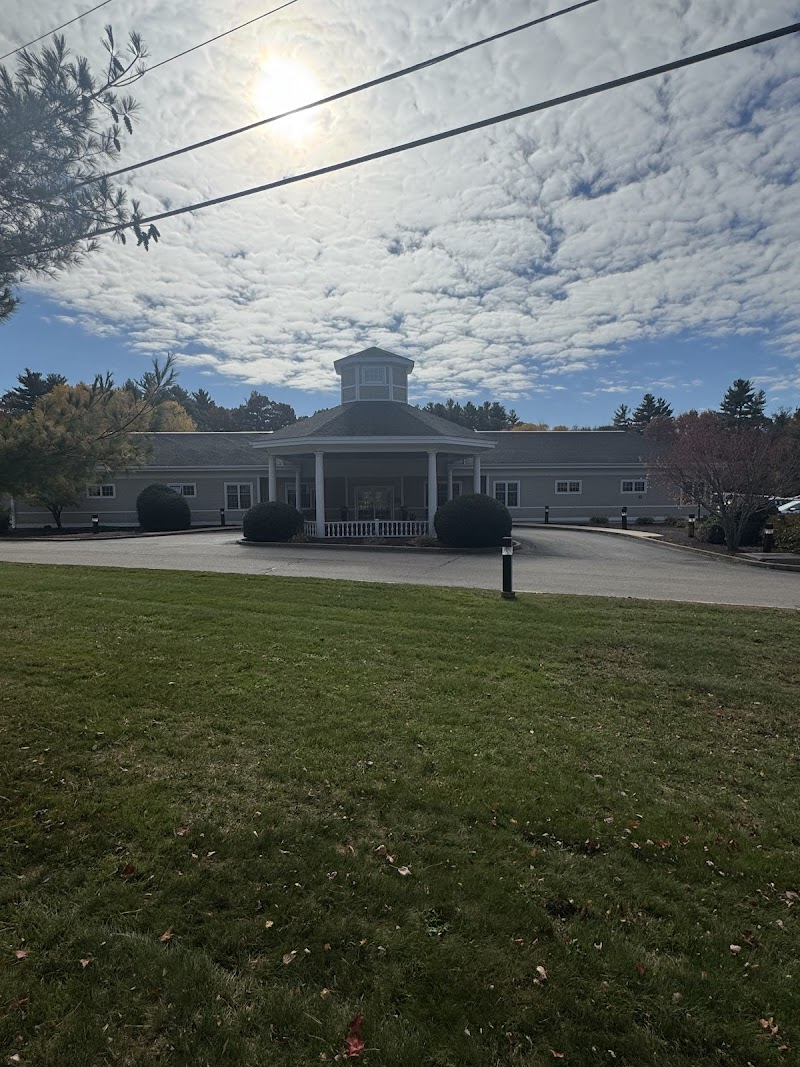
314 MARION ROAD, MIDDLEBOROUGH, MA 02346 (508) 947-8632
For profit - Corporation 102 Beds ATLAS HEALTHCARE Data: November 2025
Trust Grade
75/100
#106 of 338 in MA
Last Inspection: March 2025

Within standard 12-15 month inspection cycle. Federal law requires annual inspections.

Overview

Nemasket Rehabilitation and Healthcare Center has a Trust Grade of B, indicating it is a good choice for families considering care options. It ranks #106 out of 338 facilities in Massachusetts, placing it in the top half, and #13 out of 27 in Plymouth County, suggesting only a few local alternatives are better. The facility is improving, with issues decreasing from 9 in 2024 to 5 in 2025. However, staffing is a concern, rated at 2 out of 5 stars, though turnover is relatively low at 37%, below the state average. Notably, there have been no fines, indicating compliance with regulations, but recent inspections revealed issues such as improper food sanitation practices and failure to conduct necessary background checks on staff, which could pose risks to residents.

Trust Score
B
75/100
In Massachusetts
#106/338
Top 31%
Safety Record
Low Risk
No red flags
Inspections
Getting Better
9 → 5 violations
Staff Stability
○ Average
37% turnover. Near Massachusetts's 48% average. Typical for the industry.
Penalties
✓ Good
No fines on record. Clean compliance history, better than most Massachusetts facilities.
Skilled Nurses
○ Average
Each resident gets 32 minutes of Registered Nurse (RN) attention daily — about average for Massachusetts. RNs are the most trained staff who monitor for health changes.
Violations
⚠ Watch
17 deficiencies on record. Higher than average. Multiple issues found across inspections.
★★★★☆
4.0
Overall Rating
★★☆☆☆
2.0
Staff Levels
★★★☆☆
3.0
Care Quality
★★★★☆
4.0
Inspection Score
Stable
2024: 9 issues
2025: 5 issues

The Good

  • Full Sprinkler Coverage · Fire safety systems throughout facility
  • No fines on record
  • Staff turnover below average (37%)

    11 points below Massachusetts average of 48%

Facility shows strength in fire safety.

The Bad

Staff Turnover: 37%

Near Massachusetts avg (46%)

Typical for the industry

Chain: ATLAS HEALTHCARE

Part of a multi-facility chain

Ask about local staffing decisions and management

The Ugly 17 deficiencies on record

Jul 2025 2 deficiencies
CONCERN (D) 📢 Someone Reported This

A family member, employee, or ombudsman was alarmed enough to file a formal complaint

Potential for Harm - no one hurt, but risky conditions existed

Abuse Prevention Policies (Tag F0607)

Could have caused harm · This affected 1 resident

Based on records reviewed and interviews, for one of three sampled Employee Files, (Agency Nurse #1) the Facility failed to ensure they implemented and followed their Abuse Policy when a Criminal Offe...

Read full inspector narrative →
Based on records reviewed and interviews, for one of three sampled Employee Files, (Agency Nurse #1) the Facility failed to ensure they implemented and followed their Abuse Policy when a Criminal Offender Registry Information (CORI) check was not conducted on Agency Nurse #1 prior to her first date of employment at the Facility as required, and in accordance with the Facility's Abuse Policy. Findings include:Review of the Facility's Policy titled Abuse, Neglect, Exploitation and Misappropriation Prevention Program, dated as revised April 2021, indicated that the Facility would conduct employee criminal background checks and not knowingly employ or otherwise engage any individual who has been found guilty of abuse, neglect, misappropriation of property, or mistreatment by a court of law. Review of Agency Nurse #1's Employee File indicated there was no documentation to support that a CORI check had been conducted prior to the first day she worked at the Facility (05/26/25). During an interview 07/15/25 at 2:36 P.M, at the Administrator said that all employees must have a CORI check conducted prior to working at the Facility. The Administrator said that she could not provide documentation to support that a CORI check had been conducted on Agency Nurse #1.
CONCERN (D) 📢 Someone Reported This

A family member, employee, or ombudsman was alarmed enough to file a formal complaint

Potential for Harm - no one hurt, but risky conditions existed

Investigate Abuse (Tag F0610)

Could have caused harm · This affected 1 resident

Based on records reviewed and interviews, for one of three sampled residents (Resident #1), who had moderate cognitive impairment and was dependent on staff to meet his/her care needs, the Facility fa...

Read full inspector narrative →
Based on records reviewed and interviews, for one of three sampled residents (Resident #1), who had moderate cognitive impairment and was dependent on staff to meet his/her care needs, the Facility failed to ensure that on 05/27/25, after being made aware of an allegation that he/she had been physically abused by a staff member, that they obtained and maintained evidence that a thorough investigation into the allegation had been completed as required, and in accordance with the Facility's Abuse Policy. Findings include:Review of the Facility's Policy titled, Abuse, Neglect, Exploitation and Misappropriation-Reporting and Investigating, dated as revised September 2022, indicated that all allegations are thoroughly investigated. Resident #1 was admitted to the Facility in July 2013, diagnoses included brain hemorrhage, psychotic disorder with hallucinations, and anxiety disorder. Resident #1's Annual Minimum Data Set (MDS) Assessment, dated 03/18/25, indicated that he/she had moderate cognitive impairment and was dependent on staff to meet his/her care needs. Review of the Report submitted by the Facility via the Health Care Facility Reporting System (HCFRS), dated as submitted 05/27/25, indicated that Resident #1 reported that on 05/26/25, Agency Nurse #1 hit him/her. Review of the Facility's Internal Investigation Summary Report, undated, indicated that on 05/27/25 Resident #1 reported that during the previous night shift (that began on 05/26/25 and ended on 05/27/25), Agency Nurse #1 hit his/her leg and face. Review of the Facility's Internal Investigation File indicated there was no documentation to support that Agency Nurse #1 (accused) or other staff members (potential witnesses) working on Resident #1's unit during the time that the alleged abuse incident occurred, were interviewed or provided written witness statements. During an interview on 07/17/25 at 11:35 A.M., Agency Nurse #1 said she had never been notified by the Facility or her Agency that she had been accused of abuse. Agency Nurse #1 said she had not been interviewed by the Facility or asked to write a witness statement regarding the allegation against her. During an interview on 07/15/25 at 2:36 P.M., the Administrator said she could not provide documentation to support that the accused (Agency Nurse #1) and/or other staff members working on Resident #1's unit during the time the allegation was made, had been interviewed or provided written witness statements.
Mar 2025 3 deficiencies
CONCERN (D)

Potential for Harm - no one hurt, but risky conditions existed

Quality of Care (Tag F0684)

Could have caused harm · This affected 1 resident

Based on record review and interview, the facility failed to maintain professional standard of practice for management of bowels for one Resident (#47), out of a total sample of 19 residents. Specific...

Read full inspector narrative →
Based on record review and interview, the facility failed to maintain professional standard of practice for management of bowels for one Resident (#47), out of a total sample of 19 residents. Specifically, the facility failed to ensure hospital discharge orders were implemented, bowel regime was followed per physician's orders, the physician was notified of abnormal stools/bowel sounds/refusal of medications, and skilled notes were written per physician's order. Findings include: Review of the facility's policy titled Bowel Management Protocol, dated as last revised 9/2020, indicated but was not limited to the following: -Although aging increases the potential for incontinence and constipation, this facility has developed systems and procedures to assure: Interventions are defined, implemented, monitored, and revised, as appropriate, in accordance with current standards of practice; and Changes in condition are recognized, evaluated, reported to the practitioner, and addressed. -The following protocol has been adopted at this facility to manage. It may be overridden by any physician or authorized practitioner at any time, or as requested by the resident (with physician order) in the course of provision of care. a. If the resident has no bowel movement (BM) in two days, give Milk of Magnesia (MOM) 30 milliliters (ml) by mouth at bedtime. b. If the resident has not had a BM, give Bisacodyl suppository on the 11-7 shift. c. If still no BM, give Fleet's enema on the 7-3 shift. d. If still no BM or in the presence of abdominal pain or absent bowel sounds, consult the physician immediately. -The nurse should check nightly to review the resident's bowel status to ensure optimum care. Review of the facility's policy titled Charting and Documentation, dated as last revised July 2017, indicated but was not limited to the following: -All services provided to the resident, progress toward the care plan goals, or any changes in the resident's medical physical, functional, psychosocial condition, shall be documented in the resident's medical record. -The medical record should facilitate communication between the interdisciplinary team, regarding the resident's condition and response to care. -The following information is to be documented in the resident medical record: Observations, medications administered, treatments or services provided, changes in the resident's condition, events, incidents, or accidents involving the resident, progress toward or changes in the care plan goals and objectives. -Documentation of procedures and treatments will include care-specific details, including: the date and time the procedure/ treatment was provided, the assessment data and/or unusual findings, how the resident tolerated the procedure/ treatment, whether the resident refused the procedure/ treatment, and notification of family, physician or other staff. Resident #47 was admitted to the facility in February 2022 with diagnoses which included failure to thrive, dementia, and constipation. Review of the Minimum Data Set (MDS) assessment, dated 12/26/24, indicated Resident #47 scored 15 out of 15 on the Brief Interview for Mental Status (BIMS) indicating he/she was cognitively intact and was frequently incontinent of his/her bowels. Review of the medical record indicated Resident #47 had been transferred to the hospital in June 2024 with a moderate colonic ileus (when the intestinal walls can't push the contents of the digestive tract forward, also known as a non-mechanical bowel obstruction). Review of the nursing progress notes indicated but were not limited to the following: -5/27/24: noted extended abdomen, resident reported last BM had been a while, per record last BM was 5/25. Given scheduled medications and a suppository, awaiting for effect. Physician was notified and ordered a kidney, ureter, and bladder (KUB) x-ray if no BM during the night. -5/28/24: KUB showed generalized ileus. -6/10/24: Repeat KUB ordered related to abdominal distention and prior ileus. -6/10/24: KUB showed moderate colonic ileus unchanged from 5/28/24. New order to send to the hospital for further evaluation. Review of the BM log indicated on 6/7/24 he/she had a large/1000 milliliters (ml) liquid stool. Review of the Hospital Discharge Summary indicated but was not limited to the following: -Diagnosis: Sigmoid Volvulus (sigmoid colon twists on itself, obstructing the colon and compromising blood supply). -Patient probably has slow transient gastrointestinal system complicated by increased immobility. -Encourage out of bed for meals. -Strict Monitoring of bowel pattern is imperative; Patient should not go any more than two days without a BM with intervention. -Glycerin Suppository at bedtime. -MiraLAX 34 grams (G) twice daily. -Full Liquid Diet, any advancement in diet should be done with extreme caution. Review of the comprehensive care plan indicated but was not limited to the following: PROBLEM: Constipation related to Sigmoid Volvulus (6/28/24) GOAL: Resident will have soft, formed bowel movements. APPROACH: -Administer medications per health care provider order. -Assess presence/absence of awareness of need to defecate. -Assess what was the normal pattern for the resident. -Document frequency and character of bowel movements. -Monitor/Document presence/absence of bowel sounds/abdominal pain/distention/decreased appetite/fever. Review of the Physician's Orders after returning from the hospital in June 2024 indicated but were not limited to the following: -Full liquid Diet (6/20/24) -Glycerin suppository rectally at bedtime (6/20/24) -MiraLAX 34G twice a day mix with 6 ounces of water (6/20/24) -Senna 8.6 milligrams (mg) two tablets twice daily (6/20/24) -Magnesium Citrate 150ml at bedtime as needed (PRN) for constipation. (6/20/24) -MOM 30ml once a day PRN if no BM by the 3rd day, give MOM on 3-11 shift (6/20/24) -Fleet's enema rectally once a day PRN if no BM after suppository give enema. If no result call physician (6/20/24) -DOCUMENTATION: Complete a skilled nursing note every shift to reflect resident health and functional status (6/20/24) The physician's orders failed to include the following: -Strict Monitoring of bowel pattern is imperative; Patient should not go any more than two days without a BM. Review of the nursing and physician progress notes failed to indicate the physician declined the hospital order/recommendation that he/she needed strict monitoring and should not go more than two days without a BM without intervention. Review of the nursing progress notes for June 2024 indicated but were not limited to the following: -6/20/24: Returned from hospital with diagnosis of Sigmoid volvulus. Strict bowel regimen to help with bowel issues. Full Liquid Diet. Diet Advancement to be done with extreme caution. -6/21/24: Refused suppository. -6/25/24: Refused suppository; education provided with little effect. -6/28/24: Patient complained of too many BMs; Suppository order changed from daily to every other day. The facility failed to notify the physician of the refusal of medication on 6/21/24 and 6/25/24. Additionally, progress notes were ordered and signed off every shift on the Treatment Administration Record (TAR) and notes were not written in the medical record 20 of 32 opportunities to reflect the health and functional status of the resident for the month of June. Review of the BM log indicated but was not limited to the following: -From 6/30/24 at 3:03 A.M. until 7/3/24 at 6:37 A.M., he/she did not move bowels.(3 days) -From 7/13/24 at 1:50 P.M. until 7/16/24 2:45 P.M., he/she did not move bowels. (3 days) -From 7/16/24 2:45 P.M. until 7/21/24 at 2:51 P.M., he/she did not move bowels. (5 days) -On 7/21/24 at 9:50 P.M., he/she had a 900ml liquid stool. -From 7/25/24 at 2:41 P.M. until 7/28/24 at 2:20 P.M., he/she did not move bowels. (3 days) -From 7/28/24 at 2:20 P.M. until 8/2/24 at 1:59 P.M., he/she did not move bowels. (5 days) Review of the Medication Administration Record (MAR) indicated none of the PRN bowel medications available were administered in the month of July. Review of the physician orders indicated but were not limited to the following: -Monitor/Document presence/absence of bowel sounds, abdominal pain/distention, decreased appetite. Notify MD of abnormal findings. (7/3/24) Review of the nursing progress notes, and MAR indicated but was not limited to the following: -7/3/24 at 10:45 P.M., abdomen still distended. -7/12/24: refused scheduled suppository. -7/14/24: refused scheduled suppository. -7/31/24: bowel sounds sluggish. The progress notes failed to indicate the physician was notified he/she had not moved bowels, that the bowel protocol was not followed, his/her abdomen was still distended, the refusal of the scheduled suppository, or that his/her bowel sounds were sluggish. Review of the follow up KUB, dated 7/12/24, indicated unremarkable abdomen examination. The findings are improved from 6/10/24 and there was modest amount of stool throughout the colon and rectum. Additionally, progress notes were ordered and signed off every shift on the TAR and notes were not written in the medical record 70 of 93 opportunities to reflect the health and functional status of the Resident for the month of July. Review of the Nursing Progress notes for August 2024 indicated but were not limited to the following: -8/19/24: KUB results-Moderate Colonic Ileus. NP made aware. New order for clear liquid diet until seen by physician. -8/22/24: Results improved since 8/19/24; Repeat KUB 8/28 and may advance diet. -8/28/24: Repeat KUB reads diffuse large and small bowel ileus. The findings are unchanged from 8/21/24 (sic). Review of the BM Log indicated but was not limited to the following: -8/5/24 at 12:06 P.M. until 8/8/24 at 2:49 P.M., he/she did not move bowels. (3 days) -8/11/24 at 1:31 P.M. until 8/14/24 at 2:13 P.M., he/she did not move bowels. (3 days) -8/15/24 at 2:33 P.M. until 8/18/24 at 2:47 P.M., he/she did not move bowels. (3 days) Review of the MAR indicated none of the PRN bowel medications available were administered in the month of August. Additionally, progress notes were ordered and signed off every shift on the TAR and notes were not written in the medical record 68 of 93 opportunities to reflect the health and functional status of the Resident for the month of August. Review of the Gastroenterology (GI) Consult report, dated 8/30/24, indicated glycerin suppository nightly, tap water enema daily until ileus resolves, MiraLAX 2 packs daily, KUB with persistent ileus-needs to move bowels, clear liquids until moves bowels. Review of the BM log indicated but was not limited to the following: -8/31/24 at 2:47 P.M. until 9/3/24 at 5:40 A.M., he/she did not move bowels. (3 days) Review of the MAR indicated none of the PRN bowel medications available were administered. Review of the nursing progress notes for September 2024 indicated but were not limited to the following: -9/5/24: KUB results remain unchanged, and the abdomen remains distended with hypoactive bowel sounds. Send patient to emergency room for further evaluation. (returned in less than 24 hours) -9/6/24: Per Health Care Proxy (HCP), GI Physician, indicated surgical intervention, in the form of a colostomy (procedure to create an opening (stoma) in the abdominal wall to divert stool from the colon to an external bag, will likely be necessitated if normal motility does not return. Resident and HCP voiced opposition to this course of action. Review of the Gastroenterology (GI) Consult report, dated 9/13/24, indicated but was not limited to the following: -KUB today: no signs of obstruction; KUB is negative. -Medication changes were recommended with a follow up in 8 weeks. During an interview on 3/13/25 at 2:38 P.M., Resident #47 declined to discuss the hospitalization and the treatments in place indicating it was too embarrassing to talk about it. During an interview on 3/19/25 at 1:46 P.M., Nurse #2 said the typical bowel protocol is an order set that starts on day three of no BM and it is MOM on 3-11 shift, then a suppository on 11-7 shift, and then a Fleet's enema on the 7-3 shift if they still haven't moved their bowels. She said a progress note is ideal, but the PRN medications should at least be documented on the MAR/TAR. She said the electronic medical record system populates a report of anyone on day three, so the nurse can initiate the process. Additionally, she said anything out of the ordinary or specific situations like Resident #47's would require more frequent notifications, notes, and monitoring. She was unable to speak to the specifics of why the order for strict monitoring and that he/she should not go more than two days without a BM was not implemented as she was not in her role at that time. During an interview on 3/19/25 at 1:53 P.M., Unit Manager #1 said the nurses are expected to follow the protocol or patient specific orders and they should be administering PRN meds, writing notes and notifying the physician of abnormal bowel sounds and refusal of meds, and he/she should have had skilled notes written every shift to closely monitor and they did not. For Resident #47 and his/her specific situation the daily skilled progress notes should have included the number/type of BMs, the form and consistency, any PRN meds given or pending, refusal of meds, etc. She was unable to speak to the specifics of why the order for strict monitoring and that he/she should not go more than two days without a BM was not implemented as she was not in her role at that time. During an interview on 3/19/25 at 2:08 P.M., the Director of Nurses (DON) said the standard protocol is to start utilizing PRN medication on day three. She said in this case; the orders should have indicated a stricter protocol, and they did not. Additionally, she said the report the electronic medical record system pulls is flawed because it counts anything as BM even if it's small or in liquid form, which especially in a pattern or someone prone to bowel issues that pattern would be concerning. She said she didn't think the report indicated what the last BM was, only that it is going on day three. The DON said the daily skilled notes should have been written per the physician's orders and they were not. She said in this case, the hospital indicated a two-day bowel protocol, which is not standard, but given the recent ileus, we should have been watching and tracking his/her bowel regime closer to try and prevent the ileus from recurring. She said in this case special circumstances required individualized care to be provided. She said they were not following the process.
CONCERN (D)

Potential for Harm - no one hurt, but risky conditions existed

Deficiency F0698 (Tag F0698)

Could have caused harm · This affected 1 resident

Based on interviews and record review, the facility failed to ensure that residents who required dialysis received such services, consistent with professional standards of practice, for one Resident (...

Read full inspector narrative →
Based on interviews and record review, the facility failed to ensure that residents who required dialysis received such services, consistent with professional standards of practice, for one Resident (#67), of one resident receiving dialysis, out of a total sample of 19 residents. Specifically, the facility failed to ensure ongoing communication and collaboration between the facility and the dialysis center. Findings include: Review of the facility's policy titled Hemodialysis, revised 12/2/24, included but was not limited to the following: -Facility will maintain ongoing communication and collaboration with the dialysis facility regarding dialysis care and services. -The facility will coordinate and collaborate with the dialysis facility communication written format form, pre-dialysis vital signs (blood pressure, pulse, temperature, respirations) and weight. -On return from the Dialysis Center the form in the communication book should include documentation on pre- and post-vital signs, treatment tolerance, any medication given, and any new orders for resident care. Resident #67 was admitted to the facility in April 2023 with diagnoses including end stage renal disease and dependence on renal dialysis. Review of the Minimum Data Set (MDS) assessment, dated 12/16/24, indicated Resident #67 has no cognitive impairment as evidenced by a Brief Interview for Mental Status (BIMS) score of 15 out of 15. The MDS indicated Resident #67 received hemodialysis. Review of Physician's Orders indicated an order for Resident #67 to attend dialysis three times a week on Tuesday, Thursday, and Saturday; Obtain vital signs prior to transfer to dialysis; Document in nurse's note prior to transfer to dialysis (picked up in timely manner and disposition of resident upon transfer); Send dialysis book with each dialysis session with updated information (8/6/24). Review of Resident #67's January, February and March 2025 Dialysis Communication Book indicated the following dialysis communication forms: 1/23/25 - Nursing Facility communication section with the Dialysis Center not completed Upper portion Last weight 1/25/25 Nursing Facility communication section with the Dialysis Center not completed Upper portion: Last weight and last vital signs (blood pressure (BP), Heart rate (HR), Oxygen (O2), body temperature. 1/30/25 Nursing Facility communication section with the Dialysis Center not completed Upper portion: Last weight 2/4/25 Nursing Facility communication section with the Dialysis Center not completed Upper portion: Last weight 2/6/25 Nursing Facility communication section with the Dialysis Center not completed Upper portion: Last weight 2/8/25 Nursing Facility communication section with the Dialysis Center not completed Upper portion: Last weight 2/25/25 Nursing Facility communication section with the Dialysis Center not completed Upper portion: Last weight 3/4/25 Nursing Facility communication section with the Dialysis Center not completed Upper portion: Last weight 3/11/25 Nursing Facility communication section with the Dialysis Center not completed Upper portion: Last weight 3/15/25 Nursing Facility communication section with the Dialysis Center not completed Upper portion: Last weight and last vital signs (blood pressure (BP), Heart rate (HR), Oxygen (O2), body temperature. The upper portion was not completed, the dialysis center nurse used a blank sheet of paper to record the pre- and post-dialysis vital signs and medication administered to the Resident at dialysis. During an interview on 3/18/25 at 02:13 P.M., Nurse #1 reviewed Resident #67's Dialysis Communication Book and said the forms were not completed as they should have been. She said the nursing staff sending the Resident to dialysis should complete the top part of the Dialysis Communication sheet. During an interview on 03/18/25 at 02:22 P.M., Unit Manager #2 reviewed Resident #67's Dialysis Communication Book and said the Dialysis Communication sheets were not completed as they should have been. Resident #67 goes to dialysis Tuesdays, Thursdays and Saturdays. The nurse sending the Resident to dialysis is to complete the top part of the form. During an interview on 03/19/25 at 02:43 P.M., the Director of Nurses (DON) said the expectation is that the staff at the nursing facility complete the top part of the communication form prior to the Resident leaving for dialysis on Tuesdays, Thursdays, and Saturdays, to present a baseline on pre-dialysis vital signs and weights.
CONCERN (E)

Potential for Harm - no one hurt, but risky conditions existed

Food Safety (Tag F0812)

Could have caused harm · This affected multiple residents

Based on observation and interview, the facility failed to follow professional standards of practice for food safety and sanitation to prevent the potential spread of foodborne illness to residents wh...

Read full inspector narrative →
Based on observation and interview, the facility failed to follow professional standards of practice for food safety and sanitation to prevent the potential spread of foodborne illness to residents who are at high risk. Specifically, the facility failed to ensure the Three Bay Sink was operated in a safe and sanitary manner to ensure sanitation of the dishes. Findings include: Review of the facility's policy titled Pot and Pan Washing and Sanitization, undated, indicated but was not limited to the following: Procedure: follow the steps below when washing pots and pans. -Step 1: Wash -Step 2: Rinse -Step 3: Sanitize: Sanitize in dish machine OR In a third sink, immerse for one minute in a chemical sanitizer. Review of the Three Sink Washing and Sanitizing poster in the kitchen at the Three Bay Sink, undated, indicated but was not limited to the following: -After rinsing ware, submerge into sanitizer sink for at least one minute. Review of the Array Ultimate Sanitizer product label indicated but was not limited to the following: -Contact time one minute. On 3/14/25, the surveyor observed the following: -12:00 P.M., Dietary Aide #1 was washing dishes in the Three Bay Sink, after washing the pans, each one was quickly dipped in the rinse bay and then quickly dipped (less than 5 seconds) in the sanitation bay and put on the shelf to air dry. He then washed serving utensils repeating the same process. -12:20 P.M., Dietary Aide #2 was running large grey serving bins through the dishwasher to rinse and then walking them over to the Three Bay Sink to sanitize. He proceeded to quickly dip each bin into the sanitation bay and put them on the shelf to dry. -12:25 P.M., Dietary Aide #2 drained and refilled the Three Bay Sink. He proceeded to quickly dip the internal component of the coffee pot and the large coffee pot in each bay and put them on the rack to dry. Both Dietary Aides #1 and #2 failed to submerge the items in the sanitizing solution for at least one minute prior to placing the items on the shelf to dry. During an interview on 3/14/25 at 12:20 P.M., the Food Service Director (FSD) said everything should be soaking in the sanitization bay for greater than 30 seconds and then put on the shelf to dry. During an interview on 3/14/25 at 12:30 P.M., Dietary Aide #2 said nothing must be soaked in the Three Bay Sink unless the food is really stuck. He said there is no soak time for the sanitizer, they only have to dip the items before drying. During an interview on 3/14/25 at 2:00 P.M., Dietary Aide #3 said after rinsing the dishes they must be dipped in the sanitizer bay for a few seconds and then air dried on the rack. During an interview on 3/19/25 at 9:30 A.M., the FSD said he did education with the staff on 3/14/25 after staff were observed not soaking the dishes in the sanitizer solution as they should have been. The in-service was provided to the surveyor. Review of the in-service with the FSD indicated to submerge items in the sanitizer bay for at least 30 seconds. Review of the poster at the Three Bay Sink with the FSD indicated items should be soaked for at least one minute. The FSM said he would have to look into the exact time items should be submerged to soak and sanitize before they are put on the rack to dry.
Mar 2024 7 deficiencies
CONCERN (D)

Potential for Harm - no one hurt, but risky conditions existed

Comprehensive Care Plan (Tag F0656)

Could have caused harm · This affected 1 resident

Based on observation, interview, policy review, and record review, the facility failed for two Residents (#50 and #66) to develop and implement comprehensive care plans to reflect the individual needs...

Read full inspector narrative →
Based on observation, interview, policy review, and record review, the facility failed for two Residents (#50 and #66) to develop and implement comprehensive care plans to reflect the individual needs of the residents, out of a total sample of 19 residents. Specifically, the facility failed: 1. For Resident #50, to ensure a care plan was developed and implemented to address his/her activity preferences including social, emotional, and spiritual well-being; and 2. For Resident #66, to develop and implement an individualized, resident centered care plan with accommodations for the Resident's blindness in relation to his/her activity pursuits. Findings include: Review of the facility's policy titled Interdisciplinary Care Planning, dated as revised January 2022, indicated but was not limited to the following: - It is the policy of the facility to assess and analyze each resident's individual needs and provide effective person-centered care that meets professional standards of quality care. - Includes the comprehensive care plan developed within 7 days after the completion of the comprehensive assessment. - The Interdisciplinary process is performed by qualified professionals drawing from nursing, rehabilitation, social services, activities, dietetics, medical, and other consultative staff as deemed appropriate to promote continuity of care and communication among staff. - The care planning process provides the resident and their representative with information on the plan for delivery of care and services and a means to remain actively engaged. - The care plan process is not limited to developing a written plan but also address the ongoing execution of care, treatment, and services with a person-centered approach. - The plan is continually reevaluated and modified to ensure the resident's needs are met and includes: Integrating the assessment findings into the care planning process; Developing a plan of care, treatment, and services that includes resident goals that are reasonable and measurable; Regularly reviewing the care plan and modifying the plan as deemed necessary; Documenting the plan for care, treatment, and services: dating/updating the documents appropriately; Monitoring the effectiveness of the care planning and provision of services involving residents and their representative in the planning process. 1. Resident #50 was admitted to the facility in February 2022 with diagnoses that included: dementia, seizure disorder, and chronic pain. Review of the Minimum Data Set (MDS) assessment, dated 1/24/24, indicated the Resident had a Brief Interview for Mental Status (BIMS) of 15 out of 15, indicating he/she was cognitively intact. During an interview on 2/29/24 at 8:07 A.M., Resident #50 said he/she enjoys going to activities, however the staff do not get him/her up in time to attend. Review of the progress notes for Resident #50 indicated, but was not limited to the following: -10/12/23 Resident #50 comes to bingo, watches TV and reads the Bible. He/she accepts room visits one to two times per week and attends socials when up in the chair. He/she accepts visits from the Chaplain and Pastor. Review of the interdisciplinary care plans failed to indicate a care plan was developed for his/her activity preferences including social, emotional, or spiritual well-being. During an interview on 3/5/24 at 8:07 A.M., Resident #50 said he/she enjoys reading and going to bingo. During an interview on 3/5/24 at 9:57 A.M., the Activity Director (AD) said the process for developing care plans is that she completes a form of resident preferences upon admission, reviews and updates the care plans quarterly, after the interdisciplinary team meeting. She said she was going to find the preference form for Resident #50. During a follow up interview on 3/5/24 at 10:55 A.M., the AD said she could not locate any documentation of Resident #50's preferences. She said that care plans had not been developed for Resident #50's activity preferences. She said she never knew she had to develop and implement care plans until a few months ago and had not gotten to all residents at this time. During an interview on 3/5/24 at 3:33 P.M., the Director of Nursing (DON) said her expectation is for care plans to be developed and completed within two weeks of admission and Resident #50 should have had a care plan with preferences for activities. 2. Resident #66 was admitted to the facility in February 2024 with diagnoses which included: legal blindness, major depressive disorder, and post-traumatic stress disorder. Review of the BIMS, completed on 2/7/24, indicated the Resident was cognitively intact with a score of 15 out of 15. During an interview on 2/29/24 at 8:23 A.M., the Resident said he/she was legally blind and wished they could be involved in more activities in the facility. The Resident said a calendar is dropped off but no one ever comes back to offer him/her to attend any activities or tell them what activities may be occurring and they would like that. Review of the current care plans in place for Resident #66 indicated, but was not limited to the following: Problem: start date: 2/19/24 Activities: Resident is selective in his/her leisurely pursuits Goal: Resident will attend activities of choice on and off the unit through next review Interventions: start date: 2/19/24 - provide monthly calendar - provide daily invitations and encouragement to attend activities on and off the unit - assist resident to and from activities as needed - provide one to one (1:1) visits - provide a wide variety of programs daily - provide praise for resident participation, reassure as needed - resident enjoys the following activities: catholic, wood working {sic} During an interview on 3/1/24 at 8:20 A.M., Certified Nurse Assistant (CNA) #1 said Resident #66 stays in his/her room throughout the day and uses headphones for either music or television. She said she has never seen him/her attend activities or taken him/her to activities and that the Resident is not capable of bringing themselves to activities since they are blind. She said she has never seen activity staff ask the Resident if he/she wanted to attend activities. During an interview on 3/5/24 at 9:31 A.M., Nurse #3 said Resident #66 usually spends time in his/her room or sits by the nurses' station. She said she has never seen the Resident attend any activities and does not recall anyone offering to bring the Resident to activities or discussing what activities are available on any given day. During an interview on 3/5/24 at 9:32 A.M., the Activity Director (AD) said she was aware Resident #66 is blind, but she has no idea about getting the Resident involved for accommodations for the Massachusetts Commission for the Blind. She said the Resident did attend one activity recently, but she doesn't know how to accommodate the Resident or provide activities that he/she could participate in routinely since they are blind. She said she did not have any documentation of the Resident participating in activities for the month of February 2024, but did have a March 2024 activity participation sheet which indicated the Resident attended one activity. She said she did not have a 1:1 room visit sheet for Resident #66 since her staff do not provide those to the Resident. During an interview on 3/5/24 at 10:14 A.M., Unit Manager #1 reviewed Resident #66's care plan for activities and said the care plans are generic. She said the Resident's blindness care plan does indicate he/she should be provided large print books, but the Resident does not have those or even an activity calendar in large print and she has never seen the Resident participate in catholic services or wood working. She said the care plan is not individualized to how the Resident would be accommodated in participating in activities of choice without their blindness providing a barrier. She said nursing staff does not offer the Resident activities, but she assumes the activity staff manage inviting and encouraging activity participation. During a follow up interview on 3/5/24 at 10:47 A.M., the AD reviewed Resident #66's care plan and said it was not individualized or specific to the Resident's needs. She said she is still learning how to develop and implement Resident specific care plans. She said she does not provide the Resident with large print books or a large print activity calendar and her staff do not go to the Resident's room to offer or discuss activity availability and encourage attendance or assist the Resident in getting to activities. She said the care plan for Resident #66 needed to be more individualized and implemented to ensure the Resident's activity needs were being met. During an interview on 3/5/24 at 1:22 P.M., the Director of Nurses said she was made aware of the concern regarding Resident #66's activity care plan today and that the care plan was not individualized and needed work to be more resident specific.
CONCERN (D)

Potential for Harm - no one hurt, but risky conditions existed

Deficiency F0658 (Tag F0658)

Could have caused harm · This affected 1 resident

Based on record review, policy review, observation, and interview, the facility failed to ensure one Resident (#85), out of two residents receiving enteral feedings (intake of nutrients via a tube int...

Read full inspector narrative →
Based on record review, policy review, observation, and interview, the facility failed to ensure one Resident (#85), out of two residents receiving enteral feedings (intake of nutrients via a tube into the gastrointestinal tract), was administered the prescribed enteral feeding on 2/29/24. Findings include: Review of the facility's policy titled Enteral Feeding Tubes - General Guideline, dated as revised June 2017, indicated but was not limited to the following: - the facility assures the safe and effective administration of enteral formulas Review of the facility's procedure titled Enteral Feeding - Continuous Via Pump, dated as revised June 2017, indicated but was not limited to the following: - confirm physician's order Review of the Massachusetts Board of Registration in Nursing Advisory Ruling on Nursing Practice, dated as revised April 11, 2018, indicated: Nurse's Responsibility and Accountability: Licensed nurses accept, verify, transcribe, and implement orders from duly authorized prescriber's that are received by a variety of methods (i.e., written, verbal/telephone, standing orders/protocols, pre-printed order sets, electronic) in emergent and non-emergent situations. Licensed nurses in a management role must ensure an infrastructure is in place, consistent with current standards of care, to minimize error. Resident #85 was admitted to the facility in December 2023 with diagnoses including: cerebral infarct (stroke), diabetes mellitus, and dysphagia (difficulty with swallowing). On 2/29/24 at 9:13 A.M., the surveyor observed the Resident in bed with the enteral feeding tube connected to a pump delivering 105 milliliters (ml) of liquid nourishment formula to the Resident. The bag containing the liquid formula was dated and labeled 2/29/24 with a 2:00 A.M. time at a rate of 105 ml/hr, and a formula product of Jevity 1.2 (a fiber fortified nutritional formula). Review of the current Physician's Orders for Resident #85, dated 2/29/24, indicated but were not limited to the following: - NPO (nothing by mouth) (1/10/24) - Glucerna 1.2 (a carbohydrate steady nutritional formula for diabetic patients) calorie liquid, administer at a rate of 105 ml per (/) hour (hr) by gastric tube (enteral feeding tube placed in the stomach for nutrition) start at 4:00 P.M., and stop at 12:00 P.M. for a total run time of 20 hours (1/30/24) During an interview with observation on 2/29/24 at 11:25 A.M., Nurse #1 said Resident #85 is fed by tube and the night shift changes out all supplies for the Resident each night. He observed the set up for the Resident and said the Resident was receiving Jevity 1.2 at 105 ml/hr and the formula bag appeared to have been labeled and dated appropriately by the night shift nurse. During an interview with observation on 2/29/24 at 11:33 A.M., the staff development coordinator (SDC) observed Resident #85 with the surveyor and reviewed the enteral feeding formula and set. She said the process for enteral feedings is that the night nurse changes the bag and set up each night and then refills the bag with the prescribed formula and labels and dates it with the time hung and rate of infusion by pump. She observed the bag of formula currently infusing into Resident #85 and said the bag is labeled as containing Jevity 1.2, but the Resident's current physician order is for Glucerna 1.2 and it appeared an error was made. She said she would place the infusion on hold and notify the Unit Manager (UM) for follow up and the entire formula infusion set up would need to be changed and the physician would need to be made aware of the error. During an interview on 2/29/24 at 11:40 A.M., UM #1 reviewed the current orders for Resident #85 and confirmed that an error had occurred and the Resident should have been administered Glucerna 1.2 by enteral tube, not Jevity 1.2. She reviewed the medical record and said there was no documentation to indicate a change was made to the physician's order or that any issues had occurred with the availability of the Glucerna 1.2 and the physician needed to be informed of the error with an incident report completed. She said the current physician's orders do not appear to have been followed as they should have been.
CONCERN (D)

Potential for Harm - no one hurt, but risky conditions existed

Deficiency F0679 (Tag F0679)

Could have caused harm · This affected 1 resident

Based on policy review, documentation review, observation, and interview, the facility failed to provide one Resident (#66), out of 19 sampled residents, an activity program to assist him/her in meeti...

Read full inspector narrative →
Based on policy review, documentation review, observation, and interview, the facility failed to provide one Resident (#66), out of 19 sampled residents, an activity program to assist him/her in meeting their interests, socializing within their community, and supporting their psychosocial well-being while at the facility. Findings include: Review of the facility's policy titled Activities and Recreation, dated as revised January 2016, indicated but was not limited to the following: - the facility shall provide an organized program of activities suited to the need and interest of residents to encourage restoration to self care and maintenance to normal activities - the facility Activity Director and other staff will encourage participation in daily activities and provide suitable activities for residents who are unable to leave their room - the Activity Director shall prepare activity records to include monthly participation records indicating the resident's participation and reaction to the activity - the facility shall make arrangements with the division of the blind of Massachusetts Department of Education for the provision of recreational therapy for residents who are blind or have impaired vision. Resident #66 was admitted to the facility in February 2024 with diagnoses including: legal blindness, major depressive disorder, and post-traumatic stress disorder. Review of the most recent Brief Interview for Mental Status, completed on 2/7/24, indicated the Resident was cognitively intact with a score of 15 out of 15. During an interview on 2/29/24 at 8:23 A.M., the Resident said he/she was legally blind and wished they could be involved in more activities in the facility. The Resident said their vision was so minimal that it is like looking through a straw and it's all fogged over. The Resident said an activity calendar is dropped off but no one ever comes back to offer him/her to attend any activities or tell them what activities may be occurring and they would like that. During an interview on 3/1/24 at 8:20 A.M., Certified Nurse Assistant (CNA) #1 said Resident #66 stays in his/her room throughout the day and uses headphones for either music or television. She said she has never seen him/her attend activities or taken him/her to activities and that the Resident is not capable of bringing themselves to activities since they are blind. She said she has never seen activity staff ask the Resident if he/she wanted to attend activities. Review of the current care plans in place for Resident #66 indicated, but was not limited to the following: Problem: start date: 2/19/24 Activities: Resident is selective in his/her leisurely pursuits Goal: Resident will attend activities of choice on and off the unit through next review Interventions: start date: 2/19/24 - provide monthly calendar - provide daily invitations and encouragement to attend activities on and off the unit - assist resident to and from activities as needed - provide one to one (1:1) visits - provide a wide variety of programs daily - provide praise for resident participation, reassure as needed - resident enjoys the following activities: catholic, wood working {sic} Review of Resident #66's Care Card on 3/1/24 indicated the following: - Legally blind - the activities section of the care card was blank - the likes/dislikes section of the care card was blank Review of the progress notes from February 2024 thru March 4, 2024, for Resident #66 failed to indicate a referral had been placed for the Resident with the Massachusetts Commission for the Blind or that the program was involved with the Resident in any manner. During an interview on 3/5/24 at 9:31 A.M., Nurse #3 said Resident #66 usually spends time in his/her room or sits by the nurses' station. She said she has never seen the Resident attend any activities and does not recall anyone offering to bring the Resident to activities or discussing what activities are available on any given day. During an interview on 3/5/24 at 9:32 A.M., the Activity Director (AD) said residents have an Activity Evaluation completed upon admission to get basic information and highlight their activity preferences and interests. She said in addition attendance sheets are completed for each Resident to demonstrate their participation in the activity program. She said she knew Resident #66 and was aware that he/she was blind. She said she has no knowledge of the Massachusetts Commission for the Blind or what they may be able to offer to her or the Resident to assist the Resident in accommodating their desire for activities while being blind. She reviewed the activity record for Resident #66 and said she did not have a completed Activity Evaluation for the Resident. She said she also did not have an activity attendance sheet for Resident #66 for the month of February 2024, but did have one started for March 2024. She said the Resident had attended one activity on 3/4/24 and required a staff member to sit beside them and verbalize to them each step of the activity program. She said today's (3/5/24) activities included board games and corn hole and she did not know how she would be able to accommodate a blind resident in those activities or routinely in the scheduled facility activities. She said the Resident did not have one to one (1:1) staff room visits and therefore no documentation of 1:1 visits could be provided. She said she would get in contact with the social worker to find out how getting the Massachusetts Commission for the Blind involved may benefit both her and the Resident in assisting the Resident in participating in activities at the facility. Review of Resident #66's March 2024 activity program attendance sheet indicated the following: 3/1/24 through 3/3/24 - Not applicable (NA) 3/4/24 exercise The sheet did not indicate the Resident's response to the activity as indicated in the facility's policy and the facility did not have a February 2024 activity participation sheet for the Resident. During an interview on 3/5/24 at 9:41 A.M., the Director of Social Services said Resident #66 had not been set up with the Massachusetts Commission for the Blind at this time. She said she visits the Resident regularly and he/she has never told her that he/she was bored. She said she believed activity staff provided the Resident with 1:1 room visits and was not aware that that was not occurring. She said she is unsure of how the activity department accommodates the Resident with his/her blindness to be able to participate in activities. She said there is no reason why the Resident should not be attending activities just because they are blind. The facility needed to find a way to ensure the Resident was able to participate in activities and socialize at their preference regardless of their blindness and that seemingly was not happening. She said she would speak with the Activity Director and contact the Massachusetts Commission for the Blind to find out if the Resident is already registered and get the process started if not. During an interview on 3/5/24 at 10:14 A.M., Unit Manager #1 said Resident #66 remains in his/her room most of the time, but occasionally will eat in the small day room or sit at the nurses' station. She said the nursing staff does not offer the Resident activities and said she believes that responsibility is left with the activity staff. She reviewed Resident #66's medical record and said the activity care plan is not individualized and does not indicate how the staff could or would accommodate the Resident in an activity. She said the care plan for blindness does indicate the Resident should be receiving large print books but she has never seen the Resident get these or large print activity calendars and has never seen the Resident participate in woodworking or anything of that nature. She said the record does not indicate how the staff could assist the Resident in his/her social pursuits to maintain or enhance the quality of his/her life. She said for Resident #66 it would be ideal for a staff member to review the daily activities with them and encourage them to attend the ones they are interested in and then ensure he/she can get there but that is not happening. During a follow up interview on 3/5/24 at 10:47 A.M., the AD reviewed Resident #66's care plan and said it was not individualized or specific to the Resident's needs. She said she does not provide the Resident with large print books or a large print activity calendar and her staff do not go to the Resident's room to offer or discuss activity availability and encourage attendance or assist the Resident in getting to activities. She said adjustments needed to be made to ensure Resident #66 was able to participate and pursue their choice of activities. She said she is still in a learning curve and the activity program is not in place in accordance with the facility policy for this Resident as it should be. Throughout the survey the surveyor made/had the following observations and interactions with Resident #66: - 2/29/24 at 12:42 P.M., Observed sitting in his/her room with their lunch tray. He/she said they had not been offered to attended any activities this morning. - 3/1/24 at 11:46 A.M., Observed sitting in his/her room. The Resident said they have not attended any activities. The Resident said they want to be more involved and socialize and they have not been provided the opportunity to do that. He/she said no one has ever inquired with him/her about the division for the blind, but they reached out themselves when they were in the community, but ended up at the facility before it could be completed. The Resident said they have headphones for music but get bored. - 3/1/24 at 2:45 P.M., Observed sitting in his/her wheelchair at the nurses' station. There were not any activities occurring and the Resident was not engaging with any staff. - 3/5/24 at 7:31 A.M., Observed Resident in his/her wheelchair in the unit day room sitting alone, no radio or television was on in the room. The Resident said the staff have been bringing him/her out of their room to sit in a little room or by the nurses' station. He/she said, it is fine, but that he/she would like to be more sociable, not just sitting alone, but they don't want to bother anyone with their request. - 3/5/24 at 8:43 A.M., Observed sitting in front of the nurses' station in his/her wheelchair. The Resident is not engaging with another person and there is no music or socializing occurring. - 3/5/24 at 9:12 A.M., Observed sitting at the nurses' station. There was no type of activity occurring and the Resident was not being engaged by staff or any other person. - 3/5/24 at 9:26 A.M., Staff informed the Resident he/she was going to be brought to their room for medication administration and the Resident was heard to reply, I'm not doing anything but sitting here so I might as well stay in my room. - 3/5/24 at 10:52 A.M., Resident observed in his/her room sitting in their wheelchair facing the window with no headphones on. He/She said they were bored and no one had come into the room to offer them to attend any activity or to bring them to any activity or to inform them of what activity was occurring today. The Resident said he/she would have enjoyed a morning coffee and conversation but was not aware it was an option since he/she is blind and cannot read the calendar left in his/her room by activity staff. - 3/5/24 at 2:23 P.M., Observed the Resident in his/her room with headphones on. He/She said they were listening to music because they are not sure what activity may be occurring in the facility and they have not been invited or offered to attend any activity today. During an interview on 3/5/24 at 1:23 P.M., the surveyor observed Resident #66 in his/her room alone, sitting in their wheelchair with no music on and no headphones in use. The Resident said their family had made them an appointment to get the diagnoses needed to be involved with the Massachusetts Commission for the Blind. He/She said they were not offered to attend any activities today and did not know what was going on in the facility but did confirm he/she had done some exercises earlier in the week. He/She said they had no way of reading their activity calendar or getting themselves to activities independently due to being blind and was reliant on the staff to make that happen. The Resident said they are bored in the facility and part of their decision to stay at the facility was to help alleviate them of boredom so that their mind would not wander to things that made them very sad and cry too many tears. The Resident said he/she would love to be able to socialize with other residents and attend catholic services, daily coffee socials, games, discussions, pet therapy and music events when the surveyor reviewed the monthly calendar with the Resident. The Resident said they are looking forward to remaining at the facility and having the facility enhance their life through more socialization and activities since they lived alone in the community prior to their admission.
CONCERN (D)

Potential for Harm - no one hurt, but risky conditions existed

Respiratory Care (Tag F0695)

Could have caused harm · This affected 1 resident

Based on policy review, observation, and interview, the facility failed for two Residents (#85 and #13), out of 19 sampled residents, to ensure oxygen tubing and equipment were maintained in a sanitar...

Read full inspector narrative →
Based on policy review, observation, and interview, the facility failed for two Residents (#85 and #13), out of 19 sampled residents, to ensure oxygen tubing and equipment were maintained in a sanitary manner to prevent the potential spread of germs to the residents. Findings include: Review of the facility's policy titled Oxygen and Respiratory Equipment Management, dated as revised February 2019, indicated but was not limited to the following: - it is the policy of the facility to provide consistent care of all oxygen and respiratory equipment in accordance with recognized infection control practices. - if using an oxygen concentrator: to initiate therapy obtain a nasal cannula (NC), tubing and plastic storage bag. Write date on date sticker. - oxygen tubing and nasal cannula or mask are required to be replaced weekly and as needed (PRN). - for handheld nebulizer (HHN), obtain tubing, face mask and storage bag. Write date on sticker. - tubing and mask (for HHN) are to be changed weekly. - the HHN is to be rinsed, air dried and placed in the appropriate bag after each use. 1. Resident #85 was admitted to the facility in December 2023 with diagnoses including: aspiration pneumonia, diabetes mellitus, and dysphagia (difficulty with swallowing). The most recent cognitive assessment, dated 1/16/24, indicated the Resident was modified cognitively independent and had some difficulty in new situations. On 2/29/24 at 9:13 A.M., the surveyor observed Resident #85's nebulizer machine with HHN tubing and mask set up on the bedside table upright, unlabeled and undated, touching a flashcard on the table. The mask and tubing were not protected in a plastic storage bag and the surveyor did not observe a plastic storage bag of any kind in the Resident's room. The mask and tubing were left open to environmental debris and potential germs. Throughout the day on 2/29/24, the surveyor made the following observations of Resident #85's HHN tubing and face mask: - 11:25 A.M., Face mask and tubing for HHN left in open air, exposed to potential germs and environmental debris not stored in a plastic bag, unlabeled and undated. - 2:02 P.M., HHN face mask and tubing unlabeled and undated, resting on the bedside table with the mask touching the wall, not in a storage bag, exposing the equipment to potential germs and environmental debris. - 3:37 P.M., Nebulizer face mask and tubing unlabeled and undated lying on the bedside table, not stored in a plastic bag leaving the mask and tubing exposed to potential environmental debris and germs. Review of the current Physician's Orders, dated 3/1/24, for Resident #85 indicated but were not limited to the following: - Ipratropium-albuterol solution for nebulization; administer one vial for inhalation every six hours PRN for shortness of breath or wheezing Review of the February 2024 Medication Administration Record (MAR) for Resident #85 indicated the Resident last received his/her prescribed nebulizer treatment on 2/27/24 at 8:52 A.M., two days prior to the surveyor's observations. 2. Resident #13 was admitted to the facility in July 2022 with diagnoses including: chronic obstructive pulmonary disease (a condition which makes it difficult to breathe) and shortness of breath. The most recent Brief Interview for Mental Status, completed on 2/14/24, indicated the Resident was cognitively intact with a score of 15 out of 15. On 2/29/24 at 9:05 A.M., the surveyor observed NC tubing attached to an oxygen concentrator by Resident #13's bed with the oxygen tubing and nasal cannula that sits at the entrance of the Resident's nose to deliver oxygen on the floor. The tubing was not labeled, dated, or in a plastic storage bag. The surveyor did not observe a plastic storage bag in the room. Throughout the day on 2/29/24, the surveyor made the following observations of Resident #13's NC oxygen tubing: - 11:47 A.M., NC oxygen tubing, unlabeled and undated, in place on Resident #13's face while he/she was sleeping in the bed. - 1:57 P.M., NC oxygen tubing, unlabeled and undated, in place on the Resident's face. - 3:36 P.M., NC oxygen tubing, unlabeled and undated, was on the Resident's face while he/she was lying in bed watching television. During an interview on 2/29/24 at 1:57 P.M., Resident #13 said he/she has been using Oxygen for about a year. He/She said the oxygen tubing is occasionally changed by staff but was not sure how often and said it is not usually labeled with a date. Resident #13 said he/she removed their NC oxygen tubing this A.M. when they went to the bathroom. The Resident said that there was no place to put the tubing and it ended up on the floor. The Resident said when they returned to the bed, they picked the tubing up off the floor and placed it back on their face. The Resident said the tubing frequently falls on the floor. Review of Resident #13's current Physician's Orders, dated 3/1/24, indicated but were not limited to the following: - Oxygen 2 liters (L) continuously by nasal cannula at sleeping hours (1/9/24) - Oxygen 2 L continuously by NC to maintain saturation levels greater than 88% every shift PRN During an interview on 3/5/24 at 8:47 A.M., Unit Manager #1 said the process is for all oxygen and respiratory equipment and tubing to be dated and labeled and stored in a plastic bag when not in use. She said the facility changes all respiratory tubing and oxygen tubing weekly on Wednesday nights. She said the nebulizer mask and tubing for Resident #85 should have been labeled and dated and stored in a plastic bag to keep it free from potential germs and was not. She said Resident #13's oxygen tubing should have been dated and labeled and a plastic storage bag should be available in the room for the tubing to be placed in when not in use and the Resident should not have to worry about his/her oxygen tubing landing on the floor and then having to use it. She said the process for managing respiratory equipment, HHN and oxygen tubing, was not followed in these two instances as it should have been.
CONCERN (D)

Potential for Harm - no one hurt, but risky conditions existed

Deficiency F0699 (Tag F0699)

Could have caused harm · This affected 1 resident

Based on observation, interview, and record review, the facility failed to assess a history of trauma and failed to assess for triggers to avoid potential re-traumatization for one Resident (#32) with...

Read full inspector narrative →
Based on observation, interview, and record review, the facility failed to assess a history of trauma and failed to assess for triggers to avoid potential re-traumatization for one Resident (#32) with a history of trauma, out of a total sample of 19 residents. Findings include: Trauma results from an event, series of events, or set of circumstances that is experienced by an individual as physically or emotionally harmful or life threatening and that has lasting adverse effects on the individual's functioning and mental, physical, social, emotional, or spiritual well-being. Trauma. SAMHSA-HRSA Center for Integrated Health Solutions. Substance Abuse and Mental Health Services Administration, 11/30/2016. Review of the facility Trauma Informed Care Quiz, undated, indicated the Social Service department completed resident trauma assessments. Resident #32 was admitted to the facility in April 2023 with diagnoses of status post cerebral vascular accident (CVA- stroke), hemiplegia, anxiety, insomnia, and major depressive disorder. During an interview on 2/29/24 at 9:20 A.M., Resident #32 said brother, with a quivering lip and tears in his/her eyes. During an interview on 2/29/24 at 9:20 A.M., the Family Member of Resident #32 said the Resident had a history of sexual abuse by his/her brother. The Family Member said the Resident had been experiencing increased sadness recently. Review of the medical record for Resident #32 included a Brief Trauma Questionnaire, dated 4/10/23, which indicated Resident #32 had not experienced any trauma. Review of the PTSD (Post Traumatic Stress Disorder) Checklist, dated 4/10/23, indicated Resident #32 answered not at all to all inquiries. Review of the medical record failed to include any additional trauma assessments. Review of the nursing progress note, dated 12/5/23, indicated Resident #32 had a heightened emotional state at one point this evening, weeping openly and recalling details of a traumatic childhood memory. This writer requests for social services to speak to Resident at earliest convenience on 12/6/23 due to the sensitivity of its nature. Review of the Social Service progress note, dated 12/6/23, indicated Social Worker #1 visited Resident #32 who appeared anxious and talked about the snow and holiday decorations. The Social Worker indicated the Resident would be referred to psychiatric services for follow up. Review of the consultant psychiatric Nurse Practitioner Progress Note, dated 12/8/23, indicated Resident expressed significant history of trauma to Social Service/Nursing from childhood to self and siblings by a family member, very emotional, very clear recall of events. Review of the progress note failed to indicate any discussion of identifying triggers from the trauma. Review of the medical record indicated a care plan was initiated on 12/11/23 indicating Resident #32 had a history of childhood trauma and could become weepy/cry when recalling trauma with a goal of establish satisfying relationships in the facility and the following interventions: assist in developing preferred sleep pattern and routine, encourage to discuss feelings and concerns, identify informal support system (such as family), one to one visits with staff and psych (psychiatric) services as needed. Review of the consultant psychiatric Nursing Practitioner Progress Note, dated 1/19/24, indicated Resident #32 had decreased episodes of crying and less avoidance of certain situations because of anxiety symptoms. Review of the progress note failed to indicate any discussion of identifying triggers from the trauma or what situations were being avoided. Review of the Social Service Annual Review, dated 2/5/24, failed to include information regarding the history of trauma revealed in December 2023 and failed to include individualized information to eliminate or mitigate triggers. Review of the consultant psychiatric Nursing Practitioner Progress Note, dated 2/9/24, indicated Resident #32 expressed increased crying spells and excessive worrying. The progress note indicated the Resident presented with increased anxiety, frightened, sobbing and appears to have flashbacks. The progress note indicated Resident #32 was having symptoms of PTSD triggered by increased pain. Review of the Social Service progress note, dated 2/28/24, indicated Resident #32 had been watching Law and Order Special Victims Unit during visit and Social Service discussed watching television content with less violence. Review of the trauma care plan indicated it was updated on 2/29/24 to monitor television content. During an interview on 3/1/24 at 1:00 P.M., Resident #32 said he/she was having a better day and was not observed to be weepy or tearful. The surveyor inquired if the Resident was okay with a male providing care (washing, dressing) and Resident #32 said yuck while grimacing and shaking his/her head no. Review of the medical record including care plans and care cards failed to indicate Resident #32 with a history of sexual trauma had been asked about preference for care givers and failed to indicate the Resident's preference of not wanting male caregivers. During an interview on 3/5/24 at 11:35 A.M., Certified Nursing Assistant (CNA) #4 said Resident #32 can be weepy and talks about his/her past trauma. She said the Resident requires assist of two staff members for care and CNA #4 had gotten assistance to care for Resident #32 from a male CNA in the past. During an interview on 3/5/24 at 11:41 A.M., CNA #3 said he works on the unit on a regular basis and was unaware of any preference for care givers for Resident #32 and had provided assistance with care to the Resident in the past. During an interview on 3/5/24 at 2:07 P.M., the Director of Social Service said the facility did not have a policy or procedure for trauma informed care. During an interview on 3/5/24 at 2:10 P.M., Social Worker #1 said she had started working at the facility in October 2023 and she was under the impression that Resident #32 had a known history of trauma prior to her starting at the facility. She said she had not reviewed the original trauma assessment or checklist from April 2023 and had not conducted a new trauma assessment or checklist based on the Resident's revelation of trauma in December 2023. She said she had not assessed Resident #32 through individual or family interview to identify triggers. She said her process was to monitor for changes in mood and behavior and refer to the consultant psychiatric services to assess the Resident. She said she had identified the possible trigger from the television show the week prior during a visit and had not assessed for any additional triggers including possible preference for gender of care givers.
CONCERN (D)

Potential for Harm - no one hurt, but risky conditions existed

Infection Control (Tag F0880)

Could have caused harm · This affected 1 resident

Based on document review, policy review, and interviews, the facility failed to maintain an infection prevention and control program with a complete system of surveillance to identify any trends of ac...

Read full inspector narrative →
Based on document review, policy review, and interviews, the facility failed to maintain an infection prevention and control program with a complete system of surveillance to identify any trends of actual or potential infections within the facility. Findings include: Review of the facility's policy titled Infection Prevention and Control Program, dated as revised January 2023, indicated but was not limited to the following: - It is the policy of this facility to establish and maintain an infection prevention and control program designed to provide a safe, sanitary and comfortable environment and to help prevent the development and transmission of communicable disease and infections. - Outcome surveillance: The criteria that staff use to identify and report evidence of a suspected or confirmed Healthcare Acquired Infection or communicable disease. - The process consists of collecting/documenting data on individual resident cases and comparing data collected to standard written definitions of infections. - Any staff member who identifies the resident with signs and symptoms of infection reports the resident to the Infection Control Nurse/Infection Preventionist. On 3/05/24 at 12:46 P.M., the surveyor reviewed the following surveillance data sheets: December 2023 - All residents had documented signs and symptoms of illness January 2024 - 23 out of 32 had missing documented signs and symptoms of illness February 2024 - All residents had documented signs and symptoms of illness During an interview on 3/5/24 at 4:21 P.M., the Infection Preventionist (IP) said the facility uses a surveillance sheet to document the surveillance of illnesses and signs and symptoms of illnesses in the facility, and McGeer Criteria to define whether an illness is an infection by sign and symptom criteria protocol. She said the January 2024 surveillance sheet should have documented signs and symptoms of the illness and are incomplete. She said she completed a McGeer Criteria checklist for each resident listed on the January 2024 surveillance sheet. The surveyor asked to see completed McGeer Criteria checklists for January 2024 and the IP said she does not keep the checklists after completion and they are shredded and was unable to provide any further documentation.
CONCERN (E)

Potential for Harm - no one hurt, but risky conditions existed

Deficiency F0692 (Tag F0692)

Could have caused harm · This affected multiple residents

2. Resident #81 was admitted to the facility in January 2024 with diagnoses including: dysphagia (difficulty swallowing), hypertension, right sided hemiparesis (loss of strength) and cerebral vascular...

Read full inspector narrative →
2. Resident #81 was admitted to the facility in January 2024 with diagnoses including: dysphagia (difficulty swallowing), hypertension, right sided hemiparesis (loss of strength) and cerebral vascular accident (CVA- interruption in the flow of blood to cells in the brain). Review of the MDS assessment, dated 1/8/24, indicated Resident #81 scored 6 out of 15 on the BIMS, indicating a severe cognitive impairment. Review of Resident #81's current Physician's Orders indicated but were not limited to the following: - No added salt diced with mildly thick liquids - 4-ounce health shake daily at 10:00 A.M. - 6-ounce house fruit juice supplement daily Review of Resident #81's Nutritional admission Assessment, dated 1/15/24, indicated but was not limited to the following: - Established needs: Weight gain with tolerance to least restrictive texture - Weight history: Five-pound weight loss in the past 90 days - Mild Malnutrition - Need for increased kcal (kilocalories) related to weight loss On 3/5/24 at 8:08 A.M., the surveyor observed Resident #81 sitting upright in bed with family feeding him/her breakfast. Resident #81 consumed 75% of the meal. Review of Resident #81's weights in the medical record indicated the following: - 1/12/24: 130.2 lbs. - 1/19/24: 128.7 lbs. - 1/26/24: 126.8 lbs. - 2/2/24: 123.6 lbs. - 2/9/24: 121 lbs. - 2/16/24: 122.3 lbs. (loss of 6.07% in one month) - 2/23/24: 121.8 lbs. - 3/1/24: 119 lbs. Review of Resident #81's weights from 1/12/24 to 2/16/24 indicated a significant weight loss of 6.07%. Review of Resident #81's progress notes by Nursing, Primary Physician, Nurse Practitioner, and the Registered Dietitian, dated 12/15/23 through 3/4/24, failed to indicate any documentation of the significant weight loss. During an interview on 3/5/24 at 12:55 P.M., Certified Nursing Assistant (CNA) #2 said they receive a list of residents to be weighed from the unit manager (UM). The weights are documented into the medical record, and if any resident requires a re-weight, they are instructed to do so by the unit manager, and they document the re-weight into the medical record. During an interview on 3/5/24 at 12:56 P.M., Unit Manager #1 said she informs the CNAs which residents require a weight to be obtained. Once the weights are documented, she compares them to the previous weight. If there is a three-pound loss or gain from previous weight, she instructs the CNAs to obtain a re-weight. She said if the re-weight is accurate, she will notify the Nurse Practitioner, physician, and dietitian, and document the notification in the medical record. During an interview on 3/5/24 at 1:36 P.M., the Registered Dietitian said she was made aware of Resident #81's weight loss on 2/8/24 during the risk management meeting, however it was not over a period of 30 days, so she did not put any interventions into place. She said the next risk meeting was held on 2/22/24, and she knew Resident #81's weight loss had become significant, and should have done a progress note, but she did not. She said she feels the weight loss is due to the Resident's medical condition. During an interview on 3/5/24 at 3:29 P.M., the Director of Nursing (DON) said her expectation is any resident with a significant weight loss is to be followed weekly by the Interdisciplinary team in the risk meeting. She said Resident #81 should have had interventions put into place to prevent further unprescribed, unplanned weight loss but did not. Based on observation, interviews, record review, and policy review, the facility failed to monitor the nutritional status of two Residents (#41 and #81) with unplanned, significant weight loss, out of a total sample of 19 residents. Specifically, the facility failed: 1. For Resident #41 to assess for nutritional interventions following a significant weight loss; and 2. For Resident #81, to implement nutritional interventions for a Resident with significant weight loss. Findings include: Review of the facility's policy titled Weighing and Measuring, last revised in October 2019, indicated the following procedure: -record weight in the vital signs section of the electronic medical record -check current weight against prior recorded weight -notify the licensed nurse if weight is 3 or more pounds different (gain or loss) from prior weight -re-weigh the resident within 24 hours to verify accuracy of the weight -changes of 5% (percent) in 30 days, 7.5% in 90 days or 10% in 180 days must be evaluated for significant change in resident status -notify the dietitian and attending physician of significant unplanned weight loss -discuss at the next weight meeting 1. Resident #41 was admitted to the facility in July 2020 with a diagnosis of dementia. Review of the Minimum Data Set (MDS) assessment, dated 12/5/23, indicated Resident #41 scored 6 out of 15 on the Brief Interview for Mental Status (BIMS), indicating a severe cognitive impairment. Review of the care plans indicated Resident #41 was at risk for decreased intake of food and weight loss related to dementia with cognitive impairment and advanced age. On 3/1/24 at 8:10 A.M., the surveyor observed Resident #41 sitting up in bed with a breakfast tray including a poached egg, half of an English muffin, ground ham, puree fruit, and oatmeal. Resident #41 had not eaten any breakfast. During an interview at this time, Resident #41 said he/she was not in a good mood and did not feel like eating, although normally enjoyed breakfast. Review of the medical record indicated the following weights for Resident #41: 8/4/23: 129 pounds (lbs.) 9/8/23: 128.6 lbs. 10/6/23: 127.4 lbs. 11/10/23: 125.2 lbs. 12/15/23: 121 lbs. 12/22/23: 122.4 lbs. 12/29/23: 121.0 lbs. 1/5/24: 119.6 lbs. 1/19/24: 115.6 lbs. (loss of 5.56% in 30 days) 1/26/24: 117.8 lbs. 2/2/24: 116.2 lbs. 2/9/24: 115.0 lbs. (loss of 10.85% in six months) 2/16/24 at 115.2 lbs. Review of the interdisciplinary progress notes failed to indicate Resident #41 was referred to the Registered Dietitian for the significant weight loss on 1/19/24. Review of the nursing progress notes indicated that on 2/8/24 Resident #41 was discussed at the weekly risk meeting with a non-significant weight loss and the Resident would continue to be weighed weekly. Review of the nursing progress notes indicated that on 2/22/24 Resident #41 was reviewed with the Registered Dietitian and the physician with an order to change weekly weights to monthly weights. The progress note failed to indicate the staff were aware of the six-month significant weight loss of 10.85%. During an interview on 3/5/24 at 1:13 P.M., the Registered Dietitian said the process for residents with changes in weight was for the unit managers to bring any resident with a change in weight of 3 or more pounds in a week to the weekly risk meeting. The Registered Dietitian said she reviewed all of the residents on monthly weights and would bring forward any residents with changes in 30 days. She said the electronic medical record would alert the nursing staff of any significant change in weights (5% or more) over a 30-day period and the nursing staff would notify the Registered Dietitian. The Registered Dietitian said she was not aware of the Resident's 30-day significant weight loss on 1/19/24 of 5.56% and the Resident had not been discussed at the following risk meeting or the risk meeting on 2/1/24. She said Resident #41 was discussed at the risk meeting on 2/8/24 but was noted to not be a significant weight loss and no interventions were reviewed. The Registered Dietitian said the process was for her to check each resident every quarter to see if there had been a significant weight loss over six months, otherwise, there was no system in place to alert anyone of the significant weight loss over six months. The Registered Dietitian said Resident #41 had been experiencing a cognitive decline and was discussed at the risk meeting on 2/22/24 and she had noted the Resident had a significant weight loss over six months and put a star next to the Resident to address the weight loss. She said she had not addressed the significant weight loss for the Resident prior to leaving for vacation and addressed it when she returned on 3/3/24, three weeks after the significant weight loss. She said when she evaluated Resident #41 on 3/3/24 she had initiated supplements twice per day. During an interview on 3/5/24 at 1:40 P.M., Certified Nursing Assistant #5 said Resident #41 had been weighed that morning and weighed 113.8 pounds (indicating an 11.51% weight loss in six months). During an interview on 3/5/23 at 2:27 P.M., the Director of Nurses said she did not know Resident #41 had a significant weight loss on 1/19/24 or 2/9/24 and the Resident had not been discussed for interventions at the weekly risk meetings during that time.
Jan 2024 2 deficiencies
CONCERN (D) 📢 Someone Reported This

A family member, employee, or ombudsman was alarmed enough to file a formal complaint

Potential for Harm - no one hurt, but risky conditions existed

Deficiency F0658 (Tag F0658)

Could have caused harm · This affected 1 resident

Based on records reviewed and interviews for one of four sampled residents (Resident #1), whose physicians orders included the administration of an antidepressant medication daily, the Facility failed...

Read full inspector narrative →
Based on records reviewed and interviews for one of four sampled residents (Resident #1), whose physicians orders included the administration of an antidepressant medication daily, the Facility failed to ensure they provided care and services consistent with professional standards of practice, when nursing left Resident #1's medication in a pill cup with him/her, did not stay to observe him/her completely ingest the medications, Resident #1 removed his/her antidepressant from the pill cup, saved up more than a dozen of them, and consumed them in an attempt to end his life. Resident #1 required transfer to the Hospital Emergency Department for evaluation, observation and treatment of an overdose. Findings include: Review of the Facility Policy titled, Medication Administration-General Guidelines, dated as last revised December 2019, indicated that medications are administered as prescribed in accordance with good nursing principles and practiced and only by persons legally authorized to do so. The Policy further indicated that the resident is always observed after administration to ensure that the dose was completely ingested. Standard Reference: Standard of Practice Reference: Pursuant to Massachusetts General Law (M.G.L), chapter 112, individuals are given the designation of registered nurse and practical nurse which includes the responsibility to provide nursing care. Pursuant to the Code of Massachusetts Regulation (CMR) 244, Rules and Regulations 3.02 and 3.04 define the responsibilities and functions of a registered nurse and practical nurse respectively. The regulations stipulate that both the registered nurse and practical nurse bear full responsibility for systematically assessing health status and recording the related health data. They also stipulate that both the registered and practical nurses are incorporated into the plan of care and implement prescribed medical regimens. The rules and regulations 9.03 defined standards of Conduct for Nurses where it is stipulated that a nurse licensed by the Board shall engage in the practice of nursing in accordance with accepted standards of practice. Resident #1 was admitted to the Facility in March 2017, diagnoses included diabetes mellitus, hypertension, peripheral vascular disease, anxiety, and depression. Review of Resident #1's Quarterly Minimum Data Set (MDS) Assessment, dated 11/08/23, indicated he/she was cognitively intact, as indicated by a Brief Interview for Mental Status (BIMS) score of 15, (13-15 indicates intact cognition). Review of Resident #1's Physician's Order, for December 2023, indicated nursing to administer Zoloft 100 mg by mouth daily. Further review of the Physician's Orders indicated that there was no documentation to support he/she had a Physician's Order to self-administer any of his/her medications. During an interview on 1/09/23 at 1:05 P.M., Resident #1 said that removing his/her Zoloft tablet from his/her morning medication cup began as a joke. Resident #1 said he/she read that the use of Zoloft could cause sexual dysfunction, so that was when he/she began to pick out the Zoloft tablet when his/her morning medications were left by the nurses. Resident #1 described the Zoloft 100 mg tablet, as a beige, small and skinny pill. Resident #1 said the nurses would typically pour his/her medications, give him/her the medication cup and most of the time the nurses would just leave. Resident #1 said they (the nurses) trusted me. Resident #1 said he/she would just pick out the Zoloft tablet and put it in his/her denture cup. Resident #1 said on 12/28/23, at approximately 10:00 A.M., he/she swallowed all of the Zoloft tablets ( 14) he/she had collected and after waiting a while, he/she put his/her call light on. Resident #1 said the Restorative Certified Nurse Aide came to answer his/her call light and that he/she told her that he/she had just taken 14 pills and nothing was happening. Review of the Facility Incident Report, dated 12/28/23, indicated that Resident #1 reported to the nurse that he/she had purposely taken 14 tablets of Zoloft. During an interview on 1/09/24 at 2:12 P.M., the Restorative Certified Nurse Aide (RCNA) said that sometime in the morning (could not recall the exact time) of 12/28/23, she was walking off the unit and said she saw Resident #1's call light on, so she went in to answer it. The RCNA said that Resident #1 told her that he/she had just taken 14 pills (exact type of pills unknown) and that Resident #1 said nothing was working. The RCNA said she asked Resident #1 to repeat him/herself and then immediately went to get his/her nurse. Review of Nurse #1 Witness Statement, dated 1/03/24, indicated that she had administered medications to Resident #1 as ordered, however Nurse #1 also stated that she could not confirm that he/she swallowed the medications provided. Review of the Charge Nurse Witness Statement, dated 1/03/24, indicated that she had administered medications to Resident #1 as ordered, however the Charge Nurse also stated that she could not confirm that he/she swallowed the pills as Resident #1 was his/her own person. Review of Nurse #3's Witness Statement, dated 1/03/24, that she had administered medications to Resident #1 as ordered, however she also stated that she could not confirm that he/she swallowed the pills provided. During an interview on 1/09/24 at 3:10 P.M., Certified Nurse Aide (CNA) #2 said she has witnessed many nurses simply place a residents medication cup, usually on the bedside table, that the nurse would turnaround and walk out of the room before the resident actually took their medications. During a telephone interview on 1/16/24 at 12:25 P.M., CNA #5 said she has seen some nurses who will drop a resident's medication cup off on their bedside table, then just leave and move on to the next resident. CNA #5 said that some nurses do not watch the residents take their medications. During an interview on 1/09/24 at 10:52 A.M., the Charge Nurse said she was Resident #1's Nurse on multiple occasions and was caring for him/her on 12/28/23 on the 7:00 A.M. to 3:00 P.M. (day) shift. The Charge Nurse said somewhere between 10:00 A.M. and 11:00 A.M., the RCNA came to her and told her that Resident #1 had told her that he/she had taken 14 pills and he/she said that nothing was working. The Charge Nurse said she immediately went to Resident #1's room and he/she told her that he/she had taken 14 Zoloft tablets to try and kill him/herself. The Charge Nurse said she typically stands outside of Resident #1's room with the medication cart for medication administration, that she pops his/her pills out first, places the medication cup in front of him/her, then goes back to her medication cart and begins to pop his/her roommate's medication while she periodically peeks over at Resident #1. The Charge Nurse said that she does not stand and stare at him/her while he/she takes his/her pills. The Charge Nurse said that Resident #1 was alert and oriented times three and was a private person. The Charge Nurse said she was unaware how Resident #1 had gotten 14 tablets of Zoloft. During an interview on 1/09/24 at 10:40 A.M., the Unit Manager said that she was unaware how Resident #1 had gotten 14 tablets of Zoloft and said it is the Facility's expectation that all nurses administering medications will follow the standard of practice for medication administration including, to remain with the resident until they are certain that the medications provided have been taken. During an interview on 1/09/24 at 3:22 P.M., the Director of Nurses (DON) said that it is the expectation of the Facility that all nurses administrating any medications were to remain with the residents until all medications have been taken and that no medications are to be left at the resident's bedside.
CONCERN (D) 📢 Someone Reported This

A family member, employee, or ombudsman was alarmed enough to file a formal complaint

Potential for Harm - no one hurt, but risky conditions existed

Medical Records (Tag F0842)

Could have caused harm · This affected 1 resident

Based on records reviewed and interviews for two of four sampled residents (Resident #1 and Resident #4) whose physician orders included for nursing to conduct 15-minute safety checks, the Facility fa...

Read full inspector narrative →
Based on records reviewed and interviews for two of four sampled residents (Resident #1 and Resident #4) whose physician orders included for nursing to conduct 15-minute safety checks, the Facility failed to ensure they maintained complete and accurate medical/clinical records including but not limited to documentation related to the completion of 15-minute safety checks. Findings include: Review of the Facility Policy titled, Documentation Expectations, dated as last revised 3/2021, indicated that the employees will adhere to current standards of practice when documenting legal documents up to and including resident medical records. 1) Resident #1 was admitted to the Facility in March 2017, diagnoses included diabetes mellitus, hypertension, peripheral vascular disease, anxiety, and depression. Review of Resident #1's Physician's Order, dated 1/04/24, indicated nursing to institute 15-minute safety checks every shift. Review of Resident #1's Care Plan titled History of Suicide Attempt, dated as last revised 1/04/24, indicated he/she required 15-minute safety checks. Review of the Facility Safety Location Check Form, undated, indicated nursing staff were to initial and indicate the resident location/activity according to specified safety/location check times. The Surveyor reviewed Resident #1's Safety Location Check Form, dated 1/09/24, at 11:23 A.M. and 11:55 A.M., the Form indicated that Resident #1's last known location was signed off by nursing staff at 10:30 A.M. and he/she was noted to be in the Facility's Activity room. Further review of the Safety Check Form indicated that at 10:45 A.M., 11:00 A.M., 11:15 A.M., 11:30 A.M., and 11:45 A.M., there was no documentation to support that nursing staff had completed his/her Safety Checks as ordered by his/her Physician. 2) Resident #4 was admitted to the Facility in December 2021, diagnoses included dementia, mood disturbance with anxiety, major depression, and atrial fibrillation. Review of Resident #4's Care Plan titled Exit Seeking Behavior, dated as last revised 11/30/2023, indicated he/she required 15-minute safety checks. Review of Resident #4's Physician's Order, for the month of December 2023, indicated for nursing to document 15-minute safety checks every shift. The Surveyor reviewed Resident #4's Safety Location Check Form, dated 1/09/24, at 11:53 A.M. The Form indicated that Resident #4's last known location was signed off by nursing staff at 11:00 A.M. and he/she was noted to be at the nurse's station. Further review of the Safety Check Form indicated that the 15 minute checks for 11:15 A.M., 11:30 A.M., and 11:45 A.M., were blank and there was no documentation related to Resident #4's location at these times. During an interview on 1/09/24 at 2:56 P.M., CNA #3 said Resident #1 was on 15-minute safety checks since returning from the Hospital. CNA #3 said 15-minute safety checks are the responsibility of the entire nursing staff on duty and said someone must visualize the resident and document his/her whereabouts with their initials every 15-minutes. CNA #3 said she was aware that Resident #1 was in the Activity doing an activity but had not had a chance to fill out his/her safety check form for 45 minutes. During an interview on 1/09/24 at 10:40 A.M., the Unit Manager said typically the Nurse and CNA responsible for a resident requiring 15-minute checks are the ones responsible for completing the 15-minute check form, however, said that all nursing staff on the unit can assist with completing 15-minute safety checks for any resident who requires to be monitored every 15-minutes. The Unit Manager said it is the Facility's expectation that 15-Minute Safety Check Forms are to be completed in a timely manner and staff were to ensure they visualized and document the whereabouts of the resident. During an interview on 1/09/24 at 3:22 P.M., the Director of Nurses (DON) said that it is the Facility's expectation that if a resident required a Timed Safety Check Form (15 or 30 minutes), nursing staff must first visualize the resident and then must document timely (every 15 or 30 minutes) where the resident was visualized on the provided Safety Check Form.
Sept 2022 3 deficiencies
CONCERN (D)

Potential for Harm - no one hurt, but risky conditions existed

Deficiency F0661 (Tag F0661)

Could have caused harm · This affected 1 resident

Based on record review, staff interview, and policy review, the facility failed to a.) Document a recapitulation of the Resident's stay that included, but was not limited to, diagnoses, course of ill...

Read full inspector narrative →
Based on record review, staff interview, and policy review, the facility failed to a.) Document a recapitulation of the Resident's stay that included, but was not limited to, diagnoses, course of illness/treatment or therapy, and pertinent lab, radiology, and consultation results; and b.) Obtain a physician's order for discharge for one Resident (#90) of two closed record reviews, out of a total sample of 19 residents. Findings include: Review of the facility's policy titled Discharge and Transfer Referral Documentation, dated 1/2016, indicated but was not limited to the following: - Upon a resident's discharge from the facility, the attending physician will complete a Physician's Discharge Summary Form Resident #90 was admitted to the facility in May 2022 for short term rehabilitation with a diagnosis of Cerebral Vascular Accident (CVA- stroke). Review of the medical record indicated the Resident was discharged home with services on 6/21/22. Further review of the medical record indicated there was no summary of the Resident's stay by the physician for the care and services received while at the facility, nor a physician's order for the Resident to be discharged . During an interview on 9/12/22 at 11:08 A.M., the Director of Nurses (DON) said the physician, or the nurse practitioner should have completed the summary, or at least signed the three page referral. The DON said she was unable to locate the physician's discharge summary of the Resident's stay while at the facility. During a follow up interview on 9/13/22 at 11:00 A.M., the DON said she was still unable to locate the physician's discharge summary, as well as a physician's order to discharge the Resident home.
CONCERN (D)

Potential for Harm - no one hurt, but risky conditions existed

Deficiency F0685 (Tag F0685)

Could have caused harm · This affected 1 resident

Based on record review, interview, and policy review, the facility a.) Failed to follow their policy and review the consultant optometrist recommendations with the physician; and b.) Failed to docum...

Read full inspector narrative →
Based on record review, interview, and policy review, the facility a.) Failed to follow their policy and review the consultant optometrist recommendations with the physician; and b.) Failed to document in the nursing notes the physician's response to the recommendations, delaying treatment for 25 weeks for one Resident (#5), out of a total sample size of 19 residents. Findings include: Review of the facility's policy titled Consultant Recommendations, dated October 2019, indicated but was not limited to the following: Policy: It is the policy of this facility that any recommendations received from a consultant for care of a resident/patient including but not limited to medications and treatment must be reviewed and approved by the Attending Physician or designee prior to implementation. Procedure: 1. Upon receipt of a recommendation from a healthcare consultant, the nurse will contact the Attending Physician or designee and: a. Review the recommendation made at the time of the consultation b. Verify the approval of the recommendations c. Enter the physician's order for each recommendation approved d. Read back the verbal/telephone order per facility protocol for each recommendation 2. If the recommendations are NOT accepted by the physician, a note will be written on the consult sheet indicating: a. The name of the specific practitioner b. The date and time the recommendations were reviewed c. the reason stated for not approving the recommendations d. Signature and title of the nurse who contacted the physician 3. A nursing note will be written indicating the date and time of the call, the name of the physician or designee who was contacted and the results of the call. Optometrist - Eye care professional that provides primary care for the eye, including eye exams, vision tests, evaluation for glasses and monitors medical conditions effecting the eye. Ophthalmologist- Eye doctor with advanced medical training that provides complete care of the eye, including performing surgery. Resident #5 was admitted to the facility in May 2018 with diagnoses that include diabetes mellitus and vascular dementia with behavioral disturbances. Review of the most recent Minimum Data Set (MDS) assessment, dated 04/12/22, indicated Resident #5 had a Brief Interview for Mental Status (BIMS) score of 13 out of 15, indicating he/she was cognitively intact. Review of Resident #5's current care plan indicated but was not limited to the following: Problem: Visually impaired related to being legally blind Goal: Will not exhibit distressing effects of visual deficits times 90 days Approach: -As needed ophthalmology Review of Resident #5's most recent Optometrist's note, dated 3/16/22, indicated but was not limited to the following: -Resident seen for follow up for Ptosis right eye (drooping of the eye lid), nuclear sclerosis both eyes (cloudiness, hardening, and yellowing of the central region of the eye), dry eye both eyes, and hyperopia of both eyes (farsightedness), dry macular degeneration of intermediate level of the left eye (thinning of the macula part of the retina in eye resulting in decreased vision), and Presbyopia both eyes (age related farsightedness). -History of present illness: Decreased vision both eyes, duration: present for many years, severity: severe, location: central vision Plan: -Ptosis right eye, both patient and nurse reported ptosis might be worse than before. Refer to neuro ophthalmologist. -Nuclear sclerosis both eyes. The cataracts are responsible for the patients' decreased vision. Patient is interested in cataract surgery to improve his/her vision. Recommend to see ophthalmologist for cataract evaluation for left eye. Patient education that the prognosis might be limited due to other eye pathology (disease). Specialty medication: Refresh Tears: three times a day in both eyes Review of the Physician's Orders indicated the following: - Optometrist consult as needed initiated 6/2/20 Further review of the orders indicated there were no physician's orders for Resident #5 to be referred to see the ophthalmologist for evaluation or orders for Refresh Tears (eye lubricant) for both eyes three times a day. Review of Resident #5's Nursing Progress notes from March 1 through April 2022 did not indicate the physician was made aware of the consultant optometrist's recommendations. During an interview on 09/08/22 at 12:29 P.M., Resident #5 said he/she has a hard time seeing and was supposed to have eye surgery but has not been given a date. The Resident said it has been a long time and he/she doesn't know who is working on it. During an interview on 09/12/22 at 12:55 P.M., Unit Manager #2 said Resident #5 has seen the house optometrist in the past and she is not aware of any upcoming scheduled visits. She said the normal process is the resident sees the optometrist and then their office faxes over the doctor's note with recommendations from the visit. The optometrist's note is put in the Physician's Binder for the Physician to act on the recommendations and sign the note indicating they have reviewed the recommendations. Unit Manager #2 reviewed the electronic medical record and the paper chart and said the Optometrist's note, dated 3/16/22, was not noted as signed or reviewed by Physician #1 or his designee. Unit Manager #2 was not aware of any additional appointments scheduled for Resident #5 to see the optometrist or that a referral was made to an ophthalmologist for surgical consult. Review of the East Unit Resident Appointment Book indicated there were no scheduled optometrist or ophthalmologist appointments for Resident#5 from March through November 2022. During an interview on 09/12/22 at 01:15 P.M., Resident #5 said he/she saw the eye doctor (optometrist) last year and originally declined to have surgery but agreed to have surgery during his/her last visit with the eye doctor because he/she wants to see better. The Resident said he/she thought it would have happened by now. During an interview on 09/12/22 at 02:01 P.M., the Director of Nurses (DON) said the normal process is the resident sees the optometrist and if recommendations are made, the new orders are put into the system, and they act on them. The DON said she is not currently aware of any recommendations from the optometrist for Resident #5. During an interview on 09/13/22 at 02:50 P.M., the DON said the optometrist's recommendations from the March 2022 appointment were missed by the facility and Resident #5 has not had a follow up appointment with the eye surgeon.
CONCERN (D)

Potential for Harm - no one hurt, but risky conditions existed

Medication Errors (Tag F0758)

Could have caused harm · This affected 1 resident

Based on record review, interview, and policy review, the facility failed to ensure that PRN (as needed) orders for psychotropic medications were limited to 14 days, unless documented by the attending...

Read full inspector narrative →
Based on record review, interview, and policy review, the facility failed to ensure that PRN (as needed) orders for psychotropic medications were limited to 14 days, unless documented by the attending physician or prescribing practitioner that it is appropriate to extend beyond 14 days for one Resident (#74), out of a total sample of 19 residents. Findings include: Review of the facility's policy titled Psychotropic Medication Management and informed Consent, last reviewed 10/2019, included but was not limited to the following: - PRN orders for psychotropic drugs are limited to 14 days. - Except if the attending physician or prescribing practitioner believes that it is appropriate for the PRN order to be extended beyond 14 days. - The physician shall document the rationale in the resident's medical record and indicate the duration for the PRN order. Resident #74 was admitted to the facility in February 2022 with diagnoses that included dementia without behavioral disturbance, unspecified psychosis, major depressive disorder, psychoactive substance abuse with intoxication, and anxiety. Review of the Physician's Order indicated the following: - PRN Trazodone 25 milligrams (mg) twice a day: Effective 2/3/22 to 2/16/22. - PRN Trazodone 25 mg twice for anxiety, re-evaluation in 30 days: Effective 2/16/22 to 3/15/22. - PRN Trazodone 25 mg twice a day for anxiety, re-evaluation in 60 days: Effective 3/21/22 to 5/23/22. - PRN Trazodone 25 mg twice a day for anxiety, re-evaluation in 90 days: Effective 5/23/22 to 08/03/22. - PRN Trazodone 25 mg twice a day for anxiety, re-evaluation in 90 days and document interventions tried before medication administration: Effective 8/03/22 to 08/24/22. - PRN Trazodone 25 mg twice a day for anxiety, re-evaluation in 90 days and document interventions tried before medication administration: Effective 8/24/22 to 11/21/22. Based on the above physician's orders for PRN Trazodone 25 mg twice a day, the physician or designee should have documented in the medical record their rationale and indicated the duration for the PRN order for the following dates: -2/16/22 -3/15/22 -5/23/22 -8/3/22 -8/24/22 Review of the February through August 2022 Medication Administration Records indicated the PRN Trazodone was administered to the Resident at least one time per month. Review of the medical record did not indicate any documented evidence that the physician or designee documented the rationale and duration for the continued use of the PRN Trazodone. During an interview on 09/12/22 at 10:35 A.M., Unit Manager #2 said the facility policy is to write the PRN orders for psychotropic medications for 14 days, then 30 days and then 60 days. She said before the PRN order is continued it is discussed with the physician or the nurse practitioner. Unit Manager #2 and the surveyor reviewed Resident #74's physician, nurse practitioner and psych notes February through March 2022, and the notes did not contain a rationale or indicate the duration of PRN Trazodone. Further review of the physician, nurse practitioner, and psych notes for April through August 2022 also did not contain a rationale or indicate the duration of PRN Trazodone.
Understanding Severity Codes (click to expand)
Life-Threatening (Immediate Jeopardy)
J - Isolated K - Pattern L - Widespread
Actual Harm
G - Isolated H - Pattern I - Widespread
Potential for Harm
D - Isolated E - Pattern F - Widespread
No Harm (Minor)
A - Isolated B - Pattern C - Widespread

Questions to Ask on Your Visit

  • "Can I speak with families of current residents?"
  • "What's your RN coverage like on weekends and overnight?"

Our Honest Assessment

Strengths
  • • No major safety red flags. No abuse findings, life-threatening violations, or SFF status.
  • • No fines on record. Clean compliance history, better than most Massachusetts facilities.
  • • 37% turnover. Below Massachusetts's 48% average. Good staff retention means consistent care.
Concerns
  • • 17 deficiencies on record. Higher than average. Multiple issues found across inspections.
Bottom line: Generally positive indicators. Standard due diligence and a personal visit recommended.

About This Facility

What is Nemasket Rehabilitation And Healthcare Center's CMS Rating?

CMS assigns NEMASKET REHABILITATION AND HEALTHCARE CENTER an overall rating of 4 out of 5 stars, which is considered above average nationally. Within Massachusetts, this rating places the facility higher than 99% of the state's 100 nursing homes. This rating reflects solid performance across the metrics CMS uses to evaluate nursing home quality.

How is Nemasket Rehabilitation And Healthcare Center Staffed?

CMS rates NEMASKET REHABILITATION AND HEALTHCARE CENTER's staffing level at 2 out of 5 stars, which is below average compared to other nursing homes. Staff turnover is 37%, compared to the Massachusetts average of 46%. This relatively stable workforce can support continuity of care.

What Have Inspectors Found at Nemasket Rehabilitation And Healthcare Center?

State health inspectors documented 17 deficiencies at NEMASKET REHABILITATION AND HEALTHCARE CENTER during 2022 to 2025. These included: 17 with potential for harm.

Who Owns and Operates Nemasket Rehabilitation And Healthcare Center?

NEMASKET REHABILITATION AND HEALTHCARE CENTER is owned by a for-profit company. For-profit facilities operate as businesses with obligations to shareholders or private owners. The facility is operated by ATLAS HEALTHCARE, a chain that manages multiple nursing homes. With 102 certified beds and approximately 93 residents (about 91% occupancy), it is a mid-sized facility located in MIDDLEBOROUGH, Massachusetts.

How Does Nemasket Rehabilitation And Healthcare Center Compare to Other Massachusetts Nursing Homes?

Compared to the 100 nursing homes in Massachusetts, NEMASKET REHABILITATION AND HEALTHCARE CENTER's overall rating (4 stars) is above the state average of 2.9, staff turnover (37%) is near the state average of 46%, and health inspection rating (4 stars) is above the national benchmark.

What Should Families Ask When Visiting Nemasket Rehabilitation And Healthcare Center?

Based on this facility's data, families visiting should ask: "Can you walk me through typical staffing levels on day, evening, and night shifts?" "Can I visit during a mealtime to observe dining assistance and food quality?" "How do you handle medical emergencies, and what is your hospital transfer rate?" "Can I speak with family members of current residents about their experience?" These questions are particularly relevant given the below-average staffing rating.

Is Nemasket Rehabilitation And Healthcare Center Safe?

Based on CMS inspection data, NEMASKET REHABILITATION AND HEALTHCARE CENTER has a clean safety record: no substantiated abuse findings (meaning no confirmed cases of resident harm), no Immediate Jeopardy citations (the most serious violation level indicating risk of serious injury or death), and is not on the Special Focus Facility watch list (a federal program monitoring the lowest-performing 1% of nursing homes). The facility has a 4-star overall rating and ranks #1 of 100 nursing homes in Massachusetts. While no facility is perfect, families should still ask about staff-to-resident ratios and recent inspection results during their visit.

Do Nurses at Nemasket Rehabilitation And Healthcare Center Stick Around?

NEMASKET REHABILITATION AND HEALTHCARE CENTER has a staff turnover rate of 37%, which is about average for Massachusetts nursing homes (state average: 46%). Moderate turnover is common in nursing homes, but families should still ask about staff tenure and how the facility maintains care continuity when employees leave.

Was Nemasket Rehabilitation And Healthcare Center Ever Fined?

NEMASKET REHABILITATION AND HEALTHCARE CENTER has no federal fines on record. CMS issues fines when nursing homes fail to meet care standards or don't correct problems found during inspections. The absence of fines suggests the facility has either maintained compliance or corrected any issues before penalties were assessed. This is a positive indicator, though families should still review recent inspection reports for the full picture.

Is Nemasket Rehabilitation And Healthcare Center on Any Federal Watch List?

NEMASKET REHABILITATION AND HEALTHCARE CENTER is not on any federal watch list. The most significant is the Special Focus Facility (SFF) program, which identifies the bottom 1% of nursing homes nationally based on persistent, serious quality problems. Not being on this list means the facility has avoided the pattern of deficiencies that triggers enhanced federal oversight. This is a positive indicator, though families should still review the facility's inspection history directly.