CARE ONE AT NORTHAMPTON
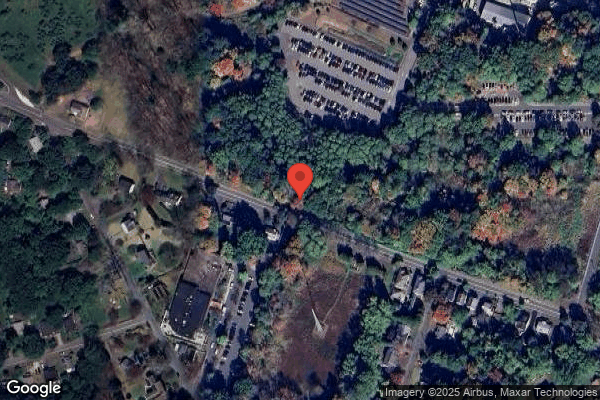
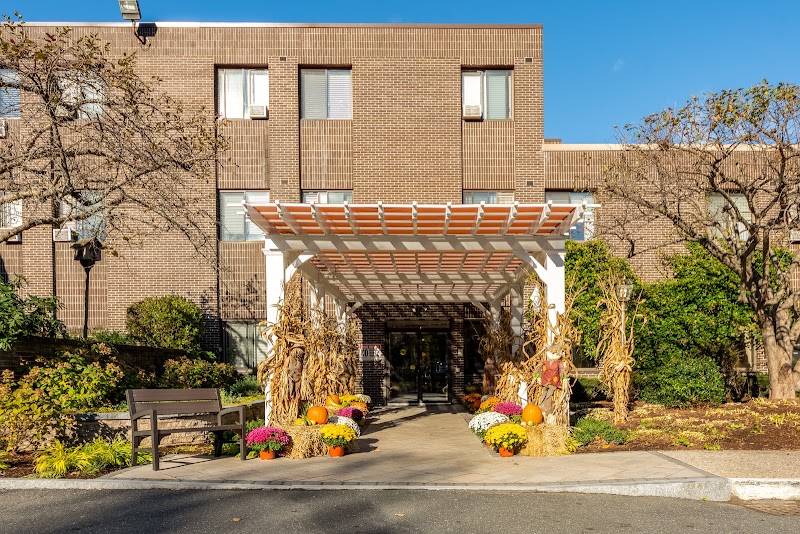
548 ELM STREET, NORTHAMPTON, MA 01060 (413) 586-3150
For profit - Limited Liability company 125 Beds CAREONE Data: November 2025
Trust Grade
40/100
#143 of 338 in MA
Last Inspection: September 2024

Within standard 12-15 month inspection cycle. Federal law requires annual inspections.

Overview

Care One at Northampton has received a Trust Grade of D, indicating below-average performance with some concerning issues. They rank #143 out of 338 facilities in Massachusetts, placing them in the top half, and #1 out of 5 in Hampshire County, meaning they are the best option locally, though still below average overall. The facility is worsening, with issues increasing from 4 in 2024 to 5 in 2025. Staffing is a notable concern, with a rating of 2 out of 5 stars and a 50% turnover rate, which is higher than the state average of 39%, suggesting instability in care staff. Additionally, the facility has incurred $39,819 in fines, which is average but still raises red flags regarding compliance. RN coverage is particularly concerning, as Care One has less RN support than 90% of facilities in Massachusetts. Specific incidents have occurred, such as a resident being transferred without the required assistance, resulting in a serious injury, and a failure to notify medical personnel of changes in a resident's condition, leading to a hospital admission for a serious infection. While the facility does have excellent quality measures, these serious deficiencies highlight significant areas for improvement.

Trust Score
D
40/100
In Massachusetts
#143/338
Top 42%
Safety Record
High Risk
Review needed
Inspections
Getting Worse
4 → 5 violations
Staff Stability
⚠ Watch
50% turnover. Above average. Higher turnover means staff may not know residents' routines.
Penalties
✓ Good
$39,819 in fines. Lower than most Massachusetts facilities. Relatively clean record.
Skilled Nurses
⚠ Watch
Each resident gets only 22 minutes of Registered Nurse (RN) attention daily — below average for Massachusetts. Fewer RN minutes means fewer trained eyes watching for problems.
Violations
⚠ Watch
24 deficiencies on record. Higher than average. Multiple issues found across inspections.
★★★☆☆
3.0
Overall Rating
★★☆☆☆
2.0
Staff Levels
★★★★★
5.0
Care Quality
★★☆☆☆
2.0
Inspection Score
Stable
2024: 4 issues
2025: 5 issues

The Good

  • 5-Star Quality Measures · Strong clinical quality outcomes
  • Full Sprinkler Coverage · Fire safety systems throughout facility
  • No fines on record

Facility shows strength in quality measures, fire safety.

The Bad

3-Star Overall Rating

Near Massachusetts average (2.9)

Meets federal standards, typical of most facilities

Staff Turnover: 50%

Near Massachusetts avg (46%)

Higher turnover may affect care consistency

Federal Fines: $39,819

Above median ($33,413)

Moderate penalties - review what triggered them

Chain: CAREONE

Part of a multi-facility chain

Ask about local staffing decisions and management

The Ugly 24 deficiencies on record

3 actual harm
Feb 2025 2 deficiencies 1 Harm
SERIOUS (G) 📢 Someone Reported This

A family member, employee, or ombudsman was alarmed enough to file a formal complaint

Actual Harm - a resident was hurt due to facility failures

Notification of Changes (Tag F0580)

A resident was harmed · This affected 1 resident

**NOTE- TERMS IN BRACKETS HAVE BEEN EDITED TO PROTECT CONFIDENTIALITY** Based on interviews and records reviewed for one of three sampled residents (Resident #1) who had a Nurse Practitioner's (NP) or...

Read full inspector narrative →
**NOTE- TERMS IN BRACKETS HAVE BEEN EDITED TO PROTECT CONFIDENTIALITY** Based on interviews and records reviewed for one of three sampled residents (Resident #1) who had a Nurse Practitioner's (NP) order, dated 01/14/25, to obtain a urine specimen for suspected urinary tract infection, the Facility failed to ensure that nursing notified the NP when they were unable to obtain the specimen as ordered, to determine next steps or obtain new orders. Resident #1 was transferred and admitted to the hospital on [DATE] and was diagnosed with Urosepsis (a serious complication when the body has a life threatening response to an infection which can lead to organ failure, tissue damage, or death). Findings include: Review of the Facility's Policy titled, Change in Resident's Condition or Status, revised February 2021 indicated but was not limited to the following: - Our facility promptly notifies the resident, his or her attending physician, and the resident representative of changes in the resident's medical/mental condition and/or status (e.g. changes in level of care, billing/payments, resident rights, etc.). - The nurse will notify the resident's attending physician or physician on call when there has been a (an) need to alter the resident's medical treatment significantly, and refusal of treatment or medication two or more consecutive times. Resident #1 was admitted to the Facility in December 2024, diagnoses included, Urinary Retention (a condition where a person is unable to empty their bladder completely), Stiff Person Syndrome (SPS, a rare autoimmune neurological disorder characterized by muscle stiffness, spasms, and other neurological symptoms), Acute Focal Neurological Deficit (a problem with nerve, spinal cord, or brain function that can affect movement and sensation), and Functional Neurological System Disorder with abnormal movement (FND, a condition that affects how the brain and body communicate). Review of Resident #1's Physician's Orders for January 2025, indicated he/she had an order, dated 01/14/25, for nursing to obtain a urine specimen and send to the laboratory for urinalysis (U/A, a laboratory test that examines a person's urine to detect and evaluate various health conditions) with culture and sensitivity (C&S, a laboratory test that identifies the cause of an infection and determine the best treatment) every shift and discontinue the order once the urine specimen was obtained. Review of Resident #1's Treatment Administration Record (TAR) related to the Physician's Order, dated 01/14/25, to obtain a urine specimen indicated nursing documentation and coding (per the code key provided on the last page of the TAR) was as follows: - 01/14/25, Evening Shift, a checkmark (per nursing means the order was acknowledged, but does not indicate the specimen was obtained) - 01/14/25, Night Shift, 9 (the code indicates, other, see nursing note) with no corresponding nursing note - 01/15/25, Day Shift, a checkmark - 01/15/25, Evening Shift, 2 (the code indicates resident refusal) - 01/15/25, Night Shift, 7 (the code indicates resident was asleep) - 01/16/25, Day, Evening and Night shift, a checkmark - 01/17/25, Day Shift, a checkmark - 01/17/25, Evening Shift 13 (the code indicates absence of condition, not applicable) - 01/17/25, Night Shift 9 (with a corresponding nursing note that it was attempted, but the Nurse was unsuccessful) Review of Resident #1's Medical Record, which included diagnostic testing results and Progress Notes indicated there was no documentation to support his/her urine sample was ever obtained, and no documentation to support Nursing staff notified the Nurse Practitioner (NP) that the urine specimen had not been obtained. During an interview on 02/19/25 at 3:10 P.M., (which included a review of Resident #1's January 2025 TAR with the surveyor), Nurse #4 said that it did not appear nursing ever obtained a urine specimen from Resident #1. Nurse #4 said that if a nurse was unable to obtain a specimen, the expectation was to communicate that information to the nurse on the next shift and document why they were unable to obtain the specimen either on the TAR or in a Nursing Progress Note. Nurse #4 said after two unsuccessful attempts, it was expected the nurse notify the Provider (Physician or NP) and document that notification in a Nursing Progress Note. During an interview on 02/20/25 at 9:15 A.M., Unit Manager #1 said it did not appear that nursing staff ever obtained a urine specimen from Resident #1 and that the NP or Physician should have been notified. Unit Manager #1 said there was no documentation in Resident #1's record to indicate that Nursing staff notified the NP or Physician that the specimen was not obtained, as ordered. During an interview on 02/20/25 at 10:15 A.M., the Nurse Practitioner said she wrote an order to obtain a urine specimen from Resident #1, and said she was aware on 01/15/25 during the day shift that the specimen had not yet been obtained because she accessed the computerized laboratory system and did not see that the lab work was pending. The NP said she spoke with Unit Manager #1 on 01/15/25 and told her that she needed to ensure Resident #1's urine specimen was obtained soon. The NP said if she had known the nurses were unable to obtain a urine specimen, she could have altered her treatment to include an order for an antibiotic based on Resident #1's symptoms. On 01/18/25, Resident #1 experienced a significant decline in status, was transferred and admitted to the hospital and was diagnosed with Urosepsis and pneumonia. During an interview on 02/20/25 at 11:05 A.M., the Director of Nursing (DON) said it did not appear that nursing staff obtained a urine specimen from Resident #1, as ordered. The DON said if the nurse on one shift was unable to obtain the specimen, it was the expectation the nurse would communicate that information at shift change to the oncoming nurse to attempt, and if after the second time the nurse was unable to obtain the specimen, the NP or Physician should have been notified to allow them the opportunity to alter the treatment plan (such as order an antibiotic based on symptoms).
CONCERN (D) 📢 Someone Reported This

A family member, employee, or ombudsman was alarmed enough to file a formal complaint

Potential for Harm - no one hurt, but risky conditions existed

Medical Records (Tag F0842)

Could have caused harm · This affected 1 resident

Based on interviews and records reviewed for one of three sampled residents (Resident #1), who on 1/14/25, had a physician's order for nursing to obtain a urine specimen for a suspected urinary tract ...

Read full inspector narrative →
Based on interviews and records reviewed for one of three sampled residents (Resident #1), who on 1/14/25, had a physician's order for nursing to obtain a urine specimen for a suspected urinary tract infection, the Facility failed to ensure they maintained a complete and accurate medical record, when nursing documentation related to obtaining the urine specimen was incomplete, including but limited to no documentation to support nurses communicated from shift to shift that the urine specimen still needed to obtained. Findings include: Resident #1 was admitted to the Facility in December 2024, diagnoses included, Urinary Retention (a condition where a person is unable to empty their bladder completely), Stiff Person Syndrome (SPS, a rare autoimmune neurological disorder characterized by muscle stiffness, spasms, and other neurological symptoms), Acute Focal Neurological Deficit (a problem with nerve, spinal cord, or brain function that can affect movement and sensation), and Functional Neurological System Disorder with abnormal movement (FND, a condition that affects how the brain and body communicate). Review of Resident #1's Physician's Orders for January 2025, indicated he/she had an order, dated 01/14/25, (written by the Nurse Practitioner), for nursing to collect a urine specimen and send it to the lab for urinalysis (U/A, a laboratory test that examines a person's urine to detect and evaluate various health conditions) with culture and sensitivity (C&S, a laboratory test that identifies the cause of an infection and determine the best treatment) every shift and to discontinue the order once the specimen was obtained. Review of Resident #1's Treatment Administration Record (TAR) for January 2025, related to the Physician's Order, dated 01/14/25, to obtain a urine specimen indicated the following: - 01/14/25, Evening Shift, a checkmark (per nursing means the order was acknowledged, but does not indicate the specimen was obtained) - 01/14/25, Night Shift, 9 (the code indicates, other, see nursing note) with no corresponding nursing note - 01/15/25, Day Shift, a checkmark - 01/15/25, Evening Shift, 2 (the code indicates resident refusal) - 01/15/25, Night Shift, 7 (the code indicates resident was asleep) - 01/16/25, Day, Evening and Night shift, a checkmark - 01/17/25, Day Shift, a checkmark - 01/17/25, Evening Shift 13 (the code indicates absence of condition, not applicable) - 01/17/25, Night Shift 9 (with a corresponding nursing note that it was attempted, but the Nurse was unsuccessful) Review of Resident #1's Medical Record, which included laboratory results and Nursing Progress Notes, indicated there was no documentation to support that nursing staff obtained the urine specimen except for one Nursing Progress Note, dated 01/18/25, that indicated a nurse attempted to obtain the specimen but was unsuccessful in doing so. During an interview on 02/19/25 at 3:10 P.M., (which included a review of Resident #1's January 2025 TAR with the surveyor), Nurse #4 said that upon reviewing the TAR, it did not appear nursing ever obtained a urine specimen for Resident #1. Nurse #4 said a checkmark on the TAR did not mean the specimen was obtained, and there are certain codes nursing staff could use when documenting in the TAR. Nurse #2 said a nurse would use code 2 to indicate if a resident refused. Nurse #4 said there were other codes a nurse could enter such as 5 for held, and 9 for other, but said if those codes were used, the nurse was required to indicate a reason why the specimen could not be obtained. During a telephone interview on 02/20/25 at 2:00 P.M., Nurse #2 said she did not obtain a urine specimen from Resident #1 during the evening shift of 01/14/25 and said she could not remember if she reported this to the oncoming night shift nurse. During a telephone interview on 02/21/25 at 2:50 P.M., Unit Manager #1 said nursing staff never obtained a urine specimen from Resident #1, and if they were unable to obtain the specimen, they should have documented the reason as to why on either the TAR or in a Nursing Progress Note. Unit Manager #1 said the only documentation related to the nursing staff's reason why they did not obtain a urine specimen was in a Nursing Progress Note on 01/18/25, and the TAR on 01/15/25 for both the evening and overnight shift (refused and asleep). Unit Manager #1 said there was no additional nursing documentation on 01/14/25 (evening shift), 01/15/25 (day shift), 01/16/25 (any shift), or on 01/17/25 (any shift), to indicate why Resident #1's urine specimen had not been obtained. During an interview on 02/20/25 at 11:05 A.M., the Director of Nursing (DON) said nursing staff never obtained a urine specimen from Resident #1, as ordered. The DON said if the nurse on one shift was unable to obtain the specimen, it was the expectation the nurse would communicate that information at shift change to the oncoming nurse, so they knew to attempt to do so during their shift. The DON said the checkmarks on Resident #1's January TAR indicated that nursing staff acknowledged the order, however it did not mean the specimen was obtained. The DON said if nursing was unable to obtain the specimen, nursing was expected to select a code on the TAR (i.e., refused, asleep) and if there was not a specific code to indicate a reason, she said nursing should have documented a reason in a Nursing Progress Note.
Feb 2025 3 deficiencies 2 Harm
SERIOUS (G) 📢 Someone Reported This

A family member, employee, or ombudsman was alarmed enough to file a formal complaint

Actual Harm - a resident was hurt due to facility failures

Comprehensive Care Plan (Tag F0656)

A resident was harmed · This affected 1 resident

**NOTE- TERMS IN BRACKETS HAVE BEEN EDITED TO PROTECT CONFIDENTIALITY** Based on records reviewed and interviews for one of three sampled residents (Resident #1) whose comprehensive care plan interven...

Read full inspector narrative →
**NOTE- TERMS IN BRACKETS HAVE BEEN EDITED TO PROTECT CONFIDENTIALITY** Based on records reviewed and interviews for one of three sampled residents (Resident #1) whose comprehensive care plan interventions included that he/she required assistance of two staff members and a mechanical lift for transfer due to non-weight bearing status, the Facility failed to ensure staff consistently implemented and followed interventions in his/her care plan, when on 01/12/25, during the evening shift, Certified Nurse Aide (CNA #1) without the assistance of another staff member and a mechanical lift, transferred Resident #1 using a stand/pivot transfer technique, Resident #1 screamed during the transfer and while care was being provided immediately after the transfer. Resident #1 was later diagnosed with a fracture involving the left distal femur (thigh bone) and was transferred to the Hospital Emergency Department (ED) for treatment. Findings include: Review of the Facility's policy, titled Care Plan, Comprehensive Person-Centered, dated as revised December 2016, indicated a comprehensive, person-centered care plan that includes measurable objectives and timetable to meet the resident's physical, psychosocial and functional needs is developed and implemented for each resident. Each resident's comprehensive person-centered care plan will be consistent with the resident's rights to participate in the development and implementation of his or her plan of care, including the right to receive the services and /or items included in the plan of care. Resident #1 was admitted to the Facility in December 2020, diagnoses included unspecified dementia, osteopenia (a condition of diminished bone thickness), anemia (low red blood cells), and Macular Degeneration (eye disease that causes vision loss). Review of Resident #1's Annual Minimum Data Set (MDS) Assessment, dated 12/19/24, indicated he/she was severely cognitively impaired with a score of 3 out 15 on his/her Brief Interview for Mental Status (BIMS) Assessment (0-7 suggests severe cognitive impairment, 8-12 suggests moderately impaired cognition, and 12-15 suggests a resident is cognitively intact). The MDS also indicated that Resident #1 was dependent on staff for bathing, dressing, hygiene, transfers, incontinent care and was non-ambulatory. Review of Resident #1's Activities of Daily Living (ADL) Care Plan, reviewed and renewed with his/her 12/19/24 MDS, indicated he/she required assistance of two persons with a [mechanical lift] due to non-weight bearing status with ADL's. Review of Resident #1's Care Card (used by the CNAs to determine individual resident care needs) indicated he/she required assistance of two staff members with a [mechanical lift] for transfers due to non-weight bearing status with ADL's. Review of the Report submitted by the Facility via the Health Care Facility Reporting System (HCFRS), dated 01/16/25, indicated that Resident #1 sustained a fracture to his/her left distal femur. Review of the Facility's Investigation Summary, dated 01/20/25, indicated that on 01/12/25 during the evening shift Resident #1 was transferred from wheelchair to bed [by CNA #1] as an assist of one, via stand/pivot, and not according to his/her care plan status which indicated he/she required an assist of two staff members utilizing a mechanical lift. The Investigation Summary indicated that the Facility's conclusion was that it was more likely than not the fracture occurred during the transfer on 01/12/25 at 4:00 P.M. Review of the Mobile X-ray Report, dated 01/14/25 at 10:07 A.M., indicated Resident #1 had a fracture involving the left distal femur supracondylar region (complex lesions that are usually difficult to treat) with impaction. Review of Resident #1's Hospital Discharge summary, dated [DATE], indicated Resident #1 sustained a distal left femur fracture, was placed in a knee immobilizer for comfort and to help facilitate healing. Review of the Director of Nurses (DON) Written Summary of her interview with CNA #1, undated, indicated CNA #1 told her that on 01/12/25 at 4:00 P.M, she stood Resident #1 up and pivot transferred him/her into bed without assistance from a second staff member, and without a mechanical lift. The Summary indicated CNA #1 told the DON that once she began to roll Resident #1 over in bed to perform care, he/she started yelling out. During an interview on 02/4/25 at 2:12 P.M., Certified Nurse Aide (CNA) #1 said that she had worked at the Facility since April of 2024 and had been assigned to care for Resident #1 on 01/12/25, during the 3:00 P.M. through 11:00 P.M. shift. CNA #1 said that she had not provided care for Resident #1 in the past. CNA #1 said that despite never having care for or having transferred Resident #1 before, said she did not check Resident #1's Care Card or Care Plan prior to transferring him/her. CNA #1 said that on 01/12/25 at about 4:00 P.M., she transferred Resident #1 from his/her wheelchair to his/her bed by herself using a stand/pivot transfer instead of a mechanical lift. CNA #1 said she performed the transfer by placing Resident #1's arms on her shoulders, reaching her arms around Resident #1's body, like she was hugging him/her, stood Resident #1 up, and pivoted him/her to a sitting position on the bed. CNA #1 said that Resident #1 was screaming during the entire transfer. CNA #1 further said that once Resident #1 was lying in bed, she rolled him/her back and forth to provide incontinent care and that Resident #1 was screaming when he/she was moved. During an interview on 02/4/25 at 4:10 P.M., the Director of Nurses (DON) said the Facility began an investigation after Resident #1's knee X-ray report on 01/14/25 indicated he/she had a fracture. The DON said that during her investigation she became aware that CNA #1, CNA #2 and CNA #3, during different times of the day, had transferred Resident #1 on 01/12/25 without using a mechanical lift as indicated in his/her care plan. The DON said during the investigation she discovered that CNA #1 had transferred Resident #1 by herself using a stand/pivot transfer, and that CNA #2 and CNA #3 had transferred Resident #1 together by manually lifting him/her up to transfer him/her, and that none of them had used a mechanical lift. During an interview on 02/4/25 at 10:55 A.M., Certified Nurse Aide (CNA) #2 said she worked at the facility for two years, was familiar with Resident #1's care and had him/her on her assignment on 01/12/25 on the day shift. CNA #2 said that she and CNA #3 had transferred Resident #1 from his/her bed to his/her wheelchair on 01/12/25 around 11:00 A.M. without using the mechanical lift. CNA #2 said that the Care Card and the Therapy Binder are supposed to be used by the CNA's to learn how to provide resident care which included how they transferred, but said that she only checks them hit or miss. CNA #2 said she did not check Resident #1's Care Card prior to transferring him/her on 01/12/25. During an interview on 02/4/25 at 9:20 A.M., Certified Nurse Aide (CNA) #3 said that she had worked at the Facility for three years, mostly on the night shift but was now working the day shift. CNA #3 said that on 01/12/25 she assisted CNA #2 with transferring Resident #1 without using a mechanical lift. CNA #3 said that she had never transferred Resident #1 before, and said she did not check his/her Care Card to determine his/her transfer status prior to the transfer. The DON said that at the conclusion of the Facility's Internal Investigation, they determined it was more likely than not that Resident #1's fracture occurred during the transfer on 01/12/25 at 4:00 P.M., when CNA #1 said she transferred Resident #1 [who was non-weight bearing] unassisted using a stand/pivot transfer and that Resident #1 had yelled out during the transfer. On 02/4/25, the Facility presented the Surveyor with a plan of correction that addressed the areas of concern identified in this survey, the Plan of Correction is as follows: A . Resident #1 was transferred to the Hospital Emergency Department for evaluation and treatment on 01/14/25 and returned to the facility later the same day with a knee immobilizer. A pain management plan was put in place. B . CNA #1, CNA #2, and CNA #3 received disciplinary actions specifically for not following Resident #1 plan of care. C. On 01/16/25 Unit Managers and/or designee completed audits of current residents requiring assistance from two staff members with a mechanical lift, for compliance with care plans, CNA Care Card, and observation that transfers were conducted per the plan of care. D. On 1/22/25 Unit Managers conducted staff interviews with questionnaires completed by CNAs to ensure knowledge and competence of requirement to review Care Cards and appropriate transfer of residents. E. On 01/14/25 the Facility Staff Educator initiated re-education for Nurses and CNAs on following Resident Care Plans and safe lifting and movement of residents. The education was completed 01/22/25. F. On 1/16/25 the DON and/or designee initiated random weekly observations of staff to ensure compliance with Resident transfers according to Care Plan. Audits will continue weekly for three weeks and monthly for two months. G. The care area concern was discussed by the Quality Assurance Performance Improvement (QAPI) Committee on 01/15/25 and on-going audit results will continue to be reviewed at the QAPI Committee meetings monthly for three months. H. The DON and/or designee is responsible for compliance.
SERIOUS (G) 📢 Someone Reported This

A family member, employee, or ombudsman was alarmed enough to file a formal complaint

Actual Harm - a resident was hurt due to facility failures

Accident Prevention (Tag F0689)

A resident was harmed · This affected 1 resident

**NOTE- TERMS IN BRACKETS HAVE BEEN EDITED TO PROTECT CONFIDENTIALITY** Based on records reviewed and interviews for one of three sampled residents (Resident #1),who was non-weight bearing, required t...

Read full inspector narrative →
**NOTE- TERMS IN BRACKETS HAVE BEEN EDITED TO PROTECT CONFIDENTIALITY** Based on records reviewed and interviews for one of three sampled residents (Resident #1),who was non-weight bearing, required the assistance of two staff members and a mechanical lift for all transfers, the Facility failed to ensure he/she was provided with the necessary level of staff assistance and assistive device (mechanical lift) in a effort to maintain Resident #'1's safety during transfers to prevent incident/accidents resulting in an injury. On 01/12/25, Certified Nurse Aide (CNA) #1, without another staff member or use of the mechanical lift, transferred Resident #1 by herself from his/her wheelchair to bed using stand/pivot transfer, Resident #1 screamed out during the transfer and during care provided by CNA #1 immediately after the transfer, and was later diagnosed with a fracture to his/he left distal femur (thigh bone). Findings include: Review of the Facility's policy, titled Safe Lifting and Movement of Residents, dated as revised July 2017, indicated that in order to protect the safety and well-being of staff and residents, and to promote quality care, this facility uses appropriate techniques and devices to lift and move residents. Manual lifting of residents shall be eliminated when feasible. Staff will document resident transferring and lifting needs in the care plan. Review of the Facility's policy, titled Activities of Daily Living (ADL) Supporting, dated as revised March 2018, indicated Appropriate care and services will be provided for residents who are unable to carry out ADLs independently, with the consent of the resident and in accordance with the plan of care, including appropriate support and assistance with: mobility (transfer and ambulation). Resident #1 was admitted to the Facility in December 2020, diagnoses included unspecified dementia, osteopenia (a condition of diminished bone thickness), anemia (low red blood cells), and macular degeneration (eye disease that causes vision loss.) Review of Resident #1's Annual Minimum Data Set (MDS) Assessment, dated 12/19/24, indicated he/she was severely cognitively impaired with a score of 3 out 15 on his/her Brief Interview for Mental Status (BIMS) Assessment (0-7 suggests severe cognitive impairment, 8-12 suggests moderately impaired cognition, and 12-15 suggests a resident is cognitively intact). The MDS also indicated that he/she was dependent on staff for bathing, dressing, hygiene, transfer, incontinent care and was non-ambulatory. Review of Resident #1's Activities of Daily Living (ADL) Care Plan reviewed and renewed with his/her 12/19/24 MDS, indicated he/she required assistance of two persons with a [mechanical lift] due to non-weight bearing status with ADL's. Review of Resident #1's Care Card (used by the CNA's to determine individual care needs) indicated he/she required assistance of two staff members with a [mechanical lift] for transfer due to non-weight bearing status with ADL's. Review of the Report submitted by the Facility via the Health Care Facility Reporting System (HCFRS), dated 01/16/25, indicated that Resident #1 sustained a fracture to his/her left distal femur. Review of the Facility's Investigation Summary, dated 01/20/25, indicated that [on 01/12/25 during the evening shift]Resident #1 was transferred from wheelchair to bed as an assist of one via stand/pivot, and not according to his/her care plan status which indicated he/she required an assist of two utilizing a mechanical lift. The Report indicated that the Facility's Investigation conclusion was that it was more likely than not the fracture occurred during the transfer on 01/12/25 at 4:00 P.M. [completed by CNA #1]. Review of the mobile X-ray report, dated 01/14/25 at 10:07 A.M., indicated Resident #1 sustained a fracture involving the left distal femur supracondylar region (complex lesions that are usually difficult to treat) with impaction. Review of Resident #1's Hospital Discharge summary, dated [DATE], indicated Resident #1 sustained a distal left femur fracture and was placed in a knee immobilizer for comfort and to help facilitate healing. Review of the Director of Nurses' (DON) written summary of her interview with CNA #1, undated, indicated that CNA #1 transferred Resident #1 into bed on 01/12/25 at 4:00 P.M utilizing a one person assist stand/pivot transfer and without a mechanical lift. The Interview Summary indicated CNA #1 said that once Resident #1 was in bed and she (CNA #1) began to roll him/her to perform care, Resident #1 started yelling out. During an interview on 02/4/25 at 2:12 P.M., Certified Nurse Aide (CNA) #1 said that she had worked at the Facility since April of 2024 and had been assigned to care for Resident #1 on 01/12/25 during the 3:00 P.M. through 11:00 P.M. shift. CNA #1 said that she had not provided care for Resident #1 in the past. CNA #1 said that despite never having cared for or having transferred Resident #1 before, said she did not check his/her Care Card or Care Plan prior to transferring him/her. CNA #1 said that on 01/12/25 at about 4:00 P.M., she transferred Resident #1 from his/her wheelchair to his/her bed alone, using a stand/pivot transfer instead of the mechanical lift. CNA #1 said she performed the transfer by placing Resident #1's arms on her shoulders, reaching her arms around Resident #1's body, like she was hugging him/her, stood him/her up and pivoted Resident #1 to a sitting position on the bed. CNA #1 said that Resident #1 was screaming during the entire transfer. CNA #1 further said that once Resident #1 was sitting on the edge of the bed, she wrapped one of her arms around his/her shoulders and put her other arm under his/her legs to position him/her from sitting to lying in the bed. CNA #1 said that once Resident#1 was lying in bed, she rolled him/her back and forth to provide incontinent care and that Resident #1 was screaming whenever he/she was moved. CNA #1 said that she did not report Resident #1's screaming during the transfer and/or during care to the nurse. During an interview on 02/4/25 at 4:10 P.M., the Director of Nurses (DON) said that the facility began an investigation after Resident's #1's knee X-ray report on 01/14/25 indicated he/she had a fracture. The DON said that during her investigation into the injury she became aware that CNA #1 had transferred Resident #1 by herself on 01/12/25, without getting another staff person or using a mechanical lift, as indicated in his/her care plan. The DON said they determined that Resident #1's [who was non-weight bearing] fracture more likely than not, occurred during the stand/pivot transfer by CNA #1 on 01/12/25. On 02/4/25, the Facility presented the Surveyor with a plan of correction that addressed the areas of concern identified in this survey, the Plan of Correction is as follows: A . Resident #1 was transferred to the Hospital Emergency Department for evaluation and treatment on 01/14/25 and returned to the facility later the same day with a knee immobilizer. A pain management plan was put in place. B . CNA #1 received disciplinary actions specifically for not following Resident #1 plan of care. C. On 01/16/25 Unit Managers and/or designee completed audits of current residents requiring assistance from two staff members with a mechanical lift, for compliance with care plans, CNA Care Card, and observation that transfers were conducted per the plan of care. D. On 1/22/25 Unit Managers conducted staff interviews with questionnaires completed by CNAs to ensure knowledge and competence of requirement to review Care Cards and appropriate transfer of residents. E. On 01/14/25 the Facility Staff Educator initiated re-education for Nurses and CNAs on following Resident Care Plan and safe lifting and movement of residents. The education was completed 01/22/25. F. On 1/16/25 the DON and/or designee initiated random weekly observations of staff to ensure compliance with Resident transfers according to Care Plan. Audits will continue weekly for three weeks and monthly for two months. G. The care area concern was discussed by the Quality Assurance Performance Improvement (QAPI) Committee on 01/15/25 and on-going audit results will continue to be reviewed at the QAPI Committee meetings monthly for three months. H. The DON and/or designee is responsible for compliance.
CONCERN (D) 📢 Someone Reported This

A family member, employee, or ombudsman was alarmed enough to file a formal complaint

Potential for Harm - no one hurt, but risky conditions existed

Report Alleged Abuse (Tag F0609)

Could have caused harm · This affected 1 resident

Based on records reviewed and interviews, for one of three sampled residents (Resident #1), who complained of pain that was new and for whom the Facility had initiated an investigation into an injury ...

Read full inspector narrative →
Based on records reviewed and interviews, for one of three sampled residents (Resident #1), who complained of pain that was new and for whom the Facility had initiated an investigation into an injury of unknown origin. the Facility failed to ensure that it was reported to the Department of Public Health (DPH) within two hours as required, and reported it to the DPH 48 hours later. Findings include: Review of the Facility Policy, titled Abuse, Neglect, Exploitation or Misappropriation - Reporting and Investigating, dated as revised September 2022, indicated the following: - All reports of resident abuse (including injuries of unknown origin), neglect, exploitation, or theft/misappropriation of resident property are reported to local, state and federal agencies (as required by current regulations) and thoroughly investigated by facility management. - If resident abuse, neglect, exploitation, misappropriation of resident property or an injury of unknown source is suspected, the suspicion must be reported immediately to the administrator and to other officials according to state law. - Immediately is defined as within two hours of an allegation involving abuse or resulting in serious bodily injury or within 24 hours of an allegation that does not involve abuse or result in serious bodily injury. Review of the report submitted by the Facility via the Health Care Facility Reporting System (HCFRS), dated 01/16/25 at 11:44 A.M., indicated Resident #1's injury of an unknown source was reported to DPH. However, this was 48 hours after the facility administration had been made aware of the injury. Resident #1 was admitted to the Facility in December 2020, diagnoses included dementia, macular degeneration (eye disease that causes vision loss), osteopenia (a condition of diminished bone thickness) and iron deficiency anemia (low red blood cells). Resident #1's Annual Minimum Data Set (MDS) Assessment, dated 12/19/24, indicated Resident #1 was severely cognitively impaired with a score of 3 out of 15 on the Brief Interview for Mental Status (BIMS, scores indicate: 0-7 severe cognitive impairment, 8-12 moderate cognitive impairment, and 13-15 cognitively intact). Further review of the MDS indicated Resident #1 was dependent on staff for Activities of Daily Living (ADLs) and transfers. Review of a Facility Incident Report, titled Injury of Unknown Source, dated 01/14/25, indicated Resident #1 had been complaining of left lower extremity pain, since 01/13/25. The Report indicated that an X-ray of Resident #1's left hip was performed on 01/13/25 and the results were negative for fracture. The Report indicated that Resident #1's pelvis and left knee were X-rayed on 01/14/25 and that the results, received at approximately 10:45 A.M., indicated an acute impacted distal femur supracondylar fracture. The Report further indicated that Resident #1 could not give a description of how the injury occurred, and there were no witnesses. During an interview on 02/04/25 at 5:00 P.M., the Director of Nurses (DON) said that on 01/14/25 at approximately 10:45 A.M., she was made aware that Resident #1's X-ray results indicated he/she had a fracture of the distal femur. The DON said that Resident #1 had no recent falls and no recent incidents, and that due to his/her impaired cognitive status he/she was unable to say how the injury may have occurred. The DON said that on 01/14/25 she determined the fracture to be an injury of an unknown source and initiated an investigation per the Facility Abuse Policy. The DON further said that she intended to report the injury to DPH immediately, but did not actually submit the report via HCFRS until 01/16/25. On 02/04/25, the Facility presented the Surveyor with a plan of correction that addressed the areas of concern identified in this survey, the Plan of Correction provided is as follows: A. On 01/16/25, the former Director of Nurses recognized that Resident # 1's injury of an unknown source had not been reported to DPH, and she alerted the DON, who then submitted the report in HCFRS. B. On 01/16/25, the Clinical Services Coordinator or designee educated the Facility Director of Nurses on ensuring allegations of abuse, neglect, mistreatment reports and injuries of an unknown source are correctly submitted through HCFRS within the two-hour reporting requirement. C. On 01/16/25, the DON audited the previous reportable incidents, to ensure they were submitted properly and timely to DPH through HCFRS. D. The Administrator or designee will audit abuse allegations for two-hour reporting and submission compliance, weekly for three weeks then monthly for two months. E. The Facility Plan of Correction, including audits, will be reviewed by the Quality Assurance Committee for three months for follow up and resolution. F. The Administrator and/or designee are responsible for overall compliance.
Sept 2024 4 deficiencies
CONCERN (D)

Potential for Harm - no one hurt, but risky conditions existed

Deficiency F0658 (Tag F0658)

Could have caused harm · This affected 1 resident

Based on observation, interview, policy and record review, the facility failed to meet professional standards of practice for one Resident (#98), for three closed records, out of a total sample of 19 ...

Read full inspector narrative →
Based on observation, interview, policy and record review, the facility failed to meet professional standards of practice for one Resident (#98), for three closed records, out of a total sample of 19 residents. Specifically, the facility failed to obtain Physician's orders for the use, management and care of a Thoracic Lumbar Sacral Orthosis (TLSO: brace used to limit movement in the spine) brace for Resident #98, after the Resident suffered a fall with fracture of the spine, and the TLSO brace was being applied by facility staff, placing the Resident at risk for inappropriate use of the TLSO brace and further spinal injury. Findings include: Review of the facility policy titled Medication and Treatment Orders, revised July 2016, indicated: -Orders for medications and treatments will be consistent with principles of safe and effective order writing. -Only authorized, licensed practitioners, or individuals authorized to take verbal orders from Practitioners, shall be allowed to write orders in the medical record. -Orders for medications must include: a. name and strength of the drug; b. number of doses, start and stop date, and/or specific duration of therapy; c. dosage and frequency of administration; d. route of administration; e. clinical condition or symptoms for which the medication is prescribed; and f. any interim follow-up requirements (pending culture and sensitivity reports, repeat labs, therapeutic medication monitoring, etc.). -Orders not specifying the number of doses, or duration of medication, shall be subject to automatic stop orders. a. Drugs not specifically limited to duration of use and number of doses when ordered will be controlled by automatic stop orders. b. One (1) day prior to the date the stop order is to become effective, the nurse supervisor/charge nurse on duty must contact the prescriber or attending physician to determine if the medication is to be continued. Resident #98 was admitted to the facility in May 2024, with diagnosis including wedge compression fracture of the third lumbar vertebrae (broken bone in the spine at the L3 location). Review of the Emergency Medicine Note dated 5/29/24 indicated: -X-ray of the lumbar spine was obtained while the Resident was wearing a TLSO brace. -Resident had an L3 Fracture. -Recommendation that Resident wear the TLSO brace when the [Resident] was not lying flat. Review of the Initial Physician's Encounter Note dated 5/31/24, indicated: -Resident #98 was found to have an L3 compression fracture. -Seen by Neurosurgery who recommended TLSO brace, no surgical intervention. -Continue TLSO brace at all times, except when lying flat. Review of Resident #98's medical record failed to indicate any Physician's orders for the application, frequency of use, duration of therapy, care of, and any pertinent limitations of the TLSO brace. Review of the Physical Therapy Evaluation and Plan of Treatment dated 5/31/24, indicated: -Resident was status post fall with L3 Compression Fracture. -Resident had TLSO brace when out of bed (to be donned/doffed [put on/taken off] in bed). Review of the Plan of Care for musculoskeletal problems relative to L3 fracture initiated 5/31/24, indicated the following interventions: -Refer to the Therapy Plan of Treatment in the medical record for more detail. -TLSO brace per [Physician] order. Review of Skilled Nursing Notes dated 6/1/24 and 6/3/24, indicated that a body brace to upper torso was in use by the Resident. During an interview on 9/3/24 at 8:40 A.M., the Director of Nursing (DON) said that evidence of Resident #98's TSLO brace would be documented as a Physician's order but there was no Physician's order in place for Resident #98's TSLO brace. During a follow-up interview on 9/3/24 at 9:34 A.M., the DON said there was no Physician's order in place for the TSLO brace. The DON said there should have been a Physician's order so staff could document the use of the TSLO brace and monitor for potential skin issues.
CONCERN (D)

Potential for Harm - no one hurt, but risky conditions existed

Respiratory Care (Tag F0695)

Could have caused harm · This affected 1 resident

**NOTE- TERMS IN BRACKETS HAVE BEEN EDITED TO PROTECT CONFIDENTIALITY** Based on observation, interview, record and policy review, the facility failed to provide necessary respiratory care and service...

Read full inspector narrative →
**NOTE- TERMS IN BRACKETS HAVE BEEN EDITED TO PROTECT CONFIDENTIALITY** Based on observation, interview, record and policy review, the facility failed to provide necessary respiratory care and services in accordance with professional standards of practice for two Residents (#13 and #52), out of a total sample of 19 residents. Specifically, the facility staff failed to: 1. For Resident #13, ensure that humidified Oxygen was administered as ordered by the Physician. 2. For Resident #52, ensure that the Oxygen liter flow being administered to the Resident and the range for oxygen saturation (SPO2: measure of Oxygen in the blood as a percentage of the maximum Oxygen the blood could carry) levels were not higher than the parameters ordered by the Physician, and putting the Resident at risk of hypercapnia [high carbon dioxide levels in the blood). Findings include: Review of the facility policy titled Oxygen Administration, dated 2001, indicated the following: -Verify that there is a Physician's Order for this procedure. -Review the Physician's Orders or facility protocol for oxygen administration. -The following equipment and supplies will be necessary when performing this procedure . humidifier bottle. Review of the AARC (American Association for Respiratory Care) Clinical Practice Guideline, updated 2014, https://www.aarc.org/wp-content/uploads/2014/08/08.07.1063.pdf, indicated the following: -All Oxygen must be prescribed and dispensed in accordance with federal, state, and local laws and regulations. -Oxygen is a medical gas and should only be dispensed in accordance with all federal, state, and local laws and regulations. -Undesirable results or events may result from noncompliance with Physician's orders or inadequate instruction for Oxygen therapy. -There is a potential in some spontaneously breathing hypoxemic patients with hypercapnia [high carbon dioxide levels in the blood) and chronic obstructive pulmonary disease that oxygen administration may lead to an increase in PaCO2. -Equipment maintenance and supervision: >All oxygen delivery equipment should be checked at least once daily . >Facets to be assessed include proper function of the equipment, prescribed flow rates, remaining liquid or compressed gas content, and backup supply. 1. Resident #13 was admitted to the facility in July 2024, with diagnoses including Chronic Respiratory Failure (CRF - a long term condition that occurs when the lungs cannot provide enough oxygen to the body or remove enough carbon dioxide from the body, identified with symptoms of trouble breathing and fatigue) and Shortness of Breath (difficult or labored breathing). Review of the Minimum Data Set (MDS) assessment dated [DATE], indicated that Resident #13 utilized Oxygen and was always understood. Review of the August 2024 Physician's Order Summary Report indicated: -Humidified Oxygen at 2.5 liters per minute (LPM: flow rate that supplemental Oxygen is set for delivery), via nasal cannula (thin, flexible tube that provides supplemental Oxygen through the nose via nasal prongs) to maintain oxygen saturation greater than 90 percent (%), dated 4/19/24. On 8/29/24 at 3:55 P.M., the surveyor observed Resident #13 seated in bed with Oxygen being administered via nasal cannula. The surveyor observed that the liter flow on the oxygen concentrator (medical device that uses air in the atmosphere, filters it, and delivers air that is 90 - 95% oxygen concentrated) was set to 2.5 LPM and had no humidifier bottle attached. Resident #13 said that he/she does not touch the oxygen concentrator and that he/she had never had a humidifier bottle attached to his/her oxygen concentrator. On 8/30/24 at 8:26 A.M., the surveyor observed Resident #13 seated in bed with Oxygen being administered via nasal cannula and the liter flow was set at 2.5 LPM with no humidifier bottle attached. During an interview at the time, Resident #13 said that there had not been a humidifier bottle attached to his/her oxygen concentrator. On 8/30/24 at 8:36 A.M., the surveyor and Unit Manager (UM) #2 observed Resident #13's oxygen concentrator and observed that there was no humidifier bottle attached to the oxygen concentrator and providing humidity to the Resident's Oxygen as ordered. UM #2 said that it was the Nurses responsibility to ensure that the humidifier bottle was attached to the Resident's oxygen concentrator. 2. Resident #52 was admitted to the facility in February 2023, with diagnoses including Chronic Obstructive Pulmonary Disease (COPD - a chronic lung disease that causes obstructed airflow from the lungs and difficulty breathing) and Chronic Respiratory Failure. Review of the most recent MDS assessment dated [DATE], indicated Resident #52 utilized Oxygen and was usually able to make him/herself understood. Review of the August 2024 Physician's Order Summary Report indicated the following order: -supplemental Oxygen via nasal cannula continuous (delivered around the clock) one liter (LPM) every shift for shortness of breath to maintain blood oxygen saturation between 88% - 92% every shift, dated 4/19/24. Further review of the August 2024 Physician's Order Summary Report indicated no orders to titrate (increase or decrease) the Resident's Oxygen liter flow from the ordered 1 LPM. Review of Resident #52's August 2024 blood oxygen saturation documentation indicated that the Resident's blood oxygen saturation levels had been in the range of 94% to 98% which was above the parameters (88% - 92%) ordered by the Physician. On 8/29/24 at 2:13 P.M., the surveyor observed Resident #52 seated in a wheelchair at his/her bedside with Oxygen administered via nasal cannula. The surveyor observed that the liter flow on the oxygen concentrator was set to 2 LPM. Resident #52 said that he/she does not touch the oxygen concentrator and that his/her liter flow had been set at 2 LPM. On 8/30/24 at 7:51 A.M., the surveyor observed the Resident seated in a wheelchair next to his/her bed with Oxygen administered via nasal cannula and the liter flow on the oxygen concentrator was set at 2 LPM. During an interview at the time, Resident #52 said that the oxygen concentrator had always been set at 2 LPM. On 8/30/24 at 8:38 A.M., the surveyor and UM #2 observed Resident #52's oxygen concentrator and observed that the flow rate was set at 2 LPM. The surveyor and UM #2 reviewed the Physician's orders, and UM #2 said that Resident #52 had been administered the wrong dose of Oxygen and should have been on 1 LPM of Oxygen per the Physician's order. On 8/30/24 at 11:05 A.M., the surveyor and the Assistant Director of Nursing (ADON) reviewed Resident #52's blood oxygen saturation level documentation. The ADON said the facility staff should have followed the Physician's order and notified the Physician when Resident #52's blood oxygen saturation levels were above the (ordered) parameters, but they had not.
CONCERN (D)

Potential for Harm - no one hurt, but risky conditions existed

Medical Records (Tag F0842)

Could have caused harm · This affected 1 resident

Based on observation, interview, policy and record review, the facility failed to maintain complete and accurate medical records for one Resident (#48), for three closed records,out of a total sample ...

Read full inspector narrative →
Based on observation, interview, policy and record review, the facility failed to maintain complete and accurate medical records for one Resident (#48), for three closed records,out of a total sample of 19 residents. Specifically, the facility failed to maintain accurate documentation of meal intake percentage by Certified Nurses Aides (CNAs) when Resident #48 was identified as being at risk for weight loss. Findings include: Review of the Facility Policy titled, Charting and Documentation, dated 2001, indicated: -All services provided to the resident, progress toward the care plan goals, or any changes in the resident's medical physical, functional or psychosocial condition, shall be documented in the resident's medical record. -The medical record should facilitate communication between the interdisciplinary team regarding the resident's condition and response to care. Review of the Facility Policy titled, Nutrition and Hydration to Maintain Skin Integrity, dated 2001, indicated: -to document food consumption and changes in the resident's nutritional status. Resident #48 was admitted to the facility in June 2024, with diagnoses of Major Depressive Disorder (symptoms lasting greater than two weeks of a persistently low or depressed mood and a loss of interest in activities that a person used to enjoy), Dysphagia (difficulty swallowing foods or liquids) and Altered Mental Status (AMS - a general term for a change in mental function that can affect a person's awareness, movement, and behavior). Review of Resident #48's Skilled Nursing Progress Note indicated the following: -7/27/24 Resident refuses to eat. -8/8/24 indicated Resident #48 lacked motivation and needed much encouragement to eat, take medications and to get out of bed. The note further stated if not encouraged, the Resident would stay in bed all day. Review of Resident #48's Nutrition Notes indicated the following: -4/1/24: Family concerned about Resident's poor oral intake. -6/17/24: Weight warning - [Resident] weight 220 pounds. -6/27/24: Weight 207.8 indicating significant weight decline in weight in one month. -7/22/24: Weight warning with [Resident] weight 193.6 pounds. -8/14/24: Weight warning with [Resident] weight 186.7 pounds. -8/20/24: Weight warning with [Resident] weight 182.0 pounds, poor oral intake due to poor appetite. Remeron (antidepressant medication used to stimulate appetite) was already in place as well as nutritional supplements (increased calorie/protein items). During an observation on 8/29/24, the surveyor observed the following: -At 8:24 A.M., a staff member entered Resident #48's room and placed a breakfast tray in front of the Resident while he/she laid in bed with the head of bed elevated. Resident #48's eyes were closed. -At 9:09 A.M., Resident #48's breakfast remained untouched. -At 9:16 A.M., a staff member entered the Resident's room and removed the breakfast tray. During an observation on 8/29/24, the surveyor observed the following: -At 12:15 P.M., a staff member entered Resident #48's room with a lunch tray, elevated the Resident's head of bed up, mentioned the Resident's name and walked out of the room. -At 12:27 P.M., Resident #48's eyes remained closed and the Resident had not touched his/her lunch tray. -At 1:07 P.M., Certified Nurses Aide (CNA) #4 entered the Resident's room and assisted with the lunch meal. During an interview on 8/29/24 at 1:17 P.M., CNA #4 said Resident #48 needed to be encouraged to eat, that the Resident did not eat anything for breakfast and had 25% of the meal at lunch. Review of the CNA Documentation indicated CNA #4 documented the following for 8/29/24: -Resident #48 ate 75% to 100% for breakfast. -Resident #48 ate 75% to 100% for lunch. During a telephone interview on 8/29/24 at 4:14 P.M., CNA #4 said she had to leave in a rush at the change of shift, and had documented the Resident's meal intake in error. CNA #4 said that Resident #48 did not eat 75% to 100% for breakfast or lunch. On 8/30/24 at 8:22 A.M., the surveyor observed CNA #5 (in training) assisting Resident #48 with the breakfast meal. At 9:02 A.M., CNA #5 said Resident #48 had finished eating and only ate 18% of the meal and consumed 476 milliliters (ml) of fluid. CNA #5 said she was being trained by CNA #6. CNA #6 said she was working closely with CNA #5. Review of the CNA documentation for 8/30/24, showed Resident #48 had 51% to 75% of meal intake for breakfast. During an interview on 9/3/24 at 8:28 A.M., CNA #6 said the breakfast documentation on 8/30/24 was an error for Resident #48. During an interview on 9/3/24 at 11:32 A.M., the Registered Dietician (RD) said Resident #48 had lost a lot of weight in a short period of time. The RD said she had noted that the Resident had poor appetite and would only eat less than 25% of any meal. The RD said that the documentation of the CNAs did not accurately reflect the Resident's meal intake.
CONCERN (E)

Potential for Harm - no one hurt, but risky conditions existed

Infection Control (Tag F0880)

Could have caused harm · This affected multiple residents

2. During a smoking observation on 9/3/24 at 10:02 A.M., the surveyor observed Nurse #4 in the smoking area with four residents. The surveyor observed Nurse #4 place a cigarette in her mouth, light th...

Read full inspector narrative →
2. During a smoking observation on 9/3/24 at 10:02 A.M., the surveyor observed Nurse #4 in the smoking area with four residents. The surveyor observed Nurse #4 place a cigarette in her mouth, light the cigarette with a lighter and then hand the cigarette to the resident to continue smoking. The surveyor further observed Nurse #4 perform this process for each of the four residents by placing a cigarette in her mouth, lighting the cigarette and handing the lit cigarette to each resident. During an interview on 9/3/24 at 10:05 A.M., Nurse #4 said she lit each resident's cigarette with a lighter by placing the cigarette in her mouth and then handed the cigarette to the (four) residents to continue smoking. Nurse #4 said that this was a bad infection control practice. During an interview on 9/3/24 at 11:15 A.M., the Director of Nursing (DON) said Nurse #4 should not have lit the resident's cigarettes by placing the cigarettes in her mouth prior to distributing the cigarettes to the (four) residents. Based on observation, interview, record and policy review, the facility failed to implement infection control practices relative to the use of Personal Protective Equipment (PPE) for one Resident (#96), out of a total sample 19 residents, and provide a sanitary smoking environment for four resident smokers, to prevent the transmission and development of infections. Specifically, the facility staff failed to: 1. Adhere to Enhanced Barrier Precautions (EBP: protective barrier gowns and gloves used as an infection control intervention designed to reduce transmission of multi-drug-resistant organisms [MDRO] during high contact resident care) for Resident #96 with a peripheral inserted central catheter (PICC-a thin flexible tube inserted into a vein in the upper arm and threaded into a large vein in the chest used to administer fluids and medication), increasing the Resident's risk for infection. 2. Provide smoking assistance to residents in a sanitary manner, when the individual cigarettes for four residents were lit by Nurse #4 placing each cigarette in her mouth, lighting the cigarette, and then handing to each resident, increasing the risk for the transmission of germs to four residents. Findings include: Review of the facility's policy titled Infection Prevention and Control Program dated December 2023, indicated the following: -An infection prevention and control program (IPCP) is established and maintained to provide a safe, sanitary and comfortable environment and to help prevent the development and transmission of communicable diseases and infections. -The program is based on accepted national infection prevention and control standards. 1. Review of the facility's policy titled Enhanced Barrier Precautions dated August 2022, indicated the following: -EBP's are used as an infection prevention and control intervention to reduce the spread of multi-drug-resistant organisms (MDRO's) to residents. -EBP's employ targeted gown and glove use during high contact resident care activities when contact precautions do not otherwise apply. -Gloves and gown are applied prior to performing the high contact resident care activity. -Examples of high-contact resident care activities requiring the use of gown and gloves for EBPs include: >device care or use-central line . -Signs are posted in the door or wall outside the resident room indicating the type of precautions and PPE required. Resident #96 was admitted to the facility in August 2024, with diagnoses including Septic Thrombophlebitis (an infection of a vein with a subsequent systemic response when an infection triggers the body's immune system to damage its own organs and tissues), and Methicillin Susceptible Staphylococcus Aureus (MSSA: a bacterial infection that develops when bacteria enter the body through a cut or wound on the skin and can cause infections in the skin, blood, bones, organs and joints, often treated with antibiotics) infection. Review of the August 2024 Physician's orders, indicated the following: -Enhanced Barrier Precautions (EBP) for all high contact/direct patient care and all PICC care management provided, every shift. -Cefazolin Sodium (an antibiotic used to treat Staphylococcus infections) Injection Solution, reconstituted, two grams (gm) intravenously (into the blood stream through a vein) every eight hours for Sepsis, initiated 8/6/24. -Sodium Chloride 0.9% intravenous 10 milliliters (ml) three times a day for PICC flush (manual injection with normal saline to clean or clear the catheter) prior to antibiotic use, initiated 8/7/24. On 8/30/24 at 1:40 P.M., the surveyor observed Nurse #3 enter Resident #96's room wearing a mask. The surveyor observed Nurse #3 sanitize her hands and don (put on) gloves, but did not don a gown. The surveyor further observed Nurse #3 cleanse and flush the Resident's PICC with normal saline, prepare the intravenous tubing, set the infusion pump and start the Cefazolin Sodium Injection infusion. On 8/30/24 at 1:45 P.M., the surveyor observed an orange circle sticker on the name plate of Resident #96 posted outside of the Resident's room. The surveyor further observed an orange sign indicating Enhanced Barrier Precautions on the closet door inside of Resident #96's room which indicated the following: -STOP-ENHANCED BARRIER PRECAUTIONS EVERYONE MUST: >Clean their hands, including before entering and when leaving the room. -PROVIDERS AND STAFF MUST ALSO wear gloves and a gown for the following High Contact Resident Care Activities .Device Care or use: central lines . During an interview on 8/30/24 at 1:49 P.M., the surveyor and Nurse #3 reviewed the EBP sign on the Resident's closet door. Nurse #3 said she should have worn a gown prior to using the PICC for the normal saline flush and antibiotic infusion. Nurse #3 said that she did not see the sign on the Resident's closet door and that she was not aware that the facility was using an orange circle sticker on the name plate to identify Residents on EBP. During an interview on 8/30/24 at 2:55 P.M., the Director of Nursing (DON) said the facility had a system of placing an orange circle sticker on the name plate of the residents who are on EBP and placing an EBP sign inside the room on the resident's closet door. The DON said there was a posting at the nurses station instructing the Nurses about this system. The DON further said that Nurse #3 should have worn a gown prior to accessing Resident #96's PICC to reduce the risk of the spread of infection.
May 2023 8 deficiencies
CONCERN (D)

Potential for Harm - no one hurt, but risky conditions existed

Deficiency F0645 (Tag F0645)

Could have caused harm · This affected 1 resident

Based on record review and interview, the facility failed to resubmit a Level I Preadmission Screening and Resident Review (PASRR- screen to determine if a resident has intellectual or developmental d...

Read full inspector narrative →
Based on record review and interview, the facility failed to resubmit a Level I Preadmission Screening and Resident Review (PASRR- screen to determine if a resident has intellectual or developmental disabilities and/or serious mental illness and is in need of further evaluation) for one Resident (#29) out of a total sample of 23 residents, who exceeded the initial 30 days expected facility stay. Findings include: Resident #29 was admitted to the facility in December 2019 with a diagnosis of Schizophrenia. Review of the PASRR dated 12/4/19 indicated the following: -The Resident screened positive for a serious mental illness (SMI) -Expected to stay in nursing facility for less than 30 days Review of the PASRR completed on 11/15/21 (668 days after the 30 calendar days had passed since the Resident's admission to the facility) indicated that the nursing facility determined the Resident would not be discharged before the expiration of the exempted hospital discharge (EHD) date. During an interview on 5/30/23 at 8:27 A.M., Social Worker (SW) #1 said that she had been employed by the facility for less than one year and could not speak to why a new Level I had not been completed after the 30 calendar days had passed. She additionally said that something should have been completed in between the first PASRR that was completed upon admission and the second PASRR that had been completed on 11/15/21. She further said that there had been a high turnover of Social Workers in the last few years and felt that things were likely missed because of this. She said that they had a social service consulting company coming in two to three times per week to help cover the social work department but only had enough time to complete some tasks, not everything that was required of the department. During a follow-up interview on 5/30/23 at 9:52 A.M., SW #1 said that she called the PASRR office and was told that a SW who no longer worked at the facility had completed and submitted a PASRR Level One on 11/15/21 and that it was not completed timely.
CONCERN (D)

Potential for Harm - no one hurt, but risky conditions existed

Quality of Care (Tag F0684)

Could have caused harm · This affected 1 resident

**NOTE- TERMS IN BRACKETS HAVE BEEN EDITED TO PROTECT CONFIDENTIALITY** Based on observation, interview, and record review, the facility failed to provide treatment and care in accordance with profess...

Read full inspector narrative →
**NOTE- TERMS IN BRACKETS HAVE BEEN EDITED TO PROTECT CONFIDENTIALITY** Based on observation, interview, and record review, the facility failed to provide treatment and care in accordance with professional standards of practice for two Residents (#407 and #49) out of a total sample of 23 residents. Specifically, the facility staff failed to: 1. Assess Resident #407 for constipation (a condition in which one may have fewer than three bowel movements (BMs) a week; stools that are hard, dry, or lumpy; stools that are difficult or painful to pass; or a feeling that not all stool has passed), implement the facility's bowel protocol, and implement the Physician's orders for treatment of constipation, increasing the risk for fecal impaction (lodgement of dry, hard stool that cannot pass out of the colon or rectum). 2. Implement the Physician directed plan of care for properly applying elastic bandages to Resident #49's lower extremities when the Resident had a diagnosis of congestive heart failure (CHF- chronic condition in which the heart does not pump blood as well as it should and can result in symptoms including, but not limited to swollen legs) and had bilateral lower extremity edema (swelling caused by excess fluid in body tissues), resulting in indentations to the back of Resident #49's left lower extremity and top of the left foot, increasing the Resident's risk for reducing blood circulation and skin impairment. Findings include: 1. Resident # 407 was admitted to the facility in May 2023 with a diagnosis of Diverticulosis (a condition in which small, bulging pouches develop in the digestive tract, and may result in constipation). Review of the Bowel Protocol Log Form provided by the facility, undated, indicated the following: -After six consecutive shifts (48 hours) without or with small to smearing BM, the following protocol will be initiated, and the Resident's name will be logged onto the Bowel Protocol Log. Every nurse needs to document what med was given and any results. Step 1-initiate bowel protocol by giving 120 milliliters (ML) of prune juice. Step 2-give Senna per MD order-if prune juice ineffective. Step 3-give suppository per MD orders-if Senna ineffective Step 4-give enema per MD orders-if suppository ineffective Step 5-if no results from enema notify MD/PA/NP During an interview on 5/24/23 at 9:34 A.M., Resident #407 said he/she had not had a bowel movement in nine days, since the day he/she was admitted to the facility. Review of the Minimum Data Set assessment (MDS), dated [DATE], indicated a Brief Interview for Mental Status (BIMS) score of 14 out of 15 possible points, indicating the Resident was cognitively intact. Review of the facility Bowel Movements and Continence/Toilet Use report dated 5/15/23-5/24/23, indicated Resident #407's last BM was 5/15/23. Review of the Nurse's Progress notes dated 5/15/23-5/23/23, showed no evidence Resident #407 had moved his/her bowels. Review of Resident #407's Physician's orders, dated 5/26/23, indicated the following: -Senna tablet 8.6 milligrams (MG) give 1 tablet by mouth every 24 hours as needed for constipation, date initiated 5/15/23. -Fleets Enema 7-19 grams/118 ML (sodium phosphates) insert 1 unit rectally every 24 hours as needed for constipation-use only if bisacodyl suppository is ineffective, date initiated 5/15/23. Review of the Medication Administration Record (MAR) dated 5/1/23-5/31/23, indicated the resident had not received Senna 8.6 MG tablet, and Fleets Enema as ordered by the Physician. During an interview on 5/26/23 at 9:41 A.M., Nurse #2 said that the 11:00 P.M. to 7:00 A.M. (night shift) nurse generates a report every night that indicates residents that have not had a BM in three days. The night shift nurse gives the report to the 7:00 A.M. to 3:00 P.M. (day shift) nurse, and it is the day shift nurse's responsibility to initiate the bowel protocol. Nurse #2 said the bowel protocol is to give prune juice and Senna, and if this is not effective, to give a suppository. Nurse #2 said if the suppository is not effective, give a Fleets Enema. Nurse #2 said that Resident #407 should have had the bowel protocol initiated on 5/19/23 but this was not done as required. During an interview on 5/25/23 at 10:28 A.M., the surveyor and the Director of Nurses (DON) reviewed the Bowel Movements and Continence/Toilet Use report and MAR. The DON said that she did not see any documented BM after 5/15/23 and did not see Senna or Fleets Enema administered as ordered by the Physician. 2. Resident #49 was admitted to the facility in January 2020 with diagnoses including Congestive Heart Failure (CHF) and Pulmonary Hypertension (type of high blood pressure that affects arteries in the lungs and heart). Review of Resident #49's MDS assessment, dated 4/25/23, included the following: - The Resident's Brief Interview for Mental Status (BIMS) score was 15 out of 15 possible points, indicating he/she was cognitively intact. - The Resident had an active diagnosis of Heart Failure. - The Resident was being treated with a diuretic (used to excrete water from the body) medication daily during the assessment's observation period. - The Resident was at risk for developing pressure ulcers. Review of Resident #49's May 2023 Physician's orders included: ACE (elastic bandage) wraps on in A.M. (morning), wrap feet to top of calf, off at HS (hours of sleep) for edema. On 5/24/23 at 9:21 A.M., the surveyor observed Resident #49, seated in his/her room, in a wheelchair beside the bed with his/her feet resting on the floor. The Resident had elastic bandage wraps on both lower extremities and slipper socks on his/her feet. The elastic bandage on the Resident's right lower extremity was wrapped approximately 3/4 of the way up his/her lower leg. The back of the elastic bandage was rolled down slightly and there was an area of indentation on the back of the Resident's right calf. The Resident's left lower extremity was also wrapped with an elastic bandage, which was approximately 3/4 of the way up his/her front left lower leg. The back of the elastic bandage was rolled down to approximately mid-calf, and the surveyor observed an area of indentation, across the back of the Resident's left calf, where the bandage was rolled down, and the exposed portion of the Resident's left calf overlapped the top part of the bandage that was rolled down. During an interview at this time, Resident #49 said he/she had problems with swelling in both legs, he/she took Lasix (a diuretic medication) daily to help reduce the swelling, and that staff wrapped his/her lower legs in bandages daily. Resident #49 then said he/she felt the bandages were too tight and that he/she had pain when staff removed them. On 5/25/23 at 9:52 A.M., the surveyor observed Resident #49 seated in his/her room, in a wheelchair beside the bed, with his/her feet resting on the floor. The Resident was observed with elastic bandage wraps on both lower extremities and slipper socks on his/her feet. The elastic bandage on the Resident's right lower extremity was wrapped approximately 3/4 of the way up his/her lower leg. The back of the elastic bandage was slightly rolled down. The Resident's left lower extremity elastic bandage was wrapped approximately 3/4 of the way up his/her front left lower leg. The back of the elastic bandage was rolled down to approximately mid-calf, and the surveyor observed an area of indentation, across the back of the Resident's left calf, where the bandage was rolled down, and the exposed portion of the Resident's left calf overlapped the top part of the bandage that was rolled down. The surveyor also observed that the top of the Resident's left foot had a large bump/ swelling under the slipper sock from approximately the middle of the foot toward the toes. On 5/25/23 at 1:30 P.M., the surveyor observed Resident #49 seated in his/her room, in a wheelchair beside the bed. The surveyor's observation of the Resident's lower extremities was unchanged from the previous observation at 9:52 A.M. During an interview at this time, Resident #49 said the elastic bandages felt too tight and when staff removed the bandages in the evening, the back of his/her left leg always hurt. Resident #49 then said once the bandages had been off for a while, his/her leg no longer hurt. During an interview on 5/25/23 at 1:45 P.M., Nurse #5 said applying elastic bandages to the resident's lower extremities for edema management was a basic nursing practice. When the surveyor asked Nurse #5 to observe Resident #49's lower extremities and elastic bandages, Nurse #5 asked, are they too tight?. The surveyor then asked Nurse #5 to observe the Resident. At this time, the surveyor and Nurse #5 observed the Resident together and Nurse #5 said the elastic bandages were too tight and needed to be re-wrapped. He also said that there had been other times when the bandages were applied too tightly, and he had to re-wrap them for the Resident. Nurse #5 then removed the elastic bandages from Resident #49's lower extremities. When Nurse #5 removed the elastic bandage from the Resident's left lower extremity, the Resident gasped, used both hands to grab securely onto the wheelchair arm rests, and then held his/her breath. The surveyor observed a large area of indentation on the back of Resident #49's calf, where the elastic bandage had been rolled down, and several other small linear areas of indentation across the Resident's calf below the large indentation. The top of Resident #49's left foot also had an area of indentation that extended across the top of the mid-foot, from side to side, where the elastic bandage was wrapped, and there was a large, raised area from where the elastic bandage had ended mid-foot, which extended through the forefoot (front of the foot), to the base of the toes. Nurse #5 asked the Resident if he/she had pain and the Resident nodded his/her head. Resident #49 said every time staff removed the elastic bandage from his/her left lower leg there was pain and discomfort. Nurse #5 then inspected the Resident's skin, offered to re-apply the elastic bandages, and the Resident agreed. Nurse #5 then applied the elastic bandages to Resident #49's bilateral lower legs, wrapping from the forefoot to the top of the calf. Resident #49 said the bandages felt much better. During a follow-up interview on 5/25/23 at 2:00 P.M., Nurse #5 said it was important to apply elastic bandages properly for residents with lower extremity edema. He said bandages should be applied according to the instructions provided by the Physician and that when being applied from the foot to the top of the calf, staff were supposed to start at the forefoot area, not mid-foot and stop just below the knee. Nurse #5 said when elastic bandages for edema were applied at the mid-foot, they could result in edema pocketing below the bandage, and when not applied to the top of the calf, they could result in edema pocketing above the bandage. Nurse #5 said Resident #49's elastic bandages should have been applied from the forefoot to the top of the calf, but they were not. Nurse #5 further said this was important because improper application of elastic bandages for edema could result in decreased circulation, pockets of edema, and pressure areas on the skin.
CONCERN (D)

Potential for Harm - no one hurt, but risky conditions existed

Accident Prevention (Tag F0689)

Could have caused harm · This affected 1 resident

**NOTE- TERMS IN BRACKETS HAVE BEEN EDITED TO PROTECT CONFIDENTIALITY** Based on observation, record review and interview, the facility failed to maintain an environment that was free of accidental ha...

Read full inspector narrative →
**NOTE- TERMS IN BRACKETS HAVE BEEN EDITED TO PROTECT CONFIDENTIALITY** Based on observation, record review and interview, the facility failed to maintain an environment that was free of accidental hazards for one Resident (#40) out of a total sample of 23 residents, relative to medication storage and administration. Specifically, for Resident #40, facility staff left unattended medications at the bedside without determining all medications had been ingested safely and appropriately. Findings include: Review of the facility policy titled Storage of Medications, revised 11/2020 indicated the following: -Drugs and biologicals used in the facility are stored in locked compartments under proper temperature, light and humidity controls. Only persons authorized to prepare and administered medications have access to locked medications. Resident #40 was admitted to the facility in June 2018. Review of the Resident's Minimum Data Set (MDS) assessment dated [DATE] indicated a Brief Interview for Mental Status (BIMS) score of 15 out of 15 possible points, indicating that Resident #40 was cognitively intact. Review of the medical record indicated no documented evidence of self-administration education, signed consent or a Physician's order that allowed the Resident to self-administer medication. During an interview and observation on 5/24/23 at 9:11 A.M., the surveyor noted two plastic medicine cups containing medications (multiple pills) in both on the Resident's overbed table. Resident #40 said that the nurse brought the medication in about a half an hour ago while he/she was eating breakfast. The Resident said that the nurse knows that he/she will take them so the nurse will just leave them until he/she is ready. Resident #40 said sometimes he/she had a hard time getting the blood pressure medication down because of the size of it. During an interview on 5/25/23 at 9:27 A.M., Nurse #4 said that when administering medications, it was required that you stay with the resident to ensure they had taken all the medications. She said that yesterday she did leave Resident #40's room prior to him/ her consuming all his/her pills. She said that she would typically check back with the Resident shortly after to ensure that he/she had taken all the medications. She also said that she was outside of the Resident's room, however she should have ensured the Resident took the medications prior to leaving the room and did not. During an interview on 5/25/23 at 11:51 A.M., the Director of Nursing (DON) said that it was expected that the nurse administering medications would stay with the resident until all medications had been ingested and the resident was comfortable and safe.
CONCERN (D)

Potential for Harm - no one hurt, but risky conditions existed

Medical Records (Tag F0842)

Could have caused harm · This affected 1 resident

Based on record review and interview, the facility failed to maintain complete and accurate medical records for one Resident (#59) out of a total sample of 23 residents. Specifically for Resident #59...

Read full inspector narrative →
Based on record review and interview, the facility failed to maintain complete and accurate medical records for one Resident (#59) out of a total sample of 23 residents. Specifically for Resident #59 the facility failed to: 1. Ensure the Resident's most recent Massachusetts Medical Orders for Life-Sustaining Treatment (MOLST- form that indicates a resident's wishes regarding treatments to sustain life) was signed by the Resident. 2. That the Resident's Care Plan accurately reflected the current active MOLST. Findings include: Resident #59 was admitted to the facility in January 2023. 1. Review of the Resident's medical record indicated a completed MOLST dated 2/25/23 that indicated the Resident wished to be a Do Not Resuscitate (DNR), Do Not Intubate (DNI), would like non-invasive ventilation (NIV), and would like to be transferred to the hospital. The MOLST did not indicate a decision relative to the use of artificial nutrition. Review of the Advanced Directives care plan indicated the Resident had advanced directives in place which included no artificial nutrition initiated on 3/21/23. During an interview on 5/25/23 at 11:36 A.M., UM #1 said the care plan should match the current active MOLST which did not indicate whether the Resident wanted artificial nutrition. She further said this information matched the unsigned MOLST that was in the chart and that unsigned MOLST would not have been considered active until the Resident signed it, so the care plan should not have been updated with that information until it was signed by the Resident. 2. Review of the Resident's medical record indicated an updated MOLST that was signed by the Physician on 3/21/23 but was incomplete as the Resident signature portion was left blank. Review of the Physician's progress note, dated 3/21/23, indicated the Physician had reviewed the MOLST with the Resident and per the Resident's request, updated the Resident's MOLST. During an interview on 5/25/23 at 10:03 A.M., Unit Manager (UM) #1 said the MOLST was incomplete because the Resident had not signed the form, as required. She further said staff should have ensured the form was signed after the Physician had reviewed the form with the Resident.
CONCERN (D)

Potential for Harm - no one hurt, but risky conditions existed

Infection Control (Tag F0880)

Could have caused harm · This affected 1 resident

Based on observation, interview, and policy review, the facility failed to ensure its staff cleaned and disinfected a blood glucose meter/ glucometer (a device that measures blood sugar levels), per d...

Read full inspector narrative →
Based on observation, interview, and policy review, the facility failed to ensure its staff cleaned and disinfected a blood glucose meter/ glucometer (a device that measures blood sugar levels), per device and disinfectant manufacturer's instructions, increasing the risk for transmission of blood borne pathogens on one unit(Nonotuck) out of three units. Review of the Centers for Disease Control and Prevention (CDC) article titled, Infection Prevention during Blood Glucose Monitoring and Insulin Administration, dated 3/2/11, indicated: whenever possible, blood glucose meter should not be shared. If they must be shared, the device should be cleaned and disinfected after every use, per manufacturer's instructions. Review of the Evencare G3 blood glucose meter manufacturer's cleaning and disinfecting procedure indicated the meter should be cleaned and disinfected between each patient. The following products have been approved for cleaning and disinfecting the Evencare G3 Meter: - Dispatch Hospital Cleaner Disinfectant Towels with Bleach (EPA Registration Number: 56392-8) - Medline Micro-Kill Plus Disinfecting, Deodorizing, Cleaning Wipes with Alcohol (EPA Registration Number: 59894-10) - Clorox Healthcare Bleach Germicidal and Disinfectant Wipes (EPA Registration Number: 67619-12) - Micro-Kill Bleach Germicidal Bleach Wipes (EPA Registration Number: 37549-1) Review of the facility policy titled, Blood Glucose Monitoring, dated 7/2/12 indicated the following: - Disinfect the meter before and after each use, or when the monitor is visibly soiled as follows: - Use Super Sani-Cloth Germicidal Disposable Wipe (or other commercially prepared pre-moistened wipe which meets CDC guidelines) to wipe down the meter . On 5/25/23 at 3:53 P.M., and at 4:04 P.M., on the Nonotuck unit, the surveyor observed Nurse # 1 wipe an Evencare G3 blood glucose meter with an alcohol prep pad (a disposable pad soaked with 70% isopropyl alcohol) after obtaining blood sugar readings. During an interview on 5/25/23 at 4:04 P.M., Nurse #1 said the facility policy was to wipe the glucose meter with alcohol and wait four minutes. During an interview on 5/25/23 at 4:28 P.M., the Director of Nurses (DON) said the blood glucose monitor had not been cleaned and disinfected properly. She said Nurse #1 should have used Micro Kill, or Micro Kill Bleach cloth after each time she used the meter.
CONCERN (D)

Potential for Harm - no one hurt, but risky conditions existed

Deficiency F0883 (Tag F0883)

Could have caused harm · This affected 1 resident

Based on interview and record review, the facility failed to ensure staff documented if residents had been offered, received, or declined recommended Pneumococcal immunizations for three Residents (#1...

Read full inspector narrative →
Based on interview and record review, the facility failed to ensure staff documented if residents had been offered, received, or declined recommended Pneumococcal immunizations for three Residents (#10, #53, and #87), out of a total sample of five residents. Findings include: Review of the facility policy titled Pneumococcal Vaccine, Revised October 2019, indicated the following: -Administration of the Pneumococcal Vaccines or re-vaccinations will be made in accordance with current Centers for Disease Control and Prevention (CDC) recommendations at the time of vaccination. CDC guidelines found at https://www.cdc.gov/vaccines/vpd/pneumo/hcp/who-when-to-vaccinate.html indicated: >For those who have not previously received any pneumococcal vaccine +, CDC recommends you: -Give 1 dose of PCV15 or PCV20. -If PCV15 is used, this should be followed by a dose of PPSV23 at least one year later. -If PCV20 is used, a dose of PPSV23 is NOT indicated. >For those who have only received PPSV23, CDC recommends you: -Give 1 dose of PCV15 or PCV20. -The PCV15 or PCV20 dose should be administered at least 1 year after the most recent PPSV23 vaccination. >For those who have only received PCV13, CDC recommends you either: -Give 1 dose of PCV20 at least 1 year after PCV13, or -Give 1 dose of PPSV23; the minimum interval between the PCV13 and PPSV23 doses will vary based on their specific risk factor. >For those who have received PCV13 and 1 dose of PPSV23, CDC recommends you either: -Give 1 dose of PCV20 at least 5 years after the last pneumococcal vaccine, or -Give a second dose of PPSV23 at least 8 weeks after PCV13 and 5 years after PPSV23 if they have an immunocompromising condition. 1. Resident #10 was admitted to the facility in July 2022. Review of the Resident's medical record indicated the Resident received the Pneumococcal Polysaccharide Vaccine (PPSV23-type of pneumococcal vaccination) on 2/10/11 and the Pneumococcal Conjugate Vaccine (PCV13-type of pneumococcal vaccination) on 8/18/15. Further review of the Resident's medical record indicated no documentation the Resident had been offered, received, or declined any further recommended Pneumococcal immunizations. 2. Resident #53 was admitted to the facility in February 2023. Review of the Resident's medical record indicated no documentation that the Resident had been offered, received, or declined any recommended Pneumococcal immunizations. 3. Resident #87 was admitted to the facility in December 2022. Review of the Resident's medical record indicated the Resident received the PCV13 on 2/13/15 and on 2/6/16. Further review of the Resident's medical record indicated no documentation the Resident had been offered, received, or declined any further recommended Pneumococcal immunizations. During an interview on 5/30/23 at 9:00 A.M., the Director of Nursing (DON) said when a resident is admitted to the facility the admitting nurse should complete the Influenza and Pneumococcal Consent and Tracking Form with the resident and/or resident's representative. This form should then be reconciled with the Massachusetts Immunization Information System (MIIS), updated as needed with the dates of vaccinations, or the decision should be made to offer the vaccinations to the resident if they were not up to date. The DON said at this time the facility did not have a process for tracking which residents in the facility needed any additional recommended Pneumococcal Vaccination doses. She further said for Residents #10, #53, and #87, there was no documentation to indicate if the Residents had been offered, received, or declined any recommended Pneumococcal Vaccinations at the time of their admission, and this should have been done as required.
CONCERN (D)

Potential for Harm - no one hurt, but risky conditions existed

Deficiency F0887 (Tag F0887)

Could have caused harm · This affected 1 resident

Based on interview and record review, the facility failed to maintain medical records that included documentation that three Residents (#53, #86, and #87), out of a sample of five residents had been o...

Read full inspector narrative →
Based on interview and record review, the facility failed to maintain medical records that included documentation that three Residents (#53, #86, and #87), out of a sample of five residents had been offered, received, or declined recommended COVID-19 immunizations. Findings include: Review of the facility policy titled Coronavirus Disease (COVID-19)-Vaccination of Residents indicated the following: -Each resident is offered the COVID-19 vaccine unless the immunization is medically contraindicated, or the resident has already been immunized. -The resident or resident representative has the opportunity to accept or refuse a COVID-19 vaccine . -The resident's medical record includes documentation that indicates, at a minimum, the following .If the Resident did not receive the COVID-19 vaccine due to, medical contraindications, prior vaccination, or refusal, appropriate documentation is made in the resident's record. -Booster vaccine doses are provided in accordance with current The Center for Disease Prevention and Control (CDC) guidance. Review of the CDC webpage titled Interim Clinical Considerations for use of the COVID-19 Vaccines in the United States, last updated May 12, 2023, indicated the following: - CDC recommends that people ages 6 months and older receive at least 1 Bivalent mRNA COVID-19 vaccine. 1. Resident #53 was admitted to the facility in February 2023. Review of the Resident's medical record indicated the Resident had received a single dose COVID-19 vaccination on 6/8/21. Further review of the Resident's medical record indicated no additional documentation that the Resident had been offered, received, or declined any additional recommended doses of the COVID-19 immunization. 2. Resident #86 was admitted to the facility in March 2023. Review of the Resident's medical record indicated no documentation that the Resident had been offered, received, or declined any recommended doses of the COVID-19 immunization. 3. Resident #87 was admitted to the facility in December 2022. Review of the Resident's medical record indicated the Resident had received a two dose initial series COVID-19 vaccinations on 2/11/21 and 3/4/21. Further review of the Resident's medical record indicated no additional documentation that the Resident had been offered, received, or declined any additional recommended doses of the COVID-19 immunization. During an interview on 5/30/23 at 9:00 A.M., the Director of Nursing (DON) said when a resident is admitted to the facility, the admitting nurse should ask the resident and/or resident's representative if the resident has had any COVID-19 vaccinations. This information should then be reconciled with the Massachusetts Immunization Information System (MIIS), and documented in the resident's medical record. If the resident has not had any of the recommended COVID-19 vaccinations, the decision should be made for the resident to be offered the vaccinations. She further said for Residents #53, #86, and #87, there was no documentation to indicate if the Residents had been offered, received, or declined any recommended COVID-19 vaccinations at the time of their admission, and this should have been done as required.
CONCERN (F)

Potential for Harm - no one hurt, but risky conditions existed

Deficiency F0909 (Tag F0909)

Could have caused harm · This affected most or all residents

Based on interview and record review, the facility failed to conduct regular inspections of all resident bed frames, mattresses, and bed rails as part of a routine maintenance program to identify area...

Read full inspector narrative →
Based on interview and record review, the facility failed to conduct regular inspections of all resident bed frames, mattresses, and bed rails as part of a routine maintenance program to identify areas of possible entrapment risks and damaged equipment. Findings include: Review of the facility policy, titled Bed Safety and Bed Rails, revised August 2022, included: Maintenance staff routinely inspects all beds and related equipment to identify risks and problems including potential entrapment risks. During an interview on 5/30/23 at 8:20 A.M., the Maintenance Director said all resident beds and related equipment were to be inspected annually. At this time, the Maintenance Director provided a log of the most recent bed inspections completed, which was April 2022. The Maintenance Director said to be considered as completed annually, all resident beds and related equipment were to be inspected within the same time frame (month of April) the following year (2023), but that this had not yet been completed as required.
Aug 2021 7 deficiencies
CONCERN (D)

Potential for Harm - no one hurt, but risky conditions existed

Comprehensive Care Plan (Tag F0656)

Could have caused harm · This affected 1 resident

2. For Resident #53, the facility failed to follow the plan of care for the use of a palm guard. Resident #53 was admitted to the facility in June 2020 with the following diagnoses: contracture of the...

Read full inspector narrative →
2. For Resident #53, the facility failed to follow the plan of care for the use of a palm guard. Resident #53 was admitted to the facility in June 2020 with the following diagnoses: contracture of the left hand, cerebral infarction (stroke) and hemiplegia (muscle weakness). Review of a Physician's Order, dated 10/20/20, indicated: Check placement of left hand palm guard, on while awake, off at bedtime, may remove for care. May use rolled face cloth if palm guard is unavailable. On 8/17/21 at 9:18 A.M., the surveyor observed the Resident sitting in his/her wheel chair in the hallway. The Resident did not have a palm guard or rolled face cloth in his/her left hand. On 8/18/21 at 1:43 P.M., the surveyor observed the Resident sitting in his/her wheel chair in the activity room. The Resident did not have a palm guard or rolled face cloth in his/her left hand. On 8/20/21 at 2:21 P.M., the surveyor observed the Resident sitting in his wheel chair in the main activity room where bingo was being played. The Resident did not have a palm guard or rolled face cloth in his/her left hand. During an interview on 8/20/21 at 2:33 P.M. Nurse #5 said the Resident's left palm guard was missing and she had requested a new one from rehabilitation staff. She said she did not know that a rolled face clothe could be used instead of the palm guard for the Resident's left hand. During an interview on 8/20/21 at 2:48 P.M., Unit Manager (UM) #2 said the Resident's palm guard was missing and nursing should have placed a rolled face clothe in his/her left hand until a new palm guard was available. Based on record review, observation and interview, the facility failed to follow the plan of care for two Residents (#9 and #53), out of a total sample of 19 residents. Findings include: 1. For Resident #9, the facility failed to follow the plan of care for falls. Resident #9 was admitted to the facility in August 2019. Review of the plan of care for falls, included the following interventions: - Door chime to bathroom door (initiated 5/29/21) - Dycem (a piece thin plastic to prevent slipping while seated in chair) to seat of wheelchair (initiated 8/4/21) - Bed in lowest position when resident is not in the bed (initiated 5/5/21) - Pressure alarm on the floor to both sides of the bed On 8/11/21 at 8:57 A.M., the surveyor observed Resident #9 seated in a wheelchair in his/her bedroom. The door chime to the bathroom door was in the off position, the bed was not in the lowest position, and the pressure alarm floor mat to the right side of the bed was not plugged into the alarm box, therefore, it would not sound if the Resident stood on it. During an interview on 8/11/21 at 9:19 A.M., Unit Manager (UM) #3 said the door chime to the bathroom should always be on, but it was not. UM #3 said the bed was not in the lowest position and both pressure alarms should always be plugged into the alarm box and that the right pressure alarm was not plugged in. UM #3 then assisted the Resident to stand and checked if the Dycem was in place. UM #3 said it was not.
CONCERN (D)

Potential for Harm - no one hurt, but risky conditions existed

Deficiency F0657 (Tag F0657)

Could have caused harm · This affected 1 resident

Based on record review, observation and interview, the facility failed to develop a comprehensive hospice plan of care after a comprehensive Minimum Data Set (MDS) assessment was completed, for one Re...

Read full inspector narrative →
Based on record review, observation and interview, the facility failed to develop a comprehensive hospice plan of care after a comprehensive Minimum Data Set (MDS) assessment was completed, for one Resident (#74), out of total sample of 19 residents. Findings include: Resident # 74 was admitted to the facility in November 2020 with the following diagnoses: adult failure to thrive and cerebral infarction (stroke). Review of the clinical record indicated the Resident was admitted into hospice services on 7/28/21 with a diagnosis of protein calorie malnutrition. Review of the clinical record indicated a comprehensive MDS assessment was completed on 7/30/21. Review of the Resident #74's care plans did not include a comprehensive hospice care plan. During an interview on 8/19/21 at 9:33 A.M., Unit Manager #2 said, after reviewing the Resident's care plans, that there was not one developed to reflect the current hospice care and services. She said staff should have implemented one after the most recent MDS assessment completed on 7/30/21, but had not.
CONCERN (D)

Potential for Harm - no one hurt, but risky conditions existed

ADL Care (Tag F0677)

Could have caused harm · This affected 1 resident

Based on record review and interview the facility failed to provide showers for one Resident (#59), out of a total sample of 19 residents. Findings include: Resident #59 was admitted to the facility i...

Read full inspector narrative →
Based on record review and interview the facility failed to provide showers for one Resident (#59), out of a total sample of 19 residents. Findings include: Resident #59 was admitted to the facility in January 2021. Review of Minimum Data Set (MDS) assessment, dated 7/13/21, indicated the Resident was cognitively intact as evidenced by a Brief Interview for Mental Status (BIMS) score of 15 out of 15, and required total assist with showers. During an interview on 8/17/21 at 10:52 A.M., Resident #59 said he/she was supposed to have two showers a week on Monday and Thursday on the 3:00 P.M. to 11:00 P.M. shift. Resident #59 said he/she rarely received a shower. Review of the Certified Nurse's Aide (CNA) flow sheets indicated the following: - July 2021, the Resident did not receive a shower 7 out of the 9 scheduled times. During an interview on 8/19/21 at 9:23 A.M., the Assistant Director of Nurses (ADON), said based on the CNA flow sheets, the Resident had not received his/her showers, as scheduled.
CONCERN (D)

Potential for Harm - no one hurt, but risky conditions existed

Quality of Care (Tag F0684)

Could have caused harm · This affected 1 resident

**NOTE- TERMS IN BRACKETS HAVE BEEN EDITED TO PROTECT CONFIDENTIALITY** Based on record review, interview and document review, the facility failed to provide treatment and care in accordance with Prof...

Read full inspector narrative →
**NOTE- TERMS IN BRACKETS HAVE BEEN EDITED TO PROTECT CONFIDENTIALITY** Based on record review, interview and document review, the facility failed to provide treatment and care in accordance with Professional Standard of Practice for one Resident (#59), out of a total sample of 19 residents. Findings include: For Resident #59 the facility failed to assess the resident's respiratory status. Resident #59 was admitted to the facility in January 2020 with a diagnosis of Chronic Obstructive Pulmonary Disease (COPD-a lung disease that blocks airflow and makes it difficult to breathe). During an interview on 8/17/21 at 10:52 A.M., Resident #59 said he/she had recently returned from the hospital because he/she could not breathe. The Resident said he/she had to call 911 him/herself to get help. Review of the nurses' note, dated 8/3/21, written at 7:23 A.M., indicated, at 2:20 A.M. the Resident requested a breathing treatment via a nebulizer. The nebulizer treatments were scheduled every four hours and the Resident had taken a treatment three hours prior. The Resident was administered morphine and ibuprofen per his/her request. Soon after, the Resident called 911 and went to the hospital. Physician notified. Review of the Fire Rescue report, dated 8/3/21, indicated the rescue department received a phone call at 2:36 A.M. (16 minutes after Resident requested a breathing treatment) and arrived at Resident bedside at 2:50 A.M. (30 minutes after the Resident requested a breathing treatment). At the time of arrival, the Resident was found alone in his/her room. The Resident was on 2 liters of oxygen. The Resident was ill appearing. Vital signs were as follows: blood pressure 180/100 (higher than Resident's baseline), heart rate 126 (higher than Resident's baseline), respiratory rate 29 (higher than Resident's baseline), oxygen level 92 (lower than Resident's baseline) percent (%). His/her lung sounds were diminished bilaterally with inspiratory and expiratory wheezing present. The report further indicated the rescue personnel gave the Resident a nebulizer treatment with good effect. Review of the Intensive Care Unit (ICU) Physician's note, dated 8/3/21, indicated the Physician spent 90 minutes of critical care time evaluating and managing the Resident's life-threatening condition. Review of the hospital's Discharge summary, dated [DATE], indicated the Resident arrived in the emergency room with hypercarbic respiratory failure (a type of respiratory failure caused by too much carbon dioxide in blood). The Resident was transferred to the Intensive Care Unit (ICU), stabilized, and then sent to another unit for treatment and observation. The resident returned to the facility on 8/9/21. During an interview on 8/20/21 at 6:57 A.M., Nurse #3 said he was the nurse who cared for Resident #59 on 8/3/21. He said that the Resident wanted a nebulizer treatment one hour before it was due and, because the order was written every four hours as needed, he could not administer it. He said he gave the Resident some morphine, which was ordered for shortness of breath. The Resident had his/her own pulse oximeter on his/her finger and it registered 91%, which was below his/her normal. Nurse #3 said the Resident kicked him out of his/her bedroom. Nurse #3 said when he reached the nurses' station about one minute later he received a call from 911 that the Resident had called for emergency services and they would be arriving at the facility. Nurse #3 said he then notified the Physician that the Resident had called 911. The surveyor asked if he had attempted to go back into the Resident's room and assess him/her. Nurse #3 said he had not because 911 had already been called and the Resident acting agitated and anxious was his/her baseline. During an interview on 8/20/21 at 12:46 P.M., with the Director of Nurses (DON) and the Administrator, the surveyor asked if the facility had investigated the above circumstance. The DON said she had not because she did not think anything unusual had happened. The surveyor asked if the Resident had called 911 before. The DON said not to her knowledge. The surveyor reviewed the time line of what the nurse had reported, that he had received a phone call from 911 with in one minute of leaving the resident's room, but the fire rescue report indicated that it was 16 minutes and they had not arrived at the Resident's bedside for 30 minutes after Nurse #3 and resident interaction. The surveyor further explained the concern that the Resident was left alone and not reassessed during that time. The DON said the Resident should have been assessed, but she was not aware of the severity of the situation.
CONCERN (D)

Potential for Harm - no one hurt, but risky conditions existed

Deficiency F0744 (Tag F0744)

Could have caused harm · This affected 1 resident

Based on record review, observation and interview, the facility failed to ensure one Resident (#21) with a diagnosis of dementia, received the appropriate treatment and services to attain or maintain ...

Read full inspector narrative →
Based on record review, observation and interview, the facility failed to ensure one Resident (#21) with a diagnosis of dementia, received the appropriate treatment and services to attain or maintain his or her highest practicable mental and psychosocial well-being, out of a total sample of 19 residents. Findings include: Resident #21 was admitted to the facility in April 2020 with a diagnosis of dementia. Review of the Minimum Data Set (MDS) assessment, dated 6/8/21, indicated that Resident #21 had severe cognitive impairment as evidenced by a Brief Interview for Mental Status (BIMS) score of 3 out of 15, had delusions, behaviors of verbal/vocal screaming and disruptive sounds four to six days out of a seven day look back period, and significantly disrupted care or the living environment. The Resident required extensive assistance with activities of daily living, did not ambulate and was dependent to get from one location to another. Review of the contracted Behavioral Consultant report, dated 8/13/21, indicated the Resident had been seen due to loud, repetitive yelling out. The recommendation was to follow up in 30 days, continue medication, and the Resident can benefit from a behavioral management plan. Review of the cognitive loss care plan secondary to dementia, revised on 7/7/21, included the following interventions: - Encourage low stress activities such as music and small groups. Review of the behavioral care plan as well as disruptive vocalizations, revised on 7/7/21, included the following interventions; - Administer medication, - Gain resident's attention before speaking, - If behavioral intervention strategies do not work, leave (if safe) and approach later, - Remove from distressing situations, provide diversional activities. Review of potential for risk of alteration in psychosocial well-being, revised 7/7/21, included the following interventions: - Enjoys sitting in doorway. - Offer magazines, cookbooks to look through. On 8/17/21 at 11:21 A.M. to 11:54 A.M., the surveyor observed the Resident in his/her room seated in a specialized wheelchair, continually yelling out. There was no music playing or magazines to look at. From 1:15 P.M. to 2:23 P.M., the Resident remained in his/her room and continued to yell out. On 8/18/21 at 8:12 A.M. the surveyor observed the Resident in front of the nurses' station continuously yelling out nonsensical sentences and words. The staff attempted to redirect with no change. The Resident stayed in front of the nurses' station after the staff unsuccessfully attempted to redirect. There was another resident seated next to him/her and shouted, shut up. On 8/18/21 at 1:45 P.M. the surveyor observed the Resident in bed. The Resident was yelling out. There was no music playing. During an interview on 8/18/21 at 1:50 P.M., Certified Nurse's Aide (CNA) #2 was asked by the surveyor, what approaches were used to calm Resident #21 down. CNA #2 said she tried to talk with him/her, but it usually didn't work. CNA #2 said she was not sure what else she would do for the Resident. During an interview on 8/18/21 at 2:04 P.M., with Unit Manager (UM) #3, the surveyor asked how staff interact with the Resident to calm him/her down. UM #3 said that they can play music through the call bell system and remove the resident from stimulating situations. The surveyor reviewed the care plan interventions with UM #3 and asked why the interventions were not followed. UM #3 said that they need to be changed because he/she no longer can look at magazines or books, and instead of sitting in his/her doorway the resident prefers to sit across from the nurses' station. The surveyor asked if the Behavioral Consultant recommendations for a behavioral management plan were implemented. UM #3 said the Resident did not have a behavioral management plan, and the care plans needed to be revised with specific interventions for the Resident.
CONCERN (D)

Potential for Harm - no one hurt, but risky conditions existed

Medical Records (Tag F0842)

Could have caused harm · This affected 1 resident

**NOTE- TERMS IN BRACKETS HAVE BEEN EDITED TO PROTECT CONFIDENTIALITY** Based on interview and record review, the facility failed to ensure staff maintained a clinical record that was complete and acc...

Read full inspector narrative →
**NOTE- TERMS IN BRACKETS HAVE BEEN EDITED TO PROTECT CONFIDENTIALITY** Based on interview and record review, the facility failed to ensure staff maintained a clinical record that was complete and accurate for four Residents (#60, #143, #16, and #74), out of a total sample of 19 residents. Findings Include: 1. For Resident #60, the facility failed to document that care and services were completed related to a Foley catheter (A flexible tube inserted into the bladder to assist with the excrement of urine from the body). Resident #60 was admitted to the facility in July 2021 with a diagnosis of malignant neoplasm of the prostate and with a Foley catheter in place. Review of the facility's policy titled Catheter Care, Urinary, Revised September 2014, indicated the following: The following information should be recorded in the resident's medical record: .3. All assessment data obtained when giving catheter care . Review of the August 2021 Physician Orders indicated the following: Foley catheter every shift provide Foley catheter care with a start date of 7/8/21 Foley catheter every shift document urinary output with a start date of 7/8/21 Review of the August 2021 Treatment Administration Record (TAR) indicated no documentation that Foley catheter care had been completed on 11 of 54 shifts. Further review of the TAR indicated no output from Resident #60's Foley catheter had been documented on 19 of 54 shifts. During an interview on 8/19/21 at 8:42 A.M., Nurse #1 said Foley catheter care is documented in the TAR by the nurse who completes the care. She further said she could not be sure if Foley catheter care had been provided on the days where there was no documentation in the TAR. During an interview on 8/19/21 at 8:45 A.M., Unit Manager (UM) #1 said the TAR documentation for Foley catheter care and output were not completed as required and she would need to check with the nurses who worked those shifts to find out if care had been completed. During an interview on 8/19/21 at 9:39 A.M., the Director of Nursing (DON) said there is no way to show that Foley catheter care had been provided or output had been measured from the Foley catheter since the TARs were not completed. She further said the nurse who completed the care and measured the output should have documented on the treatment sheets as required and this was not done. 2. For Resident #143, the facility failed to provide documented evidence that a Health Care Proxy (HCP) was activated. Resident #143 was admitted to the facility in August 2021 with a diagnosis of Unspecified Dementia without Behavioral Disturbance. Review of Resident #143 advanced directives indicated he/she had a HCP in place but no further documented evidence indicating any further advanced directives had been completed. Review of the Resident admission Evaluation indicated unable to determine if Resident #143 was oriented to person, place or time and had a Memory problem. Further review indicated documentation that Resident #143 was confused and only spoke in one-word answers and he/she was very confused. Review of the physician's note dated 8/9/21 indicated the following: Insight: poor insight Mental Status: confused Orientation: Not oriented to time and place and to person Memory: recent memory abnormal and remote memory abnormal, unable to follow commands, does not answer questions appropriately Review of the Brief Interview for Mental Status (BIMS-a tests that measures how someone is functioning at the moment) dated 8/12/21 indicated a score of 1 out of 15 (Severely impaired cognition). During an interview on 8/18/21 at 5:12 P.M., Unit Manager (UM) #1 said she had not spoken to Resident #143's Physician till 8/17/21 to request the HCP be activated. She further said the facility's staff should have requested at the of admission or shortly thereafter that the Physician activate the residents HCP when they realized Resident #143 was unable to make appropriate medical decisions and that had not been done. 3. For Resident #16, the facility failed to ensure documentation relative to positioning was complete. Resident #16 was admitted to the facility in September 2018 with the following diagnoses: multiple sclerosis, chronic pain syndrome and dementia with Lewy Body (form of degenerative dementia). Review of Resident #16's Certified Nursing Assistant (CNA) Care [NAME] indicated the following: -Staff will assist resident to turn and reposition/shift two hours while in bed and his/her chair. Review of the July 2021 Documentation Survey Report: Turning and Repositioning indicated the following times/days that had no documentation of repositioning: -7/3/21: 8:00 A.M., 8:00 P.M. and 10:00 P.M. -7/4/21: 12:00 A.M. through 6:00 A.M., 8:00 P.M., and 10:00 P.M. -7/6/21: 10:00 A.M. -7/8/21: 12:00 A.M. -7/10/21: 6:00 P.M. through 10:00 P.M. -7/13/21: 6:00 A.M. -7/15/21: 2:00 P.M. -7/17/21: 12:00 A.M., 12:00 P.M., 2:00 P.M. and 10:00 P.M. -7/18/21: 6:00 A.M. and 2:00 P.M. through 10:00 P.M. -7/23/21: 12:00 A.M. -7/24/21: 12:00 A.M. through 6:00 A.M. -7/26/21: 12:00 A.M. -7/27/21: 12:00 A.M. through 6:00 A.M. -7/28/21: 10:00 P.M. -7/29/21: 8:00 P.M. and 10:00 P.M. -7/30/21: 12:00 A.M. -7/31/21: 12:00 A.M. through 6:00 A.M. and 4:00 P.M. through 10:00 P.M. Review of the August 2021 Documentation Survey Report: Turning and Repositioning indicated the following times/days that had no documentation of repositioning: -8/1/21: 12:00 A.M. through 6:00 A.M., 12:00 P.M., 2:00 P.M. and 10:00 P.M. -8/2/21: 2:00 A.M. through 6:00 A.M. -8/3/21: 12:00 A.M. -8/4/21: 2:00 A.M. through 6:00 A.M. -8/7/21: 12:00 A.M. -8/8/21: 10:00 P.M. -8/9/21: 10:00 P.M. -8/10/21: 12:00 P.M., 2:00 P.M. and 10:00 P.M. -8/13/21: 12:00 A.M., 8:00 P.M. and 10:00 P.M. -8/14/21: 4:00 P.M. though 10:00 P.M. -8/15/21: 12:00 A.M. through 6:00 A.M. and 10:00 P.M. -8/17/21: 10:00 P.M. -8/18/21: 12:00 A.M. through 6:00 A.M., 8:00 P.M. and 10:00 P.M. -8/19/21: 10:00 P.M. During an interview on 8/20/21 at 10:28 A.M., Unit Manager (UM) # 2 said, after reviewing the July 2021 and August 2021 turning and positioning documentation, that the documentation was incomplete. She said the CNAs should have documented for all days and times, as required. 4. For Resident #74, the facility failed to ensure there was a Physician's Order for the use of a Foley catheter. Resident #74 was admitted to the facility in November 2021 with diagnoses including the following: adult failure to thrive, and cerebral infarction (stroke). Review of the clinical record indicated the Resident was hospitalized [DATE] through 7/23/21. The Resident returned with a Foley catheter in place. On 8/17/21 at 9:33 A.M. and on 8/18/21 at 9:49 A.M., the surveyor observed the Resident lying in bed with a catheter drainage bag was attached to the right side of the bed. Review of the July and August 2021 Physician's Orders indicated there was not an order for the Foley catheter, including the size and balloon size to use. During an interview on 8/19/21 at 11:17 A.M., the Director of Nurses said there should be a Physician's Order to replace the Foley catheter if it fell out or was blocked. She said the order should include the type of catheter tubing and balloon size used and she would review Resident #74's Physician's Orders. At 1:18 P.M., after reviewing the Resident's clinical record, the DON said there was not a Physician's Order for the Foley catheter, but there should have been, as required.
CONCERN (E)

Potential for Harm - no one hurt, but risky conditions existed

Food Safety (Tag F0812)

Could have caused harm · This affected multiple residents

Based on policy review, observation, document review and interview, the facility failed to ensure safe food/beverage storage in two of three unit nourishment kitchens to help minimize the risk of food...

Read full inspector narrative →
Based on policy review, observation, document review and interview, the facility failed to ensure safe food/beverage storage in two of three unit nourishment kitchens to help minimize the risk of food borne illness. Findings include: Review of the facility's Food Brought by Family/Visitors policy, dated October 2017, indicated the following: -Food brought by family/visitors that is left with the resident to consume later will be labeled and stored in a manner that is clearly distinguishable from facility prepared food. Perishable foods must be stored in re-sealable containers with tight fitting lids in a refrigerator. Containers will be labeled with the resident's name, the item and the use by date. Nursing staff will discard perishable foods on or before the use by date. On 8/18/21 at 2:25 P.M., the surveyor observed the nourishment kitchen on Elm Unit. In the freezer the following items were observed without names and use by dates: -Two 4.5 ounce (oz.) packets of Hot Pocket frozen meals -One 4 oz. frozen package containing a Burrito -One 7 oz. frozen breakfast meal -One pint of Gelato dessert (half full) In the Refrigerator the following items were observed without names and use by dates: -A half-gallon of whole milk that was half full (Great Value Brand) -A brown paper bag containing a cooked chicken meal -One 7.5 oz. container of cream cheese -One 15.2 oz. container of strawberry banana juice -One 6 oz. container of cheese wedges had a resident's name on it, but no use by date. On 8/19/21 at 12:05 P.M., the surveyor and Food Service Director (FSD) observed the nourishment kitchen on the Elm Unit. All the same food and beverage items noted above, remained in the freezer and refrigerator. He said they were not food or drinks provided by the kitchen. He said these items should not have been stored without a resident's name or use by date, and needed to be discarded. 2. During a tour of the Federal Unit nourishment kitchen on 8/17/21 at 11:44 A.M., the following items were observed: - In the freezer a half-eaten pint of pistachio gelato with no name or date. - In the refrigerator there was a container of potato salad, Fuji water, Teddie peanut butter and an half drank Frappuccino. None of the items had a name or date. - The bottom of the refrigerator had brown pooled liquid. During an interview on 8/17/21 at 11:53 A.M., Nurse #4 observed the items and the freezer and refrigerator; she said she does not know if they are staff or resident items because none of the items are labeled. She said all items if the refrigerator need to be labeled with the resident's name and date. She said staff is not allowed to keep personal items in the nourishment kitchen. Nurse #4 said the bottom of the refrigerator needed to be cleaned.
Understanding Severity Codes (click to expand)
Life-Threatening (Immediate Jeopardy)
J - Isolated K - Pattern L - Widespread
Actual Harm
G - Isolated H - Pattern I - Widespread
Potential for Harm
D - Isolated E - Pattern F - Widespread
No Harm (Minor)
A - Isolated B - Pattern C - Widespread

Questions to Ask on Your Visit

  • "Can I speak with families of current residents?"
  • "What's your RN coverage like on weekends and overnight?"

Our Honest Assessment

Strengths
  • • Licensed and certified facility. Meets minimum state requirements.
Concerns
  • • Multiple safety concerns identified: 3 harm violation(s), $39,819 in fines. Review inspection reports carefully.
  • • 24 deficiencies on record, including 3 serious (caused harm) violations. Ask about corrective actions taken.
  • • $39,819 in fines. Higher than 94% of Massachusetts facilities, suggesting repeated compliance issues.
  • • Grade D (40/100). Below average facility with significant concerns.
Bottom line: Trust Score of 40/100 indicates significant concerns. Thoroughly evaluate alternatives.

About This Facility

What is Care One At Northampton's CMS Rating?

CMS assigns CARE ONE AT NORTHAMPTON an overall rating of 3 out of 5 stars, which is considered average nationally. Within Massachusetts, this rating places the facility higher than 99% of the state's 100 nursing homes. This mid-range rating indicates the facility meets federal standards but may have areas for improvement.
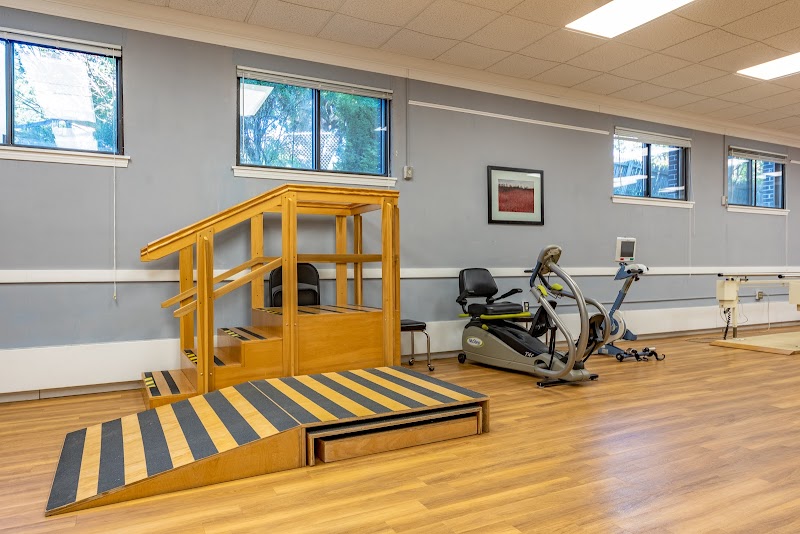
How is Care One At Northampton Staffed?

CMS rates CARE ONE AT NORTHAMPTON's staffing level at 2 out of 5 stars, which is below average compared to other nursing homes. Staff turnover is 50%, compared to the Massachusetts average of 46%. RN turnover specifically is 69%, which is notably high. RNs provide skilled clinical oversight, so turnover in this role can affect medical care quality.

What Have Inspectors Found at Care One At Northampton?

State health inspectors documented 24 deficiencies at CARE ONE AT NORTHAMPTON during 2021 to 2025. These included: 3 that caused actual resident harm and 21 with potential for harm. Deficiencies causing actual harm indicate documented cases where residents experienced negative health consequences.

Who Owns and Operates Care One At Northampton?

CARE ONE AT NORTHAMPTON is owned by a for-profit company. For-profit facilities operate as businesses with obligations to shareholders or private owners. The facility is operated by CAREONE, a chain that manages multiple nursing homes. With 125 certified beds and approximately 100 residents (about 80% occupancy), it is a mid-sized facility located in NORTHAMPTON, Massachusetts.
How Does Care One At Northampton Compare to Other Massachusetts Nursing Homes?

Compared to the 100 nursing homes in Massachusetts, CARE ONE AT NORTHAMPTON's overall rating (3 stars) is above the state average of 2.9, staff turnover (50%) is near the state average of 46%, and health inspection rating (2 stars) is below the national benchmark.

What Should Families Ask When Visiting Care One At Northampton?

Based on this facility's data, families visiting should ask: "Can you walk me through typical staffing levels on day, evening, and night shifts?" "Can I visit during a mealtime to observe dining assistance and food quality?" "How do you handle medical emergencies, and what is your hospital transfer rate?" "Can I speak with family members of current residents about their experience?" These questions are particularly relevant given the below-average staffing rating.

Is Care One At Northampton Safe?

Based on CMS inspection data, CARE ONE AT NORTHAMPTON has a clean safety record: no substantiated abuse findings (meaning no confirmed cases of resident harm), no Immediate Jeopardy citations (the most serious violation level indicating risk of serious injury or death), and is not on the Special Focus Facility watch list (a federal program monitoring the lowest-performing 1% of nursing homes). The facility has a 3-star overall rating and ranks #1 of 100 nursing homes in Massachusetts. While no facility is perfect, families should still ask about staff-to-resident ratios and recent inspection results during their visit.

Do Nurses at Care One At Northampton Stick Around?

CARE ONE AT NORTHAMPTON has a staff turnover rate of 50%, which is about average for Massachusetts nursing homes (state average: 46%). Moderate turnover is common in nursing homes, but families should still ask about staff tenure and how the facility maintains care continuity when employees leave.

Was Care One At Northampton Ever Fined?

CARE ONE AT NORTHAMPTON has been fined $39,819 across 2 penalty actions. The Massachusetts average is $33,477. While any fine indicates a compliance issue, fines under $50,000 are relatively common and typically reflect isolated problems that were subsequently corrected. Families should ask what specific issues led to these fines and confirm they've been resolved.

Is Care One At Northampton on Any Federal Watch List?

CARE ONE AT NORTHAMPTON is not on any federal watch list. The most significant is the Special Focus Facility (SFF) program, which identifies the bottom 1% of nursing homes nationally based on persistent, serious quality problems. Not being on this list means the facility has avoided the pattern of deficiencies that triggers enhanced federal oversight. This is a positive indicator, though families should still review the facility's inspection history directly.