JEFFREY & SUSAN BRUDNICK CENTER FOR LIVING


240 LYNNFIELD STREET, PEABODY, MA 01960 (781) 598-5310
Non profit - Corporation 180 Beds CHELSEA JEWISH LIFECARE Data: November 2025
Trust Grade
76/100
#25 of 338 in MA
Last Inspection: January 2025

Within standard 12-15 month inspection cycle. Federal law requires annual inspections.

Overview

The Jeffrey & Susan Brudnick Center for Living has a Trust Grade of B, indicating it is a good choice for families, as it falls in the solid range of care quality. With a state ranking of #25 out of 338 facilities in Massachusetts and #3 of 44 in Essex County, this nursing home is in the top half of local options. The facility is showing improvement, reducing its number of issues from 14 in 2024 to just 4 in 2025. Staffing is average with a rating of 3 out of 5 stars and a turnover rate of 27%, which is better than the state average, though the RN coverage is concerning as it is lower than 89% of facilities in the state. However, there are some significant weaknesses, including $10,194 in fines, which is average but still indicates some compliance issues. Specific incidents include a failure to prevent a serious fall that resulted in facial fractures for one resident due to inadequate assessments, and the lack of comprehensive care plans for residents with specific needs, such as pain management and alcohol use disorder. These findings highlight areas where the facility needs to improve, despite its overall solid performance.

Trust Score
B
76/100
In Massachusetts
#25/338
Top 7%
Safety Record
Moderate
Needs review
Inspections
Getting Better
14 → 4 violations
Staff Stability
✓ Good
27% annual turnover. Excellent stability, 21 points below Massachusetts's 48% average. Staff who stay learn residents' needs.
Penalties
○ Average
$10,194 in fines. Higher than 56% of Massachusetts facilities. Some compliance issues.
Skilled Nurses
⚠ Watch
Each resident gets only 28 minutes of Registered Nurse (RN) attention daily — below average for Massachusetts. Fewer RN minutes means fewer trained eyes watching for problems.
Violations
⚠ Watch
25 deficiencies on record. Higher than average. Multiple issues found across inspections.
★★★★★
5.0
Overall Rating
★★★☆☆
3.0
Staff Levels
★★★★★
5.0
Care Quality
★★★★☆
4.0
Inspection Score
Stable
2024: 14 issues
2025: 4 issues

The Good

  • 5-Star Quality Measures · Strong clinical quality outcomes
  • Low Staff Turnover (27%) · Staff stability means consistent care
  • Full Sprinkler Coverage · Fire safety systems throughout facility
  • No fines on record
  • Staff turnover is low (27%)

    21 points below Massachusetts average of 48%

Facility shows strength in quality measures, staff retention, fire safety.

The Bad

Federal Fines: $10,194

Below median ($33,413)

Minor penalties assessed

Chain: CHELSEA JEWISH LIFECARE

Part of a multi-facility chain

Ask about local staffing decisions and management

The Ugly 25 deficiencies on record

1 actual harm
Jan 2025 4 deficiencies
CONCERN (D)

Potential for Harm - no one hurt, but risky conditions existed

Resident Rights (Tag F0550)

Could have caused harm · This affected 1 resident

Based on observation, chart review and interview the facility failed to provide a dignified existence for one Resident (#23) out of a total sample of 30 Residents. Specifically, for Resident #23 the f...

Read full inspector narrative →
Based on observation, chart review and interview the facility failed to provide a dignified existence for one Resident (#23) out of a total sample of 30 Residents. Specifically, for Resident #23 the facility staff stood over the Resident while providing meal assistance. Findings include: Review of facility policy titled Quality of Life- Dignity, undated, indicated the following: -Each resident shall be cared for in a manner that promotes and enhances quality of life, dignity, respect and individuality. Resident #23 was admitted to the facility in October 2023 with diagnoses that include Parkinson's disease, dementia and age-related physical debility. Review of Resident #23's most recent Minimum Data Set (MDS) Assessment, dated 1/23/25, indicated a Brief Interview for Mental Status (BIMS) score of 10 out of 15, indicating that the Resident had moderate cognitive impairment. The MDS further indicated that the Resident requires supervision or touching assistance with eating. Review of Resident #23's active ADL (activities of daily living) care plan, initiated on 2/28/24, indicated that the Resident is unable to perform ADLs independently due to visual deficit, gait instability and poor balance. -On 1/28/25 at 8:38 A.M., the surveyor observed Resident #23 in bed. The Resident was being assisted with the breakfast meal by a staff member who was standing next to the bed over the resident. -On 1/29/24 at 8:29 A.M., the surveyor observed Resident #23 in bed. The Resident was being assisted with the breakfast meal by a staff member who was standing next to the bed over the resident. During an interview and observation on 1/28/25 at 8:33 A.M., Nurse #2 observed the Certified Nursing Assistant (CNA) assisting the Resident while standing. Nurse #2 said that staff assisting a resident with a meal should be at their level and face to face with the resident, but the staff member was not. During an interview on 1/29/25 at 1:33 P.M., CNA #1 said when assisting a resident with a meal, it is preferred that they stand because it is more professional and if you sit down while you assist, you might get too comfortable and not pay attention to the resident. During an interview on 1/30/25 at 8:15 A.M., the Assistant Director of Nurses said that staff should be seated while assisting a resident with a meal. She said standing while assisting with a meal would be a dignity concern.
CONCERN (D)

Potential for Harm - no one hurt, but risky conditions existed

Assessment Accuracy (Tag F0641)

Could have caused harm · This affected 1 resident

Based on record review and interview, the facility failed to accurately reflect the status of one Resident (#27) out of a total sample of 30 residents, when the Minimum Data Set (MDS) assessment indic...

Read full inspector narrative →
Based on record review and interview, the facility failed to accurately reflect the status of one Resident (#27) out of a total sample of 30 residents, when the Minimum Data Set (MDS) assessment indicated that the Resident was receiving an anticoagulant Resident #27 was admitted to the facility in October 2023 with diagnoses that include diabetes, anemia and hematuria. Review of Resident # 27's most recent Minimum Data Set (MDS) Assessment, dated 11/16/24, indicated a Brief Interview for Mental Status (BIMS) score of 15 out of 15, indicating that the Resident is cognitively intact. The MDS further indicates that the Resident is taking an anticoagulant medication. Review of Physician's orders failed to indicate any orders for anticoagulant medications. Review of the October 2024 and November 2024 Medication Administration Records failed to indicate any anticoagulant medications were administered. During an Interview on 1/30/25 at 10:21 A.M., the MDS Nurse said that aspirin is an antiplatelet medication, not an anticoagulant medication. The MDS Nurse reviewed Resident #27's medical record and said that he/she has not been on anticoagulant medication, and the MDS assessment was coded incorrectly. During an interview on 1/30/25 at 10:29 A.M., the Assistant Director of Nursing said that she would expect accurate coding on an MDS assessment.
CONCERN (D)

Potential for Harm - no one hurt, but risky conditions existed

Deficiency F0685 (Tag F0685)

Could have caused harm · This affected 1 resident

**NOTE- TERMS IN BRACKETS HAVE BEEN EDITED TO PROTECT CONFIDENTIALITY** Based on record review and interview, the facility failed to follow eye doctor recommendations for one Resident (#16) out of a t...

Read full inspector narrative →
**NOTE- TERMS IN BRACKETS HAVE BEEN EDITED TO PROTECT CONFIDENTIALITY** Based on record review and interview, the facility failed to follow eye doctor recommendations for one Resident (#16) out of a total sample of 30 residents. Findings include: Resident #16 was admitted in 12/2023 with diagnoses including dementia and diabetes mellitus. Review of the Minimum Data Set (MDS), dated [DATE], indicated Resident #16 could not participate in the Brief Interview for Mental Status exam due to impaired cognition. Review of the eye doctor exam note, dated 1/3/25, indicated a recommendation for two new medications. * New Medication Order: Ocusoft Lid Scrub Pads (a pad used for daily eyelid hygiene), apply 1, Both eyes, every morning for indefinitely. * New Medication Order: preservision AREDS 2 (a vitamin used for eye health), 1 Tablet, PO, twice daily for indefinitely; Follow-Up: 5-6 Months; please start areds 2 supplements after clearing w/ pcp. During an interview on 1/30/25 at 8:05 A.M., the Assistant Director of Nursing said that when the eye doctor comes in and makes recommendations, she expects the physician to be notified of the recommendations, review them, and put the order in place. Review of the physician documentation and progress notes failed to indicate that the recommendations were reviewed or the physician was notified of the recommendations. Review of the physician's orders failed to indicate the medications were ordered.
CONCERN (E)

Potential for Harm - no one hurt, but risky conditions existed

Comprehensive Care Plan (Tag F0656)

Could have caused harm · This affected multiple residents

**NOTE- TERMS IN BRACKETS HAVE BEEN EDITED TO PROTECT CONFIDENTIALITY** Based on observation, record review and interview, the facility failed to develop and implement a person- centered comprehensive...

Read full inspector narrative →
**NOTE- TERMS IN BRACKETS HAVE BEEN EDITED TO PROTECT CONFIDENTIALITY** Based on observation, record review and interview, the facility failed to develop and implement a person- centered comprehensive care plan for three Residents (#335, #29 and #18) out of a total sample of 30 residents. Specifically, 1. For Resident #335, the facility failed to develop orders or a care plan for the use of ACE wrap bandages. 2. For Resident #29, the facility failed to devlop a care plan for alcohol use disorder when a resident, with known history of alcohol use disorder was found with alcohol bottles in his/her room. 3. For Resident #18, the facility failed to develop a pain management care plan. Findings include: Review of facility policy titled Care Plans- Comprehensive, undated, indicated the following: -An individualized comprehensive care plan that includes measurable objectives and timetables to meet the resident's medical, nursing, mental and psychological needs is developed for each resident. -Residents will have a person-centered comprehensive care plan developed and implemented to meet his other preferences and goals, and address the resident's medical, physical, mental and psychosocial needs. [sic] -The comprehensive care plan is based on a thorough assessment that includes, but is not limited to, the MDS (Minimum Data Set) -Each resident's comprehensive care plan is designed to: -a. incorporate identified problem areas based on assessments; -b. incorporate risk factors associated with identified problems; -c. build on resident's strengths; -d. reflect the resident's expressed wishes regarding care and treatment goals; -e. reflect treatment goals, timetables and objectives in measurable outcomes; -f. Identify the professional services that are responsible for each element of care; -g. aid in preventing or reducing declines in the resident's functional status and/or functional levels; -h. reflect currently recognized standards of practice for problem areas and conditions. 1. Resident #335 was admitted in January 2025 with diagnoses including gout. Review of the Minimum Data Set (MDS) failed to indicate the Brief Interview for Mental Status had been completed. Review of the certified nursing aide activities of daily living documentation indicated Resident #335 requires substantial to maximal assist with upper body dressing. During an observation on 1/28/25 at 8:14 A.M., Resident #335 was observed lying in bed with his/her left hand wrapped in an ACE bandage (a stretchable band used to wrap around skin). During an observation on 1/29/25 at 9:39 A.M., Resident #335 was observed in the dining room with his/her left hand and wrist wrapped with an ACE bandage. Resident #335 said that he/she has had the bandage on to manage his/her gout. Review of the physician's orders or care plan failed to indicate that Resident #335 had an order or care plan for ACE bandage wraps. During an interview on 1/30/25 at 8:07 A.M., the Assistant Director of Nursing said that if a Resident has ACE bandages on, then she would expect an order and care plan to be developed for the ACE bandages. A review of the facility policy titled 'Substance Use Disorder' with no revision date indicated the following: -For the sake of this policy, substance use includes use of alcohol, legally prescribed narcotics and illegally procured narcotics. -Only legally prescribed substances will be allowed for residents to use and only if clinically indicated and ordered by the physician. All substances will need MD (Medical Director) orders. -Long term care residents with a history of substance abuse will be monitored for any substance use not ordered by a physician. If found, the substance will be removed immediately with consent from the resident. -For residents with activated HCP (Health Care Proxy) the facility will coordinate with the HCP all matters pertaining to substance use or risk of use. 2. Resident #29 was admitted to the facility in January 2023 with diagnoses including anxiety and depression. A review of the most recent Minimum Data Set (MDS) dated [DATE] indicated a Brief Interview for Mental Status (BIMS) score of 13 out of a possible 15 indicating intact cognition. A review of a behavior progress note dated 9/24/24 indicated but was not limited to: - This writer also found alcohol in resident's room. This was removed and resident informed he/she could not have alcohol in his/her room and he/she responded yes, I know that and informed him/her it was removed. This writer spoke with the HCP this morning and informed her about the alcohol She did not know he/she had alcohol in his/her room. He/she does have a hx of alcoholism. She has a hired aid to take resident out weekly for lunch and she is given a gift certificate for this so there is no cash given for the meals. She does not think the hired aid whom the resident refers to as his/her girlfriend would supply him/her with alcohol. [sic] A review of the Nurse Practitioner #2 progress notes dated 12/12/24 indicated but was not limited to: -Interim history: He/she was also found to be hoarding bottles of liquor that were hidden in his/her room. He/she continues to go out weekly with a companion which he/she very much enjoys. His/her hygiene is much improved and is urinating in appropriate places. Currently is on Depakote which has been helpful in improving behavioral control along with Trazodone at night for sleep. [sic] Visit Diagnoses: Dementia associated with alcoholism with behavioral disturbance A review of the cognitive problems care plan revised on 1/9/25 indicated the following: - Resident has alteration in cognition due to diagnosis of dementia due to alcohol use. A review of the mood care plan revised on 1/9/25 indicated the following: -Resident has alteration in mood state due to dementia associated with alcoholism with behavioral disturbance. Further review of both the cognitive problems and mood care plans failed to indicate person centered care plan with interventions and goals related to the Resident being found with alcohol bottles in his/her room. During an interview on 1/29/25 at 1:42 P.M., Unit Manager #3 said she found seven bottles (nips) of sealed vodka in Resident #29's room while cleaning out hoarded food on 9/24/24. She said she had no idea how the Resident brought the alcohol into the facility, Unit Manger #3 said she suspects the attendant who takes the Resident out weekly purchased the alcohol for him/her. Unit Manager #3 said the weekly visits outside the facility with the attendant continue to happen. Unit Manager #3 said she does random room searches when the Resident returns from the community with permission from the HCP. Unit manager #3 said she is the only staff member who conducts the room searches. She said that information should be put in the care plan so all staff are aware of the room search process. The Unit manager also said information about the Resident having alcohol in his/room should also be added to the care plan. She said the Resident is currently taking Trazodone and Depakote, she said it would be dangerous for the Resident to consume alcohol while on these medications. During an interview on 1/29/25 at 12:28 P.M., Nurse Practitioner #2 said Resident #29 has a history of alcoholism. She said he/she was found with bottles of alcohol in his/her room on 9/24/24. She said his/her history of alcoholism care plan should be developed to include this information, she said the care plan should also include a process for staff to follow and when to conduct room searches since the Resident is still going out to the community with an attendant weekly. She said it is imperative that the Resident does not mix alcohol with his/her current medications Depakote and Trazodone. During an interview on 1/30/25 at 7:43 A.M., the Social Worker said the Resident has a history of alcoholism. She said the care plan should be developed to include the Resident's history of having bottles of alcohol in his/her room. She said the room search process when the Resident returns from the community should be care planned so all staff are aware of the process. During an interview on 1/30/25 at 8:42 A.M., the Director of Nurses said Resident #29's current history of alcoholism care plan should be personalized with a history of alcohol bottles being found in his/her room and process for room searches when he/she returns from the community after his/her weekly visits. She said it would be dangerous for the Resident to mix alcohol with his/her current medications, Trazodone and Depakote. During an interview on 1/30/25 at 10:35 A.M., the Administrator said that Resident #29's care plan should not be personalized since he/she does not have a diagnosis of alcohol abuse. She said she was not aware Unit Manger #3 was conducting random room searches after the Resident returned from his/her weekly community visits. The Administrator said the Resident does not have a physician's order to drink alcohol. 3. Resident #18 was admitted to the facility in May 2024 with diagnoses that include osteoarthritis of the knee and age-related physical debility. Review of Resident #18's most recent Minimum Data Set (MDS) assessment, dated 12/14/25, indicated a Brief interview for Mental Status score of 13 out of 15 indicating intact cognition. The MDS also indicated that the resident is on scheduled pain medication and received or was offered PRN (as needed) pain medications in the last 5 days prior to the assessment. Review of admission paperwork from the acute care hospital, titled Physical Therapy Initial Evaluation, dated 5/21/24, indicated, Patient presents with performance deficits including decreased range of motion, decreased strength/ muscular endurance, altered cognition, decreased safety awareness, altered balance, altered skin integrity, pain, decreased ADL status. The paperwork further indicated a pain score of ten out of ten, chronic pain which was worsened by sitting, standing, bending and relieved by rest, medication, and changing position. Further, it indicated that functional limitations in bed mobility, transfers, ambulation, stair negotiation were related to pain. -On 1/28/25 at 7:55 A.M., Resident #18 said that lately he/she was having a lot of pain due to arthritis. The Resident said they take medication for the pain. -On 1/29/25 at 8:00 A.M., Resident #18 was sitting up in their wheelchair. Resident #18 said that they were having a lot of pain this morning in their back. Resident #18 said that they have spinal stenosis and arthritis that causes a lot of pain. Review of Resident #18's active physician's orders indicated the following: -Gabapentin (a medication used to treat pain) Oral Capsule 100 MG (milligrams), Give 4 capsule by mouth one time a day, dated 1/8/25. -Acetaminophen (Tylenol) Oral Tablet 325 mg, give 2 tablets by mouth every 6 hours as needed for pain, dated 8/28/24. -Pain Monitoring: Monitor for pain every shift and document level 0-10 (0 being no pain, 10 being the worst) every shift, dated 6/14/24. Review of the December 2024 Medication Administration Record (MAR) indicated the following: -Resident #18 received scheduled Acetaminophen daily, (physician's order was discontinued 1/13/25). -Resident #18 received as needed Acetaminophen dosing five times. -Resident #18 was assessed as reporting pain greater than 0 during 36 out of 90 shifts. Review of the January 2025 MAR indicated the following: -Resident #18 received scheduled daily gabapentin as ordered after 1/8/25. -Resident #18 received scheduled daily Acetaminophen as ordered until it was discontinued on 1/13/25. -Resident #18 received as needed Acetaminophen dosing nine times through 1/28/25. -Resident #18 was assessed as reporting pain greater than 0 during 22 out of 85 shifts. Review of Resident #18's active care plans failed to indicate an active care plan for pain. During an interview on 1/29/25 at 1:41 P.M., Unit Manager #1 said that when Resident #18 was admitted he/she had knee pain that they complained about. Unit Manager #1 reviewed the active care plan and said that there was not an active care plan for pain management and would look into if Resident #18 needed one. During an interview on 1/30/25 at 8:15 A.M., the Assistant Director of Nursing said that she would expect Resident #18 to have a plan of care in place for pain, but she does not.
Feb 2024 14 deficiencies 1 Harm
SERIOUS (G)

Actual Harm - a resident was hurt due to facility failures

Accident Prevention (Tag F0689)

A resident was harmed · This affected 1 resident

**NOTE- TERMS IN BRACKETS HAVE BEEN EDITED TO PROTECT CONFIDENTIALITY** Based on observations, record reviews, policy review and interviews, the facility failed to prevent a fall with major injury for...

Read full inspector narrative →
**NOTE- TERMS IN BRACKETS HAVE BEEN EDITED TO PROTECT CONFIDENTIALITY** Based on observations, record reviews, policy review and interviews, the facility failed to prevent a fall with major injury for 1 Resident (#43) out of a total sample of 34 residents. Specifically, the facility failed to complete the admission fall risk assessment and implement fall prevention interventions for a Resident with a history of recurrent falls and Traumatic Brain Injury, resulting in a fall with acute facial fractures. Findings include: Review of the facility policy titled, Fall Clinical Protocol, undated, indicated the following: *Fall assessments must be conducted by a licensed nurse on admission, after a fall, quarterly, and with a significant decline of functional status. The licensed nurse and/or interdisciplinary team will help identify if residents are at risk for falls. *A comprehensive fall assessment includes, but is not limited to: a. Asking resident/caregiver or responsible party about history of falls. b. Ambulation status and balance disturbance, contractures, weakness and tremors. C. Diagnosis, including CVA, syncope, osteoporosis, arthritis, and hypotension. d. Vision and hearing deficits. e. Psychotropic and cardiac medication use. f. Incontinence. g. Delerium, psychosis, behavioral issues and depression. h. Communication issues and language barrier. i. obesity and nutrition. j. others. *The licensed nurse or nurse manager will document risk factors for falling in the resident's medical record and discuss the resident's fall risk with the interdisciplinary team. Resident #43 was admitted to the facility in early December 2023 with diagnoses including dementia, history of falls and traumatic brain injury, seizure disorder and atrial fibrillation (irregular heart beat). Review of Resident #43's medical record indicated he/she was admitted from an assisted living facility with a neurosurgery progress note as the only admitting paperwork. The note indicated Resident #43 had a history of traumatic brain injury and seizure disorder and at his/her baseline has baseline confusion and requires assistance with daily activities and ambulation. Review of the admission Nurse Practitioner note dated 12/8/23 indicated the cause of Resident #43's previous traumatic brain injury prior to admission to the facility was a fall, and the Resident has history of recurrent falls. The note also indicated gait instability and Resident #43 was attempting to ambulate without an assistive device and needed reminders for use of the assistive device. Review of Resident #43's baseline care plan completed upon admission failed to indicate the Resident was at risk for falls. Review of Resident #43's medical record failed to indicate the facility completed a nursing admission assessment, which includes assessing a new admission for risk of falling. Review of the facility's initial fall risk assessment includes assessing the following: *Mental status, history of falls, ambulation/elimination status, vision, gait/balance/ambulation, systolic blood pressure, medication, resident has had a change in medication or change in dosage in the past 5 days, and predisposing factors which includes seizures. Review of Resident #43's most recent Minimum Data Set (MDS) assessment dated [DATE] indicated the Resident had a Brief Interview for Mental Status (BIMS) score of 5 out of a possible 15, which indicated he/she had severe cognitive impairment. The MDS also indicated Resident #43 required moderate assistance with transfers. Review of the nursing note dated 12/14/23 indicated the following: Resident is currently on skilled services for: Resident was found by this nurse at 1:50 P. M. on the bathroom floor of (his/her) room. Fall was unwitnessed by staff. V/S (vital signs) stable, moves all extremities without difficulty. Assessments and Interventions (including vital signs, labs, orders and consult visits): Hand grasps equal. Sm (small) 2.5x2.5 abrasion on back, top of head. Response: Son notified, NP notified. NNO (no new orders) at this time. Will maintain safety and discuss other methods of maintaing (sic) safety. A subsequent note dated 12/14/23 indicated the following: (The Resident) was sent out to the hospital s/p fall. (He/she) was sent for a medical evaluation due to hitting (his/her) head and bleeding. SW (Social Worker) will speak to the son (activated HCP) about bed hold policy. Intent to transfer to hospital notice faxed to Ombudsman's office. Review of the incident report dated 12/14/23 indicated the following: Patient walking back to room after finished breakfast. notice patient bleeding from head. bruise above right eye and bleed nose. NP son notify. decide to send to ER. EMT team arrive pt refuse to go with EMT and son. police involve to transfer to ER for further evaluation.(sic) Review of the discharge summary from the hospital dated 12/14/23 indicated the Resident was diagnosed with an acute fracture of the right zygomatic arch (cheek bone), right lateral orbital wall and greater wing of the sphenoid bone (bones on the front/side of skull). Review of Resident #43's initial care plans created on 12/11/23, failed to include a care plan for potential risk of falls. A care plan for fall management was not developed until 12/14/23, the day the Resident fell resulting in injury. On 1/30/24 at 8:17 A.M., Resident #43 was observed lying in bed. A floor mat was folded and under his/her bed. Resident #43 said he/she did not know why the floor mat was under his/her bed and was unable to recall if he/she had fallen while at the facility. During interviews on 2/01/24 at 7:28 A.M., and 8:09 A.M., Unit Manager #2 said all residents are assessed by nursing upon admission and this admission assessment includes assessing the resident's fall risk. Unit Manager #2 said all residents also have a potential for falls care plan developed upon admission to reduce risk of falls. Unit Manager #2 looked at Resident #43's electronic medical record at this time, and confirmed the Resident was never assessed by nursing upon admission, therefore did not assess his/her falls risk. During interviews on 2/01/24 at 7:59 A.M., and 8:51 A.M., the Director of Nursing (DON) said all residents who are admitted to the facility have a baseline care plan developed within 48 hours and all care plans are developed within 14 days. The DON said all residents have a potential for falls care plan developed upon admission and their risk of falls should be assessed upon admission. The DON said a resident's risk for falls is assessed during the initial nursing assessment. The DON then looked at Resident #43's electronic medical record at this time, and confirmed the Resident was never assessed by nursing upon admission, therefore did not assess his/her falls risk. The DON said Resident #43 was a fall risk at time of admission due to all the stuff the Resident had going on at the time of admission and should have had both an admission assessment and a fall care plan developed at the time of admission.
CONCERN (D)

Potential for Harm - no one hurt, but risky conditions existed

Deficiency F0637 (Tag F0637)

Could have caused harm · This affected 1 resident

**NOTE- TERMS IN BRACKETS HAVE BEEN EDITED TO PROTECT CONFIDENTIALITY** Based on record review and interviews for one Resident (#123) of 34 sampled residents, the facility failed to ensure staff adequ...

Read full inspector narrative →
**NOTE- TERMS IN BRACKETS HAVE BEEN EDITED TO PROTECT CONFIDENTIALITY** Based on record review and interviews for one Resident (#123) of 34 sampled residents, the facility failed to ensure staff adequately identified a significant change in the Resident's status and completed a comprehensive Significant Change of Status Assessment Minimum Data Set (MDS) as required. Specifically, the facility failed to identify and complete Significant Change in Status MDS when Resident #123 sustained a fall resulting in a right hip fracture, experienced significant weight loss, worsening dysphagia (difficulty swallowing), and developed two new pressure wounds. Findings include: Review of the MDS 3.0 Resident Assessment Instrument (RAI) Manual, dated October 2023, indicated a Significant Change in Status Assessment must be completed by the end of the 14th calendar day following determination that a significant change has occurred. It defines a significant change as a major decline or improvement in a resident's status that: 1. Will not normally resolve itself without intervention by staff or by implementing standard disease-related clinical interventions, the decline is not considered selflimiting; 2. Impacts more than one area of the resident's health status; and 3. Requires interdisciplinary review and/or revision of the care plan. Resident #123 was admitted to the facility in July 2023 with the diagnoses including Parkinson's disease and dementia. Review of Resident #123's MDS, dated [DATE], indicated: -a documented admission weight was 173 pounds. -he/she had no pressure wounds. Review of Resident #123's nurses progress notes, dated 7/18/23, indicated he/she was transferred to the hospital after he/she fell and an X-ray confirmed a right hip fracture. Review of Resident #123's dietary progress notes, dated 9/8/23, indicated he/she had unplanned, significant weight loss and an appetite stimulant medication (remeron) was ordered. This note indicated a 10.7% weight loss in the last 30 days based on a current documented weight of 150.2 pounds. Review of Resident #123's dietary progress notes, dated 9/27/23, indicated he/she had a significant, unplanned weight loss despite the remeron therapy (appetite stimulant dose). This note indicated a 5.3% weight loss in the last 30 days based on a current documented weight of 141.6 pounds. This note also indicated Resident #123's diet texture and liquid consistency had been downgraded secondary to dysphagia (difficulty swallowing). Review of Resident #123's weekly wound progress notes, dated 9/8/23, 9/29/23, and 10/6/23, indicated: -a stage 2 pressure wound on his/her coccyx. -a suspected deep tissue injury (pressure wound) on his/her right heel. Review of Resident #123's MDS, dated [DATE], indicated: -a significant weight loss based on a documented weight of 141 pounds. -a stage two pressure ulcer. During an interview on 2/1/24 at 9:56 A.M., The MDS Nurse said Resident #123 had a suspected deep tissue injury (pressure wound), in addition to the stage two pressure ulcer, that should have been coded on the MDS, dated [DATE], but was incorrectly missed. Review of Resident #123's dietary assessment note, dated 1/2/24, indicated: -a significant weight loss of 16% in the past 180 days. Significant weight loss was initially identified 9/8/23, 116 days before this dietary assessment note. -an ongoing stage two pressure wound on his/her coccyx. This pressure wound was initially identified 9/8/23, 116 days before this dietary assessment note. Although Resident #123 had a documented change in status which indicated he/she had a decline in more than two areas, including a significant weight loss, worsening dysphagia, and the development two new pressure wounds, a Significant Change in Status MDS Assessment was not initiated or completed within 14 days as required. During an interview on 2/1/24, the Director of Nursing (DON) said the MDS nurse monitors residents for the need to complete any Significant Change in Status MDS's. During an interview on 1/31/24 2:14 P.M., the MDS Nurse said if a resident had significant weight loss and a new pressure ulcer, she should complete a Significant Change in Status MDS. During an interview on 2/1/24 at 9:56 A.M., the MDS Nurse said Resident #123 should have been monitored for Significant Change in Status MDS after the resident had the fall resulting in a fracture. The MDS Nurse said a Significant Change in Status MDS should have been completed for Resident #123 in October 2023 when it was identified he/she had significant weight loss and developed a new pressure ulcers following the fall with a right hip fracture.
CONCERN (D)

Potential for Harm - no one hurt, but risky conditions existed

Comprehensive Care Plan (Tag F0656)

Could have caused harm · This affected 1 resident

**NOTE- TERMS IN BRACKETS HAVE BEEN EDITED TO PROTECT CONFIDENTIALITY** Based on record review and interview, the facility failed to follow the plan of care and implement physician's orders to perform...

Read full inspector narrative →
**NOTE- TERMS IN BRACKETS HAVE BEEN EDITED TO PROTECT CONFIDENTIALITY** Based on record review and interview, the facility failed to follow the plan of care and implement physician's orders to perform weekly skin assessments for one Resident (#66) out of a total sample of 34 Residents. Findings include: Resident #66 was admitted to the facility in May 2023 with diagnoses including respiratory failure, dementia, and type 2 diabetes mellitus. Review of Resident #66's most recent Minimum Data Set assessment (MDS) dated [DATE] indicated that the Resident has a Brief Interview for Mental Status score of 1 out of a possible 15 indicating that the Resident has severe cognitive impairment. Further review of the Resident's MDS indicated that Resident #66 is dependent for all activities of daily living. Review of Resident #66's Physician's Order dated 5/21/23 indicated the following: *Weekly skin assessment by a licensed nurse, document under Assessments in medical record every evening shift every Saturday. Review of Resident #66's skin assessment history, in the medical record, indicated that the Resident received a skin assessment on 12/16/23, the next skin assessment the Resident received was on 1/13/24 indicating that the Resident missed three weekly skin assessments dated 12/23/23, 12/30/23 and 1/6/24. Review of Resident #66's skin breakdown care plan dated 1/4/24 indicated the following intervention: *Monitor skin breakdown for increased drainage and odor. Review of Resident #66's diabetes mellitus care plan dated 12/11/23 indicated the following intervention: *Weekly skin assessment by a licensed nurse. Review of Resident #66's incontinence care plan dated 6/2/23 indicated the following intervention: *Weekly skin check by a nurse Review of Resident #66's nursing progress notes failed to indicate that the Resident refused his/her weekly skin checks on 12/23/23, 12/30/23 and 1/6/24. During an interview on 2/1/24 at 8:37 A.M., Nurse #4 said all residents receive skin checks weekly. Nurse #4 said if a resident refuses a skin check it should be documented. During an interview on 2/1/24 at 7:28 A.M., Unit Manager #2 said skin assessments are always done weekly, even if residents are on hospice services. During an interview on 2/1/24 at 7:59 A.M., the Director of Nursing (DON) said skin checks are completed weekly by floor nurses or the nursing manager.
CONCERN (D)

Potential for Harm - no one hurt, but risky conditions existed

Deficiency F0658 (Tag F0658)

Could have caused harm · This affected 1 resident

Based on observations, record review and interview, the facility failed to provide care in accordance with professional standards of practice for one Resident (#64) out of a total sample of 34 Residen...

Read full inspector narrative →
Based on observations, record review and interview, the facility failed to provide care in accordance with professional standards of practice for one Resident (#64) out of a total sample of 34 Residents. Specifically, for Resident #64, the facility failed to implement the physician's orders to free float heels while in bed. Review of facility policy, titled Pressure Ulcer Prevention, undated, indicates immobility as a risk factor for pressure ulcers and when in bed, every attempt should be made to float heels (keep heels off of the bed) by placing a pillow from knee to ankle or with other devices as recommended by clinical staff or by the physician. Resident #64 was admitted to the facility in December 2023 with diagnoses that including but not limited to aftercare following joint replacement surgery, fracture of unspecified part of the neck of unspecified femur, need for assistance with personal care and anxiety disorder. Review of the Minimum Data Set (MDS) assessment, dated 12/23/23, indicates a Brief Interview for Mental Status (BIMS) score of 14 out of 15, indicating that Resident #64 is cognitively intact. The MDS further indicates that Resident #64 does not have pressure areas present but is at risk for developing pressure areas. Review of the Braden Assessment (an assessment tool used to assess the risk of pressure ulcer development), dated 12/17/23 indicates a score of 13, indicating that Resident #64 is at moderate risk for skin breakdown. Review of Resident #64's physician orders indicate to free float heels while in bed, dated 12/28/23 and skin prep (a treatment that when applied to the skin forms a protective barrier) to bilateral heels, dated 12/18/23. During the survey the following observations were made by the surveyor: On 1/30/24 at 9:10 A.M., Resident #64 was observed in his/her bed with a breakfast tray in front of him/her. The surveyor attempted to interview Resident #64 however he/she did not respond to the surveyor. On 1/30/24 at 4:25 P.M., Resident #64 was observed lying on his/her back sleeping in bed. Resident #64's heels were resting on the mattress, not elevated as ordered. On 1/31/24 at 6:58 A.M., Resident # 64 was observed sleeping in bed with heels on the mattress, a pillow was to the right of Resident # 64's legs. On 1/31/24 at 8:27 A.M., Resident # 64 was observed in bed sleeping on his/ her back. Resident #64's heels were on the mattress, not elevated on pillows. On 1/31/24 at 8:41 A.M., A certified nursing assistant (CNA) brought breakfast into the room for Resident #64. Resident #64 was in bed on his/her back with his/her heels on the mattress. On 1/31/24 at 11:49 A.M., Resident #64 was observed lying in bed on his/her back. A pillow was observed under his/her legs, but the left heel was on the mattress. On 1/31/24 at 3:30 P.M., Resident # 64 was observed in bed on his/her back with his/her heels resting on the mattress. On 2/1/24 at 7:11 A.M., Resident #64 was observed lying in bed on his/her back with his/her heels resting on the mattress. During an observation on 2/1/24 at 10:24 AM, CNA #6 exited Resident #64's room after assisting him/her with care. Resident #64 was observed to have his/her heels resting on the mattress. During an interview at this time, CNA #6 said that she was not aware of orders to elevate Resident #64's heels off the mattress, and said she just placed a pillow between Resident #64's knees. CNA #6 said that they use a white board in the resident rooms to indicate care that needs to be provided, and that elevating heels while in bed was not on Resident #64's white board. Review of Resident #64's care plan, undated, indicates that he/she is at risk for skin breakdown related to decreased mobility with interventions that include barrier cream per house protocol and weekly skin assessments by a licensed nurse. Review of the Treatment Administration Record (TAR) dated 1/2024 indicated Resident #64's heels have been signed off by nursing staff as being elevated while in bed. During an interview on 2/1/23 at 10:13 A.M., Nurse #6 said that with an order to free float heels while in bed, she would expect that Resident #64's heels are elevated on pillows. Nurse #6 said that Resident #64 has experienced a decline and moves a lot in bed, and that staff should increase monitoring of his/her heel elevation due to this. Nurse #6 said Resident #64 is at higher risk for skin breakdown because she is not as mobile as he/she used to be. During an interview on 2/01/24 11:03 A.M., Unit Manager #3 said that she would expect that Resident #64 has his/her heels elevated while in bed per physician's orders. Unit Manager #3 said that Resident #64 is especially at risk for skin breakdown due to actively going through a change in condition. During an interview on 2/1/24 11:36 A.M., the Director of Nursing said that if there are physician orders for heel elevation that he expects that it is being carried out. The Director of Nursing said that if it is being signed off as completed on the Treatment Administration Record that it should be assessed and addressed. The Director of Nursing said that if Resident #64 was eating less and was less mobile than he/she would be at increased risk for skin breakdown.
CONCERN (D)

Potential for Harm - no one hurt, but risky conditions existed

Deficiency F0694 (Tag F0694)

Could have caused harm · This affected 1 resident

Based on observations, record reviews, and interviews the facility failed to administer parenteral fluids (delivery of fluids or medications through an intravenous route) consistent with professional ...

Read full inspector narrative →
Based on observations, record reviews, and interviews the facility failed to administer parenteral fluids (delivery of fluids or medications through an intravenous route) consistent with professional standards of practice for one Resident (#130) out of a total sample of 34 residents. Specifically, the facility failed to: 1. Change the Peripherally Inserted Central Catheter (PICC: a flexible tube inserted through a vein in one's arm and passed through to the larger veins near the heart, used to deliver medications intravenously [IV]) dressing per facility policy; 2. Obtain a baseline measurement for the external length of Resident #130's PICC from when it was placed to ensure the PICC had not migrated (moved from the heart to another area, which could have a significant impact on treatment, or cause serious harm) per facility policy. Findings include: Review of the facility policy titled PICC Line Management, undated, indicated that PICC line dressings should be changed within 24 hours and then at least weekly with a transparent dressing. The policy also indicated that outside migration of the PICC line should be monitored through measurement of exposed catheter. Review of the Lippincott Manual of Nursing Practice, 11th Edition, dated 2021, included the following for documentation relative to PICC line migration and dressing changes: -Use a sterile measuring tape or incremental markings on the catheter to measure the external length of the catheter from hub to skin entry to make sure that the catheter hasn't migrated. Resident #130 was admitted to the facility in January 2024 with diagnoses that included but was not limited to infection and inflammatory reaction due to internal right hip prosthesis, pain, aftercare following joint replacement surgery, difficulty walking and unspecified infectious disease. Review of Minimum Data Set (MDS) assessment, dated 1/29/24, indicated a Brief Interview for Mental Status score of 13 out of 15 indicating that Resident #130 is cognitively intact. Review of the baseline care plan, dated 1/23/24, indicated that Resident #130 required after care post-surgery related to hip and left upper extremity PICC due to infection. Review of the care plan failed to develop interventions for care related to the PICC. Review of physician orders indicated an order for Zosyn Intravenous Solution (an antibiotic to treat infection) 3.375 grams every six hours for a hip infection for six weeks. 1. During the survey the following observations were made by the surveyor: On 1/29/24 at 9:31 A.M., the surveyor observed a double lumen PICC (An IV line with two external tubes) to Resident #130's left arm with a dressing dated 1/22/24. On 1/30/24 at 1:32 P.M., the surveyor observed a double lumen PICC to Resident #130's left arm with a dressing dated 1/22/24. On 1/30/24 at 4:35 P.M., the surveyor observed Resident #130 in his/her room. Resident #130 said that his/her PICC line dressing had just been changed by the nurse. The surveyor was unable to visualize the dressing due to being covered with clothing. Review of the Medication Administration Record indicated the PICC dressing was changed on 1/30/24. Review of nurse's progress notes indicated that PICC dressing was changed on 1/30/24. During an interview on 2/1/24 at 10:29 A.M., Unit Manager #3 said that she would expect that a PICC dressing would be changed on admission and then at least weekly. Unit Manager #6 could not find documentation that the dressing was changed on admission. During an interview on 2/1/24 at 11:43 A.M., the Director of Nursing (DON) said that PICC dressings should be changed at minimum once weekly. 2. Review of the Nursing admission Assessment, dated 1/23/24, indicated Resident #130 was admitted with a PICC to his/her left arm. There is no indication that external catheter length was measured or assessed. Review of nursing progress notes from 1/23/24 through 1/30/24 failed to indicate external length of the PICC was measured until 1/30/24 which indicated that the external length was measured at 0 cm. Review of the medical record indicated that the facility failed to receive the PICC insertion report from the receiving hospital, stating both internal and external lengths of the PICC upon insertion. During an interview on 2/1/24 at 10:13 A.M., Nurse #6 said that the facility did not have the insertion report which is unusual for a resident with a PICC. Nurse #6 said that as far as she knows, the external length has always been zero, but without a copy of the insertion report she cannot say for sure. During an interview on 2/1/24 at 10:29 A.M., Unit Manager #3 said that the facility always received the insertion report for a PICC, but they did not get one for Resident #130. Nurse #6 said that without the insertion report there would be no way to tell if the PICC has migrated in or out since it's initial placement. Nurse #6 said that the facility performed a chest x-ray to confirm placement of the PICC, but that they would still need the insertion report if the PICC comes out or to know if it has migrated. During an interview on 2/1/24 at 11:43 A.M., the Director of Nursing (DON) said that to check external length of a PICC, you would need to perform a dressing change, which did not occur at the facility until 1/30/24. The DON said that they confirmed internal placement with a chest x-ray but to care for the PICC line the facility should have received the insertion report.
CONCERN (D)

Potential for Harm - no one hurt, but risky conditions existed

Respiratory Care (Tag F0695)

Could have caused harm · This affected 1 resident

Based on observations, interview, and record review the facility failed to provide respiratory care services consistent with professional standards of practice for one Resident (#8) out of a total sam...

Read full inspector narrative →
Based on observations, interview, and record review the facility failed to provide respiratory care services consistent with professional standards of practice for one Resident (#8) out of a total sample of 34 residents. Specifically, for Resident #8, the facility failed to a). follow physician's orders to administer supplemental oxygen at night, and b). failed to change and label oxygen tubing per physician's orders. Review of the facility policy, Oxygen Administration, undated, indicates in part to Review the physician's orders or facility protocol for oxygen administration, and to assess oxygen saturation (the measure of how much oxygen is traveling through your body in your red blood cells) before and while the resident is receiving oxygen therapy. Resident #8 was admitted to the facility in January 2024 with diagnoses including but not limited to chronic respiratory failure with hypoxia (low levels of oxygen in your body tissues), adjustment disorder with mixed anxiety, heart failure, unspecified, depressed mood, and pleural effusion. Review of the Minimum Data Set (MDS) assessment, dated 1/16/24, indicates that Resident #8 has a Brief Interview for Mental Status, (BIMS) score of 9 out of 15, indicating moderate cognitive impairment. The MDS further indicates that Resident #8 utilizes oxygen therapy. Review of Resident #8's baseline care plan, undated, indicates that he/she has respiratory issues with chronic respiratory failure and O2 (oxygen) use. a. During the survey the following observations were made by the surveyor: On 1/30/24 at 9:18 A.M., Resident #8 was lying in bed. The oxygen concentrator was running in the corner of the room. The nasal cannula was not applied to Resident #8. Resident #8 states he/she only wears it at night and removes it in the morning. On 1/31/24 at 6:56 A.M., Resident #8 was observed sleeping in his/her bed and did not have the nasal cannula on, and no oxygen administered. The oxygen concentrator was in the corner of the room with the nasal cannula wrapped up in a bag, hanging off the oxygen concentrator. The oxygen concentrator was off. On 1/31/24 at 7:50 A.M., Resident #8 was observed laying in bed with the oxygen concentrator running in the corner of the room. The nasal cannula was not applied on Resident #8. The nasal cannula was on the bed, under Resident #8's pillow. During an interview at this time Resident #8 said that the overnight staff forgot to put it on and that when morning staff checked his/her oxygen saturation, sometime after 7:00 A.M., it was 83% (below the normal range of 95-100%) so the oxygen was applied at that time. Resident #8 said he/she felt off when his/her oxygen was low. On 1/31/24 at 11:57 A.M., Resident #8 was observed lying in bed. The nasal cannula was wrapped up and, in a bag, hanging off the oxygen concentrator. Resident #8 said he/she is feeling better but said he/she was concerned that he/she had an oxygen saturation of 83% this morning because his/her oxygen was not applied the previous night per physician orders. Review of physician's orders indicates that Resident #8 has a physician's order for oxygen at 3 liters via nasal cannula at night, apply at nighttime (HS) and remove in the morning, dated 1/16/24 Review of the Medication Administration Record (MAR) indicates that the oxygen was applied per physician's orders on 1/30/24 and into the morning of 1/31/24. During an interview on 1/31/24 at 8:11 A.M., Nurse #6 said the Certified Nursing Assistant checked Resident #8's vital signs in the morning and his/her oxygen saturation was 83%. Nurse #6 said she rechecked Resident #8's oxygen saturation and it was 86%. Nurse #6 said that Resident #8 did not have oxygen applied at the time. Nurse #6 said the nasal cannula was wrapped up and, in the bag, hanging on the concentrator in the room. Nurse #6 said that the oxygen had not been applied overnight as ordered by physician. During an interview on 2/1/24 at 10:29 A.M., Unit Manager #3, said she would expect that Resident #8's oxygen be applied every night as per physician orders. Unit Manager #3 said that if the order was signed off as administered on the Medication Administration Record she would expect that it was administered. During an interview on 2/01/24 at 11:40 A.M., the Director of Nursing (DON) said that if there is an order for continuous oxygen, then he would expect that oxygen should be applied per physician's order. The DON said that if it was not applied, he would expect the MAR to reflect that. b. The facility failed to ensure to maintain the oxygen equipment for Resident #8 in accordance with the physician's orders. During the survey the following observations were made by the surveyor: On 1/30/24 at 9:18 A.M., Resident #8 was lying in bed. The oxygen concentrator was running in the corner of the room. The oxygen tubing was labeled and dated 1/22/24. On 01/30/24 at 4:27 P.M., the oxygen tubing was in a bag, labeled and dated 1/22/24. On 1/31/24 at 6:56 A.M., the oxygen concentrator was in the corner of the room with the nasal cannula wrapped up in a bag, hanging off the oxygen concentrator. The oxygen tubing was labeled and dated 1/22/24. On 1/31/24 at 11:57 AM., the nasal cannula was wrapped in a bag, hung off the oxygen concentrator. The oxygen tubing was labeled and dated 1/22/24. Review of physician's orders indicates an order to change oxygen tubing every week on Sunday 11-7 (date and initial), dated 1/22/24. Review of the Treatment Administration Record (TAR) indicates that on 1/28/24 oxygen tubing was signed off by nursing staff as changed. During an interview on 2/01/24 at 10:29 A.M., Unit Manager # 3 said that oxygen tubing should be changed every Sunday on the overnight shift. Unit Manager #3 also said that if it was signed off as changed that she would expect that it would have been changed. She also said that she would expect that any nurse applying the oxygen would inspect the tubing. During an interview on 2/01/24 at 11:40 A.M., the Director of Nursing (DON) said that oxygen tubing should be changed every week per physician's orders. The DON also said that if a nurse signed off that the oxygen tubing was changed, he would expect that it was changed.
CONCERN (D)

Potential for Harm - no one hurt, but risky conditions existed

Deficiency F0699 (Tag F0699)

Could have caused harm · This affected 1 resident

**NOTE- TERMS IN BRACKETS HAVE BEEN EDITED TO PROTECT CONFIDENTIALITY** Based on record review and interview, the facility failed to ensure a plan of care was developed for Trauma-Informed Care for on...

Read full inspector narrative →
**NOTE- TERMS IN BRACKETS HAVE BEEN EDITED TO PROTECT CONFIDENTIALITY** Based on record review and interview, the facility failed to ensure a plan of care was developed for Trauma-Informed Care for one Resident (#129), who was admitted with the diagnosis of Post-Traumatic Stress Disorder (PTSD), out of a total sample of 34 residents. Findings include: Review of the facility policy titled Trauma Informed Care, undated, indicated the following: * Newly admitted residents will be assessed for trauma possibly affecting resident by a licensed nurse or a licensed social worker *Assessment should be done through one or all of the following: * Review of medical records taking into considerations the nature and its effect to the resident * Interview with the resident who is competent and credible historian of his/her condition *Interview with family involved in resident and aware of resident's history of trauma prior to admission to the facility *Based on assessment, the facility will proceed in developing care plan if possible issues may arise. Resident #129 was admitted to the facility in October 2023 with diagnoses including Post-Traumatic Stress Disorder (PTSD), aphasia (loss of ability to understand or express speech) and anxiety disorder. Review of Resident #129's most recent Minimum Data Set Assessment (MDS) dated [DATE] indicated that the Resident has a Brief Interview for Mental Status score of 5 out of a possible 15 indicating that the Resident has severe cognitive impairment. Further review of Resident #129's MDS indicated that the Resident has a diagnosis of PTSD. Review of Resident #129's hospital discharge paperwork from before he/she was admitted to the facility indicated a PTSD diagnosis. Review of Resident #129's active care plans failed to indicate that an individualized care plan for a PTSD diagnosis with specific interventions/approaches relating to the Resident was developed. During an interview on 1/31/24 at 11:37 A.M., Nurse #1 said she was not aware that Resident #129 has PTSD or what the cause of it was from. Nurse #1 continued to say when a resident has PTSD a care plan should be implemented identifying resident specific triggers and interventions. During an interview on 1/31/24 at 12:00 P.M., Social Worker #1 said questions relating to resident specific trauma are included in their initial assessments. Social Worker #1 said we would then ask the Resident about the PTSD and the cause of it so we can care plan for it. She further said care planning for PTSD would impact how the resident receives care, what interventions should be implemented and how the resident should be approached. Social Worker #1 said she was not aware Resident #129 had a PTSD diagnosis. During an interview on 2/1/24 at 8:05 A.M., the Director of Nursing said he expects a PTSD care to be in place for residents with a diagnosis of PTSD.
CONCERN (D)

Potential for Harm - no one hurt, but risky conditions existed

Deficiency F0761 (Tag F0761)

Could have caused harm · This affected 1 resident

Based on observations, interviews and policy review the facility failed to ensure 1. medication carts were locked on two of nine nursing units and 2. failed to ensure medications were stored properly ...

Read full inspector narrative →
Based on observations, interviews and policy review the facility failed to ensure 1. medication carts were locked on two of nine nursing units and 2. failed to ensure medications were stored properly on one of nine nursing units. Findings include: Review of the facility policy titled Storage of Medications, not dated, indicated The facility shall store all drugs and biologicals in a safe, secure, and orderly manner. Review of the facility policy titled Administering Medications, not dated, indicated During administration of medications, the medication cart will be kept closed and locked when out of sight of the medication nurse or aide. No medications are kept on top of the cart. 1. On 1/31/24 at 8:09 A.M., the surveyor observed the E Unit medication cart in the hallway to be unlocked and unsupervised. No nurse was present at the medication cart. During an interview 1/31/24 at 8:11 A.M., Nurse #6 said she should have locked her medication cart and said she did not. On 2/01/24 at 8:54 A.M., the surveyor observed the I Unit medication cart in the hallway to be unlocked and unsupervised. No nurse was present at the medication cart. During an interview 2/01/24 on 8:55 A.M., Nurse #1 said she should have locked her medication cart before walking away from it and said she did not. 2. On 2/01/24 at 7:58 A.M., the surveyor observed three cards of medications with medications in the cards on top of the medication cart on F Unit with no nurse present. During an interview on 2/01/24 at 8:02 A.M., Nurse #2 said the medication cards should not be left out on the medication cart but said they were left out when she walked away from the medication cart.
CONCERN (D)

Potential for Harm - no one hurt, but risky conditions existed

Deficiency F0810 (Tag F0810)

Could have caused harm · This affected 1 resident

Based on observations, record review, policy review, and interviews, the facility failed to provide adaptive equipment for one Resident (#93) of 34 sampled residents. Specifically, the facility failed...

Read full inspector narrative →
Based on observations, record review, policy review, and interviews, the facility failed to provide adaptive equipment for one Resident (#93) of 34 sampled residents. Specifically, the facility failed to ensure Resident #93 was provided with built up utensils for use during his/her meals to maximize food intake. Findings include: Review of the facility policy, titled 'Equipment - General Use for All Residents', undated, indicated: -Our facility will provide routine equipment for the general use of the resident population. 4. Adaptive equipment will be utilized, as applicable. Resident #93 was admitted to the facility in January 2022 with diagnoses including Parkinson's disease and dysphagia (difficulty swallowing). Review of the most recent Minimum Data Set (MDS) assessment, dated 12/2/23, indicated that Resident #93 had moderate cognitive impairment as evidenced by a Brief Interview of Mental Status (BIMS) score of 10 out of 15. This MDS also indicated Resident #93 required substantial/maximal assistance with eating. On 01/30/24 at 8:51 A.M., the surveyor observed Resident #93 sleeping in bed with a breakfast tray on his/her bedside table. There was a diet meal slip on tray with Resident #93's name on it that indicated built up utensils should be provided. There were not built up utensils on the tray, instead there were regular utensils. There was oatmeal, muffin, coffee, orange juice, and a nutritional supplement on the tray. On 1/31/24 9:39 A.M., the surveyor observed Resident #93 eating breakfast with supervision by a certified nurse assistant (CNA). Resident #93 did not have built up utensils, instead there were regular utensils on the tray. There was oatmeal, muffin, and coffee on the tray. Resident #93 was dipping a muffin into his/her coffee using his/her fingers. Review of Resident #93's Treatment Administration Record (TAR) indicated an order to Provide resident w/ (with) built up utensils and lip plate for all meals was marked as implemented with all meals on 2/1/24, 1/31/24, and 1/30/24. Review Resident #93's physician's order, dated 7/21/23, indicated: -House diet, Soft and Bite Sized texture, Thin liquids consistency, Please provide lip plate and built up utensils. Review of the plan of care related to nutrition, dated 1/8/24, indicated: -Utilize adaptive equipment: lip plate and built up utensils. Review of the two most recent Resident #93's Dietary Assessment, dated 11/26/23 and 9/2/23, indicated the use of adaptive equipment including a lip plate and built up utensils. During an interview on 1/31/24 at 12:41 P.M., CNA #3 said Resident #93 is not able to eat with regular utensils and needs built up utensils. This interview was performed in Resident #93's room while he/she was eating lunch. There was pasta on Resident #93 tray. There were a built up fork, spoon, and knife provided on the tray. CNA #3 said Resident #93 she uses her hand for finger foods, but needs built up utensils for other food items such as pasta, oatmeal, or cereal. During an interview on 1/31/24 12:43 P.M., Resident #93 said that he/she cannot hold regular silverware because of his/her shaking hands. Resident #93 said he/she can't eat without built up utensils. Resident #93 said built-up utensils are not always available, but likes to use them. During an interview on 1/31/24 at 1:39 P.M., Nurse #3 said Resident #93 uses built up utensils and can not eat without them. Nurse #3 said Resident #93 should be provided with built up utensils at all meals. During an interview on 2/1/24 at 7:36 A.M., the Director of Nursing (DON) said the need for built up utensils is communicated to staff provided meals on the diet meal slip. The DON said he was not aware of the facility not having built up utensils available during the survey dates of 1/30/24, 1/31/24, or 2/1/24. The DON said if the need for built up utensils is on the diet meal slip it is the expectation that they should be provided on the meal trays.
CONCERN (D)

Potential for Harm - no one hurt, but risky conditions existed

Medical Records (Tag F0842)

Could have caused harm · This affected 1 resident

**NOTE- TERMS IN BRACKETS HAVE BEEN EDITED TO PROTECT CONFIDENTIALITY** 2. Resident #86 was admitted to the facility in January 2024 with diagnoses that include but are not limited to need for assista...

Read full inspector narrative →
**NOTE- TERMS IN BRACKETS HAVE BEEN EDITED TO PROTECT CONFIDENTIALITY** 2. Resident #86 was admitted to the facility in January 2024 with diagnoses that include but are not limited to need for assistance with personal care, spinal stenosis, Chronic obstructive pulmonary disease, insomnia and unsteadiness on feet. Review of the Minimum Data Set, (MDS), dated [DATE], indicates that Resident #86 has a Brief Interview for Mental Status, (BIMS) score of 15 out of 15, indicating that he/she is cognitively intact. The MDS further indicates that Resident #86 is at risk for developing pressure areas but does not currently have any pressure ulcers. During the survey the following observations were made by the surveyor: On 1/30/24 at 2:00 P.M., there was no air mattress present on Resident #86's bed. On 1/30/24 at 4:43 P.M., there was no air mattress present on Resident #86's bed. On 1/31/24 at 7:00 A.M., Resident # 86 was observed sleeping in bed, there was no air mattress on his/ her bed. Review of the Braden Assessment (an assessment tool used to assess the risk of pressure ulcer development), dated 1/5/24, indicates that Resident #86 scored a 16, indicating a mild risk for skin breakdown. Review of physician's orders indicates an order for an air mattress, check function and settings every shift per resident's weight, dated 1/9/24. Review of nurse's notes, dated 1/13/24 indicates, in part, Air mattress put into place. Further review of nurse's notes, dated 1/15/24, indicates in part, the patient (pt)called me over and requested that I switch his/her air mattress back to a standard one. I reminded the patient we switched them originally because he/she was uncomfortable with the standard mattress. Pt reported that he/she would rather have the standard mattress. request will be put in for mattress switch. Review of the Treatment Administration Record (TAR) indicates that from 1/9/24 through 1/31/24 the nursing staff signed off Resident #86 as having an air mattress. During an interview on 1/31/24 at 3:34 P.M., Nurse #7 said that Resident #86 did not have an air mattress. Nurse #7 said that the order should have been discontinued and that it should not be signed off as in place. During an interview on 2/01/24 at 11:34 A.M., the Director of Nursing (DON), said that the order should have been discontinued when the air mattress was removed and should not be signed off as in place. The DON said he expects that if a nurse is signing off an order, they are doing what is on the order. Based on observations, record reviews and interviews, the facility failed to maintain accurate medical records for two Residents (#119 and #86) out of a total sample of 34 residents. Specifically, the facility 1) inaccurately completed a skin assessment for Resident #119 and 2) inaccurately documented the presence of an air mattress for Resident #86. Findings include: 1. Resident #119 was admitted to the facility in April 2023 with diagnoses including Alzheimer's Disease. Review of Resident #119's most recent Minimum Data Set (MDS) dated [DATE], indicated the Resident was unable to complete the Brief Interview for Mental Status (BIMS) exam and staff assessed him/her to have severe cognitive impairment. The MDS also indicated Resident #119 is dependent on staff for bed mobility tasks. Review of the weekly wound note dated 1/26/24 indicated Resident #119 has an unstageable pressure area on his/her right heel measuring 2cm (centimeter) by 2cm which has been present since 11/19/23. Review of the weekly skin assessment dated [DATE] indicated Resident #119's skin was dry and intact. During an interview on 2/01/24 at 8:09 A.M., Unit Manager (UM) #2 said Resident #119 currently has a pressure area on his/her right heel. During an interview on 2/01/24 at 7:59 A.M., the Director of Nursing (DON) said skin assessments are completed weekly and are completed by the floor nurses. The DON said they are only checked for accuracy if flagged for a particular reason. The DON said Resident #119 has had a pressure area on the right heel since November 2023 and it should be documented on the weekly skin assessments. The DON reviewed the weekly skin assessment dated [DATE] and said it was inaccurate.
CONCERN (D)

Potential for Harm - no one hurt, but risky conditions existed

Infection Control (Tag F0880)

Could have caused harm · This affected 1 resident

Based on observations, policy review and interviews the facility failed to ensure infection control standards of practice for the prevention of infections were implemented. Specifically, the facility ...

Read full inspector narrative →
Based on observations, policy review and interviews the facility failed to ensure infection control standards of practice for the prevention of infections were implemented. Specifically, the facility failed to ensure nursing staff performed hand hygiene appropriately during the medication administration task. Findings include: Review of the facility policy titled Handwashing/Hand Hygiene, not dated, indicated This facility considers hand hygiene the primary means to prevent the spread of infections. Employees must wash their hands for at least fifteen seconds using antimicrobial or non-antimicrobial soap and water under the following conditions: c. Before and after direct resident contact; u. After removing gloves or aprons. 1. On 2/1/24 from 9:02 A.M. to 9:06 A.M., the surveyor observed Nurse #1 don (apply) gloves without performing hand hygiene prior, then open a capsule of medication and was observed to remove her gloves without performing hand hygiene. Nurse #1 was then observed to don another pair of gloves and then opened another capsule of medication, removed her gloves all without performing hand hygiene. Nurse #1 was then observed to enter a resident room administered medication and exit the resident room without performing hand hygiene. During an interview on 2/1/24 at 9:08 A.M., Nurse #1 said she did not perform hand hygiene before or after glove use and said she should have. Nurse #1 said the expectation is that she would use hand sanitizer before entering and after exiting a resident room.
CONCERN (E)

Potential for Harm - no one hurt, but risky conditions existed

Assessment Accuracy (Tag F0641)

Could have caused harm · This affected multiple residents

**NOTE- TERMS IN BRACKETS HAVE BEEN EDITED TO PROTECT CONFIDENTIALITY** Based on interview and record review the facility failed to accurately code the Minimum Data Set (MDS) assessment for four Resid...

Read full inspector narrative →
**NOTE- TERMS IN BRACKETS HAVE BEEN EDITED TO PROTECT CONFIDENTIALITY** Based on interview and record review the facility failed to accurately code the Minimum Data Set (MDS) assessment for four Residents (#123, #52, #140, and #61) out of a total sample of 34 Residents. Findings include: 1a.) Resident #123 was admitted to the facility in July 2023 with diagnoses that included Parkinson's disease, dementia, and malnutrition. Review of Resident #123's Minimum Data Set (MDS), dated [DATE], failed to indicate a fall with major injury. Review of Resident #123's nursing progress note, dated 7/18/23, indicated he/she was transferred to the hospital on 7/17/23 after he/she reported an unwitnessed fall and an X-ray confirmed a right hip fracture. Review of the MDS 3.0 Resident Assessment Instrument (RAI) Manual, dated October 2023, indicated Resident and family reports of falls should be captured here whether or not these incidents are documented in the medical record. During an interview on on 2/1/24 at 9:56 A.M., the MDS Nurse said a fall should be coded on the MDS when a Resident reports a fall, even if it was not witnessed by staff. The MDS Nurse said she should have coded Resident #123's report of a fall as a fall with major injury on the MDS, dated [DATE], but she did not. 1b.) Resident #123 was admitted to the facility in July 2023 with diagnoses that included Parkinson's disease, dementia, and malnutrition. Review of Resident #123's Minimum Data Set (MDS), dated [DATE], failed to indicate he/she had a suspected deep tissue injury (pressure wound). Review of Resident #123's skin observation assessment, dated 9/15/23, indicated a suspected deep tissue injury (pressure wound) on his/her right heel with an onset date of 8/25/23. Review of Resident #123's entire medical record, dated 9/15/23 to 9/17/23, failed to indicate the suspected deep tissue injury (pressure wound) on his/her right heel had healed. During an interview 1/31/24 3:05 P.M., The MDS Nurse said the suspected deep tissue injury (pressure wound) should have been coded, but it was not. During an interview on 2/1/24 7:44 A.M., The Director of Nursing (DON) said if a wound was present it should be coded on the MDS. 2.) Resident #52 was admitted to the facility in August 2023 with diagnoses that included Parkinson's disease and type two diabetes mellitus. Review of Resident #52's Minimum Data Set (MDS), dated [DATE], indicated he/she had a stage one pressure wound. Review of Resident #52's nursing note, dated 11/16/23, indicated he/she had a coccyx wound dressing changed with area increasing in size, granulation tissue (tissue that forms over the bed of a wound during the healing process) to the center of the wound and peeling skin to the edges. Review of Resident #52's treatment administration record (TAR), dated 11/18/24, indicated his/her coccyx wound had serous (a clear fluid that leaks out of wounds) drainage. During an interview 1/31/24 3:05 P.M., The MDS Nurse reviewed the 11/18/24 TAR entry that indicated serous drainage from the coccyx wound. The MDS nurse said if she saw this she would clarify the wound stage because serous drainage would mean the wound was open, indicating at least a stage two pressure wound. The MDS nurse confirmed that MDS, dated [DATE], was coded as a stage one and said if it wasn't clarified it should have been coded as a stage two pressure wound, but was not. During an interview on 2/1/24 7:44 A.M., The Director of Nursing (DON) said serous drainage would indicate an open wound. The DON said if a wound was present it should be coded on the MDS. 4.) Resident #61 was admitted to the facility in August 2022 with diagnoses including Alzheimer's disease and hypertension. Review of Resident #61's most recent Minimum Data Set Assessment (MDS) dated [DATE] indicated that the Resident had a Brief Interview for Mental Status score of 3 out of a possible 15 indicating that he/she has severe cognitive impairment. Further review of the Resident's MDS indicated that he/she was currently on a feeding tube. Review of the facility's matrix (a report that displays individual resident's care needs) indicated that Resident #61 requires tube feeding. Review of Resident #61's physician's order dated 9/27/23 indicated the following: *House diet, Minced & moist texture. Thin Liquids consistency. Review of Resident #61's active and discontinued physician's orders did not indicate that the Resident ever required tube feeding. During an interview on 1/30/24 at approximately 9:45 A.M., Resident #61's spouse said he/she has never required tube feeding since being admitted to the facility. There was no tube feeding pole in the Resident's room at the time of the interview. During an interview on 1/31/24 at 10:41 A.M., the MDS Coordinator said she follows RAI guidelines when documenting for the MDS. She first reviews the resident's chart, hospital discharge summary, interviews the resident, if able and reviews the electronic medical record. The MDS Coordinator continued to say Resident #61's MDS was coded in error as he/she is not on tube feeding. During an interview on 1/31/24 at 10:54 A.M., the Registered Dietitian said she coded Resident #61's MDS incorrectly. 3.) Resident #140 was admitted to the facility in October 2023 with diagnoses that included dementia, dysphagia, and chronic kidney disease. Review of Resident #140's most recent Minimum Data Set (MDS), dated [DATE], indicated in section A of the MDS that the Resident discharged to a short-term general hospital. Review of Resident #140's social services note, dated 11/15/23, indicated Patient was discharged to home on today's date, as planned. Review of Resident #140's nursing progress note, dated 11/15/23, indicated Discharge home with meds and services, all paperwork and med list explained to patient and his/her daughter. Review of Resident #140's NP note, dated 11/15/23, indicated Date of discharge: [DATE], Disposition: Discharge home with medications and services. During an interview on 2/1/24 at 9:24 A.M., the MDS Coordinator said she made an error with the discharge coding and said the MDS should have been coded that Resident #140 discharged home.
CONCERN (E)

Potential for Harm - no one hurt, but risky conditions existed

Pressure Ulcer Prevention (Tag F0686)

Could have caused harm · This affected multiple residents

**NOTE- TERMS IN BRACKETS HAVE BEEN EDITED TO PROTECT CONFIDENTIALITY** Based on observations, record reviews, policy reviews and interviews, the facility failed to follow recommendations for the trea...

Read full inspector narrative →
**NOTE- TERMS IN BRACKETS HAVE BEEN EDITED TO PROTECT CONFIDENTIALITY** Based on observations, record reviews, policy reviews and interviews, the facility failed to follow recommendations for the treatment of pressure ulcers for three Residents (#65, #6, and #52) out of a total sample of 34 residents. Specifically, the facility 1) failed to follow a recommendation to offload a wound for Resident #65 and 2) failed to maintain the correct air mattress setting for two Residents #6 and #52. Findings include: Review of the facility policy titled Pressure Ulcer Prevention, not dated, indicated When in bed, every attempt should be made to float heels (keep heels off of the bed) by placing a pillow from knee to ankle or with other devices as recommended by clinical staff or the physician. Review of the facility policy titled Support Surface Guidelines, undated, indicated the following: Guidelines for Pressure-Relieving Mattress: -Resident provided with special mattress should follow the doctor's order or manufacture guidelines for special mattress settings. -Monitor periodically to ensure resident support and comfort, adjusting the setting if desired. Review of the facility policy, titled Pressure Ulcer Treatment, undated, indicated: -Reporting: 2. If the resident refused the treatment, the reason for refusal and the resident's response to the explanation of the risks of refusing the procedure, the benefits of accepting and available alternatives. Document family and physician notification of refusal. 1. Resident #65 was admitted to the facility in August 2023 with diagnoses including dementia, congestive heart failure, and Parkinson's disease. Review of Resident #65's most recent Minimum Data Set assessment (MDS), dated [DATE], indicated he/she scored an 8 out of a possible score of 15 on the Brief Interview for Mental Status (BIMS) which indicated he/she had moderate impaired cognition. Further review of the MDS indicated he/she is dependent on staff for bed mobility. During observation and interview on 1/30/24 at 10:19 A.M., the surveyor observed Resident #65 lying in bed with a pillow under his/her calves and his/her heels directly touching the mattress. Resident #65 said that his/her heels hurt. During observations on 1/31/24 at 7:30 A.M., 8:29 A.M., 9:09 A.M., 9:52 A.M., and 11:09 A.M., the surveyor observed Resident #65 lying in bed with a pillow under his/her calves and his/her heels directly touching the mattress. During an observation on 1/31/24 at 10:15 A.M. and 10:40 A.M., the surveyor observed Resident #65 lying in bed with a pillow under his/her calves and his/her heels directly touching the mattress with the soles of his/her feet pressed up against the footboard. Review of Resident #65's Physician Orders, dated 1/28/24, indicated Free float heels while in bed every shift for right heel wound. Review of Resident #65's Braden Scale (an assessment for predicting pressure ulcer risk), dated 11/21/23, indicated Resident #65 scored 16, which indicated resident is at risk for developing a pressure ulcer. Review of Resident #65's Incident Note, dated 1/29/24, indicated Description of Incident/Accident: 11 am (A.M.) aide caring for the resident noticed bloody drainage on his/her sheet and something wrong to his/her right heel called nurse. Immediate Interventions Implemented: Free float heels with pillows. Review of Resident #65's Nursing Note, dated 1/31/2024, indicated Right heel wound noted with necrotic tissue, small amount of serosanguinous drainage, heels free floating while in bed, dressing as ordered. During an interview on 2/1/24 at 9:46 A.M., Unit Manager #1 said that Resident #65 accepts all care. During an interview on 2/1/24 at 10:22 A.M., Unit Manager #1 said she would expect for a resident with an order to float heels, that the resident's heels would not be touching the mattress or footboard. 2b) Resident #52 was admitted to the facility in August 2023 with diagnoses including Parkinson's disease and type two diabetes mellitus. Review of the most recent Minimum Data Set (MDS) assessment, dated 11/18/23, indicated that Resident #52 had severe cognitive impairment as evidenced by a Brief Interview for Mental Status (BIMS) score of 6 out of 15. This MDS also indicated Resident #52 was dependent of staff for rolling left to right in bed. During the survey the following observations were made by the surveyor: -On 1/30/24 at 9:39 A.M., Resident #52 was observed lying in his/her bed. The Resident's bed had an air mattress pump set to 160 pounds. -On 1/30/24 at 1:33 P.M., Resident #52 was observed sitting in a chair in his/her room. The Resident's bed had an air mattress pump set to 160 pounds. -On 1/31/24 at 7:55 A.M., Resident #52 was observed lying in his/her bed. The Resident's bed had an air mattress pump set to 160 pounds. -On 1/31/24 at 1:21 P.M., Resident #52 was sitting in his/her wheelchair in his/her room. The Resident's bed had an air mattress pump set to 160 pounds. Review of Resident #52's weight trend report indicated: -11/14/23: 103.6 pounds (lbs) -11/6/23: 98.4 lbs Review of Resident #52's Treatment Administration Record (TAR) indicated an order: Air mattress in place. Monitor for function and settings (weight) every shift for pressure relief was marked as implemented on all shifts on 1/30/24, 1/31/24, and 1/30/24. Review of Resident #52's physician's order, initiated 12/14/23, indicated: -Air mattress in place. Monitor for function and settings (weight) every shift for pressure relief related to Parkinson's disease. Review of Resident #52's medical record failed to indicate resident refusal of air mattress settings or need for alterative air mattress settings based on preference or comfort. Review of Resident #52's plan of care related to potential for skin breakdown, dated 1/8/24, indicated: -Air mattress in place. Check function every shift. Review of Resident #52's plan of care related to air mattress, dated 1/8/24, indicated: -Pressure relief for stage 1 pressure ulcer. -Air mattress function to be monitored every shift. Review of Resident #52's skin assessment, dated 1/25/24, indicated a stage two pressure ulcer on his/her coccyx measuring 2.2 centimeters (cm) by 3.5 cm. Review of most recent Braden Scale for Predicting Pressure Sore Risk Assessment, dated 11/17/23, indicated Resident #52 was at moderate risk for skin breakdown as evidenced by a score of 13. During an interview on 1/31/24 at 1:36 P.M., Nurse #3 said Resident #52 has an air mattress because he/she has a stage two pressure ulcer on his/her coccyx. Nurse #3 said this air mattress was ordered for pressure ulcer care and prevention, and the Resident was later admitted to hospice and so the air mattress is for comfort. Nurse #3 said Resident's air mattress setting should be by his/her weight. Nurse #3 said the nurse assigned to the Resident is responsible for checking that the air mattress settings are correct. During an interview on 2/1/24 at 7:40 A.M., the Director or Nursing (DON) said air mattress settings are set to the Resident's weight and the physician's order for air mattress settings should be followed. The DON said the accuracy of the air mattress settings should be checked at the frequency the order specifies. 2a) Resident #6 was admitted to the facility in November 2022 with diagnoses including acute heart failure, spinal stenosis lumbar region, and type 2 diabetes mellitus. Review of Resident #6's most recent Minimum Data Set assessment dated [DATE] indicated that the Resident had a Brief Interview for Mental Status score of 14 out of a possible 15 indicating that the Resident is cognitively intact. Further review of the MDS indicated that the Resident has a stage 2 pressure ulcer. The surveyor made the following observations: *On 1/30/24 at 1:03 P.M., Resident #6 was sitting in his/her wheelchair in his/her room. The Resident's bed had an air mattress pump set to 320 pounds. *On 1/31/24 at 7:55 A.M., Resident #6 was observed sleeping in his/her bed. The Resident's bed had an air mattress pump set to 320 pounds. *On 1/31/24 at 1:36 P.M., Resident #6 was sitting in his/her wheelchair in his/her room. The Resident's bed had an air mattress pump set to 320 pounds. Review of Resident #6's physician's order dated 1/26/24 indicated the following: *air mattress: check function and settings every shift per resident's weight Review of Resident #6's weight summary indicated that the Resident's weight was 179 pounds on 1/24/24. Review of Resident #6's skin breakdown care plan dated 1/23/24 indicated the following interventions: *Air Mattress in place - check function and settings every shift *Pressure relieving mattress at all times. During an interview on 2/1/24 at 8:23 A.M., Nurse #4 said she was not aware Resident #6's air mattress was set to 320 pounds. She said when a resident has an air mattress it is set to the Resident's weight and the physician's order should be followed. During an interview on 2/1/24 at 8:27 A.M., Resident #6 said he/she has never touched his/her air mattress pump settings. During an interview on 2/1/24 at 8:46 A.M., the Director of Nursing said air mattress settings are set to the Resident's weight and the physician's order for air mattress settings should be followed.
CONCERN (E)

Potential for Harm - no one hurt, but risky conditions existed

Unnecessary Medications (Tag F0759)

Could have caused harm · This affected multiple residents

Based on observations, records reviewed, policy review and interviews, the facility failed to ensure it was free of a medication error rate of five percent or greater when 2 of 4 nurses, made 6 errors...

Read full inspector narrative →
Based on observations, records reviewed, policy review and interviews, the facility failed to ensure it was free of a medication error rate of five percent or greater when 2 of 4 nurses, made 6 errors in 28 opportunities, totaling a medication error rate of 21.43%. These errors impacted 2 Residents (Resident #291 and #114) out of 4 residents observed. Findings include: Review of the facility policy titled Administering Medications, not dated, indicated Medications shall be administered in a safe and timely manner, and as prescribed. Medications must be administered in accordance with the orders, including any required time frame. The individual administering medications must verify the resident's identity before giving the resident his/her medications using 2 identifiers. 1. On 2/1/24 from 7:50 A.M. to 8:01 A.M., the surveyor observed Nurse #2 prepare and administer the following medications to Resident #291: - midodrine (used to treat low blood pressure) 10 mg (milligrams), one tab administered. - jardiance (used for diabetes and cardiovascular disease) 10 mg, one tab administered. - acetaminophen (used for pain or a fever reducer) 325 mg, three tabs administered for a total dose of 975 mg. - ferrous sulfate (iron supplement) 325 mg, one tab administered. Nurse #2 was also observed to obtain Resident #291's blood sugar. Review of Resident #291's physician orders indicated the only scheduled medication for his/her morning 9:00 A.M., medications was Aspirin Delayed Release 81 mg. During an interview on 2/1/24 at 8:03 A.M., Nurse #2 said she gave Resident #291 his/her roommates medications and said she has never worked this unit until today. During an interview on 2/1/24 at 10:36 A.M., the Director of Nurses (DON) said he expects that the nurse would give the correct medications to the correct resident. 2. On 2/1/24 from 8:55 A.M. to 9:04 A.M., the surveyor observed Nurse #1 prepare and administer the following medications to Resident #114: - cranberry tablet 450 mg (milligrams), one tab administered. - omeprazole (used for acid reflux) delayed release capsule 20 mg, one capsule was observed to be opened by Nurse #1 and put into applesauce, administered to Resident #114. Review of Resident #114's physician orders failed to indicate a dose for the cranberry tablet. During an interview on 2/1/24 at 8:57 A.M., Nurse #1 said she always gives the cranberry 450mg tablet and said Resident #114's order does not have a dose on what exactly to give. Nurse #1 said she can open the delayed release omeprazole capsule as the Resident has swallowing issues. During an interview on 2/1/24 at 10:19 A.M., Unit Manager #2 said Resident #114's cranberry tablet order should have a dose in the order, so nursing knows exactly how much to give. Unit Manager #2 said the nurse should never open a delayed release capsule medication and said it should be given as it comes in the capsule.
Dec 2022 7 deficiencies
CONCERN (D)

Potential for Harm - no one hurt, but risky conditions existed

Comprehensive Assessments (Tag F0636)

Could have caused harm · This affected 1 resident

**NOTE- TERMS IN BRACKETS HAVE BEEN EDITED TO PROTECT CONFIDENTIALITY** Based on record review and interview the facility failed to ensure they accurately assessed the presence of a pressure ulcer on ...

Read full inspector narrative →
**NOTE- TERMS IN BRACKETS HAVE BEEN EDITED TO PROTECT CONFIDENTIALITY** Based on record review and interview the facility failed to ensure they accurately assessed the presence of a pressure ulcer on the Minimum Data Set (MDS) for 1 Resident (#50) out of a sample of 28 residents. Findings include: Resident #50 was admitted to the facility in November 2022 with diagnoses that included hypertension, heart failure, sciatica and transient cerebral ischemic attack. Review of Resident #50's Nursing assessment dated [DATE], indicated integumentary- left and right buttocks stage 1 pressure ulcers. Review of Resident #50's Physician's order dated 11/29/22 indicated, apply moisture barrier cream to hips, coccyx, elbows and heels every shift during care. Review of Resident #50's admission Note dated 11/29/22 indicated, Resident #50 has a stage 1 pressure area on R (right) and left inner buttock. Review of Resident #50's Physician's orders indicated an active order dated 12/20/22, Coccyx wound wash with normal saline, pat dry, apply triad cream, dress with foam sacral dressing daily. Review of Resident #50's most recent Minimum Data Set (MDS) dated [DATE] failed to accurately assess the presence of a pressure ulcer by answering 0 for number of pressure ulcers in section M. During an interview on 12/21/22 at 10:36 A.M., MDS Nurse #1 said she did not code the area as pressure on the MDS and said the wound has worsened since she did her last assessment. MDS Nurse #1 said she gathers her information from the nurses and the nursing documentation to complete the MDS.
CONCERN (D)

Potential for Harm - no one hurt, but risky conditions existed

Deficiency F0655 (Tag F0655)

Could have caused harm · This affected 1 resident

**NOTE- TERMS IN BRACKETS HAVE BEEN EDITED TO PROTECT CONFIDENTIALITY** Based on record review and interview the facility failed to identify a pressure ulcer on the baseline care plan for 1 Resident (...

Read full inspector narrative →
**NOTE- TERMS IN BRACKETS HAVE BEEN EDITED TO PROTECT CONFIDENTIALITY** Based on record review and interview the facility failed to identify a pressure ulcer on the baseline care plan for 1 Resident (#50) out of a sample of 28 residents. Findings include: Resident #50 was admitted to the facility in November 2022 with diagnoses that included hypertension, heart failure, sciatica and transient cerebral ischemic attack. Review of the facility's policy titled, Care Plans, not dated, indicated baseline care plans will be done for new admissions to address basic needs until a comprehensive care plan is developed. Review of Resident #50's Physician's order dated 11/29/22 indicated, apply moisture barrier cream to hips, coccyx, elbows and heels every shift during care. Review of Resident #50's Nursing admission assessment dated [DATE], indicated integumentary- left and right buttocks stage 1 pressure ulcers no measurement taken. Review of Resident #50's admission Note dated 11/29/22 indicated, Resident #50 has a stage 1 pressure area on R (right) and left inner buttock. Review of Resident #50's admission baseline care plan's dated 11/29/22 failed to identify Resident #50's pressure area. Further review of the baseline care plan indicated *If actual open area is present on admission or develops, initiate a care plan for ACTUAL. Review of Resident #50's Care Plans failed to indicate that nursing staff developed a care plan for an actual skin area. During an interview on 12/21/22 at 7:33 A.M., Unit Manager #3 said Resident #50 came in with a sore on his/her buttocks and the admitting nurse should have put that on the baseline care plan. During an interview on 12/21/22 at 2:11 P.M. the Director of Nursing said he would expect that the pressure area would be identified on the baseline care plan and a care plan should have been developed.
CONCERN (D)

Potential for Harm - no one hurt, but risky conditions existed

Comprehensive Care Plan (Tag F0656)

Could have caused harm · This affected 1 resident

**NOTE- TERMS IN BRACKETS HAVE BEEN EDITED TO PROTECT CONFIDENTIALITY** Based on observations, record review, and interviews, the facility failed to obtain physician orders for hospice services for 1 ...

Read full inspector narrative →
**NOTE- TERMS IN BRACKETS HAVE BEEN EDITED TO PROTECT CONFIDENTIALITY** Based on observations, record review, and interviews, the facility failed to obtain physician orders for hospice services for 1 Resident (#102) out of a total sample of 28 residents. Findings include: Resident #102 was admitted to the facility in May 2022 with diagnoses including Alzheimer's Disease and heart failure. Review of Resident #102's most recent Minimum Data Set (MDS) dated [DATE] indicated the Resident had a Brief Interview for Mental Status (BIMS) score of 10 out of a possible 15 which indicated he/she has moderate cognitive impairment. Review of Resident #102's medical chart indicated he/she had been admitted to hospice services on 10/12/22. The medical chart failed to indicate physician orders were written to initiate hospice services. During an interview on 12/21/22 at 9:00 A.M., Unit Manager #1 said a physician order is needed when hospice services are initiated and confirmed Resident #102 did not have these orders.
CONCERN (D)

Potential for Harm - no one hurt, but risky conditions existed

Deficiency F0658 (Tag F0658)

Could have caused harm · This affected 1 resident

**NOTE- TERMS IN BRACKETS HAVE BEEN EDITED TO PROTECT CONFIDENTIALITY** Based on observations, record review and interview, the facility failed to inform 1 Resident (#45) of the administration of medi...

Read full inspector narrative →
**NOTE- TERMS IN BRACKETS HAVE BEEN EDITED TO PROTECT CONFIDENTIALITY** Based on observations, record review and interview, the facility failed to inform 1 Resident (#45) of the administration of medications out of a total sample of 28 residents. Findings include: Resident #45 was admitted to the facility in November 2022 with diagnoses including dementia. Review of Resident #45's most recent Minimum Data Set (MDS) dated [DATE] indicated the Resident had a Brief Interview for Mental Status (BIMS) score of a 3 out of a possible 11 which indicated he/she has severe cognitive impairment. The MDS also indicates Resident #45 is dependent on staff for all functional daily tasks. On 12/20/22 at 12:20 P.M., Nurse #1 was observed assisting Resident #45 with his/her soup. Nurse #1 went to her medication cart after the Resident #45 had taken a bite of soup, obtained the Resident's medication and returned to the dining table. Nurse #1 then administered the Resident his/her medication by combining it with a spoonful of soup without telling the Resident he/she was receiving medication. Review of Resident #45's care plan failed to indicate Resident #45 refuses medication or can have his/her medications combined with food. During an interview on 12/20/22 at 2:20 P.M., Nurse #1 said Resident #45 is difficult to administer medications to and he/she often spits out his/her medications. Nurse #1 said due to the Resident spitting out the medications, she has to administer them with food. Nurse #1 said she did not tell Resident #45 he/she was receiving medication because he/she would have refused them or spit out the medication. During an interview on 12/21/22 at 7:59 A.M., the Director of Nursing said residents need to be informed they are receiving medications prior to the administration of the medication. The Director of Nursing said it is not allowed to disguise medications in food without telling the resident.
CONCERN (D)

Potential for Harm - no one hurt, but risky conditions existed

Drug Regimen Review (Tag F0756)

Could have caused harm · This affected 1 resident

**NOTE- TERMS IN BRACKETS HAVE BEEN EDITED TO PROTECT CONFIDENTIALITY** Based on record reviews and interviews, the facility failed to follow pharmacy recommendations for 2 Residents (#113 and #87) ou...

Read full inspector narrative →
**NOTE- TERMS IN BRACKETS HAVE BEEN EDITED TO PROTECT CONFIDENTIALITY** Based on record reviews and interviews, the facility failed to follow pharmacy recommendations for 2 Residents (#113 and #87) out of a total of 28 sampled residents. Findings include: 1. Resident #113 was admitted to the facility in November 2022 with diagnoses including Alzheimer's disease. Review of Resident #113's most recent Minimum Data Set (MDS) dated [DATE] indicated the Resident had a Brief Interview for Mental Status (BIMS) score of 3 out of a possible 15 which indicates he/she has severe cognitive impairment. Review of Resident #113's physician orders indicated the following order initiated on 11/17/22: **Ativan (an anti-anxiety medication) tablet 0.5 MG milligrams. Give 0.25 mg by mouth every 12 hours as needed for Anxiety/Agitation. Review of the pharmacy recommendation dated 11/27/22 indicated the following: *Resident is receiving the following PRN psychotropic medication. Regardless of hospice care, these medications are required to be re-evaluated after 14 days. If therapy is to continue beyond 14 days, please note the medical justification for continued use in progress notes and specify the number of days the PRN order is to continue. *The Pharmacy recommendation was not reviewed by the physician until 12/21/22, over 3 weeks after the recommendations. During an interview on 12/21/22 at 12:57 P.M., the Director of Nursing said all pharmacy recommendations are sent to him as well as the unit managers on each floor. The Director of Nursing said the expectation is for pharmacy recommendations to be reviewed as soon as possible and Resident #113's recommendation was not reviewed timely. 2. Resident #87 was admitted to the facility in November of 2019 with diagnoses including anxiety. Review of Resident #87's most recent Minimum Data Set (MDS) dated [DATE] indicated the Resident was unable to complete the Brief Interview for Mental Status (BIMS) exam and the staff had assessed him/her to have severe cognitive impairment. Review of Resident #87's physician order indicated the following order initiated on 10/7/22: *Ativan (an anti-anxiety medication) tablet 0.5 MG milligrams. Give 0.5 mg by mouth every 6 hours as needed for anxiety/agitation. Review of the pharmacy recommendation dated 11/27/22 indicated the following: *Resident is receiving the following PRN psychotropic medication. Regardless of hospice care, these medications are required to be re-evaluated after 14 days. If therapy is to continue beyond 14 days, please note the medical justification for continued use in progress notes and specify the number of days the PRN order is to continue. *The Pharmacy recommendation was not reviewed by the physician until 12/21/22, over 3 weeks after the recommendations. During an interview on 12/21/22 at 12:57 P.M., the Director of Nursing said all pharmacy recommendations are sent to him as well as the unit managers on each floor. The Director of Nursing said the expectation is for pharmacy recommendations to be reviewed as soon as possible and Resident #87's recommendation was not reviewed timely.
CONCERN (D)

Potential for Harm - no one hurt, but risky conditions existed

Food Safety (Tag F0812)

Could have caused harm · This affected 1 resident

Based on observation and interview the facility failed to maintain proper sanitation practices related to proper food storage and labeling. Findings include: Review of the undated facility policy, t...

Read full inspector narrative →
Based on observation and interview the facility failed to maintain proper sanitation practices related to proper food storage and labeling. Findings include: Review of the undated facility policy, titled Food Handling, indicated the following: *Foods should be discarded on or before its expiration date 1. During the initial walkthrough of the kitchen on 12/20/22 at 8:31 A.M., the following observations were made: - Walk-in freezer contained 1 package of english muffins that were frozen, opened and not dated/labeled. - Walk-in refrigerator contained 1 bag of what looked like cut up potatoes with no date/label. -Walk-in refrigerator contained 1 bag of shredded cheese, opened and undated. -Walk in refrigerator A cup covered in saran wrap that contained staff food. -A bag of moldy hot dog rolls. - A bag of hamburger buns that was split open, the bread was hard. -A bag of hot dog rolls dated November 28, 2022. -A bag of hot dog rolls with a date of best if used by December 13, 2022. During interviews throughout this time on 12/20/22, Food Service Director said opened food should have a label/date. Food Service Director also said the cup of food in the walk in produce refrigerator was his cup of beans and had thrown them away.
CONCERN (E)

Potential for Harm - no one hurt, but risky conditions existed

Medication Errors (Tag F0758)

Could have caused harm · This affected multiple residents

**NOTE- TERMS IN BRACKETS HAVE BEEN EDITED TO PROTECT CONFIDENTIALITY** Based on record review, policy review and interview the facility staff, failed to ensure 1) that PRN (as needed) psychotropic me...

Read full inspector narrative →
**NOTE- TERMS IN BRACKETS HAVE BEEN EDITED TO PROTECT CONFIDENTIALITY** Based on record review, policy review and interview the facility staff, failed to ensure 1) that PRN (as needed) psychotropic medication was limited to 14 days, and that the physician evaluated the appropriateness to extend the use and document the rationale and the duration for the PRN medication, for 2 Residents (#113 and #87) and 2) failed to ensure a diagnosis was in place for the use of antipsychotic medications for 2 Residents (#102 and #106) out of a total sample of 28 residents. Findings include: 1a. Resident #113 was admitted to the facility in November 2022 with diagnoses including Alzheimer's disease. Review of Resident #113's most recent Minimum Data Set (MDS) dated [DATE] indicated the Resident had a Brief Interview for Mental Status (BIMS) score of 3 out of a possible 15 which indicates he/she has severe cognitive impairment. Review of Resident #113's physician orders indicated the following order initiated on 11/17/22: *Ativan (an anti-anxiety medication) tablet 0.5 MG milligrams. Give 0.25 mg by mouth every 12 hours as needed for Anxiety/Agitation. The physician order failed to have a reassessment date, or an end date written. Review of the Medication Administration Report (MAR) for November 2022 and December 2022 indicate Resident #113 had taken the prn Ativan 6 times since the order was initiated. During an interview on 12/21/22 at 8:06 A.M., Unit Manager #2 said if psychotropic medications are being used on an as needed basis, the physician must document an end date on the order and re-evaluate the use of the medication within 14 days of starting it. Unit Manager #2 confirmed Resident #113's order for Ativan written on 11/17/22 did not include an end date or date of re-evaluation. 1b. Resident #87 was admitted to the facility in November of 2019 with diagnoses including anxiety. Review of Resident #87's most recent Minimum Data Set (MDS) dated [DATE] indicated the Resident was unable to complete the Brief Interview for Mental Status (BIMS) exam and the staff had assessed him/her to have severe cognitive impairment. Review of Resident #87's physician order indicated the following order initiated on 10/7/22: *Ativan (an anti-anxiety medication) tablet 0.5 MG milligrams. Give 0.5 mg by mouth every 6 hours as needed for anxiety/agitation. The physician order failed to indicate an end date or a reassessment date for the use of the Ativan. During an interview on 12/21/22 at 8:06 A.M., Unit Manager #2 said if psychotropic medications are being used on as an needed basis, the physician must document an end date on the order and re-evaluate the use of the medication within 14 days of starting it. Unit Manager #2 said Ativan is able to be used for 60 days without a re-evaluation, but the end date would still need to be on the order. Unit Manager #2 confirmed Resident #87's order for Ativan written on 10/7/22 did not include an end date or date of re-evaluation. 2a. Resident #106 was admitted to the facility in January 2022 with diagnoses including Alzheimer's Disease unspecified and dementia without behavior, mood or psychotic disturbance Review of Resident #106's most recent Minimum Data Set, dated [DATE] indicated the Resident has a Brief Interview for Mental Status (BIMS) score of 3 out of a possible 15 which indicated he/she has severe cognitive impairment. Review of Resident #106's physician orders indicated the following orders: *Seroquel (an antipsychotic medication) tablet. Give 75 mg (milligrams) by mouth one time a day related to UNSPECIFIED DEMENTIA WITH BEHAVIORAL DISTURBANCE, initiated 3/25/22. *Seroquel tablet. Give 100 mg by mouth one time a day related to UNSPECIFIED DEMENTIA WITH BEHAVIORAL DISTURBANCE, initiated 3/24/22. *Seroquel tablet 25 mg. Give 1 tablet by mouth one time a day for agitation/anxiety/delusions hallucinations related to UNSPECIFIED DEMENTIA WITH BEHAVIORAL DISTURBANCE (F03.91) 2/7/22. Review of Resident #106's diagnoses lists failed to indicate a diagnosis of a psychotic disorder. During an interview on 12/21/22 at 9:18 A.M., Unit Manager #2 said a resident is able to receive antipsychotic medication as long as they have a diagnosis of dementia with behavioral disturbance and the medication order describes why the medication is prescribed and the symptom it is being used to control. During an interview on 12/21/22 at 9:56 A.M., the Director of Nursing said a resident would need a psychotic diagnosis or symptom to be present in order to be prescribed an antipsychotic medication. The Director of Nursing reviewed Resident #106's medical diagnoses with the surveyor and confirmed the Resident did not have a psychotic disorder diagnosis. The Director of Nursing also confirmed Resident #106 had two orders for Seroquel that failed to indicate a clinical reasoning for use of an antipsychotic medication. 2b. Resident #102 was admitted to the facility in May 2022 with diagnoses including Alzheimer's Disease and heart failure. Review of Resident #102's most recent Minimum Data Set (MDS) dated [DATE] indicated the Resident had a Brief Interview for Mental Status (BIMS) score of 10 out of a possible 15 which indicated he/she has moderate cognitive impairment. Review of Resident #102's physician orders indicated the following order initiated on 12/12/22: *Seroquel (an antipsychotic medication) tablet 25 MG (milligrams). Give 25 mg by mouth three times a day related to ALZHEIMER'S DISEASE, UNSPECIFIED Review of Resident #106's diagnoses lists failed to indicate a diagnosis of a psychotic disorder. During an interview on 12/21/22 at 9:18 A.M., Unit Manager #2 said a resident is able to receive antipsychotic medication as long as they have a diagnosis of dementia with behavioral disturbance and the medication order describes why the medication is prescribed and the symptom it is being used to control. During an interview on 12/21/22 at 9:56 A.M., the Director of Nursing said a resident would need a psychotic diagnosis or symptom to be present in order to be prescribed an antipsychotic medication. The Director of Nursing reviewed Resident #102's medical diagnoses with the surveyor and confirmed the Resident did not have a psychotic disorder diagnosis. The Director of Nursing also confirmed Resident #102 had an order for Seroquel that failed to indicate a clinical reasoning for use of an antipsychotic medication.
Understanding Severity Codes (click to expand)
Life-Threatening (Immediate Jeopardy)
J - Isolated K - Pattern L - Widespread
Actual Harm
G - Isolated H - Pattern I - Widespread
Potential for Harm
D - Isolated E - Pattern F - Widespread
No Harm (Minor)
A - Isolated B - Pattern C - Widespread

Questions to Ask on Your Visit

  • "Can I speak with families of current residents?"
  • "What's your RN coverage like on weekends and overnight?"

Our Honest Assessment

Strengths
  • • 27% annual turnover. Excellent stability, 21 points below Massachusetts's 48% average. Staff who stay learn residents' needs.
Concerns
  • • 25 deficiencies on record, including 1 serious (caused harm) violation. Ask about corrective actions taken.
  • • $10,194 in fines. Above average for Massachusetts. Some compliance problems on record.
Bottom line: Generally positive indicators. Standard due diligence and a personal visit recommended.

About This Facility

What is Jeffrey & Susan Brudnick Center For Living's CMS Rating?

CMS assigns JEFFREY & SUSAN BRUDNICK CENTER FOR LIVING an overall rating of 5 out of 5 stars, which is considered much above average nationally. Within Massachusetts, this rating places the facility higher than 99% of the state's 100 nursing homes. This rating reflects solid performance across the metrics CMS uses to evaluate nursing home quality.
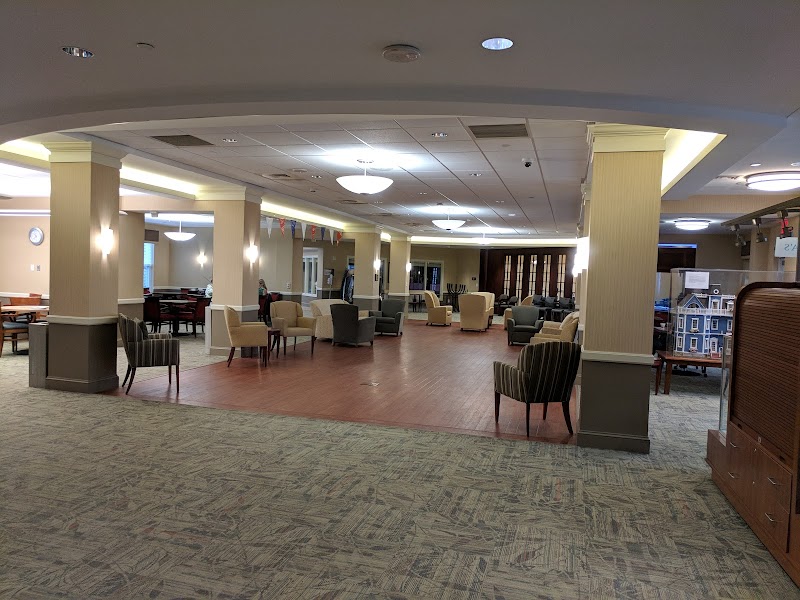
How is Jeffrey & Susan Brudnick Center For Living Staffed?

CMS rates JEFFREY & SUSAN BRUDNICK CENTER FOR LIVING's staffing level at 3 out of 5 stars, which is average compared to other nursing homes. Staff turnover is 27%, compared to the Massachusetts average of 46%. This relatively stable workforce can support continuity of care.

What Have Inspectors Found at Jeffrey & Susan Brudnick Center For Living?

State health inspectors documented 25 deficiencies at JEFFREY & SUSAN BRUDNICK CENTER FOR LIVING during 2022 to 2025. These included: 1 that caused actual resident harm and 24 with potential for harm. Deficiencies causing actual harm indicate documented cases where residents experienced negative health consequences.
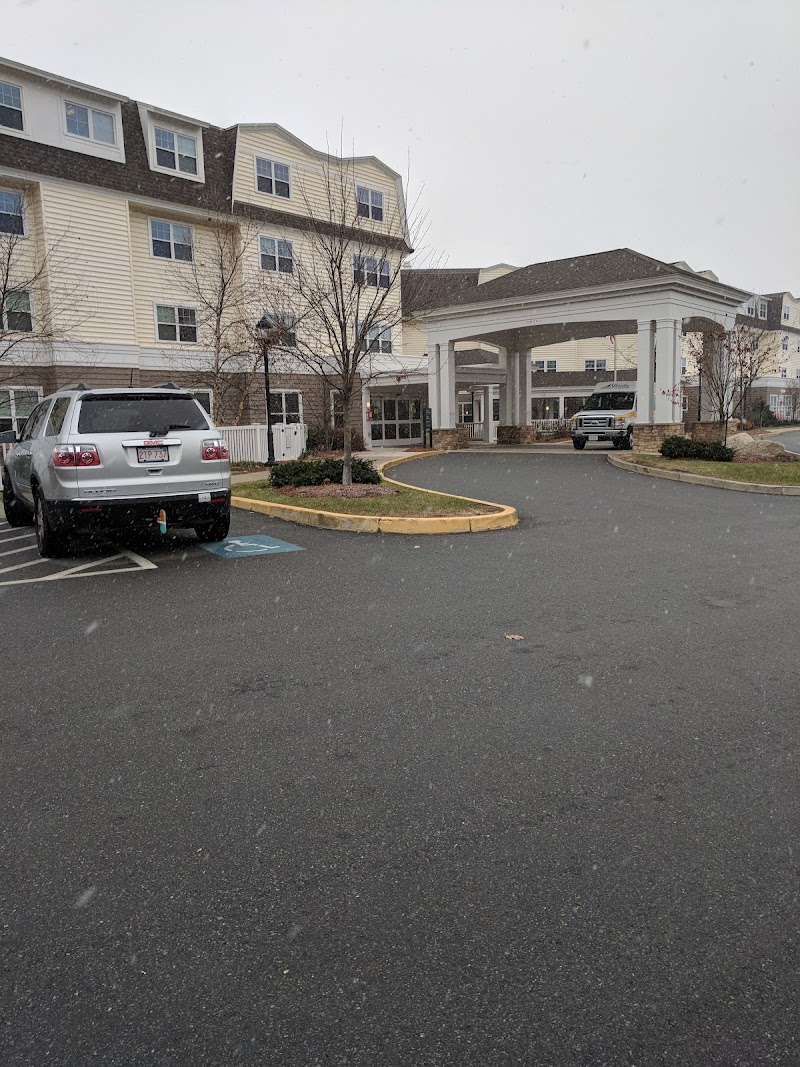
Who Owns and Operates Jeffrey & Susan Brudnick Center For Living?

JEFFREY & SUSAN BRUDNICK CENTER FOR LIVING is owned by a non-profit organization. Non-profit facilities reinvest revenue into operations rather than distributing to shareholders. The facility is operated by CHELSEA JEWISH LIFECARE, a chain that manages multiple nursing homes. With 180 certified beds and approximately 139 residents (about 77% occupancy), it is a mid-sized facility located in PEABODY, Massachusetts.
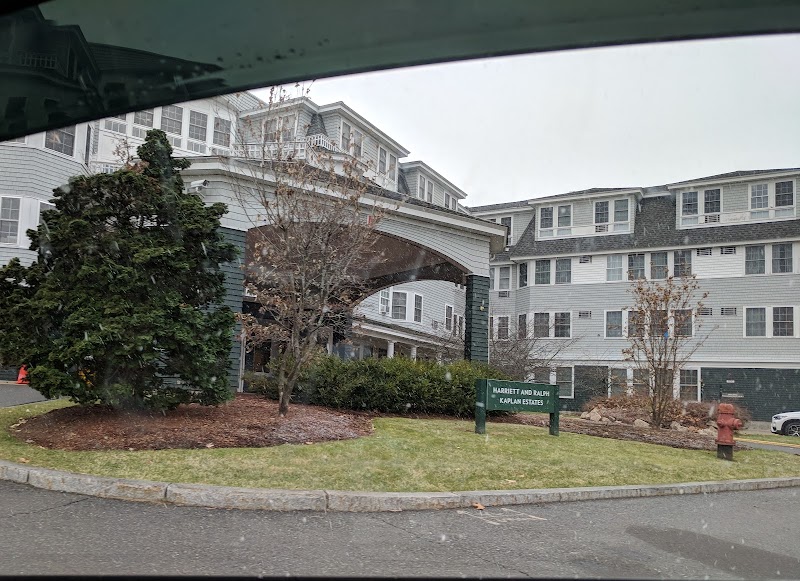
How Does Jeffrey & Susan Brudnick Center For Living Compare to Other Massachusetts Nursing Homes?

Compared to the 100 nursing homes in Massachusetts, JEFFREY & SUSAN BRUDNICK CENTER FOR LIVING's overall rating (5 stars) is above the state average of 2.9, staff turnover (27%) is significantly lower than the state average of 46%, and health inspection rating (4 stars) is above the national benchmark.

What Should Families Ask When Visiting Jeffrey & Susan Brudnick Center For Living?

Based on this facility's data, families visiting should ask: "Can I visit during a mealtime to observe dining assistance and food quality?" "How do you handle medical emergencies, and what is your hospital transfer rate?" "Can I speak with family members of current residents about their experience?"

Is Jeffrey & Susan Brudnick Center For Living Safe?

Based on CMS inspection data, JEFFREY & SUSAN BRUDNICK CENTER FOR LIVING has a clean safety record: no substantiated abuse findings (meaning no confirmed cases of resident harm), no Immediate Jeopardy citations (the most serious violation level indicating risk of serious injury or death), and is not on the Special Focus Facility watch list (a federal program monitoring the lowest-performing 1% of nursing homes). The facility has a 5-star overall rating and ranks #1 of 100 nursing homes in Massachusetts. While no facility is perfect, families should still ask about staff-to-resident ratios and recent inspection results during their visit.

Do Nurses at Jeffrey & Susan Brudnick Center For Living Stick Around?

Staff at JEFFREY & SUSAN BRUDNICK CENTER FOR LIVING tend to stick around. With a turnover rate of 27%, the facility is 19 percentage points below the Massachusetts average of 46%. Low turnover is a positive sign. It means caregivers have time to learn each resident's needs, medications, and personal preferences. Consistent staff also notice subtle changes in a resident's condition more quickly.

Was Jeffrey & Susan Brudnick Center For Living Ever Fined?

JEFFREY & SUSAN BRUDNICK CENTER FOR LIVING has been fined $10,194 across 1 penalty action. This is below the Massachusetts average of $33,181. While any fine indicates a compliance issue, fines under $50,000 are relatively common and typically reflect isolated problems that were subsequently corrected. Families should ask what specific issues led to these fines and confirm they've been resolved.

Is Jeffrey & Susan Brudnick Center For Living on Any Federal Watch List?

JEFFREY & SUSAN BRUDNICK CENTER FOR LIVING is not on any federal watch list. The most significant is the Special Focus Facility (SFF) program, which identifies the bottom 1% of nursing homes nationally based on persistent, serious quality problems. Not being on this list means the facility has avoided the pattern of deficiencies that triggers enhanced federal oversight. This is a positive indicator, though families should still review the facility's inspection history directly.