LIFE CARE CENTER OF PLYMOUTH


94 OBERY STREET, PLYMOUTH, MA 02360 (508) 747-9800
For profit - Limited Liability company 150 Beds LIFE CARE CENTERS OF AMERICA Data: November 2025
Trust Grade
93/100
#32 of 338 in MA
Last Inspection: March 2025

Within standard 12-15 month inspection cycle. Federal law requires annual inspections.

Overview

Life Care Center of Plymouth has a Trust Grade of A, which means it is considered excellent and highly recommended. It ranks #32 out of 338 nursing homes in Massachusetts, placing it in the top half of facilities in the state, and #2 out of 27 in Plymouth County, indicating only one local option is better. The facility is improving, having reduced its issues from six in 2022 to none in 2025. Staffing is a relative strength with a 4 out of 5-star rating and a low turnover rate of 26%, which is well below the state average. However, there have been some concerns noted by inspectors. For example, one resident had difficulty manipulating their environment from a wheelchair, impacting their comfort and independence. Another resident experienced significant weight loss but did not have their condition reviewed in a timely manner, which could lead to worsening health. Overall, while there are strengths in staffing and a positive trend in issues, families should be aware of the specific concerns raised during inspections.

Trust Score
A
93/100
In Massachusetts
#32/338
Top 9%
Safety Record
Low Risk
No red flags
Inspections
Getting Better
6 → 0 violations
Staff Stability
✓ Good
26% annual turnover. Excellent stability, 22 points below Massachusetts's 48% average. Staff who stay learn residents' needs.
Penalties
✓ Good
No fines on record. Clean compliance history, better than most Massachusetts facilities.
Skilled Nurses
○ Average
Each resident gets 38 minutes of Registered Nurse (RN) attention daily — about average for Massachusetts. RNs are the most trained staff who monitor for health changes.
Violations
○ Average
6 deficiencies on record. Average for a facility this size. Mostly minor or procedural issues.
★★★★★
5.0
Overall Rating
★★★★☆
4.0
Staff Levels
★★★★★
5.0
Care Quality
★★★★★
5.0
Inspection Score
Stable
2022: 6 issues
2025: 0 issues

The Good

  • 4-Star Staffing Rating · Above-average nurse staffing levels
  • 5-Star Quality Measures · Strong clinical quality outcomes
  • Low Staff Turnover (26%) · Staff stability means consistent care
  • Full Sprinkler Coverage · Fire safety systems throughout facility
  • No fines on record
  • Staff turnover is low (26%)

    22 points below Massachusetts average of 48%

Facility shows strength in staffing levels, quality measures, staff retention, fire safety.

The Bad

Chain: LIFE CARE CENTERS OF AMERICA

Part of a multi-facility chain

Ask about local staffing decisions and management

The Ugly 6 deficiencies on record

Apr 2022 6 deficiencies
CONCERN (D)

Potential for Harm - no one hurt, but risky conditions existed

Deficiency F0558 (Tag F0558)

Could have caused harm · This affected 1 resident

Based on observation and interview, the facility failed to ensure one Resident (#53) could comfortably manipulate their surroundings from a wheelchair level, out of a total sample of 24 residents. Fin...

Read full inspector narrative →
Based on observation and interview, the facility failed to ensure one Resident (#53) could comfortably manipulate their surroundings from a wheelchair level, out of a total sample of 24 residents. Findings include: Resident #53 was admitted to the facility in November 2021 with diagnoses including right femur fracture, history of stroke, and history of falls. During an interview on 3/31/22 at 2:02 P.M., Certified Nurse Assistant #2 said Resident #53 gets up and dressed prior to, or at the very beginning, of the day shift and is independent with his/her care. During an observation with interview on 3/31/22 at 2:21 P.M., Resident #53 said that he/she had difficulty completing some of his/her tasks and experienced discomfort. He/she said the sink and mirror were too high as well as the closet bar and, since he/she sits in a wheelchair, he/she has to stretch upward and twist taking frequent rest periods to complete tasks like shaving or removing clothing from the closet. The surveyor observed the Resident demonstrate reaching and stretching for the faucet in the bathroom and for a clear view of the mirror, as well as attempts to reach his/her clothes hanging from the closet bar that was approximately five feet high. Resident #53 said it was uncomfortable and thought the facility could lower the bar and boost the chair to help him/her have an easier time completing the tasks while maintaining his/her independence. During an interview on 4/1/22 at 8:46 A.M., Resident #53 said he/she washed and dressed him/herself independently, but experienced discomfort while reaching, twisting, and stretching to complete the tasks independently. The Resident said he/she had difficulty seeing in the bathroom mirror, reaching the sink, and reaching in the closet related to the height of the closet bar. The Resident further said he/she would like to not have to reach, stretch, or twist to be able to perform the tasks with ease and less discomfort, but was relegated to remain at wheelchair level. Review of the March 2022 activities of daily living (ADL's) documentation for Resident #53 indicated he/she performed dressing and personal hygiene at an independent level. Review of the Occupational Therapy (OT) discharge documentation, dated 12/20/21, indicated Resident #53 was discharged from skilled services at an independent level with his/her ADL's and was moderately independent for wheelchair mobility while safely navigating the environment, and was limited by pain for sink side ADL tasks. During an interview on 4/1/22 at 8:49 A.M., Nurse #2 was made aware of the Resident's concerns and the surveyor's observations and said an OT screen would be an appropriate next step. She said dropping the closet bar could be completed by Maintenance and OT could look at the Resident for an accommodation of his/her wheelchair or mirror in the bathroom and adaptive equipment the Resident may benefit from. Review of the Nursing-Rehab Therapy Referral Screen, dated 4/1/22, indicated Resident #53 was referred to services for grooming and hygiene with upper body pain and complaints of the mirror in the bathroom and the closet bar being too high resulting in the Resident's need to reach and stretch causing back pain from the wheelchair level. During an interview on 4/1/22 at 11:02 A.M., Occupational Therapist #1 said the Resident would be an evaluation for services only and required a different chair cushion to boost him/her up to a height in which he/she could better see in the mirror and reach the faucets for sink use without discomfort. She said Maintenance should lower the Resident's closet bar for ease of use and to allow Resident #53 to remain at an independent level comfortably. During an interview on 4/1/22 at 1:29 P.M., the Director of Nurses said the need for accommodations for Resident #53 should have been noticed by the staff and the expectation was that residents that have the capability of being independent have everything they need within easy reach in their rooms.
CONCERN (D)

Potential for Harm - no one hurt, but risky conditions existed

Deficiency F0637 (Tag F0637)

Could have caused harm · This affected 1 resident

Based on interviews and record review, the facility failed to initiate a significant change Minimum Data Set (MDS) for a Resident (#34) with significant weight loss and a new indwelling catheter. Find...

Read full inspector narrative →
Based on interviews and record review, the facility failed to initiate a significant change Minimum Data Set (MDS) for a Resident (#34) with significant weight loss and a new indwelling catheter. Findings include: Resident #34 was admitted to the facility in January 2022. Review of the medical record for Resident #34 indicated on 02/03/22, the Resident weighed 242.1 pounds and on 03/03/22, the Resident weighed 228.4 pounds which was a 5.66% significant weight loss in one month. Review of the medical record indicated Resident #34 complained of urinary retention and Resident #34 returned from the Emergency Department on 2/26/22 with an indwelling catheter. Record review indicated the catheter was still in place at the time of the survey on 3/30/22. During an interview on 4/5/22 at 11:44 A.M., the MDS Coordinator said Resident #34 had not been reviewed for a significant change in status and she would review the medical record and follow-up. During an interview on 4/5/22 at 12:39 P.M., the MDS Coordinator said Resident #34 had two changes in condition, the significant weight loss, and the indwelling catheter, and should have had a significant change assessment.
CONCERN (D)

Potential for Harm - no one hurt, but risky conditions existed

Deficiency F0655 (Tag F0655)

Could have caused harm · This affected 1 resident

Based on record review, policy review, and interview, the facility failed to ensure that staff developed and provided to residents, a baseline care plan within 48 hours of the resident's admission, th...

Read full inspector narrative →
Based on record review, policy review, and interview, the facility failed to ensure that staff developed and provided to residents, a baseline care plan within 48 hours of the resident's admission, that included but was not limited to services and treatments to be administered by the facility, for one Resident (#373), out of a total sample of 24 residents. Specifically, for Resident #373, the facility failed to provide a baseline care plan that included/ addressed oxygen use and transmission-based precautions for Clostridioides difficile (C. diff) (a bacterium that causes severe diarrhea and colitis (inflammation of the colon)). Findings include: Review of the facility's policy titled Baseline Care Plan, last revised 5/19/21, included but was not limited to: -A baseline care plan will be developed for every resident within 48 hours of admission to provide an initial set of instructions needed to provide effective and person-centered care of the resident that meet professional standards of care. -In addition, the facility must establish and implement a system, including who to notify, for early detection and management of a potentially infectious, symptomatic resident at the time of admission. This includes the identification and use of appropriate transmission-based precautions. This is important to incorporate into the resident's baseline care plan that must be developed within 48 hours of admission and include the minimum healthcare information necessary to properly care for a resident including physician orders. Resident #373 was admitted to the facility in March 2022 with diagnoses including exacerbation of chronic obstructive pulmonary disease (lung disease that blocks airflow and makes it difficult to breathe), requiring oxygen, and C. diff. Review of the medical record failed to indicate that a baseline care plan or a comprehensive care plan had been developed within 48 hours of the Resident's admission to the facility that addressed the C. diff, the required transmission-based precautions for residents with C. diff, and oxygen use. During an interview on 4/21/22 at 2:00 P.M., the Director of Nursing said that although the Resident was provided a baseline care plan within 48 hours of admission, it did not address the information for the transmission-based precautions and oxygen use.
CONCERN (D)

Potential for Harm - no one hurt, but risky conditions existed

Comprehensive Care Plan (Tag F0656)

Could have caused harm · This affected 1 resident

Based on interviews and record review, the facility failed to ensure comprehensive care plans were developed for a Resident (#34) with significant weight loss and Resident (#21) for pain management, o...

Read full inspector narrative →
Based on interviews and record review, the facility failed to ensure comprehensive care plans were developed for a Resident (#34) with significant weight loss and Resident (#21) for pain management, out of a total sample of 24 residents. Findings include: 1. Resident #34 was admitted to the facility in January 2022. Review of the medical record for Resident #34 indicated on 02/03/22, the Resident weighed 242.1 pounds and on 03/03/22, the Resident weighed 228.4 pounds which was a 5.66% significant weight loss in one month. Review of the Dietitian's Progress Note, dated 3/3/22, indicated the Resident had a weight loss since admission and the nurse practitioner was notified with a plan for the Resident to have ice cream every afternoon from the ice cream shop. Review of the Care Plans for Resident #34 failed to include any information regarding goals or interventions regarding the Resident's nutritional status or weight loss. During an interview on 04/05/22 at 12:08 P.M., the Registered Dietitian said she had not incorporated the Resident's weight loss into the plans of care with personal goals and interventions for Resident #34. 2. Resident #21 was admitted to the facility in November 2019 with diagnoses including bilateral inguinal hernia, aftercare following joint replacement surgery, other chronic pain, unspecified osteoarthritis, and presence of a right artificial hip joint. Review of the Physician's Orders dated March 2022, indicated -To assess and document the Resident's pain level every shift on a scale of 0-10. -Administer: -Acetaminophen (used to treat Pain) 500 milligrams (MG) tablets, Give two tablets to equal to (1,000 MG), -Excedrin (used to treat pain) Extra Strength Tablets 250-250-65, Give one tablet by mouth every 24 hours as needed for back pain, -Gabapentin (used to relieve nerve pain) Capsule 300 MG, Give one capsule by mouth two times a day for pain, -Gabapentin Capsule 400 MG, Give one capsule by mouth at bedtime for pain, -Oxycodone (used to relieve severe pain) HCL Tablet 5 MG, Give one half tablet (2.5 MG) by mouth every 12 hours for moderate pain (4-6) on a scale of zero to ten, -Oxycodone HCL Tablet 5 MG, Give two half tablets (5 MG) by mouth every 6 hours for pain. During an interview on 4/1/22 at 10:15 A.M., Resident #21 said his/her pain level was above 10 on a scale of 0-10. The Resident expressed back pain and general discomfort. During an interview on 4/5/22 at 09:44 A.M., the Resident indicated he/she received Gabapentin for pain, Oxycodone, and extra strength Tylenol. Resident #21 said his/her comfort level was not as good as it should be. Review of the Resident's Care Plans included no Pain Management care plan to address Resident care needs for back pain and general discomfort, despite receiving multiple medications for pain. During an interview on 4/1/22 at 01:45 P.M., Nurse #3 said she does not do care plans and would not know if the care plan was implemented. During an interview on 4/5/22 at 8:30 A.M., Nurse #4 said she was not aware that the Resident's Care Plan for back pain and general discomfort needed to be developed. Nurse #4 said the Minimum Data Set Nurse takes care of the care plans and she would inform the Unit Manager. Nurse #4 said the care plan was not developed.
CONCERN (D)

Potential for Harm - no one hurt, but risky conditions existed

Respiratory Care (Tag F0695)

Could have caused harm · This affected 1 resident

Based on observation, record review, policy review, and interview, the facility failed to provide the necessary respiratory care and services in accordance with professional standards of practice for ...

Read full inspector narrative →
Based on observation, record review, policy review, and interview, the facility failed to provide the necessary respiratory care and services in accordance with professional standards of practice for one Resident (#372), out of a total sample of 24 residents. Findings include: Review of the facility's policy titled Oxygen Administration, revised 11/19/21, included but was not limited to: -Verify the Practitioner's order for oxygen therapy because oxygen is considered a medication or therapy and requires a prescription. Documentation: - Record the date and time of oxygen administration; the type of delivery device; the oxygen flow rate; the patient's vital signs, skin color, respiratory effort, and breath sounds. Resident #372 was admitted to the facility in March 2022 with diagnoses including exacerbation of chronic obstructive pulmonary disease (lung disease that blocks airflow and makes it difficult to breathe), requiring oxygen therapy. Review of a Physician's Order, dated 3/31/22, indicated the following: -Oxygen, 1 to 3 Liters (L) every shift to maintain an oxygen saturation (O2 sat) above 90%. Review of the Medication Administration Record (MAR) indicated the O2 saturations were to be checked on the Day (7:00 A.M. to 3:00 P.M.), Evening (3:00 P.M. to 11:00 P.M.) and Night (11:00 P.M. to 7:00 A.M.) shifts. Record review indicated there was documentation on 4/2/22 at 2:25 P.M., 4/1/22 at 2:58 P.M., and 3/31/22 at 3:52 P.M., 2:58 P.M., and 2:52 P.M., as to the liter flow of the oxygen. Further record review indicated there was no documentation as to the exact liter flow (1, 2 or 3) the Resident was receiving on each shift with the corresponding O2 sat for: - 4/1/22- on the evening and night shifts, - 4/2/22-on the evening and night shifts, and - 4/3/22-on the day, evening, and night shifts as to the liter flow of the oxygen to maintain O2 saturations above 90%. Per the facility's policy, the documentation should include the liter flow of oxygen the Resident is receiving. There was no documentation as to the liter flow during the evening and night shifts as indicated above. The documentation that indicated the liter flow of the oxygen had been included in the daily notes for the above dates, however, the order indicated the oxygen saturations are to be checked every shift and should include the liter flow of the oxygen according to the facility's policy and physician's order. There was no documentation on all shifts as to the liter flow of the oxygen to maintain the saturations above 90%. During an interview on 4/5/22 at 1:44 P.M., the Director of Nursing said the facility failed to document the exact liter flow of the oxygen the Resident was receiving according to the physician's order and the facility policy.
CONCERN (E)

Potential for Harm - no one hurt, but risky conditions existed

Infection Control (Tag F0880)

Could have caused harm · This affected multiple residents

2. Review of the facility's policy titled Transmission-based Precautions and Isolation Procedures, revised 10/05/21, indicated transmission-based precautions are implemented based upon the means of tr...

Read full inspector narrative →
2. Review of the facility's policy titled Transmission-based Precautions and Isolation Procedures, revised 10/05/21, indicated transmission-based precautions are implemented based upon the means of transmission of an infection in addition to standard precautions in order to prevent or control infection. It further indicated, but was not limited to the following: -the facility must establish written standards, policies and protocols that include when and how isolation should be used for a resident and the type and duration of the isolation -isolation should be least restrictive for the resident under the circumstances -enhanced barrier precautions refer to the use of a gown and gloves during high contact care activities that provide an opportunity for multi-drug resistant organisms to transfer to staff hands and clothes -high contact care activities include wound care, dressing, bathing, transferring Resident #73 was admitted to the facility in November 2021 with diagnoses including Methicillin-resistant staphylococcus aureus (MRSA), status post (s/p) open reduction internal fixation of left tibia and fibula fracture, and s/p removal of hardware. Review of the medical record indicated Resident #73 had developed MRSA in the surgical wound and suffered a chronic ulcer at the site of his/her left medial ankle since August 2019. Review of a wound culture of the left ankle confirmed the surgical wound to be positive for MRSA, no other sites were indicated as being positive for the MRSA infection. During an observation with interview on 3/31/22 at 1:45 P.M., the surveyor observed an orange sign outside of the room of Resident #73. The sign indicated the Resident was on Enhanced barrier precautions. Unit Manager (UM) #3 said the sign indicated to the staff that Resident #73 had an infection that required the use of precautions. She said the Resident had MRSA in his/her wound which existed prior to admission to the facility. She said the Resident would remain on precautions until the wound was healed and the area would not be re-cultured as it demonstrated no signs or symptoms of infection. UM #3 reviewed the medical record with the surveyor and identified that the left medial ankle wound was healed on 3/14/22 and could not explain why the Resident remained on precautions at that time. Review of the Wound Observation Tool, dated 3/14/22, indicated the Resident was followed by the Wound MD and the left medial ankle wound was resolved, under section 6e. additional comments. Review of the Wound Care Progress Note, dated 3/28/22, indicated Resident #73 had a history of MRSA in his/her post-surgical wound from August 2019 and had developed a new wound ulceration on his/her left plantar foot in October 2021. It further indicated the only wound present at the time of assessment on 3/28/22 was the left plantar wound. Review of the Precaution Room Tracking, provided by the Infection Preventionist (IP), dated 3/31/22, indicated Resident #73 was on enhanced barrier precautions for MRSA in his/her left ankle wound. During an interview on 3/31/22 at 3:03 P.M., the IP said she believed the Resident still had an open wound and required precautions for the wound. She reviewed the medical record information with the surveyor and said she believed an error was made. The Wound Nurse joined the conversation and said Resident #73 only had one open area and it was on his/her left plantar foot and the area that was positive for the MRSA infection had resolved on 3/14/22. The Wound Nurse said she did not inform the IP the infected wound had healed, nor did she follow up with the attending physician to discontinue the precaution or treatment order. Both the IP and the Wound Nurse reviewed the Resident information with the surveyor and said the enhanced barrier precautions for the MRSA infection should have been discontinued at the time the wound to the left medial ankle had resolved on 3/14/22. The IP said the policy for precautions had not been followed for the discontinuation of precautions. 4. Resident #70 was admitted to the facility with diagnoses including generalized muscle weakness and morbid obesity. Review of the current Physician's Orders, dated 3/30/22, indicated an order to apply Triad (wound paste), gauze, and border foam (wound dressing) to Resident #70's sacrum every day and evening shift for his/her wound. Review of Lippincott Nursing Procedures, Eighth Edition, indicated, but was not limited to the following: Hand Hygiene is a general term used by the Centers for Disease Control and Prevention (CDC) and the World Health Organization (WHO) to refer to hand washing, antiseptic hand washing, and antiseptic hand rubbing. Hand hygiene is the single most important procedure in preventing infection. Using an alcohol-based hand sanitizer is appropriate for decontaminating the hands before putting on gloves, after removing gloves, and wound dressings (if hands aren't visibly soiled). Always perform hand hygiene before putting on gloves to avoid contaminating the gloves with microorganisms from your hands. During an observation with interview on 4/4/22 at 9:04 A.M., the surveyor observed Unit Manager (UM) #2 performing Resident #70's sacral wound dressing change. UM #2 removed the old dressing, disposed of it, then removed and discarded her gloves. She put on a new pair of gloves without first performing hand hygiene. UM #2 then measured the wound and removed and discarded her gloves. She again put on a new pair of gloves without first performing hand hygiene. UM #2 said she should have performed hand hygiene between each glove change but did not. During an interview on 4/5/22 at 2:31 P.M., the Infection Control Nurse said staff should be performing hand hygiene prior to putting on gloves and after removing their gloves. Based on observation, interview, and policy review, the facility failed to establish and maintain an infection prevention and control program designed to help prevent the development and potential transmission of communicable diseases and infections, including norovirus. Specifically, the facility failed to ensure staff: 1. Reported a Norovirus Outbreak; and 2. Discontinued enhanced barrier precautions when no longer warranted; and 3. Implemented the proper interventions for a resident with Clostridioides Difficile (C. diff) (bacterium which causes severe diarrhea and colitis (inflammation of the colon)); and 4. Performed proper hand hygiene during a dressing change. Findings include: Review of the facility's Infection Prevention and Control Program (IPCP), dated 7/25/19, indicated, but was not limited to: Goals of the Infection Prevention and Control Program - Reduce the risk of acquisition and transmission of healthcare-associated infections. - Monitor for any occurrences of infection and implement appropriate control measures. - Identify and correct problems relating to infection prevention and control practices. - Ensure compliance with state, federal, and OSHA regulations and Joint Commission standards, when applicable. Outbreaks: - Outbreaks should be reported to your local board of health and/or the MDPH Division of Epidemiology and Immunization and your licensing or certifying agency. Long Term Care Facilities must report clusters to the Department of Public Health's Bureau of Health Care Safety & Quality by using the web-based Health Care Facility Reporting System (HCFRS). The facility must enter the incident type as epidemic/disease. 1. Review of the Outbreak Surveillance Form, dated 2/1/22 through 2/3/22, indicated a total of 11 residents residing on the first floor Standish Unit developed signs and symptoms of gastrointestinal illness. Review of the laboratory specimen collection, dated from 2/1/22 through 2/3/22, indicated a total of five residents tested positive for the Norovirus. During an interview on 4/5/22 at 12:43 P.M., the Infection Preventionist (IP) said she was not aware that the Director of Nurses (DON) was to complete a reportable in HCFRS to the Department of Public Health (DPH). She said, in this case, the DON did not report the Norovirus outbreak to the DPH. During an interview on 4/5/22 at 2:45 P.M., the DON said she inquired with the facility's corporate person and was told that a reportable was required for the gastrointestinal (GI) outbreak. The DON said the facility failed to complete a reportable for the GI outbreak. 3. Review of the facility's policy titled Clostridium (Clostridioides) Difficile, reviewed 7/25/19, indicated but was not limited to: Contact Precautions: Residents with diarrhea caused by C. difficile should be assigned to a private room with a bathroom that is solely for use by that resident. When private rooms are of limited availability, residents who are fecally incontinent are preferentially assigned to those private rooms. If a private room is not available, the Infection Prevention and Control Team and Regional Clinical Nurse will assess the risks and work with the Resident Care Team to determine the best resident placement options. If the infected resident has to share a room, both residents in that room must have their own commodes and neither resident uses the shared bathroom toilet. According to the Centers for Disease Control and Prevention (CDC), C. difficile spores can be transmitted between patients via environmental surfaces and contaminated hands of health care personnel. Thus, efforts to prevent Clostridium Difficile Infection (CDI) must focus on two goals: reducing patient susceptibility to CDI and preventing organism transmission. Prevention of C. difficile transmission is especially challenging because the organism forms spores that can persist on environmental surfaces for months and are resistant to commonly used cleaning agents and alcohol-based hand gels. Resident #373 was admitted to the facility in March 2022 with diagnoses that included Clostridioides difficile (C. diff or C. difficile). On 3/31/22 at 11:00 A.M., during the initial tour, the surveyor heard the Maintenance Director and Maintenance Staff #1 questioning each other as to which resident was to receive a commode and where the commode should be placed. The surveyor exited the unit and further investigation indicated: -The Maintenance staff had been discussing a resident that had been admitted to the facility with a diagnosis of C. diff the previous evening (3/30/22 at 5:55 P.M.) -The Resident had not been admitted to a private room; the residents sharing the room had not been provided individual commodes for use. During an interview on 3/31/22 at 1:30 P.M., the Director of Nursing (DON) said the evening staff had known that the Resident was positive for C. diff and did not put the correct interventions into place. During an interview on 3/31/22 at 1:45 P.M., the Infection Preventionist (IP) said the staff should have placed commodes in the room for both residents. She further said that all the equipment is available on the off shifts and the extra commodes are kept in the shower room. She said there is a policy as to what needs to be implemented when a resident is admitted to the facility with C. diff. The IP said the policy states that if a private room is not available, both residents should have a commode placed in the room. The IP said the staff did not follow the policy/protocol for admitting a resident with C. diff. During an interview on 3/31/22 at 2:12 P.M., the DON said the interventions for a resident who was admitted with C. diff should have been put in place and they were not.
Understanding Severity Codes (click to expand)
Life-Threatening (Immediate Jeopardy)
J - Isolated K - Pattern L - Widespread
Actual Harm
G - Isolated H - Pattern I - Widespread
Potential for Harm
D - Isolated E - Pattern F - Widespread
No Harm (Minor)
A - Isolated B - Pattern C - Widespread

Questions to Ask on Your Visit

  • "Can I speak with families of current residents?"
  • "What's your RN coverage like on weekends and overnight?"

Our Honest Assessment

Strengths
  • • Grade A (93/100). Above average facility, better than most options in Massachusetts.
  • • No major safety red flags. No abuse findings, life-threatening violations, or SFF status.
  • • No fines on record. Clean compliance history, better than most Massachusetts facilities.
  • • 26% annual turnover. Excellent stability, 22 points below Massachusetts's 48% average. Staff who stay learn residents' needs.
Concerns
  • • No significant concerns identified. This facility shows no red flags across CMS ratings, staff turnover, or federal penalties.
Bottom line: Generally positive indicators. Standard due diligence and a personal visit recommended.

About This Facility

What is Life Of Plymouth's CMS Rating?

CMS assigns LIFE CARE CENTER OF PLYMOUTH an overall rating of 5 out of 5 stars, which is considered much above average nationally. Within Massachusetts, this rating places the facility higher than 99% of the state's 100 nursing homes. This rating reflects solid performance across the metrics CMS uses to evaluate nursing home quality.

How is Life Of Plymouth Staffed?

CMS rates LIFE CARE CENTER OF PLYMOUTH's staffing level at 4 out of 5 stars, which is above average compared to other nursing homes. Staff turnover is 26%, compared to the Massachusetts average of 46%. This relatively stable workforce can support continuity of care.

What Have Inspectors Found at Life Of Plymouth?

State health inspectors documented 6 deficiencies at LIFE CARE CENTER OF PLYMOUTH during 2022. These included: 6 with potential for harm.

Who Owns and Operates Life Of Plymouth?

LIFE CARE CENTER OF PLYMOUTH is owned by a for-profit company. For-profit facilities operate as businesses with obligations to shareholders or private owners. The facility is operated by LIFE CARE CENTERS OF AMERICA, a chain that manages multiple nursing homes. With 150 certified beds and approximately 132 residents (about 88% occupancy), it is a mid-sized facility located in PLYMOUTH, Massachusetts.
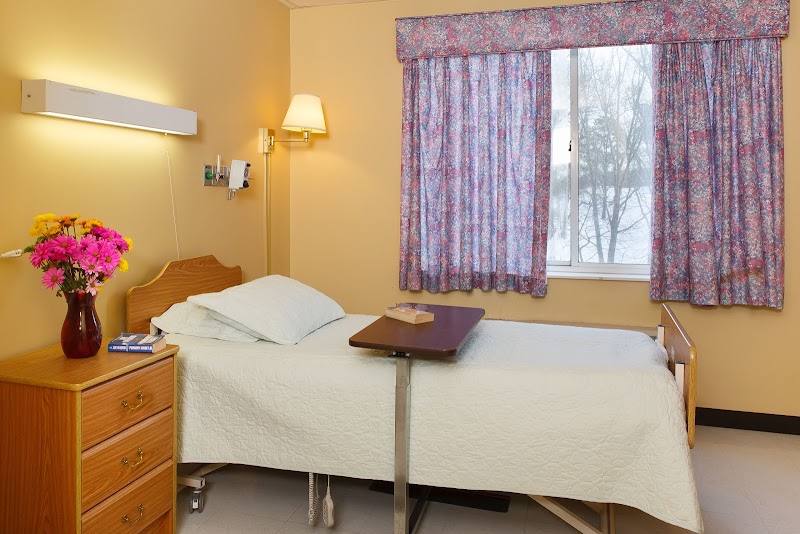
How Does Life Of Plymouth Compare to Other Massachusetts Nursing Homes?

Compared to the 100 nursing homes in Massachusetts, LIFE CARE CENTER OF PLYMOUTH's overall rating (5 stars) is above the state average of 2.9, staff turnover (26%) is significantly lower than the state average of 46%, and health inspection rating (5 stars) is much above the national benchmark.

What Should Families Ask When Visiting Life Of Plymouth?

Based on this facility's data, families visiting should ask: "Can I visit during a mealtime to observe dining assistance and food quality?" "How do you handle medical emergencies, and what is your hospital transfer rate?" "Can I speak with family members of current residents about their experience?"

Is Life Of Plymouth Safe?

Based on CMS inspection data, LIFE CARE CENTER OF PLYMOUTH has a clean safety record: no substantiated abuse findings (meaning no confirmed cases of resident harm), no Immediate Jeopardy citations (the most serious violation level indicating risk of serious injury or death), and is not on the Special Focus Facility watch list (a federal program monitoring the lowest-performing 1% of nursing homes). The facility has a 5-star overall rating and ranks #1 of 100 nursing homes in Massachusetts. While no facility is perfect, families should still ask about staff-to-resident ratios and recent inspection results during their visit.

Do Nurses at Life Of Plymouth Stick Around?

Staff at LIFE CARE CENTER OF PLYMOUTH tend to stick around. With a turnover rate of 26%, the facility is 20 percentage points below the Massachusetts average of 46%. Low turnover is a positive sign. It means caregivers have time to learn each resident's needs, medications, and personal preferences. Consistent staff also notice subtle changes in a resident's condition more quickly.

Was Life Of Plymouth Ever Fined?

LIFE CARE CENTER OF PLYMOUTH has no federal fines on record. CMS issues fines when nursing homes fail to meet care standards or don't correct problems found during inspections. The absence of fines suggests the facility has either maintained compliance or corrected any issues before penalties were assessed. This is a positive indicator, though families should still review recent inspection reports for the full picture.

Is Life Of Plymouth on Any Federal Watch List?

LIFE CARE CENTER OF PLYMOUTH is not on any federal watch list. The most significant is the Special Focus Facility (SFF) program, which identifies the bottom 1% of nursing homes nationally based on persistent, serious quality problems. Not being on this list means the facility has avoided the pattern of deficiencies that triggers enhanced federal oversight. This is a positive indicator, though families should still review the facility's inspection history directly.