ALLIANCE HEALTH AT MARINA BAY

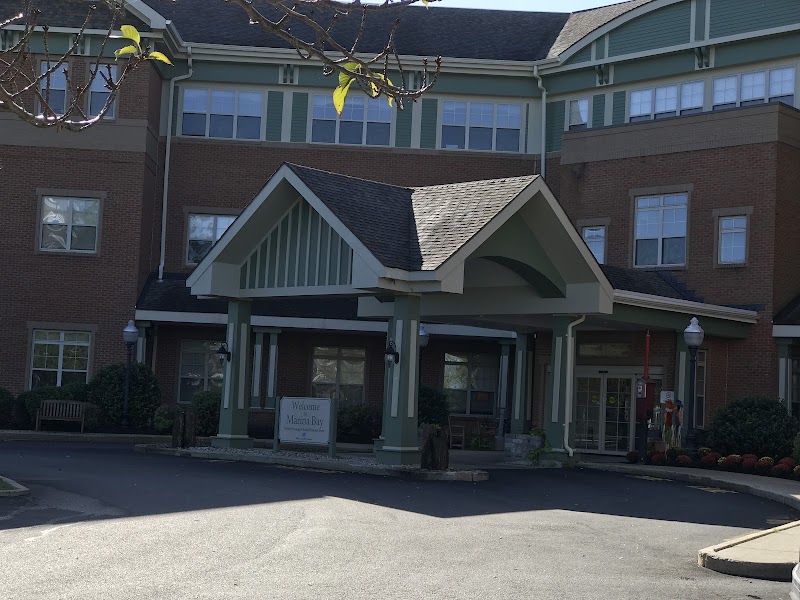
2 SEAPORT DRIVE, QUINCY, MA 02171 (617) 769-5100
Non profit - Corporation 167 Beds ALLIANCE HEALTH & HUMAN SERVICES Data: November 2025
Trust Grade
53/100
#129 of 338 in MA
Last Inspection: September 2024

Within standard 12-15 month inspection cycle. Federal law requires annual inspections.

Overview

Alliance Health at Marina Bay has a Trust Grade of C, which means it is average-right in the middle of the pack. Ranked #129 out of 338 facilities in Massachusetts, it is in the top half, and #12 out of 33 in Norfolk County suggests that only 11 local options are better. The facility is improving, with reported issues decreasing from 12 in 2023 to 7 in 2024. Staffing is a strength, as they received a 4 out of 5 stars rating with a turnover rate of 34%, which is below the state average of 39%. However, there are some concerns, including $9,770 in fines, which is average, and specific incidents such as a failure to prevent a decline in a resident's range of motion and a medication error rate of 17.5% that affected a resident's treatment. There are also issues with food safety practices, as the facility did not properly label and date food products, which could lead to potential health risks. Overall, while there are strengths in staffing and a trend towards improvement, families should be aware of the facility's weaknesses in care practices.

Trust Score
C
53/100
In Massachusetts
#129/338
Top 38%
Safety Record
Moderate
Needs review
Inspections
Getting Better
12 → 7 violations
Staff Stability
○ Average
34% turnover. Near Massachusetts's 48% average. Typical for the industry.
Penalties
⚠ Watch
$9,770 in fines. Higher than 85% of Massachusetts facilities, suggesting repeated compliance issues.
Skilled Nurses
✓ Good
Each resident gets 55 minutes of Registered Nurse (RN) attention daily — more than average for Massachusetts. RNs are trained to catch health problems early.
Violations
⚠ Watch
24 deficiencies on record. Higher than average. Multiple issues found across inspections.
★★★☆☆
3.0
Overall Rating
★★★★☆
4.0
Staff Levels
★★★★☆
4.0
Care Quality
★★★☆☆
3.0
Inspection Score
Stable
2023: 12 issues
2024: 7 issues

The Good

  • 4-Star Staffing Rating · Above-average nurse staffing levels
  • 4-Star Quality Measures · Strong clinical quality outcomes
  • Full Sprinkler Coverage · Fire safety systems throughout facility
  • No fines on record
  • Staff turnover below average (34%)

    14 points below Massachusetts average of 48%

Facility shows strength in staffing levels, quality measures, fire safety.

The Bad

3-Star Overall Rating

Near Massachusetts average (2.9)

Meets federal standards, typical of most facilities

Staff Turnover: 34%

11pts below Massachusetts avg (46%)

Typical for the industry

Federal Fines: $9,770

Below median ($33,413)

Minor penalties assessed

Chain: ALLIANCE HEALTH & HUMAN SERVICES

Part of a multi-facility chain

Ask about local staffing decisions and management

The Ugly 24 deficiencies on record

1 actual harm
Sept 2024 7 deficiencies
CONCERN (D)

Potential for Harm - no one hurt, but risky conditions existed

Deficiency F0655 (Tag F0655)

Could have caused harm · This affected 1 resident

**NOTE- TERMS IN BRACKETS HAVE BEEN EDITED TO PROTECT CONFIDENTIALITY** Based on observation, interview, and document review, the facility failed to ensure one Resident (#303) was informed of and acti...

Read full inspector narrative →
**NOTE- TERMS IN BRACKETS HAVE BEEN EDITED TO PROTECT CONFIDENTIALITY** Based on observation, interview, and document review, the facility failed to ensure one Resident (#303) was informed of and actively participated in his/her baseline plan of care within the first 48 hours following admission, out of a total sample of 31 residents. Findings include: Review of the facility's policy titled Baseline Care Plan, dated as revised 8/15/23, indicated but was not limited to: - a baseline care plan is developed within 48 hours of admission to the facility Process: - interview resident, obtain physician orders, complete admission nursing assessment and begin interdisciplinary (IDT) assessment, review transfer information, develop baseline care plan with IDT, continue to gather information - the facility will provide the resident with a summary of the baseline care plan that includes but is not limited to: initial goals of the resident, summary of resident's medications and dietary instructions, any services and treatments to be administered by the facility Resident #303 was admitted to the facility on [DATE] with diagnoses including cerebrovascular disease (illness affecting the blood vessels of the brain) and diabetes mellitus. Review of the admission assessment for Resident #303, dated as completed on 9/16/24, indicated but was not limited to the following: - Resident is cooperative with clear speech and adequate hearing and vision - Resident is alert, verbal and comprehensible (easy to understand), and oriented to person, place and time During an interview on 9/17/24 at 8:50 A.M., Resident #303 said he/she was admitted to the facility a couple days prior and that he/she did not know what the plan was for their short-term stay, but they were supposed to have a meeting to discuss the plan and his/her goals and they were waiting for that to occur. The Resident said the staff were not answering any of their questions to let them know what the plan was for care or their individual goals for discharge and they were frustrated. The Resident said they had not yet had a meeting with the IDT or been offered a summary of their care plan or initial goals while at the facility. Review of the medical record for Resident #303 failed to indicate a baseline care plan summary had been completed or that the Resident had been offered or provided a copy of their medications and care activities to be performed while at the facility. During an interview on 9/18/24 at 8:22 A.M., Resident #303 said he/she was aware of their medication changes, but they had not been explained to him/her and he/she had still not had a meeting or been offered any information on their care and what services they would receive while at the facility for their short-term stay. The Resident said he/she was concerned that the facility was not collaborating with him/her regarding their personal goals for their stay and what needed to be accomplished for him/her to return to the community as soon as possible. Resident #303 said he/she was going to self-advocate and request the information today since he/she has their mind and has not been offered any information yet. During an interview on 9/18/24 at 9:17 A.M., the Case Manager said the process for new admission residents and baseline care plans is for the IDT to meet with each resident within two days of admission. She said the meeting includes the resident and the IDT and is collaborative to review the resident's individual goals and plans and create a tentative plan for them to reach those goals prior to the comprehensive plan being made. She said after the meeting the resident is asked to sign a copy of the baseline plan of care summary and is offered and provided a copy to ensure they are aware of the plan and a copy is kept in the medical record. During an interview on 9/18/24 at 12:28 P.M., Unit Manager (UM) #4 reviewed Resident #303's medical record with the surveyor and said the Resident did not have a signed baseline plan of care summary in their record and she was unsure of when the meeting took place or where the summary was but she would look for it and provide it to the surveyor. During an observation with interview on 9/18/24 at 12:42 P.M., the Surveyor observed UM #4 bringing a care plan summary form to Resident #303's room and followed the UM to the room. The Resident was in the room with Social Worker (SW) #2 when the UM and surveyor arrived. The form was handed to Resident #303 and SW #2 informed the Resident that he/she forgot to sign the form from the meeting held on 9/16/24. The Resident insisted he/she did not have a meeting on 9/16/24 and the meeting was being held now. The Resident was becoming increasingly frustrated with the insistence on the part of SW #2 that he/she had forgotten they had a meeting and said, You're trying to bamboozle me and You're trying to make me think I'm crazy and I don't know stuff but I know that we did not have a meeting on Monday. Upon the surveyor intervening, SW #2 said the Resident is alert and oriented and she did not attend the meeting on Monday (9/16/24) but that is the process and she is sure he/she had one. The Resident said there was no meeting and he/she had met with the case manager individually and then on separate occasions and different days some other people but no one had offered him/her a copy of the summary or asked them for their individual goals. The Resident said he/she would sign the paper and asked what the date was, the UM said the facility had already dated the form for Monday and the Resident said again that they did not meet and questioned why they would back date the paper and reminded the staff no one offered him/her the summary on that day and a meeting was not held. During an interview on 9/18/24 at 12:46 P.M., SW #2 provided the surveyor with a copy of the baseline care plan summary dated 9/16/24 signed by herself and the Resident. She said she pre-signed the paper when she was completing her piece and when the team came to have the meeting with the Resident they were not available and she was pulled away and did not attend the meeting and couldn't speak to who was at the meeting or when it occurred since she was not there. Review of the baseline care plan summary dated as completed 9/16/24 indicated the Resident had the information reviewed with them, but the form was unsigned until the Resident signed it, as observed by the surveyor on 9/18/24. During an interview on 9/18/24 at 12:52 P.M., Resident #304, who is Resident #303's roommate and alert and oriented, said he/she was in the room most of the day on 9/16/24 and had met with the IDT. The Roommate said Resident #303 was correct when he/she said he/she was not seen by the IDT and did not have a baseline plan of care summary signed on Monday 9/16/24 because Resident #303 was out of the facility early in the morning and did not return until later in the day. The Roommate said the IDT team returned to see Resident #303, but he/she was unavailable until late afternoon. During an interview on 9/18/24 at 1:02 P.M., the Director of Nurses (DON) and Consultant #1 were made aware of the concerns and surveyor's observations regarding Resident #303. The DON said the expectation is that the IDT hold a meeting with the resident and the meetings are held within 48 hours. She said the Resident was admitted on a Sunday and therefore their meeting would have had to be completed by the end of day Tuesday. She said the staff do complete sections of the form prior to meeting with the residents but in this instance the dates on the form should have been corrected to indicate the date the Resident participated in the care plan and was offered the summary. Consultant #1 said the staff should have adjusted the dates on the form to reflect the accurate date of the meeting and information sharing and allowed the Resident to sign and date the form for today (9/18/24) and the process for completing the baseline care plan and offering the Resident a copy was not followed within the 48-hour time frame or to expectation. Both the DON and the Consultant said the baseline care plan process did not work as it should have for this Resident. During an interview on 9/18/24 at 1:52 P.M., UM #4 said she should not have dated the baseline care plan summary for 9/16/24 and should have dated it for 9/18/24 since that was the first time any of the information had been discussed with the Resident and the Resident was offered a copy. She said she was not present at a meeting for the Resident on 9/16/24 and she cannot say whether one actually took place. She said the form did not reflect the correct date or information as it should and the Resident should have been allowed to date it correctly when he/she signed it. During an interview on 9/18/24 at 2:02 P.M., Nurse #5 said on 9/16/24 Resident #303 left the facility at approximately 8:00 A.M., for an appointment and did not return to the facility until about 2:30 P.M., she said she did see a few IDT members go to the Resident's room after he/she returned but no meeting was held for the Resident on that date because the Resident was not available in the facility and the form in the record was inaccurate based on the date of completion. She said the team did meet and discuss the Resident on 9/16/24 but the Resident was not involved and the summary was not offered to him/her. During an interview on 9/19/24 at 7:45 A.M., the Administrator said she was made aware of the situation that occurred with Resident #303 and their baseline care plan. She said since the information was inaccurate, she had staff meet with the Resident again on 9/18/24 and offer to correct the information and the form, which the Resident was appreciative of, and provided the Resident with a new copy of their baseline care plan summary dated as complete on 9/18/24. She said this meeting and the summary was not provided to the Resident within 48 hours as it should have been per the policy and regulation; the process was not followed as expected. Review of the Baseline plan of care for Resident #303, dated as completed 9/18/24, indicated the Residents preferences for sleep and individual goals and was signed and dated by the Resident, UM #4, Case manager, Director of Rehabilitation, MDS Nurse and SW #2 on 9/18/24. During a follow up interview on 9/19/24 at 9:28 A.M., Resident #303 said he/she feels good about the facility taking his/her input and correcting the baseline care plan to be collaborative and include his/her personal goals and preferences and was happy that the facility allowed him/her to have the form dated appropriately.
CONCERN (D)

Potential for Harm - no one hurt, but risky conditions existed

Deficiency F0658 (Tag F0658)

Could have caused harm · This affected 1 resident

2. Review of the facility's policy titled Administration Procedures for All Medications, dated as last revised 2024, indicated but was not limited to the following: -Review 5 rights 3 times -Check Med...

Read full inspector narrative →
2. Review of the facility's policy titled Administration Procedures for All Medications, dated as last revised 2024, indicated but was not limited to the following: -Review 5 rights 3 times -Check Medication Administration Record (MAR) for order -Check the label against the order on the MAR -After administration, return to cart, document administration in the MAR -If resident refuses medication, document refusal on MAR. -Notification of Physician/Prescriber for persistent refusals Resident #14 was admitted to the facility in November 2023 with diagnoses which included seizure disorder, joint replacement of the right shoulder, Chronic Obstructive Pulmonary Disease (COPD) (a group of lung diseases that block airflow) and anxiety. On 9/18/24 at 10:18 A.M., the surveyor observed Nurse #1 prepare and administer Resident #14's scheduled 9:00 A.M. medications including: -Buspar 5 milligrams (mg) (for anxiety) one tablet -Neurontin 600 mg (for seizures or nerve pain) two tablets -Tylenol Extra Strength 500 mg (for mild/moderate pain) one tablet Review of Resident #14's active Physician's Orders indicated the following: -Buspar 10 mg once a day, dated 5/15/24 -Neurontin 600 mg one tab three times a day, dated 1/25/24 -Tylenol Extra Strength 500 mg give two tabs = 1000 mg three times a day, dated 1/25/24 -Anoro Ellipta 62.5-25 micrograms (mcg) (inhaler for lung conditions) one inhalation once a day, dated 1/25/24 -Fluticasone Propionate 50 mcg (inhaler for lung conditions) one spray in nostrils once a day, dated 1/25/24 -Ipratropium Bromide 0.02% (aerosol for lung conditions), inhalation three times a day, dated 2/15/24 -Lidocaine adhesive patch 4% (local anesthetic for pain management), apply two patches to right shoulder once a day, dated 1/25/24 The surveyor did not observe Nurse #1 follow the 5 Rights and 3 Checks when administering the incorrect doses of Buspar, Neurontin and Tylenol Extra Strength and failed to document that Resident #14 was not administered the Anoro Ellipta, Fluticasone Propionate, Ipratropium Bromide, and Lidocaine patches as ordered by the physician. Review of the Medication Administration Record (MAR) indicated the Anoro Ellipta, Fluticasone Propionate, Ipratropium Bromide, and Lidocaine patches to the right shoulder were signed off as administered on 9/18/24 at 10:18 A.M. During an interview on 9/18/24 at 2:14 P.M., Nurse #1 said Resident #14 has a nighttime dose of Buspar 5 mg, and she administered the nighttime dose by accident. She also said she administered the incorrect dose of Neurontin. Nurse #1 said when preparing the Tylenol, she dropped one tablet on the medication cart and disposed of it and forgot to put another tablet into the medication cup. She said Resident #14 refuses the Anoro Ellipta, Fluticasone Propionate, Ipratropium Bromide all the time, so she does not administer it. Nurse #1 said she cannot apply the Lidocaine patches to Resident #14's right shoulder, because the Resident is wearing a brace. She said she signed all of the missed medications off as administered on the MAR by mistake. During an interview on 9/18/24 at 3:47 P.M., the Assistant Director of Nursing (ADON) said her expectation is for the nurse to administer medications as ordered by the doctor. She said the nurse should not have documented any medication as administered if it was not. During an interview on 9/19/24 at 12:52 P.M., the Director of Nursing (DON) said her expectation is for medications to be administered per the Physician's orders. She said the Physician is to be notified of incorrect or omitted medications, and a medication error form must be completed. DON said the medications omitted should have been documented as not given in the medical record, and the nurse should have documented the reason for not administering the medications in a nursing note. Refer to 759 Based on observation, interview, and document review, the facility failed to ensure professional standards of care were met for two Residents (#145 and #14), out of a total sample of 31 residents. Specifically, the facility failed: 1. For Resident #145, to administer care (one to one (1:1) assist during intake by mouth (PO)) in accordance to physician's orders; and 2. For Resident #14, to follow the standard of medication preparation and administration and document missed or refused medications that were ordered by the physician. Findings include: Review of the Massachusetts Board of Registration in Nursing Advisory Ruling on Nursing Practice, dated as revised April 11, 2018, indicated: Nurse's Responsibility and Accountability: Licensed nurses accept, verify, transcribe, and implement orders from duly authorized prescriber's that are received by a variety of methods (i.e., written, verbal/telephone, standing orders/protocols, pre-printed order sets, electronic) in emergent and non-emergent situations. Licensed nurses in a management role must ensure an infrastructure is in place, consistent with current standards of care, to minimize error. Review of the facility's policy titled Physician Services, dated as revised on 11/14/2022, indicated but was not limited to the following: - Therapeutic diets are prescribed and precise as to the specific dietary requirements or limitations - Physician (MD) orders will be followed by staff as appropriate until the order has been discontinued or changed 1. Resident #145 was admitted to the facility in August 2024 with diagnoses including pneumonitis (an inflammation of the lung) due to inhalation of food and vomit, dysphagia (difficulty swallowing), and epilepsy. Review of the active Physician's Orders for Resident #145, dated 9/18/24, indicated but were not limited to the following: - 1:1 assist with all PO intake. Fully upright with all meals. Pt active with speech language pathologist (SLP) for dysphagia eval and treatment. Every shift (8/30/24) During an observation on 9/18/24, the surveyor observed Resident #145 at the following times: - 8:31 A.M., in room sitting on the edge of the bed consuming breakfast consisting of a muffin, scrambled eggs, hot cereal and juice, no staff was present in the room to assist the Resident - 8:33 A.M., Certified Nurse Assistant (CNA) #2 enters the room and encourages the Resident to continue to eat his/her meal, leaving the Resident alone at 8:37 A.M., to continue eating and not providing the ordered 1:1 assist - 8:43 A.M., CNA #2 reenters the room and asks the Resident if they are doing okay and exits the room, leaving the Resident alone at 8:43 A.M., to continue eating their breakfast without the ordered 1:1 assist - 8:49 A.M., the Resident has consumed the majority of their scrambled eggs and is pulling a muffin apart with his/her hands, they remain without the ordered staff present to provide a 1:1 assist - 9:02 A.M., CNA #3 enters the room, asks the Resident if they have finished and then removes the breakfast tray from the room During an interview with observation at 8:51 A.M., the SLP observed the Resident eating breakfast alone in their room, she said there is an order currently in place for 1:1 assist with all intake, but the Resident was being discharged from SLP services today and would only require their food to be cut up small once the discharge paperwork was complete but she had not completed it at that time. During an interview on 9/18/24 at 9:02 A.M., CNA #3 said the Resident used to require 1:1 for meals and intake but she didn't think that was required any longer and was unaware of the physician order in place. During an interview on 9/18/24 at 9:04 A.M., Unit Manager #4 reviewed the active physician's orders for Resident #145 with the surveyor and said the Resident should have been provided the 1:1 assist in accordance with the physician order and was not. She said the expectation is for all staff to follow MD orders as written. Review of the activities of daily living (ADL) and mobility flow sheet for Resident #145 from 9/1/24 through 9/18/24, indicated but was not limited to the following: - 37 of 54 potential opportunities for eating ability were documented - 3 of 37 documented opportunities indicated the Resident required set up or clean up assistance (helper sets/cleans up; resident completes activity) - 34 of 37 documented opportunities indicated the Resident was independent (completes the activity by themselves with no assistance from a helper) Review of the CNA care card, undated, for Resident #145 indicated but was not limited to the following: - Diet: regular chopped thin - Independent with set up - No aspiration precautions Review of the SLP therapy documentation for Resident #145 indicated but was not limited to the following: 8/30/24 Evaluation and plan of treatment: - Current referral reason: Patient (Pt) with diagnosis (dx) of aspiration pneumonia. admitted with soft ground/thin diet. At the time of the evaluation nothing by mouth (NPO) was recommended due to continued aspiration risk, but decision was made to continue ground/thin diet despite continued risk of aspiration. Question safety with PO intake, question least restrictive diet. Aspiration precautions; Pt requires supervision at mealtime 76-90% of the time. Summary of skilled service notes: - 8/30/24: Silent aspiration cannot be ruled out; Pt to continue on soft/thin diet at this time with 1:1 supervision - 9/6/24: Pt able to self-feed liquids, banana and sausage with set up. Pt accepted 100% of morning (A.M.) meal from CNA without signs and symptoms of reflexive aspiration. - 9/11/24: Pt assessed with regular texture all cut up and small portions presented; max cues to alternate liquids and solids, no overt signs of aspiration - 9/17/24: Pt continues to benefit from food being cut up to assist with decreased bite size; exhibits mildly extended mastification (process of chewing food); barriers impacting treatment include moderate cognitive impairment, nursing care required and difficulty learning new information 9/18/24 Discharge Summary: - Set up/cut up all meals; alternate liquids and solids; upright posture during meals; regular textures thin liquids diet During an interview on 9/18/24 at 12:18 P.M., Unit Manager #4 said she contacted the physician for Resident #145 and received orders to discontinue to 1:1 assist with meals today, after the surveyor inquired, and also updated the care plan today to reflect these changes, but dated back to 9/12/24 when the diet order was changed as recommended by the SLP. Review of the care plans for Resident #145 indicated but were not limited to the following: Problem: 9/3/24: Resident requires mechanically altered diet related to dysphagia and difficulties chewing and requires sufficient feeding assistance 9/18/24: Diet upgrade on 9/12/24 and independent eating per SLP and MD approval During an interview on 9/18/24 at 12:25 P.M., Nurse #5 said she received the recommendations from SLP on 9/12/24 and contact the physician for new orders. She said on 9/12/24 she received orders from the physician to change the diet to Regular texture. She said she probably should have addressed the Resident's order for 1:1 assist at that time but did not and that is why the order remained active. She said the order for 1:1 assistance with all PO intake was active at the time the surveyor observed the Resident on 9/18/24 and should have been followed as ordered by the physician and was not. Review of the SLP Physician orders request forms for Resident #145 indicated, but were not limited to the following: 8/30/24: 1:1 assist with PO intake; fully upright with all meals 9/12/24: Discontinue mechanical soft/ground diet; house regular diet - cut up The SLP recommendations did not include the discontinuation of 1:1 assist. During an interview on 9/19/24 at 8:33 A.M., the Director of Nurses (DON) and SLP said the Resident was self-feeding and doing well with their skilled SLP services up to the time of discharge from SLP, which was completed yesterday, 9/18/24. The SLP said she never put in a recommendation to discontinue to 1:1 assistance for the Resident and that is likely the reason the order remained active at the time of the 9/18/24 observation. The DON said the expectation is that staff are following all active MD orders as written until the order is discontinued in accordance with the standard of nursing practice.
CONCERN (D)

Potential for Harm - no one hurt, but risky conditions existed

Deficiency F0761 (Tag F0761)

Could have caused harm · This affected 1 resident

**NOTE- TERMS IN BRACKETS HAVE BEEN EDITED TO PROTECT CONFIDENTIALITY** Based on observation, interview, and document review, the facility failed to ensure all medications used in the facility were st...

Read full inspector narrative →
**NOTE- TERMS IN BRACKETS HAVE BEEN EDITED TO PROTECT CONFIDENTIALITY** Based on observation, interview, and document review, the facility failed to ensure all medications used in the facility were stored and labeled in accordance with currently accepted professional principles. Specifically, the facility failed to: 1. Ensure staff properly labeled all medications stored in one of four medication carts reviewed once opened; and 2. Provide a permanently affixed compartment for the storage of a schedule IV (potential for misuse and dependence) controlled substance in one of two medication room refrigerators reviewed. Findings include: Review of the facility's policy titled Medication Storage in the Facility, revised 2024, indicated but was not limited to the following: -Controlled substances that require refrigeration are stored within a locked box within the refrigerator. This box must be attached to the inside of the refrigerator. -Certain medications or package types, such as IV solutions, multiple dose injectable vials, ophthalmics, nitroglycerin tablets, blood sugar testing solutions and strips, once opened, require an expiration date shorter than the manufacturer's expiration date to ensure purity and potency. -Once opened, these will be good to use until the manufacturer's date is reached unless the medication is: a. a multi-dose injectable vial b. an item for which the manufacturer has specified usable life after opening -When the original seal of a manufacturer's container or vial is initially broken, the container or vial will be dated. -The nurse shall place a date opened sticker on the medication and enter the date opened and the new date of expiration (NOTE: the best stickers to affix contain both a date opened and expiration notation line). The expiration date of the vial or container will be 30 days unless the manufacturer recommends another date or regulations/guidelines require different dating. 1. Review of a facility document titled Medications with Shortened Expiration Dates, dated [DATE], indicated but was not limited to the following: -Lantus (insulin glargine, treats diabetes) - Vial: once opened, product expires 28 days after first use or removal from refrigerator, whichever comes first. On [DATE] at 9:14 A.M., the surveyor reviewed the Cityside Unit side 1 medication cart with Nurse #4 and observed the following: -one multidose vial of Lantus (insulin glargine, treats diabetes) stored inside a plastic storage container, not stored in its packaging box, pop top off the vial indicating it had been opened, vial not labeled with the date when opened or the new date of expiration, labeled with a resident's name During an interview on [DATE] at 9:19 A.M., Nurse #4 said she didn't know when the bottle was opened. She said the insulin should have had the date when opened and the discard date to ensure it was not expired. During an interview on [DATE] at 10:15 A.M., the Director of Nursing (DON), Administrator, and Consulting Staff #1 said the Lantus should have been labeled with the date when opened and the new date of expiration. The DON said the Lantus was only good for 28 days once opened and had a short expiration date to stay effective. 2. On [DATE] at 7:55 A.M., the surveyor reviewed the Harborside 1 Unit medication storage room with Nurse #3 and observed one bottle of lorazepam (benzodiazepine/schedule IV-controlled substance, treats anxiety) oral concentrate 2 milligrams (mg)/milliliter (ml) stored inside the packaging box in a clear locked controlled substance box inside the refrigerator. The box was affixed to a shelf; however, the shelf was not affixed to the refrigerator. The surveyor was able to take the shelf out of the refrigerator with the box attached. During an interview on [DATE] at 7:55 A.M., Nurse #3 said the controlled substance box should be permanently affixed and she had asked maintenance five times for it to be fixed but they said they couldn't. During an interview on [DATE] at 10:08 A.M. with the DON, Administrator, and Consulting Staff #1, Consulting Staff #1 said the policy was for the box to be double locked, which it was, but not permanently affixed. She then said the refrigerator was locked to avoid having to permanently affix it because it couldn't be.
CONCERN (D)

Potential for Harm - no one hurt, but risky conditions existed

Deficiency F0804 (Tag F0804)

Could have caused harm · This affected 1 resident

Based on resident and staff interviews, observation, and meal test trays on two of three units, the facility failed to prepare and serve meals in a manner conserving flavor, were palatable, and served...

Read full inspector narrative →
Based on resident and staff interviews, observation, and meal test trays on two of three units, the facility failed to prepare and serve meals in a manner conserving flavor, were palatable, and served at safe and appetizing temperatures. Findings include: Review of Resident Council Meeting Minutes, dated 6/26/24, indicated several residents were concerned about food temperatures and receiving cold food. During a Resident Council Meeting held on 9/18/24 at 1:00 P.M. by the survey team, 14 out of 14 residents present at the meeting said there was a concern about cold food temperatures across all mealtimes. On 9/19/24 at 11:30 A.M., the surveyor requested a lunch test tray to the Harborside Two Unit. The food truck left the kitchen at 11:53 A.M. and arrived at 11:55 A.M. on the unit. The test tray was conducted with the Dietitian observing at 12:06 P.M. with the following results in degrees Fahrenheit (F): - Sweet and Sour Chicken: 138.8 F - Mixed Vegetable (Carrots, Broccoli, Cauliflower): 108.7 F: soft, lacking flavor, cold to taste - Rice: 116.5 F: bland tasting, cold to taste - Strawberries: 50.8 F: warm to taste/touch, watery tasting - Milk: 54.2 F: warm to taste/touch Of note, the test tray was delivered to the unit on a pushcart by the dietary aide. An additional resident tray was also observed on the pushcart. All additional resident trays were delivered to the unit in a closed truck. On 9/23/24 at 8:00 A.M., the surveyor requested a breakfast tray to the Cityside Unit. The food truck left the kitchen at 8:20 A.M. and arrived at 8:26 A.M. on the unit. The test tray was conducted with the Dietitian observing at 8:34 A.M. with the following results: - Hard Boiled Egg: 128.0 F: warm to touch/peel, yellow cooked yolk - Oatmeal: 134.1 F: cool temperature, watery, lacking flavor - Muffin: 110.0 F: warm to touch - Milk: 49.1 F - Coffee: 150.6 F During an interview on 9/23/24 at 8:38 A.M., the Dietitian said the meal temperatures observed were not within appropriate ranges: hot items on resident meals should be 140 F when arriving to the resident and the milk temperature was too warm. The Dietitian said she would not expect trays to be delivered on a pushcart to the unit during meal times and that meals should remain in the delivery truck with the door closed to maintain proper temperatures until the tray is ready to be delivered to the resident.
CONCERN (D)

Potential for Harm - no one hurt, but risky conditions existed

Infection Control (Tag F0880)

Could have caused harm · This affected 1 resident

Based on observation, record review, and interviews, the facility failed to ensure for one Resident (#114), out of a total sample of three residents observed on a medication pass, infection prevention...

Read full inspector narrative →
Based on observation, record review, and interviews, the facility failed to ensure for one Resident (#114), out of a total sample of three residents observed on a medication pass, infection prevention and control measures were implemented to prevent the potential transmission of infections. Specifically, the facility failed to ensure staff followed basic infection control practices, including hand hygiene, resulting in potential cross contamination (transfer of pathogens from one surface to another). Findings include: Review of the facility's policy titled Handwashing/Hand Hygiene, dated as last revised August 2017, indicated but was not limited to the following: When to wash hands (at a minimum) -Before and after direct patient/resident contact -After completing tasks at one patient/resident area before moving to another station -Before procedures, such as administering medications -After contact with items/surfaces in patient/resident areas When to use the alcohol hand sanitizer -After contact with resident intact skin -Before entering the resident rooms -Before exiting the resident rooms Review of the facility's policy titled Administration Procedures for all Medications, dated as revised 2024, indicated but was not limited to the following: -Cleanse hands using antimicrobial soap and water, or facility approved hand sanitizer before beginning a medication pass, before handling medication, and before contact with the resident. -When finished with each resident, wash hands with antimicrobial soap and water or use facility approved hand sanitizer. Review of the facility's policy titled Oral Medication Administration, dated as revised 2024, indicated but was limited to the following: -Wash hands when beginning a medication pass, or when contact with resident is expected or has occurred. -Pour or push the correct number of tablets or capsules into the cup, taking care to avoid touching the tablet or capsule, unless wearing gloves -When finished with each resident, wash hands with antimicrobial soap and water or use facility-approved hand sanitizer. Review of the facility's policy titled Injectable Medication Administration, dated as revised 2024, indicated but was not limited to the following: -Equipment required: Examination gloves Review of Centers for Disease Control and Prevention (CDC) guidance titled Infection Control in Healthcare: An Overview, dated 2/7/24, indicated but not limited to the following: Common reservoirs in and on the human body: Skin -Many germs live and grow on healthy skin and normally do not cause harm. -Your skin interacts with the environment daily, especially when you touch things with your hands. -Pathways for germs to spread from skin include: -Touch, especially with your hands. Review of Centers for Disease Control and Prevention titled Infection Control Basics, dated 4/3/24, indicated but not limited to the following: Transmission can happen through activities such as: -Physical contact, like when a healthcare provider touches medical equipment that has germs on it and then touches a patient before cleaning their hands. Resident #114 was admitted to the facility in July 2022 with diagnoses including Type II Diabetes. On 9/18/24 at 9:20 A.M., the surveyor observed Nurse #1 prepare and administer medications to Resident #114 which included the following: -Nurse #1 had a medication cup with four tablets inside -Nurse #1 spilled two white, round tablets onto the medication cart -Nurse #1 picked up the tablets from the medication cart and placed them back into the cup with her bare hands -Nurse #1 prepared insulin injections at the medication cart as ordered and entered Resident #114 room carrying the medication cup of tablets and capsules and two insulin syringes -Nurse #1 did not perform hand hygiene prior to entering the room -Nurse #1 administered all eleven tablets and four capsules to Resident #114 with a cup of water -Nurse #1 cleansed Resident #114's left upper arm with an alcohol swab and injected one syringe of insulin -Nurse #1 cleansed Resident #114's left upper arm, with an alcohol swab and injected the other syringe of insulin. -Nurse #1 did not don (put on) gloves prior to administering the insulin injections -Nurse #1 exited Resident #114's room, disposed of the used needles in the sharps container located on the medication cart, and did not perform hand hygiene -Nurse #1 then began preparing another resident's medication At no time during the observation, did the surveyor observe Nurse #1 perform any type of hand hygiene. During an interview on 9/18/24 at 10:30 A.M., Nurse #1 said she should have discarded the medication she touched with her bare hands and not given it to Resident #114. She said that she usually wears gloves to give an injection, but she forgot to bring them into the room. Nurse #1 said she forgot to use the hand sanitizer before and after giving medications. During an interview on 9/18/24 at 3:35 P.M., the Assistant Director of Nurses (ADON) said her expectation is when medications are contaminated, they need to be wasted and not administered to the resident. She said hand hygiene should be done before and after all medication administrations. The ADON said gloves must be worn for all injections due to the increased risk of coming in contact with bodily fluids. During an interview on 9/19/24 at 12:52 P.M., the Director of Nursing (DON) said her expectation is for infection control guidelines to be maintained at all times, as a standard of practice. She said medications are never touched with bare hands, and if they are they must be disposed of and not given to the resident. She said when giving injections, gloves are worn to decrease the risk of cross contamination. She said hand hygiene should have been performed prior to entering and when exiting Resident #114's room, and after disposal of the dirty needles.
CONCERN (E)

Potential for Harm - no one hurt, but risky conditions existed

Unnecessary Medications (Tag F0759)

Could have caused harm · This affected multiple residents

Based on observation, interview, and record review, the facility failed to ensure it was free from a medication error rate of greater than five percent when one of two nurses made seven errors out of ...

Read full inspector narrative →
Based on observation, interview, and record review, the facility failed to ensure it was free from a medication error rate of greater than five percent when one of two nurses made seven errors out of 40 opportunities, totaling a medication error rate of 17.5%. These errors impacted one Resident (#14), out of three residents observed. Specifically, the nurse administered the wrong dose of Buspar (for anxiety), Neurontin (for seizures or nerve pain), and Tylenol (for mild to moderate pain), and failed to administer Anoro Ellipta (inhaler for lung conditions), Fluticasone Propionate (inhaler for lung conditions), Ipratropium Bromide (aerosol for lung conditions), and Lidocaine patches (local anesthetic for pain management) as ordered. Findings include: Review of the facility's policy titled Administration Procedures for All Medications, dated as last revised 2024, indicated but was not limited to the following: -Review 5 rights 3 times -Check Medication Administration Record (MAR) for order -Check the label against the order on the MAR Review of the facility's policy titled Physician Services, dated as revised 11/14/22, indicated but was not limited to the following: -MD orders will be followed by staff as appropriate until the order has been discontinued or changed. Resident #14 was admitted to the facility in November 2023 with diagnoses which included seizure disorder, joint replacement of the right shoulder, Chronic Obstructive Pulmonary Disease (COPD) (a group of lung diseases that block airflow), and anxiety. On 9/18/24 at 10:18 A.M., the surveyor observed Nurse #1 prepare and administer Resident #14's scheduled 9:00 A.M. medications including: -Buspar 5 milligrams (mg) one tablet -Neurontin 600 mg two tablets -Tylenol Extra Strength 500 mg one tablet Review of Resident #14's active Physician's Orders indicated the following: -Buspar 10 mg once a day, dated 5/15/24 -Neurontin 600 mg one tab three times a day, dated 1/25/24 -Tylenol Extra Strength 500 mg give two tabs = 1000 mg three times a day, dated 1/25/24 -Anoro Ellipta 62.5-25 micrograms (mcg) one inhalation once a day, dated 1/25/24 -Fluticasone Propionate 50 mcg one spray in nostrils once a day, dated 1/25/24 -Ipratropium Bromide 0.02% inhalation three times a day, dated 2/15/24 -Lidocaine adhesive patch 4% apply two patches to right shoulder once a day, dated 1/25/24 Nurse #1 administered the incorrect dose of Buspar, Neurontin and Tylenol. Nurse #1 failed to administer Anoro Ellipta, Fluticasone Propionate, Ipratropium Bromide, and Lidocaine patches. During an interview on 9/18/24 at 2:14 P.M., Nurse #1 said Resident #14 has a nighttime dose of Buspar 5 mg and she administered the nighttime dose by accident. She said she administered the incorrect dose of Neurontin. Nurse #1 said when preparing the Tylenol, she dropped one tablet on the medication cart and disposed of it and forgot to put another tablet into the medication cup. She said Resident #14 refuses the Anoro Ellipta, Fluticasone Propionate, Ipratropium Bromide all the time, so she does not administer it. Nurse #1 said she cannot apply the Lidocaine patches to Resident #14's right shoulder, because the Resident is wearing a brace. During an interview on 9/18/24 at 3:47 P.M., the Assistant Director of Nursing (ADON) said her expectation is for the nurse to administer medications as ordered by the doctor.
CONCERN (E)

Potential for Harm - no one hurt, but risky conditions existed

Food Safety (Tag F0812)

Could have caused harm · This affected multiple residents

Based on observation, record review, and interview, the facility failed to follow professional standards of practice for food safety and sanitation to prevent potential spread of foodborne illness to ...

Read full inspector narrative →
Based on observation, record review, and interview, the facility failed to follow professional standards of practice for food safety and sanitation to prevent potential spread of foodborne illness to residents who are at high risk. Specifically, the facility failed to properly label and date food products, and to maintain safe and clean equipment in four of five nourishment kitchenettes. Findings include: Review of the facility's policy titled Food & Nutrition Services, revised 12/5/21, indicated but was not limited to the following: - Food brought in by family or visitors will be in a secure container/bag, dated and will be subject to disposal based on sanitary, safe consumption. - If there are leftovers, the Facility will label the leftovers and store them in accordance with the Facility's policies for use and storage of foods, including but not limited to, policies relating to food sanitation. On 9/17/24 at 9:09 A.M., the surveyor made the following observations on the Cityside Unit nourishment kitchenette: - The inside of the microwave had orange and brown residue and food splatter covering the sides and top portion. - The refrigerator had a gallon size resealable bag with red grapes, dated 9/15/24, but no resident identification. - The refrigerator had two containers of soup wrapped in a plastic bag with no date or resident identification. On 9/17/24 at 3:44 P.M., the surveyor made the following observations on the Harborside One Unit nourishment kitchenette: - The inside of the microwave had brown food residue on the glass plate. The top portion of the microwave had peeling white plastic and burnt/bubbling plastic revealing the metal component underneath. - The refrigerator had a Styrofoam container on the bottom shelf with no date or resident identification. On 9/17/24 at 3:52 P.M., the surveyor made the following observations on the Harborside Two Unit nourishment kitchenette: - The inside of the microwave had a paper towel covering the glass plate with food residue. There was food splatter/stains covering the top and side of the microwave. - The freezer contained a Hershey's candy bar with no date or resident identification. On 9/18/24 at 8:04 A.M., the surveyor made the following observations on the Seaport Unit nourishment kitchenette: - The inside of the microwave had food residue/splatter on the top and sides. The top portion of the microwave had peeling white plastic and burnt/bubbling plastic revealing the metal component underneath. On 9/18/24 at 1:31 P.M., the surveyor made the following observations on the Harborside One Unit nourishment kitchenette: - The inside of the microwave had orange and brown residue and food splatter covering the sides and top portion. On 9/18/24 at 1:35 P.M., the surveyor made the following observations on the Harborside Two Unit nourishment kitchenette: - The inside of the microwave had a paper towel covering the glass plate with food residue. There was food splatter/stains covering the top and side of the microwave. On 9/18/24 at 1:40 P.M., the surveyor made the following observations on the Cityside Unit nourishment kitchenette: - The inside of the microwave had orange and brown residue and food splatter covering the sides and top portion. During an interview on 9/18/24 at 2:08 P.M., Dietary Staff #2 said she was in charge of stocking dietary items, including snacks and drinks, on each of the units nourishment kitchenettes every morning. Dietary Staff #2 said the Housekeeping staff is responsible for keeping nourishment kitchenettes clean, including microwaves and refrigerators. During an interview on 9/19/24 at 9:57 A.M., Housekeeping Staff #1 said she is typically responsible for cleaning the rooms and dining area on the Cityside Unit. Housekeeping Staff #1 said when cleaning the room, she makes sure the floors are clean and equipment like microwaves and refrigerators are also cleaned. During an interview on 9/19/24 at 10:25 A.M., the Dietitian said refrigerators and microwaves in the unit nourishment kitchenettes are to be for resident use only. The Dietitian said the microwaves on each unit should be cleaned appropriately and in good working condition. The Dietitian said food items left in the refrigerators in the unit nourishment kitchenettes should be labeled with the resident name and/or room number and dated.
Sept 2023 1 deficiency
CONCERN (D) 📢 Someone Reported This

A family member, employee, or ombudsman was alarmed enough to file a formal complaint

Potential for Harm - no one hurt, but risky conditions existed

Notification of Changes (Tag F0580)

Could have caused harm · This affected 1 resident

Based on records reviewed and interviews for one of three sampled residents (Resident #1), who complained of abdominal pain and experienced multiple episodes of diarrhea for several days which interfe...

Read full inspector narrative →
Based on records reviewed and interviews for one of three sampled residents (Resident #1), who complained of abdominal pain and experienced multiple episodes of diarrhea for several days which interfered with his/her ability to participate in rehabilitation therapy, the Facility failed to ensure nursing notified his/her Physician in a timely manner of his/her change in condition, in an effort to obtain orders to meet his/her care and treatment needs. Findings Include: Review of the Facility Policy titled, Condition: Significant Change, dated as last revised 2/16/16, indicated that professional staff will promptly communicate with the physician, resident, and family regarding changes in condition. The Policy further indicated that the notification including date, time, and by whom, shall be documented in the clinical record by appropriate personnel. Resident #1 was admitted to the Facility in December 2022, diagnoses included sepsis (an infection in the blood), pneumonia, chronic obstructive pulmonary disease, respiratory failure, cerebral vascular accident (interruption in blood flow in the brain), and pancreatitis (inflammation of the pancreas). During an interview on 9/12/23 at 11:45 A.M., Family Member #1 said Resident #1 began complaining of abdominal cramping and persistent diarrhea on 2/10/23, that staff did not seem to care and only gave him/her Imodium (medication to treat diarrhea) as an intervention. Family Member #1 said it was very difficult communicating with nursing staff and said that it felt like none of the nursing staff believed that Resident #1 was ill. Review of Resident #1's Physical Therapy (PT) Progress Note, dated 2/09/23, indicated he/she was unable to do stairs or walk secondary to his/her stomach had been hurting. The PT Note indicated nursing was aware. Review of Resident #1's Occupational Therapy (OT) Progress Note, dated 2/09/23, indicated his/her belly hurt and that he/she experienced loose stools, had been incontinent. The Note indicated that PT had reported that nursing staff had been made aware of his/her not feeling well. Review of Resident #1's medical record indicated there was no documentation in his/her nursing progress notes related to his/her complaints of his/her stomach or belly hurting, or that is was reported to his/her physician. Review of Resident #1's Nurse Progress Note, dated 2/13/23, indicated he/she reported to the nurse he/she was having diarrhea. Review of Resident #1's PT Note, dated 2/13/23, indicated he/she declined therapy, reported being sick with loose stools and nursing tested him/her for Covid-19. Review of Resident #1's medical record indicated there was no documentation in his/her nursing progress notes related to his/her reports of diarrhea or of the physician being notified. Review of Resident #1's OT Note, dated 2/14/23 indicated he/she refused therapy, stated that he/she has had diarrhea all day and his/her stomach hurt. Review of Resident #1's PT Note, dated 2/15/23, indicated he/she refused therapy after multiple attempts, he/she complained of not feeling well, and having loose stools. The Note indicated that PT documented that it was discussed with nursing staff. Review of Resident #1's medical record indicated there was no documentation in his/her nursing progress notes related to his/her refusal to participate in rehabilitation, that he/she had continued to report bouts of diarrhea, that his/her stomach hurt or that his/her physician was notified. Review of Resident #1's OT Note, dated 2/15/23, indicated he/she was not feeling well and having frequent episodes of loose stool. Review of Resident #1's PT Note, dated 2/16/23, indicated he/she was still not feeling well and unsure if he/she would be able to return home as planned. The Note indicated PT notified Resident #1's Nurse Manager. Review of Resident #1's OT Note, dated 2/16/23, indicated he/she had loose stools for a few days and nursing was aware. Review of Resident #1's medical record indicated there was no documentation in his/her nursing progress notes related to his/her complaints of not feeling well, concerns he/she would not be able to be discharged home as planned, that his/she continued to experience loose stools, or that his/her physician had been notified. Review of Resident #1's PT Note, dated 2/17/23, indicated he/she was presenting with significant weakness, poor balance, and was unable to come to a full stand. The PT Note indicated that nursing had been notified of his/her change in functional ability. Review of Resident #1's Physician's Order, dated 2/17/23, indicated to obtain a stool sample for C-diff (Clostridium Difficile, a bacterium that causes diarrhea) and to obtain blood laboratory work. Review of Resident #1's OT Note, dated 2/18/23, indicated he/she was feeling weak due to having diarrhea for several days. Review of Resident #1's Nursing Progress Note, dated 2/19/23, indicated he/she had abnormal laboratory results (received that day) and to transfer him/her to the Hospital Emergency Department for evaluation. The Note indicated Resident #1 was admitted with severe Clostridium Difficile Colitis (C-Diff, inflammation of the colon caused by bacteria), an acute kidney injury (when the kidneys suddenly can not filter waste from the blood), and leukocytosis (high white blood cell count). During an interview on 9/14/23 at 1:10 P.M., Occupational Therapist (OT) #1 said she remembered working with Resident #1, and he/she had issues with his/her bowels and diarrhea. OT #1 said she had to assist him/her with incontinent care a few times and reported the diarrhea to the nurse (exact name unknown). During an interview on 9/14/23 at 12:28 P.M., Certified Nurse Aide (CNA) #1 said Resident #1 had multiple episodes of diarrhea and said that she provided incontinent care for him/her multiple times. CNA #1 said she had reported to the nurse. CNA #1 said she does not remember the nurse's name and said she thought it may have been an agency nurse. During an interview on 9/13/23 at 2:23 P.M., CNA #2 said Resident #1 had multiple loose stools and she had assisted him/her with incontinence care. CNA #2 said she remembered telling Resident #1's nurse (exact name unknown) about his/her diarrhea. During an interview on 9/19/23 at 9:35 A.M., Nurse #1 said that on 2/12/23 into 2/13/23, during the 11:00 P.M.-7:00 A.M., shift the CNA reported to her that Resident #1 had smelly diarrhea and she tested him/her for Covid-19. Nurse #1 said she did not notify his/her physician and said she let the oncoming nurse know so they could obtain an order for a stool for C-diff. During an interview on 9/13/23 at 2:50 P.M., the Unit Manager said she was unaware that Resident #1 was experiencing any issues with his/her bowels and said had she known about his/her abdominal pain and complaints of diarrhea, she would have ensured that the physician was notified. During an interview on 9/20/23 at 1:12 P.M., the Nurse Practitioner (NP) said he had last seen Resident #1 on 2/03/23 and there were no concerns of diarrhea or abdominal pain documented at that time. The NP said he was unaware of Resident #1's change in condition until 2/19/23, when he/she was sent out to the Hospital. The NP said the expectation is for the Nursing Staff to inform him (or alternate Provider) of changes in condition of any resident in a timely manner. During an interview on 9/21/23 at 10:56 A.M., the Director of Nurses (DON) said she was unaware that Resident #1 was not feeling well and said nothing in his/her Nursing Progress Notes led her to believe she had been experiencing a change in condition. The DON said it is expected that any significant changes in a residents condition must be communicated to their providers in a timely manner and be documented in their medical record.
Jun 2023 11 deficiencies 1 Harm
SERIOUS (G)

Actual Harm - a resident was hurt due to facility failures

Deficiency F0688 (Tag F0688)

A resident was harmed · This affected 1 resident

Based on observations, record review, and interviews, the facility failed to prevent a decline in range of motion causing the development of a contracture for one Resident (#122), out of a total sampl...

Read full inspector narrative →
Based on observations, record review, and interviews, the facility failed to prevent a decline in range of motion causing the development of a contracture for one Resident (#122), out of a total sample of 31 residents. Findings include: Resident #122 was admitted to the facility in April 2022 with diagnoses the included but were not limited to chronic obstructive pulmonary disease, chronic respiratory failure, unspecified severe protein calorie malnutrition, adult failure to thrive, depression, and other abnormalities of gait and mobility. Review of Resident #122's Minimum Data Set assessment, with an Assessment Reference Date of 5/12/23, indicated the Resident scored 14 out of 15 on the Brief Interview for Mental Status exam, which indicates intact cognition, requires extensive assistance from two staff for bed mobility, hygiene, and eats independently with set up. Further, the MDS indicated that Resident #122 did not have functional limitation of range of motion in his/her upper extremity. On 6/14/23 at 8:05 A.M., the surveyor observed Resident #122 in bed. His/her right hand was holding a fork and his/her third, fourth and fifth fingers were folded in toward his/her palm and his/her fifth finger was pointed out. Resident #122's fingernails were long and bent into the palm of his/her hand. During an interview and observation on 6/14/23 at 9:21 A.M., Nurse #1 accompanied the surveyor to Resident #122's room. Nurse #1 asked Resident #122 to open his/her right hand and while trying, Resident #122 grimaced and said, Ouch, it hurts. Resident #122 was unable to extend (straighten) his/her third or fourth finger, which were tucked under the fifth finger which was pointed out. Resident #122 said it has been that way since he/she was sick but was unable to say how long that was. Nurse #1 said she was unsure if the nursing staff used to put something in the Resident's hand to straighten his/her fingers and was unsure how long his/her fingers had been bent like this. During an interview on 6/14/23 at 9:48 A.M., Certified Nursing Assistant (CNA) #2 said she has worked with the Resident many times since he/she was admitted . CNA #2 said Resident #122 complains of pain when she tries to open the Resident's right hand to wash it. CNA #2 said Resident #122's fingers do not extend and cannot fully straighten. CNA #2 said she did not know how long Resident #122's fingers were held tight and not able to extend. On 6/14/23 at 9:50 A.M., the surveyor observed Resident #122 with CNA #2. Resident #122 said he/she could not open his/her fingers. Review of the Occupational Therapy Evaluation and Treatment document, dated 4/8/22, indicated the following: * Musculoskeletal System Assessment, RUE (right upper extremity) ROM (range of motion) = WFL (Within functional Limits); tremors; LUE ROM = Within functional limits (limited by tremors) * Contracture Functional limitations present due to contracture = No Review of Resident #122's medical diagnoses failed to indicate a neurological condition that would cause a contracture. Further review of Resident #122's medical record indicated the following: * Admission/re-admission Nursing Assessment, dated 4/2022, indicated Resident's Range of Motion in Upper Extremities: Left arm-full ROM, Right Arm-Full ROM, Does Resident have any contractures? No * Physician's orders failed to indicate any treatment or monitoring of Resident #122's hand contracture. *Monthly Nursing Summary documents, dated May, June, July, August, September, October, November, December 2022, indicated contractures/deformities were not checked as being present. *Monthly Nursing Summary documents dated January, February, March, April, May 2023, indicated contractures/deformities were not checked as being present. During a phone interview on 6/14/23 at 10:20 A.M., the Director of Rehabilitation (DOR) said long term care residents are screened by rehabilitation when a resident is on the CASPER (a quality measure report based on submitted MDSs,) as having a decline, by staff referral for a change in function, physician orders, discussion in morning meeting. The DOR said if a screen was completed for a resident, it would be in the medical record on paper. The DOR said he did not recall Resident #122. The DOR said if residents are admitted without a contracture, it would be expected that rehabilitation be consulted for a screen even if the goal of care is for comfort or the resident is on hospice because the risks associated with a contracture are skin breakdown, further discomfort, pain and loss of function. During an interview on 6/14/23 at 11:55 A.M., the Director of Nurses (DON) said the Resident did not have documentation of a contracture of his/her hand on admission and that Resident #122 has a new contracture and she was unable to determine how long the contracture was present. During an interview with the DON and Resident #122's Physician on 6/14/23 at 1:03 P.M., the DON said Resident #122 came off hospice in February and is on palliative care services. The Physician said she had seen Resident #122 use his/her right hand to eat. The Physician said Resident #122 has presented more debilitated at 78 pounds and the Residents' goal to stay in bed and be comfortable and free of pain. The Physician said the Resident's muscles are contracting and his/her joints are weaker which could contribute to contractures and acknowledged the right-hand contracture was not identified. Occupational Therapy (OT) screened Resident #122 after the DON and surveyor spoke. Review of the Rehabilitation Screening Form, dated 6/14/23 indicated Pt (patient) referred by nursing for worsening hand contractures. Pt seen by OT who observed contractures of BUE (bilateral upper extremities) Right greater than the Left. Pt reports having pain attempting PROM (passive range of motion) of right hand. Pt also reports he/she completes self-feeding with right hand and has some difficulty. During an interview on 6/14/23 at 12:30 P.M., the OT said he just screened Resident #122 and said he/she had bilateral hand contractures and complained of having pain today. The OT said he could not determine how long the contractures have been present. The OT reviewed the previous OT evaluation from 4/8/22 and said if contractures had been present at the time of that evaluation, it would have been documented. During an observation and interview on 6/14/23 at 10:45 A.M., the DON accompanied the surveyor to Resident #122's room. The DON observed Resident #122's right hand and said it was contracted. The DON attempted to passively straighten the fingers and Resident #122 winced with pain. The DON said the goal for residents would be to prevent the development of a contracture and prevent a decline in a contracture.
CONCERN (D)

Potential for Harm - no one hurt, but risky conditions existed

Resident Rights (Tag F0550)

Could have caused harm · This affected 1 resident

Based on observations, policy review, and interview, the facility failed to provide a dignified dining experience for one Resident (#113), out of a total sample of 31 residents. Specifically, staff st...

Read full inspector narrative →
Based on observations, policy review, and interview, the facility failed to provide a dignified dining experience for one Resident (#113), out of a total sample of 31 residents. Specifically, staff stood over the Resident while feeding him/her meals, rather than seated at eye level. Findings include: Review of the facility's policy titled Resident Rights, dated as revised 11/28/21, indicated: *The Resident has the right to be treated with respect and dignity. Resident #113 was admitted to the facility in November 2021 with diagnoses including malignant neoplasm part of bronchus or lung and dementia. Review of the most recent Minimum Data Set (MDS) assessment, dated 5/5/23, indicated that Resident #113 was assessed by staff to have severe cognitive impairment and is rarely/never understood. The MDS further indicated Resident #113 was totally dependent on staff for all Activities of Daily Living (ADLs). On 6/12/23 at 8:22 A.M., the surveyor observed a Certified Nursing Assistant (CNA) feeding Resident #113. The CNA was standing over Resident #113 while feeding him/her, the Resident's bed was not raised, and the CNA was not at eye level with Resident #113. On 6/13/23 at 9:04 A.M., the surveyor observed CNA #1 feeding Resident #113. CNA #1 was standing over Resident #113 while feeding him/her, the Resident's bed was not raised, and the CNA was not at eye level with Resident #113. On 6/13/23 at 12:28 P.M., the surveyor observed Nurse #1 feeding Resident #113. Nurse #1 was standing over Resident #113 while feeding him/her, the Resident's bed was not raised, and the nurse was not at eye level with Resident #113. During an interview on 6/13/23 at 1:00 P.M., CNA #1 said she is supposed to be seated at eye level while feeding residents. During an interview on 6/13/23 at 1:00 P.M., Nurse #1 said all staff are supposed to be seated at eye level with residents during meals. Nurse #1 said she should have been sitting down while assisting Resident #113 with his/her meals. During an interview on 6/13/23 at 1:26 P.M., the Director of Nursing said staff should be seated at eye level while assisting residents with meals.
CONCERN (D)

Potential for Harm - no one hurt, but risky conditions existed

Deficiency F0604 (Tag F0604)

Could have caused harm · This affected 1 resident

Based on observation, record review, and interview, the facility failed to ensure one Resident (#113) was free from restraints, out of a total sample of 31 residents. Specifically, for Resident #113 t...

Read full inspector narrative →
Based on observation, record review, and interview, the facility failed to ensure one Resident (#113) was free from restraints, out of a total sample of 31 residents. Specifically, for Resident #113 the facility failed to assess the use of pillows under the fitted sheet on both sides of the bed as a potential restraint. Findings include: Review of the facility's policy titled 'Restraints', dated as revised 10/20/21, indicated the following: Purpose: Therapeutic use of a device used as a restraint may be used when all other interventions or alternatives to a restraint are not effective. Procedure: 1. If a restraint is used a licensed therapist and/or a nurse will assess the resident for appropriate interventions and a plan of care will be developed. Documentation within the medical record will include verification that: - The resident has medical symptoms for which the restraints have been determined to achieve or maintain the highest level of mental, physical, and psychosocial well-being. Resident #113 was admitted to the facility in November 2021 with diagnoses including malignant neoplasm part of bronchus or lung and dementia. Review of the most recent Minimum Data Set (MDS) assessment, dated 5/5/23, indicated that Resident #113 was assessed by staff to have severe cognitive impairment and is rarely/never understood. The MDS further indicated Resident #113 is totally dependent on staff for all Activities of Daily Living (ADLs). The MDS failed to indicate the use of restraints. On 6/12/23 at 1:28 P.M., the surveyor observed Resident #113 lying in bed with pillows tucked under the fitted sheet on each side of the bed, potentially preventing him/her from getting out of bed. The bed was in the low position and a floor mat was on the floor beside the bed. On 6/13/23 at 2:35 P.M., the surveyor observed Resident #113 lying in bed with a pillow tucked under the fitted sheet on his/her right side of the bed potentially preventing him/her from getting out of bed. Review of the care plan failed to indicate a plan of care for the use of a restraint or the use of pillows under the fitted sheet on both sides of the bed. Review of the Physician's Orders, dated June 2023, failed to indicate an order for the use of a restraint. During an interview on 6/13/23 at 12:57 P.M., Certified Nursing Assistant (CNA) #1 said that she places the pillows under the fitted sheet to prevent the Resident from falling out of bed, she further said that if she doesn't use the pillows the Resident will swing his/her legs over the side of the bed trying to get out. During an interview on 6/13/23 at 2:35 P.M., Nurse #1 said they use the pillows under the fitted sheet to prevent the Resident from falling out of the bed. She further said without a restraint assessment the pillows are considered a restraint as the Resident has a perimeter mattress. During an interview on 6/13/23 at 1:28 P.M., the Director of Nursing said that the use of pillows should be for positioning and that they should not be under the fitted sheet. She added that if pillows are placed under the fitted sheet, then a care plan would be in place.
CONCERN (D)

Potential for Harm - no one hurt, but risky conditions existed

Report Alleged Abuse (Tag F0609)

Could have caused harm · This affected 1 resident

Based on record review, policy review, and interview, the facility failed to report to the Department of Public Health's (DPH's) Health Care Facility Reporting System (HCFRS) a possible misappropriati...

Read full inspector narrative →
Based on record review, policy review, and interview, the facility failed to report to the Department of Public Health's (DPH's) Health Care Facility Reporting System (HCFRS) a possible misappropriation of a discharged resident's property. Specifically, a family member completed a facility Complaint/Concern/Grievance Report form, which alleged 100 dollars was taken from a drawer. Findings include: Review of the facility's policy titled Abuse Prohibition, with a revision date: 10/11/2022, indicated the following: Definition: Misappropriation of Resident Property: the deliberate misplacement, exploitation, or wrongful, temporary, or permanent use of a resident's belongings or money without the resident's consent. Examples include taking the resident's money or clothing or using a resident's telephone. Further, the policy indicated: Reporting/Responses; All alleged violations of incidents included within the definition of abuses, mistreatment, neglect, involuntary seclusion, or misappropriation of resident property shall be reported to the Department of Public Health, Division of Health Care Quality upon receipt of the facility's report of basic findings. During a review of the facility's Grievance Binder on 6/13/23 at 3:26 P.M., the surveyor reviewed a grievance, dated 6/20/22. The form was completed by a discharged resident's family member. The family report: On January 26 an envelope with $100.00 (10, $10 bills) was put in my top drawer. On January 29 the envelope was no longer there. The grievance further indicated that the family member wrote Investigate who took the money and return it. * The facility's documented conclusion was: Facility searched, and money was unable to be located. Resident issued a lock box/key. No further documentation was attached to the document. Review of DPH's HCFRS failed to indicate the facility reported the potential misappropriation of money. During an interview on 6/13/23 at 5:18 P.M., the facility's Administrator reviewed the grievance with the surveyor and said it did allege that someone took the resident's money. The Administrator said that this should have been reported to DPH's HCFRS and that she intended to file a late report.
CONCERN (D)

Potential for Harm - no one hurt, but risky conditions existed

Assessment Accuracy (Tag F0641)

Could have caused harm · This affected 1 resident

**NOTE- TERMS IN BRACKETS HAVE BEEN EDITED TO PROTECT CONFIDENTIALITY** 2. Review of Resident #142's MDS assessment, dated 4/15/23, indicated in section A2100, Discharge Status, coded as discharge to ...

Read full inspector narrative →
**NOTE- TERMS IN BRACKETS HAVE BEEN EDITED TO PROTECT CONFIDENTIALITY** 2. Review of Resident #142's MDS assessment, dated 4/15/23, indicated in section A2100, Discharge Status, coded as discharge to an acute hospital. However, review of the medical record indicated Resident #142 was discharged to the community. Review of the Observation Detail List Report assessment, dated 4/15/23, indicated Resident #142 will discharge home on 4/15/23 with services. Review of the Nurse's Note, dated 4/15/23, indicated Resident #142 left the facility via taxi. Review of the Social Service Note, dated 4/19/23, indicated Resident #142 was discharged home with services. During an interview on 6/13/23 at 12:04 P.M., the Director of Nursing said Resident #142 was discharged home and the discharge location on the MDS was coded incorrectly. Based on observation, record reviews, and staff interviews, the facility failed to ensure that the Minimum Data Set (MDS) assessments were coded accurately for two Residents (#85 and #142), out of a total sample of 31 residents. Specifically, the facility failed to: 1. For Resident #85, accurately code a dental status; and 2. For Resident #142, accurately code the MDS as a discharge to the community. Findings include: 1. Resident #85 was admitted to the facility in May 2022 with diagnoses that included hypertension, cerebral infarction, anxiety, and depression. Review of the MDS, with an Assessment Reference Date of 5/8/23, indicated Resident #85 scored a 3 out of 15 on the Brief Interview for Mental Status exam, indicating severe cognitive impairment. The MDS further indicated Resident #85 requires limited assistance from one person for hygiene including brushing his/her teeth. During an observation and interview on 6/12/23 at 8:15 A.M., and 2:19 P.M., the surveyor observed Resident #85 to have one front upper tooth and missing teeth. The Resident said he/she has been waiting a long time to see a dentist. During an observation and interview on 6/13/23 at 8:59 A.M., Nurse #5 and the surveyor observed Resident #85, who smiled and let Nurse #5 look in his/her mouth. Nurses #5 said Resident #85 had missing and broken teeth. Review of Resident #85's medical record indicated the following: * Physician progress note, dated 1/22/23, wants (Resident #85) a normal smile, missing front teeth, set up dental. * Physician progress note, dated 2/18/23, eager (Resident #85) for a dental check. * Physician progress note, dated 3/4/23, Resident very anxious, focused on dental visit for denture. * No care plan for Resident #85's dental status, including missing teeth. Review of the document titled, Dental Group, dated 1/10/23, indicated the following: Treatment notes: Pt (patient) in poor dental health. Multiple fx (fractured) teeth/rot roots in both arches. Generalized decalcifications throughout. Dentition appears unrestorable. The document was signed by a DDS (Doctor of Dental Surgery.) Review of the facility's document titled Oral Cavity Observation, dated 5/8/23, indicated the following: Under Check all that apply, obvious or likely cavity or broken natural teeth was not checked off. This conflicts with the surveyor's observation and the DDS treatment note dated 1/10/23. Review of the MDS assessments, dated 2/9/23 and 5/8/23, indicated under section L, that Resident #85 was not coded as having obvious cavity or broken natural teeth. This conflicts with the dental consult dated 1/10/23. During an interview on 6/13/23 at 9:18 A.M., the MDS nurse, who completed the oral cavity observation on 5/8/23 and the MDS dated [DATE], said she knew Resident #85 had missing teeth and did not accurately code Resident #85 as having broken teeth. The MDS nurse said she did not have access to the dental consult dated 1/10/23 and said the consult indicated Resident #85 had fractured natural teeth.
CONCERN (D)

Potential for Harm - no one hurt, but risky conditions existed

Comprehensive Care Plan (Tag F0656)

Could have caused harm · This affected 1 resident

3. Resident #44 was admitted to the facility in August 2020 with diagnoses which included dementia and diabetes. Review of Resident #44's most recent MDS assessment, dated 4/12/23, indicated staff as...

Read full inspector narrative →
3. Resident #44 was admitted to the facility in August 2020 with diagnoses which included dementia and diabetes. Review of Resident #44's most recent MDS assessment, dated 4/12/23, indicated staff assessed Resident #44 to have severe cognitive impairment. The MDS further indicated Resident #44 is rarely/never understood and is totally dependent on staff for care. Review of Resident #44's care plan for right plantar foot diabetic ulcer, dated as initiated 5/10/23, indicated an intervention of: Heel lift booties to bilateral lower extremities at all times. Review of the current Physician's Orders indicated the following order: * Heel lift boots to bilateral extremities on at all times, may remove for care every shift. On 6/12/23 at 7:51 A.M., the surveyor observed Resident #44 lying in his/her bed without heel lift boots on. The heel boots were observed on the bedside bureau. On 6/12/23 at 12:07 P.M., the surveyor observed Resident #44 sitting in his/her Broda chair (positioning chair) in the common area. Resident #44 did not have the heel lift boots on. On 6/13/23 at 7:05 A.M., the surveyor observed Resident #44 lying in his/her bed without heel lift boots on. The heel boots were observed on the bedside bureau. On 6/13/23 at 12:45 P.M., the surveyor observed Resident #44 sitting in his/her Broda chair in the common area. Resident #44 did not have the heel lift boots on. Review of the Treatment Administration Record (TAR), dated 6/1/23-6/11/23, failed to indicate any refusal of the heel lift boots by Resident #44. During an interview on 6/13/23 at 12:46 P.M., Nurse #1 said physician's orders should be followed for all treatments and if there is a refusal that would be documented in the progress notes. Nurse #1 said Resident #44 should have heel booties on as per the physician's orders. During an interview on 6/13/23 at 1:31 P.M., the Director of Nursing said Resident #44 should have the heel lift boots per the physician's orders; if the Resident is unable to tolerate them, then it should be documented in the medical record. 2. Resident #53 was admitted to the facility in March 2020 and had diagnoses that included vascular dementia and dysphagia. Review of the most recent Significant Change MDS assessment, dated 4/27/23, indicated that on the BIMS exam Resident #53 scored a 3 out of a possible 15, indicating severely impaired cognition. The MDS further indicated Resident #53 had an active diagnosis of dysphagia and required a mechanically altered diet. On 6/12/23 at 8:51 A.M., the surveyor observed Resident #53 seated in a wheelchair in his/her room, with an untouched breakfast tray in front of him/her. The Resident stared at the food, appeared confused, and said that the meal was good, despite having made no attempt to self-feed. During a record review on 6/12/23 at 11:11 A.M., the following was indicated: * The current nutrition care plan indicated Resident #53 is at increased nutritional risk secondary to a diagnosis of dysphagia. Resident #53 is admitted to hospice care r/t (related to) functional decline. Interventions on the care plan included: -Encourage Resident #53 to remain upright while eating, to take small sips and to alternate liquids with solids. -Provide supervision and assistance with meals. * The current CNA (Certified Nursing Assistant) Care Card (resident specific care instructions) indicated Resident #53 requires cues/supervision with eating. * The CNA documentation for the month of June 2023 indicated Resident #53 was provided with continual supervision for all three meals, each day, in the month of June. * A clinical progress note, dated 5/25/23, indicated Resident #53 was being reviewed due to a significant decline in status and was now dependent with his/her activities of daily living. On 6/13/23 at 9:17 A.M., the surveyor observed Resident #53 sitting in his/her room attempting to feed self however the eggs kept dropping off the spoon onto his/her chest. There were no staff present to cue the Resident to alternate sips with the food. The surveyor continued to make the following observations: * At 9:24 A.M., Resident #53's chest was covered in eggs and no staff had entered the room to offer assistance, cueing, or supervision. On 6/13/23 at 12:42 P.M., a CNA delivered lunch to Resident #53 in his/her room, placed the lunch on a tray table in front of Resident #53, and exited the room, leaving Resident #53 alone, without supervision, cueing, or assistance. * By 12:48 P.M., Resident #53 had made no attempt to feed self and stared blankly at the tray. On 6/14/23 at 12:26 P.M., a CNA delivered lunch to Resident #53 in his/her room, placed the lunch on a tray table in front of Resident #53, and exited the room, leaving Resident #53 alone, without supervision, cueing or assistance. The surveyor continued to make the following observations: * At 12:31 P.M., Resident #53 took a spoonful of food and while attempting to raise it to his/her mouth, the food dropped on his/her chest. There were no staff present. During an interview on 6/14/23 at 12:36 P.M., CNA #2 said Resident #53 is supposed to be supervised with meals, but I cannot do it all. CNA #2 said that she does have a CNA Care Card and is aware that it indicates Resident #53 requires cues and supervision with eating. During an interview on 6/14/23 at 12:38 P.M., Nurse Unit Manager #1 said that when the CNA Care Card instructions indicate a Resident needs cues and supervision with meals, then staff need to be there throughout the meal. Based on observation, record review, and staff interviews, the facility failed to ensure two Residents (#79 and #53), who required supervision with meals, received the supervision, and failed to implement an individualized care plan for heel boots for one Resident (#44), out of a total sample of 31 residents. Findings include: 1. Resident #79 was admitted to the facility in June 2018, and had diagnoses that included dysphagia (difficulty chewing and swallowing) and hemiplegia (paralysis of one side of the body). Review of the most recent Minimum Data Set (MDS) assessment, dated 3/18/23, indicated that on the Brief Interview for Mental Status (BIMS) exam Resident #79 scored a 13 out of a possible 15, indicating intact cognition. The MDS further indicated Resident #79 required extensive assistance from staff for eating. On 6/12/23 at 7:55 A.M., the surveyor observed Resident #79 in bed with multiple unopened cups of thickened liquids on the bedside table in front of him/her. There were instructions posted on the overbed wall indicating Resident #79 needs to sit upright when eating and to cut food items up. Review of Resident #79's medical record indicated the following: * A current physician's order to supervise all meals. Review of Resident #79's current care plan indicated Resident #79 requires a mechanically altered diet due to dysphagia. The care plan included the following interventions: * Thicken liquids before serving; * Provide supervision and assistance with meals; * Observe closely for signs of difficulty swallowing and aspiration. Review of Resident #79's Nutrition Assessment, dated 3/14/23, indicated Resident #79's requires supervision with meals due to dysphagia. On 6/12/23 at 8:48 A.M., the surveyor observed Resident #79 having breakfast in bed. No staff were present to supervise or assist Resident #79. The surveyor observed Resident #79 trying to clear his/her throat after taking a bite of a blueberry muffin. On 6/13/23 at 8:30 A.M., the surveyor observed a staff member deliver breakfast to Resident #79. The staff member pulled Resident #79's privacy curtain around Resident #79's bed, then left the room and continued to deliver breakfast trays. No staff were present to supervise Resident #79. On 6/13/23 at 8:35 A.M., the surveyor observed Resident #79 having breakfast in bed. No staff were present to supervise or assist Resident #79. The surveyor observed Resident #79 trying to clear his/her throat after taking a bite of the muffin. During an interview on 6/13/23 at 8:47 A.M., Certified Nursing Assistant (CNA) #2 said that Resident #79 requires supervision with meals. CNA #2 acknowledged that Resident #79 was eating his/her breakfast without supervision.
CONCERN (D)

Potential for Harm - no one hurt, but risky conditions existed

ADL Care (Tag F0677)

Could have caused harm · This affected 1 resident

Based on observation, record review, and interview, the facility failed to ensure for one Resident (#122) that nail care was provided, out of a total sample of 31 residents. Findings include: Reside...

Read full inspector narrative →
Based on observation, record review, and interview, the facility failed to ensure for one Resident (#122) that nail care was provided, out of a total sample of 31 residents. Findings include: Resident #122 was admitted to the facility in April 2022 with diagnoses that included but was not limited to chronic obstructive pulmonary disease, chronic respiratory failure, unspecified severe protein calorie malnutrition, adult failure to thrive, depression, other abnormalities of gait and mobility. Review of Resident #122's most recent Minimum Data Set (MDS) assessment, dated 5/12/23, indicated Resident #122 scored 14 out of 15 on the Brief Interview for Mental Status exam, indicating intact cognition. The MDS further indicated Resident #122 has no behavior of rejecting care and requires extensive assistance from staff for hygiene care. During an interview and observation on 6/12/23 at 7:53 A.M., the surveyor observed Resident #122 in bed. Resident #122 had greasy hair with flakes present. Resident #122 said he/she does not get out of bed and that staff wash him/her in bed. On 6/14/23 at 8:05 A.M., the surveyor observed Resident #122 in bed. Resident #122's hair was observed to be cleaner. Resident #122's fingernails on both hands were long and extended beyond the fingertip. Resident #122 said he/she wanted them to be trimmed but staff repeatedly say they will come back and don't always do, I think they think I am senile. Resident #122 said I am afraid I will poke myself (because of the nail length). Review of Resident #122's medical record indicated the following: * A CNA (Certified Nursing Assistant) Care Card, dated as updated 4/13/23, indicated Resident #122 is dependent on staff for grooming. The Care Card did not indicate Resident #122's had any refusal of personal care under behaviors. * A current ADL (Activities of Daily Living) care plan, indicated Resident #122 requires assistance with bathing and grooming and dressing due to poor motivation, chronic pain and weakness. Resident is resistant and will refuse ADL, nailcare, showers and hair washing at times due to depression, dated as edited 6/14/23, after the surveyor observed and discussed Resident #122's long untrimmed nails with staff. During an interview with CNA #4 and CNA #3 on 6/14/23 at 8:09 A.M., CNA #4 said she took care of Resident #122 yesterday and noticed he/she had long nails. CNA #3 said she takes care of Resident #122 a few times a week and has not recently trimmed his/her nails and would do it today. CNA #3 said Resident #122 will sometimes refuse care but agreed to have them trimmed today. During an interview and observation on 6/14/23 at 9:21 A.M., Nurse #1 and the surveyor observed Resident #122. Nurse #1 said Resident #122's fingernails were long. Resident #122 said he/she is afraid of poking him/herself if he/she scratched his/her eye and is interested in having his/her fingernails trimmed.
CONCERN (D)

Potential for Harm - no one hurt, but risky conditions existed

Quality of Care (Tag F0684)

Could have caused harm · This affected 1 resident

Based on observation, record review, and interview, the facility failed to provide standards of quality care for one Resident (#65), out of a total sample of 31 residents. Specifically, the facility f...

Read full inspector narrative →
Based on observation, record review, and interview, the facility failed to provide standards of quality care for one Resident (#65), out of a total sample of 31 residents. Specifically, the facility failed to identify areas of discoloration on Resident #65's left hand and areas of discoloration on both right and left forearms. Findings include: Review of the facility's policy titled Skin Management Program, not dated, indicated the following: -Purpose: to minimize the development of any type of ulcers and other skin issues through the systematic and regular inspection of the skin, and to ensure early detection and intervention for all skin problems. Policy: 2. Residents will undergo weekly body check by the licensed nurse. The facility will utilize the weekly body check form in the EHR (electronic health record.) 3. Certified Nursing Assistants will inspect the skin of each resident during daily care and whenever skin care is provided and report to the Licensed Nurse any changes to the resident's skin. Resident #65 was admitted to the facility in September 2021 with diagnoses that included impulse disorder, Alzheimer's disease, chronic kidney disease, and adult failure to thrive. Review of Resident #65's most recent Minimum Data Set (MDS) assessment, dated 5/18/23, indicated Resident #65 had severe cognitive impairment with a score of 3 out of 15 on the Brief Interview for Mental Status exam, has no behaviors and is dependent on staff for bed mobility, bathing, dressing, and toileting. Further, the MDS indicated Resident #65 was administered anticoagulant (blood thinner) medication and is at risk for developing pressure ulcers. During an observation and interview on 6/12/23 at 8:31 A.M., the surveyor observed Resident #65 in bed. The back of Resident #65's left hand was observed to be dark purple in color. Further up on the left forearm was a discoloration consistent with a bruise. Resident #65's right forearm was exposed and had multiple small purple circular areas. Nurse #5 was in Resident #65's room and said he/she recently had an IV (intravenous) in his/her left hand and that is why it was discolored. Nurse #5 said she did not think Resident #65 was on a blood thinner. On 6/12/23 at 2:06 P.M., the surveyor observed Resident #65 resting in bed and Resident #65 had various sized small purple areas on his/her right forearm, discoloration on his/her left hand, and areas of discoloration on his/her left forearm. Review of Resident #65's medical record indicated the following Physician's Orders: * May remove left peripheral line, dated 6/4/23. * Monitor for signs symptoms of bleeding every shift related to Eliquis (a blood thinner medication) use every shift, dated 10/26/21. * Weekly skin check, once a day on Thu (sic), dated 11/5/21. Review of Resident #65's current care plans indicated the following: * Potential for complications related to anticoagulant therapy, edited 2/24/23. Approaches included the following: Observe for signs of active bleeding (nosebleeds, bleeding gums, petechiae (round brown-purple spots due to bleeding under the skin), purpura (a skin condition of red/purple discolored areas of the skin), ecchymotic areas, hematoma, blood in urine, blood in stools, hemoptysis (coughing up blood) elevated temp, pain in joints, abdominal pain, created date 10/28/21. * Resident at risk for pressure ulcers related to weakness/impaired mobility and incontinence, edited 6/12/23. Approaches included report signs of skin breakdown (sore, tender, red, or broken areas, created date 5/22/23. Review of the Focused Observation Document, Weekly Skin, dated 5/25/23, indicated alteration in skin? no. Review of the Focused Observation Document, Weekly Skin, dated 6/1/23, indicated alteration in skin? no. Review of the Focused Observation Document, Weekly Skin, dated 6/8/23, indicated alteration in skin? no. This was four days after the written physician's order to remove the left peripheral line, dated 6/4/23. During an observation and interview on 6/13/23 at 4:40 P.M., Nurse #5 and the surveyor went to Resident #65's room and observed his/her left hand and arms. Nurse #5 said Resident #65 had areas on both arms and that they were not bruises and that they would not be reported as bruises. Nurse #5 said Resident #65's area on the left forearm maybe from his/her watch. Nurse #5 said Resident #65 had multiple areas of discoloration on his/her right arm. Nurse #5 said he/she never had them before and that she saw the areas yesterday. Nurse #5 said any new areas need to be reported to the doctor and a skin check report should be completed. Nurse #5 said Resident #65 was combative during care today and she documented that in her progress note. During an interview on 6/14/23 at 7:46 A.M., the Director of Nursing (DON) said she, along with the Assistant DON, observed Resident #65 last evening. The DON said the Resident had senile purpura on his/her right arm and a bruise on his/her left arm that lined up with the Resident's watch. The DON said staff including caregivers are to report changes in a resident's skin immediately.
CONCERN (D)

Potential for Harm - no one hurt, but risky conditions existed

Pressure Ulcer Prevention (Tag F0686)

Could have caused harm · This affected 1 resident

Based on observations, record review, and interviews, the facility failed to ensure that a Resident (#113) received treatment and care in accordance with professional standards of practice, out of a t...

Read full inspector narrative →
Based on observations, record review, and interviews, the facility failed to ensure that a Resident (#113) received treatment and care in accordance with professional standards of practice, out of a total sample of 31 residents. Specifically, for Resident #113 the facility failed to complete a wound dressing change to bilateral heels and apply heel protectors per physician's order. Findings include: Review of facility's policy titled Skin Management Program, dated as revised 10/12/2022, indicated: * Based on comprehensive assessment of the resident the facility will ensure that the resident receives care consistent with professional standards of practice to prevent pressure injury /pressure ulcer (PI/PU) and does not develop a pressure injury/pressure ulcer unless resident's clinical condition demonstrates it was unavoidable. The residents with a pressure injury/pressure ulcer will receive the necessary treatment and services consistent with professional standards of practice to promote healing, prevent infection, and prevent new ulcers from developing. * The Licensed Nurse responsible for the treatments on each unit will observe each pressure injury/pressure ulcer in conjunction with treatment times and document the observation of the PI/PU and or surrounding tissue on the treatment sheet in electronic health record. Resident #113 was admitted to the facility in November 2021 with diagnoses including malignant neoplasm part of bronchus or lung, pressure induced deep tissue damage of left heel, and dementia. Review of the most recent Minimum Data Set (MDS) assessment, dated 5/5/23, indicated that Resident #113 was assessed by staff to have severe cognitive impairment and is rarely/never understood. The MDS further indicated Resident #113 is totally dependent on staff for all Activities of Daily Living (ADLs). On 6/12/23 at 7:58 A.M., the surveyor observed Resident #113 lying in bed with a dressing to on his/her left heel dated on 6/6/23. He/she did not have heel protector boots on. Review of Resident #113's medical record indicated the following current Physician's Orders for Resident #113: * Heel lift booties to bilateral feet while in bed every shift, night, day, evening, dated 12/9/22. * Left heel normal saline wash, pat dry, apply iodorsob gel followed by ABD pad and wrap with kerlix daily, once a day 7:00-3:00 P.M., dated 3/9/23. * Right heel normal saline wash, pat dry, apply iodosorb gel followed by calcium alginate, cover with abdominal gauze pad (ABD), and wrap with kerlix daily, once a day 7:00-3:00 P.M., dated 5/25/23. Review of Resident #113's Treatment Administration Record (TAR,) dated 6/1/23- 6/11/23, failed to indicate any refusal of treatment to bilateral heels. Further review indicated there was no documentation for refusal of heel protectors to both heels. During an observation on 6/12/23 at 1:28 P.M., the surveyor observed Resident #113 lying in bed with no heel protector on the right foot. During an observation on 6/13/23 at 6:58 A.M., the surveyor observed Resident #113 lying in bed with no heel protector on the right foot. During an observation on 6/13/23 at 12:52 P.M., the surveyor observed Resident #113 lying in bed with no heel protectors on either foot. Review of Resident #113's pressure injury care plan, dated as initiated 1/4/23, indicated an intervention: Use bilateral heel booties to relieve pressure on the heels. During an observation and interview on 6/13/23 at 12:53 P.M., the surveyor observed Resident #113 lying in bed and he/she did not have bilateral heel boots on. Nurse #1 said that Resident #113 should have received daily wound care treatment to his/her bilateral heels. She further said that Resident #113 should have heel protectors on his/her bilateral feet. Nurse #1 said it is the nurse's responsibility to ensure all treatments are completed as ordered by the physician and if there is any refusal of care that it would be indicated in the nurses' notes. During an interview on 6/13/23 at 1:23 P.M., the Director of Nursing said that it is the expectation that nurses perform treatments as per physician's orders and if there is any refusal the nurse will indicate it on the TAR and in the nurses' notes. She further said Resident #113's dressing should have been changed daily and his/her heel protectors applied. During an interview on 6/14/23 at 9:58 A.M., Nurse #2 said Resident #113's treatment dressing to his/her heels should be done daily. She said that the last time she changed the dressing was on 6/6/23 (which was the dressing observed by the surveyor to still be in place). Nurse #2 said that she should not have documented on 6/7/23, 6/8/23, 6/10/23, and 6/11/23 that the dressing was changed, as it had not been.
CONCERN (D)

Potential for Harm - no one hurt, but risky conditions existed

Accident Prevention (Tag F0689)

Could have caused harm · This affected 1 resident

Based on observation, record review, policy review, and interview, the facility failed to identify a possible hazard for one Resident (#98), out of a total sample of 31 residents. Specifically, Reside...

Read full inspector narrative →
Based on observation, record review, policy review, and interview, the facility failed to identify a possible hazard for one Resident (#98), out of a total sample of 31 residents. Specifically, Resident #98 had a heating pad in his/her room. Findings include: Review of the facility's policy titled Equipment Use and Monitoring, dated 7/2/21, indicated the following: * Policy: The facility will monitor use of equipment used by the resident and ordered by the MD (medical doctor) to ensure needs are being met with continued use. Examples of equipment to track use include: any electronics brought in by the resident. * Process: Maintenance will check resident's own equipment prior to use for safety and on a periodic basis. Resident #98 was admitted to the facility in June 2022 with diagnoses that included unspecified cord compression, fibromyalgia, and cervical disc disorder with myelopathy (compression of the spinal cord in the neck). Review of the most recent Minimum Data Set (MDS) assessment, dated 6/1/23, indicated Resident #98 is cognitively intact with a score of 15 out of 15 on the Brief Interview for Mental Status exam and is independent with daily care activities. On 6/12/23 at 9:46 A.M., the surveyor observed Resident #98 sitting on his/her bed with an electric heating pad on the bed beside him/her. The heating pad was a plastic square with no protective cover on it. Resident #98 said his/her family brought in the heating pad for him/her because his/her hands are always cold. Resident #98 said the nursing staff know he/she has a heating pad. Review of Resident #98's medical record failed to indicate: * A physician's order for the use of an electric heating pad with instructions for use or monitoring. * A care plan for the use of an electric heating pad. During an interview on 6/13/23 at 11:37 A.M., Nurse Unit Manager #1 said she was not aware that Resident #98 used an electric heating pad and that the use of the heating pad was not on the care plan. Nurse Unit Manager #1 said there are risks to using a heating pad and that even though Resident #98 is her own person he/she would need to be assessed for safety and have a plan for use of the electric heating pad. During an observation and interview on 6/13/23 at 12:09 P.M., the surveyor and Nurse Unit manager #1 observed Resident #98 in his/her room. Resident #98 had a heating pad on top of him/her under the sheet and blanket, plugged in without a cover. Resident #98 said he/she had it for a few months.
CONCERN (D)

Potential for Harm - no one hurt, but risky conditions existed

Unnecessary Medications (Tag F0759)

Could have caused harm · This affected 1 resident

Based on observation, record review, policy review, and interview, the facility failed to ensure it was free from a medication error rate of greater than 5% when 2 out of 2 nurses observed made 3 erro...

Read full inspector narrative →
Based on observation, record review, policy review, and interview, the facility failed to ensure it was free from a medication error rate of greater than 5% when 2 out of 2 nurses observed made 3 errors out of 26 opportunities resulting in a medication error rate of 11.5%. Those errors impacted 2 Residents (#13 and #118), out of 4 residents observed. Findings include: Review of the facility's policy titled Medication Administration Procedures, undated, indicated the following: -review the 5 rights of medication administration three times. -review and confirm medication orders for each individual resident on the medication administration record prior to administering medications to each resident. 1. For Resident #13, the facility failed to administer the correct form of aspirin. On 6/13/23 at 9:05 A.M., on the Seaport Unit, the surveyor observed Nurse #3 prepare the following medications for Resident #13. * Adderall (used to treat attention deficit disorder) extended release 20 milligrams (mg), 2 capsules (40 mg total). * Amlodipine (used to treat high blood pressure) 5 mg 1 tablet. * Aspirin (used to treat fever, pain, inflammation) enteric coated (EC) 81 mg. * Bupropion (used to treat depression) HCL extended release 300 mg, 1 tablet. * Carvedilol (used to treat high blood pressure) 6.25 mg, 1 tablet. * Eliquis (used to prevent blood clots) 5 mg, 1 tablet. * Lasix (used to treat fluid retention) 20 mg, 1 tablet. * Lidocaine patch 4% (used to relieve pain). * Senna (used to treat constipation) 8.6 mg, 1 tablet. * Spiriva Respimat (used to treat/prevent symptoms of chronic obstructive pulmonary disease) 2.5 micrograms (mcg). The surveyor observed Nurse #3 administer medications to Resident #13. Review of the Physician's Order, dated 5/22/23, indicated: * An order for aspirin chewable 81 mg, give 1 tablet twice a day at 8:00 A.M. and 8:00 P.M. During an interview with Nurse #3 on 6/14/23 at 10:40 A.M., she acknowledged administering aspirin 81 mg EC instead of aspirin chewable 81 mg as ordered to Resident #13. 2. For Resident #118, the facility failed to administer the correct dose of vitamin B12 and failed to apply a Lidocaine patch as ordered. On 6/13/23 at 10:05 A.M., on the Cityside Unit, the surveyor observed Nurse #4 prepare the following medications for Resident #118. * Buspirone (used to treat anxiety) 10 mg, 1 tablet. * Vitamin D-3 (helps body absorb calcium) 25 mcg, 1 tablet. * Vitamin B12 1000 mcg, 1 tablet. * Famotidine (used to treat ulcers) 20 mg, 1 tablet. * Imodium AD (used to treat diarrhea) 2 mg, 1 tablet. * Lorazepam (used to relieve anxiety) 0.5 mg, 1 tablet. * Tylenol (used to treat pain/fever) 325 mg, 2 tablets. * Carvedilol (used to treat high blood pressure) 12.5 mg, 2 tablets. The surveyor observed Nurse #4 administer medications to Resident #118. Review of the current Physician's Order indicated the following: * An order, dated 12/12/2021, for Vitamin B12 500 mcg, give 1 tablet daily. * An order, dated 12/29/2022, for a Lidocaine patch 4%, apply to right buttocks at 8 A.M. and off at 8:00 P.M. During an interview with Nurse #4 on 6/14/23 at 10:35 A.M., she acknowledged administering vitamin B12 1000 mcg instead of vitamin B12 500 mcg as ordered for Resident #13. Nurse #4 also acknowledged not applying the Lidocaine patch 4% as ordered.
Dec 2019 5 deficiencies
CONCERN (D)

Potential for Harm - no one hurt, but risky conditions existed

Deficiency F0552 (Tag F0552)

Could have caused harm · This affected 1 resident

Based on record review and interview, the facility failed to obtain informed consent for the administration of an antipsychotic medication and administration of the influenza vaccine for 1 Resident (#...

Read full inspector narrative →
Based on record review and interview, the facility failed to obtain informed consent for the administration of an antipsychotic medication and administration of the influenza vaccine for 1 Resident (#56), out of a total sample of 32 residents. Findings include: Resident #56 was admitted to the facility in April 2019, with diagnoses that included vascular dementia with behavioral disturbances. Review of the most recent Minimum Data Set (MDS) assessment, dated 10/17/19, indicated that Resident #56 scored an 8 out of 15 on the Brief Interview for Mental Status (BIMS) exam indicating moderately impaired cognition. Further review of the MDS indicated that Resident #56 had no behaviors, no psychosis and had received 6 days of antipsychotic medication in the previous 7 days. Review of the facility policy titled Psychotropic Medication Management, dated 10/14/17, indicated the following: *Obtain and document informed consent for initiation of psychotropic medication using the Massachusetts state specific form. Consent must be signed by the appropriate person prior to initiating the medication per State regulation. Review of the clinical record on 12/16/19 at 10:45 A.M., indicated the following: 1.) A Health Care Proxy (HCP) form was on file. The Health Care Proxy had not been activated by the Physician indicating that Resident #56 was responsible to make all his/her own decisions. 2.) A Health Care Proxy activation form, with Resident #56's name on it and the remainder was blank. 3.) A consent form for Abilify (an antipsychotic medication) signed by the Resident #56's daughter on 10/4/19. 4.) A consent for the influenza vaccine that was signed by Resident #56's daughter on 10/16/19. Further review of the record indicated that, on 4/12/19, Resident #56 had declined the influenza vaccine. 5.) The most recent social service quarterly progress note, dated 11/8/19, indicated that Resident #56 was: * Alert and oriented * Had a Health Care Proxy, but was it not activated. * Had no mood or behavioral issues. 6.) The most recent Nurse Practitioner (NP) progress note, dated 11/13/19, indicated that Resident #56 was alert and oriented. The progress note also indicated that Resident #56 had received the influenza vaccine this season. 7.) The Medication Administration Record (MAR) indicated that Resident #56 received Abilify daily in December 2019. During an interview on 12/19/19 at 9:11 A.M., Social Worker #1 said that Resident #56 remained his/her own person and did not have an activated Health Care Proxy. Social Worker #1 said that Resident #56 should be signing his/her own consents and that if a resident chose to have someone else sign on their behalf, there would be a care plan in place for that. Social Worker #1 reviewed Resident #56's care plan and indicated that there was no indication that Resident #56 wanted someone else to sign on his/her behalf. Social Worker #1 said that all consents were obtained by nursing. During an interview on 12/19/19 at 9:29 A.M., Nurse #2 said that Resident #56 should be signing all of his/her consents, but that Resident #56's daughter was very commanding so Nurse #2 just followed the daughter's lead and allowed the daughter to make decisions for Resident #56. During a follow-up interview on 12/19/19 at 9:29 A.M., Social Worker #1 said that the last time she spoke to the Physician (MD) about Resident #56 was approximately a month ago and the MD told her that he felt that Resident #56 could make his/her own medical decisions and would not activate the Health Care Proxy. During an interview on 12/19/19 at 9:47 A.M., Resident #56 said that his/her daughter was very involved but he/she made all his/her own decisions. When asked if Resident #56 knew which medication he/she was on, Resident #56 shook his/her head and said no they can't be bothered, I ask what is this and they say just take it. During an interview on 12/19/19 at 10:10 A.M., the Director of Nursing (DON) said it was her expectation was, that if a resident was their own person that they sign their own consents, that they be informed of what medication they are taking. The Director of Nursing said that Resident #56's daughter was very involved, but if a resident deferred to the family to make decisions, there would be a care plan indicating such, a written note in the medical record, and it would be directly on the consent form.
CONCERN (D)

Potential for Harm - no one hurt, but risky conditions existed

Free from Abuse/Neglect (Tag F0600)

Could have caused harm · This affected 1 resident

Based on observation, record review and interviews the facility failed to ensure 1 Resident (#74), out of a total sample of 32 residents, was free from abuse. Findings include: Review of the facility'...

Read full inspector narrative →
Based on observation, record review and interviews the facility failed to ensure 1 Resident (#74), out of a total sample of 32 residents, was free from abuse. Findings include: Review of the facility's policy titled Freedom from Abuse, Neglect & Exploitation, revised 8/14/17, indicated the following: * The facility will provide an environment in which the resident is free from abuse, neglect, mistreatment misappropriation of resident property or exploitation. Resident #74 was admitted to the facility in December 2012, and had diagnoses that included major depressive disorder, panic disorder and anxiety disorder. Review of the most recent Minimum Data Set (MDS) Assessment, dated 10/31/19, indicated that Resident #74 scored a 13 out of 15 on the Brief Interview of Mental Status (BIMS) exam, indicating intact cognition. Further, the MDS indicated that Resident #74 had not displayed any behaviors and required extensive assist from staff for transferring out of bed, dressing and care. On 12/17/19 at 8:25 A.M., the Surveyor was on the nursing unit, approximately 30 feet from the unit dining room, when the following observations were made: * A Certified Nursing Assistant (CNA) was overheard yelling loudly who forced you to get out of bed?. * The Surveyor moved into view and observed that Resident #74 was seated in a wheelchair, in the unit dining room, looking up at the CNA. Resident #74 responded to the CNA and said she forced me to get out of bed. * The CNA leaned over Resident #74 and loudly, with a harsh and intimidating tone, said who forced you to get out of bed? Resident #74 did not respond and put his/her head down and slumped his/her shoulders. * The CNA again said, with a loud, harsh and intimidating tone who forced you to get out of bed? Resident #74 did not respond and continued to look down at his/her lap. * The CNA then said, in a harsh and intimidating tone, I got you up, are you saying I forced you? Are you saying I forced you?. * Resident #74 did not respond and the CNA was observed to lean in closer, face to face with Resident #74. The CNA said loudly how do you say I forced you to get up? Every morning you scream that you want to get out of bed, but now you are saying I forced you. From now on I will not get you out of bed early. Do you understand? But, you don't say I forced you. * The CNA then stood up straight and exited the room, shaking her head and mumbling to herself. As the CNA exited the room, the Surveyor entered the room and walked over to Resident #74 who had his/her shoulders slumped and his/her head facing down. The Surveyor asked Resident #74 how he/she was and, with his/her head still down, he/she responded I had a very bad morning, I just wanted to stay in bed for another bit this morning, but she (CNA) said that if I didn't get out of bed then (at 7:00 A.M.), then I couldn't get out until 10:00 A.M. I just wanted to stay in until 8:00 A.M., but she wouldn't let me. I didn't want to stay in bed until 10:00 A.M. On 12/17/19 at 8:57 A.M., the Surveyors met with the Director of Nursing (DON) and Administrator and informed them of the surveyor's observation. During a follow up interview on 12/17/19 at 12:04 P.M., the Director of Nursing and Administrator said that they had substantiated abuse toward Resident #74. During a record review on 12/18/19 at 12:53 P.M., Resident #74's medical record indicated the following: 1.) The last nursing progress notes in the clinical record was 12/10/19. There was no evidence to indicate Resident #74 had a negative interaction with a CNA. 2.) There was no social service documentation to indicate social service had seen Resident #74 regarding the incident on 12/17/19 and no indication support had been provided. During a follow-up visit with Resident #74 on 12/18/19 at 2:38 P.M., he/she was sitting in bed visiting with his/her Health Care Proxy (HCP). Resident #74 immediately began restating the events that occurred the day prior. Resident #74's facial expression changed from flat to anxious and he/she seemed to tense his/her body. Resident #74 said I am still so upset, but I will get over it. Resident #74 reported that no one from the staff had come to speak with him/her about how he/she was feeling since the event. During an interview on 12/18/19 at 3:01 P.M., the Health Care Proxy (HCP) said that Resident #74 had constant issues with getting out of bed or going to bed at times of his/her choosing and that she (the HCP) had addressed this with the facility Social Worker at each quarterly care plan meeting. The Health Care Proxy said that this bothered Resident #74 a lot and that Resident #74 would complain about this often. the Health Care Proxy said that the facility had not told her about an incident on 12/17/19. During an interview on 12/19/19 at 8:34 A.M., Resident #74 immediately started repeating the events that occurred on 12/17/19. Resident #74 said to the Surveyor that he/she kept thinking about it and that no one from the staff had spoken to him/her about how he/she was feeling since the event. Again, Resident #74's facial expression changed from flat to worried and anxious when he/she spoke about the event. During an interview on 12/19/19 at 11:18 A.M., Certified Nursing Assistant (CNA) #1 said that she cared for Resident #74 often, including that day, but that she did not know about any incidents involving Resident #74. CNA #1 said that she relied on the nurses to inform her if there was anything new going on with a resident, which they had not for Resident #74. Certified Nursing Assistant #1 said that she had gotten Resident #74 out of bed that morning at 8:00 A.M., which, she said, was the time Resident #74 always preferred. During an interview on 12/19/19 at 11:33 A.M., Social Worker (SW#1) said the following: * She was aware of the incident that occurred on 12/17/19 and said that it was her understanding that a staff member was forceful and intimidating toward Resident #74. * She had not spoken with Resident #74 since the incident and did not know if a plan was made for a social work follow-up. Social Worker #1 said that she would speak to the Administrator, who was handling the investigation. * She did not know if Resident #74 had been by psych services for support since the incident, but said that she had not made a referral herself. * She did not know if any changes were made to the plan of care for Resident #74, but said that she had not made any herself. * She was not aware how Resident #74 was feeling or coping since the incident. During an interview on 12/19/19 at 11:42 A.M., Social Worker #1 said that she had spoken with the Administrator and was told that she would need to follow-up with Resident #74 two times this week and two times next week. Social Worker #1 said she would request that psych services meet with Resident #74 tomorrow. Social Worker #1 said that this was the first time she was made aware of the plan. During an interview on 12/19/19 at 12:40 P.M., the Administrator said that Social Worker #1 was aware of the allegation. The Administrator said she did not know why Social Worker #1 had not been in to see Resident #74. According to their investigation, Resident #74 was going to be seen by Social Worker #1 two times a week for two weeks and then be reassessed. The facility investigation indicated the following: 1.) When interviewed, Resident #74 verified that the Certified Nursing Assistant had told him/her that if he/she did not get up at 7:00 A.M., then she would not get him/her up until 10:00 A.M. 2.) Based on the observations and the action of the Certified Nursing Assistant standing over Resident #74, the facility was substantiating verbal abuse had occurred.
CONCERN (D)

Potential for Harm - no one hurt, but risky conditions existed

Comprehensive Care Plan (Tag F0656)

Could have caused harm · This affected 1 resident

**NOTE- TERMS IN BRACKETS HAVE BEEN EDITED TO PROTECT CONFIDENTIALITY** Based on record review and interview the facility failed to ensure a comprehensive person-centered care plan was developed for u...

Read full inspector narrative →
**NOTE- TERMS IN BRACKETS HAVE BEEN EDITED TO PROTECT CONFIDENTIALITY** Based on record review and interview the facility failed to ensure a comprehensive person-centered care plan was developed for use of psychotropic medication for 1 Resident (#81), out of a total sample of 32 residents. Findings include: Resident #81 was admitted to the facility in October 2019 with diagnoses that include depression, anxiety, insomnia and post traumatic stress disorder. Review of the Minimum Data Set Assessment (MDS) dated [DATE], indicated Resident #81 had a Brief Interview of Mental Status Assessment score of 15 out of 15, indicating intact cognition and was administered the following medications during the evaluation period: * antipsychotic medication, * antianxiety medication * hypnotic medication. Review of the current physician's orders indicated Resident #81 had the following orders: * Seroquel (a antipsychotic medication, used to treat psychosis) tablet 300 milligrams, give at bedtime * Diazepam ( a antianxiety medication, used to treat symptoms of anxiety.) 5 milligrams given at 6:30 P.M. * Ambien ( a hypnotic medication, used to treat symptoms of insomnia) tablet 10 milligrams, give at bedtime. Review of the MDS Care Assessment Area (CAA) documentation indicated Resident #81's assessment triggered for the psychotropic medication use due to the classes of medication of antipsychotic, antianxiety and sedative and that a care plan would be developed. Review of Resident #81's medical record failed to indicate a comprehensive person-centered care plan was developed for the use of psychotropic medication. During an interview on 12/18/19 at 1:20 P.M., the MDS nurse she said between the unit managers (nurses)and the MDS nurses, care plans are developed as triggered by the MDS assessment. The MDS nurse said a care plan was not developed for the use of psychotropic medication.
CONCERN (D)

Potential for Harm - no one hurt, but risky conditions existed

Deficiency F0761 (Tag F0761)

Could have caused harm · This affected 1 resident

Based on observation and interview, the facility failed to insure medications and biologicals were stored in a manner to insure they remained at full potency and effective for the use intended in 1 ou...

Read full inspector narrative →
Based on observation and interview, the facility failed to insure medications and biologicals were stored in a manner to insure they remained at full potency and effective for the use intended in 1 out of 4 medication rooms and 1 out of 8 medication carts inspected. Findings include: On 12/19/19, at 9:06 A.M., the surveyor observed the following, in the medication cart, on the Bayside unit medication cart: a. 2 bottles of Fluticasone Propionate nasal spray opened with an expiration date of 12/16/19 and 12/18/19. b. 1 bubble card which contained 40, 1/2 tablets of Tramadol HCL 50 mg tabs (used to treat pain) locked in the narcotic drawer with an expiration date of 9/5/19. During an interview on 12/19/19, at 9:20 A.M., Nurse #5 acknowledged the expired medications. On 12/19/19, 09:10 A.M., the surveyor observed the following, in the medication room, on the Bayside unit in the refrigerator available for administration: c. 1 un-opened vial of Humulin R insulin (100 units/per milliliter) with an expiration date of 5/19/19. d. 1 un-opened vial of Humulin 70/30 insulin with an expiration date of 7/1/19. During an interview on 12/19/19, at 9:30 A.M., the Unit Manager #4 acknowledged the expired medications. Review of the facility policy and procedure titled Medication Storage dated 2017, indicated the following: Procedure H. Outdated . medications are immediately removed from inventory, disposed of according to procedures for medication disposal. Expiration Dating (Beyond-use dating) C. Certain medications such as . multiple dose injectable vials . require an expiration date shorter than the manufacture's expiration date to insure medication purity and potency. H. All expired medications will be removed from the active supply and destroyed in the facility, regardless of amount remaining.
CONCERN (D)

Potential for Harm - no one hurt, but risky conditions existed

Infection Control (Tag F0880)

Could have caused harm · This affected 1 resident

Based on observation, record review and interview the facility failed to ensure that soiled laundry was handled and transported in a safe and sanitary method. Findings include: Review of the facility'...

Read full inspector narrative →
Based on observation, record review and interview the facility failed to ensure that soiled laundry was handled and transported in a safe and sanitary method. Findings include: Review of the facility's policy and procedure for Environmental Rounds, section E-environmental, with a revised date of August 2017, indicated the following: It is the policy of this facility that the Infection Preventionist or his/her designee, charge nurse or supervisors, complete nursing unit rounds monthly and as needed. The focus of the rounds is to observe resident care practices carried out by nursing personnel that increase the risk of infection or pose a resident safety concern. Under the section of the policy, titled 'laundry environment rounds' indicated soiled linen to be handled appropriately and soiled linen is to be stored covered. On 12/19/19 at 10:20 A.M., the surveyor observed in the main laundry room, a laundry cart located under the laundry chute. The laundry chute was used to transport soiled linen from the second and third floors. The cart under the chute was observed to be three quarters full, with half of the soiled linen not bagged, or contained or covered. The staff in the laundry room said that nursing staff do not always use bags for the dirty linen.
Understanding Severity Codes (click to expand)
Life-Threatening (Immediate Jeopardy)
J - Isolated K - Pattern L - Widespread
Actual Harm
G - Isolated H - Pattern I - Widespread
Potential for Harm
D - Isolated E - Pattern F - Widespread
No Harm (Minor)
A - Isolated B - Pattern C - Widespread

Questions to Ask on Your Visit

  • "Can I speak with families of current residents?"
  • "What's your RN coverage like on weekends and overnight?"

Our Honest Assessment

Strengths
  • • 34% turnover. Below Massachusetts's 48% average. Good staff retention means consistent care.
Concerns
  • • 24 deficiencies on record, including 1 serious (caused harm) violation. Ask about corrective actions taken.
  • • Grade C (53/100). Below average facility with significant concerns.
Bottom line: Mixed indicators with Trust Score of 53/100. Visit in person and ask pointed questions.

About This Facility

What is Alliance Health At Marina Bay's CMS Rating?

CMS assigns ALLIANCE HEALTH AT MARINA BAY an overall rating of 3 out of 5 stars, which is considered average nationally. Within Massachusetts, this rating places the facility higher than 99% of the state's 100 nursing homes. This mid-range rating indicates the facility meets federal standards but may have areas for improvement.

How is Alliance Health At Marina Bay Staffed?

CMS rates ALLIANCE HEALTH AT MARINA BAY's staffing level at 4 out of 5 stars, which is above average compared to other nursing homes. Staff turnover is 34%, compared to the Massachusetts average of 46%. This relatively stable workforce can support continuity of care.

What Have Inspectors Found at Alliance Health At Marina Bay?

State health inspectors documented 24 deficiencies at ALLIANCE HEALTH AT MARINA BAY during 2019 to 2024. These included: 1 that caused actual resident harm and 23 with potential for harm. Deficiencies causing actual harm indicate documented cases where residents experienced negative health consequences.
Who Owns and Operates Alliance Health At Marina Bay?

ALLIANCE HEALTH AT MARINA BAY is owned by a non-profit organization. Non-profit facilities reinvest revenue into operations rather than distributing to shareholders. The facility is operated by ALLIANCE HEALTH & HUMAN SERVICES, a chain that manages multiple nursing homes. With 167 certified beds and approximately 143 residents (about 86% occupancy), it is a mid-sized facility located in QUINCY, Massachusetts.

How Does Alliance Health At Marina Bay Compare to Other Massachusetts Nursing Homes?

Compared to the 100 nursing homes in Massachusetts, ALLIANCE HEALTH AT MARINA BAY's overall rating (3 stars) is above the state average of 2.9, staff turnover (34%) is significantly lower than the state average of 46%, and health inspection rating (3 stars) is at the national benchmark.

What Should Families Ask When Visiting Alliance Health At Marina Bay?

Based on this facility's data, families visiting should ask: "Can I visit during a mealtime to observe dining assistance and food quality?" "How do you handle medical emergencies, and what is your hospital transfer rate?" "Can I speak with family members of current residents about their experience?"

Is Alliance Health At Marina Bay Safe?

Based on CMS inspection data, ALLIANCE HEALTH AT MARINA BAY has a clean safety record: no substantiated abuse findings (meaning no confirmed cases of resident harm), no Immediate Jeopardy citations (the most serious violation level indicating risk of serious injury or death), and is not on the Special Focus Facility watch list (a federal program monitoring the lowest-performing 1% of nursing homes). The facility has a 3-star overall rating and ranks #1 of 100 nursing homes in Massachusetts. While no facility is perfect, families should still ask about staff-to-resident ratios and recent inspection results during their visit.

Do Nurses at Alliance Health At Marina Bay Stick Around?

ALLIANCE HEALTH AT MARINA BAY has a staff turnover rate of 34%, which is about average for Massachusetts nursing homes (state average: 46%). Moderate turnover is common in nursing homes, but families should still ask about staff tenure and how the facility maintains care continuity when employees leave.

Was Alliance Health At Marina Bay Ever Fined?

ALLIANCE HEALTH AT MARINA BAY has been fined $9,770 across 1 penalty action. This is below the Massachusetts average of $33,177. While any fine indicates a compliance issue, fines under $50,000 are relatively common and typically reflect isolated problems that were subsequently corrected. Families should ask what specific issues led to these fines and confirm they've been resolved.

Is Alliance Health At Marina Bay on Any Federal Watch List?

ALLIANCE HEALTH AT MARINA BAY is not on any federal watch list. The most significant is the Special Focus Facility (SFF) program, which identifies the bottom 1% of nursing homes nationally based on persistent, serious quality problems. Not being on this list means the facility has avoided the pattern of deficiencies that triggers enhanced federal oversight. This is a positive indicator, though families should still review the facility's inspection history directly.