HANCOCK PARK REHABILIATION AND NURSING CENTER

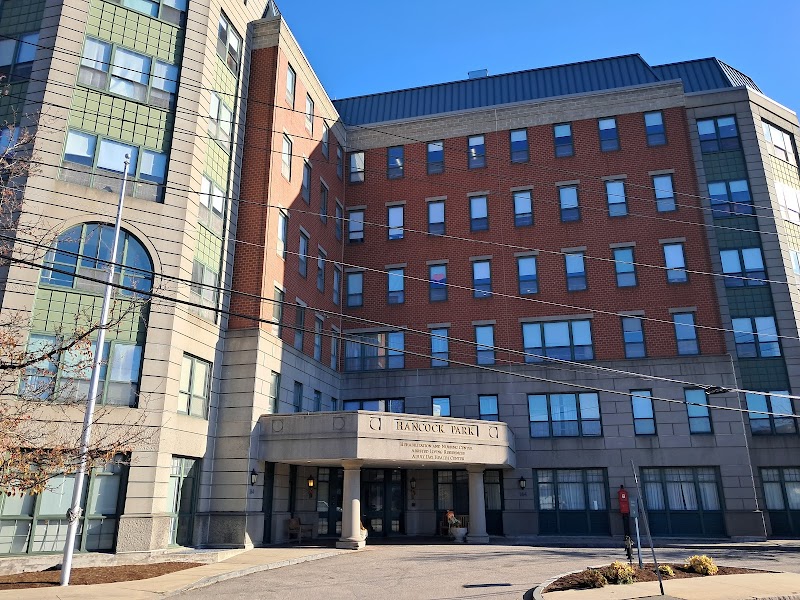
164 PARKINGWAY, QUINCY, MA 02169 (617) 773-4222
For profit - Limited Liability company 142 Beds BANECARE MANAGEMENT Data: November 2025
Trust Grade
45/100
#156 of 338 in MA
Last Inspection: October 2024

Within standard 12-15 month inspection cycle. Federal law requires annual inspections.

Overview

Hancock Park Rehabilitation and Nursing Center has a Trust Grade of D, indicating below-average performance with some concerns about care quality. It ranks #156 out of 338 in Massachusetts, placing it in the top half of facilities in the state, and #17 out of 33 in Norfolk County, meaning there are few better local options. The facility appears to be improving, reducing issues from 9 in 2023 to 7 in 2024. Staffing is relatively stable with a turnover rate of 33%, which is better than the state average, and it has average RN coverage. However, there are some troubling incidents, including failure to provide necessary interventions for a resident's deteriorating pressure injury and inadequate nutritional support for another resident that led to significant weight loss. While there are strengths in staffing stability and a decent quality measure rating, the facility does face serious challenges that families should consider.

Trust Score
D
45/100
In Massachusetts
#156/338
Top 46%
Safety Record
Moderate
Needs review
Inspections
Getting Better
9 → 7 violations
Staff Stability
○ Average
33% turnover. Near Massachusetts's 48% average. Typical for the industry.
Penalties
⚠ Watch
$33,348 in fines. Higher than 89% of Massachusetts facilities, suggesting repeated compliance issues.
Skilled Nurses
○ Average
Each resident gets 31 minutes of Registered Nurse (RN) attention daily — about average for Massachusetts. RNs are the most trained staff who monitor for health changes.
Violations
⚠ Watch
36 deficiencies on record. Higher than average. Multiple issues found across inspections.
★★★☆☆
3.0
Overall Rating
★★★☆☆
3.0
Staff Levels
★★★★☆
4.0
Care Quality
★★★☆☆
3.0
Inspection Score
Stable
2023: 9 issues
2024: 7 issues

The Good

  • 4-Star Quality Measures · Strong clinical quality outcomes
  • Full Sprinkler Coverage · Fire safety systems throughout facility
  • No fines on record
  • Staff turnover below average (33%)

    15 points below Massachusetts average of 48%

Facility shows strength in quality measures, fire safety.

The Bad

3-Star Overall Rating

Near Massachusetts average (2.9)

Meets federal standards, typical of most facilities

Staff Turnover: 33%

13pts below Massachusetts avg (46%)

Typical for the industry

Federal Fines: $33,348

Below median ($33,413)

Moderate penalties - review what triggered them

Chain: BANECARE MANAGEMENT

Part of a multi-facility chain

Ask about local staffing decisions and management

The Ugly 36 deficiencies on record

2 actual harm
Oct 2024 7 deficiencies
CONCERN (D)

Potential for Harm - no one hurt, but risky conditions existed

Deficiency F0694 (Tag F0694)

Could have caused harm · This affected 1 resident

Based on observation, record review, interview, and policy review, the facility failed to ensure the proper care and treatment of a peripherally inserted intravenous (IV) line device (a thin flexible ...

Read full inspector narrative →
Based on observation, record review, interview, and policy review, the facility failed to ensure the proper care and treatment of a peripherally inserted intravenous (IV) line device (a thin flexible tube that allows for the administration of fluids, medications, and blood product directly into a vein) and to ensure proper care and treatment of an internal jugular (IJ) venous access site after IJ line removal was provided in accordance with professional standards of practice for one Resident (#102), out of a total sample of 24 residents. Specifically, the facility failed to ensure: a. for the peripheral IV site: the dressing was changed, the line was replaced/site rotated after 96 hours, an order was obtained for an extended dwell time (greater than 96 hours but a seven-day maximum), and the line was not used after the maximum dwell time of seven days; b. for the IJ site: treatment orders were obtained to remove/change/apply a dressing and to monitor the insertion site for signs/symptoms of infection/bleeding post removal of the line. Findings include: Review of the Massachusetts 244 CMR Board of Registration in Nursing, Section 3, dated 6/11/21, indicated but was not limited to the following: -A registered nurse shall bear full and ultimate responsibility for the quality of nursing care he or she provides to individuals or groups. Included in such responsibility is health maintenance, teaching, counseling, collaborative planning and restoration of optimal functioning and comfort. -A registered nurse shall systematically assess health status, plan, and implement nursing intervention, evaluate outcomes and initiate change when appropriate, collaborate, communicate and cooperate as appropriate with other health care providers. -A licensed practical nurse bears full responsibility for the quality of health care she or he provides to patients or health care consumers. -A licensed practical nurse shall assess an individual's basic health status, evaluate outcomes of basic nursing intervention, and initiate or encourage change in plans of care, and collaborate, cooperate, and communicate with other health care professionals. Review of the Massachusetts Board of Registration in Nursing Advisory Ruling #9324, titled Accepting, Verifying, Transcribing and Implementing Orders, dated as last revised 4/11/2018, indicated but was not limited to the following: -It is the responsibility of the licensed nurse to ensure there is a proper patient care order from a duly authorized prescriber prior to the administration of any prescription or non-prescription medication or activity that requires which order in accordance with accepted standard of practice and in compliance with the Boards regulations. -Licensed nurses in a management role must ensure an infrastructure is in place, consistent with current standards of care, to minimize error. -The nurse is accountable for ensuring that any orders he or she implements are reasonable based on the nurses knowledge of that particular patient's care. It is the responsibility and obligation of the nurse to question a patient care order that is deemed inappropriate by a nurse according to his/her educational preparation and clinical experience. Review of the facility's policy titled Short Peripheral Catheter Insertion, dated January 2022, indicated but was not limited to the following: -The short peripheral intravenous catheter (PIVC) site is rotated every 96 hours and for any IV related complications. If resident has limited access, and there are no signs and symptoms or IV related complications, consult the prescriber and request an extension up to a total of 7 days maximum. -For residents with limited access, the prescriber may order to extend dwell time beyond 96 hours. The licensed nurse will perform a thorough site assessment prior to obtaining an order to extend dwell time and the licensed nurse will document, in the medical record, that there are no signs or symptoms of any IV related complications. Maximum duration of dwell time should not exceed 7 days. -Short PIVC site assessment should be performed at the following intervals: at least once per shift, when not in use. Review of the facility's policy titled Physician Orders, dated as last reviewed 9/2023, indicated but was not limited to the following: -If there is any question concerning interpretation of the physician's orders, the nurse will contact the physician for verification of the order. Resident #102 was re-admitted to the facility in September 2024 with diagnoses which included bacteremia (infection in the blood), End-Stage Renal Disease (ESRD) on hemodialysis, diabetes mellitus, and pressure ulcers. Review of the Minimum Data Set (MDS) assessment, dated 8/5/24, indicated Resident #102 scored 15 out of 15 on the Brief Interview for Mental Status (BIMS) indicating he/she was cognitively intact. He/she had ESRD and was on dialysis, had pneumonia, a pressure ulcer, and a diabetic ulcer. The surveyor observed the following: -10/1/24 at 3:13 P.M., Resident was lying in bed with a peripheral IV in his/her right forearm/wrist area with a tegaderm dressing (transparent adhesive dressing) covering the insertion site, the dressing was dated 9/21/24. Additionally, he/she had a large tegaderm dressing on the right side of his/her neck. The dressing was loose and falling off on the top corner. The dressing was dated 9/25/24 and said REMOVE 9/26/24. An IV pole was next to the bed with an empty bag of Cefazolin (antibiotic) with tubing attached hanging from the IV pole. -10/2/24 at 10:45 A.M, Resident was lying in bed with peripheral IV in his/her right forearm/wrist area with a tegaderm dressing covering the insertion site, the dressing was dated 9/21/24. Additionally, he/she had a white border gauze dressing on the right side of his/her neck dated 10/1/24. During an interview on 10/1/24 at 3:13 P.M., Resident #102 said they only administered the antibiotic in the IV once on this floor. He/she said they usually do it at dialysis and the nurses up here just flush it sometimes. He/she said no one had changed the dressing and that dressing and IV had been there since the hospital. Additionally, Resident #102 said the dressing on his/her neck had been there since the hospital as well and wasn't sure when it was supposed to be changed or if it was still needed. He/she said it was covering the insertion site from a different IV catheter they had used at the hospital. During an interview on 10/2/24 at 10:45 A.M., Resident #102 said he/she asked the nurse last night to change the bandage on his/her neck because it was falling off and you (the surveyor) had asked about it. He/she said the nurse put a new dressing on but wasn't sure if it was still needed. Resident #102 said he/she was going to ask the nurse to change the dressing on his/her forearm/wrist today when she came back in the room. Additionally, he/she said the pharmacy sent the wrong antibiotic dose, so they couldn't give it after dialysis today, so they were going to administer the dose when it arrived from the pharmacy. Review of the medical record indicated Resident #102 was hospitalized in September 2024. Review of the re-admission assessment failed to indicate the IV sites were assessed. Review of the re-admission nurse's note, dated 9/26/24, indicated Resident #102 was on IV antibiotics via right arm peripheral line for six weeks. Review of the Comprehensive Care Plan indicated a care plan was not developed until 10/2/24 for the IV antibiotic use. Review of the nursing progress notes failed to indicate staff had discussed the care and management of the IV sites with the provider. Review of the hospital discharge paperwork indicated but was not limited to the following: -A Peripheral IV was placed in right forearm on 9/21/24 at 17:33. Dressing change was due on 9/28/24. -A temporary right IJ was placed and subsequently removed on 9/23/24. -He/she was discharged back to the facility on 9/26/24. Review of the Physician's Orders indicated the following: -Flush peripheral line with 10 milliliters (ml) normal saline before medication and 10 ml following medication every Monday, Wednesday, and Friday. (9/28/24) -Flush peripheral line with 10 ml normal saline daily for patency every Tuesday, Thursday, Saturday, and Sunday. (9/28/24) -Change peripheral catheter site dressing when compromised, with each site rotation, at least every 96 hours and as needed. (if extended dwell is indicated, obtain MD order. Maximum dwell should not exceed 7 days.) (9/28/24) -Observe peripheral site every shift with intermittent therapy or when not in use. (9/28/24) -Cefazolin 1 grams (gm) -use 2 gm IV one time a day every Monday and Wednesday for sepsis until 11/1/24. (9/30/24-clarified stop date on 10/2/24-order re-written) -Cefazolin 1 gm - use 3 gm IV one time a day every Friday for sepsis until 11/1/24. (9/30/24-clarified stop date on 10/2/24-order re-written) -Cefazolin 2 gm IV one time a day every Monday and Wednesday for sepsis with dialysis until 11/13/24. (10/2/24) -Cefazolin use 3 gm IV one time a day every Friday for sepsis with dialysis until 11/13/24. (10/2/24) Further review of the Physician's Orders failed to indicate an order for extended dwell time of the peripheral line and failed to indicate any orders related to the IJ site. During an interview on 10/2/24 at 11:28 A.M., Nurse #1 said they put a call out to the IV team for a new peripheral IV because the one in his/her arm was old and they need to administer antibiotics today. On 10/2/24 at approximately 11:30 A.M., the peripheral line was removed from the right forearm/wrist of Resident #102. During an interview on 10/2/24 at 1:28 P.M., Resident #102 said they were waiting for the IV Team to come and put a new IV in. He/she said they just took the one from the hospital out and said they wanted to put a new one in. During an interview on 10/2/24 at 1:30 P.M., Nurse #1 said she was not sure why they took the other line out, she said there must have been something wrong with it and they were waiting for the IV Team to come put a new one in to administer the antibiotics. She said the pharmacy had sent the wrong dose so they could not administer after dialysis and were going to give it once the new IV was in place and she did not know anything about the dressing on his/her neck. During an interview on 10/2/24 at 1:42 P.M., Unit Manager #2 said the Nurse Practitioner wanted a new line inserted it because that one was more than 7 days old. She said they only used it for the antibiotics once when he/she first came back. She said dialysis had been giving the medication after treatment and they had been flushing the IV to keep it patent. Review of the September 2024 Treatment Administration Record (TAR) indicated the following: -IV Cephazolin was administered via the peripheral line on 9/28/24. -The treatment sheets failed to indicate an order to flush the line pre/post medication on 9/28/24. -The peripheral line had been flushed on 9/29/24. -The peripheral line site had been monitored every shift since 9/28/24 starting with the 3-11 shift. -Change peripheral catheter site dressing when compromised, with each site rotation, at least every 96 hours and as needed. 9/28/24 treatment marked refused. -No additional attempts to change dressing and/or rotate site were documented. Review of the October 2024 TAR indicated: -The peripheral line had been flushed on 10/1/24 during day shift and 10/2/24 at 9:00 A.M. -The peripheral line site had been monitored every shift. -Change peripheral catheter site dressing when compromised, with each site rotation, at least every 96 hours and as needed. 10/2/24 at 12:07 A.M., treatment signed off as administered. In Summary: -The peripheral IV was greater than 96 hours old, with no order for extended dwell time (up to 7 days) -The peripheral IV was accessed and used to administer normal saline and Cefazolin until 10/2. -The peripheral IV line and dressing were not changed until the line was 11 days old (after the surveyor inquired). During an interview on 10/4/24 at 9:52 A.M., the Director of Nurses (DON) said the IV was placed on 9/21/24 at the hospital and should not have still been in use on 10/2/24. She said the nurses were flushing the line per the orders, but the line should have already been replaced. She said the dwell time is four days and a maximum of seven days with a physician's order. The DON said she did not see an order for extended dwell time so this line should have been removed/replaced after four days. She said the nurses should have called the provider to let them know the line had been in for over four days and obtained an order for extended dwell time, to replace or remove the line. Additionally, she said the orders should have been written on 9/26/24 upon re-admission and they were not written until 9/28/24. The DON said there were no orders related to the IJ site and there should have been an order written to remove the dressing on 9/26/24 and to monitor the site for signs and symptoms of infection, and if the physician wanted a new dressing applied, then an order should have been written for that treatment. The DON was not sure why the orders were not implemented correctly.
CONCERN (D)

Potential for Harm - no one hurt, but risky conditions existed

Deficiency F0698 (Tag F0698)

Could have caused harm · This affected 1 resident

Based on interview and record review, the facility failed to ensure staff implemented dialysis care and services consistent with professional standards of practice for two Residents (#47 and #32), out...

Read full inspector narrative →
Based on interview and record review, the facility failed to ensure staff implemented dialysis care and services consistent with professional standards of practice for two Residents (#47 and #32), out of 24 sampled residents. Specifically, the facility failed: 1. For Resident #47, to notify the physician and obtain orders post-left Arteriovenous (AV) fistula (a surgically connected artery and vein used for long term dialysis) revision and document the Resident's condition on return to the facility post-surgery; and 2. For Resident #32, to remove the pressure dressing applied by the dialysis center to the fistula in the left arm, as ordered by the physician, as recommended by the dialysis center and to provide proper monitoring of the site. Findings include: Review of the facility's policy titled Dialysis Guideline, dated Revised 2019, indicated but was not limited to the following: -Care interventions required when a resident is on hemodialysis may exceed the usual identified problems and interventions provided to residents in long-term care setting. The following information will provide additional directions in assessment, planning and provision of care to our residents. -Residents receiving hemodialysis are transported routinely out of the facility. Communication is essential for continuity of care. -Communication between outpatient dialysis provider and facility should include: Written communication form with review of daily weights, any changes in condition or mood. -Pre-Dialysis Protocol: -Be cognizant of medications ordered and timing of administration. -Observe for lethargy, chest pain, headache, unsteady gait or nausea. -Communicate symptoms to outpatient dialysis center and physician. -Post Dialysis Protocol: -Review Communication Binder for any pertinent information. -Remove fistula/graft-dressing evening of dialysis treatment. -Check fistula for bruit (listening to fistula) or feel for a thrill (by touching the fistula). This must be done daily, best after dressing is removed. -If bleeding occurs any time after dialysis, apply pressure with clean gauze for 5-10 minutes. Repeat until bleeding stops or call dialysis unit (if open) or MD for further instructions. -Blood pressure as needed/daily or as the physician orders (do not take B/P on arm that fistula is in). Normal activity as tolerated. Review of the facility's policy titled Change in Resident Condition, dated 11/17, indicated but was not limited to the following: -The facility shall promptly notify the resident, his or her Attending Physician, and resident representative of changes in the resident's medical/mental condition and/or status. -The nurse will notify the resident's Attending Physician or physician on call when there has been: -Significant change in the resident's physical/emotional/mental condition. -Need to alter the resident's medical treatment significantly. Review of the Massachusetts Board of Registration in Nursing Advisory Ruling on Nursing Practice, dated as revised April 11, 2018, indicated the following: -Nurse's Responsibility and Accountability: Licensed nurses accept, verify, transcribe, and implement orders from duly authorized prescribers that are received by a variety of methods (i.e., written, verbal/telephone, standing orders/protocols, pre-printed order sets, electronic) in emergent and non-emergent situations. Licensed nurses in a management role must ensure an infrastructure is in place, consistent with current standards of care, to minimize error. Pursuant to Massachusetts General Law (M.G.L.), chapter 112, individuals are given the designation of Registered Nurse and Practical Nurse which includes the responsibility to provide nursing care. Pursuant to the Code of Massachusetts Regulation (CMR) 244, Rules and Regulations 3.02 and 3.04 define the responsibilities and functions of a Registered Nurse and Practical Nurse respectively. The regulations stipulate that both the Registered Nurse and Practical Nurse bear full responsibility for systematically assessing health status and recording the related health data. They also stipulate that both the Registered Nurse and Practical Nurse incorporate into the plan of care and implement prescribed medical regimens. The Rules and Regulations 9.03 define Standards of Conduct for Nurses where it is stipulated that a nurse licensed by the Board shall engage in the practice of nursing in accordance with accepted standards of practice. 1. Resident #47 was admitted to the facility in August 2024 with diagnoses including end stage renal disease, dependent on renal dialysis, and diabetes mellitus. Review of the Minimum Data Set (MDS) assessment, dated 9/3/24, indicated Resident #47's cognition was intact as evidenced by a Brief Interview for Mental Status (BIMS) score of 15 out of 15 and was receiving dialysis services. Review of the Physician's Orders indicated but were not limited to the following: -Check bruit/thrill every shift to Left arm fistula. (8/28/24) -Dialysis days are every M/W/F. (8/28/24) -Left AV Fistula Revision 10/1/24. (9/24/24) Review of the After Visit Summary, dated 10/1/24, indicated but was not limited to the following: -Change nystatin powder to apply topically two times a day as needed (red, moist patches limited to intertriginous skin folds). -Follow up with MD in clinic in 1-2 weeks. -Keep left upper extremity elevated for 24 hours after your surgery; do not lift greater than 10 pounds with your left upper extremity until your follow-up appointment. -The ACE wrap may be removed 1 day after surgery; the remaining surgical dressings may be removed 2 days after the surgery; under the dressing are sutures and staples that will be removed at your follow-up appointment. -You may shower and get the incision wet in 48 hours; let water and soap run down the incision and pat the incision dry; do not scrub. -You can apply ice to the area to assist with pain and swelling (15 minutes indirectly laid over your surgery site, then 15 minutes off). -Return to the emergency room if you exhibit any of the following: dizziness, increased pain, vomiting, shortness of breath, redness or swelling, chest pain or discomfort, bleeding, fever, or any new or worsening symptoms. Review of the nursing progress notes failed to indicate Resident #47 had returned to the facility post left AV shunt revision and an assessment had been completed. Further review of the Physician's Orders failed to indicate any additional orders for the care of the AV fistula post revision on 10/1/24 were obtained. During an interview and observation on 10/2/24 at 8:45 A.M., Resident #47 said he/she returned after having surgery on his/her left arm last night. Resident #47 said his/her shunt was not working. Resident #47's left upper extremity was noted to have an ACE bandage (a brand of elastic bandage or compression bandage that provides support and compression to help with recovery and return to activity) around operative site. Resident #47 said the ACE bandage should come off today. Resident #47 said he/she was not having pain. During an interview and observation on 10/2/24 at 2:47 P.M., the surveyor observed Resident #47 lying in bed with his/her left arm resting on the bed. Resident #47's left upper extremity had an ACE bandage around the operative site. Resident #47 said the nurse had not looked at his/her dressing yet. During an interview and observation on 10/3/24 at 10:50 A.M., the surveyor observed Resident #47 lying in bed with his/her left arm resting on the bed. Resident #47's left upper extremity had an ACE bandage around the operative site. Resident #47 said the nurse peeked at his/her dressing but had not touched it. Resident #47 said no one had told him/her to keep his/her left arm elevated. During an interview and observation on 10/4/24 at 8:33 A.M., the surveyor observed Resident #47 lying in bed with his/her left arm resting on the bed. Resident #47's left upper extremity had the ACE bandage around the operative site removed. Resident #47 said the nurse took the ACE bandage off last night. There were three dressings in place secured with surgical tape over the left AV fistula. Resident #47 said the nurse looked at the dressings but had not changed them. Resident #47 said the dressings were the original dressings from his/her surgery. Review of the Comprehensive Care Plan failed to indicate a care plan for the care and treatment of an AV fistula shunt revision had been developed. On 10/4/24 at 8:00 A.M., the surveyor placed a call to Nurse #3 with no return call. During an interview on 10/4/24 at 8:29 A.M., Unit Manager (UM) #2 reviewed Resident #47's discharge information and medical record. UM #2 could not locate a progress note that Resident #47 was assessed post AV shunt revision or that the physician was notified of any changes. UM #2 said the receiving nurse should have reviewed the discharge information and contacted the physician for new orders. During an interview on 10/4/24 at 8:42 A.M., the Director of Nursing (DON) reviewed Resident #47's return from an AV shunt fistula revision that occurred on 10/1/24. The DON reviewed the discharge summary instructions and said the expectation was for the receiving nurse to review the discharge summary, obtain new orders and write a progress note. The DON said the nurse failed to do that. 2. Resident #32 was admitted to the facility in August 2024 with a diagnosis of End Stage Renal Disease and was actively receiving dialysis treatments. Review of the MDS assessment, dated 9/25/24, indicated Resident #32 scored 15 out of 15 on the BIMS, indicating he/she was cognitively intact. The MDS indicated Resident #32 was receiving hemodialysis before and during their stay at the facility. Review of the Physician's Orders included an order written to remove the left upper extremity dressing every evening after dialysis on Mondays, Wednesdays, and Fridays and an additional order to monitor the dialysis access site every shift, every day. Review of the medical record indicated Resident #32 attended dialysis the previous evening (9/30/24) and the Treatment Administration Record (TAR) indicated the dressing to the left upper extremity had been removed. On 10/1/24 at 9:30 A.M., the surveyor observed Resident #32 in bed with a bandage on their left upper extremity and had not been removed as indicated on the TAR. Review of the Dialysis Communication Book indicated on every day of dialysis the Dialysis Center had indicated to remove the fistula (a surgically created connection between an artery and a vein that allows patients to receive dialysis) dressing after four hours. Further review indicated the following notes: 8/14/24- Please take off pressure dressing no later than morning after Hemodialysis, patient arrived with pressure dressing on fistula Review of the medical record indicated Resident #32 had a lengthy hospitalization from the end of August 2024 through the middle of September 2024, with no dialysis communication needed during this time. Further review of the Dialysis Communication book for Resident #32 indicated the following handwritten notes in the Dialysis Access Notes (only if applicable) section, in addition to the regularly circled directions of removing the dressing after four hours: 9/27/24- remove dressing after four hours 9/30/24- remove dressing after four hours 10/2/24- remove dressing after four hours; and with an asterisk (*) please remove dressing after four hours On 10/2/24 at 10:37 A.M., the surveyor observed Resident #32 return from dialysis. On 10/2/24 at 4:30 P.M., the surveyor observed Resident #32 sleeping in bed with a dressing on the left upper extremity over the fistula. During an interview with observation on 10/3/24 at 8:51 A.M., the surveyor observed that Resident #32 had a dressing on the left upper extremity. The Resident said the nurses at the Dialysis Center want the nurses at the facility to remove the dressings the night of dialysis, but sometimes they forget. He/she said no one removed the dressing the previous night (10/2/24) after he/she returned from dialysis. During an interview on 10/3/24 at 9:10 A.M., Nurse #2 said the dressing was in place over the fistula used for dialysis. She said she was not sure when the dressing was supposed to be removed and would need to check. She said the Resident attended dialysis on 10/2/24. During an interview on 10/3/24 at 11:10 A.M., Nurse #2 said she had reviewed the orders and the dressing to the left upper extremity should have been removed the night prior. During an interview on 10/3/24 at 4:10 P.M., Unit Manager #3 said the dressing should be removed during the 3:00 P.M. to 11:00 P.M. shift the night of dialysis. He said the process was for the 7:00 A.M. to 3:00 P.M. nurse to review the dialysis communication book when the Resident returned from dialysis and the nurse should have been communicating with the 3:00 P.M. to 11:00 P.M. shift about notes regarding removing the dressing.
CONCERN (D)

Potential for Harm - no one hurt, but risky conditions existed

Deficiency F0761 (Tag F0761)

Could have caused harm · This affected 1 resident

Based on observation, interview, and policy review, the facility failed to ensure all drugs and biologicals were stored in a safe and secure manner as required. Specifically, the facility failed for o...

Read full inspector narrative →
Based on observation, interview, and policy review, the facility failed to ensure all drugs and biologicals were stored in a safe and secure manner as required. Specifically, the facility failed for one Resident (#74), out of a total sample of 24 residents, to ensure Albuterol Inhalation Aerosol Solution (a bronchodilator used to relax airway muscles) was not left unsecured and unattended in the Resident's room. Findings include: Review of the facility's policy titled 11-Self-Administration of Medications, dated September 2023, indicated but was not limited to the following: -The interdisciplinary team must also determine whether the resident or the nursing staff will be responsible for the storage and documentation of the administration of the drugs, and whether the drugs will be in the resident's room or at the nurse's station. -Lock boxes must be available for residents to maintain medications at the bedside. -Document on the resident's care plan. Resident #74 was admitted to the facility in January 2024 with diagnoses including acute pulmonary edema, chronic obstructive pulmonary disease (COPD), and cognitive communication deficit. Review of the Minimum Data Set (MDS) assessment, dated 9/25/24, indicated Resident #74 scored 14 out of 15 on the Brief Interview for Mental Status exam, indicating the Resident was cognitively intact. Review of Resident #74's care plans and assessments failed to indicate the Resident was able to self-administer medication. During an observation with an interview on 10/1/24 at 7:54 A.M., Resident #74 said he/she kept the Albuterol in his/her room because he/she did not want to have to wait for staff to bring it in when he/she needs it. The Resident said he/she self-administers it whenever he/she feels as though he/she needs it. The Resident said he/she usually keeps it next to him/her on the bedside table. On 10/2/24 at 8:07 A.M., the surveyor observed the inhaler on the Resident's tray table unsecured and undated. During an interview on 10/2/24 at 12:30 P.M., Unit Manager #1 said Resident #74 could keep the inhaler in his/her room if the medication was secured and locked. She said the resident's ability to self-administer medication is assessed quarterly. During an observation with an interview on 10/3/24 at 9:31 A.M., the surveyor observed the Resident's inhaler on the tray table. Resident #74 said he/she liked to keep it in case he/she suddenly felt anxious, agitated, or short of breath. Resident #74 said he/she did not have a key for any of his/her drawers or a lock box in the room. On 10/4/24 at 11:50 A.M., the surveyor observed the Resident with the inhaler in their lap while sitting in the wheelchair and he/she said if he/she leaves his/her room, he/she likes to always keep it with him/her. During an interview on 10/4/24 at 12:15 P.M., the Director of Nurses read the policy to the surveyor and said the policy was not being followed. She said the Resident should not have the medication in their room unsecured or undated. She said if the Resident was not supposed to be self-administering medication, then the inhaler should be secured in the nurse's medication cart.
CONCERN (D)

Potential for Harm - no one hurt, but risky conditions existed

Deficiency F0849 (Tag F0849)

Could have caused harm · This affected 1 resident

Based on record review, hospice contract review, and staff interview, the facility failed to ensure for one Resident (#23), out of a total sample of 24 residents, hospice services were provided in acc...

Read full inspector narrative →
Based on record review, hospice contract review, and staff interview, the facility failed to ensure for one Resident (#23), out of a total sample of 24 residents, hospice services were provided in accordance with the agreement between the hospice and the facility. Specifically, the facility failed to ensure collaboration between the facility, Hospice, and the family, regarding the Hospice Aide schedule and the decrease in services for the weekly Hospice Aide to ensure the continuity of care for the Resident. Findings include: Review of the facility's policy titled Care and Treatment, End of Life, Hospice Program, dated September 2022, indicated but was not limited to the following: -In general, it is the responsibility of the Hospice to manage the resident's care as it relates to the terminal illness and related conditions, including: a. Determining the appropriate Hospice plan of care; b. Changing the level of services provided when it is deemed appropriate. -Our facility has designated social service department to coordinate care provided to the resident by our facility staff and the Hospice staff. (Note: this individual is a member of the interdisciplinary team (IDT) with clinical and assessment skills who is operating within the scope of practice act). He or she is responsible for the following: a. Collaborating with Hospice representatives and coordinating facility staff participation in the Hospice care planning process for residents receiving these services; b. Communicating with Hospice representative and other health care providers participating in the provision of care for the terminal illness, related conditions, in other conditions, to ensure quality of care for the resident and family; c. Obtaining the following information from Hospice: a. The most recent Hospice plan of care specific to each resident; -Coordinated care plans for residents receiving Hospice services will include the most recent Hospice plan of care as well as the care and services provided by our facility in order to maintain the resident's highest practical physical, mental, and psychological well-being. -The coordinated care plan shall be revised and updated as necessary to reflect the resident's current status. Review of the Hospice Care Services Agreement between the facility and the contracted Hospice Provider, dated 5/23/19, indicated but was not limited to the following: Plan of care: -Hospice shall designate a registered nurse to coordinate the implementation of the plan of care. -Hospice shall communicate with facility to ensure coordination of patient care services. Resident #23 was admitted to the facility in October 2023 with diagnoses which included cerebrovascular disease (stroke) with right hemiplegia (weakness or paralysis) and dementia. Review of the Minimum Data Set (MDS) assessment, dated 7/24/24, indicated Resident #23 had severe cognitive impairment as evidenced by a Brief Interview for Mental Status (BIMS) score of 0 out of 15. During a telephonic interview on 10/02/24 at 4:53 P.M., Family Member (FM) #1 said he/she did question if Hospice services were worth having because there is no communication, and they never returned his/her phone calls until he/she was questioning stopping the Hospice services. FM #1 said after talking to a Hospice representative he/she decided to continue with Hospice because it was explained as an extra layer of care. FM #1 said he/she was not aware the weekly Hospice Aide visits were decreased from 3-4 per week down to 1-3 times a week. Review of Resident #23's care plan indicated but was not limited to the following: -Resident #23's healthcare proxy/family member elected Hospice services. -Care for Resident #23 will be provided through both interdisciplinary team in collaboration with Hospice team through the contracted vendor throughout the review. -Care will be collaborated with the team from the contracted vendor. -Social services will work with Hospice social worker in an effort to provide support to Resident #23 and his/her family. On 10/1/24, review of Resident #23's Hospice Binder indicated the most recent Hospice Plan of Care with certification period of 7/18/24 to 9/15/24, which indicated but was not limited to the following: -Discipline orders: Aide; 3-4 times a week for 9 weeks; beginning during week of 7/18/24- Ending on 9/14/24. There was no Hospice Care plan or progress notes after 9/16/24 in the Hospice binder. On 10/2/24, the surveyor reviewed an updated Hospice Plan of Care with a certification period of 9/16/24 to 11/14/24, which indicated but was not limited to the following: -Discipline orders: Aide; 1-3 times a week for 9 weeks; beginning during week of 9/16/24- Ending on 11/14/2024. The new Care plan reflected a decrease in Hospice Aide services. Review of a Social Service's note, dated 9/12/24, FM #1 inquired on the process of disenrolling from Hospice as the family does not feel the patient is benefiting from the program. Notified the contracted Hospice representative of the same who will reach out to the family to discuss concerns and discuss disenrollment process; team made aware of potential change in status. Review of a Social Service's note, dated 9/13/24, indicated FM #1 had a discussion with the Hospice team and decided to keep Resident #23 on Hospice services. Social Worker (SW) #1 met with Hospice Nurse and Chaplain today in regard to the same. Plan to continue with Hospice services at request of FM #1. Further review of the medical record and social service notes did not indicate any collaborative documentation reflecting the facility or family were aware of the decreased weekly Hospice Aide serves effective 9/16/24. During an interview on 10/02/24 at 1:54 P.M., the Director of Nurses (DON) said the facility Hospice coordinator was SW #1. During an interview on 10/02/24 at 3:07 P.M., SW #1 said she was not aware or involved in the discussion to decrease the weekly Hospice Aide services. SW #1 said FM #1 was thinking of disenrolling in Hospice services and FM #1 spoke directly to Hospice about disenrolling. SW #1 said maybe that was when they decreased the weekly Aide services. During an interview on 10/02/24 at 4:45 P.M., the DON said she was not aware Resident #23's weekly Hospice Aide was decreased from 3-4 times per week to 1-3 times a week. During an interview on 10/02/24 at 2:06 P.M., Nurse #2 said she does not know when the Hospice Nurse or Aide are coming, she usually just sees them, and they sign out with her. During an interview on 10/02/24 at 2:50 P.M., Hospice Staff #2 said she usually works with Resident #23. She gets her assignment the night before and her assignment depends on the Hospice Staff availability. She said the facility does not know when she is coming, but she does sign the sign-in sheet in the hospice book and sign out with the nurse. Review of the Skilled Nursing Facility Hospice Visit Log sign-in sheet indicated the following frequency visits from 8/11/24 through 9/16/24 which were Care planned for three to four times per week: Week 8/11/24 through 8/17/24 indicated Aide visited two times. Week 8/18/24 through 8/24/24 indicated Aide visited two times. Week 8/25/24 through 8/31/24 indicated Aide visited three times. Week 9/1/24 through 9/7/24 indicated Aide visited two times. Week 9/8/24 through 9/14/24 indicated Aide visited one time. During a telephonic interview on 10/04/24 at 11:54 A.M. and 12:59 P.M., Hospice Staff #1 said the Hospice team collaborates with the facility with the sign-in process, communication notes in the hospice binder, and the weekly progress notes that are in the binder. The surveyor reviewed with Hospice Staff #1 there were no weekly notes, no current care plan indicating the aides' visits were reduced to 1-2 times a week and no documentation in the electronic medical record. In addition, the surveyor informed her that FM #1, the DON, and the SS #1 were not aware the aides' visits had been decreased on 9/16/24. Hospice Staff #1 said there should be collaboration and it should be documented.
CONCERN (E)

Potential for Harm - no one hurt, but risky conditions existed

Pressure Ulcer Prevention (Tag F0686)

Could have caused harm · This affected multiple residents

Based on record review and interview, the facility failed to ensure a resident with pressure ulcers received necessary treatment and services, consistent with professional standards of practice, to pr...

Read full inspector narrative →
Based on record review and interview, the facility failed to ensure a resident with pressure ulcers received necessary treatment and services, consistent with professional standards of practice, to promote healing and prevent new ulcers from developing for one Resident (#102), out of a total sample of 24 residents. Specifically, the facility failed to provide diabetic foot care treatments and skin checks as ordered by the physician. Findings include: Review of the facility's policy titled Skin Integrity Guidelines, dated as last revised 2019, indicated but was not limited to the following: -All residents will be assessed/observed for risk of skin breakdown within 24 hours of admission, quarterly, and as necessitated by change in condition. -Wound will be documented on weekly measuring tools such as weekly measuring assessment. -Interventions will be documented in the Resident Care Plan. -Licensed nurse will be responsible for performing skin evaluation/observation. Review of the facility's policy titled Nursing Care of the Resident with Diabetes Mellitus, dated as last revised December 2015, indicated but was not limited to the following: -Recognize, manage, and document the treatment of complications commonly associated with diabetes. -Complications Associated with Diabetes: Foot Complications-neuropathy, dry skin, calluses, poor circulation, ulcers. -Skin and Foot Care: skin should be kept as dry and clean as possible, apply lotion to dry skin as needed. -Documentation: -Assessment of the skin including the following: color, moisture, temperature, and any redness, ulcers, irritation, abrasions, and/or pruritus (itching). -Assessment of the feet should include the following: hygiene, temperature, color, circulation, any abrasions, sores, or injuries, any corns or calluses, and the condition of the toes and toenails. Resident #102 was admitted to the facility in July 2024 with diagnoses which included bacteremia (infection in the blood), End-Stage Renal Disease (ESRD) on hemodialysis, osteomyelitis (infection to the bone), diabetes mellitus with neuropathy (nerve damage affecting sensation), foot ulcer, toe amputations, and pressure ulcer. Review of the Minimum Data Set (MDS) assessment, dated 8/5/24, indicated Resident #102 scored 15 out of 15 on the Brief Interview for Mental Status (BIMS) indicating he/she was cognitively intact. He/she had ESRD and was on dialysis, had pneumonia, a pressure ulcer, and a diabetic ulcer. Review of the medical record indicated Resident #102 was admitted to the facility in July with a coccyx pressure ulcer and diabetic foot ulcer and was at high risk for skin breakdown as evidenced by a score of 10 on the Norton Plus Pressure Ulcer Risk Scale. Review of the Comprehensive Care Plan indicated the following: -The Resident has potential for pressure ulcer development: Administer treatments as ordered; Follow facility policies/protocols for the prevention/treatment of skin breakdown. (7/31/24-care plan closed on 9/19/24) -The Resident has potential for pressure ulcer development: Administer treatments as ordered; Follow facility policies/protocols for the prevention/treatment of skin breakdown. (9/28/24) -The Resident has Diabetes Mellitus: Wash feet daily with mild soap and water. Dry thoroughly. May use a light dusting powder or lotion. Do not apply lotion or powder between the toes. (7/31/24- care plan closed on 9/19/24) -The resident has a behavior problem. Refuses to reposition to offload wound, refuses for daily dressing changes, refuses insulin. (9/12/24- care plan closed on 9/19/24) -The Resident has potential/actual impairment to skin integrity related to decreased/impaired mobility or function- coccyx, left heel ulcer, right heel ulcer, left toe amputations, right butt: Educate resident of causative factors and measure to prevent skin injury, follow facility protocols for treatment of injury, keep skin clean and dry, use lotion on dry skin, do not apply to site of injury, weekly skin check by licensed nurse. (9/28/24) Review of the Physician's Orders indicated the following: -Diabetic Foot Care (DFC): Bathe feet daily with warm water, do not soak, dry well especially between toes, apply a thin layer of lotion to feet but not between toes every evening shift. (7/30/24) -Document weekly skin check in the Weekly Skin Check Assessment (start 8/6/24) -Truvue boots (boot to offload heel pressure) while in bed. (7/30/24) Review of the Treatment Administration Record (TAR) indicated the following: -August 2024: DFC was signed (N or NA) indicating it was not administered 18 out of 23 opportunities. (Resident was at the hospital (MLOA) 8/13-8/21) and the Weekly Skin check was signed as administered one out of two opportunities. -Resident returned from MLOA on 8/21/24 and no re-admission skin check was done. -September 2024: DFC was signed (N or NA) indicating it was not administered 13 out of 17 opportunities. (MLOA 9/13-9/26). Further review of the TAR indicated the treatment for DFC as not coded as refused in the opportunities listed above. Review of the progress notes failed to indicate Resident #102 had been routinely/repeatedly refusing treatments. Review of the nursing progress notes indicated the following: -9/11/24: Resident #102 had refused nursing and wound care. -9/12/24: Resident #102 had new bilateral heel ulcers. -9/13/24: Resident #102 had been transferred to the hospital (unrelated to wounds). Review of the Wound Physician Evaluation and Management Summary, dated 9/12/24, indicated Resident #102 had an unstageable deep tissue injury (DTI) with intact purple/maroon skin to the left heel measuring 2 x 1.5 x depth not measurable centimeters (cm) and an unstageable DTI to the right heel with moderate drainage measuring 0.5 x 0.6 x 0.2cm. Treatments were initiated. In summary, Resident #102 had a complex medical history and was at high risk for pressure ulcer development. Heels were offloaded to prevent breakdown, DFC was not completed as ordered, and weekly skin checks were not completed as ordered. Despite offloading heels, Resident #102's heels both developed a DTI. During an interview on 10/3/24 at 11:30 A.M., Resident #102 said last night the nurse did a skin check. He/she said it was the first time since admission, someone came in and looked at his/her entire body and was writing things down. Additionally, he/she said they only get out of bed for dialysis as it is not very comfortable to sit in the wheelchair, but the air mattress and repositioning helps, and they wear the booties all the time. Resident #102 said no one has done DFC, specifically he/she said no one washes and dries his/her feet or applies lotion to his/her feet, they only change the dressings. During observation of wound rounds on 10/3/24 at 12:15 P.M., with the Wound Physician he said both heels were clean and dry and only needed skin prep applied and they could be left open to air. He said the facility is doing all the right things overall with offloading, the air mattress, and repositioning and Resident #102 is very compromised. During an interview on 10/4/24 at 9:52 A.M., the Director of Nurses (DON) said she did not know why the only skin check in the system was from 8/6/24 as the other dates when he/she was not at the hospital there should have been one done, and they were not done. She said the re-admission assessment on 8/21/24 was not done and it should have been done and included a skin check. Additionally, she said her expectation is that staff are following the physician's order and she did not know why DFC was not being done as ordered. She said if he/she refuses, then the treatment should be coded as refused and a note written, but that was not done. During an interview on 10/4/24 at 12:35 P.M., Nurse #1 said she cleans his/her feet when she does wound care but does not wash and dry them or apply lotion per the physician's order for DFC. She said she did not know why she documented on the TAR (NA) indicating not applicable. During an interview on 10/4/24 at 12:45 P.M., the DON said she called two of the nurses regarding their documentation and they said they did not do the DFC sometimes because of the dressing on the foot and other times he/she refused. Additionally, she said prior to the DTIs developing on both heels, the heels would not have had a dressing on them and should have been looked at during DFC each evening and they were not.
CONCERN (E)

Potential for Harm - no one hurt, but risky conditions existed

Menu Adequacy (Tag F0803)

Could have caused harm · This affected multiple residents

Based on interviews and review of facility menus, the facility failed to ensure a repetitive menu was not provided to the residents resulting in complaints about the lack of variety in food options. S...

Read full inspector narrative →
Based on interviews and review of facility menus, the facility failed to ensure a repetitive menu was not provided to the residents resulting in complaints about the lack of variety in food options. Specifically, the facility failed to offer a variety of the main meal to residents on a renal diet (a diet that limits sodium, potassium, phosphorus, and sometimes protein to help people with kidney disease or limited kidney function). Findings include: Review of the facility's policy titled Menu Development, dated as last reviewed September 2023, indicated nutritional needs of individuals will be provided in accordance with the established standards, as needed adjusted for age, gender, disability, and through nourishing diets, unless contraindicated by medical needs. Review of the facility's policy titled Menu Review, dated as last reviewed September 2023, indicated menus would be reviewed by the Registered Dietitian, Food Service Director or designated staff on an as needed basis and updated according to the needs of the population served. Review of the Resident Dining Committee Meeting Minutes for the months of June and September 2024 indicated discussions regarding repetitive meals served back-to-back and concerns with variety. During a group meeting held on 10/2/24 at 2:00 P.M., with 15 residents in attendance, the residents said they were sick and tired of getting repetitive meals including pork and chicken. Review of the 4-week cycle of menus for the Spring/Summer 2024 indicated the following: Week 2 Renal Diet- Tuesday Dinner: Fish Sandwich Wednesday Lunch: Baked Fish Thursday Lunch: Baked Fish Friday Lunch: Baked Fish Week 3 Renal Diet- Monday Lunch: Herb Baked Chicken Wednesday Lunch: Baked Chicken Wednesday Dinner: Baked Chicken Thursday Dinner: Chicken Salad Plate Review of a complete list of resident's therapeutic diets indicated 16 residents had an order for a Renal diet. During an observation with interview on 10/2/24 at 11:40 A.M., the surveyor observed the lunch meal service in the kitchen, the current menu was Week 2, Wednesday. [NAME] #1 said the baked fish was for the Renal Diet. During an interview on 10/3/24 at 12:00 P.M., the Registered Dietitian said the process was for the regional Registered Dietitian to review and approve all menus (regular and therapeutic menus). She said no one had noticed until this morning that the menu for the Renal Diet had fish four times this week. She said the fish was already prepped for lunch today, so the residents on a Renal Diet would get the fish again. During an observation with interview on 10/3/24 at 12:35 P.M., the surveyor observed the lunch meal service in the kitchen, the current menu was Week 2, Thursday. [NAME] #1 said the baked fish was for the Renal Diet. During an interview on 10/3/24 at 1:40 P.M., Resident #32, who was on a Renal Diet, said they did not eat their lunch today because they did not want fish again. He/she said they had fish yesterday, had sent their lunch tray back and was waiting for soup. During an interview on 10/4/24 at 8:23 A.M., Resident #42, who was on a Renal Diet, said they receive fish for a meal two to three times per week. He/she said they do not like fish but had learned to tolerate it. He/she said they had told the Certified Nursing Assistants that they do not like the fish but have not been offered any substitutes. During an interview on 10/3/24 at 2:30 P.M., the Food Service Director said the process was for the Regional Registered Dietitian to review and make the menus. He said there was a Spring/Summer menu and a Fall/Winter menu. He said each menu repeats a four-week cycle for six months. He said the facility was currently using the Spring/Summer menu and had been since the Spring. He said residents had voiced concerns at the Resident Dining Committee about variety of foods and these particular menus had not been addressed on the Spring/Summer menu but had tried to address them on the upcoming Fall/Winter menu. He said he had just noticed the repetition of meals on the Renal Diet menu and realized there were other options that could have been served. During an interview on 10/3/24 at 3:30 P.M., Dietary Aide #1 said she completes a menu selection process (choosing the main meal or the alternate meal) with nine residents (out of a total census of 121) at the facility. She said two out of the nine residents were on a Renal Diet. She said there were not a lot of residents on the list who were on a Renal Diet because they had more restrictions and not a lot of options. She said the menu for the Renal Diet had a lot of fish.
CONCERN (E)

Potential for Harm - no one hurt, but risky conditions existed

Food Safety (Tag F0812)

Could have caused harm · This affected multiple residents

Based on observation and interview, the facility failed to follow professional standards of practice for food safety and sanitation to prevent the potential spread of foodborne illness to residents wh...

Read full inspector narrative →
Based on observation and interview, the facility failed to follow professional standards of practice for food safety and sanitation to prevent the potential spread of foodborne illness to residents who are at high risk. Specifically, the facility failed to maintain a safe and clean ice machine on three out of three floors. Findings include: Review of the 2022 Food Code, a model for safeguarding public health and ensuring food is safe for consumption, indicated but was not limited to: 4-602.11 Equipment Food-Contact Surfaces and Utensils: Surfaces of utensils and equipment contacting food that is not time/temperature control for safety such as ice makers, and ice bins must be cleaned on a routine basis to prevent the development of slime, mold, or soil residues that may contribute to an accumulation of microorganisms. On 10/3/24 at 3:50 P.M., the surveyor observed the 5-East unit to have a small automatic ice machine. The inside of the ice machine had black speckles on the cover and a brown slimy substance on the inside of the door. The surveyor observed a brown, slimy substance on the top section that was making ice. The machine was full of ice. On 10/3/24 at 3:55 P.M., the surveyor observed the 5-West unit to have a small automatic ice machine. The surveyor observed the inside of the ice machine with a brown substance along the edge and the top section with running water and a brown film. The machine had a couple of ice cubes in it. On 10/4/24 at 8:45 A.M., the surveyor and the Food Service Director observed the following: -3 [NAME] ice machine (large) with a section of black specks on the inside and additional brown and black specks where the ice comes out. The machine was full of ice. -4 [NAME] ice machine (large) with multiple black areas along the inside wall. The machine was full of ice. -5 East ice machine (small) with a black and brown slimy substance inside. The machine was full of ice. -5 [NAME] ice machine (small) with a brown substance inside. The machine was full of ice. During an interview on 10/4/24 at 8:50 A.M., the Food Service Director said he thought the ice machines had been recently cleaned and he was not sure why there was black substance inside. He said the small ice machine on 5 [NAME] was not working and should not have been running the day prior. He said the dietary staff added ice to the 5 [NAME] ice machine this morning. During an interview on 10/4/24 at 9:20 A.M., the Director of Maintenance said he uses a cleaner provided by the vendor for the ice machines and cleans the machines every two weeks by emptying them and wiping down the inside. He said the vendor for the ice machines comes to the facility to clean, fix machines and change filters. He said the machines are cleaned by the vendor every three months. Review of the invoices for the ice machine vendor indicated the vendor provided repairs to a machine in May 2024 and August 2024. Review of the invoices indicated the last preventative maintenance for the ice machines was completed in March 2024 (seven months prior). During an interview on 10/4/24 at 2:00 P.M., the Maintenance Director said the last preventative maintenance on the ice machines was in March 2024. He said it was supposed to be done every quarter and he was not sure why the cleaning was missed in July 2024.
Oct 2023 2 deficiencies
CONCERN (D) 📢 Someone Reported This

A family member, employee, or ombudsman was alarmed enough to file a formal complaint

Potential for Harm - no one hurt, but risky conditions existed

Notification of Changes (Tag F0580)

Could have caused harm · This affected 1 resident

Based on records reviewed and interviews for one of three sampled residents (Resident #1) who had a physician's order dated 9/27/23, for nursing to obtain a urine sample for a suspected urinary tract ...

Read full inspector narrative →
Based on records reviewed and interviews for one of three sampled residents (Resident #1) who had a physician's order dated 9/27/23, for nursing to obtain a urine sample for a suspected urinary tract infection (UTI), the Facility failed to ensure nursing staff promptly notified his/her physician when they were unable to obtain his/her urine sample in a timely manner. Resident #1's urine sample was not obtained by nursing until 10/05/23 (more than a week later), which resulted in a delay in treatment. Findings include: Review of the Facility Policy titled Change in Resident's Condition, dated as last revised 9/2023, indicated that the facility will promptly notify the resident, his/her attending physician, and family representative of changes in the residents medical/mental condition and/or status. Review of the Facility Education Documents, dated 10/19/23, indicated that is the responsibility of all licensed nursing staff to carry out a physician's order and for any reason they are unable to do so, nursing must notify the residents physician in a timely manner and ask for additional guidance. Resident #1 was admitted to the Facility in July 2023, diagnoses included metabolic encephalopathy (a problem in the brain caused by a chemical imbalance, caused by illness), dementia, depression, and a urinary tract infection. Review of Resident # 1's Physician's Progress Note, dated 9/27/23, indicated he/she had recently been treated for a urinary tract infection with persistent hematuria and that a repeat urinalysis was to be obtained by nursing staff. Review of Resident #1's Physician's Order, dated 9/27/23, indicated to obtain a urine sample for a urinalysis with culture and sensitivity (UA/CS, testing to confirm an infection). Review of Resident #1's Nurse Progress Note (written by the Assistant Director of Nurses), dated 9/27/23, indicated that a new order was obtained to collect a urine specimen to perform an UA/CS. Review of Resident #1's Medication Administration Record (MAR) documentation, dated 9/27/23 through 10/04/23, indicated that during this eight-day time period a urine specimen was not collected. The MAR indicated that nursing documented the following comments as to why the urine sample was not obtained; unable to be obtained due to incontinence, unable to obtain, or he/she refused. Further review of Resident #1's Medical Record from 9/27/23 through 10/03/23, indicated there was no documentation to support nursing notified his/her physician that the urine specimen ordered on 9/27/23 had not been collected. Review of Resident #1's Physician's Order, dated 10/05/23, indicated to straight catheterize (a sterile tube inserted into the bladder to drain urine) him/her to obtain a urine sample. During an interview on 10/26/23 at 3:40 P.M., Nurse #2 said she was aware of the order in place to obtain a urine specimen from Resident #1 and said there was a delay in collecting the urine because he/she could be resistant to care. Nurse #2 said she knows she should have called the physician to inform him of not being able to obtain the urine, but had not. During a telephone interview on 10/31/23 at 12:29 P.M., Nurse #3 said he was aware that there was an order to obtain a urine specimen from Resident #1, but he said he/she could be very agitated and uncooperative. Nurse #3 said he did not think to call the Physician to obtain an order to straight catheterize Resident #1. During an interview on 10/26/23 at 12:57 P.M., the Nurse Manager said she was aware that there was a physician's order in place to obtain a urine from Resident #1 on 9/27/23 and said she was not aware until a few days later that the urine specimen for Resident #1 had not been obtained. The Nurse Manager said it was the Facility's expectation that if the nurses are unable to obtain a urine specimen after a few attempts, that nursing is to notify the physician and get an order to straight catheterize the resident. During an interview on 10/26/23 at 1:19 P.M., the Assistant Director of Nurses (ADON) said on 9/27/23 she wrote the order to obtain a urine specimen from Resident #1 and said she knew he/she could be resistive to care at times. The ADON said it was the Facility's expectation that if nursing was unable to collect a urine specimen after 48 hours, nursing is to call the physician and request an order to straight catheterize the resident. During an interview on 10/26/23 at 4:04 P.M., the Director of Nurses (DON) said she was unaware that Resident #1's urine specimen, ordered on 9/27/23, had not been obtained by nursing staff. The DON said it was the Facility's expectation that once a physician order is obtained to collect a resident's urine, nursing will initiate a SBAR Form to enhance communication between shifts and track important information required to report to the physician. The DON said residents that are incontinent may be unlikely to provide a urine easily and said when a nurse gets a physician's order to obtain a urine specimen, nursing will ask the physician how the urine specimen should be obtained. The DON said nursing staff is to promptly notify the physician if they are unable to complete the order given. On 10/19/23, the Facility was found to be in Past Non-Compliance and presented the Surveyor with a plan of correction which addresses the areas of concern as evidence by; A) On 10/06/23, Resident #1 was transferred to the Hospital Emergency Department for evaluation and treatment. B) On 10/13/23 through 10/19/23, Staff Development Coordinator (SDC) re-educated all nursing staff to complete an SBAR with any change in condition including weight loss, hematuria, and refusal of care. C) On 10/18/23, the SDC began an audit on all specimens collected, urine and/or stool for date ordered, SBAR in place, date specimen obtained, physician notification, results, and family/HCP notified. D) The results of the audit will be brought to Quality Assurance Performance Improvement (QAPI) by the SDC and/or designee times three months or until compliance has been met. E) On 10/19/23, the SDC re-educated nursing staff of when obtaining a physician's order for urinalysis, to include how to obtain the urine, promptly notify the physician and the family with any changes in condition, if unable to carry out a physician's order, resident refusal , and with all lab results. F) On 10/19/23, an Ad-Hoc QAPI meeting was held for the above issues. G) The Director of Nurses and/or designee is responsible for the overall compliance.
CONCERN (D) 📢 Someone Reported This

A family member, employee, or ombudsman was alarmed enough to file a formal complaint

Potential for Harm - no one hurt, but risky conditions existed

Deficiency F0658 (Tag F0658)

Could have caused harm · This affected 1 resident

Based on records reviewed and interviews for one of three sampled residents (Resident #1) who had a physician's order dated 9/27/23, for nursing to obtain a urine sample for a suspected urinary tract ...

Read full inspector narrative →
Based on records reviewed and interviews for one of three sampled residents (Resident #1) who had a physician's order dated 9/27/23, for nursing to obtain a urine sample for a suspected urinary tract infection (UTI), the Facility failed to ensure he/she received care and services consistent with professional standards of practice, when his/her urine sample was not obtained by nursing until 10/05/23 (more than a week later), which resulted in a delay in treatment of Resident #1's UTI. Findings include: Standard Reference: Standard of Practice Reference: Pursuant to Massachusetts General Law (M.G.L), chapter 112, individuals are given the designation of registered nurse and practical nurse which includes the responsibility to provide nursing care. Pursuant to the Code of Massachusetts Regulation (CMR) 244, Rules and Regulations 3.02 and 3.04 define the responsibilities and functions of a registered nurse and practical nurse respectively. The regulations stipulate that both the registered nurse and practical nurse bear full responsibility for systematically assessing health status and recording the related health data. They also stipulate that both the registered and practical nurse incorporated into the plan of care and implement prescribed medical regimens. The rules and regulations 9.03 defined standards of Conduct for Nurses where it is stipulated that a nurse licensed by the Board shall engage in the practice of nursing in accordance with accepted standards of practice. Resident #1 was admitted to the Facility in July 2023, diagnoses included metabolic encephalopathy (a problem in the brain caused by a chemical imbalance, caused by illness), dementia, depression, and a urinary tract infection. Review of Resident # 1's Physician's Progress Note, dated 9/27/23, indicated he/she had recently been treated for a urinary tract infection with persistent hematuria and that a repeat urinalysis was to be obtained by nursing staff. Review of Resident #1's Physician's Order, dated 9/27/23, indicated to obtain a urine sample for a urinalysis with culture and sensitivity (UA/CS, testing to confirm an infection). Review of Resident #1's Nurse Progress Note (written by the Assistant Director of Nurses), dated 9/27/23, indicated that a new order was obtained to collect a urine specimen to perform an UA/CS. Review of Resident #1's Medication Administration Record (MAR) documentation, dated 9/27/23 through 10/04/23, indicated that during this eight day time period a urine specimen was not collected. The MAR indicated that nursing documented the following comments as to why the urine sample was not obtained; unable to be obtained due to incontinence, unable to obtain, or he/she refused. Review of Resident #1's Medical Record from 9/27/23 through 10/03/23 indicated there was no documentation to support nursing staff notified his/her physician that the original urine specimen ordered on 9/27/23 had not been collected. Review of Resident #1's Physician's Order, dated 10/04/23, indicated to obtain a urine specimen for a UA/CS. Review of Resident #1's Physician's Order, dated 10/05/23, indicated to straight catheterize (a sterile tube inserted into the bladder to drain urine) him/her to obtain a urine sample. Review of Resident #1's Nurse Progress Note, dated 10/05/23, indicated nursing obtained his/her urine via straight catheterization (which was eight days after the original physician's order was obtained). Review of Resident #1's Physician's Order, dated 10/06/23, indicated to administer Bactrim (antibiotic used to treat bacterial infections) Double Strength (DS) oral tablet 800-160 milligrams (mg), give one tablet by mouth two times a day until 10/14/23 for a urinary tract infection. Review of Resident #1's Situation, Background, Assessment, Recommendation (SBAR) Form, dated 10/06/23, indicated he/she was experiencing an altered level of consciousness with signs of delirium, decreased mobility, swallowing difficulties, increased confusion, and was transferred to the Hospital Emergency Department for evaluation. During a telephone interview on 10/31/23 at 12:29 P.M., Nurse #3 said he was aware that there was an order to obtain a urine specimen from Resident #1, but he said he/she could be very agitated and uncooperative. Nurse #3 said he did not think to call the Physician to obtain an order to straight catheterize Resident #1. Nurse #3 said he usually works the 11:00 P.M. to 7:00 A.M. shift and would only call the physician or family member for a critical reason. During an interview on 10/26/23 at 3:40 P.M., Nurse #2 said she was aware of the order in place to obtain a urine specimen from Resident #1 and said there was a delay in collecting the urine because he/she could be resistant to care. Nurse #2 said she knows she should have called the physician to inform him of not being able to obtain the urine and she said she should have requested an order to straight catheterize him/her. During an interview on 10/26/23 at 12:57 P.M., the Nurse Manager said she was aware that there was a physician's order in place to obtain a urine from Resident #1 on 9/27/23 and said she was not aware until a few days later that the urine for Resident #1 was never obtained. The Nurse Manager said it was the Facility's expectation that if the nurses are unable to obtain a urine specimen after a few attempts, that nursing is to notify the physician and get an order to straight catheterize the resident. During an interview on 10/26/23 at 1:19 P.M., the Assistant Director of Nurses (ADON) said on 9/27/23 she wrote the order to obtain a urine spec from Resident #1 and said she knew he/she could be resistive to care at times. The ADON said it was the Facility's expectation that if nursing us unable to collect a urine specimen after 48 hours, nursing is to call the physician and request an order to straight catheterize the resident. During an interview on 10/26/23 at 4:04 P.M., the Director of Nurses (DON) said she was unaware that Resident #1's urine specimen, ordered on 9/27/23, had not been obtained by nursing staff. The DON said it was the Facility's expectation that once a physician order is obtained to collect a resident's urine, nursing will initiate a SBAR Form to enhance communication between shifts and track important information required to report to the physician. The DON said residents that are incontinent may be unlikely to provide a urine easily and said when a nurse gets a physician's order to obtain a urine specimen, nursing will ask the physician how the urine specimen should be obtained. The DON said nursing staff is to promptly notify the physician if they are unable to complete the order given. On 10/19/23, the Facility was found to be in Past Non-Compliance and presented the Surveyor with a plan of correction which addresses the areas of concern as evidence by; A) On 10/06/23, Resident #1 was transferred to the Hospital Emergency Department for evaluation and treatment. B) On 10/13/23 through 10/19/23, Staff Development Coordinator (SDC) re-educated all nursing staff to complete an SBAR with any change in condition including weight loss, hematuria, and refusal of care. C) On 10/18/23, the SDC began a audit on all specimens collect, urine and/or stool for date ordered, SBAR in place, date specimen obtained, physician notification, results, and family/HCP notified. D) The results of the audit will be brought to Quality Assurance Performance Improvement (QAPI) by the SDC and/or designee times three months or until compliance has been met. E) On 10/19/23, the SDC re-educated nursing staff of when obtaining a physician's order for urinalysis, to include how to obtain the urine, notify the physician and the family with any changes in condition, if unable to carry out a physician's order, resident refusal , and with all lab results. F) On 10/19/23, an Ad-Hoc QAPI meeting was held for the above issues. G) The Director of Nurses and/or designee is responsible for the overall compliance.
Jul 2023 7 deficiencies 1 Harm
SERIOUS (G)

Actual Harm - a resident was hurt due to facility failures

Pressure Ulcer Prevention (Tag F0686)

A resident was harmed · This affected 1 resident

Based on observation, record review, and interview, the facility failed to implement treatment interventions for a deep tissue injury (DTI- a pressure-related injury to subcutaneous tissues under inta...

Read full inspector narrative →
Based on observation, record review, and interview, the facility failed to implement treatment interventions for a deep tissue injury (DTI- a pressure-related injury to subcutaneous tissues under intact skin), for one Resident (#58), out of a total of 27 sampled residents. Subsequently, the wound deteriorated. Findings include: Review of the facility's Skin Integrity Guidelines, dated 2019, indicated: *The interdisciplinary team will address problems, goals and interventions directed toward prevention of pressure ulcers and/or skin integrity concerns identified. Resident #58 was admitted to the facility in June 2022 with diagnoses including cancer and epilepsy. Review of Minimum Data Set (MDS) assessment, dated 6/28/23, indicated he/she scored 13 out of 15 on the Brief Interview for Mental Status exam indicating intact cognition. The MDS also indicated he/she requires physical assistance with bed mobility and transfers. On 7/11/23 at 10:42 A.M., the surveyor observed Resident #58 resting in bed on an air mattress (a mattress utilized to redistribute air to promote circulation and reduce pressure). Review of Resident #58's clinical record indicated he/she developed a DTI on his/her left heel in February 2023. Review of the Wound Physician's notes indicated the following: -4/20/23: Unstageable DTI with intact skin. Etiology: Pressure Size: 2 centimeters (CM) X 4 CM. Exudate (fluid from wound): None. Treatment plan: Skin prep, apply once daily. -4/27/23: Unstageable DTI with intact skin. Etiology: Pressure Size: 2 CM X 4 CM. Exudate: Moderate serosanguinous fluid. Treatment plan: Alginate calcium apply once daily for 30 days. Gauze island with border apply once daily. Review of Resident #58's Treatment Administration Records (TAR), dated April 2023 and May 2023, indicated that the treatment recommended by the Wound Physician was not implemented until 5/4/23; 8 days after the recommendation. Review of the Wound Physician's notes indicated the following: -5/4/23: Unstageable wound. Etiology: Pressure. Size: 2 CM X 4 CM X .3 CM. Exudate: Moderate serosanguinous. Slough (necrotic (dead) tissue that is green, yellow, tan, or brown and may be moist, loose, or stringy): 30% Debridement Procedure (a surgical procedure to remove dead tissue). Note: The wound was cleansed with normal saline and anesthesia was achieved using topical benzocaine. Then with clean surgical technique, 15 blade pick ups were used to surgically excise 1.6 CM of devitalized tissue including slough, biofilm and non-viable subcutaneous level tissues. Resident #58's left heel wound had deteriorated evidenced by the presence of slough and subsequent debridement. During an interview on 7/13/23 at 10:27 A.M., the Wound Physician reviewed his notes and said during his visit on 4/27/23, there had been drainage from Resident #58's wound leading to his new treatment recommendation. The Wound Physician said that if a treatment is not implemented to a wound, it can lead to further drainage, maceration, infection and deterioration. The Wound Physician said that he rounds the building once a week and makes recommendations for treatments. The Wound Physician said that he rounds with a nurse who then inputs the recommendations as orders in the electronic clinical record. The Wound Physician said that he has not had an attending physician decline the recommended treatment. During an interview on 7/13/23 at 10:52 A.M., the Assistant Director of Nursing (ADON) said that there had been a nurse responsible to round with the Wound Physician and input his recommendations as orders into the electronic clinical record, but she is no longer employed at the facility. The ADON said that the expectation is for the Resident's attending to review and approve of the orders within 24 hours and that an attending has not declined to implement treatment recommendations made by the Wound Physician. The ADON said that she was not aware that Resident #58 had no treatments implemented between 4/27/23 and 5/4/23 to his/her left heel.
CONCERN (D)

Potential for Harm - no one hurt, but risky conditions existed

Resident Rights (Tag F0550)

Could have caused harm · This affected 1 resident

Based on observation, record review, policy review, and interview, the facility failed to ensure dignity was maintained for residents on the Four East Unit, out of a total of six nursing care units. F...

Read full inspector narrative →
Based on observation, record review, policy review, and interview, the facility failed to ensure dignity was maintained for residents on the Four East Unit, out of a total of six nursing care units. Findings include: Review of the facility's policy titled Quality of Life-Dignity, dated 9/2022, indicated the following: -Each resident shall be cared for in a manner that promotes and enhances quality of life, dignity, respect and individuality. -Residents shall be treated with dignity and respect at all times. -Treated with dignity means the resident will be assisted in maintaining and enhancing his or her self-esteem and self-worth. During meal service on the Four East Unit, the surveyor made the following observations: On 7/11/23 at 9:18 A.M., Resident #92 was served his/her breakfast tray. The tray was placed in front of him/her, and the plate cover removed. Resident #92 was awake and looking at his/her meal. No staff were present to assist Resident #92 to eat and he/she did not try to eat the meal and continued to look at the meal. Staff were observed passing trays and walking by Resident #92's room. On 7/11/23 at 9:33 A.M., a Certified Nursing Assistant (CNA) entered the room, after 16 minutes of the Resident staring at his/her breakfast and began to assist him/her to eat. During an interview on 7/13/23 at 1:44 P.M., Nurse #3 said a meal tray for a resident who needs assistance should not be delivered and left with the resident until the staff who is going to provide the assistance is present. The tray should be left on the food cart to keep the food temperature hot and so the resident is not staring at the meal. On 7/12/23 at 9:33 A.M., CNA #2 was feeding a Resident breakfast, which was a pureed consistency. CNA #2 was scooping food into the Resident's mouth while looking down at something. The surveyor observed CNA #2 looking at his cell phone which was resting on his leg. CNA #2 continued to spoon food into the Resident's mouth without engaging with the Resident or giving the Resident their full attention. CNA #2 stopped assisting the Resident when the roommate's chair alarm sounded. Without speaking to or explaining to the Resident what was happening he left the Resident to assist the roommate and brought the roommate to the bathroom. During an interview on 7/12/23 at 4:26 P.M., CNA #3 said cell phones are not to be used on the unit and should only be used during a break. During an interview on 7/12/23 at 4:26 P.M., the Administrator said staff should not be using their cell phone while feeding a resident.
CONCERN (D)

Potential for Harm - no one hurt, but risky conditions existed

Report Alleged Abuse (Tag F0609)

Could have caused harm · This affected 1 resident

Based on observation, record review, policy review, and interview, the facility failed to ensure an injury of unknown source was reported to facility administration and the State Agency for one Reside...

Read full inspector narrative →
Based on observation, record review, policy review, and interview, the facility failed to ensure an injury of unknown source was reported to facility administration and the State Agency for one Resident (#16), out of a total sample of 27 residents. Findings include: Review of the facility's policy manual titled Resident Rights and Ethics, Section Abuse/Neglect, Subject 2- Identification and Reporting alleged violations of abuse, neglect, mistreatment, exploitation or misappropriation of resident property, effective date October 2022. Policy 2. All injuries of unknown source will be investigated as potential abuse, neglect or mistreatment incidents. Procedure: What: 1) All alleged violations of abuse, neglect, exploitation or mistreatment, including injuries of unknown source and misappropriation of resident property. Who is required to report: the facility. Resident #16 was admitted to the facility in February 2019 with diagnoses that included but were not limited to age-related osteoporosis, nutritional anemia, dementia, abnormalities of gait and mobility, insomnia, and unspecified protein-calorie malnutrition. Review of the Minimum Data Set assessment, dated 6/6/23, indicated Resident #15 scored a 3 out of 15 on the Brief Interview for Mental Status exam indicating a severe cognitive impairment and is dependent on staff for bed mobility, transfers, dressing, toilet use, hygiene and bathing. On 7/11/23 at 8:38 A.M., the surveyor observed Resident #16 to have two crescent-shaped, raised, dark colored scabs on his/her right forearm, with the widest area approximately over 1/8 of an inch. When asked about the areas, Resident #16 did not respond but looked down at his/her arm. On 7/12/23 at 10:14 A.M., the surveyor observed Resident #16 resting in bed. Resident #16's right forearm was observed with two crescent-shaped, raised, dark color scabs on his/her right forearm and the skin surrounding the scabs was pink. Review of Resident #16's medical record indicated the following: -A physician's order, dated 3/1/23, document weekly skin check in the Weekly Skin Check Assessment every evening shift every Tuesday. -A weekly skin check BC-V3, dated 7/4/23, indicated a right front thigh scratch with scab. -A weekly skin check BC-V3, dated 7/11/23, timed 21:55 (9:55 P.M.) failed to indicate the presence of the 2 crescent-shaped scabs on Resident #16's right forearm. Review of progress note entries from 6/1/23 through 7/12/23, failed to indicate the identification or treatment to Resident #16's right forearm injury, nor that it had been reported to facility administration. During an interview on 7/12/23 at 11:10 A.M., Certified Nursing Assistant (CNA) #2 went to Resident #16's room with the surveyor and said he saw the areas on Resident #16's right arm before. CNA #2 said he believed he saw the areas on Sunday (7/9/23), and if not Sunday, it would have been on Friday (7/7/23). CNA #2 said he reported the skin injury to a nurse but was not sure which nurse. During an interview on 7/12/23 at 11:21 A.M., Nurse #3 said she was not aware of any skin issues on Resident #16's right forearm. Nurse #3 said any new areas need to have an incident report and be reported to the Director of Nursing. Nurse #3 said Resident #16 would not be able to say how the injury occurred. During an interview on 7/12/23 at 12:11 P.M., the Assistant Director of Nursing (ADON) said she observed Resident #16's skin injury just now and that she was not previously made aware of the skin injury. The ADON said there was no incident report and that it has not been reported to the Department of Public Health as required. The ADON said that Resident #16 cannot say how it occurred but does have a history of scratching him/herself. The ADON said she would expect the nurse to report the injury of an unknown source and to complete an incident report.
CONCERN (D)

Potential for Harm - no one hurt, but risky conditions existed

Deficiency F0658 (Tag F0658)

Could have caused harm · This affected 1 resident

**NOTE- TERMS IN BRACKETS HAVE BEEN EDITED TO PROTECT CONFIDENTIALITY** 2. Resident #328 was re-admitted to the facility in July 2023 with diagnoses including right hip fracture and multiple skin tear...

Read full inspector narrative →
**NOTE- TERMS IN BRACKETS HAVE BEEN EDITED TO PROTECT CONFIDENTIALITY** 2. Resident #328 was re-admitted to the facility in July 2023 with diagnoses including right hip fracture and multiple skin tears. Review of Resident #328's MDS assessment, dated 6/6/23, indicated the Resident had a BIMS score of 10 out of 15 indicating mild cognitive impairment. Further review of the MDS indicated Resident #328 requires extensive assist of one for care and is not coded as refusing care. On 7/11/23 at 8:48 A.M., the surveyor observed Resident #328 lying in his/her bed with bilateral arms outside his/her bed covers, his/her arms had dressings on that were coming off, dated 7/9/23. Review of Resident #328's current Physician's Order indicated the following: *Right forearm cleanse with normal saline pat dry, apply xeroform, cover with dry sterile dressing every day shift. Start date 6/21/23. Review of Resident #328's care plan titled 'Potential/actual impairment to skin integrity related to fragile skin', dated 6/21/23, with intervention indicating: Daily dressing to skin tears as ordered. During an interview on 7/13/23 at 7:33 A.M., Nurse Manager #2 said Resident #328's dressing orders are for daily changes and nurses are to change the dressings per the orders. During an interview on 7/13/23 at 7:35 A.M., Nurse #4 said Resident #328 had been re-admitted from the hospital a couple of days ago and his/her wound dressing treatment should be done daily as per the orders. During an interview on 7/13/23 at 10:49 A.M., the Assistant Director of Nursing said it's the facility's expectations that nurses are following orders for dressing changes. She further said Resident #328's dressing should have been changed as ordered. B. Resident #31 was admitted to the facility in July 2021 with diagnoses including dementia, aortic aneurysm, and iron deficiency anemia secondary to blood loss (chronic). Review of Resident #31's most recent MDS assessment, dated 4/26/23, indicated the Resident has a BIMS score of 11 out of 15, indicating he/she has moderate cognitive impairment. The MDS also indicated Resident #31 requires extensive assist for daily activities and transfers. On 7/11/23 at 9:35 A.M., the surveyor observed Resident #31 sitting in his/her wheelchair eating breakfast. The Resident had a fluid filled bruise on his/her left shin. The Resident said he/she was unable to recall what caused the bruise on his/her shin. On 7/13/23 at 9:08 A.M., the surveyor observed Resident #31 sitting in his/her wheelchair eating breakfast. The same fluid filled bruise was observed on Resident #31's left shin. The Resident was unable to recall what caused the bruise on his/her left shin. Review of Resident #31's skin assessments for the past 30 days, with the most recent skin assessment completed on 7/12/23, failed to indicate a fluid filled bruise on his/her left shin. During an interview on 7/13/23 at 10:26 A.M., Nurse #3 said she was unaware of Resident #31's fluid filled bruise on his/her left shin. Nurse #3 said Resident #31 was already dressed when she was administering his/her morning meds and did not see any bruising on his/her legs. During an interview on 7/13/23 at 11:00 A.M., the Assistant Director of Nursing said when a new skin issue is identified it should be reported to the nurse caring for the resident as well as the Administrator. The ADON said that an investigation should have been initiated to determine the cause of the injury, and a full skin assessment completed indicating a new bruise to Resident #31's left shin. Based on observation, record review, and interview, the facility failed to ensure professional standards of practice were maintained for three Residents (#16, #31, and #328), out of a total sample of 27 residents. Specifically, the facility failed: 1. For Residents #16 and #31, to ensure nursing staff accurately assessed skin changes; and 2. For Resident #328, to provide wound dressing treatment to skin tears as ordered by the physician. Findings include: American Nursing Associations Scope and Standards of Nursing Practice, 2010, pg 32,: Standard 1. Assessment: The Registered Nurse (RN) collects comprehensive data pertinent to the consumer's health and/or the situation. Competencies: Collects comprehensive data including but not limited to physical functional, psychosocial, cognitive and ongoing process while honoring the uniqueness of the person. 1A. Resident #16 was admitted to the facility in February 2019 and has diagnoses that included but were not limited to age-related osteoporosis, nutritional anemia, dementia, abnormalities of gait and mobility, insomnia, and unspecified protein-calorie malnutrition. Review of the Minimum Data Set (MDS) assessment, dated 6/6/23, indicated Resident #16 scored a 3 out of 15 on the Brief Interview for Mental Status (BIMS) exam indicating a severe cognitive impairment and is dependent on staff for bed mobility, transfers, dressing, toilet use, hygiene and bathing. On 7/11/23 at 8:38 A.M., the surveyor observed staff providing care to Resident #16. Resident #16 was transferred into a wheelchair by two staff. While sitting in his/her wheelchair, Resident #16 was observed to have two crescent-shaped, raised, dark colored scabs on his/her right forearm, with the widest area approximately over 1/8 of an inch. When asked, Resident #16 did not respond but looked down at the areas. On 7/12/23 at 10:14 A.M., the surveyor observed Resident #16 resting in bed. Resident #16's right forearm was observed with two crescent-shaped, raised, dark color scabs on his/her right forearm and the skin surrounding the scabs was pink. Review of Resident #16's medical record indicated the following: -A physician's order, dated 3/1/23, document weekly skin check in the Weekly Skin Check Assessment every evening shift every Tuesday. -A weekly skin BC-V3, dated 7/11/23, timed 21:55 (9:55 P.M.) failed to indicate the presence of the two crescent-shaped scabs on Resident #16's right forearm. The two crescent-shaped scabs were observed to be present on 7/11/23, prior to the completion of the Weekly Skin Check assessment dated [DATE]. During an interview on 7/12/23 at 11:21 A.M., Nurse #3 said she was not aware of any skin issues on Resident #16's right forearm. Nurse #3 said residents have weekly skin checks and any findings that are new or previously observed are documented on the assessment. Nurse #3 reviewed the weekly skin check dated 7/11/23 and said the only area identified for Resident #16 was an area on the Resident's right upper thigh.
CONCERN (D)

Potential for Harm - no one hurt, but risky conditions existed

Deficiency F0685 (Tag F0685)

Could have caused harm · This affected 1 resident

3. Resident #1 was admitted to the facility in February 2022 with unspecified atrial fibrillation, chronic obstructive pulmonary disease, and acute respiratory failure. Review of Resident #1's most re...

Read full inspector narrative →
3. Resident #1 was admitted to the facility in February 2022 with unspecified atrial fibrillation, chronic obstructive pulmonary disease, and acute respiratory failure. Review of Resident #1's most recent MDS assessment, dated 5/22/23, indicated the Resident has a BIMS score of 12 out of 15, indicating he/she has moderate cognitive impairment. The MDS also indicated Resident #1 requires extensive assist of one person with all daily self-care tasks. During an interview on 7/11/23 at 9:15 A.M., Resident #1 said the doctor was supposed to remove the wax out of his/her ears after administering his/her ear drops for 5 days, but it did not happen. Resident #1 said the audiologist never came back to see him/her. Review of an Audiology Consult, dated 4/20/23, indicated the Audiologist made the following recommendation: *Wax needs removal-Right ear canal(s) occluded with hard wax; flat tymp (eardrum) rt ear due to occluding wax; MD consult to remove hard wax Rt canal. *Re-evaluate patient after Wax Removal Review of Resident #1's medical record failed to indicate these recommendations were put in place. During an interview on 7/13/23 at 9:03 A.M., Nurse #5 said once the administration of ear drops is completed the doctor will see the resident and remove the ear wax. Nurse #5 said she was not aware Resident #1's ear wax had not been removed or that a follow up audiology appointment had not been made. During an interview on 7/13/23 at 11:04 A.M., the ADON said it would be expected the ear drops would be administered, and the Nurse Practitioner or the doctor would remove the ear wax. The ADON said Resident #1's ear wax should have been removed as recommended and a follow up audiology appointment should have been made. Based on observation, record review, and interview, the facility failed to provide appropriate treatment and services related to hearing for three Residents (#115, #5, and #1), out of a total of 27 sampled residents. Findings include: 1. Resident #115 was admitted to the facility in December 2022 with diagnoses including heart failure and unspecified dementia. Review of Resident #115's Minimum Data Set (MDS) assessment, dated 7/5/23, indicated he/she scored a 9 out of 15 on the Brief Interview for Mental Status (BIMS) indicating moderate cognitive impairment. The MDS also indicated Resident #115 had moderate difficulty with hearing and wears hearing aids. During an interview on 7/11/23 at 8:49 A.M., Resident #115 said that he/she has new hearing aids but still cannot hear out of his/her right ear due to wax build up. Resident #115 said that they cleaned out my ears but he/she had not had any follow up and was concerned he/she might be fully deaf in his/her right ear. Review of Resident #115's Audiology visit note, dated 5/12/23, indicated: Hearing aids fit properly. MD consult for wax removal right ear; patient hearing well with hearing aids; patient very happy to have new hearing aids. Wax too deep for curette. Otoscopic exam revealed right canal still has wax issues. Review of the Nurse Practitioner's note, dated 5/16/23, indicated: Post irrigation and curette removal. Successful on the left side but unable to clear the right side. Has wax deep in right ear canal. Will repeat Debrox drops. May need ENT consult. Cerumen impaction is affecting his/her hearing and his/her quality of life. Attempted to irrigate and remove wax. Wax is still very hard and I was unable to successfully clear canal. Continue Debrox for an additional week. Will then repeat irrigation attempt. Continued review of the clinical record failed to indicate that Resident #115's right ear had been irrigated following the Nurse Practitioner's visit or that an ENT consult had taken place. During an interview on 7/12/23 at 12:09 P.M., the Nurse Practitioner said she had not been back to re-irrigate Resident #115's ears and she had not seen the Resident since 5/16/23. During an interview on 7/12/23 at 12:44 P.M., Unit Manager #1 said that Resident #115 had not had his/her ears irrigated since 5/16/23. During an interview on 7/13/23 at 8:48 A.M., the Assistant Director of Nursing (ADON) said that Resident #115's ears should have been irrigated and should have had a consult for ENT. 2. Resident #5 was admitted to the facility in April 2022 with diagnoses including congestive heart failure and depression. Review of Resident #5's MDS assessment, dated 4/26/23, indicated Resident #5 scored 11 out of 15 on the BIMS exam indicating he/she is moderately cognitively impaired. The MDS also indicated that Resident #5 is moderately hard of hearing. On 7/11/23 at 10:42 A.M., the surveyor observed Resident #5 resting in bed without hearing aids. Review of Resident #5's Physician's Progress note, dated 5/30/23, indicated: Persistent hearing loss post Debrox and bilateral ear irrigation, despite being on hospice care services seem to be a quality of life measure. Please have audiologist eval for hearing aids. During an interview on 7/13/23 at 8:48 A.M., the ADON said that Audiology services had been in the building in June 2023 and that Resident #5 was not seen. The ADON said that Resident #5 should have been seen by Audiology services.
CONCERN (D)

Potential for Harm - no one hurt, but risky conditions existed

Unnecessary Medications (Tag F0759)

Could have caused harm · This affected 1 resident

Based on observations, record reviews, policy review, and interviews, the facility failed to ensure it was free from a medication error rate of greater than 5 percent. Two out of four nurses observed ...

Read full inspector narrative →
Based on observations, record reviews, policy review, and interviews, the facility failed to ensure it was free from a medication error rate of greater than 5 percent. Two out of four nurses observed made three errors in 27 opportunities on two of three units resulting in a medication error rate of 11.11%. These errors impacted three Residents (#87, #5 and #58), out of seven residents observed. Findings include: Review of the facility's policy titled Administering Medications, reviewed 9/2022, indicated the following: Policy Statement: Medications shall be administered in a safe and timely manner, and as prescribed. Policy Interpretation and Implementation *Medications must be administered in accordance with the orders, including any required time frame. *Medications must be administered within one (1) hour of their prescribed time, unless otherwise specified ( for example, before and after a meal orders). *The individual administering the medication must check the label three times to verify the right resident, right medication, right dosage, right time and right method (route) of administration before giving the medication. 1.During a medication pass on 7/12/23 at 9:01 A.M., the surveyor observed Nurse #1 prepare and administer the following medication to Resident #87: *Calcium 600 mg (milligrams) + D 5 mcg (micrograms) one (1) tablet by mouth. Review of current physician's orders indicated the following: *Calcium 600/vitamin D tablet 600-400 mg- unit (calcium carbonate- cholecalciferol) give 1 tablet by mouth two times a day for supplement. During an interview on 7/12/23 at 12:38 P.M., Nurse #1 said she administered the wrong dosage as the order specified otherwise. 2. During a medication pass on 7/12/23 at 10:21 A.M., the surveyor observed Nurse #2 prepare and administer the following medication to Resident #5: *Brimonidine tartrate solution 0.2 % instill 1 drop in both eyes. Review of current physician's orders indicated the following: * Brimonidine tartrate solution 0.2 % instill 1 drop in both eyes two times a day for glaucoma at 9:00 AM. During an interview on 7/12/23 at 12:06 P.M., Nurse #2 said medications administration should occur within the one hour before and after period. She said administering the eye drops at 10:21 A.M was outside of the allowed window. 3. During a medication pass on 7/12/23 at 9:36 A.M., the surveyor observed Nurse #2 prepare and administer the following medications to Resident #58: *Refresh eyes drop one (1) drop to both eyes. Review of current physician's orders indicated the following: *Artificial Tears solution 1% (Carboxymethylcellulose sodium) instill one (1) drop in both eyes two times a day for dry eyes. During an interview on 7/12/23 at 12:06 P.M., Nurse #2 said she should have administered Artificial Tears as ordered and not Refresh tears. During an interview on 7/13/23 at 10:40 A.M., the Assistant Director of Nursing said, nurses are to follow the physician's orders during medication administration, they are to read the orders thoroughly and adhere to the one hour before and after window of administration.
CONCERN (D)

Potential for Harm - no one hurt, but risky conditions existed

Deficiency F0761 (Tag F0761)

Could have caused harm · This affected 1 resident

Based on observations, policy review, and interviews, the facility failed to ensure medications with shortened expiration dates were labeled and dated after being opened for 2 out of 3 medication cart...

Read full inspector narrative →
Based on observations, policy review, and interviews, the facility failed to ensure medications with shortened expiration dates were labeled and dated after being opened for 2 out of 3 medication carts. Findings include: Review of the facility's policy titled Medication Storage and Expiration Dates, dated November 2016, indicated the following: *Once any OTC (Over the Counter) multi-dose packaged medication or biological is opened, the nurse should mark the product with the following -Date opened -Expiration date *Discard and replace OTC eye drops, saline nasal spray, and ear drops after 60 days or sooner if required by the manufacturer. During an inspection of the 3-East unit medication cart on 7/13/23 at 6:44 A.M., the following medication was available for administration: 1 box of Refresh eye drops opened and undated, therefore unable to determine the expiration date once item was opened. During an interview on 7/13/23 at 6:51 A.M., Nurse #1 said eye drops should be dated when opened. During an inspection of the 5-West unit medication cart on 7/13/23 at 7:24 A.M., the following medication was available for administration: 1 box of Refresh eye drops opened and undated, therefore unable to determine the expiration date once item was opened. During an interview on 7/13/23 at 6:51 A.M., Nurse #4 said eye drops should be dated when opened and indicate a date to discard. During an interview on 7/13/23 at 10:48 A.M., the Assistant Director of Nursing said there should be no expired medications in the medication carts and all medications with a short lifespan should be dated upon opening and include date to discard per pharmacy guidance.
Aug 2021 20 deficiencies 1 Harm
SERIOUS (G)

Actual Harm - a resident was hurt due to facility failures

Deficiency F0692 (Tag F0692)

A resident was harmed · This affected 1 resident

Based on observations, records reviewed, and interviews, the facility failed to ensure that timely interventions were identified and provided for one Resident (#54), based on the comprehensive assessm...

Read full inspector narrative →
Based on observations, records reviewed, and interviews, the facility failed to ensure that timely interventions were identified and provided for one Resident (#54), based on the comprehensive assessment from a total sample of 24 residents. Specifically, the facility 1.) Failed to implement timely nutritional interventions to prevent further weight loss; 2.) Failed to provide necessary eating assistance; and 3.) Failed to monitor meal intakes. Findings include: 1. Resident #54 was admitted to the facility in December 2020 with diagnoses including congestive heart failure, chronic kidney disease, history of falls, and dehydration. Review of the clinical record indicated Resident #54 had a recent unplanned weight loss without timely nutrition intervention which was then followed by significant weight loss (one that is greater than 5% in 30 days and 10 % in 6 months). Review of the facility's policy titled Determining and Addressing Significant Weight Changes, dated 9/17 and reviewed 8/20, indicated, but is not limited to: - The nutritional and hydration status of residents will be maximized with appropriate and timely intervention. - A resident experiencing weight loss or gain per Omnibus Budget Reconciliation Act (OBRA) /Joint Commission on Accreditation of Healthcare Organizations (JCAHO) guidelines: include 5% in one month and 10% in six months should be referred to the dietitian for further monitoring. Review of Resident #54's Minimum Data Set (MDS) assessment, dated 6/16/21, indicated he/she required set-up assistance to eat and was dependent upon staff for other activities of daily living, was non-ambulatory, weighed 164 pounds and was 68 inches tall. This assessment indicated the Resident received a therapeutic diet (no added salt restricted). Review of a Dietary progress note, dated 6/23/21, indicated Resident #54's meal intake was variable depending on day or mood and weighed 163.7 pounds. The nutritional recommendation included to try an Ensure Plus supplement once a day for additional protein and calorie intake and monitor acceptance. Review of the medical record, physician orders, and medication administration records indicated the Dietitian's 6/23/21 recommendation to address the resident's variable meal intake and to add a nutritional (Ensure Plus) supplement was not implemented. During an interview on 8/17/21 at 11:45 A.M., the Dietitian had no explanation why the recommendation was not implemented. Review of Weight records (6/25/21 to 7/2/21) indicated Resident #54's weight status showed an 8.2 pound weight loss over a one week period, with a significant loss of 6.6 % (10.8 pounds) in one month (on 6/2/21 weighing 164.8 to 154 pounds on 7/2/21). Further review of Weight records indicated Resident #54 continued to lose weight each week. On 7/9/21, the resident weighed 150 pounds, and on 7/16/21, he/she weighed 144 pounds, representing another significant 12% weight loss (19.7 pounds) in one month. There were no additional nutritional interventions added during these two weeks the Resident had weight loss. Although the nutrition intervention to add a nutrition supplement (Ensure Plus) was recommended on 6/23/21, it was not implemented until 7/19/21, after a significant weight loss of 19.7 pounds (163 to 144 pounds) occurred. Review of a Nursing progress note, dated 7/19/21, indicated Resident #54's weight loss was verified and that he/she requires encouragement and assistance with meals due to fatigue/refusal of meals at times. The Dietitian and Nurse Practitioner were notified. Review of a Dietary progress note, dated 7/19/21, indicated Resident #54 had a significant 12% weight loss with increased behaviors and decreased appetite affecting meal intakes. At that time, the nutritional recommendation included to remove the no added salt diet restriction and to add an Ensure Plus supplement twice a day. Additionally, review of the Nutritional Plan of Care, dated 7/19/21, failed to indicate that the care plan was updated to reflect the Resident's decline in function and the need for assistance at meals. On 7/23/21, the Resident weighed 143.2 pounds, and at that time the nutritional plan for variable intake and weight loss was revised to add a soft sandwich on the lunch tray. 2. During the noon meal service on 8/10/21 at 1:10 P.M., the surveyor observed Resident #54 lying in his/her bed with the head of bed not positioned upright, as it was less than 30 degrees, the meal tray was left on the overbed table, and there was no staff assisting him/her to eat. At 1:13 P.M., the surveyor observed Resident #54 reaching for items on the meal tray, but was unable to eat. During an interview on 8/10/21 at 1:23 P.M., the surveyor asked the Director of Nurses (DON) who was on the unit to observe the Resident's positioning and assist the Resident with the meal tray. The DON said that the Resident needs to be repositioned and called Nurse #3 to assist with repositioning and assistance to eat. During an interview on 8/13/21 at 9:02 A.M., the surveyor observed Nurse Aide #4 leaving Resident #54's room and asked her if the Resident ate breakfast. Nurse Aide #4 said, I tried and he/she will not eat. At that time the surveyor went into the room and CNA #4 followed. Resident #54 was observed with eyes closed and meal tray uneaten. With the surveyor present, CNA #4 proceeded to offer food and fed the resident spoonfuls of cereal. At 9:15 A.M., the Resident had eaten one bowl of corn flakes and milk, a cut up banana, and two ounces of juice. The Resident did not eat the second bowl of cereal or muffin and said he/she was done. On 8/13/21 at 12:38 P.M., the Resident was served a meal tray of crab cake, sweet potato fries, zucchini and yellow squash, a sandwich, milk, and an ice cream. The Resident was observed in the room without encouragement to eat. Only upon picking up the meal tray at 1:25 P.M., did staff engage in conversation and ask whether the Resident was finished. The Resident only ate the ice cream and milk. During an interview on 8/17/21 at 9:00 A.M., the Director of Nurses said during COVID-19 restrictions all residents ate meals in their rooms. Now they have the main dining room open at the noon meal, and at this time there were no other supervised dining areas. During an interview on 8/17/21 at 11:45 A.M., the Dietitian said in the past, Resident #54 used to eat the noon meal out of the room but that has not been the recent practice. 3. Review of the Nutritional care plan, initiated 12/20, indicated to document meal acceptance. Review of Resident #54's July 2021 meal intake records indicated the percentage of the meals eaten was not documented and left blank for 15 of 31 days. For these 15 days, the Resident's food intake was not recorded at one to three meals: for example on 7/13/21, 7/14/21 and 7/27/21, there were no percentages recorded of meals eaten for all three meals. During an interview on 8/17/21 at 11:45 A.M., the Dietitian said she provided in-service education to nursing regarding the need to provide Resident #54 with assistance at meals. The Dietitian said the Resident was recently admitted to hospice, completed a significant change assessment on 8/11/21, and increased the Ensure Plus supplement to three times a day on 8/11/21.
CONCERN (D)

Potential for Harm - no one hurt, but risky conditions existed

Deficiency F0578 (Tag F0578)

Could have caused harm · This affected 1 resident

Based on record review, policy review, and interview, the facility failed to implement their policy for Advance Directives for two Residents (#13 and #80), out of a total sample of 24 residents. Speci...

Read full inspector narrative →
Based on record review, policy review, and interview, the facility failed to implement their policy for Advance Directives for two Residents (#13 and #80), out of a total sample of 24 residents. Specifically, the facility failed to complete the required information in determining the Residents' incapacity to make health care decisions. Findings include: Health care decision-making ability is defined as the ability to understand and make decisions regarding one's health care and related treatment choices. Review of the facility's policy titled Resident Rights and Organizational Ethics for Advance Care Directives and Determining Resident Capacity for Decision Making, dated 7/2017 and reviewed on 8/2020, indicated, but is not limited to: Substitution decision-making is reviewed on admission and whenever there is a question regarding the ability of the resident to give informed consent and other decisions regarding health care. During an evaluation, the physician/ physician extender determines the resident's capacity to understand, communicate and make informed decisions regarding health care and treatment. The physician/ physician extender assesses the resident's mental status and completes documentation to support the decision to invoke the resident's health care proxy with the reason/rationale for incapacity and duration of condition that the resident lacks capacity to make health care decisions on the Substitution Decision-Making assessment form. 1. Resident #13 was admitted to the facility in April 2019 with a diagnosis of dementia. Review of Resident #13's medical record including current physician's orders and Plan of Care (4/22/19) for Advance Directives indicated to activate the Resident's Health Care Proxy. Review of Resident #13's Physician Substitute Decision-Making assessment form, dated 4/1/19, indicated it was incomplete. This assessment failed to document the diagnosis or reason for incapacity, and the duration of incapacity to invoke the Resident's Health Care Proxy. 2. Resident #80 was admitted to the facility in October 2018 with diagnoses of depression and Alzheimer's dementia. Review of Resident #80's medical record including the Plan of Care (10/18) for Advance Directives indicated Resident #80's Health Care Proxy was activated on 10/25/19. Review of Resident #80's Physician Substitute Decision-Making assessment form, dated 10/25/19, indicated it was incomplete. This assessment failed to include the duration of incapacity to invoke the Resident's Health Care Proxy. During an interview on 8/13/21 at 7:50 A.M., the Director of Nurses said the physician is supposed to complete all sections including the diagnosis or rationale and the duration of incapacity on the Substitute Decision Making Health Care Proxy Invoked/Revoked form.
CONCERN (D)

Potential for Harm - no one hurt, but risky conditions existed

Notification of Changes (Tag F0580)

Could have caused harm · This affected 1 resident

Based on record review and staff interview, the facility failed to notify the physician of a weight increase of four pounds in a 24 hour period, per the physician's orders, for one Resident (#48), out...

Read full inspector narrative →
Based on record review and staff interview, the facility failed to notify the physician of a weight increase of four pounds in a 24 hour period, per the physician's orders, for one Resident (#48), out of a total sample of 24 residents. Findings include: Resident #48 was admitted to the facility June 2021 with diagnoses including congestive heart failure and coronary artery disease. Review of the August 2021 physician's orders indicated the following: Notify MD of weight gain of 3 pounds or more in one day or 5 pounds or more in 5 days. Record review indicated the following weights: -8/10/21-110 pounds -8/11/21-114 pounds Review of the medical record indicated that neither the physician nor the Nurse Practitioner had been notified. During an interview on 8/17/21 at 7:49 A.M., the Director of Nursing said there were different factors that went into the weight gain; however, there was no notification to the physician that there had been a fluctuation in the Resident's weight and the Resident gained four pounds in one day.
CONCERN (D)

Potential for Harm - no one hurt, but risky conditions existed

Deficiency F0603 (Tag F0603)

Could have caused harm · This affected 1 resident

Based on observations, interviews, and records reviewed, the facility failed to ensure the staff did not involuntarily seclude one Resident (#105), out of a sample of 24 residents. For Resident #105,...

Read full inspector narrative →
Based on observations, interviews, and records reviewed, the facility failed to ensure the staff did not involuntarily seclude one Resident (#105), out of a sample of 24 residents. For Resident #105, the facility placed the Resident in a private room, with 1:1 (one to one) supervision positioned at the bedroom doorway and did not bring the Resident to dining or activities outside of the room. Under these circumstances, a reasonable person would have felt depressed, isolated, and oppressed, and would view the actions taken as punitive. Findings include: Resident #105 was admitted to the facility in October 2019 with diagnoses of pervasive development disorder, unspecified dementia with behavioral disturbance, and a history of audio and visual hallucinations. During an interview on 08/17/21 at 1:19 P.M., the Physician for Resident #105 said he had provided medical care for the Resident in the community, prior to admission. The Physician said the psychiatric and developmental history of Resident #105 was vague. The Physician said it was difficult to determine any changes in mood for Resident #105, as the Resident had never been willing to bring this information forward and has always denied any symptoms. Therefore, the reasonable person concept was applied. Review of the medical record for Resident #105 indicated the Resident had been on 1:1 supervision since June 2020 related to sexually inappropriate behavior. Review of the 1:1 documentation forms from 5/9/21 through 8/11/21 indicated Resident #105 was brought to the unit dining room for breakfast and lunch meals occasionally from 5/9/21 through 6/18/21. From 6/18/21 through 8/11/21 there was no documentation to indicate Resident #105 left his/her room, except to get weighed on 7/30/21. Review of the Activity Progress note, dated 2/8/20, indicated Resident #105 enjoyed eating in the dining room and got along well with tablemates. On days of survey from 8/10/21 through 8/17/21, the surveyor observed Resident #105 to have 1:1 supervision. During each observation, staff was seated in a chair, with an overbed table in the doorway of Resident #105's room. From 8/10/21 through 8/13/21, the surveyor did not observe Resident #105 leave his/her room as evidenced by the following: -On 8/10/21 from 9:30 A.M. through 10:30 A.M., Resident #105 ate breakfast in his/her room. -On 8/10/21 at 12:20 P.M., Resident #105 ate lunch in his/her room. -On 8/11/21 at 9:05 A.M., Resident #105 ate breakfast in his/her room. -On 8/12/21 at 9:32 A.M., Resident #105 ate breakfast in his/her room. -On 8/13/21 from 8:30 A.M. through 10:20 A.M., Resident #105 ate breakfast in his/her room. -On 8/13/21 from 11:45 A.M. through 1:35 P.M., Resident #105 ate lunch in his/her room. Review of the Nutrition Care Plan for Resident #105, updated 7/24/21, indicated Resident #105 would eat meals in his/her room related to 1:1 supervision at all times. During an interview on 08/13/21 at 8:53 A.M., Certified Nursing Assistant (CNA) #1, who was assigned for 1:1 supervision for Resident #105, said the Resident used to go to the dining room, but they stopped him/her from going because he/she was not doing well with other residents. She said she was not sure how long ago the Resident stopped going to the dining room. At this time, Resident #105 spoke up and asked, Oh yeah, when are we going back to the dining room? During an interview on 08/13/21 at 2:17 P.M., CNA #3, who provides 1:1 supervision to Resident #105, said the Resident used to go to the dining room, but the staff no longer brought him/her because he/she was too demanding of staff when they were there. She said the Resident was able to sit at a table with two other residents and never had any inappropriate behaviors towards either resident. During an interview on 08/17/21 at 8:43 A.M., Hospitality Aide #1 said she was told not to bring Resident #105 to the dining room any longer. She said there was an incident in the dining room, but she did not know what it was. In addition, she said she does not bring Resident #105 to any activities and that she normally does not take Resident #105 out of their room, except the previous day (8/16/21) was the first time in two months. During the survey process, the surveyor did not observe Resident #105 leave his/her room to attend any out of room activities. During an interview on 8/13/21 at 2:22 P.M., the surveyor observed Resident #105 lying in his/her bed, facing the wall with his/her eyes open. The Resident said he/she enjoyed playing games, but did not think they offered anything like Bingo at this facility, that he/she enjoyed Bingo and would attend, but had not been asked. On 8/13/21 at 2:24 P.M., the surveyor observed the unit dining room to be having Bingo with one activity assistant and four residents in attendance. During an interview on 8/13/21 at 2:55 P.M., the Activity Director said Resident #105 was on 1:1 supervision and therefore did not attend activities. During an interview on 8/17/21 at 1:43 P.M. the Psychiatric Nurse Practitioner said she had last seen Resident #105 on 5/27/21, prior to the Resident no longer being able to leave his/her room. She said Resident #105 had exhibited improvements in behavior and mood, at that time. She said despite the Resident's history of spending time alone, the Resident enjoyed and was visibly happy while walking the halls, talking to and saying Hi to other residents (who he/she could recall by name), attending a limited number of activities, and enjoyed meals in the unit dining room. She said she was unaware staff had stopped bringing Resident #105 to the unit dining room and were no longer walking him/her in the halls. She said she had not been in to re-assess Resident #105 for changes in mood and behavior since the visit in May 2021. During an interview on 8/17/21 at 3:08 P.M., the Director of Nurses said she was unaware the staff were not allowing Resident #105 to attend the dining room. She said there was an incident in the dining room in which the Resident used profanity and had made other residents cry, but she does not know how it was determined that Resident #105 could no longer attend the dining room.
CONCERN (D)

Potential for Harm - no one hurt, but risky conditions existed

Deficiency F0604 (Tag F0604)

Could have caused harm · This affected 1 resident

**NOTE- TERMS IN BRACKETS HAVE BEEN EDITED TO PROTECT CONFIDENTIALITY** Based on policy review, record review, staff interview, and observation, the facility failed to complete a restraint assessment ...

Read full inspector narrative →
**NOTE- TERMS IN BRACKETS HAVE BEEN EDITED TO PROTECT CONFIDENTIALITY** Based on policy review, record review, staff interview, and observation, the facility failed to complete a restraint assessment for the use of bed bolsters prior to implementation for one Resident (#54), out of 24 sampled residents. Findings include: Review of the facility's policy titled Restraint Assessment, updated August 2020, indicated but was not limited to the following: - All residents will be assessed for the need for a restraint prior to implementing one. - A physician's order for the use of the restraint is necessary and should include the type of device and medical indication for its use. - The team should examine the risk and benefits of the device. - Obtain consent. - Update the care plan and provide education. Resident #54 was admitted to the facility in December 2020 with diagnoses of chronic kidney disease with heart failure and weakness. Review of the Minimum Data Set (MDS) assessment, dated 6/19/21, indicated Resident #54 had a Brief Interview for Mental Status (BIMS) score of 7 out of 15, indicating that he/she had severe cognitive impairment. The MDS further indicated that Resident #54 was non-ambulatory, unsteady without assistance, dependent for most care, including bed mobility and transfers. A bed alarm device was in use. Review of Resident #54's current physician's orders indicated a bed sensor alarm was added 5/24/21. Review of a Device Assessment, dated 5/27/21, indicated floor mats in use on both sides of bed for fall injury prevention. Review of the care plan for Resident #54's gait/balance problems indicated bed bolsters (elongated cushion-style positioning devices placed on the side of the bed to act as a perimeter and limit movement off the bed) were added to both sides of bed following a fall on 7/15/21, which occurred when the Resident tried to get out of bed. Review of Resident #54's medical record failed to indicate there was a physician's order for use of the bilateral bed bolsters. Additionally, there was no documentation that a restraint/device evaluation was conducted for use of the bilateral bed bolsters. On 8/11/21 at 10:08 A.M., the surveyor observed Resident #54 in bed with his/her lower legs over the right side bumpers. The quarter side rails were also in use at the top of the bed. On 8/13/21 at 10:00 A.M., the surveyor observed Resident #54 in bed asleep with bed bolsters and quarter side rails in place on both sides. During an interview on 8/17/21 at 10:20 A.M., Unit Manager #1 said the use of the bolster devices on the bed was to keep the Resident from rolling or attempting to get out of bed alone, an assessment should have been done, and the bed bolsters are listed in the Certified Nursing Assistant (CNA) [NAME] (summary of Resident's care and preferences). On 8/17/21, after review of Resident #54's medical record, Unit Manager #1 said she could not locate a restraint evaluation specific to the bed bolsters or a physician's order for the use of the bed bolsters. Review of the CNA [NAME] failed to indicate the use of the bed bolsters as a fall safety device. During an interview on 8/17/21 at 10:28 .A.M., the Director of Nurses said the bed bolsters are mentioned in the care plan, but the facility failed to implement the restraint policy and conduct an assessment of the bed bolsters to determine if the devices act as a restraint for Resident #54.
CONCERN (D)

Potential for Harm - no one hurt, but risky conditions existed

Comprehensive Care Plan (Tag F0656)

Could have caused harm · This affected 1 resident

Based on observations, interview, and record review, the facility failed to implement the plan of care and provide 1 to 8 supervision during meal times for one Resident (#13), out of a total sample of...

Read full inspector narrative →
Based on observations, interview, and record review, the facility failed to implement the plan of care and provide 1 to 8 supervision during meal times for one Resident (#13), out of a total sample of 24 residents. Findings include: Resident #13 was admitted to the facility in April 2019 with diagnoses including dementia and a history of swallowing difficulty. Review of the most recent Minimum Data Set (MDS), dated of 5/6/21, indicated that Resident #13 required one person assist to eat and was dependent for all other activities of daily living (ADL) care, non-ambulatory, and hearing impaired. Review of a dietary note, dated 5/18/21, indicated Resident #13 was COVID-19 recovered, with a stable weight and requires continual supervision, 1 to 8 ratio (refers to supervision of 1 staff per 8 residents) to complete his/her meals. Aspiration precautions were discontinued by speech therapy. Review of the current ADL care plan indicated Resident #13 requires continual supervision to eat with a 1 to 8 ratio, and will be offered the option of communal dining, with a target review date of 11/16/21. Review of the Nutritional Care Plan for Advancing Age and History of Dysphagia indicated Interventions to provide a minced diet of no mixed consistencies, with mildly thick nectar liquids and lactose restricted. The Resident requires continual supervision, 1 to 8 ratio. The surveyor did not observe staff providing 1 to 8 ratio supervision during meals, per the plan of care, on the following dates and times: On 08/10/21 at 10:07 A.M., the Resident was sitting in a chair next to the bed, asleep with an untouched breakfast tray on the overbed table in front of the Resident. At 10:20 A.M. staff removed the uneaten breakfast. On 8/10/21 at 12:35 P.M., the Resident's meal tray was set up in front of the Resident in their room and consisted of minced meat/gravy, chopped broccoli, mashed sweet potato, cut up canned pears, and Lactaid milk. The Resident was observed at 12:38 P.M., and at 12:48 P.M. and again at 1:00 P.M. in the room not eating. At 1:20 P.M. the Resident had only consumed the Lactaid milk beverage and the rest of the meal was untouched. At 1:30 P.M. a Certified Nursing Assistant (CNA) collected the meal tray for disposal. On 8/11/21 during the noon meal, Resident #13 was awake and sitting in a chair next to the bed with the privacy curtain pulled and out of view from the corridor doorway. The Resident was set up to eat alone in the room with a roommate on the other side of the privacy curtain. The Resident was observed drinking the Lactaid milk and had not eaten the sweet potato, chopped green vegetable or crab cake. By the end of the meal, the Resident had only consumed a few bites of applesauce. On 8/13/21 at 8:58 A.M., Resident #13 was in his/her room behind a pulled privacy curtain, sitting up in bed with a meal tray to self-feed. The Resident was observed alone in the room from 9:02 A.M. to 9:15 A.M. The resident consumed only thickened juice, Lactaid beverage, and oatmeal. The meal tray was collected at 9:24 AM. On 8/17/21 from 8:50 A.M. to 9:30 A.M., Resident #13 was in his/her room with a meal tray set up to enable the Resident to feed him/herself; the privacy curtain was pulled and the Resident was out of view from the corridor doorway. Staff was observed entering the room only to tend to the Resident's roommate. The Resident consumed the Lactaid milk and cereal but did not eat the scrambled eggs. During an interview on 8/17/21 at 9:00 A.M., the Director of Nurses said due to restrictions during COVID-19 all residents ate meals in their rooms. They had the main dining room open at the noon meal, and at this time there were no other supervised dining areas. On 8/17/21 at 9:17 A.M., CNA #5 was asked what meal assistance was necessary for Resident #13, and CNA #5 said the Resident can feed him/herself after set up.
CONCERN (D)

Potential for Harm - no one hurt, but risky conditions existed

Deficiency F0658 (Tag F0658)

Could have caused harm · This affected 1 resident

2. Resident #105 was admitted to the facility in October 2019. Review of the physician's orders for Resident #105 included an order for Depo-Provera (contraceptive injection) 150 milligrams per millil...

Read full inspector narrative →
2. Resident #105 was admitted to the facility in October 2019. Review of the physician's orders for Resident #105 included an order for Depo-Provera (contraceptive injection) 150 milligrams per milliliter (ml), inject 2.25 ml intramuscularly on the sixth of every month. On 8/13/21, a review of the Medication Administration Record (MAR) for August 2021 indicated the Depo-Provera had not been administered on 8/6/21, seven days prior. During an interview on 8/17/21 at 12:00 P.M. Unit Manager #2 said she was not sure why the medication was not administered per the physician's order. No additional information was provided to the surveyor prior to the conclusion of the survey. Based on record review and staff interview, the facility failed to provide care and services according to accepted standards of clinical practice for two Residents (#10 and #105), out of a total sample of 24 residents. Specifically, the facility 1.) Failed to initiate recommendations made by the psychiatric Nurse Practitioner (NP) resulting in a delay in the initiation of a medication change/Gradual Dose Reduction(GDR), for Resident #10, and 2.) Failed to administer medications as ordered by the physician, for Resident #105. Findings include: 1. Resident #10 was admitted to the facility in October 2019 with diagnoses including adjustment disorder with mixed anxiety and depressed mood. Review of the August 2021 physician's orders indicated Resident #10 was receiving the following: Abilify (an antipsychotic used to treat depression) 2 milligrams (mg) tablet. Give one tablet by mouth in the morning for depression; Abilify 2 mg tablet. Give two tablets by mouth at bedtime for depression. Further record review indicated Resident #10 was seen by the psychiatric NP on 7/29/21. The NP recommended a GDR of the Abilify as follows: -Discontinue the current dose of Abilify. -Start Abilify 2 mg twice a day. Review of the medical record indicated Resident #10 was in agreement on 7/30/21 with the medication change/GDR. Further review of the August 2021 physician's orders indicated the GDR was not implemented until 8/5/21. This resulted in a seven day delay in the GDR. During an interview on 8/16/21 at 2:39 P.M., the Director of Nursing (DON) said the facility had started the process of the GDR and for some reason it fell through the cracks. The DON further stated that when Unit Manager #1 was doing a monthly audit on the psychotropic drugs for her unit, Unit Manager #1 found that the process for the GDR of the Abilify had been initiated, but not completed, resulting in a delay in the reduction of the Abilify.
CONCERN (D)

Potential for Harm - no one hurt, but risky conditions existed

Deficiency F0675 (Tag F0675)

Could have caused harm · This affected 1 resident

Based on observations, interviews, and record review the facility failed to ensure one Resident (#105), out of a sample of 24 residents, was provided an environment to enhance a sense of well-being an...

Read full inspector narrative →
Based on observations, interviews, and record review the facility failed to ensure one Resident (#105), out of a sample of 24 residents, was provided an environment to enhance a sense of well-being and self-worth, necessary to attain or maintain their highest practicable mental and psychosocial well-being. Specifically, the facility created a punitive environment for Resident #105 as demonstrated by 1.) 1:1 (one to one) staff supervision stationed at the Resident's doorway, 24 hours per day, seven days per week for 14 months; 2.) Having a motion detector in the Resident's private room; and 3.) Not allowing the Resident to attend meals and activities outside of his/her room. Under these circumstances, a reasonable person would have felt depressed, isolated, oppressed, and reprimanded and would view the actions taken as punitive. Findings include: Resident #105 was admitted to the facility in October 2019 with diagnoses of pervasive development disorder, unspecified dementia with behavioral disturbance, and a history of audio and visual hallucinations. During an interview on 08/17/21 at 1:19 P.M., the Physician for Resident #105 said he had provided medical care for the Resident in the community, prior to admission. The Physician said the psychiatric and developmental history of Resident #105 was vague. The Physician said it was difficult to determine any changes in mood for Resident #105 as the Resident had never been willing to bring this information forward and has always denied any symptoms. Therefore, the reasonable person concept was applied. 1. On 8/10/21 at 9:40 A.M., the surveyor observed Resident #105 in their room. There was a staff member providing 1:1 supervision, sitting in a chair at an overbed table, documenting the Resident's behaviors. The staff member was situated at the doorway, in the direct line of site of the Resident who was sitting, watching television in a stationary chair in the room. The Resident resided in the double bedroom alone. The second bed in the room was observed to be a mattress on a bed frame; there were no sheets or blankets on the mattress this day and throughout all days of survey, 8/10/21 through 8/17/21. Review of the medical record for Resident #105 indicated the Resident had been on 1:1 supervision since June 2020 related to sexually inappropriate behavior. On days of survey from 8/10/21 through 8/17/21, Resident #105 was observed to have 1:1 supervision. During each observation staff was observed to be seated in a chair, with an overbed table, in the doorway of Resident #105's room. Review of Resident #105's physician's progress note, dated 12/21/20, indicated the family felt the 1:1 supervision was punitive. On 8/10/21 at 9:40 A.M., the surveyor observed Resident #105 in his/her room with Hospitality Aide #1 seated in a chair, at an overbed table in the Resident's doorway of the room. At 9:44 A.M., Hospitality Aide #1 was observed coming out of the room of Resident #105 and telling the Resident he/she was too fresh, in a condescending manner. During an interview on 8/10/21 at 9:50 A.M., Hospitality Aide #1 said Resident #105 was on 1:1 supervision related to making sexual comments and ensuring the Resident did not fall. On 8/12/21 at 8:32 A.M., the surveyor heard Resident #105 say loudly to Hospitality Aide #1, Come over here. The surveyor observed Hospitality Aide #1 stand up from her seat at the door of Resident #105, and not move to go to the Resident. The surveyor heard Hospitality Aide #1 tell Resident #105, twice, to Say, please, in an authoritative and demeaning voice. 2. Review of the medical record for Resident #105 included device assessments. The device assessment, dated 5/11/21, indicated there were two motion detectors on the wall of the Resident's room. The device assessment, dated 7/20/21, indicated a motion detector was on the wall to alert staff when Resident #105 was attempting to transfer independently; adding an additional monitoring device to a Resident who was already being supervised, 1:1, by staff, 24 hours per day, and seven days per week. Review of the care plan for Resident #105 indicated the Resident was a fall risk and motion sensors were put in place on the walls, date initiated 5/11/21. During an interview on 08/13/21 at 12:04 P.M., the surveyor and CNA #1 observed a motion detector in the room of Resident #105. The motion detector was observed to be off. CNA #1 said the motion detector was not used during the day and was only used at night. During an interview on 08/17/21 at 10:41 A.M., Unit Manager #2 said there was a motion detector in the room of Resident #105 that was used at night due to the Resident having a history of falls. She said the assigned 1:1 staff will sit away from the Resident's bedroom door during the night to listen for another resident who has a history of falls. So the assigned staff can be able to view both rooms, a motion detector was added to the room of Resident #105. She said only Resident #105 had a motion detector in his/her room and not the other resident who also had a history of falls. She said the nursing department had not reviewed the need to have a motion detector and 1:1 staff supervision 24 hours per day, seven days per week for Resident #105 for monitoring. During an interview on 8/17/21 at 3:08 P.M., the Director of Nurses said the motion detector for Resident #105 was not being used as intended and should have been used to decrease the 1:1 supervision and make the Resident feel less guarded. She said she was not sure why the day staff had not been using the motion detector for the staff to be able to physically move further from the doorway of Resident #105's room, creating a less punitive environment. 3. Review of the 1:1 documentation forms from 5/9/21 through 8/11/21 indicated Resident #105 was brought to the unit dining room for breakfast and lunch meals occasionally from 5/9/21 through 6/18/21. From 6/18/21 through 8/11/21 there was no documentation to indicate Resident #105 left the room, except to get weighed on 7/30/21. Review of the Activity progress note, dated 2/8/20, indicated Resident #105 enjoyed eating in the dining room and got along well with tablemates. From 8/10/21 through 8/13/21, the surveyor did not observe Resident #105 leave his/her room as evidenced by the following: -On 8/10/21 from 9:30 A.M. through 10:30 A.M., Resident #105 ate breakfast in his/her room. -On 8/10/21 at 12:20 P.M., Resident #105 ate lunch in his/her room. -On 8/11/21 at 9:05 A.M., Resident #105 ate breakfast in his/her room. -On 8/12/21 at 9:32 A.M., Resident #105 ate breakfast in his/her room. -On 8/13/21 from 8:30 A.M. through 10:20 A.M., Resident #105 ate breakfast in his/her room. -On 8/13/21 from 11:45 A.M. through 1:35 P.M., Resident #105 ate lunch in his/her room. Review of the Nutrition care plan for Resident #105, updated 7/24/21, indicated Resident #105 would eat meals in his/her room related to 1:1 supervision at all times. During an interview on 08/13/21 at 8:53 A.M., Certified Nursing Assistant (CNA) #1 who was assigned for 1:1 supervision for Resident #105 said the Resident used to go to the dining room, but they stopped him/her from going because he/she was not doing well with other residents. She said she was not sure how long ago the Resident stopped going to the dining room. At this time, Resident #105 spoke up and asked, Oh yeah, when are we going back to the dining room? During an interview on 08/13/21 at 2:17 P.M., CNA #3, who provides 1:1 supervision to Resident #105, said the Resident used to go to the dining room, but the staff no longer brought him/her because he/she was too demanding of staff when they were there. She said the Resident was able to sit at a table with two other residents and never had any inappropriate behaviors towards either resident. During an interview on 08/17/21 at 8:43 A.M., Hospitality Aide #1 said she was told not to bring Resident #105 to the dining room any longer. She said there was an incident in the dining room, but she did not know what it was. In addition, she said she does not bring Resident #105 to any activities and that she normally does not take Resident #105 out of their room, except for the previous day (8/16/21) which was the first time in two months. During the survey, the surveyor did not observe Resident #105 leave his/her room to attend any out of room activities. During an interview on 8/13/21 at 2:22 P.M., the surveyor observed Resident #105 lying in his/her bed, facing the wall with his/her eyes open. The Resident said he/she enjoyed playing games, but did not think they offered anything like Bingo at this facility, that he/she enjoyed Bingo and would attend, but had not been asked. On 8/13/21 at 2:24 P.M., the surveyor observed the unit dining room to be having Bingo with one activity assistant and four residents in attendance. During an interview on 8/13/21 at 2:55 P.M., the Activity Director said Resident #105 was on 1:1 supervision and therefore did not attend activities. During an interview on 8/17/21 at 1:43 P.M. the Psychiatric Nurse Practitioner said she had last seen Resident #105 on 5/27/21, prior to the Resident no longer being able to leave his/her room. She said Resident #105 had exhibited improvements in behavior and mood, at that time. She said despite the Resident's history of spending time alone, the Resident enjoyed and was visibly happy while walking the halls, talking to and saying Hi to other residents (who he/she could recall by name), attending a limited number of activities, and enjoyed meals in the unit dining room. She said she was unaware the staff had stopped bringing Resident #105 to the unit dining room and were no longer walking him/her in the halls. She said she had not been in to re-assess Resident #105 for changes in mood and behavior since the visit in May 2021. During an interview on 8/17/21 at 3:08 P.M., the Director of Nurses said there had been an incident in the unit dining room in which Resident #105 had used profanity and other residents cried, but said she was not sure why the staff would have stopped taking the Resident to the unit dining room after that event. Review of Resident #105's medical record (progress notes, 1:1 documentation, and care plan) did not include any documentation of an incident in the unit dining room or any behavioral interventions to allow Resident #105 to continue to attend meals in the dining room.
CONCERN (D)

Potential for Harm - no one hurt, but risky conditions existed

Deficiency F0679 (Tag F0679)

Could have caused harm · This affected 1 resident

**NOTE- TERMS IN BRACKETS HAVE BEEN EDITED TO PROTECT CONFIDENTIALITY** Based on observations, interviews, and record review, the facility failed to provide two Residents (#105 and #49), out of a tota...

Read full inspector narrative →
**NOTE- TERMS IN BRACKETS HAVE BEEN EDITED TO PROTECT CONFIDENTIALITY** Based on observations, interviews, and record review, the facility failed to provide two Residents (#105 and #49), out of a total sample of 24 residents, an activity program that engaged residents and supported their physical, mental, and psychosocial well-being. Specifically, the facility 1) Failed to bring or invite Resident #105 to activities they had previously enjoyed due to the Resident having one to one supervision; and 2) Failed to provide any individualized, meaningful activities for Resident #49, per the Activity Plan of Care. Findings include: 1. Resident #105 was admitted to the facility in October 2019. Review of the most recent comprehensive Minimum Data Set (MDS), dated [DATE], indicated Resident #105 found the following to be somewhat important: newspaper, books, music, keeping up-to-date on news, animals, group activities, favorite activities and religion. Review of the medical record for Resident #105 included an activity progress note, dated 2/8/20, indicating the Resident enjoyed moving in and out of his/her room to talk with other residents and staff, enjoyed arts and crafts, painting, enjoyed music and would attend some entertainment or sing-alongs on the unit and enjoyed eating meals in the main dining room. Review of the activity progress note, dated 7/28/21, indicated the Resident mostly did in room activities, like watching television and was able to talk to the assigned one to one aide all day. Review of the care plan for Resident #105 indicated the Resident will choose their preferred activities with interventions of describing the activities available and assisting the Resident to choose interests that match their needs. Resident #105's preferred activities of interest were watching television, listening to music, walking the unit, and spiritual pursuits. On 8/10/21 from 9:30 A.M. to 10:30 A.M., the surveyor observed Resident #105 in his/her room. The Resident did not attend the 10:00 A.M. scheduled activity of Chicken Soup Stories. On 8/10/21 from 1:30 P.M. to 2:30 P.M., the surveyor observed Resident #105 in his/her room. The Resident did not attend the 2:00 P.M. scheduled sing-along activity, listed as one of the activities he/she enjoyed by the activity staff. On 8/11/21, the surveyor did not observe Resident #105 attend the 10:00 A.M. coloring art pages. Arts and crafts were identified as one of the activities he/she enjoyed. During an interview on 8/13/21 at 2:22 P.M., the surveyor observed Resident #105 lying in his/her bed, facing the wall with his/her eyes open. The Resident said he/she enjoyed playing games, but did not think they offered anything like Bingo at this facility, that he/she enjoyed Bingo and would attend, but had not been asked. On 8/13/21 at 2:24 P.M., the surveyor observed the unit dining room to be having Bingo with one activity assistant and four residents in attendance. The Bingo activity was for the 4 [NAME] and 4 East Units, which contained 48 residents total. During an interview on 8/13/21 at 2:55 P.M., the Activity Director said the facility had re-implemented group activities two months prior. She said Resident #105 was on one to one supervision and therefore did not attend activities. She said the one to one staff provided the activity of conversation with him, so the Activity Department did not really do anything. She said she had not provided any education or training to the one to one staff on how to conduct activities with Resident #105, because the one to one staff was not in the Activity Department. She said she had no idea what activities the Resident liked because she could not recall meeting the Resident for a quarterly review to discuss preferences, since she was hired in March 2021 (five months prior). During an interview on 08/17/21 at 8:43 A.M. the Hospitality Aide said she provides one to one supervision to Resident #105 several times per week. She said she does not ask the Resident about attending activities and the Resident was not offered to attend activities by staff. Review of the one to one documentation forms, which outline what the Resident was doing each hour of the day, from 5/9/21 through 8/11/21, indicated Resident #105 watched television, laid in bed, read the newspaper, and occasionally ate in the dining room, with no other activities listed for three months. Review of the Activity Attendance and Participation Tool for Resident #105 indicated the Resident did independent leisure activity, had an in room visit with activity staff and watched a movie/documentary every day in June and July 2021. The only additional activity was a special dining program for one meal in June 2021. The Attendance Tool for August 2021 indicated the Resident did independent leisure activity and had an in room visit with activity staff daily. Resident #105 had not attended any out of room activities in August 2021. During an interview on 8/17/21 at 10:26 A.M., the Activity Director said the activity staff drop off the newspaper to Resident #105 daily and this is the visit from the activity staff. She said the leisure activity was the Resident reading the newspaper. She said she did not know what movies or documentaries the Resident watched every day in June and July 2021. She further said she did not know Resident #105 liked Bingo. She could not say if the Resident had been invited to Bingo on 8/13/21, because it would have been up to the activity assistant on the unit to invite the Resident. 2. Resident #49 was admitted to the facility in August 2019 with diagnoses that included Lewy body dementia (a progressive dementia that results from protein deposits in nerve cells of brain. It affects movement, thinking skills, mood, memory, and behavior), late onset Alzheimer's disease, mood disorder, and anxiety. Review of the Minimum Data Set (MDS) assessment, dated 12/16/20, indicated the Resident's Brief Interview for Mental Status (BIMS) was assessed to have short and long term memory problems and severely impaired for cognitive skills for daily decision making. The MDS indicated the Resident preferred listening to music, religious activities, and being around pets. Review of the MDS assessment, dated 6/16/21, indicated Resident #49 was totally dependent on staff for activities of daily living and used a wheelchair, the activity of locomotion off the unit did not occur, and when on the unit needed the physical assistance of one staff person. Review of Resident #49's Activity Plan of Care, initiated 12/19/19 and last updated in 2020, indicated the Resident had cognitive impairment and will participate in activities of choice. Interventions were to provide an activity calendar and noted his/her interest of games, music, and religious activities. The plan failed to indicate the Resident's favorite of being around pets. Review of the activity calendar indicated one activity was offered on the 4 East Unit in the morning and one activity was offered on the 4 [NAME] Unit in the afternoon. The surveyors did not observe Resident #49 attend activities during the following times: 8/10/21 - 9:00 A.M. - 11:00 A.M. and during the afternoon he/she was observed back in bed. 8/11/21 - 9:30 A.M. - 10:30 A.M. no activities offered. 8/12/21 - 10:45 A.M. still in bed. No television on and no music playing. 8/13/21 - 9:20 A.M. No television or music on in the Resident's room. During an interview on 8/13/21 at 10:00 A.M., the Activity Director explained that an activity is planned on Unit 4 (East and [NAME] sides) for 1 hour and 15 minutes and residents can attend both. There were no planned activities for any other times on the unit. On 8/13/21 at 1:00 P.M., the surveyor observed Resident #49 out of his/her room. The Resident had an overbed table placed in front of him/her with playing cards. The Resident was moving cards from hand to hand; there were no activity staff on the unit. Review of Resident #49's attendance records for June 2021 through August 2021 show he/she did independent leisure and a movie for the past 3 months. Religious activity, the Resident's preferred activity, offered on Sundays, indicated no attendance in the past three months.`
CONCERN (D)

Potential for Harm - no one hurt, but risky conditions existed

Pressure Ulcer Prevention (Tag F0686)

Could have caused harm · This affected 1 resident

Based on record review and interview, the facility failed to ensure one Resident (#61) with a pressure ulcer received necessary treatment and services, consistent with professional standards of practi...

Read full inspector narrative →
Based on record review and interview, the facility failed to ensure one Resident (#61) with a pressure ulcer received necessary treatment and services, consistent with professional standards of practice, out of a total sample of 24 residents. Specifically, for Resident #61, the facility failed to follow specific treatment recommendations made by the wound consultant and failed to have accurate information in the medical record regarding the wound treatment being provided to the Resident. Findings include: Resident #61 was admitted to the facility in December 2019 with diagnoses of chronic peripheral venous insufficiency, chronic ulcer of the left lower leg, and diabetes. Review of Resident #61's medical record indicated that on 3/9/21 a non-pressure ulcer weekly observation was completed by Unit Manager #1 and indicated Resident #61 had an area on the left heel that measured: (length by width by depth) 0.5 centimeters (cm) by 0.2 cm by 0.1 cm. The assessment did not include a stage as it was not considered a pressure area. The treatment to this area was skin prep to the left heel followed by an Allevyn dressing. which consists of a highly absorbent hydrocellular foam pad held between an adhesive perforated wound contact layer and a highly permeable outer tip film. Further review of Resident #61's medical record indicted that on 6/3/21 the area on the left heel was no longer considered a non-pressure and a pressure ulcer weekly observation was completed. The left heel was noted to be: 1.0 cm by 0.5 cm by 0.2 cm, stage III, with slough (yellow or white tissue that adheres to the ulcer bed in strings or thick clumps or is mutinous) and granulation tissue (pink or red tissue with shiny, moist, granular appearance) present with a moderate amount of serous (thin, watery, clear) drainage. Review of the Wound Consultant's note, dated 6/3/21, (initial consultation for the pressure area on the left heel) indicated the following recommendations: -Alginate Calcium (alginate dressings are indicated for use as a primary dressing in the treatment of moderately to heavily exuding wounds such as Stage lll or Stage lV pressure ulcers); -Foam dressing followed by gauze roll once daily; and -The Wound Consultant debrided the pressure ulcer at this time. Review of the Wound Consultant's note, dated 6/10/21, indicated the following recommendations/changes: -Alginate Calcium increased to twice a day; -The gauze roll and foam dressing were discontinued; and -A gauze island dressing with a boarder was added. Review of the nursing progress note, dated 6/10/21, indicated Resident #61 was seen by the wound doctor today for venous insufficiency ulcer on the left heel. New order: Discontinue current treatment, start Calcium Alginate followed by Telfa isle dressing three times a day until resolved. Will continue to monitor. The nurse's note and the Wound Consultant's recommendations were conflicting, as the Wound Consultant increased the frequency of the dressing changes to twice a day and the nurse's note indicated the frequency of three times a day. The Resident continued to have weekly visits by the Wound Consultant. On 6/30/21, the Wound Consultant added: Skin prep once a day to the periwound (tissue surrounding a wound). Review of the physician's orders and Medication Administration Record (MAR) indicated that the recommendation by the Wound Consultant for the Skin prep to be applied to the periwound daily had not been implemented. Review of documentation from the Wound Consultant, dated 6/30/21, 7/8/21, 7/15/21, 7/22/21, 7/29/21, 8/5/21, and 8/12/21, indicated that the frequency of the dressing change was twice a day and that skin prep is to be applied to the periwound daily. The Wound Consultant also made the recommendations on all of the above visits to float heels in bed; Off-load wound; Reposition per facility protocol; Elevate leg(s); Pillows. The Wound Consultant's notes never indicated the wound treatment to be done three times a day, which is the protocol the facility implemented. On 8/16/21 the following physician's order was initiated by the Director of Nursing (DON): Pressure Ulcer left heel: Normal Saline wash, then apply Calcium Alginate followed by Telfa island dressing on the 7:00 A.M. to 3:00 P.M. shift and the 3:00 P.M. to 11:00 P.M. shift. Skin prep periwound. During an interview on 8/10/21 at 2:00 P.M., Nurse #5 said that Resident #61 has compromised venous status and that the area on the Resident's left heel was chronic and may never heal due to the Resident's circulation. Nurse #5 also said the Resident did not sleep in the bed and that despite education of elevating and off-loading the legs/area, the Resident was non-compliant. Nurse #5 said that the Resident sleeps in a chair and despite education on elevating her/his feet/legs, the Resident prefers to sleep in the chair with her/his feet/legs dependent most of the time. During an interview on 8/16/21 at 11:37 A.M., the surveyor met with the Director of Nursing (DON) to review the concerns about the skin prep not being implemented and the discrepancies on the frequency of the treatment. The DON stated that Nurse #5 had spoken with the Wound Consultant on 6/10/21 and conveyed to the Wound Consultant there was a lot of drainage from the wound. The Wound Consultant told Nurse #5 that it was okay to do the treatment three times a day. During an interview on 8/16/21 at 1:31 P.M., Nurse #5 said that on 6/10/21 she spoke with the Wound Consultant. Nurse #5 said that she spoke with the Wound Consultant about the excessive amount of drainage that was coming from the wound and that the skin around the wound was macerated (softening and breaking down due to excessive moisture). She said that the Wound Consultant told her that the dressing change should be done every shift because of the increased amount of drainage. On 8/16/21 at 1:40 P.M., the DON was made aware that the recommendations for skin prep (recommended by the Wound Consultant on 6/30) had not been initiated and that the Wound Consultant's notes did not reflect the verbal order of having the wound care completed three times a day (all the consultant notes from 6/10 through 8/12/21 indicated that the current wound treatment was being twice a day). Also, there is no documentation regarding the conversation Nurse #5 had with the Wound Consultant about the increase in the treatment frequency.
CONCERN (D)

Potential for Harm - no one hurt, but risky conditions existed

Deficiency F0691 (Tag F0691)

Could have caused harm · This affected 1 resident

Based on record review, observations, and interviews, the facility failed to ensure staff adhered to professional standards of care for a resident with a nephrostomy (an opening in the back that allow...

Read full inspector narrative →
Based on record review, observations, and interviews, the facility failed to ensure staff adhered to professional standards of care for a resident with a nephrostomy (an opening in the back that allows urine to drain from the kidneys). Specifically, the facility failed to ensure staff placed the drainage bag above the kidneys, for one Resident #31, out of a total sample of 24 residents. Findings include: Resident #31 was admitted to the facility in July 2020 with diagnoses of diabetes and hydronephrosis (also known as obstructive uropathy, a condition of excess urine accumulation in the kidney(s) that causes swelling of the kidneys). Review of the medical record for Resident #31 indicated a nephrostomy tube was placed in November 2020. On 8/10/21 at 9:45 A.M., the surveyor observed Resident #31 in bed, his/her nephrostomy drainage bag was laying on the bed next to his/her right shoulder, upward from the kidneys. During an interview on 8/10/21 at 11:55 A.M., Resident #31 said he/she cannot see where the drainage bag was placed, but it was usually up around the shoulder. The surveyor again observed the drainage bag to be lying on the bed, next to the resident's right shoulder. The drainage bag was observed to be above the kidneys, meaning the flow of the urine could go back towards the kidneys. On 8/11/21 at 9:00 A.M., the surveyor observed Resident #31 in bed. The nephrostomy drainage bag was observed to be placed at the Resident's mid arm; the tubing was not in a downward flowing motion from the kidney to the drainage bag. During an interview on 8/11/21 at 2:05 P.M., Nurse #1 said the drainage bag was observed to be above the kidney and the tube was in an upward direction. She said the bag was not low enough and would need to be lower than the kidney to drain properly. During an interview on 8/11/21 at 2:11 P.M., the Director of Nurses said the drainage bag needed to be below the kidney to avoid a back flow of fluid. She said she would review the orders for the Resident's nephrostomy as they did not include placement of drainage bag, but that it was a standard of practice. During an interview on 8/11/21 at 3:51 P.M., Unit Manager #2 said she had contacted the nephrologist for clarification on drainage bag placement and the bag could go straight out from the site, or downward, but was not to be placed upward.
CONCERN (D)

Potential for Harm - no one hurt, but risky conditions existed

Respiratory Care (Tag F0695)

Could have caused harm · This affected 1 resident

Based on observation, record review, and interview, the facility failed to provide the necessary respiratory care and services in accordance with professional standards of practice and the medical pla...

Read full inspector narrative →
Based on observation, record review, and interview, the facility failed to provide the necessary respiratory care and services in accordance with professional standards of practice and the medical plan of care for one Resident (#10), out of a total sample of 24 residents. Findings include: Resident #10 was admitted to the facility in October 2019 with diagnoses including acute respiratory failure with hypoxia and congestive heart failure. Review of Resident #10's August 2021 Physician's order indicated Oxygen via nasal cannula (NC) at 2 Liters per minute (LPM) continuously, every shift. On 8/10/21 at 9:14 A.M., the surveyor observed Resident #10 in bed, asleep, with the O2 nasal cannula resting above her/his top lip and not in her/his nostrils. At this time, the surveyor observed the Oxygen concentrator and it was noted that the O2 liter flow was set at 1.0 LPM. On 8/10/21 at 3:00 P.M., the surveyor observed the Resident in bed and the O2 liter flow remained set at 1.0 LPM. On 8/11/21 at 7:48 A.M., the surveyor observed the Oxygen concentrator and noted that the O2 liter flow was set at 1.0 LPM. During an interview on 8/11/21 at 12:37 P.M., the surveyor asked Nurse #2 to verify Resident #10's physician's orders for Oxygen administration. Nurse #2 said that the Oxygen should be set at 2.0 LPM. The surveyor and Nurse #2 proceeded to the Resident's room to observe the Oxygen flow rate. Nurse #2 said that the O2 was set at 1.0 LPM and not the 2.0 LPM as per the physician's orders. During an interview on 8/16/21 at 1:15 P.M., the surveyor and Nurse #5 entered Resident #10's room and observed the Oxygen liter flow set between 1.5 LPM and 1.75 LPM. Nurse #5 said that it was not at the 2.0 LPM per the physician's orders.
CONCERN (D)

Potential for Harm - no one hurt, but risky conditions existed

Deficiency F0698 (Tag F0698)

Could have caused harm · This affected 1 resident

Based on record reviews and interviews, the facility failed to ensure that residents who require dialysis receive such services, consistent with professional standards of practice, through ongoing com...

Read full inspector narrative →
Based on record reviews and interviews, the facility failed to ensure that residents who require dialysis receive such services, consistent with professional standards of practice, through ongoing communication and collaboration with the dialysis facility for one Resident (#48), out of three total residents receiving dialysis. Specifically, for Resident #48 the facility 1.) Failed to ensure recommendations from the dialysis center were addressed; and 2.) Failed to ensure the smooth clamps were at the bedside, per the physician's orders. Findings include: 1.) Review of the facility's policy for Pre- and Post- Dialysis Care included, but is not limited to the following: Contact dialysis center for resident's dialysis schedule, specific needs for medication orders, and dietary meal planning. Determine method for ongoing communication. The facility uses a Dialysis communication book for ongoing communication with the Dialysis center. This is a form of written communication that occurs between the nursing facility and the Dialysis center that includes, but is not limited to, recommendations made by the Dialysis center staff for the nursing facility to implement and the Resident's condition before, during, and after receiving hemodialysis. Resident #48 was admitted to the facility in June 2021 with diagnoses including end stage renal disease resulting in dependence on renal dialysis. The Resident receives hemodialysis three times a week on Tuesday, Thursday, and Saturday. Review of the Dialysis Communication Record, dated 7/17/21, indicated the Dialysis center made a recommendation that the Resident needs pain medication before dialysis. Review of the July 2021 and August 2021 physician's orders indicated that no pain medication had been scheduled prior to dialysis from 7/17/2 through 8/11/21. Further medical record review indicated that on 8/11/21 at 8:36 A.M., the Assistant Director of Nursing (ADON) entered the following physician's order into the Electronic Medical Record (EMR): -Tylenol Tablet 325 milligrams (mg) (acetaminophen). Give 650 mg by mouth one time a day every Tuesday, Thursday, and Saturday for pain management/generalized discomfort. Please medicate prior to HD (Hemodialysis). During an interview on 8/11/21 at 2:41 P.M., the surveyor asked Nurse # 2 about the recommendation from the Dialysis Center on 7/17/21 and she stated that the ADON was aware of the recommendation and was going to enter an order into the EMR. Review of the EMR indicated that no order for pain medication prior to dialysis on Tuesday, Thursday and Saturday had been obtained. During an interview on 8/12/21 at 7:58 A.M., the Director of Nursing (DON) indicated that the facility failed to follow up with the recommendation from the Dialysis Center. She further stated that the ADON initially assessed the Resident's pain when the recommendation was received and didn't feel that she was in any pain. However, in reviewing the Dialysis Communication record on 8/11/21, the recommendation was revisited and the order was implemented. The DON also stated that the facility did not reach out to the Dialysis center as to why the recommendation was made initially on 7/17/21. The DON said that there was no documentation indicating that the recommendation was addressed. 2. Review of Resident #48's medical record indicated that the Resident had an external dialysis catheter (a catheter used for exchange of blood to and from a hemodialysis machine and a patient. The dialysis catheter contains two lumens: venous and arterial). Review of Resident #48's current physician's order indicated: -If external catheter, keep a smooth edged clamp at bedside. If bleeding should occur, apply pressure and update MD. On 8/11/21 at 12:36 P.M., with the Resident's permission, the surveyor checked the Resident's bedside cabinet and the head of the bed (many times these clamps are taped on the wall above the head of the bed for quick access) for the smooth edged clamps. The surveyor could not locate them. During an interview on 8/11/21 at 2:41 P.M., Nurse #2 came into Resident #48's room and said she could not locate the clamp either. During an interview on 8/12/21 at 10:00 A.M., the DON said that she was aware of the smooth edged clamps not being at the bedside, per the physician's order. .
CONCERN (D)

Potential for Harm - no one hurt, but risky conditions existed

Deficiency F0741 (Tag F0741)

Could have caused harm · This affected 1 resident

**NOTE- TERMS IN BRACKETS HAVE BEEN EDITED TO PROTECT CONFIDENTIALITY** Based on observation, interviews, and record review, the facility failed to ensure staff had the skills necessary to provide beh...

Read full inspector narrative →
**NOTE- TERMS IN BRACKETS HAVE BEEN EDITED TO PROTECT CONFIDENTIALITY** Based on observation, interviews, and record review, the facility failed to ensure staff had the skills necessary to provide behavioral healthcare needs for one Resident (#105) out of a sample of 24 residents. Specifically, Hospitality Aide #1 failed to utilize approaches appropriate for residents with behavioral health care needs. Findings include: Resident #105 was admitted to the facility in October 2019 with diagnoses of pervasive development disorder, unspecified dementia with behavioral disturbance, and a history of audio and visual hallucinations. Review of the most recent Minimum Data Set (MDS), dated [DATE], indicated Resident #105 had a Brief Interview for Mental Status score of 13 out of 15, indicating the Resident was cognitively intact. The Resident was noted to have verbal behaviors for one to three days in the previous seven days. Review of the assessment from the Psychiatric Services Consultant, dated 10/24/19, indicated Resident #105 had agitation and visual hallucinations related to an underlying psychotic disorder. Review of the physician's progress note, dated 6/8/21, indicated Resident #105 was a challenging situation due to behavioral dyscontrol and inappropriate sexual behavior associated with underlying dementia. The physician further notes a developmental disorder was suspected, but never addressed as a young child. The note indicated in Fall 2020 the Resident had made sexually inappropriate comments and gestures to nursing assistants, but the Resident could not recall these events. Review of the care plan for Resident #105 included behavioral concerns of verbal aggression, angry when hungry, nervous or worrisome, need for demands to be met instantly and sexually inappropriate behaviors towards others. The care plan goal was for the Resident to demonstrate effective coping skills and to verbalize understanding of controlling verbal abuse and sexual behavior. The interventions included, but were not limited to: analyze key times, places, circumstances, triggers and what de-escalates behavior (no specifics listed), allow time for the resident to express self and feelings, redirect outbursts or expressions of anger, maintain one to one supervision, guide away from source of distress, engage calmly in conversation, re-approach. On 8/10/21 at 9:40 A.M., the surveyor observed Resident #105 in his/her room. Hospitality Aide #1 was observed to be seated in a chair, at an overbed table in the doorway of Resident #105. At 9:44 A.M., the surveyor observed Hospitality Aide #1 coming out of Resident #105's room and telling the Resident they were too fresh, in a condescending tone. During an interview on 8/10/21 at 9:50 A.M., Hospitality Aide #1 said Resident #105 was on one to one supervision related to making sexual comments and ensuring the Resident did not fall. On 8/12/21 at 8:32 A.M., the surveyor heard Resident #105 say loudly to Hospitality Aide #1, Come over here. Hospitality Aide #1 was observed to stand from her seat at the door of Resident #105. She did not move to go to the Resident. The surveyor heard Hospitality Aide #1 tell Resident #105, twice, to Say please, in an authoritative and demeaning tone. Review of the one to one documentation forms for Resident #105 included a daily sheet with each hour and indicated staff should document what the Resident was doing, including describing the behaviors, the re-direction that was given and what triggered the behavior. Further review of the forms indicated Hospitality Aide #1 wrote: - 6/10/21- Resident had bad behavior today. - 6/14/21- Resident went to breakfast bad behavior. - 7/13/21- Resident was saying inappropriate behavior. - 7/20/21- Resident had behavior not feeling good; saying sexual inappropriate things. - 8/8/21- Resident was making sexual comment. - 8/10/21- Resident was saying sexual comment. Hospitality Aide #1 did not document any additional specifics regarding these behaviors, did not document the re-direction that was used, the outcome of the re-direction or what triggered the behaviors. During an interview on 08/17/21 at 8:43 A.M., Hospitality Aide #1 said Resident #105 can have behaviors of making sexually inappropriate comments directed to the aide. She said she had completed dementia training upon being hired in May 2021, but had not received any additional training on how to handle the behaviors of Resident #105, of whom she was primarily assigned to do one to one supervision with. During an interview on 8/13/21 at 12:04 P.M., Certified Nursing Assistant (CNA) #1 was providing one to one supervision for Resident #105. She said she had not received training on behavioral interventions for Resident #105. During an interview on 8/13/21 at 12:05 P.M., CNA #2 said she has provided one to one supervision for Resident #105 and had not received any training for behavioral health interventions. During an interview on 8/13/21 at 2:17 P.M., CNA #3 said she has provided one to one supervision for Resident #105, and had not received any training for behavioral health interventions. During an interview on 8/17/21 at 10:40 A.M., Unit Manager #2 said she had never provided education to the CNAs or Hospitality Aide regarding behavioral health interventions for Resident #105. Unit Manager #2 said the observed interaction between Hospitality Aide #1 and Resident #105 was not part of the behavioral plan for the Resident. During an interview on 8/17/21 at 10:40 A.M., the Social Worker said she had never provided education to the CNAs or the Hospitality Aide on non-pharmacological or behavioral health interventions for Resident #105 who had remained on one to one supervision since June 2020. During an interview on 8/17/21 at 3:00 P.M., the Director of Nurses said the facility did not provide behavioral health training to the staff, but provided dementia training which incorporated behaviors. She said staff had not been educated on the non-pharmacological intervention to use for Resident #105 who was cognitively intact with verbally abusive behavior and sexually inappropriate behavior. The Director of Nurses said the observed interactions of Hospitality Aide #1 were not appropriate interventions for a Resident with behavioral healthcare needs.
CONCERN (D)

Potential for Harm - no one hurt, but risky conditions existed

Deficiency F0761 (Tag F0761)

Could have caused harm · This affected 1 resident

Based on observation and interview, the facility failed to ensure proper storage and disposal of medications in the medication cart. Findings include: On 08/11/21 at 12:26 P.M., the surveyor inspected...

Read full inspector narrative →
Based on observation and interview, the facility failed to ensure proper storage and disposal of medications in the medication cart. Findings include: On 08/11/21 at 12:26 P.M., the surveyor inspected the medication cart on the 4 [NAME] Unit and made the following observations: - In the second drawer: Seven loose pills (all tablets), not in packaging: one pink, two orange, one blue, and four white. - In the third drawer: One brown empty capsule and one white, small pill During an interview on 08/11/21 at 12:27 P.M., Nurse #1 said she could not identify any of the pills that were loose in the cart drawers and proceeded to throw them into the sharps container on the cart. During an interview on 8/11/21 at 12:31 P.M., the Director of Nurses said the night shift nurse is responsible to clean the medication carts and destroy medications that are not in use each night.
CONCERN (E)

Potential for Harm - no one hurt, but risky conditions existed

Deficiency F0804 (Tag F0804)

Could have caused harm · This affected multiple residents

Based on observation, interviews, and 2 out of 3 test tray results, the facility failed to ensure foods provided to all residents were appetizing and served at palatable temperatures. Findings includ...

Read full inspector narrative →
Based on observation, interviews, and 2 out of 3 test tray results, the facility failed to ensure foods provided to all residents were appetizing and served at palatable temperatures. Findings include: On 8/12/21 at 3:30 P.M., residents in attendance at the Resident Council meeting voiced several food complaints. The residents said that the meal trucks often arrive late to the unit and the wait for a tray is sometimes long resulting in cold foods and coffee. On 8/11/21, the surveyor observed mealtime truck delivery as follows: -3 East Breakfast truck arrived at 8:40 A.M. - posted delivery time is 8:20 A.M. -4 East Breakfast truck arrived at 8:53 A.M. - posted delivery time is 8:35 A.M. -3 East Lunch truck arrived at 12:32 P.M. - posted delivery time is 12:20 PM. On 8/12/21, the 4 [NAME] Breakfast truck arrived on the unit at 8:42 A.M., and not the scheduled time of 8:30 A.M. On 8/13/21, the 4 [NAME] Breakfast truck arrived at on the unit at 8:48 A.M., 18 minutes late. On 8/13/21, the 5 East/West Breakfast trucks were late and arrived after 8:10 A.M. and not the scheduled time of 7:50 A.M. and 7:55 A.M. 2) Results of 2 out of 3 test trays are as follows: a) On 8/13/21 at 8:32 A.M., two food trucks arrived to 3 East. A breakfast test tray was conducted at 8:48 A.M., after the last resident tray was served. The meal tray was checked and included food temperatures in degrees Fahrenheit as follows: - Oatmeal 126 - Coffee 110-112 - Scrambled eggs 110 The hot foods, specifically the coffee, scrambled eggs, and oatmeal tasted tepid and not palatable. As the surveyor sampled the test tray, a resident in his/her room was heard to say, My tea water is not hot enough. The surveyor observed the food service staff on the unit place the mug in the microwave to reheat the water which had been poured from a carafe on the unit. b) On 8/13/21 at 1:07 P.M., the food truck arrived on the 4 [NAME] Unit. (On this day, the meal service from the kitchen was stopped due to a fire alarm in the building and resumed when cleared by the fire department). A lunch test tray was conducted at 1:23 P.M., after the last resident tray was served. The meal tray was checked and included food temperatures in degrees Fahrenheit as follows: -puree fish - 120 - had a strong fish taste, not appetizing and tasted tepid -mashed potatoes -130 - tasted bland -puree carrots - 118 - tasted tepid and bland, no seasoning -hot water - 120 tepid -vanilla pudding - 60 - tasted warm The meal tray was missing tartar sauce (listed on the tray card) The hot foods, specifically the hot water, fish, and puree carrots were tepid and foods tasted bland. The pudding was warm and unpalatable. The test tray results validated the residents' concerns of cold food.
CONCERN (E)

Potential for Harm - no one hurt, but risky conditions existed

Deficiency F0809 (Tag F0809)

Could have caused harm · This affected multiple residents

Based on observations, interviews, policy review, and review of meal schedule times, the facility failed to ensure residents on all six units are offered an evening snack and that the time span betwee...

Read full inspector narrative →
Based on observations, interviews, policy review, and review of meal schedule times, the facility failed to ensure residents on all six units are offered an evening snack and that the time span between an evening meal and the breakfast meal does not exceed the 14 to 16 hour period unless a substantial evening snack is served to residents and the residents are in agreement to the time span. Findings include: 1. Review of the facility's policy titled Provision of Meal Service and Nourishments, dated September 2017 and reviewed August 2020, indicated, but is not limited to: - The evening (H.S.) snack offered will include a choice from two food groups. - Nourishments may be offered twice daily and upon request. On 8/12/21 at 3:30 P.M., residents in attendance at the Resident Council meeting voiced concerns about food and especially about not being offered an evening snack routinely. Residents said that if you do ask for a snack all they offer is graham crackers or saltines. The residents would like a bigger selection of snacks besides crackers. On 8/10/21 at 10:00 A.M. and 8/11/21 at 2:30 P.M., the surveyor observed the nourishment kitchens. Food stock supplies varied on each unit. The units had graham crackers, saltines and assorted juice, ginger ale, applesauce packets, and milk. None of the six units had bread or peanut butter. On 8/13/21 at 9:58 A.M., the Food Service Manager said she started at the facility two months ago and is working to update the snack items available and the nourishment stock par levels for each unit. During an interview on 8/13/21 at 10:05 A.M., Activity Aide #1 said that during an activity we may offer cookies in a group and occasionally visit rooms. During an interview on 8/17/21 at 2:31 P.M., the Dietitian said that each night a tray is brought up to each unit with sandwiches, puddings, etc. in addition to food stocked such as juices, ginger ale, ice creams, and crackers. During an interview on 8/17/21 at 3:22 P.M., Certified Nurse Aide (CNA) #6 said that she works the 3:00 P.M. to 11:00 P.M. shift at the facility and that the kitchen just started sending up a tray of night snacks yesterday. Otherwise, there is no passing of night snacks, but if a resident asks for something we will give them a snack, but not a routine offering. 2. During meal observations on 8/12/21 and 8/13/21 residents on the Fourth Floor Unit voiced complaints that they were hungry and waiting for meals to be served. According to the mealtime supper schedule residents are served supper before 5:00 P.M. on two units. 5 East - 4:35 P.M. 5 [NAME] - 4:40 P.M. 3 [NAME] - 4:50 P.M. 3 East - 5:00 P.M. 4 [NAME] - 5:20 P.M. 4 East - 5:30 P.M. Breakfast schedule: 5 East - 7:50 A.M. 5 [NAME] -7:55 A.M. 3 [NAME] - 8:10 A.M. 3 East - 8:20 A.M. 4 [NAME] - 8:30 A.M. 4 East - 8:35 A.M. Some residents complained of being hungry with breakfast delays and no snacks offered after the supper meal and there was a lapse of over 14 hours between the supper meal and the next morning's breakfast meal. On 8/12/21, the surveyor observed two residents on the 4 [NAME] unit complain of being hungry and waiting for their breakfast trays to arrive. Review of the mealtime schedule listed the 4 [NAME] breakfast delivery time at 8:30 A.M. The surveyor observed the 4 [NAME] breakfast truck arrive on the unit at 8:42 A.M., twelve minutes late. One Resident called out at 8:44 A.M. saying, I am starving. Where is breakfast? Facility staff was still passing breakfast trays at 9:04 A.M. On 8/13/21 at 8:39 A.M., this same Resident complained he/she is hungry stating, My tongue is hanging down to here. At that time, there were no food trucks on the unit. The Unit Manager told the Resident, breakfast is coming. Review of the mealtime schedule listed the 4 [NAME] breakfast delivery time at 8:30 A.M. During an interview on 8/13/21 at 8:45 A.M., this Resident said he/she ate dinner about 5:00 P.M. last night and did not get a snack after dinner last night and is so hungry. On 8/13/21 at 8:48 A.M., the Unit Manager checked the meal trays for accuracy and told staff to bring the Resident his/her breakfast tray. This Resident received breakfast at 8:51 A.M., twenty-one minutes later than the scheduled delivery time. The time span between the Resident eating supper on 8/12/21 at 5:00-5:30 P.M. and the breakfast meal service time of 8:51 A.M. is beyond the 14 hour time span without providing a substantial evening snack.
CONCERN (E)

Potential for Harm - no one hurt, but risky conditions existed

Deficiency F0943 (Tag F0943)

Could have caused harm · This affected multiple residents

Based on interview and review of personnel files and training documentation, the facility failed to ensure 2 Employees (#3 and #5) out of 6 employees were provided with training on dementia management...

Read full inspector narrative →
Based on interview and review of personnel files and training documentation, the facility failed to ensure 2 Employees (#3 and #5) out of 6 employees were provided with training on dementia management in accordance with State and Federal requirements. Specifically, the facility failed to ensure Employees #3 and #5 completed the required hours (8) of dementia management training upon employment. Findings include: Review of Employee #3's personnel file, with a hire date of 4/28/21, failed to indicate documentation that Employee #3 completed the required eight hours of dementia management training. Review of Employee #5's personnel file, with a hire date of 3/17/21, failed to indicate documentation that Employee #5 completed the required eight hours of dementia management training. During an interview on 8/17/21 at 1:30 P.M., the Assistant Director of Nursing said that the new Staff Development Coordinator had just recently started and she was new at the position and was providing assistance. However, the facility failed to conduct dementia training for employees in need of completing the required eight hour interactive training.
CONCERN (F)

Potential for Harm - no one hurt, but risky conditions existed

Deficiency F0680 (Tag F0680)

Could have caused harm · This affected most or all residents

Based on interviews and review of the Activity Director's personnel file, the facility failed to ensure the activity program was directed by a qualified activities professional. Findings include: On ...

Read full inspector narrative →
Based on interviews and review of the Activity Director's personnel file, the facility failed to ensure the activity program was directed by a qualified activities professional. Findings include: On 8/17/21, review of the Activity Director's personnel file failed to indicate the Activity Director was certified as a qualified activities professional and had not completed a training course approved by the Commonwealth of Massachusetts. During an interview on 8/13/21 at 2:55 P.M., the Activity Director said she was hired for the position in March 2021. The Activity Director said when she was hired the plan was for her to take the training course through the National Certification Council for Activity Professionals, but she had not enrolled in the course yet, five months after being hired. She said she has never completed any activity professional certification course. The Activity Director said none of the other seven activity assistants were certified as an activity professional either. During an interview on 8/17/21 at 3:00 P.M., the Administrator said he was aware the Activity Director had not yet completed the activity director certification course and was under the impression she did not have to complete the program in order to be the Activity Director of the facility.
CONCERN (F)

Potential for Harm - no one hurt, but risky conditions existed

Infection Control (Tag F0880)

Could have caused harm · This affected most or all residents

2. On 8/12/21 at 8:22 A.M., the surveyor observed a laboratory person in a resident's room. The signs outside of the resident's room indicated the resident is on quarantine/ Transmission-Based Precaut...

Read full inspector narrative →
2. On 8/12/21 at 8:22 A.M., the surveyor observed a laboratory person in a resident's room. The signs outside of the resident's room indicated the resident is on quarantine/ Transmission-Based Precautions (TBP). The sign listed what Personal Protective Equipment (PPE) staff is to wear upon entering the room (eye protection, N95 mask, gown, and gloves) and when leaving the room what PPE is to be removed. At the door entrance was a table with all the required PPE, including N95 masks. The surveyor observed the laboratory person wearing a gown, a face shield, a surgical mask (did not wear the required N95 mask), and gloves. The surveyor observed the laboratory person remove the gown and gloves, wash his hands, and exit the room. He walked down the hall to the nurse's station still wearing the same face shield and surgical mask. The laboratory person did not remove the face shield and surgical mask to dispose of them. The surveyor also observed that the laboratory person had entered the resident's room with his laboratory supply caddy. The caddy has blood samples from other residents as well as equipment to perform multiple blood draws. The person should have only brought into the quarantine room the needed supplies necessary to perform the blood draw, not the entire caddy. During an interview on 8/12/21 at 8:25 A.M., the laboratory person was asked about wearing the wrong mask and not removing it when he exited the room. He said, This is acceptable; no one told him about the mask and the removal. During an interview on 8/12/21 at 8:35 A.M., the surveyor informed the Director of Nurses (DON) the laboratory person wore the wrong face mask when in a quarantined resident's room and when he exited he did not dispose of or clean the face shield. He also continued to wear the same surgical mask, failing to dispose of it. The DON was told about the laboratory equipment caddy being brought into the room and when he exited the room he made no attempt to clean the caddy. The DON said our staff work so hard and to have the contracted services do this; she added it is clearly marked on the outside of the resident's door entrance what is expected.
Understanding Severity Codes (click to expand)
Life-Threatening (Immediate Jeopardy)
J - Isolated K - Pattern L - Widespread
Actual Harm
G - Isolated H - Pattern I - Widespread
Potential for Harm
D - Isolated E - Pattern F - Widespread
No Harm (Minor)
A - Isolated B - Pattern C - Widespread

Questions to Ask on Your Visit

  • "Can I speak with families of current residents?"
  • "What's your RN coverage like on weekends and overnight?"

Our Honest Assessment

Strengths
  • • 33% turnover. Below Massachusetts's 48% average. Good staff retention means consistent care.
Concerns
  • • 36 deficiencies on record, including 2 serious (caused harm) violations. Ask about corrective actions taken.
  • • $33,348 in fines. Higher than 94% of Massachusetts facilities, suggesting repeated compliance issues.
  • • Grade D (45/100). Below average facility with significant concerns.
Bottom line: Trust Score of 45/100 indicates significant concerns. Thoroughly evaluate alternatives.

About This Facility

What is Hancock Park Rehabiliation And Nursing Center's CMS Rating?

CMS assigns HANCOCK PARK REHABILIATION AND NURSING CENTER an overall rating of 3 out of 5 stars, which is considered average nationally. Within Massachusetts, this rating places the facility higher than 99% of the state's 100 nursing homes. This mid-range rating indicates the facility meets federal standards but may have areas for improvement.

How is Hancock Park Rehabiliation And Nursing Center Staffed?

CMS rates HANCOCK PARK REHABILIATION AND NURSING CENTER's staffing level at 3 out of 5 stars, which is average compared to other nursing homes. Staff turnover is 33%, compared to the Massachusetts average of 46%. This relatively stable workforce can support continuity of care.

What Have Inspectors Found at Hancock Park Rehabiliation And Nursing Center?

State health inspectors documented 36 deficiencies at HANCOCK PARK REHABILIATION AND NURSING CENTER during 2021 to 2024. These included: 2 that caused actual resident harm and 34 with potential for harm. Deficiencies causing actual harm indicate documented cases where residents experienced negative health consequences.
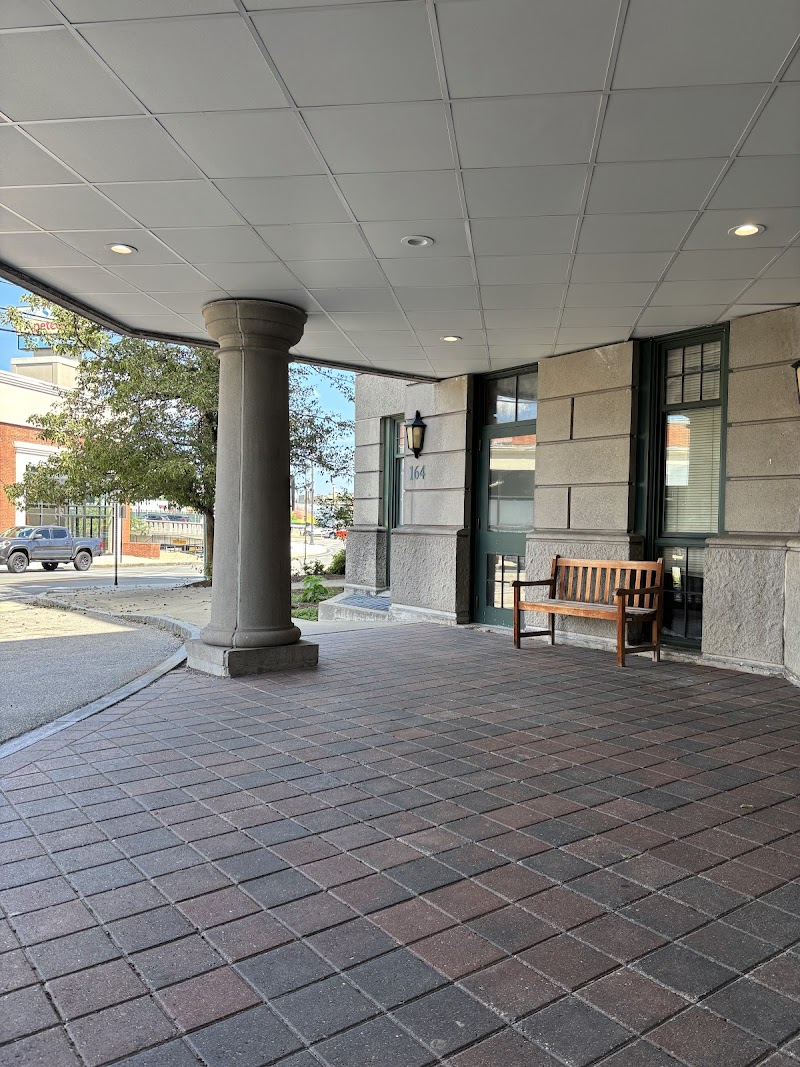
Who Owns and Operates Hancock Park Rehabiliation And Nursing Center?

HANCOCK PARK REHABILIATION AND NURSING CENTER is owned by a for-profit company. For-profit facilities operate as businesses with obligations to shareholders or private owners. The facility is operated by BANECARE MANAGEMENT, a chain that manages multiple nursing homes. With 142 certified beds and approximately 124 residents (about 87% occupancy), it is a mid-sized facility located in QUINCY, Massachusetts.

How Does Hancock Park Rehabiliation And Nursing Center Compare to Other Massachusetts Nursing Homes?

Compared to the 100 nursing homes in Massachusetts, HANCOCK PARK REHABILIATION AND NURSING CENTER's overall rating (3 stars) is above the state average of 2.9, staff turnover (33%) is significantly lower than the state average of 46%, and health inspection rating (3 stars) is at the national benchmark.

What Should Families Ask When Visiting Hancock Park Rehabiliation And Nursing Center?

Based on this facility's data, families visiting should ask: "Can I visit during a mealtime to observe dining assistance and food quality?" "How do you handle medical emergencies, and what is your hospital transfer rate?" "Can I speak with family members of current residents about their experience?"

Is Hancock Park Rehabiliation And Nursing Center Safe?

Based on CMS inspection data, HANCOCK PARK REHABILIATION AND NURSING CENTER has a clean safety record: no substantiated abuse findings (meaning no confirmed cases of resident harm), no Immediate Jeopardy citations (the most serious violation level indicating risk of serious injury or death), and is not on the Special Focus Facility watch list (a federal program monitoring the lowest-performing 1% of nursing homes). The facility has a 3-star overall rating and ranks #1 of 100 nursing homes in Massachusetts. While no facility is perfect, families should still ask about staff-to-resident ratios and recent inspection results during their visit.

Do Nurses at Hancock Park Rehabiliation And Nursing Center Stick Around?

HANCOCK PARK REHABILIATION AND NURSING CENTER has a staff turnover rate of 33%, which is about average for Massachusetts nursing homes (state average: 46%). Moderate turnover is common in nursing homes, but families should still ask about staff tenure and how the facility maintains care continuity when employees leave.

Was Hancock Park Rehabiliation And Nursing Center Ever Fined?

HANCOCK PARK REHABILIATION AND NURSING CENTER has been fined $33,348 across 1 penalty action. This is below the Massachusetts average of $33,412. While any fine indicates a compliance issue, fines under $50,000 are relatively common and typically reflect isolated problems that were subsequently corrected. Families should ask what specific issues led to these fines and confirm they've been resolved.

Is Hancock Park Rehabiliation And Nursing Center on Any Federal Watch List?

HANCOCK PARK REHABILIATION AND NURSING CENTER is not on any federal watch list. The most significant is the Special Focus Facility (SFF) program, which identifies the bottom 1% of nursing homes nationally based on persistent, serious quality problems. Not being on this list means the facility has avoided the pattern of deficiencies that triggers enhanced federal oversight. This is a positive indicator, though families should still review the facility's inspection history directly.