LIGHTHOUSE REHABILITATION AND HEALTHCARE CENTER
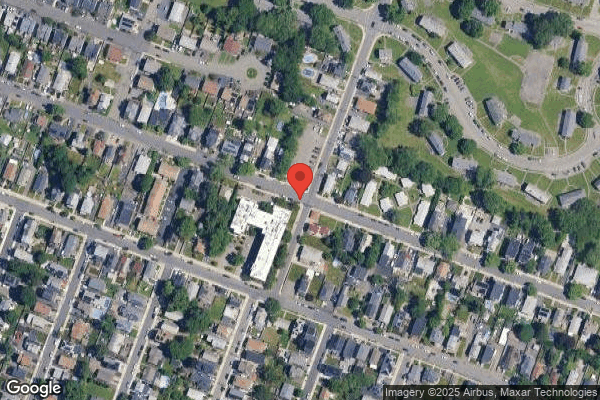

204 PROCTOR AVENUE, REVERE, MA 02151 (781) 286-3100
For profit - Limited Liability company 123 Beds MARQUIS HEALTH SERVICES Data: November 2025
Trust Grade
48/100
#223 of 338 in MA
Last Inspection: February 2025

Within standard 12-15 month inspection cycle. Federal law requires annual inspections.

Overview

Lighthouse Rehabilitation and Healthcare Center in Revere, Massachusetts, has a Trust Grade of D, indicating below-average performance with some significant concerns. It ranks #223 out of 338 facilities in Massachusetts, placing it in the bottom half overall, and #14 out of 22 in Suffolk County, meaning only a few local options are better. The facility is worsening, with issues increasing from 9 in 2024 to 23 in 2025. While staffing is a strength, rated at 2 out of 5 stars with a remarkable 0% turnover rate, there are concerning deficiencies. For example, the facility failed to report injuries and allegations of neglect for multiple residents and also had a medication error rate exceeding the acceptable limit, reflecting serious issues in care quality.

Trust Score
D
48/100
In Massachusetts
#223/338
Bottom 35%
Safety Record
Low Risk
No red flags
Inspections
Getting Worse
9 → 23 violations
Staff Stability
○ Average
Turnover data not reported for this facility.
Penalties
✓ Good
$3,250 in fines. Lower than most Massachusetts facilities. Relatively clean record.
Skilled Nurses
✓ Good
Each resident gets 55 minutes of Registered Nurse (RN) attention daily — more than average for Massachusetts. RNs are trained to catch health problems early.
Violations
⚠ Watch
51 deficiencies on record. Higher than average. Multiple issues found across inspections.
★★☆☆☆
2.0
Overall Rating
★★☆☆☆
2.0
Staff Levels
★★★★☆
4.0
Care Quality
★★☆☆☆
2.0
Inspection Score
Stable
2024: 9 issues
2025: 23 issues

The Good

  • 4-Star Quality Measures · Strong clinical quality outcomes
  • Full Sprinkler Coverage · Fire safety systems throughout facility
  • No fines on record

Facility shows strength in quality measures, fire safety.

The Bad

2-Star Overall Rating

Below Massachusetts average (2.9)

Below average - review inspection findings carefully

Federal Fines: $3,250

Below median ($33,413)

Minor penalties assessed

Chain: MARQUIS HEALTH SERVICES

Part of a multi-facility chain

Ask about local staffing decisions and management

The Ugly 51 deficiencies on record

Feb 2025 23 deficiencies
CONCERN (D)

Potential for Harm - no one hurt, but risky conditions existed

Resident Rights (Tag F0550)

Could have caused harm · This affected 1 resident

Based on observation, record review and interview the facility failed to provide a dignified existence for one Resident (#110) out of a total sample of 30 residents. Specifically: For Resident #110, w...

Read full inspector narrative →
Based on observation, record review and interview the facility failed to provide a dignified existence for one Resident (#110) out of a total sample of 30 residents. Specifically: For Resident #110, who is dependent on staff for feeding, the staff stood beside the bed, looking down at Resident #110, rather than seated at eye level while feeding him/her meals. Findings include: The facility policy titled Dignity, dated February 2021, indicates the following: -Each resident shall be cared for in a manner that promotes and enhances his or her sense of well-being, level of satisfaction with life and feelings of self-worth ad self-esteem. -5. When assisting with care, residents are supported in exercising their rights. For example, residents are: e. provided with a dignified dining experience. Resident #110 was admitted to the facility in February 2024 and has diagnoses that include Alzheimer's disease, history of falling and hemiplegia affecting right dominant side. Review of the most recent Minimum Data Set (MDS) assessment, dated 12/18/24, indicated that on the Brief Interview for Mental Status exam Resident #110 scored a 3 out of a possible 15, indicating severely impaired cognition. The MDS further indicated Resident #110 had no behavior of rejecting care and was dependent on staff for all Activities of Daily Living (ADLs). Review of the current care plan for Resident #110 indicated the following: -Focus: Resident is at risk for decreased ability to perform ADLs in bathing, grooming, personal hygiene, dressing eating, bed mobility, transfer, locomotion, toileting related to: recent illness, fall hospitalization, etc, resulting in fatigue, activity intolerance, confusion, etc. -Interventions include: Provide assist to the resident with meals-prefers to eat in his/her bedroom, initiated 2/19/24 Review of the Functional Abilities and Goals Assessment, dated 12/18/24, indicated Resident #110 was dependent on staff for all ADLs, including eating. Review of the Task documentation for eating, in the past 14 days, indicated Resident #110 was dependent on staff for eating. On 2/11/25 at 9:00 A.M., the surveyor observed Resident #110 in bed, while a staff person stood beside the bed, looking down at Resident #110 feeding him/her. On 2/12/25 between 9:02 A.M., and 9:08 A.M., the surveyor observed Resident #110 in bed, while a staff person stood beside the bed, looking down at Resident #110 feeding him/her. On 2/13/25 at 9:28 A.M., the surveyor observed Resident #110 in bed, while a staff person stood beside the bed, looking down at Resident #110 feeding him/her. There was a second staff person in the room, standing while feeding Resident #110's roommate. During an interview and observation on 2/13/25 at 9:33 A.M., with the Assistant Director of Nursing (ADON) she said staff should be seated at eye level while assisting with meals. The two CNAs were observed standing while feeding and the ADON instructed them to get chairs and sit while feeding the residents.
CONCERN (D)

Potential for Harm - no one hurt, but risky conditions existed

Deficiency F0583 (Tag F0583)

Could have caused harm · This affected 1 resident

Based on observations and interviews, the facility failed to ensure resident protected health information (PHI) was secure and not visible to others on two of three nursing units. Findings include: Re...

Read full inspector narrative →
Based on observations and interviews, the facility failed to ensure resident protected health information (PHI) was secure and not visible to others on two of three nursing units. Findings include: Review of the facility policy titled Confidentiality of Information and Personal Privacy, dated as revised February 2021, indicated the following: 1. The facility will safeguard the personal privacy and confidentiality of all resident personal and medical records. 2. The facility will strive to protect the resident's privacy regarding his or her: b. medical treatment 4. Access to resident personal and medical records will be limited to authorized staff and business associates. On 2/11/25 at 8:28 A.M., the surveyor observed an unattended medication cart on the third-floor unit. The computer on top of the cart was open, displaying a resident's name and a list of his/her medications. During an interview on 2/11/25 at 8:31 A.M., with Nurse #5 said that the screen on her computer, displaying a resident's medical information, should be privatized and not left open when unattended. On 2/11/25 at 3:30 P.M., the surveyor observed an unattended nursing laptop in the first-floor unit's common area. The screen was open, displaying a resident's name, date of birth , and medication, visible to anyone who passed by. During an interview on 2/14/25 at 9:43 A.M., with the Director of Nursing said the computers with resident's information should be shut down or put to sleep when unattended.
CONCERN (D)

Potential for Harm - no one hurt, but risky conditions existed

Deficiency F0604 (Tag F0604)

Could have caused harm · This affected 1 resident

**NOTE- TERMS IN BRACKETS HAVE BEEN EDITED TO PROTECT CONFIDENTIALITY** Based on observations, record review and interviews, the facility failed to complete an assessment for an air mattress with bols...

Read full inspector narrative →
**NOTE- TERMS IN BRACKETS HAVE BEEN EDITED TO PROTECT CONFIDENTIALITY** Based on observations, record review and interviews, the facility failed to complete an assessment for an air mattress with bolsters for one Resident #87 out of a sample of 30 Residents. Specifically, the facility failed to complete a restraints assessment before applying an air mattress with bolsters in the Resident's bed. Findings include: A review of the facility policy titled 'Use of Restraints' with a revision date of April 2017 indicated the following: - Physical Restraints are defined as any manual method or mechanical device, material or equipment attached or adjacent to the resident's body that the individual cannot remove easily, which restricts freedom of movement or restricts normal access to one's body. -The definition of a restraint is based on the functional status of the resident and not the device. If the resident cannot remove a device in the same manner in which the staff applied it given that resident's physical condition (i.e., side rails are put back down, rather than climbed over), and this restricts his/her typical ability to change position or place, that device is considered a restraint. -Prior to placing a resident in restraints, there shall be a pre-restraining assessment and review to determine the need for restraints. The assessment shall be used to determine possible underlying causes of the problematic medical symptom and to determine if there are less restrictive interventions (programs, devices, referrals, etc.) that may improve the symptoms. -Restraints shall only be used upon the written order of a physician and after obtaining consent from the resident and/or representative. Resident #87 was admitted to the facility in July 2022 with diagnoses including dementia. A review of the most recent Minimum Data Set (MDS) dated [DATE] indicated that the Resident is rarely/never understood. Further review of the MDS indicated the following: -Roll left to right-Dependent (Helper does all the effort. Resident does none of the effort to complete the activity). -Sit to lying-Dependent (Helper does all the effort. Resident does none of the effort to complete the activity). -Lying to sitting on side of the bed-Dependent (Helper does all the effort. Resident does none of the effort to complete the activity). -Chair/bed-Chair transfer. The ability to transfer to and from a chair or (wheelchair)-Dependent (Helper does all the effort. Resident does none of the effort to complete the activity). On 2/11/25 at 8:02 A.M., the surveyor observed the Resident in bed, sleeping, wiggling from side to side with both legs over the bolster of the air mattress. On 2/12/25 at 8:36 A.M., the surveyor observed the Resident in bed, sleeping, wiggling from side to side with both legs over the bolster of the air mattress. A review of Resident #87's February active and discontinued physician's orders indicated the following: -Low air loss mattress every shift per weight or resident's comfort, check setting and functioning. Start Date: 1/29/25, Discontinued. -Low air loss mattress with bolster every shift per weight and/or resident's comfort, check setting and functioning. Start Date, 2/12/25, Active. During an interview and observation on 2/12/25 at 9:34 A.M., Certified Nurse's Assistant (CNA) #4 and the surveyor observed Resident #87 in bed, Resident #87 was awake in bed, his/her legs were placed over the bolsters. CNA #4 said the air mattress with bolsters was put in place to prevent the Resident from coming out of the bed on his/her own. CNA#4 said the Resident does put his/her legs over the bolsters when he/she tries to get out of bed on his/her own. During an interview on 2/12/25 at 9:35 A.M., Unit Manager #3 said Resident #87 was recently hospitalized and he/she fell in the facility on 2/1/25 after returning from the hospital. She said the air mattress with bolsters was a fall intervention put in place on 2/1/25 to prevent the Resident from falling while he/she was in bed. She said the Resident does put his/her legs over the bolsters and wiggles while in bed. Unit manger #3 said she did not complete a written restraints assessment prior to adding the air mattress with bolsters in the Resident's bed. During an interview and observation on 2/12/25 at 8:33 A.M., the Assistant Director of Nurses observed Resident #87 with the surveyor. The Resident was in bed awake. The ADON said the Resident is able to put his/her legs over the bolsters. She said the air mattress with bolsters was added as a fall intervention to prevent the Resident from falling out of bed. She said a written restraints assessment was not completed prior to adding the air mattress with bolsters in the Resident's bed. During an interview on 2/13/25 at 10:02 A.M., the Director of Nurses said a written restraints assessment should have been completed prior to adding the air mattress with bolsters in Resident #87's bed.
CONCERN (D)

Potential for Harm - no one hurt, but risky conditions existed

Abuse Prevention Policies (Tag F0607)

Could have caused harm · This affected 1 resident

**NOTE- TERMS IN BRACKETS HAVE BEEN EDITED TO PROTECT CONFIDENTIALITY** Based on record review and interviews, the facility failed to report injuries of unknown origin to facility administration for t...

Read full inspector narrative →
**NOTE- TERMS IN BRACKETS HAVE BEEN EDITED TO PROTECT CONFIDENTIALITY** Based on record review and interviews, the facility failed to report injuries of unknown origin to facility administration for two Residents (#87 and #118) out of a sample of 30 Residents. Specifically: 1. For Resident #87, the facility failed to report an X-ray (X-radiation-images created inside of a body by passing beams of radiation through the body) positive for a fracture from an unknown origin. 2. For Resident #118 the facility failed to implement their abuse policy and notify facility administration of a new fracture (an acute right intertrochanteric [thigh bone] fracture) of unknown origin. Findings include: A review of the facility policy titled, 'Abuse, Neglect, Exploitation or Misappropriation-Reporting and Investigating' with a revision date of September 2022 indicated the following: -All reports of resident abuse (including injuries of unknown origin), neglect, exploitation, or theft/misappropriation are reported to local, state and federal agencies (as required by current regulations) and thoroughly investigated by facility management. Findings of all investigations are documented and reported. -If resident abuse, neglect, exploitation, misappropriation of resident property or injury of unknown source is suspected, the suspicion must be reported immediately to the administrator and to other officials according to state law. - Immediately is defined as, within two hours of an allegation involving abuse or result in serious bodily injury. 1. Resident # 87 was admitted to the facility in July 2022 with diagnoses including dementia. A review of the most recent Minimum Data Set (MDS) dated [DATE] indicated that the Resident is rarely/never understood. A review of Resident #87's X-ray results dated 1/21/25 indicated the following: -X-ray chest view. -Findings: Comparison is made to 6/28/2024. Minimal linear markings are seen in the lower left lung. Multilevel right rib multilevel right rib fractures are noted. [sic] -Conclusion: Minimal left lower lung atelectasis scarring. No CHF (Congestive Heart Failure) or pneumonia. -Electronically signed by the Medical Director 1/21/2025 3:57:27 PM Eastern. A review of the Nursing progress notes dated 1/21/25 at 22:31 (10:31 PM) indicated the following: -X-ray chest view. -Findings: Comparison is made to 6/28/2024. Minimal linear markings are seen in the lower left lung. Multilevel right rib multilevel right rib fractures are noted. [sic] -Conclusion: Minimal left lower lung atelectasis scarring. No CHF or pneumonia. No new orders at this time. All parties aware. During an interview and record review on 2/14/25 at 8:13 A.M., the Assistant Director of Nurses said she was made aware of the multilevel right rib fractures noted in the Resident's chest X-ray after staff received the results on 1/21/25. She said she did not notify the Director of Nurses about the chest X-ray results immediately after staff informed her. She said since the right rib fractures were an injury of unknown origin at that point, she should have reported the X-ray results to the Director of Nurses. The ADON said she reported this injury of unknown origin to the Director of Nurses on 1/23/25. During an interview on 2/14/25 at 7:21 A.M., the Director of Nurses said staff should notify her when injuries of unknown origin occur even though she is not in the facility. She said staff were aware of Resident #87's rib fractures on 1/21/25 but did not notify her until 1/23/25.2. Resident #118 was admitted to the facility in December 2024 with diagnoses including ataxia, vascular dementia, and cognitive communication deficit. Review of the Minimum Data Set (MDS) assessment, dated 12/14/24, indicated that Resident #118 had moderate cognitive impairment as evidenced by a Brief Interview for Mental Status (BIMS) score of 11 out of 15. This MDS indicated Resident #118 required assistance with transfers. Review of Resident #118's eMar - Electronic Medication Administration note, dated 1/4/25 at 9:00 A.M., indicated: - Acetaminophen (APAP) Tablet 325 milligrams, give 2 tablets by mouth every 6 hours as needed (PRN) for mild pain. Documented as administered by nursing. Review of Resident #118's nursing progress note, dated 1/4/25 at 10:38 P.M., indicated: - Resident complained of pain 8/10 to left leg, medicated with PRN APAP with ineffective results. Resident's pain level documented in Nurse Practitioner's (NP's) log. (The nurse who wrote this note clarified that the leg pain was the right leg) During an interview on 2/13/25 at 10:01 A.M., Nurse #4 said that Resident #118 was experiencing right leg pain on 1/4/25 which was new, and she was not aware of any incident that may have occurred to cause the pain. Nurse #4 said that Resident #118 has poor safety awareness and Resident #118 could not get him/herself up off the floor if he/she had fallen. Nurse #4 thought that Resident #118 may have injured his/her leg during a self-transfer, but she was not certain. Review of Resident #118's consultant telehealth progress note, dated 1/5/25 at 12:58 P.M., indicated: - History Present Illness: Patient with new right hip and thigh pain. patient is unable to left/[lift] the right leg. [sic] when trying to move extremity the patient yells out in pain. when asking the patient where the pain is specifically points to his/her thigh and holds his/her right hip. there is no external S/S (signs and symptoms) of injury. no bruising or edema or redness noted. patient has no complaints with left leg. able to move extremity at baseline. will obtain STAT (immediately) x-rays. patient has not had any recent falls/injuries per RN. Review of Resident #118's health status note, dated 1/5/25, indicated: - Complained of severe pain to right leg, on call provider notified, new order for STAT X-ray to right hip/pelvis 2/3 views. Order to apply lidocaine patch topically to right leg and reassess pain, resident remains in pain when right leg is touched by staff. Review of Resident #118's radiology report, dated 1/5/25 at 8:29 P.M., indicated: - FINDINGS: There is an acute, mildly displaced right intertrochanteric (thigh bone) fracture. Mild bilateral hip degenerative joint changes. The bony pelvis is intact, but the soft tissues are unremarkable. CONCLUSION: Acute right intertrochanteric fracture. Review of Resident #118's PDPM Nursing Daily Skilled Pathway note, dated 1/5/25 at 11:05 P.M., indicated: - Resident is alert and pleasantly confused, stay in bed the whole day today complaints of pain right hip, with Tylenol with minimal effect, provider aware and stat right hip x-ray done around 7:00 P.M., will continue to monitor. During an interview on 2/14/25 at 8:43 A.M., Nurse #11 said that on 1/5/24 around 11:30 P.M., she saw the x-ray results for the new fracture in the electronic health record. Nurse #11 said that there are no faxes sent directly to the facility and all x-ray results are uploaded in the electronic health record by the vendor. Nurse #11 said that she did not notify facility administration of the new fracture. Nurse #11 said that she was not sure what caused Resident #118's fracture, and that Resident #118 was confused. During an interview on 2/14/25 at 7:15 A.M., Nurse #3 said that he became aware of the fracture results on 1/6/25 between 4:30 A.M. and 5:00 A.M., when he saw the x-ray results printed on the fax machine. Nurse #3 said that he notified the provider, but he did not make facility administration aware of the injury of unknown because they would be coming in for the day around 8:00 A.M. Nurse #3 said that Resident #118 was confused and had poor safety awareness, and he was not aware of any event that would have caused the fracture. Review of Resident #118's consultant telehealth progress note, dated 1/6/25 at 8:01 A.M., indicated: - History Present Illness: Resident is presenting for radiology review of hip x-ray. Nurse denies any known trauma, but resident complained of right hip pain. Xray hip: Acute mildly displaced Right intertrochanteric fracture. Transfer to Emergency Department for acute right hip fracture and ortho evaluation Orders: Transfer to Emergency Department for acute right hip fracture and ortho evaluation Disposition: Transfer to Emergency Department Review of Resident #118's incident report, dated 1/5/25, indicated that Resident #118 had an injury of unknown, that was not witnessed. Conclusion: Resident sustained a right hip fracture. During the investigation and through staff interviews it was determined that the resident did not fall. The resident was observed transferring from his/her wheelchair to a standard chair at the nurses' station and plopped down hard into the chair before staff could assist him/her. According to the hospital paperwork resident has age related osteoporosis with pathological fracture. Investigative statements were obtained from Nurse #3, Nurse #4 and Unit Manager #2. Notifications of the following. Administrator on 1/6/25 at 9:00 A.M., Director of Nursing 1/5/25 at 7:00 P.M., and the Department of Health on 1/10/25 at 9:00 P.M. The incident report was signed off on 1/22/25 at 12:09 P.M., by the Director of Nursing. During an interview on 2/13/25 at 10:10 A.M., Unit Manager #2 said that Resident #118 had right leg pain, and he/she could not move his/her right leg which was new. Unit Manager #2 said that Resident #118 has poor safety awareness and did not have a fall. Unit Manager #2 said that faxes from the x-ray company are no longer provided and that the x-ray results are uploaded in the electronic record. During an interview on 2/13/25 at 1:27 P.M., the Assistant Director of Nursing (ADON), said she became aware of the fracture on 1/6/25 during clinical rounds around 9:00 A.M. The ADON said she was not aware of any event that caused the fracture. The ADON said that the Director of Nursing is responsible for reporting injuries of unknown to the state agency within 2 hours. During an interview on 2/13/25 at 10:47 A.M., the Director of Nursing said that Resident #118's fracture results came in around 12:00 A.M., on 1/6/25. The DON said she was not made aware of the injury of unknown until 1/6/25 around 8:30 A.M., when Nurse #3 made her aware. The DON said that although the incident report indicated she was made aware of the new injury of unknown on 1/5/25 at 7:00 P.M., this was not true, and she should have been immediately notified. The DON said she was not sure of an event the caused the fracture. During an interview on 2/13/25 at 10:40 A.M., the Administrator said that nursing staff should notify facility administration within 2 hours of an injury of unknown.
CONCERN (D)

Potential for Harm - no one hurt, but risky conditions existed

Investigate Abuse (Tag F0610)

Could have caused harm · This affected 1 resident

Based on record review and interviews, the facility failed to thoroughly investigate an injury of unknown origin (a fracture), for one Resident (#118) out of a total sample of 30 residents. Specifical...

Read full inspector narrative →
Based on record review and interviews, the facility failed to thoroughly investigate an injury of unknown origin (a fracture), for one Resident (#118) out of a total sample of 30 residents. Specifically for Resident #118 who on 1/4/25 experienced pain which was new and on 1/5/25 Resident #118 was found to have an acute right intertrochanteric (thigh bone) fracture, the facility failed to conduct interviews from staff members (on all shifts) who had contact with the resident during the period of the alleged incident. Findings include: Review of the facility policy titled, Abuse, Neglect, Exploitation or Misappropriation - Reporting and Investigating, dated as revised September 2022, indicated that all reports of resident abuse (including injuries of unknown origin), neglect, exploitation, or theft/ misappropriation of resident property are reported to local, state and federal agencies (as required by current regulations) and thoroughly investigated by facility management. Findings of all investigations are documented and reported. - Investigating Allegations 7. The individual conducting the investigation as a minimum: a. reviews the documentation and evidence; b. reviews the resident's medical record to determine the resident's physical and cognitive status at the time of the incident and since the incident; c. observes the alleged victim, including his or her interactions with staff and other residents; d. interviews the person(s) reporting the incident; e. interviews any witnesses to the incident; f. interviews the resident (as medically appropriate) or the resident's representative; g. interviews the resident's attending physician as needed to determine the resident's condition; h. interviews staff members (on all shifts) who have had contact with the resident during the period of the alleged incident; i. interviews the resident's roommate, family members, and visitors; j. interviews other residents to whom the accused employee provides care or services; k. reviews all events leading up to the alleged incident; and I. documents the investigation completely and thoroughly. 8. The following guidelines are used when conducting interviews: d. Witness statements are obtained in writing, signed and dated. The witness may write his/her statement, or the investigator may obtain a statement. 11. Upon conclusion of the investigation, the investigator records the findings of the investigation on approved documentation forms and provides the completed documentation to the administrator. - Follow - Up Report 1. Within five (5) business days of the incident, the administrator will provide a follow-up investigation report. 2. The follow-up investigation report will provide sufficient information to describe the results of the investigation, and indicate any corrective actions taken if the allegation was verified. 3. The follow-up investigation report will provide as much information as possible at the time of submission of the report. Resident #118 was admitted to the facility in December 2024 with diagnoses including ataxia, vascular dementia, and cognitive communication deficit. Review of the Minimum Data Set (MDS) assessment, dated 12/14/24, indicated that Resident #118 had moderate cognitive impairment as evidenced by a Brief Interview for Mental Status (BIMS) score of 11 out of 15. This MDS indicated Resident #118 required assistance with transfers. Review of Resident #118's eMar - Medication Administration note, dated 1/4/25 at 9:00 A.M., indicated: - Acetaminophen (APAP) Tablet 325 milligrams, give 2 tablets by mouth every 6 hours as needed (PRN) for mild pain. Documented as administered by nursing. Review of Resident #118's nursing progress note, dated 1/4/25 at 10:38 P.M., indicated: - Resident complained of pain 8/10 to left leg, medicated with PRN APAP with ineffective results. Resident's pain level documented in Nurse Practitioner's (NP's) log. (The nurse who wrote this note clarified that the leg pain was the right leg) During an interview on 2/13/25 at 10:01 A.M., Nurse #4 said that Resident #118 was experiencing right leg pain on 1/4/25 which was new, and she was not aware of any incident that may have occurred to cause the pain. Nurse #4 said that Resident #118 has poor safety awareness and Resident #118 could not get him/herself up off the floor if he/she had fallen. Nurse #4 thought that Resident #118 may have injured his/her leg during a self-transfer, but she was not certain. Review of Resident #118's consultant telehealth progress note, dated 1/5/25 at 12:58 P.M., indicated: - History Present Illness: Patient with new right hip and thigh pain. patient is unable to left/[lift] the right leg. [sic] when trying to move extremity the patient yells out in pain. when asking the patient where the pain is specifically points to his/her thigh and holds his/her right hip. there is no external S/S (signs and symptoms) of injury. no bruising or edema or redness noted. patient has no complaints with left leg. able to move extremity at baseline. will obtain STAT (immediately) x-rays. patient has not had any recent falls/injuries per RN. Review of Resident #118's health status note, dated 1/5/25, indicated: - Complained of severe pain to right leg, on call provider notified, new order for STAT X-ray to right hip/pelvis 2/3 views. Order to apply lidocaine patch topically to right leg and reassess pain, resident remains in pain when right leg is touched by staff. Review of Resident #118's radiology report, dated 1/5/25 at 8:29 P.M., indicated: - FINDINGS: There is an acute, mildly displaced right intertrochanteric (thigh bone) fracture. Mild bilateral hip degenerative joint changes. The bony pelvis is intact, but the soft tissues are unremarkable. CONCLUSION: Acute right intertrochanteric fracture. Review of Resident #118's PDPM Nursing Daily Skilled Pathway note, dated 1/5/25 at 11:05 P.M., indicated: - Resident is alert and pleasantly confused, stayed in bed the whole day today complaints of pain right hip, with Tylenol with minimal effect, provider aware and stat right hip x-ray done around 7:00 P.M., will continue to monitor. During an interview on 2/14/25 at 8:43 A.M., Nurse #11 said that she was not sure what caused Resident #118's fracture, and that Resident #118 was confused. During an interview on 2/14/25 at 7:15 A.M., Nurse #3 said that Resident #118 was confused, and he/she had poor safety awareness, and he was not aware of any event that would have caused the fracture. Review of Resident #118's consultant telehealth progress note, dated 1/6/25 at 8:01 A.M., indicated: - History Present Illness: Resident is presenting for radiology review of hip x-ray. Nurse denies any known trauma, but resident complained of right hip pain. Xray hip: Acute mildly displaced Right intertrochanteric fracture. Transfer to Emergency Department for acute right hip fracture and ortho evaluation Orders: Transfer to Emergency Department for acute right hip fracture and ortho evaluation Disposition: Transfer to Emergency Department Review of Resident #118's incident report, dated 1/5/25, indicated that Resident #118 had an injury of unknown, that was not witnessed. Conclusion: Resident sustained a right hip fracture. During the investigation and through staff interviews it was determined that the resident did not fall. The resident was observed transferring from his/her wheelchair to a standard chair at the nurses' station and plopped down hard into the chair before staff could assist him/her. According to the hospital paperwork resident has age related osteoporosis with pathological fracture. Investigative statements were obtained from Nurse #3, Nurse #4 and Unit Manager #2. The incident report was signed off on 1/22/25 at 12:09 P.M., by the Director of Nursing. During an interview on 2/13/25 at 10:10 A.M., Unit Manager #2 said that Resident #118 had right leg pain, and he/she could not move his/her right leg which was new. Unit Manager #2 said that Resident #118 has poor safety awareness and did not have a fall. Unit Manager #2 said that she wrote a statement regarding Resident #118's fracture, but she was not part of the investigation. During an interview on 2/13/25 at 1:27 P.M., the Assistant Director of Nursing (ADON) said she was not aware of any event that caused the fracture. The ADON said that she interviewed Nurse #3, Nurse #4 and Unit Manager #2 and she received statements from them. The ADON said she did not interview any other staff members. During an interview on 2/13/25 at 10:47 A.M., the Director of Nursing said she started the investigation into the injury of unknown and she spoke with the nurses and did not obtain any witness statements from the Certified Nurse Assistants (staff who provided direct care to the resident) or any other staff member. The DON thought that the fracture may have occurred when Resident #118 self-transferred and bumped him/herself on a standard chair. The DON reviewed the investigation file and said there were only statements from 2 nurses and the Unit Manager and that is all she had. During an interview on 2/13/25 at 10:40 A.M., the Administrator said that investigations should include statements from all staff who are working, including CNAs.
CONCERN (D)

Potential for Harm - no one hurt, but risky conditions existed

Deficiency F0658 (Tag F0658)

Could have caused harm · This affected 1 resident

Based on record review and interviews, the facility failed to meet professional standards of practice for one Resident (#113) out of a total of sample of 30 residents. Specifically, for Resident #113,...

Read full inspector narrative →
Based on record review and interviews, the facility failed to meet professional standards of practice for one Resident (#113) out of a total of sample of 30 residents. Specifically, for Resident #113, the facility failed to ensure nursing clarified a physician's orders for two different suprapubic (SPT) catheter flushes. Findings include: Resident #113 was admitted to the facility in April 2024 with diagnoses including neuromuscular dysfunction of the bladder, diabetes, and depression. Review of the most recent Minimum Data Set (MDS) assessment, dated 1/8/25, indicated that Resident #113 was cognitively intact as evidenced by a Brief Interview for Mental Status exam score of 15 out of 15. The MDS further indicated Resident #113 required an indwelling catheter. Review of Resident #113's active physician's order, dated 12/7/24, indicated: -Flush SPT three times daily (3x/day) by using 50 cc catheter tip syringe and normal saline and injecting through yellow port of the SPT into the bladder and aspirating to ensure drainage, three times a day. Scheduled three times daily at 6:00 A.M., 2:00 P.M., and 10:00 P.M., Review of Resident #113's active physician's order, dated 1/24/25, indicated: -Flush suprapubic tube (SPT) with 50 milliliters (ml) normal saline, two times a day. Scheduled twice daily at 6:00 A.M. and 6:00 P.M. During an interview on 2/12/25 at 11:43 A.M., Nurse #4 said she routinely works the day shift. Nurse #4 said she flushes Resident #113's SPT based on the physician's order and said she has already flushed the SPT today. (prior to the 2:00 P.M. scheduled time) During an interview on 2/13/25 at 7:32 A.M., Nurse #3 said that he routinely works the overnight shift. Nurse #3 said he routinely flushes the catheter around midnight and again at 6:00 A.M. (twice during his shift but there are two orders both with a 6:00 A.M. administration time) During an interview on 2/14/25 at 8:52 A.M., Nurse #11 said she routinely works the evening shift, and she said that she follows the orders, and she flushes Resident #113's SPT once a shift. (once during her shift, however, there are orders at 6:00 P.M. and 10:00 P.M.) During an interview on 2/13/25 at 11:26 A.M., Unit Manager #2 said nursing should flush Resident #113's suprapubic catheter according to the physician's orders. Unit Manager #2 said on 1/24/25 Resident #113 said he/she did not want his/her catheter to be flushed three times daily and she made the provider aware, and the provider said that it was ok to flush the catheter twice a day. Unit Manager #2 said that she did not discontinue the previous order but should have. During an interview on 2/13/24 at 3:13 P.M., the Director of Nursing said that nursing should have clarified the two orders for SPT flushes.
CONCERN (D)

Potential for Harm - no one hurt, but risky conditions existed

Deficiency F0661 (Tag F0661)

Could have caused harm · This affected 1 resident

Based on record review and staff interview, the facility failed to document the recapitulation of the Resident's stay that included his/her course of illness/treatment for one Resident (#123), of two ...

Read full inspector narrative →
Based on record review and staff interview, the facility failed to document the recapitulation of the Resident's stay that included his/her course of illness/treatment for one Resident (#123), of two closed records Findings include: Review of the facility policy titled Discharge Summary and Plan, dated as revised October 2022, indicated the following: -When a resident's discharge is anticipated, a discharge summary and post discharge plan is developed to assist the resident with discharge. 1. The discharge summary includes a recapitulation of the resident's stay at the facility and a final summary of the resident's stats at the time of discharge in accordance with established regulations governing release of resident information and as permitted by the resident. The discharge summary shall include a description of the resident's: 1. current diagnosis; b. medical history; c. current illness, treatment and/or therapy since entering the facility; d. current laboratory, radiology, consultation and diagnostic test results; e. physical and mental functional status; f. ability to perform activities of daily living; g. sensory and physical impairments; h. nutritional status and requirements including: 1. weight and height; 2. nutritional intake; and 3. eating habits, preferences and dietary restrictions; i. special treatments and procedures; j. mental and psychosocial status; k. discharge potential; l. dental condition; m. activities potential; n. rehabilitation potential; o. cognitive status; and p. medication therapy. 11. A member of the IDT (interdisciplinary team) reviews the final post-discharge plan with the resident and family at least twenty-four (240 hours before the discharge is to take place. 12. A copy of the following is provided to the resident and receiving facility and a copy will be filed in the resident's medical record: a. An evaluation of the resident's discharge needs; b. The post-discharge plan; and c. The discharge summary. Resident #123 was admitted to the facility in October 2024 and had diagnoses that included fracture of the right wrist, and a stage 3 pressure ulcer of the sacral region with a wound vacuum in place. Review of the medical record indicates that Resident #123 was discharged on 12/13/24. Review of the comprehensive admission Minimum Data Set (MDS) assessment, dated 10/26/24, indicated that on the Brief Interview for Mental status exam Resident #123 scored a 10 out of a possible 15, indicating moderately impaired cognition. Review of Resident #123's electronic and paper medical record: -Failed to indicate a discharge note was written; and -Failed to indicate a Discharge Summary was completed. The section titled Recapitulation of stay was blank and the section titled Social Service (which indicates any home services) was blank. The record indicated that on 12/13/24 Resident #123 received a notice from the facility titled Less than 30 Day Notice of Intent to Discharge/Transfer Resident. The notice was served by the facility on 12/13/24 for a discharge for 12/13/24 and the following line was checked: -Your health has improved sufficiently so that you no longer need the services provided by the facility. During an interview on 2/14/25 at 10:19 A.M., the Director of Nursing (DON) said that when a resident is discharged a discharge note should be written and a discharge summary, including a recapitulation of stay should be completed. During a follow-up interview on 2/14/25 at 10:40 A.M., the DON said that Resident #123 is in a Community based program and they make all decisions about the resident's stay and discharge. The DON said that Nursing should have written a discharge note and probably should have completed the discharge summary's recapitulation of stay.
CONCERN (D)

Potential for Harm - no one hurt, but risky conditions existed

ADL Care (Tag F0677)

Could have caused harm · This affected 1 resident

**NOTE- TERMS IN BRACKETS HAVE BEEN EDITED TO PROTECT CONFIDENTIALITY** Based on observation, interview and record review, the facility failed to provide assistance with activities of daily living (AD...

Read full inspector narrative →
**NOTE- TERMS IN BRACKETS HAVE BEEN EDITED TO PROTECT CONFIDENTIALITY** Based on observation, interview and record review, the facility failed to provide assistance with activities of daily living (ADLs) for three dependent Residents (#61, #15 and #48) out of a total sample of 30 residents. Specifically, the facility failed to: 1) Provide assistance with grooming for Resident #61. 2) Provide supervision with meals for Resident #15. 3) Provide assistance with grooming for Resident #48. Findings Include: Review of the undated facility policy, titled Activities of Daily Living (ADL), Supporting, revised in March 2018, indicated, but was not limited to, the following: - Residents will be provided with care, treatment and services as appropriate to maintain or improve their ability to carry out activities of daily living (ADLs). - Residents who are unable to carry out activities of daily living independently will receive the services necessary to maintain good nutrition, grooming and personal and oral hygiene. 1) Resident #61 was admitted to the facility in October 2024 with a diagnosis of debility, cardiorespiratory conditions. Review of the MDS, dated [DATE], indicated that Resident #61 scored a 14 out of 15 on the Brief Interview for Mental Status (BIMS) indicating the Resident was cognitively intact. Further review of the MDS indicated the Resident was dependent on staff for assistance with personal hygiene. Review of Resident #61's ADL care plan indicated that the Resident required assistance with ADL care in grooming related to limited mobility with the following intervention: - Provide resident with assist of 1 for personal hygiene (grooming), initiated on 9/17/24. On 2/11/25 at 8:45 A.M., the surveyor observed that a few of Resident #61's fingernails were elongated and protruding approximately half an inch beyond the Resident's nail bed; there was a dark substance beneath the Resident's nails. The surveyor observed Resident #61's chin hair which was approximately an inch in length. On 2/11/25 at 11:22 A.M., the surveyor observed that a few of Resident #61's fingernails were elongated and protruding approximately half an inch beyond the Resident's nail bed; there was a dark substance beneath the Resident's nails. The surveyor observed Resident #61's chin hair which was approximately an inch in length. During an interview and observation on 2/12/25 at 8:58 A.M., the surveyor observed that a few of Resident #61's fingernails were elongated and protruding approximately half an inch beyond the Resident's nail bed; there was a dark substance beneath the Resident's nails. The surveyor observed Resident #61's chin hair which was approximately an inch in length. Resident #61 said his/her nails and facial hair were too long and that he/she would like to have them cut. Certified Nursing Aide (CNA) #1 said that CNA's were responsible for checking Resident nails and facial hair every day during care. CNA #1 said Resident #61's nails were disgusting and that the Resident's nails and facial hair should be cut. CNA #1 said that if a resident refused care that the CNA should re-attempt offering assistance, and if the resident continues to refuse that the CNA will communicate with the nurse who will document the refusal. During an observation and interview on 2/12/25 at 9:05 A.M., Nurse #9 said CNA's will defer to care plans to determine what level assistance a resident needs with ADLs. Nurse #9 said CNA's should check for grooming needs daily, when caring for the resident and throughout the day; Nurse #9 said that CNAs should be offering grooming assistance to residents who need it. Nurse #9 said if a resident refuses care the CNA will reattempt and then communicate the refusal to the nurse who would document it. Nurse #9 said that Resident #61 doesn't refuse assistance with grooming and that the Resident is unable to groom his/her own nails or facial hair. Nurse #9 said that she would have expected CNAs to offer assistance with grooming based on how Resident #61's nails and facial hair looked. During an interview on 2/12/25 at 4:59 P.M., the Director of Nursing (DON) said CNAs should be offering to take care of Resident's nails and hair during daily care. The DON said that refusals would be documented. Review of Resident #61's medical record failed to indicate that the Resident refused assistance with grooming.2. Resident #15 was admitted to the facility in July 2022 with diagnoses including dysphagia (difficulty swallowing), muscle weakness, chronic kidney disease and major depressive disorder. Review of the most recent Minimum Data Set (MDS) assessment, dated 1/15/24, indicated that Resident #15 was cognitively intact as evidenced by a Brief Interview for Mental Status score of 10 out of 15. Further review of the MDS indicated that Resident #15 had a swallowing disorder including holding food in mouth/cheeks or residual food in mouth after meals and required a mechanically altered diet. Review of Resident #15's hospital Discharge summary, dated [DATE], indicated Resident #15 was admitted to the hospital on [DATE] for recurrent aspiration (inhaling something into the airway) with pneumonia. The Resident had ongoing aspiration events and recommendations include pureed solids, thin liquids, resident to be sitting upright with meals and continuously observed while eating to prevent aspiration. Review of Resident #15's physician's order dated 12/13/24, indicated: Aspiration precaution at all times, every shift for Aspiration PNA (pneumonia) 1:1 (one to one) feed at mealtimes. Review of Resident #15's nursing progress note, dated 12/14/24, indicated the following: Resident was re-admitted back to the facility s/p (status post) aspiration PNA, and respiratory failure. The Resident is on aspiration precautions and requires supervision with meals at all times. On 2/11/25 at 9:01 A.M., the surveyor observed Resident #15 eating breakfast alone in his/her room. There were no staff in the Resident's room or within eyesight of the Resident, his/her hand was trembling while attempting to self-feed. On 2/12/25 at 8:30 A.M. the surveyor observed Resident #15 eating breakfast alone in his/her room. There were no staff in the Resident's room or within eyesight of the Resident, his/her hand was trembling while attempting to self-feed. On 2/13/25 at 8:45 A.M. the surveyor observed Resident #15 eating breakfast alone in his/her room. There were no staff in the Resident's room or within eyesight of the Resident, and the Resident was coughing. During an interview on 2/13/24 at 12:41 P.M., Certified Nurse Assistant (CNA) #1 said Resident #15 can't eat alone and needs supervision with meals because he/she sometimes coughs when eating and was hospitalized due to pneumonia. During an interview on 2/13/24 at 1:15 P.M., Nurse #10 said Resident #15 should not be eating alone and required supervision while eating because he/she chokes food and was hospitalized last year due to pneumonia. Nurse #10 said Resident #15 remains on aspiration precautions and must be supervised. During an interview on 2/14/24 at 9:51 A.M., the Director of Nurses said Resident #15 requires supervision with all meals and said aspiration precautions must be followed according to the physician orders. 3. Resident #48 was admitted to the facility in December 2022 with diagnoses including tinea unguium (nail fungus), low back pain, and difficulty walking. Review of the most recent Minimum Data Set (MDS) assessment, dated 12/11/24, indicated that Resident #48 had severe cognitive impairment as evidenced by a Brief Interview for Mental Status score of 7 out of 15. Further review of the MDS indicated that Resident #48 required partial/moderate assistance with personal hygiene. Review of Resident #48's Activities of Daily Living (ADL) care plan indicated that the Resident requires assistance and may be dep. (dependent) in ADL care in bathing, grooming, personal hygiene, dressing, eating, bed mobility, transfer, locomotion, toileting related to Recent illness, fall, hospitalization, resulting in fatigue, activity intolerance, Impaired balance, limited mobility, with the following interventions initiated on 12/11/22: -Provide resident assist of 1 for personal hygiene, grooming, may be Dep. at times. -Provide resident with assist of 1 for bathing, may be Dep. at times. During an observation and interview on 2/11/25 at 9:06 A.M. the Surveyor observed Resident #48 in his/her room, the Residents fingernails were elongated with visible dirt beneath. The Resident's fingernails were approximately ½ an inch in length extending beyond the nail bed. Resident #48 said his/her nails are too long and wants to have the nails cut but staff do not cut them when he/she asks them to cut them. On 2/12/25 at 12:19 P.M. the Surveyor observed Resident #48 in his/her room, the Residents fingernails were elongated with visible dirt beneath. The Resident's fingernails were approximately ½ an inch in length extending beyond the nail bed. During an observation and interview on 2/12/25 at 3:54 P.M., Nurse #9 said Resident #48 did not refuse assistance with care. Nurse #9 observed the Resident's fingernails; said they were long and that they should be cut. Resident #48 agreed to have his/her nails cut and said I've been trying to get them cut but I can't find anyone to do it. During an interview on 2/12/25 at 4:59 P.M., the Director of Nursing (DON) said CNAs should be offering to take care of Resident's nails and hair during daily care. The DON said that refusals would be documented. On 2/13/25 at 8:48 A.M. the Surveyor observed Resident #48 in his/her room, the Residents fingernails were elongated with visible dirt beneath. The Resident's fingernails were approximately ½ an inch in length extending beyond the nail bed. During an interview on 2/13/25 at 12:45 P.M., Certified Nursing Assistant #1 said the Resident can have his/her nails cut if he/she wants them to be cut. During an interview on 2/13/25 at 1:03 P.M., Nurse #1 said that Resident #48 can't trim his/her own nails and needs help from staff to do so.
CONCERN (D)

Potential for Harm - no one hurt, but risky conditions existed

Deficiency F0685 (Tag F0685)

Could have caused harm · This affected 1 resident

**NOTE- TERMS IN BRACKETS HAVE BEEN EDITED TO PROTECT CONFIDENTIALITY** Based on observations, interviews, and records reviewed, the facility failed to provide the necessary services to ensure one Res...

Read full inspector narrative →
**NOTE- TERMS IN BRACKETS HAVE BEEN EDITED TO PROTECT CONFIDENTIALITY** Based on observations, interviews, and records reviewed, the facility failed to provide the necessary services to ensure one Resident (#15) out of a total sample of 30 Residents, was able to effectively communicate his/her needs. Findings include: Review of the facility policy titled Translation and/or Interpretation Services, dated 2021, indicated the following: -This facility will ensure that individuals who are non-English speaking or have a communication disability will have access to translation and/or interpretation methods. Policy Interpretation and Implementation 1. The facility will determine a means to communicate with any resident admitted who is non-English speaking and/or has a communication disability. 2. The facility utilizes Interactive Voice Response (IVR) to connect to an interpreter for limited Englich proficient residents. 3. The facility uses Cue Cards (Communication Boards) to assist health professionals and residents who have English language difficulties or communication difficulties to communicate. Resident #15 was admitted to the facility in July 2022 with diagnoses including dysphagia (difficulty swallowing), muscle weakness, chronic kidney disease and major depressive disorder. Review of the most recent Minimum Data Set (MDS) assessment, dated 1/15/24, indicated that Resident #15 was cognitively intact as evidenced by a Brief Interview for Mental Status score of 10 out of 15. Further review of the MDS indicated the Residents' preferred language is Bosnian and requires an interpreter to communicate with doctors and healthcare staff. Review of Resident #15's communication care plan indicated the following: I require the services of an interpreter because my primary language is not English. Primary Language: Bosnian Date Initiated: 12/20/24. - I will be able to communicate adequately with my care team and to have my needs met through review date. Date Initiated: 12/20/24. - Resident requires an interpreter (In Person / Language Link). Date Initiated: 12/20/24. - Provide resident with a communication board with common words in English and residents preferred language to [NAME] [SIC] in communication for simple daily needs. Date Initiated: 12/20/24 -Use Language Line [which includes Video Remote Interpretation (VRI) services] as needed to provide adequate communication with Resident. 12/20/24 Residents preferred language: [Specify]. Date Initiated: 12/20/24. - Monitor Resident for signs of withdrawing from attempts to communicate, s/sx (signs and symptoms) of depression, anger, or expressing feelings of frustration. Date Initiated: 12/20/24. - I speak Bosnian as my primary language. Staff and family able to translate. Table and translation line also available. Date Initiated: 01/10/25. Review of Resident #15's active [NAME] (form indicating type and level of care assistance needed), indicated the following: -Ask yes/no questions when possible in order to help determine my needs and preferences. -Resident requires an interpreter (In Person / Language Link). -Use Language Line [which includes Video Remote Interpretation (VRI) services] as needed to provide adequate communication with Resident. -Residents' preferred language: [Specify]. During an observation on 2/11/25 at 8:55 A.M., Resident #15 was observed sitting up in bed. A staff member entered the room and was observed placing the breakfast tray on the Resident's overbed table. The staff member removed the hot plate cover, said she was dropping off breakfast and in English, asked the Resident if she needed anything. Resident #15 did not answer, and the staff member then walked out of the room. The staff member did not knock on the door, introduce herself, or speak to Resident #15 in his/her language during the observation. There was no communication board visible in the room and interpreter services were not utilized. During an observation on 2/11/25 at 11:01 A.M., Resident #15 was observed lying in bed. There was no communication board visible in the room. During an observation on 2/12/25 at 8:01 A.M., Resident #15 was observed sitting up in bed. There was no communication board visible in the room. During an observation on 2/13/25 at 12:30 P.M., Resident #15 was observed sitting up in bed. Certified Nursing Assistant #1 entered the room and was observed placing the lunch tray on the overbed table and removed the hot plate cover and began speaking to Resident #15 in English. Resident #15 did not answer. CNA #1 then walked out of the room. The staff member did not knock on the door, introduce herself, or speak to Resident #15 in his/her language during the observation. There was no communication board visible in the room and interpreter services were not utilized. During an interview on 2/13/24 at 12:41 P.M., Certified Nurse Assistant (CNA) #1 said Resident #15 can hear and understand very little English but can only communicate in Bosnian. During an interview on 2/13/24 at 1:15 P.M., Nurse #10 said Resident #15 has communication issues with staff because he/she did not speak English and that Resident #15 gets frustrated when he/she can't communicate with staff. Nurse #10 said she has never seen or used a communication board or interpreter services with the Resident and said she will guess or point to things when trying to communicate with the Resident. During an observation on 2/14/25 at 7:05 A.M., Resident #15 was observed lying in bed. CNA # 3 was observed speaking to Resident #15 in English, asking if he/she was hungry, as she was providing morning care. Resident #15 could be heard speaking in a different language and CNA #3 continued to provide care to Resident #15. There was no communication board visible in the room and interpreter services were not utilized. During an interview on 2/14/24 at 7:10 A.M., Certified Nurse Assistant (CNA) #3 said she will point to the bathroom or to objects when trying to communicate with the Resident but is not always able to understand what the Resident wants. CNA #3 said she has never seen or used a communication board with the Resident and said she has never used the interpreter line with Residents. During an interview on 2/14/24 at 9:29 A.M., the Director of Nurses (DON) said she expected staff to communicate in the Residents preferred language by utilizing the interpreter line or a communication board. The DON said she expected all staff to follow the care plan and [NAME], and said a communication binder should be utilized and accessible in the Residents room.
CONCERN (D)

Potential for Harm - no one hurt, but risky conditions existed

Deficiency F0688 (Tag F0688)

Could have caused harm · This affected 1 resident

Based on observation, record review and interview the facility failed to ensure interventions to treat contracture management were implemented for one Resident (#26) out of a total sample of 30 reside...

Read full inspector narrative →
Based on observation, record review and interview the facility failed to ensure interventions to treat contracture management were implemented for one Resident (#26) out of a total sample of 30 residents. Specifically, the facility failed to ensure palm protectors were in place. Findings include; The facility policy titled titled Resident Mobility and Range of Motion, dated July 2017, indicated the following: 2. Residents with limited range of motion will receive treatment and services to increase and/or prevent a further decrease in ROM (range of motion). 5. The care plan will include specific interventions, exercises and therapies to maintain, \prevent avoidable decline in, and/or improve mobility and range of motion. Resident #26 was admitted to the facility in August 2021 and has diagnoses that include Alzheimer's disease and unspecified lack of coordination. Review of the most recent Minimum Data Set (MDS) assessment, dated 11/27/24, indicated Resident #26 was dependent on staff for all Activities of Daily Living (ADLs). Review of the Occupational Therapy (OT) treatment note, dated 12/19/24, indicated the following: -Re-educated unit manager and charge nurse regarding use of palm protectors during the day as tolerated to minimize the risk of skin breakdown. Palm protectors not in place at the time of therapist visit. Provided new palm protector and labeled left and right. Nursing demonstrates good understanding, orders entered into PCC (electronic medical record). Confirm carry-over next visit and discharge from OT service. Review of the record failed to indicate an order was entered into the medical record, as indicated in the 12/19/24 OT note. Further review failed to indicate nursing notified the physician of the recommendation. Review of the current physician's orders indicates an order, with a start date of 2/11/25, Palm guard to bilateral hands daily as tolerated. [NAME] with AM care, doff with PM care. Monitor for s/sx (symptoms) skin breakdown. Review of the current behavior care plan for Resident #26 indicated the following failed to indicate Resident #26 refused to wear palm protectors. On 2/11/25 at 8:32 A.M., Resident #26 was observed in bed and there were no palm protectors in place. On 2/12/25 at 7:35 A.M., and 8:29 A.M., Resident #26 was observed in bed and no palm protectors were in place. During an interview on 2/12/25 at 8:31 A.M., with the Assistant Director of Nursing (ADON) and Director of Rehabilitation (DOR) the DOR said some time ago she recommended palm guards for Resident #26 due to hand contractures and to subsequently prevent skin breakdown. The DOR said at that time she did education with all the staff and communicated to nursing the recommendation for the palm guards with the understanding that nursing would put the order in the record. Further, she said that her boss was in yesterday (2/11/25) cleaning up the records and put the order in place because it was noted to not be in. During a follow-up interview on 2/12/25 at 8:37 A.M., the DOR provided the surveyor with the OT treatment note dated 12/19/24 and said that after re-reading her note she recalls educating nurse management with the understanding the order would be put in by the nurse unit manager. During an interview on 2/12/25 t 11:09 A.M., with the Director of Nursing she said that if OT documented that the unit manager and charge nurse were made aware of the recommendation in December 2024 then the order probably should have been in the record. The DON said that she relies on receiving a copy of the Functional Maintenance Plan (FMP), where it is documented that education with the staff was completed, but in this case she does not have a copy of it and therefore does not wish to answer as to whether Resident #26 should have an order in place.
CONCERN (D)

Potential for Harm - no one hurt, but risky conditions existed

Accident Prevention (Tag F0689)

Could have caused harm · This affected 1 resident

Based on observation, record review and interview the facility failed to implement a physician ordered intervention to mitigate injury from an accident for one Resident (#110) out of a total sample of...

Read full inspector narrative →
Based on observation, record review and interview the facility failed to implement a physician ordered intervention to mitigate injury from an accident for one Resident (#110) out of a total sample of 30 residents. Specifically, the facility failed to ensure a fall mat was in place when Resident #110 was in bed. Findings include: The facility policy titled Falls-Clinical Protocol, dated as revised September 2012, indicated the following: -Treatment/Management: 1. Based on preceding assessment, the staff and physician will identify pertinent interventions to try to prevent subsequent falls and to address risks of serious consequences of falling. The facility policy titled Care Plans, Comprehensive Person-Centered, dated as revised March 2022, indicated the following: 9. Care plan interventions are chosen only after data gathering, proper sequencing of events, careful consideration of the relationship between the resident's problem areas and their causes, and relevant clinical decision making. Resident #110 was admitted to the facility in February 2024 and has diagnoses that include Alzheimer's disease, history of falling and hemiplegia affecting right dominant side. Review of the most recent Minimum Data Se (MDS) assessment, dated 12/18/24, indicated that on the Brief Interview for Mental Status exam Resident #110 scored a 3 out of a possible 15, indicating severely impaired cognition. The MDS further indicated Resident #110 had no behavior of rejecting care and was dependent on staff for all Activities of Daily Living (ADLs). Review of the falls report for Resident #110, dated 8/11/24, indicated the following: -On 8/11/24 Resident #110 had an unwitnessed fall from bed. -Immediate actions taken to prevent recurrence: Floor mat (window side) Review of the active Physician's orders for Resident #110 indicated the following order: -floor mat (window side) when in bed, start date 8/11/24. Review of the current care plan for Resident #110 indicates the following; -Focus: Resident is at risk for falls: cognitive loss, lack of safety awareness. Interventions include: fall on 8/11/24-floor mat (window side) when in bed, initiated 8/11/24. -Focus: Resident is at risk for decreased ability to perform ADLs in bathing, grooming, personal hygiene, dressing eating, bed mobility, transfer, locomotion, toileting related to: recent illness, fall hospitalization, etc, resulting in fatigue, activity intolerance, confusion, etc. Interventions include: mechanical lift for all transfers with total assist of two using medium sling with divided legs. Review of the Functional Abilities and Goals Assessment, dated 12/18/24, indicated Resident #110: -Is dependent on staff for all ADLs; -Is impaired on both sides of his/her lower extremities. Review of the February 2025 Treatment Administration Record indicated nursing staff documented that Resident #110's fall mat was in place daily on all three shifts on 2/11/25, 2/12/25 and 2/13/25, contrary to observations during survey. On 2/11/25 at 8:22 A.M., Resident #110 was observed in bed. There was no fall mat in place. There was no fall mat observed in the room. On 2/13/25 at 8:25 A.M., and 9:10 A.M., Resident #110 was observed in bed. There was no fall mat in place. There was no fall mat observed in the room. On 2/14/25 at 7:22 A.M.,Resident # 110 was observed in bed. There was no fall mat in place. There was no fall mat observed in the room. During an interview on 2/14/25 at 7:26 A.M., with Resident #110's Nurse #5 she said Resident #110 should have a fall mat in place on the window side of the bed as ordered by the MD. During an interview on 2/14/25 at 7:29 A.M., with the ADON she said that if there is a doctors order for a fall mat to be in place it should be in place. The ADON observed Resident #110 in bed, without a fall mat in place, and left the unit to obtain one.
CONCERN (D)

Potential for Harm - no one hurt, but risky conditions existed

Incontinence Care (Tag F0690)

Could have caused harm · This affected 1 resident

**NOTE- TERMS IN BRACKETS HAVE BEEN EDITED TO PROTECT CONFIDENTIALITY** Based on observation, record review and interview the facility failed to ensure professional standards of practice for Foley cat...

Read full inspector narrative →
**NOTE- TERMS IN BRACKETS HAVE BEEN EDITED TO PROTECT CONFIDENTIALITY** Based on observation, record review and interview the facility failed to ensure professional standards of practice for Foley catheter care for two residents (#38 and #133) out of a total sample of 30 residents. Specifically: 1. For Resident #38, the facility failed to ensure they obtained physician's orders for the correct indwelling catheter size. 2. For Resident #133, the facility failed to ensure Nurse #8 inserted the correct size suprapubic tube (SPT) into his/her bladder. Finding include: Review of the facility policy titled Catheter Care, Urinary, dated as revised August 2022, indicated that the purpose of this procedure is to prevent urinary catheter- associated complications, including urinary tract infections. Changing Catheters 2. Change catheters and drainage bags based on clinical indications such as infection, obstruction, or when the closed system is compromised. 1.) Resident #38 was admitted to the facility in September 2024 with diagnoses including atrial fibrillation, low back pain, and chronic obstructive pulmonary disease. Review of the most recent Minimum Data Set (MDS) assessment, dated 12/18/24, indicated that Resident #38 was cognitively intact as evidenced by a Brief Interview for Mental Status exam score of 15 out of 15. On 2/11/25 at 8:43 A.M., the surveyor observed Resident #38 in his/her bed. He/she had a urinary drainage bag at his/her bedside that was not in a privacy bag. Resident #38 said he/she just returned from the hospital with urinary retention and required a urinary catheter. Review of Resident #38's hospital Discharge summary, dated [DATE], indicated that Resident had a 16 French 10 (mL) balloon. Review of Resident #38's plan of care related to urinary catheter, dated 2/7/25, indicated: -Provide urinary catheter care every shift and as needed. Review of Resident #38's physician's order, dated 2/7/25, indicated: -Foley catheter 18 French with 10cc balloon to bedside straight drainage for diagnosis/ history of need urinary retention while in the hospital. Review of Resident #38's MQS: Admission/ readmission Screener - V 15 assessment, dated 2/7/25, indicated: 1. Urinary Elimination: f. Foley Catheter 1c. Catheter Size: 16 French 1d. Balloon Volume: 10 milliliters During an interview on 2/12/25 at 4:14 P.M., Unit Manager #2 said that she obtained the physician's order for Resident #38's catheter based on the nursing assessment. On 2/12/25 at 4:12 P.M., the surveyor and the Director of Nursing (DON) observed Resident #38's urinary catheter. The catheter was sized 16 French and 10 mL balloon. The DON said that nursing should obtain orders indicating the correct size of the catheter. 2.) Resident #113 was admitted to the facility in April 2024 with diagnoses including neuromuscular dysfunction of the bladder, diabetes, and depression. Review of the most recent Minimum Data Set (MDS) assessment, dated 1/8/25, indicated that Resident #113 was cognitively intact as evidenced by a Brief Interview for Mental Status exam score of 15 out of 15. This MDS indicated Resident #113 required an indwelling catheter. Review of Resident #113's plan of care related to suprapubic catheter due to neurogenic bladder and stage 3/4 pressure ulcer of the sacrum, dated 4/16/24, indicated: -Replace drainage system if disconnections or leakage occur. Review of Resident #113's physician's order, dated 4/5/24, indicated: -Change Foley Catheter when occluded or leaking, as needed. -Replace drainage system if disconnections or leakage occur, as needed. -SPT 16 French with 10 cc balloon to bedside straight drainage for diagnosis/ history of neurogenic bladder/ spinal cord injury. Review of Resident #113's physician's order, dated 6/24/24, indicated: -Change suprapubic catheter every 6 weeks, every day shift every 40 day(s). Review of Resident #113's eMar - Medication Administration Note, dated 2/5/25, indicated: -Change Foley Catheter when occluded or leaking as needed. Suprapubic catheter changed today due to leakage. On 2/11/25 at 8:17 A.M., the surveyor observed Resident #113 in his/her bed. There was a urinary drainage bag dated 1/17/25, the urinary drainage bag contained rose colored urine. On 2/12/25 at 11:43 A.M., the surveyor and Nurse #4 observed Resident #113's urinary catheter. The catheter was sized 18 French with a 10 mL balloon. Nurse #4 reviewed Resident #4's physician's order and said that Resident #113 did not have the correct size urinary catheter in his/her bladder. During an interview on 2/14/25 at 9:05 A.M., Nurse #8 said she changed Resident #113's SPT on 2/5/25. Nurse #8 said she should have verified the physician's order prior to changing the SPT. Nurse #113 said she inserted an 18 French 10 mL balloon. During an interview on 2/12/25 at 3:01 P.M., the Director of Nursing said nursing should follow the orders and insert the correct size SPT.
CONCERN (D)

Potential for Harm - no one hurt, but risky conditions existed

Deficiency F0692 (Tag F0692)

Could have caused harm · This affected 1 resident

**NOTE- TERMS IN BRACKETS HAVE BEEN EDITED TO PROTECT CONFIDENTIALITY** Based on record review and interview for one Resident (#375) of a total sample of 30 residents, the facility failed to provide s...

Read full inspector narrative →
**NOTE- TERMS IN BRACKETS HAVE BEEN EDITED TO PROTECT CONFIDENTIALITY** Based on record review and interview for one Resident (#375) of a total sample of 30 residents, the facility failed to provide sufficient fluid intake as ordered by the physician. Specifically, for Resident #375 the facility failed to ensure nursing provided free water bolus' (FWB) consistently as ordered by the physician. Findings include: Review of the facility policy titled, Enteral Nutrition dated as revised November 2018, indicated that adequate nutritional support through enteral nutrition is provided to residents as ordered. 3. The dietitian, with input from the provider and nurse: d. calculates fluids to be provided (beyond free fluids in formula). Resident #375 was admitted to the facility in February 2025 with diagnoses including vascular dementia, diabetes, and chronic kidney disease. Review of Resident #375's hospital Discharge summary, dated [DATE], indicated the following: - Nutrition following, Jevity 1.5 tube feeding rate of 100 milliliters (mL) per hour from 10:00 P.M., to 10:00 A.M., with 175 mL free water bolus (FWB). Next FWB is due at 4:00 P.M., no residuals. Warm hand off given to the facility. Review of Resident #375's physician's order, dated 2/10/25, indicated: - Nothing by Mouth (NPO), all medications through the g-tube. - Flush tube with at least 15 mL of water after final medication, every shift. - Enteral Feed: Flush tube with 15 ml of water before each medication pass, every shift. Flush tube with at least 15 mL of water between each medication. - Flush tube with 175 mL of water every 4 hours, every shift. Further review indicated nursing scheduled this order to be administered every shift and not every 4 hours. Review of Resident #375's Medication Administration Record (MAR), dated 2/11/25 and 2/12/25, indicated that nursing provided Resident #375 with free water bolus of 175 mL every shift, total fluids on 2/11/25 were 525 mL and on 2/12/24 were 525 mL, not the 1050 mL of his/her daily needs as ordered by the physician. Review of Resident #375's Nutritional Risk Assessment - V 8, dated 2/13/25, indicated: - Continue current tube feed regimen: Jevity 1.5 @ 100 mL/hour nocturnally for 12 hours (up at 10pm, down at 10am), (provides 1800 kcals, 76g protein, 912 mL water). Continue 30 mL No Carb Prosource once daily, (provides 60kcals, 15g protein). Continue 175 mL free water flushes every 4 hours (provides 1050 mL free water) Total: 1860 kcals, 91g protein, 1962ml water Continue current plan of care. On 2/11/25 at 8:10 A.M. and on 2/12/25 at 7:06 A.M., the surveyor observed Resident #375 in bed. Resident #375 was observed receiving tube feeding, the tube feeding machine was set for feeding only and there was no secondary bag with the free water bolus (FWB). During an interview on 2/13/25 at 7:30 A.M., Nurse #3 said he routinely works the overnight shift, and he follows the orders for FWB. Nurse #3 said that he only did one 175 mL FWB during his eight-hour shift, but he could not remember what time. Nurse #3 said that the orders for FWB are timed and documented on in the MAR when completed. Nurse #3 said that he must do the FWB manually because the facility does not have the supplies to provide the FWB bag automatically scheduled with the tube feeding pump. During an interview on 2/13/25 at 11:23 A.M., Nurse #5 said she routinely works the day shift, and she provides FWB based on the physician's orders. Nurse #5 said she administers the FWB (once a shift) when the order shows up on the MAR. During an interview on 2/14/25 at 8:48 A.M., Nurse #11 said she routinely works the evening shift, Nurse #11 said that she provides the FWB when the order shows up on the MAR. Nurse #11 said that she must provide the FWB manually because the facility does not have the supplies to provide the FWB bags automatically scheduled with the tube feeding pump. During an interview on 2/13/25 at 12:34 P.M., Unit Manager #2 said that Resident #375 should receive FWB according to the physician's orders. Unit Manager #2 reviewed the physician's order, and she said that the order was not transcribed correctly, and the order is only scheduled once a shift, and the documentation supports Resident #375 has not received FWB according to the physician's order. Unit Manager #2 said the order should be scheduled every 4 hours with specific times on the MAR to ensure Resident #375 is receiving adequate fluids/hydration. During an interview on 2/13/25 at 3:42 P.M., the Dietitian said that fluid flushes during the medication pass are not calculated into Resident #375's daily hydration needs (1050 mL), the FWB of 175 mL to be provided separately. The Dietitian said it is important for Resident #375 to receive the FWB based on the calculations to maintain adequate hydration. During an interview on 2/13/25 at 3:07 P.M., the Director of Nursing said that Resident #375 should receive flushes as ordered by the provider to maintain hydration.
CONCERN (D)

Potential for Harm - no one hurt, but risky conditions existed

Respiratory Care (Tag F0695)

Could have caused harm · This affected 1 resident

Based on observation, interview, and record review, the facility failed to ensure that respiratory care and services, consistent with professional standards of practice, were provided for one Resident...

Read full inspector narrative →
Based on observation, interview, and record review, the facility failed to ensure that respiratory care and services, consistent with professional standards of practice, were provided for one Resident (#38), out of a total sample of 30 residents. Specifically, for Resident #38, the facility failed to ensure that nursing changed Resident #38's oxygen tubing as ordered by the physician. Findings include: Review of the facility policy titled, Oxygen Administration, dated as revised October 2010, indicated the purpose of this procedure is to provide guidelines for safe oxygen administration. 1. Verify that there is a physician's order for this procedure. Review physician's orders or facility protocol for oxygen administration. Resident #38 was admitted to the facility in September 2024 with diagnoses including atrial fibrillation, low back pain, and chronic obstructive pulmonary disease. Review of the Minimum Data Set (MDS) assessment, dated 12/18/24, indicated that Resident #38 was cognitively intact as evidenced by a Brief Interview for Mental Status (BIMS) score of 15 out of 15. This MDS indicated Resident #38 required oxygen therapy. On 2/11/25 the surveyor observed an oxygen concentrator in Resident #38's room. There was also a portable oxygen tank next to the oxygen concentrator with the oxygen tubing dated 12/12/24. Resident #38 said that he/she wears oxygen continuously at 3 liters per minute. On 2/11/25 at 4:17 P.M. and on 2/12/25 at 11:53 A.M., the surveyor observed Resident #38 receiving oxygen via the portable oxygen tank, the tubing was dated 12/12/24. Review of Resident #38's plan of care related to supplemental oxygen, dated 2/7/25, indicated: - Change tubing as per facility protocol. Review of Resident #38's physician's order, dated 2/11/25, indicated: - Oxygen at 3 liters per minute via nasal cannula continuously. Review of Resident #38's physician's order, dated 9/8/24, indicated: - Oxygen tubing change weekly. Label each component with date and initials, every night shift every Sunday label each component with date and initials. Review of Resident #38's Treatment Administration Record (TAR), dated February 2025, indicated nursing (Nurse #6) changed the oxygen tubing as ordered on 2/9/25. However based on the surveyors observation on 2/11/25 and 2/12/25 the tubing was not changed. During an interview on 2/12/25 at 11:54 A.M., Nurse #7 said the oxygen tubing should be changed weekly. Nurse #7 observed Resident #38 using his/her portable oxygen tank and she said that tubing dated 12/12/24 should have been changed. During an interview on 2/12/25 at 3:58 P.M., Nurse #6 said that oxygen should be changed according to the physician's order. Nurse #6 said if there are multiple oxygen delivery devices for the residents each device's oxygen tubing should be changed. During an interview on 2/12/25 at 11:55 A.M. Resident #38 said that the facility does not always have the correct length oxygen tubing and he/she would like longer tubing. Resident #38 said that he/she is unable to change tubing on his/her own. During an interview on 2/12/25 at 2:58 P.M., the Director of Nursing said that nursing should change oxygen in accordance with the physician's orders.
CONCERN (D)

Potential for Harm - no one hurt, but risky conditions existed

Deficiency F0726 (Tag F0726)

Could have caused harm · This affected 1 resident

Based on observation, record review, and interview, the facility failed to ensure nursing was competent and had the required skill set to provide necessary care for residents' needs. Specifically, for...

Read full inspector narrative →
Based on observation, record review, and interview, the facility failed to ensure nursing was competent and had the required skill set to provide necessary care for residents' needs. Specifically, for Resident #60, the facility failed to ensure that nursing prepared medications in a safe manner. Findings include: Review of the facility policy titled, Administering Medications, dated as revised April 2019, indicated that medications are administered in a safe and timely manner, and as prescribed. 10. The individual administering the medication checks the label THREE (3) times to verify the right resident, right medication, right dosage, right time and right method (route) of administration before giving the medication. 22. The individual administering the medication initials the resident's Medication Administration Record (MAR) on the appropriate line after giving each medication and before administering the next ones. Resident #60 was admitted to the facility in June 2023 with diagnosis including epilepsy, diabetes, and heart failure. On 2/12/25 at 9:39 A.M. until 9:40 A.M., the surveyor observed Nurse #2 preparing medications at her medication cart. Nurse #2's computer screen was black, and she was observed preparing medications from multiple cards of prescription medications and placing them into a medication cup. At 9:40 A.M., the surveyor asked Nurse #2 what she was doing, and she replied, I am getting medications ready for Resident #60, Nurse #2 then tried to leave her medication cart with a cup of medications and Nurse #2 said she was going to administer medications to Resident #60. The surveyor requested Unit Manager #3 to intervene because Nurse #2 was not verifying and referencing the Medication Administration Record while preparing medications (unsafe and not following the policy). At 9:41 A.M., the surveyor requested Nurse #2 along with Unit Manager #3 to complete a medication reconciliation of the medications that were present in the medication cup (the same medications that she attempted to administer to Resident #60, before she was stopped by the surveyor). Nurse #3 turned on the black computer screen, she logged into the computer, and then she logged into the electronic health record. The following medications were already signed off/ documented as administered on the MAR: - Protonix 40 milligrams (mg), medication for acid reflux. - Dilantin 100 mg (4 capsules), medication used for seizures. - Rivaroxaban 2.5mg, medication for peripheral artery disease. - Metformin 500 mg (2 tablets), medication for diabetes. - Metoprolol succinate extended release 25 mg, medication for hypertension. The following medications were documented as administered but were not present in the medication cup: - Zoloft 25 mg, medication for depression. - Farxiga 5 mg, medication for diabetes. - aspirin delayed release 81 mg, medication for blood clot prevention. Review of Resident #60's Medication Administration Audit Report on 2/13/25 indicated Nurse #2 signed off as administered Resident #60's medication on 2/12/25 at 8:36 A.M., 1 hour and 4 minutes before the surveyor's observations. During an interview on 2/12/25 at 9:42 A.M., Nurse #2 said she did not review the MAR while preparing medications and was preparing medications from memory. During an interview on 2/12/25 at 9:45 A.M., Unit Manager #3 said that Nurse #2 did not prepare medications in a safe manner. Unit Manager #3 said that Nurse #2 should have followed the facility policy and administered medications by verifying the order. During an interview on 2/12/25 at 9:47 A.M., the Assistant Director of Nursing said that Nurse #2 should have had her MAR open while preparing medication to verify the correct medications and doses. During an interview on 2/12/25 at 10:10 A.M., the Director of Nursing said that Nurse #2 did prepare medications in a safe manner. The DON said that Nurse #2 should have followed the facility policy and administered medications by verifying the order.
CONCERN (D)

Potential for Harm - no one hurt, but risky conditions existed

Medical Records (Tag F0842)

Could have caused harm · This affected 1 resident

Based on observation, record review and interview the facility failed to ensure accuracy of the medical record for two Residents (#110 and #13) out of a total sample of 30 residents. Specifically: 1. ...

Read full inspector narrative →
Based on observation, record review and interview the facility failed to ensure accuracy of the medical record for two Residents (#110 and #13) out of a total sample of 30 residents. Specifically: 1. For Resident #110 the staff inaccurately documented in the Treatment Administration Record (TAR) regarding a resident fall mat. 2. For Resident #13 staff inaccurately documented that blood pressure readings were taken using the Resident's left arm when they were not. Findings include: 1. Resident #110 was admitted to the facility in February 2024 and has diagnoses that include Alzheimer's disease, history of falling and hemiplegia affecting right dominant side. Review of the most recent Minimum Data Se (MDS) assessment, dated 12/18/24, indicated that on the Brief Interview for Mental Status exam Resident #110 scored a 3 out of a possible 15, indicating severely impaired cognition. The MDS further indicated Resident #110 had no behavior of rejecting care and was dependent on staff for all Activities of Daily Living (ADLs). Review of the falls report for Resident #110, dated 8/11/24, indicated the following: -On 8/11/24 Resident #110 had an unwitnessed fall from bed. -Immediate actions taken to prevent recurrence: Floor mat (window side) Review of the active Physician's orders for Resident #110 indicated the following order: -floor mat (window side) when in bed, start date 8/11/24. Review of the current care plan for Resident #110 indicates the following; -Focus: Resident is at risk for falls: cognitive loss, lack of safety awareness. Interventions include: fall on 8/11/24-floor mat (window side) when in bed, initiated 8/11/24. Review of the February 2025 Treatment Administration Record indicated indicated nursing staff documented that Resident #110's fall mat was in place daily, on all three shifts, on 2/11/25, 2/12/25 and 2/13/25, contrary to observations during survey. On 2/11/25 at 8:22 A.M., Resident #110 was observed in bed. There was no fall mat in place. There was no fall mat observed in the room. On 2/13/25 at 8:25 A.M., and 9:10 A.M., Resident #110 was observed in bed. There was no fall mat in place. There was no fall mat observed in the room. On 2/14/25 at 7:22 A.M.,Resident # 110 was observed in bed. There was no fall mat in place. There was no fall mat observed in the room. During an interview on 2/14/25 at 7:26 A.M., with Resident #110's Nurse #5, she said that it is the expectation that the documentation in the TAR be accurate. Nurse #5 reviewed the TAR and said that staff had documented that the fall mat was in place daily on all three shifts. During an interview on 2/14/25 at 7:29 A.M., with the ADON she observed Resident #110 in bed, without a fall mat in place. The ADON said that it is the expectation that the documentation in the TAR be accurate and if the staff documented that the fall mat was in place she would expect to see one in place. 2) Resident #13 was admitted to the facility in August 2024 with a diagnosis of end stage renal disease. Review of the most recent MDS assessment, dated 1/8/25, indicated that Resident #13 was cognitively intact as evidenced by a Brief Interview for Mental Status score of 15 out of 15. Review of Resident #13's active physician orders indicated the following orders: - Do not take B/P (blood pressure) in left arm every shift, initiated on 5/28/24. - (dialysis) Access Location: Left arm feel for thrill and auscultate for bruit every shift, and as clinically indicated, initiated 1/28/25. Review of Resident #13's care plans indicated the Resident required hemodialysis (a process for filtering the blood of a person whose kidneys were not working normally) related to renal failure. Review of Resident #13's vitals summary indicated Nurse #4 documented that she had measured the resident's blood pressure using his/her left arm 17 times since August 2024. During an interview on 2/13/25 at 11:29 A.M., Resident #13 said staff never use his/her left arm to measure his/her blood pressure. During an interview on 2/13/25 at 11:26 A.M., Nurse #4 said Resident #13 had a dialysis fistula (a surgical connection between an artery and a vein that is created to provide long-term access to the bloodstream for hemodialysis) in his/her left arm and that his/her left arm should not be used to measure his/her blood pressure as this would put the resident at risk for pain, inaccurate blood pressure readings and fistula malfunction. Nurse #4 said she has never measured Resident #13's blood pressure using his/her left arm, and that she had recorded that in error. During an interview on 2/13/25 at approximately 12:00 P.M., Unit Manager #2 said staff should not be taking blood pressure measurement on Resident #13's left arm due to his/her fistula and that the documentation was a mistake. During an interview on 2/13/25 at approximately 2:00 P.M., the Director of Nursing (DON) said she would expect staff to document accurately.
CONCERN (E)

Potential for Harm - no one hurt, but risky conditions existed

Report Alleged Abuse (Tag F0609)

Could have caused harm · This affected multiple residents

**NOTE- TERMS IN BRACKETS HAVE BEEN EDITED TO PROTECT CONFIDENTIALITY** Based on record review and interviews, the facility failed to report allegations of potential abuse (injuries of unknown, and an...

Read full inspector narrative →
**NOTE- TERMS IN BRACKETS HAVE BEEN EDITED TO PROTECT CONFIDENTIALITY** Based on record review and interviews, the facility failed to report allegations of potential abuse (injuries of unknown, and an allegation of neglect) to the State Agency for three Residents (#87, #118, and #55) out of a sample of 30 Residents. 1. For Resident #87, the facility failed to report an X-ray (X-radiation-images created inside of a body by passing beams of radiation through the body) positive for a fracture from an unknown origin to the State Agency within two hours. 2. For Resident #118 the facility failed to notify the state agency of an injury of unknown within 2 hours once the Director of Nursing became of a new fracture (an acute right intertrochanteric [thigh bone] fracture) of unknown origin. 3. For Resident #55 the facility failed to notify the state agency of an allegation of neglect. Findings include: A review of the facility policy titled, 'Abuse, Neglect, Exploitation or Misappropriation-Reporting and Investigating' with a revision date of September 2022 indicated the following: -All reports of resident abuse (including injuries of unknown origin), neglect, exploitation, or theft/misappropriation are reported to local, state and federal agencies (as required by current regulations) and thoroughly investigated by facility management. Findings of all investigations are documented and reported. -If resident abuse, neglect, exploitation, misappropriation of resident property or injury of unknown source is suspected, the suspicion must be reported immediately to the administrator and to other officials according to state law. - Immediately is defined as, within two hours of an allegation involving abuse or result in serious bodily injury. 1. Resident # 87 was admitted to the facility in July 2022 with diagnoses including dementia. A review of the most recent Minimum Data Set (MDS) dated [DATE] indicated that the Resident is rarely/never understood. A review of Resident #87's X-ray results dated 1/21/25 indicated the following: -X-ray chest view. -Findings: Comparison is made to 6/28/2024. Minimal linear markings are seen in the lower left lung. Multilevel right rib multilevel right rib fractures are noted. [sic] -Conclusion: Minimal left lower lung atelectasis scarring. No CHF (Congestive Heart Failure) or pneumonia. -Electronically signed by the Medical Director, 1/21/2025 3:57:27 PM Eastern. A review of the Nursing progress notes dated 1/21/25 at 22:31 (10:31 PM) indicated the following: -X-ray chest view. -Findings: Comparison is made to 6/28/2024. Minimal linear markings are seen in the lower left lung. Multilevel right rib multilevel right rib fractures are noted. [sic] -Conclusion: Minimal left lower lung atelectasis scarring. No CHF or pneumonia. No new orders at this time. All parties aware. During an interview and record review on 2/14/25 at 8:13 A.M., the Assistant Director of Nurses said she was made aware of the multilevel right rib fractures noted in the chest X-ray after staff received the results on 1/21/25. The ADON said she has access to the HCFRS (Health Care Facility Reporting System) but she had issues with her log in and did not report the injury of unknown origin after staff notified her. The ADON said she did not notify the Director of Nurses about the chest X-ray results immediately after staff informed her. She said since the right rib fractures were an injury of unknown origin at that point, she should have reported the X-ray results to the Director of Nurses immediately. The ADON said she reported this injury of unknown origin to the Director of Nurses on 1/23/25. The ADON said injuries of unknown origin should be reported to the state agency within two hours. During an interview on 2/14/25 at 7:21 A.M., the Director of Nurses said staff should notify her when injuries of unknown origin occur even though she is not in the facility. She said staff were aware of Resident #87's right rib fractures on 1/21/25 but did not notify her until 1/23/25. The DON said she reported the right rib fracture on 1/23/25 to the state agency. She said injuries of unknown origin should be reported to the state agency within two hours. Review of the HCFRS indicated that the facility reported Resident #87's injury of unknown origin on 1/23/25 after the ADON was first made aware of the injury of unknown origin on 1/21/25.2. Resident #118 was admitted to the facility in December 2024 with diagnoses including ataxia, vascular dementia, and cognitive communication deficit. Review of the Minimum Data Set (MDS) assessment, dated 12/14/24, indicated that Resident #118 had moderate cognitive impairment as evidenced by a Brief Interview for Mental Status (BIMS) score of 11 out of 15. This MDS indicated Resident #118 required assistance with transfers. Review of Resident #118's health status note, dated 1/5/25, indicated: - Complained of severe pain to right leg, on call provider notified, new order for STAT X-ray to right hip/pelvis 2/3 views. Order to apply lidocaine patch topically to right leg and reassess pain, resident remains in pain when right leg is touched by staff. Review of Resident #118's radiology report, dated 1/5/25 at 8:29 P.M., indicated: - FINDINGS: There is an acute, mildly displaced right intertrochanteric fracture. Mild bilateral hip degenerative joint changes. The bony pelvis is intact, but the soft tissues are unremarkable. CONCLUSION: Acute right intertrochanteric fracture. During an interview on 2/14/25 at 7:15 A.M., Nurse #3 said that he became aware of the fracture results on 1/6/25 between 4:30 A.M. and 5:00 A.M., and he notified the Director of Nursing on 1/6/25 at around 8:30 A.M. Review of Resident #118's incident report, dated 1/5/25, indicated that Resident #118 had an injury of unknown, that was not witnessed. Notifications of the following. Administrator on 1/6/25 at 9:00 A.M., Director of Nursing 1/5/25 at 7:00 P.M., and the Department of Health on 1/10/25 at 9:00 P.M. The incident report was signed off on 1/22/25 at 12:09 P.M., by the Director of Nursing. During an interview on 2/13/25 at 1:27 P.M., the Assistant Director of Nursing (ADON), said she became aware of the fracture on 1/6/25 during clinical rounds around 9:00 A.M. The ADON said that the Director of Nursing is responsible for reporting injuries of unknown to the state agency within 2 hours. During an interview on 2/13/25 at 10:47 A.M., the Director of Nursing said she was made aware of Resident #118's fracture on 1/6/25 around 8:30 A.M., when Nurse #3 made her aware. The DON said that although the incident report indicated she was made aware of the new injury of unknown on 1/5/25 at 7:00 P.M., this was not true, and she should have been immediately notified. The DON said she did not report the fracture to the state agency within two hours when she found out about the fracture, but she should have. During an interview on 2/13/25 at 10:40 A.M., the Administrator said that injuries of unknown should be reported to the stage agency within 2 hours as required. Review of the Health Care Facility Reporting System (HCFRS) indicated that the facility reported Resident #118's injury of unknown on 1/10/25 at 9:46 P.M., 108 hours after the DON was first made aware of the injury of unknown. 3) Resident #55 was admitted to the facility in November 2024 with diagnoses including cancer, other lack of coordination, difficulty in walking, cerebral infarction (lack of blood flow to the brain), and spinal stenosis (a condition where the spinal canal, the space within the spine that houses the spinal cord and nerve roots, becomes narrowed which can put pressure on the nerves, causing pain, numbness, weakness, and other symptoms.) Review of the most recent MDS assessment, dated 12/18/24, indicated that Resident #55 was cognitively intact as evidenced by a Brief Interview for Mental Status score of 15 out of 15. Review of Resident #55's activities of daily living (ADL) care plan indicated the Resident had ADL self care performance deficit related to activity tolerance, deconditioned status post hospitalization, and fatigue with the following intervention: - Bed mobility: I require the assist of 1 staff and sheet for turning and repositioning, initiated 11/13/24. - Transfers: I require 1 staff assist for transfers, initiated 11/13/24. Review of Resident #55's documentation survey report, dated February 2025, indicated the Resident required staff assistance with bed mobility four out of the 21 recorded instances, and required assistance with lying to sitting on the side of the bed 13 out of 31 recorded instances, During an interview on 2/11/25 at 9:13 A.M., Resident #55 said that earlier that morning he/she was lying in bed and had asked a staff member for help getting up. Resident #55 said that the staff member refused, said you can get yourself up, and left the room without helping the Resident get up. Resident #55 said he/she could not get up because he/she was experiencing back pain, the Resident said he/she was able to eventually get him/herself up once the pain subsided which was later than he/she wanted to get up. Resident #55 said that he/she had not told anybody about this event. During an interview on 2/11/25 at 9:19 A.M., the surveyor told the administrator that Resident #55 was lying in bed earlier that morning, had asked a staff member for help getting up as he/she was not able to get up on his/her own due to pain, that the staff member refused, said you can get yourself up and left the resident without helping him/her. The administrator verbalized understanding. During an interview on 2/12/25 at 9:29 A.M., Social Worker #1 said that if a resident makes an allegation of abuse/neglect that nursing would call the social workers, the Director of Nursing (DON) and the administrator who would report the allegation to state agencies within two hours and then investigate whether abuse/neglect actually occurred. Social Worker #1 defined neglect as a situation if a resident needed help but staff refused to provide it. Social Worker #1 said she had been told that Resident #55 had a bad interaction with staff and that the Resident had trouble sitting up due to back pain. Social worker #1 said that Resident #55 had pain, and some days required help getting up as he/she could not do it on his/her own. Social Worker #1 said the facility had filed a grievance instead of reporting the allegation. Social Worker #1 said she would have expected the DON to report the allegation as what the Resident reported was not okay, it was neglectful and that the Resident felt bad yesterday about the situation. Social Worker #1 said Unit Manager #1 had taken over the investigation. During an interview on 2/12/25 at 9:55 A.M. Unit Manager #1 said Social worker #1 had brought Resident #55's allegation to his attention, Unit Manager #1 said Resident #55 had asked for assistance but the staff member could not provide the assistance. Unit Manager #1 said he did not have concern for neglect because he trusted the staff and that the situation was not one that he had heard before. Unit Manager #1 said he had interviewed staff who denied the allegation and he believed them; Unit Manager #1 said that despite him being new the staff were good so far. Unit Manager #1 defined neglect as when a resident needed assistance, but staff pass by and ignore the resident. Unit Manager #1 said when an allegation of neglect is made, he would expect the administrator to report the allegation. Unit Manager #1 said allegations of neglect should be reported right away, and that Resident #55's allegation was considered something that needs follow up. Unit Manager #1 said that administration never asked him if he considered the allegation concerning for neglect/abuse. During an interview on 2/12/25 at 10:12 A.M., the DON said when a resident makes an allegation of neglect/abuse she will initiate an investigation, which includes an interview with the resident, to determine if abuse had occurred. The DON said she had spoken with Resident #55 who had told her that although the Resident usually got up on his/her own that yesterday morning the Resident needed help, had asked staff for help, and that the staff would not help the Resident get up but instead encouraged him/her to get up on his/her own. The DON said that if a resident asks for help that staff should help the resident regardless of what the Resident's ADL status was. The DON said that she had filed a grievance regarding the Resident's allegation and that the Grievance had not yet been resolved. Review of Resident #55's grievance summary, dated 2/11/25, indicated that the Resident had asked nursing staff for help to sit up, and that nursing staff had encouraged her to sit up on his/her own as the Resident was independent with positioning. During a follow-up interview on 2/12/25 at 12:57 P.M. Resident #55 said he/she did not feel that staff were trying to encourage him/her to get up as the staff member had her head turned, was walking out the door, and sounded annoyed/irritated. Resident #55 said this made him/her feel alone, and that the staff member was not trying to help at all. During an interview on 2/12/25 at 1:05 P.M. the Administrator defined neglect as if we were doing something on purpose not to take care of somebody, and that the investigation into Resident #55's allegation hadn't yet been concluded at that time. The Administrator said that neglect/abuse would need to be reported to state agencies within two hours. Review of the Health Care Facility Reporting System (HCFRS) indicated that the facility reported Resident #55's allegation of neglect to state agencies on 2/12/25 at 2:34 P.M., 29 hours after the administrator was made aware of the Resident's allegation.
CONCERN (E)

Potential for Harm - no one hurt, but risky conditions existed

Unnecessary Medications (Tag F0759)

Could have caused harm · This affected multiple residents

Based on observations, interviews, and record reviews for three Residents (#22, #376 and #70) out of four residents observed, the facility failed to ensure it was free from a medication error rate of ...

Read full inspector narrative →
Based on observations, interviews, and record reviews for three Residents (#22, #376 and #70) out of four residents observed, the facility failed to ensure it was free from a medication error rate of greater than 5%. Three out of four nurses observed made 3 errors out of 33 opportunities resulting in a medication error rate of 9.09%. Specifically, 1.) For Resident #22, Nurse #1 administered the incorrect dose of a medication spray (Fluticasone, medication used for allergies) 2.) For Resident #376, Nurse #4 did not follow manufacture's recommendations and crushed a medication (metoprolol extended-release tablet, cardiac medication that once crushed becomes immediate release) which indicated do not crush. 3.) For Resident #70, Nurse #5 administered the incorrect medication (calcium with vitamin D) that was also expired. Findings include: Review of the facility policy titled, Administering Medications, dated as revised April 2019, indicated that medications are administered in a safe and timely manner, and as prescribed. 10. The individual administering the medication checks the label THREE (3) times to verify the right resident, right medication, right dosage, right time and right method (route) of administration before giving the medication. 12. The expiration/beyond use date on the medication label is checked prior to administering. When opening a multi-dose container, the date opened is recorded on the container. 1.) Resident #22 was admitted to the facility in August 2022 with diagnoses including end stage renal disease, heart failure, and peripheral vascular disease. Review of the most recent Minimum Data Set assessment, dated 1/29/25, indicated that Resident #22 was cognitively intact as evidenced by a Brief Interview for Mental Status (BIMS) score of 15 out of 15. On 2/12/25 at 8:01 A.M., the surveyor observed Nurse #1 administered medications to Resident #22 including: - Fluticasone, spray one in each nare. Review of Resident #22's physician's order, dated 11/5/22, indicated: - Fluticasone 50 micrograms, 2 sprays in each nostril one time a day for allergy/nasal congestion. During an interview on 2/12/25 at 8:15 A.M., Resident #22 said that he/she takes one spray each nose. 2. Resident #376 was admitted to the facility in February 2025 with diagnoses including atrial fibrillation, hypertension, and metabolic encephalopathy. On 2/12/25 at 8:43 A.M., the surveyor observed Nurse #4 administered medications for Resident #376. Nurse #4 crushed and administered Resident #376's metoprolol extended-release tablet. Review of Resident #376's physician's order, dated 2/4/25, indicated: - May crush, open, and combine medications as per manufacturer guideline and pharmacy recommendations. Review of Resident #376's physician's order, dated 2/5/25, indicated: - Metoprolol Succinate ER Tablet Extended Release 24 Hour 25 milligrams, give 0.5 tablet by mouth one time a day for hypertension. Review of Resident #376's metoprolol medication card included the following manufacturer's instructions: do not crush, swallow whole. During an interview on 2/12/25 at 2:00 P.M., Nurse #4 said she should not have crushed Resident #376's extended-release medication. 3.) Resident #70 was admitted to the facility in April 2023 with diagnosis including dementia and diabetes. On 2/12/25 at 9:28 A.M., the surveyor observed Nurse #5 administer medications to Resident #70. Nurse #5 administered one tablet of calcium with vitamin D. Review of the manufacture's guidelines indicated the serving size is two tablets which is equal to calcium 400 milligrams and vitamin d 12.5 micrograms. Further review of the medication bottle indicated the medication expired in November 2024. Review of Resident #70's physician's order, dated 4/13/23, indicated: - Calcium Carbonate Tablet 600 milligrams (mg), give one tablet by mouth two times a day for supplementation. During an interview on 2/12/25 at 2:22 P.M., Nurse #5 said she should have administered the correct form and dose of calcium, and she said she should have verified the expiration date prior to administering medications. During an interview on 2/12/25 at 3:13 P.M., the Director of Nursing said nursing should verify the correct dose prior to administering medications, nursing should follow manufacture's guidelines and not crush medications that are do not crush, and she said that nursing should verify the correct medication and expiration date prior to administering medications.
CONCERN (E)

Potential for Harm - no one hurt, but risky conditions existed

Deficiency F0761 (Tag F0761)

Could have caused harm · This affected multiple residents

Based on observations and interviews the facility failed to ensure drugs and biologicals were stored in accordance with acceptable professional standards of practice. Specifically: 1. Nursing failed t...

Read full inspector narrative →
Based on observations and interviews the facility failed to ensure drugs and biologicals were stored in accordance with acceptable professional standards of practice. Specifically: 1. Nursing failed to secure the medication carts on 2 of 3 units. 2. Nursing failed to ensure medication was stored in the packaging containers or other dispensing system in which it was received. 3. Nursing failed to ensure medications were dated once opened, and stored according to manufacturer's guidelines, in two of three medication carts observed. Findings include: The facility policy titled Medication Labeling and Storage, undated, indicated the following: -The facility stores all medications and biologicals in locked compartments under proper temperature, humidity and light control. Only authorized personnel have access to keys -Medication and biologicals are stored in the packaging containers or other dispensing system in which they are received. Only the issuing pharmacy is authorized to transfer medications between containers. 1. On 2/11/25 at 6:55 A.M., the surveyor observed an unlocked and unattended medication cart on the 1st floor unit. The surveyor was able to open and access the cart and the nurse was unaware. During an interview on 2/11/25 at 7:09 A.M., with Nurse #1 she said that when she came in to her shift that morning the medication cart was already unlocked and that it should always be locked when unattended. On 2/11/25 at 8:34 A.M., the surveyor observed an unlocked and unattended med cart able on the 3rd floor unit. The surveyor was able to open and access the cart and the nurse was unaware. During an interview on 2/11/25 at 8:36 A.M., Nurse #2 said that the medication cart should always be locked when unattended. During an interview on 2/12/25 at 10:57 A.M., with the Director of Nursing she said that the medication carts should be locked when unattended. 2. On 2/11/25 at 6:55 A.M., the surveyor observed an unlocked and unattended medication cart on the 1st floor unit. The surveyor was able to open and access the cart and observe that in the top drawer of the cart there were three unlabeled cups filled with pills. During an interview on 2/11/25 at 7:09 A.M., with Nurse #1 she said that she had arrived on shift a short while earlier and found the medication cart unlocked so she decided to start preparing morning medication. Nurse #1 struggled to remember who 2 of the 3 cups were for and identified them by room number. Nurse #1 said that the night nurse still had the key to the medication cart and that they had not yet counted out the medication cart. She said that medication should not be pre-poured. During an interview on 2/12/25 at 10:57 A.M., with the Director of Nursing (DON) the surveyor shared the observations and information reported by Nurse #1 the previous morning, The DON said that's not okay. 3. Review of the facility policy titled, Medication Labeling and Storage, undated, indicated the facility stores all medications and biologicals in locked compartments under proper temperature, humidity, and light controls. Medication Storage: 6. Medications requiring refrigeration are stored in the refrigerator. Medication Labeling: 5. Multi-dose vials that have been opened or accessed (e.g., needle punctured) are dated and discarded within 28 days unless the manufacturer specifies a shorter or longer date for the open vial. 6. Multi-dose vials that are not opened or accessed are discarded according to the manufacturer's expiration date. a. On 2/11/25 at 7:17 A.M., the Surveyor and the Nursing Supervisor observed on the second-floor 'long hall' medication cart: - one bottle of brinzolamide ophthalmic suspension drops, opened and undated - one bottle of latanoprost eye drops, opened and undated - one bottle of brimonidine 0.2% ophthalmic drops, opened and undated - one fluticasone furoate/ vilanterol inhaler, opened and undated - one fluticasone propionate/ salmeterol inhaler, opened and undated - one insulin glargine pan, opened and undated During an interview on 2/11/25 at 7:20 A.M., the Nursing Supervisor said that nursing is responsible for dating eye drops, inhalers, and insulin pens based on manufacture's recommendations. b. On 2/11/25 at 7:31 A.M., the Surveyor and Nurse #1 observed on the first-floor 'long hall' medication cart: - one bottle of liquid protein, opened and undated. Manufacture's guidelines indicated good for 3 months once opened. - one fluticasone furoate/ vilanterol inhaler, opened and undated - one umeclidinium and vilanterol inhaler, opened and undated. - one insulin aspart, unopened. Manufacture's guidelines indicated refrigerate until opened. During an interview on 2/11/25 at 7:36 A.M., Nurse #1 said that nursing is responsible for dating liquid protein, dating inhalers once opened, and nursing should ensure insulins are stored in the refrigerator until it is opened. During an interview on 2/13/24 at 3:17 P.M., the Director of Nursing said that nursing should store medications according to manufactures guidelines.
CONCERN (E)

Potential for Harm - no one hurt, but risky conditions existed

Food Safety (Tag F0812)

Could have caused harm · This affected multiple residents

Based on observation and interview, the facility failed to store food in accordance with professional standards for food service safety. Specifically, the facility failed to ensure that staff dated re...

Read full inspector narrative →
Based on observation and interview, the facility failed to store food in accordance with professional standards for food service safety. Specifically, the facility failed to ensure that staff dated resident food and drinks in three of three unit kitchenette refrigerators. Findings include: Review of the facility's undated policy titled Food Brought by Family/Visitors indicated, but was not limited to, the following: - Food brought to the facility by visitors and family is permitted. Facility staff will strive to balance resident choice and a homelike environment with the nutritional and safety needs of residents. - Family members and visitors are asked to inform nursing staff when foods are brought for a resident. Food brought by family/visitors that is left with the resident to consume later is labeled and stored in a manner that it is clearly distinguishable from facility-prepared food. o Perishable foods are stored in re-sealable containers with tight-fitting lids in a refrigerator. Containers are labeled with the resident's name, the item and the use by date. - The nursing staff will discard perishable foods on or before the use-by date. - The nursing and/or food service staff will discard any foods prepared for the resident that show obvious signs of potential foodborne danger (for example, mold growth, foul order, past due package expiration dates). On 2/11/25 at 7:24 A.M., the surveyor made the following observations in the first floor kitchenette refrigerator: - One bottle of a nutritionally fortified supplemental shake, opened but undated - One white plastic bag containing an open package of hot dogs and a plastic container of baked beans, undated. - One pitcher of apple juice dated 2/4, use by 2/10. - One container of spreadable cheese, open but undated. On 2/11/25 at 7:31 A.M., the surveyor made the following observations in the second floor kitchenette refrigerator: - One pitcher filled with apple juice, undated. - One single-serve bottle of orange juice, open with a straw inside. The juice was separated and sediment had settled at the bottom of the bottle, there was an expiration date of 1/24/25. - One slice of pizza wrapped in tin foil labeled with a resident room number but undated - One container of resident food dated 2/7 and 2/9. - One package of sharp white cheddar cheese, opened, labeled with resident room number but undated. On 2/11/25 at 7:38 A.M. the surveyor made the following observations in the third floor kitchenette refrigerator: - One pitcher filled with orange juice dated 2/4 with a use-by date of 2/10. - One resealable bag containing hard boiled eggs, undated. - One pitcher filled with apple juice, undated. During an interview on 2/13/25 at 10:16 A.M., the Food Service Director (FSD) said kitchenette refrigerators should be checked at least daily for label dates/expiration dates. The FSD said food should be labeled, dated and discarded after three days and that juice should be dated and discarded after five days; the FSD said that unlabeled food or juice should be discarded.
CONCERN (E)

Potential for Harm - no one hurt, but risky conditions existed

Deficiency F0947 (Tag F0947)

Could have caused harm · This affected multiple residents

Based on staff interview and record review, the facility failed to ensure the Nursing staff completed the required 12 hours (no less than ) of annual training, which at minimum includes dementia train...

Read full inspector narrative →
Based on staff interview and record review, the facility failed to ensure the Nursing staff completed the required 12 hours (no less than ) of annual training, which at minimum includes dementia training for 4 out of 5 employee records reviewed. Findings include: The facility policy titled Staff Education and Competency, undated, indicated the following: -Education is a key component to ensuring that our residents receive quality care. Education is provided to staff in various formats. We use Relias© as an online training resource. In addition, we provide both individual and group training sessions. -Education begins at orientation which includes job specific training. All new staff receive a general orientation to core facility processes, policies, and procedures. Orientation training topics include, but are not limited to, hand hygiene, infection control, bloodborne pathogens, resident rights, abuse and neglect, HIPAA, dementia and behavior management, fire safety, disaster preparedness, emergency response, workplace safety, and additional topics as required by the State of Massachusetts. Competency evaluations are conducted as they may apply to the new employee. Department specific training and competencies are completed with staff throughout employment to ensure that they can safely and competently provide the levels and types of care required by our resident population. Education is provided to contracted staff and volunteers consistent with their expected roles. Annual education requirements are in place for all staff to ensure robust ongoing education and competency. In addition to the required annual education courses for all staff, supplemental annual training is also provided to direct care staff and certified nursing assistants. Annual competency evaluations are conducted for all staff with additional annual competencies for nurses and certified nursing assistants. -As part of ongoing education and training, mock drills are scheduled on a rotating shift and day schedule. This enables the facility to receive a wide variety and sampling of staff participation. The Staff Development Coordinator and the Director of Maintenance collaborate in the development of the Drill schedule for the facility. -In addition to the required annual education and competencies, the facility identifies educational opportunities based upon the specific resident population and care needs. Education specific to the individual employee is conducted as opportunities for individual staff growth are identified and as determined through performance reviews. The facility also implements additional staff education as a result of QAPI actions and those incorporated in plans of correction. Review of 5 employee records (2 nurses and 3 Certified Nursing Assistants) indicated that 5 of 5 had not completed the required annual training, including dementia training, for the past year. During an interview on 2/14/25 at 11:19 A.M., with the Director of Nursing (DON), she said that when the facility got taken over by a new company in the Fall they lost all access to the education system including proof of staff training and competency. The DON was able to verify that 4 of the 5 employee records reviewed did not have the required dementia training hours.
CONCERN (F)

Potential for Harm - no one hurt, but risky conditions existed

Staffing Data (Tag F0851)

Could have caused harm · This affected most or all residents

Based on record review and interview, the facility failed to electronically submit direct care staffing data to the Centers for Medicare and Medicaid Services (CMS) for the entire reporting period, Fi...

Read full inspector narrative →
Based on record review and interview, the facility failed to electronically submit direct care staffing data to the Centers for Medicare and Medicaid Services (CMS) for the entire reporting period, Fiscal Year (FY) Quarter 4 2024 (July 1 - September 30), in accordance with the schedule specified by CMS. Findings include: During an interview on 2/11/25 at 2:58 P.M., with the facility Administrator he said that he started at the facility in November 2024 and was aware that the facility had not submitted the previous quarters staffing data to CMS. The Administrator said that at that time the facility was owned by another company. During an interview on 2/13/25 at 10:49 A.M., with the Regional Administrator she said that the facility was taken over by a new company in October 2024, but could not get the staffing data from the last company so they did not submit it.
MINOR (B)

Minor Issue - procedural, no safety impact

Deficiency F0844 (Tag F0844)

Minor procedural issue · This affected multiple residents

Based on interviews and reviews of the Health Care Facility Reporting System (HCFRS-State Agency reporting system), the facility failed to provide written notice to the State Agency of a change in the...

Read full inspector narrative →
Based on interviews and reviews of the Health Care Facility Reporting System (HCFRS-State Agency reporting system), the facility failed to provide written notice to the State Agency of a change in the Administrator as required. Findings include: Review of the Facility Administrator Contact Information from, dated 2/11/25, indicated the current Administrator start date of 11/1/24. Review of the Health Care Facility Reporting System (HCFRS) on 2/11/25, failed to include documentation to support the facility provided written notice to the State Agency of the change of the facility's Administrator. During an interview on 2/12/25 at 10:25 A.M., the Director of Nursing said that she thought that the State Agency was made aware of the change in Administrator. During an interview on 2/12/25 at 3:30 P.M., the Administrator said he was not aware that the State Agency was not made aware of the change in Administrator, but the state agency should have been made aware of the change.
Feb 2024 9 deficiencies
CONCERN (D)

Potential for Harm - no one hurt, but risky conditions existed

Deficiency F0565 (Tag F0565)

Could have caused harm · This affected 1 resident

Based on record review, policy review, and interview, the facility failed to ensure that concerns addressed by the Resident Council Group ha sufficient follow-up to address and prevent recurrence. Fi...

Read full inspector narrative →
Based on record review, policy review, and interview, the facility failed to ensure that concerns addressed by the Resident Council Group ha sufficient follow-up to address and prevent recurrence. Findings include: Review of the facility's policy titled Grievances/Complaints: Residents, Resident Representatives, Family Members or Resident Advocates, last revised 12/21, indicated the following: -Our facility will assist residents, their representatives, family members, or resident advocates in filing grievances or complaints when concerns are expressed, which may not be able to be handled immediately by facility staff, requires further investigation or requires consultation with other facility staff, the attending physician or outside service providers. -Any resident, his/her representative, family member or advocate may file a grievance or complaint concerning treatment, facility services, medical care, behavior of other residents or staff members, theft or damage of property, etc., without fear of threat or reprisal in any form, missing items should be reported on the missing item form. During the Resident Group interview on 2/15/24 at 2:05 P.M., twelve residents were in attendance, and 10 of 12 residents reported: -Staff continue to be on their phones or are wearing earpieces during their shifts. -All staff are not wearing name badges, so the residents do not know their names. -Staff not speaking English on the unit. -Noise level by staff at night is making it hard for the residents to sleep. The Resident Group suggested the surveyor look back at past resident council minutes and said that these concerns are documented. Review of the past Resident Council Meeting minutes indicated: -October 2023: Residents stated staff are not wearing name tags, staff are speaking foreign languages on the unit, and staff are using their cell phones and wearing ear buds. -November 2023: Residents continue to express their concern of cell phone use by staff, speaking foreign languages in resident areas, not wearing name badges, and nurses' station being loud at night. -December 2023: Residents stated staff are not wearing name badges, ear buds and/or cell phones being used by staff, and staff speaking foreign languages in resident areas. -January 2024: Residents stated cell phone use, staff not wearing name tags, foreign languages being spoken, and noise level in the evening continue to be an issue. Review of the facility Grievance book failed to indicate grievances were filed for concerns expressed during Resident Council meetings in October, November and December 2023, or January 2024. During an interview on 2/20/24 at 8:31 A.M., the Activities Director said that she coordinates the monthly Resident Council meetings and takes the minutes. After each meeting she takes the residents' concerns to the morning meeting the following day to discuss them with the team. She said she is responsible for filing grievances for concerns the residents have during Resident Council meetings, but she has been short staffed and has not filed any for the ongoing concerns regarding cell phone use, staff speaking foreign languages, staff not wearing name badges, and the noise level at night. The Activities Director said she did speak with The Administrator and the Unit Managers regarding the residents' concerns. During an interview on 2/20/24 at 8:45 A.M., The Administrator said The Activities Director brings the residents' concerns to morning meeting and said the expectation is a grievance would be filed for each concern expressed at the Resident Council meeting. The Administrator said she was not aware that grievances had not been filed.
CONCERN (D)

Potential for Harm - no one hurt, but risky conditions existed

Safe Environment (Tag F0584)

Could have caused harm · This affected 1 resident

Based on observation and interview, the facility failed to provide a homelike environment on one out of three units. Specifically, the facility served meals on plastic trays and did not use table line...

Read full inspector narrative →
Based on observation and interview, the facility failed to provide a homelike environment on one out of three units. Specifically, the facility served meals on plastic trays and did not use table linens during mealtimes in the dining room of the third floor unit. Findings include: On 2/14/24 at 8:57 A.M., the surveyor observed 15 residents eating breakfast in the dining room of the third-floor unit. All meals were served on top of plastic trays and there were no tablecloths or linens set on the tables. On 2/15/24 at 9:04 A.M., the surveyor observed 18 residents eating breakfast in the dining room of the third-floor unit. All meals were served on top of plastic trays and there were no tablecloths or linens set on the tables. On 2/16/24 at 8:43 A.M., the surveyor observed 10 residents eating breakfast in the dining room of the third-floor unit. All meals were served on top of plastic trays and there were no tablecloths or linens set on the tables. On 2/16/24 at 12:44 P.M., the surveyor observed 12 residents eating lunch in the dining room of the third-floor unit. All meals were served on top of plastic trays and there were no tablecloths or linens set on the tables. On 2/20/24 at 8:42 A.M., the surveyor observed 17 residents eating breakfast in the dining room of the third-floor unit. All meals were served on top of plastic trays and there were no tablecloths or linens set on the tables. During an interview on 2/20/24 at 10:50 A.M., certified nursing assistant (CNA) #5 said they used to use tablecloths in the third floor dining room but have not used them in the last 3 weeks. During an interview on 2/20/24 at 10:56 A.M., CNA #6 said they used to use tablecloths in the third floor dining room but have not used them since December. During an interview on 2/20/24 at 11:08 A.M., the Administrator said they have not been using linens in the third floor dining room and that meals are served on plastic trays.
CONCERN (D)

Potential for Harm - no one hurt, but risky conditions existed

ADL Care (Tag F0677)

Could have caused harm · This affected 1 resident

**NOTE- TERMS IN BRACKETS HAVE BEEN EDITED TO PROTECT CONFIDENTIALITY** 2. Resident #24 was admitted to the facility in January 2020 with diagnoses including dementia, cerebral infarct, and aphasia (d...

Read full inspector narrative →
**NOTE- TERMS IN BRACKETS HAVE BEEN EDITED TO PROTECT CONFIDENTIALITY** 2. Resident #24 was admitted to the facility in January 2020 with diagnoses including dementia, cerebral infarct, and aphasia (difficulty speaking). Review of Resident #24's most recent Minimum Data Set assessment dated [DATE], indicated a Brief Interview for Mental Status (BIMS) exam of 15 out of a possible 15 which indicated he/she is cognitively intact. Further review of the MDS indicated Resident #24 requires partial to moderate assistance with self-care activities. On 2/14/24 at 8:37 A.M., and 10:36 A.M., 2/15/24 at 9:13 A.M., 2/16/24 at 9:15 A.M., and 2/20/24 at 8:23 A.M., the surveyor observed Resident #24 with long facial hair on his/her chin. Review of Resident #24's Activities of Daily Living care plan, initiated 1/20/20 indicated the following interventions: -Provide resident with assist to total assist of 1 person for personal hygiene (grooming). Review of Resident #24's behavior care card (a form that shows all residents behaviors) failed to indicate Resident #24 refused care. During an interview on 2/14/24 at 8:37 A.M., Resident #24 said he/she would like his/her facial hair removed but requires help from staff. Resident #24 said he/she has not recently been offered to have his/her facial hair removed. During an interview on 2/20/24, at 9:37 A.M., Certified Nursing Assistant (CNA) #5 said facial hair removal is part of a resident's care and they should be asked if they would like it removed. CNA #5 was asked if she offered to remove Resident #24's facial hair during morning care. CNA #5 said not yet this morning. During an interview on 2/20/24 at 9:37 A.M., Unit Manager #2 said removal of unwanted facial hair is part of morning care and should be offered daily. During an interview on 2/20/24 at 10:15 A.M., the Director of Nursing said removing unwanted facial hair is part of the daily care provided to residents and should be removed with the Resident's permission. Based on observations, policy review, record review and interviews for two Residents (#92 and #24) out of a total sample of 28 residents, the facility failed to provide assistance with Activities of Daily Living. Specifically: 1. For Resident #92, the facility failed to provide the needed supervision and assistance with eating. 2. For Resident #24, the facility failed to assist with grooming, specifically removal of chin hair. Findings include: The facility policy titled 'Activities of Daily Living (ADLs)' dated March 2022, indicated Residents who are unable to carry out activities of daily living independently will receive the services necessary to maintain good nutrition, grooming and personal and oral hygiene. 1. Resident #92 was admitted to the facility in June 2022 and has diagnoses that include dysphagia (difficulty chewing and swallowing) and dementia. Review of the most recent Minimum Data Set (MDS) assessment, dated 12/20/23, indicated Resident #92 scored a 0 out of 15 on the Brief Interview for Mental Status exam, indicating severely impaired cognition. The MDS further indicated Resident #92 had no behaviors and required supervision or touching assistance with eating. Review of Resident #92's current ADL care plan indicated Resident #92 requires assistance with eating. Interventions on the care plan included Provide resident with supervision and assist X 1 as needed for eating related to Dysphagia. Review of the current [NAME] (resident specific care instructions) indicated Provide resident with supervision and assist X 1 as needed related to Dysphagia. Review of the most recent Quarterly Functional Abilities and Goals Assessment, dated 12/19/23, indicated Resident #92 required supervision or touching assistance with eating. On 2/14/24 at 8:38 A.M., the surveyor observed Resident #92 in bed. A Certified Nursing Assistant (CNA) entered the room and set up breakfast on the tray table directly in front of the Resident and then walked out, leaving Resident #92 without supervision or assistance. The surveyor continued to make the following observation: -By 8:44 A.M., Resident #92 had made no attempts to self-feed and remained without supervision or assistance. On 02/15/24 at 8:30 A.M., a CNA entered Resident #92's room and set up breakfast on the tray table directly in front of the Resident and then walked out, leaving Resident #92 without supervision or assistance. The surveyor continued to make the following observation: -Until 8:40 A.M., Resident #92 was continuously wringing his/her hands and playing with the napkin on his/her chest but made no attempts to self-feed. No staff had entered the room to supervise or assist the Resident since the meal was served. On 2/16/24 at 8:32 A.M., a CNA briefly entered Resident #92's room and placed a breakfast tray in front of him/her, and then left the room. The surveyor continued to make the following observations: -At 8:35 A.M., Resident #92 was observed in bed with the breakfast tray on the tray table in front of him/her. The drinks and cereal still had plastic lids on top of them and there were no staff in the room providing supervision or assistance. -By 8:39 A.M., Resident #92 had made no attempts to self-feed, the covers remained on the food items and there were no staff present providing supervision or assistance with the meal. During an interview on 2/16/24 at 8:50 A.M. with Resident #92's assigned CNA #1, she said Resident #92 needs total assistance with care and for meals. CNA #1 said the Resident can usually feed him/herself, but that staff are supposed to provide supervision. CNA #1 said she has access to the [NAME] and is aware that Resident #92 is supposed to have supervision and at times assistance with meals. CNA #1 said she or other staff try to provide supervision when they are finished passing trays. During an interview on 2/16/24 at 8:55 A.M. with Resident #92's assigned Nurse #1, she said that if a resident's [NAME] indicates they need supervision or assistance with eating then staff should be with the resident throughout the meal providing at minimum the supervision. Nurse #1 said that assistance with eating included removing plastic covers from the food and drinks. During an interview on 2/16/24 at 9:25 A.M. with the Director of Nursing (DON), she said that all the CNAs and Nurses have access to the [NAME]. The DON said that it is the expectation that staff provide the care that is indicated on the [NAME]. For a resident that needs supervision and assist of one for eating, she would expect that the staff stay with the resident throughout the meal and providing supervision and the assistance as needed.
CONCERN (D)

Potential for Harm - no one hurt, but risky conditions existed

Deficiency F0685 (Tag F0685)

Could have caused harm · This affected 1 resident

**NOTE- TERMS IN BRACKETS HAVE BEEN EDITED TO PROTECT CONFIDENTIALITY** Based on observation, policy review, record review and interview, the facility failed to offer services to maintain vision for o...

Read full inspector narrative →
**NOTE- TERMS IN BRACKETS HAVE BEEN EDITED TO PROTECT CONFIDENTIALITY** Based on observation, policy review, record review and interview, the facility failed to offer services to maintain vision for one Resident (#42) out of a total of 28 sampled residents. Findings include: Review of the facility policy titled, Optometric Services, dated April 2022, indicated the following: -The facility will assist residents to obtain regular and emergency optometric care. -The facility will maintain a service agreement with an outside organization to provide all optometric care required by residents of the facility. The service agreement will ensure that all residents may have a comprehensive eye exam as regulated by the state and federal law, prescriptive eyewear, optical aids, and other optometric care required by the residents of the facility. Resident #42 was admitted to the facility in August 2021 with diagnoses including dementia, cerebral infarct, and hypertension. Review of Resident #42's most recent Minimum Data Set (MDS) assessment dated [DATE], indicated the Resident had a Brief Interview for Mental Status (BIMS) exam of 13 out of a possible 15 points which indicated he/she is cognitively intact. The MDS also indicated Resident #42 has impaired vision requiring corrective lenses. During an interview with Resident #42 on 2/14/24 at 8:05 A.M., the surveyor observed his/her glasses in an emesis basin with the right arm broken off. Resident #42 said his/her eyeglasses have been broken for a while and he/she is unable to see without them. Resident #42 said he/she was not aware if staff made an appointment to have his/her eyeglasses repaired but would like them fixed. Review of Resident #42's medical record indicated a physician's order on 8/9/21 to obtain ophthalmic services as needed, consultation and treatment for patients' health and comfort, and a signed consent to see ophthalmology on 2/2/22. Review of Resident #42's last eye exam on 12/20/23 indicated the following: -Monitor, continue current bifocals. -Glasses required: Yes, encourage full-time use for distance and reading. During an interview on 2/16/24 at 11:16 A.M., certified nurse aide (CNA) #3 said he was not aware that Resident #42 needed glasses. CNA #3 then located Resident #42's broken glasses in an emesis cup on the sink in his/her room. CNA #3 said he was unsure who he should report the broken eyeglasses to on the unit. During an interview on 2/16/24 at 11:23 A.M., Nurse #4 said the Unit Manager, or the nurse can call and make an appointment for Resident #42 to be seen by the ophthalmologist to determine if the eyeglasses can be repaired or if a new pair needed to be ordered. Nurse #4 said she was not aware Resident #42's eyeglasses were broken but would call to have the Resident seen and get them repaired or replaced. During an interview on 2/20/24 at 10:14 A.M., the Director of Nursing said the expectation would be once a resident's broken glasses were identified, the Unit Manager would be notified, and she would follow up to have the resident be seen by the ophthalmologist to have the glasses repaired or replaced. During an interview on 2/20/24 at 10:22 A.M., Unit Manager #2 said she was not aware Resident #42's glasses were broken.
CONCERN (D)

Potential for Harm - no one hurt, but risky conditions existed

Pressure Ulcer Prevention (Tag F0686)

Could have caused harm · This affected 1 resident

Based on observations, interviews, policy review, and records reviewed for one Resident (#27), out of 28 total sampled residents, the facility failed to provide the necessary treatment and services to...

Read full inspector narrative →
Based on observations, interviews, policy review, and records reviewed for one Resident (#27), out of 28 total sampled residents, the facility failed to provide the necessary treatment and services to prevent the development and promote healing of pressure ulcers. Specifically, the facility failed to implement a physician's order to offload the heels of Resident #27, who was assessed by nursing to be at high risk for skin breakdown. Findings include: Review of the facility policy titled 'Pressure Injury Management Program Evaluating Risk, Prevention, Support Planning, Treatment, and Monitoring', dated March 2022, indicated, but was not limited to: -It is important to recognize and evaluate each resident's risk factors and to identify and evaluate all areas at risk of constant pressure. -Pressure Points and Tissue Tolerance: ii. Heels -Interventions may include: -Redistribute pressure (such as repositioning, protecting heels, etc.) -The facility is expected to document and address the resident's concerns and offer relevant alternatives if the resident has refused specific treatments. Resident #27 was admitted to the facility in November 2022 with diagnoses including peripheral vascular disease (poor blood circulation) and a non-pressure related chronic ulcer of the right lower leg. Review of the most recent Minimum Data Set (MDS) assessment, dated 12/6/23, indicated Resident #27 was cognitively intact as evidenced by a Brief Interview for Mental Status (BIMS) score of 15 out of 15. This MDS also indicated Resident #27 required substantial/maximal assistance with turning in bed and is dependent on staff for transfers. Review of the Norton Plus Pressure Ulcer Scale, dated 11/19/23, indicated Resident #27 was at high risk for pressure ulcer development as evidenced by a score of 8. Review of the care area assessment (CAA) note, dated 12/6/23, indicated: -The Resident is a high risk for altered skin integrity. Contributing factors: impaired mobility, incontinence, anemia, PVD (peripheral vascular disease). He/she has pressure reduction in both bed and chair and has zinc applied to his/her buttocks. He/she has a vascular wound on her RLE (right lower extremity) and has a treatment to the area. He/she is followed by the wound MD (doctor of medicine). Review of the plan of care related to skin breakdown, dated 12/19/23, indicated: -Resident #27 is at risk for skin breakdown related to a vascular wound on LLE (left lower extremity) [sic], advanced age, decreased activity, frail fragile skin, incontinence, limited mobility, recent surgery, and vascular disease. -Provide preventative skin care as ordered. Review of Resident #27's active physician's order indicated: - Left heel with blanchable redness; Elevate on pillows, every shift, dated 11/16/22. - Wound Care, Right Leg: multiple open areas clean with Vashe, apply Collagen powder, Cover with Calcium Alginate, cover with superabsorbent dressing, wrap with kerlix and Coban, change daily, dated 12/19/23. Review of treatment administration record (TAR), dated 2/14/24 to 2/16/24, indicated nursing documented Resident #27's left heel was elevated on pillows every shift. On 02/14/24 at 8:36 A.M. and 02/16/24 at 9:27 A.M., the surveyor observed Resident #27 lying in bed with his/her heels directly on air mattress. There was no pillow on the bed, except one pillow resting behind the Resident's head. During an interview on 2/16/24 at 11:47 A.M., Certified Nurse Assistant (CNA) #4 said Resident #27 had not used a pillow since he/she received an air mattress. CNA #4 said he/she received an air mattress months ago. CNA #4 said if Resident #27 refused the pillow under his/her heels it should be documented as refused. During an interview on 2/16/24 at 11:49 A.M., Nurse #6 said Resident #27's heels should be elevated with a pillow. Nurse #6 said Resident #27 does not refuse the pillow, but if he/she did refuse it then the refusal should be documented in the TAR or a nursing progress note. During an interview on 2/16/24 at 12:01 P.M., the Director of Nursing (DON) said Resident #27 should have his/her heel elevated with a pillow if there is a physician's order to elevate his/her heel with a pillow. The DON said if the Resident refused to elevate his/her left heel on a pillow it should have been documented in the TAR or a nursing progress note. During an interview on 2/16/24 at 12:05 P.M., Resident #27 said staff never puts a pillow under his/her heels. Resident #27 said his/her heels should be elevated, but staff has not done it since he/she received an air mattress. Resident #27 said he/she received the air mattress last year. Review of the nursing progress notes and TAR, dated 2/5/24 to 2/16/24, failed to indicate Resident #27 refused to have his/her heels elevated on a pillow.
CONCERN (D)

Potential for Harm - no one hurt, but risky conditions existed

Respiratory Care (Tag F0695)

Could have caused harm · This affected 1 resident

Based on observations, policy review, records reviewed and interviews for two Residents (#72 and #21) of 28 sampled residents, the facility failed to ensure oxygen was administered according to the ph...

Read full inspector narrative →
Based on observations, policy review, records reviewed and interviews for two Residents (#72 and #21) of 28 sampled residents, the facility failed to ensure oxygen was administered according to the physicians' orders. Specifically: 1. For Resident #72, the facility failed to obtain a physician's order for the continuous use of oxygen. 2. For Resident #21, the facility failed to administer the correct amount of oxygen, based on the physician's order. Findings include: Review of the facility policy 'Oxygen Administration by Nasal Cannula and Mask', dated as revised March 2022, indicated the following: Residents who require oxygen will have a physician order which includes the following: - Oxygen flow rate. - How the oxygen is administered i.e.; nasal cannula or mask. - Oxygen tubing will be changed weekly. 1. Resident #72 was admitted to the facility in January 2024 with diagnoses including congestive heart failure and chronic obstructive pulmonary disease (COPD) with dependence on supplemental oxygen. Review of the Minimum Data Set assessment, dated 1/23/24, indicated Resident #72 had a Brief Interview of Mental Status score of 15 out of a possible 15 which indicated the Resident was cognitively intact. Review of Resident #72's current care plan interventions for COPD clinical management, indicated: - Administer oxygen as ordered/indicated. Review of the nurses' progress notes dated 2/12/24, 2/13/24, and 2/14/24, indicated Resident #72 currently received supplemental oxygen. Review of Resident #72's physician progress note, dated 2/12/24, indicated: - Continues oxygen which he/she did use at home prior to hospitalization. Review of the oxygen saturation summary report indicated Resident #72 received supplemental oxygen on 2/11/24, 2/12/24, 2/13/24, and 2/14/24. Review of the current physician's orders on 2/14/24 failed to include an order to administer continuous oxygen. Further review of the physician's orders indicated the following discontinued order: - Oxygen at 1-2 L/min via Nasal Cannula continuously initiated on 1/23/24 and discontinued on 2/5/24 noting not in use. On 2/14/24 at 7:45 A.M., the surveyor observed Resident #72 in his/her room. The Resident was receiving oxygen via nasal cannula at 2 liters per minute. Resident #72 said he/she has been utilizing oxygen therapy for the last few days. On 2/15/24 at 11:29 A.M., the surveyor observed Resident #72 in his/her room. The Resident was receiving oxygen via nasal cannula at 2 liters per minute. On 2/15/24 at 2:00 P.M., the surveyor observed Resident #72 in his/her room. The Resident was receiving oxygen via nasal cannula at 2 liters per minute. During an interview on 2/15/24 at 12:22 A.M., Certified Nurse Assistant (CNA) #2 said Resident #72 started using oxygen a few days ago because he/she did not feel well. During an interview on 2/15/24 at 2:01 P.M., Nurse #2 said Resident #72 was initially admitted to the facility on oxygen but was successfully weaned off. Nurse #2 said the Resident was recently diagnosed with pneumonia and that supplemental oxygen therapy was restarted a few days ago. Nurse #2 said a physician order is required to administer supplemental oxygen, and that she was not able to find a physician order for Resident #72 to receive supplemental oxygen. On 2/15/24 at 2:08 P.M., Unit Manager #1 and the surveyor went into Resident #72's room. Unit Manager #1 said Resident #72 was being administered oxygen and oxygen use requires a physician's order. Unit Manager #1 said Resident #72 was weaned off oxygen but recently required it again. Unit Manager #1 said they forgot to reinstate the physician order for supplemental oxygen. During an interview on 2/15/24 at 2:26 P.M., the Director of Nursing (DON) said in emergency situations a nurse could administer oxygen up to two liters/minute without a physician's order, however, this would not apply in this case and that Resident #72 should have had an order for oxygen administration prior to administering oxygen.2. Resident #21 was admitted to the facility in December 2023 and had diagnoses which included chronic obstructive pulmonary disorder [a lung disease which makes it difficult to breathe] and heart failure. Review of the most recent Minimum Data Set assessment, dated 12/6/23, indicated Resident #21 required substantial staff assistance for mobility and bed repositioning, and had a Brief Interview for Mental Status examination score of 8 out of 15, indicating moderate cognitive impairment. Review of the current care plan for COPD clinical management included but was not limited to the following intervention: - Administer oxygen as ordered/indicated. Review of Resident #21's physician order, dated 12/6/23, indicated Oxygen @ 2-3 liters/min via [sic] continuously. On 2/14/24 at 8:30 A.M., the surveyor observed Resident #21 lying in bed, awake. The Resident wore a nasal cannula attached to a working oxygen concentrator. The oxygen flow rate was set to four liters per minute. During an interview with Resident #21 on 2/14/24 at 8:30 A.M., he/she said he/she did not know the correct oxygen flow rate, but that he/she uses the oxygen continuously. On 2/15/24 at 1:02 P.M., the surveyor observed Resident #21 sitting in a wheelchair located in the dining room. Resident #21 wore a nasal cannula, and the oxygen flow rate was set to four liters per minute. During an interview with Nurse #5 on 2/15/24 at 1:05 P.M., she said she was Resident #21's assigned nurse. Nurse #5 said she did not know the physician-ordered flow rate for the Resident's oxygen. The surveyor told Nurse #5 that the flow rate was currently set to four liters per minute. Nurse #5 reviewed the physician orders in the electronic medical record and said the Resident's oxygen flow rate should be 2-3 liters per minute, continuously. The surveyor observed Nurse #5 adjust the Resident's oxygen flow rate to three liters per minute. During an interview with Unit Manager #1 on 2/15/24 at 2:28 P.M., she said she was unaware Resident #21's oxygen flow rate was set to four liters per minute on 2/14/24 and today, 2/15/24. The Unit Manager said Resident #21's oxygen flow rate should be set according to the physician's order. Unit Manager #1 said she did not think Resident #21 had the physical ability to tamper with the flow rate.
CONCERN (E)

Potential for Harm - no one hurt, but risky conditions existed

Resident Rights (Tag F0550)

Could have caused harm · This affected multiple residents

**NOTE- TERMS IN BRACKETS HAVE BEEN EDITED TO PROTECT CONFIDENTIALITY** Based on observation, policy review, and interview the facility failed to provide a dignified dining experience in the dining ro...

Read full inspector narrative →
**NOTE- TERMS IN BRACKETS HAVE BEEN EDITED TO PROTECT CONFIDENTIALITY** Based on observation, policy review, and interview the facility failed to provide a dignified dining experience in the dining room of the third floor unit, and for three Residents (#36, #96, and #102) out of a total sample of 28 residents. Specifically, the facility failed to ensure that residents seated at the same table were served meals at the same time, that staff did not refer to residents as feeds or feeders in the presence of residents, that staff did not refer to clothing protectors as bibs, and that staff did not stand while providing feeding assistance to three Residents (#36, #96, and #102). Findings include: Review of the facility policy, titled Dignity, initiated November 2023, indicated the following: -Resident shall be cared for in a manner that promotes and enhances quality of life, dignity, respect and individuality. -Residents shall be treated with dignity and respect at all times. -Resident independence and dignity will be promoted while dinning, such as avoiding: a. Daily use of disposable cutlery and dishware; b. Bibs or clothing protectors instead of napkins (except by resident choice); c. Staff standing over residents while assisting them to eat; -Staff shall speak respectfully to residents at all times, including addressing the resident by his or her name of choice and not labeling or referring to the resident by his or her room number, diagnosis, or care needs. On 2/14/24 the surveyor made the following observations during breakfast in the dining room of the third floor unit: -Four residents sitting at a shared table in the dining room of the third floor unit. At 8:57 A.M., staff members delivered meals and began providing feeding assistance for three of the four residents, while one resident remained without a meal. At 9:06 A.M., one of the staff members finished providing feeding assistance to one of the three eating residents and delivered a meal and began providing assistance to the last resident, nine minutes after that resident's tablemates had received their trays and after one of the tablemates had completed his/her breakfast meal. 1. Resident #36 was admitted to the facility in August 2021 with diagnoses which included Alzheimer's disease. Review of the Minimum Data Set (MDS) assessment, dated 11/29/23, indicated Resident #36 was unable to complete a Brief Interview for Mental Status (BIMS) exam due to being rarely or never understood. Further review of the MDS indicated Resident #36 was dependent on staff for feeding assistance. On 2/14/24 at 9:18 A.M., the surveyor observed Resident #36 receiving feeding assistance in his/her room. The staff member providing the feeding assistance was standing over the Resident and not at eye level, the Resident's bed was not raised. 2. Resident #96 was admitted to the facility in January 2023 with diagnoses which included Alzheimer's disease. Review of the Minimum Data Set (MDS), dated [DATE], indicated Resident #96 scored a 0 out of 15 on a Brief Interview for Mental Status (BIMS) exam indicating severe cognitive impairment. Further review of the MDS indicated Resident #96 was dependent on staff for partial/moderate feeding assistance. On 2/14/24 at 9:29 A.M., the surveyor observed Resident #96 receiving feeding assistance in his/her room. The staff member providing the feeding assistance was standing over the Resident and not at eye level. The Resident's bed was not raised. 3. On 2/15/24 at 8:55 A.M., the surveyor made the following observations during breakfast in the dining room of the third floor unit: -A table with six residents, the first resident received his/her meal at 8:55 A.M., and the last resident received his/her tray at 9:07 A.M., 13 minutes after his/her tablemates received their meals. -At 9:04 A.M., a staff member referred to a resident requiring feeding assistance as a feeder within earshot of other residents. -At 9:06 A.M., a staff member referred to a resident requiring feeding assistance as a feeder within earshot of other residents. -At 9:07 A.M., a staff member referred to a resident requiring feeding assistance as a feeder within earshot of other residents. On 2/15/24 at 12:39 P.M., the surveyor made the following observations during lunch in the dining room of the third floor unit: -At 12:39 P.M., at table with eight residents, the first resident received his/her meal at 12:39 P.M. and the last resident received his/her meal at 12:49 P.M., ten minutes after his/her tablemates received their meals. -At 12:48 P.M., a staff member said that truck is for the feeders within earshot of residents. -At 12:49 P.M., a staff member pointed at a resident who was approximately three feet away from the staff member and asked another staff member if the Resident was a feeder. -At 12:55 P.M., a staff member entered the dining room with a bag full of clothing protectors and loudly announced here are the bibs within earshot of residents. On 2/16/24 at 8:50 A.M., the surveyor made the following observations during breakfast in the dining room of the third floor unit: -At 8:50 A.M., a staff member said I don't think any more feeds are coming while actively providing feeding assistance to a resident. -At 8:52 A.M., a staff member said there's no more feeders within earshot of residents. 4. Resident #102 was admitted to the facility in January 2024 with diagnoses which included Alzheimer's disease. Review of the Minimum Data Set (MDS) assessment, dated 1/11/24, indicated Resident #102 scored a 0 out of 15 on a Brief Interview for Mental Status (BIMS) exam indicating severe cognitive impairment. Further review of the MDS indicated Resident #102 was dependent on staff for feeding assistance. On 12/16/24 at 8:55 A.M., the surveyor observed staff providing feeding assistance to Resident #102 in his/her room. The staff member providing the feeding assistance was standing over the Resident and not at eye level. The Resident's bed was not raised. 5. On 2/16/24 at 12:44 P.M., the surveyor made the following observations during lunch in the dining room of the third floor unit: -At 12:44 P.M., four residents occupied a table and staff placed meals in front of two of them. At 12:57 A.M., a staff member provided feeding assistance to one of the residents whose meal was previously untouched. The staff member stood over the resident while feeding him/her and not at eye level. Staff provided feeding assistance 13 minutes after the meal was placed in front of the resident. The remaining two residents received their meals at 12:56 A.M., 12 minutes after their tablemates had received their meals. -At 12:51 A.M., a staff member said there's two more feeds here within earshot of residents. 6. On 2/20/24 at 8:56 A.M., the surveyor made the following observation during breakfast in the dining room of the third floor unit: -At 8:56 A.M., a staff member referred to a resident who required feeding assistance as a feed within earshot of other residents. 7. Resident #33 was admitted to the facility in January 2021 with diagnoses which included Alzheimer's disease. Review of the Minimum Data Set (MDS), dated [DATE], indicated Resident #33 scored a 0 out of 15 on a Brief Interview for Mental Status (BIMS) exam indicating severe cognitive impairment. Further review of the MDS indicated Resident #33 was dependent on staff for partial/moderate feeding assistance. On 2/20/24 from 9:05 A.M. to 9:20 A.M., the surveyor observed Resident #33 lying in bed. The Resident's breakfast meal was on a bedside table out of reach but within eyesight of the Resident. At 9:20 A.M., 15 minutes later, a staff member entered the Resident's room and began providing feeding assistance. During an interview on 2/20/24 at 9:44 A.M., the Director of Nursing (DON) said staff should not be referring to clothing protectors as bibs as that would be demeaning. The DON said staff should never be standing while providing feeding assistance to a resident, and staff should always be at eye level with the resident. The DON said staff should not be using the term feeders. The DON said all residents sitting together at a table should be served at the same time and that feeding assistance should be provided immediately when a meal is delivered to a resident.
CONCERN (E)

Potential for Harm - no one hurt, but risky conditions existed

Food Safety (Tag F0812)

Could have caused harm · This affected multiple residents

Based on observation, policy review, and interview, the facility failed to store and prepare food in accordance with professional standards for food service safety. Specifically, the facility failed t...

Read full inspector narrative →
Based on observation, policy review, and interview, the facility failed to store and prepare food in accordance with professional standards for food service safety. Specifically, the facility failed to ensure food was labeled, unpasteurized eggs were cooked thoroughly, and that ready to eat food was not handled using contaminated gloves. Findings include: Review of the undated facility's policy titled General Food Preparation and Handling, indicated, but was not limited to, the following: -Food items will be prepared to conserve maximum nutritive value, develop and enhance flavor and keep free of injurious organisms and substances. -The kitchen and equipment are clean and sanitized as appropriate. -No raw eggs are to be served. They must be cooked. Pasteurized eggs are the exception (these may be served soft cooked). -Leftovers must be dated, labeled, covered, cooled, and stored (within ½ hour after cooking or service) in a refrigerator. -All food service equipment should be cleaned, sanitized, dried, and reassembled after each use. -Use tongs or other serving utensils to serve breads or other items. Never touch food directly with bare hands. Review of the current United States Department of Agriculture (USDA) food safety guidelines indicate that undercooked or raw unpasteurized eggs should not be consumed as they pose a significant risk for Salmonella (a potentially serious bacterial food-borne infection), especially for those who are elderly and/or immuno-compromised (those with a weakened immune systems). On 2/14/24 at 7:09 A.M., the surveyor made the following observations during the initial walkthrough of the kitchen: -An open bottle of aloe vera juice in the reach-in refrigerator stored with resident food and ingredients. -A box containing raw chicken, dated 2/2 in the walk-in refrigerator. -A container of raw fish, undated in the walk-in refrigerator. -A package of raw ground beef, opened but undated. -Two blocks of cheese, open and wrapped but unlabeled and undated in the reach-in refrigerator. During an interview on 2/14/24 at 7:18 A.M., the Food Service Director (FSD) said all food items should be labeled and dated when prepared or opened. The FSD said when food is pulled from the freezer it should be dated so that staff know when it was defrosted. The FSD said the date on the raw chicken (2/2) was the date it was received but that it was immediately frozen and should have been labeled when it was taken out of the freezer. The FSD said the aloe vera juice belonged to an employee and that employee food and drinks should not be stored with resident food or ingredients. The FSD said there is a designated space for employee drinks. On 2/14/24 at 8:22 A.M., the surveyor observed a resident's breakfast tray, with a fried egg cooked over-easy on the plate (a style of cooking fried eggs so that the egg is flipped and cooked only long enough for the egg whites to coagulate while the yolk remains undercooked). The Resident punctured the egg with a utensil revealing a runny, undercooked yolk. The meal ticket indicated the egg was cooked over-easy. During an observation and interview on 2/14/24 at 9:51 A.M., the FSD and surveyor inspected the box of eggs used for breakfast service. There was no indication on the packaging, or on the eggs themselves, that the eggs were pasteurized. Further review of the box indicated instructions that the eggs must be heated to 140 degrees Fahrenheit for at least three and a half minutes. The FSD said two residents receive over-easy, undercooked eggs regularly. The FSD said she assumed that the eggs were pasteurized because they were cage-free, and that unless there is evidence that the eggs were pasteurized they should be treated the same as unpasteurized eggs. The FSD said unpasteurized eggs must be cooked thoroughly so that the yolks are firm, and not runny. On 2/15/24 at 7:52 A.M. through 8:45 A.M., the surveyor made the following observations of the tray line during breakfast service: -The cook contaminated his gloves by touching the handles of spatulas, scoops, a palm grip style suction base lifter (a handheld tool used to indirectly grab plates), and the outer bottom and top coverings of plates. Then with the same contaminated gloves directly grabbed ready to eat toast placing the toast on resident plates to be served. -The racks on which the outer bottom and top covers were stored had visible, loose residue on them consistent with rust. The residue was observed on portions of the bottom and top outer coverings of plates posing a risk for potential contamination when the cook handled the coverings and then handled the ready to eat toast with the same gloved hands. -The drawer containing spatulas and scoops had visible particles of foreign substances, posing a risk for potential contamination when the cook handled the handles and then handled the ready to eat toast with the same gloved hands. During an interview on 2/16/24 at 11:31 A.M., the FSD said the racks used to store the outer plate coverings can't be cleaned due to the rust residue and must be replaced. The FSD said that ready to eat food should not be handled with contaminated gloves.
CONCERN (E)

Potential for Harm - no one hurt, but risky conditions existed

Infection Control (Tag F0880)

Could have caused harm · This affected multiple residents

Based on observations, policy review, and interviews the facility failed to ensure infection control standards of practice for the prevention of infections were implemented. Specifically: 1. The facil...

Read full inspector narrative →
Based on observations, policy review, and interviews the facility failed to ensure infection control standards of practice for the prevention of infections were implemented. Specifically: 1. The facility failed to ensure nursing staff appropriately discarded contaminated personal protective equipment (PPE) and performed hand hygiene after caring for a Resident on contact precautions. 2. For the Director of Housekeeping, the facility failed to ensure he wore gloves and cleaned his hands after handling soiled clothing. Findings include: 1. Review of the facility policy 'Transmission-Based Precautions', dated 3/2023, indicated, but was not limited to: - Contact precautions may be implemented for residents known or suspected to be infected with microorganisms that can be transmitted by direct contact with the resident or indirect contact with environmental surfaces or resident-care items in the resident's environment. - Gloves will be removed and hand hygiene performed before leaving the room. - Staff will avoid touching potentially contaminated environmental surfaces or items in the resident's room after gloves are removed. On 2/16/24 at 8:55 A.M., the surveyor observed Nurse #5 administer medication to a Resident on the second floor. There was a precaution cart and a sign indicating contact precautions at the doorway of the double occupancy room. Nurse #5 said the Resident residing on the window side was on contact precautions and that the Resident on the doorway side was not on precautions. Nurse #5 wore personal protective equipment (PPE) including a gown and gloves to administer medication to the Resident on contact precautions. During medication administration Nurse #5 placed the Resident's inhaler directly on his/her bedside table without disinfecting the surface, potentially contaminating the inhaler. Following the medication administration, Nurse #5 removed her gown and gloves at the doorway, but was unable to discard because there was not a precautions trash bin at the doorway. There was an unlabeled covered trash bin against the wall about four feet away from the doorway surrounded by the roommate's belongings. The roommate's walker was placed directly over this unlabeled trash bin, blocking the ability for the lid to open. Nurse #5 grabbed the roommate's walker with her ungloved and unwashed hands, potentially contaminating the walker. Holding the contaminated gown and gloves in her unwashed hands, the contaminated gown directly touched the roommate's walker. Nurse #5 opened the unlabeled trash bin to discard the contaminated gown and gloves, and inside the bin were multiple precaution gowns. Nurse #5 moved the unlabeled trash bin next to the doorway and said it should not have been with the roommates belongings. Before washing her hands, Nurse #5 touched the roommate's bedside table and then adjusted his/her blankets, potentially contaminating these. Nurse #5 did not disinfect any of the items she touched after removing her PPE. Nurse #5 exited the room, without washing her hands, and placed the potentially contaminated inhaler directly on the medication cart and opened two medication cart drawers. During an interview on 2/16/24 at 8:59 A.M., Nurse #5 said the precaution trash bin should be placed directly at the doorway, but staff must have been confused and thought it was the roommate's trash bin because it should be labeled to indicate use for discarding contaminated waste. Nurse #5 said she should have washed her hands after taking off the PPE, before touching the roommate's belongings, when leaving the room, and before touching the medication cart. Nurse #5 said she should have disinfected the inhaler before placing it on or inside the medication cart. During an interview on 2/16/24 at 9:01 A.M., Unit Manager #1 said the precaution trash bin should be placed directly at the doorway and should be labeled to indicate use for discarding contaminated waste. Unit Manager #1 said hands should be washed after removing gloves and before touching the roommate's belongings or the medication cart. During an interview on 2/16/24 at 9:41 A.M., the Director or Nursing (DON) said Nurse #5 should have requested help to get a precautions trash bin when one wasn't readily available. The DON said Nurse #5 should have washed her hands after removing the gloves, before touching the roommate's table/blankets, when leaving the room, and before touching the medication cart. 2. Review of the facility's policy 'Environmental Services Account Managers and Laundry Employees' dated 5/6/20, indicated, but was not limited to: - All laundry is handled, stored, processed and transported in a safe and sanitary method. - Staff shall handle all used laundry as potentially contaminated and use standard precautions (i.e., gloves). - Laundry workers must always wear the proper protective equipment when handling soiled linens. On 2/16/24 at 10:38 A.M., the surveyor observed one of the two soiled laundry rooms, accompanied by the Director of Housekeeping. The surveyor observed the Director of Housekeeping place his ungloved hand into the soiled laundry bin and pulled out loose, dirty clothing and showed it to the surveyor. The Director of Housekeeping then placed the dirty laundry back into the bin and then, without cleaning his hands, opened the laundry room door, potentially contaminating the handle. The surveyor and Director of Housekeeping entered the hallway, and he then opened the door to the second soiled laundry room, potentially contaminating the handle. While inside the room, the Director of Housekeeping placed his ungloved hands into the soiled laundry cart and pulled out loose, dirty clothing and showed it to the surveyor. The Director of Housekeeping then opened the door to the room, potentially contaminating the handle, and entered the hallway. The Director of Housekeeping then disinfected his hands. During an interview with the Director of Nursing (DON) on 2/16/24 at 1:11 P.M., she said it was facility policy for housekeeping staff to wear gloves when touching soiled clothing and linen. The DON said it was facility policy for staff to clean their hands after coming into direct contact with soiled clothing to prevent the spread of infection. During an interview with the Director of Housekeeping on 2/16/24 at 1:22 P.M., he said it was facility policy for staff to wear gloves when touching soiled laundry to prevent potentially contaminating bare hands. The Director of Housekeeping said staff are required to clean their hands before putting on gloves, and after taking them off, to prevent contamination. The Director of Housekeeping said he should have worn gloves when touching the soiled laundry and should have cleaned his hands before touching the door handles. The Director of Housekeeping said he should have cleaned the door handles after he touched them with potentially contaminated hands.
Feb 2023 19 deficiencies
CONCERN (D)

Potential for Harm - no one hurt, but risky conditions existed

Resident Rights (Tag F0550)

Could have caused harm · This affected 1 resident

Based on observation, record review and interviews, the facility failed to promote dignity by not providing a foley catheter privacy bag for 2 Residents (#103, #169) out of a total sample of 27 reside...

Read full inspector narrative →
Based on observation, record review and interviews, the facility failed to promote dignity by not providing a foley catheter privacy bag for 2 Residents (#103, #169) out of a total sample of 27 residents. Findings include: Review of facility's policy titled 'Dignity' date initiated 3/2022, indicated the following: Policy Interpretation and Implementation: *11 Demeaning practices and standards of care that compromise dignity are prohibited. Staff shall promote dignity and assist residents as needed by: a. Helping the residents to keep urinary catheter bags covered. 1).Resident #103 was admitted to the facility in November 2022 with diagnoses including obstructive and reflux uropathy, malignant neoplasm prostate. Review of Resident #103's Minimum Data Set (MDS) Assessment, dated 11/23/22 indicated that Resident #103 scored a 15 out of 15 on the Brief Interview for Mental Status (BIMS) exam, which indicated Resident #103 was cognitively intact. Further review of Resident #103's MDS indicated the Resident required physical assist of 1 person for care. During an observation on 2/7/23 at 10:09 A.M., Resident #103 was observed resting in bed with a catheter bag containing urine hanging on his/her bed frame with no privacy bag visible from the doorway. During an observation on 2/7/23 at 1:50 P.M., Resident #103 was observed resting in bed with a catheter bag containing urine hanging on his/her bed frame with no privacy bag visible from the doorway. During an observation on 2/8/23 at 8:28 A.M., Resident #103 was observed resting in bed with a catheter bag containing urine hanging on his/her bed frame with no privacy bag visible from the doorway. Review of Resident #103's clinical record indicated the following: -Resident requiring indwelling foley catheter care plan, initiated 11/17/2022: Interventions, provide privacy bag. During an interview on 2/8/23 at 12:00 P.M., Certified Nursing Assistant (CNA) #2 said residents with urinary catheters require to have a privacy bag. During an interview on 2/8/23 at 12:16 A.M., Unit Manager #1 said all urinary catheters should have a privacy bag for dignity. 2). Resident #169 was admitted to the facility in February 2023 with diagnoses including urinary retention. During an observation on 2/7/23 at 10:08 A.M., Resident #169 was observed sitting in his/her room with urinary catheter hanging on his/her walker with no privacy bag visible from the doorway. During an observation on 2/7/23 at 1:50 P.M., Resident #169 was observed resting in bed with a catheter bag containing urine hanging on his/her bed frame with no privacy bag visible from the doorway. During an observation on 2/8/23 at 8:30 A.M., Resident #169 was observed resting in bed with a catheter bag containing urine hanging on his/her bed frame with no privacy bag visible from the doorway. During an observation on 2/8/23 at 11:55 A.M., Resident #169 was observed sitting in the hallway outside of his/her room with urinary catheter bag hanging on his/her walker with no privacy bag. Review of Resident #169's clinical record indicated the following: -Resident requiring indwelling foley catheter care plan, initiated 2/3/2023: Interventions, provide privacy bag. During an interview on 2/8/23 at 12:00 P.M., Certified Nursing Assistant (CNA) #2 said residents with urinary catheters require to have a privacy bag. During an interview on 2/8/23 at 12:16 P.M., Unit Manager #1 said all urinary catheters should have a privacy bag for dignity.
CONCERN (D)

Potential for Harm - no one hurt, but risky conditions existed

Deficiency F0604 (Tag F0604)

Could have caused harm · This affected 1 resident

Based on observation, record review and interview, the facility failed to identify and assess the use of pillows under fitted sheets as a potential restraint for 1 Resident (#41), out of a total of 27...

Read full inspector narrative →
Based on observation, record review and interview, the facility failed to identify and assess the use of pillows under fitted sheets as a potential restraint for 1 Resident (#41), out of a total of 27 sampled residents. Findings include: Review of the facility policy titled Physical Restraints revision date 11/22 included: -Physical restraints are defined as any manual method or physical or mechanical device, material or equipment attached or adjacent to the resident's body that the individual cannot remove easily which restricts freedom of movement or normal access to one's body. The facility: -Prohibits the use of physical restraints for discipline or convenience. -Prohibits the use of physical restraints to unnecessarily inhibit a resident's freedom of movement or activity. -Provides ongoing re-evaluation of the need for the physical restraint. Resident #41 was admitted to the facility in August 2021 with diagnoses including muscle weakness, other abnormalities of gait and mobility, unsteadiness on feet, and Alzheimer's disease. Review of the most recent Minimum Data Set Assessment (MDS) dated , 1/7/23 indicated a Brief Interview for Mental Status Assessment score of 99 indicating Resident #41 was unable to complete the assessment. Further review of the MDS indicated Resident #41's cognitive skills for daily decision making were moderately impaired with poor decision making and required cues/supervision. Further review of the MDS indicated Resident #41 required extensive assistance for bed mobility, and total dependence for transfers. Review of the restraint section of the MDS indicated Resident #41 did not have any restraints. During an observation on 02/07/23 at 8:22 A.M., Resident #41 was observed lying in his/her bed and the bed was in the lowest position. Resident #41 was observed to have a perimeter mattress in place as well as a pillow secured underneath the fitted sheet running adjacent to the resident. During an observation on 2/09/23 at 08:00 A.M., Resident #41 was observed lying in his/her bed with bilateral pillows secured underneath the fitted bed sheet adjacent to the resident. Review of Resident #41's medical record indicated failure to obtain a physician order and restraint evaluation. During an interview on 2/09/23 at 8:22 A.M., Certified Nursing Assistant #5 (CNA) accompanied the surveyor to Resident #41's room. CNA #5 said she was unsure why the pillows were in place but said it may be there to stop the resident from falling. CNA #5 said she would not put a pillow under a fitted sheet unless they had a physician order. During an interview on 2/09/23 at 8:34 A.M., Unit Manager #2 said she was unaware that Resident #41 had the pillows in place but knows she has the perimeter mattress for fall intervention. Unit Manager #2 said she was unsure if pillows under the fitted bed sheet were considered a restraint. During an interview on 2/09/23 at 11:24 A.M., the Administrator said Resident #41 had the pillows underneath the fitted sheet to create a perimeter for the resident. The Administrator acknowledged that Resident #41 had a perimeter mattress in place to create a perimeter and was unable to tell the surveyor if an assessment had been completed to see if the resident could remove the pillows.
CONCERN (D)

Potential for Harm - no one hurt, but risky conditions existed

Report Alleged Abuse (Tag F0609)

Could have caused harm · This affected 1 resident

Based on observations, record review and interviews, the facility failed to report a potential incident of abuse for 1 Resident (#108) out of a total sample of 27 residents. Findings include: Resident...

Read full inspector narrative →
Based on observations, record review and interviews, the facility failed to report a potential incident of abuse for 1 Resident (#108) out of a total sample of 27 residents. Findings include: Resident #108 was admitted to the facility in February 2022 with diagnoses including dementia, unsteadiness on feet, and anxiety. Review of Resident #108's medical record indicated the following: - A nursing progress note dated 2/6/23 indicated the writer heard yelling and observed Resident #108 holding another resident's upper arm and trying to pull a stuffed animal away from the other resident. Review of the Health Care Facility Reporting System (HCFRS) failed to indicate the resident-to-resident altercation on 2/6/23 was reported timely. During an interview on 2/09/23 at 11:27 A.M., the Administrator said a resident-to-resident altercation should be reported to HCFRS. During an interview on 2/09/23 at 12:34 P.M., the Director of Nursing said she was unaware of the reporting requirements for resident-to-resident altercations.
CONCERN (D)

Potential for Harm - no one hurt, but risky conditions existed

Investigate Abuse (Tag F0610)

Could have caused harm · This affected 1 resident

**NOTE- TERMS IN BRACKETS HAVE BEEN EDITED TO PROTECT CONFIDENTIALITY** 2. For Resident #44 the facility failed to investigate an open wound on Resident #44's right side of his/her face. Resident #44 ...

Read full inspector narrative →
**NOTE- TERMS IN BRACKETS HAVE BEEN EDITED TO PROTECT CONFIDENTIALITY** 2. For Resident #44 the facility failed to investigate an open wound on Resident #44's right side of his/her face. Resident #44 was admitted to the facility in January 2023 with diagnoses including epilepsy, cerebral infarction (stroke), anxiety disorder. Review of Resident #44's Minimum Data Set (MDS) assessment dated [DATE] indicated the Resident was moderately cognitively impaired and scored a 9 out of 15 on the Brief Interview for Mental Status (BIMS) exam. The MDS further indicated the Resident did not have behaviors and did not reject care. During an observation on 2/7/23 at 9:22 A.M., the surveyor observed Resident #44 resting in his/her bed with an open area on the right side of his/her face and blood stained fingernails on the right hand. During an observation on 2/8/23 at 11:40 A.M., the surveyor observed Resident #44 resting in his/her bed with an open area on the right side of his/her face and blood stained fingernails on the right hand. Review of Resident #44's medical record failed to indicate that Resident #44 had any skin alterations. During an interview on 2/8/23 at 12:05 P.M., Certified Nursing Assistant (CNA) #3 said she had seen the area on Resident #44's right side of face and that it was covered with a brown scab. She further said if any new skin issue is noted on the residents the CNA has to report to the nurse or the unit manager. When asked if she had reported the change of the area on the Resident's face being currently open she said she had not reported. During an interview on 2/8/23 at 12:11 P.M., Unit Manager #1 said she had not seen the area and no one had reported that Resident #44 had a new area. She further said, the CNAs are suppose to report to the nurse or the unit manager of any skin issues or changes on residents. The unit manager or the nurse would initiate a change in condition, complete an incident report, report to the physician, obtain orders for treatment and report to the Director of Nursing. During an interview on 2/8/23 at 2:25 P.M., the Director of Nursing said if a resident has an area of unknown origin, a report would be filed and an investigation would be completed. Based on observation, record review and interview the facility failed to ensure investigations were conducted for 2 residents (#97 and #44), out of a total sample of 27 residents. Specifically, for 1). Resident #97 the facility failed to complete a timely, investigation for a bruise of unknown origin. 2.)The facility failed to investigate an open wound on Resident #44's face. Findings include: Review of the facility policy titled, Incidents/Accidents Investigative Reports dated 1/22 included: -It is the policy of the facility to investigate all incidents of unknown origin including skin tears, bruises, abrasions, lacerations, burns and falls. 1. Resident #97 was admitted to the facility in March 2021 with diagnoses including muscle weakness, diabetes mellitus and dementia. Review of most recent Minimum Data Set assessment dated , 12/14/22 indicated a Brief Interview for Mental Status (BIMS) score of 10 out of a possible 15 indicating moderately impaired cognition. During an observation on 2/8/23 at 1:05 P.M., Resident #97 was lying in bed and purple bruising was observed on the right forearm. During an interview on 2/8/23 at 2:28 P.M., Nurse #4 said she didn't think the bruising was from today but would look into it. Review of Resident #97's medical record indicated the following: -A care plan revision date 1/11/2022 indicated a risk of skin breakdown with interventions including assessing skin condition daily with care, report abnormalities and conduct a comprehensive skin assessment weekly. - A skin assessment dated [DATE], indicated a skin check was performed and no skin injury/wound was identified. -Further review of the medical record failed to indicate the bruised areas to right upper extremity were identified. During an interview on 2/09/23 at 7:52 A.M., Unit Manager #2 said she was unaware of the bruising for Resident #97 and would look into it. Unit Manager #2 said the expectation for any new skin area would be to write a note and complete an investigation.
CONCERN (D)

Potential for Harm - no one hurt, but risky conditions existed

Transfer Notice (Tag F0623)

Could have caused harm · This affected 1 resident

**NOTE- TERMS IN BRACKETS HAVE BEEN EDITED TO PROTECT CONFIDENTIALITY** Based on record review and interview, the facility failed to provide one Resident (#50),out of a total sample of 27 residents, t...

Read full inspector narrative →
**NOTE- TERMS IN BRACKETS HAVE BEEN EDITED TO PROTECT CONFIDENTIALITY** Based on record review and interview, the facility failed to provide one Resident (#50),out of a total sample of 27 residents, the required transfer notice when Resident (#50) was transferred to the hospital. Findings include: Review of facility policy titled 'Transfer and Discharge Notice' revised 11/2021 indicated the following: Policy: The facility will notify the resident and resident's representative(s) of the transfer or discharge and the reason(s) for the move in writing and in language and manner they understand. The facility will * a copy of the notice to a representative of the Office of the State Long-Term Care Ombudsman. Procedure: *1. Emergency Transfer- If the transfer/ discharge is related to a change in condition, a physician must approve the need for the move unless the change in condition is such that an immediate and emergent transfer is required. a. Emergency transfers to an acute care facility will be communicated to the resident/responsible party as soon as practicable with a written to follow. Resident #50 was admitted to the facility in July 2021 with diagnoses including, chronic obstructive pulmonary disease, anxiety, oxygen dependence, chronic kidney disease stage 3. Review of Resident #50's Minimum Data Set (MDS) assessment dated [DATE] indicated the Resident was cognitively intact and scored a 15 out of 15 on the Brief Interview for Mental Status (BIMS) exam. Review of Resident #50's Medical record indicated the following: On 11/26/22 Resident was transferred to the hospital. Further review of Resident #50's medical record failed to indicate any transfer notice had been completed for the Resident's hospitalization. During an interview on 2/8/23 at 12;32 P.M.,Unit Manager #1 acknowledged there was no transfer notice in Resident #50's medical record, she further said the nurse who sends the resident to the hospital should send the transfer notice and keep a copy in the medical records. During an interview on 2/8/23 at 12:46 P.M., Social Worker #1 said she sends the transfer notice with residents when she is available and keeps copies in a binder, she further said nursing staff should be sending the transfer notice with residents on off hours and weekend transfers. Social worker #1 said she could not locate the transfer notice for 11/26/22 hospital transfer.
CONCERN (D)

Potential for Harm - no one hurt, but risky conditions existed

Deficiency F0625 (Tag F0625)

Could have caused harm · This affected 1 resident

**NOTE- TERMS IN BRACKETS HAVE BEEN EDITED TO PROTECT CONFIDENTIALITY** Based on record review and interview, the facility failed to provide written notification of the bed hold policy for one Residen...

Read full inspector narrative →
**NOTE- TERMS IN BRACKETS HAVE BEEN EDITED TO PROTECT CONFIDENTIALITY** Based on record review and interview, the facility failed to provide written notification of the bed hold policy for one Resident (#50), out of a total sample of 27 residents. Findings include: Review of facility policy titled 'Bed Hold Notification', initiated March 2022 indicated the following: Policy: It is the policy of this facility to provide the resident, responsible party or legal representative with notice of the facility's bed-hold policy upon admission and at the time of transfer or therapeutic leave from the facility to ensure continuity of care and residence post therapeutic leave or hospitalization. Procedure: * Upon discharge/ transfer to acute care hospital, a copy of the facility's bed hold policy will be given to the resident or in cases of emergency transfer, within 24 hours. Resident #50 was admitted to the facility in July 2021 with diagnoses including, chronic obstructive pulmonary disease, anxiety, oxygen dependence, chronic kidney disease stage 3. Review of Resident #50's Minimum Data Set (MDS) assessment dated [DATE] indicated the Resident was cognitively intact and scored a 15 out of 15 on the Brief Interview for Mental Status (BIMS) exam. Review of Resident #50's Medical record indicated the following: On 11/26/22 Resident was transferred to the hospital. Further review of Resident #50's medical record failed to indicate any bed hold notification had been completed for the resident's hospitalization. During an interview on 2/8/23 at 12;32 P.M., Unit Manager #1 acknowledged there was no bed hold notice in Resident #50's medical record, she further said the nurse who sends the resident to the hospital should send the bed hold notification and keep a copy in the medical records. During an interview on 2/8/23 at 12:46 P.M., Social Worker #1 said she sends the bed hold policy with residents when she is available and keeps copies in a binder, she further said nursing staff should be sending the bed hold notice with residents on off hours and weekend transfers. Social worker #1 said she could not locate the bed hold notice for 11/26/22 hospital transfer.
CONCERN (D)

Potential for Harm - no one hurt, but risky conditions existed

Deficiency F0658 (Tag F0658)

Could have caused harm · This affected 1 resident

**NOTE- TERMS IN BRACKETS HAVE BEEN EDITED TO PROTECT CONFIDENTIALITY** Based on record review, policy review and interview the facility failed to obtain a physician's order for a pacemaker (a surgica...

Read full inspector narrative →
**NOTE- TERMS IN BRACKETS HAVE BEEN EDITED TO PROTECT CONFIDENTIALITY** Based on record review, policy review and interview the facility failed to obtain a physician's order for a pacemaker (a surgically implanted device used to help control the heartbeat) for 1 Resident (#107) out of a total sample of 27 residents. Findings include: Review of facility policy titled 'Pacemaker' initiated March 2022, indicated the following: Policy Statement: It is the policy of this facility to monitor implantable pacemakers and internal defibrillators in accordance with the directions for frequency of monitoring given by the physician and/or cardiologist. Procedure: 1. Facility will make every attempt to obtain a copy of the pacemakers/internal defibrillator devices that contain the information regarding the implanted device (make,model, date of implantation, etc.) and place the active medical record. 2. Obtain any physician's order for specific monitoring, and the place/ method that will be used for monitoring. 3. Record the date of the next monitoring on the Treatment Administration Record. 4. Place the physician orders for pacemaker monitoring/internal defibrillator information on the Resident's care plan. Resident #107 was admitted to the facility in December 2022 with diagnoses including presence of a cardiac pacemaker, hypertension, severe morbid obesity. Review of Resident #107's Minimum Data Set (MDS) assessment dated [DATE] indicated the Resident had moderately impaired cognition and scored a 10 out of 15 on the Brief Interview for Mental Status (BIMS) exam. Review of Resident #107's medical record indicated the following: -Admitting diagnosis of presence of cardiac pacemaker. -Care plan initiated 12/13/22: *Focus- Risk for cardiovascular symptoms or complications related to pacemaker *Interventions- Pacemaker checks as ordered. Further review of Resident #107's physician's order failed to indicate orders for pacemaker monitoring. During an interview on 2/8/23 at 12:32 P.M., Unit Manager #1 acknowledged there was no physician orders for pacemaker monitoring for Resident #107. During an interview on 2//8/23 at 2:37 P.M., the Director of Nursing said if a resident is admitted with a pacemaker it would be documented as an order for checking and the frequency to monitor.
CONCERN (D)

Potential for Harm - no one hurt, but risky conditions existed

ADL Care (Tag F0677)

Could have caused harm · This affected 1 resident

**NOTE- TERMS IN BRACKETS HAVE BEEN EDITED TO PROTECT CONFIDENTIALITY** Based on observation, record review and interviews, the facility failed to provide needed assistance for activities of daily liv...

Read full inspector narrative →
**NOTE- TERMS IN BRACKETS HAVE BEEN EDITED TO PROTECT CONFIDENTIALITY** Based on observation, record review and interviews, the facility failed to provide needed assistance for activities of daily living for three Residents (#44, #50 and #85) out of a total sample of 27 residents. Findings include: Review of facility policy titled 'Activities of Daily Living (ADL'S)' initiated March 2022 indicated the following: Policy: -Residents will be provided with care, treatment and services as appropriate to maintain or improve their ability to carry out activities of daily living (ADLS). - Residents who are unable to carry out activities of daily living independently will receive the services necessary to maintain good nutrition, grooming, personal and oral hygiene. Procedure: *2. Appropriate care and services will be provided for residents who are unable to carry out ADLS independently, with the consent of the resident and in accordance with plan of care, including appropriate support and assistance with: a. Hygiene (bathing, dressing, grooming, and oral care) 1. For Resident #44, the facility failed to provide nail care. Resident #44 was admitted to the facility in January 2023 with diagnoses including epilepsy, cerebral infarction (stroke), anxiety disorder. Review of Resident #44's Minimum Data Set (MDS) assessment dated [DATE] indicated the Resident was moderately cognitively impaired and scored a 9 out of 15 on the Brief Interview for Mental Status (BIMS). The MDS further indicated the Resident did not have behaviors, required extensive assist of one person for personal hygiene (grooming) and did not reject care. During an observation on 2/7/23 at 9:22 A.M., the surveyor observed Resident #44 resting in his/her bed with long blood stained fingernails on the right hand and long fingernails on the left hand with dark brown matter underneath. During an observation on 2/8/23 at 11:40 A.M., the surveyor observed Resident #44 resting in his/her bed with long blood stained fingernails on the right hand and long fingernails on the left hand with dark brown matter underneath During an observation on 2/8/23 at 12:03 P.M., the surveyor entered Resident #44's room with his/her assigned Certified Nursing Assistant (CNA) #3. Resident #44 was observed laying in his/her bed with long blood stained fingernails to right hand and long fingernails to left hand with brown matter. Resident #44 indicated he/she would like his/her fingernails trimmed. Review of Resident #44's medical record indicated the following: A care plan initiated 1/6/23 for Activities of Daily Living (ADL) interventions indicated Resident #44 required extensive assist of one for personal hygiene (grooming). Further review of Resident #44's Daily flow sheet failed to indicate he/she refused care. During an interview on 2/8/23 at 12:03 P.M., Certified Nursing Assistant (CNA) #3 said that fingernail trimming and cleaning is part of the ADL care. She further said that if a Resident would refuse care they would report to the nurse or unit manager and document on the daily flow sheet. When asked if Resident #44 refused care CNA #3 said no he/she did not refuse care. During an interview on 2/8/23 at 12:28 P.M., Unit Manager #1 said the CNA`s are tasked with grooming the residents as part of ADL care, if any refusal the CNA's will document and report to the nurse or the unit manager. During an interview on 2/8/23 at 2:28 P.M., the Director of Nursing said fingernail care is part of ADL care and should be offered weekly on shower days and as needed. If any refusal the CNA's would report to nursing. 2. For Resident #50 the facility failed to provide assistance with removal of facial hair Resident #50 was admitted to the facility in July 2021 with diagnoses including chronic obstructive pulmonary disease, dependence on supplemental oxygen, muscle weakness. Review of Resident #50's Minimum Data Set (MDS) assessment dated [DATE] indicated that Resident #50 scored a 15 out of 15 on the Brief Interview for Mental Status (BIMS) exam, which indicated Resident #50 has intact cognition. Further review of MDS indicated that Resident #50 did not have behaviors, required limited assistance of one person for personal hygiene and did not reject care. During an observation on 2/7/23 at 9:54 A.M., Resident #50 was observed resting in his/her bed with long facial hairs under his/her chin. Resident #50 indicated he/she would like assistance with the facial hair removal. During an observation on 2/8/23 at 8:58 A.M., Resident #50 was observed resting in his/her bed with long facial hair under his/he chin. Review of Resident #50's medical record indicated the following: A care plan initiated on 7/9/21 (revised 5/16/22) for: dependent for Activities of Daily Living (ADL) indicated that the Resident requires limited assist of one for personal hygiene (grooming). Further review of Resident #50's Daily Flow Sheet failed to indicate he/she refused care. During an interview on 2/8/23 at 12:03 P.M., Certified Nursing Assistant (CNA) #3 said that facial hair removal is part of the ADL care. She further said that if a Resident would refuse care they would report to the nurse or unit manager and document on the daily flow sheet. When asked if Resident #50 refused care CNA #3 said he/she did not refuse care. During an interview on 2/8/23 at 12:28 P.M., Unit Manager #1 said the CNA`s are tasked with grooming the residents as part of ADL care, if any refusal the CNA`s will document and report to the nurse or the unit manager. During an interview on 2/8/23 at 2:28 P.M., the Director of Nursing said facial hair removal is part of ADL care and should be offered daily. If any refusal the CNA`s would report to nursing. 3. For Resident #85 the facility failed to provide assistance with removal of facial hair. Resident was admitted to the facility in May 2022 with diagnoses including Parkinson`s disease and seizures. Review of Resident #85's Minimum Data Set (MDS) assessment dated [DATE] indicated the Resident had memory problem and staff assessment was completed. The MDS further indicated the Resident did not have behaviors, required extensive assist of one person for personal hygiene (grooming) and did not reject care. During an observation on 2/7/23 at 9:44 A.M., Resident # 85 was observed resting in his/her bed with a thick amount of facial hair on his/her chin. Resident #85 indicated he/she would like the chin hairs removed. During an observation on 2/7/23 at 1:52 P.M., Resident #85 was observed resting in his/her bed with a thick amount of facial hair on his/her chin. During an observation on 2/8/23 at 8:56 A.M., Resident #85 was observed resting in his or her bed with a thick amount of facial hair on his /her chin. Review of Resident #85 medical record indicated the following: A care plan initiated 5/17/22 (revised 5/30/22) for decreased ability to perform Activities of Daily Living (ADL) indicated the Resident requires total assist of one for personal hygiene (grooming). Further review of Resident #85's Daily Flow Sheet failed to indicate he/she refused care. During an interview on 2/8/23 at 11:54 A.M., Certified Nursing Assistant (CNA) #2 said Resident #85 requires total care and never refuses care. During an interview on 2/8/23 at 12:31 P.M., Unit Manager #1 said Resident #85 does not refuse care and chin hair removal is part of ADL care not unless a resident states otherwise. During an interview on 2/8/23 at 2:28 P.M., the Director of Nursing said chin hair removal is part of ADL care. If any refusal the CNA`s would report to nursing.
CONCERN (D)

Potential for Harm - no one hurt, but risky conditions existed

Deficiency F0679 (Tag F0679)

Could have caused harm · This affected 1 resident

**NOTE- TERMS IN BRACKETS HAVE BEEN EDITED TO PROTECT CONFIDENTIALITY** Based on observation, interview, record review and policy review, the facility failed to provide an activities program for 1 Res...

Read full inspector narrative →
**NOTE- TERMS IN BRACKETS HAVE BEEN EDITED TO PROTECT CONFIDENTIALITY** Based on observation, interview, record review and policy review, the facility failed to provide an activities program for 1 Resident (#221) out of a total sample of 27 residents. Findings include: Review of the facility policy titled Activities revised March 2022 indicated the following: *Activities offered are based on the comprehensive resident-centered assessment and the preferences of each resident. *Activities are considered any endeavor, other than routine ADLs, in which the resident participates, that is intended to enhance his or her sense of well-being and to promote or enhance physical, cognitive, or emotional health. *Adequate space and equipment are provided to ensure that needed services identified in the resident's plan of care are met. Resident #221 was admitted to the facility in January 2023 with diagnoses that include unspecified bacterial pneumonia, adult failure to thrive and anxiety disorder. Review of Resident #221's most recent Minimum Data Set (MDS) dated [DATE] revealed that the Resident had a Brief Interview for Mental Score of 15 out of a possible 15 indicating that he/she is cognitively intact. During an interview on 2/7/23 at 10:34 A.M., Resident #221 said he/she has not left his/her bed in a long time and he/she is very bored. The Resident continued to say that all he/she does is stare at the bathroom door and wall all day long. The surveyor observed that there was no television (TV) or radio in Resident #221's room. Resident #221 said he/she did not know why these were not in his/her room but would love to have them as he/she is very bored. During an interview on 2/8/23 at 9:10 A.M., Resident #221 said he/she is still bored and just stares at the wall all day and would like to have a TV or radio for classical music. He/she said listening to classical music makes him/her happy. Review of Resident #221's care plan relating to engaging in daily routines that are meaningful to him/her, dated 1/30/23 had the following interventions: *I enjoy listening to music and enjoy Classical Jazz *I keep up with the news by watching TV *I like to lay down/rest and watch TV/movies by myself in my bedroom *I enjoy watching/listening to TV Review of Resident #221's facility document titled Recreation Comprehensive Assessment dated 1/30/23 indicated the following: * How important is it to you to listen to music you like? - Somewhat important *Which kinds of music do you like? - Classical, Jazz *Which ways do you listen to music? - Radio *How important is it to you to keep up with the news? - Somewhat important *Which ways do you like to keep up with the news? - Watch TV *In which way do you like to spend time by yourself? - Lying down/resting, watching TV/movies *How important is it to you to watch or listen to TV? - Somewhat important *Staff to move forward with Resident #221's preferences During an interview on 2/8/23 at 1:20 P.M., the Activities Director said upon admission, the activities staff will interview residents and complete an assessment to see what they like or dislike and obtain background information. This information would be care planned for the residents and should be followed. She continued to say Resident #221 should have a TV in his/her room, however, he/she recently moved from a different floor. During an interview on 2/8/23 at 1:26 P.M., Resident #221 said he/she has not been in a different room while being in the facility. During an interview on 2/8/23 at 1:36 P.M., the MDS Nurse said Resident #221 has been in the same room since his/her admission. During an interview on 2/8/23 at 2:03 P.M., the Activities Director said maintenance is buying a TV for Resident #221 as there are none in the building. During and interview on 2/8/23 at 2:30 P.M., Nurse #1 said all residents should have a TV in their room so they are not bored.
CONCERN (D)

Potential for Harm - no one hurt, but risky conditions existed

Pressure Ulcer Prevention (Tag F0686)

Could have caused harm · This affected 1 resident

**NOTE- TERMS IN BRACKETS HAVE BEEN EDITED TO PROTECT CONFIDENTIALITY** Based on observation, record review and interview, the facility failed to follow standards of professional practice and obtain a...

Read full inspector narrative →
**NOTE- TERMS IN BRACKETS HAVE BEEN EDITED TO PROTECT CONFIDENTIALITY** Based on observation, record review and interview, the facility failed to follow standards of professional practice and obtain a physician's order for an air mattress or ensure that the air mattress was monitored to an appropriate body weight setting for one Resident (#112) out of a total sample of 27. Findings include: Review of the facility's policy titled, Support Surfaces, dated March 2022, indicated the following: Purpose: -The purpose of this procedure is to provide guidelines for the assessment of appropriate pressure reducing and relieving devices for residents at risk for skin breakdown. Resident #112 was admitted to the facility in April 2022, with diagnoses that include dementia unspecified, unspecified severity with other behavioral disturbances, unspecified atrial flutter, tremor, unspecified, abnormalities of gait and mobility and muscle weakness (generalized). Review of the Minimum Data Set (MDS) assessment dated [DATE], indicated a Brief Interview for Mental Status (BIMS) score of 15 out of 15, indicating intact cognition. Further review of the MDS indicated that Resident #112 required extensive assistance of 2 staff for bed mobility and daily care. Review of Resident #112's medical record indicated his/her weight on 2/7/23 as 176.2 pounds (lbs). During an observation on 2/7/23 at 8:40 A.M., Resident #112 was observed sitting up in his/her bed with air mattress set at #4, for a body weight of 175 pounds. During an observation on 2/7/23 at 12:24 P.M., Resident #112 was observed sitting up in his/her bed with air mattress set at #3, for a body weight less than 175 pounds. During an observation on 2/8/23 at 10:51 A.M., Resident #112 was observed sitting up in his/her bed with air mattress set at #3, for a body weight less than 175 pounds. During an observation on 2/9/23 at 07:14 A.M., Resident #112 was observed sitting up in his/her bed with air mattress set at #4, for a body weight of 175 pounds. Review of Resident #112's physician's orders for February 2023, failed to indicate the use of an air mattress. Further review of Resident #112's treatment administration records and medication administration records dated December 2022, January 2023, and February 2023, failed to indicate the use of an air mattress. During an interview with the Director of Nursing (DON) on 2/09/23 at 9:07 A.M., she said that a physician's order is expected for a resident to have an air mattress, and for the mattress to be set at the appropriate weight. The DON was asked if monitoring of the air mattress settings would be an expectation, she said yes.
CONCERN (D)

Potential for Harm - no one hurt, but risky conditions existed

Incontinence Care (Tag F0690)

Could have caused harm · This affected 1 resident

Based on record review and interview the facility failed to ensure appropriate orders for the care and services of a urinary catheter for 1 Resident (#169) out of a total sample of 27 residents. Findi...

Read full inspector narrative →
Based on record review and interview the facility failed to ensure appropriate orders for the care and services of a urinary catheter for 1 Resident (#169) out of a total sample of 27 residents. Findings include: Review of the facility's policy titled 'Foley Catheters' revised March 2022, indicated the following: Policy: It is the protocol of the facility to ensure that the resident has a physician order for the Foley catheter and appropriate diagnosis for use. This is to prevent the unnecessary use of the Foley catheters and prevent the potential for infections. Procedure: *2. If the Foley catheter is needed the facility will request a diagnosis for its use, and catheter care instructions. If the Foley catheter is determined not to be needed the facility will obtain an order for the Foley catheter to be discontinued. Resident #169 was admitted to the facility in February 2023 with diagnoses including urine retention, benign prostatic hyperplasia. Review of the medical record indicated the Resident #169 had arrived to the facility from the hospital with a catheter in place due to urinary retention. Review of the current Physician's orders did not indicate there was an order for care and services of a Foley catheter. During an interview on 2/8/23 at 12:16 P.M., Unit Manager #1 acknowledged there were no orders for the Foley catheter, she said the resident should have orders in place. During an interview on 2/8/23 at 2:30 P.M., the Director of Nursing (DON) said when a resident is admitted with a Foley catheter there should be a diagnosis for use, an order in place that indicates the size of the catheter tubing, the size of the balloon that is inflated to maintain the catheter tubing within the bladder, and the care for the Foley catheter.
CONCERN (D)

Potential for Harm - no one hurt, but risky conditions existed

Deficiency F0692 (Tag F0692)

Could have caused harm · This affected 1 resident

**NOTE- TERMS IN BRACKETS HAVE BEEN EDITED TO PROTECT CONFIDENTIALITY** Based on observation, interview and record review, the facility failed to obtain weights for 1 Resident (#116) out of a total sa...

Read full inspector narrative →
**NOTE- TERMS IN BRACKETS HAVE BEEN EDITED TO PROTECT CONFIDENTIALITY** Based on observation, interview and record review, the facility failed to obtain weights for 1 Resident (#116) out of a total sample of 27 residents. Findings include: Review of the facility policy titled Weighing of Resident, undated, indicated the following: *The resident is weighed on admission and readmission (within 24 hours). Record the weight in the medical record. *Upon admission/readmission, the resident is weighed weekly for one month. The dietitian will determine after one month if the weekly weights should continue. *Monthly Weights: Weigh the resident monthly on the days the facility indicated. Record the weight in the medical record and maintain in resident chart with the appropriate date. Resident #116 was admitted to the facility in January 2023 with diagnoses that include major depressive disorder, generalized anxiety disorder, post-traumatic stress disorder and type 2 diabetes mellitus. Review of Resident #116's most recent Minimum Data Set (MDS) dated [DATE] indicated that the Resident had a Brief Interview for Mental Status score of 15 out of a possible 15 indicating that he/she was cognitively intact. Further review of the MDS indicated that Resident #116 requires extensive assistance with activities of daily living and no behaviors were documented. Review of Resident #116's Weights and Vitals Summary indicate the following: *1/6/2023: 215.2 Lbs. (pounds) *1/18/2023: 219 Lbs. The Weights and Vitals Summary failed to indicate Resident #116 was weighed weekly for the first month after admission into the facility. Review of Resident #116's medical record did not indicate any refusals to be weighed. Review of Resident #116's care plan for nutritional risk related to type 2 diabetes mellitus, dated and revised 1/9/23 indicated the following: *Weigh and alert dietitian and physician to any significant loss or gain *Monitor for changes in nutritional status (unplanned weight loss/gain) and report to food and nutrition/physician as indicated During an interview on 2/7/23 at 10:57 A.M., Resident #116 said he/she cannot remember the last time he/she was weighed. During an interview on 2/8/23 at 10:38 A.M., CNA #2 said new admissions get weighed the first three days in the facility and then follow a normal schedule of being weighed every month. During an interview on 2/8/23 at 10:41 A.M., Unit Manager #1 said residents get weighed on admission and then weekly for 3 weeks and then monthly as tolerated. When a resident refuses to be weighed it should be documented. During an interview on 2/8/23 at 12:41 P.M., Unit Manager #1 said Resident #116's weights are not being done as they should be.
CONCERN (D)

Potential for Harm - no one hurt, but risky conditions existed

Respiratory Care (Tag F0695)

Could have caused harm · This affected 1 resident

**NOTE- TERMS IN BRACKETS HAVE BEEN EDITED TO PROTECT CONFIDENTIALITY** 2. Resident #50 was admitted to the facility in July 2021 with diagnoses including chronic obstructive pulmonary disease, depend...

Read full inspector narrative →
**NOTE- TERMS IN BRACKETS HAVE BEEN EDITED TO PROTECT CONFIDENTIALITY** 2. Resident #50 was admitted to the facility in July 2021 with diagnoses including chronic obstructive pulmonary disease, dependence on supplemental oxygen, muscle weakness. Review of Resident #50's Minimum Data Set (MDS) assessment dated [DATE] indicated that Resident #50 scored a 15 out of 15 on the Brief Interview for Mental Status (BIMS) exam, which indicated Resident #50 has intact cognition. Further review of Resident #50's MDS indicated the Resident was dependent on oxygen. During an observation on 2/7/23 at 9:54 A.M., Resident #50 was observed resting in bed wearing oxygen tubing in his/her nostrils. The oxygen tubing was not dated nor a bag present for storage. Thus unable to determine when the oxygen tube was last changed. During an observation on 2/8/23 at 9:01 A.M., Resident #50 was observed resting in bed wearing oxygen tubing in his/her nostrils. The oxygen tubing was not dated nor a bag present for storage. There was no way to determine when the oxygen tube was last changed. Review of physician's order dated 7/9/2021 indicated: -Oxygen at 0-6 liters/minute via nasal cannula continuously every shift. - Oxygen tubing change weekly label each component with date and initials, every night shift every Sunday label each component with date and initials. During an interview on 2/8/23 at 12:26 P.M., Unit Manager #1 said oxygen tubing is changed weekly on Sunday night and as needed, are supposed to be dated with initials, and with a storage plastic bag for when not in use. During an interview on 2/8/23 at 2:33 P.M., the Director of Nursing said changing of oxygen tubing should be monthly and as needed, should be labeled with date and initials and a respiratory plastic bag for when not in use. Based on observation, policy review, record review, and interview the facility failed to ensure staff provided care consistent with professional standards, related to replacing and dating oxygen tubing for 2 Residents (#15 and #50) out of a total sample of 27 residents. Findings include: Review of the facility policy titled, Oxygen Administration by Nasal Cannula and Mask, dated March 2022, indicated: Procedures: *Resident who require oxygen will have a physician order which includes *Oxygen tubing will be changed monthly and prn (as necessary), (the facility will decide the date change). If tubing is soiled change prn. 1. Resident #15 was admitted to the facility in January 2023, and diagnoses included chronic obstructive pulmonary disease, unspecified, personal history of Covid-19, heart failure, unspecified, and dependence on supplemental oxygen. Review of Resident #15's most recent Minimum Data Set (MDS) dated [DATE], revealed the Resident had a Brief Interview for Mental Status (BIMS) score of 9 out of a possible 15, indicating he/she has moderate cognitive impairments. The MDS also indicated Resident #15 requires extensive assist of two people for all self-care activities and transfers. During an observation on 2/07/23 at 9:18 A.M., Resident #15 was observed in bed and wearing oxygen at 2 liters per minute (L/min) via nasal cannula. The oxygen tubing was not labeled and not dated. During an observation on 2/08/23 at 8:29 A.M., Resident #15 was observed in bed and wearing oxygen at 2 liters per minute (L/min) via nasal cannula. The oxygen tubing was not labeled and not dated. During an observation on 2/8/23 at 12:34 P.M., Resident #15 was observed in bed and wearing oxygen at 2 liters per minute (L/min) via nasal cannula. The oxygen tubing was not labeled and not dated. Review of the medical record on 2/07/23 at 9:18 A.M., indicated a Physician's order for Resident #15's oxygen tubing to be changed weekly Sunday 11P.M.-7A.M., and as needed. Label each component with date and initials, every night shift, every Sunday for oxygen. During an interview on 2/9/23 at 8:46 A.M., the Director of Nursing (DON) was asked what the expectation was on the management of oxygen tubing. The DON said that it should be changed monthly. The DON was asked what the expectation is if the physician order indicates the oxygen tubing to be changed weekly and components be dated and labeled. She said the physician orders should be followed as written.
CONCERN (D)

Potential for Harm - no one hurt, but risky conditions existed

Deficiency F0697 (Tag F0697)

Could have caused harm · This affected 1 resident

**NOTE- TERMS IN BRACKETS HAVE BEEN EDITED TO PROTECT CONFIDENTIALITY** Based on observation, interview and record review, the facility failed to provide a pain medication as ordered in advance of phy...

Read full inspector narrative →
**NOTE- TERMS IN BRACKETS HAVE BEEN EDITED TO PROTECT CONFIDENTIALITY** Based on observation, interview and record review, the facility failed to provide a pain medication as ordered in advance of physical therapy sessions for 1 Resident (#33) out of a total sample of 27 Residents. Resident #33 was admitted to the facility in November 2022 with diagnoses that include unspecified fracture of shaft of left femur, cellulitis of left lower limb, non-pressure chronic ulcer of unspecified part of right lower leg and pain in the left and right legs. Review of Resident #33's Minimum Data Set (MDS) dated [DATE] revealed that the resident had a Brief Interview for Mental Status score of 15 out of a possible 15 indicating that he/she is cognitively intact. Further review of the MDS indicated that Resident #33 requires extensive assistance with all activities of daily living. Review of Resident #33's physician's orders indicate the following: *Physical Therapy 5 times per week for 30 days to address gait training, neuro re-education, group therapy *Dated 12/1/22: Oxycodone HCl Tablet 5 MG (milligrams) Give 1 tablet by mouth every 8 hours as needed for pain *Dated 12/9/22: Coordinate with PT/OT (occupational therapy). Patient requests oxycodone approximately 1 hour before therapy one time a day for pain management. Review of the facility document titled Medication Admin Audit Report for Resident #33 indicated that Oxycodone 5 MG was administered at the following times on the following days: *1/1/23: 11:04 A.M., 1/2/23: 1:23 P.M., 1/3/23: 9:12 A.M., 1/4/23: 9:04 A.M., 1/5/23: 8:43 A.M., 1/6/23: 10:10 A.M., 1/7/23: 1:02 A.M., 1/8/23: 8:50 A.M., 1/9/23: 1:04 P.M., 1/10/23: 8:41 A.M., 1/11/23: 12:27 P.M., 1/12/23: 1:15 P.M., 1/13/23: 9:53 A.M., 1/14/23: 11:13 A.M., 1/15/23: 1:04 P.M., 1/16/23: 9:45 A.M., 1/17/23: 9:04 A.M., 1/18/23: 3:28 P.M., 1/19/23: 1:16 P.M., 1/20/23: 11:07 A.M., 1/21/23: 12:28 P.M., 1/22/23: 9:47 A.M., 1/23/23: 1:54 P.M., 1/24/23: 1:21 P.M., 1/25/23: 3:07 P.M., 1/26/23: 1:11 P.M., 1/27/23: 11:47 A.M., 1/28/23: 8:15 A.M., 1/29/23: 9:24 A.M., 1/30/23: 9:12 A.M., 1/31/23: 12:41 P.M., 2/1/23: 12:08 P.M., 2/2/23: 9:34 A.M., 2/3/23: 9:05 A.M., 2/4/23: 8:22 A.M., 2/5/23: 8:23 A.M., 2/6/23: 9:59 A.M., 2/7/23: 1:18 P.M., 2/8/23: 11:40 A.M. Review of the facility policy titled Service Log Matrix - PT, dated from 1/1/23 through 2/28/23 revealed that Resident #33 has been receiving Physical Therapy services five times weekly. During an interview on 2/7/23 at 11:45 A.M., Resident #33 said he/she doesn't always get his/her medications on time, especially the oxycodone (pain medication) an hour before physical therapy (PT). During an interview on 2/8/23 at 8:49 A.M., Resident #33 said he/she did not get his/her oxycodone pain medication when he/she was supposed to yesterday. He/she continued to say it really helps with the pain and discomfort from physical therapy. During an interview on 2/9/23 at 9:25 A.M., the Assistant Director or Rehabilitation said the Physical Therapist sees Resident #33 around the same time each day, around 1:00 P.M. The Physical Therapist said he sees Resident #33 around 1:00 P.M. for each session, he continued to say that Resident #33 has been telling him that he/she had been struggling to get his/her pain medications on time before treatment. The physical therapist continued to say at times he has had to come back at a later time for therapy since the Resident doesn't always get his/her pain medication when he/she should be. The physical therapist further said Resident #33 is not a morning person and they never do physical therapy in the morning. During an interview on 2/9/23 at 9:58 A.M., Resident #33 said physical therapy never comes in the morning, they always come in the afternoon around 1:00 P.M. During an interview on 2/9/23 at 10:14 A.M., Unit Manager #1 said Resident #33 sees PT around one o'clock and he/she should be getting pain medication one hour before therapy. Unit Manager #1 said, in her professional opinion, that Oxycodone should take about 30-45 minutes to work for pain relief. The surveyor showed Unit Manager #1 the administration times of the pain medication from the Medication Admin Audit Report from January 1, 2023, through February 8, 2023, and she said the pain medication was given too early on 17 of the days for it to have a pain-relieving effect for physical therapy. During an interview on 2/9/23 at 10:27 A.M., the Director of Nursing (DON) said Oxycodone takes about thirty minutes to one hour to start taking effect. She continued to say that Resident #33 should be getting the medication around noon time. The surveyor showed the DON the administration times of the pain medication from the Medication Admin Audit Report from January 1, 2023 through February 8, 2023 and she said Resident #33 is getting the pain medication too early and it should be given one hour before therapy to allow Resident #33 to have the highest outcome at therapy. She said the order might not be getting done when it should be, or it has been missed.
CONCERN (D)

Potential for Harm - no one hurt, but risky conditions existed

Deficiency F0757 (Tag F0757)

Could have caused harm · This affected 1 resident

**NOTE- TERMS IN BRACKETS HAVE BEEN EDITED TO PROTECT CONFIDENTIALITY** Based on observation, record review, policy review and interview, the facility failed to complete an Abnormal Involuntary Moveme...

Read full inspector narrative →
**NOTE- TERMS IN BRACKETS HAVE BEEN EDITED TO PROTECT CONFIDENTIALITY** Based on observation, record review, policy review and interview, the facility failed to complete an Abnormal Involuntary Movement Scale (AIMS) assessment as required for 2 Residents (#29, #116) out of a total sample of 27 Residents. Findings include: 1) Resident #29 was admitted to the facility in January 2023 with diagnoses that include depression, bipolar II disorder, urinary tract infection and chronic kidney disease. Review of Resident #29's most recent Minimum Data Set (MDS) dated [DATE] revealed that the Resident scored a 15 out of a possible 15 on the Brief Interview for Mental Status exam indicating that he/she is cognitively intact. The MDS further indicated that Resident #29 requires extensive assistance with activities of daily living and no behaviors were documented. Review of Resident #29's physician orders indicated the following: *Dated 1/15/23: Abilify Oral Tablet 10 MG (milligrams) (Aripiprazole) (an antipsychotic medication) Give 1 tablet by mouth one time a day for depression *Dated 1/24/23: Monitor for Antipsychotic side effects Review of Resident #29's distressed/fluctuating mood symptoms care plan dated 1/23/23 indicated the following interventions: *Observe for pain and effectiveness of current interventions *Observe for signs/symptoms of worsening sadness/depression/anxiety/fear/anger/agitation Review of Resident #29's Medication Administration Record (MAR) for January and February 2023 indicated that he/she was administered Abilify Oral Tablet 10 MG as ordered. Review of Resident #29's medical record failed to indicate an AIMS assessment had been completed. During an interview on 2/8/23 at 12:41 P.M., Unit Manager #1 said Resident #29 should have had an Abnormal Involuntary Movement Scale (AIMS) assessment completed. She continued to say if they are not in the medical record then they must have been missed. During an interview on 2/9/23 at 10:29 A.M., the Director of Nursing said AIMS assessments should be completed if a resident is taking antipsychotic medication. 2) Resident #116 was admitted to the facility in January 2023 with diagnoses that include major depressive disorder, generalized anxiety disorder, post-traumatic stress disorder and type 2 diabetes mellitus. Review of Resident #116's most recent Minimum Data Set (MDS) dated [DATE] indicated that the Resident had a Brief Interview for Mental Status score of 15 out of a possible 15 indicating that he/she was cognitively intact. Further review of the MDS indicated that Resident #116 requires extensive assistance with activities of daily living and no behaviors were documented. Review of Resident #116's physician's orders indicated the following: *Dated 1/6/23: Quetiapine Fumarate Tablet (medication used to treat bipolar disorder and major depressive disorder) 25 milligrams (mg) give 1 tablet by mouth at bedtime for depression. *Dated 1/9/23: Monitor for Antipsychotic side effects Review of Resident #116's distressed/fluctuating mood symptoms care plan dated 1/12/23 indicated the following interventions: *Observe for signs/symptoms of worsening sadness/depression/anxiety/fear/anger/agitation Review of Resident #116's Medication Administration Record (MAR) for January and February 2023 revealed that Resident #116 has been administered Quetiapine Fumarate 25 mg as ordered. Review of Resident #116's medical record failed to indicate an Abnormal Involuntary Movement Scale (AIMS) assessment had been completed. During an interview on 2/8/23 at 12:41 P.M., Unit Manager #1 said Resident #116 should have had an AIMS assessment completed. She continued to say if they are not in the medical record then they must have been missed. During an interview on 2/9/23 at 10:29 A.M., the Director of Nursing said AIMS assessments should be completed if a resident is taking antipsychotic medication.
CONCERN (D)

Potential for Harm - no one hurt, but risky conditions existed

Deficiency F0882 (Tag F0882)

Could have caused harm · This affected 1 resident

Based on interview and document review, the facility failed to designate an individual who had specialized training in infection prevention and control to be responsible for the facility's Infection P...

Read full inspector narrative →
Based on interview and document review, the facility failed to designate an individual who had specialized training in infection prevention and control to be responsible for the facility's Infection Prevention and Control Program (IPCP). Findings include: Review of the Centers for Disease Control and Prevention (CDC) guidance, considered a national standard by the Centers for Medicare and Medicaid Services (CMS), indicated the following on their website: Preparing for COVID-19 in Nursing Homes: * Assign one or more individuals with training in Infection Control to provide on-site management of the IPC Program. * CDC has created an online training course that can be used to orient individuals to this role in nursing homes. During an interview on 2/9/23 at 11:00 A.M., the Director of Nurses (DON) said the Infection Preventionist has been out on medical leave. She said the facility does not have a back-up Infection Preventionist within the facility who meets the qualifications to oversee the program, therefore she has been overseeing the IPCP program at the facility. The DON told the surveyor that she had not taken the specialized training in infection prevention and control.
CONCERN (D)

Potential for Harm - no one hurt, but risky conditions existed

Deficiency F0886 (Tag F0886)

Could have caused harm · This affected 1 resident

Based on record review and interview, the facility failed to implement Covid-19 outbreak testing for staff in a timely manner. Findings include: Review of the Commonwealth of Massachusetts Executive O...

Read full inspector narrative →
Based on record review and interview, the facility failed to implement Covid-19 outbreak testing for staff in a timely manner. Findings include: Review of the Commonwealth of Massachusetts Executive Office of Health and Human Services Department of Public Health Memorandum, dated 10/13/22, titled: Update to Caring for Long-Term Care Residents during the COVID-19 Response, including Visitation Conditions, Communal Dining, and Congregate Activities, indicated the following: -Once a new case is identified in the facility, following the requisite outbreak testing, the facility should test exposed residents and staff at least every 48 hours on the affected unit(s) until the facility goes seven days without a new case, then once per week until the facility goes 14 days without a new case, unless a DPH epidemiologist directs otherwise. During an interview with the Director of Nursing (DON) on 2/9/23 at 10:45 A.M., she told the surveyor that the initial outbreak started on 1/21/23 on the 1st floor nursing unit. She told the surveyor that a resident on the 1st floor had symptoms and tested positive for Covid-19. She told the surveyor that residents and staff on the 1st floor unit were tested, and that the epidemiologist advised them to test residents and staff on the affected unit every 48 hours. Review of the 1st floor residents testing log for Covid-19 indicated the following test dates: (1/21/23, 1/23/23, 1/25/23, 1/27/23, 1/30/23, 2/1/23, 2/3/23, 2/7/23). Review of the staff testing logs for Covid-19 indicated that it was not initiated until 1/23/23 (two days after the initial positive Covid-19 case). During an interview with the DON on 2/9/23 at 10:45 A.M., she told the surveyor that the staff on the first floor should have been tested for Covid-19 on 1/21/23. The DON and the facility Administrator were unable to provide any evidence/documentation for staff initial Covid-19 testing on 1/21/23.
CONCERN (E)

Potential for Harm - no one hurt, but risky conditions existed

Infection Control (Tag F0880)

Could have caused harm · This affected multiple residents

*On 2/7/23 at 10:19 A.M., the surveyor observed Certified Nursing Assistant (CNA) #1 enter a room with an isolation/contact precaution sign on the door with a basin. CNA #1 was then observed coming ou...

Read full inspector narrative →
*On 2/7/23 at 10:19 A.M., the surveyor observed Certified Nursing Assistant (CNA) #1 enter a room with an isolation/contact precaution sign on the door with a basin. CNA #1 was then observed coming out of the precaution room with a basin of water and going into another resident`s room. The surveyor asked CNA #1 if she was allowed to get water from a room that has precaution sign, CNA #1 said the precaution was contact only. *During an interview on 2/7/23 at 10:24 A.M., Unit Manager #1 said the CNA is not allowed to get water from the room with a contact precaution sign and bring to another room. *During an observation on 2/7/23 at 10:25 A.M., the surveyor observed a physician with a surgical mask below her chin exposing her nose and mouth at the nursing station during a COVID-19 outbreak in the facility. *During an interview on 2/7/23 at 10:26 A.M., Unit Manager #1 said masks are to be worn properly on the units covering nose and mouth. If positive COVID-19 cases on the unit N95 mask are to be worn. The surveyor made the following observations: *On 2/7/23 at 7:02 A.M., an employee was observed wearing a surgical mask below her chin, exposing her nose and mouth at the nursing station during a COVID-19 outbreak. *On 2/8/23 at 1:27 P.M., a nurse was observed talking on a cell phone with her N95 mask below her chin exposing her nose and mouth at the nursing station during a COVID-19 outbreak. *On 2/9/23 at 7:04 A.M., a staff member was observed walking from the parking lot into the building without screening herself at the kiosk. During an interview on 2/9/23 at 10:35 A.M., the Director of Nursing said it is her expectation that staff should be always wearing masks on resident units, especially during a COVID outbreak. Staff should also be screening themselves when they start their shift. Based on observation, and staff interview the facility failed to follow infection control practices related to personal protective equipment (PPE) to prevent the potential spread of COVID-19 (a virus causing respiratory illness). Review of the facility policy titled Infection Control COVID-19 General Guidelines dated March 2021, indicated the following: *Screening of all who enter the facility for signs and symptoms of COVID-19 *Source control used by residents, staff and visitors - everyone entering the facility must have a source control mask in place *Appropriate staff use of Personal Protective Equipment (PPE) Findings include: On 2/9/23 at 7:15 A.M., the Facility Administrator told the surveyor that the 1st and 2nd floor nursing units currently have Covid-19 cases. She told the surveyor that all staff working on 1st and 2nd floor must wear a N95 respirator mask. During an observation on the 1st floor nursing unit on 2/9/22 at 8:50 A.M., the surveyor observed laundry staff going room to room to deliver clean laundry wearing surgical masks instead of N95 masks as directed. At 9:05 A.M., the surveyor observed the same laundry staff going into a Covid-19 positive room wearing surgical mask. During an interview with the laundry staff on 2/9/22 at 9:07 A.M., she acknowledged wearing a surgical mask instead of N95 mask. She told the surveyor that she was not aware that she was supposed to wear N95 mask in the 1st and 2nd floor unit.
CONCERN (E)

Potential for Harm - no one hurt, but risky conditions existed

Antibiotic Stewardship (Tag F0881)

Could have caused harm · This affected multiple residents

Based on review of facility policy and staff interviews, the facility failed to implement an Antibiotic Stewardship Program (ASP). Findings include: Review of the facility policy titled Antibiotic St...

Read full inspector narrative →
Based on review of facility policy and staff interviews, the facility failed to implement an Antibiotic Stewardship Program (ASP). Findings include: Review of the facility policy titled Antibiotic Stewardship, last revised 6/28/2017, indicated the following: The facility will implement an antibiotic stewardship program that includes antibiotic use protocols and system for monitoring antibiotic use. Purpose: -to reduce inappropriate use of antibiotics -to prevent development of antibiotic resistant program -to prevent adverse outcomes for patients The core elements of ASP include: -leadership commitment -drug expertise -action -tracking -reporting -education During an interview on 2/9/23 at 1:30 P.M., the surveyor asked the Director of Nursing (DON) for the facility surveillance line listing and antibiotic usage audit tool for the last six months. The DON was unable to provide any documentation with a list of antibiotics dispensed to the facility, analysis of the antibiotic usage, dosing, duration or incidences of antibiotic resistance. She told the surveyor that the Infection Control Nurse is on medical leave and that she has been overseeing the IPCP program at the facility. The DON was unable to locate the facility line listing and antibiotic usage audit tool.
Understanding Severity Codes (click to expand)
Life-Threatening (Immediate Jeopardy)
J - Isolated K - Pattern L - Widespread
Actual Harm
G - Isolated H - Pattern I - Widespread
Potential for Harm
D - Isolated E - Pattern F - Widespread
No Harm (Minor)
A - Isolated B - Pattern C - Widespread

Questions to Ask on Your Visit

  • "Can I speak with families of current residents?"
  • "What's your RN coverage like on weekends and overnight?"

Our Honest Assessment

Strengths
  • • $3,250 in fines. Lower than most Massachusetts facilities. Relatively clean record.
Concerns
  • • 51 deficiencies on record. Higher than average. Multiple issues found across inspections.
  • • Grade D (48/100). Below average facility with significant concerns.
Bottom line: Trust Score of 48/100 indicates significant concerns. Thoroughly evaluate alternatives.

About This Facility

What is Lighthouse Rehabilitation And Healthcare Center's CMS Rating?

CMS assigns LIGHTHOUSE REHABILITATION AND HEALTHCARE CENTER an overall rating of 2 out of 5 stars, which is considered below average nationally. Within Massachusetts, this rating places the facility higher than 0% of the state's 100 nursing homes. A rating at this level reflects concerns identified through health inspections, staffing assessments, or quality measures that families should carefully consider.
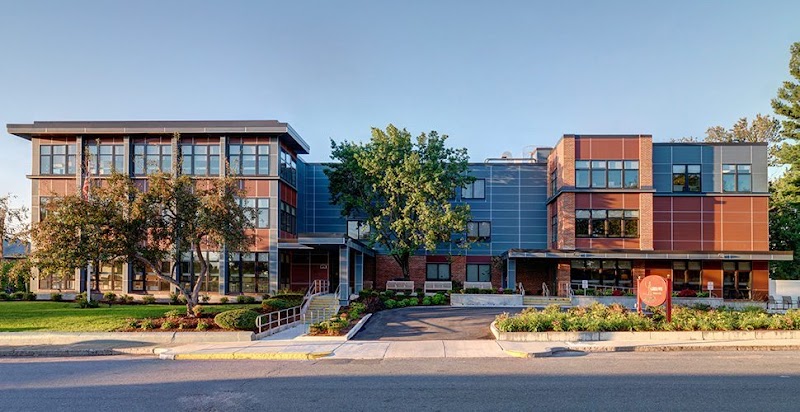
How is Lighthouse Rehabilitation And Healthcare Center Staffed?

CMS rates LIGHTHOUSE REHABILITATION AND HEALTHCARE CENTER's staffing level at 2 out of 5 stars, which is below average compared to other nursing homes.

What Have Inspectors Found at Lighthouse Rehabilitation And Healthcare Center?

State health inspectors documented 51 deficiencies at LIGHTHOUSE REHABILITATION AND HEALTHCARE CENTER during 2023 to 2025. These included: 50 with potential for harm and 1 minor or isolated issues. While no single deficiency reached the most serious levels, the total volume warrants attention from prospective families.
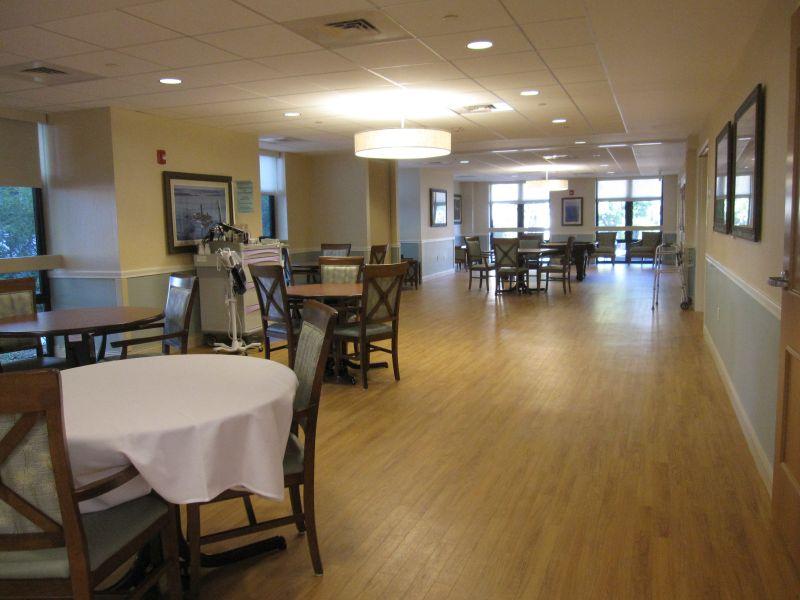
Who Owns and Operates Lighthouse Rehabilitation And Healthcare Center?

LIGHTHOUSE REHABILITATION AND HEALTHCARE CENTER is owned by a for-profit company. For-profit facilities operate as businesses with obligations to shareholders or private owners. The facility is operated by MARQUIS HEALTH SERVICES, a chain that manages multiple nursing homes. With 123 certified beds and approximately 114 residents (about 93% occupancy), it is a mid-sized facility located in REVERE, Massachusetts.
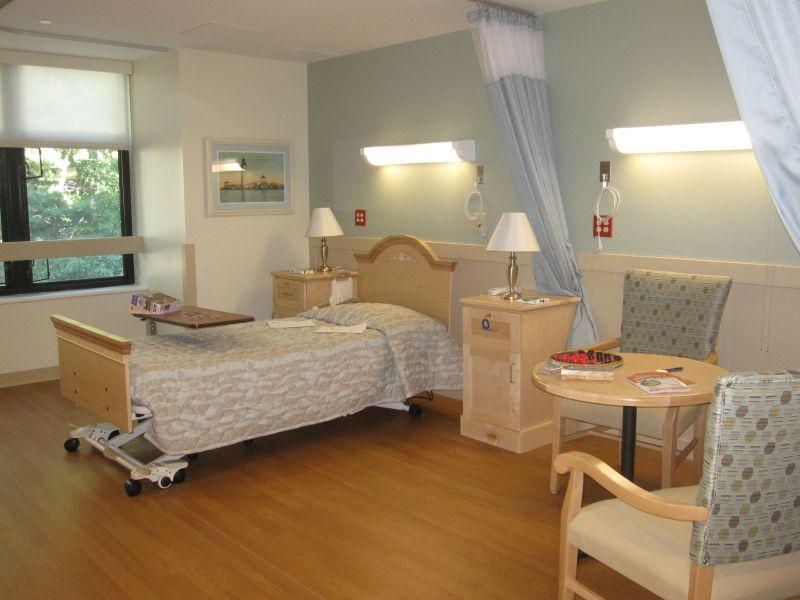
How Does Lighthouse Rehabilitation And Healthcare Center Compare to Other Massachusetts Nursing Homes?

Compared to the 100 nursing homes in Massachusetts, LIGHTHOUSE REHABILITATION AND HEALTHCARE CENTER's overall rating (2 stars) is below the state average of 2.9 and health inspection rating (2 stars) is below the national benchmark.

What Should Families Ask When Visiting Lighthouse Rehabilitation And Healthcare Center?

Based on this facility's data, families visiting should ask: "Can you walk me through typical staffing levels on day, evening, and night shifts?" "Can I visit during a mealtime to observe dining assistance and food quality?" "How do you handle medical emergencies, and what is your hospital transfer rate?" "Can I speak with family members of current residents about their experience?" These questions are particularly relevant given the below-average staffing rating.

Is Lighthouse Rehabilitation And Healthcare Center Safe?

Based on CMS inspection data, LIGHTHOUSE REHABILITATION AND HEALTHCARE CENTER has a clean safety record: no substantiated abuse findings (meaning no confirmed cases of resident harm), no Immediate Jeopardy citations (the most serious violation level indicating risk of serious injury or death), and is not on the Special Focus Facility watch list (a federal program monitoring the lowest-performing 1% of nursing homes). The facility has a 2-star overall rating and ranks #100 of 100 nursing homes in Massachusetts. While no facility is perfect, families should still ask about staff-to-resident ratios and recent inspection results during their visit.

Do Nurses at Lighthouse Rehabilitation And Healthcare Center Stick Around?

LIGHTHOUSE REHABILITATION AND HEALTHCARE CENTER has not reported staff turnover data to CMS. Staff turnover matters because consistent caregivers learn residents' individual needs, medications, and preferences. When staff frequently change, this institutional knowledge is lost. Families should ask the facility directly about their staff retention rates and average employee tenure.

Was Lighthouse Rehabilitation And Healthcare Center Ever Fined?

LIGHTHOUSE REHABILITATION AND HEALTHCARE CENTER has been fined $3,250 across 1 penalty action. This is below the Massachusetts average of $33,111. While any fine indicates a compliance issue, fines under $50,000 are relatively common and typically reflect isolated problems that were subsequently corrected. Families should ask what specific issues led to these fines and confirm they've been resolved.

Is Lighthouse Rehabilitation And Healthcare Center on Any Federal Watch List?

LIGHTHOUSE REHABILITATION AND HEALTHCARE CENTER is not on any federal watch list. The most significant is the Special Focus Facility (SFF) program, which identifies the bottom 1% of nursing homes nationally based on persistent, serious quality problems. Not being on this list means the facility has avoided the pattern of deficiencies that triggers enhanced federal oversight. This is a positive indicator, though families should still review the facility's inspection history directly.