SOUTHSHORE HEALTH CARE CENTER
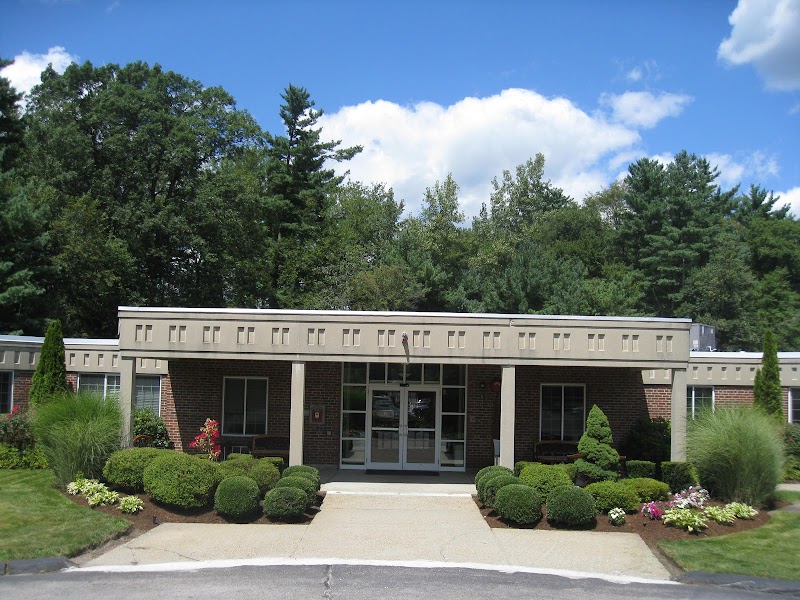
115 NORTH AVENUE, ROCKLAND, MA 02370 (781) 878-3308
For profit - Limited Liability company 96 Beds ATHENA HEALTHCARE SYSTEMS Data: November 2025
Trust Grade
35/100
#327 of 338 in MA
Last Inspection: June 2024

Within standard 12-15 month inspection cycle. Federal law requires annual inspections.

Overview

Southshore Health Care Center has received a Trust Grade of F, indicating significant concerns and poor overall performance. It ranks #327 out of 338 facilities in Massachusetts, placing it in the bottom half of the state, and #27 out of 27 in Plymouth County, meaning there are no better local options. While the facility is showing signs of improvement-reducing its issues from 24 in 2024 to just 2 in 2025-there are still serious deficiencies to consider. Staffing is relatively stable with a turnover rate of 21%, which is good compared to the state's average, and they maintain average RN coverage. However, the facility has faced issues like inadequate wound care treatment that worsened a resident's pressure injury and a significant pest problem, with reports of mice and mouse droppings found in the kitchen and residents' rooms, which raises serious hygiene concerns.

Trust Score
F
35/100
In Massachusetts
#327/338
Bottom 4%
Safety Record
Moderate
Needs review
Inspections
Getting Better
24 → 2 violations
Staff Stability
✓ Good
21% annual turnover. Excellent stability, 27 points below Massachusetts's 48% average. Staff who stay learn residents' needs.
Penalties
✓ Good
$26,395 in fines. Lower than most Massachusetts facilities. Relatively clean record.
Skilled Nurses
○ Average
Each resident gets 38 minutes of Registered Nurse (RN) attention daily — about average for Massachusetts. RNs are the most trained staff who monitor for health changes.
Violations
⚠ Watch
51 deficiencies on record. Higher than average. Multiple issues found across inspections.
★☆☆☆☆
1.0
Overall Rating
★★★☆☆
3.0
Staff Levels
★★★★☆
4.0
Care Quality
★☆☆☆☆
1.0
Inspection Score
Stable
2024: 24 issues
2025: 2 issues

The Good

  • 4-Star Quality Measures · Strong clinical quality outcomes
  • Low Staff Turnover (21%) · Staff stability means consistent care
  • Full Sprinkler Coverage · Fire safety systems throughout facility
  • No fines on record
  • Staff turnover is low (21%)

    27 points below Massachusetts average of 48%

Facility shows strength in quality measures, staff retention, fire safety.

The Bad

1-Star Overall Rating

Below Massachusetts average (2.9)

Significant quality concerns identified by CMS

Federal Fines: $26,395

Below median ($33,413)

Moderate penalties - review what triggered them

Chain: ATHENA HEALTHCARE SYSTEMS

Part of a multi-facility chain

Ask about local staffing decisions and management

The Ugly 51 deficiencies on record

1 actual harm
Aug 2025 1 deficiency
CONCERN (F) 📢 Someone Reported This

A family member, employee, or ombudsman was alarmed enough to file a formal complaint

Potential for Harm - no one hurt, but risky conditions existed

Deficiency F0925 (Tag F0925)

Could have caused harm · This affected most or all residents

Based on document review and interviews, the facility failed to ensure that it maintained an effective pest control program that provided an environment that was free of pests and rodents for the 79 r...

Read full inspector narrative →
Based on document review and interviews, the facility failed to ensure that it maintained an effective pest control program that provided an environment that was free of pests and rodents for the 79 residents residing at the facility. Findings include: During a tour of the kitchen on 8/21/2025 at 7:56 A.M., the surveyor observed the main kitchen dry food storage area and made the following observations: -On the left side of the room there were multiple shelves of canned goods with a large amount of mouse droppings on top of the cans. During an interview on 8/21/25 at 8:20 A.M., the Food Service Director (FSD) inspected the dry storage area with the surveyor and said the cans of food with rust along the ends and mouse droppings were the emergency food supply. He said they have had a mouse problem for a while. During an interview with observation on 8/21/25 at 9:00 A.M., Resident #88 said there were mice in their room. The surveyor observed a grocery store paper bag with a loaf of bread, an open box of snacks and an unopen box of snacks, none of the items were in plastic containers and were all accessible to mice. On the windowsill in the room were seven packages of shortbread cookies. During an interview on 8/21/25 at 1:00 P.M., Resident #10 said there were mice and rats in the facility, and he/she can see them and hear them run across the room. During an interview on 8/21/25 at 1:10 P.M., Resident #51 said there are mice in the resident rooms, and the residents complain about it at the Resident Council meeting. During the Resident Council meeting on 6/19/25, five residents on the [NAME] Wing said that they have seen mice all over their rooms including on the top of their beds. The resolution was listed as: pest control vendor as (sic) been notified. During the Resident Council meeting on 7/17/25, multiple residents on both the East and [NAME] units complained that they are still seeing mice in and out of their rooms. The resolution to the issue was blank. A second resolution indicated that mouse traps were purchased and spread throughout the facility. The facility indicated they will continue to monitor the traps. During the Resident Council meeting on 8/15/25, East Wing: one resident reports he/she has seen ants and mice throughout his/her room (resolution: we have put down additional traps. I will inform the pest vendor when they come in next week). During the Resident Council meeting with the surveyor on 8/25/25 at 1:30 P.M., Resident #17 provided a written note with a concern regarding a mouse traveling from the outside into the heating duct and it then travels from room to room keeping the Resident awake half of the night. The Resident indicated that the mouse is starting to climb on things in the rooms and reported patching a hole in the tiles of the bathroom. In addition to the mouse, the Resident reported seeing ants everywhere and a cockroach or two. During a review of the Pest Control Service logs on 8/27/25, the documents indicated that the previous pest control service had not provided pest control services to the facility since 4/12/25. Further review of the Pest Control Service logs indicated that from 4/12/25 through 8/11/25 the facility was without professional pest control services. On 8/12/25, a new Pest Control Service began servicing the facility. Extensive services were documented at that time including, but not limited to:-glue boards in the drop ceiling as activity was reported by staff. The new Pest Control services' plan was to return in 2 weeks for the start of the Biweekly Pest Program. During an interview on 08/27/25 at 1:15 P.M., the Maintenance Director said that the facility did not have a professional Pest Control Service from 4/12/25 until 8/12/25, when the new Pest Control Service took over at the facility. The Maintenance Director was not aware of the reason for the previous Pest Control Service ending its relationship with the facility or the delay in obtaining a new Pest Control vendor. During an interview on 08/27/25 at 1:30 P.M., the Administrator said that he has been the administrator at the facility since 7/2/25. He said he was aware of the pest problem as reported by staff and residents and said he brought in the current Pest Control Service on 8/12/25. He could not say why the previous administration at the facility terminated their relationship with the previous Pest Control Service, or the reason for the facility failure to ensure pest control services were provided from 4/12/25 to 8/11/25. The Administrator said that he understood that the facility is required to maintain an environment for residents that is free from pests and rodents.
Mar 2025 1 deficiency
CONCERN (D) 📢 Someone Reported This

A family member, employee, or ombudsman was alarmed enough to file a formal complaint

Potential for Harm - no one hurt, but risky conditions existed

Deficiency F0557 (Tag F0557)

Could have caused harm · This affected 1 resident

Based on records reviewed and interviews, for one of three sampled residents (Resident #1), who was alert and oriented, the Facility failed to ensure he/she was treated in a dignified and respectful m...

Read full inspector narrative →
Based on records reviewed and interviews, for one of three sampled residents (Resident #1), who was alert and oriented, the Facility failed to ensure he/she was treated in a dignified and respectful manner, when on 2/24/25, after being found a second time with a vape pen (electronic cigarette is a handheld device consisting of a battery attached to a cartridge filled with a liquid solution that is vaporized and simulates tobacco or marijuana smoking) in his/her possession, the Assistant Director of Nurses (ADON) asked Resident #1 to come to her office, accompanied by two other staff members for a skin check, during which Resident #1 was instructed to and removed his/her upper body clothing items, as part of a strip search. Findings include: Review of the Facility Notice of Resident Rights Policy, most recently revised 1/01, indicated the Facility must promote and protect the rights of residents. Review of the Facility Room Entry and Search Policy, dated April 2016, indicated the Facility may enter and search a resident room if there is reason to believe that an illegal activity or a health and safety threat is occurring or has occurred in the resident room. The Policy indicated that the resident is allowed to be present for room searches. Review of Resident #1's clinical record indicated that he/she was admitted to the Facility during February 2025 for rehabilitation of injuries sustained as a pedestrian involved in a traffic accident. His/her diagnosis included polysubstance abuse, post-traumatic stress disorder and anxiety disorder. Review of Resident #1's most recent Minimum Data Set (MDS) Assessment, dated 2/06/25, indicated his/her cognitive patterns were intact and he/she used tobacco. Review of the Report submitted by the Facility via the Health Care Facility Reporting System (HCFRS), dated 2/26/25, indicated that Resident #1 reported that the ADON and a certified nurse aide (CNA) strip searched him/her. During a telephone interview on 3/18/25 at 10:15 A.M., Resident #1 said that while a resident at the Facility, one of the nurses found two vape pens (electronic cigarette is a handheld device consisting of a battery attached to a cartridge filled with a liquid solution that is vaporized and simulates tobacco or marijuana smoking) hidden under his/her shirt. Resident #1 said that after being found [a second time] with a vape pen, when staff searched his/her room, took the vape pen away from him/her, and that the ADON and CNA #1 strip searched him/her in the ADON's office. During an interview on 3/18/25 at 1:00 P.M., the ADON said that on 2/24/25 one of the nurses reported to her that Resident #1 had been found with two vape pens. The ADON said that she asked the Security Officer and Social Worker #1 to complete a room search, per the Facility Room Search Policy. The ADON said that during the room search Resident #1 became upset and was yelling about the room search in the hallway. The ADON said that following the room search she asked Resident #1 to come to her office to discuss having been found with vape pens and the resulting room search. The ADON said that Social Worker #1, the Security Officer and CNA #1 came to her office with Resident #1. The ADON said that once in her office, she informed Resident #1 that a skin check needed to be conducted. The ADON said that she thought skin checks were required per facility policy for all Facility residents' when room searches were conducted. The ADON said once inside her office, that Resident #1 just ripped off his/her shirt and told the ADON they could complete the skin check in her office so that he/she (Resident #1) could get his/her vape pens back. The ADON said that CNA #1 removed Resident #1's bra and held up his/her (Resident #1's) shirt in front of him/her to cover his/her chest area. The ADON said that they did not remove Resident #1's leggings, but stretched the waistband away from his/her body to look inside of them. The ADON said that she removed Resident #1's shoes and checked his/her feet. During a telephone interview on 3/27/25 at 1:40 P.M., CNA #1 said that on 2/24/25 the ADON approached her while she was caring for a resident to ask for her assistance with Resident #1's skin check. CNA #1 said that she suggested that the ADON ask Resident #1's assigned CNA, however, a few minutes later, the Security Officer told her that the ADON was looking for her. CNA #1 said that she went to Resident #1's room, but Resident #1 was not there and Social Worker #1 told her that Resident #1 and the ADON were in the ADON's office. CNA #1 said that when she and Social Worker #1 went to the ADON's office, the ADON asked Resident #1 whether he/she wanted to go to his/her room and conduct the skin check in the ADON's office. CNA #1 said that Resident #1 said that it was fine to do the skin check in the office and Resident #1 proceeded to remove his/her shirt. CNA #1 said that Resident #1 removed his/her bra and she (CNA #1) held Resident #1's shirt over his/her (Resident #1's) chest area to offer Resident #1 privacy because the shade in the ADON's office window was partly open. CNA #1 said that she checked Resident #1's chest, back and arms without any unusual finding. CNA #1 said that the ADON told her to remove Resident #1's pants and CNA #1 said that she told the ADON that she could not because Resident #1 was not able to stand. CNA #1 said that Resident #1 said that he/she could stand and proceeded to stand on one leg and lean on the arm of his/her wheelchair. CNA #1 said that she did not remove Resident #1's leggings because she thought it would be too difficult for Resident #1 to remain standing for very long and she looked inside the waist band of Resident #1's leggings without finding anything. CNA #1 said that the ADON asked her to remove and check Resident #1's shoes, but she did not. CNA #1 said she checked Resident #1's ankles without any finding. CNA #1 said that Resident #1 was upset during the skin check. During an interview on 3/18/25 at 11:15 A.M., the Director of Nursing (DON) and Administrator said that on 2/26/25 they became aware of an allegation that the ADON had strip searched Resident #1 following an incident in which vape pens were confiscated from him/her by nursing staff. The Director of Nursing and Administrator said that during the Facility investigation of the allegation, the ADON told them that she conducted a skin check on Resident #1 following his/her room search because she thought skin checks were required, per facility policy, following confiscation of contraband items. The Director of Nursing and Administrator said that Facility did not have a policy or procedure which instructed staff to complete skin checks or strip searches following room searches or the discovery of residents possessing contraband and the ADON should not have completed a skin check or strip search of Resident #1 in his/her office on 2/24/25. On 3/18/24 the Facility was found to be in past non-compliance. The Facility provided the Surveyor with a plan of correction which addressed the concern as evidenced by: A. On 2/26/25, the ADON, CNA #1 and Social Worker #1 received verbal reprimands, in-servicing and education regarding Resident #1's skin check/strip search on 2/24/25. B. Resident #1 was seen by the Director of Social Services on 2/26/25 for support related to the alleged incident and continued to receive regular supportive visits with the Substance Use Disorders Counselor until his/her discharge in March 2025. C. On 2/27/25, the Staff Development Coordinator/designee initiated education and training for all Facility staff on abuse reporting and including the need to report uncomfortable/unusual events immediately to the Administrator, Director of Nursing or Compliance Officer. D. On 2/26/25, the ADON received one to one training from the Director of Nursing on the Facility Skin Check and Room Search Policies and initiated a 12 week training course on substance use disorder programs. E. On 2/27/25, the Director of Nursing reviewed the circumstance of the sole other room search that the ADON had participated in since her employment (for a previously discharged resident) without identifying any resident rights concerns. F. The circumstance of the incident were reviewed to determine need for an immediate Ad-Hoc QAPI meeting and the correction plans will be reviewed by the Quality Assurance Committee in March 2025. G. The Administrator and/or designee are responsible for overall compliance.
Dec 2024 2 deficiencies
CONCERN (D) 📢 Someone Reported This

A family member, employee, or ombudsman was alarmed enough to file a formal complaint

Potential for Harm - no one hurt, but risky conditions existed

Deficiency F0555 (Tag F0555)

Could have caused harm · This affected 1 resident

Based on record review and interviews, for one of three sampled residents (Resident #1), who had an activated Health Care Proxy with his/her Health Care Agent (HCA) making his/her medical decisions, a...

Read full inspector narrative →
Based on record review and interviews, for one of three sampled residents (Resident #1), who had an activated Health Care Proxy with his/her Health Care Agent (HCA) making his/her medical decisions, and had requested a change in attending Physician's for him/her in early October 2024, the Facility failed ensure they honored the residents right to change attending physicians in a timely manner, when the requested was not facilitated until two months later. Findings include: Review of the Commonewealth of Massachusetts Notice of Nursing Facility Resident's Rights, dated as last revised 01/2001, indicated that when one enters a nursing facility, you do not lose your rights as an individual and the nursing home must protect and promote your rights and the rights of each resident. - The Notice also indicated that all residents have the right to choose a personal physician. Resident #1 was admitted to the Facility in July 2023, diagnoses include metabolic encephalopathy (problem in the brain caused by a chemical imbalance), schizoaffective disorder, seizure disorder, a history of urinary tract infections, and his/her Health Care Proxy was invoked with his/her HCA (Family Member #1) making health care decisions on his/her behalf. During a telephone interview on 12/09/24 at 10:01 A.M., Family Member #1/ (HCA), said that she had made a request to change Resident #1's attending physician back in October 2024. The HCA said the physician assigned to him/her did not even know Resident #1, and was very rude to deal with. Review of Resident #1's Social Service Progress Note, dated 10/04/24, indicated that a meeting had been held with Resident #1, his/her HCA, the Nurse Manager, and the Director of Social Services. The Note further indicated that the HCA requested to change Resident #1's attending physician. Review of Resident #1's Medical Record, including but not limited to all progress notes and physician orders, indicated that there was no documentation to support that the facility attempted to contact Resident #1's attending physician to obtain an order to change physicians or facilitate the change as requested by Resident #1's HCA. During an interview on 12/09/24 at 1:14 P.M., the Director of Social Services said that she was aware that Resident #1's HCA had requested to change his/her attending physician and said that the Unit Manager had also been aware of the request. The Director of Social Services said that it should not take two months to change physicians. During multiple in-person interviews on 12/09/24 starting at 2:02 P.M., through 4:00 P.M., Nurses #1, #2, and #3, said that they were not aware that Resident #1's HCA had requested a change in physician services. During an interview on 12/09/24 at 3:15 P.M., the Unit Manager said that she had been aware that Resident #1's HCA wanted to change his/her physician a few months back. The Unit Manager said there were only two physicians to provide care for all 83 residents residing at the Facility, that when she spoke to the other physician (the only other option), the physician said he was full and could not take on another resident. During an interview on 12/09/24 at 4:14 P.M., the Director of Nurses (DON) said that she was not aware that Resident #1's HCA had requested to change Physician's. The DON said that she called Physician #2 on 12/09/24 and was able to change Resident #1's services from Physician #1 to Physician #2. The DON said that it is the Facility's expectation that any Resident or Resident's legal representative be allowed the right to change physicians when requested.
CONCERN (D) 📢 Someone Reported This

A family member, employee, or ombudsman was alarmed enough to file a formal complaint

Potential for Harm - no one hurt, but risky conditions existed

Deficiency F0761 (Tag F0761)

Could have caused harm · This affected 1 resident

Based on records reviewed, interviews and observations, for two of two sampled nursing units (Unit #1 and Unit #2), the Facility failed to ensure nursing staff properly secured all medications (prescr...

Read full inspector narrative →
Based on records reviewed, interviews and observations, for two of two sampled nursing units (Unit #1 and Unit #2), the Facility failed to ensure nursing staff properly secured all medications (prescription and over the counter), when on 12/09/24, the [NAME] Units' medication room door was observed to be open and unlocked, and the East Units' medication room door was found to be unlocked, therefore leaving medications unsecured. Findings include: Review of the facility Policy titled, Medication Storage Room/Medication Cart, dated 02/2018, indicated that the facility provides pharmaceutical services that are conducted in accordance with accepted ethical and professional standards of practice and that meet Federal, State, and Local Laws, rules and regulations. The Policy further indicated that medications are stored primarily in a locked mobile medication cart, however storage for other medications will be limited to a locked medication room. During an observation on 12/09/24 at 11:56 A.M., the Surveyor observed the medication room door on Unit #1 was open, unlocked and access to medications was not secured. At the time of the observation, there were two nurses working on unit, however neither of the nurses were at the nurses station or in the surrounding area for approximately 10 minutes. During an interview on 12/09/24 at 12:10 A.M., Nurse #1 said she did not know that the medication room door was open and said she did not have a key to the medication room. Nurse #1 said that the medication room door should be closed and locked at all times. During an observation on 12/09/24 at 12:17 P.M., the Surveyor observed that the medication room door on the Unit #2 was unlocked and that access to medications was not secured. During an interview on 12/09/24 at 12:18 P.M., Nurse #3 said she did not know that the medication room door was unlocked. Nurse #3 said that the nurses were having difficulty with the key when trying to open the door, and that it had been reported to facility maintenance. Nurse #3 said that the medication room door should always be kept locked. During an interview on 12/09/24 at 12:25 P.M., the Maintenance Director said that no one had ever reported to him that the lock/key to the medication room door on Unit #2 had not been working properly. During an interview on 12/09/24 at 4:14 P.M., the Director of Nurses (DON) said that it is the Facility's expectation that all medications room doors be locked and medications always secured.
Sept 2024 1 deficiency
CONCERN (E) 📢 Someone Reported This

A family member, employee, or ombudsman was alarmed enough to file a formal complaint

Potential for Harm - no one hurt, but risky conditions existed

Deficiency F0658 (Tag F0658)

Could have caused harm · This affected multiple residents

**NOTE- TERMS IN BRACKETS HAVE BEEN EDITED TO PROTECT CONFIDENTIALITY** Based on record reviews and interviews for three of three sampled residents (Resident #1, #2 and #3), the Facility failed to ens...

Read full inspector narrative →
**NOTE- TERMS IN BRACKETS HAVE BEEN EDITED TO PROTECT CONFIDENTIALITY** Based on record reviews and interviews for three of three sampled residents (Resident #1, #2 and #3), the Facility failed to ensure nursing provided care and services that met professional standards of practice, when upon admission to the Facility, their medications and/or treatments were not accurately reconciled, and as result not all medications and/or treatments were administered in accordance with what was indicated on the Hospital Discharge Summary, as ordered by the physician and in accordance with facility policy. Findings include: Review of the Facility Policy titled, Medication Reconciliation, dated as last revised 08/04/22, indicated that medication reconciliation involves collaboration with the resident/representative and multiple disciplines, including admissions liaisons, licensed nurses, physicians, and pharmacy staff. The policy indicated the following steps are part of the pre-admission process; -Obtain current medication list from the referral source (i.e. hospital, home health, hospice, or primary care provider); -Obtain current medication/admission orders; -Verify resident identifiers; and -Forward to the nursing unit accepting the resident. The policy further indicated the following steps are part of the admission process; -Verify resident identifiers on the information received; -Compare orders to hospital records, etc, Obtain clarification orders as needed; -Transcribe orders in accordance with producers for admission orders; -Have a second nurse review transcribed orders for accuracy and cosign the orders, indicating the review; -Obtain home list of medications from resident/representative. Place on chart for physician to review and revise medication regimen if warranted. 1) Resident #1 was admitted to the Facility in September 2024, diagnoses included status post a lumbar microdiscectomy secondary to severe spinal stenosis at lumbar level four and five (L-4 and L-5), morbid obesity, anxiety, depression, urinary incontinence, and constipation. Review of Resident #1's Hospital Referral, dated 09/10/24, indicated that the following medication was being administered while hospitalized ; -Lovenox (enoxaparin, anticoagulant) 40 mg subcutaneously every 12 hours; (last dose 09/09/24 at 11:55 P.M.) Review of Resident #1's Hospital Discharge summary, dated [DATE], indicated to utilize an incentive spirometer to increase the expansion of his/her lungs and to apply ice to his/her back for up to 30 minutes at a time for pain relief. However, review of Resident #1's Medical Record, indicated that there was no documentation to support that the administration of lovenox, utilization of an incentive spirometer or the use of ice for pain relief were reviewed with his/her attending physician. Further review of Resident #1's Medical Record indicated that a Medication Reconciliation was not completed upon admission, in accordance with Facility Policy. During an interview on 09/23/24 at 1:31 P.M., Nurse #1 said that she completed Resident #1 admission evaluations and put his/her orders for medications into the computer after reviewing them with the physician. Nurse #1 said that she reviewed all the medications lists Resident #1 included with his/her Hospital Discharge paperwork. Nurse #1 said however that she only read off the medications listed on Resident #1's After Visit Summary Report to the physician for review. Nurse #1 said that she was trained to do admission medications that way and said the nurses do not use medication reconciliation forms. During an interview on 09/23/24 at 3:14 P.M., the Staff Development Coordinator (SDC) said that Resident #1's lovenox was not on the Hospital Discharge Summary but was noted on his/her medications while hospitalized list and said nursing should have asked his/her physician for clarification on the lovenox. During an interview on 09/23/24 at 4:04 P.M., the Director of Nurses (DON) said that she was not aware that Resident #1 was being administered lovenox while hospitalized and said she would have expected nursing to recognize that and bring it to the physician's attention to clarify what was to be done with the medication. The DON said she was not aware that Resident #1 had not had a physician's order for an incentive spirometer or to utilize ice to his/her back to help with pain. 2) Resident #2 was admitted to the Facility in September 2024, diagnoses included respiratory failure, Chronic Obstructive Pulmonary Disease (COPD), morbid obesity, and hypertension. Review of Resident#2's Hospital Discharge summary, dated [DATE], indicated his/her discharge medication list included the following: -Prazosin (anti-hypertensive) 1 mg capsule, (two capsules) for a total of 2 mg by mouth every night. However, review of Resident #2's Facility Physician Orders, dated 09/11/24, indicated nursing to administer; -Prazosin 1 mg capsule, take 1 mg by mouth every night. (1 mg less than what was indicated in DC summary). Review of Resident #2's Medical Record, indicated that there was no documentation to support that a Medication Reconciliation was completed upon admission by nursing, in accordance with Facility Policy. 3) Resident #3 was admitted to the Facility in September 2024, diagnoses included COPD, polysubstance abuse, alcohol cirrhosis, and pneumonia. Review of Resident #3's Hospital Discharge summary, dated [DATE], indicated his/her discharge medication list included the following; -Lasix (furosemide, a diuretic) 20 mg tablet, take 1 tablet by mouth daily as needed (PRN) for weight gain. However, review of Resident #3's Facility's Physician's Orders, dated 09/12/24, indicated nursing to administer; -Furosemide 20 mg tablets, give 1 tablet by mouth daily for weight gain. (medication was therefore scheduled for administration daily and not PRN per the his/her DC summary instructions). Review of Resident #3's Medical Record, indicated that there was no documentation to support that a Medication Reconciliation was completed by nursing upon admission, in accordance with Facility Policy. During a telephone interview on 09/25/24 at 12:49 A.M., Nurse #3 said that there is no form they use to reconcile medications and said she takes a picture of the Hospital Discharge Summary medications and sends it to the physician for approval, rejection, or that may require changes. Nurse #3 said that no one really looks over the medications for accuracy. Nurse #3 said that she really only looks at the medications and that the DON or Assistant Director of Nurses (ADON) will read the discharge summary and should review the new admissions charts the following day. During an interview on 09/23/24 at 3:14 P.M., the SDC said that she does not know when the last time that the facility utilized the medication reconciliation forms, but said that per facility policy, medications/treatments needed to be reconciled upon admission. The SDC said it is expected that nurses obtain a list of all medications in relation the resident, a home medication list, medications administered in the hospital and recommended medications upon discharge from the hospital. The SDC said the nurse should compare all medications, review the medications with another nurse and then call the physician for approval, rejection, or to make changes in medication orders. During an interview on 09/23/24 at 2:38 P.M., the ADON said that it is the Facility's expectation that all medication lists for a resident be reviewed, compared, and approved by a physician upon admission. The ADON said that the Unit Manager had been responsible for double checking new admissions medications, however, the Unit Manager position has been vacant. The ADON said that the DON, SDC, and herself were responsible for review new admission records in the absence of a Unit Manger and said she had not recalled ever double checking the records for accuracy. During an interview on 09/23/24 at 4:04 P.M., the DON said it is the Facility's expectation that all medications be reconciled according to the Facility Policy and that two nurses must be signing off on the medication orders for accuracy once approved by the physician.
Jun 2024 19 deficiencies
CONCERN (D)

Potential for Harm - no one hurt, but risky conditions existed

Resident Rights (Tag F0550)

Could have caused harm · This affected 1 resident

Based on interview and record review, the facility failed to promote the rights of one Resident (#26) to leave the facility, in a total sample of 19 residents. Specifically, the facility restricted Re...

Read full inspector narrative →
Based on interview and record review, the facility failed to promote the rights of one Resident (#26) to leave the facility, in a total sample of 19 residents. Specifically, the facility restricted Resident #26, who was their own responsible person, from leaving the facility with persons of their choice based on a history of substance use disorder. Findings include: Review of the facility's policy titled Leave of Absence, dated December 2015, indicated the following: -Nursing staff will obtain an order for leave of absence with responsible party for a resident/patient on admission. Responsible party may include self if the resident is his/her own responsible party -If a resident is their own responsible party, they may go on a leave of absence unattended Resident #26 was admitted to the facility in April 2019 with a history of substance use disorder. Review of the Minimum Data Set (MDS) assessment, dated 5/29/24, indicated Resident #26 scored 14 out of 15 on the Brief Interview for Mental Status (BIMS), indicating the Resident was cognitively intact. Review of the medical record indicated Resident #26 continued to be their own responsible person. During an interview on 6/24/24 at 4:30 P.M., Resident #26 said he/she was previously able to leave the facility with his/her significant other to attend support meetings and was no longer allowed to leave with the significant other, only with family members. Review of the Physician's Orders indicated the following orders were active as of 6/27/24: 11/1/23: may not have leave of absence at this time per physician 1/25/24: may go out for leave of absence with sisters per physician Review of the Physician's Orders included the following orders were completed or discontinued as of 6/27/24: 11/19/23: may have one time order for leave of absence for support meeting for two to three hours on 11/19/23 with responsible party. Resident must have belongings searched upon arrival back into the facility per physician and Administrator. 11/22/23: may go on leave of absence with significant other for one time, approved by Administrator on 11/22/23. May obtain urine and blood labs and search Resident when he/she comes back. 11/23/23: may go on leave of absence with significant other for one time, approved by Administrator on 11/23/23. May obtain urine and blood labs and search Resident when he/she comes back. 12/3/23: may go on leave of absence with sisters on 12/3/23 for not longer than four hours, approved by Administrator. 12/14/23: may go on leave of absence with friend (on 12/13/23) for two to four hours, physician and Administrator aware. Review of the progress notes indicated the following: 11/1/23: Resident requested to go out with a friend, nurse informed the Resident of the order from the physician indicating the Resident could not go on a leave of absence and did not allow the Resident to leave with his/her friend 11/1/23: Social Worker met with Resident and explained the Resident needed medical clearance to leave the facility due to recent events and toxicology report 11/14/23: nursing progress note indicated a new order for the Resident to resume leave of absence activities if cleared by the Social Worker, administration aware. 11/17/23: Family meeting held to discuss Resident's sobriety. Resident gained an LOA (leave of absence) to spend a few hours with family. 11/18/23: nursing progress note indicated the Resident requested to go on a leave of absence. The nurse indicated the order remained for no leave of absence and the Resident responded, I am grown, you can't keep me here. The nurse contacted the Resident's sister to talk to the Resident. The note indicated per the physician and the Administrator the Resident may attend a support group the following day for two to three hours and must be searched upon arrival back to the building. The note indicated the Resident was informed of order and agreeable to plan. 11/22/23: Resident went out with significant other; physician was contacted who said he was unable to give an order and the Social Worker and the Administrator make the decision and that any decision was okay by him. The Administrator gave the okay and agreed upon return that the Resident should be searched to rule out bringing any outside material and may obtain labs. 11/23/23: nursing progress note indicated the Resident was out with their significant other and the Administrator gave the okay for a one-time order for 11/24/23 and may search upon return to rule out bringing in any material and may obtain labs. 11/25/23: Resident went out with significant other; Administrator approved one time order and may search upon return to rule out bringing in outside material and may obtain labs. 11/28/23: Social Worker indicated Resident #26's significant other was only permitted to enter the lobby to pick up and drop off the Resident and was not allowed inside the facility due to behavior. 11/29/23: Social Worker held a conference call with Resident and Resident's family. The Social Worker advised for leave of absences to be revoked, unless with family. Plan was in agreeance. The Social Worker spoke to the Administrator who agreed not to issue a 30-day notice of discharge and revoke leave of absence unless with family. 12/3/23: Resident requested to go to support meeting with family, nurse noted there was no order in place and called the Resident's family to confirm she was picking up the Resident. The nurse contacted the Administrator who approved a leave of absence with family on this date. 12/13/23: Resident out with friend for two to four hours, physician and Administrator aware. 2/5/24: substance use disorder counselor note indicated Resident complained about not being able to go out with significant other. The note indicated the writer reminded the Resident of safety precautions and encouraged Resident to focus on recovery and making safer decisions for him/herself. The Resident said he/she still did not agree with the decision. During an interview on 6/25/24 at 4:15 P.M., Resident #26 said the facility did not allow their significant other into the facility and did not allow Resident #26 to go out with their significant other. The Resident said he/she was only allowed to leave the facility with his/her family. Resident #26 said the only time he/she got to see their significant other was when they attended the same support meetings in the community. The Resident added it's put a real damper on my relationship. During an interview on 6/26/24 at 12:43 P.M., Certified Nursing Assistant #1 said the Resident only goes out with family. She said the Resident would previously go out with other people, but she was not sure what happened. During an interview on 6/26/24 at 12:45 P.M., Unit Manager #1 said Resident #26 could not go out with their significant other due to previously returning intoxicated. The Unit Manager said she thought the Resident could visit with the significant other in the lobby but was not sure. During an interview on 6/27/24 at 9:07 A.M., the Social Worker said Resident #26 had unsafe behavior, as demonstrated through positive toxicology reports, following leaving the facility with their significant other. She said the Resident had been out on leaves of absence with their significant other and had tested positive for cannabis days later, so the facility restricted the leave of absences with the significant other. The Social Worker said the significant other was not allowed inside the facility due to an altercation and threatening a staff member. She said the facility team had decided to restrict the leave of absences with the significant other because the Resident was not making good decisions. She further said, as the Resident was their own responsible person, that the Resident should have the right to go on a leave of absence with anyone. During an interview on 6/27/24 at 11:55 A.M., the Physician for Resident #26 said the process for orders for leave of absence was for the team to ensure a Resident was medically cleared to ensure they were physically able to leave the building. He said additional orders for leave of absence, not related to medical clearance were a team discussion based on the physician, the Administrator, the Social Worker and the nurses. He said, he as the physician was not the sole person to decide. He said there were a lot of long-term care residents at the facility who were medically cleared to leave the facility, but there were social factors (homelessness, substance use) that needed to be taken into consideration. He said if a resident was going to be safe, then they could go, but if they were going to go out and get drunk or have social issues like addiction they could not. He said the orders for leave of absence for Resident #26 were a team effort and the Resident cannot leave the facility with just anyone, he/she could only leave with family and there needed to be strong supervision.
CONCERN (D) 📢 Someone Reported This

A family member, employee, or ombudsman was alarmed enough to file a formal complaint

Potential for Harm - no one hurt, but risky conditions existed

Deficiency F0551 (Tag F0551)

Could have caused harm · This affected 1 resident

Based on record review and staff interview, the facility failed to ensure the Resident Representative was fully informed in advance and given information necessary to make health care decisions to the...

Read full inspector narrative →
Based on record review and staff interview, the facility failed to ensure the Resident Representative was fully informed in advance and given information necessary to make health care decisions to the extent required by the court for one Resident (#71), from a total sample of 19 residents. Findings include: Resident #71 was admitted to the facility in July 2023 with diagnoses that included schizoaffective disorder (a mental disorder in which a person experiences a combination of symptoms of schizophrenia and mood disorder). Review of the medical record indicated Resident #71 had been declared an incapacitated person and had a guardian appointed by the court in April 2023. The guardianship protects the rights of the person that is unable to make or communicate decisions about everyday health, care, and safety. The guardian is responsible for and must be consulted for all healthcare decisions and required consents. An alternative guardian was not assigned. During an interview on 6/27/24 at 2:18 P.M., the Resident Representative, who is the legal guardian, said she was upset the facility Social Worker had Resident #71 sign a consent form. The Resident Representative said she found this out after the Resident called the representative stating he/she was anxious about what he/she signed because he/she didn't understand the form. The Resident Representative said she emailed the Social Worker regarding this concern on 6/16/24 and informed her that all consents need to be obtained through the legal guardian. She said she was unsure if she wishes to have the Resident participate in the program for which he/she signed the consent form and did not understand. During an interview on 6/24/24 at 2:30 P.M., the Social Worker said that on 6/12/24 she had the Resident sign a consent for a community program which offers support with transitioning from a nursing home level of care and assists with obtaining housing. She said she was aware that the Resident had a legal guardian and that the legal guardian needed to sign all consents for the Resident's care including referrals to agencies. On 6/24/24 at 3:24 P.M., the Social Worker sent the consent form to the legal guardian for review and signature, 12 days after the Social Worker had the Resident sign the consent form.
CONCERN (D)

Potential for Harm - no one hurt, but risky conditions existed

Deficiency F0552 (Tag F0552)

Could have caused harm · This affected 1 resident

Based on record review and staff interview, the facility failed to ensure for one Resident (#72), out of a sample of 19 residents that the Resident had the right to be informed in advance, by the phys...

Read full inspector narrative →
Based on record review and staff interview, the facility failed to ensure for one Resident (#72), out of a sample of 19 residents that the Resident had the right to be informed in advance, by the physician or other practitioner or professional, of the risks and benefits of proposed care, of treatment and treatment alternatives or treatment options and to choose the alternative or option he/she preferred. Specifically, the facility failed to inform the Resident of a toxicology screen (laboratory testing for substance use) being obtained. Findings include: Resident #72 was admitted to the facility in August 2023 with diagnoses that included hypertension and chronic diastolic heart failure. Review of the Minimum Data Set (MDS) assessment, dated 5/6/24, indicated Resident #72 scored 12 out of 15 on the Brief Interview for Mental Status (BIMS) assessment indicating moderate cognitive impairment. Review of the medical record indicated Resident #72 continued to be his/her own responsible party. During an interview on 6/25/24 at 3:02 P.M., Resident #72 said he/she was never made aware that toxicology labs had been obtained. The Resident said that when he/she was having blood drawn for laboratory work, staff told him/her it was routine laboratory orders and never informed him/her that they were testing for drugs. Resident #72 said he/she did not consent or agree to a drug screen being completed and was unaware of why this was done. He/She said they feel like their rights have been violated and no one talked to him/her about why a toxicology screen was obtained. Review of the medical record indicated Resident had a toxicology screen completed at the facility on 11/24/24 resulting in the Resident being found negative for all tested substances. During an interview on 6/27/24 at 9:39 A.M., the Social Worker said Resident #72 was not followed by the substance use disorder (SUD) counselor and was unsure why the Resident had a toxicology screen completed. She said she could not find documentation as to why this would have been done. During an interview on 6/27/24 at 2:21 P.M., the Director of Nurses (DON) said there was no documentation available for why a toxicology screen was completed. She said there should be supporting documentation if a toxicology screen is ordered. She said there was a physician's order to do so and was unsure if consent needed to be obtained prior for a toxicology screen to be obtained.
CONCERN (D)

Potential for Harm - no one hurt, but risky conditions existed

Deficiency F0557 (Tag F0557)

Could have caused harm · This affected 1 resident

Based on interview and record review, the facility failed to ensure one Resident (#72), out of a total sample of 19 residents, was treated with dignity and respect. Specifically, the facility failed t...

Read full inspector narrative →
Based on interview and record review, the facility failed to ensure one Resident (#72), out of a total sample of 19 residents, was treated with dignity and respect. Specifically, the facility failed to treat the Resident's belongings with respect during a room search. Findings include: Resident #72 was admitted to the facility in August 2023 with diagnoses that included hypertension and chronic diastolic heart failure. Further review of the Minimum Data Set (MDS) assessment, dated 5/6/24, indicated Resident #72 scored 12 out of 15 on the Brief Interview for Mental Status (BIMS) assessment indicating moderate cognitive impairment. Review of the medical record indicated Resident #72 continued to be his/her own responsible party. During an interview on 6/25/24 at 3:02 P.M., Resident #72 said that on two occasions staff had searched their room without any rationale or reason and without his/her consent. The Resident said he/she did not have a history of substance use disorder. Resident #72 said he/she thought the staff only searched rooms of people who had a history of substance use disorder and did not understand why he/she was being searched. The Resident said the room searches occurred in February 2024 and November 2023. The Resident said the second time he/she was very upset because staff took all of his/her personal belongings out of the drawers and closet and did not put them back after searching his/her room. The Resident said the room was left a mess after the search. The Resident said he/she was told it was a random search. He/She said that the Director of Nurses (DON) was present and did not put any of his/her belongings back after searching the room. Resident #72 said they felt like their rights had been violated and no one talked to him/her about why their room was searched. Review of the medical record indicated that the Resident had a physician's order on 2/28/24 for a one time room search. During an interview on 6/27/24 at 9:35 A.M., the facility's Security staff person said part of his duties included checking resident and visitor belongings when returning to the facility and conducting room searches. He said the process was to approach a resident and say, We have to check your room. He said he did not recall Resident #72 saying he/she did not agree with the room search. He said he did remember searching the Resident's room because there was suspicion of other residents sharing medications and he could not remember how this specifically involved Resident #72. During an interview on 6/27/24 at 9:39 A.M., the Social Worker said Resident #72 was not followed by the substance use disorder (SUD) counselor and was unsure why the Resident's room was searched on either occasion. She said she could not find documentation as to why this would have been done. She said there should have been a discussion with the Resident and permission should have been obtained and the search should be conducted in a respectful manner of the resident's belongings. During an interview on 6/27/24 at 2:21 P.M., the DON said that there was no documentation available for why a room search was completed. She said there should be supporting documentation if a resident room is searched. She said that she can recall Resident #72's room being searched but was unable to recall the details surrounding the rationale for the forced room search.
CONCERN (D)

Potential for Harm - no one hurt, but risky conditions existed

Abuse Prevention Policies (Tag F0607)

Could have caused harm · This affected 1 resident

Based on interviews and record review, the facility failed to implement policies and procedures for potential misappropriation of resident property for one Resident (#15), out of 19 sampled residents....

Read full inspector narrative →
Based on interviews and record review, the facility failed to implement policies and procedures for potential misappropriation of resident property for one Resident (#15), out of 19 sampled residents. Specifically, the facility failed to investigate and report an allegation of a stolen wallet for Resident #15. Findings include: Review of the facility's policy titled Grievance Policy, undated, indicated the following: -if the grievance involves an allegation of abuse, neglect, mistreatment, misappropriation of property, exploitation or injuries of unknown source, the incident or allegation shall be investigated and reported pursuant to the facility policy on Abuse Prohibition. Review of the facility's policy titled Abuse Prohibition Policy, dated September 2020, indicated but was limited to the following: -Misappropriation of Resident Property: is the deliberate misplacement, exploitation or wrongful, temporary or permanent use of a resident's belongings or money without the resident's consent. -An alleged violation involving abuse, neglect, exploitation or mistreatment, and misappropriation of resident property are reported immediately, but not later than 24 hours to the Administrator and the State Survey Agency. -The incidents require an incident report, supervisory follow-up and a comprehensive internal facility investigation which shall be performed with subsequent timely notification to the appropriate agencies, as warranted. -The investigative process includes but is not limited to: interviewing the resident further if needed or other resident witnesses as indicated; interviewing staff witnesses or other available witnesses. -The investigation will be completed within 5 days of the incident. Resident #15 was admitted to the facility in August 2023. Review of the most recent Minimum Data Set (MDS) assessment, dated 5/29/24, indicated Resident #15 scored 15 out of 15 on the Brief Interview for Mental Status (BIMS), indicating the Resident was cognitively intact. Review of the grievance book included a Grievance Log (a list of grievances filed for each month) which indicated the Social Worker received a grievance on 4/3/24 with a Nature of Complaint of misappropriation of wallet, which was indicated as resolved on 4/8/24. Review of a grievance form indicated that on 4/3/24 Resident #15 completed the form with the following: lost or stolen wallet (with description) including debit card and insurance cards. The form indicated the grievance was received by the Social Worker on 4/3/24. The Social Worker completed the Follow Up Response or Plan of Action which indicated the following: Resident reports paid for food with $50, change was $30. Wallet was left in dining room (last place remember having it). Director of Nurses looked for wallet, unable to locate. Room searched, unable to locate it. The grievance form included a Check Request form indicating Resident #15 would be reimbursed $30.00. There was no additional information included. During an interview on 6/27/24 at 12:31 P.M., Resident #15 said their wallet was stolen from the facility. He/she said someone attempted to use their debit card for a $16 charge. The Resident said he/she thought they knew who stole the wallet. Review of the medical record included a Social Service progress note, dated 4/9/24, that indicated a family member of Resident #15 took the Resident to the bank to replace the debit card and the bank reported that someone tried to use the debit card locally, but no money was on the card. During an interview on 6/27/24 at 1:55 P.M., the Social Worker said there was no additional information or investigation for the allegation of the stolen wallet because the plan was to reimburse the Resident the $30. During an interview on 6/27/24 at 2:31 P.M., the Director of Nurses said there was no additional information or investigation regarding the allegation of the stolen wallet (with money and debit card) and the allegation was not reported to the state agency.
CONCERN (D)

Potential for Harm - no one hurt, but risky conditions existed

Report Alleged Abuse (Tag F0609)

Could have caused harm · This affected 1 resident

Based on interviews and record review, the facility failed to ensure potential misappropriation was reported to the Department of Public Health (DPH) no later than 24 hours in accordance with federal ...

Read full inspector narrative →
Based on interviews and record review, the facility failed to ensure potential misappropriation was reported to the Department of Public Health (DPH) no later than 24 hours in accordance with federal guidelines, for one Resident (#15), out of 19 sampled residents. Specifically, the facility failed to report an allegation of a stolen wallet for Resident #15. Findings include: Review of the facility's policy titled Grievance Policy, undated, indicated the following: -if the grievance involves an allegation of abuse, neglect, mistreatment, misappropriation of property, exploitation or injuries of unknown source, the incident or allegation shall be investigated and reported pursuant to the facility policy on Abuse Prohibition. Review of the facility's policy titled Abuse Prohibition Policy, dated September 2020, indicated but was not limited to the following: -Misappropriation of Resident Property: is the deliberate misplacement, exploitation or wrongful, temporary or permanent use of a resident's belongings or money without the resident's consent. -An alleged violation involving abuse, neglect, exploitation or mistreatment, and misappropriation of resident property are reported immediately, but not later than 24 hours to the Administrator and the State Survey Agency. Resident #15 was admitted to the facility in August 2023. Review of the most recent Minimum Data Set (MDS) assessment, dated 5/29/24, indicated Resident #15 scored 15 out of 15 on the Brief Interview for Mental Status (BIMS), indicating the Resident was cognitively intact. Review of the grievance book included a Grievance Log (a list of grievances filed for each month) which indicated the Social Worker received a grievance on 4/3/24 with a nature of complaint of misappropriation of wallet, which was resolved on 4/8/24. Review of the grievance form indicated that on 4/3/24 Resident #15 completed the form with the following: lost or stolen wallet (with description) including debit card and insurance cards. The form indicated the grievance was received by the Social Worker on 4/3/24. The Social Worker completed the Follow Up Response or Plan of Action which indicated the following: Resident reports pay for food with $50, change was $30. Wallet was left in dining room (last place remember having it). Director of Nurses looked for wallet, unable to locate. Room searched, unable to locate it. The grievance form included a Check Request form indicating Resident #15 would be reimbursed $30.00. There was no additional information included. During an interview on 6/27/24 at 12:31 P.M., Resident #15 said their wallet was stolen from the facility. He/she said someone attempted to use their debit card for a $16 charge. The Resident said he/she thought they knew who stole the wallet. Review of the medical record included a Social Service progress note, dated 4/9/24, that indicated a family member of Resident #15 took the Resident to the bank to replace the debit card and the bank reported that someone tried to use the debit card locally, but no money was on the card. During an interview on 6/27/24 at 1:55 P.M., the Social Worker said there was no additional information or investigation for the allegation of the stolen wallet. During an interview on 6/27/24 at 2:31 P.M., the Director of Nurses said the allegation of the stolen wallet (with money and debit card) was not reported to the state agency.
CONCERN (D)

Potential for Harm - no one hurt, but risky conditions existed

Investigate Abuse (Tag F0610)

Could have caused harm · This affected 1 resident

Based on interviews and record review, the facility failed to investigate potential misappropriation of resident property for one Resident (#15), out of 19 sampled residents. Specifically, the facilit...

Read full inspector narrative →
Based on interviews and record review, the facility failed to investigate potential misappropriation of resident property for one Resident (#15), out of 19 sampled residents. Specifically, the facility failed to investigate an allegation of a stolen wallet for Resident #15. Findings include: Review of the facility's policy titled Grievance Policy, undated, indicated the following: -if the grievance involves an allegation of abuse, neglect, mistreatment, misappropriation of property, exploitation or injuries of unknown source, the incident or allegation shall be investigated and reported pursuant to the facility policy on Abuse Prohibition. Review of the facility's policy titled Abuse Prohibition Policy, dated September 2020, indicated but was limited to the following: -Misappropriation of Resident Property: is the deliberate misplacement, exploitation or wrongful, temporary or permanent use of a resident's belongings or money without the resident's consent. -The incidents require an incident report, supervisory follow-up and a comprehensive internal facility investigation which shall be performed with subsequent timely notification to the appropriate agencies, as warranted. -The investigative process includes but is not limited to: interviewing the resident further if needed or other resident witnesses as indicated; interviewing staff witnesses or other available witnesses. -The investigation will be completed within 5 days of the incident. Resident #15 was admitted to the facility in August 2023. Review of the Minimum Data Set (MDS) assessment, dated 5/29/24, indicated Resident #15 scored 15 out of 15 on the Brief Interview for Mental Status (BIMS), indicating the Resident was cognitively intact. Review of the grievance book included a Grievance Log (a list of grievances filed for each month) which indicated the Social Worker received a grievance on 4/3/24 with a Nature of Complaint of misappropriation of wallet, which was indicated as resolved on 4/8/24. Review of a grievance form indicated that on 4/3/24 Resident #15 completed the form with the following: lost or stolen wallet (with description) including debit card and insurance cards. The form indicated the grievance was received by the Social Worker on 4/3/24. The Social Worker completed the Follow Up Response or Plan of Action which indicated the following: Resident reports paid for food with $50, change was $30. Wallet was left in dining room (last place remember having it). Director of Nurses looked for wallet, unable to locate. Room searched, unable to locate it. The grievance form included a Check Request form indicating Resident #15 would be reimbursed $30.00. There was no additional information included. During an interview on 6/27/24 at 12:31 P.M., Resident #15 said their wallet was stolen from the facility. He/she said someone attempted to use their debit card for a $16 charge. The Resident said he/she thought they knew who stole the wallet. Review of the medical record included a Social Service progress note, dated 4/9/24, that indicated a family member of Resident #15 took the Resident to the bank to replace the debit card and the bank reported that someone tried to use the debit card locally, but no money was on the card. During an interview on 6/27/24 at 1:55 P.M., the Social Worker said there was no additional information or investigation for the allegation of the stolen wallet because the plan was to reimburse the Resident the $30. During an interview on 6/27/24 at 2:31 P.M., the Director of Nurses (DON) said there was no additional information or investigation regarding the allegation of the stolen wallet (with money and debit card).
CONCERN (D)

Potential for Harm - no one hurt, but risky conditions existed

Assessment Accuracy (Tag F0641)

Could have caused harm · This affected 1 resident

Based on interview and record review, the facility failed to ensure a Minimum Data Set (MDS) assessment was accurately completed to reflect the status for one Resident (#50), in a total sample of 19 r...

Read full inspector narrative →
Based on interview and record review, the facility failed to ensure a Minimum Data Set (MDS) assessment was accurately completed to reflect the status for one Resident (#50), in a total sample of 19 residents. Specifically, the facility failed to ensure the MDS accurately reflected that the Resident had been receiving dialysis treatments. Findings include: Resident #50 was admitted to the facility in March 2024 with diagnoses including end stage renal disease and dependent on renal dialysis. Review of the medical record indicated Resident #50 had dialysis three times weekly. Review of the MDS assessment, dated 5/7/24, failed to indicate Resident #50 received dialysis treatments. During an interview on 6/27/24 at 9:30 A.M., the MDS Nurse said she was unsure why she did not code the dialysis on the MDS as Resident #50 does in fact go out for dialysis and it should have been coded on the MDS. It was an error and a modification needed to be done.
CONCERN (D)

Potential for Harm - no one hurt, but risky conditions existed

Drug Regimen Review (Tag F0756)

Could have caused harm · This affected 1 resident

Based on interviews and record review, the facility failed to ensure a monthly Medication Regimen Review (MRR) recommendation to obtain an A1c (blood test that measures an average blood sugar level ov...

Read full inspector narrative →
Based on interviews and record review, the facility failed to ensure a monthly Medication Regimen Review (MRR) recommendation to obtain an A1c (blood test that measures an average blood sugar level over a period of two to three months) made by the pharmacy consultant was addressed timely and maintained as part of the permanent medical record for one Resident (#8), out of a total sample of 19 residents. Findings include: Review of the facility's policy titled Consultant Pharmacist Reports, revised December 2019, indicated but was not limited to the following: -The consultant pharmacist performs a comprehensive review of each resident's medication regimen and clinical record at least monthly. The medication regimen review (MRR) includes evaluating the resident's response to medication therapy to determine that the resident maintains the highest practicable level of functioning and preventing or minimizing adverse consequences related to medication therapy. All findings and recommendations are reported to the Director of Nursing and the attending physician, the medical director and the administrator. -Resident-specific irregularities and/or clinically significant risks resulting from or associated with medications are documented in the resident's active record and reported to the Director of Nursing, Medical Director and/or prescriber as appropriate. -If no irregularities are found, consultant pharmacist also documents this in the resident's active record or in a separate report and signs and dates the document. -Prescriber accepts and acts upon suggestion or rejects and provides an explanation for disagreeing. Resident #8 was admitted to the facility in December 2023 with diagnoses including type 2 diabetes mellitus. Review of the medical record indicated the consultant pharmacist made recommendations for Resident #8 in March 2024 and generated a report to be acted upon and reported to the physician. Further review of the medical record failed to include the March 2024 MRR report with the recommendations to be acted upon and reported to the physician. During an interview on 6/26/24 at 10:45 A.M., Nurse Manager (NM) #1 said she would place the consultant pharmacist recommendations in the physician's communication books to be reviewed on their next visit. The surveyor requested a copy of the report for review. On 6/26/24 at 12:02 P.M., the Director of Nursing (DON) provided the surveyor with a printed copy of the March report, dated 3/15/24, and said the recommendation had not been addressed. Review of the 3/15/24 Consultant Pharmacist Recommendations to Prescriber report for Resident #8 indicated the following recommendation: -Resident is currently receiving Lantus, Jardiance. Please consider obtaining an A1c level with next routine labs to monitor therapy. Review of current Physician's Orders included the following medications: -Lantus Solution 100 Unit/milliliter (ml) (insulin Glargine) Inject 20 units subcutaneously in the morning related to type 2 diabetes mellitus, dated 1/18/2024 -Jardiance tablet 10 milligrams (mg) give one tablet by mouth on time a day related to type 2 diabetes, dated 2/1/2021 Further review of the medical record failed to indicate the physician addressed the consultant pharmacist's recommendation by ordering an A1c. During an interview on 6/27/24 at 12:03 P.M., the DON said once a recommendation was received the NM would place it in the physician's folder for review. The DON said either the physician would agree or disagree, and the NM would make the needed changes. The DON said the recommendation should have been addressed in a timely manner, within a week, but was missed.
CONCERN (E)

Potential for Harm - no one hurt, but risky conditions existed

Deficiency F0565 (Tag F0565)

Could have caused harm · This affected multiple residents

Based on a resident group meeting, staff interviews, and document review, the facility failed to ensure grievances and concerns from the Resident Council were documented to ensure they were acted upon...

Read full inspector narrative →
Based on a resident group meeting, staff interviews, and document review, the facility failed to ensure grievances and concerns from the Resident Council were documented to ensure they were acted upon timely and included the facility response and rationale for response. Findings include: Review of facility's policy titled Resident Council, dated 10/15, indicated but was not limited to: -Notify department heads in writing of concerns that come up during the meeting. -Retain a copy of the resolutions that address each concern. During the Resident Group meeting held on 6/24/24 at 11:00 A.M., the Resident Council President said that every month the same concerns are brought up again and again with no resolution. In addition, multiple residents said they voice their concerns month after month with no improvement in the issues they bring up. Review of Resident Council minutes from March 2024 indicated but was not limited to the following concerns brought up by residents: -The noise level of staff in hallway is too loud on the 3-11 shift on the [NAME] unit. -Medication room is not stocked. -Residents still complain about mice in living room and rooms. Review of Resident Council minutes from April 2024 indicated but was not limited to the following concerns brought up by residents: -Several residents stated nurses wait too long until the last medication to re-order. -Residents on [NAME] complain that 3-11 shift are too loud in hallway. -Residents complain that mice are still a big issue. -Lack of washcloths and towels on the unit. Review of Resident Council minutes from May 2024 indicated but was not limited to the following concerns brought up by residents: -Residents on [NAME] complain that 3-11 staff are too loud in hallway on [NAME] unit. -Several residents state the nurses wait too long to re-order medication. -Residents still complain that they see mice in their rooms. -No washcloths or towels are available when needed. During an interview on 6/25/24 at 12:42 P.M., the Recreation Director said after each group meeting, she writes up concerns and distributes them to the responsible department head. She said she expects the department heads to update their resolution on the form and return to her. She said she keeps copies of them and said there are some forms with no resolution from the department head. She said she does not review the resolution with the Resident Council Group, but they do review previous Resident Council minutes. She said she was unaware that there was no resolution for the nursing concerns brought forth in March. The resolution and signature sections were blank. Review of the resolution forms indicated that there was no follow-up or resolution identified from the nursing department in March 2024. The resolutions identified by nursing in April and May were the same and included: -Re-education of staff and talking with staff to keep noise level to a minimum. During an interview on 6/27/24 at 10:23 A.M., the Director of Nurses (DON) said she completes the concern follow-up and resolution forms as she receives them after the Resident Council group meeting and will complete staff education as needed for resolutions. There were no additional documents available for review to corroborate the education completed in March, April, and May.
CONCERN (E)

Potential for Harm - no one hurt, but risky conditions existed

Safe Environment (Tag F0584)

Could have caused harm · This affected multiple residents

Based on observation and interviews, the facility failed to maintain a clean, safe, comfortable, and homelike environment for the residents at the facility, for 2 of 2 nursing units, and throughout ar...

Read full inspector narrative →
Based on observation and interviews, the facility failed to maintain a clean, safe, comfortable, and homelike environment for the residents at the facility, for 2 of 2 nursing units, and throughout areas of the facility used by residents. Findings include: Review of the facility's policy titled Preventative Maintenance and Testing, last reviewed 5/05, indicated but was not limited to the following: -The facility provides a functional, sanitary, and comfortable environment for residents, personnel, and public. -Daily Building inspection includes but is not limited to inspection of hallways and exit access corridors and stairwells and ensure they remain free and unobstructed of debris; no storage should be permitted in these areas. -Inspect corridor, lobby, and public areas for obvious defects, i.e. loose handrails, peeling paint/wall covering, broken/missing ceiling assembly and floor tiles, etc. East Unit: On 6/21/24 at 8:00 A.M., and on all days of the survey, the surveyor smelled a foul, musty odor throughout the East Unit. The surveyor observed the green carpets on the East unit to have many black stains scattered throughout. On 6/26/24 at 5:19 A.M., the surveyor observed trash on the floor of the East wing. There were snacks on the bottom of a two-tiered, plastic cart with wheels with a trash bag tied to hand railing. There were open beverages and snacks and wrappers on the plastic cart. On 6/26/24 at 5:54 A.M., the surveyor observed the East tub room to have broken floor tiles and trash under the baseboards. On 6/26/24 at 5:57 A.M., the surveyor observed brown, stained ceiling tiles and peeling wallpaper on East wing and duct tape on parts of rug that were frayed and pulling away from floor. On 6/26/24 at 7:59 A.M., the surveyor observed Resident #25's room to have a dirty, soiled floor and radiator. The surveyor also observed that the tube feed pump was dirty with yellowish-brown colored tube feed formula dried on the front underside of the pump. On 6/26/24 at 8:07 A.M., Resident #52 reported that the ceiling in his/her room leaks during heavy rains. The Resident said that he/she reported the leak to nursing staff, however it had not been repaired. The Resident pointed to a small, yellow water stain where the water comes in on the ceiling tile in the middle of the room. On 6/26/24 at 8:27 A.M., the surveyor observed dead ants and a large, dried, dark brown stain on the floor to the right of Resident #76's bed. West Unit: On 6/21/24 at 9:57 A.M., and throughout all days of survey, there was a stale, musty odor permeating throughout the [NAME] unit hallways. The surveyor observed the carpet to have multiple dark stains throughout the survey. On 6/21/24 at 10:17 A.M., the surveyor observed mouse droppings in Resident #72's bedside drawer and on the surrounding floor. During an interview on 6/24/24 at 2:06 P.M., the Ombudsman said there is a strong urine smell throughout the building that is correlated to the carpets which are visibly soiled. The Ombudsman also said she receives reports from residents of environmental concerns such as mold, loose tiles, dirty ceiling tiles, bathrooms in disrepair, and the carpet. During an interview on 6/26/24 at 5:33 A.M., Resident #46 said it always smells bad like this. During an interview on 6/26/24 at 5:35 A.M., Resident #22 said it smells bad and was unable to identify the odor. During an interview on 6/26/24 at 5:50 A.M., Nurse #1 said there is a strong smell of urine in the air on this unit. During an interview on 6/26/24 at 1:24 P.M., the Director of Housekeeping said the carpet starts to hold odors and stains because of its age and they cannot get them out even with scheduled cleanings and professional shampooing throughout the building. During an interview on 6/27/24 at 7:52 A.M., Certified Nursing Assistant (CNA) #2 said the stains do not come out of the rug, the rug smells and needs to be changed. During an interview on 6/27/24 at 7:58 A.M., Hospice Aide #1 said they have been coming to the facility for a few months and that the stains do not improve. She said the odor permeates the hallways and the rooms throughout the day. On 6/26/24 at 5:20 A.M., the surveyor observed the shower room on the [NAME] wing to have baseboards that were peeling away from wall exposing black stains on the wall behind the baseboard and on floor. On 6/21/24 at 9:57 A.M. through 6/26/24 at 10:10 A.M., the surveyor observed a wheelchair placed at the end of the hallway, in front of an emergency exit with two trash bags filled with clothing on top of the wheelchair and a basin with personal items. During an interview on 6/26/24 at 10:17 A.M., the Unit Manager said those items do not belong in the hallway and they belong to a resident who passed away last week. During an observation with an interview on 6/26/24 at 9:47 A.M., the Maintenance Director said they used to use an electronic system called TELS to alert him to environmental needs on the units. He said that the TELS system has not been in use for three or four months and that he relies on word of mouth from staff to update him on maintenance requests. There is no work order system in place currently. He said that he rounds on the floors daily but was unaware of these identified concerns including the broken baseboard and tiles. During an interview on 6/27/24 at 8:39 A.M., the Regional Director of Operations said environmental rounds should be implemented, and preventative issues should be identified. He said staff become used to things looking a certain way and may not see things everyone else sees. He said the odors, carpets, holes, and damaged doors are concerns that need to be addressed and audited. He said the sanitation issues will not assist in remediating the pest problem that has been identified.
CONCERN (E)

Potential for Harm - no one hurt, but risky conditions existed

Quality of Care (Tag F0684)

Could have caused harm · This affected multiple residents

**NOTE- TERMS IN BRACKETS HAVE BEEN EDITED TO PROTECT CONFIDENTIALITY** Based on observations, interviews, and record reviews, the facility failed to ensure quality of care was provided, according to ...

Read full inspector narrative →
**NOTE- TERMS IN BRACKETS HAVE BEEN EDITED TO PROTECT CONFIDENTIALITY** Based on observations, interviews, and record reviews, the facility failed to ensure quality of care was provided, according to facility protocols and professional standards of practice for one Resident (#50), out of 19 sampled residents. Specifically, the facility failed to ensure preventative skin care treatments were implemented, wound care treatments were implemented when a break in the skin was discovered, non-pressure ulcer evaluations were completed weekly and weekly skin checks were completed, and to ensure a care plan was developed and implemented for a non-pressure wound, resulting in worsening of a non-pressure ulcer on the left heel from a split with slight darkness to unstable eschar (type of necrotic (dead) tissue that can develop on severe wounds. Typically dry, black, firm and usually attached to wound bed). Findings include: Review of the facility's policy titled Skin and Wounds, dated as last revised March 2024, indicated but was not limited to the following: Pressure Injury/Non-Pressure Wound Risk Management -Residents identified to be at risk through comprehensive assessment or who have actual skin impairment are provided with care to address their individual risk factors and goals of treatment. -Heels are extremely vulnerable and must be elevated completely off the bed and/or chair surface. Use pillows, positioning devices, and/or suspension boots devices. -Residents identified as at risk will have an order in place to offload heels. -Skin prep will be initiated twice daily on all new admissions/readmissions. Non-Pressure Wound Assessment -If a resident presents with a venous, arterial, or diabetic ulcer, the wound will be assessed on a weekly basis. -Residents with non-pressure wounds are assessed, documented, and provided appropriate treatment to promote healing. -Care plans are developed based on individual resident's goals for treatment. -Diabetic, vascular, and arterial ulcers are evaluated and documented at least weekly and with significant change in the wound until it is resolved. -Documentation of non-pressure ulcers include location, measurement, type of wound, partial (superficial only first/second layers of skin)/full thickness (deep wounds extending beyond the first two layers of skin), drainage amount/color, odor, appearance of wound bed, edges, and peri wound, pain and effectiveness of treatment. Weekly Body Audit -All residents will have a body audit to address any skin issues on a weekly basis. If an alteration in skin integrity (bruise, pressure injury, non-pressure wound, rash, abrasion, skin tear, reddened area, etc.) is discovered, it will be documented on the weekly skin audit form. Monitoring of any area will continue until area is resolved. -All residents with skin integrity issues will have this addressed on their plan of care. Skin Care-Measurements of Wounds -Wounds will be measured when identified, weekly and with a significant change in wound status. -Using disposable measurement devices measure the length, width, and depth. Review of the facility's policy titled Diabetic Foot Care, dated June 2015, indicated but was not limited to the following: -Diabetic foot care is provided by qualified nursing staff. -Procedure includes washing feet thoroughly, examining feet carefully for evidence of discoloration, redness, blisters, or skin tears, massage foot with lotion, and apply clean footwear. -Report irregularities to charge nurse. -Document all appropriate information in medical records including foot assessment. Assessment will be completed on admission and with routine skin assessment. Resident #50 was admitted to the facility in March 2024 with diagnoses including end stage renal disease, dependent on renal dialysis, and diabetes mellitus. Review of the Minimum Data Set (MDS) assessment, dated 5/7/24, indicated Resident #50 scored 15 out of 15 on the Brief Interview for Mental Status (BIMS) indicating he/she was cognitively intact and was at risk for skin breakdown, had no pressure or non-pressure ulcers, and had no ointment or dressing treatments to the feet. Review of the Comprehensive Care Plan indicated but was not limited to the following: FOCUS: Resident has potential alteration in skin integrity related to comorbidities, decreased/impaired mobility or function, nutrition, and risk assessment. (Date Initiated 6/19/24) GOAL: Resident will not develop further complications from altered peripheral perfusion. Skin will be free of infection. Skin will remain intact. INTERVENTIONS: -Assess pain/comfort level every shift and as needed prior to dressing change. Change and medicate per physician order. -Assess skin under splint devices, orthotics, braces, cervical collars, or footwear. -Complete skin condition at 24 hours and then weekly. -Follow physician orders for skin care and treatments. -Heels offloaded in bed. -House barrier cream to hips, buttocks, and/or heels. -Pressure risk assessment upon admission and quarterly. -Skin Prep to heels as ordered. -Triad cream, apply before placing dressing. FOCUS: Actual alteration in skin integrity related to diabetic ulcer. (Date Initiated 6/25/24) GOAL: Wound will be free of infection. Resident left heel diabetic ulcer will have improved skin integrity as evidenced by signs and symptoms of healing. INTERVENTIONS: -Assess pain/comfort level every shift and as needed prior to dressing change. Change and medicate per physician order. -Consult and treatment by Certified Wound Doctor. -Follow physician orders for skin care and treatments. (Utilize best practice guidelines) -Heels offloaded in bed. -House barrier cream to hips, buttocks, and/or heels. -Inspect feet daily with care and moisturize. -Monitor for signs and symptoms of infection and report to physician. -Skin check assessment weekly. FOCUS: Diabetes-Insulin Dependent Diabetes Mellitus. (Date Initiated 6/25/24) GOAL: Remains free of complications of diabetes and/or signs and symptoms of hyper/hypoglycemia for 90 days. INTERENTIONS: -Diabetic foot care. -Skin audits per facility protocol. Resident #50 was admitted to the facility in March 2024, was hospitalized for three weeks and re-admitted in April 2024. The facility failed to develop and implement a care plan for being at risk for skin breakdown until 6/19/24. Additionally, the facility failed to develop and implement a care plan for actual skin breakdown and diabetes management until 6/25/24 (during survey). MARCH 2024 Review of the nursing progress notes indicated but were not limited to the following: -3/30/24: splits on right and left heel. Review of the admission Skin Check, dated 3/30/24 indicated but was not limited to the following: -Are there any skin impairments? YES, if yes, indicate type: New Non-Pressure skin impairment. -Right Heel: split on heel with slight darkness. -Left Heel: split on heel with slight darkness. Review of the Non-Pressure Wound Evaluations, dated 3/30/24, indicated but was not limited to the following: -Right heel: split in right heel with split change in color, partial thickness, Measurements: length: 1 centimeter (cm) x width: not applicable (N/A), x depth: N/A, Current treatment: Start of Treatment, Comments; split heel needing moisturization no dressing needed. -Left heel: split in right (sic) heel with slight change in color, partial thickness, Measurements 2 cm x N/A x N/A, Current treatment: Start of Treatment, Comments; split heel needing moisturization no dressing needed. Review of the March 2024 Physician's Orders indicated but were not limited to the following: -Observe fit of socks and shoes for any pressure area (enter supplementary codes) Wash feet with warm water and soap. Do not soak the feet. Completely dry the feet. Apply lotion to feet. Licensed nurse skin integrity evaluation of the entire foot, ankle, heel, interdigital spaces, and nails for discoloration, swelling, cuts, blisters, corns, callouses, dry skin, and eschar; enter supplementary skin code, every evening shift for diabetes. (Diabetic Foot Care) -Skin prep to heels twice daily for 14 days. -Off -load heels every shift as tolerated every shift for skin integrity. The facility identified skin breakdown on the admission skin check and failed to obtain orders for treatment and monitoring of the right and left heel non-pressure wounds. The physician's orders contained only the routine house policy orders for diabetic foot care and the at risk for skin breakdown prevention orders. APRIL 2024 Resident #50 was hospitalized unrelated to the wounds on heels for three weeks (3/31/24-4/22/24) and was readmitted in April 2024. Review of the re-admission skin check, dated 4/23/24, indicated but was not limited to the following: -Are there any skin impairments? YES, if yes, indicate type: New Non-Pressure skin impairment. -Right Heel: scabbing around heel area. -Left Heel: scabbing around heel area. The facility failed to complete the Non-Pressure Wound Evaluations for the right and left heel. Review of the April 2024 Physician's Orders indicated but were not limited to the following: -Diabetic Foot Care. (Start 3/30/24/End 4/18/24) -Weekly Skin Check on Thursday. (Start 4/4/24/End 4/18/24) -Skin Protocol: Norton Plus (risk assessment for skin breakdown) upon admission and weekly for 4 weeks. (Start 4/4/24/End 4/18/24) -Skin prep to heels twice daily for 14 days. (Start 3/30/24/End 4/18/24) -Off -load heels every shift as tolerated every shift for skin integrity. (Start 3/30/24/End 4/18/24) Further review of the April 2024 orders indicated the orders above were active from the initial admission, the orders were discontinued on 4/18/24. The facility identified skin breakdown on the re-admission [DATE]) and failed to obtain orders for treatment and monitoring of the right and left heel non-pressure wounds and failed to obtain orders for the routine house policy orders for Diabetic Foot Care and the at risk for skin breakdown prevention orders. Resident #50 had no wound care or preventative treatment orders from 4/23/24-4/29/24. Resident #50 was hospitalized on [DATE] unrelated to the wounds and remained at the hospital until 5/2/24. MAY 2024 Review of the hospital paperwork from the 4/29/24-5/2/24 stay indicated but was not limited to the following: -Skin Assessment, dated 5/1/24, scabs/redness on heels. The facility failed to complete a re-admission skin check on 5/2/24. Review of the Non-Pressure Wound Evaluation, dated 5/2/24, indicated but was not limited to the following: -Left heel: wound on left heel. Old scar present the surrounding area is red, Measurements: 2.1 x 1.6 x 0 cm, small amount of drainage/moist wound, drainage color: serous (thin/clear bloody-thin/bright red serosanguinous-watery), surrounding skin: unhealthy (red-warm-swollen-macerated/white-abraded/denuded) Current Treatment: Start of treatment, Comments: soft boots. Review of the nursing progress notes indicated but were not limited to the following: -5/3/24: wound on left heel, MD aware. Review of the Non-Pressure Wound Evaluation, dated 5/10/24, indicated but was not limited to the following: -Left heel: Scubbing (sic) wound on the L heel, Measurements 1.9 x 1.5 x 0 cm, Comments regarding current Treatment: Alginate (highly absorbant dressing), gauze and kerlix (type of bandage), soft booties while in bed. Resident #50 was hospitalized unrelated to the heel wound from 5/10/24-5/12/24 and again 5/14/24-5/21/24. Review of the nursing progress notes indicated but were not limited to the following: -5/12/24: left heel pressure wound was dressed; the dressing was changed with no new appearance to the wound. Small scab noted on bottom and right side of right heel (sic). Both scabs 1cm or less and closed. The facility failed to complete a re-admission skin check on 5/12/24 or 5/21/24. Review of the Non-Pressure Wound Evaluation, dated 5/21/24, indicated but was not limited to the following: -Left heel: (description left blank), Measurements 1.2 x 1 x 0.01 cm, 75% healthy tissue/25% eschar Current Treatment: effective, Comments regarding current Treatment: (left blank). Review of the nursing progress notes indicated but were not limited to the following: -5/24/24: dressing on heel reapplied, wound is largely crusted over with slight soreness. -5/28/24: left heel monitoring with dry crust noted at the peri wound. Review of the Non-Pressure Wound Evaluation, dated 5/28/24, indicated but was not limited to the following: -Left heel: (description left blank), Measurements 0.01 x 0.01 x 0 cm, 75% healthy tissue/50% eschar (sic), Comment: Crust, Current Treatment: effective, Comments regarding current Treatment: (left blank), Education: encourage to keep soft booties on while in bed and keep foot elevated. Review of the May 2024 Physician's Orders indicated but was not limited to the following: -Treatment: clean with normal saline, pat dry, apply alginate, cover with gauze, Location left heel, every shift for wound. (Start 5/3/24/End 5/6/24) -Treatment: clean with normal saline, pat dry, apply alginate, cover with gauze, and wrap with kerlix, Location left heel, every shift for wound. (5/6/24) -Soft Booties while in bed: Location Bilateral heels. (5/5/24) -Monitor Dressing Site: (left blank) every shift. (5/10/24) -Diabetic Foot Care. (5/11/24) The facility identified skin breakdown on the re-admission 5/2/24 and a treatment was initiated, soft booties were not initiated until 5/5/24, the facility failed to obtain orders for the routine Diabetic Foot Care until 5/11/24. JUNE 2024 Review of the nursing progress notes indicated but were not limited to the following: -6/4/24: Treatment clarified, daily dressing change. The facility failed to complete weekly skin checks for the month of June. Review of the Non-Pressure Wound Evaluation, dated 6/4/24, indicated but was not limited to the following: -Left heel: (description left blank), partial thickness, Measurements 0.8 x 0.8 x 0.1 cm, 75% healthy tissue/25% eschar, Current Treatment: effective. Review of the Non-Pressure Wound Evaluation, dated 6/11/24, indicated but was not limited to the following: -Left heel: (description left blank), partial thickness, Measurements 0.6 x 0.1 x 0 cm, Comment: Crust, Eschar 50%, Current Treatment: effective, Education: Encourage resident to keep soft booties on with feet elevated when in bed. Review of the Non-Pressure Wound Evaluation, dated 6/24/24, indicated but was not limited to the following: -Left heel: Diabetes Mellitus (DM), full thickness, Measurements 0.7 x 0.6 x Unable to Assess (UTA) cm, Comment: Crust, Eschar 100%, Comment: 100 unstable eschar, Drainage: Moderate/wound wet, Current Treatment: effective, Comments regarding current Treatment: add adaptic (a non-adhering dressing to help protect regenerating tissue by minimizing wound trauma during dressing changes). Change daily and as needed. Suggest pre-medicate 30 minutes prior to dressing change. Review of the June Physician's Orders indicated but were not limited to the following: -Soft Booties while in bed. Location: Bilateral Heels for wound. (5/5/24) -Diabetic Foot Care. (5/11/24) -Treatment: Clean with normal saline, apt dry, apply alginate, cover with a gauze, and wrap with [NAME] kling. Change daily. Location: left heel. (Start 6/4/24 - End 6/25/24) -Treatment: Clean with normal saline, apt dry, adaptic, apply alginate, cover with a gauze, and wrap with [NAME] kling. Change daily and as needed. Location: left heel. (6/26/24) -Monitor Dressing: Site: (left blank) every shift. (Start 5/10/24 - End 6/25/24) -Monitor Dressing: Site: Left heel every shift. (6/25/24) -Moisturize (with house stock) bilateral lower extremities daily. (6/26/24) Further review of the Physician's Orders indicated an order as follows: -Wound Consult as needed for left heel. (6/4/24) Review of the medical record indicated Resident #50 was not seen by the Wound Physician until 6/24/24. Review of the Wound Physician's progress note, dated 6/24/24, indicated but was not limited to the following: -Diabetic Foot Ulcer (full thickness wound) of the left heel. -Wound size 0.7 x 0.6 x non-measurable depth. There is callous of the peri wound. -Drainage: Moderate amount of serous exudate. Wound bed is 100% unstable eschar. -There is no odor, no peri wound redness, no swelling, and no other signs of infection. -Procedure: Excisional debridement of subcutaneous tissue. Devitalized/non-viable tissue needs to be removed to promote optimal wound healing. The surveyor obtained consent from Resident #50 to observe wound care. On 6/25/24 and 6/27/24, when the Resident was not out for dialysis, staff were advised the surveyor had consent to observe the dressing and requested they alert the surveyor before completing the dressing change. Staff changed the dressing without the surveyor present each time. During an interview on 6/27/24 at 3:00 P.M., Nurse #4 said she already did Resident #50's treatment and forgot the surveyor wanted to see the treatment. She said Resident #50 came into the facility with dry heels that kind of had a slit or crack in them. She said the evaluation said we were supposed to put moisturizer on them, but the order was never written. She said we are supposed to do weekly skin checks and weekly non-pressure evals for areas like that, but they don't appear to have been done. She said on 5/3/24 the left heel had developed a black area on it, and we started a treatment that day. Additionally, she said the area was a diabetic ulcer and had gotten a little worse but seems to be pretty much unchanged now. She said the wound doctor follows most of the residents with wounds and now sees Resident #50. She said she was unsure how long the Resident had been seeing the wound doctor, but said she was present on 6/24/24 when the doctor saw Resident #50 and debrided the area. She said there was no drainage, some redness around the area related to the debridement and the wound doctor debrided about 75% of the necrotic area and changed the treatment that had been in place. She said the Resident was experiencing pain to the left heel and a new order was obtained to medicate prior to wound rounds. During an interview on 6/27/24 at 12:48 P.M., the Director of Nurses (DON) said she did not know why Resident #50 did not have orders for wound care or why they were not seen by the wound doctor until this week. Additionally, she said the house orders should have been implemented on admission and each re-admission. The DON said the weekly skin checks should have had an order in the computer to ensure they got done and there was not an order, and they were not done, and some of the weekly non-pressure evaluations were missed. She said he/she was at the hospital a lot so perhaps the in and out created confusion with the orders initially, but they had had a treatment in place since return in May and they are followed by the wound doctor now. She said the ADON handles the wound rounds so she would perhaps have more insight. During an interview on 6/27/24 at 2:45 P.M., the Assistant Director of Nursing (ADON) said the ball was dropped. She said she was not sure how it was missed and there were no treatment orders written on admission. She said there should have been an order to apply moisturizer to both heels and to monitor them and there was not. The ADON said the skin checks and weekly non-pressure evaluations should have been done weekly and they were not. Additionally, she said Resident #50 was in and out of the hospital several times, is often non-compliant with diabetes management, and when the left heel got worse, the nurses told me, a recommendation was made, and treatment ordered. She said she did not see the wound right away; it was described to her and that is when the alginate order started. The ADON said the wound doctor comes in weekly and was unsure why the order was not put in until 6/4/24 but said the wound doctor does not see everyone. Additionally, she said she did not know why he/she was not seen for another three weeks after the order was put in. She said the wound doctor debrided the area and that was painful, so now there is an order for pain medication before weekly wound rounds. She said the wound doctor often debrides wounds to promote healing. She said Resident #50 was in and out of the hospital a lot over the last couple months and that likely added to the confusion with the orders for preventative and wound care. She said he/she should have been on the weekly round's worksheet since May, so she would look at the area weekly, but they did not make it to the list until this month when the wound doctor order was initiated.
CONCERN (E)

Potential for Harm - no one hurt, but risky conditions existed

Accident Prevention (Tag F0689)

Could have caused harm · This affected multiple residents

Based on observation, record review, and interview, the facility failed to provide adequate supervision to minimize the risk of falls for one Resident (#33), out of a total sample of 19 residents. Spe...

Read full inspector narrative →
Based on observation, record review, and interview, the facility failed to provide adequate supervision to minimize the risk of falls for one Resident (#33), out of a total sample of 19 residents. Specifically, the facility failed to ensure that staff accurately assessed the Resident's risk for falls, falls were thoroughly investigated, and interventions were developed and implemented to mitigate the risk of future falls resulting in six falls in five months, one of which resulted in two skin tears and a left hip fracture. Findings include: Review of the facility's policy titled Falls Management, dated as last revised April 2024, indicated but was not limited to the following: -A fall risk evaluation will be conducted on each resident upon admission, with the quarterly Minimum Data Set (MDS) cycle, and when a significant change in status occurs (including a fall). -The Interdisciplinary team (IDT) will develop, initiate, and implement an appropriate individualized care plan based on the Fall Risk Evaluation Score. A score of 0-9 indicated no risk to low risk, while a score of 10+ indicated moderate to high risk. -Residents who are identified to be at risk on the admission fall risk evaluation will have a fall risk care plan developed. Residents who are identified to be at risk on subsequent fall evaluations will be evaluated in accordance with nursing, medical, and rehabilitation needs. Resident #33 was admitted to the facility in January 2024 with diagnoses which included protein calorie malnutrition, muscle weakness, unspecified abnormalities of gait and mobility, and need for assistance with personal care. Review of the MDS assessment, dated 4/26/24, indicated that Resident #33 scored 11 out of 15 on the Brief Interview for Mental Status (BIMS) indicating moderate cognitive impairment. Additionally, he/she required partial/moderate assistance with transfers between bed and chair and putting on footwear, was occasionally incontinent of urine, continent of bowels, not on a toileting program, and had a history of falls. Review of the Comprehensive Care Plan indicated the following: FOCUS: At risk for fall related injury due to generalized weakness and decline on comfort measures only. GOAL: Resident will not sustain a fall related injury by utilizing fall precautions through next review. INTERVENTIONS: -Invite, encourage, remind, escort to activity programs consistent with resident's interests to enhance physical strengthening needs. (2/1/24) -Provide environmental adaptations: low/platform bed, call light within reach, adequate glare free lighting, area free of clutter. (2/1/24) -Provide environmental adaptations: resident moved to B Bed. (6/13/24) -Provide/monitor use of adaptive devices: splint/brace, walker, wheelchair. (2/1/24) -Provide/monitor use of adaptive devices: wheelchair. (Revision 4/24/24) -Remind resident and reinforce safety awareness: lock brakes on bed, chair etc. before transferring, when rising from a lying position, sit on side of bed for a few minutes before standing, educate/remind resident to request assistance prior to ambulation, appropriate footwear. (2/1/24) -Report falls to physician and responsible party. (2/1/24) -Requesting from hospice 1x eval in wheelchair status post fall. (4/24/24) -Use fall risk screen to identify risk factors. (6/17/24) FOCUS: Resident has an activity of daily living (ADL) deficit related to recent illness/injury. GOAL: Resident will participate in ADLs as able. INTERVENTIONS: Needs intervention with the following areas: Toileting-assist. (2/29/24) FOCUS: Alteration in elimination related to bladder incontinence. GOAL: Resident will not develop any complications associated with incontinence. INTERVENTIONS: -Assess need for scheduled toileting. (2/1/24) -Provide intervention with toileting as indicated in ADL care plan. (2/1/24) Review of the Fall Risk Evaluation from admission indicated the following: -A score of 0-9 indicated no risk to low risk, while a score of 10+ indicated moderate to high risk. -1/24/24: Score 9, no history of falls in last 3 months, ambulatory/continent, uses assistive devices. Review of the medical record indicated Resident #33 had six falls since admission in January 2024, four related to chair/wheelchair transfers and slipping and two related to bed transfer/falling out of bed. Additionally, two were related to transfers surrounding toileting needs. Review of the facility Incident Reports, nursing progress notes, and the Fall Risk Evaluation for the falls indicated the following: FALL 2/15/24: -Observed sitting on the floor next to the door of room. -He/she said they slipped off chair trying to get back into it. -The report failed to indicate if the chair was a stationary chair or a wheelchair. -There was water on the floor, and he/she may have spilt it; no additional predisposing factors were identified. -No witness statements were provided. -No injury was noted. -No intervention added to the care plan to prevent future falls/mitigate the risk of future falls. -Fall Risk Evaluation: 2/15/24 (post-fall): Score 3, no history of falls in last 3 months, ambulatory/continent. (Low risk score due to inaccurate coding of number of falls and assistive devices on assessment - had the assessment been completed accurately the score would have been high risk). FALL 4/23/24: -Observed sitting on the floor. -He/she said they were on the way to the bathroom via wheelchair and slid out of the wheelchair. -Predisposing factors indicated the Resident had improper footwear; no additional predisposing factors were identified. -Regular socks were replaced with gripper socks. -No witness statements were provided. -No injury was noted. -Care plan updated as follows: Requesting from hospice 1x eval in wheelchair status post fall. -Therapy evaluation of wheelchair use indicated he/she needed supervision for wheelchair mobility and cueing to lock the brakes. -No intervention was added to prevent future falls/mitigate the risk of future falls as he/she had the wheelchair prior to the fall and remind him/her to lock the brakes was on the care plan prior to the fall. -Fall Risk Evaluation: 4/23/24 (post-fall): Score 5, no history of falls in last 3 months, ambulatory/continent. (Low risk score due to inaccurate coding of number of falls and assistive device on assessment - had the assessment been completed accurately the score would have been high risk). The facility identified that Resident #33 fell on 2/15/24 during a transfer to/from chair/wheelchair and he/she reported slipping. The facility failed to develop and implement additional interventions to prevent future falls/mitigate the risk of falls resulting in an additional fall during transfers to/from chair/wheelchair and he/she reported they slipped. FALL 5/3/24: -Observed sitting on the floor next to wheelchair. -He/she said they slipped off the wheelchair. -Predisposing factors indicated the Resident had gait imbalance and was using the wheelchair; no additional predisposing factors were identified. -No witness statements were provided. -No injury was noted. -No intervention was added to prevent future similar falls/mitigate the risk of future falls. -Fall Risk Evaluation: 5/3/24 (post-fall): Score 9, history of 1-2 falls in last 3 months, ambulatory/continent. (Low risk score due to inaccurate coding of number of falls on assessment - had the assessment been completed accurately the score would have been high risk). The facility identified Resident #33 fell on 2/15/24 and 4/23/24 during a transfer to/from chair/wheelchair and he/she reported slipping. The facility failed to develop and implement additional interventions to prevent future falls/mitigate the risk of falls resulting in an additional fall during transfers to/from chair/wheelchair and he/she reported they slipped. FALL 6/4/24: -Observed sitting on the floor. -He/she said they were getting up from the wheelchair and slipped. -Predisposing factors indicated: Other info: Hospice patient with decline in health and mobility; no additional predisposing factors were identified. -No witness statements were provided. -No injury was noted. -No intervention was added to prevent future similar falls/mitigate the risk of future falls. -Fall Risk Evaluation 6/4/24 (post-fall): Score 19, history of 1-2 falls in last 3 months, chair bound, unable to assess assistive devices. (Lower risk score due to inaccurate coding of number of falls on assessment - although the score indicated high risk, the score would have been higher had the assessment been completed accurately). The facility identified Resident #33 fell on 2/15/24, 4/23/24, and 5/3/24 during a transfer to/from chair/wheelchair and he/she reported slipping. The facility failed to develop and implement additional interventions to prevent future falls/mitigate the risk of falls resulting in an additional fall during transfers to/from chair/wheelchair and he/she reported they slipped. FALL 6/8/24: -Observed adjacent to bed lying on the floor. -Assisted back to bed, two skin tears noted to right elbow, limping on left leg, complained of pain, visible swelling noted. -Predisposing factors indicated diagnosis, medications, weakness/fainted; no additional predisposing factors were identified. -Transferred to hospital and diagnosed with left hip intertrochanter femur fracture (left hip fracture). -He/she was admitted to the hospital, surgical repair was done, and he/she returned to the facility 6/13/24. -Resident had been medicated with morphine approximately 30 minutes prior to the fall. -Investigation indicated he/she had non-skid socks on and was attempting to go the bathroom and slipped and fell. -Report indicated care plan updated to include close monitoring after morphine administration, toileting offered every two hours and urinal in reach at bedside. -The comprehensive care plan failed to indicate the above interventions (close monitoring after morphine administration, toileting offered every two hours and urinal in reach at bedside) were implemented. -The care plan was updated as follows: Provide environmental adaptations: Resident moved to B Bed. -Fall Risk Evaluation 6/12/24 (presumed post-fall from 6/8/24-resident still at the hospital on 6/12): Score 16, history of 1-2 falls in last 3 months, ambulatory/incontinent. (lower risk score due to inaccurate coding of number of falls on assessment - although the score indicated high risk, the score would have been higher had the assessment been completed accurately). The facility identified on 4/23/24 Resident #33 slid/fell out of the wheelchair going to the bathroom. No additional interventions were developed and implemented to prevent future falls/mitigate the risk of falls related to transfers/toileting. Review of a nursing progress note, dated 6/2/24 at 4:41 A.M., indicated Resident #33, was observed holding the wall, a sheet was on the floor coming out of the bathroom, and he/she said they slipped but caught themselves. The facility identified Resident #33 had a near fall related to transfers/toileting/ambulation. No additional interventions were developed and implemented to prevent future falls/mitigate the risk of falls related to transfers/toileting/ambulation. On 6/8/24 Resident #33 fell during a transfer/ambulation from bed to the bathroom resulting in two skin tears and a left hip fracture. FALL 6/15/24: -Observed lying on the floor, pillow, and blankets on the floor. -He/she said they rolled off the bed trying to turn. -Predisposing factors indicated confusion, impaired memory, recent change in condition; no additional predisposing factors were identified. -No witness statements were provided. -The care plan was updated as follows: Use fall risk screen to identify risk factors. -No intervention was added to prevent future falls/mitigate the risk of future falls as using the fall risk screen was already facility policy. -Fall Risk Evaluation 6/15/24 (post-fall): Score 13, history of 3+ falls in last 3 months, chairbound, unable to assess assistive devices. The facility identified Resident #33 fell on 6/8/24 during a transfer from bed to toilet self, resulting in two skin tears and a left hip fracture, requiring inpatient hospitalization and surgical repair. No additional interventions were developed and implemented to prevent future falls/mitigate the risk of falls related to transfers/toileting/ambulation. On 6/15/24, (approximately 48 hours after returning from the hospital) Resident #33 had another fall out of bed, he/she said they rolled out of bed while trying to turn and the pillow/sheet was on the floor. During an interview on 6/25/24 at 2:45 P.M., Resident #33 said they have had a few falls, and on the last one my hip was busted. He/she said the staff are not very helpful taking me to the bathroom over there (pointing to the bathroom across the room) and there is nowhere else to go, there is a urinal, but it is on the windowsill, so it is not reachable anyhow. The surveyor made the following observations: -6/25/24 at 2:45 P.M, urinal on windowsill, not in reach of Resident. -6/26/24 at 2:30 P.M, urinal on windowsill, not in reach of Resident. During an interview on 6/27/24 at 9:00 A.M., Nurse #5 said when a resident falls, they are assessed for injury and then assisted back to bed/chair or sent to the hospital based on injury. She said the nurses complete an incident report in the computer and deal with immediate safety needs. Additionally, she said they do not add new interventions to the care plan, she said the managers do that, so she was unsure why Resident #33 did not have interventions implemented after each fall. During an interview on 6/27/24 at 12:48 P.M., the Director of Nurses (DON) said when a fall occurs the nurse on the unit assesses the Resident and completes the incident report, calls the family, physician, and emergency room if needed. She said the nurse should be updating the care plan with a new intervention and then the managers review it at morning meeting. The DON said if it was not updated, we would update the care plan after morning meeting. She said she was unsure why the care plan had not been updated after each of these falls as it should have been. The DON said regarding the 4/23/24 fall, the hospice request for a therapy evaluation of the chair is just to ensure the chair is appropriate, which it was, so that doesn't add anything to prevent him/her from sliding from chair again. She said they should have added something like Dycem (nonskid grip material put on the seat to prevent sliding) or something to prevent the chair from moving if they were not locking the brakes. The DON said regarding the 6/8/24 fall with the hip fracture she recalled ordering a defined perimeter mattress for the bed but was unsure exactly when it went on the bed and why it was not on the care plan. She said he/she is back on Hospice, so the mattress was just swapped out this week with one of theirs. Additionally, she said it should have been on the care plan. The DON said regarding the interventions noted on the fall report that were to be added (closely monitor after morphine dose, toilet every 2 hours and urinal at bedside/in reach) she did not know why they were never added as they should have been added.
CONCERN (E)

Potential for Harm - no one hurt, but risky conditions existed

Deficiency F0698 (Tag F0698)

Could have caused harm · This affected multiple residents

Based on interview and record review, the facility failed to ensure staff implemented dialysis care and services consistent with professional standards of practice for two Residents (#50 and #15), out...

Read full inspector narrative →
Based on interview and record review, the facility failed to ensure staff implemented dialysis care and services consistent with professional standards of practice for two Residents (#50 and #15), out of 19 sampled residents. Specifically, the facility failed: 1. For Resident #50, to assess and monitor a left Arteriovenous (AV) fistula (a surgically connected artery and vein used for long term dialysis) site, to assess and monitor for adverse reactions/complications, to provide ongoing communication between the nursing facility and dialysis facility, to consistently document assessments of the Resident's condition, to obtain weights for physician evaluation, and to develop a comprehensive care plan for dialysis; and 2. For Resident #15, to provide ongoing communication between the nursing facility and dialysis facility. Findings include: Review of the facility's policy titled Hemodialysis, dated April 2015, indicated but was not limited to the following: -To provide comprehensive care to residents/patients that receive hemodialysis treatments. -Obtain physician orders for dialysis center, days, and the care and monitoring of the access site. -Access Site: signs/symptoms of infection, pain, swelling, redness, tenderness, exudate (drainage). -AV Fistula: Listen for bruit and thrill (feeling and sound heard at the AV fistula site indicating blood flow). CARE OF THE AV FISTULA: -Do not take blood pressure readings or perform venipuncture on the access arm. -Do not put excessive pressure on the access arm. -Assess AV fistula every shift for the following: pain, scab formation, signs/symptoms of infection, color, motion, and sensitivity of access arm, palpate (feel) fistula for a thrill, auscultate (listen) for a bruit. -Documentation of the assessment will be kept in the medical record. FLUID BALANCE: -If resident is placed on a fluid restriction, monitor intake. -Monitor weights per physician order. Review pre- and post-dialysis weights. -Monitor for increased edema. -Monitor for signs/symptoms of decreased intravascular volume (dizziness, vital sign changes, leg cramps, and headaches). WEIGHTS: -Pre- and Post-weights will be obtained from the dialysis center. -Weights will be monitored per physician order. COMMUNICATION: -Communication between the facility and the hemodialysis center will occur using a communication book/sheet that consists of: Vital Signs, Copy of the Medication Administration Record (MAR), and any change of condition from last Hemodialysis treatment (changes in weight, medications, behavior, appetite, and falls). -Documentation will be completed prior to dialysis treatment. -The communication book/sheet will be reviewed upon return from dialysis. EMERGENCY CARE: -Accidental removal of a catheter dressing. a. Check insertion site for bleeding or signs of dislodgement. If present, proceed to accidental dislodgement procedure. b. Apply dressing over the catheter insertion site and notify the hemodialysis center. -Accidental dislodgement or removal of catheter. a. Clamp the catheter using a non-serrated clamp. b. Apply direct pressure with an occlusive dressing at the insertion site and transfer resident/patient to an area hospital for treatment. c. Notify the physician immediately. d. Notify the hemodialysis center. e. Notify the family/responsible person of change in condition. -Bleeding from the AV Fistula. a. Apply direct pressure with an occlusive dressing at the fistula site and transfer resident/patient to an area hospital for treatment. b. Notify the physician immediately. c. Notify the hemodialysis unit. e. Notify the family of change in condition. 1. Resident #50 was admitted to the facility in March 2024 with diagnoses including end stage renal disease, dependent on renal dialysis, and diabetes mellitus. Review of the Minimum Data Set (MDS) assessment, dated 5/7/24, failed to indicate Resident #50 received dialysis treatments. Review of the Physician's Orders indicated Resident #50 had dialysis three times weekly. Further review of the Physician's Orders indicated but were not limited to the following: -Site of AV shunt check bruit and thrill every shift. (4/23/24) -Weekly weight Thursday every day-shift. (5/10/24) -1000 milliliter (ml) fluid restriction. (6/4/24) The physician orders failed to indicate any additional orders for the care of the AV fistula, fluid balance, weights, communication, or emergency care per policy. Review of the Comprehensive Care Plan failed to indicate a care plan for the care and treatment of a dialysis resident had been developed. Review of the Dialysis Communication Book from 3/30/24 through 6/26/24 indicated there were 38 scheduled dialysis days with the following communication information between the facility and the Dialysis Center: -The first entry in the dialysis communication book was dated 5/6/24. -Three days the dialysis communication sheet was completed by the facility and the Dialysis Center. -Ten days there was no communication by either facility or dialysis. -Six days only the facility filled out the communication sheet. -Three days only the Dialysis Center completed the communication form. -Sixteen days the Resident was MLOA and did not attend dialysis. The facility failed to communicate MLOA dates or the nature of the required hospitalization to the Dialysis Center in the communication book. -The Physician Order Summary Report in the binder was dated 5/6/24 and did not reflect Resident #50's current physician's orders. -On 5/29/24, the dialysis center made a medication change recommendation to increase Calcitriol on the communication form. -On 6/10/24, the dialysis center indicated labs were drawn on the communication form. Review of the nursing progress notes failed to indicate the facility had reached out to the Dialysis Center to obtain the missing resident report information from the binder. Review of the Physician's orders and Nursing progress notes failed to indicate the 5/29/24 recommendation to increase the Calcitriol had been addressed or that the physician did not agree with the recommendation. Review of the medical record including, the communication book, progress notes, and laboratory results section failed to indicate the results of the 6/10/24 lab work done at the Dialysis Center had been communicated to the facility and incorporated into the medical record. Review of the Weekly Weights log for June 2024 indicated two of four weights were documented. Review of the electronic medical record, weights section, failed to indicate the weekly weights had been obtained and documented. During an interview on 6/25/24 at 3:00 P.M., Resident #50 said since admission to the facility, they do not always give him/her the communication book, so he/she leaves without it. Additionally, Resident #50 said when he/she returns from dialysis there is a dressing in place, and he/she removes it themselves the next morning. During an interview on 6/27/24 at 9:00 A.M., Nurse #5 said the Dialysis Communication Book should be filled out and sent with the resident every visit. The Dialysis Center should complete the bottom half, but if they do not fill it out, then it would be assumed they had nothing to say. She said if they have recommendations, they write them, and we would obtain orders from the physician. Nurse #5 said she did not know why the book was missing documentation or why the recommendation to increase the Calcitriol was not addressed. She said there should be orders pertaining to dialysis care, monitoring, weights, checking the book upon return, etc. She said she was not sure about Resident #50's dressing upon return and thought it was just left open to air but was not sure. Additionally, she said she did not know why the Resident did not have a care plan in place because it should have been done on admission. During an interview on 6/27/24 at 9:30 A.M., the MDS Nurse said a care plan for dialysis should have been developed on admission and it was not. Additionally, she said the Dialysis order set which has orders for monitoring, the clamp, dressing, etc. should have been implemented and were not. During an interview on 6/27/24 at 12:48 P.M., the Director of Nurses (DON) said the Dialysis Care Plan should have been developed on admission and it was not, and the Dialysis Communication Book should have been developed on admission and the documentation should have been completed for each visit and it was not. She said she was unsure why the Communication Book was not set up until 5/6/24. Additionally, the DON said there should be orders for monitoring, emergency care, weights etc. and there are not. She said her expectation is that the communication book is reviewed upon return, the center called if no documentation was provided, and the physician notified with any recommendations. She said the contents of the communication book from both our facility and the dialysis center are important to providing continuity of care for the Resident. 2. Resident #15 was admitted to the facility in March 2024 with a diagnosis of end stage renal dialysis requiring dialysis. Review of the Physician's Orders indicated Resident #15 had orders for: -Hemodialysis on Tuesday, Thursday, and Saturday. -Hemodialysis: Ensure resident returns with Hemodialysis Book. Review for any new findings/recommendations. Notify MD if applicable. Review of the Dialysis Communication Book from 5/7/24 through 5/25/24 indicated there were 22 scheduled dialysis days with the following communication information between the facility and the Dialysis Center: -Three days the dialysis communication sheet was completed by the facility and the Dialysis Center. -Eight days there was no communication by either facility or dialysis. -Three days only the facility filled out the communication sheet. -Five days the communication sheet top and bottom was filled out by the dialysis Center. -One day only the dialysis Center completed the communication form. -One day the communication was in the nursing notes. -One day the Resident did not attend dialysis. During an interview on 6/27/24 at 11:21 A.M., Unit Manager (UM) #1 said the nurses are supposed to be filling out the top section and the Dialysis Center should be filling out the bottom section of the dialysis communication sheet. She said if the Resident returns from Dialysis without the bottom portion filled out, then they should be calling the dialysis Center for an update. UM #1 said if the Dialysis Center is closed, then they should be leaving her a note to call in the morning. The surveyor and the UM #1 reviewed the Dialysis Communication Binder and found only three communication sheets that were filled out completely. UM #1 said the top and bottom of the form should be filled out every dialysis day.
CONCERN (E)

Potential for Harm - no one hurt, but risky conditions existed

Deficiency F0757 (Tag F0757)

Could have caused harm · This affected multiple residents

2. Review of the National Library of Medicine which endorses Medline Plus, URL of this page: https://medlineplus.gov/druginfo/meds/a613032.htm, indicated some side effects from Apixaban can be serious...

Read full inspector narrative →
2. Review of the National Library of Medicine which endorses Medline Plus, URL of this page: https://medlineplus.gov/druginfo/meds/a613032.htm, indicated some side effects from Apixaban can be serious and should be reported to the physician immediately or get emergency medical treatment: -bleeding gums -nosebleeds -heavy vaginal bleeding -red, pink, or brown urine -red or black, tarry stools -coughing up or vomiting blood or material that looks like coffee grounds -chest pain or tightness -trouble breathing Resident #25 was admitted to the facility in February 2024 with diagnoses which included atrial fibrillation (an irregular, often rapid, heart rate that commonly causes poor blood flow). Review of the Minimum Data Set (MDS) assessment, dated 5/10/24, indicated Resident #25 had a Brief Interview for Mental Status (BIMS) score of 15 out of 15, which is indicative of intact cognition. Further review of the MDS also indicated Resident #25 had received anticoagulant medications. Review of Resident #25's current Physician's Orders indicated but was not limited to: -Apixaban (anticoagulant) 5 milligrams (mg) by Gastrostomy tube twice daily, dated 12/26/23 Review of Resident #25's June 2024 MAR indicated he/she was administered Apixaban as ordered. Further review of the June MAR indicated the monitoring of adverse consequences to anticoagulation medication was not being documented. During an interview on 6/27/24 at 8:42 A.M., Nurse #2 said when someone was on an anticoagulant there should be an order to monitor for signs and symptoms of bleeding every shift. Nurse #2 reviewed the medical record and said there should be an order in place to monitor for bleeding, but she was unable to locate the order. During an interview on 6/27/24 at 12:06 PM, the DON reviewed the physician's orders and MAR for the use of an anticoagulant. The DON confirmed there was no order to monitor for the side effects for the administration of an anticoagulant. The DON said her expectation was monitoring for signs and symptoms of bleeding be completed every shift and documented on the MAR when a resident was on an anticoagulant. Based on record review and interview, the facility failed to ensure that the resident's medication regimen was free from unnecessary medication without adequate monitoring for two Residents (#1 and #25), out of a total sample of 19 residents. Specifically, the facility failed: 1. For Resident #1, to ensure the May 2024 Pharmacy Nursing Recommendation was acted upon in a timely manner to prevent Resident #1 was not receiving a weekly double dose of Alendronate (Fosamax-slows bone loss and prevents fractures in osteoporosis) 70 milligrams for five weeks; and 2. For Resident #25, to monitor for signs/symptoms of adverse consequences (i.e., side effects) of a prescribed anticoagulant agent (blood thinner). Findings include: 1. Resident #1 was admitted to the facility in March 2024 with diagnoses which included age related osteoporosis (a condition that weakens bones and increases the risk of fractures). Review of the Consultant Pharmacist Recommendations to Nursing, dated 5/27/24, indicated but was not limited to the following: -Resident #1: Resident has duplicate orders for Alendronate 70 milligrams (mg) every week (one on Wednesday, one on Friday). Please review and discontinue duplicate order. Review of the Manufacturer's Label on the Food and Drug Administration (FDA) website indicated the recommended dosage is: -One 70 mg tablet once weekly; or, -One bottle of 70 mg oral solution once weekly; or, -One 10 mg tablet once daily. Review of Physician's Orders indicated but was not limited to the following: -Alendronate tablet 70 milligrams (mg) give one tablet orally one time a day every Wednesday. Order start date 10/4/23 and was discontinued 6/26/24. -Alendronate sodium oral tablet 70 mg, give 70 mg by mouth one time a day every Friday. Order start date 5/17/24. Review of the Medication Administration Record (MAR) for May 2024 indicated: Alendronate tablet 70 mg was administered twice a week, 5/22/24 (Wednesday) and 5/24/24 (Friday), and 5/29/24 (Wednesday) and 5/31/24 (Friday). Resident #1 received a weekly double dose of Alendronate 70 mg for two weeks. Review of the MAR for June 2024 indicated: Alendronate tablet 70 mg was administered twice a week, 6/5/24 (Wednesday) and 6/7/24 (Friday), 6/12/24 (Wednesday) and 6/14/24 (Friday), and 6/19/24 (Wednesday) and 6/21/24 (Friday). Resident #1 received a weekly double dose of Alendronate 70 mg for three weeks. Review of nursing note, dated 5/15/24, indicated Alendronate tab 75 mg. Medication unavailable ordered. During an interview on 6/26/24 at 12:05 P.M., the Director of Nursing (DON) said the Nurse Manager should have completed the Pharmacy Nursing Recommendation when it was received, and the medication error corrected immediately. She said the medication was not available on Wednesday (5/15/24), the nurse wrote the new order for the medication to be given Friday (5/17/24). The DON said the nurse never discontinued the Wednesday order and it should have been, it was missed.
CONCERN (E)

Potential for Harm - no one hurt, but risky conditions existed

Food Safety (Tag F0812)

Could have caused harm · This affected multiple residents

Based on observation and interview, the facility failed to follow professional standards of practice for food safety and sanitation to prevent the potential spread of foodborne illness to residents wh...

Read full inspector narrative →
Based on observation and interview, the facility failed to follow professional standards of practice for food safety and sanitation to prevent the potential spread of foodborne illness to residents who are at high risk. Specifically, the facility failed to ensure the main kitchen dry food storage was maintained in a sanitary condition. Findings include: Review of the 2022 Food Code by the U.S. Food and Drug Administration (FDA) indicated, but was not limited to: -6-501.111 Controlling Pests. Insects and other pests are capable of transmitting disease to humans by contaminating food and food-contact surfaces. Effective measures must be taken to eliminate their presence in food establishments. -6-501.111 Controlling Pests. The PREMISES shall be maintained free of insects, rodents, and other pests. The presence of insects, rodents, and other pests shall be controlled to eliminate their presence on the PREMISES by: -(B) Routinely inspecting the PREMISES for evidence of pests -(D) Eliminating harborage conditions. On 6/21/24 at 8:30 A.M., the surveyor observed the main kitchen dry food storage area and made the following observations: -On the left side of the room there were multiple shelves of canned goods with a large amount of mouse droppings on top of the cans. -White containers of dried potatoes with mouse droppings and brown dried liquid stains. -Underneath the shelves there was dirt, debris and large amount of mouse droppings. -In between the last metal shelf of canned goods and the crates of water, there was a large dark colored stain on the floor, which was still partially wet and surrounded by mice droppings. -Multiple small black flies were on the walls and the boxes. On 6/21/24 at 8:30 A.M., [NAME] #1 said they did have a mouse problem, but he has not seen a mouse in a couple of weeks. During an interview on 6/21/24 at 8:45 A.M., the Food Service Director (FSD) said he was not aware of the mice droppings in the dry food storage area. The surveyor and the FSD observed the dry food storage area and the FSD said there should not be mice droppings in the food storage area and the floor needs to be cleaned. On 6/26/24 at 4:23 P.M., the surveyor observed the main kitchen dry food storage area and made the following observations: -On the left side of the room there were a small amount of mice droppings on top of multiple cans. - In between the last metal shelf of canned goods and the crates of water, there was a small amount of water leaking out from the crates of water. Along the line of the crates, there were still remnants of the previous large dark stain on the floor. -The surveyor pulled out a stack of the crates containing the water and observed under the shelving unit against the wall had dirt, debris, and a large amount of mice droppings. During an interview on 6/26/24 at 4:25 P.M., the FSD said when we cleaned the food service area he did not clean where the crates of water were stored. He said he should have pulled out the crates and cleaned behind them.
CONCERN (E)

Potential for Harm - no one hurt, but risky conditions existed

Deficiency F0883 (Tag F0883)

Could have caused harm · This affected multiple residents

Based on record review and interview, the facility failed to administer the Influenza and Pneumococcal Vaccinations per the Centers for Disease Control and Prevention (CDC) recommendations and/or docu...

Read full inspector narrative →
Based on record review and interview, the facility failed to administer the Influenza and Pneumococcal Vaccinations per the Centers for Disease Control and Prevention (CDC) recommendations and/or document refusal in the medical record and facility policy for three Residents (#33, #50, #55), out of a total sample of five residents. Specifically, the facility failed: 1. For Resident #33, to document refusal of the influenza vaccine in the electronic medical record; 2. For Resident #50, to administer the pneumococcal vaccine after consent had been obtained (4/22/24); and 3. For Resident #55, to administer the pneumococcal vaccine after consent had been obtained (10/22/21). Findings include: Review of the facility's policy titled Vaccine, dated as last revised 3/2024, indicated but was not limited to the following: -All eligible residents will be offered the influenza and pneumococcal vaccines unless medically contraindicated. The resident or the resident's legal representative will be provided education regarding the pros and cons of the vaccine prior to administration. -If the vaccine is not given, record the reason(s) for non-receipt of the vaccine (i.e. medical contraindication, resident refusal). 1. Resident #33 was admitted to the facility in January 2024. Review of the Minimum Data Set (MDS) assessment indicated he/she had scored 11 out of 15 on the Brief Interview for Mental Status (BIMS) indicating he/she had moderate cognitive impairment. Resident #33's Health Care Proxy (DHCP) had not been invoked and he/she made their own medical decisions. Review of the Resident admission Vaccination Education Form, undated, indicated Resident #33 had refused the influenza vaccine. Review of the electronic medical record, specifically the immunization section, failed to indicate Resident #33 had declined the influenza vaccine. 2. Resident #50 was admitted to the facility in April 2024. Review of the MDS assessment indicated he/she had scored 15 out of 15 on the BIMS indicating he/she was cognitively intact. Review of the Resident admission Vaccination Education Form, dated 4/22/24, indicated he/she had consented to receive the pneumococcal PCV20 vaccine. Review of the electronic medical record, specifically the immunization section, failed to indicate Resident #50 had received the pneumococcal PCV20 vaccine or why it was not administered. 3. Resident #55 was admitted to the facility in October 2021. Review of the MDS assessment indicated he/she had scored 15 out of 15 on the BIMS indicating he/she was cognitively intact. Resident #55's DHCP had been invoked. Review of the Resident admission Vaccination Education Form, dated 10/22/21, indicated Resident #55's legal representative had consented for the Resident to receive the pneumonia vaccines (PPSV23 and PCV13). Review of the electronic medical record, specifically the immunization section, failed to indicate Resident #55 had received either pneumonia vaccine or why they were not administered. During an interview on 6/27/24 at 8:20 A.M., the nurse on the west unit deferred all questions related to vaccinations to Unit Manager #1. During an interview on 6/27/24 at 8:20 A.M., Unit Manager #1 said all vaccinations, consent and/or refusals should be documented in the electronic medical record under immunizations. She reviewed the residents' records and said she did not know why they were not documented in the electronic records. Unit Manager #1 deferred further questions regarding vaccinations to the Infection Preventionist (IP). During an interview on 6/27/24 at 8:25 A.M., the IP said she was not sure why they (Residents #50 and #55) had not received the vaccines since they had consented to receive them. Additionally, she said the vaccine should have been ordered when consent was obtained and then administered. Additionally, she said the consent is usually signed on admission and then reviewed annually. During an interview on 6/27/24 at 9:00 A.M., Nurse #5 said the IP and Director of Nurses (DON) usually handle the vaccines. She said consent is obtained on admission and they (IP/DON) follow up. Additionally, she said the consent form should be in the paper chart and documented in the electronic medical record under immunizations. Additionally, she said she was unsure why the vaccines for Residents #50 and #55 were not administered after consent was obtained as they should have been. During an interview on 6/27/24 at 1:42 P.M., the DON said all consents, declinations, and administrations should be documented in the electronic medical record under immunizations. Additionally, she said she was unsure why Residents #50 and #55 had not been administered the vaccine after consent was obtained or why the declination for Resident #33 had not been documented in the immunization section as they should have been.
CONCERN (E)

Potential for Harm - no one hurt, but risky conditions existed

Deficiency F0887 (Tag F0887)

Could have caused harm · This affected multiple residents

Based on record review and interview, the facility failed to assess, educate, and administer the COVID-19 vaccine and/or booster in a timely manner and/or to document refusal in the medical record for...

Read full inspector narrative →
Based on record review and interview, the facility failed to assess, educate, and administer the COVID-19 vaccine and/or booster in a timely manner and/or to document refusal in the medical record for four Residents (#33, #79, #76, and #50), out of five residents sampled. Specifically, the facility failed: 1. For Resident #33, to educate, offer, and administer the COVID-19 vaccine, and document in the medical record consent/refusal; 2. For Resident #79, to administer the COVID-19 vaccine after consent had been obtained (5/1/24); 3. For Resident #76, to educate, offer, and administer the COVID-19 vaccine, and document in the medical record consent/refusal; and 4. For Resident #50, to document refusal of the COVID-19 vaccine in the electronic medical record. Findings include: Review of the facility's policy titled Vaccine, dated as last revised 3/2024, indicated but was not limited to the following: -It is the policy of this facility to minimize the risk of acquiring, transmitting, or experiencing complications from COVID-19 by offering our residents immunization to COVID-19. -Residents receiving the COVID-19 vaccine, or their legal representative, will be required to sign a consent form prior to the administration of the vaccine. -The resident's medical record will include documentation that the resident and/or the resident's legal responsible party was provided education. The documentation will also include if a resident received or did not receive the immunization due to medical contraindications or refusal. 1. Resident #33 was admitted to the facility in January 2024. Review of the Minimum Data Set (MDS) assessment indicated he/she had scored 11 out of 15 on the Brief Interview for Mental Status (BIMS) indicating he/she had moderate cognitive impairment. Resident #33's Health Care Proxy (HCP) had not been invoked and he/she made their own medical decisions. Review of the Resident admission Vaccination Education Form, undated, indicated he/she had received the COVID-19 primary vaccine series, however failed to indicate if Resident #33 had consented or declined the current 2023/2024 COVD-19 vaccine. Review of the electronic medical record, specifically the immunization section, failed to indicate if Resident #33 consented or declined the current 2023/2024 COVID-19 vaccine. 2. Resident #79 was admitted to the facility in May 2024. Review of the MDS assessment indicated he/she had scored 12 out of 15 on the BIMS indicating he/she was cognitively intact. Review of the Resident admission Vaccination Education Form, dated 5/1/24, indicated he/she had consented to receive the current 2023/2024 COVID-19 vaccine. Review of the electronic medical record, specifically the immunization section, failed to indicate Resident #79 had received the current 2023/2024 COVID-19 vaccine or why it was not administered. 3. Resident #76 was admitted to the facility in November 2023. Review of the MDS assessment indicated he/she had scored 7 out of 15 on the BIMS indicating he/she had severe cognitive impairment. Resident #76's HCP had been invoked. Review of the Resident admission Vaccination Education Form, dated 11/13/23, failed to indicate his/her legal representative had consented to or declined the COVID-19 vaccine or if he/she already received the vaccine. (The COVID-19 section was left blank, no boxes were checked off.) Review of the electronic medical record, specifically the immunization section, failed to indicate Resident #76 had consented and received or declined the COVID-19 vaccine. 4. Resident #50 was admitted to the facility in April 2024. Review of the MDS assessment indicated he/she had scored 15 out of 15 on the BIMS indicating he/she was cognitively intact. Review of the Resident admission Vaccination Education Form, dated 4/22/24, indicated he/she had declined the current 2023/2024 COVID-19 vaccine. Review of the electronic medical record, specifically the immunization section, failed to indicate Resident #50 had declined the current 2023/2024 COVID-19 vaccine. During an interview on 6/27/24 at 8:20 A.M., the nurse on the west unit deferred all questions related to vaccinations to Unit Manager #1. During an interview on 6/27/24 at 8:20 A.M., Unit Manager #1 said all vaccinations, consent and/or refusals should be documented in the electronic medical record under immunizations. She reviewed the residents' records and said she did not know why they were not documented in the electronic records. Unit Manager #1 deferred further questions regarding vaccinations to the Infection Preventionist (IP). During an interview on 6/27/24 at 8:25 A.M., the IP said she was not sure why they had not received the vaccines since they had consented to receive them. Additionally, she said the vaccine should have been ordered when consent was obtained and then administered. Additionally, she said the consent is usually signed on admission and then reviewed annually. During an interview on 6/27/24 at 9:00 A.M., Nurse #5 said the IP and Director of Nurses (DON) usually handle the vaccines. She said consent is obtained on admission and they (IP/DON) follow up. Additionally, she said the consent form should be in the paper chart and documented in the electronic medical record under immunizations. Nurse #5 said she was unsure why these consent forms were incomplete. She was unable to provide any additional follow-up documentation. Additionally, she said she was unsure why the vaccines were not administered after consent was obtained as they should have been. During an interview on 6/27/24 at 1:42 P.M., the DON said all consents, declinations, and administrations should be documented in the electronic medical record under immunizations. Additionally, she said she was unsure why these residents had not been administered the vaccine after consent was obtained or why the declinations had not been documented in the immunization section as they should have been. Additionally, she said the consent forms that were incomplete should have been followed-up on and she was unsure why they were left incomplete.
CONCERN (F) 📢 Someone Reported This

A family member, employee, or ombudsman was alarmed enough to file a formal complaint

Potential for Harm - no one hurt, but risky conditions existed

Deficiency F0925 (Tag F0925)

Could have caused harm · This affected most or all residents

**NOTE- TERMS IN BRACKETS HAVE BEEN EDITED TO PROTECT CONFIDENTIALITY** Based on observation, interview, and documentation review, the facility failed to implement an effective pest control program, a...

Read full inspector narrative →
**NOTE- TERMS IN BRACKETS HAVE BEEN EDITED TO PROTECT CONFIDENTIALITY** Based on observation, interview, and documentation review, the facility failed to implement an effective pest control program, as evidenced by sanitation concerns, mice sightings, and mice droppings on two of two units and the kitchen. Findings include: Review of the Pest Control Program Description indicated the following: -Depending on specific pest concerns there will be variation in control methods used. Methods used will consider the following options in the order listed: -inspection- technicians will inspect relevant areas -sanitation- these needs will always be communicated to you. Issues may seem small but select pests do not need much to survive. Review of the Resident Council minutes indicated the following: March 2024: Residents still complain they see mice in their rooms and living room. Residents complain the mice are a big issue and residents can hear the mice in the ceiling. Review of the response indicated the pest company was in on 3/25/24 and residents need to keep their food in plastic containers. April 2024: Residents still complain they see mice in their rooms and living room. Residents complain the mice are still a big issue and can often times hear them in the ceiling. Review of the response indicated the pest company was in on 4/23/24 and staff were informed they may see an increase in activity during the next several weeks. May 2024: Residents still complain they see mice in their rooms and living room. Review of the response indicated we've issued bins with lids for residents to store food in (which was indicated as a preventative measure in March 2024) and housekeeping had been informed to report mice droppings and note in the pest logbook. During a group meeting with 17 residents on 6/25/24 at 11:00 A.M., the residents immediately asked if the state surveyors could help with the pest problems. The residents said the mice problem had increased over time and was not improving. They said the mice were coming out during the day and there were often mice droppings in their rooms. They said the mice could be heard in the ceiling at night. They said the mice were coming up on to their beds. During an interview on 6/24/24 at 2:05 P.M., the Ombudsman said the number one problem at the facility was the mice. She said she frequently received reports of mice from residents including mice being on the residents' beds. During the survey process the following interviews with observations were conducted with residents regarding mice: -6/21/24 at 9:25 A.M., Resident #66 said that he/she sees mice in the facility on a regular basis and it definitely needs to be addressed. -6/21/24 at 9:47 A.M., Resident #47 said the facility had a mouse problem and the mice come out of his/her closet and are in his/her drawers. The surveyor observed a large amount of mice droppings in the Resident's closet. -6/21/24 at 11:00 A.M., Resident #52 said that there are a lot of mice in the facility and reported seeing mice in his/her room and the living room regularly. Resident #52 said that he/she has told the facility about the mice problem. -6/21/24 at 11:20 A.M., Resident #138 said that there's a mice problem and he/she regularly sees mice in his/her room on the floor near the radiator. He/She said that in recent days he/she saw a mouse near his/her bed that looked up at him/her and ran away. -6/21/24 at 1:21 P.M., Resident #137 said they were concerned about seeing mice in their room quite often. He/she said there was definitely a rodent problem. The surveyor observed mouse droppings in the closet and a large hole in the wall behind the Resident's door. -6/24/24 at 10:10 A.M., Resident #72 said the mouse problem had been going on for about eight to nine months with no resolution or improvement. The mice had been in the Resident's drawer and had chewed through a bag. The surveyor observed mouse droppings in the drawer of the bedside nightstand and mice droppings on the floor. -6/25/24 at 10:20 A.M., Resident #8 said the mice come in from under the air conditioner and crawl down the cord, every night. -6/25/24 at 10:34 A.M., Resident #63 said he/she has had mice on their bed twice and has had mouse feces on their sheet. Review of the Pest Control Logs on 6/26/24 indicated the last entry for the East unit was 6/2/24 and the last entry for the [NAME] unit was 6/14/24. Review of the Pest Control Service reports from December 2023 through June 2024 indicated the following: 12/2/23: added bait stations to two resident rooms; mice activity in exterior rodent stations by receiving areas (back door) and entry ways. 12/24/24: added bait stations to ceiling. Please have employees use pest logbook to communicate. 1/16/24: added traps to kitchen storage, added traps to five resident rooms, break rooms, hallway and central supply office. 2/24/24: added bait stations to eight resident rooms, ceiling, day rooms, nurses' station, living rooms. 3/21/24: added bait stations and glue traps to eight resident rooms, kitchen and stock room. 4/24/24: added bait stations to 10 rooms, more traps to the kitchen. The report indicated most complainant's rooms had clutter or sanitation issues and to keep on top of hoarding so that the bait traps will work better. 5/10/24: added bait traps to nine resident rooms, the day room, living room, dry food storage room. 5/31/24: added bait station/traps to nine resident rooms, the ceiling, and kitchen storage room. 6/4/24: swept up old droppings behind refrigerator in the main kitchen and kitchenette. There was food debris building up under shelves to the right of food storage. On 6/21/24 at 8:30 A.M., the surveyor observed the main kitchen dry food storage area and made the following observations: -On left side of the room there were multiple shelves of canned goods with large amount of mouse droppings on top of the cans. -White containers of dried potatoes with mouse droppings and brown dried liquid stains. -Underneath the shelves there was dirt, debris, and a large amount of mouse droppings. -In between the last metal shelf of canned goods and the crates of water, there was a large dark colored stain on the floor, which was still partially wet surrounded by mice droppings. -Multiple small black flies were on the walls and the boxes. On 6/25/24 at 4:15 P.M., the surveyor observed some mouse droppings behind the nourishment room refrigerator. On 6/26/24 at 4:23 P.M., the surveyor observed the main kitchen dry food storage area and made the following observations: -On the left side of the room there were a small amount of mice droppings on top of multiple cans. -In between the last metal shelf of canned goods and the crates of water, there was a small amount of water leaking out from the crates of water. Along the line of the crates, there were still remnants of the previous large dark stain on the floor. -The surveyor pulled out a stack of the crates containing the water and observed under the shelving unit against the wall had dirt, debris, and a large amount of mice droppings. On 6/26/24 at 5:07 A.M., the surveyor observed a mouse running across the floor in room [ROOM NUMBER]. On 6/26/24 at 5:19 A.M., the surveyor observed a mouse coming out of the heater in the [NAME] unit day room. The day room was observed to have a maroon bowl with one peach slice in it on one of the tables and a sugar packet on the floor. During an interview on 6/26/24 at 5:22 A.M., Nurse #2 said she normally works the overnight shift and continues to see mice and hear them in the ceiling. She said there used to be a book on the unit to write down mice sightings but was unable to locate it. The nurse was observed to pick up the binder with the logo of the pest control company and place it back, without recognizing that the binder was to log pest sightings. On 6/26/24 at 5:40 A.M., the surveyor observed the Nourishment Room (located between the two units and attached to the kitchen) to have four peanut butter and jelly sandwiches to be in plastic bags and left on top of the microwave. On 6/26/24 at 5:55 A.M., the surveyor observed the ice cart on the East unit to have snacks of cookies and crackers on the bottom shelf, not in a plastic container and an open soda can. On the ground next to the ice cart was a package of crackers and a sugar packet. On 6/26/24 at 8:07 A.M., Resident #52, reported seeing mice regularly in his/her room and in the living room. The Resident reported seeing a mouse the previous night on the floor between the bed and the bathroom. During an interview on 6/26/24 at 8:46 A.M., Resident #138 said that he/she saw a large mouse last night at around 9:30 P.M. He/She said the mouse appeared to come out from near the radiator to the right side of his/her bed. He/She said that the mouse peered up at him/her and then ran away. On 6/26/24 at 9:26 A.M., the surveyor observed two mice running under the bed in a resident room. During an interview on 6/26/24 at 10:50 A.M., Resident #8 said the Housekeeping Manager had come by today to clean the closet because the closet had been covered in mouse poop. He/she said the closets were not cleaned often. During an interview on 6/26/24 at 10:51 A.M., Resident #9 said the mouse comes in the room through the air conditioner. The surveyor observed the tape around the air conditioner to be loosely taped to the window, creating gaps. The surveyor observed a corner of the tape to be chewed, creating a hole. The Resident said the mouse comes in through that hole. The surveyor observed mouse droppings on the windowsill and behind the nightstand. During an interview on 6/26/24 at 1:50 P.M., the Pest Control technician said the regular technician was on vacation and this was his first time at the facility. He said he had just walked through the door, and he could tell that there were improvements that needed to be made to mitigate the mouse problem. He said the back door should not be propped open, as observed by the technician, the surveyor and the Maintenance Director at this time. He said he would complete rounds at the facility and follow up with the surveyors. During an interview on 6/26/24 at 2:11 P.M., the Pest Control technician said he observed resident rooms to have items of food and trash on the floor. He said mice can smell up to 300 yards and will come to the food source. He said once the mice find the food source they never have to leave. He said the facility needed to work on sanitation (eliminating sources of food) and isolating the inside from the outside (eliminating openings in which the mice could enter the building, such as the air conditioner tape, holes in the walls, propping open doors, and openings underneath doors). He said the Maintenance Director had added material to the bottom of the back door, but this was not done properly, and the mice could still get into the building from the back door. He said mice use their pheromones to mark their spot (including mice droppings) and the mouse droppings tell other mice that the area is safe. He said the technician from the pest control company has gone over this with the facility, had identified holes, and the sanitation concerns. During an interview on 6/27/24 at 7:35 A.M., the Maintenance Director said he had been here for 2.5 years, and this was the worst the mouse problem had ever been. He said the process was for the pest control company to come to the facility, complete the rounds based on the pest sighting logs and follow up with the maintenance director on any preventative measures the facility could do. He said he had asked the housekeeping staff and his assistant to make a list of any holes in the walls. Review of the list provided by the Maintenance Director indicated an audit was conducted on 6/19/24 and did not include all rooms in the facility. The Maintenance Director said none of the identified areas had been addressed yet. He said he knew some of the air conditioners were not completely sealed but had not gone around the facility to reseal the ones that were loose and allowed access for mice. During an interview on 6/27/24 at 10:25 A.M., the Housekeeping Manager said her staff tried to work on resident rooms with clutter but was not able to clean every area (such as closets) every day. She said the mice will come back to areas that have clutter and are not clean. She said there had not been any particular plan established with maintenance to work on the mice problem and they verbally tell each other about areas of concern or issues. During an interview on 6/27/24 at 8:40 A.M., the regional Administrator said sanitation and food sources should be maintained to assist in the mouse problem. The surveyor and the regional Administrator observed the East unit ice cart to continue to have cookies and crackers on the bottom shelf. The regional Administrator said this would not help the pest problem and could contribute to the problem. During an interview on 6/27/24 at 1:10 P.M., the regional Administrator and Director of Nursing (DON) said that the facility has conducted a Q.A. (quality assurance) plan to address the mice problem, going back to April 2024. The regional Administrator said that the mouse problem remained a significant problem in spite of the interventions implemented to address it.
Mar 2024 2 deficiencies 1 Harm
SERIOUS (G) 📢 Someone Reported This

A family member, employee, or ombudsman was alarmed enough to file a formal complaint

Actual Harm - a resident was hurt due to facility failures

Pressure Ulcer Prevention (Tag F0686)

A resident was harmed · This affected 1 resident

**NOTE- TERMS IN BRACKETS HAVE BEEN EDITED TO PROTECT CONFIDENTIALITY** Based on records reviewed and interviews for two of three sampled residents (Resident #3 and Resident #1) who were assessed by n...

Read full inspector narrative →
**NOTE- TERMS IN BRACKETS HAVE BEEN EDITED TO PROTECT CONFIDENTIALITY** Based on records reviewed and interviews for two of three sampled residents (Resident #3 and Resident #1) who were assessed by nursing to be at risk for skin breakdown and were assessed to have pressure injuries, the Facility failed to ensure nursing staff adequately assessed, obtained physician's orders for and provided wound care treatments in accordance with professional standards of practice in an effort to promote wound healing, as result there was a delay in treatment for both residents, and Resident #3's pressure injury which was facility acquired, was noted to have worsened. Findings include: Review of the Facility Policy titled, Prevention and Management of Pressure Injuries, dated 07/2017, indicated residents with pressure injuries and those at risk for skin breakdown are identified, assessed, and provided appropriate treatment to encourage healing and/or maintenance of skin integrity. The Policy further indicated the following; -A head to toe skin assessment is to be performed upon admission and readmission; -The resident is assessed for pressure injury risk factors; -The resident's skin is observed daily with care; and -Pressure injuries are assessed and documented at least weekly and with a significant change is the wound until it is resolved. 1) Resident #3 was admitted to the Facility in January 2024, diagnoses include a right humerus (upper arm) fracture, anemia, diabetes mellitus, and bipolar disorder. Review of Resident #3's Norton Plus Assessment (used to identify residents who are at risk for skin breakdown), dated 01/19/24, indicated he/she had a score of 13, a score of 11-15 indicated he/she was at moderate risk for skin breakdown. Review of Resident #3's Weekly Skin Audits, dated 01/19/24 through 02/23/24, indicated that there were no skin impairments noted since the last review. Review of Resident #3's Nurse Progress Note, dated 02/07/24, indicated he/she had a small (open) area to his/her left side between buttocks just below his/her sacral region, area cleaned, dressed, measured and physician was made aware. Review of Resident #3's Pressure Injury Evaluation, dated 02/07/24, indicated he/she had a Facility Acquired Stage II (stage two, is a partial thickness skin loss involving the epidermis and/or dermis) to his/her left buttocks measuring 1.0 centimeters (cm) length x 0.5 cm width, with no measurable depth noted, and with 100 percent (%) healthy tissue. Review of Resident #3's Medical Record indicated there was no weekly Pressure Injury Evaluation completed on 02/14/24. Further review of Resident #3's Medical Record, which included nurse progress notes and his/her Treatment Administration Record (TAR) indicated that there was no documentation to support nursing staff observed, assessed, or completed treatments to his/her pressure injury from 02/08/24 through 02/20/24. Review of Resident #3's Pressure Injury Evaluation, dated 02/21/24, indicated the original area was now a Stage III (stage three is full thickness tissue loss) pressure injury measuring 2.0 cm length x 0.8 cm width, and nursing noted they were unable to measure depth related to 75 % unhealthy tissue. Review of Resident #3's Physician's Order, dated 02/21/24, indicated to wash the sacral wound with normal saline, pat dry, apply boarder foam dressing daily and as needed. During an interview on 03/29/24 at 9:00 A.M., Nurse #1 said on 02/07/24, she had identified Resident #3's pressure area injury and had informed the physician at that time. Nurse #1 said she could not recall if she had obtained any treatment orders from the physician at that time. During an interview on 03/19/24 at 3:56 P.M., the Assistant Director of Nurses (ADON) said she had thought the pressure injury was present upon admission and that the nurse had obtained orders for Resident #3's wound treatment. The ADON said she identified and documented Resident #3's pressure area on 02/21/24 and noted that a Pressure Evaluation Form had not been completed on 02/14/24. During an interview on 03/19/24 at 4:42 P.M., the Director of Nurses (DON) said that she had not realized Resident #3 had developed a Stage II pressure injury until 02/21/24 when the ADON identified the area (which at that time had deteriorated to a Stage III pressure injury) and obtained orders from his/her physician. The DON said it is the expectation of the Facility that all residents are to have head-to-toe skin assessment performed weekly by nurses and said the nurse is responsible for documenting the findings on the appropriate forms. The DON said if a pressure area is identified upon assessment, the identifying nurse should initiate and complete a Pressure Injury Evaluation Form and communication with the physician for any treatment required. 2) Resident #1 was admitted to the Facility in November 2023, diagnoses included dementia, anemia, septicemia (an infection in the blood), metabolic encephalopathy (problem in the brain that is caused by a chemical imbalance in the blood), and seizure disorder. Review of Resident #1's Hospital Discharge summary, dated [DATE], indicated he/she had a Stage II pressure injury to his/her buttocks and he/she had foam dressings to his/her left/right buttocks in place. Review of Resident #1's Nurse Progress Note (written by Graduate Nurse (GN) #1), dated 12/14/23, indicated he/she was re-admitted with a pressure injury to his/her left buttocks, after an acute hospital admission. Review of Resident #1's re-admission Norton Plus Assessment, dated 12/15/23, indicated the score was 6 which indicated high risk for skin breakdown (score of ten or below is high risk). Review of Resident #1's Skin Assessment (upon re-admission), dated 12/15/23, indicated he/she had a Stage II pressure injury to his/her left/right buttocks. However further review of the assessment indicated no measurements were documented. Review of Resident #1's Medical Record, which included nurse progress notes and his/her TAR indicated there was no documentation to support nursing staff observed, assessed, or completed treatments to his/her left/right buttock pressure injury from 12/14/23 through 12/19/23. Further review of the Medical Record indicated there was no documentation to support that a physician's order had been obtained for treatment of the pressure injury until 12/19/23. Review of Resident #1's Pressure Injury Evaluation, dated 12/19/23, indicated he/she had a Stage II pressure injury, measuring 8.0 cm x 8.0 cm, with no depth noted, with 25 % necrotic tissue and 25 % slough. Review of Resident #1's Physician's Order, dated 12/20/23, indicated nursing to clean the pressure area with normal saline, apply Alginate (antimicrobial ointment) to buttocks and cover with bordered foam dressing daily and as needed. During an interview on 03/19/24 at 1:28 P.M., Graduate Nurse (GN) #1 said she documented that Resident #1 had a pressure injury to his/her left buttocks but had not completed a skin assessment upon re-admission. GN #1 said she did not get a physician's order for any type of treatment for the pressure injury that she had identified and said she was unable to locate a physician's order for a treatment in his/her re-admission orders. During an interview on 03/19/23 at 2:27 P.M., Nurse #1 said she had identified Resident #1's pressure on 12/19/23, after reading his/her Discharge Summary, and said she obtained a Physician's Order to provide a treatment to the area. During an interview on 03/19/24 at 3:56 P.M., the Assistant Director of Nurses (ADON), said she was not aware that Resident #1 had returned from the Hospital with a pressure injury and said as she was reviewing Resident #1's re-admission paperwork a few days later, she noted that a pressure injury evaluation was not completed upon re-admission when the pressure injury was identified The ADON said Graduate Nurse #1 had documented a pressure injury to Resident #1's left buttocks in his/her re-admission note. The ADON said that GN #1 had not done a skin assessment and had not obtained orders from his/her physician to treat the newly identified area. During an interview on 03/19/24 at 4:42 P.M., the Director of Nurses (DON) said that she was unaware that Resident #1 was re-admitted with a Stage II pressure injury until 12/19/23 when Nurse #1 identified the area and obtained orders from his/her Physician. The DON said it the Facility's expectation that a thorough skin assessment is performed on any resident upon admission or re-admission and said if skin issues are identified, the nurse must complete a wound evaluation form that would include the type of wound, location, measurement, and other necessary factors. The DON also said that the nurse identifying the skin issue was also responsible for calling the Physician and obtain the required treatment orders for the resident.
CONCERN (D) 📢 Someone Reported This

A family member, employee, or ombudsman was alarmed enough to file a formal complaint

Potential for Harm - no one hurt, but risky conditions existed

Deficiency F0551 (Tag F0551)

Could have caused harm · This affected 1 resident

Based on records reviewed and interviews for one of three sampled residents (Resident #1), who had an activated Health Care Proxy (HCP) due to confusion and an inability to make his/her own health car...

Read full inspector narrative →
Based on records reviewed and interviews for one of three sampled residents (Resident #1), who had an activated Health Care Proxy (HCP) due to confusion and an inability to make his/her own health care decisions, the Facility failed to ensure that his/her Health Care Agent (HCA) was fully informed in advance and given information including the risk and benefits of psychotropic medications prior to their use, when Resident#1 was administered antipsychotic medication for approximately two months by nursing, before obtaining his/her HCA's consent to administer the medication. Findings include: Review of the Facility Policy titled, Psychotropic Medication Management, dated 04/2015, indicated that the nursing staff would notify the resident or his/her responsible party of the initiation if psychoactive medications and obtain and document informed consent for the initiation of antipsychotic medication. Resident #1 was admitted to the Facility in November 2023, diagnoses included dementia, anemia, septicemia (an infection in the blood), metabolic encephalopathy (problem in the brain that is caused by a chemical imbalance in the blood), and seizure disorder. Review of Resident #1's Physician's Orders, dated March 2024, indicated that as of 11/14/23, his/her Health Care Proxy was activated. Review of Resident #1's Physician's Orders, dated December 2023, indicated he/she had a new physician's order with an effective date of 12/15/23 for nursing to administer Seroquel (antipsychotic) Oral Tablet 25 milligrams (mg), give one tablet by mouth, daily at bedtime. Review of Resident #1's Medical Record, indicated that there was no documentation to support that nursing obtained informed consent from his/her Health Care Agent (HCA) prior to administering the Seroquel. Review of Resident #1's Medication Administration Record (MAR), dated from 12/15/23 through 02/15/24, indicated he/she was administered Seroquel daily at bedtime (for a total of 63 days) before the facility obtained his/her HCA's consent to be administered the psychotropic medication. During an interview on 03/19/24 at 1:28 P.M., Graduate Nurse (GN) #1 said she was Resident #1's re-admitting nurse when he/she returned from the hospital and said she had not realized that he/she had started a new psychotropic medication. GN #1 said she had not obtained a new psychotropic informed consent from his/her HCA at the time of re-admission or the initiation of the new antipsychotic medication. During an interview on 03/19/24 at 3:56 P.M., the Assistant Director of Nurses said that she had not been aware that an informed consent for the initiation of Seroquel was never obtained. The ADON said it is the Facility's expectation that all residents beginning a new psychotropic medication must have a signed informed consent form completed by either the resident or (if activated) the HCA upon initiation of a psychotropic medication. During an interview on 03/19/24 at 4:42 P.M., the Director of Nurses (DON) said she was unaware that an informed consent was not obtained upon re-admission of Resident #1 until it was brought to her attention during survey. The DON said it is the expectation of the Facility, that all antipsychotic medications prescribed to a resident, must have an informed consent form completed prior to administration.
Mar 2023 13 deficiencies
CONCERN (D)

Potential for Harm - no one hurt, but risky conditions existed

Deficiency F0551 (Tag F0551)

Could have caused harm · This affected 1 resident

Based on record review, policy review, and staff interview, the facility failed to ensure the Resident Representative was fully informed in advance and given information necessary to make health care ...

Read full inspector narrative →
Based on record review, policy review, and staff interview, the facility failed to ensure the Resident Representative was fully informed in advance and given information necessary to make health care decisions to the extent required by the court for one Resident (#11), from a total sample of 19 residents. Findings include: Review of the facility's policy titled Psychotropic Medication Informed Consent - Massachusetts Only, dated February 2016, indicated but was not limited to: -Prior to administering psychotropic medication, the facility shall obtain the informed written consent of the resident, the resident's health care proxy, or the resident's guardian. -The written consent form shall be kept in the resident's medical record. -Documentation of informed consent for prescribing psychotropic medication including but not limited to, drugs that treat depression, anxiety disorders, or attention deficit/hyperactivity disorder. Resident #11 was admitted to the facility in May 2021 with diagnoses which included schizoaffective disorder and bipolar disorder. Review of the most recent Minimum Data Set (MDS) assessment, dated 1/8/23, indicated Resident #11 had a Brief Interview for Mental Status score of 15 out of 15, indicating he/she had intact cognition. Review of the medical record indicated Resident #11 had been deemed incapacitated and a court appointed legal guardian was elected in December 2022. Review of Resident #11's current Physician's Orders indicated but was not limited to: -Xanax (anti-anxiety) one milligram (mg) by mouth three times per day for anxiety, dated 12/23/22. -Trazodone (anti-depressant) 100mg by mouth at bedtime for insomnia, dated 10/14/22. Review of the Medication Administration Record for January and February 2023 indicated Resident #11 received Xanax and Trazodone per physician's orders. Review of the medical record failed to indicate informed consent had been obtained for the use of Xanax or Trazodone. During an interview on 2/23/23 at 5:20 P.M., Unit Manager #2 and the surveyor reviewed the medical record and failed to locate an informed consent for Xanax or Trazodone. Unit Manager #2 said the expectation was for informed consent to be obtained for psychotropic medications prior to administration.
CONCERN (D)

Potential for Harm - no one hurt, but risky conditions existed

Deficiency F0658 (Tag F0658)

Could have caused harm · This affected 1 resident

Based on observation, policy review, interview, and record review, the facility failed to ensure that services provided met professional standards of quality for two sampled Residents (#30 and #11), o...

Read full inspector narrative →
Based on observation, policy review, interview, and record review, the facility failed to ensure that services provided met professional standards of quality for two sampled Residents (#30 and #11), out of a total sample of 20 residents. Specifically, the facility failed: 1. For Resident #30, to ensure medications were consumed after being administered, and 2. For Resident #11, to follow consultant recommendations to obtain a blood level of Lithium (a mood stabilizer used to treat bipolar disorder, with a narrow range of safety). Findings include: 1. Review of the facility's policy titled Medication Administration - Oral, dated June 2015, indicated but was not limited to: -Stay with the resident/patient until he/she has swallowed the medication. Resident #30 was admitted to the facility in July 2019 with diagnoses which included cerebral infarct (stroke), dysphagia (difficulty swallowing), and ataxic gait (unsteady gait). Review of the Minimum Data Set (MDS) assessment, dated 11/30/22, indicated Resident #30 had a Brief Interview for Mental Status (BIMS) score of 0 out of 15 which indicated the Resident had severe cognitive impairment. Review of Resident #30's current Physician's Orders included: -Baclofen (muscle relaxant) 10 milligrams (mg) give three tablets by mouth three times per day for muscle spasm, dated 12/10/19 -Gabapentin (nerve pain medication) 300 mg give three capsules by mouth three times per day for pain, dated 7/25/19 On 2/22/23 at 2:22 P.M., the surveyor observed Resident #30 wheeling down the hallway away from the nursing station holding a medication cup filled with white pills. On 2/22/23 at 2:23 P.M., the surveyor asked Nurse #2 if she had administered medication to Resident #30 and she said she did. The surveyor and Unit Manager #1, who was present, reviewed Resident #30's medical record and did not find an order for Resident #30 to self-administer medication. The surveyor and Nurse #2 went to Resident #30's room to observe the medication, however Resident #30 said he/she just took the pills and threw away the medication cup. Further review of the medical record indicated Resident #30 did not have an order to self-administer medication and a self-administration assessment had not been completed. During an interview on 2/22/23 at 2:20 P.M., the surveyor and Unit Manager #1 reviewed the February 2023 Medication Administration Record (MAR). Unit Manager #1 said Nurse #2 had administered three Baclofen and three Gabapentin. Unit Manager #1 said her expectation was for the nurses to observe consumption of medication when administered. During an interview on 3/1/23 at 2:16 P.M., the Director of Nurses (DON) said her expectation was for residents to take their medications in front of the nurse unless a self-administration evaluation was completed. The DON said Resident #30 did not have a self-administration evaluation and the nurse should have watched the medications be consumed. 2. Review of the facility's policy titled Consultant Services, dated April 2015, indicated: - A note should be recorded on the consultation form by any health care consultant who sees the resident/patient at the request of the MD or the family. The consultant should document findings and recommendations on this form. - The charge nurse will then notify the attending physician of findings and he/she can then order the specific treatments as outlined by the consultant. Resident #11 was admitted to the facility in May 2021 with diagnoses which included schizoaffective disorder and bipolar disorder. Review of the most recent Minimum Data Set (MDS) assessment, dated 1/8/23, indicated Resident #11 had a Brief Interview for Mental Status score of 15 out of 15, indicating he/she had intact cognition. Review of Resident #11's current Physician's Orders indicated: -Lithium Carbonate Capsule 300 milligrams (mg) give one tablet by mouth two times a day for mania, dated 8/6/21 Review of Resident #11's Psych Nurse Practitioner's Notes, dated 10/13/22 and 1/11/23, indicated recommendations were made to obtain a lithium level on both occasions. During an interview on 2/23/23 at 6:03 P.M., the surveyor and Unit Manager #2 reviewed the medical record and failed to locate a lithium level. During an interview on 3/1/23 at 11:02 A.M., the Director of Nurses (DON) said the psych consultant notes are distributed to the unit managers who then review the recommendations with the prescribing physician. During an interview on 3/1/23 at 2:16 P.M., the DON said her expectation was for recommendations to be addressed within 15 days.
CONCERN (D)

Potential for Harm - no one hurt, but risky conditions existed

Accident Prevention (Tag F0689)

Could have caused harm · This affected 1 resident

2. Review of the facility's policy titled Smoking, dated June 2018, included but was not limited to: -Residents who smoke will be evaluated for their ability to smoke safely upon admission, quarterly...

Read full inspector narrative →
2. Review of the facility's policy titled Smoking, dated June 2018, included but was not limited to: -Residents who smoke will be evaluated for their ability to smoke safely upon admission, quarterly, and as dictated by any significant change in condition, to ensure that they continue to be capable of smoking and use smoking materials without presenting a danger to themselves or others. The need for assistive and/or safety devices will be identified and noted in the resident's individualized care plan. A. Resident #3 was admitted to the facility in October 2018 with diagnoses which included schizophrenia, substance abuse disorder, vascular dementia, and anxiety. Review of the Quarterly Minimum Data Set (MDS) assessment, dated 12/13/22, indicated Resident #3 scored 11 out of 15 on the Brief Interview for Mental Status (BIMS) which is indicative of moderately impaired cognition. On 2/23/23 and 2/24/23, during the designated smoking times of 8:45 A.M., 10:45 A.M., and 1:30 P.M., the surveyor observed Resident #3 smoking in the designated smoking area. Review of Resident #3's clinical record included a Smoking Evaluation and Safety Screen which indicated: -admission Smoking Evaluation and Safety Screen assessment, dated 1/7/21, was completed -Quarterly Smoking Evaluation and Safety Screen assessment, dated 3/11/21, was in progress (entries blank) -Quarterly Smoking Evaluation and Safety Screen assessment, dated 3/11/22, was in progress (entries blank) -Quarterly Smoking Evaluation and Safety Screen assessment, dated 2/16/23, was in progress (entries blank) During an interview on 3/1/23 at 2:52 P.M., the Director of Nurses (DON) reviewed the Smoking Evaluation and Safety Screen assessments. The DON said the last assessment was completed on 1/7/21. B. Resident #25 was admitted to the facility in September of 2021 with diagnoses which included muscle weakness, hyperlipidemia (high cholesterol), and chronic obstructive pulmonary disease. Review of the Minimum Data Set (MDS) assessment, dated 12/2/22, indicated Resident #25 had a Brief Interview for Mental Status (BIMS) score of 14 out of 15 which indicated the Resident had intact cognition. Review of the facility provided list of smokers included Resident #25. Review of Resident #25's medical record indicated the last Smoking Evaluation and Safety Screen was completed on 3/5/22. During an interview on 3/1/23 at 2:16 P.M., the Director of Nurses (DON) said her expectation was for smoking assessments to be completed on admission and then quarterly and as needed. Based on observation, record review, and interview, the facility failed to ensure the environment remained free of accident hazards. Specifically, the facility failed to: 1. ensure the janitorial closet was securely locked, and hazardous items were not easily accessible to all residents, and 2. for two Residents (#3 and #25), out of a total sample of 20 residents, ensure smoking assessments were completed to determine resident capabilities and deficits to determine whether or not supervision was required. Findings include: 1. On 3/2/23 at 1:30 P.M., the surveyor observed that the janitorial closet door on the East Unit was not fully closed and could easily be pushed open by the surveyor. The following items were observed: - One pair of scissors - One opened container of MicroKill One Germicidal Alcohol Wipes - One quart bottle of Medline Heavy Duty Toilet Bowl Cleaner - One quart bottle of Tile and Grout Rejuvenator - One gallon bottle of Medline MicroKill Q10 Disinfectant Cleaner - 5 gallon bucket of 60 Seconds Floor Finish Stripper and Heavy Duty Degreaser On all days of the Recertification survey, the surveyors observed several cognitively impaired residents wandering throughout the East Unit. During an interview on 3/2/23 at 1:35 P.M., the Regional Director of Housekeeping observed the unsecured items in the open janitorial closet. The Regional Director of Housekeeping said the door should be closed and locked, and inaccessible to all residents.
CONCERN (D)

Potential for Harm - no one hurt, but risky conditions existed

Medication Errors (Tag F0758)

Could have caused harm · This affected 1 resident

Based on record review, policy review, and interview, the facility failed to ensure targeted behaviors and signs and symptoms of side effects were adequately monitored to evaluate the effectiveness of...

Read full inspector narrative →
Based on record review, policy review, and interview, the facility failed to ensure targeted behaviors and signs and symptoms of side effects were adequately monitored to evaluate the effectiveness of psychotropic medication to promote or maintain the resident's highest practicable mental, physical, and psychosocial well-being for three Residents (#49, #70, and #11), out of a total sample of 20 residents. Findings include: Review of the facility's policy titled Psychotropic Medication Management, dated 4/15, indicated but was not limited to: -Psychoactive medication management will include implementation of behavioral interventions, gradual dose reduction attempts, and adequate monitoring that complies with Federal and State guidelines. -Monitor target behaviors daily for Antipsychotics, Antidepressants and Anxiolytics using a behavior monitoring tool. Sedative/Hypnotic medications do not require targeted behavior monitoring if appropriate diagnosis is in place. -Monitor the resident's response to the medication and for any potential adverse consequences of the medication. A. Resident #49 was readmitted to the facility in January 2023 with diagnoses which included schizoaffective disorder, major depressive disorder, and anxiety. Review of the Minimum Data Set (MDS) assessment, dated 2/8/23, indicated Resident #49 had a Brief Interview for Mental Status (BIMS) score of 12 out of 15, which is indicative of moderately impaired cognition. Review of the current Physician's Orders for Resident #49 indicated: -Trazodone (antidepressant) 50 milligrams (mg) by mouth at bedtime, dated 1/18/23 -Hydroxyzine HCL (antihistamine/antianxiety) 25 mg by mouth two times per day, dated 1/18/23 -Risperidone (antipsychotic) 3 mg by mouth two times per day, dated 1/18/23 -Citalopram Hydrobromide (antidepressant) 10 mg by mouth in the morning, dated 1/18/23 -Depakote sprinkles oral capsule delayed release (anticonvulsant/mood stabilizer) 125 mg by mouth give 4 capsules two times per day, dated 1/18/23 Review of Resident #49's Medication Administration Record (MAR) for January 2023 and February 2023 indicated he/she received psychotropic medications per the physician's order. Review of Resident #49's MAR for January 2023 and February 2023 failed to indicate he/she was monitored for side effects of the psychotropic medications being administered. Review of Resident #49's MAR for January 2023 and February 2023 failed to indicate he/she was monitored for behaviors related to depression and anxiety which required the use of medications out of class and psychotropic medications. During an interview on 3/1/23 at 9:20 A.M., Nurse Manager (NM) #1 reviewed Resident #49's physician's orders. NM #1 said there were no orders to monitor side effects or behaviors for the administration of psychotropic medications. C. Resident #11 was admitted to the facility in May 2021 with diagnoses which included schizoaffective disorder and bipolar disorder. Review of the most recent Minimum Data Set (MDS) assessment, dated 1/8/23, indicated Resident #11 had a Brief Interview for Mental Status score of 15 out of 15, indicating he/she had intact cognition. Review of the current Physician's Orders for Resident #11 indicated: -Trazodone (anti-depressant) 100 mg by mouth at bedtime for insomnia, dated 10/14/22. -Xanax (anti-anxiety) one mg by mouth three times a day for anxiety, dated 12/23/22. Review of Resident #11's Medication Administration Record (MAR) for January and February 2023 indicated he/she received psychotropic medications per the physician's order. Review of Resident #11's MAR for January and February 2023 failed to indicate he/she was monitored for target behaviors related to the use of antianxiety and antidepressant medications. During an interview on 2/23/23 at 5:20 P.M., Unit Manager #2 said the expectation was for side effects and target behaviors to be monitored when a psychotropic medication is being administered. During an interview on 3/1/23 at 2:16 P.M., the Director of Nurses (DON) said her expectation was for behavior and side effect monitoring to be completed every shift when psychotropic medications are in use. The DON said monitoring was not being completed as expected. B. Resident #70 was admitted to the facility in November 2021 with diagnoses which included dementia, psychotic disturbance, and anxiety. Review of the current Physician's Orders for Resident #70 indicated: - Risperdal (antipsychotic) 1 milligram (mg) by mouth in the evening, order date 11/19/21 - Trazodone (antidepressant) 75 mg by mouth at bedtime, order date 1/4/23 Review of Resident #70's Medication Administration Record (MAR) for January and February 2023 indicated he/she received psychotropic medications per the physician's order. Review of Resident #70's Treatment Administration Record (TAR) for January and February 2023 failed to indicate he/she was monitored for side effects related to administration of physician ordered psychotropic medication.
CONCERN (D)

Potential for Harm - no one hurt, but risky conditions existed

Food Safety (Tag F0812)

Could have caused harm · This affected 1 resident

Based on observation and interview, the facility failed to maintain a safe and sanitary environment in one out of one resident unit nourishment kitchens. Findings include: On 2/22/23 at 9:15 A.M., t...

Read full inspector narrative →
Based on observation and interview, the facility failed to maintain a safe and sanitary environment in one out of one resident unit nourishment kitchens. Findings include: On 2/22/23 at 9:15 A.M., the surveyor observed the residents' microwave oven, located in the kitchenette, to be visibly stained on the interior bottom, and top and back walls. The turn table was dirty with visible dried, food-like particles. The inside top was heavily rusted with the surface area noted to be bubbling/cracking/flaking with the white paint lifting off the surface. During an interview on 2/22/23 at 9:18 A.M., [NAME] #1 said the kitchenette microwave was used by residents to heat food. During an interview on 2/22/23 at 10:19 A.M., the Administrator and Regional Director of Operations was made aware of the surveyor's observation and the Regional Director of Operations said it needed to be replaced.
CONCERN (E)

Potential for Harm - no one hurt, but risky conditions existed

Deficiency F0565 (Tag F0565)

Could have caused harm · This affected multiple residents

Based on interview and documentation review, the facility failed to ensure concerns identified in the Resident Group meeting were resolved effectively related to call light response, staff using cellu...

Read full inspector narrative →
Based on interview and documentation review, the facility failed to ensure concerns identified in the Resident Group meeting were resolved effectively related to call light response, staff using cellular devices during care, limited availability of the day rooms for resident use, access to the social worker, and the need for the facility to provide ice to residents instead of buying ice themselves. Findings include: On 2/24/23 at 11:00 A.M., the surveyor held a Resident Group Meeting with 17 residents in attendance, representing both resident care units. The Residents said, and all agreed, although the group brought forward concerns, the concerns were not heard, and issues fell on deaf ears. The Residents said the resolutions were not effective and the group had presented the same issues month after month which included: - call light response time continued to be an issue, - staff continued to use cellular devices/earbuds while care was provided, - Residents had limited availability of the use of the day rooms on both units, - Residents wanted more accessibility to the social worker, and - the need for the facility to provide ice to the residents instead of buying ice themselves as the ice machine was broken. Review of the Resident Council Minutes, dated 11/21/22, indicated residents had the following concerns: - call light response continued to be an issue - staff continued to utilize the day rooms as a break room - staff continued to use cellular devices/earbuds while care was provided - Residents wanted the facility to provide ice instead of buying ice themselves The facility response included an in-service titled Customer Service: call lights to be answered in timely manner, resident meals to be passed before dinner break, employee breaks are in the break room, not on the units, no phone use in resident areas to 12 staff members on 11/25/22. The facility response failed to include concerns related to the need for the facility to provide ice to the residents instead of buying ice themselves. Review of the Resident Council Minutes, dated 12/20/22, indicated the residents had the following concerns: - call light response continued to be an issue, - staff continued to utilize the day rooms as a break room, - staff continued to use cellular devices/earbuds while care was provided, - Residents wanted more accessibility to the social worker, and - Residents wanted the facility to provide ice instead of buying ice themselves The facility response included an in-service titled Phone use/language/call lights/nourishment) to 13 staff members on 12/22/22. The facility response failed to include concerns related to more accessibility to the social worker, continued use of the day room by staff as a break room and the need for the facility to provide ice to the residents instead of buying ice themselves. Review of the Resident Council Minutes, dated 1/20/23, indicated the residents had the following concerns: - call light response continued to be an issue, - Residents wanted more accessibility to the social worker, and - Residents wanted the facility to provide ice instead of buying ice themselves The facility response included an in-service titled Customer Service: call bells are to be answered in a timely manner, no headphones allowed in resident areas) to 13 staff members on 1/24/23. The facility response failed to include concerns related to more accessibility to the social worker and the need for the facility to provide ice to the residents instead of buying ice themselves. During an interview on 2/24/23 at 12:13 P.M., the Regional Recreation Specialist said the activity department attends the Resident Council Group and scribes the minutes. Areas of concern are documented on the Resident Council Concern Follow-up form, and the form is given to the appropriate department head for resolution. The Regional Recreation Specialist said the activity department reports the response/follow up for any identified issues from the previous month to Resident Council. She said she asks the group if there had been any improvement with the identified concerns and then documents in the Resident Council minutes if the presented issues continued. She said she believed the department director would follow up with the continued unresolved issues presented by the residents and was unsure what had been done. During an interview with the Regional Director of Operations and the Administrator on 3/2/23 at 2:15 P.M., the surveyor reviewed the unresolved issues voiced during the Resident Group. The Regional Director of Operations said he was aware of the issues.
CONCERN (E)

Potential for Harm - no one hurt, but risky conditions existed

Safe Environment (Tag F0584)

Could have caused harm · This affected multiple residents

**NOTE- TERMS IN BRACKETS HAVE BEEN EDITED TO PROTECT CONFIDENTIALITY** [NAME] Unit: On 2/24/23 at 7:49 A.M., the surveyor observed: -room [ROOM NUMBER]A: the IV pole (a portable pole that provides a ...

Read full inspector narrative →
**NOTE- TERMS IN BRACKETS HAVE BEEN EDITED TO PROTECT CONFIDENTIALITY** [NAME] Unit: On 2/24/23 at 7:49 A.M., the surveyor observed: -room [ROOM NUMBER]A: the IV pole (a portable pole that provides a secure place to hang bags of medicine or fluid for administration to a Resident) used to hang liquid feeding had caked light brown, dried material down the pole. There was a small area of dried, light brown material on the floor at the base of the IV pole. The wall at the head of bed had large gouges exposing the plaster. -room [ROOM NUMBER]A: on the left side of the bed there was a large area of brown/red dried material on the floor. There were two floor tiles missing on the left side of the bed exposing the subfloor. There was debris buildup against the edges of the remaining tiles. The wall at the head of the bed had a hole in the wall exposing the interior wall. -room [ROOM NUMBER]: there was dust and debris underneath both beds and along the perimeter of the room at the coving. The wall at the head of both beds had multiple white plaster marks which remained unpainted. During an interview on 3/2/23 at 2:15 P.M., the Regional Director of Operations said he was aware of the environmental concerns. Based on observation and interview, the facility failed to maintain a clean, sanitary, and homelike environment for residents residing on two of two units. Specifically, the survey team observed: environmental cleanliness concerns in resident rooms which included dirty wall surfaces, wall surfaces in disrepair, broken blinds, missing tiles, dirty vents, and floors in need of washing. Findings include: East Unit: On 2/22/23 at 9:30 A.M., the surveyor observed: -Shower rooms: black staining in the grout between the floor tiles, cracked tiles on the wall, brown debris on the wall between the grout, rust noted on the floor tiles, on the vent, and on the handheld shower head. -East Unit Linen closet: missing left door/panel. On 2/22/23 at 12:17 P.M., the surveyor observed: room [ROOM NUMBER]: -Bathroom doors with chipped wood and scratches/scrapes present. -The doorframes had chipped and missing paint. -Multiple missing tiles around the toilet with built up dirt and debris where the tiles should have been. -Built up dirt and debris against the floorboards and in the corners of the bathroom. On 2/22/23 at 3:40 P.M., the surveyor observed: room [ROOM NUMBER]: -Multiple missing tiles around the toilet with built up dirt and debris against the edges of the remaining tiles. -A crack between the sink and the wall with dry white/gray material on the wall and sink. -Built up dirt and debris against the floorboards and in the corners of the bathroom. -Chipped wood and scratches on the bathroom door. -Dry, brown substance on the bathroom door. -Brown discoloring smeared across the bathroom wall. -Call light string dirty and discolored. -Built up dirt and debris against the floorboard and in the corners of the closet. -Closet floors with large amount of yellow/brown staining. -Cobwebs hanging from the wall and beneath the cabinet. On 2/22/23 at 4:02 P.M., the surveyor observed: -East Unit hallway: the ceiling vent was dirty and had a visible brown ring on it. -East Unit hallway: radiator had built up dust and debris on the coils. -East Unit Day room: radiator had built up dust and debris on the coils. On 3/2/23 at 1:24 P.M., the surveyor observed: -room [ROOM NUMBER], the blinds were broken with vertical slats not aligned and hanging out of place. On 3/2/23 at 1:40 P. M., the surveyor observed: -room [ROOM NUMBER]B: the wall behind the headboard had multiple gouges with exposed sheetrock and several areas with missing paint and dark staining on the wall.
CONCERN (E)

Potential for Harm - no one hurt, but risky conditions existed

Deficiency F0692 (Tag F0692)

Could have caused harm · This affected multiple residents

Based on record review, policy review, and interview, the facility failed to implement the weight policy to ensure weights were obtained monthly to monitor for changes for one Resident (#29), out of a...

Read full inspector narrative →
Based on record review, policy review, and interview, the facility failed to implement the weight policy to ensure weights were obtained monthly to monitor for changes for one Resident (#29), out of a total sample of 20 residents. Findings include: Review of the facility's policy titled Weights, dated August 2015, indicated but was not limited to the following: - The following residents are weighed weekly x 4: - Newly admitted residents - Newly readmitted residents - Residents with an unanticipated, unplanned weight loss of >5% in one month - Residents with a physician order for weekly weights - Thereafter, residents will be weighed monthly, unless clinically indicated - If a significant weight loss/gain is identified (>5% in 30 days or >10% in 6 months) the Interdisciplinary team, dietician, physician, and family are notified Resident #29 was admitted to the facility in October 2022 with diagnoses which included type 2 diabetes mellitus, infection following a surgical procedure, and atherosclerotic heart disease. Review of Resident #29's Interdisciplinary Care Plans indicated Resident #29 was at risk for nutritional decline related to infection of a surgical site following a procedure, had diagnoses of type two diabetes mellitus, and heart disease. Review of Resident #29's Weights and Vitals Summary indicated: 10/7/22: 225 pounds 10/10/22: 225 pounds 10/17/22: 226.4 pounds 10/24/22: 227 pounds Subsequent review of Resident #29's clinical record failed to include any additional weights. Review of the most recent Minimum Data Set (MDS) assessment, dated 1/10/23, indicated: - Section K: Swallowing/Nutritional Status - K0300: weight loss, marked as Unknown - K0310: weight gain, marked as Unknown During an interview on 3/1/23 at 2:16 P.M., the Director of Nurses (DON) said the Interdisciplinary Team and the dietitian determined if weights would continue on a weekly or monthly basis and then the order would be entered into the clinical record. The DON said the order for monthly weights for Resident #29 should have been entered into the clinical record per the policy and monthly weights were not completed on Resident #29 beyond 10/24/22. During an interview on 3/1/23 at 2:45 P.M., the DON said Resident #29's current weight was 245 pounds.
CONCERN (E)

Potential for Harm - no one hurt, but risky conditions existed

Deficiency F0917 (Tag F0917)

Could have caused harm · This affected multiple residents

**NOTE- TERMS IN BRACKETS HAVE BEEN EDITED TO PROTECT CONFIDENTIALITY** Based on observation and interview, the facility failed to ensure functional furniture, which included chairs for the comfort of...

Read full inspector narrative →
**NOTE- TERMS IN BRACKETS HAVE BEEN EDITED TO PROTECT CONFIDENTIALITY** Based on observation and interview, the facility failed to ensure functional furniture, which included chairs for the comfort of residents, was provided for two of two units. Findings include: On 2/27/23 at 11:17 A.M., the surveyor observed the East Unit Day Room with three tables and only one chair. On 3/1/23 at 8:47 A.M., the surveyor observed the East Unit Day Room with three tables and only one chair. On 3/1/23 at 8:50 A.M., the surveyor made the following observations on the East Unit: -room [ROOM NUMBER]: occupied by two residents and contained one rocking chair -room [ROOM NUMBER]: occupied by one resident and contained zero chairs -room [ROOM NUMBER]: occupied by four residents and contained one chair -room [ROOM NUMBER]: occupied by two residents and contained zero chairs -room [ROOM NUMBER]: occupied by two residents and contained one chair -room [ROOM NUMBER]: occupied by one resident and contained zero chairs -room [ROOM NUMBER]: occupied by two residents and contained zero chairs On 3/1/23 at 11:20 A.M., the surveyor made the following observations on the [NAME] Unit: -room [ROOM NUMBER]: occupied by two residents and contained one chair -room [ROOM NUMBER]: occupied by two residents and contained zero chairs -room [ROOM NUMBER]: occupied by two residents and contained zero chairs -room [ROOM NUMBER]: occupied by two residents and contained zero chairs -room [ROOM NUMBER]: occupied by two residents and contained zero chairs -room [ROOM NUMBER]: occupied by two residents and contained one chair -room [ROOM NUMBER]: occupied by one resident and contained zero chairs -room [ROOM NUMBER]: occupied by four residents and contained one chair -room [ROOM NUMBER]: occupied by two residents and contained zero chairs -room [ROOM NUMBER]: occupied by two residents and contained one chair -room [ROOM NUMBER]: occupied by two residents and contained zero chairs During subsequent observation of the [NAME] Unit on 3/2/23 at 8:35 A.M., the surveyor made the following observations: -room [ROOM NUMBER]: occupied by two residents and contained zero chairs -room [ROOM NUMBER]: occupied by two residents and contained one chair During an interview on 2/22/23 at 3:24 P.M., Resident #29 said there were not enough chairs for residents and visitors. Resident #29 said the shortage of chairs occurs in the East Unit Day Room and resident rooms. Observation of Resident #29's room indicated there was only one chair in the semi-private room occupied by two residents. During an interview on 2/27/23 at 1:02 P.M., Family Member #1 said there was a shortage of chairs in the East Unit Day Room. Family Member #1 also said that often there were not chairs in the resident rooms. During an interview on 3/2/23 at 2:15 P.M., the Regional Director of Operations said the facility had been working on the concern regarding the shortage of chairs and would provide the survey team with a quote he had received. At the time of exit no quote or further information was provided to the survey team.
CONCERN (F)

Potential for Harm - no one hurt, but risky conditions existed

Grievances (Tag F0585)

Could have caused harm · This affected most or all residents

Based on interview, document review, and policy review, the facility failed to: 1. Ensure grievances were addressed in a timely manner for four Residents (#50, #78, #75, and #45), out of a total samp...

Read full inspector narrative →
Based on interview, document review, and policy review, the facility failed to: 1. Ensure grievances were addressed in a timely manner for four Residents (#50, #78, #75, and #45), out of a total sample of 20 residents, and 2. Ensure grievance forms were available in resident care and public areas so residents and/or visitors were able to access forms without requesting staff assistance. Findings include: Review of the facility's policy titled Grievance Policy, undated, indicated but was not limited to the following: - Residents have the right to voice grievance without discrimination or reprisal or fear of discrimination or reprisal. Such grievances may include issues with care of treatment that has been received or not received, the behavior of staff or other residents and other concerns regarding the resident's stay at the facility. - The facility will make prompt efforts to resolve any grievance in accordance with this policy. - The facility will appoint a grievance officer who will be responsible for overseeing the grievance process. - The right to file grievance orally or in writing. - The right to file grievances anonymously. - The contact information of the grievance officer. - Review of any grievance filed should be completed within seven days. If the review cannot be completed within this timeframe, the grievance officer should communicate the status of the review and an updated time in which it is expected the review will be completed. 1.A. During an interview on 2/22/23 at 3:00 P.M., Resident #50 said he/she filed a grievance for a missing leather jacket on 1/24/23. Resident #50 said following a search for the jacket, he/she was informed by the facility administration on 2/9/23, he/she would be reimbursed. Resident #50 said he/she had not been reimbursed as of yet and would like to purchase a new jacket. Review of the grievance, dated 1/25/23, filed by Resident #50, indicated his/her black leather jacket was missing. Further review of the grievance indicated the Administrator and Grievance Officer (Social Worker) signed off/approved the grievance, As Date of Response/Plan of Action to Reporter, on 2/9/23. Attached to the grievance form was a check request for reimbursement for the jacket, dated 2/9/23. B. During the Resident Group Meeting on 2/24/23 at 11:00 A.M., Resident #78 said he/she filed a grievance on 12/21/22 regarding a missing iPhone. Resident #78 said the facility was unable to locate the iPhone and was informed by the facility administration on 1/13/23, he/she would be reimbursed. Resident #78 said he/she had not been reimbursed as of yet, was unclear why it had taken so long to be reimbursed and would like to purchase a new phone. Review of the grievance, dated 12/21/22, filed by Resident #78, indicated his/her iPhone was missing approximately three weeks prior to the time the grievance was filed with the Social Worker on 12/21/22. Further review of the grievance indicated the Administrator and Grievance Officer signed off/approved the grievance form, As Date of Response/Plan of Action to Reporter, on 1/13/23. Attached to the grievance was a check request for reimbursement for the phone, dated 1/13/23. C. During the Resident Group Meeting on 2/24/23 at 11:00 A.M., Resident #75 said he/she filed a grievance on 1/20/23 regarding missing beverages, eight bags of ice, and a sweatshirt. Resident #75 said he/she was informed by the facility administration on 1/25/23, he/she would be reimbursed. Resident #75 said he/she had not been reimbursed as of yet and was unsure why it had taken so long to be reimbursed. Review of the grievance, dated 1/20/23, filed by Resident #75, indicated he/she was missing two (12) packs of soda, one (12) pack of energy drink, one (six) pack of sports drink, eight bags of ice, two reusable ice packs, and one sweater. Further review of the grievance indicated the Administrator and Grievance Officer signed off/approved the grievance form, As Date of Response/Plan of Action to Reporter, on 1/25/23. Attached to the grievance was a check request for reimbursement for the items, dated 1/25/23. D. Review of the Grievance Book provided to the surveyor on 2/24/23, indicated a grievance, dated 1/20/23, filed by a family member on behalf of Resident #45. The grievance indicated the Resident's watch was missing. Further review of the grievance indicated the Administrator and Grievance Officer signed off/approved the grievance form, As Date of Response/Plan of Action to Reporter, on 1/25/23. Attached to the grievance was a check request for reimbursement for the watch, dated 1/25/23. During a telephonic interview on 3/2/23 at 12:04 P.M., the Regional Director of Social Services said the Social Service Director was typically the Grievance Officer for the facility. She said once a grievance was filed, the grievance form was given to the appropriate department director for resolution. The surveyor reviewed the grievances with the Regional Director of Social Services. She said the previous social worker was no longer employed at the facility and she was unable to speak to the delay in grievance resolution and reimbursement. She said the check reimbursement process often took time, and the Administrator would be able to address the concern. The Regional Director of Social Services said all grievances should be resolved within seven business days. During an interview with the Regional Director of Operations and the Administrator on 3/2/23 at 2:15 P.M., the Regional Director of Operations said although the check reimbursements were in the facility invoicing system, he was unsure why there was a delay in reimbursement for these grievances. He said the facility had recent changes in Administrators which may have contributed to the delay. The Regional Director of Operations said all grievances should be resolved within seven days. 2. During an interview on 2/23/23 at 10:28 A.M., Family Member #1 said, at one time, grievance forms had been available in a wall folder, but the folder had been empty for quite some time. Family Member #1 said he/she was unsure how to file a grievance as there were no forms available. During the Resident Group Meeting on 2/24/23 at 11:00 A.M., 17 out of 17 Residents said they were unsure who the Grievance Officer was and had to ask staff for a grievance form as the forms were not available. Once the grievance form was completed, the Residents were instructed by staff to turn in the form to the social worker. On 2/27/23 at 2:50 P.M., the surveyor observed the East Unit resident care area. There was an empty wall folder, labeled Resident/Family Concerns. - at 3:10 P.M., the surveyor observed the entrance to the [NAME] unit resident care area. There was an empty wall folder, labeled Resident/Family Concerns. - at 3:12 P.M., the surveyor observed the [NAME] unit resident care area, near the nurses' station, a wall folder, labeled Resident/Family Concerns, had several grievance forms. The surveyor was unable to locate any grievance forms in the front lobby area. During a telephonic interview on 3/2/23 at 12:04 P.M., the Regional Director of Social Services said the Social Service Director was typically the Grievance Officer for the facility. The surveyor reviewed the concerns expressed during the Resident Group interview and with Family Member #1. The Regional Director of Social Services said grievance forms should be readily available for any resident or family member to file a grievance. She said residents and/or family members should not have to request a grievance form from staff.
CONCERN (F)

Potential for Harm - no one hurt, but risky conditions existed

Deficiency F0868 (Tag F0868)

Could have caused harm · This affected most or all residents

Based on interview, policy review, and document review, the facility failed to maintain a Quality Assurance and Performance Improvement (QAPI) committee which included the required members at their me...

Read full inspector narrative →
Based on interview, policy review, and document review, the facility failed to maintain a Quality Assurance and Performance Improvement (QAPI) committee which included the required members at their meetings. Findings include: Review of the facility's policy titled Quality Performance Improvement, dated 4/2015, indicated but was not limited to: - The Administrator or Staff Development Coordinator shall act as Chairperson for the Quality Improvement Committee and shall be responsible for assuring the minutes are recorded for all meetings. - The full Quality Improvement Committee which included the Medical Director, shall meet at least quarterly. - The Quality Improvement Committee Membership includes: - Administrator - Medical Director - All department heads - Director of Nursing - Assistant Director of Nursing - Staff Development Coordinator - Infection Control Nurse - QI Coordinator - Staff Representative - Social Service - Dietary On 3/1/23, the surveyor reviewed the sign-in sheets provided by the Administrator which indicated: - The attendance sheet for the QAPI meeting held on 4/26/22, indicated no evidence the Medical Director, Assistant Director of Nursing, Infection Prevention Nurse, Staff Development Coordinator, [NAME] Wing Unit Manager, admission Director, Human Services, Resident Care Coordinator, Social Worker, Recreation Director, and Rehabilitation Director participated in the meeting. - The attendance sheet for the QAPI meeting held on 7/22, indicated no evidence the Medical Director, Director of Nursing, Assistant Director of Nursing, Infection Prevention Nurse, Staff Development Coordinator, East/West Wing Unit Manager, admission Director, Resident Care Coordinator, Social Worker, Rehabilitation Director, and Physical Plant Director participated in the meeting. During an interview with the Administrator and Regional Director of Operations on 3/1/23 at 3:08 P.M., the Regional Director of Operations said, although the facility had been conducting quarterly QAPI meetings, he was unable to provide the surveyor with QAPI meeting attendance sheets for 10/22 and 1/23 QAPI meetings. The Regional Director of Operations said the attendance sheets provided to the surveyor failed to include the required committee members and said the expectation was for the full committee to participate with all quarterly QAPI meetings.
CONCERN (F)

Potential for Harm - no one hurt, but risky conditions existed

Safe Environment (Tag F0921)

Could have caused harm · This affected most or all residents

**NOTE- TERMS IN BRACKETS HAVE BEEN EDITED TO PROTECT CONFIDENTIALITY** Based on observations and staff interviews, the facility failed to ensure a functional, safe, and clean environment. Specificall...

Read full inspector narrative →
**NOTE- TERMS IN BRACKETS HAVE BEEN EDITED TO PROTECT CONFIDENTIALITY** Based on observations and staff interviews, the facility failed to ensure a functional, safe, and clean environment. Specifically, the facility failed to: 1. Monitor the smoking sessions to ensure cigarettes were being extinguished and disposed of in a safe manner in the smoking area, and 2. Provide ongoing monitoring of water temperature and pressure to ensure residents could comfortably complete their personal care needs. Findings include: 1. Review of the facility's policy titled Smoking, dated June 2018, included but was not limited to: -It is the policy of the facility to provide a healthy and safe environment for residents, staff and visitors by limiting the use of tobacco smoking materials on its campus. -To afford residents the privilege of smoking while maintaining a safe and clean environment within the policy of this facility, that also is respectful to the non-smoker. On 2/22/23 at 11:10 A.M., the surveyor toured the designated smoking area and observed multiple cigarette butts on the ground mixed in mulch and dried leaves within three inches of the building foundation and by the door used to enter and exit the building. There was an ashtray sitting on a mulch bed, wisps of smoke were coming from the ashtray, and there were several cigarette butts on the mulch around the ashtray. The ashtray tower was off the canister sitting in the mulch. The canister was observed to be over three fourths full of smoldering cigarette butts. Cigarette butts were also observed to be littered on the opposite side of the patio in the grass around an ashtray. A resident was observed flicking his/her burning cigarette onto the patio. Some cigarette butts that were on the ground had been extinguished and some were left to burn out, lying on top of the grassed area. During an interview on 2/22/23 at 11:10 A.M., Facility Staff Member #6 said he supervises the smoking sessions on the day shift. Facility Staff Member #6 said he sweeps up the patio after the residents had their cigarettes. Facility Staff Member #6 said the maintenance staff were responsible to clean the mulched and grassed areas and empty the ashtrays. Facility Staff Member #6 said he did not know when the smoking area was last cleaned or if maintenance had a schedule to clean the smoking area. On 2/24/23 at 10:36 A.M., the Surveyor viewed the smoking area with the Administrator and observed the above forementioned condition of the smoking area. The Administrator said the maintenance staff are assigned to clean the smoking area. The Administrator said he was not aware the smoking area was so bad. During an interview on 3/1/23 at 7:05 A.M., the Maintenance Director said there was no schedule for cleaning the smoking area. The Maintenance Director said, We are usually made aware when the area needs to be cleaned by word of mouth. Any staff member would inform the maintenance department. The Maintenance Director said the facility does not keep a log when the smoking area was last cleaned. 2. During an interview on 2/22/23 at 10:38 A.M., Resident #2 said sometimes the water doesn't stay warm, we have been having trouble with that. During an interview on 2/22/23 at 12:17 P.M., Resident #84 said they don't have a big enough water heater, the water is warm to start but if too many people are using the water, by the end of the shower it's cold. During an interview on 2/22/23 at 12:29 P.M., Resident #80 said showers get cold, the other day it started warm but then got cold. During an interview on 2/22/23 at 3:00 P.M., Resident #50 said at night the shower temperature is alright, during the daytime it is freezing. During an interview on 2/22/23 at 3:24 P.M., Resident #48 said the water in the bathroom has horrible water pressure, you do get bouts of cold water. He/she said the showers are cold, I do not take showers for that very reason. During an interview on 2/23/23 at 8:10 A.M., Resident #51 said when washing up in the bathroom, the water is cold at times. During an interview on 2/23/23 at 3:57 P.M., Resident #67 said when taking a shower, he/she needed to rush in and out of the shower as the water temperature was inconsistent. During an interview on 2/23/23 at 4:00 P.M., Resident #5 said the water still changed from hot to cold without warning. During an interview on 2/23/23 at 4:25 P.M., Resident #1 said the water was not always hot, it seemed to depend on the water pressure. He/she said if the water pressure was low, the water was usually colder. During an interview on 2/23/23 at 4:40 P.M., Resident #2 said the showers would go from hot to cold without notice. Resident #2 said he/she washed up in the bathroom and did not take showers in the winter, because the water did not stay warm enough. Review of a grievance filed via e-mail to the Administrator, dated 2/8/23, from Resident #48 indicated but was not limited to: -The water pressure still had not improved in the bathroom or showers and the water could be warmer. -This makes it difficult when rinsing razors, toothbrushes, washcloths or yourself as the pressure will reduce to an ineffective flow without warning. On 2/23/23 between 3:50 P.M. and 5:00 P.M., the surveyor measured the temperatures in the following resident bathroom sinks and in four out of four resident common shower rooms. The temperature was measured by taking an initial water temperature and then running the water for two minutes and measuring a second temperature. In all resident rooms and common shower rooms tested, the water pressure fluctuated from normal to low water pressure. The temperatures (Temp) measured in degrees Fahrenheit (F) were as follows: The thermometer which was used to obtain water temperatures was calibrated within .3 F. West Unit: -room [ROOM NUMBER]: Temp 1) 93.7 F, 2) 93.8 F. -room [ROOM NUMBER]: Temp 1) 94.7 F, 2) 95.3 F. -room [ROOM NUMBER]: Temp 1) 95.2 F, 2) 95.4 F. -room [ROOM NUMBER]: Temp 1) 108.3 F, 2) 108.6 F. -room [ROOM NUMBER]: Temp 1) 109.1 F, 2) 108.6 F. -West Unit hallway male resident's bathroom sink: Temp 1) 96.5 F, 2) 97.0 F. -West Unit hallway female resident's bathroom sink: Temp 1) 99.8 F, 2) 100.9 F. -West Unit resident's shower #1: Temp 1.) 83.3 F 2) 90.1 F. -West Unit resident's shower #2: Temp 1) 95.3 F. 2) 95.8 F. Unit Manager #1 accompanied the surveyor and confirmed the water temperatures and water pressure fluctuations in both resident showers. East Unit: -room [ROOM NUMBER]: Temp 1) 109.3 F, 2) 108.7 F. -room [ROOM NUMBER]: Temp 1) 109.9 F, 2) 109.9 F. -room [ROOM NUMBER]: Temp 1) 96.5 F, 2) 106.5 F. -room [ROOM NUMBER]: Temp 1) 108.1 F, 2) 107.3 F. -East Unit resident's shower #1: Temp 1) 98.3 F, 2) 98.3 F. -East Unit shower #2: Temp 1) 107.8 F, 2) 107.9 F. Unit Manager #2 accompanied the surveyor and confirmed the water temperatures and water pressure fluctuations in both resident showers. During an interview on 2/24/23 at 9:11 A.M., the Maintenance Director said the facility had problems with the water temperatures and replaced the boiler and the water temperatures had been fine. The Maintenance Director and the surveyor reviewed the temperature logs 12/6/22 through 2/16/23 which included only resident room temperatures and no shower room temperatures. The temperatures ranged from 100.3 F. to 112 F. He said he did not have any temperature logs for the water boiler and was not aware of any water pressure issues. Review of the Contracted Plumber #1 invoice dated 11/30/22, indicated: -Service call for hot water not being hot enough. -Adjusted temperature on hot water tanks that were set too low. -Isolated low- flow mixing value. -Temperature increased. -Suspect that that the smaller mixing value is no longer functioning and introducing too much cold water to the mix. -Recommended replacing the shower valves to C-5 models to handle wear and tear. -Boilers are in extremely rough shape. Should maybe be replaced. Review of Contracted Plumber #2 invoice dated 12/06/23 indicated: -Drain, disconnect, and remove existing Peerless boilers. -Furnish and install two new Lochinar Knight 600N boilers. -Furnish and install two new piping and wiring to replace boilers. Review of Contracted Plumber #2 invoice dated 1/15/23 indicated: -Repaired two shower valves. -Furnish and installed two new SuperStor 119 hot water storage tanks. -Existing zone pumps and piping will remain. On 2/24/23 at 9:30 A.M., the surveyor and the Maintenance Director observed the temperature in three of four resident showers (East shower #2 was in use by a resident and not observed). The three showers had frequent fluctuations in pressure from normal pressure to extremely low pressure and drastic changes in water temperature as the pressures changed. The following water temperature results were obtained on the three resident showers by the surveyor and Maintenance Director: -West Unit shower #1 range 56.0 F. to 101.3 F. -West Unit shower #2 range 56.2 F. to 100.0 F. -East Unit shower #1 range 63.2 F. to 100.9 F. On 2/24/23 at 10:00 A.M., the surveyor observed the boiler room with the Regional Maintenance Director and made the following observations: -Hot water temperature reading was 120 F. -Water pressure reading 60 pounds per square inch (PSI) and dropping to 20 PSI, returning to 60 PSI, and dropping to 20 PSI constantly. During an interview on 2/24/23 at 10:00 A.M., the Regional Maintenance Director said the boiler water temperature was low, and he had been working on it and just raised it to the correct temperature of 120 F. He said the pressure was fluctuating and it should stay at 60 PSI. If there was a big draw on the water it could drop to 40 PSI, but it should not be dropping to 20 PSI. He said he was going to call in a plumber, because the problem was over his head, and he could not figure it out. He said the boiler was replaced, but the water regulator valve was not. The Regional Maintenance Director said there was no temperature log of the boiler hot water readings for review.
MINOR (C)

Minor Issue - procedural, no safety impact

Assessment Accuracy (Tag F0641)

Minor procedural issue · This affected most or all residents

Based on record review and interview, the facility failed to ensure the Minimum Data Set (MDS) assessment accurately reflected the Resident's status for six Residents (#35, #59, #12, #29, #7, and #88)...

Read full inspector narrative →
Based on record review and interview, the facility failed to ensure the Minimum Data Set (MDS) assessment accurately reflected the Resident's status for six Residents (#35, #59, #12, #29, #7, and #88), out of 20 sampled residents. Specifically, the facility failed: 1. For Residents #35, #59, #12, #29, and #7, to accurately reflect the Resident's cognition, and 2. For Resident #88, to accurately code the Resident as a discharge to the community. Findings include: 1A. Resident #35 was admitted to the facility in December 2021 with diagnoses which included chronic obstructed pulmonary disease, heart failure, and dementia. Review of the quarterly Minimum Data Set (MDS) assessment, dated 2/15/23, indicated the Resident's Brief Interview for Mental Status (BIMS), assessed in section C, was coded as not assessed. B. Resident #59 was admitted to the facility in May 2021 with diagnoses which included hypertension, arthritis, asthma, and dementia. Review of the quarterly MDS assessment, dated of 1/4/23, indicated the Resident's BIMS, assessed in section C, was coded as not assessed. E. Resident #7 was admitted to the facility in December 2022 with diagnoses which included heart disease, heart failure, and hypertension. Review of the quarterly MDS assessment, dated 2/1/23, indicated the Resident's Brief Interview for Mental Status (BIMS), assessed in section C, was coded as not assessed. During an interview on 3/1/23 at 2:10 P.M., the MDS Coordinator reviewed section C on the MDSs. She said the BIMS section was typically completed by the facility social worker and there had not been a consistent social worker in the position. The MDS Coordinator said the cognitive status for these Residents had not been assessed. 2. Resident #88 was admitted to the facility in November 2022 with diagnoses which included hyperlipidemia (high cholesterol), UTI (urinary tract infection), and cirrhosis (scarring of the liver). Review of the discharge MDS assessment, dated 11/26/22, section A, indicated Resident #88 was discharged to an acute hospital. Review of the medical record indicated Resident #88 left Against Medical Advice (AMA) to the community on 11/26/22. During an interview on 3/2/23 at 10:46 A.M., the MDS Coordinator reviewed Resident #88's MDS, section A and said the assessment was miscoded. C. Resident #12 was admitted to the facility in December 2022 with diagnoses which included generalized muscle weakness and paraplegia. Review of the entry MDS assessment, dated 1/3/23, indicated the Resident's BIMS assessed in Section C, was coded as not assessed. D. Resident #29 was admitted to the facility in October 2022 with diagnoses which included an infection following a surgical procedure. Review of the quarterly MDS assessment, dated 1/10/23, indicated the Resident's BIMS assessed in Section C, was coded as not assessed.
Oct 2019 12 deficiencies
CONCERN (D)

Potential for Harm - no one hurt, but risky conditions existed

Resident Rights (Tag F0550)

Could have caused harm · This affected 1 resident

**NOTE- TERMS IN BRACKETS HAVE BEEN EDITED TO PROTECT CONFIDENTIALITY** Based on interview and record review, the facility failed to provide an environment that promotes the Resident's right to smoke ...

Read full inspector narrative →
**NOTE- TERMS IN BRACKETS HAVE BEEN EDITED TO PROTECT CONFIDENTIALITY** Based on interview and record review, the facility failed to provide an environment that promotes the Resident's right to smoke and enhances the Resident's quality of life by providing a supervised smoke break in the morning hours, prior to the first scheduled supervised smoke break at 11:00 A.M., for 1 (#76) of 6 sampled residents who actively smoke, from a total sample of 19 residents. Resident #76 was admitted to the facility in 5/2019 with diagnoses of metastatic esophageal cancer and depression. Most recent annual MDS (minimum data set) assessment dated [DATE], indicated that Resident #76 currently used tobacco products and required supervision with ambulation. During an interview with Resident #76, on 9/24/19 at 8:30 A.M., he/she said that there were no morning smoking breaks at the facility. The resident further said that the first supervised smoking break offered to the residents was not until 11:00 A.M., and it would be nice to have a cigarette prior to that with his/her morning coffee. Review of a smoking evaluation, dated 8/28/19, indicated that Resident #76 was a current smoker who required routine supervision during scheduled smoking activity. Review of the facility smoke breaks indicated that supervised smoke breaks were offered to the residents at 11:00 A.M., 2:00 P.M., 4:00 P.M., 7:00 P.M., and 9:00 P.M. on the back patio. On 10/1/19 at 9:10 A.M., Resident #76 told the surveyor that he had been getting caught smoking cigarettes in the morning. He/she said when the staff comes to work they see me smoking out front and ask me to put the cigarette out. If they had a time for me to smoke in the morning, then I wouldn't have to sneak around. During an interview on 10/1/19 at 9:25 A.M. the Director of Nurses said they do not offer a smoking break for the residents prior to 11:00 A.M. because of patient care. She said it is something they are working on because she understands that residents do want an earlier smoking break, however the earlier time had not been implemented. The Administrator then said he was also a smoker, and if he had to wait until 11:00 A.M. to smoke his first cigarette then he would sneak around too.
CONCERN (D)

Potential for Harm - no one hurt, but risky conditions existed

Deficiency F0565 (Tag F0565)

Could have caused harm · This affected 1 resident

**NOTE- TERMS IN BRACKETS HAVE BEEN EDITED TO PROTECT CONFIDENTIALITY** Based on the resident group interview, staff interview and documentation review, the facility failed to ensure that concerns ide...

Read full inspector narrative →
**NOTE- TERMS IN BRACKETS HAVE BEEN EDITED TO PROTECT CONFIDENTIALITY** Based on the resident group interview, staff interview and documentation review, the facility failed to ensure that concerns identified were resolved effectively relative to the resident environment for pests and plumbing issues, staff speaking non English in resident areas and staff availability, especially during scheduled smoking periods. Findings include: A resident group meeting was held on 9/25/19 at 2:05 P.M. with 11 Residents in attendance, who actively participated in the group discussion. Residents represented both units and said none were active smokers. Residents voiced that staff actions are not effective as we are told we are working on it. For example: 1) Residents said that repeatedly they have complained that staff have been speaking non English, while in their rooms and loudly in the corridors in the residents' presence. They keep telling us it was addressed, but then it happens again and they do not fix the problem. During interview on 9/26/19 at 4:10 P.M., the Activity Director said that she helps record the minutes and refers concerns to appropriate departments and they are to respond. The activity director reports the response/follow up from any issues identified at the previous month resident council meeting. Review of the resident council minutes indicated that residents had reported the issue of staff speaking non English, during the 3/2019 meeting. The following meeting held on 4/30/19, the concern was raised again. The facility response included an in-service (titled English only in and around resident areas) to eight staff members on 5/1/19. Although the facility had previously provided in-service education to staff to speak English only in resident areas, the minutes for the 5/31/19, Resident Council meeting, indicated that staff continued to speak non English in care areas. The facility responded with further in-service education to staff on 6/1/19 which included speaking English only in and around resident areas. At the 6/28/19 Resident Council meeting, the minutes indicated the residents had concerns that staff are still speaking/arguing in the hallways. The facility response dated 6/30/19, included in-service to staff for no speaking a foreign language or cell phone use in resident areas. The 7/31/19 Resident Council meeting minutes indicated staff continued to talk in the hallway near the wall computer when documenting, which is located outside resident rooms. The facility response, dated 7/31/19, reported staff were spoken to. Review of the 8/29/19 Resident Council meeting minutes indicated residents had reported that staff were arguing loudly in the hallway outside resident rooms. The facility response included an in-service (for 11 staff) on 9/3/19, to remind staff to wear name tags and never argue in resident care areas, hallways, etc. During interview on 9/25/19, the interim administrator said that the facility is working on hiring additional staff for coverage during smoking times and improving call light response. During interview with the nursing/staff educator on 9/27/19 at 3:00 P.M., she stated as soon as the facility is aware of an issue is identified, training in-service is offered. Residents expressed that in-services the facility provided as a solution had not been effective. 2) Residents said that during smoking times some staff are taken off the floor to supervise residents who smoke outside, and at times you can not find someone to help or you wait. They told us months ago they were hiring more assistants to help but it has not changed. At the 6/28/19 Resident Council meeting the minutes indicated residents had concerns for slow response to call bells as the nurse aides are off the unit at the same time (breaks, smoke times). And at times no one can answer/use the front door , as there is no receptionist to stop the alarm. The facility response dated 6/30/19, included an in-service to staff to answer call bells timely and to advertising for an evening receptionist. Interview with the interim administrator on 9/26/19 said that the facility is reviewing and still in process of looking to hire assistants to cover smoking times (11:00 A.M., 2:00 P.M., 4:00 P.M. 6:00 P.M. and 9:00 P.M.) and now have an evening receptionist. During interview on 9/27/19 at 2:35 P.M., CNA (certified nurse aide) #1 said that going out to the smoking area to supervise residents takes away time spent on the resident unit and away from resident assignments. 3) The Residents said that the facility continues to have rodent and plumbing issues. Residents reported still seeing mice in their room and in the main dining room. The facility staff gave them plastic containers to store food items. Residents said that sinks and some toilets frequently get clogged, and there is no water or it backs up. Residents said that maintenance staff are always working on this. Review of the 5/31/19 Resident Council meeting minutes indicated that residents reported concerns of mice, and that they do not like the sticky strips (traps). The facility response dated 6/3/19 indicated the pest control company would be called. Review of the environment log book from resident units continue to indicate routine sink and toilet issues, and mice present. A few examples include the following: - 6/19/19 and 6/30/19 sink in room [ROOM NUMBER] is clogged - 8/21/19 room [ROOM NUMBER] has no water - 9/19/19 and 9/12/19 faucet in room [ROOM NUMBER] has no water. - 9/21/19, request for the removal of pest from plant bucket in day room and mice droppings reported in unit closet on 9/26/19. - 9/24/19 toilet clogged. Refer to F925.
CONCERN (D)

Potential for Harm - no one hurt, but risky conditions existed

Deficiency F0577 (Tag F0577)

Could have caused harm · This affected 1 resident

Based on observation and resident group interview (11 residents attended), the facility failed to ensure the results of the facility's most recent survey results conducted by Federal or State surveyor...

Read full inspector narrative →
Based on observation and resident group interview (11 residents attended), the facility failed to ensure the results of the facility's most recent survey results conducted by Federal or State surveyors and any plan of corrections in effect were readily available and accessible for examination in a readable format for all residents. Findings include: 1. During the observation of the facility on 9/24/19 at 8:44 A.M., the recent 2018 survey findings was noticed inside an enclosed bulletin board in a main corridor near the front lobby door entrance. The survey was not accessible for viewing other than the first page and the bulletin board case would not slide open. Although a survey booklet was on a lower table shelf in the front lobby area, the booklet did not contain the recent 2018 survey letter and plan of correction. 2. During the resident group meeting on 9/25/19 at 2:05 P.M., conducted by the surveyor, there were 11 residents who attended. They said that they did not know where the survey results were located in the facility, or that they were able to review them without asking permission. One resident said that he/she has seen a sign posted nursing home excellence, but was unaware where the survey booklet was located. During an interview on 9/25/19, the interim administrator said the posted survey was not readily accessible to residents, especially if the resident is dependent upon a wheelchair for mobility, as the survey posting was not accessible at wheelchair level and difficult to open to access.
CONCERN (D)

Potential for Harm - no one hurt, but risky conditions existed

Assessment Accuracy (Tag F0641)

Could have caused harm · This affected 1 resident

**NOTE- TERMS IN BRACKETS HAVE BEEN EDITED TO PROTECT CONFIDENTIALITY** Based on record review and staff interview, the facility failed to ensure that the Minimum Data Assessment (MDS) included the Re...

Read full inspector narrative →
**NOTE- TERMS IN BRACKETS HAVE BEEN EDITED TO PROTECT CONFIDENTIALITY** Based on record review and staff interview, the facility failed to ensure that the Minimum Data Assessment (MDS) included the Resient's status related to pain was completed accurately and timely for 1 Resident (#37) of 19 sampled residents. Findings included: Resident #37 was admitted to the facility in 6/2017. Record review indicated that Resident #37 had a fall resulting in a spiral left humerus fracture in 6/2019, with poor healing progress and pain control issues. During interview on 9/25/19 at 11:00 A.M., the Resident said he/she receives medication for pain, and the healing process had been slow. Review of current Physician orders for pain medication included: Fentanyl 25 and 50 mg every 72 hours, Hydromorphone 2 mg every 4 hours, methadone 10 mg 4 tablets, 3 times a day, and to monitor pain using the pain scale (0-10) every shift. The resident's assessment for Health Conditions, Section J (J0100) Pain Management indicated the resident received regular and as needed pain medication. Review of the MDS, dated [DATE] indicated the Resident was cognitively intact as evidenced by a score of 15/15 on the Brief Interview for Mental Status Assessment. Section J0200 indicated an interview for presence of pain should be conducted. However, the Interview Sections were blank (J0300-J0600). During interview on 10/1/19 at 11:55 A.M., the MDS nurse said that the sections for pain should have been completed and were not done.
CONCERN (D)

Potential for Harm - no one hurt, but risky conditions existed

Deficiency F0645 (Tag F0645)

Could have caused harm · This affected 1 resident

Based on interviews and record review the facility staff failed to ensure that Level I PASRRs were completed accurately and the corresponding state agencies were contacted, for 2 Residents (#81 and #5...

Read full inspector narrative →
Based on interviews and record review the facility staff failed to ensure that Level I PASRRs were completed accurately and the corresponding state agencies were contacted, for 2 Residents (#81 and #53) in a total sample of 19 Residents. Findings include: 1. Resident #81 was admitted to the facility in 08/2019 with a diagnosis of cognitive impairment. A review of the medical record for Resident #81 indicated that the Resident was a client of the Department of Developmental Services (DDS). A review of the hospital discharge record indicated that the Resident presented from a group home. A review of the Preadmission Screening and Resident Review (PASRR) Level I screening indicated a positive intellectual/developmental delay screen. The screen indicated that Resident #81 did not require a Level II PASRR due to an exempted hospital discharge. The form indicated that the DDS PASRR office was to be contacted, the form submitted to the office and the name of the staff who was spoken to. A review of the form for Resident #81 did not include any of this information. The Admissions Coordinator and Social Worker #1 were interviewed on 9/26/19 at 1:55 P.M. The Admissions Coordinator said that she was under the impression that the previous Social Worker had faxed the PASRR level I to the DDS office. The DDS PASRR office was contacted on 9/27/19 at 11:20 A.M. The DDS worker said that DDS had received a faxed copy of the PASRR Level I prior to the admission of Resident #81, to indicate a possible admission to the facility. He said that the facility had not contacted DDS to let them know that the Resident had been admitted (with admission date) and that there was an exempted hospital discharge (maximum 30 calendar days.) He said DDS attempted to contact the facility via e-mail with no response until 9/17/19 and the PASRR Level I was faxed to DDS on 9/19/19 (28 days after the admission). He said he contacted the facility Admissions Coordinator on 9/23/19 to question if the Resident was still at the facility as the 30 day exemption was ending and a Level II evaluation needed to be completed. The Social Worker Consultant #1 was informed of this conversation on 9/27/19 at 11:30 A.M. 2. Resident #53 was admitted to the facility in 11/2018 with diagnoses of multiple sclerosis and bipolar disorder. A review of the medical record for Resident #53 indicated a history of mental health including bipolar disorder, visual hallucinations, and auditory hallucinations. The discharge paperwork from the hospital indicated that the Resident had a history of suicide attempts. A review of the PASRR Level I in the medical record, dated 11/28/18, indicated the Resident had a positive screen for serious mental illness and a Level II PASRR evaluation was not indicated at that time due to an exempted hospital discharge (maximum 30 days). On 9/26/19 5:15 P.M., the surveyor requested the Level II PASRR from Social Worker Consultant #1. Social Worker Consultant #1 was interviewed on 9/27/19 at 11:20 A.M. She said that Resident #53 did not meet the criteria for a Level II PASRR evaluation as the Level I form did not indicate that in the past two years the Resident had received any of the listed treatment or interventions or in the past six months none of the major life activity areas were affected. Social Worker Consultant #1 was interviewed on 9/27/19 at 12:25 P.M. The Social Worker said that she reviewed the original admission screen for Resident #53, interviewed the Resident and interviewed a family member. Through reviewing the information she determined that Resident #53 had a positive screen for serious mental illness and would be referred to the appropriate PASRR office for a Level II evaluation to determine which, if any, mental health services would benefit Resident #53.
CONCERN (D)

Potential for Harm - no one hurt, but risky conditions existed

Comprehensive Care Plan (Tag F0656)

Could have caused harm · This affected 1 resident

**NOTE- TERMS IN BRACKETS HAVE BEEN EDITED TO PROTECT CONFIDENTIALITY** Based on interviews, observation and record review the facility failed to ensure that person centered care plans were implemente...

Read full inspector narrative →
**NOTE- TERMS IN BRACKETS HAVE BEEN EDITED TO PROTECT CONFIDENTIALITY** Based on interviews, observation and record review the facility failed to ensure that person centered care plans were implemented for 2 Residents (#17 and #77) in a total sample of 19 Residents. 1. Resident #17 was admitted to the facility in 01/2015 with diagnoses of diabetes, dementia and was enrolled in hospice services in 06/2019. A review of the significant change Minimum Data Set (MDS) dated [DATE] indicated that Resident #17 needed extensive assist of two staff for bed mobility and transfers between surfaces. The MDS also indicated that Resident #17 had a stage II pressure area with interventions of pressure reducing device to chair and to bed. Record review indicated a pressure ulcer evaluation dated 7/3/19, which indicated the stage II area on the coccyx of Resident #17 had healed. A review of the care plans for Resident #17 indicated that the Resident was at risk for additional skin breakdown with interventions including a low air loss mattress set at alternating pressure and 160 pounds for comfort and to check placement, settings and function every shift. On 9/26/19 2:15 P.M., Resident #17 was observed laying in bed, the air mattress was observed to be set at 400 (max) and static. On 9/27/19 at t 1:34 P.M., Nurse #4 was interviewed and said that when she checked this Residents' bed, as indicated on the TAR, she made sure the bed was in the low position and the air mattress was set for comfort and inflated for Resident #17. The Nurse and the surveyor observed that the air mattress was set at 400 pounds and static. The nurse said that the mattress was firm and was not alternating. She said that Resident #17 was usually out of bed when she arrived for her shift and had not previously checked the settings as specified on the air mattress device or on the care plan. 2. Resident #77 was admitted to the facility in 05/2019 with diagnoses of dementia and muscle weakness. A review of the medical record for Resident #77 indicated a plan of care in place for the potential for an alteration of skin related to decreased and impaired mobility. The interventions listed included for the heels of the Resident to be offloaded when in bed. A review of the physician orders indicated an order was initiated on 5/15/19 to offload the heels of the Resident when in bed. A review of the TAR for 09/2019 indicated that a nurse on each shift from 09/01/19 through 09/26/19 signed off that the heels of Resident #77 were offloaded while in bed. Although the TAR indicates the Resident's heels were offloaded in bed the following observations were made: Resident #77 was observed on 9/25/19 at 10:53 A.M. to be lying in bed, with his/her heels directly on the mattress. The Resident was observed on 9/26/19 at 12:00 P.M. to be lying in bed, with socks on both feet, the left heel was observed to be on the mattress and the right heel was on top of the left foot. There was no offloading devices observed near or around the resident. The Resident was observed again on 9/27/19 at 1:30 P.M. to be lying in bed, with socks on, moving his/her legs back and forth with no observed offloading devices on the bed or on the floor. Unit Manager #2 was interviewed on 9/27/19 at 2:10 P.M. The Unit Manager said that Resident #77, when in bed, should have their heels offloaded with a pillow. The surveyor informed the Unit Manager that the Resident was observed to not have the heels offloaded during the survey process.
CONCERN (D)

Potential for Harm - no one hurt, but risky conditions existed

Deficiency F0688 (Tag F0688)

Could have caused harm · This affected 1 resident

Based on record review, observation and staff interviews, the facility failed to ensure that a resident with limited range of motion and contractures, received the appropriate equipment to prevent fur...

Read full inspector narrative →
Based on record review, observation and staff interviews, the facility failed to ensure that a resident with limited range of motion and contractures, received the appropriate equipment to prevent further decrease in range of motion for 1 (#56) sampled resident, from a total sample of 19 Residents. Findings include: For Resident #56, the facility failed to apply the left hand splint as ordered by the physician to prevent further hand contracture. Resident #56 was admitted to the facility in 11/2011 with diagnoses that included hemiplegia and hemiparesis, following a cerebral vascular accident affecting the left side. The most recent quarterly Minimum Data Set (MDS) completed on 8/7/19, indicated that the resident had severe cognitive impaired with short and long term memory deficient. The MDS also indicated that the resident had functional limitation affecting range of motion on the left side of the upper and lower portion of the body. Review of the medical record indicated that the resident had a physician's order for staff to apply left palm roll resting hand splint every day, apply after A.M. care and remove at bedtime starting 3/28/19. Review of the care plan indicated that the resident had potential altered skin integrity related to CVA with left hemiparesis and decreased impaired mobility or function. One intervention identified was to apply left hand Palm Roll Resting hand splint after A.M. care and wear as tolerated, remove at bedtime and assess skin when donning/doffing. Resident #56 was observed on the following days: -On 9/25/19 at 1:08 P.M. the resident was observed sitting in a wheel chair in his/her room without the left hand splint. The CNA then wheeled the resident out of the room into the facility lobby. The Resident was observed in the lobby from 2:00-5:00 P.M. without a left hand splint applied. -On 9/26/19 at 9:00-9:35 A.M. the resident was sitting in his/her room in the wheelchair with no resting hand splint on. -On 9/26/19 at 9:56 AM. the resident was observed participating in morning coffee e hour. The resident was sitting at table in his/her wheel chair and the resident was not wearing a left handed resting splint. -On 9/26/19 at 12:52 P.M. the resident was again observed in the main dining room during the noon meal and did not have a left hand splint on during the meal. -On 9/30/19 at 1:58 P.M. the resident was observed in his/her wheel chair sitting in the lobby and was not wearing the left hand splint. -On 9/30/19 at 03:15 P.M. the resident was observed sitting in his/her wheel chair by fireplace in the lobby and was not wearing the left hand splint. Review of the Treatment Administration Record (TAR) indicated that the nurses documented that the resident's left hand splint was applied for both the 7:00 A.M.-3:00 P.M. shift and 3:00-11:00 P.M. shift. Review of the nursing progress notes did not indicate that the resident refused to wear the left hand splint between 9/25-10/1/19.
CONCERN (D)

Potential for Harm - no one hurt, but risky conditions existed

Incontinence Care (Tag F0690)

Could have caused harm · This affected 1 resident

Based on observation, and staff interviews the facility failed to provide care and services to reduce the risk of urinary tract infection for 1 resident (#56) with an indwelling Foley catheter (a thin...

Read full inspector narrative →
Based on observation, and staff interviews the facility failed to provide care and services to reduce the risk of urinary tract infection for 1 resident (#56) with an indwelling Foley catheter (a thin tube inserted into the bladder to drain urine), from a total sample of 19 residents. Findings include: Resident #56 was admitted to the facility in 11/2011 with diagnoses including a history of urinary tract infections and a Foley catheter due to urinary retention. Review of the most recent Minimum Data Set (MDS), with a reference date of 8/7/19, indicated Resident #56 had severely impaired cognitive skills for decision making, with short and long term memory problems, and therefore a Brief Interview for Mental Status (BIMS) score was not assessed. The resident was dependent on staff with toilet use. During an observation on 9/24/19 at 9:52 A.M., the surveyor observed the resident was lying in bed, and his/her catheter bag was observed to be full of urine and was lying directly on the floor, on the resident's left side of the bed. There was a white towel saturated in urine, sitting beside the catheter bag, also on the floor. At 10:54 A.M. the surveyor observed a Certified Nursing Assistant empty the catheter bag, and then put the catheter bag back on the floor. During a second observation on 9/24/19 at 10:55 A.M., the surveyor observed Nurse #1 enter the room. Nurse #1 said the catheter bag should not be placed directly on the floor. A subsequent observation on 10/1/19 at 10:56 A.M., Resident #56 was observed lying in bed with the bed in the low position. The resident's catheter bag was observed to be lying directly on the floor, on the resident's left side of his/her bed. During an interview with Unit Manager #2 on 10/1/19 at 12:23 P.M., indicated the facility failed to provide care and services to reduce the risk of urinary tract infection.
CONCERN (E)

Potential for Harm - no one hurt, but risky conditions existed

Safe Environment (Tag F0584)

Could have caused harm · This affected multiple residents

**NOTE- TERMS IN BRACKETS HAVE BEEN EDITED TO PROTECT CONFIDENTIALITY** Based on observation and staff interview, the facility failed to ensure that the residents' environment was clean, comfortable a...

Read full inspector narrative →
**NOTE- TERMS IN BRACKETS HAVE BEEN EDITED TO PROTECT CONFIDENTIALITY** Based on observation and staff interview, the facility failed to ensure that the residents' environment was clean, comfortable and homelike. Findings include: 1. During of the [NAME] Wing on 9/24/19, and throughout all days of the survey process through 10/1/19, the following was observed: a. A strong pungent urine odor from room [ROOM NUMBER] was noted every day of survey and emanated throughout the [NAME] Wing. b. In the bathroom shared between rooms [ROOM NUMBERS], a large gaping hole with missing tiles was observed in the wall behind the toilet, and numerous scratch marks were observed on the two bathroom doors c. Two mouse/insect glue traps were observed under the radiators in room [ROOM NUMBER]. d. The wallpaper on the right side of the wall in room [ROOM NUMBER] was peeling. There were also black scuff marks across the wall behind the head of the bed in room [ROOM NUMBER] A. During interview on 10/1/19 at 10:21 A.M., Nurse #3 said she verified smelling the strong urine odor coming from room [ROOM NUMBER]. Nurse #3 said she thought the smell was coming from inside the bathroom and said it needed to be cleaned. During an interview on 10/1/19 at 10:29 A.M., the Housekeeping Director said he rooms receive a deep cleaning, once a month. The Housekeeping Director provided the survey team with a list of all the rooms which were cleaned in the past two months. room [ROOM NUMBER] was cleaned on 9/22/19 and was not cleaned again throughout the entire month of September. The Housekeeping Director said the housekeeping staff must have missed or forgot to clean room [ROOM NUMBER] in September. During interview with Unit Manager #2 on 10/1/19 at 12:23 P.M., she indicated the urine odor noted was related to a resident's leaking catheter bag. The Unit Manager said she also discovered a urine soaked privacy bag in Resident #56's room, which was attached to the back of his/her wheelchair.
CONCERN (E)

Potential for Harm - no one hurt, but risky conditions existed

Safe Environment (Tag F0921)

Could have caused harm · This affected multiple residents

During a follow up tour in the main kitchen on 9/26/19 at 11:20 A.M. the food manager and the surveyor conducted an environmental tour and observed the following: -Behind the large mixer was a hole al...

Read full inspector narrative →
During a follow up tour in the main kitchen on 9/26/19 at 11:20 A.M. the food manager and the surveyor conducted an environmental tour and observed the following: -Behind the large mixer was a hole along the lower wall by the floor approximately 18 inches long and 6 inches in height that exposed the interior wall. There was a bug monitor (size of a match box) inserted into the hole and a mouse trap just past the hole in the wall, on the floor behind the stove. - 7 of 12 ceiling lights had cracked covers and the end pieces (made of plastic) were broken off. One light bulb was not working. -The soap and sanitizer dispensers in the 3 bay sinks were not operating correctly so the dietary staff administer the detergent and sanitizer in by hand. The food manager said it has not worked correctly since last survey 8/2018. -The janitors closet had 2 wooden shelves which were located on the wall which were sagging and posed a risk of breaking resulting in the chemical bottles falling. There were 8 bottles of dietary chemicals (1/2 gallon containers) on each shelf. One bottle which was located on the top shelf, had a piece of tin foil on instead of the lid. The light in the janitors closet did not have a cover. The ceiling tiles and vent in the ceiling were dirty. -In the dish room there was a large hole in the wall ,behind the dish machine, and the plastic wall covering behind the machine and along the dish room walls were falling away from the wall. The floor to the right of the dish machine was crumbling which exposed the base floor. -In the dry storage room the plastic coving along one wall was falling off exposing the wallboard. Behind one shelving unit was a hole, approximately 3 inches by 3 inches, where the wall anchor previously located. The nourishment room faucet was broken and unable to completely turn off the water resulting in a dripping faucet.
CONCERN (F)

Potential for Harm - no one hurt, but risky conditions existed

Deficiency F0813 (Tag F0813)

Could have caused harm · This affected most or all residents

Based on record review and staff interview, the facility failed to develop a policy to ensure safe and sanitary storage, handling, and reheating of foods brought to the facility from family and visito...

Read full inspector narrative →
Based on record review and staff interview, the facility failed to develop a policy to ensure safe and sanitary storage, handling, and reheating of foods brought to the facility from family and visitors for residents. Findings include: During the initial kitchen tour with the Food Service Director on 9/24/19 at 8:53 A.M., the surveyor requested to review the policy regarding food brought in for residents by family and visitors. The policy was provided to the surveyor which was titled, Use and Storage of Food Brought In By Family or Visitors, dated November, 2016. Review of the policy, indicated that it is the right of the residents to have food brought in by family or other visitors, however, the food must be handled in a way to ensure the safety of the resident. The policy was incomplete, as it did not address how food would be reheated, and how the food would be handled to ensure resident safety. During an observation of the 1 of 1 facility nourishment kitchenette on 9/24/19 at 11:06 A.M., there was no Use and Storage of Food Brought In By Family or Visitors policy posted, no thermometer or T-sticks, or other equipment available to ensure resident safety of reheated food. The surveyor reviewed the above observations with the Food Service Director and that the facility policy failed to indicate how food would be reheated, to what temperature, and by whom, to ensure safe food handling practices and that the food was safe for the resident to consume.
CONCERN (F)

Potential for Harm - no one hurt, but risky conditions existed

Deficiency F0925 (Tag F0925)

Could have caused harm · This affected most or all residents

Based on observation, interviews with residents, the resident group, staff interviews and documentation review, the facility failed to maintain an effective pest control program in order to maintain a...

Read full inspector narrative →
Based on observation, interviews with residents, the resident group, staff interviews and documentation review, the facility failed to maintain an effective pest control program in order to maintain a safe and pest free environment for residents. Findings include: During a facility tour on 9/24/19, observations included facility use of sticky traps present on the floor in resident rooms, in corners and under baseboard heating units. Sticky traps were observed in resident rooms 1, 4, 5, 18, and 42 to trap pests (rodent/insect). While touring the environment on 9/24/19 at 11:00 A.M., residents reported they had seen mice in their room. A resident showed the surveyor sticky traps with food bait placed in an empty drawer, as the resident said he/she only puts belongings in plastic containers and no longer uses the drawers. Resident said that he/she has caught 3 to 4 mice in his/her closet. During the Resident group meeting held on 9/25/19 at 2:00 P.M., Residents voiced concerns the facility has had the problem with mice for months. Residents said the mice have been seen in their rooms, in cabinets, in closets, the hall and the dining room. The residents said the facility gave them plastic containers for storing food in their room. Review of Resident Council meeting minutes, dated 5/31/19, reported the residents concern of mice in the building. Interview with maintenance director on 9/25/19 at 4:25 P.M. said that he was aware of the residents' concern of mice but unfamiliar with the facility's pest control policy or program. The Maintenance director said the facility has a two pest control service providers, one that has been in place over three years and a new one. On 9/26/19, the interim administrator provided the facility's pest control policy dated 6/30/19, with guidelines for the facility have a contract with a licensed pest control company to help monitor the environment, a least monthly and to include key areas, and use a log for communication amongst staff and the pest control company. Review of the pest control service report dated 7/26/19, identified evidence of mice droppings in the facility with high priority recommendations to seal holes in walls and around pipes extending through walls in the kitchen area to prevent pest entry. This was not completed by the facility. Review of the pest control service report dated 8/13/19, recommended to repair all exit and entrance doors to prevent pest entry. Damage to interior facility walls in storage and office areas need to be repaired to prevent pest travel within the facility. Sanitation practices need improvement and plastic tubs advised for all food storage. This was not completed. The pest control service report dated 9/13/19, found mice activity in all exterior bait stations and replaced bait and added rodent stations to rooms 27-36 for mice prevention. The nursing unit environment log book indicated on 9/21/19, request for the removal of pest from plant bucket in day room and mice droppings reported in unit closet on 9/26/19. On 9/26/19 at 11:40 A.M., a Resident on the East unit called out from his/her room towards the interim administrator and surveyor walking in corridor, and asked are you in charge? The Resident said something needs to be done about all these mice. The mice are starting to affect my mental status, and the Resident claimed he/she felt one on his/her arm when in bed. Observation of this resident's room included an open bag of potato chips and cookies in an open bedside table drawer and open root beer soda can. (Food items kept in resident room was not stored according to pest control policy). The interim administrator said the information would be communicated to the maintenance department. At this time, the interim administrator was also shown a large hole in the wall under the sink in this resident's bathroom and the condition of the unit exit door frame that had gaps to the outside with potential for pest entry. This exit door corridor is located off the resident unit corridor and the interim administrator said it would be repaired. Prior observations (9/24/19) of wall areas in disrepair included bathrooms of in resident rooms 1, 5 and 23, with large holes in the wall, under the sinks exposing plumbing pipes and in kitchen areas observed on 9/26/19 at 10:45 A.M., that had large (18 inches by 6 inches) hole behind a large mixer equipment and dish machine. During interview with maintenance director on 9/26/19 at 2:00 P.M., he said has no records of environmental rounds to monitor for areas in need of repair other than logs by nursing units or verbal requests. The maintenance director had no explanation why the previous recommendations from the pest control service to seal all holes in walls and repair door areas to prevent pests from entering and traveling within the building were not completed.
Understanding Severity Codes (click to expand)
Life-Threatening (Immediate Jeopardy)
J - Isolated K - Pattern L - Widespread
Actual Harm
G - Isolated H - Pattern I - Widespread
Potential for Harm
D - Isolated E - Pattern F - Widespread
No Harm (Minor)
A - Isolated B - Pattern C - Widespread

Questions to Ask on Your Visit

  • "Can I speak with families of current residents?"
  • "What's your RN coverage like on weekends and overnight?"

Our Honest Assessment

Strengths
  • • 21% annual turnover. Excellent stability, 27 points below Massachusetts's 48% average. Staff who stay learn residents' needs.
Concerns
  • • 51 deficiencies on record, including 1 serious (caused harm) violation. Ask about corrective actions taken.
  • • $26,395 in fines. Higher than 94% of Massachusetts facilities, suggesting repeated compliance issues.
  • • Grade F (35/100). Below average facility with significant concerns.
Bottom line: Trust Score of 35/100 indicates significant concerns. Thoroughly evaluate alternatives.

About This Facility

What is Southshore Health's CMS Rating?

CMS assigns SOUTHSHORE HEALTH CARE CENTER an overall rating of 1 out of 5 stars, which is considered much below average nationally. Within Massachusetts, this rating places the facility higher than 0% of the state's 100 nursing homes. A rating at this level reflects concerns identified through health inspections, staffing assessments, or quality measures that families should carefully consider.
How is Southshore Health Staffed?

CMS rates SOUTHSHORE HEALTH CARE CENTER's staffing level at 3 out of 5 stars, which is average compared to other nursing homes. Staff turnover is 21%, compared to the Massachusetts average of 46%. This relatively stable workforce can support continuity of care.

What Have Inspectors Found at Southshore Health?

State health inspectors documented 51 deficiencies at SOUTHSHORE HEALTH CARE CENTER during 2019 to 2025. These included: 1 that caused actual resident harm, 49 with potential for harm, and 1 minor or isolated issues. Deficiencies causing actual harm indicate documented cases where residents experienced negative health consequences.
Who Owns and Operates Southshore Health?

SOUTHSHORE HEALTH CARE CENTER is owned by a for-profit company. For-profit facilities operate as businesses with obligations to shareholders or private owners. The facility is operated by ATHENA HEALTHCARE SYSTEMS, a chain that manages multiple nursing homes. With 96 certified beds and approximately 82 residents (about 85% occupancy), it is a smaller facility located in ROCKLAND, Massachusetts.
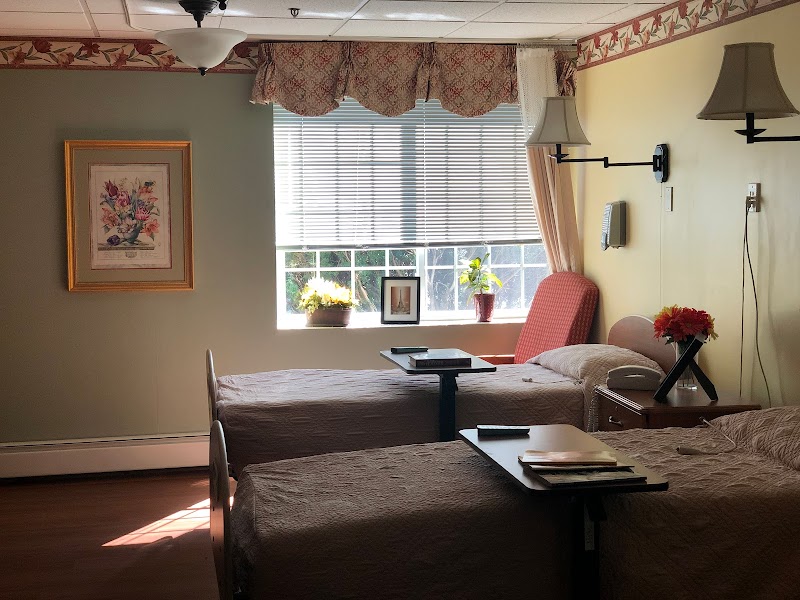
How Does Southshore Health Compare to Other Massachusetts Nursing Homes?

Compared to the 100 nursing homes in Massachusetts, SOUTHSHORE HEALTH CARE CENTER's overall rating (1 stars) is below the state average of 2.9, staff turnover (21%) is significantly lower than the state average of 46%, and health inspection rating (1 stars) is much below the national benchmark.

What Should Families Ask When Visiting Southshore Health?

Based on this facility's data, families visiting should ask: "Can I visit during a mealtime to observe dining assistance and food quality?" "How do you handle medical emergencies, and what is your hospital transfer rate?" "Can I speak with family members of current residents about their experience?"

Is Southshore Health Safe?

Based on CMS inspection data, SOUTHSHORE HEALTH CARE CENTER has a clean safety record: no substantiated abuse findings (meaning no confirmed cases of resident harm), no Immediate Jeopardy citations (the most serious violation level indicating risk of serious injury or death), and is not on the Special Focus Facility watch list (a federal program monitoring the lowest-performing 1% of nursing homes). The facility has a 1-star overall rating and ranks #100 of 100 nursing homes in Massachusetts. While no facility is perfect, families should still ask about staff-to-resident ratios and recent inspection results during their visit.

Do Nurses at Southshore Health Stick Around?

Staff at SOUTHSHORE HEALTH CARE CENTER tend to stick around. With a turnover rate of 21%, the facility is 25 percentage points below the Massachusetts average of 46%. Low turnover is a positive sign. It means caregivers have time to learn each resident's needs, medications, and personal preferences. Consistent staff also notice subtle changes in a resident's condition more quickly.

Was Southshore Health Ever Fined?

SOUTHSHORE HEALTH CARE CENTER has been fined $26,395 across 1 penalty action. This is below the Massachusetts average of $33,343. While any fine indicates a compliance issue, fines under $50,000 are relatively common and typically reflect isolated problems that were subsequently corrected. Families should ask what specific issues led to these fines and confirm they've been resolved.

Is Southshore Health on Any Federal Watch List?

SOUTHSHORE HEALTH CARE CENTER is not on any federal watch list. The most significant is the Special Focus Facility (SFF) program, which identifies the bottom 1% of nursing homes nationally based on persistent, serious quality problems. Not being on this list means the facility has avoided the pattern of deficiencies that triggers enhanced federal oversight. This is a positive indicator, though families should still review the facility's inspection history directly.