CARDIGAN NURSING & REHABILITATION CENTER
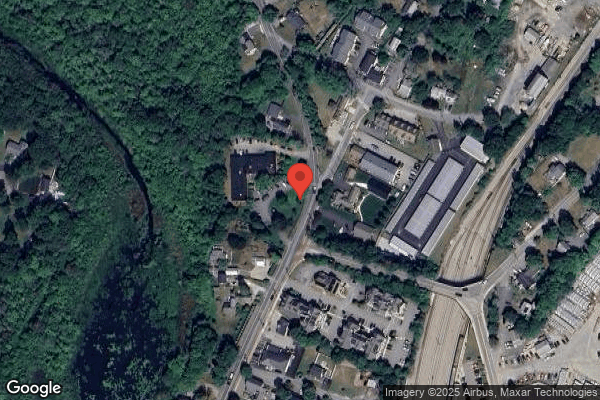

59 COUNTRY WAY, SCITUATE, MA 02066 (781) 545-9477
For profit - Corporation 65 Beds Independent Data: November 2025
Trust Grade
70/100
#76 of 338 in MA
Last Inspection: March 2025

Within standard 12-15 month inspection cycle. Federal law requires annual inspections.

Overview

Cardigan Nursing & Rehabilitation Center has a Trust Grade of B, which means it is considered a good choice among nursing homes. It ranks #76 out of 338 facilities in Massachusetts, placing it in the top half, and #10 out of 27 in Plymouth County, indicating only nine local options are better. However, the facility's trend is worsening, with the number of reported issues increasing from 4 in 2024 to 7 in 2025. Staffing is a mixed bag; while RN coverage is above average-better than 91% of facilities-the turnover rate is concerning at 57%, significantly higher than the state average of 39%. There are no fines reported, which is a positive sign, but specific incidents raise concerns. For example, the facility failed to securely store medications, leaving some unsecured and accessible. Additionally, a lack of a water management plan poses a risk for infections like Legionnaires' disease, and there were issues with food safety practices that could lead to cross-contamination. Overall, while there are strengths in RN coverage and no fines, families should be aware of the rising issues and staffing challenges.

Trust Score
B
70/100
In Massachusetts
#76/338
Top 22%
Safety Record
Low Risk
No red flags
Inspections
Getting Worse
4 → 7 violations
Staff Stability
⚠ Watch
57% turnover. Above average. Higher turnover means staff may not know residents' routines.
Penalties
✓ Good
No fines on record. Clean compliance history, better than most Massachusetts facilities.
Skilled Nurses
✓ Good
Each resident gets 50 minutes of Registered Nurse (RN) attention daily — more than average for Massachusetts. RNs are trained to catch health problems early.
Violations
⚠ Watch
15 deficiencies on record. Higher than average. Multiple issues found across inspections.
★★★★☆
4.0
Overall Rating
★★★☆☆
3.0
Staff Levels
★★★★★
5.0
Care Quality
★★★☆☆
3.0
Inspection Score
Stable
2024: 4 issues
2025: 7 issues

The Good

  • 5-Star Quality Measures · Strong clinical quality outcomes
  • Full Sprinkler Coverage · Fire safety systems throughout facility
  • No fines on record

Facility shows strength in quality measures, fire safety.

The Bad

Staff Turnover: 57%

11pts above Massachusetts avg (46%)

Frequent staff changes - ask about care continuity

Staff turnover is elevated (57%)

9 points above Massachusetts average of 48%

The Ugly 15 deficiencies on record

Mar 2025 7 deficiencies
CONCERN (D)

Potential for Harm - no one hurt, but risky conditions existed

Deficiency F0583 (Tag F0583)

Could have caused harm · This affected 1 resident

Based on observation and interview, the facility failed to ensure resident protected health information (PHI) was secure and not visible to others on one of one nursing units. Findings include: Accord...

Read full inspector narrative →
Based on observation and interview, the facility failed to ensure resident protected health information (PHI) was secure and not visible to others on one of one nursing units. Findings include: According to the National Institute of Health, November 24, 2024, indicated the US Health Insurance Portability and Accountability Act (HIPAA), enacted in 1996, was established to safeguard patient privacy and secure health information. HIPAA sets strict standards for managing, transmitting, and storing protected health information, HIPAA applies to healthcare providers, insurers, and other organizations handling patient data, mandating safeguards to prevent unauthorized access or misuse of sensitive information. HIPAA regulations uphold patients' rights to confidentiality and empower them to control the disclosure of their health information, fostering trust in healthcare systems. On 3/17/25 at 11:08 A.M., the surveyor observed an unattended desktop computer located behind the nurses' station facing toward the entry of the facility. The computer screen was illuminated displaying a resident's name, date of birth , age, attending physician, laboratory values, vital signs, weight, and advanced directive orders. No staff were located at the nurses' station or in the immediate vicinity. The computer screen was visible to others in the vicinity or anyone entering the facility. At 11:11 A.M., three minutes later, the computer screen timed out and blackened. At 3/18/25 at 10:30 A.M., the surveyor observed the Director of Nursing (DON) step away from a desktop computer that was located behind the nurses' station facing the entry of the facility. The computer screen was illuminated displaying a resident's name. No staff were located at the nurses' station or in the immediate vicinity. The computer screen was visible to others in the vicinity and one visitor entering the facility. Four minutes later the DON returned to the desktop. During an interview on 3/18/25 at 2:01 P.M., the Unit Manager said staff are supposed to sign out or close the computer if they get up to protect the residents' identifiable information from being seen by others. She said residents have the right to secure and confidential personal and medical records. During an interview on 3/18/25 at 2:46 P.M., the DON said if staff get up from the desktop, they should close the screen to protect resident identifiable information from being viewed by others.
CONCERN (D)

Potential for Harm - no one hurt, but risky conditions existed

Deficiency F0604 (Tag F0604)

Could have caused harm · This affected 1 resident

Based on observation, interview, and record review, the facility failed for one Resident (#6), out of a total sample of 15 residents, to ensure that the Resident was free from physical restraints. Spe...

Read full inspector narrative →
Based on observation, interview, and record review, the facility failed for one Resident (#6), out of a total sample of 15 residents, to ensure that the Resident was free from physical restraints. Specifically, Resident #6 was placed in a chair in the dining room with the back of the chair placed against a wall and a heavy table positioned close to the Resident restricting the Resident's freedom of movement. Findings include: Review of the facility's policy titled For Use of Restraints, dated November 2015, indicated but was not limited to the following: Restraints shall only be used for the safety and well-being of the residents and only after other alternatives have been tried unsuccessfully. 1. Restraints will only be used after other alternatives have been tried unsuccessfully, and only with informed consent from the resident, physician and/or representative. Practices that are not permitted include: 3c. Placing a resident who uses a wheelchair (or is sitting in a chair) so close to the wall or obstacle that the wall or obstacle prevents the resident from rising. 4. Physical restraints shall not be used to limit resident mobility for the convenience of staff. If a resident's behavior is such that it will result in injury to himself or herself or others and any form of physical restraint is utilized, it shall be in conjunction with a treatment procedure designed to modify the behavioral problems for which the resident is restrained or, as a last resort, after failure of attempted therapy. 5c. Their use is not employed as punishment, for the convenience of staff or as a substitute for supervision. Resident #6 was admitted to the facility in January 2022 and had diagnoses including psychotic disorder not due to a substance or known physiological condition, unspecified dementia, mild cognitive impairment, and major depressive disorder. Review of the Minimum Data Set (MDS) assessment, dated 12/6/24, indicated the Brief Interview for Mental Status (BIMS) was unable to be conducted due to the Resident being rarely/never understood and indicated the Resident was ambulatory with supervision or touching assistance. On 3/13/25 at 8:40 A.M., the surveyor observed Resident #6 sitting in a chair in the unit dining room. The back of the chair was pressed up against a wall with the arms of the chair underneath a large square table which was positioned close to the Resident. An empty armed chair was positioned kitty-corner to the Resident's right blocking the Resident. Another wall was observed approximately two feet to the Resident's left. Resident #6 was observed repeatedly pushing backwards against the chair lifting his/her buttocks off the seat then abruptly sitting back down. The wall behind the Resident and proximity of the table prevented the Resident from rising and limited his/her movement. No staff were present in the dining room. Resident #6 was mumbling nonsensical words. On 3/13/25 at 8:42 A.M., Nurse #1 entered the dining room and sat in the empty chair next to Resident #6 to physically assist him/her with their breakfast tray. At 8:44 A.M., Nurse #1 removed the breakfast tray, moved the chair to the side, then exited the dining room. Nurse #1 did not adjust the Resident's table or chair. No other staff were present in the room. On 3/13/25 at 8:49 A.M., the surveyor observed Resident #6 sitting in a chair in the unit dining room. The back of the chair was pressed up against a wall with the arms of the chair underneath a large square table which was positioned close to the Resident. Another wall was observed approximately two feet to the Resident's left. Resident #6 was observed repeatedly pushing backwards against to chair lifting his/her buttocks off the seat then abruptly sitting back down. The wall behind the Resident and proximity of the table prevented the Resident from rising and limited his/her movement. No staff were present in the dining room. Resident #6 was mumbling nonsensical words. On 3/13/25 at 8:51 A.M., two minutes later, Certified Nursing Assistant (CNA) #4 entered the dining room and said hello to the Resident then exited the dining room. CNA #4 did not adjust the Resident at the table to enable him/her freedom of movement. No other staff were present in the dining room. Resident #6 was observed lifting his/her buttocks off the seat then sitting back down. On 3/13/25 at 8:54 A.M., three minutes later, the surveyor observed Nurse #1 and CNA #5 enter the dining room then exited at 8:55 A.M. Nurse #1 and CNA #5 did not adjust the table or chair to allow the Resident to rise and for the freedom of movement. The Resident attempted to push backwards against the wall to lift his/her buttocks up from the chair but abruptly sat back down. A creaking noise was heard from the wood of the chair frame rubbing against the wall. On 3/13/25 at 9:12 A.M., CNA # 6 was observed walking Resident #6 back to his/her room. On 3/17/25 at 7:39 A.M., the surveyor observed Resident #6 sitting in a chair in the unit dining room. The back of the chair was pressed up against a wall with the arms of the chair at the edge of a large square table which was positioned close to the Resident. Another wall was observed approximately two feet to the Resident's left. No staff were present in the dining room. At 7:55 A.M., the surveyor observed Resident #6 standing from his/her chair and attempting to shuffle to his/her right but was unable and sat back down. The arm of the chair and table obstructed the Resident's movement. Nurse #1 entered the dining room to administer medications to another resident then exited the room. At 7:44 A.M., Resident #6 was observed pushing off from his/her feet lifting his/her buttocks from the chair then sat back down. No staff were present in the dining room. On 3/17/25 at 8:45 A.M., the surveyor observed Resident #6 in the unit dining room seated in stationary chair. The chair was observed against the wall and a table was pulled up close to the Resident. Resident #6 attempted to stand up but was unable to. During an interview on 3/17/25 at 9:40 A.M., the Director of Nursing (DON) said the facility did not have anyone with restraints. On 3/18/25 at 7:29 A.M., the surveyor observed Resident #6 sitting in a chair in the unit dining room. The back of the chair was pressed up against a wall with the arms of the chair at the edge of a large square table which was positioned close to the Resident. Another wall was observed approximately two feet to the Resident's left. No staff were present in the dining room. Resident #6 was observed repeatedly pushing backwards against to chair/wall lifting his/her buttocks off the seat then abruptly sitting back down. Resident #6 was mumbling nonsensical words. Two staff members briefly entered the dining room then left. No other staff were present. During an interview on 3/18/25 at 7:34 A.M., Nurse #1 entered the dining room and said the Resident displayed behaviors such as restlessness, agitation, and wandering. She said once the Resident goes back to his/her room he/she would probably stop. The Unit Manager (UM) entered the dining room and said she didn't know if the Resident would be able to move the table forward to stand. The UM pulled the table away from the Resident who stood immediately from his/her chair, stepped to the right, then began to ambulate (walk). Nurse #1 and the UM said the placement of the chair against the wall and the table so close to the Resident preventing him/her from rising and motion away from the table would be considered a restraint. Nurse #1 said the Resident should be able to move freely. The UM said the Resident was not safe to be left alone in just a standard chair in the dining room and said the placement/positioning of the Resident in the dining room was not purposeful. During an interview on 3/18/25 at 8:58 A.M., CNA #7 said the Resident was a safety risk and shouldn't have been left alone in the dining room without staff present. She said the Resident required assistance with ambulation and said once he/she sits in the dining room he/she sits but said they'll be doing things differently now since surveyor intervention. During an interview on 3/1825 at 2:53 P.M., the Director of Nursing (DON) said the table and chair should have allowed the Resident freedom of movement and motion and not have boxed him/her in. She said the Resident gets restless and has slowed down, but wanders. The DON said staff should not intentionally box the Resident in for staff convenience.
CONCERN (D)

Potential for Harm - no one hurt, but risky conditions existed

Deficiency F0883 (Tag F0883)

Could have caused harm · This affected 1 resident

**NOTE- TERMS IN BRACKETS HAVE BEEN EDITED TO PROTECT CONFIDENTIALITY** Based on record review, document review, and interview, the facility failed to ensure one Resident ( #28), out of a total sample...

Read full inspector narrative →
**NOTE- TERMS IN BRACKETS HAVE BEEN EDITED TO PROTECT CONFIDENTIALITY** Based on record review, document review, and interview, the facility failed to ensure one Resident ( #28), out of a total sample of five residents reviewed for immunizations, was screened for eligibility to receive the recommended pneumococcal vaccinations, residents/residents' representatives were educated on the benefits and potential side effects of the vaccine, and was offered and administered (if applicable) the vaccine in a timely manner. Findings include: Review of the facility's policy titled Pneumococcal Vaccine (Series), dated February 2022, indicated but was not limited to the following: -It is our policy to offer our residents, staff, and volunteer workers immunization against pneumococcal disease in accordance with current Centers for Disease Control and Prevention (CDC) guidelines and recommendations. -Each resident will be assessed for pneumococcal immunization upon admission. Self-report of immunization shall be accepted. Any additional efforts to obtain information shall be documented, including efforts to determine date of immunization or type of vaccine received. -Every resident will be offered a pneumococcal immunization unless it is medically contraindicated, or the resident has already been immunized. -Prior to offering the pneumococcal immunization, each resident or the resident's representative will receive education regarding the benefits and potential side effects of the immunization. -The resident/representative retains the right to refuse the immunization. A consent form shall be signed prior to the administration of the vaccine and filed in the individual's medical record. -The type of pneumococcal vaccine (PCV15, PCV20, or PPSV23/PPSV) offered will depend upon the recipients age and susceptibility to pneumonia, in accordance with current CDC guidelines and recommendations. -The resident's medical record shall include documentation that indicates at a minimum, the following: a. The resident or resident's representative was provided education regarding the benefits and potential side effects of pneumococcal immunization. b. The resident received the pneumococcal immunization or did not receive due to medical contraindications or refusal Review of the Centers for Disease Control and Prevention (CDC) guidance titled Recommended Adult Immunization Schedule for Ages 19 Years or Older, United States, 2025, indicated but was not limited to the following: Pneumococcal Vaccination Age 50 years or older who have: -Previously received both PCV13 and PPSV23, but no PPSV23 was received at age [AGE] years or older: 1 dose of PCV20 or 1 dose of PCV21 at least 5 years after the last pneumococcal vaccine dose. Resident #28 was admitted to the facility in June 2020 and was [AGE] years old. Review of the Resident's Immunization Record indicated the following: -Pneumovax Dose 1 (PPSV23- polysaccharide vaccine 23-valent) was administered on 11/4/2010, outside the facility -Pneumovax Dose 2 (PCV13 - Prevnar 13) was administered on 1/21/2016, outside the facility Further review of the medical record failed to indicate documentation of follow up screening, an assessment for eligibility to receive the recommended Pneumococcal vaccine dose (PCV20 or PCV21), the provision of education related to the Influenza and Pneumococcal vaccines, signed consent to either receive or refuse the vaccines, and offering and/or administration of the vaccine. During an interview on 3/18/25 at 1:09 P.M., the Infection Preventionist (IP) said she followed CDC guidelines for pneumonia vaccines and said Resident #28 had not had any further pneumococcal vaccinations. She said the Resident was not up to date with their pneumococcal vaccinations and the Resident/representative should have been offered the PCV20, but he/she was not. During an interview on 3/18/25 at 2:43 P.M., the Director of Nursing said Resident #28 was not up to date with their pneumococcal vaccination and PCV20 should have been offered.
CONCERN (E)

Potential for Harm - no one hurt, but risky conditions existed

Grievances (Tag F0585)

Could have caused harm · This affected multiple residents

Based on observation, interview, and policy review, the facility failed to: 1. Ensure grievance forms were available in resident care and public areas, so residents and/or visitors were able to access...

Read full inspector narrative →
Based on observation, interview, and policy review, the facility failed to: 1. Ensure grievance forms were available in resident care and public areas, so residents and/or visitors were able to access the forms without requesting staff assistance; and 2. Ensure the facility's grievance policy included all the required elements. Findings include: 1. On 3/18/25 at 9:36 A.M., the surveyor toured the unit and was unable to locate grievance forms. The Administrator joined the surveyor and said the forms were kept in a cabinet behind the nurses' station. She said they were not easily accessible to the residents and/or visitors. The Administrator said the residents just ask for them. On 3/18/25 at 11:00 A.M., the surveyor held a resident group meeting with 11 residents in attendance representing one of one unit. One resident slept throughout the meeting. Nine out of 10 residents said grievance forms were not available on the unit. During an interview on 3/18/25 at 2:12 P.M., with the Administrator, Activities Director, (AD) and Director of Nursing, the Administrator said grievances can be verbal or written. She said completed grievance forms go to the grievance official, the SW. She said the SW then goes to the departments responsible where they will work on addressing the grievance then place the completed copy in the grievance book. She said the SW reviews the forms for completeness. The Administrator said grievance forms should be accessible to the residents on the unit. During an interview on 3/18/25 at 3:18 P.M., the SW said grievance forms were in a binder behind the nurses' station. She said residents or family members can fill out the forms which should have been readily available. 2. Review of the facility's policy titled Resident Grievance/Complaint Procedure, undated, indicated but was not limited to the following: -Any resident, his or her representative (sponsor), interested family member(s) or advocate, may file a grievance or complaint concerning his or her treatment, medical care, behavior of other residents, staff members, theft of property, etc., without fear of threat or reprisal in any form. -Obtain a grievance/complaint report from the nurses' station. -Answer all questions on the report form, as applicable. Be sure information is accurate. -Be sure that you sign and date the form. -Give the completed report form to the Social Services department or to the administrator. -In ten (10) working days of the date you filed the report, you will be informed orally of the results of the investigation. -Should you disagree with the findings, recommendations, or actions taken, you may meet with the administrator, or you may file a complaint with any of the agencies listed on the residents' bulletin board. (Near the front door). -It is the policy of this facility to assist you in filing a grievance or complaint. Should you feel that our staff has not assisted you in this matter, or you feel that you are being discriminated against for taking such steps, you are encouraged to report such incidents to the administrator at once. Further review of the facility's policy failed to indicate the following as required: (i) Notifying resident individually or through postings in prominent locations throughout the facility of the right to file grievances orally (meaning spoken) or in writing; the right to file grievances anonymously; the contact information of the grievance official with whom a grievance can be filed, that is, his or her name, business address (mailing and email) and business phone number; (ii) Identifying a Grievance Official who is responsible for overseeing the grievance process, receiving and tracking grievances through to their conclusions; leading any necessary investigations by the facility; maintaining the confidentiality of all information associated with grievances, for example, the identity of the resident for those grievances submitted anonymously, issuing written grievance decisions to the resident; and coordinating with state and federal agencies as necessary in light of specific allegations; (iii) As necessary, taking immediate action to prevent further potential violations of any resident right while the alleged violation is being investigated; (v) Ensuring that all written grievance decisions include the date the grievance was received, a summary statement of the resident's grievance, the steps taken to investigate the grievance, a summary of the pertinent findings or conclusions regarding the resident's concerns(s), a statement as to whether the grievance was confirmed or not confirmed, any corrective action taken or to be taken by the facility as a result of the grievance, and the date the written decision was issued; (vi) Taking appropriate corrective action in accordance with State law if the alleged violation of the residents' rights is confirmed by the facility or if an outside entity having jurisdiction, such as the State Survey Agency, Quality Improvement Organization, or local law enforcement agency confirms a violation for any of these residents' rights within its area of responsibility; and (vii) Maintaining evidence demonstrating the result of all grievances for a period of no less than 3 years from the issuance of the grievance decision. During an interview on 3/18/25 at 3:18 P.M., the Social Worker said sometimes she helps with the grievance policy but said she wasn't sure of the regulatory language that should have been included in the policy. She said the policy looked old. During an interview on 3/18/25 at 3:39 P.M., the surveyor reviewed the grievance policy with the Director of Nursing (DON) who did not answer when the missing required elements were reviewed.
CONCERN (E)

Potential for Harm - no one hurt, but risky conditions existed

Deficiency F0679 (Tag F0679)

Could have caused harm · This affected multiple residents

Based on records reviewed and interviews, the facility failed to ensure activity programs were offered consistently on Sundays to meet the needs of residents residing on one of one units in the facili...

Read full inspector narrative →
Based on records reviewed and interviews, the facility failed to ensure activity programs were offered consistently on Sundays to meet the needs of residents residing on one of one units in the facility. Findings include: Review of the facility's policy titled Activities, dated 1/5/23, indicated but was not limited to: - Policy: It is the policy of this facility to provide an ongoing program to support residents in the choice of activities based on their comprehensive assessment, care plan, and preferences. Facility-sponsored group, individual, and independent activities will be designed to meet the interests of each resident, as well as support their physical, mental, and psychological well-being. Activities will be offered Monday thru Friday and either Saturdays or Sunday. During the initial resident screening on 3/17/25, the residents expressed the following concerns about the activities at the facility: - Activities are usually Monday through Friday, there are little activities on the weekends. - The weekends are boring; most activities occur during the week. - There are no activities on Sundays. - Activities are only on Monday to Saturday, activities only happen on Sundays if there is entertainment. - There are no activities on Sundays, so he/she just watched movies. - On Sundays there are no activities, so he/she would just stay in their room. Review of the January 2025, February 2025, and March 2025 (up to March 16, 2025) Activity calendar failed to indicate activities were scheduled on 11 out of 11 Sundays. Review of the January 2025, February 2025, and March 2025 (up to March 16, 2025) Activity Staff punch card detail report indicated activity staff working Sundays on the first-floor unit as follows: - Sunday 1/5/25: 1 activity staff 8:00 A.M. to 11:00 A.M. - Sunday 1/12/25: 0 activity staff - Sunday 1/19/25: 0 activity staff - Sunday 1/26/25: 0 activity staff - Sunday 2/2/25: 1 activity staff 8:00 A.M. to 11:00 A.M. - Sunday 2/9/25: 0 activity staff - Sunday 2/16/25: 0 activity staff - Sunday 2/23/25: 0 activity staff - Sunday 3/3/25: 1 activity staff 8:00 A.M. to 11:00 A.M. - Sunday 3/9/25: 1 activity staff 8:00 A.M. to 11:00 A.M. - Sunday 3/16/25: 0 activity staff On 3/17/2025 at 11:48 A.M., the surveyor toured the first-floor dining room/activity room and observed a bookshelf with books on it, no other activity materials were observed. During an interview on 3/17/25 at 7:50 A.M., Certified Nursing Assistant (CNA) #1 said the facility had activities on Saturdays. CNA #1 said the facility used to have activities on Saturdays and Sundays but now there were only activities on Saturdays. CNA #1 said the staff would talk to residents or the residents would watch television. During an interview on 3/17/25 at 8:54 A.M., Nurse #2 said residents would watch movies on Sundays or sometimes do arts and crafts if they were able to. During an interview on 3/17/25 at 9:00 A.M., Nurse #3 said on Saturdays the residents would go downstairs to activities for coffee hours, arts and crafts, watch a movie, and sometimes there would be entertainment. Nurse #3 said there were no activities on Sundays except occasionally there would be entertainment. During an interview on 3/17/25 at 11:38 A.M., CNA #2 said on Saturdays there were activities such as bingo, movies, and music. CNA #2 said sometimes in the afternoon on Sundays there would be an entertainer but not often. During an interview on 3/18/25 at 9:50 A.M., the Director of Nursing (DON) said there was not an activity basket in the first-floor dining room/activity room for residents to use when there were no activities. During an interview on 3/18/25 at 11:06 A.M., the Activity Director (AD) said the activity department consisted of her and an activity assistant. The AD said she used to work on Sundays but has not been able to work Sundays for about five or six months. The AD said on Sundays was when families would usually visit their loved ones, residents could watch television or listen to music, visit each other, or if they wanted to color or do crafts then the staff could go to the activity closet downstairs and get them there. The AD said she used to leave an activity basket upstairs for residents but does not anymore. The AD said on 1/5/25, 2/2/25, 3/2/25, and 3/9/25 she was not in the facility, but the three hours on her timecards were for running errands for the residents during the week. The AD said there were not any scheduled activities on Sundays. During an interview on 3/18/25 at 2:23 P.M., the Administrator said there were no activities on Sundays due to lack of staffing.
CONCERN (E)

Potential for Harm - no one hurt, but risky conditions existed

Medication Errors (Tag F0758)

Could have caused harm · This affected multiple residents

Based on record review and interview, the facility failed to ensure that for one Resident (#28), out of a total sample of 15 residents, that the resident's drug regimen was free of unnecessary psychot...

Read full inspector narrative →
Based on record review and interview, the facility failed to ensure that for one Resident (#28), out of a total sample of 15 residents, that the resident's drug regimen was free of unnecessary psychotropic drugs. Specifically, the facility failed to ensure behaviors were monitored to evaluate the effectiveness for the use of antipsychotic, antidepressant, and antianxiety medications. Findings include: Review of the facility's policy titled Policy and Procedure for Use of Psychotropic Drugs, undated, indicated but was not limited to the following: -Residents are not given psychotropic drugs unless the medication is necessary to treat a specific condition, as diagnosed and documented in the clinical record, and the medication is beneficial to the resident, as demonstrated by monitoring and documentation of the resident's response to the medication(s). -A psychotropic drug is a drug that affects brain activities associated with mental processes and behavior. Psychotropic drugs include but are not limited to the following categories: antipsychotics, antidepressants, anti-anxiety, and hypnotics. -The effects of the psychotropic medications on a resident's physical, mental and psychosocial well-being will be evaluated on an ongoing basis, such as upon physical evaluation, during pharmacist's monthly medication regimen review, during MDS review and in accordance with nurse assessments and medication monitoring parameters. -The resident's response to the medication(s), including progress towards goals and presence/absence of adverse consequences, shall be documented in the resident's medical record. Resident #28 was admitted to the facility in June 2020 and had diagnoses including anxiety disorder, major depressive disorder, unspecified psychosis not due to a substance or known physiological condition, and unspecified dementia with other behavioral disturbance. Review of the Minimum Data Set (MDS) assessment, dated 1/24/25, indicated Resident #28 had severe cognitive impairment as evidenced by a Brief Interview for Mental Status (BIMS) score of 4 out of 15 and received antipsychotic and antidepressant medications. Review of current Physician's Orders indicated the following: -olanzapine (antipsychotic) tablet 2.5 milligrams (mg), give 1 tablet by mouth one time a day related to unspecified psychosis not due to a substance or known physiological condition, 8/6/21 - olanzapine tablet 2.5 mg, give 1.25 mg by mouth one time a day related to unspecified psychosis not due to a substance or known physiological condition, administer ½ tablet for dose of 1.25 mg, 5/15/19 -sertraline (antidepressant) HCL oral tablet 25 mg, give 25 mg by mouth one time a day related to major depressive disorder, single episode, unspecified, may take with 50 mg tab for TD 75 mg, 1/29/25 -sertraline HCL oral tablet 50 mg, give 50 mg by mouth one time a day related to major depressive disorder, single episode, unspecified, may take with 25 mg tab for TD 75 mg, 1/29/25 -Ativan oral tablet 0.5 mg (Lorazepam), give 0.5 mg by mouth as needed for anxiety related to anxiety disorder, unspecified, for 14 days twice daily, 1/11/25, stop date 1/24/25 -Ativan oral tablet 0.5 mg, give 0.5 mg by mouth as needed for anxiety related to anxiety disorder, unspecified, for 14 days twice daily, 2/7/25, stop date 2/19/25 -Ativan oral tablet 0.5 mg, give 0.5 mg by mouth as needed for anxiety related to anxiety disorder, unspecified, for 14 days twice daily, 2/19/25, stop date 3/5/25 Review of the comprehensive care plans indicated the following: Focus: -Resident receives daily use of antidepressant, antianxiety and antipsychotic medications related to diagnosis of psychosis, anxiety, and depression, 4/25/18 Goal: -Resident will be/remain free of drug related complications, including movement disorder, discomfort, hypotension, gait disturbance, constipation/impaction or cognitive/behavioral impairment through review date, revised 5/2/24 Interventions: -Administer medications as ordered, 4/25/18 -Monitor/record occurrence of for target behavior symptoms: pacing, wandering, disrobing, inappropriate response to verbal communication, violence/aggression towards staff/others and document per facility protocol, 4/25/18 -Monitor/record/report to MD prn (as needed side effects and adverse reactions of psychoactive medications: unsteady gait, tardive dyskinesia, EPS (shuffling gait, rigid muscles, shaking), frequent falls, refusal to eat, difficulty swallowing, dry mouth, depression, suicidal ideations, social isolation, blurred vision, diarrhea, fatigue, insomnia, loss of appetite, weight loss, muscle cramps, nausea, vomiting, behavior symptoms not usual to the person, 4/25/18 Review of the January 2025 through March 2025 Medication Administration Records (MARs) indicated that olanzapine, sertraline, and Ativan were administered as ordered by the physician. Review of the January 2025 through March 2025 Behavior Monthly Flow Sheets indicated that the Resident was being monitored for mood changes, refusing medications, and refusing meals. There were no appropriate targeted behaviors identified on the flow sheets for the use of olanzapine prescribed for psychosis, sertraline prescribed for major depression, or Ativan prescribed for anxiety. Further review of the medical record failed to indicate that staff monitored the Resident for targeted behaviors related to the use of the psychotropic medications as required. During an interview on 3/17/25 at 2:04 P.M., the surveyor reviewed the medical record with Nurse #3 who said the Resident took Ativan as needed, olanzapine, and sertraline but the behavior monitoring flow sheets did not have specific targeted behaviors related to their use listed for monitoring. She said there was nowhere else staff would document that she knew of other than if the Ativan is given as needed, they'd write a note. Nurse #3 said the Resident disrobes, wanders often into other people's rooms, has agitation and restlessness but none of those were listed on the flow sheets for monitoring. She said the flow sheets only indicated mood changes which were non-specific and indicated refusing medications and meals. During an interview on 3/17/25 at 2:16 P.M., the Unit Manager (UM) said the Resident is stubborn and intrusive at times and goes for days without doing much of anything. She said if he/she wants to get ready for bed he/she will disrobe and attempt to transfer him/herself but it wasn't safe to do so. The UM said she completed the Resident's behavioral sheets and just put to monitor for mood changes. She said it's such a small facility and staff know. She said the purpose of monitoring behaviors is to see if the medication is working, if the dose is right, how many behavioral episodes the Resident is having, and monitoring for any adverse events. When asked how this was determined if the identified trigger behaviors were not listed on the behavioral sheets to be monitored, she said, I don't have an answer for that. During an interview on 3/18/25 at 3:02 P.M., the surveyor reviewed the medical record with the Director of Nursing (DON) who said some of the triggered behaviors identified on the care plan for Resident #28 included wandering, disrobing, inappropriate response to verbal communication, and violence or aggression so they should have been added to the flow sheets for monitoring instead of just putting mood changes. She said it should have been more specific. The DON said residents are monitored for episodes of the identified trigger behaviors to possibly do a gradual dose reduction and to identify a pattern. She said it might not be the right medication or dose. She said she hears verbal reports, but if it's not documented then it didn't happen. She reviewed the progress notes with the surveyor and said behaviors were not documented other than if the Resident refused medications and said documentation should be consistent each shift.
CONCERN (E)

Potential for Harm - no one hurt, but risky conditions existed

Deficiency F0868 (Tag F0868)

Could have caused harm · This affected multiple residents

Based on interview and document review, the facility failed to maintain a Quality Assurance and Performance Improvement (QAPI) Committee which included the required members at their meetings. Specific...

Read full inspector narrative →
Based on interview and document review, the facility failed to maintain a Quality Assurance and Performance Improvement (QAPI) Committee which included the required members at their meetings. Specifically, the facility's Infection Preventionist failed to attend two of the last three quarterly QAPI meetings and the Medical Director failed to attend one of the last three quarterly QAPI meetings. Findings include: Review of the facility's policy titled Quality Assessment and Assurance Committee, dated 11/19/24, indicated but was not limited to: - Policy: This facility will maintain a Quality Assessment and Assurance (QAA) Committee to identify quality issues and develop appropriate plans of action to correct quality deficiencies through an interdisciplinary approach. - The Committee will be composed of staff who understand the characteristics and complexities of the care and services delivered in each unit and/or department. The QAA committee will be composed of at a minimum: - The Director of Nursing - The Medical Director or his/her designee - At least three (3) other facility staff members, at least one of which must be the administrator, owner, a board member or other individual in a leadership role - The Infection Preventionist Review of the QAPI Attendance Sheets, dated 8/20/24 and 2/18/25, failed to indicate the Infection Preventionist was in attendance. Review of the QAPI Attendance Sheets, dated 11/19/24, failed to indicate the Medical Director was in attendance. During an interview on 3/18/25 at 2:46 P.M., the Infection Preventionist (IP) said she would usually attend the QAPI meetings but had to miss a few because of working off shifts. During an interview on 3/18/25 at 3:37 P.M., the Administrator reviewed the QAPI Attendance Sheets, dated 8/20/24, 11/19/24, and 2/18/25. The Administrator said the Medical Director had not signed in on 11/19/24. The Administrator said the IP had not signed in on 8/20/24 and 2/18/25. The Administrator said the IP would try to attend the QAPI meeting but had missed a few meetings because of working the 11:00 P.M. to 7:00 A.M. shift.
Feb 2024 4 deficiencies
CONCERN (D)

Potential for Harm - no one hurt, but risky conditions existed

Deficiency F0849 (Tag F0849)

Could have caused harm · This affected 1 resident

**NOTE- TERMS IN BRACKETS HAVE BEEN EDITED TO PROTECT CONFIDENTIALITY** Based on record review, hospice contract review, policy review, and staff interview, the facility failed to ensure for one Resid...

Read full inspector narrative →
**NOTE- TERMS IN BRACKETS HAVE BEEN EDITED TO PROTECT CONFIDENTIALITY** Based on record review, hospice contract review, policy review, and staff interview, the facility failed to ensure for one Resident (#30), out of a total sample of 12 residents, that hospice services were provided in accordance with professional standards and principles between the hospice service provider and the facility. Specifically, the facility failed to: a. Designate a member of the facility's interdisciplinary team who was responsible for working with hospice representatives to coordinate care to the Resident; b. Ensure the hospice provided a copy of the plan of care for the Resident in the medical record which included the details concerning the scope and severity and frequency of hospice services; and c. Ensure both the hospice and nursing facility maintained the appropriate documentation of services provided in the medical record including hospice visits, the hospice election form (Resident's option to elect to receive hospice services), and physician certification of the terminal illness specific to the Resident to ensure prompt communication and continuity of care. Findings include: Review of the Hospice Provider Agreement, dated March 2009, indicated but was not limited to the following: Responsibility of Hospice: -The hospice and the representative for the facility shall develop, at the time an eligible resident is admitted into the hospice program, a Hospice Plan of Care for the management and palliation of the resident's terminal illness. The hospice shall furnish a copy of the hospice plan for the resident to the facility at the time of the resident's admission into the hospice program. -The plan of care will include: an assessment of each hospice patient's/family needs; the identification of hospice services, including management of discomfort and symptom relief, appropriate to meet such hospice patient's needs and the related needs of the hospice patient and family; and details concerning the scope and frequency of such hospice services including visits. Services to be provided by Nursing Facility: -Nursing facility shall inform terminally ill resident of the nursing facility of the resident's option to elect to receive hospice services, subject to such residents meeting the hospice's criteria for admission. -Appropriate documentation will be made in the nursing facility's medical record by hospice and nursing facility staff, according to the procedures and forms of the hospice and nursing facility. The medical record shall include a record of all inpatient services and events. Joint Responsibility: -Hospice and facility shall jointly develop and agree upon the patient's plan of care -Hospice and facility shall maintain a copy of each patient's plan of care in the respective clinical records maintained by each party -Nursing facility and hospice shall each prepare and maintain complete and detailed clinical records -Each clinical record shall completely, promptly, and accurately document all services provided to, and events concerning, each hospice patient including evaluation, treatment, progress notes, authorization to admission to hospice and/or nursing facility and physician orders. Review of the facility's policy titled Coordination of Hospice Services, dated January 2022, indicated but was not limited to the following: -The facility will coordinate and provide care in cooperation with hospice staff in order to promote the resident's highest practicable, physical, mental, and psychosocial well-being -The facility and hospice provider will coordinate a plan of care and will implement interventions in accordance with the resident's needs, goals, and recognized standards of practice -The plan of care will identify the care and services that each entity will provide in order to meet the needs of the resident and his/her expressed desire for hospice care -The facility will communicate with the hospice and identify, communicate, follow, and document all interventions put into place by hospice and the facility Resident #30 was admitted to the facility in January 2024 with diagnoses including unspecified dementia, chronic lymphocytic leukemia of B-cell type, malignant neoplasm of bladder, and neurocognitive disorder with Lewy bodies (clumps of a protein that accumulates in the brain involved in thinking, memory, and movement). Review of the Minimum Data Set (MDS) assessment, dated 1/14/24, indicated Resident #30 had severe cognitive impairment as evidenced by a Brief Interview for Mental Status (BIMS) score of 0 out of 15 and was receiving hospice care. Review of the Physician's Orders indicated an order to admit Resident #30 to hospice, 1/9/24. a. During an interview on 1/31/24 at 2:53 P.M., Unit Manager (UM) #1 said Social Worker #1 was the point person for hospice coordination between the hospice provider and facility staff. During an interview on 2/1/24 at 11:33 A.M., Social Worker #1 said she placed calls to hospice with referrals but did not oversee the documentation or coordination of hospice care. She said she was not involved in that, the Director of Nursing (DON) was. During an interview on 2/1/24 at 11:46 A.M., the DON said she didn't realize she was responsible for hospice oversight as Social Worker #1 had suggested. During an interview on 2/1/24 at 12:49 P.M., the Administrator said there was no designated facility staff member to coordinate care to the Resident provided by the long-term care facility staff and hospice staff. b. Review of Resident #30's medical record and hospice binder failed to indicate a copy of the hospice plan of care for the management and palliation of the Resident's terminal illness which included the details concerning the scope and severity and frequency of hospice services at the time of the Resident's admission into the hospice program. During an interview on 1/31/24 at 2:44 P.M., the surveyor reviewed the hospice binder with UM #1 who said she wasn't sure why the hospice plan of care wasn't in the binder yet and said that hospice had not provided a schedule to the nursing facility for the hospice services to be provided yet including the frequency of visits. During an interview on 2/1/24 at 11:06 A.M., Nurse #1 said Resident #30 started on hospice services on 1/9/24 and has cared for him/her all along. She said she wasn't aware of who from the hospice staff was coming in or when, they just came in. Nurse #1 said Resident #30 has not had a hospice plan of care since admission to hospice and was unable to describe any specifics to the surveyor. During an interview on 2/1/24 at 11:30 A.M., Hospice Staff #1 said Hospice Staff #2 was the assigned nurse case manager but was not available for interview. She said there should have been a hospice plan of care in the medical record by now and would fax it over. She said Hospice Staff #2 was responsible for ensuring all the required information was in the chart. During an interview on 2/1/24 at 11:46 A.M., the DON said the hospice provider's plan of care should have been in the Resident's medical record but wasn't and could not have been integrated with their own if they didn't have it. During an interview on 2/1/24 at 12:49 P.M., the Administrator said a copy of the hospice plan was not provided to the nursing facility by the hospice provider for Resident #30 and was not followed up on but should have been. c. Review of Resident #30's medical record and hospice binder failed to indicate both the hospice and nursing facility maintained the appropriate documentation of services provided including hospice visits, the hospice election form, and physician certification of the terminal illness specific to the Resident to ensure prompt communication and continuity of care. Further review of the hospice binder indicated documentation of two hospice visits since the Resident's admission on [DATE] including a 1/12/24 social worker visit and a 1/25/24 nursing visit. The hospice binder failed to indicate any further documentation of communication between the hospice provider and long-term care facility staff to ensure the Resident's needs were being addressed. During an interview on 2/1/24 at 11:00 A.M., UM #1 said Hospice Staff #2 had been in earlier that day to see the Resident and told her there was a lot of missing information in the Resident's hospice binder but would fax it over. During an interview on 2/1/24 at 11:06 A.M., Nurse #1 said she was assigned to the Resident that day and had cared for him/her all along since admission. She said Hospice Staff #2 was in earlier that day to visit the Resident but did not communicate anything to her. During an interview on 2/1/24 at 11:30 A.M., Hospice Staff #1 said Hospice Staff #2 was the assigned nurse case manager but was not available for interview. She said Hospice Staff #2 was responsible for ensuring all the required information was in the chart. Hospice Staff #1 said hospice visits were made to the Resident on 1/9/24 (nursing), 1/10/24 (home health aide) (HHA), 1/11/24 (nursing), 1/12/24 (social worker), 1/15/24 (chaplain), 1/16/24 (HHA), 1/18/24 (nursing), 1/24/24 (HHA), 1/25/24 (nursing), 1/31/24 (HHA), and 2/1/24 (nursing). She said hospice representatives are supposed to be entering their visits on the log in the hospice binder, complete the visit form the day of the visit and place it into the binder, and communicate to staff. She said Hospice Staff #2 had been out on leave so maybe that's why the documentation wasn't there. During an interview on 2/1/24 at 11:46 A.M., the DON said the appropriate documentation of hospice services and forms, including the hospice election form and physician certification of the terminal illness form, should have been maintained in the medical record but weren't. She said they're a small facility so it's mostly verbal communication and don't do well at documenting it. During an interview on 2/1/24 at 12:49 P.M., the Administrator said the Resident's medical record did not include all of the required hospice documentation but should have and there was no oversight.
CONCERN (E)

Potential for Harm - no one hurt, but risky conditions existed

Resident Rights (Tag F0550)

Could have caused harm · This affected multiple residents

Based on observation and interview, the facility failed to ensure residents in one of two dining areas experienced a dignified and homelike dining experience. Specifically, staff stood while assisting...

Read full inspector narrative →
Based on observation and interview, the facility failed to ensure residents in one of two dining areas experienced a dignified and homelike dining experience. Specifically, staff stood while assisting residents with eating. Findings include: During dining observations made on 1/30/24, 1/31/24 and 2/1/24, the surveyor observed the following in the basement level dining area: On 1/30/24 at 12:42 P.M. through 1:00 P.M., the surveyor observed 19 residents seated in the dining area. Three staff members were observed to stand during this time frame while they fed several different residents the lunch meal. On 1/31/24 at 12:03 P.M. through 12:31 P.M., the surveyor observed 22 residents seated in the dining area. Three staff members were observed to stand during this time frame while they fed several different residents the lunch meal. On 2/1/24 at 12:17 P.M. through 12:56 P.M., the surveyor observed 26 residents seated in the dining area. Four staff members were observed to stand during this time frame while they fed several different residents the lunch meal. During an interview on 2/1/24 at 1:35 P.M., the Administrator was made aware of the surveyor's observations of the dining experience provided to the residents. The Administrator said all residents should be provided with a dignified dining experience and staff should never stand while assisting residents with eating.
CONCERN (F)

Potential for Harm - no one hurt, but risky conditions existed

Deficiency F0761 (Tag F0761)

Could have caused harm · This affected most or all residents

**NOTE- TERMS IN BRACKETS HAVE BEEN EDITED TO PROTECT CONFIDENTIALITY** Based on observation and interview, the facility failed to ensure that all biologicals and medications no longer in use (medicat...

Read full inspector narrative →
**NOTE- TERMS IN BRACKETS HAVE BEEN EDITED TO PROTECT CONFIDENTIALITY** Based on observation and interview, the facility failed to ensure that all biologicals and medications no longer in use (medication discontinued or resident no longer at the facility) were properly stored and/or disposed of. Specifically, the facility failed to ensure the medications in the storage room were stored securely and in locked plastic containers. Findings include: On [DATE] at 3:47 P.M., the surveyor inspected the facility's medication storage room with Unit Manager #1. During the inspection, the surveyor observed two large, unsecured/unlocked plastic containers on the counter to the right-hand side of the sink filled with medication cards (blister pack cards) with various resident names on them. Medications observed in the two medication storage containers included but were not limited to the following: -Hyoscyamine tablets, 0.125 mg, 30 tablets -Omeprazole 20 mg tablets, 28 tablets -Nicotine Patches 21 mg, 14 patches -Cholestyramine packets, 60 packets -Silvadene cream 400 grams -Silvadene cream, 1 tube -Hyosyne drops-1 bottle -Lidocaine 1% -2 vials -Commanding, 1 pill -Elation gummiest-1 bottle -Xylocaine 5 vials -Lactulose, 1 bottle -Prednisolone eye drops, 1 bottle -Ceftriaxone, 2 vials -Lidocaine, 3 vials -Xylocaine, 2 vials -Lidocaine, vials, 1 box -Ceftriaxone, 4 vials -Albuterol nebulizers, 1 box -Symbicort inhaler, 1 multidose inhaler -Coumadin, 1 blister pack card -Silvadene cream, 1 jar -Mesalamine caps, 1 bag -Coumadin 3 mg tabs During an interview on [DATE] at 3:48 P.M., Unit Manager #1 said that the medications should have been destroyed. The medications had been either discontinued, and/or from residents that were deceased or had been discharged . During an interview on [DATE] at 4:45 P.M., the Director of Nursing said that the medications stored in the two plastic containers should not have been left unsecured on the counter in the medication room. She also said that the facility did not have a policy for the disposal, or disposition of medications that have been discontinued, or medications for residents who were deceased or discharged . During an interview on [DATE] at 4:10 P.M., the Administrator acknowledged the abundance of medications observed by the surveyor in the medication storage room that needed to be destroyed. She said, Everyone's been pitching in, but there needs to be a responsible policy for destroying medication.
CONCERN (F)

Potential for Harm - no one hurt, but risky conditions existed

Infection Control (Tag F0880)

Could have caused harm · This affected most or all residents

**NOTE- TERMS IN BRACKETS HAVE BEEN EDITED TO PROTECT CONFIDENTIALITY** Based on document review and interview, the facility failed to maintain an infection prevention and control program to help prev...

Read full inspector narrative →
**NOTE- TERMS IN BRACKETS HAVE BEEN EDITED TO PROTECT CONFIDENTIALITY** Based on document review and interview, the facility failed to maintain an infection prevention and control program to help prevent the development and potential transmission of communicable diseases and infections. Specifically, the facility failed to have a written water management plan and documentation to ensure a facility risk assessment was conducted to identify where Legionella (bacteria that can cause Legionnaires' disease, a serious type of pneumonia) and other opportunistic waterborne pathogens could grow and spread in the facility's water system. Findings include: Review of Centers for Medicare & Medicaid Services (CMS) Memorandum titled Requirement to Reduce Legionella Risk in Healthcare Facility Water Systems to Prevent Cases and Outbreaks of Legionnaires' Disease, revised July 2018, indicated but was not limited to the following: - In manmade water systems, Legionella can grow and spread to susceptible hosts, such as persons who are at least [AGE] years old, smokers, and those with underlying medical conditions such as chronic lung disease or immunosuppression. Legionella can grow in parts of building water systems that are continually wet, and certain devices can spread contaminated water droplets via aerosolization. Examples of these system components and devices include: -Hot and cold water storage tanks -Water heaters -Water-hammer arrestors -Pipes, valves, and fittings -Expansion tanks -Water filters -Electronic and manual faucets -Aerators -Faucet flow restrictors -Showerheads and hoses -Centrally-installed misters, atomizers, air washers, and humidifiers -Nonsteam aerosol-generating humidifiers -Eyewash stations -Ice machines -Hot tubs/saunas -Decorative fountains -Cooling towers -Medical devices (such as CPAP machines, hydrotherapy equipment, bronchoscopes, heater-cooler units) CMS expects Medicare and Medicare/Medicaid certified healthcare facilities to have water management policies and procedures to reduce the risk of growth and spread of Legionella and other opportunistic pathogens in building water systems. Facilities must have water management plans and documentation that, at a minimum, ensure each facility: -Conducts a facility risk assessment to identify where Legionella and other opportunistic waterborne pathogens (e.g. Pseudomonas, Acinetobacter, Burkholderia, Stenotrophomonas, nontuberculous mycobacteria, and fungi) could grow and spread in the facility water system. Review of the facility's water management binder on 1/31/24 at 12:32 P.M. failed to indicate a facility risk assessment was conducted to identify where Legionella and other waterborne pathogens could grow and spread in the facility water system or a written water management plan. During an interview on 1/31/24 at 1:38 P.M., the surveyor reviewed the binder with the Maintenance Director (MD) who said there was no drawing or schematic of the facility's water system and no written water management plan for surveyor review. He said there's nothing in writing, but the water management team (MD and Administrator) will meet if there's a problem. The MD said there was no risk assessment done and was not aware of any professional standards being followed as part of their plan. He further said he had not received training on the water management program, he just does what he needs to do. During an interview on 1/31/24 at 3:58 P.M., the Administrator said she oversees the water management program and said there was no written plan but had just given one to the MD to follow. She said there was no risk assessment conducted and was not aware of any professional standards incorporated into their program. The Administrator said the facility was missing the written piece of their water management program.
Mar 2022 4 deficiencies
CONCERN (D)

Potential for Harm - no one hurt, but risky conditions existed

Deficiency F0658 (Tag F0658)

Could have caused harm · This affected 1 resident

Based on observation, staff interview, and medical record review, the facility failed to ensure staff met professional standards of practice for two Residents (#31, #52), out of a total sample of 14 r...

Read full inspector narrative →
Based on observation, staff interview, and medical record review, the facility failed to ensure staff met professional standards of practice for two Residents (#31, #52), out of a total sample of 14 residents. Specifically, the facility 1.) Failed to obtain a physician's order for an alternating pressure relieving air mattress for Resident #31; and 2.) Failed to obtain a physician's order for hospice services for Resident #52. Findings include: 1.) Resident #31 was admitted to the facility in June 2021 with diagnoses that included Multiple Sclerosis and weakness. Review of the Minimum Data Set (MDS) assessment, dated 2/22/22, indicated the Resident was at risk for pressure ulcers and had a pressure relieving device to their bed. On 3/28/22 at 1:25 P.M., the surveyor observed the Resident lying in bed on an alternating pressure relieving air mattress (a mattress designed to protect against pressure ulcers). On 3/30/22 and 3/31/22, the surveyor observed Resident #31 lying in bed on an alternating pressure relieving air mattress. Review of the March 2022 Physician's Orders and the Resident's Plan of Care indicated there were no physician's order or plan of care for the alternating pressure relieving air mattress. During an interview on 3/31/22 at 9:20 A.M., Unit Manager #2 said there should be physician's orders obtained for an alternating pressure relieving air mattress. She said she was unsure why the orders were not there and said they may have been forgotten to be put in the physician's orders. 2.) Resident #52 was admitted to the facility in March 2022 with diagnoses that included heart disease and palliative care. Review of the MDS assessment, dated 3/8/22, indicated the Resident was on hospice care services. Review of the medical record indicated the Resident had been evaluated and treated by hospice services on 3/1/22, 3/11/22, 3/16/22, and 3/23/22. Review of the March 2022 Physician's Orders failed to indicate orders were implemented for hospice services. During an interview on 3/31/22 at 11:42 A.M., the Director of Nurses (DON) said when a Resident is admitted to hospice services a physician's order must be obtained to implement hospice treatment.
CONCERN (D)

Potential for Harm - no one hurt, but risky conditions existed

Accident Prevention (Tag F0689)

Could have caused harm · This affected 1 resident

Based on interview, record review, and policy review, the facility failed to ensure each resident received adequate supervision for the prevention of accidents for one Resident (#6), out of a total sa...

Read full inspector narrative →
Based on interview, record review, and policy review, the facility failed to ensure each resident received adequate supervision for the prevention of accidents for one Resident (#6), out of a total sample of 14 residents. Specifically, the facility failed to ensure interventions were in place per the physician's orders and the current plan of care for the prevention of a fall. Findings include: Review of the facility's policy titled Resident Fall Policies and Procedures, undated, indicated the following: - Residents identified as high risk will have incorporated in their care plan approaches to reduce/prevent falls. Resident #6 was admitted to the facility in September 2021 with a diagnosis of Alzheimer's disease and a history of falls. Review of Resident #6's Care Plan for Falls (initiated 10/19/21) indicated the Resident is at risk for falls related to incontinence, being unaware of safety needs, and for the use of psychotropic medications. The goal was to remain free from falls through the next review date. Interventions included a clip alarm on his/her chair and a bed sensor when in bed and to ensure the devices are in place and functioning every shift. Review of the current Physician's Orders for Resident #6 indicated an order, dated 9/29/21, for a clip alarm when out of bed. Check placement and function every shift for safety. Review of the Progress Notes, dated 12/24/21, indicated Resident #6 had a witnessed fall out of a recliner chair during activities downstairs. Review of the Fall Incident Report indicated the fall was witnessed by the Activity Director. During an interview on 3/30/22 at 4:40 P.M., the Activities Director said Resident #6 was sitting in the recliner chair during the activity, attempted to get out of the chair, leaned forward and fell. She said at the time of the fall the Resident was not alarmed or wearing the clip alarm. During an interview on 3/30/22 at 4:53 P.M., the Director of Nurses said it would be her expectation that the clip alarm was in place at the time of the fall.
CONCERN (D)

Potential for Harm - no one hurt, but risky conditions existed

Deficiency F0697 (Tag F0697)

Could have caused harm · This affected 1 resident

Based on policy review, record review, and staff interview, the facility failed to ensure the pain management program was implemented for two Residents (#52, #6), out of a total sample of 14 residents...

Read full inspector narrative →
Based on policy review, record review, and staff interview, the facility failed to ensure the pain management program was implemented for two Residents (#52, #6), out of a total sample of 14 residents. Specifically, the facility failed 1.) For Resident #52, to implement their policy for pain control, failed to perform a pain assessment for the current pain management program per facility policy, and failed to develop and implement an effective plan of care for pain management; and 2.) For Resident #6, to perform a pain assessment for the current pain management program per facility policy. Findings include: Review of the facility's policy titled Pain Management Program, not dated, indicated but was not limited to the following: - A resident in this facility who has pain or is receiving pain medication will have a pain management log initiated. - Track and document on severity, location, and the effectiveness of pain medication - Assess the effect of the pain in sleep, appetite, physical activity, emotional state, and concentration - Ensure a resident's pain management program is appropriate to relieve, reduce, and/ or manage a pain free environment - Each shift will document on a pain management log - Nursing staff will document on routine pain medication each shift - The pain management log will be kept with the resident's medication sheets in the medication administration book. - Each medication administration book will have a copy of each of the pain scales. Resident #52 was admitted to the facility in March 2022 with diagnoses that included heart failure, palliative care, hypertension, and traumatic brain injury. Review of the Minimum Data Set (MDS) assessment, dated 3/8/22, indicated the Resident had a Brief Interview for Mental Status (BIMS) score of 7 out of 15, indicating the Resident has severe cognitive impairment. In addition, the MDS indicated the Resident should be assessed for pain. The MDS indicated there was no pain medication regimen in place and the Resident was not receiving non-medication interventions for pain. Review of the Nursing Progress Notes, dated 3/3/22-3/31/22 indicated the following: - 3/3/22 (9:40 A.M.) complained of right hip pain. Medication at 1:00 A.M. with Tylenol 650 milligrams (mg) (medication to relieve pain) with effect. - 3/15/22 (12:38 P.M.) Resident seen by MD with resident complaining of back discomfort. New order for Lidocaine 4% patch (patch applied topically to the body to relieve pain) daily. - 3/16/22 (9:46 A.M.) complained of back pain. Medication at 2:15 A.M. with Tylenol 650 mg with fair effect. - 3/21/22 (10:25 P.M.) complained of back and shoulder pain. As needed Tylenol 650 mg given at 10:00 P.M. - 3/31/22 (8:16 A.M.) complained of back pain. Medicated at 2:00 A.M. with Tylenol 650 mg with effect. Review of the Physician's Progress Notes, dated 3/15/22, indicated the Resident was complaining of back pain. Review of the March 2022 Physician's Orders indicated orders were initiated for Tylenol 650 mg as needed every six hours for pain on 3/1/22. On 3/15/22, the physician ordered the Lidocaine patch 4% to the lower back daily. Further review of the March 2022 physician's orders indicated Tylenol 500 mg (give two tabs to equal 1000 mg) daily and every eight hours as needed was initiated on 3/24/22. Review of the facility Pain Assessment Form indicated a pain assessment should be completed upon admission, quarterly, and with a change of condition. Review of Resident #52's Pain Assessment Form indicated there was no documented evidence the Resident was assessed for new onset of pain before or after the initiation of the Lidocaine or Tylenol orders. Review of Resident #52's Pain Management Log failed to indicate any documented evidence the Resident was assessed for pain every shift per the facility policy for the month of March 2022. Review of Resident #52's Comprehensive Care Plans failed to indicate any documented evidence a plan of care was developed to treat the Resident's pain or pain management regimen. During an interview on 3/31/22 at 9:30 A.M., the surveyor and Nurse #1 reviewed the Medication Administration Record for Resident #52. Nurse #1 said a pain management log is used to assess pain for residents. She said that it looked like the pain management log for Resident #52 was not completed for March 2022. During an interview on 03/31/22 at 11:41 A.M., the Director of Nurses said the nurses should be assessing and documenting on a resident's pain assessment every shift, and every day. She further said some of the pain management logs were not placed in the Medication Administration Records, so the nurses were not documenting on the Resident's pain. 2. Resident #6 was admitted to the facility in September 2021 with a diagnosis of Alzheimer's disease. Review of Resident #6's medical record indicated he/she sustained a left intertrochanteric femoral neck fracture (broken hip) in January 2022 and was placed on scheduled as needed pain medications. Review of the Medication Administration Record, dated January 2022, indicated Resident #6 was receiving the following pain medications: -Tramadol 50 milligrams (mg) daily as needed for pain: Given a total of five times -Gabapentin 300 mg three times per day for pain -Tramadol 50 mg two times per day for back pain. Further review of the medical record failed to indicate Resident #6 was assessed for pain management every shift per the facility policy, using the pain management log. During an interview on 03/31/22 at 09:20 A.M., the surveyor and Nurse #2 reviewed Resident #6's current Medication Administration Record. Nurse #2 said she could not locate an assessment which assessed pain every shift. She said only when a scheduled or as needed medication was given, would we document a pain level. During an interview on 03/31/22 at 09:25 A.M., Unit Manager #1 said nurses should use the pain management sheets (log) when pain is identified. During an interview on 03/31/22 at 11:41 A.M., the Director of Nurses said the nurses should be assessing and documenting on a resident's pain assessment every shift and every day. She further said some of the pain management logs were not placed in the Medication Administration Records, so the nurses were not documenting on the Resident's pain.
CONCERN (F)

Potential for Harm - no one hurt, but risky conditions existed

Food Safety (Tag F0812)

Could have caused harm · This affected most or all residents

Based on observation and staff interview, the facility failed to follow professional standards of practice for food safety and sanitation to prevent the potential spread of foodborne illness to reside...

Read full inspector narrative →
Based on observation and staff interview, the facility failed to follow professional standards of practice for food safety and sanitation to prevent the potential spread of foodborne illness to residents who are at high risk. Specifically, the facility 1. Failed to handle ready to eat food (food which does not require cooking or further preparation prior to consumption) utilizing proper hand hygiene to prevent cross contamination; and 2. Failed to maintain the cleanliness of one of one resident kitchenettes. Findings include: 1. On 03/29/22 at 04:45 P.M., the surveyor observed [NAME] #1 plating the dinner meal which consisted of a grilled ham and cheese sandwich, seafood chowder, potato chips, cheesecake with strawberries with an alternitive choice of a tuna salad sandwich. [NAME] #1 was observed wearing blue disposable gloves, plating a sandwich, and then reaching into a bag of potato chips and placing them on the plate, then covering the plate. [NAME] #1 then walked over to the food delivery truck and exchanged the plate of food with one Dietary Aide #1 had removed from the food truck. [NAME] #1 then walked into the back room, opened the microwave, and removed two bowls of soup and returned to the food service line. [NAME] #1 was still wearing the same pair of blue gloves, as she continued to plate food, reaching for a sandwich, and then putting her gloved hand inside the bag of potato chips, retrieving a handful of chips placing them on the plate. She then covered the plate and placed it on the shelf for Dietary Aide #1 to load into the food delivery truck. The surveyor asked [NAME] #1 about her plating process. [NAME] #1 said she should have changed her gloves, but she didn't have any in the kitchen, and she should have been using tongs when handling the food. [NAME] #1 then asked Dietary Aide #1 to get her a new pair of gloves from the hallway outside the kitchen, she appeared not to know there were two boxes of gloves on the table to the right of her. During an interview on 03/30/22 at 10:15 A.M., the Food Service Manager said the dietary staff knows they should be using tongs to serve the food. In addition, she said if they leave the tray line and touch other things in the kitchen, they need to change their gloves before continuing to serve food because their gloves are now dirty. 2. On 03/29/22 at 01:28 P.M., the surveyor made the following observations on the Unit kitchenette: -In the cabinet under the sink there was an individual container of Raisin Bran cereal, a granola bar, a gait belt (belt put around a person's waist for safety when walking with them), an open bottle of ginger ale, and water. -Top right drawer had a folded johnny, a reading book, and some colored pencils. -Ice machine drip pan and tray were dirty with a white substance build-up and a brown, gooey, moist substance. During an interview on 03/29/22 at 01:35 P.M., the Infection Control Nurse and the surveyor viewed the kitchenette and she said nothing should be stored under the sinks and the johnny, book, and pencils should not be stored in the kitchenette drawers. During an interview on 03/29/22 at 1:45 P.M., the Maintenance Director said the ice machine's internal components are cleaned professionally by a contracted service, but the external part of the ice machine should be cleaned regularly by housekeeping staff, and he needs to add it to their regular scheduled cleaning list.
Understanding Severity Codes (click to expand)
Life-Threatening (Immediate Jeopardy)
J - Isolated K - Pattern L - Widespread
Actual Harm
G - Isolated H - Pattern I - Widespread
Potential for Harm
D - Isolated E - Pattern F - Widespread
No Harm (Minor)
A - Isolated B - Pattern C - Widespread

Questions to Ask on Your Visit

  • "Why is there high staff turnover? How do you retain staff?"
  • "Can I speak with families of current residents?"
  • "What's your RN coverage like on weekends and overnight?"

Our Honest Assessment

Strengths
  • • No major safety red flags. No abuse findings, life-threatening violations, or SFF status.
  • • No fines on record. Clean compliance history, better than most Massachusetts facilities.
Concerns
  • • 15 deficiencies on record. Higher than average. Multiple issues found across inspections.
  • • 57% turnover. Above average. Higher turnover means staff may not know residents' routines.
Bottom line: Mixed indicators with Trust Score of 70/100. Visit in person and ask pointed questions.

About This Facility

What is Cardigan Nursing & Rehabilitation Center's CMS Rating?

CMS assigns CARDIGAN NURSING & REHABILITATION CENTER an overall rating of 4 out of 5 stars, which is considered above average nationally. Within Massachusetts, this rating places the facility higher than 99% of the state's 100 nursing homes. This rating reflects solid performance across the metrics CMS uses to evaluate nursing home quality.

How is Cardigan Nursing & Rehabilitation Center Staffed?

CMS rates CARDIGAN NURSING & REHABILITATION CENTER's staffing level at 3 out of 5 stars, which is average compared to other nursing homes. Staff turnover is 57%, which is 11 percentage points above the Massachusetts average of 46%. High turnover can affect care consistency as new staff learn residents' individual needs.

What Have Inspectors Found at Cardigan Nursing & Rehabilitation Center?

State health inspectors documented 15 deficiencies at CARDIGAN NURSING & REHABILITATION CENTER during 2022 to 2025. These included: 15 with potential for harm.

Who Owns and Operates Cardigan Nursing & Rehabilitation Center?

CARDIGAN NURSING & REHABILITATION CENTER is owned by a for-profit company. For-profit facilities operate as businesses with obligations to shareholders or private owners. The facility operates independently rather than as part of a larger chain. With 65 certified beds and approximately 44 residents (about 68% occupancy), it is a smaller facility located in SCITUATE, Massachusetts.

How Does Cardigan Nursing & Rehabilitation Center Compare to Other Massachusetts Nursing Homes?

Compared to the 100 nursing homes in Massachusetts, CARDIGAN NURSING & REHABILITATION CENTER's overall rating (4 stars) is above the state average of 2.9, staff turnover (57%) is significantly higher than the state average of 46%, and health inspection rating (3 stars) is at the national benchmark.

What Should Families Ask When Visiting Cardigan Nursing & Rehabilitation Center?

Based on this facility's data, families visiting should ask: "How do you ensure continuity of care given staff turnover, and what is your staff retention strategy?" "Can I visit during a mealtime to observe dining assistance and food quality?" "How do you handle medical emergencies, and what is your hospital transfer rate?" "Can I speak with family members of current residents about their experience?" These questions are particularly relevant given the facility's high staff turnover rate.

Is Cardigan Nursing & Rehabilitation Center Safe?

Based on CMS inspection data, CARDIGAN NURSING & REHABILITATION CENTER has a clean safety record: no substantiated abuse findings (meaning no confirmed cases of resident harm), no Immediate Jeopardy citations (the most serious violation level indicating risk of serious injury or death), and is not on the Special Focus Facility watch list (a federal program monitoring the lowest-performing 1% of nursing homes). The facility has a 4-star overall rating and ranks #1 of 100 nursing homes in Massachusetts. While no facility is perfect, families should still ask about staff-to-resident ratios and recent inspection results during their visit.

Do Nurses at Cardigan Nursing & Rehabilitation Center Stick Around?

Staff turnover at CARDIGAN NURSING & REHABILITATION CENTER is high. At 57%, the facility is 11 percentage points above the Massachusetts average of 46%. High turnover means new staff may not know residents' individual needs, medications, or preferences. It can also be disorienting for residents, especially those with dementia who rely on familiar faces. Families should ask: What is causing the turnover? What retention programs are in place? How do you ensure care continuity during staff transitions?

Was Cardigan Nursing & Rehabilitation Center Ever Fined?

CARDIGAN NURSING & REHABILITATION CENTER has no federal fines on record. CMS issues fines when nursing homes fail to meet care standards or don't correct problems found during inspections. The absence of fines suggests the facility has either maintained compliance or corrected any issues before penalties were assessed. This is a positive indicator, though families should still review recent inspection reports for the full picture.

Is Cardigan Nursing & Rehabilitation Center on Any Federal Watch List?

CARDIGAN NURSING & REHABILITATION CENTER is not on any federal watch list. The most significant is the Special Focus Facility (SFF) program, which identifies the bottom 1% of nursing homes nationally based on persistent, serious quality problems. Not being on this list means the facility has avoided the pattern of deficiencies that triggers enhanced federal oversight. This is a positive indicator, though families should still review the facility's inspection history directly.