PIONEER VALLEY HEALTH & REHABILITATION
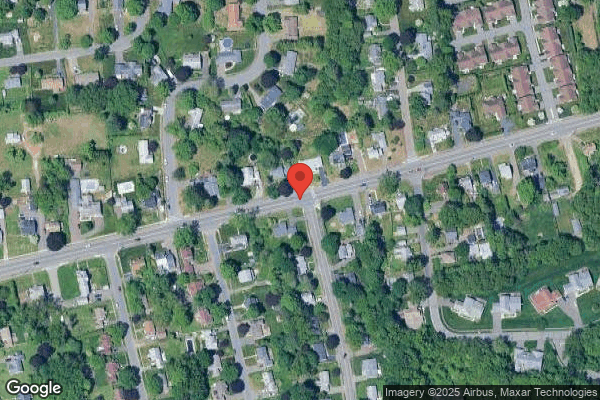

573 GRANBY RD, SOUTH HADLEY, MA 01075 (413) 532-2200
For profit - Individual 132 Beds Independent Data: November 2025
Trust Grade
33/100
#310 of 338 in MA
Last Inspection: May 2025

Inspected within the last 6 months. Data reflects current conditions.

Overview

Pioneer Valley Health & Rehabilitation has received a Trust Grade of F, indicating significant concerns about the quality of care provided, which places it in the poor category. It ranks #310 out of 338 facilities in Massachusetts, meaning it is in the bottom half statewide, and #5 out of 5 in Hampshire County, indicating that only one other local facility is performing better. The facility is reportedly improving, with issues decreasing from 20 in 2024 to 11 in 2025, but it still faces serious challenges. Staffing is a concern here, with a turnover rate of 65%, significantly higher than the state average of 39%, which may affect continuity of care. Specific incidents raised by inspectors include failures to inspect resident beds for entrapment risks, improper medication storage practices, and issues with food safety and cleanliness in kitchens, all of which could pose risks to residents. Overall, while there are signs of improvement, families should weigh these strengths against the facility's ongoing weaknesses.

Trust Score
F
33/100
In Massachusetts
#310/338
Bottom 9%
Safety Record
Low Risk
No red flags
Inspections
Getting Better
20 → 11 violations
Staff Stability
⚠ Watch
65% turnover. Above average. Higher turnover means staff may not know residents' routines.
Penalties
⚠ Watch
$17,176 in fines. Higher than 94% of Massachusetts facilities. Major compliance failures.
Skilled Nurses
○ Average
Each resident gets 30 minutes of Registered Nurse (RN) attention daily — about average for Massachusetts. RNs are the most trained staff who monitor for health changes.
Violations
⚠ Watch
57 deficiencies on record. Higher than average. Multiple issues found across inspections.
★☆☆☆☆
1.0
Overall Rating
★★☆☆☆
2.0
Staff Levels
★☆☆☆☆
1.0
Care Quality
★★☆☆☆
2.0
Inspection Score
Stable
2024: 20 issues
2025: 11 issues

The Good

  • Full Sprinkler Coverage · Fire safety systems throughout facility
  • No fines on record

Facility shows strength in fire safety.

The Bad

1-Star Overall Rating

Below Massachusetts average (2.9)

Significant quality concerns identified by CMS

Staff Turnover: 65%

19pts above Massachusetts avg (46%)

Frequent staff changes - ask about care continuity

Federal Fines: $17,176

Below median ($33,413)

Minor penalties assessed

Staff turnover is elevated (65%)

17 points above Massachusetts average of 48%

The Ugly 57 deficiencies on record

May 2025 11 deficiencies
CONCERN (D)

Potential for Harm - no one hurt, but risky conditions existed

Assessment Accuracy (Tag F0641)

Could have caused harm · This affected 1 resident

**NOTE- TERMS IN BRACKETS HAVE BEEN EDITED TO PROTECT CONFIDENTIALITY** 3. Resident #68 was admitted to the facility in April 2025 with diagnoses including Stage 4 Pressure Ulcer of the sacral region,...

Read full inspector narrative →
**NOTE- TERMS IN BRACKETS HAVE BEEN EDITED TO PROTECT CONFIDENTIALITY** 3. Resident #68 was admitted to the facility in April 2025 with diagnoses including Stage 4 Pressure Ulcer of the sacral region, open wound of the front wall of the thorax, open wound of left lower leg, open wound of the left thigh, Unstagable Pressure Ulcer of the left heel, Diabetes and Peripheral Vascular Disease (PVD). Review of the Skin Assessment, dated 4/28/25, indicated Resident #68 had the following skin concern areas: -chest surgical incision -pressure ulcer to the coccyx (tail bone) -cluster of blisters to the right rear thigh -vascular area to the outer left ankle -two vascular areas to the left heel -vascular area to the left lateral (outer side) lower extremity -vascular scabs to the left toes -vascular area to left lateral lower extremity below the knee Review of the May 2025 Physician's orders indicated Resident #68 had treatment orders for the following areas initiated on 4/29/25: -coccyx -left Achilles (tendon that connects calf muscles to the heel bone) and left toes -left medial (towards the middle) foot -left lower extremity -left lateral malleolus (outer side of the ankle) -left Achilles -left lateral foot -sternoclavicular area (area between collar bone and breast bone) Review of the MDS Assessment, dated 5/4/25, indicated Resident #68: -was cognitively intact as evidenced by a Brief Interview of Mental Status (BIMS) score of 15 out of 15. -has two Stage 3 Pressure Ulcers and one Stage 4 Pressure Ulcer which was present on admission. -had no other wound or skin problems including surgical wounds or arterial and vascular wounds noted under Section M (Skin Conditions). Review of the Skin Care Plan, initiated 4/29/25, indicated Resident #68: -has Stage 4 Pressure Ulcer on his/her sacrum (a triangular bone in the lower back) -has a left heel wound -has left lower extremity wounds -has a front wall chest wound On 5/21/25 at 8:32 A.M., the surveyor observed Resident #68 dressed, seated at the edge of the bed and eating breakfast, with a dressing observed on the Resident's upper chest. During an interview at the time, Resident #68 said he/she had a chest wound. During an interview on 5/23/25 at 8:34 A.M., Unit Manager (UM) #1 said Resident #68 had a Pressure Ulcer, diabetic ulcers, vascular ulcers, and a surgical area which had been present since admission. During an interview on 5/23/25 at 8:35 A.M., MDS Nurse #2 said the MDS assessment dated [DATE], was not accurate and did not include the Resident's surgical wound, diabetic wound, or vascular wounds. 4. Resident #90 was admitted to the facility in October 2022 with diagnoses including chronic pain, abnormal posture, and low back pain. Review of the MDS Assessment, dated 4/10/25, indicted Resident #90: -had clear speech, was understood and understands others. -was cognitively intact as evidenced by a BIMS score of 13 out of 15. -was on scheduled and as needed (PRN) pain medication. Review of Section J of the MDS Assessment indicated Resident #90 should be assessed for pain. Further review of Section J indicated the pain assessment was not completed (not assessed or dashed) and that the staff assessment was also not completed (not assessed or dashed). During an interview on 5/27/25 at 12:59 P.M., MDS Nurse #1 said the Pain assessment was not completed for the MDS assessment dated [DATE] because the assessment was not completed within the required timeframe. MDS Nurse #1 said the MDS Nurse would complete the pain assessment under Section J of the MDS Assessment and that this information was important to obtain so that the Resident's MDS assessment was accurate. MDS Nurse #1 further said the information in Section J should be obtained five days up until the assessment reference date of 4/10/25, for Resident #90's MDS Assessment 5. Resident #91 was admitted to the facility in April 2025 with diagnoses including malignant neoplasm of the tongue, other lesions of the oral mucosa, and pain related to neoplasm (acute on chronic). Review of the Nursing Assessment, dated 4/23/25, indicated Resident #91: -had an alteration in his/her oral status. -had broken or chipped teeth. -had mouth/facial pain. Review of the MDS Assessment, dated 4/29/25, indicated Resident #91: -was cognitively intact as evidenced by a BIMS score of 15 out of 15. -had no abnormal mouth tissue (ulcers, masses or oral lesions). -had no mouth or facial pain, discomfort or difficulty with chewing. -had no obvious or likely cavity or broken natural teeth. -had difficulty swallowing. Review of the April 2025 Physician's orders indicated the following: -Lidocaine Viscous HCL Mouth/Throat Solution (local anesthetic/numbing medication used for mouth and throat pain), 2%, give 1 application orally every six hours as needed for mouth pain, initiated 4/23/25 -Morphine Sulfate Oral Solution (opioid medication used to treat moderate to severe pain) 20 mg/milliliter (ml), give 5 mg as needed orally every four hours for moderate pain, initiated 4/23/25 -Oxycodone (opioid medication used to treat moderate to severe pain) HCL 5 mg every four hours for severe pain, initiated 4/23/25 Review of the April 2025 Medication Administration Record indicated the following medications were administered from 4/23/25 to 4/29/25: -Lidocaine Viscous -Morphine Sulfate -Oxycodone HCL Review of the Provider Note, dated 4/26/25, indicated the following: -Resident #91 was evaluated -Continues management with Oxycodone and Morphine for tongue cancer related to pain -Resident has oral pain, cancer of the tongue, dental cavities/cancer related pain On 5/21/25 at 8:22 A.M., the surveyor observed Resident #91 dressed and eating breakfast in his/her room. During an interview at the time, Resident #91 said he/she has oral pain, has medication for his/her oral pain, but was looking to talk to his/her Provider about his/her continued pain. Resident #91 said he/she had numerous infected/broken teeth that needed to be extracted and was working with the facility to make an appointment. During an interview on 5/23/25 at 9:58 A.M., Nurse #1 said Resident #91 had regular complaints of mouth pain and had oral sores due to mouth cancer. During an interview on 5/23/25 at 11:27 A.M., MDS Nurse #2 said she reviewed Resident #91's medical record which indicated he/she did have mouth pain during the assessment period for the MDS assessment dated [DATE]. MDS Nurse #2 further said that the Resident's abnormal mouth tissue, and presence of broken teeth should also have been coded on the 4/29/25 MDS Assessment but were not. 2. Resident #33 was admitted to the facility in September 2021, with diagnoses including Fibromyalgia and chronic pain. Review of Resident #33 most recent Quarterly MDS Assessment, dated 4/16/25, indicated Resident #33: -had clear speech, -was able to make him/herself understood, and was able to understand others. Further review of the Quarterly MDS Assessment failed to indicate documentation that Resident #33 had been interviewed about his/her chronic pain. Review of Resident #33's May 2025 Physician's orders indicated the following: -Pain assessment 0-10 every shift, for pain monitoring, start date of 9/16/21. -Acetaminophen Tablet (analgesic medication) give 500 milligrams (mg) by mouth every six hours as needed for pain .start date of 3/12/24 -Pregabalin (medication used to treat nerve and muscle pain ) Oral Capsule 100 mg, give one capsule by mouth two times a day related to Fibromyalgia, start date of 1/16/25. Review of Resident #33's April 2025 Medication Administration Record (MAR) indicated the following: -Resident #33 was administered Pregabalin daily as ordered. Review of Resident #33's Care Plan titled Resident #33 is on pain medication therapy, initiated 9/26/24, indicated the following intervention: -Administer Analgesic medications as ordered by Physician. Monitoring/document side effects and effectiveness every shift (Q-Shift), initiated 10/17/24. During an interview on 5/27/25 at 1:09 P.M., MDS Nurse #1 said a Resident interview was not completed for Resident #33's 4/16/25 Quarterly MDS Assessment. MDS Nurse #1 further said Resident #33 was able to be interviewed and a Resident pain assessment should have been completed with Resident #33 within five days of 4/16/25 and this was not done. MDS Nurse #1 said not completing the Resident pain assessment with Resident #33 did not give an accurate picture of Resident #33's current pain level for the assessment. Based on record reviews, and interviews, the facility failed to accurately complete Minimum Data Set (MDS) Assessments that reflected the residents status as of the Assessment Reference Date for five Resident's (#80, #33, #68, #90 and #91), out of a total sample of 28 residents. Specifically, 1. For Resident #80, the facility staff failed to code the MDS assessment accurately relative to a pressure ulcer under Section M. 2. For Resident #33, the facility failed to complete the Pain Assessment under Section J with the Resident involvement, when the Resident had clear speech, was able to make him/herself understood, and understood others. 3. For Resident #68, the facility failed to accurately code skin conditions under Section M on the comprehensive MDS Assessment relative to surgical, diabetic and vascular wounds that were present. 4. For Resident #90, the facility failed to complete the Pain Assessment under Section J on an MDS Assessment when the Resident had clear speech and was able to make him/herself understood. 5. For Resident #91, the facility failed to accurate code oral/dental status under Section L of the MDS assessment relative to abnormal mouth tissue, broken dentition and presence of mouth pain. Findings include: 1. Resident #80 was admitted to the facility in May 2024 with diagnoses including pressure ulcer of sacral region. Review of Resident #80's May 2025 Physician orders included but was not limited to: -Coccyx wound: cleanse with Normal Saline, apply zinc to the peri-wound, pack with Puracol (a collagen based wound product), cover with dry clean dressing daily, effective 4/3/25. Review of Resident #80's admission Skin Assessment from May 2024 included but was not limited to: -The Resident had an unstageable (deep pressure injury where the base of the ulcer is covered by nonviable tissue making it impossible to accurately assess the depth to stage) pressure ulcer that measured nine centimeters (cm) by five cm by one-half cm (9 cm x 5 cm x 1/2 cm) on the sacral/coccyx area. Review of Resident #80's Person-Centered Care Plan included but was not limited to: >Focus - Resident has a Stage Three (full thickness skin loss exposing fat but not reaching muscle, tendon or bone) pressure ulcer to the sacral/coccyx area, initiated on 6/5/24. >Goal - Resident's pressure ulcer will show signs of healing and remain free from infection, initiated 6/5/24, revision date 12/29/24, and target date on 8/25/25. Review of Resident #80's most recent Skin Assessment, dated 5/15/25, included but was not limited to: -Resident has a stage three pressure ulcer that measured 3 cm x 1 cm x 3/4 cm to the sacral/coccyx area. Review of Resident #80's most current and completed MDS assessment dated [DATE], included but was not limited to: -Resident has one, Stage Three pressure ulcer. -Resident did not have the pressure ulcer present on admission to the facility. During an interview on 5/27/25 at 1:00 P.M., MDS Nurse #1 said that the facility did not have a policy related to coding of resident MDS's, and that the facility followed the Resident Assessment Instrument (RAI) Manual to code all MDS assessments. The surveyor and MDS Nurse #1 reviewed the electronic medical record (EMR) for Resident #80 and MDS Nurse #1 said Resident #80 had been admitted with the pressure ulcer to the sacral/coccyx area and the pressure ulcer had not yet healed or closed since the Resident had been admitted . MDS Nurse #1 said Resident #80's MDS Assessment (dated 3/4/25) had been coded incorrectly because the pressure ulcer was present on admission, had not yet healed or closed and should have been coded as being present on admission. MDS Nurse #1 said accurate MDS coding was important for care planning to ensure proper care and services were in place for Resident #80.
CONCERN (D)

Potential for Harm - no one hurt, but risky conditions existed

Quality of Care (Tag F0684)

Could have caused harm · This affected 1 resident

Based on observations, interviews, and record reviews, the facility failed to provide treatment and care in accordance with professional standards of practice relative to podiatry services and skin as...

Read full inspector narrative →
Based on observations, interviews, and record reviews, the facility failed to provide treatment and care in accordance with professional standards of practice relative to podiatry services and skin assessment for one Resident (#110), out of a total sample of 28 residents. Specifically, for Resident #110, the facility failed to: -implement podiatry recommendations when the Resident received podiatry care and services and was recommended to have continued wound treatment to the right great toe. -perform a weekly skin assessment as ordered, putting the Resident at risk for infection and delayed wound healing. Findings include: Resident #110 was admitted to the facility in November 2024, with diagnoses including chronic viral Hepatitis C, and Adjustment Disorder with Depressed Mood. Review of the Minimum Data Set (MDS) Assessment, dated 2/24/25, indicated Resident #110 was cognitively intact as evidenced by a Brief Interview for Mental Status (BIMS) score of 13 out of a total possible score of 15. During an interview on 5/20/25 at 11:15 A.M., Resident #110 said that he/she was concerned about his/her right great toe because the Podiatrist came in last week, removed his/her toenail, and placed a band aid on the right great toe. Resident #110 further said that staff had not removed and looked at the toe since the Podiatrist had placed the band aid. Resident #110 then showed the surveyor his/her right foot and a band aid was securely applied to the right great toe. Review of the active Physician orders for Resident #110, dated 5/22/25, indicated the following: -Consults: Podiatry, Dental, Audiology, Optometry or Behavioral Health, initiated 1/26/25. -Weekly skin check: complete weekly skin check documentation .on weekly skin evaluation assessment every day shift, every Saturday, initiated 11/23/24. Further review of the Physician orders failed to indicate any treatment orders in place for Resident #110's right great toe. Review of the Consultant Podiatry documentation, dated 5/15/25, indicated the following: -Resident #110 was examined by the Podiatrist on 5/15/25. -A Podiatry Progress Note indicated the right great toe with mild erythema (redness) and swelling, ½ loosening or separation of the toenail. -Recommend new orders: Right great toe contusion with loss of nail. >Please cleanse area with sterile saline solution, >Please apply topical antibiotic i.e. bacitracin once daily with sterile dressing for two weeks, >monitor for signs and symptoms of infection, >Please contact PCP (Primary Care Provider) in case this [infection] occurs and consider oral antibiotics. Review of Resident #110's clinical record failed to indicate that a weekly skin assessment had been performed as ordered for the Resident on: -Saturday 5/10/25 -Saturday 5/17/25 During an interview on 5/21/25 at 9:29 A.M., Nurse #6 said she was aware that Resident #110 was seen by the Podiatrist last week but was unaware that Resident #110 had a bandaid on his/her right great toe. Nurse #6 said that the Podiatrist writes recommendations on the Consultant Podiatry Documentation Sheet and gives the sheet to the Unit Manager (UM). Nurse #6 further said that there were no treatment orders in place for the care of Resident #110's right great toe. During an interview on 5/21/25 at 10:09 A.M., UM #2 said Resident #110 had a Physician's order in place for weekly skin assessments to be performed every Saturday but no weekly skin assessment had been performed for Resident #110 on 5/17/25 as ordered. UM #2 further said that if the weekly skin assessment had been completed 5/17/25, staff would have seen the band aid on the Resident's toe and followed up with the Provider. UM #2 said the Consultant Podiatry Group sends an email to the facility that includes a summary report of podiatry recommendations for residents that were provided services. UM #2 said that she was unsure if she received the summary report from the Podiatrist visit on 5/15/25. UM #2 said that the podiatry recommendations for Resident #110 should have been printed out and placed into the Physician Assistant's (PA)'s book for the PA to review and prescribe a treatment. UM #2 said she was unsure if the recommendations for Resident #110 had been communicated to the PA. During an interview on 5/21/25 at 10:22 A.M., the PA said that she was never notified of the podiatry recommendations for Resident #110's right great toe, but she should have been notified of the recommendations made by the Podiatrist.
CONCERN (D)

Potential for Harm - no one hurt, but risky conditions existed

Pressure Ulcer Prevention (Tag F0686)

Could have caused harm · This affected 1 resident

Based on observation, interview, and record review, the facility failed to provide care and services consistent with professional standards of practice to prevent and treat a pressure ulcer (localized...

Read full inspector narrative →
Based on observation, interview, and record review, the facility failed to provide care and services consistent with professional standards of practice to prevent and treat a pressure ulcer (localized damage to the skin and/or underlying soft tissue usually over a bony prominence or related to a medical or other device) for one Resident (#40), of six applicable residents reviewed for pressure, out of a total sample of 28 residents. Specifically, the facility staff failed to evaluate and monitor a pressure ulcer located on Resident #40's left ischium (left lower back of the hip bone) to help identify any wound changes, promote healing and prevent deterioration of the wound, infection, and new ulcers from developing. Findings include: Review of the facility policy titled Pressure Ulcer Prevention effective May 2023, indicated the following documentation to be recorded in the resident's medical record: -Any change in the resident's condition -All assessment data (i.e. wound bed color, size, drainage etc.) obtained when inspecting the wound -The type of wound care provided -The date and time the wound care was given Resident #40 was admitted to the facility in March 2024, with diagnoses including Paraplegia, Diabetes Mellitus II (DM II), and pressure ulcer of the sacral region and left ischium. Review of the Minimum Data Set (MDS) Assessment, dated 3/23/25, indicated Resident #40 was cognitively intact as evidenced by a Brief Interview for Mental Status (BIMS) score of 15 out of a total possible score of 15. Review of Resident 40's Physician orders dated 5/27/25, indicated the following: -Santyl external ointment 250 mg/GM (gram) topically every day shift for wound care to left ischium. On 5/20/25 at 12:18 P.M., the surveyor observed Resident #40 lying in bed, with the head of the bed elevated and a Negative Pressure Wound Therapy device (NPWT: a medical treatment device connected by tubing to a wound dressing that uses suction to assist in wound healing) set to 125 mm (millimeters) of Hg (mercury). During an interview at the time, Resident #40 said he/she had a large sacral wound and a smaller ischial wound on his/her back side and that the NPWT device was applied to the sacral wound and not on the ischial wound. Resident #40 also said he/she is followed by a wound doctor and goes out to the wound clinic every week. Review of the Treatment Administration Record (TAR), dated 5/1/25 through 5/31/25, indicated the following: -Cleanse left ischium with normal saline, pat dry. - .apply a nickel size layer of Santyl to wound bed. - .cover with dry clean dressing. Further review of the TAR indicated a wound documentation ledger and corresponding spaces for the documentation of wound characteristics observed during the provision of wound care: >Progress- I = Improved, N=No >Change- W= Worsened >Wound Base- C=Clean, Slough=S, Eschar=E >Drainage Amount- None=0, Small=S, Moderate=M, Large=L >Drainage Type- Serous=S, Serosanguinous=SS, Purulent=P Review of the TAR for 5/22/25 through 5/28/25, failed to indicate: -any wound characteristic documentation on the TAR in the spaces corresponding to Resident #40's left ischial wound on these dates. -any indication that the left ischium wound status was evaluated and monitored on these dates. Review of the facility Skin Assessments, dated 5/12/25 and 5/26/25, failed to indicate any evaluation and monitoring were completed relative to the characteristics of Resident #40's left ischial wound. During an interview on 5/27/25 at 3:36 P.M., the Director of Nursing (DON) said that facility staff were expected to document wound descriptions on the TAR in the spaces provided so that any wound changes could be identified. The DON said that it was important to document descriptions of the wound bed, drainage characteristics, and signs of infection with every dressing change performed. During a follow-up interview on 5/27/25 at 4:59 P.M., the DON said that there was no wound documentation entered on the TAR from 5/22/25 through 5/27/25, relative to the description of Resident #40's left ischial wound but there should have been documentation on the TAR.
CONCERN (D)

Potential for Harm - no one hurt, but risky conditions existed

Tube Feeding (Tag F0693)

Could have caused harm · This affected 1 resident

Based on observations, interviews, and record reviews, the facility failed to ensure one Resident (#2), of four applicable residents reviewed with feeding tubes, in a total sample of 28 residents, had...

Read full inspector narrative →
Based on observations, interviews, and record reviews, the facility failed to ensure one Resident (#2), of four applicable residents reviewed with feeding tubes, in a total sample of 28 residents, had care and services in place for enteral feedings and gastrostomy site care. Specifically, for Resident #2, the facility failed to ensure Physician's orders were implemented and/or that orders were in place relative to enteral feeding (refers to any method of feeding that uses the gastrointestinal (GI) tract to deliver nutrition and calories) care including: -Gastrostomy (G-tube: surgical procedure for inserting a tube through the abdomen wall and into the stomach to administer medications, fluids and nutrition) site care. -Monitoring and recording residuals (amount of fluid or other contents remaining in the stomach after a feeding and a crucial indicator of gastric emptying and assist with assessing tolerance to the feeding). -Administration of the prescribed feedings when tube feeds and water boluses were not administered by staff due to the Resident being asleep. -Physician orders relative to the accurate route medication should be administered when the Resident was ordered nothing by mouth (NPO) and the medications were prescribed to be administered by mouth. Findings include: Review of the facility policy titled Enteral Nutrition, dated March 2023, indicated adequate nutritional support through enteral nutrition is provided to residents as ordered, and included the following: -The nurse confirms that orders for enteral nutrition are complete. Complete orders include: >the enteral nutrition product >delivery site (tip placement) >the specific enteral access device (nasogastric [nose and to the stomach], gastric [stomach], jejunostomy [tube inserted into the small intestine] tube, etc.) >administration method (continuous, bolus [large doses of formula several times a day poured slowly into a syringe attached to a feeding tube], intermittent) >volume and rate of administration >the volume/rate goals and recommendations for advancement towards these >instructions for flushing (solution, volume, frequency, timing, and 24-hour volume) -The provider will consider the need for supplemental orders, including: >confirmation of tube placement >oral care >checks for gastric residual volume Resident #2 was admitted to the facility in November 2024 with diagnoses including gastrostomy status, underweight, severe protein-calorie malnutrition, adult failure to thrive and dysphagia (difficulty swallowing). Review of the Nutrition Care Plan, initiated 11/25/24, indicated Resident #2 had malnutrition and evidence of muscle wasting and included a goal for the Resident to accept the tube feeding as ordered by the Physician in order to promote gradual weight gain. The plan of care included the following interventions: -enteral protocols in place, initiated 11/25/24 -TwoCal HN (type of enteral feeding solution) via G-tube . revised 3/16/25 Review of the Tube Feed Care Plan, initiated 11/19/24, indicated the following interventions: -Resident was dependent with tube feedings and water flushes. See Physician's orders for current feeding orders, initiated 11/19/24 -Check tube placement and gastric contents/residual volume per facility protocol and record, revised 11/20/24 Review of the Potential for Skin Impairment Care Plan, initiated 11/20/24, indicated Resident #2: -was at risk due to weakness, impaired mobility and G-tube use -G-tube care as ordered -Monitor insertion site for skin breakdown, initiated 11/20/24 Review of the Minimum Data Set (MDS) Assessment, dated 2/26/25, indicated Resident #2: -had no speech. -was rarely or never understood or understands other. -has severe cognitive impairment as evidenced by a Brief Interview of Mental Status (BIMS) score of 0 out of 15. -was on a feeding tube and received greater than 51 percent (%) of calorie needs and more than 501 cubic centimeters (cc: unit of measure equivalent to milliliters) daily. Review of Resident #2's May 2025 Physician's orders included the following: -weekly skin checks, initiated 11/19/24 -NPO (nil per os, or nothing by mouth) diet ., initiated 11/22/24 -Monitor for abdominal distention and pain every shift, initiated 12/30/24 -Enteral Feed Order, six times a day, give via gravity (method of delivering formula using the force of gravity which would be positioned above the patient and without the need for a pump) 150 milliliters (ml) of TwoCal HN, initiated 3/20/25 -Water bolus prior to G-tube feed, administer a total of 200 ml, 100 ml pre and 100 ml post feed, six times a day, free flush of 100 ml prior to TwoCal HN admin and post TwoCal HN administration, initiated 3/20/25 -the following medications were ordered to be administered by mouth: >Benztropine (medication to treat movement disorders) 0.5 milligrams (mg), give 3 tablets by mouth daily >Celexa (antidepressant medication) 10 mg, give 0.5 tablet by mouth daily >Miralax (laxative medication) 17 grams (gm) per scoop, give 1 scoop by mouth daily >Acetaminophen (analgesic medication used for pain and/or fever) 325 mg, give 2 tablets by mouth as needed every 6 hours Further review of Resident #2's Physician's orders failed to indicate evidence of: -orders/frequency of mouth care to be provided -instructions relative to G-tube site care, including cleaning of the area, monitoring of the site, as referenced on the Resident's Skin Impairment Care Plan. -instructions relative to residual checks referenced on the Resident's Tube Feed Care Plan and parameters (specific instructions) in which to hold the tube feeding. Review of the April 2025 and May 2025 Medication Administration Records (MARs) indicated the Resident's scheduled G-tube feedings and water boluses were held due to the Resident sleeping on the following dates/times: -4/13/25 at 1:00 A.M. and 5:00 A.M. -5/20/25 at 5:00 A.M. -5/21/25 at 5:00 A.M. Further review of the April 2025 and May 2025 MARs failed to indicate documented evidence of: -G-tube site care -documentation of residual amounts -mouth care provided On 5/21/25 at 12:40 P.M., the surveyor observed Resident #2 seated in a specialized wheelchair near the nurses station. Resident #2 had his/her eyes closed and was observed to be very thin. On 5/27/25 at 2:41 P.M., the surveyor and Unit Manager (UM) #2, who was the Nurse assigned to Resident #2's care for that shift reviewed Resident #2's clinical record. UM #2 said the Resident received scheduled G-tube feedings six times daily and did not take food/fluids/medications by mouth. UM #2 said the Resident's G-tube site should be monitored every shift and that there should be Physician's orders for monitoring the site for signs of infection and treatment orders for scheduled dressing changes to clean and provide care to the Resident's G-tube site, but there were currently no orders to do this. UM #2 further said the Resident should also have an order to assess for the placement of the G-tube prior to the scheduled feedings and currently there were no Physician's orders do to this for Resident #2. UM #2 said Resident #2 received scheduled bolus feedings via the G-tube using a piston syringe (medical device used to inject or withdraw fluids), and the Physician's orders should include instructions to change the piston syringe daily and to check and document residuals prior to the G-tube feedings with parameters (specific amounts) on when to hold the G-tube feedings, but there were currently no Physician's orders for this. At this time, the surveyor and UM #2 observed Resident #2's room and observed a piston syringe dated 5/23 on the Resident's bedside table, and UM #2 said the piston syringe should have been changed daily. The surveyor and UM #2 reviewed the April 2025 and May 2025 MARs which indicated the scheduled G-tube feedings and water boluses were not administered due to the Resident sleeping, and UM #2 said the Resident's enteral feeding and water should be administered even if he/she were sleeping. UM #2 said that because the Resident was NPO, the Resident's medications should be received through the G-tube and that the medications ordered and documented as administered by mouth were not accurate. Please refer to F842.
CONCERN (D)

Potential for Harm - no one hurt, but risky conditions existed

Deficiency F0757 (Tag F0757)

Could have caused harm · This affected 1 resident

Based on interview, and record review, the facility failed to assess for continued use of a prophylactic antibiotic, for one Resident (#63), of two applicable residents reviewed for antibiotic use, ou...

Read full inspector narrative →
Based on interview, and record review, the facility failed to assess for continued use of a prophylactic antibiotic, for one Resident (#63), of two applicable residents reviewed for antibiotic use, out of a total sample of 28 residents. Specifically, for Resident #63, the facility failed to: -ensure the Physician orders for the Infectious Disease (ID) and Endocrinology Consults were implemented as required. -coordinate ID and Endocrinology appointments to assess for the need/rationale for continued use of a prophylactic antibiotic (Ciprofloxacin) prescribed for chronic osteomyelitis, when the Resident requested to discontinue the medication. Findings include: Resident #63 was admitted to the facility in April 2021, with diagnoses including chronic osteomyelitis (infection of the bone), Diabetes and constipation. Review of the Minimum Data Set (MDS) Assessment, dated 3/11/24, indicated Resident #63: -was cognitively intact as evidenced by Brief Interview of Mental Status (BIMS) score of 13 out of possible 15 points. -received an antibiotic during the assessment period. Review of the Provider Note, dated 4/7/25, indicated the following: -Resident #63 reported he/she did not want to take Ciprofloxacin (antibiotic) any longer and that the Resident has been on the antibiotic for a couple years. -The Provider indicated to continue the Ciprofloxacin 250 mg twice daily with no stop date, for [suppression] and an order was placed for the Resident to follow up with ID. Review of the May 2025 Physician's orders indicated the following: -Ciprofloxacin HCl Oral Tablet 250 milligrams (mg), Give 250 mg by mouth two times a day for chronic osteomyelitis, initiated 6/4/24 with no stop date . Review of the May 2025 Medication Administration Record (MAR) indicated Resident #63: -was administered the Ciprofloxacin 250 mg on seven out of 53 occurrences. -On the remaining dates/times, for 46 occurrences, Resident #63 refused the medication. Review of the completed Physician's orders indicated the following: -Please schedule ID follow-up for a chronic suppressive therapy - Resident wishes to stop (the medication), initiated on 4/17/25 and end date 4/18/25. -Refer to Endocrinology for evaluation on necessity to continue long term antibiotics, initiated on 4/29/25 and end date 4/30/25. Review of Resident #63's clinical record failed to indicate documented evidence that an ID consult or Endocrinology evaluation was scheduled to assess the need for continued use of antibiotic therapy. During an interview on 5/27/25 at 9:40 A.M., during a review of the facility Antibiotic Stewardship Program, the Director of Nursing (DON), who also was the Infection Preventionist (IP), said she did not track residents who were on prophylactic antibiotics. The DON said she was not aware that Resident #63 requested to discontinue the antibiotic treatment. The DON/IP said she would follow up to see if the ID consult was initiated to assess for the continued need for Resident #63's antibiotic. During an interview on 5/27/25 at 2:32 P.M., Unit Manager (UM) #2 said the Provider gave a verbal order for the ID consult (on 4/7/25) which did not get put into the Resident's electronic health record (EHR) as a Physician's order. UM #2 said the Provider asked about the ID consult again on 4/29/25, but the appointment had not yet been made. UM #2 said the facility used to have medical records book resident appointments, but this task was now delegated to the Unit Managers. UM #2 said because she was frequently working as the floor Nurse, scheduling the Resident's appointment was missed. During a follow-up interview on 5/27/25 at 3:33 P.M., the DON/IP said there was no evidence that the requested appointments (ID and Endocrinology) were set up for Resident #63.
CONCERN (D)

Potential for Harm - no one hurt, but risky conditions existed

Deficiency F0773 (Tag F0773)

Could have caused harm · This affected 1 resident

Based on interview, and record review, the facility failed to ensure two Residents (#90 and #181), out of a total of 28 sampled Residents, received laboratory services as ordered by the Physician. Sp...

Read full inspector narrative →
Based on interview, and record review, the facility failed to ensure two Residents (#90 and #181), out of a total of 28 sampled Residents, received laboratory services as ordered by the Physician. Specifically, the facility failed to: 1. For Resident #90, obtain weekly Complete Blood Count (CBC) and Comprehensive Metabolic Panel (CMP) labwork as ordered by the Physician. 2. For Resident #181, obtained Complete Blood Count (CBC) and Comprehensive Metabolic Panel (CMP) labwork as ordered by the Physician. Findings include: 1. Resident #90 was admitted to the facility in October 2022 with diagnoses including Severe Protein-Calorie Malnutrition and Cerebral Infarction (stroke). Review of the May 2025 Physician orders indicated the following: -Complete Blood Count (CBC: measures the number and characteristics of different types of blood cells) and Comprehensive Metabolic Panel (CMP: blood test that provides broad overview of the body's metabolic health including kidney function, liver function, electrolyte balance, blood sugar and protein levels) every Monday, initiated 1/6/25 Review of the Resident #90's clinical record failed to indicate documented evidence that CBC and CMP labwork was obtained as ordered during the month of May 2025. During an interview on 5/27/25 at 4:37 P.M., Unit Manager (UM) #1 said Resident #90's weekly labs were not obtained in May 2025 as ordered by the Physician. 2. Resident #181 was admitted to the facility in May 2025 with diagnoses including Neuromuscular Dysfunction of the Bladder and Hypertension. Review of the May 2025 Physician orders indicated the following: -CBC, CMP on 5/17/25 (Saturday), then on every Monday, initiated on 5/16/25 Review of Resident #181's clinical record failed to indicate documented evidence that the CBC and CMP ordered on 5/17/25 and on 5/19/25 (Monday) were obtained as ordered by the Physician. During an interview on 5/21/25 at 10:50 A.M., UM #1 said because Resident #181's labwork was scheduled for a weekend (Saturday 5/17/25), the facility staff would need to notify the contracted laboratory service to notify them that labwork needed to be drawn on a non-scheduled day. UM #1 further said the ordered labwork for 5/19/25 was not completed. During a follow-up interview on 5/22/25 at 10:58 A.M., UM #1 said Resident #181's labwork was not obtained as ordered by the Physician on 5/17/25 and on 5/19/25. UM #1 said this was a systems issue and that education on the process for how to request resident labwork needed to be completed with the nursing staff. UM #1 said if resident labwork was ordered for a weekend or holiday, the facility staff would need to contact the contract laboratory service company to notify them that the labwork needed to be drawn, but this was not done for Resident #181. UM #1 further said that routine labwork needed to be put on a separate requisition lab slip from the non-routine labwork, and this also did not occur for Resident #181.
CONCERN (D)

Potential for Harm - no one hurt, but risky conditions existed

Medical Records (Tag F0842)

Could have caused harm · This affected 1 resident

2. Resident #91 was admitted to the facility in April 2025 with diagnoses including Severe Protein-Calorie Malnutrition, Adult Failure to Thrive and Acidosis. Review of the May 2025 Physician's order...

Read full inspector narrative →
2. Resident #91 was admitted to the facility in April 2025 with diagnoses including Severe Protein-Calorie Malnutrition, Adult Failure to Thrive and Acidosis. Review of the May 2025 Physician's orders included the following: -Sodium Chloride (medication used to replenish water and salt in the body), give one tablet daily, initiated 5/8/25 Review of the May 2025 MAR indicated the Sodium Chloride was administered to Resident #91 in the month of May 2025. On 5/27/25 at 3:13 P.M., the surveyor and Nurse #1 observed the Sodium Chloride medication prescribed to Resident #91. Nurse #1 said Resident #91 was receiving 1 gram (gm) of Sodium Chloride daily and that the Physician's order should include the medication dosage but it currently did not. During an interview on 5/27/25 at 3:15 P.M., Unit Manager (UM) #1 said Resident #91's order for Sodium Chloride should indicate the dosage of the medication to be administered. UM #1 said the Resident's current order for Sodium Chloride was an incomplete order and would need to be clarified with the Physician. 3. Resident #2 was admitted to the facility in November 2024 with diagnoses including gastrostomy status, underweight, severe protein-calorie malnutrition, adult failure to thrive and dysphagia (difficulty swallowing). Review of the Tube Feed Care Plan, initiated 11/19/24, indicated the following interventions: -Resident was dependent with tube feedings and water flushes. See Physician's orders for current feeding orders, initiated 11/19/24 Review of the May 2025 Physician's orders included the following: -NPO (nil per os, or nothing by mouth) diet ., initiated 11/22/24 -the following medications were ordered to be administered by mouth: >Benztropine (medication to treat movement disorders) 0.5 milligrams (mg) give 3 tablets by mouth daily >Celexa (antidepressant medication) 10 mg, give 0.5 tablet by mouth daily >Miralax (laxative medication) 17 grams (gm) per scoop, give 1 scoop by mouth daily >Acetaminophen (analgesic medication used for pain and/or fever) 325 mg, give 2 tablets by mouth as needed every 6 hours On 5/27/25 at 2:41 P.M., the surveyor and Unit Manager (UM) #2, who was the Nurse assigned to Resident #2's care for that shift reviewed Resident #2's clinical record. UM #2 said the Resident received scheduled G-tube feedings six times daily and did not take food/fluids/medications by mouth. UM #2 said because the Resident was not to receive anything by mouth, the Resident's medications should be received through the G-tube and that the medications ordered and documented as administered by mouth was not accurate. Based on interview, and record review, the facility failed to ensure completed and accurate medical records were maintained for three Residents (#15, #91 and #2), out of a total sample of 28 residents. Specifically, 1. For Resident #15, the facility failed to ensure that staff documented daily fluid intakes when Resident #15 was on a fluid restriction. 2. For Resident #91, the facility failed to ensure a dosage for Sodium Bicarbonate was included in the Physician's orders to ensure accurate administration of the medication when the Resident was being administered the medication without an ordered dosage. 3. For Resident #2, the facility failed to ensure accurate routes for medication administration were documented when the Resident was unsafe to receive medication/food/fluid by mouth. Findings include: 1. Review of the facility policy titled Encouraging and Restricting Fluids, revised 10/2010, indicated the following: -Follow specific instruction concerning fluid intake or restrictions. -Be accurate when recording fluid intake. -Record fluid intake on the intake side of the intake and output record. Record fluid intake in milliliters (mls). Resident #15 was admitted to the facility in October 2024 with diagnoses including Lymphedema and Generalized Edema. Review of Resident #15's most recent Minimum Data Set (MDS) Assessment, dated 2/11/25, indicated Resident #15 scored a 15 out of 15 on the Brief Interview of Mental Status (BIMS) Assessment indicating he/she was cognitively intact. During an interview on 5/20/25 at 8:27 A.M., Resident #15 said he/she was on a fluid restriction relative to his/her diagnosis of Lymphedema. Resident #15 said nursing staff managed his/her fluid restriction. Review of Resident #15's May 2025 Physician's orders indicated the following order with a start date of 4/4/25: -Fluid restriction as directed 1500 cubic centimeter (cc) per day: *Nursing: 720 cc: 7:00 A.M.-3:00 P.M.: 360 cc (in own container 16 ounces (oz) ice and 4 oz water) 3:00 P.M.-11:00 P.M.: 360 cc (in own container 16 ounces (oz) ice and 4 oz water) 11:00 P.M.-7:00 A.M.: 0 cc (medications are in apple sauce) *Dietary: 780 cc: *Breakfast: 300 cc *Lunch: 240 cc *Supper: 240 cc . Review of Resident #15's Care Plan titled Resident #15 has fluid overload or potential fluid volume overload due to disease process: Lymphedema, initiated 11/2/24, indicated the following intervention: -Monitor and document intake and output as per facility policy, initiated 11/2/24. Review of Resident #15's May 2025 Medication Administration Record (MAR), indicated the following: -On 16 out of 20 days, Resident #33 received 360 cc during the 7:00 A.M.-3:00 P.M. shift. -On one out of 20 days, Resident #33 received 700 cc during the 7:00 A.M.-3:00 P.M. shift. -On one out of 20 days, Resident #33 received 540 cc during the 7:00 A.M.-3:00 P.M. shift. -On one out of 20 days, Resident #33 received 380 cc during the 7:00 A.M.-3:00 P.M. shift. -One day out of 20 days, was marked yes with no total cc during the 7:00 A.M.-3:00 P.M. shift. -On 17 out of 20 days, Resident #33 received 360 cc during the 3:00 P.M-11:00 P.M. shift. -On one day out of 20 days, Resident #33 received 340 cc during the 3:00 P.M-11:00 P.M shift. -On one day out of 20 days, Resident #33 received 240 cc during the 3:00 P.M.-11:00 P.M. shift. -On one day out of 20 days, was marked yes with no total cc on the 3:00 P.M.-11:00 P.M. shift. -On 16 days out of 20 days, Resident #33 received 60 cc during the 11:00 P.M.-7:00 A.M. shift. -On four days out of 20 days, Resident #33 received 0 cc during the 11:00 PM.-7:00 A.M. shift. Further review of Resident #15's May 2025 MAR failed to indicate: -documentation of the total daily fluid intake. -documentation of how much fluid the Resident consumed during his/her meals. During an interview on 5/21/25 at 11:23 A.M., Nurse #3 said Resident #15 was on a fluid restriction because he/she had a diagnosis of Lymphedema. Nurse #3 said it was important to monitor the Resident's daily fluid intake to make sure he/she was not at risk for fluid overload. During a follow-up interview on 5/21/25 at 12:37 P.M., Nurse #3 said fluid intake should be documented on a Resident's MAR by the Nurses each shift. Nurse #3 said the Nurses only document what they provide to the Resident during the medication pass and when they gave him/her 16 ounces (oz) of ice. Nurse #3 said that nursing did not document what was provided on the Resident's meal trays for fluid. The surveyor and Nurse #3 reviewed Resident #15's May 2025 MAR, and Nurse #3 said with the documentation that was available she was unable to tell how much fluid Resident #15 consumed each day as there was no 24-hour totals. Nurse #3 also said there was no documentation indicating how much fluid Resident #15 consumed during his/her meals as the documentation recorded on the MAR appeared to only be what was provided at medication pass and the allotted ice Resident #15 received. During an interview on 5/21/25 at 12:44 P.M., Certified Nurses Aide (CNA) #1 said Resident #15 got one cup of coffee in the morning and one cup of juice or ginger ale in the afternoon. The surveyor and CNA #1 observed Resident #15's meal tray which had vanilla ice cream and peach in fruit juice. CNA #1 said she was unsure if the ice cream or the juice in the peaches counted as additional fluid for Resident #15. CNA #1 said the CNAs were not responsible for keeping track of how much fluid Resident #15 took in at each meal. During an interview on 5/22/25 at 8:43 A.M., the Food Service Director (FSD) said the dietary department only ensures that the total amount of fluid Resident #15 could have was written on the Resident's meal ticket. The FSD said the dietary department did not measure out any fluids for the Resident at meals and that nursing should be checking Resident #15's tray at each meal and adjusting what was on the tray to accommodate Resident #15's fluid restriction. The FSD said items such as ice cream cups, soups, Jello cups, and fruit in juice cups should all be counted as fluid and staff on the units should know which items on a Resident's tray count towards total fluid intake. During an interview on 5/22/5 at 9:37 A.M., the Dietician said nursing should be adding all fluid intake Resident #15 consumes daily so the total fluid intake can be monitored and adjusted if needed. The Dietician said nursing staff should be counting not only the water and ice they give Resident #15, but they should also be recording how much fluid Resident #15 consumes at each meal from his/her meal tray. The surveyor and the Dietician reviewed Resident #15's May 2025 MAR and the Dietician said it did not appear nursing was recording all of Resident #15's daily fluid intake and they were not calculating a total daily fluid intake. The Dietician said while it was not the only tool she utilized to monitor a Resident for changes, it would be beneficial for her to be able to review how much fluid Resident #15 was taking in daily so the fluid restriction could be adjusted if needed especially if Resident #15 was to experience an episode of fluid overload and changes in his/her edema.
CONCERN (D)

Potential for Harm - no one hurt, but risky conditions existed

Deficiency F0883 (Tag F0883)

Could have caused harm · This affected 1 resident

3. Resident #2 was admitted to the facility in November 2024 with diagnoses including Severe Protein-Malnutrition, Adult Failure to Thrive and Cerebral Infarction (Stroke). Review of the Immunization...

Read full inspector narrative →
3. Resident #2 was admitted to the facility in November 2024 with diagnoses including Severe Protein-Malnutrition, Adult Failure to Thrive and Cerebral Infarction (Stroke). Review of the Immunization Consent form, undated, indicated the following: -Resident #2 had not received the Pneumococcal vaccine. -the Resident's Representative provided consent for Resident #2 to be administered the Pneumococcal Vaccine. Review of the Massachusetts Immunization Information System (MIIS) indicated no history of Pneumococcal vaccination for Resident #2. Review of the MDS Assessment, dated 2/26/25, indicated the following relative to Resident #2: -he/she had severe cognitive impairment as evidenced by a Brief Interview of Mental Status (BIMS) score of 0 out of a possible 15 points. -the Pneumococcal Vaccine was not up-to-date and the vaccine was not offered. During an interview on 5/27/25 at 8:49 A.M., the DON/IP said Resident #2 had not received the Pneumococcal Vaccine and should have received it because there was a consent for it to be administered. The DON/IP said residents vaccination statuses were reviewed during admission to the facility and if Resident #2's Responsible Party had consented to the Pneumococcal Vaccine, it should have been administered. Based on interview, and record review, the facility failed to ensure Pneumococcal vaccination history was maintained and/or that the Pneumococcal Vaccine was administered after consent was obtained to administer the vaccinations for three Residents (#15, #114, and #2), out of six applicable residents for immunizations. Specifically, the facility failed to ensure: 1. For Resident #15, the Pneumococcal Vaccine was administered after the Resident consented to receive the updated Pneumococcal vaccinations as needed. 2. For Resident #114, the Pneumococcal Vaccine was administered after the Resident's Representative consented for the Resident to receive the updated Pneumococcal vaccinations as needed. 3. For Resident #2, the Pneumococcal Vaccine was administered when the Resident's Representative consented for the administration of the vaccine and the Resident had no history of previously receiving the Pneumococcal Vaccine. Findings include: Review of the facility policy titled Immunizations and Vaccines-Residents, effective 12/2022, indicated the following: -The resident's medical record includes documentation that indicates, at a minimum the following: >The resident or resident's legal representative was provided education regarding the benefits and potential side effects of the pneumococcal immunization; and >That the resident either received the Pneumococcal immunization or did not receive the immunization due to medical contraindications or refusal. -All residents without documentation of adequate immunization, including those with uncertain histories, should be considered not immunized and should be vaccinated accordingly. Review of the Centers for Disease Control and Prevention's (CDC) website, titled Pneumococcal Vaccine Timing for Adults, www.cdc.gov/pneumococcal/index.html, dated 10/2024 indicated the following: -Adults over the age of 50 who have not received any prior Pneumococcal vaccination should receive a Pneumococcal Conjugate Vaccine 20 (PCV20) or PCV21. 1. Resident #15 was admitted to the facility in October 2024 and was over the age of 50. Review of Resident #15's Immunization Consent Form, signed by the Resident on 10/31/24, indicated Resident #15 had not received any Pneumococcal vaccination in the past. Further review of the Immunization Consent Form indicated Resident #15 had consented to receiving an updated Pneumococcal vaccination including Pneumococcal Polysaccharide Vaccine 23 (PPSV23), PCV13, or PCV20 as needed. 2. Resident #114 was admitted to the facility in March 2025 and was over the age of 50. Review of Resident #114's Immunization Consent Form, signed by the Resident's Representative, undated, indicated no documentation was obtained by the facility of previous Pneumococcal vaccinations Resident #114 had received. Further review of the Immunization Consent Form indicated Resident #114's Resident Representative had consented for the Resident to receive an updated Pneumococcal vaccination including PPSV23, PCV13, or PCV20 as needed. During an interview on 5/21/25 at 9:59 A.M., the Staff Development Coordinator (SDC) said when a resident was admitted to the facility, staff were expected to obtain a vaccination history from the resident or the resident's representative, indicating which vaccines the resident had received prior to admission or a Massachusetts Immunization Information Systems (MIIS-system that maintains vaccination history) report should be obtained. The SDC said this information should then be documented in the resident's medical record. The SDC further said if a resident was not up-to-date on his/her vaccinations, the facility should then acquire a vaccination consent from the resident or the resident's representative, a doctor's order to provide the vaccine, and then provide the vaccination shortly after the consent was obtained. During an interview on 5/27/25 at 12:46 P.M., the Director of Nursing (DON) who was also the facility Infection Preventionist (IP), said Resident #15 and the Resident Representative for Resident #114 had consented to both Residents being administered Pneumococcal vaccinations to ensure that the Residents were up-to-date with their Pneumococcal vaccinations, but the vaccinations had been administered to Resident #15 or Resident #114. The DON/IP further said the Pneumococcal vaccines should have been administered to Resident #15 and Resident #114 shortly after they were admitted to the facility. During a follow-up interview on 5/27/25 at 3:26 P.M., the DON/IP said that the facility followed current guidance from CDC for immunization of the residents in the facility.
CONCERN (D)

Potential for Harm - no one hurt, but risky conditions existed

Deficiency F0887 (Tag F0887)

Could have caused harm · This affected 1 resident

3. Resident #2 was admitted to the facility in November 2024 with diagnoses including Severe Protein-Malnutrition, Adult Failure to Thrive and Cerebral Infarction (Stroke). Review of the Immunization...

Read full inspector narrative →
3. Resident #2 was admitted to the facility in November 2024 with diagnoses including Severe Protein-Malnutrition, Adult Failure to Thrive and Cerebral Infarction (Stroke). Review of the Immunization Consent form, undated, indicated the following: -Resident #2 has not received the COVID-19 vaccine. -the Resident's Representative provided consent for Resident #2 to receive the COVID-19 vaccine. Review of the Massachusetts Immunization Information System (MIIS) failed to indicate any history that Resident #2 received the COVID-19 vaccination. Review of the MDS Assessment, dated 2/26/25, indicated the following relative to Resident #2: -he/she had severe cognitive impairment as evidenced by a Brief Interview of Mental Status (BIMS) score of 0 out of a possible 15 points. -COVID-19 vaccine was not up-to-date. During an interview on 5/27/25 at 8:49 A.M., the DON/IP said Resident #2 had not received the COVID-19 Vaccine and should have received it because there was a consent for it to be administered. The DON/IP said residents vaccination statuses were reviewed during admission to the facility and if Resident #2's Responsible Party had consented to the COVID-19 Vaccine, it should have been administered. Based on interview and record review, the facility failed to develop and implement a COVID-19 vaccination policy for three Residents (#15, #114, and #2), out of a total of six applicable residents for immunization review. Specifically the facility failed to ensure: 1. For Resident #15, that documentation was maintained relative to COVID-19 vaccination history, and that the most up-to-date COVID-19 Vaccine was administered when the Resident consented to receive it. 2. For Resident #114, that documentation was maintained relative COVID-19 vaccination history, and that the most up-to-date COVID-19 vaccine was provided when the Resident's Representative consented for the Resident to receive the most up-to-date COVID-19 Vaccines as recommended by the Centers for Disease Control and Prevention (CDC). 3. For Resident #2, that the COVID-19 Vaccine was administered when the Resident Representative consented for Resident #2 to receive the vaccine. Findings include: 1. Resident #15 was admitted to the facility in October 2025. Review of Resident #15's Immunization Consent Form, signed by the Resident on 10/31/24, failed to indicate documentation was obtained by the facility relative to Resident #15's COVID-19 vaccination history. Further review of the Immunization Consent Form indicated that Resident #15 had consented to receiving an updated COVID-19 vaccination as needed. 2. Resident #114 was admitted to the facility in March 2025. Review of Resident #114's Immunization Consent Form, signed by the Resident's Representative, undated, failed to indicate that documentation was obtained by the facility relative to Resident #15's COVID-19 vaccination history. Further review of the Immunization Consent Form indicated Resident #114's Resident Representative consented for the Resident to receive an updated COVID-19 vaccination as needed. During an interview on 5/21/25 at 9:59 A.M., the Staff Development Coordinator (SDC) said when a resident was admitted to the facility, staff were expected to obtain a vaccination history from the resident or the resident's representative, indicating which vaccines the resident had received prior to admission or a Massachusetts Immunization Information Systems (MIIS-system that maintains vaccination history) report should be obtained. The SDC said this information should then be documented in the resident's medical record. The SDC further said if a resident was not up-to-date on his/her vaccinations, the facility should then acquire a vaccination consent from the resident or the resident's representative, a doctor's order to provide the vaccine, and then provide the vaccination shortly after consent was obtained. During a follow-up interview on 5/21/25 at 10:46 A.M., the SDC said there were no available COVID-19 vaccinations in the facility and the facility was awaiting a new batch of vaccines. When the surveyor requested the pharmacy request for the newly ordered COVID-19 vaccinations, the SDC said she would speak with the Administrator. During an interview on 5/27/25 at 12:46 P.M., the Director of Nursing (DON), who was also the Infection Preventionist (IP), said the facility had not developed a written COVID-19 vaccination policy. During a follow-up interview on 5/27/25 at 12:46 P.M., the DON/IP said the facility has not maintained documentation of Resident #15's or Resident #114's COVID-19 vaccination history. The DON/IP said Resident #15 and the Resident Representative for Resident #114 had consented to the Residents being given vaccination to ensure they were up-to-date with their COVID-19 vaccinations. The DON/IP said no COVID-19 vaccinations had been administered to Resident #15 and Resident #114 and this should have been done shortly after they were admitted to the facility. The facility failed to provide any documentation to the survey team relative to the facility being in the process of ordering COVID-19 vaccinations from the pharmacy by the end of the survey on 5/27/25.
CONCERN (E)

Potential for Harm - no one hurt, but risky conditions existed

Infection Control (Tag F0880)

Could have caused harm · This affected multiple residents

Based on interviews, and record reviews, the facility failed to maintain an Infection Prevention and Control Program (IPCP) designed to provide a safe, sanitary and comfortable environment and to help...

Read full inspector narrative →
Based on interviews, and record reviews, the facility failed to maintain an Infection Prevention and Control Program (IPCP) designed to provide a safe, sanitary and comfortable environment and to help prevent the development and transmission of communicable diseases and infections. Specifically, the facility staff failed to: 1. Review the facility's IPCP standards, policies and procedures annually, placing residents and staff at risk for outdated standards of practice for preventing and controlling infections. 2. Develop, monitor, and implement the resident vaccination process within the facility relative to Influenza, Pneumococcal and Covid, placing residents at risk for infection. Findings include: Review of the Facility Assessment, dated November 2024 and reviewed by QAA/QAPI committee in November 2024, indicated but was not limited to: -Services provided: a. Infection prevention and control: >Identification and containment of infections > .use of standard infection prevention and control practices >prevention of infections Review of the facility's policy titled Immunizations and Vaccines-Residents, dated December 2022 included but was not limited to: -It is the policy of this facility that all residents receive immunizations and vaccinations that assist in preventing infectious disease unless .refused by the resident or resident's activated Health Care Proxy (HCP- a person who can make decisions for another person when they are unable to do so themselves). 1. Vaccine information statements and consent for Pneumococcal, Influenza and Covid will be part of the resident's admission packet. Consent for these vaccinations will be obtained .at the time of admission. 2. Orders for administration of vaccines will be obtained from the resident's Physician or Nurse Practitioner (NP). 3. Influenza Vaccination: >Each resident is offered the Influenza vaccination as soon as the vaccine is available through March 31st annually. 4. Pneumococcal Vaccination: >Recommendations are based on a person's previous Pneumococcal vaccine history. -No evidence specific to Covid Vaccination procedure or process was included in this policy. Review of the facility policy titled Infection Prevention and Control Program (IPCP), dated December 2022, without revision date, included but was not limited to: -Healthcare Associated Infections (HAI). Can cause significant pain and discomfort for residents in nursing homes and can have significant adverse consequences .IPCP must follow national standards and guidelines. -Program development and oversight focus on the prevention and management of infections. >identify staff roles and responsibilities for the routine implementation of the program. >define and manage appropriate resident health initiatives such as immunization programs for influenza, pneumococcal, etc . -The Infection Preventionist (IP) has been appointed to be responsible for the IPCP, and responsibilities shall include . >Implementing evidenced-based infection control practices, including those mandated by regulatory and licensing agencies, and guidelines from the CDC. >Program oversight including planning .monitoring and maintaining all the elements of the program and ensuring that the facility's interdisciplinary team is involved in infection prevention and control. >Implementing measure to prevent the transmission of infectious agents .and procedure-related infections. -Influenza and Pneumococcal immunizations: >Each resident is offered the influenza vaccination between October 1st and March 31st annually. >Each resident is offered a Pneumococcal vaccination unless contraindicated or refused. -No evidence specific to Covid vaccination procedure was included in this policy. -Annual Review: >The facility's IPCP and its standards, policies and procedures will be reviewed at least annually to ensure effectiveness and that they are in accordance with current standards of practice for preventing and controlling infection. 1. During an interview on 5/27/25 at 9:10 A.M., the IP said she has been employed at the facility since March 2024. The IP said that the facility IPCP Manual policies and procedures should be reviewed and updated annually then signed by the Medical Director, Director of Nursing (DON) and IP. The surveyor and the IP reviewed the facility's current IPCP manual and the IP said that the IPCP Manual provided and reviewed was the Master IPCP Manual and was the most current one that she was following. The IP said that the most recent annual review and update to the facility's IPCP Manual, policies and procedures had occurred back on 2/2/24 as evidenced by the signature sheet at the front of the manual signed by the Medical Director, DON, and IP. The IP said that the IPCP should have been reviewed and updated by 2/2/25 to ensure IPCP practices were within current guidelines for the facility's residents and staff, but the IPCP had not been reviewed and updated. 2. During a follow-up interview on 5/27/25 at 3:26 P.M., the IP said that the facility followed current guidance from CDC for immunization of the residents. The IP said that all residents should be offered the Influenza, Pneumococcal and Covid vaccines on admission. The IP said that the admitting Nurses were responsible to obtain consent or refusal at the time of admission for all residents. The IP said that once a resident had provided consent for vaccine the admitting Nurse should obtain an order from the resident's Provider. The IP said that the admitting Nurse should then inform the IP that the resident had requested vaccination though an email, phone call, or nursing report. The IP also said that once the vaccine was available it should be administered by the IP or the Nurse that was on duty. The IP said that the process from consent to administration should take about five to seven days. The IP said that she did not have a monitoring system in place prior to today, for resident vaccinations but should have. The IP further said that according to her audit, which had been initiated after the survey team entered the facility, she had identified the following: >Four residents out of 115 residents audited, consented to an Influenza Vaccine for the 2024-2025 season but did not receive the Influenza Vaccine as requested. Five residents had not yet been audited. The IP said that the window for Flu vaccination had ended on March 31st. >Nine residents out of 115 residents audited, had consented to the Pneumococcal Vaccine but did not receive Pneumococcal vaccination timely or as requested. Nine residents had not yet been audited. >11 residents out of 115 residents audited, had consented to the Covid Vaccine but did not receive Covid vaccination timely or as requested. Nine residents had not yet been audited. The IP said several of the residents that had provided vaccine consent had been in the facility for over a year and were not up to date on vaccinations. The IP said that all resident's should have been administered vaccinations timely and as requested. The IP that there was no current Covid immunization policy in place for residents in the facility but there should be. The IP said that failure to develop policy, monitor and administer vaccinations could place the residents at risk for infections.
CONCERN (F)

Potential for Harm - no one hurt, but risky conditions existed

Deficiency F0909 (Tag F0909)

Could have caused harm · This affected most or all residents

Based on interview, and record review, the facility failed to ensure resident beds were routinely inspected to identify areas of possible entrapment on three of three units. Specifically, the facility...

Read full inspector narrative →
Based on interview, and record review, the facility failed to ensure resident beds were routinely inspected to identify areas of possible entrapment on three of three units. Specifically, the facility failed to ensure that resident bed frames, mattresses, and bed rails, were inspected annually as part of a routine maintenance program. Findings include: During the initial entrance conference on 5/20/25 at 8:01 A.M., with the Administrator and the acting Director of Nursing (DON), the Administrator said the facility's capacity was 132 resident beds and the current census was 117 residents. During an interview on 5/23/25 at 2:58 P.M., the Director of Maintenance (DOM) said resident beds were to be inspected for entrapment risk yearly. The DOM said he had a kit that was utilized to measure the zones applicable for entrapment risk and included the mattress, side rails, head and foot boards. The DOM said the facility did not have a current policy relative to routine bed assessments, but that all resident beds should be inspected annually. The DOM provided the surveyor with the Bed Assessment book for review at the time. Review of the Bed Assessment book indicated the following: -25 resident beds were inspected for entrapment from 12/13/23 through 12/14/23 -59 resident beds were inspected for entrapment from 4/1/24 through 11/15/24 -4 resident beds were inspected for entrapment from 11/16/24 through 11/23/24 Further review of the Bed Assessment book failed to indicate documented evidence that resident beds were inspected annually for entrapment. During an interview on 5/23/25 at 3:48 P.M., the Administrator said the facility did not currently have a policy relative to bed assessments. The Administrator said all resident beds should be inspected yearly for entrapment risk by the maintenance department who utilize an entrapment risk tool. During a follow-up interview on 5/23/25 at 4:21 P.M., the DOM said resident bed inspections for entrapment needed to be completed yearly. The DOM said there was currently no process/system in place to ensure the bed inspections were completed routinely and timely.
Aug 2024 1 deficiency
CONCERN (F) 📢 Someone Reported This

A family member, employee, or ombudsman was alarmed enough to file a formal complaint

Potential for Harm - no one hurt, but risky conditions existed

Deficiency F0761 (Tag F0761)

Could have caused harm · This affected most or all residents

Based on observations, interview, and policy review, the facility failed to ensure staff stored all drugs, and biologicals used in the facility in a secure manner, on three Units (East One, [NAME] Two...

Read full inspector narrative →
Based on observations, interview, and policy review, the facility failed to ensure staff stored all drugs, and biologicals used in the facility in a secure manner, on three Units (East One, [NAME] Two, and East Two) of three units observed. Specifically, the facility failed to ensure 1. on East One, one medication cart was locked when not in direct supervision of a licensed nurse, 2. on [NAME] Two, one medication cart and one treatment cart were locked when not in direct supervision of a licensed nurse, and 3. on East Two one medication cart was locked when not in direct supervision of a licensed nurse. Findings include: Review of the facility policy titled Medication Storage in the Facility, effective date 1/2023, indicated the following: It is the policy of the facility that medications, treatments, and biological are stored safely, securely, and properly .The medication supply is accessible only to licensed nursing personnel, pharmacy personnel, or staff members lawfully authorized to administer medications. -Medication rooms, carts, and medication supplies are locked or attended by persons with authorized access. 1. On 8/4/24 at 10:32 A.M., on the East One Unit the surveyor observed an unlocked medication cart stocked with medication and medical supplies. No authorized nursing staff were observed to be in direct supervision of the unlocked medication cart. During an interview on 8/4/24 at 10:35 A.M., Nurse #1 said medications carts should be locked when a nurse is not in direct supervision of the cart, and she had left the medication cart unlocked. 2. On 8/4/24 at 10:42 A.M., on the [NAME] Two Unit the surveyor observed an unlocked treatment cart stocked with treatment supplies in the hallway leading to the activities room. Topical medication products observed in the treatment cart included but was not limited to antifungal powder, bacitracin ointment, povidone iodine swab sticks, and vitamin a & d ointment. No authorized nursing staff were observed to be in direct supervision of the unlocked treatment cart. Four Residents were seated in the vicinity of the treatment cart. During an interview on 8/4/24 at 10:43 A.M., Nurse #2 said it was the responsibility of all the nurses on the unit to ensure the treatment cart was locked up when not in use, so that it could not be accessed by residents, and the treatment cart in question had not been locked up after it had been used. On 8/4/24 at 10:45 A.M., on the [NAME] Two Unit the surveyor observed an unlocked medication cart stocked with medication and medical supplies. No authorized nursing staff was observed to be in direct supervision of the unlocked medication cart. One Resident was observed seated directly next to the unlocked medication cart. During an interview on 8/4/24 at 10:47 A.M., Nurse #3 said she should not have left her unlocked medication cart unattended, and she should have locked the cart when she walked away from it. 3. On 8/4/24 from 10:50 A.M. to 10:55 A.M., on the East Two Unit the surveyor observed an unlocked medication cart stocked with medication and medical supplies. No authorized nursing staff was observed to be in direct supervision of the unlocked medication cart. Five Residents were observed in the vicinity of the unlocked medication cart. During an interview on 8/4/24 at 10:55 A.M., Nurse #4 said she should not have left her medication cart unlocked and that she should have locked the cart when she walked away from it.
Jul 2024 1 deficiency
CONCERN (E) 📢 Someone Reported This

A family member, employee, or ombudsman was alarmed enough to file a formal complaint

Potential for Harm - no one hurt, but risky conditions existed

Deficiency F0727 (Tag F0727)

Could have caused harm · This affected multiple residents

Based on records reviewed and interviews, the Facility, (who had an in-house census of 118 residents) failed to ensure the Director of Nurses (DON) did not serve as a charge nurse on a unit, when thei...

Read full inspector narrative →
Based on records reviewed and interviews, the Facility, (who had an in-house census of 118 residents) failed to ensure the Director of Nurses (DON) did not serve as a charge nurse on a unit, when their daily occupancy rate was greater than 60 residents. Findings include: Review of the Facility's Job Description for the Director of Nurses, dated 12/2022, indicated the purpose of this position is to plan, organize, develop, and direct the overall operations of the Nursing Service Department in accordance with federal, state, and local standards, guidelines and regulations that govern our facility, and may be directed by the administrator, the Medical Director, and/or the Director of Nursing Services, to ensure that the highest degree of quality care is maintained at all times. Review of the Census Daily Report, dated 07/11/24, indicated the Facility Census was 118 and the total capacity was 132. Review of the Nursing Daily Schedule, dated 07/10/24, indicated the DON worked as a charge nurse on a unit, for the 7:00 A.M. through 3:00 P.M. shift. Review of the Nursing Daily Schedule, dated 07/11/24, indicated the DON worked as a charge nurse on a unit, from 7:00 A.M. through 11:00 A.M. During an interview on 07/11/24 at 7:25 A.M., the Director of Nurses (DON) said that she had to work as a charge nurse on a unit on 07/10/24 and 07/11/24 because of everything that happened since Monday (07/08/24). The DON said they had lost a lot of nursing staff in a short period of time, and she had to help where she was needed.
Mar 2024 18 deficiencies
CONCERN (D)

Potential for Harm - no one hurt, but risky conditions existed

Deficiency F0553 (Tag F0553)

Could have caused harm · This affected 1 resident

Based on observation, interviews, and records and policies reviewed, the facility failed to support the right for one Resident (#17), to participate in his/her care planning process, in a total sample...

Read full inspector narrative →
Based on observation, interviews, and records and policies reviewed, the facility failed to support the right for one Resident (#17), to participate in his/her care planning process, in a total sample of 25 residents. Specifically, the facility failed to include Resident #17 in the interdisciplinary team (IDT) care plan review process when the Resident was his/her own responsible person, had a preference to be in bed, and the IDT met in a location not in the Resident's room to review Resident #17's plan of care, which impacted the Resident's ability to make choices about his/her plan of care and treatment interventions. Findings include: Review of the facility's Care Planning Policy, dated February 2023, indicated the following: - It was the policy of the facility that each resident . participate in the development of the resident's . care plans. - Residents . were invited to attend and participate in care planning conferences (admission, quarterly, annual, and significant change in status). - All care plans would be reviewed and revised by the clinical team and the resident . Resident #17 was admitted to the facility in October 2022 with diagnoses including End Stage Renal Disease (ESRD: condition where the kidney reaches advanced state of loss of function which can result in changes in urination, fatigue, swelling .), dependence on renal dialysis (blood purifying treatment given when kidney function is not optimum), obesity, and muscle weakness. Review of Resident #17's clinical record indicated the following: - A Minimum Data Set (MDS) assessment, dated 10/5/23, was completed due to the Resident having had a significant change in status. - The Resident was cognitively intact, as evidenced by a Brief Interview for Mental Status (BIMS) score of 15 out of 15 total possible points. - There was no evidence that the Resident's Health Care Proxy (HCP: a representative to make healthcare decisions on one's behalf if they become unable to make those decisions themselves) had been invoked. Review of a Social Services Progress Note, dated 10/20/23, indicated Resident #17 had a care plan meeting scheduled for 10/19/23 which was rescheduled to 11/6/23. Review of a Social Services Progress Note, dated 11/6/23, indicated an IDT meeting was held to discuss the Resident's current level of care, including refusals of care, . diet restrictions, dialysis, medications, and treatments. Further review of the Note indicated: - No evidence the Resident was in attendance at the meeting. - A family member of the Resident was in attendance at the meeting. - The Resident's HCP had not been invoked. On 3/20/24 at 11:01 A.M., the surveyor observed Resident #17 positioned in bed, on his/her back, with the head of the bed elevated. The surveyor observed no wheelchair in the Resident's room. During an interview at this time, Resident #17 said staff at the facility held care plan meetings, but he/she could not go because meetings were held in a certain room in the facility and he/she was unable to get out of bed on his/her own or walk and that he/she did not have a wheelchair. Resident #17 also said a care plan meeting had been held in his/her room before, but that no one had offered that to him/her for a long time. During an interview on 3/27/24 at 11:02 A.M., the Social Worker (SW) said Resident #17 never attended his/her care plan meetings because the Resident didn't get out of bed and preferred to stay in his/her room. The SW said some residents at the facility chose to have care plan meetings in their rooms, but she did not think that Resident #17 would want care plan meetings held in his/her room, so this had not been offered. The SW also said having Resident #17's IDT meeting in the Resident's room on 11/6/23 had not been offered to the Resident. The SW further said Resident #17's family member attended the meeting and was involved in IDT discussions regarding the Resident's care, but the Resident's HCP was not invoked.
CONCERN (D)

Potential for Harm - no one hurt, but risky conditions existed

Deficiency F0558 (Tag F0558)

Could have caused harm · This affected 1 resident

**NOTE- TERMS IN BRACKETS HAVE BEEN EDITED TO PROTECT CONFIDENTIALITY** 2. Resident #30 was admitted to the facility in July 2013 with diagnoses of morbid (severe) obesity due to excess calories, abno...

Read full inspector narrative →
**NOTE- TERMS IN BRACKETS HAVE BEEN EDITED TO PROTECT CONFIDENTIALITY** 2. Resident #30 was admitted to the facility in July 2013 with diagnoses of morbid (severe) obesity due to excess calories, abnormal posture, hereditary lymphedema (a genetic condition affecting the lymphatic system and is characterized by chronic swelling (edema) of certain parts of the body), and muscle weakness. Review of the Physical Therapy (PT) Evaluation and Plan of Treatment, dated 8/25/23, included: -wheelchair management and training -New Goal - A letter of medical necessity will be written in order to obtain the manual wheelchair in order to decrease the risk of pressure injuries and improve comfort/Quality of Life (QOL). (Target 9/5/23) -patient goals - said I want a new wheelchair -reason for referral for assessment/ordering of a new bariatric wheelchair .due to discomfort in (his/her) current wheelchair, as well as management of severe hereditary lymphedema Review of the PT Discharge summary, dated [DATE], included: -looking into getting a chair donated, therefore, this goal has been discontinued. Review of the Resident's Physician's Orders included an order for PT Evaluation for WC (wheelchair) assessment and recommendations. (initiated 2/17/24) Review of the PT Evaluation and Treatment, dated 2/17/24 indicated: -wheelchair management and training -goal to be able to sit upright in (his/her) wheelchair more -morbidly obese with hereditary lymphedema and weakness -Physician orders received to evaluate for recommendations for customized wheelchair . will require a custom bariatric wheelchair with an off-loading cushion to provide pressure relief when sitting and elevating foot (boxes) to allow for lymph drainage. Review of the Manual Tilt Wheelchair Functional Mobility Evaluation, dated 2/18/24, indicated that the Resident was currently in a manual wheelchair loaned to them by the facility. The form indicated that the Resident was unable to propel the chair due to the wheels being back so far. The evaluation indicated that a vendor had assessed the Resident for a custom wheelchair. The sections of the form requiring justifications for each piece of equipment for the wheelchair were left blank. The physician did approve and sign for the recommended wheelchair on 2/21/24. Review of the Resident's Minimum Data Set (MDS) assessment, dated 3/5/24, indicated the Resident was cognitively intact as evidenced by a BIMS score of 15 out of 15. On 3/20/24 at 11:20 A.M., the surveyor observed the Resident sitting forward in a wheelchair with personal belongings stored on the seat behind the Resident's back. The Resident told the surveyor that the wheelchair was uncomfortable and was not fitted for him/her, and the seat was too deep preventing him/her from sitting all the way back in the chair. During an interview on 3/27/24 at 9:36 A.M., Physical Therapist Manager #1 said that she was not aware that a script or written letter of necessity was obtained in August 2023. She said that she was not aware of any new or donated wheelchair being obtained at that time for the Resident in response to the referral and treatment in August 2023. Physical Therapist Manager #1 said she was aware that a Manual Tilt Wheelchair Functional Mobility Evaluation was completed by facility staff on 2/18/24, and then signed by the Physician on 2/21/24, but could not find any evidence that the facility staff ever finished completing the form or ever submitted the evaluation, order, and justification to the Wheelchair company in order to acquire the wheelchair. Physical Therapist #1 said that the Resident had not received the recommended wheelchair. She said that she was not aware of any reason why this evaluation and wheelchair request was not followed through with and said that it just wasn't done. 3. Resident #88 was admitted to the facility in May 2021 with diagnoses of adult failure to thrive (a syndrome of global decline that occurs in older adults as a worsening of physical frailty that is frequently compounded by cognitive impairment), unspecified dementia (a cognitive impairment that has yet to be diagnosed as a specific type), and muscle weakness. Review of the Resident's MDS assessment, dated 1/10/24, indicated that he/she was severely cognitively impaired as evidenced by a BIMS score of 2 out of 15, and it indicated a pressure relieving device for the Resident's chair was in use. On 3/20/24 at 10:18 A.M., the surveyor observed the Resident sitting in a wheelchair in the unit day room. There were no seat cushion or leg rests on the wheelchair. On the following dates the surveyor observed the Resident resting in bed. The wheelchair was adjacent to the bed with no seat cushion or leg rests visible on or near the wheelchair. -3/21/24 at 11:55 A.M. -3/26/24 at 2:00 P.M. During an interview on 3/27/24 at 10:02 A.M., Physical Therapist Manager #1 said that she looked at the Resident's wheelchair and it should have had a seat cushion and leg rests but it did not. She further said that the Resident had leg rests to use, but she had found them in the Resident's closet and was unsure how long the leg rests had been in the closet. Based on observations, interviews, and records reviewed, the facility failed to provide reasonable accommodation of resident needs for three Residents (#174, #30, and #67), out of 25 total residents sampled. Specifically, the facility failed to provide: 1. Resident #174 with a working call light or an alternative means to call for assistance; 2. Resident #30 with a wheelchair that accommodated the Resident's needs; and 3. Resident #67 with a seat cushion and leg rests for his/her wheelchair. Findings include: 1. Review of the facility's policy titled Answering the Call Light, dated 6/2022, indicated the following: -Some residents may not be able to use their call light. Be sure to check these residents frequently: and if applicable give the resident an alternative device . -Report all defective call lights to the nurse supervisor promptly. Resident #174 was admitted to the facility in March 2024 with the following diagnoses: anxiety disorder (a mental illness that can cause constant fear and worry), bipolar disorder (a mental illness that causes extreme mood swings, from high to low, that affect your energy, thinking, and behavior), dysphagia (difficulty in swallowing food or liquid), major depressive disorder (a persistent feeling of sadness and loss of interest), and schizoaffective disorder (a chronic mental health condition characterized primarily by symptoms of schizophrenia, such as hallucinations or delusions, symptoms of a mood disorder, such as mania and depression), and morbid obesity. Review of the Advanced Directives care plan, initiated on 3/8/24, indicated the Resident was cognitively intact as evidenced by a Brief Interview for Mental Status (BIMS) score of 15 out of a total 15. Review of the Activities of Daily Living care plan, initiated on 3/20/24, indicated to encourage the Resident to use the call light to call for assistance. During an interview and observation on 3/20/24 at 1:41 P.M., Resident #174 said that he/she had not been cleaned up since yesterday and was soiled. Additionally, the Resident said he/she was unable to see his/her call light button because he/she was blind. The surveyor observed the call light button to be wrapped around the bed rail on the right side of the bed, hanging downward, just out of reach of the Resident. The surveyor requested Nurse #1 to enter the room and observe the location of the call light button. As the call light button was lifted to be given the Resident, he/she said it did not matter because the call light did not work and began to cry. Nurse #1 and the surveyor pressed the button and observed the light outside of the Resident's room to not light up. Nurse #1 indicated he would notify someone. During an observation and interview on 3/21/24 at 12:27 P.M., Nurse #1 and the surveyor checked the functioning of the call light for Resident #174. Resident #174 was asked to press the call light button while Nurse #1 stepped out into the hallway to observe the light above the Resident's door. Nurse #1 said the light was not activated. He said that he notified the supervisor yesterday and the maintenance department verbally this morning. The surveyor asked the Resident if he/she was provided an alternative call bell to use while waiting for the call light to be fixed. He/she began to cry and said, No, I have nothing to call them. Nurse #1 said that the Resident did not have anything to use to call for assistance if he/she needed it but would reach out to the Unit Manager to see if they could find something to use until the call light was fixed. From 12:35 P.M. until 12:41 P.M., the surveyor observed Nurse #1 attempt to call maintenance and supervisors to remind them of the broken call light. He said that he had been trying to reach people, but no one had responded to him. He said that the standard protocol is to place equipment concerns into the maintenance log, unless it was something emergent, then he would place a phone call to maintenance. He further said that he felt the non-working call light was something that was urgent and that it should have been resolved yesterday.
CONCERN (D)

Potential for Harm - no one hurt, but risky conditions existed

Deficiency F0578 (Tag F0578)

Could have caused harm · This affected 1 resident

Based on record review, policy review, and interview, the facility failed to execute Advance Directives (written documents that instructs health care providers of the decisions for specific medical tr...

Read full inspector narrative →
Based on record review, policy review, and interview, the facility failed to execute Advance Directives (written documents that instructs health care providers of the decisions for specific medical treatment if a person was unable to speak or lacked the capacity to make decisions for themselves) for one Resident (#115), out of a total sample of 25 residents. Specifically, for Resident #115, the facility failed to ensure that Advanced Directives on a completed (prior to facility admission) Massachusetts Medical Order for Life-Sustaining Treatment (MOLST) form were honored per the Resident's wishes. Findings include: Review of the facility's policy titled MOLST Form, dated 5/1/15, indicated the following: -The MOLST form is a medical order form that converts an individual's wishes regarding life-sustaining treatment into Medical Orders. -A legally recognized health care agent (HCA) or guardian may execute, revise, or revoke the MOLST form for a resident only if the resident lacks decision-making capacity. -For a resident admitted with a MOLST form already completed check to make sure all sections of the form, front and back, are filled out completely and that the form is signed by the resident or their Health Care Proxy (HCP) and a physician/NP/PA (NP-Nurse Practitioner, PA-Physician Assistant). On admission orders, write FOLLOW MOLST INSTRUCTIONS. Resident #115 was admitted to the facility in February 2024 with diagnoses including unstageable pressure ulcer (a wound with an obscured wound bed, that occurs because of prolonged pressure on a specific area of the skin). Review of the Minimum Data Set (MDS) assessment, dated 3/7/24, indicated the Resident scored 15 out of a possible 15 points on the Brief Interview for Mental Status (BIMS) assessment, indicating the Resident was cognitively intact. Review of the March 2024 Physician's Orders indicated the following: -Honor MOLST found in chart FULL CODE, date initiated 2/28/24. Further review of the Physician's orders showed no evidence that the Resident's HCP had been activated. Review of the medical record indicated a MOLST form, completed and signed by the Resident and a Physician, dated 8/24/18 (prior to facility admission), indicated a Do Not Resuscitate (DNR) and Do Not Intubate and Ventilate status. Review of the medical record indicated a second MOLST form, completed and signed by the Resident's HCP and the facility Nurse Practitioner, dated 2/29/24, indicating attempt resuscitation, intubate, and ventilate. During an interview on 3/26/24 at 8:43 A.M., Nurse #4 and the surveyor reviewed both MOLST forms. Nurse #4 said that if she were to find the resident not breathing, she would use the MOLST form that said full code and start resuscitation. She said that she would use the form that was done at the facility instead of the form the Resident had signed prior to admission because he/she had an HCP. Nurse #4 and the surveyor reviewed the HCP activation form and she said that it was incomplete, and not signed by the physician. Nurse #4 said she believed that the process for invoking the HCP was to get a doctor's order, but she did not see an order, and she was not sure if the Resident should be a full code or a DNR at this time. During an interview on 3/26/24 at 9:04 A.M., the Social Worker said that the facility should honor a MOLST that was completed prior to admission unless the HCP was activated. She said when the HCP is activated, the doctor should do an evaluation, fill out the activation form and then a nurse will get the order to invoke the HCP. Once the process is completed, a new MOLST could be signed by the health care agent. She said a new MOLST was completed when Resident #115 was admitted to the facility because he/she was confused at that time. The Social Worker and the surveyor reviewed the HCP activation form and the Physician's orders, and she said a new MOLST should not have been signed unless the Resident had been invoked by the Physician but since her BIMS was 15 now, she could sign a new MOLST.
CONCERN (D)

Potential for Harm - no one hurt, but risky conditions existed

Notification of Changes (Tag F0580)

Could have caused harm · This affected 1 resident

Based on record review and interview, the facility failed to ensure that its staff notified the provider as ordered when test results were outside of the parameters set by the provider, for one Reside...

Read full inspector narrative →
Based on record review and interview, the facility failed to ensure that its staff notified the provider as ordered when test results were outside of the parameters set by the provider, for one Resident (#75), out of a total sample of 25 residents. Specifically, the facility failed to notify the provider when Resident #75's blood sugar reading was greater than 400. Findings include: Review of the facility's policy titled Policy, dated 2/2023, included: -It is the policy of the (facility), except in medical emergencies, to notify the resident, his or her attending physician, and representative of changes in the resident's condition and/or status. -Nursing services will notify the resident's attending physician when it is deemed necessary or appropriate in the best interest of the resident. Review of the facility's policy titled Nursing Care of the Resident with Diabetes Mellitus, undated, indicated that the physician will order the frequency of glucose (blood sugar) monitoring. Resident #75 was admitted to the facility in November 2021 with a diagnosis of Type 2 Diabetes (DM II - condition in which the body does not produce enough insulin and has trouble controlling blood sugar levels). Review of the Resident's March 2024 Physician's Orders included: -If blood sugar is greater than 400, recheck and notify MD (Medical Doctor) .(initiated 11/9/21) -Insulin Lispro Solution (a short-acting, man-made version of human insulin) 100 units/milliliter (unit/ml) Inject as per sliding scale: if 150-200 = 2 (units); 201-250 = 4 (units); 251-300 = 6 (units); 301-350 = 8 (units); 351-400 = 10 (units); Greater than 400 call MD/PA (Physician's Assistant)/NP(Nurse Practitioner), subcutaneously (under the skin) three times a day for diabetes. (initiated 9/17/2022) Review of the Resident's Medication Administration Record (MAR) for March 2024 indicated the following blood sugar levels recorded at 7:30 A.M.: -3/1/24 = 427 -3/4/24 = 433 -3/17/24 = 433 Review of the Resident's progress notes from 3/1/24 through 3/25/24 did not indicate any notification to the Physician related to a blood sugar result greater than 400. During an interview on 3/26/24 at 9:57 A.M., Regional Nurse #1 said she was unable to provide any evidence that the staff notified the MD as ordered when the Resident's blood sugar was greater than 400.
CONCERN (D)

Potential for Harm - no one hurt, but risky conditions existed

Transfer Requirements (Tag F0622)

Could have caused harm · This affected 1 resident

Based on record review and interview, the facility failed to ensure the required transfer documentation was completed and communicated the appropriate information to the receiving health care institut...

Read full inspector narrative →
Based on record review and interview, the facility failed to ensure the required transfer documentation was completed and communicated the appropriate information to the receiving health care institution for one Resident (#50), out of a total sample of 25 residents, putting the Resident at risk for complications and adverse events upon transfer to the receiving facility. Findings include: Review of the facility's policy titled Transfer and Discharge Policies and Procedures, dated 2/2023, indicated the following: -All documentation concerning the transfer or discharge of a resident must be recorded in the resident's medical record. -Should it become necessary to make an emergency transfer or discharge to a hospital .the facility will implement the following procedures: . -Notify the receiving facility or unit that the transfer is being made -Prepare the transfer form to send with the resident Resident #50 was admitted to the facility in January 2024 with diagnoses that included: spinal stenosis (abnormal narrowing of the spinal canal that results in pressure on the spinal cord or nerve roots), panic disorder, type II diabetes mellitus (a condition that happens because of a problem in the way the body regulates and uses sugar as a fuel), paroxysmal atrial fibrillations (an abnormal heart rhythm (arrhythmia) characterized by rapid and irregular beating of the atrial chambers of the heart), and hypertension (high blood pressure). Review of the Nurse's note, dated 3/5/24, indicated in part, that the Resident was transferred out via ambulance; the hospital notified the facility that Resident #50 was positive for a deep vein thrombosis (DVT- a type of venous thrombosis involving the formation of a blood clot in a deep vein, most commonly in the legs or pelvis) to the right femoral and popliteal vein. Review of the Nurse's note, dated 3/12/24, indicated in part, a concern for Resident #50 being short of breath, the left arm more swollen than the right, red, warm to touch and the Resident was pale in color, not within normal limits for ethnicity. The note further indicated the Nurse Practitioner ordered the Resident to be sent to the Emergency Department. Further review of the Resident's medical record indicated no documented evidence of any discharge paperwork that included the Resident's Advanced Directives (a written instruction, such as a living will or durable power of attorney for health care, recognized by the State law relating to the provisions of health care when the individual is incapacitated), any specific instructions or precautions for ongoing care, and/or provider information for the hospital transfers on 3/5/24 and 3/12/24. During an interview on 3/26/24 at 10:08 A.M., Nurse #11 said that if she needed to send a resident out to the hospital, she would send a face sheet, the MOLST (Massachusetts Order for Life Sustaining Treatment) form, a medication list, the Medication Administration Record (MAR), a change in condition form and an SBAR (Situation, Background, Assessment, Recommendation; a technique that can be used to facilitate prompt and appropriate communication). She said that she is agency staff but that the process she described was typically standard for most facilities. During an interview on 3/27/24 at 8:24 A.M., the Director of Nursing (DON) said that when a resident needs to be sent out emergently, the staff assess the resident, call the doctor for further orders, call family, unless the resident is responsible for themselves, call for a transport, complete the transfer paperwork that included, a three page transfer packet or an SBAR, which would be printed and bed hold notification. During a follow up interview on 3/27/24 at 9:57 A.M., the DON said that she reviewed the Resident's medical record and spoke with the Unit Manager regarding the transfer documentation. She said she was unable to locate the intent to transfer, SBAR or the three-page transfer packet that was required to be completed upon transfer to the hospital. She further said that something should have been completed and documented in the medical record for the two transfers to the hospital that occurred on 3/5/24 and 3/12/24 but was not.
CONCERN (D)

Potential for Harm - no one hurt, but risky conditions existed

Comprehensive Assessments (Tag F0636)

Could have caused harm · This affected 1 resident

**NOTE- TERMS IN BRACKETS HAVE BEEN EDITED TO PROTECT CONFIDENTIALITY** Based on record review and interviews, the facility failed to ensure timely completion of a Minimum Data Set (MDS) Comprehensive...

Read full inspector narrative →
**NOTE- TERMS IN BRACKETS HAVE BEEN EDITED TO PROTECT CONFIDENTIALITY** Based on record review and interviews, the facility failed to ensure timely completion of a Minimum Data Set (MDS) Comprehensive Assessment for one Resident (#174), out of a total of 25 residents sampled. Specifically, for Resident #174, the facility failed to complete the admission Comprehensive Assessment no later than day 14 after the Resident was admitted to the facility to assist in planning and providing appropriate care to attain or maintain the highest practicable level of well-being. Findings include: Review of the Centers for Medicare and Medicaid Services (CMS) Long-Term Care Facility Resident Assessment Instrument 3.0 User's Manual indicated for admission Comprehensive Assessments: -The ARD (Assessment Reference Date) (item A2300) must be sent no later than day 14, counting the date of admission as day 1. -Federal statute and regulations require that residents are assessed promptly upon admission (but no later than day 14) and the results are used in planning and providing appropriate care to attain or maintain the highest practicable well-being. -The MDS completion date (item Z0500B) must be no later than day 14. Review of the facility's policy titled Resident Assessment (MDS) and Care Planning Policies and Procedures, dated 2/23, indicated the following: -A comprehensive assessment (MDS) is completed within fourteen (14) days of the resident's admission to the facility. Resident #174 was admitted to the facility in March 2024 with the following diagnoses: anxiety disorder (a mental illness that can cause constant fear and worry), bipolar disorder (a mental illness that causes extreme mood swings, from high to low, that affect your energy, thinking, and behavior), dysphagia (difficulty in swallowing food or liquid), major depressive disorder (a persistent feeling of sadness and loss of interest), and schizoaffective disorder (a chronic mental health condition characterized primarily by symptoms of schizophrenia, such as hallucinations or delusions, symptoms of a mood disorder, such as mania and depression), progressive neurological condition, and morbid obesity. Review of Resident #174's medical record indicated an MDS assessment, dated 3/18/24, was overdue. Further review of the MDS, indicated the following sections had not yet been completed by the required interdisciplinary team members: B (Hearing, Speech and Vision), GG (Functional Ability and Goals), H (Bowel and Bladder), I (Active Diagnoses), J (Health Conditions), L (Oral/Dental Status), M (Skin Conditions), N (Medications), O (Special Treatments and Procedures), and P (Restraints). During an interview on 3/25/24 at 10:07 A.M., the MDS Nurse and the surveyor reviewed the MDS assessment dated [DATE]. She said that it had not been completed and should have been as the facility had 14 to days to complete the admission comprehensive assessment. She further said that it should have been completed by 3/20/24 but was not.
CONCERN (D)

Potential for Harm - no one hurt, but risky conditions existed

Comprehensive Care Plan (Tag F0656)

Could have caused harm · This affected 1 resident

**NOTE- TERMS IN BRACKETS HAVE BEEN EDITED TO PROTECT CONFIDENTIALITY** Based on interviews and record reviews, the facility failed to develop comprehensive care plans according to Minimum Data Set (M...

Read full inspector narrative →
**NOTE- TERMS IN BRACKETS HAVE BEEN EDITED TO PROTECT CONFIDENTIALITY** Based on interviews and record reviews, the facility failed to develop comprehensive care plans according to Minimum Data Set (MDS) Assessment Care Area Assessments (CAAs) for three Residents (#53, #63, and #50), out of 25 total sampled residents. Specifically, the facility failed to: 1. Develop a care plan for Resident #53 relative to rejection of care when behaviors for refusal of care were triggered on the Resident's MDS Assessment's CAA for Behavior, facility staff indicated a care plan for rejection of care was to be developed, and the Resident continued to reject care. 2. Develop a care plan for Resident #63 relative to vision when vision impairments were triggered on the Resident's MDS Assessment's CAA for Vision and facility staff indicated a care plan was to be developed. 3. Develop a care plan for Resident #50 relative to pain when pain was triggered on the Resident's MDS Assessment's CAA for Pain and facility staff indicated a care plan was to be developed. Findings include: Review of the facility's Care Planning Policy, dated February 2023, indicated the following: -A comprehensive care plan is developed within seven days of completion of the resident assessment, or within 21 days of the resident's admission, whichever comes first. Further review of the policy indicated the comprehensive care plan has been designed to: -Incorporate identified problem areas and their risk factors. -Build on the resident's strengths. -Reflect treatment goals and objectives in measurable outcomes. -Prevent declines in the resident's functional status . -Enhance the optimal functioning of the resident . 1. Resident #53 was admitted to the facility in [DATE] with a diagnosis of chronic pain. Review of Resident #53's Physician's Order, dated [DATE], indicated: Change foam dressing to neck incision every shower day . Review of Resident #53's [DATE] Treatment Administration Record (TAR) indicated the Resident refused to have the dressing to his/her neck changed on 10//23/23, as ordered. Review of Resident #53's MDS assessment, dated [DATE], indicated the following: - The Resident demonstrated behavior for rejection of care between one and three days during the MDS Assessment's observation period ([DATE] through [DATE]). - Behavioral symptoms for rejection of care triggered on the Assessment's CAA for Behavior. - Facility staff indicated a care plan for rejection of care was to be developed. - The Resident was cognitively intact as evidenced by a Brief Interview for Mental Status (BIMS) score of 15 out of 15 total possible points. Review of Resident #53's Physician Order, dated [DATE], indicated: Posterior neck . cleanse with wound cleanser, pat dry, apply Xeroform (non-adherent sterile wound dressing), cover with dry protective dressing (foam) . change every other day. Review of Resident #53's TARs for [DATE] through [DATE] indicated the following relative to rejection of wound care: - The Resident refused ordered wound care 6 out of 13 days wound care was ordered to be administered in [DATE]. - The Resident refused ordered wound care 5 out of 15 days wound care was ordered to be administered in [DATE]. - The Resident refused ordered wound care 6 out of 14 days wound care was ordered to be administered in February 2024. - The Resident refused ordered wound care 6 out of 10 days wound care was ordered to be administered through [DATE]. Review of Resident #53's active Comprehensive Care Plan included no evidence a care plan had been developed relative to rejection of care. During an interview on [DATE] at 12:27 P.M., Resident #53 said he/she refused to have the dressing on his/her neck changed every other day as ordered. Resident #53 further said he/she usually agreed to have the dressing changed once to twice per week. During an interview on [DATE] at 12:49 P.M., Nurse #4 said Resident #53 refused ordered dressing changes and that the Resident usually agreed to have the dressing on his/her neck changed once or twice per week, when the Resident had showers. During an interview on [DATE] at 5:15 P.M., the MDS Coordinator said Resident #53's CAA for behavioral symptoms relative to rejection of care triggered on the Resident's MDS assessment, dated [DATE], and that the facility staff indicated a decision to develop a care plan for rejection of care. The MDS Coordinator then said a care plan relative to rejection of care should have been developed but it was not. 2. Resident #63 was admitted to the facility in [DATE] with a diagnosis of glaucoma (a group of eye conditions that damage the optic nerve). During an interview on [DATE] at 10:59 A.M., Resident #63 said that he/she was going to the eye doctor every eight weeks to receive an injection in the left eye to stop it from bleeding and felt that it was working. The Resident said he/she did not know what would happen if he/she stopped getting the injection but has had no issues with the bleeding at this time. The Resident continued to say that he/she would really like to see the eye doctor as he/she has been seeing him for years due to his/her eye concerns. Review of the MDS assessment, dated [DATE], the CAA for vision triggered a care plan to be developed due to the Resident having cataracts (a condition affecting the eye that causes clouding of the lens), glaucoma and/or macular degeneration (a vision impairment resulting from deterioration of the central part of the retina, a thin layer at the back of the eye on the inner side). Review of the medical record indicated no documented evidence that a care plan regarding vision or glaucoma had been developed. During an interview on [DATE] at 10:14 A.M., the MDS Nurse and surveyor reviewed the MDS assessment dated [DATE]. She said that visual function was triggered indicating a comprehensive care plan should be developed. Further review of the medical record did not indicate that a comprehensive care plan had been developed. The MDS Nurse said that a comprehensive care plan should have been developed based on the CAA due to the Resident having a diagnosis of glaucoma. 3. Resident #50 was admitted to the facility in [DATE] with diagnoses that include: spinal stenosis (abnormal narrowing of the spinal canal that results in pressure on the spinal cord or nerve roots) and fibromyalgia (a disorder that affects muscle and soft tissue characterized by chronic muscle pain, tenderness, fatigue and sleep disturbances). Review of the MDS assessment, dated [DATE], indicated the CAA for pain was triggered and a care plan was to be developed. During an observation and interview on [DATE] at 10:59 A.M., Unit Manager (UM) #1 and the surveyor entered Resident #50's room. The Resident told UM#1 that his/her tailbone hurt so much and was in a lot of pain. The Resident asked the surveyor not to leave him/her alone stating that he/she was in so much pain that he/she did not care if he/she died. During an interview on [DATE] at 12:17 P.M., UM #1 said that the Resident had pain since the first day he/she was admitted to the facility. Together the UM and the surveyor reviewed the comprehensive care plan and noted that a care plan for pain had not been created until [DATE]. UM #1 said that something should have been developed prior to this as the Resident has had pain since being admitted to the facility that was being managed, but it was ongoing. During an interview on [DATE] at 2:50 P.M., the MDS Nurse said that a pain care plan had been triggered upon admission as indicated through the CAA. She further said that it had not been developed until [DATE] and should have been developed upon admission or soon after.
CONCERN (D)

Potential for Harm - no one hurt, but risky conditions existed

Deficiency F0657 (Tag F0657)

Could have caused harm · This affected 1 resident

**NOTE- TERMS IN BRACKETS HAVE BEEN EDITED TO PROTECT CONFIDENTIALITY** Based on interview and record review, the facility failed to revise the comprehensive care plan, in accordance with the facility...

Read full inspector narrative →
**NOTE- TERMS IN BRACKETS HAVE BEEN EDITED TO PROTECT CONFIDENTIALITY** Based on interview and record review, the facility failed to revise the comprehensive care plan, in accordance with the facility's policy, for one Resident (#48), out of 25 total residents sampled. Specifically, the facility failed to revise Resident #48's comprehensive care plan following completion of a comprehensive assessment, which increased the Resident's risk for improper delivery of care related to changing goals, preferences, and needs of the resident and in response to current interventions. Findings include: Review of the facility's policy titled Resident Assessment (MDS) and Care Planning Policies and Procedures, dated 2/2023, indicated that it was the policy of the facility that the care plan/interdisciplinary team develops a comprehensive care plan for each resident within 7 days of the completion of assessment and reviews are made at least every 92 days. Resident #48 was admitted to the facility in August 2018 with diagnoses including: persistent vegetative state (completely unresponsive to psychological and physical stimuli and displays no sign of higher brain function), congestive heart failure (the inability of the heart to maintain an adequate supply of blood to organs and tissues), functional quadriplegia (complete inability to move due to severe disability or frailty caused by another medical condition without physical injury or damage to the spinal cord ), and cerebral infarction (when the blood flow to the brain is disrupted due to issues with the arteries that supply it). Review of Resident #48's medical record indicated an Annual Comprehensive (MDS) assessment dated [DATE]. Review of Resident #48's clinical record indicated the Resident's active care plan was last updated on 6/9/23. During an interview on 3/27/24 at 11:04 A.M., the Director of Nursing (DON) said the most recent comprehensive care plan in Resident #48's medical record was last revised on 6/9/23. During an interview on 03/27/24 at 10:35 A.M., the Social Worker said there was no evidence in the medical record of completed comprehensive care plan updates for Resident #48 since June of 2023. She said that there was no evidence of an Interdisciplinary care plan meeting occurring nor proof of invitation for Resident #48's Guardian to attend a meeting. She said it is important to revise care plans because it's the plan of care and they change, for the correct delivery of care and services to the resident. During an interview on 3/27/24 at 11:28 A.M., the MDS Nurse said the current comprehensive care plan for Resident #48 was last updated 6/9/23. She said the interdisciplinary care plan review/revision correlating with the Comprehensive Assessment, dated 2/15/24, was due on 2/29/24 but was not complete. She said that care plan revisions were important for the delivery of resident care.
CONCERN (D)

Potential for Harm - no one hurt, but risky conditions existed

ADL Care (Tag F0677)

Could have caused harm · This affected 1 resident

**NOTE- TERMS IN BRACKETS HAVE BEEN EDITED TO PROTECT CONFIDENTIALITY** Based on observation, interviews, and records reviewed, the facility failed to provide activities of daily living (ADLs) to main...

Read full inspector narrative →
**NOTE- TERMS IN BRACKETS HAVE BEEN EDITED TO PROTECT CONFIDENTIALITY** Based on observation, interviews, and records reviewed, the facility failed to provide activities of daily living (ADLs) to maintain grooming and personal hygiene for one Resident (#88) who was unable to carry out ADLs independently, out of a total of 25 residents sampled. Specifically, the facility failed to provide Resident #88 with grooming needs relative to facial hair and nail care. Findings include: Resident #88 was admitted to the facility in May 2021 with diagnoses of adult failure to thrive (a syndrome of global decline that occurs in older adults as a worsening of physical frailty that is frequently compounded by cognitive impairment) and unspecified dementia (a cognitive impairment that has yet to be diagnosed as a specific type). Review of the facility's policy titled Activities of Daily Living (ADLs) Support, effective 1/2023, indicated: -Task related to personal care such as personal hygiene, toileting, feeding, ambulating, bed mobility, transfer, walking, in room and in the corridor, locomotion on and off the unit, and dressing. -Resident will perform selfcare with ADLs at the level on the CNA care plan or care card or assigned tasks . -Assist the resident to be clean, neat and well-groomed including nail care and (s)having. Finger and toenails will be cut/trimmed per policy. Review of the facility policy titled Care of Fingernails/Toenails, effective 1/2023 included: -The purposes of this procedure are to clean the nail bed, to keep nails trimmed, and to prevent infections. -Nail care includes cleaning and regular trimming. Review of the Resident's ADL care plan, last revised on 11/24/23, indicated that the Resident had a self-care performance deficit and was dependent on staff for personal hygiene tasks. Review of the Resident's Minimum Data Set (MDS) assessment, dated 1/23/24, indicated that the Resident was severely cognitively impaired as evidenced by a Brief Interview for Mental Status (BIMS) score of 3 out of 15, and further indicated that the Resident had not exhibited any episodes of rejection of care. Review of the Resident's CNA [NAME] (a brief overview of a Resident's care needs) Report, undated printed on 3/25/24, indicated that the Resident required extensive assistance for personal hygiene. The surveyor observed that the Resident had fingernails that were excessively long with brown debris visible under the nails, and excessively long facial hair on the chin and upper lip during the following observations: -On 3/20/24 at 10:06 A.M. -On 3/21/24 at 11:46 A.M. -On 3/25/24 at 12:30 P.M. Review of the Resident's CNA care documentation for March 2024 indicated that the Resident received personal hygiene care assistance every day and was dependent on staff for personal care on 3/20/24, 3/24/24, and 3/25/24 (the time period during which the surveyor observed the Resident with excessively long fingernails with debris and facial hair). Review of the Resident's clinical record did not indicate any refusal of care by Resident #88. During an interview on 3/25/24 at 12:30 P.M., Nurse #2 and the surveyor observed Resident 88's facial hair and fingernails. Nurse #2 said that the facial hair should have been addressed/shaved during morning care and that the Resident's fingernails should have been cleaned during morning care, but they were not. During an interview on 3/25/24 at 4:00 P.M., the Director of Nursing (DON) said that shaving and fingernail care were part of morning and evening care and that the Resident's facial hair should have been shaved and their fingernails should have been cleaned by the CNA.
CONCERN (D)

Potential for Harm - no one hurt, but risky conditions existed

Respiratory Care (Tag F0695)

Could have caused harm · This affected 1 resident

Based on observations, interviews, record reviews, and policy review, the facility failed to provide respiratory care, consistent with professional standards of practice, for one Resident (#48) who re...

Read full inspector narrative →
Based on observations, interviews, record reviews, and policy review, the facility failed to provide respiratory care, consistent with professional standards of practice, for one Resident (#48) who required the use of Oxygen, out of 25 total sampled residents. Specifically, the facility failed to maintain Resident #48's oxygen delivery equipment in a sanitary manner when: a. The concentrator's filter cover was covered with dust, while the Resident used Oxygen via a nasal cannula (plastic device inserted into one's nose to assist in delivering Oxygen) attached to the concentrator, increasing risk for sub-optimal air flow and compromised health. b. The top and front of the concentrator had areas of dust and dried, spattered debris while the Resident used Oxygen via nasal cannula which was attached to the concentrator, increasing risk for compromised health. Review of the facility's policy titled Suggested O2 (Oxygen) Equipment Cleaning Schedules, dated June 2022, indicated: - All equipment would be cleaned and stored according to infection control . guidelines. - Oxygen delivery devices were to be cleaned every seven days and as needed for soiling. Resident #76 was admitted to the facility in February 2022 with diagnoses including: pneumonia and chronic respiratory failure (occurs when airways that carry oxygen to one's lungs become narrow and damaged) with hypoxia (low levels of oxygen in one's body tissues). Review of Resident #76's March 2024 Physician's Orders indicated the following: - Oxygen at 1-3 Liters via nasal cannula to maintain sats (measure of how much oxygen is in one's blood) between 88-93% ., dated 4/24/23. - . Clean filter weekly ., dated 3/19/24. On 3/20/24 at 9:38 A.M., the surveyor observed Resident #76 sitting upright in bed. There was an oxygen concentrator next to the bed that was in the on position, set at 3 Liters and running. The oxygen tubing was connected to the oxygen concentrator with a nasal cannula in the Resident's nose. At this time, the surveyor observed areas of dust and dried debris on the top and front of the oxygen concentrator, and there was dust covering the concentrator's filter cover on the back of the concentrator. On 3/21/24 at 1:00 P.M., the surveyor observed Resident #76 in his/her bed with Oxygen in use via nasal cannula. The surveyor's observation of the oxygen concentrator was unchanged from the observation made by the surveyor on 3/20/24. On 3/22/24 at 11:30 A.M., the surveyor observed Resident #76 in his/her bed with Oxygen in use via nasal cannula. The surveyor's observation of the oxygen concentrator was unchanged from the observations made by the surveyor on 3/20/24 and 3/21/24. During an interview on 3/22/24 at 11:38 A.M., Nurse #4 said she knew that oxygen tubing was changed weekly on the night (11:00 P.M. through 7:00 A.M.) shift, but that she was unsure how frequently oxygen concentrators and filters were required to be cleaned or changed. At this time, the surveyor observed Resident #48 and his/her oxygen concentrator with Nurse #4. Nurse #4 said the Resident's oxygen concentrator should not have areas of dried, spattered debris and dust on it. Nurse #4 also said the oxygen concentrator's filter cover should not have been covered with dust and should have been cleaned. During an interview on 3/22/24 at 12:30 P.M., the Staff Development Coordinator (SDC) said maintaining residents' oxygen equipment had been identified as a facility concern recently and that cleaning the oxygen delivery equipment had been tasked to the night shift. The SDC said it was clear Resident #48's oxygen concentrator had not been cleaned per the facility's policy, but it should have been.
CONCERN (D)

Potential for Harm - no one hurt, but risky conditions existed

Deficiency F0804 (Tag F0804)

Could have caused harm · This affected 1 resident

Based on observations, interviews, and test tray results, the facility failed to serve palatable food, at an appetizing temperature, to all residents. Specifically, the facility failed to: 1. Serve pa...

Read full inspector narrative →
Based on observations, interviews, and test tray results, the facility failed to serve palatable food, at an appetizing temperature, to all residents. Specifically, the facility failed to: 1. Serve palatable food, relative to texture, to residents on the East One Unit for one breakfast meal. 2. Serve food to residents on the [NAME] Two Unit that was palatable, relative to taste and texture, and hot when the food was meant to be served hot. Findings include: On 3/21/24 from 2:00 P.M. through 3:00 P.M., the surveyor conducted a Resident Council meeting. Residents in attendance stated that the food that was supposed to be served hot but it was served cold. The residents said the taste and texture of the food was undesirable. The residents also said cold food was brought up during monthly Resident Council meetings and during the Food Committee meetings. On 3/22/24, between 8:01 A.M. and 8:19 A.M., the surveyor observed the following on the East One Unit: - The second meal cart arrived on the Unit at 8:01 A.M. - The last resident meal tray was served at 8:19 A.M. and the surveyor received the test tray at this time. - The test tray included puree eggs, puree French toast, French toast with banana topping, pancake, scrambled eggs, and oatmeal. - The surveyor tasted each food item with Food Service Director (FSD) #2 present and noted: the pancake was 97 degrees F, barely warm and had a rubbery texture, and the white toast was soggy. On 3/22/24, between 8:15 A.M. and 8:30 A.M., the surveyor observed the following on the [NAME] Two Unit: - The second meal cart arrived on the Unit at 8:15 A.M. - The last resident meal tray was served at 8:29 A.M. - The test tray was provided for the surveyor by FSD #2 at 8:30 A.M. At this time, FSD #2 used a thermometer to check food temperatures. The surveyor tasted the food and noted the following: - Oatmeal 118.2 degrees F, warm and watery. - Toast 102.8 degrees F, cool and soggy. - French toast 114.1 degrees F, warm. - Scrambled eggs 102.2, cool. - Puree French toast 115.5 degrees F, barely warm and tasted sour. - Puree eggs 106 degrees F, cool. - Pancake 98.5 degrees F, hard to cut, chewy, and cold. The two test trays validated the residents' complaints of cold and unpalatable food. During an interview on 3/22/24 at 8:45 A.M., FSD #1 said the food items served to residents for the breakfast meal that morning were meant to be palatable and served at a hot temperature. FSD #1 said the pancakes should not have been chewy or hard to cut. FSD #1 also said he was unsure why the puree French toast was sour, but that he did not make it that morning, so he did not know what the [NAME] used to thin it out into puree when she made it. FSD #1 said it was important for all residents to be provided with food that was palatable and at an appetizing temperature.
CONCERN (D)

Potential for Harm - no one hurt, but risky conditions existed

Infection Control (Tag F0880)

Could have caused harm · This affected 1 resident

Based on observations, interviews, policies, and records reviewed, the facility failed to ensure staff adhered to infection control standards for residents on Transmission-based Precautions (TBP), to ...

Read full inspector narrative →
Based on observations, interviews, policies, and records reviewed, the facility failed to ensure staff adhered to infection control standards for residents on Transmission-based Precautions (TBP), to mitigate the spread of infection, for one Resident (#77), out of three applicable sampled residents, out of a total sample of 25 residents. Specifically, the facility failed to ensure staff wore the required personal protective equipment (PPE) when providing care to a Resident on Droplet precautions (a precaution used to prevent the spread of pathogens that are passed through respiratory secretions such as when coughing or sneezing) for Influenza infection. Findings include: Review of the facility's policy titled Influenza Prevention and Control, dated February 2022, indicated the following: -Use droplet precautions when caring for patients with suspected or confirmed seasonal influenza. -Signage from CDC (Centers for Disease Control and Prevention) on transmission-based precautions . are utilized by the facility to communicate the particular type of precautions needed. Review of the CDC Droplet Precautions sign posted at the entry to Resident #77's room indicated the following: Everyone must: -Clean their hands, including before entering and when leaving the room. -Make sure their eyes, nose and mouth are fully covered before room entry. -Remove face protection before room exit. Resident #77 was admitted to the facility in September 2023 with a diagnosis of dementia (a progressive persistent loss of intellectual functioning with impairment of memory and thinking). Review of the March 2024 Physician's Orders indicated the following: -Maintain droplet precautions secondary to influenza, initiated 3/25/24. -Tamiflu oral capsule 30 milligrams by mouth two times a day for influenza for five days, date initiated 3/23/24. On 3/27/24 at 9:35 A.M., the surveyor observed Nurse #3 enter Resident #77's room without wearing eye protection and exit the room without changing her mask. During an interview on 3/27/24 at 9:42 A.M., Nurse #3 said that Resident #77 was on precautions for the flu. She further said that she should have put on an eye shield before she entered the room and that she should have changed her mask when she exited the room to prevent the spread of the flu. During an interview on 3/27/24 at 11:50 A.M., the Regional Nurse said that staff should wear a mask and eye protection before entering the room of a resident on Droplet precautions and should remove them before exit from the room.
CONCERN (D)

Potential for Harm - no one hurt, but risky conditions existed

Room Equipment (Tag F0908)

Could have caused harm · This affected 1 resident

Based on observation, policy review, and interview, the facility failed to ensure that its staff maintained wheelchair equipment in safe operating condition for one Resident (#67), out of a total of 2...

Read full inspector narrative →
Based on observation, policy review, and interview, the facility failed to ensure that its staff maintained wheelchair equipment in safe operating condition for one Resident (#67), out of a total of 25 sampled residents. Specifically, for Resident #67, the facility failed to identify that the left side panel was missing from the wheelchair creating a large gap on the left side of the wheelchair where the Resident's left arm could slip through and be caught in the wheel spoke. Findings include: Resident #67 was admitted to the facility in December 2018 with diagnoses including unspecified dementia (when symptoms and findings of cognitive dysfunction do not meet the criteria for a specific type of dementia), weakness, and other lack of coordination. Review of the facility policy titled Seating System and Positioning Devices, effective 12/2023, indicated that . Seating systems may be routinely checked during rounds, mealtimes, quarterly/annual screening process . Review of the facility's policy titled Equipment Calibration/Maintenance - Guideline, effective 12/2023, included: -All equipment (wheelchairs, walkers, canes, gym equipment, etc.) requires periodic maintenance and inspection to operate properly. When a piece of equipment has been identified to be unsafe, broken, or in need of repair it shall be removed from circulation and replaced with a loaner until repairs and/or replacements have been made. -Wheelchairs - Brakes, armrest, leg-rest, seats, etc. shall be inspected periodically, all staff are responsible for ensuring that the wheelchair/seating system being issued and/or utilized remains in good condition. Review of the Resident's Minimum Data Set (MDS) assessment, dated 1/10/24, indicated that he/she was severely cognitively impaired as evidenced by a Brief Interview for Mental Status of 2 out of 15. Review of the Resident's current care plan, last revised 10/31/23, indicated that he/she used a wheelchair for mobility and required staff assistance. On 3/20/24 at 10:18 A.M., the surveyor observed the Resident sitting up in his/her wheelchair in the unit dayroom. The left side panel was missing from the wheelchair, creating a large gap on the left side at the level of the Resident's left forearm, leading directly to the open spokes of the wheel. On the following dates, the surveyor observed the Resident resting in bed; the wheelchair with the left side panel missing was adjacent to the bed: -3/21/24 at 11:55 A.M. -3/26/24 at 2:00 P.M. During an interview on 3/27/24 at 10:02 A.M., the Rehabilitation Services Manager #1 said that she had looked at the wheelchair and confirmed that the left side panel was missing. She said that it was not safe to use the wheelchair with the panel missing as the Resident's left arm would be able to freely hang out through the opening and be caught in the spokes of the wheel. She said that the staff should have removed the wheelchair for repairs, but they had not done so.
CONCERN (E)

Potential for Harm - no one hurt, but risky conditions existed

Quality of Care (Tag F0684)

Could have caused harm · This affected multiple residents

**NOTE- TERMS IN BRACKETS HAVE BEEN EDITED TO PROTECT CONFIDENTIALITY** Based on observations, interviews, and records and policies reviewed, the facility failed to provide treatment and care in accor...

Read full inspector narrative →
**NOTE- TERMS IN BRACKETS HAVE BEEN EDITED TO PROTECT CONFIDENTIALITY** Based on observations, interviews, and records and policies reviewed, the facility failed to provide treatment and care in accordance with professional standards of practice, the comprehensive person-centered care plan, and choices for one Resident (#17), out of 25 total sampled residents. Specifically, the facility failed to: a. Provide seating, adequate for the Resident's condition, when the Resident was non-ambulatory (unable to walk) and required assistance from staff to get out of bed, increasing the Resident's for further physical debility and social isolation. b. Maintain an accurate record of the Resident's fluid intake and urinary output when the Resident's Physician ordered fluid intake and output monitoring and the Resident had a history of fluid overload (too much fluid in one's body that can cause swelling, high blood pressure, and impact organ function). c. Provide timely incontinent (loss of bladder control) care when the Resident had been incontinent of urine, was dependent on staff for incontinent care, and requested incontinent care be provided which increased the Resident's risk for a deterioration in skin condition. Findings include: Resident #17 was admitted to the facility in October 2022 with diagnoses including End Stage Renal Disease (ESRD: condition where the kidney reaches advanced state of loss of function which can result in changes in urination, fatigue, swelling .), dependence on renal dialysis (blood purifying treatment given when kidney function is not optimum), obesity, and muscle weakness. a. Review of the facility's policy titled Seating System and Positioning Devices, dated December 2023, indicated: - The guideline was to establish appropriate seating systems for residents . to maintain comfort and good . body alignment. - Seating systems . assist with . maintaining independence so residents remain engaged in functional activities of choice. Review of Resident #17's Activities of Daily Living (ADL) Care Plan, initiated 10/10/22 and revised 1/18/24, indicated: - The Resident required assistance of two staff for all positioning. - The Resident did not walk. - The Resident required assistance when out of bed with the use of a wheelchair. Review of Resident #17's Activities Care Plan, initiated 1/20/23 and revised 1/18/24, indicated: - Needs a variety of activity types and locations to maintain interests. Review of Resident #17's Physical Therapy Evaluation, dated 6/15/23, indicated: - The Resident was dependent on staff for transfers to and from a chair/wheelchair. - The Resident did not walk. - The Resident's Mobility Function Score was 0 (using a 0 to 12 scale where 12 is the highest function). Review of Resident #17's Physical Therapy Discharge summary, dated [DATE], indicated: - The Resident's Mobility Function Score was 0. - The Resident was discharged to the hospital. Review of Resident #17's Activity Care Plan, initiated 7/20/23 and revised 1/18/24, indicated: - Explain the importance of social interaction . Review of Resident #17's Minimum Data Set (MDS) assessment, dated 1/4/24, indicated: - The Resident had impaired range of motion in both lower extremities. - Transfers to and from the bed and chair/wheelchair had not been attempted. - The Resident did not use a wheelchair. On 3/20/24 at 11:01 A.M., the surveyor observed Resident #17 positioned in bed, on his/her back, with the head of the bed elevated. The Resident's legs were covered with bed linens and the surveyor observed the Resident's upper body dressed in a hospital gown. During an interview at this time, Resident #17 said he/she was unable to walk, was unable to get up without the use of a mechanical lift operated by two staff members, and did not have a chair to sit in, so he/she just stayed in bed. At this time, the surveyor observed the Resident's room and bathroom. There was a standard straight back chair next to the Resident's bed, but the surveyor observed no wheelchair. During a follow-up interview on 3/26/24 at 10:12 A.M., Resident #17 said he/she used to have a wheelchair, but that he/she had not seen it for months and did not know where it was at that time. Resident #17 said she did not ask staff to help him/her out of bed because he/she refused often a while back and no one offered for him/her to get out of bed anymore. Resident #17 said the straight back chair in the room next to the bed had been there since the Resident had been in that room, but that he/she had never tried sitting in it because he/she needed a different width chair. Resident #17 further said he/she would like to get out of bed. During an interview on 3/26/24 at 10:53 A.M., Certified Nurse Aide (CNA) #3 said Resident #17 used to have a wheelchair in his/her room, about four to five months prior, but that the Resident had a history of refusing to get out of bed when this was offered by staff. CNA #3 further said Resident #17 no longer had a wheelchair available to get into if he/she did want to get up. During an interview on 3/26/24 at 12:00 P.M., Therapist #2 said Resident #17's most recent therapy episode occurred in June 2023. Therapist #2 said Resident #17 was dependent upon staff with the use of a mechanical lift for transfers, the Resident could not walk, and that the Resident was discharged from therapy services with a wheelchair to sit in if he/she got out of bed. At this time, the Regional Rehab Director said all residents who required a wheelchair should have one. During an interview on 3/26/24 at 1:13 P.M., the Director of Nursing (DON) said she thought Resident #17 had a wheelchair available to sit in if the Resident chose to get out of bed. The DON further said the facility provided all residents with a wheelchair if they needed one. On 3/27/24 at 8:00 A.M., the surveyor observed Resident #17 lying in his/her bed with the head of the bed elevated. The surveyor also observed a wheelchair with a seat cushion and bilateral leg rests in Resident #17's room, beside the Resident's bed. During an interview at this time, Resident #17 said a staff member brought the wheelchair into the room that morning and left it beside the Resident's bed. During an interview on 3/27/24 at 12:35 P.M., the Regional Rehab Director said Resident #17 was evaluated by one of the Therapists on 3/26/24 and it was identified that the Resident did not have a wheelchair available to him/her to get out of bed, so one was provided for the Resident in the morning on 3/27/24. The Regional Rehab Director then said that every resident who needs a wheelchair should have one as an option to get out of bed. b. Review of the facility's policy, titled Intake and Output (I and O) Measuring, dated January 2023, indicated: - The purpose was to accurately determine the amount of liquid a resident consumed and put out in a 24-hour period. - At the end of the shift, total the amounts of all liquids the resident consumed in cubic centimeters (milliliters: mls). - If a resident is continent, record output in mls . - If a resident is incontinent, record the number of episodes of incontinence. - The amount of fluid consumed, and number of urinary incontinence episodes were to be documented in the resident's medical record. Review of Resident #17's Nutrition Care Plan, initiated 1/9/23 and revised 2/4/24, indicated: - The Resident was at risk for fluid imbalance relative to ESRD and Dialysis. - A 1500 ml fluid restriction was in place. - Fluid intake monitoring was required for each meal. Review of Resident #17's Nutrition Assessment, dated 2/4/24, indicated the following: - The Resident had fluid gains between dialysis treatments, occasionally as much as nine kilograms (equivalent to 19.8 pounds). - A 1500 milliliter (ml) fluid restriction was recommended. Review of Resident #17's March 2024 Physician's Orders indicated the following: - 1500 ml daily fluid restriction, initiated 2/5/24. - Intake and output monitoring every shift with total intake and output on 11-7 shift . every night shift, 1.5 Liter (1500 ml) fluid restriction, initiated 2/5/24. Review of Resident #17's March 2024 Treatment Administration Record (TAR) indicated the following relative to fluid intake: - Total fluid intake was recorded in mls on 21 out of 25 days reviewed (three days were indicated as unknown and one day was indicated as + for total fluid intake). - One day (7:00 A.M. through 3:00 P.M.) shift and four evening (3:00 P.M. through 11:00 P.M.) shifts were not completed. Further review of Resident #17's March 2024 TAR indicated the following relative to urine output: - Measurable total urine output was recorded in mls on 16 out of 25 days reviewed. - Total urine output was indicated as not applicable on two days, unknown on one day, x on one day, and x 1 on five days out of 25 days reviewed. During an interview on 3/26/24 at 10:12 A.M., Resident #17 said that he/she was incontinent of urine and used incontinent briefs. Resident #17 said he/she used to have a urinary catheter, but did not have one anymore, and he/she did not use a bed pan, so he/she was unsure how staff monitored his/her urinary output. During an interview on 3/26/24 at 1:33 P.M., Nurse #6 said staff were required to monitor fluid intake (I) and urine output (O) for residents on I and O monitoring and that the monitoring for I and O was recorded on residents' TARs. Nurse #6 said Resident #17 was on a fluid intake restriction and that the Resident had a physician's Order for I and O monitoring. Nurse #6 said the Resident's fluid intake was supposed to be recorded on the MAR in mls, but that the urine output had to be recorded as number of incontinent episodes as the Resident did not have any devices in use to measure urine output in mls and was incontinent of urine. At this time, the surveyor reviewed Resident #17's March 2024 TAR with Nurse #6. While reviewing the Resident's TAR, Nurse #6 said staff had not been accurately recording Resident #17's I and O. Nurse #6 further said all the boxes on the TAR should have been completed to indicate how many mls of fluid the Resident took in each shift and daily, and how many urinary incontinent episodes the Resident had each shift and daily. Nurse #6 then said recording the Resident's I and O on the TAR was the only place where fluid intake and urine output were documented. During an interview on 3/27/24 at 12:30 P.M., the Registered Dietitian (RD) said Resident #17's fluid restriction was implemented due to having weight gain between dialysis treatments. The RD said staff should record the Resident's I and O accurately for monitoring purposes. c. Review of the facility's policy, titled Answering the Call Light, dated June 2022 indicated it was the policy of the facility that quick response was given to a resident's call light to respond to the resident's request and needs in a timely fashion. Review of Resident #17's Incontinence Care Plan, initiated 4/21/23 and revised 1/18/24, indicated: - The Resident was at risk for skin breakdown due to incontinence and impaired mobility. - The Resident was incontinent of bowel and bladder. - The Resident used disposable incontinence briefs. - Staff were to clean the Resident's peri area with each incontinent episode. Review of Resident #17's MDS assessment, dated 1/4/24, indicated the Resident was cognitively intact as evidenced by a Brief Interview for Mental Status (BIMS) score of 15 out of 15 total possible points. Further review of the MDS assessment indicated: - The Resident required substantial/maximal assistance to roll in bed. - The Resident required substantial/maximal assistance for toilet hygiene. - The Resident was always incontinent of urine. On 3/20/24 at 11:01 A.M., the surveyor observed Resident #17 positioned in bed, on his/her back, with the head of the bed elevated. The Resident's legs were covered with bed linens and the surveyor observed the Resident's upper body dressed in a hospital gown. During an interview at this time, Resident #17 said he/she was incontinent of urine and that he/she wore incontinence briefs. Resident #17 said he/she used the call bell to request assistance from staff for incontinent care when needed, but that staff did not assist him/her with incontinent care in a timely manner. When asked how the Resident determined timely assistance, the Resident #17 said wait times for staff to provide assistance ranged anywhere from 30 minutes to a few hours after he/she rang the call bell. Resident #17 then said staff had provided incontinent care to him/her around 5:00 A.M. that day and that he/she used the call light around 8:30 A.M. to request incontinent care be provided again. Resident #17 said staff responded to the call light but told the Resident they were still assisting other residents with breakfast, so he/she would need to wait. Resident #17 further said no staff had returned to provide him/her with the incontinent care he/she requested around 8:30 A.M., and that he/she was still waiting. On 3/26/24, between 9:30 A.M. and 10:10 A.M., the surveyor observed the following outside of Resident #17's room: - The Resident's call light was observed to be on at 9:30 A.M. - Nurse #10 entered the Resident's room at 9:31 A.M., turned off the call light, and exited the room. - At 9:32 A.M., Nurse #10 told CNA #3 Resident #17 requested incontinent care and CNA #3 said okay. - At this time, CNA #3 entered another resident's room and closed the door. - Nurse #6 entered Resident #17's room at 9:33 A.M. and said, Did I leave my thermometer in here?, then exited the Resident's room and closed the door. - At 9:52 A.M. the surveyor observed an activities staff member place a rolled piece of paper behind Resident #17's door handle. At this time, the Activities staff member said she was delivering the Daily Chronicle to residents on the Unit and that if a resident's door was closed, she would leave it behind the door handle and nursing staff would bring it into the room when they went in. - At 9:54 A.M., the surveyor observed CNA #3 exit the Resident's room she was observed to enter at 9:32 A.M. - The surveyor observed CNA #3 enter Resident #17's room at 10:02 A.M. with one other CNA. and close the door. - Both CNAs exited Resident #17's room at 10:10 A.M. Throughout this observation, the surveyor observed two nurses at the nurses' station. During an interview on 3/26/24 at 10:12 A.M., Resident #17 said he/she had put the call light on that morning to request incontinent care because he/she had urinated in his/her incontinence brief. Resident #17 further said it took staff about a half-hour before they came into his/her room to provide the incontinent care he/she requested. During an interview on 3/26/24 at 10:53 A.M., Certified Nurse Aide (CNA) #3 said the unit was staffed with four CNAs and three Nurses on the day shift. CNA #3 said from the start of the shift through lunchtime it was difficult to answer call lights and provide incontinent care to residents because the CNAs were busy providing morning personal care to residents. CNA #3 said that residents would sometimes have to wait a half-hour or more after calling for assistance if the CNAs were busy assisting other residents with morning personal care. CNA #3 also said residents would have to wait until after mealtimes if they required incontinent care during mealtimes. CNA #3 said Nurse #10 told her that Resident #17 requested incontinent care that morning, but she needed to assist another resident with morning personal care first, so she was unable to provide incontinent care to Resident #17 until about a half-hour later. CNA #3 then said Resident #17 required assistance of two staff for incontinent care, so CNA #3 had to wait until another CNA was available to help her provide incontinent care to Resident #17. During an interview on 3/26/24 at 5:30 P.M., the Director of Nursing (DON) said the census capacity on the East One Unit was 39 residents and there were currently several empty beds. The DON said the Unit was adequately staffed, with four CNAs and three Nurses, on the day shift. The DON also said any Nurse or CNA could assist residents with incontinent care and it was not required that a resident's assigned CNA be the only CNA responsible to provide care to the resident. The DON further said staff on the Unit just needed to communicate with each other to request help if a resident needed care and their assigned CNA was caring for another resident. The DON further said Resident #17 should not have had to wait for a half-hour after his/her call light was answered to be provided with incontinent care.
CONCERN (F)

Potential for Harm - no one hurt, but risky conditions existed

Food Safety (Tag F0812)

Could have caused harm · This affected most or all residents

Based on observations, interviews, and policies reviewed, the facility failed to adhere to professional standards and the facility's policies for: 1. Food storage, preparation and service, and cleanl...

Read full inspector narrative →
Based on observations, interviews, and policies reviewed, the facility failed to adhere to professional standards and the facility's policies for: 1. Food storage, preparation and service, and cleanliness of food preparation equipment in the facility's main kitchen, placing residents at risk for foodborne illness; and 2. Food storage, food equipment cleanliness, and reheating of resident food items in one Unit (West 2) Kitchenette out of three-unit kitchenettes observed. Specifically, the facility failed to: - Serve thoroughly cooked eggs at one breakfast meal when the eggs were not pasteurized. - Maintain cold food storage according to professional standards in the walk-in refrigerator. - Maintain food preparation equipment in a sanitary manner. - Maintain unit nourishment kitchens in a sanitary manner. - Provide equipment and proper instructions for staff to reheat resident food items according to food safety requirements. Findings include: 1. Review of the facility's policy titled Dietary-Proper Food Preparation, dated December 2022, indicated all foods would be prepared following established procedures for sanitation, handling, and protection from cross-contamination. Review of the facility's policy titled Dietary-Food Purchasing, dated December 2022, indicated only Grade A pasteurized shell eggs and egg products were allowed. Review of the facility's policy, titled Sanitizing Equipment and Dietary Space, dated December 2022, indicated all equipment and dietary areas would be maintained in a sanitary manner to prevent contamination and infections. Review of the facility's policy titled Dietary-Food Storage, dated December 2022, indicated it is the policy of the facility that prepared foods shall be kept labeled with contents and dated, raw meats should be placed on sheet pans, and that refrigerator units will be kept clean at all times and placed on a routine and as needed cleaning schedule. On 3/20/24 at 7:19 A.M., the surveyor observed the following during the initial kitchen walk-through: - A puddle of wet pink liquid on the floor of the refrigerator, dripping from a box of raw chicken stored on the bottom rack of the refrigerator. Some of the pink liquid at the edge of the puddle on the floor was dry. The pink liquid was also dripping from the box of chicken onto an adjoining tray of meat. - One torn yellow piece of paper laying on the floor of the refrigerator in the pink liquid that indicated: made 3/14 egg salad. - One plate containing a wet, white, lumpy substance that was covered in plastic wrap and labeled with black marker, but unable to be read. - Two boxes of 15 dozen each, Grade A Cage Free eggs. One box was open and half empty. There was no indication on either box that the eggs were pasteurized. Cooking instructions located on the box indicated to cook thoroughly. - One juice cart located in the food preparation area with dry, crusty, brown and white debris on the bottom shelf of the cart and atop the juice pump. - Pots and pans stored on a shelving unit with dry, white spattered debris on the shelves. - The blender base was stored on a counter in the food preparation area with dry, spattered white and brown debris on the top and front of the unit. - One soup tureen, bolted to the floor in the food preparation area, covered with a black plastic bag, coated in dust and dried white spattered substance. - One black metal fan coated with dust on the blades and the outer cage on top of the counter next to the three-compartment sink in the dish room, on and blowing toward the dish machine. There was a three-tiered plastic cart that contained three plates, a mini spatula, one soup bowl, and a beverage pitcher next to the dish machine. The cart was soiled with dried and spattered white debris. During an interview on 3/20/24 at 8:12 A.M., Food Service Director (FSD) #1 said he had been working at the facility for approximately six weeks and that he was just starting to be able to put in for food orders himself. He said that the facility was supposed to order pasteurized shelled eggs if they were to be served runny. FSD #1 said kitchen staff served runny, fried, and sunny side up eggs to residents that requested them for breakfast. At this time, FSD #1 removed the open box of Grade A Cage Free eggs from the refrigerator, reviewed the labels on the box, and said the eggs were not pasteurized, so they should only be served after being cooked thoroughly. At this time, the surveyor observed the refrigerator, food preparation area, and dish room with FSD #1. FSD #1 said the dripping box of raw chicken should have been stored on a pan to prevent leaking and surface contamination. FSD #1 said the plated wet, white, lumpy substance was unidentifiable and he did not know if it belonged to a staff member or was facility food. FSD #1 said that the shelved pots and pans in the food preparation area were clean and should not have been stored on shelves that were not clean. FSD #1 said the juice cart, blender base, and soup tureen cover were not clean, but should have been. FSD #1 said that the fan in the dish room should be clean but it was not. FSD #1 further said that he could not produce any evidence that kitchen equipment had been cleaned or sanitized since he started working at the facility. During an interview on 3/20/24 at 8:25 A.M., [NAME] #1 said she thought the facility only ordered shelled eggs that were pasteurized. [NAME] #1 said that she had cooked runny eggs for three residents for breakfast that day because they requested them. She said that she usually cooks runny eggs to about 135 degrees F because if they were cooked to a higher temperature, they would not be runny. When asked what temperature the shelled eggs were cooked to that morning for the three residents who requested them [NAME] #1 said she did not check the final cooked temperature. She further said the eggs were served without having their temperatures checked. [NAME] #1 then said that cooking unpasteurized eggs thoroughly was important to prevent residents from getting sick. 2. Review of the facility's policy titled Food Brought in for the Residents from the Outside, dated February 2022, indicated: - Any unlabeled food containers/items would be removed from the refrigerator and will be disposed of accordingly. - Any perishable foods that require refrigeration would be placed in the unit's nourishment/kitchen refrigerator and needed to be consumed within 72 hours of the date brought in. - Unit refrigerators would be checked daily by . staff. - Any foods stored in the refrigerator would be discarded after the 72-hour time frame. - Any foods not stored or labeled properly would be discarded. Review of the facility's policy titled Food and Liquid Re-heating, undated, indicated: - The facility would provide foods and liquids to residents in the allowable temperature range by State and Federal regulations, both at initial delivery as well as when re-heated. - Necessary equipment and supplies included a food thermometer and approved sanitizing solution for the thermometer (alcohol swabs or equivalent). - Re-heat leftover or cooled food/liquid items to 165 degrees F for 15 seconds . On 3/22/24 at 8:23 A.M., the surveyor observed the following in the [NAME] Two Unit Kitchenette: - The inside of the microwave and the refrigerator were soiled with dried debris and crusted matter. - Two keep frozen breakfast bowls were dated 3/14 and stored on the bottom shelf of the refrigerator, not in the freezer. - One open apple sauce container, dated 3/20 located on the top shelf in the refrigerator. - One sign, posted to the wall of the Kitchenette, that indicated: when heating food please ensure the temperature is not above Food: 120 degrees, Liquid 110 degrees. - There was no thermometer present in the kitchenette at the time of observation. During an interview on 3/22/24 at 10:05 A.M., FSD #2 said that any food items in the refrigerator that were outdated should have been discarded and the room should be stocked and cleaned twice a day. FSD #2 said the breakfast bowls that were stored in the refrigerator should have been kept frozen, but they were not, so they should have been discarded. FSD #2 said she thought food requiring reheating in the microwave would need to be reheated to 125 degrees F, but needed to confirm that once she had time to check. She said she had removed the posted sign for reheating from another kitchenette area in the building and did not realize the same sign was posted in the [NAME] Two Unit Kitchenette. FSD #2 also said microwaved food needed to sit for a minute after heating because pockets of high temperatures could be present in the heated food and cause burns to a resident. During an interview on 3/22/24 at 10:20 A.M., CNA #3 said she reheated resident foods and water for tea or coffee using the microwave in the Kitchenette. CNA #3 said she would reheat food items for a minute or so just to make sure they were lukewarm and not too hot. CNA #3 said that she had never seen or used a thermometer to check the temperature for reheated food items and that she was unaware of any specified reheating protocol. During an interview on 3/22/24 at 10:20 A.M., CNA #4 said she had never seen a thermometer in the kitchenette to be used for reheating resident food items and she did not know if there was a specific protocol for reheating resident food items.
MINOR (B)

Minor Issue - procedural, no safety impact

Transfer Notice (Tag F0623)

Minor procedural issue · This affected multiple residents

**NOTE- TERMS IN BRACKETS HAVE BEEN EDITED TO PROTECT CONFIDENTIALITY** 3. Resident #48 was admitted to the facility in August 2018 with diagnoses including: persistent vegetative state (completely un...

Read full inspector narrative →
**NOTE- TERMS IN BRACKETS HAVE BEEN EDITED TO PROTECT CONFIDENTIALITY** 3. Resident #48 was admitted to the facility in August 2018 with diagnoses including: persistent vegetative state (completely unresponsive to psychological and physical stimuli and displays no sign of higher brain function), congestive heart failure (the inability of the heart to maintain an adequate supply of blood to organs and tissues), functional quadriplegia (complete inability to move due to severe disability or frailty caused by another medical condition without physical injury or damage to the spinal cord), and cerebral infarction. Review of Resident #48's medical record indicated the Resident had a legal Guardian, effective 12/27/18. Review of Resident #48's medical record indicated Resident #48 had been transferred to the hospital on [DATE], 2/28/24, and 3/9/24, due to a change in condition. Further review of Resident #48's medical record did not contain evidence that the Guardian and The Office of the State Long-Term Care Ombudsman had been notified of the transfers. During an interview on 3/27/24 at 11:04 A.M. the Director of Nursing (DON) said there was no evidence of written transfer notification for hospital transfers from 12/2/23, 2/28/24, and 3/9/24 to Resident's #48 Guardian, nor to a representative of The Office of the State Long Term Care Ombudsman for Resident #48. The DON said this is important because the resident representative needs to know where the resident is.Based on record review and interview, the facility failed to ensure that the Resident and/or Resident Representative was notified in writing of a transfer or discharge and that a representative in the Office of the State Long Term Care Ombudsman was also notified for four Residents (#87, #76, #48, and #121), out of a total sample of 25 residents. Specifically, the facility failed to ensure: 1. For Resident #87, that the Resident and/or Resident Representative was notified in writing, and the reason given for a transfer or discharge; 2. For Resident #76, that the Resident and/or Resident Representative was notified in writing, and the reason given for a transfer or discharge, and that the Office of the State Long Term Care Ombudsman was notified of the transfer/discharge; 3. For Resident #48, that the Resident and/or Resident Representative was notified in writing, and the reason given for a transfer or discharge, and that the Office of the State Long Term Care Ombudsman was notified of the transfer/discharge; and 4. For Resident #121, that the Office of the State Long Term Care Ombudsman was notified of the transfer/discharge. Findings include: Review of the facility's policy titled Transfer and Discharge Policies and Procedures, dated 2/2023, included: -that an appropriate notice was provided to the resident and/or representative -the resident and/or representative will be provided with the following information: -the reason for the transfer or discharge . -the effective date of the transfer or discharge -the location to which the resident is being transferred or discharged -the name, address and telephone number of the state long-term care ombudsman -a statement that the resident has the right to appeal the action to the state . -a copy of the notice will be sent to a representative of the State Long Term Care Ombudsman 1. Resident #87 was admitted to the facility in March 2021 with diagnoses of cerebral infarction (CVA - a disruption in the blood flow to the brain), adult failure to thrive (a syndrome of global decline that occurs in older adults as a worsening of physical frailty that is frequently compounded by cognitive impairment), and aphasia (a language disorder caused by damage in a specific area of the brain). Review of the Health Care Proxy Activation Form, dated 6/27/23, completed by the Resident's physician indicated that the Resident did not have the capacity to make or communicate health care decisions due to a CVA, and that the duration of the incapacity was permanent. Review of the Minimum Data Set (MDS) assessment date 11/14/23 included a Brief Interview of Mental Status score of 00, indicating that the Resident was severely cognitively impaired. Review of the Resident's clinical record nursing progress notes included: -1/5/24 .Resident sent to (acute hospital) ER (emergency room) today . Review of the Resident's MDS assessment, dated 1/5/24, indicated that the Resident was discharged from the facility, return anticipated. Review of the Notice of Intent to Transfer or Discharge Resident with Less than 30 Days' Notice, dated 1/9/24, indicated that it was issued to the Resident but not to the Resident's Representative. During an interview on 3/25/24 at 11:00 A.M., Social Worker (SW) #1 said that she was unable to provide evidence that the Resident's invoked HCP was provided with the Notice of Intent to Transfer or Discharge and appeal information as required. 2. Resident #76 was admitted to the facility in February 2022 with a diagnosis of chronic respiratory failure (when the airways that carry air to one's lungs become narrow and damaged, limiting the movement of air throughout one's body). Review of Resident #76's clinical record indicated the following: - A Physician's Order, dated 11/9/23, to invoke the Resident's Health Care Proxy (HCP: a representative to make healthcare decisions on one's behalf if they become unable to make those decisions themselves). - A Nurse Note, dated 12/24/23, that indicated the Resident was transferred to the hospital for a medical evaluation. - An Entry Tracking MDS assessment, dated 12/26/23, that the Resident returned to the facility on [DATE]. - A Nurse Note, dated 1/18/24, that the Resident was again transferred to the hospital. - An Entry Tracking MDS Assessment, dated 1/20/24, that the Resident returned to the facility on 1/20/24. Further review of Resident #76's clinical record included no evidence the Resident's Representative was notified of the Resident's transfer to the hospital and the reasons for the move in writing, or that a copy of the notice was sent to a representative of the Office of the State Long-Term Care Ombudsman. During an interview on 3/27/24 at 10:46 A.M., the Social Worker (SW) said Resident #76's HCP was invoked, so each time the Resident was transferred to the hospital, written notice of transfer was supposed to be provided to the Resident's HCP. The SW also said a copy of the notice was to be sent to the Office of the State Long-Term Care Ombudsman. The SW said there was no evidence written notices for Resident #76's hospital transfers were provided to the Resident's HCP or to the Office of the State Long-Term Care Ombudsman for the Resident's hospital transfers on 12/24/23 or 1/18/24.4. Resident #121 was admitted to the facility in December 2023 with hypertension (high blood pressure). Review of the Nurse's note, dated 12/24/23, indicated the Resident was having difficulty breathing, oxygen level at 91% on two liters of supplemental oxygen (a therapy that provides oxygen to individuals who cannot get enough oxygen through breathing on their own), was experiencing chest pain, had severe pain in his/her throat and requested to be sent to the Emergency Department for an evaluation. Further review of the medical record indicated no documented evidence that The Office of the State Long-Term Care Ombudsman had been notified of the 12/24/23 transfer to the hospital. During an interview on 3/27/24 at 1:55 P.M., the SW said that she had no documented evidence that The Office of the State Long-Term Care Ombudsman had been notified of Resident #121's transfer to the hospital on [DATE].
MINOR (B)

Minor Issue - procedural, no safety impact

Deficiency F0625 (Tag F0625)

Minor procedural issue · This affected multiple residents

**NOTE- TERMS IN BRACKETS HAVE BEEN EDITED TO PROTECT CONFIDENTIALITY** 3. Resident #48 was admitted to the facility in August 2018 with diagnoses including: persistent vegetative state (completely u...

Read full inspector narrative →
**NOTE- TERMS IN BRACKETS HAVE BEEN EDITED TO PROTECT CONFIDENTIALITY** 3. Resident #48 was admitted to the facility in August 2018 with diagnoses including: persistent vegetative state (completely unresponsive to psychological and physical stimuli and displays no sign of higher brain function), congestive heart failure (the inability of the heart to maintain an adequate supply of blood to organs and tissues), functional quadriplegia (complete inability to move due to severe disability or frailty caused by another medical condition without physical injury or damage to the spinal cord ), and cerebral infarction. Review of Resident #48's medical record indicated the Resident was transferred to the hospital on [DATE], 2/28/24 and 3/9/24, due to a change in condition. Review of Resident #48's medical record indicated His/her Guardianship appointment occurred on 12/27/2018. Review of Resident #48's medical record did not contain evidence that the Guardian was given written notice that specified the facility bed hold policy at the time of transfer on 12/2/23, 2/28/24, and 3/9/24. During an interview on 3/27/24 at 11:04 A.M., the Director of Nursing (DON) said there was no evidence of written notification to Resident #48's Guardian for the facility bed hold policy, relating to hospital transfers on 12/2/23, 2/28/24 and 3/9/24. The DON said the bed hold policy is important because the resident representative needs to know our bed hold policy. Based on interview and record review, the facility failed to provide a Notice of Bed-Hold Policy at the time of transfer to a hospital or shortly thereafter for three Residents (#87, #76, and #48), who were expected to return to the facility, and/or their Representatives, out of a total sample of 25 residents. Findings include: Review of the facility's policy titled Transfer and Discharge Policies and Procedures, dated 2/2023, included: -Should a resident be transferred or discharged from our facility with the intent of returning, the resident's bed will be held upon request of the resident and/or the resident's representative. -It is the policy of (the facility) to give the resident and/or responsible person a written notice that specifies our bed-hold policy at the time of transfer or discharge. 1. Resident #87 was admitted to the facility in March 2021 with diagnoses of cerebral infarction (CVA - a disruption in the blood flow to the brain), adult failure to thrive (a syndrome of global decline that occurs in older adults as a worsening of physical frailty that is frequently compounded by cognitive impairment), and aphasia (a language disorder caused by damage in a specific area of the brain). Review of the Health Care Proxy Activation Form, dated 6/27/23, completed by the Resident's physician indicated that the Resident did not have the capacity to make or communicate health care decisions due to a CVA, and that the duration of the incapacity was permanent. Review of the Minimum Data Set (MDS) assessment, dated 11/14/23, included a Brief Interview of Mental Status score of 00, indicating that the Resident was severely cognitively impaired. Review of the Resident's clinical record nursing progress notes included: -1/5/24 .Resident sent to (acute hospital) ER (emergency room) today . Review of the Resident's MDS assessment, dated 1/5/24, indicated that the Resident was discharged from the facility, return anticipated. Review of the Notice of Intent to Transfer or Discharge Resident with Less than 30 Days' Notice, dated 1/9/24, indicated that it was issued to the Resident but not to the Resident's Representative. During an interview on 3/25/24 at 11:00 A.M., Social Worker (SW) #1 said that she was unable to provide evidence that the Resident's invoked HCP was provided with the Notice of Bed Hold Policy upon the Resident's transfer to the hospital, as required. 2. Resident #76 was admitted to the facility in February 2022 with a diagnosis of Chronic Respiratory Failure (when the airways that carry air to one's lungs become narrow and damaged, limiting the movement of air throughout one's body). Review of Resident #76's clinical record indicated the following: - A Physician's Order, dated 11/9/23, to invoke the Resident's Health Care Proxy (HCP: a representative to make healthcare decisions on one's behalf if they become unable to make those decisions themselves). - A Nurse's Note, dated 12/24/23, that indicated the Resident was transferred to the hospital. - An Entry Tracking MDS assessment, dated 12/26/23, that the Resident returned to the facility on [DATE]. - A Nurse's Note, dated 1/18/24, that the Resident was again transferred to the hospital. - An Entry Tracking MDS assessment, dated 1/20/24, that the Resident returned to the facility on 1/20/24. Further review of Resident #76's clinical record included no evidence the Resident's Representative was provided with a written bed-hold notice, specifying the duration of the bed-hold, upon the Resident's transfer to the hospital. During an interview on 3/27/24 at 10:46 A.M., the Social Worker (SW) said Resident #76's HCP was invoked, so each time the Resident was transferred to the hospital, written notice of the facility's bed-hold policy was supposed to be provided to the Resident's HCP. The SW said there was no evidence written notices regarding the facility's bed-hold policy were provided to Resident #76's HCP when the Resident was transferred to the hospital on [DATE] and 1/18/24.
MINOR (B)

Minor Issue - procedural, no safety impact

Assessment Accuracy (Tag F0641)

Minor procedural issue · This affected multiple residents

**NOTE- TERMS IN BRACKETS HAVE BEEN EDITED TO PROTECT CONFIDENTIALITY** 2. Resident #21 was admitted to the facility in November 2023 with diagnoses including neuromuscular dysfunction of the bladder ...

Read full inspector narrative →
**NOTE- TERMS IN BRACKETS HAVE BEEN EDITED TO PROTECT CONFIDENTIALITY** 2. Resident #21 was admitted to the facility in November 2023 with diagnoses including neuromuscular dysfunction of the bladder (a condition in people who lack bladder control due to a brain, spinal cord, or nerve problem) and artificial openings of urinary tract status. Review of the Physician's Orders, dated 3/23/24, indicated the following: -Urostomy (a surgical procedure that creates an artificial opening for the urinary system) care every shift, date initiated, 11/22/23. -Inspect the condition of the skin around the urostomy stoma (a surgically created artificial opening) for any irritation or breakdown every shift, if present, notify the supervisor and Physician immediately, date initiated 11/22/23. Review of the MDS assessments, dated 12/5/23 and 2/28/24, under Section H- Bladder and Bowel, did not indicate the Resident had an urostomy. During an interview on 3/22/24 at 2:34 P.M., the MDS Nurse said the presence of an ostomy should have been coded on the MDS assessments, dated 12/5/23 and 2/28/24, and that the MDS was inaccurate. Based on interviews and record reviews, the facility failed to accurately complete Minimum Data Set (MDS) assessments for two Residents (#76 and #21), out of 25 total sampled residents. Specifically, the facility failed to accurately code: 1. One MDS assessment for Resident #76 relative to medication injections; and 2. Two MDS assessments for Resident #21 relative to a urostomy (opening made in one's abdomen to redirect urine flow out of the body). Findings include: 1. Resident #76 was admitted to the facility in February 2022 with a diagnosis of diabetes mellitus (DM: disorder in which the body has high sugar levels for prolonged periods of time). Review of Resident #76's MDS assessment, dated 2/29/24, indicated no medication injections (administered into one's body by use of a needle) were received by the Resident within the seven-day observation period (2/23/24 through 2/29/24). Review of Resident #76's February 2024 Medication Administration Record (MAR) indicated the Resident received 18 units of Insulin Glargine Solution (long-acting injectable medication used to treat Diabetes) 100 units/ml (milliliters) daily between 2/23/24 and 2/29/24. Further review of Resident #76's February 2024 MAR indicated the Resident received Humalog Solution (short-acting injectable medication used to treat Diabetes) 100 unit/ml per the Physician ordered sliding scale (how much medication to take based on blood sugar level) 17 times between 2/23/24 and 2/29/24. During an interview on 3/27/24 at 12:18 P.M., the MDS Coordinator said she reviewed Resident #76's clinical record, and the Resident did receive Insulin injections daily between 2/23/24 and 2/29/24. The MDS Coordinator said the MDS, dated [DATE], was not coded accurately and should have been coded to reflect medication injections had been received by Resident #76 seven out of seven days during the MDS's observation period.
Nov 2023 2 deficiencies
CONCERN (D) 📢 Someone Reported This

A family member, employee, or ombudsman was alarmed enough to file a formal complaint

Potential for Harm - no one hurt, but risky conditions existed

Pressure Ulcer Prevention (Tag F0686)

Could have caused harm · This affected 1 resident

**NOTE- TERMS IN BRACKETS HAVE BEEN EDITED TO PROTECT CONFIDENTIALITY** Based on records reviewed and interviews for one of three sampled residents (Resident #2), who was re-admitted to the Facility w...

Read full inspector narrative →
**NOTE- TERMS IN BRACKETS HAVE BEEN EDITED TO PROTECT CONFIDENTIALITY** Based on records reviewed and interviews for one of three sampled residents (Resident #2), who was re-admitted to the Facility with a pressure injury to his/her coccyx (lower back area) and was assessed by nursing as being at moderate risk for skin breakdown, the Facility failed to ensure Resident #1 received care and treatment consistent with professional standards of practice related to the promotion of healing or the prevention of worsening of his/her wound, when the wound was not assessed on admission by nursing, treatment orders were not obtained from the physician until 10 days after admission, as well as there being no documentation of continued monitoring for the improvement or potential worsening of his/her pressure injury. Findings include: Review of the Facility's policy titled Skin Assessment and Surveillance, dated as revised January 2023, indicated the following: -The nursing department will complete an admission Skin Assessment and a Norton Plus Risk Assessment for all residents upon admission to the facility as well as quarterly and as needed (PRN). -Upon admission to the facility all residents will have a complete skin inspection. Close inspection of all bony prominences, the coccyx, the heels and the feet will be carefully inspected for open areas, red areas, non-blanchable areas, blisters and/or deep tissue injury. -All skin issues are to be recorded on the Skin Assessment included in the admission packet. Measurements and descriptions of the areas are to be done by the admission nurse. This will be followed up by wound staging by the Unit Manager, the Wound Nurse and the consultant Wound Physician. -Upon any indication of a pressure ulcer (stageable or unstageable) the designated nurse will notify the attending physician, via the Physician Communication Book, text, email, or telephone. -The Wound Team will hold observation rounds each week. Documentation and discussion of wound rounds will include but not be limited to: The date of the assessment, any evidence of progress towards healing, condition, size depth, color, and stage of wound/s; description of the surrounding tissue, presence of pain, signs and symptoms of infection or any drainage or odor after cleaning; lab results, new treatments, recommendations, and care plan revisions/updates. Resident #2 was admitted to the Facility in August 2023, diagnoses included mild protein-calorie malnutrition, hypoglycemia unspecified, and anemia. Resident #2's admission Minimum Data Set (MDS) Assessment, dated 08/31/23, indicated Resident #2 was cognitively intact with a score of 14 out of 15 on the Brief Interview for Mental Status (BIMS, scores indicate: 0-7 severe cognitive impairment, 8-12 moderate cognitive impairment, and 13-15 cognitively intact). Review of Resident #2's Norton Plus Pressure Scale Assessment, dated 09/28/23, indicated that Resident #2 was assessed by nursing to be at a moderate risk for skin breakdown. Resident #2 was re-admitted to the Facility in November 2023, following a 12-day hospitalization for acute metabolic encephalopathy (a condition in which brain function is disturbed due to different diseases or toxins in the body), urinary tract infection and polypharmacy. Review of Resident #2's Hospital Discharge summary, dated [DATE], indicated that Resident #2 had a stage II coccyx pressure injury (partial thickness loss of dermis presenting as shallow open pressure injury with a red or pink wound bed, without slough or bruising). Review of Resident #2's Medical Record indicated there was no documentation to support that he/she had been assessed by nursing for skin breakdown on admission and his/her pressure injury was not discovered until 11/14/23, three days after re-admission. Review of Resident #2's Nurses Note, dated 11/14/23, indicated he/she had a reddened pressure area over his/her coccyx. The Note indicated the wound measured 2.3 centimeters (cm) x 1.9 cm x 0 cm. The Note indicated the wound was cleaned with normal saline (NS), barrier cream was applied and covered with a dry clean dressing and the Nurse Practitioner (NP) was notified via the communication book. Review of the Physician Communication Book indicated there was an entry made by nursing, dated 11/14/23, that Resident #2 had a pressure wound (injury), stage II on his/her coccyx. Review of Resident #2's Nurse Practitioner's Note, dated 11/16/23, indicated Resident #2 had a stage II shearing wound to his/her coccyx. The Note indicated the plan was to apply barrier cream and a foam dressing twice daily (BID). The Note also recommended a wound consultation and for the wound to be monitored. Review of Resident #2's Physicians Orders, dated 11/11/23 through 11/20/23, indicated there was no documentation to support that a treatment order was obtained from the physician for the care and treatment of Resident #2's stage II coccyx pressure injury. Review of Resident #2's weekly Skin Assessment, dated 11/18/23 and completed by Nurse #3, indicated his /her skin was clean and intact. The Surveyor was unable to interview Nurse #3 as she did not respond to the Department of Public Health's request for an interview. Review of Resident #2's Medication Administration Record (MAR), dated 11/11/23 through 11/20/23, indicated there was no documentation to support that he/she had been receiving treatments by nursing for his/her stage II coccyx pressure injury. Review of Resident #2's Treatment Administration Record (TAR), dated 11/14/23 through 11/20/23, indicated there was no documentation to support that he/she had been receiving treatments for his/her stage II coccyx pressure injury. Review of a Nurses Note, dated 11/21/23, indicated Unit Manager #1 observed a 1.0 cm x 1.0 cm open area on Resident #2's coccyx. The Note indicated the Nurse Practitioner was notified and new orders were obtained for calcium alginate and cover with a dry protective dressing (DPD). During an interview on 11/21/23 at 8:48 A.M., Resident #2 said he/she was waiting for incontinence care and was worried the open area on his/her bottom would get worse. During an interview on 11/21/23 at 9:30 A.M., when the surveyor asked Unit Manager #1 if Resident #2 had any pressure injuries, she said she was not aware of any open areas. During a follow-up interview on 11/21/23 at 2:20 P.M., Unit Manager #1 said that she was not aware of Resident #2's pressure injury (on the coccyx) until this morning, 11/21/23, when she provided incontinence care to him/her. Unit Manager #1 said she reviewed Resident #2's medical record and found no documentation to support that a Skin Assessment or a Norton Assessment had been completed when he/she was readmitted to the facility in November 2023. Unit Manager #1 said that Resident #2 should have had both a skin assessment and a Norton Plus Pressure Scale Assessment when he/she was re-admitted to the Facility. Unit Manager #1 said she was unable to find any documentation to support the NP's recommendations for Resident #2, from her visit on 11/16/23 were transcribed as treatment orders. Unit Manager #1 said she was unable to find or provide any documentation to support that Resident #2 had been assessed by the wound physician or that the wound was monitored by nursing since his/her re-admission. During an interview on 11/21/23 at 3:47 P.M. the Director of Nurses said that Resident #2 should have had a Skin Assessment and Norton Assessment completed on re-admission to the Facility 11/11/23. The DON said she was unable to find evidence that a skin assessment had been completed upon re-admission and said she no could find no documentation to support treatment was provided to the pressure injury or that a wound consultation was provided.
CONCERN (E) 📢 Someone Reported This

A family member, employee, or ombudsman was alarmed enough to file a formal complaint

Potential for Harm - no one hurt, but risky conditions existed

Infection Control (Tag F0880)

Could have caused harm · This affected multiple residents

Based on records reviewed, interviews and observations, for one of three nursing units, (East 1 Unit) the Facility failed to ensure staff consistently adhered to infection control guidelines and Facil...

Read full inspector narrative →
Based on records reviewed, interviews and observations, for one of three nursing units, (East 1 Unit) the Facility failed to ensure staff consistently adhered to infection control guidelines and Facility policies related to the prevention of contamination and spread of infection, specifically related to ensuring staff were wearing the required personal protective equipment (PPE) when interacting with COVID-19 positive residents, along with ensuring appropriate handling and disposal of contaminated linens and PPE. Findings include: Review of the Facility Policy titled Infection Prevention and Control Program, dated as effective February 2022, indicated the following: -Signage from the Centers for Disease Prevention and Control (CDC) on transmission-based precautions and the Massachusetts Department of Public Health (DPH) on special droplet/contact precautions, are utilized by the facility to communicate the particular type of precautions needed. -When transmission-based precautions are in place, an isolation cart with all the necessary personal protective equipment (PPE) and needed supplies should be placed near the door of the isolation room. -Proper signage should be posted at the door of the isolation room so staff can clearly identify the type of precautions and the appropriate PPE to be used in the care of the resident. The PPE should be readily available near the entrance to the resident's room. Review of the Facility's Protocol for Personal Protective Equipment Used When Providing Care to Residents, undated, indicated the following requirements for COVID-19 positive residents: -Full PPE upon room entry to include fit-tested N95 respirator or alternative, and face shield/goggles. Gown and gloves if there is any contact with potentially infectious material. Gown and gloves must be changed between residents. -Recommended sign for the resident room is the Isolation sign. -CDC examples of high-contact resident care activities include dressing, bathing, transferring, providing hygiene, changing linens, changing briefs or assisting with toileting, device care or use, wound care. Review of the DPH Isolation sign, dated as revised 03/09/23 and was being utilized for COVID-19 positive residents by the Facility at the time of survey, indicated that staff, in addition to standard precautions must: -Clean hands when entering and exiting -Gown, change between residents -N95 respirator (face mask is acceptable if N95 not available; fit tested N95 or higher required for aerosol generating procedures) -Eye protection (goggles or face shield) -Gloves: change between residents. During an interview on 11/21/23 at 8:26 A.M., the Director of Nurses said the Facility was amid a COVID-19 outbreak and she provided the surveyor with a list of 14 residents that were on isolation for COVID-19 at the time of survey. Review of the Facility's List of COVID-19 Positive Residents indicated there were eight residents on the East 1 Unit that were isolated for COVID-19, including Resident #1, Resident #6, and Resident #7. The surveyor made the following observations on 11/21/23 while on the East 1 Unit: -7:40 A.M., the surveyor observed that two resident rooms, each posted with signs that indicated the occupants were on isolation precautions, did not have PPE supplies readily available near the entrance. The surveyor observed that the nearest supply of PPE was several doors away from each of the two rooms. -7:46 A.M., the surveyor observed Certified Nurse Aide (CNA) #2 deliver Resident #1's breakfast tray. The surveyor observed that the sign on the door indicated an N95 and eye protection were required to enter the room. The surveyor observed CNA #2 enter the room and deliver Resident #1's breakfast tray without eye protection, while wearing a surgical mask instead of an N95 respirator. -7:47 A.M., the surveyor observed CNA #3 deliver a breakfast tray and prepare the food for Resident #6. The surveyor observed CNA #3 was not wearing eye protection and wore a surgical mask instead of an N95 respirator. The surveyor observed the room was posted with an isolation sign. During an interview on 11/21/23 at 7:56 A.M., Nurse #1 said that each isolation room was supposed to have a PPE supply bin outside the door so that supplies were readily available. Nurse #1 said CNA #2 and CNA #3 should have donned (put on) eye protection and an N95 respirator before going into a COVID-19 positive resident's room, as indicated on the sign posted on the door. -7:54 A.M., the surveyor observed Nurse #2 speaking with Resident #7 at the bedside. The surveyor observed that Nurse #2 wore a surgical mask instead of an N95 respirator and was not wearing eye protection. The surveyor observed the room was posted with an isolation sign and the PPE bin adjacent to the entrance did not contain any eye protection. During an interview on 11/21/23 at 7:58 A.M., Nurse #2 said that Resident #7 was positive for COVID-19 and was on isolation precautions, and said she was unaware that she should have donned an N95 and eye protection before going in to speak with Resident #7 at the bedside. Nurse #2 said she thought she only needed to do that when providing direct care. -8:52 A.M., the surveyor observed a trash bin in a resident room posted with an isolation sign, that was overstuffed with discarded isolation gowns, which prevented the trash bin cover from closing. The surveyor observed several that used tissues along with a discarded N95 respirator were on the floor surrounding the trash bin. The surveyor observed a used surgical mask on the carpet in the hall, just outside of the room. -9:21 A.M., the surveyor observed CNA #1 standing at the entrance to Resident #1's room after providing him/her with care, CNA #1 was standing next to a pile of Resident #1's soiled bed linens, that were un-bagged and lying in direct contact with the floor. The surveyor observed a housekeeper bring CNA#1 a plastic bag for the linens and she (CNA #1) retrieved the linens from the floor with gloved hands and placed them in the bag. The surveyor observed that CNA #1 did not wear an isolation gown, as required, while handling the contaminated linens from a COVID-19 positive resident. During an interview on 11/21/23 at 9:30 A.M., Unit Manager #1 said that when a trash bin was overflowing with soiled PPE, staff should have notified housekeeping. Unit Manager #1 said the trash bins needed to be emptied more frequently now that the Facility was amid a COVID-19 outbreak. During an interview on 11/21/23 at 10:15 A.M., the Infection Preventionist (IP) reviewed the Facility's list of COVID-19 positive residents and said there were eight residents on the East 1 Unit that were on isolation for COVID-19. The IP said the Facility was following the latest DPH guidance and they were utilizing the DPH isolation sign, dated 03/09/23. The IP said that when staff enter the room of residents who are on isolation for COVID-19, the expectation is for them to don an N95 and eye protection before entering the room. The IP said they had plenty of PPE supplies, including N95 respirators and that PPE bins were expected to be placed at the entrance to the isolation rooms for easy access. The IP said that a gown and gloves were required when there was contact with any potentially infectious materials. The IP said that all laundry should be bagged and should not be piled on the floor. The IP further said that CNA #1 should have bagged Resident #1's potentially contaminated linens while wearing an isolation gown and should not have piled the soiled linens on the floor.
Jul 2023 2 deficiencies
CONCERN (D) 📢 Someone Reported This

A family member, employee, or ombudsman was alarmed enough to file a formal complaint

Potential for Harm - no one hurt, but risky conditions existed

Deficiency F0583 (Tag F0583)

Could have caused harm · This affected 1 resident

Based on interviews and records reviewed, for one of three sampled residents (Resident #2) the Facility failed to ensure staff respected Resident #2's right to privacy and confidentiality of his/her m...

Read full inspector narrative →
Based on interviews and records reviewed, for one of three sampled residents (Resident #2) the Facility failed to ensure staff respected Resident #2's right to privacy and confidentiality of his/her medical records when, on 6/27/23, the Facility gave Family Member #1 and Patient #1 a medication card that contained Resident #2's medication and which was marked with Resident #2's name, room number and the details of his/her prescription for an anti-psychotic medication. Findings include: Review of the Facility Resident Rights Policy, undated, indicated the Facility must promote and protect the rights of each resident. The Policy indicated that Federal and State laws guaranteed certain basic rights to all residents of the Facility and these rights included the right to privacy and confidentiality. Review of the Facility's Internal Investigation Report, dated 7/18/23, indicated that on 6/27/23 Resident #1 was discharged from the Facility with a bag containing medications. The Report indicated Nurse #1 prepared the bag of medications for Resident #1 to take home and one of the medications in bag belonged to Resident #2, who resided at the Facility, was mistakenly placed in the bag. Review of Resident #1's medical record indicated that he/she was admitted to the Facility during June 2023 following a hospitalization and remained at the Facility less than twenty-four hours. During an interview 7/28/23 at 1:55 P.M., Family Member #1 said that she picked up Resident #1 at the Facility when he/she discharged . Family Member #1 said that Nurse #1 provided her and Resident #1 with a bag which contained medication cards. Family Member #1 said that after she and Resident #1 left the Facility, they traveled to a medical appointment and then home. Family Member #1 said several hours after she and Resident #1 left the Facility, she realized that one of the medication cards which Nurse #1 provided to them for Resident #1 belonged to Resident #2. Review of Resident #2's medical record indicated that he/she was admitted to the Facility during June 2023 and his/her diagnoses included schizophrenia. Family Member #1 provided a photograph of the label from Resident #2's medication card which had been sent home with Resident #1. The label included Resident #2's full name, his/her Unit name and room number. The label also included the name of the medication (Clozapine, an antipsychotic medication), the strength (100 milligram tablets) and the prescription information (give 2 tablets/ 200 mg by mouth daily). During an interview on 7/31/23 at 12:51 P.M., Nurse #1 said that she provided medication cards to Resident #1 and Family Member #1 when Resident #1 discharged from the Facility. Nurse #1 said that several weeks later she learned that Family Member #1 and Resident #1 had received a medication card which belonged to Resident #2. Nurse #1 said that she thought Resident #2's medication card must have been in between Resident #1's medication cards in the medication cart and said she thought she accidentally gave Resident #2's medication card to Resident #1 along with his/her medication cards at the time of discharge. During an interview on 7/31/23 at 2:19 P.M., the Director of Nurses (DON) said that on 6/27/23, Nurse #1 mistakenly discharged Resident #1 with a medication card that belonged to Resident #2. The DON said she thought Resident #2's medication card was in between Resident #1's medication card in the medication cart and said she thought that when Nurse #1 removed Resident #1's medications cards, she inadvertently removed Resident #2's medication card and sent it home with Resident #1. On 7/31/23, the Facility was found to be in past non-compliance. The Facility provided the Surveyor with a plan of correction which addressed the concern as evidenced by: a) Nurse #1 was suspended on 7/13/23 pending investigation and on 7/21/23 she received one on one counseling from the Staff Education Coordinator regarding the breach of Resident #2's privacy and confidentiality. In addition, the Facility implemented a procedure for a second nurse to sign off on all resident discharges conducted by Nurse #1 for a minimum of 60 days or 15 discharges. b) Facility Nursing Leadership provided education to all nursing staff on 7/14/23 regarding privacy and confidentiality. c) On 7/19/23, the Facility Nursing Leadership and Director of Social Service initiated an audit of all discharges for the prior 30 days to determine whether other privacy and confidentiality violations occurred. d) On 7/19/23, the Facility Nursing Leadership and Director of Social Service initiated enhanced discharge follow-up calls to audit for concerns with resident privacy of confidentiality. e) On 7/20/23, the Administrator reviewed the incident and the corrective action plan with the quality assurance committee and medical director. f) The Administrator and/or designee is responsible for overall compliance
CONCERN (D) 📢 Someone Reported This

A family member, employee, or ombudsman was alarmed enough to file a formal complaint

Potential for Harm - no one hurt, but risky conditions existed

Deficiency F0624 (Tag F0624)

Could have caused harm · This affected 1 resident

Based on interviews and records reviewed, for one of three sampled residents (Resident #1) who was discharged home from the facility less then 24 hours after being admitted , the Facility failed to en...

Read full inspector narrative →
Based on interviews and records reviewed, for one of three sampled residents (Resident #1) who was discharged home from the facility less then 24 hours after being admitted , the Facility failed to ensure Resident #1's discharge was safe, orderly, and that the medications provided to him/her upon discharge were accurately reconciled by nursing. On 6/27/23, one of the medications sent home with Resident #1 belonged to another facility resident Resident #2, and it was a medication Resident #1 was not currently prescribed by his/her physician, which therefore placed him/her at increased risk for the potential for adverse side effects in the event he/she was administered the medication. Findings include: Review of the Facility Preparing a Resident for Transfer or Discharge Policy, dated 1/2023, indicated it was the policy of the Facility to prepare a resident and/or responsible party for the resident's transfer or discharge. The procedure indicated nursing services would prepare the resident's medications as permitted by law. Review of the Facility Oral Medication Administration Procedure Policy, dated 1/2023, indicated it was the policy of the Facility to administer oral medication in an organized and safe manner and the Policy indicated the nurse should properly identify the resident to whom medications were to be administered. Review of Resident #1's medical record indicated that he/she was admitted to the Facility during June 2023 following a hospitalization and remained at the Facility less than twenty-four hours. Review of the Facility's Internal Investigation Report, dated 7/18/23, indicated that on 6/27/23 Resident #1 was discharged from the Facility with medications. The Report indicated that shortly after discharge, Family Member #1 administered medications from the supply sent home by the Facility (a single tablet dose of two different medications). The Report indicated that shortly after taking medication, Resident #1 experienced a change in mental status and that EMS were called for Resident #1. The Report indicated that the hospital determined that Resident #1 had taken Clozapine which was not prescribed for him/her. The Report indicated that the Clozapine Resident #1 took belonged to Resident #2, who resided at the Facility, and indicated it was mistakenly placed by the nursing into the bag of medications which Resident #1 took home. During an interview 7/28/23 at 1:55 P.M., Family Member #1 said that on 6/27/23 she picked up Resident #1 from the Facility when he/she was discharged . Family Member #1 said that Nurse #1 provided her and Resident #1 with a bag which contained medication cards. Family Member #1 said that Nurse #1 named all of the medications in the bag which were being provided by the Facility for Resident #1. Family Member #1 said that although one of the medications that Nurse #1 mentioned was not a medication that Resident #1 had been prescribed prior to his/her admission to the hospital and the Facility, Family Member #1 said that she thought recognized it as a medication for anxiety that Resident #1 had taken in the past. Family Member #1 said that shortly after leaving the Facility she administered medications to Resident #1, including the medication which she thought was a medication for anxiety, and that shortly after administering the medications, Resident #1 had a significant change and she called 911. Family Member #1 said that after Resident #1 was brought to the Hospital Emergency Department, a physician asked her for the dosages of the medications that she had administered to Resident #1 since he/she left the Facility. Family Member #1 said that she called another family member who was at home and who looked at the medication cards that the Facility provided for Resident #1 and from where Family Member #1 had taken the medications she administered to Resident #1. Family Member #1 said that during the conversation, the family member told her one of the medication cards (the medication which Family Member #1 thought was for anxiety) was labeled with a different name on it (later identified as belonging to Resident #2) and was not Resident #1's medication. Review of a photograph of the Medication Card which the Facility provided to Resident #1 indicated that the medication card contained 13 tablets of Clozapine (an antipsychotic medication) 100 milligrams (mg). The Medication Card was labeled with the name of Resident #2. Review of Resident #2's medical record indicated that he/she was admitted to the Facility during June 2023 and his/her diagnoses included schizophrenia. Review of Resident #2's Physician Order dated 6/14/23, indicated he/she was to receive 200 milligrams of Clozapine daily. During an interview on 7/31/23 at 12:51 P.M., Nurse #1 said that she provided medication cards to Resident #1 and Family Member #1 when Resident #1 was discharged from the Facility. Nurse #1 said that several weeks later she learned that Family Member #1 and Resident #1 had received a medication card which belonged to Resident #2. Nurse #1 said that she thought Resident #2's medication card must have been in between Resident #1's medication cards in the medication cart and said she thought she accidentally gave Resident #2's medication card to Resident #1 along with his/her medication cards at the time of discharge. During an interview on 7/31/23 at 2:19 P.M., the Director of Nurses (DON) said that on 6/27/23, Nurse #1 mistakenly discharged Resident #1 with a medication card that belonged to Resident #2 and the Facility did not learn about the mistake for several weeks. The DON said that during the investigation, she learned that Family Member #1 administered Resident #2's medication to Resident #1 and Resident #1 was hospitalized . The DON said she thought Resident #2's medication card was in between Resident #1's medication card in the medication cart and said she thought that when Nurse #1 removed Resident #1's medications cards, she inadvertently removed Resident #2's medication card and sent it home with Resident #1. On 7/31/23, the Facility was found to be in past non-compliance. The Facility provided the Surveyor with a plan of correction which addressed the concern as evidenced by: A) Nurse #1 was suspended on 7/13/23 pending investigation and on 7/21/23 she received one on one counseling from the Staff Education Coordinator regarding Discharge Summaries, Discharge Plans and Discharge Medications. In addition, the Facility implemented a procedure for a second nurse to sign off on all resident discharges conducted by Nurse #1 for a minimum of 60 days or 15 discharges. B) Facility Nursing Leadership provided education to all nursing staff on 7/14/23 regarding Discharge Summaries, Discharge Plans and Discharge Medications. C) On 719/23, the Facility Nursing Leadership and Director of Social Service initiated an audit of all discharges for the prior 30 days to determine whether there were any other incidents of incorrect medications being provided at the time of discharge had occurred. D) On 7/19/23, the Facility Nursing Leadership and Director of Social Service initiated enhanced discharge follow-up calls to residents/family members to audit for concerns with discharge medications. E) On 7/19/2, the Facility Nursing Leadership initiated routine audits of all medication carts to ensure all medications were stored in the correct cart drawer, and under the correct resident. F) On 7/20/23, the Administrator reviewed the incident and the corrective action plan with the quality assurance committee and medical director, and will continue to do so for a minimum of three months. G) The Administrator and/or designee are responsible for overall compliance.
Nov 2022 1 deficiency
CONCERN (D) 📢 Someone Reported This

A family member, employee, or ombudsman was alarmed enough to file a formal complaint

Potential for Harm - no one hurt, but risky conditions existed

Abuse Prevention Policies (Tag F0607)

Could have caused harm · This affected 1 resident

Based on record reviews and interviews for three of three sampled employees (Agency Nurse #1, Nurse #2 and Nurse #3), the Facility failed to ensure they implemented and followed their Abuse Prevention...

Read full inspector narrative →
Based on record reviews and interviews for three of three sampled employees (Agency Nurse #1, Nurse #2 and Nurse #3), the Facility failed to ensure they implemented and followed their Abuse Prevention Program Policy related to screening prospective employees, when Nurses #1, #2 and #3 worked shifts at the Facility without having had Criminal Offender Record Inquiry(s) (CORI) and Nurse Aide Registry Checks conducted, in accordance with their Policy. Findings include: Review of the Abuse Prevention Program Policy, revised December 2016, indicated that as a part of abuse prevention, the Facility conducted employee background checks and would not knowingly employ or engage an individual who has been found guilty of abuse, neglect, exploitation, misappropriation of property or mistreatment or an individual who had a finding entered in the State nurse aide registry concerning abuse, neglect, exploitation, misappropriation or mistreatment. Review of the Staffing Agency's Contract with the Facility, dated 8/26/22, indicated that the Staffing Agency ensured all healthcare professionals had up to date licenses, background checks and other-state specific requirements. During an interview on 11/29/22 at 7:15 A.M., the Surveyor requested that the Director of Nursing provide personnel information and evidence of background checks for Nurses #1, Nurse #2 and Nurse #3. Review of Nurse #1's personnel information indicated that she was hired by the Agency during October 2022 and worked her first shift at the Facility during November 2022. Review of Nurse #1's personnel records provided by the Facility indicated there was no documentation to support the Facility and/or Agency completed a CORI for Nurse #1 or that either of them had checked her status on the Massachusetts Nurse Aide Registry. Review of Nurse #2's personnel information indicated that she was hired by the Agency during September 2022 and worked her first shift at the Facility during October 2022. Review of Nurse #2's personnel records provided by the Facility indicated there was no documentation to support the Facility and/or Agency completed a CORI for Nurse #2 or that either of them had checked her status on the Massachusetts Nurse Aide Registry. Review of Nurse #3's personnel information indicated that she was hired by the Agency during October 2022 and worked her first shift at the Facility during October 2022. Review of Nurse #3's personnel records provided by the Facility indicated there was no documentation to support the Facility and/or Agency completed a CORI for Nurse #3 or that either of them had checked her status on the Massachusetts Nurse Aide Registry. During an interview on 11/29/22 at 9:55 A.M., the Scheduler said that she reviewed additional personnel information which was made available to the Facility by the Staffing Agency via the Agency's On-line Portal and said she was not able to locate any documentation to support the Agency conducted background checks for Nurses #1, Nurse #2 and Nurse #3, which included a CORI or checking their status' on the Massachusetts Nurse Aide Registry. During an interview on 11/29/22 at 10:30 A.M., the Administrator said that the Facility completed a CORI and checked the status on the Massachusetts Nurse Aide Registry for all prospective employees. In a follow-up email, dated, 12/07/22, the Administrator indicated that although he had requested the Agency to provide additional personnel information for Nurses #1, Nurse #2 and Nurse #3, there was no documentation to support that the Facility and/or Agency had completed a CORI for Nurses #1, Nurse #2 and Nurse #3 that their status on the Massachusetts Nurse Aide Registry had been checked.
Nov 2022 21 deficiencies
CONCERN (D)

Potential for Harm - no one hurt, but risky conditions existed

Deficiency F0558 (Tag F0558)

Could have caused harm · This affected 1 resident

**NOTE- TERMS IN BRACKETS HAVE BEEN EDITED TO PROTECT CONFIDENTIALITY** Based on observation, interview, and record review, the facility failed to ensure its staff provided reasonable accommodation of...

Read full inspector narrative →
**NOTE- TERMS IN BRACKETS HAVE BEEN EDITED TO PROTECT CONFIDENTIALITY** Based on observation, interview, and record review, the facility failed to ensure its staff provided reasonable accommodation of needs for one Resident (#113), out of 27 sampled residents. Specifically, the facility's staff failed to ensure that a call bell was within reach for the Resident's use. Findings include: Resident #113 was admitted to the facility October 2022, with the diagnosis of cerebral infarct (a disruption of blood flow to the brain) and left sided hemiplegia (muscle weakness or partial paralysis on one side of the body that can affect the arms, legs, and facial muscles). Review of the Minimum Data Set (MDS) assessment dated [DATE], indicated the Resident was cognitively intact as evidenced by a Brief Interview for Mental Status (BIMS) score of 15 out of 15. Further review of the MDS assessment indicated the Resident was dependent on caregivers for bed mobility, transfers, dressing, eating, hygiene, and bathing, and had impairment in range of motion (ROM) of the upper and lower extremities on one (left) side. Review of the falls risk care plan, initiated 10/24/22 indicated the following: -be sure the Resident's call light is within reach, -encourage the Resident to use the call bell for assistance as needed, -and the Resident needs prompt response to all requests for assistance. Review of a record of Resident and Family Concerns, dated 10/26/22, indicated a family member had walked into the Resident's room and found he/she was hanging out of bed with the call bell out of reach. On 11/17/22 at 7:36 A.M., the surveyor observed Resident #113 in bed. The head of the bed was elevated, and he/she had slid down and was leaning towards the right side of the bed. The call bell was placed on a chair, out of the Resident's reach. During an interview on 11/17/22 at 7:54 A.M., CNA #8 said the call bell should not be on the chair. She said it should be on his/her bed, on his/her right side where he/she can reach it, but that she did not know if he/she used it. The Resident tapped his/her finger on the bed and said, it should be here. During an interview on 11/17/22 at 8:12 A.M., Unit Manager (UM) #1 said the Resident uses the call bell at times, and that it should be attached to the bed on the right side and not on the chair.
CONCERN (D)

Potential for Harm - no one hurt, but risky conditions existed

Notification of Changes (Tag F0580)

Could have caused harm · This affected 1 resident

Based on interview, and record review, the facility failed to ensure its staff notified the Physician about a change in one Resident (#47)'s medical condition, out of a total sample of 27 residents. ...

Read full inspector narrative →
Based on interview, and record review, the facility failed to ensure its staff notified the Physician about a change in one Resident (#47)'s medical condition, out of a total sample of 27 residents. Findings include: Review of the facility policy titled Guidelines for Notifying Physician's of Clinical Problems, dated 2/2014, indicated the following relative to Immediate Notification (Acute) Problems: -The following symptoms, signs and laboratory values (which are not all-inclusive) should prompt immediate notification of the Physician, after an appropriate nursing evaluation. -Immediate implies that the Physician should be notified as soon as possible, either by phone, pager, text messaging, or other means. -These situations include: -Rapid decline or continued instability (for example, markedly fluctuating vital signs), unless the individual is receiving only Palliative Care (specialized medical care for a serious illness). -changes in vital signs, -Tachypnea (abnormally rapid breathing) and dyspnea (difficulty/labored breathing) with a pulse oximetry below 90%. Review of the facility policy titled Charting and Documentation, dated 2017, indicated that documentation of procedures and treatments shall include care-specific details and shall include at a minimum notification of family, Physician or other staff Resident #47 was admitted to the facility in October 2022 with diagnoses including Stroke and Atrial Fibrillation (irregular, often rapid heart rate). Review of the Practitioner Progress Note dated 10/15/22, indicated: - Resident #47 was seen and evaluated, -there were no complaints or concerns, -his/her respiratory status was clear to auscultation (respiratory examination indicating the lungs were clear), -there was normal respiratory effort, no chest pain, and no shortness of breath upon the exam. The Practitioner indicated in the assessment history that Resident #47 was recently hospitalized , was treated with supplemental oxygen and antibiotics for pneumonia which were discontinued after tests indicated no infection, and that his/her medications were adjusted related to low blood pressures prior to admission. Review of a Nurse's Note, dated 10/15/22 at 4:12 A.M., indicated: - Resident #47 had a congested cough, -Oxygen saturation levels (amount of oxygen within the blood) of 86-90% (normal is 95% or higher), -and a heart rate (measure of the heartbeat measured in beats per minute) of 120-145 beats per minute (normal heart rate = 60 to 100 beats per minute). -Supplemental oxygen was initiated at 2 liters per minute (LPM) via a nasal cannula, and -Resident #47's oxygen saturation improved to greater than 92% and his/her heart rate decreased to less then 95-110 beats per minute. Review of the clinical record indicated no documented evidence that the Physician or Practitioner was notified of the Resident's change in condition on 10/15/22. Review of a Nurse's Note, dated 10/17/22 at 7:35 A.M., indicated: -Resident #47 was coughing, -lungs were congested and he/she was complaining of not feeling well. -Supplemental Oxygen was increased from 2 LPM to 4 LPM, -the Resident was seated upright and his/her Oxygen saturation levels were 88-89%. -The Physician was updated and gave an order to send Resident #47 to the hospital for evaluation. During an interview on 11/18/22 at 10:08 A.M., the Infection Preventionist (IP) said that there should be evidence in the clinical record that the Physician was notified of Resident #47's change in medical status on 10/15/22. During a follow-up interview on 11/18/22 at 11:35 A.M., the IP and Director of Nurses (DON) said they were unable to find documented evidence that the Physician was notified of the Resident's change in condition until 10/17/22, when he/she was emergently sent out.
CONCERN (D)

Potential for Harm - no one hurt, but risky conditions existed

Deficiency F0583 (Tag F0583)

Could have caused harm · This affected 1 resident

Based on observation, and interview, the facility failed to ensure its staff maintained resident privacy on one of three units. Specifically, the facility failed to ensure resident specific medical in...

Read full inspector narrative →
Based on observation, and interview, the facility failed to ensure its staff maintained resident privacy on one of three units. Specifically, the facility failed to ensure resident specific medical information was kept private and confidential when other residents were present. Findings include: During the Resident Group Meeting on 11/16/22 from 1:30 P.M. to 3:30 P.M., one resident said during nursing change of shift, he/she could hear the medical information that was being reported about other residents because his/her room was adjacent to the nursing station. On 11/16/22 at 3:43 P.M. on the East Two Unit, the surveyor observed two residents seated in close proximity of the nurses' station. The Day Shift Nurse was observed to report medical information about a resident (who was referred to by name) to the Evening Shift Nurse who was standing at the medication cart. The Day Shift Nurse indicated that this specific resident needed a Renal Function Panel (series of blood tests which assessed kidney function) and once the results are received, they needed to be sent to the specified renal specialist. One of the two residents, who were seated near the nursing station at the time repeated the medical information about the resident out loud so that the other resident, the two nurses and the surveyor could hear. The Day Shift Nurse was observed to tell the Evening Shift Nurse that the resident repeated what was being reported, and the Evening Shift Nurse responded that she heard him/her and replied that the resident did indeed repeat what was being reported. During an interview on 11/22/22 at 11:55 A.M., the surveyor relayed the concerns discussed during the Resident Group Meeting about privacy of residents medical information with the Director of Nurses (DON), and also shared the observation from the East Two Unit. The DON said that she would follow up about the concern.
CONCERN (D)

Potential for Harm - no one hurt, but risky conditions existed

Transfer Notice (Tag F0623)

Could have caused harm · This affected 1 resident

**NOTE- TERMS IN BRACKETS HAVE BEEN EDITED TO PROTECT CONFIDENTIALITY** Based on interviews, and record review, the facility failed to ensure its staff provided required discharge notices for two Resi...

Read full inspector narrative →
**NOTE- TERMS IN BRACKETS HAVE BEEN EDITED TO PROTECT CONFIDENTIALITY** Based on interviews, and record review, the facility failed to ensure its staff provided required discharge notices for two Residents (#111 and #36) and/or their representatives, out of 27 sampled residents. Findings include: 1. Resident #111 was admitted to the facility in September 2022. Review of the Resident's medical record indicated he/she was sent to the hospital on [DATE]. Further review of the Resident's medical record did not indicate a Notice of Discharge was provided to the Resident and/or his/her Representative. During an interview on 11/17/22 at 9:45 A.M., the Social Worker (SW) said when a resident has a facility-initiated discharge, the Resident, their Representative (if applicable) and the State Ombudsman should receive a 30-day notice of intent to discharge and there was no evidence this occurred. 2. Resident #36 was admitted to the facility in July 2021. Review of the nursing progress note dated 3/29/22 indicated the Resident was sent from the facility to the hospital. Review of the nursing progress note dated 4/29/22 indicated the Resident returned to the facility on 4/29/22. Review of the Resident's medical record did not indicate a Notice of Transfer and Discharge was provided at the time of discharge to the Resident and/or the Resident's Representative. During an interview on 11/17/22 at 12:24 P.M., the Regional Nursing Director said there was no documentation the Resident and/or the Resident's Representative received a Notice of Transfer and Discharge at the time of discharge on [DATE], as required.
CONCERN (D)

Potential for Harm - no one hurt, but risky conditions existed

Deficiency F0625 (Tag F0625)

Could have caused harm · This affected 1 resident

**NOTE- TERMS IN BRACKETS HAVE BEEN EDITED TO PROTECT CONFIDENTIALITY** Based on interviews, and record review, the facility failed to ensure its staff provided Notices of Bed Hold Policy and Return f...

Read full inspector narrative →
**NOTE- TERMS IN BRACKETS HAVE BEEN EDITED TO PROTECT CONFIDENTIALITY** Based on interviews, and record review, the facility failed to ensure its staff provided Notices of Bed Hold Policy and Return for two Residents (#111 and #36), out of 27 sampled residents as required by facility policy. Review of the facility policy titled, Bed Holds and Returns, revised May 2022, included the following: - Prior to transfers and therapeutic leaves, Residents or Resident Representatives will be informed in writing of the Bed Hold and Return policy. - Prior to a transfer, written information will be given to the Residents and the Resident Representatives that explains in detail: -the rights and limitations of the resident regarding bed holds, -the reserve bed payment policy as indicated by the state plan (Medicaid residents), -the facility per diem rate required to hold a bed (non-Medicaid residents), -or to hold a bed beyond the state bed hold period (Medicaid residents), -and the details of the transfer. Findings include: 1. Resident #111 was admitted to the facility in September 2022. Review of the Resident's medical record indicated he/she was sent to the hospital on [DATE]. Further review of the Resident's medical record did not include evidence the Resident and/or his/her Representative received a Notice of Bed Hold Policy and Return upon transfer to the hospital. During an interview on 11/17/22 at 9:45 A.M., the Social Worker (SW) said when a resident is sent to the hospital, the Resident and/or his/her Representative (if applicable) should receive a copy of the facility's bed hold policy, however there was no evidence this occurred. 2. Resident #36 was admitted to the facility in July 2021. Review of the nursing progress note dated 3/29/22 indicated the Resident was sent from the facility to the hospital. Review of the nursing progress note dated 4/29/22 indicated the Resident returned to the facility on 4/29/22. Review of the Resident's medical record did not indicate a Notice of Bed Hold Policy and Return was provided at the time of discharge to the Resident and/or the Resident's Representative. During an interview on 11/17/22 at 12:24 P.M., the Regional Nursing Director said there was no documentation the Resident and/or the Resident's Representative received a Notice of Bed Hold Policy and Return at the time of discharge on [DATE], as required.
CONCERN (D)

Potential for Harm - no one hurt, but risky conditions existed

Comprehensive Assessments (Tag F0636)

Could have caused harm · This affected 1 resident

**NOTE- TERMS IN BRACKETS HAVE BEEN EDITED TO PROTECT CONFIDENTIALITY** Based on record review, and interview the facility failed to ensure its staff accurately completed comprehensive assessments for...

Read full inspector narrative →
**NOTE- TERMS IN BRACKETS HAVE BEEN EDITED TO PROTECT CONFIDENTIALITY** Based on record review, and interview the facility failed to ensure its staff accurately completed comprehensive assessments for two Residents (#50 and #78), out of 27 sampled residents, that included cognitive, mood, and behaviors patterns. Findings include: Review of Centers for Medicare & Medicaid Services (CMS) Resident Assessment Instrument (RAI) Version 3.0 Manual dated October 2019, indicated the following in part: -SECTION C: COGNITIVE PATTERNS - Code 0, No: if the interview should not be conducted because the resident is rarely/never understood; cannot respond verbally, in writing, or using another method; or an interpreter is needed but not available. -Code 1, Yes: if the interview should be conducted because the resident is at least sometimes understood verbally, in writing, or using another method, and if an interpreter is needed, and one is available. -SECTION D: MOOD - Code 0, No: if the interview should not be conducted because the resident is rarely/never understood or cannot respond verbally, in writing, or using another method, or an interpreter is needed but not available. -Code 1, Yes: if the resident interview should be conducted because the resident is at least sometimes understood verbally, in writing, or using another method, and if an interpreter is needed, and one is available. 1. Resident #50 was admitted to the facility in March 2021. Review of the Minimum Data Set (MDS) assessment dated [DATE], indicated that Resident #50 was not in a persistent vegetative state, speech was clear, was able to express ideas and wants, and understood verbal content. It further indicated that a Brief Interview for Mental Status (BIMS), and a mood assessment had not been attempted due to the Resident being rarely/never understood, and should have been done as required. During an interview on 11/17/22 at 11:44 A.M., MDS Nurse #2 said that the Resident was alert and oriented to himself/herself and that the BIMS and mood assessments should have been attempted. She additionally said that she could not speak as to why the staff did not complete those sections, but should have as required. 2. Resident #78 was admitted to the facility in August 2022. Review of the MDS assessment dated [DATE], indicated that Resident #78 was not in a persistent vegetative state, speech was clear, was able to express ideas and wants, and usually understood verbal content. It further indicated that a BIMS had not been attempted due to the Resident being rarely/never understood, and should have been as required. During an interview on 11/21/22 at 1:10 P.M., MDS #1 nurse said that the BIMS should have been at least attempted for Resident #78, and was not as required.
CONCERN (D)

Potential for Harm - no one hurt, but risky conditions existed

Comprehensive Care Plan (Tag F0656)

Could have caused harm · This affected 1 resident

**NOTE- TERMS IN BRACKETS HAVE BEEN EDITED TO PROTECT CONFIDENTIALITY** Based on observations, interviews, and record reviews, the facility failed to ensure its staff developed and implemented the pla...

Read full inspector narrative →
**NOTE- TERMS IN BRACKETS HAVE BEEN EDITED TO PROTECT CONFIDENTIALITY** Based on observations, interviews, and record reviews, the facility failed to ensure its staff developed and implemented the plan of care for three Residents (#12, #53 and #50), out of 27 sampled Residents. Specifically, 1)the facility staff failed to provide compression ace wraps and/or TED stockings (stockings that promote increased blood flow in the legs and reduce the risk of blood clots) for one Resident (#12), 2) failed to arrange surgical follow-up for tracheostomy closure for one Resident (#53), and 3) failed to assess elopement risk for one Resident (#50). Finding include: 1. Resident #12 was admitted to the facility November 2021 with weakness, abnormalities of gait and mobility, and need for assistance with personal care. Review of the Minimum Data Set (MDS) assessment dated [DATE], indicated the Resident was cognitively intact as evidenced by a Brief Interview of Mental Status (BIMS) score of 14 out of 15. Further review of the MDS assessment indicated: -he/she did not reject care, -and he/she required extensive assistance for bed mobility, transfer, dressing, toilet use, hygiene, and bathing. Review of the Order Summary Report, dated 11/18/22, indicated an order to apply compression with ace wraps daily, toes to knees, including heels, prior to getting out of bed daily and remove at HS (bedtime), initiated 8/2/22. Further review indicated an order for TED stockings (stockings designed to provide compression for better circulation) on in AM and off at HS every day, initiated 5/6/22. Review of the Nurse Practitioner (NP) progress notes dated 9/2/22, 9/22/22, and 10/20/22 indicated the Resident had bilateral lower extremity edema (fluid accumulation) and no ace wraps were in place. Review of the Wound Care progress notes on the following dates: 10/4/22, 10/11/22, 10/24/22, 10/31/22, 11/7/22 and 11/14/22, indicated the Resident had bilateral lower leg edema with treatment recommendations to apply uniform compression, toes to knees, and heels included every AM and discontinue every HS. Review of the Care Plan, revision date 10/19/22, indicated the Resident required assist to don (put on) and doff (take off) TEDs. During an interview and observation on 11/15/22 at 10:35 A.M., the Resident was observed with socks rolled down around his/her ankles, without TEDS stockings or ace wraps. Both feet were observed to have edema. He/she reached in his/her dresser drawer and removed an ace bandage and said he/she is supposed to wear these every day, but it depends on who is working. On 11/17/22 at 3:54 P.M., the Resident was observed in the activity room wearing slip socks and shoes, without TED stocking or ace wraps. On 11/18/22 at 8:58 A.M., the Resident was observed sitting on the edge of his/her bed, without TED stockings or ace wraps. He/she said sometimes the nurses will ask if he/she wants them on but most of them do not ask. He/she says that if offered, he/she would like them to be put on. On 11/18/22 at 11:33 A.M., the Resident was observed in his/her wheelchair dressed and groomed wearing socks and shoes, without TED stockings or ace wraps. During an interview on 11/18/22 at 11:38 A.M, Nurse #10 said TEDs or ace wraps are assigned to be put on the Resident by the 11-7 shift nurse. She said that she has never seen Resident #12 wearing TEDs or ace wraps. She said that the ace wraps or TEDs should be put on daily, but they were not.2. For Resident #53 the facility failed to ensure its staff arranged an appointment per the Resident's request, and as recommended by an Ear, Nose and Throat (ENT) specialist, the attending Physician, and the Nurse Practitioner (NP). Resident #53 was admitted to the facility in March 2021, with diagnoses including quadriplegia (paralysis of all four limbs) and tracheostomy (an opening created at the front of the neck so a tube can be inserted into the windpipe (trachea) to help assist breathing). Review of the most recent Minimum Data Set (MDS) assessment dated [DATE], indicated the Resident was cognitively intact as evidenced by a Brief Interview of Mental Status (BIMS) score of 15 out of 15. During an interview on 11/15/22 at 11:18 A.M., Resident #53 said he/she had an appointment with an ENT Specialist this past September who said as long as he/she could tolerate anesthesia, they could close his/her tracheo-cutaneous fistula (also referred to as stoma -a complication of tracheostomy that adds a difficult and bothersome aspect to the patient's care and may exacerbate (worsen) respiratory disease. Closure of the fistula is recommended when certain conditions are met). He/she further said that he/she told the nursing staff, his/her attending Physician, and the NP that he/she was very interested in this surgery, however he/she did not know what was going on as he/she had not heard anything about an appointment. Review of the medical record included a Progress Note from the ENT specialist dated 9/28/22 that indicated the following: closure of tracheo-cutaneous fistula, will receive medical clearance, discussed with the patient. The facility NP signed the progress note on 9/30/22, indicating she acknowledged the recommendation. Review of an NP progress note dated 10/4/22 indicated the following: Resident is asking for a follow up appointment with ENT for stoma repair will need to clarify with office the necessary components for procedure clearance. The Resident is interested in pursuing this. During an interview on 11/17/22 at 12:49 P.M., the Director of Nursing (DON) said the nurses were responsible for arranging appointments for the residents. She further said after the NP acknowledged the ENT progress note as well as placed it in her own note, the nurse should have contacted the facility medical records department to then schedule an appointment. During an interview on 11/18/22 at 12:49 P.M., the Medical Records employee responsible for arranging appointments for the residents said she has folders at each nursing station. Once the nursing staff receives information that indicated a Resident required an appointment outside of the facility, the nursing staff should then place the required information into the folder. She further said she checks these folders at least daily, sometimes multiple times per day, and she was never made aware that Resident#53 needed an appointment with the ENT specialist.3. For Resident #50 the facility failed to ensure its staff implemented the Residents care plan relative to elopement assessments. Resident #50 was admitted to the facility in March 2021 with diagnoses including Dementia. Review of the Wandering Care Plan initiated on 1/13/22, indicated to complete an elopement assessment quarterly and as needed, if cognition declines. During an interview on 11/21/22 on 2:28 P.M., the DON and surveyor together reviewed the clinical record, and the DON said that the only elopement assessment had been completed on 10/24/22. She additionally said that there was no evidence of any additional elopement assessments having been completed per the Resident's care plan.
CONCERN (D)

Potential for Harm - no one hurt, but risky conditions existed

Deficiency F0658 (Tag F0658)

Could have caused harm · This affected 1 resident

Based on observation, interview, and record review, the facility failed to ensure staff administered medications in a way that met professional standards of practices for one Resident (#39), out of 27...

Read full inspector narrative →
Based on observation, interview, and record review, the facility failed to ensure staff administered medications in a way that met professional standards of practices for one Resident (#39), out of 27 total sampled residents. Specifically, the Nurse failed to provide crushed medication in a way to ensure the Resident consumed all the medication. Findings Include: Review of the facility policy titled Preparation and General Guidelines, effective date January 1, 2021 indicated the following: -Tablet Crushing/Capsule Opening: Crushing tablets .For medications crushed for oral administration and placed in food, the entire content of the food must be consumed to assure the entire dose of medication has been consumed also . Resident #39 was admitted to the facility in October 2020 with a diagnosis of unspecified Dementia with behavioral disturbance. During an observation on 11/15/22 at 8:17 A.M., the surveyor observed the Resident sleeping in bed. He/she had a breakfast tray in front of him/her on a bedside table including a covered bowl of oatmeal. Nurse #1 proceeded to take the bowl of oatmeal from the Resident's bedside table to the medication cart outside the room and mixed in the Resident's crushed medications. She replaced the cover, and placed the covered bowl back on the Resident's bedside table in front of the Resident, who was still asleep. During an interview on 11/15/22 at 8:19 A.M., Nurse #1 said she had mixed all of the Resident's morning crushed medications into the oatmeal. On 11/15/22 at 8:51 A.M., the surveyor observed the Resident in bed with a half-eaten bowl of oatmeal in front of him/her. At the time of observation Certified Nurses Aide (CNA) #1 who was in the room stated the Resident does not usually eat all of his/her oatmeal, and that there was still oatmeal left in the bowl but he/she was done eating and the Resident's tray was being taken away to be put in the dirty tray cart. On 11/15/22 at 8:54 A.M., Nurse #1 looked at the Resident's bowl of oatmeal. Nurse #1 said the Resident had not eaten the whole bowl and she could not be sure if the Resident received all of his/her medications as he/she did not consume the entire bowl of oatmeal. During an interview on 11/16/22 at 9:39 A.M., Nurse #2 said Resident #39 takes his/her medications crushed and the medications should be placed in one spoonful of applesauce or pudding to ensure the Resident gets the entire dose of medication ordered. During an interview on 11/16/22 at 3:35 P.M., the Director of Nursing (DON) said Nurse #1 should not have mixed the Resident's medication into a bowl of oatmeal. She should have mixed the medications into just a spoonful of applesauce or pudding to ensure the Resident gets the entire dose of his/her medications. She further said there would be no way to tell if the Resident had received all of his/her morning medications as all the oatmeal was not consumed.
CONCERN (D)

Potential for Harm - no one hurt, but risky conditions existed

ADL Care (Tag F0677)

Could have caused harm · This affected 1 resident

**NOTE- TERMS IN BRACKETS HAVE BEEN EDITED TO PROTECT CONFIDENTIALITY** Based on observations, interviews, and record review, the facility failed to ensure its staff provided assistance with grooming ...

Read full inspector narrative →
**NOTE- TERMS IN BRACKETS HAVE BEEN EDITED TO PROTECT CONFIDENTIALITY** Based on observations, interviews, and record review, the facility failed to ensure its staff provided assistance with grooming and personal hygiene for three Residents (#31, #70, and #373), out of 27 sampled Residents. Specifically, 1) failing to provide nail care for Resident #31, and 2) showers for Resident's #70 and #373. 1. For Resident #31 the facility failed to ensure its staff assisted with his/her fingernail care. Resident #31 was admitted to the facility in September 2022. Review of the Resident's Minimum Data Set (MDS) assessment, dated 10/4/22 indicated the Resident's cognition was moderately impaired as evidenced by a Brief Interview of Mental Status (BIMS) score of 9 out of 15. Further review of the MDS Assessment indicated the Resident required the extensive assistance of one person with his/her personal hygiene. Review of the Resident's Activities of Daily Living (ADL) care plan, initiated on 10/10/22 indicated the following: - The Resident has an ADL self-care deficit related to activity intolerance. - Check nail length and trim and clean on bath day and as needed (PRN). During an observation and interview on 11/15/22 at 10:53 A.M., the surveyor observed the Resident to have fingernails extending significantly past his/her fingertips on both hands. He/she said he would like to have them cut but he/she does not have any fingernail clippers. During an interview on 11/16/22 at 11:18 A.M., Unit Manager (UM) #1 said the Certified Nursing Assistants (CNAs) are allowed to both trim and file fingernails. After observing the Resident's fingernails, UM #1 said they were long and needed to be trimmed as he/she could injure him/herself. 2. For Resident #373 the facility failed to ensure its staff provided scheduled showers to assist with the Resident's personal hygiene. Resident #373 was admitted to the facility in November 2022. Review of the Unit East 1 Shower Schedule indicted the Resident's shower days were scheduled every Monday and Thursday during the day shift (7:00 A.M. - 3:00 P.M.). Review of the CNA shower documentation indicated the Resident had a shower on 11/7/22 (with no other shower that week) and on 11/16/22, the following week. Per the shower schedule, the Resident should have also had showers on 11/10/22 and 11/14/22. During an observation and interview on 11/15/22 at 1:03 P.M., the surveyor observed the Resident with oily hair containing dandruff. The Resident said he/she cannot remember the last time he/she had his/her hair washed. During an interview on 11/16/22 at 11:18 A.M., the Unit Manager (UM#1) said residents should receive showers on their scheduled shower days. If the resident refuses, staff should document the refusal in the clinical record and staff should re-approach the resident either later on or the next day. Review of the medical record did not indicate the Resident refused any showers offered. 3. For Resident #70 the facility staff failed to ensure showers were provided for a Resident who was dependent for care. Resident #70 was admitted to the facility in April 2021 with diagnoses including amputation of the left foot, weakness, unsteadiness, hemiplegia (paralysis of one side of the body), and cerebral infarction (stroke). Review of the Minimum Data Set (MDS) assessment dated [DATE], indicated a Brief Interview for Mental Status (BIMS) score of 15 out of a total 15, indicating Resident #70 was cognitively intact. Review of the MDS assessment dated [DATE], indicated the Resident required an extensive assist of one person for personal hygiene and a two person assist for bathing and transfers. Review of the Resident's activities of daily living (ADL) care plan revised on 11/10/22, indicated the following: -He/she has a self-care deficit relative to activity intolerance due to a stroke with hemiplegia, recent amputation of left foot and contracture of left hand. -Assist for personal hygiene, bathing, and showers. -Assist of two staff for transfers. During an interview on 11/15/22 at 2:45 P.M., Resident #70 said that he/she had not received a shower since June or July. He/she further said that he/she cannot do it alone because his/her right arm and foot did not work. The surveyor observed excessive and unmanaged facial hair. The Resident said he/she would like the facial hair to be cleaned up but there just aren't enough people to help. During an interview on 11/16/22 at 1:57 P.M., Certified Nurse's Aide (CNA) #4 and the surveyor reviewed the daily assignment sheets from 10/24/22 through 11/16/22. CNA #4 said that they are created each day and include the residents that are scheduled to receive a shower that day. Resident #70's name was not listed on any of the assignment sheets reviewed for the review period. CNA #4 additionally said that some days, depending on the number of staff working, showers sometimes do not get done. During an interview on 11/16/22 at 1:59 P.M., CNA #3 provided the 3-11 shower assignments and said that Resident #70 was scheduled to receive a shower on Wednesday and Saturday evenings, but that he/she often refused. The surveyor and CNA #3 together reviewed the CNA documentation for showers titled POC (Plan of Care) Response History for the last 31 days. CNA #3 said that while it looked like the Resident had three showers on: 11/1/22, 11/2/22, and 11/11/22, there was no documentation that he/she had ever refused any of the six scheduled showers from 10/26/22 through 11/15/22, and that he/she had received three of the six scheduled showers.
CONCERN (D)

Potential for Harm - no one hurt, but risky conditions existed

Incontinence Care (Tag F0690)

Could have caused harm · This affected 1 resident

Based on observations, interviews, and record review, the facility failed to ensure its staff provided the appropriate care and services related to a urinary catheter (also referred to as a Foley - a ...

Read full inspector narrative →
Based on observations, interviews, and record review, the facility failed to ensure its staff provided the appropriate care and services related to a urinary catheter (also referred to as a Foley - a tube placed into the bladder to drain urine) for one Resident (#111), out of 27 sampled residents. Specifically, 1) staff failed to ensure appropriate Physician orders were in place, and 2) failed to appropriately maintain the urinary catheter to prevent contamination and infection. Findings include: Resident #111 was admitted to the facility in September 2022 with diagnoses including Sepsis (the body's extreme response to an infection which is a life threatening emergency), and benign prostatic hyperplasia (BPH- an enlarged prostate gland). Review of the facility policy titled: Foley Catheter Insertion revised October 2010, included the following: - Verify there is a Physician's order - The following documentation should be recorded in the Resident's medical record: -the size of the Foley catheter inserted -and the amount of fluid used to inflate the balloon (located behind the tubing drainage holes within the bladder, the balloon is inflated after the catheter is properly placed in the bladder to help keep the catheter seated within the bladder) . Review of the facility policy titled: Catheter Care, Urinary, dated 2017 included the following information: - Be sure the catheter tubing and drainage bag are kept off the floor Review of the current Physician's Orders indicated the following: - Monitor Foley Catheter output every shift, initiated 10/15/22. Further review of the Physician's orders did not include any orders related to the care and maintenance of the catheter, specifically the type of catheter, the size of the catheter, the size of the balloon, and instructions to flush the catheter if it were to become clogged. Review of the Resident's Care Plan did not include a plan of care related to his/her urinary catheter. Review of the medical record did not indicate information as to whether the attending Physician addressed whether the catheter was still an appropriate intervention for the Resident. Review of a Nursing Progress Note dated 11/13/22 indicated: Foley flushed with 30 milliliters (mls) of normal saline (NS) per nursing measure due to output. Flushed successful, Foley output of 500 ml clear, yellow urine with sediment present. During an observation and interview on 11/15/22 at 8:43 A.M., the surveyor observed the Resident lying in bed with a Foley catheter present, draining dark amber colored, foul smelling urine odor and a privacy bag in place covering the urine collection bag. The Resident's son who was present in the room at the time, said he did not know why his parent needed the catheter other than the fact that his parent was unable to get out of bed to use the bathroom and that the Resident came from the hospital with the catheter. During an observation and interview on 11/16/22 at 8:42 A.M., the surveyor observed the Resident lying in bed, noting his/her urine collection bag was laying flat on the floor with no privacy cover in place. The surveyor also observed the urine was very dark in color, appearing to be thick in consistency as viewed in the tubing, with a very strong odor. The Resident's daughter said she thought the Resident had a catheter because her parent was unable to get out of bed. During an interview on 11/16/22 at 2:40 P.M., Nurse #8 said there should be orders for a Foley catheter including the type and size of the catheter and flushing protocols. She also said the urine collection bag should not have been on the floor because it increased the risk of infection. During an interview on 11/16/22 at 3:07 P.M., the Unit Manager (UM #1) said there were no Physician orders in place for the Resident's catheter care and services as required. During an interview on 11/18/22 at 11:45 A.M., the Resident's son said his parent never needed a catheter prior to his/her hospitalization, despite having had a diagnosis of BPH because he/she had medications that effectively managed the condition.
CONCERN (D)

Potential for Harm - no one hurt, but risky conditions existed

Tube Feeding (Tag F0693)

Could have caused harm · This affected 1 resident

**NOTE- TERMS IN BRACKETS HAVE BEEN EDITED TO PROTECT CONFIDENTIALITY** Based on observation, interview, and record review, the facility failed to ensure its staff provided appropriate care and servic...

Read full inspector narrative →
**NOTE- TERMS IN BRACKETS HAVE BEEN EDITED TO PROTECT CONFIDENTIALITY** Based on observation, interview, and record review, the facility failed to ensure its staff provided appropriate care and services for one Resident (#113,) with a Gastrostomy tube (G-tube: a tube that is placed directly into the stomach through an abdominal wall incision for administration of food, fluids, and medication), out of 28 sampled Residents. Specifically, the facility staff failed to provide care of the G-tube site. Findings include: Resident #113 was admitted to the facility October 2022 with the diagnosis of dysphagia (difficulty swallowing). Review of the Minimum Data Set assessment (MDS) dated [DATE], indicated the Resident had a feeding tube. Review of the policy titled Enteral Nutrition dated May 2022, indicated the following: Staff caring for residents with feeding tubes are trained on how to recognize and report complications associated with the insertion and/or use of a feeding tube such as skin breakdown around the insertion site. Review of the policy titled Charting and Documentation dated 2017, indicated all observations, medications administered, services performed, etc. must be documented in the Resident's clinical record. Review of the Order Summary Report dated 11/17/22, showed no evidence the facility staff obtained an order for G-tube site care or application of a dressing. Review of the Treatment Administration Record (TAR) showed no evidence the facility staff provided G-tube site care or applied a dressing. Review of the progress notes for 36 days, from admission through 11/17/22, indicated the following G-tube site care: -11/1/22 G-tube dressing changed, site clean, dry, intact, G-tube patent, no residual. -11/3/22 G-tube site cleaned, DCD (dry cover dressing) applied. On 11/17/22 at 1:15 P.M. the surveyor observed Nurse #4 administer water through the G-tube. A dressing was noted on the G-tube site dated 11/17/22. During an interview on 11/17/22 at 1:25 P.M., Nurse #4 said that he had changed the dressing earlier in the day. He said there was not a Physician's order but that he knew it should be done. During an interview on 11/18/22 at 7:43 A.M., the Director of Nursing (DON) said G-tube site care including monitoring the insertion site, cleaning around the tube, and changing the dressing should be done daily, included in the Physician orders, and documented in the medical record.
CONCERN (D)

Potential for Harm - no one hurt, but risky conditions existed

Deficiency F0698 (Tag F0698)

Could have caused harm · This affected 1 resident

Based on record review, and interview, the facility and its staff failed to ensure that residents who required dialysis (a blood purifying treatment given when kidney function is not optimum) received...

Read full inspector narrative →
Based on record review, and interview, the facility and its staff failed to ensure that residents who required dialysis (a blood purifying treatment given when kidney function is not optimum) received care and services consistent with professional standards of practice for one Resident (#11), out of a sample of 27 residents. Specifically, failure to ensure: A) development of a baseline care plan that included Physician orders relative to dialysis, and B) complete and accurate documentation/communication with the dialysis facility. Findings include: Review of the 2017 facility policy titled End-Stage Renal Disease (ESRD), Care of a Resident with, included the following: -The type of assessment data that is to be gathered about the resident's condition on a daily or per shift basis includes: timing and administration of medications, particularly those before and after dialysis and the care of grafts and fistulas. -Agreement between facility and contracted dialysis facility include all aspects of how the resident's care will be managed including .how information will be exchanged between facilities. -The resident's comprehensive care plan will reflect the resident's needs related to dialysis care. Review of the facility policy titled Care Plans - Baseline revised December 2016, indicated the following: -A baseline plan of care to meet the resident's immediate needs shall be developed for each resident within forty-eight hours of admission. -The interdisciplinary team will review the healthcare practitioner's orders and implement a baseline care plan to meet the resident's immediate care needs Resident #11 was admitted to the facility in March 2022 with diagnoses including chronic kidney disease, stage five (end stage). A) Review of the History and Physical (H&P) completed on 3/18/22 by the Physician, indicated that the Resident is receiving dialysis on Monday, Wednesday and Friday. Review of the clinical record did not indicate any Physician orders for dialysis care and services within forty eight hours of admission. Further review indicated that Physician orders relative to dialysis were not initiated until 4/11/22. Review of the clinical record did not indicate a baseline care plan that included care and services for dialysis, had been initiated within forty eight hours of admission as required. B) Review of the Dialysis Communication Record (form completed by both the facility prior to the Resident leaving, and the dialysis facility): indicated the form had not been completed by the facility staff on 9/7/22, 9/9/22, 10/24/22, and 11/7/22 and was missing the following information: -Medication given in the six hours prior to sending the patient for dialysis. -Time of last meal. -Access site - signs of infection, bleeding after last treatment, bruit/thrill (assessment of blood flow) present. Further review of the communication record indicated a medication list that was dated 4/30/22. During an interview on 11/16/22 at 3:01 P.M., Nurse #3 said the facility staff are supposed to fill out the top portion of the communication form prior to the Resident going out to the dialysis facility. During an interview on 11/21/22 at 3:55 P.M., the Director of Nursing (DON) said that the Resident was admitted to the facility on dialysis. She further said that an order for care and services had not been initiated until 4/11/22 and should have been completed upon admission as required. She additionally said that the medication list in the communication binder should reflect the Resident's current medication list and that the top portion of the Dialysis Communication Report should have been completed by the nurse before the Resident went out to dialysis and they were not.
CONCERN (D)

Potential for Harm - no one hurt, but risky conditions existed

Deficiency F0790 (Tag F0790)

Could have caused harm · This affected 1 resident

**NOTE- TERMS IN BRACKETS HAVE BEEN EDITED TO PROTECT CONFIDENTIALITY** Based on interview, and record review the facility failed to ensure its staff assisted in acquiring dental services for one Resi...

Read full inspector narrative →
**NOTE- TERMS IN BRACKETS HAVE BEEN EDITED TO PROTECT CONFIDENTIALITY** Based on interview, and record review the facility failed to ensure its staff assisted in acquiring dental services for one Resident (#35), out of a total of 27 sampled residents. Findings include: Review of the facility policy titled Dental Services, revised 5/22 indicated the following: -Routine and 24-hour emergency dental services are provided to our residents through: -a referral to the resident's personal dentist .community dentist .to other health care organizations that provide dental services. Resident #35 was admitted to the facility in March 2021. Review of the most recent Minimum Data Set (MDS) assessment dated [DATE] indicated Resident #35 had a Brief Interview of Mental Status (BIMS) score of 14 out of 15 indicating he/she was cognitively intact. During an interview on 11/15/22 at 8:40 A.M., Resident #35 said he/she had a filling that had come out a while ago and thought he/she had asked staff to see the Dentist, but he/she had not seen a Dentist. Review of the nursing progress note dated 8/3/22, indicated the Resident reported a loose filling in his/her tooth. Further review of the Resident's medical record indicated no documentation that the Resident had been seen by a Dentist. During an interview on 11/16/22 at 3:44 P.M., the Director of Nursing (DON) said it did not appear that the Resident had a referral made to a Dentist when he/she requested services, and dental services should have been requested at that time as required.
CONCERN (D)

Potential for Harm - no one hurt, but risky conditions existed

Deficiency F0868 (Tag F0868)

Could have caused harm · This affected 1 resident

Based on interview and document review the facility administrator failed to ensure the Quality Assessment and Performance Improvement (QAPI) committee was composed of the required members. Specificall...

Read full inspector narrative →
Based on interview and document review the facility administrator failed to ensure the Quality Assessment and Performance Improvement (QAPI) committee was composed of the required members. Specifically, there was no evidence the Medical Director or his/her designee had attended two quarely meetings, 1/31/22 and 7/21/22 out of four quarterly QAPI meetings. Review of the facility QAPI plan dated September 2022, indicated the committee consisted of the Medical Director, Administrator, Director of Nursing, QAPI/Compliance Director, department managers, and nursing assistants. Review of the attendance sheet for the quarterly QAPI meeting held on 1/31/22 showed there was no evidence the Medical Director or his/her designee participated in the meeting. Review of the attendance sheet for the quarterly QAPI meeting held on 7/21/22 showed there was no evidence the Medical Director or his/her designee participated in the meeting. During an interview on 11/22/22 at 9:34 A.M. the Administrator reviewed the attendance sheets with the surveyor and said there was no evidence the Medical Director actively participated in the quartely QAPI committee meetings, as required.
CONCERN (E)

Potential for Harm - no one hurt, but risky conditions existed

Deficiency F0565 (Tag F0565)

Could have caused harm · This affected multiple residents

Based on interview, and record review, the facility failed to ensure its staff promptly acted upon and responded to concerns that were brought up during the scheduled Resident Council Meetings about l...

Read full inspector narrative →
Based on interview, and record review, the facility failed to ensure its staff promptly acted upon and responded to concerns that were brought up during the scheduled Resident Council Meetings about life and resident care at the facility. Findings include: Review of the facility policy titled Resident Council, revised 2/2021: indicated the purpose of the resident council was to provide a forum for residents, families, and resident representatives to have input in the operation of the facility. The policy also included the following: - discuss concerns and suggestions for improvement. - disseminate information and gather feedback from interested residents. - a Resident Council Response Form will be utilized to track issues and their resolution. - The facility department related to any issues will be responsible for addressing the item(s) of concern. Review of the Resident Council Meeting Minutes, provided to the survey team with permission from the Council President indicated the following concerns were relayed during the recently held meetings: July 2022: -the food was bad, -residents were receiving meals they did not ask for . August 2022: -food complaints, -the portions were small, -served too much chicken, -do not receive napkins/utensils, -would like to know why they were receiving coffee packets, -concerns about there being no clean sheets, -two residents had unspecified maintenance concerns September 2022: -food being served was burnt, -the portion sizes were still too small The surveyor conducted a Resident Group Meeting with twelve residents on 11/16/22 from 1:30 P.M. to approximately 3:30 P.M., and the following facility concerns were discussed: a) Five residents indicated facility concerns that were brought up to the staff were not addressed or followed up on. b) Four residents said the meals provided in the facility: -were lousy -meats were not cooked thoroughly and/or were tough -vegetables were not tender -food was cold -the portions of the meals were small -and that the quality had declined c) Five residents said there were issues with laundry: -some residents were missing clothing -others reported that their clothes have been switched with other residents -the facility was operating with 1 out of 3 machines (dryers) -one resident indicated he/she did her laundry off site because there had been continued problems During an interview on 11/18/22 at 4:04 P.M., the Activity Director (AD) said when concerns have been brought up during the Resident Council meetings, the affected department would be notified of the concern and were supposed to respond with a plan to address the concern. The surveyor requested evidence of the plans from the previous Resident Council meetings held from July to September 2022, and relayed to the AD that there continued to be concerns regarding the facility food and laundry services. During a follow-up interview on 11/18/22 at 4:23 P.M., the AD said she was only able to locate three responses from the Resident Council concerns from July 2022 to September 2022. She said that she was unable to find documented evidence that the previous resident council concerns had been addressed.
CONCERN (E)

Potential for Harm - no one hurt, but risky conditions existed

Deficiency F0657 (Tag F0657)

Could have caused harm · This affected multiple residents

**NOTE- TERMS IN BRACKETS HAVE BEEN EDITED TO PROTECT CONFIDENTIALITY** 4. For Resident #53 the facility failed to ensure its staff included the Resident and his/her Representative in the care plannin...

Read full inspector narrative →
**NOTE- TERMS IN BRACKETS HAVE BEEN EDITED TO PROTECT CONFIDENTIALITY** 4. For Resident #53 the facility failed to ensure its staff included the Resident and his/her Representative in the care planning process as required. Resident #53 was admitted to the facility in March 2021. Review of the most recent Minimum Data Set (MDS) assessment, dated 10/27/22, indicated the Resident was cognitively intact as evidenced by a Brief Interview of Mental Status (BIMS) score of 15 out of 15. During an interview on 11/15/22 at 11:18 A.M., the Resident said, the facility holds care plan meetings but they do not include me. My daughter wanted to attend the last one and called the facility repeatedly and was finally told to leave a message on the Social Worker's (SW) voicemail and they would call her back. Review of the facility's Care Plan Calendar provided by the SW indicated a care plan meeting was scheduled for Resident #53 on 11/10/22. During an interview on 11/18/22 at 4:47 P.M., the SW said a care plan meeting was never held for Resident #53 on 11/10/22 as scheduled. During a telephone interview on 11/18/22 at 4:58 P.M., the Resident's daughter and Health Care Proxy (HCP) said while she did receive notices of upcoming care plan meetings, they are not scheduled at a time convenient for her. She has attempted to call well in advance of the conferences to arrange a new time, however she can never reach any staff at the facility despite multiple telephone calls. She said she gets left on hold, or when she was able to leave a message, her calls were never returned, therefore she and the Resident were not able to provide input relative to the Resident's plan of care. Based on interview, and record review, the facility failed to ensure its staff included in the resident's medical record whether the Resident and/or the Resident's Representative participated in the development and revision of the resident's care plan, or declined to participate in the resident's care plan for three Residents (#35, #92, and #70), and for one Resident (#53) failed to include the Resident and/or Resident's Representative in the care planning process, out of 27 sampled residents. Findings Include: Review of the facility policy titled Care Plans, Comprehensive Person-Centered, Revised December 2016, indicated the following: -The interdisciplinary team (IDT), in conjunction with the resident and his/her family or legal representative, develops and implements a comprehensive, person centered care plan for each resident. -Each resident's comprehensive person-centered care plan will be consistent with the resident's rights to participate in the development and implementation of his or her plan of care including the right to: .participate in the planning process . -The resident has the right to refuse to participate in the development of his/her care plan and medical and nursing treatments. Such refusals will be documented in the resident's clinical record in accordance with established policies. 1. For Resident #35 the facility failed to ensure its staff documented whether the Resident and/or the Resident's Representative attended or declined to attend his/her care plan meeting on 11/2/22. Resident #35 was admitted to the facility March 2021. Review of the Resident's most recent Minimum Data Set (MDS) assessment dated [DATE] indicated the Resident scored a 14 out of 15 on the Brief Interview of Mental Status (BIMS), indicating he/she was cognitively intact. During an interview on 11/15/22 at 8:39 A.M., the Resident said he/she was unsure if he/she had been invited to any of his/her recent care plan meetings. Review of the Care Plan Meeting note from 11/2/22 indicated no documentation that the Resident and/or the Resident's Representative had been invited to the care plan meeting and attended or chose not to attend. During an interview on 11/16/22 at 2:13 P.M., the Social Worker (SW) said she could not provide any documentation to show if the Resident and/or his/her Resident Representative had attended the care plan meeting or had declined to attend as there was no documentation. 2. For Resident #92 the facility failed to ensure staff documented whether the Resident and/or the Resident's Representative attended or declined to attend his/her care plan meetings on 6/30/22 and 9/28/22. Resident #92 was admitted to the facility August 2021. Review of the Resident's most recent MDS assessment dated [DATE] indicated the Resident scored a 15 out of 15 on the BIMS, indicating that he/she was cognitively intact. During an interview on 11/15/22 at 10:30 A.M., the Resident said he/she was never informed of when his/her care plan meetings were and had not attended any meetings recently. Review of the Care Plan Meeting notes on 6/30/22 and 9/28/22 indicated no documentation that the Resident had been invited to the care plan meeting and attended or chose not to attend. During an interview on 11/16/22 at 2:08 P.M., the SW said she could not provide any documentation to show if the Resident had attended the care plan meeting or had declined to attend as there was no documentation. She further said there was no process in place to remind residents of their care plan meetings on the day it was scheduled and no process to determine which residents wanted to attend their care plan meetings. 3. For Resident #70 the facility staff failed to ensure the Resident or the Resident's Representative was involved in developing the care plan and/or making decisions about his/her care. Resident #70 was admitted to the facility in April 2021. Review of the MDS dated [DATE], indicated a BIMS score of 15/15, indicating Resident #70 was cognitively intact. Review of the care plan calendar, provided by the facility staff indicated that the Resident was scheduled to have a care plan meeting on 11/11/22. Review of the Resident's clinical record indicated no evidence that the Resident or Resident's Representative had been invited, participated, or declined to attend a care plan meeting. During an interview on 11/15/22 at 2:49 P.M., Resident #70 said that he/she has never participated in a care plan meeting. He/she believed there was one recently, however said it never took place. During an interview on 11/16/22 at 4:07 P.M., Social Worker #1 said that there usually is a sign in sheet. She further said that she had written a quarterly/care plan meeting note in the clinical record, dated 11/15/22, but it did not indicate if the Resident or Residents' Representative had been invited, participated, or declined to attend.
CONCERN (E)

Potential for Harm - no one hurt, but risky conditions existed

Accident Prevention (Tag F0689)

Could have caused harm · This affected multiple residents

**NOTE- TERMS IN BRACKETS HAVE BEEN EDITED TO PROTECT CONFIDENTIALITY** 2. For Resident #62 the facility failed to ensure his/her smoking materials were stored per the facility's smoking policy. Resid...

Read full inspector narrative →
**NOTE- TERMS IN BRACKETS HAVE BEEN EDITED TO PROTECT CONFIDENTIALITY** 2. For Resident #62 the facility failed to ensure his/her smoking materials were stored per the facility's smoking policy. Resident #62 was admitted to the facility in February 2022. Review of the MDS Assessment, dated 9/29/22, indicated the Resident was cognitively intact as evidenced by a BIMS score of 15 out of 15 and was a current tobacco user. Review of the Resident's care plan, dated 10/7/21, and revised 10/21/22, indicated the following: -I am a smoker. Per policy, I need to be supervised if smoking at the facility during supervised smoking times. -Please keep all my smoking material locked up and hand them to me only at designated smoke breaks. During an interview on 11/15/22 at 10:45 A.M., the Resident said he/she was a smoker, kept his/her own cigarettes and lighter and went outside at the designated smoking times. 3. The facility failed to ensure its staff kept medications safely stored on one of three units observed. Review of the facility policy titled Storage of Medications, revised May 2022, indicated the facility will store all drugs and biologicals in a safe, secure and orderly manner. The policy also included the following: -the nursing staff shall be responsible for maintaining medication storage and preparation areas in a clean, safe, and sanitary manner -drugs shall be stored in an orderly manner in cabinets, drawers, carts or automatic dispensing systems. -compartments (including but not limited to, drawers, cabinets, rooms, refrigerators, carts, and boxes) containing drugs shall be locked when not in use, and such items shall not be left unattended if open or otherwise potentially available to others . On 11/17/22 at 10:52 A.M. on the East Two Unit, the surveyor observed an unlocked, unattended medication cart. A resident was seated approximately four feet away from the cart and no staff members were in sight. The surveyor then observed Nurse #1 emerge from behind a closed door at the back of the Nurse's station, and the surveyor asked her to check the medication cart. During an interview at this time, Nurse #1 said the medication cart was not locked and it should have been. Based on observations, interviews, and record review, the facility failed to ensure its staff provided an environment free from accidents and hazards. Specifically, they failed to ensure: A) safety relative to smoking for two Residents (#62 and #70), out of a sample of 27 residents, and B) medications were safely stored on one out of three units observed. Findings include: 1. For Resident #70 the facility staff failed to ensure the environment remained free of accidental hazards relative to smoking. Review of the facility policy titled [NAME] Health and Rehab Smoking Policy, October 2018, indicated the following: -Residents are not permitted to retain smoking materials (i.e., cigarettes, cigars, lighters, matches etc.) -All resident smoking materials (as listed above) must be turned over at the time of admission and throughout the stay in the facility, to the nursing unit where they are logged in, labeled, and secured. Review of the smoking list provided by the facility staff indicated that Resident #70 was a smoker. Review of the Minimum Data Set (MDS) Assessment, dated 8/3/22, indicated a Brief Interview for Mental Status (BIMS) score of 15 out of 15, indicating Resident #70 was cognitively intact. During an interview on 11/15/22 at 2:56 P.M., Resident #70 said that he/she holds his/her cigarettes and lighter in his/her coat pocket. During an interview on 11/16/22 at 1:41 P.M., with Nurse #3 and Certified Nurse's Aide (CNA) #2, Nurse #3 said that she was unaware of who holds the Resident's cigarettes. CNA #2 said that the Activities Department oversees the smoking process. During an interview on 11/17/22 at 8:07 A.M., the Activities Director said said that some residents store their own smoking materials while for other residents, the activities staff store the cigarettes and lighters. During an interview on 11/17/22 at 8:18 A.M., the Administrator said that the residents were not supposed to have smoking materials on their person, and said that those items should be held by the nursing staff or the Activities Department. He further said that they have removed these items from the residents, but families and friends bring them back in. The Administrator further said that this was an identified issue among staff and that it has been discussed often. 4. The facility failed to ensure its staff securely stored medications on the East Two Unit. On 11/17/22 at 4:05 P.M., the surveyor observed an unattended medication cart located in front of the East Two Unit nursing station. A medication package containing Trazodone (a mood and behavior altering medication used to treat depression) was located on top of the medication cart and not secured within the medication cart. A resident was observed seated in a wheel chair and approached the medication cart. The surveyor remained at the medication cart until Nurse #8 approached after exiting the clean utility room. During an interview at this time, Nurse #8 said she had just received shift to shift report and that the package of Trazodone was not present on the cart when she left the cart. She further said that she knew that the medication should not be left unsecured and should be locked within the medication cart when the cart was unattended. During an interview on 11/18/22 at 10:59 A.M., when the surveyor informed the the Director of Nurses (DON) of the observation, she said that medication should not be left on the medication cart unattended.
CONCERN (E)

Potential for Harm - no one hurt, but risky conditions existed

Respiratory Care (Tag F0695)

Could have caused harm · This affected multiple residents

**NOTE- TERMS IN BRACKETS HAVE BEEN EDITED TO PROTECT CONFIDENTIALITY** Based on observations, interviews, and record review, the facility failed to ensure its staff provided necessary care and servic...

Read full inspector narrative →
**NOTE- TERMS IN BRACKETS HAVE BEEN EDITED TO PROTECT CONFIDENTIALITY** Based on observations, interviews, and record review, the facility failed to ensure its staff provided necessary care and services for the use of respiratory equipment for four Residents (#75, #47, #49 and #36), out of a sample of 27 residents. Specifically, the facility staff: 1) failed to obtain a Physician order for BiPAP therapy, sanitize and replace respiratory accessory equipment for Resident #75. 2) failed to obtain a Physician order for supplemental Oxygen for Resident #47. 3) failed to provide appropriate signage of Oxygen use and care of oxygen equipment to prevent the spread of infection for Resident # 49, and 4) failed to obtain a Physician order for Oxygen and apply CPAP as ordered for Resident #36. Findings include: 1. For Resident #75 the facility failed to ensure its staff obtained a Physician's order for his/her respiratory equipment, specifically a BiPAP device (bilevel positive airway pressure device - that provides non-invasive mechanical ventilation that uses pressure to push air into one's lungs to assist with breathing and maintain an open airway), and failed to store respiratory equipment (face mask and mouthpiece) in such a manner to prevent contamination, putting the Resident at risk for respiratory infection. Resident #75 was admitted to the facility in July 2022 with a diagnosis of Chronic Respiratory Failure. Review of the Minimum Data Set (MDS) assessment dated [DATE], indicated the Resident was cognitively intact as evidenced by a Brief Interview of Mental Status (BIMS) score of 15 out of 15. During an observation and interview on 11/15/22 at 8:26 A.M., the Resident said he/she just had Covid and had been intubated (a tube placed in the windpipe and attached to a ventilator to aid in breathing) in the hospital. The surveyor observed the Resident to be utilizing Oxygen as evidenced by the use of an undated nasal cannula (NC- a tube in which one end splits into two prongs which are placed in the nostrils), attached to an oxygen concentrator (electrical Oxygen delivery device) set at a rate of 3 liters per minute (LPM - the flow rate at which someone receives oxygen from the Oxygen delivery device). The surveyor also observed two pieces of equipment on the Resident's bedside table with associated tubing. One piece of equipment was a nebulizer (a device that turns respiratory medication into a mist which is inhaled through a mask or a mouth piece), with the associated tubing and mouthpiece laying on the bedside table, uncovered. Another piece of equipment with the associated tubing and mask was also laying uncovered on the bedside table, labeled with a date of 10/10/22. When the surveyor asked the Resident what type of equipment it was, the Resident said it was a CPAP device (continuous positive airway pressure, a non-invasive method of ventilation that uses mild air pressure to keep the airway open), that he/she used nightly for sleep apnea (a disorder that causes one to stop breathing while asleep), and the nurses apply the mask for him/her every night. During an observation on 11/16/22 at 8:10 A.M., the surveyor observed the Resident's oxygen tubing was now dated 11/14/22. The CPAP tubing was still dated 10/10/22 with the mask laying on the bedside table uncovered, and the nebulizer tubing undated with the mouthpiece resting uncovered on the bedside table. The surveyor also observed a bottle of distilled water on the Resident's table. The Resident said the nurses added distilled water to the CPAP machine but to his/her knowledge the tubing was not ever cleaned. Review of the current Physician's orders included: -Encourage CPAP at bedtime, initiated on 9/2/22. Further review of the Physician's orders and the Resident's Care Plan did not include evidence of how the facility staff should be caring for the Resident's respiratory equipment, specifically his/her BiPAP machine. During an interview on 11/18/22 at 1:56 P.M., the Unit Manager (UM #1) said she was not sure whether the device in question was a CPAP or a BiPAP machine, and the devices come with respiratory settings already pre-programmed. She further said there should have been standing orders in place for the maintenance of the device, such as washing the face mask, cleaning and filling the water reservoir, and there were no orders as required. She then said the mask and the nebulizer mouthpiece should be stored in bags to keep them clean. During an interview on 11/18/22 at 2:55 P.M., the Director of Nursing (DON) said the Resident's respiratory device is a BiPAP device (after she confirmed with the respiratory company), there were no current orders for the care and services for the device and there should have been. She further said that all of the equipment the resident uses on his/her face and in his/her mouth should be contained in bags when not in use and the tubing should have been changed regularly. 4. For Resident #36 the facility failed to ensure its staff: a) obtained Physician's orders for the administration of Oxygen, and b) provided CPAP therapy for Obstructive Sleep Apnea (OSA) that was ordered by the Resident's doctor. Review of the facility policy titled: Oxygen Administration, revised October 2010, indicated the following: -Verify that there is a Physician's order for this procedure. -Review the Physician's orders or facility protocol for Oxygen administration. Resident #36 was admitted in July 2022 with diagnosis of obstructive sleep apnea (OSA-intermittent airflow blockage during sleep). On 11/15/22 at 11:00 A.M., the surveyor observed Resident #36 lying in bed with Oxygen in use via nasal cannula (NC) set at 1 LPM (liter per minute). During a subsequent interview following the observation, the Resident said he/she had been using Oxygen for a while. He/she further said he/she previously also had a CPAP device but it had been recalled, had not used it in some time, and that he/she was scheduled to see the Pulmonologist soon. Review of the most recent MDS assessment dated [DATE], documented the Resident had scored a 15 out of 15 on the BIMS indicating he/she was cognitively intact. a) Review of the November Physician's orders indicated no orders for the administration of Oxygen, or for the care and service of oxygen equipment. During an interview on 11/17/22 at 11:57 A.M., Nurse #4 said the Resident was on Oxygen therapy at 1 LPM continuously. She further reviewed the Resident's Physician orders and said the Resident had no orders in place for the administration of Oxygen or for the care and services of oxygen equipment and that orders should have been obtained at the time the Resident needed to utilize Oxygen, and were not as required. b) Review of the Physicians Order dated 11/29/21 indicated the following: Apply CPAP at HS (at bedtime) .with an end date of 2/7/22 Review of the Physicians Order dated 2/7/22 indicated the following: Apply CPAP at HS .with an end date of 4/20/22. Review of the Resident's medical record indicated that the Resident had been sent to the hospital on 3/29/22 and returned to the facility on 4/29/22. Review of the hospital discharge report indicated the following: -Assessment and Plan: .obstructive sleep apnea on CPAP .Continue at home medications . Review of the Physician's orders from 4/29/22 to present, indicated no documentation that the CPAP use was resumed when the Resident returned from the hospital. Review of the Resident's Care Plan titled: Resident has altered respiratory status/difficulty breathing due to Sleep Apnea, initiated 11/29/21 indicated the following: -Apply CPAP at HS . Review of the Physician Progress Notes dated 5/18/22, 6/6/22, 7/1/22, 8/29/22, 9/12/22, 10/5/22, and 10/21/22 indicated the following: -Obstructive Sleep Apnea. Continue CPAP nightly. During an interview on 11/17/22 at 11:31 A.M., Nurse #6 said the Resident had a CPAP at one time but she had not seen him/her use it in quite a while and was unable to give a definite date on when it was last used. During an interview on 11/21/22 at 9:47 A.M., the Director of Nursing (DON) said when the Resident returned from the hospitalization in April 2022 it did not appear that the CPAP use was restarted upon his/her return. New orders for CPAP usage should have been obtained at the time he/she returned from the hospital and this was not done. During an interview on 11/21/22 at 11:23 A.M., the Nurse Practitioner (NP) said the Resident should be using his/her CPAP nightly. It should not have been stopped as he/she has a diagnosis of Obstructive Sleep Apnea and needs to utilize the CPAP while he/she is sleeping. 3. For Resident #49 the facility staff failed to ensure the oxygen tubing was stored properly, was dated appropriately, and that there was appropriate signage placed outside of the Resident's room indicating Oxygen was in use. Review of the facility policy titled Oxygen Therapy, 2017, indicated the following: -Place sign OXYGEN IN USE outside the room of the resident. -Discard masks, cannulas, and tubing if disposable, between residents, or whenever it has become soiled. -Masks, cannulas, and tubing are replaced with new equipment every seven days, items are dated and initialed. On 11/15/22 at 11:17 A.M., the surveyor observed Resident #49's oxygen tubing and nasal cannula on the floor. The oxygen tubing was dated 10/30/22. During an interview on 11/17/22 at 2:03 P.M., Nurse #5 said that there should be an Oxygen in use sign located outside of the Resident's room because he/she does use Oxygen, and there is not as required. During a follow up interview, while reviewing the photos taken from the surveyor's observation on 11/15/22, Nurse #3 said that the tubing should not be resting on the floor, and should have a bag to store it in when not in use. She also said that the tubing should be changed weekly and that the date 10/30/22 did not reflect it had been changed as required. 2. Resident #47 was admitted to the facility in October 2022 with diagnoses including Congestive Heart Failure (CHF - the inability of the heart to pump adequately) and Acute Hypoxic Respiratory Failure (severely low oxygen level in the blood). Review of a Nurse's Note dated 10/15/22, indicated Resident #47 had a congested cough, oxygen saturation level (measurement of Oxygen in the blood) was 86-90% (normal level is 95% or greater) and his/her heart rate was 120-145 beats per minute (frequency of the heart beat with a normal heart rate ranging between 60 to 100 beats per minute). The nurse initiated supplemental Oxygen at 2 liters per minute (LPM) and the Resident's oxygen saturation level improved to greater then 92% and his/her heart rate decreased to less than 95-110 beats per minute. Review of a Nurse's Note dated 10/17/22, indicated the Resident was coughing, his/her lungs were congested and was complaining of not feeling well. The nurse increased supplemental Oxygen from 2 LPM to 4 LPM and notified the Practitioner who gave an order to send the Resident to the hospital for further evaluation. Review of the clinical record did not indicate a Physician's Order to administer supplemental Oxygen to Resident #47 on 10/15/22 and 10/17/22. During an interview and review of the medical record on 11/18/22 at 10:17 A.M., the Infection Preventionist (IP) said there should have been a Physician's Order for Resident #47 to receive supplemental Oxygen on 10/15/22 and 10/17/22.
CONCERN (E)

Potential for Harm - no one hurt, but risky conditions existed

Medical Records (Tag F0842)

Could have caused harm · This affected multiple residents

**NOTE- TERMS IN BRACKETS HAVE BEEN EDITED TO PROTECT CONFIDENTIALITY** 9. For Resident #8 the facility failed to ensure its staff recognized, obtain clarification, and rectified an erroneous medicati...

Read full inspector narrative →
**NOTE- TERMS IN BRACKETS HAVE BEEN EDITED TO PROTECT CONFIDENTIALITY** 9. For Resident #8 the facility failed to ensure its staff recognized, obtain clarification, and rectified an erroneous medication order, putting the Resident at risk for receiving the incorrect medication dose. Resident #8 was admitted to the facility in [DATE] with a diagnosis of hypertensive chronic kidney disease (high blood pressure caused by the narrowing of the arteries that carry blood to the kidneys). Review of the current Physician's orders included: - Hydralazine HCL (medication used to treat high blood pressure) tablet, 25 milligram (mg)., give four tablets(100 mg) by mouth three times a day for hypertension related to chronic kidney disease, give three tablets by mouth (75 mg) three times daily and hold for systolic blood pressure (SBP, pressure in the arteries when the heart beats) blood pressure less than 90 millimeters of mercury (mmHg), initiated [DATE]. During an observed medication pass and interview on [DATE] at 8:30 A.M., Nurse #2 prepared to administer the Resident's Hydralazine. The surveyor observed Nurse #2 remove the card that contained the Resident's Hydralazine and compare the card to the Physician's order in the computer. The medication card indicated: Hydralazine Tablet, 50 mg, give two tablets (100 mg) by mouth three times per day and hold for SBP less than 90 mmHg. Nurse #2 said the order that was in the computer was misleading because it directed to administer two different doses, 100 mg three times per day and 75 mg three times per day. She further said the orders written on the medication card did not match either order and she needed to verify the correct dose with the provider. 10. For Resident #111 the facility failed to ensure its staff maintained an accurate medical record related to his/her choices for his/her Massachusetts Medical Orders for Life Sustaining Treatment (MOLST, a standardized medical order form for use by clinicians caring for patients with serious advancing illnesses). Resident #111 was admitted to the facility in [DATE]. Review of the Physician's Orders indicated: Full Code, DNR (Do Not Resuscitate), DNI (Do Not Intubate), DNH (Do Not Hospitalize) initiated on [DATE]. Review of the Resident's Care Plan, initiated on [DATE] and revised on [DATE] indicated the following: 'In the event my heart stops, I do not wish to be resuscitated. I would like no extraordinary measures to be taken. Be sure there is a Physician's order in my record to verify and honor my wishes, honor my MOLST form, my medical record is marked per facility policy to honor my wishes.' Review of the Resident's MOLST dated [DATE], signed by the Physician on [DATE] indicated the following: Attempt Resuscitation (Cardiopulmonary Resuscitation, CPR) but do not use chest compressions, Intubate and Ventilate (place a breathing tube into the windpipe and provide assistance to breathe), Use Non-Invasive Ventilation (breathing assistance that does not require a tube into the windpipe), Transfer to the Hospital, undecided on whether to use dialysis, use artificial nutrition short term, use artificial hydration. During an interview on [DATE] at 3:07 P.M., the Unit Manager (UM #1) said the MOLST, the Physician's Orders and the Care Plan should all match and they did not as required. 6. For Resident #35 the facility failed to ensure its staff documented accurate weights when a significant weight increase was noted. Review of the facility policy titled Weighing and Measuring the Resident, revised [DATE], indicated the following: -Weight is usually measured upon admission and monthly during the resident's stay . -Report significant weight loss/weight gain . Resident #35 was admitted to the facility in [DATE]. Review of the [DATE] Physician's Orders indicated the following: -Monthly weights with a start date of [DATE] Review of the Resident's Weights and Vitals Summary indicated the Resident was weighed on the following dates: [DATE]: 170.3 pounds (lbs) [DATE]: 170.3 lbs [DATE]: 170.3 lbs [DATE]: 203 lbs During an interview on [DATE] at 1:35 P.M., the Dietician said she was unaware of the significant increase in the Resident's weight on [DATE], that it was most likely an inaccurate weight, and the Resident should have been reweighed and nursing staff should have alerted the Dietician, and this had not happened as required. 7. For Resident #39 the facility failed to ensure its staff weighed the Resident according to Physician's Orders and documented the weight and/or refusal in the Resident's medical record. Review of the facility policy titled Weighing and Measuring the Resident, revised [DATE], indicated the following: -Weight is usually measured upon admission and monthly during the resident's stay . -The following information should be recorded in the resident's medical record: - .Weight of the Resident -If the resident refused the procedure, the reason(s) why and the intervention taken Resident #39 was admitted to the facility in [DATE]. Review of the [DATE] Physician's Orders indicated the following: -Monthly weights .1st day of the month . with a start date of [DATE] Review of the [DATE] Medication Administration Record (MAR) indicated on [DATE] the order for monthly weights was signed off and an 8 was coded. There was no documentation of an actual weight. During an interview on [DATE] at 10:41 A.M., the Director of Nursing (DON) said when staff document an 8 it means other and there should be a corresponding note to indicate if the Resident refused or there was another reason why the weight was not taken, and this was not done as required. 8. For Resident #92 the facility failed to ensure its staff documented when treatments were completed on the Treatment Administration Record (TAR). Review of the facility policy titled Charting and Documentation, revised 2008, indicated the following: -All observations, medications administered, services performed, etc., must be documented in the resident's clinical record. Resident #92 was admitted to the facility in [DATE] with diagnoses of Type 2 Diabetes (DM), a suprapubic catheter (catheter inserted into the bladder through an incision in the abdomen), and pressure ulcer to the sacral region (bottom of the spine, above the coccyx/tailbone). Review of the Resident's [DATE] and [DATE] TARs indicated multiple days where multiple treatments were missing documentation (blank spots on the TAR that should be documented in, after a treatment is performed). [DATE] TAR indicated the following: -Wound documentation Coccygeal/sacral region: every day shift-Documented as completed 29 out of 31 shifts. -Abdominal/Groin folds documentation: every day and evening shift-Documented as completed 53 out of 62 shifts. -Monitor and record foley catheter output: every shift-Documented as completed 79 out of 93 shifts. -Reposition every two hours due to sacral wound-Documented as completed 340 out of 372 times. [DATE] TAR indicated the following: -Diabetic foot care daily at HS (in the evening)-Documented as completed 13 out of 16 shifts. -Mid spine wound, cleanse with normal saline: every day shift-Documented as completed 15 out of 16 shifts. -Abdominal/Groin Folds documentation: every day and evening shift-Documented as completed 28 out of 32 shifts. -Monitor and record foley catheter output every shift -Documented as completed 42 out of 48 shifts. -Reposition every two hours due to sacral wound -Documented as completed 178 times out of 192. During an interview on [DATE] at 11:19 A.M., the DON said the Resident's TAR were not completed completely, that the nursing staff should document after each treatment is completed on the TAR, and there should be no missing documentation. She said after reviewing the [DATE] and [DATE] treatment sheets she was unable to tell if the treatments with the missing documentation were completed as ordered.4. For Resident #11 the facility failed to ensure its staff maintained accurate medical records relative to Advanced Directives. Resident #11 was admitted to the facility in [DATE]. Review of the MOLST signed by the Resident on [DATE] and the Physician on [DATE] indicated the following: -Attempt Resuscitation (Cardiopulmonary Resuscitation- CPR, chest compressions) -Do Not Intubate and Ventilate (place a breathing tube into the windpipe and provide assistance to breathe) -Do Not Use Non-Invasive Ventilation (breathing assistance that does not require a tube into the windpipe) -Transfer to the hospital -Use dialysis, artificial nutrition and hydration Review of the Physician's Orders indicated: Full Code, initiated on [DATE]. Review of the Resident's care plan, revised on [DATE] indicated the following: -please be sure my wishes are clearly defined in my medical record. -I want to be a full code. The current Physician Order's and care plan did not reflect the completed MOLST form in the medical record. During an interview on [DATE] at 3:13 P.M., the DON said that the staff would follow the MOLST and that the order should say 'see MOLST for details.' 5. For Resident #28 the facility failed to ensure its staff maintained complete and accurate medical records relative to weights. Resident #28 was admitted to the facility in [DATE] with diagnoses including underweight, localized edema (swelling) and Congestive Heart Failure (CHF). Review of Physician Orders indicated weekly weights in the morning for edema every Monday for CHF, initiated on [DATE]. Review of Weights and Vitals Summary did not indicate any weights had been obtained for the month of November, one out of five weights had been obtained in October and two out of four weights had been obtained in September. Review of Treatment Administration Record (TARs) chart code indicated the following: -8=other -6=sleeping -RE=Treatment/procedure refused Review of September TARs order to obtain weekly weights indicated the following: [DATE] - (8) [DATE] - 105.6 9/19 - (8) 9/26 - 100.4 Review of October TARs order to obtain weekly weights indicated the following: [DATE] - (8) [DATE] - blank [DATE] - (6) [DATE] - blank [DATE] - 101.7 Review of November TARs order to obtain weekly weights indicated the following: [DATE] - (8) [DATE] - (8) [DATE] - (8) During an interview on [DATE] at 12:45 P.M., with Nurse # 6 and CNA #7, Nurse #6 said that sometimes the Resident refuses because the weight is scheduled to be obtained at 6 A.M., and he/she is usually sleeping at that time. CNA #7 said that the staff did obtain one weight during the first week of November and that it was documented in the weight book that is kept at the nurses station. He further said that this was not communicated to the nurse and therefore not documented in the Resident's clinical record. During an interview on [DATE] at 1:22 P.M., the DON said that when the Resident refused to have their weight taken, it should have been documented clearly as refused and the Physician should have been notified so the order could be revised. Based on observation, interview, and record review, the facility failed to ensure its staff maintained a complete and accurate medical record for ten Residents (#20, #47, #110, #11, #28, #35, #39, #92, #8 and #111), out of a total sample of 27 residents. Findings include: Review of the facility policy titled Charting and Documentation dated 2017, indicated that all services provided to the resident, or any changes in the resident's medical or mental condition, shall be documented in the resident's medical record. The policy also included the following: -all observations, medication administered, services performed, etc. must be documented in the resident's clinical record -all incidents, accidents, or changes in the resident's medical condition must be recorded During the entrance conference on [DATE] at 9:11 A.M., the Administer and Director of Nurses (DON) said there were no residents in the facility that were COVID-19 positive requiring Isolation/Droplet precautions. 1. For Resident #20, the facility failed to ensure its staff accurately documented whether he/she was on Droplet/Isolation Precautions. Resident #20 was admitted to the facility in [DATE]. Review of the [DATE] Physician's Orders indicated an order for Droplet (Isolation) Precautions, initiated [DATE] and had no end date. Review of the [DATE] Medication Administration Record (MAR), indicated Droplet Precautions was signed off as administered by the nursing staff from [DATE] through [DATE]. Review of the [DATE] MAR indicated Droplet Precautions was signed off as administered by the nursing staff from [DATE] through [DATE]. During an interview on [DATE] at 9:59 A.M., the Infection Preventionist (IP) said that there were no residents currently on Droplet Precautions in the facility, so the order in Resident #20 medical record for Droplet Precautions was inaccurate, and that the nursing staff should not have been signing off that it was administered. 2. For Resident #47, the facility failed to ensure its staff accurately documented whether he/she was on Isolation Precautions. Resident #47 was admitted to the facility in [DATE]. Review of the [DATE] Physician's Orders indicated an order for Droplet (Isolation) Precautions, initiated [DATE] and had no end date. Review of a Nurse's Note, dated [DATE], indicated Resident #47 was positive for COVID-19. Review of the facility Resident Infection Surveillance Document, provided by the IP, indicated Resident #47 was negative for COVID-19 on [DATE] and Droplet Precautions were removed. Review of the [DATE] Medication Administration Record (MAR), indicated Droplet Precautions was signed off as administered by the nursing staff from [DATE] through [DATE]. During an interview on [DATE] at 9:59 A.M., the IP said that there were no residents currently on Droplet Precautions in the facility, so the order in Resident #47's medical record for Droplet Precautions was inaccurate, and that the nursing staff should not have been signing off that it was administered. 3. For Resident #110, the facility failed to ensure its staff accurately documented whether whether he/she was on Isolation Precautions. Resident #110 was admitted to the facility in [DATE]. Review of the [DATE] Physician's Orders indicated an order for Droplet Precautions initiated on [DATE] and had no end date. Review of the facility Resident Infection Surveillance Document, provided by the IP, indicated Resident #110 was positive for COVID-19 on [DATE]. Review of the progress notes indicated no documented evidence of the Resident's positive COVID-19 status on [DATE]. Further review of the progress notes indicated the last documented entry was on [DATE]. Further review of the facility Resident Infection Surveillance Document indicated Resident #110 was negative for COVID-19 on [DATE] and the Droplet Precautions were removed. Review of the [DATE] MAR indicated Droplet Precautions was signed off as administered by the nursing staff from [DATE] through [DATE]. During an interview on [DATE] at 9:59 A.M., the IP said there should have been a progress note about the Resident's positive COVID-19 status and that once the Resident tested negative for COVID-19, the Droplet precautions should have been removed. She said the nursing staff should not have been signing off that precautions were in place when they were not.
CONCERN (E)

Potential for Harm - no one hurt, but risky conditions existed

Infection Control (Tag F0880)

Could have caused harm · This affected multiple residents

Based on observations, interview and record review, the facility failed to: 1) ensure its staff followed the facility protocol relative to Personal Protective Equipment (PPE) use. Specifically, the we...

Read full inspector narrative →
Based on observations, interview and record review, the facility failed to: 1) ensure its staff followed the facility protocol relative to Personal Protective Equipment (PPE) use. Specifically, the wearing of facemasks while on the resident care floors, and 2) implement their infection surveillance plan relative to COVID-19 screening, for five out of eight employees reviewed, in an effort to stop the spread of infection. Findings include: Review of the Massachusetts Department of Public Health (DPH) Memorandum titled: Update to Caring for Long-Term Care Residents during the COVID-19 Response, including Visitation Conditions, Communal Dining, and Congregate Activities, dated 10/13/22, indicated the following: -Long-term care facilities should screen all individuals entering the facility for symptoms but may utilize posted signage as a means to do so. -Long term care facilities should have all individuals entering the facility, including healthcare personnel and visitors, self-assess for symptoms of COVID-19 (e.g., cough, shortness of breath, sore throat, runny nose, headache, myalgia, chills, fatigue, gastrointestinal symptoms, new onset loss of smell or taste and a fever). -Self-screening should also include absence of a diagnosis of SARS-CoV-2 infection in the prior 10 days. -Long-term care facilities should post signage at facility entrance(s) explaining self-screening to visitors and staff. -All long-term care facility personnel should wear a facemask while they are in the facility . 1) On 11/17/22 at 3:56 P.M., the surveyor observed Certified Nurse Aide (CNA) #6 on the East One Unit at the Nursing station, with her facemask positioned below her nose. At 4:25 P.M., the surveyor observed CNA #6 exiting the East One Unit, with the facemask still positioned under her nose. During an interview at this time, CNA #6 said that she knew that her facemask was supposed to cover her mouth and nose, and apologized. On 11/17/22 at 4:05 P.M., the surveyor observed CNA #5 seated on a stool in the East Two Unit hallway. CNA #5 had her facemask positioned below her chin, so that her mouth and nose were exposed. During an interview at 4:12 P.M., CNA #5 said that facility staff are supposed to wear facemasks when working. She further said that the facemask should cover her mouth and nose and apologized to this surveyor. 2) During an interview on 11/18/22 at 8:25 A.M., the Receptionist said that she conducted COVID-19 screening of all staff and visitors from 7:00 A.M. through 3:30 P.M She said that the front entrance was the only place where staff/visitors were to enter the facility and the screening process included a temperature check and a list of COVID-19 related questions. The Receptionist said that there was another person who completed the screening from 3:30 P.M. through 11:30 P.M. for the evening and overnight shifts. Review of the facility COVID-19 Surveillance Tool for 11/15/22 through 11/18/22, indicated five sampled employees did not complete the screening as required prior to working their scheduled shifts. a) Rehabilitation Staff #1 worked in the facility on 11/15/22, 11/16/22, 11/17/22 and 11/18/22. Review of the COVID-19 Surveillance Tool indicated no documented evidence that Rehabilitation Staff #1 completed the COVID-19 screening on 11/15/22 through 11/17/22 prior to working the scheduled shifts. During an interview, and review of the COVID-19 Screening Tool on 11/18/22 at 8:56 A.M., Rehabilitation Staff #1 said that she worked on 11/15/22 through 11/17/22. She said that she probably forgot to complete the employee screening on those days because she was rushing but knew that she was supposed to. b) Housekeeping Staff #1 worked in the facility on 11/16/22 through 11/18/22. Review of the COVID-19 Surveillance Tool indicated no documented evidence that Housekeeping Staff #1 completed the COVID-19 screening on 11/16/22 and 11/17/22 prior to working the scheduled shifts. c) Housekeeping Staff #2 worked in the facility on 11/15/22 and 11/16/22. Review of the COVID-19 Surveillance Tool indicated no documented evidence that Housekeeping Staff #2 completed the COVID-19 screening on 11/15/22 and 11/16/22 prior to working the scheduled shifts. d) Dietary Aide #1 worked in the the facility on 11/15/22 and 11/16/22. Review of the COVID-19 Surveillance Tool indicated no documented evidence that Dietary Aide #1 completed the COVID-19 screening on 11/15/22 and 11/16/22 prior the scheduled shifts. e) Laundry Aide #2 worked in the facility on 11/15/22 through 11/17/22. Review of the COVID-19 Surveillance Tool indicated no documented evidence that Laundry Aide #2 completed the COVID-19 screening on 11/15/22 through 11/17/22 prior to the scheduled shifts. During an interview and review of the COVID-19 Screening Tool with the Receptionist on 11/18/22 at 8:50 A.M., she said that Rehabilitation Staff #1 was usually at the facility prior to 7:00 A.M., so she was not sure of the process for COVID-19 screening for those employees that enter prior to when her shift starts. She further said that employees that work in housekeeping, laundry and dietary probably have a COVID-19 Screening Tool where they enter the facility which was in the ground basement level. On 11/18/22 at 9:05 A.M., the surveyor observed the ground/basement level entrance and found no documented evidence that a COVID-19 Surveillance Tool was being utilized for facility staff that enter the facility at that entrance. During an interview with Director of Housekeeping and Laundry at this time, she said that there was no COVID-19 Surveillance Tool located at the basement entrance and that facility staff who enter the facility from the basement entrance have been instructed to go into the lobby to complete the COVID-19 screening which included checking and documenting their temperature and completing the screening questions.
CONCERN (E)

Potential for Harm - no one hurt, but risky conditions existed

Deficiency F0886 (Tag F0886)

Could have caused harm · This affected multiple residents

Based on interview, and record review, the facility failed to ensure two Residents (#20 and #110), out of a total sample of three residents, had Physician Orders for COVID-19 testing. Findings includ...

Read full inspector narrative →
Based on interview, and record review, the facility failed to ensure two Residents (#20 and #110), out of a total sample of three residents, had Physician Orders for COVID-19 testing. Findings include: 1. Resident #20 was admitted to the facility in October 2022. Review of the Physician's Orders did not indicate any orders for facility staff to conduct COVID-19 testing. Review of the facility Testing Logs, provided by the Infection Preventionist (IP) indicated Resident #20 was tested for COVID-19 on 10/3/22, 10/5/22 and 10/7/22. 2. Resident #110 was admitted to the facility in October 2022. Review of the Physician's Orders did not indicate any orders to conduct COVID-19 testing. Review of the Facility Testing Logs, provided by the Infection Preventionist (IP), indicated Resident #110 was tested for COVID-19 on 10/5/22, 10/7/22, 10/10/22 and 10/15/22. During an interview on 11/17/22 at 2:46 P.M., the IP said that there should be Physician's Orders in all of the residents medical records to conduct COVID-19 testing.
Understanding Severity Codes (click to expand)
Life-Threatening (Immediate Jeopardy)
J - Isolated K - Pattern L - Widespread
Actual Harm
G - Isolated H - Pattern I - Widespread
Potential for Harm
D - Isolated E - Pattern F - Widespread
No Harm (Minor)
A - Isolated B - Pattern C - Widespread

Questions to Ask on Your Visit

  • "Why is there high staff turnover? How do you retain staff?"
  • "Can I speak with families of current residents?"
  • "What's your RN coverage like on weekends and overnight?"

Our Honest Assessment

Strengths
  • • Licensed and certified facility. Meets minimum state requirements.
Concerns
  • • 57 deficiencies on record. Higher than average. Multiple issues found across inspections.
  • • $17,176 in fines. Above average for Massachusetts. Some compliance problems on record.
  • • Grade F (33/100). Below average facility with significant concerns.
  • • 65% turnover. Above average. Higher turnover means staff may not know residents' routines.
Bottom line: Trust Score of 33/100 indicates significant concerns. Thoroughly evaluate alternatives.

About This Facility

What is Pioneer Valley Health & Rehabilitation's CMS Rating?

CMS assigns PIONEER VALLEY HEALTH & REHABILITATION an overall rating of 1 out of 5 stars, which is considered much below average nationally. Within Massachusetts, this rating places the facility higher than 0% of the state's 100 nursing homes. A rating at this level reflects concerns identified through health inspections, staffing assessments, or quality measures that families should carefully consider.

How is Pioneer Valley Health & Rehabilitation Staffed?

CMS rates PIONEER VALLEY HEALTH & REHABILITATION's staffing level at 2 out of 5 stars, which is below average compared to other nursing homes. Staff turnover is 65%, which is 19 percentage points above the Massachusetts average of 46%. High turnover can affect care consistency as new staff learn residents' individual needs. RN turnover specifically is 89%, which is notably high. RNs provide skilled clinical oversight, so turnover in this role can affect medical care quality.

What Have Inspectors Found at Pioneer Valley Health & Rehabilitation?

State health inspectors documented 57 deficiencies at PIONEER VALLEY HEALTH & REHABILITATION during 2022 to 2025. These included: 54 with potential for harm and 3 minor or isolated issues. While no single deficiency reached the most serious levels, the total volume warrants attention from prospective families.

Who Owns and Operates Pioneer Valley Health & Rehabilitation?

PIONEER VALLEY HEALTH & REHABILITATION is owned by a for-profit company. For-profit facilities operate as businesses with obligations to shareholders or private owners. The facility operates independently rather than as part of a larger chain. With 132 certified beds and approximately 116 residents (about 88% occupancy), it is a mid-sized facility located in SOUTH HADLEY, Massachusetts.

How Does Pioneer Valley Health & Rehabilitation Compare to Other Massachusetts Nursing Homes?

Compared to the 100 nursing homes in Massachusetts, PIONEER VALLEY HEALTH & REHABILITATION's overall rating (1 stars) is below the state average of 2.9, staff turnover (65%) is significantly higher than the state average of 46%, and health inspection rating (2 stars) is below the national benchmark.

What Should Families Ask When Visiting Pioneer Valley Health & Rehabilitation?

Based on this facility's data, families visiting should ask: "How do you ensure continuity of care given staff turnover, and what is your staff retention strategy?" "Can you walk me through typical staffing levels on day, evening, and night shifts?" "Can I visit during a mealtime to observe dining assistance and food quality?" "How do you handle medical emergencies, and what is your hospital transfer rate?" These questions are particularly relevant given the facility's high staff turnover rate and the below-average staffing rating.

Is Pioneer Valley Health & Rehabilitation Safe?

Based on CMS inspection data, PIONEER VALLEY HEALTH & REHABILITATION has a clean safety record: no substantiated abuse findings (meaning no confirmed cases of resident harm), no Immediate Jeopardy citations (the most serious violation level indicating risk of serious injury or death), and is not on the Special Focus Facility watch list (a federal program monitoring the lowest-performing 1% of nursing homes). The facility has a 1-star overall rating and ranks #100 of 100 nursing homes in Massachusetts. While no facility is perfect, families should still ask about staff-to-resident ratios and recent inspection results during their visit.

Do Nurses at Pioneer Valley Health & Rehabilitation Stick Around?

Staff turnover at PIONEER VALLEY HEALTH & REHABILITATION is high. At 65%, the facility is 19 percentage points above the Massachusetts average of 46%. Registered Nurse turnover is particularly concerning at 89%. RNs handle complex medical decisions and coordinate care — frequent RN changes can directly impact care quality. High turnover means new staff may not know residents' individual needs, medications, or preferences. It can also be disorienting for residents, especially those with dementia who rely on familiar faces. Families should ask: What is causing the turnover? What retention programs are in place? How do you ensure care continuity during staff transitions?

Was Pioneer Valley Health & Rehabilitation Ever Fined?

PIONEER VALLEY HEALTH & REHABILITATION has been fined $17,176 across 1 penalty action. This is below the Massachusetts average of $33,251. While any fine indicates a compliance issue, fines under $50,000 are relatively common and typically reflect isolated problems that were subsequently corrected. Families should ask what specific issues led to these fines and confirm they've been resolved.

Is Pioneer Valley Health & Rehabilitation on Any Federal Watch List?

PIONEER VALLEY HEALTH & REHABILITATION is not on any federal watch list. The most significant is the Special Focus Facility (SFF) program, which identifies the bottom 1% of nursing homes nationally based on persistent, serious quality problems. Not being on this list means the facility has avoided the pattern of deficiencies that triggers enhanced federal oversight. This is a positive indicator, though families should still review the facility's inspection history directly.