BLUE HILLS HEALTH AND REHABILITATION CENTER
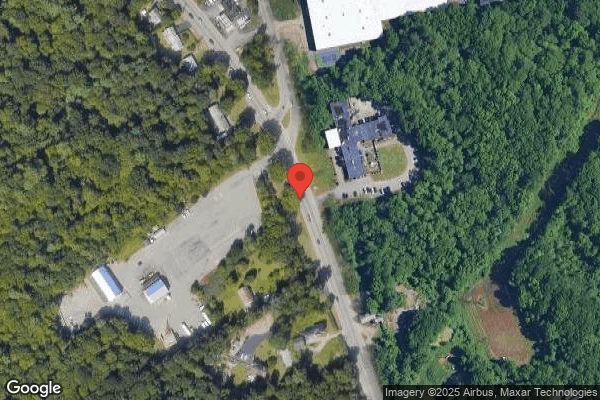
1044 PARK STREET, STOUGHTON, MA 02072 (781) 344-7300
For profit - Limited Liability company 92 Beds ALPHA SNF MA Data: November 2025
Trust Grade
50/100
#137 of 338 in MA
Last Inspection: October 2024

Within standard 12-15 month inspection cycle. Federal law requires annual inspections.

Overview

Blue Hills Health and Rehabilitation Center has a Trust Grade of C, which means it falls in the average range-neither particularly great nor terrible. It ranks #137 out of 338 facilities in Massachusetts, placing it in the top half of all facilities in the state, and #13 out of 33 in Norfolk County, indicating that only a few local options are better. The facility is improving, with the number of issues reported decreasing from 14 in 2023 to 7 in 2024. Staffing is a weakness here, rated 2 out of 5 stars, but with a 0% turnover rate, it shows that the staff stays long-term, which can benefit residents. Although there have been no fines, some concerning incidents were reported, including a resident developing a pressure ulcer due to inadequate care and a treatment cart that was left unlocked and accessible to residents, raising safety concerns.

Trust Score
C
50/100
In Massachusetts
#137/338
Top 40%
Safety Record
Moderate
Needs review
Inspections
Getting Better
14 → 7 violations
Staff Stability
○ Average
Turnover data not reported for this facility.
Penalties
✓ Good
No fines on record. Clean compliance history, better than most Massachusetts facilities.
Skilled Nurses
○ Average
Each resident gets 33 minutes of Registered Nurse (RN) attention daily — about average for Massachusetts. RNs are the most trained staff who monitor for health changes.
Violations
⚠ Watch
36 deficiencies on record. Higher than average. Multiple issues found across inspections.
★★★☆☆
3.0
Overall Rating
★★☆☆☆
2.0
Staff Levels
★★★☆☆
3.0
Care Quality
★★★☆☆
3.0
Inspection Score
Stable
2023: 14 issues
2024: 7 issues

The Good

  • Full Sprinkler Coverage · Fire safety systems throughout facility
  • No fines on record

Facility shows strength in fire safety.

The Bad

3-Star Overall Rating

Near Massachusetts average (2.9)

Meets federal standards, typical of most facilities

Chain: ALPHA SNF MA

Part of a multi-facility chain

Ask about local staffing decisions and management

The Ugly 36 deficiencies on record

2 actual harm
Oct 2024 7 deficiencies
CONCERN (D)

Potential for Harm - no one hurt, but risky conditions existed

Pressure Ulcer Prevention (Tag F0686)

Could have caused harm · This affected 1 resident

**NOTE- TERMS IN BRACKETS HAVE BEEN EDITED TO PROTECT CONFIDENTIALITY** Based on record review and interviews, the facility failed to ensure one Resident (#37), out of a total sample of 16 residents, ...

Read full inspector narrative →
**NOTE- TERMS IN BRACKETS HAVE BEEN EDITED TO PROTECT CONFIDENTIALITY** Based on record review and interviews, the facility failed to ensure one Resident (#37), out of a total sample of 16 residents, received care and treatment to promote healing of pressure injuries. Specifically, the facility failed to address wound physician's recommendations timely for care and treatment of two Stage 3 pressure ulcers (full thickness tissue loss that extends through the skin into the fat and deeper tissue, but does not expose bone, tendon, or muscle) to the coccyx (tailbone) and right buttock. Findings include: Review of the facility's policy titled Pressure Ulcer Prevention and Management, dated as last revised 3/4/24, indicated but was not limited to the following: -The facility shall establish and utilize a systematic approach for pressure injury prevention and management, including prompt assessment and treatment; intervening to stabilize, reduce or remove underlying risk factors; monitoring the impact of the interventions; and modifying the interventions as appropriate. -Licensed nurses will conduct full body skin assessment on all residents upon admission/readmission, weekly, and after any newly identified pressure injury. Findings will be documented in the medical record. -The staging of pressure injuries will be clearly documented. -The RN Unit Manager, or designee, will review all relevant documentation regarding skin assessments, pressure injury risks, progression toward healing, and compliance at least weekly, and document a summary of findings in the medical record. -The attending physician will be notified of progression towards healing, or lack of healing, of any pressure ulcers weekly. Resident #37 was admitted to the facility in August 2024 with diagnoses which included unstageable pressure ulcer (the base of the wound bed is covered by a layer of dead tissue often yellow, green, grey, brown, or black therefore the wound cannot be accurately staged) of the sacral region (back of the pelvis at the base of the spine above the coccyx/tailbone). (Note: Sacrum and Coccyx are often inadvertently used interchangeably due to the proximity of the two areas.) Review of the Minimum Data Set (MDS) assessment for Resident #37 indicated he/she scored 2 out of 15 on the Brief Interview for Mental Status (BIMS) indicating he/she had severe cognitive impairment. Additionally, he/she had an unstageable pressure injury. Review of the admission Nursing Assessment skin check indicated a pressure ulcer to the coccyx but failed to indicate a stage or description of the wound. Review of the Discharge summary, dated [DATE], indicated but was not limited to the following: -Diagnosis: Pressure Ulcer of Sacral region, unstageable. -Wound Care Treatment Daily: Wound recommendations for buttocks: Treatment Plan: Opticel (gelling fiber wound dressing providing optimal moist wound healing environment) 1. Remove old dressing (moisten dressing with normal saline prior to removal if adhered to wound bed). 2. Cleanse wound with wound wash to peri wound, let it dry. 3. Apply skin prep. 4. Cut Opticel to fit wound base. Apply into wound bed dry. 5. Cover with foam dressing. Change dressing daily. -Ascorbic Acid 500 milligrams (mg) give one tablet by mouth twice a day. Review of the Physician's Orders from admission failed to indicate wound care was ordered as recommended. Review of the physician and nursing notes failed to indicate the recommendations for the dressings were reviewed with the Attending Physician and declined. Further review of the Physician's Orders indicated but were not limited to the following: -Silver Sulfadiazine External 1% Cream: Apply to burrock (sic) topically every shift for wound (8/14/24- Discontinued 8/15/24) -Silver Sulfadiazine External 1% Cream: Apply to buttocks/coccyx topically every shift for wound (8/15/24) -Ascorbic Acid 500 milligrams (mg) give one tablet by mouth two times a day for supplement (8/14/24) Further review of the medical record indicated Resident #37 was seen by the Wound Physician on 8/15/24. Review of the Initial Wound Evaluation and Management Summary, dated 8/15/24, indicated the following: -Patient presents with wound on coccyx and right buttock. -Site 1: Stage 3 Pressure Wound Coccyx Full Thickness measures 1.4 x 0.3 x 0.2 centimeters (cm) -Site 2: Stage 3 Pressure Wound of the Right Buttock Full Thickness measures 0.8 x 0.5 x 0.2 cm Dressing Treatment Plan: Calcium Alginate and Gauze Island with border dressing daily. Recommendations: Cleanse with normal saline at time of dressing change. Vitamin C 500 mg twice daily and Zinc Sulfate 220 mg once daily for 14 days. Review of the Physician's Orders failed to indicate the Wound Care Physician's recommendations were ordered as recommended. Review of the physician and nursing notes failed to indicate the recommendations for the dressings or the Zinc Sulfate were reviewed with the Attending Physician and declined. Review of the Wound Care Evaluation & Management Summary, dated 8/22/24, indicated the same recommendations were made from 8/15/24. Review of the Physician's Orders failed to indicate the Wound Care Physician's recommendations were ordered as recommended. Review of the physician and nursing notes failed to indicate the recommendations for the dressings or the Zinc Sulfate were reviewed with the Attending Physician and declined. Review of the Physician's Orders indicated the following: (12 days after initially recommended by the Wound Doctor) -Coccyx: Cleanse area with normal saline or wound cleanser. Apply skin barrier wipe to peri wound area. Apply Calcium Alginate and cover with border gauze as needed for skin impairment and every evening shift for skin impairment. (8/27/24) -Right Buttock: Cleanse area with normal saline or wound cleanser. Apply skin barrier wipe to peri wound area. Apply Calcium Alginate and cover with border gauze as needed for skin impairment and every evening shift for skin impairment. (8/27/24) -Zinc 50 mg by mouth one time a day for supplement for 14 days. (8/27/24) Review of the Wound Care Evaluation & Management Summary, dated 8/29/24, indicated the following: -Site: 1 Coccyx wound was macerated with increased moisture after Foley catheter discontinuation. -Site: 2 Right Buttock was at goal. No changes were made to either treatment and the recommendations remained the same as the orders implemented on 8/27/24. -Site: 3 Sacrum (New Area) measured 2.2 x 2.1 x not measurable cm (depth not measurable due to the presence of nonviable tissue and necrosis (death of body tissue)). Wound was surgically debrided to remove the necrotic tissue down to the healthy tissue. Dressing Treatment Plan: Calcium Alginate and Gauze Island with border dressing daily. Review of the Physician's Orders failed to indicate the Wound Care Physician's recommendations for Site 3: Sacrum were ordered as recommended. Review of the physician and nursing notes failed to indicate the recommendation for the Sacral wound was reviewed with the Attending Physician and declined. Review of the Physician's Orders indicated the following: (5 days after initially recommended by the Wound Doctor) -Sacrum: Cleanse area with normal saline or wound cleanser. Apply skin barrier wipe to peri wound area. Apply Calcium Alginate and cover with border gauze as needed for skin impairment and every evening shift for skin impairment. (9/3/24) Review of the Wound Care Evaluation & Management Summary, dated 9/5/24, indicated the following: -Site: 1 Coccyx wound was at goal. -Site: 2 Right Buttock was at goal. No changes were made to either treatment and the recommendations remained the same as the orders implemented on 8/27/24. -Site: 3 Sacrum was resolved. Review of the Wound Care Evaluation & Management Summary, dated 9/12/24, indicated the following: -Site: 1 Coccyx wound was at goal. -Site: 2 Right Buttock was at goal. Dressing Treatment Plan for both areas was for Collagen Sheet and cover with border gauze. Review of the Physician's Orders failed to indicate the Wound Care Physician's recommendations were ordered as recommended. Review of the physician and nursing notes failed to indicate the recommendations for the dressings were reviewed with the Attending Physician and declined. Review of the Wound Care Evaluation & Management Summary, dated 9/19/24, indicated the following: -Site: 1 Coccyx wound was not at goal. Consider patient behavior as factor that is complicating wound healing and discussed it further with staff and/or family. -Site: 2 Right Buttock was not at goal. Dressing Treatment Plan for both areas was for Collagen Sheet and cover with border gauze. Review of the Physician's Orders indicated the following: (7 days after initially recommended by the Wound Doctor) -Coccyx: Cleanse area with normal saline or wound cleanser. Apply skin barrier wipe to peri wound area. Apply Collagen Sheet (cut collagen sheet size of wound) and cover with border gauze as needed for skin impairment and every evening shift for skin impairment. (9/19/24) -Right Buttock: Cleanse area with normal saline or wound cleanser. Apply skin barrier wipe to peri wound area. Apply Collagen Sheet (cut collagen sheet size of wound) and cover with border gauze as needed for skin impairment and every evening shift for skin impairment. (9/19/24) During an interview on 10/9/24 at 2:55 P.M., the Director of Nurses (DON) said Resident #37 declines to get out of bed and is non-complaint with repositioning as he/she likes to lay on their back. She said Resident #37 has a very long history of large pressure areas to his/her sacrum/buttocks/coccyx. She said she does rounds with the Wound Doctor and the Assistant Director of Nurse (ADON) writes the orders after the notes come over. During a wound care observation on 10/10/24 at 2:00 P.M., the Wound Doctor confirmed both areas were present on admission, have improved at this time, and said Resident #37 is non-compliant with offloading the wounds. He said there is a long history of pressure ulcers to this area making him/her more susceptible for future breakdown. During an interview on 10/11/24 at 8:55 A.M., the DON said the Medication Nurse and/or ADON review the recommendations when they come in. She said the Attending Physician doesn't always agree but if they disagree there should be a note in the medical record. During an interview on 10/11/24 at 9:49 A.M, the ADON said the DON does the actual wound rounds and she writes the orders after the notes are done. She said she usually has the recommendations and writes the orders the next day. She said typically the Attending Physician goes along with wound care recommendations and if they decline, then there should be a note in the record. The ADON did not recall why Resident #37 had an order for Silver Sulfadiazine Cream on admission and not a dressing. Regarding the Wound Care recommendations not ordered timely from visits on 8/15, 8/22, and 9/12, the ADON said they had some issues getting the notes to upload into the electronic medical record but could not recall the exact dates. She said if the notes are not uploaded the next day, she usually emails the Wound Doctor. She said she has never called him looking for missing recommendations. The ADON was unable to provide any email correspondence from August 2024 between her and the Wound Doctor regarding missing recommendations. The ADON provided the surveyor with one email correspondence dated 9/17/24 that indicated they were unable to use recommendation, today is Wednesday that is a delay in treatment. PCP came into the facility with new order to continue same treatment. The ADON said a week is unreasonable to wait for a recommendation to come over and it should be received and addressed by the next day. She said she did not have the Wound Doctor's phone number, so she just sends an email and waits for them to come in. She said sometimes the notes are emailed to us and other times they are directly uploaded to the medical record. During an interview on 10/11/24 at 11:38 A.M., the DON said she does rounds with the Wound Doctor, but he does not give verbal recommendations. She said he usually reviews the chart, finishes the notes, and then uploads them into the medical record. She said usually they have the notes within 24 hours, not days/weeks later. She said there were some integration issues, so he was emailing the recommendations, but she was not aware they were having issues getting the recommendations timely. She said if they did not get the recommendation then they should be contacting the Wound Doctor for them, she said she has his phone number and email and then they should be writing a progress note. During an interview on 10/11/24 at 2:20 P.M., the Wound Doctor said he rounds weekly with the DON and the notes are supposed to sync/integrate but they don't always, so he emails them and/or manually uploads them himself. He said IT was investigating because there was no rhyme or reason to what was and was not uploading. He said he recalls some communication with the ADON about notes and said when he was notified they did not receive a note he would send it right over. He said he did not recall specifically how many times there was a delay in receiving the recommendations, but it was few, with different residents and even in different buildings. He said it was a system problem that they need to get fixed and in the meantime, he had just been manually uploading the notes himself. The Wound Doctor failed to provide any correspondence regarding missing notes or integration issues with Resident #37.
CONCERN (D)

Potential for Harm - no one hurt, but risky conditions existed

Medication Errors (Tag F0758)

Could have caused harm · This affected 1 resident

Based on record review and staff interview, the facility failed to ensure that as needed (PRN) orders for psychotropic medications were limited to 14 days, unless otherwise documented by the attending...

Read full inspector narrative →
Based on record review and staff interview, the facility failed to ensure that as needed (PRN) orders for psychotropic medications were limited to 14 days, unless otherwise documented by the attending physician or prescribing practitioner that it was appropriate to extend beyond 14 days for one Resident (#3), out of a total sample of 16 residents. Specifically, the facility failed to ensure a rationale was documented in the medical record for extending the use of Trazodone (anti-depressant) used for anxiety/agitation/insomnia. Findings include: Review of the facility's policy titled Use of Psychotropic Medications, dated as last revised 3/4/24, indicated but was not limited to the following: -A psychotropic drug is any drug that affects brain activities associated with mental processes and behavior. Psychotropic drugs include but are not limited to the following categories: antipsychotics, antidepressants, anti-anxiety, and hypnotics. -PRN orders for all psychotropic drugs shall be used only when the medication is necessary to treat a diagnoses' specific condition that is documented in the clinical record, and for a limited duration (i.e., 14 days). -If the attending physician or prescribing practitioner believes that it is appropriate for the PRN order to be extended beyond 14 days, he or she shall document their rationale in the resident's medical record and indicate the duration for the PRN order. Resident #3 was admitted to the facility in December 2023 with diagnoses which included insomnia, psychotic disorder with delusions, mood disorder, falls, and dementia. Review of the Minimum Data Set (MDS) assessment, dated 12/15/23, indicated he/she scored 4 out of 15 on the Brief Interview for Mental Status (BIMS) indicating he/she had severe cognitive impairment. Additionally, he/she was taking an antidepressant. Review of the Physician's Orders from admission indicated but were not limited to the following: -Trazodone 25 milligrams (mg) by mouth two times a day for antidepressant (12/11/23) -Trazodone 25 mg by mouth every 6 hours as needed for anxiety/agitation for 14 days (12/11/23) -Trazodone 50 mg by mouth at bedtime for insomnia (12/11/23) -Trazodone 50 mg by mouth every 24 hours as needed for insomnia for 14 days (12/11/23) Review of the physician and psych progress notes indicated the following: -12/12/23, Resident #3 was seen by the Attending, the progress note indicated he/she was in no apparent distress and the plan was to provide supportive care and follow up with psych services routinely. Additionally, the note indicated to monitor sleep habits and adjust accordingly. The note failed to indicate a plan to extend the newly ordered PRN medications for Resident #3. -12/13/23, Resident #3 was seen by Psychiatry for an initial consult, the progress note indicated he/she was appearing pleasant with baseline confusion. He/she is tolerating the current psych med regime which I will recommend to maintain for now in order to obtain a longer baseline to avoid instability. Attempt gradual dose reduction (GDR) next exam if deemed necessary. RECOMMENDATION: MEDICATION CHANGES: Extend both PRN Trazodone orders for 90 days. The note failed to indicate a rationale to extend the newly ordered PRN medications for Resident #3. Review of the nursing notes (12/11/23-12/13/23) failed to indicate Resident #3 had experienced anxiety, agitation, or insomnia since admission. Review of the Medication Administration Record (MAR) (12/11/23-12/13/23) failed to indicate either PRN medication had been administered. Review of the physician progress note, dated 12/14/23, failed to indicate a rationale to extend the newly ordered PRN medications for Resident #3. Review of subsequent progress notes for December 2023 failed to indicate a rationale to extend the newly ordered PRN medications for Resident #3. Review of the Physician's Orders indicated the following changes were made on 12/13/23: -Trazodone 50 mg by mouth every 24 hours as needed for insomnia for 14 days (12/11/23-Discontinued 12/13/23) -Trazodone 50 mg by mouth every 24 hours for insomnia for 90 days (12/13/23) During an interview on 10/11/24 at 9:49 A.M., the Assistant Director of Nurses (ADON)/Staff Development Coordinator (SDC) said PRN psychotropic medications are to be limited to 14 days unless the Doctor writes an order to extend it and documents a rationale as to why they want to keep it longer. The ADON/SDC said she was not sure why the Trazodone was extended right after admission to the facility and was unable to provide the surveyor with a documented rationale in the medical record. During an interview on 10/11/24 at 12:20 P.M., the Director of Nurses (DON) and Corporate Nurse #1 said the provider should document a rationale to extend the PRN psychotropic and they were unable to locate a documented rationale in the medical record for extending the PRN Trazodone from 14 days to 90 days. During a follow up interview on 10/11/24 at 2:36 P.M., Corporate Nurse #1 said she thinks psych wanted to extend the Trazodone given his/her history of behaviors prior to admission and to ensure the medication didn't drop off after 14 days if he/she did need it. However, she was unable to provide a documented clinical rationale from the provider in the medical record.
CONCERN (E)

Potential for Harm - no one hurt, but risky conditions existed

Deficiency F0578 (Tag F0578)

Could have caused harm · This affected multiple residents

Based on record review and interview, the facility failed to ensure Advance Directives were formulated and signed by the clinician (Physician, Nurse Practitioner, or Physician Assistant) making them v...

Read full inspector narrative →
Based on record review and interview, the facility failed to ensure Advance Directives were formulated and signed by the clinician (Physician, Nurse Practitioner, or Physician Assistant) making them valid for one Resident (#18), out of a total sample of 16 residents. Findings include: Review of the Massachusetts Medical Orders for Life-Sustaining Treatment (MOLST) form, dated 8/10/13, indicated but was not limited to the following: Instructions: -This form should be signed based on goals of care discussions between the patient (or patient's representative signing below) and the signing clinician. -Sections A through C are valid orders only if sections D and E are complete. If any section is not completed, there is no limitation on the treatment indicated in that section. Section D: Patient or patient's representative signature is required. Section E: Clinician signature required. Review of Resident #18's MOLST indicated section D and section E were both signed by Resident #18's Healthcare proxy (HCP) on 9/18/21. Resident #18 indicated advanced directives to be: Do not resuscitate (DNR), Do not intubate (DNI), Do not hospitalize (DNH), no dialysis. -Section E was not signed by the clinician making Resident #18's MOLST form not valid. Review of Resident #18's care plan indicated but was not limited to: -Advanced Directives DNR, DNI, DNH, no dialysis, HCP invoked. -My advanced directives will be honored through the next 90 days. -Please note, my wishes are clearly marked and identified in my medical record. -Please review my code status quarterly at my intra-disciplinary care plan meeting. During an interview on 10/10/24 at 3:20 P.M., the Director of Nurses (DON) said the MOLST should be signed by the physician to be valid. The DON said she will check in overflow to see if there is a MOLST signed by the clinician. During an interview on 10/10/24 at 4:40 P.M., the DON said there is no MOLST signed by the physician.
CONCERN (E)

Potential for Harm - no one hurt, but risky conditions existed

Accident Prevention (Tag F0689)

Could have caused harm · This affected multiple residents

Based on observation and interview, the facility failed to ensure staff provided residents an environment free from accident hazards on one unit of three units in the facility. Specifically, the facil...

Read full inspector narrative →
Based on observation and interview, the facility failed to ensure staff provided residents an environment free from accident hazards on one unit of three units in the facility. Specifically, the facility failed to ensure a utility room with hazardous items stored in it was not easily accessible to wandering residents on a Dementia Special Care Unit. Findings include: On 10/9/24 at 9:14 A.M., the surveyor observed an unlocked utility room with the door ajar, the surveyor was easily able to enter the room with just a gentle push of the door. Inside the room the surveyor observed: -Two open four-gallon bottles of no-rinse floor stripper -A pair of unsecured and unlabeled dentures -Four full containers of used sharps being stored -A four-gallon bottle of concentrated degreaser cleaner with approximately half of the liquid remaining in the bottle. On 10/9/24 at 10:24 A.M., the surveyor observed on the South unit of the Dementia Specialty Care facility, a resident walking without direction independently past the unlocked utility room. On 10/9/24 at 11:19 A.M., the surveyor observed Housekeeper #2 putting trash and a dirty linen cart inside of the unsecured utility room and leaving the door unlocked and ajar upon exiting. On 10/9/24 at 4:10 P.M., the surveyor observed the utility room door unlocked and ajar with staff and residents walking by the utility room. On 10/10/24 at 8:02 A.M., the surveyor observed the door of the utility room unlocked and ajar; the door was able to be pushed open without force. On 10/10/24 at 8:30 A.M., the surveyor observed the Director of Maintenance walking past the unlocked ajar utility room door and stopped to talk with a resident in the room across the hall. On 10/10/24 at 8:34 A.M., the surveyor observed a resident ambulating independently in the hallway with no direction. The surveyor observed him/her looking around and entering a room three doors down from the unlocked ajar utility room. The surveyor also observed another resident ambulating in the hallway independently. On 10/10/24 at 8:38 A.M., the surveyor observed a resident going behind the curtain next to the utility room door where Hoyer lift equipment was kept. The surveyor observed this resident attempt to take down a stop sign in front of an exit door at the end of hallway. The resident sat in another resident's wheelchair at the end of the hall after staff redirected the resident away from exit door. During an interview on 10/10/24 at 8:40 A.M., Certified Nursing Assistant (CNA) #1 said there are about five or six residents who wander up and down the hallway on this unit. She said some go in and out of other residents' rooms and that is why most rooms have a stop sign banner to deter residents from wandering where they shouldn't be. During an interview on 10/10/24 at 8:43 A.M., Nurse #1 said the stop signs are up to prevent the residents who wander into rooms they shouldn't. She said there are a lot of residents who wander (walk without direction) and attempt to go in rooms they should not. On 10/10/24 at 9:24 A.M., the surveyor observed a resident in a wheelchair self-propelling down the hallway past the unlocked and ajar utility room door. On 10/10/24 at 9:28 A.M., the surveyor observed CNA # 1 push the door open and push the dirty linen cart in the room and exit the room without ensuring the door was closed and locked. CNA #1 said they must put everything away because the residents will take things. On 10/10/24 at 10:42 A.M., the surveyor observed Housekeeping staff #2 exit the utility room and did not ensure the door was locked or secured behind her. The surveyor observed that the door to the utility room remained unlocked and ajar. On 10/10/24 at 9:32 A.M., the surveyor observed the door to the utility room unsecured and ajar while a resident was walking in the hallway attempting to enter a room with a Velcro stop sign banner which was next to the utility room. During an interview on 10/10/24 at 11:30 A.M., the Director of Nurses (DON) said the door to the utility room should be closed and secured at all times. She said her expectation is that staff ensure the door is closed and the room is secured so no residents can wander into the utility room and have access to hazardous materials.
CONCERN (E)

Potential for Harm - no one hurt, but risky conditions existed

Food Safety (Tag F0812)

Could have caused harm · This affected multiple residents

Based on observation and interview, the facility failed to follow professional standards of practice for food safety and sanitation to prevent potential spread of foodborne illness to residents who ar...

Read full inspector narrative →
Based on observation and interview, the facility failed to follow professional standards of practice for food safety and sanitation to prevent potential spread of foodborne illness to residents who are at high risk. Specifically, the facility failed to: 1. Maintain the resident kitchenette in a clean and sanitary condition, and to ensure all food was properly labeled and dated and removed after three days in one of one kitchenette reviewed; and 2. Ensure the ceiling in the main kitchen was maintained in a safe sanitary condition to prevent flaking with potential to contaminate food and clean dishes below. Findings include: 1. Review of the facility's policy titled Use and Storage of Food Brought in by Family or Visitors, dated 2024, indicated but was not limited to the following: -It is the right of the residents of this facility to have food brought in by family or other visitors, however, the food must be handled in a way to ensure the safety of the resident. -All food items that are already prepared by the family or visitor brought in must be labeled with the content and dated. -The facility may refrigerate labeled and dated prepared items in the nourishment refrigerator. -The food must be consumed by the resident within 3 days. -If not consumed within 3 days, food will be thrown away by facility staff. On 10/10/24 at 8:44 A.M., the surveyor made the following observations in the only resident kitchenette: Freezer compartment: -There was an open box of unsealed Jamaican Hot beef Patties, not labeled or dated. Refrigerator: -Orange bag which contained a plastic container of a meal consisting of rice, meat, and gravy, dated 9/30/24. -On the top shelf there was a plastic container of rice, meat, and gravy, not labeled or dated. -Clear plastic pitcher of orange juice, dated 10/3/24. - [NAME] bag containing a take-out container, labeled with a resident's name but not dated. -There was a water bottle stuck to the floor of the refrigerator in a red dried liquid. The red liquid was also splattered of the side wall and the inside bottom of the door. During an interview on 10/10/24 at 3:05 P.M., the surveyor and the Food Service Manager (FSM) observed the kitchenette and all the observation listed above were observed, except the Frozen Jamaican Hot Beef Patties box had been removed. The FSM said her staff stock and check the refrigerator a couple times a day. FSM said all the resident's food brought in from home should be labeled, dated, and all foods should be removed after three days. 2. Review of the 2022 Food Code by the U.S. Food and Drug Administration (FDA) indicated but was not limited to: 6-101.11 Surface Characteristics. Floors, walls, and ceilings that are constructed of smooth and durable surface materials are more easily cleaned. 6-2 Design, Construction, and Installation 6-201 Cleanability: 6-201.11 Floors, Walls, and Ceilings. Except as specified under § 6-201.14 and except for antislip floor coverings or applications that may be used for safety reasons, floors, floor coverings, walls, wall coverings, and ceilings shall be designed, constructed, and installed so they are SMOOTH and EASILY CLEANABLE. Indoor areas 6-101.11 Surface Characteristics. On 10/11/24 at 8:32 A.M., the surveyor observed the ceiling above both sides of the dishwasher (including right side where the clean dishes exit the dish machine) and above the milk refrigeration chest located outside the walk-in refrigerator to be in disrepair with large areas of the ceiling flaking off and a large brown water stain in the area above the milk chest. There were clean pots and pans stored to right of the flaking ceiling by the milk chest. During an interview on 10/11/24 at 8:45 A.M., the FSM said the ceiling has been like this for several months. She said the Maintenance Director already worked on the area above the milk chest, but it is flaking off again. The surveyor viewed the ceiling over the milk chest to be actively flaking off and containing a large brown water damaged area. During an interview on 10/11/24 at 9:32 A.M., the Maintenance Director said he tried to patch the area above the milk chest a while ago. During an interview on 10/11/24 at 10:33 A.M., the Administrator said he thought some work had been done on the kitchen ceiling already and was not aware the ceiling was still flaking. During an interview on 10/11/24 at 11:24 A.M., with the Maintenance Director and the Administrator present, the Maintenance Director said the ceiling flaking and water stain have been there for a while. He said he started on the ceiling over the milk chest, but there was a leak in the bathroom above which left a water stain on the ceiling, and it started flaking again.
MINOR (B)

Minor Issue - procedural, no safety impact

Comprehensive Assessments (Tag F0636)

Minor procedural issue · This affected multiple residents

Based on Minimum Data Set (MDS) assessment review and staff interview, the facility failed to ensure staff completed the Comprehensive MDS assessment within the required time frame for five Residents ...

Read full inspector narrative →
Based on Minimum Data Set (MDS) assessment review and staff interview, the facility failed to ensure staff completed the Comprehensive MDS assessment within the required time frame for five Residents (#59, #20, #23, #42, #22), out of a total of 28 comprehensive assessments reviewed from September 2024 through October 9, 2024. Findings include: The MDS is part of the U.S. federally mandated process for clinical assessment of all residents in Medicare or Medicaid-certified nursing homes. It is a core set of screening, clinical and functional status elements, including common definitions and coding categories, which forms the foundation of a comprehensive assessment. An admission MDS assessment is considered timely when it is completed within 14 calendar days after admission to the facility. 1. Resident #59 was admitted to the facility in September 2024. Review of the admission MDS assessment, dated 9/16/24, indicated it was not completed until 9/27/24, a total of four days late. 2. Resident #20 was admitted to the facility in September 2024. Review of the admission MDS assessment, dated 9/16/24, indicated it was not completed until 10/2/24, a total of eight days late. 3. Resident #23 was admitted to the facility in September 2024. Review of the admission MDS assessment, dated 9/16/24, indicated it was not completed until 9/26/24, a total of three days late. 4. Resident #42 was admitted to the facility in August 2024. Review of the admission MDS assessment, dated 9/3/24, indicated it was not completed until 9/12/24, a total of two days late. 5. Resident #22 was admitted to the facility in August 2024. Review of the admission MDS assessment, dated 8/26/24, indicated it was not completed until 9/4/24, a total of two days late. During an interview on 10/10/24 at 11:03 A.M., the MDS Coordinator said she was responsible for the completion of the MDS assessments and was aware that they were not being completed timely. She said she was recently out of work and there was nobody to assist her with the completion of the assessments while she was out of the building During an interview on 10/10/24 at 1:57 P.M., the MDS timeliness was discussed with the Administrator. He said there should be someone to support the MDS Coordinator when she is out so the assessments are not completed late.
MINOR (B)

Minor Issue - procedural, no safety impact

Deficiency F0638 (Tag F0638)

Minor procedural issue · This affected multiple residents

Based on Minimum Data Set (MDS) assessment review and staff interview, the facility failed to ensure staff completed the Quarterly MDS assessment within the required time frame for three Residents (#3...

Read full inspector narrative →
Based on Minimum Data Set (MDS) assessment review and staff interview, the facility failed to ensure staff completed the Quarterly MDS assessment within the required time frame for three Residents (#30, #21, #41), out of a total of 28 comprehensive assessments reviewed from September 2024 through October 9, 2024. Findings include: The MDS is part of the U.S. federally mandated process for clinical assessment of all residents in Medicare or Medicaid-certified nursing homes. It is a core set of screening, clinical and functional status elements, including common definitions and coding categories, which forms the foundation of a comprehensive assessment. A Quarterly MDS assessment is considered timely if the Assessment Reference Date (ARD) of the Quarterly MDS is completed within 92 days of the most recent OBRA Assessment reference date (Admission, Annual, Quarterly, or a Significant Change in Status Assessment), and submitted no later than 14 days after the assessment reference date. 1. Resident #30 was admitted to the facility in November 2017. Review of the quarterly MDS assessment, dated 9/17/24, indicated it was not completed until 10/3/24, a total of three days late. 2. Resident #21 was admitted to the facility in July 2017. Review of the quarterly MDS assessment, dated 9/17/24, indicated it was not completed until 10/3/24, a total of three days late. 3. Resident #41 was admitted to the facility in January 2020. Review of the quarterly MDS assessment, dated 9/17/24, indicated it was not completed until 10/3/24, a total of three days late. During an interview on 10/10/24 at 11:03 A.M., the MDS Coordinator said she was responsible for the completion of the MDS assessments and was aware that they were not being completed timely. She said she was recently out of work and there was nobody to assist her with the completion of the assessments while she was out of the building. During an interview on 10/10/24 at 1:57 P.M., the MDS timeliness was discussed with the Administrator. He said there should be someone to support the MDS Coordinator when she is out so the assessments are not completed late.
Jul 2023 14 deficiencies
CONCERN (D)

Potential for Harm - no one hurt, but risky conditions existed

Deficiency F0583 (Tag F0583)

Could have caused harm · This affected 1 resident

**NOTE- TERMS IN BRACKETS HAVE BEEN EDITED TO PROTECT CONFIDENTIALITY** Based on observation and interviews, the facility failed to ensure residents' rights to personal privacy and confidentiality was...

Read full inspector narrative →
**NOTE- TERMS IN BRACKETS HAVE BEEN EDITED TO PROTECT CONFIDENTIALITY** Based on observation and interviews, the facility failed to ensure residents' rights to personal privacy and confidentiality was promoted and protected for 3 Resident's (#3, #54, #49), from a total sample of 33 residents. Specifically, the facility failed to ensure specific Resident names were not included in care plans. Findings include: Review of the facility policy titled, Confidentiality of Information, revision date 2010 included the following: - The facility will safeguard all resident records, whether medical, financial, or social in nature to protect the confidentiality of the information. 1. For Resident #3 the facility failed ensure the residents name was protected from another residents care plan. Resident #3 was admitted to the facility in January 2018 with diagnoses including, traumatic brain injury, and cognitive communication deficit. Review of the most recent Minimum Data Set assessment dated [DATE] included a Brief Interview for Mental Status score of 5 out of a possible 15 indicating severe cognitive impairment. During a review of another Resident's medical record, Resident #3's name was identified in an intervention in the care plan. During an interview on 7/21/23, at 1:40 P.M., Corporate Nurse #1 said Residents identifiers should not be in the Care Plans unless it is that specific resident's medical record. 2. For Resident #54 the facility failed ensure the residents name was protected from another residents care plan. Resident #54 was admitted to the facility in November 2021 with diagnoses including dementia and type 2 diabetes mellitus. Review of the Minimum Data Set (MDS) assessment, dated 6/28/23, indicated a Brief Interview for Mental Status score of 9 out of possible 15 indicating moderate cognitive impairment. During a review of another Residents medical record, Resident #54's name was identified within another residents care plan. During an interview on 7/21/23, at 1:40 P.M., Corporate Nurse #1 said Residents identifiers should not be in the Care Plans unless it is that specific resident's medical record. 3. For Resident #49 the facility failed ensure the residents name was protected from another residents care plan. Resident #49 was admitted to the facility in October 2021 with diagnoses including hypertension and dementia. Review of the most recent Minimum Data Set assessment dated [DATE], indicated a Brief Interview for Mental Status score of 6 out of a possible 15 indicating severe cognitive impairment. During a review of another Residents medical record, Resident #54's name was identified within another residents care plan. During an interview on 7/21/23, at 1:40 P.M., Corporate Nurse #1 said Residents identifiers should not be in the Care Plans unless it is that specific resident's medical record.
CONCERN (D)

Potential for Harm - no one hurt, but risky conditions existed

Deficiency F0658 (Tag F0658)

Could have caused harm · This affected 1 resident

**NOTE- TERMS IN BRACKETS HAVE BEEN EDITED TO PROTECT CONFIDENTIALITY** Based on record review and interview, the facility failed to follow professional standards of nursing practice by not following ...

Read full inspector narrative →
**NOTE- TERMS IN BRACKETS HAVE BEEN EDITED TO PROTECT CONFIDENTIALITY** Based on record review and interview, the facility failed to follow professional standards of nursing practice by not following physician orders regarding the timing of medication administration for 1 Resident (#5) out of a total sample of 33 Residents. Findings include: Resident #5 was admitted to the facility in April 2023 with diagnoses including vascular dementia, anxiety disorder and major depressive disorder. Review of Resident #5's most recent Minimum Data Set (MDS) dated [DATE] indicated that the Resident scored a 12 out of 15 on the Brief Interview for Mental Status exam indicating that the Resident has moderate cognitive impairment. Review of Resident #5's physician orders indicate the following: *Dated 4/14/23: diazepam (a benzodiazepine) Oral Tablet 5 MG (milligrams) Give 1 tablet by mouth two times a day for anxiety do not give diazepam and oxycodone together. *discharge date [DATE]: Oxycodone HCl (Opiate) Oral Tablet 5 MG Give 2.5 mg by mouth two times a day do not give with with diazepam. Review of Resident #5's Medication Administration Audit Report indicated the following medication administration times: *4/14/23: diazepam administered at 10:02 A.M., oxycodone administered at 10:36 A.M. - 34 minutes apart *4/15/23: diazepam administered at 12:46 P.M., oxycodone administered at 12:51 P.M. - 5 minutes apart *4/16/23: diazepam administered at 10:20 A.M., oxycodone administered at 10:20 A.M. - administered at the same time *4/17/23: diazepam administered at 10:09 A.M., oxycodone administered at 10:08 A.M. - 1 minute apart *4/19/23: diazepam administered at 10:03 A.M., oxycodone administered at 9:37 A.M. - 26 minutes apart *4/21/23: diazepam administered at 11:35 A.M., oxycodone administered at 10:54 A.M. - 41 minutes apart *4/30/23: diazepam administered at 10:03 A.M., oxycodone administered at 9:21 A.M. - 42 minutes apart *5/3/23: diazepam administered at 10:38 A.M, oxycodone administered at 10:38 A.M. - administered at the same time *5/4/23: diazepam administered at 10:15 A.M, oxycodone administered at 10:04 A.M. - 1 minute apart *5/6/23: diazepam administered at 10:02 A.M., oxycodone administered at 9:27 A.M. - 35 minutes apart *5/9/23: diazepam administered at 10:12 A.M., oxycodone administered at 9:52 A.M. - 20 minutes apart *5/11/23: diazepam administered at 10:01 A.M., oxycodone administered at 9:41 A.M. - 20 minutes apart *5/27/23: diazepam administered at 10:03 A.M., oxycodone administered at 9:53 A.M. - 10 minutes apart *5/29/23: diazepam administered at 10:39 A.M., oxycodone administered at 10:38 A.M. - 1 minute apart *5/30/23: diazepam administered at 3:22 P.M., oxycodone administered at 3:22 P.M. - administered at the same time *5/31/23: diazepam administered at 11:32 A.M., oxycodone administered at 11:48 A.M. - 16 minutes apart *6/2/23: diazepam administered at 11:34 A.M., oxycodone administered at 11:34 A.M. - administered at the same time *6/13/23: diazepam administered at 1:07 P.M., oxycodone administered at 1:07 P.M. - administered at the same time *6/16/23: diazepam administered at 1:07 P.M., oxycodone administered at 12:28 P.M. - 39 minutes apart *6/17/23: diazepam administered at 3:29 P.M., oxycodone administered at 3:27 P.M - 2 minutes apart *6/22/23: diazepam administered at 1:45 P.M., oxycodone administered at 1:45 P.M - administered at the same time *6/28/23: diazepam administered at 1:13 P.M, oxycodone administered at 12:52 P.M. - 21 minutes apart *6/29/23: diazepam administered at 1:44 P.M., oxycodone administered at 1:43 P.M - 1 minute apart During a phone interview on 7/20/23 at 10:05 A.M., the Physician said taking these two medications at the same time could result in sedation for the Resident, he/she should be taking them at least one hour apart to avoid this. During an interview on 7/20/23 at 10:55 A.M., Nurse #1 said taking a benzodiazepine and an opiate at the same time could result in dizziness and sedation and we try and wait one hour minimum between administering them to residents. During an interview on 7/20/23 at 11:11 A.M., the Director of Nursing and Corporate Nurse #1 said both benzodiazepines and opiates are central nervous system depressants and could cause sedation if taken together. Corporate Nuse #1 said these should be taken separately if the physician's order indicates it. She said the order will need to be updated so staff can administer the medications at the correct time.
CONCERN (D)

Potential for Harm - no one hurt, but risky conditions existed

ADL Care (Tag F0677)

Could have caused harm · This affected 1 resident

**NOTE- TERMS IN BRACKETS HAVE BEEN EDITED TO PROTECT CONFIDENTIALITY** Based on observation, interview and record review, the facility failed to provide assistance with eating for 1 Resident (#43) ou...

Read full inspector narrative →
**NOTE- TERMS IN BRACKETS HAVE BEEN EDITED TO PROTECT CONFIDENTIALITY** Based on observation, interview and record review, the facility failed to provide assistance with eating for 1 Resident (#43) out of a total sample of 33 residents. Findings include: Review of the facility policy titled Activities of Daily Living, dated and revised December 2022 indicated the following: *A resident who is unable to carry out activities of daily living will receive the necessary services to maintain good nutrition, grooming and personal and oral hygiene. *Procedure: The facility will provide care and services for the following activities of daily living - Dining: eating, including meals and snacks. Resident #43 was admitted to the facility in May 2022 with diagnoses including Parkinson's disease, unspecified dementia, neurocognitive disorder with Lewy bodies and psychotic disorder with delusions. Review of Resident #43's most recent Minimum Data Set (MDS) dated [DATE], indicated that the Resident scored a 0 out of 15 on the Brief Interview for Mental Status exam indicating that he/she has severe cognitive impairment. Further review indicated that Resident #43 requires total dependence with all activities of daily living and extensive assistance, one-person physical assistance with eating. On 7/19/23, at 10:28 A.M., Resident #43 was observed eating his/her breakfast in his/her bed with oatmeal on his/her chest. The Resident was observed having shaky hands when trying to bring food from his/her plate to his/her mouth. The Resident's curtain was drawn, and he/she was not visible from the hallway. On 7/20/23, at 8:27 A.M., Resident #43 was observed eating in bed with no supervision or assistance. At 8:38 A.M., the Resident was still eating unassisted and without supervision, he/she was observed having shaky hands trying to bring food from his/her plate to his/her mouth. The Resident had chunks of banana on his/her chest. On 7/21/23, at 8:13 A.M., Resident #43 was observed eating in bed with no assistance or supervision, the Resident had visible muffin crumbs on his/her chest. Review of Resident #43's nursing care card indicated that the Meals section was left blank and did not indicate the level assistance required for meals. Review of Resident #43's care plan, dated and revised 5/24/22, indicated the following: *Focus: Resident #43 is dependent on staff to provide my ADL's. *Intervention: I am dependent on 1 staff to provide and feed me all my meals and snacks - dated 6/26/23. Review of Resident #43's Comprehensive Nutrition Assessments dated 4/26/23, and 7/21/23, indicated that the Resident is dependent for dining assistance for eating and drinking. Review of Resident #43's Certified Nursing Assistant's (CNA) ADL Flow Sheets for the months of May, June and July 2023 indicated that the Resident required either extensive assistance or total dependence with eating. During an interview on 7/21/23, at 9:59 A.M., CNA #2 said she knows what level of care residents require based on their care card and that she knows the residents too. We help them with feeding if they need it. CNA #2 continued to say when a resident requires extensive assistance with meals then they need help with feeding. CNA #2 and Nurse #1 said Resident #43 is a limited assist with meals and most of the time, feeds him/herself. CNA #2 and Nurse #1 were unaware that Resident #43 was care planned for total dependence for meals. During an interview on 7/21/23, at 12:33 P.M., Administrator #1 said Resident #43 should be getting assistance with meals from the staff.
CONCERN (D)

Potential for Harm - no one hurt, but risky conditions existed

Deficiency F0678 (Tag F0678)

Could have caused harm · This affected 1 resident

**NOTE- TERMS IN BRACKETS HAVE BEEN EDITED TO PROTECT CONFIDENTIALITY** Based on record review and interviews, the facility failed to ensure staff initiated Cardiopulmonary Resuscitation (CPR) appropr...

Read full inspector narrative →
**NOTE- TERMS IN BRACKETS HAVE BEEN EDITED TO PROTECT CONFIDENTIALITY** Based on record review and interviews, the facility failed to ensure staff initiated Cardiopulmonary Resuscitation (CPR) appropriately for one Resident (#212) out of two closed Records. Specifically, after Resident #212 was found unresponsive and without a pulse, despite his/her code status of Do Not Resuscitate (DNR), staff initiated life saving measures in an attempt to resuscitate him/her, including administering CPR and calling 911. When staff determined that Resident #212 was a DNR, staff terminated CPR before Emergency Medical Staff (EMS) arrived. Findings include: Review of the facility's Cardiopulmonary Resuscitation policy, undated, indicated: *If an individual (Resident, visitor, or staff member) is found unresponsive and not breathing normally, a licensed staff member who is certified in CPR shall initiate CPR unless: it is known that a DNR order that specifically prohibits CPR and/or external defibrillation exists for that individual. *Upon determining there is no pulse or breathing, call for help. *Begin CPR if the adult victim is unresponsive and not breathing normally (ignoring occasional gasps) without assessing the victims pulse. *CPR should continue, repeating steps as above for compressions and rescue breaths until EMS arrives. Resident #212 was admitted to the facility in [DATE] with diagnoses including afib and traumatic brain injury. Review of Resident #212's Medical Orders for Life Sustaining Treatment (MOLST) dated [DATE], indicated he/she was a DNR. Review of the facility's internal investigation dated [DATE], indicated that on [DATE], Resident #212 was found by Physical Therapy Assistant (PTA) #1 unresponsive and not breathing. PTA #1's written witness statement indicated that he/she observed Resident #212 in bed with poor color and was unresponsive. PTA #1 then called for help and initiated CPR. During an interview on [DATE], at 11:09 A.M. Occupational Therapist (OT) #1 said on [DATE], PTA #1 called for help and she went to Resident #212's room and observed Resident #212 was blue and unresponsive. OT #1 said that PTA #1 told her to go get a nurse and PTA #1 lowered Resident #212's bed so he/she was in a laying position and started chest compressions. During an interview on [DATE], at 11:23 A.M., PTA #1 said on [DATE], she saw Resident #212 from the hallway and he/she looked a little pale. PTA #1 said she entered Resident #212's room and he/she was unresponsive. PTA #1 said she adjusted the bed so Resident #212 was laying flat, called for OT #1 to get help and then began chest compressions. PT #1 said that a Code Blue was called and when nursing staff arrived and said Resident #212 was a DNR, she stopped performing chest compressions. Review of PTA #1's CPR Certification indicated her certification expired in [DATE]. During an interview on [DATE], at 12:18 P.M. Director of Nursing (DON) said that when CPR is initiated, it shouldn't be stopped until EMS arrives. The DON said that she called 911 on [DATE], when she heard the code blue and that Resident #212 was unresponsive. The DON said staff are expected to follow a Resident's plan of care and that Resident #212 was a DNR.
CONCERN (D)

Potential for Harm - no one hurt, but risky conditions existed

Accident Prevention (Tag F0689)

Could have caused harm · This affected 1 resident

**NOTE- TERMS IN BRACKETS HAVE BEEN EDITED TO PROTECT CONFIDENTIALITY** Based on observations, record reviews and interviews, the facility failed to ensure 1 Resident (#5) was wearing a wanderguard to...

Read full inspector narrative →
**NOTE- TERMS IN BRACKETS HAVE BEEN EDITED TO PROTECT CONFIDENTIALITY** Based on observations, record reviews and interviews, the facility failed to ensure 1 Resident (#5) was wearing a wanderguard to prevent possible elopement, out of a total sample of 33 residents. Findings include: Review of the facility policy titled Resident Elopement/Prevention, dated and revised 10/19/21, indicated the following: *The facility will ensure that residents who exhibit wandering behavior and/or are at risk for elopement receive adequate supervision. Procedures Post-Elopement: *Any new physician orders will be implemented and communicated to the resident/family/authorized representative. Resident #5 was admitted to the facility in April 2023 with diagnoses including vascular dementia, anxiety disorder and major depressive disorder. Review of Resident #5's most recent Minimum Data Set (MDS) dated [DATE] indicated that the Resident scored a 12 out of 15 on the Brief Interview for Mental Status exam indicating that the Resident has moderate cognitive impairment. Review of the Healthcare Facility Reporting System indicated that Resident #5 eloped out of the facility on May 7, 2023. Review of Resident #5's physician's orders dated 4/13/23 indicated the following: *Check Wanderguard (a bracelet around the wrist or ankle that locks or alarms facility doors when resident is near them) placement Q (every) shift for safety *Check Wanderguard Function every night shift for safety On 7/20/23 at 8:15 A.M., the surveyor observed Resident #5 in his/her room, he/she was not wearing a Wanderguard on his/her right ankle. Review of Resident #5's care plan dated 4/13/23 indicates the following: *Focus: It is unsafe for me to leave this facility, however I may attempt to do so r/t (related to) attempt to elope *Goal: I will remain safe within the facility through next review *Interventions: Please keep all exits secured with a locking system or code and change the code monthly to prevent me from wandering out Review of Resident #5's document titled Elopement Risk Screen dated 5/7/23 determined that the Resident is a serious actual risk of eloping. During an interview on 7/20/23 at 8:15 A.M., Resident #5 said he/she sometimes takes the Wanderguard off because it irritates his/her skin. He/she continued to say he/she does not know where it is right now. During an interview on 7/20/23 at 8:18 A.M., Certified Nursing Assistant (CNA) #2 said Resident #5 should be wearing a Wanderguard so he/she does not leave the building. The CNA confirmed the Resident was not wearing a Wanderguard. During an interview on 7/20/23 at 8:18 A.M., Nurse #1 said Resident #5 should be wearing a Wanderguard so the front door will lock if he/she tries to leave. The nurse continued to say she does not know where the Resident's Wanderguard is. During an interview on 7/20/23 at 8:20 A.M., Administrator #1 said her expectations would be for Resident #5 to be wearing his/her Wanderguard. She continued to say he/she could elope again without wearing it which would be a safety concern.
CONCERN (D)

Potential for Harm - no one hurt, but risky conditions existed

Deficiency F0744 (Tag F0744)

Could have caused harm · This affected 1 resident

**NOTE- TERMS IN BRACKETS HAVE BEEN EDITED TO PROTECT CONFIDENTIALITY** Based on interview and record review the facility failed to develop a dementia care plan with measurable goals and interventions...

Read full inspector narrative →
**NOTE- TERMS IN BRACKETS HAVE BEEN EDITED TO PROTECT CONFIDENTIALITY** Based on interview and record review the facility failed to develop a dementia care plan with measurable goals and interventions to address the care and treatment for a resident with dementia for two Residents (#57 and #262) out of a total sample of 33 residents. 1. Resident #57 was admitted to the facility in May 2022 with diagnoses including, dementia with behavioral disturbances, mood disorder with depressive features, congestive heart failure, and muscle weakness. Review of Resident #57's Minimum Data Set Assessment (MDS), dated [DATE], indicated a Brief Interview for Mental Status score of 0 out of a possible 15 indicating severe cognitive impairment. Further review indicated Resident #57 had daily physical behaviors towards others, and daily verbal behaviors towards others. The MDS further indicated Resident #57 received daily antipsychotic medications and daily antidepressants. Review of Resident #57's medical record failed to indicate an active care plan with individualized interventions for the diagnosis of dementia. During an interview on 7/21/23 at 1:34 P.M., the Corporate Nurse #1 said the interdisciplinary team is responsible for care plans and the expectation would be to have an active plan of care for dementia. 2. Resident #262 was admitted to the facility in October 2021 with diagnoses including dementia, hypertension, bipolar depression, and post-traumatic stress disorder. Review of the Resident #262's Minimum Data Set Assessment (MDS) dated , 4/21/23, indicated a Brief Interview for Mental Status score of 3 out of a possible 15 indicating severe cognitive impairment. Further review indicated Resident #262 had frequent physical behavior symptoms every 1 to 3 days and verbal behavioral symptoms every 4 to 6 days. The MDS further indicated Resident #262 received daily antipsychotic medications. Review of Resident #262's medical record failed to indicate an active care plan with individualized interventions for the diagnosis of dementia. During an interview on 7/21/23 at 1:34 P.M., the Corporate Nurse #1 said the interdisciplinary team is responsible for care plans and the expectation would be to have an active plan of care for dementia.
CONCERN (D)

Potential for Harm - no one hurt, but risky conditions existed

Drug Regimen Review (Tag F0756)

Could have caused harm · This affected 1 resident

**NOTE- TERMS IN BRACKETS HAVE BEEN EDITED TO PROTECT CONFIDENTIALITY** Based on record review and interview, the facility failed to follow the pharmacist's recommendations in a timely manner and have...

Read full inspector narrative →
**NOTE- TERMS IN BRACKETS HAVE BEEN EDITED TO PROTECT CONFIDENTIALITY** Based on record review and interview, the facility failed to follow the pharmacist's recommendations in a timely manner and have the physician review recommendations for 1 Resident (#41) out of a total same of 33 residents. Findings include: Review of the facility policy titled Medication Regimen Review, undated, indicated the following: *The consultant pharmacist performs a comprehensive review of each resident's medication regimen and clinical record at least monthly. All findings and recommendations are reported to the director of nursing and the attending physician, the medical director and the administrator. *Recommendations are acted upon and documented by the facility staff and/or the prescriber. The prescriber accepts and acts upon suggestion or rejects and provides an explanation for disagreeing. *At least monthly, the consultant pharmacist reports any irregularities to the attending physician, medical director and director of nursing, at a minimum. Review of the facility policy titled Documentation and Communication of Consultant Pharmacist Recommendations, undated, indicated the following: *Comments and recommendations concerning medication therapy are communicated in a timely fashion. The timing of these recommendations should enable a response prior to the next medication regimen review. *Recommendations are acted upon and documented by the facility and staff and/or prescriber. If the prescriber does not respond to recommendation directed to him/her within 30 days, the Director of Nursing and/or the consultant pharmacist may contact the Medical Director. Resident #41 was admitted to the facility in June 2021 with diagnoses including unspecified dementia, psychotic disorder with delusions and insomnia. Review of Resident #41's most recent Minimum Data Set (MDS) dated [DATE] indicated that the Resident scored a 6 out of 15 on the Brief Interview for Mental Status score indicating that he/she has severe cognitive impairment. Review of Resident #41's monthly pharmacy notes dated 2/28/23 indicated the following: Medications reviewed. See Consultant Pharmacist Report for Recommendations. Review of Resident #41's Consultant Pharmacist Report for February 2023 indicated the following: *This resident has been receiving the anti-psychotic agent Risperdal 0.25 milligrams (mg) BID (twice daily) since 8/17/22. Please consider an attempted dose reduction or trial discontinuation as you deem appropriate. If this cannot be accomplished, please document risk vs benefit of continued therapy with current regimen. Review of Resident #41's Medication Administration Records for March, April, May, June, and July 2023 indicated that he/she received Risperdal 0.25 mg BID. The Physician's response to the Consultant Pharmacist Report was left blank indicating it was not addressed. Corporate Nurse #1 reviewed Resident #41's Pharmacist Recommendation on 7/20/23, nearly five months after the recommendation was made. During an interview on 7/20/23 at 2:16 P.M., Corporate Nurse #1 said Resident #41's pharmacy recommendation was not addressed in a timely manner, and it should have been. She continued to say the physician should have acknowledged it and she could not find any documentation that the physician acknowledged it.
CONCERN (D)

Potential for Harm - no one hurt, but risky conditions existed

Infection Control (Tag F0880)

Could have caused harm · This affected 1 resident

Based on observation and interview, the facility failed to follow proper infection control practices during dining for the residents on the East and North units. Findings include: During an observati...

Read full inspector narrative →
Based on observation and interview, the facility failed to follow proper infection control practices during dining for the residents on the East and North units. Findings include: During an observation on 7/19/23, at 12:26 P.M. in the North unit dining room, a staff member was observed alternating feeding two residents at the same time without performing hand hygiene between assisting each resident. During an observation on 7/20/23, at 8:05 A.M. in the East unit dining room, a staff member was observed assisting a resident with feeding and then wiped her hands on the tablecloth of the table next to the resident and then left the dining room to pass out trays without performing hand hygiene. During an observation on 7/20/23, at 12:10 P.M. in the East unit dining room, a staff member was observed holding one resident's utensils assisting him/her with meals and then assisted a second resident with cutting up his/her food and then assisted a third resident with feeding. No hand hygiene was performed between assisting each resident. During an observation on 7/24/23, at 8:07 A.M. on the East unit, a Resident was observed eating his/her breakfast on top of a clean meal delivery cart with clean meals still inside the cart. There was cereal and milk spilled on top of the cart. During an interview on 7/21/23, at 12:33 P.M., Administrator #1 said staff should be performing hand hygiene in between assisting other residents with feeding otherwise it is an infection control risk. She continued to say staff should not be wiping their hands on the tablecloths.
CONCERN (D)

Potential for Harm - no one hurt, but risky conditions existed

Deficiency F0919 (Tag F0919)

Could have caused harm · This affected 1 resident

Based on observation, policy review and interview, the facility failed to ensure access to call lights or call bells for two Residents (#59 and #13) of a total sample of 33 residents. Findings includ...

Read full inspector narrative →
Based on observation, policy review and interview, the facility failed to ensure access to call lights or call bells for two Residents (#59 and #13) of a total sample of 33 residents. Findings include: Review of the facility policy titled Call Light dated 12/6/21, indicated Resident call light will be responded to in a timely manner. Call light procedures indicated When the resident is in bed or confined to a chair be sure the call light is within easy reach of the resident. 1. During observations on the North Wing by the the surveyor on 7/19/23 at 8:12 A.M., Resident #59 was seen sitting in a chair, next to his/her bed and eating breakfast. Resident #59's call light cord was located approximately 4 feet from him/her and behind the bed headboard and inaccessible to him/her. No bell, or other means of requesting help from staff, was present. Resident #59 told the surveyor he/she was unaware there was a call light in the bedroom. 2. During observations on the North Wing by the surveyor, accompanied by the Staff Development Coordinator (SDC), on 7/21/23 at 8:17 A.M., Resident #13 was seen lying in bed awake and the call light cord was located behind the headboard and inaccessible to the Resident. A bell was located on an overbed bedside table, located approximately 6 feet from Resident #13. 3. During observations on the North Wing by the surveyor, accompanied by the SDC, on 7/21/23 at 8:19 A.M., Resident #59 was seen lying in bed, asleep. The call light cord was located behind the headboard and inaccessible to him/her. A bell was located on an overbed bedside table, located approximately 3 feet from Resident #59. The SDC said that Resident #59 and #13 had the physical and mental capacity to utilize call lights, if they had access.
CONCERN (E)

Potential for Harm - no one hurt, but risky conditions existed

Resident Rights (Tag F0550)

Could have caused harm · This affected multiple residents

**NOTE- TERMS IN BRACKETS HAVE BEEN EDITED TO PROTECT CONFIDENTIALITY** 2) During the lunch meal on 7/19/23 at 12:26 P.M., two staff members were observed standing over two residents, not at eye level...

Read full inspector narrative →
**NOTE- TERMS IN BRACKETS HAVE BEEN EDITED TO PROTECT CONFIDENTIALITY** 2) During the lunch meal on 7/19/23 at 12:26 P.M., two staff members were observed standing over two residents, not at eye level while feeding the residents as they were sitting in wheelchairs. During the breakfast meal on 7/20/23, the following observations were made: *At 8:33 A.M., a Certified Nursing Assistant was observed standing over a resident, not at eye level while feeding the resident while he/she was sitting up in bed. *At 8:41 A.M., a staff member in the Blue Hills dining room was observed standing over a resident, not at eye level while feeding one resident oatmeal as he/she was in his/her wheelchair. During the lunch meal on 7/20/23, at 12:19 P.M., the surveyor observed a Certified Nursing Assistant, in the East unit dining room, standing over a resident as she assisted him/her with drinking from a cup. During an interview on 7/21/23, at 12:33 P.M., Administrator #1 said staff should be sitting at eye level with residents as they assist them with feeding. Based on interview, policy review and observation, the facility failed to 1) speak respectfully to 2 Residents (#24 and #39) and 2) serve meals to residents in a dignified manner, from a total sample of 33 residents. Findings include: Review of the facility policy Dignity/Quality of Life dated 12/6/21, indicated: * Residents shall always be treated with dignity and respect. * Staff shall always speak respectfully to residents, including addressing the resident by his or her name of choice and not labeling or referring to the residents by his or her room number, diagnosis, or care needs. 1a. Resident #24 was admitted to the facility in September 2016, and had diagnoses which included non-traumatic brain dysfunction and hemiplegia. Resident #24's Minimum Data Set assessment dated [DATE], indicated total dependence on staff for eating. On 7/19/23, at 8:40 A.M., the surveyor observed Resident #24 lying in bed, awake. Certified Nurse Aide (CNA) #4 entered the room and told the surveyor that Resident #24 needed to have breakfast, but that he/she would remain in bed because he/she was a feeder. 1b. Resident #39 was admitted to the facility in October 2018, and had diagnoses which included dementia and cerebral vascular accident. Resident #39's Minimum Data Set assessment dated [DATE], indicated severely impaired cognitive skills for daily decision making, and required extensive staff assistance for eating. During an observation on 7/19/23, at 9:31 A.M., located in the activity room, the surveyor asked Nurse #2 to identify Resident #39. Nurse #2 identified Resident #39, who was sitting at a table. Nurse #2 said to the surveyor, in the presence of Resident #39, This is one of our feeders. But [Resident #39] was very good. During an interview with the Staff Development Coordinator (SDC) on 7/21/23, at 9:07 A.M., the surveyor informed her that a staff person referred to Resident #24 and Resident #39 as feeders, while in the presence of these Residents. The SDC said it was disrespectful to refer to any resident as a feeder.
CONCERN (E)

Potential for Harm - no one hurt, but risky conditions existed

Safe Environment (Tag F0584)

Could have caused harm · This affected multiple residents

**NOTE- TERMS IN BRACKETS HAVE BEEN EDITED TO PROTECT CONFIDENTIALITY** During environmental rounds on 7/24/23 at 8:20 A.M. the surveyor observed the following on the East Wing: *room [ROOM NUMBER]: T...

Read full inspector narrative →
**NOTE- TERMS IN BRACKETS HAVE BEEN EDITED TO PROTECT CONFIDENTIALITY** During environmental rounds on 7/24/23 at 8:20 A.M. the surveyor observed the following on the East Wing: *room [ROOM NUMBER]: There was chipped paint and scuffed walls next to both beds. *room [ROOM NUMBER]: The door panel on the outside of the room door was peeling off. *room [ROOM NUMBER]: There was chipped paint on the wall behind the B bed. *room [ROOM NUMBER]: There was chipped paint on the wall between the two beds and the door panel on the outside of the room door was peeling off. *Blue Hills Dining Room: There was chipped paint and scuff marks on the walls, ceiling plaster was chipped off around the ceiling lights. During environmental rounds on 7/24/23 at 8:01 A.M., the surveyor observed the following on the South Wing: room [ROOM NUMBER]: There were cracked tiles on window sill and the drawer handle for B bed was broken on the nightstand. There were scuffs on the wall and the rubber baseboard molding was peeling away from wall. Shared bathroom: 144: There was plaster on the wall and the light fixture had visible debris. Shared bathroom [ROOM NUMBER] and 137: The sink had a continuous drip and the hot water tap was broken. room [ROOM NUMBER]: The rubber baseboard molding was peeling away from walls. There was a ceiling stain above closet. Shared bathroom: 139 & 140: There was chipped and peeling paint on the door frame and no window treatment for privacy in the bathroom. Shared bathroom [ROOM NUMBER] & 142: One of the overhead light bulbs was out. Based on interview and observation, the facility failed to ensure window screens, sinks, bedroom doors, tiles and painted areas were in good condition. Findings include: 1. During observations of the facility's North Wing on 7/19/23, throughout the morning and afternoon, the surveyor noted the following: * Shared bathroom room [ROOM NUMBER], no window screen and window was open approximately 3 inches. Floor was wet and slippery, drain pipe from the sink is wet and leaking. * Bedroom [ROOM NUMBER], bedroom window screen has a 1 x 1 inch tear, window was open approximately 4 inches. Bedroom entry door unable to close, door hinges were misaligned. * Bedroom [ROOM NUMBER], window screen torn approximately 1 x 2 inches and window was open approximately 3 inches. * Shared bathroom room [ROOM NUMBER], no window screen and window was open approximately 3 inches. Leaky bathroom sink faucet, surveyor heard water running from the hallway. Surveyor was unable to shut off the water flow from the faucet. * Shared bathroom room [ROOM NUMBER], no window screen, window was open approximately 2 inches. Leaky sink faucet, surveyor was unable to shut off the water flow. During a tour of the North Wing bedrooms and bathroom with the Maintenance Director on 7/21/23 at approximately 1:30 P.M., the surveyor told the Maintenance Director of these environmental concerns.
CONCERN (E)

Potential for Harm - no one hurt, but risky conditions existed

Deficiency F0604 (Tag F0604)

Could have caused harm · This affected multiple residents

**NOTE- TERMS IN BRACKETS HAVE BEEN EDITED TO PROTECT CONFIDENTIALITY** Based on observation, record review, policy review and interview, the facility failed to assess the use of a restraint for 5 Res...

Read full inspector narrative →
**NOTE- TERMS IN BRACKETS HAVE BEEN EDITED TO PROTECT CONFIDENTIALITY** Based on observation, record review, policy review and interview, the facility failed to assess the use of a restraint for 5 Residents (#17, #43, #6, #47, #51) out of a total sample of 33 residents. Review of the facility's policy titled Physical Restraints, revision date 8/21, included the following: - Physical restraint is defined as any manual method, physical or mechanical device, equipment or material that meets the following criteria: -Is attached to adjacent to the patient's body. -Cannot be removed easily by the patient -Restricts the patient's freedom of movement or normal access to his/her body. -Bedrails, position change alarms and positioning devices may be considered restraints. Positioning devises include pillows and barrier or scoop mattresses. All potentially restraining devices require assessment to determine if the device constitutes a restraint. 1. Device evaluation- Any resident who is utilizing a device that could constitute a restraint will be evaluated to determine if the device is a restraint. a. The device evaluation will be completed and reviewed. b. If the evaluation determines that the device does not meet the guidelines for physical restraint, the device will be addressed on the plan of care. A restraint evaluation will NOT be completed on a device that has been assessed as NOT meeting the definition of a restraint. c. If the evaluation determines that the device meets the definition of a restraint, a restraint evaluation will be completed. 2. Restraint evaluation - All residents who are utilizing a device that meets the definition of a restraint will be evaluated: a. At the time the device is implemented b. Quarterly c. Annually d. At the time of any condition change e. admission or readmission 4. Consent - All restraints require consent from the resident or his/her representative. Findings include: 1. Resident #17 was admitted to the facility in December 2018 with diagnoses that include Alzheimer's disease, unspecified dementia, unsteadiness on feet, anxiety disorder, history of falling and insomnia. Review of Resident #17's most recent Minimum Data Set (MDS) indicated that the Resident was unable to complete the Brief Interview for Mental Status exam indicating that he/she has severe cognitive impairment. Further review of the Resident's MDS indicates that he/she requires total dependance for all activities of daily living. Review of Resident #17's medical record indicates that his/her Health Care Proxy is activated. The surveyor made the following observations: On 7/19/23 at 8:22 A.M., Resident #17 was observed lying in bed with an extra-long body pillow secured under the fitted sheet on the left side of the resident. On the right side of the resident, blankets were secured under the fitted sheet nearly going the length of the bed. *On 7/20/23 at 6:40 A.M., Resident #17 was observed lying in bed with an extra-long body pillow secured under the fitted sheet on the left side of the resident. On the right side of the resident, blankets were secured under the fitted sheet nearly going the length of the bed. *On 7/21/23 at 6:49 A.M., Resident #17 was observed lying in bed with an extra-long body pillow secured under the fitted sheet on the left side of the resident. On the right side of the resident, blankets were secured under the fitted sheet nearly going the length of the bed. Review of Resident #17's Physician's orders dated 10/5/21 indicated the following: *Apply body pillows while in bed for positioning. May remove for care and reapply. Review of Resident #17's document titled Device Assessment, dated 3/6/23 indicated that the Resident uses body pillows as an enabler and/or positioning device. The Assessment further indicates that Resident #17 cannot remove and/or exit the device when asked. The Assessment further says that the facility does not have informed consent from the Resident and/or the responsible person for the device, with the state reason section left blank. Review of Resident #17's most recent Restraint assessment dated [DATE], indicates the use of body pillows as a restraint related to frequent falls. The restraint assessment was last completed 15 months ago. During an interview on 7/24/23 at 11:01 A.M., Certified Nursing Assistant (CNA) #2 said Resident #17 is fully dependent on care and he/she is a fall risk. We use the body pillows for safety so he/she does not fall out of bed, it is put under the fitted sheet so he/she cannot pull them out. She continued to say the Resident #17 should not have blankets under his/her fitted sheet and it should be another body pillow. During an interview on 7/24/23 at 12:55 P.M., Nurse #1 said Resident #17 uses body pillows so he/she does not fall out of bed and fall. She further said if the body pillows go the full length of the bed then a restraint assessment should be completed, for this Resident, a restraint assessment should have been completed for the body pillows at least quarterly. During an interview on 7/24/23, at 1:04 P.M. the Director of Nursing (DON) said device assessments should be completed quarterly and her expectations are that body pillows under fitted sheets should be assessed. The DON further said she was not sure why Resident #17's Health Care Proxy was not notified about the device assessment. The DON said she was not aware of what the facility considered a restraint and was not aware of a restraint assessment needing to be completed. 2. Resident #43 was admitted to the facility in May 2022 with diagnoses including Parkinson's disease, unspecified dementia, neurocognitive disorder with Lewy bodies and psychotic disorder with delusions. Review of Resident #43's most recent Minimum Data Set (MDS) dated [DATE], indicated that the Resident scored a 0 out of 15 on the Brief Interview for Mental Status exam indicating that he/she has severe cognitive impairment. Further review of the MDS revealed that Resident #43 requires total dependence with all activities of daily living. The surveyor made the following observations: *On 7/19/23 at 8:30 A.M., Resident #43 was sleeping in bed, blankets were stuffed and built up under the fitted sheet going the length of the mattress on both sides of the Resident. On 7/20/23 at 6:41 A.M., Resident #43 was sleeping in bed, blankets were stuffed and built up under the fitted sheet going the length of the mattress on both sides of the Resident. *On 7/21/23 at 6:50 A.M., Resident #43 was lying in bed, blankets were stuffed and built up under the fitted sheet going the length of the bed on the right side of the Resident. On the left side of the Resident, a head pillow was built up and stuffed under the fitted sheet. Review of Resident #43's medical record did not indicate the use of a restraint, a device assessment or a restraint assessment. During an interview on 7/24/23 at 11:01 A.M., Certified Nursing Assistant (CNA) #2 said the blankets and pillows are stuffed under Resident #43's sheets so they do not fall out of bed and are there for safety. Sometimes the Resident gets agitated, so the night shift staff do that, so he/she does not fall out of bed. CNA #2 said he/she is a fall risk for rolling out of bed. During an interview on 7/24/23 at 12:55 P.M., Nurse #1 said she was not sure why Resident #43 had blankets and pillows stuffed under his/her fitted sheet. She said if the blankets go the full length of the bed then a restraint assessment should be completed, for this Resident, a restraint assessment should have been completed for the blankets and pillow. During an interview on 7/24/23 at 1:04 P.M., The Director of Nursing (DON) said her expectation is that blankets and pillows should not be under fitted sheets without an assessment completed and that all staff will be educated. 5. For Resident #51 the facility failed to identify and assess the use of a restraint. Resident #51 was admitted to the facility in January 2021 with diagnoses including dementia, hypertension, and failure to thrive. Review of the most recent Minimum Data Set assessment dated , 6/11/23, indicated Resident #51 was rarely or never understood. On 7/19/23 at 8:44 A.M., the surveyor observed Resident #51 lying in bed with extra-long pillows secured underneath the fitted sheet along both sides of the Resident. On 7/20/23 at 7:18 A.M., 7:54 A.M., and 11:03 A.M., the surveyor observed Resident #51 lying in bed with an extra-long pillow secured underneath the fitted sheet along the right side of the Resident. On 7/21/23 at 7:01 A.M., the surveyor observed Resident #51 lying in bed with extra-long pillows secured underneath the fitted sheet along both sides of the Resident. On 7/24/23 at 7:59 A.M., the surveyor observed Resident #51 lying in bed with extra-long pillows secured underneath the fitted sheet along both sides of the Resident. Review of Resident #51's medical record indicated the following: -Physician Orders dated 10/5/21, indicated to Apply body pillows while in bed for positioning. May remove for care. - Review of Device assessment dated [DATE], indicated Resident #51 used body pillows intermittently for poor head/trunk control. The assessment further indicated Resident #51 was unable to remove and/or exit device when asked. During an interview on 7/24/23, at 8:16 A.M., Certified Nursing Assistant #1 (CNA) accompanied the surveyor to Resident #51's room. CNA #1 said the pillows were placed under the sheet to prevent the Resident from falling or getting out of bed. During an interview on 7/24/23, at 1:04 P.M. the Director of Nursing (DON) was unsure why Resident #51 had body pillows underneath the fitted sheets on both sides of the bed. The DON said she was not aware of what the facility considered a restraint and was not aware of a restraint assessment needing to be completed. Review of the medical record failed to indicate that Resident #51 was accurately assessed for the use of body pillows, placed under the fitted sheet along both sides of the Resident, as a restraint. 3. Resident #6 was admitted to the facility in February 2019 wish diagnoses including psychotic disorder, history of hip fracture, Alzheimer's dementia, anxiety and depression. Review of the Minimum Data Set, dated [DATE], indicated that Resident #6 is severely cognitively impaired. Further review indicated that Resident #6 is totally dependent of staff for activities of daily living. On 7/19/23, at 8:03 A.M., the surveyor observed Resident #6 in bed on her/his back, with bolsters under the fitted sheet on both sides of the bed. On 7/20/23, at 7:05 A.M., the surveyor observed Resident #6 in bed on her/his back, with bolsters under the fitted sheet on both sides of the bed. Review of the care plan failed to indicate the use of bolsters under the fitted sheet. Further review failed to indicate the use of a restraint. Review of the doctor's orders indicated may use body pillows for positioning and comfort while in bed. Further review failed to indicate an order for the use of a restraint. Review of a facility document titled UDA packet section 5 Device Assessment and dated 6/22/23, indicated the device under consideration are roll guards (bed bolsters) that do not assist the resident in enhancing/maintaining body movement nor can the resident remove and/or exit device when asked. Further review indicated that the implication for the use of the device was impaired balance and or gait disturbance and not positioning, as the document also indicated that Resident #6 does not require upper extremity support. Review of the medical record failed to indicate that Resident #6 was accurately assessed for bolsters placed under the fitted sheet along both sides of the resident. 4. Resident #47 was admitted to the facility in May 2020 with diagnoses including Alzheimer's dementia, stroke and psychotic disorder. On 7/19/23, at 8:27 A.M., the surveyor observed Resident #47 lying on her/his back in bed with bolsters under the fitted sheet. On 7/20/23, at 7:08 A.M. the surveyor observed Resident #47 lying on her/his back in bed with a bolster under the fitted sheet on one side of the bed and a wheelchair positioned lengthwise along the other side of the bed. Review of a facility document titled UDA packet section 5 Device Assessment and dated 6/1/23, indicated the device under consideration is a wheelchair. Further review of the medical record failed to indicate the use of bolsters under the fitted sheet was to be evaluated for the potential use of a restraint. Review of the progress note dated 6/15/23, indicated that Resident #47 is at risk for falls relate to psychotropic medication use, poor safety awareness, as well as reduced strength and endurance. Review of the care plan failed to indicate the use of a restraint or the need for bolster pillows when in bed for positioning. Review of the doctor's orders dated July 2023 failed to indicate an order for the use of a restraint. Review of the medical record failed to indicate that Resident #47 was accurately assessed for body pillows placed under the fitted sheet along both sides of the resident bed or on one side with a wheelchair blocking exit from the bed on the other side.
CONCERN (E)

Potential for Harm - no one hurt, but risky conditions existed

Comprehensive Care Plan (Tag F0656)

Could have caused harm · This affected multiple residents

**NOTE- TERMS IN BRACKETS HAVE BEEN EDITED TO PROTECT CONFIDENTIALITY** 2a. For Resident #43, the facility failed to implement the plan of care to elevate his/her heels when in bed. Resident #43 was ...

Read full inspector narrative →
**NOTE- TERMS IN BRACKETS HAVE BEEN EDITED TO PROTECT CONFIDENTIALITY** 2a. For Resident #43, the facility failed to implement the plan of care to elevate his/her heels when in bed. Resident #43 was admitted to the facility in May 2022 with diagnoses including Parkinson's disease, unspecified dementia, neurocognitive disorder with Lewy Body and psychotic disorder with delusions. Review of Resident #43's most recent Minimum Data Set (MDS) dated [DATE], indicated that Resident #43 scored a 0 out of 15 on the Brief Interview for Mental Status exam indicating that he/she has severe cognitive impairment. Further review of the MDS revealed that Resident #43 requires total dependence with all activities of daily living. The surveyor made the following observations: *On 7/19/23 at 10:27 A.M., 7/20/23 at 8:04 A.M. and 7/21/23 at 6:53 A.M., Resident #43 was observed sleeping in bed with his/her heels directly on the mattress. There was no pillow near his/her feet. Review of Resident #43's physician's orders dated 2/20/23, indicated the following: *Elevate feet on pillows when in bed to prevent pressure to heels, every shift Review of Resident #43's care plan for skin breakdown dated 5/23/22, indicated the following: *Intervention: Please follow all MD/NP (Medical Director/Nurse Practitioner) orders for skin care During an interview on 7/21/23, at 9:59 A.M., Certified Nursing Assistant (CNA) #2 and Nurse #1 said pillows are used to elevate the Resident's heels as a prevention for skin breakdown. CNA #2 and Nurse #1 said Resident #43's physician's orders should be followed, and his/her heels should have been elevated. They continued to say the night shift should have been elevating his/her heels. During an interview on 7/21/23, at 12:33 P.M., Administrator #1 said Resident #43's physician's orders should be followed, and his/her heels should be elevated on a pillow when in bed. 2b. For Resident #56, the facility failed to implement the plan of care to elevate his/her heels when in bed. Resident #56 was admitted to the facility in June 2022 with diagnoses including unspecified dementia, muscle weakness and heart failure. Review of Resident #56's most recent Minimum Data Set (MDS) indicated that Resident #56 scored a 13 out of 15 on the Brief Interview for Mental Status exam indicating that he/she has intact cognition. Further review indicated that he/she requires extensive assistance with all activities of daily living. The surveyor made the following observations: On 7/19/23, at 11:46 A.M., 7/20/23, at 6:50 A.M., 10:46 A.M., and 1:10 P.M., and 7/21/23, at 6:58 A.M., Resident #56 was observed sleeping in his/her bed with his/her heels directly on the mattress. There was no pillow near his/her heels. Review of Resident #56's physician's orders dated 6/27/22, indicated the following: *Elevate feet on pillows when in bed to prevent pressure to heels. During an interview on 7/21/23, at 9:59 A.M., Certified Nursing Assistant (CNA) #2 and Nurse #1 said pillows are used to elevate the Resident's heels as prevention for skin breakdown. CNA #2 and Nurse #1 said Resident #56's physician's orders should be followed, and his/her heels should have been elevated. They continued to say the night shift should have been elevating his/her heels. During an interview on 7/21/23, at 12:33 P.M., Administrator #1 said Resident #56's physician's orders should be followed, and his/her heels should be elevated on a pillow when in bed. 3. For Resident #41, the facility failed to develop a care plan for wandering behavior. Resident #41 was admitted to the facility in June 2021 with diagnoses including unspecified dementia, psychotic disorder with delusions and insomnia. Review of Resident #41's most recent Minimum Data Set (MDS) dated [DATE], indicated that the Resident scored a 6 out of 15 on the Brief Interview for Mental Status score indicating that he/she has severe cognitive impairment. Further review of the MDS indicates that Resident #41 has behaviors of wandering daily and his/her wandering significantly intrudes on the privacy or activities of others. Review of Resident #41's most recently completed document titled Wandering Risk Scale, dated 6/21/22, indicated that the Resident scored a 14 which indicates that the Resident is a High Risk to Wander. Review of Resident #41's clinical Nursing Notes dated 2/22/23, indicated the following: *Resident alert and responsive wandering around unit. Review of Resident #41's Behavior Notes indicated the following: *Dated 2/22/23: Risk Meeting Note: Resident #43 wanders daily and presents with physical aggression 4-6 days a week. Safety maintained. *Dated 2/15/23: Wandering exhibited on this day. Review of Resident #41's medical record failed to indicate a care plan for wandering behavior was developed. During an interview on 7/20/23, at 1:24 P.M., Nurse #1 said Residents who have a high risk for wandering should have a care plan in place. Nurse #1 said she does not think Resident #41 needed a care plan despite his/her most recent wandering risk assessment indicating that the Resident is a high risk for wandering. During an interview on 7/21/23, at 12:33 P.M., Administrator #1 said residents who exhibit wandering behavior and are high risks for wandering should have a care plan in place. She was not sure why Resident #41 did not have a care plan for wandering. Based on observation, record review and interview, the facility failed to implement the plan of care for 1) feeding assistance for 5 Residents (#1, #6, #15, #44 and #45), 2) elevating heels when in bed for 2 Residents (#43, #56) and 3) wandering behaviors for 1 Resident (#41) out of a total sample of 33 Residents. Findings Include: 1a. Resident #1 was admitted to the facility in December 2021 with diagnoses including Alzheimer's dementia, psychotic disorder and anxiety. On 7/19/23, at 8:27 A.M., the surveyor observed Resident #1 sitting in bed eating alone in the room. On 7/20/23, at 8:35 A.M., the surveyor observed Resident #1 sitting in bed eating alone in the room. Review of the medical record indicated a diagnosis of Dysphagia, Oropharyngeal Phase. Further review indicated a Modified Barium Swallow Study (MBSS) dated 4/14/23, with a discharge diagnosis of severe oropharyngeal dysphagia affecting the safety and efficiency of the swallow. Review of the care plan dated as last revised 8/16/22, indicated the following intervention for eating: Must be continually supervised for entirety of meal. Sitting upright at 90 degrees. Review of the Minimum Data Set (MDS) dated [DATE], indicated that Resident #1 scored an 8 out of 15 on the Brief Interview for Mental Status exam indicating moderate cognitive impairment. Further review indicated that Resident #1 requires an extensive assist of one staff member for eating. Review of the facility document titled Maintenance ADL (activities of daily living) & Safety Care Plan & Communication Tool dated as reviewed 9/27/22, indicated Resident #1 requires an assist of one with fluids. Review of the facility document titled ADL Flow Sheet dated July 2023 indicated that Resident #1 requires an extensive assist with eating. 1b. Resident #6 as admitted to the facility in February 2019 with diagnoses including psychotic disorder, history of hip fracture, Alzheimer's dementia, anxiety and depression. On 7/19/23, at 8:35 A.M. the surveyor observed Resident #6 eating alone in bed. On 7/19/23, at 12:04 P.M. the surveyor observed Resident #6 eating in her/his room without staff present. The surveyor also observed Resident #6 eating with his/her fingers. On 7/20/23, at 8:17 A.M. the surveyor observed Resident #6 eating in his/her room without staff present. Review of the Minimum Data Set, dated [DATE], indicated that Resident #6 is severely cognitively impaired. Further review indicated that Resident #6 is totally dependent on staff for activities of daily living and an extensive assist for eating. Review of the care plan intervention dated as last revised 1/26/22, indicated, EATING: Resident #6 requires physical assist of 1 staff with eating. Review of the facility document titled ADL Flow Sheet dated July 2023 indicated that Resident #6 requires an extensive assist with eating. 1c. Resident #15 was admitted to the facility in February 2017 with diagnoses including Parkinson's, multiple sclerosis, stroke and dementia. On 7/19/23, at 8:35 A.M., the surveyor observed Resident #15 in bed eating without a staff member present. On 7/19/23, at 12:07 P.M. the surveyor observed Resident #15 in bed eating without a staff member present. On 7/20/23, at 8:31 A.M. the surveyor observed Resident #15 in bed without a staff member present. Review of the care plan dated as last revised 8/1/2019, indicated that Resident #15 is to be continuously supervised with eating. Review of the facility document titled ADL Flow Sheet dated July 2023 indicated that Resident #15 requires continual supervision with eating. Review of the Minimum Data Set, dated [DATE], indicated that Resident #15 is moderately cognitively impaired. Further review indicated that Resident #15 requires supervision while eating. During an interview on 7/20/23, at 8:32 A.M. Certified Nurse's aide (CNA) #3 said that they give the residents the trays and if they can not eat then they help them. During an interview on 7/20/23, at 8:32 A.M. CNA #2 said that the CNA's can find how to care for a resident in the assignment books that have the Kardex's which are located behind the nurse's stations. Review of the facility document titled Maintenance ADL (activities of daily living) & Safety Care Plan & Communication Tool dated as reviewed 5/19/22, indicated Resident #15 requires supervision with eating. 1d. Resident #44 was admitted to the facility in October 2019 with diagnoses including Alzheimer's dementia, stroke and psychotic disorder. On 7/19/23, at 8:39 A.M. the surveyor observed Resident #44 eating in his/her room alone. On 7/20/23, at 8:37 A.M. the surveyor observed Resident #44 eating in his/her room alone. Review of the Minimum Data Set (MDS) dated [DATE], indicated that Resident #44 scored a 0 out of 15 on the Brief Interview for Mental Status exam indicating severe cognitive impairment. Further review indicted that Resident #44 requires an extensive assist with eating. Review of the care plan intervention dated as last revised 1/11/23, indicated EATING: assisted by staff. Review of the facility document titled Maintenance ADL (activities of daily living) & Safety Care Plan & Communication Tool dated as reviewed 5/19/22, indicated Resident #44 requires assist of one with eating. Review of the facility document titled ADL Flow Sheet dated July 2023 indicated that Resident #44 requires extensive assistance with eating. 1e. Resident #45 was admitted to the facility in January 2020 with diagnoses including dementia and depression. On 7/19/23, at 8:25 A.M. the surveyor observed Resident #45 wandering up and down the hallway, going in his/her room and picking food off of the tray without staff present. On 7/20/23, at 8:20 A.M. the surveyor observed Resident #45 wandering up and down the hallway, going in his/her room and picking food of of the tray without staff present. Review of the care plan intervention dated as last revised 1/11/23, indicated EATING: I require continual supervision to physical assist from staff with eating at all meals. Review of the Minimum Data Set assessment dated [DATE], indicated that Resident #45 requires continual supervision/cueing with meals. During an interview on 7/20/23, at 8:32 A.M. Certified Nurse's Aid (CNA) #2 said that Resident #45 wanders during meals. CNA #2 then said that Resident #45's meal is placed in the room and he/she will wander in and out picking at the meal.
MINOR (C)

Minor Issue - procedural, no safety impact

Deficiency F0582 (Tag F0582)

Minor procedural issue · This affected most or all residents

Based on record review and interview, the facility failed to meet the obligation to issue to residents who received services under Medicare Part A, a Skilled Nursing Facility Advanced Beneficiary Noti...

Read full inspector narrative →
Based on record review and interview, the facility failed to meet the obligation to issue to residents who received services under Medicare Part A, a Skilled Nursing Facility Advanced Beneficiary Notice (SNFABN), which informs a resident of his/her potential liability for payment and related standard claim appeal rights, for 3 of 3 records reviewed. Findings include: The SNFABN provides information to resident/beneficiaries so that they can decide if they wish to continue receiving the skilled services that may not be paid for by Medicare and assume financial responsibility. If the SNF provides the beneficiary with the SNFABN, the facility had met its obligation to inform the beneficiary of his/her potential liability for payment and related standard claim appeal rights. Of the 3 records reviewed, 3 of 3 residents failed to receive an advanced beneficiary notice and 1 of 3 residents failed to receive a notice of Medicare non coverage. During an interview on 7/24/23, at 9:23 A.M., the Social Worker said the staff member who was in charge of completing the SNFABN paperwork left the facility, and she was completing the advance beneficiary. The Social Worker was unsure why the selected Residents SNFABN's were not completed. The Social Worker said the expectation would be to complete the ABNS/Notifications as expected.
Feb 2022 15 deficiencies 2 Harm
SERIOUS (G)

Actual Harm - a resident was hurt due to facility failures

Pressure Ulcer Prevention (Tag F0686)

A resident was harmed · This affected 1 resident

Based on observation, interview, and record review, the facility failed to prevent the development and worsening of a left heel pressure ulcer for one Resident (#40), out of 18 sampled residents. Find...

Read full inspector narrative →
Based on observation, interview, and record review, the facility failed to prevent the development and worsening of a left heel pressure ulcer for one Resident (#40), out of 18 sampled residents. Findings include: Resident #40 was admitted to the facility in September 2021 with diagnoses which included paraplegia, sacral ulcer, and dementia. Review of the Minimum Data Set (MDS) assessment, dated 12/9/21, indicated the Resident was totally dependent on staff for bed mobility and transfers. The MDS also indicated the Resident was at risk for the development of pressure ulcers. Review of the Nurse's Progress Note, dated 1/12/22, indicated the Resident had a new open area to the left heel. The physician was notified and a treatment to apply skin prep (protective skin barrier) to the left heel daily was ordered. The progress note failed to indicate the size, appearance, and type of wound. Review of the Weekly Skin Assessment, dated 1/12/22, indicated an open area to the left heel with a treatment in progress. The assessment had no documentation on the appearance of the wound, size of the wound, or stage of the wound. Review of the Weekly Skin Check, dated 1/19/22, had no documentation on the left heel wound except that a treatment was in progress. There was no documentation of the progress of the wound, the appearance of the wound, stage of the wound, or the size of the wound. Review of the facility form titled Wound Documentation Form, dated 1/24/22, 12 days after the initial observation of the wound, indicated Resident #40's left heel wound was a stage IV pressure area (deep wound that reaches muscle, ligaments, and sometimes bone) and measured 3.5 centimeters (cm) x 3 cm x 0.1 cm. Documentation indicated the VA Hospital was made aware of the wound. Review of the Physician's Assistant (PA)'s Progress Note, dated 2/3/22, a total of 22 days since the wound was first documented, indicated the Resident had an ulcer to the left heel for several weeks and the ulcer was non-healing. The PA documented that nursing would consult with the wound clinic at the VA. The PA initiated Doxycycline (antibiotic) 100 mg twice a day for 10 days for concern of infection. The PA failed to document that the wound was assessed and failed to document the appearance of the wound, size of the wound, or stage of the wound. Review of the Weekly Skin Check, dated 2/4/22, indicated the left heel was a facility acquired pressure ulcer. Documentation indicated the PA was notified and examined the wound. The skin check failed to document size, appearance, and stage of the wound. Review of the Nurse's Progress Note, dated 2/5/22, indicated that nursing placed a called to the VA hospital to set up an appointment at the wound clinic. The note indicated that the VA hospital would call the facility back. Review of the PA's Progress Note, dated 2/7/22, indicated the Resident had a left heel ulcer for several weeks which was non-healing. The PA documented that an appointment with the Wound MD at the VA was pending. This was four days since the PA last documented on the wound and 26 days since the wound was found. The PA documented that there was concern for osteomyelitis (inflammation/infection of the bone) and that an MRI (Magnetic Resonance Imaging) would be obtained. On 2/9/22 at 10:41 A.M., the surveyor observed the left heel pressure ulcer with Nurse #1. The base of the wound was bright red with a large amount of bleeding. The left foot had notable edema (swelling). The wound bed was fragile and had an area of yellow slough (compromised skin tissue) and black eschar (dead tissue). During an interview on 2/9/22 at 10:55 A.M., Nurse #1 said the heel wound bleeds a lot during dressing changes. She said she did not do measurements of the wound, but only changed the dressing. Nurse #1 said the Assistant Director of Nurse (ADON) assessed the wound weekly. During an interview on 2/9/22 at 11:52 A.M., the ADON said she was responsible for the weekly assessment of wounds. She said she completed a weekly skin form on Fridays which included measurements and change of condition to the wounds. The ADON said she did not document her findings in the medical record, but said she relied on the nursing staff to communicate any changes in the wound between each skin assessment. She said the nurses do not document on wounds in the medical record. Review of the form titled Skin Grid of Pressure Ulcers, which the ADON used for wound documentation, indicated the wound had increased in size between 1/22/22 and 1/28/22 and that the wound treatment was changed. Review of the grid indicated that on 1/14/22 the wound measured 3cm x 2cm x 0.1cm. On 1/21/22, the wound measured 3cm x 2cm x 0.1cm. On 1/28/22 the wound measured 3.5cm x 3cm x 0.1cm, indicating that the wound had increased in size. On 2/4/22 the wound measured 3.5cm x 3cm x 0.1cm and now was identified as a Stage IV wound. Review of the Nurse's Progress Notes failed to include any documentation on wound care between 1/12/22 and 2/8/22. Review of the Treatment Administration Record (TAR), dated 1/12/22 through 2/8/22, indicated that nursing signed off on the TAR that they were monitoring the wound, but failed to document the size, appearance, or stage of the wound. During an interview on 2/9/22 at 12:05 P.M., the ADON said she had discussed the wound with the PA and about scheduling an appointment with the Wound MD at the VA. She said the appointment for the MRI and the Wound MD had not been scheduled, 16 days after recommendations were made.
SERIOUS (G)

Actual Harm - a resident was hurt due to facility failures

Accident Prevention (Tag F0689)

A resident was harmed · This affected 1 resident

2) The surveyor made the following observations on the East Unit of the facility Dementia Special Care Unit where 15 residents with Alzheimer's dementia/dementia resided: On 2/3/22 at 1:48 P.M., the s...

Read full inspector narrative →
2) The surveyor made the following observations on the East Unit of the facility Dementia Special Care Unit where 15 residents with Alzheimer's dementia/dementia resided: On 2/3/22 at 1:48 P.M., the surveyor observed a treatment cart in an alcove area unlocked, unattended, and easily accessible to all residents residing on the East Unit. The five-drawer treatment cart contained the following items: The first drawer included: Multiple bottles of Nystop (antifungal medication) Disposable razors The second drawer contained: Multiple bottles of Nystop Preparation H Cream/suppositories Triamcinolone Acetate 0.1% (steroid medication) Diclofenac Sodium Topical Gel 1% (nonsteroidal anti-inflammatory) Hydrocortisone suppositories (corticosteroid) Hydrocortisone 1% Cream Muscle and Joint gel (analgesic) Silver Sulfa Creme 1% (topical antibiotic) Bacitracin Zinc (antibiotic) Silver Antimicrobial Wound Dressing DermaGinate/Ag Calcium Alginate Wound Dressing with Antibacterial Silver The third drawer included: Hydrocortisone 1% Cream DermaGinate/Ag Calcium Alginate Wound Dressing with Antibacterial Silver Xeroform Gauze Dressing Impregnated with Xeroform and Petroleum Enema Saline laxative The fourth drawer contained: Bacitracin Zinc ointment The fifth drawer contained: 1 bottle of hand sanitizer H-Chlor 12 0.125% (used to treat wounds) Skin staple removers 5 boxes of DermaGinate/Ag Calcium Alginate Wound Dressing with Antibacterial Silver On 2/3/22 at 1:50 P.M., the surveyor observed a wandering resident approach the unlocked treatment cart and reach into the drawers. The surveyor immediately notified Certified Nursing Assistant #2 who was in the vicinity of the unlocked cart. On 2/8/22 at 9:37 A.M., the surveyor observed a treatment cart in the alcove area unlocked, unattended, and easily accessible to all residents residing on the East Unit. The surveyor observed two residents standing within close proximity to the cart. Based on observation, record review, policy review, and interview, the facility failed to ensure adequate supervision and safety interventions were developed and consistently implemented to maintain each Residents' safety. Specifically, the facility failed to 1) For Resident #61, provide adequate supervision, monitor the effectiveness of fall interventions, and revise the plan of care as per the facility policy, in an attempt to prevent four falls, two of which resulted in major injury; and 2) Ensure a treatment cart was locked and not accessible to residents on one unit (East Unit) out of three units in the facility. Findings include: 1) Review of the facility's policy titled Fall Reduction, last revised 7/26/21, indicated the goal was to identify residents at risk for falls and to decrease the incidence of resident falls. The policy included, but was not limited to: - The facility will identify residents at risk for falls. - The facility will implement interventions to minimize and/or eliminate contributing factors for falls for residents at risk. - In the event that a fall occurs, the facility will investigate the factors contributing to the fall and develop a plan of action to minimize further falls. - Upon admission, re-admission, quarterly, annually and with a change in condition and /or after a fall has occurred, residents will be evaluated for risk of potential falls by completing a Fall Risk Assessment. - Residents identified at risk for fall will be identified as low, moderate, or high risk for falling. - The facility will implement Universal Safety Standards, and will review for specific intervention, and document the fall risk prevention measures that have been instituted. - After a fall occurs, the facility will conduct a physical assessment to determine if there is any injuries, notify the facility administration staff, physician, and family, and monitor for neurological signs if a head injury is suspected from the fall. - The facility will evaluate why the resident had fallen, implement interventions to prevent recurrence and complete an Incident Report. Resident #61 was admitted to the facility in August 2020 with diagnoses which included dementia. Review of the Minimum Data Set (MDS) assessments, dated 7/15/21 and 10/7/21, indicated Resident #61 would need an interpreter to communicate, had short and long term memory problems, had no falls since last assessment, and ambulated at a supervised level with cueing and oversight from staff. Review of the most recent MDS assessment, dated 12/30/21, indicated Resident #61 would need an interpreter to communicate, had short and long term memory problems, had a fall with a major injury since the last assessment, and required the physical assistance of staff to ambulate. Review of the Falls Care Plan, initiated on 8/11/20 and last revised on 8/17/20, indicated Resident #61 was at risk for falling related to reduced strength, endurance, and use of psychoactive medications. - The goal was Resident #61 would not fall or have an injury. - The interventions to achieve this goal were as follows: - anticipate and meet any needs. - be sure his/her call light is within reach and encourage use of assistance. - ensure Resident #61 has non-skid socks, slippers, or shoes on when out of bed and ambulating. - if resident falls, follow the facility policy for assessments, reporting to physician, family, and treatment. - keep frequently used items within reach. - maintain a safe environment. Review of the clinical record indicated Resident #61 sustained one injury of unknown origin and three falls between January 2021 and December 2021. All four incidents (falls and injury) were unwitnessed on 1/26/21, 10/16/21, 12/4/21, and 12/27/21. Review of the clinical record and the Fall Risk Assessment reports indicated the facility failed to follow their policy and procedures for falls and injuries. The facility failed to thoroughly investigate why the Resident may have fallen and failed to implement and revise interventions to prevent reoccurrence. Specifically, the facility failed as follows: - The Clinical Nurse's note, dated 1/26/21, indicated Resident #61 sustained a possible nose fracture and was transferred to the hospital. The readmission nurse's note, dated 1/26/21, indicated the Resident sustained a maxillary sinus fracture (nasal fracture). - The Risk Management Fall Assessment report, dated 1/26/21, indicated Resident #61 was found on the floor with a nosebleed. The assessment indicated there were no predisposing environmental factors and the physiological factors and situational factors included incontinence, confusion, memory impairment, and ambulating without assistance. The assessment indicated there were no post incident injuries and the Resident had not been transferred to the hospital. -The Risk Management Fall report, dated 1/26/21, identified the Resident was at high risk for falls and indicated a fall prevention plan should be implemented. - Further review of the medical record failed to indicate that following the fall, the factors contributing to the fall were thoroughly investigated and a plan of action was developed to minimize further falls and or injuries. - On 2/10/21, the facility completed an Event Report/Investigation and reported the 1/26/21 injury to the Department of Public Health. No new recommendations were added to the care plan to help reduce the risk of future falls. - The Clinical Nurse's note, dated 10/16/21, indicated Resident #61 had an unwitnessed fall and sustained a laceration to the bridge of the nose and forehead. The Resident was transferred to the hospital and diagnosed with a nasal fracture. - The Risk Management Fall Assessment, dated 10/16/21, indicated the Resident had an unwitnessed fall and sustained injuries which included a laceration to the bridge of the nose and forehead. The report indicated Resident #61 was unable to explain the cause of the fall due to a language barrier. The report indicated there were no predisposing environmental or situational factors contributing to the fall, and the physiological factors included gait imbalance, impaired eyesight, confusion, and memory impairment. The Risk Management Fall Assessment further identified the Resident was at high risk for falls and indicated a fall prevention plan should be implemented. - The Fall Assessment report was not signed or dated. - On 10/19/21, two days after the fall, the Clinical Nurse's note indicated Resident #61 was diagnosed with a fractured right knee cap. No additional assessments were completed, and no preventative plan was implemented to prevent future injuries. - The Clinical Nurse's note, dated 12/4/21, indicated Resident #61 was found with bruising to the right side of his/her face. The note indicated due to a language barrier, the Resident required an interpreter and said he/she walked into a door frame. Further review indicated the facility failed to complete an incident/accident report and/or a Fall Management Risk assessment. - A statement, dated 12/4/21, was completed by the Certified Nursing Assistant (CNA) who identified the injury. The CNA completed her statement on a Risk Management Statement form. She indicated Resident #61 was in the hallway and approached the CNA. The CNA identified the injury, and the Resident was unable to tell the CNA what happened to cause the bruise. - No new recommendations were added to the care plan to help reduce the risk of future injuries. - The Clinical Nurse's note, dated 12/27/21, indicated Resident #61 fell and did not sustain an injury. - The Risk Management Fall Report, dated 12/27/21, indicated the Resident was found on the floor with no apparent injury. The report indicated there were no predisposing environmental factors that contributed to the fall and the predisposing physiological and situation factors included gait imbalance, confusion, weakness, ambulating without assist, and memory impairment. - Further review of the clinical record indicated there were no new recommendations added to the care plan to help reduce the risk of further falls and failed to indicate the facility followed their policy for fall preventions. On 2/8/22 at 8:11 A.M., the surveyor observed Resident #61 in bed. The Resident had a scooped/concaved mattress (the features of this type of mattress is to minimize the possibilities of falling and or preventing the resident from getting out of bed, as both sides of the mattress have raised sides). The mattress was not part of Resident #61's plan of care. During an interview on 2/8/22 at 10:17 A.M., Unit Manager #1 said Resident #61 was confused, and required assistance from staff. She said the Resident was able to walk with assistance from staff, but that he/she currently required a wheelchair for out of room transportation. Unit Manager #1 said she was unsure when the mattress was placed on the Resident's bed. Unit Manager #1 said the scooped/concaved mattress should have been included in the plan of care. During an interview on 2/9/22 at 2:28 P.M., the Director of Nurses said following each event, a Fall Risk Assessment should be done and the factors contributing to the fall should be identified, the staff should implement interventions to prevent reoccurrence, and monitor through documentation. The Director of Nurses said she did not know why the plan of care had not been revised following any of the incidents and injuries.
CONCERN (D)

Potential for Harm - no one hurt, but risky conditions existed

Abuse Prevention Policies (Tag F0607)

Could have caused harm · This affected 1 resident

Based on policy review, record review, and interview, the facility failed to ensure staff thoroughly investigated and reported a bruise of unknown origin to the Department of Public Health (DPH) for o...

Read full inspector narrative →
Based on policy review, record review, and interview, the facility failed to ensure staff thoroughly investigated and reported a bruise of unknown origin to the Department of Public Health (DPH) for one Resident (#83), out of a total sample of 18 residents. Findings include: Review of the facility's policy titled Abuse Prohibition, last revised 12/1/18, included but was not limited to: -Injuries of unknown origin will be investigated as if they could be a result of an abuse. -An injury of unknown origin is reportable to the State agency immediately if: -The source of the injury was not observed by anyone; or -The source of the injury cannot be explained by the resident; and -The injury is suspicious because of: -The extent of the injury; or -The location of the injury (e.g. in an area not generally vulnerable to trauma) Resident #83 was admitted to the facility in July 2021 with diagnoses including dementia with behavioral disturbance, anxiety disorder, and depression. Review of the Minimum Data Set (MDS) assessment, dated 10/21/21, indicated Resident #83 had severely impaired cognitive skills for daily decision making. Review of a Nursing Progress Note, dated 12/11/21, indicated a bruise to Resident #83's right temple was identified by the nurse. Review of a Physician's Assistant Progress Note, dated 12/14/21, indicated Resident #83 had a bruise to the left temple region of his/her scalp of unknown etiology which was discovered by nursing on 12/11/21. Review of the Health Care Facility Reporting System (reporting system utilized by the Department of Public Health) on 2/7/22 at 10:10 A.M., failed to indicate the bruise of unknown origin to Resident #83's right temple was reported to DPH as required. During an interview on 2/9/22 at 11:23 A.M., the Director of Nursing (DON) and the surveyor reviewed Resident #83's medical record. The DON said the bruise of unknown origin identified on Resident #83's right temple was not investigated and reported to DPH according to the facility's policy.
CONCERN (D)

Potential for Harm - no one hurt, but risky conditions existed

Report Alleged Abuse (Tag F0609)

Could have caused harm · This affected 1 resident

Based on review of the online Health Care Facility Reporting System (utilized by the Department of Public Health (DPH)), policy review, and staff interview, the facility failed to ensure staff reporte...

Read full inspector narrative →
Based on review of the online Health Care Facility Reporting System (utilized by the Department of Public Health (DPH)), policy review, and staff interview, the facility failed to ensure staff reported timely to the DPH, a bruise of unknown origin for one Resident (#83), out of a total sample of 18 residents. Findings include: Review of the facility's policy titled Abuse Prohibition, last revised 12/1/18, included but was not limited to: -An injury of unknown origin is reportable to the State agency immediately if: -The source of the injury was not observed by anyone; or -The source of the injury cannot be explained by the resident; and -The injury is suspicious because of: -The extent of the injury; or -The location of the injury (e.g. in an area not generally vulnerable to trauma) Resident #83 was admitted to the facility in July 2021 with diagnoses including dementia with behavioral disturbance, anxiety disorder, and depression. Review of the Minimum Data Set (MDS) assessment, dated 10/21/21, indicated Resident #83 had severely impaired cognitive skills for daily decision making. Review of a Nursing Progress Note, dated 12/11/21, indicated a bruise to Resident #83's right temple was identified by the nurse. Review of a Physician's Assistant (PA) Progress Note, dated 12/14/21, indicated Resident #83 had a bruise to the left temple region of his/her scalp of unknown etiology that was discovered by nursing on 12/11/21. The PA indicated that he was unable to obtain information from the Resident to conduct a Review of Systems due to his/her dementia. Review of the Health Care Facility Reporting System on 2/7/22 at 10:10 A.M. failed to indicate the bruise of unknown origin to Resident #83's right temple was reported to DPH as required. During an interview on 2/9/22 at 11:23 A.M., the Director of Nursing and the surveyor reviewed Resident #83's medical record. She said that the bruise of unknown origin identified on Resident #83's right temple was not reported to DPH according to facility policy.
CONCERN (D)

Potential for Harm - no one hurt, but risky conditions existed

Investigate Abuse (Tag F0610)

Could have caused harm · This affected 1 resident

Based on policy review, record review, and interview, the facility failed to ensure that staff thoroughly investigated a bruise of unknown origin for one Resident (#83), from a total sample of 18 resi...

Read full inspector narrative →
Based on policy review, record review, and interview, the facility failed to ensure that staff thoroughly investigated a bruise of unknown origin for one Resident (#83), from a total sample of 18 residents. Findings include: Review of the facility's policy titled Abuse Prohibition, last revised 12/1/18, included but was not limited to: -Injuries of unknown origin will be investigated as if they could be a result of an abuse. -The Administrator and Director of Nursing are responsible for investigation and reporting. Resident #83 was admitted to the facility in July 2021 with diagnoses including dementia with behavioral disturbance, anxiety disorder, and depression. Review of the Minimum Data Set (MDS) assessment, dated 10/21/21, indicated Resident #83 had severely impaired cognitive skills for daily decision making. Review of a Nursing Progress Note, dated 12/11/21, indicated that a bruise to Resident #83's right temple was identified by the nurse. Review of a Physician's Assistant (PA) Progress Note, dated 12/14/21, indicated Resident #83 had a bruise to the left temple region of his/her scalp of unknown etiology that was discovered by nursing on 12/11/21. The PA indicated that he was unable to obtain information from the Resident to conduct a Review of Systems due to his/her dementia. During an interview on 2/9/22 at 11:23 A.M., the Director of Nursing and the surveyor reviewed Resident #83's medical record. She said that the bruise of unknown origin identified on Resident #83's right temple was not investigated according to the facility's policy.
CONCERN (D)

Potential for Harm - no one hurt, but risky conditions existed

Deficiency F0655 (Tag F0655)

Could have caused harm · This affected 1 resident

Based on record review and staff interview, the facility failed to ensure that a summary of the Baseline Care Plan was provided to one Resident's (#231) Health Care Proxy (HCP), within 48 hours of the...

Read full inspector narrative →
Based on record review and staff interview, the facility failed to ensure that a summary of the Baseline Care Plan was provided to one Resident's (#231) Health Care Proxy (HCP), within 48 hours of the Resident's admission, out of a total sample of 18 residents. Findings include: Resident #231 was admitted to the facility in January 2022 with diagnoses including dementia, major depressive disorder, and adjustment disorder with mixed anxiety and depressed mood. Review of the medical record indicated a Baseline Care Plan was initiated 1/28/22. The sections of the Baseline Care Plan document which indicated when the plan was reviewed with the Resident/Representative, and the signature line was blank. Review of a 48-Hour Care Plan Review document indicated the Baseline Care Plan was reviewed with the facility Social Worker, Activity Director, and Assistant Director of Nursing on 2/2/22. There was no indication on the document that the care plan was reviewed with Resident #231's HCP. During an interview on 2/9/22 at 11:00 A.M., the Social Worker and the surveyor reviewed Resident #231's medical record. She said although it was not documented, the Baseline Care Plan was reviewed with Resident's HCP on the telephone on 2/2/22. The Baseline Care Plan was reviewed with the HCP more than 120 hours after the Resident was admitted to the facility, and not 48 hours as required.
CONCERN (D)

Potential for Harm - no one hurt, but risky conditions existed

Comprehensive Care Plan (Tag F0656)

Could have caused harm · This affected 1 resident

Based on observation, interview, and record review, the facility failed to ensure staff developed and implemented a comprehensive, person-centered care plan for one Resident (#38), out of a total samp...

Read full inspector narrative →
Based on observation, interview, and record review, the facility failed to ensure staff developed and implemented a comprehensive, person-centered care plan for one Resident (#38), out of a total sample of 18 residents. Specifically, the facility failed to develop and implement a care plan to address the care and treatment of the Resident's edema (fluid trapped in the body's tissues) with the use of TED stockings (specialized hosiery designed to help prevent the occurrence of venous disorders such as edema). Findings include: Resident #38 was admitted to the facility in July 2021 with diagnoses which included hypertension, hyperlipidemia, and dementia. The most recent Minimum Data Set (MDS) assessment, dated 12/9/21, indicated the Resident was totally dependent on staff for dressing and bathing. The Resident had a Brief Interview for Mental Status (BIMS) score of 12 out of 15 indicating the Resident was moderately cognitively impaired. Review of the medical record indicated Resident #38 had Physician's Orders: -to apply TED stockings every morning and remove every evening at bedtime for the care and treatment of bilateral lower extremity edema. On 2/8/22 at 11:31 A.M., the surveyor observed Resident #38 lying in bed with their lower extremities exposed. The extremities appeared edematous (swollen). The Resident was not wearing TED stockings. On 2/9/22 at 1:15 P.M., the surveyor observed Resident #38 sitting up on the side of the bed. The Resident's lower extremities appeared edematous, and he/she was not wearing TED stockings. During an interview on 2/9/22 at 1:10 P.M., Nurse #1 said Resident #38 wore TED stockings daily. She said sometimes the Resident refused to wear them. Nurse #1 said if the Resident refused to wear the TED stockings, it was documented on the Treatment Administration Record (TAR). Review of the February 2022 TAR indicated TED stockings were applied on 2/8/22 and 2/9/22 during the 7:00 A.M -3:00 P.M. shift. There was no documentation on the TAR indicating the Resident refused to wear the stockings. Review of Resident #38's care plan failed to indicate a care plan had been developed for the care and treatment of edema with the use of TED stockings.
CONCERN (D)

Potential for Harm - no one hurt, but risky conditions existed

Deficiency F0658 (Tag F0658)

Could have caused harm · This affected 1 resident

Based on observation, record review, and interview, the facility failed to ensure staff provided care and services to accepted standards of practice. Specifically, the facility failed to: 1) Ensure nu...

Read full inspector narrative →
Based on observation, record review, and interview, the facility failed to ensure staff provided care and services to accepted standards of practice. Specifically, the facility failed to: 1) Ensure nursing staff did not pre-pour medications for a resident and store them, unlabeled, in the top drawer of their assigned medication cart; and 2) For Resident #38, ensure a physician's order to apply TED stockings (specialized hosiery designed to help prevent the occurrence of venous disorders such as edema (fluid trapped in the body's tissues)) every morning and remove every evening at bedtime was followed. Findings include: Review of the facility's policy titled Medication Administration-Preparation and General Guidelines, dated 10/1/19, indicated but was not limited to the following: -When medications are administered by mobile cart taken to the resident's location (room, dining, area, etc.) medications are administered at the time they are prepared. Medications are not pre-poured in advance of the med pass or for more than one resident at a time. 1) On 2/8/22 at 9:15 A.M., the surveyor observed Nurse #2 with her medication cart conducting a medication pass on the North Wing. Nurse #2 opened the top drawer of the medication cart to obtain medication. The surveyor observed a plastic medication cup in the drawer which contained medication. The surveyor observed the medication cup was not labeled with resident's name, name of medications, dosages of medications, or the time the medications were to be administered. Nurse #2 said the medications were for a resident who had refused them when she poured them. Nurse #2 said she was going to attempt to give the medications again. Nurse #2 said she should have discarded the medications after the resident had refused them. During an interview on 2/8/22 at 3:15 P.M., the Director of Nurses (DON) said the nurse knew better than to pre-pour pills. 2) Resident #38 was admitted to the facility in July 2021 with diagnoses which included hypertension, hyperlipidemia, and dementia. Review of the most recent Minimum Data Set (MDS) assessment, dated 12/9/21, indicated a Brief Mental for Interview Status (BIMS) score of 12 out of 15 which indicated the Resident was moderately cognitively impaired. Review of the Physician's Orders, dated 9/21/21, indicated the Resident should have TED stockings applied daily in the morning and removed in the evening at bedtime. On 2/7/22 at 9:15 A.M., and 2/7/22 at 11:45 A.M., the surveyor observed Resident #38 lying in bed with slipper socks on. The Resident was not wearing TED stockings. The Resident's lower extremities appeared edematous (swollen). On 2/8/22 at 11:31 A.M., the surveyor observed Resident #38 lying in bed, and he/she was not wearing TED stockings. The Resident's lower extremities appeared edematous. On 2/9/22 at 1:15 P.M., the surveyor observed Resident #38 lying in bed, and he/she was not wearing TED stockings. The Resident's lower extremities appeared edematous. During an interview on 2/9/22 at 1:10 P.M., Nurse #1 said the Resident sometimes refused to wear the TED stockings. She said that refusal of the application of the TED stockings was documented on the Treatment Administration Record (TAR). Review of the TAR for 2/7/22, 2/8/22, and 2/9/22 indicated nursing was documenting that the TED stockings had been applied in the A.M. per the physician's order. Review of the Nursing Progress Notes did not indicate any documentation that monitoring for edema was completed. No documentation was noted for the refusal of TED stockings. During an interview on 2/9/22 at 3:00 P.M., the DON said staff were not monitoring for the edema and if a Resident was refusing to wear TED stockings, then the physician should be made aware, and the order should be discontinued or reviewed.
CONCERN (D)

Potential for Harm - no one hurt, but risky conditions existed

Deficiency F0849 (Tag F0849)

Could have caused harm · This affected 1 resident

Based on record review and interview, the facility failed to ensure Hospice provided information and documentation regarding care and services as required in the provider contract agreement for one Re...

Read full inspector narrative →
Based on record review and interview, the facility failed to ensure Hospice provided information and documentation regarding care and services as required in the provider contract agreement for one Resident (#181), out of a total of three closed records. Specifically, the facility failed to ensure the hospice services provided completed information in the Resident's record which included the Hospice Plan of Care to assure coordination and collaboration of care. Additionally, the clinical record failed to include documentation of the Election Form, Certification of Terminal Illness, and a schedule of services to be provided by hospice which included the hospice social worker, health aide, and Chaplin. Findings include: - Review of the facility and elected Hospice Care Services Agreement, signed March 11, 2021, indicated the Hospice provider shall coordinate with the facility in the admission process and development and implementation of the resident's plan of care. In addition, the parties will collaborate in jointly coordinating the implementation, evaluation, and modification, as needed of the Plan of Care on an ongoing basis, including the facility to immediately notify Hospice of a significant change, or clinical complication that suggest a need to alter the plan of care. Resident #181 was admitted to the facility in July 2020 with diagnoses which included Alzheimer's disease/dementia. Review of Resident #181's clinical record indicated the Resident was admitted to Hospice care on 5/23/21. During an interview on 2/8/22 at 9:00 A.M., Nurse #3 was asked about residents who received Hospice care. Nurse #3 said there was no list or any Hospice schedule of provided services and found out if a resident was receiving Hospice care when being told by another staff. Nurse #3 said she was unaware where the Hospice record was maintained. Nurse #3 asked the Assistant Director of Nurses (ADON) for assistance. The ADON was unable to provide any additional information. During an interview on 2/8/22 at 9:15 A.M., Unit Manager (UM) #1 said residents who received Hospice care had binders which contained the plan of care for Hospice services and communication information. She said the Hospice providers were responsible for updating the hospice binders. UM #1 said Hospice staff did not provide a schedule for services and the Hospice staff just showed up whenever. UM #1 said the Hospice nurse wrote out recommendations for the physicians to review for approval, and said she believed the facility was responsible to notify Hospice of changes in condition but did not know if it was supposed to be immediate. During an interview on 2/8/22 at 9:30 A.M., the Director of Nurses said the facility Social Worker coordinated the scheduling of Hospice care. Review of Resident #181's clinical record indicated on 6/2/21, the facility had initiated a plan of care for Hospice. The plan of care was as follows: - Goal - I will accept Hospice care and receive specialized end of life care; and assist myself and my family through the dying process. - Interventions - Administer pain medication, as recommended by Hospice and approved by my physician; allow Hospice to provide emotional support; meet with Hospice monthly to discuss and update my plan of care; notify Hospice of all significant changes in condition; provide a Hospice book that has my detailed and specialized plan of care, that include nurse, social worker, activities, hospice aide and frequencies of services; and review Hospice book and work with Hospice staff to ensure needs are met. Review of the Interdisciplinary Progress Notes, dated from 11/7/21 - 1/6/22, indicated there was inconsistent and intermittent communication with Hospice services. For example: - The Nurse's Note, dated 12/9/21, indicated a change in Resident #181's respiratory status. The note did not indicate Hospice was notified that the physician had ordered a change in treatment for his/her respiratory status. - The Fall Risk Assessment, dated 1/3/22, indicated the Resident fell. The assessment did not indicate Hospice was notified. - The Nurse's Note, dated 1/4/22, indicated Resident #181 had dark loose stools. The physician ordered a laboratory test for a Complete Blood Count (CBC) and to stop the Resident's aspirin. The note did not indicate Hospice was notified of the change in plan and condition. - The Nurse's Note, dated 1/5/22, indicated Resident #181 was unable to swallow. The note indicated Hospice had recommended not doing the CBC. The note further indicated the Resident's Health Care Agent was notified, and requested the Resident be sent to the hospital. The note failed to indicate Hospice was notified of the hospital transfer. Further review of the Hospice documents failed to include a Hospice plan of care and failed to include any documentation to indicate coordination of services including current notes of services provided by the Hospice social worker, health aide, and Chaplin. During an interview on 2/8/22 at 9:30 A.M., the Director of Nurses said the facility Social Worker coordinated the scheduling of Hospice care. During an interview on 2/9/22 at 10:00 A.M., the Social Worker was made aware of the missing Hospice documents. The Social Worker said she was responsible to initiate a Hospice referral/evaluation when requested. The Social Worker said she did not receive a schedule of Hospice visits and had no additional responsibilities for coordination of services. The Social Worker said she did not know where the documents were and would contact Hospice. The Social Worker said she would expect all residents who receive hospice services should have all current hospice information available to the facility. During a telephone interview on 2/11/22 at 10:00 A.M., the Hospice Nurse said she was not aware of missing Hospice service documentation. She said the facility had called her on 2/9/22 and asked her to send the Election of Services Form and Hospice Plan of Care. She said the facility had not communicated that current documentation regarding other services was missing. The Hospice Nurse said the facility was provided a weekly Hospice schedule of all services, and Hospice visits were scheduled on the same day and time as consistently as possible. The Hospice Nurse said the facility did not consistently notify Hospice of significant changes. She said Resident #181's fall on 1/3/22 and the hospital transfer on 1/5/22 were two examples. She said the expectation was for all significant changes to be immediately reported to Hospice. The Hospice Nurse said the facility had contacted Hospice for approval of the CBC laboratory test on 1/4/22 - 1/5/22, but not for anything else concerning Resident #181's condition. She said the covering Hospice nurse recommended a non-invasive test called a fecal occult blood test. She said the Resident's stool was dark and the test would identify blood in the stool and then a subsequent plan could be considered. She said the decision for this alternative plan not being accepted by the physician, and the Resident being sent to the hospital was not communicated with Hospice.
CONCERN (E)

Potential for Harm - no one hurt, but risky conditions existed

Deficiency F0726 (Tag F0726)

Could have caused harm · This affected multiple residents

Based on interview and in-service documentation, the facility failed to ensure the nursing staff received the appropriate competencies and skill sets necessary for the care and treatment of residents ...

Read full inspector narrative →
Based on interview and in-service documentation, the facility failed to ensure the nursing staff received the appropriate competencies and skill sets necessary for the care and treatment of residents for 2 out of 2 licensed nurses and 2 out of 2 certified nursing assistants (CNA). Findings include: According to the Board of Registration in Nursing, 244 CMR 9.00: Standards of Conduct, a competency is defined as the application of knowledge and the use of affective, cognitive, and psychomotor skills required for the role of a nurse licensed by the Board and for the delivery of safe nursing care in accordance with accepted standards of practice. Competency is a measurable pattern of knowledge, skills, abilities, behaviors, and other characteristics that an individual needs to perform work roles or occupational functions successfully. During an interview on 2/9/22 at 4:03 P.M., the Staff Development Coordinator said she had been in her current position since November 2021 and since that time, had provided no training on the required competencies for licensed nurses or CNAs. Review of the Competency Assessment for Nursing Assistants (CNAs), undated, indicated the following: -To be completed during initial orientation and annually. If further education is required, attach documentation education was provided and competency was achieved. -Required competencies for CNAs included but was not limited to the following: - Vital Signs, Infection Control (PPE use, hand hygiene), Activities of Daily Living (catheter care, feeding dependent residents), Safety (falls, elopement, choking). Review of 2 out of 2 CNAs' education records failed to indicate that annual competencies had been completed in 2020 or 2021. Review of the Competency Assessment for Nurses, undated, indicated the following: -To be completed during initial orientation and annually. If further education is required, attach documentation education was provided and competency was achieved. -Required competencies for nurses included but was not limited to the following: -Communication, Unit Safety (elopement, falls, knowledge of locked areas), Physical Assessment (respiratory assessment, wound assessment, and dressing techniques), glucometer use, pain management, infection control (PPE use, hand hygiene, universal precautions). Review of Nurse #1's education record indicated a competency assessment had been started in May 2021, however the assessment was missing several areas including, but not limited to, wound assessment, dressing techniques, pain assessment, and emergency equipment use. Review of Nurses #3's education record failed to indicate that annual competencies had been completed in 2020 or 2021. During an interview on 2/9/22 at 4:20 P.M., the Staff Development Coordinator said she was unable to locate any current competencies for the staff and was unsure why Nurse #1's checklist had not been completed. She said she had many things to get caught up on, including competencies and education with staff but it had been hard to complete due to poor staffing and having to work on a medication cart many days.
CONCERN (E)

Potential for Harm - no one hurt, but risky conditions existed

Deficiency F0761 (Tag F0761)

Could have caused harm · This affected multiple residents

Based on observation and staff interview, the facility failed to ensure that all medications were properly labeled, stored, and secured to ensure safe administration, in accordance with the facility's...

Read full inspector narrative →
Based on observation and staff interview, the facility failed to ensure that all medications were properly labeled, stored, and secured to ensure safe administration, in accordance with the facility's policies. Specifically, the facility failed to 1. Ensure staff did not pre-pour medications and store them in the medication cart; and 2. Ensure a treatment cart was locked when unattended. Findings include: 1. Review of the facility's policy titled Medication Administration-Preparation and General Guidelines, dated 10/1/19, indicated but was not limited to the following: -When medications are administered by mobile cart taken to the resident's location (room, dining, area,etc.) medications are administered at the time they are prepared. Medications are not pre poured in advance of the med pass or for more than one resident at a time. On 2/8/22 at 9:15 A.M., the surveyor inspected the North Wing Medication Cart with Nurse #2, who was responsible for administering medications for residents on the North Wing. Nurse #2 and the surveyor opened the top drawer of the medication cart for inspection. The surveyor observed a plastic medication cup in the drawer that contained medication. The surveyor observed that the medication cup was not labeled with resident's name, name of medications, dosages of medications, or the time the medications were to be administered. Nurse #2 said they were for a resident who had refused them when she poured them. Nurse #2 said she was going to attempt to give them again. Nurse #2 said she should have discarded them after the resident had refused them. During an interview on 2/8/22 at 3:15 P.M., the Director of Nurses (DON) said the nurse knows better than to pre-pour pills. 2. Review of the facility's policy titled Medication Storage in the Facility, dated 10/1/19, indicated but was not limited to the following: -Medication rooms, carts, and medication supplies are locked when not attended by persons with authorized access. On 2/3/22 at 1:48 P.M., the surveyor observed a treatment cart in an alcove area unlocked, unattended, and easily accessible to all residents residing on the East Unit. The five-drawer treatment cart contained the following items: The first drawer included: Multiple bottles of Nystop (antifungal medication) The second drawer contained: Multiple bottles of Nystop Preparation H Cream/suppositories Triamcinolone Acetate 0.1% (steroid medication) Diclofenac Sodium Topical Gel 1% (nonsteroidal anti-inflammatory) Hydrocortisone suppositories (corticosteroid) Hydrocortisone 1% Cream Muscle and Joint gel (analgesic) Silver Sulfa Creme 1% (topical antibiotic) Bacitracin Zinc (antibiotic) Silver Antimicrobial Wound Dressing DermaGinate/Ag Calcium Alginate Wound Dressing with Antibacterial Silver The third drawer included: Hydrocortisone 1% Cream DermaGinate/Ag Calcium Alginate Wound Dressing with Antibacterial Silver Xeroform Gauze Dressing Impregnated with Xeroform and Petroleum Enema Saline laxative The fourth drawer contained: Bacitracin Zinc ointment The fifth drawer contained: H-Chlor 12 0.125% (used to treat wounds) 5 boxes of DermaGinate/Ag Calcium Alginate Wound Dressing with Antibacterial Silver On 2/3/22 at 1:50 P.M., the surveyor observed a wandering resident approach the unlocked treatment cart and reach into the drawers. The surveyor immediately notified Certified Nursing Assistant #2 who was in the vicinity of the unlocked cart. During an interview on 2/8/22 at 9:42 A.M., Nurse #3 said treatment carts should be locked at all times when not in use.
CONCERN (F)

Potential for Harm - no one hurt, but risky conditions existed

Deficiency F0838 (Tag F0838)

Could have caused harm · This affected most or all residents

**NOTE- TERMS IN BRACKETS HAVE BEEN EDITED TO PROTECT CONFIDENTIALITY** Based on documentation review and interview, the facility failed to ensure staff accurately conducted and documented a facility ...

Read full inspector narrative →
**NOTE- TERMS IN BRACKETS HAVE BEEN EDITED TO PROTECT CONFIDENTIALITY** Based on documentation review and interview, the facility failed to ensure staff accurately conducted and documented a facility wide assessment to determine what resources were necessary to care for its residents. The Assessment Tool had multiple areas of inaccurate information including equipment resources, services, and staff education. Findings include: During an interview on [DATE] at 4:30 P.M., the Administrator and the surveyor reviewed the Facility Assessment Tool, dated [DATE], which indicated information was missing or inaccurately documented as evidenced by the following: 1. The Assessment Tool section, acuity level of the resident population, specifically, Assistance with Activities of Daily Living, indicated the facility had no residents who were independent in ambulation. The Administrator said the facility had residents who were able to ambulate independently, and the information was inaccurate. 2. The Assessment Tool indicated the facility provided Certified Alzheimer's Dementia Services. Review of the posted Dementia Special Care Unit (DSCU) Disclosure form, dated [DATE], indicated the facility failed to update the DSCU Disclosure form yearly as indicated by regulation. The Administrator said he was made aware of the expired license earlier in the day by another surveyor. 3. The Assessment Tool indicated the facility provided special care needs which included ventilator care. The Administrator said the facility did not provide ventilator care. 4. The Assessment Tool indicated training and competencies were necessary to provide the level and types of support/care needed for the facility population. The Assessment failed to identify how training and competencies would be implemented or how often the necessary training and competencies would be provided to facility staff. During an interview on [DATE] at 4:03 P.M., the Staff Development Coordinator said she had been in her current position since [DATE] and since that time, had provided no training on the required competencies for licensed nurses or certified nursing assistants. 5. The Assessment Tool indicated required training of feeding assistants through a State-approved training program for feeding assistants. The Administrator said the facility did not have feeding assistants. 6. The Assessment Tool indicated the facility had a dialysis chair/station and ventilators. The Administrator said the facility did not have this equipment.
CONCERN (F)

Potential for Harm - no one hurt, but risky conditions existed

QAPI Program (Tag F0867)

Could have caused harm · This affected most or all residents

Based on review of facility documentation and interview, the facility failed to ensure the quality assurance and performance improvement (QAPI) plan identified quality deficiencies related to the faci...

Read full inspector narrative →
Based on review of facility documentation and interview, the facility failed to ensure the quality assurance and performance improvement (QAPI) plan identified quality deficiencies related to the facility's Infection Control and Prevention Program and practices during the COVID-19 pandemic. Findings include: Review of the facility's Quality Assurance/Quality Improvement (QAPI) plan, dated 2022, indicated the following, but was not limited to: - The purpose of QAPI is to take a proactive approach to continually improve the way we care for and engage with our residents, caregivers, and other partners so that we may realize our vision to exceed our customer's expectation for the highest level of quality care in a safe, clean, supportive environment. - The QAPI team will prioritize opportunities for improvement and will determine which problems will become the focus for a performance improvement project (PIP). Depending on the PIP to be started, the QAPI team will charter a PIP team who is entrusted with a mission to look into a problem area and come up with plans for correction and/or improvement to be implemented. - The facility uses a systematic approach to fully understand a problem, its causes, and implications of a change (e.g., Root Cause Analysis), and to prevent future events. During an interview on 2/9/22 at 3:40 P.M., the Administrator and Director of Nurses discussed the facility's QAPI program as it related to the Infection Control and Prevention Program. The Administrator said infection control was an ongoing process and lead by QAPI at daily morning report. The Director of Nurses said although she reviewed infection control concerns with staff and conducted observations related to infection prevention throughout the facility, she was unable to provide the surveyor with any documented on-going PIP's, including monitoring data or implemented plans of action for outbreak management and testing requirements even though the facility's most recent COVID-19 outbreak was 12/30/21. The Administrator was unable to provide any additional documentation related to the Infection Control and Prevention Program and practices.
CONCERN (F)

Potential for Harm - no one hurt, but risky conditions existed

Infection Control (Tag F0880)

Could have caused harm · This affected most or all residents

Based on interview and facility documentation review, the facility failed to maintain an infection prevention and control program designed to provide a safe, sanitary, and comfortable environment, and...

Read full inspector narrative →
Based on interview and facility documentation review, the facility failed to maintain an infection prevention and control program designed to provide a safe, sanitary, and comfortable environment, and to help prevent the development and potential transmission of communicable diseases and infections, including COVID-19. Specifically, the facility failed to ensure that outbreak investigation and control procedures were maintained per facility policy, including the maintenance of complete and accurate line-listing reports during a facility outbreak. Findings include: During an interview on 2/9/22 at 10:11 A.M., the Director of Nurses said the facility's most recent COVID-19 outbreak began on 12/30/21 and began with a staff member. She said a total of 26 residents and 28 staff members had tested positive during this outbreak. Review of the facility's Infection Control and Prevention Program outline, undated, indicated but was not limited to the following: - Goal of the Infection Control and Prevention Program: Monitor and provide ongoing surveillance of infections and infection control measures. - Scope of Infection Control and Prevention Program: The Infection Control and Prevention program is designed to be a comprehensive program that addresses ongoing surveillance, detection, prevention and control of infection among residents, staff, visitors, and others who come in contact within the facility. - Outbreak Activities: Maintain tracking systems designed to identify trends and an increase in infections. Conduct investigations into trends or any increase in infectious activity. Review of facility documentation indicated two lists of staff and residents who had tested positive for COVID-19 during the most recent outbreak. The list consisted of the staff/resident's name, the date they tested positive for COVID-19, and if symptoms were present. The documentation failed to identify the date of onset of symptoms, the treatment/plan, when the infection cleared and where in the facility the resident resided at the time of symptom onset for tracking purposes. During an interview on 2/9/22 at 10:11 A.M., the Director of Nurses said after facility wide testing on 12/31/21, positive residents were moved to the North and East Wing units. She said residents were then only tested when they became symptomatic. The Director of Nurses could provide no documentation, or infection line-listing, that monitored onset of symptoms for residents and staff, the length of time symptoms persisted, the evaluation of clusters or outbreaks, or evidence of ongoing surveillance, detection, and prevention within the facility to reduce the spread of COVID-19. During an interview on 2/9/22 at 1:10 P.M., the Director of Nurses said she did not have formalized line-lists for positive COVID-19 cases with staff and residents, she said she only had the written list provided.
CONCERN (F)

Potential for Harm - no one hurt, but risky conditions existed

Deficiency F0886 (Tag F0886)

Could have caused harm · This affected most or all residents

**NOTE- TERMS IN BRACKETS HAVE BEEN EDITED TO PROTECT CONFIDENTIALITY** Based on interview, policy review, and record review, the facility failed to conduct testing in a manner consistent with profess...

Read full inspector narrative →
**NOTE- TERMS IN BRACKETS HAVE BEEN EDITED TO PROTECT CONFIDENTIALITY** Based on interview, policy review, and record review, the facility failed to conduct testing in a manner consistent with professional standards of practice for COVID-19 testing. Specifically, the facility failed to: 1) Conduct outbreak testing in accordance with the facility's policy; and 2) Ensure test results were processed and accessible to the facility within 48 hours during a facility outbreak. Findings include: 1) Review of the facility's policy titled COVID-19 Surveillance and Outbreak Response, revision date 5/6/21, indicated but was not limited to the following: - For new positive COVID-19 cases identified (Outbreak): - Initial outbreak testing will be completed using PCR (polymerase chain reaction) test. - Testing will then be completed every three days for all staff and residents until there are no new positive test results for seven days. If there are no positives for seven days, the facility will test weekly staff and residents regardless of vaccination until there has been 14 days with no positive results. During an interview on 2/9/22 at 10:11 A.M., the Director of Nurses said the facility's most recent outbreak began on 12/30/21 and began with a staff member. She said once the staff member was confirmed positive, she conducted outbreak testing on 12/31/21 for all staff and residents using PCR testing. Review of the facility outbreak documentation and testing logs failed to indicate that all residents continued to be tested every three days until no new positive cases were identified per facility policy. During an interview on 2/9/22 at 1:07 P.M., the Director of Nurses said the residents were not tested every three days. She said the units were quarantined and only residents who became symptomatic were then tested for COVID-19. She said a total of 26 residents were identified as being COVID-19 positive during this outbreak but could not provide documentation that all residents were tested every three days per facility policy. 2) Review of the Centers for Medicare and Medicaid Services memo titled Interim Final Rule (IFC), CMS-3401-IFC, Additional Policy and Regulatory Revisions in Response to the COVID-19 Public Health Emergency related to Long-Term Care (LTC) Facility Testing Requirements, updated 9/10/21, indicated the following: -If the 48-hour turnaround time cannot be met due to community testing supply shortages, limited access or inability of laboratories to process tests within 48 hours, the facility should have documentation of its efforts to obtain quick turnaround test results with the identified laboratory or laboratories and contact with the local and state health departments. During an interview on 2/9/22 at 10:11 A.M., the Director of Nurses said the facility's most recent outbreak began on 12/30/21 and began with a staff member. She said once the staff member was confirmed positive, she conducted outbreak testing on 12/31/21 for all staff and residents using PCR testing. COVID-19 testing results were reviewed for three residents, tested on [DATE]. The laboratory results indicated the specimens were collected on 12/31/21 but were not received and reported to the facility until 1/4/22, a total of four days following the collection. During an interview on 02/09/22 at 10:28 A.M., the Director of Nurses said the usual turnaround time for test results is typically two days but with the holiday, the carrier may not have picked the tests up timely. She said she did not call to check on the timeliness of the PCR tests. The Director of Nurses could provide no documentation of efforts to obtain quick turnaround test results with the identified laboratory and/or contact with the local and state health departments per CMS guidelines.
Understanding Severity Codes (click to expand)
Life-Threatening (Immediate Jeopardy)
J - Isolated K - Pattern L - Widespread
Actual Harm
G - Isolated H - Pattern I - Widespread
Potential for Harm
D - Isolated E - Pattern F - Widespread
No Harm (Minor)
A - Isolated B - Pattern C - Widespread

Questions to Ask on Your Visit

  • "Can I speak with families of current residents?"
  • "What's your RN coverage like on weekends and overnight?"

Our Honest Assessment

Strengths
  • • No fines on record. Clean compliance history, better than most Massachusetts facilities.
Concerns
  • • 36 deficiencies on record, including 2 serious (caused harm) violations. Ask about corrective actions taken.
  • • Grade C (50/100). Below average facility with significant concerns.
Bottom line: Mixed indicators with Trust Score of 50/100. Visit in person and ask pointed questions.

About This Facility

What is Blue Hills Center's CMS Rating?

CMS assigns BLUE HILLS HEALTH AND REHABILITATION CENTER an overall rating of 3 out of 5 stars, which is considered average nationally. Within Massachusetts, this rating places the facility higher than 99% of the state's 100 nursing homes. This mid-range rating indicates the facility meets federal standards but may have areas for improvement.

How is Blue Hills Center Staffed?

CMS rates BLUE HILLS HEALTH AND REHABILITATION CENTER's staffing level at 2 out of 5 stars, which is below average compared to other nursing homes.

What Have Inspectors Found at Blue Hills Center?

State health inspectors documented 36 deficiencies at BLUE HILLS HEALTH AND REHABILITATION CENTER during 2022 to 2024. These included: 2 that caused actual resident harm, 31 with potential for harm, and 3 minor or isolated issues. Deficiencies causing actual harm indicate documented cases where residents experienced negative health consequences.

Who Owns and Operates Blue Hills Center?

BLUE HILLS HEALTH AND REHABILITATION CENTER is owned by a for-profit company. For-profit facilities operate as businesses with obligations to shareholders or private owners. The facility is operated by ALPHA SNF MA, a chain that manages multiple nursing homes. With 92 certified beds and approximately 60 residents (about 65% occupancy), it is a smaller facility located in STOUGHTON, Massachusetts.

How Does Blue Hills Center Compare to Other Massachusetts Nursing Homes?

Compared to the 100 nursing homes in Massachusetts, BLUE HILLS HEALTH AND REHABILITATION CENTER's overall rating (3 stars) is above the state average of 2.9 and health inspection rating (3 stars) is at the national benchmark.

What Should Families Ask When Visiting Blue Hills Center?

Based on this facility's data, families visiting should ask: "Can you walk me through typical staffing levels on day, evening, and night shifts?" "Can I visit during a mealtime to observe dining assistance and food quality?" "How do you handle medical emergencies, and what is your hospital transfer rate?" "Can I speak with family members of current residents about their experience?" These questions are particularly relevant given the below-average staffing rating.

Is Blue Hills Center Safe?

Based on CMS inspection data, BLUE HILLS HEALTH AND REHABILITATION CENTER has a clean safety record: no substantiated abuse findings (meaning no confirmed cases of resident harm), no Immediate Jeopardy citations (the most serious violation level indicating risk of serious injury or death), and is not on the Special Focus Facility watch list (a federal program monitoring the lowest-performing 1% of nursing homes). The facility has a 3-star overall rating and ranks #1 of 100 nursing homes in Massachusetts. While no facility is perfect, families should still ask about staff-to-resident ratios and recent inspection results during their visit.

Do Nurses at Blue Hills Center Stick Around?

BLUE HILLS HEALTH AND REHABILITATION CENTER has not reported staff turnover data to CMS. Staff turnover matters because consistent caregivers learn residents' individual needs, medications, and preferences. When staff frequently change, this institutional knowledge is lost. Families should ask the facility directly about their staff retention rates and average employee tenure.

Was Blue Hills Center Ever Fined?

BLUE HILLS HEALTH AND REHABILITATION CENTER has no federal fines on record. CMS issues fines when nursing homes fail to meet care standards or don't correct problems found during inspections. The absence of fines suggests the facility has either maintained compliance or corrected any issues before penalties were assessed. This is a positive indicator, though families should still review recent inspection reports for the full picture.

Is Blue Hills Center on Any Federal Watch List?

BLUE HILLS HEALTH AND REHABILITATION CENTER is not on any federal watch list. The most significant is the Special Focus Facility (SFF) program, which identifies the bottom 1% of nursing homes nationally based on persistent, serious quality problems. Not being on this list means the facility has avoided the pattern of deficiencies that triggers enhanced federal oversight. This is a positive indicator, though families should still review the facility's inspection history directly.