LIFE CARE CENTER OF WEST BRIDGEWATER
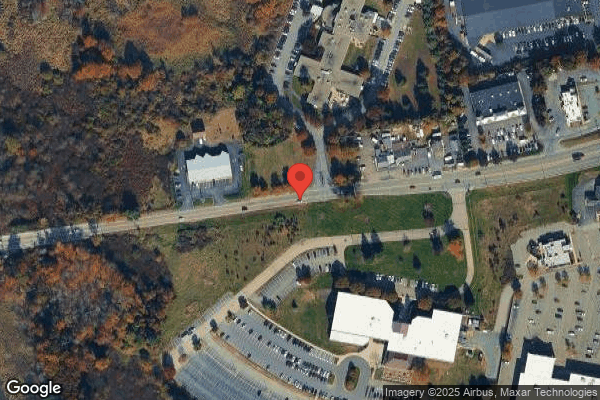

765 WEST CENTER STREET, WEST BRIDGEWATER, MA 02379 (508) 580-4400
For profit - Corporation 150 Beds LIFE CARE CENTERS OF AMERICA Data: November 2025
Trust Grade
85/100
#34 of 338 in MA
Last Inspection: September 2024

Within standard 12-15 month inspection cycle. Federal law requires annual inspections.

Overview

Life Care Center of West Bridgewater has received a Trust Grade of B+, which means it is above average and recommended for families considering nursing home options. It ranks #34 out of 338 facilities in Massachusetts, placing it in the top half, and #4 out of 27 in Plymouth County, indicating that only three local options are better. However, the facility's trend is worsening, with the number of reported issues increasing from 5 in 2023 to 6 in 2024. Staffing is a strength, rated 4 out of 5 stars with a turnover rate of 37%, which is slightly below the state average. Notably, there have been no fines, showing good compliance, and there is more RN coverage than 88% of state facilities, which helps catch potential problems. Despite these strengths, there are some concerning incidents. For example, staff failed to ensure proper hand hygiene protocols were followed for a resident with a contagious infection, and grievances were not always documented, which raises questions about how concerns are officially tracked and resolved. Additionally, medical records were not consistently accurate, as they included outdated information regarding a resident's care. Overall, while the facility has strong staffing and no fines, families should be aware of these troubling incidents when making their decision.

Trust Score
B+
85/100
In Massachusetts
#34/338
Top 10%
Safety Record
Low Risk
No red flags
Inspections
Getting Worse
5 → 6 violations
Staff Stability
○ Average
37% turnover. Near Massachusetts's 48% average. Typical for the industry.
Penalties
✓ Good
No fines on record. Clean compliance history, better than most Massachusetts facilities.
Skilled Nurses
✓ Good
Each resident gets 54 minutes of Registered Nurse (RN) attention daily — more than average for Massachusetts. RNs are trained to catch health problems early.
Violations
⚠ Watch
15 deficiencies on record. Higher than average. Multiple issues found across inspections.
★★★★★
5.0
Overall Rating
★★★★☆
4.0
Staff Levels
★★★★★
5.0
Care Quality
★★★★☆
4.0
Inspection Score
Stable
2023: 5 issues
2024: 6 issues

The Good

  • 4-Star Staffing Rating · Above-average nurse staffing levels
  • 5-Star Quality Measures · Strong clinical quality outcomes
  • Full Sprinkler Coverage · Fire safety systems throughout facility
  • No fines on record
  • Staff turnover below average (37%)

    11 points below Massachusetts average of 48%

Facility shows strength in staffing levels, quality measures, fire safety.

The Bad

Staff Turnover: 37%

Near Massachusetts avg (46%)

Typical for the industry

Chain: LIFE CARE CENTERS OF AMERICA

Part of a multi-facility chain

Ask about local staffing decisions and management

The Ugly 15 deficiencies on record

Sept 2024 1 deficiency
CONCERN (D) 📢 Someone Reported This

A family member, employee, or ombudsman was alarmed enough to file a formal complaint

Potential for Harm - no one hurt, but risky conditions existed

Medical Records (Tag F0842)

Could have caused harm · This affected 1 resident

Based on records reviewed and interviews for one of three sampled residents (Resident #1), the Facility failed to ensure they maintained a complete and accurate medical record, although Resident #1 no...

Read full inspector narrative →
Based on records reviewed and interviews for one of three sampled residents (Resident #1), the Facility failed to ensure they maintained a complete and accurate medical record, although Resident #1 no longer required the use of a bed alarm, nursing continued to document on it's function and placement on his/her Treatment Administration Record. Findings Include: Review of the Facility's Policy tilted Nursing Documentation, dated as last reviewed September 05, 2024, indicated the following: -the Facility will ensure nursing documentation is consistent with professional standards of practice, the state nurse practice act, and any state laws governing the scope of nursing practice -long-term care facilities maintain clinical records for each resident and these records must be complete and accurate -document only the care actually provided Resident #1 was admitted to the Facility in July 2024, diagnoses included myasthenia gravis (weakness and fatigue of muscles under voluntary control), difficulty in walking, muscle weakness, hypertension, asthma, and chronic obstructive pulmonary disease. Review of Resident #1's Treatment Administration Records (TARS), dated 08/30/24 through 08/31/24 and 09/01/24 through 09/09/24, indicated that nursing initialed and signed off his/her TARs that the bed alarm was checked for function and placement every shift. During an interview on 09/24/24 at 2:39 P.M., Nurse #1 said Resident #1 had been cleared by therapy to ambulate and toilet independently in his/her room (exact date unknown). Nurse #1 said Resident #1 did not have a bed alarm on his/her bed and said the bed alarm order should have been discontinued because he/she was now independent. Review of Resident #1's Therapy Care Plan Communication Tool, dated 08/30/24, indicated he/she was independent with toileting and independent in room with rolling walker for mobility/transfer. Nurse #1 reviewed Resident #1's TARs with the Surveyor, for the period of 08/30/24 through 09/09/24 and Nurse #1 said that Resident #1's bed alarm order had not been discontinued, but should have been. Nurse #1 said he should not have signed off on Resident #1's bed alarm on the dates and shifts he worked (08/30/24 through 09/07/24) because Resident #1 did not use a bed alarm during that time frame. During an interview on 09/25/24 at 9:39 A.M., Nurse #2 said Resident #1 was independent with ambulation and toileting in his/her room and he/she did not use a bed alarm. Nurse #2 said she randomly checked off the bed alarm order on Resident's #1's TARs on the shifts she worked in September 2024 and said she should not have. During an interview on 09/26/24 at 1:19 P.M., Certified Nurse Aide (CNA) #1 said Resident #1 did not have a bed alarm in place. CNA #1 said Resident #1's bed alarm was removed after he/she was cleared by therapy as independent with toileting and ambulation with a rolling walker. During an interview on 09/24/24 at 1:30 P.M., the Unit Manager said Physical Therapy (PT) cleared Resident #1 to be independent with toileting and ambulation using a walker in his/her room (exact date unknown). The Unit Manager said when Resident #1 was cleared by PT his/her bed alarm was removed from the bed, but said he was not sure if the physician's order had been discontinued. The Unit Manager said he and all nurses were responsible to discontinue physician's orders and said the nurse assigned to Resident #1 the day he/she was cleared should have discontinued the order for the bed alarm. Review of Resident #1's Medical Record indicated there was no documentation to support nursing staff discontinued his/her physician's order for the bed alarm after he/she was cleared as being independent by therapy. During an interview on 09/24/24 at 3:37 P.M., the Director of Nursing (DON) said Resident #1 was independent with toileting and ambulation with a walker in his/her room. The DON said Resident #1 did not use a bed alarm because he/she had been cleared by therapy to be independent in his/her room. The DON said the nurses should not have been signing off on the bed alarm if Resident #1 was not using it and that his/her physician's order for the bed alarm should had been discontinued.
Sept 2024 5 deficiencies
CONCERN (D)

Potential for Harm - no one hurt, but risky conditions existed

Deficiency F0658 (Tag F0658)

Could have caused harm · This affected 1 resident

**NOTE- TERMS IN BRACKETS HAVE BEEN EDITED TO PROTECT CONFIDENTIALITY** Based on observation, interview, and record review, the facility failed to provide care and services consistent with accepted st...

Read full inspector narrative →
**NOTE- TERMS IN BRACKETS HAVE BEEN EDITED TO PROTECT CONFIDENTIALITY** Based on observation, interview, and record review, the facility failed to provide care and services consistent with accepted standards of clinical practice for two Residents (#91 and #282), out of a total sample of 26 residents. Specifically, the facility failed: 1. For Resident #91, to administer Eliquis (anticoagulant/blood thinner) and Tramadol (opioid narcotic for pain) per the physician's orders; and 2. For Resident #282, to follow orthopedic recommendations of touch down weight bearing (TDWB- weight-bearing status where a person's foot or toes can touch the ground to maintain balance, but they do not put any weight on the affected leg) for the left lower extremity (LLE). Findings include: Review of the Massachusetts Board of Registration in Nursing Advisory Ruling #9324 titled Accepting, Transcribing and Implementing Prescriber Orders, dated as last revised 4/11/18, indicated but was not limited to the following: -Licensed Nurse accept, verify, transcribe, and implement orders from authorized prescribers. -The nurse is accountable for ensuring that any orders he or she implements are reasonable based on the nurse's knowledge of that particular patient's care needs at that time. -Standing orders/protocols are applicable to a specific patient or specific situation and directions remain consistent during implementation. 1. Review of the facility's policy titled Administration of Medications, dated as last reviewed 8/24/23, indicated but was not limited to the following: -The facility will ensure medications are administered safely and appropriately per physician order to address resident diagnosis and signs and symptoms. -Staff who are responsible for medication administration will adhere to the 10 Rights of Medication Administration including the Right Time and Frequency and the Right Documentation. -High Alert medications include anticoagulants and opioids. Review of the facility's policy titled Changes in Resident's Condition or Status, dated as last reviewed 8/9/23, indicated the facility will notify the physician when there is a need to alter treatment or to commence a new form of treatment. Resident #91 was admitted to the facility in August 2024 with diagnoses which included fracture around the internal prosthetic left hip joint, atrial fibrillation, and long term (current) use of anticoagulants. Review of the Minimum Data Set (MDS) assessment, dated 8/20/24, indicated he/she scored 14 out of 15 on the Brief Interview for Mental Status (BIMS), indicating he/she was cognitively intact. Additionally, he/she had a fracture, was taking scheduled pain medication for almost constant pain that interfered with activities, and was taking an anticoagulant. On 9/6/24 at 8:22 A.M., the surveyor observed Nurse #4 prepare the morning (8:00 A.M. and 9:00 A.M.) medications for Resident #91 as follows: -Amiodarone 200 milligrams (mg) one tablet placed in medication cup (for heart failure) -Metoprolol Succinate Extended Release 100 mg one tablet placed in medication cup (for blood pressure) -Flomax 0.4 mg one capsule placed in medication cup (for enlarged prostate/help with urine flow) -Colace 100 mg one capsule placed in medication cup (stool softener) -Eliquis 2.5 mg twice daily was ordered and scheduled for 9:00 A.M., the medication was not in the medication cart and omitted. -Tramadol 50 mg every 12 hours was ordered and scheduled for 9:00 A.M., the medication was not in the medication cart and omitted. Nurse #4 administered the four medications she had prepared and omitted the Eliquis and Tramadol. Nurse #4 failed to check the emergency medication supply for the Eliquis or Tramadol. During an interview on 9/6/24 at 8:22 A.M., Nurse #4 said the Eliquis and Tramadol were not available so she could not give them. She said both orders were new, and the medications had not been delivered from the pharmacy yet and then moved on to the next resident. Nurse #4 failed to call the pharmacy to check on the delivery status of the Eliquis or Tramadol. Review of the Physician/Nurse Practitioner progress note, dated 9/5/24, indicated Resident #91 had been having increased pain and he prescribed standing pain medication (Tramadol). Review of the MAR throughout the morning failed to indicate Nurse #4 had addressed and documented the omitted Eliquis and Tramadol. Review of the nursing progress notes failed to indicate Nurse #4 had notified the physician the Eliquis and Tramadol were not available for the morning medication pass and to seek alternative treatment orders if applicable. Further review of the MAR on 9/6/24 at 1:25 P.M., failed to indicate Nurse #4 had addressed and documented the omitted Eliquis and Tramadol. During an interview on 9/6/24 at 1:42 P.M., Nurse #4 said the Eliquis had just been delivered from the pharmacy, but the Tramadol was still not in. She said usually they will call the pharmacy if a medication doesn't come on their shift because the pharmacy delivers three times a day, but she had not called yet. Nurse #4 said she had not given the Eliquis or Tramadol that were due at 9:00 A.M. yet and she could give it anytime into the afternoon as long as it did not conflict with his/her afternoon medications. She said she had not called the physician about the missed medications and was going to give the Eliquis now. Nurse #4 said the Tramadol was still not in, but hopefully it would be in tonight. Additionally, Nurse #4 said when a medication is not available sometimes the nurses can get it from the Pyxis machine (emergency medication supply) if it is a regular medication and not a narcotic. She said she did not know if the Eliquis was in the Pyxis machine because she had not looked. Additionally, she said sometimes they will also borrow from another resident if they have the same order, so they don't miss a dose. She said narcotics can't be borrowed so we have to wait for the pharmacy to deliver the medication. Review of the MAR indicated that after the surveyor and Nurse #4's interview concluded (at approximately 2:00 P.M.), the Eliquis ordered/scheduled for 9:00 A.M. was signed off as administered and the Tramadol order/scheduled for 9:00 A.M. was signed off as Other/See Progress Note. Review of the progress note, dated 9/6/24 at 2:04 P.M., linked to the Tramadol order indicated the nurse was waiting to receive the medication from the pharmacy. The note failed to indicate the physician had been notified of the missed dose. Nurse #4 failed to notify the physician and obtain an order to administer the Eliquis at 2:00 P.M. (five hours after it was scheduled to be administered). Additionally, the Eliquis was ordered twice a day and was due to be administered again at 9:00 P.M. During an interview on 9/6/24 at 2:31 P.M., the Director of Nurses (DON) and Regional Nurse #1 said medications could be administered one hour before or up to one hour after the ordered/scheduled time. They said if a medication is not available, the nurse should check the Pyxis machine to see if the medication is stocked in there. Neither the DON nor Regional Nurse #1 knew if Eliquis 2.5 mg was stocked in the Pyxis. Additionally, the DON said if the medication is not available, the nurse should call the provider and write a note. She said they should never borrow medications from another resident. The DON and Regional Nurse #1 were notified that the Eliquis had just been given (at approximately 2:00 P.M), it was ordered twice daily, and an order had not been obtained to administer the dose at 2:00 P.M. The DON said if a medication is outside the hour before or after, the physician should be notified and an order to administer at a different time should be written. Refer to F759 2. Review of the facility's policy titled Progressive Ambulation, dated September 2023, indicated but was not limited to the following: -The facility will provide progressive ambulation in accordance with professional standards of practice, as outlined by [NAME] through the procedure linked below. -The services provided or arranged by the facility as outlined by the comprehensive care plan, must- meet professional standards of quality. -The facility will utilize the Lippincott procedure: Ambulation, Progressive, Long-term care. Review of [NAME]® NURSING PROCEDURES - 9th Ed. (2023), indicated but was not limited to the following: -Implementation- Check the patient's medical record for history, diagnosis, and therapeutic regimen. -If the patient is cooperative and can bear weight fully, have the patient place the feet flat on the floor and allow the patient to stand. Stand by for safety. Alternatively, if the patient is cooperative and can partially bear weight, apply a gait belt, and use another assistive device, as ordered, to assist with standing. Review of the book titled Weight Bearing, published January 2024, indicated but was not limited to: -Weight Bearing Grades: With touch down weight-bearing, the toes of the foot can touch the floor to maintain balance only. At no time should the individual place weight on the leg. Resident #282 was admitted to the facility in September 2024 with diagnoses which included nondisplaced fracture of the inferior and superior pubic rami bone (front of the pelvis) and a fracture of the anterior wall acetabulum (socket of the hip joint). Review of the Hospital Discharge summary, dated [DATE], indicated but was not limited to the following: -Patient was admitted post-fall at home which resulted in fracture of the pelvis. -Patient did complain of back pain with bilateral hip pain on 8/31/24- Cat scan ordered by night provider **Left pelvis fracture, nondisplaced, involving inferior and superior pubic rami bases and anterior wall acetabulum. -ORTHO CONSULT with recommendations- No surgical treatment indicated. Touch down weight bearing (TDWB) -Follow up in orthopedics clinic to assess stability of fracture. Review of a nursing note, dated 9/4/24 at 10:39 P.M., with admitting diagnosis of pelvic fracture, remains weight bearing as tolerated (WBAT). No complaints of pain or discomfort. One assist with rolling Walker, for transfer, no breakthrough pain. The nursing note, dated 9/4/24, failed to reflect the ortho recommendation in the hospital discharge summary of TDWB. On 9/5/24 at 8:10 A.M., from the doorway, the surveyor observed Resident #282 transferring from wheelchair to bed with a Certified Nursing Assistant (CNA). Resident #282 was observed standing on both legs with the CNA by his/her side. The Resident was holding onto the bed rail and twisting both lower legs as he/she moved to the bed. Resident #282 verbalized pain in their left leg and gave the CNA specific instructions on how to lift his/her leg onto the bed. The Resident again said their leg hurt. The surveyor did not observe Resident #282 use a walker to stand and did not observe the Resident maintain TDWB on the left lower extremity (LLE). During an interview on 9/6/24 at 9:45 A.M., Resident #282 said when he/she transfers back and forth from bed to wheelchair he/she does not use a walker with the nurses. Resident #282 said he/she stands on both legs, with most of the weight on the right foot because, of course, the left leg hurts. Resident #282 said he/she has a walker and pointed to the folded-up walker leaning against the wall. He/she said the walker is only used when he/she works with Rehab. Resident #282 said the pain in their left hip was currently a 1/10 (based on a pain scale of 1-10 with 10 being the worst pain), but if he/she stands on the leg, the pain goes to a 9/10. Review of the Physician's Orders indicated Resident #282's weight bearing status orders were written for TDWB to left LLE every shift, effective 9/6/24. Review of Resident #282's current Care Plan indicated but was not limited to the following: -Resident expresses pain related to pelvic fracture; date initiated 9/4/24. -The resident will express pain relief through the review date. -Evaluate the effectiveness of pain interventions. -Pain medication as ordered. -No weight bearing status indicated. Review of the Pain Evaluation Tool-V2, dated 9/8/24, indicated but was not limited to the following: -Patient complains of a sharp intermittent mid back pain that radiates to lower back down left hip/upper legs. -Most recent pain level: 6 dated 9/8/24 at 10:46 A.M. -What makes the pain worse? Movement from bed to chair/vice versa, ADLs, therapy. -What makes it better? Patient stated, laying in own bed with head of bed 30 degrees. -What is acceptable pain level: 4 -Effects of Pain on Quality of Life: Sleep and rest, physical activity, and mobility. Review of Nurse Practitioner (NP) #1's progress note, dated 9/7/24, indicated but was not limited to the following: -Resident #282 was admitted from hospital. Here is a report from the hospital: Resident #282 was found to have a left pelvic fracture, non-displaced, involving the inferior and superior pubic Rami bases and anterior wall acetabulum. -Very pleasant man/woman lying in bed states, I am not having any pain while lying down but when I attempt to ambulate with therapy my pain goes up to 10. -Patient remains touchdown weight bearing left lower extremity. -Alert and oriented times 3 -Complaining of left lower extremity pain with ambulation. During an interview on 9/6/24 at 3:10 P.M., Rehabilitation (Rehab) Staff #2 said Resident #282 is TDWB at minimal assist level with a walker. She said the nursing staff was educated on his/her transfer status and the Therapy Care Plan Communication Tool is in the medical record. Rehab Staff #2 said the form should have included the weight bearing status. Review of Therapy Care Plan Communication tool, dated 9/4/24, indicated but was not limited to the following: -Mobility/Transfer indicated stand/step transfers with rolling Walker, one person assist. -No weight bearing status indicated on the form. During an interview on 9/6/24 at 2:55 P.M., CNA #3 said she works with Resident #282, and he/she transfers in and out of bed standing without using the walker. During an interview on 9/6/24 at 3:00 P.M., Nurse #1 said Resident #282 is Weight bearing as tolerated (WBAT) with transfers from bed to wheelchair. She said he/she only uses the rolling walker with physical therapy. The surveyor and Nurse #1 reviewed the physician's orders and Nurse #1 said there are no orders for weight bearing for Resident #282. During an interview on 9/6/24 at 3:30 P.M., the Director of Nurses (DON) said she would expect a new admission would have weight bearing orders from the orthopedic physician and the staff to be following them. Refer to F697
CONCERN (D)

Potential for Harm - no one hurt, but risky conditions existed

Deficiency F0697 (Tag F0697)

Could have caused harm · This affected 1 resident

**NOTE- TERMS IN BRACKETS HAVE BEEN EDITED TO PROTECT CONFIDENTIALITY** Based on observation, interview, and record review, the facility failed to provide adequate pain control for one Resident (#282)...

Read full inspector narrative →
**NOTE- TERMS IN BRACKETS HAVE BEEN EDITED TO PROTECT CONFIDENTIALITY** Based on observation, interview, and record review, the facility failed to provide adequate pain control for one Resident (#282), out of a sample of 26 residents. Specifically, the facility failed to adequately assess and provide pain control, resulting in a three-day delay of additional pain medications being ordered by the Nurse Practitioner (NP). Findings include: Review of the facility's policy titled Pain Assessment and Management, dated 9/8/2022, indicated but was not limited to the following: -Based on the comprehensive assessment of a resident, this facility must ensure that residents receive the treatment and care in accordance with professional standards of practice, the comprehensive care plan, and the resident's choices related to pain management. -All residents will be assessed for pain indicators upon admission/readmission, quarterly and with any change in condition. -An individualized pain management care plan will be developed and initiated when pain indicators are identified. The care will be reviewed and revised by the interdisciplinary team upon completion of each MDS assessment and as needed. -Based on the assessment of the facility, in collaboration with the attending physician/prescriber. Other health care professionals, and the resident and/or his/her representative, develop, implements, monitors, and revises as necessary interventions to prevent or manage each individual resident's pain, beginning at admission. -Monitoring appropriately for effectiveness and/or adverse consequences (e.g., constipation, sedation) including defining how and when to monitor the resident's symptoms and degree of pain relief: -Modifying the approaches, as necessary. Resident #282 was admitted to the facility in September 2024 with diagnoses which included: nondisplaced fracture of the inferior and superior pubic rami bone (front of the pelvis) and a fracture of the anterior wall acetabulum (socket of the hip joint). Review of the Hospital Discharge summary, dated [DATE], indicated but was not limited to the following: -Patient was admitted post-fall at home which resulted in fracture of the pelvis. -Patient did complain of back pain with bilateral hip pain on 8/31/24- Cat scan ordered by night provider **Left pelvis fracture, nondisplaced, involving inferior and superior pubic rami bases and anterior wall acetabulum. -ORTHO CONSULT with recommendations- No surgical treatment indicated. Touch down weight bearing (TDWB-weight-bearing status where a person's foot or toes can touch the ground to maintain balance, but they do not put any weight on the affected leg). -Follow up in orthopedics clinic to assess stability of fracture. -Continue as needed (PRN) Tramadol (Opioid pain medication). Review of active medications (Hospital): -Acetaminophen 325 milligrams (mg)- 650 mg by mouth (PO) every six hours, PRN, mild pain 1-3. -Tramadol HCl 50 mg- 50 mg by PO every eight hours as needed for moderate pain 4-6. Last administered 9/3/24 at 10:46 AM. Review of Resident #282's Physical Therapy Evaluation, dated 9/4/2024, indicated but was not limited to the following: -Weight Bearing: left lower extremity Toe-Touch Weight Bearing (TDWB LLE). -Patient reports 8/10 (based on a pain scale of 1-10 with 10 being the worst pain) left pelvic pain during lower extremity (LE) range of motion and wheelchair propulsion with bilateral upper extremities/lower extremities, 9/10 left pelvic pain during transfers. Review of Resident #282's current Care Plan indicated but was not limited to the following: -Resident expresses pain related to pelvic fracture; date initiated 9/4/24. -The resident will express pain relief through the review date. -Evaluate the effectiveness of pain interventions. -Pain medication as ordered. On 9/05/24 at 8:10 A.M., from the doorway, the surveyor observed Resident #282 transferring from wheelchair to bed with a Certified Nursing Assistant (CNA). Resident #282 was observed standing on both legs with the CNA by his/her side. The Resident was holding onto the bed rail and twisting both lower legs as he/she moved to the bed. Resident #282 verbalized pain in his/her left leg and gave the CNA specific instructions on how to lift his/her leg onto the bed. Resident #282 again said their leg hurt. The surveyor did not observe Resident #282 use a walker to stand and did not observe the Resident maintain TDWB on the left lower extremity (LE). During an interview on 9/05/24 at 8:15 A.M., Resident #282 said his/her pain level was a 9/10 and they are not giving him/her enough pain medication. The Resident said he/she has asked for more pain medication every day and they only give him/her Tylenol which brings the pain down to an 8/10. The Resident said an acceptable pain level would be down to 4/10. Resident #282 said, The doctor must think I am a drug addict, which I am not; I am in pain. During an interview on 9/06/24 at 9:45 A.M., Resident #282 said when he/she transfers back and forth from bed to wheelchair he/she does not use a walker with the nurses. Resident #282 said he/she stands on both legs, with most of the weight on the right foot because, of course, the left leg hurts. Resident #282 said he/she has a walker and pointed to the folded-up walker leaning against the wall. He/she said the walker is only used when he/she works with Rehab. Resident #282 said the pain in his/her left hip was currently a 1/10, but if he/she stands on the leg, the pain goes to a 9/10. Resident #282 said he/she is still asking for more pain medication, but they have not given him/her any. Review of the Pain Evaluation Tool-V2, dated 9/8/24, indicated but was not limited to the following: -Patient complains of a sharp intermittent mid back pain that radiates to lower back down left hip/upper legs. -Most recent pain level: 6 dated 9/8/24 at 10:46 A.M. -What makes the pain worse? Movement from bed to chair/vice versa, ADLs, therapy. -What makes it better? Patient stated, laying in own bed with head of bed 30 degrees. -What is acceptable pain level: 4 -Effects of Pain on Quality of Life: Sleep and rest, physical activity, and mobility. -Pharmacological And Non-Pharmacological Treatment: PRN Oxycodone 5 mg every 4 hours as needed for pain 6-10. PRN Tramadol 50 mg every 4 hours as needed for pain 1-5. APAP (Tylenol) scheduled TID (three times a day). Review of Nurse Practitioner (NP) #1's progress note, dated 9/7/24, indicated but was not limited to the following: -Resident #282 was admitted from hospital. Here is a report from the hospital: Resident #282 was found to have a left pelvic fracture, non-displaced, involving the inferior and superior pubic Rami bases and anterior wall acetabulum. -Very pleasant man/woman lying in bed states, I am not having any pain while lying down but when I attempt to ambulate with therapy my pain goes up to 10. -New order for Tramadol 50 mg every four hours as needed. -Patient states he/she does not get good effect from that. He/she had that at the hospital. -Discussed with patient Oxycodone 5 mg. He/she would like to try Oxycodone for pain 6 to 10 prior to therapy. We will continue Tramadol for pain 1 to 5 and Oxycodone for pain 6 to 10. -Patient remains touchdown weight bearing left lower extremity. -Alert and oriented times 3 -Complaining of left lower extremity pain with ambulation. During an interview on 9/06/24 at 2:23 P.M., NP #1 said she has not seen Resident #282 yet and nobody has called her about Resident #282 having increased pain. NP #1 said if the Tylenol was not controlling his/her pain, she would expect the nursing staff to call her or the doctor and let them know. NP #1 said Resident #282 was receiving Tramadol in the hospital but was admitted to this facility only on Tylenol. During an interview on 9/06/24 at 3:30 P.M., the Director of Nurses (DON) said if a resident is having more pain, she would expect the nurses to notify the physician or nurse practitioner.
CONCERN (D)

Potential for Harm - no one hurt, but risky conditions existed

Unnecessary Medications (Tag F0759)

Could have caused harm · This affected 1 resident

Based on observation, interview, and record review, the facility failed to ensure it was free from a medication error rate of greater than five percent when one of two nurses made two errors out of 26...

Read full inspector narrative →
Based on observation, interview, and record review, the facility failed to ensure it was free from a medication error rate of greater than five percent when one of two nurses made two errors out of 26 opportunities, totaling a medication error rate of 7.69%. These errors impacted one Resident (#91), out of four residents observed. Specifically, Eliquis (anticoagulant/blood thinner) and Tramadol (opioid narcotic for pain) were omitted during the medication pass. Findings include: Review of the facility's policy titled Administration of Medications, dated as last reviewed 8/24/23, indicated but was not limited to the following: -The facility will ensure medications are administered safely and appropriately per physician order to address resident diagnosis and signs and symptoms. -Staff who are responsible for medication administration will adhere to the 10 Rights of Medication Administration including the Right Time and Frequency and the Right Documentation. -High Alert medications include anticoagulants and opioids. Review of the active Physician's Orders for Resident #91 included but was not limited to: -Eliquis 2.5 milligrams (mg) twice daily was scheduled for 9:00 A.M. and 9:00 P.M. -Tramadol 50 mg every 12 hours was scheduled for 9:00 A.M and 9:00 P.M. On 9/6/24 at 8:22 A.M., the surveyor observed Nurse #4 prepare and administer medications to Resident #91. Nurse #4 failed to administer the Eliquis and Tramadol as ordered, both of which could jeopardize the resident's health and safety and/or cause discomfort. During an interview on 9/6/24 at 8:22 A.M., Nurse #4 said the medications had not been delivered from the pharmacy yet and she moved on to the next resident. During an interview on 9/6/24 at 1:42 P.M., Nurse #4 said she had not administered the Eliquis or Tramadol ordered/scheduled for 9:00 A.M. and had not looked in the emergency medication supply (Pyxis machine) for the meds. Nurse #4 said the Eliquis had just been delivered from the pharmacy and she was going to give the Eliquis now. Review of the Medication Administration Record (MAR) indicated that after the surveyor and Nurse #4's interview concluded (at approximately 2:00 P.M.), the Eliquis ordered/scheduled for 9:00 A.M. was signed off as administered and the Tramadol order/scheduled for 9:00 A.M. was signed off as Other/See Progress Note. Review of the progress note, dated 9/6/24 at 2:04 P.M., linked to the Tramadol order indicated they were waiting to receive the medication from the pharmacy. During an interview on 9/6/24 at 2:31 P.M., the Director of Nurses (DON) said the expectation was for medication to be administered per physician's orders. She said medications should be administered one hour before or up to one hour after the ordered/scheduled time.
CONCERN (D)

Potential for Harm - no one hurt, but risky conditions existed

Deficiency F0761 (Tag F0761)

Could have caused harm · This affected 1 resident

Based on observation, interview, and policy review, the facility failed to ensure all drugs and biologicals were stored in a safe and secure manner as required. Specifically, the facility failed for R...

Read full inspector narrative →
Based on observation, interview, and policy review, the facility failed to ensure all drugs and biologicals were stored in a safe and secure manner as required. Specifically, the facility failed for Resident #89, to ensure medications were not left unattended in the Resident's room. Findings include: Review of the facility's policy titled Storage of Medications, dated January 2023, indicated the following: -Medications and biologicals are stored properly, following manufacturer's or provider pharmacy recommendations, to maintain their integrity and to support safe effective drug administration. -The medication supply shall be accessible only to licensed nursing personnel, pharmacy personnel, or staff members lawfully authorized to administer medications. Review of the facility's policy titled Administration of Medications, dated 8/24/23, indicated but was not limited to the following: - The facility will ensure medications are administered safely and appropriately per physician order to address resident's diagnoses and signs and symptoms. -Medication administration is the responsibility of those individuals who through certification and licensure are authorized in their state to administer medications in a skilled nursing facility. Resident #89 was admitted to the facility in April 2024. Review of the Minimum Data Set (MDS) assessment, dated 7/16/24, indicated Resident #89 scored 15 out of 15 on the Brief Interview for Mental Status (BIMS), indicating he/she was cognitively intact. During an observation with interview on 9/4/24 at 9:05 A.M., the surveyor observed an unlabeled medication cup on Resident #89's overbed table with two tablets and one chewable tablet. Resident #89 said the chewable tablet was calcium and he/she could not remember what the other two medications were. The Resident said he/she was given ProSource (a red liquid protein supplement observed on the overbed table) at the same time and taking medications with the liquid protein gives him/her an upset stomach. He/she said the nurses will leave the medications for the Resident to take later, adding they trust me. Review of the medical record for Resident #89 indicated the Resident had not been assessed for self-administering medications. Review of the medications indicated Resident #89 had orders for the following medications: -Metformin (antidiabetic) 500 mg (milligrams), twice per day (9:00 A.M. and 9:00 P.M.) -Calcium Carbonate (antacid) oral tablet 500 mg four times per day (9:00 A.M., 1:00 P.M., 5:00 P.M. and 9:00 P.M.) -Famotidine (acid reducer) 20 mg twice per day (7:30 A.M. and 4:30 P.M.) -ProSource oral liquid 30 ml (milliliter) twice per day (9:00 A.M. and 9:00 P.M.) During an interview on 9/4/24 at 9:20 A.M., Unit Manager #2 reviewed the medical record and said Resident #89 was not able to self-administer medications and the medications should not have been left with the Resident. During an interview on 9/6/24 at 9:00 A.M., Resident #89 said the nurses are no longer giving medications at the same time as the ProSource which was good because that was making him/her nauseous. During an interview on 9/6/24 at 2:30 P.M., the Director of Nurses (DON) said medications should not be left at a resident's bedside.
CONCERN (E)

Potential for Harm - no one hurt, but risky conditions existed

Infection Control (Tag F0880)

Could have caused harm · This affected multiple residents

3. Resident #53 was admitted to the facility in August 2024 with diagnoses which included enterocolitis due to clostridium difficile (a highly contagious bacterium that causes diarrhea and colitis als...

Read full inspector narrative →
3. Resident #53 was admitted to the facility in August 2024 with diagnoses which included enterocolitis due to clostridium difficile (a highly contagious bacterium that causes diarrhea and colitis also referred to as C-Diff). Review of Resident #53's Physician's Orders indicated a Contact Precautions Diagnosis: C-Diff every shift ordered 8/24/24 with no end date. On 9/4/24 at 9:10 A.M., the surveyor observed a contact plus precaution sign posted on the door frame of Resident #53's room which indicated for everyone entering/exiting the room to: -Clean their hands, including before entering and when leaving the room. -Providers and Staff must also: -Put on gloves before room entry. Discard gloves before room exit. -Put on gown before room entry. Discard gown before room exit. -Do not wear the same gown and gloves for the care of more than one person. -Use dedicated or disposable equipment. Clean and disinfect reusable equipment before use on another person. During an observation with an interview on 9/4/24 at 9:11 A.M., the surveyor observed Rehabilitation Services Staff #1 inside the room sitting next to the Resident in a stationary chair instructing the Resident on leg exercises with no PPE donned. The Rehabilitation Services Staff said there was a Contact Precaution sign posted outside the door, but she said she did not have to wear any PPE because she was not encountering C-Diff. She said she would need to wear PPE if she was going to assist the Resident in the bathroom and would be exposed to stool. During an interview on 9/4/24 at 9:15 A.M., Nurse #4 said to enter the Resident's room PPE needed to be donned. She said this includes all the PPE on the sign (gown and gloves). During an interview on 9/4/24 at 9:17 A.M., Nurse # 3 said every employee needs to follow the sign posted outside of resident rooms. She said Rehabilitation Services Staff #1 should have been wearing PPE inside the room when working with the resident. She said she also should have completed hand hygiene when entering and exiting the room. During an interview on 9/4/24 at 9:20 A.M., the ICP said the Resident was on contact precautions for C-Diff and the purpose of wearing PPE was to prevent the spread of spores to employee's families and other residents. She said all staff have been educated on what the importance of proper PPE usage is and how to don and doff (remove) PPE. Based on observation, interview, and record review, the facility failed to maintain an infection prevention and control program to help prevent the development and potential transmission of communicable diseases and infections for three Residents (#112, #40, and #53). Specifically, the facility failed: 1. For Resident #112, to ensure staff wore personal protective equipment (PPE) as required for Isolation/Droplet Precautions (infection control precautions used for residents who are infected with certain infectious agents including COVID-19 for which additional precautions are needed to prevent infection transmission) while entering the room and changing linen on the Resident's bed and transferring the Resident back to bed; 2. For Resident #40, to ensure staff wore PPE as required for Enhanced Barrier Precautions while entering the room and changing linen on the Resident's bed; and 3. For Resident #53, to ensure staff wore PPE as required for Contact Precautions while entering the room and providing physical therapy. Findings include: Review of the facility's policy titled Transmission-Based Precautions and Isolation Procedures, dated as reviewed 6/3/2024, indicated but was not limited to the following: -The facility will implement and utilize transmission-based precautions to ensure the mitigation of infection spread and to ensure standards of infection prevention and control are followed. -Transmission-based precautions must be used when a resident develops signs and symptoms of a transmissible infection, arrives at a nursing home with symptoms of an infection (pending laboratory confirmation), or had a laboratory confirmed infection and is at risk of transmitting the infection to other residents. -Standard precautions represent the infection prevention measures that apply to all resident care, regardless of suspected or confirmed infection status of the resident, in any setting where healthcare is being delivered. These evidence-based practices are designed to protect healthcare staff and residents by preventing the spread of infections among residents and ensuring staff do not carry infectious pathogens on their hands or via equipment during resident care. -Contact precautions are intended to prevent transmission of pathogens that are spread by direct (e.g., person-to-person) or indirect contact with the resident or environment, and require the use of appropriate PPE, including a gown and gloves before entering the room or cubicle. Prior to leaving the resident's room or cubicle, the PPE is removed, and hand hygiene is performed. -The use of droplet precautions applies when respiratory droplets contain pathogens which may be spread to another susceptible individual. Respiratory pathogens can enter the body via the nasal mucosa, conjunctivae and less frequently the mouth. -Enhanced Barrier Precautions (EBP) refers to an infection control intervention designed to reduce transmission of multidrug-resistant organisms (MDRO) that employs targeted gown and glove use during high contact resident care activities. EBP are used in conjunction with standard precautions and expand the use of PPE to donning of gown, and gloves during high-contact resident care activities that provide opportunities for transfer of MDROs to staff hands and clothing. 1. Resident #112 was admitted to the facility in April 2024 with diagnoses including hemiparesis following cerebral infarction, atrial fibrillation and osteomyelitis of right ankle and foot. Review of Physician's Orders included but was not limited to: -Isolation Contact and Droplet Precautions: COVID positive 9/4/24 every shift until 9/15/24, dated 9/4/24. On 9/4/24 at 11:00 A.M., the surveyor observed an Isolation Precaution sign hanging outside of Resident #112's room. The Precaution sign indicated the following: -In addition to standard precautions Staff and Providers must: -Clean hands when entering and exiting -Gown change between each resident -N95 Respirator (Facemask acceptable if N95 not available; fit tested N95 or higher required for aerosol-generating procedures) -Eye protection (goggles or face shield) -Gloves change between each resident -Keep door closed (Unless safety concern or not on physically separate unit) -Use patient dedicated or disposable equipment -Clean and disinfect shared equipment On 9/4/24 at 11:47 A.M., the surveyor observed Certified Nursing Assistant (CNA) #1 conversing with Resident #112 while changing linens on his/her bed. CNA #1 was wearing a surgical mask and gloves (not an N95, no gown, and no eye protection as indicated on the Isolation Precaution sign.) CNA #1 was then observed exiting the room and removed her surgical mask, folded it, and placed it in her pocket. During an interview on 9/4/24 at 11:50 A.M., the surveyor and CNA #1 reviewed the isolation sign posted at Resident #112's room. CNA #1 said she should have followed the sign and wore a gown, gloves, N95 and eye protection prior to entering the room. CNA #1 said she should have placed her surgical mask in the trash. On 9/4/24 at 11:52 A.M., the surveyor observed CNA #1 wash her hands, put on a gown, gloves, and N95 mask. CNA #1 entered Resident #112's room and assisted Resident back to bed. CNA #1 did not put on eye protection. During an interview at 12:00 P.M., CNA #1 said she had forgotten to put on eye protection. CNA #1 said she should have followed the precaution sign and wore a gown, gloves, N95 and eye protection before entering the Resident's room. During an interview on 9/4/24 at 12:20 P.M., Unit Manager (UM) #1 said CNA #1 should have followed the posted isolation precaution sign for Resident #112. UM #1 said the expectation for any isolation room required staff to wear full PPE of gown, gloves, N95, and eye protection. 2. Resident #40 was admitted to the facility in May 2018 with diagnoses including dementia, chronic obstructive pulmonary disease, and colostomy (an opening in the large intestine). Review of the Physician's Orders included but was not limited to: -Enhanced barrier precautions secondary to colostomy, dated 5/9/23. On 9/4/24 at 11:10 A.M., the surveyor observed an EBP sign hanging outside of Resident #40's room. The Precaution sign indicated the following: -Everyone must: -Clean their hands, including before entering and when leaving the room. -Providers and staff must also: -Wear gloves and a gown for the following high-contact resident care activities. -Dressing -Bathing/showering -Transferring -Changing linens -Providing hygiene -Changing briefs or assisting with toileting -Device care or use: -Central line, urinary catheter, feeding tube, tracheostomy -Wound care: any skin opening requiring a dressing -Do not wear the same gown and gloves for the care of more than one person. On 9/4/24 at 12:12 P.M., the surveyor observed CNA #2 changing linens on Resident #40's bed. CNA #2 was wearing gloves. CNA #2 was not wearing a gown. During an interview on 9/4/24 at 12:15 P.M., the surveyor and CNA #2 reviewed the EBP sign posted at Resident #40's room. CNA #2 said she should have followed the sign and wore a gown when making the Resident's bed. During an interview on 9/4/24 at 12:20 P.M., UM #1 said CNA #2 should have followed the posted EBP sign for Resident #40. UM #1 said the expectation was staff should be wearing a gown and gloves when changing linens in an EBP room. During an interview on 9/4/24 at 12:53 P.M., the Infection Control Preventionist (ICP) said the expectation was all staff should be reading and donning (putting on) the appropriate PPE as written on the posted precaution sign. The ICP said CNA #1 should have donned a gown, gloves, N95 and eye protection for Resident #112 upon entering his/her room. The ICP said CNA #2 should have donned a gown and gloves when changing linens on Resident #40's bed.
Jun 2023 5 deficiencies
CONCERN (D)

Potential for Harm - no one hurt, but risky conditions existed

Deficiency F0554 (Tag F0554)

Could have caused harm · This affected 1 resident

Based on observation, record reviews, interviews, and policy review, the facility failed to ensure staff assessed one Resident (#108), out of a total sample of 25 residents, for self-administration of...

Read full inspector narrative →
Based on observation, record reviews, interviews, and policy review, the facility failed to ensure staff assessed one Resident (#108), out of a total sample of 25 residents, for self-administration of medications. Specifically, Resident #108 was not assessed for the safety of self-administration of medications, orders were not in place for the use of the medications, a care plan was not developed for the self-administration of medications, and several medications were observed to be accessible at his/her bedside. Findings include: Review of the facility's policy titled Self Administration of Medications, last revised 11/28/16, indicated but was not limited to the following: - Facility, in conjunction with the Interdisciplinary Team (IDT), should assess and determine, with respect to each resident, whether Self-Administration of medications is safe and clinically appropriate, based on the resident's functionality and health condition. -To ensure safe and appropriate Self-Administration, Facility should educate residents to ensure that a resident is able to: -State the name, dose, strength, frequency, and purpose for the use of his/her medications -Understand the possible side effects of his/her medications and that he/she should notify Facility staff if he/she experiences any such side effects -Correctly administer, inject or apply his/her medication -Correctly store his/her medications in a locked compartment -Facility should ensure that orders for Self-Administration list the specific medication(s) the resident may Self-Administer -Facility should document in the resident's care plan whether the resident or Facility staff is responsible for the storage of the resident's medications. If the resident is responsible for the storage of his/her medications in accordance with Facility policy, Applicable law, the State Operations Manual, and as follows: -The medication storage compartments should be located in the resident's room so that another resident is not able to access the medications -Facility staff should document the Self-Administration of medications on the resident's Medication Administration Record (MAR) according to the medication administration schedule -Facility should document the Self-Administration of medications in the resident's care plan -Facility should document the self-storage of medications in the resident's care plan Resident #108 was admitted to the facility in May 2023 and had diagnoses including asthma and cellulitis of the right and left lower limbs. During an interview with Resident #108 on 6/1/23 at 8:55 A.M., the surveyor observed two metered dose inhalers: Symbicort (a corticosteroid used to control and prevent wheezing and shortness of breath caused by asthma) and Albuterol (a fast-acting bronchodilator that relaxes the muscles in the airways and increases air flow to the lungs), a bottle of vitamin D3 supplements, a bottle of Berberine (a plant derived supplement commonly used for diabetes, high levels of cholesterol or other fats in the blood, and high blood pressure), and a bottle of Tums (antacid tablets) on the Resident's overbed tray table. The Resident said he/she takes the inhalers and Tums whenever he/she needs them and takes the Vitamin D3 and Berberine once a day. The Resident said he/she was not provided with a safe compartment to store the medications. On 6/02/23 at 1:03 P.M., the surveyor observed Symbicort, Albuterol, a bottle of Vitamin D3, a bottle of Berberine, and a bottle of Tums on Resident #108's overbed tray table. Review of the May 2023 Physician's Orders included but was not limited to: -Symbicort Inhalation Aerosol 150-4.5 micrograms, 2 puffs inhale orally two times a day for asthma, unsupervised self-administration (5/9/23) -May have Symbicort inhaler at bedside per Nurse Practitioner (5/24/23) Review of the medical record failed to indicate physician's orders for either the use, storage at the bedside, or self-administration of Albuterol, Vitamin D3, Berberine, and Tums. There was no evidence in the medical record that the IDT had evaluated and determined the Resident was appropriate to self-administer Albuterol, Vitamin D3, Berberine, and Tums. There was no safe compartment to store all of the medications provided to the Resident according to facility policy. Further review of the medical record failed to indicate a care plan had been developed for Resident #108 to self-administer medications per facility policy. During an interview with Nurse #4 and Unit Manager #1 on 6/2/23 at 1:23 P.M., Nurse #4 reviewed Resident #108's medical record and said there were no physician's orders for either the use, self-administration or storage of Albuterol, Vitamin D3, Berberine, and Tums. He confirmed that no care plan had been developed for medication self-administration. Nurse #4 and Unit Manager #1 said the medications need to be reviewed by the physician or Nurse Practitioner, and if they are in agreement, an order must be written and an assessment for self-administration and safe storage must be conducted.
CONCERN (D)

Potential for Harm - no one hurt, but risky conditions existed

Deficiency F0658 (Tag F0658)

Could have caused harm · This affected 1 resident

Based on observation, record review, and interview, the facility failed to ensure that staff provided care and services according to accepted standards of clinical practice for two Residents (#108 and...

Read full inspector narrative →
Based on observation, record review, and interview, the facility failed to ensure that staff provided care and services according to accepted standards of clinical practice for two Residents (#108 and #103), out of a total sample of 25 residents. Specifically, the facility failed to ensure: 1. For Resident #108, Ace wraps (elastic bandage wrap used to relieve swelling and avoid constriction) were applied to Resident #108's legs as ordered by the physician and accurately documented in the medical record; and 2. For Resident #103, the refused medications were disposed as per the facility policy and standards of practice. Findings include: 1. Resident #108 was admitted to the facility in May 2023 with diagnoses including venous stasis dermatitis of both lower extremities. Review of the medical record indicated a 5/22/23 Nurse Practitioner's (NP) note indicating Resident #108 developed left lower extremity cellulitis and began antibiotic treatment on 5/22/23. Review of a 5/23/23 NP's note indicated Resident #108 developed cellulitis to the right lower extremity as well and ordered Ace wraps be applied in the A.M. and removed in the P.M. Review of the June 2023 Physician's Orders included but was not limited to: -Please Ace wrap A.M., take it off P.M., every shift for swelling (5/23/23) During an interview on 6/1/23 at 8:55 A.M., the surveyor observed Resident #108 seated in a wheelchair at the bedside. The Resident said he/she was being treated for cellulitis in both of his/her legs and proceeded to pull up his/her pant legs to show the surveyor his/her skin which appeared red in color. The Resident said, They used to wrap my legs with Ace wraps (pointed to windowsill and 2 wraps observed there), but they stopped about a week ago. On 6/1/23 at 2:20 P.M., the surveyor observed Resident #108 seated in a wheelchair at the bedside. There were no Ace wraps observed on the Resident's legs. The Ace wraps were observed on the windowsill. Review of the June 2023 Medication Administration Record and Treatment Administration Record (MAR/TAR) on 6/1/23 at 3:00 P.M., indicated staff had applied the Ace wraps to Resident #108's legs as evidenced by staff initials and a check mark in the box that corresponds to the day shift. On 6/2/23 at 1:03 P.M., the surveyor observed Resident #108 seated in a wheelchair at the bedside wearing shorts, low socks, and shoes. There were no Ace wraps applied to the Resident's legs. Review of the June 2023 MAR/TAR on 6/2/23 at 1:00 P.M., indicated staff had applied the Ace wraps to Resident #108's legs as evidenced by staff initials and a check mark in the box that corresponds to the day shift. During an interview on 6/2/23 at 1:23 P.M., Nurse #4 said he signed off that he applied Ace wraps to Resident #108's legs when he did not apply them. 2. Review of the facility's policy titled Disposal of Medications, dated 1/2023, indicated but was not limited to the following: -Methods of disposition of pharmaceutical hazardous and non-hazardous waste are consistent with applicable state and federal requirements, local ordinances, and standards of practice. The nursing care center will use an approved vendor for pharmaceutical waste disposal needs. Procedures: - The director of nursing and the consultant pharmacist will monitor for compliance with federal and state laws and regulations regarding the disposal of medications. - The nursing care center should maintain approved containers to separate and securely store different types of pharmaceutical waste until it is scheduled for pick up. - Authorized personnel who have access to medications should deposit pharmaceutical waste in the appropriately labeled container. - Each container used to collect, separate, and store each type of pharmaceutical waste will be labeled with the type of waste to be stored in the container. Resident #103 was admitted to the facility in July 2022 with medical diagnoses including long term use of anticoagulants, dysphagia oral pharyngeal phase, depression, psychotic disturbance, anxiety, dementia, major depressive disorder, and insomnia. On 6/2/23 at 10:22 A.M., the surveyor observed Nurse #3 open the top drawer of the medication cart and dispose of two medication cups, one containing applesauce and crushed pills the other containing whole pills. During an interview on 6/2/23 at 10:23 A.M., Nurse #3 said the medication in the two cups that she disposed of in the trash belonged to Resident #103. Review of the June 2023 Physician's Orders indicated the following: Eliquis Oral Tablet (anticoagulant) 5 MG, give one tablet by mouth. Sertraline (antidepressant, Zoloft) 25 MG Tablet, give three tablets to equal to 75 MG. Aspirin EC Tablet 81 MG, give one tablet. Losartan (treats high blood pressure) Tablet 50 MG, give one tablet. Cyanocobalamin Tablet (Vitamin B-12) 1000 MCG, give one tablet. On 6/2/23 at 10:25 A.M., review of the contents of the two cups indicated the following: Cup #1 contained: Tylenol 500 Milligrams (MG) tablet, Give two tablets = 1,000 MG Cup #2 contained: Aspirin 81 MG, Vitamin B12 1000 MCG, Zoloft 25 MG tablets give three = 75 MG Losartan 50 MG tablets, give one tablet, and Eliquis 5 MG tablet, give one tablet. During an interview on 6/2/23 at 2:30 P.M., Nurse #3 said the Resident refused his/her morning medications, so she stored them in the top drawer in the medication cart and put them in the trash after the surveyor asked to observe her passing medications. Nurse #3 said at times the Resident would refuse his/her medications. She said she does not dispose of refused medications like that often and was not sure why she did that today. Review of the Medication Administration Record failed to indicate Resident #103 refused his/her medications that were offered on 6/2/23. During an interview on 6/2/23 at 2:40 P.M., the Administrator said the facility provides containers that are labeled to separate and store each type of pharmaceutical waste. The Administrator said the nurse did not follow the facility's policy on disposal of medications.
CONCERN (D)

Potential for Harm - no one hurt, but risky conditions existed

Deficiency F0694 (Tag F0694)

Could have caused harm · This affected 1 resident

Based on observation, interview, and record review, the facility failed to ensure staff implemented physician's orders for a Peripherally Inserted Central Catheter (PICC- a long catheter inserted thro...

Read full inspector narrative →
Based on observation, interview, and record review, the facility failed to ensure staff implemented physician's orders for a Peripherally Inserted Central Catheter (PICC- a long catheter inserted through a peripheral vein then into a larger vein to administer intravenous (IV) treatments over a long period of time) for one Resident (#524), out of a total sample of one resident. Specifically, the facility failed to ensure staff: 1. Changed the PICC line dressing and 2. Measured the upper arm circumference consistent with professional standards of practice and facility policy. Findings include: Review of the facility's policy titled Peripherally Inserted Central Line Catheter (PICC), dated 08/2021, indicated but was not limited to the following: - Verification of correct tip placement in the SVC should be completed by x-ray or other approved technologies before starting infusion. If transferred with line in place, obtain written report of tip verification as part of pre-admission screening process. - Measure circumference of upper arm before insertion as a baseline and when clinically indicated to assess for the presence of edema and possible deep vein thrombosis. Measure 10 cm above the insertion site. - Measure external of PICC catheter (catheter only - not the hub, extension set or needleless connector) at insertion, with each dressing change, and clinically indicated if catheter dislodgement is suspected. Compare to measurement obtained at insertion. Resident #524 was readmitted to the facility in May 2023 with the following diagnoses: infection following a procedure, other surgical site subsequent encounter that required IV antibiotics (delivered through the PICC). Review of the current Physician's Orders indicated to: -Change the PICC line dressing and measure the upper arm circumference (10 cm above the antecubital) on admission on e time only for one day. -Administer: Linezolid Intravenous Solution 600 MG/300 ML, use 600 MG/ML intravenously two times a day for graft site infection for six weeks; Meropenem Intravenous Solution Reconstituted 1Gram (Meropenem) Use 1 gram intravenously every 8 hours for graft site infection for 6 weeks. (5/31/23) Review of the Treatment Administration Record (TAR), dated 5/31/23, indicated to change PICC line dressing on admission on e time only for one day, measure upper arm circumference (10 cm above the antecubital). Further review of the TAR failed to indicate there was documentation to support the physician's orders were implemented, specifically the dressing change was done upon admission and the arm circumference measurement was obtained. During an interview on 6/2/23 at 12:10 P.M., Unit Manager #1 said there was no documentation to support the initial dressing change and the upper arm circumference measurement was obtained as ordered. She said she could not say if it was or was not being done by the nursing staff. However, she agreed that the physician's order was not followed. During an interview on 6/7/23 at 12:25 P.M., Nurse #2 reviewed the medical record and did not retrieve documentation for the admission dressing change, and the upper arm circumference measurement prior to the use of the PICC line at the facility. Nurse #2 said the admission assessment for the care of the PICC line was not done. During an interview on 06/7/23 at 03:22 P.M., the Administrator said the nurse who completed the admission paperwork does not provide care to residents. The medication nurse should have been the one to perform the dressing change and obtain the upper arm circumference measurement as part of her assessment.
CONCERN (D)

Potential for Harm - no one hurt, but risky conditions existed

Respiratory Care (Tag F0695)

Could have caused harm · This affected 1 resident

Based on observation, interview, and record review, the facility failed to ensure staff provided the necessary respiratory care and services for two Residents (#108 and #471), out of a total sample of...

Read full inspector narrative →
Based on observation, interview, and record review, the facility failed to ensure staff provided the necessary respiratory care and services for two Residents (#108 and #471), out of a total sample of 25 residents. Specifically, the facility failed to ensure oxygen equipment (nebulizer tubing and masks) was properly stored. Findings include: Review of the facility's policy titled Oxygen Administration/Safety/Storage/Maintenance, last reviewed 10/7/22, included but was not limited to: -Infection Control: store respiratory supplies in bag labeled with resident's name when not in use. 1. Resident #108 was admitted to the facility in May 2023 with diagnoses including asthma. Review of the June 2023 Physician's Orders indicated: -Albuterol Sulfate Inhalation Nebulization Solution (2.5 milligrams (mg)/3 milliliters) 0.083%, 2.5 mg inhale orally via nebulizer every 4 hours as needed for cough/shortness of breath (5/19/23) Review of the May 2023 Medication Administration Record (MAR) indicated Resident #108's last administration of Albuterol via the nebulizer was 5/31/23 at 2:23 P.M. During an interview with Resident #108 on 6/1/23 at 8:55 A.M., the surveyor observed a nebulizer machine, tubing, and mask resting on top of the nebulizer machine on the bedside table. The mask and tubing were exposed to the environment and was not properly stored in a plastic bag. Resident #108 said he/she uses the nebulizer device as needed and last used it yesterday. On 6/1/23 at 2:20 P.M. and 6/2/23 at 1:03 P.M., the surveyor observed a nebulizer mask and tubing resting on top of the nebulizer machine, exposed to the environment, and not properly stored in a plastic bag. During an interview on 6/2/23 at 1:23 P.M., Unit Manager #1 said the Resident's nebulizer tubing and mask should be stored correctly in a plastic bag after each use. 2. Resident #471 was admitted to the facility in May 2023 with diagnoses including chronic obstructive pulmonary disease (COPD- lung disease that blocks airflow and makes it difficult to breathe). Review of the June 2023 Physician's Orders indicated: -Albuterol Sulfate Nebulization Solution (2.5 MG/3ML) 0.083% 3 ml inhale orally via nebulizer one time a day for COPD (5/20/23) -Albuterol Sulfate Nebulization Solution (2.5 MG/3ML) 0.083% 3 ml inhale orally via nebulizer every 6 hours as needed (5/10/23) During an interview on 6/1/23 at 1:25 P.M., Resident #471 said he/she had COPD and used oxygen continuously at 3 liters. The surveyor observed a nebulizer machine resting on the bedside table. The Resident's nebulizer face mask tubing was observed with the connecting end lying on the floor near the nightstand. The tubing and mask were exposed to the environment and not properly stored in a plastic bag. During an interview on 6/6/23 at 10:18 A.M., the surveyor observed a nebulizer machine resting on the bedside table. The tubing and mask were resting on top of the nebulizer machine, and not properly stored in a plastic bag. Resident #471 said he/she used the nebulizer machine this morning and uses it four times a day. During an interview on 6/6/23 at 11:39 A.M., Unit Manager #3 observed Resident #471's nebulizer tubing and mask resting on top of the nebulizer machine and said it should be placed in a plastic bag after every use.
CONCERN (D)

Potential for Harm - no one hurt, but risky conditions existed

Deficiency F0849 (Tag F0849)

Could have caused harm · This affected 1 resident

Based on interview and record review, the facility failed to have a schedule of hospice services, including involvement and collaboration of the coordinated plan of care for one Resident (#77), out of...

Read full inspector narrative →
Based on interview and record review, the facility failed to have a schedule of hospice services, including involvement and collaboration of the coordinated plan of care for one Resident (#77), out of sample of 27 residents. Findings include: Resident #77 was admitted to the facility in July 2018 with diagnoses which included cerebral vascular accident with right side hemiparesis (stroke with right side weakness). Review of Resident #77's current Physician's Orders included: -Admit to hospice, date ordered, 12/13/22. Review of the Hospice Services Agreement, dated 12/7/22, with the elected hospice provider indicated but was not limited to: the Hospice plan of care shall reflect the participation of Hospice, Facility, Hospice Patient and Patient's family to the extent possible. The plan of care must identify the care and services that are needed and specify which provider is responsible for performing the respective functions. Review of the medical record indicated a Hospice IDG Comprehensive Assessment and Plan of Care with a benefit period of 3/13/23 through 6/10/23. The plan of care indicated frequency and duration of visits for the benefit period to include skilled nurse visits once weekly and hospice aide visits twice weekly. During an interview on 6/7/23 at 10:48 A.M., Unit Manager #3 said Resident #77 currently received hospice services and said, although hospice employees were in the facility weekly, she was unaware of an official formal schedule of hospice services. Unit Manager #3 said the hospice nurse and the aide would check in at the nurses' station but said she was unaware of the day or time services would be provided to Resident #77. During an interview on 6/7/23 at 12:35 P.M., the Director of Social Services said his department provided oversight for coordination of hospice services. The Director of Social Services said since the pandemic, services had been limited and hospice schedules were not always provided. The Director of Social Services was unable to provide the surveyor with a formal schedule of hospice provided services for Resident #77.
Oct 2019 4 deficiencies
CONCERN (D)

Potential for Harm - no one hurt, but risky conditions existed

Resident Rights (Tag F0550)

Could have caused harm · This affected 1 resident

Based on interviews and record review the facility failed to ensure that one Resident (#256) was treated with dignity and respect in a total sample of 30 residents, specifically by sending Resident #2...

Read full inspector narrative →
Based on interviews and record review the facility failed to ensure that one Resident (#256) was treated with dignity and respect in a total sample of 30 residents, specifically by sending Resident #256 to outside appointments in night clothes. Findings include: Resident #256 was admitted to the facility in 10/2019 with a diagnosis of chronic kidney disease and attended dialysis three days per week. On 10/15/19 at 3:15 P.M., Resident #256 and his/her spouse were interviewed. The spouse of Resident #256 said Resident #256 was missing clothing. The spouse said he/she had completed a form regarding missing clothing the previous week which included missing fleece lined pants, in addition, he/she had informed the case manager, the physical therapist and Certified Nursing Assistant (CNA) during a meeting on 10/14/19. Resident #256 said that on this morning he/she had attended dialysis in pajamas due to the missing clothes and had gone out to dialysis dressed in a hospital gown (johnny) on another occasion. Resident #256 said he/she would never leave the house in night clothes. A review of the grievance log on 10/16/19 did not include any grievances or missing item information for Resident #256. A review of the care plans for Resident #256 indicated a family request for the Resident to be dressed in an undershirt, long sleeve shirt and a flannel shirt daily. The Administrator said he had not met with the Resident and was unaware that due to the missing clothes Resident #256 attended dialysis in night clothes.
CONCERN (D)

Potential for Harm - no one hurt, but risky conditions existed

Accident Prevention (Tag F0689)

Could have caused harm · This affected 1 resident

Based on observation, interview and record review the facility failed to ensure residents were free from accident hazards by not ensuring medications were safely administered for 1 resident (#89) out ...

Read full inspector narrative →
Based on observation, interview and record review the facility failed to ensure residents were free from accident hazards by not ensuring medications were safely administered for 1 resident (#89) out of 30 sampled residents. Finding Include: Resident #89 was admitted to the facility in September/2018, with diagnoses of congestive heart failure (CHF), diabetes mellitus and depression. Most recent quarterly minimum data set (MDS) assessment, dated 9/30/19, indicated that Resident #89 had a brief interview for mental status (BIMS) score of 15 out of 15, which indicated that he/she was cognitively intact. On 10/16/19 8:35 A.M., the surveyor entered Resident #89's room. He/She was sitting on the side of the bed, eating breakfast. Two separate medication cups were observed on the resident's breakfast tray with multiple pills in each cup. The surveyor asked Resident #89 what the cup with pills were and he/she said that the nurse brought in her morning medications. Resident #89 was unable to tell the surveyor what medications were in the two cups, the dosage of the medications and what the medications were taken for. An interview was conducted with Nurse #2 on 10/16/19 at 8:41 A.M., who said she gave Resident #89 her morning medications according to the medication administration record (MAR) and left them on the breakfast tray before leaving the room. Review of the MAR indicated that the following medications were signed as given, and left on the resident's bedside table for a total of 19 pills: - Bupropion HCL 75 mg (milligrams), 2 tablets, an antidepressant medication - Duloxetine HCL DR 60 mg, 1 capsule, an antidepressant medication -Amlodipine 5 mg, 1 tablet, for high blood pressure -Aspirin 81 mg, 1 tablet -Colace 100 mg, 1 capsule, for constipation - Furosemide 20 mg, 3 tablets, to remove excess water for CHF -Gabapentin 100 mg, 3 tablets, for pain management - Metolazone 5 mg, 1 tablet, for kidney disease - Metoprolol ER 25 mg, 1/2 tablet, for high blood pressure - Potassium Chloride 20 meq (micrograms), 2 capsules -Senna 8.6 mg, 2 tablets, for constipation - Zyrtec 10 mg, 1 tablet, for allergies On 10/16/19 at 8:54 A.M., the observations were discussed with Unit Manager #1. She said the medications should never be left unattended unless a medication self-administration assessment had been completed. She was unable to locate a self-administration assessment for Resident #89. Unit manager #1 said that following the inquiry by the surveyor, she had completed a medication self-administration assessment with Resident #89 and it was determined that he/she was unable to appropriately self administer medications.
CONCERN (D)

Potential for Harm - no one hurt, but risky conditions existed

Medication Errors (Tag F0758)

Could have caused harm · This affected 1 resident

Based on record review and interview, the facility failed to document the rationale for continued use of an as needed (PRN) psychotropic medication beyond 14 days, for 1 Resident (#355) out of a total...

Read full inspector narrative →
Based on record review and interview, the facility failed to document the rationale for continued use of an as needed (PRN) psychotropic medication beyond 14 days, for 1 Resident (#355) out of a total sample size 30 residents. Findings include: For Resident #355, the PRN order for Trazodone was continued on 10/4/19 without providing the necessary documentation to continue the PRN dose beyond 14 days. Resident #355 was admitted to the facility 9/2019 with diagnoses of dementia without behavioral disturbances, insomnia and anxiety. A review of physician orders indicated: 10/4/2019 Trazodone 50 mg, give 25 mg by mouth every 8 hours as needed for anxiety for 14 days. A review of Physician(MD)/Nurse Practitioner(NP) note for PRN psychotropic medication use dated 10/4/19, indicated only that Resident #355 has been on Trazodone. The rest of the form was not filled out. A review of the NP note dated 10/2/2019, indicated to continue with PRN Trazodone. There was no rationale provided for the continued use of PRN Trazodone. On 10/18/19 at 02:00 P.M., the Unit Manager #4 and the Staff Development Coordinator (SDC) were interviewed and reviewed the orders and the nurse practitioner(NP) note dated 10/2/19 and MD/ NP note for PRN psychotropic medication dated 10/4/19. They both acknowledged, the documentation did not provide a rationale to extend the use of PRN Trazodone for an additional 14 days.
CONCERN (E)

Potential for Harm - no one hurt, but risky conditions existed

Grievances (Tag F0585)

Could have caused harm · This affected multiple residents

Based on interviews and record review the facility failed to ensure that information on how to file a grievance or complaint was available to residents, failed to make prompt efforts to resolve grieva...

Read full inspector narrative →
Based on interviews and record review the facility failed to ensure that information on how to file a grievance or complaint was available to residents, failed to make prompt efforts to resolve grievances, and failed to document all grievances including evidence demonstrating the result of the grievances for a period of no less than 3 years. Findings include: 1. A review of the information provided by the Administrator, the grievance official, regarding a log of grievances was conducted on 10/16/19. The grievance log from 01/2019 to 10/15/19 included 27 instances of missing items, two broken items, one billing question and one complement. On 10/16/19 at 8:00 A.M., the Administrator was interviewed. The Administrator said the facility staff did not always write down grievances such as call light concerns or concerns with staff because they handled it right away. On 10/16/19 at 10:45 A.M., the Administrator provided the surveyor with a typed up piece of paper that indicated a resident had a complaint regarding call lights on 10/10/19. The Administrator said this was an example about how the facility handles grievances right away. He said he did not have documentation for any other similar concerns because this was an example he typed up for the surveyor. 2. A group meeting was held with 15 residents on 10/16/19 at 1:00 P.M. During the meeting 1 out of 15 Residents had said they had seen the Concern and Comment Program form, which was a blue form located next to the nurses station. The resident said he/she thought this form was for suggestions. None of the residents knew who the facility grievance official was or how to have a grievance brought forward for resolution. 3. During the group meeting on 10/16/19 at 1:00 P.M., Resident #17 said he/she was missing a pair of pants and had not heard back on the resolution. A review of the grievance log did not include any grievances or missing item information for Resident #17. On 10/16/19 at 3:35 P.M. the surveyor requested a copy of the grievance regarding the missing pants for Resident #17 from the Administrator. The Administrator said he was not aware of any missing items for this resident. On 10/17/19 at 10:00 A.M. the Administrator provided the surveyor with a concern and comment form dated 10/16/19 indicating that the person reporting the concern was the surveyor. The form indicated Resident #17 had informed staff that a pair of pants had gone down to laundry the previous week. The form indicated a family member of Resident #17 had gone down to the laundry department looking for the pants on the previous Thursday (10/10/19) and was told the cost of the pants would be reimbursed if the facility was unable to locate the pants. The form indicated that the Director of Housekeeping had spoken with the family member the week previous. The form did not indicate any steps that had been taken to resolve the grievance between the original reported date of 10/10/19 and the inquiry date of 10/16/19. The Administrator could not say why the concern and comment form was dated 10/16/19 (six days after the voiced concern of missing pants) or why it indicated that the surveyor was the one reporting the missing pants, when the form clearly indicated that the family voiced the concern the previous week. 4. Resident #256 was admitted to the facility in 10/2019 with a diagnosis of chronic kidney disease and attended dialysis three days per week. On 10/15/19 at 3:15 P.M., Resident #256 and his/her spouse were interviewed. The spouse of Resident #256 said Resident #256 was missing clothing. The spouse said he/she had completed a form regarding missing clothing the previous week which included missing fleece lined pants, in addition, he/she had informed the case manager, the physical therapist and Certified Nursing Assistant (CNA) during a meeting on 10/14/19. Resident #256 said that on this morning he/she had attended dialysis in pajamas due to the missing clothes and had gone out to dialysis dressed in a hospital gown (johnny) on another occasion. Resident #256 said he/she would never leave the house in night clothes. A review of the grievance log on 10/16/19 did not include any grievances or missing item information for Resident #256. The Administrator was interviewed on 10/17/19 at 3:40 P.M. The Administrator said he had located a missing item form for Resident #256 dated 10/9/19, which was with the laundry department. A review of the form indicated the spouse of Resident #256 reported a missing pair of pants on 10/9/19. The form indicated it was given to laundry to locate pants and the pants were located on 10/16/19. The Administrator had not been aware of the missing items prior to the surveyor's inquiry. 5. During the group meeting on 10/16/19 at 1:00 P.M., Resident #52 identified that he/she had been missing a night gown and four tops and had not had a resolution to the missing items. A review of the grievance log did not include any grievances or missing item information for Resident #52. On 10/16/19 at 3:35 P.M. the surveyor requested a copy of the grievance regarding missing items for Resident #52 from the Administrator. The Administrator said he was not aware of any missing items. On 10/17/19 at 10:00 A.M. the Administrator provided a concern and comment form dated 10/16/19 to the surveyor indicating that the person reporting the concern was the surveyor. The form indicated Resident #52 had informed a staff member of missing items two months prior and had not heard back.
Understanding Severity Codes (click to expand)
Life-Threatening (Immediate Jeopardy)
J - Isolated K - Pattern L - Widespread
Actual Harm
G - Isolated H - Pattern I - Widespread
Potential for Harm
D - Isolated E - Pattern F - Widespread
No Harm (Minor)
A - Isolated B - Pattern C - Widespread

Questions to Ask on Your Visit

  • "Can I speak with families of current residents?"
  • "What's your RN coverage like on weekends and overnight?"

Our Honest Assessment

Strengths
  • • Grade B+ (85/100). Above average facility, better than most options in Massachusetts.
  • • No major safety red flags. No abuse findings, life-threatening violations, or SFF status.
  • • No fines on record. Clean compliance history, better than most Massachusetts facilities.
  • • 37% turnover. Below Massachusetts's 48% average. Good staff retention means consistent care.
Concerns
  • • 15 deficiencies on record. Higher than average. Multiple issues found across inspections.
Bottom line: Generally positive indicators. Standard due diligence and a personal visit recommended.

About This Facility

What is Life Of West Bridgewater's CMS Rating?

CMS assigns LIFE CARE CENTER OF WEST BRIDGEWATER an overall rating of 5 out of 5 stars, which is considered much above average nationally. Within Massachusetts, this rating places the facility higher than 99% of the state's 100 nursing homes. This rating reflects solid performance across the metrics CMS uses to evaluate nursing home quality.

How is Life Of West Bridgewater Staffed?

CMS rates LIFE CARE CENTER OF WEST BRIDGEWATER's staffing level at 4 out of 5 stars, which is above average compared to other nursing homes. Staff turnover is 37%, compared to the Massachusetts average of 46%. This relatively stable workforce can support continuity of care.

What Have Inspectors Found at Life Of West Bridgewater?

State health inspectors documented 15 deficiencies at LIFE CARE CENTER OF WEST BRIDGEWATER during 2019 to 2024. These included: 15 with potential for harm.

Who Owns and Operates Life Of West Bridgewater?

LIFE CARE CENTER OF WEST BRIDGEWATER is owned by a for-profit company. For-profit facilities operate as businesses with obligations to shareholders or private owners. The facility is operated by LIFE CARE CENTERS OF AMERICA, a chain that manages multiple nursing homes. With 150 certified beds and approximately 135 residents (about 90% occupancy), it is a mid-sized facility located in WEST BRIDGEWATER, Massachusetts.

How Does Life Of West Bridgewater Compare to Other Massachusetts Nursing Homes?

Compared to the 100 nursing homes in Massachusetts, LIFE CARE CENTER OF WEST BRIDGEWATER's overall rating (5 stars) is above the state average of 2.9, staff turnover (37%) is near the state average of 46%, and health inspection rating (4 stars) is above the national benchmark.

What Should Families Ask When Visiting Life Of West Bridgewater?

Based on this facility's data, families visiting should ask: "Can I visit during a mealtime to observe dining assistance and food quality?" "How do you handle medical emergencies, and what is your hospital transfer rate?" "Can I speak with family members of current residents about their experience?"

Is Life Of West Bridgewater Safe?

Based on CMS inspection data, LIFE CARE CENTER OF WEST BRIDGEWATER has a clean safety record: no substantiated abuse findings (meaning no confirmed cases of resident harm), no Immediate Jeopardy citations (the most serious violation level indicating risk of serious injury or death), and is not on the Special Focus Facility watch list (a federal program monitoring the lowest-performing 1% of nursing homes). The facility has a 5-star overall rating and ranks #1 of 100 nursing homes in Massachusetts. While no facility is perfect, families should still ask about staff-to-resident ratios and recent inspection results during their visit.

Do Nurses at Life Of West Bridgewater Stick Around?

LIFE CARE CENTER OF WEST BRIDGEWATER has a staff turnover rate of 37%, which is about average for Massachusetts nursing homes (state average: 46%). Moderate turnover is common in nursing homes, but families should still ask about staff tenure and how the facility maintains care continuity when employees leave.

Was Life Of West Bridgewater Ever Fined?

LIFE CARE CENTER OF WEST BRIDGEWATER has no federal fines on record. CMS issues fines when nursing homes fail to meet care standards or don't correct problems found during inspections. The absence of fines suggests the facility has either maintained compliance or corrected any issues before penalties were assessed. This is a positive indicator, though families should still review recent inspection reports for the full picture.

Is Life Of West Bridgewater on Any Federal Watch List?

LIFE CARE CENTER OF WEST BRIDGEWATER is not on any federal watch list. The most significant is the Special Focus Facility (SFF) program, which identifies the bottom 1% of nursing homes nationally based on persistent, serious quality problems. Not being on this list means the facility has avoided the pattern of deficiencies that triggers enhanced federal oversight. This is a positive indicator, though families should still review the facility's inspection history directly.