WEST ROXBURY HEALTH & REHABILITATION CENTER
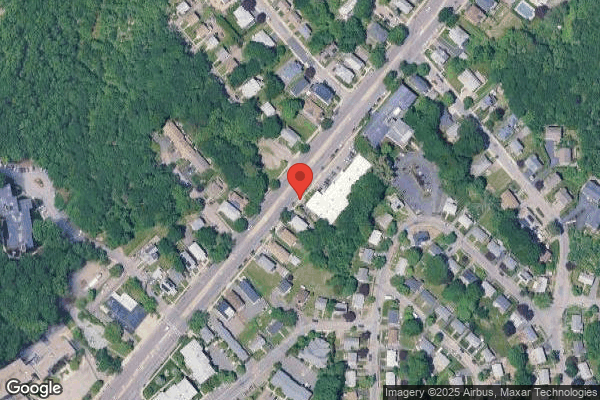
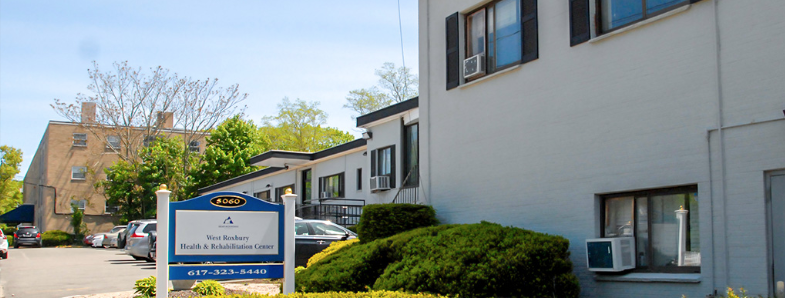
5060 WASHINGTON STREET, WEST ROXBURY, MA 02132 (617) 323-5440
For profit - Limited Liability company 76 Beds BEAR MOUNTAIN HEALTHCARE Data: November 2025
Trust Grade
63/100
#191 of 338 in MA
Last Inspection: October 2024

Within standard 12-15 month inspection cycle. Federal law requires annual inspections.

Overview

West Roxbury Health & Rehabilitation Center has a Trust Grade of C+, indicating a decent rating that is slightly above average but not particularly impressive. It ranks #191 out of 338 facilities in Massachusetts, placing it in the bottom half, and #13 out of 22 in Suffolk County, meaning there are better local options. Unfortunately, the facility is experiencing a worsening trend, with issues increasing from 14 in 2023 to 15 in 2024. Staffing is a strength, with a rating of 4 out of 5 stars and a turnover rate of 24%, which is well below the state average of 39%, suggesting that staff are stable and familiar with residents. However, the facility has been cited for several concerns, including a failure to provide necessary grooming for a resident with Alzheimer's and inadequate supervision during meals for a resident with severe cognitive impairment, which raises red flags about the quality of care. Overall, while there are some strengths in staffing, the facility's ranking and recent issues warrant careful consideration.

Trust Score
C+
63/100
In Massachusetts
#191/338
Bottom 44%
Safety Record
Low Risk
No red flags
Inspections
Getting Worse
14 → 15 violations
Staff Stability
✓ Good
24% annual turnover. Excellent stability, 24 points below Massachusetts's 48% average. Staff who stay learn residents' needs.
Penalties
○ Average
$3,418 in fines. Higher than 61% of Massachusetts facilities. Some compliance issues.
Skilled Nurses
✓ Good
Each resident gets 57 minutes of Registered Nurse (RN) attention daily — more than average for Massachusetts. RNs are trained to catch health problems early.
Violations
⚠ Watch
46 deficiencies on record. Higher than average. Multiple issues found across inspections.
★★★☆☆
3.0
Overall Rating
★★★★☆
4.0
Staff Levels
★★★☆☆
3.0
Care Quality
★★★☆☆
3.0
Inspection Score
Stable
2023: 14 issues
2024: 15 issues

The Good

  • 4-Star Staffing Rating · Above-average nurse staffing levels
  • Low Staff Turnover (24%) · Staff stability means consistent care
  • Full Sprinkler Coverage · Fire safety systems throughout facility
  • No fines on record
  • Staff turnover is low (24%)

    24 points below Massachusetts average of 48%

Facility shows strength in staffing levels, staff retention, fire safety.

The Bad

3-Star Overall Rating

Near Massachusetts average (2.9)

Meets federal standards, typical of most facilities

Federal Fines: $3,418

Below median ($33,413)

Minor penalties assessed

Chain: BEAR MOUNTAIN HEALTHCARE

Part of a multi-facility chain

Ask about local staffing decisions and management

The Ugly 46 deficiencies on record

Oct 2024 10 deficiencies
CONCERN (D)

Potential for Harm - no one hurt, but risky conditions existed

Deficiency F0554 (Tag F0554)

Could have caused harm · This affected 1 resident

Based on observation, interview, and record review, the facility failed to ensure that one Resident (#52) did not self-administer medications out of a total sample of 17 residents. Specifically, Resi...

Read full inspector narrative →
Based on observation, interview, and record review, the facility failed to ensure that one Resident (#52) did not self-administer medications out of a total sample of 17 residents. Specifically, Resident #52 was not assessed to be able to safely self-administer medication and was observed self-administering medication. Findings include: Review of the facility policy titled, Self Administration of Medications/ Treatments, dated as reviewed 12/21/22, indicated that residents who wish to self-administer medications/treatments will be assessed for ability and allowed to self-administer if deemed capable. 1. Upon admission, residents will be informed of their right to self-administer medications. 2. If a resident wishes to participate in self-administration, the interdisciplinary team will assess the competence of the resident to participate, by completing a Self-Administration of Medication Evaluation. 3. The nurse will interview the resident to determine their ability to identify, prepare and administer medications/treatments. 4. Based on the interdisciplinary team assessment, a decision is made as to whether or not the resident is a candidate for self-administration. This will be documented in the medical record. 5. The nurse will obtain a physician's order for each resident conducting self-administration of medications/treatments. 6. The nurse will evaluate accuracy and compliance of self-administration by periodic observation and counting doses. 7. Assessment of compliance and safety will be documented on a weekly basis in the resident's medical record. 8. Storage of self-administered medications/treatments will comply with state/federal requirements for medication storage. Resident #52 was admitted to the facility in April 2023 with diagnoses including hypothyroidism. Review of the most recent Minimum Data Set (MDS) assessment, dated 10/21/24, indicated that Resident #52 had moderate cognitive impairment as evidenced by a Brief Interview for Mental Status (BIMS) score of 10 out of 15. On 10/29/24 at 8:31 A.M., the surveyor observed Resident #52 in bed and asleep. The surveyor observed a small white round pill in a medication cup with L 15 written on it. Resident #52 awoke and said to the surveyor that the medication was his/her morning thyroid pill and the nurse who usually works leaves it for me to take on my own. Resident #52 then swallowed the medication. Review of Resident #52's physician's order, dated 11/27/23, indicated: - Levothyroxine Sodium Oral Tablet 50 micrograms (mcg) (Levothyroxine Sodium), give 1 tablet by mouth one time a day for hypothyroidism. Further review of the order indicated the medication was ordered as administer by clinician and was scheduled daily at 6:30 A.M. Review of Resident #52's form titled, new admission self-administration of medications, dated as 4/13/24, indicated: - administration by nursing staff. Review of Resident #52's plan of care in the electronic health record, dated 10/31/24, failed to indicate nursing staff assessed Resident #52 for self-administering medications. On 10/31/24 at 10:15 A.M., the surveyor and Nurse #7 reviewed Resident #52's medication supply and noted Resident #52 is prescribed levothyroxine a small white pill with L 15 written on it. During an interview on 10/30/24 at 4:13 P.M., Nurse #4 said that Resident #52 takes a thyroid pill in the morning at 6:00. A.M. Nurse #4 said she should stay with the Resident until he/she takes the medication. Further Review of Resident #52's Medication Administration Record dated 10/29/24 indicated Nurse #4 administered the thyroid medication to Resident #52. During an interview on 10/31/24 at 11:22 A.M., the Director of Nursing (DON) said nursing staff should stay with Resident #52 when he/she takes his/her medications.
CONCERN (D)

Potential for Harm - no one hurt, but risky conditions existed

Assessment Accuracy (Tag F0641)

Could have caused harm · This affected 1 resident

**NOTE- TERMS IN BRACKETS HAVE BEEN EDITED TO PROTECT CONFIDENTIALITY** Based on record review and interview, the facility failed to ensure a Minimum Data Set (MDS) assessment was accurately completed...

Read full inspector narrative →
**NOTE- TERMS IN BRACKETS HAVE BEEN EDITED TO PROTECT CONFIDENTIALITY** Based on record review and interview, the facility failed to ensure a Minimum Data Set (MDS) assessment was accurately completed to reflect the status of one Resident (#25) out of a total sample of 17 residents. Specifically, for Resident #25 the facility failed to code the correct pressure ulcer stage, when there was documentation of granulation. Findings include: Review of the Resident Assessment Instrument (RAI) Manual, dated October 2023, indicated the following: Coding Instructions for M0300B Coding Tips: Stage 2 pressure ulcers by definition have partial thickness loss of the dermis. Granulation tissue, slough, and eschar are not present in Stage 2 pressure ulcers. Resident #25 was admitted to the facility in May 2024 with diagnoses including diabetes and nutritional anemia. Review of the Minimum Data Set (MDS) assessment, dated 5/28/24, indicated that Resident #25 was cognitively intact as evidenced by a Brief Interview for Mental Status (BIMS) score of 14 out of 15. This MDS indicated Resident #25 had one stage 2 (M0300B1) pressure ulcer that was present on admission (M0300B2). Review of Resident #25's hospital Discharge summary, dated [DATE], indicated: - Pressure Injury to the Coccyx, dated 5/21/24. Review of Resident #25's assessment titled PREM-Admission/ readmission Nursing Assessment (Premier) dated 5/23/24 indicated: - Section C 10. Coccyx, Pressure. Review of Resident #25's clinical nursing note, dated 5/23/24, indicated: - Note Text: pressure ulcer to coccyx. Review of Resident #25's nurses note, dated 5/24/24, indicated: - Sacral area with superficial open area from admission measuring 2.5 cm (centimeters) x 2 cm granulation to wound bed. During an interview on 10/30/24 at 1:22 P.M., Nurse #2 reviewed admission assessment, and said Resident #25 was admitted with a pressure ulcer. During an interview on 10/30/24 at 1:37 P.M., the Director of Nursing said he assessed Resident #25 the day after his/her admission, and he/she had a pressure wound with granulation. During an interview on 10/30/24 at 2:38 P.M., MDS Nurse #2 said a stage 2 pressure ulcer should not be coded when there is presence of granulation. MDS Nurse #2 said the MDS was not completed accurately. During a follow up interview on 10/31/24 11:20 A.M., the Director of Nursing (DON) said that the MDS Nurse should use the RAI manual to ensure accurate coding is complete.
CONCERN (D)

Potential for Harm - no one hurt, but risky conditions existed

Deficiency F0658 (Tag F0658)

Could have caused harm · This affected 1 resident

**NOTE- TERMS IN BRACKETS HAVE BEEN EDITED TO PROTECT CONFIDENTIALITY** 2.) Resident #62 was admitted to the facility in October 2024 with diagnoses including right femur fracture, pressure ulcer and ...

Read full inspector narrative →
**NOTE- TERMS IN BRACKETS HAVE BEEN EDITED TO PROTECT CONFIDENTIALITY** 2.) Resident #62 was admitted to the facility in October 2024 with diagnoses including right femur fracture, pressure ulcer and local infection of the skin and subcutaneous tissues. Review of Resident #62's Minimum Data Set (MDS) assessment dated [DATE], indicated the Resident scored a 13 out of possible 15 on the Brief Interview for Mental Status indicating he/she was cognitively intact. The MDS further indicated that the Resident had pressure and surgical ulcers. The MDS did not indicate behaviors of refusal of care. Review of the Resident's current physician orders indicated the following: -Boots to bilateral feet at all times every shift. Dated 10/3/24. On 10/29/24 at 8:05 A.M., the surveyor observed Resident #62 lying in bed with his/her heels directly on the mattress. The blue offloading boots were at the foot of the bed. On 10/29/24 at 1:34 P.M., the surveyor observed Resident #62 lying in bed with his/her heels directly on the mattress. On 10/30/24 at 6:59 A.M., the surveyor observed Resident #62 lying in bed with his/her heels directly on the mattress. The blue offloading boots were on the Resident's bedside table. Review of Resident #62's Treatment Administration Record (TAR) indicated the Resident had been wearing the boots during the times of the observations, and only three episodes of documented refusals. During an interview on 10/30/24 at 9:42 A.M., Nurse #1 said per the physician orders the Resident should always have the boots on. She further said that the Resident does refuse the boots and it is their responsibility to ensure the Resident has the boot on. Nurse #1 said the nurses are to document refusal in the medical records. During an interview on 10/31/24 at 11:15 A.M., the Director of Nursing said the Resident doesn't like the boots, he/she will kick them off. Nurses are responsible to make sure they are on. Based on observation, record review, and interviews, for two Residents (#217 and #62) of 17 sampled residents, the facility failed to ensure nursing provided services in accordance with the comprehensive care plan that met professional standards of quality. Specifically, 1.) For Resident #217, the facility failed to ensure nursing implemented a physician's ordered urinary catheter drainage bag change as ordered by the physician. 2.) For Resident #62, the facility failed to follow physician's orders to apply offloading booties to bilateral heels while in bed. Findings include: Review of [NAME], Manual of Nursing Practice 11th edition, dated 2018, indicated the following: - The professional nurse's scope of practice is defined and outlined by the State Board of Nursing that governs practice. Review of the Massachusetts Board of Registration in Nursing Advisory Ruling on Nursing Practice, dated as revised April 11, 2018, indicated the following: - Nurse's Responsibility and Accountability: Licensed nurses accept, verify, transcribe, and implement orders from duly authorized prescriber that are received by a variety of methods (i.e., written, verbal/telephone, standing orders/protocols, pre-printed order sets, electronic) in emergent and non-emergent situations. Licensed nurses in a management role must ensure an infrastructure is in place, consistent with current standards of care, to minimize error. 1.) Review of the facility policy titled, Foley Catheter Care, dated May 1, 2022, indicated, it is the policy of this facility to maintain physician's (MD) orders for the care and maintenance of a Foley catheter. The MD orders will include: 7. MD order will indicate when to change the collection bag. Note: there is no specific timeframe for changing the collection bag. Resident #217 was admitted to the facility in October 2017 with diagnoses including urinary retention and benign prostatic hyperplasia with lower urinary symptoms. Review of the most recent Minimum Data Set (MDS) assessment, dated 10/14/24, indicated that Resident #217 was cognitively intact as evidenced by a Brief Interview for Mental Status (BIMS) score of 14 out of 15. This MDS indicated Resident #217 required an indwelling catheter. On 10/28/24 at 8:08 A.M., the surveyor observed Resident #217 in his/her bed. He/she had a urinary catheter bag that was dated 10/20/24. Review of Resident #217's plan of care related to urinary retention, dated 10/8/24, indicated: - Please change my catheter drainage (CD) bag weekly. Review of Resident #217's physician's order, dated 10/8/24, indicated: - Change catheter bag weekly Monday and Thursdays 11:00 P.M. to 7:00 A.M., every night shift. Further review of the physician's order indicated nursing only scheduled the order to completed on Thursdays. Review of Resident #217's TAR, dated October 2024, indicated nursing (Nurse #5) implemented the physician's order on 10/24/24. However, based on the surveyor's observation on 10/29/24, nursing completed the catheter drainage bag on 10/20/24. During an interview on 10/31/24 at 7:07 A.M., Nurse #5 said she couldn't recall changing Resident #217's urinary catheter drainage bag on 10/24/24. She said she would verify the physician's order for the bag changes and write her initials and date the bag on the day she changed it. During an interview on 10/31/24 11:24 A.M., the Director of Nursing said nursing should implement the physician's order and change the urinary catheter drainage bag as ordered by the physician.
CONCERN (D)

Potential for Harm - no one hurt, but risky conditions existed

Respiratory Care (Tag F0695)

Could have caused harm · This affected 1 resident

Based on observations, record review, and interview the facility failed to provide respiratory care services in accordance with professional standards of practice for one Residents (#61) out of a tota...

Read full inspector narrative →
Based on observations, record review, and interview the facility failed to provide respiratory care services in accordance with professional standards of practice for one Residents (#61) out of a total sample of 17 residents. Specifically, for Resident #61, the facility failed to ensure nursing consistently implemented his/her physician's ordered continuous positive airway pressure machine (CPAP, a machine that uses mild pressure to keep the breathing airways open during sleep, used to treat obstructive sleep apnea). Findings include: Review of the facility policy, CPAP (continuous positive airway pressure machines) and BiPAP (Bilevel positive airway pressure machines), dated as May 1, 2022, indicated it is the policy of this facility to provide respiratory support through the use of a CPAP and BiPAP machine when ordered by the resident's physician. CPAP and BiPAP machines require humidification. The water in the chamber should be kept filled to the indicator line using distilled water. MD orders will be obtained and include the following: - When the CPAP/BiPAP machine is to be used. - Pressure settings for the CPAP/BiPAP - Supplemental oxygen (if used) - Orders for cleaning the machine. - CPAP/BiPAP machine should be wiped down weekly with a damp cloth. Warm soapy water may be used if there is visible debris on the machine. - The water chamber should be washed weekly with ½ strength Vinegar and Water and replaced if there are signs of wear or loss of integrity. - Orders for cleaning the mask and replacement of the hoses. - The CPAP/ BiPAP mask should be washed with warm soapy water once a week or whenever it is soiled. - The CPAP/BiPAP mask should be discarded if it is soiled to the point that it cannot be easily cleaned, or it has lost its integrity. - The hoses of the machine should be cleaned weekly with warm soapy water and replaced if there are signs of wear or debris that cannot be easily dislodged. Resident #61 was admitted to the facility in October 2024 with diagnoses including obstructive sleep apnea, heart failure, and shortness of breath. Review of the most recent Minimum Data Set (MDS) assessment, dated 10/7/24, indicated that Resident #61 was cognitively intact as evidenced by a Brief Interview for Mental Status (BIMS) score of 14 out of 15. This MDS indicated Resident #14 required non-invasive mechanical ventilator. During an interview on 10/29/24 at 7:34 A.M., Resident #61 said that staff do not offer of apply his/her CPAP at bedtime. The CPAP was observed on the nightstand wrapped in a plastic bag. The water chamber was dry. On 10/30/24 at 6:43 A.M., Resident #61 was observed sleeping in his/her bed not wearing the CPAP. The CPAP was wrapped in plastic bag on the nightstand. The water chamber was dry. During an interview on 10/30/24 at 12:27 P.M., Resident #61 said that nursing did not apply his/her CPAP last night. Resident #61 said when his/her family member comes in he/she would ask them to move it onto his/her bedside table so that nursing would remember to put it on him/her at night. On 10/31/24 at 6:20 A.M., Resident #61 was observed sleeping in his/her bed not wearing the CPAP. The CPAP was wrapped in a plastic bag on the bedside table. Review of Resident #61's physician's order, dated 10/4/24, indicated: - CPAP to be used at nighttime setting 5.5, at bedtime. Scheduled daily at 9:00 P.M. Further review of the physician's orders failed to include a removal schedule or cleaning schedule. Review of Resident #61's plan of care, dated 10/30/24, failed to include the use of CPAP. Review of Resident #61's Treatment Administration Record (TAR), dated October 2024, indicated nursing implemented the CPAP on 10/28/24, 10/29/24, and 10/30/24. However, based on observations and interviews the application was not documented accurately by nursing staff. During an interview on 10/31/24 at 6:34 A.M., Certified Nurse Assistant #2 (who was working the overnight shift) said Resident #61 doesn't wear a CPAP at night. During an interview on 10/31/24 at 6:31 A.M., Nurse #6 said she was the overnight nurse, and she said Resident #61 did not wear a CPAP during the night. Nurse #6 said that Resident #61 doesn't have an order to wear or to monitor for the CPAP during the night shift. During an interview on 10/31/24 at 11:19 A.M., the Director of Nursing (DON) said nursing should follow the physician's orders and apply Resident #61's CPAP. The DON said that Resident #61 knows when to put the CPAP on and take it off, and he/she aware of his/her needs. The DON said Resident #61's CPAP requires cleaning orders and a care plan.
CONCERN (D)

Potential for Harm - no one hurt, but risky conditions existed

Deficiency F0699 (Tag F0699)

Could have caused harm · This affected 1 resident

**NOTE- TERMS IN BRACKETS HAVE BEEN EDITED TO PROTECT CONFIDENTIALITY** 2. Resident #29 was admitted to the facility In November 2023 with diagnoses including Post-Traumatic Stress Disorder (PTSD). Re...

Read full inspector narrative →
**NOTE- TERMS IN BRACKETS HAVE BEEN EDITED TO PROTECT CONFIDENTIALITY** 2. Resident #29 was admitted to the facility In November 2023 with diagnoses including Post-Traumatic Stress Disorder (PTSD). Review of Resident #29's Minimum Data Set (MDS) dated [DATE], indicated he/she scored a 15 out of a possible 15 on the Brief Interview for Mental Status (BIMS) indicating the Resident was cognitively intact. Review of Resident #29's behavior assessment dated [DATE] indicated the Resident had a diagnosis of PTSD. Review of the Resident's plan of care failed to indicate a personalized PTSD care plan identifying any triggers. During an interview on 10/31/24 at 11:27 A.M., the Director of Nursing said the Resident's PTSD care plan was integrated with his/her psychotropics plan of care. He further said the PTSD care plan should identify triggers which may exacerbate his/her symptoms. Based on record review and interview, the facility failed to develop plans of care for their diagnoses of post-traumatic stress disorder for two Residents (#17 and #29) out of a total sample of 17 residents. Findings include: 1. Resident #17 was admitted to the facility in August 2020, and had diagnoses which included post-traumatic stress disorder (PTSD). Review of Resident #17's quarterly behavioral assessment dated [DATE] indicated a diagnosis of PTSD. Review of Resident #17's Minimum Data Set (MDS) assessment dated [DATE] indicated an active diagnosis of PTSD. Review of Resident #17's electronic medical record and paper chart indicated a PTSD care plan had not been developed. During an interview with the MDS Nurse on 10/30/24 at 2:28 P.M., she said that if the MDS assessment indicated a diagnosis of PTSD then a PTSD care plan should be developed. The MDS Nurse and the surveyor reviewed Resident #17's medical record and determined he/she had an active diagnosis of PTSD and that a nursing care plan for PTSD had not been developed.
CONCERN (D)

Potential for Harm - no one hurt, but risky conditions existed

Deficiency F0700 (Tag F0700)

Could have caused harm · This affected 1 resident

Based on observation, record review and interview the facility failed to ensure that bed rails were implemented in accordance with the bed rail assessment and physician's order, for one Resident (#28)...

Read full inspector narrative →
Based on observation, record review and interview the facility failed to ensure that bed rails were implemented in accordance with the bed rail assessment and physician's order, for one Resident (#28) out of a total sample of 17 residents. Findings include: Review of the facility policy, Use of Side Rails, undated, indicated the following the purposes of these guidelines are to ensure the safe use of side rails as resident mobility aids and to prohibit the use of side rails as restraints. 1. Side rails are considered a restraint when they are used to limit the resident's freedom of movement (prevent the resident from leaving his/her bed). (Note: The side rails may have the effect of restraining one individual but not another, depending on the individual resident's condition and circumstances.) 2. Side rails are only permissible if they are used to treat a resident's medical symptoms or to assist with mobility and transfer of residents. 3. An assessment will be made to determine the resident's symptoms or reason for using side rails. When used for mobility or transfer, an assessment will include a review of the resident's: a. Bed mobility; and b. Ability to change positions, transfer to and from bed or chair, and to stand and toilet. 4. The use of side rails as an assistive device will be addressed in the resident care plan. 5. Consent for using restrictive devices will be obtained from the resident or legal representative per facility protocol. 9. Consent for side rail use will be obtained from the resident or legal representative, after presenting potential benefits and risks. (Note: Federal regulations do not require written consent for using restraints. Signed consent forms do not relieve the facility from meeting the requirements for restraint use, including proper assessment and care planning. While the resident or family (representative) may request a restraint, the facility is responsible for evaluating the appropriateness of that request.) 10. The resident will be checked periodically for safety relative to side rail use. Resident #28 was admitted to the facility in June 2024 with diagnoses including hemiplegia, diabetes, brain disorder and encephalopathy. Review of the most recent Minimum Data Set (MDS) assessment, dated 9/24/24, indicated that Resident #28 had moderate cognitive impairment as evidenced by a Brief Interview for Mental Status (BIMS) score of 12 out of 15. This MDS indicated Resident #28 required assistance with bed mobility and he/she did not utilize physical restraints. On 10/29/24 at 8:19 A.M., 10/29/24 at 11:20 A.M., 10/30/24 at 6:42 A.M., 10/30/24 at 11:44 A.M., 10/30/24 at 4:19 P.M., and on 10/31/24 at 9:14 A.M, 10/31/24 at 9:53 A.M, and on 10/31/24 at 10:00 A.M, the surveyor observed Resident #28 in his/her bed. Resident #28 had bilateral side rails that measured 25 inches long each, these side rails were positioned in the middle of the bed and there was a gap that measured 30 inches from the top of the bed to the side rail, and there was 27.5 inches from the bottom of the side rail to foot board on both sides. Review of Resident #28's physician's order, dated 6/19/24, indicated: - (2) 1/4 bedrails up when in bed for mobility and transfers. Review of Resident #28's, bed rail assessment and consent form, dated 6/19/24, indicated the following. - 1/4 partial rails, left side upper and right side upper. Further review of the assessment failed to include the use of 1/2 partial rails. Review of Resident #28's, assessment titled, BEAR -- 00) UDA PACKET, dated 9/22/24, indicated the following: A. Please specify device, coded as 1) Side Rails (used in and/or out of bed) A1. SPECIFY, coded as a) 1/4 side rails. A1-a1. 1/4 SIDE RAIL, coded as a) 2 side rails UPPER ONLY Review of Resident #28's plan of care related to activities of daily living, dated as revised on 7/24/24, indicated: - Please utilize side rails as assessed and ordered if I choose, initiated 6/19/24. - I am dependent on staff to get me dressed and undressed, grooming, and bathing needs, initiated 6/19/24. During an interview and observation on 10/30/24 at 12:33 P.M., Certified Nurse Assistant (CNA) #1 said that Resident #28's side rails are always in the same position, positioned in middle of the bed. During an interview and observation on 10/30/24 12:34 P.M., Nurse #3 said that Resident #28's side rails are always in the same position, positioned in middle of the bed. During an interview, observation, and demonstration on 10/31/24 at 9:14 A.M., Director of Nursing (DON) observed the side rails on Resident #28's bed, the DON said that Resident #28 is utilizing 1/4 rails. The DON said even in the down position the side rails are still quarter rails. The DON moved Resident #28's bed rails into a 1/4 rail position and the rails were no longer in the middle of the bed and the rails were now in the upper 1/4 of Resident #28's bed. During an interview on 10/31/24 at 9:53 A.M., the Director of Operations said Resident #28's bed rails are quarter rails in the up position but when they are down in the other position, as they are on Resident #28's bed they are no longer quarter rails.
CONCERN (D)

Potential for Harm - no one hurt, but risky conditions existed

Drug Regimen Review (Tag F0756)

Could have caused harm · This affected 1 resident

Based on record review and interview, the facility failed to ensure recommendations from the Monthly Medication Reviews (MMRs) conducted by the consultant pharmacist were addressed by the facility in ...

Read full inspector narrative →
Based on record review and interview, the facility failed to ensure recommendations from the Monthly Medication Reviews (MMRs) conducted by the consultant pharmacist were addressed by the facility in a timely manner for one Resident (#28) out of a total sample of 17 Residents. Findings include: Review of the facility policy titled, Documentation and Communication of Consultant Pharmacist Recommendations, dated as January 1, 2021, indicated the consultant pharmacist works with the facility to establish a system whereby the consultant pharmacist observations and recommendations regarding residents' medication therapies are communicated to those with authority and/or responsibility to implement the recommendations and are responded to in an appropriate and timely fashion. C. Recommendations are acted upon and documented by the facility staff and/or the prescriber. If the prescriber does not respond to recommendation directed to him/her [within 30 days], the Director of Nursing and/or the consultant pharmacist may contact the Medical Director. Resident #28 was admitted to the facility in June 2024 with diagnoses including hemiplegia, diabetes, brain disorder and encephalopathy. Review of the most recent Minimum Data Set (MDS) assessment, dated 9/24/24, indicated that Resident #28 had moderate cognitive impairment as evidenced by a Brief Interview for Mental Status (BIMS) score of 12 out of 15. Review of Resident #28's pharmacist notes, dated 9/21/24 and 10/21/24 indicated the following: -Nursing recommendation to clarify two Tylenol as needed (prn) pain orders. Review of Resident #28's form titled summary of pharmacy recommendations for Director of Nursing (DNS)/Medical Director, dated 9/22/24 and 10/22/24, indicated: - This resident has two orders for as needed (PRN) Tylenol. One order is for 1 gram (gm) three times daily as needed for pain and the other order is for 650 mg every 6 hour as needed for pain. - Please clarify which order should remain active and discontinue the other order. Thank you for helping avoid a medication error. Review of Resident #28's physician's order, dated 8/21/24, indicated: - Acetaminophen Tablet 325 milligrams (mg), give 2 tablets by mouth every 6 hours as needed for pain. Review of Resident #28's Medication Administration Record (MAR), dated September and October 2024, indicated nursing administered Resident #28's as needed acetaminophen (325 mg), give 2 tablets) on 9/26/24, 10/1/24, and twice on 10/4/24, 10/22/24, and 10/30/24. Review of Resident #28's physician's order, dated 8/21/24, indicated: Tylenol Extra Strength Oral Tablet 500 milligrams (mg) (Acetaminophen), give 2 tablets by mouth as needed for pain, give 3 x daily as needed. Review of Resident #28's Medication Administration Record (MAR), dated September 2024, indicated nursing administered Resident #28's as needed acetaminophen (500 mg give 2 tablets) on 9/24/24. During an interview on 10/31/24 at 11:24 A.M., the Director of Nursing (DON) said the pharmacy recommendations should be reviewed and acted upon. The DON said the recommendation from 9/22/24 was repeated on 10/22/24 and was not acted upon but should have been.
CONCERN (D)

Potential for Harm - no one hurt, but risky conditions existed

Deficiency F0761 (Tag F0761)

Could have caused harm · This affected 1 resident

**NOTE- TERMS IN BRACKETS HAVE BEEN EDITED TO PROTECT CONFIDENTIALITY** Based on observations and interviews, the facility failed to ensure all medications used in the facility were stored in accordan...

Read full inspector narrative →
**NOTE- TERMS IN BRACKETS HAVE BEEN EDITED TO PROTECT CONFIDENTIALITY** Based on observations and interviews, the facility failed to ensure all medications used in the facility were stored in accordance with accepted professional principles of practice. Specifically, the facility failed to ensure nursing properly stored medications on one of two nursing units observed ([NAME] Unit). Findings include: Review of the facility policy titled, Storage of Medications, dated January 1, 2021, indicated medications and biologicals are stored safely, securely, and properly, following manufacturer's recommendations or those of the supplier. The medication supply is accessible only to licensed nursing personnel, pharmacy personnel, or staff members lawfully authorized to administer medications. B. Only licensed nurses, pharmacy personnel, and those lawfully authorized to administer medications (such as medication aides) permitted to access medications. Medication rooms, carts, and medication supplies are locked when not attended by persons with authorized access. On 10/30/24 at 9:09 A.M., 10/30/24 at 1:01 P.M., 10/30/24 at 3:57 P.M., 10/31/24 at 6:41 A.M., and on 10/31/24 at 7:58 A.M., the surveyor observed at the [NAME] Unit nurses station a plastic container that was unlocked and unattended by nursing staff, that contained vials of ampicillin sulbactam (intravenous (IV) antibiotic medication). During an interview on 10/30/24 at 1:01 P.M., Nurse #1 said that the medications in the plastic container at the nurse's station is Resident #62's IV antibiotics. During an interview on 10/31/24 at 6:40 A.M., Nurse #6 said that nursing staff is storing Resident #62's IV medications at the [NAME] Unit nursing station. On 10/31/24 at 8:02 A.M., the surveyor and nursing staff counted the contents of the plastic container. There were 30 vials of ampicillin sulbactam that were currently inside the plastic container and that were left unlocked and unattended at the [NAME] Unit. During an interview on 10/31/24 at 8:03 A.M., the Director of Nursing said that Resident #62's IV antibiotics should not have been unlocked and unattended.
CONCERN (D)

Potential for Harm - no one hurt, but risky conditions existed

Food Safety (Tag F0812)

Could have caused harm · This affected 1 resident

Based on observation and interview, the facility failed to date refrigerated foods and dispose of expired refrigerated food as required. Findings include: Review of the facility policy titled Food Re...

Read full inspector narrative →
Based on observation and interview, the facility failed to date refrigerated foods and dispose of expired refrigerated food as required. Findings include: Review of the facility policy titled Food Receiving and Storage (undated) indicated: - All foods stored in the refrigerator or freezer will be covered, labeled, and dated (use by date). On 10/29/24 at 7:25 A.M., the surveyor toured the kitchen with the Food Service Director (FSD). The surveyor observed in the refrigerator: - Three undated plastic containers covered in plastic wrap: one labeled pasta sauce, one unlabeled and containing a reddish-brown liquid, and one unlabeled and containing an opaque liquid. - One pan labeled caramel sauce, dated as expired 10/27/24. During an interview with the FSD on 10/29/24 at 7:30 A.M., she said all refrigerated foods must have a written expiration date and that foods past the expiration date must be removed and discarded.
CONCERN (D)

Potential for Harm - no one hurt, but risky conditions existed

Medical Records (Tag F0842)

Could have caused harm · This affected 1 resident

**NOTE- TERMS IN BRACKETS HAVE BEEN EDITED TO PROTECT CONFIDENTIALITY** 2.) Review of the facility policy, Skin Body Audit, dated as reviewed 5/9/22, indicated to identify changes in skin integrity th...

Read full inspector narrative →
**NOTE- TERMS IN BRACKETS HAVE BEEN EDITED TO PROTECT CONFIDENTIALITY** 2.) Review of the facility policy, Skin Body Audit, dated as reviewed 5/9/22, indicated to identify changes in skin integrity through weekly skin audits (head to toe) on all residents. - Licensed nurses will perform skin body audits on a weekly basis, preferably on shower days. 1. The Licensed Nurse performs a weekly head to toe check of the resident's skin, paying particular attention to: - The surfaces of the skin that come in contact with the bed and chair, - Bony prominences (heels, tailbone, shoulder blades, elbows, back of the head, etc.), - The surfaces of the skin that come in contact with any orthotic device, tube, brace or positioning device, - Skin folds. Review of the facility policy, Pressure Ulcer Prevention, dated as revised 12/22/22, indicated the facility will identify residents at risk for pressure ulcer development upon admission and throughout their stay. The facility will implement interventions to minimize and/or eliminate contributing factors for pressure ulcer development on patients/residents at risk. 1. Residents will be evaluated by the nurse for risk of skin breakdown using the Norton Scale or other approved skin assessment tool on admission, upon a significant change in condition, and quarterly. 5. A weekly body audit will be completed on residents. 6. Wounds will have weekly assessment and documentation on each area until healed. 9. The facility will provide education for treatment and prevention of pressure ulcers to caregivers. Additional education will be provided to residents and family as applicable. Resident #25 was admitted to the facility in May 2024 with diagnoses including diabetes and nutritional anemia. Review of Minimum Data Set (MDS) assessment, dated 5/28/24, indicated that Resident #25 was cognitively intact as evidenced by a Brief Interview for Mental Status (BIMS) score of 14 out of 15. This MDS indicated Resident #25 had one stage 2 (M0300B1) pressure ulcer that was present on admission (M0300B2). Review of Resident #25's hospital Discharge summary, dated [DATE], indicated the following: - Pressure Injury to the Coccyx, dated 5/21/24. Review of Resident #25's hospital RN shift note, dated 5/23/24, indicated: - Assessment: DTI (deep tissue injury) to coccyx, discolored purple area. Mepilex (absorbent wound dressing) changed overnight. Review of Resident #25's assessment titled [NAME]-Admission/ readmission Nursing Assessment (Premier) dated 5/23/24 indicated: - Section C 10. Coccyx, Pressure. Further review of the assessment failed to include a description of the pressure ulcer. Review of Resident #25's clinical nursing note, dated 5/23/24, indicated: - Note Text: pressure ulcer to coccyx. Further review of the note failed to include a description of the pressure ulcer. Review of Resident #25's assessment titled SECTION Cust. [NAME]-Weekly Skin Checks (Premier - Triggered), dated 5/27/24, indicated: 1. Does the resident have any open areas or marks on skin? 2. If yes, list all marks on body and open areas with sizes and descriptions Site: 53) Sacrum, Description: pressure ulcer. Further review of the assessment failed to include a description of the wound. During an interview on 10/30/24 at 1:22 P.M., Nurse #2 reviewed admission assessment, and she said Resident #25 was admitted with a pressure ulcer. Nurse #2 said based on the admission assessment she was unable to determine a description of the wound. During an interview on 10/30/24 at 1:24 P.M., Nurse #1 said she completed the admission assessment and skin check on 5/27/24. Nurse #1 said she did not document the appearance of the pressure ulcer but should have. Nurse #1 said it was really hard to remember what Resident #25's wound looked like because it has been months since she admitted Resident #25. During an interview on 10/30/24 at 2:38 P.M., MDS Nurse #2 that skin assessments are not always accurately completed and should be so she can review the documentation for MDS completion. During an interview on 10/31/24 at 11:21 A.M., the Director of Nursing (DON) said nursing should complete the description section in skin assessments including descriptions of wounds. Based on record review, interview, and observation for two Residents (#47 and #25), the facility failed to ensure they maintained complete and accurate documentation in the medical record. Specifically, the facility failed to: 1.) For Resident #47, the facility failed to accurately document a treatment for steri strips. 2.) For Resident #25 the facility failed to ensure nursing completed a wound description on an admission assessment and weekly skin check. Findings include: 1.) Resident #47 was admitted to the facility in July 2024 and had diagnoses which included psychosis and dementia. Review of Resident #47 Minimum Data Set assessment dated [DATE] indicated a Brief Interview for Mental Status score of 6, signifying severe cognitive impairment. Review of Resident #47's physician orders dated 10/15/24 indicated: - Monitor right forearm steri strips. Secure every shift. Steri strips are adhesive bandages used to pull together the edges of small wounds. Review of Resident #47's Treatment Administration Record dated 10/31/24, 7:00 A.M. to 3:00 P.M. shift, indicated Nurse #8 signed off as having completed the right forearm steri strip treatment. On 10/31/24 at 11:42 A.M., the surveyor observed Resident #47's exposed right forearm. There were no steri strips present. A small, scabbed wound, approximately 1 centimeter (CM) x 0.5 CM, was located on the right forearm. During an interview with Nurse #8 on 10/31/24 at 11:45 A.M., he said Resident #47's right forearm wound had healed and no longer required steri strips. Nurse #8 said he was unaware he had signed that he provided the treatment this morning.
Aug 2024 1 deficiency
CONCERN (D) 📢 Someone Reported This

A family member, employee, or ombudsman was alarmed enough to file a formal complaint

Potential for Harm - no one hurt, but risky conditions existed

Safe Environment (Tag F0584)

Could have caused harm · This affected 1 resident

**NOTE- TERMS IN BRACKETS HAVE BEEN EDITED TO PROTECT CONFIDENTIALITY** Based on observations and interviews, for two of two resident units, the Facility failed to ensure they maintained a clean and h...

Read full inspector narrative →
**NOTE- TERMS IN BRACKETS HAVE BEEN EDITED TO PROTECT CONFIDENTIALITY** Based on observations and interviews, for two of two resident units, the Facility failed to ensure they maintained a clean and homelike environment for resident use, when the showers rooms on both units were found to have dirty tile grout, the shower room on one unit had missing floor tiles, the drain cover was missing, and there were flying insects hovering around the open drain. Findings include: The Facility Policy, titled Homelike Environment, undated, indicated the Facility would provide residents with a safe, clean, comfortable, and homelike environment that reflected a homelike setting including cleanliness and order. During a tour of the Facility on 08/27/24 at 09:00 A.M., the shower room on the [NAME] Unit the Surveyor observed the following: - There were dark colored stains in the grout on the tiled shower walls from the floor to four feet up the walls; - 12 small tiles were missing around the floor drain; - The drain did not have an appropriate drain cover, and in place of a drain cover a metal mesh sink strainer had been put in place over the drain; - Several dead, small winged insects were observed on the shower chair and on the walls of the shower room; - Live small flying insects were observed flying around the shower room. The Shower room on the [NAME] Unit the Surveyor observed the following: - Dark colored stains in the grout on the tiled shower walls from the floor to two feet up the walls. During interview on 08/27/24 at 1:26 P.M., the Regional Maintenance Director said the grout in the shower rooms, the drain cover, and tiles in the [NAME] Unit shower room needed to be repaired. During interview on 08/27/24 at 09:08 A.M., the Director of Nurses (DON) said the shower rooms should not be that way, that the walls should be kept clean, that the tiles and drain cover in the [NAME] Unit shower room should be replaced, and the small flying insects should be removed.
Jun 2024 3 deficiencies
CONCERN (D) 📢 Someone Reported This

A family member, employee, or ombudsman was alarmed enough to file a formal complaint

Potential for Harm - no one hurt, but risky conditions existed

Deficiency F0561 (Tag F0561)

Could have caused harm · This affected 1 resident

Based on interviews and records reviewed, for one of three sampled residents (Resident #1), the Facility failed to ensure they supported each residents' right to self determination which included faci...

Read full inspector narrative →
Based on interviews and records reviewed, for one of three sampled residents (Resident #1), the Facility failed to ensure they supported each residents' right to self determination which included facilitating the resident's choice to smoke, when the Facility permanently revoked Resident #1's smoking privileges and refused to allow Resident #1 to join other residents who smoke during the Facility's supervised smoking times. Findings include: The Facility Smoking Policy and Procedure, dated as revised December 2018, indicated it is the policy of the Facility to allow residents to smoke tobacco-based products in the designated smoking area under staff supervision only. The Policy indicated smoking is allowed during designated hours and monitored by staff during these times. The Policy indicated residents could not possess smoking paraphernalia and items must be turned over to Facility staff members for storage. The Smoking Procedure indicated the Facility permitted smoking supervised by staff members during four smoking times: 9:00 A.M., 1:00 P.M., 4:00 P.M. and 7:00 P.M. daily. Review of Resident #1's clinical record indicated that he/she was admitted to the Facility during November of 2023, diagnoses included post-traumatic stress disorder, anxiety disorder, opioid dependence with opioid induced mood disorder, major depressive disorder, alcohol and other psychoactive substance abuse, orthopedic aftercare following fracture of the right tibia and hemiplegia and hemiparesis following cerebral infarction affecting left, non-dominant side. Review of Resident #1's admission MDS, completed 11/12/23, indicated Resident #1 used tobacco. Review of Resident #1's most recent Quarterly Minimum Data Set (MDS) Assessment, completed 5/14/24, indicated he/she did not ambulate and used a wheelchair for mobility with assistance and/or supervision. The MDS indicated his/her cognitive patterns were intact. Review of Resident #1's Care Plan related to smoking, dated as initiated 11/14/23, indicated Resident #1 was a smoker and per Facility Policy needed to be supervised if out smoking at the Facility during supervised smoking times. Care Plan interventions included that Resident #1's smoking materials were to be locked up and handed to him/her only during designated smoke times. Review of Resident #1's Smoking assessments, dated 2/12/24 and 5/09/24, indicated he/she smoked. Resident #1's Care Plan related to smoking indicated that the care plan was resolved 5/21/24. During an interview on 6/10/24 at 10:45 A.M., the Administrator said that Resident #1's Care Plan related to smoking was resolved because the Facility revoked his/her smoking privileges. Review of the report submitted by the Facility via the Health Care Facility Reporting System (HCFRS), dated 5/20/24, indicated that Resident #1's smoking privileges were revoked following an incident in which he/she was found to have a vape pen (an electronic handheld device consisting of a battery attached to a cartridge filled with a liquid solution that is vaporized and simulates tobacco smoking), in his/her bed. The Surveyor was unable to interview Resident #1 at the time of the Survey because he/she was hospitalized . The Administrator said that the Facility revoked Resident #1's smoking privileges after staff members caught Resident #1 with smoking paraphernalia on several occasions while residing at the Facility. The Administrator said initially after the first two incidents of being caught with smoking paraphernalia on his/her person, Resident #1's smoking privileges were suspended for a period of time. The Administrator said that following a third incident which occurred 5/20/24, when staff found Resident #1 in bed with a vape pen, his/her smoking privileges were revoked permanently. The Administrator said that Resident #1 requested resumption of his/her smoking privileges following the incident on 5/20/24. The Administrator said she told Resident #1 that his/her smoking privileges at the Facility were permanently revoked. The Surveyor asked the Administrator how the Facility would support Resident #1's right to self-determination with regards to smoking and participation in the supervised smoking program at the Facility. The Administrator said that due to Resident #1's lack of adherence to the Facility's smoking policy, he/she would not be permitted to smoke during supervised smoking times. During an interview on 6/10/24 at 12:05 P.M., the Social Worker said that since Resident #1's smoking privileges were revoked, Resident #1 has requested to resume smoking during the Facility supervised smoking times. The Social Worker said that Resident #1 has begged and pleaded to be allowed to smoke. During telephone interviews on 6/20/24 at 1:40 P.M. with the Psychiatric Nurse Practitioner and on 6/20/24 at 3:37 P.M. with the Psychotherapist, they said that after each instance of the Facility's suspension of Resident #1's smoking privileges, Resident #1 continued to request to be allowed to join the other residents during the Facility's supervised smoking times.
CONCERN (D) 📢 Someone Reported This

A family member, employee, or ombudsman was alarmed enough to file a formal complaint

Potential for Harm - no one hurt, but risky conditions existed

Deficiency F0604 (Tag F0604)

Could have caused harm · This affected 1 resident

Based on interviews and records reviewed, for one of three sampled residents (Resident #1) who was alert, oriented and able to make his/her needs known, the Facility failed to ensure Resident #1 was f...

Read full inspector narrative →
Based on interviews and records reviewed, for one of three sampled residents (Resident #1) who was alert, oriented and able to make his/her needs known, the Facility failed to ensure Resident #1 was free from physical restraint when, on 5/20/24 around 5:40 A.M., Nurse #1, Certified Nurse Aide (CNA) #1 and CNA #2 used physical force to confiscate a vape pen (an electronic handheld device consisting of a battery attached to a cartridge filled with a liquid solution that is vaporized and simulates tobacco smoking) from Resident #1, which he/she had hidden under his/her clothing. Findings include: Review of the Facility Policy titled Physical Restraints, last revised December 2023, indicated that the Facility recognized each resident's right to be treated with respect and dignity and to be free from physical restraint imposed for the purposes of discipline and convenience and not required to treat the resident's medical condition. The Policy defined restraint to include any manual method, physical or mechanical device, equipment or material that is attached to the resident's body, cannot be removed easily by the resident and restricts the resident's freedom of movement or normal access to their body. Review of Resident #1's clinical record indicated that he/she was admitted to the Facility during November of 2023, diagnoses included post-traumatic stress disorder, anxiety disorder, opioid dependence with opioid induced mood disorder, major depressive disorder, alcohol and other psychoactive substance abuse, orthopedic aftercare following fracture of the right tibia and hemiplegia and hemiparesis following cerebral infarction affecting left, non-dominant side. Review of Resident #1's most recent Quarterly Minimum Data Set Assessment, completed 5/14/24, indicated he/she did not ambulate and used a wheelchair for mobility with assistance and/or supervision. The MDS indicated his/her cognitive patterns were intact. Review of the report submitted by the Facility via the Health Care Facility Reporting System (HCFRS), dated 5/20/24, indicated that Resident #1 reported that Nurse #1, CNA #1 and CNA #2 attacked him/her in bed while trying to confiscate his/her smoking vape pen. The Surveyor was unable to interview Resident #1 at the time of Survey because he/she was hospitalized at the time of the survey. On 6/10/24, the Administrator provided the Surveyor with an unsigned, typed statement which she said documented her interview with Resident #1 regarding the allegation. The Statement indicated Resident #1 told the Administrator he/she was attacked by Nurse #1, CNA #1 and CNA #2 when they tried to take his/her vape pen away. The Statement indicated Resident #1 told the Administrator that Nurse #1, CNA #1 and CNA #2 beat him/her and pulled his/her hair. Review of a Disabled Persons Protection Commission (DPPC) Report, dated 5/23/24, indicated that on 5/20/24, Resident #1 reported to the police that he/she attempted to conceal a restricted vape pen from Nurse #1 and, when Nurse #1 and Resident #1 struggled over the vape pen, CNA #1 and CNA #2 came to Resident #1's bedside and held Resident #1 down. The Report indicated Resident #1 said that he/she felt Nurse #1, CNA #1 and CNA #2 were overly aggressive when confiscating the vape pen. During a telephone interview on 6/18/24 at 11:30 A.M. Nurse #1 said around 5:30 A.M. on 5/20/24, she entered Resident #1's room and saw Resident #1 asleep in bed with a vape pen in his/her hand. Nurse #1 said that moments later, Resident #1 awoke and moved the vape pen to between his/her legs. Nurse #1 said she asked Resident #1 what he/she was hiding and Resident #1 told her nothing. Nurse #1 said she told Resident #1 that it did not matter where he/she hid the vape pen, that she was going to get it. Nurse #1 said she left Resident #1's room and asked CNA #1 and CNA #2 to come to Resident #1's room to assist her. During telephone interviews on 6/11/24 at 4:16 P.M. with CNA #1 and 6/11/24 at 4:31 P.M. with CNA #2, they said Nurse #1 asked for assistance with taking an item away from Resident #1. CNA #1, CNA #2 and Nurse #1 said they went to Resident #1's bedside, CNA #1 and CNA #2 said they held Resident #1's hands for less than one minute while Nurse #1 removed the vape pen from Resident #1's incontinence brief. The Surveyor asked Nurse #1 for the reason why CNA #1 and CNA #2 held Resident #1's hands and Nurse #1 said that because Resident #1 refused to give her the vape pen and he/she struggled against her efforts to confiscate it, CNA #1 and CNA #2 held Resident #1's hands still in order for her to take the vape pen away from Resident #1. During interviews on 6/10/24 at 10:45 A.M. with the Administrator and by telephone on 6/11/24 at 2:30 P.M with the Director of Nursing, the Administrator and Director of Nursing said that the Facility Internal Investigation indicated that on 5/20/24, Nurse #1, CNA #1 and CNA #2 confiscated a vape pen from Resident #1 after he/she was found in bed with it.
CONCERN (D) 📢 Someone Reported This

A family member, employee, or ombudsman was alarmed enough to file a formal complaint

Potential for Harm - no one hurt, but risky conditions existed

Abuse Prevention Policies (Tag F0607)

Could have caused harm · This affected 1 resident

Based on interviews and records reviewed, for one of three sampled residents (Resident #1), who was cognitively intact, the Facility failed to ensure that staff implemented and followed the Facility A...

Read full inspector narrative →
Based on interviews and records reviewed, for one of three sampled residents (Resident #1), who was cognitively intact, the Facility failed to ensure that staff implemented and followed the Facility Abuse Prohibition Policy when, on 5/20/24 around 6:00 A.M., Certified Nurse Aide (CNA) #2 told Nurse #1 that Resident #1 alleged that they (CNA #1, CNA #2 and Nurse #1) had assaulted him/her, however Nurse #1 did not immediately report the allegation to the Administrator. As a result, the Administrator only became aware of the allegation after police officers arrived at the Facility in response to Resident #1's call to them, which was more than five hours after the incident occurred and after CNA #2 had made Nurse #1 aware of Resident #1's allegation. Findings include: Review of the Facility Policy titled Abuse Prohibition, last revised 7/13/22, indicated that the Facility implemented processes which strive to ensure the reporting of alleged abuse. Abuse. The Policy indicated that the shift supervisor/charge nurse/manager would be notified immediately of all alleged violations and would report the incident immediately to the Director of Nursing or Administrator, Review of the report submitted by the Facility via the Health Care Facility Reporting System (HCFRS), dated 5/20/24, indicated that Resident #1 reported that Nurse #1, CNA #1 and CNA #2 attacked him/her in bed while trying to confiscate a smoking vape pen (an electronic handheld device consisting of a battery attached to a cartridge filled with a liquid solution that is vaporized and simulates tobacco smoking). Review of Resident #1's clinical record indicated that he/she was admitted to the Facility during November of 2023, diagnoses included post-traumatic stress disorder, anxiety disorder, opioid dependence with opioid induced mood disorder, major depressive disorder, alcohol and other psychoactive substance abuse, orthopedic aftercare following fracture of the right tibia and hemiplegia and hemiparesis following cerebral infarction affecting left, non-dominant side. Review of Resident #1's most recent Quarterly Minimum Data Set Assessment, completed 5/14/24, indicated he/she did not ambulate and used a wheelchair for mobility with assistance and/or supervision. The MDS indicated his/her cognitive patterns were intact. The Surveyor was unable to interview Resident #1 at the time of the Survey because he/she was hospitalized . During telephone interviews on; - 6/18/24 at 11:30 A.M. with Nurse #1, - 6/11/24 at 4:16 P.M. with CNA #1 and, - 6/11/24 at 4:31 P.M. with CNA #2, they said that around 5:30 A.M. on 5/20/24, they confiscated a vape pen from Resident #1. Nurse #1, CNA #1 and CNA #2 said that the vape pen was hidden inside Resident #1's incontinence brief. CNA #1 and CNA #2 said they held Resident #1's hands while Nurse #1 removed the vape pen from his/her incontinence brief. CNA #2 said that shortly have leaving Resident #1's bedside with Nurse #1 and CNA #1, she responded to Resident #1's sounding call light. CNA #2 said that Resident #1 asked her to plug in his/her cell phone for charging because he/she wanted to call the police. CNA #2 said Resident #1 told her that he/she intended to report to the police that they (CNA #1, CNA #2 and Nurse #1) had assaulted him/her during the incident in which they confiscated his/her vape pen. CNA #2 said she reported Resident #1's allegation to Nurse #1. Nurse #1 said CNA #2 had reported to her that Resident #1 had alleged that they (CNA #1, CNA #2 and Nurse #1) had assaulted him/her when they confiscated his/her vape pen, and that he/she was going to call the police. Nurse #1 said she did not immediately notify the Administrator of Resident #1's allegation. During an interview on 6/10/24 at 11:30 A.M., the Administrator said that she first became aware of Resident #1's allegation that he/she was assaulted by Nurse #1, CNA #1 and CNA #2 around 12:00 P.M. on 5/20/24, when police officers arrived at the Facility to speak to Resident #1 about an incident that he/she had reported to them. The Administrator said this was about six hours after CNA #2 had reported to Nurse #1 that Resident #1 had said he/she was going to call the police to report being assaulted by staff.
May 2024 1 deficiency
CONCERN (D) 📢 Someone Reported This

A family member, employee, or ombudsman was alarmed enough to file a formal complaint

Potential for Harm - no one hurt, but risky conditions existed

Resident Rights (Tag F0550)

Could have caused harm · This affected 1 resident

Based on records reviewed and interviews, for one of three sampled residents (Resident #1) who was severely cognitively impaired, the Facility failed to ensure staff treated him/her in a dignified and...

Read full inspector narrative →
Based on records reviewed and interviews, for one of three sampled residents (Resident #1) who was severely cognitively impaired, the Facility failed to ensure staff treated him/her in a dignified and respectful manner, when it was reported that on 04/29/24, Certified Nurse Aide (CNA) #1 engaged in a verbal altercation with Resident #1 that included the use of profane language. Findings include: Review of the Facility's policy titled Resident Rights, dated as revised 12/06/21, indicated that the Facility must treat each resident with respect and dignity, and care for each resident in a manner and in an environment that promotes maintenance or enhancement of his or her quality of life, recognizing each resident's individuality. Resident #1 was admitted to the Facility in October 2022, diagnoses included stroke, schizoaffective disorder, and paranoid personality disorder. Review of Resident #1's Minimum Date Set (MDS) Assessment, dated 04/17/24, indicated Resident #1 had severe cognitive impairment, evidenced by a Brief Interview for Mental Statue (BIMS) of 2/15. During an interview on 05/21/14 at 11:16 A.M., which included review of his Written Witness Statement, dated 04/29/24, Nurse #1 said that on 04/29/24, sometime in the morning, he and Nurse #2 heard Resident #1 yell Nurse #2's name, so they went to Resident #1's room. Nurse #1 said he heard Resident #1 yelling fuck you to CNA #1 and telling her to get out of his/her room. Nurse #1 said he heard CNA #1 say, fuck you to Resident #1. During an interview on 05/21/14 at 11:30 A.M., which included review of her Written Witness Statement, dated 04/29/24, Nurse #2 said that sometime in the morning on 04/29/24, she and Nurse #2 heard Resident #1 yell her (Nurse #2's) name, so they both went into Resident #1's room. Nurse #2 said she heard Resident #1 screaming fuck you and get that bitch away from me. Nurse #2 said she also heard CNA #1 saying, fuck you to Resident #1. During an interview on 05/21/14 at 11:45 A.M., which included review of her Written Witness Statement, dated 04/29/24, CNA #3 said she was in Resident #1's room with CNA #1 when Resident #1 became combative during care and kicked CNA #1 in the chest. CNA #3 said she left the room to get Nurse #2, but that Nurse #1 and Nurse #2 were already on their way to Resident #1's room because Resident #1 had screamed Nurse #2's name. During an interview on 05/21/14 at 2:20 P.M., which included review of her Written Witness Statement, dated 04/29/24, CNA #1 said CNA #3 was in Resident #1's room with her when Resident #1 became combative during care and kicked her (CNA #1) in the chest. CNA #1 said Resident #1 repeatedly said, fuck you to her. CNA #1 said she did not say, fuck you to Resident #1, but had repeatedly asked Resident #1 why he/she kept saying, fuck you to her. CNA #1 said she told Resident #1 that it was not fair that he/she keeps saying, fuck you to her, when she was just trying to help him/her. During an interview on 05/21/24 at 12:33 P.M., the Director of Nursing (DON) said that Nurse #2 told him that CNA #1 said, fuck you to Resident #1. The DON said that since Nurse #1 and Nurse #2 said they witnessed (heard) CNA #1 say, fuck you to Resident #1, that CNA #1 had been terminated. During an interview on 05/21/24 at 2:31 P.M., the Administrator said that the DON notified her of the allegation, and that following the Facility's investigation, CNA #1 had been terminated because Nurse #1 and Nurse #2 both heard CNA #1 say fuck you to Resident #1.
Nov 2023 14 deficiencies
CONCERN (D)

Potential for Harm - no one hurt, but risky conditions existed

Deficiency F0554 (Tag F0554)

Could have caused harm · This affected 1 resident

Based on observation, record review and interview, the facility failed to ensure one Resident (#21) was assessed for the ability to self-administer medications out of a total sample of 25 residents. ...

Read full inspector narrative →
Based on observation, record review and interview, the facility failed to ensure one Resident (#21) was assessed for the ability to self-administer medications out of a total sample of 25 residents. Findings include: Review of the facility policy titled Self-Administration of Medications/Treatments, dated and revised 12/22/21 indicated the following: *Residents who wish to self-administer medications/treatments will be assessed for ability and allowed to self-administer if deemed capable. *If a resident wishes to participate in self-administration, the interdisciplinary team will assess the competence of the resident to participate, by completing a Self-Administration of Medication Evaluation. *The nurse will obtain a physician's order for each resident conducting self-administration of medications/treatments. Resident #21 was admitted to the facility in August 2020 with diagnoses including post-traumatic stress disorder and anxiety disorder. Review of Resident #21's most recent Minimum Data Set Assessment (MDS) indicated that the Resident scored a 15 out of 15 on the Brief Interview for Mental Status score exam indicating that he/she is cognitively intact. Further review of the MDS indicated that he/she is independent with all activities of daily living. During an observation on 11/5/23 at 8:01 A.M., Resident #21 was sitting in his/her room. There was a medicine cup of 1.5 light gray colored tablets on his/her nightstand next to the Resident. Resident #21 says staff leave the morning medication here for him/her to take when ready. There were no staff members in the room. During an interview on 11/7/23 at 6:50 A.M., Resident #21 said he/she is waiting on his/her medication, and they normally just leave it here so he/she can take it on his/her own. Review of the current physician's orders failed to indicate an order to self-administer medication. Review of the medical record failed to indicate an assessment was completed to self-administer medication. Review of the current care plan failed to indicate a care plan that Resident #21 self-administers medication. Review of Resident #21's physician's orders indicated the following: *Levothyroxine Sodium Oral Tablet 75 MCG (micrograms), Give 1.5 tablet by mouth in the morning at 6:00 A.M. During an interview on 11/7/23 at 7:57 A.M., Nurse #6 said no residents on this unit are able to self-administer medications and medications should not be left at the bedside. She continued to say residents need to be assessed and there needs to be a physician's order for self-administration of medication. The surveyor showed Nurse #6 the photograph of medication left with Resident #21. She said it is not best practice to leave medication with the resident if he/she is not properly assessed. Nurse #6 said the medication is his/hers Levothyroxine that he/she is supposed to have on an empty stomach. During an interview on 11/7/23 at 9:13 A.M., Nurse #5 said resident's should be self-administering medications without being assessed and having a physician's order.
CONCERN (D)

Potential for Harm - no one hurt, but risky conditions existed

Safe Environment (Tag F0584)

Could have caused harm · This affected 1 resident

Based on observation, record review and interview, the facility failed to ensure hoyer pads were available for one Resident (#51) out of a total of 25 sampled Residents. Findings include: Resident #...

Read full inspector narrative →
Based on observation, record review and interview, the facility failed to ensure hoyer pads were available for one Resident (#51) out of a total of 25 sampled Residents. Findings include: Resident #51 was admitted to the facility in October 2023 with diagnoses including acute kidney failure and atrial fibrillation. Review of the Minimum Data Set Assessment 10/16/23 indicated Resident #51 scored an 11 out of a possible 15 on the Brief Interview for Mental Status exam indicating moderate cognitive impairment. Review of the nurse progress note dated 10/25/23 indicated that around 5:30 P.M., Resident #51 reported to the nurse that CNA (Certified Nursing Aide) would not transfer Resident #51 out of bed. Resident #51 said he/she was incontinent in his/her wheel chair and CNA staff transferred him/her via hoyer lift back to bed to provide incontinence care. Resident #51 then said he/she wanted to get out of bed again but was told by the CNAs that because his/her hoyer lift pad was soiled, Resident #51 would have to remain in bed until the pad was laundered. The note indicated that the nurse confirmed this with the CNA's after having observed the soiled hoyer pad and reiterated to Resident #51 that he/she would have to stay in bed until the pad was laundered. The note indicated that Resident #51 said I don't believe this and said he/she was going to contact his/her family. During an interview on 11/6/23 at 12:12 P.M., Resident #51 was observed laying in bed with his/her wheelchair next to him/her with a hoyer lift pad in place. Resident #51 said that he/she was told that he/she could not get out of one's bed because the pad was dirty, it was ridiculous. During an interview on 11/6/23 at 8:18 A.M. Nurse #2 said that there is one assigned hoyer pad per resident. Nurse #2 said that if a hoyer pad gets soiled, there are extras that staff can use. During an interview on 11/6/23 at 8:45 A.M., Nurse #3 said that each resident has their own hoyer pad. Nurse #3 said that if a resident soils their hoyer pad, there are extras that staff can get in the laundry room. During an interview on 11/6/23 at approximately 11:30 A.M., the Infection Preventionist (IP) said that for infection control purposes, each Resident is assigned to have their own pad for hoyer lifts, with the expectation that at the end of day the pad is laundered. The IP said that there are extra pads in the event that the pad becomes soiled. The IP said he was not aware of any concerns about not having extra hoyer pads.
CONCERN (D)

Potential for Harm - no one hurt, but risky conditions existed

Deficiency F0658 (Tag F0658)

Could have caused harm · This affected 1 resident

Based on observation, interview and record review, the facility failed to follow the hospital discharge recommendations for one Resident (#52) out of a total sample of 25 residents. Specifically, the ...

Read full inspector narrative →
Based on observation, interview and record review, the facility failed to follow the hospital discharge recommendations for one Resident (#52) out of a total sample of 25 residents. Specifically, the facility failed to identify a weight gain of two pounds or more in one day after the Resident received cardiac surgery. Findings include: Resident #52 was admitted to the facility in July 2023 with diagnoses including atherosclerosis of coronary bypass and chronic obstructive pulmonary disease. Review of Resident #52's most recent Minimum Data Assessment (MDS) indicated that the resident scored a 15 out of 15 on the Brief Interview for Mental Status score indicating that he/she is cognitively intact. Further review of the MDS indicated that the Resident requires moderate assistance with all activities of daily living. Review of Resident #52's hospital discharge paperwork dated 10/23/23 resulting in a coronary artery bypass graft (a medical procedure to improve blood flow to the heart) indicated the following: *Disease Management Plan: Weight gain of over 2 lbs. (pounds) in a day or 5 lbs. in a week, should be documenting daily weights. *Key information for outpatient providers: Weight increase more than two pounds in one day or five pounds in a week. Review of Resident #52's physician's orders indicated the following: *Dated 10/27/23: Check daily weight on 7-3 shift. Review of Resident #52's Medication Administration Record for October 2023 indicated the following recorded daily weights: *10/27/23: 171 lbs. (pounds) *10/28/23: 168.8 lbs. *10/29/23: 177 lbs. (an increase of 8.2 lbs. in one day) *10/30/23: 166.4 lbs. *10/31/23: 164 lbs. Review of Resident #52's medical record did not acknowledge the weight increase of greater than two pounds or that the physician or nurse practitioner were notified. During an interview on 11/6/23 at 10:11 A.M., Nurse #2 said daily weights are done for Resident #52 to monitor for fluid accumulation due to his/her recent cardiac surgery. He continued to say the doctor from the hospital called the facility to confirm this. He further said if the Resident has a daily weight change of two pounds or more then the doctor or nurse practitioner needs to be called. The surveyor and Nurse #2 reviewed Resident #52's weights and he was not aware of the documented weight gain from 10/28/23 to 10/29/23. Nurse #2 said a reweigh should have been done and the doctor should have been called. During an interview on 11/6/23 at 11:05 A.M., the Director of Nursing said he was not aware of the hospital's weight recommendation. He continued to say Resident #52 should have been reweighed to confirm the weight change and the doctor or nurse practitioner should have been notified if the weight gain was accurate.
CONCERN (D)

Potential for Harm - no one hurt, but risky conditions existed

Accident Prevention (Tag F0689)

Could have caused harm · This affected 1 resident

Based on observation, record review and interview, the facility failed to complete fall assessments after each documented fall for one Resident (#16) out of a total sample of 25 Residents. Findings i...

Read full inspector narrative →
Based on observation, record review and interview, the facility failed to complete fall assessments after each documented fall for one Resident (#16) out of a total sample of 25 Residents. Findings include: Review of the facility policy titled Fall Reduction Policy, revised and dated 7/13/22, indicated the following: *The facility will identify residents at risk for falls through use of a Fall Assessment Tool. *Upon admission, readmission, quarterly, annually, and with a change in condition and or after a fall has occurred, residents will be evaluated for risk of potential falls by completing a Fall Risk Assessment. Resident #16 was admitted to the facility in November 2018 with diagnoses including orthopedic aftercare, major depressive disorder and dementia. Review of Resident #16's most recent Minimum Data Set Assessment (MDS) indicated that the resident scored a 00 out of 15 on the Brief Interview for Mental Status exam indicating that he/she has severe cognitive impairment. Further review of the MDS indicated that the Resident requires assistance with all activities of daily living. Review of Resident #16's fall risk care plan dated 8/15/23 indicated the following intervention: *Please do a fall assessment on admission, and quarterly every quarter and if I have a fall. Initiated on 8/31/17. The facility provided the surveyor with Resident #16's incident/accident reports related to falls for the last year. Resident #16 had documented falls on September 19, October 5, October 9, October 18 and October 29 of 2023. Review of the reports and Resident #16's medical record failed to indicate that a fall assessment was completed after each fall. During an interview on 1/6/23 at 11:11 A.M., the Director of Nursing said no fall assessments were completed after each of Resident #16's falls and they should have been.
CONCERN (D)

Potential for Harm - no one hurt, but risky conditions existed

Incontinence Care (Tag F0690)

Could have caused harm · This affected 1 resident

**NOTE- TERMS IN BRACKETS HAVE BEEN EDITED TO PROTECT CONFIDENTIALITY** Based on observation, record review and interview, the facility failed to ensure staff changed a catheter as needed for one Resi...

Read full inspector narrative →
**NOTE- TERMS IN BRACKETS HAVE BEEN EDITED TO PROTECT CONFIDENTIALITY** Based on observation, record review and interview, the facility failed to ensure staff changed a catheter as needed for one Resident (#7) out of a total of 25 sampled Residents. Findings include: Resident #7 was initially admitted to the facility in November 2015 with diagnoses including dysphagia and dementia. Review of Resident #7's Minimum Data Set Assessment (MDS) dated [DATE] indicated Resident #7 scored 7 out of a possible 15 on the Brief Interview for Mental Status exam indicating severe cognitive impairment. The MDS also indicated Resident #7 utilizes an indwelling catheter. During an interview on 11/5/23 at 7:42 A.M. the surveyor observed Resident #7 resting in bed. Resident #7's catheter tubing was visible hanging down to the drainage bag. Resident #7 said that staff monitor his/her catheter. Review of the active physicians orders indicated the following: Change suprapubic tube with 16/FR/m10 as needed for blockage or if dislodged daily. Review of the nurse progress note dated 9/18/23 indicated the following: The pt (patient) stated that [his/her]super pubic foley was bothering [him/her]. The catheter was assessed [and] there was some sediment on the catheter tubing. This writer was going to change the pt catheter but there was no iodine swabs or solution to cleanse the pt skin to avoid risk of infection. Catheter replacement was not completed. Told pt we would complete it tomorrow, when iodine was available. Pt understood and was compliant with the decision. Review of the Treatment Administration Record for September 2023 indicated Resident #7's catheter was changed on 9/19/23; the day after Resident #7 reported his/her catheter was bothering him/her. During an interview on 11/6/23 at 8:44 A.M., Nurse #3 said she takes care of Resident #7. Nurse #3 said that staff have extra equipment on hand in the event staff need to change his/her catheter. Nurse #3 did not know if staff has ever run out of items needed to change catheters as needed. During an interview on 11/6/23 at approximately 12:38 P.M., the Director of Nursing said he was not aware of any issues with missing equipment and that Resident #7's catheter should have been changed the day he/she reported discomfort.
CONCERN (D)

Potential for Harm - no one hurt, but risky conditions existed

Tube Feeding (Tag F0693)

Could have caused harm · This affected 1 resident

**NOTE- TERMS IN BRACKETS HAVE BEEN EDITED TO PROTECT CONFIDENTIALITY** Based on observation and record review, the facility failed ensure tube feedings (TF) infused as ordered for one Resident (#46) ...

Read full inspector narrative →
**NOTE- TERMS IN BRACKETS HAVE BEEN EDITED TO PROTECT CONFIDENTIALITY** Based on observation and record review, the facility failed ensure tube feedings (TF) infused as ordered for one Resident (#46) out of a total of 25 sampled Residents. Findings include: Resident #46 was re-admitted to the facility in April 2023 with diagnoses including cerebral infarction affecting right dominant side, aphasia and cognitive communication deficit. Review of Resident #46's most recent Minimum Data Set assessment dated [DATE] indicated he/she is severely cognitively impaired and receives nutrition through tube feeding (TF). During observation on 11/5/23 at 7:44 A.M., Resident #46 was resting in bed. Resident #46's TF bag was hanging, indicating that the bag was hung at 5:00 P.M. on 11/4/23. The TF pump was not infusing and indicated: FEED ERROR! Review of Resident #46's physicians orders indicated: Osmolite 1.5 @ 50 ml/hr for 20 hours daily. Up at 5pm, down at 1pm in the afternoon, 9/15/23. Calculating 50 ML per hour for 20 hours indicates Resident #46 should receive 1,000 ML per day of Osmolite solution. On 11/5/23 at 1:15 P.M. the surveyors observed Nurse #8 turn off the pump and remove the line. Nurse #8 said that there was about 470 ml of solution left in the bag. The TF bottle indicated it contained 1000 ML and if infused as ordered, the container would be empty. Review of the clinical record on 11/6/23 failed to indicate Nurse #6 alerted the physician that Resident #6 did not receive his/her total TF as ordered. During an interview on 11/6/23 at 12:30 P.M., the Director of Nursing said that Nurse #6 should have known that Resident #46's TF had not completed infusing resulting in Resident #46 not receiving his/her total ordered nutrition.
CONCERN (D)

Potential for Harm - no one hurt, but risky conditions existed

Respiratory Care (Tag F0695)

Could have caused harm · This affected 1 resident

**NOTE- TERMS IN BRACKETS HAVE BEEN EDITED TO PROTECT CONFIDENTIALITY** 2. Resident #52 was admitted to the facility in July 2023 with diagnoses including chronic obstructive pulmonary disease (COPD) ...

Read full inspector narrative →
**NOTE- TERMS IN BRACKETS HAVE BEEN EDITED TO PROTECT CONFIDENTIALITY** 2. Resident #52 was admitted to the facility in July 2023 with diagnoses including chronic obstructive pulmonary disease (COPD) and atherosclerosis of coronary bypass. Review of Resident #52's most recent Minimum Data Assessment (MDS) indicated that the resident scored a 15 out of 15 on the Brief Interview for Mental Status score indicating that he/she is cognitively intact. Further review of the MDS indicated that the Resident requires moderate assistance with all activities of daily living. The MDS further indicated that the Resident requires oxygen therapy. The surveyor made the following observations: *On 11/5/23 at 8:11 A.M., Resident #52 was lying in his/her bed not wearing oxygen. The nasal cannula was on the floor and the machine was turned off. *On 11/5/23 at 11:31 A.M., Resident #52 was sleeping in his/her bed. The nasal cannula was on the floor and the machine was turned off. *On 11/5/23 at 1:00 P.M., Resident #52 was eating his/her lunch in bed. The nasal cannula was on the floor and the machine was turned off. *On 11/6/23 at 8:04 A.M., Resident #52 was lying in his/her bed not wearing oxygen. The nasal cannula was on the floor and the machine was turned off. *On 11/6/23 at 1:01 P.M., Resident #52 was lying in his/her bed not wearing oxygen. The nasal cannula was on the floor and the machine was turned off. *On 11/7/23 at 6:52 A.M., Resident #52 was sleeping in his/her bed. The nasal cannula was on the floor and the machine was turned off. Review of Resident #52's physician's orders indicated the following: *Dated 10/24/23: O2 (oxygen) at 2 l/min (liters per minute) continuously via Nasal Cannula During an interview on 11/6/23 at 1:09 P.M., Nurse #2 said physician's orders should be followed for oxygen therapy and Resident #52 should be using oxygen as ordered. The Surveyor and Nurse #2 went into Resident #52's room and observed him/her lying in bed not receiving oxygen therapy. Based on observations, record review and interview the facility failed to provide respiratory care services in accordance with professional standards of practice. Specifically, the facility failed to 1. change and clean the oxygen filters for one Resident (#58) and 2. failed to ensure one Resident (#52) was following physician's orders out of a total sample 25 residents. Findings include: Review of the facility policy titled Oxygen Equipment Changing, not dated, indicated All equipment should be changed on a weekly basis as well as PRN (as needed) if it becomes soiled or falls on the ground. This equipment includes but is not limited to: 1. Nasal cannulas; 10. Oxygen tubing. Review of the facility policy titled Oxygen Administration, dated and revised 12/6/22, indicated the following: *Oxygen is administered by Licensed Nurses with a Physician's Order to provide a resident with sufficient oxygen to their blood and tissues. Orders should specify the oxygen equipment and flow rate or concentration required as routine or PRN (as needed). 1. Resident #58 was admitted to the facility in October 2023 with diagnoses that included chronic obstructive pulmonary disease, cardiomyopathy and congestive heart failure. Review of Resident #58's most recent Minimum Data Set (MDS) dated [DATE], indicated he/she scored a 14 out of a possible score of 15 indicating the Resident is cognitively intact. Further review of the MDS indicated Resident #58 uses supplemental oxygen. On 11/5/23 at 7:41 A.M., the surveyor observed Resident #58 in bed with oxygen on via nasal cannula. The oxygen tubing was dated for 10/25/23 and the oxygen concentrator filter was covered with gray dust. On 11/5/23 at 12:40 P.M., the surveyor observed Resident #58 in bed with oxygen on via nasal cannula. The oxygen tubing was dated for 11/4/23, above the 11/4/23 label was a ripped piece of tape where the 10/25/23 label was. The oxygen concentrator filter was observed to be covered with gray dust. Resident #58 said that the nurse came in and dated the tubing for 11/4/23 but did not change his/her oxygen tubing. Review of Resident #58's physician orders, dated 10/19/23, indicated Change O2 Tubing (Date and time) weekly on Thursday 11-7 (11:00 A.M. to 7:00 A.M.). During an interview and observation on 11/06/23 at 9:03 A.M., Nurse #1 said that oxygen tubing is changed weekly and said he is not sure how often the oxygen filter is changed but said Resident #58's oxygen filter is dirty and needs to be cleaned or changed. During an interview on 11/6/23 at 11:54 A.M., Nurse #5 said the expectation is that nursing changes the oxygen tubing weekly and to clean the oxygen concentrator filter weekly.
CONCERN (D)

Potential for Harm - no one hurt, but risky conditions existed

Deficiency F0698 (Tag F0698)

Could have caused harm · This affected 1 resident

Based on observation, policy review and interview the facility failed to provide for the management of dialysis emergencies including procedures for medical complications, and for equipment and suppli...

Read full inspector narrative →
Based on observation, policy review and interview the facility failed to provide for the management of dialysis emergencies including procedures for medical complications, and for equipment and supplies necessary to manage a medical emergency for one Resident (#2) out of a total sample of 25 residents. Findings include: Review of the facility policy titled End Stage Renal Disease, Care of the Resident, dated revised 12/21/21, failed to indicate how to manage dialysis emergencies including procedures for medical complications, and for equipment and supplies necessary to manage a medical emergency. Resident #2 was admitted to the facility in February 2022 with diagnoses including end stage renal disease, heart disease and adult failure to thrive. On 11/05/23, at 8:02 A.M. and on 11/06/23, at 8:04 A.M., the surveyor observed Resident #2 in bed. The surveyor also observed that there was no emergency kit with clamp at bedside. During an interview on 11/06/23, at 8:04 A.M., Nurse #6 said that she could not locate an emergency kit with clamp at Resident #2's bedside. Nurse #6 said that there should always be an emergency kit with a clamp at the bedside of a resident on dialysis. During an interview on 11/6/23, at 12:10 P.M., the Corporate Nurse said that it is protocol for an emergency kit with clamp be at the bedside for all dialysis residents.
CONCERN (D)

Potential for Harm - no one hurt, but risky conditions existed

Deficiency F0761 (Tag F0761)

Could have caused harm · This affected 1 resident

**NOTE- TERMS IN BRACKETS HAVE BEEN EDITED TO PROTECT CONFIDENTIALITY** 3. Resident #21 was admitted to the facility in August 2020 with diagnoses including post-traumatic stress disorder and anxiety ...

Read full inspector narrative →
**NOTE- TERMS IN BRACKETS HAVE BEEN EDITED TO PROTECT CONFIDENTIALITY** 3. Resident #21 was admitted to the facility in August 2020 with diagnoses including post-traumatic stress disorder and anxiety disorder. Review of Resident #21's most recent Minimum Data Set Assessment (MDS) indicated that the Resident scored a 15 out of 15 on the Brief Interview for Mental Status score exam indicating that he/she is cognitively intact. Further review of the MDS indicated that he/she is independent with all activities of daily living. During an observation on 11/5/23 at 8:01 A.M., Resident #21 was sitting in his/her room. There was a medicine cup of one and a half light gray colored tablets on his/her nightstand next to the Resident. Resident #21 says staff leave the morning medication here for him/her to take when ready. There were no staff members in the room. During an interview on 11/7/23 at 6:50 A.M., Resident #21 said he/she is waiting on his/her medication, and they normally just leave it here so he/she can take it on his/her own. Review of Resident #21's physician's orders indicated the following: *Levothyroxine Sodium Oral Tablet 75 MCG (micrograms), Give 1.5 tablet by mouth in the morning at 6:00 A.M. During an interview on 11/7/23 at 7:57 A.M., Nurse #6 said medications should not be left at the bedside. The surveyor showed Nurse #6 the photograph of medication left with Resident #21. She said it is not best practice to leave medication with the resident. Nurse #6 said the medication is his/hers Levothyroxine that he/she is supposed to have on an empty stomach. Based on observation and interview the facility failed to ensure that 1. a treatment cart was locked on the [NAME] unit, 2. that medications were stored properly on one of two units and 3. medications were securely stored for one Resident (#21) out of a total sample of 25 Residents. Findings include: Review of the facility policy titled Storage of Medications, not dated, indicated Medications and biologicals are stored safely, securely, and properly, following manufacturer's recommendations or those of the supplier. The medication supply is accessible only to licensed nursing personnel, pharmacy personnel, or staff members lawfully authorized to administer medications. 1. On 11/6/23 at 12:20 P.M., the surveyor observed the [NAME] Unit treatment cart unlocked and unsupervised. The treatment cart was observed to have treatment supplies, prescription ointments and creams. During an observation and interview on 11/6/23 at 12:22 P.M., Nurse #4 said that the treatment cart should have been locked when she stepped away but said she did not. During an interview on 11/7/23 at 11:55 A.M., Nurse #5 said the expectation is that the nurse will lock the treatment cart after each use. 2. On 11/6/23 at 12:20 P.M., the surveyor observed a medication tablet on top of a [NAME] medication cart in the hallway with no nurse present at the cart. During an observation and interview on 11/6/23 at 12:22 P.M., Nurse #4 said she left the medication on top of the medication cart and said she should have thrown it away before leaving it on the medication cart when she walked away. During an interview on 11/7/23 at 11:55 A.M., Nurse #5 said the expectation is that nurses will lock up medication prior to walking away from their medication cart.
CONCERN (D)

Potential for Harm - no one hurt, but risky conditions existed

Dental Services (Tag F0791)

Could have caused harm · This affected 1 resident

**NOTE- TERMS IN BRACKETS HAVE BEEN EDITED TO PROTECT CONFIDENTIALITY** Based on observation, record review and interview the facility failed to ensure requests for dentures were followed up for one R...

Read full inspector narrative →
**NOTE- TERMS IN BRACKETS HAVE BEEN EDITED TO PROTECT CONFIDENTIALITY** Based on observation, record review and interview the facility failed to ensure requests for dentures were followed up for one Resident (#7) out of a total of 25 sampled Residents. Findings include: Resident #7 was initially admitted to the facility in November 2015 with diagnoses including dysphagia and dementia. Review of Resident #7's Minimum Data Set Assessment (MDS) dated [DATE] indicated Resident #7 scored 7 out of a possible 15 on the Brief Interview for Mental Status exam indicating severe cognitive impairment. The MDS also indicated Resident #7 utilizes an indwelling catheter. During an interview on 11/5/23 at 7:42 A.M. the surveyor observed Resident #7 resting in bed. Resident #7 had visibly missing teeth. Review of Resident #7's Dental care plan dated 2/17/23 indicated the following interventions: When indicated, I want you to schedule a consult with the dentist for me. Review of Resident #7's most recent dental visit dated 10/11/23 indicated: Pt. req (patient requires) upper denture. Review of Resident #7's clinical record failed to indicate any notes or communication was made regarding the request for dentures. Review of the projected dental visits indicated Resident #7 was next scheduled to be seen for his/her annual dental exam on 6/30/24. During an interview on 11/7/23 at 8:20 A.M., Nurse #4 said it is the responsibility of the nurse to follow up on recommendations made by dental services. During an interview on 11/7/23 at 8:25 A.M., the Director of Nursing reviewed the dental visit note dated 10/10/23 and said that the request regarding the dentures was made by the hygienist, not the dentist. The Director of Nursing said that he/she would have to look into the denture request.
CONCERN (E)

Potential for Harm - no one hurt, but risky conditions existed

Resident Rights (Tag F0550)

Could have caused harm · This affected multiple residents

**NOTE- TERMS IN BRACKETS HAVE BEEN EDITED TO PROTECT CONFIDENTIALITY** 1b) Resident #13 was admitted to the facility in June 2022 with diagnoses including Alzheimer's Disease, unspecified, depression...

Read full inspector narrative →
**NOTE- TERMS IN BRACKETS HAVE BEEN EDITED TO PROTECT CONFIDENTIALITY** 1b) Resident #13 was admitted to the facility in June 2022 with diagnoses including Alzheimer's Disease, unspecified, depression, and dementia. Review of the Minimum Data Set (MDS) assessment dated [DATE] indicated that Resident #13 was unable to participate in the Brief Interview for Mental Status exam. Further review indicated that Resident #13 is dependent of one person for daily self-care activities. On 11/05/23 at 7:47 A.M., and 12:55 P.M., 11/6/23 at 8:23 A.M., and 11/7/23 at 8:05 A.M., the surveyor observed Resident #13 with long, dark facial hair on his/her upper lip. Review of Resident #13's Activity of Daily Living care plan, initiated 6/9/22, indicated the following intervention: -I am dependent on staff to provide me with my grooming. During an interview on 11/6/23 at 8:23 A.M., Resident #13 was asked if he/she would like his/her facial hair removed. Resident #13 was unable to provide the surveyor with an answer. During an interview on 11/07/23, at 8:15 A.M., Certified Nursing Assistant (CNA) #4 said facial hair removal is part of a resident's care and they should be asked if they would like it removed. CNA #4 was asked if she offered to remove Resident #13's facial hair during morning care. CNA #4 said not this morning. During an interview on 11/7/23 at 8:19 A.M., The Director of Nursing said removing unwanted facial hair is part of the daily care provided to residents and should be removed with the Resident's permission. Review of Resident #13's behavior care card (a form that shows all residents behaviors) failed to indicate Resident #13 refused care. 2a) Resident #53 was admitted to the facility May 2022 with diagnoses that included Type 2 Diabetes Mellitus, systolic heart failure and diverticulitis of intestine. Review of Resident #53's most recent Minimum Data Set (MDS) dated [DATE], indicated the Resident has a Brief Interview for Mental Status (BIMS) score of 9 out of a possible 15, indicating he/she has moderate cognitive deficits. The MDS also indicated that Resident #53 requires daily insulin injections. During an observation on 11/5/23 at 8:24 A.M., Resident #53 was seated in the dining room at a table with one other resident, who was served their breakfast at 8:25 A.M. Resident #53 was not given his/her breakfast and at 8:39 A.M., 14 minutes later, Resident #53 exited the dining room and returned to his/her room. During an observation on 11/5/23 at 12:44 P.M., Resident #53 was seated in the dining room at a table with one other resident, who was served his/her lunch at 12:45 P.M. Resident #53 was not given his/her meal until 1:00 P.M., 15 minutes later. During an interview on 11/7/23 at 8:31 A.M., the Director of Nursing said all residents sitting at the same table should be served at the same time. The Director of Nursing said some residents prefer to eat in their rooms. But if they choose to eat in the dining room, they should be served their meal at the same time as the other residents seated at the table. 2b) Resident #28 was admitted to the facility May 2016 with diagnoses that included dysphagia, vascular dementia and hemiplegia. Review of Resident #28's most recent Minimum Data Set (MDS) dated [DATE], indicated staff assessed him/her to have severe cognitive impairments. Further review of the MDS indicated he/she required assistance of a staff member for eating and was totally dependent for bathing and personal hygiene needs. During an observation on 11/6/23 from 11:54 A.M. to 12:15 P.M., Resident #28 was in the dining room at a table with another resident who was eating their lunch. Resident #28 waited over 10 minutes to receive his/her lunch tray. During an interview on 11/7/23 at 11:55 A.M., Nurse #5 said in the dining room staff should be serving each table in order and said a resident should not have to sit and wait over ten minutes waiting for their lunch when another resident is already eating at that same table. During an interview on 11/7/23 at 8:31 A.M., the Director of Nurses (DON) said the expectation in the dining room is that each table is served in order. Based on observation, record review and interview the facility failed to ensure four Residents (#8, #13, #53 and #28) were provided a dignified existence, out a total sample of 25 residents. Specifically, 1) For Residents #8 and #13 the facility failed to provide facial hair removal, and 2) For Residents #53 and #28 the facility failed to serve their meals in a timely manner. Findings include: Review of the facility policy titled Dignity, dated 12/6/21, indicated Each resident shall be cared for in a manner that promotes and enhances quality of life, dignity, respect and individuality. 1. Residents shall be always treated with dignity and respect. 3. Residents shall be groomed as they wish to be groomed (hair styles, nails, facial hair, etc.). 12. Staff shall treat cognitively impaired residents with dignity and sensitivity. 1a) Resident #8 was admitted to the facility in September 2010 with diagnoses including blindness, schizophrenia and dementia. Review of the Minimum Data Set (MDS) assessment dated [DATE], indicated that Resident #8 was unable to participate in the Brief Interview for Mental Status exam. Further review indicated that Resident #8 has disorganized thinking and difficulty focusing attention. On 11/05/23, at 8:24 A.M., and 12:48 P.M. the surveyor observed Resident #8 in the dining room with significant black hair on his/her upper lip. During an interview on 11/05/23, at 8:24 A.M., Resident #8 said that he/she does not like the hair and wants it removed. Resident #8 said that the staff will eventually remove it but not very often. On 11/06/23, at 11:36 A.M., the surveyor observed Resident #8 in the dining room with significant black hair on his/her upper lip. On 11/07/23, at 7:35 A.M., the surveyor observed Resident #8 in his/her room with significant black hair on his/her upper lip. During an interview on 11/07/23, at 7:35 A.M., Certified Nurse's Aide (CNA) #3 said that it is the CNA's responsibility to ensure unwanted facial hair is removed.
CONCERN (E)

Potential for Harm - no one hurt, but risky conditions existed

ADL Care (Tag F0677)

Could have caused harm · This affected multiple residents

**NOTE- TERMS IN BRACKETS HAVE BEEN EDITED TO PROTECT CONFIDENTIALITY** 5. For Resident #16, the facility failed to provide continuous supervision with meals. Resident #16 was admitted to the facilit...

Read full inspector narrative →
**NOTE- TERMS IN BRACKETS HAVE BEEN EDITED TO PROTECT CONFIDENTIALITY** 5. For Resident #16, the facility failed to provide continuous supervision with meals. Resident #16 was admitted to the facility in November 2018 with diagnoses including orthopedic aftercare, major depressive disorder and dementia. Review of Resident #16's most recent Minimum Data Set Assessment (MDS) indicated that the resident scored a 00 out of 15 on the Brief Interview for Mental Status exam indicating that he/she has severe cognitive impairment. Further review of the MDS indicated that the Resident requires assistance with all activities of daily living and supervision with eating. The surveyor made the following observations: *On 11/5/23 at 12:47 P.M., Resident #16 was observed eating lunch in bed with no supervision. His/her lunch was on the bedside table next to the bed. The Resident was observed reaching over the bed and table to attempt to grab his/her lunch with difficulty. At 12:52 P.M., a certified nursing assistant checked in and immediately left the room leaving Resident #16 unsupervised with his/her lunch. *On 11/6/23 at 8:22 A.M., Resident #16 received his/her breakfast and was observed eating his/her breakfast with no supervision. A staff member checked in at 8:38 A.M., 16 minutes after Resident #16 received his/her tray with no continual supervision. *On 11/6/23 at 12:17 P.M., Resident #16 was observed eating his/her lunch in bed with no continual supervision from staff. Review of Resident #16's assistance with activities of daily living care plan revised and dated 8/31/17 indicated the following intervention: *Dated and revised 3/14/23: I am continuous supervision with eating. I eat most meals in my room with staff continual supervision cueing and assist. Review of Resident #16's [NAME] (a nursing care card indicating the level of care a resident needs) indicated the following: * Dated and revised 3/14/23: I am continuous supervision with eating. I eat most meals in my room with staff continual supervision cueing and assist. During an interview on 11/7/23 at 7:53 A.M., Nurse #6 said Resident #16 does not need supervision with meals. The surveyor and Nurse #6 reviewed Resident #16's care plan for continual supervision with meals and Nurse #6 was not aware Resident #16 required continuous supervision. 4. For Resident #28 the facility failed to assist the Resident with eating. Resident #28 was admitted to the facility May 2016 with diagnoses that included dysphagia, vascular dementia and hemiplegia. Review of Resident #28's most recent Minimum Data Set (MDS) dated [DATE], indicated staff assessed him/her to have severe cognitive impairments. Further review of the MDS indicated he/she required assistance of a staff member for eating and was totally dependent for bathing and personal hygiene needs. On 11/5/23 from 8:39 A.M. to 8:45 A.M., the surveyor observed Resident #28 alone in bed with their breakfast tray, no staff were present in the room. The Resident was observed to stare at his/her breakfast not initiating self feeding. On 11/5/23 from 12:38 P.M. to 12:50 P.M., the surveyor observed Resident #28 in the dining room with lunch breakfast tray, no staff were assisting or supervising the Resident. The Resident was observed to struggle bringing the utensil to his/her mouth. On 11/06/23 from 8:10 A.M. to 8:15 A.M., the surveyor observed Resident #28 alone in bed with their breakfast tray, no staff were present in the room. The Resident was observed to stare at his/her breakfast not initiating self feeding. Review of Resident #28's activity of daily living care plan, dated 3/9/22, indicated I need assistance of one staff member for eating at each meal. Review of Resident #28's CNA [NAME], undated, indicated he/she was dependent/fed for eating. Dependent for grooming, bathing and dressing. During an interview on 11/6/23 at 9:06 A.M., Certified Nurse Aide (CNA) #1 said that each resident has a CNA [NAME] that explains the needs for each resident. CNA #1 said the expectation is that CNA's follow the resident [NAME]. During an interview on 11/7/23 at 11:57 A.M., Nurse #5 said the expectation is that the CNA's follow each resident's CNA [NAME] and said if a resident needs assist or supervision then that should be provided by the staff. Based on interview, record review and observations the facility failed to ensure Activity of Daily Living (ADL) assistance was provided to five Residents (#2, #14, #50, #28,#16), out of a total sample of 25 residents. Specifically, the facility failed to provide assistance with meals for dependent residents for five Residents (#2, # 14, #50, #28, #16). Findings include: Review of the facility policy titled, Activities of Daily Living, dated 12/22, indicated A resident who is unable to carry out activities of daily living will receive the necessary services to maintain good nutrition, grooming, and personal and oral hygiene. The facility will provide care and services for the following activities of daily living: a. Hygiene- bathing, dressing, grooming, and oral care. d. Dining- eating, including meals and snacks. 1. For Resident #2 the facility failed to assist the Resident with eating. Resident #2 was admitted to the facility in February 2022 with diagnoses including adult failure to thrive, end stage renal disease, and heart disease. On 11/05/23, at 8:56 A.M., the surveyor observed Resident #2 eating alone in her/his room. The surveyor observed Resident #2 fall asleep after taking 2 bites. On 11/05/23, at 12:44 P.M. the surveyor observed Resident #2 eating alone in her/his bed without staff supervision. On 11/06/23, at 8:30 A.M., the surveyor observed Resident #2 eating alone in her/his room without staff supervision. Review of the care plan dated 10/31/23, indicated the Resident is dependent on staff for eating. Review of the facility document titled ADL Flow Sheets dated October 2023 and November 2023 indicated that Resident #2 required limited assistance to complete a meal. Review of the Minimum Data Set (MDS) assessment dated [DATE], indicated that Resident #2 required supervision with eating for continual cueing. 2. For Resident #14 the facility failed to assist the Resident with eating. Resident #14 was admitted to the facility in August 2023 with diagnoses including malnutrition, dehydration and dementia. On 11/05/23, at 8:45 A.M., and at 1:01 P.M., and on 11/06/23, at 8:30 A.M., the surveyor observed Resident #14 in her/his room eating without supervision. On 11/06/23, at 8:30 A.M., the surveyor observed Resident #14 eating alone in her/his room without staff supervision. Review of the facility document titled ADL Flow Sheet dated November 2023 indicated that Resident #14 requires limited assist with eating. Review of the Minimum Data Set (MDS) dated [DATE], indicated Resident #14 is dependent for eating requiring substantial/maximal assist to complete meal. 3. For Resident #50 the facility failed to assist the Resident with eating. Resident #50 was admitted to the facility in October 2021 with diagnoses including dysphagia, oral phase (difficulty swallowing). Review of the most current Minimum Data Set, dated [DATE], indicated that Resident #50 scored a 7 out of 15 on the Brief Interview for Mental Status exam indicating Resident #50 is severely cognitively impaired. Further review indicated that Resident #50 requires supervision with eating with one person physical assist to complete meals. On 11/05/23, at 8:40 A.M., and 12:45 P.M., the surveyor observed Resident #50 in his/her room eating a puree diet without supervision. On 11/06/23, at 8:30 A.M., the surveyor observed Resident #50 eating alone in her/his room without staff supervision. Review of the care plan focus dated 10/25/21, indicated that Resident #50 requires assistance with eating.
CONCERN (E)

Potential for Harm - no one hurt, but risky conditions existed

Deficiency F0699 (Tag F0699)

Could have caused harm · This affected multiple residents

**NOTE- TERMS IN BRACKETS HAVE BEEN EDITED TO PROTECT CONFIDENTIALITY** 2. Resident #21 was admitted to the facility in August 2020 with diagnoses including post traumatic stress disorder (PTSD) and a...

Read full inspector narrative →
**NOTE- TERMS IN BRACKETS HAVE BEEN EDITED TO PROTECT CONFIDENTIALITY** 2. Resident #21 was admitted to the facility in August 2020 with diagnoses including post traumatic stress disorder (PTSD) and anxiety disorder. Review of Resident #21's most recent Minimum Data Set Assessment (MDS) indicated that the Resident scored a 15 out of 15 on the Brief Interview for Mental Status score exam indicating that he/she is cognitively intact. Further review of the MDS indicated that he/she is diagnosed with PTSD. Review of Resident #21's medical record failed to indicate that an individualized PTSD plan of care was developed or that an assessment was completed for PTSD. During an interview on 11/6/23 at 9:12 A.M., Social Worker #1 said when a resident admits with a PTSD diagnosis then a PTSD care plan should be developed with interventions and triggers so staff can be aware. Social Worker #1 said she has not completed the PTSD assessment for Resident #21. During an interview on 11/6/23 at 10:06 A.M., Nurse #2 said residents with a PTSD diagnosis would benefit from having an individualized care plan. During an interview on 11/7/23 at 11:59 A.M., Nurse #5 said that when a resident is admitted with PTSD there should be an assessment in place and a care plan should be developed. Based on record review and interview the facility failed to develop a plan of care for Post Traumatic Stress Disorder (PTSD) for two Residents (#60 and #21) who had an active diagnosis for PTSD out of a total sample of 25 Residents. Findings include: Review of the facility policy titled Trauma Informed Care, dated 12/21/22, indicated The facility will ensure that all residents who are trauma survivors receive culturally competent, trauma-informed care in accordance with professional standards of practice and accounting for residents' experiences and preferences in order to eliminate or mitigate triggers that may cause re-traumatization of the individuals. Further, for residents with identified history of trauma or PTSD, the facility will provide appropriate person-centered and individualized treatment and services to meet their assessed needs. 1. Upon admission, Social Service/designee will screen all new admissions by using the Primary Care PTSD within 5 days of admission. 1. Resident #60 was admitted to the facility in June 2023 with diagnoses including Post-Traumatic Stress Disorder (PTSD), bipolar disorder and anxiety disorder. Review of Resident #60's most recent Minimum Data Set (MDS) dated [DATE], indicated he/she scored a 13 out of a possible score of 15 which indicated the Resident was cognitively intact. Review of Resident #60's medical record failed to indicate that an individualized PTSD plan of care was developed or that an assessment was completed for PTSD. During an interview on 11/6/23 at 9:12 A.M., Social Worker #1 said when a resident admits with a PTSD diagnosis then a PTSD care plan should be developed with interventions and triggers so staff can be aware. Social Worker #1 said she has not completed the PTSD assessment for Resident #60. During an interview on 11/7/23 at 11:59 A.M., Nurse #5 said that when a resident is admitted with PTSD there should be an assessment in place and a care plan should be developed.
CONCERN (E)

Potential for Harm - no one hurt, but risky conditions existed

Infection Control (Tag F0880)

Could have caused harm · This affected multiple residents

**NOTE- TERMS IN BRACKETS HAVE BEEN EDITED TO PROTECT CONFIDENTIALITY** 2. Review of the facility policy titled Hand Hygiene, dated 2/23/22, indicated To decrease the risk of transmission of infection...

Read full inspector narrative →
**NOTE- TERMS IN BRACKETS HAVE BEEN EDITED TO PROTECT CONFIDENTIALITY** 2. Review of the facility policy titled Hand Hygiene, dated 2/23/22, indicated To decrease the risk of transmission of infection. Use an alcohol-based hand rub: - After touching a patient or the patients immediate environment. - After contact with blood, body fluids or contaminated surfaces. - Before putting on gloves and Immediately after glove removal. - Always perform hand hygiene when moving from the care of one resident to the care of another.: On 11/5/23 from 7:59 A.M. to 8:21 A.M., the surveyor observed a housekeeper on the [NAME] Unit with a spray bottle and one hand towel enter a resident room with three residents residing in that room. The housekeeper was observed not performing hand hygiene upon entering the resident room. The housekeeper was then observed wiping down each residents' hand rails, night stands and over-bed tables with the same hand towel, and exit the resident room without performing hand hygiene. The housekeeper was then observed entering an enhanced barrier precaution resident's room that had three residents residing in that room without performing hand hygiene. The housekeeper was again observed using the same hand towel to wipe down those residents' night stand, hand rails, and over-bed tables. The housekeeper then exited the room without performing hand hygiene. The surveyor observed the housekeeper enter four additional resident rooms without performing hand hygiene upon entering and exiting each resident room, and cleaning each room with the same contaminated hand towel, therefore, contaminating each room. The surveyor then observed the housekeeper to wipe down the medication cart with the same hand towel that had cleaned multiple resident rooms and exit the unit without performing hand hygiene. On 11/6/23 at 10:55 A.M., Nurse #5 said the expectation is that anyone entering a resident room would perform hand hygiene upon entering and exiting that room. Nurse #5 said housekeeping should be using one towel for each resident while cleaning and said they should never continue to use the same hand towel throughout the unit for infection control purposes. On 11/6/23 at 11:00 A.M., the Housekeeping Manager said his staff should perform hand hygiene upon entering and exiting each resident room. The House Keeping Manager said the housekeeper should always change their hand towel between each resident area and said it should never be used for more then one resident. Based on observation and interview the facility failed to 1. implement infection prevention and control practices during dining in one of two dining rooms and 2. failed to ensure housekeeping staff maintained infection control practices on one of two units. Findings include: 1. On 11/05/23, at 12:42 P.M. the surveyor observed Nurse #7 open 3 containers of milk by inserting her thumb into the spout and pulling the cartons open, contaminating the milk. Nurse #7 then served the contaminated milk to 3 residents. During an interview on 11/06/23, at 1:45 P.M., the Infection Preventionist said that fingers should not be inserted into the milk carton to open it as it would potentially contaminate the milk.
Nov 2022 17 deficiencies
CONCERN (D)

Potential for Harm - no one hurt, but risky conditions existed

Deficiency F0552 (Tag F0552)

Could have caused harm · This affected 1 resident

Based on observation, record review, policy review and interviews the facility failed to ensure one Resident's (#40) right to be informed of, and participate in his/her treatment plan, was honored whe...

Read full inspector narrative →
Based on observation, record review, policy review and interviews the facility failed to ensure one Resident's (#40) right to be informed of, and participate in his/her treatment plan, was honored when his/her Health Care Agent, which was not invoked, made treatment decisions and consented to the use of antidepressant and antipsychotic medications, out of a total sample of 21 residents. Finding included: Review of facility policy titled, MA Advanced Directives, dated 6/22, indicated resident rights to self-determination will be recognized by the facility. -If the resident is competent to make decisions, his/her wishes will be followed. -If a resident is incompetent, but has evidence of a properly executed advanced directive the facility will implement the resident's choices. -Advanced directives will be reviewed upon admission and should it be determined by a provider that a resident does not have the capacity to make health care decisions the provider will invoke his/her health care proxy. Resident #40 was admitted to the facility in June 2022, with diagnoses including depression, anxiety, and cerebral infarction (stroke). Review of Resident #40's Quarterly Minimum Data Set assessment, dated 9/24/22, indicated he/she had a healthcare proxy and the healthcare proxy was not invoked. Review of Resident #40's consent form for Antidepressant Medications- Remeron (medication used to treat insomnia), dated 8/4/22, indicated that facility staff obtained verbal consent from his/her Health Care Agent, to administer the medication. Review of Resident #40's consent form for Antidepressant Medications- Trazodone (medication used to treat agitation), dated 8/4/22, indicated that facility staff obtained verbal consent from his/her Health Care Agent, to administer the medication. Review of Resident #40's consent form for Antidepressant Medications- Remeron (medication used to treat insomnia, an increase from the previous dose on 8/4/22), dated 9/15/22, indicated that facility staff obtained verbal consent from his/her Health Care Agent, to administer the medication. Review of Resident #40's consent form for Antipsychotic Medication- Seroquel (medication used to treat dementia with behavioral disturbances), dated 9/15/22, indicated that facility staff obtained verbal consent from his/her Health Care Agent, to administer the medication. Review of Resident #40's consent form for Antipsychotic Medication- Seroquel (medication used to treat anxiety and agitation), dated 10/7/22, indicated that facility staff obtained verbal consent from his/her Health Care Agent, to administer the medication. During an interview on 11/9/22 at 12:05 P.M., the Minutes Management Questionnaire (MMQ) Nurse said there was no documentation to indicate the physician had invoked Resident #40's Health Care Agent. During and interview on 11/9/22 at 12:51 P.M. the Social Worker said that there is no documentation to indicate Resident #40's Health Care Agent was invoked. The Social Worker said Resident #40 was his/her own responsible party and should make his/her own treatment decisions.
CONCERN (D)

Potential for Harm - no one hurt, but risky conditions existed

Deficiency F0637 (Tag F0637)

Could have caused harm · This affected 1 resident

**NOTE- TERMS IN BRACKETS HAVE BEEN EDITED TO PROTECT CONFIDENTIALITY** Based on record review and interview, the facility failed to complete a significant change assessment for 1 Resident (#45) out o...

Read full inspector narrative →
**NOTE- TERMS IN BRACKETS HAVE BEEN EDITED TO PROTECT CONFIDENTIALITY** Based on record review and interview, the facility failed to complete a significant change assessment for 1 Resident (#45) out of a total sample of 21 residents. Findings include: Resident #45 was readmitted to the facility in October 2022, with diagnoses including dementia. Review of Resident #45's most recent Minimum Data Set (MDS) dated [DATE], revealed the Resident had a Brief Interview for Mental Status (BIMS) score of 10 out of a possible 15, which indicated he/she had moderate cognitive impairment. The MDS also indicated Resident #45 required extensive assistance from staff to complete self-care tasks. Review of Resident #45's medical record indicated he/she was admitted to hospice services on 10/14/22. The medical record failed to indicate a significant change assessment was completed for Resident #45 when hospice services began. During an interview on 11/9/22 at 12:07 P.M., the MDS coordinator said a significant change assessment needed to be completed for any resident who is admitted to hospice services. The MDS coordinator said she did not complete a significant change assessment for Resident #45.
CONCERN (D)

Potential for Harm - no one hurt, but risky conditions existed

Deficiency F0657 (Tag F0657)

Could have caused harm · This affected 1 resident

**NOTE- TERMS IN BRACKETS HAVE BEEN EDITED TO PROTECT CONFIDENTIALITY** Based on observation, record review and interview the facility failed to revise a care plan and interventions for contracture ma...

Read full inspector narrative →
**NOTE- TERMS IN BRACKETS HAVE BEEN EDITED TO PROTECT CONFIDENTIALITY** Based on observation, record review and interview the facility failed to revise a care plan and interventions for contracture management for 1 Resident (#55) out of a total sample of 21 residents. Findings include: Resident #55 was admitted to the facility in December, 2019 with diagnoses that include type 2 diabetes mellitus, unspecified injury of the cervical spinal cord, and dementia. Review of the quarterly Minimum Data Set Assessment (MDS), dated [DATE], revealed that Resident #55 was assessed by staff to have severe cognitive impairment, was dependent on staff for bathing, dressing and had functional limited range of motion on one upper extremity. Review of Resident #55 medical record on 11/08/22 at 11:23 A.M., indicated a physician's order, dated 8/5/22, for a right elbow splint and right-hand roll splint x 8 hours daily for contracture management, with skin checks upon removal. During the survey the following was observed: *On 11/09/22 at 7:00 A.M., Resident #5 was in bed. There was no right elbow splint, or right-hand roll splint on. *On 11/09/22 at 8:50 A.M., Resident #55 was in the dining room with staff assisting him/her to eat breakfast. Resident #55 did not have a right elbow splint applied, nor was a right hand roll splint in place. *On 11/09/22 at 9:30 A.M., Resident #55 was sitting in his/her wheelchair in the hallway. There was no right elbow splint or right-hand roll present. *On 11/10/22 at 7:25 A.M., Resident #55 was observed in bed, He/she did not have a right-hand roll or right elbow splint on. During an interview at the time the Certified Nursing Assistant (CNA) #7 said she was not aware of any device or splint in use for Resident #55. CNA #7 then opened the Resident's bedside drawer, and an orthotic device was present. CNA #7 said therapy used the device and she did not believe the Resident used it any longer. *On 11/10/22 at 9:50 A.M., Resident #55 was sitting in his/her wheelchair in the hallway, his/her right arm was bent at the elbow and was close to his/her chest. Resident #55 was not wearing a right hand-roll or right elbow splint. Review of Resident #55's care plan indicted the following: *A care plan with the focus; I am dependent on staff to provide my ADLs due to Alzheimer's disease, dated as revised 12/6/19, with an intervention dated 4/12/22 right resting hand with web spacers, right elbow extensions, nurse will don (put on) right resting hand splint and right elbow extension splint for contracture management for 6 hours as tolerated, target date 12/22/22. This intervention conflicted with the physician's order. *A care plan with the focus: Functional discharge goals, patient to have right elbow extension splint and right resting hand splint with web spacers to be applied with P.M., care and doffed with A.M. care for 6 hours or as tolerated with skin checks in order to maintain joint alignment and skin integrity, dated 4/20/21 and target date of 12/22/22. The care plan conflicts with the physician's order. Review of the Occupational Therapy Discharge summary dated [DATE] indicated the following: *Discharge recommendations and status, Nursing to carryover splinting/hand roll schedule, in service completed-tolerating 8 hours with skin checks, dated 8/26/22. During an interview on 11/10/22 at 7:46 A.M., the Director of Rehabilitation (DOR) said Resident #55 had an order for a right elbow splint and right-hand roll hand to be put on in the P.M. and off in the A.M., for 8 hours as tolerated. The DOR said the nursing staff were provided education on how to don (put on) and doff (take off) the right-hand roll and right elbow splint. During a subsequent interview on 11/10/22 at 12:05 P.M., the DOR said the care plan and interventions did not match the physician's orders and had conflicting information regarding the type of splints/device and timing for donning and doffing.
CONCERN (D)

Potential for Harm - no one hurt, but risky conditions existed

ADL Care (Tag F0677)

Could have caused harm · This affected 1 resident

**NOTE- TERMS IN BRACKETS HAVE BEEN EDITED TO PROTECT CONFIDENTIALITY** Based on observations, record review, policy review and interviews, the facility failed to provide showers for 2 Residents (#39 ...

Read full inspector narrative →
**NOTE- TERMS IN BRACKETS HAVE BEEN EDITED TO PROTECT CONFIDENTIALITY** Based on observations, record review, policy review and interviews, the facility failed to provide showers for 2 Residents (#39 and #6) out of a total sample of 21 residents. Findings include: Review of the facility policy titled, Activities of Daily Living, dated 12/22/21, indicated the following: *A resident who is unable to carry out activities of daily living will receive the necessary services to maintain good nutrition, grooming and personal and oral hygiene. 1. Resident #39 was admitted to the facility in June 2022, with diagnoses including dementia and need for assistance with personal care. Review of Resident #39's most recent Minimum Data Set (MDS) dated [DATE], revealed the Resident had a Brief Interview for Mental Status (BIMS) score of 6 out of a possible 15, indicating he/she had severe cognitive impairment. The MDS also indicated Resident #39 was dependent on staff for bathing tasks. During an interview on 11/08/22 at 11:34 A.M., Resident #39 said he/she does not get showers and would love to have one. Review of Resident #39's care card (a form that shows all resident care needs) indicated Resident #39 required physical assistance from staff for bathing tasks. Review of the shower schedule for the unit indicated Resident #39 was scheduled to have a shower weekly on Sundays. Review of nursing documentation from the months of September, October and November 2022, failed to indicate Resident #39 has gotten a shower in the past 3 months. During an interview on 11/09/22 at 11:37 A.M., Certified Nursing Assistant (CNA) #2 said all residents are scheduled for showers at least once a week. CNA #2 said she had been taking care of Resident #39 for the month of November. CNA #2 said the Resident was scheduled for a shower this week, but her day was too busy to give Resident #39 a shower. CNA #2 was unable to say the last time Resident #39 had been given a shower. During an interview on 11/09/22 at 11:42 A.M., the Interim Director of Nursing said all residents are scheduled to receive a shower once a week, and more as needed. The Interim Director of Nursing said Resident #39 will often refuse care. Review of Resident #39's care plans failed to indicate Resident #39 refused care. Review of Resident #39's medical record failed to indicate the Resident refused showers if offered.
CONCERN (D)

Potential for Harm - no one hurt, but risky conditions existed

Deficiency F0679 (Tag F0679)

Could have caused harm · This affected 1 resident

**NOTE- TERMS IN BRACKETS HAVE BEEN EDITED TO PROTECT CONFIDENTIALITY** Based on observations, record review and interview, the facility failed to provide an activities program for 1 Resident (#39) ou...

Read full inspector narrative →
**NOTE- TERMS IN BRACKETS HAVE BEEN EDITED TO PROTECT CONFIDENTIALITY** Based on observations, record review and interview, the facility failed to provide an activities program for 1 Resident (#39) out of a total sample of 21 residents. Findings include: Resident #39 was admitted to the facility in June 2022, with diagnoses including dementia and need for assistance with personal care. Review of Resident #39's most recent Minimum Data Set (MDS) dated [DATE], revealed the Resident had a Brief Interview for Mental Status (BIMS) score of 6 out of a possible 15, indicating he/she had severe cognitive impairment. The MDS also indicated Resident #39 was dependent on staff for bathing tasks. During an interview on 11/08/22 at 11:34 A.M., Resident #39 said he/she was bored and would love to go to activities. The television was on, but the volume was turned to low. During an interview on 11/09/22 at 11:09 A.M., Resident #39 was observed moving around in bed reaching for bed rails. Resident #39 said he/she was uncomfortable and wanted to get out of the bed. Resident #39 said he/she would have liked to attended activities and doesn't understand why he/she never gets out of bed. The television was on, but the volume was turned to low. Resident #39 was not observed out of bed during the first two days of survey. He/she did not attend any activities. There were no independent activity materials observed in the Resident's room throughout the survey. On 11/10/22 at 12:41 P.M., Resident #39 was observed sitting out of bed in his/her wheelchair in front of the television. The television was on; however, the menu screen was displayed with no actual TV program playing. Review of Resident #39's activity care plan last revised 10/7/22, indicated the following interventions: *My vision is not that good make sure large print materials are provided when I need them *Please encourage me to socialize outside of my room as often as possible *Please give me verbal reminders of upcoming events that I may enjoy *Please introduce me to other residents and staff that have similar capabilities and interests as I do *Please offer me independent activity supplies for my activities Review of Resident #39's interview for activity preferences dated 6/7/22 indicated Resident #39 found it very important to keep up with the news, listen to music, do things with groups of people, attend religious activities and participate in his/her favorite activities. During an interview on 11/10/22 at 10:37 A.M., the Activity Director (AD) said the activity department only consists of her and one other employee. The AD said there are only 3 days a week when both are working together. The AD said it is hard to meet the activity needs of the residents and to follow the activity calendar when so short staffed. The AD said the activity calendar is created based on residents' choices and residents who do not participate in group activities are seen for one-on-one visits with activity staff. The AD reiterated these one-on-one visits are difficult due to low staffing. The AD said Resident #39 can be disruptive in activities but does like to attend at times and the staff should bring him/her to the activity room when out of bed. The AD said the Resident should have the television on if not in activities as an independent activity in his/her room. She said if watching the television, it must be turned to a high-volume secondary to Resident #39's low vision. The AD said she has not completed activity attendance logs for September and October but did have logs for November. Resident #39's attendance logs were blank indicating he/she had not participated in any activities this month so far. The AD said she keeps logs of one-on-one visits she completes with residents but did not have a log for Resident #39, indicating none had been done.
CONCERN (D)

Potential for Harm - no one hurt, but risky conditions existed

Quality of Care (Tag F0684)

Could have caused harm · This affected 1 resident

**NOTE- TERMS IN BRACKETS HAVE BEEN EDITED TO PROTECT CONFIDENTIALITY** Based on observations, record reviews and interviews, the facility failed to follow a recommendation from occupational therapy f...

Read full inspector narrative →
**NOTE- TERMS IN BRACKETS HAVE BEEN EDITED TO PROTECT CONFIDENTIALITY** Based on observations, record reviews and interviews, the facility failed to follow a recommendation from occupational therapy for a referral for treatment and use of a right elbow splint for contracture management for 1 Resident (#60) out of a total sample of 21 residents. Findings include: Resident #60 was admitted to the facility January 2021, with diagnoses including stroke and hemiplegia. Review of Resident #60's most recent Minimum Data Set (MDS) dated [DATE] revealed the Resident was unable to complete the Brief Interview for Mental status (BIMS) exam and was assessed by staff to have severe cognitive impairment. During an observation on 11/09/22 at 1:13 P.M., Resident #60 was observed lying in bed. His/her elbow was bent all the way and was unable to straighten his/her elbow on command. Review of Resident #60's medical record indicated the following: *Resident #60 was evaluated for skilled occupational therapy on 12/15/21 due to worsening right elbow contracture. The Resident was treated from December 15, 2021 to March 1, 2022. *Resident #60 was discharged from occupational therapy due to sustaining an abrasion on his/her right elbow and not being able to tolerate splint training to the right elbow. The discharge summary indicated nursing was to refer Resident #60 back to therapy once the abrasion healed so he/she could continue treatment for contracture management. *A rehabilitation screen dated 3/31/22 which indicated Resident #60's right elbow splint and treatment had been placed on hold until healed. *A rehabilitation screen dated 4/7/22 indicated occupational therapy would assess Resident #60 for contracture management, when the abrasion to the right elbow is healed. *A nursing note written 3/29/22, indicated the Right elbow abrasion healed. Further review of the medical record failed to indicate nursing referred Resident #60 to occupational therapy once his/her right elbow abrasion healed to resume contracture management treatment. During an interview on 11/9/22 at 1:30 P.M. the Director of Rehabilitation (DOR) said Resident #60 was discharged from occupational therapy in March 2022, secondary to not being able to wear his/her splint due to an elbow abrasion. The DOR said Resident #60 was supposed to be referred to therapy when the abrasion healed and that the therapy department never received notification from nursing that Resident #60 could resume therapy. During an interview on 11/10/22 at 7:07 A.M., Nurse #6 said Resident #60's elbow abrasion healed months ago and he was unaware he needed to refer the Resident back to occupational therapy to resume contracture management treatment.
CONCERN (D)

Potential for Harm - no one hurt, but risky conditions existed

Accident Prevention (Tag F0689)

Could have caused harm · This affected 1 resident

3.) Resident #41 was admitted to the facility in 9/2021, with diagnoses including fibromyalgia, repeated falls, muscle weakness and bipolar disorder. Review of Resident #41's most recent Minimum Data...

Read full inspector narrative →
3.) Resident #41 was admitted to the facility in 9/2021, with diagnoses including fibromyalgia, repeated falls, muscle weakness and bipolar disorder. Review of Resident #41's most recent Minimum Data Set (MDS) assessment, dated 10/8/22, revealed that Resident #41 had a Brief interview for Mental Status score of 8 out of a possible 15, indicating he/she had moderate cognitive impairment. The MDS further indicated Resident #41 required supervision with eating and extensive assist with all other activities of daily living. Review of the policy titled Fall Reduction, last revised on 7/26/21, indicated the following: *The facility will identify residents at risk for falls through use of a Fall Assessment tool. *Upon admission, readmission, quarterly, annually and with change in condition and or after a fall occurred, residents will be evaluated for risk of potential falls by completing a Fall Risk Assessment. Review of Resident #41's progress notes indicated that the Resident sustained falls on the following dates: 9/8/21, 9/19/21, 9/21/22, 10/8/21, 12/15/21, 3/16/22, 6/16/22, 6/24/22, 7/4/22, 10/7/22, 10/11/22, 10/12/22, and 10/23/22. Further review of Resident #41's medical record failed to indicate that a Fall Assessment was completed after the falls occurring on 9/19/22, 9/21/22, 10/11/22 and 10/23/22. Further review of the electronic medical record failed to indicate that a Pain Assessment was completed after the falls occurring on 9/21/23 and 10/23/22. Review of Resident #41's care plan Potential for Fall, dated 10/7/2021 indicated the following: *I want you to perform a Fall Risk Assessment on me at least quarterly. I also want a Fall Risk Assessment completed if I should fall. During an interview on 11/10/22 at 11:44 A.M., the Interim Director of Nursing (DON) was unable to locate the fall assessments for the falls occurring on 9/19/22, 9/21/22, 10/11/22 and 10/23/22. He was also unable to locate the pain assessments for the falls occurring on 9/21/22 and 10/23/22. The DON said the expectation was for fall assessments and pain assessments to be completed after all falls. Based on observation, record review and interview the facility failed to ensure 3 Residents (#30, #32 and #41) received adequate supervision and assistance to prevent accidents out of a total 21 sampled residents. For Resident (#30) the facility failed to ensure vaping supplies were safely secured and for Residents #32 and #41, the facility failed to ensure fall investigations were conducted following a fall, and the interventions related to falls prevention were implemented. Findings include: The facility policy policy titled Smoking, revised 10/13/21, indicated: * It is the policy of the facility to maintain a safe smoking/nicotine environment. * Smoking materials include but are not limited to cigarettes, cigars, vapor, e cigarettes and any nicotine related product. The facility policy titled Fall Reduction, dated as revised 7/26/21, indicated the following: * The facility will implement interventions to minimize and/or eliminate contributing factors for falls for residents at risk based on the individual resident's needs. * In the event that a fall occurs, the facility will investigate the factors contributing to the fall and develop a plan of action to minimize further falls. The facility policy titled Accidents and Incidents-Investigating and Reporting, undated, indicated the following: * All accidents and incidents involving residents, employees, visitors, vendors, etc., occurring on our premises shall be investigated and reported to the Administrator. * The Nurse Supervisor/Charge Nurse and/or the department director or supervisor shall promptly initiate and document investigation of the accident or incident. 1.) Resident #30 was admitted to the facility in November 2021, and had diagnoses that included ataxia following non-traumatic intracranial hemorrhage and chronic obstructive pulmonary disease. Review of the the most recent Minimum Data Set (MDS) assessment, dated 8/26/22, revealed that on the Brief Interview for Mental Status (BIMS) exam, Resident #30 scored a 15 out of a possible 15, indicating intact cognition. The MDS further indicated Resident #30 had no behaviors. During an observation on 11/08/22 at 8:09 A.M., Resident #30 was observed laying in bed, vaping. There were two vape cartridges on his/her bedside table labeled as blue razz lemonade flavor and dr. soda. Review of the manufacturer's website for the vape cartridge, https://cravedisposable.com/, indicate that each vape cartridge contains 6.5 ml of vape juice. During an observation on 11/08/22 at 8:41 A.M., a Certified Nursing Assistant (CNA) delivered a breakfast tray to Resident #30, placed it on the tray table and exited the room. The CNA did not remove the vape cartridges, nor did she educate Resident #30 that smoking materials needed to be locked up. During an observation on 11/08/22 at 12:07 P.M., Resident #30 was observed in bed vaping. During a record review the following was indicated: * A smoking care plan, dated 11/29/21, had an intervention Please keep all my smoking material locked up and hand them to me only at designated smoke breaks or if I am going on a SLOA with a responsible person. I will return them to the nurse upon my return. * The most recent smoking assessment, dated 8/25/22, indicated Resident #30 needed the facility to store his/her smoking materials * The record failed to indicate Resident #30, had a care plan was in place, for non-compliance with smoking/vaping materials. During an observation on 11/09/22 at 8:24 A.M., Resident #30 was observed in bed and there were two vape cartridges on the tray table directly in front of him/her. During an observation on 11/09/22 at 8:34 A.M., CNA #1 briefly entered Resident #30's room, placed a breakfast on the tray table in front of Resident #30, and exited the room. CNA #1 did not remove the vape cartridges, nor did she educate Resident #30 that smoking materials needed to be locked up. During an observation and interview on 11/09/22 at 8:46 A.M., Resident #30 was observed in bed vaping. Resident #30 said to the surveyor I am just puffing. During an observation on 11/09/22 at 8:48 A.M., Resident #30 exited his/her room and unit, leaving the two vape cartridges unattended on his/her tray table. During an observation and interview on 11/09/22 at 8:51 A.M., the surveyor observed the unattended vape cartridges in Resident #30's room with Nurse (#2) and CNA #1. Both said that they were not sure if they needed to be locked up. During an observation and interview on 11/09/22 on 8:57 A.M., the surveyor and Nurse (#3) observed the unattended vape cartridges together in Resident #30's room. Nurse #3 said that they were nicotine inhalers, to help with cravings and he thought it was fine to have them at the bedside. During an interview with the Nursing Home Administrator (NHA) on 11/09/22 at 9:06 A.M., he said that it was the facility policy that all smoking materials be locked up and that they were kept with the Activity Director, who was responsible for smoking supervision. The NHA said that he would have to check with the Corporate staff about what the facility should be doing about vaping supplies, but that Resident #30 has a lock box and if he/she were able to keep the supplies at the bedside, the items should still not be accessible or left unlocked when unattended. During an interview with the Interim Director of Nursing (DON) on 11/09/22 at 12:15 P.M., he stated that all smoking items were supposed to be locked up, but that it was a very challenging thing to manage at the facility, as residents frequently found ways to obtain new supplies. The DON agreed, staff should be educating the residents and intervening whenever they observe any type of smoking or vaping materials in the resident rooms. 2.) Resident #32 was admitted to the facility in July 2022, and had diagnoses that included muscle weakness and pressure ulcer of the sacral region, stage IV. Review of the most recent Minimum Data Set (MDS) assessment, dated 10/13/22, revealed Resident #32 scored a 6 out of a possible 15, indicating severely impaired cognition. The MDS further indicated Resident #32 had no behaviors and required extensive physical assist with Activities of Daily Living (ADLs). During an observation and interview on 11/08/22 at 7:36 A.M., Resident #32, was observed in bed, with pillows snuggly on each side of his/her body. The call light string was hanging behind the bed, against the wall out of reach and the bed was at the regular height. Resident #32 said that he/she could not reach the call light string and as he/she spoke, he/she made an attempt to extend his/her arm to reach the string, unsuccessfully. During an observation on 11/08/22 at 8:35 A.M., a nurse brought breakfast to Resident #32, however did not adjust the bed height to a low position and did not place the call light string in place. During a record review the following was indicated: * The clinical record indicated Resident #32 sustained an unwitnessed fall on 8/13/22 with a plan bed will remain in low position, call bell in reach and educated on asking for help in all situations. * A falls care plan, dated, 7/21/22, with interventions that included: -When I am in bed please keep my call light within reach. -Please keep my bed in lowered position with brakes locked when you are not assisting me with care. * The record failed to indicate the falls care plan was reviewed or updated following the fall. * Most recent Fall Risk Assessment, dated 7/6/22, indicated Resident #32 scored a 10, which indicates a moderate risk of falls. * The record failed to indicate a falls assessment was completed following Resident #32's fall on 8/13/22. On 11/8/22, 11/9/22 and 11/10/22, the surveyor requested for a copy of the 8/13/22 falls investigations from the Nursing Home Administrator and Interim Director of Nursing. During an observation on 11/09/22 at 7:31 A.M., Resident #32 was observed in bed, the call bell string was hanging behind the bed, against the wall out of reach and the bed was at a regular height. * At 8:02 A.M., a nurse was observed to briefly enter Resident #32's room, then exit. The surveyor observed the bed remained at the same height, not in the low position, and the call light remained out of reach During an interview with Resident #32 on 11/9/22 at 8:34 A.M., Resident #32 said he/she knew where the call light was but said he/she could not reach it. Resident #32 said he/she wasn't sure how he/she would get help if he/she needed assistance. During an interview with a Nurse (#2) on 11/09/22 at 8:36 A.M., she and the surveyor observed the call light out of reach and Nurse #2 said its probably because he/she had not had morning care yet but that the call string should always be with in reach. Nurse #2 then observed bed, she said it was not in a low position, as it was supposed to be, and she used the bed remote, which was dangling to the floor out of reach of Resident #32, and lowered the bed approximately 16 inches to a low position. During an observation on 11/10/22 at 7:03 A.M., Resident #32 was observed asleep in bed. The bed was not in a low position and the call bell string was hanging behind the bed, against the wall out of reach. During an observation on 11/10/22 at 8:55 A.M., the surveyor observed Resident #32 in bed. Resident #32 told the surveyor he/she needed help but couldn't reach the call string, that was hanging behind bed, against the wall, out of reach During an observation and interview with the Minimum Data Set (MDS) Nurse on 11/10/22 at 9:03 A.M., the surveyor and Nurse observed Resident #32 together. The MDS Nurse said Resident #32 was poorly positioned. The MDS Nurse explained to Resident #32 that he/she needed to be better positioned and he/she said I know, I needed help but couldn't reach the string. Resident #32 pointed over his/her head to where the call light was located, out of reach . During an interview with the Interim Director of Nursing (DON) on 11/10/22 at 11:02 A.M., he said that he was unable to locate an investigation regarding Resident #32's fall on 8/13/22. Further he said that for every fall in the facility it was the expectation that an investigation be conducted, and that would include collecting statements from all staff working on the unit where the resident fell. As well, he said the falls care plan should be reviewed and updated, that the call light should be in reach, and bed in the low position. The DON said he could not explain why none of those things occurred for Resident #32.
CONCERN (D)

Potential for Harm - no one hurt, but risky conditions existed

Respiratory Care (Tag F0695)

Could have caused harm · This affected 1 resident

Based on observation, policy review, record review and interviews the facility failed to ensure that staff maintained infection control standards of practice related to the care of oxygen tubing for o...

Read full inspector narrative →
Based on observation, policy review, record review and interviews the facility failed to ensure that staff maintained infection control standards of practice related to the care of oxygen tubing for one Resident (#40) out of a total sample of 21 residents. Findings included: Review of facility policy titled, Oxygen Administration, dated as reviewed 12/6/21, indicated oxygen equipment will be checked daily for correct set-up of equipment. Resident #40 was admitted to the facility in June 2022, with diagnoses including depression, anxiety, and cerebral infraction (stroke). Review of Resident #40's Quarterly Minimum Data Set assessment, dated 9/24/22, indicated that Resident #40 was rarely/never understood and he/she rarely/never understood others. The MDS further indicated Resident #40 required oxygen administration. Review of Resident #40's physician's order, dated 6/17/22, indicated he/she required continuous oxygen at 2 liters per minute (LPM), via nasal cannula During an observation on 11/8/22 at 8:01 A.M., Resident #40 was in bed with his/her oxygen tubing draped across the oxygen concentrator with the nasal prongs exposed. There was no bag to contain and protect the oxygen tubing when not is use. During an observation on 11/8/22 at 8:28 A.M., Resident #40 was in bed with his/her oxygen tubing draped across the oxygen concentrator with the nasal prongs exposed. There was no bag to contain and protect the oxygen tubing when not is use. During an observation on 11/8/22 at 12:24 P.M., Resident #40 was in bed with his/her oxygen tubing draped across the oxygen concentrator with the nasal prongs exposed. There was no bag to contain and protect the oxygen tubing when not is use. During an observation on 11/9/22 at 9:27 A.M., Resident #40 was in bed with his/her oxygen tubing draped across the oxygen concentrator with the nasal prongs exposed. There was no bag to contain and protect the oxygen tubing when not is use. During an observation on 11/9/22 at 4:30 P.M., Resident #40 was in bed with his/her oxygen tubing draped across the oxygen concentrator with the nasal prongs exposed. There was no bag to contain and protect the oxygen tubing when not is use. During an observation on 11/10/22 at 7:03 A.M., Resident #40 was in bed with his/her oxygen tubing draped across the oxygen concentrator with the nasal prongs exposed. There was no bag to contain and protect the oxygen tubing when not is use. During an observation on 11/10/22 at 7:35 A.M., Resident #40 was in bed with his/her oxygen tubing draped across the oxygen concentrator with the nasal prongs exposed. There was no bag to contain and protect the oxygen tubing when not is use. During an interview on 11/10/22 at 7:29 A.M., Nurse (#1) said that when Resident #40's oxygen was not in use, the tubing should be placed in a bag. During an interview on 11/10/22 at 8:21 A.M., the Interim Director of Nursing said that when Resident #40's oxygen was not in use, the tubing should be placed in a bag.
CONCERN (D)

Potential for Harm - no one hurt, but risky conditions existed

Medication Errors (Tag F0758)

Could have caused harm · This affected 1 resident

**NOTE- TERMS IN BRACKETS HAVE BEEN EDITED TO PROTECT CONFIDENTIALITY** 2b) Resident #41 was admitted to the facility in September, 2021 with diagnoses including fibromyalgia, repeated falls, muscle w...

Read full inspector narrative →
**NOTE- TERMS IN BRACKETS HAVE BEEN EDITED TO PROTECT CONFIDENTIALITY** 2b) Resident #41 was admitted to the facility in September, 2021 with diagnoses including fibromyalgia, repeated falls, muscle weakness and bipolar disorder. Review of Resident #41's most recent Minimum Data Set (MDS) assessment, dated 10/8/22, revealed that Resident #41 had a Brief interview for Mental Status score of 8 out of a possible 15, indicating he/she had moderate cognitive impairment. The MDS further indicated that Resident #41 required supervision with eating and extensive assist with all other activities of daily living. Review of Resident #41's physician orders indicated the following order dated 7/4/22: *Clonazepam (anti-anxiety medication) - give 1 tablet by mouth as needed for anxiety, give two times a day. The physician order was listed to have an end date as indefinite. Review of Resident #41's Medication Administration Record for July 2022 and August 2022 revealed that the Resident was administered the PRN Clonazepam eight times, beyond 14 days of the prescription being started. During an interview on 11/9/22 at 9:22 A.M., the Interim Director of Nursing said all psychotropic medications should have a 14-day trial period, and that an initial order should not have indefinite end date. 2a) For Resident #40 the facility failed to ensure nursing obtained a stop date for an as needed (PRN) psychotropic medication, Seroquel (an antipsychotic medication). Review of the facility policy titled Use of Psychotropic Drugs, dated 12/6/21, indicated the following: -As needed medications (PRN) orders for psychotropic drugs shall be used only when the medication is necessary to treat a diagnosed specific condition that is documented in the clinical record, and for a limited duration (i.e., 14 days). Resident #40 was admitted to the facility in June 2022, with diagnoses including depression, anxiety, and cerebral infraction (stroke). Review of Resident #40's Quarterly MDS, dated [DATE], indicated he/she was rarely/never understood and he/she rarely/never understood others. Review of Resident #40's physician's order, dated 9/15/22, indicated for nursing to administer Seroquel by mouth every 24 hours as needed for anxiety, agitation, behaviors. Further review indicated there was no stop date, as required. During an interview on 11/9/22 at 12:07 P.M., Nurse Practitioner (NP) #1 said that as needed antipsychotic medications required a limited duration of 14 days. NP #1 said that nursing should have obtained an order for 14 days and NP #1 should have addressed the duration when she saw Resident #40 on 10/12/22 (almost 1 month after the PRN order was obtained). Based on record review and interview, the facility failed to 1) complete AIMS (Abnormal Involuntary Movement Scale) testing on 1 Resident (#45) and 2) failed to reassess the use of an antipsychotic medication for 2 Residents (#40 and #41) out of a total sample of 21 residents. Findings include: 1. Resident #45 was readmitted to the facility in October 2022 with diagnoses including dementia. Review of Resident #45's most recent Minimum Data Set (MDS) dated [DATE], revealed the Resident had a Brief Interview for Mental Status (BIMS) score of 10 out of a possible 15, which indicated he/she has moderate cognitive impairment. The MDS also indicated Resident #45 required extensive assistance from staff to complete self care tasks. Review of the facility policy titled AIMS (Abnormal Involuntary Movement Scale) Testing, dated April 2021, indicated the following: *Purpose: To ensure all residents taking antipsychotics are monitored for adverse effects. *Policy: It is the policy of Health Drive Behavioral Health that anyone on our caseload at a facility who is treated with an antipsychotic medication is assessed with an AIMS test every six months. *Procedure: The Medication Manager assigned to the facility will complete and AIMS test on every residents on caseload who is treated with an antipsychotic medication prescribed by his PCP (Primary Care Physician). Review of Resident #45's physician orders indicated the following order: Seroquel (an antipsychotic medication) Tablet 50 MG (milligrams), Give 1 tablet by mouth at bedtime for Hallucination. Review of Resident #45's medical record failed to indicate an AIMS assessment had been completed for him/her. During interviews on 11/09/22 at 8:30 A.M., and 11/10/22 at 10:18 A.M., the Interim Director of Nursing said any resident taking an antipsychotic medication required an AIMS test to be completed upon admission to obtain the resident's baseline and then twice a year after.
CONCERN (D)

Potential for Harm - no one hurt, but risky conditions existed

Medical Records (Tag F0842)

Could have caused harm · This affected 1 resident

Based on observation, records reviewed and interviews the facility failed to ensure nursing maintained a complete and accurate medical record related to the setting of an air mattress for 1 Resident (...

Read full inspector narrative →
Based on observation, records reviewed and interviews the facility failed to ensure nursing maintained a complete and accurate medical record related to the setting of an air mattress for 1 Resident (#2) of 21 sampled residents. Resident #2 had a physician's order for an air mattress and there was no documentation to support the air mattress settings, as required. Findings included: Review of facility policy titled, Specialty Mattress, undated, indicated the order for the air mattress will be transcribed on the treatment administration record with air mattress settings. Resident #2 was admitted to the facility in December 2021, with diagnoses including diabetes, dysphagia, and end stage renal disease. Review of Resident #2's Significant Change in Status Minimum Data Set (MDS) assessment, dated 9/30/22, indicated Resident #2 had one stage 4 (deep wound reaching into the muscle, ligaments, or bone) pressure ulcer and one unstageable pressure injury presenting as deep tissue injury (persistent non-blanchable area caused by pressure). The MDS further indicated Resident #2 was dependent on staff for bed mobility and required a pressure reducing device for his/her bed. Review of Resident #2's actual skin breakdown care plan, dated 3/9/22, indicated that he/she required an air mattress. Further review indicated there were no settings for the air mattress as required. Review of Resident #2's Treatment Administration Record (TAR), dated November 2022, indicated a physician's order dated 3/9/2022, indicating for nursing to check his/her air mattress for function and placement every shift. Further review of the TAR indicated there were no settings for the air mattress as required. During an interview on 11/10/22 at 8:10 A.M., the Interim Director of Nursing said that air mattresses should be set based on the resident's weight. During an interview on 11/10/22 at 12:30 P.M., the Corporate Nurse said air mattress settings should be in the physician's order and on the treatment sheet.
CONCERN (D)

Potential for Harm - no one hurt, but risky conditions existed

Deficiency F0883 (Tag F0883)

Could have caused harm · This affected 1 resident

Based on record review and interview the facility failed to assess for the eligibility of the administration of the pneumococcal vaccine for 3 Residents (#55, #7 and #6) in a total sample of 5 residen...

Read full inspector narrative →
Based on record review and interview the facility failed to assess for the eligibility of the administration of the pneumococcal vaccine for 3 Residents (#55, #7 and #6) in a total sample of 5 residents. Findings include: Review of the facility's policy titled 'Pneumococcal Vaccine, dated as reviewed 10/3/22, indicated the following: It is the policy of this facility to offer and administer PPSV 23 (pneumococcal vaccine) to eligible individuals who consent for the vaccination. Procedure: 1) Resident will be screened for needing vaccine using criteria. 2) Residents who are found to be appropriate for vaccine administration will be reviewed for contraindication or precaution related to the vaccine administration. 3) Residents deemed appropriate will be offered the vaccine. 4) Resident/Responsible party must sign vaccine consent form prior to the administration. 5) Physician order for the vaccine administration will be obtained. 1. Resident #55 was admitted to the facility in December 2019. Review of the immunization tab on Resident #55's electronic medical record failed to indicate the pneumonia vaccine had been administered. Further review of the medical record indicated the following: *A physician's order dated 12/16/21, pneumovax per protocol. *An informed consent for the pneumococcal vaccine, not dated and blank. Review of the Minimum Data Set Assessment (MDS) assessment, dated 9/22/22, indicated the Pneumonia vaccine was not up to date and the reason it was not up to date was left blank. 2. Resident #7 was admitted to the facility in June 2018. Review of the immunization tab on Resident #7's electronic medical record failed to indicate the pneumonia vaccine had been administered. Review of the quarterly MDS assessment, dated 8/30/22, indicated the pneumonia vaccine was not up to date and the reason it was not up to date was left blank. The quarterly MDS with an assessment reference date of 2/3/22 indicated the pneumonia vaccine was not up to date and the reason it was not up to date was coded as 'not offered'. Further review of Resident #7's medical record indicated a pneumonia vaccine consent form dated 12/24/15 and signed by the resident representative was blank. 3. Resident #6 was admitted to the facility in September 2012. Review of the immunization tab on Resident #6's electronic medical record failed to indicate the pneumonia vaccine was administered. Further review of Resident #6's medical record indicated the following: *A physician's order pneumovax per protocol dated 9/3/2020. *A Pneumonia vaccine consent form dated 9/27/15, that was checked off and signed by the resident representative, I wish to above named Resident (#6) to receive the pneumonia vaccine per M.D. (medical doctor) order. Review of the MDS assessment, dated 9/6/22, indicated the pneumonia vaccine was not up to date and the reason it was not up to date was blank. During an interview on 11/10/22 at 9:00 A.M., the Infection Preventionist (IP) Nurse said all residents were supposed to be screened upon admission for immunizations history and eligibility for immunizations. The IP nurse reviewed the medical records of Resident #55, #7 and #6 and acknowledged there was no documentation to support that the Residents were screened for the eligibility for the pneumococcal vaccine.
CONCERN (E)

Potential for Harm - no one hurt, but risky conditions existed

Resident Rights (Tag F0550)

Could have caused harm · This affected multiple residents

2.) For Resident #40, the facility failed to provide incontinence care in a dignified manner. During an observation on 11/9/22 at 4:35 P.M., the surveyor observed Resident #40 in bed, receiving care f...

Read full inspector narrative →
2.) For Resident #40, the facility failed to provide incontinence care in a dignified manner. During an observation on 11/9/22 at 4:35 P.M., the surveyor observed Resident #40 in bed, receiving care from Nurse (#2) and Certified Nurse Aide (CNA) #1. Resident #40 was wearing only a brief, screaming, and his/her breasts were exposed. There were 3 roommates were in the room watching Resident #40 receive care. During interviews on 11/9/22 at 4:35 P.M., with Nurse #2 and CNA #1 they said that they did not pull the privacy curtain because Resident #40 had a tendency to make allegations of abuse and they did not want Resident #40's roommates to think they were hurting Resident #40. During an interview on 11/9/22 4:42 P.M., the Director of Nursing said Nurse #2 and CNA #1 should have pulled the privacy curtain. 3.) For Resident #66 the facility failed to ensure he/she was treated with dignity and respect when his/her care needs were posted outside his/her room, visible to visitors and other residents. Review of facility policy, Dignity and Quality of Life, dated as revised 12/6/21, indicated that residents will always be treated with dignity and respect; including staff shall maintain an environment in which confidential clinical information is protected such as signs indicating the resident's clinical status and care needs shall not be openly posted. Resident #66 was admitted to the facility in May 2022, with diagnoses including depression, atrial fibrillation, and muscle weakness. Review of Resident #66's Quarterly Minimum Data Set (MDS) assessment, dated 8/9/22, indicated he/she was usually understood and he/she usually understood others. During an initial observation on 11/8/22 at 8:10 A.M., and at multiple times during the survey, the surveyor observed a bright yellow sign posted in the hallway outside of Resident #66's room. The sign was visible to visitors and residents, was dated 10/10/22, and indicated attention staff: Resident #66 and a non-sampled resident (who was residing in the facility during the survey) cannot be together, keep them separated During an observation on 11/10/22 at 7:45 A.M., the surveyor accompanied by the Director of Nursing (DON) observed the sign dated 10/10/22, outside of Resident #66's room. The DON said that sign contained information about care for Resident #60 and should not be posted in the hallway. 3.) The facility failed to provide a dignified dining experience for the residents in the main dining room. Breakfast was observed in the dining room on 11/8/22 at 8:09 A.M., and the following was observed: *2 residents were seated at a table. The first resident was served breakfast at 8:10 A.M. The second resident was served breakfast at 8:23 A.M., 13 minutes later. *A resident was served breakfast at 8:13 A.M. He did not receive drinks for his meal until 8:20 A.M. *2 residents were seated at a table. The first resident was served breakfast at 8:12 A.M. The second resident was served breakfast at 8:19 A.M., 7 minutes later. The second resident served was being assisted by a Certified Nursing Assistant who was standing, not sitting at the eye level of the resident. Breakfast was observed in the dining room on 11/9/22 at 8:08 A.M., and the following was observed: *3 residents were seated at a table. The first resident was served breakfast at 8:20 A.M. The third resident was served breakfast at 8:27 A.M., 7 minutes later. *3 residents were seated at a table. The first resident was served breakfast at 8:13 A.M. The third resident was served breakfast at 8:23 A.M., 10 minutes later. Lunch was observed in the dining room on 11/9/22 at 12:00 P.M. and the following was observed: *2 residents were seated at a table. The first resident was served lunch at 12:17 P.M. The second resident was served lunch at 12:32 P.M., 15 minutes later. The second resident repeatedly asked for his/her meal while waiting the 15 minutes, as the other resident at the table ate. *4 residents were seated at a table. The first resident was served lunch at 12:17 P.M., The last resident at the table was served lunch at 12:28 P.M., 11 minutes later. During an interview on 11/10/22 at 8:44 A.M., the Interim Director of Nursing said residents who are sitting at the same table should be served at the same time. He also said staff should be sitting when assisting residents with their meals. Based on observation and interview the facility failed to ensure a dignified existence was provided for two Residents (#46 and #40 ), during care, and for one Resident (#66), when his/her care needs were posted on a sign outside of his/her room, out of a total 21 sampled residents. The facility also failed to ensure a dignified dining experience in the main dining room during meals. Findings include: The facility policy titled Dignity/Quality of Life, dated 12/6/21, indicated the following: * Residents shall be treated with respect and dignity. * Staff shall promote, maintain, and protect resident privacy, including bodily privacy during assistance with care and during treatment procedures. * Staff shall treat cognitively impaired residents with dignity and sensitivity: a. Addressing the underlying motives or root causes of behavior. b. Not challenging or contradicting the resident's beliefs or statements. *Signs indicating the resident's clinical status or care needs shall not be openly posted in the resident's room unless specifically requested by the resident or family member 1.) Resident #46 was admitted to the facility in July 2018, and had diagnoses that included mild cognitive impairment and legal blindness. Review of the most recent Minimum Data Set (MDS) assessment, dated 6/28/22, revealed Resident #46 was unable to participate in the Brief Interview for Mental Status (BIMS) exam, and was assessed by staff to have had severely impaired cognition. The MDS further indicated Resident #46 required extensive physical assistance from staff for Activities of Daily Living (ADLs). During an observation on 11/09/22 at 7:58 A.M., the surveyor observed the door to Resident #46's room partially open. Resident #46 was observed in bed naked, in a seated position with a Certified Nursing Assistant (CNA) directly in front of him/her, washing his/her upper body. There were two roommates in the room, one was in bed directly facing Resident #46, and the other was beside the bed of Resident #46. Both residents had full view of Resident #46's naked body. During an interview with Resident #46's Certified Nursing Assistant (CNA) #1 on 11/09/22 at 8:16 A.M., she said that Resident #46 required total care and that she was supposed to provide privacy during care, but several days ago housekeeping took down Resident #46's privacy curtain and had not replaced it. During an interview with the Interim Director of Nursing (DON) on 11/09/22 at 9:45 A.M., he said that there was not a shortage of privacy curtains in the facility and it was the expectation that curtains be replaced as soon as they are taken down. Further, he said that all residents should have privacy curtains pulled, and not be exposed, when receiving care.
CONCERN (E)

Potential for Harm - no one hurt, but risky conditions existed

MDS Data Transmission (Tag F0640)

Could have caused harm · This affected multiple residents

Based on records reviewed and interviews, the facility failed to ensure MDS (Minimum Data Set) data was transmitted to the CMS (Center for Medicare and Medicaid System) for 75 resident assessments. F...

Read full inspector narrative →
Based on records reviewed and interviews, the facility failed to ensure MDS (Minimum Data Set) data was transmitted to the CMS (Center for Medicare and Medicaid System) for 75 resident assessments. Findings include: During record reviews on 11/8/22 and 11/9/22, the surveyors observed several records, with MDS assessments, overdue for completion and/or overdue for transmission. During an interview with the MDS Coordinator on 11/9/22 at 11:50 A.M., she said that there were a lot of overdue MDS assessments, but that she was a Licensed Practical Nurse (LPN), and the system required the MDS be signed off as completed by a Registered Nurse (RN). The MDS coordinator said that the facility had a corporate nurse, who was her supervisor and a RN, but that the supervisor covered 20 buildings and would eventually get to it. The MDS coordinator provided the surveyor with a list of over 75 late MDSs. During an interview with the Nursing Home Administrator (NHA) on 11/9/22 at 2:51 P.M., the surveyor shared this information with him and asked if the facility had a plan to get the MDS coordinator assistance. The NHA said she has a boss that should be doing that.
CONCERN (E)

Potential for Harm - no one hurt, but risky conditions existed

Comprehensive Care Plan (Tag F0656)

Could have caused harm · This affected multiple residents

**NOTE- TERMS IN BRACKETS HAVE BEEN EDITED TO PROTECT CONFIDENTIALITY** 1b.) 2) For Resident #48, the facility failed to provide the necessary supervision while eating meals. Resident #48 was admitte...

Read full inspector narrative →
**NOTE- TERMS IN BRACKETS HAVE BEEN EDITED TO PROTECT CONFIDENTIALITY** 1b.) 2) For Resident #48, the facility failed to provide the necessary supervision while eating meals. Resident #48 was admitted to the facility in 5/2022, with diagnoses including altered mental status, syncope (temporary loss of consciousness) and chronic kidney disease, stage 3. Review of Resident #48's most recent Minimum Data Set (MDS) assessment, dated 8/19/22, revealed that he/she had a Brief Interview for Mental Status score of 3 out of a possible 15, indicating he/she had severe cognitive impairment. The MDS further indicated that Resident #48 required total care with all activities of daily living and extensive assistance with eating. Review of the facility policy titled Activities of Daily Living, dated 12/22/21, indicated the following: *A resident who is unable to carry out activities of daily living will receive the necessary services to maintain good nutrition, grooming, and personal and oral hygiene. *The facility will ensure a resident is given the appropriate treatment and services to maintain or improve his or her ability to carry out the activities of daily living. *The facility will provide care and services for the following activities of daily living: Dining - eating, including meals and snacks. Review of Resident #48's activities of daily living care plan, dated 5/13/22, indicated I am dependent on you for eating. Review of Resident #48's [NAME] form (a form that lists the level of care a resident needed from staff) indicated that Resident #48 required Continual supervision/cueing 1:8 when eating. Review of Resident #48's Activities of Daily Living Flow sheets for the months of October and November of 2022, indicated that Resident #48 was receiving continual supervision and cueing while eating meals. During an observation on 11/8/22 at 12:57 P.M., Resident #48 was observed eating his/her meal, in his/her room, without supervision from the staff. During an observation on 11/9/22 at 8:30 A.M., Resident #48 was observed in his/her room. * At 8:31 A.M., staff briefly entered the room, delivered the breakfast tray, and exited the room. Resident #48 was observed eating with no supervision. During an observation on 11/10/22 at 8:41 A.M., Resident #48 was observed in his/her room. * At 8:43 A.M., staff briefly entered the room, delivered the breakfast tray, and exited the room. Resident #48 was observed eating with no supervision. During an interview on 11/9/22 at 11:13 A.M., Certified Nursing Assistant (CNA) #1 said Resident #48 was able to eat by him/herself, with no supervision. During an interview on 11/9/22 at 1:49 P.M., Nurse #2 said Resident #48 could feed him/herself. During an interview on 11/10/22 at 11:46 A.M., the Interim Director of Nursing said that he was unaware Resident #48 required supervision while eating. 2.) For Resident #66 the facility failed to implement an elopement care plan. Review of the facility policy titled, Resident Elopement/ Prevention, dated as revised 10/19/21, indicated the following: * Interventions will be added to a resident's plan of care and will be communicated to appropriate staff. * The elopement binder with a resident face sheet and elopement risk identification form will be available at the reception desk and other designated areas. Resident #66 was admitted to the facility in May 2022, with diagnoses including depression, atrial fibrillation, and muscle weakness. Review of Resident #66's Quarterly Minimum Data Set (MDS) assessment, dated 8/9/22, indicated he/she is usually understood and he/she usually understands others. Review of Resident #66's plan of care related to elopement, dated as initiated 5/17/22, indicated: -Ensure I have a Wander guard bracelet (a bracelet that alarms when a resident attempts to leave the facility) on me. Check every shift that it is still there and that it is functioning. Review of the Main Entrance and [NAME] Unit Elopement books indicated Resident #66 was at risk for elopement. Further review of his/her wandering resident identification form, was undated and was left blank. During an interview on 11/10/22 at 8:00 A.M., the Director of Nursing (DON) said that Resident #66 should not have a care plan with an intervention for a wander guard bracelet. The DON said that the facility does not have a wander guard system. The DON said that nursing is responsible to update the elopement books including the identification sheet. 3.) 2) For Resident #2 the facility failed to ensure his/her call bell was in reach. Resident #2 was admitted to the facility in December 2021, with diagnoses including diabetes, dysphagia, and end stage renal disease. Review of Resident #2's significant change Minimum Data Set assessment, dated 9/30/22, indicated that he/she was usually understood and he/ she usually understood others. During an observation on 11/8/22 at 8:03 A.M., Resident #2 was observed in bed and his/her call bell string was hanging behind the bed, out of reach. During a record review Resident #2's falls care plan, dated 12/24/21, indicated the following interventions: * Please keep the call light within reach at all times with prompt response from staff. * Please encourage me to use the call light or ask for assistance. During an observation on 11/8/22 at 12:17 P.M., Resident #2 was observed eating alone in bed and his/her call bell string was hanging behind the bed, out of reach. During an observation on 11/8/22 at 12:25 P.M., Resident #2 was observed yelling out for help while in bed and his/her call bell string was hanging behind the bed, out of reach. During an observation and interview on 11/9/22 at 9:19 A.M., Resident #2 was observed in bed and his/her call bell string was hanging behind the bed, out of reach. Resident #2 said his/her call bell was not in reach and he/she was able to point to where the call bell was. During an observation on 11/9/22 at 9:51 A.M., Resident #2 was observed waving to the surveyor for help, he/she was in bed and his/her call bell string was hanging behind the bed, out of reach. During an interview on 11/9/22 at 10:21 A.M., Certified Nurse Aide (CNA) #4 said that Resident #2 was able to use his/her call light and it should be in reach. During an interview on 11/9/22 at 10:32 A.M., CNA #5 said that Resident #2 used his/her call light and it should be in reach. During an interview on 11/9/22 at 10:44 A.M., CNA #6 said that Resident #2 used his/her call light and it should be in reach. During an interview on 11/9/22 at 11:01 A.M., CNA #1 said that Resident #2 used his/her call light and it should be in reach. During an observation and interview on 11/10/22 at 8:10 A.M., the Interim Director of Nursing (DON) and the surveyor observed Resident #2 in bed with no call bell in reach. The DON said Resident #2 should have his/her call bell in reach. 4.) Resident #6 was admitted to the facility in 9/2012, and has diagnoses that include chronic kidney disease, glaucoma, blindness, and schizophrenia. Review of the Minimum Data Set (MDS) assessment, dated 9/6/22, revealed Resident #6 scored a 13 out of a possible 15 on the Brief Interview for Mental Status Exam, indicating intact cognition. The MDS further indicated Resident #6 required extensive assistance for bathing, dressing and toileting. During an observation on 11/8/22 at 7:59 A.M., a nurse was observed with Resident #6's in his/her room performing a blood sugar check. After the nurse left the room, Resident #6 was observed resting in bed and his/her call bell string was hanging behind the bed, out of reach. During an observation on 11/9/22 at 8:30 A.M., a Certified Nursing Assistant (CNA) was observed providing care to Resident #6. After the CNA exited the room, Resident #6 was observed in bed and the call bell string was hanging behind the bed, out of reach. During an interview and observation on 11/9/22 at 8:39 A.M., CNA #2 said Resident #6 could use the call bell and needed to have it within reach. CNA #2 and the surveyor then observed Resident #6 in his/her room, and the call bell string was hanging behind the bed, out of reach. The string had no clip on it, to affix it to where the Resident was seated. CNA #2 said the Resident needed to have the call bell right near him/her and she would contact maintenance fix the string so it could stay in reach. On 11/10/22 at 7:23 A.M., Resident #6 was observed in bed. The call bell string was observed to be hanging behind the bed and out of reach. Resident #6 said he/she could not reach it. Based on observation, record review and interview the facility failed to ensure the plans of care were implemented for five Residents (#32, #48, #66, #2 and #6). 1.) For Resident #32 and #48 the facility failed to ensure supervision and/or assistance was provided with meals, or that a call bell light was within reach when in bed. 2.) For Resident #66 the facility failed to ensure nursing implemented a plan of care for elopement risk. 3.) For Resident #2 and #6 the facility failed to ensure the call light was within reach. Findings include: The facility policy titled Activities of Daily Living, dated 12/22/21, indicated the purpose of the ADL policy was to provide support, assistance and encouragement to remain as independent as possible with activities of daily living, including hygiene, mobility, elimination, dining and communication; ad that the care and services provided are person-centered, and honor and support each resident's preferences, choices, values, and beliefs. 1a.) Resident #32 was admitted to the facility in July 2022, and had diagnoses that included dysphagia (difficulty chewing and swallowing) and muscle weakness. Review of the most recent Minimum Data Set (MDS) assessment, dated 10/13/22, revealed Resident #32 scored a 6 out of a possible 15, indicating severely impaired cognition. The MDS further indicated Resident #32 had no behaviors and required extensive physical assist of one for eating. During an observation on 11/8/22 at 8:35 A.M., Resident #32 was observed in bed. A nurse brought breakfast to Resident #32, placed it on a tray table in front of him/her, and exited the room. * At 8:46 A.M., Resident #32 remained unsupervised and unassisted, and appeared to struggle to feed him/her self. During a record review the following was indicated: * The ADL flow sheets (location where Certified Nursing Assistants (CNAs), document the level of care assistance provided to each resident) for the month of November, indicated Resident #32 was provided with continual supervision at all three meals, each day. * Review of the clinical progress notes for the month of November 2022, failed to indicate Resident #32 refused supervision or assistance with meals. * An Activities of Daily Living (ADLs) care plan, revised 9/13/22, indicated Resident #32 required max assist to dependence with ADLs. Interventions included: - Assist as needed with eating. * A Falls care plan, revised 7/21/22, indicated an intervention when I am in bed, please keep my call light within reach. * The most recent Nutrition Assessment, dated 7/6/22, indicated Resident #32 required a dysphagia diet. During an observation on 11/9/22 at 8:31 A.M., Resident #32 was observed in bed. A Certified Nursing Assistant (CNA) #1 briefly entered Resident #32's room, placed breakfast on tray table in front of Resident #32, and exited the room leaving him/her unsupervised and unassisted, with the call light string out of reach, behind the bed. * At 8:36 A.M., during an interview with Nurse #2 she said that the call light should be accessible to Resident #32. Nurse #2 briefly entered the room, assisted with bed positioning and placed the call light string within reach, then exited the room. Resident #32 remained alone, without supervision or assistance, with his/her meal. During an observation on 11/10/22 at 8:53 A.M., a CNA delivered breakfast to Resident #32 then exited the room, leaving the privacy curtain pulled around Resident #32, and Resident #32 without supervision or assistance. * At 8:55 A.M., the surveyor observed Resident #32 in bed, with his/her body slumped to the left side, the head of the bed at approximately a 45 degree angle, and Resident #32 struggling to reach or see the food on the tray table in front of him/her. Resident #32 told the surveyor that he/she needed help but couldn't reach the call string, that was hanging behind the bed, against the wall, out of reach During an observation and interview with the Minimum Data Set (MDS) Nurse on 11/10/22 at 9:03 A.M., the surveyor and Nurse observed Resident #32 together. The MDS Nurse said Resident #32 was poorly positioned and needed someone to help him/her with his/her meal because he/she had poor range in his/her hands. The MDS Nurse then explained to Resident #32 that he/she needed to be better positioned and to receive assistance with his feeding and Resident #32 replied I know I need help but couldn't reach the string. Resident #32 pointed over his/her head to where the call light was located, out of reach . During an interview with the Interim Director of Nursing (DON) on 11/10/22 at 11:02 A.M., the observations were shared with him. The DON said it was the expectation that Resident #32 receive supervision and, as needed, assistance with meals and that the call light should be within in reach at all times.
CONCERN (E)

Potential for Harm - no one hurt, but risky conditions existed

Deficiency F0761 (Tag F0761)

Could have caused harm · This affected multiple residents

**NOTE- TERMS IN BRACKETS HAVE BEEN EDITED TO PROTECT CONFIDENTIALITY** 2) The facility failed to ensure drugs and biologicals were stored using the manufacture's recommendations, and dated once opene...

Read full inspector narrative →
**NOTE- TERMS IN BRACKETS HAVE BEEN EDITED TO PROTECT CONFIDENTIALITY** 2) The facility failed to ensure drugs and biologicals were stored using the manufacture's recommendations, and dated once opened and disposed of once expired as required by policy in 3 of 3 sampled medication carts Review of facility policy titled, Storage of Medications, dated as revised 11/2011, indicated: -out dated medications will be removed from inventory -medication storage areas will be monitored monthly by the consultant pharmacist -refrigerated medications are kept in the refrigerator -medications such as multiple dose injectable vials (insulin) and ophthalmic medications (eye drops) once opened require an expiration date shorter than the manufacture's expiration to ensure medication purity and potency. -all expired medications will be removed from the active supply and destroyed. During an observation on 11/8/22 at 1:32 P.M., on the [NAME] B medication cart, the following items were observed: 1 bottle of brimonidine 0.15% eye drops, unopened and labeled as keep refrigerated until open 1 bottle of latanoprost 0.005% eye drops, unopened and labeled as keep refrigerated until open 1 bottle of brimonidine 0.15% eye drops, opened and undated 1 bottle of timolol 0.5% eye drops, opened and undated 1 bottle of dorzolamide 2%, eye drops, opened and undated 1 bottle of atropine 1% eye drops, opened and undated 1 bottle of prednisolone acetate 1% eye drops, opened and undated 1 bottle of latanoprost 0.005% eye drops, opened and undated 2 bottles of lispro insulin, opened and undated 1 insulin pen of tresiba insulin, opened and undated 1 insulin pen of basaglar insulin, opened and undated 1 bottle of Pro-Stat, opened and undated, manufactures guidelines indicate to discard 3 months after opening 1 bottle of latanoprost 0.005% eye drops, dated as opened 5/6/22 and dated expired 6/4/22 1 bottle of timolol 0.5% eye drops, dated as opened 7/5/22 and dated expired 8/3/22 1 bottle of basaglar insulin, dated as open 8/16/22 and dated expired 9/14/22 During an interview on 11/8/22 at 1:42 P.M., Nurse #3 said that eye drops and insulins should be dated when opened and should be discarded once expired. Nurse #3 said that he was not aware that Pro-Stat was good for 3 months, once opened. During an observation on 11/8/22 at 1:46 P.M., on the Hawthrone A medication cart, the following items were observed: 1 bottle of olopatadine hydrochloride ophthalmic solution 0.1%, opened and undated 1 bottle of Pro-Stat, opened and undated, manufactures guidelines indicate to discard 3 months after open 1 bottle of artificial tears, dated as opened 8/1/22 and expired 8/28/22 1 bottle of latanoprost 0.005% eye drops, dated as opened on 9/30/22 and expired on 10/28/22 1 bottle of insulin lispro 100 units/ milliliter, dated as opened 10/3/22 and expired on 10/31/22 1 bottle of timolol 0.5% eye drops, dated as opened 10/10/22 and expired 11/7/22 During an interview on 11/8/22 at 1:55 P.M., Nurse #4 said eye drops should be dated when opened and eye drops, insulin and the Pro-Stat should be discarded once expired. During an interview on 11/8/22 at 2:05 P.M., the Interim Director of Nursing (DON) said that medications should be stored according to manufactures recommendations. The DON said medications should be removed once expired. During the medication administration pass on 11/9/22 at 9:06 A.M., on the [NAME] B medication cart, the following was observed. -1 bottle of fluticasone 50 microgram nasal spray, dated as opened on 9/29/22 and dated as expired 10/27/22 During an interview on 11/9/22 at 9:10 A.M., Nurse #6 said the bottle of fluticasone should have been removed from the medication cart. Based on observation and interview the facility failed to 1) properly secure a treatment cart and a medication cart on 1 of 2 resident units and 2) ensure drugs and biologicals stored in 3 of 3 sampled medication carts were stored using the manufacture's recommendations, and dated once opened and disposed of once expired as required by policy. 1) The facility failed to properly secure a treatment cart and a medication cart on 1 of 2 resident units. The facility policy titled Storage of Medications, dated September 1, 2013, indicated medications and biologicals are stored safely, securely and properly, following manufacturer's recommendations or those of the supplier. The medication supply is accessible only to licensed nursing personnel, pharmacy personnel, or staff members lawfully authorized to administer medication. During an observation on 11/08/22 at 7:02 A.M., the surveyor observed an unlocked and unattended treatment cart. The surveyor opened multiple drawers of the cart, that were stocked with medications and supplies. During an interview with the Nurse (#1) on 11/08/22 at 7:04 A.M., she said that the cart was supposed to be locked at all times when unattended. During an observation on 11/09/22 at 7:54 A.M., the surveyor observed a medication cart unlocked and unattended. The surveyor opened the cart and it was full of resident medications for the unit. During an interview with the Nurse (#2) on 11/09/22 at 7:55 A.M., she walked into the hallway and observed the surveyor with the open medication cart. Nurse #2 said the cart was supposed to be kept locked when unattended. During an interview with the Nursing Home Administrator (NHA) on 11/09/22 at 9:09 A.M., the surveyor shared the observations with him and he said it was the expectation is that medication and treatment carts be locked when unattended. During an interview with the Interim Director of Nursing (DON) on 11/09/22 at 12:29 P.M., the observations were shared with him and the DON said it was the expectation that the carts be locked at all times, unless attended by a nurse. During an observation at 11/10/22 at 7:00 A.M., the surveyor observed a cup with a medication in it at the bedside of a sleeping resident. During an interview with the Nurse #1 on 11/10/22 at 7:02 A.M., she said that the resident was taking a while to wake up, so she left the medication and went to give other residents medication. Nurse #1 said I shouldn't do that when DPH is in the building. During an interview with the DON on 11/10/22 at 7:10 A.M., the observation was shared with him. He said it was the expectation that Nurse #1 not leave any medication at the bedside and that it should have been locked up, if the resident was not ready to take it.
CONCERN (E)

Potential for Harm - no one hurt, but risky conditions existed

Infection Control (Tag F0880)

Could have caused harm · This affected multiple residents

**NOTE- TERMS IN BRACKETS HAVE BEEN EDITED TO PROTECT CONFIDENTIALITY** Based on observation and interview, the facility failed to ensure staff practiced appropriate infection control practices on 2 o...

Read full inspector narrative →
**NOTE- TERMS IN BRACKETS HAVE BEEN EDITED TO PROTECT CONFIDENTIALITY** Based on observation and interview, the facility failed to ensure staff practiced appropriate infection control practices on 2 of 2 resident units. Findings include: Review of the Center for Disease Control (CDC) guidance, titled Interim Infection Prevention and Control Recommendations for Healthcare Personnel During the Coronavirus Disease 2019, dated September 23, 2022, indicated: * To protect yourself and others from COVID-19, CDC continues to recommend that you wear the most protective mask you can that fits well and that you will wear consistently. The facility policy titled Hand Hygiene, updated February 22, 2022, indicated the following: * Gloves are not a substitute for hand hygiene. If your task requires gloves, perform hand hygiene prior to donning gloves, before touching the patient or the patient environment. * Perform hand hygiene before putting on gloves and immediately after removing gloves. During observation of breakfast in the main dining room on 11/8/22 at 8:09 A.M., two Certified Nursing Assistants were observed passing breakfast trays not wearing their facemasks properly, having the facemask below their nose. During an observation and interview on 11/08/22 at 9:35 A.M., the surveyor observed a Diet Aide (DA) #1, working on the [NAME] unit, not wearing a mask. DA #1 said he had a mask, pulled a wrinkled folded up mask out of his pocket and put it on. The facility's Nursing Home Administrator (NHA) was present and did not educate DA #1 to place a mask on that was not contaminated. During observation of breakfast in the main dining room on 11/9/22 at 8:20 A.M., two Certified Nursing Assistants were observed passing breakfast trays not wearing their facemasks properly with the facemask below their nose. During an observation and interview on 11/09/22 at 2:01 P.M., the surveyor observed the Maintenance Director (MD) #1 wearing a glove on each hand, pushing a cart of soiled items, down one corridor and into another. MD #1 gave the cart to another staff person, removed her gloves, placed them in the trash, and without performing hand hygiene placed a new pair of gloves on. MD #1 said that she was supposed to perform hand hygiene when donning and doffing gloves but had forgot to. During an interview with the Nursing Home Administrator on 11/9/22 at 2:51 P.M., the observations were shared and he indicated that the expectation was that staff wear face asks at all times within the facility, and perform hand hygiene before and after glove use.
CONCERN (F)

Potential for Harm - no one hurt, but risky conditions existed

Deficiency F0865 (Tag F0865)

Could have caused harm · This affected most or all residents

Based on record review and interview the facility failed to ensure they implemented and maintained an effective, comprehensive and data driven Quality Assurance and Performance Improvement (QAPI) prog...

Read full inspector narrative →
Based on record review and interview the facility failed to ensure they implemented and maintained an effective, comprehensive and data driven Quality Assurance and Performance Improvement (QAPI) program. Findings include: The facility policy titled Quality Assurance and Performance Improvement (QAPI), dated as revised 12/6/21, indicated the following: * QAPI is a comprehensive program by which the facility identifies problems or issues early on, develops a plan to address the root causes of the problems and prevent adverse events throughout the system while involving the entire team is using the data to understand quality and work to improve performance. * The facility will incorporate the following five elements of a Quality Assurance and Performance Improvement plan: 1. Design and Scope: Ongoing and comprehensive, all services offered, all departments. 2. Governance and Leadership: Led by Administration input from staff, residents and families. 3. Feedback, Data Systems, and Monitoring: Systems to monitor care and services, draws data from multiple sources. 4. Performance Improvement Plans (PIPs): Identify areas that need attention, examine, and improve care or services. 5. Systematic Analysis and Systematic Action: Determine when in-depth analysis is needed and understand the problem, causes, implications of change. During an interview with the facility's Nursing Home Administrator (NHA) on 11/10/22 at 12:05 P.M., the NHA said that he meets with Department Heads monthly for a Quality Assurance Performance Improvement meeting. However, did not have active projects that were being worked on, did not have any data documented regarding QAPI . The NHA explained: * The NHA said that QAPI at the facility was identifying issues that are broken, and in-servicing the staff if something is not being done right. The facility does not conduct audits or collect data to demonstrate they are attempting to resolve issues. The NHA said I understand, we are identifying issues, but do not have a hard data to show we are looking at that and I eyeball things to make sure they are fixed. * The facility does not involve staff, other then management, except to in-service them if they are doing something wrong.
Understanding Severity Codes (click to expand)
Life-Threatening (Immediate Jeopardy)
J - Isolated K - Pattern L - Widespread
Actual Harm
G - Isolated H - Pattern I - Widespread
Potential for Harm
D - Isolated E - Pattern F - Widespread
No Harm (Minor)
A - Isolated B - Pattern C - Widespread

Questions to Ask on Your Visit

  • "Can I speak with families of current residents?"
  • "What's your RN coverage like on weekends and overnight?"

Our Honest Assessment

Strengths
  • • No major safety red flags. No abuse findings, life-threatening violations, or SFF status.
  • • $3,418 in fines. Lower than most Massachusetts facilities. Relatively clean record.
  • • 24% annual turnover. Excellent stability, 24 points below Massachusetts's 48% average. Staff who stay learn residents' needs.
Concerns
  • • 46 deficiencies on record. Higher than average. Multiple issues found across inspections.
Bottom line: Mixed indicators with Trust Score of 63/100. Visit in person and ask pointed questions.

About This Facility

What is West Roxbury Health & Rehabilitation Center's CMS Rating?

CMS assigns WEST ROXBURY HEALTH & REHABILITATION CENTER an overall rating of 3 out of 5 stars, which is considered average nationally. Within Massachusetts, this rating places the facility higher than 99% of the state's 100 nursing homes. This mid-range rating indicates the facility meets federal standards but may have areas for improvement.
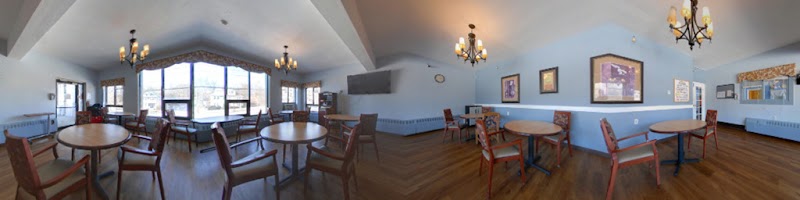
How is West Roxbury Health & Rehabilitation Center Staffed?

CMS rates WEST ROXBURY HEALTH & REHABILITATION CENTER's staffing level at 4 out of 5 stars, which is above average compared to other nursing homes. Staff turnover is 24%, compared to the Massachusetts average of 46%. This relatively stable workforce can support continuity of care.

What Have Inspectors Found at West Roxbury Health & Rehabilitation Center?

State health inspectors documented 46 deficiencies at WEST ROXBURY HEALTH & REHABILITATION CENTER during 2022 to 2024. These included: 46 with potential for harm.
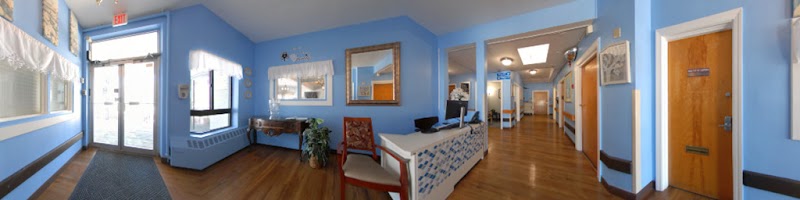
Who Owns and Operates West Roxbury Health & Rehabilitation Center?

WEST ROXBURY HEALTH & REHABILITATION CENTER is owned by a for-profit company. For-profit facilities operate as businesses with obligations to shareholders or private owners. The facility is operated by BEAR MOUNTAIN HEALTHCARE, a chain that manages multiple nursing homes. With 76 certified beds and approximately 62 residents (about 82% occupancy), it is a smaller facility located in WEST ROXBURY, Massachusetts.
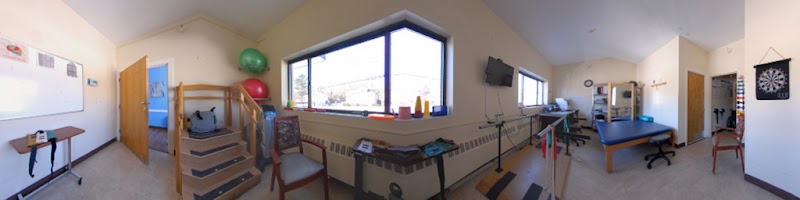
How Does West Roxbury Health & Rehabilitation Center Compare to Other Massachusetts Nursing Homes?

Compared to the 100 nursing homes in Massachusetts, WEST ROXBURY HEALTH & REHABILITATION CENTER's overall rating (3 stars) is above the state average of 2.9, staff turnover (24%) is significantly lower than the state average of 46%, and health inspection rating (3 stars) is at the national benchmark.

What Should Families Ask When Visiting West Roxbury Health & Rehabilitation Center?

Based on this facility's data, families visiting should ask: "Can I visit during a mealtime to observe dining assistance and food quality?" "How do you handle medical emergencies, and what is your hospital transfer rate?" "Can I speak with family members of current residents about their experience?"

Is West Roxbury Health & Rehabilitation Center Safe?

Based on CMS inspection data, WEST ROXBURY HEALTH & REHABILITATION CENTER has a clean safety record: no substantiated abuse findings (meaning no confirmed cases of resident harm), no Immediate Jeopardy citations (the most serious violation level indicating risk of serious injury or death), and is not on the Special Focus Facility watch list (a federal program monitoring the lowest-performing 1% of nursing homes). The facility has a 3-star overall rating and ranks #1 of 100 nursing homes in Massachusetts. While no facility is perfect, families should still ask about staff-to-resident ratios and recent inspection results during their visit.

Do Nurses at West Roxbury Health & Rehabilitation Center Stick Around?

Staff at WEST ROXBURY HEALTH & REHABILITATION CENTER tend to stick around. With a turnover rate of 24%, the facility is 21 percentage points below the Massachusetts average of 46%. Low turnover is a positive sign. It means caregivers have time to learn each resident's needs, medications, and personal preferences. Consistent staff also notice subtle changes in a resident's condition more quickly. Registered Nurse turnover is also low at 29%, meaning experienced RNs are available to handle complex medical needs.

Was West Roxbury Health & Rehabilitation Center Ever Fined?

WEST ROXBURY HEALTH & REHABILITATION CENTER has been fined $3,418 across 1 penalty action. This is below the Massachusetts average of $33,113. While any fine indicates a compliance issue, fines under $50,000 are relatively common and typically reflect isolated problems that were subsequently corrected. Families should ask what specific issues led to these fines and confirm they've been resolved.

Is West Roxbury Health & Rehabilitation Center on Any Federal Watch List?

WEST ROXBURY HEALTH & REHABILITATION CENTER is not on any federal watch list. The most significant is the Special Focus Facility (SFF) program, which identifies the bottom 1% of nursing homes nationally based on persistent, serious quality problems. Not being on this list means the facility has avoided the pattern of deficiencies that triggers enhanced federal oversight. This is a positive indicator, though families should still review the facility's inspection history directly.