CARE ONE AT WEYMOUTH
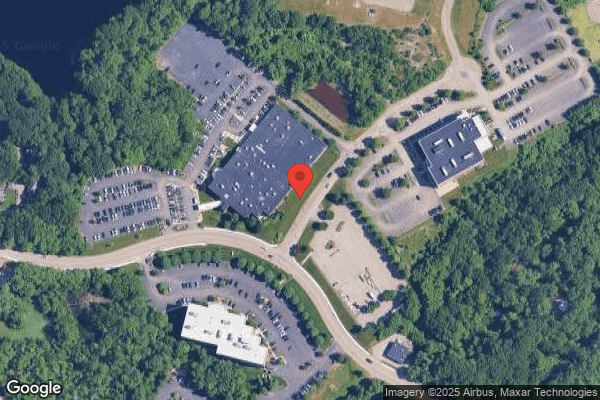
64 PERFORMANCE DRIVE, WEYMOUTH, MA 02189 (781) 340-9800
For profit - Corporation 154 Beds CAREONE Data: November 2025
Trust Grade
63/100
#145 of 338 in MA
Last Inspection: October 2024

Within standard 12-15 month inspection cycle. Federal law requires annual inspections.

Overview

Care One at Weymouth has a Trust Grade of C+, which indicates that the facility is slightly above average but not exceptional. It ranks #145 out of 338 nursing homes in Massachusetts, placing it in the top half of facilities in the state, and #15 out of 33 in Norfolk County, meaning only a few local options are better. The facility is improving, with issues decreasing from 10 in 2024 to just 1 in 2025. Staffing is decent, with a turnover rate of 26%, significantly lower than the state average, although RN coverage is average. Notably, there have been no fines, which is a positive sign. However, there are areas of concern. Recent inspections found that residents did not always have a dignified dining experience, and there were issues with addressing resident grievances effectively. Additionally, medication storage practices did not always meet professional standards, which raises safety concerns. Despite these weaknesses, the overall trend points toward improvement, suggesting that the facility is making efforts to enhance care quality.

Trust Score
C+
63/100
In Massachusetts
#145/338
Top 42%
Safety Record
Low Risk
No red flags
Inspections
Getting Better
10 → 1 violations
Staff Stability
✓ Good
26% annual turnover. Excellent stability, 22 points below Massachusetts's 48% average. Staff who stay learn residents' needs.
Penalties
✓ Good
No fines on record. Clean compliance history, better than most Massachusetts facilities.
Skilled Nurses
○ Average
Each resident gets 36 minutes of Registered Nurse (RN) attention daily — about average for Massachusetts. RNs are the most trained staff who monitor for health changes.
Violations
⚠ Watch
27 deficiencies on record. Higher than average. Multiple issues found across inspections.
★★★☆☆
3.0
Overall Rating
★★★☆☆
3.0
Staff Levels
★★★☆☆
3.0
Care Quality
★★★☆☆
3.0
Inspection Score
Stable
2024: 10 issues
2025: 1 issues

The Good

  • Low Staff Turnover (26%) · Staff stability means consistent care
  • No fines on record
  • Staff turnover is low (26%)

    22 points below Massachusetts average of 48%

Facility shows strength in staff retention.

The Bad

3-Star Overall Rating

Near Massachusetts average (2.9)

Meets federal standards, typical of most facilities

Chain: CAREONE

Part of a multi-facility chain

Ask about local staffing decisions and management

The Ugly 27 deficiencies on record

Apr 2025 1 deficiency
CONCERN (D) 📢 Someone Reported This

A family member, employee, or ombudsman was alarmed enough to file a formal complaint

Potential for Harm - no one hurt, but risky conditions existed

Deficiency F0658 (Tag F0658)

Could have caused harm · This affected 1 resident

Based on records reviewed and interviews for two of three sampled residents (Resident #1 and Resident #2) who had been assessed as requesting the use of bilateral side rails upon admission, the Facili...

Read full inspector narrative →
Based on records reviewed and interviews for two of three sampled residents (Resident #1 and Resident #2) who had been assessed as requesting the use of bilateral side rails upon admission, the Facility failed to ensure nursing staff provided care and services that met professional standards of practice, when physician's orders were not obtained by nursing for the use of bilateral side rails. Findings include: Review of the Facility Form titled Informed Consent for Use of Bed Rail, undated, indicated under the section of Additional Comments, a blank box precedes the statement, Physician's Order has been obtained, including medical symptom/condition. 1) Resident #1 was admitted to the Facility in January 2025, diagnoses include metastatic colon cancer, history of falls, change in mental status, pulmonary emboli (blood clot in the lung), and ascites (abnormal buildup of fluid in the abdomen) with the need for a pleurx- drain (tunneled indwelling peritoneal catheter to manage small amounts of ascites). Review of Resident #1's Informed Consent for Use of Bed Rails, dated 01/12/25, indicated that it had been recommended that two (2) half partial rails at all times when in bed. The Bed Form had been signed by Resident #1 voluntarily consenting to the recommendation, however, the box indicating that a Physician's Order had been obtained was left blank. Review of Resident #1's Physician's Orders, dated 01/12/25 through 01/18/25, indicated that there was no documentation to support nursing had obtained a physician's order for his/her use of bilateral half side rails. 2) Resident #2 was admitted to the Facility in January 2025, diagnoses include a fall with a right lower leg fracture, anxiety, depression, chronic pain, and Amyotrophic Lateral Sclerosis (ALS, progressive neurological disease affecting nerve cells in the brain and spinal cord). Review of Resident #2's Informed Consent for Use of Bed Rails, dated 01/03/25, indicated that it had been recommended two (2) half partial rails at all times when in bed. The Bed Rail Form had been signed by Resident #2 voluntarily consenting to the recommendation and the box indicating that a Physician's Order had been obtained had been checked off. However, review of Resident #2's Physician's Orders, dated 01/03/25 through 04/09/25, indicated that there was no documentation to support nursing had obtained a physician's order for his/her use of bilateral half side rails. During a telephone interview on 04/16/25 at 3:46 P.M., Nurse #2 said that she thought the Consent to use Side Rails Form was the Physician's Order and said she did not realize there was a place on the Form indicating that a Physician's Order had to be obtained. During a telephone interview on 04/09/25 at 2:32 P.M., Nurse #1 said she was aware that resident's utilizing side rails must have a Physician's Order however, said she was not aware Resident #1 did not have a Physician's Order to utilize side rails. During an interview on 04/09/25 at 4:04 P.M., the Director of Nurses (DON) said she was unaware that Resident #1 and #2, did not have a Physician's Order to utilize bilateral side rails. The DON said that it is the Facility's expectation that any resident requiring or requesting the use of side rails, the nurse must obtain consent from the resident and/or responsible party and a Physician's Order must be obtained prior to side rail use.
Oct 2024 10 deficiencies
CONCERN (D)

Potential for Harm - no one hurt, but risky conditions existed

Deficiency F0655 (Tag F0655)

Could have caused harm · This affected 1 resident

Based on document review and interview, the facility failed to ensure two Residents (#238 and #237) were provided a summary of their baseline care plan meeting, out of a total sample of 25 residents. ...

Read full inspector narrative →
Based on document review and interview, the facility failed to ensure two Residents (#238 and #237) were provided a summary of their baseline care plan meeting, out of a total sample of 25 residents. Findings include: Review of the facility's policy titled Care Plans - Baseline, dated as revised March 2022, indicated but was not limited to the following: - a baseline care plan to meet the resident's immediate healthcare needs is developed for each resident within 48 hours of admission - the resident and/or their representative are provided a written summary of the baseline care plan that includes but is not limited to: the stated goals and objectives of the resident, a summary of medications and dietary instructions, and any services and treatments to be administered - provision of the summary to the resident and/or representative is documented in the medical record A. Resident #238 was admitted to the facility in September 2024 with diagnoses including: acidosis (a condition in which the body fluids become too acidic), fall, multiple sclerosis, and adjustment disorder with anxiety and depressed mood. Review of Resident #238's Brief Interview for Mental Status (BIMS) score, dated 10/6/24, indicated the Resident was cognitively intact with a score of 15 out of 15. During an interview on 10/8/24 at 3:15 P.M., Resident #238 said he/she was aware of the team goals for him/her to return home and certain things that needed to be accomplished but was never provided with a summary of that meeting or what was discussed to keep him/her on track. Resident #238 said he/she did not know what a care plan was and never received a copy of one. B. Resident #237 was admitted to the facility in October 2024 with diagnoses including: hypertensive emergency (a medical emergency in which the blood pressure increases suddenly and severely and can lead to life threatening organ damage), chronic obstructive pulmonary disease (lung disease that causes difficulty breathing and restricted airflow), and diabetes mellitus. Review of Resident #237's BIMS score, dated 10/9/24, indicated the Resident was cognitively intact with a score of 15 out of 15. During an interview on 10/8/24 at 9:29 A.M., Resident #237 said he/she had not been offered a summary of his/her goals of care or what the plan was while he/she resided in the facility and he/she did not have anything to refer to on what the facility felt the plan was. He/She said this document would be helpful so he/she would have more details and know better what questions to ask and discuss. Review of the medical record for Resident #237 on 10/9/24, including the assessment forms, progress notes and admissions evaluation, failed to indicate Resident #237 was provided a summary of their baseline care plans or initial interdisciplinary meeting. During an interview on 10/9/24 at 2:33 P.M., Social Worker (SW) #1 and SW #2 said the process for base line care plan meeting is for the team to meet with newly admitted residents Monday through Friday after morning meeting and then the case manager (CM) writes a note under the forms section called initial care conference meeting. They said the residents are not offered any summary or documents unless they specifically ask for something and then they will print out whatever they request, but there is no official process in which they are offered any summary or synopsis of the event. During an interview on 10/9/24 at 2:33 P.M., the Director of Nurses (DON) reviewed the medical record for Residents #237 and #238, including the assessment forms and progress notes, and said there was no documentation or evidence indicating either Resident was provided a summary of their baseline care plans or initial interdisciplinary meeting. She said the CM had been on vacation the previous week and the SW was supposed to ensure notes were put in the system for all the meetings held and they had not occurred yet. She said she has attended some meetings in the past, but it is not part of her daily routine. She said there is no form or summary that is routinely offered to the residents following those meetings that she is aware of but the facility would provide the residents with any documents if they were requested. She couldn't provide an explanation for the lack of a baseline care plan summary being offered. During an interview on 10/10/24 at 9:21 A.M., the CM said after the meetings are held, the group discusses the individual residents and a note is written which is a pre-formulated form in the system with a check box to indicate the residents participated and are in agreement with the care plans. She said however there is no summary provided and she was not aware that was part of the regulatory requirement.
CONCERN (D)

Potential for Harm - no one hurt, but risky conditions existed

Deficiency F0658 (Tag F0658)

Could have caused harm · This affected 1 resident

Based on observation, interview, and document review, the facility failed to ensure professional standards of practice were met for one Resident (#388), out of a total sample of 25 residents. Specific...

Read full inspector narrative →
Based on observation, interview, and document review, the facility failed to ensure professional standards of practice were met for one Resident (#388), out of a total sample of 25 residents. Specifically, the facility failed to address the wound physician's recommendations timely for care and treatment of a post-operative site infection. Findings include: Review of the Massachusetts Board of Registration in Nursing Advisory Ruling on Nursing Practice, dated as revised 4/11/18, indicated: Nurse's Responsibility and Accountability: Licensed nurses accept, verify, transcribe, and implement orders from duly authorized prescribers that are received by a variety of methods (i.e., written, verbal/telephone, standing orders/protocols, pre-printed order sets, electronic) in emergent and non-emergent situations. Licensed nurses in a management role must ensure an infrastructure is in place, consistent with current standards of care, to minimize error. Resident #388 was admitted to the facility in September 2024 with diagnoses including coronary bypass (a procedure that improves blood flow to the heart), Type II Diabetes, and post-surgical wound of the left medial (center) calf. Review of the active Physician's Orders for Resident #388, dated 9/27/24, indicated but were not limited to the following: -Consult: Wound consult: Eval and treat as needed or indicated Review of the Wound Evaluation and Management Summary, dated 10/4/24, indicated but was not limited to the following: Post-Surgical wound of the left medial calf -Recommendations: Continue Keflex (an antibiotic), and alert surgeon to this site infection Review of the nursing progress note, dated 10/4/24, indicated a recommendation from the wound physician for continuing Keflex and failed to indicate the surgeon had been notified of the site infection. Further review of all nursing progress notes failed to indicate the surgeon had been notified of the site infection per the recommendation. During an interview on 10/9/24 at 8:54 A.M., Nurse #8 said the Unit Manager (UM) rounds with the wound physician and completes the wound physician's recommendations. During an interview on 10/9/24 at 10:29 A.M., UM #2 said she conducts rounds with the wound physician, and he will give her verbal and written recommendations. She said she notifies the in-house physician or Nurse Practitioner (NP) of the recommendations and enters them into the chart. UM #2 said she did not inform the surgeon of the site infection, as she should have. She said she only focused on the Keflex part of the recommendation. During an interview on 10/9/24 at 11:18 A.M., the NP said no one informed her of the wound physician's recommendations to notify the surgeon of a site infection. She was only notified that the wound physician wanted to continue the Keflex. During a telephonic interview on 10/9/24 at 11:22 A.M., the wound physician said Resident #388's left medial calf wound was not warm, but slightly red. He wanted to ensure the surgeon was aware of the wound's appearance. The wound physician said he communicated this to UM #2 verbally and in his written recommendations. During an interview on 10/9/24 at 2:11 P.M., the Director of Nursing (DON) said her expectation is for the UM to follow through with all wound physician's recommendations. She said the UM should have notified the surgeon of the site infection and documented the notification in a nursing note.
CONCERN (D)

Potential for Harm - no one hurt, but risky conditions existed

Room Equipment (Tag F0908)

Could have caused harm · This affected 1 resident

Based on observation and interviews, the facility failed to ensure mechanical equipment located in the main kitchen, specifically the walk-in freezer, was maintained in safe operating condition. Findi...

Read full inspector narrative →
Based on observation and interviews, the facility failed to ensure mechanical equipment located in the main kitchen, specifically the walk-in freezer, was maintained in safe operating condition. Findings include: On 10/7/24 at 8:00 A.M., the surveyor made the following observations of the walk-in freezer in the main kitchen: - The outside thermometer on the door of the walk-in freezer registered a temperature ranging between -36 to -48 Fahrenheit (F). - There was no thermometer inside the walk-in freezer to verify the temperature. - Frost/ice buildup on the cardboard box containing individual chocolate ice cream cups. Frost/ice buildup was also noted on the individual cups. - Frost/ice buildup was on a cardboard box containing individual vanilla ice cream cups. Frost/ice buildup was also noted to the individual cups. - Frost/ice buildup on the outside of a cardboard box containing individual cheese omelets. A plastic bag containing the cheese omelets was inside the cardboard box. The plastic bag was not secured shut and frost/ice was noted to individual cheese omelets towards the top of the packaging. - Ice buildup was noted to the top and middle storage racks inside the walk-in freezer on the left-hand side by the door. On 10/9/24 at 7:56 A.M., the surveyor made the following observations of the walk-in freezer in the main kitchen: - The outside thermometer on the door of the walk-in freezer registered a temperature ranging between -6 to -40 F. - The thermometer located on the storage rack inside the walk-in freezer was broken and not registering a temperature. - There was a plastic container with a pork loin placed inside covered with frost/ice to the top and side. The inside of the plastic container also contained frost/ice buildup. - Frost/ice buildup on the outside of a cardboard box containing individual half gallon cartons of Island Oasis Strawberry Beverage Mix and Tropical Beverage Mix. Frost/ice buildup was noted to the top and sides of the individual half gallon cartons of the drink mixes. - Frost/ice buildup on the outside of a cardboard box containing individual cups of Lactaid Vanilla Ice Cream. Individual cups of Lactaid Vanilla Ice cream were noted to have frost/ice buildup on top and sides of the container. - Frost/ice buildup on the outside of a cardboard box containing cheese omelets. The plastic bag containing the cheese omelets inside the cardboard box was open and not secured. The top layer of cheese omelets was noted to have frost/ice buildup. On 10/9/24 at 8:15 A.M., the surveyor observed [NAME] #2 heat up cheese omelets in the microwave on two separate occasions. During an interview on 10/9/24 at 11:10 A.M., the Regional Food Service Director (FSD) said the walk-in freezer in the main kitchen was not holding temperatures appropriately and she would not expect frost/ice build on the inside or outside of food products in the walk-in freezer. The Regional FSD said contractors were currently working to assess and fix any issues. The Regional FSD said dietary staff are to check freezer temperatures twice daily. The Regional FSD said there should not be a broken thermometer in the walk-in freezer in the main kitchen as there is no way to accurately tell the temperature.
CONCERN (E)

Potential for Harm - no one hurt, but risky conditions existed

Resident Rights (Tag F0550)

Could have caused harm · This affected multiple residents

**NOTE- TERMS IN BRACKETS HAVE BEEN EDITED TO PROTECT CONFIDENTIALITY** Based on observation and interview, the facility failed to ensure residents in three of four dining areas had a dignified and ho...

Read full inspector narrative →
**NOTE- TERMS IN BRACKETS HAVE BEEN EDITED TO PROTECT CONFIDENTIALITY** Based on observation and interview, the facility failed to ensure residents in three of four dining areas had a dignified and homelike dining experience. Findings include: On 10/7/24 at 8:30 A.M., the surveyor made the following observations in the [NAME] Unit dining room: - Three residents were seated at tables in the dining area eating their breakfast meal on trays served at the table. - Covers for the plates were next to the residents filled with trash including milk cartons, coffee mug covers, and oatmeal bowl covers. - Three staff members were sitting in the back corner of the dining area, one of whom was on their phone. - A diathermy machine (a device used by physical and occupational therapy services to improve circulation, reduce swelling/inflammation, relax muscles/joints through electric currents to heat) was stored in the back of the dining area underneath the windows. On 10/8/24 at 8:11 A.M., the surveyor made the following observations in the [NAME] Unit dining room: - Three residents were seated at tables in the dining area eating their breakfast meal. - Two of the three residents were eating on trays served at the table. - One resident's meal was served off the tray but was noted to have the tray placed to the side of the meal on the table covered with trash including milk cartons, plastic wrap, and coffee mug covers. - All three residents were seated at different tables. Two residents were seated with their backs to one another facing the wall. One resident was seated facing the television which was playing a morning news show. - A diathermy machine was stored in the back of the dining area underneath the windows. On 10/8/24 at 12:08 P.M., the surveyor made the following observations in the [NAME] Unit dining room: - Eight residents were seated at tables in the dining area eating their lunch meal. - Seven of eight residents were eating on trays served at the table. - Two diathermy machines were stored in the back of the dining area underneath the windows. On 10/9/24 at 9:30 A.M., the surveyor made the following observations in the Clover Unit dining room: - Two residents were seated at tables in the dining area. - One resident was eating on a tray served at the table. The other resident in the dining area had finished their meal. - No staff were observed in the room during the mealtime. On 10/9/24 at 12:34 P.M., the surveyor made the following observations in the Clover Unit dining room: - Six residents were seated at tables in the dining area eating their lunch meal on trays served at the table. - Plate covers were next to residents filled with trash including milk cartons, plastic wrappers, and coffee mug covers. - Two residents were covered with blankets on their chest. All other residents were observed to have clothing protectors donned (on). On 10/9/24 at 12:39 P.M., the surveyor made the following observations in the Ivy Unit dining room: - Two residents were seated at tables in the dining area eating their lunch meal on trays served at the table. - Plate covers were next to the residents filled with trash including milk cartons, plastic wrappers, and coffee mug covers. - Four staff members were in the corner of the dining area. - Two of four staff members were completing electronic documentation on computers while having a casual conversation. - One staff member was peeling and eating an orange in the dining area. During an interview on 10/10/24 at 10:37 A.M., Certified Nursing Assistant (CNA) #1 said residents who eat in the dining area on the unit are to be served off the tray onto the table. CNA #1 said the trays are then removed from the dining area. CNA #1 said staff assigned to the dining area either help residents who require assistance with meals or supervise the dining area. During an interview on 10/10/24 at 10:44 A.M., Unit Manager (UM) #3 said residents eating meals in the dining area on the unit should be served their meals off the tray. UM #3 said sometimes the staff use placemats to serve the meal but should always serve meals on the table. Staff members are assigned to the dining area for supervision during mealtime. During an interview on 10/10/24 at 11:00 A.M., the Director of Nursing (DON) said residents eating in the unit dining areas typically require supervision during mealtime. The DON and the surveyor reviewed the observations made in the unit dining areas during the survey process. The DON said all staff should be supervising residents during mealtimes and not having social interactions or eating. The DON said all meals should be served off trays and onto the table in the unit dining areas during mealtimes.
CONCERN (E) 📢 Someone Reported This

A family member, employee, or ombudsman was alarmed enough to file a formal complaint

Potential for Harm - no one hurt, but risky conditions existed

Grievances (Tag F0585)

Could have caused harm · This affected multiple residents

Based on interview and document review, the facility failed to ensure residents had the right to voice and formulate grievances, have those grievances responded to promptly, and be provided a resoluti...

Read full inspector narrative →
Based on interview and document review, the facility failed to ensure residents had the right to voice and formulate grievances, have those grievances responded to promptly, and be provided a resolution to their grievance. Specifically, the facility failed to: 1. Have voiced grievances investigated and addressed, for one Resident (#287), out of two residents investigated, who had repeatedly voiced concerns over call light answering times; 2. Provide one Resident (#238), out of a total sample of 25 residents, with a resolution to their grievance either in writing or by discussion once the grievance had been resolved; and 3. Ensure residents had access to grievance/concern forms so they could formulate grievances anonymously, should they choose not to alert a staff member to their concern. Findings include: Review of the facility's policy titled Grievances/Complaints, Filing, dated as revised April 2017, indicated but was not limited to the following: - Residents and their representatives have the right to file grievances, either orally or in writing, to the facility staff - the administrator and staff will make prompt efforts to resolve grievances to the satisfaction of the resident and/or resident representative - a copy of the grievance/complaint procedure is posted on the resident bulletin board - grievances or complaints may be submitted orally, in writing or filed anonymously - upon receipt of a grievance the grievance officer will review and investigate the concern and submit a written report of such findings within 5 working days to the administrator - the administrator has delegated responsibility of grievance and/or complaint investigation to the grievance officer - the grievance officer, administrator and staff will take immediate action to prevent further potential violations or resident rights while the alleged violation is being investigated - the resident or person filing the grievance will be informed verbally or in writing of the findings of the investigation and the actions that will be taken to correct the identified problems - results of all grievance files will be maintained on file for a minimum of three years from the date of issuance of the grievance decision 1. Resident #287 was admitted to the facility in September 2024 for short term rehabilitation with diagnoses including: displaced bimalleolar fracture of the right lower extremity (a severe injury to the ankle when both the medial and lateral malleolus bones are broken and the ankle is dislocated), fall, and chronic obstructive pulmonary disease (lung disease that causes difficulty breathing and restricts airflow). Review of the Minimum Data Set (MDS) assessment, dated 9/24/24, indicated the Resident was cognitively intact as evidenced by a Brief Interview for Mental Status (BIMS) score of 15 out of 15. During an interview on 10/8/24 at 5:14 P.M., the Director of Nurses (DON) and Administrator said they were made aware of Resident #287's concern when his/her family member posted a Google review online. The DON said she spoke with the Resident, who was still in the facility at that time, and did not discharge until the following day. The DON said the Resident's concerns were vague but they completed a grievance and investigation based off the Google review and Resident interview. During an interview on 10/9/24 at 10:38 A.M., via telephone, Resident #287 said he/she was admitted to the facility for a fluff and buff and only expected to remain at the facility for rehabilitation services for approximately four to five days. However, he/she contracted COVID-19 while at the facility which slowed their rehab progress and extended their stay. The Resident said he/she had voiced concerns numerous times about things he/she was seeing with other residents that they felt was neglectful and also the long call wait times. He/she said there were times they felt they waited on the call light for more than an hour and would report the concern to staff but felt unheard and staff would tell him/her those allegations were untrue. He/She said they attempted to voice their grievances with the Ombudsman and was told he/she would need to contact the Department of Public Health (DPH) to voice their concerns directly through the complaint line. Resident #287 said he/she also spoke to someone else in management once about call lights not being answered for long periods of time, but no one ever followed up with him/her on an investigation, outcome, or resolution. Resident #287 said at one point, he/she had a conversation with the DON but it left him/her frustrated because he/she said the DON asked them, What would you do to fix this situation? and that made him/her feel that the concerns were not being heard, looked into, or taken seriously. Resident #287 said he/she never received any resolution to any concerns or grievances he/she brought forward and he/she felt the call light wait times continued to be long. The Resident said just prior to discharge he/she had a frank conversation with the DON about staff not helping him/her or other residents and the call light wait times being too long. The Resident said the DON replied to him/her, What would you do if you were me?. Resident #287 still felt the concerns were not being taken seriously or that the facility was receptive to the information so their niece decided to post a Google review of the experience. Resident #287 said he/she was not aware of whether a grievance form was ever completed because the concerns seemed ongoing without resolution. The Resident said they decided, after they discharged , to contact DPH. During an interview on 10/9/24 at 11:38 A.M., via telephone, Family Member #1 said they personally reached out to the DON after Resident #287 informed them their concerns were not addressed. She said the DON did not seem receptive to hearing the concerns or why she had reached out and told her that no information could be disclosed to her since the Resident is his/her own person without the expressed permission of the Resident. She said she finally just informed the DON that the call lights were not answered timely throughout the entirety of the Resident's stay and those issues went unresolved and because she felt everything was being dismissed, she decided to write the Google review which occurred the day prior to her family member's discharge from the facility. Review of the facility's Grievance Book for 2024 failed to indicate a grievance was formulated prior to 9/15/24 for Resident #287's concerns. During an interview on 10/9/24 at 4:29 P.M., the DON said she did take a call from Resident #287's family member and received some vague concerns feeling the unit and atmosphere were unsafe and residents were falling. She said she was not told about any call light wait time concerns, but did complete an investigation and grievance form on the vague concerns on or around 9/16/24 and interviewed the Resident for the investigation since the Resident was still at the facility. She said she did tell the family member she couldn't disclose any information on this Resident or any others without their permission. She said she felt the Resident was satisfied with the outcome of the investigation and was pleased they had made progress with rehab despite contracting COVID while at the facility and had no other concerns that were not addressed throughout the stay and said they felt safe in the facility. Staffing schedules were reviewed for the timeframe in which Resident #287 was in the facility and there was no significant deviance from the staffing baseline identified. Staff members were chosen for interview based on these schedules. During an interview on 10/10/24 at 10:14 A.M., Nurse #3 said he remembers Resident #287 and provided care to him/her including assessment, vital signs, medication administration and notifying the physician of a change in their respiratory condition resulting in obtaining new orders. He said Resident #287 seemed to expect that he/she would be a priority because they had COVID-19, but there were a few residents with COVID at that time and he prioritized them based on urgency of need. He said he explained this to the Resident and the Resident seemed displeased and complained of call light wait times. He said he believes this Resident's call light concerns were ongoing and he did not complete a grievance for these concerns and is unaware if anyone else had either. During an interview on 10/10/24 at 10:28 A.M., Nurse #2 said she remembers Resident #287 well and had interactions with them. She said she did receive verbal complaints from this Resident numerous times about call lights not being answered promptly, especially at night, and she did discuss it with the staff on all three shifts but felt after doing so the concern was untrue and therefore did not generate a grievance for the Resident. She said the Resident used the call light frequently for themselves and others and there was likely a higher attention on them and their light because of that and how vocal they were being but overall, she felt the Resident's call light was answered appropriately. During an interview on 10/10/24 at 10:51 A.M., Certified Nurse Aide (CNA) #3 said she provided care to Resident #287 and remembers them well. She said the Resident is what she would call a high complainer and even if something only took 10 minutes the Resident would tell her the wait time was too long. She said the Resident constantly complained to her about the call light not being answered timely and told her there were times it would take one to two hours to be answered even though she watched the call light be addressed within 5 minutes and the desired items received in maybe 15 minutes. She said the Resident would complain about the call light to her almost every day, but she never filled out a grievance and was unaware of what that was and said she would have no way of knowing if anyone else ever completed one either. Review of the progress notes in Resident #287's medical record indicated the Resident wished to speak with the DON on 9/17/24, but there were no prior notes indicating the Resident spoke to anyone regarding their concerns or that they had any unaddressed concerns or grievances pending. During an interview on 10/10/24 at 11:21 A.M., the DON said a grievance should have been formulated to address the Resident's concerns of long call wait times regardless of whether the staff felt the concerns were inaccurate. She said she did hear at some point that the Resident did have concerns with call light wait times and was unaware a grievance hadn't been completed as it should have been in accordance with the standard in an attempt to resolve the ongoing Resident issue. During an interview on 10/10/24 at 11:24 A.M., the Administrator said he is the grievance officer for the facility and shares the responsibility with the DON. He said if the Resident voiced a concern about poor call light response times a grievance should have been formulated, as good practice and to ensure the process was followed, but it appears one was not completed as it should have been. 2. Resident #238 was admitted to the facility in September 2024 with diagnoses including: acidosis (a condition in which the body fluids become too acidic), fall, multiple sclerosis, and adjustment disorder with anxiety and depressed mood. Review of Resident #238's BIMS score, dated 10/6/24, indicated the Resident was cognitively intact with a score of 15 out of 15. During an interview on 10/8/24 at 3:17 P.M., Resident #238 said he/she had voiced a concern about an interaction with a CNA in the early morning of either Monday or Sunday. Resident #238 said he/she voiced the concern to a staff member sitting at the desk, but did not know who that was and no one had brought it up again since then. Resident #238 said, Do you really think they would report that? I'm sure they didn't even write anything down. Review of the facility's Grievance Book on 10/8/24 failed to indicate a grievance was initiated or formulated for Resident #238. During an interview on 10/8/24 at 4:16 P.M., the DON and Administrator said they spoke with the Resident after the surveyor requested any additional incident reports or concerns for the Resident and the Resident did not report any concerns to them at that time. During an interview on 10/9/24 at 8:46 A.M., the DON said during her investigation she was made aware by one of the CNAs that Unit Manager (UM) #2 had been informed of the issue and UM #2 had told her a grievance was completed for the Resident although it had not been communicated to her prior and a copy was provided to the surveyor. During an interview on 10/9/24 at 9:09 A.M., UM #2 said on Monday night (10/7/24) she completed a grievance for Resident #238 regarding customer service and the staff not previewing the care cards prior to providing care to the Resident. She said she didn't pass the information to the DON because survey was occurring in the facility. She said she told the Resident she would look into his/her concern and educate the staff at the time she spoke with the Resident. She said the education on the grievance is not yet complete because it had just occurred. She reviewed the grievance form and education with the surveyor and said she should not have documented that the grievance was complete because the education wasn't done. She said she has not returned to Resident #238 and informed them of any follow up or resolution, even though she documented the grievance was taken and resolved on 10/7/24 and she communicated it to the Resident. During an interview on 10/9/24 at 9:31 A.M., the DON reviewed the concerns regarding the grievance process with the surveyor and reviewed the grievance form for Resident #238 from 10/7/24 and the staff education. She said the grievance form was not completed the way it is intended. Based on the education and the Resident saying he/she never spoke to anyone regarding a resolution, the grievance form was not completed correctly, the grievance was not resolved, and the process needed some work to ensure all staff understood the process and were on the same page.3. During a group meeting with Resident Council members on 10/9/24 at 12:30 P.M., the residents said they did not know where the grievance forms were located or how to find a grievance form to fill out on their own. One Resident said the forms were located by the elevator, the other residents replied that they mostly stayed on the second floor and did not go to the alcove where the elevators were located. On 10/9/24 at 1:10 P.M., the surveyor observed blank grievance forms in the alcove of the second-floor elevator. On 10/10/24 at 11:15 A.M., the surveyor observed the first floor (Ivy and Clover units) and the elevator alcove and was unable to locate any grievance forms available to residents. During an interview on 10/10/24 at 11:26 A.M., Unit Secretary #2 on the Ivy unit said she did not know where the grievance forms were located. During an interview on 10/10/24 at 11:28 A.M., Nurse #4 on the Ivy unit was able to locate blank grievance forms in a drawer at the nurses' station. She said residents could ask staff for a form if they needed one. During an interview on 10/10/24 at 11:35 A.M., CNA #3 on the Clover unit said the grievance forms were located inside of the nurses' station. During an interview on 10/10/24 at 11:37 A.M., Nurse #5 on the Clover unit said the grievance forms were in a hanging wall file inside of the nurses' station. During an interview on 10/10/24 at 2:30 P.M., the DON said the grievance forms are located on each unit behind the nurses' station and that they were not out and available for residents. She said they were located by the elevator on the second floor and should have been by the elevator on the first floor.
CONCERN (E)

Potential for Harm - no one hurt, but risky conditions existed

Deficiency F0761 (Tag F0761)

Could have caused harm · This affected multiple residents

**NOTE- TERMS IN BRACKETS HAVE BEEN EDITED TO PROTECT CONFIDENTIALITY** Based on observation and interview, the facility failed to ensure all medications used in the facility were stored in accordance...

Read full inspector narrative →
**NOTE- TERMS IN BRACKETS HAVE BEEN EDITED TO PROTECT CONFIDENTIALITY** Based on observation and interview, the facility failed to ensure all medications used in the facility were stored in accordance with currently accepted professional principles. Specifically, the facility failed to: 1. Dispose of oral medications that were no longer stored in their original dispensing systems in two of five medication carts reviewed; and 2. Provide a permanently affixed compartment for the storage of a schedule IV (potential for misuse and dependence) controlled substance in one of three medication room refrigerators reviewed. Findings include: Review of the facility's policy titled Medication Labeling and Storage, dated 2001, indicated but was not limited to the following: -Medications and biologicals are stored in the packaging, containers, or other dispensing systems in which they are received. -Controlled substances (listed as Schedule II-IV of the Comprehensive Drug Abuse Prevention and Control Act of 1976) and other drugs subject to abuse are separately locked in permanently affixed compartments, except when using single unit package drug distribution systems in which the quantity stored is minimal and a missing dose can be readily detected (e.g. medications for direct administration). 1. On 10/8/24 at 7:20 A.M., the surveyor reviewed the Aster Unit medication cart with Nurse #6 and observed a variation of approximately 25 loose oral medication tablets/capsules stored on the bottom of the third and fourth drawers. The medications were not disposed of when no longer stored in their original dispensing systems and loose in the drawers. During an interview on 10/8/24 at 7:20 A.M., Nurse #6 said sometimes the pills come out over the drawers when the nurses punch them out from their dispensing packs. She said all nurses are supposed to check the drawers for loose pills and said they were not stored properly and should have been disposed of. Nurse #6 said she was not able to identify what the loose medications were. On 10/8/24 at 7:46 A.M., the surveyor reviewed the [NAME] Unit team 1 medication cart with Nurse #7 and observed a variation of approximately 15 loose oral medication tablets/capsules stored on the bottom of the fourth drawer. The medications were not disposed of when no longer stored in their original dispensing systems and loose in the drawers. During an interview on 10/8/24 at 7:46 A.M., Nurse #7 said there should not be any loose pills in the drawers and they should have been disposed of but weren't. She said pills can fall into the drawers when nurses are popping them, but all nurses are responsible for checking for them. During an interview on 10/8/24 at 1:43 P.M., the Director of Nursing (DON) said if the nurse pops a pill out of the card and the pill falls into the drawers then the nurse should dispose of it immediately. She said all the loose pills should have been destroyed. 2. On 10/8/24 at 7:55 A.M., the surveyor reviewed the [NAME] Unit medication storage room with Unit Manager (UM) #3 and observed a controlled substance metal storage box on a shelf inside the medication refrigerator. The box was locked but was not permanently affixed to the shelf. The refrigerator was not locked. The surveyor was able to remove the box from the refrigerator and place it on the counter. Contents were heard inside. During an interview on 10/8/24 at 7:55 A.M., UM #3 said he didn't know what was in there and did not have a key to open it. UM #3 said he would ask Nurse #7 to unlock it. On 10/8/24 at 8:07 A.M., the surveyor reviewed the controlled substance storage box with Nurse #7 and observed two packages of Ativan (lorazepam/schedule IV-controlled substance, treats anxiety)/Benadryl (diphenhydramine, antihistamine) 1 milligram (mg)- 12.5 mg/milliliter (ml) gel tabs (30 total) stored inside labeled with a resident's name. During an interview on 10/8/24 at 8:07 A.M., Nurse #7 said she didn't know if the box was supposed to be permanently affixed. During an interview on 10/8/24 at 1:40 P.M., the DON said the box should have been permanently affixed to the inside of the medication refrigerator.
CONCERN (E)

Potential for Harm - no one hurt, but risky conditions existed

Food Safety (Tag F0812)

Could have caused harm · This affected multiple residents

**NOTE- TERMS IN BRACKETS HAVE BEEN EDITED TO PROTECT CONFIDENTIALITY** Based on observation and interview, the facility failed to follow professional standards of practice for food safety and sanitat...

Read full inspector narrative →
**NOTE- TERMS IN BRACKETS HAVE BEEN EDITED TO PROTECT CONFIDENTIALITY** Based on observation and interview, the facility failed to follow professional standards of practice for food safety and sanitation to prevent the potential of foodborne illness to residents who are at high risk. Specifically, the facility failed to: 1. Handle ready-to-eat food (food which does not require cooking or further preparation prior to consumption) utilizing proper hand hygiene to prevent cross contamination (transfer of pathogens from one surface to another); and 2. Properly label and date food products and maintain safe and clean equipment in three of four nourishment kitchenettes. Findings include: Review of the facility's policy titled Food Preparation and Service, dated November 2022, indicated but was not limited to the following: - Cross-contamination can occur when harmful substances, i.e., chemical or disease-causing microorganisms are transferred to food by hands (including gloved hands), food contact surfaces, sponges, cloth towels, or utensils that are not adequately cleaned. - Food preparation staff adhere to proper hygiene and sanitary practices to prevent the spread of foodborne illness. - Food and nutrition services staff, including nursing services personnel, wash their hands before service food to residents. Employees also wash their hands after collecting soiled plates and food waste prior to handling food trays. - Bare hand contact with food is prohibited. Gloves are worn when handling food directly and changed between tasks. Disposable gloves are single-use items and are discarded after each use. Review of the facility's policy titled Food Receiving and Storage, dated November 2022, indicated but was not limited to the following: - Food services, or other designated staff, maintain clean and temperature/humidity-appropriate food storage areas at all times. Review of the 2022 Food Code by the U.S. Food and Drug Administration (FDA), revised 1/2023, indicated but was not limited to the following: - 3-301.11 Preventing Contamination from Hands. (A) FOOD EMPLOYEES shall wash their hands as specified under § 2-301.12. (B) Except when washing fruits and vegetables as specified under §3-302.15 or as specified in (D) and (E) of this section, FOOD EMPLOYEES may not contact exposed, READY-TO-EAT FOOD with their bare hands and shall use suitable UTENSILS such as deli tissue, spatulas, tongs, single-use gloves, or dispensing EQUIPMENT. - 3-304.15 Gloves, Use Limitation. (A) If used, single-use gloves shall be used for only one task such as working with ready-to-eat food or with raw animal food, used for no other purpose, and discarded when damaged or soiled, or when interruptions occur in the operation. 1. On 10/7/24 at 8:15 A.M., the surveyor made the following observations of the breakfast line service: - Three dietary aides and one cook were working on the service line. - Dietary [NAME] #1 used a gloved hand to plate bread and muffin products. The cook was also observed to use the same gloved hand to plate shredded cheese over eggs. The cook was not observed to change gloves at any time while serving the breakfast meal. - Dietary [NAME] #1 left the breakfast service line, attending to food products on the stove top and returning to the breakfast service line to plate food products without performing hand hygiene or changing gloves. On 10/9/24 at 7:30 A.M., the surveyor made the following observations of the breakfast line service: - At 7:35 A.M., Dietary Aide #1 returned from delivering a breakfast meal truck to a unit. Dietary Aide #1 returned to the end of the service tray line, re-arranging silverware on the tray, placing food covers on plates, and placing trays into the truck. Dietary Aide #1 did not perform hand hygiene prior to returning to the service line. - At 7:41 A.M., Dietary Aide #1 returned from delivering a breakfast meal tray to the Ivy Unit. Dietary Aide #1 did not perform hand hygiene prior to returning to the service line. - At 7:45 A.M., Dietary Aide #2 touched their hands to their ear and nose while working on the breakfast service line. Dietary Aide #2 continued to place coffee mugs, breakfast plates and condiments onto individual breakfast trays. Dietary Aide #2 did not perform hand hygiene after touching their face. - At 7:53 A.M., Dietary Aide #2 picked up a plastic bag from the floor underneath the breakfast service line. Dietary Aide #2 threw the plastic bag away and returned to the breakfast service line without performing hand hygiene. - At 8:03 A.M., Dietary Aide #1 touched the inside of the elevator door when returning from delivering a breakfast truck to a unit. Dietary Aide #1 returned to the breakfast service line and began pouring coffee. Dietary Aide #1 touched the inside of coffee mugs with their hands. Dietary Aide #1 did not perform hand hygiene prior to returning to the breakfast service line. On 10/9/24 at 11:20 A.M., the surveyor made the following observations during the lunch service line: - At 11:25 A.M., Dietary Aide #1 returned to the kitchen after delivering a tray to a unit. Dietary Aide #1 returned to the lunch service line without performing hand hygiene. - At 11:27 A.M., Dietary Aide #2 dropped coffee mug covers on the floor, picked them up and placed them in their apron. Dietary Aide #2 did not perform hand hygiene prior to returning to the lunch service line and service food products. - At 11:38 A.M., Dietary Aide #1 returned to the kitchen after delivering a tray to the unit. Dietary Aide #1 did not perform hand hygiene prior to returning to the lunch service line. During an interview on 10/9/24 at 1:45 P.M., the Regional Food Service Director (FSD) said dietary staff should be washing their hands when breaking from a task on the service line or leaving the kitchen. The Regional FSD said dietary staff should not be picking up items off the ground and returning to the service line without washing hands. The Regional FSD said utensils should be used when plating any type of prepared food product during a meal service line. 2. On 10/8/24 at 8:21 A.M., the surveyor made the following observations in the [NAME] Unit nourishment kitchenette: - The inside of the microwave had orange and brown residue and food splatter covering the top/sides. On 10/8/24 at 8:28 A.M., the surveyor made the following observations in the Aster Unit nourishment kitchenette: - One Yoplait Peach yogurt wrapped in a paper towel in the back of the refrigerator with no resident name or identification. On 10/8/24 at 8:36 A.M., the surveyor made the following observations in the Ivy Unit nourishment kitchenette: - The inside of the microwave had food splatter/residue covering the top/sides. - A Trader Joe's Non-Dairy Oat Beverage carton was on the top shelf of the refrigerator with no resident name or identification. - A Ben and Jerry's Non-Dairy Cherry [NAME] Ice Cream was on the shelf of the freezer door with no resident name or identification. On 10/9/24 at 9:27 A.M., the surveyor made the following observations in the Clover Unit nourishment kitchenette: - Hard ice build-up with a brown residue noted to the bottom of the freezer. An individual popsicle provided by the facility was placed on top of the ice and residue. On 10/9/24 at 2:20 P.M., the surveyor made the following observations in the Ivy Unit nourishment kitchenette: - The inside of the microwave had food splatter/residue covering the top/sides. - A Trader Joe's Non-Dairy Oat Beverage carton was on the top shelf of the refrigerator with no resident name or identification. - A Ben and Jerry's Non-Dairy Cherry [NAME] Ice Cream was on the shelf of the freezer door with no resident name or identification. - The top of an apple juice carton on the bottom shelf of the refrigerator was covered in a brown liquid. The apple juice carton was dated as opened on 10/7/24. On 10/9/24 at 9:27 A.M., the surveyor made the following observations in the Clover Unit nourishment kitchenette: - Hard ice build-up with a brown residue noted to the bottom of the freezer. An individual popsicle provided by the facility was placed on top of the ice and residue. - The inside of the microwave had black and brown food splatter and residue to the top portion. On 10/8/24 at 8:21 A.M., the surveyor made the following observations in the [NAME] Unit nourishment kitchenette: - The inside of the microwave had orange and brown residue and food splatter covering the top/sides. - Staff member heated up food in the microwave from a plastic container, and then left with the plastic container and lunch box. During an interview on 10/10/24 at 9:28 A.M., the Regional Food Service Director (FSD) said dietary staff are responsible for stocking the kitchenettes on each unit and for making sure items in the refrigerator and freezer are appropriately labeled and dated. The Regional FSD said equipment in the kitchenettes are cleaned and maintained by the maintenance department. The Regional FSD said the facility does not supply Trader Joe's or Ben and Jerry's products. Items brought in from outside of the facility should be labeled and dated with the resident's name. The Regional FSD said staff should not be using microwaves in the nourishment kitchenettes to heat up their food products.
CONCERN (E)

Potential for Harm - no one hurt, but risky conditions existed

Deficiency F0847 (Tag F0847)

Could have caused harm · This affected multiple residents

Based on interview and document review, the facility failed to explain binding arbitration agreements and provide the Residents the right to fully review the agreement for three Residents (#238, #239,...

Read full inspector narrative →
Based on interview and document review, the facility failed to explain binding arbitration agreements and provide the Residents the right to fully review the agreement for three Residents (#238, #239, and #237), out of three sampled residents. Findings include: Review of the facility's policy titled Binding Arbitration Agreements, dated November 2023, indicated but was not limited to the following: - Residents are informed of the nature and implications of any proposed binding arbitration agreements so as to make informed decisions on whether to enter into such agreements - Agreements are voluntary for the resident and are not required as a condition of admission or to receive care at the facility - Terms and conditions of the agreement are explained to the residents in a way that ensures his/her understanding to the agreement, including that the resident may be giving up their right to have a dispute resolved in a court proceeding (i.e., litigation) - The terms and conditions are explained in a manner that he/she can understand, taking into consideration the resident's primary language, literacy and preference for learning - After the agreements are explained the residents must acknowledge verbally and by signing - Residents are provided 30 days after signing to fully review and rescind any agreement not understood at the time of admission - Any facility personnel responsible for explaining the terms and conditions of binding arbitration agreements are trained to the specifics of this policy and its requirements During an interview on 10/7/24 at 8:21 A.M., the Director of Nurses (DON) said the facility offers arbitration agreements in the admission packet and residents have the option to opt out. She said the Admissions Director is responsible for the agreements and she would provide a list to the survey team of residents that had signed arbitration agreements. During an interview on 10/8/24 at 4:03 P.M., the admission Director said she is responsible for arbitration but she is not the person that sits with the residents and explains the agreements; that is done by Unit Secretary (US) #1. She said she does not know what the content of those meetings are or what is discussed or how the arbitration is explained since she isn't there for the conversations and said the content is electronic and signed electronically. During an interview on 10/8/24 at 4:08 P.M., US #1 said she completes both the admission packets and arbitration agreements with all residents in the facility within a few days of their admission. She said she does not fully review the agreement or read the agreement for arbitration to the residents. She said she makes sure to tell them it is not required and that it means if they have an issue, they cannot sue the facility but instead have a meeting with a non-bias person for a settlement and resolution. She said once she tells them those two key parts, she asks them yes or no and has them electronically sign the documents. She said the documents are not available for the residents to read before signing because they are electronic and she does not provide them with a copy since they are not paper. A. Resident #238 was admitted to the facility in September 2024 for short term rehabilitation. Review of Resident #238's Brief Interview for Mental Status (BIMS) score, dated 10/6/24, indicated the Resident was cognitively intact with a score of 15 out of 15. During an interview on 10/10/24 at 9:32 A.M., Resident #238 said he/she was not sure what an arbitration agreement was. He/She was provided with a copy of the arbitration agreement they had signed and said they do not recall any of it being explained and they were never provided a copy before this interaction. He/She said, If I signed it within the pile of other things, then I guess it's too late. They said they were being discharged soon and felt since they were leaving, they didn't need to take any other action. B. Resident #239 was admitted to the facility in September 2024 for short term rehabilitation. Review of Resident #239's BIMS score, dated 9/30/24, indicated the Resident was cognitively intact with a score of 15 out of 15. During an interview on 10/10/24 at 4:22 P.M., Resident #239 said he/she worked with arbitration agreements throughout their career and is aware of what they are but was unaware that they had signed one at the facility. The Resident said the agreement was not explained to him/her and he/she was not given the opportunity to review the agreement or provided a copy. The Resident said had he/she realized he/she was signing an arbitration agreement he/she would not have signed it and he/she would ask their family to assist him/her in rescinding it since they were unaware and asked if there was anything they could do to get out of the agreement at this time. C. Resident #237 was admitted to the facility in October 2024 for short term rehabilitation. Review of Resident #237's BIMS score, dated 10/9/24, indicated the Resident was cognitively intact with a score of 15 out of 15. During an interview on 10/10/24 at 4:28 P.M., Resident #237 said he/she was asked to sign numerous things during the admission process but does not recall anyone explaining an arbitration agreement to them. He/She said they were not provided with a copy of the agreement for review and are aware of those documents and had used them in their work life in the past. The Resident said he/she would have requested a copy and not signed the document until they could have consulted with an outside resource, like their attorney or family. The surveyor provided Resident #237 with a copy of their signed arbitration agreement for review and the Resident said he/she had never seen the document before, had never reviewed it prior to now, and the agreement should not have been signed since it was not fully explained to him/her as required. During an interview on 10/11/24 at 9:12 A.M., the Administrator, who is newer to the facility, said residents should be receiving a folder with all their admissions paperwork and signed arbitration agreements inside. He said he was unaware things were not being explained and the residents were not receiving the documents for their review and that practice would require correction.
CONCERN (E)

Potential for Harm - no one hurt, but risky conditions existed

Deficiency F0883 (Tag F0883)

Could have caused harm · This affected multiple residents

**NOTE- TERMS IN BRACKETS HAVE BEEN EDITED TO PROTECT CONFIDENTIALITY** Based on record review, document review, policy review, and interview, the facility failed to implement policies and procedures ...

Read full inspector narrative →
**NOTE- TERMS IN BRACKETS HAVE BEEN EDITED TO PROTECT CONFIDENTIALITY** Based on record review, document review, policy review, and interview, the facility failed to implement policies and procedures to ensure residents were properly screened for eligibility to receive the recommended pneumococcal vaccine, residents/residents' representatives were educated on the benefits and potential side effects of the vaccine, and were offered and administered (if applicable) the vaccine in a timely manner for five Residents (#117, #25, #113, #388 and #1), out of a total sample size of five residents reviewed for immunizations. Findings include: Review of the Centers for Disease Control and Prevention (CDC) document titled Pneumococcal Vaccine Timing for Adults, dated March 2023, indicated the following: -Make sure your patients are up to date with pneumococcal vaccination. Adults >= [AGE] years old, Complete Pneumococcal Vaccine Schedules: -PCV13 (pneumococcal conjugate vaccine) only at any age - give PCV20 (pneumococcal 20-valent conjugate) or PPSV23 (pneumococcal polysaccharide vaccine) >= 1 year later -PPSV23 only at any age - give PCV20 or PCV15 (pneumococcal 15-valent conjugate) >= 1 year later -PCV13 at any age and PPSV23 at >= 65 years - give PCV20 >= 5 years later Review of the facility's policy titled Pneumococcal Vaccine, revised October 2023, indicated but was not limited to the following: -All residents will be offered pneumococcal vaccines to aid in preventing pneumonia/pneumococcal infections. -Prior to or upon admission, residents will be assessed for eligibility to receive the pneumococcal vaccine series, and when indicated, will be offered the vaccine series within 30 days of admission to the facility unless medically contraindicated or the resident has already been vaccinated. -Assessments of pneumococcal vaccination status will be conducted within five working days of the resident's admission if not conducted prior to admission. -Before receiving a pneumococcal vaccine, the resident or legal representative shall receive information and education regarding the benefits and potential side effects of the pneumococcal vaccine. Provision of education shall be documented in the resident's medical record. -Pneumococcal vaccines will be administered to residents (unless medically contraindicated, already given, or refused) per our facility's physician-approved pneumococcal vaccination protocol. -Residents/representatives have the right to refuse vaccination. If refused, appropriate entries will be documented in each resident's medical record indicating the date of the refusal of the pneumococcal vaccination. -Administration of the pneumococcal vaccines or revaccinations will be made in accordance with current Centers for Disease Control and Prevention (CDC) recommendations at the time of the vaccination. 1. Resident #117 was admitted to the facility in June 2024 and was [AGE] years old. Review of the Physician's Orders indicated but were not limited to the following: -May have Pneumovax with consent (6/17/24) Review of the admission Influenza and Pneumococcal Vaccine Consent and Tracking Form, dated 6/17/24, indicated Resident #117 had refused the PCV13 and PPSV23 vaccine. The consent form did not include any other type of pneumococcal vaccine. Review of the Immunization Record indicated Resident #117 had received PPSV23 on 10/13/16 while in the community. Review of the medical record did not indicate Resident #117 had received information or education regarding the benefits and potential side effects of the pneumococcal vaccine to formulate an informed consent. 2. Resident #25 was admitted to the facility in October 2022 and was [AGE] years old. Review of the Physician's Orders indicated but were not limited to the following: -May have Pneumovax with consent (10/7/22) Review of the medical record did not indicate that an Influenza and Pneumococcal Vaccine Consent and Tracking Form was completed. During an interview on 10/11/24 at 9:47 A.M., the Unit Manager (UM) #3 said the admitting nurse, on admission, would have the resident or resident representative sign the Influenza and Pneumococcal Vaccine Consent and Tracking Form. The Infection Preventionist (IP) would follow up for the appropriate dosing. UM #3 reviewed Resident #25's medical record and said there was no evidence that an Influenza and Pneumococcal Vaccine Consent and Tracking Form had been obtained. Review of the Immunization Record indicated Resident #25 had received PCV13 on 4/21/16 while in the community. Review of the medical record did not indicate Resident #25 had received either the PCV20 or PPSV23 >= 1 year after the PCV13 vaccination per CDC guidance. Further review of the medical record failed to indicate documentation of follow up screening, an assessment for eligibility to receive the recommended pneumococcal vaccine dose in the series, the provision of education to the Resident/representative related to the vaccine or offering and administration (if applicable) of the vaccine in accordance with CDC guidance and facility policy. 3. Resident #113 was admitted to the facility in February 2024 and was [AGE] years old. Review of the Physician's Orders indicated but were not limited to the following: -May have Pneumovax with consent (2/26/24) Review of the admission Influenza and Pneumococcal Vaccine Consent and Tracking Form, dated 2/26/24, indicated Resident #113 had refused the PCV13 and PPSV23 vaccine. The consent form did not include any other type of pneumococcal vaccine. Review of the Immunization Record indicated Resident #113 had received unknown pneumococcal vaccine prior to admission. No date indicated. Review of the medical record did not indicate Resident #113 had received information or education regarding the benefits and potential side effects of the pneumococcal vaccine to formulate an informed consent. 4. Resident #388 was admitted to the facility in September 2024 and was [AGE] years old. Review of the Physician's Orders indicated but were not limited to the following: -May have Pneumovax with consent (9/27/24) Review of the admission Influenza and Pneumococcal Vaccine Consent and Tracking Form, dated 9/27/24, indicated Resident #388 had refused the PCV13 and PPSV23 vaccine. The consent form did not include any other type of pneumococcal vaccine. Review of the Immunization Record indicated Resident #388 had received PCV13 on 1/12/23 while in the community. Review of the medical record did not indicate Resident #388 had received either the PCV20 or PPSV23 >= 1 year after the PPSV23 vaccination per CDC guidance. Review of the medical record did not indicate Resident #388 had received information or education regarding the benefits and potential side effects of the pneumococcal vaccine to formulate an informed consent. 5. Resident #1 was admitted to the facility in September 1998 and was [AGE] years old. Review of the Physician's Orders indicated but were not limited to the following: -May have Pneumovax with consent (9/28/18) Review of the medical record did not indicate that an Influenza and Pneumococcal Vaccine Consent and Tracking Form was completed. During an interview on 10/11/24 at 9:47 A.M., the UM #3 said the IP keeps a record of long-term residents' vaccine status and would alert him if a resident needs to receive a Pneumococcal vaccine. UM #3 reviewed Resident #1's medical record and said there was no evidence that an Influenza and Pneumococcal Vaccine Consent and Tracking Form had been obtained. UM #3 said he was not informed by the IP if Resident #1 needed a pneumococcal vaccine. Review of the Immunization Record indicated Resident #1 had received Pneumonia Dose #1, unspecified, on 2/3/14 while a resident at the facility. Review of the medical record did not indicate Resident #1 had received the pneumococcal vaccination per CDC guidance. Further review of the medical record failed to indicate documentation of follow up screening, an assessment for eligibility to receive the recommended pneumococcal vaccine dose in the series, the provision of education related to the vaccine, and offering and administration (if applicable) of the vaccine in accordance with CDC guidance and facility policy. During an interview on 10/11/24 at 11:00 A.M., the Director of Nursing (DON) said she was the IP. The DON said the various pneumococcal vaccines were difficult to know when to offer and administer to residents. The DON said the pneumococcal vaccine status of residents had not been reviewed per the CDC guidelines. The DON said there had been no follow up on screening and eligibility or provision of education for Residents #117, #25, #113, #388 or #1 to receive or decline the most up to date pneumococcal vaccine.
MINOR (B)

Minor Issue - procedural, no safety impact

Deficiency F0844 (Tag F0844)

Minor procedural issue · This affected multiple residents

Based on interviews and review of the Health Care Facility Reporting System (HCFRS- State agency reporting system), the facility failed to provide written notice to the State Agency when a change in t...

Read full inspector narrative →
Based on interviews and review of the Health Care Facility Reporting System (HCFRS- State agency reporting system), the facility failed to provide written notice to the State Agency when a change in the facility's Administrator occurred. Findings include: Review of HCFRS indicated effective 8/30/24 the previous Administrator was no longer the Administrator of record at the facility. Further review of HCFRS failed to indicate the State Agency was notified of the current Administrator. During an interview on 10/8/24 at 5:22 P.M., the Administrator said he was unaware that when the previous Administrator went out on leave, they had submitted to the State Agency that they were not the Administrator of record. He said he was currently the Administrator and that he had not notified the State Agency of the effective date. On 10/9/24 at 3:54 P.M., the Administrator said the change in Administrator was effective 9/1/24 and was reported to the State Agency on 10/8/24.
Jul 2023 8 deficiencies
CONCERN (D)

Potential for Harm - no one hurt, but risky conditions existed

Notification of Changes (Tag F0580)

Could have caused harm · This affected 1 resident

Based on observation, record review, and interview, the facility failed to notify the Physician when the Resident exceeded his/her prescribed daily fluid restriction of 1500 cubic centimeters (cc) and...

Read full inspector narrative →
Based on observation, record review, and interview, the facility failed to notify the Physician when the Resident exceeded his/her prescribed daily fluid restriction of 1500 cubic centimeters (cc) and subsequently monitor the Resident accordingly for one Resident (#55), out of a total sample of 25 residents. Findings include: Review of the facility's policy titled: Fluid Restriction Management, dated 7/22/11 included but was not limited to the following: - The nurse will document the maintenance of prescribed fluid restriction each shift on the medication administration record (MAR). - The nurse will oversee documentation of the actual fluid intake on each shift and monitor to ensure that restriction is maintained. - A total of 24-hour intake is calculated. - If the fluid intake exceeds prescribed restriction, MD must be notified, and the Resident must be monitored for signs and symptoms of excess fluid. Resident #55 was admitted to the facility in June 2020 with diagnoses that included End Stage Renal Disease (ESRD) and hypertension. Review of the July 2023 Physician's Orders included but were not limited to: - 1500 cc a day fluid restriction (broken down as follows) - Dietary 540 cc: B (breakfast): 240 cc, L (lunch): 180 cc, D (dinner): 120 cc. - Nursing 960 cc: 7:00 A.M. - 3:00 P.M. shift: = 480 cc, 3:00 P.M. -11:00 P.M. shift: = 240 cc, 11:00 P.M.-7:00 A.M. shift: = 240 cc, every shift (4/26/22). Review of Resident # 55's daily fluid intake on the July 2023 MAR from 7/1/23 - 7/18/23, indicated the following: -7/10/23: Documented total = 1500 cc; Actual total fluid intake = 1560 cc -7/14/23: Documented total = 1500 cc; Actual total fluid intake = 1520 cc -7/17/23: Documented total = 1500 cc; Actual total fluid intake = 3360 cc During an interview on 7/20/23 at 11:42 A.M., Unit Manager (UM) #1 said whoever picks up the food tray calculates the fluid total and reports it to the nurse. The nurse will then enter it into the computer and add up the total from each shift at the end of the day. He said if a resident goes over their ordered fluid restriction, the Physician needs to be notified. During a follow up interview on 7/21/23 at 12:58 P.M., UM #1 reviewed Resident #55's daily fluid intake log on the MAR and found the daily totals to be incorrect. He said the Physician was not notified on any of the three occasions where Resident #55 had exceeded his/her daily fluid restriction and that subsequent monitoring for signs and symptoms of excess fluid did not occur. He said there was no evidence or documentation available to demonstrate the policy was followed, the Resident was monitored or the physician was notified. During an interview on 7/21/23 at 1:10 P.M., The Director of Nursing (DON) said the expectation is that the 11:00 P.M. - 7:00 A.M. nurses calculate the fluid totals for the day and input an accurate daily sum into the MAR for the Resident. She said this had not been done appropriately for Resident #55 upon reviewing his/her MAR. She said the MD/NP and Dialysis Center should have been made aware of the excess fluid intake and that Resident #55 should have been monitored for possible fluid volume overload, but that this did not occur. She said the process of monitoring fluid intake was not followed as it should have been, and the expectation was not met.
CONCERN (D)

Potential for Harm - no one hurt, but risky conditions existed

PASARR Coordination (Tag F0644)

Could have caused harm · This affected 1 resident

**NOTE- TERMS IN BRACKETS HAVE BEEN EDITED TO PROTECT CONFIDENTIALITY** Based on interview and record review, the facility failed to ensure one Resident (#111), out of a total sample of 25 residents, ...

Read full inspector narrative →
**NOTE- TERMS IN BRACKETS HAVE BEEN EDITED TO PROTECT CONFIDENTIALITY** Based on interview and record review, the facility failed to ensure one Resident (#111), out of a total sample of 25 residents, was referred for a Level II Preadmission Screening and Resident Review (PASRR) evaluation (an evaluation to determine if a resident needs specialized services to address his/her Serious Mental Illness (SMI)) once it was identified the Resident had a diagnosis of SMI. Findings include: Review of the MassHealth Nursing Facility Bulletin 169, dated October 2021 indicated the following: -Level I Screening - A preliminary screening of all nursing facility applicants, regardless of payer source, conducted prior to their admission to a nursing facility. A Level I Screening identifies whether an applicant for admission to a nursing facility has, or may have SMI (i.e. a positive Level I Screening). If the individual has a positive Level I Screening, the screener must refer the individual to the appropriate PASRR authority for a Level II Evaluation or Abbreviated Level II Evaluation, as applicable, unless the individual satisfies all of the criteria for an exempted hospital discharge. Resident #111 was re-admitted to the facility in May 2023 with diagnoses including major depressive disorder with psychotic features. Review of the Care Plans indicated Resident #111 was at risk for changes in mood related to major depressive disorder with psychotic features and anxiety, initiated April 2023. Review of the Hospital Discharge summary, dated [DATE], indicated Resident #111 had an extensive psychiatric history including multiple psychiatric hospitalizations and a history of multiple electroconvulsive therapy treatments (ECT, a medical treatment used for severe major depression) in the past for depression with psychosis. Review of the PASRR Level I Screening completed by the facility nursing liaison, dated 5/23/23, indicated Resident #111 had a documented diagnosis of mental illness with checked boxes for applicable diagnoses of mood and anxiety. Review of Section B, question 6 indicated Resident #111 had not required any of the following treatments or interventions in the last two years: inpatient psychiatric hospitalizations, psychiatric day treatment, residential treatment, supportive service to maintain functioning at home, substance use intervention, legal intervention, housing intervention, associated with mental health agency, suicide attempts or other. The section for Screening Results indicated Resident #111 had a negative Serious Mental Illness (SMI) screen (Level II PASRR Evaluation is not indicated due to no diagnosis or suspicion of SMI). The Screen for Serious Mental Illness failed to indicate Resident #111 had a history of psychiatric hospitalizations and ECT. Review of the nursing progress notes indicated on 6/2/23 the family requested Resident #111 be sent to the hospital for psychiatric evaluation and if deemed appropriate for psychiatric hospitalization. Review of the Hospital Discharge summary, dated [DATE], indicated Resident #111 had a psychiatric hospitalization in late 2022, was diagnosed with depression with psychotic features and underwent ECT on multiple occasions in January and February of 2023. Review of the medical record indicated the last PASRR was conducted on 5/23/23. Review of the psychiatric progress note, dated 7/19/23, indicated on this date, Resident #111 attempted to wrap clothing around his/her neck and upon interview indicated he/she identified that ending their life was the only way to resolve ongoing symptoms associated with a dementia diagnosis. Resident #111 was sent to the hospital for a psychiatric evaluation on 7/19/23 through a Section 12 (an application for an authorization of temporary involuntary hospitalizations). During an interview on 7/21/23 at 12:10 P.M., the Social Worker said she had reviewed the discharge summaries from 5/23/23 and 6/22/23 for Resident #111. She said based on the information provided in the 5/23/23 discharge summary regarding a history of psychiatric admissions and ECT, the facility should have indicated on the PASRR that Resident #111 had a history of treatment and proceeded with the questions on the form as applicable. She said the PASRR form should have been submitted to the Department of Mental Health (DMH- the designated review agency). The Social Worker said the discharge summary from 6/22/23 indicated additional information pertaining to the history of recent psychiatric hospitalizations and recent ECT treatment and a new PASRR should have been completed and sent to DMH at that time for review for a Level II evaluation.
CONCERN (D)

Potential for Harm - no one hurt, but risky conditions existed

Deficiency F0658 (Tag F0658)

Could have caused harm · This affected 1 resident

2. Review of the facility's policy titled Self-Administration of Medications, revised December 2016, indicated but was not limited to the following: -Residents have the right to self-administer medica...

Read full inspector narrative →
2. Review of the facility's policy titled Self-Administration of Medications, revised December 2016, indicated but was not limited to the following: -Residents have the right to self-administer medications if the interdisciplinary team has determined that it is clinically appropriate and safe for the resident to do so. -In addition to general evaluation of decision-making capacity, the staff and practitioner will perform a more specific skill assessment, including (but not limited to) the resident's ability to read and understand medication labels; comprehend the purpose and proper dosage and administration time for his or her medications; ability to remove medications from a container and to ingest and swallow; and ability to recognize risks and major adverse consequences of his or her medications. -The staff and practitioner will ask residents who are identified as being able to self-administer medications whether they wish to do so. -Staff shall identify and give to the charge nurse any medications found at the bedside that are not authorized for self-administration. Review of the facility's policy titled Administering Medications, revised April 2019, indicated but was not limited to the following: -Residents may self-administer their own medications only if the Attending Physician, in conjunction with the interdisciplinary Care Planning Team, has determined that they have the decision-making capacity to do so safely. Resident #55 was admitted to the facility in June 2020 with diagnoses which included end stage renal (kidney) disease, diabetes mellitus, and cerebral infarction (stroke). Review of the MDS assessment, dated 5/11/23, indicated Resident #55 had a BIMS score of 8 out of 15 indicating he/she had moderately impaired cognition. Review of Resident #55's current Physician's Orders indicated but was not limited to: -Acetaminophen Oral Tablet 500 milligrams (mg), give one tablet by mouth two times a day for chronic left-hand pain, dated 3/23/23 -Carvedilol Tablet 25 mg, give one tablet by mouth two times a day for hypertensive [SIC], dated 5/4/22 -Fish Oil Oral Capsule 500 mg, give one capsule by mouth two times a day for heart health, give with food, dated 6/29/23 -Losartan Potassium Tablet 100 mg, give one tablet by mouth one time a day for hypertension, dated 5/4/22 -Sertraline HCL Tablet 100 mg, give one tablet by mouth one time a day for depression, dated 5/4/22 -Sevelamer Carbonate Oral Tablet 800 mg, give two tablets by mouth with meals every Tue, Thu, Sat for Phosphorous binders, two tabs = 1600 mg, dated 4/26/23 -WesCaps Oral Capsule 1 mg (B-Complex with C and Folic Acid), give one capsule by mouth one time a day for dialysis, dated 3/10/23 Review of Resident #55's medical record (paper and electronic) failed to indicate: -a Physician's Order to self-administer medication -a care plan to self-administer medication -an assessment of the Resident that determined he/she was clinically appropriate and safe to self-administer medication On 7/20/23 at 12:39 P.M., the surveyor entered Resident #55's room and observed Resident #55 sitting at the bedside eating lunch. The surveyor observed a medication cup containing eight pills on his/her lunch tray. The surveyor asked Resident #55 to identify the medication inside of the cup and he/she could not. Resident #55 said the nurses leave his/her medication with him/her every day. The surveyor observed the medication inside the medication as follows: -One green oblong pill with the letter E imprinted in it -One tan oblong pill with the letter A imprinted on one side and 18 imprinted on the other side -One red oblong pill with T9 printed on it -Two off-white oblong pill with j75 printed on it -One clear yellow oblong pill -One white round pill with ZC42 imprinted on it -One white round pill with AZ 011 imprinted on it During an interview on 7/20/23 at 12:49 P.M., Nurse #4 said she had administered Resident #55's medication. Nurse #4 said she usually stays with the Resident while he/she takes the medication but she left the room to answer a call light. Nurse #4 identified the medication inside the medication cup as follows: - green oblong pill with the letter E imprinted on it was Losartan - tan oblong pill with the letter A imprinted on one side and 18 imprinted on the other side was Sertraline - red oblong pill with T9 printed on it was B-Complex with C and Folic Acid - off-white oblong pills with j75 printed on it was Sevelamer - clear yellow oblong pill was Fish Oil - white round pill with ZC42 imprinted on it was Carvedilol - white round pill with AZ 011 imprinted on it was Acetaminophen The surveyor and Nurse #4 reviewed the medication cards and confirmed the medications identified. During an interview on 7/20/23 at 12:48 P.M., Unit Manager #1 said nurses should watch the residents take the medication before leaving the room. Unit Manager #1 said Resident #55 has not been cleared to self-administer medications. During an interview on 7/20/23 at 2:51 P.M., the Director of Nurses (DON) said the expectation was for nurses to stay with residents until the medication has been consumed. The DON said Resident #55 did not have an order or an assessment to self-administer medication. 3. Review of the facility's policy titled Physician Orders for Consultation, revised 1/5/22, indicated but was not limited to: - The purpose of this policy is to: ensure that the attending physician is medically supervising the overall care of the resident, ensure that consultation for specialty care of ancillary services (including podiatry, dental, optometry, audiology, and physiatry services) are ordered by the attending physician to meet the medical of clinical care needs of each patient, ensure that attending physicians are timely apprised of the findings and recommendations of consultations and specials - Orders that result from consultations must be verified with the attending physician supervising the resident's care Resident #17 was admitted to the facility in February 2006 with diagnoses which included ulceration of the right foot, venous insufficiency (impaired blood flow), and aphasia (difficulty speaking). Review of the MDS assessment, dated 4/27/23, indicated Resident #17 was unable to complete the resident interview and a staff interview was conducted. The staff interview indicated Resident #17 had impaired short and long-term memory. Review of Resident #17's care plan for actual skin breakdown related to venous ulcer of right lateral ankle, revised 5/4/23, indicated but was not limited to: -Administer treatment per physician orders, dated 7/16/20 -Prevalon boots (equipment worn by a resident to keep heels elevated and alleviate pressure), revised 2/27/23 Review of Resident #17's current Physician's Orders indicated but was not limited to: -Prevalon boots to bilateral legs. May removed [SIC] for hygiene and skin check and treatments, dated 2/27/23 Review of Resident #17's July 2023 Medication Administration Record (MAR) indicated the Prevalon boots to bilateral legs had been signed off every shift. Review of the consulting wound clinic notes and recommendations for wound care orders included but was not limited to: -Wound clinic visit on 5/22/23: Wear TruVue boot (equipment worn by a resident to keep heels elevated and alleviate pressure) on left foot. Please maintain Multi-Podus Ankle Foot Orthosis (AFO) (a device used to elevate the heel to prevent pressure and skin breakdown) to the right lower extremity at all times to reduce bed pressure on the patient's lower extremity wound. -Wound clinic visit on 6/5/23: Wear TruVue boot on left foot. Please maintain Multi-Podus AFO to the right lower extremity at all times to reduce bed pressure on the patient's lower extremity wound. -Wound clinic visit on 6/19/23: Apply offloading device: Multi-Podus boot with lateral extension of the kickstand (used to prevent the leg from rolling and applying pressure). Please maintain Multi-Podus AFO to the right lower extremity at all times to reduce bed pressure on the patient's lower extremity, wear TruVue boot on the left foot. -Wound clinic visit on 7/3/23: Please maintain Multi-Podus AFO to the right lower extremity at all times to reduce bed pressure on the patient's lower extremity wear TruVue boot on the left foot. May use equivalent product for specialty items/brand names. -Wound clinic visit on 7/17/23: Apply offloading device: Multi-Podus boot with lateral extension of kickstand. Please maintain Multi-Podus AFO to the right lower extremity at all times to reduce bed pressure on the patient's lower extremity. Wear TruVue boot on the left foot. The surveyor observed Resident #17: -On 7/18/23 at 9:38 A.M., lying in bed with Prevalon boots to bilateral lower extremities -On 7/19/23 at 8:16 A.M., lying in bed with Prevalon boots to bilateral lower extremities -On 7/20/23 at 8:36 A.M., lying in bed with Prevalon boots to bilateral lower extremities. Surveyor observed a Multi-Podus AFO with lateral extension in his/her room. -On 7/20/23 at 2:42 P.M., sitting in wheelchair with Prevalon boots to bilateral lower extremities. Surveyor observed a Multi-Podus AFO with lateral extension in his/her room. Review of Resident #17's Physician/Nurse Practitioner notes between 5/22/23 and 7/20/23 failed to indicate he/she was made aware of the consulting wound clinic recommendations to utilize a Multi-Podus AFO to the right lower extremity. Review of Resident #17's nursing notes between 5/22/23 and 7/20/23 failed to indicate the provider was made aware of the consulting wound clinic recommendations to utilize a Multi-Podus AFO to the right lower extremity. During an interview on 7/20/23 at 1:32 P.M., Nurse #5 said Resident #17 wears the Prevalon boots at all times and nursing staff only removes the Prevalon boots to provide care and monitor his/her skin. The surveyor and Nurse #5 went to Resident #17's room to observe the Multi-Podus AFO with lateral extension, Nurse #5 said she does not know about that brace but the Resident never wears it. During an interview on 7/20/23 at 2:42 P.M., Unit Manager #1 said the wound clinic sends a report with any updates or recommendations within 24 hours of the visit to be reviewed by the nurse and/or provider. Unit Manager #1 said Resident #17 has orders in place and wears Prevalon boots to bilateral lower extremities at all times, and he did not know anything about a Multi-Podus AFO. The surveyor and Unit Manager #1 went to the Resident's room to observe the Multi-Podus AFO with lateral extension. Unit Manager #1 said, This is the first time I am seeing this. Unit Manager #1 said he will have to clarify the recommendation with the consulting wound clinic but the recommendation may not have been implemented because sometimes the providers do not agree with the recommendations. During an interview on 7/20/23 at 2:51 P.M., the Director of Nurses (DON) said the wound clinic sends the notes with recommendations to the facility for review. The DON said she has no recollection of Resident #17 having recommendations for a Multi-Podus boot order. She said the facility providers do not always implement the recommendations if they have a preference for a different intervention. The DON said she would review the record for documentation that the provider was aware of the consulting wound clinic's recommendation to implement the Multi-Podus AFO but chose not to implement the recommendation that was made every two weeks since 5/22/23. Further review of the medical record indicated, on 7/20/23 at 3:37 P.M., the Nurse Practitioner documented in a Physician/Practitioner Progress Note and indicated the consulting wound clinic recommendation for a Multi-Podus AFO was made; however, the Resident had a strong preference for the Prevalon boots and the provider agreed with his/her preference. This documentation was put in place after the facility was made aware of the surveyors concern for the lack of the recommendation being addressed. During an interview on 7/21/23 at 11:03 A.M., the Director of Nurses said she thought Unit Manager #1 had several conversations with the provider regarding the recommendations for the Multi-Podus AFO with lateral extension, but she could not provide any documentation in the medical record indicating this with the exception of the note written by the Nurse Practitioner following the concern being brought forward by the survey team. Further review of the medical record failed to indicate the wound consultant had been made aware the recommendations were not being implemented. Based on observation, interview, policy review, and record review, the facility failed to follow standards of practice for three Residents (#115, #55, and #17), in a total sample of 25 residents. Specifically, the facility failed to: 1. For Resident #115, a. follow their skin care policy for a newly identified area to the Resident's right posterior knee secondary to an ace wrap bandage that was placed too tightly, and b. ensure staff did not leave morning medications with the Resident to self-administer without a physician's order to do so; 2. For Resident #55, ensure nursing staff observed the consumption of administered medication prior to leaving the room; and 3. For Resident #17, ensure nursing staff reviewed and communicated wound consultant recommendations with the facility provider timely. Findings include: 1a. Review of the facility's policy titled Skin Tears - Abrasions and Minor Breaks, Care of, revised September 2013, indicated but was not limited to the following: The purpose of this procedure is to guide the prevention and treatment of abrasions, skin tears, and minor breaks in the skin. Record the following information in the resident's medical record: -Complete in-house investigation of causation -Generate Non-Pressure form -Document physician and family notification, and resident education (if completed) in medical record -Any complications related to the abrasion (e.g. pain, redness, swelling, bleeding, decreased movement) -When the abrasion/skin tear/bruise is discovered, complete a Report of Incident/Accident. Resident #115 was admitted to the facility in June 2023 with diagnoses including necrotizing fasciitis (serious bacterial infection that destroys tissue under the skin), stiffness of the right hip, and muscle weakness. Resident #115 also had a history of a mechanical fall in February 2023 and was status post ORIF (open reduction and internal fixation) (puts pieces of a broken bone into place using surgery) of the right femur. Review of the Minimum Data Set (MDS) assessment, dated 6/14/23, indicated Resident #115 was cognitively intact as evidenced by a Brief Interview for Mental Status (BIMS) score of 15 out of 15, was an extensive assist for bed mobility and transfer, and was at risk for developing pressure ulcers. Review of current Physician's Orders indicated the following: -brace to right leg at all times when out of bed, 6/21/23 -monitor skin integrity under right leg brace daily every day shift for preventative, 6/16/23 -consults: physical therapy as needed or indicated, 6/8/23 Review of the skin integrity care plan indicated Resident #115 was at risk for alteration in skin integrity related to impaired mobility, bowel and bladder incontinence, and morbid obesity, initiated 6/9/23. The goal was to decrease/minimize skin breakdown risks. Interventions included to observe skin condition with ADL (activities of daily living) care daily and report abnormalities (6/9/23). During an observation with interview on 7/18/23 at 9:42 A.M., the surveyor observed a gauze dressing wrapped around Resident #115's right knee extending down to his/her right ankle. The dressing was dated 7/17. The Resident said he/she had an ace wrap bandage on prior to the gauze dressing that was put on too tightly by staff and developed a nasty looking sore behind his/her right knee. The Resident said he/she first noticed it the day before and showed it to a staff member. Review of Wound Evaluation and Management Summary documents indicated that, upon admission, Resident #115 had a right distal medial calf pressure area that resolved on 7/7/23 and a right shin pressure area that resolved on 7/14/23. No other wounds were identified on the Resident's right lower extremity per the most recent summary document, dated 7/14/23. During an observation with interview on 7/19/23 at 8:30 A.M., the surveyor observed a gauze dressing wrapped around the Resident's right knee extending down to his/her right ankle dated 7/18. Resident #115 pulled down the dressing and showed the surveyor the area behind his/her right knee. The surveyor observed two reddened and inflamed horizontal lines, each approximately one to two inches in length extending from the medial aspect of the knee to the posterior knee. Resident #115 said it was new from his/her ace wrap a couple days ago and said, someone put it on too tight. The Resident said he/she was not sure why he/she had an ace wrap to begin with because all the previous wounds had healed. During an interview on 7/19/23 at 1:12 P.M., Nurse #6 said Resident #115 had a sore from his/her ace wrap and wore a right leg brace when out of bed. She said the Resident showed it to her early morning yesterday, but it was just scratches and was not a big deal. She said I guess it was a new area but could not be sure how long the Resident had had it as she had just returned to work yesterday. Nurse #6 said she did not write a note, do a thorough skin assessment, or report to the physician but was supposed to. She said she believed she told Unit Manager (UM) #1 though. Nurse #6 said she was not sure why the Resident had an ace wrap on. Review of the July 2023 Medication Administration Record indicated Nurse #6 documented, per her initials, that she monitored for skin integrity under the right leg brace daily each day shift on 7/17/23, 7/18/23, and 7/19/23. Nurse #6 previously said she returned to work on 7/18/23. For all three days, there was no nurses note to indicate any new alteration in the Resident's skin. Review of the medical record failed to indicate Nurse #6 followed facility policy by completing an in-house investigation of the cause/Incident Report, generating a non-pressure form, documenting details of the newly identified wound, notifying the physician, and documenting if there were any complications related to the wound. During an interview on 7/20/23 at 11:21 A.M., Physical Therapy Assistant (PTA) #1 said she was familiar with the Resident and had worked with him/her on 7/18/23 and 7/19/23 but did not remove the brace to inspect his/her skin. PTA #1 was also not sure why the Resident had had an ace wrap on. During an interview on 7/19/23 at 1:35 P.M., UM #1 said Nurse #6 did not notify her of the Resident's wound related to the ace wrap bandage being too tight and said Nurse #6 should have completed an incident report in risk management but did not. UM #1 said there was also no nursing note completed by Nurse #6 or a skin assessment evaluation done when the wound was first identified but should have been. During an interview on 7/20/23 at 2:19 P.M., the surveyor reviewed the medical record with the Director of Nursing (DON) who said when a new area on the skin is identified, an incident report should be completed, a care plan initiated, the physician notified, treatment orders obtained, and wound documentation to include the size, color, drainage, pain, and measurements. The DON also said she was not sure what the ace wrap was for. On 7/20/23 at 2:32 P.M., the surveyor observed Resident #115's skin with UM #1 and the DON. Two horizontal lines extended from the medial aspect of the right knee to the posterior knee. The upper line was approximately two to two and a half inches long with the bottom line approximately five inches long with a darkened blood blister in the middle. Both areas were a dark red to purplish color. No drainage or open areas were observed. UM #1 and the DON did not verbalize their observations to the surveyor and did not measure the wounds. Resident #115 told UM #1 and the DON yes, it's new since Monday and said the ace wrap had been originally placed for use under the brace. b. On 7/18/23 at 9:30 A.M., the surveyor observed a medication cup with eight pills inside resting on top of the Resident's overbed tray table. A second medication cup was also observed filled with a red liquid substance. No staff were present or in the immediate vicinity. Resident #115 said the red liquid was protein and was not sure what the medications were that were inside the other medication cup. The Resident said the nurse left them there that morning and no one had been in to check and see if he/she took them yet. Review of the medical record indicated a New admission Self-Administration of Medications consent form dated and signed on 6/8/23 by Resident #115. The consent indicated that Resident #115 chose to have the facility nursing staff administer all medications. Further review of the medical record failed to indicate that an assessment for self-administration of medications was conducted, or a physician's order was obtained for the Resident to self-administer medications. During an interview on 7/19/23 at 1:04 P.M., Nurse #6 said she administered Resident #115's morning medications yesterday and the Resident said he/she felt nauseous and liked to go slow, one at a time. Nurse #6 said sometimes I can't wait for him/her because he/she only takes one at a time and said she was going to check on the Resident but didn't. Nurse #6 said the expectation was to stay with the Resident until all the medications are taken. During an interview on 7/19/23 at 1:27 P.M., Unit Manager #2 said staff should not have left the Resident alone with the pills and should have stayed with him/her until all the medications were taken.
CONCERN (D)

Potential for Harm - no one hurt, but risky conditions existed

Accident Prevention (Tag F0689)

Could have caused harm · This affected 1 resident

Based on observation, record review, and staff interview, the facility failed to ensure that medications were secure and not accessible to residents, for one Resident (#10), of a total sample of 25 re...

Read full inspector narrative →
Based on observation, record review, and staff interview, the facility failed to ensure that medications were secure and not accessible to residents, for one Resident (#10), of a total sample of 25 residents. Specifically, the facility failed to ensure Resident #10 was assessed for mental and physical ability to safely self-administer medications and not share medications that were left with him/her at the bedside. Findings include: The Self-Administration of Medication policy dated 12/2016, was reviewed on 7/20/23, and indicated the following: -Residents have the right to self-administer medications if the interdisciplinary team has determined that it is clinically appropriate and safe for the residents to do so. -As part of their overall evaluation, the staff and practitioner will assess each resident's mental and physical abilities to determine whether self-administering medications is clinically appropriate for the resident. -Self-administered medications must be stored in a safe and secure place, which is not accessible by other residents. Resident #10 was admitted to the facility in October 2022 with diagnoses that included polyosteoarthritis, pain in the left knee, wedge compression fracture of fourth lumbar vertebra, and lower back pain. The record indicated that the Resident had a Brief Interview for Mental Status (BIMS) score of 12 out of 15. On 7/18/23 at 10:17 A.M., the surveyor observed the Resident lying in bed resting. The Resident had two spray bottles of hydrogen peroxide (mild antiseptic) on the Resident's nightstand, a bottle of Tums Ultra Strength 1000 mg chew tabs (antacid tablet) at the foot of the Resident's bed, and Biofreeze Cream (pain reliever) on the Resident's overbed table. On 7/19/23 at 9:45 A.M., the surveyor observed two spray bottles of hydrogen peroxide on the nightstand, Tums at the foot of the bed, and Biofreeze cream on the overbed table. During an interview with Resident #10 and their roommate on 7/19/23 at 1:58 P.M., Resident #10 said that he/she does not take the Tums but instead gives them to her/his roommate who takes two Tums usually twice a day. The Roommate stated, at this time, she/he thinks that the staff knows she/he takes them but couldn't be sure. Resident #10 stated that he/she does not use Biofreeze often but usually at night on his/her left knee and uses the hydrogen peroxide to clean out his/her ears. On 7/20/23 at 8:17 A.M., the surveyor observed two spray bottles of hydrogen peroxide on the nightstand, Tums at the foot of the bed, and Biofreeze cream on the overbed table. Review of the medical record indicated that a Medication Self Administration Assessment, completed on 10/14/22, indicated that the Resident did not wish to self-administer medications. Additionally, there was no physician order or care plan to self-administer medication in the medical record. During an interview on 7/20/23 at 2:28 P.M., Unit Manager #1 said that the process for self-administering medications is to educate the Resident, observe the Resident's ability to self-administer, describe the risks of the medications, do a demonstration, and provide a lock box for the medication. Unit Manager #1 said that he was unaware that Resident #10 had Tums, Biofreeze, and hydrogen peroxide at the bedside and was self-administering them. He also said that Resident #10 should not be sharing Tums with their roommate. During an interview on 7/20/23 at 3:16 P.M., the Director of Nursing (DON) said that before a resident was allowed to self-administer medication, the resident must first be evaluated for capability to safely self-administer medication, then education, demonstration, and observation must be done, and if it is determined that the resident is able to self-administer medication they will be provided with a safe and secure place to store their medication. The DON said that all residents should be assessed for self-administering medication before being allowed to do so, in accordance with the facility policy.
CONCERN (D)

Potential for Harm - no one hurt, but risky conditions existed

Deficiency F0849 (Tag F0849)

Could have caused harm · This affected 1 resident

Based on record review, hospice contract review, and staff interview, the facility failed to ensure for two Residents (#77 and #29), out of a total sample of 25 residents, that hospice services were p...

Read full inspector narrative →
Based on record review, hospice contract review, and staff interview, the facility failed to ensure for two Residents (#77 and #29), out of a total sample of 25 residents, that hospice services were provided in accordance with the agreement between the hospice and the facility. Specifically, the facility failed to provide ongoing documentation of hospice staff visits to ensure prompt and effective communication and continuity of care for the Resident, in accordance with the hospice agreement. Findings include: 1. On 7/20/23 at 11:30 A.M., review of the agreement between the hospice and the facility indicated: Each clinical record shall completely, promptly and accurately document all services provided to, and events concerning, each Hospice Patient, including evaluations, treatments, progress notes, authorizations to admission to Hospice and/or Facility, physician order entered pursuant to this Agreement and discharge summaries. Resident #77 was admitted to the facility in June 2022 and was admitted to hospice in December 2022. Admitting diagnoses included: history of cerebrovascular accident (CVA) and moderate vascular dementia. The Resident's hospice plan of care was reviewed on 7/20/23 and indicated that hospice nursing visits are to be provided 1-2 times a week and as needed, home health aide (HHA) visits two times a week, the social worker (SW) visits once a month and as needed, and the chaplain visits once a month and as needed. The Resident's hospice record was reviewed on 7/20/23 to determine if the Resident was receiving care in accordance with the hospice plan of care and the facility's agreement with the hospice. The hospice record contained the Visit Log for the hospice staff from 6/21/23 to 7/17/23. Review of the visit log indicated that from 6/21/23 to 7/17/23, 4 RN visits, 8 hospice HHA visits, 1 SW visit, and 1 chaplain visit were made. Further review of the hospice record indicated that there were no progress notes by the hospice staff detailing the care, treatment, and/or communication between the hospice staff and the facility regarding the Resident's care. During an interview on 7/20/23 at 10:15 A.M., Unit Manager #1 said that communication between the facility and the hospice is done verbally. He said that the hospice does not leave progress notes for their visits to the Resident. The unit manager agreed that without ongoing documentation by the hospice, it would be difficult to determine what care or treatment was provided to the Resident at the time of the visit, or if the Plan of Care was being implemented as developed. During an interview on 7/20/23 at 12:23 P.M., Nurse #1 said that the hospice HHAs vary in their communication with facility nursing staff during their visits. Some of the HHAs will speak to the nurse when they arrive and when they leave and may say that they fed the Resident or provided care. While others do not announce their arrival or when they are departing. There are times when the hospice HHA finds the Resident is already out of bed in a chair, and they don't provide any care to the Resident and just leave the facility. Nurse #1 said some of the aides are better than others in communicating their visits with the residents. Nurse #1 said the hospice nurses will write down on a paper if there is a change and give the change to the nurse. Otherwise, Nurse #1 said that the hospice nurses document on their computers and do not leave any documentation of their visits in the Resident's hospice record. During an interview on 7/21/23 at 9:32 A.M., Hospice HHA #1 said that if there are any issues with the Resident during her visits with residents, she communicates them verbally to the nurse, and sometimes to the Unit Manager. She said that she documents any issues in her phone from the hospice and reports it to the hospice case manager. She said she does not leave any documentation at the facility regarding her visits to residents. She said she signs in on the hospice visit log used by the hospice staff when they visit the hospice patients. During an interview on 7/20/23 at 11:55 A.M., the Director of Nurses (DON) said she was made aware of the problem that the hospice notes were not in the hospice chart by Unit Manager #1. The DON said she didn't know that the agreement between the hospice and the facility included maintaining progress notes and other clinical documents from the hospice, in accordance with their contract with the hospice. 2. Resident #29 was admitted to the facility in July 2016 and had diagnoses including chronic obstructive pulmonary disease (COPD) and unspecified dementia. Resident #29 has a Brief Interview for Mental Status (BIMS) score of 7 out of 15, indicating severe cognitive impairment, and his/her Health Care Proxy (HCP) is activated. On 7/19/23 at 7:56 A.M., the hospice record review indicated that the Resident was admitted to the hospice service on 1/12/23 with a diagnosis of COPD. There was no documentation provided to the facility from the hospice at the time of each of the hospice visits. During an interview on 7/20/23 at 9:47 A.M., Nurse #1 said that the hospice nurses and HHAs document in their own computers. Nurse#1 was not sure if she had access to the hospice documents and said that the hospice staff would give the facility handwritten sheets with recommendations if there were any issues. During an interview on 7/20/23 at 9:52 A.M., Unit Manager #1 said that the hospice nurses verbally communicate their visits and any documentation is done in their own computers. He said that written notes are given to the facility nurse only if there is a recommendation. During an interview on 7/20/23 at 11:55 A.M., the DON said that the hospice does not leave hospice documents such as progress notes from the hospice staff at the facility. Additionally, the DON said she was unaware that the hospice contract said that they shall completely, promptly, and accurately document all services provided to and events concerning each Hospice Patient, including evaluations, treatments, progress notes, authorizations to admission to Hospice and/or Facility, physician orders entered pursuant to this Agreement and discharge summaries. During an interview on 7/21/23 at 9:32 A.M., Hospice Staff #1 said that she would report verbally to the nurse or unit manager if there was a change in a resident's condition. She said that she documents her visits on her phone and signs in on the blue Visit Log in the resident's chart, to verify she visited the resident, but not what she did, or if there were changes in the resident's condition. No documentation of Hospice Staff #1's visits was left in the Resident's medical record upon completion of her visits.
CONCERN (D)

Potential for Harm - no one hurt, but risky conditions existed

Infection Control (Tag F0880)

Could have caused harm · This affected 1 resident

Based on observation, interview, and policy review, the facility failed to ensure staff maintained an infection control program designed to prevent the development and potential transmission of infect...

Read full inspector narrative →
Based on observation, interview, and policy review, the facility failed to ensure staff maintained an infection control program designed to prevent the development and potential transmission of infections. Specifically, the facility failed: 1. To ensure proper infection control practices were followed while providing care for a resident who was on contact precautions for a methicillin-resistant staphylococcus aureus (MRSA) infection; and 2. To ensure staff properly transported linens so as to prevent the spread of infection. Findings include: 1. Review of Centers for Disease Control and Prevention (CDC) guidance titled Transmission-Based Precautions, revised January 2016, indicated but was not limited to the following: Contact Precautions: -Use personal protective equipment (PPE) appropriately, include gloves and gown. Wear a gown and gloves for all interactions that may involve contact with the patient or the patient's environment. Donning (to put on) PPE upon room entry and properly discarding before exiting the patient room is done to contain pathogens. On 7/18/23 at 10:38 A.M., the surveyor observed Nurse #7 enter a private resident's room to obtain vital signs. Nurse #7 donned a pair of gloves after entering the room and did not don a gown. Nurse #7 had direct contact with the resident while obtaining vital signs. A contact precaution sign was posted outside the resident's room on the door. The sign indicated providers and staff were to put on gloves and a gown before room entry. During an interview on 7/18/23 at 10:40 A.M., Nurse #7 said the resident was on contact precautions for MRSA and said she should have put on gloves and a gown prior to entering the room but did not. She said it was very busy that day. During an interview on 7/18/23 at 1:53 P.M., the Infection Control Nurse said staff should put on a gown and gloves prior to entering a contact precaution resident's room. 2. Review of the facility's policy titled Laundry and Bedding, Soiled, revised September 2022, indicated but was not limited to the following: -If laundry chutes are used, they are designed and maintained so as to minimize dispersion of aerosols from contaminated laundry (e.g., no loose items in the chute and bags are closed before tossing into the chute). On 7/20/23 at 9:08 A.M., during a tour of the laundry room with the Housekeeping Director, the surveyor observed a gray bin in front of the laundry chute to collect soiled linens and residents' personal clothing items. A clear plastic bag was observed resting at the end of the chute containing soiled linens. The bag was not tied, allowing the contents to become loose from the bag. The surveyor also observed multiple loose soiled linens and personal clothing inside the collection bin. A soiled towel was draped over the side of the bin which had brown stains on it. During an interview on 7/20/23 at 9:08 A.M., the Housekeeping Director said the laundry chutes from the first and second floors empty into the bin. He said sometimes the bags can open when they come down but should remain closed. During an interview on 7/20/23 at 2:11 P.M., the Infection Control Nurse said laundry should be placed in a bag and tied before putting it down the chute and there should not be any loose items.
CONCERN (E)

Potential for Harm - no one hurt, but risky conditions existed

Deficiency F0554 (Tag F0554)

Could have caused harm · This affected multiple residents

Based on observation, policy review, interview, and record review, the facility failed to ensure that one Resident (#29), from a total sample of 25 residents, was assessed to be clinically appropriate...

Read full inspector narrative →
Based on observation, policy review, interview, and record review, the facility failed to ensure that one Resident (#29), from a total sample of 25 residents, was assessed to be clinically appropriate to self-administer medication. Findings include: Review of the facility's policy titled Self-Administration of Medications, revised December 2016, indicated but was not limited to the following: -Residents have the right to self-administer medications if the interdisciplinary team has determined that it is clinically appropriate and safe for the resident to do so. -In addition to general evaluation of decision-making capacity, the staff and practitioner will perform a more specific skill assessment, including (but not limited to) the resident's ability to read and understand medication labels; comprehend the purpose and proper dosage and administration time for his or her medications; ability to remove medications from a container and to ingest and swallow; and ability to recognize risks and major adverse consequences of his or her medications. -The staff and practitioner will ask residents who are identified as being able to self-administer medications whether they wish to do so. -Staff shall identify and give to the charge nurse any medications found at the bedside that are not authorized for self-administration. Resident #29 was admitted to the facility in July 2016 with diagnoses including pain in left and right knees, pain in the left leg, left hip, and left shoulder. Record review indicated the Resident had a Brief Interview for Mental Status (BIMS) score of 7 out of 15, indicating severe cognitive impairment, and his/her Health Care Proxy (HCP) was activated. On 7/18/23 at 11:15 A.M., the surveyor observed a bottle of Tums Extra Strength (antacid) 750 milligrams (mg) and a bottle of Theraworx cream (pain relieving cream) on Resident #29's overbed table in his/her room. During an observation and interview on 7/19/23 at 9:45 A.M., the surveyor observed the Resident sitting in his/her wheelchair in front of the overbed table that had a bottle of Tums, and a bottle of Theraworx cream on it. The Resident stated that he/she takes the Tums every few days for his/her stomach and he/she uses the Theraworx on his/her knees occasionally. The Resident said that his/her family member had brought in the Tums and Theraworks cream so he/she could use them when he/she needed to. Review of the medical record for Resident #29 failed to indicate that an assessment for self-administration of medication, a care plan for self-administration of medication, or a physician order to self-administer medications was completed. During an interview on 7/20/23 at 2:28 P.M., Unit Manager #1 said that the process for self-administering medications includes providing education, observing the resident's ability to safely administer, describe the risks of the medications, do a demonstration, and provide a lock box for the medications. He stated that he was not aware of any residents on the unit that were self-administering medications. During an interview on 7/20/23 at 3:16 P.M., the Director of Nursing said that in order to self-administer medication, the resident must first be evaluated for capability to administer medication, then education, demonstration, and observation must be done, and if it is determined that the resident is able to self-administer medications then they will be given a safe and secure place to store his/her medication.
CONCERN (E)

Potential for Harm - no one hurt, but risky conditions existed

Deficiency F0698 (Tag F0698)

Could have caused harm · This affected multiple residents

Based on record review and interview, the facility failed to ensure there was ongoing, accurate, and timely communication of information with the dialysis center in a manner that was consistent with p...

Read full inspector narrative →
Based on record review and interview, the facility failed to ensure there was ongoing, accurate, and timely communication of information with the dialysis center in a manner that was consistent with professional standards of practice for one Resident (#55), of a total sample of 25 residents. Findings include: Resident #55 was admitted to the facility in June 2020 with diagnoses which included End Stage Renal Disease (ESRD), Type II diabetes mellitus (DM II), and hypertension. Record review indicated the Resident received hemodialysis (a procedure to remove waste products and excess fluid from the body to maintain life when the kidneys stop working properly) due to ESRD, at a local dialysis center every Tuesday, Thursday, and Saturday at approximately 7:00 A.M. Review of the Outpatient Dialysis Services Agreement between the facility and dialysis center, dated 10/18/21 indicated but was not limited to: Pages 1-2, A. Obligations of Nursing Facility and/or Owner 1. ESRD Residents Information. The nursing facility shall ensure that all appropriate medical and administrative information accompanies all ESRD residents at the time of referral to the ESRD dialysis unit. This information shall include but not limited to, where appropriate, the following: E. Treatment presently being provided to the ESRD residents, including medications. 2. Interchange of Information. The nursing facility shall provide for the interchange of information useful or necessary for the care of the ESRD residents. Page 6, D. Mutual Obligations 1. Collaboration of Care. Both parties shall ensure that there is documented evidence of collaboration of care and communication between the nursing facility and ESRD dialysis unit. Review of the facility's policy titled Hemodialysis Pre and Post Care, dated 3/2010, included but was not limited to: Purpose -To assist the resident/patient in maintaining homeostasis pre and post hemodialysis. -To establish guidelines for communication with the dialysis center to ensure continuity of care to residents requiring hemodialysis. General Information -Dialysis staff must be notified of any changes in the patient's condition. -Document all communications in the hemodialysis communication progress note or dialysis center communication book. -Ensure ongoing communication with the dialysis center staff. Assess residents for: -fluid balance status -compliance with dietary and fluid limitations. Post Dialysis Care -Report all changes in medications to the dialysis facility, as dialysis personnel will check for incompatibility with medications used during dialysis as well as to observe for possible drug interactions and side effects. Review of Resident #55's care plans, dated 5/11/23, included, but was not limited to the following: -Focus: Resident has chronic renal insufficiency related to ESRD -Goal: Will have no complications related to dialysis devices or treatment. -Intervention/Task: -Confer with physician and/or dialysis treatment center regarding changes in medication administration times/dosage pre-dialysis as needed. -Coordinate dialysis care with the dialysis treatment center. Review of Resident #55's Dialysis Communication Binder indicated that Resident #55 received hemodialysis at the center on 7/18/23. The current active orders available in the binder for dialysis staff review were dated 7/5/23 and orders included, but were not limited to, the following: -1500 cc (1 liter) per day: Dietary: 540 cubic centimeter (cc): B (breakfast): 240 cc, L (lunch): 180 cc, D (dinner): 120 cc. Nursing: 960 cc ; 7:00 A.M. - 3:00 P.M. shift: 480 cc, 3:00 P.M. -11:00 P.M. shift: 240 cc, 11:00 P.M.- 7:00 A.M. shift: 240 cc, every shift (order date: 4/25/22). -Insulin Glargine Solution 100 unit/milliliter (mL). Inject 20 units subcutaneously in the evening for DM II. Check CBGs (blood sugar) at 1700 (5:00 P.M.) & PRN (as needed) (order start date: 6/29/23). (Scheduled for daily administration at 5:00 P.M.) Further review of the Dialysis Communication Binder indicated that on 6/15/23 a recommendation was sent from the dialysis center to the facility to Limit fluids 32 ounces (946 cc) on weekends-staff aware? there was also a comment that read: *patient gained 5.4 kilogram (kg) (5.4kg =11.9 pounds) on 6/6 Tuesday!* During an interview on 7/19/23 at 10:21 A.M., the Dialysis Center Nurse said the dialysis facility's expectation is that the dialysis center will receive a communication form with any changes in the Resident's care or condition since time of last treatment, and an updated active order set monthly. She said she absolutely expects to get a new medication list with each medication change as it is reviewed prior to each treatment. She said often the active orders in the dialysis communication binder are not updated monthly and she must call, sometimes several times, to receive them. She said she has not been notified of any changes in the medication regimen this month beyond the list currently in the communication book. During an interview on 7/19/23 at 10:27 A.M., the Dialysis Center Dietitian said she calls and speaks with the facility's dietitian monthly to ensure she has the most updated information. The Dialysis Center Dietitian said she last communicated with the facility's dietitian by email on 7/14/23 and she received confirmation that Resident #55 was on a 1 liter (1000 mL) fluid restriction daily. She said Resident#55 had some high fluid gains and fluid intake should not be any higher than 1 liter (L) daily at this time. She said the recommendation for further restriction to 32 ounces (946 cc) on weekends had been made because the Resident had up to 8 pound (lb.) weight gains on Tuesdays after going the extra day without dialysis, and that she is trying to prevent hospitalization due to fluid volume overload. She said she does not review the communication book and relies on speaking with the facility dietitian and or nursing staff at the facility directly. She said she was unaware his current orders were for 1500 mL of fluid a day as she was told only five days ago it was 1000 mL a day. She said 1500 mL was not optimal for the Resident. Review of the facility Dietitian's progress note, dated 7/14/23, indicated the Resident was on a 1L (1000 cc) fluid restriction which she wrote remains appropriate. There was no mention of a 1500 cc restriction or that the dialysis center's dietitian made a recommendation in June to further restrict Resident #55 to a 946 cc fluid restriction on the weekends after he/she presented to the dialysis center with a 5.4 kg (11.9 pound) weight gain on 6/6/23. Resident #55's current active fluid restriction is as follows: -1500 cc (1.5 liter) per day: Dietary: 540 cubic centimeter (cc): B (breakfast): 240 cc, L (lunch): 180 cc, D (dinner): 120 cc. Nursing: 960 cc ; 7:00 A.M. - 3:00 P.M. shift: 480 cc, 3:00 P.M. -11:00 P.M. shift: 240 cc, 11:00 P.M.- 7:00 A.M. shift: 240 cc, every shift (order date: 7/19/23). During an interview on 7/19/23 at 10:51 A.M., the Dietitian at the facility said she last communicated with the dialysis dietitian on 7/14/23 by email. She said in collaboration with the dialysis dietitian Resident #55 is currently on a 1L a day fluid restriction. On review of the Resident's active fluid restriction order, the dietitian could not explain why the order was written as 1500 mL (1 liter) per day when 1L is 1000 mL. She said the computer must have input the wrong conversion when she entered the order. She then said she thought Resident #55 was on a 1L restriction, must have misspoken and the Resident is on a daily fluid restriction of 1500 mL. She could not explain why her progress note from 7/14/23 also indicated the fluid restriction was 1L. She said she would have to reach out to the dialysis dietitian to clarify everything again as she was unaware the Resident had high fluid gains. She said when a recommendation comes to the facility from the dialysis center, she documents any changes in a progress note, enters an order, and the nurses confirm the order with the Physician. On review of the record, she said she did not document the recommendation made in June by the dialysis center to change the fluid restriction to 32 ounces on the weekends, and she was unsure if it was addressed or communicated with the Physician. She was unsure why the fluid restriction was not changed. She said due to a liberalized diet, Resident # 55's fluid restriction was increased to 1500 mLs on 4/25/22. She could not explain why the 1500 mL (1 liter) fluid restriction in the record had remained active and in place without being clarified since the time it was entered over a year ago in 2022. Review of the medical record for Resident #55 failed to indicate the recommendation of 32 ounces of fluid on weekends was ever addressed by the facility dietitian or physician or the fluid restriction change that was made in collaboration with the dialysis dietitian by the facility's dietician on 7/14/23. Review of the medical record indicated the facility's Dietitian documented a clarification progress note on 7/19/23 at 11:27 A.M., once the concerns were brought to her attention by the surveyor regarding the Resident's fluid restrictions and discrepancies. Resident #55's current insulin order is as follows: -Insulin Glargine Solution 100 unit/(mL). Inject 13 units subcutaneously two times a day for DM II. Check CBGs at 1700 (5:00 P.M.) & PRN (as needed) (order start date: 7/6/23). (Scheduled at 06:00 A.M. and 5:00 P.M.) During an interview on 7/19/23 at 11:20 A.M., Unit Manager (UM) # 1 said Resident #55 was on a 1500 mL daily fluid restriction while reviewing the Resident's current orders. When the Surveyor questioned the discrepancy on the order which indicated 1500ml was 1L, he said the order was written incorrectly as 1500mL (1 liter) and those were not equivalent, and he could not explain why the discrepancy had not been identified or clarified by the facility since it was initiated on 4/25/22. He said the recommendation in the dialysis communication book for the fluid restriction to 32 ounces on the weekends on 6/15/23 was communicated to the facility's dietitian on the same day. UM #1 reviewed the dialysis communication binder with the surveyor and said the medication list available for the dialysis center was outdated, with a date of 7/5/23, and that changes had been made to the Resident's insulin on 7/6/23 and those changes were not communicated to the dialysis center, although the Resident had received dialysis five times since the medication changes were made. During an interview on 07/19/23 at 04:54 P.M., the Director of Nursing (DON) said the fluid restriction order for Resident #55 which indicated 1500mL = 1 liter was unclear and should have been clarified, as it has been in place since last year. She said she was surprised the dietitian did not document the dialysis center's recommendation for further weekend fluid restriction on 6/15. She said the expectation is that the nursing staff keep open communication with the dialysis center when there are changes in the Resident's plan of care. She said the current communication form is not a great guide and that the overall process for communicating with the dialysis center could be improved. She said although the communication form does not prompt the nurses, they should be aware of the need to notify the dialysis center when any changes in plan of care, medication, or condition occur.
Dec 2019 8 deficiencies
CONCERN (D)

Potential for Harm - no one hurt, but risky conditions existed

Deficiency F0554 (Tag F0554)

Could have caused harm · This affected 1 resident

**NOTE- TERMS IN BRACKETS HAVE BEEN EDITED TO PROTECT CONFIDENTIALITY** Based on observation, record review and interviews, the facility staff failed to ensure that 1 of 26 sampled residents (#114) wa...

Read full inspector narrative →
**NOTE- TERMS IN BRACKETS HAVE BEEN EDITED TO PROTECT CONFIDENTIALITY** Based on observation, record review and interviews, the facility staff failed to ensure that 1 of 26 sampled residents (#114) was assessed for self-administration of medications and that his/her medications were properly secured. Findings include: 1. Resident #114 was admitted to the facility in November 2019, with diagnoses including skin rash, acute kidney disease, and depression. On the quarterly Minimum Data Set (MDS) assessment dated [DATE], Resident #114 scored a 12 out of a possible 15 on the Brief Interview for Mental Status, indicating moderate cognitive impairment. During an interview with Resident #114 on 12/17/19, at 11:49 A.M., the surveyor observed 1 tube of triamcinolone (a medication used to treat skin conditions such as rashes, eczema, and dermatitis) cream 0.025% and another tube of Clotrimazole (a medication used to treat fungal infections) cream 1% on the bed side table. Resident #114 said that he/she has a rash on his/her groin area applied the creams when he/she needed it for itch. Review of Resident #114's medical record indicated the Nurse Practitioner (NP) evaluated Resident #114 on 12/4/19 due to a rash on his/her groin area, and ordered Triamcinolone 0.025% cream, apply to the affected area twice a day for 14 days. Then on 12/13/19 the NP evaluated Resident #114's rash and discontinued the order for Triamcinolone cream and ordered Clomitazole cream 1%, apply to groin topically twice a day for 14 days. On 12/18/19 at 2:45 P.M., Unit Manager (UM) #5 was notified. Both the surveyor and UM #5 inspected Resident #114's room and found 1 tube of Triamcinolone cream (that was discontinued 5 days earlier on 12/13/19) in the bucket located at the bed side. UM #5 removed the Triamcinolone cream from Resident #114's room and told the surveyor that he/she is not assessed to self-administer medication nor should he/she have it stored unsecured in his/her room.
CONCERN (D)

Potential for Harm - no one hurt, but risky conditions existed

Investigate Abuse (Tag F0610)

Could have caused harm · This affected 1 resident

**NOTE- TERMS IN BRACKETS HAVE BEEN EDITED TO PROTECT CONFIDENTIALITY** Based on observation, record review and interview, the facility failed to thoroughly investigate injury of unknown source (a rig...

Read full inspector narrative →
**NOTE- TERMS IN BRACKETS HAVE BEEN EDITED TO PROTECT CONFIDENTIALITY** Based on observation, record review and interview, the facility failed to thoroughly investigate injury of unknown source (a right upper arm fracture) for 1 Resident (#55) from a total sample of 26 residents. Findings include: During an observation 12/17/19 at 8:50 A.M., Resident #55 was lying in bed. Resident #55 appeared pale and frail with a blue sling on the right arm. The bed was low to the floor, a soft matt was on the left side of the bed floor and bilateral siderails were in place and up. An air mattress was in use. Resident #55 was awake and talkative. Resident #55 was asked what happened to his/her arm, Resident #55 said it was an accident. I turned one way and the nurse went the other way. Review of Resident #55's medical record indicated a Quarterly Minimum Data Set assessment dated [DATE] which indicated Resident #55 was admitted to the facility in November 2018 with diagnoses of heart failure, dementia and anxiety. A Brief Interview for Mental Status (BIMS) score of 4 out of 15 indicated severely impaired cognitive ability. Resident #55 requires an extensive assist of 2 persons for bed mobility, transfers, dressing and toileting, extensive assist of 1 person for personnel hygiene and is totally dependent for movement about the facility. Resident #55 can eat independently. Resident #55 has received Hospice care since February 2019. Review of the plan of care has identified Resident #55 as a fall risk, declining cognition, impaired vision and chooses not to get out of bed. Review of a nursing progress note dated 12/8/19 at 7:03 A.M., indicated Resident #55 complained of right arm pain during morning rounds. Tylenol was given with good effect, continue to monitor. Review of a nursing progress note dated 12/9/19 at 11:49 A.M., indicated Resident #55 had symptoms of pain to the right arm. The attending nurse practitioner was notified. Review of a nursing progress note dated 12/9/19 at 2:51 P.M., indicated a new order to obtain an x-ray of the right shoulder. Review of a nursing progress note dated 12/10/19 at 4:14 P.M., indicated an x-ray report of a right humeral fracture. The nurse practitioner was notified and a new order for tramadol 50 milligrams two times daily was obtained. Review of the right shoulder radiology report dated 12/10/19 indicated 1. Mildly displaced right humeral surgical neck fracture. 2. Mild right shoulder degenerative joint changes. 3. Addendum: This appears to be an acute fracture. A physician order dated 12/10/19 at 4:08 P.M., indicated an orthopedic consult as needed. Review of the facility investigation for Resident #55's fractured arm was incomplete and inconclusive. The resident complained of right arm pain 12/8/19 without visual signs of injury. An X-ray was completed and revealed an acute fracture on 12/9/19. Bruising was evident to the upper arm on 12/11/19. During an interview 12/19/19 at 9:43 A.M., the Director of Nursing said that statements were written by staff giving care to residents on the unit. Staff statements indicated the resident complained of pain 12/10/19 and 12/11/19. No interviews were available in the investigation file. The Director of Nursing said she did not have documentation of any interviews conducted for the investigation. During an interview 12/19/19 at 10:44 A.M., Unit Manager #3 said she could not locate the certified nursing assistant assignment sheets for the days before and after the the injury of Resident #55. Unit Manager #3 said she did interview staff regarding the fracture injury but had no documentation of these interviews. Review of the Investigating Unexplained Injuries policy statement edited 1/17/17 indicated that an Injury of Unknown Source is defined as a.) an injury that was not observed by any person or the source of the injury cannot be explained by the resident, b.) the injury is suspicious because of extent, location, the number of injuries at one point in time or the incidence of injuries over time. Review of the facility Investigation and Reporting policy revised July 2017 indicated the role of the investigator will at a minimum: a. review the completed documentation forms. b. review the resident medical record, determine events leading up to the incident. c. interview the person reporting the incident. d. interview any witnesses to the incident. e. interview the resident if medically appropriate. f. interview the attending physician. g. interview staff members on all shifts who have had contact with resident during the incident period. h. interview the resident's roommate, family members and visitors. i. interview other residents on the same assignment j. review all events leading up to the incident.
CONCERN (D)

Potential for Harm - no one hurt, but risky conditions existed

Comprehensive Care Plan (Tag F0656)

Could have caused harm · This affected 1 resident

**NOTE- TERMS IN BRACKETS HAVE BEEN EDITED TO PROTECT CONFIDENTIALITY** Based on observation, record review, and interview, the facility failed to implement interventions in order to prevent falls for...

Read full inspector narrative →
**NOTE- TERMS IN BRACKETS HAVE BEEN EDITED TO PROTECT CONFIDENTIALITY** Based on observation, record review, and interview, the facility failed to implement interventions in order to prevent falls for 1 resident (#32) out of a total sample of 26 residents. Findings include: Resident #32 was admitted to the facility in April 2019 with diagnoses including Parkinson's Disease, dementia, and orthostatic hypotension. On the quarterly Minimum Data Set (MDS) assessment dated [DATE], Resident #32 scored a 13 out of a possible 15 on the Brief Interview for Mental Status, indicating intact cognition. The MDS dated [DATE] also indicated the resident required staff assistance with transferring, walking, locomotion, toileting, dressing, hygiene, and bathing. On 12/17/19 at 10:41 A.M., the surveyor observed Resident #32 ambulating in his/her room, there was an alarm box with a pressure pad on his/her wheelchair and the alarm was not sounding. On 12/19/19 at 8:20 A.M., the surveyor observed Resident #32 standing in his/her room with Nurse #4. Nurse #4 did not assist Resident #32 back to his/her wheelchair and left the room while Resident #32 was standing without any assistance. After 5 minutes, Resident #32 sat back into the wheelchair. On 12/19/19 at 8:42 A.M., the surveyor observed Resident #32 ambulating in his/her own bathroom, unattended. Resident #32's wheelchair was outside the bathroom, the alarm box and pressure pad were on the wheelchair but not sounding. Review of Resident #32's care plans indicated the following: -A care plan focus for falls due to history of falls, impaired balance/poor coordination, involuntary movements, medication side effects, sensory deficit, syncope/vertigo, unsteady gait dated 4/28/19. -A goal to minimize risk for falls dated 4/28/19 and revised on 12/10/19. -An intervention for bed alarm dated 4/29/19 -An intervention for chair alarm dated 4/29/19. Review of Resident #32's physician's orders indicated the following: -An order dated 4/30/19 for bed alarm when patient in bed. Check for placement and function every shift. -An order dated 4/30/19 for chair alarm. Check for placement and function every shift. Review of Resident #32's Treatment Administration Record (TAR) for December 2019 indicated both the bed and chair alarms had been signed for placement and functioning. The TAR for December 2019 also failed to indicated Resident #32 had refused either his/her bed or chair alarm. During an interview on 12/19/19 at 11:13 A.M., Nurse #5 said Resident #32 cannot be left alone when standing because he/she will fall. Resident #32 will also deactivate his/her own alarms or move the pressure pads and the staff will not know if he/she is self-transferring at times. During an interview on 12/19/19 at 12:15 P.M., Unit Manager #1 said Resident #32 should not be left alone while standing because he/she is at risk for falls. Unit Manager #1 said Resident #32's alarms should be in place in order to alert staff to when he/she is attempting to stand/transfer.
CONCERN (D)

Potential for Harm - no one hurt, but risky conditions existed

Medical Records (Tag F0842)

Could have caused harm · This affected 1 resident

Based on record review and interview, the facility failed to ensure medical record accuracy for 1 Resident (#7) out of a total sample of 26 residents. Findings include: Resident #7 was admitted to the...

Read full inspector narrative →
Based on record review and interview, the facility failed to ensure medical record accuracy for 1 Resident (#7) out of a total sample of 26 residents. Findings include: Resident #7 was admitted to the facility in April 2018 with diagnoses including aphasia (an inability to comprehend or formulate language), quadriplegia (paralysis of the arms and legs), and trouble swallowing. Review of Resident #7's medical record indicated that he/she had a gastrostomy tube (a tube inserted through the abdomen to provide nutrition and medications) and received feedings and medication through the gastrostomy tube (G tube). Review of Resident #7's medical record indicated physician orders for the following: -NPO diet (nothing through the mouth) -Lorazepam tablet 0.5 milligrams (mg) give a half tablet by mouth at bedtime -Melatonin 5 mg- Give 2 tablets by mouth in the evening -Polyethylene Glycol- 17 grams by mouth one time a day -Super Beta Prostate- give 1 caplet by mouth every 12 hours All other medications were listed to be given through the G tube. Review of Resident #7's December Medication Administration Record (MAR) indicated that Resident #7 had received the above listed medications as ordered daily. During an interview on 12/20/19 at 9:52 A.M., Nurse #1 said Resident #7 gets all of his/her medications through the G tube and that he/she does not get anything by mouth. During an interview on 12/20/19 at 9:55 A.M., Unit Manager (UM) #3 said Resident # 7 is completely NPO, and he/she doesn't get any food or medications by mouth. During an interview on 12/20/19 at 10:04 A.M., Unit Manager (UM) #3 looked at Resident #7's current physician orders with the surveyor. UM #3 said that the above listed orders were written to be given orally but that Resident #7 is not supposed to get anything by mouth. UM #3 said the nursing staff on the 11-7 shift is responsible for auditing physician orders for accuracy. UM #3 further said that the above listed medications were signed off as being given by mouth every day in December. During an interview on 12/20/19 at 10:26 A.M., UM #3 said she clarified Resident #7's physician orders with the Nurse Practitioner and that the above listed medications are supposed to be given via G tube . During an interview on 12/20/19 at 10:31 A.M., Nurse # 1 said she administered Resident #7's morning medications via G tube. Nurse #1 further said she had signed the MAR that she had administered the Polyethylene Glycol and Super Beta Prostate by mouth but had administered it via the G tube. Nurse #1 said that she should not have documented the wrong route of administration.
CONCERN (D)

Potential for Harm - no one hurt, but risky conditions existed

Infection Control (Tag F0880)

Could have caused harm · This affected 1 resident

**NOTE- TERMS IN BRACKETS HAVE BEEN EDITED TO PROTECT CONFIDENTIALITY** Based on observation, policy review, and interview, the facility failed to ensure infection control precautions were maintained ...

Read full inspector narrative →
**NOTE- TERMS IN BRACKETS HAVE BEEN EDITED TO PROTECT CONFIDENTIALITY** Based on observation, policy review, and interview, the facility failed to ensure infection control precautions were maintained on 1 of 4 nursing units. Findings include: The following observations were made by the surveyor on the [NAME] Unit on 12/17/19: At 8:30 A.M. the surveyor observed CNA #1 enter room [ROOM NUMBER]. On the door of room [ROOM NUMBER] there was a notice indicating Personal Protective Equipment (PPE) needed (indicating the occupant of the room has an infection.) CNA #1 did not don any protective equipment. CNA #1 was observed assisting the resident in room [ROOM NUMBER] to adjust himself/herself in bed. CNA #1 was then observed exiting the room with a dirty breakfast tray while wearing 1 glove. CNA #1 then removed the dirty glove and put it in his pocket, then placed the dirty tray in the food truck. CNA #1 then entered room [ROOM NUMBER] without performing hand hygiene. CNA #1 opened the blinds in the room, touched the resident's hand rail and then exited the room with a dirty breakfast tray. CNA #1, placed the dirty tray in the food truck, did not perform hand hygiene and then entered room [ROOM NUMBER]. It was later determined the resident in room [ROOM NUMBER] was on contact precautions for an E.coli infection. At 9:59 A.M. CNA #2 entered room [ROOM NUMBER] with PPE on the door. CNA #2 put on a pair of gloves, removed two bags of soiled linen, then exit the room and walk down the hall to dispose of the soiled linen while still wearing her gloves. At 10:01 A.M., CNA #1 entered room [ROOM NUMBER] and provided morning care to the resident without wearing PPE. Review of the facility Personal Protective Equipment - Gloves policy, dated 3/4/19, indicated the following: *Gloves shall be used only once and discarded into the appropriate receptacle located in the room in which the procedure is being performed. *The use of disposable gloves is indicated when handling soiled linen or items that may be contaminated *Wash your hands after removing gloves During an interview with the Staff Educator on 12/20/19 at 10:00 A.M., the above observations were reviewed.
CONCERN (D)

Potential for Harm - no one hurt, but risky conditions existed

Deficiency F0909 (Tag F0909)

Could have caused harm · This affected 1 resident

Based on observation and interview, the facility failed to conduct regular inspections of resident beds for compatibility of the frame and mattress, resulting in a bed with a large gap between the mat...

Read full inspector narrative →
Based on observation and interview, the facility failed to conduct regular inspections of resident beds for compatibility of the frame and mattress, resulting in a bed with a large gap between the mattress and bed frame and creating an entrapment risk for 1 Resident (#55) from a total sample of 26 residents. During an observation 12/17/19 at 8:50 A.M., Resident #55 was lying in bed and a large gap was observed between the mattress and bed frame at the foot of the bed. During an observation 12/18/19 at 10:02 A.M., Resident #55 was lying in bed and a large gap was observed between the mattress and bed frame at the foot of the bed. During an observation 12/19/19 at 7:35 A.M., Resident #55 was lying in bed and a large gap was observed between the mattress and bed frame at the foot of the bed. During an interview 12/19/19 at 11:26 A.M., the Maintenance Director said he had assessed all the beds in the facility and kept the information in a binder. There was no evidence of reassessment to the mattresses and bed frames in the facility after the initial risk assessment or when mattress changes have occurred, including the mattress and bed frame of Resident #55's bed.
CONCERN (E)

Potential for Harm - no one hurt, but risky conditions existed

Deficiency F0761 (Tag F0761)

Could have caused harm · This affected multiple residents

**NOTE- TERMS IN BRACKETS HAVE BEEN EDITED TO PROTECT CONFIDENTIALITY** Based on observation, interview and policy review, the facility failed to ensure that expired medications were not available for...

Read full inspector narrative →
**NOTE- TERMS IN BRACKETS HAVE BEEN EDITED TO PROTECT CONFIDENTIALITY** Based on observation, interview and policy review, the facility failed to ensure that expired medications were not available for administration in 2 of 2 medication rooms and 2 of 4 medication carts inspected. Findings include: Review of facility policy titled Storage of Medications version 1.2 revised 4/2019 indicated the following: *Discontinued, outdated, or deteriorated drugs or biologicals are returned to the dispensing pharmacy or destroyed. During an inspection of the Ivy Unit Medication Room on 12/20/19 at 7:53 A.M. the following expired medication was available for administration: -Enteric coated aspirin 81 milligrams (mg) with an expiration date of July 2019. During an interview on 12/20/19 at 7:55 A.M., Unit Manager (UM) #2 said central supply checks the medication rooms weekly for expired items. UM #2 said the medication was expired and should be destroyed. During an inspection of the Clover Unit red medication cart on 12/20/19 at 8:00 A.M., the following medications were available for administration: -Wixela (an inhaled medication used to treat breathing problems) 500 mcg/50mcg (micrograms) open and undated, therefore unable to determine an expiration date. Manufacturer instructions indicated to discard the medication one month after being opened. -Sodium Bicarbonate tablets (an antacid) 650 mg with an expiration date of November 2019. During an interview with Nurse #2 she said facility policy is to label and date items with a shortened expiration date once they are opened. Nurse #2 said she was unable to tell when the inhaler was opened. Nurse #2 said it should have been labeled once it was opened. Nurse #2 said the expired sodium bicarbonate should have been discarded. During an inspection of the [NAME] unit team 2 medication carts on 12/20/19 at 8:13 A.M., the following medications were available for administration: -Budesonide 0.25 mg/ 2 millileters (a medication used to help breathing) 2 foil packs open and undated, therefore unable to determine an expiration date. Manufacturer guidelines indicated once the foil package is opened use the medication within 2 weeks. During an interview on 12/20/19 at 8:15 A.M. with Nurse #3, she said that she was unable to tell when the foil packs were opened and could not determine an expiration date. During an inspection of the Aster Unit medication room on 12/20/19 at 8:36 A.M., the following expired medications were available for administration: -Enteric coated aspirin 325 mg with an expiration date of August 2019 During an interview with UM #3 on 12/20/19 at 8:40 A.M. she said the aspirin was expired and should be discarded.
CONCERN (E)

Potential for Harm - no one hurt, but risky conditions existed

Food Safety (Tag F0812)

Could have caused harm · This affected multiple residents

Based on observation and record review, the facility failed to follow proper sanitation and food handling practices to prevent the risk of food borne illnesses. Findings include: Review of the facilit...

Read full inspector narrative →
Based on observation and record review, the facility failed to follow proper sanitation and food handling practices to prevent the risk of food borne illnesses. Findings include: Review of the facility policy titled, Preventing Foodborne Illness - Food Handling, dated 7/2014, indicated the following: *All employees who handle, prepare, or serve food will be trained in the practices of safe food handling and preventing foodborne illness. Employees will demonstrate knowledge and competency in these practices prior to working with food or serving food to residents. During the kitchen observation on 12/19/19 at 11:30 A.M., the surveyor observed the following: *The cook began to serve the meals from the tray line. After serving three meals, she removed her gloves to obtain an item from the stove. When the cook returned to the tray line, she put on a new pair of gloves without washing or sanitizing her hands. *The cook was serving spaghetti. While serving, the cook touched multiple utensils and the countertop, contaminating her gloves. On 13 occasions, spaghetti noodles were observed to be hanging off the side of the plate and the cook used her contaminated gloves to place the noodles back on the plate. *A dietary aid was observed placing her thumb on the rim of the plates with her ungloved hands while placing the plates on the tray line for service. *A dietary aid picked up 3 cups of shredded parmesan cheese, placing her pointer finger inside the rim of cup, and placed the cheese on the 3 resident trays to be served. *The cook was observed touching vegetables on a plate with contaminated gloved hands. *The cook was observed serving bread with her contaminated gloves on 8 occasions. During an interview on 12/19/19 at 12:00 P.M., the Food Service Director said that food should not be touched by the dietary staff and utensils should be used at all time. The Food Service Director also said that all containers and plates should be touched on the outside or underneath so that no hands touch the surface that the food is on.
Understanding Severity Codes (click to expand)
Life-Threatening (Immediate Jeopardy)
J - Isolated K - Pattern L - Widespread
Actual Harm
G - Isolated H - Pattern I - Widespread
Potential for Harm
D - Isolated E - Pattern F - Widespread
No Harm (Minor)
A - Isolated B - Pattern C - Widespread

Questions to Ask on Your Visit

  • "Can I speak with families of current residents?"
  • "What's your RN coverage like on weekends and overnight?"

Our Honest Assessment

Strengths
  • • No major safety red flags. No abuse findings, life-threatening violations, or SFF status.
  • • No fines on record. Clean compliance history, better than most Massachusetts facilities.
  • • 26% annual turnover. Excellent stability, 22 points below Massachusetts's 48% average. Staff who stay learn residents' needs.
Concerns
  • • 27 deficiencies on record. Higher than average. Multiple issues found across inspections.
Bottom line: Mixed indicators with Trust Score of 63/100. Visit in person and ask pointed questions.

About This Facility

What is Care One At Weymouth's CMS Rating?

CMS assigns CARE ONE AT WEYMOUTH an overall rating of 3 out of 5 stars, which is considered average nationally. Within Massachusetts, this rating places the facility higher than 99% of the state's 100 nursing homes. This mid-range rating indicates the facility meets federal standards but may have areas for improvement.

How is Care One At Weymouth Staffed?

CMS rates CARE ONE AT WEYMOUTH's staffing level at 3 out of 5 stars, which is average compared to other nursing homes. Staff turnover is 26%, compared to the Massachusetts average of 46%. This relatively stable workforce can support continuity of care.

What Have Inspectors Found at Care One At Weymouth?

State health inspectors documented 27 deficiencies at CARE ONE AT WEYMOUTH during 2019 to 2025. These included: 26 with potential for harm and 1 minor or isolated issues.
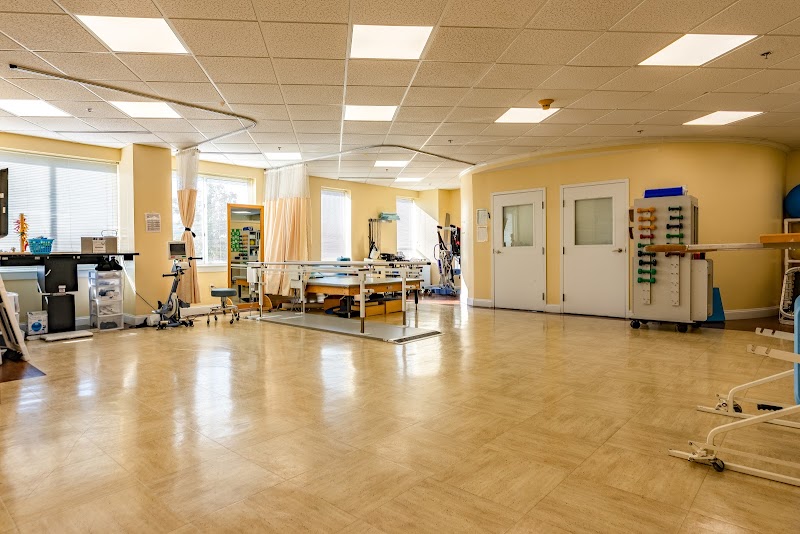
Who Owns and Operates Care One At Weymouth?

CARE ONE AT WEYMOUTH is owned by a for-profit company. For-profit facilities operate as businesses with obligations to shareholders or private owners. The facility is operated by CAREONE, a chain that manages multiple nursing homes. With 154 certified beds and approximately 140 residents (about 91% occupancy), it is a mid-sized facility located in WEYMOUTH, Massachusetts.
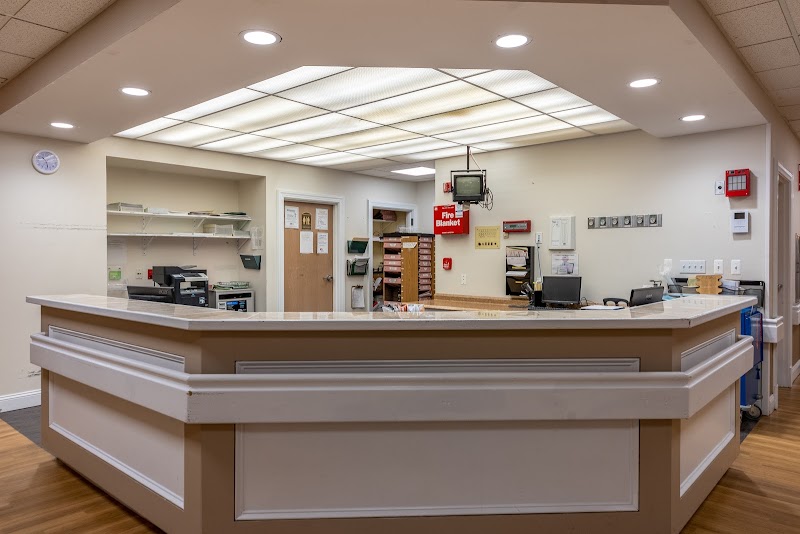
How Does Care One At Weymouth Compare to Other Massachusetts Nursing Homes?

Compared to the 100 nursing homes in Massachusetts, CARE ONE AT WEYMOUTH's overall rating (3 stars) is above the state average of 2.9, staff turnover (26%) is significantly lower than the state average of 46%, and health inspection rating (3 stars) is at the national benchmark.

What Should Families Ask When Visiting Care One At Weymouth?

Based on this facility's data, families visiting should ask: "Can I visit during a mealtime to observe dining assistance and food quality?" "How do you handle medical emergencies, and what is your hospital transfer rate?" "Can I speak with family members of current residents about their experience?"

Is Care One At Weymouth Safe?

Based on CMS inspection data, CARE ONE AT WEYMOUTH has a clean safety record: no substantiated abuse findings (meaning no confirmed cases of resident harm), no Immediate Jeopardy citations (the most serious violation level indicating risk of serious injury or death), and is not on the Special Focus Facility watch list (a federal program monitoring the lowest-performing 1% of nursing homes). The facility has a 3-star overall rating and ranks #1 of 100 nursing homes in Massachusetts. While no facility is perfect, families should still ask about staff-to-resident ratios and recent inspection results during their visit.

Do Nurses at Care One At Weymouth Stick Around?

Staff at CARE ONE AT WEYMOUTH tend to stick around. With a turnover rate of 26%, the facility is 20 percentage points below the Massachusetts average of 46%. Low turnover is a positive sign. It means caregivers have time to learn each resident's needs, medications, and personal preferences. Consistent staff also notice subtle changes in a resident's condition more quickly.

Was Care One At Weymouth Ever Fined?

CARE ONE AT WEYMOUTH has no federal fines on record. CMS issues fines when nursing homes fail to meet care standards or don't correct problems found during inspections. The absence of fines suggests the facility has either maintained compliance or corrected any issues before penalties were assessed. This is a positive indicator, though families should still review recent inspection reports for the full picture.

Is Care One At Weymouth on Any Federal Watch List?

CARE ONE AT WEYMOUTH is not on any federal watch list. The most significant is the Special Focus Facility (SFF) program, which identifies the bottom 1% of nursing homes nationally based on persistent, serious quality problems. Not being on this list means the facility has avoided the pattern of deficiencies that triggers enhanced federal oversight. This is a positive indicator, though families should still review the facility's inspection history directly.