DWYER HOME

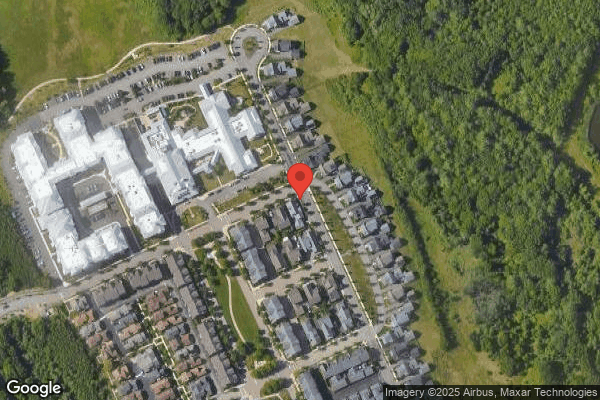
25 STONEHAVEN DRIVE, WEYMOUTH, MA 02190 (781) 660-5000
Non profit - Corporation 50 Beds Independent Data: November 2025
Trust Grade
90/100
#20 of 338 in MA
Last Inspection: December 2024

Within standard 12-15 month inspection cycle. Federal law requires annual inspections.

Overview

Dwyer Home in Weymouth, Massachusetts has received a Trust Grade of A, indicating it is excellent and highly recommended for families seeking care. It ranks #20 out of 338 facilities in the state, placing it in the top half, and is #3 out of 33 in Norfolk County, showing it is one of the better options locally. The facility is improving, with reported issues decreasing from five in 2023 to none in 2024. However, staffing is a weakness, receiving a 2 out of 5 stars, and while the turnover rate is 40%, which is below the state average, it indicates that staff retention could be better. Notably, there have been concerns regarding staff competency training and food safety practices, including failures to provide annual training for staff and proper procedures for reheating residents' food, which could lead to safety risks. On the positive side, Dwyer Home has no fines on record and has excellent ratings for health inspections and quality measures, along with average RN coverage, ensuring that residents receive attentive care.

Trust Score
A
90/100
In Massachusetts
#20/338
Top 5%
Safety Record
Low Risk
No red flags
Inspections
Getting Better
5 → 0 violations
Staff Stability
○ Average
40% turnover. Near Massachusetts's 48% average. Typical for the industry.
Penalties
✓ Good
No fines on record. Clean compliance history, better than most Massachusetts facilities.
Skilled Nurses
○ Average
Each resident gets 37 minutes of Registered Nurse (RN) attention daily — about average for Massachusetts. RNs are the most trained staff who monitor for health changes.
Violations
⚠ Watch
11 deficiencies on record. Higher than average. Multiple issues found across inspections.
★★★★★
5.0
Overall Rating
★★☆☆☆
2.0
Staff Levels
★★★★★
5.0
Care Quality
★★★★★
5.0
Inspection Score
Stable
2023: 5 issues
2024: 0 issues

The Good

  • 5-Star Quality Measures · Strong clinical quality outcomes
  • Full Sprinkler Coverage · Fire safety systems throughout facility
  • No fines on record
  • Staff turnover below average (40%)

    8 points below Massachusetts average of 48%

Facility shows strength in quality measures, fire safety.

The Bad

Staff Turnover: 40%

Near Massachusetts avg (46%)

Typical for the industry

The Ugly 11 deficiencies on record

Dec 2023 4 deficiencies
CONCERN (D)

Potential for Harm - no one hurt, but risky conditions existed

Comprehensive Care Plan (Tag F0656)

Could have caused harm · This affected 1 resident

**NOTE- TERMS IN BRACKETS HAVE BEEN EDITED TO PROTECT CONFIDENTIALITY** Based on observations, interviews, policy review, and record review for one Resident (#239), of 12 sampled residents, the facili...

Read full inspector narrative →
**NOTE- TERMS IN BRACKETS HAVE BEEN EDITED TO PROTECT CONFIDENTIALITY** Based on observations, interviews, policy review, and record review for one Resident (#239), of 12 sampled residents, the facility failed to ensure his/her comprehensive and individualized plan of care was implemented. Specifically, the facility failed to follow his/her care plan and maintain aspiration precautions as indicated. Findings include: Review of the facility's policy titled Aspiration Precautions, dated November 2013, included the following: -All residents will be assessed upon admission, annually and upon change of condition by the interdisciplinary team for swallowing difficulties. Residents found to be at risk with swallowing and have potential for choking will be placed on aspiration precautions. -Each resident who is placed on aspiration precautions will have interventions placed in their plan of care. Resident #239 was admitted to the facility in November 2023 with diagnoses that included aspiration pneumonia (respiratory infection caused by something other than air being inhaled into your lungs) and dysphagia (difficulty swallowing). Review of the most recent Minimum Data Set (MDS) assessment indicated Resident #239 was cognitively intact as evidenced by a Brief Interview for Mental Status score of 13 out of 15. Review of the Hospital Discharge summary, dated [DATE], indicated Resident #239 was at risk for aspiration and recurrent aspiration pneumonia. Resident #239 was treated with antibiotics. Review of the Physician's Orders included but was not limited to: -No added salt diet, pureed texture, and nectar thick liquids -Maintain aspiration precautions every shift for aspiration pneumonia and dysphagia. Review of the Physician's Progress Note, dated 11/28/23, indicated Resident #239 has history of aspiration. Review of the Speech Therapy evaluation and plan of treatment, dated 11/27/23, indicated Resident #239 was a high aspiration risk. Swallow strategies included but were not limited to: -Compensatory Strategies/Positions: Small bites/sips -Alternate solids/liquids -90-degree seating at all meals Review of the interdisciplinary care plan, date initiated 11/30/23, included but was not limited to the following interventions: -All staff to be informed of resident's special dietary and safety needs -Maintain aspiration precautions at all times -Resident to eat only with supervision -Instruct resident to eat in an upright position, to eat slowly, and to chew each bite thoroughly -Keep head of bed elevated 45 degrees during meal and thirty minutes afterwards -Alternate small bites and sips. Use a teaspoon for eating. Do not use straws. -Check mouth after meal for pocketed food and debris. Report to nurse. Provide oral care to remove debris. Review of the Certified Nursing Assistant (CNA) [NAME] (summary of resident's care and preferences) indicated but was not limited to: -Eating/Nutrition -Alternate small bites and sips. Use a teaspoon for eating. Do not use straws. -Check mouth after meal for pocketed food and debris. Report to nurse. Provide oral care to remove debris. -Keep head of the bed elevated 45 degrees during meal and 30 minutes afterwards. -Resident to eat only with supervision On 12/6/23 at 12:55 P.M., the surveyor observed Certified Nursing Assistant (CNA) #1 seated in a chair, in the common area, while Resident #239 was consuming his/her lunch meal. Resident #239 was heard coughing during his/her meal. CNA #1 had no interaction with Resident #239 as he/she ate. On 12/7/23 at 8:12 A.M., the surveyor observed CNA #1 deliver a breakfast tray to Resident #239. CNA #1 set up the tray and left the room. Resident #239 had started to eat his/her breakfast independently and without supervision. Resident #239 was observed coughing while eating. Resident #239 had coughed up phlegm and spit it in his/her napkin. During an interview on 12/7/23 at 11:29 A.M., CNA #1 said she had served Resident #239's breakfast first. CNA #1 said Resident #239 was to be supervised when he/she eats. CNA #1 said she should have passed Resident #239's tray last. CNA #1 said she should have stayed with him/her. CNA #1 said she was to cue Resident #239 during his/her meal to take small bites and to slow down if he/she ate too fast. During an interview on 12/7/23 at 11:32 A.M., Charge Nurse #1 said Resident #239 was at risk for aspiration. Charge Nurse #1 said Resident #239 needed to always have staff with him/her while he/she was eating. During an interview on 12/7/23 at 11:42 A.M., Speech Therapist (SLP) #1 said Resident #239 was to be supervised at all times when eating. SLP #1 said Resident #239 was assessed as very high risk for aspiration. SLP #1 said staff had been educated on following the aspiration precautions for Resident #239. During an interview on 12/8/23 at 9:54 A.M., the Director of Nursing (DON) said the SLP would have met with staff and educated them on aspiration precautions for Resident #239. The DON said education was word of mouth and was reflected on the care plan. The DON said aspiration interventions for Resident #239 were carried over to the CNA [NAME], and the expectation was that the CNAs would follow the aspiration interventions on the CNA [NAME].
CONCERN (D)

Potential for Harm - no one hurt, but risky conditions existed

Deficiency F0757 (Tag F0757)

Could have caused harm · This affected 1 resident

Based on observation, record review, and interview, the facility failed to ensure an extra dose of an antibiotic was not administered to one Resident (#16), out of a total sample of 12 residents. Spec...

Read full inspector narrative →
Based on observation, record review, and interview, the facility failed to ensure an extra dose of an antibiotic was not administered to one Resident (#16), out of a total sample of 12 residents. Specifically, the facility failed to monitor the date and the time the Resident should have received the last dose. Findings include: Resident #16 was admitted to the facility with diagnoses including urinary tract infection, hematemesis, pressure of right heel stage 2, and pressure of right heel stage 1. Review of Resident #16's medical record indicated a Physician's Order to administer Keflex (Antibiotic) Oral Capsule 500 MG by mouth four times a day for wound infection until 12/6/23. Review of the Medication Administration Record (MAR) dated December 2023, indicated the first dose of Keflex 500 MG Capsule was administered on 12/1/23 at 6:00 P.M. to Resident #16. Review of the MAR indicated Resident #16 received 21 doses of Keflex 500 MG, exceeding the total amount of 20 doses. Further review of the medical record failed to indicate a rationale for the excess dose of Keflex administered on 12/6/23 at 6:00 P.M. During an interview on 12/08/23 at 01:49 P.M., Nurse Manager #1 said the Resident received an extra dose of the Keflex 500 MG. During an interview on 12/08/23 at 01:52 P.M., the Director of Nurses (DON) reviewed the MAR with the Nurse Manager in the presence of the surveyor. After reviewing, the DON confirmed Resident #16 received an extra dose of the prescribed antibiotic.
CONCERN (D)

Potential for Harm - no one hurt, but risky conditions existed

Deficiency F0761 (Tag F0761)

Could have caused harm · This affected 1 resident

**NOTE- TERMS IN BRACKETS HAVE BEEN EDITED TO PROTECT CONFIDENTIALITY** Based on observation, interview, document review, and policy review, the facility failed to ensure staff stored all drugs and bi...

Read full inspector narrative →
**NOTE- TERMS IN BRACKETS HAVE BEEN EDITED TO PROTECT CONFIDENTIALITY** Based on observation, interview, document review, and policy review, the facility failed to ensure staff stored all drugs and biologicals in accordance with accepted professional standards of practice. Specifically, the facility failed to ensure medications and vaccines were stored at proper temperatures to preserve their integrity in one of two medication refrigerators reviewed. Findings include: Review of the facility's policy titled Medication Storage, dated January 2023, indicated but was not limited to the following: -Medications requiring refrigeration or temperatures between 2 degrees (°) Celsius (C) (36° Fahrenheit (F) and 8° C (46° F) are kept in a refrigerator with a thermostat to allow temperature monitoring. -A temperature log or tracking mechanism is maintained to verify that temperature has remained within acceptable limits. -The temperature of any refrigerator that stores vaccines should be monitored and recorded twice daily. -Medication storage conditions are monitored on a regular basis as a random quality assurance (QA) check as problems are identified, and recommendations are made for corrective action to be taken. Review of Sanofi Manufacturer's Instructions for Use (IFU), revised September 2015, indicated but was not limited to the following: -Tubersol (Tuberculin Purified Protein derivative (Mantoux) is indicated to aid diagnosis of tuberculosis infection (TB) in persons at increased risk of developing active disease). Storage and Stability: -Store at 2° to 8° C (35° to 46° F). Do not freeze. Discard product if exposed to freezing. Review of the Pfizer Manufacturer's IFU, revised June 2021, indicated but was not limited to the following: -Prevnar 20 is a vaccine indicated for active immunization for the prevention of pneumonia and invasive disease caused by Streptococcus pneumoniae serotypes in adults [AGE] years of age and older. How Supplied/Storage and Handling: -Upon receipt, store refrigerated at 2° to 8° C (36° to 46° degrees F). -Do not freeze. Discard if the vaccine has been frozen. On 12/7/23 at 10:28 A.M., the surveyor reviewed the medication storage room refrigerator with Charge Nurse #1. The surveyor observed eight boxes of Tubersol, four boxes of the Prevnar 20 vaccine, various insulin pens (preloaded with insulin to treat diabetes), and Performist inhalation solutions (helps to manage symptoms of chronic obstructive pulmonary disease) stored inside the medication refrigerator. Review of the December 2023 Refrigerator/Freezer Temperature Log indicated the following twice daily refrigerator temperatures: -Seven of seven 6:00 A.M. temperatures documented from December 1st through December 7th as 30° F, (all below the required range) -Six of six 6:00 P.M. temperatures documented from December 1st through December 6th as 30° F to 32° F, (all below the required range) -No documentation of problems identified, or recommendations made for corrective action to be taken During an interview on 12/7/23 at 10:28 A.M., Charge Nurse #1 said all the temperatures documented were 30° F to 32° F. She said the temperature log just indicated that the temperature should be below 41° F, but there was no low range listed. She said the temperatures shouldn't be too low because they could freeze medications stored inside. During an interview on 12/7/23 at 12:45 P.M., Charge Nurse #1 said the 11:00 P.M.-7:00 A.M. shift was responsible for checking temperatures and Charge Nurse #2 was responsible for overseeing the process, but she was out on leave. Nurse Manager #1 entered the nurses' station and said below range temperatures could affect the integrity of the medications/vaccines stored inside. Charge Nurse #1 said if temperatures are below range, then staff should notify maintenance but was not sure if that was done and said at least four separate staff members documented below range temperatures on the log, but only one signed it who was not available for interview. During an interview on 12/7/23 at 12:47 P.M., the Maintenance Director said staff will notify him verbally or send a work order if temperatures are out of range but said no staff had notified him. He said he was not aware of any of the out-of-range temperatures for the month of December. During an interview on 12/7/23 at 3:31 P.M., the Director of Nursing (DON) said normal medication refrigerator temperatures should be between 35° F and 46° F and said the 11:00 P.M.-7:00 A.M. shift was responsible for checking the temperatures twice a day to ensure they are within the normal range. The DON said she didn't know the process if temperatures were documented as out of range and would have to look but said she'd notify maintenance as it could be a thermometer issue. The DON said below range temperatures could affect the efficacy of the medications stored inside and all the nurses who documented on the temperature log were supposed to sign their name but did not.
CONCERN (D)

Potential for Harm - no one hurt, but risky conditions existed

Deficiency F0849 (Tag F0849)

Could have caused harm · This affected 1 resident

**NOTE- TERMS IN BRACKETS HAVE BEEN EDITED TO PROTECT CONFIDENTIALITY** Based on record review, document review, Nursing Facility Service Agreement, and interview, the facility failed to ensure Hospic...

Read full inspector narrative →
**NOTE- TERMS IN BRACKETS HAVE BEEN EDITED TO PROTECT CONFIDENTIALITY** Based on record review, document review, Nursing Facility Service Agreement, and interview, the facility failed to ensure Hospice provided information and documentation regarding care and services as required in the provider contract agreement, including a designated facility coordinator for one Resident (#18), out of a total sample of 12 residents. Specifically, the facility failed to ensure the hospice service provider completed hospice information in the Resident's record, which included initial certification, the most current Hospice Plan of Care, and the Physician Recertification of Terminal Illness in order to assure coordination and collaboration of care. Findings include: Review of the Hospice Care Facility Services Agreement, signed 8/10/2017, included but was not limited to: - The plan of care will reflect the participation of the Hospice, Facility and the Hospice Patient and family to the extent possible. - The plan of care will identify which provider is responsible for performing the respective functions that have been agreed upon and included in the plan of care. - The facility shall designate an individual within the facility who shall be responsible for the implementation of the provision of the agreement and ensure coordination of care between the Hospice and the facility. - Hospice shall provide the facility with sufficient information to ensure the provision of facility services under this agreement is in accordance with hospice patient's plan of care. -Such information shall include: (a) the most recent plan of care, medication information and physician orders. (b) the hospice election form and any advanced directives. (c) physician certification and recertification of terminal illness. (d) names and contact information for hospice personnel involved in providing hospice services. 1. Resident #18 was admitted to the facility in July 2021 with diagnoses which included chronic obstructive pulmonary disease, acute respiratory failure, hypoxia, panic disorder, anxiety, and dependence on supplemental Oxygen. Review of Resident #18's medical record indicated a Physician's Order, dated 5/3/23, for evaluation and admission to hospice care. Review of the Minimum Data Set (MDS) assessment, dated 11/02/23, indicated Resident #18 was moderately cognitively impaired as evidenced by a Brief Interview for Mental Status score of 8 out of 15. The MDS indicated the Resident received hospice services. Review of the Resident's Hospice binder included a Hospice checklist, blank Hospice forms, and one Hospice nursing assessment dated [DATE]. Further review failed to indicate the binder included the required Hospice Physician Certification of Terminal Illness and the Plan of Care. Further review of the binder failed to include any Hospice assessment before and after 10/12/23. On 12/7/23 at 3:51 P.M., the surveyor entered the Resident's room and observed a staff with a Hospice badge. During an interview on 12/7/23 at 3:52 P.M., Hospice Nurse #1 said she attended to the Resident once weekly. After the visit, the Hospice nurse left, did not update the nursing staff on the Resident, and did not document her visit in the office binder. During an interview on 12/8/23 at 11:54 A.M., Nurse Manager #1 said Resident #18 currently receives hospice services. Nurse Manager #1 said there was no schedule of services from hospice and was unaware when a service provider would be at the facility to provide care to Resident #18. The surveyor inquired with the Nurse Manager who the facility hospice coordinator was. Nurse Manager #1 said once the physician initiated an order for hospice services, the nurse on shift at the time called the referral into the hospice provider indicated by the physician and was unaware of any designated facility hospice coordinator. During an interview on 12/8/23 at 12:00 P.M., Certified Nurse Aide #1 (CNA) said Resident #18 currently received hospice services. During an interview on 12/12/23 at 3:10 P.M., Social Worker #2 said she was not the designated hospice coordinator. She said it is a collaboration between nursing and Hospice. During an interview on 12/12/23 at 3:34 P.M., Nurse Manager #1 said she was not the designated hospice coordinator. Nurse Manager #1said she would contact Hospice. Nurse Manager #1 reviewed the Hospice Binder and noticed no pertinent information from Hospice. Nurse Manager #1 said the hospice was responsible for organizing and updating the hospice binder with current paperwork. Nurse Manager #1 and the surveyor reviewed Resident #18's hospice binder. Nurse Manager #1 was unable to locate the most current Hospice Physician Certification of Terminal Illness and the Plan of Care. During an interview on 12/12/23 at 3:42 P.M., the Director of Nurses said she would be in touch with Hospice to ensure proper coordination of care.
Jan 2023 1 deficiency
CONCERN (E)

Potential for Harm - no one hurt, but risky conditions existed

Infection Control (Tag F0880)

Could have caused harm · This affected multiple residents

**NOTE- TERMS IN BRACKETS HAVE BEEN EDITED TO PROTECT CONFIDENTIALITY** Based on observation, policy review, and staff interview, the facility failed to ensure that infection control measures were con...

Read full inspector narrative →
**NOTE- TERMS IN BRACKETS HAVE BEEN EDITED TO PROTECT CONFIDENTIALITY** Based on observation, policy review, and staff interview, the facility failed to ensure that infection control measures were consistently implemented to prevent the potential transmission of infectious diseases, including COVID-19, from resident to resident. Findings include: Review of the facility's Nursing Policy and Procedures for Mask and Face Covering Requirement, dated 11/8/2022, indicated the following: Persons over the age of 5 years old are required to wear a mask or face covering that always covers their mouth and nose when visiting the [NAME] Home. All long-term care facility personnel are required to wear a facemask while they are in the facility, consistent with the DPH Comprehensive PPE Guidance. The fit of the masks should be as follows: -Cover the nose and mouth. -Fit securely and comfortably against the side of the face. -Be secured with ties or ear loops. -Allow for breathing without restriction. Review of the Centers for Disease Control and Prevention (CDC) education tools used by the facility to teach all staff the requirement for safely removing PPE after caring for a resident on contact or droplet precautions. The CDC teaching tool indicated: USE SAFEWORK PRACTICES TO PROTECT YOURSELF AND LIMIT THE SPREAD OF CONTAMINATION. -Keep hands away from face -Limit surfaces touched -Change gloves when torn or heavily contaminated -Perform hand hygiene Remove all PPE before exiting the patient room except a respirator, if worn. On 1/31/23 from 10:40 A.M. to 11:15 A.M. and then at 1:00 P.M., the surveyor observed the following breaches in infection control: - On the Southwest Wing, Nurse #1 prepared to enter the room of a resident on Droplet/Contact precautions. Nurse #1's N-95 respirator mask was positioned below the nose and not providing adequate protection. - On the Northeast Unit, CNA #1 was in a resident's room identified as Droplet/Contact isolation. CNA #1 wore full Personal Protective Equipment (PPE) consisting of an N-95 respirator, eye protection, gown, and gloves, providing care to the resident. CNA #1 reached her body out of the room, with contaminated PPE still donned, to retrieve something from the precaution cart that was situated outside the door to the room. - At 11:05 A.M., Nurse #1 was at the medication (med) cart located near the central nurses' station preparing medication. Nurse #1 repeatedly pressed her hand against the mouth portion of the N-95 respirator while leaning over the med cart. Nurse #1 touched the narcotic register, and then opened the top drawer of the cart to begin preparing medications. Nurse #1 failed to sanitize her hands after repeatedly touching the N-95 respirator. - At 11:15 A.M., Nurse #2 carried a red, plastic, biohazard container containing multiple contaminated sharp instruments, such as needles and syringes, past the nurses' station just outside the soiled utility room. Nurse #2 placed the biohazard container on top of the med cart and secured the opening to the container. She then opened the door to the soiled utility room and left the biohazard container in the room. Nurse #2 did not sanitize the surface of the med cart after placing the biohazard container on top of the med cart. - At 1:00 P.M., the Medical Director was standing at the nurses' station with a surgical mask hanging from one ear. The elastic loop for the other ear was unsecured, the mask hung freely and with neither the nose nor mouth covered. During an interview on 1/31/23 at 10:55 A.M., CNA#1 said that she should not have come out of the precaution room without doffing (removing) her contaminated PPE and performing appropriate hand hygiene. During an interview on 1/31/23 at 11:15A.M., Nurse #2 said that she should not have placed the biohazard container on top of the med cart, and at a minimum, should have sanitized the surface of the med cart afterwards. During an interview on 1/31/23 at 11:25 A.M., the Infection Control Nurse (ICN) said that the infection control breaches observed by the surveyor regarding Nurse #1, Nurse #2, and CNA #1 were not acceptable, nor were they in accordance with the facility's infection control practices and the education provided to each staff member. During an interview on 1/31/23 at 11:25 A.M., the ICN said that all staff are required to follow the Mask and Face Covering policy and are required to wear a mask that covers their nose and mouth at all times while in the facility. The ICN also said that there are signs posted upon entering the facility (observed by the surveyor) that instruct all who enter that a mask must be worn at all times.
Mar 2022 6 deficiencies
CONCERN (D)

Potential for Harm - no one hurt, but risky conditions existed

Deficiency F0657 (Tag F0657)

Could have caused harm · This affected 1 resident

Based on record review and interview, the facility failed to revise the plan of care for one Resident (#33), out of a total sample of 12 residents. Specifically, the facility failed to revise the plan...

Read full inspector narrative →
Based on record review and interview, the facility failed to revise the plan of care for one Resident (#33), out of a total sample of 12 residents. Specifically, the facility failed to revise the plan of care to ensure care approaches were individualized and appropriate for Resident #33 who was at risk for falls. Findings include: Resident #33 was admitted to the facility in July 2019 with diagnoses that included cancer of the brain, anemia, and seizures. Review of the Minimum Data Set (MDS) assessment, dated 3/1/22, indicated the Resident had a Brief Interview for Mental Status (BIMS) score of 10 out of 15 indicating the Resident is moderately cognitively impaired. The MDS also indicated the Resident has difficulty focusing attention, is easily distracted, and has difficulty keeping track of what is being said. Review of the medical record indicated the Resident had five falls between 12/31/21 and 3/14/22. Review of the Fall Incident Reports indicated three out of the five falls revolved around the Resident attempting to bring themselves to the bathroom. Review of the Fall Incident Report, dated 1/19/22, indicated Resident #33 sustained two falls as follows: - At 1:15 P.M., the Resident was found kneeling on both his/her knees on their left side. The Resident told staff he/she was trying to put on dry pants. - Review of the nurse's note, dated 1/19/22 at 10:55 P.M., indicated the Resident was found on the floor. The report indicated the Resident was trying to get to the bathroom. Review of the Fall Incident Report, dated 3/3/22 at 8:15 P.M., indicated Resident #33 was found on the floor. The report indicated the Resident was trying to get to the bathroom. Review of the Interdisciplinary Team (IDT) review forms, dated 1/20/22 and 3/2/22-3/4/22, for incident and accidents indicated the interventions for each of the falls was to toilet or offer incontinent care to the Resident. Review of the IDT Care Plan, initiated 9/24/19, indicated Resident #33's fall risk was related to unsteady gait and poor safety awareness secondary to ataxia (disorder that affects balance), brain cancer, history of frequent falls, and psychoactive medication use. The goal identified was that the Resident would be free from falls. Interventions to achieve goal included but were not limited to: - Be sure the Resident's call light is within reach and encourage the Resident to use it for assistance as needed. The Resident needs prompt response to all requests for assistance. (revised 5/27/21) -CNAs [certified nurse aide] are to notify nursing if clothing does not fit properly and not to dress Resident in clothing that does not fit properly (1/3/22) - Educate the Resident/family/caregivers about safety reminders and what to do if a fall occurs (revised 5/27/21) - Ensure Resident is wearing appropriate sneakers/non-skid socks when ambulating or mobilizing in wheelchair (revised 5/27/21) - Mesh banner with red stop sign draped across bathroom door to discourage Resident from attempting to self-toilet (2/26/20) - Offer toileting and incontinent care after lunch (1/20/22) - Offer toileting every two hours while awake (11/12/19) - CNA to transfer Resident back to wheelchair after finishing supper (3/15/22) - Staff to toilet Resident daily before breakfast (7/13/20) - Resident to be toileted prior to the 7:00 A.M.-3:00 P.M./ 3:00 P.M.-11:00 P.M. change of shift (3/3/22) Further review of the Fall Care Plan, revised 5/27/21, indicated toileting was used as an intervention four times after falls occurred. During an interview on 3/16/22 at 3:51 P.M., Resident #33 said he/she has fallen a few times but doesn't remember what he/she was doing when they fell. Resident #33 said he/she is not sure if staff come and assist him/her to the bathroom. During an interview on 3/17/22 at 8:30 A.M., Rehab Staff #1 said she does not participate in the IDT review and only knows about falls if a referral to therapy is made. During an interview on 3/17/22 at 11:37 A.M., the Unit Manager and the Director of Nurses said interventions for falls need to be stronger. Although the Plan of Care, revised 5/27/21, for the risk of falls included approaches to prevent falls, there was no documented evidence that the IDT reviewed the effectiveness of the interventions being put in place to prevent falls.
CONCERN (D)

Potential for Harm - no one hurt, but risky conditions existed

Deficiency F0658 (Tag F0658)

Could have caused harm · This affected 1 resident

2.) Resident #33 was admitted to the facility in July 2019 with diagnoses that included brain cancer, anemia, and seizures. Review of the Minimum Data Set (MDS) assessment, dated 3/1/22, indicated the...

Read full inspector narrative →
2.) Resident #33 was admitted to the facility in July 2019 with diagnoses that included brain cancer, anemia, and seizures. Review of the Minimum Data Set (MDS) assessment, dated 3/1/22, indicated the Resident had a Brief Interview for Mental Status (BIMS) score of 10 out of 15 indicating the Resident was moderately cognitively impaired. Review of the Fall Incident Reports indicated Resident #33 had falls on 1/19/22 (times two falls) and 3/3/22, and indicated the following: - On 1/19/22 at 1:15 P.M., the Resident was found on the floor on his/her left side. Review of the neurological vital signs form indicated the assessment was initiated at 1:15 P.M. after the fall per facility protocol. - On 1/19/22 (no exact time documented, but nurse's note was written at 10:55 P.M.), the Resident was found on the floor during the nurse medication pass. Review of the neurological vital signs form indicated the assessment was not restarted at the time of the second fall. - On 3/3/22 at 4:00 P.M., the Resident was found on the floor next to his/her bed. Review of the neurological vital signs indicated the assessment was initiated at 4:00 P.M. Further review of the assessment indicated no documented evidence that the neurological assessment was completed between 4:15 P.M. through 6:15 P.M. when the assessment should have been completed a total of seven times to ensure the Resident was in stable condition. During an interview on 3/17/22 at 11:37 A.M., the Director of Nurses said neurological vital signs are not always started if the resident is alert and oriented and can tell staff whether or not they have hit their head. She said that if neurological vital signs are indicated then they should be completed. Based on record review, observations, and staff interview, the facility failed to ensure that staff met professional standards of practice for two Residents (#33, #21), out of a total sample of 12 residents. Specifically, the facility failed 1.) For Resident #21, to accurately document neurological vital signs after the Resident fell, and failed to document in a nurse's progress note after two Resident falls; and 2.) For Resident #33, to accurately document neurological vital signs after the Resident fell. Findings include: Review of the facility's policy titled Neurological Assessment, revised 10/2010, indicated the following but was not limited to: -Neurological assessments are indicated: - following an unwitnessed fall - following a fall or other accident/ injury involving head trauma The following information should be recorded in the resident's medical record: - date and time the procedure was performed Review of the Neurological Observation Form indicated but was not limited to the following: - monitor every 15 minutes times four, every 30 minutes times two, every four hours times five, every shift times six, and subsequently as needed. - a general observation nursing note must be written at least every shift for at least 72 hours - all residents status post a fall who may have suffered head trauma must have neurological vital signs taken for at least 72 hours 1. Resident #21 was admitted to the facility in July 2021 with diagnoses of chronic obstructive pulmonary disease- dependent on supplemental oxygen, anxiety disorder, panic disorder, muscle weakness, and limited activity due to disability. Review of the Minimum Data Set (MDS) assessment, dated 2/24/22, indicated the Resident had a Brief Interview for Mental Status (BIMS) score of 15 out of 15 indicating the Resident was cognitively intact. Review of Resident #21's Fall Incident Reports indicated the Resident has had six falls since October 2021. Specifically, three of six falls were lacking nursing notes or neurological observations for the following reviewed falls: a. Witnessed fall 11/3/21 (No time reported), Resident lost his/her balance while transferring with certified nursing assistant (CNA) in the bathroom. Documented skin tear right finger. -Review of Nursing notes, dated 11/3/21, indicated there is no documentation Resident fell, no summary and no time of fall. No subsequent notes for the following 72 hours indicating Resident was monitored post fall or the skin tear was monitored. b. Unwitnessed fall 11/17/21(No time reported), Resident called out for help. Resident found sitting on the floor between wheelchair and bed. Resident reported reaching for something. Resident sustained a hematoma (bruise) left knee and skin tear left knee. -There was no Neurological Observation form provided for review, unknown if Neurological observations were completed per policy. -No nursing note for 11/18/21 7:00 A.M. to 3:00 P.M. shift. c. Witnessed fall 1/13/22 at 7:00 P.M. (second fall on 1/13/22) Nurse walking by Resident's room witnessed Resident sliding out of locked wheelchair landing on his/her buttocks. Documented abrasion right shoulder blade. -No nursing note documenting Resident's second fall of the evening, summary of fall, or injuries sustained.
CONCERN (E)

Potential for Harm - no one hurt, but risky conditions existed

Food Safety (Tag F0812)

Could have caused harm · This affected multiple residents

Based on observations and interviews, the facility failed to maintain three out of five resident kitchenette refrigerators in working order to maintain food temperatures of 41 degrees Fahrenheit (F) o...

Read full inspector narrative →
Based on observations and interviews, the facility failed to maintain three out of five resident kitchenette refrigerators in working order to maintain food temperatures of 41 degrees Fahrenheit (F) or below to prevent potential foodborne illnesses. Findings include: Review of the Food and Drug Administration (FDA) Food Code (2017), indicated the following: -Refrigeration - The facility's refrigerators and/or freezers must be in good working condition to keep foods at or below 41 degrees F and the freezer must keep frozen foods frozen solid. -Hazardous nature of the food. Although almost any food can be contaminated, certain foods are considered more hazardous than others and are called potentially hazardous foods (PHF) or Time/Temperature Controlled for Safety (TCS) food. Examples of PHF/TCS foods include ground beef, poultry, chicken, seafood (fish or shellfish), cut melon, unpasteurized eggs, milk, yogurt, and cottage cheese; -Time and temperature control of the food. Time in conjunction with temperature controls is critical. The longer food remains in the danger zone, the greater the risks for growth of harmful pathogens. Bacteria multiply rapidly in a moist environment in the danger zone. -Danger Zone means temperatures above 41 degrees Fahrenheit (F) and below 135 degrees F that allow the rapid growth of pathogenic microorganisms that can cause foodborne illness. Potentially Hazardous Foods (PHF) or Time/Temperature Control for Safety (TCS) Foods held in the danger zone for more than 4 hours (if being prepared from ingredients at ambient temperature) or 6 hours (if cooked and cooled) may cause a foodborne illness outbreak if consumed. During an interview on 03/17/22 at 10:55 A.M., the Food Service Manager said the unit refrigerator temperatures are probably a little high because the dietary aide was just cleaning and restocking them. The Food Service Manager and the surveyor observed the five kitchenettes; the following internal thermometer readings and product temperatures were recorded as follows: West Unit: Thermometer 49.0 F, Glucerna drink 46.5 F, and individual container of applesauce 47.2 F (not within acceptable range) North Unit: Thermometer 52.0 F, Vanilla shake 49.2 F (not within acceptable range) East Unit: Thermometer 45.0 F, Milk 42.5 F (not within acceptable range) South Unit: Thermometer 54.0 F, Prune juice 45.0 F (not within acceptable range) Nursing station kitchenette: Thermometer 40.0 F On 03/17/22 at 05:00 P.M., the surveyor rechecked all five kitchenette refrigerators' internal temperatures and the temperature of the milk stored in the refrigerators. The findings showed three of the five refrigerators were not holding the milk temperatures in a safe acceptable range of 41.0 F or below as indicated by the following recorded temperatures: West Unit: Thermometer 45.0 F, Milk 48.7 F (not within acceptable range) North Unit: Thermometer 44.0 F, Milk 46.6. F (not within acceptable range) East Unit: Thermometer 45.0 F, Milk 41.0 F South Unit: Thermometer 49.0 F, Milk 48.1 F (not within acceptable range) Nursing station kitchenette: Thermometer 40.5 F, Milk 39.8 F During an interview on 03/17/22 at 05:10 P.M., the Administrator was informed that three out of five unit refrigerators were not holding an internal temperature of 41.0 F or below as required for food safety. The Administrator said he has maintenance coming and will take the refrigerators out of service until they maintain the correct temperatures.
CONCERN (F)

Potential for Harm - no one hurt, but risky conditions existed

Deficiency F0726 (Tag F0726)

Could have caused harm · This affected most or all residents

Based on staff interview and review of the facility assessment tool, the facility failed to ensure staff were provided annual competency training to ensure resident safety. Findings include: A review ...

Read full inspector narrative →
Based on staff interview and review of the facility assessment tool, the facility failed to ensure staff were provided annual competency training to ensure resident safety. Findings include: A review of the Facility Assessment tool, updated 5/25/21, documented staff training for employees is completed annually. The assessment tool indicated the following, but was not limited to: - fire safety - hand hygiene - Resident Rights - Abuse, Neglect, and Exploitation - Infection Control A review of three out of three employee records indicated that no annual competencies for resident safety were completed. During an interview on 3/17/22 at 1:24 P.M., the Staff Development Coordinator (SDC) said she has not completed any annual competencies or trainings in the past two years because she has just been focusing on COVID-19.
CONCERN (F)

Potential for Harm - no one hurt, but risky conditions existed

Deficiency F0813 (Tag F0813)

Could have caused harm · This affected most or all residents

Based on observation, interviews, and policy review, the facility failed to have an effective policy which addressed the reheating of residents' food brought in from home in accordance with profession...

Read full inspector narrative →
Based on observation, interviews, and policy review, the facility failed to have an effective policy which addressed the reheating of residents' food brought in from home in accordance with professional standards to ensure food safety. Specifically, the facility failed to provide thermometers and adequate instructions to reheat residents' food brought in from home to an internal temperature of 165 degrees Fahrenheit (F) to prevent potential foodborne illnesses. Findings include: Review of the Food and Drug Administration (FDA) Food Code (2017) indicated reheating foods in the microwave as follows: -Reheated cooked foods present a risk because they have passed through the danger zone multiple times during cooking, cooling, and reheating. The PHF/TCS (Potentially Hazardous Foods/Time and Temperature Control for Safety) food that is cooked and cooled must be reheated so that all parts of the food reach an internal temperature of 165 degrees F for at least 15 seconds before service. Review of the facility's policy titled Outside Food and Food from Home Policy, dated March 2021, included but was not limited to the following: -It is the Dietary Department's Responsibility to prepare and deliver food safely to our residents, families, and staff. This policy ensures proper handling, serving, and storage of any food items brought into our community from outside sources. The Dietary Department's Director and staff will ensure proper safe handling practices are observed as demonstrated by the department's Food Safety competencies and education to prevent foodborne illness outbreaks. -In support of our community Residents, families, and visitors in understanding safe food handling practices, a copy of the food handling safety guidelines will be included/ reviewed with our admission paperwork and reviewed annually during Care Conferences. Review of the current facility admission package failed to include safe food handling practices instructions. On 03/17/22 at 10:55 A.M., the surveyor observed kitchenettes on the North, East, South, and [NAME] Units, and the kitchenette by the nurses' station. All five kitchenettes had a microwave; the facility's policy titled Outside Food and Food from Home, dated March 2021, was posted in each kitchenette. There were no reheating instructions included in the policy for Food Brought from Home and no thermometers were available to ensure the food was reheated to an internal temperature of 165 degrees F. During an interview on 03/17/22 at 01:09 P.M., Certified Nursing Assistant (CNA) #1 said the nursing staff is not allowed to heat up any food for the residents. She said, if you want food reheated for the residents, you have to bring the food to the kitchen, and the kitchen staff will reheat the food. During an interview on 03/17/22 at 01:35 P.M., Dietary Staff #1 said food brought from home for residents is never reheated in the kitchen. During an interview on 03/17/22 at 01:37 P.M., Dietary Staff #2 said they don't reheat resident food in the kitchen, they have microwaves on all the units. During an interview on 03/17/22 at 01:40 P.M., [NAME] #1 said food brought from home is never allowed in the main kitchen. During an interview on 03/17/22 at 01:45 P.M., the Director of Nurses (DON) said the staff is not allowed to reheat resident foods; they are instructed to bring the food to the main kitchen and they [kitchen staff] reheat the food. The surveyor informed the DON that the kitchen staff said they do not heat up food brought in from home for the residents. The DON was unsure how resident's food brought from home was reheated. During an interview on 03/17/22 at 1:50 P.M. the DON, Infection Control Nurse (IC Nurse) and the Food Service Manager, all agreed after viewing the policy for Outside Food and Food from Home, it did not provide instructions on reheating food, or the food should be reheated to an internal temperature of 165 F to prevent foodborne illnesses. The IC Nurse said food from home can't be brought into the kitchen to be reheated, it is the family's responsibility to reheat the food in the kitchenette microwaves. The surveyor asked how family members ensure they are heating the food to an internal temperature of 165 F. The IC Nurse said they do not supply thermometers because of potential infection control breaches in the cleaning process. The Food Service Manager said she does not have any disposable thermometers now, but could order some.
MINOR (B)

Minor Issue - procedural, no safety impact

Deficiency F0582 (Tag F0582)

Minor procedural issue · This affected multiple residents

Based on record review and interview, the facility failed to ensure the Skilled Nursing Facility Advanced Beneficiary Notice of Non-coverage (SNF ABN/ CMS-10055) was completed and signed to ensure the...

Read full inspector narrative →
Based on record review and interview, the facility failed to ensure the Skilled Nursing Facility Advanced Beneficiary Notice of Non-coverage (SNF ABN/ CMS-10055) was completed and signed to ensure the Resident/Resident Representative was fully informed of the services being discontinued and a determination was made to continue or discontinue services at a skilled level of care for two Residents (#6, #24), out of three sampled residents who received SNF ABN notices, as required by Centers for Medicare & Medicaid Services (CMS). Findings include: The SNF ABN (CMS-10055) notice is administered to a Medicare recipient when the facility determines that the beneficiary no longer qualifies for Medicare Part A skilled services and the resident has not used all of the Medicare benefit days for that episode. The SNF ABN provides information to residents/beneficiaries so that they can decide if they wish to continue receiving the skilled services that may not be paid for by Medicare and assume financial responsibility. 1. Resident #6 was admitted to the facility in January 2022, under a skilled level of care. A Notice of Medicare Non-Coverage was issued to Resident #6 indicating the last covered day of skilled Medicare Part A services was 2/16/22. Review of the medical record failed to indicate the SNF ABN (CMS-10055) was completed and signed by Resident #6 and/or his/her resident representative. 2. Resident #24 was readmitted to the facility in January 2022, under a skilled level of care. A Notice of Medicare Non-Coverage was issued to Resident #24 indicating the last covered day of skilled Medicare Part A services was 1/26/22. Review of the medical record failed to indicated the SNF ABN (CMS-10055) was completed and signed by Resident #24 and/or the resident representative. During an interview on 3/16/22 at 3:15 P.M., Social Worker #1 reviewed the ABN notices. She said the ABN notice should be filled out completely, signed, and dated by the resident or resident representative. She said looking at the forms for Resident #24 and Resident #6, they were not completed correctly and should have a signature.
Understanding Severity Codes (click to expand)
Life-Threatening (Immediate Jeopardy)
J - Isolated K - Pattern L - Widespread
Actual Harm
G - Isolated H - Pattern I - Widespread
Potential for Harm
D - Isolated E - Pattern F - Widespread
No Harm (Minor)
A - Isolated B - Pattern C - Widespread

Questions to Ask on Your Visit

  • "Can I speak with families of current residents?"
  • "What's your RN coverage like on weekends and overnight?"

Our Honest Assessment

Strengths
  • • Grade A (90/100). Above average facility, better than most options in Massachusetts.
  • • No major safety red flags. No abuse findings, life-threatening violations, or SFF status.
  • • No fines on record. Clean compliance history, better than most Massachusetts facilities.
  • • 40% turnover. Below Massachusetts's 48% average. Good staff retention means consistent care.
Concerns
  • • 11 deficiencies on record. Higher than average. Multiple issues found across inspections.
Bottom line: Generally positive indicators. Standard due diligence and a personal visit recommended.

About This Facility

What is Dwyer Home's CMS Rating?

CMS assigns DWYER HOME an overall rating of 5 out of 5 stars, which is considered much above average nationally. Within Massachusetts, this rating places the facility higher than 99% of the state's 100 nursing homes. This rating reflects solid performance across the metrics CMS uses to evaluate nursing home quality.

How is Dwyer Home Staffed?

CMS rates DWYER HOME's staffing level at 2 out of 5 stars, which is below average compared to other nursing homes. Staff turnover is 40%, compared to the Massachusetts average of 46%. This relatively stable workforce can support continuity of care.

What Have Inspectors Found at Dwyer Home?

State health inspectors documented 11 deficiencies at DWYER HOME during 2022 to 2023. These included: 10 with potential for harm and 1 minor or isolated issues.

Who Owns and Operates Dwyer Home?

DWYER HOME is owned by a non-profit organization. Non-profit facilities reinvest revenue into operations rather than distributing to shareholders. The facility operates independently rather than as part of a larger chain. With 50 certified beds and approximately 46 residents (about 92% occupancy), it is a smaller facility located in WEYMOUTH, Massachusetts.

How Does Dwyer Home Compare to Other Massachusetts Nursing Homes?

Compared to the 100 nursing homes in Massachusetts, DWYER HOME's overall rating (5 stars) is above the state average of 2.9, staff turnover (40%) is near the state average of 46%, and health inspection rating (5 stars) is much above the national benchmark.

What Should Families Ask When Visiting Dwyer Home?

Based on this facility's data, families visiting should ask: "Can you walk me through typical staffing levels on day, evening, and night shifts?" "Can I visit during a mealtime to observe dining assistance and food quality?" "How do you handle medical emergencies, and what is your hospital transfer rate?" "Can I speak with family members of current residents about their experience?" These questions are particularly relevant given the below-average staffing rating.

Is Dwyer Home Safe?

Based on CMS inspection data, DWYER HOME has a clean safety record: no substantiated abuse findings (meaning no confirmed cases of resident harm), no Immediate Jeopardy citations (the most serious violation level indicating risk of serious injury or death), and is not on the Special Focus Facility watch list (a federal program monitoring the lowest-performing 1% of nursing homes). The facility has a 5-star overall rating and ranks #1 of 100 nursing homes in Massachusetts. While no facility is perfect, families should still ask about staff-to-resident ratios and recent inspection results during their visit.

Do Nurses at Dwyer Home Stick Around?

DWYER HOME has a staff turnover rate of 40%, which is about average for Massachusetts nursing homes (state average: 46%). Moderate turnover is common in nursing homes, but families should still ask about staff tenure and how the facility maintains care continuity when employees leave.

Was Dwyer Home Ever Fined?

DWYER HOME has no federal fines on record. CMS issues fines when nursing homes fail to meet care standards or don't correct problems found during inspections. The absence of fines suggests the facility has either maintained compliance or corrected any issues before penalties were assessed. This is a positive indicator, though families should still review recent inspection reports for the full picture.

Is Dwyer Home on Any Federal Watch List?

DWYER HOME is not on any federal watch list. The most significant is the Special Focus Facility (SFF) program, which identifies the bottom 1% of nursing homes nationally based on persistent, serious quality problems. Not being on this list means the facility has avoided the pattern of deficiencies that triggers enhanced federal oversight. This is a positive indicator, though families should still review the facility's inspection history directly.