ABERJONA REHABILITATION AND NURSING CENTER
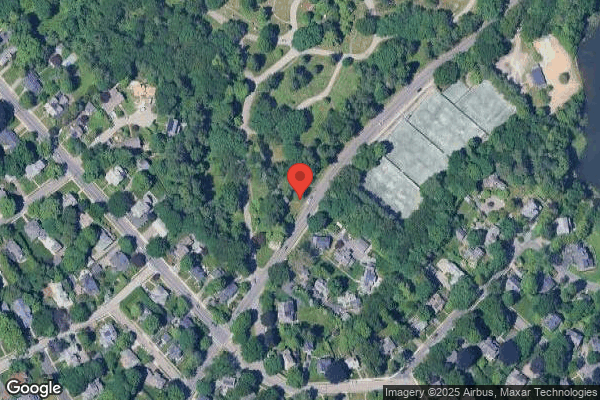
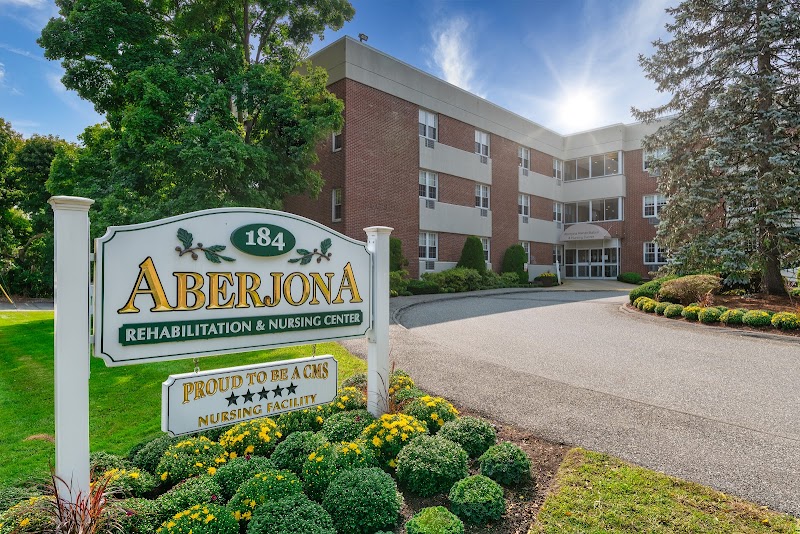
184 SWANTON STREET, #1998, WINCHESTER, MA 01890 (781) 729-9370
For profit - Corporation 123 Beds STELLAR HEALTH GROUP Data: November 2025
Trust Grade
93/100
#1 of 338 in MA
Last Inspection: May 2025

Inspected within the last 6 months. Data reflects current conditions.

Overview

Aberjona Rehabilitation and Nursing Center in Winchester, Massachusetts, has an impressive Trust Grade of A, indicating excellent quality and care, which means it is highly recommended among nursing homes. It ranks #1 out of 338 facilities in Massachusetts and #1 out of 72 in Middlesex County, placing it at the top of the local options available. The facility is improving, having reduced issues from 2 in 2024 to none in 2025. Staffing is a strong point here, with a rating of 4 out of 5 stars and a turnover rate of only 22%, significantly lower than the state average, suggesting that staff are stable and familiar with the residents. However, the facility has faced some concerns, such as failing to store food properly and not following physician orders for a resident's feeding tube intake, which indicates areas needing improvement despite the overall positive environment.

Trust Score
A
93/100
In Massachusetts
#1/338
Top 1%
Safety Record
Low Risk
No red flags
Inspections
Getting Better
2 → 0 violations
Staff Stability
✓ Good
22% annual turnover. Excellent stability, 26 points below Massachusetts's 48% average. Staff who stay learn residents' needs.
Penalties
✓ Good
$3,250 in fines. Lower than most Massachusetts facilities. Relatively clean record.
Skilled Nurses
✓ Good
Each resident gets 50 minutes of Registered Nurse (RN) attention daily — more than average for Massachusetts. RNs are trained to catch health problems early.
Violations
○ Average
6 deficiencies on record. Average for a facility this size. Mostly minor or procedural issues.
★★★★★
5.0
Overall Rating
★★★★☆
4.0
Staff Levels
★★★★★
5.0
Care Quality
★★★★★
5.0
Inspection Score
Stable
2024: 2 issues
2025: 0 issues

The Good

  • 4-Star Staffing Rating · Above-average nurse staffing levels
  • 5-Star Quality Measures · Strong clinical quality outcomes
  • Low Staff Turnover (22%) · Staff stability means consistent care
  • Full Sprinkler Coverage · Fire safety systems throughout facility
  • No fines on record
  • Staff turnover is low (22%)

    26 points below Massachusetts average of 48%

Facility shows strength in staffing levels, quality measures, staff retention, fire safety.

The Bad

Federal Fines: $3,250

Below median ($33,413)

Minor penalties assessed

Chain: STELLAR HEALTH GROUP

Part of a multi-facility chain

Ask about local staffing decisions and management

The Ugly 6 deficiencies on record

May 2024 2 deficiencies
CONCERN (D)

Potential for Harm - no one hurt, but risky conditions existed

Deficiency F0658 (Tag F0658)

Could have caused harm · This affected 1 resident

Based on record review, policy review and interviews, the facility failed to provide services that met professional standards of quality for one Resident (#261) out of a total sample of 22 residents. ...

Read full inspector narrative →
Based on record review, policy review and interviews, the facility failed to provide services that met professional standards of quality for one Resident (#261) out of a total sample of 22 residents. Specifically, the facility failed to follow a physician order for documenting total volume intake for Resident #261. Findings include: Review of facility policy titled Care and Treatment of Feeding Tubes, dated 2/2023, indicated the following: -Feeding tubes will be utilized according to physician orders, which typically include: the kind of feeding and its caloric value, volume, duration, mechanism of administration, and frequency of flush. Resident #261 was admitted to the facility in May 2024 with diagnoses including dysphagia (difficulty chewing and swallowing) and malignant neoplasm of esophagus. Review of the Brief interview for Mental Status exam dated 5/10/24, indicated the Resident scored a 15 out of a possible 15, indicating Resident #261 has intact cognition. Review of the physicians' orders dated 5/10/24 indicated the following: -Jevity 1.5 calorie/fiber oral liquid (Nutritional supplement) Give 240 milliliter (ml) via Gastrostomy tube (g-tube) (G-tube: tube inserted through the abdomen into the stomach to provide nutrition) three times a day related to dysphagia. -Flush g-tube with a bolus free water flush 175 ml four times a day. -G-tube flush orders with 60 ml's before and after administration of medication, administer five ml of water in between medication administered. -Document total intake via g-tube every night shift. Review of Medication Administration Record (MAR) for May 2024 failed to indicate a complete daily total intake was documented, as ordered by the Physician. Rather, the night shift nurses were documenting the intake for the night shift only. During an interview on 5/15/24 at 9:56 P.M., Nurse #1 said the total daily intake should have been documented, but was not. During an interview on 5/15/24 at 10:02 P.M., Unit Manager #1 said the order was entered incorrectly, the total daily intake should be documented and not only for night shift. During an interview on 5/15/24 at 10:36 A.M., the Director of Nursing said the total intake should show the volume of the entire day.
CONCERN (F)

Potential for Harm - no one hurt, but risky conditions existed

Food Safety (Tag F0812)

Could have caused harm · This affected most or all residents

Based on observation, policy review, and interview, the facility failed to store food in accordance with professional standards for food service safety. Specifically, the facility failed to: 1. Ensure...

Read full inspector narrative →
Based on observation, policy review, and interview, the facility failed to store food in accordance with professional standards for food service safety. Specifically, the facility failed to: 1. Ensure food was labeled and dated. 2. Ensure beard nets were worn in the food preparation area. 3. Ensure employee meals were not stored with resident food and ingredients. Findings include: Review of policy titled Food Safety Requirements, revised 2/2023, indicated, but was not limited to the following: -Food will be stored, prepared, distributed, and served in accordance with professional standards for food service safety. -Dry food storage - keep foods/beverages in a clean, dry area off the floor. -Refrigerated storage - labeling, dating, and monitoring refrigerated food, including, but not limited to leftovers, so it is used by its use-by date, or frozen (where applicable)/discarded and keeping food covered in tight containers. Review of policy titled Food Safety Requirements, revised 2/2023, indicated, but was not limited to the following: -Dietary staff must wear hair restraints (e.g., hairnet, hat, and/or beard restraint) to prevent hair from contacting food. Review of the 2022 U.S. Food and Drug Administration (FDA) food code indicated the following: -FOOD EMPLOYEES shall wear hair restraints such as hats, hair coverings or nets, beard restraints, and clothing that covers body hair, that are designed and worn to effectively keep their hair from contacting exposed FOOD -FOOD shall be protected from contamination by storing the FOOD: in a clean, dry location; where it is not exposed to splash, dust, or other contamination; and at least 15 cm (6 inches) above the floor. 1. During the initial kitchen walk through on 5/14/24 at 7:15 A.M., the surveyor made the following observations in the walk in refrigerator: -One carton of fish base, open and undated. -One carton of lobster base, open and undated. -One package of single sliced cheese, open and updated. -One half gallon of milk, open and undated. -One half gallon of orange juice, open and undated. -One half gallon of half and half dairy creamer, open and undated. -One bottle of lemon juice, open and undated. -One large open container of fresh spinach, open and undated. -One tray applesauce poured into individual single serving bowls, undated. -One tray of fruit cocktail poured into individual single serving bowls, undated. During the initial kitchen walk through on 5/14/24 at 7:15 A.M., the surveyor made the following observations in the dry storage area: -One large container of chocolate pudding, open and undated. -One empty, open cookie wrapper in a box of dry pudding mix. -One open, uncovered, undated bag of uncooked lasagna. During the initial kitchen walk through on 5/14/24 at 7:15 A.M., the surveyor made the following observations in the walk-in freezer: -One box of frozen chicken placed directly on the floor. During a tour of the unit kitchenettes on 5/15/24 at 9:00 A.M., the surveyor made the following observation: -Two half gallons of milk, opened and undated. -One half gallon of orange juice dated 5/5, which was ten days prior to the observation. -One unopened yogurt container, expiration date 5/4/24, which was eleven days prior to the observation. During an interview on 5/15/25 at 9:55 A.M., the Food Service Director (FSD) said containers should be dated when opened if they have a shortened expiration date once opened. The FSD said he did not have a system in place for ensure milk and juices were not served after seven days of being opened. During an interview on 5/15/25 at 11:32 A.M., the Administrator said the facility should be following their policy for labeling and dating foods and beverages. 2. During initial kitchen walk through on 5/14/24 at 7:15 A.M., the surveyor observed three male dietary staff members with beards who were not wearing beard nets, two of which were actively preparing food. The beards were long enough that skin was not visible through beard. During an interview on 5/14/24 at 7:24 A.M., the FSD said he has not required beard nets to be worn during cooking, preparing, or assembling food in the kitchen. During an interview on 5/15/25 at 11:32 A.M., the Administrator said she was unaware beard nets were required and would need to refer to the facility policy on beard nets. 3. On 5/15/24 at 9:53 A.M., the surveyor made the following observation in the kitchen's walk-in refrigerator: -An undated, glass reusable container, filled with meat and vegetables. During an interview on 5/15/24 at 9:53 A.M., The FSD said it was a staff members lunch, and that it should not be in there.
Mar 2023 4 deficiencies
CONCERN (D)

Potential for Harm - no one hurt, but risky conditions existed

Assessment Accuracy (Tag F0641)

Could have caused harm · This affected 1 resident

Based on record review and interview the facility failed to ensure the Minimum Data Set (MDS) Assessment was accurate for one Resident (#37) out of a total sample of 22 residents. Specifically, the MD...

Read full inspector narrative →
Based on record review and interview the facility failed to ensure the Minimum Data Set (MDS) Assessment was accurate for one Resident (#37) out of a total sample of 22 residents. Specifically, the MDS indicated Resident #37 was on a hospice care program while a resident in the facility. Resident #37 was admitted to the facility in 1/2023 and has diagnoses that include anemia, unspecified severe protein-calorie malnutrition, unspecified dementia, and pressure ulcer of other site, stage 4. Review of the comprehensive Minimum Data Set Assessment (MDS) with an Assessment Reference Date of 1/22/23 indicated Resident #37 scored 10 out of 15 on the Brief Interview for Mental Status Exam, indicating moderately impaired cognition, required extensive assistance from staff for daily care. Further review of the MDS, Section O, Special Treatments and Programs, indicated Resident #37 received Hospice Care while a resident in the facility. Review of Resident #37's medical record failed to indicate a physician's order, care plan or progress notes indicating Resident #37 was receiving hospice care services. During an interview on 3/29/23 at 7:14 A.M., Unit Manager #2 said the Resident is not on hospice care and had been prior to admission to the facility. Unit Manager #2 said she was not sure why the MDS was coded as receiving hospice care for the Resident. During an interview on 3/29/23 at 8:22 A.M., MDS nurse #1 said the Resident was not admitted on hospice care services, was not receiving hospice care services, and the MDS was coded in error.
CONCERN (D)

Potential for Harm - no one hurt, but risky conditions existed

Pressure Ulcer Prevention (Tag F0686)

Could have caused harm · This affected 1 resident

Based on observation, record review and interview the facility failed to ensure an intervention for a pressure ulcer was implemented for one Resident (#37) out of 3 residents identified with pressure ...

Read full inspector narrative →
Based on observation, record review and interview the facility failed to ensure an intervention for a pressure ulcer was implemented for one Resident (#37) out of 3 residents identified with pressure ulcers, out of a total sample of 22 residents. Specifically, the air mattress power unit was not on and functioning in accordance with the medical plan of care. Findings include: Review of the facility's policy titled, Pressure Injury Prevention and Management, dated as implemented 6/1/22 indicated the following: Policy: This facility is committed to the prevention of avoidable pressure injuries and the promotion of healing existing pressure injuries. 4. Interventions for Prevention and to Promote Healing, c. Evidence-based interventions for preventions will be implemented for all residents who are assessed at risk or who have a pressure injury present. Review of the Invacare MicroAir User Manual, not dated, indicated the following: Installing the power unit. Power button: Once the power button is pressed and released, a green led illuminates indicating that the control unit is on. Resident #37 was admitted to the facility in 1/2023 and has diagnoses that include anemia, unspecified severe protein-calorie malnutrition, unspecified dementia, and pressure ulcer of other site, stage 4. Review of the comprehensive Minimum Data Set Assessment (MDS) with an Assessment Reference Date of 1/22/23 indicated Resident #37 scored a 10 out of 15 on the Brief Interview for Mental Status Exam, indicating moderately impaired cognition, required extensive assistance from staff for daily care, was at high risk for developing pressure ulcers and had a stage 4 pressure ulcer, on admission. Review of the MDS Care Area Assessment worksheet indicated Resident #37 entered the facility with a stage 4 pressure ulcer on his/her coccyx. On 3/28/23 at 7:38 A.M., Resident #37 was observed resting in bed. He/she said he/she was not comfortable, he/she was positioned with pillows and an air mattress, and the power unit was affixed to the foot board of the bed. The air mattress power unit did not have illumination and there was no vibration to touch. The air mattress to touch had a lot of give, air was present and was not totally deflated. Review of the physician's orders indicated the following: *Low Air loss mattress on setting 2-monitor for proper setting and function every shift, dated 1/13/23. On 3/28/23 the following observations were made by the surveyor: *At 10:52 A.M., Resident #37 was resting in bed, the low air loss mattress power unit was not illuminated, and the power was not running to touch. *At 1:07 P.M., Resident #37 was observed laying on his/her back. The low air loss mattress was not illuminated, the power was not running to touch. *At 1:37 P.M., Nurse #4 entered Resident #37's room, she was asked by Unit Manager #2 to check the Resident's foot. *At approximately 1:40 P.M., after Nurse #4 exited Resident #37's room, the air mattress was observed to not be illuminated, nor was the power running. *At 3:40 P.M., Resident #37 was resting in bed, the low loss air mattress was not illuminated, and the power not on per observation and to touch. The mattress was soft with give, some air present. Clean linens were placed at the end of the bed, which indicated staff had entered the room. On 3/29/23 at 6:51 A.M., Resident #37 was resting in bed. The low air loss mattress was not illuminated, and the power was not running per observation and touch. During an interview on 3/29/23 at 6:57 A.M., Nurse #2 said Resident #37 had a pressure ulcer, and she was not sure if the Resident had an air mattress. Nurse #2 accompanied the surveyor to Resident #37's room and acknowledged the power unit for the air mattress was not on and running. During an interview on 3/29/23 at approximately 7:00 A.M., Unit Manger #2 said Resident #37 was admitted with a sacral wound and had a healing scab on his/her foot. Unit Manger #3 said the air mattress was an intervention in place and should be functioning and the setting should be at 2.
CONCERN (D)

Potential for Harm - no one hurt, but risky conditions existed

Deficiency F0761 (Tag F0761)

Could have caused harm · This affected 1 resident

**NOTE- TERMS IN BRACKETS HAVE BEEN EDITED TO PROTECT CONFIDENTIALITY** Based on observation and interview the facility failed to store medications securely for 1 Resident (#305) out of 22 sampled Res...

Read full inspector narrative →
**NOTE- TERMS IN BRACKETS HAVE BEEN EDITED TO PROTECT CONFIDENTIALITY** Based on observation and interview the facility failed to store medications securely for 1 Resident (#305) out of 22 sampled Residents. Findings Include: Review of the facility's policy titled Medication Storage, dated 6/22/22, indicated All drugs and biologicals will be stored in locked compartments (i.e., medication carts, cabinets, drawers, refrigerators, medication rooms) under proper temperature controls. Only authorized personnel will have access to the keys to locked compartments. Resident #305 was admitted to the facility in March 2023 with diagnoses including spinal stenosis, hypertensive chronic kidney disease, and anxiety disorder. Review of Resident #305's most recent Minimum Data Set, dated [DATE], indicated that Resident #305 scored a 13 out of 15 on the Brief Interview for Mental Status exam indicating that Resident #305 is cognitively intact. During an observation on 3/28/23 at 7:30 A.M., the surveyor observed a bottle of Latanoprost Ophthalmic Solution 0.005 % prescription eye drops on Resident #305's tray table. Resident #305 said that nursing staff always leaves the eye drops and said staff will come back eventually for them. Resident #305 said that the eye drops were left on his/her tray table since last night and said he/she does not have a locked drawer or locked box. Review of Resident #305's March 2023 Physician Orders, indicated an order for Latanoprost Ophthalmic Solution 0.005 % - Instill 1 drop in both eyes one time a day. The order further indicated that the eye drops are to be administered at 8:00 P.M. During an interview on 3/28/23 at 10:15 A.M., Nurse #1 said the eye drops should be locked up in the medication cart after the nurse administers them. The Nurse acknowledged Resident #305's eye drops were in fact not secured in the medication cart. During an interview on 3/28/23 at 10:16 A.M., Unit Manager #1 said Resident #305 is not allowed to self-administer the eye drops alone. The Unit Manager said the nurse should be administering the eye drops to Resident #305 and then taking the eye drops back to the medication cart.
CONCERN (D)

Potential for Harm - no one hurt, but risky conditions existed

Infection Control (Tag F0880)

Could have caused harm · This affected 1 resident

Based on observation, interview, and record review, the facility failed to implement transmission-based precautions timely to help prevent the spread of potential infection for one Resident (#456) out...

Read full inspector narrative →
Based on observation, interview, and record review, the facility failed to implement transmission-based precautions timely to help prevent the spread of potential infection for one Resident (#456) out of a total sample of 22 residents. Findings include: Review of the facility policy titled Isolation Precautions revision date 5/24/2022 indicated: -It is our policy to take appropriate precautions, including isolation, to prevent transmission of infectious agents. This policy specifies the different types of precautions, including when and how isolation should be used for a resident. -Facility staff will apply Transmission-Based Precautions, in addition to standard precautions to residents who are known or suspected to be infected or colonized with certain infectious agents requiring additional controls to prevent transmission. -The rationale for the selected transmission-based precautions will be documented in the medical record. -Information regarding the precaution to be utilized will be communicated through verbal reports, written in-house communication forms, and signage. Resident #456 was admitted to the facility in March 2023 with diagnoses including contusion of the scalp, chronic kidney disease, and congestive heart failure. The Resident's Minimum Data Set Assessment had not yet been completed. During an observation/interview on 3/28/23 at 8:04 A.M., Resident #456 was observed in his/her room with no contact precaution cart observed outside of his/her room. Resident #456 said he/she just arrived at the facility a day prior. During an observation on 3/29/23 at 8:30 A.M., Resident #456 had a contact precaution sign with Personal Protective Equipment (PPE) on the door. Review of Resident #456's medical record indicated the following: -A skilled progress note dated 3/28/23, indicated Resident #456 was on precautions for VRE (Vancomycin-Resistant Enterococci) in the urine. -Hospital Discharge Paperwork printed on 3/27/23, discussed Patient infection status as positive for VRE through a rectal screen with an onset date of 3/17/23 added to medical record on 3/21/23. During an interview on 3/29/23 at 10:23 A.M., Unit Manager #1 said upon receiving a new admission, nursing receives a report from the facility. Unit Manager #1 said receiving report is just a guide and nursing should be looking at the chart sent with the resident, as well as asking the resident questions if they are alert and oriented. Unit Manager #1 said Resident #456's status of requiring contact precautions was not received in report and it was realized later by another staff member. During an interview on 3/29/23 at 10:27 A.M., Nurse #3 said he admitted Resident #456 but never received report that he/she was on precautions for VRE. Nurse #3 explained that contact precautions entail staff to put on a gown and gloves prior to entering the resident's room and there could be a risk to other residents and staff by not having Resident #456 on precautions when he/she arrived to the facility. Nurse #3 thought VRE was in the urine of Resident #456 but discharge paperwork indicated it was in the rectum. During an interview on 3/29/23 at 10:49 A.M., the Director of Nursing said she put a cart in front of the residents room on 3/28/23 but acknowledged that it wasn't there when the surveyor screened Resident #456 at 8:04 A.M. The Director of Nursing said Resident #456 was no longer on antibiotics but said the expectation for someone admitted with VRE was to place on precautions and to swab the resident. The Director of Nursing said Resident #456 was not swabbed for VRE while at the facility.
Understanding Severity Codes (click to expand)
Life-Threatening (Immediate Jeopardy)
J - Isolated K - Pattern L - Widespread
Actual Harm
G - Isolated H - Pattern I - Widespread
Potential for Harm
D - Isolated E - Pattern F - Widespread
No Harm (Minor)
A - Isolated B - Pattern C - Widespread

Questions to Ask on Your Visit

  • "Can I speak with families of current residents?"
  • "What's your RN coverage like on weekends and overnight?"

Our Honest Assessment

Strengths
  • • Grade A (93/100). Above average facility, better than most options in Massachusetts.
  • • No major safety red flags. No abuse findings, life-threatening violations, or SFF status.
  • • $3,250 in fines. Lower than most Massachusetts facilities. Relatively clean record.
  • • 22% annual turnover. Excellent stability, 26 points below Massachusetts's 48% average. Staff who stay learn residents' needs.
Concerns
  • • No significant concerns identified. This facility shows no red flags across CMS ratings, staff turnover, or federal penalties.
Bottom line: Generally positive indicators. Standard due diligence and a personal visit recommended.

About This Facility

What is Aberjona Rehabilitation And Nursing Center's CMS Rating?

CMS assigns ABERJONA REHABILITATION AND NURSING CENTER an overall rating of 5 out of 5 stars, which is considered much above average nationally. Within Massachusetts, this rating places the facility higher than 99% of the state's 100 nursing homes. This rating reflects solid performance across the metrics CMS uses to evaluate nursing home quality.
How is Aberjona Rehabilitation And Nursing Center Staffed?

CMS rates ABERJONA REHABILITATION AND NURSING CENTER's staffing level at 4 out of 5 stars, which is above average compared to other nursing homes. Staff turnover is 22%, compared to the Massachusetts average of 46%. This relatively stable workforce can support continuity of care.

What Have Inspectors Found at Aberjona Rehabilitation And Nursing Center?

State health inspectors documented 6 deficiencies at ABERJONA REHABILITATION AND NURSING CENTER during 2023 to 2024. These included: 6 with potential for harm.

Who Owns and Operates Aberjona Rehabilitation And Nursing Center?

ABERJONA REHABILITATION AND NURSING CENTER is owned by a for-profit company. For-profit facilities operate as businesses with obligations to shareholders or private owners. The facility is operated by STELLAR HEALTH GROUP, a chain that manages multiple nursing homes. With 123 certified beds and approximately 111 residents (about 90% occupancy), it is a mid-sized facility located in WINCHESTER, Massachusetts.

How Does Aberjona Rehabilitation And Nursing Center Compare to Other Massachusetts Nursing Homes?

Compared to the 100 nursing homes in Massachusetts, ABERJONA REHABILITATION AND NURSING CENTER's overall rating (5 stars) is above the state average of 2.9, staff turnover (22%) is significantly lower than the state average of 46%, and health inspection rating (5 stars) is much above the national benchmark.

What Should Families Ask When Visiting Aberjona Rehabilitation And Nursing Center?

Based on this facility's data, families visiting should ask: "Can I visit during a mealtime to observe dining assistance and food quality?" "How do you handle medical emergencies, and what is your hospital transfer rate?" "Can I speak with family members of current residents about their experience?"

Is Aberjona Rehabilitation And Nursing Center Safe?

Based on CMS inspection data, ABERJONA REHABILITATION AND NURSING CENTER has a clean safety record: no substantiated abuse findings (meaning no confirmed cases of resident harm), no Immediate Jeopardy citations (the most serious violation level indicating risk of serious injury or death), and is not on the Special Focus Facility watch list (a federal program monitoring the lowest-performing 1% of nursing homes). The facility has a 5-star overall rating and ranks #1 of 100 nursing homes in Massachusetts. While no facility is perfect, families should still ask about staff-to-resident ratios and recent inspection results during their visit.

Do Nurses at Aberjona Rehabilitation And Nursing Center Stick Around?

Staff at ABERJONA REHABILITATION AND NURSING CENTER tend to stick around. With a turnover rate of 22%, the facility is 24 percentage points below the Massachusetts average of 46%. Low turnover is a positive sign. It means caregivers have time to learn each resident's needs, medications, and personal preferences. Consistent staff also notice subtle changes in a resident's condition more quickly. Registered Nurse turnover is also low at 25%, meaning experienced RNs are available to handle complex medical needs.

Was Aberjona Rehabilitation And Nursing Center Ever Fined?

ABERJONA REHABILITATION AND NURSING CENTER has been fined $3,250 across 1 penalty action. This is below the Massachusetts average of $33,111. While any fine indicates a compliance issue, fines under $50,000 are relatively common and typically reflect isolated problems that were subsequently corrected. Families should ask what specific issues led to these fines and confirm they've been resolved.

Is Aberjona Rehabilitation And Nursing Center on Any Federal Watch List?

ABERJONA REHABILITATION AND NURSING CENTER is not on any federal watch list. The most significant is the Special Focus Facility (SFF) program, which identifies the bottom 1% of nursing homes nationally based on persistent, serious quality problems. Not being on this list means the facility has avoided the pattern of deficiencies that triggers enhanced federal oversight. This is a positive indicator, though families should still review the facility's inspection history directly.