KNOLLWOOD NURSING CENTER
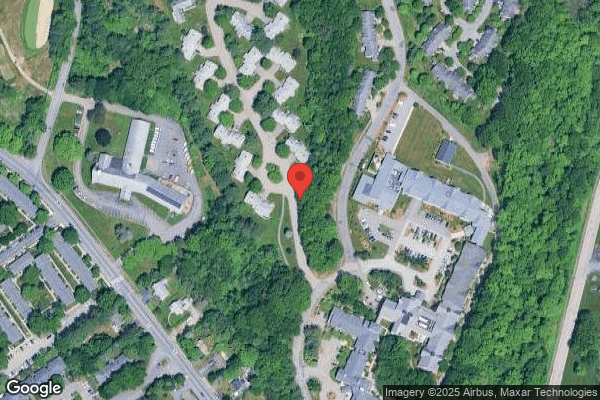
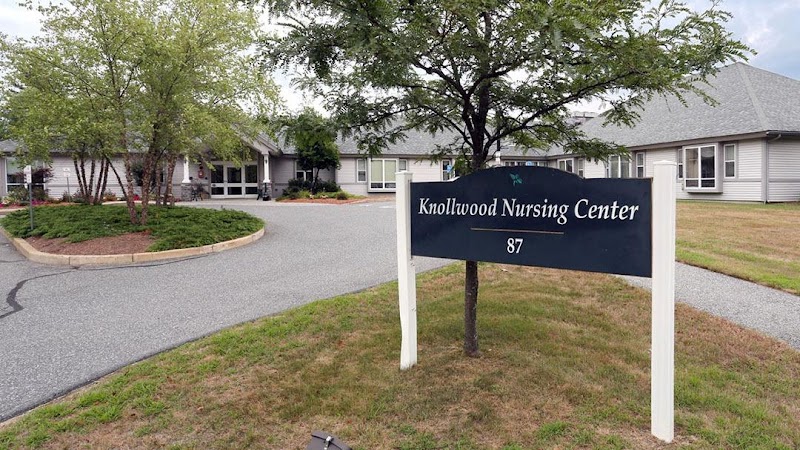
87 BRIARWOOD CIRCLE, WORCESTER, MA 01606 (508) 853-6910
Non profit - Corporation 82 Beds Independent Data: November 2025
Trust Grade
85/100
#27 of 338 in MA
Last Inspection: August 2024

Within standard 12-15 month inspection cycle. Federal law requires annual inspections.

Overview

Knollwood Nursing Center has a Trust Grade of B+, which means it is above average and recommended for families looking for care. It ranks #27 out of 338 nursing homes in Massachusetts, placing it in the top half, and #5 out of 50 in Worcester County, indicating only four local facilities are better. However, the facility's trend is concerning as the number of issues reported increased from 1 in 2023 to 8 in 2024. Staffing is a weak point, with a rating of 2/5 stars and concerning RN coverage that is less than 75% of state facilities, though it does have a good turnover rate of 0%, meaning staff stay long-term. Notably, there have been incidents where food was served at cold temperatures, and the facility failed to investigate a gastrointestinal virus outbreak, which raises questions about food safety and communication with families. Overall, while there are strengths like low turnover and a solid Trust Grade, there are significant areas needing improvement.

Trust Score
B+
85/100
In Massachusetts
#27/338
Top 7%
Safety Record
Low Risk
No red flags
Inspections
Getting Worse
1 → 8 violations
Staff Stability
○ Average
Turnover data not reported for this facility.
Penalties
✓ Good
No fines on record. Clean compliance history, better than most Massachusetts facilities.
Skilled Nurses
○ Average
Each resident gets 30 minutes of Registered Nurse (RN) attention daily — about average for Massachusetts. RNs are the most trained staff who monitor for health changes.
Violations
⚠ Watch
13 deficiencies on record. Higher than average. Multiple issues found across inspections.
★★★★★
5.0
Overall Rating
★★☆☆☆
2.0
Staff Levels
★★★★★
5.0
Care Quality
★★★★☆
4.0
Inspection Score
Stable
2023: 1 issues
2024: 8 issues

The Good

  • 5-Star Quality Measures · Strong clinical quality outcomes
  • Full Sprinkler Coverage · Fire safety systems throughout facility
  • No fines on record

Facility shows strength in quality measures, fire safety.

The Bad

No Significant Concerns Identified

This facility shows no red flags. Among Massachusetts's 100 nursing homes, only 0% achieve this.

The Ugly 13 deficiencies on record

Aug 2024 8 deficiencies
CONCERN (D)

Potential for Harm - no one hurt, but risky conditions existed

Deficiency F0658 (Tag F0658)

Could have caused harm · This affected 1 resident

**NOTE- TERMS IN BRACKETS HAVE BEEN EDITED TO PROTECT CONFIDENTIALITY** Based on observation, interview, record and policy review, the facility failed to provide care in accordance with professional s...

Read full inspector narrative →
**NOTE- TERMS IN BRACKETS HAVE BEEN EDITED TO PROTECT CONFIDENTIALITY** Based on observation, interview, record and policy review, the facility failed to provide care in accordance with professional standards for one Resident (#275) out of a total sample of 18 residents. Specifically, the facility staff failed to apply medical devices as ordered by the Physician to assist in managing Resident #275's Orthostatic Hypotension (a sudden drop in blood pressure that occurs with position changes from a seated or lying position to standing). Findings include: Review of the Facility Policy titled Nursing Clinical Procedures, Subject: Elastic Stockings, dated 3/1/07, indicated, the following: -Purpose: to facilitate venous blood return (the flow of blood from the body back to the heart) in patients/residents with impaired circulation. -Special Considerations >apply the stockings in the morning, if possible . Resident #275 was admitted to the facility in August 2024, with diagnoses including Orthostatic Hypotension, and Tachycardia (an increased heart rate over 100 beats per minute [bpm] that can be caused by irregular heart rhythms [arrhythmias], exercise or stress). Review of Resident #275's clinical record indicated the following Physician's orders: -Abdominal (ABD) Binder (a device that applies compression around the abdomen to help prevent blood pooling which causes a drop in blood pressure upon standing) to be worn at all times, order date of 8/6/24. -Apply TEDs (Thrombo-Embolus Deterrent stockings: compression stockings that reduce blood clots and promote improved blood flow and circulation in the legs) to bilateral lower extremities in A.M. (in the morning), off at HS (hour of sleep: at bedtime), order date of 8/6/24. Review of Resident #275's Nurse Practitioner (NP) Encounter Note, dated 8/6/24, indicated that the hospital made a recommendation to use compression stockings and an abdominal binder for treatment of the Resident's Orthostatic Hypotension. Review of Resident #275's Minimum Data Set (MDS) assessment dated [DATE], indicated the following: -A Brief Interview for Mental Status (BIMS) score of 12 out of 15 indicating mild cognitive impairment. -The Resident required partial/moderate assistance with upper and lower body dressing. Review of Resident #275's August 2024 Medication Administration Record (MAR) indicated that the ABD binder was administered as ordered from 8/6/24 through 8/22/24. Review of Resident #275's August 2024 Treatment Administration (TAR) indicated the TED stockings were applied as ordered from 8/8/24 through 8/22/24. On 8/21/24 at 8:12 A.M., the surveyor observed Resident #275 sitting up in his/her wheelchair wearing TED stockings but not wearing an abdominal binder. The Resident said he/she should have an abdominal binder on but staff had not put the ABD binder on him/her. On 8/21/24 at 3:53 P.M., the surveyor observed Resident #275 lying in his/her bed wearing his/her abdominal binder. Resident #275 said that he/she wore it because of his/her hypotension and had asked the staff to put the binder on him/her. On 8/22/24 at 10:15 A.M., the surveyor and Unit Manager (UM) #1 observed Resident #275 sitting in his/her wheelchair and was not wearing his/her ABD binder and TED stockings. During an interview at the time, the Resident said that he/she did not have the ABD binder on all night because staff took it off when he/she went to bed and no-one put the ABD binder on him/her this morning. The Resident further said that he/she did not refuse the ABD binder or TED stockings this morning and that he/she did not mind wearing either one of the devices. During an interview immediately following the observation, UM #1 reviewed Resident #275's orders and said that the abdominal binder should be on at all times and the TED stockings should be applied in the morning. UM #1 further said that she reviewed the nursing documentation and the documentation indicated the Nurse had signed off (signature or initials confirmation) that the abdominal binder was applied for the current (7:00 A.M. to 3:00 P.M.) shift and the TED stockings were signed off on 8/22/24 at 6:00 A.M. During an interview on 8/26/24 at 10:53 A.M., the Director of Nursing (DON) said that staff should not document the application of abdominal binders and TED stockings unless the items were applied. The DON further said that in some cases the Resident might refuse but that would be documented as refused. The DON reviewed the MAR and TAR, the DON said it indicated the abdominal binder and TED stockings were applied with no refusal indicated.
CONCERN (D)

Potential for Harm - no one hurt, but risky conditions existed

Deficiency F0685 (Tag F0685)

Could have caused harm · This affected 1 resident

**NOTE- TERMS IN BRACKETS HAVE BEEN EDITED TO PROTECT CONFIDENTIALITY** Based on record review, and interview, the facility failed to coordinate vision care services for one Resident (#49) out of a to...

Read full inspector narrative →
**NOTE- TERMS IN BRACKETS HAVE BEEN EDITED TO PROTECT CONFIDENTIALITY** Based on record review, and interview, the facility failed to coordinate vision care services for one Resident (#49) out of a total sample of 18 residents. Specifically, for Resident #49, the facility failed to ensure that the Resident with a diagnosis of Glaucoma (a group of eye diseases that can cause vision loss and blindness by damaging a nerve in the back of the eye called the optic nerve [which sends visual information from the eye to the brain]) received proper treatment to maintain vision abilities, after receiving consent from the Resident's Health Care Proxy (HCP- the person chosen as the healthcare decision maker when the individual is unable to do so for themself) for vision care services. Findings include: Resident #49 was admitted to the facility in December 2022, with diagnoses including Glaucoma and Type 2 Diabetes (DM II - condition in which the body does not produce enough insulin hormone and has trouble controlling blood sugar [glucose] levels). Review of the Minimum Data Set (MDS) assessment dated [DATE], indicated the Resident was severely cognitively impaired as evidenced by a BIMS (Brief Interview for Mental Status) score of 5 out of 15. Review of the Eye Care Services Consent Form signed by the Resident's HCP on 1/4/23, indicated the HCP consented for Resident #49 to receive eye care (vision care) services. Review of Resident #49's clinical record indicated no evidence that vision care services had been provided to the Resident since his/her admission to the facility. During an observation and interview on 8/21/24 at 9:33 A.M., Resident #49 said that he/she was concerned that he/she had vision loss over the last few months. During an interview on 8/22/24 at 11:12 A.M., Nurse #2 said that residents were routinely seen for their eye care approximately every six months to a year by the in-house Provider. Nurse #2 further said that if there was a need between visits the nursing staff would notify Medical Records Staff #1 and she would schedule the appointment. During an interview on 8/22/24 at 12:00 P.M., the surveyor and Medical Records Staff #1 reviewed the Eye Care Services Consent Form. Medical Records Staff #1 said that typically once the consent form is filled out it should have been sent over to the Eye Center (that provide vision care services to the facility) and the Resident would be added to the list to be seen. Medical Records Staff #1 further said that residents are not always seen unless there was a specific need. During a follow-up interview on 8/22/24 at 12:08 P.M., Nurse #2 said that Resident #49 has a diagnosis of Glaucoma and should have been seen/followed by the Eye Doctor (Optometrist). During a follow-up interview on 8/22/24 at 12:15 P.M., Medical Records Staff #1 said she reviewed her Eye Care Center visit records and found no indication that Resident #49 had been seen or was offered to be seen and refused the (vision care) visit. During an interview on 8/22/24 at 1:52 P.M., CNA #2 said she worked regularly with Resident #49. CNA #2 said that over the last month or two she had noticed the Resident using his/her reading glasses more. CNA #2 said the Resident always requested to keep the reading glasses on when reading the paper.
CONCERN (D)

Potential for Harm - no one hurt, but risky conditions existed

Accident Prevention (Tag F0689)

Could have caused harm · This affected 1 resident

**NOTE- TERMS IN BRACKETS HAVE BEEN EDITED TO PROTECT CONFIDENTIALITY** Based on observation, interview, record and policy review, the facility failed to maintain an environment that was free of accid...

Read full inspector narrative →
**NOTE- TERMS IN BRACKETS HAVE BEEN EDITED TO PROTECT CONFIDENTIALITY** Based on observation, interview, record and policy review, the facility failed to maintain an environment that was free of accident and hazards for one Resident (#61), out of a total sample of 18 residents. Specifically, the facility staff failed to ensure the safe temperature of a hot beverage prior to serving Resident #61, placing resident at risk of being burned by the hot beverage. Findings include: Review of the facility's policy titled Nutrition Services -Food Temperature Recording Policy, revised 1/2014, indicated: -Beverages must be reheated at 15 second intervals and check temperature before serving to a resident. -No guidance for beverage temperature reheating was included in the facility policy. Review of Harvard Medical School research topics on scalding (to burn the skin with liquid), July 2023, at www.harvardhealth.edu indicated: -scalding of the skin from hot liquids could occur at temperatures as low as 120 Fahrenheit (F). Resident #61 was admitted to the facility in May 2024, with diagnoses including memory loss, Hypertension (HTN: high blood pressure. When the blood pressure measures consistently above 130/80 millimeters of mercury [mm Hg]) and Falls. Review of the most current Minimum Data Set (MDS) assessment dated [DATE], indicated Resident #61: -had moderate cognitive impairment as evidenced by a Brief Interview for Mental Status (BIMS) score of nine out of 15. -required set up assistance with eating (the ability to use suitable utensils to bring food to the mouth and swallow food once the meal is presented on the table). Review of the Resident's medical record indicated that Resident #61 had a Health Care Proxy (HCP- the person chosen as the healthcare decision maker when the individual is unable to do so for themselves) in place since 5/15/24, due to memory loss. On 8/21/24 at 8:00 A.M., the surveyor observed that the Bayberry Unit kitchenette had a digital thermometer chained to a shelf on the right side of the microwave. The surveyor also observed signage taped to the microwave, undated, that indicated: >For Resident Safety: -Reheat hot beverages 15 seconds at a time per resident preference. -Thermometer is located to the right of the microwave. On 8/22/24 at 9:18 A.M., the surveyor observed Certified Nurses Aide (CNA) #1 heat a mug of hot cocoa for Resident #61 using the microwave in the Bayberry Unit kitchenette. CNA #1 was observed to program the microwave to heat the hot cocoa for one minute continuously. The surveyor observed CNA #1 remove the hot cocoa mug from the microwave, stir the hot cocoa with a plastic spoon and then place the hot cocoa back in the microwave and heat the mug with hot cocoa for an additional 20 seconds continuously. The surveyor observed CNA #1 remove the mug from the microwave and serve the hot cocoa to Resident #61 without checking the temperature of the hot cocoa. During an interview on 8/22/24 at 9:30 A.M., CNA #1 said the facility policy is to heat the drinks for only 30 seconds at a time. CNA #1 said that he had heated the hot cocoa for one minute and then for an additional 20 seconds for Resident #61. CNA #1 said he did not use the thermometer to test the hot cocoa before giving it to Resident #61 but should have to ensure the drink was not too hot, because hot drinks could burn the Resident. On 8/26/24 at 8:30 A.M., the surveyor observed CNA #5 reheating a mug of hot cocoa in the microwave for Resident #61. CNA #5 was observed to remove the mug from the microwave, stir the mug with a plastic spoon, and deliver to the Resident without checking the temperature of the hot beverage. During an interview on 8/26/24 at 9:15 A.M., CNA #5 said Resident #61 always asks for the hot cocoa to be reheated. CNA #5 said she heats the mug for 30 seconds at a time until the drink is hot. CNA #5 then said she was unable to tell what temperature the hot cocoa was at the time Resident #61 received it because she did not use the thermometer to test the beverage. CNA #5 said the digital thermometer next to the microwave was only used to check the temperature of the refrigerator. CNA #5 further said staff do not check temperature for food or drink on the unit, that is something that the kitchen does. During an interview on 8/26/24 at 9:28 A.M., Unit Manager (UM) #1 said the thermometer is next to the microwave on the Bayberry Unit. UM #1 also said the facility policy for reheating with the microwave is posted directly on the microwave door. UM #1 said beverages get heated for 15 seconds at a time. UM #1 further said all staff should test all beverages with the thermometer before serving to a resident, to make sure the beverage is not too hot because beverages that are too hot could burn a resident.
CONCERN (D)

Potential for Harm - no one hurt, but risky conditions existed

Deficiency F0760 (Tag F0760)

Could have caused harm · This affected 1 resident

**NOTE- TERMS IN BRACKETS HAVE BEEN EDITED TO PROTECT CONFIDENTIALITY** Based on interview, policy and record review, the facility failed to ensure that two Residents (#57 and #8) out of a total sampl...

Read full inspector narrative →
**NOTE- TERMS IN BRACKETS HAVE BEEN EDITED TO PROTECT CONFIDENTIALITY** Based on interview, policy and record review, the facility failed to ensure that two Residents (#57 and #8) out of a total sample of 18 residents were free from significant medication errors. Specifically, the facility staff failed to: 1. For Resident #57, adhere to the Physician's order to administer a one-time dose of Trulicity (medication used to improve blood sugar control and reduce the risk of major adverse cardiovascular events in patients with multiple risks for, or existing cardiovascular disease) when staff administered two doses of Trulicity to the Resident over two consecutive days, which increased the Resident's risk for low blood sugar (hypoglycemia). 2. For Resident #8, adhere to the Physician's order relative to sliding scale Insulin (progressive increase in the pre-meal . insulin dose, based on pre-defined blood sugar ranges) administration when Humalog (type of Insulin medication) was administered to the Resident outside of the ordered parameters for Insulin administration, which increased the Resident's risk for hypoglycemia. Findings include: Review of the facility's policy titled Adverse Consequences and Medication Errors, dated 2001, and revised April 2014, indicated: -A medication error is defined as the preparation or administration of drugs or biologicals which is not in accordance with Physician's orders, manufacturer specifications, or accepted professional standards and principles of the professional(s) providing services. 1. Review of the Consumer Medication Information Summary for Trulicity, dated May 2024, indicated the following relative to Trulicity use: -Follow all directions given to you by your Doctor . -Follow the instructions provided . -Trulicity should be used once weekly, at any time of the day, with or without meals. -You should take your Trulicity on the same day each week if you can. -Trulicity should be used regularly on the same day each week. If you miss your dose on the usual day, and if there are at least 3 days before your next dose is due, then take your Trulicity dose as soon as possible. -Do not take a double dose . -Too much Trulicity can make you feel sick or be sick. Resident #57 was admitted to the facility in June 2024, with diagnoses including Type Two Diabetes Mellitus (DM II - condition in which the body does not produce enough insulin hormone and has trouble controlling blood sugar levels), Hypertension (HTN: high blood pressure. When the blood pressure measures consistently above 130/80 millimeters of mercury [mm Hg]), and Chronic Combined Systolic and Diastolic Heart Failure (a mixed cardiomyopathy [chronic disease of the heart muscle which makes it difficult to deliver blood to the body and can lead to heart failure] that occurs when there is a combination of both systolic and diastolic heart failure). Review of Resident #57's Minimum Data Set (MDS) assessment dated [DATE], indicated the following: -The Resident was cognitively intact as evidenced by a Brief Interview for Mental Status (BIMS) score of 13 out of 15 total possible points. -The Resident had diagnoses including Heart Failure, Hypertension, and Diabetes Mellitus. Review of Resident #57's Physician's orders, dated 6/28/24 and renewed 7/30/24, indicated: -Trulicity 0.75 milligrams (mg)/0.5 milliliters (ml) subcutaneous (under the skin) pen injector. -Inject 0.75 mg by subcutaneous route every week on Sunday. Review of Resident #57's clinical record indicated the following: -Trulicity was not administered to the Resident, as ordered, on 8/18/24 (Sunday). -The Nurse Practitioner (NP) gave a new order to give Trulicity now as a one-time dose and then continue weekly on Tuesdays. -The dose of Trulicity was administered to the Resident on 8/20/24 (Tuesday), as ordered. -Staff administered another dose of Trulicity 0.75 mg to the Resident on 8/21/24 (Wednesday). -Facility staff notified the Physician of the second dose of Trulicity administered on 8/21/24. -The Physician ordered a Basic Metabolic Panel (BMP: group of blood tests that provide information about your body's chemical balance and metabolism, including glucose [sugar]) for the following morning and for staff to monitor the Resident's blood sugars twice daily for seven days. During an interview on 8/21/24 at 10:30 A.M., Resident #57 said he/she has Diabetes and he/she required medication to be injected into his/her body to help manage his/her Diabetes. During an interview on 8/22/24 at 2:17 P.M., Nurse #2 said Resident #57 missed his/her dose of Trulicity on Sunday, 8/18/24. Nurse #2 said the NP gave an order for a one-time dose of Trulicity to be administered to Resident #57 on Tuesday, 8/20/24. Nurse #2 said she administered the dose of Trulicity to the Resident that same day (8/20/24), but did not record the administration of the Trulicity on the Resident's Medication Administration Record (MAR) before she left the facility for the day, so the Nurse who worked the following shift did not know that the one-time dose of Trulicity had already been administered. Nurse #2 said since the one-time dose of Trulicity was not recorded on the MAR as being administered, the Physician gave an order for the one-time dose to be re-scheduled for the following day (8/21/24). Nurse #2 said a different Nurse worked at the facility on 8/21/24, and administered Trulicity to the Resident, so the Resident received two doses of Trulicity medication on two consecutive dates. During an interview on 8/23/24 at 11:04 A.M., the NP said that Trulicity was a medication that was to be administered to Resident #57 once weekly. The NP said that facility staff had administered Trulicity to the Resident two times over two consecutive days, on 8/20/24 and 8/21/24, which was a medication error. The NP said administering too much Trulicity could increase the Resident's risk for low blood sugars over a period of time and that was why additional monitoring for the Resident had been ordered. 2. Resident #8 was admitted to the facility in March 2023, with diagnoses including Type Two Diabetes Mellitus and Alzheimer's Disease (a progressive disease beginning with mild memory loss and leading to the loss of the ability to carry on a conversation and respond to the environment, involves parts of the brain that control thought, memory, and language). Review of Resident #8's Diabetes Mellitus Care Plan, dated 2/15/24, indicated: -Administer medications as ordered. Review of Resident #8's Physician's orders, dated 11/8/23 and renewed on 8/9/24, indicated: -Humalog KwikPen (U-100) Insulin 100 unit/milliliter (mL) subcutaneous -Inject by subcutaneous route three times per day before meal. Further review of the Physician's orders indicated the following sliding scale: -Inject two units of Humalog for blood sugar of 200 - 250 (mg/dL - milligrams per deciliter). -Inject four units of Humalog for blood sugar of 251- 300 (mg/dL). -Inject six units of Humalog for blood sugar greater than 301 (mg/dL). Review of Resident #8's August 2024 MAR indicated the following for 8/4/24: -The Resident's blood sugar reading was 177 mg/dL at 7:30 A.M. -Nurse #4 administered Humalog subcutaneously into the Resident's right abdomen. -The amount/dosage of Humalog that was administered was not recorded. During an interview on 8/21/24 at 7:00 A.M., the Staff Development Coordinator (SDC) said she had been covering at the facility for the Director of Nursing (DON) as the DON had been out and was in the process of returning to work. During an interview on 8/23/24 at 11:25 A.M., the surveyor and the SDC Nurse reviewed Resident #8's Physician's orders and MAR relative to Humalog medication administration on 8/4/24. The SDC said Nurses were required to administer Humalog to the Resident prior to meals, based on the Resident's blood sugar reading. The SDC said the Resident would require administration of the Humalog prior to meals if his/her blood sugar reading was 200 or higher. The SDC said that the Resident should not have received Humalog on 8/4/24 for a blood sugar reading of 177, and that this was a medication error. The SDC also said administering Humalog when it was not required increased the Resident's risk for low blood sugar. During an interview on 8/22/24 at 4:17 P.M., the NP said Resident #8 required sliding scale Insulin (Humalog) prior to meals based on the Resident's blood sugar readings. The NP said Nurses were required to administer Humalog to the Resident in accordance with the sliding scale that was ordered. The NP said if the Resident's blood sugar reading indicated the Humalog was not required, Nurses were not to administer the Humalog to the Resident. During an interview on 8/23/24 at 11:59 P.M., Nurse #4 (the Nurse working on 8/4/24) said she worked infrequently at the facility and could not recall how much Humalog she administered to Resident #8 on 8/4/24.
CONCERN (D)

Potential for Harm - no one hurt, but risky conditions existed

Food Safety (Tag F0812)

Could have caused harm · This affected 1 resident

Based on observation, interview and policy review, the facility failed to follow sanitation and food handling practices in accordance with professional standards for food service safety in the facilit...

Read full inspector narrative →
Based on observation, interview and policy review, the facility failed to follow sanitation and food handling practices in accordance with professional standards for food service safety in the facility's main kitchen to prevent the risk of foodborne illnesses. Specifically, the facility failed to: 1. Ensure that Dietary Staff #3 performed hand hygiene (washing or sanitizing of hands) as indicated after touching her mask while handling resident food trays. 2. Ensure that Dietary Staff #1 changed gloves between food handling and used separate utensils for different types of food to prevent the potential for cross contamination. Findings include: 1. Review of the facility policy titled Handwashing/Hand Hygiene, revised August 2019, indicated but was not limited to the following: -Use an alcohol-based hand rub containing at least 62% alcohol; or alternative soap (antimicrobial or non-antimicrobial) and water for the following situations: >after handling . contaminated equipment, etc. During an observation of the kitchen tray line on 8/23/24 at 7:45 A.M., the surveyor observed Dietary Staff #3 touch her mask with bare hands while calling out resident diets to the dietary staff member serving food. The surveyor observed Dietary Staff #3 then take a food plate from the dietary staff member without first performing hand hygiene after touching her mask with bare hands. During an interview on 8/23/24 at 7:48 A.M., Dietary Staff #3 said she should have performed hand hygiene after touching her mask as this was a concern for unsanitary practice. During an interview on 8/23/24 at 9:50 A.M., the Food Service Director (FSD) said that staff not performing hand hygiene after touching their mask and then touching items on the resident food trays was not sanitary. 2. Review of the facility policy titled Nutrition Services Food Storage and Handling Policies and Procedures, dated May 2019, indicated but was not limited to the following: -Food [service] employees shall ensure contamination from food surfaces, equipment and utensils is prevented. All food-contact surfaces .must be clean and sanitized before and between preparation of each food item to prevent contamination and cross-contamination. -All foods shall be served in a method that protects against potential contamination and unacceptable microbial growth. During an observation of the kitchen tray line on 8/23/24 at 7:45 A.M., the surveyor observed Dietary Staff #1 using a gloved hand to serve sausage links and toast. The surveyor further observed that Dietary Staff #1 did not change gloves between touching sausage links and toast food items. During an interview on 8/23/24 at 8:15 A.M., Dietary Staff #1 said he did not use a set of tongs for the toast and a different set of tongs for the sausage because he thought it would save time. Dietary Staff #2 said that he should not have used the same gloved hand to handle the sausage links and the toast because of the risk of cross-contamination. During an interview on 8/23/24 at 9:50 A.M., the Food Service Director (FSD) said that the use of a gloved hand without changing (gloves) between sausage and toast creates a risk for cross-contamination. The FSD further said that this cross-contamination could become an issue for a resident who has a pork allergy or is on a religious diet that does not allow pork.
CONCERN (D)

Potential for Harm - no one hurt, but risky conditions existed

Infection Control (Tag F0880)

Could have caused harm · This affected 1 resident

2. Review of the facility's policy, titled Catheter Care, Urinary, Level III, dated 2001 with revision date 8/2022, indicated the following: -The purpose of this procedure is to prevent catheter-asso...

Read full inspector narrative →
2. Review of the facility's policy, titled Catheter Care, Urinary, Level III, dated 2001 with revision date 8/2022, indicated the following: -The purpose of this procedure is to prevent catheter-associated urinary tract infections (UTI - bacterial infection of the urinary tract). Infection Control: -Be sure the catheter tubing and drainage bag are kept off the floor. Resident #225 was admitted to the facility in August 2024, with diagnoses including Urine Retention (the inability to completely or partially empty urine from the bladder), and Atherosclerotic Heart Disease (the buildup of fats, cholesterol and other substances in and on the walls of the arteries). Review of Resident #225's August 2024 Physician's orders indicated the following: -Urinary catheter 14 French (size: 4.7-millimeter diameter) with 10 ml (milliliter) balloon, to drainage bag every shift, effective 8/13/24. -Macrobid (antibiotic to treat infection) 100 mg (milligram) by mouth twice a day with food for 13 doses to treat urinary tract infection, effective 8/26/24. Review of Resident #225's comprehensive resident centered care plans indicated the following: >Focus: Indwelling Urinary Catheter effective 8/13/24 Interventions included: -Use 14 French catheter with 10 ml balloon, effective 8/13/24 -Do not allow tubing or any part of the drainage system to touch the floor, effective 8/13/24 >Focus: Urinary Tract infection effective 8/26/24 Interventions included: -Administer medications as ordered, effective 8/26/24 -Maintain Enhanced Barrier Precautions (EBP - use protective barrier gowns and gloves during high contact resident care) due to urinary catheter as ordered to prevent spread of infection, effective 8/26/24 Further review of the comprehensive care plans did not indicate that Resident #225 had behaviors of placing his/her urinary drainage bag on the floor. On 8/21/24 at 7:30 A.M., the surveyor observed Resident #225 seated in the dining room with the urinary drainage bag hanging under his/her wheelchair seat and in direct contact with the floor of the dining room. On 8/27/24 at 9:48 A.M., the surveyor observed Resident #225 lying in bed, with eyes closed. The surveyor further observed that the urinary drainage bag was laying flat on the floor under the Resident's bed. During an observation and interview on 8/27/24 at 9:55 A.M., Nurse #1 said that the urinary catheter bag for Resident #225 was not secured to the frame of the bed like it should be and was laying flat on the floor. Nurse #1 said urinary catheter drainage bags should never make contact with the floor. Nurse #1 also said when urinary catheter drainage bags contact the floor, it could cause the spread of infection onto the urinary catheter. Based on observation, record and policy review, and interview, the facility failed to maintain infection control measures to prevent the development and transmission of communicable diseases and infections for two Residents (#25 and #225) out of a total sample of 18 residents. Specifically, the facility staff failed to: 1. For Resident #25, appropriately store the Resident's oxygen tubing and nasal cannula (a thin flexible tube that provides supplemental oxygen through the nose via nasal prongs) when not in use, and change the Resident's oxygen tubing weekly as ordered by the Physician placing the Resident at risk for equipment contamination and infection. 2. For Resident #225, failed to position the urinary catheter drainage bag (a bag used to collect urine) off the floor to prevent the risk of contamination and infection. Findings include: 1. Review of the facility policy for Departmental (Respiratory Therapy) - Prevention of Infection last revised November 2011, indicated: -change the oxygen cannula and tubing every seven days or as needed (PRN). -keep the oxygen cannula and tubing in a plastic bag when not in use. Resident #25 was admitted to the facility in April 2021, with diagnoses including Acute Respiratory Failure (ARF - inadequate gas exchange by the respiratory system, meaning that oxygen, carbon dioxide, or both in the blood cannot be kept at normal levels) with hypoxia (difficulty attaining normal blood oxygen levels), Chronic Obstructive Pulmonary Disease (COPD: a chronic inflammatory lung disease that causes obstructed airflow from the lungs) and Cerebral Palsy (a group of conditions that affect movement and posture caused by brain damage to the developing brain before birth). Review of Resident #25's Minimum Data Set (MDS) Assessment, dated 7/8/24, indicated: -the Resident was cognitively intact as evidenced by a Brief Interview for Mental Status (BIMS) score of 14 out of 15 total possible points. Review of the Resident #25's care plans, last revised 7/9/24 indicated: -the Resident received oxygen therapy. -an intervention to provide oxygen as ordered by the Physician. -the Resident required assistance with Activities of Daily Living (ADLS - basic skills you need to perform daily activities such as bathing, eating or dressing) due to weakness and loss of fine motor control secondary to Cerebral Palsy. Review of Resident #25's August 2024 Physician's orders indicated: -the Resident was prescribed oxygen at hour of sleep (HS) and as needed (PRN) to maintain oxygen saturation (SpO2 - measure of Oxygen in the blood as a percentage of the maximum Oxygen the blood could carry) greater than 90 percent. -Change and date oxygen tubing and storage bag weekly on Sunday, during the 11 P.M. to 7 A.M. shift (night shift). -Check oxygen tubing every shift for date. On 8/21/24 at 9:33 A.M., the surveyor observed Resident #25 in their room. During an interview at the time Resident #25 said that he/she uses oxygen at night and had last used the oxygen the previous night. The surveyor observed that Resident #25's oxygen tubing with a label that indicated the tubing had last been changed on 8/12/24. The surveyor further observed that the oxygen tubing and nasal cannula was not stored in a bag and was hanging in a space between the wall and a dresser. Review of Resident #25's August 2024 Treatment Administration Record (TAR) indicated: -that the oxygen tubing and storage bag had been changed on 8/4/24, 8/11/24, and 8/18/24 -that the oxygen tubing had been checked every shift from 8/19/24 through 8/21/24 On 8/21/24 at 9:45 A.M., the surveyor and Nurse #3 observed that Resident #25's oxygen tubing in his/her room was unbagged and hanging off the dresser. During an interview at the time, Nurse #3 said that Resident #25's oxygen tubing should not look like this, that it should be changed every week, and it had not been changed. During an interview on 8/26/24 at 10:50 A.M., the Director of Nursing (DON) said that Resident #25's oxygen tubing should have been changed weekly and that the oxygen tubing and nasal cannula should have been stored in a plastic bag when not in use.
CONCERN (E)

Potential for Harm - no one hurt, but risky conditions existed

Deficiency F0804 (Tag F0804)

Could have caused harm · This affected multiple residents

Based on observation, interview, policy review, and test tray results, the facility failed to serve palatable food at an appetizing temperature for the residents on two units (Bayberry and Willow) out...

Read full inspector narrative →
Based on observation, interview, policy review, and test tray results, the facility failed to serve palatable food at an appetizing temperature for the residents on two units (Bayberry and Willow) out of two units. Findings include: During a Resident Council meeting held on 8/22/24 at 1:29 P.M., several residents said that there have been concerns that hot foods are arriving to the units at cool/cold temperatures. Test trays were ordered and test trays tasting were conducted by Surveyor #1 and #2 on 8/23/24. On 8/23/24, between 8:17 A.M. and 8:28 A.M., Surveyor #1 observed the following on the Bayberry Unit: -The Meal Tray caddy doors were left open between tray removal. -The last resident tray was served at 8:28 A.M. On 8/23/24 at 8:29 A.M., Surveyor #1 observed the Staff Development Coordinator (SDC) take temperatures of the Bayberry Unit test tray and beverages and the surveyor taste tested the food and beverage items on the tray with the following results: -Eggs: 95.3 degrees Fahrenheit (F), cold to taste -Sausage: 91 degrees F, cool to taste -Toast: 87 degrees F, cool to touch and taste, soggy On 8/23/24, between 8:16 A.M. and 8:34 A.M., Surveyor #2 observed the following on the [NAME] Unit: -Meal Tray caddy doors were intermittently left open between tray removal. -The last resident tray was served at 8:34 A.M. On 8/23/24 at 8:29 A.M., Surveyor #2 observed Unit Manager (UM) #2 take temperatures of the [NAME] Unit test tray and beverages and the surveyor taste tested the food and beverage items on the tray with the following results: -Hard Boiled Egg: 94.6 degrees F, lukewarm to taste -Pureed Egg: 90.8 degrees F, cold to taste -Ground Sausage: 88.7 degrees F, cold to taste -Milk: 61.8 degrees F, lukewarm to taste The test tray tasting results validated the complaints of cool/cold food voiced by the residents during Resident Council. During an interview on 8/27/24 at 11:30 A.M. the surveyor and the Food Service Director (FSD) reviewed the test tray results. The FSD said he was aware of the concern for food and beverage temperatures on meal trays. The FSD said it was important that for palatability, hot foods are served hot and cold foods are served cold.
MINOR (B)

Minor Issue - procedural, no safety impact

Assessment Accuracy (Tag F0641)

Minor procedural issue · This affected multiple residents

**NOTE- TERMS IN BRACKETS HAVE BEEN EDITED TO PROTECT CONFIDENTIALITY** 2. Resident #73 was admitted to the facility in May 2024, with diagnosis of Respiratory Syncytial Virus (RSV - a common that inf...

Read full inspector narrative →
**NOTE- TERMS IN BRACKETS HAVE BEEN EDITED TO PROTECT CONFIDENTIALITY** 2. Resident #73 was admitted to the facility in May 2024, with diagnosis of Respiratory Syncytial Virus (RSV - a common that infects the lungs, nose, and throat and causes cold like symptoms in most people but can cause more severe infections in older adults. It is spread through respiratory droplets from coughing and sneezing and can survive on hard surfaces for hours virus that usually causes mild cold like symptoms in most people but can cause more severe infections in older adults). Review of Resident #73 Physician's orders dated 5/29/24, indicated the Resident may discharged home with medications and services. Review of the Resident's Nursing Progress Note dated 5/31/24, indicated Resident #73 was discharged to home with family via personal vehicle. Discharge paperwork had been signed. Review of the Social Work Progress Note for Resident #73 dated 6/7/24, indicated the Resident was discharged on 5/31/24, and returned to the community without incident. Review of the Resident's record indicated in the Minimum Data Set (MDS) discharge assessment completed on 6/10/24, that the Resident's discharge destination was a short-term stay general hospital. During an interview on 8/23/24 at 2:23 P.M., the MDS Nurse said the Resident was discharged home and should not have been coded as discharge to a short-term stay general hospital. The MDS Nurse also said that the discharge should have been coded as home/community. Based on observation, record review, and interview, the facility failed to ensure that Minimum Data Set (MDS) Assessments were accurately coded to reflect the Residents' status for two Residents (#25 and #73) out of a total sample of 18 residents. Specifically, the facility failed to ensure that the MDS assessment: 1. For Resident #25, was accurately coded relative to the use of Oxygen (a drug that is a vital and essential medication, usually prescribed to treat cardiac and respiratory conditions). 2. For Resident #73, was accurately coded relative to being discharged to home. Findings include: 1. Resident #25 was admitted to the facility in April 2021, with diagnoses including acute respiratory failure with hypoxia (a life-threatening condition where the lungs cannot provide enough oxygen to the body or remove enough carbon dioxide from the body, with difficulty attaining normal blood oxygen levels). Review of the Resident #25's care plans, last revised 7/9/24, indicated: -The Resident was diagnosed with Chronic Obstructive Pulmonary Disease (COPD: a chronic inflammatory lung disease that causes obstructed airflow from the lungs and difficulty breathing) and Emphysema (a chronic lung condition where air is abnormally present in the lungs causing shortness of breath). -The Resident received oxygen therapy. Review of Resident #25's August 2024 Physician's orders indicated that the Resident was prescribed Oxygen at hour of sleep (HS- nighttime/while asleep) and as needed (PRN) to maintain oxygen saturation (SpO2 - measure of Oxygen in the blood as a percentage of the maximum Oxygen the blood could carry) greater than 90 percent. Review of Resident #25's August 2024 Treatment Administration Record (TAR) indicated that the Resident receiving Oxygen continuously at 1 liter per minute (LPM- the rate of supplemental Oxygen delivered through an oxygen delivery device) at hour of sleep, and as needed (PRN) with a start date of 8/5/24. Review of Resident #25's most recent Minimum Data Set (MDS) assessment dated [DATE], did not indicate that the Resident received oxygen therapy during the MDS observation period. During an interview on 8/27/24 at 9:35 A.M., the Director of Nursing (DON) said that the Resident did receive oxygen therapy during the MDS observation period. The DON said the MDS Assessment had been inaccurately coded and should have indicated the Resident as receiving oxygen therapy, but it did not.
May 2023 1 deficiency
CONCERN (D)

Potential for Harm - no one hurt, but risky conditions existed

Medical Records (Tag F0842)

Could have caused harm · This affected 1 resident

**NOTE- TERMS IN BRACKETS HAVE BEEN EDITED TO PROTECT CONFIDENTIALITY** Based on record review and staff interview, the facility failed to ensure its staff maintained complete clinical records related...

Read full inspector narrative →
**NOTE- TERMS IN BRACKETS HAVE BEEN EDITED TO PROTECT CONFIDENTIALITY** Based on record review and staff interview, the facility failed to ensure its staff maintained complete clinical records related to an adverse interaction between two sampled Residents (#18 and #23), out of a total sample of 19 residents. Specifically, the facility staff failed to document: 1) the negative interaction for Resident #23, and 2) corresponding follow-up for both Resident #18 and Resident #23 after the adverse interaction occurred. Findings include: Resident #18 was admitted to the facility in June 2022 with diagnoses including Alzheimer's Dementia with Behavioral Disturbances, Mood Disorder, and Delusional Disorder, and had severe cognitive impairment as evidenced by a Brief Interview of Mental Status (BIMS) score of 5 out of 15 as indicated in a review of the Minimum Data Set (MDS) assessment dated [DATE]. Resident #23 was admitted to the facility in March 2021 with a diagnosis of Dementia with Mood Disorder and had severe cognitive impairment as evidenced by a BIMS score of 3 out of 15 as indicated in the MDS assessment dated [DATE]. Review of Resident #18's medical record included a Nurse's Progress Note, dated 3/22/23, that indicated a Certified Nurse Assistant (CNA) notified the Nurse that when Resident #18 was in the Main Dining Room during lunch, he/she started to yell at his/her roommate (Resident #23), took food from his/her plate, took a personal item and told him/her that their family was going to be contacted to pick him/her up at the facility. The Nurse's note indicated that Resident #23 was removed from the Main Dining Room, Resident #18 followed him/her and continued to make accusations which caused Resident #23 to be visibly upset (cry). Further review of Resident #18's medical record indicated no documented evidence of who the roommate was nor additional information about the interaction and response by facility staff to address the situation. Review of Resident #23's clinical record indicated no documented evidence that there was an adverse interaction between him/her and Resident #18 on 3/22/23 nor response by the facility staff on any follow-up after the event. During an interview on 5/9/23 at 9:15 A.M., Unit Manager (UM) #1 identified Resident #23 as Resident #18's roommate at the time of the incident and said that she worked on the day that the interaction occurred. UM #1 said Resident #23 was moved to another room as soon as one became available and no further negative interactions occurred between the two Residents after the incident. During an interview on 5/9/23 at 3:46 P.M., Social Worker (SW) #1 said that if any resident-to-resident altercation occurred, the Director of Nurses (DON) and nursing staff would initiate an incident report and investigate the altercation. SW#1 said she was aware of the event that occurred on 3/22/23, that Resident #23 was well known to her, and that she and the other facility staff monitored him/her for signs and symptoms of distress such as trouble sleeping or weepiness. SW#1 further said that facility staff were monitoring Resident #23 and Resident #18 closely after the interaction on 3/22/23. After review of Resident #18 and Resident #23's clinical records, SW #1 said there was no documentation of what was done for either Resident following the interaction on 3/22/23 and there should have been. During an interview on 5/9/23 at 4:11 P.M., the DON said that she was aware of Resident #18's behaviors, particularly in the Main Dining Room. The DON said any resident-to-resident altercation should be investigated, and an incident report completed which included obtaining witness statements. The Surveyor reviewed the nurse's notes from 3/22/23 for both Resident #18 and Resident #23 with the DON. The DON said that facility staff assessed Resident #23 for signs of distress such as decline in appetite, tearfulness, trouble sleeping, or withdrawal from activities after the interaction on 3/22/23, and that there should have been follow-up documentation included in the medical records for both Residents following the incident.
Dec 2021 4 deficiencies
CONCERN (D)

Potential for Harm - no one hurt, but risky conditions existed

ADL Care (Tag F0677)

Could have caused harm · This affected 1 resident

Based on observation, record review and interview the facility failed to provide assistance with grooming for one Resident (#37) in a total sample of 18 residents. Findings include: Resident #37 was ...

Read full inspector narrative →
Based on observation, record review and interview the facility failed to provide assistance with grooming for one Resident (#37) in a total sample of 18 residents. Findings include: Resident #37 was admitted to the facility in February 2021 with diagnoses including unspecified dementia without behavioral disturbances. Review of a Minimum Data Set (MDS) assessment, dated 11/4/21, indicated Resident #37 had severe cognitive impairment as evidenced by a score of 3 out of 15 on the Brief Interview for Mental Status (BIMS). Further review of the MDS indicated the Resident required extensive assistance with personal hygiene. On 12/16/21 at 8:30 A.M., the surveyor observed that Resident #37 had long facial hair on his/her upper lip and chin. On 12/21/21 at 9:44 A.M., the surveyor observed Resident #37 was fully dressed and still had long hair on his/her upper lip and chin. During an interview on 12/21/21 at 9:44 A.M., Nurse #1 observed Resident #37's long facial hair and said the aides should have provided assistance with grooming daily. She said the facial hair should have been taken care of by the Certified Nurse Aides (CNA) during daily care. Review of the December 2021 CNA flowsheets indicated personal hygiene had not been signed off on 11 out of 20 days. During an interview on 12/21/21 at 11:15 A.M., Unit Manager (UM) #1 reviewed the December 2021 CNA flowsheets and said she was not aware that personal hygiene was not recorded for multiple days in December. The UM further said the CNAs were responsible for providing Resident #37 with assistance for grooming because the Resident was not able to perform that himself/herself.
CONCERN (E)

Potential for Harm - no one hurt, but risky conditions existed

Food Safety (Tag F0812)

Could have caused harm · This affected multiple residents

Based on record review and interview, the facility failed to maintain sanitation procedures related to monitoring and recording food temperatures, to ensure food safety. Findings include: Review of t...

Read full inspector narrative →
Based on record review and interview, the facility failed to maintain sanitation procedures related to monitoring and recording food temperatures, to ensure food safety. Findings include: Review of the facility Food Temperature Recording policy, revised November 2013, included but was not limited to the following: Controlling the temperature of food is extremely important in ensuring that food is safe to eat, and you must ensure food is always cooked, cooled, chilled or reheated properly to minimize the risk of harmful levels of bacteria in the food that you serve. Food service employees will record and date the temperature of the corresponding food item prior to the service line. ( .) During an interview on 12/21/21 at 8:10 A.M., the surveyor asked to see the food temperature logs, while observing the breakfast service. The surveyor reviewed the temperature logs with the Food Service Director (FSD) and observed there were no temperatures recorded for 3 out of 3 meals on 12/18/21 and 12/19/21. Further review of the logs indicated the evening meal temperatures were not recorded from 12/12/21 through 12/15/21 and on 12/17/21. The Food Service Director said the food temperatures should be monitored and recorded in the food temperature log book at each meal, before the food is served. The FSD further said sometimes the cook recorded the temperatures on a napkin and later transferred them to the book but he could not provide evidence that the temperatures had been monitored or recorded for the above mentioned dates/meals.
CONCERN (E)

Potential for Harm - no one hurt, but risky conditions existed

Infection Control (Tag F0880)

Could have caused harm · This affected multiple residents

Based on observation, line list (used to track infections/contagious illness) review, and interview, the facility failed to complete an investigation related to an outbreak of a gastrointestinal (GI) ...

Read full inspector narrative →
Based on observation, line list (used to track infections/contagious illness) review, and interview, the facility failed to complete an investigation related to an outbreak of a gastrointestinal (GI) virus, failed to notify family and visitors of an outbreak of a GI virus, and failed to report the outbreak to the Department of Public Health (DPH). Findings include: On 12/16/21, during the resident screening process on the Bayberry Unit, several residents reported they had recently experienced GI symptoms (nausea, vomiting, diarrhea). There were no signs on the entry to the building or to the unit, of a GI virus outbreak. During an interview on 12/16/21 at 9:13 A.M., Unit Manager (UM-of the Bayberry Unit) #1 said they had a recent GI virus. She said she was unaware that residents were still showing symptoms that morning and she thought that as of yesterday it seemed like it was winding down. She said she was sorry no one had alerted the survey team. During an interview on 12/16/21 at 10:35 A.M., the Infection Preventionist (IP) said the GI virus started around December 10th with residents experiencing vomiting and diarrhea. She said all of them were tested but was unsure of what exactly had been tested. She said she thought at least one stool sample was sent to test for Clostridium Difficile (C-diff: inflammation of the intestine caused by a bacteria) but she needed to check. She said there were no staff cases. The IP said she was unsure if it was reported to the DPH because the Director of Nurses (DON) did the reporting. Review of the line list, given to the surveyor on 12/16/21 at 10:35 A.M., indicated that from 12/10/21 through 12/13/21 four residents had vomiting/diarrhea, two residents had vomiting, and one resident had a fever and diarrhea. One stool sample was sent to the laboratory and was negative for C-diff. All of the residents documented on the line list resided on the Bayberry Unit. During an interview with the IP and DON on 12/16/21 at 1:14 P.M., the DON said GI outbreak was not reported to the DPH. She said she thought the criteria for reporting to the DPH was based on a percentage of cases, but she wasn't sure and would have to check. The surveyor requested that the DON provide a copy of the guidance she was referring to (copy was not provided for the duration of the survey). The DON said she didn't think the outbreak was that bad but now that she heard that residents had vomited multiple times, she would need to further investigate. The DON said the IP's line list probably wasn't up to date because the IP was off yesterday. When the surveyor asked if anyone else took over the line list yesterday since they were in the middle of an outbreak, the DON had no response. The DON said that she would have to look at their infection control policies to see what they should be implementing at this time. The DON said she can't fix what happened but she can fix it going forward. Both the IP and DON confirmed that no other specimens had been sent to the lab since the first case, when they sent a stool specimen for C-diff. On 12/16/21 at 3:06 P.M., UM #1 approached the surveyor and said they added another resident to the line list as of yesterday because the agency nurse who had worked that day hadn't written a progress note when the resident displayed symptoms of the GI virus so it had not been added to the line list. During an interview on 12/16/21 at 4:24 P.M., the IP said the surveyor would have to ask the administrator if any notification was sent to the residents' families. During an interview on 12/16/21 at 4:54 P.M., with the IP, administrator and DON, the administrator said she sent a notice out that day to alert the residents' families about the GI virus (six days after the initial onset of GI symptoms). The DON said they should have posted a notice to visitors at the onset of the illness and that there had been a miscommunication about how that was handled. The DON said they should have been doing a deeper dive to investigate the illness. Review of the line list on 12/21/21 indicated that from 12/15/21 through 12/19/21 the following was added: two residents had vomiting, two residents had nausea/diarrhea (one of them had vomiting on 12/13/21 which had been previously added to the line list), and six residents had diarrhea; resulting in 10 new resident cases. Review of the line list for staff, given to the surveyor on 12/21/21, indicated the following: -12/16/21- one staff member with fever, vomiting, diarrhea -12/16/21- one staff member with diarrhea -12/17/21- three staff with diarrhea (one staff member did not report it until 12/21/21) -12/20/21- one staff with loose stools During an interview on 12/21/21 at 10:15 A.M., the DON said that once they started asking around, the staff reported the symptoms as indicated above in the staff line list. She said they were all direct care staff. During an interview on 12/21/21 at 11:30 A.M., the DON repeated that she couldn't fix what hadn't been done initially and could only move forward.
MINOR (B)

Minor Issue - procedural, no safety impact

MDS Data Transmission (Tag F0640)

Minor procedural issue · This affected multiple residents

Based on record review and interview the facility failed to ensure Minimum Data Set (MDS) assessments were submitted timely for three residents (#1, #2, and #3) out of three applicable sampled residen...

Read full inspector narrative →
Based on record review and interview the facility failed to ensure Minimum Data Set (MDS) assessments were submitted timely for three residents (#1, #2, and #3) out of three applicable sampled residents. Findings include: 1. Resident #1 was admitted to the facility in July 2021. Review of the clinical record indicated an MDS assessment with Assessment Reference Date (ARD) of 10/7/21 was completed but not successfully transmitted, as required. 2. Resident #2 was admitted to the facility in July 2021. Review of the clinical record indicated an MDS assessment with ARD of 10/7/21 was completed but not successfully transmitted, as required. 3. Resident #3 was admitted to the facility in February 2020. Review of the clinical record indicated an MDS assessment with ARD of 10/7/21 was completed but not successfully transmitted, as required. During an interview on 12/21/21 at 2:03 P.M., the MDS Coordinator said that the three assessments had not been transmitted as required. She said they had a problem with their software at the time of these assessments. She said that she didn't notice on her end that the three assessments had not been transmitted, and it was her oversight.
Understanding Severity Codes (click to expand)
Life-Threatening (Immediate Jeopardy)
J - Isolated K - Pattern L - Widespread
Actual Harm
G - Isolated H - Pattern I - Widespread
Potential for Harm
D - Isolated E - Pattern F - Widespread
No Harm (Minor)
A - Isolated B - Pattern C - Widespread

Questions to Ask on Your Visit

  • "Can I speak with families of current residents?"
  • "What's your RN coverage like on weekends and overnight?"

Our Honest Assessment

Strengths
  • • Grade B+ (85/100). Above average facility, better than most options in Massachusetts.
  • • No major safety red flags. No abuse findings, life-threatening violations, or SFF status.
  • • No fines on record. Clean compliance history, better than most Massachusetts facilities.
Concerns
  • • 13 deficiencies on record. Higher than average. Multiple issues found across inspections.
Bottom line: Generally positive indicators. Standard due diligence and a personal visit recommended.

About This Facility

What is Knollwood Nursing Center's CMS Rating?

CMS assigns KNOLLWOOD NURSING CENTER an overall rating of 5 out of 5 stars, which is considered much above average nationally. Within Massachusetts, this rating places the facility higher than 99% of the state's 100 nursing homes. This rating reflects solid performance across the metrics CMS uses to evaluate nursing home quality.
How is Knollwood Nursing Center Staffed?

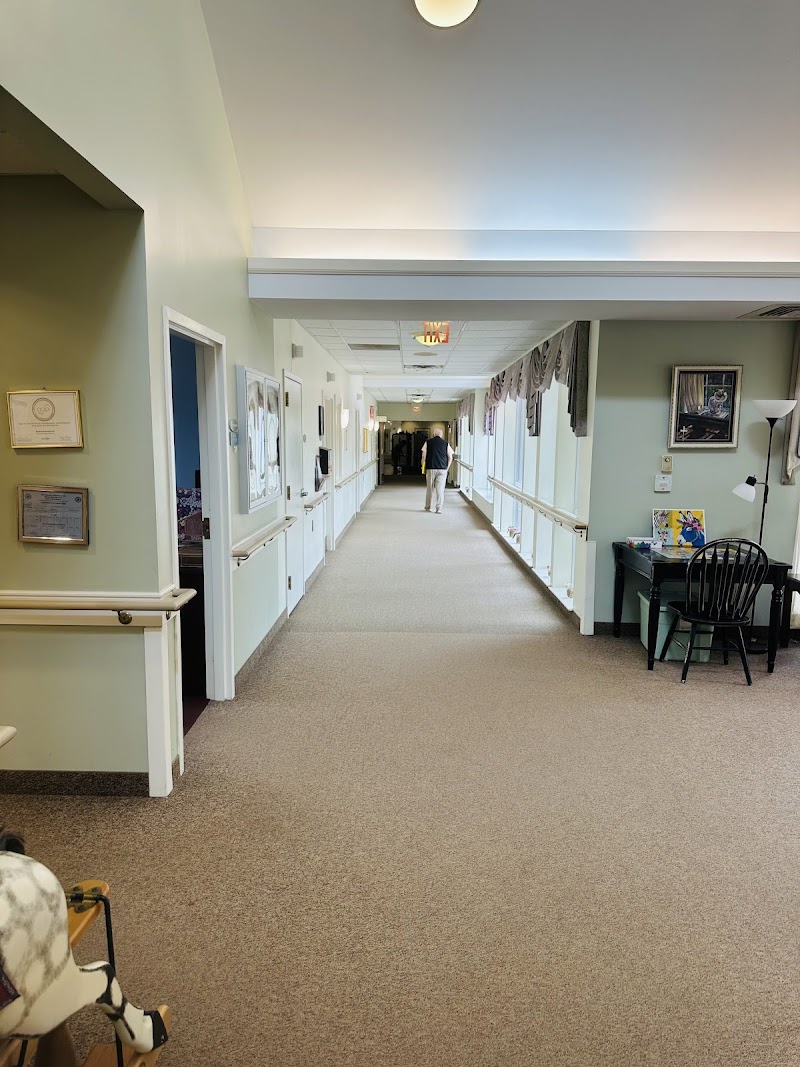
CMS rates KNOLLWOOD NURSING CENTER's staffing level at 2 out of 5 stars, which is below average compared to other nursing homes.

What Have Inspectors Found at Knollwood Nursing Center?

State health inspectors documented 13 deficiencies at KNOLLWOOD NURSING CENTER during 2021 to 2024. These included: 11 with potential for harm and 2 minor or isolated issues.
Who Owns and Operates Knollwood Nursing Center?

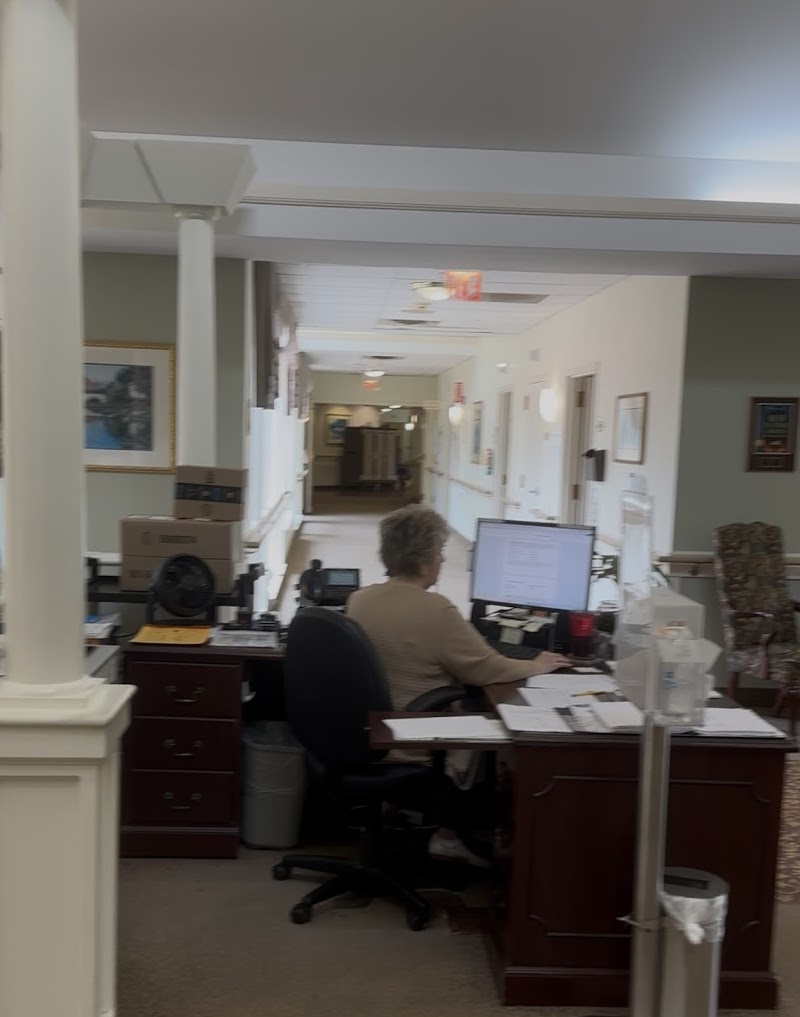
KNOLLWOOD NURSING CENTER is owned by a non-profit organization. Non-profit facilities reinvest revenue into operations rather than distributing to shareholders. The facility operates independently rather than as part of a larger chain. With 82 certified beds and approximately 78 residents (about 95% occupancy), it is a smaller facility located in WORCESTER, Massachusetts.
How Does Knollwood Nursing Center Compare to Other Massachusetts Nursing Homes?

Compared to the 100 nursing homes in Massachusetts, KNOLLWOOD NURSING CENTER's overall rating (5 stars) is above the state average of 2.9 and health inspection rating (4 stars) is above the national benchmark.

What Should Families Ask When Visiting Knollwood Nursing Center?

Based on this facility's data, families visiting should ask: "Can you walk me through typical staffing levels on day, evening, and night shifts?" "Can I visit during a mealtime to observe dining assistance and food quality?" "How do you handle medical emergencies, and what is your hospital transfer rate?" "Can I speak with family members of current residents about their experience?" These questions are particularly relevant given the below-average staffing rating.

Is Knollwood Nursing Center Safe?

Based on CMS inspection data, KNOLLWOOD NURSING CENTER has a clean safety record: no substantiated abuse findings (meaning no confirmed cases of resident harm), no Immediate Jeopardy citations (the most serious violation level indicating risk of serious injury or death), and is not on the Special Focus Facility watch list (a federal program monitoring the lowest-performing 1% of nursing homes). The facility has a 5-star overall rating and ranks #1 of 100 nursing homes in Massachusetts. While no facility is perfect, families should still ask about staff-to-resident ratios and recent inspection results during their visit.

Do Nurses at Knollwood Nursing Center Stick Around?

KNOLLWOOD NURSING CENTER has not reported staff turnover data to CMS. Staff turnover matters because consistent caregivers learn residents' individual needs, medications, and preferences. When staff frequently change, this institutional knowledge is lost. Families should ask the facility directly about their staff retention rates and average employee tenure.

Was Knollwood Nursing Center Ever Fined?

KNOLLWOOD NURSING CENTER has no federal fines on record. CMS issues fines when nursing homes fail to meet care standards or don't correct problems found during inspections. The absence of fines suggests the facility has either maintained compliance or corrected any issues before penalties were assessed. This is a positive indicator, though families should still review recent inspection reports for the full picture.

Is Knollwood Nursing Center on Any Federal Watch List?

KNOLLWOOD NURSING CENTER is not on any federal watch list. The most significant is the Special Focus Facility (SFF) program, which identifies the bottom 1% of nursing homes nationally based on persistent, serious quality problems. Not being on this list means the facility has avoided the pattern of deficiencies that triggers enhanced federal oversight. This is a positive indicator, though families should still review the facility's inspection history directly.