Lynwood Manor Healthcare Center
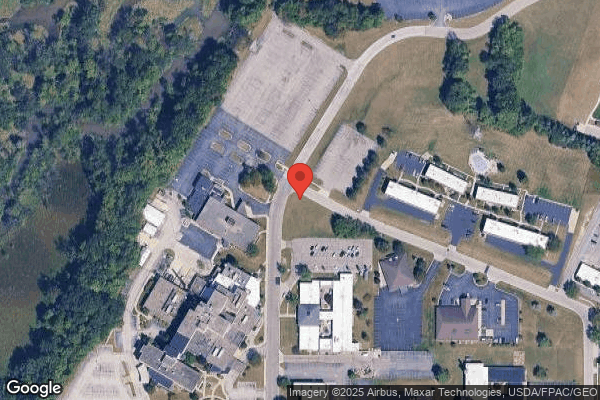
730 Kimole Lane, Adrian, MI 49221 (517) 263-6771
For profit - Individual 84 Beds Independent Data: November 2025 1 Immediate Jeopardy citation
Trust Grade
46/100
#208 of 422 in MI
Last Inspection: June 2025

Inspected within the last 6 months. Data reflects current conditions.

Overview

Lynwood Manor Healthcare Center has received a Trust Grade of D, indicating below average performance with some concerns about care quality. They rank #208 out of 422 facilities in Michigan, placing them in the top half, but they are only #3 out of 4 in Lenawee County, suggesting limited competition for better options nearby. The facility's trend is improving, with the number of issues decreasing from 17 in 2024 to 6 in 2025. Staffing is rated average with a turnover rate of 44%, which is on par with the state average, meaning staff stability is a concern but not worse than others. However, the facility has incurred fines totaling $23,761, which is typical for the area, and they have an average level of RN coverage, ensuring basic oversight. Specific incidents have raised red flags, including a critical citation where a resident suffered a second-degree burn from hot coffee served at an unsafe temperature. Additionally, there were concerns about food safety, with issues like improperly cleaned food service equipment that could lead to cross-contamination, affecting many residents. On the positive side, the facility has a good rating for quality measures, indicating that some aspects of care are being effectively managed. Overall, while there are some strengths, families should be aware of the significant issues and strive for further improvements.
Trust Score
D
46/100
In Michigan
#208/422
Top 49%
Safety Record
High Risk
Review needed
Inspections
Getting Better
17 → 6 violations
Staff Stability
○ Average
44% turnover. Near Michigan's 48% average. Typical for the industry.
Penalties
✓ Good
$23,761 in fines. Lower than most Michigan facilities. Relatively clean record.
Skilled Nurses
○ Average
Each resident gets 31 minutes of Registered Nurse (RN) attention daily — about average for Michigan. RNs are the most trained staff who monitor for health changes.
Violations
⚠ Watch
40 deficiencies on record. Higher than average. Multiple issues found across inspections.
★★★☆☆
3.0
Overall Rating
★★★☆☆
3.0
Staff Levels
★★★★☆
4.0
Care Quality
★★★☆☆
3.0
Inspection Score
Stable
2024: 17 issues
2025: 6 issues

The Good

  • 4-Star Quality Measures · Strong clinical quality outcomes
  • Full Sprinkler Coverage · Fire safety systems throughout facility
  • No fines on record
  • Staff turnover below average (44%)

    4 points below Michigan average of 48%

Facility shows strength in quality measures, fire safety.

The Bad

3-Star Overall Rating

Near Michigan average (3.1)

Meets federal standards, typical of most facilities

Staff Turnover: 44%

Near Michigan avg (46%)

Typical for the industry

Federal Fines: $23,761

Below median ($33,413)

Minor penalties assessed

The Ugly 40 deficiencies on record

1 life-threatening
Jun 2025 6 deficiencies
CONCERN (D)

Potential for Harm - no one hurt, but risky conditions existed

Deficiency F0605 (Tag F0605)

Could have caused harm · This affected 1 resident

**NOTE- TERMS IN BRACKETS HAVE BEEN EDITED TO PROTECT CONFIDENTIALITY** Based on interview and record review, the facility failed to limit the duration of a PRN (as needed) psychotropic medication to ...

Read full inspector narrative →
**NOTE- TERMS IN BRACKETS HAVE BEEN EDITED TO PROTECT CONFIDENTIALITY** Based on interview and record review, the facility failed to limit the duration of a PRN (as needed) psychotropic medication to 14 days and/or ensure the physician documented rationale to extend the duration of use for one (Resident #2) out of five reviewed for unnecessary medications. Findings include: Resident #2. (R2) Review of the medical record reflected R2 was an initial admission to the facility on [DATE] and admitted to hospice on 05/16/2025. Diagnoses of Chronic Obstructive Pulmonary Disease, Diabetes, Acute Kidney Failure, Chronic Kidney Disease, Stroke and unsteadiness on feet. The most recent Minimum Data Set (MDS), with an Assessment Reference Date (ARD) of 05/22/2025 revealed R2 had a Brief Interview of Mental Status (BIMS) of 11 (moderately impaired) out of 15. Under section G0100, Activities of Daily Living (ADL) Assistance reveals R2 is dependent with all care and uses an electric wheelchair as an assistive device. Record revealed R2 had Ativan oral tablet 0.5mg, give 1 tablet by mouth every 4 hours as needed for anxiety, start date of 05/16/2025 with no end date. Morphine Sulfate (Concentrate) Oral Solution100 MG/5ML (Morphine Sulfate) Give 0.25 ml by mouth every 4 hours as needed for pain 7-10, shortness of breath, start date of 05/16/2025 with no end date. Hydrocodone/acetaminophen oral tablet 5/325mg, take one tablet by mouth every 6 hours as needed for pain, maximum daily amount 4 tablets a day, start date of 04/27/2025 with no end date. Record review of the Medication Administration Record (MAR) for the month of May 2025 showed R2 did not receive any Ativan 0.5mg tablets. R2 requested Hydrocodone 5/325mg tablet three times for a pain rated 5-7 on a scale of 0-10. R2 did not request any Morphine Sulfate (Concentrate) Oral Solution100 MG/5ML (Morphine Sulfate) Give 0.25 ml by mouth every 4 hours as needed for pain 7-10, or shortness of breath. Record review of the MAR for the month of June 2025 showed R2 did not receive any Ativan 0.5mg tablets. R2 requested Hydrocodone 5/325mg tablet three times for a pain rated 5-7 on a scale of 0-10. R2 did not request any Morphine Sulfate (Concentrate) Oral Solution100 MG/5ML (Morphine Sulfate) Give 0.25 ml by mouth every 4 hours as needed for pain 7-10, or shortness of breath. During an interview on 06/04/2025 at 8:21AM, SWD C stated his role is to get the consents for the use of these medications and nursing is the one who addresses them. SWD C added they do not like prn's, they do a 14-day trial and see how often they use it, they try to use non-pharmacal first. During an interview on 06/04/25 at 8:37 AM, DON B stated there would be a 14 day stop date and provider had to write a note. Hydrocodone/acetaminophen oral tablet 5/325mg, take one tablet by mouth every 6 hours as needed for pain, maximum daily amount 4 tablets a day, start date of 04/27/2025 with no end date. DON B added providers just leave that as needed, if pharmacy had not caught it, they usually do. Morphine Sulfate (Concentrate) Oral Solution100 MG/5ML (Morphine Sulfate) Give 0.25 ml by mouth every 4 hours as needed for pain 7-10, shortness of breath, start date of 05/16/2025 was ordered from hospice and Hydrocodone/acetaminophen oral tablet 5/325mg, take one tablet by mouth every 6 hours as needed for pain, maximum daily amount 4 tablets a day, start date of 04/27/2025 was ordered prior. DON B stated they would not stop the as needed medications or give an end date. These as needed orders were written by DON B. Per the State Operation Manual (SOM) . PRN orders for anti-psychotic drugs are limited to 14 days and cannot be renewed unless the attending physician or prescribing practitioner evaluates the resident for the appropriateness of that medication . Record review of all discipline progress notes revealed no pain or anxiety re- assessments following the addition of Hydrocodone/acetaminophen oral tablet 5/325mg, take one tablet by mouth every 6 hours as needed for pain, maximum daily amount 4 tablets a day, start date of 04/27/2025, Ativan oral tablet 0.5mg, give 1 tablet by mouth every 4 hours as needed for anxiety, start date of 05/16/2025 with no end date. Morphine Sulfate (Concentrate) Oral Solution100 MG/5ML (Morphine Sulfate) Give 0.25 ml by mouth every 4 hours as needed for pain 7-10, shortness of breath, start date of 05/16/2025, within the 14 days following the starting of these medications as recommended by the SOM. There was no documentation that these medications were still needed or not.
CONCERN (D)

Potential for Harm - no one hurt, but risky conditions existed

Deficiency F0657 (Tag F0657)

Could have caused harm · This affected 1 resident

**NOTE- TERMS IN BRACKETS HAVE BEEN EDITED TO PROTECT CONFIDENTIALITY** Based on observation, interview, and record review the facility failed to ensure two (Resident #18 and Resident #2) residents re...

Read full inspector narrative →
**NOTE- TERMS IN BRACKETS HAVE BEEN EDITED TO PROTECT CONFIDENTIALITY** Based on observation, interview, and record review the facility failed to ensure two (Resident #18 and Resident #2) residents reviewed for care plans, had a comprehensive care plan that was revised for resident care needs, resulting in the potential for all care needs not being met. Findings Include: Resident # 18 (R18) Review of the medical record reflected R18 was an initial admission to the facility on [DATE] and readmitted after a hospital stay on 03/24/2023. Diagnoses of heart failure, Dysphagia (difficulty swallowing), Aphasia (difficulty communicating due to stroke), muscle weakness, abnormal gait and a history of a stroke. The most recent Minimum Data Set (MDS), with an Assessment Reference Date (ARD) of 05/20/2025 revealed R18 had a Brief Interview of Mental Status (BIMS) of 13 (cognitively intact) out of 15. Under section G0100, Activities of Daily Living (ADL) Assistance reveals R18 requires assistance with personal care and uses a wheelchair as an assistive device. During an interview on 06/03/25 at 12:03 PM, R18 could answer questions by nodding her head or pointing to the item. Writer asked R18 if she was a smoker, and she nodded her head yes. Writer asked where she kept her cigarettes and lighter, she pointed to her top drawer, writer asked permission to open the drawer, and she nodded her head yes. No cigarettes or lighter visible in her drawer. Writer asked if her if she had to keep her cigs and lighter locked up, she nodded her head yes and pointed out in the hallway, writer asked her if she kept them in the medication cart and she nodded her head yes. During an interview on 06/03/25 at 12:07 PM, DON B stated all the smoking residents keep their cigarettes, lighters, and vape devices in their rooms. DON B stated they did a smoking assessment and determined if they could smoke independently or not and if so, they could keep their supplies in their room. DON B also stated the residents could store smoking supplies in their rooms as it is their property. Record review revealed R18 had a previous smoking assessment dated [DATE], it was a smoking agreement that was signed by R18. R18 was no longer able to smoke independently as documented on her smoking letter dated 06/25/24 and signed by LNA A. This smoking document stated R18 was non-compliant with the smoking agreement, so her smoking devices needed to be always locked up with the nursing staff. This same document had the date crossed out and dated 06/25 with staff initials. During an interview on 06/03/25 at 3:54 PM, Licensed Practical Nurse (LPN) F stated R18 had her cigarettes and lighter in her room. LPN F also stated she could keep them with her in her room. During an interview on 06/04/25 at 12:13 PM, DON B stated only the smokers got the smoking assessment. Shows how often they smoke, what they smoke, care planned yes/no, and if nursing staff had to keep items locked up. DON B also stated they look at how they light it, do they need assistance, can they smoke on their own, can they put out the cigarette themselves. DON B also stated the smoking assessment form shows dependent or independent outside in the courtyard. DON B stated residents with supervised smoking is someone who needs assistance with lighting the cigarette, holding of the cigarette, and they would have certain smoking times. DON B stated they currently do not have anyone that needs help/supervising while smoking. DON B stated residents smoking unsupervised, means they can smoke when they want to, could go in and out of the courtyard as they want to, no set times. DON B added there is no need for any staff to be out there with them because of their smoking agreement. They can keep their own smoking parafunctional in their room in their possession. DON B stated they look at residents Brief Interview for Mental Health (BIMBS) score so if they are over a 11-12 and above can keep items in their smoking paraphernalia in their room. Writer asked if she had any concern with fire risk at the bedside, DON B stated no. Writer asked if the smoking paraphernalia was secured in their room? DON B stated no, it is in their room or in their pockets. Writer asked DON B how she assured other residents did not get a hold of these. DON B stated they had not had that problem before. Writer asked DON B if she was aware the smoking residents were leaving their paraphernalia sitting out on the over the bed table. DON B stated she was not aware of any residents leaving their smoking items out in the open. Writer asked DON B if R18 was a supervised smoker, due to the smoking letter that stated she was non-compliant and no longer allowed to smoke independently. DON B stated this resident was an independent and could keep her smoking items in her room. Writer asked DON B why R18 had a smoking agreement that documented that she was non-complaint with the smoking agreement and was now supervised as of 06/24,2024 and that date is crossed out with 06/25 written through it and it was initialed. DON B stated R18 was independent, and she was unaware of the letter stating she was no longer independent. Care plan initially included: *Instruct resident about smoking risks and hazards and about smoking cessation aids that are available. Date Initiated: 09/16/2021 Revision on: 02/18/2024. o Instruct resident about the facility policy on smoking: locations, times, safety concerns. Date Initiated: 09/16/2021. Revision on: 02/07/2024. o Notify charge nurse immediately if it is suspected resident has violated facility smoking policy. Date Initiated: 09/16/2021. Revision on: 12/02/2022 o Observe clothing and skin for signs of cigarette burns. Date Initiated: 09/16/2021. Revision on: 12/02/2022 o The resident's smoking supplies are stored are with her. Date Initiated: 04/14/2023 Revision on: 06/02/2025 (during this survey) The resident can smoke: Timed smoker. Date Initiated: 09/16/2021. Revision on: 07/10/2024 Record review revealed R18 had her independence of smoking unsupervised taken away on 04/24/2024, however the care plan was not updated to reflect she needed supervision with smoking and all her smoking parafunctional was to be locked up with nursing staff. Record review also noted that R18 was allowed to smoke unsupervised after deeming her unsafe to do so. Her care plan was not updated or revise to maintain her safest as well as others. Resident #2 (R2) Review of the medical record reflected R2 was an initial admission to the facility on [DATE] and admitted to hospice on 05/16/2025. Diagnoses of Chronic Obstructive Pulmonary Disease, Diabetes, Acute Kidney Failure, Chronic Kidney Disease, Stroke and unsteadiness on feet. The most recent Minimum Data Set (MDS), with an Assessment Reference Date (ARD) of 05/22/2025 revealed R2 had a Brief Interview of Mental Status (BIMS) of 11 (moderately impaired) out of 15. Under section G0100, Activities of Daily Living (ADL) Assistance reveals R2 is dependent with all care and uses an electric wheelchair as an assistive device. Record review revealed R2 was admitted to hospice on 05/16/25 with Hospice Agency. admission paperwork was under the miscellaneous tab, with minimal information included. Record review revealed there was minimal coordination of care between facility and hospice team upon admission on ly. Facilities care plan did not include hospice services. There was no comprehensive care plan for hospice. There was no visit notes uploaded in the Electronic Medical Record (EMR). No filled in calendar to reflect on which days the hospice staff would be making visits, nor did it reflect what care the hospice Certified Nursing Assistant (CNA) would provide above and beyond what the facility CNA would be providing. Record review of the hospice binders behind the nurse's station on hall 200, there was no hospice binder for R2 to aid in the facility staff knowing when the disciplines were coming to the facility and what services they would be providing above and beyond what services the facility was providing. Also missing a comprehensive care plan. During an interview on 06/04/25 at 8:18 AM, Social Work Director (SWD) C stated that after checking with the Director of Nursing (DON) B the hospice notes are in the EMR under the miscellaneous tab. During an interview on 06/04/25 at 8:36 AM, DON B stated some of the hospice documents were under the miscellaneous tab in the EMR. DON B stated if we (surveyors) were not there, she would have uploaded these documents into EMR. Record review revealed no hospice comprehensive care plan had been uploaded into the EMR under the miscellaneous tab as stated by DON B.
CONCERN (D)

Potential for Harm - no one hurt, but risky conditions existed

Quality of Care (Tag F0684)

Could have caused harm · This affected 1 resident

**NOTE- TERMS IN BRACKETS HAVE BEEN EDITED TO PROTECT CONFIDENTIALITY** Based on observation, interview and record review, the facility failed to ensure proper communication/documentation of Hospice s...

Read full inspector narrative →
**NOTE- TERMS IN BRACKETS HAVE BEEN EDITED TO PROTECT CONFIDENTIALITY** Based on observation, interview and record review, the facility failed to ensure proper communication/documentation of Hospice services provided to two (Resident #42 and Resident R2) of two resident reviewed for Hospice services, and the facility failed to follow physician orders and properly complete catheter care for one resident (Resident #38) of three residents reviewed for quality of care. Findings include: Resident #42 (R42) Review of the medical record reflected R42 was an initial admission to the facility on [DATE] and admitted to hospice on 03/26/2025. Diagnoses of Neurocognitive Disorder with Lewy Bodies, Dementia, Osteoarthritis, Stroke, Depression and Anxiety. The most recent Minimum Data Set (MDS), with an Assessment Reference Date (ARD) of 03/28/2025 revealed R42 had a Brief Interview of Mental Status (BIMS) of 02 (severe impairment) out of 15. Under section G0100, Activities of Daily Living (ADL) Assistance reveals R42 requires assistance with personal care and uses a walker or wheelchair as an assistive device. Record review revealed there was no coordination of care between facility and hospice team. Facilities care plan was not updated to include hospice services. There was no visit notes uploaded in the Electronic Medical Record (EMR). No calendar to reflect on which days the hospice staff would be making visits, nor did it reflect what care the hospice Certified Nursing Assistant (CNA) would provide above and beyond what the facility CNA would be providing. Record review of the hospice binder behind the nurse's station on hall 200, contained the admission paperwork, blank monthly calendars, no care plan for disciplines. No medication list, no coordination of care provided on the facility care plan. During an interview on 06/04/25 at 8:18 AM, Social Work Director (SWD) C stated that after checking with the Director of Nursing (DON) B the hospice notes are in the EMR under the miscellaneous tab. During an interview on 06/04/25 at 8:36 AM, DON B stated some of the hospice documents were under the miscellaneous tab and hospice nurse's notes could document in EMR. DON B stated if we/surveyors were not there, she would have uploaded these documents into EMR. Record review revealed no hospice documentation was uploaded into the EMR under the miscellaneous tab as stated by DON B. Resident #2 (R2) Review of the medical record reflected R2 was an initial admission to the facility on [DATE] and admitted to hospice on 05/16/2025. Diagnoses of Chronic Obstructive Pulmonary Disease, Diabetes, Acute Kidney Failure, Chronic Kidney Disease, Stroke and unsteadiness on feet. The most recent Minimum Data Set (MDS), with an Assessment Reference Date (ARD) of 05/22/2025 revealed R2 had a Brief Interview of Mental Status (BIMS) of 11 (moderately impaired) out of 15. Under section G0100, Activities of Daily Living (ADL) Assistance reveals R2 is dependent with all care and uses an electric wheelchair as an assistive device. Record review revealed R2 was admitted to hospice on 05/16/25 with Hospice Agency. admission paperwork was under the miscellaneous tab, with minimal information included. Record review revealed there was minimal coordination of care between facility and hospice team. Facilities care plan was no updated to include hospice services. There was no visit notes uploaded in the Electronic Medical Record (EMR). No filled in calendar to reflect on which days the hospice staff would be making visits, nor did it reflect what care the hospice Certified Nursing Assistant (CNA) would provide above and beyond what the facility CNA would be providing. Record review of the hospice binders behind the nurse's station on hall 200, there was no hospice binder for R2 to aid in the facility staff knowing when the disciplines were coming to the facility and what services they would be providing above and beyond what services the facility was providing. Also missing was a care plan, visit notes, medication list, coordination documents and a copy of the signed admission certification period document. During an interview on 06/04/25 at 8:18 AM, Social Work Director (SWD) C stated that after checking with the Director of Nursing (DON) B the hospice notes are in the EMR under the miscellaneous tab. During an interview on 06/04/25 at 8:36 AM, DON B stated some of the hospice documents were under the miscellaneous tab and hospice nurse's could document in EMR. DON B stated if we (surveyors) were not there, she would have uploaded these documents into EMR. Record review revealed no hospice documentation was uploaded into the EMR under the miscellaneous tab as stated by DON B. A review of the medical record revealed R38 was admitted to the facility on [DATE] with diagnoses that included: uninhibited neuropathic bladder, weakness, difficulty walking, hemiplegia (paralysis on one side of the body) and hemiparesis (weakness on one side of the body) following cerebral infarction (stroke) affecting left non-dominant side. On 6/2/25 at approximately 10 AM, R38 was observed in the hallways self-propelling in a manual wheelchair. R38 was observed to have a urinary catheter collection bag hanging from the arm rest of his wheelchair (above the level of his bladder), staff were observed to walk past R38. On 6/2/25 at 10:58 AM, resident was observed lying in bed with foley catheter tubing wrapped around his right leg. R38 reported having a urinary catheter for the entire time that he had been in the facility, that he wished he did not have it and that it burns. When R38 was asked about how/where his catheter collection bag should hang, he reported that when he is in his wheelchair it normally hangs from either the handrail or the side of the frame of the wheelchair and that no one has told him where it should hang in regards to his bladder. On 6/3/25 at 3:44 PM R38 observed in bed, urinary catheter leg bag in place. When asked if the staff exchange the traditional collection bag for a leg bag each day R38 reported they do it when it is possible. When asked for clarification R38 reported it is not possible for staff when they are too busy and that the big bag hold more urine. R38 confirmed he did not have a leg bag on the day prior (6/2/25). R38 reported he gets pushed to the side and that most days the staff do not exchange the traditional collection bag with a leg bag. When asked what his preference was, he reported without a doubt I would prefer a leg bag, reporting that the traditional bag/tubing gets pulled and wrapped around his leg and the bag has popped twice. When asked how often they clean his penis he reported that he didn't recall them doing it at all. On 6/4/25 at 11:30 AM R38 was observed in the dining room, awaiting his lunch. He was observed to have a traditional catheter collection bag that was attached under his wheelchair, catheter tubing was noted to be resting on the floor. It should be noted that R38 did not have a leg bag in place. On 6/4/25 at 1:07 PM, during an interview with LPN F, when asked what interventions were in place related to his urinary catheter, stated there is a securement device in place on R38's thigh and catheter care should be completed once per shift. She reported that catheter care had not been completed during her current shift. When it was reported that R38 still had a traditional urinary catheter collection bag in place and if that was typical, LPN F reported that R38 should be switched to a leg bag once he is out of bed for the day. LPN F reported that she had not seen R38 get out of bed yet. R38 had been to therapy and to the dining room for lunch that day. At 1:15 PM, LPN F was observed performing catheter care for R38. A clean towel was placed on R38's bedside table, LPN F used warm water and antibacterial soap to clean the catheter tubing at the insertion point only. LPN F did not clean any portion of the penis. R38's penis was noted to be red at the head and had a vertical tear from the urethral opening to the end of the penile head. On 6/4/25 at 1:57 PM, LPN F was asked if she knew how R38's penis got the tear, she reported that she didn't think they were able to determine the cause but that she knew that was the reason he got the order for the leg bag, because he would stand up with his catheter attached to stuff. When asked what areas she would normally clean during catheter care LPN F reported she would clean just the catheter tubing. On 6/4/25 at 2 PM, during an interview with the director of nursing (DON), when asked what she would tell me about the injury to R38's penis she reported that she was not familiar with it and began to look in his electronic chart. When asked what the expectation is for catheter care DON reported that staff perform it correctly, per policy. When asked what areas should be cleaned during urinary catheter care, DON reported meatus, foreskin, length of the penis as well as the catheter tubing. A review of R38's physicians orders revealed: 4/5/25 Change from leg bag to regular bag at HS (bedtime). 4/23/25 Change Foley to leg bag, one time a day. 5/12/25 Foley cath care every shift. A review of R38's skin assessments since his admission revealed no documentation of a penile tear. A review of the R38's progress notes revealed: 5/28/25 at12:14 PM, NP (nurse practitioner) Narrative (age redacted) male seen today for worsening genital burning. Pt. (patient) was up in w/c (wheelchair) propelling self .Pt seen and examined in room; indwelling catheter present and noted with lg (large) penile tear extending from glanular to shaft from long term use; catheter is secured to lt (left) thigh .current position was taunt not allowing much freedom with movement . Around top of shaft noted with redness; unsure if powder or cream applied prior; small amount of remnants remained .DERM (dermatology/skin): Skin warm and dry, lg penis tear; underside; rash to penile head and distal shaft .Assessment/Plan: Cutaneous Candidiasis (fungal infection): Mycolog Cream (antifungal cream); cleanse penis daily; pat dry. Apply cream topically BID (twice per day) and PRN (as needed) .Penile Tear: Be mindful of positioning of Grip-Lok Securement tape to lessen potential worsening of penile tear . 5/25/25 at 8:33 PM Nurses Notes: Resident complained of burning sensation related (to) his urinary catheter. Output appears large and clear . 4/17/25 at 10:12 AM Nurses Notes: (Residents name redacted) frequently moves his foley bag on back of w/c or places on w/c seat while in w/c. Education provided. 4/8/25 at 2:15 PM Nurses Notes: PT c/o (complains of) painful penis, write did assessment, PT has white discharge around head of penis, PT went to appointment with Urologist, new order for nystatin cream . 4/8/25 at 12:37 PM Nurses Notes: Received paperwork from appointment on urology. Orders received to cont. (continue) Flomax (medication to treat enlarged prostate), nystatin cream bid to tip of penis, recheck in 1 year, cont. indwelling catheter . 3/31/25 at 1:53 PM Physician Progress Note: Pt asked to be seen secondary to painful urination. Staff had a foley catheter and pulled it out . 3/31/25 at 1:47 PM Nurses Notes: Resident c/o painful urination, flank pain . 3/25/25 at 1:41 PM Nurses Notes: Resident complains of burning from catheter. Upon assessments residents tip of penis is spit (split). Updated MD. 3/25/25 at 6:40 PM Nurses Notes Resident pulled foley out, writer updated PCP (Primary care provider) and replaced foley . 3/5/25 at 9:09 AM Nurses Notes: .Resident continues to have burning in penis with yellow crusted discharge. 2/28/25 at 6:12 PM Nurses Notes: Pt c/o burning sensation, flank pain, and urine is cloudy w/ sediment present . 2/28/25 at 6:12 PM Nurses Notes: Pt c/o burning sensation, flank pain, and urine is cloudy w/ (with) sediment present . 2/7/25 at 3:16 AM Nurses Notes: Resident returned from (emergency room name redacted) via ambulance transport at 0300. Resident had a foley placed, 14 fr 10cc balloon. Catheter is patent and draining yellow urine. Output at the hospital was 1000ml. Resident states he feels better, denies any pain and is resting comfortably in his bed . 2/5/25 at 10:30 PM Admission/readmission Note: Pt arrived at 1730 on previous shift via ambulance .admission assessment completed by write and documented .Skin intact, normal color for ethnicity, warm and dry. Discoloration on bilateral lower legs A review of a Urology office visit note dated 4/7/25 revealed, (R38) is an (age redacted) male here for urinary retention. Patient has a Hx (history) of enlarged prostate and was self cathing for many years/states over 10. Patient has a foley cath that was placed a few months ago after stroke/left sided weakness and is changed monthly at (facility name redacted). Patient has discomfort when standing at the tip of penis and in urethra. Urine is clear no blood in bag .Genitals circ (circumcised) (appears in last few years-wife confirms but unsure where), foley clear, testes 3/3 bil (bilateral) .Discussed plan of care with pt and wife. Went over history, exam, plan of care. Hopefully would be able to go back to straight cathing in the future but for now it does not feel like his left arm is strong enough and patient is confused even though as to where he lives right now so I do not think having him do it twice a day is a good option. In the future if he goes home and has visiting nurses come he may be able to do the cathing again but for now I think the best option would be to do the indwelling catheter with changes monthly. We talked about nystatin cream for his penis as it is slightly irritated but many need to change this if it is not helpful in the future . It should be noted that there was no mention of a penile tear in the details of the urology report from 4/7/25. A review of the facilities policy, titled Catheter Care. Documented in part .Male: Gently grasp penis, draw foreskin back if applicable, using circular motion, cleanse the meatus moving down, cleanse the shaft of the penis, with a new moistened cloth, starting at the urinary meatus outward, wipe the catheter making sure to hold the catheter in place so as to not pull on the catheter, dry area with towel . A review of the facilities policy, titled Indwelling Catheter Use, documented in part Additional care practices include: .Keeping the catheter anchored to prevent excessive tension on the catheter, which can lead to urethral tears of dislodgement of the catheter, and Securement of the catheter to facilitate flow of urine, prevention of kinks in the tubing and positioning below the level of the bladder .
CONCERN (D)

Potential for Harm - no one hurt, but risky conditions existed

Deficiency F0757 (Tag F0757)

Could have caused harm · This affected 1 resident

**NOTE- TERMS IN BRACKETS HAVE BEEN EDITED TO PROTECT CONFIDENTIALITY** Based on interview and record review, the facility failed to limit the duration of a PRN (as needed) psychotropic medication to ...

Read full inspector narrative →
**NOTE- TERMS IN BRACKETS HAVE BEEN EDITED TO PROTECT CONFIDENTIALITY** Based on interview and record review, the facility failed to limit the duration of a PRN (as needed) psychotropic medication to 14 days and/or ensure the physician documented rationale to extend the duration of use for one (Resident #2) out of five reviewed for unnecessary medications. Findings include: Resident #2. (R2) Review of the medical record reflected R2 was an initial admission to the facility on [DATE] and admitted to hospice on 05/16/2025. Diagnoses of Chronic Obstructive Pulmonary Disease, Diabetes, Acute Kidney Failure, Chronic Kidney Disease, Stroke and unsteadiness on feet. The most recent Minimum Data Set (MDS), with an Assessment Reference Date (ARD) of 05/22/2025 revealed R2 had a Brief Interview of Mental Status (BIMS) of 11 (moderately impaired) out of 15. Under section G0100, Activities of Daily Living (ADL) Assistance reveals R2 is dependent with all care and uses an electric wheelchair as an assistive device. Record revealed R2 had Ativan oral tablet 0.5mg, give 1 tablet by mouth every 4 hours as needed for anxiety, start date of 05/16/2025 with no end date. Morphine Sulfate (Concentrate) Oral Solution100 MG/5ML (Morphine Sulfate) Give 0.25 ml by mouth every 4 hours as needed for pain 7-10, shortness of breath, start date of 05/16/2025 with no end date. Hydrocodone/acetaminophen oral tablet 5/325mg, take one tablet by mouth every 6 hours as needed for pain, maximum daily amount 4 tablets a day, start date of 04/27/2025 with no end date. Record review of the Medication Administration Record (MAR) for the month of May 2025 showed R2 did not receive any Ativan 0.5mg tablets. R2 requested Hydrocodone 5/325mg tablet three times for a pain rated 5-7 on a scale of 0-10. R2 did not request any Morphine Sulfate (Concentrate) Oral Solution100 MG/5ML (Morphine Sulfate) Give 0.25 ml by mouth every 4 hours as needed for pain 7-10, or shortness of breath. Record review of the MAR for the month of June 2025 showed R2 did not receive any Ativan 0.5mg tablets. R2 requested Hydrocodone 5/325mg tablet three times for a pain rated 5-7 on a scale of 0-10. R2 did not request any Morphine Sulfate (Concentrate) Oral Solution100 MG/5ML (Morphine Sulfate) Give 0.25 ml by mouth every 4 hours as needed for pain 7-10, or shortness of breath. During an interview on 06/04/2025 at 8:21AM, SWD C stated his role is to get the consents for the use of these medications and nursing is the one who addresses them. SWD C added they do not like prn's, they do a 14-day trial and see how often they use it, they try to use non-pharmacal first. During an interview on 06/04/25 at 8:37 AM, DON B stated there would be a 14 day stop date and provider had to write a note. Hydrocodone/acetaminophen oral tablet 5/325mg, take one tablet by mouth every 6 hours as needed for pain, maximum daily amount 4 tablets a day, start date of 04/27/2025 with no end date. DON B added providers just leave that as needed, if pharmacy had not caught it, they usually do. Morphine Sulfate (Concentrate) Oral Solution100 MG/5ML (Morphine Sulfate) Give 0.25 ml by mouth every 4 hours as needed for pain 7-10, shortness of breath, start date of 05/16/2025 was ordered from hospice and Hydrocodone/acetaminophen oral tablet 5/325mg, take one tablet by mouth every 6 hours as needed for pain, maximum daily amount 4 tablets a day, start date of 04/27/2025 was ordered prior. DON B stated they would not stop the as needed medications or give an end date. These as needed orders were written by DON B. Per the State Operation Manual (SOM) . PRN orders for anti-psychotic drugs are limited to 14 days and cannot be renewed unless the attending physician or prescribing practitioner evaluates the resident for the appropriateness of that medication . Record review of all discipline progress notes revealed no pain or anxiety re- assessments following the addition of Hydrocodone/acetaminophen oral tablet 5/325mg, take one tablet by mouth every 6 hours as needed for pain, maximum daily amount 4 tablets a day, start date of 04/27/2025, Ativan oral tablet 0.5mg, give 1 tablet by mouth every 4 hours as needed for anxiety, start date of 05/16/2025 with no end date. Morphine Sulfate (Concentrate) Oral Solution100 MG/5ML (Morphine Sulfate) Give 0.25 ml by mouth every 4 hours as needed for pain 7-10, shortness of breath, start date of 05/16/2025, within the 14 days following the starting of these medications as recommended by the SOM. There was no documentation that these medications were still needed or not.
CONCERN (E)

Potential for Harm - no one hurt, but risky conditions existed

Accident Prevention (Tag F0689)

Could have caused harm · This affected multiple residents

**NOTE- TERMS IN BRACKETS HAVE BEEN EDITED TO PROTECT CONFIDENTIALITY** Based on observation, interview, and record review the facility failed to ensure for four out of four residents (Resident #14, 1...

Read full inspector narrative →
**NOTE- TERMS IN BRACKETS HAVE BEEN EDITED TO PROTECT CONFIDENTIALITY** Based on observation, interview, and record review the facility failed to ensure for four out of four residents (Resident #14, 18, 35 and 37) cigarettes, lighters, and vaps were stored in a secured manner. Findings Included: Resident #14 (R14): Review of a SMOKING-SAFETY SCREEN dated 2/20/2024, revealed R14 was screened to be safe to smoke independently and without supervision. The screen also revealed R14 did not require the facility to store his light or cigarettes. Review of a care plan that was in place with a Focus of (R14) is a smoker dated 2/20/24 and revised on 4/23/2024, revealed under the interventions, (R14's) smoking supplies are stored with (R14). The care plan did not include how R14 was to safely store the cigarettes and lighter to prevent other residents from obtaining the cigarettes and/or lighter while the products were stored in R14's room. Resident #35 (R35): Review of a SMOKING-SAFETY SCREEN dated 12/9/2024, revealed R35 was screen to be an independent smoker, could light cigarette, and dispose of cigarette. The screen revealed R35 also used a [NAME], and did not need the facility to store lighter and cigarettes for him. Review of a care plan in place with a Focus of (R35) is a smoker revealed an intervention of, (R35) smoking supplies are stored with (R35). The care plan did not include how R35 was to safely store the cigarettes and lighter to prevent other residents from obtaining the cigarettes and/or lighter while the products were stored in R35's room. In an observation on 6/03/2025 at 8:38 AM, it was observed, that a pack of cigarettes and two lighters were inside of a baseball cap on R35's over the bed table. R35 stated that he did not have to keep the cigarettes and lighters locked up or secured, and was able to go smoke at his leisure. During an interview on 6/04/2025 at 12:13 PM, Director of Nursing (DON) B was asked if residents were to secure/lock up smoking items if the items were stored in the resident's room. DON B stated the residents did not like having to wait for a nurse to unlock the medication cart, and get their cigarettes and lighter for them. DON B was asked if she knew how many lighters, vaps, and packs of cigarettes were being stored in resident rooms in order to assure items were not coming up missing, in which DON B stated no. Review of the facility policy and procedure titled Smoking Policy-Residents dated 5/4/2022, revealed no language regarding securing/locking up cigarettes, lighters, or vaps when a resident was able to keep those items in their rooms. The policy did not speak to residents having the ability to keep the items in their rooms. Resident #18 (R18) Review of the medical record reflected R18 was an initial admission to the facility on [DATE] and readmitted after a hospital stay on 03/24/2023. Diagnoses of heart failure, Dysphagia (difficulty swallowing), Aphasia (difficulty communicating due to stroke), muscle weakness, abnormal gait and a history of a stroke. The most recent Minimum Data Set (MDS), with an Assessment Reference Date (ARD) of 05/20/2025 revealed R18 had a Brief Interview of Mental Status (BIMS) of 13 (cognitively intact) out of 15. Under section G0100, Activities of Daily Living (ADL) Assistance reveals R18 requires assistance with personal care and uses a wheelchair as an assistive device. During an interview on 06/03/25 at 12:03 PM, R18 could answer questions by nodding her head or pointing to the item. Writer asked R18 if she was a smoker, and she nodded her head yes. Writer asked where she kept her cigarettes and lighter, she pointed to her top drawer, writer asked permission to open the drawer, and she nodded her head yes. No cigarettes or lighter visible in her drawer. Writer asked if she had to keep her cigs and lighter locked up, she nodded her head yes and pointed out in the hallway, writer asked her if she kept them in the medication cart and she nodded her head yes. During an interview on 06/03/25 at 12:07 PM, DON B stated all the smoking residents keep their cigarettes, lighters, and vape devices in their rooms. DON B stated they did a smoking assessment and determined if they could smoke independently or not and if so, they could keep their supplies in their room. DON B also stated the residents could store smoking supplies in their rooms as it is their property. Record review revealed R18 had a previous smoking assessment dated [DATE], it was a smoking agreement that was signed by R18. R18 was no longer able to smoke independently as documented on her smoking letter dated 06/25/24 and signed by LNA A. This smoking document stated R18 was non-compliant with the smoking agreement, so her smoking devices needed to be always locked up with the nursing staff. This same document had the date crossed out and dated 06/25 with staff initials. During an interview on 06/03/25 at 3:54 PM, Licensed Practical Nurse (LPN) F stated R18 had her cigarettes and lighter in her room. LPN F also stated she could keep them with her in her room. During an interview on 06/04/25 at 12:13 PM, DON B stated only the smokers got the smoking assessment. Shows how often they smoke, what they smoke, care planned yes/no, and if nursing staff had to keep items locked up. DON B also stated they look at how they light it, do they need assistance, can they smoke on their own, can they put out the cigarette themselves. DON B also stated the smoking assessment form shows dependent or independent outside in the courtyard. DON B stated residents with supervised smoking is someone who needs assistance with lighting the cigarette, holding of the cigarette, and they would have certain smoking times. DON B stated they currently do not have anyone that needs help/supervising while smoking. DON B stated residents smoking unsupervised, means they can smoke when they want to, could go in and out of the courtyard as they want to, no set times. DON B added there is no need for any staff to be out there with them because of their smoking agreement. They can keep their own smoking parafunctional in their room in their possession. DON B stated they look at residents Brief Interview for Mental Health (BIMS) score so if they are over a 11-12 and above can keep items in their smoking paraphernalia in their room. Writer asked if she had any concern with fire risk at the bedside, DON B stated no. Writer asked if the smoking paraphernalia was secured in their room? DON B stated no, it is in their room or in their pockets. Writer asked DON B how she assured other residents did not get a hold of these. DON B stated they had not had that problem before. Writer asked DON B if she was aware the smoking residents were leaving their paraphernalia sitting out on the over the bed table. DON B stated she was not aware of any residents leaving their smoking items out in the open. Writer asked DON B if R18 was a supervised smoker, due to the smoking letter that stated she was non-compliant and no longer allowed to smoke independently. DON B stated this resident was an independent and could keep her smoking items in her room. Writer asked DON B why R18 had a smoking agreement that documented that she was non-complaint with the smoking agreement and was now supervised as of 06/24/2024 and that date is crossed out with 06/25 written through it and it was initialed. DON B stated R18 was independent, and she was unaware of the letter stating she was no longer independent. Resident #37 (R37) Review of the medical record reflected R37 was an initial admission to the facility on [DATE] and admitted to hospice on 01/16/2025. Diagnoses of Chronic Obstructive pulmonary Disease, Non-ST Elevation (NSTEMI) Myocardial Infarction, Acute Kidney Failure and lack of Coordination. The most recent Minimum Data Set (MDS), with an Assessment Reference Date (ARD) of 04/22/2025 revealed R37 had a Brief Interview of Mental Status (BIMS) of 14 (cognitively intact) out of 15. Under section G0100, Activities of Daily Living (ADL) Assistance reveals R37 requires assistance with personal care and uses a walker or wheelchair as an assistive device. During an observation on 06/02/25 at 2:06 PM, R37 had a pack of cigarettes and 2 lighters (1 blue and 1 red) sitting on his over the bed table, a blue plastic bowl sitting on his heat/cooling register with 1 single cigarette and a green lighter, and an inhaler. R37's oxygen was turned off and his nasal cannula was draped over the O2 concentrator. Record review revealed R37 did not have an updated smoking safety screen since his admission. One was completed today while this survey was in progress at 2:20pm. During an interview on 06/03/25 at 11:51 AM, R37 stated he kept his smoking paraphernalia in his dresser drawer. R37 stated there was no limit on the number of cigarettes or lighters they can have. R37 stated they were expected to manage their own cigarettes and lighters. Writer asked R37 if he had had any incidents of other residents coming in his room trying to take his lighters or cigarettes, he stated not really. During an interview on 06/03/25 at 12:07 PM, DON B stated all the smoking residents keep their cigarettes, lighters, and vape devices in their rooms. DON B stated they did a smoking assessment and determined if they could smoke independently or not and if so, they could keep their supplies in their room. DON B also stated the residents could store smoking supplies in their rooms as it is their property. During an interview on 06/03/25 at 3:54 PM, Licensed Practical Nurse (LPN) F stated R37 had his cigarettes and lighter in his room. LPN F also stated he could keep them with her in her room. During an interview on 06/04/25 at 12:13 PM, DON B stated only the smokers got the smoking assessment. Shows how often they smoke, what they smoke, care planned yes/no, and if nursing staff had to keep items locked up. DON B also stated they look at how they light it, do they need assistance, can they smoke on their own, can they put out the cigarette themselves. DON B also stated the smoking assessment form shows dependent or independent outside in the courtyard. DON B stated residents with supervised smoking is someone who needs assistance with lighting the cigarette, holding of the cigarette, and they would have certain smoking times. DON B stated they currently do not have anyone that needs help/supervising while smoking. DON B stated residents smoking unsupervised, means they can smoke when they want to, could go in and out of the courtyard as they want to, no set times. DON B added there is no need for any staff to be out there with them because of their smoking agreement. They can keep their own smoking parafunctional in their room in their possession. DON B stated they look at residents Brief Interview for Mental Health (BIMS) score so if they are over a 11-12 and above can keep items in their smoking paraphernalia in their room. Writer asked if she had any concern with fire risk at the bedside, DON B stated no. Writer asked if the smoking paraphernalia was secured in their room? DON B stated no, it is in their room or in their pockets. Writer asked DON B how she assured other residents did not get a hold of these. DON B stated they had not had that problem before. Writer asked DON B if she was aware the smoking residents were leaving their paraphernalia sitting out on the over the bed table. DON B stated she was not aware of any residents leaving their smoking items out in the open.
CONCERN (F)

Potential for Harm - no one hurt, but risky conditions existed

Food Safety (Tag F0812)

Could have caused harm · This affected most or all residents

Based on observations, interviews, and record reviews, the facility failed to effectively clean and maintain food service equipment effecting 71 residents, resulting in the increased likelihood for cr...

Read full inspector narrative →
Based on observations, interviews, and record reviews, the facility failed to effectively clean and maintain food service equipment effecting 71 residents, resulting in the increased likelihood for cross-contamination and bacterial harborage. Findings include: On 06/02/25 at 09:40 A.M., An initial tour of the food service was conducted with Dietary Director (DD) G. The following items were noted: The Scottsman ice machine entrance door (misaligned) and front panel cover plate were observed broken. (DD) G stated: I will contact maintenance for repairs. The 2022 FDA Model Food Code section 4-501.11 states: (A) EQUIPMENT shall be maintained in a state of repair and condition that meets the requirements specified under Parts 4-1 and 4-2. (B) EQUIPMENT components such as doors, seals, hinges, fasteners, and kick plates shall be kept intact, tight, and adjusted in accordance with manufacturer's specifications. (C) Cutting or piercing parts of can openers shall be kept sharp to minimize the creation of metal fragments that can contaminate FOOD when the container is opened. The Scottsman ice machine ice scoop clear plastic caddy was observed soiled with accumulated and encrusted mineral (calcium and lime) deposits. (DD) G stated: I will have staff clean the caddy now. The Vulcan convection oven interior and exterior surfaces were observed soiled with accumulated and encrusted food residue. (DD) G indicated he would have staff thoroughly clean and sanitize the oven interior and exterior surfaces as soon as possible. The can opener assembly was observed soiled with accumulated and encrusted food residue. The can opener mounting bracket assembly was also observed soiled with accumulated and encrusted food residue. (DD) G indicated he would have staff thoroughly clean and sanitize the can opener and mounting bracket assemblies as soon as possible. The Vulcan griddle backsplash and corner edges were observed with accumulated and encrusted food residue. (DD) G indicated he would have staff thoroughly clean and sanitize the griddle surfaces as soon as possible. The CPG (Cooking Performance Group) oven interior and exterior front burner panel was observed with accumulated and encrusted food residue. (DD) G indicated he would have staff thoroughly clean and sanitize the exterior oven surfaces as soon as possible. The 2022 FDA Model Food Code section 4-601.11 states: (A) EQUIPMENT FOOD-CONTACT SURFACES and UTENSILS shall be clean to sight and touch. (B) The FOOD-CONTACT SURFACES of cooking EQUIPMENT and pans shall be kept free of encrusted grease deposits and other soil accumulations. (C) NonFOOD-CONTACT SURFACES of EQUIPMENT shall be kept free of an accumulation of dust, dirt, FOOD residue, and other debris. The mechanical dish machine wash temperature gauge was observed to read 115 degrees Fahrenheit during the operational cycle. (DD) G stated: I will contact maintenance for repairs. The 2022 FDA Model Food Code section 4-501.110 states: (B) The temperature of the wash solution in spray-type warewashers that use chemicals to SANITIZE may not be less than 49oC (120oF). The wash solution temperature in mechanical warewashing equipment is critical to proper operation. The chemicals used may not adequately perform their function if the temperature is too low. Therefore, the manufacturer's instructions must be followed. The temperatures vary according to the specific equipment being used. Record review of the Policy/Procedure entitled: Dietary Department Guidelines dated 01/15/2025 revealed under The Facility: (1) The dietary department will be maintained in a clean and sanitary manner to prevent foodborne illness. Record review of the Policy/Procedure entitled: Dietary Department Guidelines dated 01/15/2025 further revealed under Equipment: (1) All food preparation equipment, dishes, and utensils must be maintained in a clean, sanitary, and safe manner, used and repaired according to manufacturer's recommendations. Record review of the Policy/Procedure entitled: (Facility Name) dated (no date) revealed under Policy Statement: (Facility Name) will maintain food service equipment to ensure food safety, operational efficiency, and compliance with health regulations.
Jul 2024 14 deficiencies 1 IJ
CRITICAL (J) 📢 Someone Reported This

A family member, employee, or ombudsman was alarmed enough to file a formal complaint

Immediate Jeopardy (IJ) - the most serious Medicare violation

Accident Prevention (Tag F0689)

Someone could have died · This affected 1 resident

**NOTE- TERMS IN BRACKETS HAVE BEEN EDITED TO PROTECT CONFIDENTIALITY** This citation has two Deficient Practice Statements (DPS), A and B: DPS A: This citation pertains to intake MI00144424. Based ...

Read full inspector narrative →
**NOTE- TERMS IN BRACKETS HAVE BEEN EDITED TO PROTECT CONFIDENTIALITY** This citation has two Deficient Practice Statements (DPS), A and B: DPS A: This citation pertains to intake MI00144424. Based on observation, interview and record review, the facility failed to ensure hot liquid was served at a safe and appropriate temperature for one (Resident #28) of three reviewed for accident hazards, resulting in Immediate Jeopardy when R28 received coffee of an unknown temperature, which spilled, causing R28 to sustain a second-degree thermal burn (damage to outer and second layer of skin, causing blisters, pain and discoloration) on his left outer thigh and increased pain. Findings include: Resident #28 (R28): Review of the medical record reflected R28 admitted to the facility on [DATE] and readmitted [DATE], with diagnoses that included multiple sclerosis and unspecified severe protein-calorie malnutrition. The significant change in status Minimum Data Set (MDS), with an Assessment Reference Date (ARD) of 5/23/24, reflected R28 scored 15 out of 15 on the Brief Interview for Mental Status (BIMS-a cognitive screening tool) and was coded for second or third degree burns. During an interview and observation on 07/09/24 at 2:17 PM, R28 reported about three to four months prior, hot coffee fell over and was super hot. He reported having a fourth-degree burn on his leg. He lifted the left leg of his shorts and showed a darkened area, several inches long, on the lateral (outside) aspect of his left leg. R28 reported there was a lid on his cup, which he had next to him, in his wheelchair. According to R28, the lid did not seal good enough, causing the hot coffee to leak out of the side of the cup. R28 reported when the coffee spilled on him, he told staff right away, and they put stuff on to make it heal. A Progress Note for 4/18/2024 at 11:28 AM reflected, .Resident came up to writer stating that they spilled coffee from the kitchen on themselves and the floor. Writer took a look at the left thigh and measured burn. Writer cleaned burn and iced for 20 minutes. After the ice, writer applied medihoney to burn and wrapped with abd [dressing]. Writer educated the resident on safety while drinking hot beverages and also educated the kitchen staff on importance of temping foods and drinks before serving to residents . A late entry Progress Note for 4/18/2024 at 12:00 PM reflected, .Dietary staff temped coffee prior to giving to [R28], Temp in normal range, [R28] stated he placed his coffee cup on the L [left] side of his w/c [wheelchair] and as he was self propelling w/c the coffee cup tipped over. He did not alert staff and went to smoke. Offered [R28] a cup holder to his w/c. [R28] declined at this time. There was no documentation in R28's medical record or on the facility's April 2024 Coffee Temperature Log to support that the coffee temperature was checked and in a safe range prior to serving it to R28. The facility's investigation into the incident was reviewed and included an incident report for 4/18/24 at 11:17 AM, which reflected R28 came up to the nurse, stating he had spilled coffee on himself and the floor. His left thigh was assessed and noted to have blisters and a raised, red area. The immediate action taken reflected the burn was cleansed, then iced for 20 minutes. Once the ice was off, medihoney (wound and burn treatment) was applied to the wound, then covered with an ABD dressing. R28 was educated on safety precautions while drinking hot beverages, such as a lid, sitting at the table and not roaming around with drink in hand. The report reflected, .Writer also educated kitchen staff on appropriate coffee temperatures to prevent further accidents of this nature . The facility's investigation included a sign in sheet for education provided by Registered Dietitian (RD) I on 4/18/24, which reflected: -Temperatures of hot beverages must be done prior to and during meal service -Temperatures of hot beverages must be taken prior to any request by residents in between meals -Hot beverages must be below 135 degrees (Fahrenheit) prior to serving to residents -All hot beverages must have a lid on prior to serving to the resident The education was signed by seven dietary staff. The facility's investigation did not indicate a root cause analysis, nor an identification of which staff member provided the coffee to R28 on 4/18/24. During an interview on 07/12/24 at 12:32 PM, Director of Nursing (DON) B reported Dietary Aide (DA) T provided R28 with the coffee that burned him on 4/18/24 and verbalized putting three ice cubes in it. When asked why ice was placed in the coffee, DON B reported she (personally) did not document the coffee temperature at the time she looked into the incident because it was within normal limits. DON B believed the coffee temperature was in the range of low 140's (degrees Fahrenheit) and reported it may have been 144 degrees Fahrenheit. According to DON B, the temperature of the coffee that was provided to R28 was under 150 degrees Fahrenheit, and she was not concerned. DON B reported R28 sat outside to smoke two cigarettes after the coffee spilled on him. Review of the facility's staff education pertaining to hot liquids on 4/18/24 did not reflect that DA T had signed the education. On 07/10/24 at 02:20 PM, DA T reported coffee was temped after drawing it from the machine and before sending out the tray. DA T stated, The coffee temperature is usually around 160 degrees Fahrenheit from the machine and about 145 degrees Fahrenheit when delivered. The April 2024 Coffee Temperature Log reflected a coffee temperature of 180 degrees Fahrenheit on 4/18/24 at 7:30 AM. The recheck temperature was 148 degrees Fahrenheit. At 11:30 AM on 4/18/24, the coffee temperature was 178 degrees. The recheck temperature was 147 degrees Fahrenheit. The 4:30 PM coffee temperature on 4/18/24 was 135 degrees Fahrenheit. An undated Hot Liquid Safety policy reflected, .2. The temperatures of hot liquids will be checked in the dietary department prior to distribution to the nursing units. If the temperature is greater than 140 degrees Fahrenheit, hold the liquid in the dietary department until it reaches an appropriate temperature . On 07/10/24 at 3:24 PM, Nursing Home Administrator (NHA) A reported the undated Hot Liquid Safety policy was the policy that was current as of 4/18/24 (when R28 sustained the burn). Further review of the April 2024 Coffee Temperature Log reflected each initial and recheck coffee temperature exceeded 140 degrees Fahrenheit until the 4:30 PM coffee temperature on 4/18/24. During an interview on 07/10/24 at 2:59 PM, Licensed Practical Nurse (LPN) L reported being R28's nurse at the time he sustained the coffee burn. R28 came to her and reported receiving coffee from the kitchen, which he put in the side of his wheelchair. When he went outside, the coffee spilled on his leg and burned him. By the time R28 notified her, he had already been changed. She stated he must have told a Certified Nurse Aide (CNA) or cleaned himself up before notifying her. After being notified, she put R28 in bed and placed a cold towel on the burn while gathering wound supplies, including medihoney. During the same interview, LPN L reported she educated kitchen staff on temping of coffee. LPN L stated she knew for a fact if the coffee was temped, it would not have burned R28 the way that it did. She reported also educating R28 that it was not safe to be moving around with a hot cup of coffee (in his wheelchair). LPN L reported the burn initially appeared as the length of her cell phone, with a large blister. When she saw the burn the following week, the blister was no longer intact, and there was raw skin. According to Mayo Clinic, .2nd-degree burn. This type of burn affects both the epidermis and the second layer of skin (dermis). It may cause swelling and red, white or splotchy skin. Blisters may develop, and pain can be severe. Deep second-degree burns can cause scarring .3rd-degree burn. This burn reaches to the fat layer beneath the skin. Burned areas may be black, brown or white. The skin may look leathery. Third-degree burns can destroy nerves, causing numbness . (https://www.mayoclinic.org/diseases-conditions/burns/symptoms-causes/syc-20370539) On 4/18/24, R28's burn measured 20 centimeters (cm) in length by (x) 7 cm in width. The wound photo revealed a red, raised area with intact blisters. R28's pain level was recorded as eight out of ten. On 4/22/24, R28's burn measured 20 cm in length x 7 cm in width. The burn was staged as partial thickness (affects the top two layers of the skin). The tissue type reflected, Necrotic [dead tissue] Soft, Adherent=50%, Necrotic Hard, Firm, Adherent=50%. R28's pain level was recorded as eight out of ten. The assessment reflected the burn was Very painful. R28's burn was evaluated by the Wound Provider on 4/25/24. The assessment reflected R28 had a second-degree burn, measuring approximately 18 cm in length x approximately 6 cm in width and 0.1 cm in depth. The tissue was 75% slough (non-viable tissue that can present as yellow, tan, gray, green or brown) and 25% granulation (pink/red tissue that fills a wound when it begins to heal). On 4/29/24, R28's burn measured 20 cm in length x 5 cm in width x 0.1 cm in depth. The burn was staged as partial thickness. The tissue type reflected, Bright Pink or Red=50%, Slough Loosely Adherent=50%. R28's pain level was recorded as eight out of 10. On 5/6/24, R28's burn measured 18 cm in length x 4 cm in width x 0.1 cm in depth. The burn was staged as partial thickness. The tissue type reflected, Bright Pink or Red=100%. R28's pain level was recorded as four out of ten. R28's burn was evaluated by the Wound Provider on 5/9/24. The assessment reflected the burn was second-degree and measured 13.5 cm in length x 3.2 cm in width x 0.1 cm in depth. The tissue was 50% slough and 50% granulation. On 5/14/24, R28's burn measured 12 cm in length x 4 cm in width x 0.1 cm in depth. The burn was staged as partial thickness. The tissue type reflected, Bright Pink or Red=100%. R28's pain level was recorded as three out of ten. On 5/20/24, R28's burn measured 10 cm in length x 2.5 cm in width x 0.1 cm in depth. The burn was staged as partial thickness. The tissue type reflected, Bright Pink or Red=100%. R28's pain level was recorded as three out of ten. R28's burn was evaluated by the Wound Provider on 5/23/24. The assessment reflected the burn was second-degree and measured 8.5 cm in length x 2.3 cm in width x 0.1 cm in depth. The tissue was 50% slough and 50% granulation. Blue/green drainage was noted, with notation that it could be pseudomonas (bacteria) infection. On 6/3/24, R28's burn measured 5 cm in length x 1.7 cm in width x 0.1 cm in depth. The burn was staged as partial thickness. The tissue type reflected, Bright Pink or Red=100%. R28's pain level was recorded as zero. On 6/10/24, R28's burn measured 4 cm in length x 1.7 cm in width x 0.1 cm in depth. The burn was staged as partial thickness. The tissue type reflected, Bright Pink or Red=100%. R28's pain level was recorded as zero. R28's burn was evaluated by the Wound Provider on 6/13/24. The assessment reflected the burn was second-degree and measured 1.5 cm in length x 1 cm in width x 0.1 cm in depth. The tissue was 50% slough and 50% granulation. On 6/17/24, R28's burn measured 1.5 cm in length x 1.0 cm in width x 0.1 cm in depth. The burn was staged as partial thickness. The tissue type reflected, Bright Pink or Red=100%. R28's pain level was recorded as zero. On 6/24/24, R28's burn was recorded as healed, with intact skin. The photo showed an area of pink/red discolored skin, measuring greater than 12 cm in length. The facility's Hot Liquid Safety policy with a revision date of 4/18/24 reflected, .2. The temperatures of hot liquids will be checked in the dietary department prior to distribution to the nursing units. If the temperature is greater than 140 degrees Fahrenheit, hold the liquid in the dietary department until it reaches an appropriate temperature of under 135 degrees . Review of Coffee Temperature Logs for May, June and July 2024 reflected, Coffee temperature needs to be between 130-150 degrees prior to serving. Coffee that is 150 degrees or higher needs a few minutes to cool down to serve and could cause severe burns. Further review of the logs reflected numerous missed temperature recordings as well as temperatures that exceeded the facility's policy pertaining to temperature parameters, without a documented action taken. On 7/10/24, review of the July 2024 Coffee Temperature Log reflected dinner coffee temperatures had not been recorded at all for the month. During an interview on 07/10/24 at 4:30 PM, Dietary Manager (DM) D reported coffee was served at each meal. The coffee machine brewed coffee at a minimum temperature of 165 degrees Fahrenheit and a maximum temperature of 180 degrees Fahrenheit. Dietary staff were to take the coffee temperature and hold the coffee, as the serving temperature needed to be less than 140 degrees Fahrenheit. He reported they did not want the temperature above 140 degrees Fahrenheit because the residents could burn themselves, and it was a safety issue. DM D reported he was told R28 was given a cup of coffee and received third-degree burns on his leg. During the same interview, DM D reported the facility also had self-serve coffee stations that were placed at the unit desks. When asked how the temperature of the self-serve coffee was monitored, DM D reported dietary staff temped the coffee when it was placed in the coffee urn. They then let it sit for 15 to 20 minutes. He reported the temperature for the coffee urns should be at least 150 degrees Fahrenheit, but he preferred it to be between 130 to 135 degrees Fahrenheit. He reported the coffee urns were insulated and would hold a temperature for many hours. When asked how he could be certain that resident's were not receiving self-serve coffee that was 150 degrees Fahrenheit, DM D stated he could not be certain. DM D reported the hot liquid policy was revised after R28's burn, and he believed anything under 140 degrees Fahrenheit was ok. Upon review of the July 2024 Coffee Temperature Log, DM D reported most of the temperatures were out of range, and there was no documented action taken. He reported the staff should have listed that they held the coffee and taken another temperature. DM D agreed the dinner coffee temperatures were missing from the log and should have been documented. In an interview on 07/10/24 at 4:48 PM, DM D reported Coffee Temperature Logs reflected the temperatures of the coffee served on the tray line. He stated the facility did not log the temperatures for the coffee urns before they went to the units. The coffee in the urns came straight from the brew pot at 180 degrees Fahrenheit. It then sat for 15 to 20 minutes, but a temperature was not logged. The Immediate Jeopardy began on 4/18/24 when the facility failed to ensure R28 was provided coffee at a safe temperature, resulting in a second-degree thermal burn and increased pain. Nursing Home Administrator (NHA) A was notified of the Immediate Jeopardy on 7/11/24 at 1:58 PM. The Immediate Jeopardy that began on 4/18/24 was removed on 7/11/24 when the facility took the following actions to remove the immediacy: 1. The NHA called an Ad Hoc QAPI meeting, which included the DON, Medical Director (via phone), Assistant Director of Nursing, MDS Coordinator, Registered Dietitian, and Dietary Manager. A root cause analysis was completed for the above-mentioned burn to Resident #28. 2. Dietary Manager and Registered Dietitian educated dietary staff on proper temping and serving of hot beverages. Hot beverages must be temped and logged prior to and during meal service. The temperature of hot beverages must be taken prior to any request by residents between meals. Hot beverages must be below 135 degrees Fahrenheit prior to serving to residents. 3. The DON and Social Services Director educated all staff that only dietary staff is permitted to serve hot beverages, with the exception that after hours (8 PM to 6 AM) only a nurse on duty is permitted to serve hot beverages to residents. 4. The DON educated nurses on correct process for temping and serving hot beverages. Hot beverages must be temped and logged prior to serving to residents. Hot beverages must be below 135 degrees Fahrenheit prior to serving to residents. 5. Signs were placed at both kitchen doors by the Registered Dietitian, stating only nurses can serve hot beverages to residents after hours. The Activity Director was instructed to inform residents of this at the next Resident Council Meeting. 6. The DON assessed all current residents for safe handling of hot beverages using the Hot Liquid Evaluation. Occupational Therapy was then notified for safety screening per written order for those deemed necessary. The Dietary department was notified to use spill proof cups via Dietary Communication forms for those deemed necessary. Tray tickets and care plans were updated as needed by the Registered Dietitian. 7. The Dietary Manager/designee will observe dietary staff at all meals to ensure proper temping and logging of hot beverages until assured that all dietary staff know the proper process. 8. The Dietary Manager/designee will audit temperature logs daily to ensure the process is being followed and temperatures are at approved levels for hot beverages. 9. The NHA will audit hot beverage logs weekly x 2 to ensure compliance. The surveyor confirmed by observation, interview, and record review that the Immediate Jeopardy was removed on 7/11/24 but noncompliance remains at a scope of widespread and a severity of no actual harm with potential for more than minimal harm that is not Immediate Jeopardy due to sustained compliance that has not been verified by the State Agency. DPS B: Based on observation, interview and record review, the facility failed to perform safe smoking assessments in two of three residents reviewed for smoking hazards (Resident #29 and Resident #4), resulting in the likelihood for injuries. Findings include: Resident #29 (R29) On 7/09/24 at 10:09 AM, R29 was observed sitting in his room in his wheelchair with two disposable pod vaping devices placed on his over-the-bed table. R29 stated he used to smoke cigarettes, but now vapes. R29's Minimum Data Set (MDS), with assessment reference date (ARD) of 6/28/24, introduced a Brief Interview for Mental Status (BIMS, a brief cognitive screener) score of 15 (13-15 Cognitively Intact). The same MDS indicated he had the diagnoses of heart failure, diabetes, end stage renal disease requiring dialysis, lung disease, skin tears, and moisture associated skin damage. In review of R29's electronic medical record, the last smoking safety screen assessment was completed on 12/18/22. In review of R29's care plans, there were no care plans addressing vaping. Resident #4 (R4) R4's MDS with ARD of 6/19/24, revealed a BIMS score of 14 (13-15 Cognitively Intact) and had the diagnoses of traumatic brain injury, hemiplegia (complete or severe paralysis on one side of the body including face, arm and leg), seizure disorder, anxiety and depression. In review of R4's [NAME] (nurse assistant care plan) dated 7/10/24, R4's smoking materials were to be kept with the nurse, and did not specify vaping materials. In review of R4's Smoking screen assessment dated [DATE], there was no mention of her vaping and indicated she was safe to smoke without supervision. The same assessment revealed continues to forget she cannot smoke indoors. Facility keeps lighter and cigarette. Certified Nurse Assistant (CNA) X was interviewed on 7/11/24 at 8:36 AM and stated R4 was not allowed to smoke except when her family was supervising due to bumming cigarettes from other residents and vaping. CNA X stated R4 had vaping materials in her possession. Director of Nursing (DON) B was interviewed on 7/11/24 at 8:48 AM and stated smoking privileges had recently changed for her. DON B stated she was not aware of R4 vaping. DON B stated smoking screen assessments were completed every six months or if there was a change. The facility provided a list of residents that smoke on 7/09/24, R29 and R4 were not included on the list. In review of the Smoking Progress policy dated 6/25/24, there was no guidance on vaping.
CONCERN (D)

Potential for Harm - no one hurt, but risky conditions existed

Deficiency F0568 (Tag F0568)

Could have caused harm · This affected 1 resident

Based on interview and record review the facility failed to provide timely financial statements to one Resident (#26)/responsible person of one Resident reviewed for Resident trust fund, resulting in ...

Read full inspector narrative →
Based on interview and record review the facility failed to provide timely financial statements to one Resident (#26)/responsible person of one Resident reviewed for Resident trust fund, resulting in the resident/responsible person being not informed about personal funds. Findings Included: Resident #26 (R26) Review of the medical record revealed R26 was admitted to the facility 05/25/2017 with diagnoses that included Liver cirrhosis (chronic liver damage resulting in liver failure), type 2 diabetes, osteoarthritis right elbow, hepatic failure (liver failure), protein-calorie malnutrition, pain of right shoulder, alcohol dependence, schizoaffective disorder, abnormal gait, muscle weakness, heart disease, heart failure, dementia, gastro-esophageal reflux, depression, hypotension, chronic respiratory failure, history of myocardial infarction (heart attack), hypertension, urinary retention, and chronic viral hepatitis C. The most recent Minimum Data Set (MDS), with an Assessment Reference Date (ARD) of 06/05/2024, revealed a Brief Interview for Mental Status (BIMS) of 1 (severe cognitive impairment) out of 15. During a telephone interview on 07/09/2024 at 10:43 a.m. R26's Family Member E explained that he was the Durable Power of Attorney (DPOA) of R26. R26's Family Member E explained that the facility managed R26's financial matters. R26's Family Member E denied every receiving a quarterly financial statement from the facility. R26's Family Member E explained that R26 had a financial account at the facility but again denied receiving a quarterly statement of R26's account balance or activities. In an interview on 07/10/2024 at 02:52 p.m. Business Office Manager (BOM) H explained that residents were allowed to have a financial account that was to be held by the facility and that the money was placed in an interest-bearing account. BOM H explained that the facility used a third-party contractor for the management of resident accounts and statements were mailed to the facility. After the financial statements are received by the facility they are mailed to the resident/responsible persons. When asked for documentation demonstrating that R26's Family Member E had been mailed a quarterly statement, she was unable to provide documentation. BOM H then explained that the facility has not received quarterly statements from the third-party or mailed statements to the residents/responsible party for an undetermined amount time. BOM H could not explain when the last time financial statements were mailed to R26's Family Member E Review of R26's financial statement revealed R26 had a current balance of $672.67, demonstrating that R26/R26's Family Member E should have been receiving quarterly financial statements.
CONCERN (D)

Potential for Harm - no one hurt, but risky conditions existed

Notification of Changes (Tag F0580)

Could have caused harm · This affected 1 resident

**NOTE- TERMS IN BRACKETS HAVE BEEN EDITED TO PROTECT CONFIDENTIALITY** This citation pertains to intake MI00144424. Based on observation, interview and record review, the facility failed to notify th...

Read full inspector narrative →
**NOTE- TERMS IN BRACKETS HAVE BEEN EDITED TO PROTECT CONFIDENTIALITY** This citation pertains to intake MI00144424. Based on observation, interview and record review, the facility failed to notify the Physician of a change in tissue appearance for a hot liquid thermal burn for one (Resident #28) of one reviewed. Findings include: Review of the medical record reflected R28 admitted to the facility on [DATE] and readmitted [DATE], with diagnoses that included multiple sclerosis and unspecified severe protein-calorie malnutrition. The significant change in status Minimum Data Set (MDS), with an Assessment Reference Date (ARD) of 5/23/24, reflected R28 scored 15 out of 15 on the Brief Interview for Mental Status (BIMS-a cognitive screening tool) and was coded for second or third degree burns. During an interview and observation on 07/09/24 at 2:17 PM, R28 reported about three to four months prior, hot coffee fell over and was super hot. He reported having a fourth-degree burn on his leg. He lifted the left leg of his shorts and showed a darkened area, several inches long, on the lateral (outside) aspect of his left leg. R28 reported there was a lid on his cup, which he had next to him, in his wheelchair. According to R28, the lid did not seal good enough, causing the hot coffee to leak out of the side of the cup. R28 reported when the coffee spilled on him, he told staff right away, and they put stuff on to make it heal. An incident report for 4/18/24 at 11:17 AM, reflected R28 came up to the nurse, stating he had spilled coffee on himself and the floor. His left thigh was assessed and noted to have blisters and a raised, red area. The immediate action taken reflected the burn was cleansed, then iced for 20 minutes. Once the ice was off, medihoney (wound and burn treatment) was applied to the wound, then covered with an ABD dressing. During an interview on 07/10/24 at 2:59 PM, Licensed Practical Nurse (LPN) L reported being R28's nurse at the time he sustained the coffee burn. R28 came to her and reported receiving coffee from the kitchen, which he put in the side of his wheelchair. When he went outside, the coffee spilled on his leg and burned him. LPN L reported the burn initially appeared as the length of her cell phone, with a large blister. When she saw the burn the following week, the blister was no longer intact, and there was raw skin. According to Mayo Clinic, .2nd-degree burn. This type of burn affects both the epidermis and the second layer of skin (dermis). It may cause swelling and red, white or splotchy skin. Blisters may develop, and pain can be severe. Deep second-degree burns can cause scarring .3rd-degree burn. This burn reaches to the fat layer beneath the skin. Burned areas may be black, brown or white. The skin may look leathery. Third-degree burns can destroy nerves, causing numbness . (https://www.mayoclinic.org/diseases-conditions/burns/symptoms-causes/syc-20370539). On 4/18/24, R28's burn measured 20 centimeters (cm) in length by (x) 7 cm in width. The wound photo revealed a red, raised area with intact blisters. R28's pain level was recorded as eight out of ten. On 4/22/24, R28's burn measured 20 cm in length x 7 cm in width. The burn was staged as partial thickness (affects the top two layers of the skin). The tissue type reflected, Necrotic [dead tissue] Soft, Adherent=50%, Necrotic Hard, Firm, Adherent=50%. R28's pain level was recorded as eight out of ten. The assessment reflected the burn was Very painful. R28's burn was evaluated by the Wound Provider on 4/25/24. The assessment reflected R28 had a second-degree burn, measuring approximately 18 cm in length x approximately 6 cm in width and 0.1 cm in depth. The tissue was 75% slough (non-viable tissue that can present as yellow, tan, gray, green or brown) and 25% granulation (pink/red tissue that fills a wound when it begins to heal). R28's treatment was changed to silvadene (cream used to prevent and treat infections for people with burns). During an interview on 07/11/24 at 10:01 AM, Assistant Director of Nursing (ADON) R reported seeing R28's burn the day it happened. She reported the burn extended into the fatty layer of skin and was classified as a second-degree burn. ADON R reported that R28's burn had more dead tissue and was appearing more like a third-degree burn when she assessed it on 4/22/24. ADON R acknowledged she did not see any documentation in R28's medical record pertaining to notifying the Physician about the change in R28's burn appearance on 4/22/24. She reported she thought medihoney was still the appropriate treatment as of her assessment on 4/22/24. When R28 was seen by the Wound Provider on 4/25/24, the treatment was changed to silvadene.
CONCERN (D)

Potential for Harm - no one hurt, but risky conditions existed

Deficiency F0582 (Tag F0582)

Could have caused harm · This affected 1 resident

Based on interview and record review the facility failed to ensure that the Notice of Medicare Non-Coverage (NOMNC) and a Skilled Nursing Facility Advance Beneficiary Notice of Non-Coverage (SNFABN) f...

Read full inspector narrative →
Based on interview and record review the facility failed to ensure that the Notice of Medicare Non-Coverage (NOMNC) and a Skilled Nursing Facility Advance Beneficiary Notice of Non-Coverage (SNFABN) for one Resident (#14) out of three reviewed for Beneficiary Notification. Findings Included: Resident #14 (R14) Review of the medical record revealed R14 was admitted to the facility 02/08/2024 with diagnoses that included type 2 diabetes, weakness, difficulty walking, repeated falls, lack of coordination, dysphagia (difficulty swallowing), severe protein-calorie malnutrition, hypertension, hyperlipidemia (high fat content in blood), hypothyroidism (low thyroid hormone), heart disease, depression, chronic obstructive pulmonary disease (COPD), and shortness of breath. The most recent Minimum Data Set (MDS), with an Assessment Reference Date (ARD) of 05/17/2024, revealed a Brief Interview for Mental Status (BIMS) of 15 (cognitively intact) out of 15. Review of R14's medical record demonstrated that his payment source was changed from Medicare to pending Medicaid on 03/07/2024. Review of the SNF (Skilled Nursing Facility) Beneficiary Notification Review (completed by the facility) revealed that the facility did not provide R14 with an Notice of Medicare Non-Coverage (NOMNC) and did not provide R14 with a Skilled Nursing Facility Advance Beneficiary Notice of Non-Coverage (SNFABN) prior to his last day of Medicare Part A Services which was 03/06/2024. In an interview on 07/11/2024 at 09:38 a.m. Social Worker (SW) C explained that he was responsible to provide resident with Skilled Nursing Facility Advance Beneficiary Notice of Non-Coverage (SNFABN) and Notice of Medicare Non-Coverage (NOMNC) letters once a the resident no longer qualified for Medicare Services and wished to stay in the facility. SW C could not explain why the SNFABN and the NOMNC were not provided to R14.
CONCERN (D)

Potential for Harm - no one hurt, but risky conditions existed

Quality of Care (Tag F0684)

Could have caused harm · This affected 1 resident

Based on observation, interview, and record review the facility failed to provide wound care per physician orders, in one of two residents reviewed for non-pressure wounds (Resident #29), resulting in...

Read full inspector narrative →
Based on observation, interview, and record review the facility failed to provide wound care per physician orders, in one of two residents reviewed for non-pressure wounds (Resident #29), resulting in the likelihood of infection, and delayed wound healing. Findings include: Resident #29 (R29) R29 was observed on Tuesday, 7/09/24 at 10:09 AM, sitting in his room in his wheelchair with dressings on each arm that were heavily saturated with brown drainage and both dressings were dated 7/04/24. R29's Minimum Data Set (MDS), with assessment reference date of 6/28/24, introduced a Brief Interview for Mental Status (BIMS, a brief cognitive screener) score of 15 (13-15 Cognitively Intact). The same MDS indicated he had the diagnoses of heart failure, high blood pressure, end stage renal disease requiring dialysis, lung disease, skin tears, and moisture associated skin damage. In review of R29's physician orders dated 7/01/24, instructions were to cleanse wounds on his left forearm and right elbow with wound cleanser, pat dry, apply Medi honey (aids in promoting moist wound environment and supports debridement), cover with a Telfa dressing, and secure with Tegaderm dressing every Monday, Wednesday, and Friday for wound care. In review of R29's June 2024's Treatment Administration Record (TAR), the left forearm and right elbow wound treatments were signed out as completed on Friday, July 5, 2024. The same TAR, on Monday, 7/08/24, indicated to other/see progress notes. In review of R29's progress notes dated 7/08/24, there was no information documented explaining why the wound dressings to R29's left forearm and right elbow were not changed per physician orders. Registered Nurse (RN) Z was interviewed on 7/10/24 at 1:40 PM and stated he did not recall if he changed R29's dressings on Friday, 7/05/24. Licensed Practical Nurse (LPN) M was interviewed on 7/10/24 at 1:52 PM and stated she did not change R29's dressings on Monday, 7/08/24 because the Assistant Director of Nursing (ADON) completed wound observations and dressing changes on Mondays. LPN M stated she documented a 9 to not be flagged red in the electronic medical record as not completed. ADON R was interviewed on 7/10/24 at 2:21 PM and stated she didn't have staff assisting with her wound rounds on 7/09/24 and did not complete R29's treatments.
CONCERN (D)

Potential for Harm - no one hurt, but risky conditions existed

Deficiency F0688 (Tag F0688)

Could have caused harm · This affected 1 resident

**NOTE- TERMS IN BRACKETS HAVE BEEN EDITED TO PROTECT CONFIDENTIALITY** Based on observation, interview, and record review, the facility failed to provide restorative ambulation services to maintain m...

Read full inspector narrative →
**NOTE- TERMS IN BRACKETS HAVE BEEN EDITED TO PROTECT CONFIDENTIALITY** Based on observation, interview, and record review, the facility failed to provide restorative ambulation services to maintain mobility, in one of one resident reviewed for mobility (Resident #4), resulting in sadness and fear of loss of ability to walk. Findings Include: Resident #4 (R4) R4 was observed sitting in a wheelchair in her room on 7/09/24 at 12:21 PM and 7/10/24 at 10:25 AM; and during an interview stated she wanted to participate in therapy, but insurance would not cover it. R4 stated she used to be able to walk, staff were supposed to walk with her up and down the hall; but staff did not let her walk outside of her room. R4's Minimum Data Set (MDS) assessment with assessment reference date (ARD) of 6/19/24, revealed she was [AGE] years old, had a Brief Interview for Mental Status (BIMS, short cognitive screener) score of 14 (13-15 Cognitively Intact) and had the diagnoses of traumatic brain injury, history of a stroke with hemiplegia (complete or severe paralysis on one side of the body including face, arm and leg), seizure disorder, anxiety and depression. The same MDS indicated R4 had functional limitations in range of motion (ROM) on one side of both upper (shoulder, elbow, wrist, hand) and lower (hip, knee, ankle, foot) extremities. Certified Nurse Assistant (CNA) W was interviewed on 7/10/24 at 10:24 AM and stated R4 was independent for mobility in her room and did not supervise/assist her to walk outside of her room. Director of Nursing (DON) B was interviewed on 7/10/24 at 8:51 AM and stated the facility did not have a restorative nursing program, that the nurse assistant would walk with the resident or complete other restorative nursing activities with activities of daily living (ADL) care. DON B stated if the residents mobility declined, they would be referred to therapy. Physical Therapy Discharge summary dated [DATE] revealed R4 received skilled services for strength training, standing, gait and balance training. R4 was able to ambulate 10 feet independently and 150 feet with supervision or with touching assistance. R4 was independent in her room for transfers and mobility. Rehabilitation Director Y was interviewed on 7/11/24 at 8:41 AM and stated it was recommended R4 ambulate with staff in the hallway, there was not a restorative nursing program, and he had instructed nurse assistants to assist R4 with ambulation in the hall following discharge from physical therapy. Occupational Therapy (OT) Discharge summary dated [DATE] revealed recommendations for R4 to have supervision or touching assist with transfer to the toilet and with toileting hygiene. In review of R4's [NAME] (CNA care plan), dated 7/10/24, there were no instructions to ambulate R4 in the hallway. R4's same [NAME] indicated she was independent with transfers and toilet use. DON B was interviewed on 7/10/24 at 11:05 AM and stated she would look into why R4 did not have a walking program. CNA X was interviewed on 7/11/24 at 8:36 AM and stated there were no residents on her assignment, that included R4, that were to be supervised/touch assistance for walking in the hallway. CNA Q was interviewed on 7/11/24 at 8:58 AM and stated CNA's don't walk any residents on 200 hall. On 7/11/24 at 12:36 PM, R4 was observed lying in bed and stated not walking made her feel horrible and sad; and I'm scared I'm going to lose everything.
CONCERN (D)

Potential for Harm - no one hurt, but risky conditions existed

Deficiency F0692 (Tag F0692)

Could have caused harm · This affected 1 resident

**NOTE- TERMS IN BRACKETS HAVE BEEN EDITED TO PROTECT CONFIDENTIALITY** Based on observation, interview and record review, the facility failed to provide a therapeutic diet to one (Resident #28) of th...

Read full inspector narrative →
**NOTE- TERMS IN BRACKETS HAVE BEEN EDITED TO PROTECT CONFIDENTIALITY** Based on observation, interview and record review, the facility failed to provide a therapeutic diet to one (Resident #28) of three reviewed for nutrition. Findings include: Review of the medical record reflected R28 admitted to the facility on [DATE] and readmitted [DATE], with diagnoses that included multiple sclerosis and unspecified severe protein-calorie malnutrition. The significant change in status Minimum Data Set (MDS), with an Assessment Reference Date (ARD) of 5/23/24, reflected R28 scored 15 out of 15 on the Brief Interview for Mental Status (BIMS-a cognitive screening tool) and was coded for second or third degree burns. On 07/09/24 at 2:13 PM, R28 was observed lying in bed. He reported the food was skimpy, referring to the portion sizes he received. R28 reported his current weight was 140 pounds. On 01/01/2024, R28 weighed 167 pounds. On 07/09/2024, R28 weighed 140.2 pounds, which was a 16.05 percent weight loss. A Physician's Order with a start date of 3/18/24 and a revision date of 4/9/24 reflected R28 was to receive double protein portions at meals. On 07/10/24 at 12:03 PM, R28's lunch tray was passed to his room and consisted of a fruit cup, a carton of milk, mixed vegetables, mashed potatoes and gravy and a slice of turkey with gravy that was served over bread. R28's tray ticket reflected double protein portions were to be provided, and the order was highlighted. His meal was not served with double portions of protein. On 07/10/24 at 12:12 PM, Registered Dietitian (RD) I observed R28's lunch tray, which had not yet been consumed, and reported it did not have a double protein portion.
CONCERN (D)

Potential for Harm - no one hurt, but risky conditions existed

Respiratory Care (Tag F0695)

Could have caused harm · This affected 1 resident

**NOTE- TERMS IN BRACKETS HAVE BEEN EDITED TO PROTECT CONFIDENTIALITY** Based on observation, interview, and record review, the facility failed to provide respiratory treatment in one of two residents...

Read full inspector narrative →
**NOTE- TERMS IN BRACKETS HAVE BEEN EDITED TO PROTECT CONFIDENTIALITY** Based on observation, interview, and record review, the facility failed to provide respiratory treatment in one of two residents reviewed for respiratory services (Resident #22), resulting in the likelihood of decreased quality of sleep, increased risk of stroke, heart disease, and diabetes. Findings include: Resident #22 (R22) On 7/09/24 at 10:28 AM R22 was observed sitting in his wheelchair in his room. A continuous positive airway pressure (CPAP, detects collapse of airway and increases pressure) machine was sitting on a shelf near his bed. R22 stated he did not use his CPAP machine, because it was missing a part. R22's annual Minimum Data Set (MDS) with an assessment reference date of 6/14/24, revealed he was admitted to the facility on [DATE], had a Brief Interview for Mental Status (BIMS, a short cognitive screener) score of 11 (08-12 Moderate Impairment). The same MDS revealed R22 had the diagnoses of sleep apnea, high blood pressure, Parkinsonism, anxiety, depression, dementia, and seizure disorder. Director of Nursing (DON) B was interviewed on 7/10/24 at 8:49 AM and verified R22 did not have any physician orders, past or present, for use of a CPAP machine. DON B was interviewed on 7/11/24 at 8:54 AM and stated the facility reached out to R22 power of attorney regarding the CPAP machine because the facility did not know that he had one.
CONCERN (D)

Potential for Harm - no one hurt, but risky conditions existed

Unnecessary Medications (Tag F0759)

Could have caused harm · This affected 1 resident

Based on observation, interview, and record review the facility failed to ensure the medication rate was less than 5% when three medication errors were observed form a total of 26 opportunities for tw...

Read full inspector narrative →
Based on observation, interview, and record review the facility failed to ensure the medication rate was less than 5% when three medication errors were observed form a total of 26 opportunities for two residents (#58,#60) of five reviewed for medication administration, resulting in a mediation error rate of 11.54%. Findings Included: Resident #58 (R58) Review of R58 medical record demonstrated that she was admitted to the facility 05/07/2024 with diagnoses that included constipation, muscle weakness, repeated falls, dysphagia (difficulty swallowing), anemia (low red blood cells) anxiety, osteoarthritis, atrial fibrillation, gastro-esophageal reflux, insomnia, osteoporosis (weak bones), vitamin D deficiency, hyperlipidemia (high fat in blood), hypoglycemia (low blood sugar), hypertension, and muscle spasms. The most recent Minimum Data Set (MDS), with an Assessment Reference Date (ARD) of 06/04/2024, revealed a Brief Interview for Mental Status (BIMS) of 13 (cognitively intact) out of 15. Resident #60 (R60) Review of R60 medical record demonstrated that she was admitted to the facility 05/28/2024 with diagnoses that included cerebral infarction (stroke), muscle weakness, hemiplegia (paralysis one side of body) and hemiparesis (weakness or paralysis) of left side, anemia (low red blood cells), type 2 diabetes, kidney disease, depression, hypothyroidism (low thyroid hormone), constipation, tremors, dysphagia (difficulty swallowing), and blindness to right and left eye. The most recent Minimum Data Set (MDS), with an Assessment Reference Date (ARD) of 07/02/2024, revealed a Brief Interview for Mental Status (BIMS) of 14 (cognitively intact) out of 15. Section K-Swallowing/Nutritional Status of the MDS with the same ARD demonstrated a feeding tube. During medication administration observation on 07/10/2024 at 07:59 a.m. Licensed Practical Nurse (LPN) L was observed preparing R60 medication of Oxycodone 5 mg (milligrams) tablet and Gabapentin 300 mg tablet. LPN L was witnessed crushing the medication separately then placing them in separate mediation cups. At 08:10 a.m. observed LPN L stopping R60's feeding pump. Then observed her flushing R60's feeding tube with 30 ml (milliliters) of water. LPN L was then observed placing both of the above crushed medications in the same medication cup and added water to the cup. She then proceeded to place the solution in R60's feeding tube. She then was observed flushing the feeding tube with 30ml of water and restarting R60's tube feeding solution. During medication administration observation on 07/10/2024 at 08:19 a.m. Licensed Practical Nurse (LPN) L was observed preparing MiraLAX 17 grams and placed in 30 ml (milliliters) of water. She then was observed taking the MiraLAX and water into R58. R58 did not consume the MiraLAX and water solution and LPN L placed it on her over bed table and asked her to make sure she takes the solution. On 07/10/2024 at 09:07 a.m. the MiraLAX solution was observed to still be in a cup on R58's over bed table. In an interview on 07/10/2024 at 09:23 a.m. Director of Nursing (DON) B explained that it was facility policy and professional practice that all crushed medication that is to be given by a resident feeding tube should be administered separately. She explained that the tube would be flushed with 30ml (milliliters) of water prior to administration and flushed with 30ml of water after each medication. DON B also explained that it necessary that the nurse observe the resident take all medication unless the resident has been assessed to self-administer medication. DON B explained R58 was not assessed for self-administration. During observation on 07/10/24 at 09:31 a.m. Director of Nursing (DON) B was observed entering R58's room and it was observed that the cup of MiraLAX solution was still on the residents over bed table. DON B then observed R58 drinking the MiraLAx solution. Review of facility policy entitled Policy 5.3-General Guidelines for Medication Administration revealed Procedures number 11. Administer medication and remain with resident while medication is swallowed. Never leave a medication in a resident's room without orders to do so. Review of facility policy entitled Policy 5.3.10 Enteral Tube Medication Administration revealed Procedure number 10. Administer each medication separately, allowing to flow by gravity and flushing tube with 5ml of water after each dose.
CONCERN (D)

Potential for Harm - no one hurt, but risky conditions existed

Deficiency F0806 (Tag F0806)

Could have caused harm · This affected 1 resident

**NOTE- TERMS IN BRACKETS HAVE BEEN EDITED TO PROTECT CONFIDENTIALITY** Based on observation, interview and record review, the facility failed to honor food preferences for one (Resident #39) of 15 re...

Read full inspector narrative →
**NOTE- TERMS IN BRACKETS HAVE BEEN EDITED TO PROTECT CONFIDENTIALITY** Based on observation, interview and record review, the facility failed to honor food preferences for one (Resident #39) of 15 reviewed. Findings include: Review of the medical record reflected R39 admitted to the facility on [DATE], with diagnoses that included dependence on renal dialysis and diabetes. The admission Minimum Data set (MDS), with an Assessment Reference Date (ARD) of 5/23/24, reflected R39 scored 15 out of 15 (cognitively intact) on the Brief Interview for Mental Status (BIMS-a cognitive screening tool). On 07/09/24 at 11:40 AM, R39 was observed seated in a wheelchair, in her room. She reported the facility needed to keep track of the food service. She reported her tray ticket reflected what she could and could not have, as well as dislikes or allergies. Per her report, they highlighted that she could not have peppers, and she had recently been served a meal that had red and green peppers all over it. The peppers aggravated her gallbladder, per her report, and she had not had peppers in 15 to 20 years. R39 reported paper menus were provided so the residents could make choices for meals. If she crossed off an item or requested a cheeseburger for an alternate, she did not get the dessert or the side items that would be served with the meal. During the same interview, R39 stated she went to dialysis on Tuesday's, Thursday's and Saturday's. She left facility between 06:30 AM and 6:45 AM and was told she was supposed to have a sack breakfast, something quick and easy. Per R39's report, the kitchen told her they did not provide sack breakfasts. R39 stated she would only receive a cup of coffee and did not return to the facility until around 11:00 AM. On her dialysis days, if the staff did not get her an item such as yogurt from the snack cart before she left, she did not eat anything until lunch, which was around 11:45 AM to 12:00 PM, per her report. On 07/09/24 at 12:22 PM, R39 was observed seated in her wheelchair, eating lunch in her room. She showed her meal ticket, which included that she was not to have tomato products, among other items, which were highlighted in blue. She was observed to have lasagna with tomato sauce, garlic toast and mixed vegetables. She stated she would take the belly ache later, as the tomato products upset her stomach. She stated she was going to eat the meal provided, as she was hungry and had not eaten since her yogurt at 5:45 AM. R39's Care Plan reflected she had gastroesophageal reflux disease (GERD), with interventions that included, Encourage resident to avoid .coffee (even decaffeinated) .tomato products, garlic and onions. Encourage a bland diet. A Nutrition/Dietary Progress Note for 5/30/2024 at 2:11 PM reflected, .She received information today regarding a Low Potassium, Low Phosphorus diet d/t [due to] her labs at dialysis. Her diet order has been updated . RD [Registered Dietitian] has updated her tray ticket to include the foods she needs to avoid ( .tomato products .) . In an interview on 07/10/24 at 10:56 AM, RD I reported she gave the chef what R39 would like on her dialysis days for breakfast, including dry cereal, hard boiled eggs and yogurt. RD I stated she gave the kitchen a printout of R39's packed breakfast items to be provided before she went to dialysis. The items were to be prepared the night before R39's dialysis days. RD I reported she did not know if the kitchen was providing those items to R39.
CONCERN (E)

Potential for Harm - no one hurt, but risky conditions existed

Deficiency F0726 (Tag F0726)

Could have caused harm · This affected multiple residents

Based on interview and record review, the facility failed to ensure 2 out of 5 Licensed Practical Nurses had the required initial competency evaluations and annual competency evaluation, including dem...

Read full inspector narrative →
Based on interview and record review, the facility failed to ensure 2 out of 5 Licensed Practical Nurses had the required initial competency evaluations and annual competency evaluation, including demonstration in skills and techniques necessary to care for residents resulting in the potential for staff to lack in the necessary training to adequately meet the needs of 66 residents that currently reside at the facility. Findings Include: Record review of the facility staff personnel records demonstrated Licensed Practical Nurse (LPN) L was currently employed by the facility. The personnel record of LPN L did not demonstrate that she had completed an annual competency evaluation. During an interview on 07/12/2024 at 12:31 p.m. Director of Nursing (DON) B explained that all nursing staff receives a competency evaluation after completion of orientation and annually. She explained that the competency evaluations are completed by observation of skilled performed. DON B confirmed that LPN L personnel file did not demonstrate completion of a new hire competency and did not include an annual skills competency. DON B explained that she would attempt to locate the documents that would demonstrate clinical skills competency. Review of the facility policy entitled Competency Evaluation (provided by the facility) was absent of a date implemented and did not demonstrate a date last reviewed or revised. The Policy Explanation and Compliance Guidelines (of the above list policy) revealed #4 - Subsequent and/or annual competency is evaluated at a frequency determined by the facility assessment, evaluation of the training program, and/or job performance evaluations. This surveyor was provided Licensed Practical Nurse (LPN) L post orientation skills competency which was completed 8/11/22. The facility failed to provide Licensed Practical Nurse (LPN) Ls annual skills competency evaluation for 2024 by the time of exit. Record review of the facility staff personnel records demonstrated Licensed Practical Nurse (LPN) DD was hired by the facility 2/15/2023. The personnel record of LPN DD did not demonstrate that she had completed a competency evaluation upon completion of orientation and her personnel file did not demonstrate that she had completed an annual competency evaluation. During an interview on 07/12/2024 at 12:31 p.m. Director of Nursing (DON) B explained that all nursing staff receives a competency evaluation after completion of orientation and annually. She explained that the competency evaluations are completed by observation of skilled performed. DON B confirmed that LPN DD personnel file did not demonstrate completion of a new hire competency and did not include an annual skills competency. DON B explained that she would attempt to locate the documents that would demonstrate clinical skills competency. Review of the facility policy entitled Competency Evaluation (provided by the facility) was absent of a date implemented and did not demonstrate a date last reviewed or revised. The Policy Explanation and Compliance Guidelines (of the above list policy) revealed #4 - Subsequent and/or annual competency is evaluated at a frequency determined by the facility assessment, evaluation of the training program, and/or job performance evaluations. This surveyor was provided Licensed Practical Nurse (LPN) DD post orientation skills competency which was completed 02/16/23. The facility failed to provide Licensed Practical Nurse (LPN) DDs annual skills competency evaluation for 2024 by the time of exit.
CONCERN (E)

Potential for Harm - no one hurt, but risky conditions existed

Safe Environment (Tag F0921)

Could have caused harm · This affected multiple residents

Based on observations, interviews, and record reviews, the facility failed to effectively clean and maintain the physical plant effecting 66 residents, resulting in the increased likelihood for cross-...

Read full inspector narrative →
Based on observations, interviews, and record reviews, the facility failed to effectively clean and maintain the physical plant effecting 66 residents, resulting in the increased likelihood for cross-contamination, bacterial harborage, and decreased air quality. Findings include: On 07/09/24 at 02:00 P.M., A common area environmental tour was conducted with Director of Maintenance V and Director of Housekeeping and Laundry Services U. The following items were noted: Lobby: The drywall surface was observed (etched, scored, particulate), adjacent to the receptionist desk. The damaged wall surface measured approximately 4-feet-wide by 8-feet-long. B-Hall (North) Soiled Utility Room: The return-air-exhaust ventilation was observed non-functional. Main Dining Room: The two sets of exit door surfaces were observed (etched, scored, particulate). Director of Maintenance V indicated he would have staff repaint the door surfaces as soon as possible. Food Production Kitchen: The exterior surfaces of the two entrance doors were observed (etched, scored, particulate). Director of Maintenance V indicated he would have staff repaint the door surfaces as soon as possible. Sunroom: The two exit door surfaces were observed (etched, scored, particulate). Director of Maintenance V indicated he would have staff repaint the door surfaces as soon as possible. On 07/10/24 at 09:20 A.M., An environmental tour of sampled resident rooms was conducted with Director of Maintenance V and Director of Housekeeping and Laundry Services U. The following item was noted: 218: The restroom hand sink basin drain was observed draining very slow. Director of Maintenance V indicated he would have staff make necessary repairs as soon as possible. On 07/10/24 at 11:15 A.M., An interview was conducted with Director of Maintenance V regarding the facility maintenance work order system. Director of Maintenance V stated: We have written work order request forms for staff. Director of Maintenance V further stated: We keep the completed forms on computer for future review. On 07/11/24 at 01:00 P.M., Record review of the Policy/Procedure entitled: Cleaning and Disinfecting Resident's Rooms dated 10-2013 revealed under Purpose: The purpose of this procedure is to provide guidelines for cleaning and disinfecting resident's rooms. Record review of the Policy/Procedure entitled: Cleaning and Disinfecting Resident's Rooms dated 10-2013 further revealed under General Guidelines: (1) Housekeeping surfaces (e.g., floors, tabletops) will be cleaned on a regular basis, when spills occur, and when these surfaces are visibly soiled. (2) Environmental surfaces will be disinfected (or cleaned) on a regular basis (e.g., daily, three times per week) and when surfaces are visibly soiled. On 07/11/24 at 01:15 P.M., Record review of the Policy/Procedure entitled: Maintenance Service dated 12-2009 revealed under Policy Statement: Maintenance service shall be provided to all areas of the building, grounds, and equipment. Record review of the Policy/Procedure entitled: Maintenance Service dated 12-2009 further revealed under Policy Interpretation and Implementation: (1) The Maintenance Department is responsible for maintaining the buildings, grounds, and equipment in a safe and operable manner at all times. On 07/11/24 at 01:30 P.M., Record review of the Building Services Work Order Request Forms for the last 60 days revealed no specific entries related to the aforementioned maintenance concerns.
CONCERN (F)

Potential for Harm - no one hurt, but risky conditions existed

Deficiency F0804 (Tag F0804)

Could have caused harm · This affected most or all residents

Based on observations, interviews, and record reviews, the facility failed to provide palatable food products effecting 66 residents, resulting in the increased likelihood for decreased resident food ...

Read full inspector narrative →
Based on observations, interviews, and record reviews, the facility failed to provide palatable food products effecting 66 residents, resulting in the increased likelihood for decreased resident food acceptance and nutritional decline. Findings include: On 07/09/24 at 11:45 A.M., Food product temperatures were monitored utilizing a ThermoWorks Super-Fast Thermapen model CR2032 digital thermometer. The following food product temperatures were recorded: Roasted Vegetable Lasagna - 185.5 Capri Blend Vegetables - 147.8 Garlic Toast - 140.0 Cheesecake - Room Temperature Beverage (2% Milk) - 47.8* (*) The 2017 FDA Model Food Code section 3-501.16 states: (A) Except during preparation, cooking, or cooling, or when time is used as the public health control as specified under §3-501.19, and except as specified under (B) and in (C ) of this section, TIME/TEMPERATURE CONTROL FOR SAFETY FOOD shall be maintained: (1) At 57oC (135oF) or above, except that roasts cooked to a temperature and for a time specified in 3-401.11(B) or reheated as specified in 3-403.11(E) may be held at a temperature of 54oC (130oF) or above; P or (2) At 5ºC (41ºF) or less. On 07/09/24 at 11:55 A.M., An interview was conducted with Dietary Manager D regarding the resident food tray delivery schedule. Dietary Manager D stated: We deliver food trays to the Main Dining Room, B-Hall and then A-Hall. On 07/09/24 at 12:08 P.M., Resident food trays (18) were observed leaving the food production kitchen within a stainless steel non-insulated transport cart. On 07/09/24 at 12:09 P.M., Resident food trays (18) were observed arriving to B-Hall within a stainless steel non-insulated transport cart. On 07/09/24 at 12:16 P.M., Resident food trays (10) were observed leaving the food production kitchen within a stainless steel non-insulated transport cart. On 07/09/24 at 12:17 P.M., Resident food trays (10) were observed arriving to A-Hall within a stainless steel non-insulated transport cart. On 07/09/24 at 12:23 P.M., Food product temperatures were monitored utilizing a ThermoWorks Super-Fast Thermapen model CR2032 digital thermometer. The following food product temperatures were recorded for Resident #62: Roasted Vegetable Lasagna - 148.1 Capri Blend Vegetables - 110.7* Garlic Toast - 105.1* Cottage Cheese & Mandarin Oranges - 56.1* Cheesecake - Room Temperature Beverage (Apple Juice) - 60.6* (*) The 2017 FDA Model Food Code section 3-501.16 states: (A) Except during preparation, cooking, or cooling, or when time is used as the public health control as specified under §3-501.19, and except as specified under (B) and in (C ) of this section, TIME/TEMPERATURE CONTROL FOR SAFETY FOOD shall be maintained: (1) At 57oC (135oF) or above, except that roasts cooked to a temperature and for a time specified in 3-401.11(B) or reheated as specified in 3-403.11(E) may be held at a temperature of 54oC (130oF) or above; P or (2) At 5ºC (41ºF) or less. On 07/09/24 at 12:31 P.M., An interview was conducted with Resident #62 regarding dietary food products. Resident #62 stated: The mashed potatoes are like eating mush. Resident #62 also stated: The eggs are nasty for Breakfast. Resident #62 additionally stated: The French toast and pancakes are usually cold. Resident #62 further stated: The scrambled eggs are overcooked and taste like rubber. On 07/10/24 at 11:42 A.M., Resident food trays (20) were observed leaving the food production kitchen within an aluminum rolling open shelve rack system. On 07/10/24 at 11:43 A.M., Resident food trays (20) were observed arriving to the Main Dining Room within an aluminum rolling open shelve rack system. On 07/10/24 at 11:58 A.M., Resident food trays (17) were observed leaving the food production kitchen within a stainless steel non-insulated transport cart. On 07/10/24 at 11:59 A.M., Resident food trays (17) were observed arriving to B-Hall within a stainless steel non-insulated transport cart. On 07/10/24 at 12:10 P.M., Resident food trays (13) were observed leaving the food production kitchen within a stainless steel non-insulated transport cart. On 07/10/24 at 12:11 P.M., Resident food trays (13) were observed arriving to A-Hall (North) within a stainless steel non-insulated transport cart. On 07/10/24 at 12:19 P.M., Food product temperatures were monitored utilizing a ThermoWorks Super-Fast Thermapen model CR2032 digital thermometer. The following food product temperatures were recorded for Resident #38: Open Face Turkey Sandwich w/Gravy - 122.1* Mashed Potatoes - 130.0* Vegetable Blend - 120.1* Dinner Roll - Room Temperature Chilled Peaches - 56.7* Beverage (Apple Juice) - 59.1* (*) The 2017 FDA Model Food Code section 3-501.16 states: (A) Except during preparation, cooking, or cooling, or when time is used as the public health control as specified under §3-501.19, and except as specified under (B) and in (C ) of this section, TIME/TEMPERATURE CONTROL FOR SAFETY FOOD shall be maintained: (1) At 57oC (135oF) or above, except that roasts cooked to a temperature and for a time specified in 3-401.11(B) or reheated as specified in 3-403.11(E) may be held at a temperature of 54oC (130oF) or above; P or (2) At 5ºC (41ºF) or less. Note (Palatability Taste Test): The apple juice was concentrated and contained an aftertaste. The mashed potatoes were flavorful and tasteful. The open face turkey sandwich was flavorful and tender. The canned peaches were crisp and full of flavor. The dinner roll was soft and tender. On 07/10/24 at 02:20 P.M., An interview was conducted with Dietary Aide/Cook T regarding the hot beverage (coffee) dispensing and delivery procedure. Dietary Aide/Cook T stated: We temp the coffee after drawing from the machine. Dietary Aide/Cook T additionally stated: We also temp the coffee before sending out the tray. Dietary Aide/Cook T further stated: The coffee temperature is usually around 160 degrees Fahrenheit from the machine and about 145 degrees Fahrenheit when delivered. On 07/10/24 at 02:31 P.M., An interview was conducted with Resident #38 regarding dietary food products. Resident #38 stated: The chicken is always overcooked and looks like roadkill. Resident #38 further stated: Could they get rid of the sausage, gravy, and biscuits for breakfast? It's the most unappetizing meal I have ever had. On 07/11/24 at 12:30 P.M., Record review of the Policy/Procedure entitled: Maintaining a Sanitary Tray Line dated (no date) revealed under Policy: This facility prioritizes tray assembly to ensure foods are handled safely and held at proper temperatures in order to prevent the spread of bacteria that may cause foodborne illness. Record review of the Policy/Procedure entitled: Maintaining a Sanitary Tray Line dated (no date) further revealed under Compliance Guidelines: (3)(k) Periodically monitor food temperatures throughout the meal service to ensure proper hot (at or above 135 degrees Fahrenheit) or cold holding temperatures (at or below 41 degrees Fahrenheit) are maintained. On 07/11/24 at 12:45 P.M., Record review of the Policy/Procedure entitled: Hot Liquid Safety dated 4-18-24 revealed under Policy: Hot liquids are to be served at proper (safe and appetizing) temperatures using appropriate safety precautions. Record review of the Policy/Procedure entitled: Hot Liquid Safety dated 4-18-24 further revealed under Policy Explanation and Compliance Guidelines: (1) Hot liquids can cause scalding and burns. The degree of injury depends on the temperature, the amount of skin exposed, and the duration of exposure. Refer to the table attached to this policy for an illustration of the time required for a burn to occur at various temperatures. (2) The temperatures of hot liquids will be checked in the dietary department prior to distribution to the nursing units. If the temperature is greater than 140 degrees Fahrenheit, hold the liquid in the dietary department until it reaches an appropriate temperature of under 135 degrees. (3) All residents are assessed for their ability to handle containers and consume hot liquids. Residents with difficulties will receive appropriate supervision and use of assistive devices in order to consume hot liquids. Interventions will be individualized and noted on the resident's plan of care. Interventions include, but are not limited to: a. Wide based cups b. Cups with lids and handles c. Limit Styrofoam cups to residents with no difficulties d. Aprons e. Disallow hot liquids while lying in bed (4) Staff shall respond immediately to spills or other accidents with hot liquids to minimize the risk for burns. Follow procedures regarding incidents/accidents should anyone experience exposure to hot liquids.
CONCERN (F)

Potential for Harm - no one hurt, but risky conditions existed

Food Safety (Tag F0812)

Could have caused harm · This affected most or all residents

**NOTE- TERMS IN BRACKETS HAVE BEEN EDITED TO PROTECT CONFIDENTIALITY** Based on observations, interviews, and record reviews, the facility failed to: (1) effectively clean and maintain food service e...

Read full inspector narrative →
**NOTE- TERMS IN BRACKETS HAVE BEEN EDITED TO PROTECT CONFIDENTIALITY** Based on observations, interviews, and record reviews, the facility failed to: (1) effectively clean and maintain food service equipment, (2) effectively date mark all potentially hazardous ready-to-eat food products, and (3) maintain the food production kitchen flooring surface effecting 66 residents, resulting in the increased likelihood for cross-contamination, bacterial harborage, and resident foodborne illness. Findings include: On 07/09/24 at 09:51 A.M., An initial tour of the food service was conducted with Dietary Manager D. The following items were noted: The flooring surface was observed missing, directly beneath the Mainstreet Equipment 2-door reach-in cooler. The missing [NAME] tile surface measured approximately 3-feet-wide by 5-feet-long. Dietary Manager D indicated he would have maintenance make necessary repairs as soon as possible. The 2017 FDA Model Food Code section 6-501.11 states: PHYSICAL FACILITIES shall be maintained in good repair. The Scotsman ice machine sliding entrance door was observed loose-to-mount. Dietary Manager D indicated he would have maintenance repair the faulty entrance door as soon as possible. The Walk-In Cooler automatic door closer assembly was observed broken and sporadically functioning. Dietary Manager D stated: Parts are on order for repairs. The 2017 FDA Model Food Code section 4-501.11 states: (A) EQUIPMENT shall be maintained in a state of repair and condition that meets the requirements specified under Parts 4-1 and 4-2. (B) EQUIPMENT components such as doors, seals, hinges, fasteners, and kick plates shall be kept intact, tight, and adjusted in accordance with manufacturer's specifications. (C) Cutting or piercing parts of can openers shall be kept sharp to minimize the creation of metal fragments that can contaminate FOOD when the container is opened. Two opened five-pound containers of GFS ([NAME] Food Service) Sour Cream were observed without an effective open or out date. The manufacturer's use-by-date was also observed to read 7-29-24. One opened five-pound container of Country Fresh Cottage Cheese was also observed without an effective open or out date. The manufacturer's use-by-date was additionally observed to read 7-22-24. The 2017 FDA Model Food Code section 3-501.17 states: (A) Except when PACKAGING FOOD using a REDUCED OXYGEN PACKAGING method as specified under § 3-502.12, and except as specified in (E) and (F) of this section, refrigerated, READY-TO-EAT, TIME/TEMPERATURE CONTROL FOR SAFETY FOOD prepared and held in a FOOD ESTABLISHMENT for more than 24 hours shall be clearly marked to indicate the date or day by which the FOOD shall be consumed on the PREMISES, sold, or discarded when held at a temperature of 5ºC (41ºF) or less for a maximum of 7 days. The day of preparation shall be counted as Day 1. The two Cobra Head beverage dispensers were observed soiled with accumulated and encrusted food residue. The Employee Breakroom Whirlpool dietary refrigerator interior was observed soiled with accumulated and encrusted food residue. The 2017 FDA Model Food Code section 4-601.11 states: (A) EQUIPMENT FOOD-CONTACT SURFACES and UTENSILS shall be clean to sight and touch. (B) The FOOD-CONTACT SURFACES of cooking EQUIPMENT and pans shall be kept free of encrusted grease deposits and other soil accumulations. (C) NonFOOD-CONTACT SURFACES of EQUIPMENT shall be kept free of an accumulation of dust, dirt, FOOD residue, and other debris. On 07/10/24 at 03:13 P.M., Record review of the Policy/Procedure entitled: Date Marking for Food Safety dated (no date) revealed under Policy: The facility adheres to a date marking system to ensure the safety of ready-to-eat, time/temperature control for safety food. Record review of the Policy/Procedure entitled: Date Marking for Food Safety dated (no date) further revealed under Policy Explanation and Compliance Guidelines for Staffing: (2) The food shall be clearly marked to indicate the date or day by which the food shall be consumed or discarded. (3) The individual opening or preparing a food shall be responsible for date marking the food at the time the food is opened or prepared. (5) The discard day or date may not exceed the manufacturer's use-by-date, or four days, whichever is earliest. The date of opening or preparation counts as day 1. (For example, food prepared on Tuesday shall be discarded on or by Friday). On 07/10/24 at 04:04 P.M., Record review of the Policy/Procedure entitled: Dietary Department Guidelines dated (no date) revealed under The Facility: (1) The dietary department will be maintained in a clean and sanitary manner to prevent foodborne illness. Record review of the Policy/Procedure entitled: Dietary Department Guidelines dated (no date) further revealed under Equipment: (1) All food preparation equipment, dishes, and utensils must be maintained in a clean, sanitary, and safe manner and used and repaired according to manufacturer's recommendations.
Feb 2024 3 deficiencies
CONCERN (D) 📢 Someone Reported This

A family member, employee, or ombudsman was alarmed enough to file a formal complaint

Potential for Harm - no one hurt, but risky conditions existed

Accident Prevention (Tag F0689)

Could have caused harm · This affected 1 resident

**NOTE- TERMS IN BRACKETS HAVE BEEN EDITED TO PROTECT CONFIDENTIALITY** Based upon observation, interview and record review, the facility failed to ensure appropriate assessments for safety using a co...

Read full inspector narrative →
**NOTE- TERMS IN BRACKETS HAVE BEEN EDITED TO PROTECT CONFIDENTIALITY** Based upon observation, interview and record review, the facility failed to ensure appropriate assessments for safety using a coffee pot independently and self-administering of medications were completed for one (Resident #9) of three residents reviewed for medication availability resulting in a fire/burn hazard and medication errors. Findings include: Resident #9 (R9) Review of the Face Sheet and Minimum Data Set (MDS) dated [DATE] revealed R9's initial admission date was 1/8/2022 with diagnoses of chronic obstructive pulmonary disease (lung disease), muscle weakness and protein calorie malnutrition. Brief Interview for Mental Status (BIMS) reflected a score of 15 out of 15 which indicated R9 was cognitively intact (13-15 cognitively intact). During an interview on 2/14/2024 at 2:29 PM, R9 was in his room, walking around. R9 stated, I'm going to make coffee while we talk. R9 proceeded to make coffee and then pulled out an inhaler that was sitting on his bedside table and started using it. After the coffee was made, R9 grabbed 2 pills sitting in a pill cup on his bedside table and took it with his coffee. When asked if the nurse left it at the bedside for him to take later, R9 said yes to take with his coffee. When asked what pills R9 was taking, he stated, Buspar and an antibiotic. Review of R9's chart revealed that there wasn't an assessment done for R9 to self-administer medications. There also wasn't an assessment to make sure R9 was safe to make coffee in his room. Review of R9's care plan revealed there wasn't a care plan regarding R9 being able to self-administer medications or regarding his coffee pot. Review of the Medication Administration Record (MAR) revealed that buspirone (referred to as buspar, medication to treat anxiety) and Levaquin (antibiotic) were on the list to be given at 2 PM and an order for breo ellipta inhalation aerosol powder breath-1 puff inhale orally one time a day for shortness of breath to be given at 9 AM. The MAR also had an order, No meds (medications) or inhalers to be left at bedside every shift starting 1/17/2024. During an interview on 2/14/2023 at 3:25 PM, Licensed Practical Nurse (LPN) E stated that there aren't any residents who can self-administer medications. When asked about R9's pills left at bedside, LPN E stated that R9 was handed the pills and he looked like he was going to take it but he must not have. LPN E was also asked about the inhaler R9 had in his room and she said she didn't know he had an inhaler since they have one in the nurse's cart that they give him. LPN E said that she didn't know about the order in the MAR which stated not to leave inhalers or medications at bedside. LPN E stated that she thought the coffee pot in R9's room was approved by management. Review of the Medication Administration Policy with an effective date of 6/21/2017 under Procedure 11 revealed, Administer medication and remain with resident while medication is swallowed. Never leave a medication in a resident's room without orders to do so. On 2/15/2023 at 7:43 AM it was observed that R9's coffee pot was gone from his room. R9 stated that the facility took his coffee pot because you told them to take it. During an interview on 2/15/2024 at 7:45 AM, Director of Nursing (DON) B stated that this was the first time she was aware of R9 not taking his medications. DON B said that the nurse wasn't aware that R9 didn't take the medications since it appeared like he took it. She reported that R9 isn't able to take self-administer medications. DON B stated that there aren't any residents in the facility that can self-administer medications. DON B said that she wasn't sure where R9 got the inhaler from and that maybe he got it when he went out of the building the week before. DON B said the MAR order for not leaving inhalers by the bedside was put in previously and she added medications in the order for agency staff to know. DON B reported that they weren't aware that R9 had a coffee pot in his room. She said the coffee pot was taken out of R9's room due to the regulations since anything with heat isn't allowed in rooms. During another interview on 2/15/2024 at 10:25 AM, R9 stated that he had the coffee pot in his room since Christmas. Review of the facility's admission packet page 7 revealed, Additionally, state and federal regulations do not permit appliances with heating coils such as electric blankets, heating pads, coffee pots, hot plates or extension cords in resident rooms. On 2/14/24 at 2:33 PM a resident was observed siting in the sunroom next to the courtyard door; the resident took an inhaler out of her purse and set it on the windowsill. The resident then went out to the courtyard to smoke, leaving the inhaler unattended.
CONCERN (D) 📢 Someone Reported This

A family member, employee, or ombudsman was alarmed enough to file a formal complaint

Potential for Harm - no one hurt, but risky conditions existed

Deficiency F0692 (Tag F0692)

Could have caused harm · This affected 1 resident

**NOTE- TERMS IN BRACKETS HAVE BEEN EDITED TO PROTECT CONFIDENTIALITY** This citation pertains to intake MI00139686. Based on interview, and record review, the facility failed to monitor residents wei...

Read full inspector narrative →
**NOTE- TERMS IN BRACKETS HAVE BEEN EDITED TO PROTECT CONFIDENTIALITY** This citation pertains to intake MI00139686. Based on interview, and record review, the facility failed to monitor residents weights, in one of three residents reviewed for weight loss (Resident #1), resulting in a significant weight loss. Findings include: Resident #1 (R1) Review of the Face Sheet and Minimum Data Set (MDS) dated [DATE] revealed R1 was admitted on [DATE] and expired on [DATE] on Hospice at the facility. R1 was admitted with diagnoses of dysphagia (difficulty swallowing), dementia, gallbladder disease and chronic kidney disease. Brief Interview for Mental Status (BIMS) reflected a score of 11 out of 15 which indicated R1 cognition was moderately impaired (8-12 moderately impaired) Review of the weight monitoring policy with no implementation date or review date under compliance guidelines #5 revealed, Residents with weight loss - monitor weight weekly. Review of R1's chart revealed the following weights: [DATE] -185.8 pounds [DATE] -192.8 pounds [DATE]-168 pounds [DATE]-167 pounds The weights from [DATE] to [DATE] indicated a 12.8 percent weight loss. The chart also revealed a reweight was not done from [DATE] to [DATE]. Review of nutrition/dietary note dated [DATE] indicated resident had significant weight loss. Previous nutrition/dietary note was dated [DATE] prior to the weight loss. During an interview on [DATE] at 2:28 PM 1:35 PM, Registered Dietitian (RD) C stated that she documented/addressed R1's weight loss on [DATE] but did not prior to that when weight loss was first identified on [DATE] because she wasn't informed or maybe the weight was put in later. RD C stated that if weight loss was brought to her attention or the doctor or nursing wants her to look at a resident for weight loss then she does that. RD C said that she wasn't sure what the protocol was for a reweight but her practice was to request a reweight if there was a 5 percent weight change.
CONCERN (D) 📢 Someone Reported This

A family member, employee, or ombudsman was alarmed enough to file a formal complaint

Potential for Harm - no one hurt, but risky conditions existed

Deficiency F0698 (Tag F0698)

Could have caused harm · This affected 1 resident

**NOTE- TERMS IN BRACKETS HAVE BEEN EDITED TO PROTECT CONFIDENTIALITY** Resident #7 (R7) Review of the Face Sheet and Minimum Data Set (MDS) dated [DATE] revealed R7's initial admission date was 12/18...

Read full inspector narrative →
**NOTE- TERMS IN BRACKETS HAVE BEEN EDITED TO PROTECT CONFIDENTIALITY** Resident #7 (R7) Review of the Face Sheet and Minimum Data Set (MDS) dated [DATE] revealed R7's initial admission date was 12/18/2021 with diagnoses of end stage renal disease (kidney disease), heart failure and depression. Brief Interview for Mental Status (BIMS) reflected a score of 15 out of 15 which indicated R9 was cognitively intact (13-15 cognitively intact). During an interview on 2/14/2024 at 12:15 PM, R7 was sleeping in his room and said he had dialysis early that morning and ate when he came back and was tired. R7 said he doesn't take any food to the dialysis center and eats when he gets back to the facility. Review of the Hemodialysis Policy with an implementation date of 12/1/2023 under purpose revealed, ongoing communication and collaboration with the dialysis facility regarding dialysis care and services. Under compliance guidelines, #3 states, The facility will coordinate and collaborate with the dialysis facility to assure that: c. There is ongoing communication and collaboration for the development and implementation of the dialysis care plan by nursing home and facility staff. Under #4, The facility will communicate with the dialysis facility, attending physician and /or nephrologist any significant weight changes, nutrition concerns, medication administration or withholding of certain medications prior to the dialysis treatment and document such orders. Review of R7's chart revealed that the last dialysis communication form that the facility sent with R7 to the dialysis unit was dated 10/23/2023. During an interview on 2/15/2024 at 7:35 AM, DON B stated that the facility stopped sending out dialysis communication forms to the dialysis unit because dialysis doesn't fill it out. DON B said that Registered Dietitian (RD) C and Social Worker (Social Worker) F keep in touch with the dialysis unit. DON B said R7's last dialysis communication form was from 10/23/2023 and they don't have anything after that. During an interview on 2/15/2024 at 8:45 AM, SW F stated that he doesn't talk to the dialysis unit regularly. SW F said he only communicates with the dialysis unit if there was a change in dialysis time, if a resident was going back to the community, scheduling rides back and forth to dialysis, or they call them with a concern. SW F said he only talked to the SW at the facility. SW F also stated that it was brought up at a facility meeting that the dialysis RD said she was trying to get in touch with someone at the facility and no one was answering the phone. During an interview on 2/15/2024 at 9:36 AM, dialysis staff (DS) D stated that communication with the facility is an ongoing problem since the facility is supposed to send dialysis communication forms and they don't because they said dialysis doesn't fill it out. DS D stated that in the last few months it was hard to get a hold of someone at the facility. DS D said that monthly faxes are sent out where a reply was requested back and they don't get a reply. DS D said she leaves messages and doesn't get a call back. DS D said they would gladly fill out communication forms if the facility sent them. When R7 was discussed, DS D said they have trouble getting a hold of RD C and there is an overall lack of communication especially with critical laboratory values. During an interview on 2/15/2024 at 1:35 AM, RD C stated that she didn't know anything about the dialysis communication forms. RD C said she has called the dialysis unit to obtain dry weights (weights after dialysis treatment) and to speak to the dialysis RD. RD C stated she used to get end of the month summaries for the dialysis residents residing at the facility but she hasn't received one in months. RD C said she wasn't sure if she wasn't sent it or if it wasn't given to her. When asked about R7's fluid issues stated by DS D, RD C' stated she wasn't aware of it at first and then said R7 was non-complaint with diet and fluid restrictions. On 2/13/2024, R7's nutrition and dialysis care plans were reviewed and revealed that collaboration with dialysis staff wasn't put in as an intervention for both care plans. Review of R7's nutrition assessment dated [DATE] revealed no indication of collaboration with the dialysis unit staff. R7's laboratory values were not discussed in the assessment. Other nutrition notes dated 11/12/2023, 12/21/2023 and 1/4/2024 didn't indicate any collaboration with the dialysis unit staff or review of laboratory values. This citation pertain to intake MI00137450. Based on observation, interview, and record review, the facility failed to ensure ongoing communication and collaboration with the dialysis facility in two of three residents reviewed for dialysis services (Resident #7 and #8), resulting in decreased quality of care. Findings include: Resident #8 (R8) R8 was observed lying in her bed on 2/15/24 at 12:32 PM and had a dressing over her fistula on her left arm. In review of R8's electronic medical record (EMR), she was admitted to the facility on [DATE], had discharged from the nursing home to acute care on 2/09/24 and was re-admitted to the facility on [DATE]. R8's Minimum Data Set (MDS) assessment with assessment reference date (ARD) of 2/08/24 revealed she was admitted to the nursing home on [DATE], had a brief interview for mental status (BIMS), a short performance-based cognitive screener, score of 14 (13-15 Cognitively intact). The same MDS indicated R8 had the diagnoses of heart failure, end-stage renal disease with dependence on hemodialysis, and diabetes. In review of R8's Dialysis Care Plan, dated 11/01/23, she received dialysis outside of the facility every Monday, Wednesday and Friday, and picked up at the facility at 9:45 AM for a chair time of 10:10 AM. The same care plan indicated to monitor laboratory results and report to her physician as needed. In review of R8's EMR, there were no dialysis communication forms (vital signs, medications administered prior to dialysis, changes in condition) or dialysis laboratory results located in her record. In review of R8's physician orders and February 2024 medication administration record (MAR) R8 had iron scheduled prior to dialysis at 9:00 AM. Losartan Potassium 50 milligrams (mg), 2 tablets daily was ordered once a day for high blood pressure, this medication was scheduled prior to dialysis, at 9:00 AM. Nifedipine extended release 30 mg, 2 tablets was ordered for high blood pressure once a day and was scheduled daily at 9:00 AM. The Midwest Kidney Network's website at https://www.midwestkidneynetwork.org, indicated it was recommended to hold iron and blood pressure medication 4 hours before dialysis unless otherwise ordered and recommended a list of medications be sent to the dialysis facility at least once a month. Registered Dietician (RD) D, from the dialysis center, was interviewed on 2/15/24 at 9:41 AM and stated she was not aware R8 had returned back to the nursing home until yesterday when the Director of Nursing called. RD D stated the dialysis center had not received any communication from the nursing home. RD D stated the dialysis center would gladly fill out communication forms if the nursing home sent the forms. RD D stated in the past she had called the facility to report critical laboratory values, and the nurses did not return her calls. RD D stated the dialysis center communicated more with the residents' families, then they did with the nursing home. Director of Nursing (DON) B was interviewed on 2/15/24 at 2:20 PM and stated dialysis facility refused to fill out communication forms and they communicate via phone as needed. On 2/09/24 R8 was transferred to the hospital from dialysis due to chest pain, then returned to the nursing home on 2/12/24. DON B stated she had called the dialysis clinic on 2/14/24, after surveyor request for communication documentation. R8's progress notes dated 2/14/24 at 2:45 PM indicated the DON contacted the RD at the dialysis center; the RD at the dialysis center would contact the nurse responsible for the resident or the RD at the nursing home as needed, otherwise did not send any form of communication. In review of the Hemodialysis policy dated 12/01/23, the nursing home would coordinate and collaborate with the dialysis facility and communicate significant weight changes, nutritional concerns, medication administration or withholding of certain medications prior to dialysis treatment and document such orders.
May 2023 2 deficiencies
CONCERN (D) 📢 Someone Reported This

A family member, employee, or ombudsman was alarmed enough to file a formal complaint

Potential for Harm - no one hurt, but risky conditions existed

Transfer Notice (Tag F0623)

Could have caused harm · This affected 1 resident

**NOTE- TERMS IN BRACKETS HAVE BEEN EDITED TO PROTECT CONFIDENTIALITY** This citation pertains to intake MI00136052. Based on interview and record review, the facility failed to provide a written noti...

Read full inspector narrative →
**NOTE- TERMS IN BRACKETS HAVE BEEN EDITED TO PROTECT CONFIDENTIALITY** This citation pertains to intake MI00136052. Based on interview and record review, the facility failed to provide a written notice of transfer or discharge to the responsible party for one (Resident #3) of three reviewed for transfer/discharge, resulting in the potential for the responsible party to be uninformed of a transfer and appeal rights. Findings include: Review of the medical record reflected Resident #3 (R3) was admitted to the facility on [DATE] and readmitted [DATE], with diagnoses that included unspecified convulsions, schizoaffective disorder and bipolar disorder. The Quarterly Minimum Data Set (MDS), with an Assessment Reference Date (ARD) of 2/9/23, reflected R3 scored three out of 15 (severe cognitive impairment) on the Brief Interview for Mental Status (BIMS- a cognitive screening tool) and performed activities of daily living with independence to extensive assistance of one person. An eINTERACT SBAR [situation, background, assessment, recommendation] Summary for Providers Progress Note for 4/25/23 at 11:38 AM reflected R3 had physical aggression and a personality change. The recommendation was to send R3 to the emergency room (ER). R3's medical record was not reflective of Guardian C receiving a written notice of transfer or discharge. An email was sent to Nursing Home Administrator (NHA) A and Director of Nursing (DON) B on 5/31/23 at 12:27 PM, to request items which included policies and procedures pertaining to transfer and discharge and R3's transfer notice for 4/25/23. During an interview with NHA A and DON B on 5/31/23 at 2:30 PM, it was reported that the process for transfers to the hospital included sending a face sheet, order list, the Physician's order to transfer and why, code status and the eINTERACT transfer form with the resident. When asked if a written notice of transfer or discharge was provided, including information such as where the resident was going, Ombudsman information and appeal rights, DON B reported they (resident/responsible party) were verbally made aware of why they were going out. NHA A stated she did not think there was anything they typically handed them. At the conclusion of the interview, a verbal request was made for the facility's admission criteria, transfer or discharge notice policy and the transfer or discharge notice. The facility's Transfer or Discharge Notice policy, revised 12/2016, reflected, .A resident, and/or his or her representative (sponsor), will be given a thirty (30)-day advance notice of an impending transfer or discharge from our facility .Under the following circumstances, the notice will be given as soon as it is practicable but before the transfer or discharge: .The transfer is necessary for the resident's welfare and the resident's needs cannot be met in the facility .The safety of individuals in the facility is endangered .The health of individuals in the facility would otherwise be endangered .An immediate transfer or discharge is required by the resident's urgent medical needs . The same Transfer or Discharge Notice policy further reflected, .The resident and/or representative (sponsor) will be notified in writing of the following information: .The reason for the transfer or discharge .The effective date of the transfer or discharge .The location to which the resident is being transferred or discharged .A statement of the resident's rights to appeal the transfer or discharge, including .the name, address, email and telephone number of the entity which receives such requests .information about how to obtain, complete and submit an appeal form .how to get assistance completing the appeal process .The name, address, and telephone number of the Office of the State Long-term Care Ombudsman .The name, address, email and telephone number of the agency responsible for the protection and advocacy of residents with intellectual and developmental (or related) disabilities .The name, address, email and telephone number of the agency responsible for the protection and advocacy of residents with a mental disorder or related disabilities .The name, address, and telephone number of the state health department agency that has been designated to handle appeals of transfers and discharge notices .A copy of the notice will be sent to the Office of the State Long-Term Care Ombudsman . A written notice of transfer or discharge for R3, the facility's admission criteria and a copy of a transfer or discharge notice were not received prior to the survey exit on 5/31/23 at approximately 4:40 PM.
CONCERN (D) 📢 Someone Reported This

A family member, employee, or ombudsman was alarmed enough to file a formal complaint

Potential for Harm - no one hurt, but risky conditions existed

Safe Transfer (Tag F0626)

Could have caused harm · This affected 1 resident

**NOTE- TERMS IN BRACKETS HAVE BEEN EDITED TO PROTECT CONFIDENTIALITY** This citation pertains to intake MI00136052. Based on interview and record review, the facility failed to allow a resident to re...

Read full inspector narrative →
**NOTE- TERMS IN BRACKETS HAVE BEEN EDITED TO PROTECT CONFIDENTIALITY** This citation pertains to intake MI00136052. Based on interview and record review, the facility failed to allow a resident to return to the facility after being sent to the emergency room (ER) for evaluation for one (Resident #3) of three reviewed for transfer/discharge, resulting in R3 being denied return/readmission to the facility and having to remain in the ER until alternate placement was found. Findings include: Review of the medical record reflected Resident #3 (R3) was admitted to the facility on [DATE] and readmitted [DATE], with diagnoses that included unspecified convulsions, schizoaffective disorder and bipolar disorder. The Quarterly Minimum Data Set (MDS), with an Assessment Reference Date (ARD) of 2/9/23, reflected R3 scored three out of 15 (severe cognitive impairment) on the Brief Interview for Mental Status (BIMS- a cognitive screening tool) and performed activities of daily living with independence to extensive assistance of one person. An eINTERACT SBAR [situation, background, assessment, recommendation] Summary for Providers Progress Note for 4/25/23 at 11:38 AM reflected R3 had physical aggression and a personality change. The recommendation was to send R3 to the emergency room (ER). During a phone interview on 5/30/23 at 3:37 PM, Hospital Staff (HS) D reported the hospital Physician did not feel R3 met the need for inpatient mental health, as R3 was at their baseline. HS D reported the facility refused to take R3 back once she was ready to be discharged from the ER on [DATE]. R3 remained in the ER until 4/27/23 related to having no place to go. During that time, R3 did not display aggression. HS D reported R3 ended up having to go to an Assisted Living facility. According to HS D, it was the facility's Director of Nursing who refused to receive R3 back from the ER. The facility said R3 had increased aggression, and they felt she was a danger to herself and others. During an interview with Nursing Home Administrator (NHA) A and DON B on 5/31/23 at 2:30 PM, it was reported that R3 went to the ER related to increased behaviors and being combative with other residents. When queried about why R3 did not return to the facility, DON B reported she was placed elsewhere, in a group home setting. NHA A stated the hospital found it as a better alternative for her than coming back to the facility. During the same interview, DON B stated she spoke to someone at the hospital because they had nothing as far as a reason for R3's increased behaviors. DON B reported she spoke to someone in the ER, who said they were turning her (R3) around and sending her back (to the facility). DON B reported telling the hospital she felt an environment with less stimulus would be better for R3, and that was looking out for her. NHA A stated they (facility) felt they were not the best placement for R3 and explained they were not the best setting. NHA A reported the hospital found another placement for R3. When asked if the coordination with the hospital was documented, DON B reported it was not, and they were not sure if admissions kept record of it. R3's medical record did not reflect any communication with the hospital pertaining to R3's clinical or behavioral status/condition, nor why the facility could no longer care for R3 upon her discharge from the hospital. The facility's readmission to the Facility policy, revised 3/2017, reflected, .Residents who have been discharged to the hospital or for therapeutic leave will be given priority in readmission to the facility .
Apr 2023 10 deficiencies
CONCERN (D)

Potential for Harm - no one hurt, but risky conditions existed

Resident Rights (Tag F0550)

Could have caused harm · This affected 1 resident

**NOTE- TERMS IN BRACKETS HAVE BEEN EDITED TO PROTECT CONFIDENTIALITY** Based on observation, interview and record review the facility failed to ensure that 1 of 1 (R11) resident reviewed, were treate...

Read full inspector narrative →
**NOTE- TERMS IN BRACKETS HAVE BEEN EDITED TO PROTECT CONFIDENTIALITY** Based on observation, interview and record review the facility failed to ensure that 1 of 1 (R11) resident reviewed, were treated with respect and dignity by staff resulting in feelings of shame, helplessness and a negative psychosocial outcome. Findings Include: Resident #11 (R11) Review of the medical record reflected R11 was an initial admission to the facility on [DATE]. Diagnoses of Bullous Pemphigoid (autoimmune skin disease, blisters), Idiopathic Orofacial Dystonia (involuntary, forceful contractions of the jaw and tongue, often making it difficult to open or close the mouth), lack of coordination, Schizophrenia, Major Depression and Drug Induced Subacute Dyskinesia (uncontrolled movements in certain muscles). The most recent Minimum Data Set (MDS), with an Assessment Reference Date (ARD) of 02/28/2023, revealed R11 had a Brief Interview of Mental Status (BIMS) of 12 (mildly impaired) out of 15. Under section G0110, Activities of Daily Living (ADL) Assistance reveals R11 requires extensive assistance with all care provided. During an interview and observation on 04/12/23 at 08:54 AM, LPN S walked into R11's room with medications in a clear medication cup leaning forward to administer them to her. R11 asked for them to be put in pudding, LPN stated What?! Stood back and shifted her weight and then stated she could not understand her. R11 asked to have her medications put in pudding. LPN S stated she could talk better than that. R11 stated no I don't. Writer repeated what R11 asked for. LPN S stated in a louder assertive voice, oh yes you do! LPN S then looked at this writer and stated she was waiting for R11 to speak better than that. LPN S Left the room and returned with a tone to her voice and put the teaspoon up to R11's mouth, so she would take the medication in pudding, then pointed to orange juice to drink some. LPN S took the orange juice glass and put it up to R11's mouth, then sat it down on her breakfast tray. During this same observation and interview with R11, writer asked R11 if the LPN S always spoke to her with that aggressive tone. R11 stated, sometimes it is worse. During an interview on 04/13/23 at 09:36 AM, DON B and ADON F were informed of the situation with LPN S and R11with the concern for residents' dignity and right to choose. DON B stated she would take care of it.
CONCERN (D)

Potential for Harm - no one hurt, but risky conditions existed

Deficiency F0578 (Tag F0578)

Could have caused harm · This affected 1 resident

**NOTE- TERMS IN BRACKETS HAVE BEEN EDITED TO PROTECT CONFIDENTIALITY** Based on interview and record review, the facility failed to ensure accurate completion of advance directive information for 2 (...

Read full inspector narrative →
**NOTE- TERMS IN BRACKETS HAVE BEEN EDITED TO PROTECT CONFIDENTIALITY** Based on interview and record review, the facility failed to ensure accurate completion of advance directive information for 2 (Resident #6 and #48) of 3 residents reviewed for advance directives (legal documents that allow a person to identify decisions about end-of-life care ahead of time) resulting in the potential for a resident's preferences for medical care to not be followed by the facility. Findings include: Resident #6 Review of the medical record reflected that Resident #6 (R6) was admitted to facility 3/16/23 with diagnoses including history of traumatic brain injury, seizures, left hand contracture, bipolar disorder, major depressive disorder, and anxiety disorder. Review of the Minimum Data Set (MDS) with an Assessment Reference Date (ARD) of 3/23/23 revealed that R6 had a Brief Interview for Mental Status (BIMS-a cognitive screening tool) score of 13 (cognitively intact). Section G of MDS revealed that R6 required supervision after setup for bed mobility, transfers, toilet use, and eating. Review of the paperwork titled Letters of Guardianship, scanned into R6's medical record, indicated that R6 was a legally incapacitated individual with a court appointed guardian. Review of R6's DO-NOT-RESUSCITATE ORDER reflected the guardian's signature within both the section titled DECLARANT CONSENT and GUARDIAN CONSENT with a corresponding date of 3/16/2023 indicated for both; the ATTESTATION OF WITNESSES section, within the same form, noted to be blank. Resident #48 Review of the medical record reflected that Resident # 48 (R48) was readmitted to facility 3/22/23 with diagnoses including cerebral infarction, delusional disorder, and symptoms and signs involving cognitive functions and awareness. Review of the Minimum Data Set (MDS) with an Assessment Reference Date (ARD) of 3/29/23 revealed that R48 had a Brief Interview for Mental Status (BIMS-a cognitive screening tool) score of 7 (severe cognitive impairment). Section G of MDS revealed that R48 required two-person extensive assist with bed mobility, transfers, and toilet use and one-person extensive assist with eating. Review of the Durable Power of Attorney for Health Care (DPOA-HC) paperwork, scanned into the medical record, indicated that R48 named his daughter as DPOA-HC, and to make decisions for R48, when he was no longer able to make his own decisions, as determined by two physicians or a physician and a psychiatrist. Further Review of the medical record revealed that R48 was deemed unable to make his own decisions by two physicians. Review of R48's DO-NOT-RESUSCITATE order reflected an illegible signature within the section titled DECLARANT CONSENT with a corresponding date of Re-Admit 3/22/2023 indicated; the section titled ATTESTATION OF WITNESSES, within the same form, noted to be blank. In an interview on 4/13/23 at 9:12 AM, Social Worker (SW) P stated that the nursing staff generally presented and reviewed the advance directive forms with the resident, activated power of attorney (POA), or guardian at the resident's admission or readmission. SW P stated that when the DO-NOT-RESUSCITATE form was complete, two witnesses needed to be present to witness and sign the form at the same time the resident, POA, or guardian signed. Upon review of both R6's and R48's DO-NOT-RESUSCITATE ORDER, SW P confirmed that both orders were incomplete as neither R6's nor R48's form contained the required witness signatures. SW P stated that what likely happed was that the forms were scanned to the POA or guardian for completion and then returned. SW P stated that in cases such as these, the POA or guardian should be requested to come in, or arrangements should be made for completion of the form via an audio and video call, so that witnesses could be present at the time the form was signed. During the same interview, SW P stated that he routinely reviewed each resident's code status during care conference but that he had no current process for reviewing the actual DO-NOT-RESUSCITATE form to ensure complete and accurate. Review of the facility policy titled Advance Directives with a December 2016 revision date stated, Policy Statement .Advance directives will be respected in accordance with state law and facility policy . Review of the MICHIGAN DO-NOT-RESUSCITATE PROCEDURE ACT, Act 193 of 1996 (Revised 3-25-14), revealed that, An order executed under this section shall be on a form described in section 4. The order shall be dated and executed voluntarily and signed by each of the following persons: (a) The declarant, the declarant's patient advocate, or another person who, at the time of the signing, is in the presence of the declarant and acting pursuant to the directions of the declarant. (b) The declarant's attending physician. (c) Two witnesses [AGE] years of age or older, at least 1 of whom is not the declarant's spouse, parent, child, grandchild, sibling, or presumptive heir. (3) The names of all signatories shall be printed or typed below the corresponding signatures. A witness shall not sign an order unless the declarant or the declarant's patient advocate appears to the witness to be of sound mind and under no duress, fraud, or undue influence. Further review of this Act revealed, Sec. 4. A do-not-resuscitate order executed under section 3 or 3a shall include, but is not limited to, the following language, and shall be in substantially the following form: DO-NOT-RESUSCITATE ORDER This do-not-resuscitate order is issued by _______________________________________, attending physician for _________________________________________. (Type or print declarant's or ward's name) Use the appropriate consent section below: A. DECLARANT CONSENT I have discussed my health status with my physician named above. I request that in the event my heart and breathing should stop, no person shall attempt to resuscitate me. This order will remain in effect until it is revoked as provided by law. Being of sound mind, I voluntarily execute this order, and I understand its full import. _______________________________________ _______________ (Declarant's signature) (Date) _______________________________________ _______________ (Signature of person who signed for (Date) declarant, if applicable) _______________________________________ (Type or print full name) B. PATIENT ADVOCATE CONSENT I authorize that in the event the declarant's heart and breathing should stop, no person shall attempt to resuscitate the declarant. I understand the full import of this order and assume responsibility for its execution. This order will remain in effect until it is revoked as provided by law. _______________________________________ _______________ (Patient advocate's signature) (Date) _______________________________________ (Type or print patient advocate's name) C. GUARDIAN CONSENT I authorize that in the event the ward's heart and breathing should stop, no person shall attempt to resuscitate the ward. I understand the full import of this order and assume responsibility for its execution. This order will remain in effect until it is revoked as provided by law. _______________________________________ _______________ (Guardian's signature) (Date) _______________________________________ (Type or print guardian's name) _______________________________________ _______________ (Physician's signature) (Date) _______________________________________ (Type or print physician's full name) ATTESTATION OF WITNESSES The individual who has executed this order appears to be of sound mind, and under no duress, fraud, or undue influence. Upon executing this order, the declarant has (has not)received an identification bracelet. ______________________________ ______________________________ (Witness signature) (Date) (Witness signature) (Date) ______________________________ ______________________________ (Type or print witness's name) (Type or print witness's name) THIS FORM WAS PREPARED PURSUANT TO, AND IS IN COMPLIANCE WITH, THE MICHIGAN DO-NOT-RESUSCITATE PROCEDURE ACT.
CONCERN (D)

Potential for Harm - no one hurt, but risky conditions existed

Assessment Accuracy (Tag F0641)

Could have caused harm · This affected 1 resident

Based on observation, interview, and record review, the facility failed to accurately complete the Minimum Data Set (MDS) assessment for 2 (Resident #6 and #19) of 19 residents reviewed, resulting in ...

Read full inspector narrative →
Based on observation, interview, and record review, the facility failed to accurately complete the Minimum Data Set (MDS) assessment for 2 (Resident #6 and #19) of 19 residents reviewed, resulting in an inaccurate MDS assessment and the potential for unmet care needs. Findings include: Resident #6 Review of the medical record reflected that Resident # 6 (R6) was admitted to facility 3/16/23 with diagnoses including history of traumatic brain injury, left hand contracture, and hemiplegia. Review of the admission Minimum Data Set (MDS) with an Assessment Reference Date (ARD) of 3/23/23 revealed that R6 had a Brief Interview for Mental Status (BIMS-a cognitive screening tool) score of 13 (cognitively intact). Section G of MDS revealed that R6 required supervision after setup for bed mobility, transfers, toilet use, and eating, and one-person limited assistance with dressing. Section G also indicated that R6 had no impairments in Range of Motion in either the upper or lower extremities. During an observation and interview on 4/10/23 at 12:17 PM, R6 was observed sitting at the edge of her bed with her jacket on as stated that she had just returned from smoking. R6's left arm was observed to be positioned at her left side with forearm and hand resting in her lap. R6's wrist was observed to be flexed inward and fingers were bent toward the palm in a fist like position. R6 stated that she had poor movement of her left arm and hand, denied ability to independently straighten wrist and fingers, and that she wore a splint intermittently throughout the day. R6 stated that walking was difficult, as well, as she had limited movement in the left ankle and foot. Review of R6's medical record complete with the following findings noted: Physician's Progress Note dated 1/29/21, scanned into medical record, stated .HPI (history of present illness) .(R6's name) had a hemorrhagic stroke when an AVM (Arteriovenous malformation-an abnormal connection between arteries and veins) burst in her right side of her brain. She has left hemiplegia (paralysis of one side of the body) .Physical Exam .Extremities . contractures of left side . Smoking-Safety Screen dated 3/16/23 stated, Pt (patient) has no use of left arm or hand. Order dated 3/28/24 at 9:47 AM stated, Apply soft wrist brace as tolerated to L (left) hand/wrist. Monitor skin for breakdown. every shift for Contracture. Physical Therapy Treatment Encounter Note dated 4/14/2023 stated, .Precautions .L (left) sided hemiplegia, limited L foot motion and strength .Contraindication Details: L hand contracture . In an interview on 4/17/23 at 1:34 PM, Assistant Director of Nursing (ADON) F stated that she was familiar with R6 and confirmed that she had history of a stroke with limited range of motion of left arm and contractures of the left wrist and hand noted upon admission. ADON F stated that R6 required one-person staff assistance with dressing but that ordered brace placement to R6's left hand required 2 staff members as one staff member completed passive range of motion to R6's left wrist and fingers while second staff member placed splint. ADON F stated that although R6 had received physical therapy services, she had not had an occupational therapy evaluation, since admission, to address left upper extremity limitations. In an interview on 04/17/23 at 1:55 PM, Minimum Data Set Director (MDSD) R stated that R6 had recently admitted from another facility and that she had recently completed her admission MDS. Per MDSD R, prior to completion of the assessment, R6's status and care needs were reviewed with the direct care Certified Nurse Aides and Nurses. MDSD R stated that from what she understood from talking to the staff was that R6 had no limitations in range of motion and therefore the admission MDS was coded to reflect No impairment to range of motion in either the upper or lower extremities. Upon review of R6's diagnoses list, MDSD R stated that she should have looked closer at R6's active diagnoses as included contracture of left hand and hemiplegia as well as other documents contained within the medical record as acknowledged that No impairment to upper and lower extremity range of motion was coded in error. MDSD R stated that she would be completing a MDS modification to reflect R6's actual left upper and lower extremity range of motion limitations. Resident #19 Review of medical record reflected that Resident # 19 (R19) was admitted to facility 1/5/2016 with diagnoses including chronic obstructive pulmonary disease, unspecified dementia, and muscle weakness. Review of the Minimum Data Set (MDS) with an Assessment Reference Date (ARD) of 2/28/23 revealed that R19 had a Brief Interview for Mental Status (BIMS-a cognitive screening tool) score of 11 (moderate cognitive impairment). Section G of MDS revealed that R19 required one-person extensive assist with bed mobility, transfers, and toilet use, and was independent with eating. Section M of same MDS reflected that R19 had one Stage 3 pressure ulcer that was present upon admission/entry or reentry and that R19 had not received pressure ulcer/injury care. In an observation and interview on 4/10/23 at 3:16 PM, R19 was observed sitting in a wheelchair at her bedside with compression hose on legs and Velcro slippers with rubber soles on feet. R19 stated that she had a wound on her right ankle from the shoes my daughter bought me and stated that now she only wore her new slippers. A dressing was noted under the compression socks at the right lateral ankle. Review of R19's Wound-Weekly Observation Tool dated 2/15/23 at 10:53 AM reflected a right lateral ankle wound acquired on 2/15/23 and indicated that the wound was not present upon R19's admission. Review of R19's Nurses Notes dated 2/17/23 at 12:22 PM stated, Spoke with (name of R19's daughter) about spot on (R19's name) ankle and she states the spot was from her shoes rubbing so they took her shoes and got her new ones. Wound is a st (stage) 3 pressure ulcer. Review of R19's order dated 2/16/23 at 11:19 AM with 2/16/23 start date and 3/13/23 end date stated, R (right) lateral ankle: Cleanse wound with Puracyn (a wound cleanser) let sit in wound for 3-5 mins (minutes). Apply silver hydrogel (a wound dressing used for lightly draining wounds to aid in bacterial control) to wound cover with ABD (a 5 inch by 9 inch gauze dressing) wrap with kerlix (a gauze wrap) secure with tape. Change daily and PRN (as needed) . In an interview on 4/12/23 at 4:34 PM, Assistant Director of Nursing (ADON) F stated that R19's right lateral ankle wound was a facility acquired pressure ulcer, that she was notified of the wound by the Hospice Aide on 2/15/23, and that a treatment order was received on that date, and that routine wound care had continued since. Upon review of the Quarterly MDS with an ARD of 2/28/23, ADON F confirmed that R19 had only the one facility acquired pressure injury and that the MDS was coded incorrectly as reflected that the pressure injury was present upon admission. ADON F also confirmed that the same Quarterly MDS should have reflected that R19 had received pressure ulcer/injury care and was coded incorrectly, as well, as indicated that R19 had not received pressure ulcer/injury care. In an interview on 4/12/23 at 4:49 PM, Minimum Data Set Director (MDSD) R reviewed R19's 2/28/23 Quarterly MDS and confirmed that the MDS was coded incorrectly as R19's wound was not present upon admission and that R19 had received pressure ulcer/injury care. MDSD F stated that she was going to complete a MDS modification to reflect the correct coding.
CONCERN (D)

Potential for Harm - no one hurt, but risky conditions existed

Deficiency F0657 (Tag F0657)

Could have caused harm · This affected 1 resident

**NOTE- TERMS IN BRACKETS HAVE BEEN EDITED TO PROTECT CONFIDENTIALITY** Resident #2 Review of the medical record reflected that Resident # 2 (R2) was readmitted to facility 1/25/23 with diagnoses incl...

Read full inspector narrative →
**NOTE- TERMS IN BRACKETS HAVE BEEN EDITED TO PROTECT CONFIDENTIALITY** Resident #2 Review of the medical record reflected that Resident # 2 (R2) was readmitted to facility 1/25/23 with diagnoses including metabolic encephalopathy, dysphagia, and Alzheimer's disease. Review of the Minimum Data Set (MDS) with an Assessment Reference Date (ARD) of 1/31/23 revealed that R2 had a Brief Interview for Mental Status (BIMS-a cognitive screening tool) score of 10 (moderate cognitive impairment). Section G of MDS revealed that R2 required two-person extensive assist with bed mobility and transfers, one-person extensive assist with toilet use, and was independent with eating after setup. Section J of MDS dated [DATE] revealed that R2 currently used tobacco products. In an observation and interview on 4/10/23 at 2:15 PM, R2 was observed sitting in the courtyard smoking independently. R2 stated that she kept her cigarettes and lighter in her purse as they know I'm dependable and won't burn myself. A box with multiple cigarettes and a lighter was noted inside of R2's unzipped purse. Review of R2's medical record complete with the following findings noted: Smoking-safety screen dated 3/22/21 indicated that R2 was safe to smoke with supervision and that the facility needed to keep R2's lighter and cigarettes. Smoking-safety screen dated 4/21/2021 indicated that R2 was safe to smoke without supervision but the facility needed to keep R2's lighter and cigarettes. Smoking-safety screen dated 2/21/22 indicated that R2 was safe to smoke without supervision but the facility needed to keep R2's lighter and cigarettes. Smoking-safety screen dated 3/8/22 indicated that R2 was safe to smoke without supervision and that the facility did not need to store R2's lighter and cigarettes. Smoking-safety screen dated 6/21/22 indicated that R2 was safe to smoke without supervision and that the facility did not need to store R2's lighter and cigarettes. Review of the Care plan (Resident name) is a smoker with a 3/23/21 initiated and revision date was noted with a Goal, The resident will not smoke without supervision through the review date with a 3/23/21 initiated and 1/23/23 revision date indicated. Associated Intervention/Tasks included, The resident requires SUPERVISION while smoking and The resident's smoking supplies are stored at the nursing station both with 3/23/21 dates of initiation. In an interview on 4/13/23 at 12:44 PM, Director of Nursing (DON) B stated that typically the MDS Nurse would review and update the care plans with quarterly assessments but stated that at the daily clinical meeting any member of the IDT (Interdisciplinary Team) could/should update the care plan. Upon review of R2's Smoking-safety screens dated back to 3/22/21 and R2's smoking care plan, DON B acknowledged that the care plan should have been updated based on the 4/21/21 Smoking-safety screen which reflected that R2 was safe to smoke without supervision and again on 3/8/22 when the Smoking-safety screen indicated that R2 no longer needed the facility to store her lighter and cigarettes. DON B acknowledged that the care plan had not been updated in over 2 years (since the 3/23/21 date of initiation) and therefore the care plan did not reflect R2's current plan of care. Review of the facility policy titled Care Plan, Comprehensive Person-Centered with a December 2016 date of revision indicated, .13. Assessments of residents are ongoing and care plans are revised as information about the residents and the residents' conditions change .14. The Interdisciplinary Team must review and update the care plan: a. When there has been a significant change in the resident's condition, b. When the desired outcome is not met, c. When the resident has been readmitted to the facility from a hospital stay, and d. At least quarterly, in conjunction with the required quarterly MDS assessment . Based on observation, interview and record review the facility failed to update and revise care plans for three (R1, R2, R12) of 18 reviewed for care plans, resulting in the absence of updated interventions to assist with identified health concerns and the potential for all care needs not being met. Resident #1 (R1) Review of the medical record reflected R1 was an initial admission to the facility on [DATE]. Diagnoses of Anxiety, Depression, age related osteoporosis and abnormalities of gait and mobility. The most recent Minimum Data Set (MDS), with an Assessment Reference Date (ARD) of 02/28/2023, revealed R1 had a Brief Interview of Mental Status (BIMS) of 15 (cognitively intact) out of 15. Under section G0110, Activities of Daily Living (ADL) revealed R1 required minimal assistance with personal care provided. R1 could propel in her wheelchair independently throughout the facility. Under section D0200, Mood revealed R1 was marked for finding little to no pleasure in doing things, feeling down, feeling bad about herself and had trouble concentrating. Under section E0200, Behavioral symptoms revealed R1 had verbal behaviors towards others with screaming, yelling and threatening others. During an interview and observation on 04/10/23 at 02:52 PM, R1 was crying while sitting in her wheelchair at the exterior door at the end of the hallway. R1 was banging on the door stating she hated this place and wanted to leave. During an interview and observation on 04/12/23 at 12:33 PM, R1 was crying, banging on the exterior door at the end of the hallway, wanting to leave the building. R1 stated she got mad and goes to the door and wanted to leave this place. During an interview on 04/13/23 at 09:45 AM, DON B and ADON F both stated R1 was not an elopement risk, she was easy to redirect. Also stated she gets mad, upset, goes to the door and said she wants to leave the facility. Record review of the care plan revealed the focus for R1, becomes easily agitated with staff and others when her concern is not immediately tended to, initiated 04/29/2019, revision on 11/15/22, no additions to focus during that time frame. Under the Interventions/Task section was initiated on 04/29/19, were no new interventions added or changes made to the current interventions. Monitor behavior symptoms was initiated on 11/22/22, but facility does not have a behavioral program. Did not reflect updated, active interventions to meet R1's needs. Record review of the care plan focus for altered mood of depression and anxiety, initiated on 01/17/19 and revision on 11/21/22, with no changes or update to the focus. Under the Interventions/Task section was initiated 01/17/2019 with no interventions regarding crying and going to the exit door wanting to leave the facility. No changes or update reflected from initiation date to provide R1 with the highest practicable physical, mental and psychosocial well-being. During an interview on 04/13/23 at 11:15 AM, Social Worker (SW), P stated never had a concern of R1 trying to exit the building. Also stated R1 had been in other facilities and always wants to go home but unable to care for herself. SW P added R1 never attempted to leave, when she doesn't like something, she gets mad. During an interview on 04/13/23 at 12:52 PM, Minimum Data Set (MDS) nurse R stated she updated care plans every quarter, with Interdisciplinary Team (IDT) process, all care plans are reviewed, anyone can update them, but she did it with case conferences. Resident #12 (R12) Review of the medical record reflected R12 was an initial admission to the facility on [DATE] and readmitted [DATE]. Diagnoses of Diabetes Mellitus, Muscle weakness, Presence of artificial limb, Left leg below the knee amputation, abnormalities of gait and mobility, unspecified lack of coordination, unsteadiness on feet and hearing loss. The most recent Minimum Data Set (MDS), with an Assessment Reference Date (ARD) of 03/13/2023, revealed R12 had a Brief Interview of Mental Status (BIMS) of 15 (cognitively intact) out of 15. Under section G0110, Activities of Daily Living (ADL) Assistance reveals R12 was independent to needing oversight on care. Record review of hospitalizations revealed R12 had a fall on 2/13/23, was sent out to the emergency department. Hospital report documented R12 blacked out and fell from his wheelchair. Emergency department completed a Computed Tomography (CT) of the head. Imaging report showed R12 had a closed head injury with a scalp laceration. Record review revealed a change in condition assessment completed on 02/13/23 due to the fall by MDS nurse. Record review of the nursing progress notes dated 02/14/23 revealed R12 returned from the hospital via stretcher, in good spirits, glad to be home. CT done of the spine and brain; all tests came back clear. Also stated R12 was sent out for a fall, skin abrasions, minor head injury, minor concussion. No new orders received at that time. Record review of care plan revealed a focus, at risk for injuries/ falls related to new left below the knee amputation (BKA). Interventions initiated 07/22/2019, no revision dated to reflect this fall with injury of 02/13/23. During an interview and observation on 04/13/23 at 12:52 PM, Minimum Date Set (MDS) nurse R stated she updated care plans every quarter, with the Interdisciplinary Team (IDT) process, all care plans were reviewed, anyone could update them, but she did it with case conferences. Also stated had she known R12 came back with a closed head injury, she would have added that to the care plan. Record review of a document titled Care Plans, Comprehensive Person-Centered. Policy Statement revealed a comprehensive, person-centered care plan that included measurable objectives and timetables to meet the resident's physical, psychosocial and functional needs is developed and implemented for each resident. 1) The comprehensive, person-centered plan will: a) Include measurable objectives and timeframes, b) Describe the services that are to be furnished to attain or maintain the residents highest practicable physical, mental and psychosocial well-being. c) Incorporate identified problem areas. d) Incorporate risk factors associated with identified problems. 2) Identifying problem areas and their cause and developing interventions that are targeted and meaningful to the resident, are the endpoint of an interdisciplinary process. 3) Assessments of residents are ongoing and care plans are revised as information about the resident and the residents condition changes. 4) The Interdisciplinary Team must review and update the care plan. a) At least quarterly, in conjunction with the required MDS assessment
CONCERN (D)

Potential for Harm - no one hurt, but risky conditions existed

Quality of Care (Tag F0684)

Could have caused harm · This affected 1 resident

**NOTE- TERMS IN BRACKETS HAVE BEEN EDITED TO PROTECT CONFIDENTIALITY** Based on observation, interview, and record review, the facility failed to perform dressing changes as ordered for one (Resident...

Read full inspector narrative →
**NOTE- TERMS IN BRACKETS HAVE BEEN EDITED TO PROTECT CONFIDENTIALITY** Based on observation, interview, and record review, the facility failed to perform dressing changes as ordered for one (Resident #51) of 18 reviewed for quality of care, resulting in the potential for a worsening wound and infection. Findings include: Review of the medical record revealed Resident #51 (R51) was admitted to the facility on [DATE] with diagnoses that included cellulitis of the right lower limb and non-pressure chronic ulcer of the left foot. The Minimum Data Set (MDS) with an Assessment Reference Date (ARD) of 2/8/23 revealed R51 scored 13 out of 15 (cognitively intact) on the Brief Interview for Mental Status (BIMS-a cognitive screening tool). The Physician's Order dated 3/21/23 revealed left foot second toe: cleanse with wound cleanser, pat dry, cover with Band-Aid, change every day and as needed. Review of the podiatry consult dated 3/29/23 revealed Patient needs right big toe dressing change 1 time per day. Remove dressing and clean ulcer with sterile saline. Reapply small gauze square and wrap . The Physician's Order dated 3/30/23 revealed right great toe: cleanse with normal saline, pat dry, cover with gauze, secure with tape, change daily and as needed. On 4/10/23 at 10:02 AM, R51 was observed lying in bed. A Band-Aid dated 4/7/23 was noted on the left foot second toe and a gauze bandage dated 4/7/23 was noted on the right foot great toe. Both dressings were three days old. Review of the Wound-Weekly Observation Tool dated 4/10/23 revealed R51 had a wound to his right great toe that measured 6 centimeters (cm) x 8cm x 1 cm. On 4/17/23 at 09:28 AM, R51 was observed asleep in bed. The dressing on R51's right great toe was dated 4/12/23 and included the initials of Licensed Practical Nurse (LPN) G who signed out the treatment as completed on 4/12/23. In an interview on 4/17/23 at 09:30 AM, Director of Nursing (DON) B reported R51 had a wound on his foot from trauma related to a fall prior to admission. DON B reported R51's podiatrist ordered daily wound care. DON B observed R51's right foot dressing and reported the date appeared to be 4/17/23 and not 4/12/23. DON B reported the nurse's initials were those of LPN G who worked midnights, however according to the Treatment Administration Record (TAR), LPN G had not signed out the treatment since 4/12/23. The nurse who signed out the treatment as being completed the day before (4/16/23) was Registered Nurse (RN) H. According to other treatments and medications signed out on night shift of 4/16/23, LPN I worked with R51, not LPN G. Review of the Treatment Administration Record revealed R51's wound care was signed out as performed on 4/8/23, 4/9/23, 4/13/23, 4/14/23, 4/15/23, and 4/16/23. A PRN (as needed) dressing change was not signed out as completed. In an interview on 4/17/23 at 10:29 AM, RN H reported she worked the weekends on 4/8/23, 4/9/23, 4/15/23, and 4/16/23. RN H reported R51 had treatments to his feet. When asked about the dressing dated 4/7/23 and observed on 4/10/23, RN H reported the dressing change must have been overlooked. When asked about 4/15/23 and 4/16/23, RN H reported she did not see R51's right foot wound that weekend. When asked why she signed the treatment out as being completed, RN H reported she signed the treatment out, wrote it on a separate piece of paper, and then must have overlooked completing the treatment.
CONCERN (D)

Potential for Harm - no one hurt, but risky conditions existed

Accident Prevention (Tag F0689)

Could have caused harm · This affected 1 resident

Based on observation, interview, and record review, the facility failed to ensure safe storage of smoking materials for 2 (Resident #6 and #25) of 4 residents reviewed for smoking, resulting in the po...

Read full inspector narrative →
Based on observation, interview, and record review, the facility failed to ensure safe storage of smoking materials for 2 (Resident #6 and #25) of 4 residents reviewed for smoking, resulting in the potential for unsafe smoking practices. Findings include: Resident #6 Review of the medical record reflected that Resident # 6 (R6) was admitted to facility 3/16/23 with diagnoses including history of traumatic brain injury, seizures, left hand contracture, bipolar disorder, major depressive disorder, and anxiety disorder. Review of the Minimum Data Set (MDS) with an Assessment Reference Date (ARD) of 3/23/23 revealed that R6 had a Brief Interview for Mental Status (BIMS-a cognitive screening tool) score of 13 (cognitively intact). Section G of MDS revealed that R6 required supervision after setup for bed mobility, transfers, toilet use, and eating. Section J of same MDS revealed that R6 currently used tobacco products. During an observation and interview on 4/10/23 at 11:59 AM, R6 was observed sitting at the edge of her bed with her jacket on as stated that she had just returned from smoking. R6 stated that she generally smoked before and after meals, was able to wheel herself out to the designated smoking area outside of the dining room, kept cigarettes and lighter with her between smoking sessions, and proceeded to remove a green lighter and a cigarette box which contained 3 cigarettes from her right jacket pocket. R6 stated that she was new to the facility as had recently moved from another facility after being kicked out when she was caught smoking in the bathroom. On 04/12/23 at 12:26 PM, R6 was observed lying in bed with jacket on as stated that she had been outside smoking, was awaiting lunch, and then was going to go back outside to smoke. R6 stated that she had placed her cigarettes and lighter in her top dresser drawer upon return to her room and proceeded to get out of bed and open drawer with a red lighter and 5 cigarettes noted within open cigarette box. In an interview on 4/12/23 at 12:48 PM, Licensed Practical Nurse (LPN) K confirmed familiarity with R6 and that she was her assigned nurse. LPN K stated that a smoking assessment was complete at R6's admission and that as she was deemed to be a safe smoker she was able to keep a lighter in her possession but that her cigarettes were kept locked in the medication cart. LPN K stated that at R6's request, she was provided two cigarettes, and that it was her routine to immediately put them in her pocket and proceed to the courtyard to smoke them. LPN K stated that if R6 did not smoke both of the provided cigarettes that she would keep them in her pocket until the next time that she went out. LPN K stated that she provided R6 with her roommates 2 cigarettes, as he generally accompanied her to smoke, in addition to her own 2 cigarettes so that she should have a current total of 4 cigarettes with her. LPN K proceeded to enter R6's room, was observed to remove the box with 5 cigarettes and a lighter from the top drawer, placed the lighter on R6's over the bed table, informed roommate of what she was doing with the cigarettes and lighter as R6 was not present, and proceeded to exit room and lock cigarettes in medication cart. A review of R6's medical record was completed with the following findings noted: Smoking-Safety Screen dated 3/16/23 reflected that R6 had dexterity problems as indicated that Pt has no use of left arm or hand, could not light own cigarettes, was safe to smoke with supervision, and that the facility needed to store R6's lighter and cigarettes. Smoking-Safety Screen dated 3/28/23 reflected that R6 had cognitive loss and dexterity problems, was safe to smoke without supervision as stated (R6's name) is able to light cigarette, smoke cigarette, extinguish cigarette in ashtray, and that the facility needed to store R6's lighter and cigarettes. Care plan (R6's name) is a smoker with 3/28/23 date of initiation included interventions/tasks to, Instruct resident about smoking risks and hazards and about smoking cessation aids that are available, Instruct resident about the facility policy on smoking: locations, times, safety concerns, Monitor oral hygiene, Notify charge nurse immediately if it is suspected resident has violated facility smoking policy, and Observe clothing and skin for signs of cigarette burns. No intervention was noted within care plan to reflect that R6 was safe to smoke without supervision or to provide direction/guidance to staff regarding the storage of R6's smoking materials. In an interview on 4/13/23 at 12:52 PM, Director of Nursing (DON) B confirmed familiarity with R6 and stated that she was a relatively recent admission to the facility. Per DON B, a Smoking-Safety Screen was complete by nursing staff at admission for all residents who wished to smoke, a Smoking Agreement was reviewed and signed by the resident, and an individualized plan of care was developed. DON B acknowledged R6's smoking history at prior facility and upon review of R6's Smoking-Safety Screen dated 3/28/23, confirmed that although R6 had been deemed safe to smoke without supervision, that her cigarettes and lighter should be locked in the medication cart when not outside smoking in designated area. DON B agreed that as the care plan did not provide direction, the facility staff would not have known that R6's smoking materials should be stored in the locked medication cart. Resident #25 Review of the medical record reflected that Resident # 25 (R25) was readmitted to facility 1/11/23 with diagnoses including respiratory failure with hypoxia, weakness, dementia, chronic obstructive pulmonary disease, and tobacco use. Review of the Minimum Data Set (MDS) with an Assessment Reference Date (ARD) of 2/23/23 revealed that R25 had a Brief Interview for Mental Status (BIMS-a cognitive screening tool) score of 11 (moderate cognitive impairment). Section G of MDS revealed that R25 required one-person limited assistance with bed mobility, transfers, toilet use, and was independent with eating after setup. In an observation and interview on 04/10/23 at 10:54 AM, R25 was observed lying in bed on left side with oxygen, which R25 stated she only used when in her room, in place at 3 liters per minute by nasal cannula. A black lighter and a partially smoked cigarette was observed on R25's over the bed table. R25 stated that she generally smoked before breakfast, lunch, and dinner; that she was able to self-propel wheelchair outside to smoke in designated smoking area; that she kept her lighter with her in her room but that the nurse keeps most of my cigarettes and I get two at a time; and that she had saved the partially smoked cigarette on the over the bed table to finish when I go out again. On 04/10/23 at 1:02 PM, R25 was observed dozing in bed with the partially smoked cigarette and black lighter noted to remain on R25's over the bed table. On 04/12/23 at 12:38 PM, R25 was observed lying in bed crocheting a blanket. An empty cigarette box with a black lighter inside was observed on R25's over the bed table. On 04/13/23 at 10:13 AM, R25 was observed lying in bed crocheting a blanket. An empty cigarette box with a black lighter inside was observed on R25's over the bed table. In an interview on 04/12/23 at 12:55 PM, LPN K stated that the same smoking protocol pertained to R25 as previously discussed for R6. LPN K confirmed that R25 had previously passed a smoking assessment, that her cigarettes were stored in the locked medication cart, and that resident would request and receive 2 cigarettes each time she went out to smoke. Per LPN K, R25's lighter did not need to be locked up and that she was allowed to keep her lighter with her at her bedside. A review of R25's medical record was completed with the following findings noted: Smoking-Safety Screen dated 7/7/22 reflected that R25 could light her own cigarette, was safe to smoke without supervision, but indicated that the facility needed to store R25's lighter and cigarettes. Smoking-Safety Screen dated 8/22/22 reflected that R25 had visual deficits, could light own cigarette, was safe to smoke without supervision, but indicated that the facility needed to store R25's lighter and cigarettes as stated, Nurse to keep cigarettes and lighter d/t (due to) hx (history) of smoking in the bathroom. Smoking-Safety Screen dated 1/12/23 reflected that R25 had cognitive loss, could light own cigarette, was safe to smoke without supervision, but indicated that the facility needed to store R25's lighter and cigarettes as stated, Hx of smoking in room/bathroom. (R25 name) has not been smoking as frequently as prior to hospitalization. Dtr (daughter) brought in cigarettes and gave to nurse to keep. Care plan (R25 name) is a smoker with 8/27/21 revision date included interventions/tasks as follows, I can smoke UNSUPERVISED, Instruct resident about smoking risks and hazards and about smoking cessation aids that are available, Instruct resident about the facility policy on smoking: locations, times, safety, concerns, Monitor oral hygiene, Notify charge nurse immediately if it is suspected resident has violated facility smoking policy, Observe clothing and skin for signs of cigarette burns, Only give resident 2 cigarettes at one time, Resident to keep cigarettes' at nursing station. No intervention was noted within care plan to provide direction/guidance to staff regarding the storage of R25's cigarette lighter. Alert Note dated 2/27/23 at 6:31 PM stated, Resident was caught smoking in the restroom in her room. Cigarettes were taken and placed in the bottom of med cart along with her remaining packs. I explained to the resident that she cannot smoke in the bathroom or room as there are designated areas for smoking. Nurses Note dated 3/23/22 at 8:06 PM stated, Writer saw resident smoking inside building with door to outside smoking area open. Writer reminded resident that she is only to smoke outside in the designated smoking area. Also, that smoking is not allowed in the building. Will continue to monitor. Smoking Agreement, signed by R25 on 5/4/22, stated .The following is an agreement between (name of facility) and a resident that chooses to smoke on the premises while residing here. Please note that if the following rules are not adhered to, (name of facility) retains the right to change them at any time, which may result in residents losing their smoking privileges .Rules for independent smokers .No smoking indoors at any time . In an interview on 4/13/23 at 12:55 PM, Director of Nursing (DON) B confirmed familiarity with R25 and stated that since she had broken her signed Smoking Agreement as has been observed smoking in her bathroom, she was no longer allowed to have smoking materials in her room. DON B stated that upon request, the assigned nurse provided R25 with her lighter and 2 cigarettes and that the lighter should be returned to the nurse upon completion. DON B agreed that as the care plan did not provide direction, the facility staff would not have known that R25's lighter should be stored in the locked medication cart. Review of the facility policy titled Smoking Policy - Residents stated, Policy Statement .It is the policy of this facility to maintain as near a smoke-free environment as possible and to ensure safe smoking practices for those who smoke .Smoking Provisions-Residents .1. Resident smoking is permitted only in places where it is designated. Smoking is prohibited in all other areas .4. Smoking is prohibited in any area where oxygen is being used .5. Smoking is prohibited anywhere indoors .
CONCERN (D)

Potential for Harm - no one hurt, but risky conditions existed

Infection Control (Tag F0880)

Could have caused harm · This affected 1 resident

Based on observation, interview and record review the facility failed to follow infection control protocols related to hand hygiene during medication (med) pass for three of 14 residents, resulting in...

Read full inspector narrative →
Based on observation, interview and record review the facility failed to follow infection control protocols related to hand hygiene during medication (med) pass for three of 14 residents, resulting in the potential spread of infection among residents, staff and visitors. Findings include: During an interview and observation on 04/12/23 at 7:38 AM, LPN T & LPN U were passing medications to three residents without the use of hand sanitizer or washing their hands with soap and water before and after administering medications to three difference residents. No observation of a alcohol based hand sanitizer on top of the medication cart. Review of the facilities policy titled, Handwashing/Hand Hygiene, with no date of review. Policy Statement includes This facility considers hand hygiene the primary means to prevent the spread of infections. Policy Interpretation and Implementation breaks down into task. 1) All personnel shall be trained and regularly in-serviced . 2) All personnel shall follow the handwashing/hand hygiene procedures . 3) Hand hygiene products and supplies shall be readily accessible . 4) Wash hands with soap when hands are visibly soiled . 5) Use an alcohol-based hand rub containing at least 62% alcohol . a) Before preparing or handling of medications .
CONCERN (F)

Potential for Harm - no one hurt, but risky conditions existed

Food Safety (Tag F0812)

Could have caused harm · This affected most or all residents

On 4/10/23 at 9:30 AM, an initial tour of the kitchen was conducted with Registered Dietician (RD) C. During the tour, a reddish/brown substance was observed on the Walk-In Cooler flooring surface, ad...

Read full inspector narrative →
On 4/10/23 at 9:30 AM, an initial tour of the kitchen was conducted with Registered Dietician (RD) C. During the tour, a reddish/brown substance was observed on the Walk-In Cooler flooring surface, adjacent to the meat thawing table in the corner. RD C indicated that the substance would be cleaned up immediately. Based on observations, interviews, and record reviews, the facility failed to effectively clean and maintain food service equipment effecting 70 residents, resulting in the increased likelihood for cross-contamination and bacterial harborage. Findings include: On 04/12/23 at 08:35 A.M., A comprehensive tour of the food service was conducted with Registered Dietician C. The following items were noted: The Victory 2-door reach-in cooler was observed with moisture dripping into the cooler cavity, adjacent to the interior light assembly. Pooling water was also observed collecting on the reach-in cooler interior flooring surface. Registered Dietician C indicated she would have maintenance make necessary repairs as soon as possible. The Walk-In Cooler refrigeration unit condensate drain line was observed leaking water from the drain funnel connection. The condensate was also observed pooling on the refrigeration unit flooring surface. Registered Dietician C indicated she would contact maintenance for necessary repairs. The Walk-In Freezer was observed with accumulated formed ice droplets on the ceiling surface, adjacent to the refrigeration unit. Registered Dietician C indicated she would contact maintenance for necessary repairs as soon as possible. The 2017 FDA Model Food Code section 4-501.11 states: (A) EQUIPMENT shall be maintained in a state of repair and condition that meets the requirements specified under Parts 4-1 and 4-2. (B) EQUIPMENT components such as doors, seals, hinges, fasteners, and kick plates shall be kept intact, tight, and adjusted in accordance with manufacturer's specifications. (C) Cutting or piercing parts of can openers shall be kept sharp to minimize the creation of metal fragments that can contaminate FOOD when the container is opened. Two 24-inch-wide by 48-inch-long acoustical ceiling tiles were observed stained from previous moisture exposure. Numerous 4-inch-wide by 4-inch-long ceramic wall tiles were observed missing beneath the pre-soak soiled dish scraping and overhead pre-spray preparation area. Registered Dietician C indicated she would have maintenance replace the missing ceramic wall tiles as soon as possible. The 2017 FDA Model Food Code section 6-501.11 states: PHYSICAL FACILITIES shall be maintained in good repair. On 04/13/23 at 04:00 P.M., Record review of the Policy/Procedure entitled: Dietary Department Guidelines dated (no date) revealed under The Facility: The dietary department will be maintained in a clean and sanitary manner to prevent foodborne illness. Record review of the Policy/Procedure entitled: Dietary Department Guidelines dated (no date) further revealed under Equipment: All food preparation equipment, dishes, and utensils must be maintained in a clean, sanitary, and safe manner and used and repaired according to manufacturer's recommendations.
CONCERN (F)

Potential for Harm - no one hurt, but risky conditions existed

Deficiency F0847 (Tag F0847)

Could have caused harm · This affected most or all residents

**NOTE- TERMS IN BRACKETS HAVE BEEN EDITED TO PROTECT CONFIDENTIALITY** Based on observation, interview, and record review, the facility failed to ensure binding arbitration agreements complied with a...

Read full inspector narrative →
**NOTE- TERMS IN BRACKETS HAVE BEEN EDITED TO PROTECT CONFIDENTIALITY** Based on observation, interview, and record review, the facility failed to ensure binding arbitration agreements complied with all requirements for three (Resident #34, #45, and #53) of three residents reviewed, resulting in the residents and/or representatives to not be informed of their rights. Findings include: On 4/12/23 at 9:12 AM, Nursing Home Administrator (NHA) A reported the facility's arbitration agreement was included in the admission agreement and all new admissions signed the agreement. NHA A reported all 70 facility residents had a signed arbitration agreement. On 4/12/23 at 10:59 AM, NHA A provided a list of all residents who entered a binding arbitration agreement since 9/16/19. The list included 658 residents. On 4/12/23 at 12:43 PM, NHA A reported Case Manager (CM) J was responsible for the facility's binding arbitration agreements. Review of the facility's admission Contract revealed 5. Binding Arbitration .The resident understands that .3. this arbitration provision may be rescinded by written notice to [the facility name] from the Resident within 10 days of signature. Resident #34 (R34) Review of the medical record revealed R34 was admitted to the facility on [DATE] with diagnoses that included multiple sclerosis, alcohol dependence, and major depressive disorder. The Minimum Data Set (MDS) with an Assessment Reference Date (ARD) of 2/24/23 revealed R34 scored 14 (cognitively intact) out of 15 on the Brief Interview for Mental Status (BIMS-a cognitive screening tool). R34 signed the admission Contract which included the binding arbitration agreement on 2/20/23. Resident #45 (R45) Review of the medical record revealed R45 was admitted to the facility on [DATE] with diagnoses that included hypertension, diabetes, and major depressive disorder. The MDS with an ARD of 12/28/22 revealed R45 scored 13 (cognitively intact) out of 15 on the BIMS. R45 signed the admission Contract which included a binding arbitration agreement on 1/3/23. On 4/12/23 at 2:01 PM, R45 was observed lying in bed. R45 reported she did not recall the contents of the admission paperwork that she signed. R45 reported she knew what arbitration was but did not recall signing any documents or having a discussion related to an arbitration agreement. Resident #53 (R53) Review of the medical record revealed R53 was admitted to the facility on [DATE] with diagnoses that included cellulitis, ulcer of the left foot, chronic kidney disease stage 3, and dementia. The MDS with an ARD of 2/8/23 revealed R53 scored 13 out of 15 on the BIMS. R53 was his own responsible person and had not been deemed incompetent to make his own medical decisions. R53's family member signed the admission Contract which included a binding arbitration agreement on 2/7/23. In an interview on 4/12/23 at 03:06 PM, CM J reported he discussed admission documents with residents and representatives and obtained signatures. CM J reported generally all residents and representatives signed the admission Contract which included a binding arbitration agreement. When asked what would be done if a resident or representative refused to sign due to the arbitration agreement, CM J reported he would have to report that to NHA A. In an interview on 4/12/23 at 3:56 PM, NHA A reported she was not aware the facility's arbitration agreement reflected 10 days to rescind versus the required 30 days.
CONCERN (F)

Potential for Harm - no one hurt, but risky conditions existed

Safe Environment (Tag F0921)

Could have caused harm · This affected most or all residents

**NOTE- TERMS IN BRACKETS HAVE BEEN EDITED TO PROTECT CONFIDENTIALITY** Based on observations, interviews, and record reviews, the facility failed to effectively clean and maintain the physical plant ...

Read full inspector narrative →
**NOTE- TERMS IN BRACKETS HAVE BEEN EDITED TO PROTECT CONFIDENTIALITY** Based on observations, interviews, and record reviews, the facility failed to effectively clean and maintain the physical plant effecting 70 residents, resulting in the increased likelihood for cross-contamination, bacterial harborage, and plumbing leaks. Findings include: On 04/13/23 at 08:55 A.M., A common area environmental tour was conducted with Director of Maintenance D and Director of Housekeeping and Laundry Services E. The following items were noted: Staff/Visitor Restroom: Eight 12-inch-wide by 12-inch-long vinyl flooring tiles were observed either cracked or severely stained, adjacent to the commode base perimeter. The commode base caulking was also observed cracked, chipped, missing. Director of Maintenance D indicated he would have staff make necessary repairs as soon as possible. A-Wing Soiled Utility Room: The hand sink faucet hot water valve was observed leaking. The valve stem handle was also observed to rotate approximately 270 degrees to stop. North Shower Room: The commode support was observed loose-to-mount. The commode support could be moved approximately 2-4 inches from side to side. The commode seat was also observed soiled with human feces. North Janitor Closet: The vinyl flooring surface was observed heavily soiled, stained, worn, and etched. The vinyl wall/floor base cove was also observed missing on two of three wall surfaces. Director of Maintenance D indicated he would seek approval for funding to make necessary repairs as soon as possible. South Shower Room: The commode seat was observed soiled with human feces. Staff Break Room: Two of two window screens were observed worn and torn. The two window screens were also observed with visible openings, potentially allowing flying insects to enter the building. Smoking Courtyard: The concrete surface was observed unlevel near each of the entrance/exit doors. The unlevel surfaces measured approximately 6-8 feet long at both locations. Director of Maintenance D indicated he would repair the concrete surfaces as soon as possible. The Food Service Entrance Door was observed etched, scored, particulate. Director of Maintenance D indicated he would have staff scrape and repaint the entrance door as soon as possible. B-Wing Soiled Utility Room: The Laboratory Specimen Refrigerator was observed with ice [NAME] on the back panel. The interior cabinet thermometer was also observed to read 45 degrees Fahrenheit. Director of Housekeeping and Laundry Services E was additionally observed to unplug the electrical connection to the refrigeration unit. CENA (Certified Nursing Assistant) Supply Closet: The flooring surface was observed soiled with dust, dirt, and debris (unused brief, individually wrapped oral swab, etc.). The flooring surface also appeared yellow from floor wax buildup. Nursing Station: The crash cart vinyl cover was observed soiled with accumulated and encrusted soil deposits. Director of Housekeeping and Laundry Services E stated: The cover just needs to be placed in the washer. Sunroom: 3 of 12 window screens were observed worn and torn. Director of Housekeeping and Laundry Services E indicated she would have maintenance replace the worn and torn window screens as soon as possible. On 04/13/23 at 11:15 A.M., An environmental tour of sampled resident rooms was conducted with Director of Maintenance D and Director of Housekeeping and Laundry Services E. The following items were noted: 102: The drywall surface was observed etched, scored, particulate, directly beneath the wall sconce light assembly. The damaged drywall surface measured approximately 12-inches-wide by 36-inches-long. The restroom hand sink was also observed draining very slow. 114: The restroom return air exhaust ventilation was observed non-functional. The restroom commode support was also observed loose-to-mount. The restroom commode support could be moved from side to side approximately 2-4 inches. The window screen was further observed worn and torn. The Bed B drywall surface was additionally observed etched, scored, particulate near the corner nightstand. The damaged drywall surface measured approximately 6-inches-wide by 48-inches-long. 117: The window screen was observed worn and torn. The restroom hand sink was also observed draining very slow. The restroom return air exhaust ventilation was further observed non-functional. 203: The wall mounted Heating, Cooling, Air Conditioning (HVAC) Unit housing cabinet was observed loose-to-mount. 205: The drywall surface was observed etched, scored, particulate, adjacent to Bed A. The damaged drywall surface measured approximately 12-inches-wide by 24-inches-long. The drywall surface was also observed etched, scored, particulate at the Bed B headboard. The damaged drywall surface measured approximately 6-inches-wide by 30-inches-long. 206: The window screen was observed worn and torn. The window screen was also observed with visible openings, potentially allowing flying insects to enter the building. The restroom commode support was additionally observed loose-to-mount. 207: The restroom hand sink was also observed draining slow. The restroom hand sink was further observed loose-to-mount. 210: The window screen was observed worn and torn. The window screen was also observed with visible openings, potentially allowing flying insects to enter the building. 214: The window screen frame was observed bent and ill fitting, creating a gap between the window screen frame, and mounting channel. The gap measured approximately 0.5 - 1.0 inches wide. 216: The restroom hand sink was observed loose-to-mount. 217: The window screen was observed worn and torn. The window screen was also observed with visible openings, potentially allowing flying insects to enter the building. The restroom flooring surface was additionally observed soiled and sticky. Director of Housekeeping and Laundry Services E stated: The resident likes to urinate on the floor. 219: The window screen was observed worn and torn. The window screen was also observed with visible openings, potentially allowing flying insects to enter the building. 222: The window screen was observed worn and torn. The window screen was also observed with visible openings, potentially allowing flying insects to enter the building. On 04/13/23 at 04:45 P.M., Record review of the Policy/Procedure entitled: Maintenance Service dated 12/2009 revealed under Policy Statement: Maintenance service shall be provided to all areas of the building, grounds, and equipment. Record review of the Policy/Procedure entitled: Maintenance Service dated 12/2009 further revealed under Policy Interpretation and Implementation: (1) The Maintenance Department is responsible for maintaining the buildings, grounds, and equipment in a safe and operable manner at all times. (2) Functions of maintenance personnel include, but are not limited to: (b) Maintaining the building in good repair and free from hazards. (h) Maintaining the grounds, sidewalks, parking lots, etc., in good order. On 04/13/23 at 05:00 P.M., Record review of the Policy/Procedure entitled: No Visible Soil dated (no date) revealed under Procedure: (1) Vacuum all floor edges and behind doors with vacuum attachment to prevent a dirt line along the cove base and soil build-up behind doors. (2) Vacuum all carpet rooms once a day with a 14-inch upright two-motor vacuum to remove sand and dirt from the carpet to maintain a high appearance level. On 04/13/23 at 05:15 P.M., Record review of the Building Services Work Order Request Forms for the last 90 days revealed no specific entries related to the aforementioned maintenance concerns.
Mar 2023 5 deficiencies
CONCERN (D) 📢 Someone Reported This

A family member, employee, or ombudsman was alarmed enough to file a formal complaint

Potential for Harm - no one hurt, but risky conditions existed

Grievances (Tag F0585)

Could have caused harm · This affected 1 resident

This citation pertains to intake MI00134603 Based on observation, interview, and record review the facility failed to ensure that grievances were properly investigated, monitored, tracked, and resolve...

Read full inspector narrative →
This citation pertains to intake MI00134603 Based on observation, interview, and record review the facility failed to ensure that grievances were properly investigated, monitored, tracked, and resolved for one resident (#7) of 3 sampled residents and potential to affect all residents in the facility (census of 65 residents) resulting in the potential for mismanaged care needs and unresolved grievances. Finding Included: Resident #7 (R7) Review of the medical record revealed R7 was admitted to the facility 11/22/2022 with diagnoses that included fracture T11-T12 vertebra (spinal column), fractured ribs, fractured pelvis, fractured right tibia (leg bone), hyperlipidemia (high fat levels in blood), atherosclerotic (fat build up in arteries) heart disease, hemiplegia (paralysis) of right side, dementia, cerebral infarction (stroke), vitamin D deficiency, urinary retention, dysphagia (difficulty swallowing), neurogenic bowel (loss of normal bowel function), pulmonary embolism, and spinal stenosis (spinal narrowing). R7 was discharged from the facility 12/16/2022. In a telephone interview on 03/07/2023 R7's family member H explained that she had visited with R7 many times during his stay at the facility. She explained that during R7's stay at the facility she had voiced care issues with R7's urinary catheter, issues with the frequency that R7 was out of bed, and R7's respiratory issues. R7's family member H explained that she had voiced these concerns to many facility staff. She explained that she was never offered an opportunity to complete a facility Resident Concern Report (grievance form). R7's family member H explained she did not know where those forms were located. During review of the facilities Grievance Log only include residents name, department, date received, and date resolved. R7 was not listed on the Grievance Log. Review of facility Resident Concern Report (grievance form) for the time of R7's stay at the facility demonstrated no Resident Concern Report for R7. Review of the facilities Resident Council Minutes, for the period of 10/14/2022 through 11/02/2022, demonstrated that resident had concerns recorded in the minutes. No Resident Concern Reports could be located for these concerns. During observation in the facility, it was revealed that Resident Concern Forms were located near the two nurse's stations. These forms where located in a black metal hanging folder, approximately five and a half feet above the floor. The black metal folder was hanging directly over a movable nursing cart. The print that identified the Resident Concern Form was small and difficult to view at a reasonable distance. In an interview on 03/08/2023 at 01:16 p.m. Nursing Home Administrator (NHA) A explained that Resident Concern Forms are not completed for concerns that are presented in resident council meetings. NHA A explained that she does not track, or trend concerns presented in resident council. NHA A explained that Resident Concern Report forms are available at the two nurses station located in the facility. NHA A was asked how residents and/or family members could obtain the Resident Concern Forms. NHA A explained that they may obtain them from the file that was located at the nursing stations. NHA A was asked about the height at which a the Resident Concern Forms were available and if residents in wheelchairs were able to obtain those forms without assistance. NHA A was also asked if the identification of the folder containing the Resident Concern Form was difficult to read at a reasonable distance for residents/families/visitors? NHA A explained that she had never considered the height of the metal folder containing the Resident Concern Forms but thought the identification of the Resident Concern Forms was a reasonable size. NHA A explained that height of the metal folders needed to be corrected. When asked how family/visitors knew about the opportunity to complete a Resident Concern Form NHA A could not provide an answer.
CONCERN (D) 📢 Someone Reported This

A family member, employee, or ombudsman was alarmed enough to file a formal complaint

Potential for Harm - no one hurt, but risky conditions existed

Deficiency F0602 (Tag F0602)

Could have caused harm · This affected 1 resident

**NOTE- TERMS IN BRACKETS HAVE BEEN EDITED TO PROTECT CONFIDENTIALITY** This citation pertains to intake MI00133214 Based on interview and record review the facility failed to prevent misappropriation...

Read full inspector narrative →
**NOTE- TERMS IN BRACKETS HAVE BEEN EDITED TO PROTECT CONFIDENTIALITY** This citation pertains to intake MI00133214 Based on interview and record review the facility failed to prevent misappropriation of residents controlled medication for three residents (#10, #11, and #12) of three residents reviewed, resulting in the potential for the facility to not meet residents care needs for pain management and the potential for continued misappropriation of resident control medication. Findings Included: Resident #10 (R10) Review of the medical record revealed R10 was admitted to the facility 02/28/2022 with diagnoses that included atherosclerosis of coronary artery bypass graft, cellulitis (bacterial skin infection) of left finger, osteoarthritis (flexible tissue at end of bones wears down) left hand, protein-calorie malnutrition, pneumonia, osteoarthritis of left shoulder, end stage renal disease, dependence of renal dialysis, type 2 diabetes, hypertension, obstructive sleep apnea, hyperlipidemia (high levels of fat in the blood), chronic obstructive pulmonary disease (COPD), morbid obesity, gastro-esophageal reflux, gout (buildup of uric acid in bone joints) , aortic valve stenosis (narrowing of the aortic valve, depression, and bipolar disorder. The most recent Minimum Data Set (MDS), with an Assessment Reference Date (ARD) of 12/06/2022, revealed R10 had a Brief Interview for Mental Status (BIMS) of 8 (mildly impaired cognition) out of 15. R10 was discharged from the facility 12/31/2022. Resident #11 (R11) Review of the medical record revealed R11 was admitted to the facility 08/26/2022 with diagnoses that included acute and chronic respiratory failure with hypoxia (low oxygen levels), depression, insomnia, hypertension, constipation, congestive heart failure (CHF), type 2 diabetes, gastro-esophageal reflux, chronic obstructive pulmonary disease (COPD), anemia (low volume of blood), chronic kidney disease, cerebral aneurysm (weakness in blood vessel in the brain), myocardial infarct (heart attack), cerebral infarction (stroke), and severe protein-calorie malnutrition. The most recent Minimum Data Set (MDS), with an Assessment Reference Date (ARD) of 03/03/2023, revealed R11 had a Brief Interview for Mental Status (BIMS) of 14 (cognitively intact) out of 15. Resident #12 (R12) Review of the medical record revealed R12 was admitted to the facility 09/08/2017 with diagnoses that included chronic obstructive pulmonary disease (CPOD), type 2 diabetes, protein-calorie malnutrition, cognitive communication deficit, dysphagia oropharyngeal phase (swallowing problems occurring in mouth and/or throat, benign prostatic hyperplasia, dysphagia pharyngeal phase (failure of larynx to close during swallowing), obstructive and reflux uropathy (blockage in the urinary tract), kidney failure, urinary retention, obesity, atherosclerotic heart disease (buildup of fats in arteries), polyosteoarthritis (cartilage degenerates), orthostatic hypotension (blood pressure drop when standing), and depression. The most recent Minimum Data Set (MDS), with an Assessment Reference Date (ARD) of 02/02/2023, revealed R12 had a Brief Interview for Mental Status (BIMS) of 14 (cognitively intact) out of 15. In a telephone interview on 03/07/2023 at 02:07 p.m. Licensed Practical Nurse (LPN) G explained that she had identified that several residents were given controlled medication. Those resident's Controlled Drug Receipt/Record/Disposition Form (nurses sign this document when removing controlled medication to be provided to the resident) demonstrated that she had signed for the removal of those medication but stated that it was not her signature. LPN G explained that she notified Director of Nursing (DON) B on 12/07/2022 at 04:00 a.m. via a text message and then called DON B on the telephone at 06:00 a.m. on that same date. She further explained that she was not interviewed by the DON until a later date. She explained that she was told that this incident had been reported to law enforcement and that the facility licensed staff had to consent to a drug screen on 12/12/2022. LPN G also explained that she was interviewed by the DON B and Nursing Home Administrator A on 12/12/2022. LPN G could not remember the names of the residents involved, at this time, but agreed to provide this surveyor with documentation. In an interview on 03/07/2023 at 03:50 p.m. Nursing Home Administrator (NHA) A was asked if she had any knowledge of a drug diversion that had occurred in December of 2022. NHA A explained that it was reported to her that there was an allegation of a drug diversion during that time. NHA A explained that it was reported to her by DON B and an investigation was done. She explained that a nurse had reported that her signature had been falsified when signing out of controlled medication. When asked what the outcome of the investigation demonstrated, NHA A explained that facility could never say for certain that the signature had been forged. NHA A agreed that medication was the property of the resident. NHA A explained that she had not been sure of reporting this to the Michigan Facility Reported Incidents system for abuse/theft but did report the potential drug diversion to the Drug Enforcement Agency DEA and the local police. She further explained that she had sent an e-mail to a manager at Licensing and Regulatory Affairs ([NAME]) - Long Term Care Division but could not readily produce the e-mail but then explained that she was told not to report it and only contact the policy. This surveyor requested an investigation file be provided for this allegation and documentation of the e-mail correspondence with the manager at Licensing and Regulatory Affairs ([NAME])- Long Term Care Division. In an interview on 03/08/2023 at 06:43 a.m. Licensed Practical Nurse (LPN) G provided a copy of R10's Controlled Drug Receipt/Record/Disposition Form November 2022 for the medication Oxycodone IR Tab 5 mg- 1 tab by mouth every 8 hours as needed. This document demonstrated that medication was signed out on 11/22/2022 at midnight and 11/26/2022 -the time was not legible. LPN G explained that it was not her signature. She also demonstrated on R10'S Medication Administration Record (MAR) contained no entry that the mediation was given on those dates or times. LPN G provided a copy of R11's Controlled Drug Receipt/Record/Disposition Form November 2022 for the medication Hydrocod/APAP tab 5/325mg-1 tab by mouth three times per day. This document demonstrated that medication was signed out on 11/23/2022 at 08:30 p.m. LPN G explained that this was not her signature. She also demonstrated on R11's November MAR contained no entry on that date or time that medication had been given. LPN G provided a copy of R12's Controlled Drug Receipt/Record/Disposition Form November 2022 for the medication Hydrocod/APAP tab 5/325mg-1 tab by mouth every 8 hours as needed. This document demonstrated that medication was signed out on 11/24/2022 at 09:30 p.m. and 11/25/2022 at midnight. LPN G explained that this was not her signature. She also demonstrated on R12's November MAR contained no entry on that date or time that medication had been given. LPN G explained that she had provided the documents to the Director of Nursing (DON) B when she had the meeting with her on 12/22/2022. On 03/08/2023 at 07:50 a.m. NHA A provided a copy of an e-mail that was sent to an -mail to a manager at Licensing and Regulatory Affairs ([NAME]) - Long Term Care Division. This e mail was sent on 012/13/2022 at 03:54 p.m. which stated We have a suspected drug diversion situation. Do we have to report that to the state?. No response from this e-mail was provided by the time of exit. Review of the file provided for this investigation demonstrated that only one statement of a nurse interviewed was present. Resident interviews were not present. No summary of the incident, investigation, results, or corrective actions was present in the file. Review of the facility policy, that was provided during survey, entitled Abuse, Neglect, Mistreatment and Misappropriation of Resident Property (no date of implementation or review present) demonstrated that Misappropriation was defined as: the intentional taking, misplacement, carrying away, using, transferring, concealing or retaining possessions of a resident's moveable property without the resident's consent and with the intent to deprive the resident possession of the property. Review of the facility, that was provided during survey, entitled Resident Protection Program Policy (no date of implementation or review present) demonstrated the following: Procedure: 1.An incident or suspected incident of mistreatment, neglect, or abuse, including injuries of unknow source, and misappropriate of property must be immediately reported to the Administrator. The Administrator will be notified in person or by phone. 2.The administrator or designee will make an initial report of the incident or suspected incident, to the State Agency immediately in accordance with the law. 5. The follow up investigation notes will be submitted via (State specific contact point) within 5 working days of the initial report. In an interview on 03/08/2022 at 04:00 p.m. Nursing Home Administrator (NHA) A explained that she had not filed a police report until 12/12/2022 because she was not sure that the allegation of drug diversion was correct. NHA A agreed that the drug diversion was not investigated by the facility. NHA A explained that a report was submitted to the Michigan Facility Reported Incidents System (MIFRI) for this allegation of drug diversion the morning of 03/08/2023 and provided an intake number to demonstrate it had been completed.
CONCERN (D) 📢 Someone Reported This

A family member, employee, or ombudsman was alarmed enough to file a formal complaint

Potential for Harm - no one hurt, but risky conditions existed

Report Alleged Abuse (Tag F0609)

Could have caused harm · This affected 1 resident

**NOTE- TERMS IN BRACKETS HAVE BEEN EDITED TO PROTECT CONFIDENTIALITY** This citation pertains to intake MI00133214 Based on interview and record review the facility failed to report allegations of ab...

Read full inspector narrative →
**NOTE- TERMS IN BRACKETS HAVE BEEN EDITED TO PROTECT CONFIDENTIALITY** This citation pertains to intake MI00133214 Based on interview and record review the facility failed to report allegations of abuse (misappropriation of resident property) for three residents (#10, #11, #12) of three residents sampled for drug diversion resulting in allegations of abuse not being reported to the State Agency and the potential for further allegations of abuse to go unreported and not thoroughly investigated. Resident #10 (R10) Review of the medical record revealed R10 was admitted to the facility 02/28/2022 with diagnoses that included atherosclerosis of coronary artery bypass graft, cellulitis (bacterial skin infection) of left finger, osteoarthritis (flexible tissue at end of bones wears down) left hand, protein-calorie malnutrition, pneumonia, osteoarthritis of left shoulder, end stage renal disease, dependence of renal dialysis, type 2 diabetes, hypertension, obstructive sleep apnea, hyperlipidemia (high levels of fat in the blood), chronic obstructive pulmonary disease (COPD), morbid obesity, gastro-esophageal reflux, gout (buildup of uric acid in bone joints) , aortic valve stenosis (narrowing of the aortic valve, depression, and bipolar disorder. The most recent Minimum Data Set (MDS), with an Assessment Reference Date (ARD) of 12/06/2022, revealed R10 had a Brief Interview for Mental Status (BIMS) of 8 (mildly impaired cognition) out of 15. R10 was discharged from the facility 12/31/2022. Resident #11 (R11) Review of the medical record revealed R11 was admitted to the facility 08/26/2022 with diagnoses that included acute and chronic respiratory failure with hypoxia (low oxygen levels), depression, insomnia, hypertension, constipation, congestive heart failure (CHF), type 2 diabetes, gastro-esophageal reflux, chronic obstructive pulmonary disease (COPD), anemia (low volume of blood), chronic kidney disease, cerebral aneurysm (weakness in blood vessel in the brain), myocardial infarct (heart attack), cerebral infarction (stroke), and severe protein-calorie malnutrition. The most recent Minimum Data Set (MDS), with an Assessment Reference Date (ARD) of 03/03/2023, revealed R11 had a Brief Interview for Mental Status (BIMS) of 14 (cognitively intact) out of 15. Resident #12 (R12) Review of the medical record revealed R12 was admitted to the facility 09/08/2017 with diagnoses that included chronic obstructive pulmonary disease (CPOD), type 2 diabetes, protein-calorie malnutrition, cognitive communication deficit, dysphagia oropharyngeal phase (swallowing problems occurring in mouth and/or throat, benign prostatic hyperplasia, dysphagia pharyngeal phase (failure of larynx to close during swallowing), obstructive and reflux uropathy (blockage in the urinary tract), kidney failure, urinary retention, obesity, atherosclerotic heart disease (buildup of fats in arteries), polyosteoarthritis (cartilage degenerates), orthostatic hypotension (blood pressure drop when standing), and depression. The most recent Minimum Data Set (MDS), with an Assessment Reference Date (ARD) of 02/02/2023, revealed R12 had a Brief Interview for Mental Status (BIMS) of 14 (cognitively intact) out of 15. In a telephone interview on 03/07/2023 at 02:07 p.m. Licensed Practical Nurse (LPN) G explained that she had identified that several residents were given controlled medication. Those resident's Controlled Drug Receipt/Record/Disposition Form (nurses sign this document when removing controlled medication to be provided to the resident) demonstrated that she had signed for the removal of those medication but stated that it was not her signature. LPN G explained that she notified Director of Nursing (DON) B on 12/07/2022 at 04:00 a.m. via a text message and then called DON B on the telephone at 06:00 a.m. on that same date. She further explained that she was not interviewed by the DON until a later date. She explained that she was told that this incident had been reported to law enforcement and that the facility licensed staff had to consent to a drug screen on 12/12/2022. LPN G also explained that she was interviewed by the DON B and Nursing Home Administrator A on 12/12/2022. LPN G could not remember the names of the residents involved, at this time, but agreed to provide this surveyor with documentation. In an interview on 03/07/2023 at 03:50 p.m. Nursing Home Administrator (NHA) A was asked if she had any knowledge of a drug diversion that had occurred in December of 2022. NHA A explained that it was reported to her that there was an allegation of a drug diversion during that time. NHA A explained that it was reported to her by DON B and an investigation was done. She explained that a nurse had reported that her signature had been falsified when signing out of controlled medication. When asked what the outcome of the investigation demonstrated, NHA A explained that facility could never say for certain that the signature had been forged. NHA A agreed that medication was the property of the resident. NHA A explained that she had not been sure of reporting this to the Michigan Facility Reported Incidents system for abuse/theft but did report the potential drug diversion to the Drug Enforcement Agency DEA and the local police. She further explained that she had sent an e-mail to a manager at Licensing and Regulatory Affairs ([NAME]) - Long Term Care Division but could not readily produce the e-mail but then explained that she was told not to report it and only contact the policy. This surveyor requested an investigation file be provided for this allegation and documentation of the e-mail correspondence with the manager at Licensing and Regulatory Affairs ([NAME])- Long Term Care Division. In an interview on 03/08/2023 at 06:43 a.m. Licensed Practical Nurse (LPN) G provided a copy of R10's Controlled Drug Receipt/Record/Disposition Form November 2022 for the medication Oxycodone IR Tab 5 mg- 1 tab by mouth every 8 hours as needed. This document demonstrated that medication was signed out on 11/22/2022 at midnight and 11/26/2022 -the time was not legible. LPN G explained that it was not her signature. She also demonstrated on R10'S Medication Administration Record (MAR) contained no entry that the mediation was given on those dates or times. LPN G provided a copy of R11's Controlled Drug Receipt/Record/Disposition Form November 2022 for the medication Hydrocod/APAP tab 5/325mg-1 tab by mouth three times per day. This document demonstrated that medication was signed out on 11/23/2022 at 08:30 p.m. LPN G explained that this was not her signature. She also demonstrated on R11's November MAR contained no entry on that date or time that medication had been given. LPN G provided a copy of R12's Controlled Drug Receipt/Record/Disposition Form November 2022 for the medication Hydrocod/APAP tab 5/325mg-1 tab by mouth every 8 hours as needed. This document demonstrated that medication was signed out on 11/24/2022 at 09:30 p.m. and 11/25/2022 at midnight. LPN G explained that this was not her signature. She also demonstrated on R12's November MAR contained no entry on that date or time that medication had been given. LPN G explained that she had provided the documents to the Director of Nursing (DON) B when she had the meeting with her on 12/22/2022. On 03/08/2023 at 07:50 a.m. NHA A provided a copy of an e-mail that was sent to an -mail to a manager at Licensing and Regulatory Affairs ([NAME]) - Long Term Care Division. This e mail was sent on 012/13/2022 at 03:54 p.m. which stated We have a suspected drug diversion situation. Do we have to report that to the state?. No response from this e-mail was provided by the time of exit. Review of the file provided for this investigation demonstrated that only one statement of a nurse interviewed was present. Resident interviews were not present. No summary of the incident, investigation, results, or corrective actions was present in the file. Review of the facility policy, that was provided during survey, entitled Abuse, Neglect, Mistreatment and Misappropriation of Resident Property (no date of implementation or review present) demonstrated that Misappropriation was defined as: the intentional taking, misplacement, carrying away, using, transferring, concealing or retaining possessions of a resident's moveable property without the resident's consent and with the intent to deprive the resident possession of the property. Review of the facility, that was provided during survey, entitled Resident Protection Program Policy (no date of implementation or review present) demonstrated the following: Procedure: 1.An incident or suspected incident of mistreatment, neglect, or abuse, including injuries of unknow source, and misappropriate of property must be immediately reported to the Administrator. The Administrator will be notified in person or by phone. 2. The administrator or designee will make an initial report of the incident or suspected incident, to the State Agency immediately in accordance with the law. 5. The follow up investigation notes will be submitted via (State specific contact point) within 5 working days of the initial report. In an interview on 03/08/2022 at 04:00 p.m. Nursing Home Administrator (NHA) A explained that she had not filed a police report until 12/12/2022 because she was not sure that the allegation of drug diversion was correct. NHA A agreed that the drug diversion was not investigated by the facility. NHA A explained that a report was submitted to the Michigan Facility Reported Incidents System (MIFRI) for this allegation of drug diversion the morning of 03/08/2023 and provided an intake number to demonstrate it had been completed.
CONCERN (D) 📢 Someone Reported This

A family member, employee, or ombudsman was alarmed enough to file a formal complaint

Potential for Harm - no one hurt, but risky conditions existed

Investigate Abuse (Tag F0610)

Could have caused harm · This affected 1 resident

**NOTE- TERMS IN BRACKETS HAVE BEEN EDITED TO PROTECT CONFIDENTIALITY** Resident #10 (R10) Review of the medical record revealed R10 was admitted to the facility 02/28/2022 with diagnoses that include...

Read full inspector narrative →
**NOTE- TERMS IN BRACKETS HAVE BEEN EDITED TO PROTECT CONFIDENTIALITY** Resident #10 (R10) Review of the medical record revealed R10 was admitted to the facility 02/28/2022 with diagnoses that included atherosclerosis of coronary artery bypass graft, cellulitis (bacterial skin infection) of left finger, osteoarthritis (flexible tissue at end of bones wears down) left hand, protein-calorie malnutrition, pneumonia, osteoarthritis of left shoulder, end stage renal disease, dependence of renal dialysis, type 2 diabetes, hypertension, obstructive sleep apnea, hyperlipidemia (high levels of fat in the blood), chronic obstructive pulmonary disease (COPD), morbid obesity, gastro-esophageal reflux, gout (buildup of uric acid in bone joints) , aortic valve stenosis (narrowing of the aortic valve, depression, and bipolar disorder. The most recent Minimum Data Set (MDS), with an Assessment Reference Date (ARD) of 12/06/2022, revealed R10 had a Brief Interview for Mental Status (BIMS) of 8 (mildly impaired cognition) out of 15. R10 was discharged from the facility 12/31/2022. Resident #11 (R11) Review of the medical record revealed R11 was admitted to the facility 08/26/2022 with diagnoses that included acute and chronic respiratory failure with hypoxia (low oxygen levels), depression, insomnia, hypertension, constipation, congestive heart failure (CHF), type 2 diabetes, gastro-esophageal reflux, chronic obstructive pulmonary disease (COPD), anemia (low volume of blood), chronic kidney disease, cerebral aneurysm (weakness in blood vessel in the brain), myocardial infarct (heart attack), cerebral infarction (stroke), and severe protein-calorie malnutrition. The most recent Minimum Data Set (MDS), with an Assessment Reference Date (ARD) of 03/03/2023, revealed R11 had a Brief Interview for Mental Status (BIMS) of 14 (cognitively intact) out of 15. Resident #12 (R12) Review of the medical record revealed R12 was admitted to the facility 09/08/2017 with diagnoses that included chronic obstructive pulmonary disease (CPOD), type 2 diabetes, protein-calorie malnutrition, cognitive communication deficit, dysphagia oropharyngeal phase (swallowing problems occurring in mouth and/or throat, benign prostatic hyperplasia, dysphagia pharyngeal phase (failure of larynx to close during swallowing), obstructive and reflux uropathy (blockage in the urinary tract), kidney failure, urinary retention, obesity, atherosclerotic heart disease (buildup of fats in arteries), polyosteoarthritis (cartilage degenerates), orthostatic hypotension (blood pressure drop when standing), and depression. The most recent Minimum Data Set (MDS), with an Assessment Reference Date (ARD) of 02/02/2023, revealed R12 had a Brief Interview for Mental Status (BIMS) of 14 (cognitively intact) out of 15. In a telephone interview on 03/07/2023 at 02:07 p.m. Licensed Practical Nurse (LPN) G explained that she had identified that several residents were given controlled medication. Those resident's Controlled Drug Receipt/Record/Disposition Form (nurses sign this document when removing controlled medication to be provided to the resident) demonstrated that she had signed for the removal of those medication but stated that it was not her signature. LPN G explained that she notified Director of Nursing (DON) B on 12/07/2022 at 04:00 a.m. via a text message and then called DON B on the telephone at 06:00 a.m. on that same date. She further explained that she was not interviewed by the DON until a later date. She explained that she was told that this incident had been reported to law enforcement and that the facility licensed staff had to consent to a drug screen on 12/12/2022. LPN G also explained that she was interviewed by the DON B and Nursing Home Administrator A on 12/12/2022. LPN G could not remember the names of the residents involved, at this time, but agreed to provide this surveyor with documentation. In an interview on 03/07/2023 at 03:50 p.m. Nursing Home Administrator (NHA) A was asked if she had any knowledge of a drug diversion that had occurred in December of 2022. NHA A explained that it was reported to her that there was an allegation of a drug diversion during that time. NHA A explained that it was reported to her by DON B and an investigation was done. She explained that a nurse had reported that her signature had been falsified when signing out of controlled medication. When asked what the outcome of the investigation demonstrated, NHA A explained that facility could never say for certain that the signature had been forged. NHA A agreed that medication was the property of the resident. NHA A explained that she had not been sure of reporting this to the Michigan Facility Reported Incidents system for abuse/theft but did report the potential drug diversion to the Drug Enforcement Agency DEA and the local police. She further explained that she had sent an e-mail to a manager at Licensing and Regulatory Affairs ([NAME]) - Long Term Care Division but could not readily produce the e-mail but then explained that she was told not to report it and only contact the policy. This surveyor requested an investigation file be provided for this allegation and documentation of the e-mail correspondence with the manager at Licensing and Regulatory Affairs ([NAME])- Long Term Care Division. In an interview on 03/08/2023 at 06:43 a.m. Licensed Practical Nurse (LPN) G provided a copy of R10's Controlled Drug Receipt/Record/Disposition Form November 2022 for the medication Oxycodone IR Tab 5 mg- 1 tab by mouth every 8 hours as needed. This document demonstrated that medication was signed out on 11/22/2022 at midnight and 11/26/2022 -the time was not legible. LPN G explained that it was not her signature. She also demonstrated on R10'S Medication Administration Record (MAR) contained no entry that the mediation was given on those dates or times. LPN G provided a copy of R11's Controlled Drug Receipt/Record/Disposition Form November 2022 for the medication Hydrocod/APAP tab 5/325mg-1 tab by mouth three times per day. This document demonstrated that medication was signed out on 11/23/2022 at 08:30 p.m. LPN G explained that this was not her signature. She also demonstrated on R11's November MAR contained no entry on that date or time that medication had been given. LPN G provided a copy of R12's Controlled Drug Receipt/Record/Disposition Form November 2022 for the medication Hydrocod/APAP tab 5/325mg-1 tab by mouth every 8 hours as needed. This document demonstrated that medication was signed out on 11/24/2022 at 09:30 p.m. and 11/25/2022 at midnight. LPN G explained that this was not her signature. She also demonstrated on R12's November MAR contained no entry on that date or time that medication had been given. LPN G explained that she had provided the documents to the Director of Nursing (DON) B when she had the meeting with her on 12/22/2022. On 03/08/2023 at 07:50 a.m. NHA A provided a copy of an e-mail that was sent to an -mail to a manager at Licensing and Regulatory Affairs ([NAME]) - Long Term Care Division. This e mail was sent on 012/13/2022 at 03:54 p.m. which stated We have a suspected drug diversion situation. Do we have to report that to the state?. No response from this e-mail was provided by the time of exit. Review of the file provided for this investigation demonstrated that only one statement of a nurse interviewed was present. Resident interviews were not present. No summary of the incident, investigation, results, or corrective actions was present in the file. Review of the facility policy, that was provided during survey, entitled Abuse, Neglect, Mistreatment and Misappropriation of Resident Property (no date of implementation or review present) demonstrated that Misappropriation was defined as: the intentional taking, misplacement, carrying away, using, transferring, concealing or retaining possessions of a resident's moveable property without the resident's consent and with the intent to deprive the resident possession of the property. Review of the facility, that was provided during survey, entitled Resident Protection Program Policy (no date of implementation or review present) demonstrated the following: Procedure: 1.An incident or suspected incident of mistreatment, neglect, or abuse, including injuries of unknow source, and misappropriate of property must be immediately reported to the Administrator. The Administrator will be notified in person or by phone. 2.The administrator or designee will make an initial report of the incident or suspected incident, to the State Agency immediately in accordance with the law. 5. The follow up investigation notes will be submitted via (State specific contact point) within 5 working days of the initial report. In an interview on 03/08/2022 at 04:00 p.m. Nursing Home Administrator (NHA) A explained that she had not filed a police report until 12/12/2022 because she was not sure that the allegation of drug diversion was correct. NHA A agreed that the drug diversion was not investigated by the facility. NHA A explained that a report was submitted to the Michigan Facility Reported Incidents System (MIFRI) for this allegation of drug diversion the morning of 03/08/2023 and provided an intake number to demonstrate it had been completed. This Citation Pertains To Intake #MI00133214 and MI00131627 . Based on interview and record review, the facility failed to thoroughly investigate allegations of abuse, implement interventions to prevent further potential abuse for resident #'s 4, 10, 11 and 12. The facility also failed to report allegations of abuse to the State Agency in a timely manner for Resident #'s 10, 11 and 12, resulting in allegations of abuse being under investigated, not reported to the state agency and the potential for further abuse to occur. Findings include: According to the clinical record including the Minimum Data Set (MDS) dated [DATE], Resident 4 (R4) was a [AGE] year old female with diagnoses that include cerebral vascular accident, diabetes, major depression and anxiety. R4 scored 13 out of 15 (cognitively intact) on the Brief Interview for Mental Status (BIMS). During the entrance conference with Nursing Home Administrator (NHA) A on 03/07/23 at 11:25 am it was requested all documents be provided on their facility reported incident dated 09/18/22 that pertained to R4. A purple folder was brought to the conference room by Director of Nursing B who reported the folder contained all documents related to the alleged abuse was in the purple folder. Review of the facility reported incident including the folder provided by DON B, review of Activity Aide C's written statement dated 9/19/22 reflected R4 reported to Activity Aide C that midnight Certified Nursing Assistant (CNA) E hit her in the face with the bed remote on purpose the night before. Activity Aide C 's written statement reflected resident 4 was crying and did not feel safe. Activity Aide C written statement reflected she had immediately reported it to Licensed Practical Nurse (LPN) D. Review of LPN D's written statement dated 9/19/22 reflected she was notified of the incident by Activity Aide C , and that she interviewed R4 who was consistent that CNAE hit her in the face with the bed remote on purpose the night before. LPN D was interviewed on 03/08/23 at 10:05 am, during an interview with LPN D she maintained she interviewed R4 on 9/19/22 and R4 was clear about her allegation and who the perpetrator was. LPN D further stated her only instruction from NHA A was to write a statement and slide it under her office door. Further review of the facility reported incident there was no written statement from CNA E, no mention of CNA E being suspended pending the facility investigation. There was no evidence that any action was taken to protect R4 or other residents from abuse. On 03/08/23 at 1:05pm, during an interview with NHA A and DON B, they reported all documents that pertained to the facility reported incident was in the purple file folder that was provided on 03/07/23 and there were no additional documents to add. When queried who conducted the investigation on R4 both NHA A and DON B stated it was a collective effort. When queried why CNA E had not been interviewed as part of the facility investigation, DON B stated she had asked him to submit a written statement, but offered no explanation why he didn't. NHA A stated there was no written statement from CNA E because upon her interview with R4 conducted on 9/21/22 R4 did not specifically mention CNA E to NHA A. When queried if CNA E had been suspended pending investigation , DON B stated she could not recall. CNA E's personal file was reviewed at that time and did not reflect any suspension. When queried what was put in place to protect R4 and other residents pending the investigation neither NHA Aor DON B responded to the question. On 03/08/23 at 2:00 PM, DON B approached surveyor and stated she had not obtained a written statement from CNA E or suspended him because CNA E had gone to the hospital for a possible heart attack that day. When queried if she notified him he could not return to work pending their investigation, DON B stated no, she was not going to bother him during a medical emergency. When DON B was asked if any of this information was a written in the facility reported incident DON B, including but not limited to the 5 day summary. DON B, stated no. On 03/09/23 at 8:00am, during the exit conference with NHA A and DON B an email that contained a written statement from CNA E dated 9/30/22 was received, the statement reflected CNA E denied he hit R 4 with a bed remote. When queried where the statement was, when previously reported there was no statement from CNA E due to his medical emergency , DON B stated she found it in a box.
CONCERN (D) 📢 Someone Reported This

A family member, employee, or ombudsman was alarmed enough to file a formal complaint

Potential for Harm - no one hurt, but risky conditions existed

Comprehensive Care Plan (Tag F0656)

Could have caused harm · This affected 1 resident

Based on observation, interview, and record review the facility failed to develop a comprehensive discharge plan of care for one resident (#13) of three residents reviewed for discharge planning of ca...

Read full inspector narrative →
Based on observation, interview, and record review the facility failed to develop a comprehensive discharge plan of care for one resident (#13) of three residents reviewed for discharge planning of care resulting in the potential for unmet care needs or the potential for inadequate/inappropriate resident care. Findings Included: Resident #13 (R13) Review of the medical record revealed R13 was admitted to the facility 01/05/2023 with diagnoses that included malignant neoplasm (cancer) of right eye, cognitive communication deficit, protein-calorie malnutrition, incisional hernia (protrusion of tissue that forms at the site of a healing surgical scar, acute kidney failure, hypertrophic pyloric stenosis (thickening of the opening between the stomach and small intestine), malignant neoplasm of the liver, malignant neoplasm of the intrahepatic bile duct, malignant neoplasm of right female breast, angina (chest pain caused by reduced blood flow to the heart), hypertension, fibromyalgia (chronic disorder characterized by pain), scoliosis (side to side curve of the backbone), chronic obstructive pulmonary disease (COPD), obstructive and reflux uropathy (inability for urine to drain). During observation and interview on 03/08/2023 at 10:40 a.m. R13 was observed laying down in bed. R13 explained that she had recently come to the facility after having to leave her previous residence. R13 could not explain her current discharge plan. She could not explain if she would be staying at the facility or if she was planning to return to the community. During record review, R13's plan of care did not contain any information regarding her desire for discharge or a plan to remain at the facility. In an interview on 03/08/2023 at 12:14 p.m. Social Worker (SW) F explained that R13 had been admitted to the facility following a constructional issue which her residency had became uninhabitable. SW F explained that at the time of her admission she had planned to return to the community. SW F explained that she had recently been diagnosed with cancer. He explained that she was also recently offered hospice services, but had declined the offer. SW F explained that her current discharge plan was to remain at the facility. When asked SW F where this information was in R13's medical record, he explained that he usually would have written a progress note in her medical record or would have the discharge planning in R13's plan of care. SW F was unable to provide progress notes or R13's care plan for discharge planning. SW F agreed that the discharge plan of care was never documented. SW F could not explain why R13 did not have a plan of care that expressed her discharge plan.
Understanding Severity Codes (click to expand)
Life-Threatening (Immediate Jeopardy)
J - Isolated K - Pattern L - Widespread
Actual Harm
G - Isolated H - Pattern I - Widespread
Potential for Harm
D - Isolated E - Pattern F - Widespread
No Harm (Minor)
A - Isolated B - Pattern C - Widespread

Questions to Ask on Your Visit

  • "What changes have you made since the serious inspection findings?"
  • "Can I speak with families of current residents?"
  • "What's your RN coverage like on weekends and overnight?"

Our Honest Assessment

Strengths
  • • 44% turnover. Below Michigan's 48% average. Good staff retention means consistent care.
Concerns
  • • Multiple safety concerns identified: 1 life-threatening violation(s). Review inspection reports carefully.
  • • 40 deficiencies on record, including 1 critical (life-threatening) violation. These warrant careful review before choosing this facility.
  • • $23,761 in fines. Higher than 94% of Michigan facilities, suggesting repeated compliance issues.
  • • Grade D (46/100). Below average facility with significant concerns.
Bottom line: Trust Score of 46/100 indicates significant concerns. Thoroughly evaluate alternatives.

About This Facility

What is Lynwood Manor Healthcare Center's CMS Rating?

CMS assigns Lynwood Manor Healthcare Center an overall rating of 3 out of 5 stars, which is considered average nationally. Within Michigan, this rating places the facility higher than 0% of the state's 100 nursing homes. This mid-range rating indicates the facility meets federal standards but may have areas for improvement.
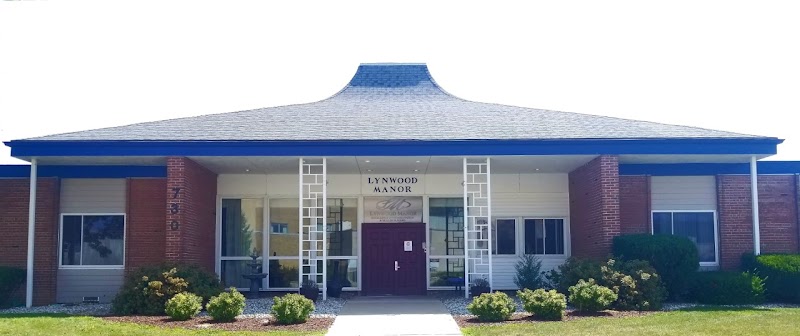
How is Lynwood Manor Healthcare Center Staffed?
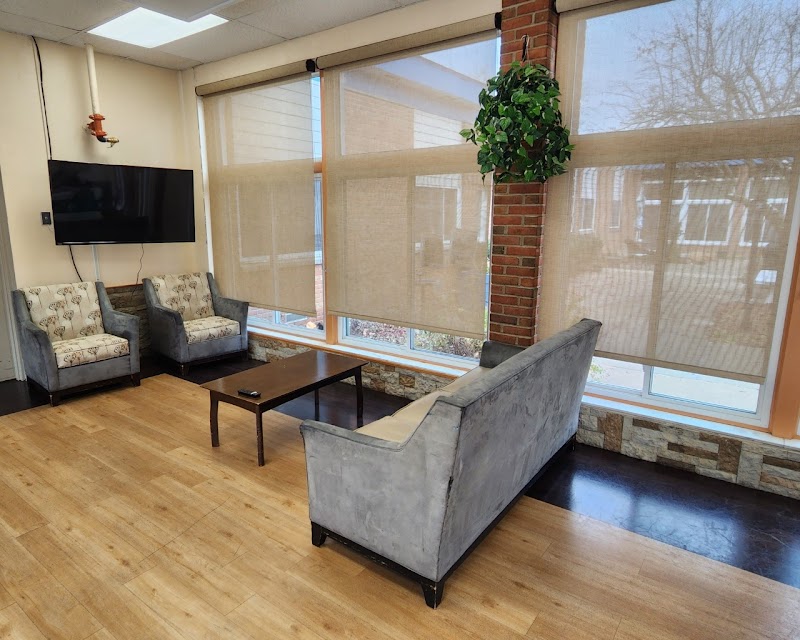
CMS rates Lynwood Manor Healthcare Center's staffing level at 3 out of 5 stars, which is average compared to other nursing homes. Staff turnover is 44%, compared to the Michigan average of 46%. This relatively stable workforce can support continuity of care.

What Have Inspectors Found at Lynwood Manor Healthcare Center?

State health inspectors documented 40 deficiencies at Lynwood Manor Healthcare Center during 2023 to 2025. These included: 1 Immediate Jeopardy (the most serious level, indicating potential for serious harm or death) and 39 with potential for harm. Immediate Jeopardy findings are rare and represent the most serious regulatory concerns. They require immediate corrective action.

Who Owns and Operates Lynwood Manor Healthcare Center?

Lynwood Manor Healthcare Center is owned by a for-profit company. For-profit facilities operate as businesses with obligations to shareholders or private owners. The facility operates independently rather than as part of a larger chain. With 84 certified beds and approximately 68 residents (about 81% occupancy), it is a smaller facility located in Adrian, Michigan.

How Does Lynwood Manor Healthcare Center Compare to Other Michigan Nursing Homes?

Compared to the 100 nursing homes in Michigan, Lynwood Manor Healthcare Center's overall rating (3 stars) is below the state average of 3.1, staff turnover (44%) is near the state average of 46%, and health inspection rating (3 stars) is at the national benchmark.

What Should Families Ask When Visiting Lynwood Manor Healthcare Center?

Based on this facility's data, families visiting should ask: "What changes have been made since the serious inspection findings, and how are you preventing similar issues?" "Can I visit during a mealtime to observe dining assistance and food quality?" "How do you handle medical emergencies, and what is your hospital transfer rate?" "Can I speak with family members of current residents about their experience?" These questions are particularly relevant given the facility's Immediate Jeopardy citations.

Is Lynwood Manor Healthcare Center Safe?

Based on CMS inspection data, Lynwood Manor Healthcare Center has documented safety concerns. Inspectors have issued 1 Immediate Jeopardy citation (the most serious violation level indicating risk of serious injury or death). The facility has a 3-star overall rating and ranks #100 of 100 nursing homes in Michigan. Families considering this facility should ask detailed questions about what corrective actions have been taken since these incidents.

Do Nurses at Lynwood Manor Healthcare Center Stick Around?

Lynwood Manor Healthcare Center has a staff turnover rate of 44%, which is about average for Michigan nursing homes (state average: 46%). Moderate turnover is common in nursing homes, but families should still ask about staff tenure and how the facility maintains care continuity when employees leave.

Was Lynwood Manor Healthcare Center Ever Fined?

Lynwood Manor Healthcare Center has been fined $23,761 across 1 penalty action. This is below the Michigan average of $33,316. While any fine indicates a compliance issue, fines under $50,000 are relatively common and typically reflect isolated problems that were subsequently corrected. Families should ask what specific issues led to these fines and confirm they've been resolved.

Is Lynwood Manor Healthcare Center on Any Federal Watch List?

Lynwood Manor Healthcare Center is not on any federal watch list. The most significant is the Special Focus Facility (SFF) program, which identifies the bottom 1% of nursing homes nationally based on persistent, serious quality problems. Not being on this list means the facility has avoided the pattern of deficiencies that triggers enhanced federal oversight. This is a positive indicator, though families should still review the facility's inspection history directly.