Springcreek Rehabilitation and Nursing Center
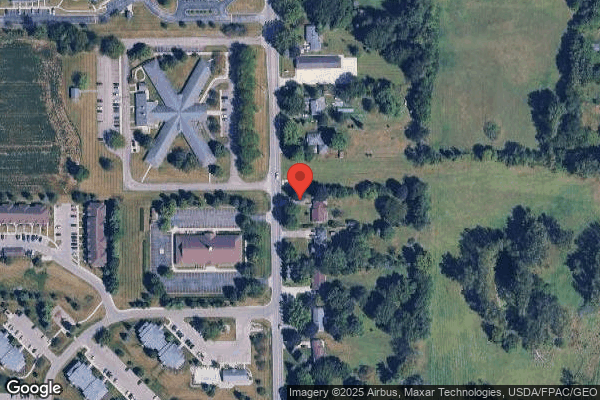
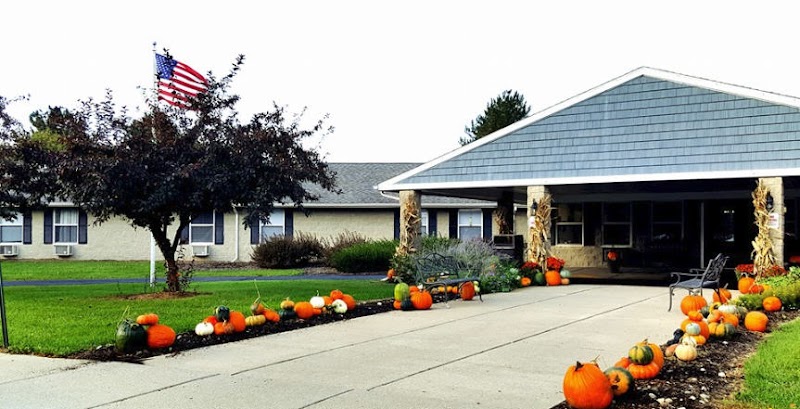
130 Sand Creek Highway, Adrian, MI 49221 (517) 265-6554
For profit - Limited Liability company 114 Beds Independent Data: November 2025
Trust Grade
50/100
#237 of 422 in MI
Last Inspection: December 2024

Within standard 12-15 month inspection cycle. Federal law requires annual inspections.

Overview

Springcreek Rehabilitation and Nursing Center has received a Trust Grade of C, indicating it is average compared to other nursing homes, neither excelling nor falling significantly behind. It ranks #237 out of 422 facilities in Michigan, placing it in the bottom half, and #4 out of 4 in Lenawee County, meaning there are no better local options available. The facility shows an improving trend, with issues decreasing from 9 in 2024 to just 1 in 2025. Staffing is a concern, with a 60% turnover rate that exceeds the state average, though there have been no fines reported, which is a positive sign. However, there are several weaknesses, including a serious incident where a resident with mobility issues did not receive the necessary assistance to prevent falls, and concerns with food safety practices that could increase the risk of foodborne illnesses. While there are some strengths in quality measures, families should weigh these factors carefully.

Trust Score
C
50/100
In Michigan
#237/422
Bottom 44%
Safety Record
Moderate
Needs review
Inspections
Getting Better
9 → 1 violations
Staff Stability
⚠ Watch
60% turnover. Above average. Higher turnover means staff may not know residents' routines.
Penalties
✓ Good
No fines on record. Clean compliance history, better than most Michigan facilities.
Skilled Nurses
⚠ Watch
Each resident gets only 28 minutes of Registered Nurse (RN) attention daily — below average for Michigan. Fewer RN minutes means fewer trained eyes watching for problems.
Violations
⚠ Watch
49 deficiencies on record. Higher than average. Multiple issues found across inspections.
★★★☆☆
3.0
Overall Rating
★★★☆☆
3.0
Staff Levels
★★★★☆
4.0
Care Quality
★★★☆☆
3.0
Inspection Score
Stable
2024: 9 issues
2025: 1 issues

The Good

  • 4-Star Quality Measures · Strong clinical quality outcomes
  • Full Sprinkler Coverage · Fire safety systems throughout facility
  • No fines on record

Facility shows strength in quality measures, fire safety.

The Bad

3-Star Overall Rating

Near Michigan average (3.1)

Meets federal standards, typical of most facilities

Staff Turnover: 60%

14pts above Michigan avg (46%)

Frequent staff changes - ask about care continuity

Staff turnover is elevated (60%)

12 points above Michigan average of 48%

The Ugly 49 deficiencies on record

1 actual harm
May 2025 1 deficiency
CONCERN (D) 📢 Someone Reported This

A family member, employee, or ombudsman was alarmed enough to file a formal complaint

Potential for Harm - no one hurt, but risky conditions existed

Pressure Ulcer Prevention (Tag F0686)

Could have caused harm · This affected 1 resident

Based on observation, interview, and record review the facility failed to prevent the development of a pressure ulcers for two resident (#2, #8) of three residents reviewed for the development of pres...

Read full inspector narrative →
Based on observation, interview, and record review the facility failed to prevent the development of a pressure ulcers for two resident (#2, #8) of three residents reviewed for the development of pressure ulcers. Findings Included: Resident #2 (R2) Review of the medical record revealed R2 was admitted to the facility 11/21/2024 with diagnoses that included acute kidney failure, Alzheimer's disease, lack of coordination, difficulty walking, Peripheral Vascular Disease (PVD), stage 3 kidney disease, cognitive communication deficit, abnormal posture, protein-calorie malnutrition, congestive heart failure (CHF), insomnia, obesity, anxiety, depression, type 2 diabetes, hypertension, hyperlipidemia (high fat content in blood), atrial fibrillation, and arthropathy (any disease of the joints). The most recent Minimum Data Set (MDS), with an Assessment Reference Date (ARD) of 02/02/2025 demonstrated R2 had a Brief Interview for Mental Status (BIMS) of 08 (moderate cognitive impairment). During observation and interview on 05/28/2025 at 07:28 a.m. R2 was observed sitting up in her wheelchair at the bedside. R2 could not answer if he currently had any pressure ulcers or skin alterations. Review of R2's medical record revealed a care plan that stated Resident has potential/actual impairment to skin integrity r/t (related to) poor safety awareness secondary to Alzheimer's Dementia, Diabetes with insulin orders, anticoagulant use, morbid obesity, incontinence, PVD (Peripheral vascular disease) thin/fragile skin. The only intervention for pressure ulcer prevention prior to the development of R2's pressure ulcer stated, Pressure reducing mattress and cushion to wheelchair for comfort and protection. Pressure ulcer to right trochanter (hip) which was last updated 03/31/2025. Review of R2's Minimum Data Set (MDS), with an ARD of 02/02/2025, Section M- Skin Conditions revealed that R2 did not have a pressure ulcer during the MDS assessment period. Review of R2's Skin Observation Tool, dated 03/24/2025, did not reveal R2 had any new skin issues. Review of R2's Skin Observation Tool, dated 03/28/2025, revealed R2 had a wound to his right thigh (rear) and was documented as pressure. Review of R2's Skin & Wound Evaluation V7.0 document, dated of 03/31/25, revealed an unstageable (obscured full-thickness skin and tissue loss) to his right trochanter (hip) that measured 8.4cm2 (centimeters squared) surface area, 3.4 cm (centimeters) in length and 3.2 cm in width. Review of R2's most recent Skin & Wound Evaluation V7.0 document, dated 05/20/2025, revealed a stage 3 (full-thickness skin loss) to his right trochanter that measured 2.7cm2 in surface area, 1.8cm in length, and 2.1cm in width, and depth was marked as not applicable. R2's treatment record for May 2025 revealed a treatment order that stated, Cleanse pressure ulcer to right trochanter area with normal saline, pat dry, apply medihoney/triad mix then cover with boarder foam dressing every day shift for pressure ulcer. In an interview on 05/28/2025 at 08:37 a.m. Wound Nurse (WN) E explained that she was responsible for all wounds that were being managed at the facility. WN E explained that she was wound certified. WN E explained that if a resident was identified to have a wound on admission or anytime during their stay at the facility she would be notified. WN E then explained that she would observe the wound, stage the wound if pressure, measure the wound, make sure appropriate orders are in place to treat the wound, and update the plan of care. WN E explained that R2 had an unstageable wound to his right trochanter that was first identified by nursing staff on 03/28/2025. WN E explained that she assessed the wound on 03/31/2025. WN E was asked what interventions were in place prior to the development of R2's pressure ulcer. WN E replied that R2 continually like to lie on his right side, but WN E could not provide information as to what interventions were in place to prevent the development of a pressure ulcer. WN E was asked if the facility had performed a root cause analysis to determine the cause of R2's pressure ulcer. WN E explained that the facility had not. When asked why a determination of cause was not completed WN E could not provide an answer. In an interview on 05/28/2025 at 08:51 a.m. Director of Nursing (DON) B explained that it was her expectation that Wound Nurse (WN) E would be notified of all wounds identified by the nurses during weekly skin sweeps. DON B explained that she would expect that WN E would then conduct an assessment of the wound to include measurements and staging. DON B explained that she was aware of R2's pressure ulcer to his right trochanter. DON B was asked if a root cause analysist had been conducted regarding R2's pressure ulcer. DON B explained that the team reviewed the root cause but did not record anything in R2's medical record. DON B explained that it was her opinion that R2's pressure ulcer was avoidable, and the facility should have included interventions, such as an air mattress, to minimize the potential of R2 obtaining a pressure ulcer. DON B explained that an air mattress was initiated 04/01/2025. During observation of R2's pressure dressing change on 05/28/2025 at 10:10 a.m. Licensed Practical Nurse (LPN) G was observed to obtain the supplies for R2's dressing change. R2 was observed lying down in his bed on his back. LPN G proceed to ask R2 to roll to his left side and LPN G was observed to pull R2's pants down to his buttock. It was then observed that R2 did not have dressing covering his right trochanter pressure wound. LPN G was observed to use appropriate contact isolation personal protective equipment. R2's right trochanter wound had appeared to be a stage 3 pressure ulcer that was round, and the bed of the wound appeared to have red granulation tissue present. No drainage was observed. Observation of the wound measurement conducted by LPN G, revealed the wound was 1.5 cm (centimeters) in length and 1.5 cm in width. LPN G was unable to ascertain the temp of the wound. LPN G was then observed to cleanse pressure ulcer to right trochanter area with normal saline, pat dry, applied medihoney/triad mix then covered with boarder foam dressing. LPN G was observed to follow appropriate contact precautions during the pressure ulcer treatment. R2 denied any pain to the area. Resident #8 (R8) Review of the medical record revealed R8 was admitted to the facility 03/12/25 with diagnoses that included fracture of right tibia (the larger of the two bones of the lower leg), fracture of right fibula (the smaller of the two bones of the lower leg), benign prostatic hyperplasia (enlarge prostate), seizures, cerebral palsy (congenital disorder of movement, muscle tone, or posture), developmental disorder, cognitive communication deficient, stroke, anxiety, difficulty walking, and abnormal posture. The most recent Minimum Data Set (MDS), with an Assessment Reference Date (ARD) of 3 (severe cognitive impairment). Review of R8 medical record revealed a Skin & Wound Evaluation V7.0 document, dated 04/04/2025 that demonstrated R8 had Deep Tissue Injury (Persistent non blanchable deep red, maroon or purple discoloration) to his right heel. The same document revealed measurement of the wound to had a surface area of 9.0cm 2 (centimeters squared), a length of 3.3 cm (centimeters) and a width of 3.7cm. The most recent Skin & Wound Evaluation V7.0 document, dated 05/27/2025 revealed R2 still had a pressure ulcer classified as deep tissue injury. The measurements of the wound revealed a surface area of 1.9cm2, a length of 1.4cm, and a width or 1.8cm. Review of the current physician orders stated, Cleanse resident right heel with betadine, allow to dry. Then apply thick layer of A&D ointment directly to wound bed. Leave open to air. Review of Review of R8's weekly skin observation document dated 04/02/2025 did not list any skin alterations. Review of R8's plan of care, last updated 04/04/2025) revealed Resident has potential/actual impairment to skin integrity r/t (related to) surgical incision to right tibia and fibula, pressure ulcer right heel. The only intervention listed prior to the development of the deep tissue injury revealed, elevate heels off bed surface while at rest in bed as tolerated. During observation and attempt interview on 05/28/2025 at 02:57 p.m. R8 was observed lying down in bed. R8 did not respond to questions regarding his skin condition. R8's feet could not be observed at that time because they were under the covers. During observation on 05/28/2025 at 03:23 p.m. R8 was observed lying down in bed. Licensed Practice Nurse (LPN) I was observed collecting items to perform R8's wound treatment. LPN I removed R8's sock and was observed to measure R8's right heel wound. The measurements observed to be 2.0 cm (centimeters) in length and 2.25 cm in width. The wound was observed to be scabbed which appeared dark purple in color. LPN I was then observed to wipe the wound with betadine, observed to let that dry, and then observed to apply A&D ointment. R8 denied any pain. During an interview on 05/29/2025 at 07:44 a.m. Director of Nursing (DON) B explained that she was aware of R8's facility acquired deep tissue injury to his right heel. DON B explained that the facility had not completed a root cause analysis of R8's wound. DON B also explained that thought R8's deep tissue injury was avoidable, and more interventions should have been in place because of R8's diagnoses, risk, and medical history. DON B' could not explain why interventions were not in place prior to R8 acquiring a suspected deep tissue injury to his right foot.
Dec 2024 9 deficiencies
CONCERN (D)

Potential for Harm - no one hurt, but risky conditions existed

Deficiency F0657 (Tag F0657)

Could have caused harm · This affected 1 resident

**NOTE- TERMS IN BRACKETS HAVE BEEN EDITED TO PROTECT CONFIDENTIALITY** Based on observation, interview and record review, the facility failed to revise the Care Plan for one (Resident #33) of 18 revi...

Read full inspector narrative →
**NOTE- TERMS IN BRACKETS HAVE BEEN EDITED TO PROTECT CONFIDENTIALITY** Based on observation, interview and record review, the facility failed to revise the Care Plan for one (Resident #33) of 18 reviewed. Findings include: Review of the medical record reflected Resident #33 (R33) admitted to the facility on [DATE] and readmitted [DATE], with diagnoses that included unspecified dementia, Alzheimer's Disease with early onset, major depressive disorder and anxiety disorder. The quarterly Minimum Data Set (MDS), with an Assessment Reference Date (ARD) of 11/8/24, reflected R33 scored three out of 15 (severe cognitive impairment) on the Brief Interview for Mental Status (BIMS-a cognitive screening tool). On 12/19/24 at 11:22 AM, R33 was observed seated at a dining table, drinking a beverage. On 12/19/24 at 2:52 PM, R33 was observed lying in bed, with their eyes closed. Snacks and a beverage were observed on the over-bed table. A Psychiatric visit note for 10/16/24 reflected R33 had dementia with violent behaviors, which was not related to their terminal hospice diagnosis. According to the note, R33 had ongoing moderate dementia with psychotic and violent behaviors, including hitting staff. During an interview on 12/19/24 at 2:47 PM, Certified Nurse Aide (CNA) I reported R33 could be aggressive some days and displayed their aggression with facial expressions or pulling their hand back at staff. Interventions they attempted included talking with R33, sitting with R33 in their room for a short period of time and attempting snacks. CNAI reported sometimes providing one-on-one attention to R33 was effective. They reported sometimes it was best to walk away and leave R33 alone. During an interview on 12/19/24 at 3:24 PM, Social Worker (SW) J reported they had never personally observed R33 having behaviors, so they had to go by what staff was documenting. SW J reported they encouraged the use of non-pharmacological interventions before administering R33's PRN Xanax, which included sitting R33 down for an activity or sitting and interacting with R33. During an interview on 12/20/24 at 12:38 PM, CNA K reported R33's mood and behaviors depended on the day. Most times R33 was happy and laughed, but they did not like other residents getting in their face. R33's behaviors started with swearing or becoming quiet. CNA K reported interventions they attempted for R33 included music and lying R33 down. CNA K reported R33 had a harmonica that they enjoyed playing. CNA K reported the life story, contained in the shadow boxes near resident rooms, was a tool that could be used to identify interventions. CNA K stated the Care Plan could also be used. In an interview on 12/20/24 at 1:02 PM, Social Worker (SW) J reported determining which mood or behavioral interventions to Care Plan included asking staff what made R33 agitated, resident likes and dislikes and identifying triggers. R33's Care Plan was not reflective of behavioral triggers or interventions, including the use of music or their enjoyment of playing the harmonica, as mentioned by staff.
CONCERN (D)

Potential for Harm - no one hurt, but risky conditions existed

Quality of Care (Tag F0684)

Could have caused harm · This affected 1 resident

**NOTE- TERMS IN BRACKETS HAVE BEEN EDITED TO PROTECT CONFIDENTIALITY** Based on observation, interview, and record review the facility failed to ensure nephrostomy tube care was ordered and completed...

Read full inspector narrative →
**NOTE- TERMS IN BRACKETS HAVE BEEN EDITED TO PROTECT CONFIDENTIALITY** Based on observation, interview, and record review the facility failed to ensure nephrostomy tube care was ordered and completed for one (Resident #47) of one residents reviewed for nephrostomy care. Findings include: Resident #47 (R47) Review of the medical record revealed Resident #47 (R47) was admitted to the facility on [DATE] with diagnoses that included tubulointerstitial nephritis (inflammation of the tubules of the kidneys), hydronephrosis with renal and ureteral calculus obstruction (kidney and ureter obstruction due to stones), and obstructive and reflux uropathy (urine unable to flow due to obstruction). R47 was unable to participate in an interview due to an intellectual disability. On 12/17/24 at 12:09 PM, R47 was observed in bed, peering around the room. R47 was not conversant. A nephrostomy bag was observed on the left side of R47, laying flat on the mattress at the left elbow level of R47. Urine was observed in the bag and in the entire length of the nephrostomy bag tubing. Review of the electronic medical record revealed R47 admitted to the facility with bilateral nephrostomy tubes (tubes inserted into the kidney to drain urine). On 12/18/24 at 11:36 AM, R47 was observed in bed. The left nephrostomy bag was visible and was observed laying on the mattress at the waist level of R47. On 12/18/24 at 1:52 PM, R47 was observed in bed. The left nephrostomy bag was observed laying on the bed resting at the elbow length of R47. Review of a Progress Note dated 12/19/24 revealed R47 had been experiencing some redness at the nephrostomy tube site. On 12/20/24 at 10:10 AM, R47 was observed in bed. The left nephrostomy dressing was not secured to R47 and was observed laying on the bedsheet of R47's bed. The dressing was undated and appeared to be soiled with a greenish discharge. In an interview on 12/20/24 at 10:13 AM, Licensed Practical Nurse (LPN) F removed the gauze dressing from R47. The insertion site appeared red and was observed to have a light green discharge at the site. LPN F stated that the insertion site looked worse since the last time she worked (the day before) and stated that she was going to call the physician and notify him of the change. Review of the Physician Orders revealed an order which stated cleanse resident's nephrostomy tube incision sites with normal saline, pat dry. Apply drain sponge and secure with tape. The order was not initiated until 12/17/24, well past the initial admission date of 11/30/24. Review of the Treatment Administration Record (TAR) confirmed that the Physician order for cleaning the nephrostomy tube site was not initiated until 12/17/24. The same TAR revealed that the order for cleaning the nephrostomy tube site had not been signed out as completed on 12/17/24. In an interview on 12/20/24 at 10:35 AM, Director of Nursing B reported that the expectation for residents with nephrostomy tubes would be to ensure orders were in place at admission for the cleaning of the nephrostomy tube sites. After review of R47's electronic medical record, DON B agreed that the order had not been implemented until 12/17/24. Additionally, per the Cleveland Clinic, the nephrostomy bags must always be lower than the kidneys to ensure that the urine can drain correctly.
CONCERN (D)

Potential for Harm - no one hurt, but risky conditions existed

Accident Prevention (Tag F0689)

Could have caused harm · This affected 1 resident

Based on observation, interview and record review the facility failed to initiate intervention for the prevention of repeated falls at bedside for 1 resident (R38) of 3 residents reviewed for falls re...

Read full inspector narrative →
Based on observation, interview and record review the facility failed to initiate intervention for the prevention of repeated falls at bedside for 1 resident (R38) of 3 residents reviewed for falls resulting in the potential for repeated falls at bedside. On 12/17/24 at 3:53 PM during observation and interview R38 pointed at her eye which appeared bruised extending around the entire eye. R38 responded, uh huh when asked if she had fallen. R38 was quite busy in her room, moving place to place independently in the wheelchair. A nurse on the unit said that R38 had recently fallen twice in one day. Review of the electronic medical record (EMR) revealed that R38's original admission date was 3/27/23 and recent admission date was 4/15/23. R38 had the following pertinent diagnoses: Dementia (a neurological condition affecting the brain which can cause loss of memory, language, problem-solving and other thinking abilities that are severe enough to interfere with daily life), Aphasia (a language disorder affecting the ability to communicate), Transient Ischemic Attack and Cerebral Infarction (stroke symptoms causing lack of blood flow to the brain), Weakness and Lack of Coordination. Further review of the EMR revealed documentation entered by the Director of Nursing (DON) B dated 12/15/24 stating that R38 had a seizure on 12/14/24 and was sent to emergency room (ER) and received Ativan (a medication which produces sedation and hypnosis, relieves anxiety and muscle spasms, and reduce seizures.) The note further stated that R38 had 2 falls after return from ER, both appear to be from drowsiness from Ativan. New interventions implemented to keep wheelchair in room next to bed for self-transferring d/t (due to) refusal with assistance. Monitor frequently while Ativan wears off. On 12/19/24 at 9:30 AM R38 was observed sitting in wheelchair in front of the toilet in her room. The toilet was yellow with urine and several pieces of tissue. R38 turned her head slightly and smiled when spoken to and nodded yes when asked if she was doing well. The bathroom floor was noted to have a type of non-slip coating and non-skid tape strips were observed in front of R38's closet. There were no non-skid tape strips on the floor near the bed. On 12/19/24 at 9:45 AM during interview with Licensed Practical Nurse (LPN) Q R38's toileting schedule was asked about and LPN Q said staff checks R38 every two hours. She sometimes takes herself LPN Q said. When asked to clarify if R38 transfers independently LPN Q explained staff offers help frequently, but R38 does tend to transfer independently at times. On 12/19/24 at 1:18 PM during interview with the Minimum Data Set (MDS) Coordinator P who also is part of the Risk Management team the past history of R38's falls were reviewed. R38 had several past falls. MDS Coordinator P explained, We review risk management every morning; we look at care plans and incident reports and see what interventions were in place and we adjust as needed. We add new interventions. We evaluate the care and look at changes requiring updates. MDS Coordinator P also said that the nurse notifies responsible parties (family or guardian) of changes. The last care conference was 12/12/24 and a family member did attend by phone. MDS Coordinator P talked about R38's reluctance at times to accept help. We try to help her as much as she will allow. We also try and keep her door open also for visual checks as much as she will allow. The MDS Coordinator P also explained R38 prefers certain caregivers trusting them more and that that staff tries to assign her care accordingly. On 12/20/24 at 10:47 AM during interview with the DON B and MDS Coordinator P the flooring in front of the bed was discussed this being the site of R38's last two falls. I think skid strips is something we could use going forward, the MDS Coordinator P said, and DON B agreed it would be a good plan.
CONCERN (D)

Potential for Harm - no one hurt, but risky conditions existed

Deficiency F0692 (Tag F0692)

Could have caused harm · This affected 1 resident

**NOTE- TERMS IN BRACKETS HAVE BEEN EDITED TO PROTECT CONFIDENTIALITY** Based on observation, interview and record review the facility failed to ensure water was available for 1 resident (R24) of 1 re...

Read full inspector narrative →
**NOTE- TERMS IN BRACKETS HAVE BEEN EDITED TO PROTECT CONFIDENTIALITY** Based on observation, interview and record review the facility failed to ensure water was available for 1 resident (R24) of 1 resident reviewed for hydration resulting in the potential for inadequate fluid intake. Findings Include: On 12/17/24 at 1:33 PM during observation and interview R24 was upright in bed and established strong eye contact and was able to participate in an interview. It was noted during observation that R24's water cup was on a bedside table positioned to the left side of the bed and up against the wall. This positioned the table and water to the left and behind her head and out of sight and reach. There was also a rolling type of bedside table near the bed, and within resident's reach, but no water cup on it. When asked if R24 enjoyed drinking water her response was, I love it. On 12/17/24 at 4:42 PM during observation and interview R24 smiled and said a few words. Her words were muffled as she spoke through a dry mouth. It was noted during observation that the water was in the same place as at 1:33 PM - still out of sight and reach. Review of the Electronic Medical Record (EMR) revealed that R24 was admitted [DATE] with pertinent diagnoses of Alzheimer's Disease and Dementia (Alzheimer's disease is the most common cause of dementia. Alzheimer's disease is the biological process that begins with the appearance of a buildup of proteins in the form of amyloid plaques and neurofibrillary tangles in the brain. This causes brain cells to die over time and the brain to shrink.) . The Minimum Data Set (MDS) with an Assessment Reference Date (ARD) of 5/2/24 revealed R24 scored 3 out of 15 indicating cognitive impairment on the Brief Interview for Mental Status (BIMS-a cognitive screening tool). On 12/18/24 at 2:00 PM R24 was observed in the dining area working on a painting exercise. R24 was smiling and said (when asked) said that lunch had been good. A nearby staff member said R24 had eaten well. On 12/19/24 at 10:05 AM during observation of R24's room it was noted that there was a water cup was on the bedside stand with a bottle of water next to it. Next to the bed was the rolling type of bedside table, but no water cup on it. On 12/19/24 at 10:15 AM during interview with Certified Nurse Assistant (CNA) N the tables and position of water was observed, CNA N explained that when residents are not in their rooms water cups are kept out of sight of other residents coming down the hallway due to the tendency confused residents have of entering a room and helping themselves to water. CNA N said when a resident is in the room the water is placed directly next to the bed within easy reach and acknowledged that is where the water should be when a resident is in the room. When asked if a resident could reach the water if it was positioned on the stand as it was when we entered the room CNA N said it would not be within reach in that case. On 12/19/24 at 10:29 AM Certified Nurse Assistant (CNA) O and CNA N were interviewed and said R24 eats about 50 to 75 percent at meals and she drinks everything. She drank a full cup of water at breakfast today and juice. On 12/20/24 at 10:47 AM interview was held with the Director of Nursing (DON) B and Minimum Data Set (MDS) Coordinator P. In response to questions about the availability of fluids the DON B stated, Water should be within reach for the resident. I can't argue that. An article published by the National Library of Medicine titled Hydration Status in Older Adults: Current Knowledge and Future Challenges states in part, Adequate hydration is essential for the maintenance of health and physiological functions in humans. However, many older adults do not maintain adequate hydration, which is under-recognized and poorly managed. Older adults are more vulnerable to dehydration, especially those living with multiple chronic diseases.
CONCERN (D)

Potential for Harm - no one hurt, but risky conditions existed

Deficiency F0698 (Tag F0698)

Could have caused harm · This affected 1 resident

**NOTE- TERMS IN BRACKETS HAVE BEEN EDITED TO PROTECT CONFIDENTIALITY** Based on observation, interview and record review, the facility failed to ensure communication with the dialysis center, pertain...

Read full inspector narrative →
**NOTE- TERMS IN BRACKETS HAVE BEEN EDITED TO PROTECT CONFIDENTIALITY** Based on observation, interview and record review, the facility failed to ensure communication with the dialysis center, pertaining to a fluid restriction, for one (Resident #42) of one reviewed. Findings include: Review of the medical record reflected Resident #42 (R42) admitted to the facility on [DATE] and readmitted [DATE], with diagnoses that included dependence on renal dialysis. The admission Minimum Data Set (MDS), with an Assessment Reference Date (ARD) of 11/4/24, reflected R42 scored 12 out of 15 (moderate cognitive impairment) on the Brief Interview for Mental Status (BIMS-a cognitive screening tool). On 12/18/24 at 2:51 PM, R42 was observed in bed and reported having had a dialysis treatment that day. R42 was observed to be drinking from a bottle of Coca Cola. On 12/20/24 at 11:55 AM, R42 was observed asleep, in bed. A 20 ounce bottle of Sprite and a 16 ounce styrofoam beverage cup, with a straw, were observed on R42's over-bed table. Review of R42's medical record reflected a fluid restriction of 1500 milliliters (mL) per day was in place from 11/1/24 to 11/10/24. According to the medical record, R42 was hospitalized from [DATE] to 11/13/24. A fluid restriction was not ordered upon readmission from the hospital on [DATE]. During an interview on 12/18/24 at 2:40 PM, Licensed Practical Nurse (LPN) F reported R42 was on a renal diet and had been on a fluid restriction previously, but it may have been discontinued. According to LPN F, R42 was supposed to receive dialysis on Tuesday's, Thursday's and Saturday's, but the days sometimes changed due to R42's refusals to go to dialysis. A Nurse Practitioner Progress Note for 11/14/24 reflected R42 was sent from dialysis to the emergency room (ER), the week prior, for prolonged bleeding from their dialysis access site. According to the note, R42 was also diagnosed with dyspnea (shortness of breath) secondary to fluid overload (too much fluid volume in the body)/pulmonary edema (buildup of fluid in the lungs). In an interview on 12/19/24 at 3:44 PM, LPN G reported R42 had a fluid restriction prior to their hospitalization but did not return from the hospital on a fluid restriction. LPN G reported they checked R42 referral form from the hospital, the admission notes, provider notes and dialysis communication forms and did not see mention of a fluid restriction. LPN G reported they were going to check with the dialysis center. On 12/20/24 at 10:17 AM, LPN G reported they had not learned anything more about R42's fluid restriction. R42 refused their dialysis appointment that day, according to LPN G. During an interview on 12/20/24 at 11:07 AM, Director of Nursing (DON) B reported it was discussed that R42 no longer needed a fluid restriction, but they could not recall why. DON B reported R42 was non-compliant with dialysis. During a phone interview on 12/20/24 at 11:23 AM, dialysis Registered Dietitian (RD) L reported R42 was still on a fluid restriction of 1500 mL per day. On 12/20/24 at 11:37 AM, DON B reported R42's dialysis communication forms were not reflective of them being on a fluid restriction, and the dialysis RD had not communicated that R42 needed to be on a fluid restriction.
CONCERN (D)

Potential for Harm - no one hurt, but risky conditions existed

Medication Errors (Tag F0758)

Could have caused harm · This affected 1 resident

**NOTE- TERMS IN BRACKETS HAVE BEEN EDITED TO PROTECT CONFIDENTIALITY** Based on observation, interview and record review, the facility 1) failed to ensure justification for an increase in psychotropi...

Read full inspector narrative →
**NOTE- TERMS IN BRACKETS HAVE BEEN EDITED TO PROTECT CONFIDENTIALITY** Based on observation, interview and record review, the facility 1) failed to ensure justification for an increase in psychotropic medications and 2) failed to attempt nonpharmacological interventions for two (Resident #9, Resident #33) of five reviewed for unnecessary medications. Findings include: Resident #9 (R9) Review of the medical record revealed Resident #9 (R9) was admitted to the facility on [DATE] and readmitted to the facility on [DATE] with diagnoses that included vascular dementia, bipolar disorder, and depression. The annual Minimum Data Set (MDS), with an Assessment Reference Date (ARD) of 9/29/24, reflected R9 scored four out of 15 (severe cognitive impairment) on the Brief Interview for Mental Status (BIMS-a cognitive screening tool). On 12/17/24 at 2:21 PM, R9 was observed in his room watching television. Review of a Psychiatric Visit note dated 5/13/24 recommended a gradual dose reduction (GDR) of R9's Trazodone. The GDR recommendation was to reduce R9's Trazodone 150 milligrams (mg) to Trazodone 100 mg. The GDR was successful. Review of a General Progress Note dated 5/29/2024 Spoke with (Nurse Practitioner) regarding (Psych) recommendation to GDR Trazodone to 100 mg . Provider and Guardian in agreement . Review of R9's Physician orders reflected an order initiated on 5/29/24 for Trazodone HCl Tablet 100 mg. The order was discontinued on 10/26/24 after R9 was transferred out to the hospital. Review of the Physician orders revealed an active order for Trazodone HCl Oral Tablet 150 mg initiated on 10/16/24, after R9's return from the hospital. Review of a General Progress note dated 10/16/2024 reflected Res. [resident] returned from Hosp. [hospital] all meds continued . Review of the hospital discharge summary revealed an order for Trazodone 150 mg but did not contain any justification for the dose increase. Review of the medical record revealed no justification for the dose increase of Trazodone. In an interview on 12/20/24 at 10:27 AM, Director of Nursing (DON) B stated that when R9 came back from the hospital his new order went back to Trazodone 150 mg. DON B stated that she isn't sure what his behaviors were like when he was out to the hospital and confirmed that R9 was only at the hospital for one day, however, no justification for the dose increase could be located. Resident #33 (R33): Review of the medical record reflected R33 admitted to the facility on [DATE] and readmitted [DATE], with diagnoses that included unspecified dementia, Alzheimer's Disease with early onset, major depressive disorder and anxiety disorder. The quarterly Minimum Data Set (MDS), with an Assessment Reference Date (ARD) of 11/8/24, reflected R33 scored three out of 15 (severe cognitive impairment) on the Brief Interview for Mental Status (BIMS-a cognitive screening tool). On 12/19/24 at 11:22 AM, R33 was observed seated at a dining table, drinking a beverage. On 12/19/24 at 2:52 PM, R33 was observed lying in bed, with their eyes closed. Snacks and a beverage were observed on the over-bed table. R33's October 2024 Medication Administration Record (MAR) reflected one milligram (mg) of as needed (PRN) Xanax (medication used for anxiety) for anxiety and/or agitation was administered on 10/2/24 at 5:53 PM, 10/3/24 at 3:08 PM, 10/4/24 at 9:04 AM, 10/5/24 at 5:08 PM, 10/10/24 at 6:41 PM, 10/12/24 at 2:06 AM, 10/15/24 at 4:36 PM, 10/17/24 at 6:50 PM, 10/18/24 at 7:28 PM, 10/20/24 at 7:35 PM, 10/21/24 at 7:30 PM, 10/24/24 at 4:53 PM, 10/28/24 at 8:37 AM and 9:04 PM and 10/29/24 at 9:00 AM. Correlating Progress Notes reflected PRN Xanax was administered due to agitation, exit seeking, being confrontational with other residents, anger, anxiety and aggression towards staff. Progress Notes did not reflect that non-pharmacological interventions were attempted prior to PRN Xanax administration on 10/2/24, 10/3/24, 10/4/24, 10/5/24, 10/10/24, 10/12/24, 10/15/24, 10/17/24, 10/21/24, 10/24/24, 10/28/24 and 10/29/24. R33's November 2024 MAR reflected one mg of Xanax by mouth, every eight hours as needed for anxiety, for 14 days, was ordered on 11/28/24. A dose was administered on 11/28/24 at 9:02 AM. A correlating Progress Note reflected the dose was administered due to R33 being very anxious and agitated that morning. There was no documentation of non-pharmacological interventions being attempted prior to administration. R33's December 2024 MAR reflected a PRN dose of one mg Xanax was administered on 12/6/24 at 5:43 PM. There was no documentation reflective of the rationale for administration or any non-pharmacological interventions attempted prior to administration. A PRN dose of one mg Xanax was documented as being administered on 12/7/24 at 4:41 PM. A correlating Progress Note reflected the dose was administered for anxiety and agitation. There was no documentation of non-pharmacological interventions being attempted prior to administration of the dose. On 12/19/24, R33's behavior task documentation was not reflective of any documentation of behaviors, interventions or response to interventions for the prior 30 days. During an interview on 12/19/24 at 3:24 PM, Social Worker (SW) J reported they had never personally observed R33 having behaviors, so they had to go by what staff was documenting. SW J reported they encouraged the use of non-pharmacological interventions before administering R33's PRN Xanax, which included sitting R33 down for an activity or sitting and interacting with R33.
CONCERN (D)

Potential for Harm - no one hurt, but risky conditions existed

Deficiency F0761 (Tag F0761)

Could have caused harm · This affected 1 resident

Based on observation, interview and record review, the facility failed to, 1) ensure appropriate storage of medications, including narcotics; and 2) ensure one medication cart was free of expired medi...

Read full inspector narrative →
Based on observation, interview and record review, the facility failed to, 1) ensure appropriate storage of medications, including narcotics; and 2) ensure one medication cart was free of expired medications. Findings include: On 12/18/24 at 1:36 PM, several medications were observed at the nurse's station unattended and readily accessible to staff, ambulatory resident's, and visitors. The medications included fentanyl Transdermal Patch (opioid medication), Bumetanide (water pill) Oral Tablet 2 milligrams (MG), Sinemet (Parkinson medication) Oral Tablet 25-100 MG, Carvedilol (used to treat high blood pressure) Oral Tablet 25 MG, Gabapentin (treatment for nerve pain and/or seizures) Oral Capsule 100 MG, Potassium Chloride Oral Tablet Extended Release, Spironolactone (treatment of high blood pressure/water pill) Oral Tablet 25 MG, Levothyroxine (thyroid hormone) Sodium Oral Tablet, and Omeprazole (treatment of acid reflux) Oral Tablet Delayed Release 20 MG. On 12/18/24 at 1:45 PM, Nursing Home Administrator A identified the unattended medication and removed the medication from the nurses station. NHA A stated that the medication should be locked up. During an observation of the A hall odd medication cart, with Licensed Practical Nurse (LPN) F, on 12/20/24 at 10:25 AM, a 100 unit per milliliter (u/mL) bottle of Lantus (long-acting insulin), belonging to Resident #25, was observed to have an open date of 10/12/24. LPN F reported Lantus was good for 28 days after being opened. During the same observation, a bottle of Latanoprost 0.005 percent eye drops, belonging to Resident #1, was observed to have an open date of 10/18/24. LPN F was unsure how long the drops were good for once opened. In an interview on 12/20/24 at 11:07 AM, Director of Nursing (DON) B reported medication carts were reviewed at least monthly and as needed for outdated medications. DON B reported Lantus was good for 28 days after being removed from the refrigerator. DON B reported they believed Latanoprost was good for 30 days after being removed from the refrigerator. According to pharmacy lists of medications with shortened expiration dates, provided by the facility, Latanoprost was good for six weeks (42) days after being opened or moving to room temperature. Lantus was good for 28 days.
CONCERN (D)

Potential for Harm - no one hurt, but risky conditions existed

Deficiency F0849 (Tag F0849)

Could have caused harm · This affected 1 resident

**NOTE- TERMS IN BRACKETS HAVE BEEN EDITED TO PROTECT CONFIDENTIALITY** Based on observation, interview, and record review the facility failed to coordinate hospice services for one resident (#56) out...

Read full inspector narrative →
**NOTE- TERMS IN BRACKETS HAVE BEEN EDITED TO PROTECT CONFIDENTIALITY** Based on observation, interview, and record review the facility failed to coordinate hospice services for one resident (#56) out of one resident reviewed for coordination of hospice services. Findings Included: Resident #56 (R56) Review of the medical record revealed Resident #56 (R56) was admitted to the facility on [DATE] with diagnoses that included senile degeneration of brain. The Minimum Data Set (MDS), with an Assessment Reference Date (ARD) of 11/1/24, reflected R56 scored three out of 15 (severe cognitive impairment) on the Brief Interview for Mental Status (BIMS-a cognitive screening tool). The same MDS revealed that R56 was utilizing hospice services. On 12/18/24 at 12:23 PM, R56's Hospice Communication binder was reviewed. R56's Hospice Care Plan was not located in the binder. On 12/18/24 at 1:14 PM, the electronic medical record was reviewed which revealed a hospice care plan dated October 2023. No current care plan could be located. On 12/20/24 10:17 AM, Director of Nursing (DON) B was asked to locate the Hospice Care plan in R56's hospice binder and electronic medical record but was unable to locate a current care plan. DON B stated that the care plan is used to coordinate care and services and should be located in the hospice binder and/or uploaded in the electronic medical record.
MINOR (C)

Minor Issue - procedural, no safety impact

Deficiency F0574 (Tag F0574)

Minor procedural issue · This affected most or all residents

Based on observation, interview, and record review the facility failed to ensure 11 of 12 residents in group knew what their resident rights were, where the posting of resident rights, the Ombudsman a...

Read full inspector narrative →
Based on observation, interview, and record review the facility failed to ensure 11 of 12 residents in group knew what their resident rights were, where the posting of resident rights, the Ombudsman and State Agency contact information was located. Findings Included: During group meeting on 12/19/2024 at 11:03 AM, 11 of the 12 residents in attendance did not know who the Ombudsman was, or where the posting was located with the Ombudsman contact information. The 11 residents also did not know where the State agency contact information was located nor were the 11 residents aware that they had the right to put in a complaint with the State agency. 11 of the residents also stated they did not know what resident's right were, and were not ever told of them. On 12/20/2024 at 9:47 AM, the State agency, Ombudsman contact information, was observed to be located in a common area that led to the dining/activity room in a glass case on the wall. The poster for resident to file a complaint to the State agency was observed to have the incorrect department listed. In an interview on 12/20/2024 09:50 AM, Activities Director (AD) M stated she had been working as the (AD) for the past year. AD M stated she did attend resident council meetings monthly. AD M said she not inform or educate residents of their rights at council meetings. In an interview on 12/20/2024 at 10:20 AM, Administrator A observed the posters on the wall in the common area going into the dining/activity room, and was made aware residents did not know where to locate the poster on resident rights, did know who the Ombudsman was, and the contact information for the State agency. Administrator A was also made aware that residents were not being education during the resident council meets or otherwise of their resident.
Oct 2023 9 deficiencies 1 Harm
SERIOUS (G)

Actual Harm - a resident was hurt due to facility failures

Accident Prevention (Tag F0689)

A resident was harmed · This affected 1 resident

**NOTE- TERMS IN BRACKETS HAVE BEEN EDITED TO PROTECT CONFIDENTIALITY** DPS B: Based on observation, interview, and record review, the facility failed to implement ordered devices to prevent accidents...

Read full inspector narrative →
**NOTE- TERMS IN BRACKETS HAVE BEEN EDITED TO PROTECT CONFIDENTIALITY** DPS B: Based on observation, interview, and record review, the facility failed to implement ordered devices to prevent accidents/falls for 1 resident (Resident #31) of 2 reviewed for accidents, from a total sample of 19, resulting in the risk for falls and potential for injury. Findings include: Review of the medical record reflected that Resident #31 (R31) was readmitted to facility 4/18/2023 with diagnoses including hemiplegia and hemiparesis following unspecified cerebrovascular disease affecting left non-dominant side, ataxia following cerebral infarction, repeated falls, difficulty in walking, unsteadiness on feet, lack of coordination, other abnormalities of gait and mobility, and weakness. Review of the Minimum Data Set (MDS) with an Assessment Reference date (ARD) of 8/18/23 reflected that R31 had a Brief Interview for Mental Status (BIMS) score of 11 (moderate cognitive impairment). Section G of the same MDS reflected that R31 required one-person extensive assist with bed mobility, transfers, and toilet use, and supervision for eating after set up. In an observation and interview on 10/9/23 at 1:11 PM, R31 was observed sitting in wheelchair, in room, with left arm positioned on wheelchair tray table and left leg on wheelchair foot pedal. R31 was observed with a soft palm protector positioned in left hand and a tennis shoe and sock on left foot. R31 stated that she had history of a stroke that affected her left side, could not walk but could stand on legs, and transferred from wheelchair with assist of one staff member. R31 further stated that her ability to stand and transfer had become more difficult as her left leg brace had been gone for quite some time. Per R31, brace had broken at least a month ago, was removed from room and believed taken to therapy, had never been returned, and had heard nothing about it since. R31 stated that she now just wore her tennis shoe on her left foot, that she had less control and felt more unsteady when she stood to transfer as the foot and ankle were not supported as they had been with the brace and feared that her foot may be injured, or ankle may give out and that she would fall. R31 stated that she transferred from wheelchair to toilet or bed multiple times daily. In an observation and interview on 10/10/23 at 12:01 PM, R31 was observed sitting in wheelchair, in dining room, awaiting lunch. R31's left lower extremity (LLE) was positioned on wheelchair foot pedal with gray knee-high sock and tennis shoe noted to left foot. No brace was observed at LLE with R31 stating that therapy had not brought it back yet. Review of R31's electronic medical record completed with the following findings noted: Order dated 4/18/23 stated, Lt (left) foot AFO (Ankle Foot Orthosis-brace, splint, or boot used to reduce, prevent or limit movement of the lower leg and foot by supporting weak muscles) to be worn when out of bed- assess skin prior to application and after removal every day and night shift. Review of the electronic Treatment Administration Record dated 10/1/2023 - 10/31/2023 reflected order for left foot AFO and was observed to be signed out by both day and night shift nurses from 10/1/23 through 10/10/23 day shift. Review of all progress notes from 9/11/23 to 10/10/23 included no documentation reflecting R31's broken AFO. Physical Therapy Evaluation and Plan of Treatment dated 8/19/23 indicated within Initial Assessment/Current Level of Function & Underlying Impairments section, Precautions: Fall Risk, Left Hemiplegia with Hand Splint and LE (lower extremity) AFO. Fall Risk assessment dated [DATE] indicated score of 50 (high risk for falling). Care Plan Focus with a 11/27/19 date of initiation and 11/28/19 date of revision stated, The resident is at risk for falls r/t (related to) CVA (cerebrovascular Accident-stroke) with left sided hemiparesis, history of multiple falls, diabetes, depression, left upper and lower extremity contractions with an associated intervention indicating, AFO to left foot to be worn when out of bed dated 11/28/19. [NAME] (tool used by the Certified Nurse Aide to guide them as to the care needs of a specific resident) indicated, Left foot AFO to be worn out of bed-assess skin prior to application and removal and TRANSFERS: extensive assist x (times) 1-2, pivot on right. Use gait belt and Left foot AFO to be on . In an interview on 10/10/23 at 12:09 PM, Certified Nurse Aide (CNA) I confirmed familiarity with R31 and that she was her assigned CNA that date. Per CNA I, R31 required one-person extensive assist with most activities of daily living including bed mobility, dressing, transfers, and toilet use. Per CNA I, R31 had a soft palm protector that she wore in her left hand during the day and a wrist/hand splint that was placed on the same hand at night. CNA I further stated that R31 used to wear a brace to her left leg whenever she was out of bed, that the brace had broken approximately 1 month ago, had been taken to therapy and had never been returned. CNA I stated that she now just placed a tennis shoe on R31's left foot, continued to transfer her as a one assist as had never been told otherwise by therapy or nursing, and confirmed that R31 transferred from wheelchair to toilet or bed several times during her shift. In an interview on 10/10/23 at 12:41 PM, Licensed Practical Nurse (LPN) H confirmed familiarity with R31 as was the routine nurse on the unit where R31 resided. Per LPN H, R31 had left sided paralysis (loss of ability to move) due to history of a stroke, had both a soft palm protector and plastic wrist/hand splint that she wore to left hand depending on the time of day, but stated that she could not recall if R31 had a LLE splint or brace. Upon referencing R31's medical record, LPN H confirmed that R31 had an order for a LLE AFO, stated that R31 should have the brace on whenever she was out of bed, was uncertain as to whether she had the brace on that date, and should not have signed out that the brace was in place for that date as stated that she had not placed or verified that it was in place. LPN H also acknowledged that she had signed out R31's order for the AFO on the previous shifts that she had worked (10/2, 10/3, 10/4, 10/6, 10/7, 10/8) as was unaware that R31's AFO was broken until that date. In an interview on 10/10/23 at 12:50 PM, Occupational Therapist (OT) J stated she was familiar with R31, that she had recently participated in occupational therapy with goals to have included improving transfers, had been discharged from services on 9/14/23 with ongoing use of LLE AFO, and confirmed that R31's AFO was in good repair at the time of the occupational therapy discharge. OT J denied prior awareness that R31's AFO was broken, stated that there was a broken AFO in the therapy gym across the hallway that may be R31's but could not say with certainty as was not labeled with a name, that the orthotic representative had been at facility the prior Thursday and was asking questions about R31 so was under the impression that he may be ordering her a new AFO, and that she was currently trying to contact him for additional information as Nursing Home Administer (NHA) A had came to the therapy gym just prior to inquire about the status of R31's AFO. In an interview on 10/10/23 at 1:00 PM, Physical Therapist (PT) K confirmed familiarity with R31, stated that she had recently participated in physical therapy as bathroom transfers had become more difficult and unsafe for resident and staff with goal of improving dynamic and static standing balance with ongoing use of LLE AFO. Per PT K, R31 had left foot drop (difficulty lifting the front part of foot which may cause it to drag during transfer or walking) due to left sided paralysis making standing difficult with AFO needed for support. PT K stated that R31's AFO was utilized prior to and during the most recent therapy treatment and was in good repair at the time of R31's 9/15/23 therapy discharge. PT K further stated that transferring R31 without LLE AFO in place would be concerning, would not be a safe transfer, and was unsure as to why physical therapy was not notified that there was an issue with R31's brace so that therapy could have followed up with recommendations. On 10/10/23 at 2:15 PM, NHA A entered conference room, stated that she had been approached by OT J that date, that she had authorized the therapy department to order a new AFO for R31, and that therapy provided R31 with a temporary AFO to wear until new AFO was available. On 10/10/23 at 2:17 PM, entered R31's room in presence of NHA A with R31 observed to be sitting in wheelchair with blue AFO in place at LLE. R31 stated that someone had just placed the brace and had informed her that she could use it until the new one that was just ordered arrived. In a follow-up interview on 10/10/23 at 2:19 PM in presence of NHA A, CNA I confirmed that R31's LLE AFO had been broken for several weeks, that she had provided broken brace to and communicated directly with therapy department regarding brace but had not communicated to any individual in the nursing department that R31's brace was broken. Review of the facility policy titled Fall Prevention with an 7/11/18 adopted date stated, Policy: It is the policy of this facility that the Fall Prevention Program is designed to ensure a safe environment for all residents .Purpose: 1. To identify residents at risk in a timely manner. 2. To gather accurate, objective and consistent data for the purpose of implementing an individualized Plan of Care designated to meet the resident's needs. 3. To ensure consistency in the implementation of preventive measures to assist with the reduction of falls . This Citation Has Two Deficient Practice Statements A and B. DPS A. Based on observation, interview and record review the facility failed to investigate and identify root causes for falls and implement interventions as identified on incident and accident reports and physician orders, thus failing to prevent a series of falls for one resident (#52) of three residents reviewed for falls, resulting in a fall with a left hip fracture that required surgical repair. Findings include: Resident #52 According to the clinical record, including the Minimum Data Set (MDS) dated [DATE] Resident # 52 (R52) was a [AGE] year old female admitted to the facility with a diagnoses of dementia, R52 scored 03 out of 15 (severe cognitive impairment) on the Brief Interview for Mental Status (BIMS). Section G of MDS reflected R52 required extensive assistance from 2 staff for transfers, toileting, bed mobility and had lost the ability to walk. R52 was observed in the dining room/lounge area of the facility's secured dementia unit. R52 was observed in a regular wheelchair without anti tip Review of incident and accident reports pertaining to R52's falls for 2023 reflected R52 fell on [DATE] from her recliner because she was trying to get up. The incident report does not reflect if the fall was witnessed, it does not identify why R52 was trying to get up ; bathroom, get something eat, reposition etc . intervention was to but strips on the floor in front of recliner/bed. There was no indication of what time the fall occurred or when R52 was last visualized by staff. Of note, resident R52's room was observed not to have strips in front of the bed throughout the survey. Incident report dated 04/02/23 (time unknown) reflected R52 was observed sitting on the floor in front of her bed, there was no injury noted. Multiple blankets were on the bed and the intervention listed on the incident report was remove some of the blankets. It was unclear what time this occurred, the last time R52 was toileted, or the last time she was visualized by staff, there was no documentation that determined if R52 was tangled up in the blankets or intentionally tried to get out of bed. Incident report dated 04/06/23 (time unknown) reflected R52 was observed sitting on the floor in front of her recliner, no injury noted but R52 did complain of foot pain. There was no documentation that revealed time of day, last time she was visualized by staff, or where R52 was trying to get up and go to, i.e.: bathroom, get a snack, leave her room to socialize. The intervention listed on the incident report was to remove the recliner. Incident report dated 06/26/23 reflected R52 tripped over her shoe while leaving the dining room. Intervention was to ensure her shoes are on correctly. The report does not reflect if R52's shoes were untied, on the wrong foot, ill fitting or need to be replaced. R52 sustained swelling and bruising to the left side of her face as a result. Incident report dated 08/24/23 0006 reflected R52 was observed on the floor in front of her bed and complaining of left hip pain. R52 yelled out when left leg palpated and reported to License Practical Nurse (LPN) O that she had hit her head. R52 was transferred and admitted to the local hospital where she was admitted with a left hip fracture and underwent surgical repair. The intervention was to add a perimeter mattress. The incident report did not contain information such as the time of the fall, what R52 was attempting to do i.e. go to bathroom, get a snack reposition etc the new intervention listed on the incident report was to send to the hospital and add a perimeter mattress. Review of the October 2023 monthly Physician orders reflected an physician order that was written on 8/30/23 High back reclining [sic] w/c (wheel chair) with seat cushion and rear anti-tippers for Positioning and Locomotion. Of note, R52 was observed sitting throughout the survey in a regular (non high back, not reclining) wheelchair without rear anti-tippers. Review of the MDS dated [DATE] reflected a BIMS of 3 - section G prior to the 8/24/ 23 fall , R52 required supervision with the assist of one staff person for bed mobility, transfers, and ambulation, and toileting no mobility devices were needed. R52 was coded as being continent of bowel and bladder. Post 8/24/23 fall with left hip fracture was when R52 became dependent with the assist of two staff persons for transfers, toileting, bed mobility, was no longer able to walk and became occasionally incontinent of urine. Incident report dated 10/06/23 R52 was observed sitting in front of her wheelchair foot rests, R52 reported R52 slid out of the chair. There was no injury and the intervention was to add a non-slip pad to the chair. Review of R52's fall risk assessments dated 01/03/23, 04/06/23, 06/26/23, 08/24/23, 08/28/23 and 10/06/23 all identified R52 as High Risk for falls Review of R52's fall care plan reflected the Physician ordered high back reclining wheelchair with rear anti-tippers were never added or implemented despite the Physician order written on 08/30/23. On 10/11/23 at 10:00 AM, Certified Nursing Assistants (CNA)C and P were both CNAs reported working on the dementia unit for several years and both reported they were familiar with R52, CNA P reported prior to R52's fall with fracture hip in August, R52 was ambulatory, walked up and down the halls with no assisted devices, CNA C stated R52 wore pull ups and for the most part toileted herself. Neither CNA could recall use of a high back wheel chair with anti tippers and both reported strips on floor have been gone for awhile. Neither CNA recalled the use of floor mats being used, hipsters, or increased supervision as a post fall intervention for R52. On 10/11/23 at 10:53 am during an interview with LPN O who was on duty in August when R52 fell and fractured her hip, LPN O stated she could not exactly recall much without looking at her notes, when queried LPN O stated she thinks R52 fell at about midnight, she stated R52 was crying out in pain and looked scared. LPN O stated she didn't think the fall was witnessed but couldn't say for sure (incident report does reflect witnessed or not) LPN O stated she 'might have seen R52 right before the fall but was not sure, thinks R52 might have been asleep and fell out of bed, but didn't really know. LPN O did report R52 was known not to sleep well at night and would frequently get up, come out into the hall for a snack or out to socialize with her, LPN O also stated R52 was known to get up and use the bathroom independently . When queried last time the assigned CNA checked on R52 and asked about toileting or an evening snack, LPN O stated she did not know. On 10/11/23 at 11:01 AM, during an interview with Unit Manager/LPN D reported falls were discussed by the interdisciplinary team, Unit Manager?LPN D stated sometimes she attends the meetings and sometimes she doesn't, but the purpose is to implement interventions. When the incident and accident reports for R52 for the 2023 year were reviewed , Unit Manager/LPN D acknowledged that a root cause analysis was not done or discussed in the meetings. When queried how the team determined what intervention to use without identifying a root cause, Unit manager LPN D stated she would have to talk with other members of the disciplinary team. When queried why R52 was observed throughout the survey in a regular wheel chair opposed to the high back reclining chair with anti-tippers ordered by the physician , Unit manager LPN D stated she wasn't sure. When queried why there weren't bed strips on the floor next to the bed as described to be implemented on the incident and accident report Unit manager LPN D stated when the recliner was removed maintenance also removed the strips by the bed last April. When queried if the non-skid strips were in place in August when R52 fell and fractured from her bed would it have prevented the fall. Unit Manager LPN D stated possibly, but nobody will know for certain. On 10/11/23 at 12:27 PM, during a follow up interview with Unit Manager LPN D she reported she thinks the root cause of R52's fall was dementia. When queried if it was discussed or determined or identified if R52's dementia led to an unmet needs such as socialization, hunger, repositioning, thirst, toileting? Unit manager/LPN D reiterated the root cause of R52's falls was dementia. When queried if interventions such as hipsters, matt on floor at the side of the bed or increased supervision was ever discussed or implemented at any of R52's post fall meeting or if the interdisciplinary team discussed patterns, such as time of day or location of falls, Unit Manager/LPN D stated No. According to the facility policy titled Fall Prevention dated 07/11/2018. POLICY: It is the policy of this facility that the Fall Prevention Program is designed to ensure a safe environment for all residents. Each resident will be evaluated upon admission, quarterly and as needed by an RN/LPN to assess his/her individual level of risk. The Interdisciplinary Team will review the Fall Risk Assessment completed by the nursing department and if appropriate, a fall prevention protocol will be initiated. PURPOSE: 1. To identify residents at risk in a timely manner. 2. To gather accurate, objective and consistent data for the purpose of implementing an individualized Plan of Care designated to meet the resident's needs. 3. To ensure consistency in the implementation of preventive measures to assist with the reduction of falls. 4. To evaluate outcomes. PROCEDURE: 1. A licensed nurse will complete a Fall Risk Assessment within 24 hours of admission to determine the resident's risk factors associated with the potential for falls. 2. A Fall Risk Assessment will be completed on a quarterly basis and as needed thereafter (i.e., a fall has occurred or a change in condition etc.). The Fall Risk Assessment will be maintained in the resident's permanent record. 3. The results of the Fall Risk Assessment will be scored to identify the resident's risk category. 4. The Interdisciplinary Team will be responsible for reviewing the Fall Risk Assessments, if assessed to be a high risk and/or is appropriate they will initiate fall prevention interventions. 5. The Director of Nursing/designee will be responsible for tracking resident falls. 6. The Director of Nursing/designee will be responsible for ensuring that residents who have been identified at risk or who have experienced a recent fall have all recommended interventions in place as well as current assessments and documentation reflecting notification of applicable disciplines, resident's physician and resident's family/responsible party. 7. The Director of Nursing/designee will conduct a weekly Fall Committee Meeting consisting of Interdisciplinary Team members. They will review the falls for the week to identify issues and/or trends. The minutes of all Fall Committee meetings will be documented on the FALL COMMITTEE MINUTES. The Fall Committee Meeting minutes will be maintained in the Fall Committee Manual. 8. The QA&A Team will meet monthly, and as needed, to review fall occurrences and give recommendations as deemed appropriate.
CONCERN (D)

Potential for Harm - no one hurt, but risky conditions existed

Deficiency F0578 (Tag F0578)

Could have caused harm · This affected 1 resident

**NOTE- TERMS IN BRACKETS HAVE BEEN EDITED TO PROTECT CONFIDENTIALITY** Based on observation, interview, and record review, the facility failed to ensure updated and accurate advance directive informa...

Read full inspector narrative →
**NOTE- TERMS IN BRACKETS HAVE BEEN EDITED TO PROTECT CONFIDENTIALITY** Based on observation, interview, and record review, the facility failed to ensure updated and accurate advance directive information was in place for three residents (Resident #8, #18 and #52) of four reviewed for advance directives (legal documents that allow a person to identify decisions about end-of-life care ahead of time), resulting in the potential for a resident's preferences for medical care to not be followed by the facility, or other healthcare providers. Findings Include: Review of the MICHIGAN DO-NOT-RESUSCITATE PROCEDURE ACT, Act 193 of 1996 revealed that, An order executed under this section shall be on a form described in section 4. The order shall be dated and executed voluntarily and signed by each of the following persons: (a) The declarant, the declarant's patient advocate, or another person who, at the time of the signing, is in the presence of the declarant and acting pursuant to the directions of the declarant. (b) The declarant's attending physician. (c) Two witnesses [AGE] years of age or older, at least 1 of whom is not the declarant's spouse, parent, child, grandchild, sibling, or presumptive heir. (3) The names of all signatories shall be printed or typed below the corresponding signatures. A witness shall not sign an order unless the declarant or the declarant's patient advocate appears to the witness to be of sound mind and under no duress, fraud, or undue influence. Further review of this Act revealed, Sec. 4. A do-not-resuscitate order executed under section 3 or 3a shall include, but is not limited to, the following language, and shall be in substantially the following form: DO-NOT-RESUSCITATE ORDER This do-not-resuscitate order is issued by _______________________________________, attending physician for _________________________________________. (Type or print declarant's or ward's name) Use the appropriate consent section below: A. DECLARANT CONSENT I have discussed my health status with my physician named above. I request that in the event my heart and breathing should stop, no person shall attempt to resuscitate me. This order will remain in effect until it is revoked as provided by law. Being of sound mind, I voluntarily execute this order, and I understand its full import. _______________________________________ _______________ (Declarant's signature) (Date) _______________________________________ _______________ (Signature of person who signed for (Date) declarant, if applicable) _______________________________________ (Type or print full name) B. PATIENT ADVOCATE CONSENT I authorize that in the event the declarant's heart and breathing should stop, no person shall attempt to resuscitate the declarant. I understand the full import of this order and assume responsibility for its execution. This order will remain in effect until it is revoked as provided by law. _______________________________________ _______________ (Patient advocate's signature) (Date) _______________________________________ (Type or print patient advocate's name) C. GUARDIAN CONSENT I authorize that in the event the ward's heart and breathing should stop, no person shall attempt to resuscitate the ward. I understand the full import of this order and assume responsibility for its execution. This order will remain in effect until it is revoked as provided by law. _______________________________________ _______________ (Guardian's signature) (Date) _______________________________________ (Type or print guardian's name) _______________________________________ _______________ (Physician's signature) (Date) _______________________________________ (Type or print physician's full name) ATTESTATION OF WITNESSES The individual who has executed this order appears to be of sound mind, and under no duress, fraud, or undue influence. Upon executing this order, the declarant has (has not)received an identification bracelet. ______________________________ ______________________________ (Witness signature) (Date) (Witness signature) (Date) ______________________________ ______________________________ (Type or print witness's name) (Type or print witness's name) THIS FORM WAS PREPARED PURSUANT TO, AND IS IN COMPLIANCE WITH, THE MICHIGAN DO-NOT-RESUSCITATE PROCEDURE ACT. Resident #52(R52) Review of the Face Sheet, dated 10/11/23, reflected R52 was a [AGE] year-old female admitted to the facility on [DATE], with diagnoses that included dementia, personality disorder, psychosis, unsteady feet with fall and hip fracture, and hypertension. During an observation on 10/09/23 at 10:36 AM, R52 was sitting in a wheelchair in the common area at a table with a fidget toy and stuffed cat. R52 appeared pleasantly confused and well groomed. Review of the Electronic Medical Record on 10/09/23 at 1:54 PM, R52 had a DO-NOT-RESUSCITATE (DNR) signed by R52 on 9/20/22. The form included two witness signatures dated 9/21/23. During an interview on 10/10/23 at 3:49 PM, Social Worker(SW) E reported had been employed at the facility almost one year. SW E reported would expect DNR documents to include signature from resident or responsible party and two witness signatures on same date. SW E reported code status reviewed at quarterly care conference. Resident #8 According to the clinical record, including the Minimum Data Set (MDS) dated [DATE] Resident # 8 (R8), was admitted to the facility on [DATE] with diagnose that included traumatic brain injury. R8 was coded on the MDS to have had long and short term memory impairment and severely impaired decision making skills. Further review of the clinical record R8 had a legal guardian in place. Review of R8's October 2023's monthly physician orders reflected a Do Not Resuscitate order. Review of R8's advanced directives reflected the signature of R8's court appointed legal guardian was dated 04/22/2019, the Physician signed the advanced directive on 05/03/19. The bottom of the form was completed by two witnesses's and their signature was dated 05/01/19. Resident #13 According to the clinical record, including the Minimum Data Set (MDS) dated [DATE], Resident # 13 (R13) was an [AGE] year old male admitted to the facility on [DATE] with diagnosis that included hypertension, and dementia. R13 scored 3 out of 15 (severe cognitive impairment) on the Brief Interview for Mental Status. Review of R13's October 2023's monthly physician orders reflected a Do Not Resuscitate order. Review of R13's signed advanced directives reflected R13's son who also serves as R13's medical power of attorney signed the document requesting no cardiac pulmonary resuscitation should be performed if R13 heart stopped on 11/03/22. Further review of the clinical record reflected two physicians had not determined that R13 was incapable of making medical decision until 02/27/23. On 10/10/23 at 03:34 PM , during an interview with Social Worker (SW) E he acknowledged the witness signatures were to intend the witness observed the signing of the legal document, thus should have the same date. SW E also agreed R13 should have been evaluated by two physicians for medical decision making prior to his son/medical power of attorney being given the authority to sign legal documents.
CONCERN (D)

Potential for Harm - no one hurt, but risky conditions existed

Comprehensive Care Plan (Tag F0656)

Could have caused harm · This affected 1 resident

**NOTE- TERMS IN BRACKETS HAVE BEEN EDITED TO PROTECT CONFIDENTIALITY** Based on observation, interview, and record review, the facility failed to develop and implement care plans, for one of 19 resid...

Read full inspector narrative →
**NOTE- TERMS IN BRACKETS HAVE BEEN EDITED TO PROTECT CONFIDENTIALITY** Based on observation, interview, and record review, the facility failed to develop and implement care plans, for one of 19 residents reviewed for care plans (Resident #42), resulting in the potential for falls, pressure ulcers, and unmet needs. Findings include: Resident #42 (R42) R42's Minimum Data Set (MDS) assessment dated [DATE] revealed she admitted to the facility on [DATE]; had a Brief Interview for Mental Status (BIMS), a short performance-based cognitive screener for nursing home residents, score of 03 (00-07 Severe Cognitive Impairment); and required extensive assistance in toileting. The same MDS assessment revealed R42 had the diagnoses of Dementia, Diabetes Mellitus, Aphasia (unable to comprehend or formulate language), and seizure disorder. On 10/09/23 at 10:35 AM R42 was observed lying in bed sleeping, lower legs were observed with edema (swelling). In review of R42's care plans, there were no goals or interventions to address R42's edema. In review of R42's risk for falls care plan dated 3/23/23; R42 had a history of falls, was unsteady, had a forward trunk posture, poor safety awareness and often would attempt to ambulate or transfer unassisted. The same fall risk care plan instructed dycem (non-slip material) to wheelchair seat for safe positioning; and fall mat next to bed when occupied. R42's potential/actual impairment to skin integrity related to incontinence, thin/fragile skin, anticoagulant use, diabetes mellitus, a resolved diabetic ulcer to right medial foot, history of a lower back pressure ulcer, and history of a pressure ulcer on the left hip care plan, revised on 6/29/23, instructed to use a pressure reducing cushion in the wheelchair and offloading boots to both feet as resident tolerated. On 10/09/23 at 10:35 AM R42 was not observed wearing offloading boots. R42's wheelchair was observed next to her bed, there was no wheelchair cushion, or dycem observed in her wheelchair. R42 did not have a floor mat and no floor mat was observed in her room. Licensed Practical Nurse (LPN) H was interviewed on 10/10/23 at 3:52 PM and stated R42's edema was chronic and did not know what her care plan was for that issue. On 10/11/23 at 9:12 AM R42 was observed standing up from her wheelchair and was attempting to shut door to her room and was assisted by staff. No dycem or cushion was observed in R42's wheelchair. In review of R42's progress notes, there was no documentation she refused the floor mat, wheelchair cushion, off-loading boots, or dycem. Director of Nursing (DON) B was interviewed on 10/11/23 at 12:46 PM and stated care plans were reviewed quarterly per MDS schedule and after every fall. DON B did not know why R42's care planned interventions were not in place and did not provide additional information at survey exit.
CONCERN (D)

Potential for Harm - no one hurt, but risky conditions existed

Deficiency F0757 (Tag F0757)

Could have caused harm · This affected 1 resident

Based on observation, interview, and record review, the facility failed to follow physician ordered parameters upon administration of blood pressure medications for 1 resident (Resident #37) of 5 revi...

Read full inspector narrative →
Based on observation, interview, and record review, the facility failed to follow physician ordered parameters upon administration of blood pressure medications for 1 resident (Resident #37) of 5 reviewed for unnecessary medications, resulting in the potential for adverse drug consequences. Findings include: Review of the medical record reflected that Resident #37 (R37) was readmitted to facility 6/28/2023 with diagnoses including congestive heart failure, essential hypertension, myocardial infarction, and atrial fibrillation. Review of the Minimum Data Set (MDS) with an Assessment Reference Date (ARD) of 8/25/23 reflected that R37 had a Brief Interview for Mental Status (BIMS) score of 15 (cognitively intact). Section G of the same MDS reflected that R37 required supervision for bed mobility, transfers, eating, and toilet use. In an observation and interview on 10/9/23 at 10:50 AM, R37 was observed sitting at edge of bed, dressed in black shirt and pants, with oxygen in place at 4 liters per minute via nasal cannula. R37 stated that he had been hospitalized a few months back as was slurring his speech, was told that he had a light stroke, that his medications and been changed, and that he continued to receive several different medications for his heart. R37 also stated that the staff checked his blood sugar a few times a day, used to check his blood pressure frequently, but that he couldn't recall it being checked at all over the last few weeks. Review of R37's medical record completed with the following findings noted: Physician order dated 6/28/23 stated, Amlodipine Besylate (medication used to treat high blood pressure) 10mg. Give 1 tablet by mouth one time a day for Hypertension (high blood pressure). Hold for diastolic (the bottom number in a blood pressure reading) below 100 or heart rate below 60. Physician order dated 6/28/23 stated, Metoprolol Tartrate (medication used to treat high blood pressure) 100mg. Give 1 table by mouth two times a day for Hypertension. Hold for diastolic below 100 or heart rate below 60. Review of electronic Medication Administration Records (eMARs) from 6/28/23 through 10/10/23 reflected orders with the associated parameters for both the amlodipine and metoprolol but contained no corresponding areas on the eMARs for the blood pressure (BP) or heart rate (HR) to be documented. Further review revealed that all doses of both medications were signed out as administered during this same time period. Review of documented BP and HR values within the vital signs tab of the electronic medical record since the time of the 6/28/23 once daily amlodipine order and twice daily metoprolol tartrate order with associated parameters to hold the medications based on the BP and HR values reflected daily BP and HR documentation on 6/29 and 6/30, daily BP and HR documentation on 18 of 31 days in July (BP and HR was noted to be documented twice on 7/1 but both values were identical), daily BP and HR documentation on 7 of 31 days and twice daily BP and HR documentation on 2 of 31 days in August, and daily BP and HR documentation on 15 of 30 days in September. No documented BP or HR was noted within R37's vital sign tab in the electronic medical from 9/25/23 through 10/10/23. Further review of all HR values revealed a documented HR of 57 on 8/27/23 at 6:54 AM, 59 on 8/31/23 at 8:09 AM, 56 on 9/6/23 at 2:34 PM, and 52 on 9/18/23 at 8:10 AM. Further review of R37's August and September eMARs reflected administration of all doses of both amlodipine and metoprolol tartrate on the indicated dates despite the ordered parameter to hold both medications for HR below 60. Review of all Progress Notes from 6/28/23 to 10/10/23 reflected no additional documentation to reflect BP or HR values. In an interview on 10/10/23 at 4:23 PM, Licensed Practical Nurse (LPN) H stated that when the physician ordered certain parameters to follow for the holding of a cardiac medication based on BP or HR values, that these parameters would be specified within the medication order. LPN H confirmed familiarity with R37 and stated that she had administered R37's medications that morning. Upon review of R37's amlodipine and metoprolol orders, LPN H confirmed that both included the parameter to hold for diastolic below 100 or heart rate below 60 but stated that she would not actually routinely document the BP or HR unless the medications were being held for obtained values outside of the ordered parameters. Upon further review of R37's medical record, LPN H confirmed that she had not documented BP or HR values for 10/10/23 but that she had indeed administered R37's doses of amlodipine and metoprolol that morning. LPN H further stated that just because she had not documented the values, that did not mean that she did not take them. When questioned what R37's BP and HR had been that morning, LPN H stated that she could not recall as she had disposed of the paper that she had previously recorded them on. In an interview on 10/10/23 at 4:42 PM, Licensed Practical Nurse/Unit Manager (LPN/UM) G stated that any physician ordered parameter for the holding of a specific medication would be indicated within the medication order itself and that when the parameter was based on a BP and/or HR value, the BP and/or HR should be checked and documented within the eMAR regardless of whether the medication was administered or held based on the parameter. Upon review of R37's amlodipine and metoprolol orders, LPN/UM G confirmed that both orders contained BP and HR parameters but that the BP parameter was inaccurate as should indicate holding of medication for systolic-the top number in a BP reading below 100 rather than diastolic-the bottom number in a BP reading as the order currently indicated and that neither order contained supplemental documentation for the recording of the BP and HR. LPN/UM G further acknowledged that R37's BP and HR and been monitored inconsistently since the 6/28/23 ordered parameters for amlodipine and metoprolol and confirmed that R37's medical record contained no documentation of any BP or HR values since 9/24/23. LPN/UM G confirmed that the expectation was for the nurse to obtain and document R37's BP and HR prior to administration of the daily amlodipine and twice daily metoprolol as both contained parameters to hold and that although the obtained values were not able to be documented on the MAR, as the orders had not previously been written to include supplemental documentation, that the values could have been directly documented within the vital signs tab or within a progress note. Review of R37's physician orders on 10/10/23 at 5:20 PM revealed orders dated 10/10/23 at 5:07 PM for the metoprolol tartrate and at 5:12 PM for the amlodipine and were noted to be clarifed to contain supplemental documentation for the recording of R37's BP and HR on the MAR as well as clarification of the parameter for both to hold for systolic below 100.
CONCERN (D)

Potential for Harm - no one hurt, but risky conditions existed

Unnecessary Medications (Tag F0759)

Could have caused harm · This affected 1 resident

Based on observation, interview, and record review the facility failed to ensure a medication error rate less than five percent when 3 medication errors were observed from a total of 39 opportunities ...

Read full inspector narrative →
Based on observation, interview, and record review the facility failed to ensure a medication error rate less than five percent when 3 medication errors were observed from a total of 39 opportunities for one resident (R1) of nine residents observed during medication administration, resulting in a medication error rate of 7.69%. Findings include: During an observation on 10/11/23 at 7:49 AM, Licensed Practical Nurse(LPN) S prepared R1 medications at the C hall Medication cart located outside R1 room. LPN S prepared several oral medication and three respiratory medications that included Spiriva 18 mcg, Breyna(Symbicort) 160-4.5 mcg/act and Albuterol 108mcg/act. LPN S entered R1 room and administered R1 oral medications and instructed R1 to use respiratory medication Spiriva first. R1 inhaled twice and rinsed mouth. LPN S handed R1 the Breyna inhaler after attaching it to spacer. R1 was observed administering two puffs back to back with no time between puffs. LPN S did not provide guidance to R1 related to deep breathing, holding inhalation or waiting to administer second puff. LPN S immediately handed R1 Albuterol inhaler after attaching it to the spacer and R1 administered two puffs back to back with no time between puffs. LPN S did not provide R1 education on proper administration. Review of the Albuterol Sulfate manufacturer patient information and instructions for use, dated August 2021, reflected instructions that included, Hold the inhaler with the mouthpiece down and shake it well. Breathe out through your mouth and push as much air from your lungs as you can. Put the mouthpiece in your mouth and close your lips around it. Push the top of the metal canister firmly all the way down while you breathe in deeply and slowly through your mouth. After the spray comes out, take your finger off the metal canister. After you have breathed in all the way, take the inhaler out of your mouth and close your mouth. Hold your breath for about 10 seconds, or for as long as is comfortable. Breathe out slowly as long as you can. If your healthcare provider has told you to use more sprays, wait 1 minute and shake the inhaler again . Review of the Breyna manufacturer patient Information and Instructions for use, dated 9/2020, reflected instruction for use that included, Use the BREYNA canister only with the blue BREYNA inhaler supplied with the product. Parts of the BREYNA inhaler should not be used with parts from any other inhalation product .Shake your BREYNA inhaler well for 5 seconds. Remove the mouthpiece cover. Check the mouthpiece for foreign objects. Breathe out fully (exhale). Hold the BREYNA inhaler up to your mouth. Place the blue mouthpiece fully into your mouth and close your lips around it. Make sure that the BREYNA inhaler is upright and that the opening of the mouthpiece is pointing towards the back of your throat. Breathe in (inhale) deeply and slowly through your mouth. Press down firmly and fully on the top of the canister to release the medicine. Continue to breathe in (inhale) and hold your breath for about 10 seconds, or for as long as is comfortable. Before you breathe out (exhale), release your finger from the top of the canister. Keep the BREYNA inhaler upright and remove from your mouth. Shake the BREYNA inhaler again for 5 seconds and repeat steps 7 to 9 . Review of the Spiriva Instructions for Use, dated November 2021, distributed by, Boehringer Ingelheim Pharmaceuticals, Inc. The instructions included, Breathe out completely in 1 breath, emptying your lungs of any air. Important: Do not breathe into your HANDIHALER device. With your next breath, take your medicine: Hold your head in an upright position while you are looking straight ahead. Raise your HANDIHALER device to your mouth in a horizontal position. Do not block the air intake vents. Close your lips tightly around the mouthpiece. Breathe in deeply until your lungs are full. You should hear or feel the SPIRIVA capsule vibrate. Hold your breath for a few seconds and, at the same time, take your HANDIHALER device out of your mouth. Breathe normally again. The rattle tells you that you breathed in correctly. To get your full daily dose, you must again, breathe out completely and for a second time, breathe in from the same SPIRIVA capsule . Review of R1's Medication Administration Record, dated 10/1/23 through 10/11/23, reflected Physician orders that included, Spiriva HandiHaler Capsule 18 MCG (Tiotropium Bromide Monohydrate) 1 capsule inhale orally one time a day for COPD .Symbicort Aerosol 160-4.5MCG/ACT (Budesonide-Formoterol Fumarate) 2 puff inhale orally two times a day for copd .Albuterol Sulfate HFA Aerosol Solution 108 (90 Base) MCG/ACT Give 2 inhalation orally every 4 hours as needed for SOB[shortness of breath] . During an interview on 10/11/23 at 12:15 PM, Director of Nursing (DON) B reported would expect nursing staff to administer R1 physician ordered respiratory inhalers in certain order and cue resident to make sure administered correctly. DON B reported would expect R1's Albuterol to be administered first because it was a bronchodilator and would allow the airways to open more for next medications followed by Symbicort inhaler and last the Spiriva with time between puffs and staff cueing as needed.
CONCERN (D)

Potential for Harm - no one hurt, but risky conditions existed

Deficiency F0806 (Tag F0806)

Could have caused harm · This affected 1 resident

Based on observation, interview, and record review, the facility failed to ensure food preferences were honored for 1 resident (Resident #30) of 3 reviewed for food preferences and for 9 of 9 resident...

Read full inspector narrative →
Based on observation, interview, and record review, the facility failed to ensure food preferences were honored for 1 resident (Resident #30) of 3 reviewed for food preferences and for 9 of 9 residents in the confidential group, resulting in meal dissatisfaction and frustration when food choices were not honored and disliked foods continued to be served on meal trays. Resident #30 Review of the medical record reflected that Resident #30 (R30) was readmitted to facility 6/19/2023 with diagnoses including obesity, gastro-esophageal reflux disease, and diabetes mellitus. Review of the Minimum Data Set with an Assessment Reference Date (ARD) of 9/16/23 reflected that R30 had a Brief Interview for Mental Status (BIMS) score of 15 (cognitively intact). Section G of the same MDS reflected that R30 required two-person extensive assist with bed mobility, two-person dependent assist for transfers and toilet use, and supervision after set up for eating. In an observation and interview on 10/09/23 at 9:58 AM, R30 was observed lying in bed, on back, dressed in a long sleeve black shirt. R30 was alert, readily conversant, stated that had been served fruit cocktail almost daily for months on end, was just sick and tired of it, and had requested approximately 3 weeks ago to stop receiving it but had received at least 10 times since then. R30 also stated that she had requested a side salad with both lunch and dinner at that same time but that she had only received that a couple of times since. In an observation and interview on 10/09/23 at 1:00 PM, R30 was observed lying in bed, on back, with head of bed at an approximate 90-degree angle with an over the bed table positioned in front of her. R30 stated that the lunch tray positioned on the over the bed table had just been delivered, pointed to a bowl with what appeared to be fruit cocktail inside and stated, see I told you .fruit cocktail again, and motioned to the remainder of the meal tray and stated, and like I also told you .no side salad. Review of the meal ticket on R30's tray indicated Dislikes to include fruit cocktail and Prefers to include side salad. R30's meal tray was not noted to include a side salad. In an interview on 10/10/23 at 2:15 PM, Dietary Manager (DM) F stated he had been employed at facility for 3 months, routinely updated resident meal preferences at care conferences or through requests from residents and/or family to meet with him directly, and that he then updated the meal ticket to reflect any new preferences or dislikes. Upon review of R30's meal ticket, DM F confirmed that the ticket indicated R30's dislike of fruit cocktail as well as preference for a side salad. DM F stated that he would expect the tray line staff to review each resident's preferences and dislikes as outlined on the meal ticket at the time of tray preparation and that as R30's ticket clearly indicated that she did not like fruit cocktail, a different fruit should be substituted. DM F also stated that as R30's tray ticket indicated her preference for side salads, that she should get a side salad with meals. Resident Council On 10/10/23 at 11:08 AM, during the Resident Council Meeting 9 of 9 group participants reported they are given a menu and are to choose meals, sides, beverages etc however there choices and preferences are frequently not honored. One group participant stated he was angry and frustrated with the situation. Another participant stated they were not sure why they were given menu options when dietary delivers whatever they want. Another group participant stated this was a daily or almost daily occurrence and found it extremely frustrating.
CONCERN (E)

Potential for Harm - no one hurt, but risky conditions existed

Safe Environment (Tag F0584)

Could have caused harm · This affected multiple residents

**NOTE- TERMS IN BRACKETS HAVE BEEN EDITED TO PROTECT CONFIDENTIALITY** Based on observation, interview and record review, the facility failed to maintain a safe, clean, and comfortable bathroom for o...

Read full inspector narrative →
**NOTE- TERMS IN BRACKETS HAVE BEEN EDITED TO PROTECT CONFIDENTIALITY** Based on observation, interview and record review, the facility failed to maintain a safe, clean, and comfortable bathroom for one of 19 sampled residents (Resident #42), resulting in an environment in disrepair. Findings include: Resident #42 (R42) On 10/09/23 at 10:35 AM R42 was observed sleeping in bed. R42's sink bowl was observed pitted and stained. R42 shared a bathroom with two other residents; peeling paint and several cobwebs were observed on the walls and flaked paint was noted on the floor, to the right of the toilet. R42's Minimum Data Set (MDS) assessment dated [DATE] revealed she admitted to the facility on [DATE]; had a Brief Interview for Mental Status (BIMS), a short performance-based cognitive screener for nursing home residents, score of 03 (00-07 Severe Cognitive Impairment); and required extensive assistance in toileting. The same MDS assessment revealed R42 had the diagnoses of Dementia, Diabetes Mellitus, Aphasia (unable to comprehend or formulate language), and a seizure disorder. On 10/10/23 at 12:31 PM R42's bathroom was observed with brown smears on the light switch and light switch plate, flaked paint on floor to the right of the toilet, and cobwebs were still on the walls of the bathroom. On 10/11/23 at 9:13 AM R42's bathroom was observed with paint flakes on floor to the right of the toilet, brown smears on light switch and light switch plate, and cobwebs were observed on the walls. Maintenance Director (MD) N was interviewed on 10/10/23 at 12:01 PM and stated the facility had a great deal of drywall mishaps that needed to be repaired and planned to repair all resident rooms in the next year and a half. MD N stated many of the resident rooms had pitting in the sinks and the facility planned to resurface the sinks. Housekeeping Aide L was interviewed on 10/11/23 at 9:33 AM and stated resident bathrooms were cleaned daily unless they didn't have enough staff; when short-staffed they cleaned certain bathrooms that was assigned by the supervisor. Housekeeping Supervisor (HS) M was interviewed on 10/11/23 at 12:36 PM and stated resident bathrooms were cleaned daily and that included cleaning walls and the floor. HS M stated they had a staff member that was out sick the week of the survey and when short-staffed they clean certain resident bathrooms and then the next day they clean bathrooms they did not clean the prior day.
CONCERN (E)

Potential for Harm - no one hurt, but risky conditions existed

Deficiency F0761 (Tag F0761)

Could have caused harm · This affected multiple residents

**NOTE- TERMS IN BRACKETS HAVE BEEN EDITED TO PROTECT CONFIDENTIALITY** Based on observation, interview, and record review, the facility failed to 1. Dispose of expired eye drops; 2. ensure medication...

Read full inspector narrative →
**NOTE- TERMS IN BRACKETS HAVE BEEN EDITED TO PROTECT CONFIDENTIALITY** Based on observation, interview, and record review, the facility failed to 1. Dispose of expired eye drops; 2. ensure medications/treatment carts remained secured in 1 of 2 medication/treatment carts reviewed, resulting in the potential for medications given to residents to have decreased potency, reduced strength, effect, and medication errors. Findings include: During an observation on [DATE] at 11:00 AM, Hall C medication cart was observed unlocked in hall with no staff in area. At 11:10 AM, staff passed unlocked cart and nurse returned to Hall C medication cart at 11:11 AM and locked cart. During an observation on [DATE] at 11:52 AM, Hall B medication cart was observed unlocked in the hall with no staff observed in area. Nurse returned to the medication cart at 11:56 AM and locked the cart. During an observation and interview on [DATE] at 12:09 PM Licensed Practical Nurse (LPN) T unlocked Hall A odd medication cart. Review of the medication cart revealed an open bottle of latanopost 0.005%, eye drops dated with open date [DATE]. LPN T verified open date and verified manufacturer recommendations printed on box were to dispose of 6 weeks after opening. Continued review revealed Brimonidine Tartrate 0.1% with open date in [DATE] and LPN T verified had been opened in August and both eye drops had been administered to R3 daily. During an interview on [DATE] at 1:02 PM, LPN T reported disposed of R3 eye drops because facility policy was to dispose of 4 to 6 weeks after open date. During an observation on [DATE] at 11:25 AM the Hall B medication cart was observed unlocked with no staff in area. Continued observation with one other staff and residents pass unlocked medication cart. At 11:27 AM, same nurse returned to the unlocked medication and walked away at 11:30 AM with continued unlocked cart. Continued observation with several residents in area of unlocked medication cart until same nurse returned to the medication cart at 11:52 AM and locked cart. During an interview on [DATE] at 12:15 PM, Director of Nursing (DON) B reported they wound expect eye drops to be disposed of 45 to 60 days after opening. DON B reported would expect staff to lock medication cart if not in the area.
CONCERN (F)

Potential for Harm - no one hurt, but risky conditions existed

Food Safety (Tag F0812)

Could have caused harm · This affected most or all residents

**NOTE- TERMS IN BRACKETS HAVE BEEN EDITED TO PROTECT CONFIDENTIALITY** Based on observation, interview, and record review, the facility failed to: (1) effectively date mark all potentially hazardous ...

Read full inspector narrative →
**NOTE- TERMS IN BRACKETS HAVE BEEN EDITED TO PROTECT CONFIDENTIALITY** Based on observation, interview, and record review, the facility failed to: (1) effectively date mark all potentially hazardous ready-to-eat food products, (2) effectively don hair and beard restraints, (3) effectively clean and maintain food service equipment, and (4) monitor food for safe temperatures prior to serving and maintain temperature logs effecting 74 residents, resulting in the increased likelihood for cross-contamination, bacterial harborage, and resident foodborne illness. Findings include: During a kitchen observation on 10/11/23 at 8:35 AM, vegetable soup was observed in a refrigerator in a 4-liter container dated 10/09/23. Dietary Manager (DM) F was interviewed at the same date and time and stated the vegetable soup was homemade and did not have cooling temperatures from 10/09/23 or any other cooling log records. DM F stated he didn't know if the soup was placed in the refrigerator in the same container or after cooling in shallow pans. On the right side, on the bottom of the same refrigerator, dried spilled food was observed; DM F stated the spill had been there for two days and would be cleaned according to the cleaning schedule. The 2017 FDA Model Food Code section 6-501.12 states: (A) PHYSICAL FACILITIES shall be cleaned as often as necessary to keep them clean. (B) Except for cleaning that is necessary due to a spill or other accident, cleaning shall be done during periods when the least amount of FOOD is exposed such as after closing; .FOOD EMPLOYEES shall wear hair restraints such as hats, hair coverings or nets, beard restraints, and clothing that covers body hair, that are designed and worn to effectively keep their hair from contacting exposed FOOD; clean EQUIPMENT, UTENSILS, and LINENS; and unwrapped SINGLESERVICE and SINGLE-USE ARTICLES. Dietary aide Q was observed on 10/11/23 at 8:35 AM with approximately 2 inches of hair not tucked under the hair net and a portion of his mustache was not covered by the beard restraint. DM F stated hair not tucked under hair net was not per policy. On 10/11/23 at 9:06 AM a dietary staff member presented a document titled cooling log dated 10/9 (no year), food item was veg soup and cooling temperatures were documented at 1P 136 degrees, 3:05 P 68 degrees, and 7 P was 41 degrees. The same document, under verified by/date initials and a date of 10/11 was written. The same dietary staff member stated the vegetable soup had been discarded. Dietary Aide Q was observed again, on 10/11/23 at 12:00 PM with approximately 2 inches of hair not tucked under the hair net and a portion of his mustache was not covered by the beard restraint. On 10/11/23 at 12:02 PM, lunch service had begun and several residents had been served; the temperature log was reviewed and reflected one temperature from the beef stew on the steam table was 165 degrees Fahrenheit. There were no other temperatures documented for the pureed stew. DM F stated he would check the temperature, and after the temperature of the pureed stew was obtained did not know where to document on the temperature log. Dietary consultant (DC) R instructed DM F where to document the temperature for the pureed stew. On 10/11/23 at approximately 12:10 PM DM F was interviewed regarding the cooling log that was presented earlier and stated he had not seen the log before. DC R stated she had documented on the cooling log on 10/11/23 after she had interviewed the cook after surveyor observation and interviews. DC R stated the cook did not recall the actual temperatures obtained on 10/09/23, during the cooling process, but was confident the temperatures were not in the danger zone. Food and Nutrition Services Policy dated 9/01/21 instructed temperatures for time/temperature control for safety (TCS) foods, would be recorded at the time of service, and monitored periodically during meal service periods. The same policy instructed prepared hot food items not intended for immediate service or saved for further use would be cooled using the following guidelines: place in shallow pans or cut/slice to promote rapid cooling, TCS foods would be cooled from 135 degrees to 70 degrees Fahrenheit within 2 hours; TCS food would be cooled from 70 degrees to 41 degrees Fahrenheit within 4 hours; and total cooling time would not exceed 6 hours. During the initial kitchen tour on 10/09/23 at 9:35 am, 3 pre-made egg salad sandwiches dated 10/07 (unclear if that was the date made or the use by date), 10 pre-filled salad dressing cup were full and not dated. There was an open jar of chicken base with a use by date of 1/23, Relish container partially gone with two dates i.e. 8/4 and 10/07, one opened and used 128 ounce bottle of ranch dressing dated 8/29 and another opened and used 128 ounce bottle of french dressing dated 9/19, it was undetermined if the dates referred to the open dates or use by dates. The freezer was observed to have 7 large zip [NAME] type bags in freezer not dated or labeled, 2 large bags of carrots frozen not dated, 1 large bag peas not dated , 3 bags mixed vegetables 5 bags undated and unlabeled what appeared to be chicken breast with ice crystals in the bags. Dry storage room was observed to have a large clear bag that was open and half full of macaroni noodles, there was one date on the bag 9/26/23. It was unknown if this was a receive date, open date or a use by date. 2 unidentified dietary staff observed in the kitchen without donning hairnets correctly. Dietary Aide Q was observed again, on 10/09/23 at 9:35 am with approximately 2 inches of hair not tucked under the hair net and a portion of his mustache was not covered by the beard restraint. On 10/09/23 at 0952 AM, during an interview with Dietary Manager F reported he teaches the dietary staff to write receive date on items when they come in and an open date when they open things. Dietary Manager F stated he was not sure of use by dates and could not account for any of the above findings. According to the facility Policy and Procedure titled Food receiving and Storage dated 7/11/2018 instructed that All foods stored in the refrigerator and freezer will be covered, labeled and dated (use by date.)
Jun 2023 6 deficiencies
CONCERN (D) 📢 Someone Reported This

A family member, employee, or ombudsman was alarmed enough to file a formal complaint

Potential for Harm - no one hurt, but risky conditions existed

Free from Abuse/Neglect (Tag F0600)

Could have caused harm · This affected 1 resident

**NOTE- TERMS IN BRACKETS HAVE BEEN EDITED TO PROTECT CONFIDENTIALITY** This citation pertains to intakes MI00132887 and MI00133500 Based on interview and record review, the facility failed to protec...

Read full inspector narrative →
**NOTE- TERMS IN BRACKETS HAVE BEEN EDITED TO PROTECT CONFIDENTIALITY** This citation pertains to intakes MI00132887 and MI00133500 Based on interview and record review, the facility failed to protect the resident's right to be free from verbal and physical abuse by staff for one (Resident #2) of 14 reviewed, resulting in staff verbally and physically abusing Resident #2. Findings include: Review of the medical record revealed Resident #2 (R2) was admitted to the facility on [DATE] with diagnoses that included hip fracture, anxiety, depression, and schizophrenia. The Minimum Data Set (MDS) with an Assessment Reference Date of 11/10/22 revealed R2 scored 14 out of 15 (cognitively intact) on the Brief Interview for Mental Status (BIMS-a cognitive screening tool) and rejected care one to three days of the previous seven days. R2 transferred to the hospital on [DATE] and did not return to the facility. In a telephone interview on 6/21/23 at 1:43 PM, Certified Nursing Assistant (CNA) E reported R2 was racist towards anyone that was not white and would say racial comments and mean things. CNA E reported on 11/18/23 at approximately 6:15 AM, R2 was at the nurses' station saying racial slurs. CNA E reported CNA D and CNA H Could not let it go. They were saying things back and instigating it. CNA E reported CNA D and CNA H pulled R2's wheelchair (with him seated in it) backwards down the hallway, into his room, and closed the door. CNA E stated, I had a bad feeling, intuition, gut feeling. I felt something bad was going to happen because they were in his room alone with him and they were two girls he was being mean to. CNA E reported she left the other resident room she was in to check on R2, CNA D, and CNA H. CNA E stated, All I had to do was walk by the room and I witnessed [CNA D] flipping [R2] out of his wheelchair, literally flipped him half on his bed and half off his bed. CNA E reported CNA H stood there laughing. CNA E reported R2 was naked at the time and CNA H and CNA D said R2 needed a shower so they threw soapy water on him .He was laying there soaking wet. They got a towel and started rubbing it on him .All [R2] kept saying was for them to leave his room. [R2] threw the towel at her and she threw it at his face .He just wanted them to leave his room. CNA E reported CNA D and CNA H also yelled at R2 but could not recall exactly what was said. CNA E reported Licensed Practical Nurse (LPN) F also witnessed the incident and just stood there and didn't do anything. CNA E reported witnessing the incident traumatized her and stated, It was the worst thing I had ever seen in my life. CNA E reported she did not say anything to CNA D and CNA H because she did not want to escalate the situation, she felt like she was a target at that point. CNA E reported she notified NHA A of the incident after she got home at approximately 9:00 AM on 11/18/22. In a telephone interview on 6/22/23 at 10:09 AM, LPN F reported the night of 11/17/22 into the morning of 11/18/22, R2 called a lot of staff members derogatory names throughout the night. LPN F reported R2 was worse towards any staff that were not a white straight male. LPN F reported CNAs usually just walked away to get the nurse to deal with R2. LPN F reported he knew that R2 liked tea and that usually calmed him down. LPN F reported that morning, CNA D and CNA H did not walk away, but instead had a direct verbal confrontation with R2 and started cursing back at him saying you can't curse at us a**hole, you are a disgusting human being, [NAME] just shut the f**k up and stop talking like that. LPN F reported he interjected at least three different times and told CNA D and CNA H to stop responding to R2 because they were speaking inappropriately to R2 and they were making the situation worse. LPN F reported R2 was taken back to his room and approximately 10 to 15 minutes later, R2 was propelling his wheelchair back down the hallway, making comments again. LPN F reported CNA D grabbed his wheelchair, tipped it back, and pulled [R2] backwards to his room against his will. LPN F reported R2 verbalized that he did not want to go to his room. LPN F reported CNA H also went into R2's room with CNA D. LPN F reported CNA D told R2 that he needed to get in his bed to be changed. LPN F reported R2 did not want to get into his bed. LPN F reported he witnessed CNA D tipping R2's wheelchair forward at about a 45-degree angle and R2 fell onto the bed. LPN F reported he did not think [R2] was at danger anymore because staff were silent and trying to finish their shift, so he left to give report to the next shift. LPN F reported he left the room and did not witness any care being provided to R2 after that. LPN F reported he did not report the incident to anyone. LPN F reported R2 was definitely abused and he knew he was supposed to report the incident to NHA A but was not sure why he did not. LPN F reported he was glad to find out CNA E reported the incident since she was also a witness. LPN F reported NHA A called him around 9:00 AM that morning for a statement. LPN F reported he had a statement that he had sent the facility. He then texted the statement to the survey team. Review of the texted statement received on 6/22/23 at 10:16 AM revealed Ok here we go [name of NHA A] The man repeatedly called each staff member a plethora of names. So many times it was not feasible to count. The terms from the resident included; Nigger, Spic, wetback crossing the [NAME] grande, Fat-a**, whore, b**ch, cunt, faggot, queer, go admit and take it up the a** like you all like to, what your sexuality b**ch, asshole, d**k, piece of sh*ts, dumba**, this is the [NAME] states dumb c**ts you have to treat me and take care of me idiots It doesn't matter how I treat you Terms from the aides included; You can't talk to us like that a**hole We are here to do our job and be paid to take care of you and don't f**king have to so you better stop You're a disgusting human being talking to people like that [NAME] shut the f**k up and stop talking I Interjected 3 times taking the resident myself and talking to him, informing the aides to stop responding to him and talking like that it's inappropriate and making the situation worse. The situation seemed calmed down after each time when he went back to his room. Within 10 minutes he was coming back out in the hallway rolling towards the lobby with full volume making the remarks again. These warning were seemingly unheeded even with them agreeing and the verbal interactions continued to escalate the situation to where I was concerned for his physical safety. The two aides took him in his wheelchair back to his room with him demanding he wasn't going back. The aides had got him in his room guarding his legs, arms, hands, feet and head appropriately. They then rolled him over in front of his bed and said he needs to lay down and be cleaned up as he'd been pissing on himself. He refused and [CNA D's name] was behind the wheel chair tilting it forward demanding he get back into bed. At this point verbal attacks were not being responded to by the aides and were being said by the residents. The one aide told me a women walked in the building (LPN G's name) at that point I was uncomfortable in the situation but believed his physical well being was safe. So I made the call to remove myself from the situation unsure how to respond. I walked up front for report with [LPN G]. The residents room door was shut with the two aides and resident inside. In a telephone interview on 6/21/23 at 1:32 PM, CNA D reported she worked for an agency and worked in the facility one time, the night of 11/17/22 into the morning of 11/18/22. CNA D denied any of the allegations. Calls and text messages to CNA H were made on 6/21/23 at 1:19 pm (call), 6/21/23 at 2:07 PM (text), and 6/22/23 at 8:47 AM (call and text). The voicemail was not set up and a return call was not received. In an interview on 6/21/23 at 11:05 AM, LPN G reported she remembered there was an incident but was not sure what happened. In an interview on 6/21/23 at 2:35 PM, NHA A reported CNA E called her on 11/18/22 at approximately 9:00 AM, after she got home from her shift. NHA A reported CNA E felt intimidated by CNA H and CNA D and therefore did not feel comfortable reporting the incident while those two aides were in the building. NHA A reported she felt that LPN F didn't appropriately address the situation by removing the CNAs and reporting to her. NHA A reported CNA H had some customer services issues in the past and the facility decided to terminate her employment. NHA A reported CNA D was an agency employee and was asked not to come back in the building. NHA A reported she felt CNA D and CNA H did not uphold the facility's code of conduct. Review of the Facility Investigation Report submitted to the State Agency on 11/18/22 revealed In conclusion, after investigation completed .After careful review and consideration of the medical record and statements; the investigation substantiated that the employees did not uphold the code of conduct for customer service expected in this facility .[CNA H] was suspended immediately pending investigation and then terminated from employment upon completion of investigation. [CNA D] will not be allowed to return to work in our building and [agency name] was informed on 11/18/22 the allegations toward this staff member and will be updated on the result of the investigation. Review of CNA H's Disciplinary Action Report dated 11/22/22 revealed CNA H's employment was terminated due to a serious violation of facility code of conduct. Review of the facility's Code of Conduct revealed All employees and contracted employees working directly in the facility: 1. Shall address all parties with respect and dignity. Residents, families, coworkers, vendors, etc. 2. Shall speak to each other in normal tone of voice. Refrain from yelling, rudeness, derogatory statements, etc. 3. Shall refrain from gossip and spreading of rumors. 4. Shall refrain from using profanity. 5. Shall not offend or use slang or jargon that would be offensive 6. Shall refrain from any illegal conduct. When someone is uncertain of the meaning or application of a statute, regulation, or policy, or the legality of a certain practice or activity, he or she shall seek guidance from his or her immediate supervisor or the compliance officer. 7. Shall perform their duties in good faith and to the best of their ability. Business shall be conducted with integrity, honesty, and fairness without any conflicts of interest. 8. Shall comply with all the policies governing the workplace. These include, among others, the policies governing: - Sexual harassment - Drug and alcohol use and testing - Confidentiality of medical, personnel, and similar information - Political contributions - Personal use of company equipment, products, and/or services - Conflicts of interest - Compliance with specific federal laws 9. Shall not accept gifts from residents, families, coworkers, vendors, etc. Refer anyone wanting to offer gifts to your supervisor or Human Resources. 10. Report any compliance issues to the compliance officer and/or compliance hotline.
CONCERN (D) 📢 Someone Reported This

A family member, employee, or ombudsman was alarmed enough to file a formal complaint

Potential for Harm - no one hurt, but risky conditions existed

Report Alleged Abuse (Tag F0609)

Could have caused harm · This affected 1 resident

**NOTE- TERMS IN BRACKETS HAVE BEEN EDITED TO PROTECT CONFIDENTIALITY** This citation pertains to intakes MI00132887 and MI00133500 Based on interview and record review, the facility failed to immedi...

Read full inspector narrative →
**NOTE- TERMS IN BRACKETS HAVE BEEN EDITED TO PROTECT CONFIDENTIALITY** This citation pertains to intakes MI00132887 and MI00133500 Based on interview and record review, the facility failed to immediately report an allegation of abuse for one (Resident #2) of 14 reviewed, resulting in an abuse allegation not being reported immediately to the Nursing Home Administrator (NHA) and to the State Agency. Findings include: Review of the medical record revealed Resident #2 (R2) was admitted to the facility on [DATE] with diagnoses that included hip fracture, anxiety, depression, and schizophrenia. The Minimum Data Set (MDS) with an Assessment Reference Date of 11/10/22 revealed R2 scored 14 out of 15 (cognitively intact) on the Brief Interview for Mental Status (BIMS-a cognitive screening tool) and rejected care one to three days of the previous seven days. R2 transferred to the hospital on [DATE] and did not return to the facility. In a telephone interview on 6/21/23 at 1:43 PM, Certified Nursing Assistant (CNA) E reported R2 was racist towards anyone that was not white and would say racial comments and mean things. CNA E reported on 11/18/23 at approximately 6:15 AM, R2 was at the nurses' station saying racial slurs. CNA E reported CNA D and CNA H Could not let it go. They were saying things back and instigating it. CNA E reported CNA D and CNA H pulled R2's wheelchair (with him seated in it) backwards down the hallway, into his room, and closed the door. CNA E stated, I had a bad feeling, intuition, gut feeling. I felt something bad was going to happen because they were in his room alone with him and they were two girls he was being mean to. CNA E reported she left the other resident room she was in to check on R2, CNA D, and CNA H. CNA E stated, All I had to do was walk by the room and I witnessed [CNA D] flipping [R2] out of his wheelchair, literally flipped him half on his bed and half off his bed. CNA E reported CNA H stood there laughing. CNA E reported R2 was naked at the time and CNA H and CNA D said R2 needed a shower so they threw soapy water on him .He was laying there soaking wet. They got a towel and started rubbing it on him .All [R2] kept saying was for them to leave his room. [R2] threw the towel at her and she threw it at his face .He just wanted them to leave his room. CNA E reported CNA D and CNA H also yelled at R2 but could not recall exactly what was said. CNA E reported Licensed Practical Nurse (LPN) F also witnessed the incident and just stood there and didn't do anything. CNA E reported witnessing the incident traumatized her and stated, It was the worst thing I had ever seen in my life. CNA E reported she did not say anything to CNA D and CNA H because she did not want to escalate the situation, she felt like she was a target at that point. CNA E reported she notified NHA A of the incident after she got home at approximately 9:00 AM on 11/18/22. In an interview on 6/21/23 at 2:35 PM, NHA A reported CNA E called her on 11/18/22 at approximately 9:00 AM, after she got home from her shift. NHA A reported CNA E felt intimidated by CNA H and CNA D and therefore did not feel comfortable reporting the incident while those two aides were in the building. NHA A reported she felt that LPN F didn't appropriately address the situation by removing the CNAs and reporting to her. NHA A reported CNA H had some customer services issues in the past and the facility decided to terminate her employment. NHA A reported CNA D was an agency employee and was asked not to come back in the building. NHA A reported she felt CNA D and CNA H did not uphold the facility's code of conduct. Review of the facility's Abuse and Neglect policy dated 7/11/18 revealed If abuse/neglect is suspected the facility will: 1. Take immediate steps to assure the protection of the resident(s). This may involve separation from the alleged abuser and/or provision of medical care. 2. Notify the appropriate/designated organization/authority (State Agencies) that an investigation is being initiated immediately following intervention for the resident's safety . I. Reporting/Response: Have procedures to: o All allegations and/or suspicions of abuse must be reported to the Administrator immediately. If the Administrator is not present, the report must be made to the Administrator's Designee. o All allegations of abuse will be reported to the appropriate State Agencies immediately after the initial allegation is received. Review of the facility reported incident revealed A staff member called me [NHA A] at approximately 9:00 AM, to report alleged verbal abuse toward a resident . Review of the Facility Investigation Report submitted to the State Agency on 11/18/22 revealed date/time incident occurred: 11/18/22 at 6:00 AM and date/time incident discovered: 11/18/22 at 9:00 AM. The incident was reported to the State Agency on 11/18/22 at 11:16 AM.
CONCERN (D) 📢 Someone Reported This

A family member, employee, or ombudsman was alarmed enough to file a formal complaint

Potential for Harm - no one hurt, but risky conditions existed

Investigate Abuse (Tag F0610)

Could have caused harm · This affected 1 resident

**NOTE- TERMS IN BRACKETS HAVE BEEN EDITED TO PROTECT CONFIDENTIALITY** This citation pertains to intakes MI00132887 and MI00133500 Based on interview and record review, the facility failed to protec...

Read full inspector narrative →
**NOTE- TERMS IN BRACKETS HAVE BEEN EDITED TO PROTECT CONFIDENTIALITY** This citation pertains to intakes MI00132887 and MI00133500 Based on interview and record review, the facility failed to protect one resident (Resident #2) from potential further abuse of 14 reviewed, resulting in the potential for further abuse to occur. Findings include: Review of the medical record revealed Resident #2 (R2) was admitted to the facility on [DATE] with diagnoses that included hip fracture, anxiety, depression, and schizophrenia. The Minimum Data Set (MDS) with an Assessment Reference Date of 11/10/22 revealed R2 scored 14 out of 15 (cognitively intact) on the Brief Interview for Mental Status (BIMS-a cognitive screening tool) and rejected care one to three days of the previous seven days. R2 transferred to the hospital on [DATE] and did not return to the facility. In a telephone interview on 6/21/23 at 1:43 PM, Certified Nursing Assistant (CNA) E reported R2 was racist towards anyone that was not white and would say racial comments and mean things. CNA E reported on 11/18/23 at approximately 6:15 AM, R2 was at the nurses' station saying racial slurs. CNA E reported CNA D and CNA H Could not let it go. They were saying things back and instigating it. CNA E reported CNA D and CNA H pulled R2's wheelchair (with him seated in it) backwards down the hallway, into his room, and closed the door. CNA E stated, I had a bad feeling, intuition, gut feeling. I felt something bad was going to happen because they were in his room alone with him and they were two girls he was being mean to. CNA E reported she left the other resident room she was in to check on R2, CNA D, and CNA H. CNA E stated, All I had to do was walk by the room and I witnessed [CNA D] flipping [R2] out of his wheelchair, literally flipped him half on his bed and half off his bed. CNA E reported CNA H stood there laughing. CNA E reported R2 was naked at the time and CNA H and CNA D said R2 needed a shower so they threw soapy water on him .He was laying there soaking wet. They got a towel and started rubbing it on him .All [R2] kept saying was for them to leave his room. [R2] threw the towel at her and she threw it at his face .He just wanted them to leave his room. CNA E reported CNA D and CNA H also yelled at R2 but could not recall exactly what was said. CNA E reported Licensed Practical Nurse (LPN) F also witnessed the incident and just stood there and didn't do anything. CNA E reported witnessing the incident traumatized her and stated, It was the worst thing I had ever seen in my life. CNA E reported she did not say anything to CNA D and CNA H because she did not want to escalate the situation, she felt like she was a target at that point. CNA E reported she notified NHA A of the incident after she got home at approximately 9:00 AM on 11/18/22. In a telephone interview on 6/22/23 at 10:09 AM, LPN F reported the night of 11/17/22 into the morning of 11/18/22, R2 called a lot of staff members derogatory names throughout the night. LPN F reported R2 was worse towards any staff that were not a white straight male. LPN F reported CNAs usually just walked away to get the nurse to deal with R2. LPN F reported he knew that R2 liked tea and that usually calmed him down. LPN F reported that morning, CNA D and CNA H did not walk away, but instead had a direct verbal confrontation with R2 and started cursing back at him saying you can't curse at us a**hole, you are a disgusting human being, [NAME] just shut the f**k up and stop talking like that. LPN F reported he interjected at least three different times and told CNA D and CNA H to stop responding to R2 because they were speaking inappropriately to R2 and they were making the situation worse. LPN F reported R2 was taken back to his room and approximately 10 to 15 minutes later, R2 was propelling his wheelchair back down the hallway, making comments again. LPN F reported CNA D grabbed his wheelchair, tipped it back, and pulled [R2] backwards to his room against his will. LPN F reported R2 verbalized that he did not want to go to his room. LPN F reported CNA H also went into R2's room with CNA D. LPN F reported CNA D told R2 that he needed to get in his bed to be changed. LPN F reported R2 did not want to get into his bed. LPN F reported he witnessed CNA D tipping R2's wheelchair forward at about a 45-degree angle and R2 fell onto the bed. LPN F reported he did not think [R2] was at danger anymore because staff were silent and trying to finish their shift, so he left to give report to the next shift. LPN F reported he left the room and did not witness any care being provided to R2 after that. LPN F reported he did not report the incident to anyone. LPN F reported R2 was definitely abused and he knew he was supposed to report the incident to NHA A but was not sure why he did not. LPN F reported he was glad to find out CNA E reported the incident since she was also a witness. LPN F reported NHA A called him around 9:00 AM that morning for a statement. LPN F reported he had a statement that he had sent the facility. He then texted the statement to the survey team. Review of the texted statement received on 6/22/23 at 10:16 AM revealed Ok here we go [name of NHA A] The man repeatedly called each staff member a plethora of names. So many times it was not feasible to count. The terms from the resident included; Nigger, Spic, wetback crossing the [NAME] grande, Fat-a**, whore, b**ch, cunt, faggot, queer, go admit and take it up the a** like you all like to, what your sexuality b**ch, asshole, d**k, piece of sh*ts, dumba**, this is the [NAME] states dumb c**ts you have to treat me and take care of me idiots It doesn't matter how I treat you Terms from the aides included; You can't talk to us like that a**hole We are here to do our job and be paid to take care of you and don't f**king have to so you better stop You're a disgusting human being talking to people like that [NAME] shut the f**k up and stop talking I Interjected 3 times taking the resident myself and talking to him, informing the aides to stop responding to him and talking like that it's inappropriate and making the situation worse. The situation seemed calmed down after each time when he went back to his room. Within 10 minutes he was coming back out in the hallway rolling towards the lobby with full volume making the remarks again. These warning were seemingly unheeded even with them agreeing and the verbal interactions continued to escalate the situation to where I was concerned for his physical safety. The two aides took him in his wheelchair back to his room with him demanding he wasn't going back. The aides had got him in his room guarding his legs, arms, hands, feet and head appropriately. They then rolled him over in front of his bed and said he needs to lay down and be cleaned up as he'd been pissing on himself. He refused and [CNA D's name] was behind the wheel chair tilting it forward demanding he get back into bed. At this point verbal attacks were not being responded to by the aides and were being said by the residents. The one aide told me a women walked in the building (LPN G's name) at that point I was uncomfortable in the situation but believed his physical well being was safe. So I made the call to remove myself from the situation unsure how to respond. I walked up front for report with [LPN G]. The residents room door was shut with the two aides and resident inside. In an interview on 6/21/23 at 2:35 PM, NHA A reported she felt that LPN F didn't appropriately address the situation by removing the CNAs and reporting to her. Review of the facility's Abuse and Neglect policy dated 7/11/18 revealed If abuse/neglect is suspected the facility will: 1. Take immediate steps to assure the protection of the resident(s). This may involve separation from the alleged abuser and/or provision of medical care. 2. Notify the appropriate/designated organization/authority (State Agencies) that an investigation is being initiated immediately following intervention for the resident's safety .
CONCERN (D) 📢 Someone Reported This

A family member, employee, or ombudsman was alarmed enough to file a formal complaint

Potential for Harm - no one hurt, but risky conditions existed

Transfer Requirements (Tag F0622)

Could have caused harm · This affected 1 resident

**NOTE- TERMS IN BRACKETS HAVE BEEN EDITED TO PROTECT CONFIDENTIALITY** This citation pertains to intake: M100135259 Based on interview and record review, the facility failed to 1) ensure physician do...

Read full inspector narrative →
**NOTE- TERMS IN BRACKETS HAVE BEEN EDITED TO PROTECT CONFIDENTIALITY** This citation pertains to intake: M100135259 Based on interview and record review, the facility failed to 1) ensure physician documentation was completed for a facility-initiated hospital discharge; and 2) include documentation that the receiving facility had services available to meet the resident needs for one (Resident #5) of three reviewed for transfer/discharge, resulting in the potential for inappropriate discharges from the facility. Findings include: Review of medical record reflected that Resident #5 (R5) was admitted to facility 1/29/2023 with diagnoses including Alzheimer's Disease, delirium due to known physiological condition, alcohol dependence in remission, unspecified psychosis, insomnia, anxiety, and violent behavior. Review of the Minimum Data Set (MDS) with an Assessment Reference Date (ARD) of 2/2/2023 revealed that R5 was usually able to make self-understood, sometimes able to understand others, and had a Brief Interview for Mental Status (BIMS-a cognitive screening tool) score of 3 (severe cognitive impairment). Review of the Discharge MDS dated [DATE] revealed that R5 had an unplanned discharge to an acute care hospital with return anticipated. Review of R5's medical record completed with the following findings noted: General Progress Note, completed by Licensed Practical Nurse (LPN) C, dated 2/25/2023 at 12:20 PM stated, Late Entry: Resident got into an altercation with another resident. He punched, and scratched the resident with his closed right fist, while yelling at him. Resident was out to (name of local hospital) and not to return to facility. Family, (name of physician), DON (Director of nursing), administrator were all notified. General Progress Note, completed by LPN C, dated 2/25/2023 at 12:42 PM stated, Resident was sent out to ER (Emergency Room) for fighting another resident. Resident also scratched one of our CNA's (Certified Nurse Aides) during the fight. Residents wife, physician, DON, & administrator of facility were notified. Resident is not to return to facility. General Progress Note, completed by Nursing Home Administrator (NHA) A, dated 2/25/2023 at 4:00 PM stated, Spoke to (ER staff member's name) in the emergency department at (name of local hospital). I explained that (R5's name) was transferred to the hospital for aggressive behavior towards residents and staff and posed a risk for injury to our population. Several attempts including previous trips to the emergency department, medications changes and behavioral interventions had been ineffective leading the facility to no longer meet his needs. He reported that he had involved APS in this process. The physician and family had also been notified to this decision. Documentation within R5's medical record was not noted to include information from the receiving facility (hospital) that they had the resources to meet his needs. General Progress Note, completed by LPN C, dated 2/25/2023 at 5:07 PM stated, Resident is not to return to facility. General Progress Note dated 2/26/23 at 5:11 AM stated, Residents belongings have been bagged up and placed in the closet . The most recent Medical Practitioner Progress Note, completed by R5's facility physician, dated 2/22/23 at 4:40 PM stated, He was seen today regarding rounds. Overall, he has been medically stable since his arrival. He is prone to pacing but things seem to be manageable. Overall, he has settled into memory care fairly well .Assessment .Late onset Alzheimer dementia. Behavioral issues due to the above that include pacing. Overall seems to be reasonably controlled .Plans .Current regimen. Supportive care. I shall see him back in about 1 month; we shall see him sooner if needed. Medical Practitioner Progress Note, completed by R5's facility physician, dated 2/16/23 at 8:09 AM stated, He was seen today on rounds, and overall, he has been doing fairly well since my last visit. He has settled in at the memory care unit. His behavior seemed to be appropriate .Assessment .Late onset Alzheimer dementia with severe behavioral disturbance, stabilizing .Plans .If he remains stable, potential for a gradual dose reduction either in March or April. I am going to leave things the same for right now since the patients are not able to get out much. I shall see him back in about 1 month; we shall see him sooner if needed. Further review of the medical record included no progress notes, assessments, or scanned documents by R5's physician or any other physician to reflect that R5's hospital transfer/discharge was necessary for his welfare, that his needs could not met in the facility, and the safety of individuals in the facility were endangered due to his behavioral status. Additionally, no documentation was noted within R5's medical record to reflect that the receiving facility had the services available to meet R5's needs. In an interview on 6/21/23 at 11:55 AM, LPN C stated that she had been a full-time nurse at the facility since January 2023, was familiar with R5, and confirmed that she was R5's assigned nurse on 2/25/23 and coordinated his transfer to the hospital. LPN C stated that following R5's altercation on that date that she contacted the on-call physician via phone, updated the on-call physician on the entirety of the incident as well as R5's history at which time she reported to have received an order to transfer R5 to the hospital. LPN C confirmed that she had contacted the on-call physician via phone and that R5 was not assessed at the facility by a physician nor did a physician provide documentation regarding R5's status or necessity of facility discharge on [DATE] prior to hospital transfer. In an interview on 6/21/23 at 1:49 PM, upon review of R5's medical record, Director of Nursing (DON) B confirmed that there was no indication that a physician completed an assessment to reflect resident status or provided corresponding documentation to indicate rationale for hospital transfer, and/or reason why facility readmission was not indicated prior to, at the time of, or following R5's 2/25/23 hospital transfer. In an interview on 6/21/23 at 2:46 PM, NHA A stated that there was no indication in R5's medical record to reflect physician assessment or documentation of resident status and rationale for transfer prior to R5's 2/25/23 hospital transfer and that no physician documentation was completed within R5's medical record or scanned into the medical record after 2/25/23 regarding R5's status at the time of or after the hospital transfer. NHA A also acknowledged that R5's medical record contained no documentation to reflect that R5's needs could be met by the receiving facility at the time of the hospital transfer.
CONCERN (D) 📢 Someone Reported This

A family member, employee, or ombudsman was alarmed enough to file a formal complaint

Potential for Harm - no one hurt, but risky conditions existed

Transfer Notice (Tag F0623)

Could have caused harm · This affected 1 resident

**NOTE- TERMS IN BRACKETS HAVE BEEN EDITED TO PROTECT CONFIDENTIALITY** This citation pertains to intake: M100135259 Based on interview and record review, the facility failed to provide the resident a...

Read full inspector narrative →
**NOTE- TERMS IN BRACKETS HAVE BEEN EDITED TO PROTECT CONFIDENTIALITY** This citation pertains to intake: M100135259 Based on interview and record review, the facility failed to provide the resident and/or resident's representative a written reason of transfer to a hospital for 1 (Resident #5) of 3 reviewed for transfer/discharge, resulting in the potential of residents and/or family being un-informed of the reason for transfer. Findings include: Review of the medical record reflected that Resident #5 (R5) was admitted to facility 1/29/2023 with diagnoses including Alzheimer's Disease, delirium due to known physiological condition, alcohol dependence in remission, unspecified psychosis, insomnia, anxiety, and violent behavior. Review of the Minimum Data Set (MDS) with an Assessment Reference Date (ARD) of 2/2/2023 revealed that R5 was usually able to make self-understood, sometimes able to understand others, and had a Brief Interview for Mental Status (BIMS-a cognitive screening tool) score of 3 (severe cognitive impairment). Review of the Discharge MDS dated [DATE] revealed that R5 had an unplanned discharge to an acute care hospital with return anticipated. Review of R5's medical record completed with the following findings noted: Document titled Letters of Guardianship, scanned into the medical record, indicated that R5 was a legally incapacitated individual with a court appointed guardian. General Progress Note, completed by Licensed Practical Nurse (LPN) C, dated 2/25/2023 at 12:20 PM stated, Late Entry: Resident got into an altercation with another resident. He punched, and scratched the resident with his closed right fist, while yelling at him. Resident was out to (name of local hospital) and not to return to facility. Family, (name of physician), DON (Director of nursing), administrator were all notified. General Progress Note, completed by LPN C, dated 2/25/2023 at 12:42 PM stated, Resident was sent out to ER (Emergency Room) for fighting another resident. Resident also scratched one of our CNA's (Certified Nurse Aides) during the fight. Residents wife, physician, DON, & administrator of facility were notified. Resident is not to return to facility. General Progress Note, completed by Nursing Home Administrator (NHA) A, dated 2/25/2023 at 4:00 PM stated, Spoke to (ER staff member's name) in the emergency department at (name of local hospital). I explained that (R5's name) was transferred to the hospital for aggressive behavior towards residents and staff and posed a risk for injury to our population. Several attempts including previous trips to the emergency department, medications changes and behavioral interventions had been ineffective leading the facility to no longer meet his needs. He reported that he had involved APS in this process. The physician and family had also been notified to this decision. General Progress Note, completed by LPN C, dated 2/25/2023 at 5:07 PM stated, Resident is not to return to facility. General Progress Note dated 2/26/23 at 5:11 AM stated, Residents belongings have been bagged up and placed in the closet . Further review of the medical record included no progress notes, assessments, or scanned documents to reflect that R5's guardian was provided a written transfer notice prior to, at the time of, or after R5's transfer to the hospital. In an interview on 6/21/23 at 11:55 AM, LPN C stated that she had been a full-time nurse at the facility since January 2023, was familiar with R5, and confirmed that she was R5's assigned nurse on 2/25/23 and coordinated his transfer to the hospital. LPN C stated that in preparation for any resident transfer to the hospital she would complete a nurses note and eInteract transfer form (a form which provided resident clinical information to allow staff at the receiving facility to provide ongoing care) within the residents electronic medical record and would send a copy of the residents code status, demographic sheet, medication list, and bed hold policy with the resident to the hospital. LPN C further stated that she was not aware of any facility transfer notice and denied that she had provided R5 or R5's responsible party with a written transfer notice prior to, at the time of, or after his hospital transfer. In an interview on 6/21/23 at 1:49 PM, Director of Nursing (DON) B stated that she had served as facility DON for over 2 years and that with any hospital transfer, she would expect that an eInteract transfer form be completed and sent with resident to the hospital as well as a copy of the demographic sheet, medication regimen, and bed hold policy. Upon review of R5's medical record, DON B stated that an eInteract transfer form had not been completed with R5's 2/25/23 hospital transfer and that she was unable to locate a transfer notice form or documentation within a progress note that reflected that a transfer notice was reviewed with R5's guardian prior to, at the time of, or after hospital transfer. DON B further stated that she was not familiar with the facility's policy regarding the provision of a written transfer notice at the time of a hospital transfer, or an associated transfer notice form, and therefore could not speak further on the topic. In an interview on 6/21/23 at 2:46 PM, Nursing Home Administrator (NHA) A stated that resident specific transfer information was included within the eInteract transfer form completed and sent with each resident at the time of hospital transfer but denied knowledge of any separate facility transfer notice that was completed and reviewed with a resident and/or responsible party at the time of a resident's hospital transfer. Upon review of R5's medical record, NHA A confirmed that there was no indication that a transfer notice or eInteract transfer form was completed for R5's 2/25/23 hospital transfer. Review of facility policy titled Discharge or Transfer with a 1/28/2020 update stated, It is the policy of this facility to provide the Resident with a safe organized structured transfer and or discharge from the facility to include but not limited to hospital, another healthcare facility or home that will meet their highest practical level of medical, physical and psychosocial well-being .A transfer and or discharge shall be considered for the following reasons as regulated by Federal, State and other Regulatory Agencies .1. Transfer/discharge: Emergency .e. Provide Transfer Notice and Bed Hold Policy to the resident and/or an immediate family member or legal representative .
CONCERN (D) 📢 Someone Reported This

A family member, employee, or ombudsman was alarmed enough to file a formal complaint

Potential for Harm - no one hurt, but risky conditions existed

Safe Transfer (Tag F0626)

Could have caused harm · This affected 1 resident

**NOTE- TERMS IN BRACKETS HAVE BEEN EDITED TO PROTECT CONFIDENTIALITY** This citation pertains to intake: M100135259 Based on interview and record review, the facility failed to 1) allow a resident to...

Read full inspector narrative →
**NOTE- TERMS IN BRACKETS HAVE BEEN EDITED TO PROTECT CONFIDENTIALITY** This citation pertains to intake: M100135259 Based on interview and record review, the facility failed to 1) allow a resident to return to the facility following a facility initiated emergency room transfer; and 2) develop and implement a written policy on permitting a resident to return to the facility after a hospitalization for one (Resident #5) of 3 reviewed for transfers/discharges, resulting in R5's inability to return to the facility following an emergency room transfer and increased likelihood for other residents and/or families not being fully informed of their rights upon hospital transfer. Findings include: Review of medical record reflected that Resident #5 (R5) was admitted to facility 1/29/2023 with diagnoses including Alzheimer's Disease, delirium due to known physiological condition, alcohol dependence in remission, unspecified psychosis, insomnia, anxiety, and violent behavior. Review of the Minimum Data Set (MDS) with an Assessment Reference Date (ARD) of 2/2/2023 revealed that R5 was usually able to make self-understood, sometimes able to understand others, and had a Brief Interview for Mental Status (BIMS-a cognitive screening tool) score of 3 (severe cognitive impairment). Review of the Discharge MDS dated [DATE] revealed that R5 had an unplanned discharge to an acute care hospital with return anticipated. Review of R5's medical record completed with the following findings noted: Review of the paperwork titled Letters of Guardianship, scanned into the medical record, indicated that R5 was a legally incapacitated individual with a court appointed guardian. General Progress Note, completed by Licensed Practical Nurse (LPN) C, dated 2/25/2023 at 12:20 PM stated, Late Entry: Resident got into an altercation with another resident. He punched, and scratched the resident with his closed right fist, while yelling at him. Resident was out to (name of local hospital) and not to return to facility. Family, (name of physician), DON (Director of nursing), administrator were all notified. General Progress Note, completed by LPN C, dated 2/25/2023 at 12:42 PM stated, Resident was sent out to ER (Emergency Room) for fighting another resident. Resident also scratched one of our CNA's (Certified Nurse Aides) during the fight. Residents wife, physician, DON, & administrator of facility were notified. Resident is not to return to facility. General Progress Note, completed by Nursing Home Administrator (NHA) A, dated 2/25/2023 at 4:00 PM stated, Spoke to (ER staff member's name) in the emergency department at (name of local hospital). I explained that (R5's name) was transferred to the hospital for aggressive behavior towards residents and staff and posed a risk for injury to our population. Several attempts including previous trips to the emergency department, medications changes and behavioral interventions had been ineffective leading the facility to no longer meet his needs. He reported that he had involved APS in this process. The physician and family had also been notified to this decision. General Progress Note, completed by LPN C, dated 2/25/2023 at 5:07 PM stated, Resident is not to return to facility. General Progress Note dated 2/26/23 at 5:11 AM stated, Residents belongings have been bagged up and placed in the closet . In an interview on 6/21/23 at 2:46 PM, Nursing Home Administrator (NHA) A stated that upon being informed by facility staff of R5's unprovoked altercation with another resident on 2/25/23, she consulted with both the nurse consultant and the facility owners, and all agreed that R5's admission at the facility was no longer safe and therefore he would not be allowed to return to the facility after hospitalization. NHA A stated that she did not personally discuss resident status or the decision not to allow R5 to return to the facility with R5's facility physician but that she had informed the hospital emergency room staff (as indicated within the General Progress Note, completed by NHA A, dated 2/25/23 at 4:00 PM) of the decision. During the same interview, when queried regarding the facility policy pertaining to allowing a resident to return to the facility after hospitalization, NHA A stated that she doubted the facility had a policy to address that as the facility tried to readmit everyone. On 6/21/23 at 3:15 PM, NHA A was requested to provide a facility policy pertaining to permitting a resident to return to the facility after hospitalization, with NHA A providing the section of the facility's admission agreement titled Termination of Contract that pertained to Involuntary Transfer or Discharge. During a follow-up interview on 6/22/23 at 9:23 AM, NHA A confirmed that the facility did not have a policy that addressed permitting a resident to return following a facility-initiated hospitalization. On 6/22/23 at 9:47 AM, NHA A provided the facility policy titled, Policy and Procedure Involuntary Discharge with a 7/11/2018 date of adoption which stated, Purpose: Before the facility transfers or discharges a resident, the facility must notify the resident and if known, a family member or legal representative of the resident transfer/discharge. The reason for the discharge will be recorded in the medical record .Procedure .Except when immediate transfer is required, written notice of transfer or discharge must be made by the facility at least 30 days before the resident is transferred or discharged .When immediate transfer is required a notice may be made as soon as practicable before transfer or discharge when .The safety of the individual in the facility would be endangered .The health of individuals in the facility would be endangered .When resident is an immediate harm to himself and others and requires urgent transfer/discharge an involuntary discharge notice can be delivered to the resident and transferring facility . The policy does not specifically address permitting a resident to return after hospitalization nor was there any indication within R5's medical record that an involuntary discharge notice was delivered to the resident and/or responsible party and the transferring facility.
Aug 2022 24 deficiencies
CONCERN (D)

Potential for Harm - no one hurt, but risky conditions existed

Deficiency F0578 (Tag F0578)

Could have caused harm · This affected 1 resident

Based on observation, interview, and record review the facility failed to ensure accurate advance directive information was in place for one resident (#36) of one resident reviewed for advance directi...

Read full inspector narrative →
Based on observation, interview, and record review the facility failed to ensure accurate advance directive information was in place for one resident (#36) of one resident reviewed for advance directives (legal documents that allow a person to identify decisions about end-of-life care ahead of time) from a total sample of 17 residents, resulting in potential for a resident's preferences for medical care not to be followed by the facility. Findings Included: Resident #36 (R36) Review of the medical record revealed R36 was admitted to the facility 06/20/2022 with diagnoses that included cerebral infarct (stroke), aphasia (loss of ability to express speech), seizures, hemiplegia (one side of body paralysis) and hemiparesis (partial paralysis) affecting right side, dysphagia (difficulty swallowing), cognitive communication deficit, hypertension, hyperlipidemia (high levels of fat in blood), asthma, type II diabetes, and thoracic aortic aneurysm. The most recent Minimum Data Set (MDS), with an Assessment Reference Date (ARD) of 06/29/2022, revealed R36 could not have a Brief Interview of Mental Status (BIMS) completed because he is rarely/never understood. During observation and interview on 08/18/2022 at 02:36 p.m. R36 was laying in his bed. R36 was unable to answer questions and did not make any gestures when asked questions. Review of the medical record revealed R36 had an End of Life Treatment and Care (advance directive document) that was signed by his wife. The advance directive document was signed by his wife on 06/20/22 and stated that R36 requested do-not-resuscitate (in the event that heart and breathing stop, no person shall attempt to resuscitate). The advance directive document was signed by two witnesses 06/20/22. The physician signed the advance directive document on 6/21/2022. Review of the physician orders revealed that R36 was a Do-Not-Resuscitate as of 06/21/2022. In an interview on 08/19/2022 at 08:27 a.m. Social Worker (SW) M explained, according to the medical record, R36 was his own person and able to make decisions his own decisions. She explained that R36 could nod his head yes and no to simple questions. SW M explained that she had been told by R36 that papers could be signed by his wife. SW M could not provide documentation from the medical record demonstrating those wishes of R36. SW M express that his wife would be able to sign R36's advance directives. SW M explained that R36 did not have an active Durable Power of Attorney or a Guardian. Review of the facility policy titled Advance Directives (implementation date of 07/11/2018 and revised 03/22/2021) demonstrated section Procedure: Upon admission: number 4, An Advance Directive form (as provided by the healthcare facility) shall be completed with resident and/or legal representative to verify treatment options as well as code status. The same policy listed above demonstrated Section Surrogate Decision Maker for HealthCare stated, 1. If resident is cognitively impaired and unable to initiate a Power of Attorney for Health Care, then consideration shall be made to initiate the Surrogate Decision Maker process. 2. The Surrogate paperwork needs to be signed by the attending physician as well as a concurring physician. 3.The Surrogate is determined by the sequence list created by state law. The Surrogate should sign the form in the appropriate place. 4. Once signed by the physician a copy is placed in chart as well as a copy to be kept in an appropriate file. In an interview on 08/19/2022 at 09:10 a.m. with Director of Nursing (DON) B explained that if a resident did not have a legal representative determined and could not make their own decision known, the resident would be a full code (cardiopulmonary resuscitation would be started if the resident was absent breath or pulse). The facility had not provided documentation demonstrating that R36's wife was his legal representative by the end of the survey.
CONCERN (D)

Potential for Harm - no one hurt, but risky conditions existed

Assessment Accuracy (Tag F0641)

Could have caused harm · This affected 1 resident

**NOTE- TERMS IN BRACKETS HAVE BEEN EDITED TO PROTECT CONFIDENTIALITY** Based on observation, interview and record review the facility failed to ensure that 1 (#13) of 4 residents sampled for nutritio...

Read full inspector narrative →
**NOTE- TERMS IN BRACKETS HAVE BEEN EDITED TO PROTECT CONFIDENTIALITY** Based on observation, interview and record review the facility failed to ensure that 1 (#13) of 4 residents sampled for nutrition and dental services had accurate weights and dietary assessments and was sent to the dentist resulting in the potential for further insidious weight loss, lack of dietary services, dental pain/infection. Findings include: Resident #13 A review of care plans reflected that R13 was admitted to the facility on [DATE] with diagnoses including vascular dementia with behavioral disturbance, colon cancer, enamia, receptive-expressive language disorder, chronic kidnery disease, personal history of urinary tract infections, urinary retention with bladder catheter, mood disorder, weakness and atrial fibrillation. A review of the Brief Interview for Mental Status from the Minimum Data Set (resident assessment) dated 4/3/22 , reflected R13 had severe cognitive impairment. On 8/17/22 at approximately 1:00 pm, R13 was observed seated on his bed with his lunch tray on an overbed table. He was feeding himself. When I greeted him, he smiled, nodded his head and held up his hand as if he was waving Hello. R13 returned to his meal. A review of R13's weights in the electronic medical record reflected: No documentation of admission weights Each resident is to be weighed within twenty-four (24) hours of admission, weighed weekly for four (4) weeks, for April 2022 after R13's admission on [DATE] were located. 5/5/2022 14:29 146.2 Lbs 5/19/2022 14:29 144.6 Lbs 6/9/2022 14:29 142.2 Lbs 7/6/2022 14:29 139.2 Lbs 8/4/2022 10:05 138.0 Lbs R13 lost 8.2 pounds over five months which indicates a slow, but downward weight loss. A review of R13's plan of care reflected the following: Under Activities of Daily Living, R13 could feed themselves after set-up. Under Nutrition: Focus The resident has nutritional problem or potential nutritional problem related to dementia, history of weight loss withy Covid and declining may be unavoidable now with disease progression/hospice. Under Goal Residents weight will remain in .range of 149-166 lbs [pounds], as medically feasible. Interventions included Ensure once daily (initiated on 12/22/20 - a prior admission), monitor status with hospice (5/3/22), provide, serve diet as ordered. Monitor intake and record every meal. Puree diet .report changes in consumption to nurse and/or dietitian (4/13/20, from a previous admission), RD to evaluate and make diet change recommendations as needed, (04/13/20), weigh resident per facility protocol, maintaining consistency in type of scale, time of day, etc. as able (4/13/20). A review of the facility document titled Significant Change assessment dated [DATE] and completed by RD T reflected: Significant change assessment of a [age] old male with stable weight Consuming 80-100 % of a regular diet with fortified foods and double portions-labs [no irregularities]. Continue current dietary regimen. A review of the facility policy titled Nutrition Monitoring & Management Program, adopted pm 7/11/18, reflected the following: Weight LossSignificant weight loss (5% in one (1) month, 7.5% in three (3) months, or 10% in six (6) months), as well as unplanned weight loss that occurs over time that does not meet the guidelines for significant weight loss, should be addressed in the care plan. Facility approaches to address weight loss may include an ongoing search for the cause(s) of weight loss .Once the cause(s) is/are identified, relevant care plan decisions are made and documented. Ongoing interventions are evaluated and modified as needed . PROCEDURE: Weights and weighed monthly and as needed thereafter. The weight will be entered into the resident's medical record .Insidious weight loss refers to a gradual, unintended, progressive weight loss over time. The Facility will identify those residents who demonstrate insidious weight loss over a three (3) to twelve (12) month period. Once insidious weight loss has been identified, a representative of the Interdisciplinary Team will: i. identify and implement appropriate interventions. ii. update and revise the care plan, as appropriate . 1. Any resident meeting the criteria for weight loss and any resident at risk will be weighed weekly, with the weight entered into the weekly weight change progress notes. Weekly weights will be reviewed each week during the meeting of the Nutrition Committee. a. Residents at risk include (but are not limited to) the following: i. Significant weight loss or gain identified in a 30, 90 and 180-day period. ii. Residents demonstrating insidious weight loss. iii. Residents under 100 pounds. iv. Residents on dialysis. vi. Residents on IV hydration. vii. Residents being tube-fed. On 8/23/22 at 9:40 am, Registered Dietician (RD) T was interviewed as follows: after reviewing R13's weights, RD T agreed that he should be weighed. RD T was not concerned about the one pound (the difference between the 7/6/22 weight of 139.2 pound and the 8/4/22 weight 138 pounds), but did agree continued loss was a concern. In response to questions about closer tracking of R13's weights and diet preferences and the incorrectly marked MDS assessments, RD T kept repeating that she didn't consider the one pound difference as concerning weight loss. When asked if R13's food and beverage likes and dislikes were assessed and documented anywhere in the electronic medical record. RD S said the dietary manager questions each resident about this and completes a Dietary Communication Form to change the tray ticket for each meal for the resident. None of this assessment appears in the electronic medical record. The dietary manager hand-writes the preferences on the back of each resident's paperwork in long-hand. The forms are kept in a pile on the dietary manager's desk. RD S said she would ask the dietary manager to find and scan this assessment.Nothing was received by the end of the exit conference on 8/23/22. On 8/23/22 at 12:31 pm, Director of Nurses (DON) B was interviewed about weighing residents. [NAME] B reported that they realized they had an issue with weights getting done. We're working on it, said DON B. On 8/17/222 at 122:19 pm, Responsible Party (RP) S was interviewed via phone. They wanted R13 to see a dentist because his teeth were full or cavities and nasty. RP S said R13 still had their own teeth. A review of a dental assessment from the consultant dental service dated 7/3/19, reflected: . Missing #1, 15, 16, 18, 31. Severe decalcification and erosion throughout. #8-9 caries (cavities). General heavy plaque/calcification bleeding. Next Visit: #8-9 restore Facial. A review of physician's orders, dated 2/11/22, reflected R13 was to see the dentist, but nothing was documented about this being scheduled. The dentist had visited during July 2022, but R13 was not on the appointment list.
CONCERN (D)

Potential for Harm - no one hurt, but risky conditions existed

Comprehensive Care Plan (Tag F0656)

Could have caused harm · This affected 1 resident

**NOTE- TERMS IN BRACKETS HAVE BEEN EDITED TO PROTECT CONFIDENTIALITY** Based on observation, interview, and record review the facility failed to develop and implement a comprehensive person-centered ...

Read full inspector narrative →
**NOTE- TERMS IN BRACKETS HAVE BEEN EDITED TO PROTECT CONFIDENTIALITY** Based on observation, interview, and record review the facility failed to develop and implement a comprehensive person-centered care plan for one resident (Resident #418) out of 17 residents, resulting in the potential for unmet care needs. Findings include: Resident #418 (R418) Review of the Face Sheet and Minimum Data Set (MDS) dated [DATE], reflected R418 was a [AGE] year old male admitted to the facility on [DATE], with diagnoses that included heart failure, chronic obstructive pulmonary disease, heart arrhythmia, kidney disease, hypertension (high blood pressure), diabetic, tourettes disorder, anxiety, and depression. The MDS reflected R418 had a BIM (assessment tool) score of 15 which indicated his ability to make daily decisions was cognitively intact, and he required one person physical assist with bed mobility, transfers, locomotion on unit, dressing, and toileting. The MDS reflected R418 did not have any behaviors including refusing care. During an observation and interview on 8/17/22 at 12:13 p.m., R418 was sitting in wheelchair in room with nasal cannula tubing in place connected to portable oxygen tank on back of wheelchair. R418 had company at the time. R418 appeared to be well groomed and answer questions appropriately. R418 reported was dependant on 4L oxygen and had oxygen prior to admission related to lung disease. This surveyor observed R418 portable oxygen tank set at 3L and the tank was empty as evidence by tank volume indicator at the bottom of the red. R418 was not able to verbalize long sentences but denied shortness of breath. R418 reported staff usually monitor oxygen tank because of the increased volume. During an observation on 8/17/22 at 1:42 p.m., R418 continued to be in room sitting in wheelchair with nasal cannula in place attached to empty(bottom of red zone) portable oxygen tank. R418 appeared to be calm and have irregular jerking movements. During an observation and interview on 8/17/22 at 3:47 p.m., R418 continued to be in room sitting in wheelchair with nasal cannula in place attached to empty(bottom of red zone) portable oxygen tank. R418 appeared to be calm and pleasant without distress. During an observation on 8/17/22 at 4:04 p.m., R418 continued to be in room sitting in wheelchair with nasal cannula in place attached to empty(bottom of red zone) portable oxygen tank set at 3L. During an interview and observation on 8/17/22 at 4:05 p.m., Certified Nurse Aid(CNA) BB reported had worked at the facility for two years and started shift that day at 2:30 p.m. CNA BB reported was assigned to R418 hall and did not receive any abnormal reported information during shift change for R418. CNA BB reported R418 able to report needs to staff and reported R418 was dependant on oxygen with high flow and required frequent checks. CNA BB reported she usually checks R418 oxygen tank when R418 goes to the dining room for dinner. CNA BB reported checks vital signs every shift during outbreak usually around 8:00 p.m. CNA BB reported R418 had been in room since start of shift. This surveyor request CNA BB to check R418 oxygen saturation as R418 was observed self propelling out of room into the hall. CNA BB requested R418 wait for her to return to check oxygen saturation. CNA BB immediately returned and assessed R418 oxygen saturation level at 4:08 p.m. that was 85%, CNA BB observed portable oxygen tank and verified was empty and advised R418 to take deep breaths while she changed tank and informed nurse. R418 reported was slightly winded. At 4:10 p.m. CNA BB returned with new oxygen tank and rechecked R418 oxygen saturation at 4:12 p.m. and was 95%(normal). CNA BB reported wrote note to R418's nurse, Licensed Practical Nurse(LPN) H and reported nurse will follow up with CNA BB. CNA BB reported had not taken R418 vitals yet that day and usually takes one time per shift around 8:00 p.m. Review of R418 active orders on 8/17/22, reflected, Respiratory assessment completed - MUST DOCUMENT assessment findings via SKLD.NSG-RESPIRATORY SYMPTOM EVALUATION uda tool. three times a day for monitoring of patient., dated 8/5/22 .Assess pulse oximetry keep above 92%every day and night shift for COPD AND as needed, dated 5/20/22 . During an interview on 8/18/22 at 11:40 am, LPN H reported was R418 nurse yesterday(8/17/22) between 12:00 p.m. and 4:00 p.m. LPN H would expect CNA staff to frequently check oxygen tank. LPN H reported usually monitors R418 oxygen level when R418 seen in the hall or dining room. LPN H reported R418 usually on oxygen concentrator in the room. LPN H reported respiratory assessments and vitals completed by CNA staff and entered into Electronic Medical Record by nurse reported time on vitals for respiratory assessments do not reflect accurate times just when they were entered. LPN H reported was not aware R418 portable oxygen tank was empty between 12:13pm to 4:00pm on 8/17/22. LPN H reported Treatment Administration Record documentation was completed daily and unsure when she documented. LPN H reported did not notify Physician of pulse ox of 85% yesterday or being without oxygen for during the day. Review of R418 Care Plans, dated 6/5/22, reflected, Resident has altered respiratory functioning and/or difficulty breathing r/t COPD, Covid Date Initiated: 06/05/2022 .Resident will have no complications related to alterations in respiratory function though next review date. Date Initiated: 06/05/2022 .Assess respiratory status, including respiratory observation, lung sounds, skin color, pulse oximetry, etc. as directed and PRN. Report changes and/or abnormals to Physician. Adjust plan of care as directed. Date Initiated: 06/05/2022 .
CONCERN (D)

Potential for Harm - no one hurt, but risky conditions existed

Deficiency F0657 (Tag F0657)

Could have caused harm · This affected 1 resident

**NOTE- TERMS IN BRACKETS HAVE BEEN EDITED TO PROTECT CONFIDENTIALITY** Resident #42 (R42) Review of the medical record revealed R42 was admitted to the facility 06/07/2022 with diagnoses that include...

Read full inspector narrative →
**NOTE- TERMS IN BRACKETS HAVE BEEN EDITED TO PROTECT CONFIDENTIALITY** Resident #42 (R42) Review of the medical record revealed R42 was admitted to the facility 06/07/2022 with diagnoses that included traumatic ischemia of muscle, stage 4 pressure ulcer, dementia, cognitive communication deficit (impaired organization of thought), hypertension, osteoporosis (thinning of bone), and protein malnutrition. The most recent Minimum Data Set (MDS), with an Assessment Reference Date (ARD) of 07/28/2022 revealed a Brief Interview of Mental Status (BIMS) of 13 (cognitively intact) out of 15. Section O (special treatments, procedures, and programs) with the same ARD date revealed that R42 was receiving Hospice Services. During observation and interview R42 was laying in bed. R42 was questioned about the hospice services that she had been receiving. R42 explained that she did not have any idea about hospice services and could not explain what those services entailed or when those services had been provided. R42 explained that there was not a calendar in her room that would tell her when those services would be provided. In an interview on 08/18/2022 at 12:57 p.m. Certified Nursing Assistant (CNA) O was asked how she could determine if R42 was receiving hospice services. CNA O explained that it would be on R42's Point of Care documentation (charting used by the CNA's) and that it would be listed on R42's [NAME] (documentation that identifies the care required per the plan of care). CNA O demonstrated to this surveyor R42's plan of care but hospice services was not listed. CNA O could not identify any other location that the information would be communicated to staff. In an interview on 08/18/2022 at 01:01 p.m. Certified Nursing Assistant (CNA) P was asked how she could determine if R42 was receiving hospice services. CNA P explained that the information would be provided in the daily report that she would have received by the nurse. CNA P explained the information would be on the unit's daily report sheet but that it was not always accurate. CNA P demonstrated R42's [NAME] (documentation that identifies the care require per the plan of care) and did not identify that R42 was receiving hospice services. When asked if there was a schedule provided to her demonstrating when those hospice services occurred CNA P explained that she did not know of such a schedule. CNA P explained that when R42's hospice aides provide care they usually communicate that to her directly. In an interview on 08/18/22 at 01:12 p.m. Licensed Practical Nurse (LPN) Q explained that residents that are on hospice services are identified on the units 24-hour report board. She also explained that hospice residents had a purple tab in their paper medical record and that there would be progress notes in that section or in the computer medical record. LPN Q explained that hospice residents would have a scheduled calendar in the paper charts that would identify what services and when those services were provided. LPN Q was unable to locate R42's calendar of scheduled visits in the resident's paper medical record. LPN Q was unable to provide an answer on what services and disciplines were provided to R42. In an interview on 08/18/22 at 01:28 p.m. Social Worker (SW) M explained that R42 was supposed to have a hospice calendar in the paper medical record. SW M was unable to locate the calendar. When asked what services were being provided to R42, SW M reviewed the plan of care and could not identify those services that were provided on the plan of care. SW M could not explain how any collaboration of services was being conducted between the hospice agency and the facility. The facility provided copies of the Interdisciplinary Collaboration Log between the facility and the hospice agency on 8/19/2022. Review of those records demonstrated that limited direct floor staff (only staff currently taking care of R42 at the time of the visit, i.e., Licensed Nursing staff) had collaboration with this process and failed to demonstrate coordination with the facilities interdisciplinary team. Review of R42's plan of care revealed that she was receiving hospice services as of 07/04/2022. While the plan of care identified the hospice agency it failed to identify which type of services were to have been provided and failed to identify the frequency of any services. No information was transferred to the [NAME] (documentation that identifies the care required that is used by the Certified Nursing Assistance (CNA's) to provide information that R42 was receiving hospice services. Based on observation, interview and record review the facility failed to ensure that 2 (#13, #42) of 4 residents sampled for care plans resulting in poor coordination of care between hospice and the facility, and failure to detect insidious weight loss resulting in the potential failure of resident care and continued weight loss. Findings include: Resident #13 A review of care plans reflected that R13 was admitted to the facility on [DATE] with diagnoses including vascular dementia with behavioral disturbance, colon cancer, enamia, receptive-expressive language disorder, chronic kidnery disease, personal history of urinary tract infections, urinary retention with bladder catheter, mood disorder, weakness and atrial fibrillation. A review of the Brief Interview for Mental Status from the Minimum Data Set (resident assessment) dated 4/3/22 , reflected R13 had severe cognitive impairment. On 8/17/22 at approximately 1:00 pm, R13 was observed seated on his bed with his lunch tray on an overbed table. He was feeding himself. When I greeted him, he smiled, nodded his head and held up his hand as if he was waving Hello. R13 returned to his meal. A review of R13's weights in the electronic medical record reflected: No documentation of admission weights Each resident is to be weighed within twenty-four (24) hours of admission, weighed weekly for four (4) weeks, for April 2022 after R13's admission on [DATE] were located. 5/5/2022 14:29 146.2 Lbs 5/19/2022 14:29 144.6 Lbs 6/9/2022 14:29 142.2 Lbs 7/6/2022 14:29 139.2 Lbs 8/4/2022 10:05 138.0 Lbs R13 lost 8.2 pounds over five months which indicates a slow, but downward weight loss. A review of R13's plan of care reflected the following: Under Activities of Daily Living, R13 could feed themselves after set-up. Under Nutrition: Focus The resident has nutritional problem or potential nutritional problem related to dementia, history of weight loss withy Covid and declining may be unavoidable now with disease progression/hospice. Under Goal Residents weight will remain in .range of 149-166 lbs [pounds], as medically feasible. Interventions included Ensure once daily (initiated on 12/22/20 - a prior admission), monitor status with hospice (5/3/22), provide, serve diet as ordered. Monitor intake and record every meal. Puree diet .report changes in consumption to nurse and/or dietitian (4/13/20, from a previous admission), RD to evaluate and make diet change recommendations as needed, (04/13/20), weigh resident per facility protocol, maintaining consistency in type of scale, time of day, etc. as able (4/13/20). A review of the facility document titled Significant Change assessment dated [DATE] and completed by RD T reflected: Significant change assessment of a [age] old male with stable weight Consuming 80-100 % of a regular diet with fortified foods and double portions-labs [no irregularities]. Continue current dietary regimen. A review of the facility policy titled Nutrition Monitoring & Management Program, adopted pm 7/11/18, reflected the following: Weight LossSignificant weight loss (5% in one (1) month, 7.5% in three (3) months, or 10% in six (6) months), as well as unplanned weight loss that occurs over time that does not meet the guidelines for significant weight loss, should be addressed in the care plan. Facility approaches to address weight loss may include an ongoing search for the cause(s) of weight loss .Once the cause(s) is/are identified, relevant care plan decisions are made and documented. Ongoing interventions are evaluated and modified as needed . PROCEDURE: Weights and weighed monthly and as needed thereafter. The weight will be entered into the resident's medical record .Insidious weight loss refers to a gradual, unintended, progressive weight loss over time. The Facility will identify those residents who demonstrate insidious weight loss over a three (3) to twelve (12) month period. Once insidious weight loss has been identified, a representative of the Interdisciplinary Team will: i. identify and implement appropriate interventions. ii. update and revise the care plan, as appropriate . 1. Any resident meeting the criteria for weight loss and any resident at risk will be weighed weekly, with the weight entered into the weekly weight change progress notes. Weekly weights will be reviewed each week during the meeting of the Nutrition Committee. a. Residents at risk include (but are not limited to) the following: i. Significant weight loss or gain identified in a 30, 90 and 180-day period. ii. Residents demonstrating insidious weight loss. iii. Residents under 100 pounds. iv. Residents on dialysis. vi. Residents on IV hydration. vii. Residents being tube-fed. On 8/23/22 at 9:40 am, Registered Dietician (RD) T was interviewed as follows: after reviewing R13's weights, RD T agreed that he should be weighed. RD T was not concerned about the one pound (the difference between the 7/6/22 weight of 139.2 pound and the 8/4/22 weight 138 pounds), but did agree continued loss was a concern. In response to questions about closer tracking of R13's weights and diet preferences and the incorrectly marked MDS assessments, RD T kept repeating that she didn't consider the one pound difference as concerning weight loss. When asked if R13's food and beverage likes and dislikes were assessed and documented anywhere in the electronic medical record. RD S said the dietary manager questions each resident about this and completes a Dietary Communication Form to change the tray ticket for each meal for the resident. None of this assessment appears in the electronic medical record. The dietary manager hand-writes the preferences on the back of each resident's paperwork in long-hand. The forms are kept in a pile on the dietary manager's desk. RD S said she would ask the dietary manager to find and scan this assessment to me. Nothing was received by the end of the exit conference on 8/23/22. On 8/23/22 at 12:31 pm, Director of Nurses (DON) B was interviewed about weighing residents. [NAME] B reported that they realized they had an issue with weights getting done. These issues were fixed early in 2022.
CONCERN (D)

Potential for Harm - no one hurt, but risky conditions existed

Deficiency F0661 (Tag F0661)

Could have caused harm · This affected 1 resident

**NOTE- TERMS IN BRACKETS HAVE BEEN EDITED TO PROTECT CONFIDENTIALITY** Based on interview and record review, the facility failed to include consultation information and complete list of post-discharg...

Read full inspector narrative →
**NOTE- TERMS IN BRACKETS HAVE BEEN EDITED TO PROTECT CONFIDENTIALITY** Based on interview and record review, the facility failed to include consultation information and complete list of post-discharge medications, for one of one resident reviewed for discharge to the community (Resident #68), resulting in the potential for confusion among practitioners and caregivers. Findings include: Resident #68 (R68) R68's Minimum Data Set (MDS) dated [DATE], revealed she admitted to the facility on [DATE] from an acute hospital, introduced a brief interview for mental status (BIMS, a brief performance-based cognitive screen for nursing home residents) score of 15 (13-15 cognitively intact). The same MDS assessment revealed R68 was totally dependent with two plus persons assistance for transfers, toilet use, and personal hygiene. R68 was dependent with one person assist for eating. R68 was coded as having an indwelling catheter and had a urinary tract infection in the last 30 days of the assessment date. A Discharge Summary note, dated 5/24/22 at 8:14 AM, indicated R68's most recent admission was 4/15/22 and discharge diagnoses included cellulitis to her back, multiple sclerosis, generalized muscle weakness, fibromyalgia, insomnia, bipolar disorder, depression, and urinary retention due to bladder outlet obstruction. The same note indicated R68 was almost completely bedridden and unable to walk. R68 had been admitted to the facility for several months, and has had recurrent urinary tract infections with sepsis for which she has gone back to the hospital. R68 had redness to her back consistent with cellulitis. Discharge medication list indicated to finish Keflex (antibiotic). The same note indicated Keflex was started on 5/23/22. R68's May 2022 Medication Administration Record (MAR) indicated she began the Keflex medication on 5/24/22, not 5/23/22 as in the Discharge Summary note. The same record revealed she had received 30 doses of Keflex, ordered 4 times a day for 10 days, with 10 doses to be administered following discharge. 68's Discharge Summary did not include urologist findings from follow-up appointments. Discharge Planning Review form signed by unit manager N on 5/27/22 revealed information was left blank: number of times admitted to the hospital in the past 6 months, medication reconciliation completed, and post discharge medication list provided to resident/family. The same form did not include resident or family signatures. Progress note dated 5/31/22 at 4:10 PM revealed R68 was discharged from the facility. Unit Manager (UM) N was interviewed on 8/23/22 at 11:23 AM and stated upon discharge, residents/families received a copy of the face sheet (admission record), order summary and discharge summary. UM N stated she does ask resident/family to sign the discharge form after she reviewed the information. UM N stated she was not able to locate signatures on R68's discharge paperwork. UM N stated the order summary would include the antibiotic and how many doses were left. UM N was not able to locate the antibiotic on R68's order summary.
CONCERN (D)

Potential for Harm - no one hurt, but risky conditions existed

ADL Care (Tag F0677)

Could have caused harm · This affected 1 resident

**NOTE- TERMS IN BRACKETS HAVE BEEN EDITED TO PROTECT CONFIDENTIALITY** Based on observation, interview and record review, the facility failed to provide oral care to one (Resident #19) of three revie...

Read full inspector narrative →
**NOTE- TERMS IN BRACKETS HAVE BEEN EDITED TO PROTECT CONFIDENTIALITY** Based on observation, interview and record review, the facility failed to provide oral care to one (Resident #19) of three reviewed for activities of daily living (ADLs), resulting in unmet care needs and the potential for poor hygiene and feelings of embarrassment. Findings include: Review of the medical record reflected Resident #19 (R19) was admitted to the facility on [DATE] and readmitted [DATE], with diagnoses that included unspecified lack of expected normal physiological development in childhood, epilepsy and weakness. The quarterly Minimum Data Set (MDS), with an Assessment Reference Date (ARD) of 6/9/22, reflected R19 scored 14 out of 15 (cognitively intact) on the Brief Interview for Mental Status (BIMS-a cognitive screening tool). The same MDS reflected R19 did not walk and required extensive to total assistance of one to two or more people for ADLs. R19's ADL Care Plan reflected an intervention for, PERSONAL HYGIENE: The resident requires extensive to dependent assist by 1 staff with personal hygiene and oral care. staff [sic] to brush her teeth daily. The intervention was initiated 12/23/20 and revised 1/1/21. During an observation and interview on 08/17/22 at 11:14 AM, R19 was observed in bed, with the head of the bed elevated. She was wearing a hospital gown and had a sheet over her. R19 reported she did not always get her teeth brushed regularly. She reported she was able to brush her own teeth with her right arm, after staff assisted with set-up. R19 reported staff set her up once every two to three days to brush her teeth, after she reminded them. R19's top teeth were observed to have visible debris between the teeth and at the gum line. She reported her teeth had not yet been brushed that day. During an observation and interview on 08/18/22 at 1:53 PM, R19 was observed in bed, wearing a hospital gown. She stated she did not have her teeth brushed yet that day. R19 reported she did get them brushed the day prior, but she could not remember what time. At the time of the observation and interview, R19's teeth were observed with red residue on them. A cup of red juice was in front of her. R19 stated she had been awake since 3:00 AM, and nobody had set her up to brush her teeth yet. During an interview on 08/18/22 at 2:05 PM, Certified Nurse Aide (CNA) F reported she changed R19's brief that morning. CNA F denied that she had done any other care for R19 that day. She reported she had not offered to do teeth or personal hygiene on R19 that day, and she was not supposed to work that shift or hall that day. During an interview on 08/18/22 at 2:09 PM, CNA I reported she had performed check and change (for incontinence care) on R19 that day. When queried if she had done any personal care or hygiene on R19 that day, she stated perineal care is what was done that day. CNA I assumed more was done because R19's mother and therapist were in that day. CNA I denied that she had assisted R19 with her teeth that day and stated she was not sure if the other CNA had. CNA I reported it was the responsibility of the staff on the hall (to assist with R19's care). Review of documentation reflected a task for, SPECIAL NEEDS: ORAL CARE DAILY- STAFF TO PROVIDE CARE. As of 2:29 PM on 8/18/22, there was no documentation that oral care had been provided to R19 yet that day. On 08/18/22 at 2:30 PM, R19 was observed lying in bed, with the head of the bed elevated. Her teeth appeared visibly clean and no longer had red coloring on them. She stated staff should have been assisting with oral care two to three times daily because she was on Dilantin, which caused her gums to grow over her teeth. She stated a preference to have oral care at least two times daily. R19 stated the CNA had been in to assist with oral care since the prior observation and interview (on 8/18/22 at 1:53 PM). R19 stated her mom was in that day but not to do oral care on her. During an interview on 08/18/22 at 3:15 PM, Director of Nursing (DON) B was not aware of any concerns that R19's teeth were not being brushed or that oral care was not being performed at the intervals of R19's preference.
CONCERN (D)

Potential for Harm - no one hurt, but risky conditions existed

Quality of Care (Tag F0684)

Could have caused harm · This affected 1 resident

**NOTE- TERMS IN BRACKETS HAVE BEEN EDITED TO PROTECT CONFIDENTIALITY** Based on observation, interview and record review, the facility failed to initiate bowel management protocol timely for one (Res...

Read full inspector narrative →
**NOTE- TERMS IN BRACKETS HAVE BEEN EDITED TO PROTECT CONFIDENTIALITY** Based on observation, interview and record review, the facility failed to initiate bowel management protocol timely for one (Resident #19) of one reviewed, resulting in the potential for constipation, discomfort and bowel obstruction. Findings include: Review of the medical record reflected Resident #19 (R19) was admitted to the facility on [DATE] and readmitted [DATE], with diagnoses that included unspecified lack of expected normal physiological development in childhood, epilepsy and weakness. The quarterly Minimum Data Set (MDS), with an Assessment Reference Date (ARD) of 6/9/22, reflected R19 scored 14 out of 15 (cognitively intact) on the Brief Interview for Mental Status (BIMS-a cognitive screening tool). The same MDS reflected R19 did not walk and required extensive to total assistance of one to two or more people for activities of daily living (ADLs). R19 was coded as always being incontinent of bowel and bladder. During an interview and observation on 08/17/22 at 11:14 AM, R19 was observed in bed, with the head of the bed elevated. She reported she had not had a bowel movement since Saturday (8/13/22). R19 reported receiving Milk of Magnesia that morning (8/17/22). R19 reported she received Miralax daily, and if she did not have a bowel movement every other day, they gave her Milk of Magnesia. If there were no results, she received suppositories. She received those additional medications about once every two weeks, per her report. On 08/18/22 at 1:53 PM, R19 was observed in bed, wearing a hospital gown. She stated it was her fifth day without a bowel movement. R19 reported having Milk of Magnesia that day (8/18/22) and the day prior. According to R19, the next step was a suppository. On 08/18/22 at 2:00 PM, review of R19's bowel documentation for the prior 30 days reflected the following: -R19 was not documented as not having bowel movements on 7/22/22, 7/23/22, 7/27/22, 7/28/22, 8/3/22, 8/4/22, 8/6/22, 8/8/22, 8/15/22, 8/16/22, 8/17/22. -R19 was documented as having small bowel movements on 8/9/22 and 8/10/22. -There was no documentation pertaining to bowel movements for 8/13/22, 8/14/22 and 8/18/22, as of the time of review (documentation was blank for those dates). During an interview on 08/18/22 at 3:03 PM, Licensed Practical Nurse (LPN) H was queried regarding R19's statement of not having a bowel movement in five days. LPN H stated she needed to look at that, and she believed what the resident said. She gave R19 an as needed dose of Milk of Magnesia (for constipation) that day, per her report. When asked if she administered anything to R19 for constipation the day prior, LPN H stated she did not think so. According to LPN H, the Certified Nurse Aides (CNAs) documented the bowel movements, and it would flag if there was no bowel movement in three days. The protocol was then to give Milk of Magnesia, and if there were no results that shift, a rectal suppository was to be given on the following shift. If there were no results from the suppository, a fleets enema was to be given on the next shift. Review of R19's August 2022 Medication Administration Record (MAR) reflected Milk of Magnesia was signed out for an as needed dose on 8/18/22 at 1:54 PM. A 10 milligram (mg) Bisacodyl Suppository was administered rectally for constipation on 8/18/22 at 9:09 PM and was documented to be effective. Review of bowel documentation on 8/23/22 reflected R19 had large bowel movements documented for 8/18/22 at 9:56 PM and 8/19/22 at 6:15 AM and 10:53 AM. A medium bowel movement was documented for 8/19/22 at 9:01 PM. During an interview on 08/18/22 at 3:15 PM, Director of Nursing (DON) B reported CNAs would document a bowel movement, even if it was only a smear. If there was no bowel movement for three days, Milk of Magnesia was to be given on day shift. A rectal suppository was to be given on the next shift (if there were no results), and an enema on the shift after (if not results from the suppository). A verbal request was made for the facility's Bowel Protocol, as well as any additional documentation of R19's bowel movements for 8/13/22 and 8/14/22, if available. Review of bowel movement documentation, provided by the facility on 8/18/22 at 8:01 PM, reflected a difference in bowel movement documentation from what was previously available on 8/18/22 at 2:00 PM. The updated documentation reflected R19 had a large bowel movement on 8/13/22 at 2:29 PM and a medium bowel movement on 8/15/22 at 6:29 AM, which were not documented previous to the interview with DON B on 8/18/22 at 3:15 PM. A Progress Note from Nursing Home Administrator (NHA) A on 8/18/22 at 5:28 PM reflected, Contacted the nursing assistants that worked over the weekend and asked about bowel movements. It was reported resident had bowel movements on 8/12/22 midnight shift, 8/13/22 day shift, and 8/15/22 midnight shift. Review of Physician Standing Orders reflected 30 milliliters of Milk of Magnesia was to be give daily, as needed, for constipation, per protocol. A Dulcolax rectal suppository was to be given daily, as needed, for constipation, per protocol. A fleets enema was to be given rectally, daily as needed, for constipation, per protocol. A separate Bowel Protocol was not provided by the facility.
CONCERN (D)

Potential for Harm - no one hurt, but risky conditions existed

Incontinence Care (Tag F0690)

Could have caused harm · This affected 1 resident

**NOTE- TERMS IN BRACKETS HAVE BEEN EDITED TO PROTECT CONFIDENTIALITY** This citation pertains to intake MI00129919. Based on interview and record review, the facility failed to provide appropriate c...

Read full inspector narrative →
**NOTE- TERMS IN BRACKETS HAVE BEEN EDITED TO PROTECT CONFIDENTIALITY** This citation pertains to intake MI00129919. Based on interview and record review, the facility failed to provide appropriate catheter care and services, in 1 of 4 residents reviewed for catheters/urinary tract infection (Resident #68), resulting in the potential for a delay in care and treatment. Findings include: Resident #68 (R68) R68's Minimum Data Set (MDS) dated [DATE], revealed she admitted to the facility on [DATE] from an acute hospital, introduced a brief interview for mental status (BIMS, a brief performance-based cognitive screen for nursing home residents) score of 15 (13-15 cognitively intact). The same MDS assessment revealed R68 was totally dependent with two plus persons assistance for transfers, toilet use, and personal hygiene. R68 was dependent with one person assist for eating. R68 was coded as having an indwelling catheter and had a urinary tract infection in the last 30 days of the assessment date. Hospital Stay Details dated 2/20/22 through 3/01/22 indicated R68 was hospitalized with sepsis (severe infection) due to a urinary tract infection (UTI) and other diagnoses included bladder outlet obstruction (blockage in bottom of bladder to urethra [where urine exits body]) multiple sclerosis (disease of central nervous system), and acute kidney injury (unable to filter blood). The same document instructed to follow-up with the urology in 1 week to schedule catheter removal. Progress Note dated 3/22/22 11:06 AM revealed R68 was visibly having severe tremors and the nurse went back about an hour later to check on resident, R68 stated she was not feeling well and had a low-grade fever of 99.8 axillary. Resident was slightly diaphoretic (sweating heavily), and slow to respond to questions. The same note revealed R68's urine had a dark amber color with cloudy appearance and large amounts of mucus. R68 was transferred to the hospital. Progress note dated 3/25/22 at 3:54 PM indicated R68 returned from the hospital with the diagnoses of UTI, sepsis, and kidney stones. Progress note dated 4/11/22 at 7:08 AM indicated staff went to check on R68 and white foamy mucus was noted coming from her mouth, her lungs sounded congested, and R68 was sweating without a fever. The same note indicated R68 was transferred to the emergency department. Progress note dated 4/11/22 at 11:39 AM indicated R68 was admitted to the hospital with kidney failure and her catheter was completely obstructed. In review of R68's March 2022 medication/treatment administration record (MAR/TAR), no catheter output was documented. In review of R68's April 2022 MAR/TAR, no catheter out was documented from 4/01/22 through 4/11/22. R68's medical record indicated she was re-admitted to the facility on [DATE]. R68's catheter care Plan dated 3/01/22 did not include interventions to document catheter output. Unit Manager (UM) N was interviewed on 8/23/22 at 11:23 AM and stated she would have to look for R68's urology consult notes/recommendations. Urology consult notes/recommendations were not located in R68's medical record. UM N was unable to provide R68's urology notes prior to survey exit. Progress note dated 5/31/22 at 4:10 PM revealed R68 was discharged from the facility.
CONCERN (D)

Potential for Harm - no one hurt, but risky conditions existed

Deficiency F0692 (Tag F0692)

Could have caused harm · This affected 1 resident

**NOTE- TERMS IN BRACKETS HAVE BEEN EDITED TO PROTECT CONFIDENTIALITY** Based on observation, interview and record review the facility failed to ensure that 1 (#13) of 4 residents sampled for nutritio...

Read full inspector narrative →
**NOTE- TERMS IN BRACKETS HAVE BEEN EDITED TO PROTECT CONFIDENTIALITY** Based on observation, interview and record review the facility failed to ensure that 1 (#13) of 4 residents sampled for nutrition received dietary services based on current recommendations and facility polices including accurate weights, accurate dietary assessment, care planning and services to assess and prevent insidious weight loss. Findings include: A review of care plans reflected that R13 was admitted to the facility on [DATE] with diagnoses including vascular dementia with behavioral disturbance, colon cancer, enamia, receptive-expressive language disorder, chronic kidnery disease, personal history of urinary tract infections, urinary retention with bladder catheter, mood disorder, weakness and atrial fibrillation. A review of the Brief Interview for Mental Status from the Minimum Data Set (resident assessment) dated 4/3/22 , reflected R13 had severe cognitive impairment. On 8/17/22 at approximately 1:00 pm, R13 was observed seated on his bed with his lunch tray on an overbed table. He was feeding himself. When I greeted him, he smiled, nodded his head and held up his hand as if he was waving Hello. R13 returned to his meal. A review of R13's weights in the electronic medical record reflected: No documentation of admission weights Each resident is to be weighed within twenty-four (24) hours of admission, weighed weekly for four (4) weeks, for April 2022 after R13's admission on [DATE] were located. 5/5/2022 14:29 146.2 Lbs 5/19/2022 14:29 144.6 Lbs 6/9/2022 14:29 142.2 Lbs 7/6/2022 14:29 139.2 Lbs 8/4/2022 10:05 138.0 Lbs R13 lost 8.2 pounds over five months which indicates a slow, but downward weight loss. A review of R13's plan of care reflected the following: Under Activities of Daily Living, R13 could feed themselves after set-up. Under Nutrition: Focus The resident has nutritional problem or potential nutritional problem related to dementia, history of weight loss withy Covid and declining may be unavoidable now with disease progression/hospice. Under Goal Residents weight will remain in .range of 149-166 lbs [pounds], as medically feasible. Interventions included Ensure once daily (initiated on 12/22/20 - a prior admission), monitor status with hospice (5/3/22), provide, serve diet as ordered. Monitor intake and record every meal. Puree diet .report changes in consumption to nurse and/or dietitian (4/13/20, from a previous admission), RD to evaluate and make diet change recommendations as needed, (04/13/20), weigh resident per facility protocol, maintaining consistency in type of scale, time of day, etc. as able (4/13/20). A review of the facility document titled Significant Change assessment dated [DATE] and completed by RD T reflected: Significant change assessment of a [age] old male with stable weight Consuming 80-100 % of a regular diet with fortified foods and double portions-labs [no irregularities]. Continue current dietary regimen. A review of the facility policy titled Nutrition Monitoring & Management Program, adopted pm 7/11/18, reflected the following: Weight LossSignificant weight loss (5% in one (1) month, 7.5% in three (3) months, or 10% in six (6) months), as well as unplanned weight loss that occurs over time that does not meet the guidelines for significant weight loss, should be addressed in the care plan. Facility approaches to address weight loss may include an ongoing search for the cause(s) of weight loss .Once the cause(s) is/are identified, relevant care plan decisions are made and documented. Ongoing interventions are evaluated and modified as needed . PROCEDURE: Weights and weighed monthly and as needed thereafter. The weight will be entered into the resident's medical record .Insidious weight loss refers to a gradual, unintended, progressive weight loss over time. The Facility will identify those residents who demonstrate insidious weight loss over a three (3) to twelve (12) month period. Once insidious weight loss has been identified, a representative of the Interdisciplinary Team will: i. identify and implement appropriate interventions. ii. update and revise the care plan, as appropriate . 1. Any resident meeting the criteria for weight loss and any resident at risk will be weighed weekly, with the weight entered into the weekly weight change progress notes. Weekly weights will be reviewed each week during the meeting of the Nutrition Committee. a. Residents at risk include (but are not limited to) the following: i. Significant weight loss or gain identified in a 30, 90 and 180-day period. ii. Residents demonstrating insidious weight loss. iii. Residents under 100 pounds. iv. Residents on dialysis. vi. Residents on IV hydration. vii. Residents being tube-fed. On 8/23/22 at 9:40 am, Registered Dietician (RD) T was interviewed as follows: after reviewing R13's weights, RD T agreed that he should be weighed. RD T was not concerned about the one pound (the difference between the 7/6/22 weight of 139.2 pound and the 8/4/22 weight 138 pounds), but did agree continued loss was a concern. In response to questions about closer tracking of R13's weights and diet preferences and the incorrectly marked MDS assessments, RD T kept repeating that she didn't consider the one pound difference as concerning weight loss. When asked if R13's food and beverage likes and dislikes were assessed and documented anywhere in the electronic medical record. RD S said the dietary manager questions each resident about this and completes a Dietary Communication Form to change the tray ticket for each meal for the resident. None of this assessment appears in the electronic medical record. The dietary manager hand-writes the preferences on the back of each resident's paperwork in long-hand. The forms are kept in a pile on the dietary manager's desk. RD S said she would ask the dietary manager to find and scan this assessment. Nothing was received by the end of the exit conference on 8/23/22. On 8/23/22 at 12:31 pm, Director of Nurses (DON) B was interviewed about weighing residents. [NAME] B reported that they realized they had an issue with weights getting done. These issues were fixed early in 2022.
CONCERN (D)

Potential for Harm - no one hurt, but risky conditions existed

Respiratory Care (Tag F0695)

Could have caused harm · This affected 1 resident

**NOTE- TERMS IN BRACKETS HAVE BEEN EDITED TO PROTECT CONFIDENTIALITY** Based on observation, interview, and record review the facility failed to provide necessary respiratory care for residents requi...

Read full inspector narrative →
**NOTE- TERMS IN BRACKETS HAVE BEEN EDITED TO PROTECT CONFIDENTIALITY** Based on observation, interview, and record review the facility failed to provide necessary respiratory care for residents requiring oxygen and maintain oxygen equipment for 1 out of 17 residents (Resident #418) reviewed for respiratory care, resulting in hypoxia and increased likelihood of respiratory distress. Findings include: Resident #418 (R418) Review of the Face Sheet and Minimum Data Set (MDS) dated [DATE], reflected R418 was a [AGE] year old male admitted to the facility on [DATE], with diagnoses that included heart failure, chronic obstructive pulmonary disease, heart arrhythmia, Covid, kidney disease, hypertension (high blood pressure), diabetic, tourettes disorder, anxiety, and depression. The MDS reflected R418 had a BIM (assessment tool) score of 15 which indicated his ability to make daily decisions was cognitively intact, and he required one person physical assist with bed mobility, transfers, locomotion on unit, dressing, and toileting. The MDS reflected R418 did not have any behaviors including refusing care. During an observation and interview on 8/17/22 at 12:13 p.m., R418 was sitting in wheelchair in room with nasal cannula tubing in place connected to portable oxygen tank on back of wheelchair. R418 had a visitor at the time. R418 appeared to be well groomed and answer questions appropriately. R418 reported was dependant on 4L oxygen and had oxygen prior to admission related to lung disease. This surveyor observed R418 portable oxygen tank set at 3L and the tank was empty as evidence by tank volume indicator at the bottom of the red area on zero. R418 was not able to verbalize long sentences but denied shortness of breath. R418 reported staff usually monitor oxygen tank because of the increased volume. During an observation on 8/17/22 at 1:42 p.m., R418 continued to be in room sitting in wheelchair with nasal cannula in place attached to empty(bottom of red zone on zero) portable oxygen tank. R418 appeared to be calm and have irregular jerking movements. During an observation and interview on 8/17/22 at 3:47 p.m., R418 continued to be in room sitting in wheelchair with nasal cannula in place attached to empty(bottom of red zone on zero) portable oxygen tank. R418 appeared to be calm and pleasant without distress. During an observation on 8/17/22 at 4:04 p.m., R418 continued to be in room sitting in wheelchair with nasal cannula in place attached to empty(bottom of red zone on zero) portable oxygen tank set at 3L. During an interview and observation on 8/17/22 at 4:05 p.m., Certified Nurse Aid(CNA) BB reported had worked at the facility for two years and started shift that day at 2:30 p.m. CNA BB reported was assigned to R418 hall and did not receive any abnormal reported information during shift change for R418. CNA BB reported R418 able to report needs to staff and reported R418 was dependant on oxygen with high flow and required frequent checks. CNA BB reported she usually checks R418 oxygen tank when R418 goes to the dining room for dinner. CNA BB reported checks vital signs every shift during outbreak usually around 8:00 p.m. CNA BB reported R418 had been in room since start of shift. This surveyor request CNA BB to check R418 oxygen saturation as R418 was observed self propelling out of room into the hall. CNA BB requested R418 wait for her to return to check oxygen saturation. CNA BB immediately returned and assessed R418 oxygen saturation level at 4:08 p.m. that was 85%, CNA BB observed portable oxygen tank and verified was empty and advised R418 to take deep breaths while she changed tank and informed nurse. R418 reported was slightly winded. At 4:10 p.m. CNA BB returned with new oxygen tank and rechecked R418 oxygen saturation at 4:12 p.m. and was 95%(normal). CNA BB reported wrote note to R418's nurse, Licensed Practical Nurse(LPN) H and reported nurse will follow up with CNA BB. CNA BB reported had not taken R418 vitals yet that day and usually takes one time per shift around 8:00 p.m. Review of Fundamentals of Nursing ([NAME] and [NAME]) 9th edition revealed, A saturation of less than 90% is a clinical emergency (WHO, 2011). [NAME], [NAME] A.; [NAME], [NAME] Griffin; Stockert, [NAME]; Hall, [NAME]. Fundamentals of Nursing - E-Book (Kindle Location 32397). Elsevier Health Sciences. Kindle Edition. Review of R418 active orders on 8/17/22, reflected, Respiratory assessment completed - MUST DOCUMENT assessment findings via SKLD.NSG-RESPIRATORY SYMPTOM EVALUATION uda tool. three times a day for monitoring of patient., dated 8/5/22 .Assess pulse oximetry keep above 92%every day and night shift for COPD AND as needed, dated 5/20/22 . During an interview on 8/18/22 at 11:40 am, LPN H reported was R418 nurse yesterday(8/17/22) between 12:00 p.m. and 4:00 p.m. LPN H would expect CNA staff to frequently check oxygen tank. LPN H reported usually monitors R418 oxygen level when R418 seen in the hall or dining room. LPN H reported R418 usually on oxygen concentrator in the room. LPN H reported respiratory assessments and vitals completed by CNA staff and entered into Electronic Medical Record by nurse reported time on vitals for respiratory assessments do not reflect accurate times just when they were entered. LPN H reported was not aware R418 portable oxygen tank was empty between 12:13pm to 4:00pm on 8/17/22. LPN H reported Treatment Administration Record documentation was completed daily and unsure when she documented. LPN H reported did not notify Physician of pulse ox of 85% yesterday or being without oxygen for during the day. Review of R418 Care Plans, dated 6/5/22, reflected, Resident has altered respiratory functioning and/or difficulty breathing r/t COPD, Covid Date Initiated: 06/05/2022 .Resident will have no complications related to alterations in respiratory function though next review date. Date Initiated: 06/05/2022 .Assess respiratory status, including respiratory observation, lung sounds, skin color, pulse oximetry, etc. as directed and PRN. Report changes and/or abnormals to Physician. Adjust plan of care as directed. Date Initiated: 06/05/2022 . During an interview on 8/18/22 at 4:45 p.m., Director of Nursing (DON) B reported would expect staff to monitor R418 portable oxygen tank every two hours.
CONCERN (D)

Potential for Harm - no one hurt, but risky conditions existed

Pharmacy Services (Tag F0755)

Could have caused harm · This affected 1 resident

This citation pertains to Intake: MI00129456 The following deficiency has two deficient practices: A and B Deficient Practice A Based on observation, interview, and record review the facility failed ...

Read full inspector narrative →
This citation pertains to Intake: MI00129456 The following deficiency has two deficient practices: A and B Deficient Practice A Based on observation, interview, and record review the facility failed to ensure that medication was administered as prescribed by the physician for one (#28) resident out of 17 residents reviewed for medication administration resulting in the potential to suffer inadequate pain management and inadequate relief from anxiety. Findings Included: Resident #28 (R28) Review of the medical record revealed R28 was admitted to the facility 05/01/2019 with diagnoses that included heart failure, morbid obesity, chronic obstructive pulmonary disease, traumatic subdural hemorrhage, cognitive communication deficit, low back pain, atrial fibrillation, osteoarthritis of left shoulder, osteoporosis (decreased density of bones, hypertension, hyperlipidemia (high fat in blood), depression, and anxiety. Review of R28's most recent Minimum Data Set (MDS) with an Assessment Review Date (ARD) of 06/13/2022 revealed a Brief interview for Mental Status (BIMS) of 15 (cognitively intact) out of 15. During observation and interview on 08/17/2022 at 02:42 p.m. R28 was sitting up on the side of his bed. R28 explained that the facility had ran out of his scheduled medication of oxycodone and valium and that he was told that the facility could not obtain the medication. R 28 explained that this had occurred most recently in July of 2022. He explained that he was without both medications for approximately 3 days but could not provide exact dates. He explained that no further delays, with medication, had occurred after July 2022. Review of R28's medical record revealed physician order for Oxycodone HCL (hydrogen chloride) tablet 10 mg (milligrams) give 10mg by mouth four times a day, which was initiated 10/02/202. The medical record also revealed a physician order for Xanax tablet 0.5mg give one tablet two times per day, which was initiated 09/30/2021. Review of R28's Medication Administration Record (MAR) for the month of July 2022 revealed that oxycodone HCL (hydrogen chloride) 10mg (milligrams) on 07/01/2022 at 6 a.m. and 12 noon and was documented as 9 (which means see the progress note). The progress noted entered in the medical record on 07/01/2022 at 08:15 revealed that the medication was not available, and pharmacy had been called to have it drop shipped. The progress note entered in the medical record on 07/01/2022 at 04:03 p.m. revealed that the medication was not available, and pharmacy was waiting for the physician to sign the order for the medication. The July MAR also revealed that R23 did not receive his scheduled oxycodone HCL 10mg on 07/2/2022 at 06:00 a.m. and 07/17/2002 at 06:00 p.m. and the documentation for administration was blank. The July MAR also revealed that R23 did not receive his scheduled oxycodone HCL 10mg on 07/18/2022 at 06:00 a.m. and was documented as 9 (which means see progress note). The progress noted entered in the medical record on 07/18/2022 at 06:20 a.m. that the medication was not available, and the facility was trying to get authorization, but the physician did not call back. Review of R28's Medication Administration Record (MAR) for the month of July 2022 revealed his scheduled Xanax 0.5mg (milligrams) was not given 07/17/2022 at 06:00 p.m. and 07/21/2022 at 06:00 p.m.; both documentation on the MAR was blank. R23's MAR also revealed that he was note given his scheduled Xanax 0.5mg medication for 7/19/2022 at 06:00 p.m., 07/20/22 at 08:00 a.m. and 06:00 p.m., 07/210/2022 at 08:00 a.m. The documentation for the preceding dates was documented as 9 (which means see progress note). Each progress note reviewed for those entries revealed that the Xanax was not available but did not explain the reason. In an interview on 08/19/2022 at 10:19 a.m. Licensed Practical Nurse (LPN) V explained that when medication is not available for a resident, the nurse is allowed to remove the medication from the facility back up system. LPN V explained that on 07/21/2022 R28's Xanax was already on its way from pharmacy so she did not remove the medication from the back up system. In an interview on 08/19/2022 at 10:22 a.m. Registered Nurse (RN) W explained that when medication is not available for a resident, the nurse is allowed to remove the medication form the facility back up system. RN W explained that first the nurse must get the approval of pharmacy. He explained that he remembered that the Xanax order for R28, had been sent to pharmacy multiple times and the medication was still not being delivered in the midnight delivery. RN W could not provide an explanation for the delay. In an interview on 08/19/2022 at 10:30 a.m. Licensed Practice Nurse (LPN) X explained that when medication is not available for a resident, the nurse was allowed to remove the medication from the back up system, but approval would have had to be given by pharmacy. LPN X explained that in the month of July the facility had changed to a different pharmacy company and issues had been occurring with R28's medication prescriptions for Xanax and Oxycodone where delayed. LPN X explained that she had talked with the physician but could not explain what had taken so long to obtain prescription for R28's Xanax and Oxycodone. In an interview on 08/18/2022 at 10;27 a.m. the Director of Nursing (DON) B explained that she was aware of the issue with R28's medication. She explained that the facility had changed to a new pharmacy company and that the transition had caused some delay issues with controlled medication prescriptions. DON B explained that she was not aware of any issues since those identified in July. Deficient Practice B Based on observation, interview and record review the facility failed to implement is policy and procedures to assure the accurate dispensing, administering, and documentation of controlled substances for two out of three medication carts, resulting in the potential for controlled drug diversion. Findings Include: During observation on 08/19/2022 at 12:58 p.m. of medication cart B it was observed that the facility Shift Change Controlled Substance Inventory Count Sheet did not have two signatures for the morning shift for the date of 08/19/2022. It was also observed that medication care C that the facility Shift Change Controlled Substance Inventory Count Sheet did not have two signatures for the morning shift for the date of 08/19/202. In an interview on 08/19/2022 at 01:05 p.m. Licensed Practical Nurse (LPN) R explained that it was practice that the nurse leaving the shift and the nurse entering the shift would count the controlled medication and then both nurses would sign the Shift Change Controlled Substance Inventory Count Sheet. LPN R explained that she must have forgotten to sign the Shift Change Controlled Substance Inventory Count Sheet for the B medication cart. Review of facility policy Medication Administration-Controlled Medications, with an implementation date of 07/11/2018, revealed number eight in the procedure stated, At each shift change, a physical inventory of all controlled medications is conducted by two licensed nurses and is documented on an audit record. Alternatively, the shift change audit may be recorded on the accountability record if there is a designated column for the audit.
CONCERN (D)

Potential for Harm - no one hurt, but risky conditions existed

Drug Regimen Review (Tag F0756)

Could have caused harm · This affected 1 resident

**NOTE- TERMS IN BRACKETS HAVE BEEN EDITED TO PROTECT CONFIDENTIALITY** Based on interview and record review, the facility failed to ensure documentation of a physician response which addressed the ph...

Read full inspector narrative →
**NOTE- TERMS IN BRACKETS HAVE BEEN EDITED TO PROTECT CONFIDENTIALITY** Based on interview and record review, the facility failed to ensure documentation of a physician response which addressed the pharmacists monthly medication review recommendations (MMR) were documented in the residents clinical record for one resident (#16) of 5 to accept or decline the pharmacy recommendations, and increased likelihood for the continuance of unnecessary medications, negative side effects to go undetected, and lack of communication for the recommended medication changes. Findings include: Resident #16 According to the clinical record, including the Minimum Data set (MDS) dated [DATE], R16 was a [AGE] year old female admitted to the facility on [DATE] with diagnoses that included chronic obstructive pulmonary disease and depression. Review of R16's MMR's , the pharmacy recommendation dated 6/02/22 reflected This resident is currently receiving Singular with other psychotropic medications: Per FDA black box warning: In March 2020, the FDA recommended that a Boxed warning label be added to the montelukast prescribing information because of serious mental health side effects and recommended that montelukast only be used to treat allergic rhinitis in patients who are not treated effectively with or cannot tolerate other allergy medicines. Postmarking reports include psychiatric and neurologic events such as agitation, aggressive behavior, or hostility, anxiousness, insomnia, irritability, memory impairment, obsessive compulsive symptoms, restlessness, somnambulism, suicidal ideation and behavior (including suicide), tic and tremor. Recommendation: Please consider discontinuing use of Singular. Thank you for your consideration. The form was electronically signed by the Pharmacist and the bottom of the form had 3 boxes (agree, disagree or other) with lines for explanation and the physician signature. The bottom of the form was not filled out, thus the pharmacy recommendations were not acknowledged. Review of R16's medication administration review for August was reviewed on 8/23/22 and reflected it was administered daily. During an interview with Director of Nursing (DON) B on 08/23/22 at 11:13 am, she stated all MMR's went to her and the physician to ensure a response was in place. DON B offered no explanation for why the recommendation was not responded to. According to the facility policy and procedure titled Nursing Administration Subject Medication Regimen Review (MMR) dated 7/11/18, Page 3. read in part: The report is provided by the Pharmacist or facility to the responsible physician and the Director of Nursing services within 7 working days of the review. The physician provides a written response to the report to the facility within one month after the report is sent. A copy of the report is kept by the facility until the physicians signed response is returned.
CONCERN (D)

Potential for Harm - no one hurt, but risky conditions existed

Medication Errors (Tag F0758)

Could have caused harm · This affected 1 resident

**NOTE- TERMS IN BRACKETS HAVE BEEN EDITED TO PROTECT CONFIDENTIALITY** Based on observation, interview and record review, the facility failed to 1) conduct recommended monitoring of an antipsychotic ...

Read full inspector narrative →
**NOTE- TERMS IN BRACKETS HAVE BEEN EDITED TO PROTECT CONFIDENTIALITY** Based on observation, interview and record review, the facility failed to 1) conduct recommended monitoring of an antipsychotic medication for one (Resident #3); 2) document clinical rationale pertaining to contraindication for a gradual dose reduction for one (Resident #3); and 3) document justification for psychotropic medication, acknowledge a pharmacy recommendation for a gradual dose reduction and/or conduct a risk versus benefit for one (Resident #16) of five reviewed for unnecessary medications, resulting in the potential for unnecessary psychotropic medications and adverse effects. Findings include: Resident #3 (R3): Review of the medical record reflected R3 was admitted to the facility on [DATE] and readmitted [DATE], with diagnoses that included unspecified psychosis not due to a substance or known physiological condition, major depressive disorder, vascular dementia, delusional disorders, generalized anxiety disorder and hyperlipidemia (high cholesterol). On 08/17/22 at 3:40 PM, R3 was observed in a common area, seated in his wheelchair at a table. He was reading a newspaper and talking to another facility resident. R3's medical record reflected a Physician's Order for Risperidone (Risperdal/antipsychotic medication) 1 milligram (mg) by mouth twice daily for unspecified psychosis not due to a substance or known physiological condition. The order had a start date of 4/17/20 and was revised 7/5/22. On 08/18/22 at 11:53 AM, an email was sent to Nursing Home Administrator (NHA) A to request items that included but were not limited to lipids and blood glucose (blood sugar) results for the past 12 months and the facility policy/procedure pertaining to monitoring of psychotropic medications. Review of the medical record reflected that on 10/18/21, R3's labs revealed a glucose level of 144 milligrams per deciliter (mg/dL), and the reference range was 74-109. R3's last lipid results were from 9/2/19. During an interview on 08/18/22 at 3:15 PM, Director of Nursing (DON) B reported there were no lipids or blood glucose results for R3 in the past 12 months. When asked how frequently the labs were done, DON B reported R3 was a patient of the medical director, so they would ask him when he wanted the labs done. DON B stated they did not normally have standing orders for labs, and the Physician's ordered their labs as they wanted them. According to DON B, R3's last labs were a complete blood count (CBC) and comprehensive metabolic panel (CMP) on 10/18/21. When queried about orthostatic blood pressures (blood pressures obtained while lying, sitting and standing), DON B stated they were only done if ordered and were at the Physician's discretion. A Psychiatric Services Progress Note for 7/16/21 reflected, .Continue with current medication .Antipsychotics: Monitor BMI [body mass index], BP [blood pressure], fasting glucose [blood sugar], lipids every 3 months .If on Zyprexa or Risperdal also monitor prolactin level at baseline and at 3 months . A pharmacy recommendation for 4/5/22 reflected, .Current psych meds include: Lorazepam 0.5mg [milligrams] QID [four times daily]; Oxcarbazepine 300mg BID [twice daily]; Risperdal 1mg BID. Risperdal has been used at the current dose since 4/17/20. Specific documentation that you have considered possible gradual dose reduction of Risperdal is requested. Please complete this form indicating any change in med [medication] orders or documentation as to why you consider a gradual dose reduction [GDR] not indicated at this time . The section of the form for Physician/Prescriber Response reflected a signature for 4/8/22 and notation of, Risk vs Benefit, currently [two words crossed out] continues to have symptoms of anxiety. Attached to the pharmacy review was a Behavioral Services Provider note, dated 7/16/21, which reflected the last gradual dose reduction consideration was on 7/16/21, and R3 was not a candidate for a GDR at that time. During an interview with SW M on 08/23/22 at 10:46 AM, documentation that a GDR was considered or contraindicated since 7/2021, as well as Psychiatric Services notes since 2/2022 were requested. During an interview on 08/23/22 at 11:15 AM, Social Worker (SW) M stated their Psychiatric Services provider was responsible for GDRs. She reported she did not see any additional notes suggesting that R3 had been seen by Psychiatric Services since 2/2022. At 11:21 AM, SW M provided a Progress Note from the Psychiatric Services provider, dated 7/16/21, stating that was the last time a GDR had been considered for R3. The facility's Psychoactive Drug Use policy, dated 7/11/18, reflected, .Gradual dose reductions (GDR) will be attempted .For a resident who is receiving a psychoactive medication to treat a psychiatric disorder other than behavioral symptoms related to dementia (for example, schizophrenia, bipolar mania or depression with psychotic features) the GDR may be considered contraindicated if .The continued use is in accordance with relevant current standards of practice and the physician has documented the clinical rationale for why any attempted dose reduction would be likely to impair the resident's function or cause psychiatric instability by exacerbating an underlying psychiatric disorder; or .The resident's target symptoms returned or worsened after the most recent attempt at a GDR within the facility and the physician has documented the clinical rationale for why any additional attempted dose reduction at that time would be likely to impair the resident's function or cause psychiatric instability by exacerbating an underlying medical or psychiatric disorder . Resident #16 According to the clinical record, including the Minimum Data set (MDS) dated [DATE], R16 was a [AGE] year old female admitted to the facility on [DATE] with diagnoses that included chronic obstructive pulmonary disease and depression. Review of R16's MMR's, the pharmacy recommendation dated 07/05/22 reflected R 16 was prescribed 3 psychotropic medications, Cymbalta 60 milligrams (mg) daily started in November 2020, Escitalopram 10 mg daily started July 2020 and Restoril 15 mg every evening that started in September 2021. The recommendation was to consider an attempted dose reduction of one drug or trial discontinuation if appropriate. If this cannot be accomplished, please document risk vs. (versus) benefit of continued therapy with current regimen. The form was electronically signed by the Pharmacist and the bottom of the form had 3 boxes (agree, disagree or other) with lines for explanation and the physician signature. The bottom of the form was not filled out or signed by the physician, thus the pharmacy recommendations were not acknowledged. On 08/23/22 at 10:46 AM, during an interview and R16 ' s record review with Social Worker (SW) M, it was revealed there had been no psychiatric consultation, no evidence of an attempted gradual dose reduction of psychotropic medications and there was no evidence of a risk vs. benefit had been completed. SW M offered no explanation for the lack of documentation for justification of psychotropic medications. 08/23/22 12:30 PM Interview with Director of Nursing (DON) B reported pharmacy recommendations should be returned within a week with acknowledgement from the physician.
CONCERN (D)

Potential for Harm - no one hurt, but risky conditions existed

Unnecessary Medications (Tag F0759)

Could have caused harm · This affected 1 resident

**NOTE- TERMS IN BRACKETS HAVE BEEN EDITED TO PROTECT CONFIDENTIALITY** Resident #29 (R29): Review of the medical record reflected R29 was admitted to the facility on [DATE], with diagnoses that inclu...

Read full inspector narrative →
**NOTE- TERMS IN BRACKETS HAVE BEEN EDITED TO PROTECT CONFIDENTIALITY** Resident #29 (R29): Review of the medical record reflected R29 was admitted to the facility on [DATE], with diagnoses that included Alzheimer's and hypothyroidism (underactive thyroid). A TSH level (thyroid-stimulating hormone) on 6/13/22 reflected a value of 6.95 ulU/mL, with a reference range of 0.35-5.50. During a medication administration observation that began on 08/18/22 at 9:06 AM, Licensed Practical Nurse (LPN) G administered medications to R29, which included Sertraline (antidepressant), Donepezil (medication used for Alzheimer's), Memantine HCl ER (medication used for Alzheimer's), Levothyroxine (used to treat hypothyroidism), Centrum Silver Women (vitamin) and Buspirone (antianxiety medication). In an interview on 08/18/22 at 3:15 PM, Director of Nursing (DON) B reported Levothyroxine was usually scheduled for 6:00 AM. She was not sure why R29's dose was at 8:00 AM but stated she would find out. On 08/23/22 at 11:33 AM, DON B stated they spoke to R29's Guardian, and the Levothyroxine was being given at that time (8:00 AM) in her prior setting. R29 did not like change, according to DON B. She reported they spoke about risk versus benefit with the Guardian, and the Physician was aware that the medication was scheduled for 8:00 AM. A Social Services Progress Note for 8/19/22 at 8:01 AM reflected, . Residents guardian was initially notified at admission about residents thyroid medication being sent from h ER [sic] group home with a schedule of 8 am versus the ordered 6am. Todays [sic] call was to verify that she continues to want residents medications administered at 8am versus 6am. Discussed risk versus benefits with guardian and she acknowledged understanding and her continued consent. Prior to 8/19/22, there was no additional documentation to reflect discussion and risk versus benefit regarding the administration time of R29's Levothyroxine. .Levothyroxine (Oral Route) .It is best to take this medicine on an empty stomach. Take it with a full glass of water at least 30 minutes to 1 hour before eating breakfast .This medicine should be taken at least 4 hours before or 4 hours after these medicines: antacids .calcium supplements, stomach medicines .iron supplements . (https://www.mayoclinic.org/drugs-supplements/levothyroxine-oral-route/proper-use/drg-20072133) Based on observation, interview and record review the facility failed to ensure that medications were administered as ordered in 2 sampled residents (R16 and R29), from a total of 7 residents observed during medication pass, resulting in 2 errors out of 31 opportunity for errors and a medication error rate of 6.45%. Findings include: During a medication administration observation that began on 8/19/22 at 7:50 a.m., Licensed Practical Nurse (LPN) R entered R16 and administered R16 Fluticasone Furoate Suspension(Flonase) 27.5 mcg/spray, one spray in each nostril. Review of R16 Medication Administration Record, dated 8/1/22 through 8/31/22, reflected R16 had an order for, Fluticasone Furoate Suspension 27.5 MCG/SPRAY 2 spray in both nostrils with assist. During an interview on 8/19/22 at 10:35 a.m. LPN R verified R16 was assisted to administer Flonase that morning with 1 spray each nostril. Order was for two sprays each nare.
CONCERN (D)

Potential for Harm - no one hurt, but risky conditions existed

Deficiency F0761 (Tag F0761)

Could have caused harm · This affected 1 resident

**NOTE- TERMS IN BRACKETS HAVE BEEN EDITED TO PROTECT CONFIDENTIALITY** Based on observation and interview the facility failed to label medication in accordance with accepted professional principles, ...

Read full inspector narrative →
**NOTE- TERMS IN BRACKETS HAVE BEEN EDITED TO PROTECT CONFIDENTIALITY** Based on observation and interview the facility failed to label medication in accordance with accepted professional principles, open dating of medication for one out of two medication carts resulting in the potential for residents to receive expired medication that is not providing its effective efficiency. Findings included: During observation of the B Hall medication cart on [DATE] at 12:58 p.m. it was observed that the following medications did not have a date when the medication was open placed on the container of medication: fluticasone propionate/salmeterol diskus inhalant powder 500mcg(microgram)/50mcg (inhaler), Spiriva handihaler 18mcg capsule (inhaler), two inhalers of fluticasone furoate/vilanterol ellipta 200mgc/25mcg, 3 inhalers of albuterol sulfate inhaler 90 mcg, incruse ellipta 62 mcg. In an interview on [DATE] at 01:00 p.m. Licensed Practical Nurse (LPN) R explained that it was the facility policy that all opened multiple use medication should be dated when it was opened. LPN R explained that she could not tell how long the medication, that was not dated when opened, was in use and therefore she would be discarding the medication and ordering new medication from the pharmacy. In an interview on [DATE] at 01:15 p.m. the Director of Nursing (DON) B explained that it was the expectation of the facility that all open multiple use medication, be dated when opened.
CONCERN (D)

Potential for Harm - no one hurt, but risky conditions existed

Deficiency F0849 (Tag F0849)

Could have caused harm · This affected 1 resident

**NOTE- TERMS IN BRACKETS HAVE BEEN EDITED TO PROTECT CONFIDENTIALITY** Based on observation, interview, and record review the facility failed to ensure proper communication/documentation of Hospice s...

Read full inspector narrative →
**NOTE- TERMS IN BRACKETS HAVE BEEN EDITED TO PROTECT CONFIDENTIALITY** Based on observation, interview, and record review the facility failed to ensure proper communication/documentation of Hospice services provided to one resident (#42) of one resident reviewed for Hospice services, resulting in a lack of coordination of comprehensive services and care provided. Findings Included: Resident #42 (R42) Review of the medical record revealed R42 was admitted to the facility 06/07/2022 with diagnoses that included traumatic ischemia of muscle, stage 4 pressure ulcer, dementia, cognitive communication deficit (impaired organization of thought), hypertension, osteoporosis (thinning of bone), and protein malnutrition. The most recent Minimum Data Set (MDS), with an Assessment Reference Date (ARD) of 07/28/2022 revealed a Brief Interview of Mental Status (BIMS) of 13 (cognitively intact) out of 15. Section O (special treatments, procedures, and programs) with the same ARD date revealed that R42 was receiving Hospice Services. During observation and interview R42 was laying in bed. R42 was questioned about the hospice services that she had been receiving. R42 explained that she did not have any idea about hospice services and could not explain what those services entailed or when those services had been provided. R42 explained that there was not a calendar in her room that would tell her when those services would be provided. In an interview on 08/18/2022 at 12:57 p.m. Certified Nursing Assistant (CNA) O was asked how she could determine if R42 was receiving hospice services. CNA O explained that it would be on R42's Point of Care documentation (charting used by the CNA's) and that it would be listed on R42's [NAME] (documentation that identifies the care required per the plan of care). CNA O demonstrated to this surveyor R42's plan of care but hospice services was not listed. CNA O could not identify any other location that the information would be communicated to staff. In an interview on 08/18/2022 at 01:01 p.m. Certified Nursing Assistant (CNA) P was asked how she could determine if R42 was receiving hospice services. CNA P explained that the information would be provided in the daily report that she would have received by the nurse. CNA P explained the information would be on the unit's daily report sheet but that it was not always accurate. CNA P demonstrated R42's [NAME] (documentation that identifies the care require per the plan of care) and did not identify that R42 was receiving hospice services. When asked if there was a schedule provided to her demonstrating when those hospice services occurred CNA P explained that she did not know of such a schedule. CNA P explained that when R42's hospice aides provide care they usually communicate that to her directly. In an interview on 08/18/22 at 01:12 p.m. Licensed Practical Nurse (LPN) Q explained that residents that are on hospice services are identified on the units 24-hour report board. She also explained that hospice residents had a purple tab in their paper medical record and that there would be progress notes in that section or in the computer medical record. LPN Q explained that hospice residents would have a scheduled calendar in the paper charts that would identify what services and when those services were provided. LPN Q was unable to locate R42's calendar of scheduled visits in the resident's paper medical record. LPN Q was unable to provide an answer on what services and disciplines were provided to R42. In an interview on 08/18/22 at 01:28 p.m. Social Worker (SW) M explained that R42 was supposed to have a hospice calendar in the paper medical record. SW M was unable to locate the calendar. When asked what services were being provided to R42, SW M reviewed the plan of care and could not identify those services that were provided on the plan of care. SW M could not explain how any collaboration of services was being conducted between the hospice agency and the facility. The facility provided copies of the Interdisciplinary Collaboration Log between the facility and the hospice agency on 8/19/2022. Review of those records demonstrated that limited direct floor staff (only staff currently taking care of R42 at the time of the visit, i.e., Licensed Nursing staff) had collaboration with this process and failed to demonstrate coordination with the facilities interdisciplinary team. Review of R42's plan of care revealed that she was receiving hospice services as of 07/04/2022. While the plan of care identified the hospice agency it failed to identify which type of services were to have been provided and failed to identify the frequency of any services. No information was transferred to the [NAME] (documentation that identifies the care required that is used by the Certified Nursing Assistance (CNA's) to provide information that R42 was receiving hospice services.
CONCERN (D)

Potential for Harm - no one hurt, but risky conditions existed

Deficiency F0885 (Tag F0885)

Could have caused harm · This affected 1 resident

**NOTE- TERMS IN BRACKETS HAVE BEEN EDITED TO PROTECT CONFIDENTIALITY** Based on interview and record review the facility failed to timely inform residents, their representatives, and families of thos...

Read full inspector narrative →
**NOTE- TERMS IN BRACKETS HAVE BEEN EDITED TO PROTECT CONFIDENTIALITY** Based on interview and record review the facility failed to timely inform residents, their representatives, and families of those residing in facilities by 5 p.m. the next calendar day following the occurrence of either a single resident or staff confirmed infection of COVID-19, or three or more residents or staff with new-onset of respiratory symptoms occurring within 72 hours of each other, resulting in lack of awareness of residents. Finding include: Resident #418 (R418) Review of the Face Sheet and Minimum Data Set (MDS) dated [DATE], reflected R418 was a [AGE] year old male admitted to the facility on [DATE], with diagnoses that included heart failure, chronic obstructive pulmonary disease, heart arrhythmia, covid, kidney disease, hypertension (high blood pressure), diabetic, tourettes disorder, anxiety, and depression. The MDS reflected R418 had a BIM (assessment tool) score of 15 which indicated his ability to make daily decisions was cognitively intact, and he required one person physical assist with bed mobility, transfers, locomotion on unit, dressing, and toileting. The MDS reflected R418 did not have any behaviors including refusing care. During an interview upon entering the facility on 8/17/22 at 10:40 a.m. Nursing Home Administrator (NHA) A informed survey team of one Covid positive resident in facility located on D-hall. During an observation and interview on 8/17/22 at 12:13 p.m., R418 was sitting in wheelchair in room and appeared calm, pleasant, well groomed and able to answer questions appropriately with a visitor present in the room. R418 reported had concerns with roommate related to increased yelling all the time and facility staff moved resident to a different room. Roommate personal items remained in R418 room. Review of the facility provided Covid positive cases information on 8/17/22 at 12:44 p.m., reflected R418 roommate was the one Covid positive case in the facility that had been move to the D-hall on 8/5/22. During an interview on 8/19/22 at 9:37 a.m. to 10:30 a.m. R418 reported was not informed of any new Covid positive cases at the facility after roommate was removed from the room. R418 reported roommate was moved because he was very loud and had several behaviors. During an interview on 8/23/22 at 1:42 PM, Infection Control Nurse (IC) K reported R418 should have been verbally been informed of positive Covid case in the facility after roommate tested positive for Covid on 8/5/22 and staff should document conversation in progress notes. IC K verified no record R418 was notified about positive Covid case at the time roommate tested positive (8/5/22) through current.
CONCERN (E)

Potential for Harm - no one hurt, but risky conditions existed

Deficiency F0565 (Tag F0565)

Could have caused harm · This affected multiple residents

Based on interview and record review, the facility failed to adequately document and address concerns and grievances brought forth by the facility Resident Council, resulting in concerns going un-addr...

Read full inspector narrative →
Based on interview and record review, the facility failed to adequately document and address concerns and grievances brought forth by the facility Resident Council, resulting in concerns going un-addressed and or unresolved pertaining to call light response time, care, rude staff, resident anger and frustration in a current facility census of 69 residents. Findings include: Review of monthly resident council meeting minutes dated 2/28/22 through 7/28/22 reflected recurrent concerns with staff assistance or availability including call light response times and care concerns with no evidence of follow up as resolved or details that led to concerns. During the Resident Council Meeting held on 08/18/22 at 1:30 p.m., with 13 participants, 5 of the 13 reported they have concerns related to staffing and call light response times and noise levels. All 13 participants reported these issues are brought up routinely at the monthly meetings and they do not get acknowledged or resolved. Confidential Resident Group reported call light response times are routinely greater than 30 minutes mostly on nights and weekends with one example of greater than one hour that week waiting for staff to respond to reconnect oxygen tubing for resident that was oxygen dependant. 12 of 13 participants reported unaware of facility grievance or concern reporting process including where to locate documents. Three of thirteen participants of the confidential group reported concerns with noise levels in halls and roommate televisions including Confidential Resident Z who reported had told several Certified Nurse Aids of not being able to sleep related to volume of roommate television in late night hours. Confidential Resident (CR) Z reported staff tried to inform roommate of quiet hours with no resolution and informed CR Z that roommate had the right to have television on. During an interview on 8/18/22 at 2:30 p.m., facility Social Worker (SW) M reported had worked at the facility for nine months and was responsible for facility grievances including the grievance logs. SW M reported aware of one resident in facility that had requested new room related to roommate television load volume (not CR Z). SW M reported all facility staff can do is remind residents of quiet times because its their right. During an observation and interview on 8/18/22 at 2:45 p.m., CR Z was sitting on edge of bed located by the window. CR Z appeared alert and oriented and gestured to roommate direction pointing at television and stated, this is what I deal with. CR Z roommate television volume was very loud and roommate was laying in bed with eyes closed. CR Z verified had told several staff on night shift was unable to sleep at night related to roommate television volume with no resolution. Review of facility grievance logs, dated January 2022 through June 2022, reflected multiple unresolved concerns including care concerns, call light response times, staff conflict, wet and soiled extended time without call light in reach, rude staff, and cold food. The facility Grievance Log was reviewed in comparison to Resident Council Minutes and did not match. Further review of the Grievance Log reflected no entry for CR Z related to roommate television volume. During an interview on 8/19/22 at 12:09 pm, facility Social Worker(SW) M reported did speak with CR Z who had reported problem with roommate television volume at night. SW M reported resident had told SW M she had mention to several night CNA staff with no changes. SW M reported would expect staff to complete grievance form if resident reports concern so facility could follow the process. SW M reported grievance form had been completed and plan in place change room assignments.
CONCERN (E)

Potential for Harm - no one hurt, but risky conditions existed

Deficiency F0576 (Tag F0576)

Could have caused harm · This affected multiple residents

Based on interview and record review the facility failed to ensure for 12 out of 13 confidential group participant interviews received their mail on Saturday's, resulting in residents not being able t...

Read full inspector narrative →
Based on interview and record review the facility failed to ensure for 12 out of 13 confidential group participant interviews received their mail on Saturday's, resulting in residents not being able to exercise their rights to receive mail and access to communication. Findings Included: During an interview on 8/18/22 at around 12:45 p.m., Director of Nursing reported Activity staff responsible for resident council was currently out of facility that week and reported meetings usually take place in main dining room with doors closed. During a confidential group meeting on 8/18/2022, at 1:30 p.m., 12 out of 13 resident stated they did not receive mail on Saturdays, and stated they did not know why but would like to know why they did not. During an observation and record review on 8/18/22 at 2:25 p.m., this surveyor observed binder labeled, Public Information, located near the facility front entrance. Review of the contents included document titled, Resident and Family Communication. Further review of the document reflected, Mail Residents enjoy mail. Mail is delivered to the residents daily during the week. Weekend mail will be distributed to residents on Monday . During an interview on 8/23/22 at 12:45 p.m., Administrator (NHA) A reported facility provides mail service Monday through Saturday. During an interview on 8/23/22 at 12:55 p.m., Activity Director (AD) AA reported mail delivered was Monday through Friday to facility residents. AD AA reported staff sort mail on Saturdays and deliver residents Birthday cards according to list AD AA had posted in activity office. AD AA reported all other mail, with exception of Birthday cards, was placed in activity office for AD AA to sort on Monday when AD AA can review for folks that may get checks and are not own person and those items are mailed to the resident responsible party. AD AA verified was out of facility prior week and reported returned to work 8/22/22 and no one else was responsible for sorting mail while out of facility. AD AA reported activity staff delivered birthday cards only to residents during her absence and AD AA reported had not yet sorted all other mail yet from last week and planned to sort and distribute to either alert and oriented residents or mail to responsible parties. AD AA reported had always followed that mail process because that was how she was trained. During an interview and record review on 8/23/22 at 1:17 p.m., NHA A verified public information binder, located by facility front entrance, indicated mail would be deliver to residents Monday through Friday. NHA A stated, I should have reviewed that, but old company information. NHA A reported was not aware resident mail from last week was waiting to be forwarded to resident responsible party on activity desk after AD AA had been on vacation.
CONCERN (E)

Potential for Harm - no one hurt, but risky conditions existed

Grievances (Tag F0585)

Could have caused harm · This affected multiple residents

Based on interview and record review the facility failed to promptly make good faith attempts to resolve grievances related to call light response time, care, rude staff, for members of the Resident C...

Read full inspector narrative →
Based on interview and record review the facility failed to promptly make good faith attempts to resolve grievances related to call light response time, care, rude staff, for members of the Resident Council , resulting in anger, frustration and feels of decreased self worth. Findings include: During the Resident Council Meeting held on 08/18/22 at 1:30 p.m., with 13 participants, 5 of the 13 reported they have concerns related to staffing and call light response times and noise levels. All 13 participants reported these issues are brought up routinely at the monthly meetings and they do not get acknowledged or resolved. Confidential Resident Group reported call light response times are routinely greater than 30 minutes mostly on nights and weekends with one example of greater than one hour that week waiting for staff to respond to reconnect oxygen tubing for resident that was oxygen dependant. 12 of 13 participants reported unaware of facility grievance or concern reporting process including where to locate documents. Three of thirteen participants of the confidential group reported concerns with noise levels in halls and roommate televisions including Confidential Resident Z who reported had told several Certified Nurse Aids of not being able to sleep related to volume of roommate television in late night hours. Confidential Resident(CR) Z reported staff tried to inform roommate of quiet hours with no resolution and informed CR Z that roommate and the right to have television on. During an interview on 8/18/22 at 2:30 p.m., facility Social Worker (SW) M reported had worked at the facility for nine months and was responsible for facility grievances including the grievance logs. SW M reported aware of one resident in facility that had requested new room related to roommate television load volume(not CR Z). SW M reported all facility staff can do is remind residents of quiet times because its their right. During an observation and interview on 8/18/22 at 2:45 p.m., CR Z was sitting on edge of bed located by the window. CR Z appeared alert and oriented and gestured to roommate direction pointing at television and stated, this is what I deal with. CR Z roommate television volume was very loud and roommate was laying in bed with eyes closed. CR Z verified had told several staff on night shift was unable to sleep at night related to roommate television volume with no resolution. Review of facility grievance logs, dated January 2022 through June 2022, reflected multiple unresolved concerns including care concerns, call light response times, staff conflict, wet and soiled extended time without call light in reach, rude staff, and cold food. The facility Grievance Log was reviewed in comparison to Resident Council Minutes and did not match. Further review of the Grievance Log reflected no entry for CR Z related to roommate television volume. During an interview on 8/19/22 at 12:09 pm, facility Social Worker(SW) M reported did speak with CR Z who had reported problem with roommate television volume at night. SW M reported resident had told SW M she had mention to several night CNA staff with no changes. SW M reported would expect staff to complete grievance form if resident reports concern so facility could follow the process. SW M reported grievance form had been completed and plan in place change room assignments.
CONCERN (F)

Potential for Harm - no one hurt, but risky conditions existed

Deficiency F0563 (Tag F0563)

Could have caused harm · This affected most or all residents

Based on interview and record review, the facility failed to ensure unrestricted, 24-hour visitation for all 69 facility residents, resulting in family members' verbalizations of not being able to ent...

Read full inspector narrative →
Based on interview and record review, the facility failed to ensure unrestricted, 24-hour visitation for all 69 facility residents, resulting in family members' verbalizations of not being able to enter the facility, discontentment and concern. Findings include: During the Resident Council Meeting held on 08/18/22 at 1:30pm, with 13 participants, 13 of the 13 reported they were only allowed visitors between the hours of 9:00am to 9:00pm according to posted visiting hour signs and staff. Review of the State Operation Manual, dated 11/22/17, reflected, Resident's family members are not subject to visiting hour limitations or other restrictions not imposed by the resident. With the consent of the resident, facilities must provide 24-hour access to other non-relative visitors, subject to reasonable clinical and safety restrictions .If these visitation rights infringe upon the rights of other residents, facility staff must find a location other than a resident's room for visits . Review of the facility admission Packet, undated, reflected on page #41, 19 .Reasonable, regular visiting hours, which shall be not less than 8 hours per day, and which shall take into consideration the special circumstances of each visitor, shall be established for residents to receive visitors . During an interview on 8/19/22 at 12:09 p.m., facility Social Worker(SW) M reported the facility had visiting hours from 9 am to 9 pm that were the same as prior to Covid pandemic. SW M reported families, visitors are informed of facility visiting hours by posted sign on front door and included in policy and procedure. SW M reported when visitors call the facility she informs them of facility visiting hours between 9a and 9p. Requested facility visitation policy. During an interview on 8/19/22 at 2:15 p.m., SW M provided facility visitation policy and reported just spoke with Administrator (NHA) A and was informed the facility did not have any restrictions of visiting hours and that times were more of a suggestion. SW M reported moving forward would inform visitors and residents that the facility was open to visitors 24 hours a day. During an interview on 8/19/22 at 2:35 p.m., Confidential Family Member U reported visits mom, who had been a resident at the facility for five months, daily. Confidential Family Member U reported was informed by facility staff visiting hours were allowed between 9am and 9pm daily. During an interview on 8/19/22 at 2:46 p.m., Confidential Family Member Y was observed in resident room. Confidential Family Member Y reported was verbally informed by facility staff of visiting hours between 9am and 9pm. Confidential Family Member Y reported had reported to facility staff about being upset that one time out of ten someone returns calls when requested and was very frustrating because concerned about mothers well being. Confidential Family Member Y reported resident had been at the facility for four months and front doors are always locked. During an interview on 8/23/22 at 12:45 p.m., NHA A reported was aware of misunderstanding with visitation hours and reported was facility was open to visitors 24 hours a day. NHA A reported had heard prior NHA had different rules and thought that may be reason for confusion.
CONCERN (F)

Potential for Harm - no one hurt, but risky conditions existed

Food Safety (Tag F0812)

Could have caused harm · This affected most or all residents

Based on observations, interviews, and record reviews, the facility failed to: (1) effectively date mark all potentially hazardous ready-to-eat food products, (2) effectively clean and maintain food s...

Read full inspector narrative →
Based on observations, interviews, and record reviews, the facility failed to: (1) effectively date mark all potentially hazardous ready-to-eat food products, (2) effectively clean and maintain food service equipment, and (3) properly store dry food product scoops effecting 69 residents, resulting in the increased likelihood for cross-contamination, bacterial harborage, inadequate ware washing sanitization, and resident foodborne illness. Findings include: On 08/18/22 at 08:17 A.M., A comprehensive tour of the food service was conducted with Food Service Director C. The following items were noted: One gallon of 2% Country Fresh Milk was observed within the Arctic Air 2-door reach-in refrigerator without an effective open or use-by-date mark. The manufacturer use-by-date was observed to read 8-29-22. On 08/18/22 at 08:49 A.M., Food Service Director C was interviewed regarding facility date marking procedures. Food Service Director C stated: We do 7 days for milk. The 2013 FDA Model Food Code section 3-501.17 states: (A) Except when PACKAGING FOOD using a REDUCED OXYGEN PACKAGING method as specified under § 3-502.12, and except as specified in (E) and (F) of this section, refrigerated, READY-TO -EAT, TIME/TEMPERATURE CONTROL FOR SAFETY FOOD prepared and held in a FOOD ESTABLISHMENT for more than 24 hours shall be clearly marked to indicate the date or day by which the FOOD shall be consumed on the PREMISES, sold, or discarded when held at a temperature of 5ºC (41ºF) or less for a maximum of 7 days. The day of preparation shall be counted as Day 1. The interior surfaces of the Sharp Commercial microwave oven were observed soiled with accumulated and encrusted food residue. The can opener assembly was observed soiled with accumulated and encrusted food residue. The meat slicer was observed soiled with accumulated and encrusted food residue, adjacent to the blade guard assembly. The meat slicer base and support legs were also observed soiled with accumulated and encrusted food residue. The interior and exterior surfaces of the Vulcan convection ovens were observed soiled with accumulated and encrusted food residue. The interior and exterior surfaces of the South Bend conventional ovens were observed soiled with accumulated and encrusted food residue. The 24-inch-wide by 48-inch-long return air exhaust ventilation grill was observed heavily soiled with accumulated dust and dirt deposits, adjacent to the mechanical dish machine. The 2013 FDA Model Food Code section 4-601.11 states: (A) EQUIPMENT FOOD-CONTACT SURFACES and UTENSILS shall be clean to sight and touch. (B) The FOOD-CONTACT SURFACES of cooking EQUIPMENT and pans shall be kept free of encrusted grease deposits and other soil accumulations. (C) NonFOOD-CONTACT SURFACES of EQUIPMENT shall be kept free of an accumulation of dust, dirt, FOOD residue, and other debris. The mechanical dish machine pounds-per-square-inch (PSI) gauge was observed to read 38 (PSI) during the final rinse cycle. Food Service Director C stated: I will contact (Contractual Service Agreement Name) today. The 2013 FDA Model Food Code section 4-501.113 states: The flow pressure of the fresh hot water SANITIZING rinse in a WAREWASHING machine, as measured in the water line immediately downstream or upstream from the fresh hot water SANITIZING rinse control value, shall be within the range specified on the machine manufacturer's data plate and may not be less than 35 kilopascals (5 pounds per square inch) or more than 200 kilopascals (30 pounds per square inch). Four 10-inch and one 16-inch non-stick coated fry pans were observed with (etched, scored, particulate) interior surfaces. Three of three rubberized drain plugs were observed extremely (worn, etched, cracked, particulate), adjacent to the three-compartment sink basins. The 2013 FDA Model Food Code section 4-501.11 states: (A) EQUIPMENT shall be maintained in a state of repair and condition that meets the requirements specified under Parts 4-1 and 4-2. Dry Storage Room: The scoop and handle assembly was observed stored and resting within the clear plastic pancake mix storage bin (1/2 full). The scoop and handle assembly were also observed resting within the clear plastic bread crumb storage bin (1/3 full). The 2013 FDA Model Food Code section 3-304.12 states: During pauses in FOOD preparation or dispensing, FOOD preparation and dispensing UTENSILS shall be stored: (A) Except as specified under (B) of this section, in the FOOD with their handles above the top of the FOOD and the container; (B) In FOOD that is not TIME/TEMPERATURE CONTROL FOR SAFETY FOOD with their handles above the top of the FOOD within containers or EQUIPMENT that can be closed, such as bins of sugar, flour, or cinnamon; (C) On a clean portion of the FOOD preparation table or cooking EQUIPMENT only if the in-use UTENSIL and the FOODCONTACT surface of the FOOD preparation table or cooking EQUIPMENT are cleaned and SANITIZED at a frequency specified under §§ 4-602.11 and 4-702.11; (D) In running water of sufficient velocity to flush particulates to the drain, if used with moist FOOD such as ice cream or mashed potatoes; (E) In a clean, protected location if the UTENSILS, such as ice scoops, are used only with a FOOD that is not TIME/TEMPERATURE CONTROL FOR SAFETY FOOD; or (F) In a container of water if the water is maintained at a temperature of at least 57oC (135oF) and the container is cleaned at a frequency specified under Subparagraph 4-602.11(D)(7). One of sixteen overhead light assemblies were observed non-functional, due to a previous moisture exposure. The clear plastic light lens cover was also observed severely stained dark orange from the accumulated moisture exposure. The 2013 FDA Model Food Code section 6-303.11 states: The light intensity shall be: (A) At least 108 lux (10 foot candles) at a distance of 75 cm (30 inches) above the floor, in walk-in refrigeration units and dry FOOD storage areas and in other areas and rooms during periods of cleaning; (B) At least 215 lux (20 foot candles): (1) At a surface where FOOD is provided for CONSUMER self-service such as buffets and salad bars or where fresh produce or PACKAGED FOODS are sold or offered for consumption, (2) Inside EQUIPMENT such as reach-in and under-counter refrigerators; and (3) At a distance of 75 cm (30 inches) above the floor in areas used for handwashing, WAREWASHING, and EQUIPMENT and UTENSIL storage, and in toilet rooms; and (C) At least 540 lux (50 foot candles) at a surface where a FOOD EMPLOYEE is working with FOOD or working with UTENSILS or EQUIPMENT such as knives, slicers, grinders, or saws where EMPLOYEE safety is a factor. On 08/19/22 at 02:15 P.M., Record review of the Policy/Procedure entitled: Meat Slicer dated 02/01/2012 revealed under Sanitation of Equipment: Frequency: After each use. (1) Be sure machine is unplugged. (2) Remove all parts. (3) Take parts to pot and pan sink. (4) Scrub, rinse, and sanitize parts in pot and pan sink. (5) Allow parts to air-dry on clean surface. (6) Wash blade and machine shell. (7) Rinse, using clean hot water and triple-thick cloths. (8) Sanitize blade and machine shell. Use clean water, sanitizing solution, and triple-thick cloths. (9) Re-assembly movable parts. (10) Leave blade control at Off position. (11) Cover slicer after it has air-dried and is not in use. On 08/19/22 at 02:30 P.M., Record review of the Policy/Procedure entitled: Can Opener dated 09/01/2011 revealed under Sanitation of Equipment: Frequency: After each meal; more frequently if needed. (1) Remove shank to pot and pan sink, or to dishmachine area. (2) Scrub shank, paying special attention to blade and moving parts. Use sanitizing solution and brush, or run through dishmachine. (3) Rinse with clean water or rinse cycle of dishmachine. (4) Air-dry on clean surface. (5) Inspect blade and replace if notched. (6) Scrub base plate (attached to table). (7) Use hot sanitizing solution and brush. (8) Rinse with clean water and clean cloth. (9) Replace shank.
CONCERN (F)

Potential for Harm - no one hurt, but risky conditions existed

Safe Environment (Tag F0921)

Could have caused harm · This affected most or all residents

Based on observations, interviews, and record reviews, the facility failed to effectively clean and maintain the physical plant effecting 69 residents, resulting in the increased likelihood for cross-...

Read full inspector narrative →
Based on observations, interviews, and record reviews, the facility failed to effectively clean and maintain the physical plant effecting 69 residents, resulting in the increased likelihood for cross-contamination, bacterial harborage, and decreased illumination. Findings include: On 08/18/22 at 02:40 P.M., A common area environmental tour was conducted with Director of Housekeeping and Laundry Services E. The following items were noted: A-Hall (April Lane) The wallpaper surface was observed (etched, scored, missing), adjacent to the entrance door to April Lane. The damaged wallpaper surface measured approximately 6-inches-wide by 18-inches-long. A-B Shower Room: 2 of 3 overhead light assemblies were observed non-functional. The #1 Shower Stall ceiling surface was also observed stained from a previous moisture leak. The damaged ceiling surface area measured approximately 24-inches wide by 24-inches-long. The #2 shower stall vinyl coving base was additionally observed loose to mount. The damaged vinyl coving base measured approximately 12-feet-long. The #2 shower stall vinyl coving base was further observed missing. The missing vinyl coving base measured approximately 6-feet-long. The #3 shower stall vinyl coving base was also observed loose to mount. The damaged vinyl coving base measured approximately 12-feet-long. C-Hall (Cozy Court) C-D Soiled Room: The waste hopper faucet assembly water supply was observed consistently running into the basin. The waste hopper water supply shut off valve insert assembly was also observed missing. C-D Shower Room: The #3 shower stall vinyl coving base was observed loose-to-mount. The damaged vinyl coving base measured approximately 17-feet-long. Memory Care Unit The drywall surface was observed (etched, scored, particulate), adjacent to the sofa and large lounge chair. The damaged drywall surface measured approximately 4-feet-wide by 20-feet-long. The wall mounted air conditioning unit filter was also observed heavily soiled with dust and dirt deposits. Dining Room: The drywall surface was observed (etched, scored, particulate) on 3 of 4 wall surfaces. The damaged drywall surfaces measured approximately 45-feet-long. Two base and one wall cabinet door hinge assemblies were also observed faulty. The cabinet doors could not be completely closed, due to the faulty door hinges. On 08/19/22 at 09:00 A.M., A common area environmental tour was continued with Director of Maintenance D and Director of Housekeeping and Laundry Services E. The following items were noted: On 08/19/22 at 09:30 A.M., Approximately thirty-six 6-foot sections of concrete sidewalk and curbing were observed (cracked, chipped, pulverized, missing), creating a potential resident and staff accidental fall and/or injury hazard. On 08/19/22 at 09:45 A.M., An environmental tour of sampled resident rooms was conducted with Director of Maintenance D and Director of Housekeeping and Laundry Services E. The following items were noted: A-3: The commode base caulking was observed (worn, cracked, stained, soiled). A-5: The commode base interior surfaces were observed (worn, etched, scored, stained), within the drain throat. Director of Maintenance D indicated he would replace the worn commode base as soon as possible. A-7: The commode base caulking was observed (worn, cracked, stained, soiled). A-11: The Bed 1 privacy curtain was observed soiled with food residue, adjacent to the resident room entrance door. The commode base caulking was also observed (worn, cracked, stained, soiled). A-14: The Bed 1 overbed light assembly was observed non-functional. Director of Maintenance D indicated he would replace the faulty bulb as soon as possible. The commode base caulking was also observed (worn, cracked, stained, soiled). A-16: The commode base caulking was observed (worn, cracked, stained, soiled). B-3: The commode base interior surfaces were observed (worn, etched, scored, stained), within the drain throat. The commode base caulking was also observed (worn, cracked, stained, soiled). The hand sink was further observed draining slowly. B-4: The Bed 1 overbed light assembly switch was observed non-functional. The commode base caulking was also observed (worn, cracked, stained, soiled). The hand sink was further observed draining slowly. B-6: One strip of orange tape was observed (etched, scored, soiled) within the restroom, adjacent to the commode base. The orange tape measured approximately 18-inches to 24-inches in length. The hand sink was further observed draining slowly. Director of Maintenance D indicated he would remove the orange tape and repair the slow draining hand sink as soon as possible. B-8: The hand sink basin was observed (etched, scored, pitted), adjacent to the hand sink drain. The Bed 1 overhead light was also observed non-functional. One strip of orange tape was further observed (etched, scored, soiled) within the restroom, adjacent to the commode base. The orange tape measured approximately 18-inches to 24-inches in length. Director of Maintenance D indicated he would remove the orange tape and repair the slow draining hand sink as soon as possible. B-10: The commode base caulking was observed (worn, cracked, stained, soiled). The hand sink was also observed draining slowly. B-13: The commode base interior surfaces were observed (worn, etched, scored, stained), within the drain throat. The commode base caulking was also observed (worn, cracked, stained, soiled). B-16: The commode base interior surfaces were observed (worn, etched, scored, stained), within the drain throat. The commode base caulking was also observed (worn, cracked, stained, soiled). The hand sink basin was further observed (etched, scored, pitted), adjacent to the hand sink drain. C-3: The commode base caulking was observed (worn, cracked, stained, soiled). The hand sink basin was also observed (etched, scored, pitted), adjacent to the hand sink drain. The drywall corner edge was additionally observed (etched, scored, particulate), adjacent to the hand sink basin. The vinyl coving base was further observed loose-to-mount, adjacent to the hand sink basin. The damaged corner drywall surface measured approximately 18-inches-wide by 24-inches-long. C-7: The commode base caulking was observed (worn, cracked, stained, soiled). The hand sink basin was also observed (etched, scored, pitted), adjacent to the hand sink drain. C-8: The hand sink basin was observed (etched, scored, pitted), adjacent to the hand sink drain. Three of four 24-inch-long fluorescent light bulbs were also observed non-functional. Director of Maintenance D indicated he would make necessary repairs as soon as possible. C-11: The commode base caulking was observed (worn, cracked, stained, soiled). The drywall surface was also observed (etched, scored, particulate), adjacent to the Bed 2 footboard. The damaged drywall surface measured approximately 24-inches-wide by 36-inches-long. The commode base interior surfaces were additionally observed (worn, etched, scored, stained), within the drain throat. Two anti-skid strips were further observed (worn, etched, scored, soiled), adjacent to Bed 1. The damaged anti-skid strips measured approximately 36-inches-long. On 08/19/22 at 01:15 P.M., Record review of the Policy/Procedure entitled: Preventative Maintenance dated 04/12/2021 revealed under Policy: Each facility will have a preventative maintenance program in place that scheduled preventative maintenance on equipment and the physical plant. On 08/19/22 at 01:30 P.M., Record review of the Policy/Procedure entitled: Housekeeping Guidelines dated 03/08/2021 revealed under Policy: To provide guidelines to maintain a safe and sanitary environment for residents, facility staff, and visitors. Record review of the Policy/Procedure entitled: Housekeeping Guidelines dated 03/08/2021 further revealed under Procedures: (6) Housekeeping personnel shall adhere to daily cleaning assignments developed so to maintain the facility in a clean and orderly manner. (9) The Administrator and Environmental Services Director will routinely make visual quality control observations to ensure that a high level of sanitation is maintained. On 08/19/22 at 01:45 P.M., Record review of the Policy/Procedure entitled: Quality Control, Environmental Services dated 07/11/2018 revealed under Policy: A quality control program shall be maintained by the housekeeping and laundry departments. On 08/19/22 at 02:00 P.M., Record review of the Direct Supply TELS Work Orders for the last 60 days revealed no specific entries related to the aforementioned maintenance concerns.
MINOR (C)

Minor Issue - procedural, no safety impact

Deficiency F0868 (Tag F0868)

Minor procedural issue · This affected most or all residents

Based on interview and record review the facility failed to maintain quarterly quality assessment and assurance committee attendance, in a census of 69 residents, resulting in the potential for qualit...

Read full inspector narrative →
Based on interview and record review the facility failed to maintain quarterly quality assessment and assurance committee attendance, in a census of 69 residents, resulting in the potential for quality deficiencies not identified or corrected. Findings include: Nursing Home Administrator (NHA) A was interviewed on 8/23/22 at 12:05 PM. NHA A stated she was new to the position as of July 2022 and had had one quality assurance meeting. NHA A presented a binder with sign in sheets for quality assessment and assurance committee with no dates or notes. NHA A stated in the same interview, the quality assessment and assurance committee's first area of improvement involved residents showers. The Quality Improvement policy and procedure revised 9/18/19, indicated the facility had a monthly meeting to review data in order to identify areas needing additional review.
Understanding Severity Codes (click to expand)
Life-Threatening (Immediate Jeopardy)
J - Isolated K - Pattern L - Widespread
Actual Harm
G - Isolated H - Pattern I - Widespread
Potential for Harm
D - Isolated E - Pattern F - Widespread
No Harm (Minor)
A - Isolated B - Pattern C - Widespread

Questions to Ask on Your Visit

  • "Why is there high staff turnover? How do you retain staff?"
  • "Can I speak with families of current residents?"
  • "What's your RN coverage like on weekends and overnight?"

Our Honest Assessment

Strengths
  • • No fines on record. Clean compliance history, better than most Michigan facilities.
Concerns
  • • 49 deficiencies on record, including 1 serious (caused harm) violation. Ask about corrective actions taken.
  • • Grade C (50/100). Below average facility with significant concerns.
  • • 60% turnover. Above average. Higher turnover means staff may not know residents' routines.
Bottom line: Mixed indicators with Trust Score of 50/100. Visit in person and ask pointed questions.

About This Facility

What is Springcreek Rehabilitation And Nursing Center's CMS Rating?

CMS assigns Springcreek Rehabilitation and Nursing Center an overall rating of 3 out of 5 stars, which is considered average nationally. Within Michigan, this rating places the facility higher than 0% of the state's 100 nursing homes. This mid-range rating indicates the facility meets federal standards but may have areas for improvement.
How is Springcreek Rehabilitation And Nursing Center Staffed?

CMS rates Springcreek Rehabilitation and Nursing Center's staffing level at 3 out of 5 stars, which is average compared to other nursing homes. Staff turnover is 60%, which is 14 percentage points above the Michigan average of 46%. High turnover can affect care consistency as new staff learn residents' individual needs.

What Have Inspectors Found at Springcreek Rehabilitation And Nursing Center?

State health inspectors documented 49 deficiencies at Springcreek Rehabilitation and Nursing Center during 2022 to 2025. These included: 1 that caused actual resident harm, 46 with potential for harm, and 2 minor or isolated issues. Deficiencies causing actual harm indicate documented cases where residents experienced negative health consequences.
Who Owns and Operates Springcreek Rehabilitation And Nursing Center?

Springcreek Rehabilitation and Nursing Center is owned by a for-profit company. For-profit facilities operate as businesses with obligations to shareholders or private owners. The facility operates independently rather than as part of a larger chain. With 114 certified beds and approximately 88 residents (about 77% occupancy), it is a mid-sized facility located in Adrian, Michigan.

How Does Springcreek Rehabilitation And Nursing Center Compare to Other Michigan Nursing Homes?

Compared to the 100 nursing homes in Michigan, Springcreek Rehabilitation and Nursing Center's overall rating (3 stars) is below the state average of 3.1, staff turnover (60%) is significantly higher than the state average of 46%, and health inspection rating (3 stars) is at the national benchmark.

What Should Families Ask When Visiting Springcreek Rehabilitation And Nursing Center?

Based on this facility's data, families visiting should ask: "How do you ensure continuity of care given staff turnover, and what is your staff retention strategy?" "Can I visit during a mealtime to observe dining assistance and food quality?" "How do you handle medical emergencies, and what is your hospital transfer rate?" "Can I speak with family members of current residents about their experience?" These questions are particularly relevant given the facility's high staff turnover rate.

Is Springcreek Rehabilitation And Nursing Center Safe?

Based on CMS inspection data, Springcreek Rehabilitation and Nursing Center has a clean safety record: no substantiated abuse findings (meaning no confirmed cases of resident harm), no Immediate Jeopardy citations (the most serious violation level indicating risk of serious injury or death), and is not on the Special Focus Facility watch list (a federal program monitoring the lowest-performing 1% of nursing homes). The facility has a 3-star overall rating and ranks #100 of 100 nursing homes in Michigan. While no facility is perfect, families should still ask about staff-to-resident ratios and recent inspection results during their visit.

Do Nurses at Springcreek Rehabilitation And Nursing Center Stick Around?

Staff turnover at Springcreek Rehabilitation and Nursing Center is high. At 60%, the facility is 14 percentage points above the Michigan average of 46%. High turnover means new staff may not know residents' individual needs, medications, or preferences. It can also be disorienting for residents, especially those with dementia who rely on familiar faces. Families should ask: What is causing the turnover? What retention programs are in place? How do you ensure care continuity during staff transitions?

Was Springcreek Rehabilitation And Nursing Center Ever Fined?

Springcreek Rehabilitation and Nursing Center has no federal fines on record. CMS issues fines when nursing homes fail to meet care standards or don't correct problems found during inspections. The absence of fines suggests the facility has either maintained compliance or corrected any issues before penalties were assessed. This is a positive indicator, though families should still review recent inspection reports for the full picture.

Is Springcreek Rehabilitation And Nursing Center on Any Federal Watch List?

Springcreek Rehabilitation and Nursing Center is not on any federal watch list. The most significant is the Special Focus Facility (SFF) program, which identifies the bottom 1% of nursing homes nationally based on persistent, serious quality problems. Not being on this list means the facility has avoided the pattern of deficiencies that triggers enhanced federal oversight. This is a positive indicator, though families should still review the facility's inspection history directly.