Allendale Nursing and Rehabilitation Community
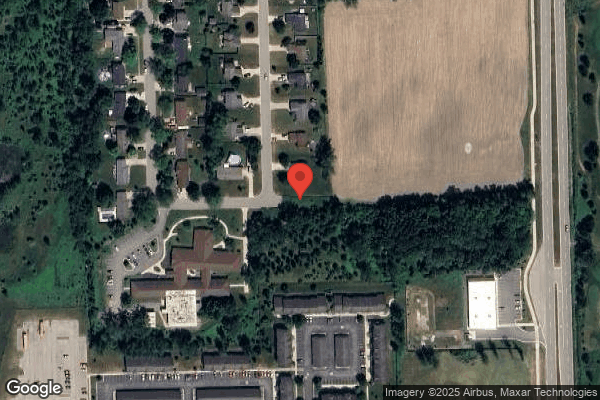
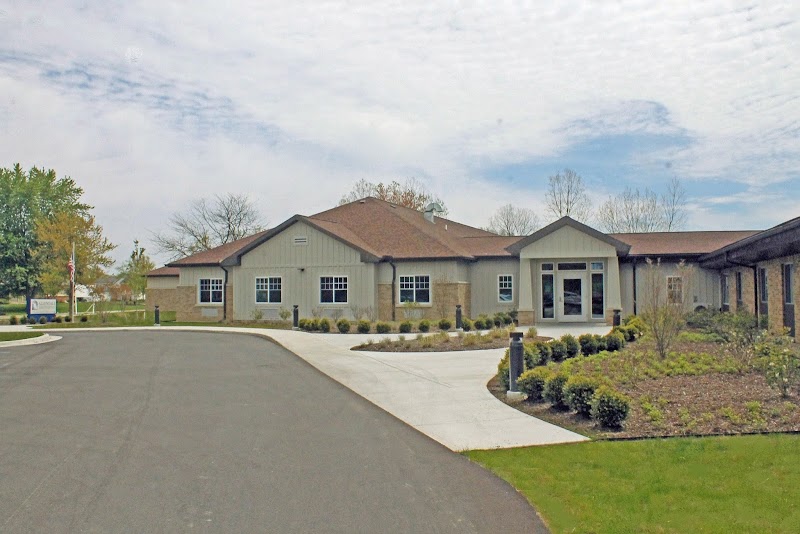
11007 Radcliff Drive, Allendale, MI 49401 (616) 895-6688
For profit - Corporation 60 Beds ATRIUM CENTERS Data: November 2025
Trust Grade
25/100
#264 of 422 in MI
Last Inspection: January 2025

Within standard 12-15 month inspection cycle. Federal law requires annual inspections.

Overview

Allendale Nursing and Rehabilitation Community has received a Trust Grade of F, which indicates significant concerns regarding the quality of care provided. With a state rank of #264 out of 422 facilities in Michigan, they are in the bottom half of nursing homes, and their county rank of #8 out of 11 shows that only a few local options are better. The facility is showing improvement, with issues decreasing from 7 in 2024 to 6 in 2025, and staffing is a strength, rated 4 out of 5 stars, although the turnover rate of 54% is average for the state. There have been no fines, which is a positive sign, and the facility has more registered nurse coverage than 82% of similar facilities, helping to catch potential problems. However, there have been serious incidents, such as residents developing pressure ulcers due to inadequate care and a resident being hospitalized for a urinary tract infection because of a lack of proper incontinence care. While there are commendable aspects, families should weigh these against the concerning reports about care quality.
Trust Score
F
25/100
In Michigan
#264/422
Bottom 38%
Safety Record
High Risk
Review needed
Inspections
Getting Better
7 → 6 violations
Staff Stability
⚠ Watch
54% turnover. Above average. Higher turnover means staff may not know residents' routines.
Penalties
✓ Good
No fines on record. Clean compliance history, better than most Michigan facilities.
Skilled Nurses
✓ Good
Each resident gets 52 minutes of Registered Nurse (RN) attention daily — more than average for Michigan. RNs are trained to catch health problems early.
Violations
⚠ Watch
53 deficiencies on record. Higher than average. Multiple issues found across inspections.
★★☆☆☆
2.0
Overall Rating
★★★★☆
4.0
Staff Levels
★★★★☆
4.0
Care Quality
★★☆☆☆
2.0
Inspection Score
Stable
2024: 7 issues
2025: 6 issues

The Good

  • 4-Star Staffing Rating · Above-average nurse staffing levels
  • 4-Star Quality Measures · Strong clinical quality outcomes
  • Full Sprinkler Coverage · Fire safety systems throughout facility
  • No fines on record

Facility shows strength in staffing levels, quality measures, fire safety.

The Bad

2-Star Overall Rating

Below Michigan average (3.1)

Below average - review inspection findings carefully

Staff Turnover: 54%

Near Michigan avg (46%)

Higher turnover may affect care consistency

Chain: ATRIUM CENTERS

Part of a multi-facility chain

Ask about local staffing decisions and management

The Ugly 53 deficiencies on record

5 actual harm
Jan 2025 6 deficiencies
CONCERN (D)

Potential for Harm - no one hurt, but risky conditions existed

Deficiency F0676 (Tag F0676)

Could have caused harm · This affected 1 resident

**NOTE- TERMS IN BRACKETS HAVE BEEN EDITED TO PROTECT CONFIDENTIALITY** Based on interview and record review, the facility failed to ensure appropriate treatment and services to maintain and carry out...

Read full inspector narrative →
**NOTE- TERMS IN BRACKETS HAVE BEEN EDITED TO PROTECT CONFIDENTIALITY** Based on interview and record review, the facility failed to ensure appropriate treatment and services to maintain and carry out communication for 1 of 8 residents (R25) reviewed for activities of daily living, resulting in R25 feeling frustrated and isolated. Findings: Resident #25 Review of an admission Record revealed R25 was a [AGE] year-old male, admitted to the facility on [DATE], with pertinent diagnoses which included: contracture right hand, stroke affecting dominant right side, and expressive aphasia. Review of Fundamentals of Nursing ([NAME] and [NAME]) 11th edition revealed, Expressive aphasia, a motor type of aphasia, is the inability to name common objects or express simple ideas in words or writing. For example, a patient understands a question but is unable to express an answer .The temporary or permanent loss of the ability to speak is extremely traumatic to an individual .Determine whether the patient has developed a sign-language system or symbols to communicate needs. [NAME], [NAME] A.; [NAME], [NAME] G.; Stockert, [NAME] A.; Hall, [NAME]. Fundamentals of Nursing - E-Book (p. 1396). Elsevier Health Sciences. Kindle Edition. Review of R25's Progress Notes revealed: 10/5/24 Resident is alert and oriented 12/20/24 Resident in bed upon arrival, alert and oriented . Confirming R25 was cognitively intact. Review of R25's Speech Therapy-SLP Evaluation and Plan of Treatment documentation from 6/6/23-7/5/23 revealed, .Caregiver Goals: want pt (patient) to communicate more with them about pt needs/wants/desires/etc .Was referred to ST (speech therapy) for evaluation of aphasia and communication d/t (due to) decrease in communication with caregivers and staff after losing communication book .Prior Level of Function: Previously was using communication board provided by SLP (speech language pathology), however has since misplaced it and requires a new one . Pt presets with severe expressive aphasia and moderate receptive aphasia. Pt demonstrates ability to understand and correctly respond to simple yes/no questions (both verbally and non-verbally). Pt is mostly nonverbal, with the only verbalizations made during evaluation being yes no take me home and what . In order to facilitate return to prior level of living, patient requires continued ST services in order to analyze communication abilities and improve ability to communicate self-care and/or medical needs in order to enhance patient's quality of life by an improved ability to communicate basic wants/needs and improve expressive communication. Due to the documented physical impairments and associated functional deficits, without skilled therapeutic intervention, the patient is at risk for: anxiety, social isolation and decreased participation with functional tasks . Discharge recommendations: To facilitate optimal cognitive-communicative performance, the following strategies are recommended: consistent words/verbal directions to increase comprehension, concrete, one step directions by speak to increase comprehension and slower rate of speech to facilitate communication request clarification. Use communication book (AAC) as often as possible . During an observation and interview on 01/07/25 at 11:49 AM, R25 was sitting up awake in his room. R25 was able to answer yes or no questions but became visibly frustrated (rolling eyes, refusing to make eye contact, grunting) when he was unable to make his needs and thoughts known and this writer was unable to determine what he was attempting to express. R25 was asked if he utilized any tools such as a communication board or electronic device to communicate his needs/wants with staff and he responded by shaking his head no. When asked if the facility staff knew him well enough to understand/identify what he needed he shook his head no. When asked if he was frustrated that staff could not understand his needs, he shook his head yes. R25 then pointed behind his bed towards the nightstand that was not within his reach. Underneath a stuffed animal and a positioning pillow were a few paper flashcards with sign language and a word in poor condition (dirty, ripped, difficult to see) and a hard cover 3 ring binder with keep next to (R25) at all times written on it. Inside of the binder was large printouts of communication forms (example: the first page was a large yes and a large no, sports teams, etc.). R25 was asked if the communication binder was helpful in communicating his needs, he responded by shaking his head no. R25 did not have the use of his right arm/hand and when asked if it was difficult to turn pages and navigate the book with the use of only his left hand, he shook his head yes. When asked if the staff would attempt to use the communication binder when they could not identify his needs, he shook his head no. When asked if he was ever questioned about changing to a different communication style, he shook his head no. At that time Certified Nursing Assistant (CNA) D entered the room and told R25 it was time to get up for a weight. She did not attempt to utilize the communication binder or flash cards. CNA D was asked how she determined R25's wants/needs and she reported the communication binder was not utilized but the facility staff would ask him yes or no questions until they could figure it out. R25 became visibly frustrated and was saying incoherent words over and over and shaking his head no. This surveyor asked R25 if we could use the communication binder, and he aggressively shook his head no. CNA D reported that she could tell by his frustration that he wanted this writer out of the room. R25 then grabbed my right hand with his left hand and shook his head no. R25 was asked if he wanted an assessment/evaluation into a new style of communication he shook his head yes emphatically. During an observation and interview on 01/09/25 at 09:09 AM, R25 was sitting up in his bed with the communication binder on his nightstand out of reach. R25 was asked if he used his iPad as a communication tool and he shook his head no. R25 was asked if he participated in care conferences with his wife/legal guardian and facility staff and he shook his head no. R25 was asked if he would join care conferences if he had a way to communicate easily/efficiently so he could have a say in his care and he shook his head yes. R25 was shown different forms of communication boards, tools, and flashcards on the computer and he appeared excited and started shaking his head yes vigorously. R25 pointed to sad on a communication board on the computer. When asked if he would be less sad if he could communicate more efficiently, he shook his head yes. During an interview on 01/09/25 at 09:24 AM, Licensed Practical Nurse (LPN) J confirmed that R25 was cognitively intact but suffered from expressive aphasia. LPN J reported that R25's iPad was locked in the medication room on the unit and would be brought to R25 when he requested it. LPN J reported that the iPad was not used as a form of communication and was only used by R25 to watch movies. During an interview on 01/09/25 at 01:31 PM, Social Services (SS) I reported that R25's wife was his legal guardian and would attend the care conferences. SS I reported that R25 did not consistently attend. SS I reported she did not know the last time ST/OT (speech therapy and occupational therapy) evaluated him for communication needs and/or tools and was not aware that staff were not using the communication binder. SS I confirmed that R25's stroke affected his dominant hand, and the communication binder may be difficult for R25 to maneuver. SS I reported that R25 would get frustrated and quit interacting with staff when staff could not identify what he needed. SS I reported that she was not aware that the iPad was care planned for his communication tool and confirmed it was not used for that purpose. SS I reported that she would meet with R25 and identify a more suitable communication tool for him to utilize. During an interview on 01/09/25 at 03:12 PM, Legal Guardian (LG) C reported that communication tools and his frustrations with communication had not been discussed in care conferences. LG C stated that R25 might have something in one of his drawers be he can't use it referring to the communication binder. LG C reported that R25 would communicate by pointing and shaking his head yes or no, but he would often get frustrated and refuse to answer after he's asked a few questions and the staff could not identify what he needed/wanted. LG C reported that a communication tool would be beneficial for him so he could participate in his care and have more autonomy and not shut down when he's frustrated. Review of R25's contracted psychiatric Progress Note dated 12/23/24 revealed, .Long-Term Memory: Unable to assess due to communication deficit . Indicating a more in-depth psychiatric evaluation could have been completed had R25 been able to communicate effectively. There was no documentation the communication binder was utilized or refused. Review of R25's March 2024 Care Conference revealed R25 had not been invited to the care conference. Is this resident able to express choice? No. wife has noted residents depression has increased since she was discharged from the facility, resident has voiced wanting to go home, wife reminds him that he cannot go home d/t needing 24-hour care, he understands once he talks to wife . There was no documentation that R25's communication had been addressed despite R25 being cognitively intact and documenting that he was unable to express himself. Review of R25's June 2024 Care Conference revealed R25 had not been invited to the care conference. Is this resident able to express choice? No. Resident is bed bound mostly, no changes in participation with activities . There was no documentation that R25's communication had been addressed. Review of R25's September 2024 Care Conference revealed, Is this resident able to express choice? No. There was no documentation that R25's communication had been addressed. Review of R25's December 2024 Care Conference revealed R25 had not been invited to the care conference. Is this resident able to express choice? No. There was no documentation that R25's communication had been addressed. Review of R25's Care Plan revealed Communication Resident experiences a communication deficit r/t (related to) CVA (stroke), impaired cognition, aphasia, limited speech, rarely/never understood but understands others. Review of the interventions dated 4/9/18 revealed: Resident use IPAD/tablet and gestures to assist with communication . Address resident's emotional needs: Use IPAD/tablet and gestures to determine resident's needs, resident is aphasic and easily frustrated when not able to communicate needs . Staff to encourage resident to use gestures, motions, communication board . Encourage resident to not become frustrated if at first staff does not understand what it is they are trying to say. Seek assistance from other staff PRN (as needed) . ST (speech therapy) referral as needed . R25's Care Plan did not include the use of the communication binder/book despite speech therapy recommendation but instead reflected the us of the iPad as a communication device although not utilized for that purpose. Review of R25's Electronic Medical Record revealed no recent assessments or SLP evaluations for the use of a more appropriate communication tool or documentation of steps taken to improve R25's ability to communicate with staff despite R25's noted dissatisfaction and difficulty utilizing the communication binder.
CONCERN (D) 📢 Someone Reported This

A family member, employee, or ombudsman was alarmed enough to file a formal complaint

Potential for Harm - no one hurt, but risky conditions existed

Quality of Care (Tag F0684)

Could have caused harm · This affected 1 resident

**NOTE- TERMS IN BRACKETS HAVE BEEN EDITED TO PROTECT CONFIDENTIALITY** This citation pertains to intake #: MI00148539 Based on observations, interview and record review the facility failed to assess ...

Read full inspector narrative →
**NOTE- TERMS IN BRACKETS HAVE BEEN EDITED TO PROTECT CONFIDENTIALITY** This citation pertains to intake #: MI00148539 Based on observations, interview and record review the facility failed to assess residents with new medical conditions in a timely manner, accurately assess pain and address pain in a timely manner, follow physician orders for wound treatment for 3 Residents of 3 Residents sampled (R20, R36, and R57), resulting in delay of physician notification of culture results and wound treatment, and uncontrolled pain. Findings included: R20 Review of R20's face sheet, no date revealed he was a [AGE] year-old male admitted to the facility on [DATE] and had diagnoses that included: end stage renal disease (kidney failure), unsteady on feet, need for assistance with personal care, cervical disc disorder myelopathy (muscle disorder) and diabetes mellitus with diabetic neuropathy (nerve disease). R20 was his own responsible party. During an interview with R20 on 1/8/25 at 10:19 AM, R20 reported that he went to the podiatrist yesterday and his great toe treatment caused it to bleed, and he was very concerned about his follow up care. He also reports that he feels ignored and upset that the facility is not addressing his pain. He said he asked to see the doctor again this week about his pain and he witnessed the physician assistant being here that day and the physician assistant left without talking to him. He said when he is in dialysis 3 days a week his pain always gets to 10/10. Today prior to being given his narcotic pain medication his pain was 9 and currently it was 8/10. He knows he will always have pain but feels that there is room for improvement, but no one listens to him. During an interview with Licensed Practical Nurse (LPN) K on 1825 at 12:29 PM, LPN K said she recorded a 0 for R20's pain that morning when she gave his morning medication because he did not complain of pain. When LPN K was asked if she asked R20 to rate his pain she said no she did not ask him. During an interview with the Director of Nursing (DON) on 1/8/25 at 12:32 PM in R20's room with R20 present. R20 repeated the information he told the surveyor at 10:19 AM about the podiatrist, feeling ignored, the wound on his right great toe, and his pain concerns. During an interview with the Director of Nursing (DON) on 1/8/25 at 2:07 PM the DON confirmed that R20 had an outside Podiatry (foot doctor) appointment on 1/7/25. The DON was not able to locate any new orders or documents from the podiatrist. The DON could not locate any nursing notes or message to R20 physician about follow up care related to R20' nail removal on 1/7/25. The DON confirmed that R20 had a dressing on his right great toe and nursing staff should have noted that on his return, she was getting documents from the pediatrist and placed him on the list to be seen by the medical staff. The DON removed the dressing, contacted the podiatrist and notified the medical staff of the condition of R20's right great toe. During an interview on 1/10/25, Regional Clinical Director (RCD) B said she interviewed R20 about his pain and he reports it is consistently around 8/10. She reported the physician assistant increased one pain medication yesterday. They are in the process of educating the nurses to properly assess pain and they are adding an additional assessment for pain after his narcotic pain medication to assess if that medication is effective. Review of R20's January 2025 Medication Administration Record (MAR) revealed he was to have pain assessments 3 times a day. Most entries were 0 for no pain. On 1/8/25 the morning assessment was 0. There was no pain assessment for the morning of 1/7/25. For 1/5/25 morning pain was recorded as 9. See interviews above. Record does not reflect interviews. Review of R20's progress notes revealed no documentation of R20 having a podiatry appointment or a procedure requiring a dressing done on 1/7/25. Record review revealed treatment orders for R20's right great toe started on 1/7/25 when he had the nail partially removed on that toe by the podiatrist. Review of R20's progress note dated 1/8/25 at 1:14 PM revealed the DON charted, physician notified of resident's pain level. Physician increasing Lyrica to 100 mg BID (pain medication increased to twice a day). States not appropriate to perform two med (medication) adjustments at once. (name of PA) stated she will meet with him next week to review his pain and increase his Norco (narcotic pain medication) this if he feels his pain is still not controlled. Resident notified of plan. R36 Review of R36's face sheet, no date, revealed she was a [AGE] year-old female admitted to the facility on [DATE] and had diagnoses that included: lymphedema (swollen legs), rheumatoid arthritis, and severe morbid obesity. R36 was her own responsible party. Review of R36's physician orders revealed an order dated 1/3/25 right anterior and posterior lower leg. Cleanse with NS (normal saline). Apply Gentle blue ready to wound beds. Cover with silicone superabsorbent dressing. Every other day as needed. 3:00 PM to 11:00 PM. During an interview with R36 on 1/7/25 at 10:01 AM, R36 complained of the dressing on the back of her right leg not getting changed on Saturday. R36 said there were no supplies. R36 said she asked again last night at 8:30 PM and again was told there were no supplies. The dressing on the back of R36's right leg did not have a date noted. On 1/7/25 at 10:40 AM the Director of Nursing (DON) changed the dressing on the back of R36's leg. The DON confirmed that there was no date on dressing and confirmed that the dressing on the back of R36's leg did not have the Gentle Blue as ordered. The DON confirmed the nurses are to date and initial dressings when they replace them. The pillowcase under R36 right leg was soiled (dry brown large spot). The DON removed the soiled pillowcase and assured R36 she would look into what happened with wound treatments. Resident #57 Review of an admission Record revealed R57 was a [AGE] year-old female, admitted to the facility on [DATE]. Review of R57's hospital After Visit Summary dated 10/6/24 revealed .START taking: ceftriaxone (ROCEPHIN) (and) cefuroxime (CEFTIN) . Review of R57's Order Summary revealed: 10/7/24-10/8/24: cefuroxime 500mg tablet; Take 1 tablet twice daily x 7 days for UTI 10/8/24-10/14/24: cefuroxime 500mg tablet; Take 1 tablet daily x 7 days for UTI Review of R57's Electronic Medical Record revealed no culture results or documentation that the provider reviewed culture results to ensure the correct and/or most effective antibiotic was ordered/administered. During an interview via email on 01/10/2025 at 11:54 AM, Regional Clinical Director (RCD) B confirmed that there was no follow-up culture available for review. Review of Fundamentals of Nursing ([NAME] and [NAME]) 11th edition revealed, .resistance to key antibiotics are becoming more common in all health care settings .The increased resistance is associated with the frequent and sometimes inappropriate use of antibiotics over the years in all settings (i.e., acute care, ambulatory care, clinics, and long-term care) .A culture result may show growth of an organism in the absence of infection. For example, in the older adult bacterial growth in urine without clinical symptoms does not always indicate the presence of a UTI .Many laboratory studies are often necessary when a patient is suspected of having an infectious or communicable disease (Box 28.14). You collect body fluids and secretions suspected of containing infectious organisms for culture and sensitivity tests. After a specimen is sent to a laboratory, the laboratory technologist identifies the microorganisms growing in the culture. Additional test results indicate the antibiotics to which the organisms are resistant or sensitive. Sensitivity reports determine which antibiotics used in treatment are effective and need to be ordered for treatment. [NAME], [NAME] A.; [NAME], [NAME] Griffin; Stockert, [NAME] A.; Hall, [NAME]. Fundamentals of Nursing - E-Book (pgs. 425-443). Elsevier Health Sciences. Kindle Edition.
CONCERN (D)

Potential for Harm - no one hurt, but risky conditions existed

Deficiency F0849 (Tag F0849)

Could have caused harm · This affected 1 resident

**NOTE- TERMS IN BRACKETS HAVE BEEN EDITED TO PROTECT CONFIDENTIALITY** Based on interview and record review, the facility failed to follow and implement policies and procedures for hospice care and i...

Read full inspector narrative →
**NOTE- TERMS IN BRACKETS HAVE BEEN EDITED TO PROTECT CONFIDENTIALITY** Based on interview and record review, the facility failed to follow and implement policies and procedures for hospice care and implement communication, coordination of cares and services, and have complete hospice medical records readily available for one (R41) of 3 residents reviewed for hospice services. Findings include: Review of a policy titled End of Life Care last reviewed 1/2025 revealed: 6a. Hospice must designate a registered nurse from hospice to coordinate the implementation of the plan of care. b. The coordinated plan of care must identify the care and services, which the facility and hospice will provide in order to be responsive to the unique needs of the resident and his/her, expressed desire for hospice care. d. When a resident participates in the hospice program, a coordinated plan of care between the facility, hospice agency and resident/family/resident representative will be developed and shall include directives for managing pain and other uncomfortable symptoms. The care plan shall be revised and updated as necessary to reflect the resident's status. e. The facility and hospice are responsible for performing each other their respective functions that have been agreed upon and included in the plan of care. g. The hospice and facility are aware of each other's responsibilities in implementing the plan of care to include hospice personnel schedules. h. All hospice services are provided under contractual arrangement. Complete details outline the responsibilities of the facility and the hospice agency are contained in this agreement. A copy of this agreement is available upon request from the administrator/or the hospice agency. i. The agreement with the hospice provider must be signed by a representative from this facility and a representative from the hospice agency before hospice services are furnished to any resident. Resident #41 (R41) Review of a Face Sheet revealed R41 admitted to the facility on [DATE] and has pertinent diagnoses of hospice, cerebral infarction (stroke), and dementia without behavioral disturbances, psychotic disturbance, mood disturbance, and anxiety. Review of the Hospice Care plan revealed 12/10/24 hospice services were implemented. During an observation and an interview on 1/7/25 at 10:45 AM, R41 had complaints of chronic pain and the inability to sleep due to his past military life. He rated his pain at a 5 on a 1-10 scale. R41 randomly removed his slippers, and his toenails were very long and reported the staff will file and clip the nails on his hands, but not on his feet. He reported he is receiving hospice services. Review of the electronic medical records (EMR) for R41 revealed no hospice agreement, no hospice orders, no hospice communications, no hospice visitations and services were documented. In an interview on 1/8/25 at 12:25 PM, R41 reported the hospice nurse visited him this morning. Review of the EMR revealed no documentation documenting this visit or services provided this day. In an interview on 1/8/25 at 12:44 PM, the Regional Clinical Consultant (RCC) reported the hospice documentation should be in the EMR and verified there is no documentation. In an interview on 1/8/25 at 12:53 PM, Licensed Practical Nurse (LPN) J reported some residents have paper binders with hospice communications at the nursing station, and confirmed R41 did not have any paper binders with hospice communications, services, or visitations. In an interview on 1/8/25 at 2:09 PM, Social Worker (SW) I reported she and the Director of Nursing (DON) are responsible for hospice coordination. SW I reported R41 did not have any hospice documentation or communication at the facility. She reported this day she requested documentation from hospice that was sent via email this day and forwarded them to the DON. The hospice records sent via email was not available to the front-line staff who provided nursing services to R41 at this time. In an interview on 1/8/25 at 2:48 PM, the DON reported the facility did not have all the information needed from the hospice agency regarding the contract/agreement, visits, progress notes, and orders. The DON reported it was a work in progress. Review of a Hospice Certification document provided in paper form from the facility before the end of this survey for R41 dated 12/9/24 revealed he was certified for hospice from 11/22/24 to 2/19/25.
CONCERN (D)

Potential for Harm - no one hurt, but risky conditions existed

Infection Control (Tag F0880)

Could have caused harm · This affected 1 resident

**NOTE- TERMS IN BRACKETS HAVE BEEN EDITED TO PROTECT CONFIDENTIALITY** Based on observations, interviews and record review, the facility failed to properly clean 1 Resident's (R20) BiPap (breathing m...

Read full inspector narrative →
**NOTE- TERMS IN BRACKETS HAVE BEEN EDITED TO PROTECT CONFIDENTIALITY** Based on observations, interviews and record review, the facility failed to properly clean 1 Resident's (R20) BiPap (breathing machine) for 1 Resident reviewed for respiratory equipment. Findings included: Review of R20's face sheet, no date revealed he was a [AGE] year-old male admitted to the facility on [DATE] and had diagnoses that included: end stage renal disease (kidney failure), unsteady on feet, need for assistance with personal care, cervical disc disorder myelopathy (muscle disorder) and diabetes mellitus with diabetic neuropathy (nerve disease). R20 was his own responsible party. On 1/8/25 at 10:14 AM R20 was observed in bed, and he had a BiPap (breathing assistance machine used during sleep) on his nightstand. The mask was still attached to the hose and there was no cleaning equipment observed in the room. R20 said no one had cleaned his BiPap equipment since admission. During an interview with the Director of Nursing (DON) on 1/8/25 at 12:04 PM she confirmed that she did some checking into the cleaning of R20's BiPap machine, she could not confirm that it had ever been cleaned and she was not sure who had checked the boxes on R20's Medication Administration Recorded indicating they had cleaned his BiPap machine. The DON said she had to get the supplies so they would be available for the staff to use and would start training the staff. Review of R20's Medication Administration Record (MAR) for January 2025 revealed, BIPAP WEEKLY Cleaning: Wash mask, headgear with warm water & mild dish detergent, rinse well, air dry. Wipe foam cushion with damp cloth, DO NOT submerse foam in water. Ensure completely dry prior to use. Wash humidifier with water & mild dish detergent, rinse well. The box for Sunday January 5th was marked as completed. Review of R20's Medication Administration Record (MAR) for January 2025 revealed, Bipap DAILY Cleaning: Wipe mask with damp cloth, rinse out humidifier, refill with distilled water. Every box was marked as completed.
CONCERN (E)

Potential for Harm - no one hurt, but risky conditions existed

Deficiency F0658 (Tag F0658)

Could have caused harm · This affected multiple residents

**NOTE- TERMS IN BRACKETS HAVE BEEN EDITED TO PROTECT CONFIDENTIALITY** Based on interview and record review, the facility failed to administer and document the administration of controlled substances...

Read full inspector narrative →
**NOTE- TERMS IN BRACKETS HAVE BEEN EDITED TO PROTECT CONFIDENTIALITY** Based on interview and record review, the facility failed to administer and document the administration of controlled substances for 4 residents (Resident #39, #25, #50 and #24), reviewed for medication administration, resulting in medication errors and inaccurate documentation of controlled drugs. Findings: Resident #39 Review of an admission Record revealed R39 was a [AGE] year-old female, admitted to the facility on [DATE], with pertinent diagnoses which included: pain. Review of R39's Order Summary dated 12/5/24 revealed oxycodone 15mg 1 tablet by mouth every 4 hours as needed for pain. Review of R39's Controlled Substances Proof of Use log revealed: *On 1/1/25 a dose of oxycodone was administered at 4:45 AM. *On 1/3/25 a dose of oxycodone was administered at 4:15 AM. *On 1/4/25 a dose of oxycodone was administered at 8:00 AM. *On 1/4/25 a dose of oxycodone was administered at 2:00 PM. *On 1/5/25 a dose of oxycodone was administered at 8:34 AM. Review of R39's Medication Administration Record revealed the above listed oxycodone administrations were not documented in R39's Electronic Medical Record. (Accurate documentation of pain medication administration is essential for ensuring adequate pain control as well as ensuring narcotics are not diverted.) Resident #25 Review of an admission Record revealed R25 was a [AGE] year-old male, admitted to the facility on [DATE], with pertinent diagnoses which included: pain. Review of R25's Order Summary dated 1/21/21 revealed Norco (hydrocodone-acetaminophen) 7.5/325 mg 1 tablet three times a day. Review of R25's Controlled Substances Proof of Use log revealed that on 1/5/25 the evening dose of Norco was not administered. Review of R25's Medication Administration Record revealed on 1/5/25 the evening dose of Norco was not administered for Not Administered: Drug/Item Unavailable despite there being 24 tablets available for R25. Review of R25's Electronic Medical Record revealed no documentation regarding the withholding of R25's Norco or that the provider was notified that the prescribed medication was not administered. Resident #50 Review of an admission Record revealed R50 was a [AGE] year-old female, admitted to the facility on [DATE], with pertinent diagnoses which included: anxiety and osteoporosis. Review of R50's Order Summary dated 11/17/24 revealed, clonazepam 0.5 mg; Give 1 tablet by mouth daily at bedtime. Review of R50's Controlled Substances Proof of Use log revealed that on 1/4/25 R50's clonazepam was not documented as administered. Review of R50's Medication Administration Record revealed that on 1/4/25 R50's clonazepam was documented as administered. Review of R50's Order Summary dated 10/23/24 revealed, oxycodone 5 mg; 1/2 tablet = 2.5mg; oral Twice A Day . Review of R50's Controlled Substances Proof of Use log revealed that on 1/5/25 R50's evening dose of oxycodone was not documented as administered. Review of R50's Medication Administration Record revealed that on 1/5/25 R50's evening dose of oxycodone was documented as administered. Resident #24 Review of an admission Record revealed R24 was a [AGE] year-old male, admitted to the facility on [DATE], with pertinent diagnoses which included: insomnia. Review of R24's Order Summary dated 11/12/24 revealed, Belsomra (suvorexant) 15 mg; 1 tablet; oral At Bedtime. Belsomra is a hypnotic used to treat insomnia. Review of R24's Controlled Substances Proof of Use log revealed: *On 1/4/25 a dose of belsomra was administered at 1200 (unable to determine if it was 12:00 AM or 12:00 PM). *On 1/4/25 or 1/5/25 (a 4 and 5 were written on top of each other) a dose of belsomra was administered at 11:30 PM *On 1/5/25 a dose of belsomra was administered at 1145 (presumably 11:45 PM at the time it was due). Indicating 2 doses of belsomra was administered on either 1/4/25 or 1/5/25. Review of R24's Electronic Health Record revealed no documentation regarding the additional dose of belsomra or physician notification of the double dose. During an interview on 01/10/25 at 10:21 AM, Regional Clinical Director (RCD) B confirmed the medication/documentation errors for R39, R25, R50 and R24 and reported licensed nurses are expected to administer medications following professional standards of practice. Review of the facility policy Control Substances Standards of Practice last updated 9/2022 revealed, .Nurses removing controlled substances from the narcotic storage require documentation on the Proof-of-Use Sheet the amount removed using a full last name signature. Nurse documentation of inventory balance on Proof-of Use sheet MUST be made as soon as the controlled substance is removed from the package/cart. Avoid waiting until the end of med pass or end of shift. Once the nurse completes the administration, then the nurse is to document on the MAR paper record or E0Mar electronic record. If PRN medication is administered, additional documentation regarding reason, result, time and initials are required . Review of Fundamentals of Nursing ([NAME] and [NAME]) 10th edition revealed, The National Coordinating Council for Medication Error Reporting and Prevention (2018) defines a medication error as any preventable event that may cause inappropriate medication use or jeopardize patient safety. Medication errors include inaccurate prescribing, administering the wrong medication, giving the medication using the wrong route or time interval, administering extra doses, and/ or failing to administer a medication. Preventing medication errors is essential. [NAME], [NAME] A.; [NAME], [NAME] Griffin; Stockert, [NAME] A.; Hall, [NAME]. Fundamentals of Nursing - E-Book (p. 605). Elsevier Health Sciences. Kindle Edition.
CONCERN (E)

Potential for Harm - no one hurt, but risky conditions existed

Deficiency F0761 (Tag F0761)

Could have caused harm · This affected multiple residents

**NOTE- TERMS IN BRACKETS HAVE BEEN EDITED TO PROTECT CONFIDENTIALITY** Based on observations, interviews and record review, the facility failed to keep the 100-hall medication refrigerator in the saf...

Read full inspector narrative →
**NOTE- TERMS IN BRACKETS HAVE BEEN EDITED TO PROTECT CONFIDENTIALITY** Based on observations, interviews and record review, the facility failed to keep the 100-hall medication refrigerator in the safe temperature storage range, resulting in the potential for medication to became ineffective. Findings included: On 1/8/25 at 8:09 AM the 100-hall medication refrigerator was observed to be stuffed full of medications. There were no shelves to put the medications on. The thermometer was stuffed into the middle of the medications. There was no freezer door, and the freezer had approximately 1 inch of ice build up in it. Licensed Practical Nurse (LPN) K had to dig around in the refrigerator to locate the thermometer. The thermometer read 32 degrees Fahrenheit. LPN K went with the Surveyor to notify the Director of Nursing (DON). At approximately 9:00 AM the DON said pharmacy said to destroy the medications and they were shipping new medications. They notified the physician about any medications that would be late due to having to destroy the current medications. The Surveyor requested an inventory of all medications that were in the refrigerator that need to be destroyed. Review of the 100-hall medication temperature log revealed the temperature was to be kept between 36 degrees Fahrenheit and 46 degrees Fahrenheit. If it was not in this range action should be taken. The log indicated the temperatures were to be taken every AM and every PM. The boxes for January 1 to [DATE], were all marked as being 38 degrees Fahrenheit. The AM temperature on 1/8/25 was marked as 39 degrees Fahrenheit. Review of the facility 100 hall medication refrigerator revealed 9 Residents had medications stored in the refrigerator. The medications included insulin, Trulicity (medication used to control blood sugar) and pain medications. The medications require storage in a safe temperature as indicated on the refrigerator log sheet or they can become ineffective. Total number of vials, pens or amount of liquid was not included in the inventory.
Sept 2024 7 deficiencies
CONCERN (D) 📢 Someone Reported This

A family member, employee, or ombudsman was alarmed enough to file a formal complaint

Potential for Harm - no one hurt, but risky conditions existed

Deficiency F0692 (Tag F0692)

Could have caused harm · This affected 1 resident

Based on observation, interview, and record review, the facility failed to ensure 1 resident (Resident 14) out of 5 residents reviewed for quality care had access to hydration according to the care pl...

Read full inspector narrative →
Based on observation, interview, and record review, the facility failed to ensure 1 resident (Resident 14) out of 5 residents reviewed for quality care had access to hydration according to the care plan. Findings: Resident #14 (R14) Review of a facility Resident Face Sheet reflected R14 admitted to the facility with diagnoses including dementia, age related osteoporosis, repeated falls and constipation. Review of a Care Plan indicated R14 had a potential for problems with bowel elimination related to the diagnoses of constipation, a history of bowel obstruction and limited mobility. Interventions to address the problem included Encourage fluid intake. Another problem identified in the Care Plan included being at risk for impaired nutrition and hydration related to R14's diagnoses. Interventions included Encourage fluids at bedside and with activities. During an observation on 9/9/2024 at 11:18 AM, instructions taped to R14's bedside table read Put water in dining room with her (sic) resident. Do not leave it here. A pink insulated cup full of water was sitting next to the sign. During an observation on 9/9/24 at 11:40 AM, R14 was seated at a table in the main dining room, no water was observed near the resident. During an observation on 9/10/2024 at 7:30 AM, R14 was seated at a table in the dining room, a cup of water was not placed next to the resident. During an observation on 9/10/2024 at 11:00 AM, a pink insulated cup full of water and a clear plastic mug with a blue lid, full of water was observed on R14's nightstand, next to the sign instructing staff to place water with R14 when she is in the dining room. During an observation on 9/10/2024 at 11:12 AM, R14 was seated at a table in the main dining room without water. During an interview on 9/11/2024 at 9:00 AM, the Director of Nursing (DON) reported that R14 would sit in the dining room for close observation related to her history of falling. The DON observed R14's room, with a pink insulated cup of water setting next to the sign instructing staff to put the water in the dining room with the resident. The DON said she thought staff needed more education about where to put R14's water. The DON also reported that it would be a good idea to get a cup holder for R14's wheelchair to make it easier to ensure R14 had water available at all times, including times when R14 would wander around the facility.
CONCERN (D) 📢 Someone Reported This

A family member, employee, or ombudsman was alarmed enough to file a formal complaint

Potential for Harm - no one hurt, but risky conditions existed

Tube Feeding (Tag F0693)

Could have caused harm · This affected 1 resident

**NOTE- TERMS IN BRACKETS HAVE BEEN EDITED TO PROTECT CONFIDENTIALITY** This citation pertains to intake M100144670 Based on observation, interview, and record review, the facility failed to ensure ap...

Read full inspector narrative →
**NOTE- TERMS IN BRACKETS HAVE BEEN EDITED TO PROTECT CONFIDENTIALITY** This citation pertains to intake M100144670 Based on observation, interview, and record review, the facility failed to ensure appropriate positioning for tube feeding and tube feeding supplies are stored properly for best infection control practices for 1 Resident (R15), of 1 resident reviewed for tube feedings. Findings include: Review of Fundamentals of Nursing ([NAME] and [NAME]) 8th edition revealed, A serious complication associated with enteral feedings in aspiration of formula into the tracheobronchial tree. Aspiration of enteral formula into the lungs .leads to necrotizing infection and pneumonia .Some of the common conditions that increase the risk of aspiration .lying flat keep the head of bed elevated a minimum of 30 degrees .Place patient in high Fowler's position or elevate head of bed a minimum of 30 (preferably 45) degrees during feedings and for 2 hours afterwards. [NAME], P. A., [NAME], A. G., Stockert, P. A., & Hall, A. (2014). Fundamentals of Nursing (8th ed.). St. Louis: Mosby. p. 1018 and 1022 Review of a Face Sheet for R15 revealed he originally admitted to the facility on [DATE] with pertinent diagnoses of hemiplegia and hemiparesis (one sided weakness), sepsis, pressure ulcers, and diabetes. During an observation on 9/9/24 at 11:12 AM, R15 was in bed and his bedside table was on the other side of his privacy curtain on his roommate's side of the room. His plastic cylinder for his tube feeding was sitting in the shared bathroom on top of the sink that is in close proximity with the toilet. The cylinder had a large plastic syringe that is used to access his PEG (percutaneous endoscopic gastrostomy) tube and used to provide medications and water to the resident. Licensed Practical Nurse (LPN) C did not clean the table when she brought it closer to R15 and set multiple soufflé cups filled with crushed medications on the table. She filled the plastic cylinder with water in the bathroom, put it on the bedside table, and proceeded with administering medications and water to R15 through the large plastic syringe. During an observation and an interview on 9/9/24 at 2:12 PM, R15 was observed laying down in the bed and the head of the bed (HOB) was flat while his tube feeding was infusing. A sign on the wall above his bed indicated the HOB is to be at a 30-degree angle. Certified Nursing Assistant (CNA) G reported the bed is not to be flat and raised the HOB to what he thought was a 30-degree angle but did not have a tool or any indicator to show it was a 30-degree angle, and then left the room. This surveyor used a tool to show the bed was at a 17-degree angle. During an observation and an interview on 9/9/24 at 2:20 PM, the Assistant Director of Nursing, (ADON) F reported the HOB for R15 should be at a 30-degree angle. The ADON then went to his room and confirmed it was not at a 30-degree angle and raised the HOB. Tube Feeding policies were requested and received. Review of the policies do not include continuous enteral feedings and positioning of the resident during that time. It does address the HOB is to be at a 30-degree angle when checking for residual. In an interview and a record review on 9/10/24 at 2:15 PM, the Director of Nursing (DON) reported the bed for R15 should be at a 30-degree angle while his continuous tube feeding is infusing. The facility does not have a tool for staff to ensure the HOB is at least at a 30-degree angle. Staff have access to the care plans that address R15's plan of care, and the aides have access to the Profile Care Plan Approaches which is driven by the Care Plan. The DON provided a copy of the Profile Care Plan Approaches for R15 which revealed no information for ensuring the HOB is at least at a 30-degree angle while tube feeding is infusing. The DON confirmed that the Care Plan was not updated.
CONCERN (E) 📢 Someone Reported This

A family member, employee, or ombudsman was alarmed enough to file a formal complaint

Potential for Harm - no one hurt, but risky conditions existed

Safe Environment (Tag F0584)

Could have caused harm · This affected multiple residents

**NOTE- TERMS IN BRACKETS HAVE BEEN EDITED TO PROTECT CONFIDENTIALITY** Based on observation and interview, the facility failed to provide a clean, safe, and comfortable environment for one resident o...

Read full inspector narrative →
**NOTE- TERMS IN BRACKETS HAVE BEEN EDITED TO PROTECT CONFIDENTIALITY** Based on observation and interview, the facility failed to provide a clean, safe, and comfortable environment for one resident on the 200 hall and all resident's on the 100 hall that use the spa room shower and utilize the 100 hall dining area. Findings: During an observation on 09/09/24 at 10:25 AM, the bedside table in room [ROOM NUMBER] contained 2 damp wash cloths and one had a light brown substance on it. R3, who lives in that room, stated that staff had been in earlier that morning to get him cleaned up. During an observation on 09/09/24 at 2:29 PM, the 100 hall spa room shower area contained an almond sized brown piece of fecal matter. During an observation on 09/10/24 at 12:20 PM, the 100 hall spa room shower area still contained an almond sized brown piece of fecal matter. During an observation on 09/11/24 at 11:00 AM, the 100 hall spa room shower area still contained an almond sized brown piece of fecal matter. During an observation on 09/10/24 at 8:00 AM, the small dining room off the kitchen contained a table near the entryway to the room. On the table were 2 trays that contained (from the evening of 09/09/24) dinner plates, bowls, and partially finished food portions. Resident's have access to and utilize the small dining room. During an observation on 09/10/24 at 8:20 AM, the unlocked mechanical room that housed the electrical service panel, had an over-head fluorescent light that was unsecured on one end and was leaning against the electrical panel.
CONCERN (E) 📢 Someone Reported This

A family member, employee, or ombudsman was alarmed enough to file a formal complaint

Potential for Harm - no one hurt, but risky conditions existed

Quality of Care (Tag F0684)

Could have caused harm · This affected multiple residents

**NOTE- TERMS IN BRACKETS HAVE BEEN EDITED TO PROTECT CONFIDENTIALITY** Deficient Practice Statement B Based on interview and record review, the facility failed to provide quality care for 1 of 4 resi...

Read full inspector narrative →
**NOTE- TERMS IN BRACKETS HAVE BEEN EDITED TO PROTECT CONFIDENTIALITY** Deficient Practice Statement B Based on interview and record review, the facility failed to provide quality care for 1 of 4 resident's reviewed (Resident #11), resulting in failure to treat a diagnosed UTI (urinary tract infection). Findings: Resident #11 (R11) Review of a Face Sheet revealed R11 was an [AGE] year-old female, last re-admitted to the facility on [DATE] after falling and fracturing her left hip. R11 had pertinent diagnoses of dementia and repeated falls. Review of a urinalysis for R11, collected and resulted on 07/10/24, reflected abnormal findings including a white blood cell count great than 100 (a finding that can be indicative of a urinary tract infection). The culture and sensitivity was pending at that time. Review of a vitals search for R11 revealed that the resident's blood pressure and temperature were not checked on 07/10/24 and were not checked between 06/26/24 and 07/17/24. Review of a laboratory service update for R11, faxed to the facility on [DATE], revealed that the culture and sensitivity required further incubation. Review of the residents EHR (electronic health record) showed that the facility did not have a copy of the resulted urine culture and sensitivity in the resident's health record. The resulted culture and sensitivity (which was completed 07/13/24) was requested from the facility and was obtained on 09/10/24. Review of an Emar (electronic medication administration record) for R11, dated July 2024, revealed the following order: Ciprofloxacin (an antibiotic also known as Cipro) tablet 500 milligrams, one tab twice daily for UTI. Start date 07/15/24. The same Emar reflected that R11 refused or was not offered all but 3 doses of Cipro (received one dose the evening of 07/16/24, one dose the evening of 07/17/24, and one dose the morning of 07/18/24). Review of the communication log for the 200 hall (a log that staff use to communicate concerns, requests, etc to the physician, that are deemed by nursing to be non-urgent matters) reflected an entry on 07/18/24 for R11 in which nursing documented .she (R11) is refusing her oral antibiotics for her UTI (urinary tract infection) .worried about her going septic (a wide spread infection causing organ failure and dangerously low blood pressure) .can an IM (intramuscular) injection be used? Review of a physician order for R11, dated 07/19/24, reflected .discontinue Cipro (an antibiotic prescribed to R11 on 07/15/24 for a UTI). Start Rocephin 1 gram IM (intramuscular) daily for 3 days. Review of R11's Emar (electronic medication administration record) for July 2024 indicated that the order, dated 07/19/24, for Rocephin IM did not get transcribed to the Emar and therefore was not administered to the resident. Review of a Nursing Progress Note (NPN) for R11, dated 07/17/24, recorded that on 07/17/24 the resident took the evening dose of Cipro with encouragement. There were no additional NPN's that reflected R11 received any additional antibiotics for the diagnosed UTI. During an interview with Nurse Practioner (NP)J on 09/11/24 at 9:05 AM, R11's urinalysis and orders for antibiotics were discussed. This citation pertains to intake M100145189. This citation has 2 deficient practice statements. Statement A Based on observation, interview, and record review, the facility failed to ensure all medications and supplements were available/provided timely, had compatible administration times, and blood sugars were checked and acted upon for diabetic residents, and physicians were notified of unavailable medications/supplements as ordered for 5 Residents (R8, R15, R16, R17, R18) of 5 residents reviewed for medication administration and nursing services, of a total of 18 residents, resulting in residents not receiving ordered medications, supplements, and glucose monitoring per physician orders. Findings include: Review of a Face Sheet for R15 revealed he originally admitted to the facility on [DATE] with pertinent diagnoses of hemiplegia and hemiparesis (one sided weakness), sepsis, pressure ulcers, and diabetes. During an observation on 9/9/24 at 11:00 AM, a resident was at the nursing medication cart asking the nurse for his morning medications. Licenses Practical Nurse (LPN) C told the resident she was running late and would get him his medications as soon as she could. R15 During an observation and an interview on 9/9/24 at 11:12 AM, LPN C reported she is an agency nurse who slept in this morning and did not get to the facility until 8:00 AM and is behind on getting morning medications passed to the residents. LPN C reported she thought someone else would have at least started the medication pass before she got there. She was preparing R15's medications and reported some of his medications were not available this morning such as his vitamins, Mucinex and Protonix. LPN C reported if the resident receives the same medications in the morning and the afternoon, she will just skip the morning doses. No insulin's, nebulizers, or nasal sprays were offered or provided to R15 as ordered during his medication pass at this time. LPN C provided the names of 16 other residents who still had not received their morning medications yet. Review of the Medication Administration Record (MAR) for R15 retrieved at 1:21 PM revealed the following medications ordered via PEG (percutaneous endoscopic gastrostomy) tube from 7:00 AM - 11:00 AM were still not given on 9/9/24: Albuterol sulfate nebulizer treatment, guaifenesin (expectorant) liquid 400 mg, Lantus Solostar U-100 (Insulin glargine, long acting insulin) 24 units, pantoprazole (Protonix, a gastric acid reducer) 40 mg documented as not available, ipratropium bromide nasal spray, multivitamin, and vitamin C. 8:00 AM - Insulin Lispro (short acting insulin) 100 units/ml (milliliter) 3 units subcutaneous every 4 hours was not given and documented as refused. Blood sugar documented at 4:00 AM was 200 and at 8:00 AM it was 263 (normal range is 140 - 180 for continuous enteral nutrition). No parameters for insulin documented. Review of the Nursing Progress Notes for R15 dated 9/9/24 at 2:14 PM revealed Resident received morning medications late, physician notified and ordered to hold any duplicate medications if within 2 hours of administration times. No notification to the physician of medications not being available or of elevated blood sugars with no insulin. Review of the Lantus Solostar U-100 medication insert revealed it is a long-acting human insulin indicated to improve glycemic control in patients with diabetes. Dosage and Administration: .Administer subcutaneous . at the same time every day. Review of a Nursing Progress note dated 9/9/24 at 2:14 PM for R15 revealed the physician was notified of the resident receiving late medications and ordered to hold any duplicate medications if within 2 hours of administration times. R16 Review of a Face Sheet for R16 revealed she admitted to the facility on [DATE] with pertinent diagnoses of chronic kidney disease, diabetes, congestive heart failure, and chronic obstructive pulmonary disease. Review of the MAR for R16 retrieved on 9/9/24 at 1:30 PM revealed she did not receive several medications as ordered on 9/9/24 as follows: 7:30 AM and 11:30 AM- insulin lispro 20 units and no blood sugars checked for both times as ordered. 8:00 AM- ferrous sulfate (iron) 325 mg, levothyroxine (Synthroid, a thyroid medication), Pro heal 30 ml supplement for wound healing, and Prozac (fluoxetine- an antidepressant). 7:00 - 11:00 AM- gabapentin (anticonvulsant) 100 mg, metoprolol tartrate (blood pressure medication) 25 mg (1/2 tablet), Senna Plus (sennosides-docusate sodium 8.6-50 mg, laxative), spironolactone (diuretic) 25 mg, and Voltaren Arthritis pain gel 1%. 12:00 PM- torsemide 20 mg. Review of a Nursing Progress note dated 9/9/24 at 2:23 PM for R16 revealed: Resident received morning medications late, physician notified and ordered to hold any duplicate medications if within 2 hours of administration times. Review of a Levothyroxine Medication insert revealed: DOSAGE AND ADMINISTRATION: -Administer once daily, preferably on an empty stomach, on-half to one hour before breakfast. -Administer at least 4 hours before or after drugs that are known to interfere with absorption. Inform patients that agents such as iron and calcium supplements and antacids can decrease the absorption of levothyroxine. R17 Review of a Face Sheet for R17 revealed she originally admitted to the facility on [DATE] with pertinent diagnoses of intellectual disabilities, psychosis, major depressive disorder, hypertension, and chronic kidney disease. Review of the MAR for R17 revealed she did not receive the following medications as ordered on 9/9/24: 7:00 AM - 11:00 AM- docusate sodium (Colace, a laxative) 100 mg, Morphine (pain relieving opioid) 30 mg (ordered 3 times a day), Prune juice documented as unavailable 5 times in September, Remeron (antidepressant), and Senna Plus 8.6-50 mg. 8:00 AM- Lidocaine patch for knee pain to be place on in the morning and off at bedtime is documented as unavailable on 9/5/24 and 9/9/24, Med Pass (nutritional supplement) 120 ml's, and multivitamin tablet. Review of the Physician Orders for R17 revealed: Assess nonverbal / cognitively impaired resident Q (every) shift for pain using the FLACC ( a scale used to observe Face, Legs, Activity, Cry, and Consolability, which are the five categories of pain behaviors). This day she had a pain rating of 4 indicating moderate pain. Review of the pain assessments from 9/1/24 to 9/9/24, R17 is documented as having 0 pain. R18 Review of a Face Sheet for R18 revealed she admitted to the facility on [DATE] with pertinent diagnoses of diabetes (Brittle diabetic), major depressive disorder, disorder of personality and behavior disturbances. Review of the MAR for R18 retrieved on 9/9/24 at 3:23 PM revealed she did not receive the following medications as ordered on 9/9/24 as follows: 7:00 AM to 11:00 AM- Amlodipine (blood pressure medication) 5 mg, Fibercon (for constipation) 625 mg, gabapentin 300 mg, Humalog U-100 (short acting insulin) 5 units subcutaneous three times a day with meals and hold for blood sugars <110 (blood sugars were not checked), labetalol (blood pressure medication) 100 mg, Lantus U-100 25 units, sodium chloride 1 gram tablet, Tylenol (acetaminophen) 325 mg X 2, Wellbutrin XL (bupropion hcl (hydrochloride), antidepressant) extended release 150 mg 8:30 AM- Insulin lispro sliding scale before meals and at bedtime not documented as done and no blood sugars checked, As needed Glucose Gel (dextrose) 40% (Administer 1 tube for low blood sugar below 60 . no blood sugars checked. R8 Review of a Face Sheet revealed R8 admitted to the facility on [DATE] with pertinent diagnoses of Alzheimer's disease, protein-calorie malnutrition, major depressive disorder, heart failure, and anxiety. Review of the MAR for R8 retrieved 9/9/24 at 1:30 PM revealed the following medications not provided as ordered: 7:00 AM - 11:00 AM- acetaminophen 500 mg X 2, amlodipine 5 mg, and duloxetine (Cymbalta, for depression and anxiety). Review of the Nursing Progress notes for R8 revealed the physician was notified of the resident not receiving her morning medications and to hold any duplicative medications if within 2 hours of administration times. During an observation and an interview on 9/9/24 at 2:20 PM, the Assistant Director of Nursing (ADON)/LPN F was at the nursing medication cart on the 100 hall and reported she was getting caught up with the residents who did not receive their morning medications. She reported she notified they physician to let them know their medications were late and is not to give medications that are within a 2-hour window for the next dose. In an interview on 9/10/24 at 2:15 PM, the Director of Nursing (DON) reported she was aware medications were late for several residents on 9/9/24. The LPN who was responsible is an Agency nurse who was new, came in late, and was not familiar with electronic medical record system or the residents. The DON expects Agency nurses to be able to come in and hit the floor running. The DON reported she was not sure how to help LPN C because only one nurse can use the medication cart at a time due to the access of the narcotics. The physician was notified of the residents who received late medications and they received new orders. The DON reported she tried to assist with resident blood sugars. The MARs did not reflect those who needed blood sugars checked were done. When asked about some residents not having medications or supplements available to give, the DON reported their pharmacy does not deliver over the counter (OTC) medications, and they must order them from another distributor. They get ordered on a Tuesday and can be delivered on a Thursday. She acknowledged nurses were documenting medications were not available, but they were not following up and ordering the medications. The DON thinks the miscommunication is with the Agency nursing staff. The DON then verified that the Protonix for R15 is a pharmacy provided medication that was not available, and reiterated the nurses should take the initiative to order needed medications. When informed that R16s levothyroxine is ordered for 8:00 AM at breakfast time, the DON reported it should be given on an empty stomach and the facility is supposed to schedule thyroid medications for evening administration and not sure why hers was scheduled for that time.
CONCERN (E) 📢 Someone Reported This

A family member, employee, or ombudsman was alarmed enough to file a formal complaint

Potential for Harm - no one hurt, but risky conditions existed

Accident Prevention (Tag F0689)

Could have caused harm · This affected multiple residents

**NOTE- TERMS IN BRACKETS HAVE BEEN EDITED TO PROTECT CONFIDENTIALITY** Based on observation, interview, and record review, the facility failed to implement fall prevention safety measures for 4 of 6 ...

Read full inspector narrative →
**NOTE- TERMS IN BRACKETS HAVE BEEN EDITED TO PROTECT CONFIDENTIALITY** Based on observation, interview, and record review, the facility failed to implement fall prevention safety measures for 4 of 6 residents (Resident #19, Resident #11, Resident #3, and Resident #20) reviewed for accidents/hazards. Findings: Resident #19 (R19) Review of a Face Sheet revealed R19 was a [AGE] year-old female, admitted to the facility on [DATE] with pertinent diagnoses of dementia, repeated falls, and cognitive communication deficit. R19 sustained unwitnessed falls on 08/29/24, 07/31/24, and 07/08/24. During an observation on 09/10/24 at 7:41 AM, R19 sat in the recliner resting with her eyes closed. The call light laid on the floor between the recliner and the bed, tangled with the cord for the bed controls. Two signs posted in the room read call for assistance .don't fall and please call for help when you need to get up. During an observation on 09/10/24 at 10:30 AM, R19 sat in the wheelchair, slumped forward, and resting with her eyes closed. The call light laid on the floor between the recliner and her bed, tangled with the cord for the bed controls. Review of a Care Plan for R19 reflected the following fall prevention interventions: do not leave resident in wheelchair alone in room, (initiated on 08/29/24 after the most recent unwitnessed fall), keep call light within reach, and instruct and remind resident to use call light to ask for assistance. Resident #11 (R11) Review of a Face Sheet revealed R11 was an [AGE] year-old female, last re-admitted to the facility on [DATE] after falling and fracturing her left hip. R11 had pertinent diagnoses of dementia and repeated falls. During an observation on 09/09/24 at 11:55 AM, R11 laid in bed resting with eyes closed. A sign in the room instructed R11 to please call for help when you need to get up. The push button call light hung from the left side bed rail, almost touching the floor, out of sight and out of reach of R11. During an observation on 09/09/24 at 2:40 PM, R11 laid in bed resting with eyes open. Push button call light remained hanging from left side bed rail, almost touching the floor, out of sight and out if reach of R11. During an observation on 09/10/24 at 7:32 AM, R11 laid in bed resting with eyes open. The push button call light laid clipped to the pillow above R11's head and over the left shoulder, out of sight. When asked if the resident could find the call light, R11 just started blankly ahead. Review of a Care Plan for R11 revealed the following fall prevention interventions: change call light to soft touch call light and call light to be within reach. Resident #3 (R3) Review of a Face Sheet revealed R3 was a [AGE] year-old male, admitted to the facility on [DATE] with pertinent diagnoses of dementia, mild intellectual disabilities, unsteadiness on feet, and the need for assistance with personal care. During an observation on 09/09/24 at 10:25 AM, R3 laid in bed resting with his eyes closed. The call light laid on the floor on the left side of the bed, out of sight and out of reach of the resident. During an observation on 09/11/24 at 7:40 AM, R3 laid in bed with eyes open and the call light laid on the floor near the head of the bed, out of reach and out of sight of the resident. Review of 'Nursing Progress Notes for R3 and dated 08/07/24 revealed the resident had an unwitnessed fall on 08/07/24. Review of a Care Plan for R3 reflected the following fall prevention interventions: call light to be within reach and instruct and remind resident to use the call light to ask for assistance. Resident #20 (R20) Review of a Face Sheet revealed R20 was a [AGE] year-old female admitted to the facility on [DATE] after sustaining a fall and fracture to her right femur and requiring skilled nursing rehabilitation. R20 had pertinent diagnoses of muscle weakness and epilepsy. During an observation on 09/09/24 at 10:37 AM, R20 laid in bed resting with her eyes closed and the call light was clipped to the cord just below where the unit plugged into the wall, rendering it out of sight and out of reach of R20. Review of a Nursing Progress Note dated 08/06/24 reveled R20 sustained a fall with injury in the facility on 08/06/24. Review of a Care Plan for R20 reflected the following fall prevention interventions: call light to be within reach. During an interview on 09/10/24 at 7:38 AM, certified nurse aide (CNA) I stated that each time staff entered a resident's room, they were expected to check call light placement.
CONCERN (F) 📢 Someone Reported This

A family member, employee, or ombudsman was alarmed enough to file a formal complaint

Potential for Harm - no one hurt, but risky conditions existed

Pharmacy Services (Tag F0755)

Could have caused harm · This affected most or all residents

This citation pertains to intake M100144670. Based on interview and record review, the facility failed to operationalize policies and procedures to ensure controlled substances are continuously and ac...

Read full inspector narrative →
This citation pertains to intake M100144670. Based on interview and record review, the facility failed to operationalize policies and procedures to ensure controlled substances are continuously and accurately accounted for between staff rotations, involving 4 of the 4 controlled substance logs in the facility, resulting in the potential for medication diversion. Findings include: Review of a policy titled Controlled Substances Standards of Practice last reviewed 1/2024 revealed: In order to accurately account for all controlled substances through the process of ordering, receiving, storage, administration and destruction, the following procedures have been provided. The Narcotic Page count sheet is updated with the addition of controlled substances at the time of delivery to include resident name, drug, and amount at the time of delivery. The Proof-of-use sheet is to be placed in binder and to be counted each change in nurse ownership of narcotic keys. Both on-going and off-going Nurses will count the number of containers and narcotic Proof-of-Use sheets to ensure accuracy reconciliation and provide signatures on the Narcotic Page and Card Count sheet. Both on-going and off-going nurses reconcile the Narcotic EDK (sic) and Narcotic Refrigerator EDK by checking and signing that the tag numbers on the boxes to ensure accuracy of safekeeping. Counts will occur with each change in ownership of narcotic keys, at shift change and change in assigned. If the Emergency Controlled Substance Box (EDK) is opened, nurse must sign the removal on an EDK Usage sheet, a new tag is placed on the box, and the number of the tag is documented on the Emergency Controlled Substance Inventory Kit Verification log sheet. Review of the August Narcotic Page Count Sheets for the 100-hall cart 1 and 2, and the 200-hall cart 1 and 2 revealed several missing nursing signatures verifying complete and accurate narcotic counts, incomplete information documented in the column for adding or subtracting narcotics and several entries missing resident information. Review of the August Emergency Controlled Substance Inventory Kit Verification log sheets on the medication carts revealed there were several opportunities of nursing signatures not verifying that the Emergency Controlled Substance storage was locked with a numbered green or red tag to ensure its locked and secured. There are 3 tags to be tracked and logged. Some entries show all 3 tags were changed with new numbers and no other nurse signature verifying or witnessing the change. There are several days of documentation missing. In an interview on 9/10/24 at 2:15 PM, the Director of Nursing (DON) reported the Narcotic Logs were not complete and accurate. The Pharmacy Representative comes to the facility once a month to do reviews and not sure if they look at the narcotic logs. She was not aware the documents were incomplete until this survey and reported she had some education to do.
CONCERN (F) 📢 Someone Reported This

A family member, employee, or ombudsman was alarmed enough to file a formal complaint

Potential for Harm - no one hurt, but risky conditions existed

Food Safety (Tag F0812)

Could have caused harm · This affected most or all residents

During an observation on 09/10/24 at 7:50 AM, the refrigerator in the 200 hall meal service area contained an uncovered 8 ounce clear plastic cup that was 1/2 full of med pass (a fluid given to reside...

Read full inspector narrative →
During an observation on 09/10/24 at 7:50 AM, the refrigerator in the 200 hall meal service area contained an uncovered 8 ounce clear plastic cup that was 1/2 full of med pass (a fluid given to resident's to increase calories and nutritional intake) with no name or date on the cup. During the same observation, the freezer in the 200 hall meal service area contained a clear plastic bag with small round frozen cookie dough pieces that were covered with frost and the bag did not have a date on it. During an observation on 09/10/24 that began at 8:00 AM, the following were noted in the kitchen: (a) to the left of the hand/eye washing station, there was a brown substance splashed on the wall, (b) a clear 2 quart plastic container of brown sugar did not have a date on it and the purple handled scoop used to remove the brown sugar had a thick coating of brown sugar on the inside of the scoop, (c) the Savory brand mini toaster dials for the upper and lower heaters and for the conveyor speed were sticky and covered with crumbs, (d) the dry storage room contained an opened, unsealed (open to air) 50 pound bag of Quality Value Jiffy yellow cake mix that did not have a date on it indicating when it was opened, (e) the dry storage room Traulsen single door refrigerator contained an opened and partially used brick of cream cheese that did not have a date on it, (f) in the hall outside the dry storage room, the walk-in U.S. Cooler contained a cart with 12 cups of milk and juice that did not have dates and were not covered. Also on the cart were 2 trays of juices and milk that did not have dates, (g) and an undated opened loaf of bread sat on top of the microwave. During an observation on 09/10/24 at 1:52 PM , the refrigerator in the 200 hall meal service area still contained an uncovered 8 ounce clear plastic cup that was 1/2 full of med pass, with no name or date on the cup. The refrigerator also contained a sandwich in a clear plastic bag with no name or date on it. According to the 2017 FDA Food Code section 3-501.17 Ready-to-Eat, Time/Temperature Control for Safety Food, Date Marking. (A) Except when PACKAGING FOOD using a REDUCED OXYGEN PACKAGING method as specified under § 3-502.12, and except as specified in (E) and (F) of this section, refrigerated, READY-TOEAT, TIME/TEMPERATURE CONTROL FOR SAFETY FOOD prepared and held in a FOOD ESTABLISHMENT for more than 24 hours shall be clearly marked to indicate the date or day by which the FOOD shall be consumed on the PREMISES, sold, or discarded when held at a temperature of 5ºC (41ºF) or less for a maximum of 7 days. The day of preparation shall be counted as Day 1. (B) Except as specified in (E) -(G) of this section, refrigerated, READY-TO-EAT TIME/TEMPERATURE CONTROL FOR SAFETY FOOD prepared and PACKAGED by a FOOD PROCESSING PLANT shall be clearly marked, at the time the original container is opened in a FOOD ESTABLISHMENT and if the FOOD is held for more than 24 hours, to indicate the date or day by which the FOOD shall be consumed on the PREMISES, sold, or discarded, based on the temperature and time combinations specified in (A) of this section and: (1) The day the original container is opened in the FOOD ESTABLISHMENT shall be counted as Day 1; and (2) The day or date marked by the FOOD ESTABLISHMENT may not exceed a manufacturer's use-by date if the manufacturer determined the use-by date based on FOOD safety . According to the 2017 FDA Food Code section 3-501.18 Ready-to-Eat, Time/Temperature Control for Safety Food, Disposition. (A) A FOOD specified in 3-501.17(A) or (B) shall be discarded if it: (1) Exceeds the temperature and time combination specified in 3-501.17(A), except time that the product is frozen; (2) Is in a container or PACKAGE that does not bear a date or day; or (3) Is inappropriately marked with a date or day that exceeds a temperature and time combination as specified in 3501.17(A) . According to the 2017 FDA Food Code section 4-601.11 Equipment, Food-Contact Surfaces, Nonfood-Contact Surfaces, and Utensils. (A) EQUIPMENT FOOD-CONTACT SURFACES and UTENSILS shall be clean to sight and touch. (B) The FOOD-CONTACT SURFACES of cooking EQUIPMENT and pans shall be kept free of encrusted grease deposits and other soil accumulations. (C) NonFOOD-CONTACT SURFACES of EQUIPMENT shall be kept free of an accumulation of dust, dirt, FOOD residue, and other debris. According to the 2017 FDA Food Code section 2-301.12 Cleaning Procedure. (A) Except as specified in (D) of this section, FOOD EMPLOYEES shall clean their hands and exposed portions of their arms, including surrogate prosthetic devices for hands or arms for at least 20 seconds, using a cleaning compound in a HANDWASHING SINK that is equipped as specified under § 5-202.12 and Subpart 6-301.(B) FOOD EMPLOYEES shall use the following cleaning procedure in the order stated to clean their hands and exposed portions of their arms, including surrogate prosthetic devices for hands and arms: (1) Rinse under clean, running warm water; (2) Apply an amount of cleaning compound recommended by the cleaning compound manufacturer; (3) Rub together vigorously for at least 10 to 15 seconds while: (a) Paying particular attention to removing soil from underneath the fingernails during the cleaning procedure, and (b) Creating friction on the surfaces of the hands and arms or surrogate prosthetic devices for hands and arms, finger tips, and areas between the fingers; (4) Thoroughly rinse under clean, running warm water; and (5) Immediately follow the cleaning procedure with thorough drying using a method as specified under § 6-301.12 . Based on observation, interview, and record review, the facility failed to: 1. Properly date mark and discard food product; 2. Properly store food product; 3. Ensure cleaning of food and non-food contact surfaces; 4. Ensure proper working order of dish machine. These conditions resulted in an increased risk of contaminated foods and an increased risk of food borne illness that affected 51 residents who consume food from the kitchen. Findings include: During an observation on 9/10/2024 at 8:00 AM, the following was observed: a) the paper towel dispenser over the handwashing sink in the kitchen did not have paper towel available for staff to dry their hands. Two dietary staff were observed entering the kitchen and did not wash their hands before obtaining supplies and food items to serve breakfast from the main dining room. b) There was no thermometer in the reach in freezer in the facility kitchen. c) The water supplying the low temperature dish machine in the kitchen did not reach the minimum required 120 degrees Fahrenheit. Dietary Manager (DM H inserted a digital thermometer used to test the temperature of the water indicated the water reached a maximum temperature of 114 degrees Fahrenheit after running two full cycles. During an interview on 9/10/2024 at 8:05 AM, DM H reported that staff should be checking the chemical concentration and temperature of the dishwasher before each meal service and was aware it was not being done at least daily. DM H also reported that facility staff were not checking refrigerator or freezer temperatures according to policy and said there were holes in the logs. Review of Low Temperature Dish Machine Temperature Log reflected areas to document the date, wash temperature, rinse temperature and chemical concentration as registered on a strip along with a place for staff to initial the competed duty. The bottom of the form indicated wash/rinse temperature needed to be between 120-140 Degrees; sanitizer needed to be 50-150 PPM (parts per million). Instructions at the bottom of the form reflected Note: Machines that do not meet the above minimum requirements on a shift/daily basis, notify your director immediately, stop washing dishes, start 3 sink method. Review of the September 2024 Low Temperature Dish Machine Temperature Log revealed that as of 9/10/2024 the machine had only been tested for breakfast and lunch service on 9/4/24 and 9/5/24. Logs from September 2023-August 2024 were reviewed and showed staff were not consistently monitoring the function of the dish machine every shift daily as required. Review of the Three Compartment Sink Sanitation Log for the months of May-September 2024 reflected the sanitizer concentration and water temperature were not being monitored during each meal and daily as required. Review of Temperature Log - Refrigerator/Freezer from May-June 2024 for the reach in freezer and refrigerator, the walk-in cooler and freezer and the freezer and refrigerator in the Bistro reflected staff were not monitoring temperatures twice daily as required. According to DM H, there were no logs for temperature monitoring for the months of July, August or September 2024. Review of Daily Food Temperature Log for Trayline for the months of July-September 2024 reflected food temperatures were not being taken for each meal every day. During a follow-up interview on 9/11/2024 at 9:36 AM, DM H reported that the dishwasher has not been serviced yet. DM H said that the issue had been reported to the Maintenance Director and it was determined the reason the temperature was not reaching the minimum temperature required was related to the boiler. DM H reported the facility did not implement a back-up plan for dinnerware and sanitizing dishes since it had been identified on 9/10/2024 at 8:00 AM that the dish machine was not working properly.
Dec 2023 8 deficiencies
CONCERN (D)

Potential for Harm - no one hurt, but risky conditions existed

Quality of Care (Tag F0684)

Could have caused harm · This affected 1 resident

**NOTE- TERMS IN BRACKETS HAVE BEEN EDITED TO PROTECT CONFIDENTIALITY** Based on observations, interviews and record review, the facility failed to provide feeding assistance, monitor food intake, upd...

Read full inspector narrative →
**NOTE- TERMS IN BRACKETS HAVE BEEN EDITED TO PROTECT CONFIDENTIALITY** Based on observations, interviews and record review, the facility failed to provide feeding assistance, monitor food intake, update care plans and follow care plans for 4 Residents (R27, R31, R33 and R250) of 15 residents reviewed, resulting in Residents R27, R31, R33 and R250 experiencing inconsistent assistance with meals, lack of intake monitoring, fluctuations in weights, and R250 experiencing low blood sugar levels that required emergency treatment. Findings included: R27 Review of R27's face sheet, no date, revealed she was an[AGE] year old female admitted to the facility on [DATE] and had diagnoses that included: dementia and protein-calorie malnutrition. She was not her own responsible party. R27 was observed on 12/5/23 at 10:30 am dressed and in bed. R27's breakfast tray was in front of her untouched. R27 was asked how breakfast, and she was responded by stating her name. R27 did not make any appropriate responses to questions. Review of R27's care plan dated 2/14/2020 revealed, Nutritional Status. R27 is at Nutritional/Hydration risk r/t (related to) DX (diagnoses) metabolic encephalopathy (brain disorder), iron deficiency anemia, hypothyroidism, sparce dentition (missing teeth), DM 2 (diabetes mellitus 2), Opioid abuse, HTN (hypertension), a-fib, and flutter, GERD (gastroesophageal reflux) CKD 3 (kidney disease stage 3), healed pressure injury on buttock, abnormal labs, dysphagia (difficulty swallowing), Dementia. -Resident confused when questioned about where she likes to eat meals. - Does enjoy being in the 1 hall dining room for meals. Will frequently ask resident where she would like to eat her meals. - Need for a therapeutic diet. -Need for a mechanically altered textured diet. Approaches included: Assist with meals as needed dated 2/14/23 and monitor FAR (food acceptance record). During an interview with the Director of Nursing (DON) on 12/7/23 at 1:19 PM the surveyor shared her observation of R27 being left in bed for meals and no bedside assistance with meals. The DON reviewed R27's medical record and confirmed that daily food acceptance records were not always being completed. The DON also noted that R27 was to receive a dietary nutritional supplement during the medication pass and there was no record of R27 receiving this dietary supplement. The DON said the supplement was added in April and no one entered the information on the Medication Administration Record (MAR). The DON added the dietary supplement to the MAR and said she would ensure that R27 received the eating assistance she needed. R31 Review of R31's face sheet, no date, revealed she was a [AGE] year-old female admitted to the facility on [DATE] and had diagnoses that included: diabetes mellitus 2, cognitive communication deficit and hypoglycemia (low blood sugar). She was not her own responsible party. On 12/6/23 at 12:17 PM R31 was observed in her room in bed and Emergency Medical services was being provided by EMT (emergency medical technicians). Review of R31's Medication Administration Record for December 2023 revealed, Resident to write down blood sugar on paper in her room per son. Time for entries were: 1:00 AM, 8:30 AM and 5:30 PM. There were no blood sugars recorded. Review of R31's progress note dated 11/22/23 at 3:19 AM revealed, Resting in bed with eyes closed. Dexcom meter (continuous blood sugar monitoring device) is functioning and charging. Resident is unable to use the Dexcom meter and despite frequent reminders and explanation on how to use it, she does not understand how to obtain or check her own blood sugars. Stated many times, I don't know what that thing is for, my son tried to tell me, but I don't know what that thing is. Review of R31's progress note dated 12/3/23 at 9:38 PM revealed, Nurse summoned to room by CNA (certified nurse aide) at 16:55 (4:55 PM). Resident unresponsive, diaphoretic, foaming at mouth, fast heartbeat, and shaking. Blood sugar of 21 (normal 70-110). PRN (as needed) glucagon administered at 16:58 (4:58 PM). Blood pressure of 166/77. Pulse 164. spO2 @70 %. O2 applied at 4 L (liters) per NC (nasal canula). Blood sugar rechecked at 17:03 with results of 45. Name of EMS service, called. Son notified. Resident continues to be unresponsive. Blood sugar rechecked at 17:10 with results of 54. PR glucagon administered at 17:14 (5:14 PM). EMS at bedside. Resident eventually opened eyes and talking. Blood sugar 91 at 17:30 (5:30 PM) with a blood pressure of 154/77, pulse of 65 and spO2 of 96%. Son refused transport to hospital for evaluation. DON (director of nursing) notified of the above. No indication R31's physician was notified of this emergency event and treatment. During and interview with the Director of Nursing (DON) on 12/06/23 at 1:46 PM, the DON reported the facility called 911 before noon due to R31 having a low blood sugar and her bloods sugar did not respond after being given 2 doses of glucagon (emergency injection for low blood sugar given when someone cannot consume sugar by mouth or has passed out). The DON reviewed R31's medical record which revealed that R31 had the same medical issue on 12/3/23. The DON was not able to locate any records that indicated R31's physician was notified of the emergency treatment on 12/3/23 and her medical revealed there were not changes made to her blood sugar monitoring or medications. The DON had attempted to call R31's physician today and was still waiting for a response. The DON reviewed R31's food acceptance recorded and explained it was lacking information. The DON confirmed the facility was expecting R31 to monitor her own blood sugar with her continuous blood sugar monitoring device. R33 Review of R33's face sheet (no date) revealed she was an [AGE] year-old female and was admitted on [DATE] and had diagnoses that included: Alzheimer's disease and protein-calorie malnutrition. R33 was not her own responsible party. R33 was observed in bed on 12/5/23 at 10:32 AM with her breakfast tray in front of her, none of her food was eaten. R33 had her eyes closed. R33 was observed in bed on 12/5/23 at 12:10 PM being set up for lunch in bed. Staff left R33's room once her lunch tray was set up in front of her in bed. R33 ate one piece of pasta using her fingers and her cookie. R33 made no attempt to drink any fluids on her tray or other food on her plate. At 12:54 PM R33 had not received any encouragement or assistance to eat and had not consumed any fluids. She only ate one piece of pasta on her lunch plate. R33 was observed on 12/5/23 at 1:02 PM, she had her eyes closed, her plate and drinks remained full. Review of an Interdisciplinary Team note in R33's hospice record dated 10/2/23 revealed, Needs help feeding intermittently, encouragement to keep eating needed. Review of R33's Nutritional Status care plan dated, 8/17/23 revealed, R33 is at Nutritional/Hydration risk r/t DX: Alzheimer's, dementia, abnormal weight loss, weakness, anorexia, age-related physical debility, HTN (hypertension), HF (heart failure), bowel incontinence, HX (history) of COVID-19. -need for a mechanically altered texture. - [NAME] to citrus. - Leaves 25% or more of some meals uneaten. - requires assistance with po (by mouth) intake. - Hospice Services discontinued 11/29/23. Approach dated 12/6/23 (after meeting with the Surveyor) 1 assist for feeds, for help and encouragement. Approach dated, 8/17/23 Monitor FAR (food acceptance record). Review of R33's meal acceptance record for 12/5/23 revealed no information was entered into her record. Review of R33's meal acceptance record for 12/4/23 revealed entries for all 3 meals but no entry for snack. Review of R33's meal acceptance record for 12/3/23 revealed no entry for lunch, dinner or snack. During an interview with RN K on 12/6/23 at 12:55 PM, the surveyor shared the meal observations from 12/5/23. R33's meal acceptance record was reviewed. R33's meals and snacks acceptance were not documented for every day. Food acceptance lacked documentation for multiple meals and snacks. RN K confirmed R33 was lacking documentation for meal acceptance and her care plan was not accurate for her need of assistance with meals. R250 Review of R250's face sheet, no date, revealed she was an [AGE] year-old female admitted to the facility on [DATE] and had diagnoses that included: dementia, and adult failure to thrive. R250 was observed on 12/5/23 at 10:35 AM sleeping in bed and her breakfast tray in front of her untouched. Review of R250's care plan dated 11/29/23 revealed, Nutritional status. R250 is at Nutritional/Hydration risk r/t DX: dementia, GOUT, adult failure to thrive, CKD-3 (kidney disease stage 3), constipation, hyperlipidemia, insomnia, dysphagia, aortic aneurysm, bone disorder, sever protein-calorie malnutrition. - leaves 25% or more of most meals uneaten. - Requires total assistance with po (by mouth) intake. -Score of 5 on mini nutrition screen indicating malnutrition. Approach dated 12/7/23 revealed, encourage resident with meals and assist as needed. R250 was observed in bed on 12/5/23 at 12:15 PM with her lunch tray in front of her. R250 was not eating and the food was untouched. R250 was observed in bed on 12/7/23 at 8:55 AM, her eyes were open, and her breakfast tray was in front of her untouched. R250 shook her head yes to the question, are you hungry, but did not start eating. The Surveyor had the Director of Nursing (DON) come to R250's room to assist her as no staff were located on the unit to assist R250. When the DON provided R250 with a straw for her drink and encouragement R250 began to drink and eat.
CONCERN (D)

Potential for Harm - no one hurt, but risky conditions existed

Tube Feeding (Tag F0693)

Could have caused harm · This affected 1 resident

Based on observation the facility failed to discard expired tube feeding supplements. These conditions resulted in an increased risk for contaminated foods and an increased risk of food borne illness ...

Read full inspector narrative →
Based on observation the facility failed to discard expired tube feeding supplements. These conditions resulted in an increased risk for contaminated foods and an increased risk of food borne illness for individuals who are prescribed these specific supplements. Findings include: During a tour of the central supply room, with Maintenance Director M at 2:07 PM on 12/5/23, it was observed the following full boxes of supplements were held passed their manufactures determined use by dates: three boxes of Osmolite 1.5 Cal with use by dates of 1AUG2023, two boxes of Osmolite 1.5 Cal with use by dates of 1OCT2023, two boxes of Jevity 1.2 Cal with use by dates of 1OCT2023, and one box of Jevity 1.2 Cal with a use by date of 1NOV2023.
CONCERN (D)

Potential for Harm - no one hurt, but risky conditions existed

Drug Regimen Review (Tag F0756)

Could have caused harm · This affected 1 resident

**NOTE- TERMS IN BRACKETS HAVE BEEN EDITED TO PROTECT CONFIDENTIALITY** Based on interview and record review, the facility failed to ensure monthly pharmacy drug regimen review recommendations were re...

Read full inspector narrative →
**NOTE- TERMS IN BRACKETS HAVE BEEN EDITED TO PROTECT CONFIDENTIALITY** Based on interview and record review, the facility failed to ensure monthly pharmacy drug regimen review recommendations were reviewed by the physician and/or acted upon in a timely manner for 1 of 5 residents reviewed (R23), resulting in the potential for the physician not knowing of a pharmacy recommendation, the potential for a delay in implementing a pharmacy recommendation, and the potential for adverse effects from medications that the pharmacy identified as potential medication issues. Findings include: A review of R23's Face Sheet, dated 12/7/23, revealed R23 was a [AGE] year-old resident admitted to the facility on [DATE]. In addition, R23's Face Sheet revealed multiple diagnoses that included dementia and depression. A review of R23's Minimum Data Set (MDS) (a tool used for assessing a resident's care needs), dated 9/6/23, revealed a Brief Interview for Mental Status (BIMS) (a scale used to determine a resident's cognitive status) assessment which revealed R23 was short-term memory and long-term memory problems. In addition, R23's BIMS revealed he had moderate cognitive decision-making skills (made poor decisions and needed cues/supervision for decisions). A review of R23's Pharmacist Drug Regimen Review form, dated 3/21/23, revealed dec (decrease) sertraline 100/day (100 milligram per day). A review of R23's Consultation Report, dated 3/21/23, revealed the pharmacist recommended that R23's Zoloft/sertraline (an antidepressant) dose be reduced from 150 milligrams (mg) per day to 100 mg per day. However, R23's Pharmacy Consultation Report was not signed by a physician and there was not a physician response to the recommendation on the report. During an interview on 12/06/23 at 12:40 PM, the Director of Professional Development Infection Control Specialist (DPDICP) J, stated it did not appear that R23's physician had reviewed the pharmacy recommendation for 3/21/23 because he did not sign the form, comment on the form, and/or there was not an annotation on the form that he had been notified of the pharmacy recommendation. She stated the former Director of Nursing had signed the Consultation Report on 4/11/23, but that was all that had been done at that time. DPDICP J further stated that when she had reviewed R23's physician orders she noticed that R23's Zoloft/sertraline dose had been reduced on 5/12/23. A review of R23's physician note, dated 4/25/23, revealed the physician made a federal regulatory visit. However, the note did not reveal that R23's physician had reviewed the pharmacist's consultation report from 3/21/23 and/or that the physician had specifically addressed R23's sertraline dosage/usage. A review of R23's behavioral services note, dated 4/27/23, revealed that the behavioral services physician assistant had spoken with the provider, and they agreed to decreased R23's Zoloft (sertraline) from 150 mg (per day) to 100 mg (per day). Will ask nurse to put in the order. A review of R23's physician orders, dated 3/1/23 to 5/31/23, revealed on 5/12/23 (52 days after the pharmacist made the recommendation to the physician to decrease R23's sertraline and 15 days after the behavioral services physician assistant received approval to decrease the dosage), the physician decreased R23's sertraline from 150 mg per day (a 100 mg tablet and a 50 mg tablet) to 125 mg per day (a 100 mg tablet and 25 mg tablet). A review of the facility's Medication Regimen Review policy and procedure, dated 12/1/07 and last revised on 3/3/20, revealed, Facility staff should ensure that the attending physician, Medical Director, and Director of Nursing are provided copies of the MRRs (Medication Regimen Reviews). 7. Facility should encourage Physician/Prescriber or other Responsible Parties receiving the MRR and the Director of Nursing to act upon the recommendations contained in the MRR. 7.1 For those issues that require Physician/Prescriber intervention, Facility should encourage Physician/Prescriber to either accept and act upon the recommendations contained within the MRR or reject all or some of the recommendations contained in the MRR and provide an explanation as to why the recommendation was rejected. 7.2 The attending physician should document in the residents' health record that the identified irregularity has been reviewed and what, if any, action has been taken to address it . 11. The attending physician should address the consultant pharmacist's recommendation no later than their next scheduled visit to the facility to assess the resident .
CONCERN (D)

Potential for Harm - no one hurt, but risky conditions existed

Unnecessary Medications (Tag F0759)

Could have caused harm · This affected 1 resident

**NOTE- TERMS IN BRACKETS HAVE BEEN EDITED TO PROTECT CONFIDENTIALITY** Based on interview and record review, the facility failed to maintain a medication error rate of less than five percent (5%) for...

Read full inspector narrative →
**NOTE- TERMS IN BRACKETS HAVE BEEN EDITED TO PROTECT CONFIDENTIALITY** Based on interview and record review, the facility failed to maintain a medication error rate of less than five percent (5%) for 2 of 7 residents (R2 and R25) observed during the medication administration task, resulting in a medication error rate of 11.11% (3 of 27 error opportunities) and the potential for adverse effects from residents not receiving accurate doses of their medications. Findings include: R2 A review of R2's Face Sheet, dated 12/7/23, revealed R2 was a [AGE] year-old resident admitted to the facility on [DATE]. In addition, R2's Face Sheet revealed multiple diagnoses that included diabetes with hyperglycemia high blood sugar levels). During an observation on 12/6/23 at 5:00 PM, Licensed Practical Nurse (LPN) H administered Novolog insulin (a short-acting insulin) 10 units subcutaneously (below the skin) via an insulin pen to R2. However, prior to administration of the insulin LPN H failed to prime the insulin pen's needle (push insulin through the needle to ensure there is not any empty space in the needle) with 2 units of insulin before dialing in the number of units that were supposed to be administered. Therefore, it is not known if R2 received the full dose of 10 units of Novolog insulin. A review of R2's December 2023 Medication Administration Record (MAR) revealed R2 was also supposed to receive Humalog insulin (a short-acting insulin) at the same time that he received the Novolog insulin. However, the surveyor did not observe LPN H administer Humalog insulin to R2 during the medication administration task. Therefore, this was a missed medication. A review of the administration instructions for the Novolog insulin pen, revised 1/2019, revealed that prior to selecting the dose of insulin to administer to the resident, the nurse is supposed to select a dose of 2 units and press the button all the way in and make sure insulin comes out of the needle. R25 A review of R25's Face Sheet, dated 12/7/23, revealed R25 was a [AGE] year-old resident admitted to the facility on [DATE]. In addition, R25's Face Sheet revealed multiple diagnoses that included diabetes with hyperglycemia and diabetes with peripheral neuropathy (numbness, weakness, and pain in the hands and feet). During an observation on 12/6/23 at 5:15 PM, LPN H administered Lispro insulin (a rapid acting insulin) 22 units subcutaneously via an insulin pen to R25. However, prior to administration of the insulin LPN H failed to prime the insulin pen's needle with 2 units of insulin before dialing in the number of units that were supposed to be administered. Therefore, it is not known if R25 received the full dose of 22 units of Lispro insulin. A review of the manufacturer's instructions for the Lispro Insulin pen, revised July 2023, revealed the insulin pen's needle is supposed to be primed with 2 units of insulin before each injection otherwise the resident could receive too much or too little insulin. After the insulin pen is primed, then the nurse can select the dose needed for administration to the resident. During an interview on 12/6/23 at 5:25 PM, LPN H stated that the insulin pens that the facility uses do not need to be primed prior to dialing in the amount and administering the insulin to the resident. You just plug (put the needle on the insulin pen) and go (administer the insulin). During an interview on 12/7/23 at 10:05 AM, LPN F stated that he will prime the insulin needle with two units of insulin before dialing the amount into the pen and administering the insulin to the resident. He stated he does this to ensure the pen works and so the resident gets the full amount of insulin. During an interview on 12/7/23 at 11:00 AM, LPN G stated she always primes the insulin needle on the pen with two units of insulin prior to dialing the amount into the pen and administering the insulin to the resident. She further stated, I don't know why. I just do it. During an interview on 12/7/23 at 11:50 AM, the Director of Nursing (DON) stated the nurse was supposed to prime the insulin pens with 2 units of insulin prior to administering the insulin to the resident.
CONCERN (D)

Potential for Harm - no one hurt, but risky conditions existed

Deficiency F0761 (Tag F0761)

Could have caused harm · This affected 1 resident

Based on observation and interview, the facility failed to label medications and maintain cleanliness in 1 of 2 medication carts (100 Hall Medication Cart) inspected, resulting in an unclean medicatio...

Read full inspector narrative →
Based on observation and interview, the facility failed to label medications and maintain cleanliness in 1 of 2 medication carts (100 Hall Medication Cart) inspected, resulting in an unclean medication cart, the potential for residents to receive medication from another resident's inhaler and/or diskus, the potential for cross-contamination from the sharing of inhalers and/or diskus', and the potential for cross-contamination from medication spillage. Findings include: During an inspection of the 100 Hall Medication Cart with Licensed Practical Nurse (LPN) G on 12/7/23 at 10:15 AM, the following observations were made: - R2's (Resident # 2) Symbicort (an inhaled steroid medication used for lung diseases such as emphysema and chronic bronchitis) inhaler was labeled on box. However, the individual inhaler was not labeled with R2's name or other identifying information. - R26's Trelegy Ellipta (an inhaled medication used for lung diseases such as emphysema, chronic bronchitis, and asthma) diskus was labeled on box. However, the individual inhaler was not labeled with R2's name or other identifying information. - A 16 fluid ounce bottle of Liquid Tylenol 160 mg/5 ml (160 milligram per 5 milliliter) had a red substance (liquid Tylenol spillage?) on the back of bottle that covered a portion of the bottom of manufacturer's label. - A red substance spillage was on the bottom of drawer on the left side of the medication cart that stored liquid medications, including a red ring that matched the size of the bottom of a bottle of Clear Lax 17.9-ounce bottle. The red substance was also observed on the bottom of a bottle of Clear Lax powder (a laxative) and was splashed on the back of a medication card (R7's Rexulti- a medication for agitation in residents with dementia) that was also stored in the same drawer. During an interview on 12/7/23 at 10:05 AM, LPN F stated he will label (if they are not already labeled) vials and inhalers that are in their boxes. He stated he does this to prevent giving someone else's medication to another resident and to prevent cross-contamination. During an interview on 12/07/23 at 11:00 AM, LPN G that individual vials, inhalers, and diskus' need to be labeled with the resident's name in case they are separated from the boxes.
CONCERN (D)

Potential for Harm - no one hurt, but risky conditions existed

Medical Records (Tag F0842)

Could have caused harm · This affected 1 resident

**NOTE- TERMS IN BRACKETS HAVE BEEN EDITED TO PROTECT CONFIDENTIALITY** Based on interview and record review, the facility failed to maintain confidentiality of medical records and/or accurate medical...

Read full inspector narrative →
**NOTE- TERMS IN BRACKETS HAVE BEEN EDITED TO PROTECT CONFIDENTIALITY** Based on interview and record review, the facility failed to maintain confidentiality of medical records and/or accurate medical records for 3 of 29 sampled residents (R2, R20, and R26), resulting in inaccurate medical records and the potential for providers not having an accurate picture of the resident's stay at the facility, the potential for a lack of resident confidentiality, and the potential for confidential resident information being disclosed to unauthorized individuals. Findings include: During an observation on 12/05/23 at 10:55 AM, the computer screen on top of the 100 Hall Medication Cart, that was parked across the hall from room [ROOM NUMBER], was left open to R20's Medication Administration Record (MAR). R20's personal information (e.g., name, room number, picture, and medications) were visible and accessible to anyone going by the medication cart. Staff and residents were walking/wheeling by the medication cart. Licensed Practical Nurse (LPN) G was logged into the computer, she was in a resident room down the hall from the medication cart, and the medication cart was not within her line of sight where she would notice if any unauthorized individuals tried to access R20's MAR. During an observation on 12/06/23 at 08:25 AM, the computer screen on top of the 100 Hall Medication Cart, that was parked across the hall from room [ROOM NUMBER], was left open to R26's MAR. R26's personal information (e.g., name, room number, picture, and medications) were visible and accessible to anyone going by the medication cart. Staff walked by the medication cart and looked at the computer screen but kept walking. LPN L was logged into the computer, she was in R26's room and the medication cart was not within her line of sight where she would notice if any unauthorized individuals tried to access R26's MAR. R2 A review of R2's Face Sheet, dated 12/7/23, revealed R2 was a [AGE] year-old resident admitted to the facility on [DATE]. In addition, R2's Face Sheet revealed multiple diagnoses that included diabetes with hyperglycemia high blood sugar levels). During an observation on 12/6/23 at 5:00 PM, Licensed Practical Nurse (LPN) H administered Novolog insulin (a short-acting insulin) 10 units subcutaneously (below the skin) via an insulin pen to R2. However, prior to administration of the insulin LPN H failed to prime the insulin pen's needle (push insulin through the needle to ensure there is not any empty space in the needle) with 2 units of insulin before dialing in the number of units that were supposed to be administered. Therefore, it is not known if R2 received the full dose of 10 units of Novolog insulin. A review of R2's December 2023 Medication Administration Record (MAR) revealed R2 was also supposed to receive Humalog insulin (a short-acting insulin) at the same time that he received the Novolog insulin and LPN H had documented that she administered the Humalog insulin to R2. However, the surveyor did not observe LPN H administer Humalog insulin to R2 during the medication administration task. Therefore, LPN H had inaccurately documented that R2 had received Humalog insulin on 12/6/23 at 5:00 PM when he had not received that dose of insulin at that time. In addition, there was not any documentation in R2's medical record of when, or if, he had received the Humalog insulin that was ordered to be administered at the same time he had received his Novolog insulin. During an interview on 12/7/23 at 11:50 AM, the Director of Nursing (DON) stated LPN H should not have documented that she gave R2 Humalog insulin if she had not. The DON stated she would call LPN H to see if she had maybe given R2 his Humalog insulin at a later time and then documented it in the medical record or if LPN H had accidentally documented the administration of the insulin when it had not been given. The surveyor requested that the DON provide any additional information, if she can obtain it, regarding if R2 had received the Humalog insulin on 12/6/23 at, or after, 5:00 PM or if the MAR entry was in error. As of the completion of the survey and exit from the facility, the facility failed to provide any additional documentation and/or information that R2 had in fact received Humalog insulin on 12/6/23 after 5:00 PM. Clear, accurate, and accessible documentation is an essential element of safe, quality, evidence-based nursing practice. Documentation of nurses' work is critical as well for effective communication with each other and with other disciplines. It is how nurses create a record of their services for use by payors, the legal system, government agencies, accrediting bodies, researchers, and other groups and individuals directly or indirectly involved with health care. It also provides a basis for demonstrating and understanding nursing's contributions both to patient care outcomes and to the viability and effectiveness of the organizations that provide and support quality patient care . High quality documentation, however, is a necessary and integral aspect of the work of registered nurses in all roles and settings . (ANA's (American Nursing Association) Principles for Nursing Documentation- Guidance for Registered Nurses, 2010, www.nursingworld.org).
CONCERN (E)

Potential for Harm - no one hurt, but risky conditions existed

Deficiency F0813 (Tag F0813)

Could have caused harm · This affected multiple residents

Based on observation, interview and record review, the facility failed to fully implement a policy regarding use and storage of resident foods brought in from outside sources. This deficient practice ...

Read full inspector narrative →
Based on observation, interview and record review, the facility failed to fully implement a policy regarding use and storage of resident foods brought in from outside sources. This deficient practice resulted in unknown discard dates and potentially hazardous foods being held passed their discard date, increasing the risk of contamination and food borne illness among residents who store food in resident refrigerators. Findings Include: During the initial tour of the kitchen, at 9:55 AM on 12/5/23, it was observed that resident food product was stored on a shelf in the kitchen's walk in cooler. When asked about where resident food product is stored, Dietary Supervisor (DS) I stated that it should be stored in the therapy refrigerator and no resident food should be stored in kitchen spaces. During the initial tour of the therapy refrigeration unit, at 10:02 AM on 12/5/23, The surveyor asked who takes care of the refrigerator, DS I stated that he tries to come down once a week and go through the unit, but the kitchen does not keep food in here, and that housekeeping checks over the unit. At this time, a sign on the therapy fridge stated All Food Must Be Dated and Labeled - Will be thrown out on Fridays . Thanks, Housekeeping. The following items were found stored in the refrigeration unit: a package of ham labeled with a name and a date of 11/11/23, two unopened containers of potato salad with a residents name and use by date of 11/14/23, two Ziploc bags of a meat salad spread labeled with a name and no date, two unopened yogurts with a best by date of 22Nov2023, three containers of thanksgiving leftovers (turkey, stuffing, potatoes) in a bag with no name or date, a leftover sub sandwich with a name dated 11/17/23, a container of coffee creamer with a name and use by date or 10/31/23, a leftover container of lasagna with a name and no date of discard, an unrecognizable item resembling a bakery item was found in a sandwich bag with mold looking growth having no name or date, an unopened 12 pack of yogurts with a name and manufactures best by date of 11/16/23, an unopened individual packaged veggie platter with no name or date while containing dark spotted coloration on slimy looking carrots and celery, a container of soup with no name or date, an open container of pomegranate seeds with a best by date of 11/20/23, and finally it was observed that a staff member was storing raw shell eggs on the top shelf of the unit over many food items that are considered ready to eat. During an interview with Housekeeping Manager N, at 3:40 PM on 12/5/23, it was her understanding that the dietary department oversaw the refrigeration unit. A review of the facility policy entitled Food Brought In To Resident Educational Material, revised 2/18, found that Refrigerated Cooked Food items will automatically get disposed after 3 days .for UNOPENED packaged foods manufacture's use by date will be applicable.All Open packages must have an open date and a use by date clearly marked.Foods found without dates will also be discarded.
CONCERN (E)

Potential for Harm - no one hurt, but risky conditions existed

Infection Control (Tag F0880)

Could have caused harm · This affected multiple residents

**NOTE- TERMS IN BRACKETS HAVE BEEN EDITED TO PROTECT CONFIDENTIALITY** Based on interview and record review, the facility failed to maintain proper infection control practices in two resident rooms (...

Read full inspector narrative →
**NOTE- TERMS IN BRACKETS HAVE BEEN EDITED TO PROTECT CONFIDENTIALITY** Based on interview and record review, the facility failed to maintain proper infection control practices in two resident rooms (room [ROOM NUMBER] and R2's room), resulting in the potential for cross-contamination and the spread of illness and disease. Findings include: During an observation and an interview on 12/5/23, Social Worker (SW) E entered a room that had signs on the outside door which indicated the resident(s) in that room were on droplet and contact isolation precautions. SW E was observed only wearing a surgical mask and no other personal protective equipment (PPE). Shortly after entering the room, SW E exited the room wearing the same surgical mask. The surveyor asked SW E why she had gone into that room without the posted PPE, SW E stated she just went into the room to peak around the corner to talk to a resident who was being discharged today and she had confirmed the resident in the room had COVID-19. During an observation on 12/06/23 at 04:40 PM, Licensed Practical Nurse (LPN) H was observed entering R2's room to perform a blood sugar check. There was a sign on R2's door that indicated the resident(s) in that room were on droplet and contact isolation precautions. LPN H was observed wearing a gown, gloves, and an N95 respirator. However, LPN H was not wearing a face shield and/or goggles. After LPN H had taken four steps into R2's room, the Director of Nursing (DON) walked by the room and instructed LPN H to return to the room's doorway and put on a face shield. LPN H came to the door where the DON handed her a face shield. The DON asked her if she was out of face shields in the isolation bin drawers outside of R2's room. LPN H told her she had not seen any in the drawers. LPN H had not been observed by the surveyor opening up the bottom drawer to grab a face shield when she had put on her PPE. When the DON opened the bottom drawer of the isolation bin, there were three face shields in the drawer. During an observation on 12/06/23 at 0500 PM, LPN H administered Novolog insulin to R2. After LPN H administered the insulin to R2, she took off her PPE (gown, gloves, face shield, and N95 respirator) and put it in the trash at the end of R2's bed. LPN H then walked without any PPE (including a surgical mask) on back through R2's room (an isolation room) to the bathroom to wash her hands and back again through the room to exit to the hallway, instead of using the hand sanitizer on her medication cart which was parked in the doorway to R2's room less than 5 feet away from the trash can. When LPN H made it to the hallway, she prepared medications for R26 without a surgical face mask (or any other face mask). She then put on a surgical face mask before going to R26's room to administer her medications. The sign that was posted on the outside door of R2's room and the other resident's room had clearly typed on it Stop. Personal Protective Equipment Required Beyond This Point. The sign indicated that these rooms were contact and droplet isolation rooms and that the PPE requirements before entering the rooms were to put on a gown, an N95 respirator (mask), a face shield or Goggles, and gloves. The sign also indicated that individuals were to remove their gloves, gown, and face shield or goggles prior to exiting the room inside the doorway. The sign further revealed that individuals were to remove their N95 respirator (mask) and perform hand hygiene while in the doorway and to put on a clean mask (e.g., surgical or N95 respirator) outside the resident room door.
Jun 2023 2 deficiencies
CONCERN (D) 📢 Someone Reported This

A family member, employee, or ombudsman was alarmed enough to file a formal complaint

Potential for Harm - no one hurt, but risky conditions existed

Free from Abuse/Neglect (Tag F0600)

Could have caused harm · This affected 1 resident

**NOTE- TERMS IN BRACKETS HAVE BEEN EDITED TO PROTECT CONFIDENTIALITY** This citation refers to MI00137009 and MI00137308. Based on interview and record review, the facility failed to prevent abuse an...

Read full inspector narrative →
**NOTE- TERMS IN BRACKETS HAVE BEEN EDITED TO PROTECT CONFIDENTIALITY** This citation refers to MI00137009 and MI00137308. Based on interview and record review, the facility failed to prevent abuse and neglect for 1 of 3 residents (R1), resulting in R1 not receiving requested pain medication for over 24 hours and R1 not receiving a dressing change for 48 hours. Findings include: A review of R1's Face Sheet, dated 6/8/23, revealed R1 was a [AGE] year-old resident admitted to the facility on [DATE]. In addition, R1's Face Sheet revealed multiple diagnoses that included right lower extremity chronic venous ulcer, osteoarthritis, chronic non-pressure ulcer of the right calf with the fat layer exposed, and chronic pain. R1's Face Sheet also revealed R1 was their own responsible party. A review of R1's Minimum Data Set (MDS) (a tool used for assessing a resident's care needs), dated 2/9/23, revealed a Brief Interview for Mental Status (BIMS) (a scale used to determine a resident's cognitive status) score of 15 which revealed was R1 was cognitively intact. A review of R1's progress notes, dated 5/3/23 to 5/17/23 revealed the following: - Nursing note, dated 5/11/23 and written by Licensed Practical Nurse (LPN) H, revealed, [Recorded as Late Entry on 05/11/2023 12:51 PM] on 5/10/23 resident refused dressing change due to not having Dilaudid (a narcotic pain medication) available. Physician paged for e-script (electronic prescription) to be sent to pharmacy. Pharmacy received e-script at 1430 (2:30 PM). Authorization to full faxed to us and received at 1500 (3:00 PM) as writer was leaving. - Nursing note, dated 5/10/23 at 10:07 PM and written by LPN A, revealed, Resident upset that her dressing did not get changed on day shift, has refused to get it changed this evening, told me to get out of her room, 'do your (sic) realize how long I waited this morning how many times I called the other nurse to change it, no, I don't want it changed tonight, get out of my room'. A review of the facility's investigative file for R1 not receiving pain medication and a dressing change on 5/10/23 revealed the following: - Incident Summary: On 5/11/23, the DON (Director of Nursing) was approached by [name of LPN H] (day shift nurse) and was told that [name of LPN A] (afternoon and night shift nurse) did not complete a dressing change for R1. [Name of LPN H] stated that R1 had ran out of Dilaudid and refused her dressing change until medication was given. Authorization to pull med (medication) from back up (a spare emergency supply of medication) was received at 3 pm as I was leaving. I gave authorization to [name of LPN A] R1 told [name of LPN H] that morning (5/11/23) that [name of LPN A] said her Dilaudid was not received until 10 pm. R1 told [name of LPN H] that she used her call light multiple times and requested to speak to the nurse. But the nurse would not come in. [Name of LPN H] told the DON that R1 was upset about her dressing not being changed and about not receiving PRN (as needed) pain medication. - The DON found R1's fax authorization to pull the Dilaudid from the emergency supply in her office. She was not sure how it got in there. She thought maybe someone gathered the papers on the nurse's desk and put them in the DON box by the nurse's station. - LPN H's written and signed statement, dated 5/11/23, revealed, On 5/10/23 I asked 2nd shift nurse, [name of LPN A] to complete a dressing [symbol for change] on resident in [R1's room number and bed designation]. Resident had ran out of Dilaudid and refused dressing [symbol for change] until medication had been given. Authorization to pull was received on fax right at 3 pm as I was leaving. Authorization given to [name of LPN A]. On 5/11/23, Resident (R1) told me she was told by nurse that her Dilaudid was not received until 10 pm. Resident stated she used call light multiple times and requested nurse come speak to her but nurse would not come in. Nurse did not pull Dilaudid from back up box. Resident did not receive any prn pain medicine from nurse on 2nd or 3rd shift. Resident upset about her dressing not being completed, as well as not receiving prn pain medication, Nurse told me resident refused dressing change. - Certified Nursing Assistant (CNA ) G's typed statement, undated, revealed she was interviewed on 5/11/23 at 5:00 PM. CNA G stated on 5/10/23 she had taken care of R1 and R1 had wanted her dressing changed. She stated she went to the nurse on two different occasions between 7:00 PM and 8:00 PM to tell her this. The nurse was sitting at the nurse's station charting and told CNA G that she went into R1's room, called her name three times, and R1 was sleeping. CNA G stated that R1 was awake each time that she saw her and she did not see the nurse go into R1's room. - CNA G's written statement, dated 5/15/23, revealed (on 5/10/23?) she went into R1's room because her call light was on. R1 told her that she had spilled her water. CNA G stated she changed her bedding. R1 also told her that she needed her dressing changed and CNA G told her that she would let the nurse, [name of LPN A], know. CNA G stated she searched for LPN A and could not find her. CNA G stated she even asked another nurse if she had seen LPN A. CNA G indicated the other nurse had not seen LPN A, so she searched for a while longer and did not find LPN A. CNA G stated since she could not find LPN A, then she LPN A was on break and told R1 and her roommate (who also needed LPN A) that she was on break. CNA G stated eventually she did see LPN A and told her that R1 needed to see her. LPN A told her that she would go see R1. About an hour later, R1 put her call light on and CNA G answered it. She stated that this was later in the day around 7:00 PM or 8:00 PM, but was not 100% confident with the time. She stated R1 was angry that the nurse had not come to see her. CNA G apologized to R1 and went to find LPN A to let her know that R1 was claiming that she (LPN A) had not been in to see her. CNA G stated she was not sure if this was accurate (that LPN A had not been in to see R1 earlier). She stated she told LPN A that R1 was frustrated and needed her to see her. LPN A told CNA G that she had gone into R1's room, called her name three times, and R1 did not respond. LPN A told CNA G she would go back to R1's room and see R1. CNA G stated she did not physically see LPN A go into or out of R1's room, so she was not sure if or when she did. - R1's typed interview, dated 5/11/23 at 2:30 PM, revealed on 5/10/23 we were waiting for a med script to come in. The palliative care person came in and told her they could write a script. The first shift nurse left and was still waiting for the order. R1 stated she wanted her dressing changed, but she wanted to wait for her pain medication first. She stated on 2nd shift, her bed was changed. She stated the staff also wrapped a brief around her dressing. She stated she requested to see the nurse three times, but the staff could not find her. She stated the staff thought the nurse was on lunch. She stated at 10:00 PM, the nurse came into her room with her night pills and the nurse told her that her medication did not come in. R1 stated she told the nurse to get out of her room. She also stated that she thought the nurse may have brought her-her routine 4:00 PM pain medications earlier, but she did not remember. - LPN A's typed statement, dated 5/18/23, revealed (on 5/10/23?) R1 wanted her dressing changed, but they were waiting on the Dilaudid order to come through so she could pull the medication from backup. She stated she did not receive the order from the first shift nurse. LPN A stated at around 4:00 PM, she gave R1 her medications and R1 did not mention wanting her dressing changed at that time. She stated she went into R1's room at around 6:00 PM because the aide had told her that R1 wanted to see her. LPN A stated the authorization to pull the Dilaudid from the back up box had still not come. She stated she looked at R1's bed and did not see the dressing weeping on the sheets. She stated she told R1 that the order still had not come and R1 was upset because they had been waiting all day for it. She stated R1 then told her to get out of her room and not to worry about changing her dressing. LPN A stated at around 10:00 PM, she went back to see R1 because R1 had a migraine. She stated she gave her some pills at that time and R1 was nice to me. LPN A stated she did a double shift that night and checked on R1 throughout the night. Each time she checked on her, R1 was nice to me those times too. LPN A stated she did not follow up on the Dilaudid order because R1 had kicked her out of the room and told her not to worry about it. During an interview on 6/7/23 at 11:00 AM, the Nursing Home Administrator (NHA) stated that the facility wrote up LPN A because she did not give R1 her pain medications or do her dressing change on 5/10/23. She stated if LPN A did not have the authorization from pharmacy to pull Dilaudid from the back up box, then she should have followed up with them during her shift. The NHA stated they educated all of the nurses about this after the incident, but this was a standard of practice that all of the nurses should have been following prior to the incident. A review of R1's Controlled Substances Proof of Use forms for hydromorphone (Dilaudid) 2 mg tablets, dated 4/25/23 to 5/25/23, failed to reveal any forms dated between 5/6/23 and 5/16/23. During an interview on 6/8/23 at 10:20 AM, a copy of R1's Controlled Substances Proof of Use forms for hydromorphone (Dilaudid) 2 mg tablets, dated between 5/6/23 and 5/16/23, was requested from the Nursing Home Administrator (NHA). During a second interview on 6/8/23 at 11:30 AM, a copy of R1's Controlled Substances Proof of Use forms for hydromorphone (Dilaudid) 2 mg tablets, dated between 5/6/23 and 5/16/23, was requested from the NHA. The NHA stated they were still trying to locate the forms. During a third interview on 6/8/23 at 1:00 PM, a copy of R1's Controlled Substances Proof of Use forms for hydromorphone (Dilaudid) 2 mg tablets, dated between 5/6/23 and 5/16/23, was requested from the Nursing Home Administrator (NHA) with the DON present. The NHA stated they were still working on it and still have not found the forms. During a fourth interview on 6/8/23 at 2:45 PM, the NHA stated they cannot find R1's Controlled Substances Proof of Use forms for hydromorphone (Dilaudid) for 5/6/23 to 5/16/23. She stated the missing Controlled Substances Proof of Use forms must have been disposed of with the empty medication cards instead of being saved. Therefore, there was not anyway to verify when R1 received her last dose of Dilaudid prior to running out of the medication based on the Controlled Substances Proof of Use forms. A review of R1's physician's order, dated 3/30/23, revealed R1 could receive Dilaudid (hydromorphone) 6 milligrams (mg) (three 2 mg tablets) every four hours as needed. A review of R1's May 2023 Medication Administration Record (MAR) revealed she had received Dilaudid 6 mg on 5/9/23 at 4:16 PM and her next dose was administered on 5/11/23 at 8:37 AM (approximately 40.5 hours later). A review of R1's May 2023 MAR also revealed R1 normally received her Dilaudid, when she requested additional pain medication, anywhere from once a day to three times a day while in the facility (i.e., not on LOA) for the entire month. A review of R1's physician's order, dated 5/8/23, revealed R1's right lower extremity vascular wound dressing was to be changed daily between 7:00 AM and 11:00 AM. A review of R1's May 2023 Treatment Administration Record (TAR) revealed R1's right lower extremity vascular wound dressing was not changed on 5/10/23. R1's May 2023 TAR also revealed her right lower extremity vascular wound dressing was changed on 5/11/23. Therefore, R1 went without a dressing change to her right lower extremity vascular wound for 48 hours (4/9/23 to 4/11/23). A review of the facility's Request for Removal of Schedule II-V Medication from Emergency Supply form, dated 5/10/23, revealed LPN H requested at 1:51 PM via fax to pull three 2 mg tabs (tablets) of hydromorphone (Dilaudid) from the facility's emergency supply for R1. The form also revealed the pharmacy approved the request at 2:40 PM and faxed the approval back to the facility at 2:45 PM (within an hour after the request was made). However because R1's right lower extremity vascular wound dressing was scheduled to be changed between 7:00 AM and 11:00 AM on 5/10/23, LPN H was aware that R1 needed to be medicated with Dilaudid prior to the dressing change, and R1 had last been medicated with Dilaudid at 4:16 PM on 5/9/23 (last dose of Dilaudid before requiring a refill?), LPN H should have been aware that R1 was out of Dilaudid as early as 7:00 AM, but not later than 11:00 AM on 5/10/23. Therefore, it appears that LPN H intentionally waited to request authorization from the pharmacy (almost 3 hours after R1's dressing was scheduled to be changed) to access the emergency supply box until close to the end of her shift (3:00 PM per her statement) so she would not have to perform R1's dressing change and could pass it on to the nurse on the next shift. A review of the facility's in-service education, started 5/13/23, revealed, Please make sure if we are getting low on narcotics that we have a current script and plenty to get thru. Esp on the weekends. If you need to pull meds from back up you will need an auth (authorization) to pull. If for some reason you did not get an auth to pull from the pharmacy. Please contact the pharmacy immediately. A review of LPN A's Employee Memorandum, dated 5/23/23, revealed LPN A was suspended on 5/11/23 for a failure to follow refusal of care and treatment and standards of nursing practices policies and was returned [to work] on a final write up and limited hours able to work. A review of the facility's Standards of Nursing Practice policy, revised 5/2018, revealed, The licensed nurse will strive to minimize and manage the residents pain . Staff will respond to residents request for assistance by answering call lights within a reasonable amount of time. It is considered that a reasonable period to arrive to the residents request for assistance is no longer than a 10-minute period of time. It is understood that response time may be delayed due to emergency events, unplanned urgent resident occurrences in which could cause a delay in responses. However according to the documentation, LPN A and LPN H did not strive to minimize and manage R1's pain. In addition, there was not any documentation that would indicate there was an emergency event or unplanned urgent resident occurrence that could delay LPN H's response to R1's repeated requests (per R1's and CNA G's statements) during the evening and night shifts on 5/10/23. A review of the facility's Abuse Prevention Program Policy & Procedure, revised 9/2022, revealed, Abuse, is defined as the willful infliction of injury, unreasonable confinement, intimidation, or punishment with resulting physical harm, pain or mental anguish. Abuse also includes the deprivation of an individual, including a caretaker, of goods or services that are necessary to attain or maintain physical, mental, and psycho-social well-being . Willful, defined as used in the definition of abuse, means the individual must have acted deliberately, not that the individual must have intended to inflict injury or harm. A review of the facility's Abuse Prevention Program Policy & Procedure, revised 9/2022, revealed, Neglect, is defined as the failure of the facility, its employees or service providers to provide goods and services to a resident that are necessary to avoid physical harm, pain, mental anguish or emotional distress.
CONCERN (E) 📢 Someone Reported This

A family member, employee, or ombudsman was alarmed enough to file a formal complaint

Potential for Harm - no one hurt, but risky conditions existed

Pharmacy Services (Tag F0755)

Could have caused harm · This affected multiple residents

**NOTE- TERMS IN BRACKETS HAVE BEEN EDITED TO PROTECT CONFIDENTIALITY** This citation refers to MI00137009 and MI00137308. Based on interview and record review, the facility failed to maintain a recor...

Read full inspector narrative →
**NOTE- TERMS IN BRACKETS HAVE BEEN EDITED TO PROTECT CONFIDENTIALITY** This citation refers to MI00137009 and MI00137308. Based on interview and record review, the facility failed to maintain a record system to account for the disposition of Dilaudid for 1 of 3 residents (R1), resulting in missing Controlled Substances Proof of Use forms, unaccounted for Dilaudid tablets, and the potential for narcotic diversion. Findings include: A review of the facility's Controlled Substances Standards of Practice Policy and Procedure, updated 9/22, revealed, Policy: In order to accurately account for all controlled substances through the process of ordering, receiving, storage, administration and destruction, the following procedures have been provided . the Proof-of Use sheet will be placed in the medication cart Controlled Substance Tracking Binder (narcotic count book) . Once the nurse completes the administration (of the narcotic), then the nurse is to document on the MAR paper record or E-Mar (electronic medication administration record) . If documentation is not provided on Mar or E-Mar, medication will be considered not given . Empty containers (blister cards, boxes, bottles) are to be discarded following HIPPA (Health Insurance Portability and Accountability Act) and accompanying Proof-of-Use sheets are to be submitted to the Director of Nursing or designee for record keeping . A review of the facility's Controlled Substances Standards of Practice Policy and Procedure, updated 9/22, revealed, Medication on LOA or Discharge, The nurse must obtain an order to send medication with resident/responsible party on LOA or Discharge. If narcotics are sent, the nurse will send the remainder of the card and retain the Proof-of-Use sheet in the tracking binder. A photocopy of the card will be made and placed in the resident's record for reference. The nurse will complete a Leave of Absence form, review with resident and/or resident representative obtain a signature of understanding provide a copy to take with them and one to remain in the resident's medical record. Resident returning with controlled substance medications require documenting the number on the Proof-of-Use sheet amount administered during LOA, update and place the container with the remaining in narcotic storage. If upon return the count is incorrect based on the order for administration, the charge nurse will contact the Director of Nursing and identify if a med error has occurred or misappropriation of resident property. A review of R1's Face Sheet, dated 6/8/23, revealed R1 was a [AGE] year-old resident admitted to the facility on [DATE]. In addition, R1's Face Sheet revealed multiple diagnoses that included right lower extremity chronic venous ulcer, osteoarthritis, chronic non-pressure ulcer of the right calf with the fat layer exposed, and chronic pain. R1's Face Sheet also revealed R1 was their own responsible party. A review of R1's Minimum Data Set (MDS) (a tool used for assessing a resident's care needs), dated 2/9/23, revealed a Brief Interview for Mental Status (BIMS) (a scale used to determine a resident's cognitive status) score of 15 which revealed was R1 was cognitively intact. A review of R1's progress notes, dated 5/3/23 to 5/17/23 revealed the following: - Nursing note, dated 5/11/23 and written by Licensed Practical Nurse (LPN) H, revealed, [Recorded as Late Entry on 05/11/2023 12:51 PM] on 5/10/23 resident refused dressing change due to not having Dilaudid (a narcotic pain medication) available. Physician paged for e-script (electronic prescription) to be sent to pharmacy. Pharmacy received e-script at 1430 (2:30 PM). Authorization to full faxed to us and received at 1500 (3:00 PM) as writer was leaving. - Nursing Note, dated 5/5/23 at 2:20 PM and written by LPN H, revealed, Resident to go LOA (leave of absence) with family all weekend. Will return Monday (5/8/23), return time is unknown. Medications to be sent on LOA. Printed medication list and went over when to take medications and how to read the labels. A review of the facility's investigative file for R1 not receiving pain medication and a dressing change on 5/10/23 revealed the following: - Incident Summary: On 5/11/23, the DON (Director of Nursing) was approached by [name of LPN H] (day shift nurse) and was told that [name of LPN A] (afternoon and night shift nurse) did not complete a dressing change for R1. [Name of LPN H] stated that R1 had ran out of Dilaudid and refused her dressing change until medication was given. Authorization to pull med (medication) from back up (a spare emergency supply of medication) was received at 3 pm as I was leaving. I gave authorization to [name of LPN A] R1 told [name of LPN H] that morning (5/11/23) that [name of LPN A] said her Dilaudid was not received until 10 pm . Name of LPN H] told the DON that R1 was upset about her dressing not being changed and about not receiving PRN (as needed) pain medication. - LPN H's written and signed statement, dated 5/11/23, revealed, On 5/10/23 I asked 2nd shift nurse, [name of LPN A] to complete a dressing [symbol for change] on resident in [R1's room number and bed designation]. Resident had ran out of Dilaudid and refused dressing [symbol for change] until medication had been given. Authorization to pull was received on fax right at 3 pm as I was leaving. Authorization given to [name of LPN A]. On 5/11/23, Resident (R1) told me she was told by nurse that her Dilaudid was not received until 10 pm . Resident did not receive any prn pain medicine from nurse on 2nd or 3rd shift. Resident upset about her dressing not being completed, as well as not receiving prn pain medication . - R1's typed interview, dated 5/11/23 at 2:30 PM, revealed on 5/10/23 we were waiting for a med script to come in. The palliative care person came in and told her they could write a script. The first shift nurse left and was still waiting for the order . She stated at 10:00 PM, the nurse came into her room with her night pills and the nurse told her that her medication did not come in . - LPN A's typed statement, dated 5/18/23, revealed (on 5/10/23?) R1 wanted her dressing changed, but they were waiting on the Dilaudid order to come through so she could pull the medication from backup. She stated she did not receive the order from the first shift nurse . LPN A stated the authorization to pull the Dilaudid from the back up box had still not come . She stated she told R1 that the order still had not come and R1 was upset because they had been waiting all day for it . LPN A stated she did not follow up on the Dilaudid order because R1 had kicked her out of the room and told her not to worry about it. A review of the facility's Request for Removal of Schedule II-V Medication from Emergency Supply form, dated 5/10/23, revealed LPN H requested at 1:51 PM via fax to pull three 2 mg tabs (tablets) of hydromorphone (Dilaudid) from the facility's emergency supply for R1. The form also revealed the pharmacy approved the request at 2:40 PM and faxed the approval back to the facility at 2:45 PM (within an hour after the request was made). A review of R1's Controlled Substances Proof of Use forms for hydromorphone (Dilaudid) 2 mg tablets, dated 4/25/23 to 5/25/23, failed to reveal any forms dated between 5/6/23 and 5/16/23. During an interview on 6/8/23 at 10:20 AM, a copy of R1's Controlled Substances Proof of Use forms for hydromorphone (Dilaudid) 2 mg tablets, dated between 5/6/23 and 5/16/23, was requested from the Nursing Home Administrator (NHA). During a second interview on 6/8/23 at 11:30 AM, a copy of R1's Controlled Substances Proof of Use forms for hydromorphone (Dilaudid) 2 mg tablets, dated between 5/6/23 and 5/16/23, was requested from the NHA. The NHA stated they were still trying to locate the forms. During a third interview on 6/8/23 at 1:00 PM, a copy of R1's Controlled Substances Proof of Use forms for hydromorphone (Dilaudid) 2 mg tablets, dated between 5/6/23 and 5/16/23, was requested from the Nursing Home Administrator (NHA) with the DON present. The NHA stated they were still working on it and still have not found the forms. During a fourth interview on 6/8/23 at 2:45 PM, the NHA stated they cannot find R1's Controlled Substances Proof of Use forms for hydromorphone (Dilaudid) for 5/6/23 to 5/16/23. She stated the missing Controlled Substances Proof of Use forms must have been disposed of with the empty medication cards instead of being saved. Therefore, there was not anyway to verify when R1 received her last dose of Dilaudid prior to running out of the medication based on the Controlled Substances Proof of Use forms. During a fifth interview on 6/8/23 at 3:00 PM, the NHA stated the Pharmacy Delivery Receipts show that R1 received two narcotic cards (one with 18 tablets and one with 30 tablets) on 5/2/23. She stated they have the Controlled Substances Proof of Use form for the 18 count (tablets) card (doses administered from 5/2/23 to 5/5/23), but not for the 30 count card. The NHA stated the sheet for the 30 count card would have included doses administered between 5/6/23 and 5/9/23. She stated the pharmacy then sent the next Dilaudid card for R1 on 5/10/23 per the pharmacy Delivery Receipt, but she could not find the Controlled Substances Proof of Use form for that one. She stated this sheet would have accounted for the doses administered between 5/10/23 and 5/16/23. A review of the Pharmacy Delivery Receipt, dated 5/2/23, confirmed the facility received two hydromorphone (Dilaudid) cards for R1. One was an 18 count (tablets) card and the other was a 30 count card. A review of the Pharmacy Delivery Receipt, dated 5/10/23, confirmed the facility received one hydromorphone card for R1. The card contained 30 tablets. A review of R1's physician's order, dated 3/30/23, revealed R1 could receive Dilaudid (hydromorphone) 6 milligrams (mg) (three 2 mg tablets) every four hours as needed. A review of R1's May 2023 Medication Administration Record (MAR), dated 5/6/23 to 5/16/23, revealed she had received Dilaudid 6 mg on the following dates: - 5/7/23 at 8:13 PM (3 of 30 tablets that were delivered on 5/2/23 and from the missing Controlled Substances Proof of Use form?) - 5/8/23 at 2:35 PM and 8:25 PM (6 of 30 tablets that were delivered on 5/2/23 and from the missing Controlled Substances Proof of Use form?) - 5/9/23 at 7:33 AM and 4:16 PM (6 of 30 tablets that were delivered on 5/2/23 and from the missing Controlled Substances Proof of Use form?) - 5/11/23 at 8:37 AM and 12:35 PM (6 of 30 tablets that were delivered on 5/10/23 and from the missing Controlled Substances Proof of Use form?) - 5/12/23 at 10:36 AM (3 of 30 tablets that were delivered on 5/10/23 and from the missing Controlled Substances Proof of Use form?) - 5/13/23 at 5:54 AM and 11:04 AM (6 of 30 tablets that were delivered on 5/10/23 and from the missing Controlled Substances Proof of Use form?) - 5/14/23 at 6:27 AM (3 of 30 tablets that were delivered on 5/10/23 and from the missing Controlled Substances Proof of Use form?) - 5/15/23 at 1:50 PM (3 of 30 tablets that were delivered on 5/10/23 and from the missing Controlled Substances Proof of Use form?) - 5/16/23 at 12:25 AM, 10:29 AM, and 7:44 PM (9 of 30 tablets that were delivered on 5/10/23 and from the missing Controlled Substances Proof of Use form?) A comparison of R1's May 2023 MAR and the facility's Pharmacy Delivery Receipts (dated 5/2/23 and 5/10/23) revealed that all of the Dilaudid tablets were accounted for for the missing Controlled Substances Proof of Use form and Dilaudid medication card that was delivered on 5/10/23. However, these records revealed that only 15 of 30 Dilaudid tablets could be accounted for for the missing Controlled Substances Proof of Use form and Dilaudid medication card which contained 30 tablets that was delivered on 5/10/23. Therefore, the facility could not account for 15 Dilaudid tablets. In addition, R1's May 2023 MAR revealed from 5/2/23 to 5/16/23 eleven nurses administered Dilaudid to R1 and had access to the Dilaudid medication cards that co-related to the missing Controlled Substances Proof of Use forms. A review of R1's medical records, dated 5/5/23 to 5/10/23, failed to reveal any further documentation that would account for the 15 missing Dilaudid tablets. During a sixth interview on 6/8/23 at 3:35 PM, the NHA stated that on 5/5/23, R1 went on LOA with her family. The nurse gave her the rest of the Dilaudid 18 count card (9 tablets) to take with her. She stated the nurse must have also give R1 fifteen (15) tablets from the 30 count card (the one that was missing the sheet) because after R1 returned from LOA, 15 Dilaudid tablets were given to her according to R1's May 2023 MAR from 5/7/23 to 5/9/23. The NHA was asked if she was assuming R1 was given 15 tablets of Dilaudid from the missing count sheet when R1 went on LOA because her MAR only accounted for 15 tablets being administered from 5/7/23 to 5/9/23 or if she had documentation that R1 was sent on LOA with 24 Dilaudid tablets (9 tablets from one sheet and 15 tablets from the other sheet). The NHA stated the number of Dilaudid tablets that R1 took with her on LOA should have been documented somewhere. The surveyor requested from the NHA copies of any documentation that would indicate how many Dilaudid tablets R1 took with her on LOA, if available. A review of R1's physician order, dated 5/5/23, revealed R1 may have extended LOA over this weekend, for 4 days. There were not any other further details or instructions on the order. A review of the facility's Leave of Absence Medication Policy and Procedure, revised 1/1/22, revealed, 1.1. When a Facility physician/prescriber provides an order for the resident to take a leave of absence, the physician/prescriber should specify the medications the resident is to take with them while on leave . The physician/prescriber must itemize all controlled substances in the order for leave of absence medications. During a seventh interview on 6/8/23 at 4:20 PM, the NHA stated she could not find any documentation that indicated the number of Dilaudid tablets R1 took with her on LOA. She stated she spoke with the two nurses involved with sending R1 on LOA on 5/5/23. She stated she got statements from both. She stated that she had one nurse (LPN J) write out her statement and she interviewed the other nurse (LPN H) over the phone since she was an agency nurse and she (the NHA) wrote out her statement for her. The NHA stated the nurses said they definitely did not send R1 on LOA with 30 tablets of Dilaudid. She stated they both agreed they sent R1 with a full day of medications plus 2 additional doses (note: Dilaudid was an as needed medication and based on R1's MAR, dated 5/1/23 to 5/5/23, she received no more than 2 doses (6 tablets) a day when needed). A review of LPN J's written and signed statement, dated 6/8/23 (over one month after the event took place), revealed R1 went on LOA for her birthday on 5/5/23. She stated she assisted the other nurse (LPN H) in preparing the medications that were to go with R1 for the weekend. She stated LPN H and her talked it through and decided to send a full day of medications for Saturday and Sunday plus two additional doses. She stated a full 30 pills (scheduled and prn?) was not sent. A review of LPN H's interview statement, written by the NHA and undated (but verbalized by the NHA that it was done on 6/8/23- over one month after the event took place), revealed, When [name of R1] went LOA I sent her with prn (as needed) Dilaudid. 1 dose for Friday, 3 doses for Saturday, 3 doses for Sunday, a dose for Monday. Total of 24 pills sent. During an interview on 6/8/23 at 4:50 PM, LPN J stated she helped LPN H to get R1's medications ready when she went on LOA on 5/5/23. She stated R1 was gone all weekend. LPN J stated they sent four doses of Dilaudid (12 tablets) with R1 for Saturday, 4 doses (12 tablets) for Sunday, and 2 doses (6 tablets) for Monday. She was not sure if R1 left for LOA on Friday or Saturday before noon. LPN J stated they sent that many doses with R1 because we know she takes the Dilaudid frequently. She stated R1 normally takes Dilaudid four times a day (MAR dated 5/1/23 to 5/5/23 indicated a maximum of twice a day), some days less, but frequently. LPN J stated they determined the number of Dilaudid tablets to send with R1 by looking at the MAR, seeing how much R1 usually takes a day, and sending her with that maximum amount (sent with 4 doses when the MAR revealed a maximum of 2 doses in the 5 days prior to her LOA). She stated she believed R1 could have her Dilaudid every 6 hours for a maximum of four times a day. She stated the tablets that were sent with R1 were only documented on the pink sheet (Controlled Substances Proof of Use form). She stated there was no way that they sent R1 home with 30 tablets of Dilaudid (even though by her count and statement they would have). She stated she was not present when R1 returned to the facility, so she does not know if R1 brought any of the Dilaudid tablets back with her or if she used them all. A further review of R1's May 2023 MAR, revealed she had returned to the facility on Sunday, 5/7/23, prior to 8:13 PM due to the fact that the nurse administered Dilaudid to her at that time. Therefore, R1 returned to the facility a day earlier than expected when she went on LOA. Therefore, she should have brought back the extra Dilaudid tablets (including a portion of the fifteen that were unaccounted for) that LPN H and LPN J both stated they sent with her. A review of R1's medical records, dated 5/7/23 to 5/23/23, failed to reveal any documentation regarding how many, if any, Dilaudid tablets R1 returned to the facility with on 5/7/23 following her LOA. According to LPN H's and LPN J's statements, R1 should have returned to the facility with a minimum of at least one dose (3 tablets) to 6 doses (18 tablets) of Dilaudid if she was sent with more than the 9 doses that were accounted for on the Controlled Substances Proof of Use form, dated 5/2/23 to 5/5/23. During an interview on 6/8/23 at 4:50 PM, LPN J stated when they send a resident on LOA, they do not send the medication cards with them. She stated they put all of the individual tablets in a medication crush packet and label the packets with what is in that packet and when to take it. She stated if the medication is a routine scheduled medication, then they will label the packet with the time that it needs to be taken. She stated they would have put all of R1's Dilaudid tablets in one packet because it was an as need medication and they would have labeled the packet Dilaudid prn. She stated they would not have sent R1 home with a card of Dilaudid or the number of tablets that are contained in a card of Dilaudid (30 tablets maximum). During an interview on 6/9/23 at 9:10 AM, LPN E stated she did not know the procedure for sending medications home with a resident on LOA. I've never had to send someone out on LOA. If I did have to send someone out, then I would ask my manager at that time. During an interview on 6/9/23 at 9:15 AM, the surveyor requested copies of all documentation from the DON (with the NHA present) that would have been filled out, signed by R1 and/or the nurse, and sent with R1 when she went on LOA. During an interview on 6/9/23 at 9:30 AM, the NHA stated, We do not have any paperwork signed by the resident (R1) or nurse for the LOA. The NHA stated she was aware that R1 did not sign that she had received the 9 doses that were accounted for on the Controlled Substances Proof of Use form, dated 5/2/23 to 5/5/23, when she went on LOA. A review of the facility's Leave of Absence Medication Policy and Procedure, revised 1/1/22, revealed, (In [name of State]: If facility is providing the resident or responsible party with medications available in the resident's personal inventory, facility staff should: dispense the [medication] entire blister card, assure there is an adequate supply of medication for the length of the LOA, note the number of doses remaining in each card in the resident's medical record or medication administration record before transferring the medication cards to the resident or responsible party. The resident or responsible party should sign acknowledgement of the receipt of medications, the quantity of each medication received and that medications are not in child-proof packaging. Place the acknowledgement in the resident's permanent medical record. When the resident returns to the facility, the nurse receiving the medications from the resident/responsible party should reconcile the remaining quantity to the directions for use and quantity used by the resident on LOA . The nurse should count all doses of controlled substances, document doses used during LOA, adjust count down sheets (Controlled Substances Proof of Use forms) accordingly, and place them in the locked storage cabinet or drawer).
May 2023 3 deficiencies
CONCERN (D) 📢 Someone Reported This

A family member, employee, or ombudsman was alarmed enough to file a formal complaint

Potential for Harm - no one hurt, but risky conditions existed

Deficiency F0602 (Tag F0602)

Could have caused harm · This affected 1 resident

**NOTE- TERMS IN BRACKETS HAVE BEEN EDITED TO PROTECT CONFIDENTIALITY** This citation pertains to MI00132842: Based on interview, and record review, the facility failed to prevent misappropriation of ...

Read full inspector narrative →
**NOTE- TERMS IN BRACKETS HAVE BEEN EDITED TO PROTECT CONFIDENTIALITY** This citation pertains to MI00132842: Based on interview, and record review, the facility failed to prevent misappropriation of resident property for 1 resident (R3) reviewed for misappropriation of property, resulting in loss of resident property and lack of compensation for lost property. Findings include: Review of face sheet dated 5/4/23 revealed R3 was an [AGE] year-old female, originally admitted to the facility on [DATE] and discharged on 11/11/22, with pertinent diagnoses which included: hemiplegia and hemiparesis (paralysis and weakness) following cerebral infarction affecting right dominant side, need for assistance with personal care, anxiety, Parkinson's disease, and dementia. R3 was not their own responsible party. Review of facility reported incident and attachments revealed on 10/24/22 at approximately 4:00 PM, R3's daughter informed the facility her mother was missing a diamond ring and diamond tennis bracelet. Per inventory sheet completed on R3's admission on [DATE] the diamond ring and diamond tennis bracelet were listed. R3's daughter indicated the ring wouldn't have fallen off and the bracelet had a good clasp on it. The CNA (certified nursing assistant) who completed the admission confirmed they had seen the diamond ring, but not the bracelet, during the investigation, another CNA confirmed they had seen R3 wearing both items on Friday, 10/21/22. After a search of the facility the items were not located. An interview with R3 during the investigation yielded no information, she had no recollection of any events leading to her jewelry being missing. A review of the admission inventory sheet indicated the diamond ring and diamond tennis bracelet listed among the items. The inventory sheet was not signed by any staff member but was dated 10/21/22. Per the investigation summary: Facility has identified [R3] admitted with the jewelry in question. Facility cannot determine if resident misplaced ring and bracelet or what may have happened to the jewelry. Facility has asked daughter to provide information to replace the items . Review of the incident file and attachments revealed no proof of replacement or reimbursement for the items. A request was made to the NHA (Nursing home administrator) for proof of the reimbursement. The NHA responded by email on 5/4/23 at 9:58 AM: We did not replace or reimburse the missing jewelry. From our investigation we could not determine that it was taken from our facility. The NHA was questioned about the conclusion that indicated the items would be reimbursed or replaced. The NHA responded on 5/4/23 at 10:25 AM: At that point my home office asked for copies of the receipt. After they reviewed the investigation, it was determined we could not substantiate if the jewelry was taken at the community. Therefore, it was determined we were not going to replace or reimburse the jewelry. During a follow up interview with the NHA on 5/4/23 at 10:30 AM, the missing jewelry was discussed. It was discussed with the NHA that it was clear the resident entered the facility with the missing jewelry and the facility was responsible for safeguarding resident belongings. The NHA admitted there were a lot of agency staff working in the facility at that time. The NHA admitted it would have been easy for an agency staff to take the items, work a few shifts and not come back. The NHA admitted they were small and easy items to take. The NHA admitted R3 needed the assistance of staff to complete her personal cares. Review of facility provided policy Abuse Prevention Program Policy & Procedure with a last revised date of 9/2022 revealed an intent Each resident has the right to be free from abuse, neglect and corporal punishment of any type by staff or anyone. The facility will provide a safe resident environment and protect residents from abuse. Misappropriation of resident property is defined as the deliberate misplacement, exploitation, or wrongful, temporary, or permanent use of a residents belongings or money without the residents consent.
CONCERN (D) 📢 Someone Reported This

A family member, employee, or ombudsman was alarmed enough to file a formal complaint

Potential for Harm - no one hurt, but risky conditions existed

Investigate Abuse (Tag F0610)

Could have caused harm · This affected 1 resident

**NOTE- TERMS IN BRACKETS HAVE BEEN EDITED TO PROTECT CONFIDENTIALITY** This citation pertains to MI00136198: Based on interview and record review, the facility failed to immediately act on allegation...

Read full inspector narrative →
**NOTE- TERMS IN BRACKETS HAVE BEEN EDITED TO PROTECT CONFIDENTIALITY** This citation pertains to MI00136198: Based on interview and record review, the facility failed to immediately act on allegations of neglect for 1 resident (R8) and immediately suspend an employee who was alleged to have neglected a resident, resulting in the potential for other residents to be abused or neglected. Findings include: Review of face sheet dated 5/4/23 revealed R8 was a [AGE] year old female who admitted to the facility on [DATE] with diagnosis that included: fracture of right femur, depression, history of falling, chronic kidney disease, and anxiety. R8 was their own responsible party. Review of R8's most recent BIMS (brief interview for mental status) completed on 3/28/23 revealed a score of 12/15 indicating she was moderately cognitively impaired. Per R8's Minimum Data Set, dated [DATE], she required extensive assistance for her a majority of her ADL (activities of daily living) care. Per review of R8's care plan, she was at risk for falls and needed assistance with her cares, including toileting and transfers. She was at risk for skin breakdown due to incontinence. Review of facility reported incident and attachments revealed on 3/22/23 (time not documented) LPN (licensed practical nurse) F went into R8's room to address a concern she had reported to the Regional Marketing Director. When [LPN F] entered the room, [R8] was receiving care from [name of CNA H]. [R8]'s daughter told [LPN F] she had not been changed in sometime and that she had been sitting up in the wheelchair and couldn't reach anything. [LPN F] reported this conversation to DON (director of nursing) and administrator (NHA) around 6pm on 3-22-2023. Additional follow up was not completed until the following day. On 3/23/23 at approximately 9:00 am administrator went to [resident's room] to address residents' concerns from last night. Resident's daughter [name of daughter] was present as well as [daughter's husband]. Daughter stated that resident was put in wheelchair at breakfast yesterday and left there. Daughter said the resident stated 'I rang her call light so many times and no one answered my call light.' The daughter stated that the resident reported to her [staff physical description] ([name of CNA C]) answered her call light and told resident she was too busy and to pee in resident's pants. Resident's daughter stated that resident was soaked at 5:30pm when she entered residents' room. Around that time a [physical description of staff] came in and told the resident they were all too busy to take care of everybody. Resident daughter said the [physical description of staff] came in with the other CNA [CNA H]. [CNA H] told [CNA C] that he can take care of her . Per facility report, an interview was completed with CNA C (date not documented). CNA C admitted that R8 had initially rang her call light at approximately 2:25 PM and she delayed transferring the resident due to waiting for a pain pill from the nurse and turned off the resident call light. CNA C admitted R8 used her call light again around 3:00 PM and they indicated the resident felt they were wet, but had not yet gotten a pain pill. CNA C admitted to turning off the call light again and stated she reminded the nurse to get R8 a pain pill. CNA C admitted to not checking on the resident between 3:00 PM and 4:30 PM. Review of CNA C's time sheet revealed on 3/22/23 she worked from 2:30 PM to 10:30 PM. During an interview with the NHA on 5/4/23 at 10:30 AM, the incident with R8 was discussed. The NHA stated that CNA C was not sent home on 3/22/23 after the allegations were made because they did not realize the extent of R8's concerns until the next day. The NHA understood more questions could have been asked immediately and CNA C should not have been allowed to complete her shift. NHA stated CNA C was an agency staff and has not worked in the building since and would not be welcome back. The NHA stated all staff were educated regarding call light response and not turning off call lights before meeting resident needs. The education was viewed in the incident file folder. The NHA admitted education was not completed with staff regarding timely response to abuse or neglect allegations. Review of facility provided policy Abuse Prevention Program Policy & Procedure with a last revised date of 9/2022 revealed an intent Each resident has the right to be free from abuse, neglect and corporal punishment of any type by staff or anyone. The facility will provide a safe resident environment and protect residents from abuse. The definition of neglect per facility policy: the failure of the facility, its employees or service providers to provide goods and services to a resident that are necessary to avoid physical harm, pain, mental anguish or emotional distress. An alleged violation is a situation or occurrence that is observed or reported by staff, resident, relative, visitor or others but has not yet been investigated.
CONCERN (D) 📢 Someone Reported This

A family member, employee, or ombudsman was alarmed enough to file a formal complaint

Potential for Harm - no one hurt, but risky conditions existed

Accident Prevention (Tag F0689)

Could have caused harm · This affected 1 resident

**NOTE- TERMS IN BRACKETS HAVE BEEN EDITED TO PROTECT CONFIDENTIALITY** This citation pertains to MI00136003: Past non-compliance was accepted for this citation. Corrective actions identified below. ...

Read full inspector narrative →
**NOTE- TERMS IN BRACKETS HAVE BEEN EDITED TO PROTECT CONFIDENTIALITY** This citation pertains to MI00136003: Past non-compliance was accepted for this citation. Corrective actions identified below. Based on observation, interview and record review the facility failed to prevent 1 resident (R4) from exiting the facility unsupervised resulting in R4 being at risk for hypothermia, fall or other accident and injury while unsupervised and out of the building. Findings include: Review of face sheet dated 5/3/23 and MDS (minimum data set) revealed R4 admitted to the facility on [DATE] with diagnosis that included dementia, history of falling, and bipolar disorder. R4 was not his own responsible party. R4's most recent MDS assessment on 2/13/23 revealed a BIMS (Brief interview for Mental Status) score of 8/15 indicating mild cognitive impairment. Review of facility reported incident revealed on 4/16/23 at approximately 4:55 PM, R4 was observed in the parking lot opening the door to a van. He was dressed in socks, pants and a short sleeve shirt. The temperature was 44 degrees Fahrenheit. R4's wife had recently left the facility and the resident had reported he was going outside because his wife was waiting for him. Upon investigation, it was found that another visitor had held the door open for the resident and allowed him to exit the building. R4 was last visualized by staff at approximately 4:45 PM and exited the building some time after that. It was later determined that R4 had a urinary tract infection. An interview was completed with R4 on 5/2/23 at 10:30 AM. He denied a current desire to leave the facility and stated: I know I have to be here, my wife can't take care of me at home, my legs are weak and if I fell she could not get me back up. He could not recall the incident where he recently left the building. Review of an elopement risk assessment completed on 1/3/23 indicated his only documented risk for elopement was a yes checked for the question is the resident physically capable of eloping out of the facility by walking or using an assistive device such as a wheelchair? There were no additional Review of the facility investigation and past noncompliance documentation during an abbreviated survey on 5/2/23-5/4/23 reflected the facility implemented the following interventions that resolved the non-compliance: 1. Residents were assessed for elopement risk and care plans reviewed 2. Education was completed with staff 3. Elopement drills were completed with staff 4. Updated signs were posted in and around the entry and letters sent to families 5. Protocols for visitors exiting the facility were updated 6. Exit door alarms were audited 7. QAPI will assess ongoing compliance The facility stated compliance with this action plan was achieved as of 4/18/23
Feb 2023 1 deficiency
CONCERN (D) 📢 Someone Reported This

A family member, employee, or ombudsman was alarmed enough to file a formal complaint

Potential for Harm - no one hurt, but risky conditions existed

Accident Prevention (Tag F0689)

Could have caused harm · This affected 1 resident

**NOTE- TERMS IN BRACKETS HAVE BEEN EDITED TO PROTECT CONFIDENTIALITY** This citation pertains to intake MI00133987. Past non-compliance was accepted for this citation. Corrective actions identified b...

Read full inspector narrative →
**NOTE- TERMS IN BRACKETS HAVE BEEN EDITED TO PROTECT CONFIDENTIALITY** This citation pertains to intake MI00133987. Past non-compliance was accepted for this citation. Corrective actions identified below. Based on observation, interview, and record review, the facility failed to do a safe electronic lift transfer with one resident (R1) resulting in R1 sliding out of the lift sling when the wrong sling was used to lift her. Findings include: Review of R1's face sheet (no date) revealed she was a [AGE] year-old female admitted to the facility on [DATE] and had diagnoses that included: muscle weakness, need for assistance with personal care, Morbid (severe) obesity, Rheumatoid arthritis, and acquired absence of both legs above the knees. R1 had a legal guardian. Review of the facility reported incident (FRI) revealed that on 12/26/2022 at 8:30 AM, therapy staff A and B were transferring R1 with a name brand of electronic lift. The sling came off the lift causing the resident to slide to the floor. A nurse assessed the resident. The resident was sent to the hospital for assessment. The resident was scheduled for an MRI (specialized imaging) of her back. No new orders were received from the hospital. The facility investigations determined Therapy staff A and B were using the wrong sling for the lift that was in use at the time of the transfer. The facility started staff education on the use of the lift. Review of the hospital After Visit Summary for R1 dated 12/27/22 revealed, Instructions. May apply ice to hematoma to the back of head. Continue Tylenol for pain. T12 cupping fracture is more likely a vertebral compression fracture and may or may not be related to any recent fall or injury. Review of the facility Education/In-service Record revealed, education was started on 12/27/22 for nursing staff related to falls. The sign in sheet revealed the following education was provided: 1. Do not move any resident that has fallen to the floor until a nurse assesses them. 2. If a resident is having pain do not move them. Call 911/Dr and send them out for evaluation. 3. If 2 people. One stay with resident. Other to get the nurse. Under Objectives/Content listed: 1. Make sure you are using the sling that is made for the name of lift, If it is a [Name of lift] you must use the [Name of sling]. 2. You must choose the sling that accommodates the resident's weight. 3. Name of company style sling, color/size chart size is located by the sling storage in the Clean Linen Room on {name of hall] On 1/31/23 at 11:30 AM, R1 was observed in bed. R1 was pleasantly confused and did not appear to understand anything about falling when she was transferred. She kept referring to the Surveyor by another name even when she was shown identification. R1 was in bed freely moving her head and arms. R1 did not grimace or indicate any pain during the observation. R1 was coloring a picture in a coloring book. Certified Nurse Aide (CNA) I was assigned to R1 and said she was not getting R1 out of bed today because she was waiting for R1's new lift sling to come in. CNA I had worked with R1 prior to her fall and after the fall and had not noticed any change in her condition since the fall. CNA I was able to verbalize the new education she had received regarding the use of the mechanical lift and using the correct sling. On 1/31/23 at 12:00 PM, Certified Nurse Aides (CNA) G and H verified they had received recent education on using the facility electronic lift and demonstrated they were competent in choosing the correct sling for R2 and transferred R2 from his bed to his wheelchair without and difficulty. During an interview with therapy staff A on 2/1/23 at 9:00 AM, A demonstrated the transfer she and staff person B did on 12/26/22 at 8:30 AM with R1. Staff A had the sling that was used the day of the fall in the room. The sling had a different manufacture name on it than the name of the lift equipment. The sling was in good condition (no rips or fading) the label was not faded. Staff A was not sure which loop came off of the lift causing the resident to fall. Staff A said she was not aware at the time that the sling was not the one made by the manufacture of the lift they were using. Staff A said she did not notify the nurse of R1 falling until they got R1 back in bed. Staff A said she was educated after this event, not to move a resident off the floor after a fall and to call 911 if a resident experiences any pain after a fall. R1 did not recall if the lift wheels hit any object or cord but has had issues in the past with cords being under the bed and making the transfer more difficult. Staff A has been educated to verify the correct sling is used when doing an electronic lift transfer. During an interview with the Nursing Home Administrator (NHA) on 2/1/23 at 11:30 AM, the facility investigation, lift maintenance records, facility education related to lifts and the facility mechanical lift action plan/PNC (past noncompliance) were reviewed. Due to the number of agency staff and new staff not being familiar with the correct operation of the facility lift the NHA is ensuring all new staff will be educated on the facility mechanical lift prior to working which will be ongoing until yet no longer have agency staff. It will remain in the education for all new facility nursing staff. The NHA started a book for staff to use when assessing the correct sling for a resident. The book included how to contact the lift company representative and information on assessing residents with amputation of limbs was included in this book. The NHA shared the purchase order of a new sling for R1 as she has both legs amputated above the knee and this new sling will provided increased safety/comfort with transfers. Review of the facility investigation and past noncompliance documentation during an abbreviated survey on 2/1/23 reflected the facility implemented the following interventions that resolved the non-compliance: 1. Residents using the mechanical lift were assess for injury and proper use of a lift sling. 2. Staff were educated on the proper use of lift equipment. All regularly scheduled staff were educated by 1/8/23. 3. An assessment policy/process was created for evaluation/assessment of equipment need for using the lift safely. 4. Random audits were implemented to ensure staff education and the mechanical lift was being used safely. 5. The company representative was made aware of the concerns related to the fall from the lift sling and the facility continues to work with this company to ensure that the lift is used properly and safely.
Nov 2022 11 deficiencies 1 Harm
SERIOUS (G)

Actual Harm - a resident was hurt due to facility failures

Pressure Ulcer Prevention (Tag F0686)

A resident was harmed · This affected 1 resident

**NOTE- TERMS IN BRACKETS HAVE BEEN EDITED TO PROTECT CONFIDENTIALITY** Based on observations, interviews, and record review, the facility failed to prevent and heal pressure ulcers for 3 Residents (R...

Read full inspector narrative →
**NOTE- TERMS IN BRACKETS HAVE BEEN EDITED TO PROTECT CONFIDENTIALITY** Based on observations, interviews, and record review, the facility failed to prevent and heal pressure ulcers for 3 Residents (R3, R7 and R44) resulting in R3 developing a stage 2 pressure ulcer and R7 and R44 developing unstageable pressure ulcers. Findings include: R3 Review of R3's face sheet, no date, revealed she was a [AGE] year-old female admitted to the facility on [DATE] and had diagnoses that included: dementia, lack of coordination, multiple sclerosis (neurological disease affecting muscles) and history of falling. On 11/29/22 at 1:28 PM, R3 was observed in the bathroom with CNA F. R3 had a 2 x 2 dressing over her coccyx with no date or initials for the treatment. R3 yelled out in pain when Certified Nurse Aide (CNA) F wiped her excoriated buttock after using the toilet. CNA F did not apply any barrier cream to R3's excoriated buttock. CNA F had Licensed Practical Nurse (LPN) D remove R3's dressing for observation. The wound over the coccyx was about 0.2 cm round and directly over a bony area with no muscle visible. R3 yelled out in pain when LPN D did hygiene care. LPN D did not apply any barrier cream prior to pulling up R3's brief. R3 had a cushion in her wheelchair that looked flat. During an interview with CNA F on 11/29/22 at 1:30 PM, CNA F said R3 sits up in her wheelchair all day unless she requests to go to bed. R3 confirmed that she had been in her wheelchair since breakfast. On 11/29/22 at 2:27 PM, Occupational Therapist (OT) P said the cushion R3 had in her wheelchair had the wrong cover on and needed to be inflated. OT P reviewed R3's care plan and there were no directions for care of the wheelchair seat cushion located. OT P said it needed to be checked by putting 2 fingers under the cushion when R3 was sitting in it to ensure that it was properly inflated. OT P was unable to verify the last time the seat cushion was checked. Review of R3's wound timeline provided by LPN I revealed R3's coccyx wound was discovered on 7/6/22 (facility acquired) and measured 0.3 cm x 0.2 cm x 0.2 cm, the wound was measured weekly and occasionally increased in size to 0.5 cm x 0.3 cm x .03 cm at the largest. The measurement was last done on 11/20/22 and it measured 0.3 cm x 0.1 cm x 0.1 cm. Wound treatment was changed from time to time but at no time did the facility increase the wound offloading times. Review of R3's Activities of Daily Living (ADL) care plan dated 4/1/21 revealed, she required assist of one person to walk with a wheeled walker, dressing, oral care, toileting, transfers, and bathing. Review of R3's care plan dated 7/10/22 for a pressure ulcer, sacral, revealed, Goal, pressure ulcer will heal without complications. Interventions did not reveal any schedule for offloading the sacral pressure ulcer. R3's wound timeline was reviewed with LPN I on 11/29/22 at 2:00 PM. LPN I confirmed the R3's coccyx wound was facility acquired. LPN I was aware R3 sits in her wheelchair all day. LPN I confirmed the facility had not encouraged, educated, or implemented any wound offloading plan of care. R7 Review of R7's face sheet, no date, revealed he was an [AGE] year-old male, admitted to the facility on [DATE] and had diagnoses that included difficulty walking, muscle weakness and polyneuropathy (nerve damage affecting sensation in arms/legs). Review of R7's wound timeline made by LPN I revealed he was admitted with a 1 cm x 1 cm purple area (non-stageable area) on his left heal on 10/13/22. On 10/20/22 the ulcer on R7's left heel was listed as resolved. On 11/29/22 at 2:08 PM R7's skin was assessed with LPN I. LPN I removed R7's shoe and sock on his left foot. R7 had two purple areas on his left lateral heel (unstageable). One was dime size the other the size of a nickel. LPN I confirmed she was not aware of these wounds on R7's left heel LPN I said they did a facility wide skin sweep last week and these wounds were not noted on the skin sweep. Review of R7's care plan revealed he was at risk of skin breakdown D/T (due to) severe muscle deconditioning, impaired mobility, incontinence, and polyneuropathy (nerve malfunction), dated 10/31/22, revealed he should have his heels floated while in bed, there were no interventions for pressure relief for his feet when out of bed. Review of R7's ADL (activities of daily living) care plan dated 10/31/22 revealed, he required extensive assistance of one person for bed mobility, assistance of 2 people for transfers and he was not able to walk. R44 Review of R44's face sheet, no date, revealed he was a [AGE] year-old male admitted to the facility on [DATE] and had diagnoses that included: difficulty in walking, need for assistance with personal care, muscle weakness and diabetes mellitus. R44 skin was assessed with the Director of Nursing (DON) on 11/29/22 at 11:00 AM. R 44 had a dime size black area on his right heel (unstageable wound). The DON said she was not aware of that wound and would look into it. The DON returned to report the wound was recently discovered on a facility wide skin sweep (facility acquired). The DON did not have orders to treat or any wound measurements. Review of R44's progress note dated 11/23/22 at 6:23 PM revealed, Completed skin sweep assessment of resident. Observed light purple/red hue area on sole of right heel measures 0.4 cm L x 0.5 cm W. Areas do not blanch. Observed resident during skin assessment that his soles of feet are up against the footboard, DON and this writer moved resident up in bed. Applied blue moon boots. Review of R44's pressure ulcer, DTI (deep tissue injury) to sole of right foot by 5th metatarsal area, care plan dated 11/23/22 revealed moon boots and a APM (alternating pressure mattress) were initiated on 11/23/22. Review of R44's ADL (Activities of Daily Living) care plan dated 10/24/22 revealed, he required extensive assist with transfers and wheelchair mobility. Walking was referred to therapy.
CONCERN (D)

Potential for Harm - no one hurt, but risky conditions existed

Deficiency F0625 (Tag F0625)

Could have caused harm · This affected 1 resident

**NOTE- TERMS IN BRACKETS HAVE BEEN EDITED TO PROTECT CONFIDENTIALITY** Based on interview and record review, the facility failed to ensure 1 of 1 residents (R51) reviewed for hospital discharge, were...

Read full inspector narrative →
**NOTE- TERMS IN BRACKETS HAVE BEEN EDITED TO PROTECT CONFIDENTIALITY** Based on interview and record review, the facility failed to ensure 1 of 1 residents (R51) reviewed for hospital discharge, were given written notification of the bed hold policy following transfer to the hospital, resulting in the potential for R51 or their responsible party not being fully notified of the bed hold policy should they decide to return R51 to the facility after their hospitalization. Findings include: Review of R51's face sheet electronic medical record revealed they admitted to the facility on [DATE] and discharged to the hospital on [DATE]. A request was made to Regional Director of Operations A for proof of bed hold and transfer notice being provided to R51 or his family. They responded on 11/29/22 at 11:07 AM We do not, [staff] in admissions went to room to have it signed but he had already left with family to the hospital. Review of facility policy Bed Hold with a last reviewed date of January 2022 revealed: The facility Social Worker or designee will provide a copy of the bed hold policy to the resident and/or the resident representative at the time of admission and again prior to a transfer due to hospitalization or therapeutic leave. The signed copies will be maintained in the resident's financial or personal file.
CONCERN (D)

Potential for Harm - no one hurt, but risky conditions existed

Deficiency F0655 (Tag F0655)

Could have caused harm · This affected 1 resident

**NOTE- TERMS IN BRACKETS HAVE BEEN EDITED TO PROTECT CONFIDENTIALITY** Based on interview and record review, the facility failed to complete a baseline care plan within 48 hours of admission for R43 ...

Read full inspector narrative →
**NOTE- TERMS IN BRACKETS HAVE BEEN EDITED TO PROTECT CONFIDENTIALITY** Based on interview and record review, the facility failed to complete a baseline care plan within 48 hours of admission for R43 and failed to provide proof that a baseline care plan was provided to R50, resulting in the potential for being uninformed of care and services and the potential for unmet care needs. Findings include: R43 Review of R43's face sheet revealed she admitted to the facility on [DATE] with diagnosis that included: nontraumatic cerebral hemorrhage, epilepsy, dysphagia, acquired absence of kidney and depression. Review of R43's electronic medical record revealed no indication of a baseline care plan being completed. A request was made to Regional Director of Operations A for proof a baseline care plan was completed with R43. They responded by email on 11/29/22 at 01:55 PM that they were unable to find a baseline care plan. R50 Review of R50's face sheet revealed he admitted to the facility on [DATE] with diagnosis that included: multiple fractures of the ribs, unspecified injury of left kidney, history of pulmonary embolism, history of fall, dependence on supplemental oxygen, type 2 diabetes, chronic obstructive pulmonary disorder and chronic kidney disease. A request was made for proof a baseline care plan was completed with R50 and the facility provided a handwritten document Baseline Care Plan. The care plan was signed by a nurse and dated 9/23/22. The resident signature was blank and the box copy of baseline care plan given to resident was not checked. There was no indication anyone other than the nurse was involved in creating the care plan. A request was made to Regional Director of Operations A for further proof the care plan was given to R50 or if anyone else was present for a care conference or completing the care plan and she responded on 11/29/22 at 1:42 PM that they could not find anything more. Review of facility provided policy Resident Baseline Care Plan Development with a last updated date on 1/17/18 revealed the facility must develop and implement a baseline care plan for each resident .within 48 hours of a resident's admission .the facility must provide the resident and their representative with a summary of the baseline care plan .
CONCERN (D)

Potential for Harm - no one hurt, but risky conditions existed

Comprehensive Care Plan (Tag F0656)

Could have caused harm · This affected 1 resident

**NOTE- TERMS IN BRACKETS HAVE BEEN EDITED TO PROTECT CONFIDENTIALITY** Based on observation, interview and record review, the facility failed to develop and implement complete and comprehensive care ...

Read full inspector narrative →
**NOTE- TERMS IN BRACKETS HAVE BEEN EDITED TO PROTECT CONFIDENTIALITY** Based on observation, interview and record review, the facility failed to develop and implement complete and comprehensive care plans for 2 residents (R1 and R39), resulting in R39 not having a safe smoking care plan putting them at risk for accidents and R1 not having a care plan related to edema putting them at risk for unmet care needs. Findings include: R39 Review of R39's face sheet revealed she initially admitted to the facility on [DATE] and most recently readmitted on [DATE] with diagnosis that included: hypoglycemia, traumatic subdural hemorrhage with loss of consciousness, diabetes mellitus type 1, insomnia, weakness and history of falling. R39 was not their own responsible party and did not make their own medical decisions. On 11/28/22 at 1:37 PM a brief interview was completed with R39 while she was ambulating with a 4 wheeled walker in the hall. R39 was asked how she was doing and she stated: fine but I want to go home, can you get me out of here? She engaged in some conversation but after a short time she declined to speak further and stated she wanted to go rest. On 11/28/22 at 2:25 PM an interview was completed with R39's Durable Power of Attorney (DPOA). R39's DPOA stated one of the biggest needs R39 has for supervised care is her diabetes diagnosis and her unstable blood sugar. On 11/29/22 at 2:20 PM an interview was completed with Unit Manager (UM) D regarding the R39's smoking habits. UM D stated there is not a set smoking schedule and R39 goes to smoke when they request. R39 generally smokes around lunch and more often on second shift. R39 had smoked once today so far. UM D stated R39's cigarettes and lighter are kept locked at the 100 hall nurse's station. UM D stated R39 goes to smoke by herself in a courtyard outside of the 200 hall common area. UM D stated R39 does not use a clothing protector. On 11/29/22 at 2:26 PM, R39 was viewed to request her smoking supplies from UM D. R39 was handed a box of cigarettes and a lighter. R39 was asked if this surveyor could accompany her to smoke and she consented. After receiving the cigarettes and lighter, R39 ambulated with the assistance of a 4 wheeled walker down half of the 100 hall, and was almost immediately out of sight of UM D. R39 turned and walked through two large common areas and went to the 200 hall nurses station to request to be let out of the building. R39 waited to be assisted and CNA (Certified Nursing Assistant) N walked up to the Nursing station and told R39 she would let her out of the building. R39 walked to a door on the side of a large common area and CNA N typed in a code to open the door. CNA N was asked how R39 returned into the building after smoking and she stated R39 would knock on the door to get someone's attention and be let back in. R39 exited the building to walk to a designated smoking are where there was an outdoor ashtray station. The area was a distance from the building on a winding sidewalk. The courtyard was not enclosed and was directly adjacent to a neighborhood. When arriving at the smoking area, the nursing station could not fully visualized though the windows and glass door. There were no chairs and R39 sat on her 4 wheeled walker seat to begin smoking. R39 was viewed to light her own cigarette and a gust of wind blew her box of cigarettes on the ground. After relighting the cigarette multiple times and smoking the cigarette, she bent over from the seating position and struggled to get the box of cigarettes off the ground. R39 was asked how long it usually took to be let into the building after smoking and she stated sometimes it takes a while for them to notice. R39 engaged in conversation and was observed at times to change the topic abruptly and have some confused speech. R39 stated she would like to smoke another cigarette and the surveyor could return back into the building. Upon coming up to the door, no staff were immediately visible, within a time frame of a couple minutes a different staff member than who let R39 out of the building came to the door to allow the surveyor inside. Review of R39's care plan revealed no smoking care plan. On 11/29/22 at 3:22 PM an interview was completed with Regional Operations Consultant A and Regional Nurse B regarding smoking safety for R39. Lack of supervision, risk for fall and lack of standardized smoking times were discussed as concerns. Review of R39's medical record with A and B was completed and it was confirmed she did not have a smoking care plan and her smoking reassessment was due. The assessment had safety concerns noted, but was marked that the IDT (interdisciplinary team) determined she was safe to smoke independently. A and B stated they would review the smoking policy and the concerns noted with R39 and create a safer smoking plan for her. Review of facility provided Safe Smoking Assessment for R39 revealed it was completed on 7/22/22. There was no other previous assessment found in R39's electronic medical record (EMR). Noted risk factors were No checked for the following items: Is resident's short term memory OK? .Is resident's long term memory OK? . The form states: IF ANY of the answers are NO, the resident is determined to be an unsafe smoker and may be provided a smoking vest/apron, unless the resident can competently demonstrate he/she is able to compensate for the known disability risk factor. The next item has this resident is determined to be: and unsafe smoker checked. The next question states the IDT determined R39 was independent with comment resident is able to demonstrate safely that she can light the cigarette and put it out. Further review of R39's electronic medical record revealed an admission care conference document dated 9/29/21 at 12:01 PM. In the additional information section she continues to exhibit cognitive deficits that require 24 hr supervision . A care conference document from 8/23/2022 at 1:00 PM revealed Blood sugars control remian (sic) a struggle . Review of a Fall Risk assessment dated [DATE] at 5:07 PM revealed a score of 11, anything over 5 is considered high risk for falls. Review of R39's care plan revealed a problem Resident has impaired vision R/T diabetic retinopathy and altered depth perception and R sided visual neglect. Another listed problem: resident has cognitive impairment (memory recall) r/t [related to] admission diagnosis of traumatic subdural hemorrhage Resident had a short attention span during activities. Resident needs assistance to activities to/from activities. Resident has a vision deficit- intraocular lens, puckering of macula, left eye. An additional problem area is listed as Resident has potential for hypo/hyperglycemia r/t [related to] DX [diagnosis of] diabetes. Another problem area is listed as resident at risk for falling R/T [related to] TBI [traumatic brain injury], diabetic neuropathy .HX [history of] falls .and antidepressant/pain medications. Review of R39's progress notes revealed a note on 11/29/22 at 3:26 PM: approached pt [patient] for HS med [before bed, unsure if this is a typographical error] and insulin admin[istration] following pt smoking outside, pt was sitting at the side of bed appeared clammy and SOB [short of breath], pt was unable to articulate issues. BS [blood sugar] checked 60, provided snack .pt slowly improved became less peaked and more talkative pt was difficult to assess through episode not answering questions rude to staff calling staff names pt redirected and reoriented with some improvement to mood and behaviors, pt BS 111 continues to eat snack at bedside orientation returned to baseline. An additional recent progress notes revealed a note on 11/10/22 at 12:47 AM Outside to smoke per request at beginning of night shift- at desk asking to have blood sugar checked . A note on 11/07/22 at 2:07 PM: Resident out to smoke once this shift. Blood sugar before lunch 63 . A note on 11/04/22 at 6:26 AM: did request to go out to smoke during the night x1 [one time]- request accommodated . A note on 10/2/22 at 8:54 PM: late entry for 9am .she came out of her room and was wanting to go outside by self to smoke at 2am, explained smoking times, She got agitated stating she can go whenever she wants . A note on 10/2/22 at 2:15 PM: .Insistent on going outside and taking others with her. Resident became agitated . There were also progress notes where the resident is documented to be wanting to go home or leave the building on 9/9/22, 9/18/22, 10/29/22, 11/1/22, and 11/6/22. On 11/30/22 at 8:40 AM a follow up interview was completed with Regional Operations Consultant A. Further concerns of R39 being unsupervised due to insulin instability was discussed due to the incident of low blood sugar the previous day immediately after smoking as well as her statements about wanting to leave the facility. Consultant A stated they will be reassessing for smoking safety and completing a set smoking schedule to ensure there is supervision. Review of facility provided Smoking Policy with a last reviewed date of 1/2022 revealed: Each resident who expresses the desire to smoke will be assessed by the safe smoking assessment to evaluate their physical and cognitive abilities to comprehend safe handling of smoking materials. This evaluation will be done on admission, quarterly, annually .and will determine if the resident is capable of safe smoking practices, and determine if assistance is needed .Direct supervision will be provided to resident which have been deemed unsafe. Supervised smoking times will be designated by the facility and posted .residents will be given their cigarettes, and E-cigarettes, upon arrival to designated smoking area .Residents are not permitted to have lighters or other smoking paraphernalia on their person during non-smoking times. This includes both safe & unsafe [NAME]. The smoking supervisor will be responsible for lighting all cigarettes and securing all lighters . A sample of a smoking care plan was viewed to be attached to the policy. Resident #1 Review of Resident #1's admission Record, dated 6/28/22, revealed R1 was re-admitted to the facility on [DATE] and had the following diagnoses: fracture of left femur, need for assistance with personal care, Type 2 Diabetes Mellitus with hyperglycemia, difficulty in walking, history of falls, overactive bladder and acute kidney failure. Resident #1 (R1) is his own responsible party. Resident #1's Brief Interview of Mental Status (BIMS) quarterly assessment dated [DATE], reflected a score of 15/15 revealing the resident is cognitively intact. Review of the Facility Matrix that was provided on 11/27/22 reflected that R1 was marked having a diuretic. Review of R1's Care Plan reflected, there was not a comprehensive person-center care plan relating to edema. During an initial tour observation on 11/27/22 at 9:44 AM, R1 was sitting in his wheelchair, his red, puffy swollen feet were cresting above the top of his shoe-like slippers. Resident stated his feet have gotten worse since being here, and that they did not use to look like this. During an interview on 11/29/22 at 2:35 PM, Corporate Acting Nursing Home Administrator ([NAME]) A and Regional Registered Nurse (RRN) B were asked for R1's care plan for edema. RRN B revealed that she did not see a diagnosis of edema for him, and there was no care plan for edema. [NAME] stated she would get a doctor to access the resident as soon as possible. Prior to completing the interview RRN B stated, the doctors last progress note states edema is getting better. Review of R1's Active Orders reflected on 10/14/22 R1 was placed on a 20 mg tablet of furosemide once a day, upon rising in the AM. Furosemide is a loop diuretic which helps with swelling and lowers blood pressure. Further review of residents Active Orders revealed as of 6/28/22 R1 was to have Diabetic Foot Check: Daily (inspect for concerns/change in condition) Once A Day 07:00-03:00PM Review of R1's Physician Progress Notes reviewed from 6/28/22 through 9/16/22, reflected no signs, symptoms, of an edema diagnosis. Review of 10/21/22 Physician Progress Note for R1, reflected during the physical exam, CV: + edema in bilateral lower extremities Review of 11/11/22 Physician Progress Note for R1, reflected, Had issue regarding Lasix a couple of days this week. Clarified this with director of nursing. Residents physical exam reflected, CV: + edema in bilateral lower extremities(improving). Review of 11/18/22 Physician Progress Note for R1, reflected reason for the visit, Patient with chronic lower leg edema, he does not elevate legs and is noncompliant with teds. Residents physical exam reflected, Edema/Varicosities of Extremities: B/l (Bilateral) le (lower extremity) edema. Nonpitting. Resident's Plan stated, .encourage patient to elevate legs, I discussed teds with him, he refuses to wear them. Review of R1's Electronic Medical Record, failed to reveal an order to elevate legs, or for [NAME] Hose.
CONCERN (D)

Potential for Harm - no one hurt, but risky conditions existed

Quality of Care (Tag F0684)

Could have caused harm · This affected 1 resident

**NOTE- TERMS IN BRACKETS HAVE BEEN EDITED TO PROTECT CONFIDENTIALITY** Based on observation, interview and record review, the facility failed to provide resident centered care for 1 Resident (R1), re...

Read full inspector narrative →
**NOTE- TERMS IN BRACKETS HAVE BEEN EDITED TO PROTECT CONFIDENTIALITY** Based on observation, interview and record review, the facility failed to provide resident centered care for 1 Resident (R1), resulting in worsening edema, due to lack of communication from staff and providers, when accessing, monitoring, and treating. Findings include: Resident #1 Review of Resident #1's admission Record, dated 6/28/22, revealed R1 was re-admitted to the facility on [DATE] and had the following diagnoses: fracture of left femur, need for assistance with personal care, Type 2 Diabetes Mellitus with hyperglycemia, difficulty in walking, history of falls, overactive bladder and acute kidney failure. Resident #1 is his own responsible party. Resident #1's Brief Interview of Mental Status (BIMS) quarterly assessment dated [DATE], reflected a score of 15/15 revealing the resident is cognitively intact. Review of R1's Activity for Daily Living (ADL's) reflected for Transferring he needed extensive assistance by one person to physically assist in the activity. Toileting required limited assistance by one person to physically assist. Review of the Facility Matrix that was provided on 11/27/22 reflected that R1 was marked as having a diuretic. Review of R1's Care Plan reflected, there was not a comprehensive person-center care plan relating to edema. During an initial tour observation on 11/27/22 at 9:44 AM, R1 was sitting in his wheelchair, his red, puffy swollen feet were cresting above the top of his shoe-like slippers. R1 stated his feet have gotten worse since being here, and that they did not use to look like this. During an interview 11/29/22 at 01:48 PM, R1's feet were observed to be red, puffy and swollen. R1 stated, his feet were hurting, and that he was supposed to have his feet up at night (per the doctor), but the staff don't always help him put them up. R1 revealed, they (staff) get upset because I want and have to get up at night. I have issues getting up and out of bed to use the bathroom and pee. Sometimes they are busy and take too long to come and help and I don't like having an accident. Resident revealed this as the reason why he doesn't want to go to bed, and why he refuses. During an interview on 11/29/22 at 2:35 PM, Corporate Acting Nursing Home Administrator ([NAME]) A and Regional Registered Nurse (RRN) B were asked for R1's care plan for edema. RRN B revealed that she did not see a diagnosis of edema for him, and there was no care plan for edema. [NAME] stated she would get a doctor to access the resident as soon as possible. Prior to completing the interview RRN B stated, the doctors last progress note states edema is getting better. Review of R1's Progress Notes written by facility staff failed to mention any edema concerns. Review of the 6/29/22 History and Physical completed on R1, reflected during the physical exam, no diagnosis previous diagnosis of edema. Review of residents physical revealed No edema or varicosities. Review of 7/8/22 Physician Progress Note reflected during the physical exam, no diagnosis of edema. Resident's physical exam reflected no signs/symptoms of edema or varicosities. Review of 7/22/22 Physician Progress Note reflected during the physical exam, no diagnosis of edema or varicosities. Review of 8/1/22 Federal Regulatory Visit for R1, reflected during the physical exam, no diagnosis of edema. Review of 8/24/22 Physician Progress Note reflected during the physical exam, no diagnosis of edema or varicosities. Review of 8/30/22 Federal Regulatory Visit for R1, reflected during the physical exam, no diagnosis of edema or varicosities. Review of 9/12/22 Physician Progress Note for R1, reflected during the physical exam, no diagnosis of edema or varicosities. Further review revealed the reasoning to see the resident was urinary frequency. Resident complaining of having to urinate frequently especially at night. Resident complaining of feeling like he has to sleep in his wheelchair because it is too difficult for him to transfer from his bed to his wheelchair and get to the bathroom in time multiple times a night. Review of 9/16/22 Physician Progress Note for R1, reflected during the physical exam, no diagnosis of edema or varicosities. Review of 10/21/22 Physician Progress Note for R1, reflected during the physical exam, CV: + edema in bilateral lower extremities Review of 10/28/22 Physician Progress Note for R1, reflected during the physical exam, CV: + edema in bilateral lower extremities (improving). Review of 11/1/22 Physician Progress Note for R1, reflected during the physical exam, CV: + edema in bilateral lower extremities(improving). Review of 11/8/22 Physician Progress Note for R1, reflected reason for the visit was weight loss. Physician note reflected, Asked to see patient today regarding 6-pound weight loss. Per discussion with patient, has had continued improvement in bilateral lower extremity edema. No change in dietary/fluid intake. R1's physical exam noted, CV: + edema in bilateral lower extremities(improving). Review of 11/11/22 Physician Progress Note for R1, reflected, Had issue regarding Lasix a couple of days this week. Clarified this with director of nursing. Residents physical exam reflected, CV: + edema in bilateral lower extremities(improving). Review of 11/18/22 Physician Progress Note for R1, reflected reason for the visit, Patient with chronic lower leg edema, he does not elevate legs and is noncompliant with teds. Residents physical exam reflected, Edema/Varicosities of Extremities: B/l (Bilateral) le (lower extremity) edema. Nonpitting. Resident's Plan stated, .encourage patient to elevate legs, I discussed teds with him, he refuses to wear them. Review of R1's Active Orders reflected on 10/14/22 R1 was placed on a 20 mg tablet of furosemide once a day, upon rising in the AM. Furosemide is a loop diuretic which helps with swelling and lowers blood pressure. Further review of residents Active Orders revealed as of 6/28/22 R1 was to have Diabetic Foot Check: Daily (inspect for concerns/change in condition) Once A Day 07:00-03:00 PM Review of R1's Electronic Medical Record, failed to reveal an order to elevate legs, or for [NAME] Hose.
CONCERN (D)

Potential for Harm - no one hurt, but risky conditions existed

Accident Prevention (Tag F0689)

Could have caused harm · This affected 1 resident

**NOTE- TERMS IN BRACKETS HAVE BEEN EDITED TO PROTECT CONFIDENTIALITY** Based on observations, interview and record review, the facility failed to initiate and implement interventions for smoking safe...

Read full inspector narrative →
**NOTE- TERMS IN BRACKETS HAVE BEEN EDITED TO PROTECT CONFIDENTIALITY** Based on observations, interview and record review, the facility failed to initiate and implement interventions for smoking safety for 1 out of 1 resident who smokes (R39) and failed to transport 2 residents (R7 and R31) safely in their wheelchair, resulting in the potential for serious injury. Findings include: R39 Review of R39's face sheet revealed she initially admitted to the facility on [DATE] and most recently readmitted on [DATE] with diagnosis that included: hypoglycemia, traumatic subdural hemorrhage with loss of consciousness, diabetes mellitus type 1, insomnia, weakness and history of falling. R39 was not their own responsible party and did not make their own medical decisions. On 11/28/22 at 1:37 PM a brief interview was completed with R39 while she was ambulating with a 4 wheeled walker in the hall. R39 was asked how she was doing and she stated: fine but I want to go home, can you get me out of here? She engaged in some conversation but after a short time she declined to speak further and stated she wanted to go rest. On 11/28/22 at 2:25 PM an interview was completed with R39's Durable Power of Attorney (DPOA). R39's DPOA stated one of the biggest needs R39 has for supervised care is her diabetes diagnosis and her unstable blood sugar. On 11/29/22 at 2:20 PM an interview was completed with Unit Manager (UM) D regarding R39's smoking habits. UM D stated there is not a set smoking schedule and R39 goes to smoke when they request. R39 generally smokes around lunch and more often on second shift. R 39 had smoked once today so far. UM D stated R39's cigarettes and lighter are kept locked at the 100 hall nurse's station. UM D stated R39 goes to smoke by herself in a courtyard outside of the 200 hall common area. UM D stated R39 does not use a clothing protector. On 11/29/22 at 2:26 PM, R39 was viewed to request her smoking supplies from UM D. R39 was handed a box of cigarettes and a lighter. R39 was asked if this surveyor could accompany her to smoke and she consented. After receiving the cigarettes and lighter, R39 ambulated with the assistance of a 4 wheeled walker down half of the 100 hall, and was almost immediately out of sight of UM D. R39 turned and walked through two large common areas and went to the 200 hall nurses station to request to be let out of the building. R39 waited to be assisted and CNA (Certified Nursing Assistant) N walked up to the Nursing station and told R39 she would let her out of the building. R39 walked to a door on the side of a large common area and CNA N typed in a code to open the door. CNA N was asked how R39 returned into the building after smoking and she stated R39 would knock on the door to get someone's attention and be let back in. R39 exited the building to walk to a designated smoking are where there was an outdoor ashtray station. The area was a distance from the building on a winding sidewalk. The courtyard was not enclosed and was directly adjacent to a neighborhood. When arriving at the smoking area, the nursing station could not fully visualized though the windows and glass door. There were no chairs and R39 sat on her 4 wheeled walker seat to begin smoking. R39 was viewed to light her own cigarette and a gust of wind blew her box of cigarettes on the ground. After relighting the cigarette multiple times and smoking the cigarette, she bent over from the seating position and struggled to get the box of cigarettes off the ground. R39 was asked how long it usually took to be let into the building after smoking and she stated sometimes it takes a while for them to notice. R39 engaged in conversation and was observed at times to change the topic abruptly and have some confused speech. R39 stated she would like to smoke another cigarette and the surveyor could return back into the building. Upon coming up to the door, no staff were immediately visible, within a time frame of a couple minutes a different staff member than who let R39 out of the building came to the door to allow the surveyor inside. Review of R39's care plan revealed no smoking care plan. On 11/29/22 at 3:22 PM an interview was completed with Regional Operations Consultant A and Regional Nurse B regarding smoking safety for R39. Lack of supervision, risk for fall and lack of standardized smoking times were discussed as concerns. Review of R39's medical record with A and B was completed and it was confirmed she did not have a smoking care plan and her smoking reassessment was due. The assessment had safety concerns noted, but was marked that the IDT (interdisciplinary team) determined she was safe to smoke independently. A and B stated they would review the smoking policy and the concerns noted with R39 and create a safer smoking plan for her. Review of facility provided Safe Smoking Assessment for R39 revealed it was completed on 7/22/22. There was no other previous assessment found in R39's electronic medical record (EMR). Noted risk factors were No checked for the following items: Is resident's short term memory OK? .Is resident's long term memory OK? . The form states: IF ANY of the answers are NO, the resident is determined to be an unsafe smoker and may be provided a smoking vest/apron, unless the resident can competently demonstrate he/she is able to compensate for the known disability risk factor. The next item has this resident is determined to be: and unsafe smoker checked. The next question states the IDT determined R39 was independent with comment resident is able to demonstrate safely that she can light the cigarette and put it out. Further review of R39's electronic medical record revealed an admission care conference document dated 9/29/21 at 12:01 PM. In the additional information section she continues to exhibit cognitive deficits that require 24 hr supervision . A care conference document from 8/23/2022 at 1:00 PM revealed Blood sugars control remian (sic) a struggle . Review of a Fall Risk assessment dated [DATE] at 5:07 PM revealed a score of 11, anything over 5 is considered high risk for falls. Review of R39's care plan revealed a problem Resident has impaired vision R/T diabetic retinopathy and altered depth perception and R sided visual neglect. Another listed problem: resident has cognitive impairment (memory recall) r/t [related to] admission diagnosis of traumatic subdural hemorrhage Resident had a short attention span during activities. Resident needs assistance to activities to/from activities. Resident has a vision deficit- intraocular lens, puckering of macula, left eye. An additional problem area is listed as Resident has potential for hypo/hyperglycemia r/t [related to] DX [diagnosis of] diabetes. Another problem area is listed as resident at risk for falling R/T [related to] TBI [traumatic brain injury], diabetic neuropathy .HX [history of] falls .and antidepressant/pain medications. Review of R39's progress notes revealed a note on 11/29/22 at 3:26 PM: approached pt [patient] for HS med [before bed, unsure if this is a typographical error] and insulin admin[istration] following pt smoking outside, pt was sitting at the side of bed appeared clammy and SOB [short of breath], pt was unable to articulate issues. BS [blood sugar] checked 60, provided snack .pt slowly improved became less peaked and more talkative pt was difficult to assess through episode not answering questions rude to staff calling staff names pt redirected and reoriented with some improvement to mood and behaviors, pt BS 111 continues to eat snack at bedside orientation returned to baseline. An additional recent progress notes revealed a note on 11/10/22 at 12:47 AM Outside to smoke per request at beginning of night shift- at desk asking to have blood sugar checked . A note on 11/07/22 at 2:07 PM: Resident out to smoke once this shift. Blood sugar before lunch 63 . A note on 11/04/22 at 6:26 AM: did request to go out to smoke during the night x1 [one time]- request accommodated . A note on 10/2/22 at 8:54 PM: late entry for 9am .she came out of her room and was wanting to go outside by self to smoke at 2am, explained smoking times, She got agitated stating she can go whenever she wants . A note on 10/2/22 at 2:15 PM: .Insistent on going outside and taking others with her. Resident became agitated . There were also progress notes where the resident is documented to be wanting to go home or leave the building on 9/9/22, 9/18/22, 10/29/22, 11/1/22, and 11/6/22. On 11/30/22 at 8:40 AM a follow up interview was completed with Regional Operations Consultant A. Further concerns of R39 being unsupervised due to insulin instability was discussed due to the incident of low blood sugar the previous day immediately after smoking as well as her statements about wanting to leave the facility. Consultant A stated they will be reassessing for smoking safety and completing a set smoking schedule to ensure there is supervision. Review of facility provided Smoking Policy with a last reviewed date of 1/2022 revealed: Each resident who expresses the desire to smoke will be assessed by the safe smoking assessment to evaluate their physical and cognitive abilities to comprehend safe handling of smoking materials. This evaluation will be done on admission, quarterly, annually .and will determine if the resident is capable of safe smoking practices, and determine if assistance is needed .Direct supervision will be provided to resident which have been deemed unsafe. Supervised smoking times will be designated by the facility and posted .residents will be given their cigarettes, and E-cigarettes, upon arrival to designated smoking area .Residents are not permitted to have lighters or other smoking paraphernalia on their person during non-smoking times. This includes both safe & unsafe [NAME]. The smoking supervisor will be responsible for lighting all cigarettes and securing all lighters . A sample of a smoking care plan was viewed to be attached to the policy. R7 On 11/28/22 at 9:30 AM CNA K was viewed leaving the shower room with R7. R7 was in a wheelchair with his feet on the ground and no footrests/foot pedals. CNA K pulled R7 backwards into their room and R7's feet were seen and heard dragging on the floor. Review of Mosby's Textbook for Long-Term Care Nursing Assistants by [NAME] Kostelnick, 6th Edition 2014 revealed on page 135, wheelchair safety staff were to Position the person's feet on the footplate's (foot pedals), Make sure the person's feet are on the foot plates before moving the chair (wheelchair). Never push a person in a wheelchair without feet resting on footplate's. Resident #31 (R31) Review of R31's face sheet revealed resident initially admitted to the facility on [DATE] with diagnosis that included: traumatic subarachnoid hemorrhage without loss of consciousness, insomnia, fracture of lower end of left radius, Type 2 diabetes mellitus with diabetic neuropathy and anxiety disorder. During observation on 11/28/22 at 08:54 AM, Agency Certified Nurse's Aide (ACNA) U was pushing R31's wheelchair down to his room without using foot pedals. R31's feet were dragging on the flooring. On 11/28/22 at 09:07 AM, ACNA U was overheard telling R31, I have to put foot pedals on your chair. R31 began asking ACNA U Why? During an interview on 11/28/22 at 09:12 AM, ACNA U stated, I put foot pedals on his wheelchair because they were not on before. They probably should have been for safety issues. So, he does not get sores on his feet. ANCA U further reflected, I am agency and do not usually work with this resident.
CONCERN (D)

Potential for Harm - no one hurt, but risky conditions existed

Tube Feeding (Tag F0693)

Could have caused harm · This affected 1 resident

**NOTE- TERMS IN BRACKETS HAVE BEEN EDITED TO PROTECT CONFIDENTIALITY** Based on observation, interview, and record review, the facility failed to provide safe tube feeding for 1 Resident R33 of 1 Res...

Read full inspector narrative →
**NOTE- TERMS IN BRACKETS HAVE BEEN EDITED TO PROTECT CONFIDENTIALITY** Based on observation, interview, and record review, the facility failed to provide safe tube feeding for 1 Resident R33 of 1 Resident reviewed for tube feeding, resulting in the potential of aspiration pneumonia when R33's head of bed is not elevated during feedings. Findings include: Review of R33's face sheet, no date, revealed he was a [AGE] year-old male admitted to the facility on [DATE] and had diagnoses that included: intracerebral hemorrhage (brain bleed), muscle wasting, mild cognitive impairment, and gastrostomy (feeding tube). R33 was observed in bed on 11/28/22 at 2:15 PM, R33's tube feeding was running at 70ml/hr and 90 ml had been provided. R33's head of his bed was only slightly elevated and there was no obvious gauge in site to determine the angle of elevation for the head of the bed. On 11/28/22 at 2:21 PM Certified Nurse Aides (CNA's) S and T were asked if R33's head of bed (HOB) was to be elevated when his tube feeding was running. They reported yes it should be at 45 degrees. CNA S and T went to check on R33 and looked at the gauge on the head of his bed down by his nightstand (to visualize you had to bend down at the bed rail area to view the gauge) and said the HOB was at 20 degrees. However, R33 had slid down in bed (making his actual head elevation lower than 20 degrees). CNA Q and R pulled R33 up in his bed and elevated the head of his bed to 45 degrees. R33 was uncomfortable with the HOB at 45 degrees. The CNA's went to check with the nurse to see what they could do for comfort and returned saying they could lower the HOB to 30 to 35 degrees. They lowered the HOB to 30 degrees and R33 said he was comfortable. Review of the facility policy for Tube Feeding dated 10/2019 and last updated on 10/022 revealed no information on the need for the head of the bed to be elevated when the tube feeding was running. According to the Nestle HealthSciences online, MyTubeFeeding, Turbe Feeding Information and Resources, www.nestlehealthyscience.us/mytubefeeding/tube feeding-education, Administration. 1. Sit or lie with your head elevated at least 30 degrees (about the height of two pillows) and remain in this position for 30 to 60 minutes after each feeding to help prevent nausea or reflux (can lead to aspiration of tube feeding).
CONCERN (D)

Potential for Harm - no one hurt, but risky conditions existed

Deficiency F0806 (Tag F0806)

Could have caused harm · This affected 1 resident

**NOTE- TERMS IN BRACKETS HAVE BEEN EDITED TO PROTECT CONFIDENTIALITY** Based on observation, interview and record review, the facility failed to accommodate and thoroughly communicate with one reside...

Read full inspector narrative →
**NOTE- TERMS IN BRACKETS HAVE BEEN EDITED TO PROTECT CONFIDENTIALITY** Based on observation, interview and record review, the facility failed to accommodate and thoroughly communicate with one resident (R252's) out of 48 about food allergies and preferences, resulting in the potential for allergic reaction, dissatisfaction with the meals provided, and weight loss. Findings: R252 Review of R252's face sheet revealed she admitted to the facility on [DATE] with diagnosis that included: osteoarthritis, injury to right shoulder and arm, Type 2 diabetes mellitus, Vitamin D deficiency and anxiety disorder. During the initial tour on 11/27/22 at 10:05 AM, R252 revealed the following, I am allergic to dairy. Some cooks don't know what to do with me, they just give me a peanut butter sandwich with nothing else. I have had peanut butter sandwiches over 6 times since I came here. I can eat any meat, potato, rice, and veggies as long as there is no dairy in it. For breakfast today I was served toast, without butter (margarine) or jam. I ask for green tea, and I don't usually get it, or I get coffee. I've been here for over a week, and they are not honoring my preferences. I've been waiting for a meeting with (Name of Dietary Manager (DM) R) for an in-depth survey. I have asked for eggs, but I was told they have milk in them, then I got scrambled eggs today. I didn't eat them, because I don't want to have an allergic reaction. I wanted to eat them. I like them, but I wasn't sure it was safe. Is it so hard to just scramble me up some regular eggs? Resident when on to reveal they have an alternatives menu, but she has not been offered any choices. R252 stated, a couple of days ago they were serving grilled cheese and soup. Well, I can't eat grilled cheese, so I got a peanut butter sandwich. They (the staff) did not bother to give me any soup, fruit, dessert, or chips. I got nothing but a peanut butter sandwich! I want something else, and (Name of DM R) has not been in to fix this. During an interview on 11/29/22 at 12:50 PM, Social Worker (SW) V revealed, residents complain about the food, especially breakfast. SW V further revealed they have been working on the food for the last month, especially (Name of the Certified Dietary Manager (CDM) W). SW V stated the CDM W put together an alternatives menu and is improving on what they have. During an interview on 11/29/22 at 02:18 PM, Certified Nurse's Aide (CNA) X stated the residents are dissatisfied with the food. CNA X further explained, they do not give condiments! They will give a burger without buns and condiments (No- ketchup, mayo, mustard, pickle, lettuce, tomato etc.) They give dry cereal with no milk. They never give cream or sugar for their coffee, brown sugar for oatmeal. The kitchen does not provide it to them, or to us where it is easily accessible. This causes us to run back and forth to the kitchen with resident requests. If/when we get stopped on our way to or from the kitchen, by the time we get back to the residents their food may be getting cold. They get irritated and then they may or no may not eat depending on their mood. CNAX further revealed, residents preferences are not being followed. They do not get to pick what they want. CNA X acknowledged, they did start an Alternatives Menu recently. (Point's to it hanging on the wall at the Nurse's station.) However, it's not all available. They do have grilled cheese, burgers, soups, salad and that is about it. On 11/29/22 at 2:40 PM, Certified Nurse's Aide (CNA) S revealed that the food was bad, residents preferences were not followed. During an interview on 11/30/22 at 09:04 AM, DM R stated, I went and talked to (Name of R252) on Monday, late morning right before lunch to do an Assessment with her. DM R acknowledged R252 was in the building for over eleven days at the time. DM R stated, I try to go in and see new residents as soon I can, but it is a struggle because of lack of employee's. (Out ill and training) DM R stated R252 has a dairy allergy. When questioned if the eggs were safe for the resident to eat, DM R grabbed the liquid egg carton and stated it contained butter milk, so it was not safe for the resident. During the interview was asked why she had received so many peanut butter sandwiches but could not give an answer as to why, she was not offered any alternatives. DM R stated, R252 now would like a deli sandwiches, and he was trying to order almond milk for her. DM R reflected he had not thought about shelled eggs to meet R252 needs.
CONCERN (E)

Potential for Harm - no one hurt, but risky conditions existed

Safe Environment (Tag F0584)

Could have caused harm · This affected multiple residents

**NOTE- TERMS IN BRACKETS HAVE BEEN EDITED TO PROTECT CONFIDENTIALITY** Based on observation, interview and record review, the facility failed to clean and maintain common areas in a timely manner res...

Read full inspector narrative →
**NOTE- TERMS IN BRACKETS HAVE BEEN EDITED TO PROTECT CONFIDENTIALITY** Based on observation, interview and record review, the facility failed to clean and maintain common areas in a timely manner resulting in an unhomelike and unclean environment and the potential for spread of disease. Findings include: On 11/27/22 at 9:20 AM immediately upon entry into the facility, a strong odor of vomit was detected. The door entered was the same door staff would enter the building as a staff sign in sheet was completed by staff at that entrance. Upon further entry into the building, a resident common area at the end of 100 hall was viewed to have dried vomit on a side table, on the cushion of the adjacent chair, on the couch cushions and on the rug in front of the couch. On 11/27/22 at 9:35 AM, the housekeeping supervisor J was found and asked to come to the 100 hall common area. Supervisor J confirmed there looked to be dried vomit in several places. Supervisor J stated the vomit was not there last night at 6:30 PM when she left. Supervisor J stated the vomit was likely from R36, who frequently sits in the common area. Supervisor J stated they had just started to do morning walk through and had not made it there yet but would make sure the area was cleaned immediately. While speaking to Supervisor J, RN (Registered Nurse) H came into the common area, which was adjacent to the 100 hall nurse's station. RN H stated she started her shift at 6:30 AM and had not yet seen the common area. RN H stated she was told in nurse to nurse shift report that R36 vomited last night but did not know it was in the common area, only that he had thrown up on his shoe. R36 had not vomited more this morning since she was there. Per review of progress notes for R36, revealed a note by LPN (Licensed Practical Nurse) M completed at 11:21 PM on 11/26/2022: [R36] sat in sitting area for most of shift .Shortly after dinner CENA noted emesis on the floor and on [R36's] shoe . On 11/27/22 at 9:40 AM during facility tour the common area between the 100 and 200 halls was observed to have a strong odor of urine, white powdery substance on ottoman, goldfish crackers between side table and couch, and the chair had a wadded up dirty tissue on the cushion. There was debris on floor under kitchen table area as well. On 11/28/22 10:47 AM the tissue was still viewed on the chair cushion, the strong odor was noted, the goldfish cracker, white substance and floor debris were still present. An interview was completed regarding infection control procedures with Corporate Nurse RN C and the Director of Nursing (DON) on 11/30/22 at 12:40 PM. They were also informed per progress notes the vomit from R36 had likely been in the common area for more than 12 hours. It was discussed the odor was extremely strong and any staff member entering the building should have easily noticed the odor even when wearing a mask. RN C and the DON were also informed about cleanliness concerns in common areas. During an initial tour on 11/27/22 at 9:26 AM, an observation of a type of drip pattern on the flooring from the beginning of the 200 Hallway by room [ROOM NUMBER] continuing every 6-8 inches down the hall to about room [ROOM NUMBER]. The 200-hallway dining/activity area tables are greasy, soiled, and have glass ring marks. Flooring is dirty/sticky. Dirty breakfast trays/dishes on the counter and in the sink of the bistro area, garbage can full. On 11/28/22 at approximately 8:00 AM, tiny squares of paper observed on the flooring in front entry area from in front of the desk leading down towards the 200-Hallway. On 11/29/22 at approximately 3:55 PM, observation of the tiny squares of paper on the flooring in the entry area and hallway. During an interview on 11/30/22 at 1:14 PM, Housekeeper (HK) Q stated, It gets rough keeping up in here. I always have deep cleans in rooms. HK Q revealed, A deep clean consists of thoroughly cleaning and sanitizing all of the surfaces in the room once a resident leaves in order to prepare for the next one. During the interview HK Q, expressed not always having time to clean residents rooms, main areas, hallways due to not enough time and help. The rooms are cleaned when the resident leave. On 11/30/22 from 8 AM- 1:30 PM throughout the facility the flooring in the common areas were observed to have garbage, spills, food residues, dirt and other debris on them. Dining tables in both the 100 & 200 hallways were dirty.
CONCERN (E)

Potential for Harm - no one hurt, but risky conditions existed

Deficiency F0865 (Tag F0865)

Could have caused harm · This affected multiple residents

Based on interview and record review, the facility failed to implement and maintain an effective QAPI program to improve outcomes and quality of life of residents in the facility, resulting in multipl...

Read full inspector narrative →
Based on interview and record review, the facility failed to implement and maintain an effective QAPI program to improve outcomes and quality of life of residents in the facility, resulting in multiple repeat citations over this year and last few years with the potential for ongoing substandard quality of care with negative outcomes for all residents that live in the facility. Findings include: During the Quality Assurance Performance Improvement (QAPI) task interview with the Nursing Home Administrator (NHA) on 11/30/22 at 8:59 AM, concerns that had been identified during this annual review were compared to citations the facility received early this year during abbreviated surveys and surveys in the last two years. The facility was cited this year and in the past few years for deficient practices related to pressure ulcers, kitchen/food, smoking/safety, nutrition, baseline care planning, ADL's (activities of daily living) and staffing. The NHA said all these concerns were being addressed in the QAPI program however interventions placed by the facility did not change the outcome of the concerns.
CONCERN (E)

Potential for Harm - no one hurt, but risky conditions existed

Infection Control (Tag F0880)

Could have caused harm · This affected multiple residents

**NOTE- TERMS IN BRACKETS HAVE BEEN EDITED TO PROTECT CONFIDENTIALITY** Based on observation, interview, and record review, the facility failed to implement infection control practices to provide sani...

Read full inspector narrative →
**NOTE- TERMS IN BRACKETS HAVE BEEN EDITED TO PROTECT CONFIDENTIALITY** Based on observation, interview, and record review, the facility failed to implement infection control practices to provide sanitary conditions when vomit and other infectious materials remained in common areas for extended periods, staff and providers failed to wear appropriate PPE (personal protection equipment) and staff failed to limit a resident experiencing gastrointestinal symptoms from close contact with other residents, creating unsanitary conditions for all residents and resulting in the potential for the spread of infection, cross-contamination, and disease transmission for all residents residing in the facility. Findings include: On 11/27/22 at 9:20 AM immediately upon entry into the facility, a strong odor of vomit was detected. The door entered was the same door staff would enter the building as a staff sign in sheet was completed by staff at that entrance. Upon further entry into the building, a resident common area at the end of 100 hall was viewed to have dried vomit on a side table, on the cushion of the adjacent chair, on the couch cushions and on the rug in front of the couch. On 11/27/22 at approximately 9:30 AM, R36 was viewed not in his room, his bed was stripped and staff report he had emesis last night. On 11/27/22 at 9:35 AM, the housekeeping supervisor J was found and asked to come to the 100 hall common area. Supervisor J confirmed there looked to be dried vomit in several places. Supervisor J stated the vomit was not there last night at 6:30 PM when she left. Supervisor J stated the vomit was likely from R36, who frequently sits in the common area. Supervisor J stated they had just started to do morning walk through and had not made it there yet but would make sure the area was cleaned immediately. While speaking to Supervisor J, RN (Registered Nurse) H came into the common area, which was adjacent to the 100 hall nurse's station. RN H stated she started her shift at 6:30 AM and had not yet seen the common area. RN H stated she was told in nurse to nurse shift report that R36 vomited last night but did not know it was in the common area, only that he had thrown up on his shoe. R36 had not vomited more this morning since she was there. On 11/27/22 at approximately 9:44 AM another surveyor interviewed RN H. Per RN H, her shift started at 6:30 and she was told in report that R36 had an emesis last night. When asked where R36 was, she said he's in his room now, but he wanders out. When asked if he'd taken any breakfast, RN H said no. She said she wanted to assess him first after she was done with med pass and she didn't want him to throw up again. When asked if R36 was on any precautions, RN H said No, not at this time because I haven't assessed him yet. After talking with RN H, it was noted R36's bed was made and he was sleeping on top of the blankets. On 11/27/22 at 11:30 AM a follow up interview was completed with RN H. RN H stated R36's vital signs were within normal limits, he had bowel sounds present, ate ½ cup of apple sauce and says he feels fine. R36 was viewed resting on his bed. Review of face sheet for R36 revealed he admitted to the facility on [DATE] with diagnosis including Alzheimer's disease and dementia. He was not his own responsible party. Per review of progress notes for R36, revealed a note by LPN (Licensed Practical Nurse) M completed at 11:21 PM on 11/26/2022: [R36] sat in sitting area for most of shift .Shortly after dinner CENA noted emesis on the floor and on [R36's] shoe . Further review of progress notes revealed a note on 11/27/22 at 3:44 PM that indicated R36 had a loose stool. 11/28/22 at approximately 08:54 AM, R36 was viewed in dining area sitting at a table with another resident. At 11/28/22 at 09:17 AM R36 was viewed alone sleeping in the dining area, he briefly woke up and said he was not feeling too good and fell back asleep. On 11/28/22 at 10:48 AM R36 was viewed at table with 2 other residents participating in a group activity. On 11/28/22 at 01:36 PM R36 was viewed finishing lunch, eating at table with another resident. On 11/27/22 at 9:40 AM during facility tour the common area between the 100 and 200 halls was observed to have a strong odor of urine, white powdery substance on ottoman, goldfish crackers between side table and couch, and the chair had a wadded up dirty tissue on the cushion. There was debris on floor under kitchen table area as well. On 11/28/22 at 10:47 AM the tissue was still viewed on the chair cushion, the strong odor was noted, the goldfish cracker, white substance and floor debris were still present. On 11/28/22 at 08:54 AM, CNA (Certified Nursing Assistant) K was viewed sitting at a table with resident, with their mask down under their chin, leaning in and talking close to the resident's face, the resident was also not wearing a mask. At 11/28/22 at 09:04 AM an open cart of dirty meal trays in middle of the 100 hall, blocking the hallway. A resident ambulating in a wheelchair attempted to get by the cart and was viewed trying to move the cart and touching the trays when LPN D saw them and moved the cart out of the way. On 11/28/22 at 02:16 PM a staff member was viewed at the 100 hall charting station next to another staff member, their mask was below their chin. On 11/29/22 at approximately 2:00 PM, the podiatrist, Dr L was viewed going from room to room and wearing an n-95 mask, but with only one strap. Dr L was viewed to enter R7's room, who had transmission-based precautions indicated on their door. A few minutes later, after knocking on the door, R7's room was entered and Dr L was viewed completing care of R7's feet, and R7 was not wearing a gown and the same mask with one strap. Review of the sign on R7's door revealed Enhanced Barrier Precautions and further stated Providers and staff must also: wear gloves and a gown for the following high contact resident care activities and listed were dressing, bathing, providing hygiene, toileting, devise care and wound care. Review of R7's face sheet and medical record revealed he had multiple wounds, including wounds on his lower legs. An interview was completed regarding infection control procedures with Corporate Nurse RN C and the Director of Nursing (DON) on 11/30/22 at 12:40 PM. RN C and the DON were asked about quarantining residents after gastrointestinal symptoms. Gastrointestinal symptoms included vomiting and diarrhea. It was stated that residents were to be monitored every shift, they attempt to keep the resident in their room and away from other residents and at least 24 hours of quarantine after symptoms subsided. It was stated that facility policy as well as CDC (centers for disease control) standards would be reviewed. RN C and the DON were informed R36 had been out of their room and in close proximity to other residents within 24 hours of displaying continued symptoms per progress notes. They were also informed per progress notes the vomit from R36 had likely been in the common area for more than 12 hours. It was discussed the odor was extremely strong and any staff member entering the building should have easily noticed the odor even when wearing a mask. RN C and the DON were also informed about cleanliness concerns in common areas. Transmission based precautions were discussed in reference to R7's care. It was confirmed that R7 was on enhanced barrier precautions due to open wounds. RN C and the DON agreed that Dr L should have been wearing a gown and properly fitted mask during podiatry care.
Nov 2022 15 deficiencies 4 Harm
SERIOUS (G) 📢 Someone Reported This

A family member, employee, or ombudsman was alarmed enough to file a formal complaint

Actual Harm - a resident was hurt due to facility failures

Pressure Ulcer Prevention (Tag F0686)

A resident was harmed · This affected 1 resident

**NOTE- TERMS IN BRACKETS HAVE BEEN EDITED TO PROTECT CONFIDENTIALITY** This citation pertains to intakes M100131927, M100131928, and MI00128909 Based on interview and record review, the facility fail...

Read full inspector narrative →
**NOTE- TERMS IN BRACKETS HAVE BEEN EDITED TO PROTECT CONFIDENTIALITY** This citation pertains to intakes M100131927, M100131928, and MI00128909 Based on interview and record review, the facility failed to assess, implement measures, and evaluate outcomes to prevent pressure ulcers for 2 (Resident #8 and Resident #15), resulting in the residents obtaining pressure ulcers. Findings include: Resident #8 (R8) Review of a Face Sheet revealed R8 originally admitted to the facility on [DATE] with pertinent diagnoses of dementia, femur fracture and congestive heart failure. Review of the Minimum Data Set (MDS) dated [DATE] for R8 revealed a Brief Interview for Mental Status (BIMS) was not completed to indicate if the resident was cognitively intact. She required minimum assistance of one staff for bed mobility and extensive assistance of one staff for toileting. She was at risk for pressure ulcers and did not have one at the time of the assessment and is documented as having pressure reducing devices in her chair and bed. Review of the MDS dated [DATE] revealed the resident was severely cognitively impaired. In an interview on 11/9/22 at 3:09 PM, FM 1 reported R8 went to the hospital on [DATE] for a change of condition. R8 had a pressure ulcer on her tailbone and one on her hip. She was not aware of it prior to the resident going to the hospital and she is her Power of Attorney (POA). FM 1 reported the facility did not communicate with her about the residents' care or any refusals of care. At the hospital, R8 was super dehydrated, and her brief was heavily soiled when she went to the hospital. R8 complained a while ago that the food was tasting bad and wouldn't eat. Another concern was that one of the CNAs was a male and her mother would not have wanted any males taking care of her. Review of a Hospital Medical Record dated 10/5/22 for R8 revealed she admitted with several diagnoses including but not limited to a deep tissue pressure injury of bilateral buttocks, physical deconditioning, severe protein and calorie malnutrition, dehydration, and acute kidney injury. Review of the Pressure Ulcer Care Plan for R8 dated 5/28/20 revealed no new interventions or revisions since the start date. One intervention was to turn and reposition the resident every 2 hours and as needed. Another intervention included weekly skin inspections to be conducted by the nurse. Review of a Urinary Incontinence Care plan for R8 dated 5/28/20 revealed the Resident experiences incontinence (related to) impaired cognition, impaired mobility, history of right hip nailing, history of (cardiovascular accident), impaired mobility and medications. Potential for skin breakdown, infection, loss of dignity. The resident is to get incontinence care after each incontinence episode and report any signs of skin breakdown , and encourage fluid intake. The ADL (activities of daily living) Care Plan reveals R8 is a 1 assist with transfers to the toilet but frequently incontinent of bowel and bladder last revised 5/2/22. She is to be offered toileting assistance first upon entering her room as of 7/29/20. She is to be encouraged and toileted after every meal. Review of a Nutritional Status Care Plan for R8 dated 6/4/20 revealed no new interventions/revisions since date of creation and no indication/documentation that the approaches were implemented. Review of the Care Plan for R8 revealed no preferences listed to not have male care givers. Review of the Physician Orders for R8 revealed on 7/17/22 an order for weekly skin assessments on Tuesdays. On 8/14/22 an order for 30 milliliters (mL) of Proheal (protein supplement) was ordered twice a day. A Med Pass nutritional supplement was ordered for 60 mLs twice a day on 8/14/22. Review of the August, September and October 2022 Medication Administration Record and the Treatment Administration Record (MAR/TAR) for R8 revealed from 9/13/22 to 10/4/22 there is no skin assessment documented as done. The Proheal supplements were documented as unavailable 6 times and refused 3 times in September 2022. October 4th and 5th the proheal supplement was documented as unavailable. The Med Pass nutritional supplement was not given to the resident several times in August, not available 21 times in September, and not given in October prior to hospitalization. Review of a document titled Skin Body Assessment dated 9/28/22 for R8 revealed there were no areas of skin impairment. Review of a document titled Skin Body Assessment dated 10/5/22 for R8 revealed an 18cm (centimeter) X 9cm dark red area on buttocks and a 0.5 cm open area. Review of the Point of Care (POC) Turn Schedule history for September and October 2022 for R8 revealed there is no documentation indicating the resident was provided care for repositioning as indicated in the care plan. Review of the Nursing Progress notes dated 9/28/22 for R8 revealed the nurse documented the resident was more accepting of care this shift with little resistance which was an improvement for her and that her diet was stable. In an interview on 11/15/22 at 9:49 AM, the Agency Certified Nursing Assistant (CNA) U reported this was her second shift at this facility. When queried how she knows how to take care of the residents at the facility, she showed this surveyor a list of residents typed up on a piece of paper with dots next to some of the names. A brief handwritten note next to some residents with the words that indicated how the residents' transfer. The CNA did not know where any resident care guides were or any other ways to care for residents who may need to be turned frequently or be assisted with meals etc. CNA U reported the residents with dots next to their named meant it was their shower day but did not know if they already got their showers or still needed their showers. CNA U reported if she had any questions or concerns about a residents care, she would just ask the nurse. In an interview on 11/15/22 at approximately 11:30 AM, Licensed Practical Nurse (LPN) S reported she would expect the aides to report any skin changes noticed in residents right away. The regular staff are better at reporting changes to the nurses as opposed to the agency staff. LPN S reported she took care of R8 only a short time before she was discharged to the hospital and remembers her being weak with a poor appetite. LPN S did not know if the dietician was notified but was made aware when new supplements were noted on her orders. In an interview on 11/16/22 at 10:20 AM, Registered Nurse (RN) O reported she did not take care of R8 for a couple days before she discharged to the hospital, but recalled the resident was declining. The morning she discharged to the hospital, the night shift nurse did a skin assessment and noticed the resident had a reddened area that was blanchable but had a darker spot on her coccyx and felt the night shift nurse should have measured it. The resident could have benefited from an air mattress, and she did not have one while at the facility. In an interview on 11/16/22 at 1:18 PM, the Director of Nursing (DON) reported that staff are now being specifically assigned to residents as of last week to help assist with the continuity of care and hold people accountable for the care of residents. The nurses will be held accountable too. The DON reported there are to be care guides on the floor at the nurses' station so staff, including agency staff know how to care for the residents. When queried why the agency staff during this survey did not know about the care guides, the DON did not have an answer. The DON reported she remembered looking at R8s pressure ulcer on 10/5/22 before she went to the hospital and said there was blanching on her coccyx when she observed the residents' skin, but remembered the resident had a white cream covering the area and there was a non-blanchable area. R15 Review of R15's face sheet (no date) revealed she was a [AGE] year-old female admitted to the facility on [DATE] at 1:04 PM and had diagnoses that included: malignant neoplasm of colon (colon cancer), acute kidney failure, wound infection, encounter for ileostomy (surgery resulting in a colostomy (fecal bag), diabetes mellitus and acute and chronic respiratory failure with hypoxia. R15 was her own responsible party. Review of R15's ADL (activities of daily living) care plan with start date of 10/20/22 revealed she was not able to walk, required extensive assistance of one person for bathing, bed mobility, and dressing. Review of R15's care plan for pressure ulcer dated 10/20/22 revealed she was at risk for skin breakdown due to impaired mobility, malnutrition, diabetes mellitus, incontinence, morbid obesity and admitted with existing pressure ulcer. The care plan did not address the amount of time R15 could be sitting on her buttock or the frequency of turning her in bed. The care plan did not address the location of pressure ulcers of wounds. Review of R15's admission nursing assessment dated [DATE] at 2:01 PM (8 days after admission noted on R15's face sheet) revealed no skin concerns or problems. Review of R15's progress note dated 9/15/22 at 7:08 PM revealed the note was entered late on 9/17/22 at 1:25 AM). The note was written by Licensed Practical Nurse (LPN) B. The note revealed R15 was admitted with multiple large wounds on her right lateral, medial and posterior right leg. R15 also had a pressure ulcer on her coccyx. There were no measurements of any of the wounds. (The admission assessment completed 8 days after admission did not mention any wounds). Review of R15's progress note dated 9/23/22 at 7:37 PM revealed, recorded as late entry on [DATE], at 7:37 PM, Measurements of sacral wound on admit was 3.2 L x 2.1 W and D .2. Pink wound bed resembling a split with intermittent maceration edges and redness resembling MASD (moisture associated skin damage). This note was written by LPN B. Review of R15's progress note dated 9/30/22 at 12:55 PM revealed, Weekly wound rounds: Resident had initial wound visit with name of wound care service on 9/29/22 for right posterior lower extremity wounds and sacral wound. Sacral wound is a stage 3 pressure ulcer that measured 3 x 1.2 x 0.3 cm with small amount of serosanguineous drainage and no order. The note went on to descript right leg wounds. Review of R15's progress note dated 9/30/22 at 3:59 PM revealed a supply company was contacted to deliver a APM (alternating pressure mattress) for R15. (15 days after she was admitted with a pressure ulcer and multiple wounds). Review of R15's progress noted dated 10/8/22 at 11:34 PM revealed, Weekly wound rounds - Resident seen by name of wound service for wounds to right leg and pressure wound to sacrum. Sacral wound is stage 3 pressure wound that measured 4.5 x 3 x 0.3 cm. Small amount of serosanguineous drainage noted with no odor. Wound is noted to be deteriorating. No change in treatment noted despite wound known to be deteriorating. Review of R15's progress note dated 10/27/22 at 9:49 PM revealed, (recorded as Late Entry on 10/30/22 at 9:59 PM). Wound rounds - Resident continues to be seen by wound specialist. Sacral wound measure 5 cm L x 6 cm W x 0.2 cm D. Moderate amount of serosanguineous drainage noted. No foul odor. No change noted in wound progression. Note goes on to describe right leg wounds than continues with noting a new wound. New wound noted with this current visit to right posterior thigh that measures 2 cm L x 1.5 cm W x 0.2 cm D. Scant amount of serosanguineous drainage noted, but no foul odor. Wound bed 50% granulation, 50% dermis. Surrounding skin and temp WNL (within normal limits) No s/sx (signs or symptoms) of infection. Resident tolerates dressing changes well. Treatment for new wound is to apply hydrocolloid dressing to the site and change three time a week and prn if soiled/dislodged. Review of R15's progress note dated 11/6/22 at 7:49 PM revealed, Coccyx/Sacral wound measures 2.0 cm L x 0.3 cm W by 0.3 D There was no measurement of the wound that was identified in the note on 10/27/22. R15 was observed in her room on 11/7/22 at 8:25 PM sitting in a chair next to her bed. R15 was not sitting on any seat/pressure reducing cushion. R 15 said she had been up in her chair for about one hour. R15 was concerned about the food she was receiving. R15 said she has been hungry a lot since she has been here. R15 said she does not get food that she likes and is not provided enough food. R15 said she has reported her food concerns to multiple supervisors, but she continues to served food she does not like and provided examples of broccoli and potatoes with the skin on. On 11/7/22 at 9:19 AM, R15 was served her breakfast. R15 had a chocolate magic cup, strawberry yogurt, omelet, toast with peanut butter, a chocolate mighty shake and a bowl of oatmeal. R15 said this was the best meal she had been served since she was admitted here. R15 was still up in her chair. On 11/7/22 at 10:09 AM, R15 had her call light on, and Certified Nurse Aide (CNA) H responded. R15 was still in her chair at bedside with no seat cushion. R15 asked CNA H for help with her colostomy bag as it was filled to capacity with feces and gas. When CNA H attempted to empty the bag, it broke loose at the wafer (part attached to R15's stomach) and fecal matter went all over R15, her chair and the floor. R15 said this happens daily because they do not change it enough and she normally sits in her chair the majority of the day. CNA H put R15 back in bed, changed her clothing and cleaned R15's skin where the fecal matter had soiled her. CNA H did not offer to change R15's brief. R15's brief was visibly soiled. CNA H said a licensed nurse would need to change R15's colostomy bag. R15 specialty mattress was set at firm, auto firm and low pressure. On 11/7/22 at 11:02 AM, LPN G removed R15's brief to assess the condition of her skin and dressings. R15 had a small dressing approximately 2 by 2 over her coccyx area. No date or initial were located on the dressing. There was a open area on R15's right buttock under her gluteal fold about dime size with no dressing on it. R15's brief was saturated with urine. R 15's entire buttock was discolored (purple) skin was all excoriated. R15 said the last time anyone one changed her brief was before she got out of bed around 7:30 AM and she normally goes 3 to 4 hours before anyone changes her even when she puts on her call light for help. LPN G said she needed to get help to change R15's brief and do the dressing change. On 11/7/22 at 11:11 AM CNA A and LPN G returned to do care and the dressing change. CNA A was not able to stay as some of the infection control equipment needed to do care was not stocked in the room. LNP G provided R15 with care to change her brief and do the dressing change. LPN G placed a large dressing on R15 and reported the dressing she removed was not the correct dressing. LPN G said she would have to report the new wound before she could treat it as she did not have orders. R15's mattress remained in the low pressure, firm auto firm mode. Over 3.5 hours since R15 was assisted with changing she soiled brief. On 11/7/22 at 12:32 PM, R15 was in bed, she was turned slightly to her right side. No pillows or positioning equipment was located. R15 complained of her buttock hurting. R15 put on her call light and CNA A responded. CNA A checked R15's mattress setting and said they normally set the mattress to alternation pressure and a softer setting. CNA A was not able to change the settings on the mattress. CNA A contacted maintenance. Maintenance responded and fixed R15's mattress as a hose had been unplugged. (It was not known how long the mattress had not been functioning correctly). On 11/7/22 at 1:23 PM the surveyor requested a timeline for all R15's wound with all supporting documents for wound assessments and treatment. (orders, treatment records, assessments, care plan and measurement). On 11/7/22 at 4:03 PM, LPN B was interviewed about a handwritten timeline she was provided for R15. LPN B was asked where the admission assessment and measurements for R15's wounds were located. LPN B said she entered the information late in R15's record and she was able to locate R15 had a stage III PU on her sacrum when she was in the hospital. LPN B was not able to recall the first date and time she assessed R15's wounds and said she has not had time to complete all of R15's wounds documentation timely due to staffing issues. LPN B did not have R15's wounds all located on the timeline and did not have all the supporting documents she used when she created the timeline. The surveyor request all supporting documents and a complete list of wounds and measurements. On 11/9/22 at 11:55 AM the NHA was notified that the timeline the facility provided did not match the facility documents for wound discovery and treatment. Measurements and treatments for the wound that was documented as being found on 10/27/22 were not received. A second request for all wound documentation was done at this time.
SERIOUS (G) 📢 Someone Reported This

A family member, employee, or ombudsman was alarmed enough to file a formal complaint

Actual Harm - a resident was hurt due to facility failures

Incontinence Care (Tag F0690)

A resident was harmed · This affected 1 resident

**NOTE- TERMS IN BRACKETS HAVE BEEN EDITED TO PROTECT CONFIDENTIALITY** This citation pertains to intake M100131928. Based on interview and record review, the facility failed to provide incontinence ...

Read full inspector narrative →
**NOTE- TERMS IN BRACKETS HAVE BEEN EDITED TO PROTECT CONFIDENTIALITY** This citation pertains to intake M100131928. Based on interview and record review, the facility failed to provide incontinence care for 1 (Resident #8), resulting in a urinary tract infection and hospitalization. Findings include: Resident #8 (R8) Review of a Face Sheet revealed R8 originally admitted to the facility on [DATE] with pertinent diagnoses of dementia, femur fracture and congestive heart failure. Review of the Minimum Data Set (MDS) dated [DATE] for R8 revealed a Brief Interview for Mental Status (BIMS) was not completed to indicate if the resident was cognitively intact. She required minimum assistance of one staff for bed mobility and extensive assistance of one staff for toileting. She is always incontinent of urine and frequently incontinent of bowel. Review of the MDS dated [DATE] revealed the resident was severely cognitively impaired. In an interview on 11/9/22 at 3:09 PM, FM 1 reported R8 went to the hospital on [DATE] for a change of condition and has since passed away. FM 1 received a phone call from the nursing facility the morning of 10/5/22 to inform her that R8 had pneumonia and was being sent to the hospital and found to be severely dehydrated, had a severe urinary tract infection and her urine had a very foul odor and she smelled bad. Her brief was heavily soiled, and a pressure ulcer was found on her tailbone. She had a fever of 102 in the ambulance on her way to the hospital. FM 1 reported she was not notified of any refusals of cares from the facility. R8 received antibiotics in the hospital to treat her infection. FM1 reported one of the aides at the facility was a male and knows her mother would not want a male changing her brief. FM 1 reported there was a staffing change of some sort in July or August and resident cares went downhill. Review of a complaint submission reported to the State Agency on 10/6/22 for R8 revealed she was admitted to the hospital and was very deconditioned and had urosepsis (a urinary tract infection that can enter the blood stream). R8 presented to the hospital very disheveled and unkempt with feces under her fingernails and a sacral pressure ulcer. Review of a Hospital Medical Record dated 10/5/22 for R8 revealed she admitted with several diagnoses including but not limited to 1. Evidence of acute encephalopathy likely toxic metabolic from urinary tract infection, dehydration, and hyponatremia. 2. Acute Kidney injury with significant azotemia (A condition where there are abnormally high levels of waste products in the blood due to kidney failure). 3. Dehydration. 4. Acute Urinary tract infection positive for E. coli (Escherichia coli, a bacterium usually found in fecal matter). The resident complained of burning with urination. Review of the Output Point of Care document for R8 revealed from August to October 2020, the resident did not have any output such as urine, emesis, or bowel movements documented as done daily and many days her output was documented once or twice, indicating the potential for no incontinence care provided. There were also male care givers documented as providing incontinence care for R8. No fluid intake noted on October 3rd and October 4th. Review of the Electronic Medical Records (EMR) including nursing progress notes, Certified Nursing Assistants (CNA) progress notes, and other pertinent documents revealed no documentation indicating the resident was assessed for hydration, infections, or care. Review of a Urinary Incontinence Care plan for R8 dated 5/28/20 revealed the Resident experiences incontinence (related to) impaired cognition, impaired mobility, history of right hip nailing, history of (cardiovascular accident), impaired mobility and medications. Potential for skin breakdown, infection, loss of dignity. The resident is to get incontinence care after each incontinence episode and report any signs of skin breakdown and encourage fluid intake. The ADL (activities of daily living) Care Plan reveals R8 is a 1 assist with transfers to the toilet but frequently incontinent of bowel and bladder last revised 5/2/22. She is to be offered toileting assistance first upon entering her room as of 7/29/20. She is to be encouraged and toileted after every meal. Review of the Nutritional Status Care Plan for nutrition and hydration dated 6/4/20 indicated the resident is to be assisted with meals as needed, a regular diet with mechanical soft foods and thin liquids, encourage fluids at bedside, and observe for signs and symptoms of fluid imbalance. One revision on 2/3/22 is to provide supplements as ordered and ice cream with lunch and dinner. Review of the Care Plan for R8 revealed no preferences listed to not have male care givers. Review of a document titled Skin Body Assessment dated 9/28/22 for R8 revealed there were no areas of skin impairment. Review of the Nursing Progress notes dated 9/28/22 for R8 revealed the nurse documented the resident was more accepting of care this shift with little resistance which was an improvement for her and that her diet was stable. Review of a document titled Skin Body Assessment dated 10/5/22 for R8 revealed an 18cm (centimeter) X 9cm dark red area on buttocks and a 0.5 cm open area. In an interview on 11/15/22 at 9:49 AM, the Agency Certified Nursing Assistant (CNA) U reported this was her second shift at this facility. When queried how she knows how to take care of the residents at the facility, she showed this surveyor a list of residents names typed up on a piece of paper with dots next to some of the names. A brief handwritten note next to some residents' names had words that indicated how the residents' transfer. The CNA did not know where any resident care guides were or any other ways to care for residents who may need to be turned frequently, be assisted with meals, or provide incontinence care etc. CNA U reported the residents with dots next to their names meant it was their shower day but did not know if they already got their showers or still needed their showers. CNA U reported if she had any questions or concerns about a resident's care, she would just ask the nurse. In an interview on 11/16/22 at 10:20 AM, Registered Nurse (RN) O reported she did not take care of R8 for a couple days before she discharged to the hospital, but recalled the resident was declining. RN O reported R8 liked to eat slow and graze the food on her tray from one meal to the next. She started to decline participating in activities and showers but would do bed baths. The day R8 went to the hospital, she had a dry brief and new pressure ulcer that was noticed by the night shift nurse. RN O reported she did take the residents vital signs but will sometimes document them late in the computer. The nurse reported she assessed her lung sounds and a chest x-ray was ordered that later showed the resident had pneumonia. In an interview on 11/16/22 at 1:18 PM, the Director of Nursing (DON) reported that staff are now being specifically assigned to residents as of last week to help assist with the continuity of care and hold people accountable for the care of residents. The nurses will be held accountable too. The DON reported there are to be care guides on the floor at the nurses' station so staff, including agency staff know how to care for the residents. When queried why the agency staff during this survey did not know about the care guides, the DON did not have an answer. The DON reported she remembered looking at R8s pressure ulcer on 10/5/22 before she went to the hospital and said there was blanching on her coccyx when she observed the residents' skin, but remembered the resident had a white cream covering the area and there was a non-blanchable area.
SERIOUS (G) 📢 Someone Reported This

A family member, employee, or ombudsman was alarmed enough to file a formal complaint

Actual Harm - a resident was hurt due to facility failures

Deficiency F0692 (Tag F0692)

A resident was harmed · This affected 1 resident

**NOTE- TERMS IN BRACKETS HAVE BEEN EDITED TO PROTECT CONFIDENTIALITY** This citation pertains to intakes M100131927 and M100131928. Based on observation, interview and record review, the facility fa...

Read full inspector narrative →
**NOTE- TERMS IN BRACKETS HAVE BEEN EDITED TO PROTECT CONFIDENTIALITY** This citation pertains to intakes M100131927 and M100131928. Based on observation, interview and record review, the facility failed to assess, implement measures for appropriate hydration and nutrition, and follow orders for 1 (Resident #8) resulting in dehydration, malnutrition, and hospitalization. Findings include: Resident #8 (R8) Review of a Face Sheet revealed R8 originally admitted to the facility on [DATE] with pertinent diagnoses of dementia, femur fracture and congestive heart failure. Review of the Minimum Data Set (MDS) dated [DATE] for R8 revealed a Brief Interview for Mental Status (BIMS) was not completed to indicate if the resident was cognitively intact. She required minimum assistance of one staff for bed mobility and extensive assistance of one staff for toileting. She is always incontinent of urine and frequently incontinent of bowel. She was independent for meals and required to be set up only. Review of the MDS dated [DATE] revealed the resident was severely cognitively impaired. In an interview on 11/9/22 at 3:09 PM, FM 1 reported R8 went to the hospital on [DATE] for a change of condition and has since passed away. FM 1 received a phone call from the nursing facility the morning of 10/5/22 to inform her that R8 had pneumonia and was being sent to the hospital and found to be severely dehydrated, had a severe urinary tract infection and her urine had a very foul odor and she smelled bad. Her brief was heavily soiled, and a pressure ulcer was found on her tailbone. She had a fever of 102 in the ambulance on her way to the hospital. FM 1 reported she was not notified of any refusals of cares from the facility. R8 received antibiotics in the hospital to treat her infection. FM 1 reported there was a staffing change of some sort in July or August and resident cares went downhill. R8 had a weight loss of about 10 pounds and had been complaining the food was starting to taste bad. She was not on a restricted diet and there was always fresh water on her table when FM 1 would come to visit. R8 was able to feed herself and was not told otherwise. Review of a complaint submission reported to the State Agency on 10/6/22 for R8 revealed she was admitted to the hospital and was very deconditioned and had urosepsis (a urinary tract infection that can enter the blood stream). R8 presented to the hospital very disheveled and unkempt with feces under her fingernails and a sacral pressure ulcer. Review of a Hospital Medical Record dated 10/5/22 for R8 revealed she admitted with several diagnoses including but not limited to 1. Evidence of acute encephalopathy. 2. Acute Kidney injury with significant azotemia (A condition where there are abnormally high levels of waste products in the blood due to kidney failure). 3. Dehydration. 4. Acute Urinary tract infection positive for E. coli (Escherichia coli, a bacterium usually found in fecal matter). The resident complained of burning with urination. 5. Dehydration. 6. Hypernatremia (electrolyte imbalance caused by decreased fluid intake/nutrition intake.) 7. Severe protein calorie malnutrition. 8. Respiratory failure. Review of a policy titled Dehydration/Fluid Maintenance last reviewed 1/2022 revealed: Purpose: To determine the risk status of residents to develop dehydration and to implement measures to assure adequate fluid/maintenance hydration. Goal: To prevent dehydration from happening by identifying risk factors which lead to dehydration and provide the resident with sufficient fluid intake to maintain proper hydration and health. Risk factors include: .c. Dependence on staff for the provision of fluid intake. d. Use of medications that cause fluid loss. g. Limited fluid intake, lacking thirst sensation. Review of a Policy titled Nutritional Assessment last revised 4/21 revealed this policy addresses new admissions and residents returning from COA. Residents whose admission is governed by other more restrictive federal or state guidelines will follow the documentation time frames established by these regulations. Collect Data, Complete Nutritional Assessment Form, A. Analyze Data, B. Analyze Diet Order including eating ability and intake data, C. Analyze Lab Values/Medications including diuretics, D. Identify Nutritional Related Problems and Risk Factors including mental status, weight loss of 5 pounds a month if above 100 pounds, decubitus ulcer or potential for decubitus ulcer, and communicate the data. Review of a Dietary Progress note dated 8/10/22 for R8 revealed she had 6.0% weight loss in 30 days. Weight on 8/3/22 was 108 pounds and continues on Lasix (diuretic). She averages 51-75% of meals and 76-100% of snacks at bedtime. She is getting Mighty shakes twice a day with varying acceptance and accepting fluids from staff and appears adequate. Recommendations: weekly weights X3 weeks, discontinue Mighty shakes and add 120 milliliters of med Pass (nutrition supplement) twice a day. No other follow up from the dietician documented. Review of the August, September and October 2022 Medication Administration Record and the Treatment Administration Record (MAR/TAR) for R8 revealed from 9/13/22 to 10/4/22 there is no skin assessment documented as done. The Proheal supplements were documented as unavailable 6 times and refused 3 times in September 2022. October 4th and 5th the Proheal supplement was documented as unavailable. The Med Pass nutritional supplement was not given to the resident several times in August, not available 21 times in September, and not given in October prior to hospitalization. Lasix 40 milligrams given once a day since 3/12/21. Review of weights for R8 revealed weights as follows: 7/3/22 is 114.9 pounds, 8/3/22 is 108 pounds, and 10/3/22 is 107.5 pounds. Review of an Intake document of meals and snacks for R8 dated 9/1/22 to 10/5/22 revealed several meals not documented and some meals with minimal intake including fluids and snacks. Review of the Output Point of Care document for R8 revealed from August to October 2020, the resident did not have any output such as urine, emesis, or bowel movements documented as done daily and many days her output was documented once or twice, indicating the potential for no incontinence care provided. There were also male care givers documented as providing incontinence care for R8. No fluid intake noted on October 3rd and October 4th. Review of the Electronic Medical Records (EMR) including nursing progress notes, Certified Nursing Assistants (CNA) progress notes, and other pertinent documents revealed no documentation indicating the resident was assessed for hydration, infections, or care. Review of the Nutritional Status Care Plan for nutrition and hydration dated 6/4/20 indicated the resident is to be assisted with meals as needed, a regular diet with mechanical soft foods and thin liquids, encourage fluids at bedside, and observe for signs and symptoms of fluid imbalance. One revision on 2/3/22 is to provide supplements as ordered and ice cream with lunch and dinner. Review of the Nursing Progress notes dated 9/28/22 for R8 revealed the nurse documented the resident was more accepting of care this shift with little resistance which was an improvement for her and that her diet was stable. Review of a document titled Skin Body Assessment dated 10/5/22 for R8 revealed an 18cm (centimeter) X 9cm dark red area on buttocks and a 0.5 cm open area. During an observation on 11/2/22 at 1:25 PM residents in the 200-hall dining area received their lunch trays. At 4:29 PM, the same hall started to receive their dinner trays. Meals were 3 hours apart. During observations on 11/7/22 at 9:47 AM, the 100 hall dining room residents were slowly receiving their breakfast trays and at 10:00 AM, three residents still did not have their breakfast. At 1:00 PM, lunch trays observed on 200 hall still on the cart. No alternative menu was available during this survey. Review of a list of mealtimes posted in the dining rooms revealed breakfast is from 8:30 to 9:30 AM, lunch is from 12:30 to 1:30 PM, and dinner is from 5:00 to 6:00 PM. During an observation on 11/2/22 at 1:25 PM residents in the 200-hall dining area received their lunch trays. At 4:29 PM, the same hall started to receive their dinner trays. Meals were 3 hours apart. During observations on 11/7/22 at 9:47 AM, the 100 hall dining room residents were slowly receiving their breakfast trays and at 10:00 AM, three residents still did not have their breakfast. At 1:00 PM, lunch trays observed on 200 hall still on the cart. In an interview on 11/15/22 at 9:49 AM, the Agency Certified Nursing Assistant (CNA) U reported this was her second shift at this facility. When queried how she knows how to take care of the residents at the facility, she showed this surveyor a list of resident's names typed up on a piece of paper with dots next to some of the names. A brief handwritten note next to some residents' names had words that indicated how the residents' transfer. The CNA did not know where any resident care guides were or any other ways to care for residents who may need to be turned frequently, be assisted with meals, or provide incontinence care etc. CNA U reported the residents with dots next to their names meant it was their shower day but did not know if they already got their showers or still needed their showers. CNA U reported if she had any questions or concerns about a resident's care, she would just ask the nurse. In an interview on 11/16/22 at 10:20 AM, Registered Nurse (RN) O reported she did not take care of R8 for a couple days before she discharged to the hospital, but recalled the resident was declining. RN O reported R8 liked to eat slow and graze the food on her tray from one meal to the next. She started to decline participating in activities and showers but would do bed baths. The day R8 went to the hospital, she had a dry brief and new pressure ulcer that was noticed by the night shift nurse. RN O reported she did take the residents vital signs but will sometimes document them late in the computer. The nurse reported she assessed her lung sounds and a chest x-ray was ordered that later showed the resident had pneumonia. In an interview on 11/16/22 at 1:18 PM, the Director of Nursing (DON) reported that staff are now being specifically assigned to residents as of last week to help assist with the continuity of care and hold people accountable for the care of residents. The nurses will be held accountable too. The DON reported there are to be care guides on the floor at the nurses' station so staff, including agency staff know how to care for the residents. When queried why the agency staff during this survey did not know about the care guides, the DON did not have an answer. The DON reported she remembered looking at R8s pressure ulcer on 10/5/22 before she went to the hospital and said there was blanching on her coccyx when she observed the residents' skin, but remembered the resident had a white cream covering the area and there was a non-blanchable area.
SERIOUS (G) 📢 Someone Reported This

A family member, employee, or ombudsman was alarmed enough to file a formal complaint

Actual Harm - a resident was hurt due to facility failures

Deficiency F0697 (Tag F0697)

A resident was harmed · This affected 1 resident

**NOTE- TERMS IN BRACKETS HAVE BEEN EDITED TO PROTECT CONFIDENTIALITY** This citation pertains to intakes M100130676 and M100130372. Based on interview and record review, the facility failed to operat...

Read full inspector narrative →
**NOTE- TERMS IN BRACKETS HAVE BEEN EDITED TO PROTECT CONFIDENTIALITY** This citation pertains to intakes M100130676 and M100130372. Based on interview and record review, the facility failed to operationalize their policies and procedures to provide pain medication timely for 1 (Resident #9), resulting in the police being called to remove the resident and transfer to the hospital. Findings include: Resident #9 (R9) Review of a Face Sheet revealed R9 admitted to the facility on [DATE] with pertinent diagnoses of a fractured cervical vertebra, dementia, and osteoarthritis. Review of the Minimum Data Set (MDS) Entry Tracking record revealed an admission assessment was not completed. In an interview on 11/7/22 at 11:43 AM, Family Member (FM) 1 reported R9 came to the facility on 8/10/22 for therapy. He was not getting his pain medication as ordered and could not find the nurse for hours. When FM 1 came to the facility, she could hear R9 moaning from the front door. Review of Hospital Progress notes dated 7/27/22 to 8/10/22 for R9 revealed complaints of pain in his left heel that is relieved by offloading. He had a mechanical ground-level fall that resulted in a Type II odontoid fracture and odontoid screws on 8/2/22. He had right shoulder pain, right knee pain and an old left arm fracture cast that was removed but splinted. Review of an Order Summary for R9 revealed orders dated 8/10/22 for 325 mg (milligrams) acetaminophen every 4 hours as needed for pain, 5 mg oxycodone every 4 hours as needed for pain. Review of the August Medication Administration Record (MAR) for R9 revealed he did not receive any acetaminophen since 8/11/22 when he rated his pain at a 9 at 6:58 PM. The resident only received Oxycodone on 8/17/22 at 8:02 AM and again at 12:05 PM. Review of the Proof of Use document for R9 dated as received on 8/11/22 for Oxycodone 5 mg every 4 hours as needed for pain does not match the times documented as given in the MAR for the 8 doses provided to the facility for the resident. Review of the Proof of Use document for R9 dated as received on 8/12/22 for 15 doses of Oxycodone 5 mg every 4 hours as needed for pain does not match the MAR for medication administrations and no available doses left to administer for 8/17/22. The Proof of Use document shows more administrations of medications were administered than documented on the MAR in the electronic medical record. Review of the Care Plan for R9 revealed the document only addressed nutrition and hydration and no pain or other person centered focus' or interventions. Review of a Practitioner Progress Note dated 8/15/22 for R9 revealed the resident was seen for a follow up after a recent emergency room visit and complained of severe right-hand pain that was so severe that even touching his hand caused excruciating pain. The plan was to apply war compresses and continue Tylenol and oxycodone 5 mg as needed every 4 hours. Review of a Late Entry Nursing progress note entered 8/23/22 at 11:20 PM for 8/17/22 at 7:11 PM for R9 revealed: Nurse returned from break to find police officer there and asked what was going on. The officer informed nurse that family had called 911 stating that resident had been waiting for pain medication for 2 hours. Nurse stated no one notified nurse resident needed pain medication prior to leaving for break or during break. Nurse did not leave the building so there was no reason someone couldn't notify her if there was a problem. When nurse last observed resident, he was in his recliner asleep. Officer stated they were taking resident to ER for evaluation. Nurse offered to give pain medication, but resident refused to take at that time. Even had given to another nurse to administer but he refused. Medication disposed of per facility protocol and witnessed by both nurses. Administrator informed and managers notified that resident sent out notified doctor that resident sent out per family request to ER. (sic) Review of a Late Entry Nursing progress note entered 8/23/22 at 10:39 PM for 8/17/22 at 4:34 PM for R9 revealed: Resident requested a blanket because he was cold nurse brought blanket in and covered resident. Noted at this time both resident and wife were in the room asleep. Resident did not appear to be in any distress or appear to be having any discomfort at this time. Call light within reach. (sic) Review of a Late Entry Nursing progress note entered on 8/24/22 at 4:33 AM for 8/17/22 at 5:14 PM for R9 revealed: Nurse waiting for dinner trays to arrive before checking blood sugar scheduled to be checked before meals. Review of a Police Report for and incident dated 8/17/22 at 5:58 PM revealed the police responded to an incident at the facility involving R9 complaining of being in pain since 3:00 PM and the Certified Nursing Assistant (CNA) did not know where the nurse was. When the officer arrived to the facility, the officer noticed the nurse was standing behind the desk as he walked to R9s room. The resident had been complaining of pain since 3:00 PM this day. The officer talked to the nurse on duty who reported she was not gone for over an hour and was not aware of R9 asking for his pain medication. The nurse reported she was in the hallway of the other wing in the facility and talking to the nurse manager. The nurse reported she last saw R9 around 5:00 PM. The CNA reported she could not leave the floor to look for the nurse. In a telephone interview on 11/15/22 at 12:34 PM, Licensed Practical Nurse (LPN) V reported she started working her shift around 3 to 3:30 PM on 8/17/22 and took her break and was only gone for about 30 minutes. She could not verify the exact time she took her break and said she did not clock out for her break. When queried why she took a break when her shift just started, LPN V reported she had to get her break in before it was too late. LPN V reported she told the two CNAs she was going off the floor and the staff could have paged her or called her cell phone if they needed her. LPN V reported that was a busy hall she was working on and took the opportunity to take a break when she did. In an interview on 11/16/22 at 1:18 PM, the DON reported she expects nurses to tell aides when they leave the floor to go on break. If a resident wants pain medication, the expectations is for the resident to get their pain medications right away or within 5 - 10 minutes.
CONCERN (D) 📢 Someone Reported This

A family member, employee, or ombudsman was alarmed enough to file a formal complaint

Potential for Harm - no one hurt, but risky conditions existed

Resident Rights (Tag F0550)

Could have caused harm · This affected 1 resident

This citation refers to Intake: MI00130699, MI00130867 Based on observation and interview, the facility failed to provide an environment that promoted a dignified dining experience for 3 (Residents #1...

Read full inspector narrative →
This citation refers to Intake: MI00130699, MI00130867 Based on observation and interview, the facility failed to provide an environment that promoted a dignified dining experience for 3 (Residents #14, #15, and #17) of 15 residents reviewed for dignity, resulting in feelings of disappointment with the dining experiences. Findings include: Resident #14, #15, #17 During a 200-Hallway Dining Area observation on 11/3//22 at 1:10 PM, revealed, several residents including (R14, R15 and R17) were surrounded by and seated at tables with other residents that were eating and finishing their lunches prior to them being served. Reasoning for late meals is included below: On 11/3/22 at approximately 1:38 PM, R14 (A 100-Hallway Resident) was observed in the 200-Hallway dining area salivating and drooling and licking his lips while watching other residents eating around him. R14 was heard saying, I'm so hungry. I'm starving. I'm so hungry. On 11/3/22 at 1:53 PM, R14 was observed with his mechanical soft tray in front of him. R14 was observed shoveling the food into his mouth as fast as he could. Ground meat was falling through R14's fingers and out of his mouth. More food appeared to be on the clothing protector and flooring then in his mouth. R14 kept stating, I'm just so hungry, I'm just hungry. During an interview on 11/3/22 at 1:41 PM, Resident #15 (a 200-Hallway resident) was observed sitting in the 200-Hallway Dining Area waiting for her lunch. R15 and 4 other residents had not been served their lunch, while all the other residents were eating in front of them. R15 stated, I have been waiting (to eat) here for oven an hour, I'm starving, I've been waiting a long time. During the interview with R15 on 11/3/22 at 1:41 PM, the DON approached carrying R15's tray. As the DON cut the food up, she revealed, the tray was in the resident's room. (resident's tray had been in her room getting cold for approximately 30 minutes) DON further stated, I thought you were down at therapy. R15 stated, I have been here waiting. On 11/3/22 at 1:43 PM, DON revealed, the residents that do not have their trays are 100-Hallway Residents, their mealtime is after the 200-Hallway residents are served. DON further revealed, They (the 100-Hallway Residents) are only eating over here (in 200-Hallway) because of a kitchen remodel and Dining Room remodel in the 100-Hallway. On 11/3/22 between 1:45 PM -1:48 PM, observed 100-Hallway Residents receiving their food trays in the 200-Hallway dining area. During an interview on 11/3/22 at 3:21 PM, Dietary Manager (DM) C reported the kitchen was struggling with staffing, as a reason why the 100-Hallway Dining Residents were not being served at the same time as the 200-Hallway Dining Residents. During an observation on 11/03/22 at 1:40 PM, Resident #17 (a 100-Hallway Resident) was in the 200-Hallway dining area licking her lips and watching other residents eat around her including her tablemate. R17 stated, I've been waiting all day, I am so hungry. On 11/3/22 at 1:48 PM, observed R17 receiving her meal tray as her tablemate was leaving their table having finished eating. On 11/3/22 at approximately 4:39 PM, Activities Director (AD) I told R17 (observed sitting in the 200-Hallway Dining Area) she was in the wrong dining room, she needed to go to the other one. During an interview on 11/3/22 at approximately 4:40 PM, Social Worker (SW) T revealed, R17 comes to the 200 Hallway dining area on her own, it is her choice but, she's a 100-Hallway Resident. On 11/3/22 at 4:42 PM, observed the passing of the 200-Hallway and Dining Area Trays, R17 did not have a tray. R17 was watching other residents eat all around her. During an interview on 11/3/22 at 4:45 PM, R17 stated, I like this dining room better. It's wide open and it's not small. I like it better over here. Review of the Resident Dining Services Revised on 4/21 Policy reflected the following: A process is in place to ensure residents receive: 1) meals that are served at the proper temperature, 2) diets that are served per physician's orders, 3) assistance that is appropriate to the individual resident's needs and 4) a pleasant dining experience in a timely manner. Review of the Procedures reflected the following areas of concern, 1. The Interdisciplinary Team determines where the resident will dine, based on resident preferences and needs. 10. Residents are seated together and served in consecutive order so they can eat at the same time. 16. Seating arrangements are revised as necessary. Residents reserve the right to sit wherever they wish.
CONCERN (D) 📢 Someone Reported This

A family member, employee, or ombudsman was alarmed enough to file a formal complaint

Potential for Harm - no one hurt, but risky conditions existed

ADL Care (Tag F0677)

Could have caused harm · This affected 1 resident

**NOTE- TERMS IN BRACKETS HAVE BEEN EDITED TO PROTECT CONFIDENTIALITY** Resident #17 Review of an admission Record revealed Resident #17, was originally admitted to the facility on [DATE] with pertine...

Read full inspector narrative →
**NOTE- TERMS IN BRACKETS HAVE BEEN EDITED TO PROTECT CONFIDENTIALITY** Resident #17 Review of an admission Record revealed Resident #17, was originally admitted to the facility on [DATE] with pertinent diagnoses which included: dementia, Alzheimer's disease, Type 2 diabetes mellitus with diabetic nephropathy, and long-term use of insulin. Review of a Minimum Data Set (MDS) assessment for Resident #17 with a reference date of 9/02/2022 revealed a Brief Interview for Mental Status (BIMS) score of 5/15 which indicated Resident #17 was severely impaired cognitively. On 11/3/22 at approximately 4:39 PM, it was observed that R17 recently had her nails painted purple. R17's long, chip free purple polished nails, had grime build-up encrusting the underside of her fingernails. During the observation on 11/3/22 at 4:39 PM, Activity Director (AD) I stated, staff come in on Sunday's and paint resident nails. On 11/15/22 at 11:41 AM, R17 was sitting in the 200-Hallway Dining Area waiting for lunch. R17 was showing this surveyor her newly painted wine-colored nails with snowflakes on them. Green, black, and brown colored crud/grime was observed encrusting the underside of her thumb, and other fingernails. This citation pertains to intakes M100131927, M100130867 and M100131928. Based on interview and record review, the facility failed to provide showers, incontinence care, interventions to prevent pressure ulcers, and feeding assistance for 2 (Resident #8 and Resident #17), resulting in the resident to be unkempt, have a urinary tract infection, a pressure ulcer and hospitalized . Findings include: Resident #8 (R8) Review of a Face Sheet revealed R8 originally admitted to the facility on [DATE] with pertinent diagnoses of dementia, femur fracture and congestive heart failure. Review of the Minimum Data Set (MDS) dated [DATE] for R8 revealed a Brief Interview for Mental Status (BIMS) was not completed to indicate if the resident was cognitively intact. She required minimum assistance of one staff for bed mobility and extensive assistance of one staff for toileting, dressing, bathing, and personal hygiene. She is always incontinent of urine and frequently incontinent of bowel. She was independent for meals and required to be set up only. Review of the MDS dated [DATE] revealed the resident was severely cognitively impaired. Review of a policy titled Activities of Daily Living (ADLs)/Maintain Abilities dated 11/2021 revealed: Intent: It is the policy of the facility to specify the responsibility to create and sustain an environment that humanizes and individualizes each resident's quality of life by ensuring all staff, across all shifts and departments, understand the principles of quality of life, and honor and support these principles for each resident; and that the care and services provided are person-centered, and honor and support each resident's preferences, choices, values and beliefs. In an interview on 11/9/22 at 3:09 PM, FM 1 reported R8 went to the hospital on [DATE] for a change of condition and has since passed away. FM 1 received a phone call from the nursing facility the morning of 10/5/22 to inform her that R8 had pneumonia and was being sent to the hospital and found to be severely dehydrated, had a severe urinary tract infection and her urine had a very foul odor and she smelled bad. Her brief was heavily soiled, and a pressure ulcer was found on her tailbone. FM 1 reported she was not notified of any refusals of cares from the facility. FM 1 reported there was a staffing change of some sort in July or August and resident cares went downhill. R8 had a weight loss of about 10 pounds and had been complaining the food was starting to taste bad. She was not on a restricted diet and there was always fresh water on her table when FM 1 would come to visit. R8 was able to feed herself and was not told otherwise. Another concern was that one of the CNAs was a male and her mother would not have wanted any males taking care of her. Review of a complaint submission reported to the State Agency on 10/6/22 for R8 revealed she was admitted to the hospital and was very deconditioned and had urosepsis (a urinary tract infection that can enter the blood stream). R8 presented to the hospital very disheveled and unkempt with feces under her fingernails and a sacral pressure ulcer. Review of a Hospital Medical Record dated 10/5/22 for R8 revealed she admitted with several diagnoses including but not limited to 1. Evidence of acute encephalopathy. 2. Acute Kidney injury with significant azotemia (A condition where there are abnormally high levels of waste products in the blood due to kidney failure). 3. Dehydration. 4. Acute Urinary tract infection positive for E. coli (Escherichia coli, a bacterium usually found in fecal matter). The resident complained of burning with urination. 5. Dehydration. 6. Hypernatremia (electrolyte imbalance caused by decreased fluid intake/nutrition intake.) 7. Severe protein calorie malnutrition. 8. Respiratory failure. Hospital Therapy Notes the resident needs assistance due to pain, weakness, impaired cognition, decreased safety awareness, decreased activity tolerance, decreased balance, and safety. Bed mobility requires a 2-person maximum assistance, and the resident was totally dependent for eating meals, grooming, dressing toileting, bathing, and dressing. Review of a Dietary Progress note dated 8/10/22 for R8 revealed she had 6.0% weight loss in 30 days. Weight on 8/3/22 was 108 pounds and continues on Lasix (diuretic). She averages 51-75% of meals and 76-100% of snacks at bedtime. She is getting Mighty shakes twice a day with varying acceptance and accepting fluids from staff and appears adequate. Recommendations: weekly weights X3 weeks, discontinue Mighty shakes and add 120 milliliters of med Pass (nutrition supplement) twice a day. No other follow up from the dietician documented. Review of weights for R8 revealed weights as follows: 7/3/22 is 114.9 pounds, 8/3/22 is 108 pounds, and 10/3/22 is 107.5 pounds. Review of an Intake document of meals and snacks for R8 dated 9/1/22 to 10/5/22 revealed several meals not documented and some meals with minimal intake including fluids and snacks. Review of the Output Point of Care document for R8 revealed from August to October 2022, the resident did not have any output such as urine, emesis, or bowel movements documented as done daily and many days her output was documented once or twice, indicating the potential for no incontinence care provided. There were also male care givers documented as providing incontinence care for R8. No fluid intake noted on October 3rd and October 4th. Review of a Point of Care History document dated 9/1/22 to 9/30/22 for R8 revealed no documentation of any care was provided from 9/1/22 to 9/13/22 and from 9/13/22 to 9/30/22 there were several more days of no care documented that included but not limited to hygiene, bathing, set up for meals. Review of a Point of Care History document dated 10/1/22 to 10/5/22 for R8 revealed no documentation of any care provided on 10/2/22 to 10/4/22 that included but not limited to hygiene, bathing, set up for meals. Review of the Activities of Daily Living (ADL) Care Plan for R8 dated 5/28/20 revealed the resident has a self-care deficit related to a history of a right femur fracture (status post hip nailing), and dementia. Resident is unable to safely transfer self at times and will yell out for staff. R8 is care planned for maximum dressing assistance, 1 person assist with gait belt and walker for toileting, one-person limited assistance for bed mobility, one assist for brushing teeth twice a day, sitting at the edge of the bed in her wheelchair or on the toilet for ADL's, stand and pivot transfers, assist with toileting after every meal, and offer toileting assistance first upon entering her room. Review of the Nutritional Status Care Plan for nutrition and hydration dated 6/4/20 for R8 indicated the resident is to be assisted with meals as needed, a regular diet with mechanical soft foods and thin liquids, encourage fluids at bedside, and observe for signs and symptoms of fluid imbalance. One revision on 2/3/22 is to provide supplements as ordered and ice cream with lunch and dinner. Review of the Electronic Medical Record (EMR) for R8 revealed the last shower sheet completed by the CNA indicating the resident received a bed bath was on 8/13/22. No documentation provided showing the resident has received any showers since 7/13/22. Review of the Nursing Progress notes dated 9/28/22 for R8 revealed the nurse documented the resident was more accepting of care this shift with little resistance which was an improvement for her and that her diet was stable. Review of a document titled Skin Body Assessment dated 10/5/22 for R8 revealed an 18cm (centimeter) X 9cm dark red area on buttocks and a 0.5 cm open area. In an interview on 11/15/22 at 9:49 AM, the Agency Certified Nursing Assistant (CNA) U reported this was her second shift at this facility. When queried how she knows how to take care of the residents at the facility, she showed this surveyor a list of resident's names typed up on a piece of paper with dots next to some of the names. A brief handwritten note next to some residents' names had words that indicated how the residents' transfer. The CNA did not know where any resident care guides were or any other ways to care for residents who may need to be turned frequently, be assisted with meals, or provide incontinence care etc. CNA U reported the residents with dots next to their names meant it was their shower day but did not know if they already got their showers or still needed their showers. CNA U reported if she had any questions or concerns about a resident's care, she would just ask the nurse. In an interview on 11/16/22 at 10:20 AM, Registered Nurse (RN) O reported she did not take care of R8 for a couple days before she discharged to the hospital, but recalled the resident was declining. RN O reported R8 liked to eat slow and graze the food on her tray from one meal to the next. She started to decline participating in activities and showers but would do bed baths. The day R8 went to the hospital, she had a dry brief and new pressure ulcer that was noticed by the night shift nurse. During an observation on 11/16/22 at 10:50 AM, the shower room on the 100 hall had a white cart and a brown box of linens sitting in the shower area. A hairdryer was plugged in by the sink and laying on the floor. The tub was clean, and the hamper was full of linens. During and observation and an interview on 11/16/22 at 11:00 AM, CNA X reported the facility does not have a shower bed and it is too hard to give some residents who are dependent to get a shower without one. Not everyone can fit in the tub or transfer into the tub easily. The shower room on the therapy hall is not used and observe to have no running water, chipped wall paint, screws, and nut bolts on the floor. CNA X reported there is a huge staffing issue and a lot of turnovers so staff cannot always give showers to the residents. They will sometimes go to the 200 hall to a spare room if one is available to give residents showers from the 100 hall because the 200 hall has bathrooms in the rooms. The food is lousy at this facility and feels bad the residents have to eat it. Management is only helping on the floor for this survey because the surveyors are here but typically do not help on the floor. In an interview on 11/16/22 at 1:18 PM, the Director of Nursing (DON) reported that staff are now being specifically assigned to residents as of last week to help assist with the continuity of care and hold people accountable for the care of residents. The nurses will be held accountable too. The DON reported there are to be care guides on the floor at the nurses' station so staff, including agency staff know how to care for the residents. When queried why the agency staff during this survey did not know about the care guides, the DON did not have an answer.
CONCERN (D) 📢 Someone Reported This

A family member, employee, or ombudsman was alarmed enough to file a formal complaint

Potential for Harm - no one hurt, but risky conditions existed

Deficiency F0691 (Tag F0691)

Could have caused harm · This affected 1 resident

**NOTE- TERMS IN BRACKETS HAVE BEEN EDITED TO PROTECT CONFIDENTIALITY** This citation pertains to intake MI00128909 Based on observations, interviews and record review, the facility failed to provide ...

Read full inspector narrative →
**NOTE- TERMS IN BRACKETS HAVE BEEN EDITED TO PROTECT CONFIDENTIALITY** This citation pertains to intake MI00128909 Based on observations, interviews and record review, the facility failed to provide the proper colostomy for one Resident (R15) of Residents sampled for a colostomy, resulting in R15 having developing skin issues and frustration when her bag frequently broke loose. Findings include: Review of R15's face sheet (no date) revealed she was a [AGE] year-old female admitted to the facility on [DATE] at 1:04 PM and had diagnoses that included: malignant neoplasm of colon (colon cancer), acute kidney failure, wound infection, encounter for ileostomy (surgery resulting in a colostomy (fecal bag), diabetes mellitus and acute and chronic respiratory failure with hypoxia. R15 was her own responsible party. Review of R15's ADL (activities of daily living) care plan with start date of 10/20/22 revealed she was not able to walk, required extensive assistance of one person for bathing, bed mobility, and dressing. Care of her colostomy bag was not addressed in her ADL care plan. Review of R15's care plan for her ileostomy (colostomy bag) dated 10/20/22 revealed staff were to assist R15 as needed with her ostomy care (no indication of any scheduled assistance provided). Review of R15's admission nursing assessment dated [DATE] at 2:01 PM (8 days after admission noted on R15's face sheet) revealed no skin concerns or problems. Review of R15's progress note dated 9/15/22 at 7:08 PM revealed the note was entered late on 9/17/22 at 1:25 AM). The note was written by Licensed Practical Nurse (LPN) B. There was no indication of skin break down at the colostomy site. R15 was observed in her room on 11/7/22 at 8:25 PM sitting in a chair next to her bed. She had been up in her chair for about one hour. R15 was concerned about the food she was receiving. R15 said she has been hungry a lot since she has been here. R15 said she does not get food that she likes and is not provided enough food. R15 said she has reported her food concerns to multiple supervisors, but she continues to be served food she does not like and provided examples of broccoli and potatoes with the skin on. Foods can effect gas build up in a colostomy and often broccoli is avoided when someone has a colostomy. On 11/7/22 at 9:19 AM, R15 was served he breakfast. R15 had a chocolate magic cup, strawberry yogurt, omelet, toast with peanut butter, a chocolate mighty shake and a bowl of oatmeal. R15 said this was the best meal she had been served since she was admitted here. R15 was still up in her chair. On 11/7/22 at 10:09 AM, R15 had her call light on, and Certified Nurse Aide (CNA) H responded. R15 asked CNA H for help with her colostomy bag as it was filled to capacity with feces and gas. When CNA H attempted to empty the bag, it broke loose at the wafer (part attached to R15's stomach) and fecal matter went all over R15, her chair and the floor. R15 said this happens daily because they do not change it enough and she normally sits in her chair the majority of the day. CNA H put R15 back in bed, changed her clothing and cleaned R15's skin where the fecal matter had soiled her. CNA H said a licensed nurse would need to change R15's colostomy bag. On 11/7/22 at 10:21 AM, LPN G came in to R15's room to change her colostomy bag. LPN G was not able to change the colostomy bag as the wafer she had replaced did not match the colostomy bags in R15's cupboard. On 11/7/22 at 10:37 AM, LPN B came into R15's room and went through R15's colostomy supplies in her room and provided LPN G with different colostomy supplies. LPN B placed a new colostomy bag on using the supplies in R15's room. LPN G did not cut the colostomy wafer to the same size as the stoma (opening of the ileum). The skin around the stoma was excoriated. R15 had a small area about 1/8 inch around under the wafer that was open and bleeding. Review of R15's medical record revealed no indication of skin issues related to her colostomy or colostomy care issues. During an interview with the Nursing Home Administrator (NHA) on 11/7/22 at 12:43 PM the colostomy care policy was requested along with the LPN G competency training/review. The NHA said LPN G was an agency nurse and they do not to competency reviews for agency. Upon exit the facility was not able to locate any competency training or review to show LPN G had been properly trained in colostomy care. Review of the facility policy that was provide for colostomy care revealed under fitting the skin barrier and pouch, Measure the stoma with the measuring guide and select the opening that matches the stoma. Trace the selected size opening onto the paper back of the skin barrier's adhesive side. Cut out the opening. I the pouch has precut openings, which can be handy for a round stoma, select an opening that is 1/8 (0.3 cm) larger than the stoma. If the pouch comes without an opening, cut the hole 1/8 (0.3 cm) wider than the measured tracing (although, many pouch systems can now be fit up to the stoma edge with risk of trauma to the stoma). When LPN G did the stoma care on 11/7/22 at 10:21 AM, LPN G did not use a measuring device or have a wafer with selected size opening. LPN G used large scissors and left uneven edges on the wafer where she cut out the opening. R15's skin was excoriated around the stoma approximately ¼ area which indicated the skin had not been protected for some time around the stoma site.
CONCERN (D) 📢 Someone Reported This

A family member, employee, or ombudsman was alarmed enough to file a formal complaint

Potential for Harm - no one hurt, but risky conditions existed

Deficiency F0805 (Tag F0805)

Could have caused harm · This affected 1 resident

**NOTE- TERMS IN BRACKETS HAVE BEEN EDITED TO PROTECT CONFIDENTIALITY** This citation pertains to intake MI00128909 Based on observations, interviews, and record review the facility failed to provide ...

Read full inspector narrative →
**NOTE- TERMS IN BRACKETS HAVE BEEN EDITED TO PROTECT CONFIDENTIALITY** This citation pertains to intake MI00128909 Based on observations, interviews, and record review the facility failed to provide one Resident (R15) with food to meet her nutritional needs of 1 Resident sampled for food meeting needs, resulting in R15 being hungry and eating foods that caused gas and discomfort. Findings include: Review of R15's face sheet (no date) revealed she was a [AGE] year-old female admitted to the facility on [DATE] at 1:04 PM and had diagnoses that included: malignant neoplasm of colon (colon cancer), acute kidney failure, wound infection, encounter for ileostomy (surgery resulting in a colostomy (fecal bag), diabetes mellitus and acute and chronic respiratory failure with hypoxia. R15 was her own responsible party. Review o R15's weight revealed here first weight was done on 9/27/22 (12 days after admission) and she weighted 198 pounds. R15's next weight was done on 10/8/22 and she weighted 185 pounds (13-pound weight loss). R15 weight on 10/26/22 was 204 and her weight on 11/2/22 was 202. Review of R15's care plan for her ileostomy (colostomy bag) dated 10/20/22 revealed staff were to assist R15 as needed with her ostomy care (no indication of any scheduled assistance provided). There was no indication of food to avoid that could cause gas or discomfort. R15 was observed in her room on 11/7/22 at 8:25 PM sitting in a chair next to her bed. R 15 said she had been up in her chair for about one hour. R15 was concerned about the food she was receiving. R15 said she has been hungry a lot since she has been here. R15 said she does not get food that she likes and is not provided enough food. R15 said she has reported her food concerns to multiple supervisors, but she continues to be served food she does not like and provided examples of broccoli and potatoes with the skin on. On 11/7/22 at 10:09 AM, R15 had her call light on, and Certified Nurse Aide (CNA) H responded. R15 was still in her chair at bedside with no seat cushion. R15 asked CNA H for help with her colostomy bag as it was filled to capacity with feces and gas. When CNA H attempted to empty the bag, it broke loose at the wafer (part attached to R15's stomach) and fecal matter went all over R15, her chair and the floor. R15 said this happens daily because they do not change it enough. Review of R15's medical records reveal know notes indicating what foods R15 should avoid due to new colostomy and food that cause gas/discomfort. There was no indication R15 food preferences, weight loss or hunger were being addressed. During an interview with Dietary Manager (DM) C on 11/7/22 at 1:30 PM. DM C reviewed R15's weights and dietary notes. DM C said R15 weight loss that was noted on 10/8/22 was not address or assessed for the cause of the weight loss. DM C was not able to locate a reweight to confirm the weight loss. DM C was not able to find any physician notification for the weight loss or any follow-up by a registered dietitian. DM C found a note for food preferences in the office that was not entered into R15's medical record. This note did indicate R15 did not like broccoli and did confirm R15 was still being service broccoli and other food know to cause gas. DM C could not locate any documentation to show the facility had address foods that should be avoided that cause gas related to R15 new diagnoses of an ileostomy. DM C said they have had issue with having enough dietary staff so he has had to work in the kitchen verses attend team meetings that would address weight loss and food concerns. DM C said the facility is now consulting with a dietary service to help correct issues with the kitchen and address resident's dietary needs.
CONCERN (E) 📢 Someone Reported This

A family member, employee, or ombudsman was alarmed enough to file a formal complaint

Potential for Harm - no one hurt, but risky conditions existed

Quality of Care (Tag F0684)

Could have caused harm · This affected multiple residents

**NOTE- TERMS IN BRACKETS HAVE BEEN EDITED TO PROTECT CONFIDENTIALITY** This citation pertains to intake M100130372 and M100130676. Based on observations, interview and record review, the facility fai...

Read full inspector narrative →
**NOTE- TERMS IN BRACKETS HAVE BEEN EDITED TO PROTECT CONFIDENTIALITY** This citation pertains to intake M100130372 and M100130676. Based on observations, interview and record review, the facility failed to 1.) follow orders for a wound care dressing and falsified records when still documented doing the ordered wound care dressing per that order, 2.) administered insulin before meals, and checked blood sugars in the community dining room for 2 (Resident #3 and Resident #16), resulting in the potential for infections, delayed healing, and low blood sugars. Findings include: Resident #3 (R3) Review of a Face Sheet revealed R3 admitted to the facility on [DATE] with pertinent diagnoses of cellulitis of right lower limb, non-pressure chronic ulcer of right calf, staphylococcus, and pseudomonas infections. Review of the Minimum Data Set (MDS) dated [DATE] for R3 revealed she is cognitively intact and requires extensive assistance of 1 staff for transfer and has limited range of motion on bilateral upper extremities. In an interview on 11/2/22 at 8:50 AM, R3 was in bed and reported she had a large ulcer wound on her leg. Said she did not get her dressing changes every day at the facility but seems to be getting better. R3 reported she should not have to complain to get care. During an observation and an interview on 11/15/22 at 2:25 PM, Unit Manager (UM) B and UM Y were in R3's room for a dressing for her wound on her calf. The supplies for the new dressing change were calcium alginate with silver, 4X4 super absorbent dressings with hydro lock gel, kerlix, normal saline, zinc oxide, and an ace wrap. UM B removed the old dressing from R3s leg wound that had a xeroform dressing adhered to her leg with and ABD dressing over the top and wrapped in kerlix. The thick ABD dressing that covered the xeroform dressing was saturated with drainage from the wound. The UM had to use normal saline to slowly remove the adhered xeroform dressing from the residents wound that had little strings from the dressing stuck to the wound. This surveyor had to point out the strings still embedded in the wound. UM B changed her gloves with no hand hygiene after removing the old dressing and patted the wound dry with a cloth. UM B applied a zinc oxide cream around the wound and changed gloves with hand hygiene. The first package of calcium alginate with silver was opened and then cut to the size needed for the wound. The same gloves were used to open the next package, cut the dressing, and apply to the wound. This was done three times. A clean surface prior to the dressing change was not established. The 4X4 superabsorbent dressings was then applied to the top of the calcium alginate dressing, then completely wrapped with a kerlix dressing, then lastly the ACE bandage was wrapped to hold the dressings in place. When queried why the new dressing change is different from the one that was just removed, UM B reported this was not a new order and did not know why the other dressing was used prior to this dressing change. The wound clinic orders the dressings to be done for R3 and was last seen there the Thursday before this date. R3 reported they did not do any different dressings on her since her last visit at the wound clinic until this day. In an Interview on 11/15/22 at 3:35 PM, LPN Z reported she did the dressing change for R3 yesterday and that she talked to the Physician Assistant because they did not have the calcium alginate that was ordered from the wound clinic and was told she could use the xeroform. When asked why the orders were not changed in the computer, she did not have an answer. When queried about notifying the wound clinic, she reported she did not. Review of the orders from the Wound Clinic dated 11/10/22 for R3 revealed the wound to the right lateral calf dressing is to apply zinc oxide to peri wound, Aquacel AG (alginate does not indicate with silver) to wound bed. Cover with superabsorber. Secure with kerlix and tape. Double tubigrip to right lower extremity for compression. Change daily. Any questions or concerns, contact the wound center. Review of the November 2022 Treatment Administration Record (TAR) revealed an order on 10/20/22 and discontinued on 11/11/22 for R3 revealed the Right Lower Leg: Daily Dressing change and as needed. 1: Cleanse from knees to toes with wound cleanser or sodium chloride. 2: use wash cloth to dry and gently remove some old ointment from surface and peri-wound. 3: Apply home supply of Lidocaine 5% non-aerosol spray for pain control 4: Apply single layer Xeroform sheets to cover entire wound. 5: Cover front and back of leg from ankle to knee with ABDs at least 3 to 4 of them. 6: Wrap with wide Kerlix from toes to below knee 7: Apply gentle wide ACE wraps from toes to knee, gentle stretch avoid creases or wrinkles as able 8: every shift remove ace wrap to check dressing saturation if ABDs are more than 50 % saturated. Change dressing and re-apply ACE wraps. This order was documented as last done on 11/11/22. Review of the November 2022 TAR for R3 revealed on 11/11/22 an order for the Right Lower Leg: Daily Dressing change and as needed.1: Cleanse from knees to toes with wound cleanser or sodium chloride. 2: use wash cloth to dry and gently remove some old ointment from surface and peri-wound. 3: Apply home supply of Lidocaine 5% non-aerosol spray for pain control 4: Apply single layer Aquacel AG sheets to wound bed. Cover with super absorber, secure with kerlix and tape. Double tubigrip, change daily. The treatment is documented as not done already dressed earlier. On 11/12/22 to 11/14/22 is documented done as ordered. On 11/15/22, at the time of the observation, documented by LPN Z as done by another nurse. The order is also for plain calcium alginate and not with silver. In an interview on 11/16/22 at 1:18 PM, the Director of Nursing (DON) reported that she expects staff to follow physician orders for wound care. If there are no supplies, she expects the nurses to call the doctor for different orders until the correct supplies are available. The DON reported they had to get the calcium alginate dressing yesterday from a sister facility and ordered for a drop shipment of the dressings. The nurses are not to document the treatments ordered as done if they did not follow the orders. Review of a Care Plan for R3 revealed on 10/19/22 the resident was admitted from the hospital with a diagnoses of right lower extremity cellulitis/infection for a venous stasis ulcer with methicillin resistant staph aureus, enterococcus, and pseudomonas bacteria. Dressing changes to be done as ordered. Review of a policy titled Standards of Nursing Practices last revised 5/2018 revealed: Responsibility with Medications and Physicians Orders: 1. The licensed nurse that receives an order and notes the order is responsible to carry the order through by placing in achieve (EMR), on the MAR, TAR, ordering the medication from pharmacy, communicating order specifics to appropriated departments, i.e., dietary, therapy, etc. While a resident is determined to be receiving skilled services. 2. It is the licensed nurse's responsibility to communicate with the physician if a medication ordered is not available in the facility. The nurse is to ask the physician if there is an alternative medication acceptable until the ordered medication is available. Resident #16 (R16) Review of a Face Sheet revealed R16 originally admitted to the facility on [DATE] with pertinent diagnoses of diabetes, chronic kidney disease, and amputation between hip and knee. Review of the MDS dated [DATE] for R16 revealed she is cognitively intact and requires limited assistance of 1 staff for transfers, limited range of motion on bilateral upper extremities and limited range of motion on one lower extremity. Review of a policy titled Diabetic Management Program last reviewed 1/2022 revealed: This policy is designed to provide standardized guidance for diabetic management and ensure appropriate treatment is initiated for hyperglycemic and hypoglycemic episodes. It is important to note that some resident may require a different plan of care and that a physician's order takes precedence over the guidance contained within this policy in such instances. During an observation on 11/2/22 at 12:50 PM, Licensed Practical Nurse (LPN) M is in the community dining room getting a blood sample for a glucometer to check the blood sugars for R3. At 12:55 PM, LPN M came back to R3 to give her medications and a subcutaneous insulin injection at the dining room table in her left upper arm. Residents had not received their lunch meal trays yet. During an observation on 11/2/22 at 1:25 PM, R16 was just served her lunch tray and observed sitting at the table with eyes closed and head down. The resident was aroused to wake up and started to slowly eat. Review of a November 2022 Medication Administration Record (MAR) for R16 revealed 9/8/22 an order for Humalog U-100 (insulin lispro) solution 100 units per milliliter, administer 20 units with each meal in addition to sliding scale. Do not interchange pens. Ordered for mornings 8:00 AM to 11:00 AM, mid-day 11:00 AM - 2:00 PM, and evenings 5:00 PM to 7:00 PM. Does not document exact times. On 11/2/22, the blood sugar for mid-day 11:00 - 2:00 PM is documented as 177. In an interview on 11/16/22 at 1:18 PM, the Director of Nursing (DON) reported she expects blood sugars to be checked before meals. If administering fast acting insulin, it should be given about a half an hour to 15 minutes before meals, but if there is a low reading, insulin administration should be closer to the meal. Blood sugar checks and insulin administration should not be done in the dining room. According to the American Diabetes Association, Diabetes Care, Insulin Administration (volume 27, January 2004), Insulin dosage adjustments should be based on blood glucose measurements. Patients who take insulin experience day-to-day variability in blood glucose levels. This variability is influenced by differences in insulin absorption rates, insulin sensitivity, exercise, stress, rates of food absorption, and hormonal changes. Rapid-acting insulin analogs should be injected within 15 min before a meal or immediately after a meal. According to the Institute for Healthcare Improvement, Reduce Adverse Drug Events Involving Insulin, (2015), Diabetic patients who use insulin are at risk of suffering adverse drug events (ADEs) if their insulin care is not carefully managed. Hypoglycemic episodes can be sudden and severe and may lead to other complications and harm. Coordinating care processes so as to properly time monitoring of glucose levels and administration of insulin can help reduce the risk of an ADE.
CONCERN (E) 📢 Someone Reported This

A family member, employee, or ombudsman was alarmed enough to file a formal complaint

Potential for Harm - no one hurt, but risky conditions existed

Pharmacy Services (Tag F0755)

Could have caused harm · This affected multiple residents

**NOTE- TERMS IN BRACKETS HAVE BEEN EDITED TO PROTECT CONFIDENTIALITY** This citation pertains to intakes M100130676 and M100130372. Based on interview and record review, the facility failed to ensure...

Read full inspector narrative →
**NOTE- TERMS IN BRACKETS HAVE BEEN EDITED TO PROTECT CONFIDENTIALITY** This citation pertains to intakes M100130676 and M100130372. Based on interview and record review, the facility failed to ensure accurate dispensing and administration of a controlled substance and drug records are in order for 1 (Resident #9), resulting in the potential for drug diversion and the resident transferring to the hospital for unrelieved pain, electronic medical records not accurately reflecting narcotic administration, and the potential for drug administration errors or adverse events. Findings include: Resident #9 (R9) Review of a Face Sheet revealed R9 admitted to the facility on [DATE] with pertinent diagnoses of a fractured cervical vertebra, dementia, and osteoarthritis. Review of the Minimum Data Set (MDS) Entry Tracking record revealed an admission assessment was not completed. In an interview on 11/7/22 at 11:43 AM, Family Member (FM) 1 reported R9 came to the facility on 8/10/22 for therapy. He was not getting his pain medication as ordered and could not find the nurse for hours. When FM 1 came to the facility, she could hear R9 moaning from the front door. Review of Hospital Progress notes dated 7/27/22 to 8/10/22 for R9 revealed complaints of pain in his left heel that is relieved by offloading. He had a mechanical ground-level fall that resulted in a Type II odontoid fracture and odontoid screws on 8/2/22. He had right shoulder pain, right knee pain and an old left arm fracture cast that was removed but splinted. Review of an Order Summary for R9 revealed orders dated 8/10/22 for 325 mg (milligrams) acetaminophen every 4 hours as needed for pain, 5 mg oxycodone every 4 hours as needed for pain. Review of the August Medication Administration Record (MAR) for R9 revealed he did not receive any acetaminophen since 8/11/22 when he rated his pain at a 9 at 6:58 PM. The resident only received Oxycodone on 8/17/22 at 8:02 AM and again at 12:05 PM. Review of the Proof of Use document for R9 dated as received on 8/11/22 for Oxycodone 5 mg every 4 hours as needed for pain does not match the times documented as given in the MAR for the 8 doses provided to the facility for the resident. Review of the Proof of Use document for R9 dated as received on 8/12/22 for 15 doses of Oxycodone 5 mg every 4 hours as needed for pain does not match the MAR for medication administrations and no available doses left to administer for 8/17/22. The Proof of Use document shows more administrations of medications were administered than documented on the MAR in the electronic medical record. Review of a Practitioner Progress Note dated 8/15/22 for R9 revealed the resident was seen for a follow up after a recent emergency room visit and complained of severe right-hand pain that was so severe that even touching his hand caused excruciating pain. The plan was to apply war compresses and continue Tylenol and oxycodone 5 mg as needed every 4 hours. Review of a Police Report for and incident dated 8/17/22 at 5:58 PM revealed the police responded to an incident at the facility involving R9 complaining of being in pain since 3:00 PM and the Certified Nursing Assistant (CNA) did not know where the nurse was. When the officer arrived to the facility, the officer noticed the nurse was standing behind the desk as he walked to R9s room. The resident had been complaining of pain since 3:00 PM this day. The officer talked to the nurse on duty who reported she was not gone for over an hour and was not aware of R9 asking for his pain medication. The nurse reported she was in the hallway of the other wing in the facility and talking to the nurse manager. The nurse reported she last saw R9 around 5:00 PM. The CNA reported she could not leave the floor to look for the nurse. In a telephone interview on 11/15/22 at 12:34 PM, Licensed Practical Nurse (LPN) V reported she started working her shift around 3 to 3:30 PM on 8/17/22 and took her break and was only gone for about 30 minutes. She could not verify the exact time she took her break and said she did not clock out for her break. When queried why she took a break when her shift just started, LPN V reported she had to get her break in before it was too late. LPN V reported she told the two CNAs she was going off the floor and the staff could have paged her or called her cell phone if they needed her. LPN V reported that was a busy hall she was working on and took the opportunity to take a break when she did. In an interview on 11/16/22 at 1:18 PM, the DON reported she expects nurses to tell aides when they leave the floor to go on break. If a resident wants pain medication, the expectations is for the resident to get their pain medications right away or within 5 - 10 minutes.
CONCERN (E) 📢 Someone Reported This

A family member, employee, or ombudsman was alarmed enough to file a formal complaint

Potential for Harm - no one hurt, but risky conditions existed

Safe Environment (Tag F0921)

Could have caused harm · This affected multiple residents

This citation refers to intake M100130867. Based on observation and interview, the facility failed to clean and maintain shower rooms and dining room tables in the 100-Hallway, and the bistro and dini...

Read full inspector narrative →
This citation refers to intake M100130867. Based on observation and interview, the facility failed to clean and maintain shower rooms and dining room tables in the 100-Hallway, and the bistro and dining area tables in the 200-Hallway, potentially affecting all residents and resulting in non-homelike living conditions. Findings include: On 11/2/22 at 1:20 PM during a tour of the 'Bistro (an open concept kitchenette/serving area on the 200 Unit) the following issues were observed: the counters, sinks, cabinets, floors, cooler and steam table unit were dirty, soiled with grime, and food residues. On 11/15/22 at 11:41 AM residents in the 200-Hallway dining area were sitting at dirty tables. On 11/15/22 at 11:55 AM, the tables in the 100-dining room were dirty, grimy, and had rings from glasses. On 11/16/22 at 9:00 AM and 9:15 AM the dining tables on both 100 & 200 units were not clean. During an observation and interview on 11/16/22 at 1:10 PM, Licensed Practical Nurse (LPN) B stated she had never been in the 100-Hallway shower room. A walk through of the shower room (located by the 100 Dining room) revealed: - A shower stall that had a lip on it that was approximately 3 inches tall by 2 inches wide, with a 4-wheeled cart and box of blankets on the floor. Pain flaking off the shower stall walls, dried paint chip flakes in the drain, and dirty floor. - No shower chairs, or shower beds. - The shower/bath lift with a teal chair (used to get residents in the tub) was soiled, stained, cracking and black grime build-up (combination of mold, mildew, dirt etc .) was located behind the seatbelt portion of the chair. - Cracking, peeling, and flaking walls. - Toilet bowl had large crack spanning most the length of the bowl. - A plugged-in hair dry was hanging down on the floor. During the interview LPN B stated that one of the CNA's had stated if residents wanted a shower, they would take them down to an empty room in the 200 hallway and give them one. Otherwise residents received baths or bed baths. Observation on 11/16/22 at 3:00 PM, of the shower room (100 hallway across form the conference room) revealed the following: - Dirty, crusty socks on the floor. - Paint peeling off the walls. - An inoperable toilet due to no water in the bowl. - Spa tub had a ring of blue scale and build up on the metal along the bottom of the drain, and a panel was missing on the door and was located in the bottom of the tub. - Dust, dirt, cobwebs, bugs, grime were found on the walls and flooring.
CONCERN (F) 📢 Someone Reported This

A family member, employee, or ombudsman was alarmed enough to file a formal complaint

Potential for Harm - no one hurt, but risky conditions existed

Deficiency F0800 (Tag F0800)

Could have caused harm · This affected most or all residents

**NOTE- TERMS IN BRACKETS HAVE BEEN EDITED TO PROTECT CONFIDENTIALITY** This citation pertains to Intake: MI00130699 Based on observation, interview and record review, the facility failed to meet the ...

Read full inspector narrative →
**NOTE- TERMS IN BRACKETS HAVE BEEN EDITED TO PROTECT CONFIDENTIALITY** This citation pertains to Intake: MI00130699 Based on observation, interview and record review, the facility failed to meet the nutritional needs by not following the planned facility recipe and by failing to provide food preferences/options for Resident#15 (R15) and potentially another 48 of the 53 residents eating from the kitchen. This deficient practice resulted in the potential for inadequate intake and the potential for dissatisfaction with nutritional well-being. Resident #15 Review of R15's face sheet (no date) revealed she was a [AGE] year-old female admitted to the facility on [DATE] at 1:04 PM and had diagnoses that included: malignant neoplasm of colon (colon cancer), acute kidney failure, wound infection, encounter for ileostomy (surgery resulting in a colostomy (fecal bag), diabetes mellitus and acute and chronic respiratory failure with hypoxia. R15 was her own responsible party. Review of a Minimum Data Set (MDS) assessment for Resident #15 with a reference date of 9/29/22 revealed a Brief Interview for Mental Status (BIMS) score was not completed for Resident #15. During an interview on 11/3/22 at 1:41 PM, Resident #15 was observed sitting in the 200-Hallway dining area waiting for her lunch. R15 and 4 other residents had not been served their lunch, while all the other residents were eating in front of them. R15 stated, I have been waiting (to eat) here for oven an hour, I'm starving, I've been waiting a long time. During the interview with R15 on 11/3/22 at 1:41 PM, the DON approached carrying R15's tray. As the DON cut the food up, she revealed, the tray was in the resident's room. (resident's tray had been in her room getting cold for approximately 30 minutes) DON further stated, I thought you were down at therapy. R15 stated, I have been here waiting. I don't like cauliflower. R15 observed with cauliflower on her plate. DON replied, I will try and get you another vegetable. On 11/3/22 at 1:44 PM, R15 observed taking a bite of chicken and stated, it's cold. On 11/3/22 at 11:45 PM, DON stated to R15, I will go get a different tray. On 11/3/22 at 1:47 PM, observed DON bringing a new tray stated to R15, they do not have any other veggies, I just brought chicken and sweet potato. On 11/3/22 between 1:45 PM -1:48 PM, observed the 100-Hallway Residents receiving their food trays in the 200-Hallway dining area. During an interview on 11/3/22 at 3:21 PM, Dietary Manager (DM) C reported the kitchen was struggling with staffing, as a reason why the 100-Hallway Dining Residents were not being served at the same time as the 200-Hallway Dining Residents. DM C reported he has worked the floor more than his management position because we have been short staffed. DM C further revealed they were down to one full time cook, a part time cook, and one aide. DM C further stated, we have been short staffed since I started in July, and sometimes lunch gets out later than it should. DM C revealed in the 11/3/22 interview that, we do not have an Alternatives Menu or substitution meal on any menu. We will offer a grilled cheese or PB & J, but residents have to ask staff for it. It is not advertised/posted anywhere. DM C further revealed that residents do not receive a copy of the menu. Weekly menu postings are in the dining areas on the 100 and 200 Hallways. Review of mealtimes posting reflected, Breakfast is served between 8:30-9:30 AM, Lunch between 12:30-1:30 PM and Dinner between 5:00-6:00 PM. Breakfast that was served to residents on 11/3/22 consisted of a Biscuit, Egg Patty, Choice of Cereal, Margarine, 2% Milk, Choice of Juice, Coffee/Tea. The Posted Menu for Week 3 Nov-3 reflected, Choice of Cereal, Egg Patty, Sausage Patty, Toasted English Muffin, Margarine, Juice of Choice, 2% Milk, Coffee/Tea. During an interview on 11/7/22 at approximately 3:30 PM, DM C and CCDM D reflected that the breakfast served on 11/3/22 was not a rounded meal, they did not serve the sausage because they ran out. On 11/3/22 at approximately 4:30 PM, observation of the 200-Hallway Dining Area dinner carts. R15's dinner tray consisted of four cubes of ham (smaller than this surveyors thumb nail), approximately 8-10 pieces of Potato Au Gratin, 1 slimy small blob/scoop of cooked spinach. A small looking butter roll (approximately the size of a 50-cent piece in circumference) and a bowl of cinnamon applesauce (bottom of the bowl was still visible). Review of the facility Diet Spreadsheet for 11/3/22 reflected the following breakfast portion sizes: Chc Cereal 1 serving, Egg Patty 1 each, Sausage Patty 1 Patty, English Muffin 1 Muffin, Margarine 1 Each, Juice of Choice 4flz, 2% Milk 8Floz, Coffee/Tea 6flz. Review of the facility Diet Spreadsheet for 11/3/22 reflected the following dinner portion sizes: Ham/Potato Au Gratin 8z ladle, Spinach 4z spoodle, Choice of roll 1 each, Cinn. Applesauce, Margarine 1 each, 2% Milk 8floz, Coffee/tea 6flz During a breakfast observation on 11/7/22 between 8:30-10:19 AM this surveyor heard 6 different instances of staff and residents requesting brown sugar for their oatmeal. One instance occurred at 9:35 AM when Registered Nurse Supervisor (RNS) X asked the dietary staff (Serving out of the Bistro) if they had any brown sugar. Dietary Staff replied, Nope we do not have it here.
CONCERN (F) 📢 Someone Reported This

A family member, employee, or ombudsman was alarmed enough to file a formal complaint

Potential for Harm - no one hurt, but risky conditions existed

Deficiency F0802 (Tag F0802)

Could have caused harm · This affected most or all residents

**NOTE- TERMS IN BRACKETS HAVE BEEN EDITED TO PROTECT CONFIDENTIALITY** This citation pertains to Intake #'s MI00130699, M100130372, and MI00130735 Based on observation, interview and record review, t...

Read full inspector narrative →
**NOTE- TERMS IN BRACKETS HAVE BEEN EDITED TO PROTECT CONFIDENTIALITY** This citation pertains to Intake #'s MI00130699, M100130372, and MI00130735 Based on observation, interview and record review, the facility failed to provide sufficient dietary staff to meet the needs of all 53 Residents especially (Residents #14, #15 and #17,) reviewed for food timeliness, palatability, and presentation, resulting in meals that were cold and displeasing, while increasing the potential for weight loss and a decreased satisfaction of living. Findings include: Resident #14 Review of an admission Record revealed Resident #14, was originally admitted to the facility on [DATE] with pertinent diagnoses which included: Schizophrenia, Unspecified disorder of psychological development (Admission), Anxiety disorder, Muscle weakness, Unsteadiness on feet and lack of coordination. Review of a Minimum Data Set (MDS) assessment for Resident #14 with a reference date of 9/29/22 revealed a Brief Interview for Mental Status (BIMS) score of 3/15 which indicated Resident #14 was severely cognitively impaired. On 11/3/22 at approximately 1:38 PM, R14 was observed in the 200-Hallway dining area salivating and drooling and licking his lips while watching other residents eating around him. R14 was heard saying, I'm so hungry. I'm starving. I'm so hungry. On 11/3/22 at 1:53 PM, R14 was observed with his mechanical soft tray in front of him. R14 was observed shoveling the food into his mouth as fast as he could. Ground meat was falling through R14's fingers and out of his mouth. More food appeared to be on the clothing protector and flooring then in his mouth. R14 kept stating, I'm just so hungry, I'm just hungry. Resident #15 Review of R15's face sheet (no date) revealed she was a [AGE] year-old female admitted to the facility on [DATE] at 1:04 PM and had diagnoses that included: malignant neoplasm of colon (colon cancer), acute kidney failure, wound infection, encounter for ileostomy (surgery resulting in a colostomy (fecal bag), diabetes mellitus and acute and chronic respiratory failure with hypoxia. R15 was her own responsible party. Review of a Minimum Data Set (MDS) assessment for Resident #15 with a reference date of 9/29/22 revealed a Brief Interview for Mental Status (BIMS) score was not completed for Resident #15. During an interview on 11/3/22 at 1:41 PM, Resident #15 was observed sitting in the 200-Hallway dining area waiting for her lunch. R15 and 4 other residents had not been served their lunch, while all the other residents were eating in front of them. R15 stated, I have been waiting (to eat) here for oven an hour, I'm starving, I've been waiting a long time. During the interview with R15 on 11/3/22 at 1:41 PM, the DON approached carrying R15's tray. As the DON cut the food up, she revealed, the tray was in the resident's room. (resident's tray had been in her room getting cold for approximately 30 minutes) DON further stated, I thought you were down at therapy. R15 stated, I have been here waiting. I don't like cauliflower. R15 observed with cauliflower on her plate. DON replied, I will try and get you another vegetable. On 11/3/22 at 1:43 PM, DON stated, the residents that do not have their trays are 100-Hallway Residents, their mealtime is after the 200-Hallway residents are served. DON further revealed, They (the 100-Hallway Residents) are only eating over here (in 200-Hallway) because of a kitchen remodel and Dining Room remodel in the 100-Hallway. On 11/3/22 at 1:44 PM, R15 observed taking a bite of chicken and stated, it's cold. On 11/3/22 at 11:45 PM, DON stated to R15, I will go get a different tray. On 11/3/22 at 1:47 PM, observed DON bringing a new tray stated to R15, they do not have any other veggies, I just brought chicken and sweet potato. On 11/3/22 between 1:45 PM -1:48 PM, observed the 100-Hallway Residents receiving their food trays in the 200-Hallway dining area. On 11/3/22 at approximately 4:30 PM, observation of the 200-Hallway Dining Area dinner carts. R15's dinner tray consisted of four cubes of ham (smaller than this surveyors thumb nail), approximately 8-10 pieces of Au Gratin Potatoes, 1 slimy small blob/scoop of cooked spinach. A small looking butter roll (approximately the size of a 50-cent piece in circumference) and a bowl of cinnamon applesauce (bottom of the bowl was still visible.) During an interview on 11/3/22 at 3:21 PM, Dietary Manager (DM) C reported the kitchen was struggling with staffing, as a reason why the 100-Hallway Dining Residents were not being served at the same time as the 200-Hallway Dining Residents. DM C reported he has worked the floor more than his management position because we have been short staffed. DM C further revealed they were down to one full time cook, a part time cook, and one aide. DM C stated, I am interviewing and starting some other aides week. DM C further stated, we have been short staffed since I started in July, and sometimes lunch gets out later than it should. During the interview three staff were observed cleaning the kitchen. Review of mealtimes posting reflected, Breakfast is served between 8:30-9:30 AM, Lunch between 12:30-1:30 PM and Dinner between 5:00-6:00 PM. Resident #17 Review of an admission Record revealed Resident #17, was originally admitted to the facility on [DATE] with pertinent diagnoses which included: dementia, Alzheimer's disease, Type 2 diabetes mellitus with diabetic nephropathy, and long-term use of insulin. Review of a Minimum Data Set (MDS) assessment for Resident #17 with a reference date of 9/02/2022 revealed a Brief Interview for Mental Status (BIMS) score of 5/15 which indicated Resident #17 was severely impaired cognitively. During an observation on 11/03/22 at 1:40 PM, Resident #17 was in the 200 Hallway dining area licking her lips and watching other residents eat around her including her tablemate. R17 stated, I've been waiting all day, I am so hungry. On 11/3/22 at 1:48 PM, observed R17 receiving her meal tray as her tablemate was leaving their table having finished eating. On 11/3/22 at approximately 4:39 PM, Activities Director (AD) I told R17 that she was in the wrong dining room, she needed to go to the other one. During an interview on 11/3/22 at approximately 4:40 PM, Social Worker (SW) T revealed, R17 comes to the 200 Hallway dining area on her own, it is her choice but, she's a 100-Hallway Resident. During an interview on 11/3/22 at 4:45 PM, R17 stated, I like this dining room better. It's wide open and it's not small. I like it better over here. On 11/3/22 at 4:42 PM, observed the 200-Hallway and Dining Area Trays were all passed and R17 did not have a tray. R17 was watching other residents eat all around her. On 11/7/22 at approximately 10:35 AM, a request for last nights (11/6) food log was requested. On 11/7/22 at 1:33 PM, NHA revealed no food logs were completed. On 11/7/22 at approx. 2:50 PM, CCDM D a request for food logs from 8/10-8/17/22 was made. On 11/7/22 at approximately 3:40 PM, CCDM D revealed food logs were not completed/done between 8/10-8/17/22. A request was made to show this surveyor any logs completed in the last 6 months. On 11/7/22 at approximately 4:20 PM, CCDM D provided Daily Food Temperature Log for Trayline review of the logs reflected, 1) Facility had not been completing temperature logs since the end of June. 2.) Temperature logs that were filled out between the end of April to the end of June were incomplete, sporadically filled out from meal to meal, day to day, and week to week. 3.) Proof of safe/proper food temperatures for food being cooked/served from the facility kitchen was not attainable. Review of the Resident Dining Services Revised on 4/21 Policy reflected the following: A process is in place to ensure residents receive: 1) meals that are served at the proper temperature, 2) diets that are served per physician's orders, 3) assistance that is appropriate to the individual resident's needs and 4) a pleasant dining experience in a timely manner. Review of the Procedures reflected the following areas of concern, 1. The Interdisciplinary Team determines where the resident will dine, based on resident preferences and needs. 10. Residents are seated together and served in consecutive order so they can eat at the same time. 16. Seating arrangements are revised as necessary. Residents reserve the right to sit wherever they wish.
CONCERN (F) 📢 Someone Reported This

A family member, employee, or ombudsman was alarmed enough to file a formal complaint

Potential for Harm - no one hurt, but risky conditions existed

Deficiency F0806 (Tag F0806)

Could have caused harm · This affected most or all residents

**NOTE- TERMS IN BRACKETS HAVE BEEN EDITED TO PROTECT CONFIDENTIALITY** This citation pertains to intake MI00130699 and M100131186. Based on observation, interview and record review, the facility fail...

Read full inspector narrative →
**NOTE- TERMS IN BRACKETS HAVE BEEN EDITED TO PROTECT CONFIDENTIALITY** This citation pertains to intake MI00130699 and M100131186. Based on observation, interview and record review, the facility failed to ensure food preferences were honored and alternative menu options were offered to Resident 15 and the 49 of 53 residents who are served food from the kitchen. Findings include: On 11/3/22 a complaint submitted to the Stage Agency was reviewed which alleged the facility was not providing alternative meal choices and were not honoring resident's preferences pertaining to food choices. During an observation of the 200-Hallway Dining Area on 11/3/22 at approximately 1:20 PM, all Residents were found eating the same food items. Observation of the menu in the 200- Hallway Dining area reflected, Week 3 Lunch Menu for Thursday Nov-03 included BBQ Chicken Thighs, Sweet Potato halves, Cauliflower, Southern Style biscuit, Chocolate Pudding, Margarine, with coffee/tea. Approximately of the 15 residents dining, 10 Residents were currently eating the same foods, a few mechanical soft meals were the only notable differences. Five Residents were waiting on their trays. No other options were observed on the menu or on the residents plates. Resident #15 Review of R15's face sheet (no date) revealed she was a [AGE] year-old female admitted to the facility on [DATE] at 1:04 PM and had diagnoses that included: malignant neoplasm of colon (colon cancer), acute kidney failure, wound infection, encounter for ileostomy (surgery resulting in a colostomy (fecal bag), diabetes mellitus and acute and chronic respiratory failure with hypoxia. R15 was her own responsible party. Review of a Minimum Data Set (MDS) assessment for Resident #15 with a reference date of 9/29/22 revealed a Brief Interview for Mental Status (BIMS) score was not completed for Resident #15. During the interview with R15 on 11/3/22 at 1:41 PM, DON approached carrying R15's tray. As the DON cut the chicken and potato-up, the DON reflected, the tray was in the resident's room. (resident's tray had been in her room getting cold for approximately 30 minutes) DON further stated, I thought you were down at therapy. R15 stated, I have been here waiting. I don't like cauliflower. R15 observed with cauliflower on her plate. DON replied, I will try and get you another vegetable. During the interview R15 revealed, I never know what is on the menu, I do not have choices if I don't like what is being served. On 11/3/22 at 1:47 PM, observation of the DON bringing a new tray stated to R15, they do not have any other veggies, I just brought chicken and sweet potato. On 11/7/22 during a breakfast observation of the 200-Hallway Dining Area, Registered Nurse Supervisor (RNS) X was asking Dietary Manager (DM) C if they had any brown sugar (for resident's oatmeal). DM C replied we do not have it here. During breakfast observations on 11/7/22 starting at approximately 9:30 AM, 6 staff and residents were heard asking for brown sugar for oatmeal. During an interview on 11/7/22 at 10:50 AM, Food Complainant #1 (FC#1) revealed that she had 11 people complaining about the food. Including meals not matching the menu, the same vegetable was served for over a week, and no alternatives menu. During an interview on 11/7/22 at 1:21 PM, with the Consultant Certified Dietary Manager (CCDM) D and Dietary Manager (DM) C revealed, they developed an alternatives menu last week and ordered the food. DM C stated, we have not had an alternatives menu since I started in July. During an interview on 11/7/22 at 12:50 PM, DM C stated, at one time a couple months back we served a lot of carrots and green beans due to not having enough storage space. On 11/7/22 at approximately 10:35 AM, a request for last nights (11/6) food log was requested. On 11/7/22 at 1:33 PM, NHA revealed no food logs were completed. On 11/7/22 at approx. 2:50 PM, CCDM D a request for food logs from 8/10-8/17/22 was made. On 11/7/22 at approximately 3:40 PM, CCDM D revealed food logs were not completed/done between 8/10-8/17/22. A request was made to show this surveyor any logs completed in the last 6 months. On 11/7/22 at approximately 4:20 PM, CCDM D provided Daily Food Temperature Log for Trayline review of the logs reflected, 1) Facility had not been completing temperature logs since the end of June. 2.) Temperature logs that were filled out between the end of April to the end of June were incomplete, sporadically filled out from meal to meal, day to day, and week to week. 3.) Proof of safe/proper food temperatures for food being cooked/served from the facility kitchen was not attainable. An observation of the facilities entry area on 11/14/22 at approximately 8:00 AM, reflected a positing of an Alternatives Menu date 11/14/22. The menu listed alternate menu options for residents that were now available. During a review of the Week 1 menu posting on the Bistro counter on 11/14/22 at 9:20 AM, revealed that none of the days meals matched with today's posted daily menu. Example- breakfast for Nov-14 revealed Choice of cereal, plain oatmeal, Wheat Toast, Jelly, Margarine, Juice of Choice, 2% Milk, Coffee/Tea. The Monday November 14th Daily Menu reflected, Breakfast as- Choice of Cereal, Scrambled Egg's Sausage Patty, Toast.
CONCERN (F) 📢 Someone Reported This

A family member, employee, or ombudsman was alarmed enough to file a formal complaint

Potential for Harm - no one hurt, but risky conditions existed

Food Safety (Tag F0812)

Could have caused harm · This affected most or all residents

**NOTE- TERMS IN BRACKETS HAVE BEEN EDITED TO PROTECT CONFIDENTIALITY** This citation pertains to Intake MI00130699. Based on observation, interview and record review the facility failed maintain a sa...

Read full inspector narrative →
**NOTE- TERMS IN BRACKETS HAVE BEEN EDITED TO PROTECT CONFIDENTIALITY** This citation pertains to Intake MI00130699. Based on observation, interview and record review the facility failed maintain a safe, clean and sanitary environment for 49 of the 53 residents who eat and receive food from the kitchen and Bistro areas as evidence by: A. Not maintaining the Bistro Area in a clean in sanitary manner. B. Failing to ensure the Bistro Area had a properly equipped hand washing station. C. Failing to ensure food items in the Bistro and Kitchen were properly Date Marked. D. Failing to ensure in the Kitchen Air gaps were provided on the Steamer and Ice machine drain lines. E. Failing to ensure the food contact surfaces and nonfood contact surfaces of equipment inside the kitchen were maintained in a clean and sanitary condition. F. The person in charge failed to demonstrate knowledge about the dish machine, sanitizing concentrations, and is unsure how to use test strips to ensure proper sanitizing solutions are being achieved/maintained, and failed to monitor cooking, serving, and holding of food items. This deficient practice has the potential to result in food borne illness among any or all of the 53 residents in the facility. Findings include: A. On 11/03/22 at 1:10 PM, observations were made in the Bistro Area The steam tables levels were very low, food debris and grime were found in, on around the steam table including the lids. The counters, sinks, cupboards, floor and refrigerator unit all had build-ups of food debris and grime on/in them. The FDA FOOD CODE 2013 states: 4-601.11 Equipment, Food-Contact Surfaces, Nonfood Contact Surfaces, and Utensils. (A) EQUIPMENT FOOD-CONTACT SURFACES and UTENSILS shall be clean to sight and touch. Pf (B) The FOOD-CONTACT SURFACES of cooking EQUIPMENT and pans shall be kept free of encrusted grease deposits and other soil accumulations. (C) NonFOOD-CONTACT SURFACES of EQUIPMENT shall be kept free of an accumulation of dust, dirt, FOOD residue, and other debris. 6-501.12 Cleaning, Frequency and Restrictions. (A) PHYSICAL FACILITIES shall be cleaned as often as necessary to keep them clean. B. During the same observation period above, the hand sink in the Bistro Area failed to be set up properly. The sinks were not labeled, and it was lacking soap to promote proper hygiene practices, dirty dishes were being stored in the hand sink. The FDA FOOD CODE 2013 states: 6-501.18 Cleaning of Plumbing Fixtures. PLUMBING FIXTURES such as HANDWASHING SINKS, toilets, and urinals shall be cleaned as often as necessary to keep them clean. 6-301.10 Minimum Number. HANDWASHING SINKS shall be provided as specified under § 5-203.11. Each HANDWASHING SINK or group of 2 adjacent HANDWASHING SINKS shall be provided with a supply of hand cleaning liquid, powder, or bar soap. Pf 6-301.14 Handwashing Signage. A sign or poster that notifies FOOD EMPLOYEES to wash their hands shall be provided at all HANDWASHING SINKS used by FOOD EMPLOYEES and shall be clearly visible to FOOD EMPLOYEES. 2-301.15 Where to Wash. FOOD EMPLOYEES shall clean their hands in a HANDWASHING SINK or APPROVED automatic handwashing facility and may not clean their hands in a sink used for FOOD preparation or WAREWASHING, or in a service sink or a curbed cleaning facility used for the disposal of mop water and similar liquid waste. Pf C. On 11/03/22 at 1:10 PM, further observations of the Bistro Areas cooler/freezer unit revealed the following items were not date marked/not properly date marked after opening, or were beyond the best/consume by dates after opening: 1. Half gallon of opened milk with a best by date of 10/30/22 was malodorous upon opening the jug. No other dates marks were found on the container of milk. 2. An open Vanilla 2.0 High Caloric Protein drink- not dated upon opening. 3. Open containers of [NAME] Ready Care Orange Juice with date mark of 9/22 and [NAME] Ready Care Apple Juice date mark 10/7 (were kept too long) The FDA FOOD CODE 2013 states: 3-501.17 Ready-to-Eat, Time/Temperature Control for Safety Food, Date Marking. (A) Except when PACKAGING FOOD using a REDUCED OXYGEN PACKAGING method as specified under § 3-502.12, and except as specified in (E) and (F) of this section, refrigerated, READY-TO -EAT, TIME/TEMPERATURE CONTROL FOR SAFETY FOOD prepared and held in a FOOD ESTABLISHMENT for more than 24 hours shall be clearly marked to indicate the date or day by which the FOOD shall be consumed on the PREMISES, sold, or discarded when held at a temperature of 5ºC (41ºF) or less for a maximum of 7 days. The day of preparation shall be counted as Day 1. Pf (B) Except as specified in (E) - (G) of this section, refrigerated, READY-TO-EAT TIME/TEMPERATURE CONTROL FOR SAFETY FOOD prepared and PACKAGED by a FOOD PROCESSING PLANT shall be clearly marked, at the time the original container is opened in a FOOD ESTABLISHMENT and if the FOOD is held for more than 24 hours, to indicate the date or day by which the FOOD shall be consumed on the PREMISES, sold, or discarded, based on the temperature and time combinations specified in (A) of this section and: Pf (1) The day the original container is opened in the FOOD ESTABLISHMENT shall be counted as Day 1; Pf and (2) The day or date marked by the FOOD ESTABLISHMENT may not exceed a manufacturer's use-by date if the manufacturer determined the use-by date based on FOOD safety. Pf D. During a Kitchen observation on 11/3/22 at 2:20 PM, Dietary Manager (DM) C revealed they were just finishing a remodel that included replacing the flooring in the kitchen and were in the process of putting everything back in place. During the kitchen walk through it was observed that the Steam Table and ice machine no longer had the required Air gap the was needed between the drain lines and floor drain in order to in in the possibility of sewage back up that could possibly contaminate food and food contact surfaces. The FDA FOOD CODE 2013 states: 5-202.13 Backflow Prevention, Air Gap. An air gap between the water supply inlet and the flood level rim of the PLUMBING FIXTURE, EQUIPMENT, or nonFOOD EQUIPMENT shall be at least twice the diameter of the water supply inlet and may not be less than 25 mm (1 inch) E. During a Kitchen observation on 11/3/22 at 2:20 PM, soiled, encrusted, contaminated food contact surfaces and nonfood contact surfaces of equipment included the following: (1) Deflector shield inside the ice machine- contained mold and mildew. (2) Mixer had stuck on food residues and debris on the underside of the mixer and on the guard. (3) The potholders were found to be encrusted with several layers of stuck on food residues. (4) The underside of coffee machine (where water comes out) had a thick layer of black sludge. (5) Shelves, bottom, and sides of the 2-door cooler and freezer unit removing the stuck-on food and debris. The FDA FOOD CODE 2013 states: 4-601.11 Equipment, Food-Contact Surfaces, Nonfood Contact Surfaces, and Utensils. (A) EQUIPMENT FOOD-CONTACT SURFACES and UTENSILS shall be clean to sight and touch. Pf (B) The FOOD-CONTACT SURFACES of cooking EQUIPMENT and pans shall be kept free of encrusted grease deposits and other soil accumulations. (C) NonFOOD-CONTACT SURFACES of EQUIPMENT shall be kept free of an accumulation of dust, dirt, FOOD residue, and other debris. F. During the kitchen inspection on 11/3/22 at 2:20 PM, DM (C) was unable to demonstrate knowledge about the type of dish machine, (Ex. If it was high heat or chemical sanitizing) what types of chemicals they used for sanitizing dishes in the dish machine and in the 3-compartment sink. DM (C) further revealed he was not monitoring for chemical concentrations (all test strips were in unopen containers). During the inspection DM (C) revealed he was unsure how to test the dish machine in order to monitor if the dishes were being properly/sanitized. The FDA FOOD Code 2013 states: 4-501.116 Warewashing Equipment, Determining Chemical Sanitizer Concentration. Concentration of the SANITIZING solution shall be accurately determined by using a test kit or other device. 4-501.114 Manual and Mechanical Warewashing Equipment, Chemical Sanitization Temperature, pH, Concentration, and Hardness. A chemical SANITIZER used in a SANITIZING solution for a manual or mechanical operation at contact times specified under 4-703.11(C) shall meet the criteria specified under §7-204.11 Sanitizers, Criteria, shall be used in accordance with the EPA registered label use instructions, P and shall be used as follows: (A) A chlorine solution shall have a minimum temperature based on the concentration and PH of the solution as listed in the following chart; Concentration Range (MG/L) 25 - 49 50 - 99 100 Minimum Temperature PH 10 or less °C (°F) Minimum Temperature PH 8 or less °C (°F) 49 (120) 49 (120) 38 (100) 24 (75) 13 (55) 13 (55) ( (C) A quaternary ammonium compound solution shall: (1) Have a minimum temperature of 24o C (75o F), P (2) Have a concentration as specified under § 7-204.11 and as indicated by the manufacturer's use directions included in the labeling, P and (3) Be used only in water with 500 MG/L hardness or less or in water having a hardness no greater than specified by the EPA-registered label use instructions; (C) of this section is used, the PERMIT HOLDER shall demonstrate to the REGULATORY AUTHORITY that the solution achieves SANITIZATION, and the use of the solution shall be APPROVED, P 2-102.11 Demonstration. Based on the RISKS inherent to the FOOD operation, during inspections and upon request the PERSON IN CHARGE shall demonstrate to the REGULATORY AUTHORITY knowledge of foodborne disease prevention, application of the HAZARD Analysis and CRITICAL CONTROL POINT principles, and the requirements of this Code. The PERSON IN CHARGE shall demonstrate this knowledge by: (C) Responding correctly to the inspector's questions as they relate to the specific FOOD operation. The areas of knowledge include: (6) Stating the required FOOD temperatures and times for safe cooking of TIME/TEMPERATURE CONTROL FOR SAFETY FOOD including MEAT, POULTRY, EGGS, and FISH; Pf (7) Stating the required temperatures and times for the safe refrigerated storage, hot holding, cooling, and reheating of TIME/TEMPERATURE CONTROL FOR SAFETY FOOD (11) Explaining correct procedures for cleaning and SANITIZING UTENSILS and FOOD-CONTACT SURFACES of EQUIPMENT; Pf (12) Identifying the source of water used and measures taken to ensure that it remains protected from contamination such as providing protection from backflow and precluding the creation of cross connections; Pf
Understanding Severity Codes (click to expand)
Life-Threatening (Immediate Jeopardy)
J - Isolated K - Pattern L - Widespread
Actual Harm
G - Isolated H - Pattern I - Widespread
Potential for Harm
D - Isolated E - Pattern F - Widespread
No Harm (Minor)
A - Isolated B - Pattern C - Widespread

Questions to Ask on Your Visit

  • "Can I speak with families of current residents?"
  • "What's your RN coverage like on weekends and overnight?"

Our Honest Assessment

Strengths
  • • No fines on record. Clean compliance history, better than most Michigan facilities.
Concerns
  • • Multiple safety concerns identified: 5 harm violation(s). Review inspection reports carefully.
  • • 53 deficiencies on record, including 5 serious (caused harm) violations. Ask about corrective actions taken.
  • • Grade F (25/100). Below average facility with significant concerns.
Bottom line: Trust Score of 25/100 indicates significant concerns. Thoroughly evaluate alternatives.

About This Facility

What is Allendale Nursing And Rehabilitation Community's CMS Rating?

CMS assigns Allendale Nursing and Rehabilitation Community an overall rating of 2 out of 5 stars, which is considered below average nationally. Within Michigan, this rating places the facility higher than 0% of the state's 100 nursing homes. A rating at this level reflects concerns identified through health inspections, staffing assessments, or quality measures that families should carefully consider.
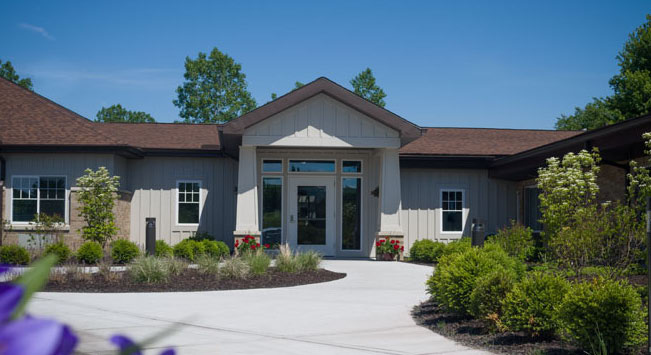
How is Allendale Nursing And Rehabilitation Community Staffed?

CMS rates Allendale Nursing and Rehabilitation Community's staffing level at 4 out of 5 stars, which is above average compared to other nursing homes. Staff turnover is 54%, compared to the Michigan average of 46%.

What Have Inspectors Found at Allendale Nursing And Rehabilitation Community?

State health inspectors documented 53 deficiencies at Allendale Nursing and Rehabilitation Community during 2022 to 2025. These included: 5 that caused actual resident harm and 48 with potential for harm. Deficiencies causing actual harm indicate documented cases where residents experienced negative health consequences.
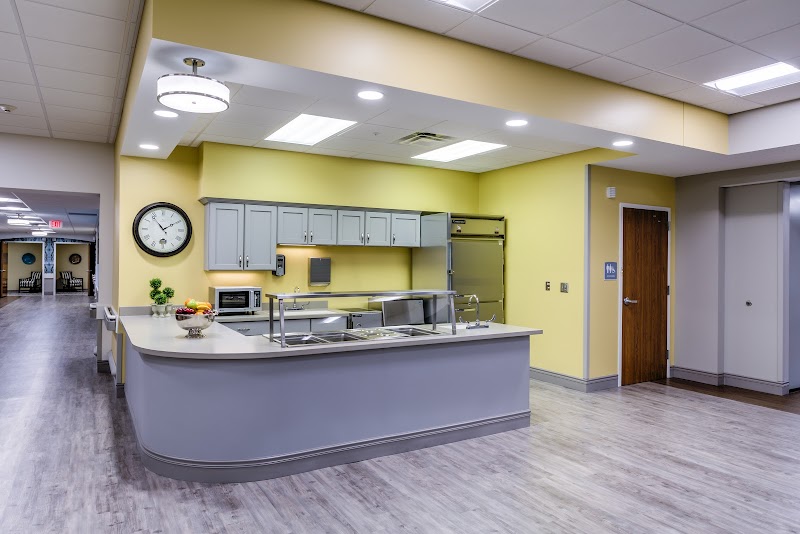
Who Owns and Operates Allendale Nursing And Rehabilitation Community?

Allendale Nursing and Rehabilitation Community is owned by a for-profit company. For-profit facilities operate as businesses with obligations to shareholders or private owners. The facility is operated by ATRIUM CENTERS, a chain that manages multiple nursing homes. With 60 certified beds and approximately 54 residents (about 90% occupancy), it is a smaller facility located in Allendale, Michigan.

How Does Allendale Nursing And Rehabilitation Community Compare to Other Michigan Nursing Homes?

Compared to the 100 nursing homes in Michigan, Allendale Nursing and Rehabilitation Community's overall rating (2 stars) is below the state average of 3.1, staff turnover (54%) is near the state average of 46%, and health inspection rating (2 stars) is below the national benchmark.

What Should Families Ask When Visiting Allendale Nursing And Rehabilitation Community?

Based on this facility's data, families visiting should ask: "Can I visit during a mealtime to observe dining assistance and food quality?" "How do you handle medical emergencies, and what is your hospital transfer rate?" "Can I speak with family members of current residents about their experience?"

Is Allendale Nursing And Rehabilitation Community Safe?

Based on CMS inspection data, Allendale Nursing and Rehabilitation Community has a clean safety record: no substantiated abuse findings (meaning no confirmed cases of resident harm), no Immediate Jeopardy citations (the most serious violation level indicating risk of serious injury or death), and is not on the Special Focus Facility watch list (a federal program monitoring the lowest-performing 1% of nursing homes). The facility has a 2-star overall rating and ranks #100 of 100 nursing homes in Michigan. While no facility is perfect, families should still ask about staff-to-resident ratios and recent inspection results during their visit.

Do Nurses at Allendale Nursing And Rehabilitation Community Stick Around?

Allendale Nursing and Rehabilitation Community has a staff turnover rate of 54%, which is 8 percentage points above the Michigan average of 46%. Moderate turnover is common in nursing homes, but families should still ask about staff tenure and how the facility maintains care continuity when employees leave.

Was Allendale Nursing And Rehabilitation Community Ever Fined?

Allendale Nursing and Rehabilitation Community has no federal fines on record. CMS issues fines when nursing homes fail to meet care standards or don't correct problems found during inspections. The absence of fines suggests the facility has either maintained compliance or corrected any issues before penalties were assessed. This is a positive indicator, though families should still review recent inspection reports for the full picture.

Is Allendale Nursing And Rehabilitation Community on Any Federal Watch List?

Allendale Nursing and Rehabilitation Community is not on any federal watch list. The most significant is the Special Focus Facility (SFF) program, which identifies the bottom 1% of nursing homes nationally based on persistent, serious quality problems. Not being on this list means the facility has avoided the pattern of deficiencies that triggers enhanced federal oversight. This is a positive indicator, though families should still review the facility's inspection history directly.