Heritage Nursing and Rehabilitation Community

320 East Central Avenue, Zeeland, MI 49464 (616) 772-9191
For profit - Corporation 39 Beds ATRIUM CENTERS Data: November 2025
Trust Grade
75/100
#127 of 422 in MI
Last Inspection: February 2025

Within standard 12-15 month inspection cycle. Federal law requires annual inspections.

Overview

Heritage Nursing and Rehabilitation Community in Zeeland, Michigan, has a Trust Grade of B, indicating it is a good choice for families seeking care options. It ranks #127 out of 422 facilities in Michigan, placing it in the top half, and #2 out of 11 in Ottawa County, showing only one local facility performs better. However, the trend is worsening, with reported issues increasing from 6 in 2024 to 7 in 2025. Staffing is rated 4 out of 5 stars, which is a strength, but turnover is at 47%, slightly above the state average, suggesting some challenges in staff retention. Notably, there were no fines recorded, which is a positive sign, and the facility has more RN coverage than average, ensuring better oversight of resident care. However, there are concerns regarding food safety, such as improperly cooled food and a lack of documentation on food storage practices, which could risk foodborne illness. Additionally, call lights were not within reach for residents, potentially delaying assistance during emergencies. Overall, while there are strengths in staffing and oversight, families should be aware of the identified risks and recent trends.

Trust Score
B
75/100
In Michigan
#127/422
Top 30%
Safety Record
Low Risk
No red flags
Inspections
Getting Worse
6 → 7 violations
Staff Stability
⚠ Watch
47% turnover. Above average. Higher turnover means staff may not know residents' routines.
Penalties
✓ Good
No fines on record. Clean compliance history, better than most Michigan facilities.
Skilled Nurses
✓ Good
Each resident gets 44 minutes of Registered Nurse (RN) attention daily — more than average for Michigan. RNs are trained to catch health problems early.
Violations
⚠ Watch
13 deficiencies on record. Higher than average. Multiple issues found across inspections.
★★★★☆
4.0
Overall Rating
★★★★☆
4.0
Staff Levels
★★★★☆
4.0
Care Quality
★★★★☆
4.0
Inspection Score
Stable
2024: 6 issues
2025: 7 issues

The Good

  • 4-Star Staffing Rating · Above-average nurse staffing levels
  • 4-Star Quality Measures · Strong clinical quality outcomes
  • Full Sprinkler Coverage · Fire safety systems throughout facility
  • No fines on record

Facility shows strength in staffing levels, quality measures, fire safety.

The Bad

Staff Turnover: 47%

Near Michigan avg (46%)

Higher turnover may affect care consistency

Chain: ATRIUM CENTERS

Part of a multi-facility chain

Ask about local staffing decisions and management

The Ugly 13 deficiencies on record

Feb 2025 7 deficiencies
CONCERN (D)

Potential for Harm - no one hurt, but risky conditions existed

Deficiency F0578 (Tag F0578)

Could have caused harm · This affected 1 resident

**NOTE- TERMS IN BRACKETS HAVE BEEN EDITED TO PROTECT CONFIDENTIALITY** Based on interview and record review, the facility failed to honor Advanced Directives for 1 resident (R2) out of 2 residents re...

Read full inspector narrative →
**NOTE- TERMS IN BRACKETS HAVE BEEN EDITED TO PROTECT CONFIDENTIALITY** Based on interview and record review, the facility failed to honor Advanced Directives for 1 resident (R2) out of 2 residents reviewed for Advanced Directives and ensure that the competent resident made their own Medical Treatment Decisions. Findings: Review of a Designation of Patient Advocate and Direction for Health Care (Durable Power of Attorney for Health Care) for (R2) dated 10/20/2020 reflected R2 appointed a Patient Advocate and Successor Patient Advocate(s). The document specified My Patient Advocate or Successor Patient Advocate may act only if I am unable to participate in making decisions regarding my medical, or as applicable, mental health treatment. Review of an admission Minimum Data Set (MDS) dated [DATE] indicated R2 admitted to the facility on [DATE] and was cognitively intact as evidenced by a Brief Interview for Mental Status (BIMS) score of 13/15 and did not exhibit problematic behavior or reject care. Review of a Medical Treatment Decisions of Resident dated 12/20/2022 reflected I have been informed in writing, in language that I understand, of my rights and all rules and regulations to make decisions concerning medical care, including the right to accept or refuse treatment and the right to formulate and to issue Advanced Directives to be followed if I become incapacitated. In the absence of an advanced directive I understand that any and all life sustaining measures may be used. I may revoke any and all of my decisions at any time. The form was signed by the patient advocate R2 specified could only act on their behalf when they were unable to participate in making decisions regarding medical and mental health treatment decisions. Review of a Do-Not-Resuscitate Order dated 12/21/22, included sections pertaining to consent: Declarant Consent (a person or party who makes a formal declaration) that included a space for the Declarant's signature as well as a line for Signature of person who signed for Declarant if applicable. The section pertaining to Patient Advocate Consent was signed by the patient advocate R2 specified could only act on their behalf when they were unable to participate in making decisions regarding medical and mental health treatment decisions. Review of a Decision Making Capacity Determination reflected R2 was evaluated by 2 physicians and . Determined to lack capacity to make reasoned medical decisions . An individual, a de facto surrogate, resident advocate or durable power of attorney, will have the ability to make decisions on their behalf. The determination was effective as of the date the second physician signed the form on 2/27/2023, two months after R2 admitted to the facility. During an interview on 2/20/2025 at 9:57 AM, the Social Services (SS) staff F confirmed R2 had not been deemed incapacitated at the time the Medical Treatment Decisions of Resident form or Do-Not-Resuscitate Order were completed.
CONCERN (D)

Potential for Harm - no one hurt, but risky conditions existed

Deficiency F0658 (Tag F0658)

Could have caused harm · This affected 1 resident

**NOTE- TERMS IN BRACKETS HAVE BEEN EDITED TO PROTECT CONFIDENTIALITY** Resident #30 (R30) Review of an admission Record revealed R30 was a [AGE] year-old male, admitted to the facility on [DATE], wit...

Read full inspector narrative →
**NOTE- TERMS IN BRACKETS HAVE BEEN EDITED TO PROTECT CONFIDENTIALITY** Resident #30 (R30) Review of an admission Record revealed R30 was a [AGE] year-old male, admitted to the facility on [DATE], with pertinent diagnoses which included hypertension (high blood pressure). Review of R30's Order Summary dated 2/9/24 revealed, metoprolol succinate tablet extended release 24 hr; 25 mg; Amount to Administer: 1 tablet; oral; Once A Day. There were no parameters ordered to hold the metoprolol if the blood pressure was below a specific level. Review of R30's January Medication Administration Record revealed that on 1/11/25 R30's metoprolol was Not Administered: Other Comment: outside parameters. Review of R30's Electronic Medical Record revealed no documentation that the provider had ordered the metoprolol to be held or that the provider was notified that the metoprolol had not been administered. During an observation on 2/19/25 at 8:57 AM, Registered Nurse (RN) A prepared medications for R30, including metoprolol succinate extended release 24 hr; 25 mg (milligram); Amount to Administer: 1 tablet; oral; Once a Day. RN A measured R30's blood pressure which was 126/51. RN A withheld R30's metoprolol, destroying it in a drug buster. When asked, RN A said she thought there were parameters to hold R30's metoprolol. RN A reviewed R30's order for the metoprolol and confirmed there were no parameters to hold the drug. RN A said there used to be parameters. Review of Resident Progress Notes dated 2/19/25 did not reflect RN A contacted the physician to inform them R30's ordered metoprolol had been held and/or that the order was clarified to include parameters. During an interview on 2/20/25 at 8:15 AM, the Director of Nursing (DON) confirmed that R35's aspart insulin did not have parameters to hold if the blood sugar was below a specific level at the time the medication was held. The DON reported that a new order was received to include blood sugar parameters. The DON reported confirmed R11's Lantus was documented as 15 units administered and not the ordered 30 units. The DON reported that she spoke with the nurse that administered the insulin, and the nurse reported she mixed them up with a different resident and it was a documentation error. The DON was unable to provide documentation ensuring R11 received the correct dose of Lantus. The DON confirmed there were no ordered parameters for R30's metoprolol and reported licensed nurses were not to make medication decisions (such as holding a medication) without first discussing or notifying the provider. Based on observation, interview, and record review, the facility failed to ensure medications were administered following nursing professional standards of practice, for 3 of 8 residents (R35, R11, and R30), resulting in medication errors and the withholding of medications without a physician order. Findings: Resident # 35 (R35) Review of an admission Record revealed R35 was a [AGE] year-old male, admitted to the facility on [DATE], with pertinent diagnoses which included type 2 diabetes mellitus. Review of R35's Order Summary dated 2/6/25 revealed, insulin aspart U-100 insulin pen; 100 unit/mL (3 mL); Amount to Administer: 3 units; subcutaneous; Before Meals. There were no parameters ordered to hold the insulin if the blood sugar was below a specific level. Review of R35's February Medication Administration Record revealed: *On 2/15/25 at 11:00 AM R35's aspart insulin was Not Administered: On Hold Comment: BS (blood sugar) 89. *On 2/17/25 at 11:00 AM R35's aspart insulin was Not Administered: Other Comment: glucose 75. Review of R35's Electronic Medical Record revealed no documentation that the licensed nurse received an order to hold the ordered insulin or that the provider was notified that the insulin was not administered. Resident # 11 (R11) Review of an admission Record revealed R11 was a [AGE] year-old female, admitted to the facility on [DATE], with pertinent diagnoses which included diabetes. Review of R11's Order Summary dated 8/28/24 revealed, Lantus Solostar U-100 Insulin (insulin glargine) insulin pen; 100 unit/mL (3 mL); Amount to Administer: 30 units; Subcutaneous; Once A Day. Review of R11's January Medication Administration Record revealed: *On 1/20/25 R11 was administered 15 Units of Lantus. *On 1/28/25 R11 was administered 15 Units of Lantus. Review of R11's Electronic Medical Record revealed no documentation that the provider had ordered a decreased dose of R11's Lantus on 1/20/25 or 1/28/25 or a rationale for the documentation/administration of 15 units of Lantus instead of the ordered 30 units of Lantus.
CONCERN (D)

Potential for Harm - no one hurt, but risky conditions existed

Pharmacy Services (Tag F0755)

Could have caused harm · This affected 1 resident

**NOTE- TERMS IN BRACKETS HAVE BEEN EDITED TO PROTECT CONFIDENTIALITY** Based on interview and record review, the facility failed to administer and accurately document administration of controlled sub...

Read full inspector narrative →
**NOTE- TERMS IN BRACKETS HAVE BEEN EDITED TO PROTECT CONFIDENTIALITY** Based on interview and record review, the facility failed to administer and accurately document administration of controlled substances for 3 of 6 residents (Resident #17, #16, and #239) reviewed for the administration of controlled medications, resulting in the potential for ineffective management of pain and the potential for diversion of controlled drugs. Resident #17 (R17) Review of an admission Record revealed R17 was a [AGE] year-old female, admitted to the facility on [DATE], with pertinent diagnoses which included: anxiety, spinal stenosis, and severe osteopenia. Review of R17's Order Summary dated 7/20/24 revealed, hydrocodone-acetaminophen (Norco) tablet; 5-325 mg; Twice A Day to be administered between 06:00 AM-10:00 AM and 04:00 PM-07:00 PM Review of R17's Controlled Substances Proof of Use form revealed that on 2/15/25 R17's Norco was documented as being removed/administered 1 time at 8:00 AM. R17's evening dose of Norco was not documented as being administered. Review of R17's Medication Administration Record revealed R17's Norco was documented as administered 2 times on 2/15/25. Review of R17's Order Summary dated 9/28/24 revealed, lorazepam (Ativan) tablet; 0.5 mg; Amount to Administer: 1/2 tablet; oral Once A Day takes 1/2 tablet of 0.5mg =0.25mg. Review of R17's Controlled Substances Proof of Use form revealed that on 2/15/25 R17's dose of Ativan was not documented as being removed/administered. Review of R17's Medication Administration Record revealed R17's Ativan was documented as being administered on 2/15/25. Review of R17's Electronic Medical Record revealed no documentation and/or rationale for the withholding of R17's Norco or Ativan on 2/15/25. Resident #16 (R16) Review of an admission Record revealed R16 was a [AGE] year-old male, admitted to the facility on [DATE], with pertinent diagnoses which included: a history of pelvic and rib fractures. Review of R16's Order Summary dated 1/21/25 revealed, oxycodone tablet; 5 mg; Amount to Administer: 1 tab; oral Every 6 Hours - PRN (as needed). Review of R16's Controlled Substances Proof of Use form revealed R16's oxycodone was documented as being pulled/administered on the following dates and time: *1/24/25 at 11:23 AM *1/25/25 at 9:00 PM *1/26/25 at 3:00 PM *1/26/25 at 9:00 PM *1/27/25 at 9:00 PM *1/30/25 at 7:45 PM *1/31/25 at 9:00 PM *2/14/25 at 8:00 PM Review of R16's Medication Administration Record revealed R16's oxycodone was not documented as being administered on the above listed dates. Resident #239 (R239) Review of an admission Record revealed R239 was a [AGE] year-old male, admitted to the facility on [DATE], with pertinent diagnoses which included: Review of R239's Order Summary dated 2/3/25 revealed, oxycodone tablet; 5 mg; Amount to Administer: 1 tab; oral Every 6 Hours - PRN (as needed). Review of R239's Controlled Substances Proof of Use form revealed R239's oxycodone was documented as being pulled/administered on 2/7/25 at 6:00 PM and on 2/8/25 at 3:15 AM. Review of R239's Medication Administration Record revealed R239's oxycodone was not documented as being administered on 2/7/25 or 2/8/25. During an interview on 2/20/25 at 8:15 AM, Director of Nursing (DON) confirmed the medication/documentation errors for R17, R16, and R239's controlled drug medications and reported licensed nurses are to document in the Medication Administration Record when a controlled drug is administered at the time it is administered. DON reported a medication error report would be completed for the withholding of R17's Norco and Ativan on 2/15/25. Review of the facility policy Controlled Substances Standards of Practice updated 09/2022 revealed, .Once the nurse completes the administration, then the nurse is to document on the MAR (Medication Administration Record) paper record or E-Mar electronic record. If PRN (as needed) medication is administered, additional documentation regarding reason, result, time and initials are required .Director of Nursing or Licensed Designee will conduct reviews in addition to above to ensure compliance in monitoring and be alert to any potential errors in accuracy .
CONCERN (D) 📢 Someone Reported This

A family member, employee, or ombudsman was alarmed enough to file a formal complaint

Potential for Harm - no one hurt, but risky conditions existed

Medication Errors (Tag F0758)

Could have caused harm · This affected 1 resident

**NOTE- TERMS IN BRACKETS HAVE BEEN EDITED TO PROTECT CONFIDENTIALITY** This citation pertains to intake # MI00146937 Based on interview and record review the facility failed to 1.) involve residents/...

Read full inspector narrative →
**NOTE- TERMS IN BRACKETS HAVE BEEN EDITED TO PROTECT CONFIDENTIALITY** This citation pertains to intake # MI00146937 Based on interview and record review the facility failed to 1.) involve residents/resident representative in the medication management process and 2.) evaluate and track progress and/or decline towards the gradual dose reduction of a psychotropic medication for 2 of 5 residents (Resident #4 and #24) reviewed for psychotropic medication use. Findings: Resident #4 (R4) Review of an admission Record revealed R4 was an [AGE] year-old female, admitted to the facility on [DATE], with pertinent diagnoses which included: Dementia with unspecified severity, without behavioral disturbance, psychotic disturbance, mood disturbance, and anxiety and major depressive disorder. R4 had a DPOA (Durable Power of Attorney) in place and did not make her own decisions. During an interview on 02/19/25 at 11:41 AM, DPOA G reported that R4 had been on Paxil (antidepressant) for approximately 40 years and was the medication used to treat her wild mood swings throughout the years. DPOA G reported that the facility staff notified him that R4's Paxil was to be reduced as part of a Gradual Dose Reduction (GDR) required by the State. DPOA G reported he didn't want them to (reduce R4's Paxil) because that was what worked with her for 40 years. DPOA G reported that because of the GDR of Paxil R4 had been swatting at other patients and they (facility) lost control (of her aggression/behaviors). During an interview on 02/20/2025 at 10:00 AM, Social Services (SS) F reported that the Behavior Management Team consisted of herself, the pharmacist, the facility provider, and a psychiatric consultant. SS F stated that if a resident didn't have a qualifying diagnosis of schizophrenia or bipolar (disorder) or if the resident didn't have qualifying documentation, we have to at some time attempt a GDR.SS F reiterated that a GDR attempt was required to be made on any psychotropic medications. During an interview on 02/20/2025 at 10:22 AM, Medical Doctor (MD) H reported that a GDR was attempted on psychotropic medications if a resident's behaviors and mood had been stable. If a GDR was determined to not be in the best interest of a resident a rationale was documented in the residents Electronic Medical Record. MD H reported he would defer to the psychiatric consultant and/or the pharmacist for their recommendations as it was not his area of expertise. During an interview on 02/20/25 at 12:18 PM, SS F reported that the pharmacist recommended the GDR of Paxil and had said it's not a medication that's good for the elderly. SS F reported that R4 had been doing well with the GDR then started having behaviors again. SS F reported that R4 was not followed by the psychiatric consultant. During an interview on 02/20/25 at 1:44 PM, Director of Nursing (DON) stated they had to get her off (of Paxil) per the pharmacist due to the side effects of the medications. Review of R4's Pharmacy Consultation Report dated 7/18/24 revealed the pharmacist recommended a decrease in R4's Paxil from 20mg once daily down to 10mg once daily. This recommendation was approved by the provider and signed on 7/24/24. A handwritten note at the bottom of the form revealed medication changed and was signed off by the Director of Nursing (DON) on 7/24/24. Review of R4's Order Summary dated 7/22/24 revealed, Paxil (paroxetine hcl) tablet; 10 mg; one tab .GDR per pharmacy recommendation telephone order from PA (physicians assistant) Once A Morning. Review of R4's Electronic Medical Record revealed no documentation that DPOA G had been consulted on further decreasing R4's Paxil and had not been notified of the medication change on 7/22/24. Review of R4's Progress Note dated 7/24/24 revealed, Resident medication change with Paxil from 20mg down to 10mg once daily. No adverse effects noted. Resident exhibiting some behaviors this am. Resident observed raising fist and yelling out at another resident in the dining room. Resident moved to a different table and behavior stopped. Indicating a change in behaviors with aggression towards other vulnerable residents. Review of R4's Progress Note dated 7/25/24 revealed, Aide noted resident to be somewhat aggressive in am when getting up into w/c via sit to stand with 2 assist. Aide reported resident pinching and poking at her breasts. No injuries note from aide. Otherwise, resident sitting in dining room quietly for lunch. Indicating new physically aggressive behaviors. Review of R4's Progress Note dated 7/28/24 revealed, Resident medication change with Paxil from 20mg down to 10mg once daily. No adverse effects noted. Resident exhibiting some behaviors this am. Resident making faces at staff while providing care. Resident unable to sit next to certain resident when in dining room due to getting angry and waving fists when sitting near them. Will continue to note changes. Indicating ongoing aggression towards other residents. Review of R4's Progress Notes revealed the last behavior note was documented on 8/3/24. There was an Activities quarterly assessment completed on 8/9/24 and a Covid progress note completed on 8/23/24. Review of R4's Progress Note dated 8/27/24 revealed, refused to get up this am stated no wouldn't hold onto bars of sit to stand, refused to remain seated upright, spit out am meds at first attempt accepted on second noted glaring at staff, slept most of day resistive to care stiffening up and pushing staff away, noted sticking out tongue and growling at staff. Review of R4's Progress Note dated 9/1/24 revealed, during lunch in dinning (sic) room, kitchen staff overheard another resident yelling stop it stop it. to this resident. this resident became agitated and slapped at other residents right arm striking right forearm/wrist area, on top side with open palm. then this resident began screaming out nonsensically. residents immediately separated with investigation showing no injury to other resident, this resident placed at nurses station where began yelling at staff stating i need it i need it. once tray delivered from dining room resident calmed but continues to glare harshly and pint at staff who removed from dinning room whenever passed saying you you you. for next 10 minutes. This incident was reported to the State Agency due to R4 assaulting another resident. (All incidences of resident to resident abuse are to be reported to the State Agency for review/investigation as all residents have the right to be free from abuse). Review of R4's Progress Note dated 9/15/24 revealed, resident became agitated i dining room when another resident was tearful, and began spitting noises while making face at other resident from across the dinning room . Review of R4's Progress Note dated 9/16/24 revealed, making faces and pointing at other residents at times easily redirected with conversation, combative with AM care, pulling away and slapping with open palm at times. Review of R4's Psychotropic Monthly Review forms revealed no reviews were completed in August 2024 or September 2024. (Confirmed with Nursing Home Administrator via email on 2/20/25 at 3:20 PM.) . Indicating the Behavior Management Team did not evaluate and track progress and/or decline towards the GDR of R4's Paxil since previous GDR on 7/22/24. There was no documentation that the Behavior Management Team reviewed/discussed the increased behaviors/aggression towards staff and residents as documented in the Progress Notes or that the resident to resident abuse, where R4 had been the perpetrator on 9/1/24 was reviewed/discussed. Documentation that R4 failed the Paxil GDR despite the change in behaviors was not reviewed/discussed. Review of R4's Physician Progress Note dated 9/19/24 revealed, .Following up at the request of the nursing and social services to consider discontinuation of the patient's Paxil and start the patient on Zoloft. The nursing staff otherwise do not report any other acute concerns .I have DC'd (discontinued) the patient's Paxil and start the patient on Zoloft 25 mg . Indicating the provider had not been made aware of the increased behaviors/aggression towards staff and residents as documented in the Progress Notes from the previous GDR on 7/22/24. Review of R4's Electronic Medical Record revealed no documentation that DPOA G had been consulted on discontinuing R4's Paxil and had not been notified of the discontinuation on 9/19/24. During an interview on 02/20/25 at 11:31 AM, Consultant Pharmacist (CP) I reported that an attempt to GDR R4's Paxil was made due to the high risk of side effects noted in the geriatric population. CP I reported that medication reviews are completed monthly, and he completes them either remotely or in person. CP I reported that he reviews behavior logs as well as psychiatric consultant notes. If the psychiatric consultant identifies that a GDR of a medication is contraindicated, he follows their lead. If a patient has been stable for a long period of time it indicates that a GDR could be attempted. CP I reported that the recommendation would have been to have go back up on the Paxil if R4 was displaying increased behaviors during the GDR process and the benefits of the medication would have outweighed the risk. CP I reported they could revisit the GDR of Paxil at a later date if she was experiencing side effects from the medication. CP I reported that the GDR process for R4's Paxil revealed she required the medication, and it was restarted on 1/22/25. During an interview on 02/21/25 at 11:40 AM, CP I reported he could not recall if he was notified of R4's resident to resident abuse identified on 9/1/25. Resident #24 (R24) Review of an admission Record revealed R24 was an [AGE] year-old male, admitted to the facility on [DATE], with pertinent diagnoses which included: Vascular dementia, unspecified severity, with psychotic disturbance, Delirium due to known physiological condition, and Unspecified dementia, unspecified severity, with agitation. R24 had a DPOA in place and did not make his own decisions. Review of R24's Psychiatric Consultation Report dated 1/2/25 revealed, .Patient continues to experience hallucinations per his report approximately twice a week Continue .Depakote ER 500 mg daily . Review of R24's Pharmacy Consultation Report dated 1/2/25 revealed, (R24) has experienced a recent fall in [DATE], and is at moderate to high risk of falls due to medications which may contribute to fall risk .Recommendation: Please consider the following actions to reduce the future risk of falls .2. Trial decrease to depakote ER 250 mg po HS (by mouth at night) . Indicating the depakote GDR was initiated due to a fall and not due to long term stability with behaviors/moods. During an interview on 02/19/25 at 12:00 PM, DPOA E reported that she had not been notified of a GDR for R24's Depakote. DPOA E stated she was told the GDR process was dictated by the state. They have to try to lower it and see if it works. DPOA E stated unless he actually needs to be reduced, I don't prefer that further stating that R24 tends to be unstable and has a lot of hallucinations. DPOA E reported she was not aware that she had a say in the GDR process or that a GDR could be deemed contraindicated if the benefits of the medication outweighed the risks due to his history of aggression and the fact that R24's reductions in the past did not go well. A request was made to Nursing Home Administrator (NHA) for documentation that DPOA E was consulted/notified of an attempt to GDR R24's Depakote on 2/21/25 at 9:42 AM via email. NHA provided an email sent by SS F on 1/15/25 which revealed, Pharmacy gave a recommendation for a trail (sic) GDR (Gradual dose reduction) for (R24's) Depakote, which is his mood stabilizer medication. We have to attempt reductions with all medications, and we have not tried one yet for this medication. (Psychiatric consultant name omitted) that follow's (sic) (R24) is in agreement that we need to trail (sic) a GDR, if it does not go well, then we will put it back. I wanted to update you on this, so we can get this order in and signed by the doctor. This notification email did not include risk versus benefit documentation or the rationale for the initiation of the Depkote GDR. On 2/21/25 at 9:49 AM NHA was asked to provide documentation that DPOA E agreed to R24's Depakote GDR via email. At 2/21/25 at 10:00 AM NHA stated, Unfortunately, (SS F) is unable to find a response email. Confirming DPOA E did not consent to the GDR of R24's Depakote. Review of the facility policy Psychotropic Medication Use last reviewed 01/2024 revealed, .3. Residents and/or representatives will be educated on the risks and benefits of psychotropic medication use, as well as alternative treatments/non-pharmacological interventions. 4. Residents who use psychotropic medications will receive gradual dose reductions, unless clinically contraindicated, in an effort to discontinue the medication if possible . 9. The effects of psychotropic medications on residents will be evaluated. This may be through physician evaluation, pharmacist routine medication review, nurse assessments and medication monitoring, and the plan of care 10. The resident response to the medication will be documented in the resident's medical record . Review of the State Operations Manual revealed, When selecting medications and non-pharmacological approaches, members of the IDT, including the resident, his or her family, and/or representative(s), participate in the care process to identify, assess, address, advocate for, monitor, and communicate the resident's needs and changes in condition . o Involvement of the resident, his or her family, and/or the resident representative in the medication management process. o Selection of medications(s) based on assessing relative benefits and risks to the individual resident . o Selection and use of medications in doses and for the duration appropriate to each resident's clinical conditions, age, and underlying causes of symptoms and based on assessing relative benefit and risks to, and preferences and goals of, the individual resident . o Resident Choice -If a resident declines treatment, the facility staff and physician should inform the resident about the risks related to the lack of the medication, and discuss appropriate alternatives such as offering the medication at another time or in another dosage form, or offer an alternative medication or non-pharmacological approach . Track progress and/or decline towards the therapeutic goal .Determining the frequency of monitoring-- The frequency and duration of monitoring needed to identify therapeutic effectiveness, achievement of resident goals, and adverse consequences will depend on factors such as clinical standards of practice, facility policies and procedures, manufacturer's specifications, and the resident's clinical condition and choices .Periodic planned evaluation of progress toward the therapeutic goals.
CONCERN (D)

Potential for Harm - no one hurt, but risky conditions existed

Medical Records (Tag F0842)

Could have caused harm · This affected 1 resident

**NOTE- TERMS IN BRACKETS HAVE BEEN EDITED TO PROTECT CONFIDENTIALITY** Based on interview and record review, the facility failed to ensure a complete and accurate medical record for one resident (R29...

Read full inspector narrative →
**NOTE- TERMS IN BRACKETS HAVE BEEN EDITED TO PROTECT CONFIDENTIALITY** Based on interview and record review, the facility failed to ensure a complete and accurate medical record for one resident (R29) out of 9 residents reviewed when the physician did not document an assessment or date mark a signature on an assessment of capacity. Findings: Review of a Face Sheet reflected R29 admitted to the facility from a hospital on 1/09/2025 with pertinent diagnoses that included metabolic encephalopathy (a condition where the brain does not function properly due to an underlying metabolic imbalance). Review of an admission Minimum Data Set (MDS) assessment dated [DATE] reflected R29 was moderately cognitively impaired as evidenced by a Brief Interview for Mental Status (BIMS) assessment score of 10/15. Review of a Hospitalist Progress Note dated 1/09/2025 reflected Assessment of capacity-Based on my evaluation of the patient (R29) on the morning of 1/9 patient lacks capacity to make informed decisions regarding complex medical decision making. Patient was interviewed at bedside and is unable to state where she was, current month or year, any underlying/chronic medical conditions or reason she was hospitalized . It is readily apparent that patient lacks capacity for advanced medical decision making and therefore would advise activation of MDPOA (medical durable power of attorney). The assessment was electronically signed by a hospital physician on 1/09/2025 at 1:32 PM EST (eastern standard time). Below the documented assessment, a handwritten X and signature line with the handwritten name of the facility Medical Director (MD) H. MD H signed the line. The signature is not dated and there is not a documented assessment or statement of agreement with the hospital physician's assessment. During an interview on 2/20/2025 at 9:48 AM, MD H was shown the Hospitalist Progress Note. MD H said he had no idea when he signed the document and intended to indicate agreement with the assessment of capacity.
CONCERN (D)

Potential for Harm - no one hurt, but risky conditions existed

Deficiency F0847 (Tag F0847)

Could have caused harm · This affected 1 resident

Based on interview and record review, the facility failed explain terms of an Agreement to Resolve Legal Disputes Through Arbitration and ensure the validity of understanding/consent to enter into the...

Read full inspector narrative →
Based on interview and record review, the facility failed explain terms of an Agreement to Resolve Legal Disputes Through Arbitration and ensure the validity of understanding/consent to enter into the agreement was witnessed for one resident's (R29's) Health Care Power of Attorney (HCPOA) out of 3 residents reviewed for Arbitration agreements. Findings: Review of a Face Sheet reflected R29 admitted to the facility from a hospital on 1/09/2025 with pertinent diagnoses that included metabolic encephalopathy (a condition where the brain does not function properly due to an underlying metabolic imbalance). Review of the facility Agreement to Resolve Legal Disputes Through Arbitration reflected This Agreement to Resolve Legal Disputes Through Arbitration (the Agreement) is made and entered into on 1/10/2025 by and between (name of facility) ('name of facility' or the facility), and ________ (Resident) and HCPOA N (Representative), collectively, the Parties. The space reserved for the resident's name was left blank. The Agreement was signed by HCPOA N and the Nursing Home Administrator (NHA) on 1/10/2025. The signature line for a Witness was blank. During an interview on 2/20/2025 at 10:31 AM, HCPOA N was asked if he recalled signing a binding arbitration agreement. According to HCPOA N, he recalled signing the agreement but did not like arbitration in general due to his understanding of arbitration being overall lacking in transparency, preferred arbitrators and the lack of appeal rights. HCPOA reported a family member was an attorney and used to talk about preferred arbitrators often favoring an entity rather than the complainant. HCPOA N was asked if he understood that the agreement meant that any dispute arising from care and/or services provided at the facility could not be heard in a court of law. HCPOA N was also asked if he understood that when he signed the agreement, he had 30 days to inform the facility in writing to cancel the agreement. HCPOA N said he did not understand what he was signing and was overwhelmed with the admission process and that upon review it sounds like a ridiculous arrangement. HCPOA N said he did not know that he could have cancelled the agreement within 30 days of signing the document if he submitted the cancellation request in writing. HCPOA said it was a moot point now, because the 30 days have elapsed. During an interview on 2/21/2025 at 10:45 AM, the NHA reported she was surprised to hear that HCPOA N did not understand the binding arbitration agreement. According to the NHA, she had emailed with HCPOA N about the admission contract which included the binding arbitration agreement. The NHA was asked for the email communication at this time. Review of an e-mail sent by the NHA to the surveyor on 2/21/2025 at 12:08 PM reflected Here is the history of that contract. It states that it was sent to (HCPOA N) email and that he signed and sent it back. Attached to the email was a document labeled (R29's last name) Contract.pdf Review of (R29's last name) Contract.pdf reflected on 1/10/2025 at 11:02 AM, the NHA created an envelope and sent the envelope to herself at 11:04 AM. At 11:05, the NHA opened and viewed the envelope. At 11:10 AM the NHA signed the envelope and sent an invitation to HCPOA N. At 2:31 PM on 1/10/2025, HCPOA N opened and viewed the envelope which contained the following: -Adult Admission.pdf -Admit consent-(name of facility).pdf -Coronavirus (COVID-19) Statement.pdf -NOTICE OF AVAILABILITY OF HOSPICE CAR.pdf -Advanced Directive Information.pdf -Stop and Watch.pdf -Authorization for Professional Services.pdf -Professionals - Contact List - (name of facility).pdf -Resident Authorization & Release for Photographs.pdf -Understanding Regarding Services Provided.pdf -Bed Holds & Leaves of Absence.pdf -Medicare Secondary Payer Questionnaire.pdf -Resident Personal Funds.pdf -NEMB-SNF.pdf -Assignment of Benefits.pdf -Private Pay Methods - (name of facility).pdf -Designation of Medicaid Authorized Representative.pdf -AUTHORIZATION TO DISCLOSE PROTECTED HEALTH INFORMATION.pdf -PRIVACY ACT STATEMENT.pdf -Bed Rail Authorization.pdf -Sex Offender Verification Form.pdf -Non-Discrimination and Accessibility Notice-(name of facility).pdf -Consent Form for Vaccines in LTC-Residents.pdf -admission Policy.pdf -Notice of Privacy Practices.pdf -Notice of Acknowledgements.pdf -Authorization Form and Supplier Standards.pdf -Resident Rights.pdf -Resident Handbook.pdf -(name of facility), new arbit.pdf HCPOA N signed the envelope containing 30 attachments, the last of which was the binding arbitration agreement, 13 minutes after he opened it on 1/10/24 at 2:44 PM. HCPOA N would have had 43 seconds to review each attachment, making it highly unlikely the documents were reviewed thrououghly. The signed documents were received by the NHA who immediately sent the documents to the facility Business Office Manager. No evidence additional signing was completed by the NHA, indicating the electronic signature of the NHA on the arbitration agreement was present before HCPOA N was assessed for understanding of the agreement. A follow-up email was sent by the surveyor to the NHA on 2/25/24 at 8:32 AM asking who reviewed any and all of the documents with HCPOA N. The NHA replied via email at 9:17 AM, I had contacted him via phone and asked if he would like to come in. He stated he had crazy hours and asked if it could be sent to him. I discussed with him that I could, but I wanted him to call if he had any questions. I sent it to him and he sent it back. He had my email and the SW (social worker) email. We had seen him after this and he never indicated that he had any questions. He stated he had a family member that was an attorney and so he was familiar with these contracts.
CONCERN (F)

Potential for Harm - no one hurt, but risky conditions existed

Food Safety (Tag F0812)

Could have caused harm · This affected most or all residents

Based on observation, interview, and record review, the facility failed to prepare food in accordance with professional standards for food service safety. This deficient practice has the potential to ...

Read full inspector narrative →
Based on observation, interview, and record review, the facility failed to prepare food in accordance with professional standards for food service safety. This deficient practice has the potential to result in food borne illness among all residents that consume food in the kitchen. Findings include: During an initial tour of the kitchen on 2/19/2025 beginning at 9:45 AM, it was observed that the handwashing sink next to the dish machine was obscured with a gallon size container of an unknown chemical. Further observation found a large, sealed, zippered plastic bag in the walk-in cooler containing scrambled eggs that had been served at breakfast. The bag was found warm to the touch. During an interview on 2/19/2025 at 10:00 AM, Dietary Manager (DM) L reported foods that are cooled for reuse are documented on a cooling log. There was no documentation pertaining to the leftover foods that had been discovered in the walk-in cooler. The leftover scrambled eggs were retrieved from the walk-in cooler and an analog temperature probe indicated the eggs were 100 degrees Fahrenheit. DM L reported cooling had started at 9:15 AM at 135 degrees Fahrenheit. It was noted at this time there was a plastic zippered bag containing sausage links. The sausage links temperature was 50 degrees Fahrenheit. DM L said the sausage links also began cooling at 9:15 AM at 135 degrees Fahrenheit. DM L then added the leftover eggs and sausage to a cooling log. According to the 2022 FDA Food Code section 3-501.15 Cooling Methods. (A) Cooling shall be accomplished in accordance with the time and temperature criteria specified under § 3-501.14 by using one or more of the following methods based on the type of FOOD being cooled: . (2) Loosely covered, or uncovered if protected from overhead contamination as specified under Subparagraph 3-305.11(A)(2), during the cooling period to facilitate heat transfer from the surface of the FOOD. During an observation and interview on 2/18/25 at 10:15 AM, DM L said the facility had a low temperature dish machine. A cycle was run, and chemical sanitizer concentration was measured with a test strip indicating the chemical concentration was 100 ppm (parts per million). DM L said the dish machine had to reach 120 degrees Fahrenheit. The temperature gauge outside of the machine did not indicate the cycle reached 120 degrees as required. The surveyor requested the water temperature be manually measured. The temperature was approximately 105 degrees. When asked, DM L reported the analog thermometer probes are calibrated monthly. DM L prepared ice water to calibrate two thermometers. Each thermometer required calibration from 40 degrees to 32 degrees and indicated a high likelihood food temperature measured before the breakfast meal were not accurate. The dish machine water was again temped. The wash cycle was 90 degrees, and the rinse cycle was 100 degrees. Review of a Dish Machine Temperature Log for February 2025 specified Check and record temperatures and test strip results before washing dishes. Plz (sic) notify yur (sic) Director/Manager with any identified issues. NOTE: For low temperature machines, if sanitize is less than 50 ppm or if the temperature is less than 120 degrees Fahrenheit or above 150 degrees Fahrenheit, Plz (sic) notify your director. The log reflected the rinse cycle did not meet the minimum required 120 degrees during the breakfast service every day except 2/2/25, 2/3/25 and 2/8/25. The rinse cycle did not reach 120 degrees during the lunch service on any day except 2/3/25. The rinse cycle did not meet the required 120-degree rinse during the dinner service on 2/15/25, 2/16/25 or 2/17/25. According to the 2022 FDA Food Code section 4-501.15 Warewashing Machines, Manufacturers' Operating Instructions. (A) A WAREWASHING machine and its auxiliary components shall be operated in accordance with the machine's data plate and other manufacturer's instructions. (B) A WAREWASHING machine's conveyor speed or automatic cycle times shall be maintained accurately timed in accordance with manufacturer's specifications. During a follow up tour of the kitchen, at 9:32 AM on 2/19/25, an interview with DM L found that staff cool down food frequently. Review of the facility log entitled Cooling Down Foods - Tracking Chart, contained items that cooled down between 2/2/25 and 2/10. The log states the foods need to cool from 135F to 70F within two hours and from 70F to 41F in four hours. A review of the log found Chicken Gravy cooled on 2/2/25 went from 135F at 1:00 PM to 76F at 3:00 PM, Chicken and [NAME] soup on 2/4 started cooling at 135F at 2:00 PM and was documented at 81F two hours later at 4:00 PM. When asked if these items were served to residents after improperly cooling, DM L was unsure. According to the 2017 FDA Food Code section 3-501.14 Cooling. (A) Cooked TIME/TEMPERATURE CONTROL FOR SAFETY FOOD shall be cooled: (1) Within 2 hours from 57ºC (135ºF) to 21ºC (70°F); and (2) Within a total of 6 hours from 57ºC (135ºF) to 5ºC (41°F) or less . During a follow up tour of the kitchen, at 9:40 AM on 2/19/2025, observation of the tabletop mixer found increased accumulation of brown dried debris on the underside arm of the unit and in and around nuts / bolts on the surface. Follow up observation of sheet pans and one saucepan, at 10:06 AM on 2/19/25, found that the surfaces of equipment had increased amount of encrusted black grease deposits. Accumulation was evident on the sides and corners of the pans. An interview with [NAME] J found that she tries hard to scrub the surfaces, but some don't come clean. According to the 2022 FDA Food Code section 4-601.11 Equipment, Food-Contact Surfaces, Nonfood-Contact Surfaces, and Utensils. (A) EQUIPMENT FOOD-CONTACT SURFACES and UTENSILS shall be clean to sight and touch. (B) The FOOD-CONTACT SURFACES of cooking EQUIPMENT and pans shall be kept free of encrusted grease deposits and other soil accumulations. (C) NonFOOD-CONTACT SURFACES of EQUIPMENT shall be kept free of an accumulation of dust, dirt, FOOD residue, and other debris. During a follow up tour of the dry storage room, at 10:20 AM on 2/19/25, it was observed that an open container of Teriyaki marinade was found on the dry storage shelf. A review of the manufacture label found that the item states Refrigerate After Opening. According to the 2022 FDA Food Code section 3-501.16 Time/Temperature Control for Safety Food, Hot and Cold Holding. (A) Except during preparation, cooking, or cooling, or when time is used as the public health control as specified under §3-501.19, and except as specified under (B) and in (C ) of this section, TIME/TEMPERATURE CONTROL FOR SAFETY FOOD shall be maintained: (1) At 57C (135F) or above, except that roasts cooked to a temperature and for a time specified in 3-401.11(B) or reheated as specified in 3-403.11(E) may be held at a temperature of 54C (130F) or above; or (2) At 5C (41F) or less.
Apr 2024 6 deficiencies
CONCERN (D)

Potential for Harm - no one hurt, but risky conditions existed

Accident Prevention (Tag F0689)

Could have caused harm · This affected 1 resident

**NOTE- TERMS IN BRACKETS HAVE BEEN EDITED TO PROTECT CONFIDENTIALITY** Based on observation, interview and record review, the facility failed to monitor and assess equipment in the facility to ensure...

Read full inspector narrative →
**NOTE- TERMS IN BRACKETS HAVE BEEN EDITED TO PROTECT CONFIDENTIALITY** Based on observation, interview and record review, the facility failed to monitor and assess equipment in the facility to ensure proper working condition, resulting in a shower chair breaking and one resident (Resident #19) hitting her head, out of 5 residents reviewed for accidents and hazards. Findings include: Resident #19 (R19) Review of the Minimum Data Set (MDS) dated [DATE] revealed R19 required partial/moderate assistance for showers. During an observation on 4/3/24 at 9:00 AM, R19 was in the dining room when EMS (Emergency Medical Services) arrived to take her to the hospital. Registered Nurse (RN) J reported R19 fell in the shower room when the shower chair broke, and R19 hit her head. R19 had a goose egg on her head and reported blurry vision this morning. Staff are sending the resident to the hospital to get checked out. In an interview on 4/3/24 at 9:20 AM, Certified Nursing Assistant (CNA) G reported she had R19 in an oversized shower chair in the shower room and when CNA G pushed the chair into the shower the chair collapsed, R19 slid to the floor and hit her head on the entry doorway to the shower. During an observation and an interview on 4/3/24 at 9:44 AM, the Maintenance Director (MD) F had the broken shower chair in his office and the left back leg of the chair had a crack where the wheel broke off from the plastic. Above the crack was a hose clamp securing a joint, with evidence of purple pvc glue at the joint. MD F reported he had only been at the facility for 6 weeks and thinks the shower chair just got brittle and broke. The hose clamp was put there from the previous Maintenance Director and felt the chair should have been replaced at that time. MD F did not have a routine maintenance log for shower chairs, mechanical lifts, wheelchairs, beds, or any other patient care equipment. MD F reported the shower chairs should have a tag on them to indicate weight limits from the manufacturer. The broken shower chair did not have such tag. In an interview on 4/3/24 at 11:14 AM, the Nursing Home Administrator (NHA) reported the previous maintenance guy did have a maintenance log and a person from another facility was putting it together. She is not sure where it is now. Review of an Equipment Policy with no date revealed: It is the policy of this facility to maintain all essential mechanical, electrical, and patient care equipment in safe operation condition. 5. All facility equipment will be inspected at a minimum, on monthly basis or more frequently if indicated by manufacture guidelines and documented on the Equipment Inventory Log Form by Department (Form 3.3.1)
CONCERN (D)

Potential for Harm - no one hurt, but risky conditions existed

Deficiency F0710 (Tag F0710)

Could have caused harm · This affected 1 resident

Based on observation, interview and record review, the facility failed to notify the physician for 1 (Resident #9) of 1 resident reviewed for physician notifications when her insulin was not available...

Read full inspector narrative →
Based on observation, interview and record review, the facility failed to notify the physician for 1 (Resident #9) of 1 resident reviewed for physician notifications when her insulin was not available and not given. Findings include: Resident #9 (R9) Review of a Face Sheet revealed R9 has a diagnosis of type II diabetes. During an observation and an interview on 4/1/24 at 12:05 PM, an empty insulin glargine pen was in the top drawer of the medication cart for R9. Licensed Practical Nurse (LPN) C reported the insulin pen was there to remind her to order a new one for R9 because there was none in the back up storage. LPN C reported the resident did not get her insulin that morning and was going to call the pharmacy to have them send it as soon as possible. Review of the Medication Administration Record (MAR) on 4/2/24 for R9 revealed on 4/1/24, she did not receive her 30 units of insulin glargine subcutaneous injection as ordered between 7:00 AM and 11:00 AM because the drug was not available. Review of the Nursing Progress Notes for R9 revealed no documentation that the physician was notified of her insulin not being available and not receiving the ordered dose. In an interview on 4/3/24 at 8:00 AM, Registered Nurse (RN) I reported that she assisted LPN C the other day (4/1/24) when R9 did not have any insulin available to give her. There was not any in the back up stock either. RN I reported she did not call the physician and only assisted LPN C with communicating with the pharmacy to get the insulin. LPN C was not at the facility this day.
CONCERN (E)

Potential for Harm - no one hurt, but risky conditions existed

Deficiency F0558 (Tag F0558)

Could have caused harm · This affected multiple residents

**NOTE- TERMS IN BRACKETS HAVE BEEN EDITED TO PROTECT CONFIDENTIALITY** Based on observation, interview, and record review, the facility failed to maintain call lights within sight and reach for 3 of ...

Read full inspector narrative →
**NOTE- TERMS IN BRACKETS HAVE BEEN EDITED TO PROTECT CONFIDENTIALITY** Based on observation, interview, and record review, the facility failed to maintain call lights within sight and reach for 3 of 3 residents reviewed (Resident #27, Resident #138, and Resident #8). Findings: Resident #27 (R27) Review of a Face Sheet revealed R27 was a [AGE] year-old male, last admitted to the facility on [DATE], with pertinent diagnoses of cognition communication deficit, weakness, retention of urine, dementia, seizure disorder, hearing loss, and recent fall with a right femur fracture. During an observation on 04/02/24 at 7:52 AM, R27 sat up in the recliner and the call light laid on the floor on the opposite side of the bed as the resident, out of sight and out of reach. During an observation on 04/02/24 at 9:22 AM, R27 remained sitting in the recliner and the call light laid on the floor on the opposite side of the bed as the resident, out of sight and out of reach. During an observation on 04/02/24 at 3:22 PM, R27 sat awake in bed and the call light laid on the floor to the left of the resident, out of sight and out of reach. Review of a Resident Care Guide last updated 03/27/24 revealed a special alert for R27 clip on call light. Review of a Care Plan for R27 revealed the following staff intervention: call light to be within reach, ensure clip is on the call light and is secure near the resident before leaving the room. Resident #138 (R138) Review of a Face Sheet revealed R138 was an [AGE] year-old female, admitted to the facility on [DATE], with pertinent diagnoses of multiple fractures of ribs on her right side, anxiety disorder, and high blood pressure. During an observation and interview on 04/01/24 at 9:41 AM, R138 sat in her wheelchair with her back to the door and the call light was stretched to the head of the bed out of reach of the resident. R138 indicated that she had returned from an appointment this am that was canceled and was waiting for staff to come help her. I sure would like to just sit in bed for a while. I will just have to wait until someone comes in I guess. Review of a Resident Care Guide revealed R138 was a 1 person staff assist to transfer from her wheelchair to the bed. Resident #8 (R8) Review of a Face Sheet reflected R8 was a [AGE] year-old female, last admitted to the facility on [DATE], with pertinent diagnose of recent (2/29/24) fracture to left upper arm, muscle weakness, anxiety disorder, mood disorder, stiffness in both knee, and chronic pain. During two observations on 04/01/24 at 11:49 AM and again at 12:22 PM, R8 laid in bed resting with eyes closed and the call light sat on the floor near the foot of the bed, out of sight and out of reach of the resident. During an observation on 04/01/24 at 3:19 PM, R8 laid in bed resting with eyes closed and the call light sat coiled up at the foot of the bed under the covers, out of sight and out of reach of the resident. Review of a Care Plan intervention for R8 revealed: call light to be within reach while in bed.
CONCERN (E) 📢 Someone Reported This

A family member, employee, or ombudsman was alarmed enough to file a formal complaint

Potential for Harm - no one hurt, but risky conditions existed

Quality of Care (Tag F0684)

Could have caused harm · This affected multiple residents

**NOTE- TERMS IN BRACKETS HAVE BEEN EDITED TO PROTECT CONFIDENTIALITY** This citation pertains to intake # MI00-143546 Based on interview and record review, the facility failed to provide coordinated ...

Read full inspector narrative →
**NOTE- TERMS IN BRACKETS HAVE BEEN EDITED TO PROTECT CONFIDENTIALITY** This citation pertains to intake # MI00-143546 Based on interview and record review, the facility failed to provide coordinated quality care for 1 of 3 residents (Resident #35) reviewed, resulting in (a) incorrect transfer status used by staff, (b) inconsistent/conflicting skin assessments, (c) an incorrectly completed baseline care plan that provided little guidance to direct care staff on how to meet the resident's immediate needs, (d) incomplete nursing assessments and documentation, (e) a significant delay in downgrading the residents weight bearing status as ordered, and (f) low blood pressures not reported to the physician. Findings: Resident #35 (R35) Review of a Face Sheet revealed R35 was an [AGE] year-old female, admitted to the facility from the hospital on [DATE], with pertinent diagnoses of left femur fracture (due to a fall at home) that was surgically repaired, pain in right shoulder, atrial fibrillation, and diabetes mellitus type 2. Review of a Brief Interview for Mental Status (BIMS) dated 03/16/24, revealed a score of 6/15 which indicated R35 had severe cognitive impairment. Review of a Nurse to Nurse admission Report (used to gather information prior to the admission when the discharging nurse-(at hospital) speaks to the admitting nurse-(at skilled nursing facility) for R35, indicated the following information: (a) 50% weight bearing, (b) stage 2 (wound) to bottom right cheek, (c) previously straight cathed despite having large (urine) output, still retaining (urine), (d) norco for pain, and (e) transfer status: sit/stand was handwritten in. Review of hospital physical therapy notes for R35 revealed: recommend to discharge to skilled rehab facility with two assist for all mobility and use of non-powered sit to stand device. (staff assist only) Review of hospital occupational therapy notes for R35 reflected: (R35) reported a right shoulder injury and needs active assistance with range of motion (ROM) to place right hand on the grab bar. Review of a Baseline Care Plan (a guide to direct staff in caring for a newly admitted resident for the first 48 hours or until a comprehensive care plan can be created) completed on 03/11/24 by nursing reflected: (a) Resident is being admitted to this facility because: PT/OT (physical therapy/occupational therapy), and fx L hip (fractured left hip) were listed, (b) Diet Orders: was left blank, (c) code status: was left blank, (d) Pressure Sore/Skin at Risk: was left blank, (e) Fall/Safety Risk: was left blank, (f) Fracture/Fractured Hip: was left blank, (g) Services and treatment: surgical cite care was checked but no specific instructions were listed, (h) Activities of Daily Living: all boxes were checked but only preference for bathing was filled in. No care needs, staff interventions, or the amount of assistance needed by staff were listed under ambulation, eating, bed mobility, transfers, going to the bathroom, locomotion, or personal hygiene & dressing. (g) Coordination of care needs: was left blank. The baseline care plan form showed the instructions . completed within the first 48 hours by a Registered Nurse (RN). The signature line showed RN Signature completing Baseline Care Plan was signed and dated by Licensed Practical Nurse (LPN) N. Review of an admission Assessment for R35, dated 03/11/24 at 6:02 PM, reflected:(a) skin findings of dry, pale and area right butt cheek surgical incision (surgery had been to the left hip) and no specific documentation noted the size, color, or location of the stage 2 wound reported in the nurse to nurse admission report, (b) pain rated at 10/10 and listed gabapentin as the only current treatment for pain, and (c) the bowel/bladder assessment did not mention the urinary retention reported by the hospital nurse in the nurse to nurse admission report. Review of a nursing Progress Note for R35, dated and time stamped 03/11/24 at 10:37 PM, revealed red area noted coccyx between buttocks. No treatment orders for located in the electronic health record (EHR) Review of a Physical Therapy Evaluation dated 03/12/24, revealed the following recommendations made by Physical Therapy Assistant (PTA) K: (a) precautions-50% weight bearing on left lower extremity, (b) to transfer from sitting position to standing position required partial to moderate assistance from staff, and (c) to transfer between the bed and a chair required partial to moderate assistance from staff. The use of a mechanical sit to stand was not recommended by physical therapy. Review of a nursing Progress Note for R35, dated 03/12/24, revealed the following: (a) R35 had intermittent confusion, (b) complained of left hip pain but was unable to rate the pain, and (c) no observed signs of pain were documented by nursing (i.e. wincing, grimacing, tearful etc) nor were any non-pharmacological interventions discussed with the resident. Review of a nursing Progress Note for R35, dated 03/12/24, revealed the following regarding R35: (a) confusion noted in conversation, (b) extensive assist with sit to stand for transfers, (c) very confused this shift, banging TV remote on over-bed table and yelling, (c) unable to verbally express needs to staff, and (d) showed and reminded R35 to use call light. No documentation noted that staff attempted to identify R35's need, i.e. (increased pain, needed to go to the bathroom, needed to be changed etc). Review of a Skin Body Assessment for R35, dated 03/12/24, revealed skin impairment findings of red area coccyx not open, bruising of left outer thigh. No documentation identified the size of the coccyx red area. No documentation refuted, identified, or noted the size, color or location of the stage 2 wound reported in the nurse to nurse admission report. No treatment/monitoring orders put into place. Review of a Physical Therapy Daily Note for R35, dated 03/13/24, reflected the following: R35 demonstrated confusion and is easily distracted requiring maximum verbal cuing, encouragement, and redirection to complete activities. Transfer status listed as partial to moderate assistance from staff. Therapy did not recommend the use of a sit to stand machine. Review of a nursing Progress Note, for R35 dated 03/13/24, indicated: R35 is an extensive assist of 2 staff with sit to stand transfers. Review of a nursing Progress Note, for R35 dated 03/14/24, indicated: R35 is an extensive assist of 2 staff with sit to stand transfers. Review of a nursing Progress Note, for R35 dated 03/16/24, indicated: R35 is an extensive assist of 2 staff with sit to stand transfers. Review of a nursing Progress Note, for R35 dated 03/17/24, indicated: R35 is an extensive assist of 2 staff with sit to stand transfers. Review of a weekly Skin Body Assessment for R35, dated 03/18/24, indicated the only area of skin impairment was bruising to the left hip. The red area coccyx previously identified on 03/11/24 and 03/12/24 was not identified and addressed. Review of a nursing Progress Note, for R35 dated 03/18/24, time stamped at 10:33 AM and written by Licensed Practical Nurse (LPN) M indicated .A&O (alert and oriented) x 2 with some confusion. Admitting DX (diagnoses): surgical repair of L (left) hip fracture after fall. History of anemia, atrial flutter, type 2 diabetes, hyperlipidemia (high cholesterol), and neuropathy. She is an extensive assist of 2 with sit to stand for transfers. She is able to feed herself with set up. Surgical dressings are intact on her hip. She was sitting up in a chair today for a while. No complaints today from her so far. Review of further nursing Progress Notes and specifically a note dated 03/21/24, time stamped 10:20 AM and written by LPN M, revealed the exact same note, word for word, that was noted above and also written by LPN M on 03/18/24. Additionally another nursing progress note written by LPN M on 03/23/24 and time stamped 10:01 AM, contained the exact same word for word note as the above mentioned other two notes, except the last 2 sentences had been dropped. By the date of documentation on the second and third nursing note (03/21/24 and 03/23/24), R35's transfer status had been changed and this was not reflected in the nursing notes. This raised concerns that nursing had in fact not assessed R35 on 03/21/24 and 03/23/24, rather, had instead copy and pasted previous nursing notes. Review of an office note from the orthopedic follow up appointment on 03/18/24, reflected the following change to R35's treatment orders .toe touch weight bearing (ttwb) to left lower extremity. The change was made due to a new fracture, located just below the hardware placed to fix the femur fracture on 03/06/24, noted on an x-ray that was taken in the office at the follow up appointment. There were no nursing progress notes in the EHR that indicated nursing had evaluated R35 upon return from the appointment on 03/18/24 nor that nursing acknowledged the new orders for a change in weight bearing status. Review of an Interdisciplinary Team progress note, for R35 dated 03/19/24 and time stamped 9:47 AM, revealed .resident had an appointment yesterday with orthopedics. Weight bearing status changed to ttwb. Therapy updated. This was the first progress note that mentioned the weight bearing change made on 03/18/24. Review of a Physical Therapy Daily Note, dated 03/19/24, reflected that therapy had been notified of R35's left leg down-graded weight bearing status from 50% to toe touching only. During an interview on 04/03/24 at 8:50 AM, confidential informant L reported being contacted by telephone by the Director of Nursing (DON) on 03/19/24. The DON advised complainant L that R35's weight bearing status had been changed by the orthopedic surgeon on 03/18/24 from 50% weight bearing to toe touching only on the left leg. Complainant L asked the DON why the change had been made and was told I'm not sure. Complainant called the orthopedic surgeons office on 03/19/24 to ascertain why there had been a change to R35's weight bearing status and was advised of the new found fracture. Review of a Director of Nursing (DON) progress note for R35, dated 03/20/24 and time stamped 10:20 AM, reflected: called (orthopedic surgeon office) to clarify weight bearing status. R35 arrived with 50% weight bearing and returned from appointment as ttwb. Left message for return call. Review of a second DON progress note, dated 03/20/24 and time stamped 2:00 PM, revealed: received call back from orthopedic surgeon office. Repeat x-ray showed possible fracture and they want R35 ttwb until next orthopedic appointment. Message provided to therapy. During an interview on 04/03/24 at 8:50 AM, R35's confidential informant L reported the following regarding a visit to the facility the evening of 03/20/24: (a) while visiting R35 needed to go to the bathroom, (b) 1 staff person entered the room and began assisting R35 to get out of bed, (c) confidential informant L stopped the worker and told the staff person that R35 cannot get up and put weight on the left leg, (d) was told by the staff person that R35 could get up and walk to the bathroom, (e) after much insistence, the staff person and confidential informant L went to the desk to speak with the nurse, the nurse checked the book that provides care instructions to staff, and (f) nursing told confidential informant L that R35 was listed as 50% weight bearing on the left leg. Review of a Nursing-Direct Care Staff Services communication form for R35, dated 03/21/24, reflected the following special instructions: (R35) is hoyer lift for all transfers and is toe touch weight bearing (ttwb). Review of a Nursing Progress Note for R35, dated 03/21/24, revealed: R35 complaining of her bottom hurting, checked bottom, small opening between buttocks. TAO (topical antibiotic ointment) applied with dressing. The note did not include a description or size of the wound, nor did it indicate that the physician or DON were notified. Review of a Nursing Progress Note for R35, dated 03/22/24, indicated that an open area on the residents left buttock was found and assessed. Review of a Care Plan for R35, last reviewed/revised on 03/24/24, revealed the following staff interventions regarding R35's ADL (activity of daily living) Functional Status: (a) status of mobility-does not ambulate, start date 3/21/24, (b) status of going to the bathroom-extensive assist x 2 staff persons, start date 03/21/24, and (c) status of transfers: extensive assist x 2 staff persons with sit to stand, start date 03/21/24. R35's Care Plan had not been changed to reflect (a) the new orthopedic surgeon orders obtained on 03/18/24- toe touch weight bearing to left leg and (b) physical therapy instructions for R35 to be a hoyer left transfer, effective 03/21/24. Review of the same Care Plans for R35 revealed that the care plan for at risk for skin breakdown was not initiated until 03/21/24. Review of R35's Electronic Medication Administration Record (Emar) dated 03/01/24 to 03/31/24, reflected one order for wound care that was initiated on 03/22/24: Wound treatment-Left Buttock. An order for care of the coccyx wound identified on 03/11/24 and 03/12/24 could not be located in the Emar. Review of a weekly Skin Body Assessment for R35, dated 03/25/24, revealed .wound to coccyx, hyrocolloid dressing in place, changed every 3 days, fading bruise to left hip with steri strips to incision site. Review of an Emar for R35 dated 03/01/24 to 03/31/24, revealed orders for hydrochlorothiazide 12.5 mg (milligrams) one tab daily and for Diltiazem ER (extended release) 240 mg one tab twice daily. These medications were prescribed for a heart condition. Also ordered were blood pressure (BP) checks (along with other vitals) three times daily (every shift). The following dates revealed low blood pressures or blood pressures carried over from the previous shift and not re-checked. Documentation in the EHR could not be located that indicated that a physician or medical provider was notified of the following low blood pressure (BP) findings . (1) BP and other vitals from 2nd and 3rd shift on 03/12/24 were identical (2) BP from 3rd shift on 03/13/24 was 104/46 (3) BP and other vitals from 2nd and 3rd shift on 03/14/24 were identical (4) BP and other vitals from 1st and 2nd shift on 03/15/24 were identical, BP was 88/51 and vitals were not recorded on 3rd shift (5) BP from first shift on 03/16/24 was 94/64 and vitals from 2nd and 3rd shift were identical (6) BP and other vitals from 1st and 2nd shift on 3/18/24 were identical and the BP recorded on 3rd shift was 90/64 (7) BP and other vitals from 2nd and 3rd shift on 03/19/24 were identical and the BP was 67/55 (8) BP from 1st shift on 03/20/24 was 90/49 and all vitals were identical on 2nd and 3rd shift (9) All vitals from 2nd and 3rd shift on 03/21 were identical (10) Blood pressure from 3rd shift on 03/23 was 74/58 and pulse was 100 (11) All vitals from 2nd and 3rd shift on 03/24/24 were identical During an interview on 04/03/24 at 12:05 PM, Director of Therapy Services O reported the following regarding R35: (a) was initially a 2 person assist, (b) nursing can downgrade transfer status (decide to use a sit to stand machine or hoyer) but they must let therapy know so therapy can accurately assess, (c) therapy was not notified that staff were using a sit to stand machine to transfer R35, and (d) were notified by nursing of the change in weight bearing status to ttwb on 03/19/24 and initiated the order during therapy sessions. Review of a facility policy Pressure Injury Prevention and Care, last revised 02/2024, reflected .pressure injuries will be assessed and documented upon admission, upon discovery, and weekly thereafter. Assessment may include size, location, category/stage, odor (if any), wound edges, peri-wond condition, pain, and treatment order. Physicians and responsible parties will be notified of pressure injury upon identification and with change in status .Initiate treatment in accordance with facility protocols, standing orders, or physician orders .Notify the Director of Nursing. Update the care plan to address area of injury and approaches initiated.
CONCERN (E)

Potential for Harm - no one hurt, but risky conditions existed

Deficiency F0761 (Tag F0761)

Could have caused harm · This affected multiple residents

**NOTE- TERMS IN BRACKETS HAVE BEEN EDITED TO PROTECT CONFIDENTIALITY** During an observation on 04/01/24 at 12:02 PM the west hall medication cart was unlocked and unattended by nursing staff. Resid...

Read full inspector narrative →
**NOTE- TERMS IN BRACKETS HAVE BEEN EDITED TO PROTECT CONFIDENTIALITY** During an observation on 04/01/24 at 12:02 PM the west hall medication cart was unlocked and unattended by nursing staff. Resident #138 (R138) Review of a Face Sheet revealed R138 was an [AGE] year-old female, admitted to the facility on [DATE], with pertinent diagnoses of multiple fractures of ribs on the right side. During an observation on 04/01/24 at 9:41 AM, a bottle of Flonase (a prescription medication used to reduce inflammation in the nasal passages) sat on R138's bedside table. During an observation on 04/02/24 at 8:23 AM, a bottle of Flonase sat on R138's bedside table. During an observation on 04/03/24 at 3:58 PM, a bottle of Flonase sat on R138's bedside table. Review of R138's electronic medication administration record (Emar), dated for the month of April 2024, did not contain an order for Flonase. Further review of the electronic health record (EHR) did not show an order for self administration of medications. During an interview on 04/03/24 at 4:20 PM, the regional nurse consultant C stated that medications are not to be sitting out in a residents room regardless of whether or not they have an assessment to self-administer medications. All medications should be stored and secured in a medication cart. Based on observation, interview, and record review, the facility failed to operationalize policies and procedures to store medications and secure narcotics, per standards of practice for 2 of 2 medication carts and for one resident (Resident #138). Findings include: During an observation and an interview on 4/1/24 at 12:05 PM, a medication cart outside room [ROOM NUMBER] was not locked. All the drawers were easily opened including the narcotic lock box. Upon opening the unlocked narcotic drawer, the lock box inside the drawer did not have the lid locked and the narcotics were readily accessible. The top drawer had 1 unmarked souffle cup with 8 pills and another unmarked souffle cup with 2 pills. Licensed Practical Nurse (LPN) C reported she thought the cart was locked and the narcotic lock box was securely locked. The pre-set meds were for 2 residents who were not ready for their medications. Seven different loose pills sat under the medication blister packs, loose at the bottom of a drawer. Review of a policy titled Storage and Expiration Dating of Medications, Biologicals last revised 8/7/23 revealed: 1. Facility should ensure that only authorized Facility staff, as defined by Facility, should have possession of the keys, access cards, electronic codes, or combinations which open medication storage areas. Authorized staff may include nursing supervisors, charge nurses, licensed nurses, and other personnel authorized to administer medications in compliance with Applicable Law. 2. Facility should ensure that medications and biologicals are stored in an orderly manner in cabinets, drawers, carts, refrigerators/freezers of sufficient size to prevent crowding. 3. General Storage Procedures: 3.1 Facility should store Schedule II - V Controlled Substances, in a separate compartment within the locked medication carts and should have a different key or access device, i.e. 3.1.1 Store all drugs and biologicals in locked compartments, including the storage of Schedule II-V medications in separately locked, permanently affixed compartments, permitting only authorized personnel to have access. 3.3 Facility should ensure that all medications and biologicals, including treatment items, are securely stored in a locked cabinet/cart or locked medication room that is inaccessible by residents and visitors.
CONCERN (F)

Potential for Harm - no one hurt, but risky conditions existed

Food Safety (Tag F0812)

Could have caused harm · This affected most or all residents

Based on observation, interview, and record review the facility failed to: 1. Ensure proper cooling of potentially hazardous foods; 2. Properly date mark and discard food product; and 3. Ensure cleani...

Read full inspector narrative →
Based on observation, interview, and record review the facility failed to: 1. Ensure proper cooling of potentially hazardous foods; 2. Properly date mark and discard food product; and 3. Ensure cleaning of food and non-food contact surfaces. These conditions resulted in an increased risk of contaminated foods and an increased risk of food borne illness that affected 33 residents who consume food from the kitchen. Findings Include: 1. During the initial tour of the walk-in cooler, starting at 9:03 AM on 4/1/24, it was observed that a cooked pork roast was found on the bottom shelf of the walk-in cooler covered and in one solid piece. When asked when the pork roast was cooked, Certified Dietary Manager (CDM) B stated that he cooked and cooled it yesterday. The surveyor and CDM B both took a temperature of the pork roast and found it to be 47F. The surveyor then asked how the item was cooled, CDM B stated that the roast didn't get done cooking until around 7:00 PM and that he left at 7:30 PM. When asked what would need to be done to the pork roast, CDM B stated it needed to be discarded. According to the 2017 FDA Food Code section 3-501.14 Cooling. (A) Cooked TIME/TEMPERATURE CONTROL FOR SAFETY FOOD shall be cooled: (1) Within 2 hours from 57ºC (135ºF) to 21ºC (70°F); and (2) Within a total of 6 hours from 57ºC (135ºF) to 5ºC (41°F) or less . According to the 2017 FDA Food Code section 3-501.15 Cooling Methods. (A) Cooling shall be accomplished in accordance with the time and temperature criteria specified under § 3-501.14 by using one or more of the following methods based on the type of FOOD being cooled: (1) Placing the FOOD in shallow pans; (2) Separating the FOOD into smaller or thinner portions; (3)Using rapid cooling EQUIPMENT; (4) Stirring the FOOD in a container placed in an ice water bath; (5) Using containers that facilitate heat transfer; (6) Adding ice as an ingredient; or (7) Other effective methods. (B) When placed in cooling or cold holding EQUIPMENT, FOOD containers in which FOOD is being cooled shall be: .(2) Loosely covered, or uncovered . 2. During the initial tour of the walk-in cooler, at 9:08 AM on 4/1/24, an interview with CDM B found that potentially hazardous foods are held for seven days. The following items were found stored in the walk in cooler: a container of shredded lettuce with a discard date of 3/30, a container of gravy with no date, a container of chicken and rice soup dated 3/19 to 3/25, a container of macaroni bake dated 3/25 to 3/31, a bag of beef steak dated 3/28 to 3/30, a bag with a chunk of beef dated 3/6 to 3/12, a container of red cabbage dated 3/18 to 3/24, and open bags of sliced turkey and sliced ham with no dates. During a tour of the single door cooler, at 9:30 AM on 4/1/24, it was observed that a container of broccoli and cheddar soup was found with no date, when asked when it was made, CDM B stated it was for dinner last night. During a tour of the dining room refrigerator, at 10:29 AM on 4/1/24, the following items were found: a resident container of soup with no date, a container of mashed potatoes from the kitchen with no date, a residents Chinese takeout with no date, two containers of thickened water with no date (manufacturer states good for seven days), a vanilla mighty shake with no date (manufacture states the item is good 14 days from thaw), a jar of peaches dated 2/24 to 3/24. According to the 2017 FDA Food Code section 3-501.17 Ready-to-Eat, Time/Temperature Control for Safety Food, Date Marking. (A) Except when PACKAGING FOOD using a REDUCED OXYGEN PACKAGING method as specified under § 3-502.12, and except as specified in (E) and (F) of this section, refrigerated, READY-TOEAT, TIME/TEMPERATURE CONTROL FOR SAFETY FOOD prepared and held in a FOOD ESTABLISHMENT for more than 24 hours shall be clearly marked to indicate the date or day by which the FOOD shall be consumed on the PREMISES, sold, or discarded when held at a temperature of 5ºC (41ºF) or less for a maximum of 7 days. The day of preparation shall be counted as Day 1. (B) Except as specified in (E) -(G) of this section, refrigerated, READY-TO-EAT TIME/TEMPERATURE CONTROL FOR SAFETY FOOD prepared and PACKAGED by a FOOD PROCESSING PLANT shall be clearly marked, at the time the original container is opened in a FOOD ESTABLISHMENT and if the FOOD is held for more than 24 hours, to indicate the date or day by which the FOOD shall be consumed on the PREMISES, sold, or discarded, based on the temperature and time combinations specified in (A) of this section and: (1) The day the original container is opened in the FOOD ESTABLISHMENT shall be counted as Day 1; and (2) The day or date marked by the FOOD ESTABLISHMENT may not exceed a manufacturer's use-by date if the manufacturer determined the use-by date based on FOOD safety . According to the 2017 FDA Food Code section 3-501.18 Ready-to-Eat, Time/Temperature Control for Safety Food, Disposition. (A) A FOOD specified in 3-501.17(A) or (B) shall be discarded if it: (1) Exceeds the temperature and time combination specified in 3-501.17(A), except time that the product is frozen; (2) Is in a container or PACKAGE that does not bear a date or day; or (3) Is inappropriately marked with a date or day that exceeds a temperature and time combination as specified in 3501.17(A) . 3. During the initial tour of the kitchen, at 9:28 AM on 4/1/24, observation of the glenco single door cooler found an accumulation of black debris inside the top portion of the gasket. During the initial tour of the kitchen, at 9:30 AM on 4/1/24, observation of the tabletop mixer found white splash accumulation on the underside and back arm of the unit. An interview with CDM B found that the mixer had not been used today. According to the 2017 FDA Food Code section 4-601.11 Equipment, Food-Contact Surfaces, Nonfood-Contact Surfaces, and Utensils. (A) EQUIPMENT FOOD-CONTACT SURFACES and UTENSILS shall be clean to sight and touch. (B) The FOOD-CONTACT SURFACES of cooking EQUIPMENT and pans shall be kept free of encrusted grease deposits and other soil accumulations. (C) NonFOOD-CONTACT SURFACES of EQUIPMENT shall be kept free of an accumulation of dust, dirt, FOOD residue, and other debris.
Understanding Severity Codes (click to expand)
Life-Threatening (Immediate Jeopardy)
J - Isolated K - Pattern L - Widespread
Actual Harm
G - Isolated H - Pattern I - Widespread
Potential for Harm
D - Isolated E - Pattern F - Widespread
No Harm (Minor)
A - Isolated B - Pattern C - Widespread

Questions to Ask on Your Visit

  • "Can I speak with families of current residents?"
  • "What's your RN coverage like on weekends and overnight?"

Our Honest Assessment

Strengths
  • • No major safety red flags. No abuse findings, life-threatening violations, or SFF status.
  • • No fines on record. Clean compliance history, better than most Michigan facilities.
Concerns
  • • 13 deficiencies on record. Higher than average. Multiple issues found across inspections.
Bottom line: Generally positive indicators. Standard due diligence and a personal visit recommended.

About This Facility

What is Heritage Nursing And Rehabilitation Community's CMS Rating?

CMS assigns Heritage Nursing and Rehabilitation Community an overall rating of 4 out of 5 stars, which is considered above average nationally. Within Michigan, this rating places the facility higher than 99% of the state's 100 nursing homes. This rating reflects solid performance across the metrics CMS uses to evaluate nursing home quality.
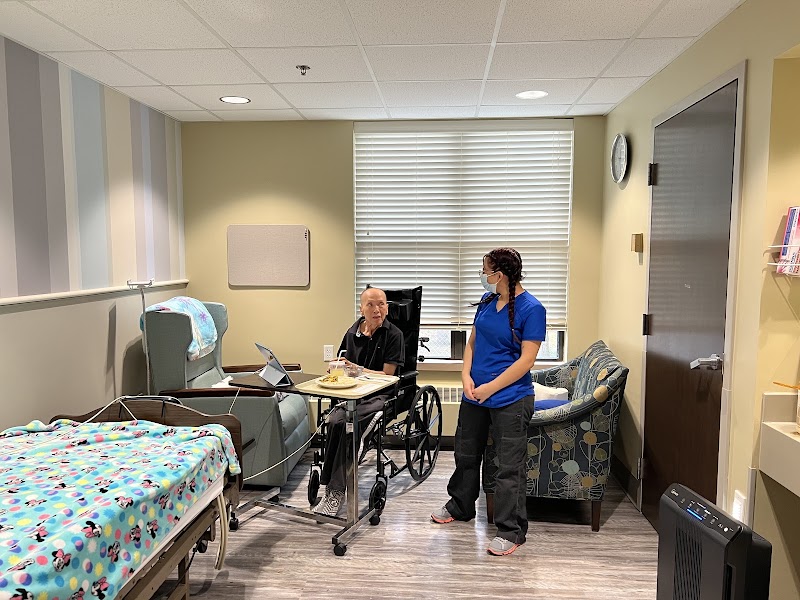
How is Heritage Nursing And Rehabilitation Community Staffed?

CMS rates Heritage Nursing and Rehabilitation Community's staffing level at 4 out of 5 stars, which is above average compared to other nursing homes. Staff turnover is 47%, compared to the Michigan average of 46%.

What Have Inspectors Found at Heritage Nursing And Rehabilitation Community?

State health inspectors documented 13 deficiencies at Heritage Nursing and Rehabilitation Community during 2024 to 2025. These included: 13 with potential for harm.

Who Owns and Operates Heritage Nursing And Rehabilitation Community?

Heritage Nursing and Rehabilitation Community is owned by a for-profit company. For-profit facilities operate as businesses with obligations to shareholders or private owners. The facility is operated by ATRIUM CENTERS, a chain that manages multiple nursing homes. With 39 certified beds and approximately 35 residents (about 90% occupancy), it is a smaller facility located in Zeeland, Michigan.

How Does Heritage Nursing And Rehabilitation Community Compare to Other Michigan Nursing Homes?

Compared to the 100 nursing homes in Michigan, Heritage Nursing and Rehabilitation Community's overall rating (4 stars) is above the state average of 3.1, staff turnover (47%) is near the state average of 46%, and health inspection rating (4 stars) is above the national benchmark.

What Should Families Ask When Visiting Heritage Nursing And Rehabilitation Community?

Based on this facility's data, families visiting should ask: "Can I visit during a mealtime to observe dining assistance and food quality?" "How do you handle medical emergencies, and what is your hospital transfer rate?" "Can I speak with family members of current residents about their experience?"

Is Heritage Nursing And Rehabilitation Community Safe?

Based on CMS inspection data, Heritage Nursing and Rehabilitation Community has a clean safety record: no substantiated abuse findings (meaning no confirmed cases of resident harm), no Immediate Jeopardy citations (the most serious violation level indicating risk of serious injury or death), and is not on the Special Focus Facility watch list (a federal program monitoring the lowest-performing 1% of nursing homes). The facility has a 4-star overall rating and ranks #1 of 100 nursing homes in Michigan. While no facility is perfect, families should still ask about staff-to-resident ratios and recent inspection results during their visit.

Do Nurses at Heritage Nursing And Rehabilitation Community Stick Around?

Heritage Nursing and Rehabilitation Community has a staff turnover rate of 47%, which is about average for Michigan nursing homes (state average: 46%). Moderate turnover is common in nursing homes, but families should still ask about staff tenure and how the facility maintains care continuity when employees leave.

Was Heritage Nursing And Rehabilitation Community Ever Fined?

Heritage Nursing and Rehabilitation Community has no federal fines on record. CMS issues fines when nursing homes fail to meet care standards or don't correct problems found during inspections. The absence of fines suggests the facility has either maintained compliance or corrected any issues before penalties were assessed. This is a positive indicator, though families should still review recent inspection reports for the full picture.

Is Heritage Nursing And Rehabilitation Community on Any Federal Watch List?

Heritage Nursing and Rehabilitation Community is not on any federal watch list. The most significant is the Special Focus Facility (SFF) program, which identifies the bottom 1% of nursing homes nationally based on persistent, serious quality problems. Not being on this list means the facility has avoided the pattern of deficiencies that triggers enhanced federal oversight. This is a positive indicator, though families should still review the facility's inspection history directly.