The Orchards at Armada
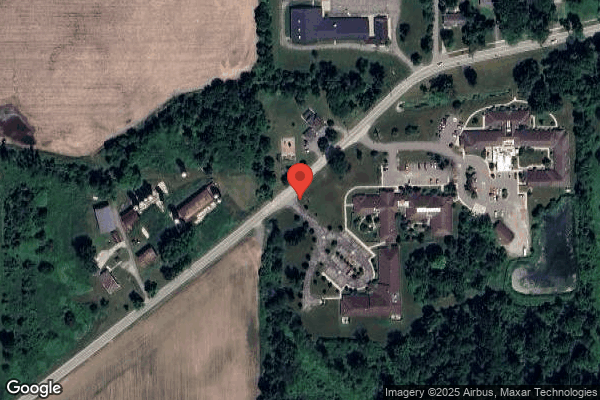
22600 Armada Ridge Road, Armada, MI 48005 (586) 784-5322
For profit - Corporation 67 Beds THE ORCHARDS MICHIGAN Data: November 2025 1 Immediate Jeopardy citation
Trust Grade
61/100
#178 of 422 in MI
Last Inspection: June 2025

Inspected within the last 6 months. Data reflects current conditions.

Overview

The Orchards at Armada currently has a Trust Grade of C+, indicating it is slightly above average but not outstanding. It ranks #178 out of 422 nursing homes in Michigan, placing it in the top half, and #11 out of 30 in Macomb County, meaning only ten local facilities are rated higher. The facility is improving, as the number of issues found decreased from nine in 2024 to three in 2025. Staffing is average with a rating of 3 out of 5 stars and a turnover rate of 46%, which is close to the state average. However, the facility has faced some concerning incidents, such as a resident with severe cognitive impairment eloping from the facility without staff noticing, and failures to properly date and discard expired food items, raising potential health risks for residents. Despite these weaknesses, the facility's overall quality measures are good, with a 4 out of 5 star rating in key areas.

Trust Score
C+
61/100
In Michigan
#178/422
Top 42%
Safety Record
High Risk
Review needed
Inspections
Getting Better
9 → 3 violations
Staff Stability
⚠ Watch
46% turnover. Above average. Higher turnover means staff may not know residents' routines.
Penalties
⚠ Watch
$15,887 in fines. Higher than 80% of Michigan facilities, suggesting repeated compliance issues.
Skilled Nurses
○ Average
Each resident gets 33 minutes of Registered Nurse (RN) attention daily — about average for Michigan. RNs are the most trained staff who monitor for health changes.
Violations
⚠ Watch
17 deficiencies on record. Higher than average. Multiple issues found across inspections.
★★★★☆
4.0
Overall Rating
★★★☆☆
3.0
Staff Levels
★★★★☆
4.0
Care Quality
★★★★☆
4.0
Inspection Score
Stable
2024: 9 issues
2025: 3 issues

The Good

  • 4-Star Quality Measures · Strong clinical quality outcomes
  • Full Sprinkler Coverage · Fire safety systems throughout facility
  • No fines on record

Facility shows strength in quality measures, fire safety.

The Bad

Staff Turnover: 46%

Near Michigan avg (46%)

Higher turnover may affect care consistency

Federal Fines: $15,887

Below median ($33,413)

Minor penalties assessed

Chain: THE ORCHARDS MICHIGAN

Part of a multi-facility chain

Ask about local staffing decisions and management

The Ugly 17 deficiencies on record

1 life-threatening
Jun 2025 3 deficiencies
CONCERN (D)

Potential for Harm - no one hurt, but risky conditions existed

Resident Rights (Tag F0550)

Could have caused harm · This affected 1 resident

Based on observation, interview, and record review, the facility failed to provide feeding assistance in a dignified manner for one (R15) of six residents reviewed for dignity. Findings include: On 0...

Read full inspector narrative →
Based on observation, interview, and record review, the facility failed to provide feeding assistance in a dignified manner for one (R15) of six residents reviewed for dignity. Findings include: On 06/09/25 at 12:14 PM, during an observation of the lunch service in the memory care unit dining room, Volunteer C was observed providing feeding assistance to R15 who was sitting up in a chair. Throughout the observation Volunteer C was in a standing position adjacent to the resident and was observed intermittently attending to another resident. On 06/10/25 at 10:54 AM, the facility Director of Nursing (DON) was interviewed and reported the expectation is that staff providing one to one feeding assistance should not do so in a standing position and that ideally, they would not assist more than one resident at a time in order to maintain resident dignity. Review of the facility record for R15 revealed an admission date of 12/18/23 with diagnoses including Dementia and Dysphagia (swallowing difficulty). R15's physician orders included an active order dated 12/21/23 stating 1:1 feeding, aspiration (choking) precautions, keep upright in chair while feeding. Review of R15's Nutritional Risk Care Plan revealed intervention item 1 to 1 assist with my meals. Review of the undated facility policy Resident Assistance to Eat revealed the following Procedure item: .10. Assist the resident as necessary. If the resident needs to be fed, do not stand but sit with the resident.
CONCERN (D)

Potential for Harm - no one hurt, but risky conditions existed

Deficiency F0694 (Tag F0694)

Could have caused harm · This affected 1 resident

Based on observation, interview, and record review, the facility failed to ensure Peripherally Inserted Central Catheter (PICC) line care was performed consistant with professional standards of practi...

Read full inspector narrative →
Based on observation, interview, and record review, the facility failed to ensure Peripherally Inserted Central Catheter (PICC) line care was performed consistant with professional standards of practice for one resident R42 of one whose Intravenous (IV) medication administration was observed. Findings include: On 06/08/25 at 3:56 PM, R42 was observed to be in bed with their head resting on their left hand and forearm. The PICC line dressing was observed to have a folded white gauze approximately two inches by two inches under a transparent dressing covering the insertion site, dated 06/01/25. R42 confirmed the dressing was being changed weekly and was receiving an IV antibiotic daily. A review of the Treatment Administration Record (TAR) and Medication Administration Record (MAR) for June 2025 documented the PICC line was last changed 06/01/25 and the IV antibiotic was infused daily. On 06/09/25 at 2:19 PM, IV medication administration for R42 was observed with Registered Nurse (RN)A and Licensed Practical Nurse (LPN) B. RN A donned gloves, cleaned the hub of the PICC line and flushed the line with normal saline. RN A then connected the IV tubing to the bag and primed the tubing. RN A then cleansed the hub again and went to connect line. The line was observed to have greater than ten air bubbles approximately 1/16 inch to an 1/8 inch long along approximately two feet of the distal end of the line. RN A then noted the air bubbles and subsequently left the room to get another tubing set and completed the IV administration. On 06/10/25 at 12:02 PM, the Director of Nursing (DON) reported a PICC line dressing with gauze should be changed within 48 hours and any air bubbles drained out prior to connection of the IV tubing to the resident. The DON also acknowledged the PICC insertion site could not be directly assessed for signs and symptoms of infection when a gauze dressing was in place. A review of the record for R42 revealed R42 was admitted into the facility 03/07/2025. Diagnoses included, Osteomyelitis (Bone infection) and Discitis (vertebral disc infection). A review of the undated policy titled, IV Therapy revealed .15. Manage Central Venous Catheters as follows: Use a sterile transparent or gauze dressing over all central lines. [NAME] the dressing with date and initials when the site care is performed. Visually assess the site every day for signs of complications or infection. Perform site care every 72 hours and as necessary. Change the dressing .
CONCERN (D)

Potential for Harm - no one hurt, but risky conditions existed

Infection Control (Tag F0880)

Could have caused harm · This affected 1 resident

Based on observation, interview and record review the facility failed to ensure Peripherally Inserted Central Catheter (PICC) line care infection control measures and hand hygiene during meal assistan...

Read full inspector narrative →
Based on observation, interview and record review the facility failed to ensure Peripherally Inserted Central Catheter (PICC) line care infection control measures and hand hygiene during meal assistance was performed for two residents (R42 and R15) of three residents reviewed for infection prevention. Findings include: R42 On 06/09/25 at 2:19 PM, IV medication administration for R42 was observed with Registered Nurse (RN)A and Licensed Practical Nurse (LPN) B. RN A was observed to complete hand hygiene on the way into the room. A sign on the wall at the right side of the doorway indicated enhanced barrier precautions were required and a gown and gloves were to be used when providing care via a central line such as the PICC line. A cart with the appropriate Personal Protective Equipment (PPE) was at the right hand side of the doorway. RN A entered the room without a gown on and proceeded to hang the IV bag on the IV pole. RN A handed the IV administration tubing to LPN B. RN A then reached into their left pants pocket and removed a pair of gloves and donned them. The IV line was observed to have air bubbles and RN A subsequently left the room to get another tubing set. Upon return to the room RN A donned a second pair of gloves from their pocket and had not donned a gown prior to completing the IV administration. RN A was asked about the gloves pulled from the pocket and acknowledged this it was an old habit. A review of the record for R42 revealed R42 was admitted into the facility 03/07/2025. Diagnoses included, Osteomyelitis (Bone infection), Discitis (vertebral disc infection) and Hepatitis C. On 06/10/25 at 12:02 PM, the Director of Nursing (DON) reported and the Infection Control Nurse confirmed gloves should not be storred in the staffs pocket and a gown and gloves should be worn for the IV administration via a central line for a resident on enhanced barrier precautions. R15 Review of the facility record for R15 revealed an admission date of 12/18/23 with diagnoses including Dementia and Dysphagia (swallowing difficulty). R15's physician orders included an active order dated 12/21/23 stating 1:1 feeding, aspiration precautions, keep upright in chair while feeding. On 06/09/25 at 12:14 PM, during an observation of the lunch service in the memory care unit dining room, Volunteer C was observed providing one to one feeding assistance to R15. On two occasions Volunteer C was observed to set down R15's utensil and reach over to assist with something on another residents meal tray, then return to assisting R15 without completing hand hygiene in between. On 06/10/25 at 10:54 AM, the Director of Nursing (DON) was interviewed and reported the expectation is staff providing one to one feeding assistance would ideally not simultaneously assist other residents, however, if assisting another resident is indicated then hand hygiene should be completed in between assisting the residents. A review of the undated policy titled, IV Therapy revealed, Purpose: Preventative measures for controlling common infections are a critical component of the overall plan of care for resident requiring IV therapy . A review of the undated policy titled, Enhanced Barrier Precautions (EBP) revealed, It is the policy of this facility to implement enhanced barrier precautions for preventing transmission of novel or targeted multidrug resistant organisms . All staff receive training on enhanced barrier precautions upon hire and at least annually and are expected to comply with all designated precautions . High contact resident care activities . g. Device care or use: central line . 5. Continue enhanced barrier precautions until the qualifying condition or indwelling device is still active or in use. Review of the undated facility policy Hand Hygiene revealed the Policy Statement Hand hygiene shall be regarded by this organization as the single most important means of preventing the spread of infections. The Procedure portion of the policy included item 4. Appropriate hand hygiene must be performed under the following conditions: f. Before and after assisting a resident with meals (hand washing with soap and water).
May 2024 9 deficiencies
CONCERN (D) 📢 Someone Reported This

A family member, employee, or ombudsman was alarmed enough to file a formal complaint

Potential for Harm - no one hurt, but risky conditions existed

Deficiency F0657 (Tag F0657)

Could have caused harm · This affected 1 resident

Based on observation, interview, and record review, the facility failed to revise a care plan for one resident (R56) out of one reviewed for care plans. Findings Include: On 5/21/2024 at 9:46 AM, R56...

Read full inspector narrative →
Based on observation, interview, and record review, the facility failed to revise a care plan for one resident (R56) out of one reviewed for care plans. Findings Include: On 5/21/2024 at 9:46 AM, R56 was observed in their bed with a breakfast tray in front of them. R56 was observed attempting to eat some of their applesauce. R56 was noted to have pureed textured food. A review of the tray ticket stated R56 was supposed to be a 1:1 assist with feeding, no one was noted to be in the room. A review of the medical record revealed R56 admitted into the facility on 3/13/2024 with the following diagnoses, Dysphagia following Cerebral Infarction and Aphasia. Further review of the medical record revealed a Brief Interview for Mental Status score of 2/15 indicating an impaired cognition. R56 also required assistance with bed mobility and transfers. Further review of the care plan revealed the following intervention, No straws and no fluids at bedside. On 5/21/2024 at 9:49 AM, 9:50 AM, 5/21/2023 at 12:04 PM, 12:59 PM, 5/22/2024 at 8:58 AM, 5/22/2024 at 12:59 PM, and 5/23/2024 at 9:54 AM, R56 was observed in the room with fluids at their bedside, including water with a straw. On 5/23/2024 at 10:25 AM, an interview was conducted with Registered Dietitian (RD) B. RD B stated R56 was changed to thin liquids and can have liquids at bedside. RD B states the care plan was not updated to reflect the change. A review of a facility policy titled, Comprehensive Plan of Care noted the following, 13. Re-evaluate and modify care plans: as necessary to reflect changes in care, service and treatment.
CONCERN (D) 📢 Someone Reported This

A family member, employee, or ombudsman was alarmed enough to file a formal complaint

Potential for Harm - no one hurt, but risky conditions existed

ADL Care (Tag F0677)

Could have caused harm · This affected 1 resident

**NOTE- TERMS IN BRACKETS HAVE BEEN EDITED TO PROTECT CONFIDENTIALITY** R56 On 5/21/2024 at 9:46 AM, R56 was observed in their bed with a breakfast tray in front of them. R56 was observed attempting t...

Read full inspector narrative →
**NOTE- TERMS IN BRACKETS HAVE BEEN EDITED TO PROTECT CONFIDENTIALITY** R56 On 5/21/2024 at 9:46 AM, R56 was observed in their bed with a breakfast tray in front of them. R56 was observed attempting to eat some of their applesauce. R56 was noted to have pureed food. A review of the tray ticket stated R56 was supposed to be a 1:1 assist with feeding, no one was noted to be in the room. A review of the medical record revealed that R56 admitted into the facility on 3/13/2024 with the following diagnoses, Dysphagia following Cerebral Infarction and Aphasia. Further review of the medical record revealed a Brief Interview for Mental Status score of 2/15 indicating an impaired cognition. R56 also required assistance with bed mobility and transfers. Further review of the diet order noted the following: Start:5/6/2024. Directions: 1:1 feed with slow rate and small bites for diet. Status: Active. A review of a barium swallow study dated 4/1/2024 recommended 1:1 feed for R56. On 5/21/2024 at 12:59 PM and 5/22/2024 at 8:58 AM, R56 was observed in their bed with their food tray in front of them. No one was noted to be in the room assisting with feeding. On 5/23/2024 at 10:11 AM, an interview was conducted with Director of Rehabilitation (DOR) C. DOR C stated R56 refuses to allow anyone to feed them, and that Occupational Therapy has been working with R56. DOR C was queried regarding who is responsible for entering diet orders and recommendations and said, the Speech Therapist writes the order and gives it to the nurse for any changes. On 5/23/2024 at 10:18 AM, an interview was conducted with Certified Occupational Therapy Assistant (COTA) D. COTA D stated R56 can self feed and drink with cues and sometimes hand over hand (technique that physically guides someones hand movements to help develop motor skills). COTA B stated R56 is a 1:1 due to them still needing cueing and guiding. On 5/23/2024 at 10:47 AM, an interview was conducted with the Registered Dietitian (RD) B. RD B stated R56 was able to feed themselves, however the orders have not been updated yet. RD B stated that R56 refuses if someone tries to feed them. A review of the undated policy/standard operating procedure titled, Resident Assistance to Eat revealed, Purpose: To assist the resident to eat, and to provide nutrition for residents needing assistance with eating. Procedure: 1. Inform the resident that it is mealtime. 2. Obtain the resident's meal. 3. Identify the resident and verify that the diet served is correct. 4. Arrange food on the table in front of the resident. 5. Remove food covers, prepare, and arrange the food, as necessary, for the resident. 6. Protect the resident's clothing with a clothing protector or napkin if resident desires. 7. Wash your hands if you will be assisting the resident to eat. 8. Encourage the resident to feed himself/herself as much as possible, using self -help aids for eating. 9. Identify food and location on the tray for residents with visual problems. 10. Assist the resident as necessary. If the resident needs to be fed, do not stand but sit with the resident. 11. Notify charge nurse if resident refuses meal. 12. Note food and fluid intake when needed. 13. Remove protective coverings from the resident and wash resident ' s face and hands after meal if needed or requested. 14. For residents with room trays: If resident has a room tray, position resident in an upright, secure position in a chair (if applicable) or in a upright position using support pillows if unable to sit. Adjust tray table to comfortable eating position. Monitor the resident periodically to determine if assistance is needed. Remove tray from room soon after resident completes meal . A review of the undated policy/standard operating procedure titled, Baseline Interim Plan of Care revealed, Each resident will have a baseline care plan developed and implemented within 48 hours of admission to the facility which includes the instructions needed to provide effective and patient centered care that meets the professional standards of quality care. Each resident readmitted to the facility will have the previous care plans evaluated for appropriateness of goals and interventions within 48 hours of admission . A written summary of the baseline care plan shall be provided to the resident and representative in a language that the resident/representative can understand. A review of the undated policy/standard operating procedure titled, Comprehensive Plan of Care revealed, Each resident will have a comprehensive care plan developed within 7 days after the the completion of a comprehensive or quarterly assessment .Address the resident ' s individual needs, strengths, and preferences .The comprehensive care plan must be patient centered .Be periodically reviewed and revised by the interdisciplinary team as changes in the resident ' s care and treatment occur .Care plans must be fully developed within 7 days after completing the comprehensive assessment (MDS) . A review of the undated policy/standard operating procedure titled, Skin Management Guidelines revealed, .The facility is committed to providing care and services to residents to prevent the development of skin breakdown. The following guidelines are in place to reach this goal: .Residents admitted with skin impairments will have .Appropriate interventions implemented to promote healing . Based on observation, interview, and record review, the facility failed to ensure meal assistance and positioning were provided for two residents (R53, R56) of five whose care needs and activities of daily living (ADLs) were reviewed. Findings include: R53 On 05/21/24 at 9:41 AM, R53 was observed to be supine in bed. Three pillows were stacked behind the shoulders and head. R53 appeared frail with decreased muscle mass and visible bony prominences in the face, shoulders and arms. R53 leaned over toward the left side of the bed. The head of the bed was up around 45 degrees. The breakfast of scrambled eggs had not been touched. R53 was asked if they needed help to eat and said yes and appeared to fall asleep. On 05/21/24 at 11:54 AM, R54 was observed to be supine in bed, the head of bed up around 45 degrees, leaned over toward the left side of the bed and appeared asleep. The breakfast tray previously observed had not been eaten. On 05/21/24 at 1:03 PM and 1:14 PM, R53 was observed to be hunched down in the bed and leaned over toward the left side. R53 appeared asleep. The lunch tray had not been eaten. Three clear plastic cups of fluids were observed with lids on them. Staff walked by the room, looked in but did not stop. A staff member was asked if R53 could eat on their own and reported R53 could, but needs encouragement. On 05/21/24 at 1:17 PM, staff picked up the uneaten food tray, R53 remained in a similar position. On 05/22/24 at 9:37 AM, R53 was observed to be in bed, the torso curved down away from head of bed so the top of head pointed toward the left side of the bed. The head of the bed was up around 30-45 degrees and R53 appeared asleep. Three clear plastic cups of orange juice, milk and a pink liquid were observed with lids off and observed full. Scrambled eggs and a bowl of oatmeal had not been touched. A large bag of hard pretzels was open next to the food tray. On 05/22/24 at 9:58 AM, R53 had been sat up slightly more upright in the bed. The meal tray and pretzels remained untouched. On 05/22/24 at 1:55 PM, R53 was observed to be in bed, leaned over toward the left, propped on pillows, eyes closed, oxygen on and appeared asleep. A pureed, food entree had been served with a piece of frosted cake. No items had been eaten. No liquids appeared to have been drank. On 05/23/24 at 8:30 AM, R53's care concerns were reviewed with the Director of Nursing (DON). The DON was asked about the diet and reported the dietitian was at the facility and they would reach out to hospice for additional interventions and would also go in to see if R53 needed assistance to eat and update the care plan as needed. On 05/23/24 at 10:06 AM, Certified Nursing Assistant (CNA) I reported they cared for R53 two times a week, R53 was more spontaneously talking when admitted but less so lately, R53 was independent with eating and they encouraged R53 to eat and checked on R53 to see if they need help. On 05/23/24 at 10:47 AM, the Registered Dietitian (RD) reported R53 had entered the facility frail and underweight and was therefore started on health shakes. The RD reported they had been alerted that morning that R53 needed more assistance to eat. A review of the record for R53 revealed R53 was admitted into the facility on [DATE]. Diagnoses included Need for Assistance with Personal Care, Pressure Ulcer of Left Lower Back and Severe Protein Calorie Malnutrition. The diet order dated 05/03/24 documented Regular Diet, pureed texture, thin liquid consistency. An order for hospice was dated for 05/13/24. The Minimum Data Set (MDS) assessment dated [DATE] indicated intact cognition and the need for partial/moderate assistance for upper body dressing and personal hygiene, substantial/maximal assistance to roll left and right and setup for eating. A nursing care plan documented, I need assistance with my (activities of daily living) ADLS .Eating: I need '(specify what assistance)' by staff to eat . (It did not specify what assistance was needed.) The [NAME] (CNA care guide) documented, .Anticipate and meet my needs .Assist me with my meals. Please assist me with my meals . A review of the task record documentation from 05/03/24 to 05/22/22 revealed 13 meals were documented as zero to 25% eaten and 13 meals 26% to 50% eaten. Three meals had been documented as refused.
CONCERN (D) 📢 Someone Reported This

A family member, employee, or ombudsman was alarmed enough to file a formal complaint

Potential for Harm - no one hurt, but risky conditions existed

Quality of Care (Tag F0684)

Could have caused harm · This affected 1 resident

Based on observation, interview and record review, the facility failed to apply heel protecters and lids to drinks per physician orders for one resident (R5) out of one reviewed for physician orders. ...

Read full inspector narrative →
Based on observation, interview and record review, the facility failed to apply heel protecters and lids to drinks per physician orders for one resident (R5) out of one reviewed for physician orders. Findings include: On 5/21/2024 at 10:00 AM, R5 was observed in bed. R5 stated they had just started to eat breakfast because they were waiting on their coffee to come. R5 stated they had just received their coffee and was now about to eat breakfast. R5's coffee cup was observed to not have a lid on it. R5 was asked if they like to get out of bed often. R5 stated that get out the bed when they feel like it. R5 was noted to not have anything on their heels and their heels were resting on the mattress. A review of the medical record revealed that R5 admitted into the facility on 6/22/2023 with the following diagnoses, Muscle Weakness and Difficulty in Walking. Further review of the Minimum Data Set assessment revealed a Brief Interview for Mental Status score of 12/15 indicating an impaired cognition. R5 also required assistance with bed mobility and transfer. Further review of active physician orders revealed the following orders, Start Date: 6/22/2023. Order: Verify heel protectors are in place when pt (patient) in bed. Start Date: 6/27/2023. Directions: handled mug with lid for all drinks at all meals. On 5/21/2024 at 12:50 PM, R5 was observed in bed with two coffees with no lid, as well as a cranberry juice with no handle or lid. R5 was also observed with their heels resting on the mattress, no heel protectors in place. On 5/22/2024 at 9:06 AM and 12:54 AM, R5 was observed with a beverage (chocolate milk and cranberry juice) in a no handles cup and no lid. R5 was also noted to have their heels on the mattress, no heel protectors in place. On 5/23/2024 at 9:44 AM, R5 was observed laying in bed with their heels on the mattress, no heel protectors were in place. On 5/23/2024 at 9:49 AM, an interview was conducted with Licensed Practical Nurse (LPN) A. LPN A stated they have not tried to put on boots for R5 yet because R5 was eating breakfast when they went in there. LPN A stated R5 does refuse to wear them a lot. On 5/23/2024 at 10:25 AM, an interview was conducted with the Director of Nursing (DON). The DON stated R5 does refuse to wear the heel protectors, but it should be documented if they refuse. The DON stated the staff have been educated regarding ensuring liquids, especially coffee has lids, and they keep them on top of the cart. A request for a policy related to following physician orders was requested on 5/23/2024 at 10:23 AM, to which facility stated it was standard practice and no policy was available.
CONCERN (D) 📢 Someone Reported This

A family member, employee, or ombudsman was alarmed enough to file a formal complaint

Potential for Harm - no one hurt, but risky conditions existed

Incontinence Care (Tag F0690)

Could have caused harm · This affected 1 resident

**NOTE- TERMS IN BRACKETS HAVE BEEN EDITED TO PROTECT CONFIDENTIALITY** Based on observation, interview, and record review, the facility failed to ensure an indwelling catheter (tube inserted into the...

Read full inspector narrative →
**NOTE- TERMS IN BRACKETS HAVE BEEN EDITED TO PROTECT CONFIDENTIALITY** Based on observation, interview, and record review, the facility failed to ensure an indwelling catheter (tube inserted into the bladder to drain urine) leg strap/band was in place and tubing positioned to allow for urine to drain for one resident (R367) of one reviewed for catheters. Findings include: On 05/21/24 at 9:59 AM, R367 was observed to be supine in bed and dressed in a hospital style gown. The connection point for the urinary catheter and drainage bag tubing was visible on the left leg and no strap was observed to prevent tension on the insertion site/urethra was in place. R367 was asked about the urinary catheter and leg strap and commented that it (the catheter) may be removed the next day. R367 reported they had been in the facility a few days. On 05/21/24 at 1:35 PM, rehab staff were in the residents room with resident. The urinary catheter drainage tubing was looped and on the floor. On 05/21/24 at 1:56 PM, rehab staff had exited the room. The urinary catheter drainage tubing remained looped and on the floor. The connection point was visible with no leg strap. On 05/21/24 at 4:50 PM, R367 was observed to be supine in bed. An incontinence brief was in place, The urinary catheter was observed to exit the left side of the brief and run under the left leg. The drainage tubing was looped down onto the floor at the left side of bed. No leg strap was visible. On 05/22/24 at 8:17 AM, R367 was observed to be supine in bed. The urinary catheter drainage tubing was looped down on the left side of bed. On 05/22/24 at 9:53 AM, R367 was observed to be supine in bed. The urinary catheter was present and the tubing was under the left leg and looped down along the left side of the bed. On 05/22/24 at 12:22 PM, R367 was asked how things were going and reported they needed to pee and have a bowel movement. The brief appeared tight and stretched at the crease between the leg and the pelvis. The tubing for the urinary catheter was under the left leg, with the connection point to the drainage tubing visible at the lateral edge of the left thigh. On 05/22/24 at 12:27 PM, Licensed Practical Nurse (LPN) H was queried about the positioning of the urinary catheter and a leg strap. LPN H confirmed no securement device was in place and the urinary catheter tubing was under R367's leg. On 05/23/24 at 8:07 AM, R367 was supine in bed, uncovered, the urinary catheter connection was visible without a leg strap in placed. A review of the progress notes indicated the urinary drainage bag had been replaced on the night shift. On 05/23/24 at 8:30 AM, the identified concerns were reviewed with the Director of Nursing (DON)and they reported they would have put on a leg strap and repositoned the catheter. The DON also noted they would have made a nurse note and reviewed the care plan and updated it as needed. A review of the facility record for R367 revealed: R367 was admitted into the facility on [DATE]. Diagnoses included Dysfunction of the Bladder, Arthritis and Diabetes. The Minimum Data Set (MDS) assessment dated [DATE] indicated intact cognition and R367 was dependent on staff for toileting, dressing, rolling left to right/right to left, transfer and personal hygiene. The MDS also noted the presence of an indwelling urinary catheter. A review of the facility policy titled, Indwelling Catheter Care revealed, Purpose: Routine catheter care helps prevent infections and other complications, and is usually performed daily. This can be performed by a Certified Nurse Assistant (CNA) Fundamental Information. Maintenance: Inspect the catheter and tubing periodically to detect compression or kinking that could obstruct urine flow. Keep the drainage tube and collection bag lower than bladder at all times .Inspect catheter for any problems . 7. Inspect outside of catheter where it enters urinary meatus and tissue around meatus. 8. Remove leg band used to secure catheter to thigh. 9. Inspect the area for signs of irritation . 12. Reapply leg band used to secure catheter to outer thigh. 13. Remove gloves and re-tape catheter or reapply leg band to other thigh. 14. Provide enough slack before securing catheter to prevent tension on tubing .
CONCERN (D) 📢 Someone Reported This

A family member, employee, or ombudsman was alarmed enough to file a formal complaint

Potential for Harm - no one hurt, but risky conditions existed

Deficiency F0725 (Tag F0725)

Could have caused harm · This affected 1 resident

**NOTE- TERMS IN BRACKETS HAVE BEEN EDITED TO PROTECT CONFIDENTIALITY** This citation pertains to Intakes MI00142869 and MI00143155. Based on observation, interview, and record review, the facility fa...

Read full inspector narrative →
**NOTE- TERMS IN BRACKETS HAVE BEEN EDITED TO PROTECT CONFIDENTIALITY** This citation pertains to Intakes MI00142869 and MI00143155. Based on observation, interview, and record review, the facility failed to provide timely assistance to meet the needs of residents for four residents (R367, R33, R17, R6) of five whose care needs were reviewed. Findings include: On 05/21/24 at 9:21 AM, R6 reported they have two or three times a week when staff take an hour or more to assist them when the call light is turned on. On 05/21/24 at 4:18 PM, a visitor reported they visit the facility every day and the facility staffing levels are short very often and have is a great concern. There are more staff than normal here today. Weekends are the worst. There are times when there is only one aide. I struggle with this, it is hard when you don't have family to help with visits. I sometimes wonder if they fill water cups on Saturday and Sunday. I have been thinking of moving (my family member) for this reason. On 05/22/24 at 10:08 AM, the call light for R367 was observed activated. At 10:13 AM, the call station monitor was observed and the call light had been on for 14 minutes and 48 seconds. At this time a staff member entered room [ROOM NUMBER] and noted a resident was visibly diaphoretic (sweating beaded) and reported the nurse would be in when had time. At 10:14 AM, the call light for R33 was observed to be activated. At 10:16 AM, Licensed Practical Nurse (LPN) Hpoked their head into the cracked doorway of R367 asked what R367 needed then entered the room and asked R367 number one or two. The call light was on around 18 minutes for R367. LPN G then stepped back out, left the call light on and certified nursing assistant (CNA) I walked down the hall and entered the room of R367. At 10:18 AM LPN H had returned to the medication cart. CNA I aide poked their head out of R367's room, then stepped out, went into room [ROOM NUMBER] and then to the room of R33. R33 noted they had wanted to get up in their wheelchair. On 05/22/24 at 11:05 AM, R33 was observed to be supine in bed. R33 reported they had asked staff to get up into their wheelchair around 10:00 AM. R33 was able to discern time from the clock on the wall at the foot of the bed. R33 required a mechanical lift and two persons to transfer into their wheelchair. On 05/22/24 at 12:11 PM, five call lights were observed to be activated. Staff were in room [ROOM NUMBER]. The call station kiosk indicated room [ROOM NUMBER]-1 had been activated for 23 minutes and 12 seconds, R367 had been activated for 25 minutes and 52 seconds; R17's call light had been activated for 12 minutes and 10 seconds. At 12:13 PM R367 increased to 27 minutes and 27 seconds. Room117-2 room was observed activated and answered. Staff with a sling on their arm entered 109, for a wait time of 25 minutes. At 12:16 PM, Staff entered R367's room exited and then went to R33's and R17's room and exited. At 05/22/24 at 12:22 PM, R367 reported they needed to pee and have bowel movement. The flow of a urinary catheter appeared restricted as it was under the resident's leg and tight between the brief and the thigh. Occupational Therapy Assistant (COTA) K entered R367's room noted upon exit that R367 needed a bed pan, and was not able to do it alone. R367 reported they were uncomfortable. R367 had waited over 29 minutes for assistance. R367 was dependent on staff for bed mobility and toileting. On 05/22/24 at 12:27 PM, R17's reactivated their call light and one of the staff from R367's room went to check on R17. At 12:36 PM, R17 rolled out of their room seated in their wheelchair. R17 had wanted to get up. R17 asked the nurse who helped them get up and the nurse reported it was the nurse. R17 required one person assistance for transfer into their wheelchair. On 05/22/24 at 12:37 PM, LPN H checked on R367. R367 remained on the bed pan. On 05/22/24 at 12:48 PM, CNA J was asked about they're assignment and reported they had 23 residents on their set and they were managing. At 12:52 PM, CNA I reported they had 22 residents. CNA I reported that a month ago they had three CNAs a couple times to work the set but lately there had been only two CNAs to cover all 45 patients. CNA I noted they had worked with three only a couple of times and it goes much smoother with three. On 05/22/24 at 8:19 AM, R6 was observed to be in bed and reported they hoped breakfast will be in soon and reported it was usually around 8:30 and and maybe 9 AM if the staff are busy. R6 required one person assistance. On 05/23/24 at 8:30 AM, the identified concerns were reviewed with the Director of Nursing (DON) and reported that needs should be met as soon as possible and unless there was an extenuating circumstance it should not be more than twenty minutes. A review of a complaint to the State Agency reported the weekend of 03/01/24 to 03/03/24. revealed, Today the facility had one CNA for both sides!! 46 patients on long term and also18 patients for memory care! .My mom should not have to deal with this! No care, call light on, and at least an hour wait every time we ring for assistance. A review of the schedule and time punch data documented the facility had a census of 59: -On 3/1/24 two CNA's and three nurse for the day shift. Three afternoon CNAs worked a double to cover the next 16 hours. One of the three CNA's did not clock in unitl 6:29 PM. -On 03/02/24 four CNA's worked on the day shift until 2:30 PM, a fifth until 11 AM. Three nurses were on for the day and nights shift-They worked 12 hour shifts. Four CNAs were on for the afternoon shift: two started at 2:30 PM; two started at 6:30 PM. Three of those CNAs were on for the night shifts. -On 03/03/24 three nurses were on for each shift and three CNA's covered each shift. Two of those worked the afternoon and night shift. A policy related to call light response time and timing for completion of resident request/care needs met once reported to staff were requested on 05/23/24 at 11:28 AM but not received prior to survey exit.
CONCERN (D) 📢 Someone Reported This

A family member, employee, or ombudsman was alarmed enough to file a formal complaint

Potential for Harm - no one hurt, but risky conditions existed

Unnecessary Medications (Tag F0759)

Could have caused harm · This affected 1 resident

Based on observation, interview, and record review, the facility failed to ensure medications were administered per manufactures recommendations and per physician order for one resident (R54) of four ...

Read full inspector narrative →
Based on observation, interview, and record review, the facility failed to ensure medications were administered per manufactures recommendations and per physician order for one resident (R54) of four observed for the medication pass, resulting in a med error rate of 7.89 percent. Findings include: On 05/22/24 at 9:07 AM, A medication pass observation was conducted with Licensed Practical Nurse (LPN) A for R54. R54 was provided cholestyramine (a cholesterol binding agent) 4 gm (gram) in liquid form with calcium acetate 667 mg (milligram) two tablets, calcitriol 0.5 mcg (microgram) one tablet, fludrocortisone 0.1 mg one tablet constipation refused, Omeprazole 20 mg one tablet, Rifaximin 550 mg one tablet, Velphoro 500 mg (sucroferric oxyhydroxide) one tablet, Lexapro 5 mg one tablet, and Norco/hydrocodone 5 mg/325 mg one tablet. LPN A was queried about the administration of the cholestyramine with the other medications and proceeded to provide R54 with the medication. R54 was also prescribed: Doptelet 20 mg (avatrombopag) Give 40 mg by mouth one time a day. This was not given and was noted to be on order as of 05/19/24. Further review indicated the medication was to be provided by family. The May 2024 medication administration record documented the medication had not been given in the month of May. R54 was also prescribed: Lidoderm Patch 5% Lidocaine apply to right knee topically in the morning for right knee pain. A 5% Menthol Patch was pulled from the medication cart and dated for 5/22 by LPN A. The order for a Lidocaine 5% patch was confirmed with LPN A. LPN A reported they did not have any Lidoderm patches and reported they believed that is what was normally given. LPN A asked the Director of Nursing (DON) and supply room staff member, and the supply staff member confrimed they only have the menthol patch in supply. The DON reported they usually interchange for the Menthol for the Lidoderm and would get an order for the change. On 05/23/24 at 8:30 AM and 1:47 PM, the idenitified medication concerns were reviewed with the DON. The orders for the cholestyramine, Lidocaine patch and Doptelet/avatrombopag were reviewed and the DON reported the doptolet was addressed and noted R54's spouse was to get it and followed a specific schedule for the administration. Clarification of the order indicated it was to be given every other week. The DON confrimed the difference in the Menthol and Lidocaine patch and reported they had called the physician and received an order to change the lidocaine patch to the menthol patch. The DON also reported the physician changed the cholestyramine to two hours before or two hours after the other medications given by mouth. A review of the URL www.drugs.com/mtm/cholestyramine.html revealed, .Cholestyramine resin may delay or reduce the absorption of concomitant oral medication .Avoid taking other medications at the same time you take cholestyramine. Wait at least 1 hour before or 4 to 6 hours after taking cholestyramine before you take any other medications. A policy or protocol from the physician and pharmacy related to the cholestyramine were requested at the time of the interview and on 05/21/24 at 11:28 AM, but not received prior to survey exit.
CONCERN (D) 📢 Someone Reported This

A family member, employee, or ombudsman was alarmed enough to file a formal complaint

Potential for Harm - no one hurt, but risky conditions existed

Deficiency F0808 (Tag F0808)

Could have caused harm · This affected 1 resident

**NOTE- TERMS IN BRACKETS HAVE BEEN EDITED TO PROTECT CONFIDENTIALITY** This citation pertains to Intake MI00143588. Based on observation, interview, and record review, the facility failed to ensure f...

Read full inspector narrative →
**NOTE- TERMS IN BRACKETS HAVE BEEN EDITED TO PROTECT CONFIDENTIALITY** This citation pertains to Intake MI00143588. Based on observation, interview, and record review, the facility failed to ensure food items were provided in a puree consistency per the diet order for one resident (R53) of two whose diets were reviewed. Findings include: On 05/22/24 at 9:37 AM, R53 was observed to be in bed, the torso curved down away from head of bed so the top of head pointed toward the left side of the bed. Three clear plastic cups of orange juice, milk and a pink liquid were observed with lids off and appeared filled. Scrambled eggs and a bowl of oatmeal had not been touched nor appeared to have been eaten. A regular size bag of hard pretzels was open next to the food tray. On 05/22/24 at 9:58 AM, R53 had been sat up slightly more upright in the bed. The meal tray and pretzels remained. On 05/22/24 at 1:55 PM, R53 was observed to be in bed. A pureed, entree had been served with a regular cubed piece of frosted cake. No items had been eaten. No liquids appeared to have been drank. On 05/23/24 at 8:30 AM, care concerns were reviewed with the Director of Nursing (DON). The DON was asked about the diet and reported the dietitian was at the facility and they would reach out to hospice for additional interventions for the diet. On 05/23/24 at 10:47 AM, the Registered Dietitician (RD) was asked about the regular cake and hard pretzels and reported they were not part of a pureed diet. A review of the record for R53 revealed R53 was admitted into the facility on [DATE]. Diagnoses included Need for Assistance with Personal Care, Pressure Ulcer of Left Lower Back and Severe Protein Calorie Malnutrition. The diet order dated 05/03/24 documented Regular Diet, pureed texture, thin liquid consistency. A review of the undated policy/standard operating procedure titled, Resident Assistance to Eat revealed, Purpose: To assist the resident to eat, and to provide nutrition for residents needing assistance with eating. Procedure: .3. Identify the resident and verify that the diet served is correct. 4. Arrange food on the table in front of the resident .
CONCERN (D) 📢 Someone Reported This

A family member, employee, or ombudsman was alarmed enough to file a formal complaint

Potential for Harm - no one hurt, but risky conditions existed

Infection Control (Tag F0880)

Could have caused harm · This affected 1 resident

**NOTE- TERMS IN BRACKETS HAVE BEEN EDITED TO PROTECT CONFIDENTIALITY** Based on observation, interview, and record review, the facility failed to wear proper personal protective equipment (PPE) for o...

Read full inspector narrative →
**NOTE- TERMS IN BRACKETS HAVE BEEN EDITED TO PROTECT CONFIDENTIALITY** Based on observation, interview, and record review, the facility failed to wear proper personal protective equipment (PPE) for one resident (R24) out of one reviewed for Enhanced Barrier Precautions (EBP). Findings Include: On 5/21/2024 at 9:50 AM, Registered Nurse (RN) E was observed in front of R24's door grabbing gloves. RN E stated they were going into the room to finish performing care on R24. An EBP sign and cart was noted to be in front of the door. On 5/21/2024 at 9:55 AM, RN E was observed coming out of R24's room. RN E was queried as to why R24 was on EBP. RN E stated they thought that they were on EBP because R24 has chronic urinary tract infections. A review of the medical record revealed that R24 admitted into the facility on [DATE] with the following diagnoses, Personal History of Urinary Tract Infections and Muscle Weakness. Further review of the medical record revealed a Brief Interview for Mental Status score of 14/15 indicating an intact cognition. R24 also required assistance with bed mobility and transfers. Further review of the physician orders noted the following, Ordered: 4/10/2024. Order: Maintain EBP r/t (related to) urine. 4/5/2024. Status: Active. On 5/21/2024 at 2:46 PM, the Infection Control Task was completed with Infection Control Preventionist (ICP) F. ICP F stated that EBP is in place to protect the residents, as well as the staff. ICP F stated that R24 is on EBP and that all staff had been educated on what to wear when a resident is on EBP. A review of a facility policy titled, Enhanced Barrier Precautions noted the following, Policy: It is the policy of this facility to implement enhanced barrier precautions for preventing transmission of novel or targeted multidrug-resistant organisms.
CONCERN (F) 📢 Someone Reported This

A family member, employee, or ombudsman was alarmed enough to file a formal complaint

Potential for Harm - no one hurt, but risky conditions existed

Food Safety (Tag F0812)

Could have caused harm · This affected most or all residents

Based on observation, interview, and record review, the facility failed to ensure opened food items were dated and discarded when expired, and failed to maintain the filter for the ice machine. This d...

Read full inspector narrative →
Based on observation, interview, and record review, the facility failed to ensure opened food items were dated and discarded when expired, and failed to maintain the filter for the ice machine. This deficient practice had the potential to affect all residents that consume food. Findings include: On 5/22/24 between 8:30 AM-9:00 AM, during a tour of the kitchen with Dietary Manager (DM) L, the following items were observed: In the Blue Air reach-in cooler, there was an opened package of deli turkey dated 4/25, and an opened, undated package of salami. DM L stated both items would be discarded. In the Traulsen reach-in cooler, there was an opened 1 gallon container of Caesar dressing dated 3/25, and an opened container of Enchilada sauce dated 3/14. DML stated they should be discarded 30 days after opening. According to the 2017 FDA Food Code section 3-501.17: Ready-to-eat, potentially hazardous food prepared and held in a food establishment for more than 24 hours shall be clearly marked to indicate the date or day by which the food shall be consumed on the premises, sold, or discarded when held at a temperature of 41 degrees Fahrenheit or less for a maximum of 7 days. Refrigerated, ready-to- eat, potentially hazardous food prepared and packed by a food processing plant shall be clearly marked, at the time the original container is opened in a food establishment and if the food is held for more than 24 hours, to indicate the date or day by which the food shall be consumed on the premises, sold, or discarded, and: (1) The day the original container is opened in the food establishment shall be counted as Day 1; and (2) The day or date marked by the food establishment may not exceed a manufacturer's use-by date if the manufacturer determined the use-by date based on food safety. In the dry storage room, there was an unlabeled bin of white powder. DM L confirmed the powder was thickener and that it should be labeled. According to the 2017 FDA Food Code 3-302.12 Food Storage Containers, Identified with Common Name of Food, Except for containers holding FOOD that can be readily and unmistakably recognized such as dry pasta, working containers holding FOOD or FOOD ingredients that are removed from their original packages for use in the FOOD ESTABLISHMENT, such as cooking oils, flour, herbs, potato flakes, salt, spices, and sugar shall be identified with the common name of the FOOD. The ice machine filter was dated 12/22-12/23. DM L stated Maintenance was responsible for changing the filter. In the resident refrigerator located in the Activity room/Dining room, there was a container of cut pineapple with a use-by date of 5/16, and an undated container of chicken soup. Review of the undated policy Safe Storage and Handling of Outside Food noted: Any food which is not going to be consumed immediately must be covered and labeled with the resident's name and date the food was brought into the facility and placed into the unit refrigerator. The activity cabinet located next to the resident refrigerator was observed with numerous ants crawling about on the top surface. Activity staff stated she would let Maintenance know.
Dec 2023 1 deficiency 1 IJ
CRITICAL (J) 📢 Someone Reported This

A family member, employee, or ombudsman was alarmed enough to file a formal complaint

Immediate Jeopardy (IJ) - the most serious Medicare violation

Accident Prevention (Tag F0689)

Someone could have died · This affected 1 resident

**NOTE- TERMS IN BRACKETS HAVE BEEN EDITED TO PROTECT CONFIDENTIALITY** This citation pertains to Intake M100141494. Based on interview, and record review, the facility failed to prevent an elopement ...

Read full inspector narrative →
**NOTE- TERMS IN BRACKETS HAVE BEEN EDITED TO PROTECT CONFIDENTIALITY** This citation pertains to Intake M100141494. Based on interview, and record review, the facility failed to prevent an elopement for one resident (R701) who had severe cognitive impairment, a high risk for falls, a known elopement risk, and demonstrated multiple attempts to exit the facility shortly before the elopement occurred. R701 eloped from the facility on 11/06/23 between 7:30 PM and 8 PM through the South exit door, without triggering the door alarm and unwitnessed by staff. In response to R701's repeated attempts to exit the South exit door, a staff member (Certified Nurse Assistant -CNA C) placed a geri-chair in front of the door to discourage R701 from approaching the door. CNA C exited another resident's room after providing care, and noticed the geri-chair had been moved and did not see R701. CNA C notified staff (Licensed Practical Nurse -LPN B) on the unit and they went out the South exit door and R701 was located sitting in the driver's seat of a facility van in the parking lot. R701, had barricaded the outside of the South exit door with their wheelchair and ambulated to the parking lot without any assistive devices. Staff reported they located R701 sitting in the van saying I'm going home. This non-complaince makes serious injury, harm impairment or death likely to occure for R701. Immediate Jeopardy: The Immediate Jeopardy (IJ) started on 11/06/23 and the immediacy was removed on 11/07/23 per review of the facility's responding interventions as verified on 12/19/23. The IJ was identified on 12/19/23 during an abbreviated survey. The facility was notified of the IJ on 12/19/23 at 3:12 PM and was asked for a removal plan. The IJ was removed on 11/07/23, based on the facility's implementation of the removal plan as verified onsite on 12/19/23. Findings include: Review of the facility record for R701 revealed an admission date of 11/02/22 with diagnoses that included Vascular Dementia, Epilepsy and Difficulty in Walking. The Minimum Data Set (MDS) assessment dated [DATE] indicated that R701's ability to complete car transfers or to walk 50 feet were not attempted due to medical and or safety concerns. The Brief Interview for Mental Status (BIMS) assessment dated [DATE] was scored 3/15 indicating severe cognitive impairment. Review of R701's facility Care Plan dated 10/27/23 revealed the Focus statement I am an elopement risk. I have periods of high confusion with exit seeking behavior. I do get upset when my wife leaves because she does not take me with her. This focus area included the Goal statements I will not leave the facility unattended and My safety will be maintained. This focus area also included the Interventions statement Observe me for my whereabouts frequently. The Care Plan also included the focus statement I have a history of falls related to disease process. An additional focus statement declared I have limited physical mobility related to stroke and included the intervention statement Ambulation: I am able to ambulate with a two-wheeled walker within the facility with one staff member and wheelchair to follow. Further review of R701's facility assessments revealed an Elopement Assessment dated 10/16/23 that indicated R701 was considered At risk to wander. A Fall Assessment dated 10/18/23 indicated R701 was considered High risk for falling. Additional review of R701's medical record revealed the following notes: A Nurse's note by Licensed Practical Nurse (LPN) B, documented 11/06/23 23:16 (11:16 PM) Resident was wandering up and down hallway in wheelchair stating [R701] was going home. [R701] had set the door alarm off, which had been reset. CNA had placed a geri-chair (lounge style reclining chair) in front of the exit door to discourage resident from setting the alarm off again. When CNA returned to the nurse's station from another resident's room, [they] noticed the geri-chair was moved away from the exit door. All staff immediately began to look for resident. Resident out in parking lot sitting inside white minivan. Resident returned to the building without incident. POA (Power of Attorney) and DON (Director of Nursing) notified. On 12/18/23 at 12:40 PM, LPN B was interviewed in person and reported that they were working during the shift when R701 exited the building. LPN B reported that R701 had been exit seeking at the South exit door and that CNA C had moved a geri-chair in front of the door after redirecting R701 away from the door multiple times. LPN B reported that they were working at their medication cart when CNA C returned from another resident's room and noticed that the geri-chair had been moved and they did not see R701. LPN B reported that they began searching for R701 and when they went out the South exit door they were able to see R701 sitting in the driver's seat of an unlocked facility van because the van door was open and the dome light was on. LPN B reported the door alarm was not sounding just prior to or during the time that staff realized R701 was missing. On 12/18/23 at 1:20 PM, CNA C was interviewed via phone and reported that they did recall the incident of R701 being found outside the building on the evening of 11/06/23. CNA C reported that R701 had attempted to exit the South door repetitively setting off the door alarm. CNA C stated that they had been in another resident's room providing care and when they left that room they noticed R701 was missing. CNA C reported that they notified other staff on the unit and began searching for the resident proceeded to the South exit where they located R701 in the parking lot sitting in the facility van. CNA C reported that they could not recall for sure whether or not the door alarm was sounding when they realized R701 was missing. On 12/18/23 at 2:20 PM, the facility Maintenance Director (MD) reported that they were aware of the incident involving R701 exiting the building on 11/06/23. The MD reported that their understanding of the situation was that the door alarm did not sound when the resident exited .The MD reported that when the door alarm is triggered and sounds staff can enter the code at the door to silence the door alarm but also have to enter the code at the nurses station to silence the overhead alarm that sounds when the door opens after being pushed for 15 seconds. The MD reported that proper protocol is that once the alarms are silenced the door should be checked by pushing enough to hear the initial alarm sound which ensures the alarm is active. On 12/18/23 at 3:49 PM, the facility Administrator (NHA) was interviewed and reported that they became aware of R701 having exited the facility the following morning. The NHA reported that they and the staff were not able to identify why the door had not alarmed when the resident exited the building. On 12/18/23 at 4:13 PM, the facility Director of Nursing (DON) reported that they became aware of R701 having exited the facility at approximately 8 PM on 11/06/23 when they were called by LPN G to report the situation. On 12/19/23 at 11:15 AM, the MD reported that, considering that a geri-chair had been placed in front of the South exit door, it was a possibility that if the chair contacted the door and prevented it from closing completely, it could have disarmed the door alarm. The MD demonstrated that if there is a small gap in the door closure (small enough that the door appears to be closed) the alarm is not activated. Review of the undated facility policy titled Elopement, Potential Resident revealed the policy statement It is the policy of this facility to provide residents with a safe and secure environment and identify residents who may be at risk for unobserved exit from the facility. The Procedure section of the policy includes the following entries: 7. If the resident exits the facility without authorization and there is no witness and is located: e. Complete an Unusual Occurrence Report. f. Assess/investigate why and how the elopement attempt was made. Identify necessary steps to prevent future attempts and document steps taken in the Unusual Occurrence Investigation. The facilities removal plan: Residents residing in the facility have the potential to be affected. A census check was completed and all 66 residents were accounted for. Doors and alarms were checked immediately by staff, to ensure the safety of other residents. Residents were assessed for elopement risk, and care plans were reviewed by DON (Director of Nursing) or designee and revised as needed. Elopement Books located at each nurse's station were reviewed/revised as needed by the Social Worker. The Maintenance Director did a check on the door alarms with no concerns noted. The Elopement Policy was reviewed and deemed appropriate. Staff were re-educated on the elopement policy with an emphasis on ensuring doors are re-alarmed when closed. Staff that are not present or on leave will be educated upon return to work. The push bar mechanism was engaged on OV door 3 to ensure it is locked from the outside, and staff were notified to not utilize OV door 3 as an entrance. An additional alarm on the door was also set to sound when opened. The Maintenance Director will conduct monthly elopement drills and daily testing of the operation of all exit doors and locks for sustained compliance. Date of Compliance: 11/7/2023 During the onsite survey, past noncompliance (PNC) was cited after the facility implemented actions to correct the noncompliance which included The Elopement Policy was reviewed and deemed appropriate. Staff were re-educated on the elopement policy with an emphasis on ensuring doors are re-alarmed when closed. Staff that are not present or on leave will be educated upon return to work. The push bar mechanism was engaged on OV door 3 to ensure it is locked from the outside, and staff were notified to not utilize OV door 3 as an entrance. An additional alarm on the door was also set to sound when opened. The facility was able to demonstrate monitoring of the corrective action and maintained compliance.
Jul 2023 1 deficiency
CONCERN (D) 📢 Someone Reported This

A family member, employee, or ombudsman was alarmed enough to file a formal complaint

Potential for Harm - no one hurt, but risky conditions existed

ADL Care (Tag F0677)

Could have caused harm · This affected 1 resident

**NOTE- TERMS IN BRACKETS HAVE BEEN EDITED TO PROTECT CONFIDENTIALITY** This citation pertains to Intake MI00137215. Based on interview and record review the facility failed to ensure bathing was docu...

Read full inspector narrative →
**NOTE- TERMS IN BRACKETS HAVE BEEN EDITED TO PROTECT CONFIDENTIALITY** This citation pertains to Intake MI00137215. Based on interview and record review the facility failed to ensure bathing was documented and or provided per the plan of care for one resident (R901) of three reviewed for shower/baths resulting in the potential for the resident to not have been bathed regularly. Findings include: A review of the Intake revealed, Complainant states the resident only received two showers in 24 days. The complainant states the only reason the resident received the 2nd shower is because (R901) told facility staff that if they didn't give the resident a shower, (R901) was going to do it (themselves). The intake further noted times when R901 was found in a soiled brief and not assisted to the bathroom. A review of the record for R901 revealed R901 was admitted into the facility on [DATE] and discharged [DATE]. Diagnoses included Paralysis of the Left Non-Dominant side, Difficulty Walking and Heart Disease. The Minimum Data Set (MDS) assessment dated [DATE] documented moderately impaired cognition and the need for extensive assistance of one or two persons for bed mobility, transfer, personal hygiene, dressing and toilet use. The bathing task indicated the Activity itself did not occur in the entire period. An I need extensive assistance with my (activities of daily living) ADLs care plan initiated 05/01/23 documented, Bathing/Showering: I need extensive assistance by one staff member. A review of the tasks for R901 revealed, ADL - Bathing Monday, Friday afternoons. A review of the task documentation report for May 2023 revealed no showers were documented as completed in the electronic medical record for R901. A request for shower documentation revealed three skin sheets. Skin sheets are reported to have been done when a shower was given and then signed by the Certified Nursing Assistant (CNA) and nurse. One sheet dated 05/08/23 and on dated 05/22/23 documented a shower was provided. One sheet dated 05/18/23 documented bathing as refused as it was too late at 8:30 PM. The 05/08/23 and 05/22/23 skin sheets were not signed by a nurse-the signature line was blank. Per the schedule R901 could have received a shower/bath on 05/01/23, 05/05/23, 05/08/23, 05/12/23, 05/15/23, 05/19/23 and 05/22/23. On 07/05/23 at 12:18 PM CNA A was asked about showers and staffing and reported that staff work together to get the care for residents done and some CNA's are better at asking for help and working together to get care done when down a staff member. On 07/05/23 at 2:00 PM, CNA B reported that staff can get resident care done but it is a challenge. On 07/05/23 at 5:20 PM, the Director of Nursing (DON) reported there were only three skin/shower sheets which were dated 05/08/23, 05/18/23 and 05/22/23. The DON reported there was no additional documentation of any showers given to R901. A review of the undated facility policy Tub Bath or Shower revealed, Tub baths and or showers are used to cleanse the body, stimulate circulation and condition and assist debriding skin. The policy did not indicate the need to document the bath or shower.
May 2023 2 deficiencies
CONCERN (D) 📢 Someone Reported This

A family member, employee, or ombudsman was alarmed enough to file a formal complaint

Potential for Harm - no one hurt, but risky conditions existed

Deficiency F0692 (Tag F0692)

Could have caused harm · This affected 1 resident

This citation pertains to Intake MI00130612. Based on observation, interview, and record review, the facility failed to ensure hydration was readily available, affecting one resident (R3) and resultin...

Read full inspector narrative →
This citation pertains to Intake MI00130612. Based on observation, interview, and record review, the facility failed to ensure hydration was readily available, affecting one resident (R3) and resulting in prolonged thirst and discomfort. Findings include: On 5/7/23 at 10:08 AM, 10:10 AM, and 10:12 AM, R3 could be heard calling out for water from their room. An overwhelming smell of stool was noted upon entering the room and the temperature was noted to be uncomfortably warm. R3 was observed lying in their bed and continued to ask for water. R3 also commented on how warm it felt in her room and said, They took [my] water .That's why I'm begging for water my mouth is so dry I can't even talk .Boy, my mouth is so dry. No hydration liquid was noted near R3 or on their side of the room. R3's bedside table was next to their bed with nothing on it. On 5/7/23 at 10:19 AM, R3 pressed their call light. At 10:25 AM, Agency Certified Nursing Assistant (CNA) A entered the room without knocking or announcing who they were to the residents. CNA A was interviewed and indicated she had not yet made it into the room to provide care to the residents this morning. R3 expressed how thirsty they were to CNA A. CNA A gathered up supplies to provide morning care to R3 and their roommate, however, no water was brought to R3. On 5/7/23 at 10:46 AM, CNA A provided care to R3's roommate and CNA B was brought in to assist. The dial thermostat on the wall was noted to be in a plastic lock-box, and indicated that the temperature in the room was 80 degrees Fahrenheit (F). R3 stated that they were still waiting for water. On 5/7/23 at 11:21 AM, multiple temperatures were taken in R3's room via infrared thermometer. The temperature range in the room was 79-83 degrees (F). R3 was observed still in bed, with no water or other hydration near them or on their side of the room. R3's bedside table remained empty. On 5/7/23 at 12:23 PM, CNA A was observed coming out of R3's room. R3 indicated that some guy brought them juice and that CNA A had just brought them the water they had been requesting. On 5/9/23 at 8:51 AM, the Director of Nursing (DON) was interviewed and asked when fresh water/hydration is expected to be available to residents. The DON indicated that fresh water is to be passed by the aides either at shift change or right after breakfast, i.e. at least 3 times in 24 hours. The DON added that if a resident is requesting water, staff is expected to get them some water. A review of R3's record revealed that the resident was initially admitted into the facility on 5/2/22 with a most recent admission date of 10/7/22 with medical diagnoses of Cerebral Infarction, Diabetes, COPD (Chronic Obstructive Pulmonary Disease), Anxiety, and Diffuse Traumatic Brain Injury. Further review revealed that the resident is moderately cognitively impaired and requires limited to extensive assistance from staff for most activities of daily living (ADLs). A review of the facility's hydration policy dated 9/1/21 revealed, Residents' hydration needs are met throughout the day from various sources.
CONCERN (E) 📢 Someone Reported This

A family member, employee, or ombudsman was alarmed enough to file a formal complaint

Potential for Harm - no one hurt, but risky conditions existed

ADL Care (Tag F0677)

Could have caused harm · This affected multiple residents

This citation pertains to Intakes MI00130612, MI00133804, and MI00135872. Based on observation, interview, and record review, the facility failed to provide timely ADL (activities of daily living) car...

Read full inspector narrative →
This citation pertains to Intakes MI00130612, MI00133804, and MI00135872. Based on observation, interview, and record review, the facility failed to provide timely ADL (activities of daily living) care for three residents (R3, R35, and R167) of four reviewed, resulting in unmet care needs and the potential for skin breakdown. Findings include: On 5/7/23 at 10:08 AM, 10:10 AM, and 10:12 AM, R3 could be heard calling out for water from their room. An overwhelming smell of stool was noted upon entering the room and the temperature was noted to be uncomfortably warm. R3 was observed lying in their bed and continued to ask for water. R167, who shared the room with R3, was observed lying in their bed as well. R3 stated it was hot in the room and also indicated that they needed to be changed. R3 stated that they told staff, A long time ago .An hour ago that they, Pooped [their] diaper. R3 expressed feeling as though staff knew their brief was soiled but just did not want to help them. R3 was observed wearing a hospital-type gown and disposable brief. Stool was noted on the outside of the brief and the brief appeared full. Stool was also noted on R3's legs and their bed sheets. At 10:19 AM, R3 found their call light and pressed it. At 10:25 AM, R3 pressed on their call light button again (despite the call light still being on) and stated, The girls here don't like taking care of me, they don't come. That's the thing. Agency Certified Nursing Assistant (CNA) A entered the room without knocking or announcing who they were to R3 and R167. CNA A was then asked if she had made it into this room yet on her shift to provide morning care to R3 and R167. CNA A responded, No, and R3 also stated, No. R3 stated that staff on the previous shift had been in to provide care around 5 AM and that was the last time they were changed. CNA A indicated that she did not receive report at shift change. R3 was noted without any hydration near/at the bedside and told CNA A that they were thirsty. R167 was noted to be lying on top of a cloth bed (chux) pad and wearing a hospital-type gown. R167 was observed to be sitting in a large amount of stool on the bed pad. R167's appeared to have been soiled for some time, due to dried brown staining around the stool on the pad. At 10:35 AM, an attempt to interview R167 further was unsuccessful as the resident appeared confused and was unaware of having had a bowel movement. CNA A attempted to provide incontinence care to R167 but the resident became irritated and had difficulty being moved in bed. At 10:46 AM, CNA A left the room to find some assistance (CNA B) with R167. R3 stated that they were still waiting for water. While providing incontinence care to R167, CNA B indicated she had been in the room to feed R167 breakfast but had not checked the resident's brief. R167's gown was also soiled with stool. At 10:59 AM, CNA A and CNA B were interviewed after providing care to R167. CNA A prepared to provide morning care to R3. CNA B commented that she has just been trying to get done what she can, but it has been difficult with the amount of residents she is assigned to care for. CNA A indicated that the aides still had residents that had not yet been changed or provided care yet this morning, because she and CNA B had to help feed some residents breakfast. At 12:24 PM, R35 was observed sitting up in their wheelchair in the hallway. R35 asked Registered Nurse (RN) D to help put them back into bed. RN D asked R35 if they would be okay with sitting up for lunch before being put back into bed. R35 agreed. At 1:21 PM, R35 was observed sitting up in their wheelchair in the hallway. R35 commented that they were still waiting to be put back into bed and indicated they had already eaten lunch. At 1:30 PM, R35 was observed sitting up in their wheelchair in the hallway. R35 asked if this surveyor was able to help get them back into bed. At 1:46 PM, R35 was observed sitting up in their wheelchair in the hallway. At 1:53 PM, R35 wheeled themselves up to the nurses' station in their wheelchair. At 2:25 PM, R35 was observed sitting up in a shower chair and was taken down to the shower room by Certified Nursing Assistant (CNA) C. At 3:06 PM, R35 was observed in bed with a towel over their hair. R35 appeared tired but indicated that they had been happy to get a shower. A review of R3's record revealed that the resident was initially admitted into the facility on 5/2/22 with a most recent admission date of 10/7/22 with medical diagnoses of Cerebral Infarction, Diabetes, COPD (Chronic Obstructive Pulmonary Disease), Anxiety, and Diffuse Traumatic Brain Injury. Further review revealed that the resident is moderately cognitively impaired and requires limited to extensive assistance from staff for most activities of daily living (ADLs). A review of R3's care plan revealed: -Keep me as clean and dry as possible .Date Initiated: 05/04/2022. -I need assistance with my ADLs r/t (related to) weakness Date Initiated: 05/03/2022. -PERSONAL HYGIENE: I need assistance of 1 from you with personal hygiene and oral care. Date Initiated: 05/04/2022. A review of R35's record revealed that the resident was initially admitted into the facility on 2/3/23 with a most recent admission date of 2/9/23 with medical diagnoses of Metabolic Encephalopathy, Femur Fracture, Traumatic Brain Bleed, Heart Disease, Anxiety, and Alzheimer's Disease with Late Onset. Further review revealed that the resident is severely cognitively impaired and requires extensive assistance from staff for most activities of daily living (ADLs). A review of R167's record revealed that the resident was admitted into the facility on 5/4/23 with medical diagnoses of Femur Fracture, Anxiety, and Dementia. Further review revealed that the resident is severely cognitively impaired and requires extensive assistance from staff for most activities of daily living (ADLs). On 5/9/23 at 8:51 AM, the Director of Nursing (DON) was interviewed regarding the delayed care noted on 5/7/23 (Sunday) and indicated that she felt the facility was adequately staffed that day and therefore, had no explanation for why the care was delayed. A review of facility-provided policies and procedures did not specify timeframe for provision of care.
Apr 2023 1 deficiency
CONCERN (D) 📢 Someone Reported This

A family member, employee, or ombudsman was alarmed enough to file a formal complaint

Potential for Harm - no one hurt, but risky conditions existed

Pressure Ulcer Prevention (Tag F0686)

Could have caused harm · This affected 1 resident

**NOTE- TERMS IN BRACKETS HAVE BEEN EDITED TO PROTECT CONFIDENTIALITY** This citation pertains to MI00131083. Based on interview and record review, the facility failed to ensure wound treatments and i...

Read full inspector narrative →
**NOTE- TERMS IN BRACKETS HAVE BEEN EDITED TO PROTECT CONFIDENTIALITY** This citation pertains to MI00131083. Based on interview and record review, the facility failed to ensure wound treatments and interventions were completed and or documented as completed for one sampled resident (R905) of three reviewed for pressure ulcer care, resulting in the potential for prolonged wound healing. Findings include: A review of an Intake called into the State Agency revealed: (R905) has developed wounds on the left heel and coccyx from being left in bed for 10 days. A review of the record for R905 revealed: R905 was admitted into the facility on [DATE]. Diagnoses included Pressure Ulcer of left heel, Diabetes, Alzheimer's and Dementia. The Minimum Data Set (MDS) assessment dated [DATE] documented impaired cognition and the need for the extensive assistance of two persons for bed mobility, transfer and dressing. A skin/wound note dated 06/21/22 documented, .open areas to left buttock . A Weekly Wound Healing Record dated 08/10/22 documented, Location .Left Heel .Acquired .Date Acquired: 08/07/2022 .Type: Pressure .(Suspected Deep Tissue Injury) .Length 1.5 (centimeters) cm, Width 1.5 cm . A second Weekly Wound Healing Record dated 08/10/22 documented, Location .Coccyx .Acquired .Date Acquired: 08/03/2022 .Type; Pressure .Length 1.0 (centimeters) cm, Width 1.5 cm, Depth 0.1 cm . A Weekly Wound Healing Record dated 09/21/22 documented, Location .Left Heel .Acquired .Date Acquired: 08/07/2022 .Type: Pressure .Pressure Ulcer Stage: 2 .Length 1.0 (centimeters) cm, Width 1.0 cm, Depth 0.1 cm . A Weekly Wound Healing Record dated 11/03/22 documented, Location .Left Heel .Acquired .Date Acquired: 09/22/2022 .Type: Pressure .Pressure Ulcer Stage: (Suspected Deep Tissue Injury) .Length 1.5 (centimeters) cm, Width 1.0 cm .deteriorating . R905 discharged to another facility on 11/11/22. A review of the Treatment Administration Record (TAR) for September 2022 revealed no documentation of a left heel wound treatment on 9/28. A review of the October 2022 TAR revealed missing documentation for the left heel wound treatment on 10/3, 10/8, 10/11, 10/12, 10/15-10/18, 10/20, 10/21 and 10/25. A progress note dated 10/12/22 documented the left heel wound as healed. A nurse progress noted dated 10/14/22 indicated the left heel wound was not healed and had been documented as healed in error. The wound care team documented care on 10/14 and 10/19. On 10/24/22 the infectious disease practitioner documented .Patient does report tenderness to palpation and is seen with just socks on (their) feet, laying in bed .offload left heel at all times . The heel lift boots were not documented on the October TAR as in place on 10/23, 10/24 or 10/25 on the second shift. On 04/12/23 at 12:06 PM the wound care nurse was asked about R905 and reported the left heel wound was acquired at the facility and heel lift boots were used as an intervention to heal the wound. On 04/12/23 at 1:36 PM, on review of the missing documentation for the left heel wound the Administrator confirmed nurses are to document the completed treatments. On 04/12/23 at 1:40 PM, the TAR's for September and October 2022 were reviewed with the Director of Nursing (DON) who confirmed the expectation is for nurses to document completion of the wound treatments. A review of the undated facility policy titled, Pressure Ulcer and Skin Care Management revealed, .The licensed nurse implements the wound care treatment procedures in accordance with current standards of practice .
Understanding Severity Codes (click to expand)
Life-Threatening (Immediate Jeopardy)
J - Isolated K - Pattern L - Widespread
Actual Harm
G - Isolated H - Pattern I - Widespread
Potential for Harm
D - Isolated E - Pattern F - Widespread
No Harm (Minor)
A - Isolated B - Pattern C - Widespread

Questions to Ask on Your Visit

  • "What changes have you made since the serious inspection findings?"
  • "Can I speak with families of current residents?"
  • "What's your RN coverage like on weekends and overnight?"

Our Honest Assessment

Strengths
  • • Licensed and certified facility. Meets minimum state requirements.
Concerns
  • • Multiple safety concerns identified: 1 life-threatening violation(s). Review inspection reports carefully.
  • • 17 deficiencies on record, including 1 critical (life-threatening) violation. These warrant careful review before choosing this facility.
  • • $15,887 in fines. Above average for Michigan. Some compliance problems on record.
Bottom line: Mixed indicators with Trust Score of 61/100. Visit in person and ask pointed questions.

About This Facility

What is The Orchards At Armada's CMS Rating?

CMS assigns The Orchards at Armada an overall rating of 4 out of 5 stars, which is considered above average nationally. Within Michigan, this rating places the facility higher than 99% of the state's 100 nursing homes. This rating reflects solid performance across the metrics CMS uses to evaluate nursing home quality.

How is The Orchards At Armada Staffed?

CMS rates The Orchards at Armada's staffing level at 3 out of 5 stars, which is average compared to other nursing homes. Staff turnover is 46%, compared to the Michigan average of 46%.

What Have Inspectors Found at The Orchards At Armada?

State health inspectors documented 17 deficiencies at The Orchards at Armada during 2023 to 2025. These included: 1 Immediate Jeopardy (the most serious level, indicating potential for serious harm or death) and 16 with potential for harm. Immediate Jeopardy findings are rare and represent the most serious regulatory concerns. They require immediate corrective action.

Who Owns and Operates The Orchards At Armada?

The Orchards at Armada is owned by a for-profit company. For-profit facilities operate as businesses with obligations to shareholders or private owners. The facility is operated by THE ORCHARDS MICHIGAN, a chain that manages multiple nursing homes. With 67 certified beds and approximately 62 residents (about 93% occupancy), it is a smaller facility located in Armada, Michigan.

How Does The Orchards At Armada Compare to Other Michigan Nursing Homes?

Compared to the 100 nursing homes in Michigan, The Orchards at Armada's overall rating (4 stars) is above the state average of 3.1, staff turnover (46%) is near the state average of 46%, and health inspection rating (4 stars) is above the national benchmark.

What Should Families Ask When Visiting The Orchards At Armada?

Based on this facility's data, families visiting should ask: "What changes have been made since the serious inspection findings, and how are you preventing similar issues?" "Can I visit during a mealtime to observe dining assistance and food quality?" "How do you handle medical emergencies, and what is your hospital transfer rate?" "Can I speak with family members of current residents about their experience?" These questions are particularly relevant given the facility's Immediate Jeopardy citations.

Is The Orchards At Armada Safe?

Based on CMS inspection data, The Orchards at Armada has documented safety concerns. Inspectors have issued 1 Immediate Jeopardy citation (the most serious violation level indicating risk of serious injury or death). The facility has a 4-star overall rating and ranks #1 of 100 nursing homes in Michigan. Families considering this facility should ask detailed questions about what corrective actions have been taken since these incidents.

Do Nurses at The Orchards At Armada Stick Around?

The Orchards at Armada has a staff turnover rate of 46%, which is about average for Michigan nursing homes (state average: 46%). Moderate turnover is common in nursing homes, but families should still ask about staff tenure and how the facility maintains care continuity when employees leave.

Was The Orchards At Armada Ever Fined?

The Orchards at Armada has been fined $15,887 across 1 penalty action. This is below the Michigan average of $33,238. While any fine indicates a compliance issue, fines under $50,000 are relatively common and typically reflect isolated problems that were subsequently corrected. Families should ask what specific issues led to these fines and confirm they've been resolved.

Is The Orchards At Armada on Any Federal Watch List?

The Orchards at Armada is not on any federal watch list. The most significant is the Special Focus Facility (SFF) program, which identifies the bottom 1% of nursing homes nationally based on persistent, serious quality problems. Not being on this list means the facility has avoided the pattern of deficiencies that triggers enhanced federal oversight. This is a positive indicator, though families should still review the facility's inspection history directly.