Courtney Manor

1167 E Hopson Street, Bad Axe, MI 48413 (989) 269-9983
For profit - Individual 125 Beds CIENA HEALTHCARE/LAUREL HEALTH CARE Data: November 2025
Trust Grade
45/100
#273 of 422 in MI
Last Inspection: October 2024

Within standard 12-15 month inspection cycle. Federal law requires annual inspections.

Overview

Courtney Manor has received a Trust Grade of D, indicating that it is below average and has some concerning issues. It ranks #273 out of 422 facilities in Michigan, placing it in the bottom half, and #3 out of 3 in Huron County, meaning there are no better local options available. The facility is worsening, with issues increasing from 11 in 2023 to 16 in 2024. Staffing is rated at 3 out of 5, which is average, and the turnover rate is also average at 46%. Although there have been no fines recorded, which is a positive sign, the facility has serious concerns, including inadequate pain management for residents, leading to unrelieved pain and frustration, as well as failures in food safety procedures that could impact residents' health. Overall, while there are some strengths, such as RN coverage being better than 82% of Michigan facilities, the number of serious concerns highlights significant weaknesses that families should consider.

Trust Score
D
45/100
In Michigan
#273/422
Bottom 36%
Safety Record
Moderate
Needs review
Inspections
Getting Worse
11 → 16 violations
Staff Stability
⚠ Watch
46% turnover. Above average. Higher turnover means staff may not know residents' routines.
Penalties
✓ Good
No fines on record. Clean compliance history, better than most Michigan facilities.
Skilled Nurses
✓ Good
Each resident gets 47 minutes of Registered Nurse (RN) attention daily — more than average for Michigan. RNs are trained to catch health problems early.
Violations
⚠ Watch
39 deficiencies on record. Higher than average. Multiple issues found across inspections.
★★☆☆☆
2.0
Overall Rating
★★★☆☆
3.0
Staff Levels
★★☆☆☆
2.0
Care Quality
★★☆☆☆
2.0
Inspection Score
Stable
2023: 11 issues
2024: 16 issues

The Good

  • Full Sprinkler Coverage · Fire safety systems throughout facility
  • No fines on record

Facility shows strength in fire safety.

The Bad

2-Star Overall Rating

Below Michigan average (3.1)

Below average - review inspection findings carefully

Staff Turnover: 46%

Near Michigan avg (46%)

Higher turnover may affect care consistency

Chain: CIENA HEALTHCARE/LAUREL HEALTH CARE

Part of a multi-facility chain

Ask about local staffing decisions and management

The Ugly 39 deficiencies on record

1 actual harm
Oct 2024 16 deficiencies 1 Harm
SERIOUS (G)

Actual Harm - a resident was hurt due to facility failures

Deficiency F0697 (Tag F0697)

A resident was harmed · This affected 1 resident

**NOTE- TERMS IN BRACKETS HAVE BEEN EDITED TO PROTECT CONFIDENTIALITY** Based on observation, interview and record review, the facility failed to assess, monitor, and provide pain management for two r...

Read full inspector narrative →
**NOTE- TERMS IN BRACKETS HAVE BEEN EDITED TO PROTECT CONFIDENTIALITY** Based on observation, interview and record review, the facility failed to assess, monitor, and provide pain management for two residents (Resident #138, Resident #139) of 6 residents reviewed for pain management, resulting in the residents' verbalizations of unrelieved pain, frustration and helplessness. Findings Include: Resident #138: Pain Management A record review of the Face sheet and electronic medical record (EMR) for Resident #138 indicated the resident was admitted to the facility on [DATE] with diagnoses: pancreatic cancer, right upper quadrant abdominal swelling, mass and lump, anemia, diabetes, anxiety, depression, malignant ascites (fluid build up in abdomen), heart disease, right buttock Stage 2 pressure ulcer, left buttock Stage 3 pressure ulcer and GERD (gastroesophageal reflux disease). The resident was receiving Hospice services and died on [DATE]. On [DATE] at 11:30 AM, Resident #138 was heard moaning loudly from his room. Upon entry into his room, the resident was observed lying in bed and moving around. The resident said he was uncomfortable and had pain. He said he had pancreatic cancer and a lot of abdominal pain and motioned to his abdomen. The resident was asked if he had pain medication and he said he did, but was not sure if it was working. On [DATE] at 11:45 AM, Nurse N was observed in the hall preparing medications for another resident. Resident #138 could be heard moaning loudly. The nurse was asked about Resident #138. She said the resident had cancer and was having pain. She said he had received something for pain. Nurse N said she was also assigned to another unit (400 Hall) in the middle of the building. It was not visible from the Resident's unit and hallway, and she could not hear the resident when he was calling out. On [DATE] at 3:30 PM, Resident #138 had multiple instances of yelling out and moaning in pain during the day. A record review of the Pain Level Summary documentation for Resident #138 from [DATE] to [DATE] revealed Pain assessments were being routinely completed for the resident in the evening and early morning (usually before 7:00 AM). There were 3 mid- morning pain assessments: 8:10 AM on [DATE], 8:29 AM on [DATE] and 11:22 AM on [DATE]. All but 2 of the pain assessments were completed by the night shift nurse. The resident was not being assessed for pain during the day/afternoon. The pain scores ranged from 0-8. A record review of the physician's orders for Resident #138 on [DATE] revealed the following: Oxycodone HCl capsule 5 mg, give 1 capsule by mouth every 6 hours as needed for moderate to severe pain, start date [DATE]. Omeprazole DR 20 mg capsule, Give 1 capsule by mouth one time a day for GERD, start date [DATE]. Meclizine HCl oral tablet 25 mg, Give 1 tablet by mouth every 8 hours as needed for Nausea or vertigo, start date [DATE]. Morphine sulfate solution 20 mg/ml, Give 0.5 ml by mouth every 4 hours as needed for Pain or shortness of breath, start date [DATE]. Oxycontin oral tablet ER 12 HR (Abuse-Deterrent) 10 mg (Oxycodone HCl), Give 1 tablet by mouth every 12 hours for pain, start date [DATE]. A record review of the [DATE] Medication Administration Record/Treatment Administration Record (MAR/TAR) for Resident #138 indicated the resident had received the following: 6 doses of Oxycodone from admission on [DATE]-[DATE]. He was provided the medication sporadically: No doses were provided on [DATE]; 2 doses (at 5:45 AM and 10:44 PM) on [DATE]; 1 dose (at 11:50 PM) on [DATE]; 1 dose (at 6:47 AM) on [DATE]; no doses on [DATE]; 2 doses on [DATE] (at 2:05 AM and 8:10 AM). Omeprazole was received daily at 6:00 AM from [DATE]- [DATE]. Meclizine for nausea was not administered. Morphine was not administered from [DATE]-[DATE]. Oxycontin: The resident did not receive the medication on [DATE] at 9:00 PM (Hold), [DATE] 9:00 AM (not available), [DATE] 9:00 AM (not available). On [DATE], Resident #138's pain was rated at a 6 from a 0-10 scale (with 10 being the highest amount of pain) at 8:10 AM, he received Oxycodone and Oxycontin as ordered at that time and continued to yell out in pain at 11:45 AM. Further review of the Pain assessments for Resident #138 from [DATE] revealed the resident's pain had increased and was repeatedly rated from 5-10. There were multiple instances that the resident's pain was a 10. Further review of the physician's orders indicated the Morphine and Oxycodone orders were adjusted on [DATE] due to the increased pain. Oxycodone HCl ER tablet 12 hour Abuse-Deterrent 20 mg, Give 1 tablet by mouth every 12 hours for moderate to severe pain, start date [DATE]. Morphine Sulfate solution 20 mg/ml by mouth every 2 hours as needed for Pain or shortness of breath, start date [DATE]. On [DATE] the resident had routine and as needed orders for Oxycodone and as needed orders for Morphine. The Oxycontin was discontinued. A review of the Care Plans for Resident #138 identified the following: (Resident #138) is at risk for pain and/or has (specify: acute/chronic) pain rt: Ascites, secondary to pancreatic cancer, date created and initiated on [DATE] with Interventions that included: Anticipate resident's need for pain relief PRN (as needed) and respond immediately to any complaint of pain, date created and initiated [DATE]; Notify physician if interventions are unsuccessful . dated [DATE]. The Pain Care Plan did not specify what type of pain, acute or chronic the resident had. The interventions were not followed. (Resident #138) is at risk for decline in condition, pain . (related to) terminal prognosis . date created and initiated [DATE] with Interventions that included: Observe resident closely for signs of pain, administer pain medication as ordered, and notify physician immediately if there is breakthrough pain . date created and initiated [DATE]. On [DATE] at 2:45 PM, Unit Manager C was interviewed and she said the Resident #138 also had a paper Hospice chart in a binder at the nurses' desk. She said each resident had their own Hospice chart. A review of the paper Hospice chart for Resident #138 was made. There were 2 visits documented in the chart: [DATE] and [DATE] by a nurse. It was noted the resident had verbalized to the Hospice nurse that he was not getting relief from the pain medication. The Hospice Care Plans were reviewed and the Pain Care Plan included Provide Hospice booklet Managing Pain. It was unclear who the booklet was provided to. Resident #139: Pain Management On [DATE] at 2:38 PM, Resident #139 was heard yelling out Help Me and moaning. He was observed sitting in bed. The resident was asked if he was having pain and he said he didn't feel well all over. On [DATE] from 11:30 AM to 4:00 PM, Resident #139 repeatedly yelled out Help Me and was heard moaning. A record review of the Face sheet and medical record indicated Resident #139 was admitted to the facility on [DATE] with diagnoses: acute respiratory failure, COPD, metabolic encephalopathy, weakness, need for assistance with personal care, diabetes, end stage kidney disease, acute kidney failure, need for dialysis, Addison's disease, hypothyroidism, hypertension, mild cognitive impairment, and unstageable pressure ulcers left and right heels. The Minimum Data Set/MDS assessment was not yet completed. A review of the Pain Level Summary for Resident #139 from [DATE] the day of admission, to [DATE] revealed there were 9 pain assessments: [DATE] and [DATE] each had 1 assessment. The pain scores were either 0 for no pain or 7 moderate pain. 7 of the assessments were early in the morning prior to 7:00 AM or in the evening or night. 1 assessment was at 8:35 AM and 1 assessment at 4:25 PM. There were no assessments in the late morning or early afternoon. A review of the Physician's orders for Resident #139 on [DATE] at 2:00 PM, identified the following: Zofran oral tablet 4 mg, Give 1 tablet by mouth every 6 hours as needed for nausea/vomiting, start date [DATE]. The resident had no order for pain medication until [DATE] at approximately 2:00 PM: Tylenol Extra Strength oral tablet, Give 500 mg by mouth 3 times a day for pain, dated [DATE]. A review of the Nurses notes for Resident #139 revealed he had fallen 2 times at the facility: [DATE] at 11:25 PM and [DATE] at 1:45 AM. After the fall on [DATE] the resident complained that his right knee was hurting. The nurse applied ice and there was no additional mention of the resident's right knee. On [DATE] at 2:11 PM, Resident #139 was heard repeatedly yelling out for help and moaning. Resident #139 was transported to dialysis at 4:45 AM on [DATE]. He returned approximately 2:00 PM and was yelling out in discomfort, asking to lay down in bed. On [DATE] at 2:13 PM, the staff assisted the resident to lay down and he stopped yelling. Resident #139's sister Confidential Person O was visiting, and she said she went to dialysis with the resident and the dialysis staff had difficulty accessing his catheter. She said they couldn't start dialysis until they removed a clot. Confidential Person O said it took about 1.5 hours. She said it also took longer to have the resident picked up after dialysis and the resident was very uncomfortable. On [DATE] at approximately 11:50 AM, the resident had an episode of unresponsiveness. On [DATE] at 12:30 PM, Physician M was interviewed about Resident #139. He said he was transferring the resident to the hospital. He said the resident had several medical issues including Addison's disease (a chronic condition where the body does not make enough cortisol and aldosterone), kidney failure and an abnormal heart rhythm. Reviewed with the physician that the resident had been yelling out for several days, moaning and calling for help. Also reviewed the resident had 2 falls. The Physician said he had ordered Tylenol the day before. On [DATE] at 2:15 PM, Unit Manager C was interviewed about Resident #139 yelling out all day on [DATE] and after returning from dialysis on [DATE]. Review of the resident's pain assessments were usually completed by the night shift nurse and there was a lack of documentation related to the resident's discomfort and repeated moaning and Help me. The Unit Manager said the resident was confused and pain should always be considered when someone repeatedly yelled out. She reviewed the resident had Tylenol ordered on [DATE] and had not received any. A review of the Care Plans for Resident #139 identified the following: (Resident #139) is at risk for pain (related to) Addison's disease and impaired mobility, dated initiated on [DATE] and revised [DATE] with 2 Interventions created and initiated on [DATE]: Encourage/Provide non-pharmacological interventions to prevent/manage pain . and Notify physician if interventions are unsuccessful . There were no additional interventions and there were none prior to [DATE]. A review of the facility policy titled, Pain Management, origination date [DATE] and revised [DATE] provided, The facility will evaluate and identify residents for pain, determine the type, location and severity and develop a care plan for pain management . The International Association for the Study of Pain (IASP) defines pain as an unpleasant sensory and emotional experience associated with actual or potential tissue damage or described in terms of such damage. Persistent pain is defined as pain that continues for a prolonged period of time and that may or may not be associated with a well-defined disease process . In residents who have dementia and cannot verbalize that they are feeling pain, symptoms of pain can be manifested by particular behaviors such as: Calling out for help, pained facial expressions, refusing to eat, striking out when moved or touched, increased confusion .
CONCERN (D)

Potential for Harm - no one hurt, but risky conditions existed

Deficiency F0578 (Tag F0578)

Could have caused harm · This affected 1 resident

**NOTE- TERMS IN BRACKETS HAVE BEEN EDITED TO PROTECT CONFIDENTIALITY** Based on observation, interview, and record review, the facility failed to follow up on advanced directives with the proper POA ...

Read full inspector narrative →
**NOTE- TERMS IN BRACKETS HAVE BEEN EDITED TO PROTECT CONFIDENTIALITY** Based on observation, interview, and record review, the facility failed to follow up on advanced directives with the proper POA signature of DNR consent and ensure that the care planning matches the desired code status for 2 residents (Resident #47 and Resident #71) of 2 residents reviewed for code status resulting in lack of accurate assessment and documentation of code status and the potential for a resident to receive life-sustaining medical treatment against their wishes. Findings include: Resident #47(R47): Advance Directives According to the Electronic Medical Record (EMR) reviewed on [DATE] at 3:30 PM, R47 was admitted to the facility on [DATE] with the diagnosis of Unspecified Dementia, Psychotic Disorder with Delusions, General Muscle Weakness and the need for assistance with personal care in addition to other diagnoses. According to the face sheet, R47's daughter is the established Power of Attorney (POA). R47's Brief Interview for Mental Status (BIMS) Score is 0/15. A 0-7 score indicates that the person has severe cognitive impairment. The Do-Not-Resuscitate Order Form was reviewed dated [DATE] for R47 was reviewed. A physician's signature was noted, dated [DATE]. However, the nurse wrote the co-advocate's name and noted phone date as [DATE]. There was no follow-up signature of the POA, and I was not given the right to sign the DNR papers. [DATE] 10:27 AM The DNR Order was not signed or validated by the guardian/POA. A Physician's order in R47's EMR dated [DATE], No CPR/DNR. (No Cardiopulmonary Resuscitation/Do-Not-Resuscitate) R47's care plan is a full code dated [DATE], which does not match the DNR Form. The care plan was never revised to match according to the DNR Order Form signed by the physician on [DATE]. The Care Plan's intervention was not followed: > Code status will be reviewed upon readmission, quarterly, significant change in condition, and at the resident's or responsible party's desire. (initiated and created on [DATE]) > The facility representative will attempt to contact the responsible party/emergency contact in emergencies. (initiated and created on [DATE]) > The facility will make attempts to sustain life in emergency situations. (initiated and created on [DATE]) Resident #71 (R71): Advance Directives A review of R71's EMR on [DATE] at 10:15 AM revealed R71 was [AGE] years old and admitted to the facility on [DATE], with a diagnosis of Alzheimer's Disease, Dysphagia, muscle weakness (generalized), and the need for assistance with personal care. BIMS score of 7/15 dated [DATE] Minimum Data Set Assessment. A 0-7 score indicates that the person has severe cognitive impairment. R71's Code Status Form was reviewed, and the DNR Order dated [DATE] (Do not resuscitate was selected. No signature was obtained from the healthcare legal decision maker, but the legal guardian's name was written and noted: phone consent dated [DATE], signed by witnesses (2 nurses) on [DATE]. The physician signed the order dated [DATE]. The Care Plan for R71 is a DNR initiated on [DATE] with the following interventions: ¢ Advanced directives will be honored in emergency situations (Initiated and created on [DATE]) ¢ Code status will be reviewed upon readmission, quarterly, significant change, and at the desire of the resident or responsible party. On [DATE] at 10:30 AM, the DON was queried on the DNR Process and obtaining an actual signature from the guardian. She stated she would check on how they obtain the actual signature by phone after the verbal. The DON was unsure how long the verbal authorization was valid per policy. She verified that both R71 and R47 had a discrepancy in the code or no code status and that verbal consent by phone was written on the form regarding Do Not Resuscitate. The DON validated that the DNR Order form did not have an actual signature by the Power of Attorney or Guardian. Advanced Directive Policy was reviewed on [DATE] at 3:30 PM. The Policy revealed: Title: Advance Directives- Michigan Effective Date: [DATE]. Policy: A. Recognition of Resident Self Determination. The Facility is committed to the promotion of the well-being of our Residents. We recognize each residents right to refuse treatment, to live a dignified life, and to self determination, which includes the right to refuse care and to formulate advance directive regarding future care . B. Non Descrimination. We will not descriminate against and Resident or potential Resident on the basis of race, sex, religion, age, handicap or because of a Resident's choice regarding cardiopulmonary resuscitation (CPR), or whether the Resident has signed an advanced directive . Procedures: Generally .B. Obtain Documents. Copies of Advanced Directives will be obtained from the Resident and or family and placed in the medical record. If applicable, A DNR Order will be signed and placed in the medical record. C. Cognitively Impaired Resident Unable to Make Medical Decisions with a Duly Executed Advanced Directive and DNR . The facility shall: >Determine the legal healthcare decision maker (i.e. DPOA-HC or guardian) . >Complete a DNR form if necessary. >Place copies of all paperwork in the Resident's chart. Review the Resident's advance directives quarterly and capacity at least annually and with any significant mental status changes. > If a DNR was requested it is re-signed annually, if still requested . Definition: . D. Do-Not Resuscitate Order (DNR). A DNR is a written document in which the Resident expresses his/her wish that if his/her breathing and heartbeat cease, the Resident does not want to be resuscitated. Unlike DPOA and living Wills, under certain conditions DNRs may also be requested by a patient advocate or a guardian, as well as the Resident themselves. A DNR becomes effective upon signature.
CONCERN (D)

Potential for Harm - no one hurt, but risky conditions existed

Deficiency F0657 (Tag F0657)

Could have caused harm · This affected 1 resident

**NOTE- TERMS IN BRACKETS HAVE BEEN EDITED TO PROTECT CONFIDENTIALITY** Based on observation, interview and record review, the facility failed to ensure comprehensive revised care plans for four resid...

Read full inspector narrative →
**NOTE- TERMS IN BRACKETS HAVE BEEN EDITED TO PROTECT CONFIDENTIALITY** Based on observation, interview and record review, the facility failed to ensure comprehensive revised care plans for four residents (#26, #47, #53 and #68) out of five residents reviewed for care planning, resulting in unassisted unsafe ambulation, unassessed nutritional needs with the likelihood of unmet care needs and code status and the potential for a resident to receive life-sustaining medical treatment against their wishes. Findings include: Resident #26: On [DATE], at 9:24 AM, Resident #26 ambulated from the bathroom to their bed. Resident #26 was not assisted, was not wearing shoes and was not using any Assistive device. Resident #26 leaned forward and grabbed the foot of the bed. They used the bed for support to ambulate around to the right side of the bed where they sat down. On [DATE], at 11:04 AM, a record review of Resident #26's electronic medical record revealed an admission on [DATE] with diagnoses that included Diabetes, History of falling, legally blind and Urostomy. Resident #26 required assistance with Activities of Daily Living. A review of Kardex as of [DATE] revealed no mention as to how much assistance Resident #26 required for ambulation and transfers. A review of the care plans revealed no intervention listed as to what assistance or any Assistive device the resident required for ambulation and transfers. Resident #53: On [DATE], at 12:57 PM, an observation of Resident #53 in their room. There was an electronic machine on their nightstand. There was a sticky note attached with certain cardiac information listed. On [DATE], at 11:00 AM, a record review of Resident #53's electronic medical record revealed an admission on [DATE] with diagnoses that included Paroxysmal Atrial Fibrillation, Diabetes and Left bundle branch block. A review of the care plan Focus (the resident) is at risk for cardiac complications r/t multiple cardiovascular diseases: Heart Failure, CAD, HTN, Pacemaker, Atrial Fibrillation, Lymphedema Date Initiated: [DATE] . Goal (the resident) will be free from s/sx of cardiac complications through the review date . There was no mention as to the pacemaker [NAME] machine at the bedside. On [DATE], at 2:20 PM, Resident #53 offered they weren't sure the name of their cardiologist and that the machine was for their pacemaker. Resident #53 offered that they had a cardiac ablation and that if they called their wife she would have all the information needed for the machine and the heart doctor. Resident #47(R47): Care Plan Advance Directives According to the Electronic Medical Record (EMR) reviewed on [DATE] at 3:30 PM, R47 was admitted to the facility on [DATE] with the diagnosis of Unspecified Dementia, Psychotic Disorder with Delusions, General Muscle Weakness and the need for assistance with personal care in addition to other diagnoses. According to the face sheet, R47's daughter is the established Power of Attorney (POA). R47's Brief Interview for Mental Status (BIMS) Score is 0/15. A 0-7 score indicates that the person has severe cognitive impairment. The Do-Not-Resuscitate Order Form was reviewed dated [DATE] for R47 was reviewed. A physician's signature was noted, dated [DATE]. However, the nurse wrote the co-advocate's name and noted phone date as [DATE]. There was no follow-up signature of the POA, and I was not given the right to sign the DNR papers. [DATE] 10:27 AM The DNR Order was not signed or validated by the guardian/POA. A Physician's order in R47's EMR dated [DATE], No CPR/DNR. (No Cardiopulmonary Resuscitation/Do-Not-Resuscitate) R47's care plan is a full code dated [DATE], which does not match the DNR Form. The care plan was never revised to match according to the DNR Order Form signed by the physician on [DATE]. The Care Plan's intervention was not followed: > Code status will be reviewed upon readmission, quarterly, significant change in condition, and at the resident's or responsible party's desire. (initiated and created on [DATE]) > The facility representative will attempt to contact the responsible party/emergency contact in emergencies. (initiated and created on [DATE]) > The facility will make attempts to sustain life in emergency situations. (initiated and created on [DATE]) Resident# 68 (R68): Care Plan Wound Management A review of the Electronic Medical Record EMR on [DATE] at 3:30 PM revealed that R68 was [AGE] years old and admitted to the facility on [DATE] with a diagnosis of Alzheimer's Disease with Early Onset Type 2 Diabetes Mellitus and Major Depression. R68's Brief Interview for Mental Status BIMS score was 8/15 and assessed on [DATE]. His Care Plan for at-risk for impaired skin integrity was last revised on [DATE]. One of the interventions specified: > Observe skin with showers/care. Notify the nurse immediately of any new areas of skin breakdown: Redness, Blisters, Bruises, or discoloration noted during bath or daily care. > Conduct weekly head-to-toe skin assessments and document and report abnormal findings to the physician. During the tour observation on [DATE] at 02:11 PM, R68 complained about his bedside chair being in disrepair and needed to be replaced. R68 revealed he asked more than a week ago, and the reason why was he had cuts all over the left forearm due to the broken part on the chair (observed that a piece of the handle broke with an exposed metal sticking out) of the arm of the chair. He stated, It has a sharp edge and cuts my arm. On [DATE] at approximately 3:30 PM. R68 was found sitting in a wheelchair after a shower in front of the nurses' station with at least six other residents around him. It was noted that his left forearm was bleeding, dripping from a scabbed open area. The new nurse orientee was alone, passing pills. When alerted, she confirmed the area was bleeding and said she would take care of the bleeding arm immediately. During the interview with DON the following morning, [DATE], at 09:28 AM, the surveyor inquired with the Director of Nursing DON regarding R68's bleeding arm. The DON discovered after a review of records from yesterday, [DATE], that: 1. There was no record of assessment or nursing note documented related to the left forearm bleeding/cut of R68 found on [DATE] at 2:30 PM. 2. There is no incident report or investigation as to the cause of the cut and bleeding. 3. No treatment order was documented for R68 from yesterday's date [DATE]. 4. No care plan related to skin impairment was updated When the treatment started on [DATE], there was NO documentation of any wound assessment, and treatment in place No care plan update or revision was noted on [DATE] as conformed with the DON on [DATE] at 10:30 AM. The nurses' notes were reviewed on [DATE] at 4:01 PM, and the nurses' notes were entered on [DATE] at 10:55 AM. Note Text: Assessed area Left arm. Noted to have a scabbed area that is intact. No s/s of infection. Resident denies pain or discomfort at this time. A wound treatment order was entered on [DATE] at 1900. The new order was to Cleanse the scabbed area to the left posterior arm with normal saline. May cover with dry dressing if drainage is present. Monitor for s/s of infection. The facility's Skin Management Policy was requested on [DATE] at 10:30 AM and was reviewed at 4:00 PM. It indicated that Residents with wounds and or pressure injury and those at risk for skin compromise are identified, evaluated, and provided appropriate treatment to promote prevention and healing. Ongoing monitoring and evaluation are provided to ensure optimal guest resident outcomes.
CONCERN (D)

Potential for Harm - no one hurt, but risky conditions existed

ADL Care (Tag F0677)

Could have caused harm · This affected 1 resident

**NOTE- TERMS IN BRACKETS HAVE BEEN EDITED TO PROTECT CONFIDENTIALITY** Based on observation, interview and record review, the facility failed to provide Activities of Daily Living (ADL) care for two ...

Read full inspector narrative →
**NOTE- TERMS IN BRACKETS HAVE BEEN EDITED TO PROTECT CONFIDENTIALITY** Based on observation, interview and record review, the facility failed to provide Activities of Daily Living (ADL) care for two residents (Resident #23, Resident #74) of 18 residents reviewed for ADL care, resulting in soiled hands, unkempt appearance, and a lack of showering/bathing. Findings include. Resident #74: On 10/29/24, at 10:51 AM, Resident #74 was in their room. They had a large amount of brown residue to their right-hand nails and nail beds. On 10/29/24, at 2:26 PM, an observation along with CNA E was conducted of Resident #74's nails. CNA E observed the brown residue and offered, oh yeah it didn't get done. CNA E shortly returned into Resident #74's room with supplies to provide nail care. A review of Resident #74's electronic medical record revealed an admission on [DATE] with diagnoses that included Dementia, Heart Failure and kidney disease. Resident #74 had severely impaired cognition and required assistance with all ADL's including PERSONAL HYGIENE: Resident (requires one assist Date Initiated: 12/06/2023 . A review of the Kardex as of 10/29/2024 revealed Keep fingernails trimmed and clean. Resident #23: A review of Resident #23's medical record revealed an admission into the facility on 8/3/24 with diagnoses that included chronic kidney disease, muscle weakness, need for assistance with personal care, obesity, and dependence on renal dialysis. A review of the Minimum Data Set assessment revealed the Resident had intact cognition and needed substantial/maximal assistance with shower/bathe self. On 10/27/24 at 1:31 PM, an observation was made of Resident #23 sitting in her recliner chair and was dressed. The Resident was interviewed, answered questions and engaged in conversation. The Resident was asked about ADL care and showering. The Resident reported she did not get her shower on Saturday, indicated she got a shower twice a week. The Resident expressed frustration and stated, They said I refused it because my daughter was coming. I would never have said that. My daughter would have waited for me. Now I don't get one until Tues. When asked why they won't give her one today (Sunday), the Resident explained that it does not fit into their schedule. The Resident was asked if they offered to come back and do it another time or reschedule it, the Resident reported that did not offer. The Resident reported it was her word against mine, and that it was not offered to do it at another time. A review of Resident #23's medical record of the shower/bathing task revealed the Resident was marked as refused for the shower task on 10/25/24. Further review of the medical record revealed a lack of a progress note to identify that the nurse was notified, why the resident refused, and a plan for the refusal. On 10/28/24 at 2:54 PM, an interview was conducted with the Director of Nursing (DON) regarding the lack of a shower for Resident #23. The task for the refusal of the shower on 10/25/24 was reviewed with the DON. The DON was asked about facility policy of refusal of care. The DON indicated staff were to offer three times and let the nurse be aware the resident refused, and the nurse can adjust everything accordingly. When asked if that would be setting up another time, the DON reported yes, it would be up to the Resident when they wanted to shower, it would be the Resident preference. The CNA was not working this day and the Nurse on during that time, the DON reported she worked evenings. When asked about documentation, the DON indicated the Nurse should be documenting the resident refused and the plan moving forward. When asked if they can take showers on other days including the weekends, the DON stated, Yes.
CONCERN (D)

Potential for Harm - no one hurt, but risky conditions existed

Accident Prevention (Tag F0689)

Could have caused harm · This affected 1 resident

**NOTE- TERMS IN BRACKETS HAVE BEEN EDITED TO PROTECT CONFIDENTIALITY** Based on observation, interview, and record review, the facility failed to ensure ambulation supervision and ensure that a safet...

Read full inspector narrative →
**NOTE- TERMS IN BRACKETS HAVE BEEN EDITED TO PROTECT CONFIDENTIALITY** Based on observation, interview, and record review, the facility failed to ensure ambulation supervision and ensure that a safety care plan was followed for two residents (Resident #71 and Resident #38) at risk for falls, and prevent/assess/document an injury from furniture in disrepair for one resident (Resident #68), of 4 residents reviewed for falls and safety, resulting in the potential for serious harm or injury from a fall and a delay in treatment for R#68's forearm cut from a sharp edge of broken furniture. Findings include: Resident #38 (R38): Accidents During the observation tour conducted at the 200 Hall on 10/27/24 at 1:00 PM, R38 got out of bed and was observed walking with an unsteady gait out in the hallway. The staff was busy and not in sight because they were attending to another resident in the other room. The surveyor called for the nursing assistant's (CNA F) attention, and CNA F immediately took R38 back to her room. CNA F confirmed that R38 needed supervision when ambulating and will need her wheelchair for safety. CNA F explained that the other CNA in the unit is on lunch break, so she is by herself. It is just her, the nurse, and the housekeeper right now. On 10/29/24 at 09:42 AM, a review of R38's fall on 6/4/2024 at 7:12 AM revealed that R38 was observed on the floor with no reported injuries or complaints of pain. R38 got up with the staff and ambulated back to her room with no difficulty. R38 was sent to a nearby urgent care center for an X-ray, evaluation, and treatment. R 38 returned on the same day, 6/4/24, with no injury. On 10/29/24 at 3:19 PM, R38's Electronic Medical Record revealed that R38 was [AGE] years old and admitted to the facility on [DATE] with a diagnosis of dementia, major depression, and anxiety disorder in addition to other diagnoses. R38 Brief Interview for Mental Status Score dated 8/13/24 was 3/15. A BIMS score of 0-7 indicates that the patient has severe cognitive impairment. The minimum data set (MDS), dated [DATE], ambulates independently, and the R38 Care Plan for at-risk elopement/exit seeking and wandering and for fall was reviewed. R38 was at risk for falls related to injury, confusion, and poor safety awareness. Resident #71 (R71): Accidents On 10/27/24 at 01:18 PM, R71 was observed walking in the hallway without assistance, such as a walker or wheelchair, for safe ambulation. R71 walked slowly in the hallway outside her room, unsteady and wobbly. The housekeeping staff helped walk R71 to her room and sat her in the wheelchair. The housekeeping staff spoke gently and was helpful to R71. The surveyor found the nurse attending to another resident across the hall. A review of R71's EMR on 10/28/24 at 10/15 AM revealed R71 was [AGE] years old and admitted to the facility on [DATE], with a diagnosis of Alzheimer's Disease, Dysphagia, muscle weakness (generalized), and the need for assistance with personal care. A review of R71's Fall incident reports revealed that there were multiple falls that had caused various injuries, from no injuries to minor abrasions and lacerations up to fractures of the humerus and sacrum.: Fall 1: #1 Fall Incident Report dated 8/2/23 at 10:23 AM revealed that staff was in the hallway and heard someone yelling for help. Upon entrance into the room, resident was in front of the bathroom door, lying on the right side with legs out straight with slight bend in knees . The resident was yelling and screaming out in pain r/t shoulder pain. Resident was noted to have a cut on the right eyebrow and left knee. Resident was sent to nearby urgent care for further evaluation and treat. Resident sustained a skin tear on the right knee and face. 8/4/24 Post Fall Notes: Indicated R71 was sent to the hospital post-fall and returned with a humerus fracture. Fall 2: #2 Fall Incident Report dated 6/12/2024 at 01:50 AM. Revealed: CNA heard a loud noise upon entering room observed res. Sitting on the floor, legs outstretch, bare feet. Roommate witnessed the fall. Resident was not wearing gripper socks or slippers. Stated pain to buttocks. A review of the hospital radiology report dated June 18, 2024, revealed that R71 was sent to the nearby Urgent Care post-fall due to a complaint of pain after a fall. Results indicated a nondisplaced fracture of the sacrum at the anterior cortex of the S2 vertebral body. Fall 3: #3 Fall Incident Report occurred on 6/27/24 at 12:25 AM. R71 was found lying on the floor in the room on her back . The resident was pleasantly confused. Abrasion noted to Rt. Elbow . Res. c/o pain to the pelvic area and said, a little pain to the left shoulder. Fall 4: #4 Fall Incident Report dated 8/16/2024 at 5:15 AM revealed R71 was observed sitting on knees on the floor facing the hall in front of the other resident's bed. Pants down to knees, with urine on the floor . Res. said she was trying to go to the bathroom. Self-transferring, no injuries, no complaints of pain. Denied hitting head. R71 on 8/16/24 fall did not have injuries. R71's at-risk-for-fall care plan was reviewed on 10/29/24 at 3:15 PM, gripper socks were not put in place when the resident fell on 6/12/24. R71 sustained a sacral fracture on 6/12/24. All four falls were unwitnessed. Interview CNA F assigned to R38 and R71 on 10/27/25 at 1:16 PM. She explained that the second CNA was on lunch break and taking care of other residents, so she could not supervise other residents, and there were too many residents all at once. The fall policy was requested on 10/29/24 at 10:30 AM and reviewed at 4:00 PM. The facility's Fall Management Policy was reviewed and indicated, The policy will identify hazards and resident risk factors and implement interventions to minimize falls and risk of injury related to falls, Each resident is assisted in attaining and maintaining his or her highest practical level of function by providing the resident adequate supervision, assistive devices, and or functional programs as appropriate to minimize the risk for falls . The policy was last revised on 9/22/2023. Resident# 68 (R68): A review of the Electronic Medical Record EMR on 10/28/24 at 3:30 PM revealed that R68 was [AGE] years old and admitted to the facility on [DATE] with a diagnosis of Alzheimer's Disease with Early Onset Type 2 Diabetes Mellitus and Major Depression. R68's Brief Interview for Mental Status BIMS score was 8/15 and assessed on 8/8/24. His Care Plan for at-risk for impaired skin integrity was last revised on 8/24/24. One of the interventions specified: > Observe skin with showers/care. Notify the nurse immediately of any new areas of skin breakdown: Redness, Blisters, Bruises, or discoloration noted during bath or daily care. > Conduct weekly head-to-toe skin assessments and document and report abnormal findings to the physician. During the tour observation on 10/27/24 at 02:11 PM, R68 complained about his bedside chair being in disrepair and needed to be replaced. R68 revealed he asked more than a week ago, and the reason why was he had cuts all over the left forearm due to the broken part on the chair (observed that a piece of the handle broke with an exposed metal sticking out) of the arm of the chair. He stated, It has a sharp edge and cuts my arm. On 10/28/24 at approximately 3:30 PM. R68 was found sitting in a wheelchair after a shower in front of the nurses' station with at least six other residents around him. It was noted that his left forearm was bleeding, dripping from a scabbed open area. The new nurse orientee was alone, passing pills. When alerted, she confirmed the area was bleeding and said she would take care of the bleeding arm immediately. During the interview with DON the following morning, 10/29/24, at 09:28 AM, the surveyor inquired with the Director of Nursing DON regarding R68's bleeding arm. The DON discovered after a review of records from yesterday, 10/28/24, that: 1. There was no record of assessment or nursing note documented related to the left forearm bleeding/cut of R68 found on 10/28/24 at 2:30 PM. 2. There is no incident report or investigation as to the cause of the cut and bleeding. 3. No treatment order was documented for R68 from yesterday's date 10/28/24. 4. No care plan related to skin impairment was updated When the treatment started on 10/28/24, there was NO documentation of any wound assessment, and treatment in place No care plan update or revision was noted on 10/29/24 as conformed with the DON on 10/29/24 at 10:30 AM. The nurses' notes were reviewed on 10/29/24 at 4:01 PM, and the nurses' notes were entered on 10/29/24 at 10:55 AM. Note Text: Assessed area Left arm. Noted to have a scabbed area that is intact. No s/s of infection. Resident denies pain or discomfort at this time. A wound treatment order was entered on 10/29/24 at 1900. The new order was to Cleanse the scabbed area to the left posterior arm with normal saline. May cover with dry dressing if drainage is present. Monitor for s/s of infection. The facility's Skin Management Policy was requested on 10/29/24 at 10:30 AM and was reviewed at 4:00 PM. It indicated that Residents with wounds and or pressure injury and those at risk for skin compromise are identified, evaluated, and provided appropriate treatment to promote prevention and healing. Ongoing monitoring and evaluation are provided to ensure optimal guest resident outcomes.
CONCERN (D)

Potential for Harm - no one hurt, but risky conditions existed

Incontinence Care (Tag F0690)

Could have caused harm · This affected 1 resident

**NOTE- TERMS IN BRACKETS HAVE BEEN EDITED TO PROTECT CONFIDENTIALITY** Based on observation, interview and record review, the facility 1) Failed to ensure that urostomy appliance changes were ordered...

Read full inspector narrative →
**NOTE- TERMS IN BRACKETS HAVE BEEN EDITED TO PROTECT CONFIDENTIALITY** Based on observation, interview and record review, the facility 1) Failed to ensure that urostomy appliance changes were ordered timely, completed per physicians' orders, and there was a completion of a comprehensive bladder elimination care plan and 2) Failed to obtain a physician's order for a urinary indwelling catheter for two residents (Resident #23, Resident #26), resulting in delayed and missed urostomy appliance changes, unmet care needs with the likelihood of further missed care needs, infection and complications from an indwelling urinary catheter. Findings include: Resident #26: On 10/28/24, at 11:04 AM, a record review of Resident #26's electronic medical record revealed an admission on [DATE] with diagnoses that included Diabetes, History of falling, legally blind and Urostomy. Resident #26 required assistance with Activities of Daily Living. A review of the TREATMENT ADMINISTRATION RECORD 6/1/2024-6/30/2024 revealed no ostomy appliance changes from admission on [DATE] through the end of the month. A review of the TREATMENT ADMINISTRATION RECORD 7/1/2024-7/31/2024 revealed no ostomy appliance changes until Mon 8 (7/8/24). A review of the TREATMENT ADMINISTRATION RECORD 8/1/2024 - 8/31/2024 revealed an order Change ostomy appliance and bag q (every) week and prn (as needed) every day shift every 7 day(s) for ostomy care -Start Date- 07/08/2024 revealed the day Mon 5 was not completed for both the ostomy appliance change and ostomy care. A review of the PRN for the corresponding day revealed no appliance change nor ostomy care for Mon 5. A review of the TREATMENT ADMINISTRATION RECORD 10/1/2024-10/31/2024 revealed a missed ostomy appliance change for Mon 14. On 10/29/24, at 12:30 PM, Resident #26 was resting on their bed in their room. They offered that at times they do their own ostomy care. An observation of the ostomy barrier/wafer revealed additional plastic tape which bordered the entire barrier. There was an area to the right side that was not adhered and the skin was creased. Resident #26 was asked who placed the tape and Resident #26 offered, that they do that themselves and that his wife brings the tape in from home. On 10/29/24, at 1:21 PM, Nurse C was interviewed regarding Resident #26 ostomy and if they were aware that the resident reinforces the barrier dressing and has done his own ostomy care while in the facility and Nurse C offered, they rely on the nurses for the smaller assessments. On 10/29/24, at 1:24 PM, an observation along with Nurse C of Resident #26's ostomy and barrier dressing was conducted. The ostomy dressing remained bordered with the plastic medical tape. There was a crease in the skin to the 3 o'clock area. Resident #26 explained to Nurse C that they reinforce the barrier with their home brought tape. A further review of the care plans revealed Focus (the resident) is at risk for potential complications R/T: urostomy . Interventions Observe stoma site and surrounding skin . Ostomy care as ordered and PRN. Date Initiated: 06/21/2024 There was no mention the resident at times does his own care and that they use tape from home to reinforce the border dressing. Resident #23: A review of Resident #23's medical record revealed an admission into the facility on 8/3/24 with diagnoses that included chronic kidney disease, muscle weakness, need for assistance with personal care, obesity, and dependence on renal dialysis. A review of the Minimum Data Set assessment revealed the Resident had intact cognition and needed substantial/maximal assistance with shower/bathe self. On 10/27/24 at 1:31 PM, an observation was made of Resident #23 sitting in her recliner chair and was dressed. The Resident was interviewed, answered questions and engaged in conversation. The Resident was asked about urinary issues. The Resident explained that at this time she had a Foley catheter that collected the urine. The Resident explained that they collected urine four times to get a 24-hour collection and reported the last one collected was a couple days ago since there was one specimen that got lost or spilt after it had left the facility. The Resident reported that they didn't take out the catheter because they didn't want to keep taking it in and out and they were going to wait for the results, so they left it in. When asked if she had issues with her bladder, the resident indicated she did not, but they wanted the 24-hour specimen and they didn't think the collection was accurate with voiding on her own and reported that was why she had the catheter placed. The Resident reported that she had the collection a couple days ago and they were waiting for results to come back before they took the catheter out. A review of the medical record revealed a progress note dated 10/27/24 at 5:00 AM, This RN contacted (lab services) and spoke with tech re: whether they had received and were processing a 24 hrs Urine collection done by us for (name of dialysis center) on 10/25/24? (Name of Lab) Tech stated that he didn't find any documentation for urine. This RN will continue to maintain Foley to dependent drainage bag system currently in place since 10/24/25(24) placement for 24 hr urine collection . The order for urinary collection was dated 10/23/24, Insert Foley cath 16 French 10 cc (cubic centimeters) balloon this evening. Leave in place until 24 hour urine obtained per (Physicians name) request. One time only for 24 hr urine collection for dialysis for 1 Day. On 10/28/24 at 2:59 PM, an interview was conducted with the Director of Nursing (DON) regarding the collection of urine for testing for Resident #23. The DON reviewed the medical record and reported the last time the urine was collected was on 10/24, with the order written on 10/23 for the 24-hour urine collection. The DON was asked if the urinary catheter was to be left in after the collection of urine. The DON stated, They should have gotten an order to leave it in or what ever he wanted to do. A review of the medical record revealed no order to have the catheter left in after the collection of the urine and no documentation that the practitioner had been notified. The DON was unsure if the physician had been notified and called Nurse S on the phone to asked if they had notified the physician. Nurse S answered the phone and reported she had left a message Friday (10/25) evening but had not received a message back and that the Resident had wanted the catheter continued until the laboratory results were back. The DON indicated a note should be documented regarding the physician notification and an order should have been received if the urinary catheter was to be continued.
CONCERN (D)

Potential for Harm - no one hurt, but risky conditions existed

Deficiency F0692 (Tag F0692)

Could have caused harm · This affected 1 resident

**NOTE- TERMS IN BRACKETS HAVE BEEN EDITED TO PROTECT CONFIDENTIALITY** Based on observation, interview and record review the facility failed to assess, monitor and ensure that interventions were enac...

Read full inspector narrative →
**NOTE- TERMS IN BRACKETS HAVE BEEN EDITED TO PROTECT CONFIDENTIALITY** Based on observation, interview and record review the facility failed to assess, monitor and ensure that interventions were enacted to promote nutrition and prevent weight loss for one resident (Resident #139) of 5 residents reviewed for food or nutrition, resulting in Resident #139 lacking nutritional assessments to aid in the identification of nutritional needs. Findings Include: Resident #139: Nutrition On 10/27/2024 at 2:38 PM, Resident #139 was heard yelling out and moaning. He was observed sitting in bed with his lunch tray at the bedside. The lid was on it and the resident said he did not feel like eating. He said after a while they would take his meal tray. He said he wished they wouldn't take it. A record review of the Face sheet and medical record indicated Resident #139 was admitted to the facility on [DATE] with diagnoses: acute respiratory failure, COPD, metabolic encephalopathy, weakness, need for assistance with personal care, diabetes, end stage kidney disease, acute kidney failure, need for dialysis, Addison's disease, hypothyroidism, hypertension, mild cognitive impairment, and unstageable pressure ulcers left and right heels. The Minimum Data Set/MDS assessment was not yet completed. A review of the Tasks eating documentation for Resident #139 from admission on [DATE] to 10/28/2024 indicated the resident had food intake at 3 meals since admission: 0-25% on 10/27/2024 at supper, 26-50% on 10/26/2024 at supper and 76-100% on 20/26/2024 at lunch. All other meals were documented as Resident Refused/ 7 times or Resident Not Available/ 5 times. On 10/25/2024 there was no documentation for supper. A review of the Kardex for Resident #139 revealed, Eating: Resident requires assist; Provide diet as ordered. Observe and document food acceptance and offer substitutes as needed. A review of the Weight Summary for Resident #139, revealed 2 weights: 244.5 lbs. on admission on [DATE] and 234.5 lbs. on 10/28/2024. The resident had lost 10 lbs. in 5 days. A review of the physician's orders identified the following: Vital signs and weights monthly, dated 10/23/2024. Renal diet, Regular texture, Thin consistency, dated 10/23/2024. Resident receives dialysis . on M-W-F at 545 AM . dated 10/24/2024. A review of the Care Plans for Resident #139 indicated the following: Resident is at risk for Nutritional decline r/t (related to), date created and initiated 10/24/2024. There were no details or reason why the resident was at risk for nutritional decline. There were no goals. There were no interventions. The Care Plan was blank and not specific to Resident #139's nutritional needs. On 10/29/2024 at 12:45 PM, Registered Dietitian/RD L was interviewed. She said she had worked at the facility for 3 months as a Corporate RD. She said she was filling in at the facility and also had 3 additional facilities that she was responsible for. The RD said the facility was trying to hire a permanent dietitian. Registered Dietitian L said she was at the facility once a week, on Mondays to assess the residents. During the interview with RD L on 10/29/2024 at 12:45 PM, she was asked about Resident #139 and she stated, He is newly admitted and on dialysis. When I went in yesterday, he was sleeping. I have not assessed him yet. I haven't assessed him, so I don't know. The RD was asked who performed the nutritional assessments and she said the Registered Dietitian performed the assessments. Reviewed with the RD that Resident #139 had eaten almost nothing since admission and from 10/23/2024-10/28/2024 and had lost 10 lbs. The Registered Dietitian said she had not seen Resident #139's weights or Food Acceptance and did not know his nutritional needs. Reviewed with the RD that Resident #139's Nutritional Care Plan was blank, and she said she had not yet assessed the resident and that was why it was blank. The RD was asked why Resident #139 had not been assessed since he was diabetic, receiving dialysis and not eating. She said she was trying to assess other residents that were admitted before him. Reviewed with the RD that as of the time of the interview, there were no additional interventions for the resident to aid in promoting nutrition and there were no additional dietary notes. On 10/29/2024 at 1:00 PM, Physician M was interviewed about Resident #139, he said the resident was being transferred to the hospital for a change of condition. He said the resident had heart issues and Addison's disease along with being diabetic and receiving dialysis. He said the resident had an episode earlier that day where he was not responsive. Reviewed with Physician M that Resident #139 had been heard yelling out and moaning on several occasions and he had almost no food intake since admission. The Physician said the resident was very ill. On 10/29/2024 at 2:22 PM, Unit Manager C was interviewed about Resident #139's poor food intake and weight loss. The Unit Manager C said she had sent a Communication Form to RD L on 10/24/2024 related to Resident #139 having wounds on both heels. The RD responded on 10/28/2024. Unit Manager/UM C said when a resident was identified to have wounds, she would send the Registered Dietitian/RD a Communication Form to ensure the RD was aware and the resident would receive the necessary nutrition to promote wound healing and prevent further breakdown. A review of the facility policy titled, Nutritional Services Documentation, date originated 9/1/2013 and revised 9/19/2024 provided, . Each resident will receive a comprehensive nutritional evaluation upon admission, annually, and when a resident is identified as having a significant change in status . The nutritional evaluation encompasses the medical data, physical condition and examination, nutritional history, social history, and nutrient assessments . The Certified Dietary Manager/Registered Dietitian uses the Nutritional Evaluation form to complete an assessment of each resident's nutritional status, problems, need and capabilities on admission, readmission, annually and with a significant change of condition. A new Nutritional Risk Screening Score form is completed on all residents within five days of admission .
CONCERN (D)

Potential for Harm - no one hurt, but risky conditions existed

Deficiency F0698 (Tag F0698)

Could have caused harm · This affected 1 resident

**NOTE- TERMS IN BRACKETS HAVE BEEN EDITED TO PROTECT CONFIDENTIALITY** Based on observation, interview and record review, the facility failed to ensure that orders from the dialysis center were commu...

Read full inspector narrative →
**NOTE- TERMS IN BRACKETS HAVE BEEN EDITED TO PROTECT CONFIDENTIALITY** Based on observation, interview and record review, the facility failed to ensure that orders from the dialysis center were communicated to the practitioner for 2 residents (Resident #23 and Resident #139) of two residents reviewed for dialysis care, resulting in the potential for missed medication regimen, treatment and complications of dialysis care. Resident #23: A review of Resident #23's medical record revealed an admission into the facility on 8/3/24 with diagnoses that included chronic kidney disease, muscle weakness, need for assistance with personal care, obesity, and dependence on renal dialysis. A review of the Minimum Data Set assessment revealed the Resident had intact cognition and needed substantial/maximal assistance with shower/bathe self. On 10/27/24 at 1:31 PM, an observation was made of Resident #23 sitting in her recliner chair and was dressed. The Resident was interviewed, answered questions and engaged in conversation. The Resident was asked about dialysis and reported she went to dialysis a couple times a week and was waiting to see if she had to continue after the results of the 24-hour urine test was completed. On 10/28/24 at 2;24 PM, a review of Resident #23's dialysis communication documents were completed. The facility document titled, Hemodialysis Communication Form, dated 10/18/24, revealed the section to be completed at the dialysis unit had the Medication Changes Recommended: Start Lasix 40 mg (milligrams) BID (twice a day). A review of the medication orders revealed no order for Lasix 40 mg BID. The communication form was not initialed by the physician or practitioner and a review of progress notes revealed no documentation that the physician had been notified of the medication change recommendation from the dialysis center and no documentation of rational of why the Lasix medication change recommendation was not to be followed. The Hemodialysis Communication Form dated 9/23/24 revealed documentation in the completed at the dialysis unit area Patient is having anxiety, please give something prior. The form was initialed by the practitioner. Vistaril 25 mg, give 1 capsule by mouth every 24 hours as needed for Panic Attacks for 14 days, with a start date 9/23/24 was ordered. The medication had not been given. A review of the progress notes revealed a lack of documentation if the Resident was offered the Vistaril prior to dialysis and the dialysis communication forms did not include why the Resident had not taken the Vistaril. On 10/28/24 at 2:41 PM, an interview was conducted with the Director of Nursing (DON) regarding facility communication with the dialysis center for Resident #23. The dialysis communication of recommendations to start Lasix twice a day was reviewed with the DON. The DON reviewed the medical record and reported she did not see that the Lasix was ordered and there was a lack of documentation that the physician had been notified of the recommendation nor was there documentation of rational of why the recommendation was not followed. The DON indicated that when the Resident came back from dialysis, the recommendation should have been communicated with the physician. When asked if the Vistaril was offered prior to dialysis treatments, the DON reported she saw that it had been ordered but the Resident had not been given the medication and with the lack of documentation was uncertain why the Resident had not taken the medication and stated, It would be up to (Resident #23's name) whether she wanted it or not, and indicated she would have to ask the Resident. When asked if the order was communicated to Nursing staff to give prior to dialysis, the DON indicated that communication was lacking in the order. Regarding the recommendations for the Lasix, the DON indicated the physician should have been contacted with the recommendation and a rational if the doctor did not approve of the recommendation. A review of facility policy titled Hemodialysis, revised 9/23/23, revealed, Policy: Residents receiving hemodialysis will be assessed pre and post treatment, and receive necessary interventions . Documentation: Hemodialysis communication form, Progress notes . Resident #139: On 10/27/2024 at 2:38 PM, Resident #139 was heard yelling out and moaning. He was observed sitting in bed with his lunch tray at the bedside. The lid was on it and the resident said he did not feel like eating. He said he went to dialysis 3 times a week and was going the next day. A record review of the Face sheet and medical record indicated Resident #139 was admitted to the facility on [DATE] with diagnoses: acute respiratory failure, COPD, metabolic encephalopathy, weakness, need for assistance with personal care, diabetes, end stage kidney disease, acute kidney failure, need for dialysis, Addison's disease, hypothyroidism, hypertension, mild cognitive impairment, and unstageable pressure ulcers left and right heels. The Minimum Data Set/MDS assessment was not yet completed. On 10/28/2024 at 9:30 AM, a 24-Hour urine container was observed sitting on the nurses desk near Resident #139's room; it was empty. Resident #139 was at the dialysis center. On 10/28/2024 at 10:45 AM, during a review of Resident #139's medical record, it indicated he went to dialysis outside of the facility on Monday, Wednesday and Friday each week and he left for dialysis at 4:55 AM. On 10/28/2024 at approximately 2:30 PM, the resident was observed returning from dialysis. He was yelling out in discomfort and said he wanted to lay down in bed. A family member was with the resident and said he had experienced issues with his dialysis catheter at the dialysis center as it had a clot and then after the clot was removed the dialysis started. She said he finished later because of it. A record review of the Hemodialysis Communication Form for Resident #139 dated 10/25/2024 identified an entry by the dialysis nurse, Additional Comments: 24-hour urine to bring Monday 10/28/24. A review of the physician orders for Resident #139 indicated there was no order to obtain the 24-hour urine as requested by the dialysis center on 10/25/2024. On 10/29/2024 at 1:55 PM, Unit Manager/UM C was interviewed about the dialysis center request for a 24-hour urine as documented on the 10/25/2024 Hemodialysis Communication Form. She said she had contacted Physician M on 10/28/2024 after the resident returned from dialysis that day. She said the 10/28/2024 dialysis communication form requested a 24-hour urine and dialysis sent the jug for it and when it was full a nurse would keep it on ice and send it back with the resident to dialysis. She said in addition, she had a question about the resident's Foley (indwelling urinary catheter). She wanted to know when they could remove it. Reviewed with UM C that the 10/25/2024 dialysis form for Resident #139 also requested a 24-hour urine and to return the urine jug on 10/28/2024 when the resident went to dialysis. The UM C reviewed the 10/25/2024 dialysis form for Resident #139 and stated, It does say to do a 24-hour urine and bring to dialysis 10/28/2024. Reviewed the 10/28/2024 Hemodialysis Communication Form with the UM C it was compared to the 10/25/2024 Hemodialysis Communication Form and she stated, It wasn't done and dialysis put the information again on the 10/28/2024 form. During the interview with UM C on 10/29/204 at 1:55 PM, the physician orders were reviewed. There was an order dated 10/28/2024: May leave Foley catheter in until 24- hour urine is collected for nephrology (kidney doctor). When completed discontinue Foley . 24-hour urine is to begin Tuesday at 0001 am (10/29/2024). Complete at 2400 Wednesday. Urine collection to go with resident to dialysis on Wednesday morning (10/30/2024). The Unit Manager said Resident #139 had been transferred out to the hospital earlier that day (10/29/2024) due to a change in condition.
CONCERN (D)

Potential for Harm - no one hurt, but risky conditions existed

Pharmacy Services (Tag F0755)

Could have caused harm · This affected 1 resident

**NOTE- TERMS IN BRACKETS HAVE BEEN EDITED TO PROTECT CONFIDENTIALITY** Based on observation, interview and record review, the facility 1) Failed to ensure that narcotic medication reconciliation was ...

Read full inspector narrative →
**NOTE- TERMS IN BRACKETS HAVE BEEN EDITED TO PROTECT CONFIDENTIALITY** Based on observation, interview and record review, the facility 1) Failed to ensure that narcotic medication reconciliation was completed, 2) Failed to ensure that residents received medications timely, and 3) Failed to ensure that the medication administration standards of practice were followed for four residents (#34, #75, #78 and #82) of seven residents observed for medication administration, resulting in medications not given as scheduled with the likelihood of ineffective medication therapy, exacerbation of medical conditions, medication/narcotic diversion, and medication administration errors. Findings include: On 10/29/24 at 8:42 AM, the Medication Administration task of the survey was started. The following were observed: -At 9:42 AM, Nurse T was observed to prepare Resident #82's medications by removing the pills from the blister packets. Nurse S was observed to prepare the insulin. Nurse S uncapped the needle of the syringe, inserted the needle into the insulin vial, extracted the insulin and when completed with getting the amount needed from the vial, the Nurse recapped the insulin syringe with the cap that was between her 5th digit and palm of her hand. The Insulin syringe had a guard that could be extracted to cover the needle without having to recap the needle. -Nurse S gave the medications that were prepared by Nurse T to Resident #82. -Resident #82 did not receive Fenofibrate 67 mg (milligrams) as scheduled at 9:00 AM and did not receive Diclofenac external Gel 1% to affected area topically three times a day for pain, scheduled at 9:00 AM. When asked, Nurse S indicated the medication had not been sent by pharmacy and was not available in the back up medication supply. -At 10:05 AM, Nurse T left the medication cart and hall to give report to the oncoming Nurse F. The medication cart keys were retrieved by Nurse S to get the oxygen saturation monitor from the medication cart. The narcotic storage was in the medication cart and not counted prior to another Nurse getting the medication cart keys. -Nurse S and Nurse T were observed to be working together to administer morning medications to the Residents in the 500-hall unit during the medication administration task of the survey. When asked, Nurse S indicated they were from the night shift and were asked to work over until staff came in. Nurse S was asked about how they accomplished the medication pass. Nurse S stated, one will pop (take out the medications from the bubble packaging) and one will deliver. The person signing for the meds does the popping, the other delivers the med. Helps to go faster. -On 10/29/24 at 10:18 AM, Nurse F was about to start medication administration after getting report from Nurse T. The Nurse realized that she did not have the keys to the medication cart and went to retrieve them from Nurse S. -At 10:25 AM, Nurse F was observed during the medication administration task. Resident #78 had been given 11 medications with 8 of those medications given late that were scheduled at 8:00 AM. -At 10:33 AM, an observation was made of Resident #34 who approached the medication cart and informed Nurse F that she did not get her nasal spray and inhaler medication. Nurse F gave the Resident the Fluticasone nasal spray and the Wixela inhalation powder. On the computer, the Nurse had checked the Resident's list of medication, and the medication was documented as already given. When questioned, Nurse F reported that they were marked as given but knew the Resident and reported the Resident would know if she did or did not receive the medications. The medications were given late. -At 10:34 AM, an observation was made of Resident #75's medication administration by Nurse F. The Resident received 10 medications late that were scheduled at 9:00 AM and one medication, Miralax, that was not given to the Resident. -At 10:45 AM, the Nurse was asked who she had received the medication cart/narcotic keys from. The Nurse reported she had gotten the keys from Nurse S. A review of the facility document titled, Controlled Substance Shift Inventory, was conducted with Nurse F. The Nurse signed the sheet at this time as 10A when asked if she had counted with the Nurse when she came in at 10:00 AM, the Nurse indicated she had not counted. When asked who had counted the narcotic count last, the Nurse indicated that Nurse T had counted last. The Nurse had gotten the narcotic keys and medication cart keys from Nurse S. -At 10:50 AM, Nurse S, who was still in the building, came to the 500-Hall medication cart and counted the narcotics with Nurse F. A review of the Nurses that had the keys was conducted with Nurse F of Nurse T who had the keys as observed during the beginning of the Medication Administration task, Nurse S had gotten the keys from Nurse T and Nurse F who received the keys from Nurse S, without ensuring the narcotic count was completed. Nurse T had counted the narcotics last, was the off going nurse and had not counted with the oncoming Nurse F. On 10/29/24 at 2:20 PM, an interview was conducted with the Director of Nursing (DON) regarding concerns observed during the medication administration task of the survey. The medication cart/narcotic keys exchanged between three nurses during medication administration and change of nursing staff and the lack of narcotic reconciliation with the change in nursing staff was reviewed with the DON. The DON reported that when the keys are given to another Nurse, the narcotic count should be completed. When asked about the nurse signing the narcotic sheet at 10 AM when the count had not been completed until 10:50 AM, the DON indicated the nurse should be signing when the narcotic count was completed. One nurse preparing the medication and the other nurse giving the medication to the Resident was reviewed. The DON reported the nurse preparing the medication should be the one giving them, since Nurse T had the keys to the cart, Nurse T should be getting the medication out and administering the medication. When asked what time Resident #82 had come back to the facility on [DATE], a review of the medical record was conducted and the DON indicated late afternoon about 3:45 PM. The two medications had not been received from the pharmacy, but the other medications had been received, leaving the two medications, Fenofibrate and Diclofenac Gel not available for the Resident to have but were scheduled for administration. Resident #34 complained that she did not receive her inhaler and nasal spray, the Nurse administered the medication that had been signed out by another Nurse that the Resident received the medication was reviewed with the DON. The DON indicated the Nurse should have made sure by calling the Nurse that left to find out if they were given or not. It was reviewed with the Director of Nursing of a total of 23 errors that were observed during the medication administration task of medications that were not available and medications administered late. It was reviewed with the DON of the narcotic reconciliation not completed prior to the Nurse responsible for the narcotic keys leaving, medication signed out by one Nurse and given by another Nurse, medications signed out that were not given with another Nurse giving the medication late and not ensuring the medication had not been given. Review of facility policy titled Medication Administration, last revised 10/17/23, revealed, Resident medications are administered in an accurate, safe, timely, and sanitary manner . Self-Administration-residents are allowed to self-administer medications when specifically authorized by the attending physician and in accordance with the guideline for self-administration of medication. A self-administration evaluation will be completed prior to the resident starting the self-administering process . a. Prepare medications immediately prior to administration . 6. Administer medications within 60 minutes of the scheduled time. Unless otherwise specified by the physician, routine medications are administered according to the established medication administration schedule for the facility. For example, if the medication is ordered for 8:00 a.m., it must be given between 7:00 a.m., and 9:00 a.m. in order to be considered timely . A review of the facility document Controlled Substance Shift Inventory, revealed directions If a manager discovers that the reconciliation has note (not) been completed, the Nurse Manager will complete the count with the nurse that is working on the cart. The Nurse Manager will sign validating that the count has been completed with the nurse . A review of facility policy titled, Controlled Substances, revised 10/26/23, revealed, .Incomplete Medication Cart Reconciliation Guidelines 1. If it is discovered that the reconciliation has not been completed during shift change, the nurse manager will verify that the count in the cart is accurate with the nurse who is assigned to the cart. 2. Once the count is verified by the nurse who is assigned to the cart and the nurse manager, both individuals will sign the controlled substance inventory sheet in designated area .
CONCERN (D)

Potential for Harm - no one hurt, but risky conditions existed

Deficiency F0809 (Tag F0809)

Could have caused harm · This affected 1 resident

Based on observation, interview and record review, the facility failed to provide enough healthy snack choices for all residents, resulting in Resident Council-voiced complaints, missing and low snack...

Read full inspector narrative →
Based on observation, interview and record review, the facility failed to provide enough healthy snack choices for all residents, resulting in Resident Council-voiced complaints, missing and low snack list items, and feelings of decreased over all well-being and frustration. Findings include: On 10/28/24, at 2:00 PM, During resident council task, the following complaints were voiced regarding not have healthy snacks and food choices: No fresh greens no fresh veggies no fresh fruit I dream about a beautiful red fresh tomato I would love a fresh ear of corn the meals are food of carbs if you want to gain wait, just eat the processed foods here you get the same thing for breakfast every day we want fresh cinnamon rolls the little butter packets are margarine we want real butter we don't want imitation cheese they run out of snacks they run out of honey buns you have to ask the CNA's for night time snacks and they say there isn't any The CNA's say they will go check for a snack but then they don't come back You have to go to the kitchen sometimes to get snacks you have to know who to go to, to get what you want we get a choice but you have to wheel your butt down there and make it you could tell your nurse or CNA but they're too busy to do it (referring to order slip for a different food choice They don't have time to little own do their job I can tell when my meds are late because I get tremors On 10/29/24, at 2:48 PM, Certified Dietary Manager (CDM) I was interviewed regarding resident complaints of the facility not having certain snacks items, food choices and that they often run out of certain snack items. CDM I offered they try to do a rotation of the sweet snack items. CDM I was alerted of the complaints of no fresh fruit or veggies and CDM I offered the facility has celery and carrot snacks. CDM I was asked what fresh fruit the facility had in house for snacks and CDM I offered, bananas. CDM I denied having apples, oranges or grapes. CDM I was alerted of the complaints the facility didn't offer real butter and that the residents complained of the use of imitation cheese. CDM I offered I guess I haven't had anybody request real butter and that they do use Velveeta for the macaroni and cheese. CDM I was asked what snack items they provide and CDM I offered, honey buns, cheese crackers, peanut butter crackers, yogurt, string cheese sticks, sandwiches, (rotate turkey, turkey and cheese, ham salad) and that they always have ham and turkey sandwiches. CDM I explained that everyone gets offered a snack and the kitchen staff stocks the kitchenettes on the nursing units. CDM I was asked what time of the day the kitchenettes get stocked and CDM I offered, they check it in the morning and stock them between 1:00 and 3:00 PM. CDM I was asked to provide the recipe for the macaroni and cheese. On 10/29/24, at 3:10 PM, an observation of the 400 hall kitchenette along with CNA J was conducted. There was 1 half sandwich, a few bags each of cheese puffs and Doritos. There was 1 package of peanut butter crackers and 1 honey bun, ice creams and sherbets. There was no cottage cheese, no string cheese, no yogurt, no fresh fruit and no fruit cups. CNA J offered, I've never seen string cheese for the residents. There was a large bag of yellow cheese sticks labeled with a resident name. On 10/29/24, at 3:29 PM, CDM I was alerted of the observation of the lack of snack items in the 400 hall kitchenette and CDM I offered, (dietary aide) is checking on them now. CDM I was asked to provide the kitchenette snack list for resident consumption. A record review of the facility provided Available Snack List revealed the following kitchenette items: Apple Nutri-grain Bars Peanut Butter Crackers Doritos Cheese Puffs Potato Chips Yogurt Turkey Sandwich Ham Sandwich Peanut Butter & Jelly Honey Buns Fruit Cups Pudding Ice Cream-Chocolate Marble, Strawberry: Sherbet-Orange String Cheese Stick Jello Applesauce Cottage Cheese On 10/29/24, at 4:01 PM, an observation of the 900 hall kitchenette snack items revealed: Doritios, 3 honey buns, peanut better crackers, nutri-grain bars, apple sauce, yogurt (two varieties), chocolate pudding, ice creams and sherbets. There were no sandwiches, no cottage cheese, no string cheese. CNA K was asked how often they see string cheese in the kitchenettes for the residents and CNA K offered, I'm not sure I've ever seen string cheese.
CONCERN (E)

Potential for Harm - no one hurt, but risky conditions existed

Resident Rights (Tag F0550)

Could have caused harm · This affected multiple residents

**NOTE- TERMS IN BRACKETS HAVE BEEN EDITED TO PROTECT CONFIDENTIALITY** Based on observation, interview and record review, the facility 1) Failed to ensure that call lights were answered timely, with ...

Read full inspector narrative →
**NOTE- TERMS IN BRACKETS HAVE BEEN EDITED TO PROTECT CONFIDENTIALITY** Based on observation, interview and record review, the facility 1) Failed to ensure that call lights were answered timely, with dignity, were within reach and needs were met timely, 2) Failed to provide assistance with feeding in a dignified manner, 3) Failed to ensure that food was a palatable temperature, offered substitution of meal items, and ensure the opportunity to eat in the dining room, and 4) Failed to ensure that residents could go outside for a confidential group of residents and Residents (#3, #15, #16, #29, #37, #44 and #64), resulting in complaints of frustration, unhappiness, delayed care with a likelihood of overall decreased quality of life. Findings include: On 10/28/24, at 2:00 PM, During the Resident Council task, the following complaints were voiced regarding not have healthy snacks and food choices: No fresh greens no fresh veggies no fresh fruit I dream about a beautiful red fresh tomato I would love a fresh ear of corn the meals are food of carbs if you want to gain wait, just eat the processed foods here you get the same thing for breakfast every day we want fresh cinnamon rolls the little butter packets are margarine we want real butter we don't want imitation cheese they run out of snacks they run out of honey buns you have to ask the CNA's for night time snacks and they say there isn't any The CNA's say they will go check for a snack but then they don't come back You have to go to the kitchen sometimes to get snacks you have to know who to go to, to get what you want we get a choice but you have to wheel your butt down there and make it you could tell your nurse or CNA but they're too busy to do it (referring to order slip for a different food choice They don't have time to little own do their job I can tell when my meds are late because I get tremors The following complaints were voiced regarding their care received and call light responses: I rang my buzzer. The girl that answered said, you listen, I'm doing the talking I want my meds on time, they're always late They don't have enough CNA's to take care of us adequately they pass the buck when they answer your call light they say well, I can't do that but let me get someone who can, and then they don't come back You end up having to put your call light back on after they cancel it because they don't come back sometimes, the CNA's work three sixteen hour shifts and we feel bad because they're tired They don't schedule enough CNA's They'll say just a minute or go on by the room You can hit the call light and wait 25 to 30 minutes, usually longer they come in and shut it off and say we'll be back in a minute and then they don't come back they rush in to turn it off the longest I've waited was 2 hours and I was sitting in soaked pants they say I don't have time right now they'll say I'm not qualified to do that but then still cancel the light If you can make it into the bathroom and pull the light down, that will get someone in there pretty quick there could be some improvements. You gotta wait a half hour to get to the bathroom A review of the facility provided . RESIDENT COUNCIL MEETING MINUTES FOR JULY 2024 revealed . As a group we discussed the call light times and all in attendance agreed that they have improved . A review of the . RESIDENT COUNCIL MEETING MINUTES FOR JUNE 2024 revealed no mention as to the complaints regarding call light wait times. A review of the . RESIDENT COUNCIL MEETING MINUTES FOR AUGUST 2024 revealed . Call light times. The majority agreed that they have improved and verbalized the understanding of times during meal times . A review of the . RESIDENT COUNCIL MEETING MINUTES FOR SEPTEMBER 2024 revealed . We discussed the call light times and staff answering them in a timely manner, all agreed that they have improved and the understanding of having to during meal times . On 10/29/2024, at 1:00 PM, Activity Director (AD) G was interviewed regarding the council minutes. AD G was asked why the minutes didn't mention the council members voiced concerns regarding call light wait times and AD G offered, the complaints were on different documents. The documents with the voiced concerns were not offered prior to exiting the survey. The following complaints were voiced regarding the ability to go outside and get fresh air: they lock the door when they don't want you to go out the front door is locked the door is screwed up and it's hard to get your wheelchair over the threshold The following complaints were made regarding the dining room being closed on the weekends: yes they do that often we're short staffed all the time on the weekends it's a problem because you have to eat in your room and when we get our room trays, they're cold yes. It's a problem when the dining room gets closed they could have told me the dining room was closed. I wheeled all the way down there to find out it was closed. I'm not real happy working on a skeleton crew On 10/27/24, at 11:35 AM, Anonymous facility staff H was interviewed regarding the dining room being closed for lunch. Anonymous Facility staff H was asked why the residents couldn't go to the dining room for lunch and Anonymous facility staff H offered, the dining room is closed because of low staffing. On 10/29/24, at 9:15 AM, the Director of Nursing (DON) was asked why the dining room was closed on day 1 (Sunday) of the survey for the lunch meal and the DON offered, that a nurse chose to close the dining room without calling management prior to making that decision. The DON was asked how often the dining room gets closed for meals and the DON offered, that the only time they will close the dining room would be if they had a music activity scheduled shortly after lunch time. On 10/29/24, at 12:57 PM, Activity Director (AD) G was interviewed regarding Resident Council complaints regarding not being able to go outside whenever they want to and that they complained the doors were often locked by maintenance. AD G offered the they thought door gets unlocked when the outside temperature was 70 or 72 degrees Fahrenheit. AD G planned to follow up with the residents to plan outside activities for cooler temperatures. On 10/29/24, at 2:48 PM, Certified Dietary Manager (CDM) I was interviewed regarding resident complaints of the facility provided food choices and items. CDM I was alerted of the complaints of no fresh fruit or veggies and CDM I offered the facility has celery and carrot snacks. CDM I was asked what fresh fruit the facility had in house for snacks and CDM I offered, bananas. CDM I denied having apples, oranges or grapes. CDM I was alerted of the complaints the facility didn't offer real butter and that the residents complained of the use of imitation cheese. CDM I offered I guess I haven't had anybody request real butter and that they do use Velveeta for the macaroni and cheese. Resident #15: A review of Resident #15's medical record revealed an admission into the facility on 5/25/19. A review of the Minimum Data Set assessment revealed the Resident had moderately impaired cognition and needed setup or clean-up assistance with eating and oral hygiene and was dependent for other activities of daily living, mobility and transfers. On 10/27/24 at 12:23 PM, an observation was made of Resident #15 sitting up in bed with the head of the bed elevated. The Resident had a carrot in her left hand to help with contractures. When questioned the Resident said she can't use that hand. An observation was made of the call light positioned on the side of the left hand that had the carrot. When asked if she knew where her call light was, the Resident looked around and stated, I don't know where it is. When asked if the Resident used her left hand, the Resident reported she did not use that hand and did not raise the left hand when asked. The Resident was asked if she could reach over to get the call light that was positioned on the bed next to the lateral left hand. The Resident tried to reach for the call light but said she could not get it. The Resident was observed to have food on her clothing in the chest area and some food debris on her skin around her neck and there was food debris on her sheet that was across her abdomen. CNA P brought in the Resident's lunch tray, went to set the tray with the Resident and reported she would get a shirt protector, and change the Resident's sheet. When asked about the Resident's use of the left hand, the CNA reported the Resident did not use her left hand. When asked about the positioning of the call light by the outer aspect of the left hand, the CNA reported she had it clipped earlier to where the Resident could reach it and indicated the Resident must have moved it. The CNA went to get a shirt protector and reported she would change the Resident's sheet and clothing that was soiled from eating previously. Resident #16: A review of Resident #16's medical record revealed an admission into the facility on [DATE]. A review of the Minimum Data Set assessment revealed the Resident had intact cognition, needed setup or clean-up assistance with eating, supervision or touching assistance with oral hygiene and was dependent with most other activities of daily living, mobility and transfers. On 10/27/24 at 1:00 PM, an observation was made of Resident #16 lying in bed and had her meal tray on the overbed table next to her. The looked like it had not been eaten except for what was on a small dessert plate. The Resident was asked about the meal. The Resident stated, That looks horrible, I can't eat it. Why don't they have better things?! The Resident expressed frustration at some of the foods that were served and explained, they had fish and French fries on Friday, reported the fish and the fries looked good, but they put a glob of stewed tomatoes, which she reported she would not eat those and stated the stewed tomatoes ran into everything, made everything soggy. The Resident expressed that she would like to see more fresh fruits and veggies and stated, We live in a farm country they have access to fresh stuff, why can't they get fresh cucumbers even. During the interview with the Resident, staff came in to pick up the tray. The Resident explained to the staff that she could not eat it and that she only ate the pie but just couldn't bring herself to eat what was on the plate. The staff did not ask the Resident if she wanted something else to eat. After the staff left with the tray, the Resident was asked if they offer alternatives. The Resident expressed that they just get what is served, don't have any choices to what comes, it just comes on a plate what ever they are cooking. If you don't like it then it's too much of a hassle, they have to go all the way down there and back, they are too short staffed for that. The Resident explained that she did not want the staff to have get other food items and stated, It's too hard for them to ask for something else. After the interview with the Resident, the staff that was picking up trays was approached. Dietary was asked why the Resident was not offered an alternative after she explained that she could not eat what was served. The Dietary staff reported that the Resident often declines but you are right, I should have asked her. The Dietary Staff returned to Resident #16's room and the Resident indicated she wanted a sandwich. Resident #29: A review of Resident #29's medical record revealed a reentry into the facility on [DATE]. A review of the Minimum Data Set assessment revealed the Resident had intact cognition, was independent with most activities of daily living, mobility and transfers, and needed partial/moderate assistance with ambulation and bathing. On 10/27/24 at 12:07 PM, an observation was made of Resident #29 eating lunch in his room. The Resident was dressed, in a wheelchair with their meal tray on the overbed table positioned in front of the Resident. The Resident was interviewed, answered questions and engaged in conversation. The Resident was asked about any issues that they had with the care he received at the facility. The Resident reported they did not serve enough food, and he usually got more than this and indicated his meal tray. The Resident was asked if he was supposed to received larger portions. The Resident explained that he usually ate in the dining room, and he would ask for more of what he wanted. The Resident explained that the meal came up and he did not get larger portions. When asked why he did not go to the dining room to eat, the Resident stated, too short staffed, they said we had to eat in our room. The Resident reported that when he had to eat in his room that the food was not warm enough for his liking and stated, Food too cold that is an issue when we eat in our room. Resident #44: A review of Resident #44's medical record revealed an admission into the facility on 8/2/22. The review of the Minimum Data Set assessment revealed the Resident had severely impaired cognition and needed setup or clean-up assistance with eating, substantial/maximal assistance with multiple areas of activities of daily living, was independent with roll left and right, and needed partial/moderate assistance with most other mobility and transfers. On 10/28/24 at 10:22 AM, an observation was made of Resident #44 lying in bed with the head of the bed elevated high up but not to 90 degrees. The Resident was sleeping and did not arouse with name voiced. The bed was in a low position. An observation was made of the call light on a bedside table. The call light was a push pad. The bedside table was up against the wall next to the resident's bed but was behind the raised head of the bed and not in reach for the Resident. The Resident was facing the wall with his face on a pillow that prevented him from having his face on the wall. The bed controller, that adjusted the height of the head of the bed, hung over the foot of the bed and not in reach for the Resident. Resident #64: A review of Resident #64's medical record revealed an admission into the facility on 8/17/22 and readmission on [DATE] with diagnoses that included need for assistance with personal care, muscle weakness, difficulty in walking, and anxiety disorder. A review of the Minimum Data Set assessment dated [DATE] revealed the Resident had intact cognition and needed substantial/maximal assistance with most activities of daily living, transfers and mobility. On 10/27/24 at 12:32 PM, an observation was made of Resident #64 sitting in their room. The Resident was interviewed, answered questions and engaged in conversation. When asked about any issues the Resident had with the care received while a Resident at the facility, the Resident reported that the food served in the room was not hot enough and discussed how the eggs often came cold, the soup was often lukewarm and by the time you got your food, the coffee was cold. The Resident complained of not getting enough fresh items like fruits and vegetables. When asked about other issues with their care, the Resident complained of the call light not answered for 45 minutes. The explained that sometimes pretty quick, but other times you wait a long time! A review of facility policy titled, Resident Rights, revised 5/14/24, revealed, Policy: The facility protects and promotes the rights of each resident. The resident has a right to a dignified existence, self-determination, and communication with and access to persons and services inside and outside the facility . Information: Residents have freedom of choice, to the maximum extent possible, about how they wish to live their everyday lives and receive care, subject to the facility's rules and regulations affecting resident conduct and those regulations governing protection of resident health and safety . A review of facility policy titled, Call lights, revised 2/15/22, revealed, Policy: Call lights will be place within the guest's/resident's reach and answered in a timely manner. Procedure: .3. When a guest/resident is in bed or confided to a chair be sure the call light is within easy reach of the guest/resident . Responding to a Call Light: 1. Identify the location and answer the guest/resident promptly . 5. When finished, turn the call light off and replace the call light within guest's/resident's reach . During the dining room observation on 10/29/24 at 11:28 AM, residents R3 and R37 were observed eating in the dining room area. Observation 1: On 10/29/24 at 11:30 AM, during meal observation in the main dining room, R37 was observed eating independently on the table with no staff supervising or assisting close by her at the time. R37 was observed eating, trying to scoop the pudding with her fork, which was dripping as she tried to put the fork with the pudding into her mouth. R37 also used the same fork to eat her taco sandwich but was unsuccessful, and pudding was caught on her garment protector (bib). At 11:45 AM, a male certified nursing assistant (CNA) came with a chair, sat beside R37, and started assisting R37 with the Taco meat on a bun. Resident #37 (R37): R37 According to the facility's Electronic Medical Record (EMR), R37 was [AGE] years old and admitted to the facility on [DATE] with a diagnosis of Dysphagia in addition to other diagnoses. R37's Brief Interview for Mental Status BIMS Score dated 9/5/24 assessment was 02/15. A score of 0-7 indicates a patient's cognition is severely impaired. R37's Section GG of the MDS (Minimum Data Set), dated 9/5/24, indicated that R37 required set-up and clean-up assistance as the resident completed the activity. Section K for the MDS assessment on 9/5/24 was incomplete. R37 Care Plan for Eating and Nutrition indicated that R37 is a one-assist for meals. Assist to finish meals as needed. Provide diet as ordered. Observe and document food acceptance and offer substitutes as needed. Provide feeding/dining assistance as needed, including set-up, encouragement w/eating, and feeding PRN to optimize intake. R37 has a regular diet, mechanical soft texture, thin liquids: upright for all meals, alternate solids and liquids, check for pocketing, small bites, small sips, sippy cups, and scoop plate. It was updated on 10/29/24. Observation 2: On 10/29/24 at approximately 11:35 AM, R3 was sitting in his wheelchair and received feeding assistance with his lunch meal while the staff (MDS Nurse) was standing up, giving R3 a spoonful of food in his mouth. R3 was verified to receive the appropriate mechanical soft diet as ordered because of his diagnosis of Dysphagia. Resident #3 (R3): A review of R3's Electronic Medical Record revealed that R3 was [AGE] years old and admitted to the facility on [DATE], with the diagnosis of oropharyngeal Phase Dysphagia in addition to other diagnoses. R3's Brief Interview for Mental Status (BIMS) Score dated 10/2/2024 was 5/15. A score of 0-7 indicates a patient's cognition is severely impaired. Section GG of the MDS (Minimum Data Set) dated 7/3/24 indicated that R3 required supervision or touching assistance with eating (helper provides verbal cues or touching steadying assistance as the resident completes the activity. Section K for both MDS assessments for 7/3/24 and 10/2/24 were incomplete. On 11/29/24 at 2:00 PM, a review of R3's Care plan for Alteration in Nutritional Status r/t Dx of Oropharyngeal Dysphagia w/ needed for modified texture diet last revised on 7/8/24. It indicated for Staff will provide feeding and dining assistance, including a scoop plate, sippy cup, and soup spoon, to aid in self-feeding with setup. On 10/29/24 at 11:45 AM, it was verified by the Registered Dietician RD that RD observed the staff (MDS Nurse) was observed providing feeding assistance in an undignified manner, which is why she pulled a chair and placed it next to the staff to sit down when feeding R3. RD confirmed that the staff was standing up while feeding R3. The RD confirmed R3's name and the diet order status and identified the staff as the facility's MDS nurse.
CONCERN (E)

Potential for Harm - no one hurt, but risky conditions existed

Safe Environment (Tag F0584)

Could have caused harm · This affected multiple residents

**NOTE- TERMS IN BRACKETS HAVE BEEN EDITED TO PROTECT CONFIDENTIALITY** On 10/27/24, at 11:22 AM, an observation of room [ROOM NUMBER] was conducted. There was an approximate 1-foot square of chipped ...

Read full inspector narrative →
**NOTE- TERMS IN BRACKETS HAVE BEEN EDITED TO PROTECT CONFIDENTIALITY** On 10/27/24, at 11:22 AM, an observation of room [ROOM NUMBER] was conducted. There was an approximate 1-foot square of chipped drywall. On 10/27/24, at 11:40 AM, An observation of room [ROOM NUMBER] revealed an approximate 10 inch by 2-foot area with chipped drywall. On 10/27/24, at 11:25 AM, an observation of room [ROOM NUMBER] revealed, Resident #66 was sitting in their chair. The fan was pointed toward the resident and was on. The fan had a large amount of dusty buildup. The room smelled of urine. The bathroom floor was dirty and sticky with dried urine. There was an electric shaver plugged in and resting on the back of the toilet. The cord was long and appeared to be able to reach the toilet water. On 10/28/24, at 9:18 AM, an observation of room [ROOM NUMBER] revealed the shaver remained plugged in and resting on the back of the toilet. Resident #66's fan was off and remained with dusty build up. On 10/29/24, at 10:07 AM, an observation of room [ROOM NUMBER] revealed an electric shaver plugged in resting on the back of the toilet in reach of the toilet water. CNA E was asked if they normally store the electric shavers plugged in so close to the toilet water and CNA E offered, we normally put them away but it was running out of battery. A review of the facility provided Resident's Personal Property Last Revised 9/22/2023 policy revealed . Residents are permitted to keep reasonable amounts of personal clothing and possessions for their use while residing in the facility. Residents' property will be kept in a safe location that is convenient to the resident . Based on observation, interview, and record review the facility failed to provide a clean, comfortable and home like environment to ensure that residents' rooms, were clean, uncluttered, and in good repair, resulting in an unhomelike physical environment, with electric razors plugged in and resting over the back of toilets, chairs in disrepair and residents' rooms with drywall gouges and holes in the walls. Findings Include: FACILITY Environment On 10/27/2024 at 12:35 PM, Resident room [ROOM NUMBER] was observed to have large gouges and holes in the wall. When a Confidential Resident was asked about the damaged wall, the resident stated, They were going to fix it and didn't. I've been here since the beginning of the year. The gouged and open areas were near the head of the bed behind the chair and on the other side of the room on the opposite wall.
CONCERN (E)

Potential for Harm - no one hurt, but risky conditions existed

Deficiency F0658 (Tag F0658)

Could have caused harm · This affected multiple residents

**NOTE- TERMS IN BRACKETS HAVE BEEN EDITED TO PROTECT CONFIDENTIALITY** Resident #50: On 10/27/24, at 12:03 PM, Resident #50 was sitting their wheelchair in their room. There was a plastic medication ...

Read full inspector narrative →
**NOTE- TERMS IN BRACKETS HAVE BEEN EDITED TO PROTECT CONFIDENTIALITY** Resident #50: On 10/27/24, at 12:03 PM, Resident #50 was sitting their wheelchair in their room. There was a plastic medication cup with numerous white pills in it sitting on their over bed table. Resident #50 moved about in their wheelchair toward the table, picked up the medication cup and took the medications. There was no nurse nor staff in the room. On 10/27/24, at 12:10 PM, Nurse F was standing at the medication cart down the hallway. Nurse F was asked if they were aware that Resident #50 had a cup of medications in their room that they consumed and Nurse F stated, Yeah. I just gave them to him. On 10/28/2024, at 11:30 AM, a record review of Resident #50's electronic medical record revealed an admission on [DATE] with diagnoses that included Heart failure, chronic kidney disease and heart attack. A review of the care plans revealed no care planned intervention for self-administration of oral medications. On 10/29/24, at 9:15 AM, the Director of Nursing (DON) was alerted of the medication observation of Resident #50 on 10/27/24. The DON was asked to provide the medication administration policy. A review of the facility provided policy Medication Administration Last Revised 10/17/2023 revealed . Self-administration of medication will be reflected in the resident care plan along with any special considerations . 7. Observe that the resident swallows the oral medications. Do not leave medications with the resident to self-administer unless the resident is approved for self-administration of the medication . Based on observation, interview and record review, the facility failed to ensure that professional standards of care were followed during medication administration of nebulizer treatment for one resident (Resident #82) and supervision of medication administration for one resident (Resident #50), of seven residents reviewed for medication administration, resulting in Resident #82 not observed during the administration of nebulizer medication, a lack of getting the prescribed amount of nebulizer medication, and the likelihood of medication not administered as prescribed/scheduled for Resident #50 and the exacerbation of medical conditions, Findings include: Resident #82: On 10/29/24 at 8:42 AM, the Medication Administration task of the survey was started. The following were observed: -At 9:42 AM, Nurse T was observed to prepare Resident #82's medications by removing the pills from the blister packets. Nurse S was observed to prepare the insulin. Nurse S uncapped the needle of the syringe, inserted the needle into the insulin vial, extracted the insulin and when completed with getting the amount needed from the vial, the Nurse recapped the insulin syringe with the cap that was between her 5th digit and palm of her hand. The Insulin syringe had a guard that could be extracted to cover the needle without having to recap the needle. -Nurse S gave the medications that were prepared by Nurse T to Resident #82. -Nurse S put the nebulizer medication, Ipratropium-Albuterol inhalation solution, for Resident #82 into the medication chamber of the nebulizer handheld apparatus, gave instructions to the Resident on how to turn on the machine, and pulled the curtain. The Resident was unable to turn on the machine and the Nurse opened the curtain, showed the Resident how to turn on the machine and pulled the curtain around the Resident. The Resident had been asking for help to get her shirt off. The Nurse left the room. The Resident could be heard from the hallway saying, Oh Please, and asking for help. Nurse S had not returned to ensure the Resident was doing the breathing treatment. An observation was made of the Resident sitting on the side of the bed and the nebulizer on the bed next to the Resident. Nurse T who was at the medication cart, was told the Resident was not using her nebulizer treatment. Nurse S returned to the medication cart and reported to Nurse T that the Resident wanted her shirt off but had to finish the breathing treatment. The Resident was told to continue the breathing treatment, neither Nurse S, nor Nurse T stayed with the Resident to observe if the Resident had completed the remainder of the nebulizer treatment. -Once the first nebulizer was completed for Resident #82, the Nurses did not listen to the Resident's lung sounds, monitor oxygen saturation, respirations or heart rate. The Resident was observed to be sitting on the side of the bed, appeared to be short of breath, asked for a breathing treatment and requested to have her shirt taken off due to it being tight. The Resident had a gown on, which she had a shirt on before that had been changed. Nurse S told her she had her gown on, and the shirt was changed. Nurse S was given the Resident's second medication for nebulizer treatment, Nurse S was not the Nurse who checked the medication record for the Resident or signed out the medication from the medication cart. Nurse S did not listen to lung sounds, monitor oxygen saturation or heart and respiratory rate. -At 10:00 AM, Resident #82 was given the second breathing treatment, Budesonide Inhalation Suspension, administered by Nurse S. The Nurse put the medication into the medication chamber of the nebulizer, instructed the Resident on how to turn on the machine. The Resident reported she could not turn it on, the Nurse showed her again how to turn it on, pulled the curtain and the Resident turned on the machine. The Nurse left the Resident to do the breathing treatment on her own without supervision. -After the second nebulizer was completed at 10:10 AM for Resident #82, Nurse S instructed the Resident to shut off the nebulizer. The Resident had not been observed during the administration of the medication. Nurse S listened to the Resident lungs at this time and got the oxygen saturation. On 10/29/24 at 2:20 PM, an interview was conducted with the Director of Nursing (DON) regarding concerns observed during the medication administration task of the survey. The nebulizer treatments for Resident #82 were reviewed of the Nurses not watching the Resident while administration of the medication. The DON was asked if the Resident had an evaluation to administer her own medication. The DON reviewed the Resident's medical record and reported the Resident did not. The DON indicated that the Nurse should observe the Resident getting the nebulizer treatment until completion. When asked about nebulizer treatment policy on assessment, the DON reported the Nurse was to check the lung sounds, pulse oxy (oxygen saturation), and pulse/respirations before and after the nebulizer treatment. A review of the facility policy received titled, Nebulizer therapy, small volume, revealed, .Obtain the patient's vital signs, assess the respiratory status, as ordered . As needed, assist the patient with applying the mouthpiece of mask, depending on the delivery system and patient-related factors, such as age and physical and cognitive ability .Remain with the patient and continue the treatment until the nebulizer begins to sputter. After treatment, obtain the patient's vital signs, assess the respiratory status, as instructed .
CONCERN (E)

Potential for Harm - no one hurt, but risky conditions existed

Deficiency F0725 (Tag F0725)

Could have caused harm · This affected multiple residents

**NOTE- TERMS IN BRACKETS HAVE BEEN EDITED TO PROTECT CONFIDENTIALITY** An observation was made on 10/29/24 during the medication administration task of the survey of late medications administered and...

Read full inspector narrative →
**NOTE- TERMS IN BRACKETS HAVE BEEN EDITED TO PROTECT CONFIDENTIALITY** An observation was made on 10/29/24 during the medication administration task of the survey of late medications administered and an interview regarding medications that had not been administered to Residents. The following interactions and observations included: -On 10/29/24 during medication administration observation, Nurse S and Nurse T were observed to be working together to administer morning medications to the Residents in the 500-hall unit. When asked, Nurse S indicated they were from the night shift and were asked to work over until staff came in. Nurse S was asked about how they accomplished the medication pass. Nurse S stated, one will pop (take out the medications from the bubble packaging) and one will deliver. The person signing for the meds does the popping, the other delivers the med. Helps to go faster. -On 10/29/24 at 10:05 AM, Nurse S reported she had stayed over on the 400-Hall until the Nurse came in for that hall and then came to help on the 500-Hall where Nurse T was staying over from the night shift until Nurse F came in for the day shift. When asked how often that happens that they are asked to stay over, Nurse S stated, They lost some Nurses and it left holes. -At 10:25 AM, Nurse F was observed during the medication administration task. Resident #78 had been given 11 medications with 8 of those medications given late that were scheduled at 8:00 AM. -At 10:33 AM, an observation was made of Resident #34 who approached the medication cart and informed Nurse F that she did not get her nasal spray and inhaler medication. Nurse F gave the Resident the Fluticasone nasal spray and the Wixela inhalation powder. On the computer, the Nurse had checked the Resident's list of medication, and the medication was documented as already given. When questioned, Nurse F reported that they were marked as given but knew the Resident and reported the Resident would know if she did or did not receive the medications. The medications were given late. -At 10:34 AM, an observation was made of Resident #75's medication administration by Nurse F. The Resident received 10 medications late that were scheduled at 9:00 AM and one medication, Miralax, that was not given to the Resident. -At 10:58 AM, Nurse F was questioned about the late medications. The Nurse indicated she had come in late, and the nightshift Nurse had stayed over. When asked how many Residents she had left to pass medication on that had late medications, the Nurse opened the computer screen and counted 12 Residents that were colored in red. The Nurse stated, 12 late meds right now. An interview with Confidential Staff was conducted regarding staffing issues. The Staff revealed that the facility does not have enough staff and nursing staff get mandated. When asked how often you get mandated, the staff replied, more then we should, and expressed concern of Nurses doing 12 hour shifts then asked to stay over to cover the next shift. When asked how long the Nurses were working, the Confidential Staff reported they would have to wait until someone else came in with variable times of up to 6 hours. The staff indicated there was holes in the schedule that were not filled and issues when someone calls in. The Confidential staff indicated issues with medications not passed timely and Nurses working too many hours and too many days in a row. Residents' concerns with long call light response times and insufficient staffing. Resident #29: On 10/27/24 at 12:07 PM, an observation was made of Resident #29 eating lunch in his room. The Resident was dressed, in a wheelchair with their meal tray on the overbed table positioned in front of the Resident. The Resident was interviewed, answered questions and engaged in conversation. The Resident was asked about any issues that they had with the care he received at the facility. The Resident reported they did not serve enough food, and he usually got more than this and indicated his meal tray. The Resident was asked if he was supposed to received larger portions. The Resident explained that he usually ate in the dining room, and he would ask for more of what he wanted. The Resident explained that the meal came up and he did not get larger portions. When asked why he did not go to the dining room to eat, the Resident stated, too short staffed, they said we had to eat in our room. The Resident reported that when he had to eat in his room that the food was not warm enough for his liking and stated, Food too cold that is an issue when we eat in our room. Resident #41: On 10/27/24 at 12:43 PM, an observation was made of Resident #41 sitting in a chair with Family member U assisting with Resident eating. The Resident and Family Member were interviewed, answered questions and engaged in conversation. The Resident and Family Member were asked about any concerns related to care received by the facility. The Family Member indicated long call light wait times and stated, she has had to wait more than a half an hour, at times and reported insufficient staffing, short of help especially on the weekends. Resident #64: On 10/27/24 at 12:32 PM, an observation was made of Resident #64 sitting in their room. The Resident was interviewed, answered questions and engaged in conversation. When asked about other issues with their care, the Resident complained of the call light not answered for 45 minutes. The explained that sometimes pretty quick, but other times you wait a long time! Resident #61: On 10/27/24 at 11:55 AM, an interview was conducted with Resident #61. The Resident was asked about any concerns they had about the care received at the facility. The Resident reported a concern with insufficient staffing and stated, They are so short staffed, they quit and don't hire more. When asked about call light wait times, the Resident reported two hours was the longest, usually its about 20 minutes, sometimes more then 30 minutes. The indicated needing assistance with getting cleaned up and changed. Staffing Resident #80: A record review of the Face sheet and Minimum Data Set/MDS assessment indicated Resident #80 was admitted to the facility on [DATE] with diagnoses: infected right knee after knee replacement, IV antibiotics, heart disease, anemia, GERD, and COPD. The MDS assessment dated [DATE] indicated the resident had full cognitive abilities and needed assistance with care related to decreased mobility of the right leg. On 10/27/2024 at 1:08 PM, Resident #80 was interviewed and she stated, The weekend staffing is bad; especially this weekend. They had 2 call ins. That is my only complaint; it takes a long time for them to answer your light. The resident said it was sometimes an hour before her light was answered. Resident #138: A record review of the Face sheet and electronic medical record/emr for Resident #138 indicated the resident was admitted to the facility on [DATE] with diagnoses: pancreatic cancer, right upper quadrant abdominal swelling, mass and lump, anemia, diabetes, anxiety, depression, malignant ascites (fluid buildup in abdomen), heart disease, right buttock Stage 2 pressure ulcer, left buttock Stage 3 pressure ulcer and GERD (gastroesophageal reflux disease). The resident was receiving Hospice services and died on [DATE]. On 10/27/2024 at 11:30 AM, Resident #138 was heard moaning loudly from his room. Upon entry into his room, the resident was observed lying in bed and moving around. The resident said he was uncomfortable and had pain. He said he had pancreatic cancer and a lot of abdominal pain and motioned to his abdomen. Resident #138 was asked about the care he was receiving, and he stated, There's not enough staff. Sometimes it takes an hour for someone to come in; nights is worse. On 10/27/2024 at 1:50 PM, Confidential Staff R said staff had called in over the weekend and it made it difficult to answer the call lights. Some of the staff working were trying to help on other halls in the building and were not available to care for their own assignments. Based on observation, interviews and record review, the facility failed to ensure sufficient nursing staff were available for a timely and adequate resident care for eight residents (R29, R38, R41, R61, R64, R80, R138, and Resident in room [ROOM NUMBER]B), of eight residents reviewed for adequate staffing resulting in long call light responses, unmet resident care needs, and late medication administration. Findings include: On 10/28/24 at 3:30 PM, a record review of Daily Staffing Assignment from 10/21/24 to 10/28/24 was reviewed with the staffing coordinator. Although there were daily call ins by staff, records and punch cards revealed that there was minimal staff assigned to each of the units because staff go through mandation or by volunteer for staffing coverages. For example, while accounting for staffing schedule per units, there was a daily trend of nurses filling some of the staffing shortages seen on days where there were call ins for license nurses. Some nurses work full their full shift (12.0 hours) plus another half a shift (6.0 hours) equivalent to 18.0 hours to cover or fill some call-ins for that day. Some Certified Nursing Assistants (CNA) work for 16 hours straight (2 shifts of 8.0 hours back-to-back) has been noted to cover some CNA shortages. Interview with the Staffing Coordinator on 10/29/24 at 11:05 AM revealed that the facility recently hired nurses. The shortage is due to the fact that five nurses quite at the same time. The staffing coordinator explained that the facility had to mandate nurses to stay extra more hours and have CNA stay another shift. Sometimes nurses stay for 18 hours and CNA's stay a double shift (16.0 hours). Daily shortage are covered by requiring them to stay over. Some nurses stay over and work as aides as needed. Resident #38 (R38): During the observation tour conducted at the 200 Hall on 10/27/24 at 1:00 PM, R38 got out of bed and was observed walking with an unsteady gait out in the hallway. The staff was busy and not in sight because they were in another room attending to another resident. The surveyor called for the nursing assistant's (CNA F) attention, and CNA F immediately took R38 back to her room. CNA F confirmed that R38 needed supervision when ambulating and will need her wheelchair for safety. CNA F explained that the other CNA in the unit is on lunch break, so she is by herself. It is just her, the nurse, and the housekeeper right now. A newly hired nurse who wished not to be identified was interviewed on 10/28/24 at 3:30 PM, stated that the ratio of 25 residents to one nurse is exhausting and heavy for 12 hours/shift providing medication, treatments, wound care, and other necessary special care need is jeopardized. We could not provide the quality of care especially the psychosocial aspect that the residents need as part of their daily care need. The residents deserve better care.
CONCERN (E)

Potential for Harm - no one hurt, but risky conditions existed

Unnecessary Medications (Tag F0759)

Could have caused harm · This affected multiple residents

**NOTE- TERMS IN BRACKETS HAVE BEEN EDITED TO PROTECT CONFIDENTIALITY** Based on observation, interview and record review the facility failed to ensure a medication error rate of less than 5% when 23 ...

Read full inspector narrative →
**NOTE- TERMS IN BRACKETS HAVE BEEN EDITED TO PROTECT CONFIDENTIALITY** Based on observation, interview and record review the facility failed to ensure a medication error rate of less than 5% when 23 medication errors were observed for four residents (#35, #75, #78 and #82) from a total of 69 opportunities, of seven residents observed for medication administration, resulting in an error rate of 33.33% with the potential for adverse reactions related to the omission of medications and medications not administered timely with the potential of ineffective medication therapy and the exacerbation of medical conditions. Findings include: On 10/29/24 at 8:42 AM, the Medication Administration task of the survey was started. The following were observed: Resident #82: -At 9:42 AM, Nurse T was observed to prepare Resident #82's medications by removing the pills from the blister packets. Nurse S was observed to prepare the insulin. Nurse S uncapped the needle of the syringe, inserted the needle into the insulin vial, extracted the insulin and when completed with getting the amount needed from the vial, the Nurse recapped the insulin syringe with the cap that was between her 5th digit and palm of her hand. The Insulin syringe had a guard that could be extracted to cover the needle without having to recap the needle. -Nurse S gave the medications that were prepared by Nurse T to Resident #82. -Resident #82 did not receive Fenofibrate 67 mg (milligrams) as scheduled at 9:00 AM and did not receive Diclofenac external Gel 1% to affected area topically three times a day for pain, scheduled at 9:00 AM. When asked, Nurse S indicated the medication had not been sent by pharmacy and was not available in the back up medication supply. -Nurse S and Nurse T were observed to be working together to administer morning medications to the Residents in the 500-hall unit. When asked, Nurse S indicated they were from the night shift and were asked to work over until staff came in. Nurse S was asked about how they accomplished the medication pass. Nurse S stated, one will pop (take out the medications from the bubble packaging) and one will deliver. The person signing for the meds does the popping, the other delivers the med. Helps to go faster. Resident #78: -At 10:25 AM, Nurse F was observed during the medication administration task. Resident #78 had been given 11 medications with 8 of those medications given late that were scheduled at 8:00 AM. Resident #34: -At 10:33 AM, an observation was made of Resident #34 who approached the medication cart and informed Nurse F that she did not get her nasal spray and inhaler medication. Nurse F gave the Resident the Fluticasone nasal spray and the Wixela inhalation powder. On the computer, the Nurse had checked the Resident's list of medication, and the medication was documented as already given. When questioned, Nurse F reported that they were marked as given but knew the Resident and reported the Resident would know if she did or did not receive the medications. The medications were given late. Resident #75: -At 10:34 AM, an observation was made of Resident #75's medication administration by Nurse F. The Resident received 10 medications late that were scheduled at 9:00 AM and one medication, Miralax, that was not given to the Resident. -At 10:58 AM, Nurse F was questioned about the late medications. The Nurse indicated she had come in late, and the nightshift Nurse had stayed over. When asked how many Residents she had left to pass medication on that had late medications, the Nurse opened the computer screen and counted 12 Residents that were colored in red. The Nurse stated, 12 late meds right now. On 10/29/24 at 2:20 PM, an interview was conducted with the Director of Nursing (DON) regarding concerns observed during the medication administration task of the survey. When asked what time Resident #82 had come back to the facility on [DATE], a review of the medical record was conducted and the DON indicated late afternoon about 3:45 PM. The two medications had not been received from the pharmacy, but the other medications had been received, leaving the two medications, Fenofibrate and Diclofenac Gel not available for the Resident to have but were scheduled for administration. Resident #34 complained that she did not receive her inhaler and nasal spray, the Nurse administered the medication that had been signed out by another Nurse that the Resident received the medication was reviewed with the DON. The DON indicated the Nurse should have made sure by calling the Nurse that left to find out if they were given or not. It was reviewed with the Director of Nursing of a total of 23 errors that were observed during the medication administration task of medications that were not available and medications administered late.
CONCERN (E)

Potential for Harm - no one hurt, but risky conditions existed

Infection Control (Tag F0880)

Could have caused harm · This affected multiple residents

**NOTE- TERMS IN BRACKETS HAVE BEEN EDITED TO PROTECT CONFIDENTIALITY** On 10/27/24, at 11:25 AM, an observation of room [ROOM NUMBER] was conducted, there were numerous unlabeled personal items in th...

Read full inspector narrative →
**NOTE- TERMS IN BRACKETS HAVE BEEN EDITED TO PROTECT CONFIDENTIALITY** On 10/27/24, at 11:25 AM, an observation of room [ROOM NUMBER] was conducted, there were numerous unlabeled personal items in the bathroom including toothpastes, soaps, lotions and mouthwashes. On 10/27/24, at 11:40 AM, An observation of room [ROOM NUMBER] was conducted, there were multiple unlabeled personal items in the bathroom including, toothpastes, brushes, and a denture cup. Resident in A bed offered, yes, we both use the bathroom. On 10/27/24, at 11:49 AM, Resident #26 was sitting in their room. There were multiple unlabeled personal items in the bathroom including a plastic cup with a toothbrush. Resident #26 offered, yes, we both use the bathroom. Resident #26 was asked if they brush their teeth in the bathroom and Resident #26 offered it was his toothbrush and quickly added, I hope he doesn't use my toothbrush. On 10/28/24, at 9:26 AM, Resident #53 was in their shared room. There were multiple unlabeled personal items in the bathroom including shaving creams, combs, lotions, mouth washes and toothbrushes. On 10/28/24, at 1:31 PM, an observation of a contact isolation room [ROOM NUMBER]. Nurse F was observed inside room [ROOM NUMBER] with no personal protection equipment (PPE) on. Nurse F provided the resident in bed A medications, left out of the room back to their medication cart without performing hand hygiene. Nurse F was asked which resident was in contact isolation and Nurse F stated, (the resident) and pointed to the resident in A bed. Nurse F was asked if they needed to wear PPE and Nurse F stated, No only if we're doing care. Nurse F was asked to clarify the isolation sign on the door was in fact a contact isolation sign and Nurse F reviewed the sign, did not respond and continued at their medication cart. On 10/29/24, at 10:52 AM, an observation of CNA E in room [ROOM NUMBER] was conducted. CNA E assisted the resident in B bed. CNA E was sitting on the bed without a gown on. On 10/29/24 at 8:42 AM, the Medication Administration task of the survey was started. The following were observed: -At 9:42 AM, Nurse T was observed to prepare Resident #82's medications by removing the pills from the blister packets. Nurse S was observed to prepare the insulin. Nurse S uncapped the needle of the syringe, inserted the needle into the insulin vial, extracted the insulin and when completed with getting the amount needed from the vial, the Nurse recapped the insulin syringe with the cap that was between her 5th digit and palm of her hand. The Insulin syringe had a guard that could be extracted to cover the needle without having to recap the needle. -At 11:05 AM, an observation was made of Nurse B giving insulin from a vial to a Resident. The Nurse was observed to draw up the correct amount of insulin and then pull the plastic sleeve over the needle. When asked if the needle should be recapped, the Nurse reported no, you should never recap a needle and explained how the sleeve went over the needle and if twisted then would lock into place which was to be done once the insulin was given to the Resident. On 2/29/24 at 2:20 PM, an interview was conducted with the Director of Nursing (DON) regarding concerns observed during the medication administration task of the survey. A review of the recapping of the insulin syringe was reviewed with the DON who indicated they should not be recapping the needle. Based on observation, interview and record review, the facility 1) Failed to ensure that ongoing surveillance for signs and symptoms of infectious illnesses in residents was collected, documented, analyzed and reported and 2) Failed to ensure that Transmission-Based Precautions were identified and Personal Protective Equipment/PPE was worn when indicated, hand hygiene was performed, when necessary, needles were not recapped, personal items were labeled with residents' names in shared bathrooms, and hair nets were readily accessible without risk of cross-contamination in the kitchen, resulting in a lack of compliance with infection prevention and control standards of practice which could result in exposure to infectious organisms and an outbreak of illnesses. Findings Include: FACILITY Infection Control On 10/29/24 10:10 AM, during an interview with Infection Prevention and Control/IPC Nurse A she said she began the IPC role in June 2024. Reviewed with the IPC Nurse on 10/27/2024 at 1:09 PM, a Contact Precaution sign was on the door of room [ROOM NUMBER]/Resident #80. Nurse N was observed walking into the room without performing hand hygiene or Donning/applying Personal Protective Equipment/PPE equipment. The IPC said there were two residents in Contact Precautions, and neither was in room [ROOM NUMBER]. The IPC said Resident #80 in room [ROOM NUMBER] was supposed to be in Enhanced Barrier Precautions and PPE would not be required to enter the resident's room. The IPC did not know Resident #80 had a Contact Precaution sign on the door. She stated, She had knee replacement, with some rejection and infected hardware; she's been on IV antibiotics. Reviewed with the IPC the resident's diagnosis list said MSSA (Methicillin Sensitive Staph. Aureus) and a nurse made a progress note that said MRSA (Methicillin Resistant Staph. Aureus). The IPC Nurse A reviewed the resident's medical record and said Nurse S had incorrect documentation in Resident #80's chart. She said Nurse S had documented MRSA which would require Contact Precautions and the use of PPE to enter the resident's room. The IPC showed a hospital document in the resident's medical record that listed MSSA; the IPC said that Contact Precautions were not needed for MSSA. She said she would make sure correct precautions were identified for Resident #80. During the interview with IPC Nurse A on 10/29/2024 at 10:20 AM, Infection Surveillance was reviewed. The IPC Nurse said if a resident was on antibiotics, then they were added to the Surveillance Report in the computer program. When asked for an Infection Line List, the IPC provided a monthly Infection Surveillance Report that was not a Line list. The document was separated by infection type and only contained Resident infections that were treated with an antibiotic. The Director of Nursing/DON entered the room and said she thought there was an Infection Line list in the computer program. The IPC showed a computer screen that had the residents with antibiotics listed. The screen had several residents to a screen, and it was multiple screens long. The DON said the form could not be printed out. There was no way to see all of the data at once. The data was then pulled out into reports. During the interview with the IPC Nurse and DON, on 10/29/2024 at 10:30 AM, they were asked if they were tracking resident's with signs and symptoms of infection to aid in preventing the spread of infection to other resident's, staff and visitors. They said they were monitoring the residents who were prescribed an antibiotic. The IPC was asked how she became aware of a resident with a potential infection and she said she looked at the antibiotic reports and residents started on antibiotics were reviewed in the morning meeting. The facility was not monitoring residents with signs and symptoms of infection on the Line Listings until they were prescribed an antibiotic, which could potentially lead to an outbreak. The report received from the facility titled, Infection Surveillance Monthly Report provided a monthly running total of infections, by category and listed the residents, infection and antibiotics. There was no identification of infectious organisms to track potential spread. In April 2024, there were 4 Urinary Tract Infections/UTI's identified in the report:1 resident was admitted with the UTI and infectious organisms were identified, although there was no room number for the resident. For the other 3 UTI's there was no identified organism. July 2024 identified 5 UTI's with one present on admission. There were no identified infectious organisms for the 5 UTI's. The facility was identifying there was an infection but was not analyzing the cause or potential results. On 10/29/2024 at 11:45 AM, the IPC provided an untitled printed document dated 7/24/2024-9/25/2024, that did not include resident last names and included those residents' receiving antibiotics. Some of the residents had identified infectious organisms listed and some did not. Some had room numbers listed and some did not. The untitled document identified 4 infections with Enterobacter cloacae: 2 wounds, 1 osteomyelitis and 1 UTI. It was not identified if the Enterobacter cloacae was a Multi-Drug-Resistant Organism/MDRO. The residents were not matched to the infection, and it was not reviewed on the Infection Surveillance Monthly Report. The untitled document also identified 6 infections with Escherichia coli/E. coli: 2 wounds and 4 UTI's. There were also 2 Klebsiella pneumoniae infections: 1 wound and 1 UTI. It was not identified if the organisms were MDRO's or to which resident they belonged and was not reviewed on the Infection Surveillance Monthly Report. A review of a U.S. Department of Health and Human Services: Centers for Disease Control and Prevention/CDC, Resource titled CRE: Carbapenem-resistant Enterobacterales/CRE, provided . Enterobacterales is an order of gram-negative bacteria that includes some organisms commonly identified in clinical microbiology laboratories, like Escherichia coli and Klebsiella pneumoniae . Common Enterobacterales Species: Escherichia coli, Klebsiella pneumoniae, Enterobacter cloacae, Citrobacter freundii, Serratia marcescens . Carbapenems are last-line antibiotics used to treat serious multidrug-resistant infections. In the United States, about 2-3% of Enterobacterales associated with healthcare-associated infections are resistant to carbapenems. CRE infections don't respond to common antibiotics and invasive infections are associated with high mortality rates . Who is at Risk: Hospital patients and long-term care facility residents . A review of the Centers for Disease Control and Prevention's CDC's Core Infection Prevention and Control Practices for Safe Healthcare Delivery in all Settings, dated April 12, 2024 provided the following: Adherence to infection prevention and control practices is essential to providing safe and high quality patient care across all settings where healthcare is delivered . APIC (Association for Professional in Infection Control and Epidemiology) Text: Surveillance, revised publication January 17, 2024 provided, . Surveillance can be defined as a comprehensive method of measuring outcomes and related processes of care, analyzing the data, and providing information to members of the healthcare team to assist in improving those outcomes. Surveillance is an essential component of an effective IPC program. Infection surveillance is a process that includes review of both laboratory data and clinical data to allow for identification of specific infection types . A review of the facility policy titled, Infection Prevention Surveillance, origination date 8/1/2010 and last revised 9/29/2023 provided, The Infection Preventionist does surveillance of infections among residents and employees . Review of culture reports and other pertinent lab data, chart review, review of the 24-hour report, or morning stand-up meeting and walking rounds throughout the facility . Surveillance Symptoms Considerations: All symptoms must be new or acutely worse . a new symptom or change from baseline may be an indication that an infection is developing . Kitchen Observation During observation tour conducted on 10/27/24 11:29 AM ,the afternoon cook toured the surveyor and observed that the hairnets were not readily available at the entrance of the kitchen. There were 2 entrances that staff can enter the kitchen. Door 1 is where the dietary/kitchen employees enter and door 2 is where the kitchen staff go fin and out of the kitchen to the dining room area. Both doors did not have a box of hairnets or a hairnet dispenser. When the afternoon cook was queried, she stated that they keep all hairnet supplies in their chemical room. When the afternoon cook was ask to show the surveyor, the afternoon cook brought the surveyor into the soiled utility chemical storage room where the keep chemical supplies and dirty used janitorial supplies including dirty dustpans and brooms. The afternoon cook walked the surveyor through how one obtain a hairnet. from the employee door entrance Door 1, the kitchen staff would have to pass through the clean kitchen prep area with their street clothes and hair passing by the clean kitchen area. Then they enter the chemical room where all the dirty janitorial supply are kept and put the hairnet on. Then the surveyor asked where they go to wash hands after touching their hair and put on the hairnet. The afternoon cook walked the surveyor through where the employees wash their hands was to cross the clean food prep table again to get to the sink on the opposite side of the room from the chemical room where the store all the hairnets. When asked since when have they been without the dispenser of have the hairnet by the door before entering the kitchen? The afternoon cook said it has been over 6 years or so. When queried about sanitation and infection control and prevention, the afternoon cook stated, that's why I bring home my own hairnet and wear them before coming to work. The afternoon cook was asked if all staff wear their hairnets when working as part of the protocol, she said yes. Then she continued to describe that kitchen staff go through the employee Door 1, cross the clean food prep table area with no hairnet, take the hairnet out from the box in the chemical room, put them on their street contaminated hair, then cross the clean food prep table again to get to the sink to wash their hands and sanitize. The surveyor continued to ask, Do they have to cross the clean food prep area twice before their hair is covered and hands sanitized? The afternoon cook replied by saying yes. The dietary manager (on 10/27/24 at around 12:30 PM, confirmed that the hairnet was kept in the dirty chemical room. When discussed about crossing the clean area twice to get obtain the hairnet and wash/sanitize the hands, the CDM agreed of the cross contamination and that is where the employee wash their hands. The surveyor requested a copy of the hairnet and hand washing policy at 12:45 PM No policy was submitted upon request related to hairnet use and appropriate storage for hairnets. However, the Hand Hygiene Policy (Effective date 10/11/2023) was reviewed. Policy: To decrease the risk of transmission of infection by appropriate hand hygiene. Hand washing/hand hygiene is generally considered the most important single procedure for preventing healthcare-associated infections. Antiseptics control or kill microorganisms contaminating skin and other superficial tissues and are sometimes composed of the same chemicals that are used for disinfection of inanimate objects .
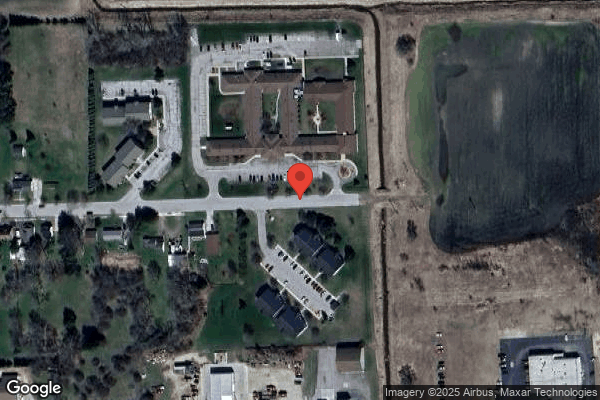
Oct 2023 10 deficiencies
CONCERN (D)

Potential for Harm - no one hurt, but risky conditions existed

Deficiency F0657 (Tag F0657)

Could have caused harm · This affected 1 resident

**NOTE- TERMS IN BRACKETS HAVE BEEN EDITED TO PROTECT CONFIDENTIALITY** Based on observation, interview and record review, the facility failed to update a care plan for catheterization for one residen...

Read full inspector narrative →
**NOTE- TERMS IN BRACKETS HAVE BEEN EDITED TO PROTECT CONFIDENTIALITY** Based on observation, interview and record review, the facility failed to update a care plan for catheterization for one resident (Resident #80), resulting in the catheter interventions not addressing the resident's self-catheterization and accompanying education, which was to be provided per physician's order. Findings include: The State Surveyor's request for the facility's 'Resident Self-catheterization' policy on 10/6/2023 at 7:30 AM from the Director of Nursing (DON) revealed that the facility did not have a policy. Later that same day, 10/6/2023 at 9:03 AM, the DON e-mailed the surveyor a Lippincott procedure guideline. Record review of the facility 'Care Planning' policy, dated 06/24/2021, revealed that every resident in the facility will have a person-centered plan of care developed and implemented that is consistent with the resident's rights, based on the comprehensive assessment that includes measurable objectives and time frames to meet a resident's medical, nursing, and mental and psychosocial needs identified in the comprehensive assessments and prepared by the interdisciplinary team who include but are not limited to; attending physician, a registered nurse who is responsible for the resident, a nurse aide . (9.) The care plan and resident [NAME] will be updated on admission, quarterly, annually and with any significant changes. This includes adding new focuses, goals, and interventions and resolving ones that are no longer applicable as needed. Resident #80: An interview on 10/04/23 at 12:28 PM with Resident #80, while seated up in his room, revealed that he did not have an indwelling catheter, but self-straight catheterized himself three (3) times daily for a couple of years. Resident #80 stated that he was at the facility for physical therapy because he broke his hip. Record review of Resident #80's care plans, pages 1- 26, revealed Focus: Resident was at risk for urinary tract infection and catheter-related trauma: Resident self-caths every 8 hours and prn (as needed) related to BPH (Benign Prostate Hyperplasia) with lower urinary tract symptoms and urinary retention. Interventions: 9/9/2023. Change catheter and tubing per facility policy if suspected clogged 9/9/2023. Observe/document for pain/discomfort due to catheter 9/9/2023. Observe/record/report to physician for s/sx (signs/symptoms) UTI (Urinary Tract Infection): pain, burning, frequency, blood-tinged urine, cloudiness, no output, deepening of urine color, increased pulse, increased temp, foul smelling urine, fever, shills, altered mental status, change in behavior, change in eating patterns 9/9/2023. Position Catheter bag and tubing below the bladder. Check tubing for kinks each shift 9/9/2023. Provide catheter care per policy Resident #80 had a care plan for Activity of Daily Living (ADL) self-care deficit and required assistance with ADL's and mobility related to weakness and recent left hip fracture surgery. Record review of Resident #80's [NAME] (Certified Nursing Assistant care guide) on 10/6/2023 revealed that the resident was a one-person assist to use the toilet, transfers, bathing, dressing and staff assistance with meal set-up. There was no mention of catheter care noted on the [NAME]. In an interview and record review on 10/06/23 at 07:30 AM regarding Resident #80, the Director of Nursing (DON) revealed that Resident #80 did have a Brief Interview of Mental Status (BIMS) of 12 out of 15 indicating moderate cognitive impairment, and that there was confusion in the afternoon. The DON stated that the facility did not have a self-straight catheterization policy. Resident #80 did self-catheterize three times a day. Record review of Resident #80's catheterization care plan revealed that interventions were for an indwelling catheter and did not address interventions for self-catheterization including: not the size, voided volume monitoring, abdominal assessments, urgency, or prevention of cross contamination. On 10/06/23 at 07:40 AM, an interview with the DON revealed that Resident #80 does the self-catheterization himself and had been assessed for a BIMS of 12 and does have some confusion. The DON was asked how output was monitored. The DON replied that the facility tried a hat in the toilet and a urinal, but the resident would remove the hat. The care plan did not address if clean technique or sterile technique was to be used, any resident education, observation of the technique used by the resident, or if the procedure was performed appropriately. The DON stated that the care plan could have been better.
CONCERN (D)

Potential for Harm - no one hurt, but risky conditions existed

Incontinence Care (Tag F0690)

Could have caused harm · This affected 1 resident

**NOTE- TERMS IN BRACKETS HAVE BEEN EDITED TO PROTECT CONFIDENTIALITY** Based on observation, interview and record review, the facility failed to educate and provide proper management of self-catheter...

Read full inspector narrative →
**NOTE- TERMS IN BRACKETS HAVE BEEN EDITED TO PROTECT CONFIDENTIALITY** Based on observation, interview and record review, the facility failed to educate and provide proper management of self-catheterization for one resident (Resident #80), resulting in the potential for bladder injury, cross contamination, and resultant urinary tract infection. Findings include: The State Surveyor requested facility's 'Self-catheterization' policy on 10/6/2023 at 7:30 AM from the Director of Nursing (DON) The DON revealed that the facility did not have a policy. Later that same day, 10/6/2023 at 9:03 AM, the DON e-mailed the State Surveyor a Lippincott procedure guideline. Record review was conducted of the facility-provided [NAME] 'Intermittent (straight) urinary catheter insertion, assigned male at birth' procedure (https://procedures.lww.com/lpn/view.do?pld=1670271&hits=cathers&a=true&ad=false&q=cather) link. Record review of pages 1 through 4 (revised 11/28/2022) revealed that the procedure guide revealed that intermittent urinary catheterization can be long-term or short-term depending on the patient's condition. When used routinely, urinary catheterization should be performed at regular intervals throughout the day based on the patient's (resident's) fluid intake to prevent bladder overdistention. Sterile or clean technique can be used for intermittent urinary catheter insertion according to facility preference. (There is no Policy for the facility) This procedure focuses on using the sterile technique. Documentation associated with intermittent urinary catheter insertion includes date and time of catheter insertion, size and type of catheter used, urine characteristics, amount, color, other characteristics. Intake and output record for fluid balance data. It includes the patients' tolerance of the procedure, and whether a urine specimen was sent for laboratory analysis. It also includes if teaching was provided to the patient/resident and family (if applicable), understanding of that teaching, and if follow-up teaching is needed. Resident #80: Record review of Resident #80's Minimum Data Set (MDS) dated [DATE] revealed that Section C: Cognitive Patterns, the resident was assessed with a Brief Interview of Mental status (BIMS) score of 12 out of 15 moderate cognitive impairment. Section G: Functional status- extensive assist of one person with walking, dressing, toileting, and personal hygiene. Section H: Bowel and Bladder noted indwelling catheter and intermittent catheterizations. Record review of Resident #80's electronic medical record revealed that the resident was admitted on [DATE] post left hip surgery. Record review of the skilled care note dated 9/9/2023 revealed that the resident thought that he was in his home that he has not resided in for the last 20 years. An interview on 10/04/23 at 12:28 PM with Resident #80 revealed that the resident had have to straight Cath 3 times daily, for a couple of years. Record review of Resident #80's electronic medical record diagnosis list revealed benign prostatic hyperplasia with lower urinary tract symptoms. Record review of Resident #80's physician's order, dated 9/9/2023, that resident may self-catheterize once educated. Observation and interview was conducted on 10/05/23 at 02:19 PM while in Resident #80's room. The surveyor asked if the resident had supplies for self-catheterization available. Resident #80 let the state surveyor observe in the closet: Speed Cath self-lubricated catheters size 14 French. The surveyor noted four boxes of 30 catheters per box in closet. Resident #80 stated that his family brings the catheters into him, he gets them through a medical supply company sent to his home. The state surveyor did not see any gloves or catheter insertion kits noted in the supplies. Resident #8- stated that he does wash his hands and prefers to stand up while he catheterizes himself in the bathroom. Resident #80 seemed confused to some questions that were asked by the surveyor or gave nonsensical responses. Record review of Resident #80's Treatment Administration Record, October 2023, revealed that there were treatments of self-catheterization twice daily. An interview and record review on 10/06/23 at 07:30 AM with the Director of Nursing (DON), related to Resident #80, revealed that Yes, Resident #80 does have a brief Interview of Mental Status (BIMS) of 12 out of 15 moderate cognitive impairment, and there is confusion in the afternoon. The DON stated that the facility did not have a self-straight catheterize policy. Resident #80 does self-catheterize three times a day. Record review of the resident #80's catheterization care plan revealed that interventions were for indwelling catheter and did not address interventions for self-catheterization: Not the size, voided volume monitoring, adnominal assessments, urgency, or prevention of cross contamination. On 10/06/23 at 07:40 AM interview with the DON revealed that Resident #80 does the self-catheterization himself and had been assessed for a BIMS of 12 and does have some confusion. How do you monitor output? we did try a hat in the toilet and a urinal, he would remove the hat. Care plan did not address if clean technique or sterile technique was to be used, resident education or observation of the technique used by the resident or if the procedure was performed appropriately. The DON stated that the care plan could have been better. In an interview and record review on 10/06/23 at 10:45 AM, Licensed Practical Nurse (LPN)/Unit Manager G performed a record review of Resident #80's physician's orders on 9/9/2023, which revealed that the resident may self-straight Cath after resident is educated. LPN/UM G looked through the electronic medical record and found no resident education. LPN/UM G told the surveyor to speak with LPN D who wrote the order. LPN/UM G stated that no the facility does not have an education form, the nurse writes a note in the progress notes. Record review of the progress notes revealed a note on 9/9/2023 but no mention of resident education on self-catheterization. In an interview and record review on 10/06/23 at 10:45 AM, Licensed Practical Nurse (LPN) D revealed that she remembers that Resident #80 came with an indwelling Foley catheter in place and the resident pulled it out the next day with the balloon intact and had blood clots. LPN D stated that there was an order to self-straight catheterize after resident was educated. LPN D stated that she believes that she told the night shift nurse to educate the resident in (shift) report. Record review of Resident #80's progress notes revealed that there was no documented education on self-straight catheterization found in the medical record. Record review on 10/06/23 at 11:24 AM with Licensed Practical Nurse (LPN) D reviewed all notes in the skilled care assessment forms genitourinary section, and all notes in the additional notes section of all skilled care evaluation assessments for Resident #80. LPN D stated that there were no resident education notes found. The surveyor asked if there was a written instructions or a return evaluation available of resident education and there was none provided by the end of the survey process.
CONCERN (D)

Potential for Harm - no one hurt, but risky conditions existed

Deficiency F0699 (Tag F0699)

Could have caused harm · This affected 1 resident

**NOTE- TERMS IN BRACKETS HAVE BEEN EDITED TO PROTECT CONFIDENTIALITY** Based on observation, interview, and record review the facility failed to ensure accurate completion of a trauma assessment for ...

Read full inspector narrative →
**NOTE- TERMS IN BRACKETS HAVE BEEN EDITED TO PROTECT CONFIDENTIALITY** Based on observation, interview, and record review the facility failed to ensure accurate completion of a trauma assessment for one trauma survivor, Resident #9, resulting in the facility not being aware of Resident #9's trauma history and subsequently not being able to deliver culturally competent trauma-informed care and identify triggers to minimize re-traumatization. Findings Include: Resident #9: On 10/4/2023 at approximately 2:30 PM, Resident #9 was observed resting in bed and was in a pleasant mood. The survey system indicated Resident #9 triggered for PTSD (Post Traumatic Stress Disorder) and she was queried if this was accurate, and she responded it was. The resident was asked if she was comfortable sharing a generalized statement regarding her trauma (type of trauma and if in childhood or adulthood). Resident #9 stated her trauma stemmed from a 25 year physically abusive marriage. A quick review was conducted of the most recent Social Work Assessment from 7/2023 and it showed Resident #9 did not have any current or past traumatic experiences. On 10/5/2023 at 10:00 AM, Social Worker N was asked to explain her process when resident assessments are due to be completed. She shared the assessments are completed from resident chart review and if there are additional questions or any clarifications then Social Worker N will speak to staff or resident (if cognitively intact). Social Worker N and this writer reviewed some of assessment questions and they were as follows: - Are you comfortable sharing a room with someone who identifies as a different gender than their birth gender? - Are there any changes with the resident's/guest's family or interpersonal relationships, support systems, or personal needs? - Has the resident/guest experienced any new changes in their sensory that has affected their functional status since the last assessment? - Have you experienced a traumatic event (Survivor of a disaster, survivor of abuse, homelessness, imprisonment, etc.) and/or suffer from Post Traumatic Distress Syndrome (PTSD) since the last assessment? o Yes (any distressing or disturbing experience, historical or present, which has had lasting consequences) o No o Unable to answer o Chooses not to answer Social Worker N was again asked if the assessments are completed from chart review and she affirmed they were. She was asked if a chart review or resident interview was conducted for Resident #9's last social work assessment and she stated chart review. She was further asked to explain how she gathered answers to the above questions without directly speaking to the resident/family/staff and she again stated she would review the chart. This writer and Social Worker N went to Resident #9's room to ask her some of the questions from the assessments. Resident #9 was asked, Are you comfortable sharing a room with someone who identifies as a different gender than their birth gender? She responded she was comfortable sharing. She was then asked about past trauma and mentioned her abusive marriage for 25 years. The answers Resident #9 provided differed from what was indicated on the assessment completed by Social Worker N. A discussion was held with Social Worker N, that while some of the questions can be completed via chart review there are specific questions above that cannot/should not be ascertained from chart review when the resident is cognitively intact and accessible to the social worker for the assessment. We spoke about speaking to family members and staff to [NAME] accurate information for the assessments. As shown, Resident #9's assessment was not an accurate depiction. Social Worker N, was queried who trained her on completing the assessments, she reported there were a few people that assisted but when she was trained they were also completing the assessments from chart review. We also discussed the facility was unable to provide continued support if needed as they were unaware of her trauma due the inaccurate assessments. On 10/5/2023 at approximately 10:45 AM, a review was competed of Resident #9's medical records and it showed she was admitted to the facility on [DATE] with diagnoses that included, Chronic Obstructive Pulmonary Disease, Bipolar Disorder, Heart Disease, Major Depression, Anxiety and Post-Traumatic Stress Disorder (added on readmission on [DATE]. Further review of Resident #9's records revealed the following: Psychiatric Group Notes: 3/21/2023: Complaint: .PTSD .She says she feels stuck and trapped. She filled me in on some of her family dynamics. She has not wanted to discuss her PTSD but states it still impacts her emotionally. She was encouraged to talk to me about it when she feels comfortable in doing so . 9/20/2023: MDD-GAD-PTSD .PTSD has not been an issue for her here. She denies nightmares and says she can manage her symptoms fairly well . Social Work Assessments: 1/24/2023: Underneath the Trauma section it indicated Resident #9 had not experienced any trauma. 2/7/2023: Underneath the Trauma section it indicated Resident #9 had not experienced any trauma. 4/14/2023: Underneath the Trauma section it indicated Resident #9 had not experienced any trauma. 7/11/2023: Underneath the Trauma section it indicated Resident #9 had not experienced any trauma. It can also be noted there was a question that read, Are you comfortable sharing a room with someone who identifies as a different gender than their birth gender? On Resident #9's assessment from January 2023, February 2023, April 2023 and July 2023 the assessment indicated the answer as No. When this writer interviewed the resident and specifically asked this question she answered yes, meaning she was comfortable sharing a room someone who identifies as a different gender than what they were born. On 10/6/2023 at 1:00 PM, an interview was conducted with Staff Development Nurse L and DON (Director of Nursing) regarding expectations for completion of assessments. Nurse L stated (for example) a quarterly assessment, the staff would need to go to the resident's bedside to complete the assessment. They would be expected to reach out to the family and/or speak to floor staff to answer questions that were not able to be ascertained from the resident. Nurse L and DON were queried if it was acceptable to complete an assessment solely based on chart review and they stated it was not. Review was completed of facility policy entitled, Social Service Documentation, revised 7/31/2023. The policy stated, Social Service/designee will provide documentation of accurate guest/resident information and timely records in psychosocial areas .Social Service/designee will follow facility guidelines for documentation and will safeguard the residents protected health information .Any historical trauma events known to staff or expressed by resident/family/responsible party will be documented including identified triggers and possible coping mechanisms .The facility will identify residents who trigger for trauma through the Social History/Evaluation and Social Service Reevaluation process .Social services/designee will document information gathered or observed upon interaction with the resident, family, resident representative, or outside agencies involved in the well-being and care of the guest/resident .
CONCERN (D)

Potential for Harm - no one hurt, but risky conditions existed

Pharmacy Services (Tag F0755)

Could have caused harm · This affected 1 resident

**NOTE- TERMS IN BRACKETS HAVE BEEN EDITED TO PROTECT CONFIDENTIALITY** Based on observation, interview and record review, the facility failed to have two nurses sign off on a Fentanyl patch removal a...

Read full inspector narrative →
**NOTE- TERMS IN BRACKETS HAVE BEEN EDITED TO PROTECT CONFIDENTIALITY** Based on observation, interview and record review, the facility failed to have two nurses sign off on a Fentanyl patch removal and administration for one resident (Resident #3), resulting in the likelihood of narcotic diversion and the narcotic diversion going unnoticed. Findings include: Record review of the facility 'Controlled Substances (MI, OH, IN, and VA) policy, dated [DATE], revealed it shall be the policy of the facility to store and/or destroy all discontinued or expired controlled substances, in accordance with legal and regulatory requirements. Destruction of Controlled Substances: (1.) The Director of Nursing/designee and another nurse must destroy all discontinued and/or expired controlled substances ideally upon receipt. A Registered Nurse must always be present when controlled substances are destroyed . (5. C) With the Director of Nursing/RN designee and licensed nurse present the wasting of leftover, unadministered partial doses of controlled substances, like a dose that remains in a vial, tablet, tube, transdermal patch, or Syringe should be: Dispense the medication into a container, dispose of used Fentanyl patches in half with sticky sides together and flush down the sink or toilet. If flushing the patch is not an option, a devise that deactivates any remaining drug in the patch should be used prior to disposal. Deactivation and disposal should be documented with a second witness. Observation, interview, and record review on [DATE] at 07:05 AM with Licensed Practical Nurse (LPN) C night shift nurse review of the dementia/memory unit (200 hall) medication cart located in the 200-hall medication room revealed there to be one (1) white oval tablet and one (1) gray oblong tablet found loose in the medication cart drawer. LPN C tried to guess what the tablets were. Record review of the narcotic controlled substance book and locked drawer revealed Resident #3 to have Fentanyl 12mcg/hr. patch topically was signed out only by one nurse on [DATE] at 8:37 PM. LPN C stated that at the time of the removal and administration of the new Fentanyl patch the night prior, that she was the only nurse working the memory care unit and that there was no one to double sign the count sheet. LPN C stated that no one witnessed the removal or disposal of the used Fentanyl patch. Record review of Resident #3's 'Controlled Substance Proof of Use' form located in the Dementia/memory unit (200 Hall) narcotic sign-out binder revealed that on [DATE] at 8:37 PM Licensed Practical Nurse (LPN) C signed out a Fentanyl 12 mcq/hr. patch apply one transdermal patch topically every 72 hours. There was only one nurse signature noted on the form. In an interview and record review on [DATE] at 07:10 AM with Licensed Practical Nurse B day shift nurse for the memory care unit just came to the unit to start her shift, revealed Resident #3 does have Fentanyl transdermal patches. LPN B stated that she would sign off the Fentanyl patch when she comes into work in the morning, like today. The state surveyor inquired about the proper procedure for transdermal narcotic application or disposal. LPN B stated that no, at the time it is removed (The transdermal patch) it is to be witnessed by two (2) nurses and disposed of. LPN B that no, she did not see or witness the removal or disposal of the Fentanyl patch. But that LPN C was not acting goofy or different. LPN B stated that the facility does have a policy that the patch is to be witnessed with removal and disposal by two nurses. In an interview on [DATE] at 07:30 AM with the Director of Nursing (DON) RN/DON/IC/Scheduler the state surveyor discussed the narcotic sign out process. The DON revealed that a Fentanyl patch administration/removal is done with two (2) nurses and tow (2) nurses witness the disposal either in the toilet flushed or in the drug buster. The DON stated that the facility does have a policy for the use of Fentanyl. Record review of the policy identified that a Registered Nurse and a licensed nurse must witness the destruction of narcotics.
CONCERN (D)

Potential for Harm - no one hurt, but risky conditions existed

Deficiency F0761 (Tag F0761)

Could have caused harm · This affected 1 resident

Based on observation, interview and record review, the facility 1) Failed to ensure that 1 of 3 medication carts were free from loose tablets/medications and 2) Failed to perform hand hygiene during m...

Read full inspector narrative →
Based on observation, interview and record review, the facility 1) Failed to ensure that 1 of 3 medication carts were free from loose tablets/medications and 2) Failed to perform hand hygiene during medication pass, resulting in the likelihood of cross contamination and ineffective medications. Findings include: Record review of the facility 'Medication Administration' policy, dated 10/14/2022, revealed that guest/resident medications are administered in an accurate, safe, timely and sanitary manor. Procedure: 1. (c.) Place medication into a souffle cup or medicine cup without touching the inside of the cup. (a.) If medications come into contact with bare hands of nurse, med tech, or with the cart, the medication should be disposed of per policy . An observation and interview on 10/05/23 at 06:32 AM with Registered Nurse (RN) E night shift nurse till 7:30 AM revealed RNE to come from another resident room, open medication cart and begin to finger through the medications of Resident #58. RN E gathered her blood pressure checking supplies and went into Resident #58's room and touched the resident and applied the blood pressure cuff to the resident's arm and stethoscope. RN E removed the cuff and walked back out to the medication cart and reached into her pocket and retrieved the cart keys and opened the medication cart. RN E rolled up the BP cuff and put in into the med cart drawer. RN E Open Medication cart drawer and pulled Bumex medication pass of Resident #58. The nurse RN E pulled the medication card and punched two 0.5 mg tablets into a small souffle cup, picked up the cup and went to the resident seated up in the recliner and administered the medication. No hand hygiene was observed. Observation, interview, and record review on 10/05/23 at 07:05 AM with Licensed Practical Nurse (LPN) C night shift nurse review of the dementia/memory unit (200 hall) medication cart located in the 200-hall medication room revealed there to be one (1) white oval tablet and one (1) gray oblong tablet found loose in the medication cart drawer. LPN C tried to guess what the tablets were. Record review of the narcotic controlled substance book and locked drawer revealed Resident #3 to have Fentanyl 12mcg/hr. patch topically was signed out only by one nurse on 10/4/2023 at 8:37 PM. LPN C stated that at the time of the removal and administration of the new Fentanyl patch the night prior, that she was the only nurse working the memory care unit and that there was no one to double sign the count sheet. LPN C stated that no one witnessed the removal or disposal of the used Fentanyl patch. In an observation and interview on 10/05/23 at 07:48 AM with Licensed Practical Nurse (LPN) B Day shift- Memory unit/200 hall, the surveyor observed LPN B to gather blood pressure cuff and stethoscope and enter Resident #40's room and applied blood pressure cuff and with the stethoscope took resident's blood pressure, 136/62 came back out to the medication cart and reached into her pocket for keys and unlocked the medication cart and fingered through the medication drawer and pulled medication cards for Resident #40, punched the eight medications into a souffle cup and transferred the medications to the pouch for crushing medications and crushed them. LPN B then placed the crushed medications into a clear plastic medication cup with yogurt and went to the resident seated up in recliner and administered via a spoon. There was no hand hygiene observed during the medication pass. An interview on 10/05/23 at 03:38 PM with the Registered Nurse/staff development L revealed that there was a policy for the administration and disposal of Fentanyl patches. RN L stated that it did take 2 nurses to administer/sign-out, and disposal of Fentanyl patches does take 2 nurses per standard of practice.
CONCERN (E) 📢 Someone Reported This

A family member, employee, or ombudsman was alarmed enough to file a formal complaint

Potential for Harm - no one hurt, but risky conditions existed

Resident Rights (Tag F0550)

Could have caused harm · This affected multiple residents

**NOTE- TERMS IN BRACKETS HAVE BEEN EDITED TO PROTECT CONFIDENTIALITY** Sound Levels on the 200-Hall Unit: On 10/4/23 at 10:45 AM, an initial tour of the facility was conducted. An observation was mad...

Read full inspector narrative →
**NOTE- TERMS IN BRACKETS HAVE BEEN EDITED TO PROTECT CONFIDENTIALITY** Sound Levels on the 200-Hall Unit: On 10/4/23 at 10:45 AM, an initial tour of the facility was conducted. An observation was made when arrived in the 200 Hall unit. The Unit doors were closed. Upon entering the unit, a shrill alarm was sounding. The Nurses' Station was near the doorway to the unit. Six Residents were observed to be seated in the vicinity of the Nurses' Station. The shrill alarm was loud in this area. Staff were observed in the area and were not reacting to the alarm going off. An employee was walking from down the hall and was stopped by the surveyor and asked about the alarm. The employee was Maintenance Director K and he indicated that it was Resident #40's light going off and returned back towards the hall to answer the call light. The call light was turned off, but another alarm (call light) was sounding. At 10:53 AM, an observation was made of a constant shrill alarm sounding at the Nurses' Station. Walking down the hall the alarm was sounding at the same high pitched shrill. An observation was made of one call light being answered, but due to more then one call light activated, the sound was continuous. At 10:54 there was a break in the alarm sounding. The Resident's positioned near the Nurses' Station were sitting in wheelchairs, two women tried to talk to each other, one Residents appeared to be sleeping, and three Residents sat in their wheelchair and did nothing else. The Residents did not have any activities provided at that time. The Residents in the 200 Hall were screened. The Resident population seemed to have many Residents, especially in the beginning of the Resident rooms, to have moderate to severe cognitive impairment and were unable to be interviewed or engage in conversation. The shrill alarm was heard down the hall and could be heard in the Resident rooms, but not as loud as in the hall or at the Nurses' Station. At 11:36 AM, an observation was made of the call light sounding from Resident in room [ROOM NUMBER]. Another light was activated in room [ROOM NUMBER], with the shrill sound being constant until 11:42 AM. The sound continues to be off and on. On 10/4/23 at 11:54 AM, an interview was conducted with Resident #63 who answered questions and engaged in conversation. The Resident was sitting on the side of his bed in his room. The Resident was asked about his call light and indicated he used the call light and that it was answered by staff sometimes quickly and reported that other times he had to wait a long time. When asked about the sound level, The Resident stated, the noise bothers me while I am in here and it bothers me when I am out there, and indicated that the sound was off and on day and night. The Resident complained that right outside his door the alarm was loud. The Resident put on his call light at 11:57 after reporting staff don't always answer it timely. At 12:03 PM, the call light had not been answered by staff but noted that staff responded a couple minutes later. On 10/4/23 at 1:32 PM, an interview was conducted with Resident #234. The Resident answered questions and engaged in conversation. The Resident was asked about the call light and the Resident complained of the sound giving him a headache. The Resident did not elaborate on his how often or the severity of his headaches from the call light sound. The sound of the call light in the hall could be heard in the resident's room. On 10/6/23 at 9:48 AM, an interview was conducted with Maintenance Director K regarding the call light sound level in the 200 Hall. An observation was made in the 200 Hall with the Maintenance director. No call lights were sounding at the time and a call light was activated. The alarm sounded at the Nurses' Station and the Maintenance Director indicated there was another device on the ceiling in the hall approximately half-way down the hall that emitted the alarm sound as well as at the Nurses' Station. Residents were positioned near the vicinity of the Nurses Station in their wheelchairs. The Maintenance Director indicated that with the doors closed to the unit the sound was trapped. The Maintenance Director reported that the volume was not able to be turned down and that it was a set standard from the company that supplied the call light system. On 10/6/23 at 9:54 AM, an interview was conducted with the Administrator (NHA) regarding the sound levels of the call light system in the 200 Hall with a large population of Residents with dementia and/or impaired cognition. The NHA indicated they have not had any issues with complaints of the call light system. The NHA indicated she would contact the corporate office to discuss a solution for the sound levels emitted by the call light system. Resident #66: Dignity A record review of the Face sheet and Minimum Data Set (MDS) assessment for Resident #66 indicated an admission to the facility on 7/1/2023 with diagnoses: Heart disease, asthma, diabetes, atrial fibrillation, fibromyalgia, right hip pain, kidney disease, depression, anxiety, and history of falls. The MDS assessment dated [DATE] revealed the resident had full cognitive abilities with a Brief Interview for Mental Status (BIMS) score of 15/15 and needed 1-person set up assistance with bathing, hygiene, dressing and eating. On 10/04/23 at 2:17 PM, during a tour of the facility, Resident #66 was observed, sitting in a chair in her room, she stated, We (Resident #66 and her roommate) have to shut our door because the alarm for the call light is outside our door and it beeps for the hall (400 hall) and even for the 900 hall. It will beep, beep, beep, loudly and won't shut off until they answer it; sometimes it is more than 30 minutes, I timed it. When Resident #66 was asked if there was enough staff on the hall she stated, No, there is not enough. Sometimes its 30 minutes to an hour before they get us out of the bathroom. We are already in the bathroom and are done, but they don't come to get us. They will shut the call light off and leave. My roommate, after she puts the call light on in the bathroom, they don't come and she has to yell for help. Staff will visit with each other at the door instead of going in to help. During the interview with Resident #66, she was asked how often it occurred and she said it was frequently: almost every day. A record review of the Care Plans for Resident #66 provided (Resident #66) has an ADL (activities of daily living) Self Care Performance Deficit and requires assistance with ADL's and mobility related to: Limited Mobility and use of a cane and Pain . date initiated 7/5/2023 and revised 10/5/2023 said the resident is independent with all ADL's except for bathing. The Care Plan said she was independent with bed mobility, transfers, ambulation, dressing, eating, toileting and personal hygiene; each was dated 7/5/2023. This was prior to the MDS dated [DATE] that indicated she needed assistance with bathing, hygiene, dressing and eating. Based on observation, interview and record review, the facility 1) Failed to ensure: that sound levels of call lights were appropriate for the resident population in the 200 Hall and 2) Failed to ensure dignity in regard to call lights by not responding timely for two residents (Resident # 66 Resident #76), resulting in residents verbalizing complaints of lack of response, frustration, agitation, and the likelihood for behaviors. Findings include: Record review of the facility 'Guest/Resident Rights' policy, dated 5/1/2022, revealed that the facility protects and promotes the rights of each guest/resident. The guest/resident has a right to a dignified existence, self-determination, and communication with and access to persons and services inside and outside of the facility. Record review of the facility 'Call Lights' policy, dated 2/15/2022, revealed that call lights will be placed within the resident reach and answered in a timely manner. Respond to the call light. Identify the location and answer the resident promptly . Go to the location of the call light and turn off the light if you are able to meet the resident request. Record review of the 'Facility Assessment' ,dated and signed by the Nursing Home Administrator on 10/4/2023, revealed in Section I: Resident profile- Describe the resident acuity levels: #37) Number of residents who require assistance from staff with toileting: 82. Section II: Services/care- #43: Bowel/bladder- #5) Responding to request for assistance to the bathroom/toilet to maintain continence and dignity. Resident #76: Record review of Resident #76's physician orders in the electronic medical record revealed a [AGE] year-old person. Resident #76 had orders for physical therapy services. Record review of Resident #76's nursing progress note dated 10/5/2023 revealed that the resident was a one person assist with Activities of Daily Living (ADL), bed mobility, toileting, and transfers using gait belt, gripper socks and/or good soled shoes, and Front Wheeled [NAME] (FWW) to pivot to wheelchair, locomotion, recliner, bed, and toilet. An observation and interview on 10/04/23 at 10:44 AM during the initial tour of the resident living area revealed that Resident #76 was seated up in a recliner and there was a plastic urinal with no lid placed upon the rolling over bed table next to the resident. Resident #76 was asked about staffing and getting assistance. Resident #76 stated that there was not enough staff, they take too long to get to my room. I put the call bell on, and I wait 30 minutes, sometimes I think I might forget it. I keep the urinal on my table because that don't come, and I am [AGE] years old, and I am not going start peeing my pants now. They don't want me to keep it in reach, they want me to get up to the bathroom, but they don't come (to help). In an observation and interview on 10/05/23 at 12:02 PM, the surveyor observed Resident #76 with a plastic urinal with no lid to be on a bedside rolling table within reach of resident. Resident #76 stated that they can't wait for the aides. Today it is better because there are 1 aide working on this hall and the nurse, but it's not like that usually. It's a wait time of 15-20 minutes and they don't want me up without someone here. Observation and interview on 10/05/23 at 12:07 PM with Licensed Practical Nurse (LPN) A revealed that there was one aide/Certified Nurse Assistant (CNA) F on 900 hall and CNA J on 400 halls, yes, the CNA F has to go to the 400 halls to help if he needs it. There is a baby monitor in the 900-hall dining room and that is how the 900-hall call light is heard over on 400 halls. Observation on 10/05/23 at 12:10 PM while in the main dining room interviewing the Registered Dietitian revealed that Certified Nurse Assistant (CNA) F was in the dining room assisting will feeding of residents and later that same meal the surveyor observed (CNA) F to be passing meal trays on the 500 hallway and then went back to the 200 unit and came out. Observation of Licensed Practical Nurse (LPN) A was passing medications. Observation and interview on 10/06/23 at 09:02 AM with Resident #76 revealed that he was seated up in his recliner in the resident room. Resident #76 was asked how the staff were at assisting them. Resident #76 stated the help are not here. The resident did not expect them to be there every minute, but when the resident puts the call light on, and They don't get anyone or even hear anyone out in the hallway it's scary. Even the nighttime staff/people don't come it's just not enough help. It hasn't gotten better, they said that they hired more people, but I haven't seen them. I get a water pill (Lasix) in the morning and then they send me to therapy, and I come back, and I need to go to the restroom, and it takes a while to get help to get in the bathroom. That's way I keep the urinal right there in reach, I can't wait. An interview on 10/06/23 at 07:30 AM with the Director of Nursing RN/DON/IC/Scheduler in regard to the residents' concerns of call light wait times, revealed that Resident #76 does keeps a urinal with no lid on placed on the over bed table because his call light does not get answered quick enough. Resident #76 does get a diuretic (Lasix) and has incontinence if he has to wait for help. the state surveyor inquired about facility staffing. The DON revealed that there is one Certified Nursing Assistant (CNA) on the 900-hall and one CNA on 400-hall and there is one nurse between the 900/400 hall to pass medications and do treatments. The baby monitor in the dining room is because the call systems are different systems and 900-hall and needs to be heard in 400-hall. An interview on 10/06/23 at 12:45 PM with the Maintenance Director K revealed that the Baby monitor located in the 900-hall dining room is for the nursing director to answer for. Maintenance only fixes it if it's broken. The Call light systems are different between the 900-hall part of the building (newer addition) and the rest of the building.
CONCERN (E) 📢 Someone Reported This

A family member, employee, or ombudsman was alarmed enough to file a formal complaint

Potential for Harm - no one hurt, but risky conditions existed

Quality of Care (Tag F0684)

Could have caused harm · This affected multiple residents

**NOTE- TERMS IN BRACKETS HAVE BEEN EDITED TO PROTECT CONFIDENTIALITY** Resident #41: On [DATE] at 12:40 PM, a review was conducted of Resident #41's medical records and it revealed the resident was ...

Read full inspector narrative →
**NOTE- TERMS IN BRACKETS HAVE BEEN EDITED TO PROTECT CONFIDENTIALITY** Resident #41: On [DATE] at 12:40 PM, a review was conducted of Resident #41's medical records and it revealed the resident was admitted to the facility on [DATE] with diagnoses that included End Stage Renal Disease, Bacteremia, Cellulitis, Atrial Fibrillation, Heart Disease and Presence of Automatic Cardiac Defibrillator. Further review of Resident #41's record yielded the following results: Hospital Discharge Records: .AICD (automatic cardioverter/defibrillator) present . Facility admission Assessment [DATE]: - Pacemaker: Yes Care Plan: Focus: (Resident #41) is at risk for cardiac complications r/t multiple cardiovascular diseases, hypertension, atrial fibrillation, hyperlipidemia, CAD, hx of STEMI and presence of AICD. Progress Notes: [DATE] at 00:00: Notified by nursing the resident will be transferred to the hospital due to sternal abscess which has copious drainage. [DATE] at 06:34: Seeping serosangauness fluid from chest midline. There was no other documentation located from initial progress note on [DATE] of Resident #41's drainage to when he was sent out on [DATE] when the drainage persisted and an abscess was noted. On [DATE] at 3:25 PM, the DON (Director of Nursing) was queried regarding the reason Resident #41 was sent to the hospital and the lack of documentation regarding it. The DON stated Resident #41 developed a chest abscess and was transferred to the emergency room as his AICD was trying to work its way out. Facility staff were going to complete a culture, but it worsened. Resident #41 is currently in the ICU and has a wound where the pacemaker previously was. The DON was queried as to where this information was located, and she reported they were able to retrieve documentation from the hospital. The DON was asked what their expectation for documentation is and the DON stated facility nurses should have recorded better documentation that included continued initial orders, why the area was being monitored, their assessment of the area, who was contacted etc. The record should have been complete. On [DATE] at 9:05 AM, an interview was conducted with Nurse C, regarding the evening she transferred Resident #41 to the emergency room. Nurse C was queried if she was aware Resident #41 had a pacemaker and she stated she was not. The nurse stated at the end of Resident #41's sternum was a small open area , covered with 4 x 4 gauze and secured with tape. The 4 x 4 was saturated with an unknown fluid and initially Nurse C thought it was something the resident had spilled on himself. Upon removing the 4 x 4 gauze she observed a ruptured abscess that with excessive drainage. Nurse C stated she reviewed Resident #41's notes and dialysis communication forms and did not find any documentation related to the abscess. The nurse stated the area was open, tender, swollen, warm and draining. Nurse C contacted their on-call physician group and received authorization to transfer Resident #41 to the emergency room for evaluation and treatment. Nurse C was queried as to why a detailed progress note was not completed regarding the incident and she explained it all occurred quickly and it an error on her part. She stated it was odd she received nothing in report and there were no prior notes regarding this area at the end of his sternum. On [DATE] at 9:20 AM, an interview was conducted with Nurse R regarding Resident #41 and her progress note regarding his drainage on [DATE]. Nurse R explained she was assisting Resident #41 into bed and observed a 2 x 2 gauze on his chest. She recalled there being a note to check for drainage and upon removing the gauze and assessing the area, his skin was intact. There was a teardrop size of drainage on the gauze but there was nothing that concerned her. Nurse R shared the gauze was also on the resident the evening prior but was unclear on the reason for it. Nurse R expressed the area was midline chest area below his breast. Nurse R stated she thought there was an order to monitor that area. This writer reviewed the MAR (Medication Administration Record) and TAR (Treatment Administration Record) and the order Nurse R spoke of was not able to be located in Resident #41's records. Nurse R reported she was unaware of when the gauze went into place. On [DATE] at 9:50 AM, an interview was conducted with the DON, and she was asked if there were physician orders for the area on Resident #41's sternum. The DON reviewed the residents record and did not locate any physician orders. The DON was unable to ascertain when the area was initially covered and why as there were no notes detailing this. The DON shared Resident #41's AICD leads became infected and that is why the abscess was at the end of his sternum. The facility provided Resident #41's current inpatient hospitalization records and they stated the following: [AGE] year-old gentleman presented for sternal wound infection. Patient has been seen and evaluated by infectious diseases, blood cultures reveal MRSA bacteremia, with concerns for infected subacute ICD/wire therefore an electrophysiology consult has been called for extraction . Based on observation, interview and record review, the facility 1) Failed to assess and monitor an ongoing rash for five residents (Resident #10, Resident #12, Resident #21, Resident #40, and Resident #63) and ensure that appropriate treatment was provided, 2) Failed to assess and monitor a draining wound for one resident (Resident #41), and 3) Failed to monitor vital signs with a change in condition for one resident (Resident #40) of 11 residents reviewed for change in condition and skin condition, resulting in ongoing reddened, irritated and inflamed skin, feeling uncomfortable, itching and scratching and the potential for infection, worsening of a wound and rash and signs and symptoms of a syncopal episode to go unidentified and untreated. Findings include: Resident #10: A review of Resident #10's medical record revealed an admission into the facility on [DATE] and re-admission on [DATE] with diagnoses that included dementia, atrial fibrillation, mood disorder, heart failure, depression, convulsions, history of traumatic brain injury and rash and other nonspecific skin eruption. A review of the Minimum Data Set (MDS) assessment, dated [DATE], revealed the Resident had a Brief Interview of Mental Status (BIMS) score of 00/15 that indicated severely impaired cognition and needed extensive assistance with bed mobility, and eating and was dependent on staff for transfers, dressing, toilet use and personal hygiene. On [DATE] at 11:17 AM, an observation was made of Resident #10 lying in bed. The Resident answered some questions, but answers seemed unreliable. The Resident was covered with a sheet, had no shirt on and his arms, shoulders and upper chest area were exposed. The Resident had a red raised rash scattered over his arms and upper chest with some of the reddened areas scabbed over. The Resident complained of itching. The Resident was observed to be scratching all over his chest and arms and occasionally on his abdomen. On [DATE] at 10:45, an observation was made with Unit Manager, Nurse G of Resident's in the 200-hall unit that included Resident #10. The Resident was observed in bed and had no shirt or pants on. An observation was made of Resident #10's arms, abdomen and legs with multiple red raised areas with many of them scabbed over and some small rash areas that were red and raw looking. The Resident was observed to be scratching. When asked if he felt itchy, the Resident said he doesn't itch then said he itched. The Resident was observed to be scratching his arms and abdomen almost constantly while we were at his bedside. Review of Resident #10's progress notes regarding a rash revealed the following: -Dated [DATE] at 6:06 PM, Nurses Note, multiple red raised areas noted on left thigh, ota (open to air). Will monitor. -Dated [DATE] at 4:07 AM, Nurses Note, Rash to lt (left) thigh and sides.- Tx (treatment) applied per order. -Dated [DATE] at 3:39 AM, Nurses Note, Rashy areas remain to Lt. thigh and sides. Tx continued. -Dated [DATE] at 3:11 AM, Total Body Skin Assessment, .Skin Condition: Normal . -Dated [DATE] at 5:29 PM, Nurses Note, red raised areas, some with scabs and scratch marks noted on entire left leg, abdomen and left arm. Will monitor. -Dated [DATE] at 2:02 AM, Nurses Notes, Tx continues to rash-noted on abdomen, sides, legs and feet-tx applied. -Dated [DATE] at 2:21 AM, Nurses Notes, Rash continues-tx in place. -Dated [DATE] at 1:33 PM, Nurses Notes, Family and Dr. aware of new onset rash, new orders in place. -Dated [DATE] at 12:29 PM, Nurses Notes, Prescription cream applied to rash areas, will monitor. -Dated [DATE] at 2:58 PM, Nurses Notes, Resident rash assessed and showing some improvement. Resident denies discomfort at this time. Will continue with current treatment. -Dated [DATE] at 1:09 PM, Nurses Notes, Dr. (name) in to see res. Dr. states res (resident) rash is improving. -Dated [DATE] at 2:59 PM, Nurses Notes, Resident rash assessed and noted to be improving. Resident denies discomfort. Will continue with POC (plan of care). -Dated [DATE] at 2:43 PM, Nurses Notes, Assessed residents skin. Rash continues to improve. Scabbed areas noted to BLE (bilateral lower extremity) and one spot on the abdomen. Will continue with POC. -Dated [DATE] at 11:58 AM, Nurses Notes, Resident rash continues to show improvements. Scabbed areas on ankles continue to heal. Will continue with POC. No discomfort noted. -Dated [DATE] at 2:42 PM, Nurses Notes, Dermatology in to see resident. Will send recommendations. The recommendations were not found in the medical record. A review of Resident #10's orders revealed an order dated [DATE], May apply cerave anti-itch cream/lotion to rashy areas, every shift for Itchy Rash, with a start date on [DATE]. The Resident continued with the rash, but there was a lack of continued monitoring of the progression of the rash and the medical record lacked documentation of the response to the treatment on an ongoing basis. Review of Resident #10's Total Body Skin Assessment, dated [DATE], [DATE], [DATE], [DATE], [DATE], [DATE], [DATE], [DATE], [DATE], and [DATE], revealed documentation of Skin Condition: Normal and Number of new skin conditions: 0. There was no documentation of skin rash assessment with the Total body Skin Assessment. Resident #10's medical record lacked ongoing assessment and response to treatment after [DATE] of the rash that was seen on the Resident on [DATE] on the initial tour of the facility and on [DATE] with an observation made with Unit Manager, Nurse G. Resident #12: A review of Resident #12's medical record revealed an admission into the facility on [DATE] with diagnoses that included dementia, muscle weakness, difficulty in walking, metabolic encephalopathy, heart disease, chronic kidney disease, and rash and other nonspecific skin eruption. A review of Resident #12's MDS assessment dated [DATE], revealed a BIMS score of 3/15 that indicated severely impaired cognition and the Resident needed extensive assistance with bed mobility, transfers, dressing, toilet use and personal hygiene. The Resident died on [DATE]. On [DATE] at 11:26 AM, an observation was made of Resident #12 lying in bed. The Resident did not respond to questions and did not engage in conversation. The Resident was in bed and had the covers pulled up to mid-abdomen. The Resident was observed to have a gown on that draped low on her upper arms and exposed the upper chest and shoulder area. A red diffuse rash was observed over the Resident's arms, shoulders, and upper chest area. On [DATE] at 1:14 PM, an observation was made of Resident #12 lying in bed in the same position except the covers were up to her neck area. The Resident had her eyes closed. The Resident's daughter O was in the room. An interview was conducted with the Daughter. The Daughter indicated she was visiting and that her Mother was declining. The Daughter was asked about a rash and the Daughter reported the Resident had a rash on her legs for the last couple months and it was not getting better even with the steroids. The Daughter indicated the Resident went to see a dermatologist and the rash was of unknown etiology and they could not prescribe much for it due to not determining what it was. The Daughter pulled the bed covers from the Resident legs and stated, It looks bad, I did not see it before. The rash was bright red and concentrated on the underside of the leg and knee areas and went up the sides of the legs. The Daughter was asked about the rash on her upper body and arms. The Daughter indicated she was not aware of a rash anywhere except on her legs. The Daughter removed the covers from the Resident's upper body and stated, Ohhh, she has it everywhere, with an observation of a red rash over her arms and upper chest area. When asked if she had been itching, the Daughter indicated that they had told her it was itching her and stated, It sure does not look comfortable at all! A review of Resident #12's Progress Notes, revealed the following regarding assessment and monitoring of the rash: -Dated [DATE] at 2:45 PM, Physician Note, recurrent skin lesion. Resident was seen today for multiple blisters with open area on the left foot . There are concerns about blisters with changes and rash over the lower extremities-no signs of cellulitis . -Dated [DATE] at 4:01 PM, Skin/Wound Progress Note, .Returned from dermatologist yesterday with dermatitis dx (diagnosis). TX initiated to rash as ordered . -Dated [DATE] at 6:09 PM, Nurses Notes, BLE remain with rash, minimal improvements noted. Will monitor. -Dated [DATE] at 3:44 AM, Nurses Notes, Rash remains to BLE, tx continues. -Dated [DATE] 8:46 AM, Skin/Wound Progress Note, Blistered area on Right foot now resolved. Tx dc'd (discontinued). Rash to BLE's much improved. Will cont with tx to rash as ordered. Resident denies pain to area and states It don't itch, when asked. -Dated [DATE] at 3:37 PM, Nurses Notes, Minimal improvements with BLE rash. TX in place, applied after shower. -Dated [DATE] at 1:07 AM, Total Body Skin Assessment, .Skin Condition: Normal . comments: Rash continues, TX in place. -Dated [DATE] at 2:02 PM, Nurses Notes, Rash to legs and feet, tx in place. -Dated [DATE] at 1:44 PM, Physician Note, CC (chief complaint): New onset of rash on the lower extremities + advanced dementia + large open area on the sole of the foot + cellulitis . Rash on the lower extremities. -Dated [DATE] at 7:25 PM, Nurses Notes, Spoke with (Doctor's name) in regards to rash, n/o (new order) for tapered prednisone. -Dated [DATE], Nurses Notes, (Doctor's name) in to see resident. Looked at rash. No new orders at this time. -Dated [DATE] at 3:16, eMar-Medication Administration Note, May apply cerave anti-itch cream/lotion to rashy areas every shift for itchy Rash. Further review of the medical record revealed document titled, Total Body Skin Assessment, dated [DATE], [DATE], [DATE], [DATE], [DATE], [DATE], [DATE], and [DATE], that revealed, Number of new skin conditions: 0. There was no documentation of skin rash assessment with the Total body Skin Assessment except on [DATE], Comments: Rash continues, TX in place. Review of Resident #12's medical record revealed a lack of daily ongoing monitoring and assessment of the rash and response to treatment. Resident #21: A review of Resident #21's medical record revealed an admission into the facility on [DATE] and re-admission on [DATE] with diagnoses that included acute and chronic respiratory failure, obesity, heart disease, chronic kidney disease, diabetes, depression, and rash and other nonspecific skin eruption. A review of the Resident's MDS revealed a BIMS score of 9/15 that indicated the Resident had moderately impaired cognition. Further review of the MDS revealed the Resident was dependent on staff for bed mobility, transfer, dressing, toilet use and personal hygiene. On [DATE] at 1:44 PM, an interview was conducted with Resident #21. The Resident answered questions and engaged in conversation, but some answers were not reliable. An observation was made of a red rash on the Resident's arms with some red raised areas that were scabbed over. When asked about the rash the Resident reported she had a rash, and she had it on her arms, legs and stomach. The Resident was asked if she had any treatment for the rash and for itching. The Resident reported they give her a white cream that was for itching and stated, That doesn't seem to help. Resident was observed to be itching her arms and abdomen during the interview. The Resident stated, They are itchy. The Doctor says 'don't scratch them,' the Resident rolls her eyes as she was scratching her arms and abdomen and stated OK Doc, no problem. The Resident complained of having to eat in her room because of the rash and indicated that she had been eating in the dining room and stated, just a little while ago they made us eat in our rooms, but indicated they go out for activities. The Resident was not on Transmission Based Precautions. On [DATE] at 10:45, an observation was made with Unit Manager, Nurse G of Resident's in the 200-hall unit that included Resident #21. The Resident's rash was observed. The Resident showed her arms that had the red raised rash with some scabbed areas but was improved from the observation on [DATE]. The Resident complained of itching and indicated she had it on her abdomen and legs as well. The Resident showed us her abdomen with a rash noted on the sides of her abdomen and by the waistband of her pants. The Resident exposed part of her breast area where she said it itched bad and a red rash was noted in an area about the size of an orange that was reddened and had multiple small scabbed that looked like the Resident had scratched the area. Nurse G lifts the Resident's pant leg with permission and a rash is seen on the lower legs. A review of Resident #21's Progress Notes, revealed the following regarding assessment and monitoring of the rash: -Dated [DATE] at 3:04 AM, Total Body Skin Assessment, Rash to chest and abdomen stated very itchy Small areas noted to arms-res denied itch. Eucerin cream ordered. -Dated [DATE], Nurses Notes, Rash noted to chest and abdomen-res stated stomach itches a lot. Order for Eucerin and note left on dashboard. Will notify (Doctor's name) in AM. -Dated [DATE], Nurses Notes, Multiple rash areas continue to cause frustration for res. Tx in place without improvements. -Dated 8/2, 8/3, 8/4 and 8/5, 8/8, 8/9, 8/14, 8/15, 8/16, 8/18, 8/19, 8/22 of Nurses Notes with mention of rash. -Dated 8/29, Total Body Skin assessment, .Comments: tx continues for rash on trunk, arms and legs. -Dated [DATE], Total Body Skin Assessment, .Comments: tx continues to rash. -Dated [DATE], Total Body Skin Assessment, .Comments: Full body rash-tx continues. -Dated [DATE], Total Body Skin Assessment, .Comments: Tx continues to full body rash. Further review of the progress notes revealed documentation of the rash on 9/26, 9/27, 9/28, 9/30. -Dated [DATE], Nurse Notes, Continues on doxy (doxycycline-antibiotic) for rash of unknown origin . -Dated [DATE], Nursing Summary, .Dermatologist treating resident for generalized rash . -Dated [DATE], Total Body Skin Assessment, .Comments: Tx continues to full body rash. -Dated [DATE], Nurses Notes, .Continues on doxycycline for rash . -Dated [DATE], Nurse Notes, ABT (antibiotic) continues for tx. Of rash, no adverse se (side effects) noted, rash is improving, will monitor. Resident #40: A review of Resident #40's medical record revealed an admission into the facility on [DATE] with a re-admission on [DATE] with diagnoses that included fracture of first cervical vertebra, pervasive developmental disorder, hypertension, mild intellectual disabilities, anxiety disorder, diabetes, bipolar disorder, depression, and heart disease. Review of Resident #40's MDS revealed severely impaired cognition and the Resident needed extensive assistance with bed mobility, transfer, dressing, toilet use and personal hygiene. On [DATE] at 10:45, an observation was made with Unit Manager, Nurse G of Resident's in the 200-hall unit that included Resident #40. An observation was made of Resident #40 sitting in a chair in his room with staff in the room. The Unit Manager asked the Resident if we could look at his rash and the Resident consented. The Resident's arms were looked at with an observation of rare red bumps were noted with a red rash noted under the right underarm area. The rash on his arms were in multiple stages of healing with some faded, some raised and occasional scabbed areas. The Rash under the right arm area was a small, reddened area. The Resident had a more concentrated rash to the hip area with raised red bumps that looked like the Resident had been scratching the skin area with scabbing of the bumps. The Resident, when asked, reported he did not itch but was observed to be scratching his chest area. Review of Resident #40's progress notes revealed the following mention of the rash that included: -Dated [DATE], Encounter, Resident has rash that is itchy to bilateral lower legs dermatologist scheduled to see this week, visit scheduled. - dated [DATE] at 9:53 PM, Nurse Notes, Noted rash to bilateral legs. Res stated no when asked if he itched anywhere. CNA (certified nursing assistant) stated she has observed him scratching legs. On call notified and she is aware derm will be in build tue or wed and he will be seen no other orders at this time. -Dated [DATE] at 11:36 PM, Assessed resident skin, and rash noted to BLE. Small, red areas noted. Resident denies itching or discomfort at this time. DR in and seen resident. Will continue to monitor. Physician Progress Notes, .General: Left knee peripatellar punctuate skin lesion. No active bleeding. No fluid collection. No pain. At this time, no itching. Skin is intact. Full range of motion. These punctate lesions are red in color . Review of systems: .Skin: Rash, warm, dry, wounds . -Dated [DATE], Total Body Skin Assessment, .Comments: rash to thighs-tx in place. -Dated [DATE] at 2:41 PM, Nurses Notes, Dermatology in to see resident. Will send recommendations. Review of Resident #40's medical record revealed a lack of daily ongoing monitoring and assessment of the rash and response to treatment and lacked assessment of the rash on the Total Body Skin Assessment documentation. Resident #63: A review of Resident #63's medical record revealed an admission into the facility on [DATE] with diagnoses that included stroke, depression, anxiety disorder, seizures, altered mental status and rash and other nonspecific skin eruption. A review of Resident #63's MDS dated [DATE], revealed BIMS of 12/15 that indicated moderately impaired cognition and the Resident needed extensive assistance with bed mobility, transfer, dressing and toilet use. On [DATE] at 11:52 AM, an interview was conducted with Resident #63. The Resident answered questions and engaged in conversation. The Resident was in his room, sitting on his bed and did not have a shirt on. When asked about a rash, the Resident showed a red rash on his back, right hip and under his breast area with some scabbed areas on top of the red bumps. The Resident complained of itching and stated, It's itching like crazy. A review of Resident #63's Progress Notes, revealed the following regarding assessment and monitoring of the rash: -Dated [DATE] at 3:09 AM, Nurses Notes, Itchy rash to arms, shoulders, chest and abdomen. Eucerin cream ordered. Noted left on dashboard. Will notify Dr. in AM. -Dated [DATE] at 6:18 PM, Nurses Notes, Tx continues for rash areas on body. No improvements noted today. Res verbalizes discomfort, accepts tx at this time . -Dated [DATE], Nurses Notes, Rash to torso continues. -Dated [DATE], Nurses Notes, Rash to torso remains, tx continues. -Dated [DATE], Nurses Notes, Rash continues, tx in place. -Dated [DATE], Nurses Notes, Rash to trunk continues, tx in place. -Dated [DATE], Nurses Notes, Dr. aware of new onset rash, new orders in place. -Dated [DATE], Nurses Notes, Doctor (Name) in this shift and assessed residents rash. Resident rash appeared to be more of a heat rash. No discomfort noted. New orders noted and rec'd (received). -Dated [DATE], Total Body Skin Assessment, .Comments: rash to trunk improving-tx continues. -Dated [DATE], Nurses Notes, Assessed resident for rash. No rash noted. -Dated [DATE], Total Body Skin Assessment, .Comments: rash improving-scattered spots continue-med rx continues. -Dated [DATE], Nurses Notes, Assessed resident skin this am and there was not rash noted. Will continue with POC. -Dated [DATE], Total Body Skin Assessment, .Comments: small scattered area to sides and lower back-tx in place. -Dated [DATE], Total Body Skin Assessment, .Comments: tx continues to scattered rash areas. -Dated [DATE], Total Body Skin Assessment, .Comments: Scattered rash area-tx. -Dated [DATE], Total Body Skin Assessment, .Comments: Scattered rash area-tx continues. -Dated [DATE], Total Body Skin Assessment, .Comments: no new skin issues noted. Rash continues. -Dated [DATE], Total Body Skin Assessment, .Comments: Tx continues to rash. Review of Resident #63's medical record revealed a lack of daily ongoing monitoring and assessment of the rash and response to treatment and lacked assessment of the rash on the Total Body Skin Assessment documentation. On [DATE] at 9:22 AM, an interview was conducted with the Director of Nursing (DON) regarding Resident #10, 12, 21, 40 and 63's rash. The Residents resided in the 200-hall unit. When asked about Resident #12's rash, the DON reported the origination of the rash started on [DATE] with cellulitis, blistered area and small red spots on legs, was seen by dermatologist, got a second opinion and indicated she had cleared up on 8/18, but the rash restarted. The observation made with Resident #12's daughter on [DATE] of the rash on the legs, arms, and chest was reviewed with the DON. A review of the assessment documentation of Resident #12's rash was reviewed with the DON. The DON stated, They should be documenting on the rash if it was worsening, and indicated the documentation of rash assessment was lacking. A discussion of rash as a generalized term and the DON was asked about assessments for rashes that would include lesion type, color, location, distribution over the body, if it was itching and response to treatment. Resident #40's and #63's rash assessments were reviewed with the DON and the DON indicated a lack of ongoing assessment of the rashes and the documentation of the skin assessments on the Total Body Skin Assessment documentation. The DON indicated there was room for improvement of assessments and that assessment should continue as needed for the duration of the rash on each shift. The facility was asked for the policy for assessments and provided the following guidance from the Lippincott procedures-Assessment techniques, reviewed [DATE], titled, Assessment techniques, revealed, Introduction: A physical assessment involves four basic techniques: Inspection, palpation, percussion, and auscultation. Correct performance of these techniques helps elicit valuable information about a patient's condition . Inspection: Use your eyes to observe the patient. Pay attention to the details of the patient's appearance, behavior, and movement, such as facial expressions, mood, body habits, and conditioning. Focus on areas related to the patient's reason for seeking care. To inspect a specific body area: Be sure to expose the area sufficiently, Survey the entire area, noting key landmarks and checking the overall condition. Focus on specifics: color, shape, texture, size, and movement. Note unusual as well as expected findings . Documentation associated with assessment techniques includes: assessment findings; technique used to elicit each finding .; name . time of practitioner notification; prescribed interventions; patient's response to those interventions . A review of facility policy titled Skin Management, last approved on [DATE], revealed, .Practice Guidelines . 9. The licensed nurse will monitor, evaluate and document changes regarding skin condition [to include: dressing, surrounding skin, possible complications and pain] in the medical record . 11. A weekly total body skin evaluation is completed for each guest/resident by the licensed nurse. The licensed nurse will document findings of the skin evaluation . Resident #40 Orthostatic Blood Pressure Monitoring A review of Resident #40's medical record revealed an admission into the facility on [DATE] with a re-admission on [DATE] with diagnoses that included fracture of first cervical vertebra, pervasive developmental disorder, hypertension, mild intellectual disabilities, anxiety disorder, diabetes, bipolar disorder, depression, and heart disease. Review of Resident #40's MDS revealed severely impaired cognition and the Resident needed extensive assistance with bed mobility, transfer, dressing, toilet use and personal hygiene. A review of Resident #40's incident reports revealed, an incident on [DATE], Nursing Description: talking with cena in b/r (bathroom) doorway about cd player. Appeared to loose balance or knee gave out and started to trip backward, cena reached and grabbed shirt, almost caught his balance with help of cena, then appeared to just get weak and lowered to floor. 0 injury, Resident Description: when asked if his bp dropped, res stated, how the hell am I suppose to know. Asked res if it felt like he was about to pass out, res stated no. A review of the Post Fall Evaluation for Resident #40 for the incident on [DATE], revealed the Resident refused orthostatic Bps (blood pressures). Further review of the Resident's progress notes in the medical record revealed no documentation that the Resident refused the initial orthostatic blood pressures and lacked documentation that the orthostatic blood pressures were monitored at another time or plan for further assessment of the orthostatic blood pressures. On [DATE] at 3:21 PM, an interview was conducted with Unit Manager, Nurse G regarding Resident #40's incident on [DATE] and the lack of vital signs post incident. The Nurse indicated that the Resident had refused the vital signs and indicated it was documented on the Post Fall evaluation. The Nurse was asked if the Post Fall Evaluation was part of the medical record and indicated they were not uploaded into the electronic medical record, were [NAME][TRUNCATED]
CONCERN (E) 📢 Someone Reported This

A family member, employee, or ombudsman was alarmed enough to file a formal complaint

Potential for Harm - no one hurt, but risky conditions existed

Deficiency F0725 (Tag F0725)

Could have caused harm · This affected multiple residents

**NOTE- TERMS IN BRACKETS HAVE BEEN EDITED TO PROTECT CONFIDENTIALITY** This Citation pertains to Intake Numbers MI00135049 and MI00135826. Based on observation, interview, and record review the facil...

Read full inspector narrative →
**NOTE- TERMS IN BRACKETS HAVE BEEN EDITED TO PROTECT CONFIDENTIALITY** This Citation pertains to Intake Numbers MI00135049 and MI00135826. Based on observation, interview, and record review the facility failed to ensure that there was adequate staff and/or that staff were utilized appropriately to provide Activities of Daily Living (ADL) and answer call lights timely, resulting in delays in incontinence care, increased call light response times of 30 minutes or more and other unmet care needs. Findings Include: During initial tour on 10/4/202, Resident #79 expressed complaints related to the facility's call light response times. Resident #79 shared sometimes facility staff complete check and changes and other times they do not. She stated she has not been changed since 5 AM and had urinated multiple times since then but no one had been in to check on her. This writer pressed Resident #79's call light at 11:15 AM and verified it had been activated on the call light box affixed to the wall. At 11:53 AM (43 minutes later) a CNA responded to the call light. The CNA was queried if it typically takes them 40+ minutes to respond and she stated it does not and that she would go get Resident #79's aide. Upon return it was discovered CNA U, was the shower aide for the day and CNA I was assigned to the care of Resident #79. CNA I was apologetic upon entering the room and explained he is the only aide for 400 and 900 Hall. Upon entrance there were 17 residents on 400 Hall and 5 residents on 900 Hall. CNA I was responsible for 22 residents. It can be noted the two halls are distinct and not visible from one another. On 10/04/23 at 2:17 PM, during a tour of the facility, Resident #66 was observed, sitting in a chair in her room, she stated, We (Resident #66 and her roommate) have to shut our door because the alarm for the call light is outside our door and it beeps for the hall (400 hall) and even for the 900 hall. It will beep, beep, beep, loudly and won't shut off until they answer it; sometimes it is more than 30 minutes, I timed it. When Resident #66 was asked if there was enough staff on the hall she stated, No, there is not enough. Sometimes its 30 minutes to an hour before they get us out of the bathroom. We are already in the bathroom and are done, but they don't come to get us. They will shut the call light off and leave. My roommate, after she puts the call light on in the bathroom, they don't come, and she has to yell for help. Staff will visit with each other at the door instead of going in to help. During the interview with Resident #66, she was asked how often it occurred and she said it was frequently: almost every day. A record review of the Face sheet and Minimum Data Set (MDS) assessment for Resident #66 indicated an admission to the facility on 7/1/2023 with diagnoses: Heart disease, asthma, diabetes, atrial fibrillation, fibromyalgia, right hip pain, kidney disease, depression, anxiety, and history of falls. The MDS assessment dated [DATE] revealed the resident had full cognitive abilities with a Brief Interview for Mental Status (BIMS) score of 15/15 and needed 1-person set up assistance with bathing, hygiene, dressing and eating. On 10/4/2023 at 2:13 PM, CNA I explained another CNA called off today, the second CNA on their unit was moved to a different one to accommodate the call-in. CNA I was asked if they can see 900 Hall from 400 Hall (and vice versa) and he stated, No. He noted there are baby monitors atop the 400-hall kiosk and in 900 Hall dining room so they can hear call lights sounding. CNA I stated he had been bustling around the entire shift to meet the needs of the residents to the best of his ability. On 10/4/2023 at approximately 2:30 PM, there were two baby monitors observed placed next to one another in the 900 Hall dining room and one atop the 400-hall kiosk. Resident Council was held on 10/5/2023 at 1:00 PM, the six residents' attendance were united in their concern regarding facility staffing. They stated there were not enough staff to meet the needs of the residents and their care was declining due to the shortage. The explained call light response times are 30 minutes to an hour and staff will turn their call light off before meeting their need. They stated on 400 Hall it is common for them to only have one aide and while that is aide is working hard to meet their needs, it simply isn't enough. This writer was informed by an anonymous facility staff member that there was a call in and Transportation Aide W was pulled from their role to complete showers. On 10/5/2023 at 10:50 AM, Nurse A was queried on the current staffing for 400 and 900 Hall. She reported CNA I is assigned to 400 Hall (census of 17) and CNA C is assigned to 900 Hall (census of 7). On 10/5/2023 at approximately 10:55 AM, Transportation Aide W was queried if this was her normal role at the facility and she stated it was not. Aide W shared she is the facility transporter but was reassigned today to complete resident showers as she is a CNA. Aide W reported she transported a resident to dialysis this morning and began showers around 7:45 AM. She continued this is a rare occurrence for her to be pulled for showers. But about once a week she is pulled for 1:1 until another staff is able to do it. On 10/5/2023 at 4:30 PM, an interview was conducted with Unit Manager X regarding staffing on 400/900 halls. She reported CNA I was assigned to 400/900 hall with 22 residents on 10/4/2023 and today is assigned 400 Hall with 17 residents. Manager X was queried if its feasible for one aide to effectively care for and meet the needs of 22/17 residents and Manager X stated he has the assistance of the 900-hall aide (today) but agreed she understood the concern of this writer. During the survey facility staff were interviewed regarding facility staffing. The facility staff facility wanted to remain anonymous to due to fear of retaliation. The staff reported the following: Facility administration placed baby monitors on 900 Hall and 400 Hall so aides could hear the call lights alarming. But if a resident was unable to utilize their call light and was yelling out the assigned aides would be unable to hear them which poses a risk to the safety of the residents. Many times there is just one aide assigned to 400 Hall. On the weekends it is normal for 400/500/900 unit to run with just 3 CNA's. Once one person calls in, it seems to be a [NAME] effect, but they make do the best they can. During COVID they loss many aides as they were overwhelmed with the workload, and consistently working short. It is a challenge for them to currently meet the needs residents and they providing basic level of care and nothing more given they are stretched thin. On 10/6/2023 at 10:00 AM, an interview was conducted with DON (Director of Nursing) who also serves at the facility Staffing Coordinator and Infection Preventionist. The DON reported she had been in the Staffing Coordinator role for about 3 years as they will hire a scheduler and they will resign from the position. The DON stated facility staff are a good team and will come together to meet the needs of the residents to the best of their ability. The DON shared the facility does struggle with call in's and on 10/4/2023 there was a call in on day shift and afternoon shift which is why there was one aide for 400/900 hall. The DON was asked if a call light sounding for 43 minutes was acceptable and she stated it was not. She stated their expectation is for 400/900 Halls to work together during their shift as they understand the workload would not be evenly distributed. The DON was informed of the concerns presented from resident council and facility staff and she expressed understanding of the staffing concern of this writer.
CONCERN (E)

Potential for Harm - no one hurt, but risky conditions existed

Food Safety (Tag F0812)

Could have caused harm · This affected multiple residents

Based on observation, interview and record review, the facility 1) Failed to ensure: that ice machines in the 200, 400 and 900 halls were clean and sanitary and 2) Failed to ensure that the salad bar ...

Read full inspector narrative →
Based on observation, interview and record review, the facility 1) Failed to ensure: that ice machines in the 200, 400 and 900 halls were clean and sanitary and 2) Failed to ensure that the salad bar cabinet did not have standing water underneath and that items were not stored under the cabinet , resulting in the potential for the spread of foodborne illness to all residents receiving meal service from a census of 81 residents. Findings Include: FACILITY Kitchen On 10/04/23 at 10:25 AM, during a tour of the kitchen with the Certified Dietary Manager/CDM H and Kitchen Supervisor M, the salad bar cabinet in the main dining room was observed to have standing water underneath and inside the cabinet. A 5 gallon bucket was under the drain in the upper compartment of the cabinet. There were doors on the lower level of the cabinet and there were card board boxes with kitchen utensils stored inside it. The cardboard boxes were wet, and smelled like mold. The CDM removed all of the boxes and said she would have the water removed and no additional items would be stored under the cabinet. On 10/4/2023 at 10:40 AM, during a tour of the 400 hall kitchenette with CDM H and Kitchen Supervisor M, an ice machine was observed in the room. It was used to make ice for the residents, staff and visitors. Upon observation of the inside compartment that held the ice, it was noted to have brown stains near the ice: possibly mold. Per the CDM, the ice machine was wiped down on the outside cabinet daily by a dietary aide and cleaned every 3 months by the maintenance department. The CDM said the ice would be removed and the whole machine would be cleaned with the 3 month cleaning. On 10/4/2023 at 10:55 AM, during a tour of the 200 hall kitchenette with CDM H and Kitchen Supervisor M, the refrigerator used to store resident food was observed to be soiled inside and needed to be cleaned. The CDM said the food would be removed and the refrigerator would be cleaned. An ice machine used for resident, staff and visitor ice was dripping water from the inside, near the front. The CDM said the ice would be removed and the machine would be cleaned and inspected by maintenance. She said it was usually cleaned every 3 months. On 10/4/2023 at 11:10 AM, during a tour of the 900 hall with CDM H and Kitchen Supervisor M an ice machine used for resident, staff and visitor ice had brown staining on the inside wall surface above the ice. The CDM said the ice would be removed and it would be cleaned. A review of the facility policy titled, Legionella Preventative Extended Description, dated January 2023 provided, The ice machines are emptied, disinfected, and sanitized monthly .
CONCERN (E) 📢 Someone Reported This

A family member, employee, or ombudsman was alarmed enough to file a formal complaint

Potential for Harm - no one hurt, but risky conditions existed

Infection Control (Tag F0880)

Could have caused harm · This affected multiple residents

**NOTE- TERMS IN BRACKETS HAVE BEEN EDITED TO PROTECT CONFIDENTIALITY** Resident #10: A review of Resident #10's medical record revealed an admission into the facility on [DATE] and re-admission on [D...

Read full inspector narrative →
**NOTE- TERMS IN BRACKETS HAVE BEEN EDITED TO PROTECT CONFIDENTIALITY** Resident #10: A review of Resident #10's medical record revealed an admission into the facility on [DATE] and re-admission on [DATE] with diagnoses that included dementia, atrial fibrillation, mood disorder, heart failure, depression, convulsions, history of traumatic brain injury and rash and other nonspecific skin eruption. A review of the Minimum Data Set (MDS) assessment, dated [DATE], revealed the Resident had a Brief Interview of Mental Status (BIMS) score of 00/15 that indicated severely impaired cognition and needed extensive assistance with bed mobility, and eating and was dependent on staff for transfers, dressing, toilet use and personal hygiene. On [DATE] at 11:17 AM, an observation was made of Resident #10 lying in bed. The Resident answered some questions, but answers seemed unreliable. The Resident was covered with a sheet, had no shirt on and his arms, shoulders and upper chest area were exposed. The Resident had a red raised rash scattered over his arms and upper chest with some of the reddened areas scabbed over. The Resident complained of itching. The Resident was observed to be scratching all over his chest and arms and occasionally on his abdomen. The Resident was not on isolation precautions and did not have personal protection equipment (PPE) available at the doorway. The Resident's roommate indicated he had a rash. On [DATE] at 10:45, an observation was made with Unit Manager, Nurse G of Resident's in the 200-hall unit that included Resident #10. The Resident was observed in bed and had no shirt or pants on. An observation was made of Resident #10's arms, abdomen and legs with multiple red raised areas with many of them scabbed over and some small rash areas that were red and raw looking. The Resident was observed to be scratching. When asked if he felt itchy, the Resident said he doesn't itch then said he itched. The Resident was observed to be scratching his arms and abdomen almost constantly while we were at his bedside. Review of Resident #10's progress notes regarding a rash revealed the Resident was assessed to have a rash dated [DATE] multiple red raised areas noted on left thigh . Further review of the medical record revealed the Resident had not been ordered Transmission Based Precautions to prevent the potential spread of a rash to other Residents. The rash was observed with the Unit Manager on [DATE]. Resident #12: A review of Resident #12's medical record revealed an admission into the facility on [DATE] with diagnoses that included dementia, muscle weakness, difficulty in walking, metabolic encephalopathy, heart disease, chronic kidney disease, and rash and other nonspecific skin eruption. A review of Resident #12's MDS assessment dated [DATE], revealed a BIMS score of 3/15 that indicated severely impaired cognition and the Resident needed extensive assistance with bed mobility, transfers, dressing, toilet use and personal hygiene. The Resident died on [DATE]. On [DATE] at 11:26 AM, an observation was made of Resident #12 lying in bed. The Resident did not respond to questions and did not engage in conversation. The Resident was in bed and had the covers pulled up to mid-abdomen. The Resident was observed to have a gown on that draped low on her upper arms and exposed the upper chest and shoulder area. A red diffuse rash was observed over the Resident's arms, shoulders, and upper chest area. The Resident was not on isolation precautions and there was no PPE available prior to entering the resident's room. On [DATE] at 1:14 PM, an observation was made of Resident #12 lying in bed in the same position except the covers were up to her neck area. The Resident had her eyes closed. The Resident's Daughter O was in the room. An interview was conducted with the Daughter. The Daughter indicated she was visiting and that her Mother was declining. The Daughter was asked about a rash and the Daughter reported the Resident had a rash on her legs for the last couple months and it was not getting better even with the steroids. The Daughter indicated the Resident went to see a dermatologist and the rash was of unknown etiology and they could not prescribe much for it due to not determining what it was. The Daughter pulled the bed covers from the Resident legs and stated, It looks bad, I did not see it before. The rash was bright red and concentrated on the underside of the leg and knee areas and went up the sides of the legs. The Daughter was asked about the rash on her upper body and arms. The Daughter indicated she was not aware of a rash anywhere except on her legs. The Daughter removed the covers from the Resident's upper body and stated, Ohhh, she has it everywhere, with an observation of a red rash over her arms and upper chest area. When asked if she had been itching, the Daughter indicated that they had told her it was itching her and stated, It sure does not look comfortable at all! A review of Resident #12's progress notes revealed a note dated [DATE] at 2:45 PM, Physician Note, recurrent skin lesion. Resident was seen today for multiple blisters with open area on the left foot . There are concerns about blisters with changes and rash over the lower extremities-no signs of cellulitis . A review of Resident #12's MAR revealed Permethrin cream ordered on [DATE] and discontinued on [DATE] and had not been documented at applied. Prednisone (steroid) was started on [DATE] with dose titrated down completed on [DATE] and ordered again on [DATE] and completed on [DATE]. Hydroxyzine started on [DATE], discontinued on [DATE] and Loratadine started on [DATE]. [NAME] petroleum jelly to be applied to torso and extremities topically every shift for rash and after showering, started [DATE] and discontinued on [DATE]. Aquaphor ointment twice a day started on [DATE] and discontinued on [DATE] for rash. Clobetasol external cream 0.05% mix with 16 ox cerave 1:1 ration, applied twice a day for rash, started on [DATE] and discontinued on [DATE], restarted on [DATE]. Cerave anti-itch cream/lotion to rashy areas twice a day for itchy rash that started on [DATE]. The Resident was observed with the Resident's daughter on [DATE] to have a rash over her body from the upper chest area, arms, leg and to her feet. There was not an order for Transmission Based Precautions for isolation to prevent the possible spread of the rash or PPE available prior to entering the Resident's room. The Resident died on [DATE]. Resident #21: A review of Resident #21's medical record revealed an admission into the facility on [DATE] and re-admission on [DATE] with diagnoses that included acute and chronic respiratory failure, obesity, heart disease, chronic kidney disease, diabetes, depression, and rash and other nonspecific skin eruption. A review of the Resident's MDS revealed a BIMS score of 9/15 that indicated the Resident had moderately impaired cognition. Further review of the MDS revealed the Resident was dependent on staff for bed mobility, transfer, dressing, toilet use and personal hygiene. On [DATE] at 1:44 PM, an interview was conducted with Resident #21. The Resident answered questions and engaged in conversation, but some answers were not reliable. An observation was made of a red rash on the Resident's arms with some red raised areas that were scabbed over. When asked about the rash the Resident reported she had a rash, and she had it on her arms, legs and stomach. The Resident was asked if she had any treatment for the rash and for itching. The Resident reported they give her a white cream that was for itching and stated, That doesn't seem to help. Resident was observed to be itching her arms and abdomen during the interview. The Resident stated, They are itchy. The Doctor says 'don't scratch them,' the Resident rolls her eyes as she is scratching her arms and abdomen and stated OK Doc, no problem. The Resident complained of having to eat in her room because of the rash and indicated that she had been eating in the dining room prior to that and stated, just a little while ago they made us eat in our rooms, but indicated they go out for activities. The Resident was not on Transmission Based Precautions. On [DATE] at 10:45, an observation was made with Unit Manager, Nurse G of Resident's in the 200-hall unit that included Resident #21. The Resident's rash was observed. The Resident showed her arms that had the red raised rash with some scabbed areas but was improved from the observation on [DATE]. The Resident complained of itching and indicated she had it on her abdomen and legs as well. The Resident showed us her abdomen with a rash noted on the sides of her abdomen and by the waistband of her pants. The Resident exposed part of her breast area where she said it itched bad and a red rash was noted in an area about the size of an orange that was reddened and had multiple small scabbed that looked like the Resident had scratched the area. Nurse G lifts the Resident's pant leg with permission and a rash is seen on the lower legs. A review of Resident #21's Progress Notes revealed documentation of the rash that started on [DATE], Rash noted to chest and abdomen-res (resident) stated stomach itches a lot. A review of Resident #21's MAR revealed Permethrin cream ordered on [DATE] and discontinued on [DATE] and had not been documented at applied. Prednisone (steroid) was started on [DATE] with dose titrated down completed on [DATE]. Hydroxyzine started on [DATE], discontinued on [DATE] and Loratadine started on [DATE]. Aquaphor ointment twice a day started on [DATE] and discontinued on [DATE] for rash. Clobetasol external cream 0.05% mix with 16 ox cerave 1:1 ration, applied twice a day for rash, started on [DATE] and discontinued on [DATE]. Halobetasol proplonate ointment 0.05% to apply to trunk, abdomen topically twice a day for rash of unknown origin, started 9/27 and discontinued [DATE] and cerave anti-itch cream/lotion to rashy areas twice a day that started on [DATE]. Observations were made of Resident #21's rash on 10/4 and 10/6. The Resident was not on isolation precautions and no PPE was available prior to entering Resident #21's room. Resident #40: A review of Resident #40's medical record revealed an admission into the facility on [DATE] with a re-admission on [DATE] with diagnoses that included fracture of first cervical vertebra, pervasive developmental disorder, hypertension, mild intellectual disabilities, anxiety disorder, diabetes, bipolar disorder, depression, and heart disease. Review of Resident #40's MDS revealed severely impaired cognition and the Resident needed extensive assistance with bed mobility, transfer, dressing, toilet use and personal hygiene. On [DATE] at 10:45, an observation was made with Unit Manager, Nurse G of Resident's in the 200-hall unit that included Resident #40. An observation was made of Resident #40 sitting in a chair in his room with staff in the room. The Unit Manager asked the Resident if we could look at his rash and the Resident consented. The Resident's arms were looked at with an observation of rare red bumps were noted with a red rash noted under the right underarm area. The rash on his arms were in multiple stages of healing with some faded, some raised and occasional scabbed areas. The Rash under the right arm area was a small, reddened area. The Resident had a more concentrated rash to the hip area with raised red bumps that looked like the Resident had been scratching the skin area with scabbing of the bumps. The Resident, when asked, reported he did not itch but was observed to be scratching his chest area. Review of Resident #40's progress notes revealed the following mention of the rash that included: -Dated [DATE], Encounter, Resident has rash that is itchy to bilateral lower legs dermatologist scheduled to see this week, visit scheduled. Review of Resident #40's MAR revealed the Resident was ordered Hydroxyzine for seven days that started on [DATE] for rash/itching and Prednisone (steroid medication) started on [DATE] and decreased in milligrams completed on [DATE] for rash. Eucerin cream mix with hydrocortisone 2.5% mix 50/50 and apply topically to rashy area, started on [DATE] and discontinued on [DATE]. On [DATE], Cerave anti-itch cream/lotion was started and applied twice a day. The Resident was observed on [DATE] with continued areas of rash on his body. The Resident was not on isolation precautions and there was no PPE available prior to entering the Resident's room. Resident #63: A review of Resident #63's medical record revealed an admission into the facility on [DATE] with diagnoses that included stroke, depression, anxiety disorder, seizures, altered mental status and rash and other nonspecific skin eruption. A review of Resident #63's MDS dated [DATE], revealed BIMS of 12/15 that indicated moderately impaired cognition and the Resident needed extensive assistance with bed mobility, transfer, dressing and toilet use. On [DATE] at 11:52 AM, an interview was conducted with Resident #63. The Resident answered questions and engaged in conversation. The Resident was in his room, sitting on his bed and did not have a shirt on. When asked about a rash, the Resident showed a red rash on his back, right hip and under his breast area with some scabbed areas on top of the red bumps. The Resident complained of itching and stated, It's itching like crazy. On [DATE] at 10:45, an observation was made with Unit Manager, Nurse G of Resident's in the 200-hall unit that included Resident #63. An observation was made with Nurse G of Resident #63 in his room. The Resident was dressed. When asked about his rash the Resident showed the rash on his abdomen, arms and flank area that was at his waistband of his pants on the lower side of his abdomen and went around to the Resident's back area. When asked it the rash areas were itchy, the Resident indicated it was very itchy. A review of Resident #63's Progress Notes, revealed the following regarding assessment and monitoring of the rash: -Dated [DATE] at 3:09 AM, Nurses Notes, Itchy rash to arms, shoulders, chest and abdomen. Eucerin cream ordered . The Resident was ordered Prednisone in decreasing increments that started on [DATE] and was completed on [DATE], Hydroxyzine (medication used to treat itching) and Zyrtec Allergy medication for the rash started on [DATE]. Clobetasol external cream 0.05% mix with 16 ox cerave 1:1 ration, applied twice a day for rash that started on [DATE] and discontinued on [DATE] and cerave anti-itch cream/lotion to rashy areas twice a day that started on [DATE]. The rash continued and was observed on the Resident on [DATE] and [DATE]. The Resident was not on isolation precautions and there was no PPE available prior to entering the Resident's room. This Citation pertains to Intake Numbers MI00135826 and MI00138777. Based on observation, interview and record review, the facility failed to ensure that infection control standards of practice were followed for: 1) Collection, analysis and reporting of infection surveillance data, 2) Multiple residents having a rash of unknown origin on the 200 Hall, and 3) Hand hygiene practices, resulting in the potential for resident, staff and visitor exposure to infectious illness. Findings Include: FACILITY Infection Control: Resident #56: On [DATE] at 1:29 PM, during a tour of the facility, Resident #56 was observed sitting in a wheelchair in the 200 hallway and stated, They are battling people that are itching here. I'll go out in the hall and you'll see people just scratching. They don't know what it is. I think some have it bad. Across the hall (Resident #65) has it terrible; he's constantly scratching. Resident #56 showed that he had 3 red raised dots on his left inner arm and said he told the doctor and showed him the rash that morning. The resident was scratching the rash. A record review of the Face sheet and Minimum Data Set (MDS) assessment for Resident #56 indicated the resident was admitted to the facility on [DATE] with several discharges and readmissions; most recently readmitted [DATE] with diagnoses: Heart failure, weakness, depression, anxiety, vertebral fracture T11-T12, left lower leg fracture with a wound, diabetes, hypertension, gout, and kidney failure. The MDS assessment dated [DATE] revealed the resident had full cognitive abilities with a Brief Interview for Mental Status (BIMS) score of 15/15 and needed assistance with all care. Further review of the MDS admission assessment dated [DATE] indicated Resident #56 did not have a rash on admission. A review of the progress notes from readmission to [DATE] revealed the resident had an ongoing venous stasis ulcer on his left lower leg with a treatment and pressure ulcers on the right and left buttocks with treatment. There was no mention of the resident's rash on his left inner arm. A review of the Skin/Wound assessments did not identify a rash. A review of the physician orders and Medication Administration Record/Treatment Administration Record (MAR/TAR) did not identify mention of a rash or treatment. Resident #65: On [DATE] at 1:24 PM, Resident #65 was observed covered up in bed with a blanket; he pulled it down to briefly show his face . He was rubbing one foot onto the other leg, numerous scabbed areas were observed on both lower legs. The resident also had larger, red, raised scabbed areas. The resident was asked if his legs itched and he stated, Yes and covered his face and head again and didn't answer any other questions. A record review of the Face sheet and MDS assessment dated [DATE] indicated that Resident #65 was admitted to the facility on [DATE] with diagnoses: heart disease, heart failure, hypertension, renal failure, depression, anxiety, and COPD. There was no mention of a rash. The MDS assessment dated [DATE] revealed the resident had severe cognitive deficits with a BIMS score of 0/15 and needed assistance with all care. On [DATE] at 2:00 PM, the Director of Nursing/DON was interviewed related to multiple residents on the 200 unit having a rash. The DON said she had a log book, on her desk with information about the rashes. She said they had completed a skin scrapings on a couple residents and the scrapings did not identify scabies. The DON said there were many residents who had the rash. It was spreading, but they did not know what it was. Resident #1: On [DATE] at 4:12 PM, Resident #1 was observed lying in bed, covered from her head to her toes with a blanket. The blanket was moving as the resident was observed scratching herself. A record review of the Face sheet and MDS assessment indicated Resident #1 was admitted to the facility on [DATE] and readmitted on [DATE] with diagnoses: right femur fracture, urinary tract infection, Alzheimer's dementia, hydrocephalus, heart disease, arthritis, chronic pain syndrome, hypertension, depression, and osteoporosis. The MDS assessment dated [DATE] indicated the resident had severe cognitive loss with a BIMS score of 3/15 and needed assist with all care. A record review of the physician orders identified the following: Zyrtec allergy oral tablet, 10 mg by mouth at bedtime for rash, date started [DATE] Apply Aquaphor (ointment/skin protectant with Panthenol and glycerin . relieve dry, cracked or irritated skin and lips) topically to rashy areas ever shift every Saturday, Sunday . date started [DATE], Apply Cervae (Cerave: skin moisturizer, protectant) topically to rash areas, every shift for dry itchy skin, date started [DATE]. Hydroxyzine oral tablet 10 mg, give 1 tablet by mouth two times a day for itching, date started [DATE] and discontinued [DATE]. Betamethasone Valerate (a steroid) External cream 0.1%, Apply to rashy areas topically every shift every Mon, Tue, We, Thu, Fri for rash for 14 days, start date [DATE] and discontinued [DATE]. Permethrin External Cream 5% (an insecticide used to treat scabies and lice in humans), Apply to entire body topically at bedtime for rash, shower 8-14 hours post treatment; may repeat in 14 days, date ordered [DATE] and discontinued [DATE]. The treatment was never administered. A record review of the progress notes provided the following: [DATE] at 10:51 AM, a physician note, Resident was seen today for unresolved itching rash without improvement . Each month there were notes about an ongoing, itchy rash. [DATE] at 3:33 PM, (Physician) in to see resident. Assessed rash. No new orders at this time. [DATE] at 1:38 AM, Total body skin assessment: . (Treatment) continues to full body rash. [DATE], a provider note, Chief complaint: unresolved rash over the neck . rash continues to be there with no changes . Diagnosis: . Rash and other Nonspecific skin eruption . [DATE] at 2:47 AM, Total body skin assessment: . Full body rash continues . [DATE] at 2:38 PM, Dermatology in house today to see resident. Will send recommendations. As of [DATE] there were no new orders. On [DATE] at 10:11 AM, Confidential Person S was interviewed and said upon visiting the facility it was observed that many residents and staff had a rash. She said the staff said it was scabies and no one was doing anything about it. She said she overheard staff talking about it in the halls. Confidential Person S said she observed that people had rashes when visiting a family member and she was worried about them. CDC: Centers for Disease Control and Prevention- . What is scabies? Scabies is an infestation of the skin by the human itch mite (Sarcoptes scabiei var. hominis). The microscopic scabies mite burrows into the upper layer of the skin where it lives and lays its eggs. The most common symptoms of scabies are intense itching and a pimple-like rash. The scabies mite usually is spread by direct, prolonged, skin-to-skin contact with a person who has scabies . Institutions such as nursing homes, extended-care facilities and prisons are often sites of scabies outbreaks . The most common signs and symptoms are intense itching (pruritis), especially at night, and a pimple-like (popular) itchy rash. The itching may affect much of the body or be limited to common sites . The rash can also include tiny blisters (vesicles) and scales. Scratching the rash can cause skin sores; sometimes these sores become infected by bacteria . Diagnosis of a scabies infestation usually is made based on the customary appearance and distribution of the rash . It is important to remember that a person can still be infested even if mites, eggs, or fecal matter cannot be found . On [DATE] at 10:45 AM, the DON was interviewed related to multiple residents having a rash on the 200 unit. She said there were currently 16 of 28 residents with a rash on that unit. She said staff were also complaining of a rash. The DON said the rash started [DATE] and the rashes had been ongoing since then. She said treatments included steroids, antibiotics anti-itch medications and the facility also checked to see if it could be caused by laundry detergent, but the rash continued to spread. When asked if the residents had been treated for scabies, she stated, No, because scabies was not identified on the skin scrapings for a couple of the residents. However, the DON said some of the staff had been treated for scabies from their private physicians. When asked if Transmission-Based Precautions, such as Contact precautions had been initiated, the DON said they had not. The rash continued to spread to more residents and staff and the residents with the contagious rash had not been placed in Contact precautions. The State Surveyor requested a list of staff with rashes at this time. On [DATE] at 9:23 AM, Physician V was interviewed via phone about the rash outbreak on the 200 unit. He said there are 3 physicians who see residents at the facility and he is the Medical Director. He does not see residents at the facility, but talks to the physicians who do see them. He said the rash outbreak had been going on for a while and they had a dermatologist in several times to see some of the residents. He said they have tried a variety of treatments, but no anti-infectives, because a scabies mite was not identified on a skin scraping. Reviewed with the physician that sometimes a mite was not identified and diagnosis was often on signs and symptoms per the CDC. Reviewed with the physician that the DON was provided resources to locate CDC and State of Michigan assistance with the rash. Also reviewed with the physician that staff were also being diagnosed with scabies and treated by their physicians. Discussed that the rash continued to spread. He said the facility was not sure what the rash was. He said an Infectious Disease physician had not been consulted. He said he was in frequent contact with the DON and would again review the issue with the facility. On [DATE] at 10:39 AM, the Infection Control task was reviewed with the DON and Nurse T who had been at the facility 1 month and was training for the Infection Prevention and Control/IPC role. The DON said the last IPC left in [DATE] and the DON was trying to cover the IPC role: currently there was no IPC for 6 months. When the DON was asked if this timeframe covered the majority of the rash outbreak, she stated, Yes. Upon review of the rash outbreak on the 200 Hall, the DON said there several residents on another hall with rashes, but they did not believe they were related. When asked if the staff on the 200 Hall also worked on other halls she said some of them did work on other halls. When asked if residents on the 200 Hall congregated together out of their rooms, she said some of them did. She also said some of the residents left their unit to eat in the main dining room and to attend activities. When asked if the residents were in Contact precautions to aid in preventing the spread of the contagious rash, she said they still were not in precautions. The DON said they did not know what the rash was. CDC: Centers for Disease Control and Prevention: III. Precautions to Prevent Transmission of Infectious Agents- Guideline for Isolation Precautions: Preventing Transmission of Infectious Agents in Healthcare Settings (2007), page last reviewed [DATE], ' . Transmission-Based Precautions are for patients who are know or suspected to be infected or colonized with infectious agents, including certain epidemiologically important pathogens, which require additional control measures to effectively prevent transmission . Contact precautions are intended to prevent transmission of infectious agents . which are spread by direct or indirect contact with the patient or the patient's environment . Healthcare personnel caring for patients on Contact Precautions wear a gown and gloves for all interactions that may involve contact with the patient or potentially contaminated areas in the patient's environment. Donning PPE (personal protective equipment) upon room entry and discarding before exiting the patient room is done to contain pathogens . During the interview on [DATE] at 10:50 AM, the DON was asked if she had contacted the County Health Department and she said she had, but she didn't receive any resources from them. The DON was asked if she reviewed the MDHHS Scabies website or the CDC's (Centers for Disease Control) Scabies website for educational, diagnostic and treatment protocols and she said the facility had not done this because, they had not identified a scabies mite in a skin scraping. Reviewed with her website access to the State of Michigan and CDC scabies educational sites. The DON was again asked about a list of staff with rashes and she said she would put together a list. During the interview on [DATE] at 11:00 AM, the DON did not have a list of staff with rashes; again requested a list. Upon receipt of the list of staff with rashes, it was identified that 13 staff had developed a rash: 8 Certified Nursing Assistants, 3 Nurses plus the DON, and a [NAME] clerk/Unit clerk. All of the staff worked on the 200 hall and some of the staff also worked on the 400 and 500 halls. Also during the review of the facilities Infection Prevention and Control Program on [DATE] at 11:15 AM with the DON and Nurse T, the Infection Surveillance data/Line Listings for the prior year were reviewed: [DATE]- [DATE]. It was noted that each entry on the Infection Line List/Infection Surveillance document included a resident receiving an antibiotic or other antimicrobial agent. The DON was asked if the facility included residents on the Infection Surveillance Line Listing with signs or symptoms of infection that may not have been treated with an antibiotic and she said she did not. The DON ran an antibiotic report and placed those residents receiving some type of antimicrobial on the Infection Line Listing. She said she did have a separate log book for all of the residents with the rash on the 200 Hall, and there was a separate Line List for residents diagnosed with COVID-19, but not for signs and symptoms. The residents were not included, until they received treatment. APIC: Association for Professionals in Infection Control and Epidemiology; APIC Text- Surveillance, published: [DATE] and revised [DATE], Surveillance is an essential component of an effective infection prevention and control program . Surveillance programs should be based on sound epidemiological and statistical principles . Surveillance activities should support a system that can identify risk factor for infection and other adverse events, implement risk-reduction measures, and monitor the effectiveness of interventions . Surveillance plays a critical role in identifying outbreaks . Surveillance can be defined as a comprehensive method of measuring outcomes and related processes of care, analyzing the data .Surveillance can be used for the following purposes: Determine baseline and endemic rates of occurrence of a disease or event; Detect and investigate clusters or outbreaks; Assess the effectiveness of prevention and control measures; . monitor the occurrence of adverse outcomes . Sources of surveillance data include the following: Medical records, daily reports generated by the laboratory, daily list of admissions, including diagnosis, monthly report of patient-days-census data, by unit, , nursing care plan, interviews with care givers, list of patients or residents on isolation precautions, list of prescribed medications from the pharmacy, test results from radiology, incident reports, employee health reports of injuries, needlesticks, communicable diseases, and exposures . reports from caregivers, observation of care processes . There are many published reports that demonstrate the use of surveillance data to identify potential problems and risk factors for infection, implement prevention and control measures, and document the reduction in infection rates . Since the release of the Institute of Medicine report on patient safety and medical errors in 1999, infection prevention and performance improvement communities have focused their attention on the role of infection prevention in providing a safe healthcare environment. Infection Prevention is a critical component of patient safety . A review of the facility policy titled, Infection Prevention Program Overview, dated last reviewed [DATE], . Mission of Program: The infection prevention program (IPCP) must include, at a minimum the following elements: The fa[TRUNCATED]
Feb 2023 1 deficiency
CONCERN (D) 📢 Someone Reported This

A family member, employee, or ombudsman was alarmed enough to file a formal complaint

Potential for Harm - no one hurt, but risky conditions existed

Quality of Care (Tag F0684)

Could have caused harm · This affected 1 resident

**NOTE- TERMS IN BRACKETS HAVE BEEN EDITED TO PROTECT CONFIDENTIALITY** This citation pertains to Intake Numbers MI00133724 and MI00133725. Past Non-Compliance (PNC) was presented by the facility upon...

Read full inspector narrative →
**NOTE- TERMS IN BRACKETS HAVE BEEN EDITED TO PROTECT CONFIDENTIALITY** This citation pertains to Intake Numbers MI00133724 and MI00133725. Past Non-Compliance (PNC) was presented by the facility upon entrance to the facility and was accepted by the surveyor upon exit from the facility for this citation. Following discussion with the State Manager, Past Non-Compliance was accepted. Based on observation, interview and record review, the facility failed to ensure quality of care for weight management and follow up by the Registered Dietitian for complications of weight gain for one resident (Resident #102) of 7 sampled residents, resulting in Resident #102 having a weight gain of 62 pounds with edema and no dietary follow-up. Findings include: Record review of facility 'Registered Dietitian' job description undated, revealed the dietitian provides oversight of the operation of the Dietary Department to include staffing, food ordering, and preparation, food delivery and clean-up in accordance with facility policies, physician orders, resident care plans and appropriate regulations and clinical assessments of residents to assure nutritional needs are met. Essential functions: Confirms that charted dietary progress notes are informative and descriptive of the services provided and the resident's response to the services . provide timely and accurate completion of dietary portion of (resident assessments), resident Care Planning, and progress notes as well as dietary assessment . Reviews resident diet information and care plans, discuss with resident, family, and nursing staff, as necessary to make appropriate changes. Record review of facility 'Weight Management' policy dated 7/14/2021, revealed that guests/residents will be monitored for significant weight changes on a regular basis. Guests/residents are expected to maintain acceptable parameters of nutritional status, such as usual body wright and protein levels; unless the guests/residents clinical condition demonstrates that this is not possible . Therefore, the evaluation of significant weight gain or loss over a specific time period is an important part of the evaluation process . Any guests/resident with unintended weight loss/gain will be evaluated by the interdisciplinary team and interventions will be implemented to prevent further weight loss/gain . The dietary manager/Registered Dietitian and Director of Nursing (DON) are responsible for coordination of an interdisciplinary approach to managing the processes for prediction, treatment, monitoring, and calculation of unintended weight loss/gain. Practice Guidelines: 3.) Re-weights are initiated for a five-pound variance if the guests/resident is greater than 100 pounds . If a guests/resident's weight is greater than 200 pounds a re-weight will be done for a weight loss or gain of 3% . Re-weights will be done within 48-72 hours. Resident #102: Record review of Resident #102's Minimum Data Set (MDS) dated [DATE] revealed a female admitted from hospital setting with a Brief Interview of Mental status (BIMS) score of 15 out of 15, cognitively intact and her own person/decision maker. Medical diagnosis included atrial fibrillation, coronary artery disease, heart failure, hypertension, renal insufficiency/renal failure, diabetes, asthma, aortic valve stenosis, cardiomyopathy, body mass index (BMI) 60.0-69.9, and muscle weakness/arthritis. The MDS assessment noted body weight of 300 pounds. Record review of Resident #102's electronic medical record revealed admission weight of 299.5 pounds on 10/21/2022. Weekly weight on 11/7/2022 remained stable at 299.4 pounds. On 11/18/2022 a weight of 326 pounds was obtained by staff for Resident #102, that was a weight gain of 26.6-pound gain in 11 days. Record review of Resident #102's progress notes revealed there were no progress notes from the registered dietitian or nursing staff notes related to the weight change identified on 11/18/2022. Record review of Resident #102's weight on 11/25/2022 of 341.5 pounds, that was a 42.1 gain from the stable weight on 11/7/2022 of 299.4 pounds. Resident #102's weight on 11/28/2022 326.6 pounds which was a loss of 14.9 pounds, a re-weight on 12/2/2022 was 316.4 pounds was loss of 10.3 pounds. Resident #102 was weighed on 12/6/2022 with a weight of 361.4 pounds, that's a total gain of 62 pounds from admission weight. Record review of Resident #102's dashboard vital signs on 12/6/2022 at 9:11 AM revealed a blood pressure of 112/43, pulse 61, respirations of 20 oxygen saturation of 97%, temperature of 97.2 degrees, and blood sugar of 118.0. In an interview on 2/17/2023 at 10:45 AM with Registered Nurse (RN) A stated that Resident #102's vital signs were normal, she was upset that she was weighed three times. She was a Hoyer lift and we had to Hoyer her three times. No, she did not have any respiratory distress. She was up in her [NAME] going down the hall to the therapy gym when I had to stop her to get weighed. I talked to the family about increased weight. I notified the physician with change of condition was a weight gain and increased edema. The E-interact form. RN A called the physician, who said to monitor and re-weigh her. RN A called the family member, and they wanted her to go out to the hospital. There was no acute distress, she was up in her [NAME] and on her way down to therapy. She had been up in the [NAME] and went to the dining room for breakfast. RN A caught Resident #102 going down the hall to the therapy in her [NAME] and told her she had to get re-weighed. RN A did send Resident #102 out to the hospital, she did not come back. RN A had to stay over that day from the night shift, RN A sent Resident #102 out at 8:30 AM or around that time. RN A had assessed her on the night shift, she had a bedtime snack, she slept through the night. RN A assessed Resident #102 that morning for 2+ pitting edema to the bilateral lower extremities and 3+ pitting to the left arm that had been pinched when she hit the railing with her [NAME]. Past Non-Compliance: On February 16th, 2023, at 2:30 PM the facility Administrator and Director of Nursing presented a past non-compliance request regarding Resident #102 had a significant weight gain. Upon chart review the resident's weights fluctuated and there was a lack of documentation in the record on weight variances, physician notification and care plan interventions put in place to address the weight variance. The Director of Nursing reviewed the weights on the resident in the facility for variances and identified there were concerns with the facility following the 'Weight Management Policy' and the change of condition policy. Several residents in the facility had weight fluctuations that were not addressed, and there was no supporting documentation that the Registered Dietitian and the Interdisciplinary team reviewed the resident's weights, contacted the physician and updated the care plan of care with interventions to address the weights. The process the facility was using to obtain the weights was reviewed and it was identified that the process in which the certified nursing assistants were obtaining weights and the re-weights were being communicated were a contributing factor to the inconsistency in the resident's weights. The Date of Compliance was 12/19/2022 with the following corrective action plan to attain and maintain compliance with F-684: 1.) Corrective action taken for Resident #102: The resident was transferred to the hospital for further evaluation. 2.) How facility Identified residents affected and residents with potential to be affected by the same deficient practice: The Director of Nursing reviewed the weights on the residents in the facility for variances and identified there were concerns with the facility following the Weight Management Policy and the Change in Condition Policy. All residents residing at the facility have the potential to be affected. 3.) Measures or systemic changes made to ensure that deficient practice will not occur and affect others: The staff responsible for obtaining weights was narrowed to Restorative Aide's, ward clerk, and Transportation Aide as designated by the Director of Nursing. The staff obtaining weights were educated on the Weight Management Policy and the education included a return demonstration of using the scale, and education on obtaining re-weights. 4.) The Registered Dietician was re-educated on the Weight Management Policy including but not limited to reviewing residents' weights weekly for variances, physician and responsible party notification on any significant variances, implementing interventions to address weight variances and documenting in the medical record. 5.) The Nursing staff was re-educated on the Change of Condition Policy including but not limited to informing the physician of significant changes in residents' weight timely. 6.) All Residents residing in the facility were re-weighed to establish a new baseline weight. Residents noted with weight variances will continue with weekly weights, the physician was contacted, and the plan of care was reviewed and revised accordingly. 7.) The Registered Dietitian or Director of Nursing or designee will conduct random observations of weights being obtained weekly times four (4) weeks and monthly for two months to ensure weights are being obtained accurately, any concerns will be addressed at the time identified, and reported to the QAPI committee for further recommendations. 8.) The Nursing Home Administrator/designee will review the documentation on the residents noted with weight variances weekly times four (4) weeks and monthly times two months to ensure weight variances are addressed weekly, physician and responsible party notification of significant variances, care planned interventions revised accordingly to address weight variances are documented in the medical record. 9.) The Nursing Home Administrator/designee will review the residents with significant weight changes weekly times four (4) and monthly times two months to ensure the physician was informed of a change in the resident's condition related to significant weight variances. During interviews with facility staff (nurses and certified nursing assistants), all stated that they had been educated on the facility procedures related to resident weight management, changes of condition and reporting.
Oct 2021 12 deficiencies
CONCERN (D)

Potential for Harm - no one hurt, but risky conditions existed

Deficiency F0578 (Tag F0578)

Could have caused harm · This affected 1 resident

**NOTE- TERMS IN BRACKETS HAVE BEEN EDITED TO PROTECT CONFIDENTIALITY** Based interview and record review the facility failed to update Resident #47's Code Status timely, resulting in Resident #47's D...

Read full inspector narrative →
**NOTE- TERMS IN BRACKETS HAVE BEEN EDITED TO PROTECT CONFIDENTIALITY** Based interview and record review the facility failed to update Resident #47's Code Status timely, resulting in Resident #47's Do Not Resuscitate (DNR) status not accurately being depicted in their medical record and the possibility for the facility to carry out full resuscitation efforts against the Resident and POA (Power of Attorney) wishes. Findings Include: Resident #47: On 10/13/21 at 1:15 PM, a review was completed of Resident #47's medical record and it revealed the resident was admitted to the facility on [DATE] with diagnoses that included, Major Depressive Disorder, Dementia, Atrial Fibrillation and Hypertension. Upon admission the Social Services Evaluation and the physician orders indicated Resident #47 was deemed a Full Code. Further review of the medical record yielded the following: Progress Notes: 9/9/21 at 17:11: Code Status updated today, just need doctor's signature and scanned to chart. This noted was authored by Social Worker O Resident Code Status Form - On 9/9/21 Resident #47's POA signed the document indicating a change of Code Status from Full Code to DNR. The physician signed the updated Code Status document on 9/11/21 and the document was scanned into Resident #47's medical record. It can be noted Resident #47's Code Status within the medical record was not accurate for over a month. The resident was still listed as Full Code on the physician orders. On 10/13/21 at 1:30 PM, an interview was conducted with Social Worker O regarding Resident #47's code status. Social Worker O explained the resident's family recently signed the DNR (Do Not Resuscitate) order, it was placed in the physician's book for signature and then scanned into the medical chart. The Social Worker reported she was aware Resident #47's medical record had not been updated with the corrected code status. She further stated she does not have access to change the code status in the chart and had asked upper management to complete it. Social Worker O was queried if there was documentation of their efforts to have the code status updated in Resident #47's record and the Social Worker responded there was not. On 10/20/21 at 7:45 AM, a review was completed of the facility policy entitled, Advance Directive Policy, revised 11/2016. The policy stated, .The facility will honor valid advance directives or treatment preferences made by the resident or the healthcare legal decision maker for the resident .
CONCERN (D)

Potential for Harm - no one hurt, but risky conditions existed

Deficiency F0657 (Tag F0657)

Could have caused harm · This affected 1 resident

**NOTE- TERMS IN BRACKETS HAVE BEEN EDITED TO PROTECT CONFIDENTIALITY** Based on observation, interview and record review, the facility failed to update a catheter care plan for monitoring of Resident...

Read full inspector narrative →
**NOTE- TERMS IN BRACKETS HAVE BEEN EDITED TO PROTECT CONFIDENTIALITY** Based on observation, interview and record review, the facility failed to update a catheter care plan for monitoring of Resident #10, resulting in Resident #10 having the same urinary catheter and bag in place for 7 months and developing purple urinary bag syndrome. Findings include: Record review of the facility 'Care Planning' policy dated 6/2021 revealed the purpose of the policy was for every resident in the facility will have a person-centered care plan developed and implemented that is consistent with the residents rights, based on comprehensive assessment that includes measurable objectives and time frames to meet a residents medical, nursing, and mental and psychosocial needs identified in the comprehensive assessments and prepared by an interdisciplinary team . Additional resources will also be utilized to ensure that any additional needs or risk areas are identified. (7.) The care plan must be specific, resident centered, individualized and unique to each resident . It should be oriented toward preventing avoidable declines. Manage risk factors. Utilize current standards of practice . Resident #10: Observation on 10/13/2021 during a tour of the facility, revealed Resident #10 to have a purple catheter bag and tubing noted. Licensed practical Nurse G was working the 200 unit and did not mention the purple catheter bag or tubing. Record review of Resident #10's Care plans pages 1 through 41, revealed a Urinary Incontinence/catheter care plan revision date of 612/2020, intervention of monitor catheter every shift. There was no mention of when to change the catheter. Observation and interview on 10/14/21 at 09:37 AM the state surveyor with licensed practical nurse (LPN) B into resident #10's room to observed catheter is dark purple black in color tubing is black in color. Resident #10 stated that her kidneys were not working well and that she had it for over a year. The Bag use to leak but they got this better type of bag, and it has not leaked since early spring. In an interview on 10/14/21 at 11:30 AM with licensed practical nurse (LPN) B stated that she needed to contact the physician when I get the residents vital signs. licensed practical nurse (LPN) B stated that she believed Resident #10 has purple urine syndrome, licensed practical nurse (LPN) B stated she didn't work back here yesterday so it's new to me. licensed practical nurse (LPN) G worked yesterday. Observed urinary catheter to be dark purple color tubing and lower part of the urine collection bag. Certified Nurse Assistant E into room to empty urine bag, observed urine to be cloudy yellow. Asked resident how long catheter has been in place, and she did not know. Record review of Resident #10's Electronic medical record with licensed practical nurse (LPN) B of Medication Administration Record (MAR) and Treatment Administration Record for months of October 2021, September, August, July, June, May, and April 2021 were reviewed for documentation of catheter change. On April 19th, 2021, documented change of Foley catheter. Review of miscellaneous documents for documented urology visits From April 2021. Observation and interview on 10/14/21 at 02:20 PM the state surveyor took the Director of Nursing to room [ROOM NUMBER]-B to observed Resident #10's catheter tubing and bag. Upon entrance to the room the catheter bag was on the floor and tubing laying on the floor, ran down pant leg and onto floor. The urinary bag and tubing were Dark blue/purple in color. The Director of Nursing was not aware of the catheter condition or what Purple Urinary bag syndrome was. Surveyor revealed that on 10/13/2021 tour of 200 hall the catheter was dark in color blue/purple. The state surveyor asked when was the catheter changed last? Review of previous day progress notes revealed that Licensed Practical Nurse G notes from previous day did not mention the catheter. MAR/TAR was checked off for monitoring? The Director of Nursing stated that's not one of our styles of catheter bags, we have a privacy cover, it's not ours, I don't know how long it's been in. In an interview on 10/14/21 at 02:50 PM with the Director of Nursing came to surveyor and stated that the last documented catheter change for Resident #10 was April 19,2021. Director of Nursing stated that she did look up Purple Urinary Bag Syndrome and that it occurs with females that have had a catheter in place for prolonged periods of time. The Director of Nursing was not sure of what time frame was to long for in place. Surveyor explained that she reviewed catheter this AM again and then took Licensed Practical Nurse B to the room to observe the catheter and Certified Nurse Assistant E emptied Foley bag of 350 CC with the tubing and bag as dark purple/blue in color. In an interview and record review on 10/15/21 at 08:29 AM the Director of Nursing came to speak with this surveyor and reviewed Resident #10's nursing progress notes for resident. The Foley catheter was changed last night and a 16 French was inserted and then flushed with 60 cc normal saline, and then a sample was taken for UA. The DON stated that is not the correct way to obtain a UA. Should have been collected before flushing the bladder with normal saline. In an interview on 10/15/21 at 08:50 AM with Licensed Practical Nurse (LPN) B stated she was not able to change the catheter until after 6:30 PM and did not get any immediate urine return so she flushed the catheter with 60 cc normal saline. No order to flush it. Record review on 10/15/21 at 09:18 AM of Resident #10's electronic medical Record review of Catheter care plan did not identify when to change the catheter, (Left in place 7 months), Record review of Resident #10's Medication Administration Record (MAR) and Treatment Administration Record (TAR) for the month of October 2021 revealed the nurse's documented monitoring the catheter each shift, twice daily.
CONCERN (D)

Potential for Harm - no one hurt, but risky conditions existed

Pressure Ulcer Prevention (Tag F0686)

Could have caused harm · This affected 1 resident

**NOTE- TERMS IN BRACKETS HAVE BEEN EDITED TO PROTECT CONFIDENTIALITY** Based on observation, interview and record review, the facility failed to prevent the development of a facility-acquired pressur...

Read full inspector narrative →
**NOTE- TERMS IN BRACKETS HAVE BEEN EDITED TO PROTECT CONFIDENTIALITY** Based on observation, interview and record review, the facility failed to prevent the development of a facility-acquired pressure ulcer for one resident (Resident #41), resulting in the development and treatment of right heel pressure ulcer while residing in the facility. Findings include: Record review of the facility 'Skin Management' policy dated 7/2021, revealed it is the policy of the facility that the facility should identify and implement interventions to prevent development of clinically unavoidable pressure injuries. (1.) Upon admissions/re-admission all guests are evaluated for skin integrity . Resident #41: Record review on 10/13/21 at 03:25 PM of Resident #41's electronic medical record revealed facility acquired pressure ulcer documented as unstageable. Noted left heel open area, with blister on right medial ankle. Record review of Resident #41's admission nursing assessment dated [DATE] for Section K: Skin revealed no skin integrity issues with bilateral heels. Record review of Resident #41's minimum Data Set (MDS) admission dated 5/18/2021 Section M: Skin conditions revealed there were no pressure ulcer injuries. Record review of Resident #41's Significant Change Minimum Data Set (MDS) dated [DATE], Section M: Skin conditions revealed the resident had a pressure/ulcer injury . Section M0210: Unhealed Pressure Ulcer/injuries- Yes. The MDS did not identify the number of pressure ulcer injuries the resident acquired at the time of the assessment. Record review of Resident #41's 7/26/2021 Skin and Wound: Total Body skin Assessment form revealed three new wounds. Skin progress note dated 7/26/2021 revealed: Bilateral heels noted to have purple/brown blood blisters. Left heel: 7 x 9 cm with 0.7 cm x 1 cm just slightly lateral to larger blister. Right heel: 3 cm x 2 cm. Sure prep applied, and blue booties placed on residents' feet for protection. Record review of Resident #41's 'Skin Wound Evaluation' form dated 10/9/2021 identified a pressure ulcer staged as unstageable with obscured full-thickness and tissue loss, in-house acquired, as new measuring 0.5 cm x 0.4 cm In an interview on 10/13/21 at 03:32 PM with Licensed Practical Nurse G stated that Resident #41's heel dressing was done already for the day, usually done between 10:00 AM-12:00 PM she will notify on coming shift to wait for surveyor tomorrow. Observation and interview on 10/14/21 at 11:10 AM with Licensed Practical Nurse (LPN) B of Resident #41's left heel dressing change revealed that the floor nurses do not do the weekly measurements, only the daily dressing changes. Observation of Resident #41's left heel pressure ulcer revealed the ulcer to be located on the heel that rests on the mattress of the bed. Observation of the wound estimated to be dime size was cleansed with wound cleaner solution and there was bright red blood, and the base of the wound was open and bleeding. Debridement treatment Maxorb was cut to size and placed with in the wound, covered with a dressing pad and wrapped. In an interview and record review on 10/15/21 at 01:23 PM with the Director of Nursing of Resident #41's electronic medical record revealed the resident was admitted on [DATE] with no pressure ulcers to the heels. On July 26, 2021, Resident #41 was noted to developed bilateral heels with blisters while residing in the facility and measurements were done. The wound notes identified the wound as unstageable. The state surveyor observed the dressing change to the left heel, and it is an open wound, stage II, with treatment using Maxorb debridement cloth. Record review of Resident #41's MDS admission there was no pressure ulcer, and in August 2021 MDS Significant Change identified pressure ulcer.
CONCERN (D)

Potential for Harm - no one hurt, but risky conditions existed

Incontinence Care (Tag F0690)

Could have caused harm · This affected 1 resident

**NOTE- TERMS IN BRACKETS HAVE BEEN EDITED TO PROTECT CONFIDENTIALITY** Resident #30: On 10/14/21, at 11:27 AM, Resident #30 was lying in their bed complaining that they can't move because their cathe...

Read full inspector narrative →
**NOTE- TERMS IN BRACKETS HAVE BEEN EDITED TO PROTECT CONFIDENTIALITY** Resident #30: On 10/14/21, at 11:27 AM, Resident #30 was lying in their bed complaining that they can't move because their catheter hurt them too badly. The catheter was secured to their left leg. Their urine was grossly cloudy and milky yellow in color. Their was bright green drainage dried to the inside of the tube. Resident #30 stated that the catheter was changed one time since admission but has hurt ever since. On 10/14/21, at 11:50 AM, Nurse J entered Resident #30's room and was asked to explain what they see and Nurse J stated, that they see cloudy urine with sediment. Nurse J moved the tubing to assess further and there was blood pooled to the bottom of the tubing and Nurse J stated, well that looks like blood. Nurse J was asked if they seen the green drainage inside the tubing and Nurse J stated, yes. Nurse J was asked to empty the drainage bag. The urine was emptied and had a gross odor with an orange tinge. Nurse J stated that they planned to call the doctor. On 10/14/21, at 1:30 PM, CNA K entered Resident #30's room and provided catheter care. Resident #30 began crying and stated that their pain was a 9 on the pain scale. CNA K stated that they had worked with Resident #30 the last three days and their urine had looked the same every day. On 10/14/21, at 3:00 PM, The Director of Nursing (DON) was asked to provide all progress notes and nursing assessments for Resident #30's urine and catheter assessments. On 10/14/21, at 3:09 PM, a record review Resident #30's electronic medical record revealed an admission on [DATE] with diagnoses that included Diabetes type 2, Urinary Tract Infection and stroke. The resident was admitted with a urinary catheter in place. Resident #30 required assistance with Activities of Daily Living and had intact cognition. A review of Nurses Notes revealed prior to survey the last Nurse Note to assess or monitor the color of Resident #30's urine was on 8/24/21. A review of physician notes revealed a note on 8/29/2021 and there was no documented assessment of Resident #30's urine or catheter by the physician. On 10/14/21, at 3:34 PM, Resident #30 was lying in their bed. Nurse J entered and alerted the resident they were removing the catheter. Resident #30 cried during the procedure complaining it felt like cut glass. Nurse J removed the catheter and discarded. On 10/15/21, at 8:41 AM, Resident #30 was lying in their bed and stated that they were urinating without the catheter and still had some pain. Based on observation, interview and record review, the facility failed to assess and monitor Foley catheters for 2 residents (Resident #10, Resident #30), resulting in Resident #10 developing purple urinary bag syndrome, and failed to assess and monitor a urinary catheter for Resident #30, resulting in pain, gross amounts of sediment and blood in the urine. Findings include: Record review of facility 'Catheter Associated Urinary Tract Infection' policy dated 8/2021, revealed it was the policy to ensure appropriate technique in the care and maintenance of indwelling catheters.: (9.) Keep the collection nag and tubing off the floor. (14.) Do not routinely change indwelling catheters or bags except when clinically indicated, when obstruction occurs, or when the closed system is compromised. Resident #10: Observation on 10/13/2021 during a tour of the facility, revealed Resident #10 to have a purple catheter bag and tubing noted. Licensed practical Nurse G was working the 200 unit and did not mention the purple catheter bag or tubing. Observation and interview on 10/14/21 at 09:37 AM the state surveyor with licensed practical nurse (LPN) B into resident #10's room to observed catheter is dark purple black in color tubing is black in color. Resident #10 stated that her kidneys were not working well and that she had it for over a year. The Bag use to leak but they got this better type of bag, and it has not leaked since early spring. In an interview on 10/14/21 at 11:30 AM with licensed practical nurse (LPN) B stated that she needed to contact the physician when I get the residents vital signs. licensed practical nurse (LPN) B stated that she believed Resident #10 has purple urine syndrome, licensed practical nurse (LPN) B stated she didn't work back here yesterday so it's new to me. licensed practical nurse (LPN) G worked yesterday. Observed urinary catheter to be dark purple color tubing and lower part of the urine collection bag. Certified Nurse Assistant E into room to empty urine bag, observed urine to be cloudy yellow. Asked resident how long catheter has been in place, and she did not know. Record review of Resident #10's Electronic medical record with licensed practical nurse (LPN) B of Medication Administration Record (MAR) and Treatment Administration Record for months of October 2021, September, August, July, June, May, and April 2021 were reviewed for documentation of catheter change. On April 19th, 2021, documented change of Foley catheter. Review of miscellaneous documents for documented urology visits From April 2021. Observation and interview on 10/14/21 at 02:20 PM the state surveyor took the Director of Nursing to room [ROOM NUMBER]-B to observed Resident #10's catheter tubing and bag. Upon entrance to the room the catheter bag was on the floor and tubing laying on the floor, ran down pant leg and onto floor. The urinary bag and tubing were Dark blue/purple in color. The Director of Nursing was not aware of the catheter condition or what Purple Urinary bag syndrome was. Surveyor revealed that on 10/13/2021 tour of 200 hall the catheter was dark in color blue/purple. The state surveyor asked when was the catheter changed last? Review of previous day progress notes revealed that Licensed Practical Nurse G notes from previous day did not mention the catheter. MAR/TAR was checked off for monitoring? The Director of Nursing stated that's not one of our styles of catheter bags, we have a privacy cover, it's not ours, I don't know how long it's been in. In an interview on 10/14/21 at 02:50 PM with the Director of Nursing came to surveyor and stated that the last documented catheter change for Resident #10 was April 19,2021. Director of Nursing stated that she did look up Purple Urinary Bag Syndrome and that it occurs with females that have had a catheter in place for prolonged periods of time. The Director of Nursing was not sure of what time frame was to long for in place. Surveyor explained that she reviewed catheter this AM again and then took Licensed Practical Nurse B to the room to observe the catheter and Certified Nurse Assistant E emptied Foley bag of 350 CC with the tubing and bag as dark purple/blue in color. In an interview and record review on 10/15/21 at 08:29 AM the Director of Nursing came to speak with this surveyor and reviewed Resident #10's nursing progress notes for resident. The Foley catheter was changed last night and a 16 French was inserted and then flushed with 60 cc normal saline, and then a sample was taken for UA. The DON stated that is not the correct way to obtain a UA. Should have been collected before flushing the bladder with normal saline. In an interview on 10/15/21 at 08:50 AM with Licensed Practical Nurse (LPN) B stated she was not able to change the catheter until after 6:30 PM and did not get any immediate urine return so she flushed the catheter with 60 cc normal saline. No order to flush it. Record review on 10/15/21 at 09:18 AM of Resident 310's electronic medical Record review of Catheter care plan did not identify when to change the catheter, (Left in place 7 months),
CONCERN (D)

Potential for Harm - no one hurt, but risky conditions existed

Respiratory Care (Tag F0695)

Could have caused harm · This affected 1 resident

**NOTE- TERMS IN BRACKETS HAVE BEEN EDITED TO PROTECT CONFIDENTIALITY** Based on observation, interview, and record review, the facility failed to maintain and ensure that respiratory equipment (nasa...

Read full inspector narrative →
**NOTE- TERMS IN BRACKETS HAVE BEEN EDITED TO PROTECT CONFIDENTIALITY** Based on observation, interview, and record review, the facility failed to maintain and ensure that respiratory equipment (nasal cannula oxygen tubing) was properly labeled and dated with the next scheduled tubing change date for two residents (Resident #64, Resident #182), resulting in the potential for contamination of respiratory equipment and resultant infections. Findings include: Resident #182: According to admission face sheet, Resident #182 was an [AGE] year old male admitted to the facility on [DATE], with diagnoses that included Respiratory Failure, Anemia, Chronic Obstructive Pulmonary Disease, Heart Failure, Anxiety, and other complications. Resident #182 did not have an Minimum Data Set (MDS) completed at the time of the survey. Resident #182 was alert and oriented, and could make his needs known. Resident #182 required supplemental oxygen to help with breathing. The following observation was made on 10/13/21, during initial screen of Resident #182. Resident #182 was in bed resting, sitting in semi-Fowlers position, and was receiving oxygen from a portable bedside concentrator, running at 2 liters per minute, via nasal cannula. Resident #182 was having some labored breathing when answering questions. Further observation of the oxygen tubing reflected a very long tube, extending from the concentrator all the way to Resident #182. There were several coils in the tubing, which were resting on the floor. Observation of the concentrator and tubing, reflected it was not dated or labeled for the next tubing change. Resident #182 indicated he had been there 7 days. Surveyor observed the tubing all the way up to Resident #182, who was noted to have the tubing routed behind his back, and was laying on the tubing. Resident #182 was able to adjust the tubing from behind him and said, Wow, that works better if I am not laying on it. Observation of the tubing reflected it was not labeled or dated any where on the tubing. Registered Nurse, House Supervisor, A entered the room, during Surveyors time in the room, and was asked to verify if the tubing was labeled or dated as to when it should be changed next. RN A looked at the tubing up close to the concentrator and was not able to find a label or a date. RN A said, There is not one on it anywhere. There should be. RN A was asked when the tubing was supposed to be changed and verbalized she was unsure. Resident #64: According to admission face sheet, Resident #64 was a [AGE] year old female admitted to the facility on [DATE], with diagnoses that included Respiratory Failure, Anemia, Chronic Obstructive Pulmonary Disease, High Blood Pressure, Heart Failure, Crohn's disease, and other complications. Resident #64 was dependant on supplemental oxygen. According to Minimum Data Set (MDS) dated [DATE], Resident #64 scored a 15 out of 15 on the Cognition Assessment indicating intact cognition. Resident #64 required 2 person staff assist with Activities of Daily Living (ADL) care to include bed mobility, transfers, and toileting. The following observation was made on 10/15/21 at 9:25 AM, while observing ADL care. Resident #64 was resting in bed and was using oxygen via nasal cannula, delivered by bedside concentrator. Observation of the tubing reflected it was undated and labeled for when the tubing is supposed to be changed. Resident #64 was asked if she could recall the last tubing change and indicated I really don't know. The Director of Nursing was asked about the expectation in the management of respiratory equipment (oxygen tubing), and verbalized the Policy indicates it is changed weekly and supposed to be dated on the tubing for the next change date. The DON provided a Policy 'Use of Oxygen' undated, which documented for 'Purpose' to Promote resident safety in administering oxygen. The following guidelines will be observed in oxygen administration. The O2 (oxygen) cannula or mask should be changed weekly and dated. It should be changed when soiled or dirty. The tubing should be kept off the floor. The O2 equipment should be cleaned regularly .
CONCERN (D)

Potential for Harm - no one hurt, but risky conditions existed

Deficiency F0760 (Tag F0760)

Could have caused harm · This affected 1 resident

**NOTE- TERMS IN BRACKETS HAVE BEEN EDITED TO PROTECT CONFIDENTIALITY** Based on observation, interview, and record review, the facility failed to prevent a medication error for one resident (Resident...

Read full inspector narrative →
**NOTE- TERMS IN BRACKETS HAVE BEEN EDITED TO PROTECT CONFIDENTIALITY** Based on observation, interview, and record review, the facility failed to prevent a medication error for one resident (Resident #182) by failing to wait 3-5 minutes between the administration of a bronchodilator (Albuterol) inhalation and a Corticosteriod inhaler (Symbicort), out of five Residents reviewed during medication pass, resulting the possibility of inadequate response of the corticosteriod medication in the treatment for Respiratory failure and Chronic Obstructive Pulmonary Disease. Findings include: Resident #182: According to admission face sheet, Resident #182 was an [AGE] year old male admitted to the facility on [DATE], with diagnoses that included Respiratory Failure, Anemia, Chronic Obstructive Pulmonary Disease, Heart Failure, Anxiety, and other complications. Resident #182 did not have an Minimum Data Set (MDS) completed at the time of the survey. Resident #182 was alert and oriented, and could make his needs known. Resident #182 required supplemental oxygen to help with breathing. The following observation was made on 10/14/21 at 9:26 AM, during medication pass, to Resident # 182. Surveyor observed Registered Nurse P prepare to administer 2 medications (Inhalers) to Resident #182 of a bronchodilator and a Corticosteriod. RN P verified orders. Resident #182 was to have Albuterol Sulfate inhaler (90 mcg) 2 puffs QID (four times a day), scheduled to be administered at 9:00 AM, and Symbicort inhaler (steroid) 160/4.5 mcg, 2 inhalations to be given BID (2 times a day) for the treatment of COPD at 9:00 AM. RN P shook the bronchodilator first and had Resident #182 exhale, gave 2 puffs, while Resident #182 inhaled. RN P had Resident #182 hold his breath for 10 seconds, then exhale again. RN P waited 15 to 20 seconds before administering the Symbicort inhaler. Resident #182 said to RN P Come on, lets get on with the other inhaler. RN P did not offer any rationale as to the need to wait for the bronchodilator to work and open up the airway to allow the steroid to get into the lower bronchioles for better response to the medication. RN P did not verbalize the need to wait a minimum of 3 minutes between brochodilators, and maximum of 5 minutes before she administered the steroid. RN P then gave the Symbicort inhalation using the same technique. After the steroid administration, Resident #182 was asked to rinse his mouth and spit into the cup. Resident #182 inquired why and RN P verbalized to keep him from getting thrush (fungus) in the mouth. RN P was asked if parameters where in place for a time frame of administration of two inhalers, and verbalized there was none in place. The DON was asked for a medication administration policy during survey, and one that addressed the administration of inhalers. The DON did not provide one by the end of survey. The DON was asked what the expectation was in the administration of a brochodilator and steroid combination. The DON verbalized she believed there was to be a 3 to 5 minute wait time between the administration of the brochodilator and steroid combination. The DON was informed of the 20 second wait and said the nurse should have waited at a minimum 3 minutes. The DON was asked when the last education was provided to nurses related to the administration of inhalers and indicated she was not sure.
CONCERN (D)

Potential for Harm - no one hurt, but risky conditions existed

Deficiency F0761 (Tag F0761)

Could have caused harm · This affected 1 resident

**NOTE- TERMS IN BRACKETS HAVE BEEN EDITED TO PROTECT CONFIDENTIALITY** Based on observation, interview and record review the facility failed to: 1) ensure that one of three medication carts was clean...

Read full inspector narrative →
**NOTE- TERMS IN BRACKETS HAVE BEEN EDITED TO PROTECT CONFIDENTIALITY** Based on observation, interview and record review the facility failed to: 1) ensure that one of three medication carts was clean and free of loose pills, crushed medications, dust, and pieces of paper in the bottom of the drawers and 2) date open, partly used medications, resulting in the likelihood of cross contamination, low medication counts and increased resident medication costs. Findings include: Observation and interview on 10/13/21 at 08:01 AM with Licensed Practical Nurse (LPN) J Review of 500 Hall medication Cart. Observation of the second large drawer of the medication cart revealed loose tablets within the punch cards lined up by room numbers. Loose pieces of paper and debris noted in the bottom of the drawer along with 10 loose tablets of varies shapes, colors, and size. stated that she could not guess at what the 10 tablets were. Licensed Practical Nurse (LPN) J stated did look like a Coumadin/Warfarin tablet. Licensed Practical Nurse (LPN) J stated that there are 2 medication rooms in use and only three of the five medication carts are being used at this time due to the decreased census and hall 300 is closed. Review of opened multi-dose medications revealed that Resident #63 room [ROOM NUMBER]-B has diagnosis of COPD, Medication elliptic powder inhaler opened with 4 doses used, no open date found by surveyor or by Licensed Practical Nurse (LPN) J. observation and interview on 10/13/21 at 8:06 AM Review of 200 hallway medication cart with Licensed Practical Nurse (LPN) G revealed that the staff nurses rotate units/hallways per the facility schedule. Observation of the second large drawer on the left-hand side of the cart revealed a small loose half white tablet in with the punch cards lined up by room numbers. Loose pieces of paper and debris noted in the bottom of the drawers.
CONCERN (D)

Potential for Harm - no one hurt, but risky conditions existed

Infection Control (Tag F0880)

Could have caused harm · This affected 1 resident

**NOTE- TERMS IN BRACKETS HAVE BEEN EDITED TO PROTECT CONFIDENTIALITY** Resident #53 On 10/14/21, at 12:28 PM, Resident #53 was in their room. Their urinary catheter had cloudy yellow urine with sedim...

Read full inspector narrative →
**NOTE- TERMS IN BRACKETS HAVE BEEN EDITED TO PROTECT CONFIDENTIALITY** Resident #53 On 10/14/21, at 12:28 PM, Resident #53 was in their room. Their urinary catheter had cloudy yellow urine with sediment. On 10/14/21, at 2:00 PM, The Director of Nursing (DON) entered Resident #53's room and was asked what they saw in the catheter tubing and the DON stated, yes, that's sediment and I will have the nurse change the tubing. On 10/14/21, at 2:58 PM, an observation of Resident #53's catheter tubing and drainage bag change with Nurse J was conducted. Nurse J laid out the supplies onto a barrier. Nurse J emptied the drainage bag, performed hand hygiene donned sterile gloves and loosened the cap to the sterile catheter end. Nurse J then placed their left hand on the dirty catheter and with their right hand loosened the old drainage bag. Nurse J then grabbed the new tubing and began to reinsert it into the catheter. The sterile end touched the outside edge of the catheter folding inward. Nurse J did not clean the outside of the catheter connection prior to the tubing change nor clean the end of the catheter with an alcohol swab. ON 10/15/21, at 11:00 AM, a record review of the facility provided Catheter Associated Urinary Tract Infection (CAUTI) Prevention Policy revealed . Maintain a closed sterile drainage system . If breaks in aseptic technique (Aseptic technique means using practices and procedures to prevent contamination from pathogens) , disconnection, or leakage occur, replace the catheter and collecting system using aseptic technique and sterile equipment . Resident #49: According to admission face sheet, Resident #49 was a [AGE] year old female admitted to the facility on [DATE], with diagnoses that included Stroke, Brain Tumor, High Blood Pressure, Anemia, Gastronomy Status, and other complications. Resident #49 required minimal one person assist with Activities of Daily Living (ADL) care to include bed mobility, transfers, and toileting. The following observation was made on 10/13/21, at 9:30 AM. Resident #49 asked to use the bathroom and was provided Limited Assist into the bathroom by a staff member. After completion of using the bathroom, Resident #49 asked Licensed Practical Nurse B if she could provide assistance to help her off the toilet, and out of the bathroom. LPN B verbalized she could. Resident #49 verbalized she had a bowel movement. LPN B asked Resident #49 is she needed to be wiped. Resident said No, I took care of that. LPN B assisted Resident #49 to standing position. Resident #49 was holding the rolling walker. LPN B had gloves on. LPN B then assisted Resident #49 back to her recliner, ambulating with the rolling walker. LPN B did not assist Resident #49 to the bathroom sink, to wash her hands after Resident #49 wiped her buttocks. LPN B returned to the bathroom, removed her gloves, washed her hands, turned the faucet off with the wet paper towel she dried her hands on. Upon returning to Resident #49, LPN B was preparing to administer a water flush to Resident #49's peg tube. Resident #49 was observed holding the peg tube up for easier access for LPN B, with the same soiled hands she wiped her buttocks with. Resident #49 was not provided hand hygiene or sanitizer after completing toileting needs. Resident #64.: According to admission face sheet, Resident #64 was a [AGE] year old female, admitted to the facility on [DATE], with diagnoses that included Respiratory Failure, Anemia, Chronic Obstructive Pulmonary Disease, High Blood Pressure, Heart Failure, Crohn's disease, and other complications. Resident #64 was dependant on supplemental oxygen. According to Minimum Data Set (MDS) dated [DATE], Resident #64 scored a 15 out of 15 on the Cognition Assessment indicating intact cognition. Resident #64 required 2 person staff assist with Activities of Daily Living (ADL) care to include bed mobility, transfers, and toileting. The following observation was made on 10/15/21 at 9:00 AM, while observing Activities of Daily Living Care, for Resident #64, provided by Nursing Assistants E and Q. Nursing Assistant E washed his hands before donning gloves. and turned the faucet off with his bare hands. Nursing Assistant E provided perineal care to Resident #64, assisted by Nursing Assistant Q. Nursing Assistant E used front to back technique providing perineal care, wiped urine off Resident #64's perineal area. Resident #64 was observed laying on a pink chux (pad) with no brief on. (Resident verbalized to get air to the perineum due to plastic on the brief caused a small abrasion to her groin area). Nursing Assistant E finished with the peri care, and then got some protective cream, used right hand to apply cream. After applying cream, Nursing Assistant E removed his soiled gloves, but did not stop to wash his hands or use hand sanitizer. Nursing Assistant E and Q adjusted Resident #64 up in the bed. Nursing Assistant E then placed gloves back on, cleaned up soiled linens by placing in a bag, removed gloves, and exited the room, with out washing his hands. Nursing Assistant Q removed gloves and washed her hands, then left the room. Resident #51: According to admission face sheet, Resident #51 was a [AGE] year old female, admitted to the facility on [DATE], with diagnoses that included Stroke with right side weakness, Psychotic Disorder, Parkinson's, Depressive Disorder, High Blood Pressure, Cardiac, and other complications. According to Minimum Data Set (MDS) dated [DATE], Resident #51 scored a 12 out of 15 on the Cognition Assessment indicating minimal impaired cognition. Resident #51 required 2 person staff assist with Activities of Daily Living (ADL) care to include bed mobility, transfers, and toileting. The following observation was made on 10/15/21 at 10:00 AM, while observing ADL care with Nursing Assistant E and Q. Nursing Assistant E was noted to be assisting Resident #51 blow her nose into a Kleenex. Nursing Assistant E held the Kleenex with un-gloved hands. Resident #51 finished blowing her nose, that had been draining. Nursing Assistant E disposed of the Kleenex, went to the bathroom, washed his hands, turned the faucet off with his bare hands, and donned gloves. Resident #51 was sitting up in her wheelchair and was being prepared for a transfer to bed with assist of Nursing Assistant Q and mechanical lift. Resident #51 was transferred to the bed via lift and 2 person assist. Upon getting Resident #51 onto the bed, the staff rolled her onto her left side, Resident #51 was noted to have feces up part of her lower back, which had soiled her clothing. Resident #51 was noted to have soiled her shirt and the mechanical lift pad. Nursing Assistant E cleaned feces off of Resident #51's back. Nursing Assistant E removed his gloves and did not wash his hands and put clean gloves on and continue to clean feces off Resident #51. Nursing Assistant Q help removed the soiled clothing, mechanical lift pad, and assisted Nursing Assistant E to roll Resident #51 onto her right side, pushed the soiled brief down under Resident #51, and help roll Resident #51 back to left side to remove soiled items. Nursing Assistant Q removed her gloves and placed clean gloves on, and continued care, without washing her hands. Nursing Assistant E cleaned feces off the frontal perineal area of Resident #51. Nursing Assistant E changed gloves again, without washing his hands, and went on to finish care. After perineal care, Resident #51 was adjusted in bed, blanket placed over her, staff cleaned up the room and bagged the soiled items. Nursing Assistant E washed his hands and turned the faucet off with paper towel this time, and left the room. Resident #6: According to admission face sheet, Resident #6 was a [AGE] year old male admitted to the facility on [DATE], with diagnoses that included Lewy Body Dementia, Parkinson's, Depression, and other complications. According to Minimum Data Set (MDS) dated [DATE], Resident #6 scored a 0 out of 15 on the Cognition Assessment indicating severe impaired cognition. Resident #6 required 2 person staff assist with Activities of Daily Living (ADL) care to include bed mobility, transfers, and toileting and was receiving Hospice Services. The following observation was made on 10/15/21 at 10:30 AM, while observing care with Resident #6. Nursing Assistant E went into assist Hospice Aid with transfer from bed into shower chair. Nursing Assistant E went to the bathroom to wash his hands and turned the faucet off with his bare hands. An interview was completing with the Director of Nursing on 10/15/21, who was performing Infection Control responsibilities in the facility. The DON was informed about the hand hygiene concerns and indicated she had some work to do. The DON was aked for hand hygiene policy. Review of Policy 'Hand Hygiene' dated as revised 7/2021, documented To decrease the risk of infection by appropriate hand hygiene. Hand washing/hand hygiene is generally considered the most single procedure in preventing health-care associated infections. Antiseptics control or kill microorganisms contaminating the skin and other superficial tissues and are sometimes composed of the same chemicals that are used for disinfection of inanimate objects . The Policy directs Handwashing when hands are visibly dirty or contaminated with proteinaceous material, are visibly soiled with blood or other body fluids, and in a case with residents with spore-forming organisms (C. Diff) use soap and water. Alcohol based sanitizer may be used before and after: touching a guest/resident, before performing an aseptic technique, after glove removal, after contact with contaminated surfaces . Based on observation, interview and record review, the facility failed to 1) Implement an effective Infection Control Program, 2) Ensure proper hand washing/hygiene appropriate hand hygiene during Activities of Daily Living (ADL) care for Residents #49, #6, #64, #51 and 3) Replace the catheter and collecting system using aseptic technique and sterile equipment for Resident #53 resulting in the likelihood for cross contamination and prolonged illness. Findings include: Record review of the facility 'Infection Prevention Program Overview' policy dated 9/2019, revealed the infection prevention and control program must include, at a minimum, the following: Maintains records of incidents and corrective actions related to infections. Antibiotic stewardship is addressed and maintained. Prevent spread of infection: the facility must require staff to clean their hands after each direct guest/resident contact using the most appropriate hand hygiene professional practices. In an interview on 10/13/21 at 11:50 AM with the Director of Nursing revealed she was the Infection control nurse. The state surveyor set up the Infection Control task for Friday 10/15/2021 at 10 AM. Interview and record review on 10/15/21 at 10:00 AM with the Director of Nursing revealed that she became Infection Control (IC) nurse in June/July 2021 for the facility when the IC nurse left. Record review of the Infection control program: Record review of the Infection Control binder revealed documentation from April 2021 through September 2021. The DON/IC nurse stated that was all that she had for documentation. The DON/IC nurse was notified that handwashing is a concern for the survey team. Requested last handwashing education for staff. DON expectation of hand washing would be upon entering a resident room/exiting the room. With Activity of Daily Living care to wash prior to care and wash/sanitize post care before leaving the room. With catheter care staff should wash hands before entering room, putting on gloves and performing care, remove gloves, wash hands again before exiting room.

CONCERN (E)

Potential for Harm - no one hurt, but risky conditions existed

Drug Regimen Review (Tag F0756)

Could have caused harm · This affected multiple residents

**NOTE- TERMS IN BRACKETS HAVE BEEN EDITED TO PROTECT CONFIDENTIALITY** Based on interview and record review, the facility failed to act upon recommendations regarding medication irregularities made b...

Read full inspector narrative →
**NOTE- TERMS IN BRACKETS HAVE BEEN EDITED TO PROTECT CONFIDENTIALITY** Based on interview and record review, the facility failed to act upon recommendations regarding medication irregularities made by the pharmacist during monthly medication regimen reviews for five residents (#28, 47, 51, 67 and 77) of five residents reviewed for medication regimen reviews resulting in the potential for inadequate monitoring of laboratory values, missed psychotropic gradual dose reductions and adverse side effects of medications. Findings include: Resident #47: On 10/13/21 at 1:15 PM, a review was completed of Resident #47's medical record and it revealed the resident was admitted to the facility on [DATE] with diagnoses that included, Major Depressive Disorder, Dementia, Atrial Fibrillation and Hypertension. On 10/14/21 at 3:53 PM, a review was completed of Resident #47's MRR (Medication Regimen Reviews) from June 2021 to August 2021. There were two medication irregularities noted by the pharmacist: June 3, 2021: (Resident #47) receives Quetiapine Fumarate which may cause involuntary movements including tardive dyskinesia (TD) but an Abnormal Involuntary Movement Scale (AIMS) or Dyskinesia Identification System: Condensed User Scale (DISCUS) assessment was not documented in the medical record within the previous 6 months. Recommendation: Please monitor for involuntary movements now and at least every 6 months or per facility protocol . If this therapy is to continue, it is recommended that a) the prescriber document an assessment of risk versus benefits, indicating that it continues to be valid therapeutic intervention for this individual; and b) the facility interdisciplinary team ensure ongoing monitoring for effectiveness and potential adverse consequences . July 30, 2021: (Resident #47) receives Quetiapine Fumarate which may cause involuntary movements including tardive dyskinesia (TD) but an Abnormal Involuntary Movement Scale (AIMS) or Dyskinesia Identification System: Condensed User Scale (DISCUS) assessment was not documented in the medical record within the previous 6 months . Recommendation: Please monitor for involuntary movements now and at least every 6 months or per facility protocol . If this therapy is to continue, it is recommended that a) the prescriber document an assessment of risk versus benefits, indicating that it continues to be valid therapeutic intervention for this individual; and b) the facility interdisciplinary team ensure ongoing monitoring for effectiveness and potential adverse consequences . The same recommendation was made in June and July 2021 and there was no documented response by the facility to either. Resident #67: On 10/14/21 at 1:30 PM, a review was completed of Resident #67's medical record and it revealed the resident was initially admitted to the facility on [DATE] with diagnoses that included, Dementia, Pulmonary Hypertension, Anxiety Disorder, Brief Psychotic Disorder, Anxiety, Mood Disorder and Psychotic Disorder with Delusions. Resident #67 is not cognitively intact and relied heavily on facility staff to complete her ADL (Activities of Daily Living)'s. On 10/14/21 at 1:45 PM, a review was completed of Resident #67's MRR (Medication Regimen Reviews) from December 2020 to August 2021. There were two medication irregularities noted by the pharmacist with no documented response provided by the facility: May 13, 2021: (Resident #67) receives Quetiapine 25 mg HS for dementia and psychosis . Recommendation: Please attempt a gradual dose reduction (GDR) to Quetiapine 12.5 mg HS or 25 mg every other night, with the end goal of discontinuation, while concurrently monitoring the reemergence of target and/or withdrawal symptoms . August 30, 2021: (Resident #67) receives Memantine 5 mg BID for dementia and is severely cognitively impaired, as suggested by Brief Interview for Mental Status score of 1 (decreasing) . Recommendation: If appropriate, please consider a trial discontinuation of Memantine. Using a person-centered approach, please reevaluate the continued benefit for Memantine Hydrochloride . There was no documented facility response for the above pharmacy recommendations. Resident #77: On 10/14/21 at 12:40 PM, a review was completed of Resident #77's medical records and it revealed the resident was admitted to the facility on [DATE] with diagnoses that included: Alzheimer' Disease, Major Depressive Disorder, Mood Disorder and Dementia. Resident #77 is not cognitively intact and requires the assistance of facility staff for her ADL's. On 10/14/21 at 1:50 PM, a review was completed of Resident #77's MRR (Medication Regimen Reviews) from June 2021 to August 2021. There were multiple medication irregularities noted by the pharmacist with no (or inaccurate) responses provided by the facility: 6/23/21: (Resident #77) receives Seroquel, which may cause involuntary movements including tardive dyskinesia (TD), but an Abnormal Involuntary Movement Scale (AIMS) or Dyskinesia Identification System: Condensed User Scale (DISCUS) assessment was not documented in the medical record within the previous 6 months . Recommendation: Please monitor for involuntary movements now and at least every 6 months or per facility protocol . 6/24/2021: (Resident #77) receives multiple antidepressants for depression concomitantly: Seroquel XR 50 mg daily, Zoloft 100 mg daily and Remeron 15 mg daily . Recommendation: Please reduce any agent, if clinically appropriate (when patient settled in) . If dual therapy is to continue, it is recommended that a) the prescriber document an assessment of risk versus benefit, indicating that they continue to be valid therapeutic interventions for this individual; and b) the facility interdisciplinary team ensures ongoing monitoring for effectiveness and potential adverse consequences . The physician declined the recommendation with the rationale, Managed by Psychiatry. But Resident #77 is not being followed by the facility's psychiatry group and therefore this rationale was invalid and not acted upon. 7/29/2021: (Resident #77) receives cetirizine 10 mg daily and has an estimated CrCl of 32 mL/min on 6-29-21, which may increase risk of potential adverse events . Recommendation: Please reduce cetirizine to 5 mg once daily . 7/29/21: (Resident #77) receives Donepezil 10 mg HS for dementia and is severely cognitively impaired, as suggested by Brief Interview for Mental Status score of 0 . Recommendation: Using a person-centered approach, please reevaluate the continued benefit for Donepezil HCL. If appropriate, please consider a trial discontinuation for Donepezil while concurrently monitoring for withdrawal symptoms . 8/30/21: (Resident #77) receives an atypical antipsychotic. Quetiapine 25 mg HS, and may have dyslipidemia as indicated by the following labs: (e.g., elevated triglyceride level=219 total cholesterol =266 and/or LDL cholesterol-183.2) on 6-29-21 . Recommendation: Please attempt gradual dose reduction to Quetiapine 25 mg every other day, with the end goal of discontinuation, while concurrently monitoring for reemergence of target symptoms .If this therapy is to continue, it is recommended that a) the prescriber document an assessment of risk verses benefits, indicating that it continued to be a valid therapeutic intervention for this individual, b) the record contains documentation of the dose reduction history, specific target behavior (s), desired outcome (s), and the effectiveness of the individualized nonpharmacological interventions; and c) the facility interdisciplinary team ensure ongoing monitoring for effectiveness and potential adverse consequences . On 10/14/21 at 1:47 PM, an interview was conducted with the Administrator regarding Resident #77's MRR dated for 6/24/2021. The Administrator reported Resident #77 is not currently followed by the facility's psychiatry group. The Administrator was shown the MRR and stated she does not know why the physician would write that recommendation given the resident is not currently being followed by psychiatry. On 10/14/21 at approximately 2:50 PM, the DON (Director of Nursing) was queried regarding the missing responses to the MRR for Residents #47, #67 and #77. The DON stated if they were not provided to this writer that indicated the pharmacy recommendations were blank and the physician has not responded to them. On 10/20/21 at 11:20 AM, a review was completed of the facility policy entitled, Timeliness of Medication Regimen Review (MRR) Reports, reviewed 9/2021. The policy stated, .The attending physician is expected to review the guest's/resident's individual MRR and document and sign that he/she has reviewed the pharmacist's identified recommendation within 14 days of receipt. If the attending physician does not respond to the guest's/resident's MRR report within 14 days, the Director of Nursing will notify the physician of pending MRR reports. If by the 21st day, the attending physician has not yet responded to the guest's/resident's individual MRR report, the Director of Nursing will notify the Medical Director to review and respond to the pending MRR reports . Resident #28: According to admission face sheet, Resident #28 was a [AGE] year old male, admitted to the facility on [DATE], readmitted on [DATE], with diagnoses that included Parkinson's, High Blood Pressure, Cardiac, Diabetes, Anxiety, and other complications. According to Minimum Data Set (MDS) dated [DATE], resident #28 scored a 15 out of 15 on the Cognition Assessment indicated intact cognition. According to the MDS, Resident #28 required extensive 2 person assist with completing Activities of Daily Living (ADL) care to include bed mobility, transfers, and toileting. Review of Resident #28's medical record reflected pharmacy recommendations were made on 12/9/20, 1/19/21, 3/17/21, 4/23/21, 5/12/21, 6/3/21, and 8/31/21. The Director of Nursing was asked on 10/14/21, to provide responses for the pharmacy made recommendations. The DON provided responses documented as follows: Review of response dated 3/18/21, by the pharmacist: Resident is receiving Pantoprazol (Protonix) 40 mg since 11/11/20, please decrease Pantoprazol to 20 mg once daily 30 minutes to 60 minutes before food. (begin after the 40 mg supply is gone). At the bottom of the form, documented that If this therapy is to continue at the current dose, It is recommended that the prescriber document an assessment of risk versus benefit, including that it continues to be a valid therapeutic intervention . The bottom of the form had a line for signature and date for response by physician and DON. It was left blank. Review of the clinical record reflected no risk versus benefit documented for the continued use of the medication. Review of pharmacy response dated 5/12/21: Please discontinue Amaryl and initiate metformin 500 mg orally twice a day with meals .Please monitor serum creatine every 6 months. The bottom of the form was blank for The Physician and DON to sign and date as responded to. Review of the pharmacy recommendation dated 8/31/21, was to clarify the resident's acetaminophen containing orders and document the maximum daily dose of acetaminophen from all sources based on product labeling and the clinical profile (e.g. maximum of 3 grams/24 hrs, or 4 grams/24 hrs). Rationale for the Recommendation: Acetaminophen has a BOXED WARNING describing cases of acute liver failure, at times resulting in liver transplant and death. Most of the cases of liver injury are associated with the use of acetaminophen that exceed doses of 4000 milligrams per day and often involve more then one acetaminophen-containing product. At the bottom of the form was an area for 'Response Requested' and left an area for the Director of Nursing to sign and write a comment. The form was left blank, and not responded to. Resident #51: According to admission face sheet, Resident #51 was a [AGE] year old female admitted to the facility on [DATE], with diagnoses that included Stroke with right side weakness, Psychotic Disorder, Parkinson's, Depressive Disorder, High Blood Pressure, Cardiac, and other complications. According to Minimum Data Set (MDS) dated [DATE], Resident #51 scored a 12 out of 15 on the Cognition Assessment indicating minimal impaired cognition. Resident #51 required 2 person staff assist with Activities of Daily Living (ADL) care to include bed mobility, transfers, and toileting. Review of Resident #51's medical record indicated recommendations were made by the pharmacist on: 8/31/21, 6/3/21, 5/13/21, 4/23/21, 3/17/21, 1/19/21, 12/9/20, 8/11/20. Further reviewed of the medical recorded reflected that the facility did not act on or respond to all of the recommendations made by the pharmacist. Review of pharmacy recommendation dated 8/11/20, documented resident has seizure disorder and is receiving anticonvulsant therapy with Keppra 500 mg TID and also takes Venlafaxine XR 225 mg daily, Fentanyl 25 mcg q 3 days, and Hydrocodone/Acetaminophen 5-325 mg q6h prn, which may lower seizure threshold. The recommendations is to monitor for any changes or increase in seizure activity .This medication may lower the seizure threshold. Frequent or prolonged seizures can increase the risk of irreversible neurological damage and death. Review of the form indicated not signed or dated by the DON/Physician. Review of pharmacy recommendation dated 5/13/21, documented: Resident is receiving Vitamin D 8000 units daily for osteoporosis since 12/22/20, .Please monitor a 25-hydroxvitamin D concentration on the next convenient lab day . Review of the recommendation indicated no response from the DON/Physician. Review of Resident #51's medical record, reflected a recommendation made the the Pharmacist on 8/31/21. The Pharmacist recommendation was: Please attempt a Gradual Dose Reduction (GDR) to Quetiapine (Seroquel) 50 mg AM & 75 mg HS, with the end goal of discontinuation, concurrently monitoring for reemergence of target and/or withdrawal symptoms. The Rationale documented: CMS requires that antipsychotic's , being used to treat expressions or indications of distress related to dementia, be evaluated at least quarterly with documentation regarding continued clinical appropriateness. A GDR should be attempted in 2 separate quarters, with at least one month between attempts, within the first year in which an individual is admitted on an antipsychotic or after the facility has initiated an antipsychotic, and then annually unless clinically contraindicated. If this Therapy is to continue to be a valid intervention, it is recommended that the prescriber document an assessment of risk versus benefit, the record contains documentation of the dosereduction history, specific target behaviors, desired outcomes, and the effectiveness of individualized non-pharmacological interventions, and the IDT ensures ongoing monitoring for effectiveness and potential adverse consequences (ortho static hypotension, uncontrollable movements). Review of the medical record and Medication Acceptance Record (MAR) dated 10/2021, reflected that Resident #51 was still receiving the medication Seroquel at 75 milligrams BID. Further review of the clinical record reflected the physician did not document a risk versus benefit for the continued use of the medication at the same dosage. Review of the Pharmacy recommendation made in August had no response to that request. Review of the medical record reflected the physician did not address the recommendation, and order a Gradual Dose Reduction. The clinical record reflected a consent in place for the use of the antipsychotic medication. An interview was done with the DON on 10/15/21, related to no response for the Gradual Dose Reduction, and response to pharmacy recommendations, who verbalized that something's were left undone due to 2 Social Workers leaving and other things that took priority.
CONCERN (E)

Potential for Harm - no one hurt, but risky conditions existed

Medication Errors (Tag F0758)

Could have caused harm · This affected multiple residents

**NOTE- TERMS IN BRACKETS HAVE BEEN EDITED TO PROTECT CONFIDENTIALITY** Based on interview and record review the facility failed to ensure that four residents (#41, #47, #51 and #77) remained free fro...

Read full inspector narrative →
**NOTE- TERMS IN BRACKETS HAVE BEEN EDITED TO PROTECT CONFIDENTIALITY** Based on interview and record review the facility failed to ensure that four residents (#41, #47, #51 and #77) remained free from antipsychotic use, duplicate antidepressant therapy, and failed to perform Gradual Dose Reductions (GDR) as recommended and obtain consent for use. Resulting in unnecessary medication use with the increased potential for serious side effects, adverse reactions, and the inability to monitor the effectiveness of the prescribed treatment due to lack of documented supporting evidence. Findings include: Resident #47: On 10/13/21 at 1:15 PM, a review was completed of Resident #47's medical record and it revealed the resident was admitted to the facility on [DATE] with diagnoses that included, Major Depressive Disorder, Dementia, Atrial Fibrillation and Hypertension. Further review revealed the following: Physician Orders: -Seroquel Tablet 25 MG (milligrams) o Give 1 tablet by mouth at bedtime for psychotic disorder While the diagnoses of Psychotic disorder is mentioned in the order set, it is not located on the residents' listed diagnoses. Physician Progress notes dated 7/28/21, 8/2/21, 8/29/21 and 9/14/21 were reviewed and there was no mention of Resident #47's usage of psychotropic medication or subsequent monitoring. Nor was there mention of any indications for why Resident #47 was prescribed the medication. On 10/14/21 at 4:16 PM, an interview was conducted with Social Worker O regarding Resident #47's current indications for usage for Seroquel (antipsychotic medication). The Social Worker and this writer reviewed the physician orders for the resident, and it indicated the Seroquel was utilized to treat the diagnosis of Brief Psychotic Disorder, but under the diagnoses tab the resident does not have that diagnosis listed. We further reviewed the physician progress notes since Resident #47's admission and the physician did not document the resident's indication for usage, monitoring of behaviors, risk verses benefit etc., or anything related to Resident #47 usage of an antipsychotic medication. Resident #77: On 10/14/21 at 12:40 PM, a review was completed of Resident #77's medical records and it revealed the resident was admitted to the facility on [DATE] with diagnoses that included: Alzheimer' Disease, Major Depressive Disorder, Mood Disorder and Dementia. Resident #77 is not cognitively intact and requires the assistance of facility staff for her ADL's. Further review was completed of Resident #77's record and revealed the following psychotropic medication orders: Physician Orders: Seroquel XR 25 MG daily (antipsychotic) Zoloft 100 MG Daily (antidepressant) Remeron 15 mg daily (antidepressant) A review was completed of Resident #77's MRR (Medication Regimen Reviews) from June 2021 to August 2021. There were medication irregularities noted related to duplicate antidepressant therapy by the pharmacist and the facility did not respond to the recommendation. They are as follows: 6/24/2021: (Resident #77) receives multiple antidepressants for depression concomitantly: Seroquel XR 50 mg daily, Zoloft 100 mg daily and Remeron 15 mg daily . Recommendation: Please reduce any agent, if clinically appropriate (when patient settled in) If dual therapy is to continue, it is recommended that a) the prescriber document an assessment of risk versus benefit, indicating that they continue to be valid therapeutic interventions for this individual; and b) the facility interdisciplinary team ensures ongoing monitoring for effectiveness and potential adverse consequences . The physician declined the recommendation with the rationale, Managed by Psychiatry. But Resident #77 is not being followed by the facility's psychiatry group. 8/30/21: (Resident #77) receives an atypical antipsychotic. Quetiapine 25 mg HS, and may have dyslipidemia as indicated by the following labs: (e.g., elevated triglyceride level=219 total cholesterol =266 and/or LDL cholesterol-183.2) on 6-29-21 . Recommendation: Please attempt gradual dose reduction to Quetiapine 25 mg every other day, with the end goal of discontinuation, while concurrently monitoring for reemergence of target symptoms .If this therapy is to continue, it is recommended that a) the prescriber document an assessment of risk verses benefits, indicating that it continued to be a valid therapeutic intervention for this individual, b) the record contains documentation of the dose reduction history, specific target behavior (s), desired outcome (s), and the effectiveness of the individualized nonpharmacological interventions; and c) the facility interdisciplinary team ensure ongoing monitoring for effectiveness and potential adverse consequences . On 10/14/21 at 1:47 PM, an interview was conducted with the Administrator regarding Resident #77's MRR dated for 6/24/2021. The Administrator reported Resident #77 is not currently followed by the facility's psychiatry group. On 10/14/21 at approximately 2:20 PM, a review was completed of physician progress notes dated 6/25/21, 7/28/21 and 8/29/21. There is no indication given in the documentation that Resident #77 psychotropic medication is being monitored, effectives and/or ineffectiveness of nonpharmacological interventions and risk versus regarding the need for duplicate depression therapy. It can be he noted Resident #77's psychotropic medication is not being monitored by the physician or psychiatry group. On 10/14/21 at 3:20 PM, an interview was conducted with Social Worker O regarding Resident #77's duplicate antidepressant therapy. The Social Worker reported they were unable to locate any documentation that indicated the need for continued duplicate therapy from the physician. The Social Worker further reported the resident is not being followed by their psychiatry group and all associated monitoring and documentation of psychotropic medications would be dependent upon the residents attending physician. According to the State Operations Manual (SOM) Appendix PP stated, .The resident's medical record must show documentation of adequate indications for a medication's use and the diagnosed condition for which a medication is prescribed . Duplicate therapy is generally not indicated, unless current clinical standards of practice and documented clinical rationale confirm the benefits of multiple medications from the same class or with similar therapeutic effects . Periodic re-evaluation of the medication regimen is necessary to determine whether prolonged or indefinite use of a medication is indicated. The clinical rationale for continued use of a medication(s) may have been demonstrated in the clinical record, or the staff and prescriber may present pertinent clinical reasons for the duration of use . Monitoring and accurate documentation of the resident's response to any medication(s) is essential to evaluate the ongoing benefits as well as risks of various medications . On 10/20/21 at 2:20 PM, a review was completed of the facility policy entitled, Psychoactive Medication Management, revised 8/2021. The policy stated, Guest/residents receiving psychoactive medications to treat behavioral symptoms are evaluated, monitored and managed by the interdisciplinary team including, but not limited to, facility clinical staff, practitioner, and a pharmacist .Guest/resident will be referred to psychiatric services, per physician recommendation, as needed, and with guest/resident and/or responsible party approval. Should the guest/resident or representative decline psychiatric services the attending physician will monitor the psychoactive medications including the initiation of GDR's and risk benefit medication evaluation .Monitor medication for efficacy, side effects and adverse side effects . Resident #51: According to admission face sheet, Resident #51 was a [AGE] year old female admitted to the facility on [DATE], with diagnoses that included Stroke with right side weakness, Psychotic Disorder, Parkinson's, Depressive Disorder, High Blood Pressure, Cardiac, and other complications. According to Minimum Data Set (MDS) dated [DATE], Resident #51 scored a 12 out of 15 on the Cognition Assessment indicating minimal impaired cognition. Resident #51 required 2 person staff assist with Activities of Daily Living (ADL) care to include bed mobility, transfers, and toileting. Review of Resident #51's current active physician orders reflected an order to administer Seroquel 75 milligrams BID (2 times a day) for psychotic disorder. Review of Resident #51's medical record, reflected a recommendation made the the Pharmacist on 8/31/21. The Pharmacist recommendation: Please attempt a Gradual Dose Reduction (GDR) to Quetiapine (Seroquel) 50 mg AM & 75 mg HS, with the end goal of discontinuation, concurrently monitoring for reemergence of target and/or withdrawal symptoms. The Rationale documented: CMS requires that antipsychotic's, being used to treat expressions or indications of distress related to dementia, be evaluated at least quarterly with documentation regarding continued clinical appropriateness. A GDR should be attempted in 2 separate quarters, with at least one month between attempts, within the first year in which an individual is admitted on an antipsychotic or after the facility has initiated an antipsychotic, and then annually unless clinically contraindicated. If this Therapy is to continue to be a valid intervention, it is recommended that the prescriber document an assessment of risk versus benefit, the record contains documentation of the dose reduction history, specific target behaviors, desired outcomes, and the effectiveness of individualized non-pharmacological interventions, and the IDT ensures ongoing monitoring for effectiveness and potential adverse consequences (ortho static hypotension, uncontrollable movements). Review of the medical record and Medication Acceptance Record (MAR) dated 10/2021, reflected that Resident #51 was still receiving the medication (Quetapine) Seroquel at 75 milligrams BID. Further review of the clinical record reflected the physician did not document a risk versus benefit for the continued use of the medication at the same dosage. Review of the Pharmacy recommendation made in August had no response to that request. Review of the medical record reflected the physician did not address the recommendation, and order a Gradual Dose Reduction. The clinical record reflected a consent in place for the use of the antipsychotic medication. Review of Policy Timeliness of Medication Regimen Review (MRR) Reports' dated as revised 9/2021, documented The pharmacist will review and report any medication irregularities at least once a month .The consultant will provide monthly MRR reports addressed to the Medical Director, Director of Nursing, and the Attending Physician within 3-5 days of completion via secure e-mail or hard copy. The attending physician is expected to review the guest's/resident's individual MRR report within 14 days .If by the 1st day, the attending physician has not yet responded .the DON will notify the Medical Director to review and respond .If the Medical Director is the attending physician, the DON will escalate the issue to the facility Administrator . An interview was done with the DON on 10/15/21, related to no response for the Gradual Dose Reduction, who verbalized that something's were left undo due to 2 Social Workers leaving and other things that took priority. Resident #41: Record review of Resident #41's electronic medical record revealed physician orders from May 2021 through October 2021 with antipsychotic medication Risperdal. Record review of the medical record revealed that there was no consent for the anti-psychotic medication. Record review of Resident #41's significant change Minimum Data Set (MDS) dated [DATE] revealed that the resident was assessed to be on psychotropic drug use. In an interview on 10/14/21 at 04:00 PM with the Social Worker O stated the consent for Risperdal was not obtained at admission in May 2021, and we did a GDR in September and did not get a consent at that time either. Risperdal is an antipsychotic and does need a risk vs benefits. I just talked to [NAME] (wife) over the phone and got a verbal consent. (See copy).
CONCERN (F)

Potential for Harm - no one hurt, but risky conditions existed

Food Safety (Tag F0812)

Could have caused harm · This affected most or all residents

Based on observation, interview and record review, the facility failed to log cold food item temperatures regularly, log a temperature for 2 chicken items and 2 seafood items, ensure peaches, pineappl...

Read full inspector narrative →
Based on observation, interview and record review, the facility failed to log cold food item temperatures regularly, log a temperature for 2 chicken items and 2 seafood items, ensure peaches, pineapple and cottage cheese were offered at a safe handling temperature for consumption and ensure the dish washing machine was functioning properly for all residents, resulting in seafood and chicken items not being temped prior to serving the facility, the dish washing machine not reaching appropriate temperature and the likelihood of consuming cold food items not at safe temperatures. Findings include: On 10/14/21, at 9:15 AM, on initial kitchen tour along with the Certified Dietary Manager (CDM) L, the dishwashing machine was observed leaking on the top of the machine on both sides with the left side leaking over the front of the machine. There was white dried streaks to the front left of the machine with a moderate amount of white dried residue along the front of the base of the machine. CDM L stated that their technician was in the day prior to descale the machine of lime residue. There was a temperature strip placed on a plate cover and was ran through the cycle, The temperature strip did not reach the 160 degree mark. A second strip was placed on top of a cup and ran through the cycle. The strip did reach the temperature mark of 160 degrees. The walk-in refrigerator held a large tub of single serve plastic containers of coleslaw. There was a date on the outside of the tub and not on the single serve cups. CDM L stated, that the coleslaw was prepped in the morning and would be served for the dinner meal. There was a large container of prepped crab salad. CDM L stated that it was for the lunch meal. In a second smaller refrigerator, there were single serve clear plastic peach cups, cottage cheese cups and mandarin oranges along with other fruits. CDM L stated that since the pandemic they utilize the single serve plastic containers for all meals. On 10/14/21, at 12:51 PM, CDM L was asked if the seals were replaced on the dish washer the day prior during service and CDM L stated that they were not present while the technician was servicing the machine. CDM L was asked why the dish machine was leaking and CDM L stated that they did not notice it was leaking. On 10/14/21, at 12:55 PM, a second observation along with CDM L of the dish washing machine that was leaking on the top on both sides and the CDM L stated that they didn't notice the leaking earlier. CDM L was asked what the white dried streaks are on the front of the machine and CDM L stated, I see it leaking. On 10/14/21, at 3:15 PM, Ecolab technician N who was onsite, offered that they did look at the dish washing machine and found debris in the upper clean arm, they removed it and the dish machine is no longer leaking. On 10/14/21, at 3:30 PM, CDM L was asked if the kitchen staff was educated to recognize problems with the dish machine and CDM L offered that they started education for the kitchen staff on 10/14/21. On 10/15/21, at 12:03 PM, an observation of the tray line along with CDM L was conducted. Line cook M offered a small ripped paper with hot food temperatures written on it and no cold food temperatures. There were trays already in the cart for delivery. Line cook M was asked to temp the hot foods on the tray line. CDM L was asked to provide temperatures for the cold items on the trays. CDM L pulled off a peach cup, pineapple cup, pureed peaches and cottage cheese. The peach cup temped at 44 degrees. The pineapple cup temped at 51 degrees. CDM L attempted the pineapple temperature with a second thermometer and the pineapple temped at 47.9 degrees. The pureed peach cup temped at 51.6 degrees. The cottage cheese temped at 57 degrees. CDM L stated to the kitchen staff to remove all of the cold items from the trays. ON 10/15/21, at 12:15 PM, a record review of the kitchen food temperature log was conducted along with CDM L revealed: Date 10-14-21 Crab Salad There was no temperature written next to the crab salad. There was no coleslaw listed on the log. CDM L was asked where the cold food temperatures were logged and CDM L stated that they should be on the temperature log and must have been missed. CDM L was certain the coleslaw was served the day before as it is no longer in the kitchen. ON 10/15/21, at 12:30 PM, a further record review of the food temperature logs revealed the following: 10-11-21 Lunch There were no temperatures for the Lunch meal. 10-8-21 Lunch Shrimp Tater Tots Chicken Tacos There were no temperatures for the three items. 10/4/21 Breakfast Lunch There were no temperatures for the two meals. 10-12-21 Supper Ckn. (chicken) Tenders There was no temperature logged for the chicken. On multiple days there were just milk juice temperatures for cold items. On 10/15/21, at 12:45 PM, CDM L was asked to explain the process of adding the cold items to the tray line and CDM L stated that they used to use the salad bar that held ice along with the salad bar temp log but haven't been using it since the pandemic. CDM L stated that they offer the single serve cold cups on a daily basis and will be tweaking the process. On 10/15/21, at 3:00 PM, a record review of the facility provided Food Safety Policy revealed It is the policy of this facility to follow the food protection guidelines as defined in the Hazard Analysis Critical Control Point system to reduce the risk of food contamination and food borne illness . All potentially hazardous foods will be monitored . The Dietary Manager or Dietician will keep Food Temperature Logs . A review of Food Temperatures Policy revealed Foods will be maintained at proper temperatures to ensure food safety . The temperature of holding cold foods at point of service will be (less than or equal to) 41 (degrees.) . Food temperatures will be taken and recorded for all TCS foods at all meals. Record temperatures on Food Usage and Temperature Log sheets, which are part of the menu extensions and spreadsheets .
CONCERN (F)

Potential for Harm - no one hurt, but risky conditions existed

Antibiotic Stewardship (Tag F0881)

Could have caused harm · This affected most or all residents

**NOTE- TERMS IN BRACKETS HAVE BEEN EDITED TO PROTECT CONFIDENTIALITY** Based on interview and record review, the facility failed to document that the antibiotic stewardship program for January 2021 t...

Read full inspector narrative →
**NOTE- TERMS IN BRACKETS HAVE BEEN EDITED TO PROTECT CONFIDENTIALITY** Based on interview and record review, the facility failed to document that the antibiotic stewardship program for January 2021 through the end of March 2021, and failed to document the organism line listing and carry over of antibiotics for Resident #28, resulting in no documentation of the Antibiotic Stewardship Infection Control Program for January 2021 through March 2021 and the potential of prolonged illnesses and pathogens not identified. Findings include: Record review of the facility 'Infection Control Antibiotic Stewardship and MRDO's' policy dated 9/2019, with the next review to have been on 8/2020, revealed antibacterial stewardship refers to coordinated interventions designed to improve and measure the appropriate use of antimicrobials . protocols will be developed and followed that promote health and wellness through responsible use of antimicrobials in an effort to prevent unnecessary treatment and resultant antibiotic resistance . Record review of the facility 'Infection Prevention Program Overview' policy dated 9/2019, revealed the infection prevention and control program must include, at a minimum, the following: Maintains records of incidents and corrective actions related to infections. Antibiotic stewardship is addressed and maintained. Prevent spread of infection . In an interview on 10/13/21 at 11:50 AM with the Director of Nursing revealed she was the Infection control nurse. The state surveyor set up the Infection Control task for Friday 10/15/2021 at 10:00 AM. Interview and record review on 10/15/21 at 10:00 AM with the Director of Nursing revealed that she became Infection Control (IC) nurse in June/July 2021 for the facility when the Infection Control nurse left. Record review of the Infection control program: Record review of the Infection Control binder revealed documentation from April 2021 through September 2021. The DON/IC nurse stated that was all that she had for documentation. Record review of resident #28's July 2021 Medication Administration Record (MAR) and the July 2021 Treatment Administration Record (TAR) revealed that Resident #28 received Vancomycin 125 mg oral antibiotic from 7/1/2021 through 7/7/2021, Doxycycline Hydrate 100 mg oral antibiotic for one day 7/20/2021, Cipro 500 mg tablet oral antibiotic from 7/10/2021 through 7/17/2021 for urinary tract infection. Ceftazidime 750 mg intravenous antibiotic for urinary tract infection from 7/24/2021 through 7/30/2021. Only the Vancomycin was listed on the infection control antibiotic stewardship log. Record review and interview with Director of Nursing of the facility line listing within the Infection Control binder from April 2021 through September 2021, revealed that Resident #28 was on the April 4/22/21 line listing for positive UA gram negative basial Keflex 500 mg. Resident #28's line listing on June 27, 2021, with Vancomycin antibiotic for Clostridium difficile (C-diff) for 10 days, was not carried over to the July line listing log. The Line listing for Resident #28 revealed July 2021 Cipro antibiotic for urinary tract infection was identified with no organism not on the antibiotic line listing. The Director of Nursing had to dig in the electronic medical record to obtain labs for organism that were positive Urinary Analysis of gram negative basila. The Director of Nursing stated that she did not know why the line listing did not document the Cipro, docycoline and ceftazidime antibiotics for Resident #28. Record review of Resident #28's laboratory results dated [DATE] revealed clostridium difficile positive.
Understanding Severity Codes (click to expand)
Life-Threatening (Immediate Jeopardy)
J - Isolated K - Pattern L - Widespread
Actual Harm
G - Isolated H - Pattern I - Widespread
Potential for Harm
D - Isolated E - Pattern F - Widespread
No Harm (Minor)
A - Isolated B - Pattern C - Widespread

Questions to Ask on Your Visit

  • "Can I speak with families of current residents?"
  • "What's your RN coverage like on weekends and overnight?"

Our Honest Assessment

Strengths
  • • No fines on record. Clean compliance history, better than most Michigan facilities.
Concerns
  • • 39 deficiencies on record, including 1 serious (caused harm) violation. Ask about corrective actions taken.
  • • Grade D (45/100). Below average facility with significant concerns.
Bottom line: Trust Score of 45/100 indicates significant concerns. Thoroughly evaluate alternatives.

About This Facility

What is Courtney Manor's CMS Rating?

CMS assigns Courtney Manor an overall rating of 2 out of 5 stars, which is considered below average nationally. Within Michigan, this rating places the facility higher than 0% of the state's 100 nursing homes. A rating at this level reflects concerns identified through health inspections, staffing assessments, or quality measures that families should carefully consider.

How is Courtney Manor Staffed?

CMS rates Courtney Manor's staffing level at 3 out of 5 stars, which is average compared to other nursing homes. Staff turnover is 46%, compared to the Michigan average of 46%.

What Have Inspectors Found at Courtney Manor?

State health inspectors documented 39 deficiencies at Courtney Manor during 2021 to 2024. These included: 1 that caused actual resident harm and 38 with potential for harm. Deficiencies causing actual harm indicate documented cases where residents experienced negative health consequences.

Who Owns and Operates Courtney Manor?

Courtney Manor is owned by a for-profit company. For-profit facilities operate as businesses with obligations to shareholders or private owners. The facility is operated by CIENA HEALTHCARE/LAUREL HEALTH CARE, a chain that manages multiple nursing homes. With 125 certified beds and approximately 83 residents (about 66% occupancy), it is a mid-sized facility located in Bad Axe, Michigan.

How Does Courtney Manor Compare to Other Michigan Nursing Homes?

Compared to the 100 nursing homes in Michigan, Courtney Manor's overall rating (2 stars) is below the state average of 3.1, staff turnover (46%) is near the state average of 46%, and health inspection rating (2 stars) is below the national benchmark.

What Should Families Ask When Visiting Courtney Manor?

Based on this facility's data, families visiting should ask: "Can I visit during a mealtime to observe dining assistance and food quality?" "How do you handle medical emergencies, and what is your hospital transfer rate?" "Can I speak with family members of current residents about their experience?"

Is Courtney Manor Safe?

Based on CMS inspection data, Courtney Manor has a clean safety record: no substantiated abuse findings (meaning no confirmed cases of resident harm), no Immediate Jeopardy citations (the most serious violation level indicating risk of serious injury or death), and is not on the Special Focus Facility watch list (a federal program monitoring the lowest-performing 1% of nursing homes). The facility has a 2-star overall rating and ranks #100 of 100 nursing homes in Michigan. While no facility is perfect, families should still ask about staff-to-resident ratios and recent inspection results during their visit.

Do Nurses at Courtney Manor Stick Around?

Courtney Manor has a staff turnover rate of 46%, which is about average for Michigan nursing homes (state average: 46%). Moderate turnover is common in nursing homes, but families should still ask about staff tenure and how the facility maintains care continuity when employees leave.

Was Courtney Manor Ever Fined?

Courtney Manor has no federal fines on record. CMS issues fines when nursing homes fail to meet care standards or don't correct problems found during inspections. The absence of fines suggests the facility has either maintained compliance or corrected any issues before penalties were assessed. This is a positive indicator, though families should still review recent inspection reports for the full picture.

Is Courtney Manor on Any Federal Watch List?

Courtney Manor is not on any federal watch list. The most significant is the Special Focus Facility (SFF) program, which identifies the bottom 1% of nursing homes nationally based on persistent, serious quality problems. Not being on this list means the facility has avoided the pattern of deficiencies that triggers enhanced federal oversight. This is a positive indicator, though families should still review the facility's inspection history directly.