The Laurels of Bedford

270 N Bedford Road, Battle Creek, MI 49017 (269) 968-2296
For profit - Corporation 123 Beds CIENA HEALTHCARE/LAUREL HEALTH CARE Data: November 2025
Trust Grade
55/100
#240 of 422 in MI
Last Inspection: September 2024

Within standard 12-15 month inspection cycle. Federal law requires annual inspections.

Overview

The Laurels of Bedford has a Trust Grade of C, which means it is average and sits in the middle of the pack in terms of quality. It ranks #240 out of 422 nursing facilities in Michigan, placing it in the bottom half, but it is #3 out of 8 in Calhoun County, only behind two other local options. The facility is improving, having reduced its issues from 7 in 2024 to just 2 in 2025. Staffing is rated as average with a turnover of 41%, which is slightly better than the state average, indicating that many staff members stay long enough to build relationships with residents. Although there have been no fines reported, there are some concerning incidents, such as a failure to prevent and treat pressure ulcers for residents, which resulted in avoidable worsening conditions, and multiple complaints about late meals, indicating potential issues with food service management.
Trust Score
C
55/100
In Michigan
#240/422
Bottom 44%
Safety Record
Moderate
Needs review
Inspections
Getting Better
7 → 2 violations
Staff Stability
○ Average
41% turnover. Near Michigan's 48% average. Typical for the industry.
Penalties
✓ Good
No fines on record. Clean compliance history, better than most Michigan facilities.
Skilled Nurses
○ Average
Each resident gets 33 minutes of Registered Nurse (RN) attention daily — about average for Michigan. RNs are the most trained staff who monitor for health changes.
Violations
⚠ Watch
45 deficiencies on record. Higher than average. Multiple issues found across inspections.
★★★☆☆
3.0
Overall Rating
★★★☆☆
3.0
Staff Levels
★★★★☆
4.0
Care Quality
★★★☆☆
3.0
Inspection Score
Stable
2024: 7 issues
2025: 2 issues

The Good

  • 4-Star Quality Measures · Strong clinical quality outcomes
  • Full Sprinkler Coverage · Fire safety systems throughout facility
  • No fines on record
  • Staff turnover below average (41%)

    7 points below Michigan average of 48%

Facility shows strength in quality measures, fire safety.

The Bad

3-Star Overall Rating

Near Michigan average (3.1)

Meets federal standards, typical of most facilities

Staff Turnover: 41%

Near Michigan avg (46%)

Typical for the industry

Chain: CIENA HEALTHCARE/LAUREL HEALTH CARE

Part of a multi-facility chain

Ask about local staffing decisions and management

The Ugly 45 deficiencies on record

1 actual harm
Jan 2025 2 deficiencies
CONCERN (D) 📢 Someone Reported This

A family member, employee, or ombudsman was alarmed enough to file a formal complaint

Potential for Harm - no one hurt, but risky conditions existed

Report Alleged Abuse (Tag F0609)

Could have caused harm · This affected 1 resident

**NOTE- TERMS IN BRACKETS HAVE BEEN EDITED TO PROTECT CONFIDENTIALITY** This citation pertains to Intake #MI00149504 Based on interviews and record review, the facility failed to implement policies an...

Read full inspector narrative →
**NOTE- TERMS IN BRACKETS HAVE BEEN EDITED TO PROTECT CONFIDENTIALITY** This citation pertains to Intake #MI00149504 Based on interviews and record review, the facility failed to implement policies and procedures for ensuring the reporting of a reasonable suspicion of a crime in accordance with section 1150B of the Act 42CFR483.12(c) Findings include Resident #1 (R1) Review of the medical record reflected R1 was an initial admission to the facility on [DATE]. Diagnoses of unspecified fracture of upper end of left humerus, subsequent encounter for fracture with routine healing, difficulty with walking, Type 2 Diabetes Mellitus, and history of falling. The most recent Minimum Data Set (MDS), with an Assessment Reference Date (ARD) of 12/22/2024, revealed R1 had a Brief Interview of Mental Status (BIMS) of 11 out of 0 to 15 being (moderate cognitive impairment). Under section G0100, Activities of Daily Living (ADL) Assistance reveals R1 needs set up assistance for meals and oral hygiene. R1 requires substantial to maximum assistance with showers, toileting, and getting dressed. During an interview and observation on 01/22/25 at 8:24 AM, R1 was eating breakfast in her room. R1 was sitting in her wheelchair with the over the bed table in front of her. R1 stated that R9 hit her and added that he hit her on the left arm that was broken. R1 stated she was sitting in her wheelchair, out in the hallway. R1 then stated R9 moves around the facility in his wheelchair. R1 then stated R9 rolled his wheelchair up to hers and purposefully hit her a couple of times in the left arm. R1 stated that it startled her, and it hurt where R9 hit her. During an interview on 01/22/25 at 11:30 AM with LNA A, writer asked for the incident report and investigation on the resident-to-resident incident on 01/09/25 between R1 and R 9. LNA A stated he had started one yesterday as writer entered the building and would go get it. Upon reading the incident report, it was as followed: Incident Description reads, another resident made contact with this resident left shoulder. Doctor notified and a shoulder Xray was ordered due to it being the shoulder that was post-op. Under section was this incident witnessed: Patient stated that she was experiencing no increased pain in shoulder. Stated that she does not feel the other resident hit her on purpose. Incident report completed by Licensed Practical Nurse (LPN) G. Writer asked LNA A if he reported this incident of resident to resident to the state, and he stated no. During an interview on 01/22/25 at 12:08PM, LPN G stated that R9 had come up to R1 and purposefully hit her a couple of times in the left shoulder. LPN G stated R1 complained of pain, and the Nurse Practitioner (NP) L was still in the building, and she came over to assess R1. LPN G stated the process is to make sure both residents are safe, contact LNA A then go through the incident report. LPN G stated, they look at new interventions to prevent it from happening again. LPN G stated R1 was sitting in her wheelchair up by the nurse's station because she was a fall risk. LPN G also stated they changed R1's room so she would not be close to R9, however R9's room was not changed. LPN G stated she re-assessed R1 and it should be documented in the nursing progress notes. LPN G also stated they usually assess residents for 3 days and they were assessing that area due to R1 still having staples in arm. LPN G also stated that R1 did have left arm/shoulder pain following the incident, but by the time she started to fill out the incident report, R1 was no longer having pain in the left arm/shoulder. Record review did not reveal a nursing progress note on this incident from LPN G. No nursing progress notes on this incident from any nursing staff caring for R1. NP L documented R1's . This is a [AGE] year-old female patient being seen today at the request of nursing staff for an altercation involving another resident. The other resident (R9) approached the patient (R1) and then struck the patient on her left injured arm. The patient was very upset and painful. Vital signs were completed, all within range. Her left arm is in a sling. She has staples on her left shoulder from her surgery. The staples are intact and no redness or oozing and no visible edema or ecchymosis. Reevaluated patient prior to leaving for the day and no changes. Pain is managed. Her vital signs are stable . Continue to monitor for increased pain. May need to perform an x-ray after altercation with other residents . During an interview on 01/23/25 at 12:06 PM, LNA A stated R9 goes all over the place in the facility. LNA A stated he was told R9 hit R1 in the shoulder, nurse asked LNA A to come down to the unit. LNA A stated R1 was startled, she told LNA A she was hit, it scared her. LNA A stated that it seemed like it was more of R9 seeking attention kind of thing verses being harmful on the other residents (R1) end. LNA A stated he let the doctor know, didn't see any bruising on her, so they moved her off that hall, to get her closer to the nursing station and away from him (R9). LNA A then stated, this specific incident, no injury, or intent. Writer asked LNA A if the incident was investigated, he stated yes, stated they put interventions in place. Writer asked to see the investigation. Record review revealed R1 had an X-Ray since this was a fresh surgical left arm that was hit.FINDINGS: There is postoperative change with a side plate and screws at the proximal humerus. Fracture alignment maintained. CONCLUSION: Postoperative changes . During an interview on 01/23/25 at 12:30 PM, Unit Manager/RN F stated her and other nurse in her office, Minimum Data Set (MDS) Nurse K stated the changes to interventions would not be on R1's care plan as she didn't do anything wrong, it would be on R9's care plan. During this same interview, MDS Nurse K also stated that R9 cannot go off his unit without supervision. MDS Nurse K added that they cannot stop him from going where he wants to go within the facility, but he would have a supervision with him. Record review of the incident report on the resident-to-resident incident was not completed, areas were left blank and unanswered. It did not mention the fact that R1 had an x-ray ordered for the left shoulder due to the incident and pain in that area. The report did not reflect the results of the X-rays. Writer request for the investigation that went along with the incident report was never provided before the exit of the survey. This resident to resident incident was not investigated or reported to the state. Resident #9 (R9) Review of the medical record reflected R9 was an initial admission to the facility on [DATE]. Diagnoses of Pericardial Effusion, Difficulty walking, Unspecified lack of expected normal Physiological Development in Childhood, Brief Psychotic Disorder, Anxiety, Unspecified Speech Disturbances. The most recent Minimum Data Set (MDS), with an Assessment Reference Date (ARD) of 12/ 23 /2024, revealed R9 functions at a 9-year-old child. Under section G0100, Activities of Daily Living (ADL) Assistance reveals R9 is dependent of all care. During an interview and observation on 01/22/25 at 8:24 AM, R1 was eating breakfast in her room. R1 was sitting in her wheelchair with the over the bed table in front of her. R1 stated that R9 hit her and added that he hit her on the left arm that was broken. R1 stated she was sitting in her wheelchair and sitting out in the hallway. R1 then stated R9 rolled his wheelchair up to hers and purposefully hit her a couple of times in the left arm. R1 stated that it startled her, and it hurt where R9 hit her. During an interview on 01/22/25 at 11:30 AM with LNA A, writer asked for the incident report and investigation on the resident-to-resident incident on 01/09/25 between R1 and R 9. LNA A stated he had started one yesterday as writer entered the building and would go get it. Upon reading the incident report, it was as followed: Incident Description reads, another resident made contact with this resident left shoulder. Doctor notified and a shoulder Xray was ordered due to it being the shoulder that was post-op. Under section was this incident witnessed: Patient stated that she was experiencing no increased pain in shoulder. Stated that she does not feel the other resident hit her on purpose. Incident report completed by Licensed Practical Nurse (LPN) G. Writer asked LNA A if he reported this incident of resident to resident to the state, and he stated no. During an interview on 01/22/25 at 12:08PM, LPN G stated that R9 had come up to R1 and hit her a couple of times in the left shoulder. LPN G stated R1 complained of pain, and the Nurse Practitioner (NP) L was still in the building, and she came over to assess R1. LPN G stated the process is to make sure both residents are safe, contact LNA A then go through the incident report. LPN G stated R1 did have pain from the hitting of her left shoulder. LPN G stated they look for new interventions, to prevent it from happening again. LPN G stated R1 was sitting up by the nurse's station because she was a fall risk. LPN G also stated they changed R1's room so she would not be close to R9, however R9's room was not changed. LPN G stated she re-assessed R1 and it should be documented in the nursing progress notes. LPN G also stated they usually assess residents for 3 days and they were assessing that area due to R1 still having staples in arm. Record review did not reveal a nursing progress note on this incident from LPN G. No nursing progress notes on this incident from any nursing staff caring for R1. NP L documented R1's . This is a [AGE] year-old female patient being seen today at the request of nursing staff for an altercation involving another resident. The other resident (R9) approached the patient (R1) and then struck the patient on her left injured arm. The patient was very upset and painful. Vital signs were completed, all within range. Her left arm is in a sling. She has staples on her left shoulder from her surgery. The staples are intact and no redness or oozing and no visible edema or ecchymosis. Reevaluated patient prior to leaving for the day and no changes. Pain is managed. Her vital signs are stable . Continue to monitor for increased pain. May need to perform an x-ray after altercation with other residents . During an interview on 01/23/25 at 12:06 PM, LNA A stated R9 goes down all the halls in the facility. LNA A stated he was told R9 hit R1 in the shoulder, nurse asked LNA A to come down to the unit. LNA A stated R1 was startled, she told LNA A she was hit, it scared her. LNA A stated that it seemed like it was more of R9 seeking attention kind of thing verses being harmful on the other residents (R1) end. LNA A stated he let the doctor know, didn't see any bruising on her, so they moved her off that hall, to get her closer to the nursing station and away from him. LNA A then stated, this specific incident, no injury, or intent. Writer asked LNA A if the incident was investigated, he stated yes, stated they put interventions in place. Writer asked to see the investigation. During an interview on 01/23/25 at 12:30 PM, Unit Manager/RN F stated. Her and other nurse in her office, Minimum Data Set (MDS) Nurse K stated the changes to interventions would not be on R1's care plan as she didn't do anything wrong, it would be on R9's care plan. During this same interview, (MDS) Nurse K also stated that R9 cannot go off his unit without supervision. MDS Nurse K added that they cannot stop him from going where he wants to go within the facility, but he would have a supervision with him. Record review of R9's care plan revealed under Need: R9 had an actual behavior problem R/T: Patient will pinch, hit and kick. Patient will throw items such as remote and silverware during mealtimes. Patient will put self onto floor. Per guardian, patient will sit on the floor per preference. Guest will lay down on the floor when he is tired Date Initiated: 12/26/2024, Revision on: 01/04/2025. Under Goal: Patient will have fewer episodes of behaviors by review date. 12/26/2024, Target Date: 02/06/2025. Under Interventions: Guest needs plastic silverware no knives, 2-person care for ADL's. If patient get combative, ensure patient is safe and reapproach. Patient likes to hug and expresses emotion through hands. Will sometimes touch without meaning harm. Redirect resident. Document behaviors, and resident response to interventions. Ensure resident doesn't get in reach of other residents during increased supervision during waking hours. Move guest to lower stimulus environment when guest becomes agitated. Offer to wheel resident around facility as this is calming to him. Set firm boundaries and let patient know this is not appropriate behavior. Record review of a nursing progress note reported dated 12/29/2024 at 5:29PM, Behavior Note Text . Throughout the day resident was sitting at nurses' station and staff was watching his iPad with him. He was happy and calm and cooperative at this time of watching it with him. While in the middle of his show he became upset and started to grab this nurse's arm scratching her, hitting her, and attempting to bite her. Staff offered toys/games/movies in his room. He again was cooperative with nurse playing with his toys with him when he again lashed out and took the toy and struck the nurse in the head/shoulder. He then proceeded to run up the hallway knocking off papers, phones, med cups, gloves, iso carts, chairs down. He was not able to be redirected, and all interventions were exhausted. Staff administered compound medication of Ativan, Benadryl and Haldol (ABH) cream. This was only mildly effective. He has had outburst throughout the entire day of this caliber. Staff had notified on call manager and administrator of his behaviors. He does calm with time but will repeat this behavior . Record review of a nursing progress note reported dated 12/30/2024 at 3:23 PM, Resident left to go to [NAME] Battle Creek (BBC) emergency room (ER) for evaluation/treatment related to behavioral symptoms and aggression towards staff. Patient left facility on stretcher with Emergency Medical System (EMS). Record review of a social work progress note reported dated 12/30/2024 at 4:27 PM, Guardian informed patient petition for inpatient psych sent to BBC for behaviors and aggression towards others. Guardian would like for patient to go to inpatient psych. Rapport with BBC social worker given. Record review of a nursing progress note reported dated 12/30/2024 at 6:06 PM, Resident arrived back to facility. No new orders at this time. Record review of a nursing progress note reported dated 1/4/2025 at10:39 PM, Guest walking around the unit and upset because his tablet is not charged, however staff has been plugging it in and he will immediately unplug it and use it until the battery dies. Guest throwing stuff on the unit pulling things off the wall, grabbing and pinching staff attempts to redirect unsuccessful, ABHR cream applied, and guest settled down laying on the floor trying to sleep, staff attempted to get guest to bed and guest declined, guest made safe on the floor per his preference and continued to encourage guest to lay down in bed. Record review of a nursing progress note reported dated on 1/9/2025 at 4:01AM, Guest was aggressive with staff at the beginning of the shift this evening. He was choosing to throw items around the nurse's station, throw pens at the nurse, and hit the nurse with closed hands. After multiple attempts by staff, he eventually calmed himself with the help of his tablet and sat on his bed watching television. He has been up periodically throughout the night with no further issues. Record review of a nursing progress note reported dated 1/19/2025 00:00 Telehealth - Nurse states that guest is still not sleeping, he does have anxiety and is having a rough night. He is pacing and running up and down the hallways, hitting the wall, and just unable to be calmed. He is already on melatonin 10mg and 0.5mg of Ativan and neither are helping. Advised to give trazodone 50mg x1. Update: nurse reports that script was effective. Record review of a nursing progress note reported dated 1/19/2025 at 02:00 AM, Behavior Note: Guest has struggled this shift to regulate his emotions. He has been anxious and running about the facility with staff close behind. He is expressing desire to go home but is not seeking exit. This nurse gave his PRN dose of Ativan without relief and was able to obtain a one-time order for trazodone 50mg which was effective and allowed him to rest. Phone call was placed to guardian with no answer. Administrator and on call nurse notified. Record review of a nursing progress note dated 1/20/2025 at 4:11pm, Patient has been extremely agitated and physically & verbally aggressive this shift. He has been screaming, running through hallway, throwing things off the nurse's desk, knocking things over, slamming his room and other patient's room doors. He bit this nurse on the breast, abdomen, and arm. Several attempts were made to redirect patient and were ineffective. PRN ABH gel was administered and unsuccessful. Patient then began to hit himself in head and bang head against wall. No injuries were noted. Patient hit, bit, and pinched several other staff members. Management was notified of this. Patient was eventually calmed down and given different options to keep him entertained such as coloring pages, a blow-up set of dice, and playing catch with staff. Record review of a nursing progress note reported dated 1/22/2025 at12:49 PM, Patient grabbed this nurse by the hand, breaking the skin. He then knocked over desktop computer multiple times, tried knocking over printer, and repeatedly slammed bedroom door. Redirection was unsuccessful, PRN ABH gel applied. Patient is now sitting watching tablet in chair near nurse's desk. Record review did not reflect any new interventions added to R9's care plan following the resident-to-resident altercation between R1 and R9 on 01/09/2025. Care plan was not updated following any of the behavioral incidents from 12/30/2024 through 01/22/2025. Care goal was updated to 02/06/2025. Record review of progress notes did not reflect any documentation of the resident-to-resident altercations between R9 and R1 on 01/09/2025 in his medical records. Nor did it reflect any new interventions placed in his care plan to protect other residents.
CONCERN (D) 📢 Someone Reported This

A family member, employee, or ombudsman was alarmed enough to file a formal complaint

Potential for Harm - no one hurt, but risky conditions existed

Investigate Abuse (Tag F0610)

Could have caused harm · This affected 1 resident

**NOTE- TERMS IN BRACKETS HAVE BEEN EDITED TO PROTECT CONFIDENTIALITY** This citation pertains to Intake #MI00149504 Based on interview and record review the facility failed to thoroughly investigate ...

Read full inspector narrative →
**NOTE- TERMS IN BRACKETS HAVE BEEN EDITED TO PROTECT CONFIDENTIALITY** This citation pertains to Intake #MI00149504 Based on interview and record review the facility failed to thoroughly investigate allegations of abuse for one of two residents (R1, R9) reviewed for abuse from a total sample of nine; resulting in known allegations of abuse to go uninvestigated and the potential for abuse to occur with no intervention or protection. Findings include: Resident #1 (R1) Review of the medical record reflected R1 was an initial admission to the facility on [DATE]. Diagnoses of unspecified fracture of upper end of left humerus, subsequent encounter for fracture with routine healing, difficulty with walking, Type 2 Diabetes Mellitus, and history of falling. The most recent Minimum Data Set (MDS), with an Assessment Reference Date (ARD) of 12/22/2024, revealed R1 had a Brief Interview of Mental Status (BIMS) of 11 out of 0 to 15 being (moderate cognitive impairment). Under section G0100, Activities of Daily Living (ADL) Assistance reveals R1 needs set up assistance for meals and oral hygiene. R1 requires substantial to maximum assistance with showers, toileting, and getting dressed. During an interview and observation on 01/22/25 at 8:24 AM, R1 was eating breakfast in her room. R1 was sitting in her wheelchair with the over the bed table in front of her. R1 stated that R9 hit her and added that he hit her on the left arm that was broken. R1 stated she was sitting in her wheelchair, out in the hallway. R1 then stated R9 moves around the facility in his wheelchair. R1 then stated R9 rolled his wheelchair up to hers and purposefully hit her a couple of times in the left arm. R1 stated that it startled her, and it hurt where R9 hit her. During an interview on 01/22/25 at 11:30 AM with LNA A, writer asked for the incident report and investigation on the resident-to-resident incident on 01/09/25 between R1 and R 9. LNA A stated he had started one yesterday as writer entered the building and would go get it. Upon reading the incident report, it was as followed: Incident Description reads, another resident made contact with this resident left shoulder. Doctor notified and a shoulder Xray was ordered due to it being the shoulder that was post-op. Under section was this incident witnessed: Patient stated that she was experiencing no increased pain in shoulder. Stated that she does not feel the other resident hit her on purpose. Incident report completed by Licensed Practical Nurse (LPN) G. Writer asked LNA A if he reported this incident of resident to resident to the state, and he stated no. During an interview on 01/22/25 at 12:08PM, LPN G stated that R9 had come up to R1 and purposefully hit her a couple of times in the left shoulder. LPN G stated R1 complained of pain, and the Nurse Practitioner (NP) L was still in the building, and she came over to assess R1. LPN G stated the process is to make sure both residents are safe, contact LNA A then go through the incident report. LPN G stated, they look at new interventions to prevent it from happening again. LPN G stated R1 was sitting in her wheelchair up by the nurse's station because she was a fall risk. LPN G also stated they changed R1's room so she would not be close to R9, however R9's room was not changed. LPN G stated she re-assessed R1 and it should be documented in the nursing progress notes. LPN G also stated they usually assess residents for 3 days and they were assessing that area due to R1 still having staples in arm. LPN G also stated that R1 did have left arm/shoulder pain following the incident, but by the time she started to fill out the incident report, R1 was no longer having pain in the left arm/shoulder. Record review did not reveal a nursing progress note on this incident from LPN G. No nursing progress notes on this incident from any nursing staff caring for R1. NP L documented R1's . This is a [AGE] year-old female patient being seen today at the request of nursing staff for an altercation involving another resident. The other resident (R9) approached the patient (R1) and then struck the patient on her left injured arm. The patient was very upset and painful. Vital signs were completed, all within range. Her left arm is in a sling. She has staples on her left shoulder from her surgery. The staples are intact and no redness or oozing and no visible edema or ecchymosis. Reevaluated patient prior to leaving for the day and no changes. Pain is managed. Her vital signs are stable . Continue to monitor for increased pain. May need to perform an x-ray after altercation with other residents . During an interview on 01/23/25 at 12:06 PM, LNA A stated R9 goes all over the place in the facility. LNA A stated he was told R9 hit R1 in the shoulder, nurse asked LNA A to come down to the unit. LNA A stated R1 was startled, she told LNA A she was hit, it scared her. LNA A stated that it seemed like it was more of R9 seeking attention kind of thing verses being harmful on the other residents (R1) end. LNA A stated he let the doctor know, didn't see any bruising on her, so they moved her off that hall, to get her closer to the nursing station and away from him (R9). LNA A then stated, this specific incident, no injury, or intent. Writer asked LNA A if the incident was investigated, he stated yes, stated they put interventions in place. Writer asked to see the investigation. Record review revealed R1 had an X-Ray since this was a fresh surgical left arm that was hit.FINDINGS: There is postoperative change with a side plate and screws at the proximal humerus. Fracture alignment maintained. CONCLUSION: Postoperative changes . During an interview on 01/23/25 at 12:30 PM, Unit Manager/RN F stated her and other nurse in her office, Minimum Data Set (MDS) Nurse K stated the changes to interventions would not be on R1's care plan as she didn't do anything wrong, it would be on R9's care plan. During this same interview, MDS Nurse K also stated that R9 cannot go off his unit without supervision. MDS Nurse K added that they cannot stop him from going where he wants to go within the facility, but he would have a supervision with him. Record review of the incident report on the resident-to-resident incident was not completed, areas were left blank and unanswered. It did not mention the fact that R1 had an x-ray ordered for the left shoulder due to the incident and pain in that area. The report did not reflect the results of the X-rays. Writer request for the investigation that went along with the incident report was never provided before the exit of the survey. This resident to resident incident was not investigated or reported to the state. Resident #9 (R9) Review of the medical record reflected R9 was an initial admission to the facility on [DATE]. Diagnoses of Pericardial Effusion, Difficulty walking, Unspecified lack of expected normal Physiological Development in Childhood, Brief Psychotic Disorder, Anxiety, Unspecified Speech Disturbances. The most recent Minimum Data Set (MDS), with an Assessment Reference Date (ARD) of 12/ 23 /2024, revealed R9 functions at a 9-year-old child. Under section G0100, Activities of Daily Living (ADL) Assistance reveals R9 is dependent of all care. During an interview and observation on 01/22/25 at 8:24 AM, R1 was eating breakfast in her room. R1 was sitting in her wheelchair with the over the bed table in front of her. R1 stated that R9 hit her and added that he hit her on the left arm that was broken. R1 stated she was sitting in her wheelchair and sitting out in the hallway. R1 then stated R9 rolled his wheelchair up to hers and purposefully hit her a couple of times in the left arm. R1 stated that it startled her, and it hurt where R9 hit her. During an interview on 01/22/25 at 11:30 AM with LNA A, writer asked for the incident report and investigation on the resident-to-resident incident on 01/09/25 between R1 and R 9. LNA A stated he had started one yesterday as writer entered the building and would go get it. Upon reading the incident report, it was as followed: Incident Description reads, another resident made contact with this resident left shoulder. Doctor notified and a shoulder Xray was ordered due to it being the shoulder that was post-op. Under section was this incident witnessed: Patient stated that she was experiencing no increased pain in shoulder. Stated that she does not feel the other resident hit her on purpose. Incident report completed by Licensed Practical Nurse (LPN) G. Writer asked LNA A if he reported this incident of resident to resident to the state, and he stated no. During an interview on 01/22/25 at 12:08PM, LPN G stated that R9 had come up to R1 and hit her a couple of times in the left shoulder. LPN G stated R1 complained of pain, and the Nurse Practitioner (NP) L was still in the building, and she came over to assess R1. LPN G stated the process is to make sure both residents are safe, contact LNA A then go through the incident report. LPN G stated R1 did have pain from the hitting of her left shoulder. LPN G stated they look for new interventions, to prevent it from happening again. LPN G stated R1 was sitting up by the nurse's station because she was a fall risk. LPN G also stated they changed R1's room so she would not be close to R9, however R9's room was not changed. LPN G stated she re-assessed R1 and it should be documented in the nursing progress notes. LPN G also stated they usually assess residents for 3 days and they were assessing that area due to R1 still having staples in arm. Record review did not reveal a nursing progress note on this incident from LPN G. No nursing progress notes on this incident from any nursing staff caring for R1. NP L documented R1's . This is a [AGE] year-old female patient being seen today at the request of nursing staff for an altercation involving another resident. The other resident (R9) approached the patient (R1) and then struck the patient on her left injured arm. The patient was very upset and painful. Vital signs were completed, all within range. Her left arm is in a sling. She has staples on her left shoulder from her surgery. The staples are intact and no redness or oozing and no visible edema or ecchymosis. Reevaluated patient prior to leaving for the day and no changes. Pain is managed. Her vital signs are stable . Continue to monitor for increased pain. May need to perform an x-ray after altercation with other residents . During an interview on 01/23/25 at 12:06 PM, LNA A stated R9 goes down all the halls in the facility. LNA A stated he was told R9 hit R1 in the shoulder, nurse asked LNA A to come down to the unit. LNA A stated R1 was startled, she told LNA A she was hit, it scared her. LNA A stated that it seemed like it was more of R9 seeking attention kind of thing verses being harmful on the other residents (R1) end. LNA A stated he let the doctor know, didn't see any bruising on her, so they moved her off that hall, to get her closer to the nursing station and away from him. LNA A then stated, this specific incident, no injury, or intent. Writer asked LNA A if the incident was investigated, he stated yes, stated they put interventions in place. Writer asked to see the investigation. During an interview on 01/23/25 at 12:30 PM, Unit Manager/RN F stated. Her and other nurse in her office, Minimum Data Set (MDS) Nurse K stated the changes to interventions would not be on R1's care plan as she didn't do anything wrong, it would be on R9's care plan. During this same interview, (MDS) Nurse K also stated that R9 cannot go off his unit without supervision. MDS Nurse K added that they cannot stop him from going where he wants to go within the facility, but he would have a supervision with him. Record review of R9's care plan revealed under Need: R9 had an actual behavior problem R/T: Patient will pinch, hit and kick. Patient will throw items such as remote and silverware during mealtimes. Patient will put self onto floor. Per guardian, patient will sit on the floor per preference. Guest will lay down on the floor when he is tired Date Initiated: 12/26/2024, Revision on: 01/04/2025. Under Goal: Patient will have fewer episodes of behaviors by review date. 12/26/2024, Target Date: 02/06/2025. Under Interventions: Guest needs plastic silverware no knives, 2-person care for ADL's. If patient get combative, ensure patient is safe and reapproach. Patient likes to hug and expresses emotion through hands. Will sometimes touch without meaning harm. Redirect resident. Document behaviors, and resident response to interventions. Ensure resident doesn't get in reach of other residents during increased supervision during waking hours. Move guest to lower stimulus environment when guest becomes agitated. Offer to wheel resident around facility as this is calming to him. Set firm boundaries and let patient know this is not appropriate behavior. Record review of a nursing progress note reported dated 12/29/2024 at 5:29PM, Behavior Note Text . Throughout the day resident was sitting at nurses' station and staff was watching his iPad with him. He was happy and calm and cooperative at this time of watching it ith him. While in the middle of his show he became upset and started to grab this nurse's arm scratching her, hitting her, and attempting to bite her. Staff offered toys/games/movies in his room. He again was cooperative with nurse playing with his toys with him when he again lashed out and took the toy and struck the nurse in the head/shoulder. He then proceeded to run up the hallway knocking off papers, phones, med cups, gloves, iso carts, chairs down. He was not able to be redirected, and all interventions were exhausted. Staff administered compound medication of Ativan, Benadryl and Haldol (ABH) cream. This was only mildly effective. He has had outburst throughout the entire day of this caliber. Staff had notified on call manager and administrator of his behaviors. He does calm with time but will repeat this behavior . Record review of a nursing progress note reported dated 12/30/2024 at 3:23 PM, Resident left to go to [NAME] Battle Creek (BBC) emergency room (ER) for evaluation/treatment related to behavioral symptoms and aggression towards staff. Patient left facility on stretcher with Emergency Medical System (EMS). Record review of a social work progress note reported dated 12/30/2024 at 4:27 PM, Guardian informed patient petition for inpatient psych sent to BBC for behaviors and aggression towards others. Guardian would like for patient to go to inpatient psych. Rapport with BBC social worker given. Record review of a nursing progress note reported dated 12/30/2024 at 6:06 PM, Resident arrived back to facility. No new orders at this time. Record review of a nursing progress note reported dated 1/4/2025 at10:39 PM, Guest walking around the unit and upset because his tablet is not charged, however staff has been plugging it in and he will immediately unplug it and use it until the battery dies. Guest throwing stuff on the unit pulling things off the wall, grabbing and pinching staff attempts to redirect unsuccessful, ABHR cream applied, and guest settled down laying on the floor trying to sleep, staff attempted to get guest to bed and guest declined, guest made safe on the floor per his preference and continued to encourage guest to lay down in bed. Record review of a nursing progress note reported dated on 1/9/2025 at 4:01AM, Guest was aggressive with staff at the beginning of the shift this evening. He was choosing to throw items around the nurse's station, throw pens at the nurse, and hit the nurse with closed hands. After multiple attempts by staff, he eventually calmed himself with the help of his tablet and sat on his bed watching television. He has been up periodically throughout the night with no further issues. Record review of a nursing progress note reported dated 1/19/2025 00:00 Telehealth - Nurse states that guest is still not sleeping, he does have anxiety and is having a rough night. He is pacing and running up and down the hallways, hitting the wall, and just unable to be calmed. He is already on melatonin 10mg and 0.5mg of Ativan and neither are helping. Advised to give trazodone 50mg x1. Update: nurse reports that script was effective. Record review of a nursing progress note reported dated 1/19/2025 at 02:00 AM, Behavior Note: Guest has struggled this shift to regulate his emotions. He has been anxious and running about the facility with staff close behind. He is expressing desire to go home but is not seeking exit. This nurse gave his PRN dose of Ativan without relief and was able to obtain a one-time order for trazodone 50mg which was effective and allowed him to rest. Phone call was placed to guardian with no answer. Administrator and on call nurse notified. Record review of a nursing progress note dated 1/20/2025 at 4:11pm, Patient has been extremely agitated and physically & verbally aggressive this shift. He has been screaming, running through hallway, throwing things off the nurse's desk, knocking things over, slamming his room and other patient's room doors. He bit this nurse on the breast, abdomen, and arm. Several attempts were made to redirect patient and were ineffective. PRN ABH gel was administered and unsuccessful. Patient then began to hit himself in head and bang head against wall. No injuries were noted. Patient hit, bit, and pinched several other staff members. Management was notified of this. Patient was eventually calmed down and given different options to keep him entertained such as coloring pages, a blow-up set of dice, and playing catch with staff. Record review of a nursing progress note reported dated 1/22/2025 at12:49 PM, Patient grabbed this nurse by the hand, breaking the skin. He then knocked over desktop computer multiple times, tried knocking over printer, and repeatedly slammed bedroom door. Redirection was unsuccessful, PRN ABH gel applied. Patient is now sitting watching tablet in chair near nurse's desk. Record review did not reflect any new interventions added to R9's care plan following the resident-to-resident altercation between R1 and R9 on 01/09/2025. Care plan was not updated following any of the behavioral incidents from 12/30/2024 through 01/22/2025. Care goal was updated to 02/06/2025. Record review of progress notes did not reflect any documentation of the resident-to-resident altercations between R9 and R1 on 01/09/2025 in his medical records. Nor did it reflect any new interventions placed in his care plan to protect other residents.
Sept 2024 7 deficiencies
CONCERN (D)

Potential for Harm - no one hurt, but risky conditions existed

Deficiency F0578 (Tag F0578)

Could have caused harm · This affected 1 resident

Based on observation, interview, and record review the facility failed to ensure accurate advance directive (legal documents that allow a person to identify decisions about end-of-life care ahead of t...

Read full inspector narrative →
Based on observation, interview, and record review the facility failed to ensure accurate advance directive (legal documents that allow a person to identify decisions about end-of-life care ahead of time) information was in place for one resident (#1) of one resident reviewed for advance directives from a total sample of 22 residents. Findings Included: Resident #1 (R1) Review of the medical record revealed R1 was admitted to the facility 04/01/2017 with diagnoses that included Huntington's Disease (an inherited condition in which nerve cells in the brain break down over time), ulcerative colitis, left and right thigh muscle contractures, anxiety, adult failure to thrive, contracture of right hand, dysphagia (difficulty swallowing), cognitive communication deficient, aphonia (loss of ability to speak), Tourette's Disorder (a neurological disorder that causes people to have tics, which are sudden, repetitive, and involuntary movements or sounds), dementia, epilepsy (a disorder in which nerve cell activity in the brain is disturbed, causing seizures), moderate intellectual disabilities, anemia (low red blood cells), pressure ulcers of upper back, pressure ulcer of left hip, pressure ulcer of other sites. The most recent Minimum Data Set (MDS), with an Assessment Reference Date (ARD) of 07/29/2024, revealed R1 had a Brief Interview of Mental Status (BIMS) was not completed because he is rarely/never understood. During observation and attempted interview on 09/10/2024 at 09:56 a.m. R1 was observed lying down in bed and appeared well groomed. R1 did not respond to verbal stimuli. Review of R1 medical record demonstrated that he had a court appointed Guardian. Reivew of R1 Resident Code Status, dated 01/15/2024 demonstrated a signature by R1's Guardian and was date 01/15/2024. The same documents demonstrated attestation of witness that was signed by one witness but had not demonstrated the date of the signature. The attestation of witness, second witness section, was not signed or dated. In an interview on 09/11/2024 at 10:57 a.m. Social Worker (SW) C explained that she coordinates a residents Advance Directive on admission and whenever a new Advance Directive is requested. SW C explained that she would verify if the resident was their own person, had Durable Power of Attorney, or a Guardian was in place for the resident. SW C explained that it was her responsibility that the Resident Code Status document was completed in its entirety. SW C explained that the Resident Code Status document was to have two witnesses present and date of those signatures. SW C verified that R1's Resident Code Status document dated 01/15/2024 had one witness signature but did not have the date present of that signature. SW C also confirmed that no signature was present on the same above document. SW C could not explain why the Resident Code Status document did not have dates of signature and lacked a second witness signature. Review of facility policy entitled Advance Directives-Michigan, origination date 07/11/2023 and last revision date 07/06/2023, demonstrated Procedures: Generally D which stated, . a Code Status Form will be completed by the resident and a DNR order will be signed by the resident, 2 witnesses and the physician .
CONCERN (D)

Potential for Harm - no one hurt, but risky conditions existed

Deficiency F0645 (Tag F0645)

Could have caused harm · This affected 1 resident

**NOTE- TERMS IN BRACKETS HAVE BEEN EDITED TO PROTECT CONFIDENTIALITY** Based on interview and record review the facility failed to ensure a Preadmission/Annual Resident Review (PAS/ARR) was completed...

Read full inspector narrative →
**NOTE- TERMS IN BRACKETS HAVE BEEN EDITED TO PROTECT CONFIDENTIALITY** Based on interview and record review the facility failed to ensure a Preadmission/Annual Resident Review (PAS/ARR) was completed after the 30-day exemption period and failed to notify the State mental health authority for one (Resident #97) of two reviewed. Findings include: Review of the medical record revealed Resident #97 (R97) was admitted to the facility on [DATE] with diagnoses that included major depressive disorder, anxiety, bipolar disorder, post-traumatic stress disorder, and schizophrenia. The Minimum Data Set (MDS) with an Assessment Reference Date (ARD) of 6/10/24 revealed R97 scored 15 out of 15 (cognitive intact) on the Brief Interview for Mental Status (BIMS-a cognitive screening tool). Review of the DCH 3877 PASARR Level I screening revealed R97 was marked as hospital exemption discharge. Review of the Mental Illness/Intellectual Disability/Related Condition Exemption Criteria Certification Level II Screening revealed R97 was marked as a hospital exempted discharge and was likely to require less than 30 days of nursing services. The forms were signed on 6/4/24. In an interview on 09/11/24 at 2:44 PM, Social Worker (SW) O reported an updated PASARR should have been completed and referred to the state mental health authority after the 30-day exemption lapsed. SW O did not have documentation that this was completed.
CONCERN (D)

Potential for Harm - no one hurt, but risky conditions existed

Deficiency F0849 (Tag F0849)

Could have caused harm · This affected 1 resident

**NOTE- TERMS IN BRACKETS HAVE BEEN EDITED TO PROTECT CONFIDENTIALITY** Based on observation, interview, and record review the facility failed to ensure proper communication/documentation of Hospice s...

Read full inspector narrative →
**NOTE- TERMS IN BRACKETS HAVE BEEN EDITED TO PROTECT CONFIDENTIALITY** Based on observation, interview, and record review the facility failed to ensure proper communication/documentation of Hospice services provided to one resident (#45) of one resident reviewed for Hospice services, resulting in a lack of coordination of comprehensive services and care provided. Findings Included: Resident #45 (R45) Review of the medical record revealed R45 was admitted to the facility 10/10/2018 with diagnoses that included protein-calorie malnutrition, palliative care (a specialized medical are that helps people with serious illness manage symptoms and stress while improving quality of life), disorder of the bladder, anxiety, disorder of bone density and structure, neuromuscular dysfunction of the bladder, depression, muscle wasting and atrophy, polyneuropathy (disease that affects multiple peripheral nerves throughout the body, causing weakness, numbness, and burning pain), anemia (low red blood cells), multiple sclerosis, hyperlipidemia (high fat content in blood), over active bladder. The most recent Minimum Data Set (MDS), with an Assessment Reference Date (ARD) of 09/25/2024, revealed R45 had a Bried Interview of Mental Status (BIMS) of 7 (severe cognitive impairment) out of 15. Section O-Special Treatments, Procedures, and Programs, (of the same MDS) revealed R45 was receiving Hospice services. During observation and interview of 09/11/2024 at 08:56 a.m. was observed lying down in bed. R45 denied that she had been receiving Hospice services. Review of R45 medical record demonstrated a physician order which stated ok for (name of hospice agency) hospice to eval and treat, which was dated 05/01/2024. Review of R45's plan of care demonstrated that coordination of care with (name of hospice agency) and contact number, with a last revision date of 07/02/2024. The plan of care did not demonstrate which services or disciplines of hospice were to be provided. The plan of care did not demonstrate the frequency of hospice services that were to be provided. Review of R45 [NAME] (facility computerized document providing information to direct care staff regarding the resident's care) demonstrated Communication with (name of hospice agency) as needed/requested. R45's [NAME] did not include the frequency or disciplines of hospice services to be provided. In an interview on 09/12/2024 at 10:21 a.m. Licensed Practical Nurse (LPN) J explained that staff was aware which residents received hospice services by review of the resident's physician orders. LPN J explained that R45 was receiving hospice services. LPN J explained that she was not sure of what services were provide to R45 or the frequency of those visits. LPN J referred to R45's Hospice Notebook, which is kept at the nursing station, but no calendar of hospice discipline visits was present. In an interview on 09/12/2024 at 10:26 a.m. Nurse Manager (NM) K explained that hospice services were coordinated through the use of a resident's plan of care, their hospice notebook, care conference attendance, and the hospice calendar. NM K demonstrated progress notes that had been completed by R45's hospice disciplines. NM K could not present a hospice calendar which should have listed the disciplines and when those disciplines were to provide services. NM K could not explain why a calendar was not in R45's hospice notebook or why services were not listed in R45's plan of care. Review of R45's most recent Care Conference Minutes form, dated 07/02/2024, did not demonstrate attendance of R45's hospice agency. In an interview on 09/12/2024 at 10:35 a.m. Director of Nursing (DON) B explained that it is the expectation that a resident's plan of care would include that the resident was receiving hospice services. DON B could not explain if hospice disciplines, and the frequency of visits are to be included in the plan of care. DON B explained that a hospice calendar should be in the resident's hospice notebook. DON B explained that it was the expectation that a representative of hospice services would be at all resident's care conferences and that their presence would be recorded in the Care Conference Minutes form. DON B confirmed that R45's Care Conference Minutes form, dated 07/02/2024, did not demonstrate a representative of hospice was present for the care conference. DON B could not demonstrate which hospice disciplines or the frequency of those services were to be provided to R45.
CONCERN (E) 📢 Someone Reported This

A family member, employee, or ombudsman was alarmed enough to file a formal complaint

Potential for Harm - no one hurt, but risky conditions existed

Deficiency F0804 (Tag F0804)

Could have caused harm · This affected multiple residents

**NOTE- TERMS IN BRACKETS HAVE BEEN EDITED TO PROTECT CONFIDENTIALITY** Resident #4 (R4) Review of the medical record revealed R4 was admitted to the facility 11/15/2018. The most recent Minimum Data...

Read full inspector narrative →
**NOTE- TERMS IN BRACKETS HAVE BEEN EDITED TO PROTECT CONFIDENTIALITY** Resident #4 (R4) Review of the medical record revealed R4 was admitted to the facility 11/15/2018. The most recent Minimum Data Set (MDS), with an Assessment Reference Date (ARD) of 08/02/24, revealed R4 had a Brief Interview of Mental Status (BIMS) of 15 (cognitively intact) out of 15. During interview and observation on 09/10/2024 at 10:55 a.m. R4 was observed lying down in bed. R4 explained that the food at the facility is not very good. R4 explained that frequently she does not like the food and that she gets an alternative for meals. R4 explained that she is getting tired of requesting peanut butter and jelly as a replacement because the food is so bad. Resident #29 (R29) Review of the medical record revealed R29 was admitted to the facility 03/18/2024. The most recent Minimum Data Set (MDS), with an Assessment Reference Date (ARD) of 06/24/2024, revealed R29 had a Brief Interview of Mental Status (BIMS) of 14 (cognitively intact) out of 15. During interview and observation on 09/10/2024 at 11:44 a.m. R29 was observed sitting on the side of his bed. R29 explained that the facility meals are never hot. Resident # 84 (R84): On 09/10/24 at 11:40 AM, R84 was observed seated in a wheelchair, in her room. She reported the facility's food was either cold or hard as a rock. If she requested an alternate, half the time they did not have what she ordered, although it was on the menu. Resident #99 (R99): On 09/10/24 at 11:55 AM, R99 was observed seated on his bed. He reported the food was usually cold, including his breakfast that morning. R99 stated the food was sometimes served warm but not hot. Resident #169 (R169) Review of the medical record revealed R169 was admitted to the facility on [DATE]. The Minimum Data Set (MDS) with an Assessment Reference Date (ARD) of 9/10/24 revealed R169 scored 15 out of 15 (cognitively intact) on the Brief Interview for Mental Status (BIMS-a cognitive screening tool). On 09/10/24 at 10:27 AM, R169 was observed sitting in their chair in their room. R169 reported they ate in their room and the food was served stone cold. Resident #72 (R72) Review of the medical record revealed R72 was admitted to the facility on [DATE]. The MDS with an ARD of 8/2/24 revealed R72 scored 14 out of 15 (cognitively intact) on the BIMS. On 09/10/24 at 12:51 PM, R72 was observed sitting in a wheelchair in their room. R72 reported the food was yuck, all I can say is yuck. R72 reported they ate in their room and most of the meals were served cold. Resident #85 (R85) Review of the medical record revealed R85 was admitted to the facility on [DATE]. The MDS with an ARD of8/9/24 revealed R85 scored 13 out of 15 (cogitinvely intact) on the BIMS. On 09/10/24 at 10:54 AM, R85 was observed sitting in a wheelchair in their room. R85 reported they ate in their room and the food was cold every time. Based on observations, interviews, and record reviews, the facility failed to provide palatable food products for seven of seven reviewed (R4, R29, R72, R84, R85, R99, and R169) effecting 107 residents, resulting in the increased likelihood for decreased resident food acceptance and nutritional decline. Findings include: On 09/11/24 at 12:29 P.M., Lunch meal food trays were observed leaving the food production kitchen, within a stainless steel non-insulated transport cart. On 09/11/24 at 12:30 P.M., Lunch meal food trays were observed arriving to the 100 Hall, within a stainless steel non-insulated transport cart. On 09/11/24 at 12:35 P.M., Food products were monitored utilizing a ThermoWorks Super-Fast Thermapen model CR2032 digital thermometer. The following food product temperatures were recorded for Resident #29's lunch meal food tray: Chicken Teriyaki - 120.8 degrees Fahrenheit* Fluffy Steamed [NAME] - 122.0 degrees Fahrenheit* Asian Blend Vegetables - 131.5 degrees Fahrenheit* Dinner Roll substituted for (Spring Roll) due to Mechanical Soft Dietary Status - 113.0 degrees Fahrenheit* Beverage (2% Milk) - 47.6 degrees Fahrenheit* (*) The 2017 FDA Model Food Code section 3-501.16 states: (A) Except during preparation, cooking, or cooling, or when time is used as the public health control as specified under §3-501.19, and except as specified under (B) and in (C ) of this section, TIME/TEMPERATURE CONTROL FOR SAFETY FOOD shall be maintained: (1) At 57oC (135oF) or above, except that roasts cooked to a temperature and for a time specified in 3-401.11(B) or reheated as specified in 3-403.11(E) may be held at a temperature of 54oC (130oF) or above; or (2) At 5ºC (41ºF) or less. On 09/12/24 at 08:23 A.M., An interview was conducted with Resident #44 regarding facility food products. Resident #44 stated: The food is always lukewarm to cold. Resident #44 also stated: The eggs were cold today for breakfast and the hash browns were not browned. Resident #44 additionally stated: The coffee is usually only lukewarm. On 09/12/24 at 12:47 P.M., Lunch meal food trays were observed leaving the food production kitchen, within a stainless steel non-insulated transport cart. On 09/12/24 at 12:48 P.M., Lunch meal food trays were observed arriving to the 200 Hall, within a stainless steel non-insulated transport cart. On 09/12/24 at 01:10 P.M., Food product temperatures were monitored utilizing a ThermoWorks Super-Fast Thermapen model CR2032 digital thermometer. The following food product temperatures were recorded for Resident #85's lunch meal food tray: Lasagna Italian Style - 132.7* Italian [NAME] Beans - N/A Garlic Bread - N/A Bread Pudding - Room Temperature Beverage (Ice Water) - 34.2 degrees Fahrenheit On 09/12/24 at 01:15 P.M., Record review of Resident #85's meal ticket information revealed the following: (1) no bread, and (2) no green vegetables per dietary guidance. (*) The 2017 FDA Model Food Code section 3-501.16 states: (A) Except during preparation, cooking, or cooling, or when time is used as the public health control as specified under §3-501.19, and except as specified under (B) and in (C ) of this section, TIME/TEMPERATURE CONTROL FOR SAFETY FOOD shall be maintained: (1) At 57oC (135oF) or above, except that roasts cooked to a temperature and for a time specified in 3-401.11(B) or reheated as specified in 3-403.11(E) may be held at a temperature of 54oC (130oF) or above; or (2) At 5ºC (41ºF) or less. On 09/13/24 at 11:00 A.M., Record review of the Policy/Procedure entitled: Food Handling and Production dated 11/12/2021 revealed under Policy: It is the policy of this facility to comply with strict time and temperature requirements and use proper food handling techniques to prevent foodborne illness. Record review of the Policy/Procedure entitled: Food Handling and Production dated 11/12/2021 further revealed under Procedure: (1) The kitchen and equipment will be maintained in a clean, neat, and orderly manner to minimize bacteria formation and food contamination. (11) Prepared food will be transported to service and dining areas in covered containers and kept covered until served. On 09/13/24 at 11:15 A.M., Record review of the Policy/Procedure entitled: Tray Accuracy and Test Trays dated 11/03/2021 revealed under Policy: It is the policy of this facility to set up trays accurately to provide guests/residents with meal trays correctly reflecting Therapeutic Diets, Proper Texture Diets, and Food Preferences listed on the tray ticket. Record review of the Policy/Procedure entitled: Tray Accuracy and Test Trays dated 11/03/2021 further revealed under Procedure: (1) The Dietary Manager, Dietician or [NAME] will be responsible for ensuring all foods needed for tray assembly are present for service. (5) The Dietary Manager, Dietician, or Designee will complete a Test Tray Worksheet (See Attached) to monitor the food temperature as received by the guest/resident at least weekly. (6) The Dietary Manager or Dietician is responsible for identifying problem areas, training needs, documenting, follow-up, and reporting findings to the Quality Assurance Performance Improvement Committee.
CONCERN (E) 📢 Someone Reported This

A family member, employee, or ombudsman was alarmed enough to file a formal complaint

Potential for Harm - no one hurt, but risky conditions existed

Safe Environment (Tag F0921)

Could have caused harm · This affected multiple residents

**NOTE- TERMS IN BRACKETS HAVE BEEN EDITED TO PROTECT CONFIDENTIALITY** Based on observations, interviews, and record reviews, the facility failed to effectively clean and maintain the physical plant ...

Read full inspector narrative →
**NOTE- TERMS IN BRACKETS HAVE BEEN EDITED TO PROTECT CONFIDENTIALITY** Based on observations, interviews, and record reviews, the facility failed to effectively clean and maintain the physical plant effecting 107 residents, resulting in the increased likelihood for cross-contamination, bacterial harborage, and decreased air quality. Findings include: On 09/12/24 at 09:20 A.M., A common area environmental tour was conducted with Director of Maintenance T and Director of Housekeeping and Laundry Services S. The following items were noted: Beauty Shop: The desk fan was observed soiled with accumulated dust/dirt deposits. Director of Housekeeping and Laundry Services S indicated she would have staff thoroughly clean and sanitize the desk fan as soon as possible. 100 Hall Shower Room: Two return-air-ventilation grills were observed heavily soiled with accumulated dust and dirt deposits. Ambulance Entrance/Exit Door: The door sweep was observed worn and torn, exposing an open space between the door slab and threshold plate. The damaged door sweep measured approximately 12-inches-long, creating daylight between the door slab and metal threshold plate. Director of Maintenance T indicated he would have staff replace the worn door sweep as soon as possible. 200 Hall Restroom [ROOM NUMBER]: The commode base standpipe supply line was observed leaking water, adjacent to the collar nut. Main Dining Room: Four 24-inch-wide by 24-inch-long acoustical ceiling tiles were observed stained from a previous moisture leak. Center Nursing Station: The oscillating floor fan was observed soiled with accumulated and encrusted dust/dirt deposits. 300 Hall Janitor Closet: The mop sink basin was observed heavily soiled with accumulated and encrusted soil residue. The return-air-exhaust ventilation grill was also observed heavily soiled with accumulated dust and dirt deposits. Tub Room: The hot water supply handle was observed leaking water at the hand sink faucet assembly. Director of Maintenance T indicated he would have staff make necessary repairs as soon as possible. Shower Room: The return-air-exhaust ventilation grill was observed soiled with accumulated and encrusted dust/dirt deposits. On 09/12/24 at 10:20 A.M., An environmental tour of sampled resident rooms was conducted with Director of Maintenance T and Director of Housekeeping and Laundry Services S. The following items were noted: 105: The restroom paper towel dispenser was observed loose-to-mount. 111: The Bed B oscillating floor fan was observed soiled with accumulated dust and dirt deposits. 112: The Bed A drywall surface was observed (etched, scored, particulate), adjacent to the headboard. The damaged drywall surface measured approximately 8-inches-wide by 24-inches-long. 113: The Bed B overbed light assembly was observed non-functional. The Bed B bedding (flat and fitted sheets) was also observed soiled with accumulated bodily waste and debris. The Bed B oscillating floor fan was further observed soiled with accumulated dust and dirt deposits. The restroom wall/floor vinyl coving strip was additionally observed loose-to-mount. The damaged vinyl coving strip measured approximately 2-3 feet-long. 200: The restroom entrance door interior surface was observed (etched, scored, particulate). The damaged door surface measured approximately 3-feet-wide by 4-feet-high. 201: The restroom entrance door interior surface was observed (etched, scored, particulate). The damaged door surface measured approximately 3-feet-wide by 4-feet-high. 204: The restroom entrance door interior surfaces were observed (etched, scored, particulate). The damaged door surfaces measured approximately 3-feet-wide by 4-feet-high. 206: The restroom entrance door interior surfaces were observed (etched, scored, particulate). The damaged door surfaces measured approximately 3-feet-wide by 4-feet-high. 301: The restroom wall/floor vinyl coving base was observed loose-to-mount. The damaged vinyl coving base measured approximately 6-feet-long. 305: The Bed A and Bed B oscillating floor fans were observed soiled with accumulated dust and dirt deposits. The restroom hand sink basin was also observed draining very slow. The restroom entrance door interior surface was further observed (etched, scored, particulate). The damaged door surface measured approximately 3-feet-wide by 4-feet-high. 307: The Bed A and Bed B oscillating floor fans were observed soiled with accumulated dust and dirt deposits. The restroom hand sink basin was also observed draining very slow. The restroom entrance door interior surface was further observed (etched, scored, particulate). The damaged door surface measured approximately 3-feet-wide by 4-feet-high. 308: The Bed A desk fan was observed soiled with accumulated dust and dirt deposits. The restroom entrance door interior surfaces were observed (etched, scored, particulate). The damaged door surfaces measured approximately 3-feet-wide by 4-feet-high. The restroom drywall surface was additionally observed (etched, scored, particulate). The damaged drywall surface measured approximately 12-inches-wide by 6-feet-long. The corner drywall surface, adjacent to the restroom entrance door, was further observed (etched, scored, particulate). The damaged corner drywall surface measured approximately 12-inches-high by 8-inches-long. 311: The restroom drywall surface was observed (etched, scored, particulate). The damaged drywall surface measured approximately 12-inches-wide by 24-inches-long. The wall/floor vinyl coving base was also observed loose-to-mount. The damaged vinyl coving base measured approximately 3-feet-long. 312: The restroom entrance door interior surface was observed (etched, scored, particulate). The damaged door surface measured approximately 3-feet-wide by 4-feet-high. The restroom entrance metal door frame was also observed (etched, scored, particulate). The damaged door frame measured approximately 3-inches-wide by 15-inches-high. 317: The restroom entrance door interior surface was observed (etched, scored, particulate). The damaged door surface measured approximately 3-feet-wide by 4-feet-high. The restroom entrance metal door frame was also observed (etched, scored, particulate). The damaged door frame surface measured approximately 3-inches-wide by 15-inches-high. 321: The restroom entrance door interior surface was observed (etched, scored, particulate). The damaged door surface measured approximately 3-feet-wide by 4-feet-high. The restroom entrance metal door frame was also observed (etched, scored, particulate). The damaged door frame surface measured approximately 3-inches-wide by 15-inches-high. The restroom drywall surface was further observed (etched, scored, particulate). The damaged drywall surface measured approximately 4-inches-wide by 24-inches-long. 324: The Bed B overbed light assembly pull string extension was observed missing. The restroom wall/floor vinyl coving was also observed loose-to-mount. The damaged vinyl coving measured approximately 11 feet-long. The restroom entrance door interior surface was further observed (etched, scored, particulate). The damaged door surface measured approximately 3-feet-wide by 4-feet-high. The restroom entrance metal door frame was additionally observed (etched, scored, particulate). The damaged metal door frame measured approximately 3-inches-wide by 15-inches-high. 09/12/24 02:05 PM An interview was conducted with Director of Housekeeping and Laundry Services S regarding the facility maintenance work order system. Director of Housekeeping and Laundry Services S stated: We have the TELS program. On 09/13/24 at 10:00 A.M., Record review of the Policy/Procedure entitled: Housekeeping Services dated 02/22/2023 revealed under Policy: To promote a sanitary environment. (I.) Frictional Cleaning: (A) Thorough scrubbing will be used for all environmental surfaces that are being cleaned in guest/resident care areas. (II.) Routine Cleaning of Horizontal Surfaces: (A) In guest/resident care areas, cleaning of non-carpeted floors and other horizontal surfaces will be done daily and more frequently if spillage or visible soiling occurs. On 09/13/24 at 10:15 A.M., Record review of the Policy/Procedure entitled: Maintenance Department dated 08/17/2021 revealed under Policy: To assure proper maintenance of the physical plant. On 09/13/24 at 10:30 A.M., Record review of the Direct Supply TELS Work Orders for the last 60 days revealed no specific entries related to the aforementioned maintenance concerns.
CONCERN (F) 📢 Someone Reported This

A family member, employee, or ombudsman was alarmed enough to file a formal complaint

Potential for Harm - no one hurt, but risky conditions existed

Deficiency F0802 (Tag F0802)

Could have caused harm · This affected most or all residents

**NOTE- TERMS IN BRACKETS HAVE BEEN EDITED TO PROTECT CONFIDENTIALITY** Resident #90 (R90) Review of the medical record revealed R90 was admitted to the facility 12/13/2023. The most recent Minimum Da...

Read full inspector narrative →
**NOTE- TERMS IN BRACKETS HAVE BEEN EDITED TO PROTECT CONFIDENTIALITY** Resident #90 (R90) Review of the medical record revealed R90 was admitted to the facility 12/13/2023. The most recent Minimum Data Set (MDS), with an Assessment Reference Date (ARD) of 06/19/2024, revealed R90 had a Brief Interview of Mental Status (BIMS) of 15 (cognitively intact) out of 15. During observation and interview on 09/10/2024 at 02:17 p.m. R90 was observed lying in bed. R90 explained that on one day in the past that she had not received breakfast until 11:00 a.m. and had not received lunch on another day until 02:30 p.m. R90 also explained that one night she had not received dinner until 07:15 p.m. R90 explained that frequently (sometimes two to three times per week) the facility would buy pizza from an outside vendor and provide it to the residents at the facility. Resident #216 (R216): On 09/10/24 at 12:58 PM, R216 was observed seated in a wheelchair, in his room. He stated meals were always late, and he had not yet received his lunch that day. Review of the meal schedule provided by the facility revealed lunch service in the main dining room was scheduled for 11:45 AM. An observation on 09/10/24 at 11:55 AM in the main dining room revealed one Certified Nursing Assistant (CNA) was serving beverages. The first meal was served at 12:35 PM. Resident #169 (R169) Review of the medical record revealed R169 was admitted to the facility on [DATE]. The Minimum Data Set (MDS) with an Assessment Reference Date (ARD) of 9/10/24 revealed R169 scored 15 out of 15 (cognitively intact) on the Brief Interview for Mental Status (BIMS-a cognitive screening tool). On 09/10/24 at 10:27 AM, R169 was observed sitting in their chair in their room. R169 reported yesterday, they did not receive breakfast in their room until after 10:00 AM. According to the meal schedule, breakfast for R169's hall was scheduled for 8:30 AM Based on observations and interviews, the facility failed to provide sufficient staffing related to Dietary Services effecting 107 residents, resulting in the increased likelihood for delayed meal preparation and delivery service. Findings include: On 09/11/24 at 09:05 A.M., A comprehensive tour of the food service was conducted with Dietary Manager P. The following items were noted: Dietary Manager Q and Dietary [NAME] R from another regional corporate facility were observed assisting facility staff with the Breakfast Meal preparation and delivery service protocol. On 09/11/24 at 09:14 A.M., An interview was conducted with Dietary Manager P regarding current facility staffing levels. Dietary Manager P stated: We are currently down one Dietary [NAME] and two Dietary Aides (one AM and one PM).
CONCERN (F) 📢 Someone Reported This

A family member, employee, or ombudsman was alarmed enough to file a formal complaint

Potential for Harm - no one hurt, but risky conditions existed

Food Safety (Tag F0812)

Could have caused harm · This affected most or all residents

**NOTE- TERMS IN BRACKETS HAVE BEEN EDITED TO PROTECT CONFIDENTIALITY** During an observation on 09/10/2024 at 08:56 a.m. the kitchen floor was observed to be soiled with black substance, water was ob...

Read full inspector narrative →
**NOTE- TERMS IN BRACKETS HAVE BEEN EDITED TO PROTECT CONFIDENTIALITY** During an observation on 09/10/2024 at 08:56 a.m. the kitchen floor was observed to be soiled with black substance, water was observed under the tray line table, and multiple cracked or chipped floor tile were observed. During an observation on 09/10/2024 at 09:07 a.m. the walk-in freezer a boxed pie crust was observed to have frozen clear substance on the outside of the box. During an observation on 09/10/2024 at 09:10 a.m. of the dry storage room it was observed to have multiple boxes on the floor which included: torte shells, open box of cups, open boxes of napkins, and empty boxes. Floor of the dry storage was visibly soiled. In an interview on 09/10/2024 at 09:12 a.m. Dietary Manager (DM) P explained that food and products had been delivered to the facility on [DATE]. DM P could not explain why products were on the floor and had not been placed on the appropriate shelves at the facility. DM P explained that kitchen staff were currently placing the delivered items on the appropriate shelving units. Based on observations, interviews, and record reviews, the facility failed to: (1) clean and maintain food service equipment, (2) clean food production kitchen flooring surfaces, (3) properly store and label food products, and (4) effectively date mark potentially hazardous ready-to-eat food products effecting 107 residents, resulting in the increased likelihood for cross-contamination, bacterial harborage, and resident foodborne illness. Findings include: On 09/11/24 at 09:05 A.M., A comprehensive tour of the food service was conducted with Dietary Manager P. The following items were noted: The flooring surface was observed soiled with accumulated and encrusted (dust, dirt, grease) residue. The wall/floor junctures, corners, and entrance door frame cavities were also observed soiled with accumulated and encrusted dust, dirt, and grime. The entrance door exterior surface between the Main Dining Room and Food Production Kitchen was observed soiled with accumulated and encrusted dust/dirt/grime. The emergency eye wash station receptacle was observed soiled with accumulated and encrusted dust/dirt deposits. The 2017 FDA Model Food Code section 6-501.12 states: (A) PHYSICAL FACILITIES shall be cleaned as often as necessary to keep them clean. (B) Except for cleaning that is necessary due to a spill or other accident, cleaning shall be done during periods when the least amount of FOOD is exposed such as after closing. The mechanical dish machine wash temperature gauge was observed to read 136 degrees Fahrenheit during the wash cycle. The mechanical dish machine final rinse temperature gauge was also observed to read 176 degrees Fahrenheit during the final rinse cycle. The PSI (pounds per square inch) gauge was further observed to read 0 psi during the final rinse cycle. Note: The thermal verification tape turned black during the final rinse cycle indicating proper sanitization had occurred (160 degrees Fahrenheit or greater). Dietary Manager P indicated he would contact the contractual company for repairs as soon as possible. The 2017 FDA Model Food Code section 4-501.112 states: (A) Except as specified in (B) of this section, in a mechanical operation, the temperature of the fresh hot water SANITIZING rinse as it enters the manifold may not be more than 90oC (194oF), or less than: (1) For a stationary rack, single temperature machine, 74oC (165oF); or (2) For all other machines, 82oC (180oF). (B) The maximum temperature specified under (A) of this section, does not apply to the high pressure and temperature systems with wand-type, hand-held, spraying devices used for the in-place cleaning and SANITIZING of EQUIPMENT such as meat saws. The 2017 FDA Model Food Code section 4-501.113 states: The flow pressure of the fresh hot water SANITIZING rinse in a WAREWASHING machine, as measured in the water line immediately downstream or upstream from the fresh hot water SANITIZING rinse control value, shall be within the range specified on the machine manufacturer's data plate and may not be less than 35 kilopascals (5 pounds per square inch) or more than 200 kilopascals (30 pounds per square inch). The water supply valve was observed leaking, directly above the ice machine in-line filter. The Crown steamer copper drain line connection was observed leaking water onto the flooring surface, adjacent to an electrical supply line wrapped with black electrical tape. The service sink faucet was observed loose-to-mount. Dietary Manager P indicated he would contact maintenance for necessary repairs as soon as possible. The 2017 FDA Model Food Code section 5-205.15 states: A PLUMBING SYSTEM shall be: (A) Repaired according to LAW; and (B) Maintained in good repair. One gallon of Mooville Whole Milk was observed open (approximately one-sixteenth full) without an effective open or out date mark. Dietary Manager P indicated he would in-service train all staff on proper date marking procedures as soon as possible. The 2017 FDA Model Food Code section 3-501.17 states: (A) Except when PACKAGING FOOD using a REDUCED OXYGEN PACKAGING method as specified under § 3-502.12, and except as specified in (E) and (F) of this section, refrigerated, READY-TOEAT, TIME/TEMPERATURE CONTROL FOR SAFETY FOOD prepared and held in a FOOD ESTABLISHMENT for more than 24 hours shall be clearly marked to indicate the date or day by which the FOOD shall be consumed on the PREMISES, sold, or discarded when held at a temperature of 5ºC (41ºF) or less for a maximum of 7 days. The day of preparation shall be counted as Day 1. The Juice Machine exterior was observed soiled with food residue. The South Bend convection oven interior and exterior was observed with accumulated and encrusted food residue. The South Bend (oven, stove, griddle) was observed with accumulated and encrusted food residue. Dietary Manager P stated: We recently ordered a new oven unit. The Vulcan hot box interior/exterior surfaces and interior door gasket were observed soiled with accumulated and encrusted food residue. The garbage disposal overhead spray arm valve assembly was observed soiled with accumulated and encrusted food residue. The Amana microwave oven interior ceiling and wall surfaces were observed soiled with accumulated and encrusted food residue. Dietary Manager P indicated he would have staff thoroughly clean and sanitize the soiled food service equipment as soon as possible. The 2017 FDA Model Food Code section 4-601.11 states: (A) EQUIPMENT FOOD-CONTACT SURFACES and UTENSILS shall be clean to sight and touch. (B) The FOOD-CONTACT SURFACES of cooking EQUIPMENT and pans shall be kept free of encrusted grease deposits and other soil accumulations. (C) NonFOOD-CONTACT SURFACES of EQUIPMENT shall be kept free of an accumulation of dust, dirt, FOOD residue, and other debris. The return-air-exhaust ventilation grill was observed heavily soiled with accumulated and encrusted dust/dirt deposits. The soiled ventilation grill measured approximately 24-inches-wide by 24-inches-long. Dietary Manager P indicated he would have maintenance thoroughly clean the soiled ventilation grill as soon as possible. The 2017 FDA Model Food Code section 6-501.14 states: (A) Intake and exhaust air ducts shall be cleaned and filters changed so they are not a source of contamination by dust, dirt, and other materials. (B) If vented to the outside, ventilation systems may not create a public health HAZARD or nuisance or unLAWful discharge. On 09/13/24 at 09:00 A.M., Record review of the Policy/Procedure entitled: Dietary Cleaning and Sanitation dated 11/12/2021 revealed under Policy: It is the policy of this facility to maintain the sanitation of the kitchen through proper cleaning and sanitizing stationary food service equipment and food contact surfaces to minimize the growth of microorganisms that may result in food contamination. Food-contact surfaces are washed, rinsed, and sanitized: (1) After each use, (2) Before switching preparation to another food type, and (3) When the tool or items being used may have been contaminated. On 09/13/24 at 09:15 A.M., Record review of the Policy/Procedure entitled: Nourishment Room Refrigerators dated 11/08/2021 revealed under Policy: Nourishment Room Refrigerators will be maintained under Sanitary Conditions. Record review of the Policy/Procedure entitled: Nourishment Room Refrigerators dated 11/08/2021 further revealed under Procedure: (1) Temperatures will be checked and recorded twice a day, morning and evening, on the temperature logs by a facility Designee. (4) Guest/Resident food, snacks, and nourishments stored in the Nourishment Refrigerator will be covered, labeled, and dated with an In-Date, Open Date, and Use-by-Date. (5) All opened food and beverage items will be discarded after 3 days, counting the day the item was opened as Day 1. (6) The Manufacturer's Expiration Date on commercial supplements, soda, and sealed manufacturer products will be used until the item is opened. (7) Any item that is brought in by family or visitors that is not clearly dated will be discarded.
Jul 2023 19 deficiencies
CONCERN (D)

Potential for Harm - no one hurt, but risky conditions existed

Deficiency F0559 (Tag F0559)

Could have caused harm · This affected 1 resident

**NOTE- TERMS IN BRACKETS HAVE BEEN EDITED TO PROTECT CONFIDENTIALITY** Based on observation, interview, and record review, the facility failed to provide advanced written notice prior to a room chang...

Read full inspector narrative →
**NOTE- TERMS IN BRACKETS HAVE BEEN EDITED TO PROTECT CONFIDENTIALITY** Based on observation, interview, and record review, the facility failed to provide advanced written notice prior to a room change for one Residents (#68), of two residents reviewed for room changes. This deficient practice resulted in the potential for increased anxiety, misunderstanding of the reasons for the room change, and the lack of opportunity for resident to ask questions or express concerns. Findings include: Resident #68 (R68) Review of the medical record reflected R68 admitted to the facility on [DATE] with diagnoses that included personal history of traumatic brain injury, abnormal posture, major depressive disorder, and dysphagia (difficulty swallowing). The Quarterly Minimum Data Set (MDS), with an Assessment Reference Date (ARD) of 4/10/23, reflected all areas of Section C (Cognitive Patterns) were marked as not being assessed or no information available on 5/5/23. In an observation and interview on 07/10/23 at 1:04 PM, R68 was seated in his wheelchair watching television in his room. R68 reported that he had resided at the facility for a while. R68 did not have a roommate. In an interview and observation on 07/11/23 at 10:45 AM, R68 was relocated to a room across the hallway and resided with a roommate. R68 reported that he was unaware that a room change was going to occur. R68 reported that he had not had a change to ask any questions regarding the room change or to meet the roommate. R68 denied speaking to social work about the room change. In an interview on 07/13/23 at 11:15 AM, Assistant Social Worker (SW) H reported that prior to a room change, Social Work will notify the resident that they are going to be moved, discuss the move with the resident and/or guardian, and show the resident the room to see if it is something that they are going to move forward with. The facility will include a Notification of Room Change in the Electronic Medical Record the day of the move. Review of R68's Electronic medical record revealed no Notification of Room Change. Review of the Progress Notes revealed no indication that the guardian or resident had been notified of the room change.
CONCERN (D) 📢 Someone Reported This

A family member, employee, or ombudsman was alarmed enough to file a formal complaint

Potential for Harm - no one hurt, but risky conditions existed

Investigate Abuse (Tag F0610)

Could have caused harm · This affected 1 resident

**NOTE- TERMS IN BRACKETS HAVE BEEN EDITED TO PROTECT CONFIDENTIALITY** This Citation Pertains To Intake #'s MI00136714 and MI00136757 Based on observation, interview and record review, the facility f...

Read full inspector narrative →
**NOTE- TERMS IN BRACKETS HAVE BEEN EDITED TO PROTECT CONFIDENTIALITY** This Citation Pertains To Intake #'s MI00136714 and MI00136757 Based on observation, interview and record review, the facility failed to ensure the protection of residents and thoroughly investigate allegations of abuse for three (Resident #110, R#111 and #112) of four reviewed for abuse, resulting in the potential for further abuse to occur and allegations of abuse not being thoroughly investigated. Findings include: Resident #110 According to the clinical record including the Minimum Data Set (MDS) [DATE] R110 was a [AGE] year old female admitted to the facility on [DATE] with diagnosis that included end stage renal disease, heart failure and anxiety. R110 scored 15 out of 15 (cognitively intact) on the Brief Interview for Mental Status (BIMS). Of note, On February 6, 2023, R110 was sent to the hospital after a medical emergency while at dialysis and never returned to the facility. Resident #111 According to the medical record including the Minimum Data Set (MDS) dated [DATE], Resident 111 (R111) was a [AGE] year old female admitted to the facility on [DATE] with diagnosis that included respiratory failure and diabetes. R111 scored 14 out of 15 (cognitively intact) on the Brief Interview for Mental Status. Of note, R111 expired at the facility on [DATE]. Review of the facility reported incident dated [DATE] a nurse overheard R110 and R111 shouting at each other. Review of written statement from R111 reflected she was yelled at by her roommate (R110) because of the television volume. R110's written statement reflected she did not recall what was said, but acknowledge she had an argument with R111. The investigation file did not identify who the nurse that overheard the shouting was, nor was there a written statement obtained from the unidentified nurse. On [DATE] at 04:38 PM, during a phone interview with Nursing Home Administrator (NHA) A- reported he could not recall specifics of the incident and was uncertain about an interview with the Nurse that overheard the shouting. NHA A stated if the nurse documented the in the medical record/ progress notes he would count that as her statement. When queried if he knew of such a progress note NHA A stated he didn't recall but would ask the Director of Nursing (DON) B to look. When queried if a separate interview would be conducted along with a written statement from the Nurse, NHA A stated he wouldn't interview the nurse and reiterated he would use the progress note , if there was one. Review of R110's medical record reflected progress notes dated [DATE] Note Text: this nurse was providing care to other guest when shouting was heard coming from 304. verbal altercation was occurring between roommates when i entered the room. they were separated immediately and social worker spoke to guests. administrator and DON notified altercation . arrangements being made to separate into different rooms by social worker . bot guests placed on 15 min checks until rooms can be changed. Of note, there was no documentation as to what the verbal altercation verbiage entailed and there was no nursing progress note in R111's medical record that identified any verbal altercation or shouting. Resident #112 According to the clinical record including the Minimum Data Set (MDS) with an assessment reference date of [DATE] R112 was a [AGE] year old female admitted on [DATE] with diagnoses that included heart failure, major depression and anxiety. R112 scored 15 out of 15 on the brief Interview for Mental Status. Of note, R112 was discharged home on [DATE]. A facility reported incident reflected an allegation that a nurse was mean to R112. The facility reported incident reflected Adult Protected Services worker (APS) D contacted NHA A on [DATE], according to the facility reported incident NHA A was not given a staff name or shift date etc Further review of the facility reported incident reflected a statement from NHA A that he interviewed nurses related to the allegation, however there were no written statements from any nurses nor did it identify which nurses were interviewed. On [DATE] 01:53 PM, during a phone interview with Licensed Practical Nurse (LPN) C reported she was assigned to R112 and had an incident with the resident having a panic attack and the son calling and being verbally abusive toward LPN C and R112 was ultimately transferred to the hospital. When queried about R112 making an allegation of abuse being toward staff, LPN C stated she was not aware of any allegation and have never been interviewed or questioned by NHA A about it. Registered Nurse (RN) F was interviewed via phone on [DATE] at 10:10 am, along with LPN E via phone on [DATE] at 12:40 pm, both nurses reported they were not aware of any allegations of of abuse and had not been questioned/interviewed. On [DATE] at 01:15 PM, a phone interview was conducted with APS worker D whom was able to recall R112 and the allegations, APS worker D further stated she reported to NHA A the name of the Nurse who APS worker D identified as LPN C that was allegedly mean to R112. Per APS worker D, NHA A was to have LPN C call APS worker D but stated she had never heard back from anyone at the facility including NHA A. According to the facility policy titled Abuse Prohibition effective [DATE], section E read in part The investigation may consist (as appropriate) of: a. A review of the completed Incident Report. b. An interview with the person(s) reporting the incident. c. Interviews with any witnesses to the incident. d. An interview with the guest/resident, if possible. e. A review of the guest's/resident's medical record. f. An interview with staff members having contact with the guest/resident during the period/shift of the alleged incident. g. Interviews with the guest's/resident's roommate, family members, and visitors. h. A review of all circumstances surrounding the incident.
CONCERN (D) 📢 Someone Reported This

A family member, employee, or ombudsman was alarmed enough to file a formal complaint

Potential for Harm - no one hurt, but risky conditions existed

Transfer Requirements (Tag F0622)

Could have caused harm · This affected 1 resident

**NOTE- TERMS IN BRACKETS HAVE BEEN EDITED TO PROTECT CONFIDENTIALITY** Based on interview and record review, the facility failed to ensure necessary information was communicated/provided to the recei...

Read full inspector narrative →
**NOTE- TERMS IN BRACKETS HAVE BEEN EDITED TO PROTECT CONFIDENTIALITY** Based on interview and record review, the facility failed to ensure necessary information was communicated/provided to the receiving facility upon discharge for two (Resident #75 and #107) of two reviewed for hospital transfer, resulting in the potential for unmet care needs and/or residents to not receive the necessary services to ensure a safe and effective transition of care. Findings include. Resident #75 (R75) Review of the medical record reflected R75 was an initial admission to the facility on [DATE]. Diagnoses of renal disease, diabetes, high blood pressure and depression. The most recent Minimum Data Set (MDS), with an Assessment Reference Date (ARD) of 05/04/2023, revealed R75 did not have a Brief Interview of Mental Status (BIMS), screening for Sections C for cognitive pattern and section D for mood. These sections were left blank. Record review revealed R75 was hospitalized from [DATE] through 04/17/23 for Acute Kidney Injury (AKI), UTI ruled out. During an interview on 07/12/23 at 11:10 AM, Minimum Data Set (MDS) Registered Nurse (RN) K had been completing MDS's for 11 years. MDS RN K stated, they had an offsite nurse assist with completion of the MDS since RN K is on the floor so much. Adding they had a corporation person who tried to keep RN K up to date. Some of the assessments were late, but not too many, trying to stick to the deadline. On admission, you had 14 days to complete admission, quarterly you have 13 days after ARDS. Had to be an RN that signs off on all the assessments and she was the one signing. MDS/RN K stated she could say how many are late, maybe two, as well as admission assessments. Certain sections such as C, D, need information, so not having a Social Worker on staff, therapy was doing all admission BIMS and Q9. MSD/RN K added, they did not have an actual licensed Social Worker, had not had one since Feb-April of this year. MDS/RN K stated that section C, D, was not complete by the time it needed to be closed, she has to write not accessed. MDS/RN K stated if she did not do those sections herself and if SWA H did not complete those sections, she wrote not assessed. During an interview on 07/12/23 at 01:40 PM, Social Worker Assistant (SWA) H, stated R75 was hospital with chest pain, abnormal labs and returned to the facility on [DATE]. When asked for the transfer/discharge documentation, SWA H could not find it. When asked for the bed hold documentation, she could not find it. Record review of hospital summary dated 04/17/23, R75 was admitted for AKI and leukocytosis (inflammatory response). R75 was infused with IV fluids. Both urine and blood cultures were negative. Renal functions normalized with IVF. Ultrasound showed a potential inflammation. He was stable for discharge back to the Laurels of [NAME], where he lived. Record review did not include the transfer/discharge documentation, nor the bed hold documentation that is required prior to residents being transferred to the hospital. During an interview on 07/13/23 at 08:29 AM, DON B stated SWA H was helping with MDS's. Speech and Therapy did some of the BIMBS. DON B also stated that if the resident was on therapy, then the therapy department did the admission and SWA does the quarterly and the rest of the MDS assessment. When DON B was asked if she was aware of late assessments. DON B stated that SWA H alerted DON B that assessments were not getting done timely after the full time SW had left. On 07/13/23 at 11:01 AM, writer requested transfer/discharge documentation on R75 for his hospitalization on 04/17/23 from the DON B. On 07/13/23 at 11:05 AM, DON B responded to the request via email, stated we do not have that, sorry. Resident #107 (R107) Review of the medical record reflected R107 was admitted to the facility on [DATE]. The MDS assessment was not initiated. The most recent Minimum Data Set (MDS), with an Assessment Reference Date (ARD) of 06/03/2023, revealed R107 did not have an MDS assessment. Record review revealed R107 displayed behaviors after admission and was wandering and would attempt to enter other residents' rooms, when they tried to get her from going into other residents' rooms, she would yell that she did not have to come out of the room. R107's husband reported to staff that this behavior was not her normal baseline. R107 was sent to hospital for evaluation. As of 06/05/23, R107 had left the hospital and gone to her home. Facility failed to provide discharge/transfer paperwork upon sending patient back to the hospital on [DATE].
CONCERN (D) 📢 Someone Reported This

A family member, employee, or ombudsman was alarmed enough to file a formal complaint

Potential for Harm - no one hurt, but risky conditions existed

Transfer Notice (Tag F0623)

Could have caused harm · This affected 1 resident

**NOTE- TERMS IN BRACKETS HAVE BEEN EDITED TO PROTECT CONFIDENTIALITY** This citation pertains to intake MI00136858. Based on interview and record review, the facility failed to provide a written noti...

Read full inspector narrative →
**NOTE- TERMS IN BRACKETS HAVE BEEN EDITED TO PROTECT CONFIDENTIALITY** This citation pertains to intake MI00136858. Based on interview and record review, the facility failed to provide a written notice of transfer or discharge for one (Resident #11) of three reviewed for transfer/discharge, resulting in the potential for the Resident not being informed of the reason for transfer and their appeal rights. Findings include: Review of the medical record reflected R11 admitted to the facility on [DATE] and readmitted [DATE], with diagnoses that included anxiety, major depressive disorder, hemiplegia/hemiparesis following cerebral infarction and diabetes. R11 did not reside in the facility at the time of the survey. A Progress Note for 6/29/23 at 10:15 PM reflected R11 was transferred to another facility [psychiatric facility] and report was called to the receiving Registered Nurse (RN). During an interview on 07/13/23 at 8:38 AM, Director of Nursing (DON) B reported the discharge (transfer) process was to send a face sheet, code status, medication administration record (MAR) and Power of Attorney paperwork, if necessary. If a patient was being sent to a psychiatric unit, the hospital probably already received the progress notes and [petition], according to DON B, but copies were usually sent with Emergency Medical Services (EMS). R11's medical record did not reflect evidence of a written transfer notice being provided. On 07/13/23 at 10:20 AM, Director of Nursing (DON) B reported a written transfer notice had not been provided to R11.
CONCERN (D) 📢 Someone Reported This

A family member, employee, or ombudsman was alarmed enough to file a formal complaint

Potential for Harm - no one hurt, but risky conditions existed

Deficiency F0625 (Tag F0625)

Could have caused harm · This affected 1 resident

**NOTE- TERMS IN BRACKETS HAVE BEEN EDITED TO PROTECT CONFIDENTIALITY** This citation pertains to intake MI00136858. Based on interview and record review, the facility failed to provide a bed hold pol...

Read full inspector narrative →
**NOTE- TERMS IN BRACKETS HAVE BEEN EDITED TO PROTECT CONFIDENTIALITY** This citation pertains to intake MI00136858. Based on interview and record review, the facility failed to provide a bed hold policy upon transfer for one (Resident #11) of three reviewed for transfer/discharge, resulting in the potential for the Resident not being informed of the facility's bed hold policy. Findings include: Review of the medical record reflected R11 admitted to the facility on [DATE] and readmitted [DATE], with diagnoses that included anxiety, major depressive disorder, hemiplegia/hemiparesis following cerebral infarction and diabetes. R11 did not reside in the facility at the time of the survey. A Progress Note for 6/29/23 at 10:15 PM reflected R11 was transferred to another facility [psychiatric facility] and report was called to the receiving Registered Nurse (RN). During an interview on 07/13/23 at 8:38 AM, Director of Nursing (DON) B reported the discharge (transfer) process was to send a face sheet, code status, medication administration record (MAR) and Power of Attorney paperwork, if necessary. If a patient was being sent to a psychiatric unit, the hospital probably already received the progress notes and [petition], according to DON B, but copies were usually sent with Emergency Medical Services (EMS). R11's medical record did not reflect evidence of a bed hold policy being provided to R11 upon transfer/discharge. On 07/13/23 at 10:20 AM, Director of Nursing (DON) B reported a bed hold had not been provided to R11.
CONCERN (D)

Potential for Harm - no one hurt, but risky conditions existed

Deficiency F0638 (Tag F0638)

Could have caused harm · This affected 1 resident

**NOTE- TERMS IN BRACKETS HAVE BEEN EDITED TO PROTECT CONFIDENTIALITY** Based on interview and record review, the facility failed to complete quarterly Minimum Data Set (MDS) assessments timely for tw...

Read full inspector narrative →
**NOTE- TERMS IN BRACKETS HAVE BEEN EDITED TO PROTECT CONFIDENTIALITY** Based on interview and record review, the facility failed to complete quarterly Minimum Data Set (MDS) assessments timely for two (Resident #53 and #61) of 22 reviewed for MDS assessments, resulting in the potential for unrecognized and unmet care needs in a current facility census of 104 residents. Findings include: Resident #53 (R53): Review of the medical record reflected R53 admitted to the facility on [DATE] and readmitted on [DATE], with diagnoses that included major depressive disorder and schizoaffective disorder, bipolar type and depressive type. The quarterly MDS, with an Assessment Reference Date (ARD) of 5/8/23, reflected all areas of Section C (Cognitive Patterns) were marked as not being assessed or no information available on 5/31/23. Section D (Mood) and Section E (Behavior) of the same MDS were marked as not assessed on 5/31/23. Section Q (Participation in Assessment and Goal Setting) was marked as not assessed on 5/31/23. The same MDS was completed on 6/2/23, which was more than 14 days after the ARD. Resident #61 (R61): Review of the medical record reflected R61 admitted to the facility on [DATE] and readmitted [DATE], with diagnoses that included bipolar disorder, dementia, schizophrenia, anxiety disorder, delusional disorders and major depressive disorder. The Quarterly MDS, with an ARD of 4/29/23, reflected Sections C (Cognitive Patterns), D (Mood) and Q (Participation in Assessment and Goal Setting) were not assessed, as marked on 5/9/23. Section E was not assessed for behavioral symptoms, rejection of care or wandering. The MDS was completed on 5/20/23, which was more than 14 days after the ARD. During an interview on 07/12/23 at 11:10 AM, Registered Nurse/MDS Coordinator (RN) K reported they had 13 days from the ARD to complete a quarterly MDS. She reported she had been working the floor one to two days per week, and corporate had been assisting to keep MDS up to date the best they could. According to the Long-Term Care Facility Resident Assessment Instrument 3.0 User's Manual, dated October 2019, the ARD of a quarterly MDS was to be no later than the ARD of the previous OBRA assessment of any type plus 92 calendar days. The quarterly MDS completion date was to be no later than the ARD plus 14 calendar days.
CONCERN (D) 📢 Someone Reported This

A family member, employee, or ombudsman was alarmed enough to file a formal complaint

Potential for Harm - no one hurt, but risky conditions existed

Comprehensive Care Plan (Tag F0656)

Could have caused harm · This affected 1 resident

**NOTE- TERMS IN BRACKETS HAVE BEEN EDITED TO PROTECT CONFIDENTIALITY** Based on observation, interview and record review, the facility failed to develop and implement a comprehensive Care Plan for on...

Read full inspector narrative →
**NOTE- TERMS IN BRACKETS HAVE BEEN EDITED TO PROTECT CONFIDENTIALITY** Based on observation, interview and record review, the facility failed to develop and implement a comprehensive Care Plan for one (Resident #108) of 22 reviewed, resulting in the potential for unmet care needs. Findings Include: Resident #108 Review of the medical record reflected Resident #108 (R108) admitted to the facility on [DATE] with diagnoses that included heart failure, atrial fibrillation (irregular heart rate) and type two diabetes mellitus. The Minimum Data Set (MDS), with an Assessment Reference Date (ARD) of 4/13/23, reflected R108 scored 15 out of 15 (cognitively intact) on the Brief Interview for Mental Status (BIMS-a cognitive screening tool). R108 was no longer admitted to the facility. Review of R108's medication list revealed she was admitted to the facility on Warfarin (an anticoagulant medication), with a start date of 4/11/23. Review of R108's Care Plan revealed R108 did not have an anticoagulant care plan initiated for the duration of her admission at the facility. In an interview on 07/13/23 at 09:52 AM, Director of Nursing (DON) B reported that residents taking an anticoagulant medication are expected to have an anticoagulant care plan to remind staff to monitor for potential side effects related to taking an anticoagulant.
CONCERN (D)

Potential for Harm - no one hurt, but risky conditions existed

Deficiency F0657 (Tag F0657)

Could have caused harm · This affected 1 resident

**NOTE- TERMS IN BRACKETS HAVE BEEN EDITED TO PROTECT CONFIDENTIALITY** Based on observation, interview and record review, the facility failed to revise a Care Plan for one resident (Resident #20) and...

Read full inspector narrative →
**NOTE- TERMS IN BRACKETS HAVE BEEN EDITED TO PROTECT CONFIDENTIALITY** Based on observation, interview and record review, the facility failed to revise a Care Plan for one resident (Resident #20) and failed to ensure one resident (Resident #82) had Care Conferences resulting in the potential for unmet needs. Findings include: Resident #82 Review of the medical record reflected Resident #82 (R82) admitted to the facility on [DATE] with diagnoses that included peripheral vascular disease, muscle weakness, and anemia. The Minimum Data Set (MDS), with an Assessment Reference Date (ARD) of 4/19/23, reflected R98 scored 14 out of 15 (cognitively intact) on the Brief Interview for Mental Status (BIMS-a cognitive screening tool). The same MDS revealed R82 required supervision to ambulate and use the toilet. In an observation and interview on 7/10/23 at 12:46 PM, R82 was in his room, seated in a wheelchair. R82 appeared to understand and answer questions without difficulty. R82 reported that he lived about a mile from the facility. R82 expressed that he does not want to be at the facility any longer and doesn't understand why he was at the facility when he was capable of taking care of himself and wasn't being treated for anything. R82 reported that initially upon arrival to the facility, that he was skin and bones and required some care but felt he was back to his baseline. R82 was aware that he had a guardian but did not understand why and felt that he was able to make his own decisions regarding his care. When queried if anyone had discussed discharge planning with him in the form of a care conference, R82 replied no. When asked if social work had discussed these concerns with the resident, R82 replied no. Review of the documents under the Miscellaneous tab in the Electronic Medical Record revealed that R82 had Care Conference Minutes dated 4/13/22. No other Care Conference Minutes were located in R82's Electronic Medical Record. Review of a Social Services Note dated 6/1/2022 at 4:24 PM revealed . Per follow up to resident council meeting, SW [social work] met with guest to discuss discharge. Guest expressed an interest in discharging home from the facility. SW [social work] indicated that SW [social work] would reach out to guest's guardian regarding his desire to move. Guest appears confused in regards to having a guardian. Guest thinks he is his own person and makes housing decisions on his own. Guest reported that he has a house that his family was trying to take away from him. SW [social work] to reach out to guardian to follow up. Review of a Nurses Note dated 7/19/2022 at 4:30 PM revealed 16:30 resident is requesting room move and to d/c [discharge] from facility. Review of a Progress Note dated 6/1/23 at 12:00 AM revealed R82 is tearful today . he tells me that he wants to go back to his house. He states that he's been at the facility for about 17 months, and he feels that it's long enough. He feels he is safe to live at home. Social worker was notified . Review of a Progress Note dated 6/9/23 at 12:00 AM revealed R82 .continues to express he is unhappy in that he wants to know why he can't be living in his own house. I discussed with him that I would have social worker talk with him . Review of a Progress Note dated 7/10/23 revealed R82 . states he wants to go home . doesn't understand why he can't be home . In an interview on 07/13/23 at 11:03 AM, Assistant Social Worker (SW) H reported that care conferences are held every three months .they are quarterly, annually, and one at 72 hours . SW H confirmed that R82 had not had a care conference since 4/13/22. SW H reported that during care conferences, discharge plans are reviewed, and a plan is formulated for residents that have a potential to discharge from the facility. SW H reported that R82's guardian did not want R82 to discharge from the facility, despite what R82 desired to do. SW H reported that R82 was moderately impaired at his time of admission back in January 2022 but after reviewing R82's April BIMs score which indicated he was cognitively intact, SW H: agreed that it was time to reassess the needed for a guardian. Resident #20 (R20): Review of the medical record reflected R20 was admitted to the facility on [DATE] and readmitted [DATE], with diagnoses that included unspecified fracture of lower end of right radius and ulna, muscle weakness, history of falling and Parkinson's Disease. The quarterly Minimum Data Set (MDS), with an Assessment Reference Date (ARD) of 6/13/23, reflected R20 required extensive assistance of one to two or more people for most activities of daily living. R20's Care Plan reflected interventions dated 3/10/23 for auto-lock wheelchair brakes, elevated armrest to wheelchair, pummel cushion to wheelchair with dycem on the bottom and top of the cushion and self-releasing seatbelt to wheelchair. On 07/11/23 at 10:33 AM, R20 was observed seated in a broda chair (a specialty chair), near the nurse's station, with her eyes closed. The care planned interventions of auto-lock wheelchair brakes, elevated armrest to wheelchair, pummel cushion and self-releasing seatbelt were not observed to be in place. On 07/13/23 at 11:19 AM, R20 was observed to be reclined in a broda chair, with a roho cushion beneath her. The care planned interventions of auto-lock wheelchair brakes, elevated armrest to wheelchair, pummel cushion and self-releasing seatbelt were not observed to be in place. An intervention dated 6/7/23 reflected R20 was to have a roho cushion to her wheelchair. During an interview on 07/13/23 at 12:42 PM, Director of Nursing (DON) B reported for care plan revisions, they relied on nursing notes and orders, which were reviewed in morning meetings. Care Plans were also reviewed with quarterly MDS assessments, according to DON B.
CONCERN (D)

Potential for Harm - no one hurt, but risky conditions existed

Deficiency F0660 (Tag F0660)

Could have caused harm · This affected 1 resident

**NOTE- TERMS IN BRACKETS HAVE BEEN EDITED TO PROTECT CONFIDENTIALITY** Based on observation, interview and record review, the facility failed to effectively implement discharge planning for one of tw...

Read full inspector narrative →
**NOTE- TERMS IN BRACKETS HAVE BEEN EDITED TO PROTECT CONFIDENTIALITY** Based on observation, interview and record review, the facility failed to effectively implement discharge planning for one of two residents (Resident #82) reviewed for discharge planning according to resident specific goals resulting in frustration. Findings include: Resident #82 Review of the medical record reflected Resident #82 (R82) admitted to the facility on [DATE] with diagnoses that included peripheral vascular disease, muscle weakness, and anemia. The Minimum Data Set (MDS), with an Assessment Reference Date (ARD) of 4/19/23, reflected R98 scored 14 out of 15 (cognitively intact) on the Brief Interview for Mental Status (BIMS-a cognitive screening tool). The same MDS revealed R82 required supervision to ambulate and use the toilet. In an observation and interview on 7/10/23 at 12:46 PM, R82 was in his room, seated in a wheelchair. R82 appeared to understand and answer questions without difficulty. R82 reported that he lived about a mile from the facility. R82 expressed that he does not want to be at the facility any longer and doesn't understand why he was at the facility when he was capable of taking care of himself and wasn't being treated for anything. R82 reported that initially upon arrival to the facility, that he was skin and bones and required some care but felt he was back to his baseline. R82 was aware that he had a guardian but did not understand why and felt that he was able to make his own decisions regarding his care. When queried if anyone had discussed discharge planning with him in the form of a care conference, R82 replied no. When asked if social work had discussed these concerns with the resident, R82 replied no. Review of the documents under the Miscellaneous tab in the Electronic Medical Record revealed that R82 had Care Conference Minutes dated 4/13/22. No other Care Conference Minutes were located in R82's Electronic Medical Record. Review of a Social Services Note dated 6/1/2022 at 4:24 PM revealed . Per follow up to resident council meeting, SW [social work] met with guest to discuss discharge. Guest expressed an interest in discharging home from the facility. SW [social work] indicated that SW [social work] would reach out to guest's guardian regarding his desire to move. Guest appears confused in regards to having a guardian. Guest thinks he is his own person and makes housing decisions on his own. Guest reported that he has a house that his family was trying to take away from him. SW [social work] to reach out to guardian to follow up. Review of a Nurses Note dated 7/19/2022 at 4:30 PM revealed 16:30 resident is requesting room move and to d/c [discharge] from facility. Review of a Progress Note dated 6/1/23 at 12:00 AM revealed R82 is tearful today . he tells me that he wants to go back to his house. He states that he's been at the facility for about 17 months, and he feels that it's long enough. He feels he is safe to live at home. Social worker was notified . Review of a Progress Note dated 6/9/23 at 12:00 AM revealed R82 .continues to express he is unhappy in that he wants to know why he can't be living in his own house. I discussed with him that I would have social worker talk with him . Review of a Progress Note dated 7/10/23 revealed R82 . states he wants to go home . doesn't understand why he can't be home . In an interview on 07/13/23 at 11:03 AM, Assistant Social Worker (SW) H reported that care conferences are held every three months .they are quarterly, annually, and one at 72 hours . SW H confirmed that R82 had not had a care conference since 4/13/22. SW H reported that during care conferences, discharge plans are reviewed, and a plan is formulated for residents that have a potential to discharge from the facility. SW H reported that R82's guardian did not want R82 to discharge from the facility, despite what R82 desired to do. SW H reported that R82 was moderately impaired at his time of admission back in January 2022 but after reviewing R82's April BIMs score which indicated he was cognitively intact, SW H: agreed that it was time to reassess the needed for a guardian.
CONCERN (D)

Potential for Harm - no one hurt, but risky conditions existed

Incontinence Care (Tag F0690)

Could have caused harm · This affected 1 resident

Based on observation, interview, and record review the facility failed to ensure one out of four residents (Resident #47), who had a Foley catheter (tube inserted into the bladder to drain urine), was...

Read full inspector narrative →
Based on observation, interview, and record review the facility failed to ensure one out of four residents (Resident #47), who had a Foley catheter (tube inserted into the bladder to drain urine), was appropraitley assessed for the need to continue or discontinue the use of the catheter, resulting in the potential for complication and/or infections. Findings Include: On 7/11/2023 at 11:04 AM, Resident #47 (R47) was observed to have a Foley catheter in place. R47 was asked if she knew why she had the catheter. R47 stated no and wanted the catheter removed. Review of R47's medical diagnosis revealed R47 had a neuromuscular dysfunction (lack of bladder control) of the bladder. Record review of a progress note dated 4/26/2022 revealed, Note Text: Guests indwelling catheter will remain in place r/t (related to) dx (diagnosis) of neurogenic bladder. Continue with current plan of care. Review of R47's care plans that were in place revealed, (R47) is at risk for urinary tract infection and catheter-related trauma r/t indwelling foley catheter . Guest has dx of neuromuscular dysfunction of the bladder. The care plan was created on 4/13/2022, inititated on 2/18/2023, and last revised on 4/5/2023. The care plan did not have any interventions that addressed removal attempts of the Foley catheter. In an interview on 7/13/2023 at 10:24 AM, Registed Nurse (RN) G, who was also the Infection Control Nurse, was not able to answer why R47 had the Foley catheter in place. RN G stated that looking at R47's diagnosis the Foley was in place for neurogenetic bladder. RN G stated that R47 had last been seen by a Urologist on 4/22/2022. In a follow-up interview on 7/13/2023 at 12:26 PM, RN G stated that the Urology report dated 4/21/2022 was the last evaluation of R47's catheter, and had not been addressed since 4/21/2022. No further follow-up with the urologist regarding R47's Foley catheter was found in R47's electronic medical record (EMR). RN G was not able to provide any further physician follow up, or attempts to remove the Foley catheter from 4/22/22 until 7/13/2023 at the time of exit on 7/13/2023. Review of progress notes revealed no documentation regarding removal of R47's Foley catheter, or re-assessing R47's ability to urinate without the use of the Foley Catheter.
CONCERN (D)

Potential for Harm - no one hurt, but risky conditions existed

Deficiency F0745 (Tag F0745)

Could have caused harm · This affected 1 resident

**NOTE- TERMS IN BRACKETS HAVE BEEN EDITED TO PROTECT CONFIDENTIALITY** Based on observation, interview and record review, the facility failed to provide medically related social services pertaining t...

Read full inspector narrative →
**NOTE- TERMS IN BRACKETS HAVE BEEN EDITED TO PROTECT CONFIDENTIALITY** Based on observation, interview and record review, the facility failed to provide medically related social services pertaining to discharge planning and room changes (Resident #68) and care conferences (Resident #82) for two of 22 reviewed, resulting in the potential for residents not to attain or maintain the highest practicable physical, mental, and psychosocial well-being. Findings include: Resident #68 Review of the medical record reflected R68 admitted to the facility on [DATE] with diagnoses that included personal history of traumatic brain injury, abnormal posture, major depressive disorder, and dysphagia (difficulty swallowing). The Quarterly Minimum Data Set (MDS), with an Assessment Reference Date (ARD) of 4/10/23, reflected all areas of Section C (Cognitive Patterns) were marked as not being assessed or no information available on 5/5/23. In an observation and interview on 07/10/23 at 1:04 PM, R68 was seated in his wheelchair watching television in his room. R68 reported that he had resided at the facility for a while. R68 did not have a roommate. In an interview and observation on 07/11/23 at 10:45 AM, R68 was relocated to a room across the hallway and resided with a roommate. R68 reported that he was unaware that a room change was going to occur. R68 reported that he had not had a change to ask any questions regarding the room change or to meet the roommate. R68 denied speaking to social work about the room change. In an interview on 07/13/23 at 11:15 AM, Assistant Social Worker (SW) H reported that prior to a room change, Social Work will notift the resident that they are going to be moved, discuss the move with the resident and/or guardian, and show the resident the room to see if it is something that they are going to move forward with. The facilty will include a Notification of Room Change in the Electronic Medical Record the day of the move. Review of R68's Electronic medical record revealed no Notification of Room Change. Review of the Progress Notes revealed no indication that the guardian or resident had been notified of the room change. Resident #82 Review of the medical record reflected Resident #82 (R82) admitted to the facility on [DATE] with diagnoses that included peripheral vascular disease, muscle weakness, and anemia. The Minimum Data Set (MDS), with an Assessment Reference Date (ARD) of 4/19/23, reflected R98 scored 14 out of 15 (cognitively intact) on the Brief Interview for Mental Status (BIMS-a cognitive screening tool). The same MDS revealed R82 required supervision to ambulate and use the toilet. In an observation and interview on 7/10/23 at 12:46 PM, R82 was in his room, seated in a wheelchair. R82 appeared to understand and answer questions without difficulty. R82 reported that he lived about a mile from the facility. R82 expressed that he does not want to be at the facility any longer and doesn't understand why he was at the facility when he was capable of taking care of himself and wasn't being treated for anything. R82 reported that initially upon arrival to the facility, that he was skin and bones and required some care but felt he was back to his baseline. R82 was aware that he had a guardian but did not understand why and felt that he was able to make his own decisions regarding his care. When queried if anyone had discussed discharge planning with him in the form of a care conference, R82 replied no. When asked if social work had discussed these concerns with the resident, R82 replied no. Review of the documents under the Miscellaneous tab in the Electronic Medical Record revealed that R82 had Care Conference Minutes dated 4/13/22. No other Care Conference Minutes were located in R82's Electronic Medical Record. Review of a Social Services Note dated 6/1/2022 at 4:24 PM revealed . Per follow up to resident council meeting, SW [social work] met with guest to discuss discharge. Guest expressed an interest in discharging home from the facility. SW [social work] indicated that SW [social work] would reach out to guest's guardian regarding his desire to move. Guest appears confused in regards to having a guardian. Guest thinks he is his own person and makes housing decisions on his own. Guest reported that he has a house that his family was trying to take away from him. SW [social work] to reach out to guardian to follow up. Review of a Nurses Note dated 7/19/2022 at 4:30 PM revealed 16:30 resident is requesting room move and to d/c [discharge] from facility. Review of a Progress Note dated 6/1/23 at 12:00 AM revealed R82 is tearful today . he tells me that he wants to go back to his house. He states that he's been at the facility for about 17 months, and he feels that it's long enough. He feels he is safe to live at home. Social worker was notified . Review of a Progress Note dated 6/9/23 at 12:00 AM revealed R82 .continues to express he is unhappy in that he wants to know why he can't be living in his own house. I discussed with him that I would have social worker talk with him . Review of a Progress Note dated 7/10/23 revealed R82 . states he wants to go home . doesn't understand why he can't be home . In an interview on 07/13/23 at 11:03 AM, Assistant Social Worker (SW) H reported that care conferences are held every three months .they are quarterly, annually, and one at 72 hours . SW H confirmed that R82 had not had a care conference since 4/13/22. SW H reported that during care conferences, discharge plans are reviewed, and a plan is formulated for residents that have a potential to discharge from the facility. SW H reported that R82's guardian did not want R82 to discharge from the facility, despite what R82 desired to do. SW H reported that R82 was moderately impaired at his time of admission back in January 2022 but after reviewing R82's April BIMs score which indicated he was cognitively intact, SW H: agreed that it was time to reassess the needed for a guardian.
CONCERN (D)

Potential for Harm - no one hurt, but risky conditions existed

Drug Regimen Review (Tag F0756)

Could have caused harm · This affected 1 resident

**NOTE- TERMS IN BRACKETS HAVE BEEN EDITED TO PROTECT CONFIDENTIALITY** Based on interview and record review, the facility failed to ensure timely follow-up for identified pharmacy medication regimen ...

Read full inspector narrative →
**NOTE- TERMS IN BRACKETS HAVE BEEN EDITED TO PROTECT CONFIDENTIALITY** Based on interview and record review, the facility failed to ensure timely follow-up for identified pharmacy medication regimen review irregularities for one (Resident #61) of five reviewed for unnecessary medications, resulting in the potential for unnecessary medications and adverse reactions. Findings include: Review of the medical record reflected Resident #61 (R61) admitted to the facility on [DATE] and readmitted [DATE], with diagnoses that included bipolar disorder, dementia, schizophrenia, anxiety disorder, delusional disorders and major depressive disorder. The Quarterly MDS, with an ARD of 4/29/23, reflected Sections C (Cognitive Patterns), D (Mood) and Q (Participation in Assessment and Goal Setting) were not assessed, as marked on 5/9/23. Section E was not assessed for behavioral symptoms, rejection of care or wandering. R61's Physician's Orders reflected trazodone (medication used to treat depression) was decreased from 50 milligrams (mg) at bedtime to 25 mg at bedtime, with a start date of 9/21/22. The order was revised for the same dose on 4/27/23, for insomnia. A Pharmacy Consultation Report, dated 1/29/23, reflected R61 received three or more Central Nervous System (CNS) medications, including trazodone 25 mg at bedtime. R61's last PHQ-9 (mood score) was 00 (out of a possible score of 27) on 10/27/22. The recommendation was to reevaluate the combination and consider trialing a taper of trazodone to 25 mg every other day at bedtime for five days, then trial a discontinuation. The physician's response was to accept the recommendation with a modification to have behavioral health evaluate and discontinue, if they felt it was appropriate. The Pharmacy Consultation Report was signed by the physician and Director of Nursing (DON) B on 2/1/23. During an interview on 07/12/23 at 12:15 PM, DON B reported R61 had not been seen by behavioral health since the pharmacy recommendation had been made. R61 was last seen by behavioral health on 2/15/22. She spoke to the Nurse Practitioner that day (7/12/23), and they were going to change R61's trazodone to 25 mg every other day and monitor for sleep disturbances. DON B reported they also requested that Social Work added R61 to the list for behavioral health to see her on their next visit.
CONCERN (D)

Potential for Harm - no one hurt, but risky conditions existed

Deficiency F0757 (Tag F0757)

Could have caused harm · This affected 1 resident

**NOTE- TERMS IN BRACKETS HAVE BEEN EDITED TO PROTECT CONFIDENTIALITY** Based on interview and record review the facility failed to ensure one out of five residents (Resident #60) had an indication fo...

Read full inspector narrative →
**NOTE- TERMS IN BRACKETS HAVE BEEN EDITED TO PROTECT CONFIDENTIALITY** Based on interview and record review the facility failed to ensure one out of five residents (Resident #60) had an indication for the use of an antibiotic, resulting in the potential for the over use of antibiotics. Findings Included: Resident #60 Per the facility face sheet R60 was admitted to the facility on [DATE]. Review of a urinalysis (urine test to identify infections) dated 7/10/2023, revealed R60 was potentially positive for an urinary tract infection (UIT). Review of an urine culture and sensitivity (C&S) (second part of urine test that reveals what organism was causing the infection, and what antibiotic would will be effective for treating the UTI) revealed that the results were completed on 7/11/2023, and indicated mixed flora (meaning the sample had been contaminated and a new sample was required). Therefore, no organism nor antibiotic was identified on the C&S report. Record review of Physician's orders dated 7/11/2023, revealed that Cephalexin (antibiotic) Capsule 500 MG (milligrams) was ordered to be given three times a day for UTI for seven days, starting 7/11/2023. Review of R60's Medication Administration Record (MAR) revealed that R60 had received the antibiotic three times beginning on 7/11/2023. In an interview on 7/12/2023 at 9:36 AM, Registered Nurse (RN) G, who was the Infection Control Nurse, stated that R60 was currently receiving antibiotics, and she was waiting on the C&S that was sent out on 7/10/2023, to be resulted. RN G stated that on 7/11/2023 R60's urine test result showed the mixed flora, and then stated she would contact R60's Physician to get an order to discontinue the Cephalexin. RN G further stated that the Cephalexin should not have been started until another urine sample had been collected and resulted. Review of the facility's policy and procedure titled, Antibiotic Use dated May 2016, revealed under #5, If a culture and sensitivity is indicated, it is not recommended to start the guest on antibiotics until the results are received .
CONCERN (D)

Potential for Harm - no one hurt, but risky conditions existed

Medication Errors (Tag F0758)

Could have caused harm · This affected 1 resident

**NOTE- TERMS IN BRACKETS HAVE BEEN EDITED TO PROTECT CONFIDENTIALITY** Based on interview and record review, the facility failed to ensure the medication regimen was free of unnecessary psychotropic ...

Read full inspector narrative →
**NOTE- TERMS IN BRACKETS HAVE BEEN EDITED TO PROTECT CONFIDENTIALITY** Based on interview and record review, the facility failed to ensure the medication regimen was free of unnecessary psychotropic medications for one (Resident #61) of five reviewed for unnecessary medications, resulting in the potential for unnecessary medications and adverse reactions. Findings include: Review of the medical record reflected Resident #61 (R61) admitted to the facility on [DATE] and readmitted [DATE], with diagnoses that included bipolar disorder, dementia, schizophrenia, anxiety disorder, delusional disorders and major depressive disorder. The Quarterly MDS, with an ARD of 4/29/23, reflected Sections C (Cognitive Patterns), D (Mood) and Q (Participation in Assessment and Goal Setting) were not assessed, as marked on 5/9/23. Section E was not assessed for behavioral symptoms, rejection of care or wandering. R61's Physician's Orders reflected trazodone (medication used to treat depression) was decreased from 50 milligrams (mg) at bedtime to 25 mg at bedtime, with a start date of 9/21/22. The order was revised for the same dose on 4/27/23, for insomnia. A Pharmacy Consultation Report, dated 1/29/23, reflected R61 received three or more Central Nervous System (CNS) medications, including trazodone 25 mg at bedtime. R61's last PHQ-9 (mood score) was 00 (out of a possible score of 27) on 10/27/22. The recommendation was to reevaluate the combination and consider trialing a taper of trazodone to 25 mg every other day at bedtime for five days, then trial a discontinuation. The physician's response was to accept the recommendation with a modification to have behavioral health evaluate and discontinue, if they felt it was appropriate. The Pharmacy Consultation Report was signed by the physician and Director of Nursing (DON) B on 2/1/23. During an interview on 07/12/23 at 12:15 PM, DON B reported R61 had not been seen by behavioral health since the pharmacy recommendation had been made. R61 was last seen by behavioral health on 2/15/22. She spoke to the Nurse Practitioner that day (7/12/23), and they were going to change R61's trazodone to 25 mg every other day and monitor for sleep disturbances. DON B reported they also requested that Social Work added R61 to the list for behavioral health to see her on their next visit.
CONCERN (D)

Potential for Harm - no one hurt, but risky conditions existed

Deficiency F0761 (Tag F0761)

Could have caused harm · This affected 1 resident

Based on observation, interview, and record review the facility failed to ensure expired medications were disposed of, and a refrigerator for medication storage had temperatures documented, resulting ...

Read full inspector narrative →
Based on observation, interview, and record review the facility failed to ensure expired medications were disposed of, and a refrigerator for medication storage had temperatures documented, resulting in the potential for administration of expired and/or ineffective medications. Finding Included: During a medication storage observation on 7/13/2023 at 2:13 PM, with Licensed Practical Nurse (LPN) Son the 400 rehab hall, it was revealed that the refrigerator where medications were stored did not had the temperature documented for the date of 7/12/23. Further observation with LPN S of the same refrigerator revealed two boxes of influenza vaccination were stored in the refrigerator with other medication, and each box contained 10 pre-filled syringes that had expired on 6/30/2023. In an interview on 7/13/2023 at 2:22 PM, Director of Nursing (DON) B stated that her expectation was that the nurses passing the medications check and toss the expired medications, and that the Unit Managers go through the medication storage weekly and check for expired meds. Per the facility policy and procedure titled, Storage and Expiration Dating of Medications, Biologicals., 4. Facility should ensure that medications and biologicals that: (1) have an expired date on the label; (2) have been retained longer than recommended by manufacturer or supplier guidelines; or (3) have been contaminated or deteriorated, are stored separate from other medications until destroyed or returned to the pharmacy or supplier. The policy further revealed, 10. Facility should ensure that medications and biologicals are stored at their appropriate temperatures according to the United States Pharmacopeia guidelines for temperature ranges .10.3.2 Facility should monitor cold storage containing vaccines two times a day per CDC guidelines.
CONCERN (E)

Potential for Harm - no one hurt, but risky conditions existed

Comprehensive Assessments (Tag F0636)

Could have caused harm · This affected multiple residents

**NOTE- TERMS IN BRACKETS HAVE BEEN EDITED TO PROTECT CONFIDENTIALITY** Resident #16 (R16) Review of the medical record reflected R16 admitted to the facility on [DATE] with diagnoses that included ma...

Read full inspector narrative →
**NOTE- TERMS IN BRACKETS HAVE BEEN EDITED TO PROTECT CONFIDENTIALITY** Resident #16 (R16) Review of the medical record reflected R16 admitted to the facility on [DATE] with diagnoses that included major depressive disorder, muscle weakness, type two diabetes mellitus, and obstructive sleep apnea. The Quarterly Minimum Data Set (MDS), with an Assessment Reference Date (ARD) of 6/23/23, reflected all areas of Section C (Cognitive Patterns) were marked as not being assessed or no information available on 7/6/23. The same MDS was completed and accepted on 7/6/23. In an interview on 07/12/23 at 11:10 AM, Registered Nurse (RN) and MDS Coordinator K reported that some of the MDS assessments are indeed late, and the facility has been working on getting caught up on deadlines. When asked what not assessed means on MDS Section C, RN K reported that if the section is not completed before the ARD, the section of the MDS is considered closed therefore, RN K has to enter not assessed for the section. Resident #68 (R68) Review of the medical record reflected R68 admitted to the facility on [DATE] with diagnoses that included personal history of traumatic brain injury, abnormal posture, major depressive disorder, and dysphagia (difficulty swallowing). The Quarterly Minimum Data Set (MDS), with an Assessment Reference Date (ARD) of 4/10/23, reflected all areas of Section C (Cognitive Patterns) were marked as not being assessed or no information available on 5/5/23. The same MDS was completed and accepted on 5/5/23. In an interview on 07/12/23 at 11:10 AM, Registered Nurse (RN) and MDS Coordinator K reported that some of the MDS assessments are indeed late, and the facility has been working on getting caught up on deadlines. When asked what not assessed means on MDS Section C, RN K reported that if the section is not completed before the ARD, the section of the MDS is considered closed therefore, RN K has to enter not assessed for the section. Resident #20 (R20): Review of the medical record reflected R20 was admitted to the facility on [DATE] and readmitted [DATE], with diagnoses that included unspecified fracture of lower end of right radius and ulna, muscle weakness, history of falling and Parkinson's Disease. The Quarterly Minimum Data Set (MDS), with an Assessment Reference Date (ARD) of 6/13/23, reflected R20 required extensive assistance of one to two or more people for most activities of daily living. On 07/11/23 at 10:33 AM, R20 was observed seated in a broda chair (a specialty chair), near the nurse's station, with her eyes closed. On 07/13/23 at 11:19 AM, R20 was observed to be reclined in a broda chair, with a roho cushion beneath her. A Skin & Wound Evaluation, dated 3/10/23, reflected R20 had a pressure wound, staged as a deep tissue injury (persistent, non-blanchable, deep red, maroon or purple discoloration), that was present on admission. The admission MDS, with an ARD of 3/13/23, did not reflect coding of a pressure ulcer or deep tissue injury. Based on interview and record review, the facility failed to ensure the timely completion of Minimum Data Set (MDS) assessments for four (Resident #16, #20 #68, #112) of 22 reviewed for MDS, resulting in late MDS assessments and the potential for further late assessments. Findings include: Resident #12 (R112) According to the clinical record including the Minimum Data Set (MDS) with an assessment reference date of 02/20/23, R112 was a [AGE] year old female admitted on [DATE] with diagnoses that included heart failure, major depression and anxiety. R112 scored 15 out of 15 on the brief Interview for Mental Status. R112's MDS assessment was not completed until 03/17/23.
CONCERN (E)

Potential for Harm - no one hurt, but risky conditions existed

Assessment Accuracy (Tag F0641)

Could have caused harm · This affected multiple residents

**NOTE- TERMS IN BRACKETS HAVE BEEN EDITED TO PROTECT CONFIDENTIALITY** Resident #16 (R16) Review of the medical record reflected R16 admitted to the facility on [DATE] with diagnoses that included ma...

Read full inspector narrative →
**NOTE- TERMS IN BRACKETS HAVE BEEN EDITED TO PROTECT CONFIDENTIALITY** Resident #16 (R16) Review of the medical record reflected R16 admitted to the facility on [DATE] with diagnoses that included major depressive disorder, muscle weakness, type two diabetes mellitus, and obstructive sleep apnea. The Quarterly Minimum Data Set (MDS), with an Assessment Reference Date (ARD) of 6/23/23, reflected all areas of Section C (Cognitive Patterns) were marked as not being assessed or no information available on 7/6/23. The same MDS was completed and accepted on 7/6/23. In an interview on 07/12/23 at 11:10 AM, Registered Nurse (RN) and MDS Coordinator K reported that some of the MDS assessments are indeed late, and the facility has been working on getting caught up on deadlines. When asked what not assessed means on MDS Section C, RN K reported that if the section is not completed before the ARD, the section of the MDS is considered closed therefore, RN K has to enter not assessed for the section. Resident #68 (R 68) Review of the medical record reflected R68 admitted to the facility on [DATE] with diagnoses that included personal history of traumatic brain injury, abnormal posture, major depressive disorder, and dysphagia (difficulty swallowing). The Quarterly Minimum Data Set (MDS), with an Assessment Reference Date (ARD) of 4/10/23, reflected all areas of Section C (Cognitive Patterns) were marked as not being assessed or no information available on 5/5/23. The same MDS was completed and accepted on 5/5/23. In an interview on 07/12/23 at 11:10 AM, Registered Nurse (RN) and MDS Coordinator K reported that some of the MDS assessments are indeed late, and the facility has been working on getting caught up on deadlines. When asked what not assessed means on MDS Section C, RN K reported that if the section is not completed before the ARD, the section of the MDS is considered closed therefore, RN K has to enter not assessed for the section. Resident #5 (R5) Review of the medical record reflected R5 was initially admitted to the facility on [DATE] and last readmission on [DATE]. MDS was completed as a quarterly assessment dated [DATE]. Diagnoses of Diabetes, high blood pressure, hip fracture and aphasia (unable to communicate or understand) The most recent Minimum Data Set (MDS), with an Assessment Reference Date (ARD) of 05/25/2023, revealed R5 did not have a Brief Interview of Mental Status (BIMS), screening for Sections C for cognitive pattern. Not all sections were completed on 05/25/23. Record review of the Minimum Data Set (MDS) revealed not all sections were completed. Section C for cognition pattern was not completed on admission on [DATE], nor was section GG functional ability and goals completed. Section J for pain was not assessed, and non-medical intervention for pain was not completed, even though R5 was on pain medications and care planned for non-medication interventions. Section M for pressure ulcers was not completed. MDS dated [DATE] revealed three pressure ulcers, two stages one and one stage three. MDS section M for pressure ulcers dated 03/01/23 reveals no pressure ulcers of any stage. Section M for pressure ulcers dated 05/25/23 no pressure ulcers. Section C cognitive pattern dated 06/01/23 was not completed. During an interview on 07/12/23 at 11:10 AM, Minimum Data Set (MDS) Registered Nurse (RN) K had been completing MDS's for 11 years. MDS RN K stated, they had an offsite nurse assist with completion of the MDS since RN K is on the floor covering nursing shifts so much. Adding they had a corporation person who tried to keep RN K up to date. Some of the assessments were late, but not too many, trying to stick to the deadline. On admission, you had 14 days to complete admission, quarterly you have 13 days after ARDS. Had to be an RN that signs off on all the assessments and she was the one signing. MDS/RN K stated she could not say how many were late, maybe two, as well as admission assessments. Certain sections such as C- cognitive patterns and D-mood, need to be answered, so not having a Social Worker on staff, therapy was doing all admission BIMBS and Q9. MSD/RN K added, they did not have a licensed Social Worker since Feb-April of this year. MDS/RN K stated that if section C & D were not complete by the time it needed to be closed, she had to write not accessed. MDS/RN K stated if she did not do those sections herself and if SWA H did not complete those sections, she wrote not assessed. During an interview on 07/12/23 at 01:40 PM, Social Worker Assistant (SWA) H, stated she was a college student and was not a licensed social worker nor held a bachelor's degree. During an interview on 07/13/23 at 08:36 AM, DON B stated MDS/RN K completed most of the MDS assessments. Resident #28 (R28) Review of the medical record reflected R75 was an initial admission to the facility on [DATE] with the last re-admission dated 08/20/2021. Diagnoses of schizophrenia, anxiety, depression and high blood pressure. The most recent Minimum Data Set (MDS), with an Assessment Reference Date (ARD) of 05/27/2023, revealed R5 have a Brief Interview of Mental Status (BIMS) and scored 13 on a scale of 0-15 (#13 means she is cognitively intact). Record review revealed R28's care plan and task sheet documents Behavior/Monitoring Interventions: wandering. Wandering is marked as a task to be evaluated daily and as needed. On R5's task sheet from the care plan, behaviors for wandering were marked 17 days out of the last 30 days in displaying wandering behaviors. On the MDS E section, E0900 Wandering-Presence and frequency, question was, has the resident wandered? Answer was marked 0. As well as behavior not exhibited; however, this behavior was part of the care plan, on the [NAME] to assess under safety. Based on interview and record review, the facility failed to ensure the accurate coding of Minimum Data Set (MDS) assessments for six (Resident #5, #16, #28, #53, #61 and #68) of 22 reviewed for MDS, resulting in the potential for inaccurate care plans and unmet care needs. Findings include: Resident #53 (R53): Review of the medical record reflected R53 admitted to the facility on [DATE] and readmitted on [DATE], with diagnoses that included major depressive disorder and schizoaffective disorder, bipolar type and depressive type. The quarterly MDS, with an Assessment Reference Date (ARD) of 5/8/23, reflected all areas of Section C (Cognitive Patterns) were marked as not being assessed or no information available on 5/31/23. Section D (Mood) and Section E (Behavior) of the same MDS were marked as not assessed on 5/31/23. Section Q (Participation in Assessment and Goal Setting) was marked as not assessed on 5/31/23. The MDS was completed on 6/2/23. Review of R53's medical record reflected an OBRA Level II evaluation was completed 12/8/22. The Annual MDS, with an ARD of 2/5/22, reflected R53 was not coded for having an OBRA Level II evaluation. Resident #61 (R61): Review of the medical record reflected R61 admitted to the facility on [DATE] and readmitted [DATE], with diagnoses that included bipolar disorder, dementia, schizophrenia, anxiety disorder, delusional disorders and major depressive disorder. The quarterly MDS, with an ARD of 4/29/23, reflected Sections C (Cognitive Patterns), D (Mood) and Q (Participation in Assessment and Goal Setting) were not assessed, as marked on 5/9/23. Section E was not assessed for behavioral symptoms, rejection of care or wandering. The MDS was completed on 5/20/23. During an interview on 7/12/23 at 11:10 AM, Registered Nurse/MDS Coordinator (RN) K reported if the information was not in and complete by the time the MDS needed to be closed, she then had to code the areas as not assessed. RN K reported she coded section A of the MDS for OBRA Level II evaluations but was not supposed to. If a resident had a Level II evaluation in the past year, it should have been coded, according to RN K.
CONCERN (E)

Potential for Harm - no one hurt, but risky conditions existed

Food Safety (Tag F0812)

Could have caused harm · This affected multiple residents

Based on observation, interview, and record review the facility failed to ensure resident food stored in the 400 unit refrigerator, where 10 residents resided, had refrigerator temperatures documented...

Read full inspector narrative →
Based on observation, interview, and record review the facility failed to ensure resident food stored in the 400 unit refrigerator, where 10 residents resided, had refrigerator temperatures documented, the expiration dates of food, and resident's names documented on food items, resulting in the potential for food borne illnesses. Findings Included: In an observation on 7/13/2023 at 1:05 PM, with Licensed Practical Nurse (LPN) S in the 400 hall resident food refrigerator revealed that the refrigerator temperature was not recorded for the dates of 7/11 and 7/12/2023. Additionally, the resident food refrigerator did not have a thermometer in it, and therefore the temperature of the refrigerator on inspection was not able to be determined. It was also observed in the resident food refrigerator on the 400 hall a container that had two slices of cheese cake in it was opened, had no resident's name, no date of expiration, or when opened recorded on the container. A bottle that contained a drink was also observed to be opened, and had no resident's name, or date that it was opened recorded on it. In an interview on 7/13/2023, at 2:22 PM, Director of Nursing (DON) B stated that it was her expectation that who ever put resident food in the unit refrigerators was to date the food item, and put the residents name on it. Review of the facility's policy and procedure titled, Nourishment Room Refrigerators, which was last revised on 11/8/2021, revealed under, Procedure: 1. Temperatures will be checked and recorded twice a day, morning and evening, on the temperature logs by a facility Designee . 4. Guest/Resident food, snacks, and nourishments stored in the Nourishment Refrigerator will be covered, labeled, and dated with an In Date, Open Date, and Use-by-Date. 5. All opened food and beverage items will be discarded after 3 days, counting the day the item was opened as Day 1.
CONCERN (F)

Potential for Harm - no one hurt, but risky conditions existed

Infection Control (Tag F0880)

Could have caused harm · This affected most or all residents

**NOTE- TERMS IN BRACKETS HAVE BEEN EDITED TO PROTECT CONFIDENTIALITY** Resident #98 (R98) Review of the medical record reflected Resident #98 (R98) admitted to the facility on [DATE] with diagnoses ...

Read full inspector narrative →
**NOTE- TERMS IN BRACKETS HAVE BEEN EDITED TO PROTECT CONFIDENTIALITY** Resident #98 (R98) Review of the medical record reflected Resident #98 (R98) admitted to the facility on [DATE] with diagnoses that included obstructive and reflux uropathy (blockage of urine flow), benign prostate hyperplasia with lower urinary tract symptoms, and acute kidney failure. The Minimum Data Set (MDS), with an Assessment Reference Date (ARD) of 6/9/23, reflected R98 scored 10 out of 15 (cognitively impaired) on the Brief Interview for Mental Status (BIMS-a cognitive screening tool). The same MDS revealed R98 extensive assistance of one person for most activities of daily living. Record Review of the Five-Day MDS revealed R98 admitted to the facility with a Indwelling Urinary Catheter. In an observation on 07/10/23 at 1:39 PM, R98 was resting in bed with his eyes closed. Approximately 10 inches of the urinary catheter tubing was resting on the floor. The urinary catheter bag was also observed on the floor. In an observation on 07/13/23 at 8:44 AM, R98 was resting in bed with his eyes closed. Approximately 8 inches of urinary catheter tubing was observed on the bedside mat that was located on the floor adjacent to R98's bed. Additionally, the urinary catheter bag was resting on the bedside mat. In an interview on 07/13/23 at 2:13 PM, Infection Control Registered Nurse (RN) G reported that the expectation for urinary catheter placement was to ensure the tubing and bag did not touch the floor or a bedside mattress for sanitary purposes. Based on observation, interview, and record review the facility failed to ensure infection control practices for Foley catheters were maintained for two residents (Resident #98 and 17), and infection control surveillance was thoroughly conducted, resulting in the potential for the spread of infections to all 104 residents who resided at the facility. Findings Included: Record review of an infection control surveillance line listing log (list of all infections in the facility) for the month of May 2023 revealed the facility had 33 infections with 10 of the infections being catheter acquired, and 23 being healthcare associated infections. Further review of a June 2023 surveillance log revealed the facility had 46 total infections with 12 being catheter acquired, and 28 being healthcare associated infections. In an interview on 7/12/2023 at 1:02 PM, Registered Nurse (RN) G, who was the Infection Control Nurse, was asked what process was used to identify the root cause of the clusters in the infections for May and June, what steps were taken to perform audits, and identify possible causes. RN G stated that for the increase in infections for the month of May 2023 brainwashing audits were performed. RN G was requested to provide copies of the handwashing audits that were performed in the month of May 2023. RN G said that she would have the department heads do an audit on handwashing once a week, and turn the audits in to her. RN G stated that the topic of the audits completion, and return to her was discussed every month in an infection control meeting. RN G said even though the infection control meetings were held, the infections, audits, root causes were just talked about, and stated that then when the meetings were over nothing more was done, and nothing changed. On 7/12/2023 a surveillance audit document was received for handwashing for the month of May 2023 that was performed in the kitchen. On 7/12/2023 at 1:43 PM, a folder of audits was received from Director of Nursing (DON) D. The folder contained for the month of May 2023 one PPE (personal protective equipment) and two handwashing audits were done, no other audits were received. The audits were dated 5/10 with no year, and had only two staff initials that were audited. No other staff were documented to have been audited. Review of a Hand Hygiene Audit received revealed that on 5/31/2023 only two staff members were audited. Further review of June 2023 audits revealed eight documented Hand Hygiene Audits with staff initials however, no root cause, or plan to stop the spread of infections for the month of June 2023 was received. Review of an INFECTION PREVENTION COMMITTEE MEETING dated 5/21/2023 revealed under, II. Surveillance of Healthcare Associated Infections-Monthly Data: I. Guest/resident identified clusters or outbreaks: None to report. On 7/12/2023 at 4:12 PM, Resident #17 (R17) was observed in the main dining room watching TV while sitting in her wheelchair. R17 was observed to have a catheter and the catheter bag was observed to have a significant portion of it touching the floor without any barrier between the bag and the floor. Further observation on 7/12/2023 at 4:20 PM, revealed R17's catheter bag remained touching the floor. Another observation on 7/12/2023 at 4:22 PM, revealed a staff member entered the dining room and attended to R17, however did not address R17's catheter bag that was touching the floor. Review of the facility's policy and procedure titled, INFECTION PREVENTION AND CONTROL PROGRAM, revealed under Procedure, 10. A corrective action plan will be developed to control identified outbreaks of nosocomial (infection originating in a healthcare setting) infection.
Feb 2023 3 deficiencies
CONCERN (D) 📢 Someone Reported This

A family member, employee, or ombudsman was alarmed enough to file a formal complaint

Potential for Harm - no one hurt, but risky conditions existed

ADL Care (Tag F0677)

Could have caused harm · This affected 1 resident

**NOTE- TERMS IN BRACKETS HAVE BEEN EDITED TO PROTECT CONFIDENTIALITY** This citation pertains to intake numbers MI00128826, MI00130812, and MI00130368. Based on observation, interview, and record rev...

Read full inspector narrative →
**NOTE- TERMS IN BRACKETS HAVE BEEN EDITED TO PROTECT CONFIDENTIALITY** This citation pertains to intake numbers MI00128826, MI00130812, and MI00130368. Based on observation, interview, and record review, the facility failed to provide activities of daily living assistance (ADL) for one (Resident #6) of four reviewed, resulting in showers not provided as scheduled. Findings include: Review of the medical record revealed Resident #6 (R6) was admitted to the facility on [DATE] with diagnoses that included anxiety, overactive bladder, insomnia, major depressive disorder, and diabetes. The Minimum Data Set (MDS) with an Assessment Reference Date (ARD of 1/19/22 revealed R6 scored 15 out of 15 (cognitively intact) on the Brief Interview for Mental Status (BIMS) and was totally dependent on two staff for bathing. On 1/30/23 at 1:15 PM, R6 was observed in her room eating lunch. R6 reported she did not always get all her showers due to the facility being short staffed. R6 reported missed showers were not completed the next shift or day and stated, I just go without it. Review of the North Unit shower schedule revealed R6 was scheduled for showers on Mondays, Thursdays, and Saturdays. Review of the shower/bath task revealed the following: 1/5/23-shower/bath refused 1/7/23-shower/bath not given (documented by Certified Nursing Assistant (CNA) C) 1/10/23-shower/bath given 1/14/23-shower/bath not given (documented by CNA C) 1/16/23-shower/bath given 1/21/23-shower/bath not given (documented by CNA C) 1/23/23-shower/bath given 1/26/23-shower/bath refused 1/30/23-shower/bath given In 30 days R6 had four showers/bed baths, refused two showers/baths, and was not given a shower/bath on three occasions. In a telephone interview on 1/31/23 at 2:44 PM, CNA C reported each unit had a shower schedule at the desk. CNA C reported at minimum each resident received two showers/baths per week but could receive a shower/bath more often if desired. CNA C reported no shower/bath given would be documented if a shower/bath was not given because staff did not have time to complete the shower/bath. CNA C reported if a resident refused a shower, it would be documented as a refusal. CNA C reported she had noticed that the shower documentation in the medical record did not match up to the schedule at the nurse's station and in that case, she would document that no shower/bath was given. In an interview on 1/31/23 at 3:12 PM, Director of Nursing (DON) B reported R6 was scheduled to receive showers three times per week on Monday, Thursday, and Saturday. DON B agreed that the documentation reflected R6 did not receive a shower/bath on 1/7/23, 1/14/23, and 1/21/23 (Saturdays) and that a shower/bath was not offered on 1/19/23 (Thursday).
CONCERN (D) 📢 Someone Reported This

A family member, employee, or ombudsman was alarmed enough to file a formal complaint

Potential for Harm - no one hurt, but risky conditions existed

Deficiency F0825 (Tag F0825)

Could have caused harm · This affected 1 resident

**NOTE- TERMS IN BRACKETS HAVE BEEN EDITED TO PROTECT CONFIDENTIALITY** This citation pertains to intake MI00134096. Based on interview and record review, the facility failed to provide specialized r...

Read full inspector narrative →
**NOTE- TERMS IN BRACKETS HAVE BEEN EDITED TO PROTECT CONFIDENTIALITY** This citation pertains to intake MI00134096. Based on interview and record review, the facility failed to provide specialized rehabilitative services as ordered and based on the comprehensive plan of care for one (Resident #13) of two reviewed, resulting in missed therapy sessions and the potential for a decline in function. Findings include: Review of the medical record revealed Resident #13 (R13) was admitted to the facility on [DATE] with diagnoses that included pneumonia, difficulty in walking, muscle weakness, lack of coordination, end stage renal disease, and dependence on renal dialysis. The Minimum Data Set (MDS) with an Assessment Reference Date (ARD) of 12/19/22 revealed R13 was independent with cognitive skills for daily decision making. R13 was transferred to the hospital on 1/5/23 and did not return to the facility. Review of the Physician's Order dated 12/16/22 revealed an order for Physical Therapy to treat 5-6 times per week for 4 weeks effective 12/16/22. Review of the Physician's Order dated 12/16/22 revealed an order for Occupational Therapy to treat 5-6 times per week for 4 weeks. Review of R13's Dialysis Care Plan dated 12/16/22 revealed R13 was scheduled for dialysis at 9:00 AM on Mondays, Wednesdays, and Fridays. Review of the Occupational Therapy (OT) records revealed R13 received OT on 12/16/22, 12/20/22, 12/21/22, 12/22/22, 12/27/22, 12/28/22, 12/30/22, 12/31/22, 1/2/23, 1/3/23, and 1/4/23. Review of the missed OT visit records revealed R13 missed OT on 12/19/22 because he was unavailable prior to dialysis due to requesting to eat in the main dining room, missed OT on 12/23/22 and 12/26/22 because he was at dialysis. There was no record that these visits were rescheduled at a time when R13 was not at dialysis. Review of the Physical Therapy (PT) records revealed R13 received PT on 12/16/22, 12/18/22, 12/19/22, 12/20/22, 12/21/22, 12/22/22, 12/27/22, 12/30/22, 12/31/22, 1/2/23, 1/3/23, and 1/4/23. Review of the missed PT visit records revealed R13 missed PT on 12/23/22 and 12/26/22 because he was at dialysis. There was no record that these visits were rescheduled at a time when R13 was not at dialysis. In an interview on 2/6/23 at 8:56 AM, Therapy Director (TD) T reported day one of therapy would be the day the evaluation was done (12/16/22). TD T reported dialysis and appointments would be taken into consideration when scheduling therapy days and times. TD T reported if a resident was out of the building during a therapy visit, therapy would try to reschedule the visit, but if not, they would log a missed visit. TD T reported there were other residents to see and therapy can't just wait around for someone to come back. TD T reported R13 was ordered to receive PT and OT five to six times per week. TD T reported R13 missed therapy visits on 12/23/22 and 12/26/22 due to being at dialysis during the time they could see him. TD T reported these visits were never rescheduled, but instead marked as missed visits. TD T reported week one (12/16/22 to 12/22/22), R13 had five PT visits and four OT visits; week two (12/23/22-12/29/22) R13 had two OT visits and one PT visit; and week three (12/30/22-1/5/22) R13 had five PT visits and six OT visits. TD D reported the therapy department was made aware and made a note on 12/16/22 of R13's dialysis days and time.
CONCERN (F) 📢 Someone Reported This

A family member, employee, or ombudsman was alarmed enough to file a formal complaint

Potential for Harm - no one hurt, but risky conditions existed

Food Safety (Tag F0812)

Could have caused harm · This affected most or all residents

This citation pertains to intake MI00133865. Based on observation, interview, and record review the facility failed to maintain a sanitary kitchen resulting in food items that were not date marked, un...

Read full inspector narrative →
This citation pertains to intake MI00133865. Based on observation, interview, and record review the facility failed to maintain a sanitary kitchen resulting in food items that were not date marked, unclean kitchen environment, food temperatures not monitored and the potential for foodborne illness for all 99 residents who eat food from the kitchen. Findings include: On 2/1/23 at 8:20 AM, the kitchen was toured with Dietary Manager (DM) D and the following was observed: 1) two utensil drawers had an accumulation of crumbs 2) the range hood was observed with an accumulation of debris 3) the reach in refrigerated included a tray of undated fruit cups 4) a bath blanket was observed on the floor between the three-compartment sink and the kitchen door DM D disposed of the fruit cups and reported he believed maintenance cleaned the range hood every six months. DM D reported the bath blanket was probably there from yesterday because if staff released both sink drains at once, it resulted in too much water going down the drain at once. Review of the food temperature logs for the previous two weeks revealed week two, day two dinner did not have temperatures for the tuna sandwich, pureed tuna, marinate tomatoes, or pureed broccoli. Week one, day six did not have any dinner items or temperatures listed. DM D reported dinner that day was spaghetti sauce with meat, noodles, Italian green beans, garlic bread, and brownies. On 2/1/23 at 9:16 AM, DM D reported the hood vent was last serviced on 10/2022 and the next service was scheduled for 4/2023. DM D reported facility staff did not clean the hood vent.
Oct 2021 14 deficiencies 1 Harm
SERIOUS (G)

Actual Harm - a resident was hurt due to facility failures

Pressure Ulcer Prevention (Tag F0686)

A resident was harmed · This affected 1 resident

**NOTE- TERMS IN BRACKETS HAVE BEEN EDITED TO PROTECT CONFIDENTIALITY** This citation pertains to MI00122775. Based on observation, interview and record review, the facility failed to provide services...

Read full inspector narrative →
**NOTE- TERMS IN BRACKETS HAVE BEEN EDITED TO PROTECT CONFIDENTIALITY** This citation pertains to MI00122775. Based on observation, interview and record review, the facility failed to provide services to prevent and treat pressure ulcers, in two of three residents reviewed for pressure ulcers (Resident #22 & #62), resulting development of avoidable and worsening pressure ulcers. Findings include: Resident #22 (R22) R22's Minimum Data Set (MDS) assessment dated [DATE], indicated she admitted to the facility on [DATE] and re-admitted to the facility 6/29/21. R22's cognition was severely impaired, she required extensive assistance (staff provided weight bearing support) of two plus persons for bed mobility and was completely dependent (full staff performance) for transfers with two plus person assist. The same MDS assessment indicated R22 did not have any pressure ulcers. In review of R22's Discharge summary, dated [DATE], in April 2021 she was hospitalized following a stroke and a feeding tube was placed. The same source indicated R22 was hospitalized in May 2021 and she was diagnosed with pneumonia and pulmonary abscess (lung infection). R22 presented with right lower edema (swelling) and was found to have a deep vein thrombosis (DVT, blood clot) as well as aspiration pneumonia during her hospital stay from 6/23/21 to 6/29/21. In review of R22's Braden Scale for Predicating Pressure Sore Risk, dated 6/29/21, the assessment was not completed until 7/21/21, and the same assessment indicated she was at high risk for pressure ulcers. Nurses notes dated 7/11/21 at 6:17 AM, indicated R22 had three new wounds. On right hip, a bruise was noted as approximately 4.0 centimeters (cm) by 3.0 cm in size, with a darker area at core; and a darkened area on the back of her right heel and tip of her right great toe. The same note indicated the plan would be to continue to reposition every two hours per policy. There were no new interventions added to R22's care plan. According to the Centers for Medicare and Medicaid Services (CMS's) Long-Term Care Facility Resident Assessment Instrument (RAI) 3.0, Version 1.17.1, October 2019 manual, the care planning process for skin conditions should include efforts to stabilize, reduce or remove underlying risk factors (excess moisture, tissue exposure to urine or feces, immobility, and co-morbid conditions), to monitor the impact of the interventions; and to modify the interventions as appropriate. In review of R22's progress notes dated 7/11/21 at 10:15 AM, plan was to limit time lying on her right side. This intervention was not added to R22's care plan. In review of R22's care plans, an air mattress to her bed, pressure relieving boots on feet all times except during care, and to bridge heels in bed as she allowed was initiated on 7/12/21, after the development of 3 pressure ulcers. Nursing Comprehensive Evaluation dated 6/29/21, lock date/signed (completed date) was 7/21/21 and revealed R22 had actual skin breakdown on her right heel, sacrum (below spine), right great toe and second to last toe and her right hip. The same document under Actual Skin Breakdown Care Plan did not include individualized information regarding R22, when prompted to fill in data: under interventions Turn and Reposition (specify) was not specified; and Apply (specify: pressure relieving/reducing mattress, pillows, etc.) to protect the skin while in bed was not specified. In review of R22's July 2021 Treatment Administration Record (TAR), an air mattress to her bed and pressure reducing boots on all times except during care, bridge heels in bed as she allows was ordered on 7/13/21. The same TAR indicated R22's right hip wound treatment was to apply skin prep, cover with a foam dressing and change every 5 days; on 7/26/21 there was no documentation the treatment was completed. The same TAR revealed treatment to R22's sacrum was to be completed every Monday, Wednesday and Friday; there was no documentation on 7/16/21 and 7/21/21. R22's July 2021 TAR reflected treatments for the right great toe ulcer and right heel were not completed twice daily as ordered on 7/18/21, 7/20/21, 7/26/21. Wound Care Initial Consultation dated 7/26/21, revealed R22 had a blister to the right foot, fourth digit, and skin prep to the area twice daily was recommended. There was no treatment located on R22's July 2021 TAR. The same wound consultation indicated R22 had a blister on the left outer foot, and skin prep twice daily was also recommended. There was not a treatment located in R22's July TAR for the left lateral foot. The same wound consultation indicated R22 had a blister on the left heel, and skin prep twice daily was recommended, however; there was no treatment found on the TAR. The same wound consultation revealed R22 had a wound on the left outer ankle area, skin prep was recommended twice daily, there was no documentation on the TAR treatment was completed. The same Wound Consultation indicated R22's sacral pressure ulcer measured 5.02 cm by 1.44 cm. The same consultation indicated R22 hip was not open, and a foam dressing was ordered for protection. R22's right heel measured 1.36 cm by 0.79 cm and her left heel was 3.05 cm 1.86 cm; on the 7/26/21 consultation. In review of R22's August 2021 TAR, treatment to the left heel began on 8/20/21, and there was no documentation treatment was completed on 8/31/21. R22's Wound Care Progress Note dated 8/20/21 indicated her right hip wound had worsened and was a stage III pressure ulceration (full thickness tissue loss) that measured 0.7 cm by 0.7 cm, and 100 percent (%) slough (non-viable yellow, tan, gray, green or brown tissue) at wound bed was noted. R22's sacrum had slough in the wound bed and measured 4.0 cm by 2.5 cm. R22's left heel blister (stage II pressure ulcer may present as an intact or open/ruptured blister) increased in size, 3.2 cm by 1.9 cm. R22's same wound progress note revealed her right heel measured 2.6 cm by 1.6 cm. Director of Nursing (DON) B was interviewed on 10/13/21 at 10:57 AM and stated the previous wound nurse did not work out, she didn't remember when he had last worked. DON B did not have explanation as to why R22's Nursing Assessment was not completed timely upon readmission on [DATE]. Resident #62 (R62) R62 was observed in his sitting in his wheelchair outside his room in the hallway on 10/13/21 at 7:25 AM and stated what he planned to eat for breakfast. In review of R62's MDS assessment dated [DATE], he was admitted to the facility on [DATE], had a Brief Interview for Mental Status (BIMS), a short performance-based cognitive screener for nursing home (NH) residents score of 05 (00-07 Severely Impaired). The same MDS assessment indicated he did not have any unhealed pressure ulcers and required extensive assistance in bed mobility. On 10/13/21 at 8:01 AM, MDS Nurse C stated she was not actually managing the residents' wounds, she had just delegated where she could and when they could. MDS Nurse C clarified in the same interview that no one was managing resident wounds. MDS Nurse C stated in the same interview there was enough staff to manage day to day resident needs, but in terms of follow-up there was not enough staff to meet resident care needs. During an interview with DON B on 10/13/21 at 11:09 AM, she stated that on 9/14/21 the facility had found that communication between the nurse and the primary physician was lacking when residents had a wound. DON B stated in the same interview the facility implemented a wound log, and a past non-compliance with a compliance date of 10/01/21. During an interview with Licensed Practical Nurse (LPN) L on 10/13/21 at 12:48 PM, she confirmed she wrote a nurses note on 10/04/21 regarding R62's open areas to his buttocks and redness to the scrotum was noted. LPN L stated in the same interview, she did not receive a physician's order for treatment for R62's scrotum. Physician's Order for R62 dated 10/04/21 indicated to cleanse the buttock wounds with normal saline and apply a foam dressing. On 10/13/21 at 2:00 PM, R62 was observed lying in bed on his back, wearing a brief, Registered Nurse (RN) Q assisted R62 to turn to his right side after unfastening his brief, skin breakdown with redness surrounding was noted on both buttocks. R62 was positioned back onto his back, directly onto his buttocks; the ventral aspect of the penis was bright red as well as his scrotum. R62 stated it hurt when he was in his chair. In review of R62's Activities of Daily Living (ADL) care plan dated 2/21/21, briefs were not to be worn while in bed. R62's Actual skin impairment care plan, revised on 9/15/21, indicated R62 had 2 pressure ulcers on the buttocks; there was no mention of redness to the scrotum or penis.
CONCERN (D)

Potential for Harm - no one hurt, but risky conditions existed

Resident Rights (Tag F0550)

Could have caused harm · This affected 1 resident

**NOTE- TERMS IN BRACKETS HAVE BEEN EDITED TO PROTECT CONFIDENTIALITY** Resident #48 (R48) R48's electronic medical record (EMR) revealed she was admitted to the facility on [DATE] with Brief Intervie...

Read full inspector narrative →
**NOTE- TERMS IN BRACKETS HAVE BEEN EDITED TO PROTECT CONFIDENTIALITY** Resident #48 (R48) R48's electronic medical record (EMR) revealed she was admitted to the facility on [DATE] with Brief Interview for Mental Status (BIMS, a short performance-based cognitive screener for nursing home (NH) residents) score of 15 (13-15 Cognitively Intact) on 01/28/21. R48's EMR indicated she had the diagnoses of aftercare of left hip fracture, history of falls, Diabetes, obesity and difficulty in walking. R48 was interviewed on 10/10/21 at 10:30 a.m. and stated I was unable to get down to the Interdisciplinary Team (IDT) meeting due to lack of staff to get me there. R48 stated, I have asked to go, and I was not able to get there in time. R48 shared, she never knows the outcome of these meetings until the nurse shows up and tells her what she was doing. I like to know what the plan is moving forward, but nobody makes sure I attend. During an Interview and observation on 10/12/21 at 1:00 p.m, R48 shared her frustration with privacy and respect of her space, as a certified nurse's assistant (CNA) opened the room door and walked in. R48 looked at this writer and shook her head. Resident #23 (R23) R23's EMR revealed she was admitted to the facility on [DATE] and had a BIMS score of 13 (13-15 Cognitively Intact) on 07/08/20. R23's had the diagnoses of right shoulder pain, anxiety, depression, difficulty walking, muscle weakness, lack of coordination, and blindness in one eye. On 10/12/21 at 1:30 pm, R23 voiced that CNA M assisted her into the shower an evening 2 weeks prior. R23 voiced I don't have a problem with a male helping me with my shower, I did however have a problem when he had his cell phone out while I was showering. R23 stated He handed me a washcloth and told me to start washing my front upper body. He had his cell phone out and It seemed strange. He then walked around the back side of me, with the cell phone still pointed out in front of him. R23 told him if he was going to walk around behind me, to wash my back. R23 stated, It seemed strange to me that he had his cell phone out while I was taking a shower. He wasn't talking to anyone that I heard. Writer asked R23 if she reported this to anyone. R23 stated, I think so, but I cannot remember who. On 10/12/21 at 2:30 p.m. incident reports regarding this resident for the last 6 months were requested from facility administration B, and she stated, There were no incident reports. On 10/13/21 at 9:50 a.m. CNA M was unable to be reached via telephone, his cell phone was not taking calls, and was unable to leave a message. During an interview and observation on 10/13/21 at 10:00 a.m., R23's caregivers walked into the room without knocking or showing any regards to R23's privacy. R23 shared that staff would even walk in the bathroom without knocking. Based on observation, interview and record review, the facility failed to provide dignified environment for 3 of 4 residents (R23, R48 and R217) reviewed for dignity, resulting in unmet resident care needs and feelings of embarrassment, decreased self worth, feelings of disrespect to residents by staff. Findings include: Resident #217(R217) Review of the Face Sheet and Minimum Data Set (MDS) dated [DATE], reflected R217 was a [AGE] year old male admitted to the facility on [DATE], with diagnoses that included glaucoma with vision loss, cerebral vascular accident with right side hemiplagia(right side weakness), heart disease, diabetes mellitus(high blood sugar), and chronic obstructive pulmonary disease, . The MDS reflected R217 had a BIM (assessment tool) score of 13 which indicated his ability to make daily decisions was cognitively intact, and he required one person physical assist with meals. During an observation and interview on 10/10/21 at 11:45 a.m., R217 was sitting in room on bed and appeared calm, pleasant and able to answer question appropriately. R217 reported concerns with kitchen including getting finger food as requested related to recent blindness and difficulties eating independently. R217 reported meal tickets indicate resident preferences but kitchen staff do not follow them. R217 reported informed staff and was told, You get what you get or nothing. R217 reported upset frustrated with recent blindness and need for assistance and loss of independence. During an observation, interview and record review on 10/12/21 at 12:53 p.m., R217 observed eating lunch meal in room while sitting on edge of bed and tray on bedside table. R217 appeared frustrated by tone and elevated volume in voice, and cursed after spilling milk on table, tray and floor including own personal cellular phone. R217 requested assistance from staff after using call light. Observed R217's meal ticket on tray that included; consistent carbs, finger foods, and divided plate. R217 meal appeared to be fried chicken, scoop of greens on undivided plate, pudding in cup, milk carton and juice. R217 was attempting to eat independently with no assist with meal. During an interview on 10/12/21 at 12:56 p.m. Certified Nurse Aid (CNA) S reported R217 received fried chicken, greens, and depending on consistency pudding or fruit in bowl. Review of Progress Notes, dated 9/30/2021 at 3:27 p.m., for R217, reflected, Dietary Note .PU[pressure ulcer] noted on sacrum- increased protein to be provided at meals. Guest is noted to be blind- finger foods requested- also requested divided plate as guest also enjoys foods that are not finger foods. Oatmeal and soups to be provided in mugs. RD will continue to monitor weights, intakes, wound status and assist further as needed. Review of the Care Plan, dated 9/22/21, for R217, reflected, Observe and evaluate weight and weight changes . Interventions included: Divided plate, Finger foods, Soup and oatmeal in mugs . R217's Care Plans reflected, Resident is at risk for Nutritional decline r/t: therapeutic diet in place for disease management, blindness noted with adaptive equipment in place to help with self feeding. Pressure ulcer on admission with increased nutritional needs noted. During an interview on 10/13/21 at 2:10 p.m., Registered Dietician (RD) T reported R217 was evaluated on 9/30/21 and interventions were recommended and for finger foods and divided plate to assist R217 to eat more independently and should have been implemented.
CONCERN (D)

Potential for Harm - no one hurt, but risky conditions existed

Deficiency F0565 (Tag F0565)

Could have caused harm · This affected 1 resident

Based on interview and record review the facility failed to adequately document and address concerns and grievances brought forth by the Resident Council, resulting in concerns going unaddressed and o...

Read full inspector narrative →
Based on interview and record review the facility failed to adequately document and address concerns and grievances brought forth by the Resident Council, resulting in concerns going unaddressed and or unresolved. Findings include: During the Resident Council meeting held on 10/11/2021 at 1:00 PM, 6 of 6 participants reported the council meets monthly and discuss concerns. All of the participants reported call light response time (45 minutes or longer), low staffing and food complaints were routinely brought up in their meetings, but they do not receive any feed back from Management and issues do not get resolved. Review of resident council meeting minutes dated 7/22, 8/31 and 9/30/2021 did not reflect any concerns related to staffing problems, call light response time or food concerns. On 10/11/21 at 02:59 PM during an interview with Activity Director P she reported she ran the Resident Council meeting and recalls complaints about food, staffing and call light response time. Activity Director P reported she does not document those concerns in the meeting minutes, but will fill out a form titled Guest Assistance, Activity Director P stated when there is a collective concern she will fill out the form and give it to the Director of Nursing (DON) B and DON B then gives it to the Nursing Home Administrator (NHA) A. When queried how the information gets communicated to the Resident Council, Activity Director P was not certain as NHA A keeps the forms, thus resident council meeting participants are not informed what , if and how their concerns are addressed. Review of grievance log provided by NHA A reflected two guest assistance forms that originated from resident council, one guest assistance form that pertained to food from January 2021, and one guest assistance form that pertained to call light response time on 9/23/21. Of note, neither resident the guest assistance forms were from a resident that attended the resident council meeting on 10/11/2021. On 10/13/2021 at 11:00 am with NHA A, she offered no explanation for the lack of resident council meeting follow up.
CONCERN (D)

Potential for Harm - no one hurt, but risky conditions existed

Deficiency F0637 (Tag F0637)

Could have caused harm · This affected 1 resident

**NOTE- TERMS IN BRACKETS HAVE BEEN EDITED TO PROTECT CONFIDENTIALITY** This citation pertains to intake MI00122775. Based on interview and record review, the facility failed to complete a significant...

Read full inspector narrative →
**NOTE- TERMS IN BRACKETS HAVE BEEN EDITED TO PROTECT CONFIDENTIALITY** This citation pertains to intake MI00122775. Based on interview and record review, the facility failed to complete a significant change comprehensive assessment due to a decline in the residents' condition, in one of 20 residents reviewed for change of condition (Resident #22), resulting in lack of revision to the care plan and unmet needs. Findings include: Resident #22 (R22) R22's Minimum Data Set (MDS) assessment dated [DATE], indicated she admitted to the facility on [DATE] and re-admitted to the facility 6/29/21. R22's cognition was severely impaired, she required extensive assistance (staff provided weight bearing support) for two plus persons for bed mobility and was completely dependent (full staff performance) for transfers with two plus person assist. The same MDS assessment indicated R22 did not have any pressure ulcers. In review of R22's Discharge summary, dated [DATE], in April 2021 she was hospitalized following a stroke and feeding tube was placed. The same source indicated R22 was hospitalized in May 2021 and diagnosed with pneumonia and pulmonary abscess (lung infection). R22 presented with right lower edema (swelling) and found to have a deep vein thrombosis (DVT, blood clot) as well as aspiration pneumonia during hospitalization from 6/23/21 to 6/29/21. Nurses Note dated 7/11/21 at 6:17 AM, indicated R22 had three new wounds. On right hip, a bruise that was approximately 4.0 centimeters (cm) by 3.0 cm with darker area at core; and a darkened area on the back of her right heel and tip of her right great toe. The same note indicated the plan would be to continue to reposition every two hours per policy. There were no new interventions added to R22's care plan. According to the Centers for Medicare and Medicaid Services (CMS's) Long-Term Care Facility Resident Assessment Instrument (RAI) 3.0, Version 1.17.1, October 2019, manual, a significant change was a decline or improvement in a resident's status that would not normally resolve itself without intervention by staff or by implementing standard disease-related clinical interventions, was not self-limiting; impacted more than one area of the resident's health status and required interdisciplinary review and/or revision of the care plan. The same source indicated when it wasn't clear whether the resident met the significant change in status assessment, the facility may take up to 14 days to determine whether criteria was met. Emergence of a new pressure ulcer at Stage II or higher or worsening in pressure ulcer status and overall deterioration of resident's condition were examples of a decline. In review of R22's progress notes dated 7/11/21 at 10:15 AM, plan was to limit time lying on her right side. This intervention was not added to R22 care plan. In review of R22's care plans, an air mattress to bed and pressure relieving boots on all times except during care, bridge heels in bed as she allows was initiated on 7/12/21, after the development of 3 pressure ulcers. Nursing Comprehensive Evaluation dated 6/29/21, lock date/signed (completed date) was 7/21/21 revealed R22 had actual skin breakdown of the right heel, sacrum (below spine), right great toe and second to last toe and right hip. The same document under Actual Skin Breakdown Care Plan did not include individualized information regarding R22, when prompted to fill in data: under interventions Turn and Reposition (specify) was not specified; and Apply (specify: pressure relieving/reducing mattress, pillows, etc.) to protect the skin while in bed was not specified. Wound Care Initial Consultation dated 7/26/21, revealed R22 had a blister to the right foot, fourth digit, a blister on the left outer foot, a blister on the left heel, a wound on the left outer ankle area and a sacral pressure ulcer. The same consultation indicated R22 hip was not open, and a foam dressing was ordered for protection. R22's right heel measured 1.36 cm by 0.79 cm and her left heel was 3.05 cm by 1.86 cm; on the 7/26/21 consultation. R22's Wound Care Progress Note dated 8/20/21 indicated her right hip was a stage III pressure ulceration (full thickness tissue loss) that measured 0.7 cm by 0.7 cm, and 100 percent (%) slough (non-viable yellow, tan, gray, green or brown tissue) at wound bed was noted. R22's sacrum had slough in the wound bed. R22's left heel blister (stage II pressure ulcer may present as an intact or open/ruptured blister) increased in size, 3.2 cm by 1.9 cm. R22's same wound progress note revealed her right heel measured 2.6 cm by 1.6 cm. During an interview on 10/13/21 at 8:15 AM, MDS nurse C stated a change of condition MDS assessment was not scheduled after the development of R22's pressure ulcers and stated she did not have a reason why it was not scheduled. In review of R22's Discharge Summary, she was discharged home with hospice services on 9/03/21.
CONCERN (D)

Potential for Harm - no one hurt, but risky conditions existed

Deficiency F0638 (Tag F0638)

Could have caused harm · This affected 1 resident

**NOTE- TERMS IN BRACKETS HAVE BEEN EDITED TO PROTECT CONFIDENTIALITY** Based on interview and record review, the facility failed to assess residents via the quarterly review instrument, not less than...

Read full inspector narrative →
**NOTE- TERMS IN BRACKETS HAVE BEEN EDITED TO PROTECT CONFIDENTIALITY** Based on interview and record review, the facility failed to assess residents via the quarterly review instrument, not less than once every three months, in three of 20 reviewed for assessments (Resident #8, #9, and #10), resulting in the potential for critical indicators of gradual change in a resident's status not monitored and delayed care plan review or revision. Findings include: Resident #8 (R8) In review of R8's electronic medical record (EMR), his last completed Minimum Data Set (MDS) assessment had an assessment reference date (ARD, specific end point for the look-back periods in the MDS assessment process) of 6/02/21. R8's EMR reviewed on 10/13/21, revealed the next quarterly assessment with an ARD of 9/14/21, indicated the assessment was not completed and was in process. R8's last completed MDS assessment, with an ARD of 6/02/21, revealed he admitted to the facility on [DATE] and introduced the BIMS), a short performance-based cognitive screener for nursing home (NH) residents, a score of 03 (00-07 Severe Impairment). The same MDS assessment indicated R8 had the diagnoses of atrial fibrillation (irregular heart rate), high blood pressure, pulmonary disease, arthritis, and dementia. Resident #9 (R9) R9's EMR indicated a the last quarterly MDS assessment had an ARD of 9/03/21, and was not completed until 10/11/21, greater than 14 days of the ARD. R9's same MDS assessment revealed a BIMS score of 15 (13-15 Cognitively Intact). Resident #10 (R10) R10's EMR indicated the last completed quarterly MDS had an ARD of 6/08/21. R10's EMR indicated a MDS with an ARD of 9/08/21 was not completed, the assessment was in progress. R10's 6/08/21 MDS indicated she admitted to the facility on [DATE] and had a BIMS score of 03 (00-07 Severe Impairment). The same MDS indicated she had the diagnoses of diabetes mellitus, dementia, and high blood pressure. MDS nurse C was interviewed on 10/13/21 at 10:22 AM and confirmed MDS assessments were not completed timely and stated it is what it is, I'm not going to sugar coat it.
CONCERN (D)

Potential for Harm - no one hurt, but risky conditions existed

Assessment Accuracy (Tag F0641)

Could have caused harm · This affected 1 resident

**NOTE- TERMS IN BRACKETS HAVE BEEN EDITED TO PROTECT CONFIDENTIALITY** Based on observation, interview, and record review, the facility failed to accurately complete a Minimum Data Set (MDS) assessme...

Read full inspector narrative →
**NOTE- TERMS IN BRACKETS HAVE BEEN EDITED TO PROTECT CONFIDENTIALITY** Based on observation, interview, and record review, the facility failed to accurately complete a Minimum Data Set (MDS) assessment for 3 (R30, R103, R216) of 20 reviewed for MDS assessments, resulting in unmet care needs. Findings: Resident R30(R30) According to the Minimum Data Set (MDS), dated [DATE], 9/26/21, and 9/30/21, reflected R30 MDS were in progress and incomplete. Resident #103(R103) According to the Minimum Data Set (MDS), dated of 10/3/2021, reviewed on 10/13/21, reflected R30 MDS assessment was in progress. Review of the admission MDS, dated [DATE], reflected in progress for R30. R30 was an [AGE] year old female admitted to the facility on [DATE] and re-admited 10/1/21 with a diagnoses that included metabolic enchephalopathy with urinary catheter in place. Resident #216(R216) Review of MDS on 10/11/21, dated 9/15/21, for R216, reflected: ARD: 9/22/2021 19 days overdue, (in progress). Review of the 5 day MDS, dated [DATE], was completed 9/29/21. The same MDS reflected no open lesions. During an interview on 10/13/21 at 12:54 p.m. MDS Nurse C reported R216- 5 day MDS should have been yes for diabetic ulcer and was incorrect. R30 was on dialysis and MDS did not reflect R30 was on dialysis and was corrected. MDS nurse C reported R103 readmission MDS should have reflected no urinary catheter and would be corrected.
CONCERN (D)

Potential for Harm - no one hurt, but risky conditions existed

Comprehensive Care Plan (Tag F0656)

Could have caused harm · This affected 1 resident

**NOTE- TERMS IN BRACKETS HAVE BEEN EDITED TO PROTECT CONFIDENTIALITY** Based on observation, interview, and record review the facility failed to develop and implement comprehensive resident-centered ...

Read full inspector narrative →
**NOTE- TERMS IN BRACKETS HAVE BEEN EDITED TO PROTECT CONFIDENTIALITY** Based on observation, interview, and record review the facility failed to develop and implement comprehensive resident-centered care plans for one out of 20 residents (R217), resulting in the potential for care needs to go unmet. Findings: Resident #217(R217) Review of the Face Sheet and Minimum Data Set (MDS) dated [DATE], reflected R217 was a [AGE] year old male admitted to the facility on [DATE], with diagnoses that included glaucoma with vision loss, cerebral vascular accident with right side hemiplagia(right side weakness), heart disease, diabetes mellitus(high blood sugar), and chronic obstructive pulmonary disease, . The MDS reflected R217 had a BIM (assessment tool) score of 13 which indicated his ability to make daily decisions was cognitively intact, and he required one person physical assist with meals. During an observation and interview on 10/10/21 at 11:45 a.m., R217 was sitting in room on bed and appeared calm, pleasant and able to answer question appropriately. R217 reported concerns with kitchen including getting finger food as requested related to recent blindness and difficulties eating independently. R217 reported meal tickets indicate resident preferences but kitchen staff do not follow them. R217 reported informed staff and was told, You get what you get or nothing. R217 reported upset frustrated with recent blindness and need for assistance and loss of independence. During an observation, interview and record review on 10/12/21 at 12:53 p.m., R217 observed eating lunch meal in room while sitting on edge of bed and tray on bedside table. R217 appeared frustrated by tone and elevated volume in voice, and cursed after spilling milk on table, tray and floor including own personal cellular phone. R217 requested assistance from staff after using call light. Observed R217's meal ticket on tray that included; consistent carbs, finger foods, and divided plate. R217 meal appeared to be fried chicken, scoop of greens on undivided plate, pudding in cup, milk carton and juice. R217 was attempting to eat independently with no assist with meal. During an interview on 10/12/21 at 12:56 p.m. Certified Nurse Aid (CNA) S reported R217 received fried chicken, greens, and depending on consistency pudding or fruit in bowl. Review of Progress Notes, dated 9/30/2021 at 3:27 p.m., for R217, reflected, Dietary Note .PU[pressure ulcer] noted on sacrum- increased protein to be provided at meals. Guest is noted to be blind- finger foods requested- also requested divided plate as guest also enjoys foods that are not finger foods. Oatmeal and soups to be provided in mugs. RD will continue to monitor weights, intakes, wound status and assist further as needed. Review of the Care Plan, dated 9/22/21, for R217, reflected, Observe and evaluate weight and weight changes . Interventions included: Divided plate, Finger foods, Soup and oatmeal in mugs . R217's Care Plans reflected, Resident is at risk for Nutritional decline r/t: therapeutic diet in place for disease management, blindness noted with adaptive equipment in place to help with self feeding. Pressure ulcer on admission with increased nutritional needs noted. During an interview on 10/13/21 at 2:10 p.m., Registered Dietician (RD) T reported R217 was evaluated on 9/30/21 and interventions were recommended and for finger foods and divided plate to assist R217 to eat more independently and should have been implemented.
CONCERN (D)

Potential for Harm - no one hurt, but risky conditions existed

Deficiency F0657 (Tag F0657)

Could have caused harm · This affected 1 resident

**NOTE- TERMS IN BRACKETS HAVE BEEN EDITED TO PROTECT CONFIDENTIALITY** Resident #103(R103) According to the Minimum Data Set (MDS), dated of 10/3/2021, reviewed on 10/13/21, reflected R30 MDS assessm...

Read full inspector narrative →
**NOTE- TERMS IN BRACKETS HAVE BEEN EDITED TO PROTECT CONFIDENTIALITY** Resident #103(R103) According to the Minimum Data Set (MDS), dated of 10/3/2021, reviewed on 10/13/21, reflected R30 MDS assessment was in progress. Review of the admission MDS, dated [DATE], reflected in progress for R30. R30 was an [AGE] year old female admitted to the facility on [DATE] and re-admited 10/1/21 with a diagnoses that included metabolic enchephalopathy with urinary catheter in place. During an observation on 10/13/21 at 11:10 a.m., R103 did not have catheter in place. Review of facility Care Plans, dated 9/20/21, [PREFERRED NAME] is at risk for urinary tract infection and catheter-related trauma: has Condom/Intermittent/Indwelling Suprapubic) Catheter r/t Date Initiated: 09/20/2021 Created on: 09/20/2021 . During an interview on 10/13/21 at 11:11 a.m., Unit Manager(UM) U reported R103 foley catheter was removed during last hospital visit and was not present on re-admission [DATE]. Based on observation, interview, and record review, the facility failed to ensure a person-centered, comprehensive care plan in two of twenty residents residents reviewed for care plans (Resident #62 and #103), resulting in unmet needs. Findings include: Resident #62 (R62) R62 was observed in his sitting in his wheelchair outside his room in the hallway on 10/13/21 at 7:25 AM. In review of R62's Minimum Data Set (MDS) assessment dated [DATE], he was admitted to the facility on [DATE], had a Brief Interview for Mental Status (BIMS), a short performance-based cognitive screener for nursing home (NH) residents score of 05 (00-07 Severely Impaired). The same MDS assessment indicated he did not have any unhealed pressure ulcers and required extensive assistance in bed mobility. On 10/13/21 at 8:01 AM, MDS Nurse C stated she was not actually managing the residents' wounds, she had just delegated where she could and when they could. MDS Nurse C clarified in the same interview that no one was managing resident wounds. MDS Nurse C stated in the same interview there was enough staff to manage day to day resident needs, but in terms of follow-up there was not enough staff to meet resident care needs. During an interview with Licensed Practical Nurse (LPN) L on 10/13/21 at 12:48 PM, she confirmed she wrote a nurses note on 10/04/21 regarding R62's open areas to his buttocks and redness to the scrotum was noted. LPN L stated in the same interview, she did not receive a physician's order for treatment for R62's scrotum. On 10/13/21 at 2:00 PM, R62 was observed lying in bed on his back, wearing a brief, Registered Nurse (RN) Q assisted R62 to turn to his right side after unfastening his brief, skin breakdown with redness surrounding was noted on both buttocks. R62 was positioned back onto his back, directly onto his buttocks; the ventral aspect of the penis was bright red as well as his scrotum. R62 stated it hurt when he was in his chair. In review of R62's Activities of Daily Living (ADL) care plan dated 2/21/21, briefs were not to be worn while in bed. R62's Actual skin impairment care plan, revised on 9/15/21, indicated R62 had 2 pressure ulcers on the buttocks; there was no mention of redness to the scrotum or penis.
CONCERN (D)

Potential for Harm - no one hurt, but risky conditions existed

Drug Regimen Review (Tag F0756)

Could have caused harm · This affected 1 resident

**NOTE- TERMS IN BRACKETS HAVE BEEN EDITED TO PROTECT CONFIDENTIALITY** Based on record review and interview the facility failed to address relevant drug irregularities identified by the pharmacist du...

Read full inspector narrative →
**NOTE- TERMS IN BRACKETS HAVE BEEN EDITED TO PROTECT CONFIDENTIALITY** Based on record review and interview the facility failed to address relevant drug irregularities identified by the pharmacist during a monthly drug regimen review and to demonstrate that the physician had been notified, had reviewed the irregularities and actions taken to address those irregularities for one Resident #83 (R83) out of five residents resulting in potential negative risk to the resident. Findings: Review of the medical record revealed R83 was initially admitted to the facility on [DATE] and most recently re-admitted [DATE] with diagnoses that include Pressure Ulcers (bed sores) multiple locations, Anxiety Disorder, Chronic Osteomyelitis (bone infection), Anemia (lack of red blood cells), Edema, Depression, and Oral Dysphagia (problem using mouth, lips, tongue to control food or liquid). During record review of R83's medical record it was identified that the pharmacist had conducted a Medication Regimen Review documented 8/31/21. This Medication Regimen Review recommended that the medications Lipitor and Zanaflex be discontinued related to liver dysfunction. Review of the medical record demonstrated that R83 had an active medication order for Atorvastatin Calcium (Lipitor) 10mg which had been initiated 8/2/2021 and had an active medication order for Tizaniden HCL (Zanaflex) 2mg which had been initiated 8/2/2021. Review of the Medication Administration Record demonstrated that R83 had been and continued receiving Lipitor and Zanaflex since 8/2/21. The medical record of R83 demonstrated no action had been taken to notify the physician of Pharmacy Review recommendations and contained no response for actions that had been taken by the physician or facility regarding the Pharmacy Review recommendations to discontinue Lipitor and Zanaflex. During interview on 10/13/2021 at 12:04 p.m. Director of Nursing (DON) B was requested to provide documentation that the attending physician for R83 was notified of the Pharmacy Review recommendations and what actions were taken regarding those recommendations. DON B could not locate documentation demonstrating notifications or actions taken. DON B acknowledged that R83 continued to receive the medications Lipitor and Zanaflex. No documentation of physician notification or actions taken regarding R83's Pharmacy Review recommendations were provided by the time of survey exit 10/13/21.
CONCERN (D)

Potential for Harm - no one hurt, but risky conditions existed

Deficiency F0883 (Tag F0883)

Could have caused harm · This affected 1 resident

**NOTE- TERMS IN BRACKETS HAVE BEEN EDITED TO PROTECT CONFIDENTIALITY** Based on interview and record review the facility failed to administer pneumococcal immunization for one resident #84 (R84) of 5...

Read full inspector narrative →
**NOTE- TERMS IN BRACKETS HAVE BEEN EDITED TO PROTECT CONFIDENTIALITY** Based on interview and record review the facility failed to administer pneumococcal immunization for one resident #84 (R84) of 5 residents resulting in placing the resident at risk of illness. Findings: Review of the medical record revealed R84 was admitted to the facility 5/8/2021 with diagnoses that include Chronic Obstructive Pulmonary Disease (COPD), Compression Fractures of the Spine, Osteoarthritis (degenerative joint disease) of the Left Hip, Thoracic Aortic Aneurysm, Anemia (lack of red blood cells), Obstructive Sleep Apnea, and Hypertension (HTN). R84 was over [AGE] years old. Record review demonstrated that R84 had received a pneumococcal immunization consent 5/7/2021. R84 had signed the consent to receive the pneumococcal polysaccharide vaccine (PPV23) and had signed the consent to receive the Prevnar 13 pneumococcal conjugate vaccine (PCV13). According to facility policy Pneumococcal Vaccination (revision date 11/16) the facility will offer pneumococcal vaccination to guest who are [AGE] years of age or older. The policy also states to Administer the pneumococcal vaccine based on CDC recommendations for pneumococcal conjugate vaccine (PCV13 or Prenar 13) and pneumococcal polysaccharide vaccine (PPSv23 or Pneumovax) and document the vaccination on the Immunization Record (Laurel Form #NSGDOC004) and on the Medication Administration Record (MAR). R84's medical record demonstrated no documentation in the MAR or in the Immunization Record that he had received pneumococcal polysaccharide vaccine (PPV23) and/or received the Prevnar 13 pneumococcal conjugate vaccine (PCV13). During interview on 10/13/2021 at 01:28 p.m. Director of Nursing (DON) B verified that R84 had completed a consent to receive the pneumococcal polysaccharide vaccine (PPV23) and the Prevnar 13 pneumococcal conjugate vaccine (PCV13). DON B was then asked to determine if R84 had received either or both vaccinations. DON B determined that R84 had not received either vaccination. DON B acknowledged that the vaccination should have been given and offered no explanation to the failure of R84 to receive the pneumococcal polysaccharide vaccine (PPV23) and the Prevnar 13 pneumococcal conjugate vaccine (PCV13).
CONCERN (F)

Potential for Harm - no one hurt, but risky conditions existed

Comprehensive Assessments (Tag F0636)

Could have caused harm · This affected most or all residents

**NOTE- TERMS IN BRACKETS HAVE BEEN EDITED TO PROTECT CONFIDENTIALITY** Resident R30(R30) According to the Minimum Data Set (MDS), dated [DATE], 9/26/21, and 9/30/21, reflected R30 MDS were in progres...

Read full inspector narrative →
**NOTE- TERMS IN BRACKETS HAVE BEEN EDITED TO PROTECT CONFIDENTIALITY** Resident R30(R30) According to the Minimum Data Set (MDS), dated [DATE], 9/26/21, and 9/30/21, reflected R30 MDS were in progress and incomplete. Resident #103(R103) According to the Minimum Data Set (MDS), dated of 10/3/2021, reviewed on 10/13/21, reflected R30 MDS assessment was in progress. Review of the admission MDS, dated [DATE], reflected in progress for R30. R30 was an [AGE] year old female admitted to the facility on [DATE] and re-admitted [DATE] with a diagnoses that included metabolic enchephalopathy with urinary catheter in place. During an interview on 10/13/21 at 12:54 p.m., MDS nurse C reported several MDS assessments are late related to being required to work the floor several days per week and reported R103 readmission MDS should have reflected no urinary catheter and would be corrected. Resident #216 Review of MDS on 10/11/21, dated 9/15/21, for R216, reflected: ARD: 9/22/2021 19 days overdue, (in progress). Review of the 5 day MDS, dated [DATE], was completed 9/29/21. The same MDS reflected no open lesions. During an interview on 10/13/21 at 12:54 p.m. MDS Nurse C reported R216 5 day MDS should have closed 13 day after admission and was late and skin section was incorrect and should have been yes for diabetic ulcer. Based on observation, interview and record review the facility failed to complete timely comprehensive assessments for four residents (#4, 30, 103 and 216) of twenty residents reviewed, resulting in the potential for mismanagement of care. Findings include: Resident #4 According to the electronic medical record, including the Minimum Data Set (MDS) with an assessment reference date of 09/12/2021, Resident 4 (R4) was an [AGE] year old female admitted to the facility on [DATE] with a diagnoses of dementia. Review of the most recent comprehensive assessment reflected an assessment reference date of 09/12/2021, review of the MDS on 10/13/2021 reflected comprehensive assessment was started but had multiple incomplete sections such as functional status, functional abilities and goals, bowel and bladder, active diagnoses, health conditions, oral/dental status, skin conditions, medications, special treatments procedures and programs and restraints and alarms. On 10/13/2021 at 10:24 am, during an interview with Minimum Data Set Nurse C she offered no explanation for the comprehensive assessment not being completed timely.
CONCERN (F)

Potential for Harm - no one hurt, but risky conditions existed

Deficiency F0804 (Tag F0804)

Could have caused harm · This affected most or all residents

**NOTE- TERMS IN BRACKETS HAVE BEEN EDITED TO PROTECT CONFIDENTIALITY** Resident #23 (R23) R23 electronic medical record (EMR) revealed she was admitted to the facility on [DATE] with Brief Interview ...

Read full inspector narrative →
**NOTE- TERMS IN BRACKETS HAVE BEEN EDITED TO PROTECT CONFIDENTIALITY** Resident #23 (R23) R23 electronic medical record (EMR) revealed she was admitted to the facility on [DATE] with Brief Interview for Mental Status (BIMS, a short performance-based cognitive screener for nursing home (NH) residents) score of 13 (13-15 Cognitively Intact) on 07/08/20. R23 had the diagnoses of right shoulder pain, anxiety, depression, difficulty walking, muscle weakness, lack of coordination, and blindness in one eye. R23 was interviewed on 10/10/21 at 11:32 am and stated no menus are given out anymore, used to give them out years ago. R23 voiced One aide would give them an idea of what they are serving for dinner and nobody else did that. R23 stated You eat what you get. R23 voiced she did not know what was on the alternative menu and no condiments were served with meals. R23 stated during the same interview the meat was tough, hard to cut and chew. R23 voiced Last night I had a cold bun with 1 slice of chicken lunch meat and a plain lettuce salad. R23 shared that she had asked for dietary to review menus related to diets and was waiting for this to take place. Resident #48 (R48) R48 EMR revealed they were admitted [DATE] with BIMS score that was 15 (13-15 Cognitively Intact) on 01/28/21. R48 had the diagnoses of aftercare of left hip fracture, history of falls, Diabetes, obesity and difficulty in walking. On 10/11/21 at 10:10 am R48 voiced They no longer give out menus. Used to give them out years ago. Some staff can give you an idea of what they are serving for dinner. You eat what you get. I do not know what is on the alternative menu. R48 stated Meals are not good tasting and not pleasing to the eye. Resident #53 (R 53) 53's EMR reveled they were admitted on [DATE] with BIMS score that was 15 (13-15 Cognitively Intact) on 8/29/20. R 53 had the diagnoses of aftercare of left hip fracture, history of falls, Diabetes, obesity and difficulty in walking. On 10/11/21 at 09:24 AM R 53 voiced she never gets a menu to see, not able to select her food and she gets whatever was served. R 53 stated If it is not appealing, my family will bring in food. R 53 stated I have only eaten one meal here, and that was taco's. During an observation on 10/12/21 at 12:25 p.m. meal cart was delivered to the 100 hall and observed two staff delivering to rooms on 100 hall. Meal cart had mesh cover(non heat retaining). Continued observation at 12:35 p.m. same two staff continued to pass room trays including five isolation rooms that required full Personal Protective Equipment. Continued observation at 12:42 p.m., tray delivered to R216 and 12:45 p.m. to R217. Continued review of meal tray service with last tray delivered at 12:46 p.m. to resident room [ROOM NUMBER]. Based on observations, interviews (23, 48, 53, 216, 217), and record reviews, the facility failed to provide palatable food products effecting 93 residents, resulting in the increased likelihood for resident decreased food acceptance and nutritional decline. Findings include: On 10/11/21 at 12:22 P.M., The (South) 100 Hall food product trays were observed leaving the food production kitchen. Twenty-two food product trays were observed within the dietary stainless-steel transport cart. On 10/11/21 at 12:23 P.M., The (South) 100 Hall food product trays were observed arriving to the (South) 100 Hall corridor. On 10/11/21 at 12:26 P.M., Facility staff were directly observed being confused regarding who was responsible for delivering the food product trays within the (South) 100 Hall. Certified Nursing Assistant (CNA) G was queried regarding who was responsible for delivering food product trays within the (South) 100 Hall. Certified Nursing Assistant (CNA) G stated: I usually work the (Skilled) 400 Hall. Certified Nursing Assistant (CNA) G was queried regarding where the 100 Hall staff person responsible for delivering food product trays was located currently. Certified Nursing Assistant (CNA) G stated: I don't know where she is. On 10/11/21 at 12:44 P.M., Lunch Meal food product room tray temperatures were monitored utilizing a ThermoWorks Super-Fast Thermapen model CR2032 digital thermometer. The following food product room tray temperatures were recorded for Resident #217: Beef Steak - 106.2 degrees Fahrenheit* Mixed Vegetables - 109.0 degrees Fahrenheit* Mashed Potatoes/Gravy - Not present on the resident food tray. Confetti Cake - Room Temperature Beverage (2% Milk) - 66.2 degrees Fahrenheit* (*) The 2013 FDA Model Food Code section 3-501.16 states: (A) Except during preparation, cooking, or cooling, or when time is used as the public health control as specified under §3-501.19, and except as specified under (B) and in (C ) of this section, TIME/TEMPERATURE CONTROL FOR SAFETY FOOD shall be maintained: (1) At 57oC (135oF) or above, except that roasts cooked to a temperature and for a time specified in 3-401.11(B) or reheated as specified in 3-403.11(E) may be held at a temperature of 54oC (130oF) or above; or (2) At 5ºC (41ºF) or less. On 10/11/21 at 12:55 P.M., An interview was conducted with Resident #216 and Resident #217 regarding room tray food products. Resident #217 stated: Breakfast this morning was cold as hell. Resident #217 also stated: I couldn't even eat the meal. Resident #217 further stated: The pancakes were ice cold. Resident #216 stated: The food is so so. Resident #216 also stated: The hot food is usually warm at best. On 10/11/21 at 04:50 P.M., Dinner Meal food product room trays were observed arriving to the (North) 300 Hall. On 10/11/21 at 05:30 P.M., The (North) 300 Hall Nurse was observed joining two Certified Nursing Assistants (CNA's) to assist with delivering resident Dinner Meal food product trays. Facility staff members assisting with resident food tray delivery were observed to be: Certified Nursing Assistant (CNA) I; Certified Nursing Assistant (CNA) J; and Licensed Practical Nurse (LPN) K. On 10/11/21 at 05:35 P.M., The final food product tray was observed served from the dietary stainless-steel transport cart, located in the (North) 300 Hall. On 10/11/21 at 05:35 P.M., Food product room tray temperatures were monitored utilizing a ThermoWorks Super-Fast Thermapen model CR2032 digital thermometer. The following food product room tray temperatures were recorded for Resident #49: Goulash - 130.0 degrees Fahrenheit* Garlic Bread - 126.8 degrees Fahrenheit* Garden Salad - 71.6 degrees Fahrenheit* Apple Sauce - 84.2 degrees Fahrenheit* Beverage (2% Milk) - 67.6 degrees Fahrenheit* (*) The 2013 FDA Model Food Code section 3-501.16 states: (A) Except during preparation, cooking, or cooling, or when time is used as the public health control as specified under §3-501.19, and except as specified under (B) and in (C ) of this section, TIME/TEMPERATURE CONTROL FOR SAFETY FOOD shall be maintained: (1) At 57oC (135oF) or above, except that roasts cooked to a temperature and for a time specified in 3-401.11(B) or reheated as specified in 3-403.11(E) may be held at a temperature of 54oC (130oF) or above; or (2) At 5ºC (41ºF) or less. On 10/12/21 at 1:45 P.M., Record review of the Policy/Procedure entitled: Recording Holding Food Temperatures and Guidelines dated 04/10 revealed under Policy: All food shall be held on the serving line at proper temperatures to promote optimum palatability, ensure food safety, and prevent foodborne illness. Record review of the Policy/Procedure entitled: Recording Holding Food Temperatures and Guidelines dated 04/10 further revealed under Procedure: (5) The temperature of the food as it is served to the guest shall be palatable per guest preference. The cognitive status of the resident shall also be considered for safety reasons (e.g., hot beverages that may be spilled).
CONCERN (F)

Potential for Harm - no one hurt, but risky conditions existed

Food Safety (Tag F0812)

Could have caused harm · This affected most or all residents

**NOTE- TERMS IN BRACKETS HAVE BEEN EDITED TO PROTECT CONFIDENTIALITY** Based on observation, interview, and record review, the facility failed to: (1) clean and maintain food service equipment, (2) c...

Read full inspector narrative →
**NOTE- TERMS IN BRACKETS HAVE BEEN EDITED TO PROTECT CONFIDENTIALITY** Based on observation, interview, and record review, the facility failed to: (1) clean and maintain food service equipment, (2) clean and maintain the dietary physical plant, and (3) serve Potentially-Hazardous-Ready-To-Eat-Food-Products (Fat Free Milk) within the manufacture's use-by-date effecting 93 residents, resulting in the increased likelihood for cross-contamination, bacterial harborage, and resident foodborne illness. Findings include: On 10/10/21 at 10:40 A.M., An initial tour of the food service was conducted with Dietary [NAME] D and Dietary Manager E. The following items were noted: The ventilation hood filters were observed soiled with accumulated dust, dirt, and grease deposits. Dietary Manager E indicated the entire ventilation hood assembly was due for annual cleaning by the outside contractual firm. The large wall mounted fan was observed soiled with accumulated dust, dirt, and grease deposits. The wall mounted fan measured approximately 30-36 inches in diameter. The ceiling mounted return air ventilation grill was observed heavily soiled with accumulated and encrusted dust/dirt/grease. The ceiling mounted return air ventilation grill, located adjacent to the three-compartment sink basins, measured approximately 24-inches wide by 24-inches long. The 2013 FDA Model Food Code section 4-602.13 states: NonFOOD-CONTACT SURFACES of EQUIPMENT shall be cleaned at a frequency necessary to preclude accumulation of soil residues. One 12-inch-wide by 12-inch-long vinyl floor tile was observed severely worn exposing the concrete sub-surface within the Dry Storage Area. All vinyl tiles within the Dry Storage Room were also observed heavily stained, worn, etched, and scored. Dietary Manager E indicated she would contact maintenance for necessary repairs. The yellow adhesive floor striping was observed severely worn and heavily soiled with (dust, dirt, grease) deposits, located adjacent to the Main Dining Room dietary entrance door. The yellow adhesive floor striping was observed to measure approximately 58-inches-wide by 83-inches-long. Dietary Manager E indicated the existing floor striping was due for replacement. Dietary Manager E also stated: Maintenance may be replacing the striped tile with yellow tile very soon. The yellow adhesive floor striping was observed severely worn and missing, adjacent to the Service Corridor dietary entrance door. The yellow adhesive floor striping was observed to measure approximately 3-feet-wide by 5-feet long. The 2013 FDA Model Food Code section 6-201.11 states: Except as specified under § 6-201.14 and except for antislip floor coverings or applications that may be used for safety reasons, floors, floor coverings, walls, wall coverings, and ceilings shall be designed, constructed, and installed so they are SMOOTH and EASILY CLEANABLE. The 2013 FDA Model Food Code section 6-501.11 states: PHYSICAL FACILITIES shall be maintained in good repair. On 10/11/21 at 11:59 A.M., Five one-half pint containers of Prairie Farms Fat Free Milk were observed resting within the lunch meal beverage caddy container, located adjacent to the food tray assembly line. The five one-half pint containers of Prairie Farms Fat Free Milk were observed with a manufacturer's use-by-date on the container that read [DATE]. The date mark stamped on the one-half pint container of Prairie Farms Fat Free Milk referred to October 8, 2021. The 2013 FDA Model Food Code section 3-501.17 states: (A) Except when PACKAGING FOOD using a REDUCED OXYGEN PACKAGING method as specified under § 3-502.12, and except as specified in (E) and (F) of this section, refrigerated, READY-TO -EAT, TIME/TEMPERATURE CONTROL FOR SAFETY FOOD prepared and held in a FOOD ESTABLISHMENT for more than 24 hours shall be clearly marked to indicate the date or day by which the FOOD shall be consumed on the PREMISES, sold, or discarded when held at a temperature of 5ºC (41ºF) or less for a maximum of 7 days. The day of preparation shall be counted as Day 1. (B) Except as specified in (E) -(G) of this section, refrigerated, READY-TO-EAT TIME/TEMPERATURE CONTROL FOR SAFETY FOOD prepared and PACKAGED by a FOOD PROCESSING PLANT shall be clearly marked, at the time the original container is opened in a FOOD ESTABLISHMENT and if the FOOD is held for more than 24 hours, to indicate the date or day by which the FOOD shall be consumed on the PREMISES, sold, or discarded, based on the temperature and time combinations specified in (A) of this section and: (1) The day the original container is opened in the FOOD ESTABLISHMENT shall be counted as Day 1; and (2) The day or date marked by the FOOD ESTABLISHMENT may not exceed a manufacturer's use-by date if the manufacturer determined the use-by date based on FOOD safety. On 10/12/21 at 08:25 A.M., One of two stainless steel food product transport carts was observed with a broken door hinge assembly. The door was observed completely ajar when staff opened the unit to retrieve breakfast food product trays. The 2013 FDA Model Food Code section 4-501.11 states: (A) EQUIPMENT shall be maintained in a state of repair and condition that meets the requirements specified under Parts 4-1 and 4-2. (B) EQUIPMENT components such as doors, seals, hinges, fasteners, and kick plates shall be kept intact, tight, and adjusted in accordance with manufacturer's specifications. On 10/12/21 at 01:15 P.M., Record review of the Policy/Procedure entitled: Air Vent dated 04/10 revealed under Policy: Air vents shall remain free from soil and dust buildup. Record review of the Policy/Procedure entitled: Air Vent dated 04/10 further revealed under Procedure: (5) Air vents shall be cleaned as necessary or at a minimum twice a year. On 10/12/21 at 01:30 P.M., Record review of the Policy/Procedure entitled: Hood/Filters dated 04/10 revealed under Policy: All hoods/filters shall be free from soil buildup. Record review of the Policy/Procedure entitled: Hood/Filters dated 04/10 further revealed under Procedure: Hood - Note: Filters shall be cleaned at least weekly. Hood shall be cleaned at least monthly.
CONCERN (F)

Potential for Harm - no one hurt, but risky conditions existed

Safe Environment (Tag F0921)

Could have caused harm · This affected most or all residents

**NOTE- TERMS IN BRACKETS HAVE BEEN EDITED TO PROTECT CONFIDENTIALITY** Based on observation, interview, and record review, the facility failed to effectively clean and maintain the physical plant eff...

Read full inspector narrative →
**NOTE- TERMS IN BRACKETS HAVE BEEN EDITED TO PROTECT CONFIDENTIALITY** Based on observation, interview, and record review, the facility failed to effectively clean and maintain the physical plant effecting 96 residents, resulting in the increased likelihood for cross-contamination, bacterial harborage, decreased illumination, and cross-connections between the potable (drinking) and non-potable (non-drinking) water supplies. Findings: On 10/12/21 at 09:05 A.M., A common area environmental tour was conducted with Director of Housekeeping and Laundry Services F. The following items were noted: Main Dining Room: 11 of 48 overhead fluorescent light bulbs were observed non-functional. The dietary (Kitchen) entrance door was also observed (etched, scored, particulate). Four 24-inch-wide by 24-inch-long acoustical ceiling tiles were observed stained from previous moisture leaks, adjacent to the ceiling mounted air conditioning units. Television Lounge: 4 of 24 overhead fluorescent light bulbs were observed non-functional. Restroom [ROOM NUMBER]: 1 of 3 light bulbs were observed non-functional, directly over the hand sink basin. The over sink basin light fixture was also observed loose to mount. The light fixture assembly could be moved from side to side approximately 1-3 inches. Center Nurse Station: The countertop perimeter edge veneer was observed cracked and missing within three sections. The three sections measured approximately eight-inches, ten-inches, and 12-inches in length respectively. 100 Hall Shower Room: The return exhaust ventilation grill was observed soiled with accumulated and encrusted dust/dirt. 2 of 6 overhead fluorescent light bulbs were also observed non-functional. Ambulance Entrance/Exit Door: Five vinyl flooring tiles were observed (cracked, chipped, missing), adjacent to the door frame threshold plate. 100 Hall Spa: The drywall ceiling surface was observed (etched, chipped, particulate), directly above the commode and hand sink area. The affected drywall ceiling surface measured approximately 5-feet-wide by 6-feet-long. OT Kitchen: 4 of 8 overhead fluorescent light bulbs were observed non-functional. 400 Hall Restroom: The over hand sink light assembly was observed non-functional. 200 Hall Shower Room: 2 of 7 overhead fluorescent light bulbs were observed non-functional. The atmospheric vacuum breaker (avb) was also observed missing on the shower wand assembly. The commode base was additionally observed loose to mount. The commode base could be moved from side to side approximately 4-6 inches. The hand sink faucet assembly was finally observed loose to mount. The entire hand sink faucet assembly could be removed from the hand sink basin, attached only by the flexible water supply line connections. 300 Hall Clean Linen Room: 1 of 2 overhead fluorescent light bulbs were observed non-functional. 300 Hall Shower Room: 1 of 4 overhead fluorescent light bulbs were observed non-functional. The hand sink hot water valve and handle assembly was also observed leaking water upon actuation. 300 Hall Pantry: 5 of 8 overhead fluorescent light bulbs were observed non-functional. The return air ventilation grill was observed soiled with accumulated dust and dirt deposits, located adjacent to resident room [ROOM NUMBER]. (North) 300 Hall Dining Room: 1 of 2 ceiling fans were observed non-functional. 2 of 9 overhead light assemblies were also observed non-functional. The entrance door threshold transition strip was also observed worn and missing, exposing the concrete slab sub-surface. Four wood grained vinyl flooring planks were additionally observed (chipped, cracked, missing), adjacent to the entrance door threshold. The vinyl flooring planks measured approximately 6-inches-wide by 24-inches-long. 300 Hall Soiled Utility Room: The laminate countertop was observed heavily (stained, worn, raised, bubbled), located directly beneath the soap dispenser assembly. The (stained, worn, raised, bubbled) laminate countertop section measured approximately 6-inches wide by 12-inches long. The return air ventilation grill was observed soiled with accumulated dust and dirt deposits, located adjacent to resident room [ROOM NUMBER]. The floor access panel, located adjacent to resident rooms [ROOM NUMBERS], was observed loose to mount. The floor access panel screw was observed stripped and not secure. The circular metal access panel could be removed easily. On 10/12/21 at 10:15 A.M., An interview was conducted with Director of Housekeeping and Laundry Services F regarding the facility work order system. Director of Housekeeping and Laundry Services F stated: We use the computer system TELS. On 10/12/21 at 10:25 A.M., An environmental tour of sampled resident rooms was conducted with Director of Housekeeping and Laundry Services F. The following items were noted: 107: The Bed 1 headboard was observed loose to mount. Director of Housekeeping and Laundry Services indicated she would have maintenance make necessary repairs as soon as possible. 113: The restroom commode base was observed loose to mount. The commode base could be moved from side to side approximately 4-6 inches. The restroom door interior was also observed with accumulated adhesive residue from a previous vinyl panel insert. 117: The Bed 2 overbed upper light bulb was observed non-functional. 124: The Bed 2 overbed upper light bulb was observed non-functional. The restroom commode base was also observed loose to mount. The commode base could be moved from side to side approximately 4-6 inches. The restroom commode toilet seat was additionally observed loose to mount. 301: The restroom perimeter coving strip, located adjacent to the commode base, was observed loose to mount. The loose coving strip was observed to measure approximately 24 inches in length. 305: The Bed 2 overbed upper light bulb was observed non-functional. 313: The restroom over sink light assembly was observed non-functional. The restroom commode support arm rest handle brackets were also observed loose to mount. The Bed 2 overhead light assembly pull string extension was further observed missing. 314: The restroom commode base was observed loose to mount. The commode base could be moved from side to side approximately 4-6 inches. 315: The restroom hand sink was observed draining slow. The Bed 1 and Bed 2 overbed upper light bulbs were also observed non-functional. 322: The restroom perimeter coving strip, located adjacent to the commode base, was observed loose to mount. The loose coving strip measured approximately 12 inches in length. 324: The restroom perimeter coving strip, located adjacent to the commode base, was observed loose to mount. The loose coving strip measured approximately 12 inches in length. 412: The shower wand assembly was observed without an atmospheric vacuum breaker (avb). Note: The (Skilled) 400 Hall currently has 17 resident rooms (401-417). All 17 resident restroom shower wand assemblies were observed missing an atmospheric vacuum breaker (avb). On 10/12/21 at 02:00 P.M., Record review of the Policy/Procedure entitled: (Corporation Name) Maintenance Department dated 08/2021 revealed under Policy: To assure proper maintenance of the physical plant. On 10/12/21 at 02:15 P.M., Record review of the Policy/Procedure entitled: Clean Vents dated 06/03/2002 revealed under Frequency: Three times annually. Record review of the Policy/Procedure entitled: Clean Vents dated 06/03/2002 further revealed under Background: Remove any accumulations of lint/dust for health and aesthetic reasons. On 10/12/21 at 02:30 P.M., Record review of the Direct Supply TELS Work Orders from 07/01/2021 - 10/13/2021 revealed no specific entries related to the aforementioned maintenance concerns.
Understanding Severity Codes (click to expand)
Life-Threatening (Immediate Jeopardy)
J - Isolated K - Pattern L - Widespread
Actual Harm
G - Isolated H - Pattern I - Widespread
Potential for Harm
D - Isolated E - Pattern F - Widespread
No Harm (Minor)
A - Isolated B - Pattern C - Widespread

Questions to Ask on Your Visit

  • "Can I speak with families of current residents?"
  • "What's your RN coverage like on weekends and overnight?"

Our Honest Assessment

Strengths
  • • No fines on record. Clean compliance history, better than most Michigan facilities.
  • • 41% turnover. Below Michigan's 48% average. Good staff retention means consistent care.
Concerns
  • • 45 deficiencies on record, including 1 serious (caused harm) violation. Ask about corrective actions taken.
  • • Grade C (55/100). Below average facility with significant concerns.
Bottom line: Mixed indicators with Trust Score of 55/100. Visit in person and ask pointed questions.

About This Facility

What is The Laurels Of Bedford's CMS Rating?

CMS assigns The Laurels of Bedford an overall rating of 3 out of 5 stars, which is considered average nationally. Within Michigan, this rating places the facility higher than 0% of the state's 100 nursing homes. This mid-range rating indicates the facility meets federal standards but may have areas for improvement.
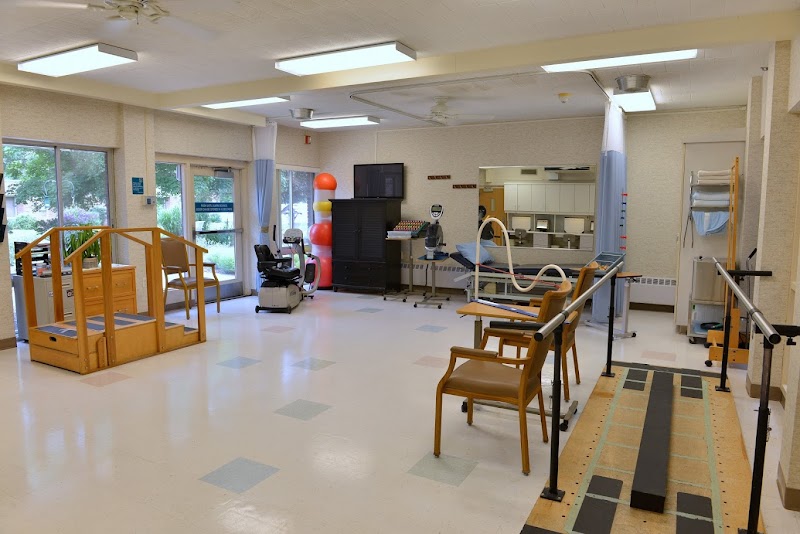
How is The Laurels Of Bedford Staffed?

CMS rates The Laurels of Bedford's staffing level at 3 out of 5 stars, which is average compared to other nursing homes. Staff turnover is 41%, compared to the Michigan average of 46%. This relatively stable workforce can support continuity of care.

What Have Inspectors Found at The Laurels Of Bedford?

State health inspectors documented 45 deficiencies at The Laurels of Bedford during 2021 to 2025. These included: 1 that caused actual resident harm and 44 with potential for harm. Deficiencies causing actual harm indicate documented cases where residents experienced negative health consequences.
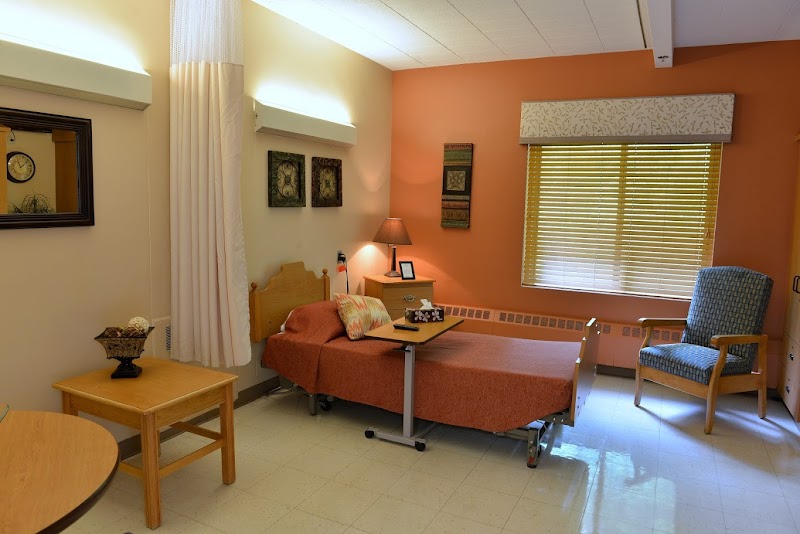
Who Owns and Operates The Laurels Of Bedford?

The Laurels of Bedford is owned by a for-profit company. For-profit facilities operate as businesses with obligations to shareholders or private owners. The facility is operated by CIENA HEALTHCARE/LAUREL HEALTH CARE, a chain that manages multiple nursing homes. With 123 certified beds and approximately 110 residents (about 89% occupancy), it is a mid-sized facility located in Battle Creek, Michigan.

How Does The Laurels Of Bedford Compare to Other Michigan Nursing Homes?

Compared to the 100 nursing homes in Michigan, The Laurels of Bedford's overall rating (3 stars) is below the state average of 3.1, staff turnover (41%) is near the state average of 46%, and health inspection rating (3 stars) is at the national benchmark.

What Should Families Ask When Visiting The Laurels Of Bedford?

Based on this facility's data, families visiting should ask: "Can I visit during a mealtime to observe dining assistance and food quality?" "How do you handle medical emergencies, and what is your hospital transfer rate?" "Can I speak with family members of current residents about their experience?"

Is The Laurels Of Bedford Safe?

Based on CMS inspection data, The Laurels of Bedford has a clean safety record: no substantiated abuse findings (meaning no confirmed cases of resident harm), no Immediate Jeopardy citations (the most serious violation level indicating risk of serious injury or death), and is not on the Special Focus Facility watch list (a federal program monitoring the lowest-performing 1% of nursing homes). The facility has a 3-star overall rating and ranks #100 of 100 nursing homes in Michigan. While no facility is perfect, families should still ask about staff-to-resident ratios and recent inspection results during their visit.

Do Nurses at The Laurels Of Bedford Stick Around?

The Laurels of Bedford has a staff turnover rate of 41%, which is about average for Michigan nursing homes (state average: 46%). Moderate turnover is common in nursing homes, but families should still ask about staff tenure and how the facility maintains care continuity when employees leave.

Was The Laurels Of Bedford Ever Fined?

The Laurels of Bedford has no federal fines on record. CMS issues fines when nursing homes fail to meet care standards or don't correct problems found during inspections. The absence of fines suggests the facility has either maintained compliance or corrected any issues before penalties were assessed. This is a positive indicator, though families should still review recent inspection reports for the full picture.

Is The Laurels Of Bedford on Any Federal Watch List?

The Laurels of Bedford is not on any federal watch list. The most significant is the Special Focus Facility (SFF) program, which identifies the bottom 1% of nursing homes nationally based on persistent, serious quality problems. Not being on this list means the facility has avoided the pattern of deficiencies that triggers enhanced federal oversight. This is a positive indicator, though families should still review the facility's inspection history directly.