The Oaks at Battle Creek
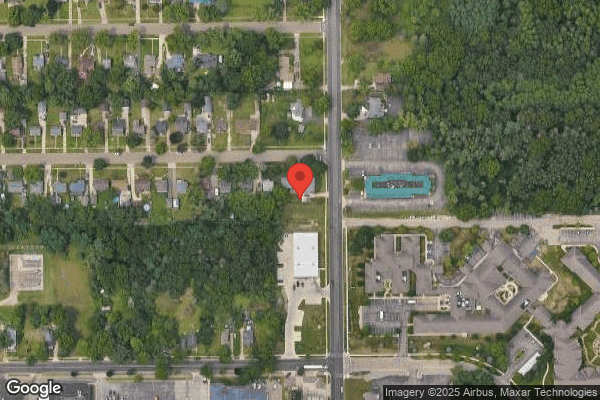
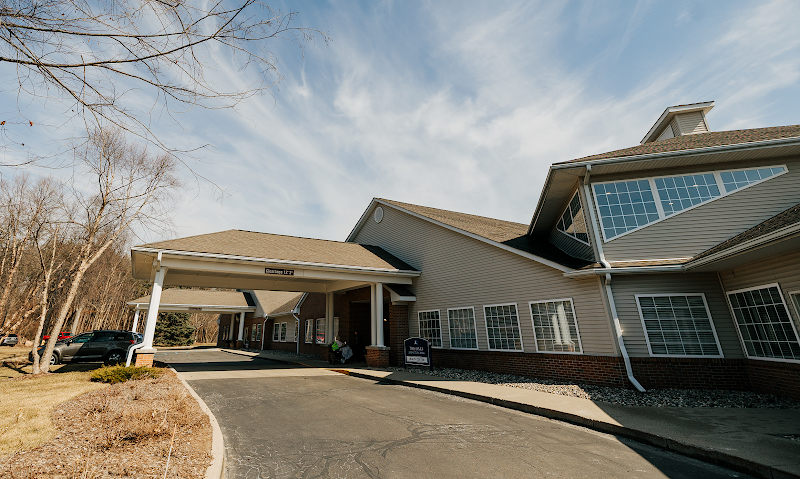
706 North Avenue, Battle Creek, MI 49017 (269) 964-4655
For profit - Corporation 77 Beds TRILOGY HEALTH SERVICES Data: November 2025
Trust Grade
60/100
#244 of 422 in MI
Last Inspection: March 2025

Within standard 12-15 month inspection cycle. Federal law requires annual inspections.

Overview

The Oaks at Battle Creek has a Trust Grade of C+, indicating it is slightly above average but still has room for improvement. It ranks #244 out of 422 facilities in Michigan, placing it in the bottom half of the state's nursing homes, and #4 out of 8 in Calhoun County, meaning there are three local options that are better. The facility's performance is worsening, with issues increasing from 2 in 2024 to 9 in 2025. Staffing is decent, with a rating of 3 out of 5 stars and a turnover rate of 33%, which is better than the state average. While there have been no fines, which is a positive sign, recent inspections revealed concerns such as food not being served at the correct temperature and inadequate cleaning of food service equipment, which poses potential health risks. Overall, while there are strengths in staffing stability and no fines, the facility must address significant concerns regarding food safety and cleanliness.
Trust Score
C+
60/100
In Michigan
#244/422
Bottom 43%
Safety Record
Low Risk
No red flags
Inspections
Getting Worse
2 → 9 violations
Staff Stability
○ Average
33% turnover. Near Michigan's 48% average. Typical for the industry.
Penalties
✓ Good
No fines on record. Clean compliance history, better than most Michigan facilities.
Skilled Nurses
✓ Good
Each resident gets 50 minutes of Registered Nurse (RN) attention daily — more than average for Michigan. RNs are trained to catch health problems early.
Violations
⚠ Watch
23 deficiencies on record. Higher than average. Multiple issues found across inspections.
★★★☆☆
3.0
Overall Rating
★★★☆☆
3.0
Staff Levels
★★★★☆
4.0
Care Quality
★★★☆☆
3.0
Inspection Score
Stable
2024: 2 issues
2025: 9 issues

The Good

  • 4-Star Quality Measures · Strong clinical quality outcomes
  • Full Sprinkler Coverage · Fire safety systems throughout facility
  • No fines on record
  • Staff turnover below average (33%)

    15 points below Michigan average of 48%

Facility shows strength in quality measures, fire safety.

The Bad

3-Star Overall Rating

Near Michigan average (3.1)

Meets federal standards, typical of most facilities

Staff Turnover: 33%

13pts below Michigan avg (46%)

Typical for the industry

Chain: TRILOGY HEALTH SERVICES

Part of a multi-facility chain

Ask about local staffing decisions and management

The Ugly 23 deficiencies on record

Mar 2025 9 deficiencies
CONCERN (D)

Potential for Harm - no one hurt, but risky conditions existed

Resident Rights (Tag F0550)

Could have caused harm · This affected 1 resident

**NOTE- TERMS IN BRACKETS HAVE BEEN EDITED TO PROTECT CONFIDENTIALITY** Based on observation, interview, and record review, the facility failed to advocate for one out of two residents (#29) reviewed ...

Read full inspector narrative →
**NOTE- TERMS IN BRACKETS HAVE BEEN EDITED TO PROTECT CONFIDENTIALITY** Based on observation, interview, and record review, the facility failed to advocate for one out of two residents (#29) reviewed for dignity resulting in the resident feeling unheard, decreased self-worth, frustration, decreased quality of life and suffered mental anguish. Findings include: Resident #29 (R29) Review of the medical record reflected R29 was an initial admission to the facility on [DATE]. Diagnoses of Aphasia following cerebral infarction, anxiety, nontraumatic intracerebral hemorrhage in hemisphere, speech and language deficits following cerebral infarction, Dysarthria, Dysphagia, needs assistance with personal care, Chronic Obstructive Pulmonary Disease and unsteady gait. The most recent Minimum Data Set (MDS), with an Assessment Reference Date (ARD) of 11/20/2024, revealed R29 had a Brief Interview of Mental Status (BIMS) of 11 (moderate cognitive impairment) out of 15. During an interview on 03/10/25 at 10:30 AM, anonymous interviewee T stated they had concerns regarding a resident that was not being heard and not having his resident rights addressed. Anonymous interviewee T stated R29 was admitted to the facility in September 2024. R29 has a court appointed guardian who R29 no longer wanted this person in that role. R29 is not allowed visits from his fiancé and cannot go back to his apartment. R29 is not being told what his discharge plans are. R29 is so distraught from not being allowed visits that he had make comments about being suicidal. Anonymous interviewee T stated R29 would like his fiancé to become his Durable Power of Attorney (DPOA) and was told he cannot have her. R29 was sent out to the emergency room for suicidal ideations and reported that nobody was listening to him, he didn't have a voice. During an interview on 03/10/25 at 11:02 AM, R29 stated he was not allowed to voice his concerns, wishes or wants, adding nobody will help him get a new guardian. R29 stated he wants to go home and wants his fiancé to be with him. R29 stated he is frustrated and upset that she could not come to the facility to spent time with him. R29 asked writer to help him return a video call to his fiancé, writer pointed to the key to push to return call. R29 also told writer again that he wanted a new guardian. Record review revealed R29 was sent out to the emergency room for suicidal ideation on 03/06/25 .Resident verbalized wanting to kill himself with a knife after not being able to see his girlfriend. Resident was not able to see his girlfriend for reasons that his DPOA/Guardian has put in place. Resident can speak with her on the phone but not have visits. Resident was sent to ED and returned to the facility and cleared of all suicidal ideations. Social Service Director (SSD) is working with resident and had completed a wellbeing check. Resident denied thoughts of suicidal ideations and has returned to baseline . Record review revealed there was not any follow up by social work following the date of his emergency room visit until this date of 03/10/25. During an interview on 03/11/25 at 3:31 PM, Licensed Practical Nurse (LPN) Q stated the guardian won't let the fiancé come into the facility to visit, only facetime and phone calls. LPN Q stated it was too bad because it helped having her at the facility with him. During an interview on 03/11/25 at 3:37 PM, Social Worker (SW) H stated she did not meet with R29 at his admission, she had not started working there yet. Writer asked SW H if she had met with him after she had started working there. SW H stated R29 wanted to be discharged back to his old apartment. SW H stated he had a guardian, who was his sister, and she didn't feel he would be safe there, and wanted to find a different apartment. SW H stated the guardian did not like R29's girlfriend and stated that the girlfriend had a disability who still wanted to help take care of him. SW H added that R29 wanted to be with his girlfriend. SW H stated they still assist him with calling his girlfriend throughout the day. SW H stated sometimes he told them he didn't want his sister to be his guardian. Writer asked SW H about following R29 wishes, and what did he want. SW H stated they have discussed discharge planning, and he shouldn't be going to an apartment at all. SW H stated she was ware of residents having rights, but probably didn't know all of them. Writer asked SW H if she knew he had rights and he could ask the court to re-assign to another guardian. SW H stated she was unaware of that process but maybe the previous social worker could assist her with that. Writer asked SW H how long the sister would be a temporary guardian per the court papers. SW H stated she didn't know that or how long that would last. SW H stated R29 just had his 1st quarterly assessment, and he attended. SW H stated that R29 didn't voice he wanted to go home to her. During an interview on 03/12/25 at 8:31 AM, SW H stated the previous social worker now worked in another area of the facility, and she was off work today. During an interview on 03/12/25 at 10:02 AM, Director of Nursing (DON) B stated the expectation was they would investigate getting him another guardian, and knew he wanted to be discharged , and his sister didn't think it would be a safe choice. DON B stated they didn't think he was ready for discharge yet, just went to Neuropsychologist and would look for the report. DON B acknowledged he did have rights and would work on steps to help him on the situation. DON B stated she didn't know if a different guardian would provide anything different than the one he had. Writer asked DON B why that would stop him from asking for a different guardian, if that is his wish. It shouldn't matter on the reason, he still has rights. DON B stated she was unsure if it had been started, and was not aware she was a temporary guardian. DON B stated the social worker did know about residents' rights. DON B stated SW H knew about federal regulations and residents' rights. During an interview on 03/12/25 at 10:47 AM, previous SW R stated they can assist with that paperwork for R29. Previous SW R stated the guardian was following the recommendations given to her by the court and didn't know that a new guardian would change any of the things that she had done. Previous SW R stated that she had called the court advocate to come speak with the resident, and she would say that the guardian who was working with him now had the best interest for him. Previous SW R stated R29 has not voiced to her that he wanted a new guardian, again stated the current guardian was following the recommendations from the court. Previous SW R stated he talked about going home, but his apartment lease was up, and they need to find him an apartment. Previous SW R stated the court advocate made rounds to speak to residents. Previous SW R could call her to come meet with this resident. Previous SW R stated she had not started the process with R29 at this time. Also stated there were other family and friends who were not happy with his guardians' decisions, and she had encouraged them to apply for guardianship. Writer asked previous SW R about the temporary guardianship status, and she didn't know what the process was for that time frame. Previous SW R stated she did know R29 had resident rights. Record review revealed the facility staff had not assisted R29 to exercise his rights.
CONCERN (D)

Potential for Harm - no one hurt, but risky conditions existed

Deficiency F0582 (Tag F0582)

Could have caused harm · This affected 1 resident

Based on interview and record review the facility failed to ensure that the Notice of Medicare Non-Coverage (NOMNC) was provided for two Residents (#2 and #179) and a Skilled Nursing Facility Advance ...

Read full inspector narrative →
Based on interview and record review the facility failed to ensure that the Notice of Medicare Non-Coverage (NOMNC) was provided for two Residents (#2 and #179) and a Skilled Nursing Facility Advance Beneficiary Notice of Non-Coverage (SNFABN) was provided for three Residents (#2, #178, and #179) out of three reviewed for Beneficiary Notification. Findings Included: Resident #2 (R2) Review of the medical record revealed R2 was admitted to the facility 10/02/2024 with diagnoses that included chronic kidney disease, hyponatremia (low sodium level) type 2 diabetes, atrial fibrillation, chronic obstructive pulmonary disease (COPD), anemia (low red blood cells), hyperlipidemia (high fat content in blood), depression, chronic pain, and gastro-esophageal reflux disease. The Minimum Data Set (MDS), with an Assessment Reference Date (ARD) 01/06/2025, demonstrated a Brief Interview for Mental Status (BIMS) of 13 (cognitively intact) out of 15. In an interview on 03/12/2025 at 10:25 a.m. Licensed Nursing Home Administrator (LNHA) A explained that she could not verify that R2 had a Notice of Medicare Non-Coverage (NOMNC) and a Skilled Nursing Facility Advance Beneficiary Notice of Non-Coverage (SNFABN) that was to be completed 12/02/2024 for the change in payor source date of 12/04/2024. LNHA A could not explain why the NOMNC and SNFABN was not completed as required. Resident # 178 (R178) Review of the medical record revealed R178 was admitted to the facility 02/12/2025 with diagnoses that include congestive heart failure (CHF) atrial fibrillation, kidney failure, type 2 diabetes, chronic respiratory failure, morbid obesity, depression, anxiety, atrial fibrillation, vitamin D deficiency, hypotension (low blood pressure), mitral valve insufficiency, aortic valve insufficiency, and hyperlipidemia (high fat content in blood). The Minimum Data Set (MDS) with an Assessment Reference Date (ARD) of 02/18/2025, demonstrated a Brief Interview for Mental Status (BIMS) of 13 (cognitively intact) out of 15. In an interview on 03/12/2025 at 10:25 a.m. Licensed Nursing Home Administrator (LNHA) A provided a Notice of Medicare Non-Coverage (NOMNC) for R178 that was completed 02/16/2025 for an effective date of 02/18/2024. LNHA A explained that she could not provide a Skilled Nursing Facility Advance Beneficiary Notice of Non-Coverage (SNFABN) for R218. LNHA A could not explain why the SNFABN was not completed as required. Resident #179 (R179) Review of the medical record revealed R179 was admitted to the facility 09/28/2024 with diagnoses that included left artificial knee joint, spondylosis lumbar region (age related war and tear of the spinal disks in the back), type 2 diabetes, hyperlipidemia (high fat content in blood), depression, anxiety, hypertension, insomnia, gastro-esophageal reflux, and chronic pain. The Minimum Data Set (MDS) with an Assessment Reference Date (ARD) of 10/04/2024, demonstrated a Brief Interview for Mental Status (BIMS) of 14 (cognitively intact) out of 15. In an interview on 03/12/2025 at 10:25 a.m. Licensed Nursing Home Administrator (LNHA) A explained that she could not verify that R179 had a Notice of Medicare Non-Coverage (NOMNC) and a Skilled Nursing Facility Advance Beneficiary Notice of Non-Coverage (SNFABN) that was to be completed 10/08/2024 for the change in payor source date of 10/10/2024. LNHA A could not explain why the NOMNC and SNFABN was not completed as required.
CONCERN (D)

Potential for Harm - no one hurt, but risky conditions existed

Deficiency F0583 (Tag F0583)

Could have caused harm · This affected 1 resident

Based on observation, interview and record review, the facility failed to ensure resident medical records were secured and held confidential for 1 resident (R8) of 17 residents sampled, resulting in e...

Read full inspector narrative →
Based on observation, interview and record review, the facility failed to ensure resident medical records were secured and held confidential for 1 resident (R8) of 17 residents sampled, resulting in exposed resident medical information. Findings include: On 3/10/25 at 7:55 AM, the medication cart was observed in the hallway outside of R8's room, with the computer screen open with R8's profile in focus and visible for anyone that walked in the hallway. No nurse was present at that time. LPN E returned to the cart, when asked if she would normally lock her computer screen when she walks away she reported that the screen normally locks on it's own after three seconds. On 3/10/25 at 7:58 AM, LPN E was observed walking away from the medication cart for a second time without locking the computer screen, leaving resident information exposed. LPN E was observed walking into and out of two resident's rooms before returning to the medication cart. On 3/10/25 at 8:01 AM, LPN E was observed walking away from the medication cart for a third time, without locking the computer screen. LPN E walked down the hallway and retrieved a portable vital signs cart. When questioned a second time about the computer screen being left open with resident information exposed LPN E reported that settings on the computer must have changed over the weekend causing it to not automatically lock the screen. On 3/12/25 at 1:22 PM, during an interview with director of nursing (DON) B, she reported that the expectation is that no protected health information is left open/exposed on an unattended computer screen and that staff should be locking their screen or closing the laptop when leaving the computer unattended. Review of the facilities admission packet documented in part .You have a right to personal privacy and confidentiality. This includes your accommodations, medical treatment, written and telephone communications, personal care, visits and meetings with family and other residents .
CONCERN (D)

Potential for Harm - no one hurt, but risky conditions existed

Comprehensive Care Plan (Tag F0656)

Could have caused harm · This affected 1 resident

**NOTE- TERMS IN BRACKETS HAVE BEEN EDITED TO PROTECT CONFIDENTIALITY** Based on observation, interview and record review the facility failed to develop and implement a person centered care plan for t...

Read full inspector narrative →
**NOTE- TERMS IN BRACKETS HAVE BEEN EDITED TO PROTECT CONFIDENTIALITY** Based on observation, interview and record review the facility failed to develop and implement a person centered care plan for targeted behaviors for the use of psychotropic medications for one Resident (Resident 20) of 17 residents reviewed for care plans. Findings include: Review of the clinical record, including the Minimum Data Set (MDS) dated [DATE] reflected Resident 20 (R20) was admitted to the facility on [DATE] with diagnoses that included Alzheimer's disease with late onset, unspecified dementia with psychotic disturbance and depression and was admitted on an anti-psychotic medication. R20 scored 6 out of 15 (severe cognitive impairment) on the Brief Interview Mental (BIMS). The mood and behavior section of the MDS revealed R20 had no mood, behavior concerns and no hallucinations or delusions. The 11/20/24 MDS reflected R20 had no mood problems, no hallucinations, no delusions and wandered 1 to 3 days a week. R20 was observed throughout the survey R20 was well groomed, smiling and engaged with peers easily. Review of R20's pharmacy recommendations dated 1/06/25 and 3/04/25 revealed the facility needed to establish a behavioral monitor for the use on an anti-psychotic medication and address the use of the medication in the care plan. The recommendation also advised to include the behaviors that were being treated , the non-drug interventions used to treat R20's behaviors along with potential side effects. Review of R20's care plans dated 12/09/24 reflected R20 was at risk for adverse consequences related to anti-psychotic medication with a goal of R20 not having adverse effects of the medication. There was no care plan in place to address the targeted behaviors or what symptoms the antipsychotic medication was to manage, there was nothing in place to address what non-pharmalogical interventions had been tried or how any behaviors were being monitored. Review of R20's cognition and mood combination care plan dated 12/09 revealed R20 had impaired memory and altered mood with a goal of R20 remaining safe and not injure herself due to poor decision making, the interventions some of the interventions were adjust her hearing aid and redirect if she becomes agitated and obverse for wandering into others rooms. On 03/11/25 03:22 PM during an interview with Social Worker (SW) H she reported R20 was on an anti-psychotic medication because she had a diagnosis of dementia and some behaviors when queried what R20's behaviors were SW H stated she didn't know. When queried what was developed and implemented for a person centered care plan in relation to R20's prescribed an anti-psychotic medication, SW H stated R20 wandered. On 03/11/25 04:19 PM during an interview with Director of Nursing (DON) B R20's use of anti-psychotic medication use was discussed along with R20's care plans. DON B was offered no explanation as to why R20 did not have a person centered care plan that addressed the need for an anti-psychotic medication. Of note, DON B wandering was not an acceptable use of an anti-psychotic medication.
CONCERN (D)

Potential for Harm - no one hurt, but risky conditions existed

Deficiency F0679 (Tag F0679)

Could have caused harm · This affected 1 resident

**NOTE- TERMS IN BRACKETS HAVE BEEN EDITED TO PROTECT CONFIDENTIALITY** Based on observation, interview, and record review the facility failed to ensure that meaningful activities were provided for on...

Read full inspector narrative →
**NOTE- TERMS IN BRACKETS HAVE BEEN EDITED TO PROTECT CONFIDENTIALITY** Based on observation, interview, and record review the facility failed to ensure that meaningful activities were provided for one resident (R26) out of two resident who are dependent on staff for transferring and mobility and the likelihood for depression, feelings of melancholy using the reasonable person concept. This deficient practice resulted in the potential for boredom, lack of stimulation and loneliness. Findings Include: Resident #26 (R26) Review of the medical record reflected R26 was an initial admission to the facility on [DATE]. Diagnoses of a Stroke, Hypertension, Coronary Artery Disease, Hemiplegia on right side, Malnutrition, Depression and Anxiety. The most recent Minimum Data Set (MDS), with an Assessment Reference Date (ARD) of 11/21/2024, revealed R26 had a Brief Interview of Mental Status (BIMS) of 14 (cognitively intact) out of 15. Under section GG0100, Activities of Daily Living (ADL) Assistance reveals R26 requires minimal/moderate assist with all care and minimal assist setting up for meals. During an interview on 03/10/25 at 9:30 AM, R26 stated he doesn't get to activities because it takes a lot to get him up and ready to go. R26 stated he would like to participate in some of the activities offered but it a time thing, staff do not come in and get him up in his chair in time to go to the dining room for meals or the activities that take place. During an interview and observation on 03/11/25 at 10:53 AM, R26 stated this was not a good time to visit as he is waiting for a CNA to get him cleaned up and in his chair for lunch in the dining room. R26 still had his breakfast tray sitting on his over the bed table, he was sipping the last bit of water out of his white foam water glass from earlier this morning. Did not observe an activity calendar visible in R26's room. Writer did not observe a CNA current working in this hall outside of his room. During an observation on 03/11/25 at 11:26 AM, CNAs were providing personal care, door closed. During this same observation on 03/11/25 at 12:00 PM, CNAs were still providing care, door closed. During an observation on 03/11/25 at 1:25 PM, R26 was sitting in the dining room alone in his wheelchair, slumped forward in his wheelchair sleeping. R26's lunch was sitting in front of him, plate uncovered and no longer warm, pork chop, rice, apple pie and root beer. During an interview on 03/11/25 at 2:28 PM, Life Enrichment Director (LED) S was asked where she documented activity participation's and involvement. LED S stated they used a program called life loop, documentation is not in electronic medical records, only assessments and care plans are in electronic medical record. Record review revealed R26's participation in activities from 11/01/24 through today 03/11/25, showed the report of 5 activities attempted, R26 declined 3 activities, no other attempts were documented. Documentation also showed that the resident had a personal visitor on 02/28/25 and was marked it down as an activity. R26 had a phone call in 2/18/25 and was marked as an activity. R26 had a personal visitor on 01/26/25 and was marked as an activity. Activity log reported R26 has a rehab specialty cart (cart with books, magazines and word cross books) on 03/1/25 and a 1:1 visit on 03/2/25. No other documentation to reveal R26 was engaged in any stimulating activity from 11/01/24 until 03/01/25. During an interview on 03/12/25 at 9:53 AM, DON B stated the expectation would be to involve R26 in 1 on 1 program, getting him up in time to participate in activities, allowing time to engage with other residents during meals in the dining room.
CONCERN (D)

Potential for Harm - no one hurt, but risky conditions existed

Medication Errors (Tag F0758)

Could have caused harm · This affected 1 resident

**NOTE- TERMS IN BRACKETS HAVE BEEN EDITED TO PROTECT CONFIDENTIALITY** Based on observation, interview and record review the facility failed to ensure residents prescribed anti-psychotic medication h...

Read full inspector narrative →
**NOTE- TERMS IN BRACKETS HAVE BEEN EDITED TO PROTECT CONFIDENTIALITY** Based on observation, interview and record review the facility failed to ensure residents prescribed anti-psychotic medication had an adequate indication for use, clinical rational to support continued use, as well as identify and monitor resident specific specific behaviors and approaches and non-pharmacological approaches for one resident (Resident #20) of five residents reviewed for unnecessary medications. Findings include: Review of the clinical record, including the Minimum Data Set (MDS) dated [DATE] reflected Resident 20 (R20) was admitted to the facility on [DATE] with diagnoses that included Alzheimer's disease with late onset, unspecified dementia with psychotic disturbance and depression and was admitted on an anti-psychotic medication. R20 scored 6 out of 15 (severe cognitive impairment) on the Brief Interview Mental (BIMS). The mood and behavior section of the MDS revealed R20 had no mood, behavior concerns and no hallucinations or delusions. The 11/20/24 MDS reflected R20 had no mood problems, no hallucinations, no delusions and wandered 1 to 3 days a week. R20 was observed throughout the survey R20 was well groomed, smiling and engaged with peers easily. Review of R20's pharmacy recommendations dated 1/06/25 and 3/04/25 revealed the facility needed to establish a behavioral monitor for the use on an anti-psychotic medication and address the use of the medication in the care plan. The recommendation also advised to include the behaviors that were being treated , the non-drug interventions used to treat R20's behaviors along with potential side effects. Review of the Interdisciplinary Team (IDT) note dated 12/18/24 revealed R20 had experienced hallucinations and dysuria. A urinalysis was completed, R20 was found to have a urinary tract infection and was treated with antibiotic. There was no mention if the hallucination was distressing nor was there any further documentation in R20's medical record that R20 had any further hallucinations or delusions. Review of the Nurse practitioner notes dated 1/24/25 revealed the provider saw R20 due to a possible Gradual Dose Reduction (GDR) of R20's anti-psychotic medication and was amenable to try alternative therapy. The same progress note reflected R20 was administered Seroquel for night time agitation and psychosis, and that the facility staff had been educated on close monitoring. The progress note did not include what the alternative therapy was. Review of the Nurse practitioner notes dated 1/27/25 revealed R20's family reported that R20 had an allergy to alprazolam (a medication to treat anxiety) and that Seroquel (an anti-psychotic) medication had best helped R20 maintain good mood or behavior for quality of life. The progress note reflected use of Seroquel was revisited at that time and Gradual Dose Reduction (DR) benefits outweigh the risk continuing therapy of psychiatric medication. No additional information was provided as how the anti-psychotic best helped R20 and what the symptoms of R20s mood and behavior were. Review of the Clinically At Risk (CAR) notes dated 2/08/25 Initial CAR note: Resident is being picked up on CAR for use of psychotropic medications. Resident has order for Seroquel and Sertraline. Resident has a diagnosis of Depression and Psychosis. Seroquel started on 1/27/25 after failed GDR. Sertraline increased on 1/24/25. Resident presents as stable of symptoms, behaviors, and mood at this time. No side effects noted at this time. Non- pharmacological interventions listed in care plan, current care plan reviewed and remains appropriate. Will continue to review CAR monthly with IDT. CAR Note dated 3/7 CAR NOTE: Revealed R20 was followed by CAR for psychotropic medication use. Resident continued on Seroquel tablet; 50 milligram (mg) ,1 tablet; oral and sertraline tablet; 100 mg; 1 tab. No issues or concerns at this time. On 03/11/25 at 03:22, PM during an interview with Social Worker (SW) H she reported R20 was on an anti-psychotic medication because she had a diagnosis of dementia and some behaviors when queried what R20's behaviors were SW H stated she didn't know. SW H then reported R20 had a failed GDR in January and Seroquel had to be restarted, when asked to elaborate on how the GDR was determined to have failed, SW H stated she assumed R20 had more behaviors but she really wasn't sure as no one had informed her why the medication was restarted. When asked what non-pharmalogical interventions were in place, tried failed etc SW H offered R20 had a care plan for exit seeking. When queried if R20 had been evaluated by the Psychiatry group that visits the facility, SW H stated no because R20 was a hospice resident and hospice residents were not allowed to see the psychiatrist due to reimbursement issues. When asked about behavior management and how behaviors were tracked and monitored SW H stated they had CAR meetings and psychotropic medication use was discussed in those meetings. SW H reviewed R20's electronic medical record during the interview and reported the failed GDR was evidence by the Nursing progress note dated 1/25/25. Review of nursing progress note dated 1/25/25 revealed R20 paced up and down the 100 and 200 hall that afternoon without her walker and R20 had to be reeducated on the importance of the walker. The progress note did not reflect R20 was distressed, exit seeking, delusional or hallucinating, combative a danger to herself or others. Of note, review of the January 2025 Medication Administration Record reflected R20 was administered Seroquel on 1/24/25 at night, thus the event of R20 pacing up and down the 100 and 200 hall had not missed/had the Seroquel GDR implemented. On 03/11/25 at 04:11 PM, during an interview with Certified Nursing Assistant (CNA) O she reported regularly working with R20 who had no mood or behavior concerns. When queried if R20 had hallucinated CNA O reported Oh ya once a long time ago. Was R20 distressed or upset? Oh no not at all, if anything she was happy she was seeing a little girl. On 03/11/25 at 04:19 PM, during an interview with Director of Nursing (DON) B R20's use of anit-psycotic medication use was discussed, DON B was unable to identify benefit of use, what is prescribed for, targeted behaviors, how and where behaviors were monitored , nonpharmilogical interventions implemented or what the failed GDR was based on. DON B agreed wandering and dementia did not justify use. Documentation was requested at this time to support the use of Seroquel, none was provided by end of the survey on 3/12/25.
CONCERN (E)

Potential for Harm - no one hurt, but risky conditions existed

Infection Control (Tag F0880)

Could have caused harm · This affected multiple residents

**NOTE- TERMS IN BRACKETS HAVE BEEN EDITED TO PROTECT CONFIDENTIALITY** Based on observation, interview, and record review, the facility failed to practice effective infection prevention standards rel...

Read full inspector narrative →
**NOTE- TERMS IN BRACKETS HAVE BEEN EDITED TO PROTECT CONFIDENTIALITY** Based on observation, interview, and record review, the facility failed to practice effective infection prevention standards related to hand hygiene, 1) adhere to infection control practices, during medication administration with three of four nurses; and 2) facility failed to maintain infection control practices, in one of two wounds, Resident #59 (R59). Findings Included: Resident #59 (R59) Review of the medical record reflected R59 was an initial admission to the facility on [DATE]. Diagnoses of Congested Heart Disease, Chronic Kidney Disease, Peripheral Vascular Disease, Chronic Obstructive Pulmonary Disease and Diabetes. The most recent Minimum Data Set (MDS), with an Assessment Reference Date (ARD) of 12/12/2024, revealed R59 had a Brief Interview of Mental Status (BIMS) of 13 (cognitively intact) out of 15. Under section GG0100, Activities of Daily Living (ADL) Assistance reveals R59 requires set up/moderate assist with all care. During an interview and observation on 03/12/25 at 9:37 AM of Wound Care (WC) Nurse N perform wound care on both of R59's feet. Observed WC nurse N donning a gown and gloves. WC Nurse N had gathered wound care supplies prior to donning. Supplies were visible in a container prior to entering the room. WC Nurse N washed his hands once in the room and then put gloves back on. Observation of the bottom sheet at the foot of the bed dirty from betadine leaking through the dressing. Observed blood on the bottom sheet at the head of bed from R59 scratching. Observed WC Nurse N remove the dirty dressing from right foot, laid the now soiled scissors on the bed sheet beside the resident's right foot. WC Nurse N did not change gloves or hand sanitize before reaching into the container of clean dressing supplies with the same gloves he removed the dirty dressing with. WC Nurse N cleaned the right foot great toe with betadine and applied Medi-honey to the top of the great toe on the right foot, then covered with border dressing, wrapped it with rolled gauze dressing. WC Nurse N set the box of rolled tape on the dirty bed sheet beside the right foot. WC Nurse N then cut the tape from the roll with the dirty scissors, then laid the dirty scissors back down on the bed beside the right foot. WC Nurse N went to the left foot to perform wound care on the heel of the left foot. WC Nurse N did not wash hands or hands sanitize between completing wound care on the right foot and moving to the left foot. WC Nurse N removed the soiled dressing from the left foot with the same dirty scissors and laid them back down on the dirty sheet by R59's feet. WC Nurse N placed a bath towel under R59's left foot due to the supplies used. WC Nurse N used the same gloves to touch the wound and measure it. WC Nurse N used the same gloves to clean wound with a wound cleanser. Observation of black eschar on the heel of the left foot. WC Nurse N grabbed the box of rolled tape from sitting on the dirty bed sheet. WC Nurse N grabbed a cup with betadine-soaked gauze from his clean container of supplies, wearing the same soiled gloves and placed the soaked gauze over the heel eschar and wrapped the foot with a rolled gauze dressing. WC Nurse N then removed his gloves and washed his hands in the resident's bathroom. WC Nurse N put on new gloves and cut tape off from the roll of boxed tape, with the dirty scissors that were still laying on the bed, and secured the rolled gauze dressing in place while laying the dirty scissors back on the soiled bottom sheet of the bed. WC Nurse N then doffed his gown and gloves, picked up the box of rolled tape and the dirty scissors and placed them back in the container of clean dressings and carried the container out of the room. During an interview on 03/12/25 at 10:14 AM, writer asked Director of Nursing (DON) B what her expectations were for providing wound care. DON B stated she needed to pull the policy and look at it first. During an interview on 03/12/25 at 11:21 AM, Infection Preventionist Registered Nurse (IPRN) P stated her expectations for wound care would be, prior to entering the room, either enhanced barrier or transmission-based precautions, the nurse would gown up, wash their hands before putting on gloves, make sure the necessary supplies were there. Nurses can get the supplies from one of the treatment carts on each hall so they can have the cart outside of the room or go to the gather the supplies and go to the room. Writer asked IPRN P what the expectations were for using soiled Instruments. IPRN P stated nurses need to clean scissors between each person but not between wounds. Writer asked IPRN P her expectations from removing soiled dressings, then cleaning wounds and applying new clean dressings with the same soiled gloves. IPRN P stated they should probably change the gloves, but if it isn't soiled, they don't have to. During this same interview, writer asked IPRN P what her expectations were on infection control while passing medications. IPRN P stated nurses should be washing their hands or hand sanitizing frequently and appropriately. IPRN P stated if the nurses come out of a room, and touch another item or environment, they need to perform hand hygiene. IPRN P stated they used to have more wall mounted sanitizers before remodeling. IPRN P stated she asked the nurses if they had hand sanitizer in their pockets or the top drawer of the medication cart. Writer asked IPRN P why they did not use them during medication administration if they had them. CDC Clinical Safety; Hand Hygiene for Health Care Workers Immediately before touching a patient. Before performing an aseptic task such as placing an indwelling device or handling invasive medical devices. Before moving from work on a soiled body site to a clean body site on the same patient. After touching a patient or patient's surroundings. After contact with blood, body fluids, or contaminated surfaces. Immediately after glove removal. Resources; https://www.cdc.gov/mmwr/PDF/rr/rr5116.pdf
CONCERN (F)

Potential for Harm - no one hurt, but risky conditions existed

Deficiency F0804 (Tag F0804)

Could have caused harm · This affected most or all residents

Based on observation, interview, and record review the facility failed to ensure that food was served and held at a palpable temperature. Resulting in the potential to affect all residents (total faci...

Read full inspector narrative →
Based on observation, interview, and record review the facility failed to ensure that food was served and held at a palpable temperature. Resulting in the potential to affect all residents (total facility census of 70) that consume food from the kitchen. Findings Included: Resident #173 (R173) Review of the medical record revealed R173 was admitted to the facility 02/14/2025 with diagnoses that included prosthetic left hip joint, fracture of left femoral neck, type 2 diabetes, hypertension, hyperlipidemia (high fat content in blood), depression, anemia (low red blood cells), osteoarthritis (type of arthritis occurs when tissue at end of bones wears down), unilateral inguinal hernia, and pain in left hip. The Minimum Data Set, with an Assessment Reference Date (ARD) of 02/20/2025, demonstrated a Brief Interview for Mental Status (BIMS) of 9 (moderate cognitive impairment) out of 15. During observation and interview on 03/10/2025 R173 was observed lying down in bed. R173 explained that five out of seven days the food was cold. R173 explained that the food that should have been hot was cold and the food that should have been cold was warm. On 03/12/2025 at 12:19 a.m. R173 was observed to arrive in the dining room. R173 was provided a food tray which appeared to contain one fried chicken sandwich and fixed vegetables. Assistant Dietary Manager (ADM) L was asked to check the temperature of R173's lunch tray. ADM L was observed to check the temperature of the mixed vegetables, and it was observed to have a temperature of 113 degrees F (Fahrenheit). ADM L was observed to check the temperature the chicken sandwich and it was observed to have a temperature of 101 degrees F. ADM L explained that the mixed vegetables should have been at least 165 degrees F and the fried chicken should have been 165 degrees F. ADM L explained that R173 would be provided another lunch tray. On 03/12/2025 at 12:22 a.m. entered the kitchen with Assistant Dietary Manager (ADM) L and observed a tray of fried chicken setting on the top of the steam table. ADM L was observed to obtain a temperature for the fried chicken, that she reported to be 101 degrees F (Fahrenheit). ADM L explained that the chicken should be at least 165 and informed staff to remove fried chicken and re heat the fried chicken. ADM L was observed to obtain a temperature for the mixed vegetable, located in a tray on the steam table, that was reported to be 145 degrees F. ADM L explained that the mixed vegetables should have had a temperature of 165 degrees F and that those mixed vegetables would be re-heated. When asked how many Residents had received the fried chicken and mixed vegetables ADM L responded at least half of the facility to that point.
CONCERN (F)

Potential for Harm - no one hurt, but risky conditions existed

Food Safety (Tag F0812)

Could have caused harm · This affected most or all residents

Based on observations, interviews, and record reviews, the facility failed to effectively clean and maintain food service equipment effecting 70 residents, resulting in the increased likelihood for cr...

Read full inspector narrative →
Based on observations, interviews, and record reviews, the facility failed to effectively clean and maintain food service equipment effecting 70 residents, resulting in the increased likelihood for cross-contamination, bacterial harborage, and plumbing water leaks. Findings include: On 03/10/25 at 07:35 A.M., An initial tour of the food service was conducted with Dietary [NAME] C. The following items were noted: 1 of 2 True 2-door reach-in cooler doors were observed to not automatically close completely after opening, creating an air gap (approximately 1-2-inches wide between the refrigeration unit frame and the door gasket seal). The 2022 FDA Model Food Code section 4-501.11 states: (A) EQUIPMENT shall be maintained in a state of repair and condition that meets the requirements specified under Parts 4-1 and 4-2. (B) EQUIPMENT components such as doors, seals, hinges, fasteners, and kick plates shall be kept intact, tight, and adjusted in accordance with manufacturer's specifications. (C) Cutting or piercing parts of can openers shall be kept sharp to minimize the creation of metal fragments that can contaminate FOOD when the container is opened. The can opener assembly was observed soiled with accumulated and encrusted food residue. Dietary [NAME] C indicated the can opener assembly had been used for the morning Breakfast Meal preparation. Dietary [NAME] C also stated: I didn't work this past weekend. The exterior surfaces of the Cleveland steamer were observed soiled with accumulated and encrusted food residue. The top surface of the Cleveland steamer was also observed coated with accumulated (dust, dirt, debris). The exterior surfaces of the South Bend convection oven(s) were observed soiled with accumulated and encrusted food residue. The top surface of the South Bend convection oven(s) were also observed with accumulated (dust, dirt, debris). One metal oven rack was further observed resting upon the top surface of the South Bend convection oven(s). The Globe stand mixer was observed soiled with accumulated and encrusted food residue. The backsplash plate, metal guard assembly, and spindle gear assembly were also observed soiled with accumulated and encrusted food residue. The Globe stand mixer frame legs and support table surface were additionally observed with accumulated and encrusted food residue. The Pitco fryer interior cabinet surfaces and exterior unit surfaces were observed soiled with accumulated and encrusted grease/dirt deposits. Main Dining Room: The beverage island base cabinet doors and interior cabinet surfaces were observed soiled with accumulated and encrusted food residue (soda syrup concentrate), creating door opening and closing concerns. 200 Hall Nourishment Room: The dustpan caddy was observed heavily soiled with accumulated and encrusted dust/dirt/food residue. The 2022 FDA Model Food Code section 4-601.11 states: (A) EQUIPMENT FOOD-CONTACT SURFACES and UTENSILS shall be clean to sight and touch. (B) The FOOD-CONTACT SURFACES of cooking EQUIPMENT and pans shall be kept free of encrusted grease deposits and other soil accumulations. (C) NonFOOD-CONTACT SURFACES of EQUIPMENT shall be kept free of an accumulation of dust, dirt, FOOD residue, and other debris. The Berner mechanical Air Curtain, located above the food service rear entrance/exit door, was observed soiled with accumulated and encrusted dust/dirt deposits. Large pockets of accumulated dust/dirt were also observed within the interior mechanics of the Berner Air Curtain. The flooring/wall surfaces, located adjacent to the Pitco fryer unit, were observed soiled with accumulated and encrusted grease/dirt deposits. Private Dining Room: The hand sink basin and vanity surface were observed soiled with accumulated and encrusted dirt/food residue. 200 Hall Nourishment Room: The two top sliding cabinet drawers were observed soiled and in disarray. Miscellaneous items (cloth napkins, salt packets, pepper packets, ketchup cups, metal meal knifes, metal meal spoons, metal meal forks, etc.) were also observed stored within the soiled cabinet drawers. The 2022 FDA Model Food Code section 6-501.12 states: (A) PHYSICAL FACILITIES shall be cleaned as often as necessary to keep them clean. (B) Except for cleaning that is necessary due to a spill or other accident, cleaning shall be done during periods when the least amount of FOOD is exposed such as after closing. The two-compartment vegetable preparation sink faucet assembly was observed leaking water from the spout. Dietary [NAME] C stated: I am not sure if maintenance is even aware of the problem. Dietary [NAME] C also stated: The sink faucet has been leaking for about a month. Main Dining Room: The hand sink basin goose neck faucet assembly was observed loose-to-mount. The 2022 FDA Model Food Code section 5-205.15 states: A plumbing system shall be: (A) Repaired according to LAW; and (B) Maintained in good repair. Dry Storage Room: The Sugar storage bin clear plastic protective cover was observed three-quarters open, exposing the food product (sugar) to potential external contaminants. The 2022 FDA Model Food Code section 3-307.11 states: FOOD shall be protected from contamination that may result from a factor or source not specified under Subparts 3-301 - 3-306. On 03/11/25 at 08:50 A.M., An interview was conducted with Food Service Director D regarding the facility maintenance work order system. Food Service Director D stated: We have the TELS program., referring to the Direct Supply TELS software system for initiating and tracking facility maintenance work orders. On 03/12/25 at 09:00 A.M., Record review of the Policy/Procedure entitled: Kitchen Cleaning Procedures dated (no date) revealed under Mixer: Procedure: (1) Disassemble removable parts. (2) Wash all non-electrical parts in the three-compartment sink. (3) Wash non-removable parts of the mixer with a solution of pot & pan detergent. (4) Wash handle and underneath where paddle attaches. (5) Rinse with fresh water and wipe dry. (6) Using a different wiping cloth, apply sanitizing solution to the mixer. (7) Allow to air dry. (8) Reassemble. On 03/12/25 at 09:15 A.M., Record review of the Policy/Procedure entitled: Kitchen Cleaning Procedures dated (no date) revealed under Can Opener: Procedure: (1) Remove handle from base. (2) Exercise caution near the blade. It is sharp and can cause injury. (3) Wash handle in the three-compartment sink. (4) Wash base with a solution of pot & pan detergent. (5) Rinse with fresh water and wipe dry. (6) Using a different wiping cloth, apply sanitizing solution to the base. (7) Allow to air dry. (8) Place handle back into base.
Apr 2024 2 deficiencies
CONCERN (D)

Potential for Harm - no one hurt, but risky conditions existed

Deficiency F0849 (Tag F0849)

Could have caused harm · This affected 1 resident

**NOTE- TERMS IN BRACKETS HAVE BEEN EDITED TO PROTECT CONFIDENTIALITY** Based on observation, interview and record review, the facility failed to ensure proper communication/documentation of Hospice s...

Read full inspector narrative →
**NOTE- TERMS IN BRACKETS HAVE BEEN EDITED TO PROTECT CONFIDENTIALITY** Based on observation, interview and record review, the facility failed to ensure proper communication/documentation of Hospice services provided to one Resident (# 48) of one resident reviewed for Hospice services, resulting in the lack of coordination of comprehensive services and care provided. Review of the clinical record including the Minimum Data Set (MDS) dated [DATE] reflected Resident 48 (R48) was a [AGE] year old female admitted to the facility on [DATE] with diagnosis that included dementia. R48 scored 4 out of 15 (severe cognitive impairment) on the Brief Interview for Mental Status (BIMS), further review of the clinical record reflected R48 was receiving hospice care as of 9/12/23. On 04/17/24 at 12:46 PM, Licensed Practical Nurse (LPN) P reported the Nursing staff were not informed about hospice schedules and do not have any type of schedule or calendar to refer to. We just know it will be twice a week. LPN P further stated when the hospice nurse comes weekly they then inform the facility staff what days the hospice Certified Nursing Assistant (CNA) will be coming that week. When queried what days the hospice Social Worker, Chaplain volunteer comes, LPN P stated they never get informed about those visits. A binder was observed at the nurses station and labeled Hospice when queried if the calendar/schedule and other hospice documentation was kept in that binder, LPN P reported R48 did not have a hospice binder and she was not sure why the binder was still at the nurses station as all documentation was electronic and the binders were obsolete. On 4/18/24 at 7:45 am, review of R48's clinical record under documents reflected one entry from hospice nurse on 4/5/2024. At 7:58 am during an interview with Director of Nursing B she reported hospice documents were faxed to the facility and uploaded into the clinical record, along with a separate binder at each nurses station for each individual hospice resident and that binder included their calendar. On 04/18/24 8:15 am, an interview with DON B and LPN P at R48's Nurses station, LPN P again reported there was no such hospice binder for R48, there was no calendar or schedule for hospice and all documentation was in the electronic medical record. LPN P stated the hospice schedule varies and the facility staff were unaware until the hospice nurse showed up and then would give the schedule for the cna that week and reiterated there was never any information provided about the hospice Social Worker, Chaplain, or volunteer. On 04/18/24 08:47 AM DON B and Social Worker (SW) L, SW L presented the binder and stated she had kept it in her office. DON B nor SW L offered no explanation for nursing staff not being aware such information was available and why the binder was not readily accessible to the nursing staff on all shifts including weekends where the SW office would be locked. SW L reported hospice Nurse and CNA visit twice weekly, neither could account for why there was only one Hospice entry in the clinical record as of the morning of 4/18, if visits were twice weekly. Further record review reflected 5 visits from the Hospice Nurse in January 2024 (1/2, 1/9, 1/11, 1/15, 1/22 ) 1 CNA hospice visit (1/2) and 2 Chaplin (1/15 and 1/26/24). February hospice visits in the electronic medical records revealed five visits from the Hospice Nurse (2/6, 2/10, 2/13, 2/20 and 2/26) of note the 2/10 and 2/13 documents were not uploaded into R48's medical record until 3/22/24. February records reflected four visits from the hospice CNA (2/6, 2/12 2/16 and 2/26) for February 2024. Of note, the 2/6 and 2/12 visits were not uploaded into R48's medical record until 3/17/2024. March 2024's hospice documentation reflected a Chaplain visit on 3/18, two visits from the hospice nurse (3/18 and 3/26) and two hospice CNA visits (3/18 and 3/27). ON 04/18/24 02:45 PM, during an interview with DON B she could not account for why there would be missing hospice visits documentation or why there was at times a 5 week delay in getting hospice documentation into R48's medical record. When queried what the expectation was for hospice documents to be uploaded into the medical record, DON B stated she was not sure as the facility Social Worker was in charge of hospice services.
CONCERN (F)

Potential for Harm - no one hurt, but risky conditions existed

Food Safety (Tag F0812)

Could have caused harm · This affected most or all residents

**NOTE- TERMS IN BRACKETS HAVE BEEN EDITED TO PROTECT CONFIDENTIALITY** Based on observations, interviews, and record reviews, the facility failed to effectively clean and maintain food service equipm...

Read full inspector narrative →
**NOTE- TERMS IN BRACKETS HAVE BEEN EDITED TO PROTECT CONFIDENTIALITY** Based on observations, interviews, and record reviews, the facility failed to effectively clean and maintain food service equipment effecting 68 residents, resulting in the increased likelihood for cross-contamination and bacterial harborage. Findings include: On 04/16/24 at 09:30 A.M., An initial tour of the food service was conducted with Dietary Manager Q. The following items were noted: The Pitco fryer interior and adjacent flooring/wall surfaces were observed soiled with accumulated and encrusted grease/dirt deposits. Dietary Manager Q indicated he would have staff thoroughly clean and sanitize the fryer interior and adjacent flooring/wall surfaces as soon as possible. The Panasonic microwave oven interior was observed (etched, scored, particulate). The damaged interior surface measured approximately 5-inches-wide by 5-inches-long. The interior door panel face was also observed (etched, scored, particulate), exposing the metal subsurface. The damaged interior door panel face measured approximately 1-inch-wide by 4-inches-long. Dietary Manager Q indicated he would remove and replace the faulty microwave oven as soon as possible. The Globe stand mixer was observed with accumulated and encrusted food residue. The KitchenAid stand mixer was observed with accumulated and encrusted food residue. The Walk-In Freezer refrigeration unit Freon supply line was observed with accumulated ice [NAME]. The 2017 FDA Model Food Code section 4-601.11 states: (A) EQUIPMENT FOOD-CONTACT SURFACES and UTENSILS shall be clean to sight and touch. (B) The FOOD-CONTACT SURFACES of cooking EQUIPMENT and pans shall be kept free of encrusted grease deposits and other soil accumulations. (C) NonFOOD-CONTACT SURFACES of EQUIPMENT shall be kept free of an accumulation of dust, dirt, FOOD residue, and other debris. The mop sink basin faucet assembly was observed leaking water. Dietary Manager Q indicated maintenance has been working on the issue for the last few days. The 2017 FDA Model Food Code section 5-205.15 states: A PLUMBING SYSTEM shall be: (A) Repaired according to LAW; and (B) Maintained in good repair. On 04/18/24 at 08:30 A.M., Record review of the Policy/Procedure entitled: Mixer dated (no date) revealed under Procedures: (1) Disassemble removable parts. (2) Wash all non-electrical parts in the three-compartment sink. (3) Wash non-removable parts of the mixer with a solution of pot & pan detergent. (4) Wash handle and underneath where paddle attaches. (5) Rinse with fresh water and wipe dry. (6) Using a different wiping cloth, apply sanitizing solution to the mixer. (7) Allow to air dry. (8) Reassemble. On 04/18/24 at 09:00 A.M., Record review of the Policy/Procedure entitled: Fryer dated (no date) revealed under Procedures: (1) Allow fryer to cool to safe handling temperatures. (2) Drain used cooking oil and dispose of per approved procedure. (3) Remove baskets and clean in three-compartment sink. (4) Close drain valve and flush fryer with warm water using a brush to loosen soils. (5) Drain fryer. (6) Close drain valve and refill fryer above the grease line. Do not fill more than 2/3 full with warm water. (7) Add 1 packet of fryer cleaner. (8) Carefully brush interior surfaces thoroughly. Do not place hands in cleaning solution. (9) Drain fryer. (10) Rinse fryer with clean water. (11) Rinse again with clean water. (12) Close drain. (13) Be sure fryer is completely dry before refilling with cooking oil. On 04/18/24 at 09:15 A.M., Record review of the Cooks Cleaning List dated (no date) revealed the cleaning frequency for the following tasks: (1) Clean Cooks Line & Microwave Daily. (2) Change Fryer Oil Weekly.
Sept 2023 1 deficiency
CONCERN (D) 📢 Someone Reported This

A family member, employee, or ombudsman was alarmed enough to file a formal complaint

Potential for Harm - no one hurt, but risky conditions existed

Deficiency F0564 (Tag F0564)

Could have caused harm · This affected 1 resident

**NOTE- TERMS IN BRACKETS HAVE BEEN EDITED TO PROTECT CONFIDENTIALITY** This citation pertains to intake MI000139094. Based on interview and record review the facility failed to ensure resident right...

Read full inspector narrative →
**NOTE- TERMS IN BRACKETS HAVE BEEN EDITED TO PROTECT CONFIDENTIALITY** This citation pertains to intake MI000139094. Based on interview and record review the facility failed to ensure resident rights in accordance to preferences were followed for one out of three residents (Resident #1), resulting in restrictions of a visitor, and the potential for further resident preferences to not be followed. Findings Included: Per the facility face sheet Resident #1 (R1) was admitted to the facility on [DATE]. R1 no longer resided at the facility at the time of the onsite investigation. In an interview on 9/18/2023 at 9:32 AM, R1's wife stated that when R1 was being admitted to the facility she told a staff member (could not recall who) that she wanted to stay the night with R1. R1's wife said she was told no she could not stay the night with R1. In an interview on 9/18/2023 at 1:06 PM, Guest Relations and Admissions staff member (GRA) C stated R1's wife arrived at the facility before R1 had, but stated R1 was in route. GRA C said she introduced herself to R1's wife, and stated that she did speak to R1's wife about staying the night with R1, but said she told R1's wife that the facility did not usually allow that but she would check with Administrator A GRA C said she was on her way our the door, and planned on asking Administrator A in the morning about staying the night. GRA C said Administrator A informed her the next morning that R1's wife could stay the night. GRA C said she was not able to relay the message to R1's wife because R1 was no longer in the facility. In an interview on 9/18/2023 at 2:17 PM, Registered Nurse (RN) Dstated that R1's wife had asked GRA C if she could stay the night, but GRA C told her that the facility's policy and procedure did not allow family to stay the night. Record review of R1's signed facility contract revealed that only if the resident's Physician, Physician's Assistant, or Nurse Practitioner considered the resident terminally ill then visiting outside of the visitation hours would be permitted. The contract revealed that eight hours per day were established for visitation, and residents may meet privately with whoever chooses to during visiting hours. The contract did not reveal the set eight hours for visitation. Review of the facility policy and procedure titled, Resident Rights Guidelines dated 11/2011 revealed under, Procedure, 2. 0 Have visitors, provided the visits are conducted at reasonable hours, and the visitors are not actively disruptive of other residents. The policy and procedure did not revealed what the set times were for the daily eight hours of visitation. The policy also did not reflect that a resident had the right to visitors outside of visitation hours per the resident's preferences.
Jun 2023 3 deficiencies
CONCERN (D) 📢 Someone Reported This

A family member, employee, or ombudsman was alarmed enough to file a formal complaint

Potential for Harm - no one hurt, but risky conditions existed

Notification of Changes (Tag F0580)

Could have caused harm · This affected 1 resident

**NOTE- TERMS IN BRACKETS HAVE BEEN EDITED TO PROTECT CONFIDENTIALITY** This citation pertains to intake MI00137630. Based on interview and record review, the facility failed to ensure the provider wa...

Read full inspector narrative →
**NOTE- TERMS IN BRACKETS HAVE BEEN EDITED TO PROTECT CONFIDENTIALITY** This citation pertains to intake MI00137630. Based on interview and record review, the facility failed to ensure the provider was fully informed of a change in condition for one (Resident #1) of three reviewed for notification of change, resulting in the provider not being fully informed of a change in condition and the potential for delayed identification and treatment of a fracture. Findings include: Review of the medical record reflected R1 admitted to the facility on [DATE], with diagnoses that included aftercare following joint replacement surgery, presence of right artificial hip joint and pain in the right hip. The Admission/5 day Medicare Minimum Data Set (MDS), with an Assessment Reference Date (ARD) of 5/5/23, reflected R1 required limited to extensive assistance of one person for most activities of daily living. R1 discharged to the hospital on 5/9/23 and did not return to the facility. Physical Therapy (PT) Progress Notes for 4/30/23 and 5/4/23 reflected R1's therapy sessions included walking. A PT Progress Note for 5/8/23 reflected R1 completed 15 minutes of treatment on the NuStep bike. The note did not reflect R1 walked with therapy during the session. According to the note, R1's family member was concerned about all aspects of care, including edema (swelling), call light and itchiness of the incision site. The note reflected nursing staff were notified, as well as Social Work (SW) and the Assistant Director of Nursing (ADON). The note reflected transfer training was done in R1's room, as R1's family member reported R1 could not stand, pivot or transfer. R1 was able to demonstrate the transfer, according to the note. A Social Services Progress Note for 5/8/23 at 4:25 PM, reflected the Social Worker, ADON and PT met with R1 and a family member in R1's room. R1's family member had concerns that included R1 not being able to transfer like she did earlier in the week. The note reflected R1 then transferred with PT from her wheelchair to the recliner with little to no assistance, and there was no grimacing or unsteadiness. A Nursing Progress Note for 5/8/23 at 9:01 PM reflected Nurse Practitioner (NP) N was in to see R1, and there were new orders for Tylenol 500 milligrams (mg) every four hours and cyclobenzaprine (muscle relaxer) 5 mg twice daily. A PT Note for 5/9/23 reflected R1 completed 20 minutes of therapy on the NuStep bike. The note did not reflect that R1 worked on walking during the session. R1 reported level 10 out of 10 right hip pain. Redness was noted around the right hip, around the perimeter of the incision, and it was warm to touch. Nursing and SW were notified, as there was progressive difficulty with mobility and concern from family. A Progress Note for 5/9/23 at 10:14 AM reflected R1 complained of not having control of her right leg. The note reflected, .feels like a stroke, I'm not in pain but I would like it checked out . R1 was sent to the emergency room (ER). During a phone interview on 6/27/23 at 3:04 PM, Registered Nurse (RN) E reported R1 was complaining of pain in the hip that was replaced, was having a harder time walking than before and was more painful. RN E reported requesting that Nurse Practitioner (NP) N evaluate R1 with her (on 5/8/23). RN E reported she believed NP N prescribed cyclobenzaprine, thinking it was muscle spasms. RN E stated if she remembered correctly, R1's spouse and another individual, possibly a family member were also present at the time of the evaluation with NP N. Regarding what prompted the evaluation, RN E reported R1 asked to see NP N regarding pain in her leg and to see if there was an infection or anything like that. RN E reported R1 had been reporting a little increased pain for a day or two or maybe three days, which they thought may have been related to working with therapy. The last time seeing R1 with NP N (on 5/8/23), RN E believed R1 was able to transfer but not able to walk and was using a wheelchair to use the bathroom. During a phone interview on 6/27/23 at 4:11 PM, Licensed Practical Nurse (LPN) C was asked what some concerning changes could be for a resident with a recent hip surgery. LPN C reported it could have been a change in mobility, not being able to transfer the same, an increase in pain or a change in appearance to the incision. During a phone interview on 6/28/23 at 11:14 AM, NP N reported that on 5/8/23, R1 was complaining of muscle spasms in her leg and did not have complaints about her hip. NP N stated no changes in R1's walking or transfers were reported to her. NP N reported it was only her and R1 present when she evaluated R1 on 5/8/23 and all communication had been between her (NP), R1 and facility staff. R1's medical record reflected NP N's visit note for 5/8/23 was added to the medical record on 6/28/23 at 10:19 AM, which reflected R1 had pain with range of motion of the right hip. During a follow-up phone interview on 6/28/23 at 11:40 AM, NP N acknowledged that she would have assessed R1's hip and probably ordered an x-ray if an increase in pain or difficulty transferring or walking or the inability to transfer or walk had been reported to her. NP N stated there was no redness, swelling or signs of infection reported to her. NP N denied being notified of R1 being unable to walk. A Provider Communication document was provider by the facility, which included a handwritten note by ADON O, dated 05/08. The document included six columns, which included the date, R1's name, room number and, Please assess-[family member] concerned about swelling/pain to [right] hip, [decreased] ability to ambulate [walk]. Recent replacement. I saw her transfer, slow but ok. -[ADON O's first name]. The last two columns of the document were blank, and there was no indication what the columns were to be used for, as the contents at the top of the page had been covered before being copied. There was no indication that the document had been reviewed or noted by the provider. A Hospital History and Physical Progress Note for a date of service of 5/9/23 at 2:08 PM reflected R1 was at the hospital with right lower extremity (right leg) pain. She was recently admitted for hip total arthroplasty (hip replacement), which was completed 4/27/23. The note reflected R1 was at rehab and had been complaining of increasing pain, starting 5/6/23. In the ER, a computerized tomography (CT) scan and x-rays showed a non-displaced fracture deformity at the proximal femoral diaphysis. There was also evidence of a fluid collection, .which could be hematoma versus abscess . R1's right lower extremity was tender to palpation (touch). An additional Hospital Progress Note for an encounter date of 5/9/23 reflected, .Initially she was rehabbing well until until [sic] 3 days ago when she began having noticeably increased pain in the right thigh. The pain increased and 2 days ago she was unable to ambulate or further participate in therapy. She reports some redness and swelling to the area. Most of her pain is on the medial (middle) thigh .Currently pain is controlled after receiving fentanyl in the emergency department. The pain radiates halfway down her thigh and is made worse with movement .
CONCERN (D) 📢 Someone Reported This

A family member, employee, or ombudsman was alarmed enough to file a formal complaint

Potential for Harm - no one hurt, but risky conditions existed

Quality of Care (Tag F0684)

Could have caused harm · This affected 1 resident

**NOTE- TERMS IN BRACKETS HAVE BEEN EDITED TO PROTECT CONFIDENTIALITY** This citation pertains to intake MI00137630. Based on interview and record review, the facility failed to thoroughly assess a ch...

Read full inspector narrative →
**NOTE- TERMS IN BRACKETS HAVE BEEN EDITED TO PROTECT CONFIDENTIALITY** This citation pertains to intake MI00137630. Based on interview and record review, the facility failed to thoroughly assess a change in condition for one (Resident #1) of three reviewed for quality of care, resulting in delayed identification and treatment of a fracture. Findings include: Review of the medical record reflected R1 admitted to the facility on [DATE], with diagnoses that included aftercare following joint replacement surgery, presence of right artificial hip joint and pain in the right hip. The Admission/5 day Medicare Minimum Data Set (MDS), with an Assessment Reference Date (ARD) of 5/5/23, reflected R1 required limited to extensive of one person for most activities of daily living. R1 discharged to the hospital on 5/9/23 and did not return to the facility. Physical Therapy (PT) Progress Notes for 4/30/23 and 5/4/23 reflected R1's therapy sessions included walking. A PT Progress Note for 5/8/23 reflected R1 completed 15 minutes of treatment on the NuStep bike. The note did not reflect R1 walked with therapy during the session. According to the note, R1's family member was concerned about all aspects of care, including edema (swelling), call light and itchiness of the incision site. The note reflected nursing staff were notified, as well as Social Work (SW) and the Assistant Director of Nursing (ADON). The note reflected transfer training was done in R1's room, as R1's family member reported R1 could not stand, pivot or transfer. R1 was able to demonstrate the transfer, according to the note. A Social Services Progress Note for 5/8/23 at 4:25 PM, reflected the Social Worker, ADON and PT met with R1 and a family member in R1's room. R1's family member had concerns that included R1 not being able to transfer like she did earlier in the week. The note reflected R1 then transferred with PT from her wheelchair to the recliner with little to no assistance, and there was no grimacing or unsteadiness. A Nursing Progress Note for 5/8/23 at 9:01 PM reflected Nurse Practitioner (NP) N was in to see R1, and there were new orders for Tylenol 500 milligrams (mg) every four hours and cyclobenzaprine (muscle relaxer) 5 mg twice daily. A PT Note for 5/9/23 reflected R1 completed 20 minutes of therapy on the NuStep bike. The note did not reflect that R1 worked on walking during the session. R1 reported level 10 out of 10 right hip pain. Redness was noted around the right hip, around the perimeter of the incision, and it was warm to touch. Nursing and SW were notified, as there was progressive difficulty with mobility and concern from family. A Progress Note for 5/9/23 at 10:14 AM reflected R1 complained of not having control of her right leg. The note reflected, .feels like a stroke, I'm not in pain but I would like it checked out . R1 was sent to the emergency room (ER). During a phone interview on 6/27/23 at 3:04 PM, Registered Nurse (RN) E reported R1 was complaining of pain in the hip that was replaced, was having a harder time walking than before and was more painful. RN E reported requesting that Nurse Practitioner (NP) N evaluate R1 with her (on 5/8/23). RN E reported she believed NP N prescribed cyclobenzaprine, thinking it was muscle spasms. RN E stated if she remembered correctly, R1's spouse and another individual, possibly a family member were also present at the time of the evaluation with NP N. Regarding what prompted the evaluation, RN E reported R1 asked to see NP N regarding pain in her leg and to see if there was an infection or anything like that. RN E reported R1 had been reporting a little increased pain for a day or two or maybe three days, which they thought may have been related to working with therapy. The last time seeing R1 with NP N (on 5/8/23), RN E believed R1 was able to transfer but not able to walk and was using a wheelchair to use the bathroom. During an interview on 6/27/23 at 3:38 PM, Physical Therapy Assistant (PTA) G reported from what she recalled, she was unsure if it was Monday (5/8/23) or Tuesday (5/9/23), but when leaving the therapy gym, R1 was struggling to walk. Prior to that, R1 had been making progress and was walking with therapy. PTA G reported believing R1 could walk over 100 feet, so it was concerning when she was not able to walk a short distance. PTA G stated R1 could (walk a short distance), but it was very painful. When taking R1 back to her room, she assisted R1 to the toilet and noticed a bandage and some redness around the hip area. R1 had to use the wheelchair to go back to her room. PTA G reported she sat R1 down because something was different at that time. PTA G reported she did not believe she had R1 do any standing until walking her back to her room that day. She then stated they were either going back to R1's room or doing gait training in the middle of their session. PTA G reported she went to Social Worker (SW) U because they had a prior conversation about R1. SW U then notified ADON O, and she believed they began preparing to send R1 to the hospital. During an interview on 6/27/23 at 3:52 PM Certified Occupational Therapy Assistant (COTA) H reported towards the end of R1 being at the facility, R1 was super stiff and having some pain that we spoke to nursing staff about. COTA H reported she believed R1 said her hip was stiff, it was hard to stand and walk, and the main thing was that it was painful. During a phone interview on 6/27/23 at 4:11 PM, Licensed Practical Nurse (LPN) C was asked what some concerning changes could be for a resident with a recent hip surgery. LPN C reported it could have been a change in mobility, not being able to transfer the same, an increase in pain or a change in appearance to the incision. During a phone interview on 6/28/23 at 11:14 AM, NP N reported that on 5/8/23, R1 was complaining of muscle spasms in her leg and did not have complaints about her hip. NP N stated no changes in R1's walking or transfers were reported to her. NP N reported it was only her and R1 present when she evaluated R1 on 5/8/23 and all communication had been between her (NP), R1 and facility staff. R1's medical record reflected NP N's visit note for 5/8/23 was added to the medical record on 6/28/23 at 10:19 AM, which reflected R1 had pain with range of motion of the right hip. During a follow-up phone interview on 6/28/23 at 11:40 AM, NP N acknowledged that she would have assessed R1's hip and probably ordered an x-ray if an increase in pain or difficulty transferring or walking or the inability to transfer or walk had been reported to her. NP N stated there was no redness, swelling or signs of infection reported to her. NP N denied being notified of R1 being unable to walk. A Provider Communication document was provided by the facility, which included a handwritten note by ADON O, dated 05/08. The document included six columns, which included the date, R1's name, room number and, Please assess-[family member] concerned about swelling/pain to [right] hip, [decreased] ability to ambulate [walk]. Recent replacement. I saw her transfer, slow but ok. -[ADON O's first name]. The last two columns of the document were blank, and there was no indication what the columns were to be used for, as the contents at the top of the page had been covered before being photocopied. There was no indication that the document had been reviewed or noted by the provider. A Hospital History and Physical Progress Note for a date of service of 5/9/23 at 2:08 PM reflected R1 was at the hospital with right lower extremity (right leg) pain. She was recently admitted for hip total arthroplasty (hip replacement), which was completed 4/27/23. The note reflected R1 was at rehab and had been complaining of increasing pain, starting 5/6/23. In the ER, a computerized tomography (CT) scan and x-rays showed a non-displaced fracture deformity at the proximal femoral diaphysis. There was also evidence of a fluid collection, .which could be hematoma versus abscess . R1's right lower extremity was tender to palpation (touch). An additional Hospital Progress Note for an encounter date of 5/9/23 reflected, .Initially she was rehabbing well until until [sic] 3 days ago when she began having noticeably increased pain in the right thigh. The pain increased and 2 days ago she was unable to ambulate or further participate in therapy. She reports some redness and swelling to the area. Most of her pain is on the medial (middle) thigh .Currently pain is controlled after receiving fentanyl in the emergency department. The pain radiates halfway down her thigh and is made worse with movement .
CONCERN (D) 📢 Someone Reported This

A family member, employee, or ombudsman was alarmed enough to file a formal complaint

Potential for Harm - no one hurt, but risky conditions existed

Medical Records (Tag F0842)

Could have caused harm · This affected 1 resident

**NOTE- TERMS IN BRACKETS HAVE BEEN EDITED TO PROTECT CONFIDENTIALITY** This citation pertains to intake MI00137630. Based on interview and record review, the facility failed to maintain complete and ...

Read full inspector narrative →
**NOTE- TERMS IN BRACKETS HAVE BEEN EDITED TO PROTECT CONFIDENTIALITY** This citation pertains to intake MI00137630. Based on interview and record review, the facility failed to maintain complete and accurate medical records for three (Resident #1, #2 and #3) of three reviewed for medical records, resulting in untimely entry of provider notes in the medical record and the potential for an inaccurate reflection of resident conditions. Findings include: Resident #1 (R1): Review of the medical record reflected R1 admitted to the facility on [DATE], with diagnoses that included aftercare following joint replacement surgery, presence of right artificial hip joint and pain in the right hip. The Admission/5 day Medicare Minimum Data Set (MDS), with an Assessment Reference Date (ARD) of 5/5/23, reflected R1 required limited to extensive assistance of one person for most activities of daily living. R1 discharged to the hospital on 5/9/23 and did not return to the facility. R1's medical record reflected Nurse Practitioner Progress Notes were added to the medical record on 6/28/23, beginning at 9:57 AM, for visit dates of 5/2/23, 5/3/23 and 5/8/23. Resident #2 (R2): Review of the medical record reflected R2 admitted to the facility on [DATE], with diagnoses that included wedge compression fracture of second lumbar vertebra, unspecified fracture of sacrum and fracture of one rib of the left side. R2's medical record reflected Nurse Practitioner Progress Notes were added to the medical record on 6/28/23, beginning at 10:23 AM, for visit dates of 6/15/23 and 6/22/23. Resident #3 (R3): Review of the medical record reflected R3 admitted to the facility on [DATE], with diagnoses that included toxic encephalopathy, sepsis and urinary tract infection. R3's medical record reflected Nurse Practitioner Progress Notes were added to the medical record on 6/28/23, beginning at 10:30 AM, for visit dates of 6/1/23, 6/12/23 and 6/14/23. A voicemail was left for Nurse Practitioner (NP) N on 6/28/23 at 9:29 AM, requesting a return call. A return call was received from NP N on 6/28/23 at 11:14 AM. Upon discussing R1's care, NP N reported she documented her notes in the medical record. NP N indicated the notes may have needed to be searched by the type of note, for Nurse Practitioner. Upon ending the phone call with NP N and reviewing R1's Progress Notes again, it was identified that NP N added Progress Notes to R1's medical record on 6/28/23. During a phone interview on 6/28/23 at 11:40 AM, NP N reported she was behind on her notes and was trying to get caught up. NP N reported after seeing patients, they were required to enter their notes (in the medical record) within 48 hours.
Jan 2023 8 deficiencies
CONCERN (D)

Potential for Harm - no one hurt, but risky conditions existed

Deficiency F0578 (Tag F0578)

Could have caused harm · This affected 1 resident

**NOTE- TERMS IN BRACKETS HAVE BEEN EDITED TO PROTECT CONFIDENTIALITY** Based on observation, interview, and record review, the facility failed to ensure updated and accurate advance directive informa...

Read full inspector narrative →
**NOTE- TERMS IN BRACKETS HAVE BEEN EDITED TO PROTECT CONFIDENTIALITY** Based on observation, interview, and record review, the facility failed to ensure updated and accurate advance directive information was in place for one residents (Resident #5) of two reviewed for advance directives (legal documents that allow a person to identify decisions about end-of-life care ahead of time), resulting in the potential for a resident's preferences for medical care to not be followed by the facility, or other healthcare providers. Findings Include: Review of the MICHIGAN DO-NOT-RESUSCITATE PROCEDURE ACT, Act 193 of 1996 (Revised 3-25-14), revealed that, An order executed under this section shall be on a form described in section 4. The order shall be dated and executed voluntarily and signed by each of the following persons: (a) The declarant, the declarant's patient advocate, or another person who, at the time of the signing, is in the presence of the declarant and acting pursuant to the directions of the declarant. (b) The declarant's attending physician. (c) Two witnesses [AGE] years of age or older, at least 1 of whom is not the declarant's spouse, parent, child, grandchild, sibling, or presumptive heir. (3) The names of all signatories shall be printed or typed below the corresponding signatures. A witness shall not sign an order unless the declarant or the declarant's patient advocate appears to the witness to be of sound mind and under no duress, fraud, or undue influence. Further review of this Act revealed, Sec. 4. A do-not-resuscitate order executed under section 3 or 3a shall include, but is not limited to, the following language, and shall be in substantially the following form: DO-NOT-RESUSCITATE ORDER This do-not-resuscitate order is issued by _______________________________________, attending physician for _________________________________________. (Type or print declarant's or ward's name) Use the appropriate consent section below: A. DECLARANT CONSENT I have discussed my health status with my physician named above. I request that in the event my heart and breathing should stop, no person shall attempt to resuscitate me. This order will remain in effect until it is revoked as provided by law. Being of sound mind, I voluntarily execute this order, and I understand its full import. _______________________________________ _______________ (Declarant's signature) (Date) _______________________________________ _______________ (Signature of person who signed for (Date) declarant, if applicable) _______________________________________ (Type or print full name) B. PATIENT ADVOCATE CONSENT I authorize that in the event the declarant's heart and breathing should stop, no person shall attempt to resuscitate the declarant. I understand the full import of this order and assume responsibility for its execution. This order will remain in effect until it is revoked as provided by law. _______________________________________ _______________ (Patient advocate's signature) (Date) _______________________________________ (Type or print patient advocate's name) C. GUARDIAN CONSENT I authorize that in the event the ward's heart and breathing should stop, no person shall attempt to resuscitate the ward. I understand the full import of this order and assume responsibility for its execution. This order will remain in effect until it is revoked as provided by law. _______________________________________ _______________ (Guardian's signature) (Date) _______________________________________ (Type or print guardian's name) _______________________________________ _______________ (Physician's signature) (Date) _______________________________________ (Type or print physician's full name) ATTESTATION OF WITNESSES The individual who has executed this order appears to be of sound mind, and under no duress, fraud, or undue influence. Upon executing this order, the declarant has (has not) received an identification bracelet. ______________________________ ______________________________ (Witness signature) (Date) (Witness signature) (Date) ______________________________ ______________________________ (Type or print witness's name) (Type or print witness's name) THIS FORM WAS PREPARED PURSUANT TO, AND IS IN COMPLIANCE WITH, THE MICHIGAN DO-NOT-RESUSCITATE PROCEDURE ACT. Resident #5(R5) Review of the Face Sheet and Minimum Data Set (MDS) dated [DATE], reflected R5 was a [AGE] year old female admitted to the facility on [DATE] with diagnoses that included hypertension (high blood pressure), heart failure, renal failure, anxiety, and depression. The MDS reflected R5 had a BIM (assessment tool) score of 11 which indicated her ability to make daily decisions was moderately impaired, and she required two person physical assist with bed mobility, transfers, dressing and one person physical assist with locomotion on unit, hygiene, and bathing. During an observation and interview on 1/23/23 at 12:09 PM R5 was laying in bed and able to answer questions appropriately. R5 reported concerns that she had not been seen by podiatry for several months related to pain in toes need for routine nail care. R5 reported concerns with frequent issues with cold water for bed baths or showers and had missed scheduled showers related to cold water temperatures that staff were aware of. R5 reported staff say they are working on it but had been a issue for about 2 months. Review of the Electronic Medical Record (EMR) on 1/24/23 at 9:46 AM, reflected R5 had signed the, Do Not Resusitate(DNR) document on 10/30/21 with physician and two witness signatures on 10/28/21. Continued review of the EMR reflected R5 had a DNR physician order dated 11/26/22. During an interview on 1/24/23 at 3:32 PM, Social Worker (SW) D reported expect DNR documentation to be signed by resident or responsible party and have two witnesses to sign at same time, then signed by physician and orders entered into EMR. SW D reported R5 was own responsible person and physician and witness signatures should have been completed at same time not two days prior.
CONCERN (D)

Potential for Harm - no one hurt, but risky conditions existed

Deficiency F0676 (Tag F0676)

Could have caused harm · This affected 1 resident

Based on observation, interview and record review the facility failed to provide scheduled showers twice per week for 1 resident (#4) of 5 residents sampled for activities of daily living (ADLS) resul...

Read full inspector narrative →
Based on observation, interview and record review the facility failed to provide scheduled showers twice per week for 1 resident (#4) of 5 residents sampled for activities of daily living (ADLS) resulting in resident personal care needs not being met. Resident #4 (R4) Review of the medical record revealed R4 was admitted to the facility 12/16/2021 with diagnoses that include moderate protein-calorie malnutrition, hypothyroidism (low thyroid hormone), diabetes, front temporal neurocognitive disorder, tricuspid valve insufficiency, chronic obstructive pulmonary disease (COPD), atherosclerotic heart disease, pulmonary hypertension (high blood pressure), anxiety, depression, essential tremors (rhythmic shaking), irritable bowel syndrome (IBS), rectal prolapse, insomnia, allergic rhinitis (seasonal allergies), cognitive impairment, tachycardia, oral dysphagia (problem using mouth, lips, and tongue to control food and liquids), cognitive communication deficit, diverticulosis (inflammation of digestive tract), hypoxemia (low level of oxygen in blood), suicidal ideations, gastro-esophageal reflux, osteoarthritis (degenerative joint disease), and dementia. The most recent Minimum Data Set (MDS), with an Assessment Reference Date (ARD) of 11/08/2022, revealed R4 had a Brief Interview of Mental Status (BIMS) of 14 (intact cognitive response) out of 15. During observation and interview on 01/23/2023 at 02:39 p.m. R4 was observed lying in bed. She appeared well groomed. R4 explained that times she had not received her showers in the past and she was unable to shower herself. She explained that she felt that the facility did not have enough staff all the time and that is why she had not received her showers. In an interview on 01/24/2023 at 03:07 p.m. Director of Nursing (DON) B explained that residents are to receive showers twice a week. She explained that the dates of the showers were not listed in the plan of care but there is a shower schedule for the facility that are in a binder at all of the nursing desk. The Certified Nursing Assistance (CNA) is aware of the showers from the shower list. She also explained that the shower schedule is based on resident preferences. DON B provided the facility shower schedule (updated 10/26/2022) which demonstrated R4 was to receive showers twice per week on Wednesday afternoon and Saturday afternoons. DON B explained that documentation would be completed by the CNA's and that it would be either charted as did not occur or document what type of bathing accord i.e. shower. DON B did not know if the CNA's could document that the shower or bath had been refused. DON B denied having any knowledge that R4 was not receiving showers twice per week. During medical record review of R4's shower documentation that she received a shower 01/21/2023, 01/14/2023, 1/11/2023, 1/4/2023, 12/31/2022, 12/28/2022, 12/21/2022, 12/17/2022, 12/10/2022, 12/07/2022, 12/03/2022. R4's shower documentation demonstrated activity did not occur for the dates of 01/18/2023, 01/7/2023, 12/07/22, 12/14/2022, 12/24/2022. Documentation demonstrated that R4 had not received a shower twice per week. During record review of the facility policy entitled Guidelines for Bathing Preferences, effective date of 05/11/2016, Procedure #4 demonstrated: Bathing shall occur at least twice a week unless resident preferences state otherwise. In an interview 01/24/2023 at 04:40 p.m. Registered Nurse -Assessment Support K explained that shower documentation is completed at the time of the bath or shower. She explained that Certified Nursing Assistance had the option in the computer to enter refused if the resident did not want a shower or bath for that date and time. In an interview on 01/24/2023 at 04:41 p.m. R49's shower documentation was reviewed with Director of Nursing (DON) B. DON B agreed that the documentation in the medical record demonstrated that R49 had not received a shower to times per week for the month of December and up to this date in January. In an interview on 01/24/2023 at 05:41 p.m. Certified Nursing Assistant (CNA) L explained that showers or baths are documented for each resident in the medical record. She explained that once the are complete that is would be documented as a shower or bath. CNA L explained that the computer system did not specific the days or shift of the bath and shower therefore, she had been instructed to document did not occur if it was not the day or shift for the shower or bath. She also explained that she would document refused if the resident did not want a shower or bath on their scheduled day.
CONCERN (D)

Potential for Harm - no one hurt, but risky conditions existed

Deficiency F0687 (Tag F0687)

Could have caused harm · This affected 1 resident

**NOTE- TERMS IN BRACKETS HAVE BEEN EDITED TO PROTECT CONFIDENTIALITY** Based on observation, interview and record review, the facility failed to properly assess and identify the need for podiatry ser...

Read full inspector narrative →
**NOTE- TERMS IN BRACKETS HAVE BEEN EDITED TO PROTECT CONFIDENTIALITY** Based on observation, interview and record review, the facility failed to properly assess and identify the need for podiatry services for one resident (Resident #5) reviewed for foot care, resulting in resident frustration, the development of long toenails, pain and delay in needed treatment. Findings include: Resident #5(R5) Review of the Face Sheet and Minimum Data Set (MDS) dated [DATE], reflected R5 was a [AGE] year old female admitted to the facility on [DATE] with diagnoses that included hypertension (high blood pressure), heart failure, renal failure, anxiety, and depression. The MDS reflected R5 had a BIM (assessment tool) score of 11 which indicated her ability to make daily decisions was moderately impaired, and she required two person physical assist with bed mobility, transfers, dressing and one person physical assist with locomotion on unit, hygiene, and bathing. During an observation and interview on 1/23/23 at 12:09 PM R5 was laying in bed and able to answer questions appropriately. R5 reported concerns that she had not been seen by podiatry for several months related to pain in toes need for routine nail care. R5 reported concerns with frequent issues with cold water for bed baths or showers and had missed scheduled showers related to cold water temperatures that staff were aware of. R5 reported staff say they are working on it but had been a issue for about 2 months. Review of the facility, Residents Concerns Log report, dated 1/24/23, reflected R5 was upset and reported a concern on 12/29/22 related to no hot water for shower or bed bath. The log reflected the MD T resolved the concern on 12/6/22(prior to documented reported date). Continued review of the Log reflected family for resident in room [ROOM NUMBER] was upset and reported no hot water for showers or bed bath on 11/30/22 and resolved by MD T on 12/13/22 according to documentation on log. No evidence to reflect continued follow up with resident or family after staff documented resolution. Requested facility Grievance Forms on 1/24/23 at 3:21 p.m. via email for R5 for past three months along with complete investigations. Review of R5's Nursing Progress Notes, dated 12/7/22 at 4:22 p.m., reflected, Residents Emergency Contact. [named] was asking to have residents toenails trimmed. I explained that the resident has thick toenails with fungus present and would need to be trimmed by the podiatrist. Resident and E.C. are in agreement and stated understanding. Resident was added to the podiatry list by SS[social service] . Review of the R5's EMR, dated 3/21/2022 at 11:56 AM, reflected, Resident was seen by Podiatrist on 3/21/22 . Review of R5's EMR, dated 3/1/22 through 1/24/23, reflected no evidence of Podiatry Consult visit notes. During an interview on 1/24/23 at 5:05 PM, Social Worker (SW) D reported expected podiatry visits to be scheduled every 59 days. SW D reported determined in August that R5 had not been seen by Podiatry and should have had a visit. SW D reported she followed up with contracted Podiatry group and they had gotten consent from family but R5 was still own person and family signed for no services so R5 was not seen. SW D verified R5 was own responsible person and there was some confusion with Podiatry group. SW E verified Podiatry was back at the facility 11/29/22 to see residents and verified R5 was not seen and reported the next Podiatry visit was planned for 2/3/23. SW D verified R5's Podiatry Consult Note was not located in the EMR and planned to follow up. During an interview on 1/25/23 at 8:49 AM, Nursing Home Administrator (NHA) A reported there were no Grievance forms for requested R5 because it was family who reported concerns. NHA A reported they log concerns on excel log only and reported not able to provide evidence of follow up except documentation on log competed by facility staff. Review of the provided Podiatry group consult, dated 3/21/22, reflected R5 was seen and planned to follow up in two to three months for at risk footcare. During an interview on 1/25/23 at 9:40 am SW D reported R5 had no evidence of podiatry visit after 3/21/22 and verified aware in August R5 had not been seen and unsure why R5 not been seen and plans to be seen at next visit in February. During an interview on 1/25/23 at 3:13 PM, SW D reported podiatry group had seen residents at the facility 6/922, 8/29/22, and 11/29/22. SW D reported was unsure why R5 had not seen on 11/29/22.
CONCERN (D)

Potential for Harm - no one hurt, but risky conditions existed

Deficiency F0806 (Tag F0806)

Could have caused harm · This affected 1 resident

During observation, interview, and record review the facility failed to provide food preferences for two Residents (#4 and #49) of 17 sample Residents resulting in not honoring food preferences and re...

Read full inspector narrative →
During observation, interview, and record review the facility failed to provide food preferences for two Residents (#4 and #49) of 17 sample Residents resulting in not honoring food preferences and resulting in the potential frustration of residents and a non-pleasurable dining experience. Findings Include: Resident #4 (R4) Review of the medical record revealed R4 was admitted to the facility 12/16/2021 with diagnoses that include moderate protein-calorie malnutrition, hypothyroidism (low thyroid hormone), diabetes, front temporal neurocognitive disorder, tricuspid valve insufficiency, chronic obstructive pulmonary disease (COPD), atherosclerotic heart disease, pulmonary hypertension (high blood pressure), anxiety, depression, essential tremors (rhythmic shaking), irritable bowel syndrome (IBS), rectal prolapse, insomnia, allergic rhinitis (seasonal allergies), cognitive impairment, tachycardia, oral dysphagia (problem using mouth, lips, and tongue to control food and liquids), cognitive communication deficit, diverticulosis (inflammation of digestive tract), hypoxemia (low level of oxygen in blood), suicidal ideations, gastro-esophageal reflux, osteoarthritis (degenerative joint disease), and dementia. The most recent Minimum Data Set (MDS), with an Assessment Reference Date (ARD) of 11/08/2022, revealed R4 had a Brief Interview of Mental Status (BIMS) of 14 (intact cognitive response) out of 15. During observation and interview on 01/23/2023 at 02:41 p.m. R4 was lying in bed. R4 explained that she has a problem with how she received her meals. She explained that the food is sometimes cold, and she does not like getting her food at the end of the meal services to the rooms. R4 also explained that she frequently does not receive food choices that she had requested, or she receives food that she has not requested. She explained that she has informed the staff, but her issues have not been resolved. R4 explained that she had not been offered to complete a resident Resident Concern Form by the facility. In an interview on 01/25/2023 at 08:06 a.m. Nursing Home Administrator (NHA) A explained that she could not locate any facility Resident Concern Form that had been completed regarding R4's concern regarding the above listed issues. In an interview on 01/25/2023 at 10:19 a.m. Certified Nursing Assistant (CNA) G explained that R4 had voiced concerns to her regarding issues with her food in the past. CNA G explained that R4 had occasions when she had not received certain items during her meals that she had requested. CNA G explained that she would let the kitchen know of these concerns but had never offered or assisted R4 in completing a facility Resident Concern Form. In an interview on 01/25/2023 at 10:28 a.m. Certified Nursing Assistant (CNA) H explained that R4 had voiced concerns to her regarding issues with her food in the past. CNA H explained that R4 had voiced concerns regarding not getting what she had requested for her meals and that she does not like being last to receive her food trays. CNA H explained that she has informed the kitchen staff and has talked to the Assistant Director of Food Services I regarding R4's concerns. CNA H explained that she had not offered or assisted R4 in completing a Resident Concern Form. She explained that she did not think that it was necessary because she witnessed the Assistant Director of Dietary Services I talking with R4 once she had report the dietary concerns. In an interview on 01/25/2023 at 10:39 a.m. Assistant Director of Food Services I could not recall that anyone regarding R4's concerns regarding the order in which her food was delivered or concerns regarding not receiving the food she had requested. Assistant Director of Food Services I explained that no concern forms had been received regarding R4's food concerns. Resident #49 (R49) Review of the medical record revealed R49 was admitted to the facility 03/27/2020 with diagnoses that include chronic obstructive pulmonary disease (COPD), chronic respiratory failure with hypoxia (low level of oxygen in blood), depression, anxiety, nicotine dependence, dyspnea (shortness of breath), nausea, chronic gingivitis (oral gum disease), chronic pain, fluid overload, allergic rhinitis (seasonal allergies), and dysphagia oral phase (problem using mouth, lips, and tongue to control food and liquids). The most recent Minimum Data Set (MDS), with an Assessment Reference Date (ARD) of 10/19/2022, revealed R49 had a Brief Interview of Mental Status (BIMS) of 15 (intact cognitive response) out of 15. During observation and interview on 01/23/2023 at 02:01 p.m. R49 was setting on the side of her bed. R49 explained that the facility frequently does not place ranch dressing on her lunch and dinner trays. She explained that she frequently has to ask staff to bring her some even though it clearly states add side of ranch with lunch and dinner on her meal tick. R49 provided a meal ticket that was from 01/23/2023 lunch meal ticket that demonstrated the statement Add side of ranch with Lunch and Dinner. In an interview on 01/24/2023 at 04:10 p.m. Director of Food Services J explained that he conducts a Chef Circle which is a meeting with residents regarding food issues. He also explained that accuracy of meal service was an ongoing issue in the facility and the department was working through this issue by training of dietary staff. Director of Food Services J explained that he would not assist offer residents to complete facility Resident Concern Form with any issue that is discussed at the Chef Circle. Director of Food Services J explained that he had knowledge of R49's dietary concerns but could not recall how he had been made aware of the issue or if it was an ongoing issue. In an interview 01/25/2023 at 08:04 a.m. Nursing Home Administrator (NHA) A explained that the facility had not received any concern forms regarding R49's dietary concerns and was not aware of R49's concerns. She explained that it was her expectation that a facility Resident Concern Form should be completed with all concerns either expressed by staff regarding resident concerns or completed from concerns regarding the Chef Circle. During observation and interview on 01/25/23 at 10:13 a.m. R49 was observed setting up on the side of her bed. R49 explained that last night (01/23/2023) dinner service she did not receive her ranch dressing on her dinner tray and it was necessary for her to ask for the ranch dressing. R49 explained that it continues to occur. R49 explained that she had not been offered to complete a facility Resident Concern Form. She explained that she could not recall ever completing a facility Resident Concern Form' but had notified staff repeatedly regarding not receiving ranch dressing. In an interview on 01/25/2023 at 10:22 a.m. Certified Nursing Assistant (CNA) G explained that R49 had concerns, many times in the past, that she had not received the ranch dressing. CNA G explained that she was aware that it was on R49's meal ticket. CNA G explained that she would go to the dietary department to obtain the ranch dressing when R49 voiced concern. CNA G explained that she had never offered or assisted R49 in completing a facility Resident Concern Form. In an interview on 01/25/2023 at 10:25 a.m. Certified Nursing Assistant (CNA) H explained that R49 had concerns, many times that she had not received ranch dressing on her lunch and dinner trays. CNA H explained that when that she had talked to several people in the kitchen regarding this issue. She explained that she had talked with Assistant Director of Food Services I regarding the ranch dressing for R49. She also explained that she had requested that someone from the facility management team to talk with R49 but could not recall who she had informed. CNA I explained that she had never offered or assisted R49 with completing a facility Resident Concern Form. In an interview on 01/25/2023 at 10:41 a.m. Assistant Director of Food Services I explained that he was aware of R49 not receiving ranch dressing on her lunch and/or dinner tray. He also explained that resident's meal preferences were added to the meal tickets following discussions with residents for their preferences. Assistant Director of Food Services I explained that he was away that R49's meal ticket stated add side of ranch with lunch and dinner but could not explain why she had not received ranch on a regular basis.
CONCERN (E)

Potential for Harm - no one hurt, but risky conditions existed

Deficiency F0565 (Tag F0565)

Could have caused harm · This affected multiple residents

Based on interview and record review the facility failed to ensure resident council complaints were followed-up with a response for a resolution from the appropriate department, resulting in the poten...

Read full inspector narrative →
Based on interview and record review the facility failed to ensure resident council complaints were followed-up with a response for a resolution from the appropriate department, resulting in the potential for resident frustration and needs not being met. Findings included: On 1/24/2023 at 1:14 PM, during a confidential resident group meeting, two out of five residents stated that a male resident would frequently enter their rooms and take their belongings. Record review of Resident Council Meeting Minutes dated 11/15/2022, revealed, under Social Services, documentation that residents had complained about a male resident who wandered into their rooms. Review of a Resident Council Response form dated 11/15/2022, revealed Social Services did not address resident complaints regarding a male resident who wandered into their rooms. Record review of Resident Council Meeting Minutes dated 1/19/2023, revealed, under Social Services, residents had the same complaint regarding a male resident wandering into their rooms, putting his hands on their personal items, and taking other resident's snacks. Review of Resident Council Response form pertaining to the Resident Council Meeting Minutes for the month of January 2023 revealed no Resident Council Response form from Social Services regarding resident's complaints of the male resident. In an interview on 1/25/2023 at 8:53 AM, Social Worker (SW) D stated she would receive a copy of the resident council meeting minutes, and she would then document a response on the form. SW D stated that she had no documentation, or documented resolution that addressed resident's complaints of a male resident who wandered into their rooms or taking their personal belongings. In an interview on 1/25/2023 at 9:08 AM, Certified Nurse Aid (CNA) F said the male resident of concern continued to enter into other resident rooms. CNA F stated that redirection and activities only were effective for a short time. In an interview on 1/25/2023 at 9:15 AM, Administrator A stated that the resident's complaints made in resident council regarding the male resident were probably lacking a resolution. Administrator A said she did not have documentation of a root cause, interventions, or audits for effectiveness of interventions regarding resident's complaints of the male resident who wandered into their rooms. Record review of the facility's policy and procedure titled, Resident Council dated 6/2/2023, revealed under, Procedures, #8. The group's grievances and recommendations will be brought to the attention of the Executive Director (Administrator A) who will forward the concerns to the appropriate department leader for attention and response. Under 8.1 the policy revealed, Responses regarding resolutions will be documented, reviewed by Executive Director, and kept with Resident Council minutes, and under #9 the policy revealed, Actions taken and/or considerations given to issues will be reported back to the Resident Council at the next meeting.
CONCERN (E)

Potential for Harm - no one hurt, but risky conditions existed

Safe Environment (Tag F0584)

Could have caused harm · This affected multiple residents

**NOTE- TERMS IN BRACKETS HAVE BEEN EDITED TO PROTECT CONFIDENTIALITY** Resident #16 (R16): During an interview on 01/23/23 at 02:47 PM, R16 reported quite often, she did not have hot water in her bat...

Read full inspector narrative →
**NOTE- TERMS IN BRACKETS HAVE BEEN EDITED TO PROTECT CONFIDENTIALITY** Resident #16 (R16): During an interview on 01/23/23 at 02:47 PM, R16 reported quite often, she did not have hot water in her bathroom sink faucet, in the morning. R16 reported when taking her last shower the Thursday prior, the water was not as warm as she would have liked it. She reported staff tried to get the water warmer, but it did not work. R16 stated the shower was in the bathroom, in her room. Based on observations, interviews, and record reviews, the facility failed to effectively maintain comfortable hot water temperatures effecting three residents (R5, R13, and R16) and 200 hall residents, resulting in the increased likelihood for resident discomfort, poor hygiene and frustration. Findings include: Resident #5(R5) Review of the Face Sheet and Minimum Data Set (MDS) dated [DATE], reflected R5 was a [AGE] year old female admitted to the facility on [DATE] with diagnoses that included hypertension (high blood pressure), heart failure, renal failure, anxiety, and depression. The MDS reflected R5 had a BIM (assessment tool) score of 11 which indicated her ability to make daily decisions was moderately impaired, and she required two person physical assist with bed mobility, transfers, dressing and one person physical assist with locomotion on unit, hygiene, and bathing. During an observation and interview on 1/23/23 at 12:09 PM R5 was laying in bed and able to answer questions appropriately. R5 reported concerns that she had not been seen by podiatry for several months related to pain in toes need for routine nail care. R5 reported concerns with frequent issues with cold water for bed baths or showers and had missed scheduled showers related to cold water temperatures that staff were aware of. R5 reported staff say they are working on it but had been a issue for about 2 months. During an interview and observation on 1/23/23 at 1:04 PM, Maintenance Director (MD) T reported had been in position for five years at that facility. MD T reported not aware of any current concerns with cold water temperatures. MD T entered room [ROOM NUMBER] bathroom and obtained shower temperature of 92 degrees Fahrenheit (F*) and sink temperature of 90 F*. MD D reported might need to change mixing valve in shower handle. At 1:07 p.m. MD T entered room [ROOM NUMBER](across the hall, last room on hall) and obtained temperature of sink water at 82 F* and shower at 96 F*. MD T reported planned to look at valves. MD T reported monitored room temps daily randomly and record on logs and again denied resident complaints. MD T reported issues with boiler about two weeks prior. During an interview on 1/23/23 at 1:21 PM, Licensed Practical Nurse(LPN) P reported issues with hot water being cold in mornings and have to wait until after 8 am to give showers or baths. LPN P reported takes about 45 minutes to warm up for past two of month and depend on day. During an interview on 1/23/23 at 1:20 PM, Maintenance Staff U reported did recall recent complaint from R13 about cold water temperatures and they been having issues with boiler. During an interview on 1/23/23 at 1:40 PM, Certified Nurse Aid (CNA) V reported working at the facility for three months and often worked 200 hall. CNA V reported issues with no hot water. CNA V reported hospice resident in room [ROOM NUMBER] had to wait until the afternoon about two weeks ago because there was no hot water in the morning for bathing. CNA V reported did not completed resident concern forms or TELL system concerns(maintenance reporting system). CNA V reported did not have access to TELL but verbally reported to MD T. CNA V reported spoke with MD T in past week and always says will adjust the water boiler. Review of the facility, Residents Concerns Log report, dated 1/24/23, reflected R5 was upset and reported a concern on 12/29/22 related to no hot water for shower or bed bath. The log reflected the MD T resolved the concern on 12/6/22(prior to documented reported date). Continued review of the Log reflected family for resident in room [ROOM NUMBER] was upset and reported no hot water for showers or bed bath on 11/30/22 and resolved by MD T on 12/13/22 according to documentation on log. No evidence to reflect continued follow up with resident or family after staff documented resolution. Requested facility Grievance Forms on 1/24/23 at 3:21 p.m. via email for R5, R13 and Resident in room [ROOM NUMBER] for past three months along with complete investigations. During an interview on 1/25/23 at 8:49 AM, Nursing Home Administrator (NHA) A reported there were no Grievance forms for requested R5, R13 or resident in room [ROOM NUMBER] because it was family who reported concerns. NHA A reported they log concerns on excel log only and reported not able to provide evidence of follow up except documentation on log competed by facility staff. Resident #13 (R13) Review of the Face Sheet and Minimum Data Set (MDS) dated [DATE], reflected R13 was a [AGE] year old female admitted to the facility on [DATE] with diagnoses that included hypertension (high blood pressure), heart disease, renal failure, diabetes, cerebral vascular accident, Parkinson's disease, anxiety, and depression. The MDS reflected R13 had a BIM (assessment tool) score of 14 which indicated her ability to make daily decisions was cognitively intact, and she required two person physical assist with bed mobility and one person physical assist with transfers, dressing, locomotion on unit, hygiene, and bathing. During an observation and interview on 1/23/23 at 11:56 AM, R13 was observed in room and appeared able to answer questions appropriately. R13 reported cold water all the time including showers with no hot water for weeks and reported did not get shower that morning because of no hot water. R13 reported reported to Maintenance staff U. During an interview on 1/25/23 at 2:05 PM, MD T reported completed temperature audits of all the resident rooms and discovered Monday the source of problem with cold water temperatures was cold water contamination in two utility sinks. MD T reported received education from regional maintenance staff on Monday after touring room [ROOM NUMBER] and 223 with low hot water temperatures with surveyor. During an interview on 1/25/23 at 215 PM, Regional Maintenance staff W reported discovered cause of low hot water temperatures after reported by MD T on Monday was caused by two utility sinks contaminating with cold water effecting resident rooms hot water temperatures. Regional Maintenance staff provided education and audits and reported facility boiler problems history was not the issue with cold water temperatures.
CONCERN (E)

Potential for Harm - no one hurt, but risky conditions existed

Grievances (Tag F0585)

Could have caused harm · This affected multiple residents

**NOTE- TERMS IN BRACKETS HAVE BEEN EDITED TO PROTECT CONFIDENTIALITY** Resident #4 (R4) Review of the medical record revealed R4 was admitted to the facility 12/16/2021 with diagnoses that include mo...

Read full inspector narrative →
**NOTE- TERMS IN BRACKETS HAVE BEEN EDITED TO PROTECT CONFIDENTIALITY** Resident #4 (R4) Review of the medical record revealed R4 was admitted to the facility 12/16/2021 with diagnoses that include moderate protein-calorie malnutrition, hypothyroidism (low thyroid hormone), diabetes, front temporal neurocognitive disorder, tricuspid valve insufficiency, chronic obstructive pulmonary disease (COPD), atherosclerotic heart disease, pulmonary hypertension (high blood pressure), anxiety, depression, essential tremors (rhythmic shaking), irritable bowel syndrome (IBS), rectal prolapse, insomnia, allergic rhinitis (seasonal allergies), cognitive impairment, tachycardia, oral dysphagia (problem using mouth, lips, and tongue to control food and liquids), cognitive communication deficit, diverticulosis (inflammation of digestive tract), hypoxemia (low level of oxygen in blood), suicidal ideations, gastro-esophageal reflux, osteoarthritis (degenerative joint disease), and dementia. The most recent Minimum Data Set (MDS), with an Assessment Reference Date (ARD) of 11/08/2022, revealed R4 had a Brief Interview of Mental Status (BIMS) of 14 (intact cognitive response) out of 15. During observation and interview on 01/23/2023 at 02:41 p.m. R4 was lying in bed. R4 explained that she has a problem with how she received her meals. She explained that the food is sometimes cold, and she does not like getting her food at the end of the meal services to the rooms. R4 also explained that she frequently does not receive food choices that she had requested, or she receives food that she has not requested. She explained that she has informed the staff, but her issues have not been resolved. R4 explained that she had not been offered to complete a resident Resident Concern Form by the facility. In an interview on 01/25/2023 at 08:06 a.m. Nursing Home Administrator (NHA) A explained that she could not locate any facility Resident Concern Form that had been completed regarding R4's concern regarding the above listed issues. In an interview on 01/25/2023 at 10:19 a.m. Certified Nursing Assistant (CNA) G explained that R4 had voiced concerns to her regarding issues with her food in the past. CNA G explained that R4 had occasions when she had not received certain items during her meals that she had requested. CNA G explained that she would let the kitchen know of these concerns but had never offered or assisted R4 in completing a facility Resident Concern Form. In an interview on 01/25/2023 at 10:28 a.m. Certified Nursing Assistant (CNA) H explained that R4 had voiced concerns to her regarding issues with her food in the past. CNA H explained that R4 had voiced concerns regarding not getting what she had requested for her meals and that she does not like being last to receive her food trays. CNA H explained that she has informed the kitchen staff and has talked to the Assistant Director of Food Services I regarding R4's concerns. CNA H explained that she had not offered or assisted R4 in completing a Resident Concern Form. She explained that she did not think that it was necessary because she witnessed the Assistant Director of Dietary Services I talking with R4 once she had report the dietary concerns. In an interview on 01/25/2023 at 10:39 a.m. Assistant Director of Food Services I could not recall that anyone regarding R4's concerns regarding the order in which her food was delivered or concerns regarding not receiving the food she had requested. Assistant Director of Food Services I explained that no concern forms had been received regarding R4's food concerns. Resident #49 (R49) Review of the medical record revealed R49 was admitted to the facility 03/27/2020 with diagnoses that include chronic obstructive pulmonary disease (COPD), chronic respiratory failure with hypoxia (low level of oxygen in blood), depression, anxiety, nicotine dependence, dyspnea (shortness of breath), nausea, chronic gingivitis (oral gum disease), chronic pain, fluid overload, allergic rhinitis (seasonal allergies), and dysphagia oral phase (problem using mouth, lips, and tongue to control food and liquids). The most recent Minimum Data Set (MDS), with an Assessment Reference Date (ARD) of 10/19/2022, revealed R49 had a Brief Interview of Mental Status (BIMS) of 15 (intact cognitive response) out of 15. During observation and interview on 01/23/2023 at 02:01 p.m. R49 was setting on the side of her bed. R49 explained that the facility frequently does not place ranch dressing on her lunch and dinner trays. She explained that she frequently has to ask staff to bring her some even though it clearly states add side of ranch with lunch and dinner on her meal tick. R49 provided a meal ticket that was from 01/23/2023 lunch meal ticket that demonstrated the statement Add side of ranch with Lunch and Dinner. In an interview on 01/24/2023 at 04:10 p.m. Director of Food Services J explained that he conducts a Chef Circle which is a meeting with residents regarding food issues. He also explained that accuracy of meal service was an ongoing issue in the facility and the department was working through this issue by training of dietary staff. Director of Food Services J explained that he would not assist offer residents to complete facility Resident Concern Form with any issue that is discussed at the Chef Circle. Director of Food Services J explained that he had knowledge of R49's dietary concerns but could not recall how he had been made aware of the issue or if it was an ongoing issue. In an interview 01/25/2023 at 08:04 a.m. Nursing Home Administrator (NHA) A explained that the facility had not received any concern forms regarding R49's dietary concerns and was not aware of R49's concerns. She explained that it was her expectation that a facility Resident Concern Form should be completed with all concerns either expressed by staff regarding resident concerns or completed from concerns regarding the Chef Circle. During observation and interview on 01/25/23 at 10:13 a.m. R49 was observed setting up on the side of her bed. R49 explained that last night (01/23/2023) dinner service she did not receive her ranch dressing on her dinner tray and it was necessary for her to ask for the ranch dressing. R49 explained that it continues to occur. R49 explained that she had not been offered to complete a facility Resident Concern Form. She explained that she could not recall ever completing a facility Resident Concern Form' but had notified staff repeatedly regarding not receiving ranch dressing. In an interview on 01/25/2023 at 10:22 a.m. Certified Nursing Assistant (CNA) G explained that R49 had concerns, many times in the past, that she had not received the ranch dressing. CNA G explained that she was aware that it was on R49's meal ticket. CNA G explained that she would go to the dietary department to obtain the ranch dressing when R49 voiced concern. CNA G explained that she had never offered or assisted R49 in completing a facility Resident Concern Form. In an interview on 01/25/2023 at 10:25 a.m. Certified Nursing Assistant (CNA) H explained that R49 had concerns, many times that she had not received ranch dressing on her lunch and dinner trays. CNA H explained that when that she had talked to several people in the kitchen regarding this issue. She explained that she had talked with Assistant Director of Food Services I regarding the ranch dressing for R49. She also explained that she had requested that someone from the facility management team to talk with R49 but could not recall who she had informed. CNA I explained that she had never offered or assisted R49 with completing a facility Resident Concern Form. In an interview on 01/25/2023 at 10:41 a.m. Assistant Director of Food Services I explained that he was aware of R49 not receiving ranch dressing on her lunch and/or dinner tray. He also explained that resident's meal preferences were added to the meal tickets following discussions with residents for their preferences. Assistant Director of Food Services I explained that he was away that R49's meal ticket stated add side of ranch with lunch and dinner but could not explain why she had not received ranch on a regular basis. During record review of the facility policy entitled Resident Concern Process, with an effective date of 11/13/2019 and a review day of 12/21/2021 demonstrated procedure #5, Enter the concern using the desktop icon labeled Resident Concern Form. All concerns should be entered electronically, however Environmental and Dining Departments may use a paper Resident Concern form, submitting to their supervisor who will enter . Based on observation, interview and record review the facility failed to ensure that grievances were investigated, and resolved for four Residents (R4, R5, R13, and R49) and failed to implement facility grievance policy, resulting in feelings of anger, frustration and feelings of not being heard. Findings include: Resident #5(R5) Review of the Face Sheet and Minimum Data Set (MDS) dated [DATE], reflected R5 was a [AGE] year old female admitted to the facility on [DATE] with diagnoses that included hypertension (high blood pressure), heart failure, renal failure, anxiety, and depression. The MDS reflected R5 had a BIM (assessment tool) score of 11 which indicated her ability to make daily decisions was moderately impaired, and she required two person physical assist with bed mobility, transfers, dressing and one person physical assist with locomotion on unit, hygiene, and bathing. During an observation and interview on 1/23/23 at 12:09 PM R5 was laying in bed and able to answer questions appropriately. R5 reported concerns that she had not been seen by podiatry for several months related to pain in toes need for routine nail care. R5 reported concerns with frequent issues with cold water for bed baths or showers and had missed scheduled showers related to cold water temperatures that staff were aware of. R5 reported staff say they are working on it but had been a issue for about 2 months. Review of the Electronic Medical Record (EMR) on 1/24/23 at 1:30 PM, reflected R5 was scheduled for bathing 2 x weekly and EMR reflected several missed showers. Review of the Care Plans, dated 11/1/21, for R5, reflected, Showers: Twice weekly and as needed per shower schedule . During an interview and observation on 1/23/23 at 1:04 PM, Maintenance Director (MD) T reported had been in position for five years at that facility. MD T reported not aware of any current concerns with cold water temperatures. MD T entered room [ROOM NUMBER] bathroom and obtained shower temperature of 92 degrees Fahrenheit (F*) and sink temperature of 90 F*. MD D reported might need to change mixing valve in shower handle. At 1:07 p.m. MD T entered room [ROOM NUMBER](across the hall, last room on hall) and obtained temperature of sink water at 82 F* and shower at 96 F*. MD T reported planned to look at valves. MD T reported monitored room temps daily randomly and record on logs and again denied resident complaints. MD T reported issues with boiler about two weeks prior. During an interview on 1/23/23 at 1:21 PM, Licensed Practical Nurse(LPN) P reported issues with hot water being cold in mornings and have to wait until after 8 am to give showers or baths. LPN P reported takes about 45 minutes to warm up for past two of month and depend on day. During an interview on 1/23/23 at 1:20 PM, Maintenance Staff U reported did recall recent complaint from R13 about cold water temperatures and they been having issues with boiler. During an interview on 1/23/23 at 1:40 PM, Certified Nurse Aid (CNA) V reported working at the facility for three months and often worked 200 hall. CNA V reported issues with no hot water. CNA V reported hospice resident in room [ROOM NUMBER] had to wait until the afternoon about two weeks ago because there was no hot water in the morning for bathing. CNA V reported did not completed resident concern forms or TELL system concerns(maintenance reporting system). CNA V reported did not have access to TELL but verbally reported to MD T. CNA V reported spoke with MD T in past week and always says will adjust the water boiler. Review of the facility, Residents Concerns Log report, dated 1/24/23, reflected R5 was upset and reported a concern on 12/29/22 related to no hot water for shower or bed bath. The log reflected the MD T resolved the concern on 12/6/22(prior to documented reported date). Continued review of the Log reflected family for resident in room [ROOM NUMBER] was upset and reported no hot water for showers or bed bath on 11/30/22 and resolved by MD T on 12/13/22 according to documentation on log. No evidence to reflect continued follow up with resident or family after staff documented resolution. Requested facility Grievance Forms on 1/24/23 at 3:21 p.m. via email for R5, R13 and Resident in room [ROOM NUMBER] for past three months along with complete investigations. Review of R5's Nursing Progress Notes, dated 12/7/22 at 4:22 p.m., reflected, Residents Emergency Contact. [named] was asking to have residents toenails trimmed. I explained that the resident has thick toenails with fungus present and would need to be trimmed by the podiatrist. Resident and E.C. are in agreement and stated understanding. Resident was added to the podiatry list by SS[social service] . Review of the R5's EMR, dated 3/21/2022 at 11:56 AM, reflected, Resident was seen by Podiatrist on 3/21/22 . Review of R5's EMR, dated 3/1/22 through 1/24/23, reflected no evidence of Podiatry Consult visit notes. During an interview on 1/24/23 at 5:05 PM, Social Worker (SW) D reported expected podiatry visits to be scheduled every 59 days. SW D reported determined in August that R5 had not been seen by Podiatry and should have had a visit. SW D reported she followed up with contracted Podiatry group and they had gotten consent from family but R5 was still own person and family signed for no services so R5 was not seen. SW D verified R5 was own responsible person and there was some confusion with Podiatry group. SW E verified Podiatry was back at the facility 11/29/22 to see residents and verified R5 was not seen and reported the next Podiatry visit was planned for 2/3/23. SW D verified R5's Podiatry Consult Note was not located in the EMR and planned to follow up. During an interview on 1/25/23 at 8:49 AM, Nursing Home Administrator (NHA) A reported there were no Grievance forms for requested R5, R13 or resident in room [ROOM NUMBER] because it was family who reported concerns. NHA A reported they log concerns on excel log only and reported not able to provide evidence of follow up except documentation on log competed by facility staff. Review of the provided Podiatry group consult, dated 3/21/22, reflected R5 was seen and planned to follow up in two to three months for at risk footcare. During an interview on 1/25/23 at 9:40 am SW D reported R5 had no evidence of podiatry visit after 3/21/22 and verified aware in August R5 had not been seen and unsure why R5 not been seen and plans to be seen at next visit in February. During an interview on 1/25/23 at 3:13 PM, SW D reported podiatry group had seen residents at the facility 6/922, 8/29/22, and 11/29/22. SW D reported was unsure why R5 had not seen on 11/29/22. Resident #13(R13) Review of the Face Sheet and Minimum Data Set (MDS) dated [DATE], reflected R13 was a [AGE] year old female admitted to the facility on [DATE] with diagnoses that included hypertension (high blood pressure), heart disease, renal failure, diabetes, cerebral vascular accident, Parkinson's disease, anxiety, and depression. The MDS reflected R13 had a BIM (assessment tool) score of 14 which indicated her ability to make daily decisions was cognitively intact, and she required two person physical assist with bed mobility and one person physical assist with transfers, dressing, locomotion on unit, hygiene, and bathing. During an observation and interview on 1/23/23 at 11:56 AM, R13 was observed in room and appeared able to answer questions appropriately. R13 reported cold water all the time including showers with no hot water for weeks and reported did not get shower that morning because of no hot water. R13 reported reported to Maintenance staff U. Review of the EMR on 1/24/23 at 9:17 AM, reflected R13 had no documented showers on 1/23/23 or 1/24/23.
CONCERN (F)

Potential for Harm - no one hurt, but risky conditions existed

Food Safety (Tag F0812)

Could have caused harm · This affected most or all residents

Based on observations, interviews, and record reviews, the facility failed to effectively clean and maintain food service equipment effecting 67 residents, resulting in the increased likelihood for cr...

Read full inspector narrative →
Based on observations, interviews, and record reviews, the facility failed to effectively clean and maintain food service equipment effecting 67 residents, resulting in the increased likelihood for cross-contamination, and bacterial harborage. Findings include: During an initial kitchen tour on 1/23/23 at 9:28 AM, Kitchen Manager (KM) X reported was working as cook that day. Observed the three-compartment sink filled and KM X reported had just been filled and tested. This surveyor requested KM X to demonstrate test and was unable to obtain reading from guat test strip. Observed test strips with expiration date of 10/2022. At 9:47 AM KM X attempted to test with chlorine test strips blue and reported was unsure why was not working. KM X obtained quat strips after communication by text and reported would record at 150 ppm (parts per million). Record review of the kitchen log including the three compartment sink revealed several blank (missing) documentation noted and the three-compartment sink documentation reflected reading of 400 for all of January(out of range for quat test strips. KM X reported unsure how staff obtained results of 400 for quat test strips because not even an option on scale. KM X reported he was responsible for reviewing kitchen logs for accuracy and should have noticed irregularity. Record review of the 2017 FDA Food Code revealed, 4-501.114 Manual and Mechanical Warewashing Equipment, Chemical Sanitization -Temperature, pH, Concentration, and Hardness. (C) A quaternary ammonium compound solution shall: (1) Have a minimum temperature of 24oC (75oF), (2) Have a concentration as specified under § 7-204.11 and as indicated by the manufacturer's use directions included in the labeling, (3) Be used only in water with 500 MG/L hardness or less or in water having a hardness no greater than specified by the EPA-registered label use instructions During an initial kitchen tour on 1/23/23 at 9:28 AM, observed a soiled wall mounted air conditioner unit that was running with moderate amount of dark loose debris blowing from the unit directly over the clean dish area. KM X reported Maintenance department was responsible for cleaning AC unit. During an interview on 1/23/23 01:07 PM, Maintenance Director (MD) T reported kitchen air conditioner wall unit observed weekly for need for cleaning and cleaned monthly. During an interview on 1/25/23 at 2:15 PM, Regional Maintenance staff W reported it was the kitchen's responsibility to maintain the wall mounted air conditioner including cleaning.
Understanding Severity Codes (click to expand)
Life-Threatening (Immediate Jeopardy)
J - Isolated K - Pattern L - Widespread
Actual Harm
G - Isolated H - Pattern I - Widespread
Potential for Harm
D - Isolated E - Pattern F - Widespread
No Harm (Minor)
A - Isolated B - Pattern C - Widespread

Questions to Ask on Your Visit

  • "Can I speak with families of current residents?"
  • "What's your RN coverage like on weekends and overnight?"

Our Honest Assessment

Strengths
  • • No major safety red flags. No abuse findings, life-threatening violations, or SFF status.
  • • No fines on record. Clean compliance history, better than most Michigan facilities.
  • • 33% turnover. Below Michigan's 48% average. Good staff retention means consistent care.
Concerns
  • • 23 deficiencies on record. Higher than average. Multiple issues found across inspections.
Bottom line: Mixed indicators with Trust Score of 60/100. Visit in person and ask pointed questions.

About This Facility

What is The Oaks At Battle Creek's CMS Rating?

CMS assigns The Oaks at Battle Creek an overall rating of 3 out of 5 stars, which is considered average nationally. Within Michigan, this rating places the facility higher than 0% of the state's 100 nursing homes. This mid-range rating indicates the facility meets federal standards but may have areas for improvement.
How is The Oaks At Battle Creek Staffed?

CMS rates The Oaks at Battle Creek's staffing level at 3 out of 5 stars, which is average compared to other nursing homes. Staff turnover is 33%, compared to the Michigan average of 46%. This relatively stable workforce can support continuity of care.

What Have Inspectors Found at The Oaks At Battle Creek?

State health inspectors documented 23 deficiencies at The Oaks at Battle Creek during 2023 to 2025. These included: 23 with potential for harm.
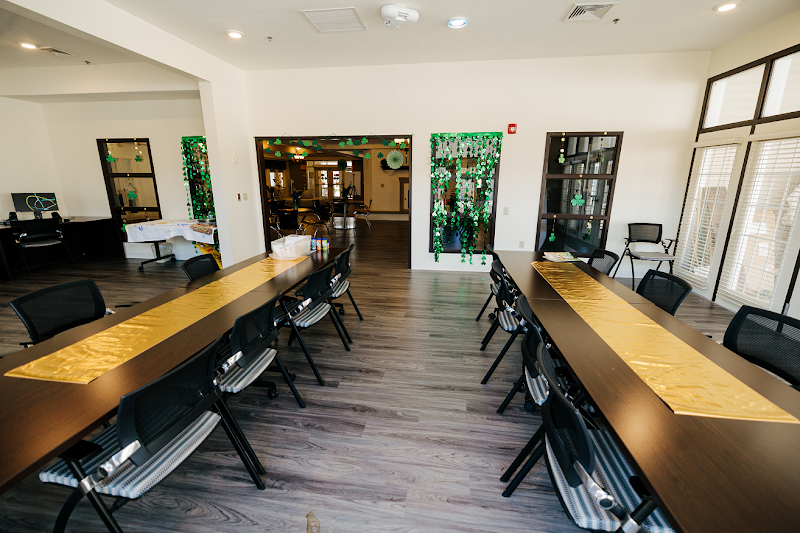
Who Owns and Operates The Oaks At Battle Creek?

The Oaks at Battle Creek is owned by a for-profit company. For-profit facilities operate as businesses with obligations to shareholders or private owners. The facility is operated by TRILOGY HEALTH SERVICES, a chain that manages multiple nursing homes. With 77 certified beds and approximately 72 residents (about 94% occupancy), it is a smaller facility located in Battle Creek, Michigan.

How Does The Oaks At Battle Creek Compare to Other Michigan Nursing Homes?

Compared to the 100 nursing homes in Michigan, The Oaks at Battle Creek's overall rating (3 stars) is below the state average of 3.1, staff turnover (33%) is significantly lower than the state average of 46%, and health inspection rating (3 stars) is at the national benchmark.

What Should Families Ask When Visiting The Oaks At Battle Creek?

Based on this facility's data, families visiting should ask: "Can I visit during a mealtime to observe dining assistance and food quality?" "How do you handle medical emergencies, and what is your hospital transfer rate?" "Can I speak with family members of current residents about their experience?"

Is The Oaks At Battle Creek Safe?

Based on CMS inspection data, The Oaks at Battle Creek has a clean safety record: no substantiated abuse findings (meaning no confirmed cases of resident harm), no Immediate Jeopardy citations (the most serious violation level indicating risk of serious injury or death), and is not on the Special Focus Facility watch list (a federal program monitoring the lowest-performing 1% of nursing homes). The facility has a 3-star overall rating and ranks #100 of 100 nursing homes in Michigan. While no facility is perfect, families should still ask about staff-to-resident ratios and recent inspection results during their visit.

Do Nurses at The Oaks At Battle Creek Stick Around?

The Oaks at Battle Creek has a staff turnover rate of 33%, which is about average for Michigan nursing homes (state average: 46%). Moderate turnover is common in nursing homes, but families should still ask about staff tenure and how the facility maintains care continuity when employees leave.

Was The Oaks At Battle Creek Ever Fined?

The Oaks at Battle Creek has no federal fines on record. CMS issues fines when nursing homes fail to meet care standards or don't correct problems found during inspections. The absence of fines suggests the facility has either maintained compliance or corrected any issues before penalties were assessed. This is a positive indicator, though families should still review recent inspection reports for the full picture.

Is The Oaks At Battle Creek on Any Federal Watch List?

The Oaks at Battle Creek is not on any federal watch list. The most significant is the Special Focus Facility (SFF) program, which identifies the bottom 1% of nursing homes nationally based on persistent, serious quality problems. Not being on this list means the facility has avoided the pattern of deficiencies that triggers enhanced federal oversight. This is a positive indicator, though families should still review the facility's inspection history directly.