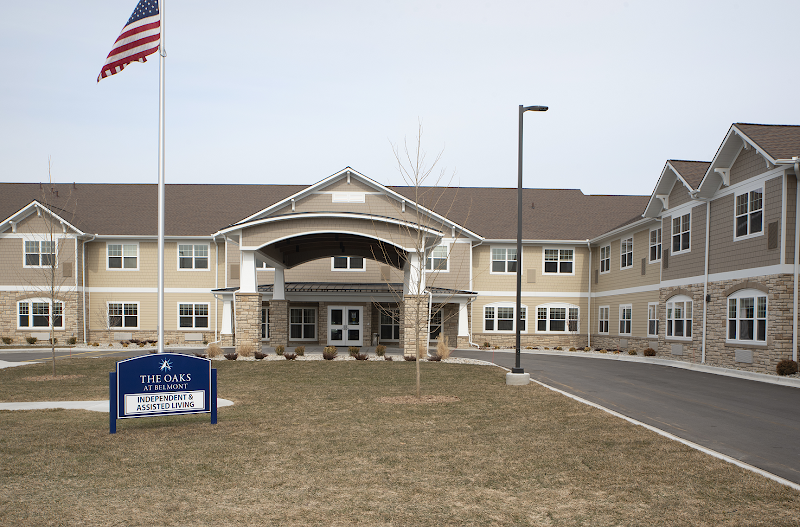


The Oaks at Belmont

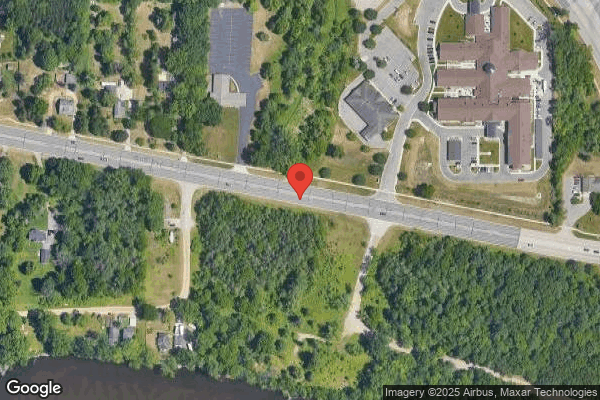
6081 W River Drive, Belmont, MI 49306 (906) 670-4451
For profit - Corporation 60 Beds TRILOGY HEALTH SERVICES Data: November 2025
Trust Grade
85/100
#88 of 422 in MI
Last Inspection: October 2024

Within standard 12-15 month inspection cycle. Federal law requires annual inspections.

Overview

The Oaks at Belmont has a Trust Grade of B+, indicating that it is above average and recommended for families seeking care. With a state rank of #88 out of 422 facilities in Michigan, they are in the top half, while ranking #13 out of 28 in Kent County shows only a few local facilities are better. The facility is currently improving, having reduced issues from 2 in 2024 to 1 in 2025. Staffing is a strong point, with a rating of 4 out of 5 stars and a turnover rate of 41%, which is below the Michigan average of 44%. Notably, there have been no fines recorded, and they have more RN coverage than 95% of state facilities, ensuring better monitoring of residents. However, there are some concerns. An inspector found that residents did not receive adequate assessments and monitoring for skin issues, leading to a hospitalization for one resident due to a serious pressure wound. Additionally, there were issues in the kitchen regarding food safety practices that could potentially lead to foodborne illnesses, as well as problems with how utensils and equipment were stored, potentially impacting hygiene. While there are commendable aspects to the facility, families should weigh these strengths against the identified weaknesses when making their decision.

Trust Score
B+
85/100
In Michigan
#88/422
Top 20%
Safety Record
Moderate
Needs review
Inspections
Getting Better
2 → 1 violations
Staff Stability
○ Average
41% turnover. Near Michigan's 48% average. Typical for the industry.
Penalties
✓ Good
No fines on record. Clean compliance history, better than most Michigan facilities.
Skilled Nurses
✓ Good
Each resident gets 76 minutes of Registered Nurse (RN) attention daily — more than 97% of Michigan nursing homes. RNs are the most trained staff who catch health problems before they become serious.
Violations
○ Average
9 deficiencies on record. Average for a facility this size. Mostly minor or procedural issues.
★★★★★
5.0
Overall Rating
★★★★☆
4.0
Staff Levels
★★★★★
5.0
Care Quality
★★★★☆
4.0
Inspection Score
Stable
2024: 2 issues
2025: 1 issues

The Good

  • 4-Star Staffing Rating · Above-average nurse staffing levels
  • 5-Star Quality Measures · Strong clinical quality outcomes
  • Full Sprinkler Coverage · Fire safety systems throughout facility
  • No fines on record
  • Staff turnover below average (41%)

    7 points below Michigan average of 48%

Facility shows strength in staffing levels, quality measures, fire safety.

The Bad

Staff Turnover: 41%

Near Michigan avg (46%)

Typical for the industry

Chain: TRILOGY HEALTH SERVICES

Part of a multi-facility chain

Ask about local staffing decisions and management

The Ugly 9 deficiencies on record

1 actual harm
Aug 2025 1 deficiency 1 Harm
SERIOUS (G) 📢 Someone Reported This

A family member, employee, or ombudsman was alarmed enough to file a formal complaint

Actual Harm - a resident was hurt due to facility failures

Pressure Ulcer Prevention (Tag F0686)

A resident was harmed · This affected 1 resident

**NOTE- TERMS IN BRACKETS HAVE BEEN EDITED TO PROTECT CONFIDENTIALITY** This citation pertains to intakes 2576923 & 1361498.Based on observation, interview and record review, the facility failed to en...

Read full inspector narrative →
**NOTE- TERMS IN BRACKETS HAVE BEEN EDITED TO PROTECT CONFIDENTIALITY** This citation pertains to intakes 2576923 & 1361498.Based on observation, interview and record review, the facility failed to ensure residents received thorough assessments and monitoring of skin impairments consistent with professional standards of practice in 2 (Resident #101 & Resident #104) of 3 residents reviewed for pressure ulcers, resulting in Resident #101 being hospitalized for sepsis (a life-threatening complication of an infection) due to an unidentified newly developed Stage 3 pressure wound on the sacrum (tailbone) and Resident #104 did not receive adequate incontinence care and skin treatments were not administered per physician orders.Findings include:Resident #101Review of an admission Record revealed Resident #101 was originally admitted to the facility on [DATE], with pertinent diagnoses which included: nausea and vomiting. Minimum Data Set (MDS) assessment was not available.Review of Resident #101's Hospital Course Records dated 5/15/25-5/24/25 revealed, .presented to ER (emergency room) with complaints of not feeling well, syncopal (fainting) event earlier today, poor oral intake, recent nausea vomiting and diarrhea, and increased fatigue and lethargy.In the ER patient was febrile (high body temperature), with heart rates initially in the 90s respiratory rates in the 20s she had some intermittent low blood pressures. She had leukocytosis (high WBC (white blood cell) count, which indicates infection in the body).On skin examination patient has large wound on her upper buttocks that appears to be infected.This wound was not previously noted during her last recent hospitalization. Assessment/Plan: Severe sepsis likely due to likely due to infected soft tissue buttock pressure injury wound. Then on 5/20/25, On exam the wound is still slough (whitish dead tissue that accumulates in a wound) covered so unstageable (a full-thickness skin and tissue loss where the depth is obscured by slough), at least Stage 3. Decreased erythema of left buttock still with induration (thickening and hardening of the skin caused by inflammation).left buttock portion of wound also slough covered but at least full thickness. Some gluteal cleft (butt crack) and periwound (around the wound) maceration (soft broken down skin due to prolonged exposure to moisture). Then on 5/23/25, .The infectious disease service was consulted as she quickly grew an E. coli (Escherichia coli is a bacteria found in the gut) bacteremia (bloodstream infection).Wound culture grew E. coli and Enterococcus faecalis (bacteria found in gastrointestinal tract and is a significant opportunistic pathogen, meaning it can make infections challenging to treat).Her wound additionally grew bacterioides (other bacteria found in the gut that cause infections outside of the body). Review of Resident #101's Hospital Wound Images dated 5/15/25 show the entire buttocks were dark red, with a small healing wound on the right buttock, and a large open wound, covered in slough, that extended the length of the gluteal cleft (butt crack) and laterally onto the left buttocks. There were no measurements recorded in the limited documentation that was received from the hospital prior to survey exit.Review of Resident #101's Nurse's Note dated 5/15/25 at 12:20 PM revealed, Around 11:45am, CNA (Certified Nursing Assistant) alerted me (Registered Nurse/Wound Nurse (RN/WN D) that she needed me in room (room #), I observed resident fully dressed, O2 (oxygen) intact, sitting on toilet (accompanied by therapist), appearing lethargic, head looking down. She was alert but not acting her baseline. CNA stated that resident's eyes had rolled back into her head and that she was afraid that she was going to faint. Resident stated, I feel off. We attempted to take vitals, pulse OX (oxygen level in the blood) & BP (blood pressure) readings were abnormally low. I transferred her to her W/C (wheelchair) and then to her bed (Dependent x 1 both times). Resident continued to be lethargic in her bed (BSL (blood sugar level) her baseline), so I had the PA (Physician Assistant) come further assess her while I prepared her hospital paperwork. Her son arrived at this time for a visit. PA gave V/O (orders) to send to ER . In an interview on 8/6/25 at 3:53 PM, RN/WN D reported that he was unaware that Resident #101 had a large pressure wound on her sacrum until the facility had received notice from the hospital. RN/WN D reported that Resident #101 had admitted on [DATE] with a small Stage 2 pressure wound on her right butt cheek, which was almost healed by the time she was sent to ER on [DATE]. RN/WN D reported that he had changed the dressing on the resident's right buttock multiple times, but did not observe a wound on the sacrum. RN/WN D reported that Resident #101's buttocks were very firm, it was hard to spread her butt cheeks, and her bottom was always covered in creams and patches. RN/WN D reported that the resident had orders for daily full body skin checks due to her risk of developing new pressure injuries, and there were no new skin issues noted. RN/WN D reported that the facility provider allowed the nursing staff to identify, assess, and monitor skin wounds, and that the provider would not physically examine the resident's wounds. RN/WN D reported that the nurse typically would notify the provider of new wounds and or when changes to treatments were needed. RN/WN D reported that Resident #101 was not receiving any treatments to the sacral area other than barrier cream. In an interview with CNA E on 8/6/25 at 2:05 PM reported frequently working with Resident #101 and that she was on contact precautions for most of the time she was at the facility due to illness and diarrhea. CNA E reported that Resident #101's buttocks were notably big and firm. CNA E reported that Resident #101 was both continent and incontinent and was independent with personal hygiene after urinating and/or having bowel movements. CNA E reported that Resident #101's bottom was getting very red due to being in bed a lot and having diarrhea. CNA E reported that the CNA's applied thick cream to her buttocks every day. In an interview on 8/11/25 at 9:04 PM, Therapy Director (TD) P reported that Resident #101 required moderate assistance with toileting, including personal hygiene afterwards and was not able to perform the task adequately without staff physical assistance. In an interview on 8/6/25 at 3:45 PM, Licensed Practical Nurse (LPN) G reported that she could not recall Resident #101's wounds but remembered her butt cheeks were firm and pressed tight together. In an interview on 8/6/25 at 1:34 PM, RN L reported that Resident #101 had a wound on her right buttocks that was healing but was having issues with an increase in her WBC blood levels right before she was sent out to the hospital. RN L reported that Resident #101 required a lot of assistance with ADL's (activities of daily living) due to weakness. In an interview (via phone) on 8/11/25 at 10:50 AM, Resident #101 reported that she still had a deep wound on her bottom and was going to the wound clinic a couple times a week. Review of Resident #101's Care Plan revealed, Resident has a pressure ulcer. Start Date: 5/8/25 (6 days after admission). Interventions: Administer analgesics (pain reliever).Assess and record the condition of the skin surrounding the pressure ulcer, Encourage fluids.Observe and report signs of infection.Observe and report signs of pain.Obtain dietary consult.Pressure reducing mattress, pressure reducing cushion to chair, provide diet, supplements, vitamins and minerals as ordered, treatment per MD order, weekly skin assessment, measurement, and observation of the pressure ulcer and record. There were no details related to the location of the pressure ulcer and/or personalized care plan interventions. Review of Resident #101's Care Plan revealed, Profile Care Guide Start Date: 5/2/25. Interventions: .Bed mobility: 1 assist, transfers 1 assist.Toileting: 1 assist.Grooming upper and lower body 1 assist .B & B (bowel and bladder) continent (apply protective cream to peri-area skin/buttocks when providing peri-area skin care.Review of Resident #101's Nursing admission Observation and Data Collection dated 5/2/25 revealed, Skin impairment: yes, complete appropriate occurrence progress note for further assessment. The assessment also indicated the resident required extensive assistance for bed mobility and toileting. The assessment also included Resident #101's Braden Scale for Pressure Ulcer Predictability indicating 14-Moderate risk. The resident's skin was often but not always moist, her ability to walk was severely limited or nonexistent. Resident #101's ability to change and control body position was very limited. Resident #101 required moderate to maximum assist in moving, making friction and shear a problem.Review of Resident #101's Wound Management Detail Report dated 5/2/25 indicated Stage 2 pressure wound, but did not include location. There were no nurse's note created on that day regarding the wound or the resident's skin assessment. Review of Resident #101's Physician Orders start date 5/2/25 revealed, Apply protective cream topically to peri-area skin/buttocks when providing peri-area skin care twice a day. Review of Resident #101's Physician Orders start date 5/2/25 revealed, Daily skin assessment/observation completed once daily. Review of Resident #101's Physician Orders start date 5/3/25 revealed, Right buttock Wound: cleanse with NSS, pat dry, apply border foam patch once a day every 5 days.Review of Resident #101's Daily Nursing Skilled Charting from 5/4/25-5/15/25 revealed skin color and temperature normal and no additional skin issues. There was no daily skilled charting for 5/3/25. Review of Resident #101's Point of Care (CNA charting) revealed under the section Skin Issues: Indicate any skin problem for the resident? that the resident had redness on buttocks noted on 5/5/25, 5/7/25, 5/9/25, 5/12/25, and 5/13/25. There were no nursing notes or assessments related to these findings. Review of Resident #101's admission Provider Visit Note dated 5/5/25 indicated skin color and temperature was normal. There were no skin treatments listed, and no wound observations. Review of Resident #101's Provider Visit Note dated 5/6/25 indicated skin color and temperature was normal. There were no skin treatments listed, and no wound observations recorded. The note included a WBC blood level of 17.4 (normal range is 4-10) and a diagnosis of GI (gastrointestinal infection).Review of Resident #101's Provider Visit Note dated 5/7/25 indicated skin color and temperature was normal. There were no wound observations.Review of Resident #101's Wound Nurse's Note dated 5/7/25 at 1:09 PM revealed, (R) (right) buttock Stage 2 with decreased weekly measurements; denies pain at site; TXs (treatments) in place/completed; continuing with POC (point of care), (left) buttock Allevyn (a padded bandage) added for prevention.Review of Resident #101's Provider Visit Note dated 5/8/25 indicated skin color and temperature was normal. There were no wound observations.Review of Resident #101's Provider Visit Note dated 5/12/25 indicated skin temperature was normal. There were no wound observations.Review of Resident #101's Wound Nurse's Note dated 5/14/25 at 2:00 PM revealed, (R) (right) buttock Stage 2 with decreased weekly measurements; currently denies pain at site (states that it causes discomfort at times); TXs (treatments) in place/completed; PA (physician assistant) made aware; POC (point of care) change to include Triad PRN; family/resident made aware.Review of Resident #101's Physician Orders start date 5/15/25 revealed, Triad Wound Dressing (wound dressings) - paste: coverage, topical, Four Times A Day - PRN (as needed), Apply paste topically (dime thickness) to sacrum/ (BL) (bilateral) buttocks (*when cleansing, only remove soiled cream*). This order was not documented as administered and this was the same day the resident was discharged . The order indicated sacrum was the location but there was no documentation related to an identified skin issue in that location. Review of Resident #101's Provider Visit Note dated 5/15/25 indicated skin temperature was normal. There were no wound observations recorded. Assessment and Plans: .Muscle weakness: acutely episode.VS (vital signs) acutely abnormal.Send to ED (emergency department).In an interview on 8/7/25 at 4:07 PM, Nursing Home Administrator (NHA) A and Director of Nursing (DON) B reported that they received a referral from the hospital (approximately 5/16/25) to readmit Resident #101 and that she had a large pressure wound on her sacrum. DON B reported that the was when they discovered that the pressure wound was not documented in her record at the facility at the time they sent her to the hospital on 5/15/25. The facility immediately began skin assessments on all residents and education to the nursing staff regarding the proper way to complete a skin check. Resident #104Review of an admission Record revealed Resident #104 was originally admitted to the facility on [DATE], with pertinent diagnoses which included: non-pressure chronic ulcer of left lower leg, non-pressure chronic ulcer of left ankle, foot drop left foot, unstageable pressure ulcer of left heel, stage 3 pressure ulcer of left calf. Review of a Minimum Data Set (MDS) assessment for Resident #104, with a reference date of 5/9/25 revealed a Brief Interview for Mental Status (BIMS) score of 15, out of a total possible score of 15, which indicated Resident #104 was cognitively intact. Review of the Functional Abilities revealed that Resident #104 was dependent for toileting and required substantial/maximal assistance to move side to side in bed. Review of Resident #104's Care Plan revealed, At risk for skin breakdown r/t (related to) weakness/needing assist from staff for her care needs.Start Date: 2/11/25. Interventions: .Float heels.keep linens clean and dry.Keep resident as clean and dry as possible. Minimize skin exposure to moisture. Resident requires enhanced barrier precautions (EBP) during high-contact care related to presence of: foley (catheter), wounds.Start Date: 1/14/25. Interventions: .Utilize gown and gloves per EBP policy during high contact ADL care (dressing, showering/bathing, hygiene, transfers, toileting/changing briefs) and during linen changes.In an interview on 8/11/25 at 2:38 PM, CNA K reported Resident #104 had only one skin issue and that was a wound on her lower leg. Reported the CNA's apply cream during incontinence care to her buttocks. CNA K reported that when she identified a skin issue she documented it in the POC charting and notified the nurse, but there was no paper documentation that she knew of.During an observation and interview on 8/11/25 at 2:51 PM in Resident #104's room, the resident was lying in bed on her back with the head of bed raised to 45 degrees, and there was a foley catheter bag and tubing hanging on the side of the bed. There was an odor of urine in the room. Resident #104 reported that she was uncomfortable and had not received any care since early that morning. When asked about the condition of her bottom, she reported that it was sore and that she was told it opened up again. Resident #104 reported that she was going to talk to the wound nurse about it the next time she saw him. Resident #104 reported that the CNA's apply a heavy cream to her bottom when they change her and the last time a nurse saw it was approximately 1 week earlier. Resident #104 reported that she was supposed to have protective boots on both feet but the right boot is missing. Resident #104's right foot was observed laying directly on the surface of the bed.Review of Resident #104's Treatment Administration Record for 8/11/25 revealed an order for Triad wound dressing paste twice daily prophylaxis (preventative), apply paste topically dime thickness to sacrum/bilateral buttocks. This order was documented as administered by RN F earlier that day.In an interview on 8/11/25 at 3:00 PM, RN F reported that Resident #104 had a venous wound on her lower left leg that was covered with a dressing. RN F reported that the CNA's were applying Triad cream to the resident's bottom for a preventative. RN F reported that she last saw Resident #104's buttocks a few days ago, and that there was no skin breakdown. This surveyor asked RN F to observe Resident #104's buttocks.During an observation on 8/11/25 at 3:02 PM in Resident #104's room, RN F and LPN I entered and prepared to reposition the resident in bed and observe her buttocks. The nurses were not wearing gowns as required for direct contact with EBP. RN F immediately identified that Resident #104's bedding and the back side of her shirt was soaked with a fluid that left a brown discoloration on the sheets and pad. Resident #104 was assisted by both nurses to turn on her left side. Observed Resident #104's buttocks red, macerated, had deep creases from the bedding, multiple pin-point areas of bright red bleeding, and a nickel sized wound on the left buttock that was covered in slough. There was no sign of a topical cream on the resident's bottom. Staff used disposable wipes to clean the resident buttocks and then looked for Triad cream in the resident's room. RN F reported that the CNA's apply the topical creams including the prescription Triad and that it was very thick and would still be visible if applied that day. Staff was not able to find Triad cream therefore applied petroleum barrier cream over her entire buttocks area. Staff did not clean Resident #104 on her front side and/or provide catheter care because the fluid that soaked the resident's bed was not urine, it was drainage from her legs, and the resident should have already had front incontinence/catheter care performed that morning by the CNA. RN F reported that she thought the resident's protective boot for her right foot was in the laundry. Review of Resident #104's Wound Management Reports revealed no current record of wounds on the buttocks or feet. There was a history of pressure ulcer on left buttock, extending slightly into right buttock, and also a stage 3 pressure ulcer on the left lower buttocks that were both documented as resolved on 5/7/25. There was also history of an unstageable pressure wound on the left heel.In an interview on 8/11/25 at 3:52 PM, Assistant Director of Nursing (ADON) C reported that staff are required to wear gloves and a gown when providing direct care and linen changes for Resident #104. ADON C reported that Triad cream is a topical medication that the nurse should apply twice daily to Resident #104's buttocks and should be kept in the medication cart. ADON C reported that at that time Resident #104's Triad cream was not found in her room and/or the medication cart. ADON C reported that the facility had implemented a new process after Resident #101's pressure ulcer finding, requiring the CNA's to document any skin concerns on a skin observation form and submit it to the nurse and to the DON. ADON C reported that Resident #104 did not have any skin observation forms on record at that time.Review of the Fundamentals of Nurse ([NAME] and [NAME]) revealed, When you identify the presence of a skin wound or pressure injury, closer assessment is required. Assess the type of tissue in the wound base so that you can plan appropriate interventions. The assessment includes the amount (percentage) and appearance (color) of viable and nonviable tissue . Soft yellow or white tissue is characteristic of slough (stringy substance attached to wound bed), and it must eventually be removed by a qualified clinician or by an appropriate wound dressing before the wound is able to heal. Black, brown, tan or necrotic tissue is eschar, which also needs to be removed before healing can occur . Assessment of wound exudate should describe the amount, color, consistency, and odor of wound drainage. Excessive exudate indicates the presence of infection. Wound pain, including the location, distribution, type, quality and intensity, and any aggravating or relieving factors, also should be assessed ([NAME], 2016). Examine the skin around the wound (periwound) for redness, warmth, and signs of maceration, and palpate the area for signs of pain or induration. The presence of any of these factors on the periwound skin indicates wound deterioration. [NAME], [NAME] A.; [NAME], [NAME] Griffin; Stockert, [NAME] A.; Hall, [NAME]. Fundamentals of Nursing - E-Book (p. 1247). Elsevier Health Sciences. Kindle Edition.
Oct 2024 2 deficiencies
CONCERN (D)

Potential for Harm - no one hurt, but risky conditions existed

Infection Control (Tag F0880)

Could have caused harm · This affected 1 resident

**NOTE- TERMS IN BRACKETS HAVE BEEN EDITED TO PROTECT CONFIDENTIALITY** Resident #28 Review of an admission Record revealed Resident #28 was originally admitted to the facility on [DATE], with pertine...

Read full inspector narrative →
**NOTE- TERMS IN BRACKETS HAVE BEEN EDITED TO PROTECT CONFIDENTIALITY** Resident #28 Review of an admission Record revealed Resident #28 was originally admitted to the facility on [DATE], with pertinent diagnoses which included: nausea, vomiting, diarrhea and sepsis (a potentially life-threatening condition that arises due to the body's response to infection). During an observation and interview on 10/23/24 at 10:28 AM, CNA E was in Resident #28's room preparing to provide incontinence care. CNA E was wearing gloves while removing Resident #28's brief and washing her private area. There was brown liquid BM (bowel movement), that was expelled two times during care. CNA E cleaned Resident #28 up and did not discard her gloves after the incontinence care. CNA E applied a clean brief on Resident #28, obtained cream from the dresser, applied the cream to the resident's private area, and then handled the resident's blankets, adjusted her pillow, and lastly, placed the bed controls and call light within the resident's reach. CNA E reported that she forgot to remove her gloves after incontinence care. In an interview on 10/23/24 at 1:30 PM, Assistant Director of Nursing/Infection Preventionist (ADON) C and Director of Nursing (DON) B reported that although they had educated and performed audits for hand hygiene, they had not observed staff performing incontinence care, to ensure that glove use and infection control measures were being maintained throughout the task. Based on observation, interview, and record review, the facility failed to maintain infection control measures during incontinence care related to hand hygiene and glove use in 2 of 5 residents (Resident #6 & #28) reviewed for infection control, resulting in the potential for cross-contamination and the development and spread of infection. Findings include: Review of the policy/procedure Handwashing/Hand Hygiene, dated 12/31/23, revealed .Handwashing is the single most important factor in preventing transmission of infections. Hand hygiene is a general term that applies to either handwashing or the use of antiseptic hand rub, also known as alcohol-based hand rub (ABHR) .Health Care Workers (HCW) shall use hand hygiene at times such as .After removing gloves, worn per Standard Precautions for direct contact with excretions or secretions, mucous membranes, specimens, resident equipment, grossly soiled linen . Resident #6 In an observation on 10/22/24 at 1:14 PM, Certified Nursing Assistant (CNA) E and CNA L assisted Resident #6 with incontinence care in her room. Observed CNA E and CNA L don gloves prior to initiation of incontinence care. Noted Resident #6's brief was visibly soiled with BM (bowel movement) which had leaked out of the side of the brief onto the pad below. Observed CNA E use pre-moistened wipes to clean Resident #6's perineal area in the front. CNA E and CNA L then turned Resident #6 onto her side, and CNA L used the pre-moistened wipes to wipe Resident #6's buttocks. Observed CNA L and CNA E remove the soiled brief/pad from below Resident #6 and place a new clean brief. CNA L then applied cream to Resident #6's perineal area and removed the soiled gloves. CNA E fastened Resident #6's brief, bagged the trash, and then removed and discarded the soiled gloves. Observed CNA E and CNA L don new pairs of gloves and continue care for Resident #6, which included dressing and assistance with a transfer to the bathroom to wash up for the day. No hand hygiene observed between glove changes. In an interview on 10/24/24 at 10:47 AM, CNA V reported hand hygiene should be completed between glove changes. In an interview on 10/24/24 at 12:09 PM, Registered Nurse (RN) W reported hand hygiene should be completed between glove changes with either hand sanitizer or hand washing.
CONCERN (F)

Potential for Harm - no one hurt, but risky conditions existed

Food Safety (Tag F0812)

Could have caused harm · This affected most or all residents

Based on observation, interview, and record review, the facility failed to prepare food in accordance with professional standards for food service safety. This deficient practice has the potential to ...

Read full inspector narrative →
Based on observation, interview, and record review, the facility failed to prepare food in accordance with professional standards for food service safety. This deficient practice has the potential to result in food borne illness among all residents that consume food in the kitchen. Findings include: During a tour of the kitchen, starting at 9:10 AM on 10/22/24, an interview with Assistant Food Service Director (AFSD) U, found that the facility routinely cools and uses a log for cooled items. A review of the log found items that have cooled the past couple days, but nothing on the log that is currently cooling. During an observation of the two-door true cooler, at 9:32 AM on 10/22/24, it was observed that a plate of two to three dozen sausage links, left over from breakfast service, was found tightly covered in saran wrap and placed in the cold hold unit. At this time, condensation was found on the inside of the saran wrap, and an initial surface temperature with an infra-red thermometer, found the sausages were over 70F, and in the process of cooling. When asked about the cooling sausages, AFSD U stated that it's not something we usually keep and it will be discarded. During a revisit to the kitchen, at 3:25 PM on 10/22/24, an interview with Food Service Director (FSD) T, found that she wasn't aware of any items cooling at this time. Observation of the cooling log found no items logged for cooling at this time. During a revisit to the walk-in cooler, at 3:27 PM on 10/22/24, two full six-inch-deep half pans of cheese sauce were observed covered tightly in saran wrap with heavy condensation on the inside top. Upon finding the half pans of cheese sauce, AFSD U brought the pans out on the preparation table and stated they should be cooling with an ice wand. Both pans were placed on the table with ice wands inserted. A temperature of the sauce was found to be over 120F at this time. According to the 2017 FDA Food Code section 3-501.15 Cooling Methods. (A) Cooling shall be accomplished in accordance with the time and temperature criteria specified under § 3-501.14 by using one or more of the following methods based on the type of FOOD being cooled: (1) Placing the FOOD in shallow pans; (2) Separating the FOOD into smaller or thinner portions; (3)Using rapid cooling EQUIPMENT; (4) Stirring the FOOD in a container placed in an ice water bath; (5) Using containers that facilitate heat transfer; (6) Adding ice as an ingredient; or (7) Other effective methods. (B) When placed in cooling or cold holding EQUIPMENT, FOOD containers in which FOOD is being cooled shall be: (1) Arranged in the EQUIPMENT to provide maximum heat transfer through the container walls; and (2) Loosely covered, or uncovered if protected from overhead contamination as specified under Subparagraph 3-305.11(A)(2), during the cooling period to facilitate heat transfer from the surface of the FOOD. During a tour of the kitchen, at 9:35 AM on 10/22/24, an interview with FSD T found that the plastic bag over the mixers mean they are clean. Observation of the small mixer found an accumulation of dried debris around the underside rim of the mixing arm. Accumulation was able to be wiped off with a clean paper towel. During a tour of the clean pots and pans storage rack, at 9:40 AM on 10/22/24, observation found a stack of quarter size long pans that had an accumulation of dust and food debris on the rims and perimeter of the pans. When asked about the condition of the stacked pans. FSD T stated that they used to use the pans for a salad bar, but don't have a reason for them anymore. Further observation of the rack found two full pans stacked with moisture accumulation between them and two half pans with debris accumulation on the inside of the pans. Some of the debris was stuck on saran wrap on the perimeter of the pans and some of the debris was dried food on the inside portion of the pans. Observation of the expediting cart that is used to house baking equipment, at 9:44 AM on 10/22/24, found excessive flour and crumb debris on the rack mounts and shelve space used to store sheet pans and tubs with equipment. When asked if the items on this rack gets used. FSD T stated yes. Observation of the clean utensil drawer, on the preparation line, at 9:48 AM on 10/22/24, found three mechanical scoops with excess stuck on food debris on the inside of the ladle and behind the inside blade of the scoops. FSD T took the utensils out of the drawer. Observation of the under-counter microwave, at 10:01 AM on 10/22/24, found an increased amount of dried debris on the inside top of the unit. Observation of the preparation counter near the Robo-Coup, at 10:08 AM on 10/22/24, found excess accumulation of dried crumb debris in and on items stored in bus tubs under this preparation space. One bus tub was filled with molds for puree items and one bus tub was filled with attachments for the Robo-Coup. Some puree molds were found with stuck on food debris, resembling food from previous uses. According to the 2017 FDA Food Code section 4-601.11 Equipment, Food-Contact Surfaces, Nonfood-Contact Surfaces, and Utensils. (A) EQUIPMENT FOOD-CONTACT SURFACES and UTENSILS shall be clean to sight and touch. (B) The FOOD-CONTACT SURFACES of cooking EQUIPMENT and pans shall be kept free of encrusted grease deposits and other soil accumulations. (C) NonFOOD-CONTACT SURFACES of EQUIPMENT shall be kept free of an accumulation of dust, dirt, FOOD residue, and other debris. During a tour of the dish machine area, at 10:30 AM on 10/22/24, observation of the dish machines data plate found that it requires minimum of 160F for the wash cycle and a minimum of 180F for the final rinse. Observation of the dish machine over the next three cycles found the wash gauge ranged from 145F-150F with a rinse pressure showing an inconsistent reading anywhere from 30-60+ pounds per square inch (psi). Further observation of the machine found the glass cover to the rinse gauge missing and leaking water under the unit. Using a flashlight to look under the machine, it was observed that the dish machines pressure relief valve was leaking into a cup positioned behind the unit. It was also observed that the gauge showing the pressure and temperature of the incoming hot water was found to be rusted with standing water inside of the gauge. When asked if the pressure gauge is something staff record, FSD T stated no. Observation of the log found that all appropriate temperatures were found this morning when the unit was checked. According to the 2017 FDA Food Code section 4-501.113 Mechanical Warewashing Equipment, Sanitization Pressure. The flow pressure of the fresh hot water SANITIZING rinse in a WAREWASHING machine, as measured in the water line immediately downstream or upstream from the fresh hot water SANITIZING rinse control value, shall be within the range specified on the machine manufacturer's data plate and may not be less than 35 kilopascals (5 pounds per square inch) or more than 200 kilopascals (30 pounds per square inch). According to the 2017 FDA Food Code section 4-501.15 Warewashing Machines, Manufacturers' Operating Instructions. (A) A WAREWASHING machine and its auxiliary components shall be operated in accordance with the machine's data plate and other manufacturer's instructions.
Nov 2023 3 deficiencies
CONCERN (D)

Potential for Harm - no one hurt, but risky conditions existed

Deficiency F0558 (Tag F0558)

Could have caused harm · This affected 1 resident

**NOTE- TERMS IN BRACKETS HAVE BEEN EDITED TO PROTECT CONFIDENTIALITY** Resident #22 Review of an admission Record revealed Resident #22 was originally admitted to the facility on [DATE] with pertinen...

Read full inspector narrative →
**NOTE- TERMS IN BRACKETS HAVE BEEN EDITED TO PROTECT CONFIDENTIALITY** Resident #22 Review of an admission Record revealed Resident #22 was originally admitted to the facility on [DATE] with pertinent diagnoses which included type 2 diabetes mellitus with hyperglycemia (high blood sugar). Review of Resident #22's Care Plan revealed, Resident is as risk for falls r/t (related to) impaired mobility/balance, Alzheimer's dementia, COPD (chronic obstructive pulmonary disease), IV abt (intravenous antibiotics). Start date 10/27/23. Approach: .Keep call light within reach . During an observation on 11/13/23 at 10:55 AM, Resident #22 was lying in her bed. Resident #22's call light was lying on the floor under her bed, and out of Resident #22's reach. At 11/13/23 at 10:57 AM, Housekeeper EE entered Resident #22's room and opened her blinds and then exited the room. Housekeeping EE did not speak to Resident #22 while she was in the room. Resident #22's call light remained on the floor and out of her reach after Housekeeper EE exited the room. During an interview on 11/14/23 at 2:34 PM, Certified Nursing Assistant (CNA) J reported that Resident #22 did use her call light to request assistance from staff. Based on observation, interview, and record review the facility failed to ensure call lights were left within reach for 2 residents (Resident #42 and #22) of 13 residents reviewed for accommodation of needs, resulting in the potential for unmet care needs and the potential for residents to not meet their highest practicable physical, mental, and psychosocial well being. Findings include: Resident #42 Review of an admission Record revealed Resident #42 admitted to the facility on [DATE] with pertinent diagnoses which included hemiparesis (muscle weakness or partial paralysis on one side of the body) following a stroke and generalized muscle weakness. Review of a current safety Care Plan approach for Resident #42, with a start date of 9/16/2022, directed staff to be ensure the resident's call light was within reach of his left hand. In an observation on 11/14/2023 at 8:45 AM, CNA S assisted Resident #42 into his bedside chair for breakfast and left his call light across the room on his nightstand and out of his reach. In an observation on 11/14/2023 at 9:54 AM, Resident #42 was sitting in his bedside chair with his call light across the room on his nightstand and out of his reach. In an observation on 11/14/2023 at 12:40 PM, Resident #42 was sitting in his bedside chair with his call light across the room on his nightstand and out of his reach. In an interview on 11/14/2023 at 12:45 PM, Certified Nursing Assistant (CNA) S reported Resident #42 alerted staff that he needed assistance by pressing his call light. In an interview on 11/14/2023 at 12:46 PM, Licensed Practical Nurse (LPN) F reported Resident #42 used his call light when he needed to alert staff that he required assistance.
CONCERN (D) 📢 Someone Reported This

A family member, employee, or ombudsman was alarmed enough to file a formal complaint

Potential for Harm - no one hurt, but risky conditions existed

Deficiency F0658 (Tag F0658)

Could have caused harm · This affected 1 resident

**NOTE- TERMS IN BRACKETS HAVE BEEN EDITED TO PROTECT CONFIDENTIALITY** Based on interview and record review, the facility failed to accurately describe and measure a pressure ulcer upon admission per...

Read full inspector narrative →
**NOTE- TERMS IN BRACKETS HAVE BEEN EDITED TO PROTECT CONFIDENTIALITY** Based on interview and record review, the facility failed to accurately describe and measure a pressure ulcer upon admission per the standards of practice and facility policy in 1 (Resident #503) of 2 residents reviewed for pressure ulcer treatment, resulting in incomplete wound information being communicated to the health care team and the potential for Resident #503's wound to worsen or improve without facility knowledge. Findings include: Review of an admission Record revealed Resident #503 admitted to the facility on [DATE] with pertinent diagnoses which included a spinal abscess and heart disease. Review of Wound Event documentation for Resident #503 completed on 7/10/2023 at 4:13 PM revealed Licensed Practical Nurse (LPN) N identified a pressure ulcer on Resident #503's coccyx upon admission but did not document a description of the wound or wound dimensions. In an interview on 11/15/2023 at 8:34 AM, Wound Registered Nurse (RN) AA reported LPN N identified Resident #503's coccyx pressure ulcer at the time of admission on [DATE] but did not describe the wound. Wound RN AA reported LPN N should have described and measured Resident #503's coccyx pressure ulcer on 7/10/2023 when it was identified. In an interview on 11/15/2023 at 9:03 AM, Director of Nursing (DON) B reported admission LPN N should have measured and described Resident #502's coccyx pressure ulcer on 7/10/2023 when it was identified. Review of facility policy/procedure Pressure/Stasis/Arterial/Diabetic Wound Guidelines, reviewed 12/31/2022, revealed .Appropriate wound event is completed by a RN/LPN in EHR . Complete event for each impaired area . Document description of wound using: Length . Width . Depth . Exudates . Color . Odor . Wound margins . Surrounding tissue . Tunneling and/or undermining if applicable .
CONCERN (D)

Potential for Harm - no one hurt, but risky conditions existed

Deficiency F0698 (Tag F0698)

Could have caused harm · This affected 1 resident

**NOTE- TERMS IN BRACKETS HAVE BEEN EDITED TO PROTECT CONFIDENTIALITY** Based on interview and record review the facility failed to ensure post dialysis (procedure that removes excess water, solutes, ...

Read full inspector narrative →
**NOTE- TERMS IN BRACKETS HAVE BEEN EDITED TO PROTECT CONFIDENTIALITY** Based on interview and record review the facility failed to ensure post dialysis (procedure that removes excess water, solutes, and toxins from the blood in people whose kidneys cannot perform these functions) assessment and monitoring were completed for 1 (Resident #4) of 1 resident reviewed for dialysis care, resulting in the potential of being unprepared for a decline in resident condition, due to adverse effects of dialysis. Resident #4 Review of an admission Record revealed Resident #4, was originally admitted to the facility on [DATE] with pertinent diagnoses which included dependence on renal dialysis. Review of Resident #4's Dialysis Center Communication Form Observation revealed the following information was required to be documented for the pre-dialysis assessment: transfer time, mental status, describe type of dialysis access and location, condition of shunt, precautions, fluid restrictions, nutrition,condition change, medications, and vital signs. The post- dialysis assessment included the following information required to be documented : general condition, condition of shunt, new orders noted, and vital signs. Review of Resident #4's Dialysis Center Communication Form Observation dated 11/13/23 revealed that the pre and post dialysis assessments were not documented. During an interview on 11/15/23 at 12:35 PM, Assistant Director of Nursing (ADON) K reported that the nurse caring for Resident #4 on the days that she went to dialysis was responsible for completing the pre and post dialysis assessment, documenting the assessment on the dialysis communication form, and ensuring that the details from the form were documented in the EHR (electronic health record). ADON K was not able to explain why the Dialysis Center Communication Form Observation in the EHR was not completed for 11/13/23. ADON K reported that the paper copies should be available to view, and that they were more than likely not scanned in yet. On 11/15/23 at 1:12 PM, The facility provided updated Dialysis Center Communication Forms dated 11/13/23 which revealed the following post dialysis vital signs: blood pressure: 104/56 and heart rate: 76. The form did not reveal documentation for post dialysis assessment. Review of Resident #4's Vital Signs dated 11/13/23 revealed, Blood pressure: 104/56 and heart rate: 76 was documented by Licensed Practical Nurse (LPN) N at 8:34 PM During an interview on 11/15/23 at 1:55 PM, Registered Nurse (RN) AA reported that he had completed the pre dialysis assessment on 11/13/23, and that LPN N completed the post dialysis assessment. During an interview on 11/15/23 at 2:01 PM, LPN N reported that she did not complete the post dialysis assessment for Resident #4 on 11/13/23 because Resident #4 returned from dialysis before her shift had started. LPN N reported that the vital signs documented on 11/13/23 at 8:34 PM by LPN N were not taken for a post dialysis assessment. During an interview on 11/15/23 at 1:29 PM, RN L reported that she was one of the nurses caring for Resident #4 on 11/13/23, but she did not complete the post dialysis assessment for Resident #4. RN L reported that she was a new employee, and was still completing orientation. RN L reported that she had not been trained on how to complete dialysis assessments. During an interview on 11/15/23 at 2:37 PM, Director of Nursing (DON) B reported that the facility was not able to provide any further documentation to verify that Resident #4's post dialysis assessment had been completed. Review of the facility's Guidelines for Dialysis Policy last revised 5/11/16, revealed, Purpose: To provide communication to Dialysis Providers and monitoring of resident receiving dialysis . 5. Upon return from the Dialysis Provider the campus shall: a. Provide ongoing monitoring of the shunt site for signs of complication b. Review the Dialysis Provider paperwork for any necessary follow up requirements.
May 2023 2 deficiencies
CONCERN (D) 📢 Someone Reported This

A family member, employee, or ombudsman was alarmed enough to file a formal complaint

Potential for Harm - no one hurt, but risky conditions existed

Accident Prevention (Tag F0689)

Could have caused harm · This affected 1 resident

**NOTE- TERMS IN BRACKETS HAVE BEEN EDITED TO PROTECT CONFIDENTIALITY** This citation pertains to MI00136824. Based on interview and record review the facility failed to ensure safe transfers and impl...

Read full inspector narrative →
**NOTE- TERMS IN BRACKETS HAVE BEEN EDITED TO PROTECT CONFIDENTIALITY** This citation pertains to MI00136824. Based on interview and record review the facility failed to ensure safe transfers and implement resident care plan interventions for 1 resident (Resident #3) of 4 residents reviewed for accidents and falls, resulting in a fall and an unsafe transfer, and the potential for residents to not meet their highest physical, mental, and psychosocial well being. Findings include: Review of an admission Record revealed Resident #3 admitted to the facility on [DATE] with pertinent diagnoses which included left sided weakness following nontraumatic intracranial hemorrhage (stroke) and depression. Review of transfer Care Plan approaches for Resident #3 revealed staff were directed to use 2 staff assistance with a mechanical sit to stand device from 3/15/2023 until 3/27/2023, and staff were directed to use 2 staff assistance with a transfer disc from 3/27/2023 until 4/11/2023. Review of Therapy Update documentation for Resident #3 revealed therapy directed staff to use 2 staff assistance with a mechanical sit to stand device from 3/10/2023 and therapy directed staff to use 2 staff assistance with a transfer disc from 3/24/2023. Review of Resident #3's Progress Note, dated 3/24/2023 at 3:05 PM, revealed Resident #3 complained of right shoulder pain after shoulder was hyperextended while being transferred in a sit to stand device. In an interview on 5/30/2023 at 1:49 PM, Assistant Director of Nursing (ADON) C reported Resident #3's left arm came out of the sit to stand lift while Certified Nurse Assistant (CNA) M was transferring him. ADON C reported CNA M was counseled after this event regarding transfers. In an interview on 5/30/2023 at 2:00 PM, CNA M reported she transferred Resident #3 by herself with the sit to stand device on 3/24/2023 and his arm slipped out of the sling and went straight up before sliding to his side. CNA M reported she did not know what Resident #3's transfer status was before transferring him that day. CNA M reported she was busy and didn't look it up prior to the incident. In an interview on 5/30/2023 at 2:50 PM, DON B reported Resident #3 required 2 staff assistance with the sit to stand lift when CNA M transferred him without assistance on 3/24/2023. Review of an Employee Corrective Action Form, dated 3/24/2023, revealed DON B provided the following written counseling to CNA M: Skilled resident plan of care requires a 2 person assist with sit to stand mechanical lift. On 3/24/2023, you transferred a resident without assistance. This is not only a safety concern but it also caused our resident discomfort . Review of Resident #3's Progress Note, dated 4/2/2023 at 8:44 AM revealed Resident #3 was lowered to the ground by a CNA during a transfer. In an interview on 5/30/2023 at 3:59 PM, Licensed Practical Nurse (LPN) F reported CNA E did not review the care plan prior to transferring Resident #3 on 4/2/2023. LPN F reported Resident #3's knees buckled while CNA E was transferring him alone and CNA E lowered Resident #3 to the ground. LPN F reported he educated CNA E about reviewing care plans prior to transferring residents. In an interview on 5/31/2023 at 9:28 AM, CNA E reported she did not look at Resident #3's care plan prior to transferring him alone with a gait belt and walker on 4/2/2023. CNA E reported Resident #3's knees buckled during the transfer and she lowered him to the ground. CNA E reported she found out later Resident #3 required 2 staff assistance with transfers. Review of an Employee Corrective Action Form, dated 4/3/2023, revealed DON B provided the following written counseling to CNA E: .On Sunday 04/02/2023 staff member transferred a resident who requires 2 people to assist him per his care plan, by herself . Staff member will verify transfer status and utilize the appropriate number of staff and equipment necessary to ensure that all residents and staff remain safe and well cared for . Review of facility policy/procedure Guidelines for Resident Utilizing a Lift, effective 5/11/2017, revealed .If the resident requires the use of a lift device, this will need to be added to the resident plan of care that will be communicated to the caregiver . Staff should seek the assistance of a second person for those residents' care planned for assistance of two with the lifting device or as needed for safe handling . Review of the past non-compliance documentation during an abbreviated survey from 5/25/2023-5/31/2023 reflected the facility implemented the following interventions that resolved the noncompliance: 1- Education completed with CNA's, Transfers are dictated by therapy and plan of cares must be followed. Hoyer lifts require two people to assist. Sit to stand transfers vary from resident to resident .some may require 2 assist- others one. Refer to the Resident profile care guide in the wall computer or the therapy sheet in the closet for the most updated transfer status. 2- Daily monitoring at clinical meetings by the Inter Disciplinary Team. 3- Weekly audits(5 per week) to ensure safe transfers. 4- Safe transfers reviewed by QAPI until sustained compliance. The facility stated compliance with this action plan was achieved as of 4/15/2023. During the survey, resident transfers were reviewed and no noncompliance was found at the time of survey.
CONCERN (D) 📢 Someone Reported This

A family member, employee, or ombudsman was alarmed enough to file a formal complaint

Potential for Harm - no one hurt, but risky conditions existed

Infection Control (Tag F0880)

Could have caused harm · This affected 1 resident

**NOTE- TERMS IN BRACKETS HAVE BEEN EDITED TO PROTECT CONFIDENTIALITY** Based on observation, interview, and record review, the facility failed to ensure proper use of Personal Protective Equipment (P...

Read full inspector narrative →
**NOTE- TERMS IN BRACKETS HAVE BEEN EDITED TO PROTECT CONFIDENTIALITY** Based on observation, interview, and record review, the facility failed to ensure proper use of Personal Protective Equipment (PPE) in a resident room with droplet precautions, resulting in potential for increased cross contamination and placing the resident population at higher risk of infection. Findings include: In an interview on 5/31/2023 at 1:55 PM, RN N reported the resident in room [ROOM NUMBER] was in droplet precautions for COVID diagnosis and required an N-95 mask. In an interview on 5/31/2023 at 4:12 PM, DON B reported the resident in room [ROOM NUMBER] was diagnosed as positive for COVID and required use of an N-95 mask. In an observation on 5/30/23 at 8:19 AM, Nursing Student V entered room [ROOM NUMBER] with a surgical mask. Signage on the door stated Droplet/Contact Precautions and Red Zone Restricted Entry/Exit Proper PPE Usage Required but did not specify which type of PPE to use. In an observation and interview on 5/30/2023 at 8:27 AM, Nursing Student V exited room [ROOM NUMBER] and reported she did not think to don an N-95 mask prior to entering the room. In an observation and interview on 5/31/2023 at 1:52 PM, CNA J exited room [ROOM NUMBER] wearing a surgical mask and reported she did not wear an N-95 in the room. CNA J reported she was not sure what type of mask was required in the room. Signage on the door stated Droplet/Contact Precautions and Red Zone Restricted Entry/Exit Proper PPE Usage Required but did not specify which type of PPE to use. Review of facility policy/procedure Guidelines for Droplet Precautions, revised 3/19/2020, revealed .Isolation signs . Place a sign on the door indicating the description of the type of precautions.
Sept 2022 1 deficiency
CONCERN (F)

Potential for Harm - no one hurt, but risky conditions existed

Food Safety (Tag F0812)

Could have caused harm · This affected most or all residents

**NOTE- TERMS IN BRACKETS HAVE BEEN EDITED TO PROTECT CONFIDENTIALITY** Air Drying: During an observation and interview on 09/07/22 at 08:44 AM, on the dry storage rack in the kitchen there were three...

Read full inspector narrative →
**NOTE- TERMS IN BRACKETS HAVE BEEN EDITED TO PROTECT CONFIDENTIALITY** Air Drying: During an observation and interview on 09/07/22 at 08:44 AM, on the dry storage rack in the kitchen there were three 6 quart plastic storage containers that were wet and stacked on top of one another. Next to that was a plastic storage bin that was soiled with dried on white debris. The white bowl on the middle shelf was soiled with brown debris. Director of Food Services O confirmed staff shouldn't put away/stack dishes wet. Review of the 2013 Food and Drug Administration's Food Code stated, 4-903.11 Equipment, Utensils, Linens, and Single Service and Single-Use Articles . (B) Clean EQUIPMENT and UTENSILS shall be stored . (1) In a self-draining position that allows air drying. Ice Machine: During an observation on 09/07/22 at 09:01 AM, the ice machine attached to the soda drink dispenser just outside of the kitchen had an ice chute that was heavily soiled with green and black debris that appeared to be mold. When the ice chute was wiped with a clean disposable paper towel black debris came off the ice chute and onto the paper towel. Review of the facility's Ice Machine Cleaning Schedule (Ice machine of the soda dispenser outside the kitchen) document, undated, stated, Exterior and ice dispenser cleaned 2x (two times) per shift daily .6 months maintenance schedule in (facility's maintenance system) Last complete 8/24/2022 and 2/28/2022. Review of the logbook documentation for the ice machine, dated 8/24/22, stated, Ice Machines: Check filters (if present), clean coils, sanitize interior, delime as necessary. Review of the 2013 Food and Drug Administration's Food Code stated, 4-602.11 Equipment, Food-Contact Surfaces, Nonfood-Contact Surfaces, and Utensils .A) EQUIPMENT FOOD-CONTACT SURFACES and UTENSILS shall be clean to sight and touch. (4) In EQUIPMENT such as ice bins and BEVERAGE dispensing nozzles and enclosed components of EQUIPMENT such as ice makers, .and water vending EQUIPMENT: . (b) Absent manufacturer specifications, at a frequency necessary to preclude accumulation of soil or mold. Dating and Labeling: During an observation on 09/07/22 at 08:38 AM, the refrigerator located in the kitchenette just outside the kitchen had a disposable container with ready to eat food items (appeared to be chicken salad) labeled with Resident #138's first name and room number. There was no label or marking that indicated the date when the item was prepared, brought in, or to be consumed/discarded by. There were two disposable containers labeled to contain chicken and chicken scampi with Resident #19's name on them. There was a date of 9/5/22, but it wasn't noted if this was the prepared on date or the discard date. There was a paper bag with what appeared to be a hamburger in it with a label that indicated Resident #6's name and was dated 09/03. The label didn't indicate if this was the prepared on date or consume by/discard date. In a plastic bag labeled with Resident #11's name and room number contained two disposable containers of prepared salads with no date marking and four sandwiches which had no date marking. It was unclear when these items were brought in or prepared and what the discard or consume by date was. Review of the 2013 Food and Drug Administration's Food Code stated, 3-501.17 Ready-to-Eat, Time/Temperature Control for Safety Food, Date Marking .refrigerated, READY-TO -EAT, TIME/TEMPERATURE CONTROL FOR SAFETY FOOD prepared and held in a FOOD ESTABLISHMENT for more than 24 hours shall be clearly marked to indicate the date or day by which the FOOD shall be consumed on the PREMISES . or discarded when held at a temperature of 5ºC (41ºF) or less for a maximum of 7 days. The day of preparation shall be counted as Day 1 .refrigerated, READY-TO-EAT TIME/TEMPERATURE CONTROL FOR SAFETY FOOD prepared and PACKAGED by a FOOD PROCESSING PLANT shall be clearly marked, at the time the original container is opened in a FOOD ESTABLISHMENT and if the FOOD is held for more than 24 hours, to indicate the date or day by which the FOOD shall be consumed on the PREMISES . or discarded. Review of the facility's Food Brought Into Facility policy, dated 11/22/2017, stated, Food brought in by Family Members, Friends or Guests must be: .Food or Beverage items are to be properly Labeled and Date marked, stored and discarded, in conjunction with the facilities Date [NAME] and labeling P&P (policy and procedure). Review of the facility's Food Labeling and Dating Policy, dated 4/26/2022, stated, Any food item must have .a label that indicates the production date and the use by date for the product .Foods in production need BOTH a production date AND a use by date. Foods are considered to be in production when they have been taken out of the original container AND the seal has been broken .Handwritten labels must include: Item name .Date and time the food was labeled .Use by date .Initials of Staff Member . Based on observation, interview, and record review the facility failed to maintain sanitary conditions in the kitchen resulting in an increased potential for cross contamination of food and foodborne illness, potentially affecting all residents who receive meal services out of the facility's total census of 42 residents. Findings include: 1. On 9/7/2022 at 11:12 AM, the designated handwashing sink next to the three-compartment sink was observed with dried mint chocolate chip ice cream in its basin (confirmed at this time by Dietary Manager, staff O). On 9/7/2022 at 11:13 AM, the surveyor asked staff A if it was normal for staff to use the designated handwashing sink for purposes other than handwashing to which they responded, sometimes, but they really shouldn't. We have a sign posted saying it's for hand washing only. At this time the surveyor observed the sign staff A mentioned posted directly above the sink. On 9/7/2022 at 11:14 AM, no paper towel or waste receptacle was observed available for use at this handwashing sink. Upon observation Campus Dining Support Supervisor, staff B, stated, we have a trash can over here we can use, and we'll get more paper towel now. Review of U.S. Public Health Service Food Code, as adopted by the Michigan Food Law, effective October 1, 2012 Chapter 5-205.11 Using a Handwashing Sink directs that: (B) A HANDWASHING SINK may not be used for purposes other than handwashing. Review of U.S. Public Health Service Food Code, as adopted by the Michigan Food Law, effective October 1, 2012 Chapter 6-301.20 Disposable Towels, Waste Receptacle directs that: A HANDW ASHING SINK or group of adjacent HANDW ASHING SINKS that is provided with disposable towels shall be provided with a waste receptacle as specified under 5-501.16(C). Review of U.S. Public Health Service Food Code, as adopted by the Michigan Food Law, effective October 1, 2012 Chapter and Drying Provision directs that: Each HANDW ASHING SINK or group of adjacent HANDW ASHING SINKS shall be provided with: (A) Individual, disposable towels; Pf 2. On 9/7/2022 at 11:37 AM, the surveyor inquired with Dietary Manager, staff O, if they could test the sanitizing solution of a wiping cloth bucket to verify its concentration to which they replied, of course. On 9/7/2022 at 11:39 AM, testing of the quaternary ammonium sanitizer concentration at the prep station by staff O via a test strip revealed a concentration of zero. Upon observation staff O stated, It's probably from eight o'clock this morning. Let me check the other one at the serving line. On 9/7/2022 at 11:40 AM, testing of the quaternary ammonium sanitizer concentration at the serving line by staff A via a test strip revealed a concentration of zero. Upon observation staff O stated, I think these were made around eight o'clock, I'll make new sanitizer right now. On 9/7/2022 at 11:44 AM, testing of the quaternary ammonium sanitizer concentration in the wiping cloth buckets by staff O via a test strip revealed a concentration of 300 ppm to which they stated, much better, we try to keep always keep it between 200 ppm - 400 ppm. I'll talk to my staff about this. Review of 2013 U.S. Public Health Service Food Code, Chapter 4-501.114 Manual and Mechanical Warewashing Equipment, Chemical Sanitization Temperature, pH, Concentration, and Hardness directs that: A chemical SANITIZER used in a SANITIZING solution for a manual or mechanical operation at contact times specified under 4-703.11(C) shall meet the criteria specified under §7-204.11 Sanitizers, Criteria, shall be used in accordance with the EPA-registered label use instructions, P and shall be used as follows: (C) A quaternary ammonium compound solution shall: (1) Have a minimum temperature of 24oC (75oF), (2) Have a concentration as specified under § 7-204.11 and as indicated by the manufacturer's use directions included in the labeling, 3. On 9/7/2022 at 11:48 AM, a face shield was observed stored on the clean dry equipment storage rack next to the two compartment sink. At this time upon interview with Campus Dining Support Supervisor, staff L, on what their expectations are for the storage of these items at the facility they stated, they should have them on their faces, in the office, or in their lockers if they aren't being used. I don't know why someone would put that there. On 9/7/2022 at 11:53 AM, a personal beverage was observed stored on top of the secondary meal holding/ assembly area. Upon observation Dietary Manager, staff O, stated, we'll let them know not to put there drinks here. Review of 2013 U.S. Public Health Service Food Code, Chapter 6-403.11 Designated Areas directs that: (A) Areas designated for EMPLOYEES to eat, drink, and use tobacco shall be located so that FOOD, EQUIPMENT, LINENS, and SINGLE-SERVICE and SINGLE-USE ARTICLES are protected from contamination. 4. On 9/7/2022 at 11:53 AM, Cook, staff I, was observed plating meals from the dining room steam wells for the days lunch service. At this time the surveyor inquired with staff I if they had the opportunity to take temperatures prior to serving to which they replied, no, we don't take serving temperatures, just when we're done cooking it. On 9/7/2022 at 11:54 AM, the surveyor asked staff I if they wouldn't mind taking temperatures before plating the next meal to verify the foods holding temperatures to which they replied, sure. On 9/7/2022 at 11:57 AM, staff I began taking temperatures of food products in the steam well via a thermometer probe revealing a temperature of 124 degrees F for the Sloppy Joes. At this time the surveyor asked staff I what they would normally do in a situation like this to which they replied, I'm not sure what you mean, I've never used a steam well before. Upon overhearing this Campus Dining Support Supervisor, staff L, stated, we need to pull it and reheat it on the stove to 165 degrees F before we can serve any more of it. I have our final cook temp recorded in our log at 163 degrees F from earlier. Let the staff know they will have to wait for Sloppy Joes for a minute. On 9/7/2022 at 11:59 AM, upon record review of the kitchen's temperature log the final cooking temperature of the Sloppy Joes was verified at 163 degrees F by the surveyor. On 9/7/2022 at 12:18 PM, the sandwich cooler refrigerator was observed with its upper door in the open position. Upon observation the surveyor asked the Dietary Manager, staff O, if they door would normally be left open when not actively being used to which they stated, sometimes. At this time the surveyor inquired with staff O on how the facility monitors the temperatures of the refrigeration units to which they stated, we check them daily. In the morning and at night. The surveyor then asked staff O if the facility takes food temperatures prior to serving from this unit to which they stated, no, not normally before serving but we can. On 9/7/2022 between 12:20 PM, and 12:26 PM, the following food product temperatures were verified via staff O's thermometer probe: Sliced Corned beef at 45 degrees F Swiss cheese at 48 degrees F Cheddar cheese at 53 degrees F American cheese at 57 degrees F Cut tomato at 54 degrees F Cut bacon at 49 degrees F On 9/7/2022 at 12:26 PM, the sandwich cooler refrigerator's lower interior thermometer was observed reading at 41 degrees F. At this time the surveyor inquired with staff O what the facility would normally do in a situation like this to which they stated, start throwing things out. I'll post a sign on the unit to use fresh from the walk-in cooler until we can get these tossed and figure out what is happening with the cooler. At this time staff O was observed instructing staff to not serve anything from the cooler. Review of 2013 U.S. Public Health Service Food Code, Chapter 3-501.16 Time/Temperature Control for Safety Food, Hot and Cold Holding directs that: (A) Except during preparation, cooking, or cooling, or when time is used as the public health control as specified under §3-501.19, and except as specified under (B) and in (C ) of this section, TIME/TEMPERATURE CONTROL FOR SAFETY FOOD shall be maintained: (1) At 57oC (135oF) or above, except that roasts cooked to a temperature and for a time specified in 3-401.11(B) or reheated as specified in 3-403.11(E) may be held at a temperature of 54oC (130oF) or above; P or (2) At 5ºC (41ºF) or less. P 5. On 9/7/2022 at 12:18 PM, the sandwich cooler refrigerator was observed with its upper door in the open position. Upon observation the surveyor asked the Dietary Manager, staff O, if they door would normally be left open when not actively being used to which they stated, sometimes. On 9/7/2022 at 12:18 PM, the surveyor inquired with staff O on how the facility monitors the temperatures of the refrigeration units to which they stated, we check them daily. In the morning and at night. At this time upon closer observation within the unit from the surveyor of a container of cut bacon revealed heavy condensation on its plastic lid. Upon observation staff O stated, oh, the bacon is from this morning breakfast. Sometimes that happens after we put it in the walk-in. On 9/7/2022 at 12:19 PM, the surveyor asked staff O for a copy of the facility's cooling log to review to confirm the proper cooling of the cut bacon from earlier in the day to which staff O replied, we don't have one. We just put it in the walk-in cooler after breakfast and makes sure it gets in here before lunch service begins. The surveyor then asked staff O if the facility takes food temperatures prior to serving from this unit to which they stated, no, not normally before serving but we can. On 9/14/22 at 12:22 PM, a temperature taken of the cut bacon by staff O via a thermometer probe revealed a temperature of 49 degrees F. At this time the surveyor asked staff O how the facility would normally handle food items such as this if they could not verify the foods were properly cooled to ensure the foods safety to which they replied, Throw it out. I guess we'll need to start keeping logs for this too. On 9/7/2022 at 12:29 PM, the surveyor observed staff O placing a sign on the unit instructing staff to use only fresh items from the walk-in cooler. Review of U.S. Public Health Service Food Code, as adopted by the Michigan Food Law, effective October 1, 2012 Chapter 3-501.15 Cooling Methods, directs that: (A) Cooling shall be accomplished in accordance with the time and temperature criteria specified under § 3-501.14 by using one or more of the following methods based on the type of FOOD being cooled: (1) Placing the FOOD in shallow pans; Pf (2) Separating the FOOD into smaller or thinner portions; Pf (3) Using rapid cooling EQUIPMENT; Pf (4) Stirring the FOOD in a container placed in an ice water bath; Pf (5) Using containers that facilitate heat transfer; Pf (6) Adding ice as an ingredient; Pf or (7) Other effective methods. 6. On 9/7/2022 between 12:33 PM and 12:38 PM, the interior of the juice, coffee, and soda pop dispensing machines were observed soiled and with an accumulation of debris on their surfaces. On 9/7/2022 at 12:38 PM, the surveyor inquired with the Dietary Manager, staff O, on the current state of the equipment to which they stated, we do keep a cleaning schedule for daily, and weekly tasks. We have it posted on the reach our reach in refrigerator. On 12:40 PM, upon record review of a cleaning log entitled, Aides cleaning list dated, Aug- [DATE] the surveyor confirmed that the facility has individual tasks in place to achieve a clean and sanitary environment in the kitchen, its support spaces, and equipment throughout the week, however not all tasks were initialed to identify their completion on a consistent basis over the last 30 days. On 9/7/2022 at 12:40 PM, the surveyor inquired with staff O if they thought the uninitialed items were completed as required to which they responded, no, probably not. Review of U.S. Public Health Service Food Code, as adopted by the Michigan Food Law, effective October 1, 2012 Chapter 4-602.11 Equipment Food-Contact Surfaces and Utensils directs that: (E) Except when dry cleaning methods are used as specified under § 4-603.11, surfaces of UTENSILS and EQUIPMENT contacting FOOD that is not TIME/TEMPERATURE CONTROL FOR SAFETY FOOD shall be cleaned: (4) In EQUIPMENT such as ice bins and BEVERAGE dispensing nozzles and enclosed components of EQUIPMENT such as ice makers, cooking oil storage tanks and distribution lines, BEVERAGE and syrup dispen sing lines or tubes, coffee bean grinders, and water vending EQUIPMENT: (a) At a frequency specified by the manufacturer, or (b) Absent manufacturer specifications, at a frequency necessary to preclude accumulation of soil or mold. 7. On 9/7/2022 at 12:40 PM, a tray of ten uncovered proportioned bowls of ice cream were observed being placed on a dining room table in front of two residents by Dietary Aide, staff P, as staff P discussed the flavor options of the ice cream for the residents to choose from. Upon observation the surveyor inquired with Campus Dining Support Supervisor, staff L, if this was a common practice used while distributing desserts or other types of meals to residents to which they replied, no. We have tray [NAME] leaning against the wall just outside the entry door to the kitchen to be used for things like this. On 9/7/2022 at 12:42 PM, staff L was observed instructing staff P to, please use the tray [NAME] for the ice cream and asking, why aren't they covered? Review of the U.S. Public Health Service 2013 Food Code, Chapter 3-307.11 Miscellaneous Sources of Contamination directs that: FOOD shall be protected from contamination that may result from a factor or source not specified under Subparts 3-301 -3-306.
Understanding Severity Codes (click to expand)
Life-Threatening (Immediate Jeopardy)
J - Isolated K - Pattern L - Widespread
Actual Harm
G - Isolated H - Pattern I - Widespread
Potential for Harm
D - Isolated E - Pattern F - Widespread
No Harm (Minor)
A - Isolated B - Pattern C - Widespread

Questions to Ask on Your Visit

  • "Can I speak with families of current residents?"
  • "What's your RN coverage like on weekends and overnight?"

Our Honest Assessment

Strengths
  • • Grade B+ (85/100). Above average facility, better than most options in Michigan.
  • • No fines on record. Clean compliance history, better than most Michigan facilities.
  • • 41% turnover. Below Michigan's 48% average. Good staff retention means consistent care.
Concerns
  • • 9 deficiencies on record, including 1 serious (caused harm) violation. Ask about corrective actions taken.
Bottom line: Generally positive indicators. Standard due diligence and a personal visit recommended.

About This Facility

What is The Oaks At Belmont's CMS Rating?

CMS assigns The Oaks at Belmont an overall rating of 5 out of 5 stars, which is considered much above average nationally. Within Michigan, this rating places the facility higher than 99% of the state's 100 nursing homes. This rating reflects solid performance across the metrics CMS uses to evaluate nursing home quality.

How is The Oaks At Belmont Staffed?

CMS rates The Oaks at Belmont's staffing level at 4 out of 5 stars, which is above average compared to other nursing homes. Staff turnover is 41%, compared to the Michigan average of 46%. This relatively stable workforce can support continuity of care.

What Have Inspectors Found at The Oaks At Belmont?

State health inspectors documented 9 deficiencies at The Oaks at Belmont during 2022 to 2025. These included: 1 that caused actual resident harm and 8 with potential for harm. Deficiencies causing actual harm indicate documented cases where residents experienced negative health consequences.

Who Owns and Operates The Oaks At Belmont?

The Oaks at Belmont is owned by a for-profit company. For-profit facilities operate as businesses with obligations to shareholders or private owners. The facility is operated by TRILOGY HEALTH SERVICES, a chain that manages multiple nursing homes. With 60 certified beds and approximately 54 residents (about 90% occupancy), it is a smaller facility located in Belmont, Michigan.

How Does The Oaks At Belmont Compare to Other Michigan Nursing Homes?

Compared to the 100 nursing homes in Michigan, The Oaks at Belmont's overall rating (5 stars) is above the state average of 3.2, staff turnover (41%) is near the state average of 46%, and health inspection rating (4 stars) is above the national benchmark.

What Should Families Ask When Visiting The Oaks At Belmont?

Based on this facility's data, families visiting should ask: "Can I visit during a mealtime to observe dining assistance and food quality?" "How do you handle medical emergencies, and what is your hospital transfer rate?" "Can I speak with family members of current residents about their experience?"

Is The Oaks At Belmont Safe?

Based on CMS inspection data, The Oaks at Belmont has a clean safety record: no substantiated abuse findings (meaning no confirmed cases of resident harm), no Immediate Jeopardy citations (the most serious violation level indicating risk of serious injury or death), and is not on the Special Focus Facility watch list (a federal program monitoring the lowest-performing 1% of nursing homes). The facility has a 5-star overall rating and ranks #1 of 100 nursing homes in Michigan. While no facility is perfect, families should still ask about staff-to-resident ratios and recent inspection results during their visit.

Do Nurses at The Oaks At Belmont Stick Around?

The Oaks at Belmont has a staff turnover rate of 41%, which is about average for Michigan nursing homes (state average: 46%). Moderate turnover is common in nursing homes, but families should still ask about staff tenure and how the facility maintains care continuity when employees leave.

Was The Oaks At Belmont Ever Fined?

The Oaks at Belmont has no federal fines on record. CMS issues fines when nursing homes fail to meet care standards or don't correct problems found during inspections. The absence of fines suggests the facility has either maintained compliance or corrected any issues before penalties were assessed. This is a positive indicator, though families should still review recent inspection reports for the full picture.

Is The Oaks At Belmont on Any Federal Watch List?

The Oaks at Belmont is not on any federal watch list. The most significant is the Special Focus Facility (SFF) program, which identifies the bottom 1% of nursing homes nationally based on persistent, serious quality problems. Not being on this list means the facility has avoided the pattern of deficiencies that triggers enhanced federal oversight. This is a positive indicator, though families should still review the facility's inspection history directly.