Optalis Health & Rehabilitation of Bloomfield Hill
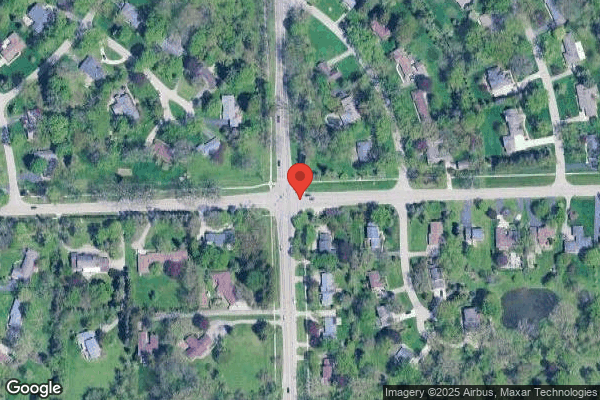
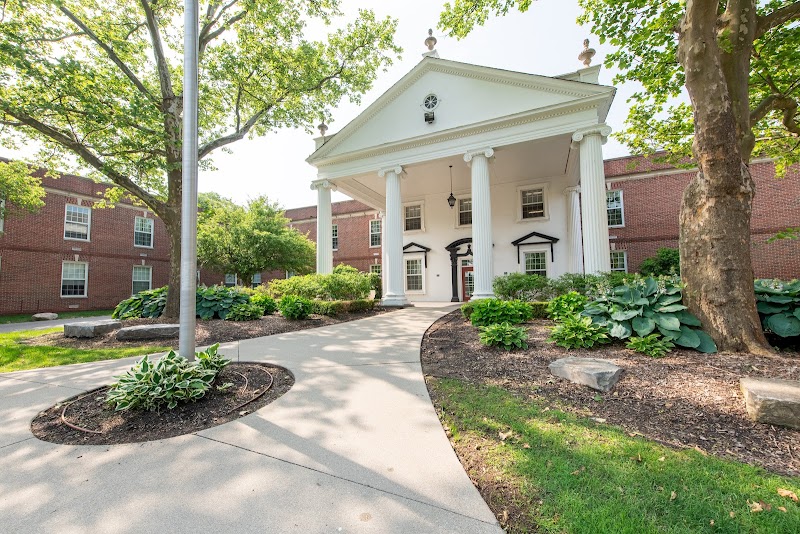
2975 N Adams Road, Bloomfield Hills, MI 48304 (248) 986-4546
For profit - Limited Liability company 159 Beds SKLD Data: November 2025
Trust Grade
10/100
#399 of 422 in MI
Last Inspection: October 2024

Within standard 12-15 month inspection cycle. Federal law requires annual inspections.

Overview

Optalis Health & Rehabilitation of Bloomfield Hill has received a Trust Grade of F, indicating significant concerns and overall poor quality. It ranks #399 out of 422 facilities in Michigan, placing it in the bottom half of state options, and #35 out of 43 in Oakland County, suggesting only a few local options are better. The facility is showing improvement, with the number of issues decreasing from 34 in 2024 to 10 in 2025. Staffing is a relative strength with a rating of 4 out of 5 stars, but staff turnover is average at 50%. However, the facility has incurred $45,935 in fines and has been cited for serious issues, including failing to administer critical medications, leading to hospitalizations, and incidents of resident-to-resident physical abuse, which raise significant concerns about the quality of care.
Trust Score
F
10/100
In Michigan
#399/422
Bottom 6%
Safety Record
High Risk
Review needed
Inspections
Getting Better
34 → 10 violations
Staff Stability
⚠ Watch
50% turnover. Above average. Higher turnover means staff may not know residents' routines.
Penalties
✓ Good
$45,935 in fines. Lower than most Michigan facilities. Relatively clean record.
Skilled Nurses
○ Average
Each resident gets 38 minutes of Registered Nurse (RN) attention daily — about average for Michigan. RNs are the most trained staff who monitor for health changes.
Violations
⚠ Watch
87 deficiencies on record. Higher than average. Multiple issues found across inspections.
★☆☆☆☆
1.0
Overall Rating
★★★★☆
4.0
Staff Levels
★★★☆☆
3.0
Care Quality
★☆☆☆☆
1.0
Inspection Score
Stable
2024: 34 issues
2025: 10 issues

The Good

  • 4-Star Staffing Rating · Above-average nurse staffing levels
  • Full Sprinkler Coverage · Fire safety systems throughout facility
  • No fines on record

Facility shows strength in staffing levels, fire safety.

The Bad

1-Star Overall Rating

Below Michigan average (3.1)

Significant quality concerns identified by CMS

Staff Turnover: 50%

Near Michigan avg (46%)

Higher turnover may affect care consistency

Federal Fines: $45,935

Above median ($33,413)

Moderate penalties - review what triggered them

Chain: SKLD

Part of a multi-facility chain

Ask about local staffing decisions and management

The Ugly 87 deficiencies on record

5 actual harm
Sept 2025 5 deficiencies
CONCERN (D) 📢 Someone Reported This

A family member, employee, or ombudsman was alarmed enough to file a formal complaint

Potential for Harm - no one hurt, but risky conditions existed

Deficiency F0573 (Tag F0573)

Could have caused harm · This affected 1 resident

**NOTE- TERMS IN BRACKETS HAVE BEEN EDITED TO PROTECT CONFIDENTIALITY** This citation pertains to Complaint #1191844.Based on interview and record review, the facility failed to provide access or copi...

Read full inspector narrative →
**NOTE- TERMS IN BRACKETS HAVE BEEN EDITED TO PROTECT CONFIDENTIALITY** This citation pertains to Complaint #1191844.Based on interview and record review, the facility failed to provide access or copies of the resident's medical records to the resident representative within the required timeframe for one (R705) of two residents reviewed for access to medical records. Findings include:A review of a complaint submitted to the State Agency in May 2025, revealed an allegation that the resident representative had been waiting to receive R705's medical records for two months. It was documented the resident representative requested the most recent care plan, physical therapy and occupational therapy notes, medication lists, and the last three Kardex (the resident's care guide). It was alleged the resident representative was verbally told by the Administrator that he would follow up regarding the medical records, but there was no follow-up. A review of a Grievance and Satisfaction Form dated 5/20/25 revealed the former Administrator (Administrator 'H') received a grievance regarding R705 from R705's resident representative (RR 'J'). The grievance included an attached email sent to Administrator 'H' by RR 'J' on 5/20/25, that documented, .We have additionally been waiting two months for requested medical records to review. We will not schedule another care conference until we are provided the medical records requested .we are still waiting on a medical records request including previous care plans/Kardex, medication list, and OT (occupational therapy)/PT (physical therapy) notes for over two months, because at this time the wait time with no follow up is ridiculous. There was a handwritten note by the facility on that page that documented, Refused care conference until med records released. has not signed a release of med records. The following was documented in the Investigation section of the grievance form, Spoke with resident daughter (RR 'J') on 5/20 she refused to come in and sign medical records request form. Form was scanned over by assistant administrator. Resident daughter to complete and scan back to Administrator .A review of R705's clinical record revealed R705 was admitted into the facility on 6/2/20 and readmitted on [DATE] with diagnoses that included: dementia. A review of a Minimum Data Set (MDS) assessment dated [DATE] revealed R705 had severely impaired cognition. It was documented RR 'J' was designated as R705's medical decision maker. A review of a Social Work progress note dated 5/18/25 revealed, .Family member expressed that she will not agree to schedule a care conference until she receives certain documents from (facility name) staff; administrator notified of this concern .A review of a COMMUNICATION progress note dated 5/20/25, written by the current Administrator (Administrator 'I') who was the Assistant Administrator at the time of the progress note, revealed, Spoke with (RR 'J') on phone regarding concerns - med records, offered to have a form at the front desk for her available to sign release of medical records but she declined for today says she prefers only scanned but will try to be available to pick it up .On 9/17/25 at 8:22 AM, a facility policy regarding obtaining medical records was requested from Administrator 'I'.A review of a facility policy titled, Release of Health Information, dated 5/1/22, revealed, in part, the following, .a patient or his or her authorized representative has the right to examine or obtain the patient's Health Record. Health Information Management/Medical Record Department will .Make the Health Record available for inspection or copying, or both, at the facility's business location during regular business hours or provide a copy of all or part of the Health Record, as requested by the resident or his or her authorized representative .Per Federal regulations, residents will have access to their Health Records within 24 hours of request, during normal business hours .On 9/17/25 at 9:10 AM, an interview was conducted with Administrator 'I'. When queried about what was going on with R705's medical records being provided to RR 'J', Administrator 'I' reported she was required to sign a form and refused to do so, per the grievance form from 5/20/25. Administrator 'I' reported RR 'J' did eventually receive the medical records she requested. When queried about the time frame between when RR 'J' first requested the medical records and when she actually received them, Administrator 'I' did not know. On 9/17/25 at 9:49 AM, an interview was conducted with Medical Records Staff (MR 'E'). MR 'E' reported she had not received any requests to provide medical records to RR 'J' regarding R705. On 9/17/25 at 10:59 AM, it was confirmed via email with RR 'J' that the facility provided on 6/5/25. RR 'J' reported they asked for R705's medication list on 3/7/25. RR 'J' was told by Administrator 'H' that MR 'E' was out on 3/7/25 but would be back that Monday (3/10/25) and would ensure they received a copy of the most recent medication list. RR 'J' said that did not happen. Nothing was received until 6/5/25. On 9/17/25 at 3:03 PM, Administrator 'I' reported she spoke with RR 'J' on that day and was informed she received R705's medical records in June 2025.
CONCERN (D) 📢 Someone Reported This

A family member, employee, or ombudsman was alarmed enough to file a formal complaint

Potential for Harm - no one hurt, but risky conditions existed

Quality of Care (Tag F0684)

Could have caused harm · This affected 1 resident

**NOTE- TERMS IN BRACKETS HAVE BEEN EDITED TO PROTECT CONFIDENTIALITY** This citation pertains to intake #'s 1191435 and 1191855. Based on observation, interview and record review, the facility failed...

Read full inspector narrative →
**NOTE- TERMS IN BRACKETS HAVE BEEN EDITED TO PROTECT CONFIDENTIALITY** This citation pertains to intake #'s 1191435 and 1191855. Based on observation, interview and record review, the facility failed to ensure medications were available for administration and arrange a dermatology consultation per the Physician's order for two residents (R701 and R703) of two residents reviewed for Physican orders/Medications. Findings include:R701 Clinical record review revealed R701 had a medical diagnosis including diabetes, morbid obesity, heart disease, seborrheic dermatitis (chronic inflammatory skin condition), and schizoaffective disorder, bipolar type (bouts of hypomania, mania, and depression) On 9/16/25 at 9:30 AM, during an interview, R701 confirmed they had chronic dermatology concerns and had informed the Providers and Nurses at the facility for the last few months requests to be seen by a Dermatologist (doctor that specializes in the treatment of skin disorders). Clinical record review revealed on 7/22/2025 at 11:16 AM, Nurse Practitioner (NP) “G” ordered R701 to be consulted by a specific named Doctor of Dermatology to address abdominal folds, groin, and scalp. The order was confirmed by Nursing on 7/22/25 at 11:37 AM. On 9/17/25 at 1:53 PM, the facility Medical Records/Unit Clerk Scheduler “E” was interviewed and asked to provide a list of scheduled consults for R701. After reviewing the medical record calendar, MR “E” was unable to retrieve confirmation of the ordered 7/22/25 Dermatology consult being entered. MR “E” replied it was not scheduled yet because they wanted R701 to be seen by Urology first. When asked if they were instructed not to schedule the Dermatology from July, and who made that decision, MR “E” replied no one instructed them. MR “E” was then observed retrieving a stack of papers off their desk. After filtering through the pile, the Dermatology order was printed off and highlighted in orange marker. MR “E” openly admitted “I just didn't do it” On 9/17/25 at 2:24 PM, NP “G” was contacted and when asked if they were aware of R701 being consulted by Dermatology from their orders on 7/22/25, NP “G” could not recall if they were scheduled. Per NP “G” they send an email to the Medical Records scheduler confirming appointments. NP “G” then took a moment to retrieve their emails and confirmed they did not see R701 on their follow list up list. On 9/17/25 around 3:30 PM, The NHA and Regional Clinical Director “M” were informed of the orders for R701 from July 2025 to see a Dermatologist were never scheduled and R701 is still having skin concerns. R703 On 9/16/25 a complaint submitted to the State Agency was reviewed which alleged R703 was not administered multiple medications for multiple days after they had been readmitted to the facility from the hospital. On 9/16/25 at approximately 10:51 a.m., R703 was observed in their room, laying in their bed. R703 was queried regarding their care and they reported they had issues with mediations being available when they got back from the hospital in June. R703 reported they went days without getting their medications. On 9/16/25 the medical record for R703 was reviewed and revealed the following: R703 was initially admitted to the facility on [DATE] and had diagnoses including Protein-Calorie Malnutrition and Autistic disorder. A review of R703's MDS (minimum data set) with an ARD (assessment reference date) of 8/21/25 revealed R703 needed supervision from facility staff with their activities of daily living. R703's BIMS score (brief interview of mental status) was 15 indicating intact cognition. A progress note dated 6/23/25 revealed the following: pt (patient) alert, vs (vital signs) stable, came from hospital via emt (Emergency Medical Technician) at 6.20 pm. Dr (Doctor) notified. Per her request pharmacy was notified to call the dr for narcotics verbal orders at 8pm Night shift nurse notified to follow up in 30minutes with the pharm (pharmacy). admission endorsed to night shift; meds (medications), assessments, CarePlan etc . A review of R703's EMAR (electronic medication administration record) progress notes revealed the following medications that were not available to be administered: 6/24/2025 at 08:02 (military time)-Dicyclomine HCl Oral Solution 10 MG/5ML(milligrams/milliliters) .related to Gastroparesis-awaiting meds from pharmacy. 6/24/2025at 08:03-Zinc Oxide External Paste 40 % .for Rash-awaiting meds from pharmacy. 6/24/2025 at 08:03- cloBAZam Oral Suspension 2.5 MG/ML .for Seizure-awaiting meds from pharmacy. 6/24/2025 at 08:03-Lacosamide Oral Solution 10 MG/ML for Seizure-awaiting meds from pharmacy. 6/24/2025 at 08:04-Neomy-Bacit-Polymyx-Pramoxine External Ointment 1 % for Rash-awaiting meds from pharmacy. 6/24/2025 at 08:04-Gabapentin Oral Solution 250 MG/5ML for Pain-awaiting meds from pharmacy. 6/24/2025 at 08:04-LaMICtal Tablet 100 MG related to Conversion disorder with seizures or convulsions-awaiting meds from pharmacy. 6/24/2025 at 10:15-Lovenox Injection Solution Prefilled Syringe 120 MG/0.8ML related to Personal history of pulmonary embolism-on order. 6/24/2025 at 12:16-Neomy-Bacit-Polymyx-Pramoxine External Ointment 1 %-for Rash. 6/24/2025 at 12:20-Zinc Oxide External Paste 40 % for Rash-On order. 6/24/2025 at 21:48-Propranolol HCl Oral Tablet 20 MG for Htn (Hypertension)-On order. 6/24/2025 at 21:49-busPIRone HCl Oral Tablet 10 MG related to Attention-Deficit hyperactivity disorder-On order, no access to pyxis (backup supply). 6/24/2025 at 21:49-Dantrolene Sodium Oral Capsule 25 MG related to Epilepsy-On order. 6/25/2025 at 06:27-busPIRone HCl Oral Tablet 10 MG-On order. 6/25/2025 at 06:28-Dantrolene Sodium Oral Capsule 25 MG-On order. 6/25/2025 at 06:32-Neomy-Bacit-Polymyx-Pramoxine External Ointment 1 %-On order. 6/25/2025 at 10:50-Propranolol HCl Oral Tablet 20 MG-Med not available, NP (Nurse Practitioner) notified, pharm notified to deliver the meds. 6/25/2025 at 15:12-busPIRone HCl Oral Tablet 10 MG-n/a (not available) at this time. 6/25/2025 at 15:13-Dantrolene Sodium Oral Capsule 25 MG-n/a at this time, pharm aware, NP aware. 6/25/2025 at 18:07-PriLOSEC OTC Oral Tablet Delayed Release 20 MG-n/a reordered. 6/25/2025 at 18:07-Neomy-Bacit-Polymyx-Pramoxine External Ointment 1%-n/a. 6/25/2025 at 18:08-Zinc Oxide External Paste 40 %-n/a reordered. 6/25/2025 at 21:53-busPIRone HCl Oral Tablet 10 MG-awaiting supply. 6/25/2025 at 21:53-Dantrolene Sodium Oral Capsule 25 MG-awaiting supply. 6/26/2025 at 07:55-Neomy-Bacit-Polymyx-Pramoxine External Ointment 1 %-Awaiting supply. 6/28/2025 at 06:29-Neomy-Bacit-Polymyx-Pramoxine External Ointment 1 %-Awaiting pharmacy. 7/20/2025 at 23:35-Change PICC (Peripherally Inserted Central Catheter) Line Dressing (location):Left arm-Not a PICC changing drsg (dressing) available from pharmacy during shift 7/29/2025 at 23:07-Gabapentin Oral Solution 250 MG/5ML-Awaiting pharmacy. 7/30/20250 at 6:51-Gabapentin Oral Solution 250 MG/5ML-Awaiting pharmacy. 8/16/20250 at 6:40-Dicyclomine HCl Oral Solution 20 MG/10ML-Awaiting Pharmacy. 8/16/2025 at 12:20-Dicyclomine HCl Oral Solution 20 MG/10ML-On order. 8/22/2025 at 06:56-Gabapentin Oral Solution 250 MG/5ML-medication not available, Pharmacy stated medication is not due for refill until tomorrow. Will notify MD (medical doctor). 8/22/2025 at 13:19-on order. A review of R703's June 2025 MAR (Medication Administration Record) revealed the following medications that were not administered: Lovenox Injection Solution Prefilled Syringe 120 MG/0.8ML (Enoxaparin Sodium)-Inject 0.74 ml subcutaneously one time a day related to PERSONAL HISTORY OFPULMONARY EMBOLISM-6/24 (1000) dose, cloBAZam Oral Suspension 2.5 MG/ML (Clobazam) Give 8 ml via J-Tube every 12 hours for seizure-6/23 (2100) dose. Lacosamide Oral Solution 10 MG/ML (Lacosamide) Give 5 ml by mouth every 12 hours for seizure-6/23 (2100) dose. LaMICtal Tablet 100 MG (LamoTRIgine) Give 1 tablet by mouth two times a day related to CONVERSION DISORDER WITH SEIZURES OR CONVULSIONS-6/24 (0600) dose. PriLOSEC OTC Oral Tablet Delayed Release 20 MG (Omeprazole Magnesium) Give 1 tablet via PEG-Tube two times a day related to GASTRO ESOPHAGEAL REFLUX DISEASE WITHOUT ESOPHAGITIS-6/25 (1700) dose. busPIRone HCl Oral Tablet 10 MG (Buspirone HCl) Give 1 tablet via J-Tube every 8 hours related to ATTENTION-DEFICIT HYPERACTIVITY DISORDER, UNSPECIFIED TYPE-6/24 (2200) dose, 6/25 (0600) dose, (1400) dose, (2200) dose. Dantrolene Sodium Oral Capsule 25 MG (Dantrolene Sodium) Give 1 capsule via J-Tube every 8 hours related to EPILEPSY, UNSPECIFIED,NOT INTRACTABLE, WITHOUT STATUS EPILEPTICUS-6/24 (2200) dose, 6/25 (0600) dose, (1400) dose, (2200) dose. Gabapentin Oral Solution 250 MG/5ML (Gabapentin) Give 2 ml via PEG-Tube every 8 hours for pain-6/24 (0600) dose. Neomy-Bacit-Polymyx-Pramoxine External Ointment 1 % (Neomycin-Bacitracin-Polymyxin-Pramoxine) Apply to peg site topically three times a day for rash-6/24 (0600) dose, (1300) dose, (1700) dose, 6/25 (0600) dose, (1700) dose, 6/26 (0600) dose, (1300) dose, (1700) dose, 6/28 (0600) dose, (1300) dose, (1700) dose, 6/29 (0600) dose, (1300) dose, Dicyclomine HCl Oral Solution 10MG/5ML (Dicyclomine HCl) Give 10 ml via PEG-Tube every 6 hours related to GASTROPARESIS-6/24 (0600) dose. Zinc Oxide External Paste 40 % (ZincOxide (Topical)) Apply to peg site topically four times a day for rash-6/24 (0600) dose, (1300) dose, 6/25 (1700) dose. On 9/17/25 at approximately 10:13 a.m., during a conversation with the Director of Nursing (DON), The DON was queried regarding R703's not receiving their medications for multiple days after they were readmitted from the hospital on 6/23/25. The DON reported the Nursing staff have a process that should be followed to ensure medications are available for the next ordered administration times including utilizing the backup supply, and the drop ship method (a faster option to get medications delivered). The DON was queried regarding regular supply reordering of medications and they reported that the Nursing staff should be reordering medications two-three days before a resident runs out to ensure an uninterrupted supply is maintained. The DON was queried if residents should have their medications administered as ordered and they indicated that they should. The DON reported the facility had recently switched to a new pharmacy to try to ensure medications were available to be administered.
CONCERN (D) 📢 Someone Reported This

A family member, employee, or ombudsman was alarmed enough to file a formal complaint

Potential for Harm - no one hurt, but risky conditions existed

Deficiency F0745 (Tag F0745)

Could have caused harm · This affected 1 resident

**NOTE- TERMS IN BRACKETS HAVE BEEN EDITED TO PROTECT CONFIDENTIALITY** This citation pertains to Complaint #1191844.Based on interview and record review, the facility failed to provide medically rela...

Read full inspector narrative →
**NOTE- TERMS IN BRACKETS HAVE BEEN EDITED TO PROTECT CONFIDENTIALITY** This citation pertains to Complaint #1191844.Based on interview and record review, the facility failed to provide medically related social services related to obtaining consent for psychotropic medication use and coordination of psychiatric services for one (R705) of four residents reviewed for medications. Findings include:A review of a complaint submitted to State Agency revealed allegations that the resident representative requested multiple times that Physician 'K' not be assigned to evaluate or change medications orders for R705 due to changing the resident's antipsychotic medication (Seroquel) order without consent of the resident representative (RR 'J'). It was alleged on 8/17/25, nursing staff contacted R705's resident representative and notified them that he was more verbally combative and attempted to hit staff. On 8/20/25, the Director of Nursing (DON) called to report a change in condition with exacerbated behaviors. A behavioral health evaluation and medication review was requested due to R705 missing dialysis on 8/17/25. The DON notified the resident representative that Physician 'K' changed R705's Seroquel order without consent of the resident representative on 8/7/25 which caused the change in condition (behaviors). A review of R705's clinical record revealed R705 was admitted into the facility on 6/2/20 and readmitted on [DATE] with diagnoses that included: dementia, paranoid schizophrenia, and anxiety disorder. A review of a Minimum Data Set (MDS) assessment dated [DATE] revealed R705 had severely impaired cognition, behaviors, and took antipsychotic medications. It was documented RR 'J' was designated as R705's medical decision maker. A review of R705's Physician's Orders for Seroquel revealed the following:From 3/25/25 until 8/7/25, R705 was prescribed 25 milligrams (MG) of Seroquel every 12 hours for paranoid schizophrenia.On 8/7/25, the Seroquel order was changed to 12.5 MG (25 MG tablet give 0.5 tablet) at bedtime (QHS) and 25 MG in the morning. On 8/22/25, the 12.5 MG dose was discontinued, and 25 MG of Seroquel was ordered to be given at bedtime. A review of R705's progress notes revealed no notes that documented any reason for the reduction in the bedtime dose of Seroquel to 12.5 MG or that R705's resident representative was contacted regarding the dosage change. A review of a Nursing progress note dated 8/18/25 revealed, R705 was agitated during dialysis, and they could not start dialysis, and resident was sent back to facility.A review of a Nursing progress note dated 8/20/25, written by the DON, revealed, Writer spoke with resident's daughter regarding recent increased behavioral issues during transportation to and from dialysis. Discussed potential interventions to help keep the resident calm during these times .Medications were also reviewed with the daughter, including the current regimen and any recent changes. Daughter verbalized a misunderstanding psych to review meds and contact daughter for medication review; psychiatric evaluation was ordered. Behavior monitoring has been initiated for 7 days .A review of a Nursing progress note dated 8/21/25 at 7:41 AM revealed, .Resident heard yelling intermittently on and off during the night .stating that writer should leave him alone and he does not need anything .A review of a Nursing progress note dated 8/22/25 revealed, .(RR 'J') arrived on pm shift stated that she requested for Seroquel dose for HS to be changed from 12.5 mg to 25 mg qhs per her discussion with nursing leadership team 2 days ago .Writer called on call NP (Nurse Practitioner), order received .to change seroquel order from 12.5 mg to 25 mg .A review of a Social Work progress note dated 8/25/25 revealed, (Physician 'K') notified pt (patient) is no longer on her caseload, per family request. A review of a Social Work progress note dated 8/25/25 revealed the social worker contacted RR 'J' following a medication change without her consent.Further review of R705's progress notes revealed no psychiatry visits since 12/5/24. R705 was admitted to the hospital on [DATE] until 3/24/25 and was readmitted on Seroquel 25 MG twice times a day. There were no documented medication reviews by a psychiatry practitioner after readmission. A review of a Physician progress note dated 8/27/25 revealed, .Spoke with the patient's daughter yesterday considering .his agitation while being on Seroquel 12.5 (MG). Currently his Seroquel is 25 MG, psychiatry not on the case anymore. Today I discussed with social worker as well as nursing manager concerning patient's behaviors .we will continue 25 MG .On 9/17/25 at approximately 12:40 PM, an interview was conducted with the DON and the Administrator. When queried about the process for monitoring residents on psychotropic medications, the DON reported residents on psychotropic medications were referred to the psychiatrist. The DON reported the resident, or the resident representative gave consent for the mental health services and the behavioral health team or nursing was required to update and obtain consent from the resident representatives if changes were made or behaviors increased. When queried about why R705 was not seen by a psychiatry practitioner since 12/5/24, the DON reported RR 'J' refused services with Physician 'K' who was the facility's contracted psychiatrist. The DON further explained there is a psychiatric NP who came on Mondays, but R705 was at dialysis during the time she came so he was not seen. When queried about what was done to try to accommodate R705's schedule and the wishes for Physician 'K' not to see R705, the DON reported the social services department was responsible to coordinate that. When queried about what the family's concern was regarding the Seroquel dose adjustment on 8/7/25, the DON reported family was upset about the adjustment and social services was told to follow up with psychiatry services.On 9/17/25 at 12:52 PM, an interview was conducted with Social [NAME] Director, Social Worker (SW) 'L'. When queried about why R705 had not been seen by a psychiatry practitioner since 12/5/24, SW 'L' reported family did not want Physician 'K' to see him and the Psychiatric NP came on a day R705 was at dialysis, so he was always missed. SW 'L' reported they just put virtual visits in place. When queried about when those occurred, SW 'L' reported they had not yet happened. When queried about why R705's Seroquel dose was reduced on 8/7/25 to 12.5 MG at bedtime, who changed the order, and whether consent was obtained from RR 'J', SW 'L' reported she would look into it.On 9/17/25 at 3:10 PM, SW 'L' followed up and reported Physician 'K' saw R705 on 8/6/25 and provided a printed-out consultation. SW 'L' reported the facility did not have the consultation on file in the medication record and that they just obtained it from Physician 'K'. SW 'L' reported it was not until 8/25/25 that RR 'J' requested that Physician 'K' did not see R705 any longer. SW 'L' did not provide an explanation of why R705 was not seen by a psychiatry practitioner between 12/5/24 and 8/6/25 and confirmed no conversation was had with RR 'J' regarding the reduction in dose of Seroquel on 8/7/25 and consent was not given. A review of the consultation provided indicated Physician 'K' signed the document on 9/17/25 at 3:04 PM, six minutes prior to SW 'L' providing the document. A review of a facility policy titled, Psychotropic Medication Use, revised 4/18/25, revealed, in part, the following, .Informed consent .For any resident taking a psychotropic mediation, The Social Service employee .will obtain informed consent from the resident and/or authorized representative .The Social Service employee .will review the medication prescribed, dosage, side effects, and risks versus benefits of the medication .A review of a facility policy titled, Social Services, revised 3/10/25, revealed, in part, the following, .The social worker .tasks include but are not limited to .Providing or arranging psychiatric or counseling services .
CONCERN (D) 📢 Someone Reported This

A family member, employee, or ombudsman was alarmed enough to file a formal complaint

Potential for Harm - no one hurt, but risky conditions existed

Dental Services (Tag F0791)

Could have caused harm · This affected 1 resident

This citation pertains to Intake 1191435Based on interview and record review the facility failed to obtain requested and ordered services to be seen by an Oral Surgeon for two surgical teeth extractio...

Read full inspector narrative →
This citation pertains to Intake 1191435Based on interview and record review the facility failed to obtain requested and ordered services to be seen by an Oral Surgeon for two surgical teeth extractions to meet a needed escalation of dental care for one resident (R701) of one reviewed for dental services. Findings include:Clinical record review revealed R701 had a medical diagnosis including diabetes, morbid obesity, heart disease, seborrheic dermatitis (chronic inflammatory skin condition), and schizoaffective disorder, bipolar type (bouts of hypomania, mania, and depression)On 9/16/25 at 9:30 AM, during an interview , R701 stated they had two molars that need to be removed but the facility never followed through setting up an appointment.Requested medical records for R701 from March 2025 were reviewed and revealed on 3/5/2025 R701 was seen at bedside by a Dentist related to tooth pain in their lower right side. Treatment notes documented R701 had severely decayed teeth #30, #31 (Tooth number 30 is the lower right first molar; Tooth number 31 is the lower right second molar.) and R701 would need surgical extractions with sedation due to their agitation.Action Required by Nursing Home Staff.Refer to oral surgeon for extraction #30, #31. The Dental Provider further documented rewrote orders today (3/5/2025), spoke to the floor Nurse, and gave prescription for Clindamycin (antibiotic).Further record review revealed the Nurse who ordered the Clindamycin on 3/5/25 was the current Director of Nursing (DON) and on 9/17/25 around 3:00 PM was questioned why R701 was not referred to an Oral Surgeon as ordered. The DON recalled R701 being sent to the hospital on 3/6/25 and could not confirm nor deny why the orders were not followed through or documentation of not being sent upon his readmission to the facility on 3/20/2025.Review of the facility policy titled Dental Services dated 4/2019 documented.Referrals to dietician, speech therapist, physician, or dental provider shall be made as appropriate.The facility will, if necessary or requested, assist the resident with making dental appointments and arranging transportation to and from the dental services location.All actions and information regarding dental services, including any delays related to obtaining dental services, will be documented in the resident's medical record.
CONCERN (E) 📢 Someone Reported This

A family member, employee, or ombudsman was alarmed enough to file a formal complaint

Potential for Harm - no one hurt, but risky conditions existed

Safe Environment (Tag F0584)

Could have caused harm · This affected multiple residents

**NOTE- TERMS IN BRACKETS HAVE BEEN EDITED TO PROTECT CONFIDENTIALITY** This citation pertains to Intake 2564545Based on observation and interview, the facility failed to provide a sanitary homelike e...

Read full inspector narrative →
**NOTE- TERMS IN BRACKETS HAVE BEEN EDITED TO PROTECT CONFIDENTIALITY** This citation pertains to Intake 2564545Based on observation and interview, the facility failed to provide a sanitary homelike environment among the first and second floor residential common areas including the second-floor dining rooms, first floor community room, and first floor residential community shower room, resulting in an unkempt environment and potential for resident dissatisfaction with their living conditions and failure to maintain a clean healthcare environment.Findings include: On 7/14/25, the State Agency received a complaint alleging the facility is not maintaining a clean environment.During an initial environmental tour of the facility on 9/16/25 at 12:30 PM, the Two-West dining room was observed and revealed areas of beige colored dried substances spillage incorporated into the carpeting entering the room and near two front resident dining tables. Food crumbs and debris were noted amongst the entire dining room including the entire perimeter of floor, under dining tables and chairs, windows, and cabinets.The front corner of room was observed storing a Vacuum cleaner, two dirty dust pans, and two brooms. Next to these items, on the floor, was a camouflage baseball cap, one blue colored seat cushion pad, food wrappers, and lifted unglued blue pieces of carpet.An unlocked beige colored cabinet on the wall next to the entry revealed an unzipped larger sized black purse imprinted with G's, next to a pink rubber handle tote bag containing what appeared to be personal items. The shelf above the purses revealed a white Tupperware container with a green colored see through lid containing French fries and another unrecognizable food substance along with a half full bottled of juice in the back corner.A large dark colored credenza on the back wall was opened and revealed a half open can of Celsius (energy drink), pillowcases, used napkins, straw wrappers, blue medical mask, and moderate amounts dust and debris were observed throughout.On 9/16/25 at 12:43 PM, the Nursing Home Administrator (NHA) was requested and observed the findings in the Two-West dining room and recognized the concerns and confirmed the cabinets with locks should be locked. Purses, totes and backpacks should not be stored in the cabinets, and old food, partially consumed, should not be stored in the cabinets.On 9/16/25 at 1:00 PM, the Two-East dining room was observed and revealed an unlocked beige colored cabinet on the wall containing an empty aquarium revealed storage of a black backpack, balled up linen, and a plastic fork with an unknown black substance on the tings, and a used Styrofoam cup with a lid and a straw. The bases of all the cabinets were unkempt and observed with moderate amounts of dried spillage.The cabinet faces and handles of the kitchen area with stove was also observed having liquid spillage and dried food matter, and countertops appeared unkempt.The entire dining room was observed and revealed areas of beige colored dried substances spillage incorporated into the carpeting entering the room amongst resident dining tables. Food crumbs and debris were noted amongst the entire dining room including the entire perimeter of floor, under dining tables and chairs, windows, and cabinets. Noted insect webs were observed in the corners of the room and spiders were observed crawling amongst webs in the back right corner.Second floor common hallways were observed throughout the morning and afternoon and moderate amounts of debris, spills and the overall appearance of the flooring were unkempt. The common hallway in front of room [ROOM NUMBER] was observed with moderate dark colored sticky appearance smudging noted in front of a portable Personal Protective Equipment (PPE) cabinet. The common area windowsill next to room [ROOM NUMBER] revealed a used napkin/tissue and food wrapper on sill.On 9/17/25 at 9:40 AM, the first-floor community shower room was accessed by Certified Nurse Assistant (CNA) C and confirmed is operational and used by the residents. Upon entering, a blue and white shower bed was observed with two bags of white colored linens, a crumbled Hoyer lift tarp, and package of opened disposable bathing wipes. When asked, CNA C could not confirm whether the bagged linen was clean or dirty and was observed removing from the room. The entire floor of the shower room was observed with dark soiled matter throughout. The drain located under the shower bed was observed with two large piles of human hair, broken plastic razor caps, and small antlike insects actively crawling under shower bed. The shower bed middle wheel was observed tangled with large amounts of human hair. The pink and white shower chair was observed storing 6 bottles of half used shower gels. The pink bathing seat was observed with black film discoloration in the creases and seams of the seat.On 9/17/25 around 9:45 AM, the community room on the first floor where the vending machines are stored, was confirmed by the NHA as a room open to the residents, staff, and visitors, revealed unlocked cabinets storing Personal Protective Equipment (PPE), including boxes of facemasks and gowns. A full box of opened 3-millimeter (ml) hypodermic syringes were also observed under the kitchen cabinets. One coffee end table was opened and contained an empty used juice bottle and storing electrical equipment. A second coffee end table was opened and revealed moderate amounts of orange cracker crumbs and a white toothbrush. Food crumbs and debris were noted amongst the entire carpeted room including the entire perimeter of floor, under tables and chairs, windows, and cabinets.On 9/17/25 around 10:00 AM, The Administrator and Housekeeping Director D were requested and toured the facility areas and acknowledged the areas in question were unkempt.
Mar 2025 5 deficiencies
CONCERN (D) 📢 Someone Reported This

A family member, employee, or ombudsman was alarmed enough to file a formal complaint

Potential for Harm - no one hurt, but risky conditions existed

Notification of Changes (Tag F0580)

Could have caused harm · This affected 1 resident

This citation pertains to intake #MI00150014 Based on interview and record review the facility failed to notify the responsible party of a change of antipsychotic medication dosage for one resident (...

Read full inspector narrative →
This citation pertains to intake #MI00150014 Based on interview and record review the facility failed to notify the responsible party of a change of antipsychotic medication dosage for one resident (R801) of three residents reviewed for notification of changes resulting in complaints they were not informed of the resident's plan of care. Findings include: A complaint received by the State Agency alleged the responsible party is not notified for changes in the resident's condition. On 3/19/25 at 12:00 PM, a review of a facility provided document titled, Grievance and Satisfaction form dated 3/10/25 for R801 was reviewed and indicated their responsible party contacted the facility's Administrator with concerns regarding a medication increase without their knowledge. The form read, .Resident daughter says her and family are upset at this change that happened in December . The section on the form titled, Resolution was reviewed and read, (Psychiatric Service Provider) called to apologize for not notifying the resident daughter of this change . A review of Dr. 'B's psychiatric service note dated 12/5/24 was reviewed and read, .CURRENT MEDICATIONS Seroquel (antipsychotic medication) 25 mg (milligram) tablet (Take 1.5 tablet(s) by oral route, 2 times per day) . ASSESSMENT AND PLAN .Will increase seroquel to 50mg BID (twice daily) for mood instability and psychosis . The note entered by Dr. 'B' did not indicate they informed the resident's responsible party of the increase in the dosage of the Seroquel medication. A review of R801's Social Services Progress notes was also conducted and revealed no evidence the responsible party had been notified of the medication change that occurred in December 2024. Review of Social Services Progress notes further revealed the last note entered into the record for R801 was dated 8/14/24. On 3/20/25 at 9:30 AM, an interview was conducted with the facility's Assistant Administrator regarding the notification of the medication change for R801. They said they thought Social Work informed the family of the change at the time (December 2024). During the interview the facility provided grievance form was shared with the Assistant Administrator that documented neither the Psychiatric Service Provider, nor the facility's Social Services Department contacted the responsible party until they filed the grievance on 3/10/25. A review of a facility provided document titled, Resident Rights Subject: Informing Residents of Health, Medical Conditions and Treatment Options was conducted, and read, 1. Each resident admitted to our facility will be informed of his/her total health status and medical condition .3. The person informing the resident/representative of his or her medical condition will present such information in a format, language and cultural context that the resident/representative can understand .
CONCERN (D) 📢 Someone Reported This

A family member, employee, or ombudsman was alarmed enough to file a formal complaint

Potential for Harm - no one hurt, but risky conditions existed

Deficiency F0657 (Tag F0657)

Could have caused harm · This affected 1 resident

This citation pertains to intake #MI00150014 Based on interview and record review the facility failed to ensure care conferences were coordinated with the inclusion of their responsible party for one ...

Read full inspector narrative →
This citation pertains to intake #MI00150014 Based on interview and record review the facility failed to ensure care conferences were coordinated with the inclusion of their responsible party for one resident (R801) of three residents reviewed for care conferences resulting in complaints of not being informed of the resident's plan of care. Findings include: A complaint received by the State Agency alleged the resident's responsible party was not notified or included in care conferences. On 3/19/25 at 2:10 PM, an interview was conducted with Social Worker 'C' regarding documentation of care conferences. They said when a care conference occurred the Social Work Department would enter a progress note into the record. On 3/19/25 at 2:13 PM, a review of R801's Social Services Progress notes was conducted and revealed the last documented note making any mention of a care conference was dated 5/24/24. A review of R801's assessments was also conducted and revealed no evidence of care conferences. On 3/20/25 at 9:20 AM, the facility was requested to provide any documented evidence of R801's care conferences, however; no documentation was provided by the end of the survey. A review of a facility provided document titled Best Practice Care Conference UDA (User Defined Assessment) Utilization was reviewed and read, Care Conferences will be scheduled within the facility based on the following timeframes: .Quarterly based on MDS (Minimum Data Set) schedule .invitations will be provided to patient and/or responsible party .During meeting the following will occur: .All persons in attendance will be documented on the UDA, including notification and attendance of patient and patient representative. Each team member will document a summarization of areas reviewed and discussed during care conference on UDA form .All documentation is expected to be completed timely either during or directly after care conference .
CONCERN (D) 📢 Someone Reported This

A family member, employee, or ombudsman was alarmed enough to file a formal complaint

Potential for Harm - no one hurt, but risky conditions existed

Accident Prevention (Tag F0689)

Could have caused harm · This affected 1 resident

**NOTE- TERMS IN BRACKETS HAVE BEEN EDITED TO PROTECT CONFIDENTIALITY** This citation pertains to intake #'s MI00150014, MI00150295 Based on observation, interview, and record review facility failed t...

Read full inspector narrative →
**NOTE- TERMS IN BRACKETS HAVE BEEN EDITED TO PROTECT CONFIDENTIALITY** This citation pertains to intake #'s MI00150014, MI00150295 Based on observation, interview, and record review facility failed to provide appropriate supervision for one (R804) of one resident reviewed for accidents. This deficient practice had the potential to cause burns and or fire related accidents when facility staff applied a non-medical grade heating pad (brought from home) to R804 with no assessment and physician order. Findings include: Record review revealed R804 was a long-term resident of the facility. R804 was originally admitted to the facility on [DATE]. Recently R804 was admitted to the hospital on [DATE] and they were readmitted to the facility on [DATE]. R804's diagnoses included rheumatoid arthritis, ankylosing spondylitis, contractures of both knees, intractable pain, overactive bladder, with history of urinary tract infection and anxiety disorder, and major depressive disorder. Based on the Minimum data Set (MDS) assessment dated [DATE], R804 had a Brief Interview for Mental Status score (BIMS) of 15/15 indicative of intact cognition. R804 needed extensive staff assistance with their mobility and Activities of Daily Living (ADLs) such as dressing, toileting etc. An initial observation was completed on 3/19/25 at approximately 10:55 AM. An interview was completed during this observation. R804 had a pillow in between the legs. R804 had deformities in their hands and both knees were in bent position. They had an electrical heating pad on their knees. The heating pad was on and connected to the electrical outlet near the bed. R804 was queried if they could reach/touch their legs and they stated that were not able to do without assistance. When queried about the heating pad they reported that their family member had brought it from home and staff had been applying them. When queried who had applied the heating pad they reported their Certified Nursing Assistant (CAN) had put that on her around 10 AM. When they were asked how long they left the heating pad on, they reported that it stayed on for a couple of hours. They added it had an auto shut off and it turned off after 2 hours. The heating pad was a non-medical grade heating pad. During the interview two CNAs (D and E) came into R804's room and reported that there was a mix up with the appointment time and transportation was there to pick them up. They were going to assist R804 to get them dressed and ready for their appointment. CNA D removed the heating pad. Review of R804's Electronic Medical Record (EMR) revealed no documentation regarding the use of a heating pad under progress notes. There were no physician orders and no care plans regarding the use of the heating pad. An interview with CNA D was completed on 3/19/25 at approximately 12:10 PM. CNA D was assigned to care for R804 that shift. They were queried about the heating pad for R804. CNA D reported that it was from their family and they recently brought it. They had put it on R804. An interview was completed with the Unit Manager (UM) G on 3/19/25 at approximately 4:15 PM. They were queried about facility protocol for use of (non-medical grade) heating pads from home. UM G reported that the facility did not use any such heating pads. They were queried if they were aware of any residents who had heating pads in their room and they reported that they were not aware. UM G was notified of the observation and the concern. They also reviewed R804's EMR and reported that there was no documentation and they would follow up. An interview with Registered Nurse (RN) F was completed on 3/20/25 at approximately 8:40 AM. RN F was queried if they were aware of the heating pad that was being used for R804. They reported that they were unaware that R804 had heating pad and staff were applying this for the resident. An interview with the Director of Nursing (DON) was completed on 3/20/25 at approximately 10:50 AM. The DON was queried about the use of heating pads (form home) in the resident room and what was their protocol. The DON reported that the facility did not allow the use of heating pads in resident rooms. They also reported that they were unaware that R804 had a heating pad. The DON was notified of the observations and the concerns. A facility policy or protocol was requested on heating pad use or accident prevention related to use of medical equipment(s) from outside. A facility document titled Policy/Procedure - Nursing Administration with Subject: Risk Management (accident) interventions, dated 4/1/19 read in part, It is the policy of this facility that resident environment remains as free of accidents hazards as possible and that each resident receives adequate supervision and assistance to prevent accidents. The purpose is to ensure that the facility provides an environment that is free from hazards over which the facility has control and provides appropriate supervision to each resident to prevent avoidable accidents. This includes systems and processes designed to: Identify hazards and risks evaluate and analyze hazards and risks implement interventions to reduce hazards and risks and monitor for effectiveness and modify approaches as indicated .
CONCERN (D) 📢 Someone Reported This

A family member, employee, or ombudsman was alarmed enough to file a formal complaint

Potential for Harm - no one hurt, but risky conditions existed

Incontinence Care (Tag F0690)

Could have caused harm · This affected 1 resident

**NOTE- TERMS IN BRACKETS HAVE BEEN EDITED TO PROTECT CONFIDENTIALITY** This citation pertains to intake #'s MI150014, MI00150295, MI00148319 Based on observation, interview, and record review facilit...

Read full inspector narrative →
**NOTE- TERMS IN BRACKETS HAVE BEEN EDITED TO PROTECT CONFIDENTIALITY** This citation pertains to intake #'s MI150014, MI00150295, MI00148319 Based on observation, interview, and record review facility failed to provide timely incontinence care for one (R804) of 3 residents reviewed for incontinence care resulting in the potential for impaired skin integrity and urinary tract infection(UTI). Findings include: Record review revealed R804 was a long-term resident of the facility admitted on [DATE]. Recently R804 was admitted to the hospital on [DATE] and readmitted to the facility on [DATE]. R804's diagnoses included rheumatoid arthritis, ankylosing spondylitis, contractures of both knees, intractable pain, overactive bladder, with history of urinary tract infection and anxiety disorder, and major depressive disorder. Based on the Minimum data Set (MDS) assessment dated [DATE], R804 had a Brief Interview for Mental Status Score (BIMS) of 15/15 indicative of intact cognition. R804 needed extensive staff assistance with their mobility and Activities of Daily Living (ADLs) such as dressing, toileting etc. A complaint reviewed by the State Agency revealed that R804 had reported their hygiene was poor and they were not receiving the assistance they needed at the facility. An initial observation was completed on 3/19/25 at approximately 10:55 AM. R804's door had a signage that read knock before enter. A housekeeper was in the room and was exiting when the surveyor went in to see the resident. The room had strong offensive questionable urine odor. R804 was observed laying on their bed on their back, leaning more on the right side with pillows behind their back. The offensive odor was strong near their bed. R804 had a pillow in between their legs and they had an electrical heating pad on their knees. The heating pad was connected to the outlet and was on. During this observation an interview was completed. R804 was queried about their stay at the facility and if they were getting the assistance they needed from staff. R804 reported that they needed assistance with feeding and they needed to be changed. When they were queried when their brief was changed last time, R804 reported Monday. R804 stated no one changed me last night. They reported that they were lying in bed soaked with urine and a wet brief throughout the night. When queried if they had refused care, they reported that they did not refuse care. They added that their day shift Certified Nursing Assistant (CNA) was aware and they were going to come and change them. R804 added that they had an appointment to see their rheumatologist in the next few hours. R804 was wearing a facility provided gown. R804 had a folded blanket under them that had a dried up brown stain that covered the entire length of the sheets and extended from under the back of the thighs to mid back. The stained areas were dried up. During the interview, two CNAs (D and E) came into R804's room and reported that there was mix up with the appointment time and transportation was there to pick up. They were going to assist R804 to get them dressed and ready for their appointment. CNA D removed the heating pad and started removing the pillow, R804 started complaining of pain. CNA D was queried about dried up brown sheets and the odor, they reported that mid-night shift did not change R804. R804 did not want to go for their appointment due to their pain and CNA D had to get RN F to the room. A follow up observation was completed at approximately 12:05 PM. R804 was not in their room. The room had a strong odor. The over lay cushion on top of the mattress had a vinyl cover with large brown stain in the middle. The middle area of the overlay was flattened. Review of R804's hospital records from 2/12/24 revealed multiple consults that revealed concerns about hygiene reported by the resident. Review of hospital records did not reveal any concerns with R804 refusing care during their hospital stay. Review of R804's progress notes revealed a physician note dated 1/21/25 that read daily prophylactic antibiotic for UTI prevention, discussed with patient. Patient declined addition of daily antibiotic at this time. A nursing progress note dated 2/11/25 at 12:15 revealed that R804 was soiled and refused care. R804 was transferred to the hospital on 2/12/25, during their hospital stay they had reported care concerns at the facility. Further review of R804's records did not reveal any nursing progress notes that indicated that R804 had refused care on 3/18/25 on MN shift. Review of R804's CNA task report for 3/18/25 for toileting task revealed that R804 was assisted at 5:28 AM. R804 had refused care on PM shift and R804 was assisted by MN shift at 5:41 AM (on 3/19/25), however observation, resident and staff interviews revealed that no staff assistance was provided to R804 during MN shift. It must be noted that based on task report, observation, and resident interview, R804 was assisted with their incontinence care on 3/18/25 at 5:28 AM, after that they were assisted on 3/19/24 at approximately 11 AM (approximately over 30 hours). Review of R804's care plan for their Activities of Daily Living (ADLs) that read Resident has an ADL self-care performance deficit related to rheumatoid arthritis (RA). Resident states that she does not want to be bothered at times when she is in pain or had increased stiffness related to her disease process. Multiple interventions were listed that included: Provide supportive care, assistance with daily care needs (ADLs) as needed, document assistance as needed; staff to encourage resident to receive care, be gentle with resident, notify nurse of any pain, if not feeling well, reapproach later for care. R804 had a care plan regarding attention seeking and manipulative behavior and making false accusations and interventions included, monitor emotional factors that can contribute behaviors; staff to approach resident in a calm manner, assess for pain and address concerns when arise etc. R804's incontinence care plan had a goal that read, Resident will be clean, dry, and odor free through the review date. Review of R804's change of condition assessment dated [DATE] revealed that they were transferred to hospital due to altered mental status, not due to refusal of care as reported during the interview. It must be noted that hospital admission records did not reveal any change in mentation. An initial interview with Registered Nurse (RN) F who was assigned to care for R804 was interviewed on 3/19/25 at approximately 12:25 PM. During the interview RN F was queried if they had noticed how soiled R804 was? RN F stated yes and added R804 refused care and they had a care plan. RN F was queried if they were aware that R804 was not changed all night and if they had received any report from their mid night shift staff. They added that they were unaware that R804 was not changed all night until the CNA's had called them into the room they had observed how the resident was. When queried about their documentation process, they reported that they did not document everything but they completed a progress note depending on the situation. An interview with CNA D was completed on 3/19/25 at approximately 12:10 PM. They reported that they had been at the facility for almost a year. They were queried about the condition how R804 was observed. CNA D reported that it was unacceptable and added R804 was beyond soaked. They added R804 refused care and added they should go back and attempt, notify the nurse. When queried if they had received any report from MN staff that R804 was not changed all night and they stated no. CNA F was queried about the brown stain that was on R804's back. They reported that it was from dried urine and they had cleaned them thoroughly to remove all the brown stain. An interview was completed with CNA E at approximately 12:35 PM. CNA F was assigned on the other side of the hall and they were assisting CNA D to change them. They were queried about their observations when they provided care for R804 and if that was acceptable. CNA F reported that R804 does refuse care at times, but what they had observed was not an acceptable level of care. They stated R804 was soaked all the way through the sheets and the cushion under. CNA F' was queried about the facility process if a resident refused care. They reported that if a resident refused care they would go back at a different time and they would ask for assistance from another CNA; if resident continues to refuse they would notify the nurse and nurse would attempt and they documented their efforts. An interview with Unit Manager (UM) G was completed on 3/19/25 at approximately 4:15 PM. UM G was notified of the observations for R804 and they were queried if that was acceptable and their facility process. They reported that the CNA were able to document once and they were not able to make changes. They were queried about the nurse's involvement with the process and if they expected their nurses to communicate with oncoming nurse so they could prioritize and assist the resident; UM G reported that they expected their nurses to document and communicate with the oncoming nurse. An interview with the Director of Nursing (DON) was completed on 3/20/25 at approximately 10:50 AM. The DON was queried about the facility expectations for incontinence care. They reported the facility attempts to provide care in a timely manner. They were queried how they handled if a resident refused care. The DON reported that they would expect the staff to go back and attempt and they expect them to notify the oncoming nurse. They added that CNA's shift did not overlap and there was no reporting, however outgoing nurses were expected to give reports to the oncoming nurses. A facility provide document tilted Incontinent Care dated 7/11/18, read in part, It is the policy of the facility to provide perineal care to ensure cleanliness and comfort to the resident to prevent infection, skin irritation, and to observe the resident's skin condition .document all appropriate information in medical record; do rounds at least every 2 hours to check for incontinence.
CONCERN (E) 📢 Someone Reported This

A family member, employee, or ombudsman was alarmed enough to file a formal complaint

Potential for Harm - no one hurt, but risky conditions existed

Quality of Care (Tag F0684)

Could have caused harm · This affected multiple residents

This citation pertains to intake #MI00150014 Based on interview and record review the facility failed to ensure medications were administered timely and per resident preference for one resident (R810...

Read full inspector narrative →
This citation pertains to intake #MI00150014 Based on interview and record review the facility failed to ensure medications were administered timely and per resident preference for one resident (R810) of three residents reviewed for medication administration, resulting in verbalized complaints and frustration with medications being administered late. On 3/19/25 at approximately 3:25 PM, an interview was conducted with R810. They verbalized complaints regarding late medication administration times. They said nurses go on their breaks prior to passing medications so they don't get them on time. They said the concern was worse at night and it made them, nervous to not get their seizure medications on time. On 3/20/25 at 10:45 AM, a review of R810's medication administration audit report (a report that shows the times medications were documented on the medication administration record) was conducted and revealed the following: 2/4/25 medications scheduled for 9 PM given at 10:33 PM. 2/7/25 medications scheduled for 9 PM given at 11:32 PM 2/8/25 medications scheduled for 9 AM given at 10:30 AM. 2/13/25 medications scheduled for 9 AM given at 11:36 AM. 2/23/25 medications scheduled for 9 PM given at 11:33 PM. 2/27/25 medications scheduled for 9 AM given at 11:53 AM. 2/27/25 medications scheduled for 9 PM given at 5:31 AM on 2/28/25. 2/28/25 medications scheduled for 9 PM given at 8:17 AM on 3/1/25. 3/2/25 medications scheduled for 9 PM given at 11:19 PM. 3/3/25 medications scheduled for 9 AM given at 10:22 AM. 3/3/25 medication scheduled for 3 PM given at 4:51 PM. 3/3/25 medications scheduled for 9 PM given at 11:50 PM. 3/5/25 medications scheduled for 1 PM given at 6:11 PM. 3/6/25 medications scheduled for 9 AM given given at 10:48 AM 3/6/25 medications scheduled for 9 PM given at 11:01 PM. On 3/20/25 at 12:28 PM, an interview was conducted with the facility's Director of Nursing and they said medications were to be given up to an hour before or after their scheduled time. They were made aware of the concerns with R810's medications being administered late and said they would look into it. A review of a facility provided policy titled, Medication Administration was reviewed and read, It is the policy of this facility that medications shall be administered as prescribed by the attending physician .7. Medications should be administered in accordance to meet the needs of the resident. Facility that follow standard med pass models .must be administered with one (1) hour before or after their prescribed time .
Dec 2024 3 deficiencies
CONCERN (D) 📢 Someone Reported This

A family member, employee, or ombudsman was alarmed enough to file a formal complaint

Potential for Harm - no one hurt, but risky conditions existed

Deficiency F0552 (Tag F0552)

Could have caused harm · This affected 1 resident

**NOTE- TERMS IN BRACKETS HAVE BEEN EDITED TO PROTECT CONFIDENTIALITY** This citation pertains to Intake #MI00148866 Based on observation, interview and record review the facility failed to adhere to ...

Read full inspector narrative →
**NOTE- TERMS IN BRACKETS HAVE BEEN EDITED TO PROTECT CONFIDENTIALITY** This citation pertains to Intake #MI00148866 Based on observation, interview and record review the facility failed to adhere to a resident's right to decline a urine toxicity test for one resident (R905) of three residents reviewed for resident rights. Findings include: A complaint was filed with the State Agency (SA) that alleged facility staff obtained a urine sample for an unexplained reason and without their permission. The complainant further alleged that the facility never divulged the results of the urine test. On 12/23/24 at approximately 9:28 AM, R905 was observed sitting in their wheelchair. The resident was alert and able to answer all questions asked. When asked about life and care in the facility, R905 reported that they felt they were discriminated against based of race and age. They noted that the facility took a urine sample without their permission, sent the results to the laboratory and never explained the reason why they did so. R905 further stated that at times staff would allege that their visitors were smoking marijuana in their room and noted that was not true. A review of R905's clinical record revealed the resident was initially admitted to the facility on [DATE] with diagnoses that include, in part: Quadriplegia, anxiety disorder and urinary tract infection site. A review of the residents Minimum Data Set (MDS) dated [DATE] noted the resident had a Brief Interview for Mental Status score of 15/15 (cognitively intact cognition) and noted to have no behavior concerns. Continued review of R905's clinical record noted, in part, the following: 11/21/24: Order (Authored by Physician G) : Obtain Urine for Toxicology testing ((a test to determine the presence of drugs or toxins in the body) one time only for Day. 12/2/24: Order (Authored by Physician :G:): Collection Urine one time only for 1 day. 12/2/24: General Progress Note (Authored by Nurse H): UA (urinalysis) collected and put in 1 west refrigerator specimen lab). The results of urine collection dated 12/2/24 noted the collection was made for drug screening only and noted anything that was noted as positive, was also noted as unconfirmed. *It should be noted that there was no documentation in R905's clinical record that indicated the purpose of the urine toxicology test. On 12/23/24 at approximately 12:15 PM an interview was conducted with Social Worker (SW) F. SW F was queried as to R905's need for drug/toxicology testing. SW F reported that they were not familiar with any reasons why the resident was tested for drugs. On 12/23/24 at approximately 12:50 PM, a phone interview was conducted with Nurse H regarding the order to obtain a urine sample for R905. Nurse H reported they were familiar with the resident and worked with them often. When asked if they were noted as to why they were obtaining the residents urine via their catheter bag and whether R905 consented, Nurse H reported that they were following physician orders. With respect to obtaining the residents consent, they noted when obtaining the urine culture R905 appeared to be sleeping. As they were exiting the resident's room, R905 woke up, asked why they were obtaining the urine, and the resident stated No. Nurse H reported that they did not discard the urine or contact other staff for assistance. They noted they placed the urine in a secure place for pick up. On 12/23/24 at approximately 1:14 PM, a phone interview was conducted with Physician G. Physician G was queried as to why they ordered toxicology screening for R905. Physician G reported that they were familiar with R905 and felt they had a good repour with them. Physician G noted that they recalled the resident wanted to leave the facility for a few days near the Thanksgiving holiday. They noted the resident took their medication with them, including prescribed narcotics for pain. Physician G noted that upon their return the resident was talking gibberish, and it appeared as if the resident had taken something. When asked by whom it was reported the resident was talking gibberish and/or if they had noted anything in the resident's electronic record that indicated a change in condition, Physician G noted that they had been delayed on writing reports and was not certain as to who reported the concern. On 12/23/24 at approximately 1:29 PM, an interview was conducted with the Director of Nursing (DON) and the Acting Director of Nursing (ADON) I. Both the DON and ADON were queried as to why R905 received toxicology testing and what the facility protocol/policy was on consent. Both the DON and the ADON reported they believed it was done per physician order to determine what drugs were in the resident's body. They both were not aware of the facility's consent protocol. The DON was asked to provide documentation as to why the order was completed and any documentation related to the resident gibberish behaviors. *It should be noted that no documentation was provided before the end of the survey. On 12/23/24 at 2:15 PM, an interview was conducted with the Administrator. When asked as to why R905 received toxicology testing without consent, the Administrator noted that they were just made aware of the concern and was not sure as to why it was ordered. With respect to the facility policy, the Administrator noted that the facility did not have a specific policy related to toxicology consent for its residents, but noted residents have a right to refuse treatment and testing.
CONCERN (D) 📢 Someone Reported This

A family member, employee, or ombudsman was alarmed enough to file a formal complaint

Potential for Harm - no one hurt, but risky conditions existed

Deficiency F0604 (Tag F0604)

Could have caused harm · This affected 1 resident

**NOTE- TERMS IN BRACKETS HAVE BEEN EDITED TO PROTECT CONFIDENTIALITY** This citation pertains to intake #MI00148615 Based on observation, interview and record review, the facility failed to ensure fr...

Read full inspector narrative →
**NOTE- TERMS IN BRACKETS HAVE BEEN EDITED TO PROTECT CONFIDENTIALITY** This citation pertains to intake #MI00148615 Based on observation, interview and record review, the facility failed to ensure freedom of movement was maintained for one resident (R903 as witnessed by R907 and R908) of three residents reviewed for involuntary seclusion. Findings include: On 12/23/24 a facility reported incident (FRI) was reviewed that alleged R903 was involuntarily secluded by facility staff on 11/20/24. On 12/23/24 at approximately 9:54 a.m., R903 was observed in their room, laying in their bed. R903 was observed to be dressed appropriately wearing a hair cap. R903 was observed to have a CNA (Certified Nursing Assistant) sitting in a chair in their room providing supervision. On 12/23/24 the medical record for R903 was reviewed and revealed the following: R903 was initially admitted to the facility on [DATE] and had diagnoses including Generalized anxiety disorder, Dementia and Delirium. A review of R903's MDS (minimum data set) with an ARD (assessment reference date) of 11/19/24 revealed R903 had behaviors including wandering in the facility. A review of R903's careplan revealed the following: Focus-[R903] is an elopement risk and/or exhibits wandering behavior r/t (related to) Vascular dementia, severe, with other behavioral disturbance. Resident frequently attempts to get on elevator, wanders the halls, and wanders into other residents' rooms r/t confusion and impaired safety awareness. Resident bumps into wall, doorway, objects when wandering in wheelchair, often does things in the bathroom alone when staff is not around, moves mounted TV around, pushes objects, is at risk for injury related to behaviors . On 12/23/24 the facility completed investigation for R903 being involuntarily secluded on 11/20/24 was reviewed and revealed the following: At approximately 7:30 a.m., on 11/21/24 the Assistant Administrator (AA O) reported to the Administrator that another resident sent a picture of resident [R903] sitting behind three tables in the dining room. The position where [R903] was sitting appeared to be limiting he access to move. the resident who reported (R908), says the two individuals involved were CNA J and LPN (Licensed Practical Nurse) K (LPN K), both were suspended immediately pending the investigation Resident [R908] sent a picture to the Assistant Administrator phone on 11/20/24 at 9:30 p.m., stating Nurse [LPN K] and aide [CNA J] had trapped resident [R903] between the tables because [R908] did not want to deal with her A witness interview from CNA L completed by the Administrator on 11/27/24 at 12:40 p.m., revealed the following: Asked [CNA L] to walk us through her statement again, 'I saw her in there but I don't know if anyone else was in there with her'. When was this? 'Around 7P or 8P'. 'I went to go to rounds and saw her in the corner by the windows with two tables in front of her.' How were the tables aligned? 'Adjusted to be in front of her'. Did it appear [R903] could get out? 'No'. Did this look abnormal to you? 'Yes, because you don't usually have two tables in front of a resident.' Did you think that could be a violation of resident's right? 'Yes' . A follow-up witness interview from CNA M completed on 11/27/24 at 12:00 PM revealed the following: Before asking [CNAM] a question she said, 'My statement was not true I was just going along with the story .Asked [CNA M] what story and she confirmed the story regarding [R903] having limited access to move [CNA M] says [CNA J] called her the morning of the suspension, when abuse was brought to the Administrator, and asked her to go along with the story she was providing. [CNA M] confirmed [CNA J] informed her that she had put [R903] in the corner, behind tables, to limit her from wandering . A Disciplinary Action Record Form for LPN K signed by the Administrator on 11/27/24 revealed the following: Termination-effective date 11/27/24 Date of Infraction: 11/20/24 .Employee shall not physically, verbally, emotionally or psychologically abuse a resident, or engage in a serious violation of a residents rights or patient care standards. On the above date employee was observed by a resident involuntarily secluding another resident in the dining room . An employee termination form dated 11/27/24 for LPN K was reviewed and revealed the following: Reason for Termination-Employee terminated for violating the companies abuse policy (involuntary seclusion) of a resident. A Disciplinary Action Record Form for CNA J signed by the Administrator on 11/27/24 revealed the following: Termination-effective date 11/27/24 Date of Infraction: 11/20/24 .Employee shall not physically, verbally, emotionally or psychologically abuse a resident, or engage in a serious violation of a residents rights or patient care standards. On the above date employee was observed by a resident involuntarily secluding another resident in the dining room . An employee termination form dated 11/27/24 for CNA J was reviewed and revealed the following: Reason for Termination-Employee terminated for violating the companies abuse policy (involuntary seclusion) of a resident. On 12/23/24 at approximately 1:53 p.m., the Administrator (abuse coordinator) and AA O (via phone call) were queried regarding the facility investigation and allegation of involuntary seclusion of R903 on 11/20/24. The Administrator reported they were informed of the allegation the day after the incident occurred by AA O on 11/21/24 after R907 and R908 had notified AA O via a text message the night before. AA O indicated they saw the text message from the residents on the morning of 11/21/24. AAO was queried if R903's movement was restricted based on the picture provided in the text message and they indicated that it was and that they believe the intent of the positioning of the tables was meant to restrict R903's movement in the facility. The Administrator reported that LPN K and CNA J were terminated as a result of the investigation along with CNA L and CNA M for having observed that incident and not reporting it to the Administrator. The Administrator reported that CNA L had observed it along with the two residents (R907 and R908) and that CNA M had initially lied about their statement but then confirmed that the restriction of movement had occurred during the follow-up interview on 11/27/24 and that CNA J had asked them to go along with their story as to what had occurred. The Administrator reported that they educated all staff on involuntary seclusion and abuse and that they had implemented a plan of correction due to the incident. The Assistant Administrator reported their compliance date was 12/2/24. On 12/23/24 at approximately 2:48 p.m., R908 was queried regarding their observation of R903 being placed behind tables in the corner of the dining room on 11/20/24. R908 indicated that they had observed R903 being held in jail in the dining room behind tables in the corner and had reported it to the Assistant Administrator and sent them a picture of it. R908 indicated that CNA J was the staff member who put R903 behind the stables stacked on top of each other and that CNA J did it so they would not have to watch them. R908 indicated that R903 was trapped behind the tables and that R907 had also witnessed it. R908 reported other staff where there with them in the dining room when it happened. On 12/23/24 at approximately 2:55 p.m., R907 was queried regarding their observation of R903 being restrained behind the tables in the dining room on 11/20/24 and they reported that it was true and that R908 was with them in the dining room when it happened. R907 indicated that R903 was trapped behind the tables in the corner of the room so no one had to follow them around.
CONCERN (D) 📢 Someone Reported This

A family member, employee, or ombudsman was alarmed enough to file a formal complaint

Potential for Harm - no one hurt, but risky conditions existed

Report Alleged Abuse (Tag F0609)

Could have caused harm · This affected 1 resident

**NOTE- TERMS IN BRACKETS HAVE BEEN EDITED TO PROTECT CONFIDENTIALITY** This citation pertains to intake #MI00148615 Based on interview and record review, the facility failed to report an allegation o...

Read full inspector narrative →
**NOTE- TERMS IN BRACKETS HAVE BEEN EDITED TO PROTECT CONFIDENTIALITY** This citation pertains to intake #MI00148615 Based on interview and record review, the facility failed to report an allegation of involuntary seclusion in a timely manner to the Administrator and the State Agency for one resident (R903) of three residents reviewed for abuse. Findings include: On 12/23/24 a facility reported incident (FRI) was reviewed that alleged R903 was involuntarily secluded by facility staff on 11/20/24. Further review of the FRI revealed it was received by the State Agency on 11/21/24. On 12/23/24 at approximately 9:54 a.m., R903 was observed in their room, laying in their bed. R903 was observed to be dressed appropriately wearing a hair cap. R903 was observed to have a CNA (Certified Nursing Assistant) sitting in a chair in their room providing supervision. On 12/23/24 the medical record for R903 was reviewed and revealed the following: R903 was initially admitted to the facility on [DATE] and had diagnoses including Generalized anxiety disorder, Dementia and Delirium. A review of R903's MDS (minimum data set) with an ARD (assessment reference date) of 11/19/24 revealed R903 had behaviors including wandering in the facility. On 12/23/24 the facility completed investigation for R903 being involuntarily secluded on 11/20/24 was reviewed and revealed the following: At approximately 7:30 a.m., on 11/21/23 the Assistant Administrator reported to the Administrator that another resident sent a picture of resident [R903] sitting behind three tables in the dining room. The position where [R903] was sitting appeared to be limiting he access to move. the resident who reported (R908), says the two individuals involved where CNA J and LPN (Licensed Practical Nurse) K (LPN K), both were suspended immediately pending the investigation Resident [R908] sent a picture to the Assistant Administrator phone on 11/20/24 at 9:30 p.m., stating Nurse [LPN K] and aide [CNA J] had trapped resident [R903] between the tables because [R908] did not want to deal with her On 12/23/24 at approximately 1:53 p.m., The Administrator (abuse coordinator) and AA O (via phone call) were queried regarding the facility investigation and allegation of involuntary seclusion of R903 on 11/20/24. The Administrator reported they were informed of the allegation the day after the incident occurred by AA O on 11/21/24 after R907 and R908 had notified AA O via a text message the night before. AA O indicated they saw the text message from the residents on the morning of 11/21/24. AA O was queried if R903's movement was restricted based on the picture provided in the text message and they indicated that it was and that they believe the intent of the positioning of the tables was meant to restrict R903's movement in the facility. The Administrator reported that LPN K and CNA J were terminated as a result of the investigation along with CNA L and CNA M for having observed that incident and not reporting it to the Administrator. The Administrator reported that CNA L had observed it along with CNA M and the two residents (R907 and R908) and that CNA M had initially lied about their statement but then confirmed that the restriction of movement had occurred during the follow-up interview on 11/27/24 and that CNA J had asked them to go along with their story as to what had occurred. The Administrator reported that they educated all staff on involuntary seclusion and abuse reporting and that they had implemented a plan of correction due to the incident. The Assistant Administrator reported their compliance date was 12/2/24. A Disciplinary Action Record Form for CNA L signed by the Administrator on 11/27/24 revealed the following: Termination-effective date 11/27/24 Date of Infraction: 11/20/24 .Not reporting suspected, alleged or actual acts of abuse towards a resident. On the above date employee failed to report that she observed a resident involuntarily secluded in the 'two west dining room' . An employee termination form dated 11/27/24 for CNA L was reviewed and revealed the following: Reason for Termination-Employee terminated for not reporting abuse in a timely manner . A Disciplinary Action Record Form for CNA M signed by the Administrator on 11/27/24 revealed the following: Termination-effective date 11/27/24 Date of Infraction: 11/20/24 .Not reporting suspected, alleged or actual acts of abuse towards a resident. On the above date employee failed to report knowledge of a resident being involuntarily secluded . An employee termination form dated 11/27/24 for CNA M was reviewed and revealed the following: Reason for Termination-Employee terminated for not reporting abuse in a timely manner . On 12/23/24 a facility document titled Abuse and Neglect was reviewed and revealed the following: Policy: It is the policy of this facility to provide professional care and services in an environment that is free from any type of abuse, corporal punishment, involuntary seclusion, misappropriation of property, exploitation, neglect or mistreatment. This includes but is not limited to freedom from any physical or chemical restraint not required to treat the resident's medical symptoms. The facility follows the federal guidelines dedicated to prevention of abuse and timely and thorough investigations. This guidelines include compliance with the seven federal components of preventions and investigation .Reporting/Response-All allegations and/or suspicions of abuse must be reported to the Administrator immediately. If the Administrator is not present, the report must be made to the Administrator's designee .All Allegations of abuse will be reported to the appropriate State Agencies immediately after the initial allegation is received
Oct 2024 15 deficiencies 1 Harm
SERIOUS (G) 📢 Someone Reported This

A family member, employee, or ombudsman was alarmed enough to file a formal complaint

Actual Harm - a resident was hurt due to facility failures

Quality of Care (Tag F0684)

A resident was harmed · This affected 1 resident

**NOTE- TERMS IN BRACKETS HAVE BEEN EDITED TO PROTECT CONFIDENTIALITY** This citation pertains to Intake #MI00147295. Based on observation, interview, and record review the facility failed to administ...

Read full inspector narrative →
**NOTE- TERMS IN BRACKETS HAVE BEEN EDITED TO PROTECT CONFIDENTIALITY** This citation pertains to Intake #MI00147295. Based on observation, interview, and record review the facility failed to administer an erythropoietin stimulating agent (ESA-medication that stimulates the bone marrow to produce more red blood cells) as ordered by physician(s) for one (R104) of one Resident reviewed for quality of care resulting resulted in avoidable hospitalizations (due to critically low hemoglobin levels), blood transfusions, with feelings of frustration, helplessness, and diminished quality of life. Findings include: A complaint received by the State Agency revealed that R104 did not receive a medication that was ordered by the physician to be administered regularly resulting in hospitalizations due to low hemoglobin. The complaint also revealed that the facility failed to follow-up on the concern despite the concern was brought to the facility's administration's attention on multiple occasions by R104 and family members. Review of the clinical record revealed R104 was originally admitted on [DATE]. R104 had multiple hospitalizations in the recent past that included 12/14/23; 4/5/24; 8/28/24; and 9/6/24. R104's admitting diagnoses included chronic normocytic anemia (low hemoglobin level), CKD (chronic kidney disease), respiratory failure, dry gangrene right 5th toe, and diabetes. Based on the Minimum Data Set (MDS) assessment dated [DATE], R104 had a Brief Interview for Mental Status (BIMS) score of 14/15, indicative of intact cognition. Review of R104's resident profile document (face sheet) in the Electronic Medical Record (EMR) revealed three family member names listed as emergency contacts. An initial observation was completed on 9/30/24 at approximately 11:10 AM. R104 was observed in the bed and was receiving oxygen via nasal cannula. R104 was queried about their care. R104 reported that they were not getting a medication to maintain their hemoglobin level that was prescribed by the physician. They were ordered to get the medication weekly (every Friday) and they had not received it for several months. When questioned if they had brought up the concerns with the facility administration, R104 reported that they had addressed the concerns directly with the facility administrator and the Physician, most recently two weeks ago. R104 added they also had a meeting with the facility administration that included their family members a few months ago and the concern was brought up during that meeting. R104 reported that facility administration had not resolved the medication concern that that they had brought up and they had to involve their family. A follow-up e-mail was sent by their family members after the meeting as they were still not receiving the medication. R104 confirmed that they had not received the medication to date. When queried if they had received any response for not receiving the ordered medication, R104 added that they were notified by the Administrator that the medication was expensive and it was not covered by their insurance and the facility would not cover the cost. R104 added that they did not have the funds and said they did not understand how it was cost effective for the facility to keep sending them out to hospital every few months to get the medication and blood transfusions. A follow-up observation was completed on 10/1/24 at approximately 11:55 AM. R104 was observed in their bed with their oxygen on. R104 reported they recently went out to the hospital due to low hemoglobin. They added they received a blood transfusion and received the medication (Aranesp) needed during their hospital stay. They also saw a hematologist during their recent hospital stay and they recommended to continue the medication weekly. They added that the specialists at the hospital were trying to figure out why their hemoglobin levels were dropping and they recommended getting the medication to maintain the levels. R104 added they can feel when their hemoglobin levels drop. They added that they were very upset and frustrated with the medication that they were not receiving and the lack of follow-up from the facility administration for several months that resulted in multiple hospitalizations and blood transfusions. Review of R104's electronic medical record (EMR) included a nursing progress dated 9/30/24 at 15:51 (after the concern was brought to the facility's attention during survey) read, Physician gave order to start Retacrit 40000 units weekly (medication used to treat anemia) until resident follow up with hematologist for any changes. A practitioner progress note dated 9/26/24 at 11:38 AM read in part, patient has been hospitalized several times due to low blood levels. No GIB (gastro-intestinal bleed i.e. bleeding in stomach). Ferrous sulphate and Aranesp (medication for anemia) ordered. Aranesp DCd (discontinued) due to insurance non-coverage . Further review of EMR revealed that R104 had a hospitalization on 9/6/24 and had returned to the facility on 9/10/24. Review of hospital records dated 9/9/24 revealed that R104 had called the EMS on 9/6/24 due to complaints of chest pain. Hospital records revealed a lab report dated 9/9/24 that revealed a low hemoglobin level of 8.4 g/dl (gram/dilution) (normal level 11-12 g/dl). R104 was administered Aranesp on 9/8/24. A physician progress notes dated 9/9/24 read under plan that read in part Chronic normocytic anemia - extensive workup on previous admission including colonoscopy (procedure examine the colon), EGD (esophagogastroduodenoscopy - a procedure to examine the upper gastrointestinal tract including the food pipe and stomach); attributed to CKD (chronic kidney disease) .Receives weekly darbepoetin-alfa (Aranesp) injections - continue on this. Monitor regular CBC (complete blood count). Review of hematology oncologist consult during hospitalization (dated 9/4/24) read in part, Principal problem: Anemia - unspecified .plan: patient will benefit from Retacrit 40,000 units weekly. Review of discharge medications order from hospital included Aranesp and read inject 300 mcg (microgram) into skin every 7 days for 360 days on Fridays. Further review of R104 EMR revealed Aranesp was not ordered after they were readmitted to the facility on [DATE] and did not receive the medication. Further review of the EMR revealed the facility staff and providers were aware that that the R104 was ordered to receive this medication weekly. There was no evidence in R104's EMR that the facility made any attempts to obtain the medication and/or communicated and followed up with the resident. Review of EMR revealed a practitioner notes dated 9/24/24, that read in part patient has been hospitalized several times due to low blood levels. No GIB (gastro-intestinal bleed i.e. bleeding in stomach). Ferrous sulphate and Aranesp (medication for anemia) ordered. Aranesp DC (discontinued) due to insurance non-coverage .Plan: chronic anemia of CKD- labile .request a substitute for Aranesp. There was no evidence in EMR on any follow-up after and no substitute was ordered. R104 was unaware of any follow up regarding a substitute. A practitioner note dated 9/20/24 at 13:26 read, this is a --[age and gender omitted]-- on ferrous sulphate for chronic low blood levels associated with CKD. Patient was hospitalized 3 weeks ago for low hemoglobin and CHF (congestive heart failure) exacerbation .Plan: Chronic anemia of CKD labile-No labs found since readmission .continue Aranesp and ferrous sulphate . It must be noted that R104 did not receive Aranesp since they were readmitted from the hospital on 9/4/24. Review of discontinued orders on EMR revealed that Aranesp was ordered on 9/6/24 and was discontinued on 9/9/24 after they were re-admitted the hospital on 9/7/24. Review of R104's discontinued physician orders revealed an order for Aranesp dated 4/19/24 (after readmission from hospital on 4/17/24) that read Aranesp (albumin free) injection solution prefilled syringe 200 MCG/0.4 ML (Darbepoetin Alfa) - inject subcutaneously one time a day every Friday for Anemia. Review of Medication Administration Record (MAR) revealed that R104 did not receive the medication from 4/19/24 through 7/15/24. The medication was discontinued on 7/15/24 and it was not re-ordered and R104 was transferred out to hospital on 8/28/24 with a critically low hemoglobin of 6.9 g/dl. Further review of EMR revealed a physician progress note dated 9/5/24 that revealed that R104 was seen by the provider after readmission from hospital. The note read, this is a [age and gender omitted] with pertinent medical history of GIB, anemia of CKD and CHF who was sent out for low hemoglobin of 6.6. Upon arrival to ED (emergency department patient was transfused 2 units capital PRBCs (packed red blood cells) for hemoglobin of 6.9 .O2 (oxygen) need increased due to hypoxia (decreased oxygen in blood) hematology oncologist (doctor who specializes in blood related diseases) recommended Procrit (medicine similar to Aranesp) .plan: chronic anemia of CKD-labile .continue Aranesp. A nursing progress note dated 8/28/24 read, patient transferred to hospital r/t low hemoglobin per physician order. A practitioner note dated 7/15/24 read, Plan: chronic anemia-labile -last hemoglobin 9.5 from 10.8. Continue ferrous sulphate. Aranesp has been on hold for several months due to insurance discrepancy . but did not address alternatives for the medication and or any attempts to receive the medication at any off-site locations. A nursing progress note dated 7/15/24 read, Discussed with physician. Aranesp will be dc (discontinued). HGB will continue to be monitored. A physician note dated 6/18/24 revealed that R104 was seen for regulatory visit and medication reconciliation. The section Diagnosis/status/Plan read in part, Acute blood loss anemia - labile last hemoglobin 9.3 .continue Aranesp. Practitioner notes dated 5/22/24, 5/20/24, 5/7/24, and 4/20/24 read that R104 was currently on ferrous sulfate and Aranesp for chronically low blood levels/anemia. It must be noted that R104 was not receiving this medication during this time (since 4/19/24). R104 had not received their medication prior to their hospitalizations. A nephrology (kidney specialist) consult dated 4/5/24 (during hospitalization) read, recurrent acute on chronic anemia- previous extensive workup done - admission hemoglobin-6.4 .plan: will give Aranesp 300 mcg once a day and needs to continue weekly Aranesp 200 mcg at discharge. He thinks he did not receive the Aranesp dose for last 3 weeks . An interview was completed with R104's family member on 10/1/24 at approximately 12:25 PM. This family member reported they had reached out to the facility Administrator on multiple occasions regarding their medication concern. The family member also reported that they had attended a meeting with the facility administrator and social worker on 7/25/24 and had brought up the concern. They added follow up e-mails were sent to the facility administrator on 7/28/24, 8/2/24 and 8/15/24. An interview was completed with Nurse Practitioner (NP) M on 10/2/24 at approximately 7:55 AM. NP M confirmed they were following the care of R104 under supervision of the attending physician. The attending physician/Medical Director was on vacation and was unavailable for interview. During this interview NP M was queried why R104 was not receiving Aranesp and what was their expectation if a resident was not receiving a medication that was ordered. They reported that they were aware that R104 was not receiving the medication a few months ago. During this initial interview NP M did not have computer access and they provided information based on what they could remember. They reported that their expectation is for the facility staff to notify them timely if a resident did not receive any of their medications. They added that R104 had multiple causes of anemia and they were trying to get a follow-up hematology oncologist appointment. They were queried about multiple hospitalizations related to low hemoglobin levels and recommendations from the specialists to continue the medication at the facility; and why it was not addressed. It was shared that R104 had an order to receive the medication for over three months and did receive any doses. They reported that it was a valid concern and they should have looked for an alternative medication/treatment and addressed it. They reported that they will review the chart and call back with any additional information. Later that day at approximately 10:55 AM, NP M called back and reported that R104 had extensive work up during hospitalization. They added that the medication was not indicated if the hemoglobin is a level below 10 per pharmacy based on the recent discussion. There was no further explanation of why R104's hemoglobin was monitored closely and not administer the medication as indicated/recommended by the specialists to maintain their hemoglobin levels. They reported that they were on vacation when R104 was hospitalized in September. They were notified of the concerns and they reported that they understood the concerns. An interview with Unit Manager (UM) N was completed on 10/1/24 at approximately 12:15 PM. UM N was queried about the medication (Aranesp) for R104. They reported that R104 was on this medication and the physician discontinued the medication in July as R104's hemoglobin was stable. When queried about R104's low hemoglobin in April and in August when they needed hospitalizations and transfusions and why Aranesp that was ordered, but were not administered. UM N reviewed the EMR and reported that R104 was on the 2nd floor and had moved to 1st floor (on 5/29/24) and they had identified on 7/15/24 that R104 had missed this medication (since 4/17/24) and they had followed up with the provider (NP M) and notified that R104 had not been getting the medication and they had written a note. They added that the NP M discontinued the order for Aranesp. An interview with the Director of Nursing (DON) was completed on 10/01/24 at approximately 2:55 PM. Regional Nurse Consultant was present during the interview. The DON was queried about the facility's process to ensure that that residents received the medications that were ordered by the physician upon admission/readmission. They reported that the admitting nurses reconciled the orders and unit managers followed up after to ensure that residents received their medications. If there was any missed medication that nurses notified the physician and followed up with their unit manager. The DON was queried if they were aware of R104 not receiving their Aranesp since 4/17/24 due insurance discrepancy and had hospitalizations due to low hemoglobin. They reported that they were unaware that they did not receive the medication in July over an extended period of time. The DON reported they understood the concern and the medication should have been ordered and administered and did not provide any further explanation. During an interview was completed with the administrator on 10/1/24 at approximately 2:35 PM. They were queried if they were aware of medication concerns for R104 from the resident and the family. The administrator reported that they had a meeting with R104 and their family and they recalled the conversation about the medication. When queried why R104 was not receiving the medication that was ordered for several months and was hospitalized multiple times and needed transfusions, the administrator reported that they were not clinical and they had to check with the clinical team. They were queried if the DON was part of their meeting and they were not sure. When queried about the insurance discrepancy/coverage that was reported by R104, evidenced by the documentation in the EMR, the administrator reported that they were not aware of any insurance concerns and they should be getting the medications as ordered by their physician. A review of the facility provided document titled Medication Administration with a revision of 12/19/19, read in part, It is the policy of this facility that medications shall be administered as prescribed by the attending physician. PROCEDURE: 1. Only licensed medical and nursing personnel or other lawfully authorized staff members may prepare, administer and record medications. 2. Medications must be administered in accordance with the written orders of the ordering/prescribing physician. NOTE: If a dose seems excessive considering the resident's age and condition, or a drug order seems to be unrelated to the resident's current diagnosis or condition, the nurse should contact the physician. 3. All current drugs and dosage schedules must be recorded on the resident's medication administration record (MAR) 12. Should a drug be withheld, refused, or given other than the scheduled time, the nurse must enter an explanatory note. NOTE: The Director of Nursing and attending Physician must be notified when two (2) doses of a medication are refused or withheld. 13. Medications ordered for a particular resident may not be administered to another resident .
CONCERN (D) 📢 Someone Reported This

A family member, employee, or ombudsman was alarmed enough to file a formal complaint

Potential for Harm - no one hurt, but risky conditions existed

Resident Rights (Tag F0550)

Could have caused harm · This affected 1 resident

**NOTE- TERMS IN BRACKETS HAVE BEEN EDITED TO PROTECT CONFIDENTIALITY** This citation pertains to intake #s MI00146078 and MI00147295. Based on observation, interview and record review, the facility f...

Read full inspector narrative →
**NOTE- TERMS IN BRACKETS HAVE BEEN EDITED TO PROTECT CONFIDENTIALITY** This citation pertains to intake #s MI00146078 and MI00147295. Based on observation, interview and record review, the facility failed to provide an environment that promoted and enhanced residents' dignity for one (R22) of five residents reviewed for dignity. Findings include: Review of complaints reported to the State Agency included allegations that residents were not being treated with dignity and respect. Review of the facility's policy titled, Dignity and Respect dated 7/11/2018: .It is the policy of this facility that all residents be treated with kindness, dignity and respect .The staff shall display respect for Resident's when speaking with, caring for, or talking about them, as constant affirmation of their individuality and dignity as human beings .Violations of the Resident's right to dignity and respect should be promptly reported to the Director of Nursing Services and/or the Administrator. On 9/30/24 at 11:23 AM, R22 was observed seated behind the nursing station with several nursing staff also seated at the desk. During this time, resident repeatedly yelled out loudly. Despite staff attempting to redirect the resident with a magazine and telling them their daughter was out of town, the resident proceeded to yell loudly. Continued observations revealed two episodes when R22 yelled out, a resident in another room yelled back loudly for the resident to Shut-up. At the same time, multiple staff were observed laughing immediately following this other resident telling R22 to Shut-up. R22 was then observed to look at this surveyor, point to the room the other resident yelled Shut-up from and the resident then stated, What, what, say shut-up, what. At 9:28 AM, the resident in the other room near the nursing desk yelled out again for R22 to Shut-up. The staff seated at the nursing station where observed to lift their heads but did not respond verbally, or redirect the other resident that was yelling out to R22. Nurse 'P' (who was assigned to R22) was observed at 11:28 AM, walking by the room of the resident that yelled out and saying loudly just the resident's name and proceeded to go down the hallway, then announce to staff they were leaving to go on their break. At no point, were staff observed to respond to, or address R22 being told to Shut-up, nor respond to the resident that was yelling out to Shut-up. Review of the clinical record revealed R22 was admitted into the facility on 1/29/24 and readmitted on [DATE] with diagnoses that included: unspecified dementia, unspecified severity, with mood disturbance, altered mental status, epilepsy, unspecified, not intractable, without status epilepticus, generalized anxiety disorder, major depressive disorder recurrent, moderate, and vascular dementia, severe, with agitation. According to the significant change Minimum Data Set (MDS) assessment dated [DATE], R22 had no communication concerns, makes self-understood and understands others, had severe cognitive impairment, and had no mood/behavior concerns. On 9/30/24 at approximately 12:00 PM, the Administrator was asked about to provide the video surveillance via the camera observed on the ceiling nearing the nursing station on 2 east. At that time, the Administrator reported they did not have access and the person that did (Maintenance Director) was out sick. On 10/1/24 at 11:10 AM, an interview was conducted with the Administrator, Assistant Administrator and Regional Director of Operations (RDO). The Administrator reported they had attempted to replay the video surveillance from 9/30/24 but they were having difficulty getting the video to come back up. On 10/1/24 at approximately 12:45 PM, observation of the video surveillance revealed there was no sound and the images were difficult to see up close. The Director of Nursing (DON) was able to identify the staff seated at the nursing station. The Administrator and DON were informed of the concerns regarding what was observed by this surveyor and how staff responded with laughing and failed to respond to and/or address R22 being told repeatedly to Shut-up. The Administrator reported the Nurse had gone in to address it with the resident and they were informed that did not occur during the observations made with this surveyor and were informed of the exact observations and times.
CONCERN (D)

Potential for Harm - no one hurt, but risky conditions existed

Deficiency F0558 (Tag F0558)

Could have caused harm · This affected 1 resident

**NOTE- TERMS IN BRACKETS HAVE BEEN EDITED TO PROTECT CONFIDENTIALITY** Based on observation, interview, and record review facility failed to provide an appropriate wheelchair/Geri-chair (a reclining ...

Read full inspector narrative →
**NOTE- TERMS IN BRACKETS HAVE BEEN EDITED TO PROTECT CONFIDENTIALITY** Based on observation, interview, and record review facility failed to provide an appropriate wheelchair/Geri-chair (a reclining chair with wheels) for one (R107) of two Residents reviewed for accommodation of needs. Findings include: Record review revealed R107 was originally admitted to the facility on [DATE] with diagnoses of respiratory failure, stroke with right hemiplegia (sided weakness), left craniectomy (is a surgical procedure in which a portion of the skull is removed), major depressive disorder, and anxiety. R107 had a tracheostomy tube (a surgical opening created through the neck into the trachea/windpipe to allow air to fill the lungs). Based on the Minimum Data Set (MDS) assessment dated [DATE], R107 had a Brief interview for Mental Status (BIMS) score of 00/15, indicative of significant cognitive impairment. R107 was dependent on staff assistance for their mobility in bed and transfers. R107 was receiving part of their nutrition through Percutaneous Endoscopic Gastrostomy (PEG) tube (a tube surgically placed directly on the stomach to receive nutrition and hydration). An initial observation was completed on 9/30/24 at approximately 1:50 PM. R107 was observed in their bed with a facility provided gown and they had a helmet on. The lunch tray was on the bedside table next to the bed. R107 nodded their head when asked if they had their lunch. R107 was able to answer simple questions. There were two regular chairs in the room. R107 did not have any wheelchair/Geri-chair in their room. R107 was queried if they were able to get out of bed. They verbalized that they wanted to get out of bed and wanted to go out of their room. When queried if they had a chair to get out of bed and sit in, they said no and pointed to the two regular chairs and stated, Please check. There were no other chairs in the bathroom. Later in that day, R107 was observed in the bed. They were watching a show on their phone. When asked if they wanted to get out of bed, R107 stated, YES, PLEASE PLEASE. A follow up observation was completed on 10/1/24 at approximately 11:30 AM. R107 was observed in their bed with a gown on. When asked if they got out of bed, they said NO. Later that day at approximately 4:15 PM, R107 was observed in their bed with a gown and made a sad face when this surveyor walked in and stated WHY and when notified their concern was being followed up, R107 reported please. At approximately 4:50 PM, Licensed Practical Nurse (LPN) Q who was assigned to care for R107 (on 9/30/24 and 10/01/24) during that shift was interviewed. LPN Q reported that they regularly worked on R107's unit and they were familiar with the residents. They were queried why R107 had been staying in bed and reported that they checked with R107 one day and the resident did not want to get out of bed that day. LPN Q added that might have been a bad day and residents should be able to get out of bed if they wanted to. When queried if they offered R107 the assistance they needed to get out of bed every day, that R107 did not have any chair to get out of bed and sit in. LPN Q reported that they were not aware that R107 did not have a chair and walked into the room. R107 was in their bed and LPN Q asked if they wanted to get out of bed. R107 started saying, Yes .it's hard, it's hard. and became tearful. LPN Q reported that they would follow-up and confirmed that there was no Geri-chair in the room. On 10/2/24 at approximately 10:15 AM, R107 had a Geri-chair in their room and when asked if they were getting up, R107 pointed the Geri-chair that was parked across their bed and said YES and were smiling. Review of R107's Electronic Medical Record (EMR) revealed multiple nursing progress notes that read alert and able to make needs known. R107's care plan revealed that they needed a Hoyer lift (a total body lift) to get in and out of bed. R107's CNA care plan ([NAME]) did not have a plan to offer and assist them out of bed. An interview was completed with a Certified Nursing Assistant (CNA) S on 9/30/24 at approximately 2 PM. They were queried about R107's routine. They reported that R107 stayed in their bed in their room. They reported that they seldom had any visitors. They did not know why R107 did not have a chair. An interview was completed with a CNA T on 10/1/24 at approximately 4:45 PM. They reported that they were a float staff had been at the facility for over three months. They reported they know the residents and when queried if they had seen R107 out of their bed or assisted them to get of their bed, and they reported no. R107 did not have a care plan to be able to get out of bed and sit in Geri-chair. An interview was completed with Director of Rehabilitation (DOR) R on 10/2/24 at approximately 9:35 AM. They were queried about R107 why they stayed in bed all day and they did not have any chair. They reported that residents were able to get of bed as they chose and R107 used a Geri-chair. When queried if they had enough Geri-chairs, DOR R reported that the facility had limited Geri-chairs and they were able to follow up with administration and get one. An interview was completed with Director of Nursing (DON) on 10/2/24 at approximately 10:15 AM. They were queried about R107 and why they were in bed and did not have a Geri-chair to get out of bed. The DON reported that staff were to offer and assist residents to get out of bed as they chose. They were notified of multiple observations and they reported they would follow up. An e-mail request was sent on 10/2/24 at 8:44 AM to the facility Administrator to provide the facility policy on accommodation of needs and was not received prior to survey exit.
CONCERN (D) 📢 Someone Reported This

A family member, employee, or ombudsman was alarmed enough to file a formal complaint

Potential for Harm - no one hurt, but risky conditions existed

Grievances (Tag F0585)

Could have caused harm · This affected 1 resident

**NOTE- TERMS IN BRACKETS HAVE BEEN EDITED TO PROTECT CONFIDENTIALITY** This citation pertains to Intake #MI00147295. Based on interview and record review facility failed to document and promptly reso...

Read full inspector narrative →
**NOTE- TERMS IN BRACKETS HAVE BEEN EDITED TO PROTECT CONFIDENTIALITY** This citation pertains to Intake #MI00147295. Based on interview and record review facility failed to document and promptly resolve grievances reported to the facility staff for one (R104) of one Resident reviewed for grievances. Findings include: A complaint received by the State Agency revealed the facility failed to follow-up on a medication concern that was brought up to the attention of the facility administration and attending physician on multiple occasions by the R104 and family member(s). R104 was a long-term resident of the facility originally admitted on [DATE]. R104 had multiple hospitalizations in the recent past that included 12/14/23; 4/5/24; 8/28/24; and 9/6/24. R104's admitting diagnoses included chronic normocytic anemia (low hemoglobin level), CKD (chronic kidney disease), respiratory failure, dry gangrene right 5th toe, and diabetes. Based on the Minimum Data Set (MDS) assessment dated [DATE], R104 had a Brief Interview for Mental Status (BIMS) score of 14/15, indicative of intact cognition. Review of R104's resident profile document (face sheet) in Electronic Medical Record (EMR) revealed 3 family members 's name listed as emergency 1st, 2nd and 3rd contacts. An initial observation was completed on 9/30/24 at approximately11:10 AM. R104 was observed in the bed and was receiving oxygen via nasal cannula. R104 was queried about their care. R104 reported that they were not getting a medication to maintain their hemoglobin level that was prescribed the physician. They were ordered to get the medication weekly (every Friday) and they had not received it for several months. When questioned if they had brought up the concerns with the facility administration, R104 reported that they had addressed the concerns directly with the facility administrator and the attending physician, most recently two weeks ago. R104 added they also had a meeting with the facility administration that included their family members a few months ago and the concern was brought up during the meeting. R104 reported that facility administration had not resolved the medication concern that they had brought up and they had to involve their family. A follow-up e-mail was sent by their family members after that meeting as they were still not getting the medication. R104 reported that their family member had sent e-mail to the administrator and administrator came and asked what they wanted to report back to the family. R104 reported that they had given permission to follow up with family. The medication concern was not addressed with them or with their family; and it was still ongoing. R104 reported that they were notified the medication was expensive and facility would not cover the cost. An e-mail request was sent out to the administrator on 10/1/24 at 3:09 PM to provide any grievances that they may have for R104 from January-2024 to current date. The administrator reported that they did not have any grievances for R104. The administrator was requested to provide the letter/e-mail that was sent to the administrator by the family member, based on the information received from R104 and the complainant. Facility provided one e-mail response that was sent by the facility administrator on 8/15/24 at 2:00 PM. The administrator did not provide any other e-mails communications. An interview was completed with the family member emergency contact on 10/1/24 at approximately 12:25 PM. This family who was listed as an emergency contact had reached out to the facility administrator on multiple occasions regarding their medication concern. The family member also reported that they had attended a meeting with the administrator and social worker on 7/25/24 and had brought up the concern. They added follow up e-mails were sent to the facility administrator on 7/28/24, 8/2/24 and 8/14/24. They received one reply from the facility administrator on 8/15/24 with no specifics/resolution for their concerns. Review of the e-mail communication provided by R104's family member revealed that an initial e-mail was sent to the facility administrator on 7/28/24, after their meeting with the facility administrator and social worker with R104. Review of the follow up letter that was sent to the facility administrator revealed multiple concerns that included R104 not receiving the medication that was ordered when they were hospitalized , questions about their insurance paperwork that was not completed timely, questions about their therapy etc. The family member and or the resident did not receive any response from the administrator regarding their concerns. A follow-up email was sent on 8/2/24 and did not receive any response from the administrator. Review of a second follow-up email that was sent to the administrator on 8/14/24 read in part, I have been waiting to hear back from you regarding my [R104]. I sent you an email with an attachment on the 28th of July 2024 and then I emailed you again on August 2nd, 2024, to see if you received the email and you responded that you found it in the spam folder and you would get back to me the following week after you talked to your team to expedite answers to my questions. Well, I haven't heard anything back from you or your staff and it's been two and a half weeks since I initially contacted you. What is going on? Did my (relationship omitted) ever receive the medication that was ordered from his doctor when he was released from the hospital? I spoke to him the other day and he told me he's still waiting and hasn't received the medication . You were very specific about the questions my sister and I asked and you stated that one of us should send you an email with an attachment with all of our questions because you were unable to address them at that time and would be able to do so later. My (relationship omitted) gave you permission to talk to me regarding everything we discussed including the questions we had at the meeting . Review of the administrator's response dated 8/15/24 revealed that they did not share the e-mail with R104 and they had mentioned it to them. The response also revealed that they were not in the facility when these events occurred and they were trying to get answers and get approval from R104. It must be noted that medication concern was ongoing during these e-mail communication and there was no resolution. There was no follow-up from the administrator after 8/15/24, and the medication concern was still ongoing. During an interview with the administrator on 10/1/24 at approximately 2:35 PM, they were queried if they were aware of medication concerns for R104 from the resident and the family. The administrator reported that they had a meeting with R104 and their family and they recalled the conversation about the medication. When queried if they had received concerns from R104 and emails from the family members of ongoing concerns and if they had addressed it. The administrator reported that family was meddling in R104's business and R104 was their own person. The administrator was queried about their grievance process during a follow up interview on 10/2/24 at approximately 3:00 PM. They reported that grievance forms can be initiated by any staff member if a resident/family member had a concern. The form was brought to the administrator's attention and they had assigned to the concern to the department leader to address the concerns. After the concerns were resolved they were returned to the administrator for follow up as needed. They added that their expectation is to follow up on any grievance within 24 hours and address within 3-7 days. The administrator did not provide why grievances from R104 or their family.
CONCERN (D)

Potential for Harm - no one hurt, but risky conditions existed

PASARR Coordination (Tag F0644)

Could have caused harm · This affected 1 resident

**NOTE- TERMS IN BRACKETS HAVE BEEN EDITED TO PROTECT CONFIDENTIALITY** Based on interview and record review, the facility failed to complete an annual OBRA (Omnibus Budget Reconciliation Act) Level I...

Read full inspector narrative →
**NOTE- TERMS IN BRACKETS HAVE BEEN EDITED TO PROTECT CONFIDENTIALITY** Based on interview and record review, the facility failed to complete an annual OBRA (Omnibus Budget Reconciliation Act) Level II Evaluation for one resident(R33) of one resident reviewed for PASARR (Preadmission Screen and Resident Review). Findings include: Clinical record review revealed R33 was admitted to the facility on [DATE] with hemiparesis following a stroke, heart failure, diabetes, and hypertension. Psychiatric history included vascular dementia and bipolar disorder. A Brief Interview for Mental Status (BIMS) evaluated on 07/03/24 score totaled 15/15 indicating R33 was cognitively intact. On 10/2/24, review of the available PASARR form revealed there were two 3877 forms, one was submitted on 7/27/24 and another on 9/12/24. There was no evidence of R33 having the 3878 (dementia exemption) completed for both dates, as well as evidence that there was a level II evaluation completed (given the resident's recent mental status exam which indicated intact cognition, R33 would likely require a level II evaluation and NOT a dementia exemption). On 10/02/24 at 9:44 AM, the facility was requested to provide documentation of R33's PASARR documentation (including if a level II evaluation was done, or a 3878-dementia exemption). The Assistant Administrator reported they were waiting on the physician's signature (which would be for a 3878-dementia exemption). On 10/2/24, an interview was conducted with Social Services Coordinator (SS B). When asked if R33's 3878 was completed, SS B reported the resident had dementia and indicated the 3878 form was in que (electronic portal) for a physician's signature. When inquired where the 3878 from 7/27/23 was documented, SS B was unable to locate within the R33's medical record or the electronic portal for the OBRA assessments. When inquired if they had reached out or could reach out to their local OBRA Coordinator, SS B reported they were unaware that was an available resource. When asked why the forms were not submitted timely for completion as the current 3877 and/or 3878 form was due to be completed by July 2024, SS B did not respond and acknowledged they were unable to provide documentation of an exemption or a Level II PASSAR. Review of a Social Service Job Description, revised 6/2/24 read, .Social Services Coordinator .Location: All MI (Michigan) Facilities .Reports to: Social Services Director/Administrator .Responsible for keeping up-to-date evaluation documentation on each Resident's activities at the facility which complies with Federal, State, and Local regulations .Coordinates services with OBRA (Omnibus Budget Reconciliation Act) .
CONCERN (D)

Potential for Harm - no one hurt, but risky conditions existed

Comprehensive Care Plan (Tag F0656)

Could have caused harm · This affected 1 resident

**NOTE- TERMS IN BRACKETS HAVE BEEN EDITED TO PROTECT CONFIDENTIALITY** Based on observation, interview, and record review, the facility failed to develop resident-specific comprehensive care plans fo...

Read full inspector narrative →
**NOTE- TERMS IN BRACKETS HAVE BEEN EDITED TO PROTECT CONFIDENTIALITY** Based on observation, interview, and record review, the facility failed to develop resident-specific comprehensive care plans for one (R22) of three residents reviewed for care planning related to behavior-emotional needs and use of psychotropic medications. Findings include: On 9/30/24 at 11:23 AM, R22 was observed seated in a wheelchair behind the nursing desk reading a magazine with staff. The resident began to repeatedly yell out loudly, in which another resident was observed yelling out to the resident to shut up several times. Staff reported the resident's daughter was out of town and usually visited daily, but these behaviors were frequent and not new. Review of the clinical record revealed R22 was admitted into the facility on 1/29/24, discharged on 7/26/24 and readmitted on [DATE] with diagnoses that included: unspecified dementia, unspecified severity, with mood disturbance, altered mental status, generalized anxiety disorder, depression, adjustment disorder with mixed disturbance of emotions and conduct, major depressive disorder recurrent, moderate, and vascular dementia, severe, with agitation. According to the significant change Minimum Data Set (MDS) assessment dated [DATE], R22 had no hallucinations/delusions, mood/behavior concerns, and received antipsychotic, antidepressant and antianxiety medication. Review of R22's care plans revealed there were no care plans implemented for the resident's use of psychotropic medication prior to 8/15/24. Additionally, the care plans did not identify any resident-specific details of the resident's mood/behaviors, what to monitor for such as targeted behaviors or approaches that might help to de-escalate the resident. The care plans included: Resident uses anti-psychotic medications r/t (related to) Symptom Management, mood disorder. This was created and initiated on 8/15/24 by a Nurse Manager. Resident uses antidepressant medication r/t Depression. This was created and initiated on 8/15/24, with a revision on 9/11/24 by a Nurse Manager. Resident uses anti-anxiety medications r/t Anxiety disorder. This was created and initiated on 9/11/24 by a Nurse Manager. Resident has mood concern r/t cognitive impairment, Depression and anxiety. This was created on 2/16/24 by a Nurse Manager. On 10/2/24 at approximately 11:00 AM, during an interview with the Corporate Clinical Nurse, when asked who was responsible to ensure care plans were implemented and specific to the resident's needs, including identified target mood and behaviors to monitor for, or approaches on how to handle the resident in certain situations, they reported that should be an interdisciplinary team effort. According to the facility's policy titled, Care Planning dated 1/15/2020: .The care plan is developed by the IDT which includes, but is not limited to .Social Services staff member responsible for the resident .To the extent possible, the resident, the resident's family and/or responsible party should participate in the development of the care plan . This policy did not mention ensuring it was resident specific.
CONCERN (D) 📢 Someone Reported This

A family member, employee, or ombudsman was alarmed enough to file a formal complaint

Potential for Harm - no one hurt, but risky conditions existed

Accident Prevention (Tag F0689)

Could have caused harm · This affected 1 resident

**NOTE- TERMS IN BRACKETS HAVE BEEN EDITED TO PROTECT CONFIDENTIALITY** This citations pertains to intake: MI00146611 Based on observation, interview, and record review, the facility failed to secure ...

Read full inspector narrative →
**NOTE- TERMS IN BRACKETS HAVE BEEN EDITED TO PROTECT CONFIDENTIALITY** This citations pertains to intake: MI00146611 Based on observation, interview, and record review, the facility failed to secure the smoking materials for one (R15) of one Resident reviewed for smoking resulting in the potential to cause burns from smoking/smoking materials that were unsecured. Findings include: During the entrance conference with the facility administrator on 9/30/24 at 9:58 AM, the administrator reported that the facility was a non-smoking facility and they did not have any current smokers at the facility. Record review revealed R15 was originally admitted to the facility on [DATE] with diagnoses of cancer of the urinary bladder, peripheral vascular disease, nicotine dependence, Chronic Obstructive Pulmonary Disease (COPD), diabetes, and heart disease. Based on the Minimum Data Set (MDS) assessment dated [DATE], R15 had a Brief Interview for Mental Status (BIMS) score 14/15, indicative of intact cognition. An initial observation was completed on 10/1/24 at approximately 9 AM. R15 was observed in their bed. They had a power wheelchair in their room. R15 had a roommate. R15 reported that they used their power wheelchair to go out of the facility. When queried further about the process they reported that there was none and they would just let the staff know that they were leaving. A follow-up observation was completed on 10/2/24. During this observation R15 was observed sitting in their power wheelchair across from the nurse's station. When queried if they were ready to do anything, R15 reported that they were going to go smoke. When queried where did they get the smoking supplies from R15 reported that they kept all their smoking supplies in their room, hidden. When asked, R15 showed a pack of cigarettes and a lighter in their coat pocket. When queried if staff monitored or assisted them, R15 reported that they did not have any assistance and they could do it on their own. They added that they had been smoking for a while. They also reported that facility staff were aware that they smoke. Review of Physician progress notes dated 9/25/24 read, Patient is a current some day smoker. He smokes (name omitted) cigarettes per day. Another practitioner note dated 9/24/24 read Tobacco: current everyday smoker. A social worker progress note dated 8/27/24 read Social worker met with (R15 name omitted) on 8/27/24 in common area (internet café) to discuss the non-smoking policy at the facility. (R15 name omitted) confirmed that he understands the policy of no smoking on the entire campus . An interview was completed with Certified Nursing Assistant (CNA) U on 10/2/24 at approximately 1:05 PM. They reported that they had usually worked on the unit and they knew the residents. CNA U was queried if they had residents who smoked on the unit. CNA U pointed to R15 (who was sitting in the hallway, outside of the dining room door) and reported that they were a smoker. They were queried if staff assisted or monitored R15, and they reported that R15 did their own thing usually and sometimes staff went outside with them to monitor. An interview was completed with unit manager (UM) V on 10/2/24 at approximately 1:15 PM. They were queried if they had residents who were current smokers and they reported that they were a smoke free facility and did not have any residents who smoked. UM V was notified that R15 had smoking materials, they had been smoking for a while and their staff were aware. They reported that R15 was not allowed to keep smoking materials and they would follow-up. An interview was completed with the administrator on 10/2/24 at approximately 1:25 PM. When notified of the observations and concerns, the administrator reported that they were a non-smoking facility and they were going to secure his smoking materials and follow up with their corporate. They reported that they understood the concern. The Director of Nursing (DON) was notified of the observations and the concern on 10/2/24 at approximately 4 PM. The DON reported that they understood the concern. They added that they would complete a smoking assessment and follow up with their team.
CONCERN (D) 📢 Someone Reported This

A family member, employee, or ombudsman was alarmed enough to file a formal complaint

Potential for Harm - no one hurt, but risky conditions existed

Unnecessary Medications (Tag F0759)

Could have caused harm · This affected 1 resident

This citation pertains to intake #s MI00146249 and MI00147295. Based on observation, interview and record review, the facility failed to maintain a medication error rate of less than five percent. Thr...

Read full inspector narrative →
This citation pertains to intake #s MI00146249 and MI00147295. Based on observation, interview and record review, the facility failed to maintain a medication error rate of less than five percent. Three medication errors were observed from a total of 36 opportunities for three out of three residents (R19, R03, R83) resulting in an error rate of 8.33%. Findings include: Review of a complaints filed with the State Agency included allegations that medications were not being properly administered. On 10/01/24 at 8:28 AM, a medication administration observation was conducted with Licensed Practical Nurse (LPN) L. R19 R19 had an order for one tablet of chewable Aspirin 81 milligrams (mg). LPN L was observed preparing an enteric coated aspirin 81 mg and crushed the medication for administration. R03 R03 had an order for one tablet of chewable Aspirin 81 milligrams (mg). LPN L was observed preparing an enteric coated aspirin 81 mg, crushed the medication, then administered it. R83 On 10/01/24 at 9:38 AM, LPN L obtained an order for one tablet chewable aspirin 81 mg. LPN L was observed preparing an enteric coated aspirin 81 mg and administered to R83. On 10/01/24 at 4:35 PM, an interview was conducted with the Director of Nursing (DON) and acknowledged LPN L should have given the correct medication as ordered by the Physician and that enteric coated medications are not to be crushed for administration. Review of the facilities policy titled; Medication Administration dated 12/2019 documented .Medications must be administered in accordance with the written orders of the ordering/prescribing physician .
CONCERN (E) 📢 Someone Reported This

A family member, employee, or ombudsman was alarmed enough to file a formal complaint

Potential for Harm - no one hurt, but risky conditions existed

Safe Environment (Tag F0584)

Could have caused harm · This affected multiple residents

On 10/01/24 at 12:20 PM, an observation of the second-floor [NAME] dining room revealed four residents sitting at three different tables. The tabletops were dirty and appeared sticky. The entire carpe...

Read full inspector narrative →
On 10/01/24 at 12:20 PM, an observation of the second-floor [NAME] dining room revealed four residents sitting at three different tables. The tabletops were dirty and appeared sticky. The entire carpeted floor was unkept with moderate amounts of crumbs and debris throughout. The kitchen counter displayed areas of brown colored, dried food substance, and debris. Two mirrors on the far wall in between the windows were smudged with fingerprints. Left window vertical blinds were observed broken and bent. Two blue colored fabric lounge chairs were observed with large stains on both seats and arm rests. The middle cabinet of a credenza containing board games was opened and revealed used white Kleenex tissue, a white sheet rolled up with yellow-colored stains and a dirty white bath towel. Lying on the floor next to the credenza, a dusty single black sock was observed. On 10/1/24 at 8:33 AM, observation of the 2 [NAME] dining room revealed two residents, one with family members present, sitting at tables waiting for the breakfast trays to be served. A tray was observed on the counter along the East wall of the dining room. There was a ticket that was labeled dinner, along with a resident's name. On the tray was a bowl that had contained a salad, there was an open container of salad dressing in the bowl. There was an open foam container that appeared to be diced, canned pears. Observed around the tray and on the food were several small black flying insects. This citation pertains to intake # MI00146249. Based on observation, interview and record review, the facility failed to maintain a clean, comfortable, homelike environment, as evidenced by soiled floors, walls, trash/debris throughout the facility, and visible harborage of pests. This deficient practice has the potential to affect multiple residents throughout the facility, including R22 and R97. Findings include: Review of complaints reported to the State Agency included allegations that the facility's housekeeping staff were not keeping the facility clean, including resident rooms. According to the facility's policies regarding cleaning and homelike environment: Quality of Life - Homelike Environment dated 7/11/2018 read, .The facility staff and management shall maximize, to the extent possible, the characteristics of the facility that reflect a personalized, homelike setting. These characteristics include .Cleanliness and order .Pleasant, neutral scents .The facility staff and management shall minimize, to the extent possible, the characteristics of the facility that reflect a depersonalized, institutional setting. These characteristics include .Institutional odors . Cleaning, Disinfection and Sterilization dated 7/11/2018 read, .It is the policy of this facility to provide supplies and equipment that are adequately cleaned, disinfected or sterilized .Supplies and equipment will be cleaned immediately after use . On 9/30/24 at 10:30 AM, R97's room was observed to have a resident laying in bed with tube feeding activity running via pump. The surrounding wall had a dried substance that appeared to be splattered across the wall along the back of the head of the bed. The tube feeding pole was observed soiled with dried brown colored substance along the pole and base. At approximately 10:35 AM, a nursing assistant was asked about the condition of R97's tube feeding pole and upon observation, confirmed the same findings. On 9/30/24 at 2:00 PM, an interview was conducted with R22's daughter at bedside who reported they had been on vacation for past two weeks and this was their first time coming back to the facility since. During this interview, the daughter reported multiple concerns with the cleanliness of the room and upon further observation there were many environmental concerns observed. These concerns included: The resident's c-pap machine (continuous positive airway pressure - a machine that uses mild air pressure to keep breathing airways open while sleeping) was observed upside down on the dresser and there was water leaking from the chamber and all over the bedside dresser. The daughter then went to the side of the bedside dresser near the floor and asked what was down there. The daughter retrieved the item which was a used disposable wipe with fecal matter visible. The flooring underneath the bed and throughout the room was observed to have debris and trash scattered throughout. The daughter reported they frequently visited R22 multiple times a day for extended periods of time and did not see them come into the rooms, unless they asked them to. The edging of the overbed tray table was observed missing and the edging of the exposed particle board that was soiled was swollen from moisture damage. On 10/1/24 at 8:28 AM, observation of R97's room revealed a very strong foul, fecal odor that was present in the hallway before entering the room. Upon entering the shared bathroom, the toilet bowel was filled with fecal matter and paper towels. There was fecal matter smeared on the outer toilet bowl near the front. On 10/1/24 at 12:01 PM, another observation of R97's revealed the bathroom remained in the same soiled condition as observed earlier at 8:28 AM. On 10/1/24 at 12:19 PM, the Administrator was requested to observe several areas of the environment. Observations included: R97's room was observed in the same manner as earlier. When informed that had been like that since early this morning, and asked how soon that should've been taken care of, the Administrator reported Sooner rather than later. The 2 east dining room was observed to have cabinets that were broken with countertops that were pulled away on the edges. When asked about the poor condition of the contents of the room, the Administrator confirmed the same and reported there were some areas that needed to be replaced. When asked how they were made aware of furniture and items that needed to be replaced or repaired, the Administrator reported they were usually notified through morning meeting sand unit managers. When asked if they maintained any audits to provide for review, they reported they did not. The Administrator further reported they had started at the facility in June and the electronic reporting system was one of those things that all of our staff need to utilize. They were not sure if all staff had ability to use and deferred to their Maintenance Director but reported they were not available due to being out sick at this time. The Administrator further asked if this surveyor was aware they were under receivership. The Administrator was then asked if that meant residents weren't able to be provided with a clean, comfortable, homelike environment and offered no further response. R22's was observed to have soiled floors, the bed by the door did not have a mattress and only the metal bed frame was available. The overbed tray table was confirmed to be broken with missing edges that exposed swollen particle board that had expanded (from liquids) and the entire bottom metal holder had stains and debris on the surface. When asked how that could be properly sanitized in the current condition, the Administrator reported that needed to be replaced. At that time, the Administrator reported this was not up to standards and they had recently changed their housekeeping management and contacted the new supervisor by text message. The Administrator further reported their previous Housekeeping manager had not been working out and they had recently had a new manager for about two weeks now. At approximately 12:30 PM, the Housekeeping Supervisor (Staff 'O') came to R22's room and confirmed the same observations. They reported they now had full staff and housekeeping should be in the resident rooms daily. When asked about the cleaning up of the soiled toilets, the Administrator reported nursing staff should be cleaning biohazards and bodily fluids. Housekeeping should then come in and sanitize and further stated, There is room for improvement there. When asked about the cleaning of resident care equipment such as tube feeding poles, Staff 'O' reported that was not their responsibility, nursing was responsible for that, but acknowledged they were responsible for the walls. When asked who was monitoring this to ensure these concerns were identified and addressed timely, the Administrator further reported each Unit Manager was responsible for their units and to make sure their units are up to snuff.
CONCERN (E)

Potential for Harm - no one hurt, but risky conditions existed

Deficiency F0745 (Tag F0745)

Could have caused harm · This affected multiple residents

**NOTE- TERMS IN BRACKETS HAVE BEEN EDITED TO PROTECT CONFIDENTIALITY** R25 On 10/2/24, clinical record review revealed R25 was admitted to the facility on [DATE] with a medical history of Parkinson's...

Read full inspector narrative →
**NOTE- TERMS IN BRACKETS HAVE BEEN EDITED TO PROTECT CONFIDENTIALITY** R25 On 10/2/24, clinical record review revealed R25 was admitted to the facility on [DATE] with a medical history of Parkinson's disease, heart disease, and diabetes. Psychiatric diagnoses included dementia, and schizophrenia. R25 had a BIMS score 9/15 indicating moderate cognitive impairment. Record review revealed on 8/20/24, R25 was evaluated determined unable to make medical treatment or financial decisions and guardianship was recommended. Progress note dated 8/16/24 revealed social services contacted R25's daughter and recommended guardianship. The progress note dated 8/21/24 documented social services informed R25's daughter about the results of the capacity evaluation and the determination of inability to participate in complex decision making. The family expressed they will proceed with guardianship. The progress note dated 8/30/24 documented that social services met with R25's daughter and provided the letter of decision-making capacity and the daughter would be filing for guardianship soon. Social Worker will follow up as needed . On 10/2/24, further review of the clinical record revealed there was no further progress notes from social services since 8/30/24 and no documentation of follow-up from social services with R25's daughter regarding guardianship status. Based on interview and record review, the facility failed to ensure medically-related social services and follow-up to address psychosocial and mental health needs including mood/behavior management, patient advocacy/guardianship, and coordination of PASARR (Preadmission Screening and Annual Resident Review) for three (R22, R25 and R117) of four residents reviewed for social services. Findings include: The facility was previously determined to be out of compliance for concerns with providing medically related social services to address psychosocial needs, including guardianship during an abbreviated survey conducted on 7/30/24 with an alleged compliance date of 8/19/24. Review of the facility's documentation provided for Social Work job descriptions included: Revised 6/1/24, Job Title: Social Services Director .Location: All MI (Michigan) Facilities .Reports to: Administrator & RDO (Regional Director of Operations) .Responsible for keeping up-to-date evaluation documentation on each resident's activities at the facility which complies with Federal, State, and Local regulations . Revised 6/2/24, Job Title: Social Services Coordinator .Location: All MI Facilities .Reports to: Social Services Director/Administrator .Responsible for keeping up-to-date evaluation documentation on each Resident's activities at the facility which complies with Federal, State, and Local regulations .Ensure completion of any required components of DPOA (Durable Power of Attorney) or guardianship paperwork .Coordinates services with OBRA (Omnibus Budget Reconciliation Act) . R22 On 9/30/24 at 2:00 PM, an interview was conducted with R22's daughter in the resident's room. At that time, when asked about the resident's behaviors of yelling out, the daughter reported they felt that was due to concerns with back and butt pain from sitting in the chair. They further reported the resident was not able to verbalize this to staff (pain) and so they will yell out disruptively and this had been discussed with the facility staff multiple times (this was not reflected in any of the resident's documentation for potential behavior causes). Review of the clinical record revealed R22 was admitted into the facility on 1/29/24, discharged on 7/26/24 and readmitted on [DATE] with diagnoses that included: unspecified dementia, unspecified severity, with mood disturbance, altered mental status, epilepsy, unspecified, not intractable, without status epilepticus, paroxysmal atrial fibrillation, generalized anxiety disorder, depression, adjustment disorder with mixed disturbance of emotions and conduct, major depressive disorder recurrent, moderate, and vascular dementia, severe, with agitation. According to the significant change Minimum Data Set (MDS) assessment dated [DATE], R22 had no communication concerns, had severe cognitive impairment (scored 1/15 on Brief Interview for Mental Status/BIMS exam), had no hallucinations/delusions, had no mood/behavior concerns, received antipsychotic, antianxiety, and antidepressant medication, had no gradual dose reduction (GDR) attempted, and deferred to the physician documentation which stated, .a GDR was clinically contraindicated on 7/24/24. Review of the physician orders revealed R22 had been admitted with and received antipsychotic and antianxiety medication since admission and were prescribed for dementia and agitation. Review of the care plans revealed there were none implemented for R22's use of antipsychotic and antidepressant medication until 8/15/24, and the antianxiety medication was not implemented until 9/11/24. None of these care plans identified any resident-specific targeted behaviors/symptoms to monitor for, or interventions that might be attempted to redirect specific behaviors when/if those instances occur. The care plan initiated on 2/16/24 for mood concern did not identify any specific details of what signs/symptoms the resident exhibited, or what to monitor for specifically. There was no documentation from social services regarding R22's behaviors, or reviews with the interdisciplinary team that they identified resident-specific targeted behaviors for their use of multiple psychotropic medications, including antipsychotic, antidepressant, and antianxiety medication. Review of the EMR for what specific targeted behaviors revealed there were no detailed/resident-specific identified. The Medication Administration Records (MARs) included: ANTIPSYCHOTIC BEHAVIOR TRACKING: Document # of delusions each shift. ANTIANXIETY BEHAVIOR TRACKING: Document # of s/sx (signs/symptoms) of anxiety exhibited each shift. Monitor for side effects of PSYCHOTROPIC medication(s) of any medication classification; including, but not limited to increased sedation, drowsiness, lightheadedness, syncope, abnormal movements (TD), dry mouth, etc. My initials indicate absence of signs and symptoms of side effects. Review of R22's behavior documentation on the MARs revealed some months were all documented as 0, a few had one or two entries of anxiety and delusions, and some were left blank. The few documented entries did not have any specific details for R22. There were no corresponding progress notes as well. On 10/2/24 at 8:24 AM, the Administrator was requested via email to provide any mood/behavior documentation since admission. Review of the documentation provided revealed the same progress notes that were reviewed, which did not include any documentation from social services regarding R22's behaviors or use of psychotropic medications. There were no behavior management quarterly reviews provided for review (as per policy below). According to the facility's policy titled, BEST PRACTICE BEHAVIOR & PSYCHOTROPIC MEDICATION MONITORING dated 7/30/2020: .Patients utilizing psychotropic medication, whether scheduled or PRN, will be monitored for symptoms with documentation within medical record when observed .Each shift, Licensed Nurse, will document via eMAR # of episodes of specific behavior were exhibited, either by personal observation or via communication with other team members, including but not limited to, CNA (Certified Nursing Assistant), Houesekeeping, etc .Front-line staff members (CNA, Activity Assistants, etc.) Documentation will be completed via Point of Care (POC) .When a behavior or symptom is observed by front-line staff member, they will log into POC and document the type of behavior observed, intervention(s) attempted with behavior, and response to intervention per POC documentation requirements, either by Q (every) shift (allows multiple entries) or PRN (as needed) .Documentation may be completed via either: Point of Care (POC), or Progress Note(s) with utilization of 'Mood/Behavior' progress note type for 'exception' documentation; i.e., episodes that require additional documentation of intervention, response to intervention, etc .Nursing Management, or designee, will monitor [Electronic Medical Record/EMR] Clinical Dashboard option 'Psychotropic Medication Ordered in last 7 days' daily on business days to ensure the following .Psychotropic medications have appropriate diagnosis or indications for use, Appropriate behavior documentation and monitoring for potential side effect orders and POC tasks have been created within medical record, Plan of Care is in place to address patient utilization of medication, symptoms and/or specific behaviors, non-pharmacological interventions, etc .Behavior Management Reviews will be completed per facility schedule based on patient needs, but no less than quarterly . R117 Review of the clinical record revealed R117 was admitted into the facility on 4/19/24, discharged on 6/17/24, and readmitted on [DATE] with diagnoses that included: unspecified dementia, unspecified severity, without behavioral disturbance, psychotic disturbance, mood disturbance, and anxiety. The profile information in the clinical record indicated R117 was their own representative, and identified three other family members (granddaughter, son, and daughter) as contacts. According to the MDS assessment dated [DATE], R117 had long and short term memory impairment with severely impaired cognitive skills for daily decision making. Further review of the clinical record revealed there was no designated power or attorney, or legal guardian in place, despite R117's severe cognitive impairment. Review of the most recent social service progress note for R117 was on 8/26/24 at 2:26 PM from Social Services Staff (SS 'B') that read, Social Worker left voicemail message for [R117's granddaughter] on 08/26/24 regarding guardianship. Social Worker will follow up as needed. There was no further follow documented in the clinical record. On 10/1/24 at 3:17 PM, an interview was conducted with SS 'B'. When asked if there was any follow-up to their discussion with R117's granddaughter from 8/26/24 regarding guardianship, SS 'B' reported they had not heard back from the family yet and the granddaughter was supposed to follow up with her parents. When asked when should the facility follow-up be done, especially if they have not heard back yet (since 8/26/24), SS 'B' reported they will have to find out and get back. (SS 'B' had no further follow-up by the end of the survey). On 10/2/24 at approximately 10:30 AM, the Administrator and Assistant Administrator were informed of the concerns regarding lack of social work coordination for mood/behaviors/psychotropic medications, including care plan development and lack of guardianship follow-through. Neither were able to offer any further explanation.
CONCERN (E)

Potential for Harm - no one hurt, but risky conditions existed

Medication Errors (Tag F0758)

Could have caused harm · This affected multiple residents

**NOTE- TERMS IN BRACKETS HAVE BEEN EDITED TO PROTECT CONFIDENTIALITY** Based on observation, interview and record review, the facility failed to ensure a resident prescribed psychotropic medication h...

Read full inspector narrative →
**NOTE- TERMS IN BRACKETS HAVE BEEN EDITED TO PROTECT CONFIDENTIALITY** Based on observation, interview and record review, the facility failed to ensure a resident prescribed psychotropic medication had adequate documentation to support continued use, as well as identify and monitor resident specific targeted behaviors and approaches for one (R22) of five residents reviewed for unnecessary medication, resulting in prolonged unnecessary use of psychotropic medication and the inability to monitor the effectiveness of the prescribed treatment due to lack of supporting documentation. Findings include: On 9/30/24 at 11:23 AM, R22 was observed seated in a wheelchair behind the nursing desk reading a magazine with staff. The resident began to repeatedly yell out loudly, in which another resident was observed yelling out to the resident to shut up several times. On 9/30/24 at 2:00 PM, an interview was conducted with R22's daughter in the resident's room. At that time, when asked about the resident's behaviors of yelling out, the daughter reported they felt that was due to concerns with back and butt pain from sitting in the chair. They further reported the resident was not able to verbalize this to staff (pain) and so they will yell out disruptively and this had been discussed with the facility staff multiple times (this was not reflected in any of the resident's documentation for potential behavior causes). Review of the clinical record revealed R22 was admitted into the facility on 1/29/24, discharged on 7/26/24 and readmitted on [DATE] with diagnoses that included: unspecified dementia, unspecified severity, with mood disturbance, altered mental status, epilepsy, unspecified, not intractable, without status epilepticus, paroxysmal atrial fibrillation, generalized anxiety disorder, depression, adjustment disorder with mixed disturbance of emotions and conduct, major depressive disorder recurrent, moderate, and vascular dementia, severe, with agitation. According to the significant change Minimum Data Set (MDS) assessment dated [DATE], R22 had no communication concerns, had severe cognitive impairment (scored 1/15 on Brief Interview for Mental Status exam), had no hallucinations/delusions, had no mood/behavior concerns, received antipsychotic, antianxiety, and antidepressant medication, had no gradual dose reduction (GDR) attempted, and deferred to the physician documentation a GDR was clinically contraindicated on 7/24/24. Review of the physician orders revealed R22 had been admitted with and received antipsychotic and antianxiety medication since admission and were prescribed for dementia and agitation. Review of the care plans revealed there were none implemented for R22's use of antipsychotic and antidepressant medication until 8/15/24, and the antianxiety medication was not implemented until 9/11/24. None of these care plans identified any resident-specific targeted behaviors/symptoms to monitor for, or interventions that might be attempted to redirect specific behaviors when/if those instances occur. The care plan initiated on 2/16/24 for mood concern did not identify any specific details of what signs/symptoms the resident exhibited, or what to monitor for specifically. Further review of the electronic medical record (EMR) revealed documentation of R22 having behaviors of yelling out at times. There were no documented concerns with psychosis such as distressing delusions or hallucinations. Review of R22's physician orders for psychotropic medication revealed the resident had been admitted with multiple psychotropic medication. R22's current psychotropic medications included: Quetiapine Fumarate (an antipsychotic medication) Oral Tablet 25 MG (Milligrams) Give 1 tablet by mouth two times a day for Antipsychotic related to UNSPECIFIED DEMENTIA, UNSPECIFIED SEVERITY, WITH MOOD DISTURBANCE (total dose of 50 MG every day). This order had been started on 7/29/24. The previous dose of 50 MG every eight hours (total dose of 150 MG every day). Lorazepam (an antianxiety medication) 0.5mg/1ml (Milliliters) Gel APPLY TO WRIST TOPICALLY EVERY 12 HOURS FOR ANXIETY (BEYOND USE DATE=14 DAYS) (HANDLE WITH GLOVES). This medication had been started on 8/15/24. Mirtazepine (an antidepressant medication) Tablet 15 MG Give 1 tablet by mouth at bedtime related to GENERALIZED ANXIETY DISORDER. This medication had been ordered on 5/29/24. Citalopram Hydrobromide (an antidepressant medication) Tablet 10 MG Give 1 tablet by mouth one time a day for depression give with 20mg to =30mg. This medication had been ordered on 2/15/24. Citalopram Hydrobromide Oral Tablet 20 MG Give 20 mg by mouth one time a day for treats depression. This medication had been ordered on 1/29/24 (upon admission). Review of the EMR for what specific targeted behaviors revealed there were no detailed/resident-specific identified. The Medication Administration Records (MARs) included: ANTIPSYCHOTIC BEHAVIOR TRACKING: Document # of delusions each shift. ANTIANXIETY BEHAVIOR TRACKING: Document # of s/sx (signs/symptoms) of anxiety exhibited each shift. Monitor for side effects of PSYCHOTROPIC medication(s) of any medication classification; including, but not limited to increased sedation, drowsiness, lightheadedness, syncope, abnormal movements (TD), dry mouth, etc. My initials indicate absence of signs and symptoms of side effects. Review of R22's behavior documentation on the MARs revealed some months were all documented as 0, a few had one or two entries of anxiety and delusions, and some were left blank. The few documented entries did not have any specific details for R22. There were no corresponding progress notes as well. On 10/2/24 at 8:24 AM, the Administrator was requested via email to provide any mood/behavior documentation since admission. Review of the documentation provided revealed the same progress notes that were reviewed. On 10/2/24 at 12:04 PM, review of the documentation provided by the facility for R22's mood/behavior documentation included the same progress notes in the EMR. Review of the psych evaluations since admission on [DATE], 2/25/24, 2/28/24, 3/13/24, 4/4/24, 5/29/24, 7/24/24, and 9/18/24 all identified R22's behaviors of yelling out/screaming, restless and delusions, however there were no specific details of what the delusions were. Review of the task Behavior documentation for the past 30 days (max look back period) revealed staff documented yelling/screaming behaviors on 9/18/24 at 6:11 AM, 9/21/24 at 6:51 AM, and on 9/22/24 at 6:44 AM. On 10/2/24 at 12:36 PM, a phone interview was conducted with Psych Nurse Practitioner (NP 'I'). NP 'I' confirmed they had been following R22 since admission and further reported as of a week ago, they were no longer coming to the facility. When asked about R22's behaviors and reason why on antipsychotic, antianxiety, and multiple antidepressant medication, NP 'I' reported they felt R22 had gotten a lot better, felt their behaviors had improved. When asked what specific behaviors, NP 'I' reported behaviors of yelling out. NP 'I' confirmed there were no concerns with hallucinations, but the resident would yell out, be very disoriented, and more delusional. When asked what specific delusions as this was not reflected in any of the documentation reviewed, NP 'I' reported the family reports she'll say things to them, and was unable to give any specific details. NP 'I' reported the antipsychotic was decreased recently and had made some progress. When asked to confirm specifically their rationale to continue the multiple psychotropic medications in the absence of any specific targeted behaviors that warranted use of these medications, NP 'I' reported the yelling out and what family reported. When asked to confirm what they reviewed during their evaluations of R22, NP 'I' confirmed the documentation reviewed was the behavior log that's only for 14 day look back in the POC (Point of Care) the CNAs documented but was not always accurate, and they spoke to staff. NP 'I' was not aware of the Nurse's documentation on the MAR. NP 'I' reported they had recently seen R22 on 9/18/24 and at that time, there were only two episodes of yelling/screaming in the last 14 days. NP 'I' was informed of the concerns regarding lack of resident-specific targeted behaviors for all classes of psychotropic medications, lack of care plans/interventions and continued use of these medications and they acknowledged improvements were needed. Review of a pharmacy recommendation completed by R22's Attending Physician (Physician 'J') on 7/31/24 read, Note to Attending Physician/Prescriber .This resident is receiving Quetiapine but lacks an allowable diagnosis to support its use (listed on MAR). Please circle the accurate indication for use below for nursing to update: -Schizophrenia, Schizoaffective Disorder, Schizophreniform Disorder -Delusional Disorder, Psychosis NOS, Atypical Psychosis, Brief Psychosis -Mania, Bipolar Disorder, -Depression with Psychotic Features, Treatment Refractory Major Depression OR -Behavioral or Psychological Symptoms of Dementia (BPSD) Targeted Symptom: agitation. Physician 'J' circled the above option and wrote in targeted symptom as agitation. Only the diagnosis what updated. On 10/2/24 at approximately 1:30 PM, an interview was conducted in person with R22's Attending Physician (Physician 'J'). When asked about their response to the pharmacy recommendation from 7/31/24 and R22's use of multiple psychotropic medication, Physician 'J' reported the medications were not touched due to resident's continued behaviors of yelling out and then becomes anxious. (This was conflicting since there were medication adjustments, but the resident remained on these medications in absence of appropriate and identified targeted behaviors in accordance with regulatory requirements). They were informed of the discussion with Psych NP 'I' and lack of supporting documentation and was unable to offer any further explanation. On 10/2/24 at approximately 11:00 AM, during an interview with the Corporate Clinical Nurse, the above concerns were reviewed regarding the lack of supporting documentation and continuation of psychotropic medications in absence of appropriate diagnoses and identified behaviors. According to the facility's policy titled, BEST PRACTICE BEHAVIOR & PSYCHOTROPIC MEDICATION MONITORING dated 7/30/2020: .Patients utilizing psychotropic medication, whether scheduled or PRN, will be monitored for symptoms with documentation within medical record when observed .Each shift, Licensed Nurse, will document via eMAR # of episodes of specific behavior were exhibited, either by personal observation or via communication with other team members, including but not limited to, CNA (Certified Nursing Assistant), Houesekeeping, etc .Front-line staff members (CNA, Activity Assistants, etc.) Documentation will be completed via Point of Care (POC) .When a behavior or symptom is observed by front-line staff member, they will log into POC and document the type of behavior observed, intervention(s) attempted with behavior, and response to intervention per POC documentation requirements, either by Q shift (allows multiple entries) or PRN .Documentation may be completed via either: Point of Care (POC), or Progress Note(s) with utilization of 'Mood/Behavior' progress note type for 'exception' documentation; i.e., episodes that require additional documentation of intervention, response to intervention, etc .Nursing Management, or designee, will monitor [electronic medical record] Clinical Dashboard option 'Psychotropic Medication Ordered in last 7 days' daily on business days to ensure the following .Psychotropic medications have appropriate diagnosis or indications for use, Appropriate behavior documentation and monitoring for potential side effect orders and POC tasks have been created within medical record, Plan of Care is in place to address patient utilization of medication, symptoms and/or specific behaviors, non-pharmacological interventions, etc .Behavior Management Reviews will be completed per facility schedule based on patient needs, but no less than quarterly .
CONCERN (F)

Potential for Harm - no one hurt, but risky conditions existed

Food Safety (Tag F0812)

Could have caused harm · This affected most or all residents

Based on observation, interview, and record review, the facility failed to maintain the kitchen and the 1st and 2nd floor pantry refrigerators in a sanitary manner. This deficient practice had the pot...

Read full inspector narrative →
Based on observation, interview, and record review, the facility failed to maintain the kitchen and the 1st and 2nd floor pantry refrigerators in a sanitary manner. This deficient practice had the potential to affect all residents in the facility that consume food. Findings include: On 9/30/24 between 8:50 AM-9:20 AM, during an initial tour of the kitchen with Dietary Manager (DM) K, the following items were observed: In the walk-in cooler, there was pooled milk on the floor near the milk crates. DM K stated that staff would get the spilled milk cleaned up when they began putting stock away. According to the 2017 FDA Food Code section 6-501.12 Cleaning, Frequency and Restrictions, (A) Physical facilities shall be cleaned as often as necessary to keep them clean. The shelving rack used to store spices and various food items, was observed with a heavy buildup of grease, food debris and dust. DM K confirmed the soiled rack and stated staff would clean it right away. According to the 2017 FDA Food Code section 4-602.13 Nonfood-Contact Surface, Nonfood-contact surfaces of equipment shall be cleaned at a frequency necessary to preclude accumulation of soil residues. On 9/30/24 at 9:25 AM, the 1st floor pantry refrigerator utilized for the storage of resident food items, was observed to be heavily soiled with dried on food spills. In addition, the microwave located in the 1st floor pantry, was heavily soiled on the inside surface with splattered food debris. On 9/30/24 at 9:30 AM, the 2nd floor pantry refrigerator utilized for the storage of resident food items, was observed to be soiled with food and liquid spills. In addition, the following items were observed inside the refrigerator: a container of potato salad dated 9/9, an undated container of an unknown food item, a Greek salad dated 9/7, an undated container of pizza and vegetable, a container of garlic spread dated 8/25, an undated container of an unknown food item, an undated container of moldy meat and rice, an undated pork chop, and a moldy bag of fruit dated 9/6. Review of the facility's policy Food Brought by Family/Visitors Adopted 7/11/18 noted: 6. Perishable foods must be stored in re-sealable containers with tightly fitting lids in the refrigerator. Containers will be labeled with the resident's name, the item and the use by date. 7. The nursing staff is responsible for discarding perishable foods on or before the use by date. 8. The nursing and/or food service staff must discard any foods prepared for the resident that show obvious signs of potential foodborne danger (for example, mold growth, foul odor, past due package expiration dates). On 9/30/24 at 11:45 AM, 3 male kitchen staff employees were observed with beards, but were not wearing beard restraints. The 3 kitchen staff employees were observed prepping food items, serving food from the steam table, and assembling trays for lunch service. On 9/30/24 at 2:45 PM, DM K confirmed that all kitchen staff with beards should wear a beard restraint. According to the 2017 FDA Food Code section 2-402.11 Effectiveness, (A) Except as provided in (B) of this section, food employees shall wear hair restraints such as hats, hair coverings or nets, beard restraints, and clothing that covers body hair, that are designed and worn to effectively keep their hair from contacting exposed food; clean equipment, utensils, and linens; and unwrapped single-service and single-use articles.
CONCERN (F)

Potential for Harm - no one hurt, but risky conditions existed

Social Worker (Tag F0850)

Could have caused harm · This affected most or all residents

**NOTE- TERMS IN BRACKETS HAVE BEEN EDITED TO PROTECT CONFIDENTIALITY** Based on interview and record review, the facility failed to employ a qualified social worker on a full-time basis to meet the p...

Read full inspector narrative →
**NOTE- TERMS IN BRACKETS HAVE BEEN EDITED TO PROTECT CONFIDENTIALITY** Based on interview and record review, the facility failed to employ a qualified social worker on a full-time basis to meet the psychosocial, mental, and behavioral health care needs of the residents. This deficient practice had the potential to affect all residents that reside within the facility. Findings include: During the recertification survey conducted [DATE] to [DATE], substandard quality of care was identified regarding the facility not having a qualified social worker to provide medically related social services full-time to the 122 residents who resided in the facility. The facility was certified for 159 beds. Deficient practices were identified during the survey related to social services, specifically concerns with lack of assessment and monitoring for resident's psychosocial, mood and behavioral needs, and coordination of guardianship. Review of the facility's documentation provided for Social Work job description included: Revised [DATE], Job Title: Social Services Director .Location: All MI (Michigan) Facilities .Reports to: Administrator & RDO (Regional Director of Operations) .Responsible for keeping up-to-date evaluation documentation on each resident's activities at the facility which complies with Federal, State, and Local regulations .If the facility has 120 beds or more, this position requires a minimum of a bachelor's degree in social work or another human services field, and One year of supervised social work experience in a health care setting working directly with individuals . Revised [DATE], Job Title: Social Services Coordinator .Location: All MI Facilities .Reports to: Social Services Director/Administrator .Responsible for keeping up-to-date evaluation documentation on each Resident's activities at the facility which complies with Federal, State, and Local regulations .Ensure completion of any required components of DPOA (Durable Power of Attorney) or guardianship paperwork .Coordinates services with OBRA (Omnibus Budget Reconciliation Act) .Education, Training, and Experience .Strongly prefer a degree in gerontology or a related field and at least one year of experience in a social services program for the elderly or related field . These job descriptions did not identify license requirements for a full-time social worker in a facility that was certified/licensed over 120 beds. This facility is certified for 159 beds. On [DATE] at 12:40 PM, an interview was conducted with the Administrator in the presence of the Assistant Administrator and the Regional Director of Operations (RDO). When asked about the facility's Social Work staff and who was employed as their full-time licensed Social Worker since their facility was over 120 beds, the Administrator reported that was Social Service Staff (SS 'B') but their license expired in [DATE] and confirmed that had been identified during an abbreviated survey. They further reported the facility had recently hired a licensed Social Worker (SW 'F') who started on [DATE]. The Administrator was asked who was employed as their full-time licensed SW following their knowledge that SS 'B's license expired and they reported they had a Social Worker (SW 'C') who was contingent, on their employee roster, and was at the facility every other weekend. They further reported Social Worker (SW 'D') who was a licensed SW came to help from their sister facility and confirmed there was no full-time licensed SW from [DATE] (when SS 'B's license expired) until [DATE]. The Administrator reported they were interviewing for full-time coverage and tried to cover from their four other buildings but was not able to until [DATE]. The Administrator was requested to provide documentation of their licensed SW's and who was full-time and part-time since from their last recertification survey on [DATE] to present. On [DATE] at 5:25 PM, the Assistant Administrator responded by email that SW 'C 's license expired [DATE]. On [DATE] at 8:32 AM, the Administrator was informed that Substandard Quality of Care had been identified regarding the facility not having full-time licensed social worker. The Administrator confirmed he just found out last night that the part-time person (SW 'C') they had coming every other weekend, their license expired [DATE] and SW 'D' had been helping out part-time from their sister facility, but aware was not full-time. When asked how the facility failed to identify SW 'C's expired SW license as the concerns were brought to the facility's attention during the abbreviated survey on [DATE], the Administrator reported HR (Human Resources) should've been on top of that and it fell through the cracks. Review of the documentation provided by the facility regarding SW staff timeline since their last recertification survey to present confirmed there was no full-time social worker employed at the facility from [DATE] to [DATE].
CONCERN (F)

Potential for Harm - no one hurt, but risky conditions existed

QAPI Program (Tag F0867)

Could have caused harm · This affected most or all residents

**NOTE- TERMS IN BRACKETS HAVE BEEN EDITED TO PROTECT CONFIDENTIALITY** Based on interview and record review the facility failed to establish an effective Quality Assessment and Assurance (QAA) and Qu...

Read full inspector narrative →
**NOTE- TERMS IN BRACKETS HAVE BEEN EDITED TO PROTECT CONFIDENTIALITY** Based on interview and record review the facility failed to establish an effective Quality Assessment and Assurance (QAA) and Quality Assurance and performance Improvement (QAPI) plan that identified systemic issues that resulted in sub-standard quality of care from failure to employ a qualified full time social worker and failure to provide medically related social services. This deficient practice had the potential to affect all 120 residents of the facility. Findings include: Facility failed to employ a qualified social worker on a full-time basis and failed to identify the ongoing concern. Facility was unaware of this concern until the concern was brought to the attention of the Administrator. The facility was previously determined to be out of compliance for concerns with providing medically related social services to address psychosocial needs, including guardianship during an abbreviated survey conducted on [DATE] with an alleged compliance date of [DATE]. On [DATE] at 8:32 AM, the Administrator was informed that Substandard Quality of Care had been identified regarding the facility not having a full-time licensed social worker. The Administrator confirmed he just found out last night that the part-time person (SW 'C') had been coming every other weekend, their license expired [DATE] and SW 'D' had been helping out part-time from their sister facility, but aware was not full-time. When asked how the facility failed to identify SW 'C's expired SW license as the concerns were brought to the facility's attention during the abbreviated survey on [DATE], the Administrator reported HR (Human Resources) should've been on top of that and it fell through the cracks. On [DATE] at approximately 10:30 AM, the Administrator and Assistant Administrator were informed of the concerns regarding lack of social work coordination for mood/behaviors/psychotropic medications, including care plan development and lack of guardianship follow-through. Neither were able to offer any further explanation. A facility provided document titled Quality Improvement - Quality Assessment and Assurance Program with a revision date [DATE] read in part, Quality Assurance is a continuous process towards quality management. Improving services begins with the realization that higher levels of quality are achieved through every interaction between employees, residents, families and caregivers. Each person's effort contributes to improving resident outcomes and satisfying service expectations. In the [NAME] for continuous improvement, team members bring together multidisciplinary expertise from all levels of the organization in approaching problems and finding solutions. Interventions are analyzed and targeted key performance improvement steps identified. PERCEPTIONS OF QUALITY Quality Assurance and Performance Improvement (QAPI) builds upon traditional quality assurance methods by emphasizing the organization and systems. QAPI incorporates systems, programs, clinical practice, and clinical development driving system integrations and inter-program coordination through organized leadership oversight. Some characteristics of Quality Assurance and Performance Improvement include: o Focuses on the resident needs and service o Directs exploration of systems rather than identifying individual weaknesses o Empowers employees o Involves leadership o Integrates analysis of data o Finds opportunities to improve o Provides participation, communication and team spirit o Changes outcomes through process implementation o Evaluates customer service and satisfaction o Develops service quality o Promotes a continuous closed loop process o Encourages self-development and organizational interests The Quality Assessment and Assurance (QAA) Committee provides leadership and guidance for ongoing continuous quality and performance improvement. The central tenet of management is to provide motivating forces of engagement and empowerment rather than police errors or find fault. The following six steps are an adaptation of the scientific problem-solving process and nursing process. The process provides a structured methodology to analyze the problem, strategize possible solutions, determine actions required, develop plans, implement approaches, and evaluate effectiveness .
MINOR (C)

Minor Issue - procedural, no safety impact

Deficiency F0577 (Tag F0577)

Minor procedural issue · This affected most or all residents

Based on observation, interview and record review, the facility failed to ensure residents and visitors had access to previous survey results, resulting in residents and visitors being uninformed of d...

Read full inspector narrative →
Based on observation, interview and record review, the facility failed to ensure residents and visitors had access to previous survey results, resulting in residents and visitors being uninformed of deficiencies identified in the facility. This had the potential to affect all residents who resided in the facility. Findings include: Review of the facility's policy titled, Resident Rights dated 7/11/2018: .The Resident has the right .To examine the results of the Nursing Center's most recent survey conducted by representative of the Department of Health and Human Services, and the plan of correction prepared by the Nursing Center in response to the survey . Review of the abbreviated surveys conducted since the facility's last recertification survey on 10/12/23 included surveys on 12/20/23, 5/8/24, 6/17/24, and 7/30/24. Review of the survey information binder revealed there was no documentation from any of these survey findings available for residents and/or visitors. On 10/1/24 at 12:40 PM, during environmental rounds with the Administration, when asked about the lack of surveys since the facility's last recertification survey, the Administrator confirmed the binder had not been updated. When queried about the lack of additional survey documentation available to the residents and/or visits since 10/2023, the Administrator reported they had recently hired an Assistant Administrator on 9/9/24 and that was part of their responsibility. When asked who was responsible for that prior to the recent hire, the Administrator offered no further explanation. On 10/2/24 at 3:00 PM, further review of the survey information binder revealed there was no further updates since the discussion with the Administrator on 10/1/24.
Jul 2024 4 deficiencies
CONCERN (D) 📢 Someone Reported This

A family member, employee, or ombudsman was alarmed enough to file a formal complaint

Potential for Harm - no one hurt, but risky conditions existed

Deficiency F0561 (Tag F0561)

Could have caused harm · This affected 1 resident

**NOTE- TERMS IN BRACKETS HAVE BEEN EDITED TO PROTECT CONFIDENTIALITY** This citation pertains to Intake Number(s): MI00145592 Based on observation, interview, and record review, the facility failed t...

Read full inspector narrative →
**NOTE- TERMS IN BRACKETS HAVE BEEN EDITED TO PROTECT CONFIDENTIALITY** This citation pertains to Intake Number(s): MI00145592 Based on observation, interview, and record review, the facility failed to promote self-determination and allow one (R802) of three residents reviewed for resident rights, who was his own responsible party, to make his own decision to go on a leave of absence in the community, resulting in the resident feeling angry and distressed about possible loss of personal items in a storage unit after police were called and the facility staff threatened commitment to a psychiatric unit if he tried to leave the facility. Findings include: A review of a complaint submitted to the State Agency revealed allegations that noted, .(R802) attempted to leave the facility around 12/30/2023 but was told he could not leave without a guardian's permission. Veteran (R802) states he does not have a legal guardian, was not provided with any information regarding this guardian, and a quick check of (county) probate court records did not reveal any open guardianship cases for this Veteran .he states he has made his complaints known to the facility social worker (Social Services Staff - SS 'J') . On 7/29/24 at approximately 11:30 AM, R802 was interviewed. R802 was observed to be ambulatory and chose to stand for the interview. R802 answered questions appropriately, despite some tangential thinking (excessive, off topic speech) and statements regarding various conspiracy beliefs, R802 was easily redirectable to the topic being discussed and appeared to understand the questions and answered appropriately and consistently throughout the interview. Without prompting, R802 reporting feeling he was being held against his will at the facility and that the social worker kept telling him he had a guardian, but he had never been provided with any information that verified he had a guardian and he did not believe he had one. R802 reported that his medical provider has only spent minutes here and there with him and he could never get in contact with SS 'J'. R802 explained on 12/30/23, after attempting to contact SS 'J' without success, he contacted a ride share company to take him to his storage unit as he wanted to check on it after being evicted from his apartment and having concerns about his belongings. He had some clothing and other items that he wanted to bring back. R802 further reported that there were emergency vehicles outside of the facility and he was not sure if they were there for another resident. R802 said he had some of his belonging packed up on his wheelchair, but he did plan on returning to the facility after he went to the storage unit. Staff asked him where he was going and he told them to the storage unit. R802 reported he tried to make arrangements with SS 'J' but never heard back. Staff told him that he could not leave the facility without permission from his doctor and guardian. R802 said he did not have a guardian and walked out of the building because his ride was going to be there. According to R802, the police were coming in and staff were trying to talk to them on the side and staff told them R802 was not in any shape to leave. R802 explained that he was aware of his medical issues (wound on his leg after having surgery) but he was afraid of losing his property. When queried about whether he ever went to court regarding guardianship, R802 reported he did not and never received any paperwork regarding a hearing or guardianship. R802 reported he requested guardianship papers from the current social services director (SSD 'A'), but he was not presented with anything. R802 reported that he had no idea he would be stopped from leaving that day. R802 further reported that staff told him that if he tried to leave the facility, they would take him to jail. A review of R802's clinical record revealed R802 was admitted into the facility on [DATE] with diagnoses that included: peripheral vascular disease (PVD) and history of traumatic brain injury. A review of a Minimum Data Set (MDS) assessment dated [DATE] revealed R802 had intact cognition, no delusions or hallucinations, and no behaviors. A review of R802's progress notes revealed a General Progress Note dated 12/30/23 that read, Writer came out of a patient's room and saw that the patient (R802) was loading his wheelchair up with his personal belongings. Writer asked the patient where was he going and he stated that he was going to his storage unit. Writer asked patient why was he leaving, patient responded stating he was leaving cause <sic> he had things to handle. patient stated he was not going to stay here due to him having to get to his storage. Writer told patient that we would have to contact his (physician), writer (resident?) said he did not care cause <sic> his ride was on the way. Patient proceeded to leave the unit, writer used cell phone to call (Nurse Practitioner - NP 'N'), to advise that patient was leaving AMA (against medical advice). NP states that patient can not leave due to him being deemed incapable of keeping himself safe. NP states that if patient continues to leave, call police. Writer followed patient to the front and as staff was coming in patient was able to get out the building. Staff attempted to get patient back into the building but patient refused. Writer called 911 for assistance. 911 was able to get patient back into the building but patient states he needs to leave. Patient states he has to get to his storage unit and if he can not leave it will be problems for staff. Police asked patient where he will live and patient unable to answer stating he is going to his storage unit. 911 called NP back and asked for orders to keep patient, unable to give. NP states that if patient leave to call 911 and have him set to hospital for psych hold. 911 was able to convince patient to stay in facility until after NP MD (Medical Doctor) sees him. Patient was advised that if he attempts to leave later then facility will be putting him on a psych hold (involuntary) via ER (emergency room) .Unit Manager, DON (Director of Nursing), Weekend supervisor aware of situation . A review of R802's full clinical record revealed no evidence of a legal guardian or a competency evaluation as of 12/30/23. On 7/29/24 at 1:19 PM, an interview was conducted with SSD 'A'. SSD 'A' reported she began working in the facility in May 2024 and was familiar with R802. When queried about whether R802 had a legal guardian, SSD 'A' reported he did not. SSD 'A' reviewed R802's clinical record and reported R802 was deemed incompetent to make decisions on 3/5/24, but did not have guardianship in place. When queried about whether a resident who was not deemed incompetent and did not have a legal guardian had the right to leave the facility, SSD 'A' reported they did have the right. SSD 'A' did not work in the facility on 12/30/23 when R802 wanted to go to the storage unit. On 7/29/24 at 2:27 PM, an interview was conducted with the DON. The DON denied having knowledge of what occurred when R802 attempted to go to his storage unit on 12/30/23. On 7/29/24 at 2:46 PM, an interview was conducted with the Administrator. The Administrator did not work at the facility on 12/30/23. When queried about whether a resident who was not deemed incompetent to make decisions and who did not have a legal guardian could make a choice to leave the facility on a leave of absence, the Administrator reported they could. The Administrator reported R802 mentioned what happened on 12/30/23 and since he became Administrator he was trying to assist him with getting to the storage unit, but it had not yet occurred. On 7/29/24 at 3:40 PM, an interview with NP 'N' was conducted over the telephone. When queried about why she told the nurse on 12/30/23 that R802 was not allowed to leave the building and if he attempted he would be put on a psychiatric hold, NP 'N' reported she did not really remember, but she would have gone off of what was told to her by the social worker. NP 'N' said R802 seems with it when you talk to him, but doesn't have full insight into his medical situation. NP 'N' further said R802 was very unhappy and did not want to be at the facility. NP 'N' was not aware that R802 was not deemed incompetent on 12/30/23 and did not have a legal guardian. A review of a document titled, Determination of Inability to Participate in Complex Decision Making a physician (on 3/12/24) and a psychologist (on 3/5/24) determined R802 was unable to participate in making medical treatment and/or financial decisions. There was no capacity evaluation prior to that date.
CONCERN (D) 📢 Someone Reported This

A family member, employee, or ombudsman was alarmed enough to file a formal complaint

Potential for Harm - no one hurt, but risky conditions existed

Quality of Care (Tag F0684)

Could have caused harm · This affected 1 resident

**NOTE- TERMS IN BRACKETS HAVE BEEN EDITED TO PROTECT CONFIDENTIALITY** This citation pertains to Intake Number: MI00145554 and MI00145592. Based on observation, interview, and record review, the faci...

Read full inspector narrative →
**NOTE- TERMS IN BRACKETS HAVE BEEN EDITED TO PROTECT CONFIDENTIALITY** This citation pertains to Intake Number: MI00145554 and MI00145592. Based on observation, interview, and record review, the facility failed to conduct a thorough and accurate skin assessment, clarify discharge instructions from the hospital and facility orders for wound treatment, implement and administer wound treatment according to hospital discharge instructions, and ensure coordination between the wound provider and the surgeon for one (R802) of one resident reviewed for wounds, resulting in infection and the need for antibiotics. Findings include: A review of a complaint submitted to the State Agency revealed an allegation that R802's wound care was not provided daily. A review of a second complaint submitted to the State Agency revealed an allegation that R802 had wounds and cellulitis (a bacterial skin infection) that were not being addressed. On 7/29/24 at approximately 11:30 AM, an interview was conducted with R802. R802 was observed in his room. His lower legs were discolored. R802 reported prior to coming to the facility, he had a procedure on his left leg in the hospital. R802 reported when he got to the facility, he was not given any information and there were a couple days where they did not provide wound care to the leg he had a procedure on. R802 expressed dissatisfaction with the medical providers in the facility and said they only spend a minimal amount of time with him. R802 reported his experienced severe pain in his left leg after the procedure. R802 stated, The pain was 20 or 30 out of 10! A review of R802's clinical record revealed R802 was admitted into the facility on [DATE] with diagnoses that included: peripheral vascular disease (PVD). A review of a Minimum Data Set (MDS) assessment dated [DATE] revealed R802 had intact cognition, frequent pain, and no surgical or venous wounds. A review of an After Visit Summary from the hospital for R802 revealed the following documentation: .Patient Instructions .Special Instructions .Please change the wound dressing and keep the wound clean and dry. Perform daily packing changes; silvadene cream (applied to surrounding skin, not into I&D/incision site), dressing changes per nursing as needed .Start silver sulfadiazine 1 (percent) cream .apply to affected area once daily .Follow up with orthopedic surgery in 2 weeks for wound and packing checkup . A review of R802's hospital transfer records provided to the facility revealed the following: A Medication Administration Report (MAR) dated 11/11/23-11/17/23 that listed silver sulfadiazine 1 percent cream daily to LLE (left lower extremity). An Orthopedic Surgery Consult dated 11/13/23 documented, .Discussed with the patient that incision and drainage (I&D) of the fluctuant (soft and wave like when pressed indicating the presence of pus beneath the surface) area was indicated at this time .incision and drainage of the area of fluctuance was performed .a sample of the fluid was taken for culture .No purulent drainage .Daily packing changes . An Infectious Diseases consult dated 11/14/23 documented, .LLE wrapped s/p (status post) I&D .low suspicion for cellulitis at this time .His cardiac hx (history) of PVD makes chronic venous insufficiency with stasis dermatitis a more likely diagnosis for his LLE symptoms .Discontinue antibiotics . An Orthopaedic Surgery Brief Progress Note dated 11/15/23 documented, .Patient states that the pain in his leg is worse than it was before his bedside I&D .He has been receiving daily iodoform gauze packing changes and has ha silvadene ointment applied to the skin of this left leg excluding the site of I&D .compared to exam on 11/13: Decreased swelling and edema compared to prior exam .S/P bedside debridement of tissue, with packing in place with ss (serosanguinous) discharge on packing .Continue local wound care .Daily packing changes; silvadene cream (applied to surrounding skin, not into I&D site . A review of a Skin Observation Tool dated 11/17/23 (R802's date of admission) revealed no documented skin alterations. A review of a Nursing admission Screening/History assessment dated [DATE] revealed R802 was admitted from the hospital for cellulitis. There were no documented skin alterations on the assessment. A review of Physicians Orders revealed the following: An order for Silver Sulfadiazine Cream 1% Apply to affected areas topically every shift for prevent wounds ordered 11/17/23 and discontinued on 11/21/23. An order for Silver Sulfadiazine .apply to LLE topically every day shift for wound care Cleanse with ns (normal saline), apply silvadene, cover with ABD (5x9 abdominal sized dressing) and Kerlix QD (every day) was ordered on 11/22/23. It should be noted that the special instructions noted in the hospital after visit summary to pack the wound and to not apply the silver sulfadiazine to the I&D site were not specified in the orders at the facility. A review of R802's MAR from November 2023 revealed no wound treatment was done at 7:00 AM or 7:00 PM on 11/19/23 as evidenced by documentation of 9 which indicated to see Nurse Notes. A review of the progress notes revealed on 11/19/23 at 1:19 PM, the nurse did not document a reason for the treatment not being administered. A note dated 11/20/23 at 4:06 AM documented, Not sure where to put. (It should be noted that the original order did not specify the site of the wound). Further review of the MAR revealed wound treatment was not administered on 11/21/23 and 11/22/23. A review of R802's progress notes revealed the following documentation: On 11/17/23, .pain was stated to be 8/10. pain locations are LLE (left lower extremity) .surgical incision on front LLE . On 11/20/23 (three days after admission), Licensed Practical Nurse (LPN) 'L' (former wound care coordinator) documented, Resident was seen for skin assessment .Wound to LLE with raised area measuring approximately 10 x 12 cm (centimeters). Unable to measure depth. Purulent drainage with slight odor. Resident verbally rates pain 30/10 .Leg was cleansed with Dakins solution and dressed with Silvadene, abd and kerlix . It should be noted that there was no physician's order to cleanse R802's wound with Dakin's solution. On 11/23/23, a Medical Practitioner Progress Note was written by Nurse Practitioner (NP) 'N' that documented, .Open wound is evaluated, slightly malodorous with purulent serosanguineous drainage . On 12/7/23, a General Progress Note documented, .Patient started on ABT (antibiotic) .for 10 days r/t (related to) wound infection to left lower leg . On 12/11/23, a General Progress Note documented, Resident was seen 12/08/23 for weekly rounds .Writer was notified that resident was also seen for post-op by surgeon who gave orders not consistent with that of current wound doctor (Physician 'O'). New puncture sites noted. Writer spoke to resident who decided to follow orders of surgeon. Unit manager, DON (Director of Nursing), and wound doctor notified . It should be noted that Physician 'O' had recommended different orders than the surgeon since he first saw R802 on 11/30/23. There was no documentation that indicated the discrepancy was discussed or clarified. A review of a Consultation Form completed by R802's orthopedic surgeon revealed R802 was seen on 12/7/24. It was documented on the form that R802 was started on an antibiotic for 10 days. The recommended wound treatment was silvadene cream every day. A review of an evaluation conducted by the facility's contracted wound provider, Physician 'O' dated 12/7/24 (the same date R802 was seen by the surgeon), revealed, .Left Lower Leg is a Venous Ulcer .scant amount of serous drainage noted which has no odor .s/s (signs/symptoms) of infection .No . The wound orders documented on the evaluation were .normal saline .xeroform (a non-adherent, occlusive wound dressing that prevents air and moisture loss) .ABD pad .Kerlix . It should be noted that the orthopedic surgeon and Physician 'O' saw R802 on the same day and recommended different treatments and had different assessments of the wound. A review of all evaluations completed by Physician 'O' revealed R802 was first evaluated on 11/30/23 (13 days after R802 was admitted into the facility). R802 was also evaluated on 12/21/23 and 1/4/24 no documentation that he had collaborated with the surgeon. There was no mention of the I&D and the recommended treatments were not the same as what was ordered. A review of R802's Physician's Orders revealed Physician 'O' entered an order on 12/6/23 for xeroform .apply to LLE .every day shift every (Tuesday), (Thursday), (Saturday) for wound care cleanse with wound cleanser, apply xeroform, cover with ABD and Kerlix 3 (times) week and PRN (as needed) . That order remained active until it was discontinued on 12/11/23. A review of R802's December MAR revealed R802 received two different wound treatments (silvadene as recommended by the surgeon and xerofoam as ordered by Physician 'O') on 12/7/23 and 12/9/23. There was no documentation from Physician 'O' to justify a different treatment order than what was recommended from the surgeon or justify receiving two different treatments at the same time. There was no documentation regarding purulent drainage or the wound being malodorous as documented by nursing and the attending provider on multiple occasions since 11/20/23. On 7/30/24 at 10:14 AM, an interview was conducted with the Director of Nursing (DON). When queried about the protocol for managing newly admitted residents' skin , the DON explained the admitting nurse conducted a skin assessment and documented it on the nursing assessment or in the progress note whether there were any open areas or areas of impairment. When queried about how treatment was determined for non-pressure wounds, the DON reported if there were instructions in the hospital discharge summary, you would go off of that. The DON further explained, the facility's wound nurse did a second skin check and ensured the wound treatment orders were correct. The DON reported that Physician 'O' was the facility's contracted wound provider and residents with vascular, diabetic, and pressure wounds were referred to him for consultation. The DON reported she was unsure if he evaluated surgical wounds and was unsure how Physician 'O' collaborated with any specialists involved in the resident's care. When queried about R802, the DON reported R802 did not have a surgical wound and had a vascular wound that was evaluated by Physician 'O'. The DON did not offer an explanation as to why Physician 'O' documented a different treatment than what was ordered. The DON reported R802 did not have an I&D when questioned. When queried about why the special instructions including packing of the wound were not included in the treatment orders upon admission, the DON stated, There was nothing to pack. When queried about where that was documented, the DON referred to LPN 'L's progress note on 11/20/23 that documented, Unable to measure depth. Purulent drainage with slight odor. Resident verbally rates pain 30/10 .Leg was cleansed with Dakins solution and dressed with Silvadene, abd and kerlix . The DON did not provide any further explanation. When queried about why R802 was not seen by Physician 'O' until 10 days after LPN 'L' documented purulent drainage, the DON reported she would look into it. On 7/30/24 at approximately 11:30 AM, the DON followed up and reported the orders from the hospital were not followed because they went off of the MAR and the list of medications and not the special instructions. The DON explained that the special instructions were not clear as to where the wound was. When asked if the admitting nurse should have clarified the order, the DON did not offer a response. When queried about how the nurses doing the treatment would know not to put the medication in the I&D area if it was not specified in the order. At that time, the hospital records were reviewed and the DON reported she did not read all of it and was unaware that R802 had an I&D. When queried about what should have been documented in the admission nursing assessment to indicate any skin impairments as reported in the previous interview, the DON reported the nurse wrote it in the progress note and it documented surgical incision. When queried about the missing treatments and the documentation that they were not done because the nurse did not know where to do the treatment and whether the order should have been clarified, the DON did not offer a response. A review of a facility policy titled, Skin Monitoring and Management - Non-PU (Pressure Ulcer), dated 7/11/18, revealed, in part, the following: .The nurse responsible for assessing and evaluating the resident's condition on admission is expected to take the following actions: .Complete an admission assessment/evaluation to identify any non-pressure ulcers existing at that time .Assessment of non-pressure ulcers on admission: .A licensed nurse (which may be the Wound Nurse) must assess/evaluate a resident's skin on admission. All areas of breakdown, excoriation, or discoloration , or other unusual findings, must be documented on a comprehensive admission assessment. A licensed nurse .must assess/evaluate each non-pressure ulcer that exists on the resident. This assessment/evaluation should include but not be limited to: .Measuring the non-pressure ulcer .Describing the nature of the non-pressure ulcer (e.g. stasis, surgical wound) .Describing the location of the non-pressure ulcer .Describing the characteristics of the non-pressure ulcer .Once a non-pressure ulcer has been identified, assessed, and documented, nursing shall administer treatment to each affected area as per the Physician's Order .All non-pressure ulcer or skin treatments should be documented in the resident's clinical record at the time they are administered .Daily .Ensure all orders have been implemented as ordered .
CONCERN (D) 📢 Someone Reported This

A family member, employee, or ombudsman was alarmed enough to file a formal complaint

Potential for Harm - no one hurt, but risky conditions existed

Deficiency F0687 (Tag F0687)

Could have caused harm · This affected 1 resident

**NOTE- TERMS IN BRACKETS HAVE BEEN EDITED TO PROTECT CONFIDENTIALITY** This citation pertains to Intake Number(s): MI00145554 Based on observation, interview, and record review, the facility failed t...

Read full inspector narrative →
**NOTE- TERMS IN BRACKETS HAVE BEEN EDITED TO PROTECT CONFIDENTIALITY** This citation pertains to Intake Number(s): MI00145554 Based on observation, interview, and record review, the facility failed to ensure one (R802) of one resident reviewed for foot care, received physician ordered treatment from a podiatrist. Findings include: On 7/29/24 at 11:30 AM, R802 was interviewed in his room. R802 stood for the interview. He was observed to be wearing sandals and his toenails were very long, yellow, and thick. A large, thick, yellow bump was observed on the bottom edge of R802's left foot. R802 reported he needed to see a foot doctor and did not understand why it had not happened yet. R802 reported his toenails got stuck on things due to the length and it was very painful. R802 pointed out the large, raised area on the bottom of his foot and said it was painful. R802 took off one of his sandals to exposed the raised area on the bottom of his foot. He had difficulty putting the sandal back on due to the length of this toenails. Review of an After Visit Summary provided by the hospital to the facility upon admission revealed, .Patient Instructions .Special Instructions: .Please follow up with a podiatrist for you <sic> toes as needed .Follow-Up & future appointments .Schedule an appointment with (podiatrist) as soon as possible for a visit . Review of a Consult Note completed by podiatry (foot doctor) in the hospital on [DATE] revealed, .Reason for Consultation/Indication: Elongated, mycotic (fungus) toenails .Chief Complaint: Painful fungal nails .Podiatry was consulted for bilateral elongated, painful mycotic toenails. Patient states that he has not debrided his nails in a while and they are painful on ambulation .toenails x 10 were sharply debrided . A review of R802's clinical record revealed R802 was admitted into the facility on [DATE] with diagnoses that included: peripheral vascular disease (PVD) and onychomycosis (fungal infection of the nail). A review of a Minimum Data Set (MDS) assessment dated [DATE] revealed R802 had intact cognition and frequent pain. A review of a Medical Practitioner H&P (History and Physician) dated 11/20/23 noted, .ASSESSMENT/PLANS: .Onychomycosis (fungal infection of the nail). Podiatry consult . A review of a Medical Practitioner Progress Note dated 12/6/23 noted, .Following for complaint of .elongated dry toenails .Assured patient he will be in the list for podiatry to see in the next visit .ASSESSMENT/PLANS: Foot care. Consult podiatry, refused lotion . A review of a Medical Practitioner Progress Note dated 1/5/24 noted, .ASSESSMENT/PLANS: .podiatry eval for foot .consult podiatry, refused lotion . A review of a Medical Practitioner Progress Note dated 2/21/24 noted, .Podiatry was re-consulted for nail debridement . A review of a Medical Practitioner Progress Note dated 3/20/24 noted, .podiatry re-consulted for nail debridement . A review of a Medical Practitioner Progress Note dated 3/23/24 noted, .podiatry follows . A review of a Medical Practitioner Progress Note dated 7/18/24 noted, .Pt (patient) has onychomycosis and hypertrophic (thickened) toe nails, needs to follow up with podiatry . A review of R802's physician's orders revealed the following: An active order dated 7/10/24 for Podiatry services consult and treatment for nail debridement one time only for nail debridement for 30 days. An active order dated 11/17/23 for Podiatry services consult and treatment as needed. An active order dated 12/6/23 for Podiatry consult re: foot care. An order with a start date of 1/10/24 and an end date of 2/9/24 for Podiatry services consult for nail debridement one time only for nail debridement for 30 days. An order with a start date of 2/14/24 and an end date of 3/15/24 for Podiatry services consult and treatment: for nail debridement one time only for nail debridement for 30 days. An order with a start date of 6/5/24 and an end date of 7/5/24 for Podiatry services consult and treatment for nail debridement one time only for bilateral toe nail debridement for 30 Days. A review of R802's full clinical record revealed no evidence that R802 was seen by a podiatrist since his admission on [DATE]. On 7/29/24 at 1:19 PM, an interview was conducted with Social Services Director (SSD) 'A'. When queried about whether R802 had an appointment for a podiatry consult currently or in the past, SSD 'A' reported R802 did not want to sign the consent, but did want to be seen by a podiatrist. There was no documentation of attempts made, follow up with the medical providers, or documentation of R802's refusal of that service. On 7/29/24 at 2:24 PM, an interview was conducted with the Director of Nursing (DON). When queried about who was responsible to schedule physician ordered podiatry consultations, the DON reported the social services department was responsible. When queried about why R802 did not see a podiatrist since his admission despite multiple physician's orders, the DON reported R802 refused to sign a consent. At that time, any documentation of R802's refusal for podiatry care was requested. The DON followed up and said it was documented in a progress note on 11/22/23 that R802 refused podiatry. A review of a Care Plan Progress Note documented on 11/22/23 R802 provided verbal consent for ancillary services, declined to sign that paperwork . When queried about whether the risk and benefits were discussed with R802 or the root cause of why he would only give verbal consent was identified, the DON did not offer a response. When queried about whether the resident should have been approached for consent with each physician's order, the DON did not offer a response. The DON reported the Administrator was responsible for overseeing the social services department. On 7/29/24 at 2:46 PM, an interview was conducted with the Administrator. When queried about whether he was aware that R802 had current active orders for a podiatry consult and multiple orders that were not followed, the Administrator said R802 refused to sign a consent because he was afraid he would owe money. There was no documentation that R802 refused podiatry care and any steps to ensure R802 knew his financial responsibility. On 7/30/24 at 10:45 AM, R802 was further interviewed. When queried about signing a consent for podiatry services, R802 reported when he first got to the facility, they did not explain the process to him and that he was only recently told that the podiatrist would come to the facility to see him. R802 reported he wanted to see the podiatrist and did not understand what was taking so long to see him. R802 reported he told the facility he wanted to see the podiatrist, but he was not comfortable signing the form because he was not sure if he would be charged. R802 further reported that he was presented with the form when he first got to the facility and now it was difficult to walk and it was painful due to his long toenails. On 7/30/24 at 4:36 PM, the Administrator was asked to provide a facility policy regarding podiatry and foot care. The Administrator reported the facility did not have a policy.
CONCERN (D) 📢 Someone Reported This

A family member, employee, or ombudsman was alarmed enough to file a formal complaint

Potential for Harm - no one hurt, but risky conditions existed

Deficiency F0745 (Tag F0745)

Could have caused harm · This affected 1 resident

**NOTE- TERMS IN BRACKETS HAVE BEEN EDITED TO PROTECT CONFIDENTIALITY** This citation pertains to Intake Number(s): MI000145412, MI00145592. Based on observation, interview, and record review, the fac...

Read full inspector narrative →
**NOTE- TERMS IN BRACKETS HAVE BEEN EDITED TO PROTECT CONFIDENTIALITY** This citation pertains to Intake Number(s): MI000145412, MI00145592. Based on observation, interview, and record review, the facility failed to provide medically related social services related to competency evaluation, guardianship, discharge planning, and coordinating ancillary services for two (R802 and R804) of three residents reviewed for social services. Findings include: A review of a complaint submitted to the State Agency revealed allegations that included concerns with guardianship and medical issues not being addressed. It was alleged that R802, who was a Veteran, made complaints to the facility social worker who did not follow up or resolve his concerns. A review of a second complaint submitted to the State Agency revealed an allegation that the facility did not allow R804's legal guardian to sign a do not resuscitate order for the resident. R802 On 7/29/24 at approximately 11:30 AM, R802 was interviewed. R802 answered questions appropriately, despite some tangential thinking (thinking/thoughts that do not pertain to original discussion) and statements regarding various conspiracy beliefs, R802 was easily redirectable to the topic being discussed and appeared to understand the questions and answered appropriately and consistently throughout the interview. Without prompting, R802 reporting feeling he was being held against his will at the facility and that the social worker kept telling him he had a guardian, but he had never been provided with any information that verified he had a guardian and he did not believe he had one. R802 reported that his medical provider has only spent minutes here and there with him and he could never get in contact with SS 'J'. R802 explained on 12/30/23, after attempting to contact SS 'J' without success, he contacted a ride share company to take him to his storage unit as he wanted to check on it after being evicted from his apartment and having concerns about his belongings. He had some clothing and other items that he wanted to bring back. R802 further reported that there were emergency vehicles outside of the facility and he was not sure if they were there for another resident. R802 said he had some of his belonging packed up on his wheelchair, but he did plan on returning to the facility after he went to the storage unit. Staff asked him where he was going and he told them to the storage unit. R802 reported he tried to make arrangements with SS 'J' but never heard back. Staff told him that he could not leave the facility without permission from his doctor and guardian. R802 said he did not have a guardian and walked out of the building because his ride was going to be there. According to R802, the police were coming in and staff were trying to talk to them on the side and staff told them R802 was not in any shape to leave. R802 explained that he was aware of his medical issues (wound on his leg after having surgery) but he was afraid of losing his property. When queried about whether he ever went to court regarding guardianship, R802 reported he did not and never received any paperwork regarding a hearing or guardianship. R802 reported he requested guardianship papers from the current social services director (SSD 'A'), but he was not presented with anything. R802 reported that he had no idea he would be stopped from leaving that day. R802 further reported that staff told him that if he tried to leave the facility, they would take him to jail. R802's toenails were observed to be very long, thick, and yellow and there was a thick, dry, yellowish colored bump on the bottom side of R802's left foot. R802 reported he needed to see a foot doctor, but had not yet seen one. R802 reported the facility wanted him to sign a form when he got here and he did not want to sign it but wants to see the foot doctor. R802 reported it had not been readdressed since then and he was experiencing pain due to the long toenails. A review of R802's clinical record revealed R802 was admitted into the facility on [DATE] with diagnoses that included: peripheral vascular disease (PVD) and history of traumatic brain injury. A review of a Minimum Data Set (MDS) assessment dated [DATE] revealed R802 had intact cognition, no delusions or hallucinations, and no behaviors. Further review of R802's progress notes revealed the following: On 11/8/23, it was documented in a General Progress Note that R802 was A&O x 4 (alert and oriented to person, place, time, and situation), able to make needs known . On 11/20/23, it was documented in a Medical Practitioner H&P (History and Physical) that R802 was homeless, pleasant, and calm. On 11/21/23, it was documented in a Medical Practitioner Progress Note that R802 was alert and oriented x 4. On 11/22/23, the following was documented in a Care Plan Progress Note, .met with resident at bedside for care conference .Resident provided verbal consent for ancillary services, declined to sign that paperwork .Resident desires to d/c (discharge) to community upon completion of therapy, however, is homeless. Resident reportedly was evicted from APT (apartment) .d/t (due to) non-payment prior to hospitalization. Resident denied having any supports in the community. Resident hyperverbal, tangential, paranoid, delusional, required frequent redirection during meeting. Difficult to decipher which info is accurate d/t delusions and paranoia. Will have psych evaluate .Will also refer to senior placement agency with resident's consent .Resident has no DPOA (Durable Power of Attorney) or guardian in place. Based on future tx (treatment) and s/sx (signs and symptoms) of psychosis, may need court-appointed guardian. Resident AOx4, although insight and judgement are impaired, some confusion noted .apparent mental illness despite no dx (diagnosis) listed in hospital paperwork . There was no mention of R802's Veteran status and what was done to verify if he had benefits through the local Veterans Administration. On 11/30/23, R802 was evaluated by the facility's contracted behavioral health agency. The following was documented by the psychiatric Nurse Practitioner (NP 'Q'): .Behavioral log reviewed since admission; one episode of abusive language .progress notes reviewed since admission; no issues .Oriented x 3 but insight and judgement appear impaired. He has multiple complaints about the hospital and current facility .He admits to feeling down and anxious but said, 'I just deal with it'. He declined medications. He is frustrated and very irritated. Also hyperverbal and tangential. Denies hallucinations. No delusions expressed .Thought process: organized with redirection .No delusions, paranoia, or hallucinations .Diagnosis and Findings .Adjustment Disorder with mixed anxiety and depressed mood .Resident presents as frustrated and upset regarding his situation/circumstances. He endorses some situational anxiety and depression however he is strongly against the use of psychotropic medication .Other specified disorders of adult personality and behavior .Plan: Pt with Cluster B traits (certain traits associated with specific personality disorders that could include emotional dysregulation, dramatic or attention seeking behavior, hypersensitivity, impulsivity, and/or unpredictability). He is currently homeless and has no family or guardian in place. Refer for competency evaluation. Strict limit setting . (It should be noted that R802 did not receive a competency evaluation until 3/5/24, three months after being evaluated by the psychiatric NP recommended it. On 12/12/23, R802 was seen by a psychologist though the facility's contracted behavioral health agency (Psychologist 'R'). The following was documented in a Behavioral Care Services Progress Note, .was cooperative though again tangential and hyperverbal. He was difficult to redirect and spoke on his various 'injustices' at the facility, prior facilities, and hospitals. He admits to 'bad mood' though denied feeling depressed .No evidence of psychosis. Continued support as needed. He would benefit from the support of a concerned other to assist with decisions regarding treatment, housing, and finances . On 12/22/23, a Medical Practitioner Progress Note noted, Following to eval for discharge planning. Patient signify intent to be discharged to a homeless shelter, extensive discussion on safety and discharge regarding homeless shelter discussed with patient as patient is currently on treatment for left lower leg cellulitis, also patient will need psychiatric eval for determination of capacity to make sound medical decision .Currently patient will be unstable to be discharged secondary to ongoing left leg cellulitis and treatment. Patient would need guardian to determine capacity to make sound medical decision. Social worker aware . It should be noted that there was no documentation prior to that note that R802's discharge plan had been further discussed after the care conference on 11/22/23, including the referral to senior placement agency. At this time, R802 had not yet been evaluated for competency, as recommended by the psychiatric NP on 11/30/24. The contracted psychologist did document on 12/12/23 that R802 would benefit from support to assist with decision making, but did not document need for legal guardian or that R802 was incompetent to make any decisions. On 12/27/23, it was documented by R802's medical provider that social work was involved and resident was in need of a guardian to determine capacity to make sound medial decisions. A review of R802's progress notes revealed a General Progress Note dated 12/30/23 that read, Writer came out of a patient's room and saw that the patient (R802) was loading his wheelchair up with his personal belongings. Writer asked the patient where was he going and he stated that he was going to his storage unit. Writer asked patient why was he leaving, patient responded stating he was leaving cause <sic> he had things to handle. patient stated he was not going to stay here due to him having to get to his storage. Writer told patient that we would have to contact his (physician), writer (resident?) said he did not care cause <sic> his ride was on the way. Patient proceeded to leave the unit, writer used cell phone to call (Nurse Practitioner - NP 'N'), to advise that patient was leaving AMA (against medical advice). NP states that patient can not leave due to him being deemed incapable of keeping himself safe. NP states that if patient continues to leave, call police. Writer followed patient to the front and as staff was coming in patient was able to get out the building. Staff attempted to get patient back into the building but patient refused. Writer called 911 for assistance. 911 was able to get patient back into the building but patient states he needs to leave. Patient states he has to get to his storage unit and if he can not leave it will be problems for staff. Police asked patient where he will live and patient unable to answer stating he is going to his storage unit. 911 called NP back and asked for orders to keep patient, unable to give. NP states that if patient leave to call 911 and have him set to hospital for psych hold. 911 was able to convince patient to stay in facility until after NP MD sees him. Patient was advised that if he attempts to leave later then facility will be putting him on a psych hold (involuntary) via ER (emergency room) .Unit Manager, DON (Director of Nursing), Weekend supervisor aware of situation . It should be noted that a competency evaluation for R802 had not been completed at the time of that incident and R802 did not have a legal guardian. On 1/8/24, a Social Services progress note documented R802 was given notification that his insurance benefits were ending and the appeal process was discussed. It was documented R802 has been deemed incapacitated by psychologist and secondary physician, and needs legal guardian to be appointed prior to discharge. Resident displays impaired insight and judgement, no safe discharge plan in place. Plan for SW to petition for court-appointed guardian, resident has no supports or emergency contacts in place . As of this date, there was no evidence of a competency evaluation as verified by SSD 'A'. There were no additional social services notes in R802's clinical record after 1/8/24. On 1/25/24, R802 was seen by NP 'Q'. The following was noted, .Oriented x 3 but insight and judgement appear impaired. He said he doesn't need to talk to anyone from psych. He was resistant to conversation. He said his mood is fine and declined medications. He is frustrated and very irritated. Also hyperverbal and tangential. Denies hallucinations. No delusions expressed .Perceptual disturbances are denied and delusional material is not evident . On 3/5/24, R802 was seen by Psychologist 'R'. The following was noted, .cooperative and able to participate in this session. He remains hyperverbal and tangential. Though he remains oriented to reality with facility (cognitive decision making assessment) suggesting intact cognition, he continues to express delusional thinking. Today, he was focused on a storage unit in Detroit, space stations using cell phones to spy on people, chemical warfare and Jesus' role in the 'end of times'. He continues to repeat himself without apparent awareness suggesting impaired short term memory .He would continue to benefit from the support of a concerned other to assist with decisions regarding treatment, housing, and finances .Psychotic Disorder (rule out) . On that date, Psychologist 'R' signed a document titled, Determination of Inability to Participate in Complex Decision Making and indicated R802 was unable to participate in medical treatment and/or financial decisions. Further review of the Determination of Inability to Participate in Complex Decision Making revealed a physician (name illegible) indicated on 3/12/24 that R802 was unable to participate in medical treatment and/or financial decisions. Further review of R802's progress notes revealed no documented competency evaluation by a physician. On 3/20/24, NP 'Q' documented R802 was upset because he was at the facility and reported he would contact a lawyer because he was kept against his will. NP 'Q' documented R802 expressed delusions. On 4/2/24, Psychologist 'R' documented R802 apparently was appointed a guardian recently though this writer could not find documentation of same in his chart. On 5/31/24, it was noted in a Medical Practitioner Progress Note that he was distressed due to medical professionals stripping him of his financial freedom. On 6/28/24, it was noted in a General Progress Note that R802 used profanity toward staff. On 7/8/24, it was noted that R802 called the police regarding the incident that occurred in December (on 12/30/23, R802 was stopped from going to his storage unit). On 7/17/24, it was noted by NP 'Q' that R802 was fixated on events that occurred in December when he thought he could leave the facility. He started cursing about being 'held hostage' at the facility. Continues with accusations towards staff and irritation with processes at that facility . On 7/23/24, it was noted by Psychologist 'R' that R802 would continue to benefit from the support of a concerned other to assist with decisions regarding treatment, housing and finances. On 7/29/24 at 1:19 PM, an interview was conducted with SSD 'A'. SSD 'A' reported she began working in the facility in May 2024 and was familiar with R802. When queried about whether R802 had a legal guardian, SSD 'A' reported he did not. SSD 'A' reviewed R802's clinical record and reported R802 was deemed incompetent to make decisions on 3/5/24, but did not have guardianship in place. When queried about whether a resident who was not deemed incompetent and did not have a legal guardian had the right to leave the facility, SSD 'A' reported they did have the right. SSD 'A' did not work in the facility on 12/30/23 when R802 wanted to go to the storage unit. SSD 'A' reviewed emails and reported on 7/26/24, a petition was sent to the court for guardianship of R802. It should be noted that the possibility of needing a guardian was first documented on 11/22/23, eight months before the petition was sent to the court. SSD 'A' reported she tried to get consent for a podiatry consult for R802 but he refused. There was no documentation regarding any communication with R802 by SSD 'A'. When queried about whether R802 had Veterans benefits, SSD 'A' reported she did not know. There was no evidence as of 7/29/24 that R802 had been given any housing resources or assistance to plan for a safer discharge other than a homeless shelter (guardianship was being pursued due to R802 wanting to be discharged to a homeless shelter where he resided prior to being admitted into the facility). On 7/29/24 at 2:46 PM, an interview was conducted with the Administrator. The Administrator reported that if a person did not have a guardian and they were deemed incapable of making their own decisions, the facility would petition for guardianship if there were no interested parties. When queried about the timeframe that petition should be submitted from the time that a resident was deemed incompetent, the Administrator stated, Within a reasonable amount of time. When queried about whether R802 had a legal guardian, the Administrator reported he did not. When queried about who was responsible to ensure R802 saw the podiatrist, the Administrator reported R802 refused to sign the consent form because he had concerns about the cost. There was no documentation that R802 refused podiatry care since the care conference on 11/22/23 where he gave verbal consent but refused to sign the consent form. On 7/29/24 at 3:40 PM, an interview with NP 'N' was conducted over the telephone. When queried about why she told the nurse on 12/30/23 that R802 was not allowed to leave the building and if he attempted he would be put on a psychiatric hold, NP 'N' reported she did not really remember, but she would have gone off of what was told to her by the social worker. NP 'N' said R802 seems with it when you talk to him, but doesn't have full insight into his medical situation. NP 'N' further said R802 was very unhappy and did not want to be at the facility. NP 'N' was not aware that R802 was not deemed incompetent on 12/30/23 and did not have a legal guardian. NP 'N' did not know whether R802 had a legal guardian as of 7/29/24. On 7/30/24 at 3:06 PM, an interview was conducted via the telephone with Social Services Staff (SS 'J') who currently worked contingently in the facility. SS 'J' reported she was familiar with R802. When queried about the progress note that documented R802 was deemed incompetent on 1/8/24 when he was not until 3/5/24, SS 'J' reported she did not remember, but that a petition was submitted for guardianship months ago. It should be noted that there was no evidence in the clinical record that guardianship had been pursued prior to SSD 'A's verbal confirmation that the court was petitioned on 7/26/24. A review of a Petition for Appointment of Guardian of Incapacitated Individual revealed SSD 'A' completed the form on 7/26/24. It was documented on the form that R802 was not eligible to receive Veterans benefits, however, SSD 'A' had confirmed that she was unaware of R802's Veteran status and had not verified eligibility. Further review of R802's clinical record revealed multiple physician's orders for podiatry consults and treatments and no evidence that he had ever had a consult. R804 A review of R804's clinical record revealed R804 was originally admitted into the facility on 8/19/19, readmitted on [DATE], and discharged to the hospital on 5/11/24 with diagnoses that included: lupus, dementia, and paranoid schizophrenia. A review of a significant change Minimum Data Set (MDS) assessment dated [DATE] revealed R804 signed onto hospice services, had severely impaired cognition, and clear speech. A review of R804's progress notes revealed the following: On 2/27/24, R804 was transferred to the hospital for evaluation of altered mental status. On 3/6/24, it was documented in a Social Services progress note that R804 was readmitted into the facility. R804 was readmitted on hospice status, signed on by a family member and prior to readmission to the hospital was not interested in becoming guardian. R804 did not have any advance directives in place or a legal guardian. It was documented that Resident will remain Full Code status until legal decision maker is in place. If resident remains in facility until legal guardian in place, POC (plan of care) will be reviewed/revised as appropriate at that time On 3/7/24, it was documented that social services submitted paperwork to attorney office applying for legal guardian to be appointed. On 3/8/24, the following was documented in a General Progress Note that R804 had a change in condition (abnormal vital signs, expiratory wheezing). The doctor was notified and ordered to send to hospital, but when the ambulance arrived her vitals were stable and they refused to transfer her to the hospital. R802's daughter was to come to the facility that day to sign Do-Not-Resuscitate paperwork and it was determined by the family not to send R804 to the hospital. On 5/11/24 at 7:18 AM, it was documented in a nursing progress note that R804 was unresponsive .has shallow breathing .(Cheyne-Stokes) present (abnormal breathing pattern). Resident is in the end stage of the dying process. Hospice on call service notified also family notified of residents condition. On 5/11/24 at 8:18 AM, the following was documented in a nursing progress note, .resident observed by writer having labored breathing .alert and responsive to sternum rub but unresponsive to verbal command. supplement oxygen administered .orders were to transfer resident to hospital. 911 called. resident transferred to hospital at 08:18 (AM) . A review of an Order Regarding Appointment of Guardian of Incapacitated Individual) revealed R804's family member was granted full guardianship of R804 on 4/10/24 and the temporary guardian was discharged from the case. A review of R804's hospice documentation indicated R804 was Do Not Resuscitate .Comfort Measures Only . On 7/30/24 at 3:06 PM, an interview was conducted via the telephone with SS 'J'. When queried about the facility's process if a resident came back from the hospital on hospice and DNR but did not have a legal guardian or legal decision maker in place, SS 'J' reported the facility would not be able to change the code status until there was a legal guardian in place. When queried about why R804's code status was not revisited after R804's family member took the steps to get legal guardianship, SS 'J' reported that in the past R804 had a court appointed temporary guardian that talked to her and she (R804) made it very clear that she did not want to be a DNR. When queried about where that would be documented, SS 'J' reported she did not know. On 7/30/24 at approximately 3:30 PM, the Administrator and SSD 'A' were interviewed. They were unable to find any documentation that indicated R804 had expressed her medical treatment wishes at end of life prior to becoming incapacitated. The Administrator followed up and reported he called the temporary guardian who would send evidence of that conversation. Nothing additional was provided by the facility prior to the end of the survey. A review of the facility's Social Services Director Job Description revealed, .The Social Services Director is responsible to provide medically related social work services so that each Resident may attain or maintain the highest practicable level of physical, mental, and psychosocial well-being. This position assesses and treats emotional and behavioral problems related to patient illness Principal Duties and Responsibilities: .Assess and evaluates each Resident's psychosocial needs and develops goals for providing the necessary services .Assists the residents in adjusting to the facility and promotes a positive environment .Assists resident and families to utilize the community resources when not provided directly by the facility .Ensures completion of any required component of DPOA or guardianship paperwork .Coordinates services with psychiatric providers .serves as an advocate for Resident Rights .Promotes and Protects Resident Rights by assisting Resident to make informed decisions, treating residents with dignity and respect .and supporting independent expression, choice and decision making consistent with applicable laws and regulations .
Jun 2024 3 deficiencies
CONCERN (D) 📢 Someone Reported This

A family member, employee, or ombudsman was alarmed enough to file a formal complaint

Potential for Harm - no one hurt, but risky conditions existed

Report Alleged Abuse (Tag F0609)

Could have caused harm · This affected 1 resident

**NOTE- TERMS IN BRACKETS HAVE BEEN EDITED TO PROTECT CONFIDENTIALITY** This citation pertains to Intake Number(s): MI00144772. Based on interview and record review, the facility failed to report an a...

Read full inspector narrative →
**NOTE- TERMS IN BRACKETS HAVE BEEN EDITED TO PROTECT CONFIDENTIALITY** This citation pertains to Intake Number(s): MI00144772. Based on interview and record review, the facility failed to report an allegation of resident to resident abuse to the State Agency within the required time frame for two (R501 and R502) of four residents reviewed for abuse. Findings include: A review of a complaint submitted to the State Agency revealed .On 05/27/2024 around 4 AM, (R501) was assaulted by (R502) .(R502) attacked (R501) twice by going into (R501's) room and punching her in the face. Night shift was present and did nothing to stop the assault. (R502) continued to enter the room of (R501) two more times. Day shift staff (Registered Nurse - RN 'H') .called the local police regarding the matter around 10:30 AM .It is unknown why staff did not report the allegations or intervened to prevent further harm to (R501) . On 6/17/24, an unannounced onsite investigation was conducted. A review of R501's clinical record revealed R501 was admitted into the facility on 5/10/24 and discharged home on 6/7/24. A review of R501's Minimum Data Set (MDS) assessment dated [DATE] revealed R501 had intact cognition. A review of R501's progress notes revealed a note dated 5/27/24 at 5:10 AM, written by Licensed Practical Nurse (LPN) 'C', that noted, Resident was awaken by another resident. Resident stated, 'There resident demanded to get in her bed'. She told the resident 'No' that is when the resident hit (R501) in the face with his fist .DON (Director of Nursing), ADON (Assistant Director of Nursing) .notified. Pain medications given for the complaint of headache . On 6/17/24 at 11:06 AM, a telephone interview was attempted with R501. R501 was not available for interview prior to the end of the survey. A review of R502's clinical record revealed R502 was admitted into the facility on 4/15/24 and discharged to the hospital on 5/27/24 with diagnoses that included: dementia with behavioral disturbance. A review of a MDS assessment dated [DATE] revealed R502 had severely impaired cognition. A review of R502's progress notes revealed R502 had wandering behaviors, was previously aggressive toward his wife prior to coming to the facility, was threatening and aggressive with staff, and had been found in beds that were not his on multiple occasions. A review of a progress note dated 5/27/24 at 5:41 AM, written by LPN 'C', revealed R502 entered another resident's room (R501) and demanded the resident to get out of his bed. When R501 said 'No', R502 hit the resident in the face with his fist. It was documented the DON and ADON were contacted about the allegation. A review of a progress note dated 5/27/24 at 11:00 AM, written by RN 'H', revealed, Police arrived at the facility related to incident that occurred. After speaking with the female resident (R501) who was involved, the police decided to petition the resident out related to aggressive behaviors . On 6/17/24 at 11:33 AM, an interview with LPN 'C' was conducted via the telephone. When queried about what happened between R501 and R502 on 5/27/24, LPN 'C' reported R502 woke up to use the bathroom at 4:00 AM and instead left his room and entered R501's room and asked her to move over so he could get into her bed. R501 told R502 no and R502 struck (R501) with his fist. LPN 'C' reported R502 had a history of being physically aggressive with his wife who was also a resident at the facility, prior to admission into the facility. LPN 'C' reported the Certified Nursing Assistants (CNAs) assigned to the unit notified LPN 'C' of what happened. LPN 'C' explained she successfully contacted the DON and ADON and they were to notify the Administrator. LPN 'C' did not contact the police and reported she heard they came some time after her shift was over. LPN 'C's shift ended at 7:00 AM. When queried about anything put into place to prevent any further abuse by R502, LPN 'C' reported once R502 was redirected to his room, he went to sleep for the resident of the shift. On 6/17/24 at 1:27 PM, an interview with RN 'H' was conducted via the telephone. RN 'H' was the oncoming day shift nurse on 5/27/24. RN 'H' reported LPN 'C' gave report of R502 going into R501's room and punched her a few times in the face. RN 'H' was not sure if LPN 'C' contacted the Administrator/Abuse Coordinator. RN 'H' contacted the DON and implemented one on one supervision for R502. RN 'H' explained the police were contacted by the DON and when they came to the facility they ended up petitioning R502 to the hospital for a psychiatric evaluation. A review of the facility's investigation into the resident to resident incident between R502 and R501 on 5/27/23 revealed the following: .Date/Time Incident Discovered: 5/27/24 8:30 AM .Incident Summary: (R501) alleged that (R502) hit her in her face . The investigation summary noted that LPN 'C' reported in a statement that the alleged incident occurred at approximately 4:00 AM and LPN 'C' documented in the clinical record about the allegation at 5:41 AM. It was documented that the State Agency was contacted on 5/27/24 at 10:33 AM, approximately six and a half hours after R501 alleged R502 punched her in the face. On 6/17/24 at 2:54 PM, an interview was conducted with the DON. The DON reported she found out about R501's allegation of abuse by R502 at approximately 9:00 AM on 5/27/24 after she discovered a missed call from the ADON. The DON reported the ADON did not leave a message and when she called the ADON back she was informed of the allegation of abuse. The DON reported she notified the police and the Administrator immediately after she became aware. On 6/17/24 at 3:07 PM, an interview with the Administrator, who was the Abuse Coordinator for the facility, was conducted. When queried about the facility's protocol when staff become aware of an allegation of abuse, the Administrator reported whomever was aware of the allegation was required to contact him immediately and the DON if he did not answer. The Administrator explained they had two hours to report allegations of abuse to the State Agency. When queried about why the allegation of abuse reported by R501 was not reported to the State Agency until 10:33 AM, the Administrator reported he was contacted by the ADON at 4:30 AM, but he did not answer the call and a message was not left. The Administrator reported at that time he did not have access to the State system used to report allegations of abuse, but the DON did have access. A review of a facility policy titled, Abuse and Neglect, updated on 3/24/23, revealed, in part, the following, .All allegations an/or suspicions of abuse must be reported to the Administrator immediately. If the Administrator is not present, the report must be made to the Administrator's Designee .All allegations of abuse will be reported to the appropriate State Agencies immediately after the initial allegation is received .
CONCERN (D) 📢 Someone Reported This

A family member, employee, or ombudsman was alarmed enough to file a formal complaint

Potential for Harm - no one hurt, but risky conditions existed

Accident Prevention (Tag F0689)

Could have caused harm · This affected 1 resident

**NOTE- TERMS IN BRACKETS HAVE BEEN EDITED TO PROTECT CONFIDENTIALITY** This citation pertains to Intake Number(s): MI00144772. Based on interview and record review, the facility failed to implement a...

Read full inspector narrative →
**NOTE- TERMS IN BRACKETS HAVE BEEN EDITED TO PROTECT CONFIDENTIALITY** This citation pertains to Intake Number(s): MI00144772. Based on interview and record review, the facility failed to implement adequate supervision for one (R502) of four residents reviewed for supervision, who had a history of wandering into other residents' rooms and aggressive behaviors, resulting in R502 entering R501's room multiple times, attempting to get into her bed, and punching her in the face multiple times. Findings include: A review of a complaint submitted to the State Agency revealed .On 05/27/2024 around 4 AM, (R501) was assaulted by (R502) .(R502) attacked (R501) twice by going into (R501's) room and punching her in the face. Night shift was present and did nothing to stop the assault. (R502) continued to enter the room of (R501) two more times. Day shift staff (Registered Nurse - RN 'H') .called the local police regarding the matter around 10:30 AM .It is unknown why staff did not report the allegations or intervened to prevent further harm to (R501). (R501) does not have visible bruises or injuries but her face does hurt. (R501) was alert and oriented to everything around her . On 6/17/24, an unannounced onsite investigation was conducted. A review of a Case Report (police report) dated 5/27/24 at 10:36 AM revealed, On 05/27/2024 at approximately 10:36 AM, I was dispatched to (facility), in reference to a battery between two resident which had happened earlier in the morning .Interview with (R501): I interviewed (R501) in her room. At approximately 4:00 AM, (R501) was asleep and awoken by the sound of someone in her room and saw an elderly man, later identified as (R502) near her window. (R501) hit her call button at this time. (R502) then came and sat at the foot of (R501's) bed. (R501) told (R502) he was not in his room. (R502) then moved a bedside table and told (R501) to 'move over so I can get in bed with you'. (R501) told (R502) 'no' and he responded to her, 'bitch I said move over'. (R502) then punched (R501). (R501) put her hands up to fight (R502) off . .(R502) then left (R501's) room and was heard arguing with an unknown aide outside of the room. (R502) re-entered (R501's) room and closed the door. (R501) again told (R502) it was not his room. (R502) punched (R501) in her face a second time. (R502) then left out of the room and was again heard yelling at one of the aides . .(R502) came back into (R501's) room a third time and went into her bathroom. (R502) exited and was heard yelling at the aides. (R502) re-entered (R501's) room a fourth time. (R501) again told (R502) it was not his room and he then left for a final time . .(R501) told me she was struck in the center of her face, near the bridge of her nose, and near her right eye. (R501) did not have any obvious marks on her face but did complain of pain. (R502) declined being evaluated at the hospital .(R501) was concerned for her safety moving forward as (R502) came in and out of her room four times during the incident despite aides being aware of (R502's) behavior .While speaking with (R501), she was alert and aware. (R501) did not seem confused about (R501) battering her earlier that morning . .Interview with (R502): I attempted to interview (R502), but it was obvious he suffered from dementia .did not recall anything happening during the early hours of the morning . .Contact with (Director of Nursing - DON): I spoke to (DON) .by phone and explained what (R501) told me. (DON) was aware of the incident but was unaware (R502) had entered and exited (R501's) room multiple times and interacted with aides. I explained to (DON) because (R502) had assaulted another resident due to his mental state, I would be petitioning him for a mental health evaluation .(DON) further explained (R502's) wife is also a resident at (facility) and there is prior history of domestic violence between the two . .Based on my investigation, it appears aides were aware of (R502) being in (R501's) bedroom in an agitated state and failed to act allowing (R502) to return to (R501's) room and batter her a second time . A review of R501's clinical record revealed R501 was admitted into the facility on 5/10/24 and discharged home on 6/7/24. A review of R501's Minimum Data Set (MDS) assessment dated [DATE] revealed R501 had intact cognition. A review of R501's progress notes revealed a note dated 5/27/24 at 5:10 AM, written by Licensed Practical Nurse (LPN) 'C', that noted, Resident was awaken by another resident. Resident stated, 'There resident demanded to get in her bed'. She told the resident 'No' that is when the resident hit (R501) in the face with his fist .DON (Director of Nursing), ADON (Assistant Director of Nursing) .notified. Pain medications given for the complaint of headache . On 6/17/24 at 11:06 AM, a telephone interview was attempted with R501. R501 was not available for interview prior to the end of the survey. A review of R502's clinical record revealed R502 was admitted into the facility on 4/15/24 and discharged to the hospital on 5/27/24 with diagnoses that included: dementia with behavioral disturbance. A review of a MDS assessment dated [DATE] revealed R502 had severely impaired cognition. A review of a progress note dated 5/27/24 at 5:41 AM, written by LPN 'C', revealed R502 entered another resident's room (R501) and demanded the resident to get out of his bed. When R501 said 'No', R502 hit the resident in the face with his fist. It was documented the DON and ADON were contacted about the allegation. A review of a progress note dated 5/27/24 at 11:00 AM, written by RN 'H', revealed, Police arrived at the facility related to incident that occurred. After speaking with the female resident (R501) who was involved, the police decided to petition the resident out related to aggressive behaviors . Further review of R502's progress notes revealed the following documentation regarding his behaviors: On 4/20/24 at 1:06 AM, it was documented in a progress note that R502 took another resident's walker and was found lying in a bed of another resident. It was documented he was redirected to his room and less than two minutes later he was back wandering in the hallways. On 4/22/24 at 4:03 PM, it was documented R502 was observed wandering into other resident's rooms. ON 5/3/24 at 5:00 AM, it was documented R502 was not in his room and was found in another room, seated in a chair without pants or a brief on. When asked to exit, R502 became combative and threatened the staff stating he would whoop your ass. After R502 exited the room, he continued to follow the nurse up and down the hallway threatening her. On 5/6/23 at 3:57 AM, it was documented R502 was verbally abusive toward staff and threatened to his an aide. R502 made threatening gestures by putting his fists up. On 5/23/24 at 2:10 AM, it was documented R502 wandered into an unoccupied room and laid in the bed. On 6/17/24 at 11:33 AM, an interview with LPN 'C' was conducted via the telephone. When queried about what happened between R501 and R502 on 5/27/24, LPN 'C' reported R502 woke up to use the bathroom at 4:00 AM and instead left his room and entered R501's room and asked her to move over so he could get into her bed. R501 told R502 know and R502 struck (R501) with his fist. LPN 'C' reported R502 had a history of being physically aggressive with his wife who was also a resident at the facility, prior to admission into the facility. LPN 'C' reported the Certified Nursing Assistants (CNAs) assigned to the unit notified LPN 'C' of what happened. When asked what was reported, LPN 'C' explained that R502 went into R501's room and hit her, per R501. LPN 'C' reported she was not aware that R502 entered R501's room multiple times. When queried about anything put into place to prevent any further incidents of wandering or physical abuse by R502, LPN 'C' reported once R502 was redirected to his room, she had an aide watch him but he went to sleep for the rest of the shift. On 6/17/24 at 11:47 AM, the Administrator was asked to provide any video footage of the 1 East Unit hallway from the midnight shift on 5/27/24. The Administrator reported he would try to obtain the footage but due to Administrative changes, the facility had been unable to access video footage from the cameras. The camera footage was not provided prior to the end of the survey. On 6/17/24 at 12:57 PM, an interview was conducted with CNA 'F' who was the CNA assigned to R502 and R501 on 5/27/24 during the midnight shift. When queried about what happened between the residents on that date, CNA 'F' reported R501 put her call light, CNA 'F' heard R501 yelling and when CNA 'F' entered her room R502 was standing over R501 who was on the bed. R501 was yelling, Help! Help! according to CNA 'F' and R502 wore only an incontinence brief. CNA 'F' explained she told R502 to get out of the room and he became very combative and tried to slam the door in my face. CNA 'F' reported R502 was on the other side of the door (inside the room) and would not come out and every time CNA 'F' opened the door he tried to close it again. Eventually R502 went back to his room. According to CNA 'F', R502 had a history of wandering into other residents' rooms, but was not aware of him ever hitting another resident. On 6/17/24 at 2:19 PM, an interview was conducted with CNA 'G' who was the other CNA assigned to R502 and R501's unit on 5/27/24 midnight shift. When queried about what happened between R501 and R502 that shift, CNA 'G' reported she was on break around 4:00 AM and CNA 'F' stayed on the floor. CNA 'F' messaged CNA 'G' and asked for help managing R502's behaviors. When CNA 'G' got to R501's room, R502 was in the hallway in front of R501's room. Later in the interview, CNA 'G' reported R502 was inside of R501's room and he kept closing the door and blocking it. CNA 'G' reported they just tried to keep eyes on him to ensure he was away from R501 and eventually R502 went back to his room. CNA 'G' explained R502 had a history of wandering and threatening behaviors toward the staff. CNA 'G' stated, He wandered into other residents' rooms and we got a lot of complaints about that. A review of R502's care plans revealed a care plan initiated on 4/22/24 that noted R502 exhibited wandering behaviors related to impaired safety awareness and a dementia diagnosis. There were no new interventions after 4/22/24. Another care plan created on 5/12/24 revealed R502 had a behavior concern but it did not specify what that concern was. On 6/17/24 at 2:54 PM, an interview was conducted with the DON. When queried about what should be in place for residents with repeated wandering and aggressive behaviors, the DON reported residents should have increased monitoring if they exhibit those behaviors. When queried about R502, the DON reported she was not aware that he had gotten into any other residents' beds previously or that he was aggressive. When queried about how R502 got into R501's room multiple times on 5/27/24, the DON reported she was not aware of that and was told that he was redirected out of R501's room after she alleged he hit her.
CONCERN (E) 📢 Someone Reported This

A family member, employee, or ombudsman was alarmed enough to file a formal complaint

Potential for Harm - no one hurt, but risky conditions existed

Safe Environment (Tag F0584)

Could have caused harm · This affected multiple residents

**NOTE- TERMS IN BRACKETS HAVE BEEN EDITED TO PROTECT CONFIDENTIALITY** On 6/17/24 at 11:58 AM, observation of the 2 East Lounge/Dining Room revealed nine residents sitting in wheelchairs and at vario...

Read full inspector narrative →
**NOTE- TERMS IN BRACKETS HAVE BEEN EDITED TO PROTECT CONFIDENTIALITY** On 6/17/24 at 11:58 AM, observation of the 2 East Lounge/Dining Room revealed nine residents sitting in wheelchairs and at various tables in the room. Near the middle of the room, a circular hole was observed cut into the carpet approximately 2.5 inches in diameter. On closer examination, the hole appeared to be a receptacle box where an old outlet had been in the floor. The depth of the receptacle box was approximately 3.5 inches. Wires and cables were observed down in the box. On the South wall of the Lounge/Dining Room, a cable protruding from a hole in the wall had multiple wires sticking out of it. On 6/17/24 at 12:20 PM, Certified Nursing Assistant (CNA) J was interviewed and asked about the hole in the carpet in the 2 East Lounge/Dining Room. CNA J explained the hole had been there for a while. When asked to define a while, CNA J explained it had been approximately one month. CNA J was asked about the cable with exposed wires sticking out of the wall. CNA J explained she had not noticed those wires before. On 6/17/24 at 12:35 PM, the Maintenance Director was interviewed and asked about the hole cut into the carpet with exposed receptacle box. The Maintenance Director explained they would not know about the hole unless staff told them about the problem. When informed staff had said the hole had been there for one month, the Maintenance Director had no answer. Another maintenance worker was observed placing a metal plate on top of the receptacle box and screwing down to the floor with screws that were approximately 1.25 to 1.5 inches long. When asked about the cable with exposed wires sticking out of the wall, the Maintenance Director explained it was an old telephone cord. On 6/17/24 at approximately 3:10 PM, the Administrator was interviewed and asked about the receptacle box hole in the 2 East Lounge/Dining Room. The Administrator explained he had been told someone must have kicked the plate off the box. When asked how could the plate be kicked off if it was screwed to the floor, the Administrator had no answer. The Administrator was asked why the hole had been open for a month. The Administrator had no explanation. This citation pertains to Intake Number(s): MI00144743 and MI00144492 Based on observation, interview, and record review, the facility failed to maintain an environment that was clean, sanitary, and homelike for four (R505, R508, R509, and R510) of five residents reviewed for the environment with the potential to affect all residents who resided on the second floor of the facility. Findings include: A review of complaints submitted to the State Agency revealed allegations that the facility was dirty and unsanitary. On 6/17/24, an unannounced onsite investigation was conducted. On 6/17/24 from 10:19 AM and 10:32 AM, an observation of the second floor was conducted and the following was observed: Upon entrance to the 2 [NAME] Unit, a strong odor that smelled like dirty feet was observed. The air smelled stale. A portable vital sign machine was observed in the hallway of the 2 [NAME] Unit. The base was rusted and coated with various dried substances and stuck on debris. The hallway of the 2 [NAME] Unit appeared unmopped and foot prints were visible on the floor. The heating and cooling unit at the end of the hallway on the 2 [NAME] Unit was observed to have large amounts of food and trash inside the vent. The panel where the dial was located was dirty with multiple areas of a dried, chunky substance observed. R508 was observed lying in bed. The floor in R508's room was sticky and unmopped. R508 reported they were cold, but was unable to answer questions about the cleanliness of the room. R505's room was visibly dirty from the hallway. A large area of a dried, shiny substance was observed underneath the trash can and extended out to the middle of the room. A plastic cup with spilled white powder was observed on the ground next to the trash can. Trash (food wrappers, paper, and crumbs) and debris was observed on the floor, scattered throughout the room, including the bathroom. The floors appeared to be unmopped. A large, thick, dried tan substance was observed under the bed. The handles on the dresser and closet were loose and falling off. The privacy curtain was observed with multiple dark brown stains that resembled feces. R509's floor appeared unmopped with a large area of food particles and crumbs scattered around the bed. R510's room located on the 2 East Unit was observed with a dirty, sticky, unmopped floor. The floor was littered with trash, including a bloody bandage, napkins, juice cartons, and debris. Upon interview, R510 appeared pleasant but confused and reported her room was cleaned all the time, despite the observed condition. R510's bathroom was observed with a two plastic bags on the ground, one with used, soiled briefs and another with dirty linens. The bathroom floor was littered with trash that included used disposable gloves and paper towel. The floor in front of the toilet was observed with areas of dark brown stains. The sink was observed with dried toothpaste and areas with a dried pinkish-tan substance. On 6/17/24 at 12:36 PM, the 2 [NAME] and 2 East units, including R505, R508, R509, and R510's rooms remained in the same condition as mentioned above. On 6/17/24 at 12:42 PM, an interview was conducted with Housekeeper 'B' who was cleaning the 2 [NAME] Unit. Housekeeper 'B' explained they were assigned to that unit and they were required to clean each resident's room. They reported they were required to empty the trash, sweep and mop the floor, and clean any high touch surfaces. On 6/17/24 at 12:59 PM, an interview was conducted with Housekeeping Supervisor (HS) 'A'. HS 'A' reported housekeeping services were provided from 7:00 AM until 3:00 PM each day, including on the weekends. HS 'A' explained that housekeeping staff were responsible for cleaning each room in their assigned hallway which included emptying trash cans, sweeping and mopping the floors, wiping down high touch areas, and cleaning the bathroom including the toilets and sinks. When queried about any concerns about how the 2 [NAME] and 2 East units were maintained, HS 'A' reported those units were more messy and harder to maintain. On 6/17/24 at 1:05 PM, an observation of the second floor (2 [NAME] and 2 East Units) was conducted with HS 'A'. Upon observing R505's room, HS 'A' reported the condition was unacceptable and reported there have been issues with certain housekeepers not thoroughly cleaning the residents' rooms. The cup with white powder that was observed on R505's floor in the morning was no longer on the floor, but the floor remained unmopped and dirty. At 1:15 PM, R509's floor remained unmopped and dirty with food particles and crumbs. At that time, R509 was interviewed and reported nobody had been in to clean their room yet. When queried about the cleanliness of the heating and cooling units at the end of the hallway, HS 'A' reported the maintenance staff were responsible to ensure the internal components were clean and maintained and housekeeping was responsible for wiping down the external component of the unit. R510's floor appeared the have been swept and the plastic bags were removed from the bathroom, but the sink and toilet in the bathroom remained dirty. A review of R505's clinical record revealed R505 was admitted into the facility on 5/21/21. A review of a Minimum Data Set (MDS) assessment dated [DATE] revealed R505 had severely impaired cognition. A review of R508's clinical record revealed R508 was admitted into the facility on 8/20/20. A review of a MDS assessment dated [DATE] revealed R508 had severely impaired cognition. A review of R509's clinical record revealed R509 was admitted into the facility on [DATE]. A review of a MDS assessment dated [DATE] revealed R509 had intact cognition. A review of R510's clinical record revealed R510 was admitted into the facility on 6/18/21. A review of a MDS assessment dated [DATE] revealed R510 had moderately impaired cognition. A review of a facility policy titled, Physical Environment, dated 3/8/21, revealed, in part, the following: .Thorough scrubbing/disinfecting shall be done for all environmental surfaces that are being cleaned in-patient care areas .In patient care areas, cleaning of non-carpeted floors and other horizontal surfaces .shall be done daily .All patient floors shall be wet-vacuumed or mopped with a disinfectant-detergent solution .Cubicle curtains shall be changed is visibly soiled .Ensure surface or item is cleaned before disinfected .Presence of organic soil will alter activity of disinfection .Checklist for Daily Cleaning of Patient Rooms .Lavatory surfaces .Waste receptacles .Floors .
May 2024 9 deficiencies 2 Harm
SERIOUS (G) 📢 Someone Reported This

A family member, employee, or ombudsman was alarmed enough to file a formal complaint

Actual Harm - a resident was hurt due to facility failures

Free from Abuse/Neglect (Tag F0600)

A resident was harmed · This affected 1 resident

**NOTE- TERMS IN BRACKETS HAVE BEEN EDITED TO PROTECT CONFIDENTIALITY** R808 and R809 A review of a Facility Reported Incident (FRI) revealed an allegation of resident-to-resident physical abuse invol...

Read full inspector narrative →
**NOTE- TERMS IN BRACKETS HAVE BEEN EDITED TO PROTECT CONFIDENTIALITY** R808 and R809 A review of a Facility Reported Incident (FRI) revealed an allegation of resident-to-resident physical abuse involving R808 (perpetrator) and R809 (victim) that occurred on 2/10/24 at 9:45 AM. On 5/8/24 a record review revealed R808 was admitted to the facility on [DATE] with diabetes, neuropathy (nerve damage affecting the hands and feet), heart disease, and chronic obstructive pulmonary disease (COPD). A Brief interview mental status (BIMS) score evaluated in February 2024 revealed a score of 15/15 indicating R808 was cognitively intact. Clinical record review of R809 revealed readmission to the facility on 7/22/23 with a diagnosis of diabetes, pancreatitis, bipolar, dementia, anxiety, dysphagia (difficulty swallowing), and a Percutaneous Endoscopic Gastrostomy (PEG) Tube (surgically placed tube into the stomach to deliver nutrition). A BIMS score evaluated in February 2024 revealed a score of 9/15 indicating R809 was moderately cognitively impaired. On 5/8/24 at 10:30 AM, R809 was interviewed and immediately referred to R808 as a hot head R809 recalled the event and stated he was in his wheelchair and R808 just came up and hit him in the back of the neck. R809 stated that it was a hard hit, did not result in any trauma, but it hurt at the time. R809 further stated that R808 announces R809 is not allowed in the activities room and tells him he is not welcome. On 5/8/24 at 10:40 AM, Licensed Practical Nurse (LPN) Q stated R809 frequently is hostile to other residents, swears, steals food from the delivery cart, from other residents' trays, and is not well liked by other residents. On 5/8/24 at 11:00 AM, R808 recalled the FRI and replied that he and R809 used to be roommates and never got along with each other. R808 stated they were separated and are on opposite ends of the building and that R809 frequently swears at other residents and is always stealing food off resident trays. R808 stated on the day of the incident, R809 was in his wheelchair blocking the pathway and R808 told him to move R808 responded fuck you at which time R809 acknowledged hitting R808 in the back of the head. On 5/8/24 at 2:51 PM, The Director of Nursing (DON) and Regional Nurse Consultant G indicated the statement made by LPN Q regarding R809 was new information, and the DON and G were unaware of the behaviors. The DON and G indicated the staff need to document such behaviors and will follow up with the staff. On 5/8/24 at 4:41 PM, An interview with staff witness to the incident Certified Nurse Assistant (CNA) R recalled walking towards the second-floor nutrition room and overheard R808 say move and R809 replied Fuck You CNA R walked towards the corner by the elevators and confirmed observation of R808 hitting R809 in the back of the head. A review of a facility policy titled, Abuse and Neglect, updated 3/24/23, revealed, in part, the following: It is the policy of this facility to provide professional care and services in an environment that is free from any type of abuse .Abuse defined as the willful infliction of injury .intimidation or punishment with resulting physical harm, pain or mental anguish .Willful, as used in this definition of abuse means the individual must have acted deliberately, not that the individual must have intended to inflict injury or harm . This citation pertains to Intake Number(s): MI00142885, MI00142866, MI00142560, and MI00142461. Based on observation, interview, and record review, the facility failed to protect three (R810, R808, and R809) residents' rights to be free from physical and verbal abuse by staff and residents. Findings include: A review of a complaint submitted to the State Agency revealed an allegation that a staff member (Certified Nursing Assistant - CNA 'E') slapped R810, it was observed by facility, and on camera. A review of a second complaint submitted to the State Agency revealed that R810 was assaulted by CNA 'E' while seated in a wheelchair. A review of a Facility Reported Incident (FRI) submitted to the State agency revealed it was reported that CNA 'E' physically abused R810 and it was witnessed by staff. On 5/7/24, an onsite investigation was initiated. On 5/7/24 at 12:28 PM, R810 was observed sleeping on her bed. R810 did not respond when name was called. A review of a police report dated 1/29/24 revealed they were dispatched to the facility on 1/29/24 at 3:23 PM for a report of assault. The police report documented, The caller stated that a worker at the facility assaulted a patient. The police report noted that the former Administrator of the facility (Administrator 'M') was interviewed by police. The following was documented, (Administrator 'M') advised that (Housekeeper 'F') .witnessed an assault today. (Housekeeper 'F') informed (Administrator 'M') that she saw an assault occur on the second floor in the hallway. (Administrator 'M') reviewed video footage and found the assault that (Housekeeper 'F') had witnessed . .The video shows (R810) sitting in her wheelchair in the hallway by herself. A care worker at the facility (CNA 'E') is seen walking from the bottom of the video screen towards (R810). As (CNA 'E') steps next to (R810's) wheelchair, (CNA 'E') attempts to grab (R810's) hand. (R810) flinches and recoils her hand backwards so that (CNA 'E') cannot grab it. (CNA 'E') then strikes (R810) in her mouth with her left hand. (CNA 'E's) hand was open when she struck (R810) . The police report included a summary of their interview with CNA 'E' which revealed CNA 'E' came to the police station with attorneys and the following was noted, .(CNA 'E') explained that there are some very combative patients at (facility name). (CNA 'E') said the resident listed as the victim in my report wasn't her patient and wasn't sure of her name .(CNA 'E') did know (R810) liked to wander and wasn't allowed out of her area because she was combative .Before the incident, (CNA 'E') said staff had told her (R810) couldn't be allowed on her floor/wing. Somehow, (CNA 'E') was alerted that (R810) was trying to leave her area. (CNA 'E') went to the back of (R810's) wheelchair to pull her away from door, but (R810) was too strong. Then (CNA 'E') tried to push the wheelchair, but (R810) started spitting. (CNA 'E') said (R810) spit on her hand and at her. (CNA 'E') described (R810) as 'carrying on.' Then (CNA 'E') demonstrated what appeared to be a swatting motion with her left hand. (CNA 'E') said her action was a knee-jerk reaction . .Summary between the video and (CNA 'E's) statement: (CNA 'E') stated that (R810) was 'carrying on' and was very strong. (CNA 'E') also stated she tried moving (R810) by pulling and pushing the wheelchair. The video showed that (CNA 'E') never tried pushing or pulling (R810's) wheelchair. (R810) smacks (CNA 'E's) hand when (CNA 'E') tries to grab her hand, but it doesn't do anything physically that is combative. I cannot tell if (R810) spit at (CNA 'E') when she is grabbing (R810's hand) .Status: Sent to (county prosecutor's office) to review for charges of Vulnerable Adult Abuse on (CNA 'E') . It was further documented in the police report that on 2/16/24, the county prosecutor issued Vulnerable Adult Abuse 4th Degree and Assault and Battery charges on CNA 'E'. On 2/29/24, CNA 'E' was arraigned at the court. A review of a Narrative Report written and signed by Housekeeper 'F' revealed, .I witnessed a nurse slap a elderly women <sic> in a wheelchair across her face. Onec <sic> the nurse notice I witnessed it she immediately ran over to me and started apologizing several times. I immediately walked over to the elderly patient and ask if she was ok. The patient shook her head no and started pointing at the nurse who slap her across her face . A review of the facility's investigation revealed a summary that documented Housekeeper 'F' reported on 1/29/24 that she witnessed CNA 'E' slap R810 in the face. It was noted that R810 could not be interviewed due to her cognitive status. The Administrator and Director of Nursing (DON) reviewed the video for that area and confirmed that the incident occurred. It was documented that abuse was substantiated. A review of a letter sent to CNA 'E' on 4/2/24 revealed the State Agency intended to revoke her nurse aide certificate due to the abuse allegation. A review of CNA 'E's personnel file revealed an Employee Termination Form dated 2/1/24 that documented, Reason for Termination .Abuse - Employee slapped a resident in the face . On 5/7/24 at 12:21 PM, a phone interview was attempted with Housekeeper 'F'. Housekeeper 'F' was not available for interview prior to the end of the survey. On 5/7/24 at approximately 10:00 AM, Human Resources (HR) Director 'A' reported CNA 'E's employment at the facility was terminated due to slapping a resident. On 5/7/24 at 12:40 PM, an interview was conducted with the current Administrator at the facility who is also the Abuse Coordinator. The Administrator did not work at the facility at the time of the physical abuse by CNA 'E' toward R810 and was not aware that is occurred. On 5/7/24 at 1:25 PM, a review of the video footage of the incident on 1/29/24 was conducted in the presence of the Administrator and the DON. In the video, CNA 'E' approached R810 who was seated in a wheelchair in the hallway. CNA 'E' attempted to grab R810's right hand and R810 swatted CNA 'E's hand away. Then CNA 'E' smacks R810 across the mouth using an open hand. A review of R810's clinical record revealed R810 was admitted into the facility on 5/21/21 with diagnoses that included: bipolar disorder, anxiety disorder, and dementia. A review of a Minimum Data Set (MDS) assessment dated [DATE] revealed R810 had severely impaired cognition and exhibited physical and verbal behaviors and rejected care at times.
SERIOUS (G) 📢 Someone Reported This

A family member, employee, or ombudsman was alarmed enough to file a formal complaint

Actual Harm - a resident was hurt due to facility failures

Pressure Ulcer Prevention (Tag F0686)

A resident was harmed · This affected 1 resident

**NOTE- TERMS IN BRACKETS HAVE BEEN EDITED TO PROTECT CONFIDENTIALITY** This citation pertains to intake: MI00143440. Based on observation, interviews, and record reviews the facility failed to ensure...

Read full inspector narrative →
**NOTE- TERMS IN BRACKETS HAVE BEEN EDITED TO PROTECT CONFIDENTIALITY** This citation pertains to intake: MI00143440. Based on observation, interviews, and record reviews the facility failed to ensure the facility staff consistently identified worsening of pressure wounds, accurately assessed/identified pressure wounds, and timely/accurately implemented treatment for pressure wounds for one (R803) of one resident reviewed for wound care, resulting in an infection to the left heel wound that required intravenous (IV) antibiotics. Findings include: Review of a complaint submitted to the State Agency (SA) documented concerns of proper wound care for R803. On 5/8/24 at approximately 2:30 PM, R803 was observed lying on their back in bed sleeping. R803 was observed to have a pink tie-dyed shirt with a green comforter covering their lower body. R803 did not open their eyes to verbal stimuli and continued to sleep. Review of the medical record revealed R803 was initially admitted to the facility on [DATE] with a readmission date of 4/9/24, with diagnoses that included: Chronic kidney disease (Stage 4), gastrostomy, epilepsy a neuromuscular dysfunction of bladder. Review of a Nursing admission Screening/History dated 5/10/23 at 6:10 PM, documented no skin impairments. Review of an admission Nursing note documented in part . has L (left) posterior calf stage III (Full-thickness loss of skin, in which subcutaneous fat may be visible in the ulcer and granulation tissue and epibole-rolled wound edges are often present. Slough and/or eschar may visible but does not obscure the depth of tissue loss) . measuring 9.0x1.5x0.2 . R (right) posterior calf stage IV (Full-thickness skin and tissue loss with exposed or directly palpable fascia, muscle, tendon, ligament, cartilage or bone in the ulcer) . measuring 2.3x0.7 . sacral stage IV . measuring 8.5x13.5.1.5 . Resident as fungal rash to mid back . Review of a Braden scale for predicting pressure sore risk dated 5/10/23, documented Very High Risk with a score of 9.0. Review of the physician orders on 10/5/23, documented a treatment for cleansing of the left heel with normal saline, then apply betadine gel to wound bed and pad with abd (abdominal dressing)/kerlix, three times a week and prn (as needed) was ordered, however a start date was not noted. Review of the medical record revealed no documentation of a wound identified to the left heel or the characteristics of the wound to the left heel. Review of a physician order, documented to cleanse left lateral heel with normal saline, then apply betadine gel onto wound bed, pad with abd/secure with kerlix, to be done three times a week and prn was ordered on 10/12/23 and started. This order was implemented a week after the initial physician's order on 10/5/23. Review of the progress notes documented the following in part: On 10/12/23 L heel DTI (deep tissue injury- Intact skin with localized area of persistent non-blanchable deep red, maroon, or purple discoloration due to damage of underlying soft tissue). On 11/3/23 open area to left heel On 11/13/23 L heel DTI deteriorating with 100% eschar Review of the November 2023 Medication Administration Record (MAR)/ Treatment Administration Record (TAR) documented the following treatment: Betadine Eternal Solution, Apply to L heel topically every day shift for wound care cleanser with ns (normal saline), apply betadine-soaked gauze or ointment, cover with ABD (abdominal) and kerlix 3x week and PRN (as needed). This order was supposed to be applied on 11/4/23, however was not and documented as applied on 11/5 and 11/6/23 and not applied again on 11/7/23. Review of a Wound Consultation dated 11/9/23, documented the following in part . Lateral Heel is a Deep Tissue Pressure Injury Persistent non-blanchable deep red, maroon or purple discoloration Pressure Ulcer and has received a status of Not Healed . wound encounter measurements are 2.5cm (centimeters) length x 2.5cm width with no measurable depth, with an area of 6.25 sq (square) cm . The wound margin is undefined Wound bed has 76-100% eschar. The wound is deteriorating . Left, Lateral Heel . Wound Cleansing- Normal Saline, Primary Dressing- Medihoney/Manuka Honey, Secondary Dressing ABD pad, Kling/kerlix, Dressing Chage Frequency- PRN, 3x per week . Review of the physician orders and TAR/MARS for November 2023, revealed the treatment to the left heel did not start as directed by the wound clinician until 11/14/23, five days after the wound clinician changed the treatment. Review of a Wound Consultation note dated 12/7/23, documented the following in part, . Lateral Heel is a Deep Tissue Pressure Injury Persistent non-blanchable deep red, maroon or purple discoloration Pressure Ulcer and has received a status of Not Healed . wound encounter measurements are 4.5cm length x 3.4cm width, with an area of 15.3 sq cm. There was no drainage noted. The wound margin is undefined Wound bed has 76-100% eschar. The wound is stable . Review of the progress notes revealed R803 was transferred to the hospital on [DATE] for a PEG (Percutaneous Endoscopic Gastrostomy) tube replacement, however the resident was admitted to the hospital. Review of the hospital records revealed the following: Review of a surgical wound consultation dated 12/10/23 at 9:57 AM, documented the following in part, . She was found to have multiple wounds on nursing admission skin assessment . This patient is known to our service . wounds last evaluated by our service on 10/30/23 . was treated with . bilateral heel wounds with non-sting barrier wipes . Left heel. (Unstageable pressure injury- Full-thickness skin and tissue loss in which the extent of tissue damage withing the ulcer cannot be confirmed because the wound bed is obscured by slough or eschar)- present on admission . Measurements: 6cm x 7.5cm. Unable to determine the wound depth. Base: Open, moist, tan/black necrotic base. Drainage: There is moderate creamy . The wound is malodorous (unpleasant offensive odor) . Right heel. (Deep tissue injury)- present on admission. Measurements: 2.5cm x 2.2cm. Unable to determine the wound depth. Base: Area of purple/black non-blanching intact skin . Xerotic (dry scaly appearance skin) surrounding skin with no erythema . Review of an Infectious Disease consultation dated 12/11/23 at 9:51 AM, documented in part . ABT (antibiotic) management, wounds/urine . Although all wounds show progression, L heel wound is most severe. It is unstageable, with necrotic base and malodorous discharge . Will do XR (x-ray) of L foot. Considering progression of wound and active drainage, suspecting osteomyelitis of calcaneus. Will likely start empiric treatment for osteomyelitis even if XR negative due to severity of wound . Limiting antibiotics prior to podiatry evaluation for possible L heel debridement is best to ensure proper deep wound cultures, However low threshold to restart antibiotics if clinically deteriorating . Review of a Podiatry Consultation dated 12/11/23, documented in part . Reason For Consultation: Infected left heel wound . It is a soft boggy eschar with malodorous serous drainage emanating from the periphery of this wound . A deep tissue injury is noted on the right heel. It is an area of purplish-black discolored skin that is nonblanchable. The skin is intact . On the posterior aspect of the left heel, there is a soft, boggy eschar formation noted. It is an unstageable pressure wound. It measures 5.6 cm x 7.5 cm. There is a malodorous serous drainage emanating from the periphery of this soft, boggy eschar formation . I applied 5% topical lidocaine anesthesia to this area x20 minutes. I then sharply excisionally debrided the necrotic, soft, boggy eschar formation in the posterior aspect of the left heel using a sterile #10 blade utilizing aseptic technique. An underlying stage IV pressure wound is noted. There was necrotic, slough tissue, and devitalized subcutaneous tissue at this area . the bone itself was soft. It is most likely infected . Post-excisional wound debridement measurements 5.9 cm x 7.5 cm deep to the level of the calcaneus bone . This indicated the facility staff and wound team failed to identify the worsening of R803's left heel wound and failed to identify the development of the right heel wound. The was no documentation of the facility staff to have informed R803's representative of the worsening of left heel wound or the development of the right heel wound. Review of the medical record documented R803 was re-admitted to the facility on [DATE]. Review of the readmission nursing assessment dated [DATE] at 5:56 PM, documented in part . Decubitus ulcer of sacral region, decubitus ulcer of right leg, pressure injury right heel, decubitus ulcer of R&L (right and left) ischium . The assessment failed to identify the left heel wound. Review of the physician orders revealed no treatment implemented for the left or right wound heels until two days later on 12/20/23. Review of the December 2023 MAR/TAR documented the following in part, . Triad Hydrophillic Wound Dress External Paste (Wound Dressings) Apply to Bilat (bilateral) heels topically every shift for wound treatment. Cleanse with wound cleanser remove excessive residual Triad before application. Apply thick layer of Triad ointment to cover bilat heel wounds. Cover with dry flat 4x4 gauze and secure with kerlix and medipore tape . Started on 12/20/23. Review of a Wound Consultation dated 12/21/23, documented in part, . Left, Lateral Heel is a Deep Tissue Pressure Injury Persistent non-blanchable deep red, maroon or purple discoloration Pressure Ulcer and has received a status of Not Healed . wound encounter measurements are 6cm length x 6.5cm width, with an area of 39 sq cm. There was no drainage noted. The wound margin is undefined Wound bed has 76-100% eschar. The wound is stable . Orders . Cleansing- Normal Saline . Dressing- Medihoney/Manuka Honey . Secondary Dressing- ABD pad, Kling/kerlix . Frequency- PRN, 3x per week . The right heel wound was not identified or assessed. This indicated the Wound Consultation was not an accurate assessment as the left heel wound was diagnosed as a Stage IV wound at the hospital and review of the medical record revealed the resident was currently on Intravenous (IV) antibiotics for the left heel wound infection (for 38 days) at the facility. Review of the December 2023 MAR/TAR documented the treatment as directed by the wound clinician on 12/21/23 was not implemented as directed. Review of a Wound Consultation dated 12/28/23, documented in part . 12/28: Patient returned back to the facility after being discharged from the hospital . currently on IV ABX (antibiotics). New DTI noted to right heel . Left, Lateral Heel is a Deep Tissue Pressure Injury . 6.5 cm length x 6cm width, with no measurable depth, with an area of 39 sq cm. There is a Small amount of fresh blood drainage noted which ha no odor . 51-75% eschar . Right Heel is a Deep Tissue Injury Persistent non-blanchable deep red, maroon or purple discoloration Pressure Ulcer and has received a status of Not Healed. Initial wound encounter measurement are 2.5cm length x 2.2cm width with no measurable depth, with an area of 5.5 sq cm . Wound Orders . Left, Lateral Heel . Wound Cleansing- Normal Saline, Primary Dressing- Medihoney/Manuka Honey, Secondary Dressing- ABD pad, Kling/kerlix . PRN, 3x per week . Right Heel . Wound Cleansing- Acetic Acid, Primary Dressing- Medihoney/Manuka Honey, Secondary Dressing- Bordered foam, Dressing Change Frequency- PRN, 3x per week . Review of the Physician orders, December 2023 MAR/TAR and January 2024 MAR/TAR documented did not implement the right and left heel wound orders as directed by the wound clinician. The previous Triad Hydrophillic Wound Dress External Paste order stayed implemented for both heels until it was discontinued on 1/4/24, two weeks after the order was originally changed by the wound clinician. Review of the January 2024 MAR/TAR revealed orders implemented on 1/6/24- Medihoney Gel to the right heel topically every Tuesday, Thursday, and Saturday. This was not wound order directed by the wound clinician. Further review revealed an order to the left hell for Medihoney every Tuesday, Thursday and Saturday implemented on 1/6/24, which is also not the exact order as directed by the wound physician. This order was discontinued on 1/17/24 and new orders was not implemented until 1/20/24 for both the left and right heels, resulting in no treatment to the heels for three days. Review of a Wound Consultation dated 2/1/24, documented a Unstageable Pressure Injury to the right heel. Review of a Wound Consultation dated 2/29/24, documented a . Transfer of Care . for the right and left heel wounds. Podiatrist that will be moving forward in managing patient's chronic wound. Wound care is signing off . No further wound assessments, consultations or follow-up care identified in the medical record. On 5/8/24 at 3:13 PM, the Director of Nursing (DON) and Wound Nurse (WN) O was asked to provide any documentation or consultation regarding R803's left and right heels from 2/29/24 when they were discharged from the wound consultant's services. Shortly after, WN O provided one consultation dated 3/11/24. Review of a . Foot Clinic & Wound Care Center consultation dated 3/11/24, documented in part . Bilateral heel wounds - please apply Santyl to the black, necrotic, fibrotic tissue. Change dressings daily. If there is excess drainage, change dressing twice per day. Her heels must be floating at all times. They are not to leave the offloading boots. While in bed keep a pillow under her calf just above the wound to float heels from bed. If skin gets macerated, apply betadine to this area prior to dressing. Follow up next week . No other consultations from this Foot and Wound clinic were provided by the DON or WN O and no further consultations were identified in the medical record. Review of the medical record revealed on 3/15/24 the resident was transferred to the hospital for decreased urine output and acute kidney injury. Review of a Medical ICU (Intensive Care Unit) consult dated 3/15/24, documented in part . Bilateral heel wounds with necrotic eschar and mucopurulent discharge . Review of a Podiatry consult dated 3/18/24, documented in part . A 10.0 cm x 8.0 cm stage IV pressure wound is noted on the posterior aspect of the left heel. A 6.5 cm x 4.0 cm stage IV pressure wound is noted on the posterior aspect of the right heel . Both wounds were tender to direct pressure as the patient did open her eyes when I was palpating the heel wounds and she was making facial gestures with pressure applied to both heels, even while being intubated . A soft, boggy, black eschar formation was noted on the posterior aspect of both heels . An extensive amount of malodorous purulent discharge was noted from the left heel stage IV pressure wound. Some serosanguineous drainage was noted from the right heel stage IV pressure wound . They both extended deep to bone and calcaneus bone was exposed on the posterior aspect of each of the heels. Clinically, each of these wounds were considered to be actively infected due to the exposed calcaneus bone as well as the purulence and frank pus from the left heel wound . Review of the medical record revealed the resident was re-admitted on [DATE]. Review of a Wound Consultation dated 4/16/24, documented a . Right Heel . Unstageable Pressure Injury . Which was not an accurate assessment as the wound was already staged at a stage IV during their hospitalization. On 5/8/24 at 11:34 AM, WN O was interviewed and asked the facility's process on the ordering and implementation of the wound clinician wound orders and WN O explained they had started employment with the facility in February 2024, however they explained that they would complete wound rounds with the wound clinician weekly. Once completed with the rounds or after the resident's assessment they would order and implement the resident wound orders as directed by the wound clinician. WN O was asked why the wound orders were not implemented timely and accurately and asked about the inconsistent wound assessments. WN O stated they would check into it and follow back up. On 5/8/24 at 3:13 PM, the Director of Nursing (DON) was also, asked why the facility staff failed to identify the worsening of R803's heel wounds, timely/accurately implement the orders as directed by the wound clinician, and accurately and consistently completed wound assessments. The DON explained the facility employed a different wound nurse until about December 2023, when the previous wound nurse resigned. The DON stated the facility had recently been undergoing a big transition. The DON stated they would look into it and follow back up. At 5:34 PM, the DON returned and stated the Facility's Quality and Assurance program had identified skin concerns at the facility. The DON was asked if they had identified any skin concerns with R803 and the DON showed that resident R803 was picked up on one of the skin audits, however the staff documented no concerns. The DON was then asked if they felt their skin audits were effective considering the audit/staff did not identify the concerns of the skin impairments with R803 and the DON stated the audits are a concern and is currently still ongoing. No further explanation or documentation was provided by the end of the survey.
CONCERN (D) 📢 Someone Reported This

A family member, employee, or ombudsman was alarmed enough to file a formal complaint

Potential for Harm - no one hurt, but risky conditions existed

Quality of Care (Tag F0684)

Could have caused harm · This affected 1 resident

**NOTE- TERMS IN BRACKETS HAVE BEEN EDITED TO PROTECT CONFIDENTIALITY** This citation pertains to Intake: MI00142560, MI00144323 Based on observation, interview and record review, the facility failed ...

Read full inspector narrative →
**NOTE- TERMS IN BRACKETS HAVE BEEN EDITED TO PROTECT CONFIDENTIALITY** This citation pertains to Intake: MI00142560, MI00144323 Based on observation, interview and record review, the facility failed to administer a pre-procedural medication per physician orders for one resident (R813) resulting in termination of a diagnostic procedure. Findings include: On 5/7/24, a clinical record review revealed R813 was admitted to the facility on [DATE] for history of a stroke resulting in left hemiparesis (unable to move left side of body), requiring a suprapubic catheter (tube surgically placed into the bladder to remove urine), chronic kidney disease, hypertension, enlarged prostate, and a psychiatric history of depression. A Brief Interview for Mental Status (BIMS) conducted on 4/22/24 revealed R813 scored a total of five, indicating severe cognitive impairment. On 5/7/2024 at 11:40 AM, upon initial introduction, R813 was observed in a contracted position laying in bed watching television, orientated, and conversing appropriately. On the bedside table, a large clear bottle, half full with a blue colored liquid was observed and further identified as GaviLyte (an oral medication given to cleanse the bowel) and a bottle of Ammonia Lactate lotion (used to treat dry, scaly, skin conditions) R813 indicated both medications have been sitting on the table for a long time. R813's assigned nurse Licensed Practical Nurse (LPN) B came to the room and when questioned about the medications, LPN B acknowledged that both medications should not have been left and removed from R813's bedside table. Further observation of the GaviLyte bottle revealed the medication was dispensed on December 11, 2023. Record review revealed on 12/6/23 a physician ordered Golytetly Oral Solution (GaviLyte is the generic version) with specific instructions to drink 8 Ounces (Oz) every 15-20 minutes until gone and stools are clear. Further review the Medication Administration Record (MAR) revealed documentation this medication was administered on December 12, 2023, by LPN D. On 5/8/24 at 8:58 AM, the Director of Nursing (DON) was interviewed and informed of the medications left at R813's bedside. The DON was further informed that the half full container of GaviLyte medication has been left at the bedside since December 2023 and was documented that staff administered on 12/12/23. The DON was unable to locate results from the procedure scheduled on 12/13/24 and provided the follow up order from the gastrointestinal physician and revealed the scheduled colonoscopy procedure was aborted due to poor preparation. Review of the facility's Medication Administration Policy adopted 07/11/2018, updated 12/19/2019 stated .It is the policy of this facility that medications shall be administered as prescribed by the attending physician .
CONCERN (D) 📢 Someone Reported This

A family member, employee, or ombudsman was alarmed enough to file a formal complaint

Potential for Harm - no one hurt, but risky conditions existed

Incontinence Care (Tag F0690)

Could have caused harm · This affected 1 resident

**NOTE- TERMS IN BRACKETS HAVE BEEN EDITED TO PROTECT CONFIDENTIALITY** This citation pertains to intake: MI00143440. Based on observation, interviews, and record reviews the facility failed to ensur...

Read full inspector narrative →
**NOTE- TERMS IN BRACKETS HAVE BEEN EDITED TO PROTECT CONFIDENTIALITY** This citation pertains to intake: MI00143440. Based on observation, interviews, and record reviews the facility failed to ensure an accurate placement of a urinary catheter foley for one R803 of two residents reviewed for a urinary catheter. Findings include: Review of a complaint submitted to the State Agency (SA) documented in part, . Resident's foley catheter was improperly inserted on 3/14/2024 and resident had to be transported to hospital on 3/15/2024. This is the 2nd time this has occurred . On 5/8/24 at approximately 2:30 PM, R803 was observed lying on their back in bed sleeping. R803 was observed to have a pink tie-dyed shirt with a green comforter covering their lower body. R803 did not open their eyes to verbal stimuli and continued to sleep. A urinary catheter bag was observed on the lower right side of the bed, draining clear yellow urine. Review of the medical record revealed R803 was initially admitted to the facility on [DATE], a readmission date of 4/9/24, with diagnoses that included: Chronic kidney disease (Stage 4), gastrostomy, epilepsy, and neuromuscular dysfunction of bladder. Review of a Nursing Note dated 3/14/24 at 7:14 PM, documented in part . Writer watched other nurse replace per NP (Nurse Practitioner) order 16 fr (French) catheter foley replaced with 15cc residual return. Resident tolerated procedure. Review of a Physician Services note dated 3/15/24 at 5:04 PM, documented in part . Per nursing staff, pt (patient) had minimal output x 1 day ago. Pt seen and examined today. Pt remains obtunded (having a reduced level of consciousness/alertness) w (with)/a subtle grunting noted . Acute oliguria (low urine output)-new-limited urine output in the past 24 hrs (hours). No results found for renal US (ultrasound). Due to Oliguria coupled w/severe AKI (acute kidney injury) send to ED (emergency department) w/ for further [NAME]. (evaluation). Review of an EMS (emergency medical services) transport record dated 3/15/24 at 9:27 AM, documented in part . Upon arrival found pt (patient) laying supine in bed unresponsive to painful stimuli . was called for no pt urine output for over a day. When staff rolled her to change her, we noticed pt's Foley catheter wasn't even place in her . Review of an Emergency Medicine consultation dated 3/15/24 at 9:53 AM, documented in part . presents to the ED from her skilled nursing facility with altered mental status . Nursing staff stated that there was decreased urinary output. However, when EMS arrived the Foley was not even in place . Review of a Medical ICU (Intensive Care Unit) consult dated 3/15/24 at 12:00 PM, documented in part . new foley was inserted frank pus versus white-colored sediment was immediately expressed . On 5/8/24 at 3:13 PM, the Director Of Nursing (DON) was interviewed and asked about R803's urinary catheter that was observed by the EMS to have been incorrectly placed. The DON stated they would look into it and follow back up. On 5/8/24 at 5:32 PM, Nurse P (the nurse assigned to R803 on 3/15/24 when the resident was transferred to the hospital) was interviewed and asked if they could recall any issues/concerns with R803's foley catheter and Nurse P denied to have identified any concern/issues with R803's catheter before they were transferred to the hospital. At 5:34 PM, the DON returned and referred to the Medical ICU (Intensive Care Unit) consult dated 3/15/24 at 12:00 PM, documented in part . Per ER resident there was a Foley loose when patient presented; when new foley was inserted frank pus versus white-colored sediment was immediately expressed . No further explanation or documentation was provided by the end of the survey.
CONCERN (D) 📢 Someone Reported This

A family member, employee, or ombudsman was alarmed enough to file a formal complaint

Potential for Harm - no one hurt, but risky conditions existed

Deficiency F0697 (Tag F0697)

Could have caused harm · This affected 1 resident

**NOTE- TERMS IN BRACKETS HAVE BEEN EDITED TO PROTECT CONFIDENTIALITY** This citation pertains to Intake #MI00142366 Based on interview and record review the facility failed to ensure a resident recei...

Read full inspector narrative →
**NOTE- TERMS IN BRACKETS HAVE BEEN EDITED TO PROTECT CONFIDENTIALITY** This citation pertains to Intake #MI00142366 Based on interview and record review the facility failed to ensure a resident received ordered pain medication in a timely manner for one (R812) out of one resident reviewed for pain, resulting in a significant increase in pain (10/10). Findings include: A complaint was filed with the State Agency (SA) that alleged R812 did not receive scheduled pain medication and after telling the nurse they were in extreme pain, the nurse noted told them honey you can make it through the night. A review of R812's clinical record documented the resident was admitted to the facility on [DATE] with diagnoses that included: aftercare following joint replacement surgery. The resident's initial assessment indicted the resident was cognitively intact. Continued review of R812's clinical record revealed, in part, the following: Medical Practitioner Note (1/18/24 at 6:38 PM): .Pt (patient) comes to this facility for rehab therapy and medical management. Pt. seen today and examined today. Pt reports knee pain 8/10 at bedside .Continue Morphine and Oxycodone as ordered .Morphine Sulfate ER Extended Release 15 MG give 1 tablet by mouth every 12 hours for pain .Oxycodone Extended Release (ER) .20 MG give 1 tablet by mouth every 12 hours for moderate to severe pain . Medical Practitioner Progress Note (1/19/24 at 6:50 PM) Late entry . Pt seen an examined today. Pt reports uncontrolled pain and current pain score of 10/10. Pt reports she is not receiving her proper pain meds .Pt states that she is leaving when her sister arrives . Case d/w (discussed with) nursing to administer pain meds ASA (as soon as) . A review of the resident's Medication Administration Record (MAR) noted that that the following controlled substance/narcotic medications were administered on 1/18/24: Morphine Sulfate Extended Release 15 MG (milligrams) give 1 tablet by mouth every 12 hours for pain. Given on 1/18/24 at 9:00 AM (signed by Nurse H) and 9:00 PM (signed by Nurse I). Oxycodone 20 MG give 1 tablet by mouth every 12 hours for moderate to severe pain. Given on 1/18/24 at 9:00 AM (signed by Nurse H) and 9:00 PM (signed by Nurse I). On 5/8/24 at 10:55 AM, an interview was conducted with the Director of Nursing (DON). The DON was asked as to whether R812 received their ordered pain medication as noted on the MAR. The DON reported that the medication had been ordered but had not yet arrived at the facility and the nurses needed to obtain the medication from their backup box. The DON further reported that they had determined that Nurse I did not provide the medication (Morphine and Oxycodone) to R812 on 1/18/24 at 9:00 PM as noted in the MAR. When asked if Nurse H provided the medication (Morphine 15 MG and Oxycodone 20 mg) at 9:00 AM as noted in the MAR, they replied that to their knowledge the resident did receive the medication. A request was made to provide documentation that the controlled substance medications were pulled from the backup box by Nurse H on 1/18/24 at 9:00 AM as noted in the MAR. The only document provided by the facility was a form titled, Transaction by Employee and Witness that noted Morphine 15MG was pulled by Nurse H and witnessed by Nurse J on 1/19/24 at 8:39 AM as it was noted that Nurse I never gave the medication. No documents were provided as requested for 1/18/24 by the end of the Survey. A phone interview was conducted with Nurse I on 5/8/24 at approximately 2:55 PM. When asked about the medication that was noted as given in R812's MAR, Nurse I reported that they checked it was given in error as it was a very busy evening. It should be noted that Nurse I no longer works at the facility. A phone interview was conducted with Nurse H on 5/8/24 at approximately 2:49 PM. When asked if they recalled providing (Morphine 15 MG and Oxycodone 25 MG) to R812 on 1/18/24 and whether the medications were signed out and witnessed by nursing staff, they indicated that they recalled pulling the medication from the backup box but the resident refused the medication and left the facility. A review of the facility policy titled, Pain Management (7/11/18) documented, in part: Policy- It is the policy of this facility to provide an environment and programs that assist each resident to attain or maintain the resident's highest practicable physical, mental and psychosocial well-being . Procedure: The resident will be assessed for pain .Management .Medications received, refused and response to medication will be documented on the MAR .
CONCERN (D) 📢 Someone Reported This

A family member, employee, or ombudsman was alarmed enough to file a formal complaint

Potential for Harm - no one hurt, but risky conditions existed

Dental Services (Tag F0791)

Could have caused harm · This affected 1 resident

**NOTE- TERMS IN BRACKETS HAVE BEEN EDITED TO PROTECT CONFIDENTIALITY** This citation pertains to Intake #'s: MI00143426 and MI00144086. Based on observation, interview and record review the facility ...

Read full inspector narrative →
**NOTE- TERMS IN BRACKETS HAVE BEEN EDITED TO PROTECT CONFIDENTIALITY** This citation pertains to Intake #'s: MI00143426 and MI00144086. Based on observation, interview and record review the facility failed to ensure resident's received timely dental services, including denture replacement and tooth extractions for one (R802) out of three residents reviewed for dental care. Findings include: Complaints were filed with the State Agency (SA) that alleged residents were not receiving dental care and dentures were not replaced timely. R802 On 5/7/24 at approximately 10:05 AM, R802 was observed lying in bed. The resident was alert and could answer some questions asked. When asked about care provided in the facility R802 reported that they needed to seek services outside of the facility and further noted that they needed to have two molars removed. When asked if their teeth caused pain, R802 reported they hurt at times. R802 also noted that their dentures were stolen and needed to be replaced. A review of R802's clinical record revealed the resident was initially admitted to the facility on [DATE] with diagnoses that included: schizoaffective disorder, bipolar disorder and type II diabetes. The resident was noted to have a Brief Interview for Mental Status (BIMS) score of 15/15 (cognitively intact cognition). Continued review of R802's clinical record documented, in part, the following: (Name redacted) Dental Group (7/20/23): R802 .Delivered maxillary complete denture .Encourage to wear denture . (Name redacted) Dental Group (8/10/23): R802 .Patient had crown #30 (bottom right molar) come off .reveals non-restorable distal cervical decay. Informed patient #30 will need extraction by Oral Surgeon . (Name redacted) Dental Group (3/27/24) R802 .Patient needs new upper dentures, states that his were stolen. #31 (bottom right molar) and #30 non-restorable decay into the pulp (nerves/blood tissue). Refer to OS (surgeon) for extractions and prior authorization sent for new dentures last ones delivered on 7/20/23). Following review of the Dental Group care in R802's record, no documents were found that indicated the residents dentures were stolen and/or the resident was scheduled for oral surgeon for extractions of teeth #30 and #31. On 5/7/24 at approximately 12:49 PM, a request for any IA (incidents/accident) reports and/or grievances for R802 was sent via e-mail. A grievance dated 10/11/23 was provided and documented, in part: Date of Report: 10/11/23 . Received by Social Worker(SW) K .Name: R802 .Describe Grievance or Satisfaction .Social Worker received voicemail from resident reporting that the staff stole his dentures and took them to a pawn shop to sell them .Investigation: SW spoke with Kitchen Manager and Housekeeping Director to inquire if dentures were found on tray or in laundry - both advised NO .Resolution: BLANK .Notifications: Date Resident Notified of Resolution: BLANK .Administrator Signature: BLANK . On 5/7/24 at approximately 3:43 PM, a phone interview was conducted with SW K. SW K was asked as to their role in ensuring ancillary services, including dental care, was provided to residents. SW K noted that they were responsible for ensuring in house ancillary services were provided. When asked about the grievance form dated 10/11/23 that alleged R802's dentures were stolen and appeared not to be completed with any resolution, SW K noted that they did not recall what was done. When asked about the dental recommendation on 8/10/23 and again on 3/27/24 that noted the resident needed two teeth extracted and reported that their denture was stolen, SW K reported that they do not schedule outside services and stated that it is the responsibility of Staff Scheduler L to ensure outside healthcare services are scheduled. SW K was asked as to their role in ensuring services are scheduled by Staff L as the Dentist notes indicate that an extraction was recommended on 8/10/23 and again over seven months later on 3/27/24. SW K' again noted that they do not schedule those services and recommended talking with Staff L. On 5/7/24 at approximately 4:00 PM, an interview was conducted with Staff L. Staff L confirmed that they are responsible for scheduling outside services. Staff L was asked about R802's need to have two teeth extracted and follow-up denture replacement. They reported that they were aware that the resident needed to have their teeth extracted and needed their dentures replaced. When asked if anything had been scheduled, they reported that it was difficult to schedule the appointments as the resident needed to be taken by stretcher and due to their insurance coverage they needed to be sent to a specific oral surgeon. When asked to provide any documentation that they attempted to schedule the appointments, Nurse L reported that they did not have any documents that would indicate they attempted to schedule and/or if any appointments had been scheduled. Nurse L further indicated that they were also waiting for the residents Durable Power of Attorney (DPOA) to consent to the dental treatments. *It should be noted that R802 was noted as their own responsible party and had signed consent for psychoactive medication on 3/4/24. The facility policy titled, Dental Services was reviewed and documented, in part: Policy: It is the Policy of this facility to ensure routine and emergency dental services are available to meet the resident's oral health services in accordance with the resident's assessment and plan of care . Routine and 24-hour emergency dental services are provided to our residents through . Selected dentists must be available to provide follow-up care Social Services representatives will assist residents with appointments, transportation arrangements and for reimbursement of dental services under the state plan .direct care staff will assist residents with denture care . If dentures are damaged or lost, residents will be referred for dental services within 3 days. If the referral is not made within 3 days, documentation will be provided regarding what is being done to ensure that the resident is able to eat and drink .and the reason for the delay. All dental services provided are recorded in the resident's medical record .
CONCERN (D) 📢 Someone Reported This

A family member, employee, or ombudsman was alarmed enough to file a formal complaint

Potential for Harm - no one hurt, but risky conditions existed

Infection Control (Tag F0880)

Could have caused harm · This affected 1 resident

**NOTE- TERMS IN BRACKETS HAVE BEEN EDITED TO PROTECT CONFIDENTIALITY** This citation pertains to Intake: MI00144086. Based on observation, interview, and record review, the facility failed to perform...

Read full inspector narrative →
**NOTE- TERMS IN BRACKETS HAVE BEEN EDITED TO PROTECT CONFIDENTIALITY** This citation pertains to Intake: MI00144086. Based on observation, interview, and record review, the facility failed to perform hand hygiene consistent with accepted standards resulting in the potential for transmission of infectious material. Findings include: A review of Intake MI00144086 indicated the complainant was concerned about cross contamination with R801's tracheostomy tube (a medical device surgically inserted into a hole in the neck to help a person breath).The staff touch everything in the room and then provide trach care . Further concerns included toe fungus, and skin breakdown on the buttock area. The complainant was present at the facility on 5/7/24 and confirmed the allegations. On 5/7/24, A clinical record review revealed R801 was recently readmitted to the facility on [DATE] for a history of stroke with intracerebral hemorrhage (bleeding in the brain), required a tracheostomy related to impaired breathing mechanics, and a Percutaneous Endoscopic Gastrostomy (PEG) Tube (surgically placed tube into the stomach to deliver nutrition) due to dysphagia (inability to swallow) and is incontinent of bowel and bladder functions. On 5/7/24 at 12:45 PM, a skin assessment observation was performed with Registered Nurse (RN) C. R801 was placed on his back in the bed, both shoes and socks were removed to expose both feet. RN C then separated the toes individually with gloved hands to allow visualization in between the surface areas. The toenails were observed pale yellow colored and thick. R801 was then rolled onto his right side and an incontinent brief was removed exposing the buttocks, RN C placed same gloved hands around the buttocks and revealed a moderate reddened rash like area. A comment was made to RN C, once R801 was changed into a shirt, the area around the tracheostomy site would need to be observed. RN C proceeded to have R801 sit up and then manipulated around the tracheostomy area and removed the gauze covering the opening into the neck without changing gloves that were used when touching R801's feet and buttock areas. The complainant was present during the assessment and became upset at RN C when it was identified that gloves and hand hygiene were not performed in between touching the feet and buttocks prior to touching around the tracheostomy site. At that time, RN C removed gloves, and replaced with another pair and did not wash hands. On 5/8/24, at 2:40 PM, The Director of Nursing (DON) was informed of improper hand hygiene and acknowledged gloves should have been changed with hand hygiene after handling R801's feet and buttocks. The DON revealed that RN C is afraid of the complainant and probably was nervous hence why the hand hygiene was not performed. Review of the facilities policy Hand Hygiene Updated 3/24/22 states .It is the policy of this facility that hand hygiene be regarded as the single most important means of preventing the spread of infection .Healthcare personnel should use an alcohol-based hand rub or wash with soap and water before performing an aseptic task or handling of invasive medical devices .
CONCERN (E) 📢 Someone Reported This

A family member, employee, or ombudsman was alarmed enough to file a formal complaint

Potential for Harm - no one hurt, but risky conditions existed

Deficiency F0658 (Tag F0658)

Could have caused harm · This affected multiple residents

**NOTE- TERMS IN BRACKETS HAVE BEEN EDITED TO PROTECT CONFIDENTIALITY** R813 On 5/7/24, a clinical record review revealed R813 was admitted to the facility on [DATE] for history of a stroke resulting ...

Read full inspector narrative →
**NOTE- TERMS IN BRACKETS HAVE BEEN EDITED TO PROTECT CONFIDENTIALITY** R813 On 5/7/24, a clinical record review revealed R813 was admitted to the facility on [DATE] for history of a stroke resulting in left hemiparesis (unable to move left side of body), requiring a suprapubic catheter (tube surgically placed into the bladder to remove urine), chronic kidney disease, hypertension, enlarged prostate, and a psychiatric history of depression. A brief Interview for Mental Status (BIMS) conducted on 4/22/24 revealed R813 scored a total of five indicating severe cognitive impairment. On 5/7/2024 at 11:40, upon initial introduction, R813 was observed in a contracted position lying in bed watching television, orientated, and conversing appropriately. On the bedside table, a large clear bottle, half full of a blue colored liquid was observed and further identified as GaviLyte (an oral medication given to cleanse the bowel) and a bottle of Ammonia Lactate lotion (used to treat dry, scaly, skin conditions) R813 indicated both medications have been sitting on the table for a long time. R813's assigned nurse Licensed Practical Nurse (LPN) B came to the room and when questioned about the medications, LPN B acknowledged that both medications should not have been left and removed from R813's bedside table. Further observation of the GaviLyte bottle revealed the medication was dispensed on December 11, 2023. On 5/8/24 at 2:45 PM, The Director of Nursing (DON) acknowledged medications are not been to be left at the bedside and indicated that the staff had informed the DON of the findings prior to our discussion. Review of the facilities Medication Access and Storage Policy Adopted 07/11/2018 states .It is the policy of this facility to store all drugs and biological in locked compartments under proper temperature controls. The medication supply is accessible only to licensed nursing personnel, pharmacy personnel, or staff members lawfully authorized to administer medications . This citation pertains to Intake# MI00142366 Based on observation, interview and record review the facility failed to ensure resident's medications were stored securely, administered as ordered and documented according to professional nursing standards for five (R802, R804, R812, R813 and R816) out of sixteen residents reviewed for professional standards. Findings include: A Complaint was filed with the State Agency (SA) that alleged a resident did not receive their pain medication and was told by Staff that their pain medication had been given to other residents. R812 A review of R812's clinical record documented the resident was admitted to the facility on [DATE] with diagnoses that included: aftercare following joint replacement surgery. The resident initial assessment indicted the resident was cognitively intact. A review of the resident's Medication Administration Record (MAR) noted that that the following controlled substance/narcotic medications were administered on 1/18/24: Morphine Sulfate Extended Release 15 MG (milligrams) give 1 tablet by mouth every 12 hours for pain. Given on 1/18/24 at 9:00 AM (signed by Nurse H) and 9:00 PM (signed by Nurse I). Oxycodone 20 MG give 1 tablet by mouth every 12 hours for moderate to severe pain. Given on 1/18/24 at 9:00 AM (signed by Nurse H) and 9:00 PM (signed by Nurse I). On 5/8/24 at 10:55 AM, an interview was conducted with the Director of Nursing (DON). The DON was asked as to whether R812 received their ordered pain medication as noted on the MAR. The DON reported that the medication had been ordered upon the resident's admission to the facility but had not yet arrived and the nurses needed to obtain the medication from their backup box. The DON further reported that they had determined that Nurse I did not provide the medication (Morphine and Oxycodone) to R812 on 1/18/24 at 9:00 PM as noted in the MAR. When asked if Nurse H provided the medication (Morphine 15 MG and Oxycodone 20 mg) at 9:00 AM as noted in the MAR, they replied that to their knowledge the resident did receive the medication. A request was made to provide documentation that the controlled substance medications were pulled from the backup box by Nurse H on 1/18/24 at 9:00 AM as noted in the MAR. The only document provided by the facility was a form titled, Transaction by Employee and Witness that noted Morphine 15MG was pulled by Nurse H and witnessed by Nurse J on 1/19/24 at 8:39 AM as it was noted that Nurse I never gave the medication. No documents were provided as requested for the date 1/18/24 by the end of the Survey. A phone interview was conducted with Nurse I on 5/8/24 at approximately 2:55 PM. When asked about the medication that was noted as given in R812's MAR, Nurse I reported that they checked it was given in error as it was a very busy evening. It should be noted that Nurse I no longer works at the facility. A phone interview was conducted with Nurse H on 5/8/24 at approximately 2:49 PM. When asked if they recalled providing (Morphine 15 MG and Oxycodone 25 MG) to R812 on 1/18/24 and whether the medications were signed out and witnessed by nursing staff, they indicated that they recalled pulling the medication from the backup box but the resident refused the medication and left the facility. A follow-up interview with the DON was conducted on 5/8/24 at approximately 3:42 PM. The DON was again asked if they were able to locate documentation that the narcotics were removed from the back-up box as it was identified that Nurse H administered the medication. The DON was not able to locate any documentation to ensure the medication was pulled. R804 and R816 On 5/7/24 at approximately 9:27 AM, during an interview with R804, an enteral feeding bag dated 5/2/24 was observed hanging from a feeding tube pole near R816's bed. Next to the feeding tube pole was a bedside table. On the table were two boxes of prescription medication, Labetalol Hydrochloride injection (a beta-blocker that is used to control blood pressure in severe hypertension) and Mupirocin Ointment 2% (an antibiotic ointment). On the top of a chest of drawers in between R804 and R816's bed were two packages of generic cold and flu medications. R804 was asked about the medications located in their room. R804 reported that they had a roommate (R816) that went to the hospital about four days ago and could not verify if they took the medications on their own. As for the two packages of cold and flu medication, R804 stated that a family member brought them in for them to use when needed. On 5/7/24 at approximately 9:45 AM, Nurse J was queried as to the facility protocol pertaining to medications left unlocked in residents' rooms. Nurse J noted that medications should not be left in residents' rooms. Nurse J entered into R804 and R816's room and stated that R816 was sent to the hospital and was not sure why the medications remained in the room. As for the cold and flu medications, Nurse J again noted that they should not be in room. A review of R804's clinical record noted the resident was admitted to the facility on [DATE] with diagnoses that included pressure ulcers stage III and type II diabetes. The resident has been noted as having a Brief Interview for Mental Status (BIMS) score of 15/15 (cognitively intact cognition). There was no documentation in the resident's record for an order of cold and flu medication. Further there was no documentation that noted they could self-administer any medication. A review of R816's clinical record noted that the resident was initially admitted to the facility on [DATE] with diagnoses that include dementia and type II diabetes. The resident was discharged to the hospital on 5/3/24 as such documentation was limited. There was no documentation that noted the resident was able to self-administer medications. R802 On 5/7/24 at approximately 10:05 AM, R802 was observed lying in bed. The resident was alert and could answer some questions asked. The resident was observed to have red crusty areas on the left side of their face and in the left ear. On the bedside table was a box of Ketoconazole Cream (an antifungal medication) 2 %. When asked about the medication, the resident was not able to provide an answer as to how it is used. A review of R802's clinical record revealed the resident was initially admitted to the facility on [DATE] with diagnoses that included: schizoaffective disorder, bipolar disorder and type II diabetes. The resident was noted to have a BIMS score of 15/15. There was an order dated 2/29/24 for Ketoconazole Cream 2% to be applied topically two times per day for candidiasis. Per the resident's MAR the medication was administered by nursing staff. There was no documentation in R802's record that noted the resident could self-administer the medication. On 5/7/24 at approximately 3:43 PM, Nurse N was asked why the Ketoconazole Cream 2% was left in R802's room and whether they had an order to self-administer the cream. Nurse N reported that it should not have been left in the resident's room.
MINOR (C) 📢 Someone Reported This

A family member, employee, or ombudsman was alarmed enough to file a formal complaint

Minor Issue - procedural, no safety impact

Deficiency F0625 (Tag F0625)

Minor procedural issue · This affected most or all residents

**NOTE- TERMS IN BRACKETS HAVE BEEN EDITED TO PROTECT CONFIDENTIALITY** This citation pertains to intake: MI00143743. Based on observation, interviews, and record reviews the facility failed to provi...

Read full inspector narrative →
**NOTE- TERMS IN BRACKETS HAVE BEEN EDITED TO PROTECT CONFIDENTIALITY** This citation pertains to intake: MI00143743. Based on observation, interviews, and record reviews the facility failed to provide a written copy of the bed hold notification to the resident's representative, upon transfer to the hospital for one (R803) of four residents reviewed for transfers/discharges. Findings include: Review of a complaint submitted to the State Agency (SA) documented in part, . Resident was transferred to the hospital on 3/15/2024. Guardian was not notified prior to hospital transfer nor was the bed hold policy provided . Family visited the resident's room on 4/1 (2024) and the resident's belongings have been removed from the room. Family was not given any notification prior to removing belongings or after . On 5/8/24 at approximately 2:30 PM, R803 was observed lying on their back in bed sleeping. R803 was observed to have a pink tie-dyed shirt with a green comforter covering their lower body. R803 did not open their eyes to verbal stimuli and continued to sleep. Review of the medical record revealed R803 was initially admitted to the facility on [DATE], a readmission date of 4/9/24, with diagnoses that included: Chronic kidney disease (Stage 4), gastrostomy, epilepsy, and neuromuscular dysfunction of bladder. Review of the progress notes revealed on 3/15/24 at 9:39 AM, the Director of Nursing (DON) documented a change of condition note. Further review of the progress notes revealed the resident was sent to the hospital for decreased urine output coupled with an acute kidney injury. Review of the medical record revealed no documentation of the bed hold notice to have been provided to R803's representative. Review of a facility policy Bed Hold Policy (no date), documented in part . Facility must provide a copy of this policy to the resident and an immediate family member or legal representative before and when a resident is transferred for hospitalization . On 5/8/23 at 3:13 PM, the DON was interviewed and asked the facility's protocol on issuing residents who transfer out to the hospital the bed hold notice to the resident and/or resident representative and the DON stated the Admissions department would take care of that and notify the family and/or family representative of the facility's bed hold policy. When asked where the facility documents that a bed hold policy has been provided, the DON stated they would look into that and follow back up. The DON was then asked why R803's representative was not notified of the bed hold policy for their transfer to the hospital on 3/15/24, the DON replied that the Admissions personnel had just resigned, however would look into it, and follow back up. No further explanation or documentation was provided by the end of the survey.
Dec 2023 1 deficiency
CONCERN (D) 📢 Someone Reported This

A family member, employee, or ombudsman was alarmed enough to file a formal complaint

Potential for Harm - no one hurt, but risky conditions existed

Accident Prevention (Tag F0689)

Could have caused harm · This affected 1 resident

**NOTE- TERMS IN BRACKETS HAVE BEEN EDITED TO PROTECT CONFIDENTIALITY** This citation pertains to intake #MI00140379 and #MI00140532. Based on observation, interview, and record review the facility f...

Read full inspector narrative →
**NOTE- TERMS IN BRACKETS HAVE BEEN EDITED TO PROTECT CONFIDENTIALITY** This citation pertains to intake #MI00140379 and #MI00140532. Based on observation, interview, and record review the facility failed to ensure a patient assessment, a root cause analysis investigation, and timely clinical documentation of a fall for one resident (R902) of three residents reviewed for falls, resulting in the potential for undetected injuries and future incidences of falls. Findings include: A complaint received by the State Agency alleged R902 had a fall on 8/31/23, they were not assessed post-fall and clinical documentation of the fall had not been entered into the record in a timely manner. On 12/19/23 at approximately 10:15 AM, R902 was observed seated in their wheelchair at the nursing station. At numerous times on 12/19/23 R902 was also observed self-propelling through the hallway of the facility. A review of R902's clinical record was conducted and revealed they admitted to the facility on [DATE], with diagnoses that included: schizoaffective disorder, diabetes, dysphagia, dementia, and repeated falls. A review of R902's progress notes was conducted and revealed a late entry progress note for 8/31/23, entered into the record by Nurse 'A' on 9/6/23 at 2:28 PM that read, .Activities reported resident on floor . Continued review of R902's progress notes revealed the following: A note entered into the record by Nurse 'C' dated 9/6/23 at 1:02 PM that read, .patient complains of right knee and hip pain . A note entered into the record by Unit Manger 'B' on 9/6/23 at 3:59 PM that read, .observed lying in bed. C/o (complaint of) pain of right knee/leg. States, 'my leg is sore from my fall the other day.' Resident performed AROM (active range of motion) with noted facial grimacing and guarding of right leg . Continued review of the record included a post fall assessment dated [DATE] and an SBAR (situation, background, assessment, recommendation) assessment of the fall also dated 9/6/23. On 12/19/23 at 3:22 PM, a review of a facility provided form (which at the bottom reads, .Part of facility Quality Assurance Performance Improvement-Not a part of the Medical Record .) was conducted that briefly summarized the fall incident. The facility was asked if they had any additional documentation such as any witness statements or proof of a root cause analysis into the fall, however; nothing was provided by the end of the survey. On 12/19/23 at 3:01 PM, a review of Nurse 'A's personnel file was conducted and revealed they no longer worked at the facility. Continued review of the file revealed a form titled DISCIPLINARY ACTION RECORD WORK RULES that read, .Describe the reason(s) for disciplinary action, including date, time and supporting documentation: On 8/31/2023 Employee was the nurse caring for a resident with reported fall. Employee as resident's nurse failed to assess, report or follow facility's police and procedure for incident reporting and follow up intervention . It was noted the form was signed by nurse 'A' and Unit Manager 'B'. Attached to the form was a written statement confirmed as written by Unit Manager 'B' that read, .Activity Aide reported to writer (R902) 'hasn't been the same since she fell'. Writer asked Activity Aide when did (R902) fall. She stated, 'Last Thursday it was about 3:30-4:00 PM. I saw her on the floor and I called for help. 2 CENAS (certified nurse aides) came in, then they went to get the nurse.' Writer spoke to (Nurse 'A') on 9/6/23 she stated she was the nurse assigned to (R902) on 8/31/23. She stated she assisted her off the floor. Writer asked why she didn't follow policy she stated, 'I was swamped.' On 12/20/23 at 11:00 AM, an interview was conducted with the facility's Director of Nursing, they acknowledged the concern of the timely assessment and documentation of R902's fall not being completed. A review of a facility provided policy titled, Fall Prevention was conducted, however; the policy did not address resident assessment, documentation, or root cause analysis investigation after a fall occurs.
Oct 2023 12 deficiencies
CONCERN (D) 📢 Someone Reported This

A family member, employee, or ombudsman was alarmed enough to file a formal complaint

Potential for Harm - no one hurt, but risky conditions existed

Deficiency F0561 (Tag F0561)

Could have caused harm · This affected 1 resident

**NOTE- TERMS IN BRACKETS HAVE BEEN EDITED TO PROTECT CONFIDENTIALITY** This citation pertains to intake #'s MI00138955 and MI00137521. Based on observation, interview and record review the facility f...

Read full inspector narrative →
**NOTE- TERMS IN BRACKETS HAVE BEEN EDITED TO PROTECT CONFIDENTIALITY** This citation pertains to intake #'s MI00138955 and MI00137521. Based on observation, interview and record review the facility failed to honor preferences for the provision of caregivers for one resident (R101) of one residents reviewed for self-determination. Findings include: On 10/10/23 at approximately 10:25 a.m., R101 was observed in their room, laying in their bed receiving care. R101 was queried if they had any concerns regarding their care in the facility and they indicated they do not like having two people in the room while staff are providing care. R101 also indicated that they could not have male staff provide care to them, and they only wanted female caregivers. R101 reported the facility had recently assigned a male caregiver to them that went against their plan of care. On 10/10/23 the medical record for R101 was reviewed and revealed the following: R101 was initially admitted to the facility on [DATE] and had Bipolar disorder, Chronic pain and Muscle weakness. A review of R101's MDS (minimum data set) with an ARD (assessment reference date) of 7/19/23 revealed R101 needed extensive assistance with most of their activities of daily living. R101's BIMS score (brief interview for mental status) was not assessed, but their cognition was documented as being intact via the staff assessment. A review of R101's careplan revealed the following: Focus-Resident is at risk for/has a psychosocial well-being concern r/t (related to) history of trauma (reported hx (history) of sexual abuse and molestation by male caregiver in the past); requests no male caregivers. Resident declines psychiatric services and/or psychotropic medications. Date Initiated:11/30/2022 .Interventions-No male caregivers.-Date Initiated: 11/30/2022 A review of R101's progress notes revealed the following: 10/10/2023 at 02:31-Resident rang call light at 0200, residents assigned CNA (Certified Nursing Assistant) went to answer pt's (patient) call light at approx (approximately). 0205, resident stated he wants peri care, CNA began to gather supplies, Resident stopped CNA and stated 'No you won't provide my care to me, you are not a woman.' Upon entering the room writer stated to resident 'this is your aide who is assigned to care for you tonight, I will be in to assist him.' Resident then stated 'No, you will go to another unit and get a lady to care for me.' Writer stated 'Is it against your religion or your culture to not have a man care for you?' Pt ignored writers question and continued to yell, 'you will not change my care, you will not change my care.' Pt then threaten to call the police. Care was offered several times by writer and assigned CNA. Resident refused. Safety maintained. Will cont (continue) POC (plan of care) On 10/12/23 at approximately 12:15 p.m., Nurse manager L (NM L ) was queried regarding R101's preference for female caregivers due to their history of trauma with a male caregiver. NM L indicated that the Nurse in charge on 10/10/23 midnight shift should not have assigned a male CNA to R101's room, and that the nurse should have switched out the male for a female that night. NM L reported that everyone knows R101 should not be given male caregivers and that they will have to provide education to the Nurse to ensure that R101 is provided female caregivers per their plan of care.
CONCERN (D) 📢 Someone Reported This

A family member, employee, or ombudsman was alarmed enough to file a formal complaint

Potential for Harm - no one hurt, but risky conditions existed

Deficiency F0657 (Tag F0657)

Could have caused harm · This affected 1 resident

**NOTE- TERMS IN BRACKETS HAVE BEEN EDITED TO PROTECT CONFIDENTIALITY** This citation pertains to intake #MI00139363 Based on observation, interview and record review, the facility failed to ensure ti...

Read full inspector narrative →
**NOTE- TERMS IN BRACKETS HAVE BEEN EDITED TO PROTECT CONFIDENTIALITY** This citation pertains to intake #MI00139363 Based on observation, interview and record review, the facility failed to ensure timely revision/updates to the comprehensive plan of care for one resident (R29) of one resident reviewed for wandering/elopement. Findings include: On 10/10/23 at approximately 9:37a.m., R29 was observed wandering in hallway, yelling out at nobody and appeared to be upset. On 10/12/23 the medical record for R29 was reviewed and revealed the following: R29 was initially admitted to the facility on [DATE] and had diagnoses including Dementia and Psychotic disorder with delusions. A review of R29's MDS (minimum data set) with an ARD (assessment reference date) of 9/21/23 revealed R29 needed supervision with most of their activities of daily living. R29 was documented as having severely impaired cognition. A review of R29's progress notes pertaining to their wandering behavior revealed the following: 8/29/2023 at 16:09 @ (at) 1:30 pm resident came into the hallway attempting to enter other resident's rooms. Staff attempted to redirect, she began yelling, hitting, and spatting <sic> on staff. She briefly returned to her room and started throwing plates of food at the door. She then returned to the hallway yelling and hitting staff. Charge nurse, multiple cenas, and writer stayed in hallway with resident attempting to redirect, however efforts ineffective. She continued to hit staff, however staff was effective with preventing her from entering other resident's rooms. Writer called responsible party, 0 answer message left. NP (Nurse Practitioner) notified with new orders obtained and implemented. Resident remained with 1:1 supervision from multiple nurses, cenas, and management until 3:20pm until she calmed down. Responsible party called and was notified of incident and current intervention . 9/14/2023 at 14:18 Resident yelling resistant to all redirections. Attempted to go into other residents' rooms, writer attempted to redirect she spat in writer's face and started punching at writer. Writer provided stand by supervision until resident calmed. Nurse practitioner notified. Writer left message for responsible party. Resident is currently calm in room without s/s (signs/symptoms) of acute distress. 9/14/2023 at 20:50 Medical Practitioner Progress Note (Physician/PA (Physician Assistant)/NP) CC (Chief Complaint)- Evaluation and Management of Multiple Medical Problems- HPI (history of presenting illness) - Pt (patient) with increased agitation and combativeness today. This has become recurring intermittently. Pt with history of dementia with psychosis. Pt refuses care often. Ambulates around the facility and her room with baby dolls and other random objects and will hoard items. Pt previously on quetiapine 25mg bid (twice daily) and has since been switched to 50mg qhs (evening). Will keep evening dose the same and add 25mg back to the morning dose. Avoid benzodiazapines routinely secondary to age and dementia. Psych (Psychiatry) to follow up .PLAN 7. Elopement precautions . A review of R29's documented wandering behaviors by the CNA's for the prior 30 days was conducted and revealed R29 displayed wandering behaviors on 9/14, 10/4, 10/8 and 10/9. A review of R29's comprehensive care plan was conducted and did not reveal any focused areas for R29's wandering behavior. On 10/12/23 at approximately 12:15 p.m., during a conversation with Nurse Manager L (NM L), NM L was queried regarding R29's wandering behavior. NM L indicated that the staff do their best to try to watch R29 to make sure they don't go into other resident rooms. NM L reported they have never seen R29 try to exit the building, however they do wander in the hallways and that they are confused. At that time, NM L was queried regarding the plan of care for R29's wandering behavior and they indicated the did not have one but would talk to the Social Worker about getting one implemented. On 10/12/23 at approximately 2:14 p.m., Social Worker K (SW K) was queried regarding the wandering behaviors for R29. SW K indicated that R29 was not an elopement risk, but they did review with IDT (interdisciplinary team) and were going to put in a plan of care to address R29's wandering behavior. On 10/12/23 a facility document titled Policy/Procedure-Nursing Administration-Elopement was reviewed and revealed the following: POLICY: It is the policy of this facility that all residents are afforded adequate supervision to provide the safest environment possible. All residents will be assessed for behaviors or conditions that put them at risk for wandering/elopement. All residents so identified will have these issues addressed in their individual plan of care .Residents/Elopement: 1. All residents shall be reviewed for safety awareness impairment and elopement/wandering concerns upon admission, readmission, quarterly, significant change in condition and as needed. 2. Residents identified as at risk for elopement/wandering will have a plan of care implemented to address their elopement/wandering behaviors .
CONCERN (D) 📢 Someone Reported This

A family member, employee, or ombudsman was alarmed enough to file a formal complaint

Potential for Harm - no one hurt, but risky conditions existed

Deficiency F0658 (Tag F0658)

Could have caused harm · This affected 1 resident

**NOTE- TERMS IN BRACKETS HAVE BEEN EDITED TO PROTECT CONFIDENTIALITY** This citation contains two deficient practice statements DPS1 Based on observation, interview and record review the facility fa...

Read full inspector narrative →
**NOTE- TERMS IN BRACKETS HAVE BEEN EDITED TO PROTECT CONFIDENTIALITY** This citation contains two deficient practice statements DPS1 Based on observation, interview and record review the facility failed to ensure one resident (R34) was administered Lactulose, Nasal Spray and two as need(PRN) medications as requested according to professional standards of practice. Findings include: On 10/10/2023 at 10:03 AM a observation of medication administration was conducted. Nurse S began a medication pass with first identifying R34. Nurse S prepared medications sevelamer, vitamin c, nifedipine, losartan, Eliquis, Coreg, calcitriol, clopidogrel, paroxetine, vitamin D3 and gabapentin and signed them out. Nurse S entered the room with cup of medications and R34 asked Is my pain pill and muscle relaxer in here. Nurse S replied Yes. Handed resident cup of medications took them, we left residents room and went back to medication cart Nurse S was asked did resident receive a pain pill and muscle relaxer if so what was the pill named. Nurse S replied his gabapentin is the pain pill and no he did not get a muscle relaxer her can get it PRN when resident ask for it. Asked Nurse S why tell R34 that there was a pain pill(oxycodone) and muscle relaxer was given if in fact it was not? Nurse S replied resident can get muscle relaxer every 8hours as needed so resident will get it later. On 10/10/23 a record review was completed to reconceal medications. Sevelamer, vitamin c, nifedipine, losartan, Eliquis, Coreg, calcitriol, clopidogrel, paroxetine, vitamin D3 and gabapentin were all verified and administered as ordered. There was Lactulose (stool softener) and Nasal Spray signed off on the Medication administration record(MAR) however those medications were never given. On 10/10/23 a record review revealed that R34 was originally admitted to the facility on [DATE] with the medical diagnosis of end stage renal disease, foot drop right foot and generalized anxiety disorder. R34 Minimum Data Set (MDS) showed the Brief interview for Mental Status (BIMs) of a 15. No additional information was provided by the exit of survey. DPS2 Based on observation, interview and record review failed to ensure two residents (R34 and R98) medications were signed out according to professional standards. Findings include: On 10/10/23 at 1:43 PM a observation of medication administration was conducted. Nurse T was interviewed and asked could a medication pass be completed for R98 since there were 9 medications in red indicating that the medications were late or not given. Nurse T replied sure, but all the medications that are in red were already given I just did not sign them out yet. Nurse T was asked if they were already given why were the medications not given? Nurse T replied sometimes I sign them out when I complete all of my medication administration pass it or sometimes, I sign them out right them it just depends on how the day is going. Nurse T was asked is that the way the facility do medication administration pass? Nurse T replied No once we administer a medication, we are supposed to sign them out. On 10/10/23 a record review revealed that R98 was admitted to the facility on [DATE] with the diagnosis of deminta, seizures and insomnia due to other mental diseases. With a BIMs score of 5. On 10/10/23 at 3:44 PM an interview with the Director of Nursing (DON) was conducted and asked how should a medication administration pass be completed? DON replied, They are suppose to the five checks and then once that is completed removed the medications that are supposed to passed. Then once the medications are puled check one more time to ensure the right resident is selected and give medications. Once the medications are consumed, they are supposed to go back and sign out all medications that are given and or refused. There was no additional information provided by the exit of the survey.
CONCERN (D)

Potential for Harm - no one hurt, but risky conditions existed

Deficiency F0688 (Tag F0688)

Could have caused harm · This affected 1 resident

**NOTE- TERMS IN BRACKETS HAVE BEEN EDITED TO PROTECT CONFIDENTIALITY** Based on observation, interview, and record review, the facility failed to ensure wrist and hand orthotics were applied per ther...

Read full inspector narrative →
**NOTE- TERMS IN BRACKETS HAVE BEEN EDITED TO PROTECT CONFIDENTIALITY** Based on observation, interview, and record review, the facility failed to ensure wrist and hand orthotics were applied per therapy recommendations for one resident (R25) with contractures of six residents reviewed for range of motion and orthotics, resulting in the potential for worsening of contractures. Findings include: On the following dates and times, R25 was observed in their bed with no wrist or hand orthotic in place, but a wrist/hand orthotic marked with an 'L' for the left hand was observed on the shelf above the television: 10/10/23 at 10:13 AM, 10/10/23 at 12:50 PM, 10/10/23 at 2:35 PM, 10/11/23 at 9:00 AM, 10/11/23 at 12:10 PM, 10/11/23 at 2:40 PM, and 10/12/23 at 8:35 AM. A review of R25's clinical record was conducted and revealed they admitted to the facility on [DATE] and most recently admitted on [DATE] with diagnoses that included: stroke with hemiplegia and hemiparesis, contractures, adjustment disorder, vascular dementia, seizures, dysphagia, lupus, falls and presence of a feeding tube. R25's most recent Minimum Data Set assessment dated [DATE] revealed R25 had severe cognitive impairment and required total assist from one to two staff members for activities of daily living. A review of R25's physician's orders was conducted and revealed an order dated 10/3/22 that read, Nursing to donn <sic> right hand splint up to 8 hours as tolerated. A review of R25's treatment administration records, medication administration records, progress notes, and certified nurse aide tasks was reviewed for documented evidence of splint application, however; no documentation was contained in the record. On 10/12/23 at 9:55 AM, the facility's Director of Nursing (DON) was asked where documentation of splinting or restorative services could be located and they said they would follow-up. On 10/12/23 at 10:27 AM, an Rehab Director 'Q' provided R25's most recent therapy recommendations dated 8/3/23 and the recommendation indicated R25 would wear both a right and left hand wrist orthotic four hours on and one hour off every shift. When asked about communication between therapy and nursing staff for the use of orthotics, Rehab Director 'Q' said a form was filled out and given to nursing and a physician's order was written for the service to be provided. A second review of R25's clinical record revealed there was no physician order for the placement of the right and left wrist hand orthotic. On 10/12/23 at 11:35 AM, a follow-up interview was conducted with the facility's DON and they were asked to provide documentation for R25's wrist and hand orthotic being placed on them. At 12:25 PM, the DON followed up and said they did not have any documentation.
CONCERN (D)

Potential for Harm - no one hurt, but risky conditions existed

Respiratory Care (Tag F0695)

Could have caused harm · This affected 1 resident

**NOTE- TERMS IN BRACKETS HAVE BEEN EDITED TO PROTECT CONFIDENTIALITY** Based on observation, interview and record review the facility failed to ensure Physician orders for oxygen therapy were in plac...

Read full inspector narrative →
**NOTE- TERMS IN BRACKETS HAVE BEEN EDITED TO PROTECT CONFIDENTIALITY** Based on observation, interview and record review the facility failed to ensure Physician orders for oxygen therapy were in place for one resident (R118) of two residents reviewed for respiratory care. Findings include: On 10/10/23 at approximately 10:15 a.m., R118 was observed in their room, up in their bed. R118 was observed to having oxygen infusing via nasal cannula at 3LPM (liters per minute) On 10/11/23 at approximately 9:51 a.m., R118 was observed in their room, laying in their bed with their nasal cannula applied with oxygen infusing at 3.5 liters per minute. R118 was queried if they knew how many liters of oxygen they should be provided and they reported they should be on four liters. On 10/11/23 at approximately 12:30 p.m., R118 was observed in their room with their nasal cannula infusing oxygen. R118 was still observed to be on 3.5 LPM. On 10/10/23 the medical record was reviewed and revealed the following: R118 was initially admitted to the facility on [DATE] and had diagnoses including Chronic obstructive pulmonary disease and Chronic respiratory failure. A review of R118's MDS (minimum data set) with an ARD (assessment reference date) of 9/20/23 revealed R118 needed supervision with most of their activities of daily living. R118's BIMS score (brief interview for mental status) was 14 indicating intact cognition. A review of R118's careplan revealed the following: Focus-Resident has altered respiratory functioning and/or difficulty breathing r/t (related to) pulmonary hypertension, COPD (Chronic obstructive pulmonary disease), CHF (Congestive heart failure) and utilizes supplemental oxygen- revision-2/10/23 .Interventions-OXYGEN SETTINGS: O2 (oxygen) via nasal cannula as ordered . A review R118's Physician orders did not reveal any orders for the administration of oxygen therapy. On 10/12/23 at approximately 11:36 a.m., during a conversation with R118's Nurse O and Nurse Manager L (NM L) was queried how many LPM R118 should be provided while on oxygen therapy. Nurse O was observed reviewing R118's medical record and reported they did not know because R118 did not have any Physician orders for oxygen. At that time, NM L reported that R118 should have orders for oxygen and that they would have to contact the Physician to get some in place and fix it. On 10/12/23 a facility document titled Resident Care-Oxygen use was reviewed but did not reference any instructions for following Physician orders pertaining to the administration of oxygen therapy.
CONCERN (D)

Potential for Harm - no one hurt, but risky conditions existed

Medication Errors (Tag F0758)

Could have caused harm · This affected 1 resident

**NOTE- TERMS IN BRACKETS HAVE BEEN EDITED TO PROTECT CONFIDENTIALITY** Based on observation, interview and record review, the facility failed to provide justification for the increase of an antipsych...

Read full inspector narrative →
**NOTE- TERMS IN BRACKETS HAVE BEEN EDITED TO PROTECT CONFIDENTIALITY** Based on observation, interview and record review, the facility failed to provide justification for the increase of an antipsychotic medication(Quetiapine/Seroquel) including identified targeted behaviors for one (R105) of five residents reviewed for unnecessary medications. Findings include: On 10/10/23 at 10:00 AM resident was observed in room in the Geri chair. Resident was nonverbal was able to make eye contact but could not answer questions asked. A review of R105's clinical record revealed the resident was initially admitted to the facility on [DATE] with diagnoses that included: Picks Disease (front-temporal dementia), aphasia and delirium. A review of the residents Minimum Data Set (MDS) documented that the resident had a Brief Interview for Mental Status (BIMS) score of 0 (severely cognitively impaired). Review of the behavior section of the MDS showed no behaviors. Further review of the clinical record revealed the following: 2/10/23 (Care Plan Progress Note): .met for quarterly care conference .Residents mood has been stable with no reported concerns, no behaviors noted or reported. Guardian denies observing hallucinations. Discussed for psych services to assess for possibility of GDR (gradual dose reduction) for one or both antipsychotics .). 2/14/23 (Medication Order): Quetiapine 50 MG (milligrams) .Give 200 mg by mouth at bedtime for depression .). D/C (discontinued date 2/14/23). 2/14/23 (Medication Order): Quetiapine 50 MG . Give 100 mg by mouth at bedtime for depression . 3/16/23: (Behavioral Care Services): .Pt. (patient) on Hospice care .Seen today for medication review .Seroquel decreased to 100 mg on 2/14/23 by PCP (primary care physician) .Pt. seen in his room in bed .Calm without anxiety or agitation . 5/11/23 (Behavioral Care Services): .admitted on [DATE] for continuation of care .Haldol decreased . Seroquel decreased to 100 mg on 2/14/23 .Behavior log reviewed x14 days, no incidents . 5/27/23 (Order Summary): Quetiapine Fumarate Oral Tablet 200 MG - Give 1 tablet by mouth at bedtime for depression . Care Plan: Focus: Resident has a behavior concern r/t (due to) episodes of refusing fluids (5/23/23) .Interventions: Monitor behavior episodes with interdisciplinary team to review potential underlying cause. Consider location, time of day, persons involved and situations . *It should be noted that there were no documents in R105's electronic clinical record that noted any increase in behavior/hallucination or further information as to why the resident's Quetiapine was increased from 100 MG to 200 MG on 5/27/23. On 10/12/23 at approximately 1:38 PM an interview was conducted with Social Worker (SW) 'K. SW K was asked if they were aware as to the increase in R105's Quetiapine/Seroquel and asked to provide documentation that would show why there was an increase in the resident's antipsychotic medication. SW K reported that the increase was ordered by the resident's primary care physician but could not provide any documentation relating to R105's behaviors and/or what initiated an increase in the resident's medication. On 10/12/23 at approximately 2:12 PM, an interview and record review were conducted with the DON (Director of Nursing) regarding the increase of Seroquel on 5/27/23 and any additional documentation that address the resident's behaviors or reasoning for the increase. The DON was able to review R105's record and reported that they were not able to find any documentation that addressed the increase in the medication. The DON was asked whether there should have been a documented rationale that addressed the increase and they noted that there should have been. The facility policy titled, Best Practice Behavioral & Psychotropic Medication Monitoring (Updated 7/30/20): .Patients utilizing psychotropic medication, whether scheduled or PRN (as needed) will me monitored for symptoms with documentation within medical record when observed .Nursing Management .will create orders for Behavior Tracking .to address patient specific medications .each shift, Licensed Nurse will document via eMAR (electronic Medication Administration Record) of specific behavior were exhibited .patients utilizing psychotic medications or exhibiting active behavior symptoms, Nursing Management/Social Service .will create a patient specific task for Behavior Documentation Q shift .When a behavior or symptom is observed .they will log into PCC and document the type of behavior observed .
CONCERN (D) 📢 Someone Reported This

A family member, employee, or ombudsman was alarmed enough to file a formal complaint

Potential for Harm - no one hurt, but risky conditions existed

Laboratory Services (Tag F0770)

Could have caused harm · This affected 1 resident

**NOTE- TERMS IN BRACKETS HAVE BEEN EDITED TO PROTECT CONFIDENTIALITY** R29 On 10/10/23 at approximately 9:37 a.m., R29 was observed wandering in hallway, yelling out at nobody specific and appeared t...

Read full inspector narrative →
**NOTE- TERMS IN BRACKETS HAVE BEEN EDITED TO PROTECT CONFIDENTIALITY** R29 On 10/10/23 at approximately 9:37 a.m., R29 was observed wandering in hallway, yelling out at nobody specific and appeared to be upset. On 10/12/23 the medical record for R29 was reviewed and revealed the following: R29 was initially admitted to the facility on [DATE] and had diagnoses including Dementia and Psychotic disorder with delusions. A review of R29's MDS (minimum data set) with an ARD (assessment reference date) of 9/21/23 revealed R29 needed supervision with most of their activities of daily living. R29 was documented as having severely impaired cognition. A Physician's laboratory order dated 9/26/23 revealed the following: CMP (comprehensive metabolic panel) on next lab (laboratory) draw Further review of the medical record did not reveal any results from the lab draw order on 9/26/23 nor any indication that R26's Physician had been notified of the results. On 10/12/23 at approximately 12:15 p.m., during a conversation with Nurse manger L (NM L), NM L was queried regarding the disposition and results of the CMP ordered on 9/26/23. NM L was observed looking up the CMP lab in the laboratory online portal and they indicated they had requested it on 9/26/23 but that there were no results and no indication that the CMP had been drawn. NM L indicated they did not know what happened with the lab draw and would have to call the Physician to see if they still wanted it done since so much time had elapsed since they had ordered it. NM L was queried who is responsible for ensuring timely follow up of outstanding laboratory orders and they reported the Nursing staff should have followed up. No documentation regarding the disposition or results of R29's CMP lab draw ordered on 9/26/23 was provided before the end of the survey. This citation pertains to intake #MI00139363 Based on observation, interview and record review, the facility failed to provide timely laboratory services to two (R29 and R81) of two residents reviewed for laboratory services. Findings include: According to the facility's policy titled, Diagnostic Tests dated 7/11/2018: It is the policy of this facility to provide or obtain laboratory services .Ordered laboratory services .will be handled in a proficient manner to ensure timeliness, accuracy, and proper follow up . R81 On 10/10/23 at 1:30 PM, R81 was observed laying in bed. When asked about whether they had any concerns, they reported the were worried about having their blood sugar checked and stated, I've wanted to follow up to have them to a A1C (Hemoglobin A1C - a blood test that measures average blood sugar levels over the past three months) to see where I'm at cause I'm diabetic. I know I don't follow it (therapeutic diet for diabetes) but I'd still like to know. Review of the clinical record revealed R81 was admitted into the facility on 2/24/20, readmitted on [DATE] with diagnoses that included: type 2 diabetes mellitus with other specified complication. According to the Minimum Data Set (MDS) assessment dated [DATE], R81 had intact cognition. Review of the physician orders revealed R81 was not prescribed insulin, but received Metformin 500 Milligrams two times a day since 8/20/22 for diabetic management. There were no current orders to include blood sugar (BS) monitoring. The last documented blood sugar levels were from June 2022 which included BS levels of 266, 340, 363, 384, and 391. Additionally a review of the clinical record in accordance with physician ordered labs revealed the only available lab result of R81's HgbA1C was from 2/6/23 which had a result of 8.4 (which indicated high result), and a glucose result of 287 (which indicated high as reference range was 65-99). There was a lab ordered on 7/10/23 which included HgbA1C, but there were no lab results available in the clinical record for review. Review of the physician/extender progress notes included: A late entry on 8/11/23 at 11:53 AM for 7/13/23 at 11:53 AM by Nurse Practitioner (NP 'B') read, .Labs reviewed .HgbA1C 9.6% .Assessment .DM II (diabetes mellitus type 2) with other complications .Plan .Metformin for DM . The lab result referenced in this late entry was not available for review in R81's clinical record. There was a lab ordered on 10/1/23 by Wound Care NP 'G' which included HgbA1C. As of this review on 10/11/23, there was no indication this had been completed. On 10/11/23 at 1:08 PM, an interview was conducted with R81's Nurse 'J'. When asked about whether they monitored R81's blood sugar levels, Nurse 'J' reported they did not currently but recalled doing that a while ago when the resident was in another area of the facility. At that time, Nurse 'J' was asked about the lab order from 10/1/23 and upon review of the clinical record, Nurse 'J' reported the most recent lab result was from 2/6/23, but also confirmed an order on 10/1/23. Nurse 'J' further accessed the current laboratory and confirmed there were no labs completed or processed, and would have to follow-up further. On 10/11/23 at 1:25 PM, an interview was conducted with Administrator and Clinical Corporate Nurse. They were informed of the concern with labs not being completed and requested to provide lab contracts and dates and names for what lab services were at the facility and they reported they would investigate further and follow up with the DON and provide additional documentation. On 10/11/23 2:45 PM, an interview was conducted with the Director of Nursing (DON). They reported they had been in their position since the first week of August 2023. The DON was informed of the concern with R81's labs not being completed as ordered, or available for review and they reported they had a discussion with NP 'G' who reported they didn't need the order anymore. The DON was informed that the concern remained that the lab was not completed and NP 'G's decision to not follow-through with the original lab order was changed once identified as a concern during the survey. The DON was asked about the facility's policy for diabetic management and reported they would have to follow-up. The facility later reported they did not have a policy for diabetic management. On 10/12/23 at 9:49 AM, a phone interview was attempted with NP 'B' but was not able to be completed. On 10/12/23 at 10:20 AM, an interview was conducted with the DON and Regional Nurse Consultant (RNC 'A'). They were informed of the abrupt conversation with NP 'B' as well as concerns with diabetic management and labs as ordered. The DON and RNC 'A' reported there was a concern with the change in laboratory providers and were unable to obtain documentation from the former provider which abruptly ended their contract in July 2023. There was no further documentation of any lab results provided by the end of the survey.
CONCERN (E) 📢 Someone Reported This

A family member, employee, or ombudsman was alarmed enough to file a formal complaint

Potential for Harm - no one hurt, but risky conditions existed

Deficiency F0711 (Tag F0711)

Could have caused harm · This affected multiple residents

**NOTE- TERMS IN BRACKETS HAVE BEEN EDITED TO PROTECT CONFIDENTIALITY** Based on interview and record review, the facility failed to ensure physician visits/assessments were completed and/or documente...

Read full inspector narrative →
**NOTE- TERMS IN BRACKETS HAVE BEEN EDITED TO PROTECT CONFIDENTIALITY** Based on interview and record review, the facility failed to ensure physician visits/assessments were completed and/or documented timely for one (R81) of two residents reviewed for physician visits, resulting in delayed practitioner assessments, and the increased potential for lack of coordination of care. Findings include: Review of the clinical record revealed R81 was admitted into the facility on 2/24/20, readmitted on [DATE] with diagnoses that included: type 2 diabetes mellitus with other specified complication. According to the Minimum Data Set (MDS) assessment dated [DATE], R81 had intact cognition. Review of the physician and/or extender notes revealed from 8/22/22 to 10/10/23 there were a total of 27 physician/extender assessments documented for R81. 12 of these assessments were identified as late entry by Nurse Practitioner (NP 'B') and were not available timely to other disciplines of the interdisciplinary team for extended periods of time which had the potential to impact timely coordination of care. These late entries included: A late entry was documented as created on 8/15/23 for 7/25/23. A late entry was documented as created on 8/7/23 for 6/23/23. A late entry was documented as created on 7/27/23 for 6/19/23. A late entry was documented as created on 7/19/23 for 5/30/23. A late entry was documented as created on 6/12/23 for 4/21/23. A late entry was documented as created on 4/25/23 for 3/16/23. A late entry was documented as created on 1/5/23 for 12/16/22. A late entry was documented as created on 12/23/22 for 11/15/22. A late entry was documented as created on 12/22/22 for 11/8/22. A late entry was documented as created on 12/7/22 for 9/27/22. A late entry was documented as created on 11/27/22 for 9/12/22. A late entry was documented as created on 10/13/22 for 7/21/22. On 10/11/23 2:45 PM, an interview was conducted with the Director of Nursing (DON). They reported they had been in their position since the first week of August 2023. The DON was informed of the concern with the delay in documentation from NP 'B' and potential lack of timely coordination of care. When asked about the frequency of Physician 'C' and NP 'B's visits at the facility, the DON reported they had not seen Physician 'C' but NP 'B' came usually Monday through Friday. When asked if the Physician and/or their extenders saw a resident, when would their documentation be available for review, the DON reported they normally put them right in the clinical record. On 10/11/23 at 1:25 PM, an interview was conducted with the Administrator and Regional Nurse Consultant (RNC 'A'). They were informed of the concern with NP 'B's multiple late entries and reported they would investigate further. On 10/12/23 at 9:49 AM, a phone interview was attempted with NP 'B' to discuss the concern with their documentation but was not able to be completed. On 10/12/23 at 10:20 AM, an interview was conducted with the DON and Regional Nurse Consultant (RNC 'A'). They were informed of the abrupt conversation with NP 'B' as well as concerns with delayed documentation. When asked how the interdisciplinary team was able to coordinate care if the physician/extender documentation was not provided timely, both the DON and RNC 'A' acknowledged the concern and reported they would be following up with NP 'B'. Review of documentation provided by the facility revealed there was no formal policy provided for physician/extender documentation, but the facility had identified a quality assurance performance improvement plan from 2/20/2022 in regard to physician visits in accordance with federal regulations.
CONCERN (E)

Potential for Harm - no one hurt, but risky conditions existed

Deficiency F0712 (Tag F0712)

Could have caused harm · This affected multiple residents

**NOTE- TERMS IN BRACKETS HAVE BEEN EDITED TO PROTECT CONFIDENTIALITY** Based on interview and record review, the facility failed to ensure physician evaluations were alternated between the physician ...

Read full inspector narrative →
**NOTE- TERMS IN BRACKETS HAVE BEEN EDITED TO PROTECT CONFIDENTIALITY** Based on interview and record review, the facility failed to ensure physician evaluations were alternated between the physician and extenders (Nurse Practitioner/NP) as required for one (R81) of two residents reviewed for physician visits. Findings include: Review of the clinical record revealed R81 was admitted into the facility on 2/24/20, readmitted on [DATE] with diagnoses that included: type 2 diabetes mellitus with other specified complication. According to the Minimum Data Set (MDS) assessment dated [DATE], R81 had intact cognition. Review of the physician and/or extender notes revealed from 8/22/22 to 10/10/23 there were a total of 27 physician/extender assessments documented for R81. Only one of these practitioner assessments were completed by a physician (Physician 'D') on 8/31/23. 22 of these practitioner assessments were completed by NP 'B' on 8/22/22, 8/25/22, 8/29/22, 9/12/22, 9/27/22, 11/8/22, 11/15/22, 12/16/22, 1/27/23, 2/24/23, 3/14/23, 3/16/23, 4/10/23, 4/21/23, 5/30/23, 6/19/23, 6/23/23, 7/10/23, 7/13/23, 7/25/23, 10/3/23, and 10/10/23. Four of these practitioner assessments were completed by NP 'E' on 10/3/22, 11/6/22, 11/8/22 (also seen by NP 'B' on same date), and 11/17/22. On 10/11/23 at 2:45 PM, an interview was conducted with the Director of Nursing (DON). They reported they had been in their position since the first week of August 2023. The DON was informed of the concern with the lack of Physician and Extender visits as required. When asked about the frequency of Physician 'C' and NP 'B's visits at the facility, the DON reported they had not seen Physician 'C' but NP 'B' came usually Monday through Friday. When asked if the Physician and/or their extenders saw a resident, when would their documentation be available for review, the DON reported they normally put them right in the clinical record. The DON reported they weren't sure if Physician 'C' dictated their documentation and entered later, but that should still be uploaded into the clinical record. On 10/11/23 at 1:25 PM, an interview was conducted with the Administrator and Regional Nurse Consultant (RNC 'A'). They were informed of the concern with lack of Physician visits being alternated between visits and reported they would investigate further. On 10/12/23 at 9:49 AM, a phone interview was attempted with NP 'B' to discuss the concern with their lack of alternating visits with the Physician but was not able to be completed. On 10/12/23 at 10:20 AM, an interview was conducted with the DON and Regional Nurse Consultant (RNC 'A'). They were informed of the abrupt conversation with NP 'B' as well as concerns with lack of alternating physician/extender assessments. It was reported that this concern had been discussed previously and would have to be addressed again. Review of documentation provided by the facility revealed they had previously identified a quality assurance performance improvement plan from 2/20/2022 regarding physician visits in accordance with federal regulations.
CONCERN (E) 📢 Someone Reported This

A family member, employee, or ombudsman was alarmed enough to file a formal complaint

Potential for Harm - no one hurt, but risky conditions existed

Medical Records (Tag F0842)

Could have caused harm · This affected multiple residents

**NOTE- TERMS IN BRACKETS HAVE BEEN EDITED TO PROTECT CONFIDENTIALITY** R438 & R636 A complaint was filed with the State Agency on [DATE] that alleged in part, .asked for a copy of the resident's medi...

Read full inspector narrative →
**NOTE- TERMS IN BRACKETS HAVE BEEN EDITED TO PROTECT CONFIDENTIALITY** R438 & R636 A complaint was filed with the State Agency on [DATE] that alleged in part, .asked for a copy of the resident's medical records and ended up getting information on another resident mixed in with his records . Review of the closed record revealed R438 was admitted into the facility on [DATE] with diagnoses that included: Guillain-Barre syndrome (disorder in which the immune system attacks the nervous system), diabetes and tracheostomy status. An admission Nursing assessment dated [DATE], documented R438 was totally dependent on staff for all ADL's. According to a Brief Interview for Mental Status (BIMS) evaluation dated [DATE], R438 was cognitively intact. On [DATE] at 11:57 AM, Medical Records (MR) R was interviewed and asked about the process for release of medical records. MR R explained when a request for medical records is made, it is forwarded to the legal department, if it is approved, she then compiles the requested records and either mails it or emails it per the requestor's preference. MR R was asked for a copy of R438's medical record that was sent. MR R explained she had not been Medical Records Coordinator at that time, but would look for it. On [DATE] at 1:00 PM, MR R explained she could not find the copy of R438's medical records sent. On [DATE] at 1:02 PM, the Administrator was asked for a copy of R438's medical records that were sent. Review of a copy of R438's medical records sent by email revealed an 160 page document, however, starting on page 115, the document included a referral from a local hospital for R636. These 45 pages included R636's name, address, phone number, insurance information, laboratory results, diagnoses and detailed medical information. On [DATE] at 2:50 PM, the Administrator and the Regional Nurse Consultant (RNC) were interviewed and asked about the process of sending out medical records. The Administrator explained after the records were compiled, they were sent to either the RNC or the Director of Nursing (DON) to ensure all the requested components were included. The RNC was asked if she had reviewed R438's medical record before it was sent. The RNC explained she had not reviewed it. When informed that R636's referral to the facility had been included with R438's medical record, both the Administrator and the RNC said that should never happen and would look into the matter. On [DATE] at approximately 8:30 AM, the RNC explained the records had not been reviewed by herself or the DON before they had been sent out. Review of a facility policy titled, Health, Insurance, Portability and Accountability Act (HIPAA) dated [DATE] read in part, .Communications with or about residents involving PHI (protected health information) will be private and limited to those who need the information in order to provide treatment, payment, and health care operations. These may be verbal, written or even electronic communications, and only those who need to know should have access to the information communicated . PHI is any information, including demographic information, which identities an individual and meets any or all of the following criteria: Is created or received by a health care provider, health plan, employer, or health care clearinghouse. Related to past, present, or future physical or mental health or condition of an individual. Describes the past, present, or future payment for the provision of health care to an individual . R96 On [DATE] the medical record for R96 was reviewed and revealed the following: R96 was initially admitted to the facility on [DATE] and had diagnoses including Schizoaffective disorder and Vascular dementia. A review of R96's MDS (minimum data set) with an ARD (assessment reference date) of [DATE] revealed R96 needed assistance from facility staff with their activities of daily living. A review of R96's EMR (electronic medical record) profile page revealed R96's son was reported to be their court appointed legal guardian. A review of R96's Letters of guardianship court papers in their record indicated R96's guardianship expired on [DATE]. No updated guardianship papers were present in the record that indicated R96 had a current court appointed legal guardian. On [DATE] at approximately 2:46 p.m., Social Worker K (SW K) was queried regarding the expired guardianship paperwork in R96's record and if R96's son was still their legal guardian since the documentation in the record indicated the guardianship expired on [DATE] and they reported that they thought R96's son was still the legal guardian but did not have current guardianship documentation. SW K was queried why they did not have the updated legal paperwork in the record and they indicated the last correspondence they had with R96's son pertaining to guardianship was in February 2023 and they had not follow-up with them since that time. No updated/active legal guardianship paperwork for R96 was provided before the end of the survey. This citation pertains to Intake MI00137216 Based on observation, interview, and record review, the facility failed to ensure accurate, complete, and timely documented medical records for five residents (R#'s 336, 440, 636, 438, and 96) of five residents reviewed for accurate, complete, and timely documented records, resulting in Health Insurance Portability and Accountability Act (HIPAA) violations of privacy and the potential for additional privacy violations. Findings include: A review of a facility provided policy titled, Documentation adopted [DATE] that read, .All services provided to the resident, progress towards the care plan goals, or any changes in the resident's medical, physical, functional or psychosocial condition, shall be documented in the resident's medical record. The medical record should facilitate communication between the interdisciplinary team regarding the resident's condition and response to care . R440 and R336 On [DATE] at 12:05 PM, a review of R440's clinical record revealed they admitted to the facility with diagnoses that included: pressure ulcers, seizures, major depressive disorder, and presence of a colostomy. It was further noted R440 had one pressure ulcer to their right ankle. A review of R440's Physician's progress notes entered into the record by Dr. 'R' was conducted and revealed a note dated [DATE] at 11:33 PM that read, .Note Text: Patient: (R336) .111/78 (blood pressure) .foley (urinary catheter) remains intact .1. Cerebral infarct (stroke). 2. Left hemiparesis .5. recent hospitalization secondary to sepsis . It was further discovered the note documented the presence of three pressure ulcers (injuries involving the skin). Documentation in R440's clinical record did not indicate they ever had a urinary catheter, suffered a stroke, had left sided hemiparesis, were hospitalized due to sepsis or had three pressure ulcers. Continued review of R440's progress notes entered into the record by Dr. 'R' on [DATE] at 11:59 AM read, .111/78 .foley (urinary catheter) remains intact .1. Cerebral infarct (stroke). 2. Left hemiparesis .5. recent hospitalization secondary to sepsis . It was noted this progress note also referenced the same three pressure ulcers as the note dated [DATE]. A progress note entered into R440's record by Dr. 'R' on [DATE] at 11:52 AM read, ' .foley remains intact .1. Cerebral infarct. 2. Left hemiparesis .5. Recent hospitalization secondary to sepsis . It was noted this progress note also referenced the same three pressure ulcers as the note on [DATE] and [DATE]. Progress notes entered into R440's clinical record by Dr. R dated [DATE], [DATE], [DATE], [DATE], [DATE], were also reviewed and referenced the foley catheter, the stroke, the left hemiparesis the hospitalization due to sepsis, and the three pressure ulcers, despite these things not being a clinical picture of R440. On [DATE] at 12:31 PM a review of R336's clinical record revealed they admitted to the facility with diagnoses that included: stroke, severe sepsis, and pressure ulcers. It was further discovered they had left sided hemiparesis due to the stroke, had a foley catheter, had been hospitalized due to sepsis, and had the three pressure ulcers documented in Dr. 'R's notes contained in R440's clinical record. On [DATE] at 2:25 PM, an interview was conducted with Dr. 'R' regarding numerous progress notes for R336 documented in R440's chart. Dr. 'R' said they did not start their documentation in the electronic medical record (e-MAR), they used Google Docs to document their assessment then they moved the note from from Google Docs over to the facility's e-MAR program, and they, must have crossed over the notes. When asked why this happened numerous times, Dr. 'R' said, It was just a mistake. They were then asked if it was the facility policy to use Google Docs and they said it was not.
CONCERN (E)

Potential for Harm - no one hurt, but risky conditions existed

Deficiency F0847 (Tag F0847)

Could have caused harm · This affected multiple residents

**NOTE- TERMS IN BRACKETS HAVE BEEN EDITED TO PROTECT CONFIDENTIALITY** Based on interview and record review the facility failed to ensure that two (R4 and R110) residents received a clear understandi...

Read full inspector narrative →
**NOTE- TERMS IN BRACKETS HAVE BEEN EDITED TO PROTECT CONFIDENTIALITY** Based on interview and record review the facility failed to ensure that two (R4 and R110) residents received a clear understanding of the facility's Binding Arbitration agreement prior to signing the document and ensure that facility staff had a clear understanding of the legal document. Findings include: During the entrance conference the facility reported that the Binding Arbitration was offered to all residents entering into the building. The facility provided a list of residents that had agreed to Binding Arbitration that included R4 and R110. Review of the facility Binding Arbitration Agreement was reviewed and documented, in part: .Except as otherwise expressly provided in any written agreement between the parties the parties agree that any and all claims and disputes arising out of or relating to Resident's stay .will be resolved through the dispute resolution process .Any covered claims not resolved by mediation will be settled by arbitration .Residents understand that by agreeing to the dispute resolution process set forth in this Agreement, Resident is waiving Resident's rights to have any Covered Claims adjudicated in a court or other governmental tribunal, as well as Resident's right to have any Covered Claims presented to and decided by a jury . On 10/11/23 at approximately 10:00 AM, a Resident Council meeting was conducted with six residents that were noted a cognitively intact. The residents were asked if they had entered into binding arbitration agreements to resolve disputes and if so, how the agreements were explained to them by facility staff. All of the residents reported that they had no idea as to what binding arbitration was and believed that they did not or possibly would not sign the agreement. A review of R4 and R110 clinical record showed no documentation as to the Binding Arbitration agreement. On 10/12/23 at approximately 2:45 PM, the Administrator was asked as to the location of the signed agreements. The Administrator reported that the Administrator in Training (hereinafter AIT U ), who was in the room during the interview, was currently responsible for working with newly admitted residents regarding the agreements. AIT U was interviewed as to how the process worked and their understanding of what the Binding Arbitration Agreement meant. AIT U reported that the Binding Arbitration Agreement is attached to the admission packet that is provided to residents and/or their representative. AIT U will then ask the residents/representatives to read over the documentation and they will sign electronically. AIT U was asked as to their understanding of what the Binding Arbitration Agreement meant and what if anything they explained to the residents/representatives. AIT U then stated that the document allowed residents to go through an Arbitrator to address a dispute and if they dispute could not be resolved, residents had a right to go through the court system to address their disputes. AIT U noted that he would provide the signed Arbitration Agreements for R4 and R110. On 10/12/23 at approximately 3:30 PM, the facility provided the signed Binding Arbitration Agreements for R4 and R110. An e-signature for R4 was made on 5/16/23 followed by a staff signature dated 5/25/23. R110 had an electronic signature dated 4/10/23 followed by a signature from AIT U. Both R4 and R110 were interviewed and did not recall signing the documentation, nor had an understanding of document. R4 noted that they might consider signing the document, but noted they needed a better understanding. Review of R4's clinical record revealed the resident was admitted to the facility on [DATE] with diagnoses that included: paraplegia and neuromuscular dysfunction. A review of the residents Minimum Data Set (MDS) noted the resident had intact cognition. Review of R110's clinical record revealed the resident was admitted to the facility on [DATE] with diagnoses that included: heart failure, anxiety and renal failure. Review of the resident's MDS noted the resident had intact cognition .
CONCERN (E)

Potential for Harm - no one hurt, but risky conditions existed

Antibiotic Stewardship (Tag F0881)

Could have caused harm · This affected multiple residents

Based on interview and record review, the facility failed to establish an antibiotic stewardship program that failed to establish an antibiotic stewardship program that included consistent implementat...

Read full inspector narrative →
Based on interview and record review, the facility failed to establish an antibiotic stewardship program that failed to establish an antibiotic stewardship program that included consistent implementation of protocols for appropriate antibiotic use. This deficient practice affected multiple residents (including R42, and R637) at the facility. Findings include: Review of a facility policy titled, Antibiotic Stewardship dated 7/11/18 read in part, .training and education of staff will emphasize the importance of antibiotic stewardship and will include how inappropriate use of antibiotics affects individual residents and the overall community .If an antibiotic is indicated, prescribers will provide complete antibiotic orders including the following elements: .f. Indications for use . Review of the facility's July 2023 infection control log book documented of the 36 antibiotic line listings, 12 of them did not meet criteria for antibiotic use. Including R637 receiving Ciprofloxacin 500 milligrams (mg) beginning 7/19/23. A progress note dated 7/18/23 at 5:46 PM by Nurse Practitioner (NP) O read in part, .Pt (patient) seen and examined today. Pt reports persistent pain during urination x 3 weeks. Pt completed a 7 day course of Cipro on 7/10 for UTI (urinary tract infection) . Include Problems: 1.Acute dysuria (painful urination) - labile (changing or unstable) - restart Cipro 500 mg PO (by mouth) x 7 days . No urinalysis (UA) or culture and sensitivity (C&S) tests were done prior to starting the antibiotic to ensure the presence of bacteria, and what antibiotic the bacteria were susceptible to. An additional progress note by NP O dated 7/25/23 at 5:57 PM read in part, .Diagnosis/Status/Plan: 1.Acute diarrhea on chronic constipation- labile- Cipro DCd (discontinued) due to worsening diarrhea and Vancomycin started for ppx (prophylaxis) treatment of C-diff (Clostridioides difficile - infection of the large intestine) . No laboratory text was done prior to starting the antibiotic to ensure the presence of C-diff. Review of R637's July 2023 and August 2023 Medication Administration Records (MAR's) revealed R637 received Vancomycin 125 mg four times a day for 10 days. Review of the facility's August 2023 infection control log book documented of the 42 antibiotic line listings, 22 of them did not meet criteria for antibiotic use. Including R42 receiving Macrobid 100 mg beginning 8/15/23 two times a day for seven days for a UTI when the signs and symptoms were documented as change in mood, confusion, abd (abdominal) pain, and labs dated 8/9/23 showed no colony. Review of the facility's September 2023 infection control log documented of the 36 antibiotic line listings, 22 of them did not meet criteria for antibiotic use. Including R73 receiving Keflex 250 mg three times a day for seven days for a UTI. Review of a progress note dated 9/19/23 at 4:16 PM by Certified Nurse Practitioner (CNP) P read in part, .Patient is anuric (failure of the kidneys to produce urine) secondary to hemodialysis/ESRD (end-stage renal disease), complaint of bladder discomfort, malodorous foul-smelling urine, dysuria. Patient reports dizziness similar when she has urinary tract infection. She denies fever chills, denies lethargy, weakness is at baseline . ASSESSMENT/PLANS: #Bladder infection. Anuric, will start Keflex 250 mg 3 times a day x7 days . No UA/C&S was performed prior to starting the antibiotic. On 10/12/23 at 1:17 PM, an interview with Registered Nurse (RN) M, who served as the facility's Infection Control Preventionist was conducted regarding the prescribing and administration of antibiotics for resident infections that did not meet McGeer's criteria. RN M explained the physicians and the extenders need to be sure they are including their rationales for the continued use of the antibiotic medications when a resident does not meet the criteria for antibiotic usage, and would try to reach out to the physicians and the physician's extenders about antibiotics for infections that did not meet criteria in an attempt to either discontinue the medications or have them justify a rationale for the use.
Mar 2023 1 deficiency
CONCERN (D) 📢 Someone Reported This

A family member, employee, or ombudsman was alarmed enough to file a formal complaint

Potential for Harm - no one hurt, but risky conditions existed

Deficiency F0658 (Tag F0658)

Could have caused harm · This affected 1 resident

**NOTE- TERMS IN BRACKETS HAVE BEEN EDITED TO PROTECT CONFIDENTIALITY** This citation pertains to intake #MI00133001 and MI00133212. Based on interview and record review the facility failed to ensure...

Read full inspector narrative →
**NOTE- TERMS IN BRACKETS HAVE BEEN EDITED TO PROTECT CONFIDENTIALITY** This citation pertains to intake #MI00133001 and MI00133212. Based on interview and record review the facility failed to ensure medications were available to administer per Physician's order, Physician orders were accurately/timely transcribed into the medical record and accurate documentation of medication administration was completed according to professional standards of practice for one resident (R804) of three residents reviewed for professional standards. Findings include: On 3/22/23 review of a concern submitted to the Stage Agency alleged R804 did not have some medications available to be administered, their kidney failure was not being appropriately monitored and they were provided thin liquids when they were NPO (nothing by mouth) while at the facility. On 3/22/23 the medical record for R804 was reviewed which revealed R804 was initially admitted to the facility on [DATE] and transferred to the hospital on [DATE]. R804 had diagnoses including type two Diabetes Mellitus and Cerebral infarction (stroke). A review of R804's MDS (Minimum Data Set) with an ARD (Assessment Reference Date) of 10/17/22 revealed R804 needed extensive assistance with most of their activities of daily living. R804's BIMS score (brief interview for mental status) was six, indicating severely impaired cognition. An After visit Summary form dated 10/25/22 filled out by R804's Nephrologist (Kidney Doctor) that was observed in R804's electronic medical record was reviewed and revealed the following: The following issues were addressed: AKI (Acute kidney injury) Instructions: add Calcitriol 0.25 mcg (micrograms) every other day . Further review of R804's Physician orders revealed no new orders for Calcitriol were added to their medication regimen after their Nephrology appointment. No Nursing or Physician documentation was present in the record that indicated the Physician had been made aware of the Nephrologist's new medication order for Calcitriol to be added to R804's medication regimen. A Physician's order dated 10/13/22 revealed the following: Scopolamine Base Patch 72 Hour 1.5 MG (milligram) Apply 1 patch transdermally one time a day every 3 day(s) for nausea and vomiting Place one patch onto the skin every 72 hours and remove per schedule A review of R804's October and November 2022 MAR (medication administration record) revealed R804 was not administered their scopolamine patch on 10/26, 10/29 and 11/1. the MAR number code was coded as 9 which was indicated to be other/see notes A review of R804's progress notes for the dates they were not administered their scopolamine patch revealed the following: 10/26-On order, 10/29-no patch available, reordered, 11/1-patch not available Further review of R804's progress notes indicated that on each of the days the scopolamine patch was not available to be administered, there was no documentation that the Nurse had notified the Physician of the medication not being available. On 10/26 and 11/1 it was also noted that there was no documentation that the pharmacy had been notified of the medication not being available. A progress note dated 11/1/22 at 10:38 p.m., revealed the following: Reported to writer by staff that resident family observed resident drinking water notified hall partner of issue and reported to writer. Water immediately removed. Writer notified residents physician of issue. Physician request writer to monitor oxygen stats for any change. A review of R804's oxygen saturation stats in the medical record revealed no documented oxygen saturation rates until 11/4. No Physician's orders for monitoring of R804's oxygen saturation rates were observed to be transcribed into the record. A review of R804's blood sugar (blood glucose) documentation for November 2022 was reviewed and revealed the following: 11/4 at 16:54-]83] .11/4 at 18:25-[152] .11/4 at 23:20-[132] .11/5 at 07:10 [63]. A Physician's order dated 11/4/22 at 16:01 revealed the following: Glucagon Emergency Injection Kit 1 MG (Glucagon (rDNA)) Inject 1 mg subcutaneously as needed for diabetes mellitus . An Emergency Department note from the hospital dated 11/5/22 revealed the following: HPI (history of presenting illness) [R804] . PMH (previous medical history) of CAD (Coronary artery disease) with stent, CVA (stroke) with residual right-sided weakness and expressive aphasia, hypertension, diabetes, and seizures who was brought in from his extended care facility for concerns of recurrent hypoglycemia. Yesterday, patient was found to have a blood sugar in the 30s and was given glucose solution. Today patient was found to have a blood sugar in the 60s so they gave him glucagon as they were unable to get his port access to work. Patient started vomiting following glucagon and has been continuously coughing since EMS (Emergency Medical Services) arrival . A review of R804's November 2022 MAR revealed no documentation of Glucagon ever being administered. On 3/22/23 at approximately 2:01 p.m. during a conversation with the Director of Nursing (DON), the DON was queried regarding the multiple concerns identified in R804's medical record. The DON was queried regarding R804's scopolamine patch not being available to be administered and the DON indicated the Nursing staff should have called the Doctor and Pharmacy if the medication could not be given and that information should have been documented in a progress note. The DON was queried regarding the Calcitriol medication that R804's Nephrologist had added to their regimen and the DON reviewed the consultation report and indicated that it must have been missed and that the Nurse should have called the Physician and gotten an order to add it to the medication list. The DON was queried regarding R804's low blood sugars on 11/4 and 11/5 and they indicated that the Glucagon had been given to raise R804's blood sugars. At that time, the DON was shown R804's MAR which indicated that the Glucagon was never administered. The DON indicated that they would look into the Glucagon concern and come back. On 3/22/23 at approximately 2:20 p.m., the DON presented a cubix report (backup medication supply) that documented the Glucagon kit was pulled from the backup supply at 4:01 PM. The DON indicated that the Nurse should have documented the administration of it on the MAR. On 3/22/23 at approximately 4:55 p.m., Nurse J was queried regarding the monitoring of R804's oxygen saturation rates that were ordered by the Physician on 11/122. Nurse J reported that they never actually saw R804 being administered the thin liquids but that since they were NPO they called the doctor and he ordered to monitor the oxygen saturation rates. Nurse J was queried why no saturation rates or Physician orders for monitoring were observed in the record and they indicated that they did it, but that they must have forgot to put in the order for monitoring. On 3/23/23 at approximately 1:17 p.m., Nurse I was queried regarding the administration of Glucagon on 11/5/22 and sending R804 to the hospital. Nurse I indicated that they did administer R804's Glucagon but that they started to have emesis and as a result, had to send them to the hospital. Nurse I was queried where they would document the administration of the Glucagon and they indicated it would be on the MAR. On 3/23/23 a facility document titled Medication Administration was reviewed and revealed the following: POLICY: It is the policy of this facility that medications shall be administered as prescribed by the attending physician .PROCEDURE: .8. Unless otherwise specified by the resident's ordering/prescribing physician, routine medications should be administered as scheduled. 9. The nurse administering the medication must record such information on the resident's MAR before administering the next resident's medication. 10. The nurse administering the medications must initial the resident's MAR. 11. When PRN (as needed) medications are administered, the nurse must record: a. The date and time administered b. The dosage c. The route of administration (if other than oral) d. The injection site e. Any complaints or symptoms for which the drug was administered f. Any results achieved for administering the drug and the time such results were observed g. The nurse administrating the PRN medication must initial the resident's MAR. 12. Should a drug be withheld, refused, or given other than the scheduled time, the nurse must enter an explanatory note. NOTE: The Director of Nursing and attending Physician must be notified when two (2) doses of a medication are refused or withheld . On 3/23/23 a second facility document titled Physician orders was reviewed and revealed the following: POLICY: It is the policy of this facility to ensure that all resident/patient medications, treatment and plan of care must be in accordance to the licensed physician's orders. The facility shall ensure to follow physician orders as input into the medical chart. PROCEDURE: 2. All medications administered to the resident/patient must be ordered by the resident's attending physician or physician on call. 3. Physician orders may be obtained via telephone or verbally by a licensed nurse. Physician orders must be documented in the orders section of the resident's medical records. 4. The physician may also call-in telephone orders, write physician orders in the resident's medical record, or put orders in electronically personally. 5. The nurse may question and clarify physician orders that are not clear or are questionable .8. If for any reason, the resident's attending physician is not available or cannot be reached by the nurse, the facility appointed medical director may be contacted for orders in accordance to facility policy and professional standard of care. 9. Provision of care, treatment and services administered by the facility to the resident will be approved by the attending physician unless these treatment and services are governed by the facility's clinical policy and procedures as approved by the medical director .
Aug 2022 29 deficiencies 2 Harm
SERIOUS (G)

Actual Harm - a resident was hurt due to facility failures

Pressure Ulcer Prevention (Tag F0686)

A resident was harmed · This affected 1 resident

**NOTE- TERMS IN BRACKETS HAVE BEEN EDITED TO PROTECT CONFIDENTIALITY** R393 Review of the medical record revealed R393 was admitted to the facility on [DATE] with a readmission date of 5/20/22 and di...

Read full inspector narrative →
**NOTE- TERMS IN BRACKETS HAVE BEEN EDITED TO PROTECT CONFIDENTIALITY** R393 Review of the medical record revealed R393 was admitted to the facility on [DATE] with a readmission date of 5/20/22 and diagnoses that included: Epilepsy, gastrostomy, multiple sclerosis, paraplegia, and protein-calorie malnutrition. A Minimum Data Set assessment dated [DATE] documented severely impaired cognitive skills for daily decision making and required extensive staff assistance for all Activities of Daily Living (ADLs). Review of a readmission nursing assessment dated [DATE] at 3:45 PM, documented in part . SKIN . Scar on right top foot, BL (bilateral) LE (lower extremity) scattered discoloration, left arm edema +1, right hip open area, BL dry heels and buttocks 3 open areas . There was no measurements or wound characteristics documented. Review of a facility policy titled Skin Monitoring and Management- Pressure Ulcer, dated 7/11/2018 . A resident having pressure ulcer receives necessary treatment and services to promote healing, prevent infection, and prevent new, unavoidable sores from developing . The purpose of this policy is that the resident does not develop pressure ulcers unless clinically unavoidable, and that the facility provides care and services . Assessment/evaluation should include but not be limited to . Measuring the wound . Staging the wound . Describing the nature of the wound . Describing the characteristics of the wound . Review of a May 2022 Medication Administration Record (MAR) and Treatment Administration Record (TAR) was reviewed and documented an order for Peri Guard Ointment (Skin Protectants) Apply to buttocks and hip topically three times a day for skin health. This order was started on 5/21/2022. Review of the progress notes revealed no documentation of the physician being notified of the skin concerns identified on the admission body assessment and no documentation of the physician who ordered the Peri Guard Ointment. On 8/1/2022 at 2:03 PM, Registered Nurse (RN) T (the RN who admitted R393 on 5/20/22 and also serves as one of the facility's unit managers) was interview and asked if they informed the physician on the skin issues identified on the admission skin assessment for R393. RN T stated they did not inform the physician. When asked the name of the physician they obtained the order from for the Peri Guard Ointment for the open wounds identified on the right hip and buttocks, RN T stated they did not receive the order from a physician. When asked if they ordered the treatment without a physician consent, RN T admitted they ordered the ointment without the physician consent. When asked if that was the normal protocol in the facility to not inform the physician of identified skin assessment concerns and implement treatment without their approval, RN T did not reply. On 8/2/2022 at 8:55 AM, the Medical Director (MD) V (primary physician for R393 and the physician name used to input the order for the Peri guard ointment) was interviewed and asked if RN T notified them of R393's readmission skin assessment concerns on 5/20/22 and if they gave the order to start Peri guard ointment for the open wounds on the right hip and buttocks, MD V stated the nurse did not inform them of the skin concerns identified on the readmission assessment and they did not give the order for Peri guard to be started on open wounds. The Peri guard ointment continued until R393 was evaluated by Wound Nurse (WN) EE on 5/25/2022. Review of the WN EE note dated 5/25/22 at 3:28 PM, documented in part . Skin assessment completed on resident r/t (related to) reports of impaired skin integrity. Resident has a healed wound to R (right) buttock. Healed wound to right hip, dry scabbing . open abrasion on inner R thigh. Open abrasion inner L (left) leg. Open abrasion L rear shoulder. Multiple fluid filled blisters on BLE (bilateral lower extremities) and BUE (bilateral upper extremities). Fragile skin on L hip. Wound care NP (Nurse Practitioner) notified. Orders given . WN EE failed to document the measurements, staging and wound characteristics as documented in the facility's policy. Review of the May 2022 MAR revealed the following orders started on 5/26/22 & 5/27/22: - Apply dry dressing to R hip for protection, every day shift for protection, cleanse with NS (Normal Saline), pat dry, apply dry dressing (5/26/22). - Cleanse open abrasions to R inner thigh, L inner leg, and R rear shoulder with NS, pat dry. Apply dry dressing. Every day shift for wound care cleanse with NS, pat dry, apply dry dressing (5/26/22). - Protective dressing to R buttock every day shift for wound care cleanse with NS, pat dry, apply protective dressing (5/26/22). - Xeroform Oil Emulsion Gauze Pad, apply to L buttock topically every day shift for wound care cleanse with NS, pat dry, apply 2-layer xeroform. Cover with border foam (5/27/22). - Xeroform Oil Emulsion Gauze Pad, apply to L inner leg topically every day shift for wound care cleanse with NS, pat dry. Apply 2-layer xeroform. Cover with border gauze (5/27/22). - Xeroform Oil Emulsion Gauze Pad, Apply to L rear shoulder topically every day shift for wound care cleanse with NS, pat dry. Apply 2-layer xeroform. Cover with border gauze (5/27/22). - Xeroform Oil Emulsion Gauze Pad, Apply to R inner thigh topically every day shift for wound care cleanse with NS, pat dry. Apply 2-layer xeroform. Cover with border gauze (5/27/22). On 8/2/22 at approximately 10:30 AM, WN EE was interviewed and asked about the assessment on 5/25/2022. WN EE stated they assessed R393 because they were told R393's wife had concerns. WN EE then explained that a full body assessment was completed with the wife present. When asked WN EE stated they are not certified in Wound Care and have a license as a Licensed Practical Nurse (LPN). WN EE stated the wound physician did not consult with the resident and was unable to evaluate the resident due to the resident being transferred to the hospital on 5/27/2022. WN EE stated after their body assessment they called the Wound Nurse Practitioner to tell them of their findings and treatment was given to WN EE via telephone. Review of the progress notes documented the resident was transferred to the hospital on 5/27/2022 at 12:23 PM, for a change in condition. Review of ED (Emergency Department) to Hosp (Hospital)- admission document dated 5/27/22, documented in part . Wound . 05/27/22 . Abrasion Distal; Right; Anterior Thigh . Left Axilla . Left Heel . Left; Anterior Thigh . Right Heel . Right; Anterior . right; Anterior Ankle . Left; Anterior Foot . Review of hospital wound consultation dated 5/28/2022 at 9:34 AM, documented in part . Reason for Consultation/Chief Complaint: Evaluation of the patient's multiple wounds . He was found on current RN (Registered Nurse) admission skin assessment to have multiple wounds . The patient is known to our Surgical Wound Care service. His stage 2 coccyx/left buttock wound and left heel DTI (Deep Tissue Injury) were last evaluated . on 5/9/2022. The coccyx/left buttock wound was noted to have been healed at that time. Outpatient wound care therapy is not known . Wound Care service, is now consulted to assess the patient's wounds . Sacrum . 9.5 cm (centimeters) x 7 cm x 0.3 cm . Wound base- Moist, pink/red base with full thickness tissue loss, extending down to subcutaneous tissue . Right hip . 1.5 cm x 4 cm . Unable to determine wound depth . The center of the wound with a dry brown eschar base . Left hip . 8 cm x 5 cm x 0.2 cm . red base with partial thickness tissue loss, extending down to dermis . Left posterior shoulder . 1.5 cm x 5 cm x 0.2 cm . pink base with partial thickness tissue loss, extending down to dermis . Left upper back . 2.2 cm x 2 cm. Unable to determine wound depth . Dry brown eschar base . Left anteromedial knee . 4.5 cm x 1.6 cm x 0.2 cm . pink base with partial thickness tissue loss, extending down to dermis . Xerotic skin along the bilateral legs and feet . Left lateral leg/ankle . 13 cm x 2 cm. Unable to determine wound depth . Intact non-blanchable maroon skin . Right anteromedial leg . 4.5 cm x 1.6 cm. Unable to determine wound depth . Intact non-blanchable maroon skin . Right medial ankle . 1.2 cm x 2 cm . Intact non-blanchable maroon skin . Right medial foot . 1.2 cm x 2 cm . Intact non-blanchable maroon skin . Right 1st MT (Metatarsal) head . 2 cm x 2 cm . Intact non-blanchable maroon skin . Left lateral leg . 13 cm x 2 cm . Intact non-blanchable skin . Left heel . 2.8 cm x 2 cm . Intact non-blanchable maroon skin . Right heel . 1 cm x 1.8 cm . Intact non-blanchable maroon/brown skin . Open stage 3 sacral pressure injury, Open unstageable right hip pressure injury, Open stage 2 left hip pressure injury, Open stage 2 left posterior shoulder pressure injury, Open unstageable left upper back pressure injury, Open stage 2 left anteromedial knee pressure injury. Left lateral leg/ankle DTI (Deep Tissue Injury), Right anteromedial leg DTI, Right lateral ankle DTI, Right lateral ankle DTI, Right lateral foot DTI, Right 1st MT head DTI, Right heel DTI, Left heel DTI . This assessment revealed the facility failed to identify multiple wounds at various stages. This citation pertains to Intake #MI00128835 Based on observation, interview and record review the facility failed to promptly identify skin concerns, timely implement preventative interventions for residents noted at high and very high risk for the development of pressure sores, timely report skin concerns to the physician and consistently perform treatments for three (R95, R114 and R393) out of four residents reviewed for pressure ulcers, resulting in the residents developing Stage IV, Stage III and Stage II pressure ulcer(s) at the facility. Findings include: Review of a complaint submitted to the State Agency (SA) documented allegations of the facility failing to provide adequate care to prevent and treat pressure wounds for resident R393. Review of a facility policy titled Skin Monitoring and Management- Pressure Ulcer, dated 7/11/2018 . A resident having pressure ulcer receives necessary treatment and services to promote healing, prevent infection, and prevent new, unavoidable sores from developing . The purpose of this policy is that the resident does not develop pressure ulcers unless clinically unavoidable, and that the facility provides care and services . Assessment/evaluation should include but not be limited to . Measuring the wound . Staging the wound . Describing the nature of the wound . Describing the characteristics of the wound . R95 On 7/26/22 at approximately 11:12 AM, R95 was observed lying in bed receiving oxygen via a nasal cannula (tubing that consists of two prongs leading into the nostril and hooked around the ears). A non-labeled/dated piece of what appeared as gauze was observed behind the resident's left ear. R95 was alert and able to answer questions asked. R95 reported that he had been in the facility for about a month. When asked what was behind his left ear, R95 responded that he had a sore behind the ear. When asked if he had the sore when he entered the building, he stated that he did not. A review of R95's clinical record documented the resident was admitted to the facility on [DATE] with diagnoses that included: acute respiratory failure, acute kidney failure, dysphasia, and lack of coordination. A review of the resident's Minimum Data Set (MDS) noted the resident had a Brief Interview for Mental Status (BIMS) score of 14/15 (cognitively intact) and required extensive one to two person assist for most Activities of Daily Living. Continued review of R95's clinical record revealed, in part, the following: Braden Scale (4/4/22): Score of 10 (High Risk). An order detail note (7/8/22): Consult wound care to evaluate B/L (bilateral) Ear skin alterations. *There was no indication in R95's clinical record that there was a wound care evaluation to the B/L ear or order for treatment until 7/26/22 as seen below. Skin Alteration Evaluation: 7/26/22: Site: Left ear .Type: Pressure: Length: 2.0, Width 0.5 .Depth.4 .Stage III .Acquired: In-House Acquired. Order: Obtain foam ear protectors for nasal cannula (7/26/22). Review of R95's Care Plan documented, in part the following: Focus: The resident has oxygen therapy ineffective gas exchange .Interventions: Change out oxygen tubing every Thursday . Focus: Resident has actual stage III to sacrum (6/28/22) resident has stage III pressure injury to posterior L ear (7/26/22) .Interventions: *no interventions pertaining to the Stage III pressure injury to posterior L ear were noted in the resident's care plan. On 7/27/22 at approximately 11:51 AM, an interview was conducted with Wound Nurse EE. When asked about the facility acquired State III Pressure Wound to the Left ear, Nurse EE confirmed that it was acquired at the facility. When asked what interventions were put in place to protect R95 who was a high risk for Pressure Sores and was continuously wearing O2 tubing, Nurse EE stated that he started to complain that it was hurting and an order for an ear protector was placed today (7/26/22). Nurse EE noted that any resident wearing oxygen tubing should wear ear protectors all the time but was not able to place orders. R114 On 7/26/22 at approximately 9:28 AM, R114 was observed lying in bed. The resident had severe contractions, dry cracked lips that appeared to have dried blood and while alert was not able to answer any questions asked. The resident appeared to be crying but could not explain why. Nurse O was interviewed and reported that the resident had just been changed and often gets upset following a brief change. A second observation of R114 was made on 7/26/22 at approximately 12:27PM. The resident was observed lying on her left side. No boots were observed on either the right or left foot. Review of R114's clinical record documented the resident was admitted to the facility (hereinafter facility #2) on 4/2/22 with diagnoses that included: Dysphasia, chronic kidney disease, repeated falls, and acute kidney failure. A review of the resident's MDS noted the resident was severely cognitively impaired and required extensive one to two person assist for most ADL's. Continued review of the clinical record noted the resident resided at a sister facility (herein after facility #1) from 9/30/2021 to 4/1/22. A document titled, Discharge Instructions and accompanying documents provided by facility #1 revealed, in part: 1. Date of discharge: [DATE] .You are being discharged to the following location: Name of Location (Facility #2) . Order Summary Report: Active orders as of 3/31/2022: cleanse left lateral foot with normal saline, apply triple verbal antibiotic ointment and cover with dry dressing qday .Low air loss mattress to bed . Review of R114's clinical record following transfer to facility #2 documented the following: Braden Scale (4/4/22): Score of 8 (Very High Risk). Care Plan: Focus: Resident has unavoidable pressure ulcer status (4/4/2022): Interventions dated 4/4/2022: Encourage good nutrition and hydration in order to promote healthier skin (4/4/2022) .Observe skin daily with care activities. Report any changes in coloration, integrity etc. to nurse . *It should be noted that those were the only interventions put in place following the Braden Scale Score noted as Very High Risk. In addition, based on Discharge documentations from facility #1 that indicated R114 had a Low Air Loss Mattress, that intervention was not put into place upon entry to the facility. Further there was no documentation that noted that on 4/4/22, R114 had unavoidable pressure ulcer status. Documents provided by facility #1 noted that R114 had a stage II pressure ulcer on the left foot and right hip that had resolved. Continued review of R114's clinical record from documented as follows: Wound #1 Skin Observation Tool (4/26/22): L lateral foot DTI (deep tissue injury). An order dated 4/26/22 documented: Cleanse with betadine to wound bed. Cover with ABD, wrap with kerlix. Treatment QD and PRN R114's Treatment Administration Record (TAR) noted Betadine Solution order to L. Lateral Food Wound was documented as given on 4/27, 4/28, 4/29, 4/30 (no treatment was documented as given on 5/1, 5/2, 5/3). An order dated 4/26/22 documented: bilateral soft heel protectors. An order dated 5/17/22 documented: Wound L Lateral foot DTI .Length .2.5 .Width .2.5 .Depth .2 .Clean with Dakin's .Apply Silver (Ag+) .Cover with ABD .Kerlix (D/C 6/14). Review of R114's TAR for the order noted above documented no treatment was done on 5/22, 5/23, 5/27, 6/3, 6/4, 6/11. A General Progress Note dated 5/31/22 (authored by Wound Nurse EE) noted: Nurse Practitioner AAA from wound care clinic is in to visit today. Resident has a L later foot Stage III . A document titled Pressure Ulcer Unavoidable evaluation (dated 6/7/22): Risk factors: 1. Terminally ill (blank/nothing checked). Two or more of the following diagnoses: checked for Quadriplegia, Dementia, Bowel Incontinence, Urinary Incontinence, Immunosuppression, Pain, Chronic Kidney . 3. Two or more of the following treatments (blank/nothing checked). 4. Lab Results 2.9 serum Albumin (below 3.4) and Hgb Blood 8.1 below 12mg. A Wound Care Progress Note: (6/14/22) (authored by Wound Nurse EE) noted: L foot Stage IV . A Skin Observation Tool (6/23/22) noted: Resident has a L lateral foot stage IV measuring 2.0 x 1.5.Apply calcium alginate .cover with ABD, wrap with Kerlix. The order started 6/22/22 and per the TAR missing treatment was noted on 6/25, 6/27, 7/3 and 7/10. Wound #2 6/14/22 Default eMAR Note: Skin assessment .one time a day every Tue .Resident has a skin alteration noted to right hip . * No further information/descriptions as to skin alteration was found in the clinical record on 6/14/22 and 6/15/22. 6/16/22: General Progress Note (5:50 PM): Resident has a new injury to R hip. The Skin Observation Tool (6/16/22): has no note as to the R hip and addressed only the L foot stage IV. An order dated 6/16/22 documented: Xeroform Oil Emulsion Gauze Pad .apply to R hip topically every day shift for wound care .cleanse, pat dry. Apply 2-layer xeroform, cover with border foam. (D/C 6/28/22). The MAR/TAR was reviewed and noted that R114 did not start receiving the treatment until 6/17/22 and did not received treatment on 6/25/22 and 6/27/22. A General Progress Note (6/23/22): Resident has a L lateral foot stage IV .R has a L hip stage II .R has a UTD (unstageable) measuring 3.0x1.8x.1 . An order for Medi honey Wound/Burn Dressing Gel - Apply to R hip wound was ordered on 6/28/22 The MAR/TAR was reviewed and noted the treatment was not given on 7/3/22, 7/10/22. A Skin Alteration Evaluation (7/12/22) noted: Site: Right .hip .Type .Pressure .Length 3.5 .Width .4.5 .Stage IV .Acquired: In house .Unavoidable. A Skin Alteration Evaluation (7/22/22) noted .Site: Right .hip .Type .Pressure .Length 3.5 .Width 4.0 .Copious purulent drainage with odor . An order for Bactrim DS 800-160 MG was ordered on 7/22/22 . Wound #3 Skin observation (6/23/22) R has L hip stage II measuring 3.0 x1.8 x.1 An order dated 6/21/22 read: Medi honey Dressing Gel .Apply to L hip wound with a D/C order 7/5/22. Review of the MAR/TAR noted the resident did not receive the treatment on 6/25/22 and 6/27/22. General Progress Note (6/28/22): .Nurse Practitioner from wound care clinic .Resident has L hip UTD (unstageable) measuring 2.5 x 3.0 . A second order dated 7/5/22 read: Medi honey Wound/Burn Dressing Gel . Apply to L hip wound with a D/C order of 7/12/22. Review of the MAR/TAR noted the resident did not receive treatment on 7/3/22 and 7/10/22. A Skin Alteration Evaluation dated 7/12/22 read: Site .Left Hip .Type Pressure .Length 2.0 .Width .Stage: Unstageable .In house Acquired. A Skin Alteration Evaluation dated 7/22/22 read: Site .Left Hip .Type Pressure . Length 2.0 .Width . Stage IV .In house Acquired .copious purulent drainage with odor .resident put on Bactrim .q 12 hours x 14 days .'. On 7/27/22 at approximately 11:53AM, R114's wounds were observed. Wound Nurse EE was present. The resident's low-air loss mattress was set at normal pressure (there were two options visible normal and low). No offloading devices were noted on the feet or R/L hip area. The left wound was half dollar in size, depth was noted (stage IV). A left foot wound below the pinky toe was dime size, pink in color and appeared to be healing. The right hip wound was the size of quarter, red and open with minimum depth. The resident was moaning in pain when the treatments were removed. On 7/28/22 at approximately 11:02 AM, an interview and record review were conducted with the Director of Nursing (DON) and Wound Nurse EE. When asked what interventions were put into place upon admission and following a [NAME] Score of High Risk, Wound Nurse EE reported that she was told per facility policy, low air loss mattresses are not provided to residents until a pressure ulcer has developed. When asked about R114's transfer from a sister facility #1 and interventions provided there, Wound Nurse EE was not aware of that information. When asked how it was determined on 4/4/22 (two days after admission) that R114 had unavoidable pressure ulcer status. Wound Nurse EE noted that she did not originally include that statement in the resident's Care Plan and could not give an explanation. When asked about the order for bilateral heel protectors. Wound Nurse EE reported that R114 likes to kick them off. Wound Nurse EE was asked to provide documentation that noted staff indicated the resident kicked them off and they were not being worn. When asked as to the delay in treatment pertaining to the 6/14/22 note that indicated discoloration to the Right hip, the DON reported that the Nurse who put the note in the system incorrectly and it was not seen by other staff until 6/16/22. When asked about the several missed treatments by Staff, the DON indicated they should be noted in the MAR/TAR. On 7/28/22 at approximately 2:21PM, a phone interview was conducted with Wound Doctor (WD) ZZ. WD ZZ was asked about interventions put into place for resident's, including R114, who enter the building with a Very High Risk [NAME] Score. WD ZZ noted that residents will receive a foam pressure reducing mattress and barrier cream. When asked about R114 not receiving an air loss mattress until 4/26/22, WD ZZ responded that to his knowledge insurance does not pay for the mattress until it has been determined that the resident has a pressure ulcer. WD ZZ was aware that the facility had some extra low air loss mattresses but noted that it often is a battle as to who gets the mattresses. When asked about the floating botties, WD ZZ reported that he remembered R114 as very contracted and needed the floating booties. When asked about R114 and documentation that indicated the wounds to the foot and hip(s) were unavoidable, WD ZZ reported that they determined the status based on lab results that indicated a low albumin rate and low Hgb level. WD ZZ noted that surprisingly the resident's protein rate was still very good. When told that the resident's electronic record indicated several mistreatments and asked whether that would alter the determination as unavoidable, WD ZZ reported he was not aware of any mistreatments and indicated that treatments ordered should be administered.
SERIOUS (G)

Actual Harm - a resident was hurt due to facility failures

Deficiency F0760 (Tag F0760)

A resident was harmed · This affected 1 resident

**NOTE- TERMS IN BRACKETS HAVE BEEN EDITED TO PROTECT CONFIDENTIALITY** Based on interview and record review, the facility failed to prevent a significant medication error for two (R393 and R135) of t...

Read full inspector narrative →
**NOTE- TERMS IN BRACKETS HAVE BEEN EDITED TO PROTECT CONFIDENTIALITY** Based on interview and record review, the facility failed to prevent a significant medication error for two (R393 and R135) of two residents reviewed for significant medication errors, resulting in R393 not receiving multiple doses of anti-seizure medication and being hospitalized and R135 not receiving multiple doses of an antibiotic. Review of the medical record revealed R393 was admitted to the facility on [DATE] with a readmission date of 5/20/22 and diagnoses that included Epilepsy. A Minimum Data Set (MDS) assessment dated [DATE] documented severely impaired cognitive skill for daily decision making and required extensive staff assistance for all Activities of Daily Living (ADLs). Review of the April 2022 Medication Administration Record (MAR) documented an order for Lacosamide (Vimpat) Solution 10 MG (milligram)/ML (milliliter), Give 25 ml via PEG (Percutaneous Endoscopic Gastrostomy)- Tube every 12 hours for seizures (9 AM and 9 PM) The medication was supposed to start on 4/13/22, but the first administered dose was documented on 4/14/22 at 9 PM. The next dose documented as administered was on 4/15/22 and 4/18/22 both at 9 AM. All other doses were documented as not administered. Review of the progress notes documented the following: A Nursing note dated 4/13/2022 at 4:54 PM, . Lacosamide Solution . Give 25 ml via PEG-Tube every 12 hours for seizure on order . A Nursing note dated 4/14/2022 at 1:04 PM, . Lacosamide Solution . Give 25 ml via PEG-Tube every 12 hours for seizure on order . A Nursing note dated 4/18/2022 at 8:41 AM, . Lacosamide Solution . Give 25 ml via PEG-Tube every 12 hours for seizure pharmacy called, and need CII (Controlled medication) prescription, Dr. notify <sic> . Review of the census revealed R393 was transferred to the hospital on 4/18/2022 and readmitted back into the facility on 5/11/2022. Review of the May 2022 MAR revealed the following: Vimpat Solution . (Lacosamide) Give 25 ml via PEG-Tube every 12 hours for seizures The staff did not administer this on 5/11/22 or 5/12/22. Further review of the medical record revealed R393 was transferred to the hospital on 5/12/22 and readmitted back into the facility on 5/20/2022. Review of the hospital paperwork (dated 5/12/2022) provided to the facility upon readmission (on 5/20/2022), documented the Principal Diagnosis as Status epilepticus. Further review of the May 2022 MAR documented the following: Lacosamide Solution . Give 250 mg via PEG-Tube two times a day for Seizures. Out of the 14 doses that should have been administered to the resident, only 9 doses were documented as administered. Further review of the progress notes revealed the following: A Nursing note dated 5/21/2022 at 12:12 PM, . Lacosamide Solution . Give 250 mg via PEG-Tube two times a day for Seizures n/a (not applicable) awaiting on script . A Nursing note dated 5/23/2022 at 10:09 AM, . Lacosamide Solution . pharmacy notified . A Nursing note dated 5/24/2022 at 8:49 AM, . Lacosamide . Pharmacy notified . A Nursing note dated 5/25/2022 at 10:58 AM, . Lacosamide . No CII form. MD (Medical Doctor) and pharmacy contacted . A Nursing note dated 5/26/2022 at 8:36 PM, documented in part . Lacosamide . MED (medication) not available at this time . A Nursing note dated 5/27/2022 at 11:09 AM, documented in part . Lacosamide . Med not available. Pharmacy contacted and will be in tonight's shipment . On 8/1/2022 at 12:20 PM, the Director of Nursing (DON) was interviewed and asked about the missed doses of lacosamide and how the medication was available for some nurses that signed the medication off as administered but not available for the other nurses documenting that the medication was unavailable. The DON stated they would look into it and follow up. At 2:59 PM, the DON and Assistant Director Of Nursing (ADON) B returned and ADON B stated they called the pharmacy and the pharmacy confirmed that Lacosamide (Vimpat) was never delivered to the facility in April or in May until May 26th when two doses were delivered. It was clarified with the DON and ADON B that every nurse that signed in April and May 2022 that they administered the resident's Lacosamide medication had indeed not administered it because it was not delivered from the pharmacy, both the DON and ADON B confirmed that as being accurate. When asked, the DON stated they were not aware that there were issues with obtaining R393's Lacosamide medication until asked by the surveyor. The Nurse's note documented on 5/27/2022 confirmed the resident was sent to the hospital before the delivery was made by the pharmacy. R393 did not receive one dose of their Lacosamide seizure medication while admitted in the facility as prescribed by the physician. On 7/26/22 at approximately 10:39 AM, R135 was observed sitting in his wheelchair. His right foot was wrapped. The resident was alert and able to answer questions asked. R135 reported that he had been in the building for two weeks due to an infection in his right foot. R135 stated he was moved to his current room two days ago. The resident had a Peripherally Inserted Central Catheter (PICC) line. When asked about medication administration, R135 stated that he has not had his medication administered since Sunday (7/25/22) because the line was clogged and they were waiting for a PICC line specialist to unclog it. On 7/26/22 at approximately 3:23 PM, R135 was observed again in his room. When asked about his PICC line status, R135 reported that they still have not unclogged it. A review of the resident's clinical record revealed the resident was admitted to the facility on [DATE] with diagnoses that included: local infection of the skin, displaced extraarticular fracture of right heel and type II diabetes. A physician order dated 7/15/22 read: Meropenem-Sodium Chloride Intravenous Solution Reconstituted 500MG .Use 500 mg Intravenously every 6 hours for antibiotic. A review of R135 Medication Administration Record (MAR) for the month of July 2022 documented several missing doses of R135's antibiotic (Meropenem-Sodium) as follows: 7/19: (12:00 AM) 7/20: (6:00AM, 12:00PM, 6:00PM) 7/21: (12:00AM, 6:00AM) 7/26: (12:00AM, 6:00AM, 12:00PM) 7/28: (12:00AM, 6:00AM, 12:00PM, 6:00PM) 7/29: (12:00AM, 6:00AM) A general progress note dated 7/20/22 (9:42 AM): Writer contacted RN access about discontinue of current PICC .Awaiting ETA for RN . It should be noted that there was no indication as to the delay in response to replace the PICC line. R135 missed six doses of the ordered antibiotic. A general progress note dated 7/26/2022 (12:33 AM): .IV clogged, IV assess contacted . It should be noted that R135 missed an additional three doses of the ordered antibiotic. A progress note dated 7/28/2022 (2:42 AM): Pt Picc line clogged It should be noted that R135 missed six does of the ordered antibiotic. It should be noted that R135 missed an additional six doses of the ordered antibiotic. On 8/1/22 at approximately 10:45 AM, an interview was conducted with the Director of Nursing (DON) and Assistant DON B. When asked why there were so many missed administrations of R135's antibiotic through the PICC line and whether they were able to address the root cause as to why the line kept clogging. The DON noted that they were never contacted by any of the nursing staff and noted that staff was contacting the access RN (Registered Nurse -paid vender) for assistance. When asked if they were aware of delay in response by the access RN the DON noted again they were not aware. The DON stated that staff are aware that could contact her and/or the ADON B who were and stated that they were trained and able to assist with PICC line clogging and replacement. On 8/2/22 at approximately 8:53AM, the Medical Director was informed of the missed antibiotic administration due to possible PICC line clogging and/or replacement need. The Medical Director stated that there was no reason a resident should miss so many doses of an ordered antibiotic and staff could have contacted her directly. On 8/2/22 at approximately 1:46PM, a phone interview was conducted with Nurse WW. Nurse WW was assigned to R135 on 7/28/22. When asked about R135 and the failure to administer the resident's antibiotic through the PICC line, Nurse WW stated it was clogged and they needed to contact the access nurse. When asked if they responded to the contact, Nurse WW reported that they did not on her shift. When asked if she contacted the DON, Nurse WW stated that she did not. A facility policy titled, Catheter Insertion and Care (October 1, 2010) was reviewed and documented, in part, the following: Policy .Peripheral IV catheters will be inserted by Nurses with demonstrated competency in IV therapy . contracts with the call center to make arrangements for a .PICC line insertion .3. The Infusion Nursing Agency will contact the family nurse or physician in approximately one hour .* It should be noted that the document provided did not contained only 18/53 pages.
CONCERN (D)

Potential for Harm - no one hurt, but risky conditions existed

Deficiency F0558 (Tag F0558)

Could have caused harm · This affected 1 resident

**NOTE- TERMS IN BRACKETS HAVE BEEN EDITED TO PROTECT CONFIDENTIALITY** Based on observation, interview, and record review, the facility failed to ensure a call light was within reach for two (R9 and ...

Read full inspector narrative →
**NOTE- TERMS IN BRACKETS HAVE BEEN EDITED TO PROTECT CONFIDENTIALITY** Based on observation, interview, and record review, the facility failed to ensure a call light was within reach for two (R9 and R99) of two residents reviewed for call light placement, resulting in the potential delay in services, unmet care needs, and isolation. Findings include: According to the facility's policy titled, Call Light dated 7/11/2018, .Be sure call lights are placed within reach of residents who are able to use it at all times . R9: On 7/26/22 at 11:01 AM, 11:41 AM R9 was observed lying in bed on their back, asleep and did not wake up upon approach. There was a gray colored adaptive call light observed on the floor near the head of the bed and wall, out of the resident's reach. On 7/28/22 at 10:32 AM, the adaptive call light was observed clipped to the top of R9's bed, but the end to press for help was hanging down (almost touching the floor) and was out of reach. R9 was sleeping but woke up and when asked if they could reach the call light for help, they reported No''. Review of the clinical record revealed R9 was admitted into the facility on 1/1/20 and readmitted on [DATE] with diagnoses that included: multiple sclerosis, dysphagia, neuromuscular dysfunction of bladder, and hemiplegia and hemiparesis following cerebral infarction affecting left dominant side. According to the Minimum Data Set (MDS) assessment dated [DATE], R9 had intact cognition, had no communication concerns, and was dependent upon two or more staff for most aspects of care. R99: On 7/26/22 at 11:03 AM, R99 was observed lying in bed, watching tv. The call light was observed on the floor near the bedside dresser and wall, out of reach. When asked what they would use to call for help, R99 reported, The light but I don't see it anywhere. Review of the clinical record revealed R99 was admitted into the facility on 9/25/19 and readmitted on [DATE] with diagnoses that included: cerebral infarction due to embolism of unspecified cerebral artery, chronic kidney disease stage 3, vascular dementia without behavioral disturbance, personal history of malignant neoplasm of prostate, atrial fibrillation, insomnia, and type 2 diabetes mellitus with other diabetic kidney complication. According to the MDS assessment dated [DATE], R99 had impaired short and long-term memory and required extensive assistance of one-person physical assist for bed mobility, dressing, toilet use, and personal hygiene. Review of the care plans included a fall care plan initiated on 6/18/20 with an intervention added on 12/19/20 which read, Be sure call light is within reach, provide cueing and reminders for use as appropriate due to level of cognition. On 7/27/22 at 1:56 PM, an interview was conducted with the Assistant Director of Nursing (ADON). When asked about the placement of resident call lights, specifically R9 who had an adaptive call light, and R99 they reported the call light should be within reach for all residents and staff should be doing rounds to ensure this was occurring.
CONCERN (D)

Potential for Harm - no one hurt, but risky conditions existed

Deficiency F0567 (Tag F0567)

Could have caused harm · This affected 1 resident

**NOTE- TERMS IN BRACKETS HAVE BEEN EDITED TO PROTECT CONFIDENTIALITY** This citation pertains to intake #MI00128706. Based on interview, and record review, the facility failed to ensure one (R394) of...

Read full inspector narrative →
**NOTE- TERMS IN BRACKETS HAVE BEEN EDITED TO PROTECT CONFIDENTIALITY** This citation pertains to intake #MI00128706. Based on interview, and record review, the facility failed to ensure one (R394) of three residents reviewed for resident rights gave permission to open their mail and authorize the facility to manage their social security checks. Findings include: Review of a complaint submitted to the State Agency alleged the facility was mishandling the resident's social security checks. According to the facility's policy titled, Mail dated 7/11/2018, .Mail will be delivered to the resident unopened unless otherwise indicated by the Attending Physician and documented in the resident's medical record .Staff members of this facility will not open mail for the resident unless the resident requests them to do so. Such request will be documented in the chart (i.e., on the resident's plan of care) . Review of the clinical record revealed R394 was admitted into the facility on 7/8/20, readmitted on [DATE] and discharged to community on 5/27/22. Diagnoses included: multiple sclerosis and bipolar disorder current episode depressed, mild. According to the profile information, although the former guardian was still listed as a contact, the resident was identified as their own responsible party. According to the Minimum Data Set (MDS) assessment dated [DATE], R394 had no communication concerns, and had intact cognition. According to the MDS assessment dated [DATE], R394's response to the question How important is it to you to take care of your personal belongings or things? was marked as 1. Very Important. On 8/1/22 at 10:20 AM, an interview was conducted with the Corporate Business Office Manager (Staff 'FF') and the facility's Business Office Manager (Staff 'GG'). Staff 'GG reported they had worked at the facility since September 2021 and prior to that, Staff 'FF' had assisted with business office needs. When asked about R394's account while at the facility, Staff 'GG' reported the resident had a balance of over $17,000. Staff 'GG' further reported that there were several changes with the guardianship, at one point it was the son, then a public guardian, but then R394 went to court and had their guardianship removed in 12/29/21, and was their own responsible party at that point. Staff 'GG' further reported that once that happened, R394 did not pay their deductible and had discharged from the facility to a local senior living facility on 5/27/22. Staff 'GG' printed a ledger which showed a current balance of $17,490 from the resident's time from 7/8/20-5/31/22. Neither Staff 'FF' nor Staff 'GG' mentioned anything about issuing checks to R394 at this time. On 8/1/22 at 11:46 AM, an interview was conducted with the Administrator who discussed details of an allegation of missing money that was unsubstantiated for a separate concern. The Administrator further reported that R394 was fixated on funds and had balance due. The facility got (name of local long term care ombudsman - Staff 'II') and that the resident ended up receiving a check for $5080.00 and a second payment was sent to the resident. The Administrator continued to report that they had dealt a lot with this resident who was always fixated on that check and was a reason for hold-up to their discharge to (name of local senior living facility). On 8/1/22 at 12:14 PM, the Administrator reported they had a call out to Social Service Tech (Staff 'G') as they were currently on vacation and would be able to provide additional information. On 8/1/22 at 12:24 PM, the Administrator provided an investigation into R394's other allegation of missing cash. Review of this documentation included the resident alleged that while they were putting a check into their wallet at the time of discharge, they alleged missing cash. Staff interview identified the resident's discharge was held up as the resident was waiting on a check being issued from the business office manager. Staff further reported that the Business Office Manager and Social Services presented the resident with a refund check in the amount of $5,080 upon their discharge. On 8/1/22 at 2:03 PM, a second interview was conducted with Staff 'GG'. When asked to explain about the checks that were provided to R394 as this was not mentioned during the first interview, Staff 'GG' reported there were two checks provided to the resident, one was for $5080 and the second which had been sent via certified mail was for $728. When asked to explain why the facility had issued checks since they had mentioned earlier a balance over $17,000, Staff 'GG' reported the former guardian sent checks over to the facility made out to (name of R394) and the bottom of the check said social security so, they ran them through the bank and applied the money to their account. Staff 'GG' further reported R394 was supposed to get those (checks from the former guardian) directly. When asked how the facility ended up with R394's checks instead of the resident, they reported the receptionist goes through the mail and determines what envelopes are checks and what's regular mail, so somehow it was given to me and that's how I got the money. They reported they had opened up the envelopes without paying attention and saw social security written on the bottom so they cashed the check and applied it to the resident's monthly bill. Staff 'GG' further reported that in discussion with the long-term care ombudsman (Staff 'II', they were informed those checks were mailed directly to the resident and in the end, should not have done that, so issued refund of the checks. Staff 'GG' provided an A/R (Accounts Receivable) REFUND REQUEST form which identified there were four of R394's checks, each for $1452.00 and had service dates (date checks were cashed) on: 1/1/22, 2/1/22, 3/1/22, and 4/1/22. On 8/1/22 a 3:54 PM, an interview was conducted with the main receptionist (Staff 'JJ') who reported their supervisor was Staff 'GG'. When asked about their process of sorting resident mail and how they determined what was given to their supervisor, Staff 'JJ' reported certain medical things or the state, social security items were supposed to go to Staff 'GG', so they separated their mail, notified activities and they (activity staff) distributed the mail to the residents. When asked if they could recall any specific details for R394's mail, Staff 'JJ' reported the resident got a lot of mail and packages and would always call them to give a heads up to look out for it. When asked if anyone had discussed or provided additional education following R394's discharge from the facility on 5/27/22, Staff 'JJ' reported no one talked about them having mail that should've gone to R394.
CONCERN (D)

Potential for Harm - no one hurt, but risky conditions existed

Grievances (Tag F0585)

Could have caused harm · This affected 1 resident

**NOTE- TERMS IN BRACKETS HAVE BEEN EDITED TO PROTECT CONFIDENTIALITY** This citation pertains to intake #MI00129602. Based on interview and record review the facility failed to ensure that grievances...

Read full inspector narrative →
**NOTE- TERMS IN BRACKETS HAVE BEEN EDITED TO PROTECT CONFIDENTIALITY** This citation pertains to intake #MI00129602. Based on interview and record review the facility failed to ensure that grievances were promptly documented, investigated, and resolved for two residents (R102 and R68) of two residents reviewed for grievances. Findings include: Resident #102 On 7/26/22 a concern submitted to the State Agency was reviewed which indicated that R102 was sent out on a Dermatology appointment on 6/15/22 without the appropriate tracheostomy (trach) equipment including oxygen and a trach mask and that the Director of Nursing (DON) was made of the concern. On 7/26/22 at approximately 12:06 p.m., R102 was observed in their room with a trach collar. R102 was observed to have cool mist infusing via trach mask. On 7/27/22 at approximately 3:39 p.m., R102 was observed in their room laying in their bed, with trach collar on. R102 was observed to have the cool mist infusing. Suctioning equipment was observed at the bedside. On 7/26/22 the medical record for R102 was reviewed and revealed the following: R102 was initially admitted to the facility on [DATE] and had diagnoses including Chronic respiratory failure with hypoxia, Tracheostomy and Anoxic brain damage. A review of R102's (Minimum Data Set) with an ARD (Assessment Reference Date) of 6/30/22 and was dependent on staff for their activities of daily living. R102's cognition was documented as severely impaired. On 7/27/22 at approximately 3:49 p.m., The DON was queried regarding their knowledge of the concern pertaining to R102 being sent on an appointment without their trach mask. The DON indicated they were aware of the concern, but did not remember who had informed them of it. At that time, the DON was queried for any grievance/concern forms for the concern pertaining to R102. On 8/01/22 at approximately 12:56 p.m., The facility Administrator was queried regarding the grievance form for R102 regarding being sent out to an appointment without the appropriate trach supplies. The Administrator Indicated they did not have one. The Administrator was queried if a concern about R102 being sent on an appointment without tracheostomy supplies should have been placed on a grievance form and investigated and they indicated it should have. On 8/01/22 at approximately 10:52 a.m., The DON was queried regarding the grievance investigation of the concern regarding R102. The DON indicated that the resident was not on oxygen but is provided a cool mist while they are at the facility with a trach mask. The DON indicated that the mist is not required to go out on an appointment. The DON was queried again for the concern/grievance form pertaining to the investigation around the concern and they indicated they were still looking for one. On 8/01/22 at approximately 2:14 p.m., The DON was queried again regarding R102's concern regarding their appointment and being sent without the and trach mask being provided for the appointment. The DON reported that she had talked to the Nurse on duty that day and that the trach collar was on R102 when they went to the appointment but was sent without the trach mask because R102 was not on oxygen and just on the mist while at the facility. The DON was queried regarding the investigation documentation pertaining to the concern and the follow-up with the complainant and they indicated that no grievance form was initiated. The DON was queried regarding the grievance process and they indicated that upon learning of the concern, the grievance/concern form should have been started and the investigation documented on the form. R68: On 7/26/22 at 10:47 AM, an interview was conducted with R68. When asked about whether there were any concerns with their personal belongings, R68 became upset and stated somebody stole their reading glasses. During this interview, Staff 'KK' entered the room and R68 began to ask the resident if they could read the daily times. R68 asked Staff 'KK' where their glasses were and Staff 'KK' stated to the resident Remember last time we couldn't find them?. Staff 'KK' was asked when they first became aware of R68's missing glasses and they reported it was last week. When asked if anyone had been informed of R68's missing glasses and concerns somebody stole them, Staff 'KK reported they had looked in the resident's drawers (dresser) and let the nurse aides know but still could not find them. Staff 'KK' offered to provide the resident with an extra pair they had but R68 stated they wanted their own glasses that they had. On 7/28/22 at 10:28 AM, an interview was conducted with Social Services (Staff 'Q') who reported they assisted with social work at the facility a few times a week, but was from another facility. When asked if they had any grievance/concern forms for R68, Staff 'Q' ' reported that they would follow up. On 7/28/22 at 11:25 AM, Staff 'Q' reported they had followed up with Social Service Tech (Staff 'G'), the Administrator and the Director of Nursing (DON) and none of them had been aware of R68's concern about missing reading glasses. Staff 'Q' further reported they had initiated a grievance form and would have resident re-evaluated for new glasses. When informed of the earlier discussion with Staff 'KK' that the glasses had been allegedly missing for a week and whether that should have been reported at the time it was identified, Staff 'Q' reported they reported they were not aware of that and would follow up. On 7/28/22 at 11:35 AM, the Administrator was asked about R68's missing glasses and reported they had just spoke to Staff 'Q' and had not heard of that before now. When informed of the concern that this had been discussed earlier with Staff 'KK' who had reported they were aware about a week ago, and again on 7/27/22, the Administrator reported they should have been notified immediately, especially as they were the facility's grievance officer. According to the facility's policy titled, Lost and Found dated 7/11/2018, .Resident or family complaints of missing items must be reported to the Administrator .Reports of misappropriation or mistreatment of resident property are immediately investigated.
CONCERN (D)

Potential for Harm - no one hurt, but risky conditions existed

Report Alleged Abuse (Tag F0609)

Could have caused harm · This affected 1 resident

**NOTE- TERMS IN BRACKETS HAVE BEEN EDITED TO PROTECT CONFIDENTIALITY** Based on interview and record review, the facility failed to report allegations of physical abuse to the Administrator for one (...

Read full inspector narrative →
**NOTE- TERMS IN BRACKETS HAVE BEEN EDITED TO PROTECT CONFIDENTIALITY** Based on interview and record review, the facility failed to report allegations of physical abuse to the Administrator for one (R68) of seven residents reviewed for abuse. Findings include: According to the facility's policy titled, Abuse and Neglect dated Revised 6/17/2019, .Physical abuse includes but not limited to infliction of injury that occur other than by accidental means. Examples: hitting, slapping, kicking, squeezing, grabbing, pinching, punching, poking, twisting, roughly handling .All allegations and/or suspicions of abuse must be reported to the Administrator immediately .All allegations of abuse will be reported to the appropriate State Agencies immediately after the initial allegation is received . Review of R68's progress notes included: On 7/7/22 at 4:58 PM, an entry from Nurse Practitioner (NP 'M') read, .Pt (patient) reports head pain secondary to being beat in the head with a club . On 7/28/22 at 2:56 PM, an entry from NP 'M' read, .Pt is currently on Invega, Haldol and Depakote for schizoaffective disorder with severe disconnect from reality .Pt reports that he was beaten x 2 days ago and his arms and legs were broken during the assault. Pt in bed smiling, laughing, and eating breakfast prior to exam . There was no further documentation that these allegations had been reported to the Administrator (who was also the Abuse Coordinator) or the State Agency, and investigated to rule out abuse. Further review of the clinical record the resident was admitted into the facility on 5/4/17 and readmitted on [DATE] with diagnoses that included: chronic obstructive pulmonary disease, delusional disorders, unspecified dementia with behavioral disturbance, and schizoaffective disorder bipolar type. According to the Minimum Data Set (MDS) assessment dated [DATE], R68 had intact cognition, had no communication concerns, delusions, hallucinations, or behavioral symptoms during this review period of seven days. According to the Social Service Review assessment dated [DATE], had paranoia, and other Resident has history of making false statement of things not true and things that are not presently happening .consult/treat with intervention as needed Continue Medication Regimen to stabilize Psychosis and Improve Mood, resident is due to be seen. On 8/1/22 at 1:55 PM, NP 'M' was interviewed by phone. When asked about their documentation of R68's abuse allegations, NP 'M' reported they had taken care of R68 for six years and their psychosis was constant. When asked when residents make allegations of abuse, what should be done, NP 'M' reported the Administrator should be notified. When asked if they did that for R8, NP 'M' reported they did not report every time but they had never seen the resident stable on medication, therefore had delusions every time they were seen. On 8/1/22 at 2:26 PM, an interview was conducted with the Administrator (who is also the Abuse Coordinator). When asked about how their practitioners were trained on reporting abuse allegations, the Administrator reported they should be educated as well. When asked if they were informed of any allegations of physical abuse in the past month or so regarding R68, they reported No. At that time, upon review of NP 'M's progress notes, the Administrator reported they were not informed of those allegations and should have been. The Administrator was informed that although R68 had a history of psychosis and delusions, the concern remained that R68 was at an increased risk of abuse because of this. On 8/2/22 at 8:40 AM, the Medical Director (Physician 'V') requested to speak to the survey team regarding R68. Physician 'V' reported the resident had active psychosis on a daily basis and was asking about the reporting of every delusional allegation. The regulatory requirements were reviewed and also discussed concerns that although R68's allegations may be delusions; they may also be true and were at an increased risk for being subjected to abuse.
CONCERN (D)

Potential for Harm - no one hurt, but risky conditions existed

Comprehensive Care Plan (Tag F0656)

Could have caused harm · This affected 1 resident

**NOTE- TERMS IN BRACKETS HAVE BEEN EDITED TO PROTECT CONFIDENTIALITY** Based on observation, interview, and record review, the facility failed to develop a comprehensive care plan to address chronic ...

Read full inspector narrative →
**NOTE- TERMS IN BRACKETS HAVE BEEN EDITED TO PROTECT CONFIDENTIALITY** Based on observation, interview, and record review, the facility failed to develop a comprehensive care plan to address chronic and severe ecchymosis (bruising) to the upper and lower extremities for one (R6) of 35 residents reviewed for care plans. Findings include: On 7/26/22 at 2:23 PM, R6 was observed being pushed in a geriatric chair by Staff 'XX'. Both of R6's arms were observed to have very dark purple discolorations that covered the lower and upper arms extending toward the shoulders. Staff 'XX' was queried about the discolorations and stated, It's always like that. An interview was attempted with R6, but R6 was not able to answer questions regarding her arms. On 8/1/22 at 8:20 AM, Registered Nurse (RN) 'N' was interviewed and R6's arms were observed. RN 'N' reported he was not assigned to the resident and was not sure about the discoloration and would look into it. Review of R6's clinical record revealed R6 was admitted into the facility on 4/15/22 with diagnoses that included: peripheral vascular disease and type 2 diabetes mellitus. Review of Minimum Data Set (MDS) assessment dated [DATE] revealed R6 had severely impaired cognition and required extensive physical assistance for bed mobility, transfers, and all activities of daily living. Review of Skin Assessments from 7/9/22 to 7/26/22 revealed no documentation of discoloration to R6's arms. Review of Nurse Practitioner, Physician, and Nursing progress notes revealed no documentation of discoloration to R6's arms. On 8/1/22 at 8:45 AM, an observation of R6's skin was conducted with the Director of Nursing (DON). Both arms were observed to have large areas of very dark purple discoloration which extended to the shoulder area. Both shins were observed to have dark purple solid discoloration that extended from below the knees to above the ankles. When queried about the cause of the discoloration to R6's upper and lower extremities, the DON reported she would look into it. On 8/1/22 at approximately 10:15 AM, the DON reported the Medical Director (Physician 'V') was familiar with R6 from a stay at a sister facility and that the resident always had the discoloration. The DON reported R6 was admitted with the discoloration and provided the following: A Medical Practitioner Progress Note dated 7/27/22 that documented, .SKIN: chronically discolored over BLE (bilateral lower extremities), areas of chronic ecchymosis . Review of R6's care plans revealed a care plan that addressed R6's risk for skin alterations, but did not address the discoloration to R6's upper and lower extremities. On 8/1/22 at 10:30 AM, NP 'M' was interviewed. When queried about the dark purple discoloration that covered R6's arms and legs, NP 'M' reported she had chronic ecchymosis. What that means, I don't know. NP 'M' explained R6 has always had the discoloration, but the cause of it was unknown. NP 'M' further explained R6's daughter reported R6 always had thin skin and bruised easily. When queried about whether the discoloration was the same, worse, or improved since admission, R6 reported she was unsure. When queried about what the nursing staff should be monitoring to determine if it worsened or when to contact a practitioner and if there were any interventions in place to prevent it from worsening, NP 'M' reported she was not sure. On 8/1/22 at approximately 11:10 AM, an interview with the DON was conducted. When queried about any interventions that were in place to monitor R6's severe ecchymosis to the arms and legs or to protect her skin, the DON reported it should have been reflected in the care plan. The DON reported there was nothing in the care plan and there should have been. On 8/2/22 08:56 AM, Physician 'V' was interviewed. When queried about the ecchymosis to R6's arms and legs, Physician 'V' reported it was a chronic issue, but the cause was unknown. Physician 'V' reported the medical record should have reflected R6's condition.
CONCERN (D)

Potential for Harm - no one hurt, but risky conditions existed

Incontinence Care (Tag F0690)

Could have caused harm · This affected 1 resident

**NOTE- TERMS IN BRACKETS HAVE BEEN EDITED TO PROTECT CONFIDENTIALITY** DPS #2 Based on interview and record review the facility failed to monitor the bowel movements for one (R393) of one resident re...

Read full inspector narrative →
**NOTE- TERMS IN BRACKETS HAVE BEEN EDITED TO PROTECT CONFIDENTIALITY** DPS #2 Based on interview and record review the facility failed to monitor the bowel movements for one (R393) of one resident reviewed for bowel incontinence. Findings include: Review of an allegation submitted to the State Agency documented that the facility failed to ensure the resident had regular bowel movements. Review of the medical record revealed R393 was admitted to the facility on [DATE] with a readmission date of 5/20/22 and diagnoses that included: Epilepsy, gastrostomy, multiple sclerosis, paraplegia, and protein-calorie malnutrition. A Minimum Data Set assessment dated [DATE] documented severely impaired cognitive skills for daily decision making and required extensive staff assistance for all Activities of Daily Living (ADLs). Review of the April and May 2022 Medication Administration and Treatment Administration Records (MAR & TAR) revealed no documentation of bowel movement monitoring. Review of April and May 2022 Certified Nursing Assistant (CNA) task documentation revealed no documentation for the monitoring R393's bowel movements. Review of a Medical Practitioner Progress Note dated 5/24/2022 at 5:42 AM and 5/25/2022 at 8:14 PM, documented in part . Comprehensive therapies to increase independence . bowel and bladder program . On 8/1/22 at 12:16 PM, the Director of Nursing (DON) was interviewed and asked how the facility was monitoring R393's bowel movements to ensure they were having them, the DON stated they would look into it and follow up. At 12:56 PM, the Assistant Director Of Nursing (ADON) B stated they could not find bowel documentation for April and May 2022. The ADON B then stated every resident in the facility has an order to monitor their bowel movements. The ADON B admitted that the bowel management order was not triggered by the admitting nurse for R393 during their inpatient care at the facility. This citation pertains to intakes MI00128835 and MI00129602 and and has two deficient practice statements (DPS). DPS#1 Based on observation, interview and record review, the facility failed to provide urinary catheter care and services to one (R9) of two residents reviewed for use of urinary catheter, resulting in the increased potential for urinary tract infections, cross contamination, and the potential for dislodgement of the catheter tubing. Findings include: According to the facility's policy titled, Catheter, Drainage Bag dated 7/11/2018, .The catheter and drainage bag should be changed .if sediment is accumulating in the lumen of the tubing, or if the system has been contaminated .The resident should not be lying on the tube .Drainage bags should be attached to an immovable object such as bed frame or wheelchair frame . This policy did not address use of a securement device for the urinary catheter. On 7/26/22 at 11:01 AM, R9 was observed lying in bed with their legs curled up under the blanket. The entire urinary catheter drainage bag was observed not secured to anything and the bag and tubing were lying directly on the floor (the port of entry was directly touching the floor) under the bed. The catheter tubing was observed to have thick, chunky yellowish colored sediment throughout the tubing. On 7/27/22 at 11:02 AM, the Assistant Director of Nursing (ADON) approached to ask if there were any questions. At that time, the ADON was requested to observe R9's catheter. The ADON confirmed the thick, chunky sediment in the catheter tubing and reported that was not in the drainage bag, only the tubing. When asked to see if R9 had a securement device for the urinary catheter, the ADON checked and reported the tubing was actually secured under the resident's disposable brief. When asked if that was how the catheter tubing should be secured, the ADON reported no, there should be a securement device to the leg. On 7/27/22 at 1:56 PM, the ADON reported they had additional information to share about R9 and explained that the resident had a history of urinary tract infections, had stents placed and was followed by the nephrologist. The ADON reported the resident's last day of antibiotic was on 7/9 and concluded the sediment was recurrent. When asked at what point would the catheter tubing be replaced to ensure adequate urine flow/drainage, the ADON reported the Nurses did catheter care two times a day and also were to monitor for securement device every 7 days. When asked if the catheter care was being monitored twice daily, how did staff fail to ensure a securement device was in place before it was brought to their attention and the ADON reported they were not sure but did provide R9 with a new securement device. When asked at what point should the catheter tubing be changed, given the visible chunky sediment, the ADON reported there were orders to irrigate if occluded and that each nurse should be monitoring the urine flow as part of their assessment. When asked about the handling/placement of the catheter tubing and drainage bag, the ADON reported should be secured to the side of the bed and off the floor. The ADON was informed of the earlier observation of the entire catheter drainage bag and tubing being stored directly on the floor and concern as a potential contributing factor to urinary tract infections and the ADON reported that could definitely be a possibility. Review of the clinical record revealed R9 was admitted into the facility on 1/1/20 and readmitted on [DATE] with diagnoses that included: multiple sclerosis, neuromuscular dysfunction of bladder, presence of urogenital implants, pressure ulcer of sacral region state 4, colostomy status, and hemiplegia and hemiparesis following cerebral infarction affecting left dominant side. According to the Minimum Data Set (MDS) assessment dated [DATE], R9 had intact cognition, was totally dependent upon two or more people for toilet use, and had a urinary catheter. Review of the care plans included one for R9's use of a suprapubic catheter which was initiated on 11/12/21 and revised on 5/4/22 with interventions that included, Ensure catheter securement device in place initiated 6/29/22' Review of the physician orders included: -Bactrim Tablet 400-80 MG (sulfamethoxazole-Trimethoprim) Give 1 tablet by mouth two times a day for Urinary Tract Infection for 7 Days (last dose administered on 7/9/22 at 9:00 AM). -Change catheter securement device every night shift every 7 day(s) for management routine. -Catheter care Q shift every shift (7AM-7PM, 7PM-7AM). -Change catheter securement device every 24 hours as needed PRN.
CONCERN (D)

Potential for Harm - no one hurt, but risky conditions existed

Tube Feeding (Tag F0693)

Could have caused harm · This affected 1 resident

**NOTE- TERMS IN BRACKETS HAVE BEEN EDITED TO PROTECT CONFIDENTIALITY** R114 A complaint was filed with the State Agency (SA) that alleged the facility failed to take care of the residents PEG tube, r...

Read full inspector narrative →
**NOTE- TERMS IN BRACKETS HAVE BEEN EDITED TO PROTECT CONFIDENTIALITY** R114 A complaint was filed with the State Agency (SA) that alleged the facility failed to take care of the residents PEG tube, resulting in the inability to administer food, water, and medicine. On 7/26/22 at approximately 9:28AM, R114 was observed lying in bed. R114 was alert, but unable to answer any questions asked. A bottle of Jevity 1.5 tube feeding formula was hung on the tube feeding pole. There was no label on the tube feeding formula bottle that indicated the resident's name, rate of the tube feeding and the date and time it was hung. A second observation was made at 12:09 PM, the tube feeding bottle was removed. An interview was conducted with R114's assigned Nurse O. Nurse O was asked as to the policy as to labeling and dating tube feeding formula bottles. Nurse O reported that she believed the midnight nurse must have hung the bottle but forgot to label it. Review of R114's clinical record documented the resident was admitted to the facility on [DATE] with diagnoses that included: Dysphasia, chronic kidney disease, repeated falls, and acute kidney failure. A review of the resident's Minimum Data Set (MDS) noted the resident was severely cognitively impaired and required extensive one to two person assist for most Activities of Daily Living (ADL). Physicians' orders for R114 were reviewed and revealed the resident was to receive Jevity 1.5 at 100 mL to run for 12 hours or when 1200 mL infused. Up at 1800 (6:00 PM) and down at 0600 (6:00 AM). On 8/01/22 at approximately 10:45 AM, the DON was asked as to whether resident's receiving tube feeding should have their bottles labeled and dated to ensure proper administration. The DON responded that they should. This citation pertains to intakes MI00128604 and MI00129602. Based on observation, interview, and record review, the facility failed to accurately monitor administration of tube feeding formula and label the tube feeding bottle when hung for two (R87 and R114) of four residents reviewed for tube feeding. Findings include: Resident #87 On 7/26/22 at 9:47 AM, R87 was observed sitting up in bed drinking a nutritional supplement. A tube feeding pump was observed and it was infusing at the time of the observation. The bottle was labeled that it was hung at 6:30 AM on 7/25/22 and there were 200 milliliters remaining in the bottle. On 7/27/22 at 9:45 AM, R87 was observed eating breakfast in her room. A bottle of tube feeding formula was hung, but not infusing. Less than 200 milliliters were gone from the bottle. On 7/27/22 at 4:40 PM, R87 was observed in the common area of the unit. The bottle of tube feeding formula remained hung in the resident's room with the same amount of formula as the previous observation. At that time, Registered Nurse (RN) 'O' was interviewed about R87's tube feeding. RN 'O' reported the midnight nurse hung R87's tube feeding and the resident snatched it and pulled it out so she shut it off. RN 'O' reported since R87 got up for breakfast it was not started in the morning. When queried about what should have been done if the resident refused the tube feeding, RN 'O' said nothing was done on day shift because it would not be due to be hung again until 9:00 PM. At that time Unit Manager, Nurse 'T' was interviewed. When queried about what should be done if R87 refused her tube feeding, Nurse 'T' explained that the physician and dietician should have been notified. At that time, RN 'O' reported she did talk to the dietician but she did not document for the day yet. Review of R87's clinical record revealed R87 was originally admitted into the facility on [DATE] with diagnoses that included: adult failure to thrive, protein-calorie malnutrition, and dementia. Review of a Minimum Data Set (MDS) assessment dated [DATE] revealed R87 had severely impaired cognition, no behaviors including rejection of care, and received more than 50 percent of nutrition via a feeding tube. Review of R87's Medication Administration Record (MAR) for July 2022 revealed RN 'O' documented R87 received 1200 mL of tube feeding formula on 7/27/22. The associated physician's order was for Enteral Feed Order every shift Continuous Enteral feeding: Formula Osmolite 1.5 at 70 ml/hr (milliliters per hour) up at 9p (9:00 PM) and down at 14p (2:00 PM) or when 1200 mL infused . On 8/1/22 at 10:44 AM, the Director of Nursing (DON) was interviewed. When queried about what should be done if a resident refused their tube feeding, the DON reported it should be documented. When queried about whether it would be reflected on the MAR if a resident refused, the DON reported it would be and it should not be signed off as completed. On 8/2/22 at 11:36 AM, Registered Dietitian (RD) 'I' was interviewed. When queried about how residents with tube feedings were monitored to ensure they were receiving the appropriate amount of tube feeding, RD 'I' reported the main way he monitored was by what the nurses documented on the MAR. Review of a facility policy titled, Enteral Nutrition - Resident Care, adopted on 7/11/18, revealed, in part, the following: It is the policy of this facility that the nurse, in cooperation with other health team members, must carefully monitor the resident's response to the feedings and feeding techniques to assure the attainment of therapeutic goals .Document all appropriate information in medical record .
CONCERN (D)

Potential for Harm - no one hurt, but risky conditions existed

Drug Regimen Review (Tag F0756)

Could have caused harm · This affected 1 resident

**NOTE- TERMS IN BRACKETS HAVE BEEN EDITED TO PROTECT CONFIDENTIALITY** Based on interview and record review, the facility failed to consistently conduct medication regimen reviews and ensure physicia...

Read full inspector narrative →
**NOTE- TERMS IN BRACKETS HAVE BEEN EDITED TO PROTECT CONFIDENTIALITY** Based on interview and record review, the facility failed to consistently conduct medication regimen reviews and ensure physician approved recommendations from the pharmacist were implemented for three (R87, R91, and R94) of five residents reviewed for unnecessary medications. Findings include: Resident #87 Review of R87's clinical record revealed R87 was originally admitted into the facility on [DATE] with diagnoses that included: adult failure to thrive, protein-calorie malnutrition, and dementia. Review of a Minimum Data Set (MDS) assessment dated [DATE] revealed R87 had severely impaired cognition, no behaviors including rejection of care, and received more than 50 percent of nutrition via a feeding tube. Review of R87's monthly medication regimen reviews (MRR) revealed on 1/19/22 and 3/17/22, the consultant pharmacist documented, See report for any noted irregularities. On 8/1/22 at approximately 3:30 PM, the Director of Nursing (DON) was interviewed about where the pharmacist's recommendations would be documented. The DON reported they would be scanned into the electronic medical record. When queried about how often MRRs were conducted, the DON reported at least monthly. At that time, the recommendations made by the pharmacist along with the physician's response was requested for R87 from the 1/19/22 and 3/17/22 MRRs. On 8/2/22 at 9:00 PM, the DON reported she was unable to find the pharmacist's recommendation reports for R87. Resident #91 Review of R91's clinical record revealed R91 was admitted into the facility on 8/6/21 and readmitted on [DATE] with diagnoses that included: pneumonia, chest pain, sepsis, chronic leukemia, type 2 diabetes, asthma, and schizoaffective disorder. Review of a MDS assessment dated [DATE] revealed R91 had intact cognition, no behaviors, and required extensive to total physical assistance with activities of daily living. Review of R91's monthly MRR reports revealed the consultant pharmacist documented, See report for any noted irregularities and/or recommendations on 8/23/21, 10/19/21, 12/15/21, and 4/22/22. There was no documentation that a MRR was completed for the month of January 2022. On 8/1/22 at approximately 3:30 PM, the DON was asked to provide the pharmacist's recommendation reports and physician's response for the R91's MRRs conducted on 8/23/21, 10/19/21, 12/15/21, and 4/22/22 and to confirm whether a MRR was completed in January 2022. On 8/2/22 at 9:00 AM, the DON reported she could not find the pharmacist's recommendation reports from 8/23/21, 10/19/21, and 12/15/21 and could not verify that a MRR was completed in January 2022. Resident #94 Review of R94's clinical record revealed R94 was admitted into the facility on 3/17/18 and readmitted on [DATE] with diagnoses that included: hemiplegia, dysphagia, chronic obstructive pulmonary disease, Lymphedema, and chronic kidney disease. Review of a MDS assessment dated [DATE] revealed R94 had intact cognition. Review of R94's monthly medication regimen reviews revealed the consultant pharmacist documented, See report for any noted irregularities and/or recommendations on 6/9/22 and there was no MRR in the electronic medical record for the month of May 2022. On 8/1/22 at approximately 3:30 PM, the DON was asked to provide the pharmacist's recommendation report and physician's response for the MRR conducted on 6/9/22 and to confirm whether a MRR was completed for R94 in May 2022. On 8/2/22 at 9:00 AM, the DON reported she was unable to confirm that a MRR was completed for R94 in May 2022. The DON provided the following for the MRR conducted on 6/9/22: Review of a form titled, Pharmacist Recommendation to Prescriber dated 6/9/22 for R94, revealed, This resident receives clopidogrel (Plavix) and also receives a proton pump inhibitor (PPI), Omeprazole (Prilosec). Recommendation: If PPI therapy remains the most appropriate gastroprotective therapy, please consider discontinuing Omeprazole and beginning PANTOPRAZOLE 20 mg (milligrams) daily as an alternative. Co-administration of these two medication can result in significant reductions in clopidogrel's active metabolite levels and antiplatelet activity. Individuals at risk of heart attacks or strokes, who are given clopidogrel to prevent blood clots, will not get the full anti-clotting effect if they also take Omeprazole . In the section for the Physician/Prescriber Response, Nurse Practitioner (NP) M checked the box that indicated they agreed with the pharmacist recommendation which instructed Please enter new order into Electronic Chart .or flag for nurse. NP 'M' signed off on the form on 6/19/22. Review of R94's Physician's Orders revealed Omeprazole was not discontinued as recommended and agreed upon by the medical practitioner. R94's Omeprazole order remained at 20 mg twice a day with a start date of 5/26/22 and clopidogrel bisulfate 75 mg one time a day with a start date of 5/26/22. Review of a facility policy titled, Medication Monitoring, effective date 6/21/17, revealed, in part, the following: .The Consultant Pharmacist performs medication regimen review for each resident in compliance with Federal, State, and Local regulations and contractual requirements .The Consultant Pharmacist shall document the Medication Regimen Review on the individual's .designated area of the resident's Electronic Health Record (EHR) .A written report of all irregularities and recommendations resulting from the medication regimen review are provided to a facility designee for the Attending Physician, Director of Nursing and Medical Director .Report will be submitted within 72 hours of the actual review .For non-Urgent recommendations, the Facility and Attending Physician must address the recommendation(s) in a timely manner that meets the needs of the resident - but no later than their next routine visit to assess the resident - and the Attending Physician should document in the medical record: .What irregularity has been reviewed .What action has been taken to address the issue .The pharmacy recommendation itself can be used as a tool to document in the medical record, or a notation may be indicated in the medical record/EHR .If the Attending Physician fails to address a recommendation .The Director of Nursing will be notified, and a summary shall be provided to the QAPI (Quality Assurance and Performance Improvement) committee on a periodic basis .The DON, Medical Director or designee should review the incomplete recommendation with the Attending Physician .
CONCERN (D)

Potential for Harm - no one hurt, but risky conditions existed

Deficiency F0757 (Tag F0757)

Could have caused harm · This affected 1 resident

**NOTE- TERMS IN BRACKETS HAVE BEEN EDITED TO PROTECT CONFIDENTIALITY** Based on interview and record review, the facility failed to hold a blood pressure medication when the residents blood pressure ...

Read full inspector narrative →
**NOTE- TERMS IN BRACKETS HAVE BEEN EDITED TO PROTECT CONFIDENTIALITY** Based on interview and record review, the facility failed to hold a blood pressure medication when the residents blood pressure was outside of physician ordered parameters for one (R91) of five residents reviewed for unnecessary medications. Findings include: Review of R91's clinical record revealed R91 was admitted into the facility on 8/6/21 and readmitted on [DATE] with diagnoses that included: hypertension. Review of a MDS assessment dated [DATE] revealed R91 had intact cognition, no behaviors, and required extensive to total physical assistance with activities of daily living. Review of R91's Physician's Orders revealed an order for Metoprolol Tartrate 25 MG every 12 hours. The order instructed to hold for sbp (systolic blood pressure - the top number that indicates the pressure in your arteries when your heart beats) < (less than) 110) . Review of R91's Medication Administration Record (MAR) from July 2022 revealed Metoprolol was administered (indicated by a check mark and the nurse's electronic signature) outside of the physician ordered parameters (SBP less than 110) on the following dates and times: 7/3/22 at 9:00 PM, BP was 102/55 7/10/22 at 9:00 AM, BP was 102/53 7/12/22 at 9:00 AM, BP was 98/56 7/22/22 at 9:00 AM, BP was 108/69 7/26/22 at 9:00 AM, BP was 104/69 7/27/22 at 9:00 PM, BP was 98/54 On 8/02/22 at 11:23 AM, Assistant Director of Nursing (ADON) 'B' was interviewed and R94's MAR was reviewed. ADON 'B' reported R94's Metoprolol should have been held according to physician's orders.
CONCERN (D)

Potential for Harm - no one hurt, but risky conditions existed

Medication Errors (Tag F0758)

Could have caused harm · This affected 1 resident

**NOTE- TERMS IN BRACKETS HAVE BEEN EDITED TO PROTECT CONFIDENTIALITY** Based on observation, interview, and record review, the facility failed to provide justification for the use of an antipsychotic...

Read full inspector narrative →
**NOTE- TERMS IN BRACKETS HAVE BEEN EDITED TO PROTECT CONFIDENTIALITY** Based on observation, interview, and record review, the facility failed to provide justification for the use of an antipsychotic medication, document and monitor targeted behaviors and symptoms, and perform a gradual dose reduction for one (R87) of five residents reviewed for unnecessary medications. Findings include: On 7/26/22 at 9:47 AM, R87 was observed sitting up in bed drinking a nutritional supplement. R87 was pleasant, but did not really engage in conversation. On 7/26/22 at 3:28 PM, R87 was observed seated in the common area of the unit and was calm. On 7/27/22 at 9:45 AM, R87 was observed eating breakfast in her room. R87 was calm and pleasant On 7/27/22 at 4:40 PM, R87 was observed in the common area of the unit. R87 was observed to be sleeping in their wheelchair. Review of R87's clinical record revealed R87 was originally admitted into the facility on [DATE] with diagnoses that included: adult failure to thrive, protein-calorie malnutrition, and dementia. Review of a Minimum Data Set (MDS) assessment dated [DATE] revealed R87 had severely impaired cognition, no behaviors including rejection of care, and received more than 50 percent of nutrition via a feeding tube. Review of R87's Physician's Orders revealed an active order for Haldol (an antipsychotic medication) 1 milligram (MG) for agitation with a start date of 5/29/22. Review of R87's Physician's Orders revealed the following discontinued orders for Haldol: Haldol 1MG every 8 hours PRN started on 12/3/21 (R87's admission date) and discontinued on 12/7/21 Haldol 1MG every 8 hours PRN for agitation due to delirium started on 12/3/21 and discontinued on 12/10/21 Haldol 1 MG every 8 hours with no associated diagnosis started on 12/21/21 and discontinued on 2/28/22 Haldol 1MG every 8 hours for anxiety started on 3/2/22 and discontinued on 5/24/22 There was no evidence that a gradual dose reduction (GDR - tapering of a dose to see if symptoms can be managed at a lower dose or if the medication can be discontinued) had been attempted since R87's admission on [DATE]. Review of progress notes written by the facility's nurse practitioner (NP) 'P' revealed the following: On 12/6/21, an initial evaluation was conducted by NP 'P'. NP 'P' documented, .Haldol for agitation, plan to stop . On 12/28/21, NP 'P' documented, Haloperidol (Haldol) for agitation. Plan to stop . On 1/11/22, NP 'P' documented, .Lethargic .Haloperidol for agitation. Plan to stop/wean . Review of Behavioral Care Services Progress Notes revealed R87 was seen two times by the contracted behavioral health provider, as follows: A progress note dated 3/16/22 documented, .poor oral intake, becoming lethargic, refusing medications .combative behaviors, pulls out peg (Percutaneous Endoscopic Gastrostomy) tube (feeding tube) .no documentation of hallucinations. Delusions cannot be excluded . A progress note dated 3/8/22 documented, .Chart indicates she is combative with staff during peg tube cleaning and hygiene care . Further review of R87's clinical record revealed she was transferred to the hospital on [DATE] and was readmitted with a PEG tube. A Medical Practitioner H&P (history and physical) written on 12/22/21 documented, .Despite patient's prior wishes against PEG, family decided to pursue PEG tube. PEG was placed and patient was discharged back to (facility) for further rehabilitation . On 8/2/22 at 10:43 AM, an interview was conducted with Social Worker (SW) 'Q' (who did not work regularly at the facility, but was filling in in absence of the regular social services staff). When queried about where behaviors were documented for residents who were prescribed antipsychotic medications in order to monitor the effectiveness, SW 'Q' reported behaviors were documented in 'mood/behavior' progress notes and in Behavioral Care Services progress notes, and also by the Certified Nursing Assistants (CNA) in their Tasks. When queried about when GDRs were attempted, SW 'Q' reported she was not sure, but she thought it was on a quarterly basis. SW 'Q' reported the contracted behavioral health practitioner came to the facility on a weekly basis. At that time, SW 'Q' was asked to provide documented justification for the use of Haldol for R87, the targeted symptoms and behaviors that were monitored, any non-pharmacological interventions used, and whether a GDR had been attempted. SW 'Q' was additionally asked if R87 was seen by the contracted behavioral health practitioner any other times besides twice in March 2022. On 8/2/22 at 12:27 PM, SW 'Q' reported R87 was seen by the contracted behavioral health practitioner two times in March and two times in June and provided the following documentation: A Behavioral Care Services Progress Note dated 6/8/22 that documented, .Patient is alert and oriented, cooperative .Speech appears non-sensical and mostly smiles or nods her head .profound confusion at baseline. Documented with pulling out peg tube multiple times .No documentation or report of depression, suicidal ideation, homicidal ideation, hallucination. Delusions cannot be ruled out .Chronic combative/aggressive behaviors with care; multiple peg tube replacements secondary to being pulled out by patient. Continues with Haldol 1mg q(every) 8h (hours) to assist with behaviors. Recommend to continue at time time .Continue to monitor behaviors . A Behavioral Care Services Progress Note dated 6/15/22 that documented, Patient is reported by staff to continue with behaviors such as spitting, hitting, scratching and resisting care. Continues with difficulty accepting peg tube - pulling/tugging on it .Reported to be chronically restless and wanders .Behaviors are reported as chronic and staff report approach can benefit outcomes however at times patient is generally agitated and confused where they feel the overall POC (plan of care_ is beneficial .if behaviors continue while receiving Haldol, potential to switch to Zyprexa (an antipsychotic medication) which patient may respond better to with similar efficacy . Review of nursing progress notes revealed almost all documented behaviors were related to R87's PEG tube. Note, it was documented in December 2021, that R87's family decided to have a PEG tube placed despite 87's desire to not have one). Review of progress notes revealed the following: A General Progress Note dated 1/22/22 documented, Pt (patient) displaying combative behaviors also refusing care . A progress note dated 2/19/22 documented, Pt not tolerating tube feeding, PT more than once attempted and or threatened to pull tube feeding cord out. Pt also became agitated when asked not to . A General Progress Note dated 2/21/22 documented, Resident continues to be combative, when trying to do peg tube and hygiene care. When attempting care, resident will hit, attempt to bite, and kick staff members. Writer and CNA unable to change resident clothes. Social worker made aware, and family and psych to be consulted . SW 'Q' further explained that she spoke with the nurses assigned to R87 and they reported they documented R87's behaviors on the Treatment Administration Record (TAR). Review of the TAR provided by SW 'Q', there were orders for ANTIDEPRESSANT BEHAVIOR MONITORING: Document # of times patient voiced feeling sad and/or lonely each shift . and ANTIDEPRESSANT BEHAVIOR TRACKING: Document # of episodes of crying each shift . There were no orders to monitor and track psychotic symptoms or behaviors. When queried about what was in place to monitor R87 for the effectiveness of an antipsychotic medication, SW 'Q' did not offer a response. When queried about whether R87 exhibited psychotic symptoms versus behaviors due to not wishing to have a PEG tube, R87 did not offer a response. On 8/2/22 at 12:40 PM, the Administrator and Director of Nursing (DON) were interviewed. When queried about the process for overseeing resident who were prescribed antipsychotic medications, the Administrator reported social services was responsible to coordinate those services and interventions. When queried about when GDRs were conducted, the Administrator stated, We follow our policy. When queried about how often the contracted behavioral health practitioners saw residents, the Administrator reported they had issues with their current contracted behavioral health services and were in the process of changing agencies. At that time, all CNA documentation for behavior monitoring for R87 was requested since December 2021. Review of CNA documentation since December 2021 revealed the following: December 2021 - no documented behaviors January 2022 - no documented behaviors March 2022 - On 3/9/22, rejection of care; kicking/hitting; and abusive language was documented. April 2022 - no documented behaviors May 2022 - no documented behaviors June 2022 - no documented behaviors July 2022 - On 7/10/22, rejection of care and grabbing was documented. Review of R87's care plans revealed a care plan initiated on 12/29/21 that documented, Resident uses anti-psychotic medications r/t (related to) Symptom Management (Note: no specific symptoms were identified). Documented interventions initiated on 12/29/21 were, Administer anti-psychotic medications as ordered by physician. Monitor/document .effectiveness q shift and prn (as needed) . There were no identified targeted symptoms or behaviors linked to the use of antipsychotic medications. Review of a facility policy titled, Psychoactive Drug Use, adopted 7/11/18, revealed, in part, the following: .The Director of Nursing will have overall responsibility for policy and procedures regarding psychoactive drug use within the facility .Gradual dose reductions (GDR) will be attempted .Within the first year in which a resident is admitted on a psychoactive medication .the facility must attempt a GDR in (2) separate quarters (with at least one (1) month between the attempts, unless clinically contraindicated .
CONCERN (D)

Potential for Harm - no one hurt, but risky conditions existed

Deficiency F0883 (Tag F0883)

Could have caused harm · This affected 1 resident

**NOTE- TERMS IN BRACKETS HAVE BEEN EDITED TO PROTECT CONFIDENTIALITY** Based on interview and record review the facility failed to administer a pneumococcal vaccine that was consented for by one (R91...

Read full inspector narrative →
**NOTE- TERMS IN BRACKETS HAVE BEEN EDITED TO PROTECT CONFIDENTIALITY** Based on interview and record review the facility failed to administer a pneumococcal vaccine that was consented for by one (R91) of five residents reviewed for immunizations. Findings include: Review of the medical record revealed R91 was admitted to the facility on [DATE] with a readmission date of 6/15/22 and diagnoses that included: leukemia, asthma, type 2 diabetes, and hypertension. Review of R91's Immunization tab in the facility's Electronic Medical Record (EMR) documented Pneumovax as Consent Refused. Further review into R91's EMR revealed a consent for the Pneumococcal (PPSV23 and PCV13) checked off as YES, I wish to receive ., both consents signed on 11/16/2021. Review of an additional consent for the PCV13 dated 8/31/21 was also checked as YES, I wish to receive . Review of the Centers for Disease Control and Prevention (CDC) recommendations from the CDCs Advisory Committee on Immunization Practices (ACIP), R91's recommended pneumococcal dose was to be given one dose of PCV15 or PCV20. If PCV20 is used, their pneumococcal vaccination would have been completed. If PCV15 is used, follow with one dose of PPSV23 to complete their pneumococcal vaccination. The recommended interval between PCV15 and PPSV23 is at least 1 year. The minimum interval is 8 weeks and can be considered in adults with immunocompromising conditions. R91 has a diagnosis of Chronic Leukemia of unspecified cell type no having achieved remission which would be considered an Immunocompromising condition. https://www.cdc.gov/vaccines/schedules/downloads/adult/adult- combined-schedule.pdf On 7/27/22 at 12:43 PM, the Infection Control Preventionist (ICP) PP was interviewed and asked why R91's Pneumococcal was documented in the EMR as refused when the resident signed a consent multiple times to receive the vaccine. ICP PP stated they would look into it and follow back up. At 1:36 PM, ICP PP returned and stated they were unsure on why R91 did not receive the vaccine, however, will follow up and ensure that he receives it. At 1:58 PM, the Director of Nursing (DON) provided a Medication Administration Record (MAR) for September 2021 that documented R91 was administered the PCV13 on 9/20/2021. The DON was asked why the facility did not administer a dose of PPSV23 at least 8 weeks after the PCV13 vaccine as recommended by CDC to complete the resident's Pneumococcal vaccine and the DON stated they would look into it. Review of the recommended CDC Pneumococcal vaccine schedule documented to give 1 dose of PPSV23 at least 8 weeks after PCV13. The facility failed to administer the PPSV23 as recommended by CDC and consented for by R91 on 11/16/2021. https://www.cdc.gov/mmwr/volumes/71/wr/mm7104a1.htm Review of a facility policy titled Immunizations- Pneumococcal dated 7/11/2018, documented in part . It is the policy of this facility that all residents will be offered the pneumococcal vaccines to aid in preventing pneumonia . residents will be assessed for eligibility to receive the pneumococcal vaccines and when indicated, will be offered the vaccinations .
CONCERN (E)

Potential for Harm - no one hurt, but risky conditions existed

Resident Rights (Tag F0550)

Could have caused harm · This affected multiple residents

Based on observation, interview, and record review, the facility failed to treat residents in a dignified manner affecting three (R35, R98, and R108) of five residents reviewed for dignity and 15 of 1...

Read full inspector narrative →
Based on observation, interview, and record review, the facility failed to treat residents in a dignified manner affecting three (R35, R98, and R108) of five residents reviewed for dignity and 15 of 15 residents who wished to remain anonymous, who attended the resident council interview and to ensure staff members wore identification badges. Findings include: On 7/28/22 at 10:30 AM, an interview with resident council members was conducted. During the interview residents expressed that staff did not treat them or residents who were not able to speak for themselves in a dignified and respectful manner. One resident stated, If they don't like the situation, they will just ignore you. The agency (contracted) staff don't know anything about us. Another resident stated, You will see the staff sitting around on their phones and talking. Another resident stated, They (agency staff) treat residents who can't speak up like animals. When asked by a show of hands how many residents experienced treatment from staff in an undignified or disrespectful manner, 15 of 15 residents put their hands up. On 7/28/22 at approximately 7:45 AM , during an observation of the 2 [NAME] unit, five to six staff members were observed seated at the nurse's station having personal conversation amongst themselves. Resident #35 On 7/28/22 at 2:35 PM, upon entrance to the 2 [NAME] unit, a very strong bowel movement (BM) odor was observed near the nurses' station. R35 was seated in a chair, R108 was reclined in a geriatric chair to the side of the nurses' station, and one other resident (who was unable to state their name) was ambulating in a wheelchair in the area. One Certified Nursing Assistant (CNA) 'J' was seated at the nurses' station. No other staff was observed on both hallways of the 2 [NAME] unit or the Center Unit. On 7/28/22 at 2:48 PM, the BM odor remained. R35 was observed reaching behind himself in the chair and then had brown substance on his fingers. R35 appeared visibly uncomfortable as he held his hand out to look at it. An observation from the side of the chair R35 was seated in, revealed the chair and the back of R35's pants and bottom of their shirt was visibly soiled. When addressed, R35 softly stated, I need help. I need to be cleaned. On 7/28/22 at 2:50 PM, Registered Nurse (RN) 'S' entered the 2 [NAME] unit. When queried about R35 being soiled with BM, RN 'S reported she was aware and she would find somebody to help him. At that time CNA 'J' and CNA 'F' were providing care to another resident. No other staff were observed on the unit at that time. RN 'S' returned to the medication cart. On 7/28/22 at 2:58 PM, R35 remained seated in the chair, soiled with BM. R35 repeatedly reached behind himself which then soiled his hand with BM. R35 was observed to sniff his hand and hold it away from his body. A very strong BM smell remained in the area and R108 remained seated in the chair beside the nurses' station. RN 'S' was seated at the nurses' station at that time and was observed to call a staff member on the phone. RN 'S' told the staff member R35 needed to be changed before they left for the day. On 7/28/22 at 3:01 PM, RN 'S' and CNA 'K' were observed seated at the nurses' station. R35 remained soiled, seated in the chair. At that time LPN 'Z' entered the 2 [NAME] Unit, said hello to R35 and sat down at the nurses' station with RN 'S' and CNA 'K'. RN 'S' told LPN 'Z' that she paged R35's CNA, CNA 'L' but she was on break. On 7/28/22 at 3:05 PM, CNA 'H' who was not wearing a name tag, entered the 2 [NAME] Unit along with CNA 'L' who was not wearing a name tag. At that time, RN 'S' had R35 stand up from the chair and told CNA 'L' he had to be cleaned. The backside of R35's pants and shirt were visibly soiled with a large amount of BM and the chair he was seated in was soiled on the seat and up the back of the chair. At that time, CNA 'H' stated, Look what (R35) did!!. R108 was within earshot of CNA 'H's statement. Then CNA 'K' walked near the chair and stated, Oh God! and placed her hand over her nose. RN 'S' brought the chair soiled with BM into R35's room. On 7/28/22 at 3:10 PM, RN 'S was interviewed. When queried as to why R35 was left to sit soiled with BM for a half hour, RN 'S' reported his CNA was on break and she said he was showered earlier that day. On 7/28/22 at 3:24 PM, the Director of Nursing (DON) was interviewed. When queried about who was responsible to clean a resident if they were visibly incontinent and soiled in the common area. The DON reported any nursing staff could provide care if the assigned CNA were on break. When queried about how residents knew who staff were, the DON reported they were required to wear name tag. On 7/28/22 at 4:16 PM, three CNAs were observed standing around the nurses' station on the 2 [NAME] Unit having personal conversations. CNA 'R' was observed seated on top of the counter using their personal cell phone. On 7/28/22 at approximately 4:30 PM, the DON was interviewed regarding personal cell phone use by staff and personal conversations. The DON reported staff should not be engaging in personal conversation or using their personal cell phones. R98 and R68: On 7/26/22 at 10:39 AM, R98 was observed lying in bed and appeared to be sleeping. They were lying in bed with their entire upper torso exposed and appeared very sweaty. Upon approach, the resident appeared extremely debilitated (severely contracted bilateral hands/wrists). R98 did not open their eyes, but exhibited jerking/twitching movements. On 7/26/22 at 10:47 AM, during observation of R98, their roommate (R68) began yelling, screaming, and swearing loudly to come talk to them and reported concerns about their medication, missing glasses and then proceeded to report that they were the president and part owner of the facility. R68's behaviors continued to escalate and the resident proceeded to yell and swear loudly. Upon stepping out of the room and into the hallway, two other residents whose rooms were located directly across the hallway from R68 and R98 were observed shaking their heads and reported the yelling and profanity was almost constant, day and night and were very frustrated. On 7/26/22 at 11:10 AM, R68 could still be heard yelling and screaming profanities loudly. A resident in the hallway nearby reported Let this be a mental house, that's what it is, screaming all night. On 7/26/22 at 2:25 PM, an interview was conducted with Social Service Tech (Staff 'G') who reported they were the only social service staff full time at the facility. When asked about R98, Staff 'G' reported the resident had recently signed onto hospice services just last week and was unable to verbalize, but had shared a room for a while now with R68. When asked about R68's behaviors of yelling/swearing loudly and whether the facility had considered alternate placement of R98, especially since they were not able to verbalize their needs and since they were recently signed onto hospice, Staff 'G' reported they had not. On 7/27/22 at 10:52 AM, Staff 'G' reported R98 was moved to a private room away from R68 following the discussion yesterday (after concerns were identified during the survey). R108: On 7/26/22 at 3:38 PM, a phone interview was conducted with R108's legal guardian (LG). R108's LG reported concerns with dignity and how R108 was frequently found wearing a hospital gown, instead of their clothes. When asked how long this had been going on, they reported there seemed to be a change over the past three to four weeks. R108's LG further reported R108 had plenty of clothes, and thought staff were aware he liked to be dressed daily. Observations of R108 included: On 7/26/22 at 11:18 AM and 1:29 PM, the resident was lying in a Geri chair recliner at the nursing desk, wearing a hospital gown. On 7/27/22 at 3:15 PM, R108 was observed lying in a Geri chair recliner in the lounge area with three other female residents. At that time, R108 was wearing a hospital gown which had bunched up to and exposed their stomach and yellow colored disposable brief. The resident was wearing socks and shoes and yelling out loudly while banging the right armrest repeatedly. Upon approach, R108 stopped yelling. At that time, Unit Manager 'AA' entered the lounge area, and when asked about the president's state of dress and brief exposure, they reported R108 should not have been dressed like that as they had many clothes and the reason was possibly due to the fact the resident had an agency CNA (Certified Nursing Assistant) assigned to them today. When asked about the relevance of an agency staff vs facility staff, they offered no further response but reported they would have the resident changed. On 7/27/22 at 11:16 AM, Certified Nursing Assistant (CNA 'H') reported they were currently assigned to work on 2 [NAME] and worked for the facility (not an agency). At that time, CNA 'H' was observed not wearing a name badge. When asked about the lack of name badge and how residents, staff or visitors would know who they were, CNA 'H' offered no response. On 7/27/22 at 3:14 PM, CNA 'MM' was observed not wearing a name badge. CNA 'MM' was asked about their employment and reported they had worked at the facility for about two and a half years. When asked about why they were not wearing a name badge, they reported they were not able to wear their usual uniform (which had names stitched on the top) and needed to get a new one. When asked if they attempted to obtain a badge or label to identify who they were in the meantime, they reported they had been without a badge for a few days and needed to get it replaced but that they should be wearing it as part of their uniform. CNA 'MM' proceeded to report that there were several staff from the agency that did not wear their name badge as well. On 7/28/22 at 8:51 AM, an interview was conducted with the Human Resources Director (Staff 'LL'). When asked if name badges should be a part of the staff's uniform, they reported they should. Staff 'LL' reported they could go around now and make sure staff wore them, and were informed of the multiple observations since the start of the survey of staff not wearing their badges. When asked about the facility's use of agency staff and whether they were offered a name tag, Staff 'LL' reported they should be bringing their own. When asked how the agency staff would know to do that, or who was ensuring this was done, they were not able to offer any further explanation. Review of a facility policy titled, Resident Rights and Quality of Life, adopted 7/11/28, revealed, in part, the following: It is the policy of the facility that all residents have the right to a dignified existence .
CONCERN (E)

Potential for Harm - no one hurt, but risky conditions existed

Deficiency F0565 (Tag F0565)

Could have caused harm · This affected multiple residents

Based on observation, interview and record review the facility failed to provide adequate and timely resolutions to grievances expressed by the resident council for 15 of 15 residents who attended a c...

Read full inspector narrative →
Based on observation, interview and record review the facility failed to provide adequate and timely resolutions to grievances expressed by the resident council for 15 of 15 residents who attended a confidential resident council interview, resulting in unresolved complaints from residents. Findings include: On 7/28/22 at 10:30 AM, a confidential interview was conducted with 15 members who reported they either sometimes or frequently attended the resident council meeting in the facility. During the interview, the residents reported multiple complaints that they said were expressed in previous resident council meetings that have not yet been resolved. When queried about the facility's response to their concerns, it was reported that the staff say they will work on it, but the concerns remain unresolved. It was reported by multiple residents that their rooms and the building is not kept clean. One resident reported housekeeping does not clean their room thoroughly, sometimes only emptying the trash can. Another resident reported someone came in to sweep the floor, but did not mop it. One resident said bed linens were not changed when soiled or dirty and explained that staff will provide care to them in bed, but would not change the sheets if they got dirty in the process. Another resident said the same bed sheets were left on their bed for a month before anyone changed them. The group was asked by a show of hands how many experienced a lack of cleanliness in their rooms or in the facility and 15 of 15 residents raised their hands. When queried about whether it had been brought up as a concern during resident council meetings, the residents reported it had. When queried about the facility's response to the concern about cleanliness of the facility, one resident reported it was not being addressed and it remained a concern for a long period of time. The group was asked by a show of hands, how many had concerns with their bed sheets not being changed and all 15 residents raised their hands. Multiple residents expressed concerns about nursing staff, specifically those who were contracted to work in the facility and were not regular employees of the facility (agency staff). One resident reported it sometimes took hours for call lights to be answered and expressed concerns about residents who were confined to their beds and unable to make their needs known. Another resident reported agency staff had attitudes and if they did not like certain situations, they would ignore residents for the resident of the shift, take longer breaks, or go home. Another resident reported the agency staff did not know the residents personally or what they needed medically and he had to constantly explain to them what to do. Multiple residents reported nursing staff were seen sitting around on their phones. Another resident reported they felt like the agency staff were just here for a paycheck. Another resident reported that if she asked for something, it felt like they would purposely delay what you asked for. Another resident reported, They don't care about us. They just leave us high and dry and also reported when agency staff come back from break, they are observed just sitting around doing nothing. One resident reported agency staff treated residents who had impaired cognition like animals and when you ask for something, they will often say, It's not my job. When asked by a show of hands, how many residents experienced lack of respect, dignity, and care from the nursing staff, especially the agency staff, all 15 residents raised their hands. One resident reported he just received the first shower in two weeks. Another resident reported they only received two to three showers a month. When asked by a show of hands, how many residents did not receive showers regularly, 7 of 15 residents raised their hands. One resident reported a delay in getting clean laundry back after it was washed. Another resident reported it sometimes took two weeks to get their clean laundry back and reported there were equipment issues at one time, but the delay in laundry still remained an issue. Another resident reported it took over a month to get their clean clothing back and did not have any clean clothes to wear. Another resident reported her laundry was taken to be washed over a week ago and it has not been returned. That resident reported she currently one had one pair of pants in their closet. In addition, multiple resident reported they had many items of missing clothing that they had reported missing. Five of 15 residents reported they had missing clothing and had told somebody it was missing. A resident reported they did not always get their medication on time, sometimes waiting two to four hours in the morning. The resident stated, I can't get healthy without my medication. Another resident reported they did not get their medication prior to going to dialysis and had to ask for it and that medication administration was often delayed. Another resident reported they often ran out of pain medication and it took a couple days to get it. When asked by a show of hands, how many residents experienced issues with receiving their medications, all 15 residents raised their hands. Multiple residents reported they did not always have water available. One resident explained the weekends were worse and said, You can't get water on the weekends. Another resident reported it was especially difficult on hot days when water was not available. The residents also reported the staff left empty water cups in their rooms. When queried by a show of hands, how many residents experienced concerns with receiving water, all 15 residents raised their hands. On 8/1/22 at 11:14 AM, the Administrator of the facility was interviewed. When queried about the facility's process for responding to and resolving grievances expressed by the resident council, the Administrator reported he started attending resident council meetings weekly in June 2022 and completed grievance forms for any concerns. The Administrator reported at that time, any past concerns were discussed to determine if the problem was resolved. The Administrator reported he would provide all grievance forms generated as a result of concerns expressed by resident council. Review of documented meeting minutes from resident council meetings from January 2022 through July 2022 revealed the following: Housekeeping was documented as a concern expressed by resident council during resident council meetings in January 2022, February 2022, March 2022, April 2022, and July 2022. A concern with bed sheets not being changed was documented as a concern in February 2022. Call light response time was documented as a resident council concern in February 2022, April 2022, May 2022, and June 2022. Showers not being given was documented as a resident council concern two times in June 2022 (The Administrator began meeting with resident's weekly in June 2022). Water not being passed regularly was documented as a resident council concern three times in June 2022 and July 2022. Laundry issues were documented as a resident council concern in February 2022, April 2022, and May 2022. During all three months it was documented that the washer and/or dryer required maintenance. Staff using their personal phones was documented as a resident council concern in February 2022 and April 2022. Review of grievance forms completed by the local ombudsman from a resident council meeting on 5/30/22 revealed the resident council had the following concern: Issues addressed in resident council are never resolved. Grievances are not investigated and resolutions aren't communicated back to them, Council feels that staff are rude and have attitude, Council stated that they haven't met the administrator, that he was invited to council but he has an excuse and something always more important, Water not passed regularly, Review of Grievance and Satisfaction Forms provided by the Administrator and explained that they were completed based on concerns expressed by the resident council revealed the following: Nurses being on phones at the nurses' station was documented as a concern 4/19/22. Long call light response times were documented as concerns 4/19/22, 5/23/22, and 6/21/22. Resident rooms not being cleaned regularly was documented as a concern on 4/19/22 and 7/18/22. Water not being passed regularly was documented as a concern on 6/21/22 and 7/18/22. Showers not being given consistently was documented as a concern on 6/22/22. All grievance forms were signed off by the Administrator and documented residents were satisfied with the resolutions. During the annual survey conducted from 7/26/22 to 8/2/22, deficiencies were identified with the facility not having a clean environment, water not being passed regularly, staff not treating residents in a dignified manner, clean laundry not being brought back in a timely manner, and showers not being given. Review of a facility policy titled, Resident Council, adopted 7/11/18, revealed, in part, the following: .The Grievance and Satisfaction Form will be utilized to track issues and their resolution. The facility department related to any issues will be responsible for addressing the item(s) of concern .
CONCERN (E)

Potential for Harm - no one hurt, but risky conditions existed

Safe Environment (Tag F0584)

Could have caused harm · This affected multiple residents

**NOTE- TERMS IN BRACKETS HAVE BEEN EDITED TO PROTECT CONFIDENTIALITY** Resident #39 On 7/26/22 at approximately 10:35 a.m., R39 was observed in their room, laying in their bed. R39 was observed to be...

Read full inspector narrative →
**NOTE- TERMS IN BRACKETS HAVE BEEN EDITED TO PROTECT CONFIDENTIALITY** Resident #39 On 7/26/22 at approximately 10:35 a.m., R39 was observed in their room, laying in their bed. R39 was observed to be in a brief without any clothing on. R39 was queried if they had any concerns regarding their care and they indicated they have not had any clothes since they were sent down to the laundry room be washed around a month ago. R39 indicated the facility had lost their clothes. R39's closet was observed to contain no clothing. R39 was observed only with a gray sweatshirt on a chair next to their bed. On 7/27/22 at approximately 11:29 a.m., R39 was observed in their room laying in their bed. R39 was now observed to have one pair of pants, one fleece shirt, one t-shirt and the same gray sweatshirt on their chair next to the bed. R39 indicated that they had informed the Nurse Manger (Nurse Manager RR) about their missing clothes over a week ago and that the facility had found some donated clothes that were not his to hold him over until they had located their lost clothing. On 7/28/22 at approximately 12:02 p.m., R39 was observed in their room, laying in their bed. R39 was still observed with one pair of pants in their room and the same clothes in the closet. R39 indicated that the facility had yet to find his lost clothing and none of the clothes were his that were in the closet. On 7/27/22 the medical record for R39 was reviewed and revealed the following: R39 was initially admitted to the facility on [DATE] and had diagnoses including Adult Failure to thrive and Type two diabetes. A review of R39's MDS (Minimum Data Set) with an ARD (Assessment Reference Date) of 5/23/22 revealed R39 needed supervision from facility staff with dressing. R39's BIMS score (brief interview of mental status) was 15 indicating intact cognition. On 7/28/22 at 12:07 p.m., Nurse Manager RR (NM RR) was queried regarding R39's missing clothing. NM RR indicated that R39 had reported his missing clothes last week and nothing of his had been found. NM RR reported that R39 had informed them that they had been missing the clothing for about a month. On 7/28/22 at approximately 1:41 p.m., Environmental Services Manager D (ESM D) was queried regarding R39's missing clothes and they Indicated that they had just located R39's missing clothing. ESM D reported R39's clothing was in the laundry room in an unlabeled bag that had been taken down there. ESM D was queried regarding the process for ensuring residents receive their clothing after it has been sent down to laundry to be washed and ESM D indicated that the bags of soiled clothing should have been sent down with a paper on it indicating who's clothing it was so that it could be properly labeled and returned. ESM D was queried why R39's clothing wasn't labeled per the facility's process and they indicated they did not know but the process was not followed as there was no paper attached to bag of clothing to be labeled so nobody knew who's clothing it was. On 8/2/22 a facility document titled Lost and Found was reviewed and revealed the following: POLICY: It is the policy of this facility that the facility shall assist all personnel and residents in safe-guarding their personal property .6. Resident or family complaints of missing items must be reported to the Administrator . Further review of the document did not contain instructions on how and when to label residents clothing to avoid misplacing it. On 7/26/22 at approximately 9:28 AM, R114's room was observed to have debris all over the floor, the bathroom had dirt and debris covering the floor and dark feces/urine were covering the toilet seat. Nurse O who was working outside R114's room was interviewed as to housekeeping care, and reported that there was no employed housekeeper in the building for about two months. On 7/26/22 at approximately 10:06 AM, R26 was observed to have heavily soiled privacy curtains with unidentifiable debris cover the curtain. On 7/26/22 at approximately 10:24 AM, R121 and R122's room was observed to have debris all over the floor. Near R121 was a large pile of crusted tube feeding liquid near the resident's bed. R122 stated that R121 pulled out his tube feeding and everything spilled and they need to clean the floor. CNA YY was outside the resident's room and noted that she was aware the tube feeding was all over the floor and stated that nobody is cleaning residents' rooms. On 7/26/22 at approximately 10:39 AM, R135's room was observed to have dirty debris on the floor and dirty linen covered in what appeared to be food and possible urine/feces. R135, who was wearing a dirty shirt and pants stated nobody is cleaning his room and has not had his clothing washed.This citation pertains to intake MI00128706 and has two deficient practice statements. Deficient Practice #1 Based on observation, interview, and record review, the facility failed to maintain a clean, comfortable, homelike environment for 19 residents (R9, R26, R48, R61, R67, R68, R72, R87, R91, R92, R94, R98, R99, R108, R114, R121, R122, R126, and R135) whose room environment was observed, and 15 of 15 residents who attended the confidential resident council interview. Findings include: According to the facility's policy titled, Housekeeping Guidelines dated 3/8/2021, .Housekeeping personnel shall adhere to daily cleaning assignments developed so to maintain the facility in a clean and orderly manner .The Administrator and Environmental Services Director will routinely make visual quality control observations to ensure that a high level of sanitation is maintained . Resident #87 and #67 On 7/26/22 at 9:47 AM, R87 and R67s floor was dirty, dull, and caked with debris and trash and was sticky. The privacy curtain between R87 and R67's bed was observed with a large tan colored stain. On 7/26/22 at 11:15 AM, the floor in R87 and R67's room remained dirty and sticky. Bags of dirty linens were observed on the bathroom floor along with multiple rags soaked with tan liquid. The privacy curtain remained stained. On 7/26/22 at 3:45 PM, the floor remained unmopped, dirty, and sticky in R87 and R67's room. The privacy curtain remained stained. An interview was attempted with R87. However, she was unable to answer questions regarding the condition of her room. On 7/27/22 at approximately 9:00 AM, R87 and R67's room remained in the same condition as it was during the prior day's observations. Resident #61 On 7/26/22 at 9:56 AM and 11:45 AM, R61's floor was observed to be dirty, dull, covered with debris and trash including straw papers and a plastic lid. The floor was sticky and appeared unmopped. The wall near the window was observed to have a large area of tan substance dried onto it. The toilet in the bathroom had dried fecal matter on the seat. The trash can in the bathroom was filled to the top with trash. The privacy curtain between R61 and their roommate's bed was visibly stained in multiple areas. On 7/26/22 at 2:20PM, R61's room remained dirty as mentioned above. The dried fecal matter remained on the toilet seat and the toilet was filled with feces. Room remained dirty, dried feces on toilet, toilet filled with feces. [NAME] splashed substance on wall. On 7/26/22 at 3:39 PM, the dried fecal matter remained on R61's toilet seat and the floor remained dirty, sticky, and the trash and debris remained. The tan substance on the wall by the window remained. The privacy curtain remained stained. On 7/27/22 at 9:15 AM, R61's room remained in the same condition as it did the previous day. Resident #94 and #72 On 7/26/22 at 9:10 AM and 11:54 AM, R94 and R72's room was observed with a dirty, sticky floor covered with multiple trash items, including sugar packets and straw wrappers. The floor was covered with food crumbs and caked on debris which were observed toward the wall behind R94's bed and multiple areas of sticky brown and red colored substances. The molding was peeled from the corner of the wall near the bathroom. The headboard to R94's bed was hanging down on one side. R94 reported her room was not regularly cleaned and when the housekeeping staff came in, they did not do a thorough job. The floor next to R72's bed was sticky and dirty with debris. R72's closet was observed with built up dirt and debris in the metal tracking on the floor. A white powdery substance, trash, and food was observed underneath R72's night stand. The privacy curtain between R94 and R72's bed was visibly stained. On 7/27/22 at 9:10 AM, R94 and R72's room remained in the same condition as it was the previous day besides some crumbs were no longer present behind R94's bed. R94 reported housekeeping came into her room the previous day, but only quickly swept and did not mop. The handle to the call light in the bathroom was observed with built up dirt. A brown substance was observed on the bathroom floor. Resident #91 On 7/26/22 at approximately 10:15 AM, 11:35 AM, and 2:34 PM, R91 was observed lying in bed. The floor throughout the room appeared dirty, sticky, and dull. [NAME] stains were observed on the privacy curtain between R91 and his roommate's bed. R91 reported he was not sure if his room was cleaned and that he did not get out of bed. On 7/27/22 at 11:10 AM, an interview was conducted with Floor Technician 'A' who explained he also helped out with housekeeping at times. Floor Technician 'A' reported resident rooms were cleaned daily and it included taking out trash, sweeping, and mopping which typically took about 25 minutes per room. Floor Technician 'A' reported they were short on housekeepers. At that time, the Assistant Director of Nursing (ADON 'B') was asked who was in charge of housekeeping and reported it was the District Manager of Environmental Services (EVS) 'D'. When queried about how often resident rooms were cleaned, ADON 'B' reported rooms were cleaned daily. On 7/27/22 at 11:22 AM, an interview was conducted with Housekeeping Manager 'C' who reported EVS 'D' was in charge, but was out of the building at that time. Observations were made of the rooms on the 2nd floor that had dirty floors that were sticky and with debris, the fecal matter on R61's toilet seat, and the stained privacy curtains. Housekeeping Manager 'C' reported EVS 'D' would have more information about what was going on. At that time, Housekeeper 'E' was interviewed. Housekeeper 'E reported there was typically two housekeepers for the second floor and that they worked from 7:30 AM until 3:30 PM. Housekeeper 'E' reported she typically had approximately 25 rooms that took approximately 20 minutes to clean each one (note that this equates to 8.33 hours to clean all 25 rooms, and Housekeeper 'E' was only scheduled to work 8 hours). Housekeeping Manager 'C' acknowledged the facility did not have any housekeepers after 3:30 PM. When queried about who was responsible to change out the dirty privacy curtains, Housekeeping Manager 'C reported she had to check with EVS 'D' and Housekeeper 'E' reported Floor Technician 'A' was in charge of changing the privacy curtains. At that time, Floor Technician 'A' was interviewed and reported he changed the privacy curtains when it was brought to his attention. On 7/28/22 at 9:15 AM, EVS 'D' was interviewed. When queried about how it was ensured that resident rooms were cleaned daily and thoroughly, EVS 'D' reported housekeepers completed a checklist and managers signed off that the tasks were completed. EVS 'D' confirmed there were no housekeeping staff after 3:30 PM. EVS 'D' further reported that his staff were in charge of laundry as well. When queried about privacy curtains, EVS 'D' reported curtains were a monthly project and they change out a certain amount each month. At that time, the checklists used by the housekeepers were requested for 7/26/22. Review of the checklist dated 7/26/22 provided by EVS 'D' revealed all cleaning tasks were documented as completed for the 2 [NAME] and 2 East Units as indicated by a check mark in the box that noted, Check the box once finished cleaning resident room. The form instructed to Check off resident room immediately after it has been cleaned. However , the individual resident rooms were not checked off, only one box that indicated all of the rooms were cleaned. The form documented, 7:00 AM CLOCK IN Gather HSK (housekeeping) Cart and Supplies Needed, Complete morning walk thru (Identify and Fix: spills, odors, debris .2:45 PM Final walk through of unit .Identify and Fix: spills, odors, debris . Note: As documented above, there were several rooms on the 2 [NAME] and 2 East units that were not cleaned on 7/26/22, as evidenced by them remaining in the same condition the following morning on 7/27/22. On 7/28/22 at 10:30 AM, a confidential interview was conducted with 15 residents who attend resident council meetings. During the interview, 15 of 15 residents expressed dissatisfaction with the cleanliness of the facility. One resident reported housekeeping did not clean their room thoroughly, sometimes they only emptied the trash can. Another resident reported someone came in to sweep the floor, but did not mop it. Multiple residents said bed linens were not changed when soiled or dirty and the same bed sheets were left on their bed for a month before anyone changed them. On 7/28/22 at 12:05 PM, the Administrator was interviewed regarding the cleanliness of the facility, specifically resident rooms. The Administrator reported housekeeping was identified as a concern in the building and they were changing leadership and a new EVS director was hired and has not started yet. On 8/1/22 at 8:15 AM, an observation was made of the 2 [NAME] unit. Bloody gauze and a cotton ball with tape on it was observed underneath a medication cart located in the hallway. A glucose test strip and an orange and tan capsule of medication was observed on the ground in the hallway.On 7/26/22 at 10:39 AM, R98's room was observed to have a dried substance on the flooring near the urinary catheter drainage bag; the bedside dresser handles were broken and hung down; and the privacy curtain was heavily soiled with dark stains. On 7/26/22 at 10:47 AM, R68's room was observed to have multiple dried tan-colored stains throughout the area surrounding the resident's bed; and the privacy curtain was heavily soiled with dark stains. On 7/26/22 at 11:01 AM, R9's room was observed to have multiple debris on the floor throughout the area surrounding the resident's bed; and the privacy curtain was heavily soiled with dark stains. On 7/26/22 at 11:03 AM, R99's room was observed to have a heavily soiled privacy curtains. On 7/26/22 at 11:18 AM, 1:29 PM and 7/27/22 at 11:00 AM, R108's room was observed to have multiple unidentifiable debris scattered on the floor throughout the room. On 7/26/22 at 11:37 AM, R126's room was observed to have a heavily soiled privacy curtain which were red and yellow in color. On 7/26/22 at 11:40 AM, R92's room was littered with wrappers/trash on the floor throughout the room. On 7/26/22 at 11:46 AM, R48's door facing the hallway was observed to have a dark brown fecal-like substance smeared on the left bottom portion of the door (at knee height). Deficient practice #2 Based on observation, interview, and record review, the facility failed to protect resident's property from loss for two (R68 and R39) of three residents reviewed for personal property. Findings include According to the facility's policy titled, Lost and Found dated 7/11/2018, .Resident or family complaints of missing items must be reported to the Administrator .Reports of misappropriation or mistreatment of resident property are immediately investigated. R68: On 7/26/22 at 10:47 AM, an interview was conducted with R68. When asked about whether there were any concerns with their personal belongings, R68 became upset and stated somebody stole their reading glasses. During this interview, Staff 'KK' entered the room and R68 began to ask the resident if they could read the daily times. R68 asked Staff 'KK' where their glasses were and Staff 'KK' stated to the resident Remember last time we couldn't find them?. Staff 'KK' was asked when they first became aware of R68's missing glasses and they reported it was last week. When asked if anyone had been informed of R68's missing glasses and concerns somebody stole them, Staff 'KK reported they had looked in the resident's drawers (dresser) and let the nurse aides know but still couldn't find them. Staff 'KK' offered to provide the resident with an extra pair they had but R68 stated they wanted their own glasses that they had. On 7/28/22 at 10:28 AM, an interview was conducted with Social Services (Staff 'Q') who reported they assisted with social work at the facility a few times a week, but was from another facility. When asked if they had any grievance/concern forms for R68, Staff 'Q' ' reported that they would follow up. On 7/28/22 at 11:25 AM, Staff 'Q' reported they had followed up with Social Service Tech (Staff 'G'), the Administrator and the Director of Nursing (DON) and none of them had been aware of R68's concern about missing reading glasses. Staff 'Q' further reported they had initiated a grievance form and would have resident re-evaluated for new glasses. When informed of the earlier discussion with Staff 'KK' that the glasses had been allegedly missing for a week and whether that should've been reported at the time it was identified, Staff 'Q' reported they reported they were not aware of that and would follow up. On 7/28/22 at 11:35 AM, the Administrator was asked about R68's missing glasses and reported they had just spoke to Staff 'Q' and had not heard of that before now. When informed of the concern that this had been discussed earlier with Staff 'KK' who had reported they were aware about a week ago, and again on 7/27/22, the Administrator reported they should have been notified immediately.
CONCERN (E)

Potential for Harm - no one hurt, but risky conditions existed

Deficiency F0645 (Tag F0645)

Could have caused harm · This affected multiple residents

**NOTE- TERMS IN BRACKETS HAVE BEEN EDITED TO PROTECT CONFIDENTIALITY** Resident #17 On 7/26/22 The medical record for R17 was reviewed and revealed the following: R17 was initially admitted into the ...

Read full inspector narrative →
**NOTE- TERMS IN BRACKETS HAVE BEEN EDITED TO PROTECT CONFIDENTIALITY** Resident #17 On 7/26/22 The medical record for R17 was reviewed and revealed the following: R17 was initially admitted into the facility on 5/4/22 and had diagnoses including Anxiety Disorder and Schizoaffective disorder. A review of R17's MDS (minimum data set) with an ARD (Assessment Reference Date) of 5/7/22 revealed R17 needed assistance from facility staff with their activities of daily living. A review of R17's level one PASARR/OBRA form (form DCH-3877) from the hospital dated 5/2/22 indicated R17 had no mental illness or was ordered any psychotropic medications. Further review of the record did not reveal any updated 3877 forms reflecting R17 diagnoses of Schizoaffective disorder or Anxiety disorder. No level two assessments were observed in the medical record. On 7/28/22 at approximately 11:24 a.m., R17's medical record was reviewed with Social Worker Q (SW Q). SW Q was queried why R17 did not have an updated level one screening reflecting her mental illnesses and they indicated they did not know but that one should have been updated and sent in to the local Community Mental Health Services Program (CMHSP) for a level two evaluation due to their diagnosis of schizoaffective disorder and Anxiety disorder. According to the documentation provided by the facility regarding their process for PASARRs, there was no actual policy provided, only the revised state process for electronic system for PASARR completion from August 2021, and the actual DCH-3877 and DCH-3878 forms. R47 A review of R47's clinical record documented that the resident was admitted to the facility on [DATE] with diagnoses that included: bipolar disorder, vascular dementia with behavior and alcohol dependent. Continued review of R47's clinical record noted last completed PASARR document(s) (3877/78) was documented as 12/2020. There was no further documentation in the resident's record. SW Q was interviewed on 7/28/22 at approximately 3:52 PM. When asked if there was any updated annual PASARR documentation for R47, she responded that there was not. Resident #91 Review of R91's clinical record revealed R91 was admitted into the facility 8/6/21 and admitted on [DATE] with diagnoses that included: schizoaffective disorder. Review of a MDS assessment dated [DATE] revealed R91 had intact cognition and was prescribed antipsychotic medications. Review of R91's level one PASAAR Level 1 Screening form completed in the hospital prior to admission to the facility, dated 8/3/21, revealed R91 had a current diagnosis of mental illness (indicated by Yes being checked) and routinely received one or more prescribed antipsychotic medications within the past 14 days. It was also documented there was presenting evidence of mental illness .including significant disturbances in thought, conduct, emotions, or judgment . The form instructed to explain any section marked Yes and revealed the following documentation: Schizoaffective disorder, bipolar type. On meds Zyprexa (an antipsychotic medication). The form documented, Note: The person screened shall be determined to require a comprehensive Level II OBRA evaluation if any of the above items are Yes UNLESS a physician, nurse practitioner or physician's assistant certifies on form DCH-3878 that the person meets at least one of the exemption criteria . There was no evidence that a Level II OBRA evaluation or DCH-3878 (exemption form) was completed for R91. Based on interview and record review, the facility failed to ensure Preadmission Screening (PAS)/Annual Resident Review (ARR) Mental Illness/Intellectual Disability/Related Conditions Identification (forms DCH-3877 and/or DCH-3878) documents were reviewed, revised, and sent to the local state agency for review and/or evaluation for five (R9, R17, R47, R68, and R91) of six residents reviewed for PASSARs. This deficient practice resulted in the potential for residents to be excluded from receiving necessary care and services appropriate to meet their mental health needs. Findings include: R9 Review of R9's clinical record revealed the resident was admitted into the facility on 1/1/20 and readmitted on [DATE] with diagnoses that included: hallucinations and major depressive disorder recurrent moderate. Review of the Minimum Data Set (MDS) assessment dated [DATE] documented R9 had intact cognition and received antidepressant and antianxiety medication for seven of seven days during this review period. Review of the most recent available DCH-3877 (PASARR Level 1 Screening form) completed by the facility on 12/24/2020 revealed R9 had a current diagnosis of mental illness (indicated by Yes being checked). The form instructed to explain any section marked Yes and further documented under the explanation section, DX: (diagnosis) Major Depressive D/O (Disorder) RX (Prescriptions) 0. The form also documented, Note: The person screened shall be determined to require a comprehensive Level II OBRA evaluation if any of the above items are Yes UNLESS a physician, nurse practitioner or physician's assistant certifies on form DCH-3878 that the person meets at least one of the exemption criteria . There was no exemption documented for R9 and there was no evidence that a level II evaluation had been completed by community mental health. Additionally, the instructions on the DCH-3877 form also identified for screening that this form must be completed by the nursing facility annually or with a change in condition and screening criteria included receipt of treatment for mental illness or dementia within the past 24 months including referral for psychiatric consultation, evaluation, or prescription of psychopharmacological medications, including antidepressant and antipsychotic medications. Review of R9's current physician orders revealed they were prescribed an antipsychotic medication (Risperidone) from 6/8/22 to 6/15/22 and was currently receiving an antidepressant (Duloxetine HCl) since 8/22/21. On 7/27/22 at 10:53 AM, Social Service Tech (Staff 'G') was asked to provide any documentation that a level II evaluation had been completed, or a revised DCH-3877 form had been done since 12/24/20. Staff 'G' reported they had identified concerns with this process and needed to have someone reassigned in the electronic system which they now have as of today and identified MDS Nurse 'DD'. On 8/1/22 at 11:50 AM, Social Worker (Staff 'Q') provided documentation for R9 of the same DCH-3877 form dated 12/24/20 and reported a new DCH-3877 form was completed today and sent to (name of local mental health) for consideration of a level II evaluation. R68: Review of R68's clinical record revealed the resident was admitted into the facility on 5/4/17 and readmitted on [DATE] with diagnoses that included: delusional disorders and schizoaffective disorder bipolar type. Review of the MDS assessment dated [DATE] documented R68 had intact cognition and received antipsychotic and antidepressant medication for seven of seven days during this review period. Review of the most recent available OBRA Level II Evaluation dated 3/27/2020 documented, .The individual may continue to reside in a nursing facility and may choose to receive specialized mental health/developmental disabilities services .If the above-named individual remains in the nursing facility, a Level II Evaluation is needed by March 26, 2021 . Review of the recommendations from the Level II evaluation dated 3/27/2020 included: .(R68) has a lengthy history of severe and persistent mental illness including a history of delusions, auditory, and visual hallucinations. He has required inpatient psychiatric care and had been receiving mental health services from (contracted mental health company) since admitted in 2017. (R68) will benefit from close and frequent monitoring of his psychotropic medications and mood and thought process. It is recommended that the consumer remain in the nursing facility where he has been since 2017 .Continue to provide mental health services, daily and prn orientation .Continue with long term care .It is recommended that (R68) continues to be followed by (contracted mental health company) for medication review and for psychotherapy. It is also recommended that the facility social worker and staff monitor for any changes in mood or behaviors to refer for follow up as needed . Further review of the clinical record revealed although R68 remained in the facility, there was no other Level II Evaluation completed. There was a dementia exemption completed by a former social worker on 6/1/21 which noted R68 had dementia, paranoid schizophrenia and received an antipsychotic and antidepressant medication. There was no evidence this had been submitted for consideration of a Level II Evaluation.
CONCERN (E)

Potential for Harm - no one hurt, but risky conditions existed

ADL Care (Tag F0677)

Could have caused harm · This affected multiple residents

**NOTE- TERMS IN BRACKETS HAVE BEEN EDITED TO PROTECT CONFIDENTIALITY** Resident #17 On 7/26/22 at approximately 10:33 a.m., R17 was observed up in wheelchair. R17 was queried if they had any concerns...

Read full inspector narrative →
**NOTE- TERMS IN BRACKETS HAVE BEEN EDITED TO PROTECT CONFIDENTIALITY** Resident #17 On 7/26/22 at approximately 10:33 a.m., R17 was observed up in wheelchair. R17 was queried if they had any concerns regarding their care at the facility and they indicated they were not getting showered enough. R17 reported they were supposed to be showered every day and were not receiving it. R17 was queried if they knew why they were not receiving their showers and they indicated that the staff told them they do not have enough time. On 7/26/22 The medical record was reviewed. R17 was initially admitted to the facility on [DATE] and had diagnoses including Anxiety Disorder and Schizoaffective disorder, End stage renal disease and morbid obesity. A review of R17's MDS (minimum data set) with an ARD (Assessment Reference Date) of 5/7/22 revealed R17 needed assistance from facility staff with their activities of daily living. R17 BIMS score (brief interview of mental status) was 15 indicating intact cognition. A review R17's care plan revealed the following: Focus-Resident has an ADL (activity of daily living) self-care performance deficit r/t (related to) deconditioning. Date Initiated: 05/04/2022 .Interventions: BATHING/SHOWERING: Provide sponge bath when a full bath or shower cannot be tolerated. A review of R17's CNA (Certified Nursing Assistant) bathing task revealed the following shower/bath every day shift. Further review of the documentation for bathing of the last 30 days revealed R17 was only bathed on 7/12, 7/23 and 7/26. On 8/1/22 at approximately 10:52 a.m., The Director of Nursing (DON) was queried regarding CNA shower documentation and where staff document that at shower is completed and they indicated it would be in the EMR (electronic medical record) CNA task screen and on a shower sheet. On 8/1/22 at approximately 1:45 p.m., shower sheets for R17 were reviewed for the last month. No shower sheets were provided. Nurse TT was queried regarding the lack of shower sheets for R17 and they indicated that it should be documented in the electronic record. No further shower documentation for R17 was provided by the end of the survey. On 8/2/22 a facility document titled Routine Procedures was reviewed and revealed the following: Subject-Bath/Shower .Policy-It is the policy of this facility to promote cleanliness, stimulate circulation and assist in relaxation . This citation pertains to intake MI00129703. Based on observation, interview, and record review, the facility failed to ensure activities of daily living (ADLs) including shaving, bathing, dressing, and nail care for four (R17, R91, R98, and R108) of seven residents reviewed for ADLs, resulting in an unwanted beard, long fingernails, and dry/flaky skin. Findings include: Resident #91 On 7/26/22 at 11:35 AM, R91 was observed lying in bed with a full, shaggy, white beard. When queried about his preference to have a beard, R91 reported he liked to be clean shaven. R91 reported he was able to shave himself with a personal electric razor. However, the razor needed to be cleaned out from hair build up and be recharged. R91 reported the staff say they will clean the razor but they never do. When queried about whether staff had offered another way to shave, R91 reported they had not. On 7/27/22 at 9:14 AM, R91 was observed lying in bed. A full beard remained on his face. R91 expressed that he would really like to shave, but he cannot use his razor due to buildup of hair. R91 reported staff have not offered to assist with shaving. Review of R91's clinical record revealed R91 was admitted into the facility on 8/6/21 and readmitted on [DATE] with diagnoses that included: pneumonia, chest pain, and leukemia. Review of a Minimum Data Set (MDS) assessment dated [DATE] revealed R91 had intact cognition and required extensive physical assistance with personal hygiene. On 7/27/22 at 2:40 PM, an interview was conducted with Certified Nursing Assistant (CNA) 'H'. When queried about when residents were assisted with shaving, CNA 'H' reported they were shaved as often as they needed it. When queried about R91's beard, CNA 'H' reported he was able to shave himself with a personal electric razor. On 7/27/22 at 2:48 PM, an observation of R91's electric razor was conducted with CNA 'H'. CNA 'H' pointed to where the razor and charger were located and R91 stated, It won't work because it's dirty and needs to be cleaned. CNA 'H' told R91 that she did not know how to clean it. R91 became tearful and explained that he was not able to clean it himself and needed help cleaning it because he wanted to be shaved. The razor, when opened, was observed to be clogged with hair. On 7/27/22 at 4:22 PM, R91 remained with a full beard. R91 reported the razor was not cleaned and he really wanted to be shaved. When queried about whether anyone had ever assisted him with a non-electric razor, R91 reported a nurse helped once and if he cannot use the electric razor, he would like staff to assist another way. On 8/1/22 at 10:41 AM, the Director of Nursing (DON) was interviewed. When queried about when staff should assist residents with shaving, the DON reported on shower days or as needed. When queried about R91 not being able to use his electric razor and having a full, scruffy beard which was not his preference, the DON reported staff should have offered assistance to shave another way.R98 On 7/26/22 at 10:39 AM, R98 was observed lying in bed and appeared to be sleeping. They were lying in bed with their entire upper torso exposed and appeared very sweaty. Upon approach, the resident appeared extremely debilitated with severely contracted bilateral hands/wrists. The fingernails on both hands were observed to be very long and extended about ¼ inch past the fingertips. R98 did not open their eyes, but exhibited jerking/twitching movements. On 7/26/22 at 1:41 PM, and 7/28/22 at 8:15 AM, R98's fingernails on both hands remained long in length. On 7/28/22 at 8:20 AM, Nurse 'DD' was asked to observe R98's fingernails and confirmed they were very long. When asked about who was responsible to provide nail care, Nurse 'DD' reported they would be trimmed today. On 7/28/22 at 3:30 PM, R98's nails on both hands remained long. The resident's skin on their upper right clavicle area (directly under the contracted hand with long nails) was observed to have about an inch long red mark that appeared to be a scratch and was not observed at earlier observations. On 7/28/22 at 3:35 PM Nurse 'DD' was asked about the nails and why they were not done as they indicated they would be trimmed earlier and Nurse 'DD' reported the Unit Manager told them to get a list together of who needed nails cut. Review of the clinical record revealed R98 was initially admitted into the facility on 9/13/18, and signed onto hospice on 7/22/22 with diagnoses that included: quadriplegia, encounter for palliative care, unspecified protein-calorie malnutrition, contracture of right and left knee, and right and left hand, and anoxic brain damage. According to the MDS assessment dated [DATE], R98 was rarely/never understood or able to understand others, and was totally dependent upon one to two people for all aspects of care. R108: On 7/26/22 at 3:38 PM, a phone interview was conducted with R108's legal guardian (LG). R108's LG reported concerns with ADL care and reported they did not normally speak up but had concerns that there seemed to be a change for the worse over the past three to four weeks. When asked to explain further, R108's LG reported R108's skin was so built up on his face it is like no one is cleaning his face. When the resident first moved in, his facial hair was trimmed up, was dressed, and cleaned, but feels like his skin is so much worse. R108's LG further reported the skin build up in the resident's facial hair was new and that it has never been like that. R108's LG further stated that R108 was frequently found wearing a hospital gown, instead of their clothes. When asked how long this had been going on, they reported there seemed to be a change over the past three to four weeks. The LG further reported R108 had plenty of clothes, and thought staff were aware he liked to be dressed daily. Observations of R108 included: On 7/26/22 at 11:18 AM and 1:29 PM, the resident was lying in a Geri chair recliner at the nursing desk, wearing a hospital gown. The resident had a full beard with visible dried skin (white flakes) throughout the beard and mustache area. On 7/27/22 at 3:15 PM, R108 was observed lying in a Geri chair recliner in the lounge area with three other female residents. At that time, R108 was wearing a hospital gown which had bunched up to and exposed their stomach and yellow colored disposable brief. The resident was wearing socks and shoes and yelling out loudly while banging the right armrest repeatedly. Upon approach, R108 stopped yelling. The resident's skin remained with white flakes throughout the beard and mustache area. At that time, Unit Manager 'AA' entered the lounge area, and when asked about the resident's state of dress and brief exposure, they reported R108 should not have been dressed like that as they had many clothes and the reason was possibly due to the fact the resident had an agency CNA (Certified Nursing Assistant) assigned to them today. When asked about the relevance of an agency staff vs facility staff, they offered no further response but reported they would have the resident changed. When asked about the condition of the resident's skin, Unit Manager 'AA' acknowledged the same condition and reported they would have staff put lotion on. Review of the clinical record revealed R108 was admitted into the facility on 2/25/21 and readmitted on [DATE] with diagnoses that included: multi-system degeneration of the autonomic nervous system, dementia in other diseases classified elsewhere with behavioral disturbance, and Parkinson's disease. According to the MDS assessment dated [DATE], R108 was rarely/never understood or understands others, had severely impaired cognition, and required extensive assistance of one person for dressing and personal hygiene, and was totally dependent upon two or more people for bathing.
CONCERN (E)

Potential for Harm - no one hurt, but risky conditions existed

Quality of Care (Tag F0684)

Could have caused harm · This affected multiple residents

**NOTE- TERMS IN BRACKETS HAVE BEEN EDITED TO PROTECT CONFIDENTIALITY** This citation pertains to intake MI00128835 and has two Deficient Practice Statements (DPS). DPS #1 Based on interview and recor...

Read full inspector narrative →
**NOTE- TERMS IN BRACKETS HAVE BEEN EDITED TO PROTECT CONFIDENTIALITY** This citation pertains to intake MI00128835 and has two Deficient Practice Statements (DPS). DPS #1 Based on interview and record review the facility failed to ensure a seizure medication was documented on the Medication Administration Record (MAR) appropriately for one (R393) of 29 sampled residents reviewed for quality of care. Findings include: Review of the medical record revealed R393 was admitted to the facility on [DATE] with a readmission date of 5/20/22 and diagnoses that included Epilepsy. A Minimum Data Set (MDS) assessment dated [DATE] documented severely impaired cognitive skill for daily decision making and required extensive staff assistance for all Activities of Daily Living (ADLs). Review of the April 2022 Medication Administration Record (MAR) documented an order for Lacosamide (Vimpat) Solution 10 MG (milligram)/ML (milliliter), Give 25 ml via PEG (Percutaneous Endoscopic Gastrostomy)- Tube every 12 hours for seizures (9 AM and 9 PM) The medication was supposed to start on 4/13/22, but the first administered dose was documented on 4/14/22 at 9 PM. The next dose documented as administered was on 4/15/22 and 4/18/22 both at 9 AM. All other doses were documented as not administered. Review of the progress notes documented the following: A Nursing note dated 4/13/2022 at 4:54 PM, . Lacosamide Solution . Give 25 ml via PEG-Tube every 12 hours for seizure on order . A Nursing note dated 4/14/2022 at 1:04 PM, . Lacosamide Solution . Give 25 ml via PEG-Tube every 12 hours for seizure on order . A Nursing note dated 4/18/2022 at 8:41 AM, . Lacosamide Solution . Give 25 ml via PEG-Tube every 12 hours for seizure pharmacy called, and need CII (Controlled medication) prescription, Dr. notify <sic> . Review of the census revealed R393 was transferred to the hospital on 4/18/2022 and readmitted back into the facility on 5/11/2022. Review of the May 2022 MAR revealed the following: Vimpat Solution . (Lacosamide) Give 25 ml via PEG-Tube every 12 hours for seizures The staff did not administer this on 5/11/22 or 5/12/22. Further review of the medical record revealed R393 was transferred to the hospital on 5/12/22 and readmitted back into the facility on 5/20/2022. Review of the hospital paperwork (dated 5/12/2022) provided to the facility upon readmission (on 5/20/2022), documented the Principal Diagnosis as Status epilepticus. Further review of the May 2022 MAR documented the following: Lacosamide Solution . Give 250 mg via PEG-Tube two times a day for Seizures. Out of the 14 doses that should have been administered to the resident, only 9 doses were documented as administered. Further review of the progress notes revealed the following: A Nursing note dated 5/21/2022 at 12:12 PM, . Lacosamide Solution . Give 250 mg via PEG-Tube two times a day for Seizures n/a (not applicable) awaiting on script . A Nursing note dated 5/23/2022 at 10:09 AM, . Lacosamide Solution . pharmacy notified . A Nursing note dated 5/24/2022 at 8:49 AM, . Lacosamide . Pharmacy notified . A Nursing note dated 5/25/2022 at 10:58 AM, . Lacosamide . No CII form. MD (Medical Doctor) and pharmacy contacted . A Nursing note dated 5/26/2022 at 8:36 PM, documented in part . Lacosamide . MED (medication) not available at this time . A Nursing note dated 5/27/2022 at 11:09 AM, documented in part . Lacosamide . Med not available. Pharmacy contacted and will be in tonight's shipment . On 8/1/2022 at 12:20 PM, the Director of Nursing (DON) was interviewed and asked about the missed doses of lacosamide and how the medication was available for some nurses that signed the medication off as administered but not available for the other nurses documenting that the medication was unavailable. The DON stated they would look into it and follow up. At 2:59 PM, the DON and Assistant Director Of Nursing (ADON) B returned and ADON B stated they called the pharmacy and the pharmacy confirmed that Lacosamide (Vimpat) was never delivered to the facility in April or in May until May 26th when two doses were delivered. It was clarified with the DON and ADON B that every nurse that signed in April and May 2022 that they administered the resident's Lacosamide medication had indeed not administered it because it was not delivered from the pharmacy, both the DON and ADON B confirmed that as being accurate. When asked, the DON stated they were not aware that there were issues with obtaining R393's Lacosamide medication until asked by the surveyor. The Nurse's note documented on 5/27/2022 confirmed the resident was sent to the hospital before the delivery was made by the pharmacy. R393 did not receive one dose of their Lacosamide seizure medication while admitted in the facility as prescribed by the physician. Deficient Practice #2 Based on observation, interview, and record review, the facility failed to ensure physician ordered testing and treatment for a urinary tract infection (UTI) was implemented in a timely manner for one (R94) of three residents reviewed for UTIs. Findings include: On 7/26/22 at 11:54 AM, R94 was observed sitting up in bed. When queried about her care in the facility R94 reported that sometimes newly ordered medications were not available and you had to wait a couple days before they were started. R94 reported on 1/17/22, she was diagnosed with a UTI and experienced a delay in receiving an oral an intravenous (IV) antibiotic medication. Review of R94's clinical record revealed R94 was admitted into the facility on 3/17/18 and readmitted on [DATE] with diagnoses that included: hemiplegia, dysphagia, chronic obstructive pulmonary disease, lymphedema, and chronic kidney disease. Review of a Minimum Data Set (MDS) assessment dated [DATE] revealed R94 had intact cognition, required extensive physical assistance with toilet use, and was always incontinent of urine. Review of R94's progress notes revealed the following: A General Progress Note dated 1/7/22 documented, .complains of irritation when urinating. Vaginal area has no open areas and urine was collected to r/o (rule out) infection .Noted in doctor log. Order made and awaiting lab . A Medical Practitioner Progress Note dated 1/9/22 documented, CC (chief complaint): dysuria (painful urination) .Pt (patient) reports intermittent moderate suprapubic aching pain for several weeks .Diagnosis/Status/Plan: . Acute dysuria .UA (urinalysis)/C&S (culture and sensitivity) today. Will monitor . A General Progress Note dated 1/14/22 documented, Clean cath (catheter) urine collected per doctor order awaiting lab for pick up . A Medical Practitioner Progress Note dated 1/17/22 documented, CC: UTI .Pt seen today for evaluation for c/o (complaints of) suprapubic pain and pressure. Pt urine cultures returned (positive) Proteus mirabillis (greater than) 100K (100,000) as well as Providencia Stuartii (greater than) 100K .Diagnosis/Status/Plan .Acute UTI-NEW: PICC (peripherally inserted central catheter - a long thin tube inserted into a vein to allow medications to be administered into the bloodstream) ordered, cont (continue) on Cefazolin 1gm (gram) IV BID (twice a day) for 7 days with Bactrim DS BID for 7 days to cover with organisms . Review of R94's Physicians Orders and Medication Administration Record (MAR) for January 2022 revealed the following: An order dated 1/7/22 for Urinalysis C&S. An order dated 1/10/22 for UA/C&S - straight cath specimen. An order dated 1/11/22 for 'Urine culture improperly collected' per results, recollect Urine culture x 1 today via straight cath one time only for dysuria . An order dated 1/17/22 for Please order PICC line today one time only for UTI for 2 Days. An order dated 1/19/22 for Picc line one time only. An order with a start date of 1/17/22 for Cefazolin Sodium Solution Reconstituted 1 GM Use 1 gram intravenously every 12 hours for UTI for 7 Days. Review of the MAR revealed R94 did not receive this medication on 1/17/22 (9:00 PM dose), 1/18/22 (9:00 AM and 9:00 PM doses), and 1/19/22 (9:00 AM and 9:00 PM doses). The medication was discontinued on 1/20/22. Review of R94's progress notes revealed the medication was not given on 1/17/22 due to waiting on PICC line to be placed and was not given on 1/19/22 due to the medication being on order. An order with a start date of 1/17/22 for Bactrim DS Tablet 800-160 MG (milligrams) .Give 1 tablet by mouth every 12 hours for UTI for 7 Days. Review of the MAR revealed R94 did not receive this medication on 1/17/22 (9:00 PM dose), 1/18/22 (9:00 AM and 9:00 PM doses), 1/19/22 (9:00 AM dose), and 1/20/22 (9:00 AM dose). The medication was discontinued on 1/20/22. Review of R94's progress notes revealed the medication was not given on 1/17/22 due to the medication being on order. There was no progress note that indicated the physician was contacted about the delay in getting a PICC line placed or the medications not being available until 1/20/22 (four days later) at which time the physician changed the antibiotic order to the following: Ampicillin-Sulbactam Sodium Solution Reconstituted 2 (2-1) GM Use 3 gram intravenously every 8 hours for UTI for 10 days. There was no progress note that indicated why there was a three-day delay (1/11/22 to 1/14/22) in getting a urine sample when it was determined the sample collected on 1/10/22 was not properly collected. On 8/1/22 at 10:45 AM, the Director of Nursing (DON) was interviewed. When queried about when a PICC line should be inserted after it was ordered by the physician, the DON reported it depended on how long it took the PICC line access company to place it. When queried about what should be done if it could not be placed in time to start the IV medication per physician's order, the DON did not offer a response. When queried about the delay in getting a PICC line for R94, the delay in getting a urine sample, and the missed antibiotic doses between 1/17/22 and 1/20/22, the DON reported she would look into it. On 8/1/22 at 3:05 PM, the DON reported she asked the floor nurses how long it took to get a PICC line placed and they reported sometimes it took 24 hours and sometimes two to three days. When queried about what should be done if there was a delay, the DON reported the physician should be contacted to see if an IV should be started or an alternative treatment should be ordered. The DON reported the PICC line company should have been called as well. When queried about why there was a delay in getting the urine sample or why the oral and IV antibiotics were not available to be administered according to physician's orders, the DON reported she was still looking into it. On 8/2/22 at 11:14 AM, Assistant Director of Nursing (ADON) 'B' followed up regarding the above questions. ADON 'B' explained on 1/7/22 R94 complained of irritation when urinating, was seen by the Nurse Practitioner (NP), and a UA/C&S was done. ADON 'B reported it was discovered on 1/10/22 that the original urine sample was contaminated and the NP directed nursing to obtain a straight cath urine specimen. ADON 'B' reported the straight cath specimen was obtained four days later on 1/14/22 and should have been done immediately. ADON 'B' did not have an explanation as to why it took three days to get the PICC line placed or why the medications were not available, but reported the physician should have been contacted.
CONCERN (E)

Potential for Harm - no one hurt, but risky conditions existed

Deficiency F0692 (Tag F0692)

Could have caused harm · This affected multiple residents

**NOTE- TERMS IN BRACKETS HAVE BEEN EDITED TO PROTECT CONFIDENTIALITY** DPS#2: Based on interview and record review, the facility failed to accurately monitor and follow up on weight changes for one (...

Read full inspector narrative →
**NOTE- TERMS IN BRACKETS HAVE BEEN EDITED TO PROTECT CONFIDENTIALITY** DPS#2: Based on interview and record review, the facility failed to accurately monitor and follow up on weight changes for one (R393) of eight residents reviewed for nutrition. Findings include: Review of a complaint submitted to the State Agency (SA) documented concerns regarding the lack of nutrition and hydration the facility provided to R393. Review of the medical record revealed R393 was admitted to the facility on [DATE] with a readmission date of 5/20/22 and diagnoses that included: Epilepsy, gastrostomy, multiple sclerosis, paraplegia, and protein-calorie malnutrition. A Minimum Data Set assessment dated [DATE] documented severely impaired cognitive skills for daily decision making and required extensive staff assistance for all Activities of Daily Living (ADLs). Review of the Weight summary documented the following: 4/13/2022- 218 lbs. (pounds) 5/11/2022- 203 lbs. 5/25/2022- 213 lbs. A 10-pound weight gain was documented from the 5/11/2022 weight when compared to the 5/25/2022 weight. There was no follow-up documented in the medical record regarding the rapid weight gain or no documentation of an additional weight obtained to confirm the accuracy of the 10 lb. weight gain. Review of the April and May 2022 Medication Administration Record (MAR) and Treatment Administration Record (TAR) documented the resident received their enteral feedings as prescribed by the physician while inpatient at the facility. Review of the progress notes revealed R393 was transferred to the hospital on 5/27/2022 for respiratory distress. Review of R393's hospital ED (Emergency Department) to Hosp (Hospital)- Admission) note dated 5/28/22 at 1:47 PM, documented in part . Weight- 69.9 kg (kilograms) (154 lb 1.6 oz) (05/28/22 0300) . FOOD AND NUTRITION HISTORY . Wt (weight) Readings from Last 5 Encounters: 05/28/22 . 154 lb 1.6 oz . 05/07/22 . 203 lb 0.7 oz . 4/10/22 . 188 lb 4.4 oz . Severe protein Calorie malnutrition in the context of chronic disease related to PEG malfunction, inadequate enteral intakes as evidenced by severe muscle wasting temple, severe fat loss orbital and buccal regions, clavicles, shoulders . This indicated a 59 lb. loss and a -24.14 % of body weight loss in 3 days. On 8/2/2022 at 11:18 AM, Registered Dietician (RD) I was interviewed and asked if they identified the 10 lb. weight gain from the 5/11/22 to the 5/25/22 weights that was obtained. RD I began to look through R393's medical record and stated the resident should had been reweighed to confirm the 10 lb. gain. When asked if they knew why the resident was not reweighed RD I stated they have educated staff numerous times on this same issue. When asked how they ensure that residents who require enteral feedings are receiving their intended amount of nutrition, RD stated they review the weights, nurse documentation and do rounds on the residents. When asked if R393 received their required intended nutrition while at the facility, RD I stated they have to trust what the nurses are documenting, the nurses are professionals. When asked how it was possible that the facility obtained a 203 lb. weight on 5/25/22 and the resident is transferred to the hospital and the hospital weight obtained indicates a 59 lb. loss in three days, RD I then questioned the accuracy of the facility's weight obtained. A facility policy for monitoring weight gain or loss was requested at this time. Review of a facility policy titled Nutrition Monitoring & Management Program dated 7/11/2018, documented in part . Weight Gain . Rapid or abrupt increases in weight may also identify significant fluid and electrolyte imbalance. After assessing the resident for the cause of weight gain (conditions related to fluid retention), care plan interventions may include dietary alterations according to the resident's medical condition . This citation pertains to intakes MI00128835 and MI00128706 and has two deficient practice statements. DPS #1: Based on observation, interview and record review, the facility failed to provide water at bedside for three (R9, R68 and R99) of five residents reviewed for hydration, including additional residents that attended the anonymous resident council meeting, resulting in the potential for dehydration and electrolyte imbalances. Findings include: According to the facility's policy titled, Hydration dated 7/11/2018, .Each resident will be provided fresh ice water every shift, unless contraindicated . On 7/26/22 at 11:01 AM, 11:41 AM, 1:33 PM, and 3:29 PM, R9 and R99 (shared rooms) were observed to have a cup of water at their bedside labeled 7/26 MN (midnight shift). On 7/26/22 at 10:47 AM, and 11:13 AM, R68 was observed to have a cup of water at their bedside labeled 7/26 MN. During these observations, residents were asked about whether staff provided water on each shift, and residents reported they were not always provided with water each shift. On 7/26/22 at 3:29 PM, Certified Nursing Assistant (CNA 'SS') was observed delivering cups of cold water (cups were observed to have beaded condensation on the outside of the Styrofoam cups) from a push cart to residents on the 2-west unit. The cups were labeled 7/26 3-11. When asked if they had seen or removed any cups of water from residents for the day shift, they reported they had not and deferred any further discussion to the nurse. On 7/27/22 at 11:02 AM, an interview was conducted with the Assistant Director of Nursing (ADON) who reported they began working at the facility on 7/11/22. When asked what the facility's process was to ensure all residents were offered water throughout the day, they reported the expectation is that all CNAs pass water to their assigned residents and that water should be passed every shift. The ADON was informed of the observations throughout the day shift and reported they were unable to offer any further explanation and would follow up. Clinical record review revealed: R9 was admitted into the facility on 1/1/20 and readmitted on [DATE] with diagnoses that included: multiple sclerosis, dysphagia, neuromuscular dysfunction of bladder, hallucinations, pressure ulcer of sacral region stage 4, colostomy status, hydronephrosis, hyperlipidemia, and other seizures. According to the MDS assessment dated [DATE], R9 had intact cognition and had no communication concerns. R68 was admitted into the facility on 5/4/17 and readmitted on [DATE] with diagnoses that included: chronic obstructive pulmonary disease, schizoaffective disorder bipolar type, and chronic kidney disease stage 3. According to the MDS assessment dated [DATE], R68 had intact cognition and no communication concerns. R99 was admitted into the facility on 9/25/19 and readmitted on [DATE] with diagnoses that included: cerebral infarction due to embolism of unspecified cerebral artery, chronic kidney disease stage 3, vascular dementia without behavioral disturbance, personal history of malignant neoplasm of prostate, and type 2 diabetes mellitus with other diabetic kidney complication. According to the MDS assessment dated [DATE], R99 had severe cognitive impairment.
CONCERN (E)

Potential for Harm - no one hurt, but risky conditions existed

Deficiency F0761 (Tag F0761)

Could have caused harm · This affected multiple residents

On 7/27/22 at approximately 4:08 p.m., a Medication cart titled one east-cart two was reviewed for medication storage and labeling with Nurse UU and the following were observed: A SoloStar Lantus pen ...

Read full inspector narrative →
On 7/27/22 at approximately 4:08 p.m., a Medication cart titled one east-cart two was reviewed for medication storage and labeling with Nurse UU and the following were observed: A SoloStar Lantus pen for R17 was observed opened and undated. A Humalog pen for R40 was observed opened and undated. A Solostar Lantus pen for R40 was observed opened and undated and a second humalog pen for R40 was observed opened and undated. Nurse UU was queried regarding the opened and undated medications and indicated that the medications that were opened should have had a date on them that indicated they day they were opened so they know if they are still good. On 7/27/22 at approximately 4:27 p.m., A medication cart on one [NAME] was reviewed with Nurse VV and the following was observed: A Novalog Flex Pen for R84 was observed opened and undated and an opened, undated prednisolone Acetate Ophthalmic Suspension 1 % eyedrop for R105. Nurse VV was queried if the Novalog for R84 should have been dated when it was opened and they indicated that it should have been. Nurse VV was also queried regarding the opened eyedrops for R105 and they indicated they should have been dated when they were opened as well. On 8/1/22 at approximately 10:53 a.m., The Director of Nursing (DON) was queried regarding the labeling and storage of medications in the carts and the observations of the opened and undated insulin's and eyedrops. The DON indicated that if a medication such as insulin or eyedrops was opened it should have been dated with the day it was opened. On 8/2/22 a facility document titled Medication Administration was reviewed and revealed the following: Subject: Labeling of Medications and Biologicals-POLICY: It is the policy of this facility that medications and biologicals are labeled in accordance with facility requirements, state and federal laws. Only the provider pharmacy modifies or changes prescription labels . Based on observation, interview and record review, the facility failed to ensure proper storage, labeling, and discarding of drugs and biologicals, resulting in the potential for misuse, contamination, and medication administration errors. Findings include: On 7/27/22 at 3:27 PM, an observation of the 2 west (north hall) medication cart was conducted with Nurse 'Z' and revealed the following concerns: One opened and undated container of assure glucose test strips (one strip remained). On 7/27/22 at 3:42 PM, an observation of the 2 [NAME] medication room was completed with Unit Manager 'AA' who reported they had been in that position since March 2022. Upon observation of the medication room refrigerator, there were multiple vials of unopened insulin, six containers of influenza vaccine, four vials of tuberculin solution and a cup of applesauce that was not labeled or dated. When asked about whether food should be stored in the refrigerator used to store drugs and biologicals, Unit Manager 'Z' reported there should be no food stored in there. When asked about the use and storage of the insulin pens and glucometer strips in the medication carts, Unit Manager 'Z' reported they should be labeled and dated when opened. When asked who was responsible for monitoring the medication carts and medication room to ensure drugs and biologicals were properly labeled, discarded, or stored, they reported the Unit Managers should do a weekly audit. When asked if they had done any recent audits, Unit Manager 'Z' reported they had not been able to do to. On 7/27/22 at 4:55 PM, observation of the medication cart for 2 [NAME] (South) the following concerns were identified: There were two opened Novolog Flex Pens with a pharmacy label dated 7/20/22 but no resident names. When asked which residents those insulin pens belonged to, Nurse 'BB' reported they were not sure.
CONCERN (E)

Potential for Harm - no one hurt, but risky conditions existed

Infection Control (Tag F0880)

Could have caused harm · This affected multiple residents

On 7/26/22 at 9:38 AM, Licensed Practical Nurse (LPN) NN was observed while administering the residents' morning medications. LPN NN prepared the morning medications for R137 which included a Symbicor...

Read full inspector narrative →
On 7/26/22 at 9:38 AM, Licensed Practical Nurse (LPN) NN was observed while administering the residents' morning medications. LPN NN prepared the morning medications for R137 which included a Symbicort Aerosol inhaler. At 9:55 AM, LPN NN was observed to have administer all of R137's medications including the Symbicort inhaler. LPN NN placed the inhaler back into the box and placed the box back into the medication cart. LPN NN failed to wipe clean the mouth area of the inhaler after administering to R137. On 7/26/22 at 10:01 AM, LPN NN was observed to have prepared the morning medications for R45 which included a Fluticasone-Umeclidinium-Vilant Aerosol powder inhaler. LPN NN administered all of the morning medications including the inhaler and failed to wipe the inhaler clean before returning it back into the medication cart. Review of a facility policy titled Orally Inhaled Medications dated 7/26/2018, documented in part . Rinse the mouthpiece after each dose for wet inhalers. Wipe mouthpiece after each use for powdered inhalers . On 7/27/22 at 1:03 PM, the Director of Nursing (DON) was interviewed and asked when staff are supposed to clean the inhalers administered to the residents, the DON stated the inhalers should be wiped after use. Based on observation, interview and record review, the facility failed to utilize appropriate infection control standards and practices during medication administration, cleaning of shared blood glucose monitoring equipment and consistently implement and utilize infection control standards and practices for proper use of personal protective equipment (PPE) for three residents R29, R45, R75, R99 and R137 of five residents reviewed for infection control, resulting in the increased potential for cross-contamination, disease exposure, and/or the development and spread of infection. Findings include: On 7/26/22 at approximately 1:08 p.m., Nurse Manager RR (NM RR) was observed going into R75's room to provide care (A room on the Observation Unit that requires droplet precautions to be utilized for all resident rooms). NM RR was observed to not have doffed any gloves, isolation gown or N95 mask before entering the room. When NM RR came out of the room, they were queried why they were in the room without the required PPE when R75 was on droplet precautions and they indicated that they should have had on the appropriate PPE but had forgotten to put it on. On 7/26/22 at approximately 1:15 p.m., Certified Nursing Assistant K (CNA K) was observed entering Rooms 124, 126, 131 and 134 (rooms on the observation unit requiring droplet precautions) without any gloves, or isolation gown being applied. CNA K was queried why they were going into the rooms on droplet precautions without gloves or the isolation gown and they indicated they did not know they had to wear the additional PPE and were just helping out from another hall. On 08/1/22 at approximately 10:52 a.m., during a conversation with the Director of Nursing (DON), the DON was informed of the observations of facility staff not donning the required PPE on the observation unit. The DON was queried regarding their expectation of donning and doffing the appropriate PPE when entering rooms on the unit and they indicated that all staff who enter resident rooms on the observation unit should be wearing gloves, an isolation gown, N95 mask and eye protection.According to the facility's policy titled, Glucometer Decontamination dated Revised 09/24/18, .The glucometers should be disinfected with a wipe pre-saturated with an EPA registered healthcare disinfectant that is effective against HIV, Hepatitis C and Hepatitis B virus .Glucometers should be cleaned and disinfected after each use and according to manufacturer's instructions regardless of whether they are intended for single resident or multiple resident use . On 7/27/22 at 4:55 PM, during an observation of the medication cart for 2 [NAME] (South) with Nurse 'BB', when asked about what was used to clean the glucose monitoring machine, they reported Alcohol pads. When asked if they were sure that is what was used, they pointed to the individually packaged alcohol pads in the box which contained the glucose monitoring machine. When asked which residents had accuchecks obtained today while on their shift, Nurse 'BB' reported the names of R29 and R99. On 7/27/22 at 5:03 PM, Unit Manager 'Z' and the Director of Nursing (DON) were asked about what the facility's process was for cleaning the glucose monitoring machines. Unit Manager 'Z' reported the alcohol pads with the purple top. The DON reported there used to be cleaning wipes for the glucometer machines but they were not used at this facility, and nurses should be using the container with the purple top (germicidal wipes). Both were informed of the concern that Nurse 'AA' reported only using alcohol pads and reported they would follow up. The DON was requested to provide the manufacturer's recommendation for how it should be cleaned, however no further documentation was provided by the end of the survey.
CONCERN (F)

Potential for Harm - no one hurt, but risky conditions existed

Food Safety (Tag F0812)

Could have caused harm · This affected most or all residents

Based on observation, interview, and record review, the facility failed to ensure food items were labeled and dated and failed to maintain kitchen equipment in a sanitary manner, resulting in the incr...

Read full inspector narrative →
Based on observation, interview, and record review, the facility failed to ensure food items were labeled and dated and failed to maintain kitchen equipment in a sanitary manner, resulting in the increased potential for cross contamination and foodborne illness. These deficient practices had the potential to affect all residents that consume food from the kitchen. Findings include: On 7/26/22 between 9:07 AM - 9:45 AM, during an initial tour of the kitchen with Dietary Manager (Staff 'W'), the following items were observed: The walk-in cooler had two large containers filled with cut red potatoes. The label on top of these containers were dated as prepared on 7/21 and were to be used by 7/23/22. At that time, Staff 'W' reported those were to be used for today's lunch meal. When asked about the use by date, they reported the potatoes had been prepared too soon and should not be used. At 9:45 AM, two dietary staff were observed placing the same cut red potatoes on a baking sheet to prepare for lunch. Staff 'W' reported those should have been discarded and asked the staff if they had seen the date on the lid in which they did not respond and Staff 'W' then informed them to discard. A large box of lettuce and two large bags of raw carrots were opened to air and not sealed properly. Staff 'W' reported all food items should be covered. The two door reach in cooler located behind the meal prep area had an internal thermometer that was not working, the reading on the external display indicated that temperature of the cooler to be 50 degrees Fahrenheit (F). There were several trays of jello and bowls of pineapple that were not covered and open to air. Staff 'W' was asked about the current temperature and reported it could have been likely due to it being opened for breakfast. Staff 'W' reported there should be an internal thermometer and would get a new thermometer placed. According to the 2013 FDA Food Code section 3-305.11 Food Storage, (A) Except as specified in (B) and (C) of this section, food shall be protected from contamination by storing the food: (1) In a clean, dry location; (2) Where it is not exposed to splash, dust, or other contamination; and (3) At least 15 cm (6 inches) above the floor. According to the 2013 FDA Food Code section 3-501.17: Ready-to-eat, potentially hazardous food prepared and held in a food establishment for more than 24 hours shall be clearly marked to indicate the date or day by which the food shall be consumed on the premises, sold, or discarded when held at a temperature of 41 degrees Fahrenheit or less for a maximum of 7 days. Refrigerated, ready-to- eat, potentially hazardous food prepared and packed by a food processing plant shall be clearly marked, at the time the original container is opened in a food establishment and if the food is held for more than 24 hours, to indicate the date or day by which the food shall be consumed on the premises, sold, or discarded, and: (1) The day the original container is opened in the food establishment shall be counted as Day 1; and (2) The day or date marked by the food establishment may not exceed a manufacturer's use-by date if the manufacturer determined the use-by date based on food safety. The large bin which stored sugar was observed to have a scoop that was stored directly on top of the sugar product. Staff 'W' reported the internal scoop should not have been stored like that and attempted to place back in the scoop holder located near the top of the storage bin in which the scoop fell directly back into the sugar. Staff 'W' reported they would have to replace with another scoop. According to the Food & Drug administration (FDA) 2013 Model Food Code, Section 3-304.12 In-Use Utensils, Between-Use Storage, During pauses in food preparation or dispensing, food preparation and dispensing utensils shall be stored: .(E) In a clean, protected location if the utensils, such as ice scoops, are used only with a food that is not potentially hazardous (time/temperature control for safety food) . On 7/27/22 at 11:35 AM, a follow-up visit was conducted with Staff 'W' and Regional Dietary Consultant (Staff 'X'). The inside of the ice machine was observed to have a pink colored build-up on the internal bottom corners (where the ice comes out of) which was confirmed by both Staff 'W' and Staff 'X'. When asked who was responsible to monitor and maintain the ice machine, Staff 'W' reported that was the Maintenance Director (Staff 'Y'). Staff 'W' was requested to provide documentation of when the ice machine was last cleaned and upon removing the door on the upper portion of the ice machine, the log inside indicated the last date was on 11/13/20. On 7/28/22 at 10:54 AM, Staff 'Y' reported the machine had last been cleaned on 5/10/22. Staff 'Y' reported it was cleaned quarterly and the logs were no longer kept inside the machines as they were getting wet. Staff 'Y' was asked if anyone had informed them of any concerns with the ice machine prior to now, they reported they were not and was informed of the findings on 7/27/22. On 7/28/22 at 11:00 AM, Staff 'Y' reported staff should have contacted them if they identified concerns with the ice machine, such as need for increased cleaning. Staff 'Y' further reported that they had seen the areas of concern and already took care of it. The FDA Food Code 2013 states: 4-601.11 Equipment, Food-Contact Surfaces, Nonfood_Contact Surfaces, and Utensils. (A) EQUIPMENT FOOD-CONTACT SURFACES and UTENSILS shall be clean to sight and touch.
CONCERN (F)

Potential for Harm - no one hurt, but risky conditions existed

Garbage Disposal (Tag F0814)

Could have caused harm · This affected most or all residents

Based on observation, interview, and record review, the facility failed to maintain the exterior trash/refuse area in a sanitary manner, resulting in the increased potential for odors and the attracti...

Read full inspector narrative →
Based on observation, interview, and record review, the facility failed to maintain the exterior trash/refuse area in a sanitary manner, resulting in the increased potential for odors and the attraction of pests and rodents. This deficient practice had the potential to affect all residents, staff, and visitors. Findings include: On 7/28/22 at 10:35 AM, the exterior trash/refuse area was observed. There were three gates surrounding the trash/refuse area that were left open. There were three dumpsters which were opened and the surrounding ground was observed to be littered with trash which included used face masks and food items. Stored on the ground just outside the trash/refuse area were discarded resident equipment, kitchen equipment, wooden pallets, and broken-down boxes. There was an abundance of flies hovering the ground surrounding the dumpsters. On 7/28/22 at 10:50 AM, the exterior trash/refuse area was observed in the same manner with the Maintenance Director (Staff 'Y'). When asked who was responsible for monitoring and maintaining the facility's exterior trash/refuse area, they reported that was the Environmental Services Director whose last day was Friday and currently was (name of Regional Environmental Services Staff 'D'). When asked how often the garbage was picked up, they reported every day except Sunday. Staff 'Y' further reported that they had informed Staff 'D' yesterday that the gates were left opened and there was trash everywhere and offered to help but nothing further happened. When asked about the placement of the broken-down boxes, wood pallets, hospital bed and kitchen food steamer, Staff 'Y' reported they were not as concerned with those items as they were usually only there for a few days. On 8/1/22 at 10:32 AM, the exterior trash/refuse area was observed to have the lids left open on all three dumpsters. One of the dumpsters had a side door opened and resident equipment (hospital bed) and wood pallet were observed stored along the wall surrounding the dumpster. According to the 2013 FDA Food Code section 5-501.113 Covering Receptacles, Receptacles and waste handling units for REFUSE, recyclables, and returnables shall be kept covered: (B) With tight-fitting lids or doors if kept outside the FOOD ESTABLISHMENT. According to the 2013 FDA Food Code section 5-501.115 Maintaining Refuse Areas and Enclosures, A storage area and enclosure for REFUSE, recyclables, or returnables shall be maintained free of unnecessary items, as specified under § 6-501.114, and clean.
CONCERN (F)

Potential for Harm - no one hurt, but risky conditions existed

Social Worker (Tag F0850)

Could have caused harm · This affected most or all residents

Based on interview and record review, the facility failed to employ a qualified social worker on a full-time basis to meet the psychosocial, mental, and behavioral health care needs of the residents, ...

Read full inspector narrative →
Based on interview and record review, the facility failed to employ a qualified social worker on a full-time basis to meet the psychosocial, mental, and behavioral health care needs of the residents, resulting in deficient practices related to social services. This deficient practice had the potential to affect all residents that reside within the facility. Findings include: During the recertification survey conducted 7/26/22 to 8/2/22, substandard quality of care was identified in regard to the facility not having a qualified social worker to provide medically related social services full-time to the 146 residents who resided in the facility. The facility was certified for 159 beds. Deficient practices were identified during the survey related to social services, specifically concerns with the lack of behavior monitoring and monitoring the use of antipsychotic medications, timely completion of PASRR (Pre-admission Screening and Resident Review) assessments, and advocacy for a resident who had severely impaired cognition. On 7/26/22 at 2:25 PM, an interview was conducted with Social Service Technician 'G' who reported they worked at the facility full-time. When asked if there were any other social work staff who worked at the facility, SST 'G' reported there was a Social Service Director from another facility that came to the facility two times a week (part-time). On 8/2/22 at 12:40 PM, the Administrator and Director of Nursing (DON) were interviewed. When queried about who served as the qualified full-time social worker for the facility, the Administrator identified SST 'G'. When queried about whether SST 'G' had a bachelor's degree in a human services field, the Administrator reported she did not and that she was an SST. The Administrator reported Social Worker 'Q' came in sometimes from another building to help but currently the facility did not have a qualified social worker working full time. When queried about when the last time a qualified social worker was employed full-time in the facility, the DON reported when she started in February 2022, there was a Social Work Director, but she terminated her employment after a couple of weeks. The Administrator and DON were unable to provide information about the previous social worker and reported they were trying to hire someone. Review of a list of employees provided by the Administrator upon entrance to the facility listed SST 'G' as a Social Worker - BA (Bachelor's). Review of SST 'G's personnel file revealed no evidence that they were a social worker or had a bachelor's degree in a human services field. Review of the facility's job description for Social Services Coordinator, revised 10/22/20, revealed, in part, the following: .Requires a bachelor's or associates degree in gerontology or related field and at least one-year experience in social service program for the elderly or related field. However, the regulatory requirement does not include those with associate degrees to meet the status of a qualified social worker. Review of a facility policy titled, Behavioral Health Services, adopted 7/11/18, revealed, in part, the following: .A qualified social worker is defined as an individual with: bachelor's degree in social work or a bachelor's degree in human services field including but not limited to special education, rehabilitation counseling, and psychology; one year of supervised social work experience in a health care setting working directly with individuals .
CONCERN (F)

Potential for Harm - no one hurt, but risky conditions existed

QAPI Program (Tag F0867)

Could have caused harm · This affected most or all residents

**NOTE- TERMS IN BRACKETS HAVE BEEN EDITED TO PROTECT CONFIDENTIALITY** Based on observation, interview, and record review, the facility failed to implement an effective Quality Assurance & Performanc...

Read full inspector narrative →
**NOTE- TERMS IN BRACKETS HAVE BEEN EDITED TO PROTECT CONFIDENTIALITY** Based on observation, interview, and record review, the facility failed to implement an effective Quality Assurance & Performance Improvement (QAPI) program that identified quality issues and implemented appropriate plans of action to correct quality deficiencies and maintain sustained compliance. Findings include: An annual recertification survey was conducted from 7/26/22 through 8/2/22 and the following deficiencies were identified by the onsite survey team: 1. The facility did not maintain a clean, comfortable, homelike environment, which was evidenced by soiled floors; dirty linens, privacy curtains, and resident equipment, some that were caked with fecal matter. 2. The facility did not ensure kitchen staff kept a sanitary kitchen by failing to ensure food items were labeled and dated and failed to maintain clean kitchen equipment. 3. The facility did not ensure a full time qualified social worker was present in the building resulting substandard care with multiple areas of deficiency in the social services department. 4. The facility failed to maintain skin integrity resulting substandard care with the development of pressure ulcers for multiple residents that had resided in the facility. On 8/2/22 at 12:55 p.m., the facility Administrator was interviewed regarding the facility's QAPI program. The Administrator reported the QAPI committee meets quarterly but since they have taken over as the Administrator, they have met monthly to discuss any quality deficiencies and/or action plans. When queried about whether concerns related to the resident environment (cleanliness of the facility, and missing clothes were identified as a concern through the QAPI process, the Administrator reported housekeeping issues were identified by facility via the resident council and that they were in process of making managerial improvements and had just recently hired a new environmental services manager and implemented a new guardian angel program but had not officially brought the environmental service concerns through the QAPI process and had not developed an audit tool to identify objective measurable performance. The Administrator was queried about whether any concerns regarding the kitchen had been identified through the QAPI program, the Administrator reported they were unaware of any issues and did not know the kitchen staff were not completing the labeling requirement per the food service code. The Administrator indicated that a kitchen rounding form had been developed but they had not had a chance to put it into place and had not reviewed any kitchen deficiencies within the QA process. The Administrator was queried regarding the multiple areas of concern identified in the Social Service Department and they indicated that they had been aware of the need to hire another Social Worker but were still reviewing applications. The Administrator was queried if they had begun a performance improvement plan through QAPI for the Social Service Department and the indicated they had not. The Administrator reported the last full time social worker for their facility left around February 2022. The Administrator was queried regarding the identification by the onsite survey team of new pressure ulcers for residents in the facility. They indicated that they had put wound care through the QA process in May 2022 with an audit form that was created to identify if wound care is being completed. The Administrator indicated that they did a house sweep of all residents to try to identify new wounds and that after the initial sweep the audit tool would be used for compliance. The Administrator was queried regarding the frequency and length of the wound audit tool and they indicated that the performance improvement plan is done for weekly for four weeks and monthly for three months. The Administrator was queried how the survey team had identified wound treatments not being completed and interventions for high-risk residents had not been implemented timely they indicated that they thought that they were doing well with the facility wound care but it had appeared that the plan was ineffective and needed to be carried forward. On 8/2/22 a facility document titled Quality Improvement was reviewed and revealed the following: QAPI OVERVIEW-Quality Assurance is a continuous process towards quality management. Improving services begins with the realization that higher levels of quality are achieved through every interaction between employees, residents, families, and caregivers. Each person's effort contributes to improving resident outcomes and satisfying service expectations. In the [NAME] for continuous improvement, team members bring together multidisciplinary expertise from all levels of the organization in approaching problems and finding solutions. Interventions are analyzed and targeted key performance improvement steps identified. PERCEPTIONS OF QUALITY-Quality Assurance and Performance Improvement (QAPI) builds upon traditional quality assurance methods by emphasizing the organization and systems. QAPI incorporates systems, programs, clinical practice, and clinical development driving system integrations and inter-program coordination through organized leadership oversight .ROOT CAUSE ANALYSIS-Root Cause Analysis (RCA) is a problem-solving method aimed at identifying primary causes of problems or issues. RCA is predicated on the belief that issues are best resolved by eliminating or correcting root causes, as opposed to addressing obvious symptoms or popular assumptions. By directing corrective action to the underlying cause, it is likely reoccurrence will be minimized. RCA can be used for both reactive post occurrence problem analysis and as a proactive method to forecast likelihood of reoccurrence. The RCA process starts by asking why until the causal chain leads to the root cause of the issue. Begin by asking, Why did the problem happen? Continue asking why and exploring associated symptoms until a single cause can be determined, sometimes the root cause will be multifactorial and will require simultaneous and/or prioritized approaches. After the root cause of a problem is identified, a Quality Assurance and Performance Improvement Action Plan is developed. OUTCOMES-When a QAPI Action Plan is final, audits are completed to monitor for continued compliance. Audits are evaluated and trends identified by the project champion or committee chair prior to the QAA meeting. Outcomes may also come from additional sources such as outside vendor reports. LEADERSHIP OVERSIGHT-Quality Assurance and Performance Improvement is facilitated through leadership oversight. This is achieved through structured and ad hoc committee meetings daily, monthly, and quarterly. The focus of a QAA meeting is to identify systems to better meet the needs of residents, organize interdisciplinary teams, clarify the knowledge of the situation, understand the causes of variation within a system, select improvement strategies and monitor outcomes .QUALITY ASSESSMENT AND ASSURANCE COMMITTEE-PURPOSE-The QAA Committee has the overall responsibility and authority to conduct a confidential and privileged review of resident care and service trends to identify opportunities for performance improvement, identify quality issues and develop plans of action .
CONCERN (F)

Potential for Harm - no one hurt, but risky conditions existed

Deficiency F0886 (Tag F0886)

Could have caused harm · This affected most or all residents

Based on interview and record review the facility failed to ensure COVID 19 testing for two unvaccinated staff Activity Staff (AS) QQ and Licensed Practical Nurse (LPN) DD of four staff members review...

Read full inspector narrative →
Based on interview and record review the facility failed to ensure COVID 19 testing for two unvaccinated staff Activity Staff (AS) QQ and Licensed Practical Nurse (LPN) DD of four staff members reviewed for COVID 19 testing, which could potentially affect every resident and staff member in the building. Findings include: On 7/26/2022 at 12:59 PM, weekly COVID 19 tests and timecards were requested from the Infection Control Preventionist (ICP) PP and Administrator for staff AS QQ and LPN DD, both unvaccinated staff with approved exemptions. Review of a Centers for Medicare & Medicaid Services (CMS) memo (Ref: QSO-20-38-NH) revised 3/10/2022, documented in part . Routine testing of staff, who are not up to date, should be based on the extent of the virus in the community . Facilities should use their community transmission level as the trigger for staff testing frequency . Level of COVID-19 Community Transmission . High (red) . Minimum Testing Frequency of Staff who are not up-to-date . Twice a week . The facility should test all staff, who are not up to date, at the frequency prescribed . based on the level of community transmission . The guidance above represents the minimum testing expected . Review of the Community Transmission Rate for June and July of 2022 documented a High (Red) community transmission rate for the county. Review of AS QQ COVID 19 tests for July 2022 revealed a test completed on 7/7/2022- negative and a test on 7/12/2022- positive. Review of AS QQ timecard revealed AS QQ worked on 7/2/22, 7/4/22, 7/7/22, 7/8/22, 7/9/22 and 7/12/22. The facility failed to ensure AS QQ was tested twice for the second week in July. Review of LPN DD COVID 19 test for June and July 2022 provided by the facility documented for the following dates: 6/2/22, 6/7/22, 6/21/22, 6/30/22 and 7/14/22. Review of LPN DD timecard revealed LPN DD worked on 6/2/22, 6/7/22 (tested on ce this week), 6/11/22, 6/12/22 (Not tested this week), 6/17/22, 6/20/22, 6/21/22, 6/25/22 (tested on ce this week), 6/26/22, 6/30/22 (tested on ce this week), 7/1/22, 7/9/22 (Not tested this week), 7/10/22, 7/14/22 (tested on ce this week), 7/18/22, 7/23/22 (Not tested this week) and 7/24/22 (Not tested as yet this week- from the date of review 7/26/22). The facility failed to conduct twice weekly testing for LPN DD for multiple weeks. On 7/27/22 at 2:38 PM, ICP PP confirmed that AS QQ tested on ce prior to the week of testing positive and that LPN DD failed to test multiple times as required. ICP PP stated at this point they will have to go to the next step and pursue disciplinary action for not getting their required COVID-19 test completed. When asked who was responsible to ensure that all unvaccinated staff members test as required, ICP PP stated it was their responsibility to ensure that all unvaccinated staff test per the requirement. Review of a facility policy titled COVID-19 CMS Facility Testing Requirements updated 6/2/2022, documented in part . This document is designed to provide guidance to the facility on how to comply with the CMS interim rule . requiring testing of staff members . providing services . Routine testing of staff, who are not up to date, should be based on the extent of the virus in the community . Level of COVID19 Community Transmission . High (red) . Minimum Testing Frequency of Staff, who are not up to date . Twice a week . Review of a facility policy titled Mandatory COVID-19 Vaccinations revised 3/14/2022, documented in part . If an exemption is granted the staff member will be informed of the following accommodations . Testing twice a week .
CONCERN (F)

Potential for Harm - no one hurt, but risky conditions existed

Deficiency F0887 (Tag F0887)

Could have caused harm · This affected most or all residents

Based on interview and record review the facility failed to offer, educate, and administer the COVID-19 booster to six (R's 91, 5, 8, 34, 136 and 51) of six residents reviewed for the COVID 19 vaccina...

Read full inspector narrative →
Based on interview and record review the facility failed to offer, educate, and administer the COVID-19 booster to six (R's 91, 5, 8, 34, 136 and 51) of six residents reviewed for the COVID 19 vaccination. Findings include: On 7/28/2022 at 11:35 AM, R91 was interviewed and reported they had COVID-19 earlier in the year and received the first two vaccinations and was told that he was eligible for the first booster in June 2022. R91 stated they would like to have the booster but have not received it yet. Review of R91's Immunizations revealed the primary vaccine was completed on 1/25/2022 and the resident did not receive their first booster. Further review of the clinical record revealed no education or consent provided to the resident regarding the COVID- 19 booster. Review of the Centers for Disease Control and Prevention (CDC) guidance titled Stay Up to Date with Your COVID-19 Vaccines dated 7/19/2022, documented in part . Boosters . For most people at least 5 months after the final dose in the primary series . Stay Up to Date with Your COVID-19 Vaccines | CDC. The resident was eligible to receive their first booster in June 2022 as R91 stated. On 7/26/22 at 12:59 PM, the Infection Control Preventionist (ICP) PP was asked if the facility is offering education and the booster vaccine to residents who are eligible and/or request to have the COVID-19 booster, ICP PP stated the county was coming in to do the facility's vaccine however they were informed the last week in June that the County would no longer be able to do them. When asked what the facility put in place for residents/staff to receive the COVID-19 vaccine and/or booster, ICP PP stated at the present time there was no plan B in place. At that time ICP PP was asked to provide all documentation of R91 having been educated and offered the COVID-19 vaccine booster. ICP PP stated they would look into and follow up. Review of additional residents (R5, 8, 34, 51 & 136) immunizations revealed all of the residents completed their primary series and was eligible to receive their first booster. Further review of the medical records revealed no education or consent provided to the residents regarding receiving their COVID-19 booster vaccination. On 7/27/22 at 12:43 PM, ICP PP was interviewed and asked about the additional residents that were eligible to receive the COVID-19 but had not received education or been offered the booster, ICP PP stated they made a roster and identified 57 residents residing in the facility that are eligible to receive the COVID-19 booster. ICP PP stated they talked to their corporate company and the plan is to provide all 57 residents with the education and consents over the weekend and the pharmacy will be in next week to administer all 57 COVID-19 booster vaccines to the residents.
MINOR (C)

Minor Issue - procedural, no safety impact

Deficiency F0838 (Tag F0838)

Minor procedural issue · This affected most or all residents

Based on interview and record review, the facility failed to ensure that the facility assessment was reviewed and updated annually, with the potential to affect all 146 residents residing in the facil...

Read full inspector narrative →
Based on interview and record review, the facility failed to ensure that the facility assessment was reviewed and updated annually, with the potential to affect all 146 residents residing in the facility. Findings include: The facility Facility Assessment Policy (adopted 7/11/2018) documented, in part: It is the policy of this facility to conduct and document a facility-wide assessment to determine what resources are necessary .Time of assessments: The facility will review and update that assessment as necessary and at least annually . A review of the facility assessment indicated an 'Assessment Date of 3/21/21 and the Health Administrative (license holder) was noted as the former Administrator. On 8/2/22 at approximately 12:19 p.m. the Administrator was asked about the lack of an updated Facility Assessment. The Administrator noted that he started at the facility in April 2022 and had not updated the assessment. He further indicated that the assessment should be updated annual and if there are any significant changes at the facility.
Understanding Severity Codes (click to expand)
Life-Threatening (Immediate Jeopardy)
J - Isolated K - Pattern L - Widespread
Actual Harm
G - Isolated H - Pattern I - Widespread
Potential for Harm
D - Isolated E - Pattern F - Widespread
No Harm (Minor)
A - Isolated B - Pattern C - Widespread

Questions to Ask on Your Visit

  • "Can I speak with families of current residents?"
  • "What's your RN coverage like on weekends and overnight?"

Our Honest Assessment

Strengths
  • • Licensed and certified facility. Meets minimum state requirements.
Concerns
  • • Multiple safety concerns identified: 5 harm violation(s), $45,935 in fines. Review inspection reports carefully.
  • • 87 deficiencies on record, including 5 serious (caused harm) violations. Ask about corrective actions taken.
  • • $45,935 in fines. Higher than 94% of Michigan facilities, suggesting repeated compliance issues.
  • • Grade F (10/100). Below average facility with significant concerns.
Bottom line: Trust Score of 10/100 indicates significant concerns. Thoroughly evaluate alternatives.

About This Facility

What is Optalis Health & Rehabilitation Of Bloomfield Hill's CMS Rating?

CMS assigns Optalis Health & Rehabilitation of Bloomfield Hill an overall rating of 1 out of 5 stars, which is considered much below average nationally. Within Michigan, this rating places the facility higher than 0% of the state's 100 nursing homes. A rating at this level reflects concerns identified through health inspections, staffing assessments, or quality measures that families should carefully consider.
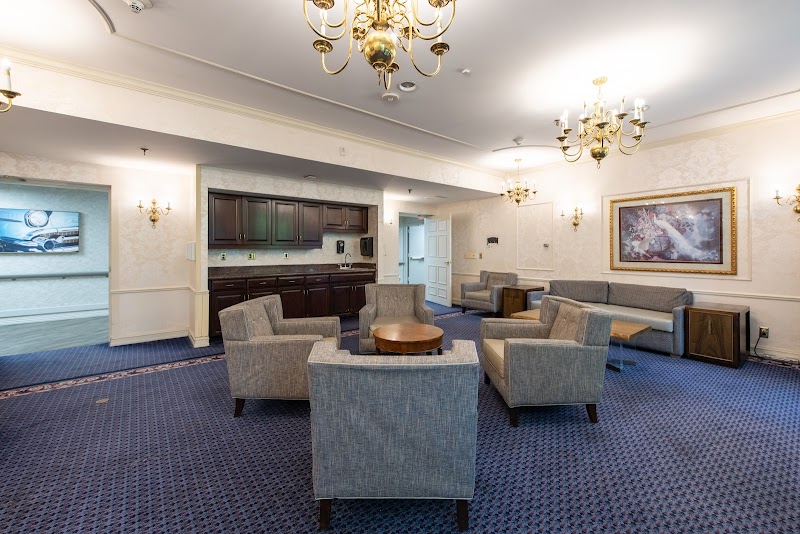
How is Optalis Health & Rehabilitation Of Bloomfield Hill Staffed?

CMS rates Optalis Health & Rehabilitation of Bloomfield Hill's staffing level at 4 out of 5 stars, which is above average compared to other nursing homes. Staff turnover is 50%, compared to the Michigan average of 46%.

What Have Inspectors Found at Optalis Health & Rehabilitation Of Bloomfield Hill?

State health inspectors documented 87 deficiencies at Optalis Health & Rehabilitation of Bloomfield Hill during 2022 to 2025. These included: 5 that caused actual resident harm, 79 with potential for harm, and 3 minor or isolated issues. Deficiencies causing actual harm indicate documented cases where residents experienced negative health consequences.
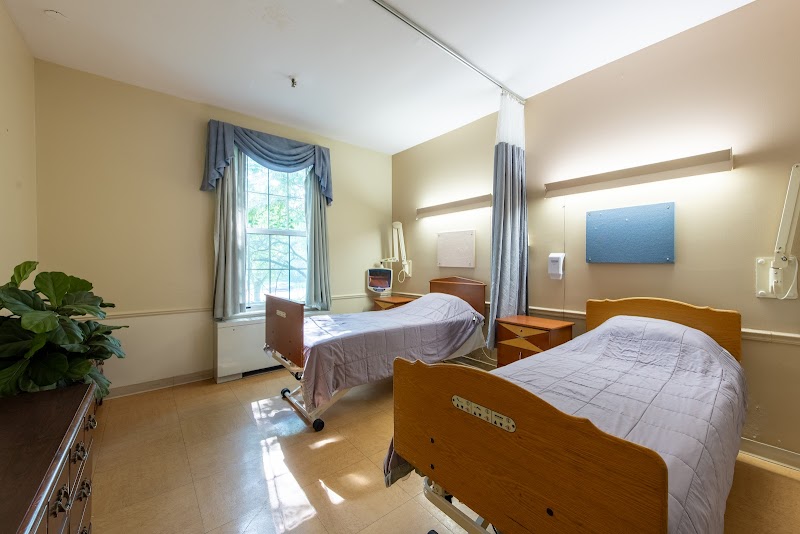
Who Owns and Operates Optalis Health & Rehabilitation Of Bloomfield Hill?

Optalis Health & Rehabilitation of Bloomfield Hill is owned by a for-profit company. For-profit facilities operate as businesses with obligations to shareholders or private owners. The facility is operated by SKLD, a chain that manages multiple nursing homes. With 159 certified beds and approximately 116 residents (about 73% occupancy), it is a mid-sized facility located in Bloomfield Hills, Michigan.

How Does Optalis Health & Rehabilitation Of Bloomfield Hill Compare to Other Michigan Nursing Homes?

Compared to the 100 nursing homes in Michigan, Optalis Health & Rehabilitation of Bloomfield Hill's overall rating (1 stars) is below the state average of 3.1, staff turnover (50%) is near the state average of 46%, and health inspection rating (1 stars) is much below the national benchmark.

What Should Families Ask When Visiting Optalis Health & Rehabilitation Of Bloomfield Hill?

Based on this facility's data, families visiting should ask: "Can I visit during a mealtime to observe dining assistance and food quality?" "How do you handle medical emergencies, and what is your hospital transfer rate?" "Can I speak with family members of current residents about their experience?"

Is Optalis Health & Rehabilitation Of Bloomfield Hill Safe?

Based on CMS inspection data, Optalis Health & Rehabilitation of Bloomfield Hill has a clean safety record: no substantiated abuse findings (meaning no confirmed cases of resident harm), no Immediate Jeopardy citations (the most serious violation level indicating risk of serious injury or death), and is not on the Special Focus Facility watch list (a federal program monitoring the lowest-performing 1% of nursing homes). The facility has a 1-star overall rating and ranks #100 of 100 nursing homes in Michigan. While no facility is perfect, families should still ask about staff-to-resident ratios and recent inspection results during their visit.

Do Nurses at Optalis Health & Rehabilitation Of Bloomfield Hill Stick Around?

Optalis Health & Rehabilitation of Bloomfield Hill has a staff turnover rate of 50%, which is about average for Michigan nursing homes (state average: 46%). Moderate turnover is common in nursing homes, but families should still ask about staff tenure and how the facility maintains care continuity when employees leave.

Was Optalis Health & Rehabilitation Of Bloomfield Hill Ever Fined?

Optalis Health & Rehabilitation of Bloomfield Hill has been fined $45,935 across 1 penalty action. The Michigan average is $33,538. While any fine indicates a compliance issue, fines under $50,000 are relatively common and typically reflect isolated problems that were subsequently corrected. Families should ask what specific issues led to these fines and confirm they've been resolved.

Is Optalis Health & Rehabilitation Of Bloomfield Hill on Any Federal Watch List?

Optalis Health & Rehabilitation of Bloomfield Hill is not on any federal watch list. The most significant is the Special Focus Facility (SFF) program, which identifies the bottom 1% of nursing homes nationally based on persistent, serious quality problems. Not being on this list means the facility has avoided the pattern of deficiencies that triggers enhanced federal oversight. This is a positive indicator, though families should still review the facility's inspection history directly.