Woodward Hills Health and Rehabilitation Center
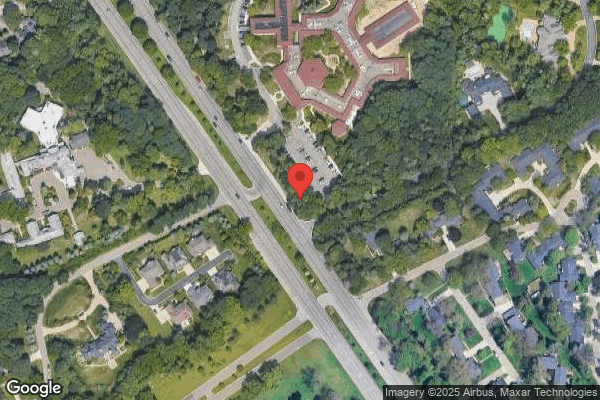
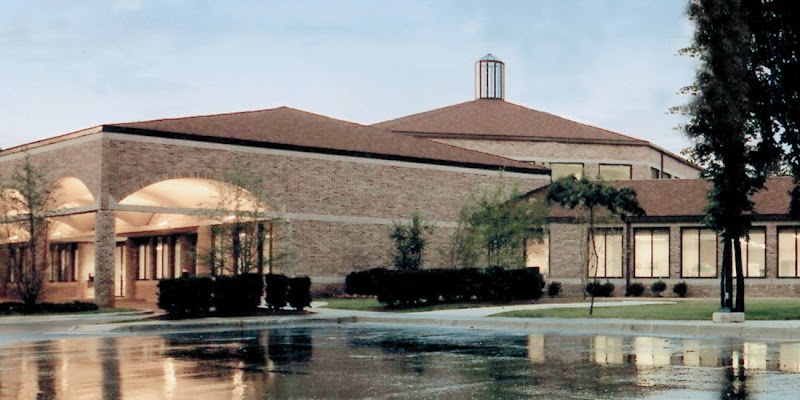
39312 Woodward Ave, Bloomfield Hills, MI 48304 (248) 644-5522
For profit - Corporation 190 Beds OPTALIS HEALTH & REHABILITATION Data: November 2025
Trust Grade
15/100
#356 of 422 in MI
Last Inspection: December 2024

Within standard 12-15 month inspection cycle. Federal law requires annual inspections.

Overview

Woodward Hills Health and Rehabilitation Center has a Trust Grade of F, indicating significant concerns about the quality of care provided, which is poor compared to other facilities. It ranks #356 out of 422 in Michigan, placing it in the bottom half of nursing homes in the state, and #29 out of 43 in Oakland County, meaning only a few local options are worse. While the facility is improving, with issues decreasing from 18 in 2024 to 11 in 2025, it still has a lot of room for growth. Staffing is average with a 3/5 rating and a turnover rate of 53%, which is somewhat concerning as it is higher than the state average of 44%, indicating that staff may not stay long enough to build strong relationships with residents. The facility has incurred $38,727 in fines, which is a typical amount, but there are serious issues, including a resident who fell and sustained a head injury due to improper transfer assistance, and another who developed a serious pressure ulcer, highlighting some care shortcomings.

Trust Score
F
15/100
In Michigan
#356/422
Bottom 16%
Safety Record
High Risk
Review needed
Inspections
Getting Better
18 → 11 violations
Staff Stability
⚠ Watch
53% turnover. Above average. Higher turnover means staff may not know residents' routines.
Penalties
○ Average
$38,727 in fines. Higher than 72% of Michigan facilities. Some compliance issues.
Skilled Nurses
✓ Good
Each resident gets 50 minutes of Registered Nurse (RN) attention daily — more than average for Michigan. RNs are trained to catch health problems early.
Violations
⚠ Watch
75 deficiencies on record. Higher than average. Multiple issues found across inspections.
★★☆☆☆
2.0
Overall Rating
★★★☆☆
3.0
Staff Levels
★★★★★
5.0
Care Quality
★☆☆☆☆
1.0
Inspection Score
Stable
2024: 18 issues
2025: 11 issues

The Good

  • 5-Star Quality Measures · Strong clinical quality outcomes
  • Full Sprinkler Coverage · Fire safety systems throughout facility
  • No fines on record

Facility shows strength in quality measures, fire safety.

The Bad

2-Star Overall Rating

Below Michigan average (3.1)

Below average - review inspection findings carefully

Staff Turnover: 53%

Near Michigan avg (46%)

Higher turnover may affect care consistency

Federal Fines: $38,727

Above median ($33,413)

Moderate penalties - review what triggered them

Chain: OPTALIS HEALTH & REHABILITATION

Part of a multi-facility chain

Ask about local staffing decisions and management

The Ugly 75 deficiencies on record

6 actual harm
Aug 2025 2 deficiencies 1 Harm
SERIOUS (G) 📢 Someone Reported This

A family member, employee, or ombudsman was alarmed enough to file a formal complaint

Actual Harm - a resident was hurt due to facility failures

Accident Prevention (Tag F0689)

A resident was harmed · This affected 1 resident

**NOTE- TERMS IN BRACKETS HAVE BEEN EDITED TO PROTECT CONFIDENTIALITY** This citation is or complaint # 2573833Based on observations, interviews, and record reviews, the facility failed to follow a tr...

Read full inspector narrative →
**NOTE- TERMS IN BRACKETS HAVE BEEN EDITED TO PROTECT CONFIDENTIALITY** This citation is or complaint # 2573833Based on observations, interviews, and record reviews, the facility failed to follow a transfer status and fall protocol for one resident (R303) of three residents reviewed for falls, resulting in R303 obtaining a serious injury.Findings include:A record review revealed that on 7/8/25 R303 fell from bed while being changed and sustained a head injury and required a higher level of care. According to the incident report R303 was being changed by one certified Nursing assistant (CNA) and rolled out of bed and hit their head. R302 care planned as a two person assist for actives of daily living (ADLs). On 8/5/25 at 10:40 AM, R303 was interviewed, and asked did they remembered how they fell from the bed. R303, report that they rolled out of bed and remembered hitting their head but that was it, R303 could not recall the staff that was around. A record review revealed that R303 was re-admitted to the facility on [DATE] with the medical diagnosis of Traumatic Subarachnoid Hemorrhage without loss of consciousness, contusion of eyeball and orbital tissues, left eye and fall. A further review of the record showed that R303 was a two person assist with ADLs.On 8/5/25 at 12:22 PM, the administrator was interviewed and asked about the fall for R303, and reported that it happened and the CNA who was involved was terminated for that reason, the CNA had been educated on proper transfer status of residents. The administrator was then asked about the facilities fall protocol, the Administrator reported that staff is supposed to follow the policy and complete all required documentation. The administrator was then asked for the incident and accident reports for R303 and R302, and agreed that required documentation was missing from the report. A review of the Employees file who was terminated revealed that the CNA had dropped three different residents and all were improper transfers. No additional information was provided by the exit of survey.
CONCERN (E) 📢 Someone Reported This

A family member, employee, or ombudsman was alarmed enough to file a formal complaint

Potential for Harm - no one hurt, but risky conditions existed

Safe Environment (Tag F0584)

Could have caused harm · This affected multiple residents

**NOTE- TERMS IN BRACKETS HAVE BEEN EDITED TO PROTECT CONFIDENTIALITY** This citation pertains to intake #2577284.Based on observation, interview, and record review, the facility failed to provide a s...

Read full inspector narrative →
**NOTE- TERMS IN BRACKETS HAVE BEEN EDITED TO PROTECT CONFIDENTIALITY** This citation pertains to intake #2577284.Based on observation, interview, and record review, the facility failed to provide a safe, clean, homelike environment, in multiple resident rooms and throughout the hallways on the 100, 400, 500, 600, and 700 units. Findings include:Review of concerns reported to the State Agency on 7/31/25 included: the building smells like mildew, the facility is dirty, rain is coming down from the second-floor ceiling, which was not a new issue and happened every time it rains, and there was black mold on the pipes and in the ceiling.On 8/5/25 between 8:30 AM - 10:05 AM, observations of the facility revealed the following environmental concerns:At 8:30 AM, upon entry into the facility's main lobby, there was a strong mildew odor present, as well as in hallway towards the conference room.At 9:11 AM, there were three ceiling tiles off the main dining room towards the long-term care side of the facility that were heavily stained with water damage.At 9:15 AM, the end of the 500 hallway had a build-up of cobwebs in the corner of the window ledge under the window, with the surrounding walls had peeling wallpaper; the fabric window valance was stained in darker brownish color (water damage) and five ceiling tiles along the ceiling directly in front of the window valance were observed to have brown stains (water damage) and the area to the right of the window valance had a ceiling tile with dark brown and black colored mold-like substance on the tile and surrounding tile grid. Throughout this hallway and in the window area, there was a strong musty/mildew-like odor.At 9:20 AM, the main elevator to access the second floor did not work. There was no signage to indicate this was not in working order, or where to go to access a secondary elevator. When staff were asked, they reported the elevator had not been working for several days and thought there used to be a sign indicating it was out of order but wasn't sure what happened to it.At 9:21 AM, upon exiting the service elevator to the second floor 600 hallway, there was a very strong musty/mildew-like and urine odor.At 9:23 AM, an interview was conducted with Nurse ‘A'. When asked about the elevator, Nurse ‘A' reported that had not been working for about three weeks or so. When asked how visitors and residents knew it was out of order and/or where to access the other elevator since there was no sign posted, Nurse ‘A' reported there used to be a sign, but confirmed there was none now.At 9:24 AM, the ceiling tile outside the elevator on the 700 hall was heavily water damaged with brown/colored stains.At 9:25 AM, while walking throughout the 500 hallway, there was a significant musty, mildew-like odor throughout most of the hallway. The ceiling tiles in the hallway across from room [ROOM NUMBER] had a large area of water damage (brown colored stain) and was observed to be sagging down in the center of the ceiling tile.At 9:27 AM, the 600-hall lounge/dining area was observed to have four ceiling tiles with water damage (varying brown colored stains) and a broken wall outlet cover with cracked/sharp plastic edges.At 9:28 AM, room [ROOM NUMBER] was observed to have one ceiling tile in the center of the ceiling between the two occupied beds with a water damage (round brownish colored water stain).At 9:29 AM, the 600 hall was observed to have five ceiling tiles missing outside of rooms [ROOM NUMBER]. The carpet was significantly stained darker in color in several areas and there was a very significant musty/mildew-like odor present. The surrounding walls had peeling wallpaper directly under the area of the removed ceiling tiles and extended down past room [ROOM NUMBER].At 9:31 AM, room [ROOM NUMBER] was observed to have a ceiling tile in the center of the room with a large area of water damage (brown colored stain).At 9:32 AM, room [ROOM NUMBER] was observed to have a ceiling tile directly over the end of their bed that was occupied with a large area of water damage and the center of the ceiling tile was sagging down.At 9:33 AM, room [ROOM NUMBER] was observed to have a ceiling tile directly above the head of the bed with a small circular water stain. On 8/5/25 at 9:31 AM, a Resident was observed seated in a wheelchair next to their bed, eating breakfast. When asked about their room and if there were any concerns, the resident pointed to the bathroom door and above their bed. The ceiling tile located just above the resident's bed was observed to have an area of small water damage (brown colored stain). Upon opening the door to the bathroom, there were three ceiling tiles missing and there was a strong musty/mildew-like odor present. Additionally, there was a toilet commode with bilateral arm rests that was placed on top of the toilet. The left arm rest was observed broken with cracked plastic and had sharp, jagged edges on the top portion of the arm rest. The resident pointed to the bathroom ceiling and stated, That's pretty bad huh?.At 9:40 AM, Nurse ‘A' was asked about the missing ceiling tiles at the end of the 600 hallway and reported the issue had been going on for a long time and further reported, Whenever it rains really hard, the ceiling leaks terribly and it smells like mold and mildew. We had to move a resident a couple weeks ago because the tile came down in their room, luckily they weren't in the room at the time. That carpet is discolored from the rain.At 9:41 AM, two ceiling tiles outside room [ROOM NUMBER] were observed with significant water damage (brown colored stains).The hallway carpeting observed on the 400, 500, 600, and 700 hallways were observed very worn, with significant darker colored stains.At 9:43 AM, the carpet in the center of the hallway near the emergency exit between 300 and 400 unit was approximately two feet long with a visible ripple (accident/trip hazard).At 9:45 AM, the 100 hall (non-long-term area of the facility) carpet was observed to be heavily worn and stained in several spots throughout the hallway.On 8/5/25 at 9:50 AM, an interview was conducted with the Administrator. They reported the Maintenance Director was currently on the roof with the mechanical company for AC (Air Conditioner) repairs for three units. When asked about the elevator that was out of order on the long-term side of the facility, the Administrator reported it recently had been out for two days and before that was closed for several weeks last year for repairs. They further reported a part needed to be replaced and should be here this week. When asked how would residents and visitors know it was not in working order and/or where to access another elevator, the Administrator reported there should be a sign up and was informed there were none during earlier observations. At that time, the Administrator was requested to observe the same areas as identified above. Upon accessing the alternate elevator, a door was propped open that had signage that indicated that was for employee access only. When asked about how visitors or residents would know it was ok to access if signage indicated otherwise, the Administrator acknowledge the concern and reported there should also be a sign that indicated that as well.During the observations with the Administrator, when asked about the water damage and missing ceiling tiles, the Administrator reported the facility had issues with leaks on the long-term care side and the roofers were out last Thursday to assess. When asked about the concerns with water damage observed in several resident rooms, and other hallways, the Administrator reported they were not aware of the concerns at the end of the 500 hall and acknowledged they also smelled the same musty/mildew-like odor and thought the smell was coming from the carpet. They further reported they had similar concerns with the carpet and roof leaks when they began working at the facility (January 2023).When asked about the worn and soiled carpets, the Administrator reported the carpets are on capital budgets to be replaced this year, and were hopeful for September 2025. However, they had to replace the three AC units and didn't sign a formal contract yet, but would reach out to try to get documentation from their Corporate Maintenance Director.When asked to observe the bathroom in room [ROOM NUMBER], the Administrator reported they were not aware of that (missing ceiling tiles, mildew-like odor and cracked commode arm rest) and would have to follow-up. The Administrator was requested to provide any documentation of facility audits, logs, or quotes for the areas of concern observed.On 8/5/25 at 10:52 AM, the Administrator emailed a quote from their corporate Maintenance Coordinator for the flooring where the areas (carpet) were torn.On 8/5/25 at 11:10 AM, the Administrator reported they were still waiting on the quote from the roofers who were out last week to assess the areas of concern.Review of the flooring quotes provided revealed there were only two quotes. One for the kitchen service hallway dated 6/27/25 and one for the area from the courtyard to Cranbrook dated 7/9/25. There was no evidence that any plan was in place for the flooring for the other affected hallways (100, 400, 500, 600, and 700) other than the kitchen service hallway and main corridor towards the long-term care side of the facility. The short-term care portion of the facility mostly consisted of rooms that had been renovated.According to the facility's policy titled, Homelike Environment dated 9/21/2023: .The facility staff and management maximizes, to the extent possible, the characteristics of the facility that reflect a personalized, homelike setting. These characteristics include.clean, sanitary, and orderly environment, pleasant, neutral scents, The facility staff and management minimizes, to the extent possible, the characteristics of the facility that reflect a depersonalized, institutional setting. These characteristics include.institutional odors.Housekeeping and maintenance services will be provided as necessary to maintain a sanitary, orderly, and comfortable environment.Staff may assist in providing a safe and homelike environment by.Reporting any unresolved environmental concerns to the administrator.
May 2025 5 deficiencies
CONCERN (D) 📢 Someone Reported This

A family member, employee, or ombudsman was alarmed enough to file a formal complaint

Potential for Harm - no one hurt, but risky conditions existed

Grievances (Tag F0585)

Could have caused harm · This affected 1 resident

**NOTE- TERMS IN BRACKETS HAVE BEEN EDITED TO PROTECT CONFIDENTIALITY** This citation pertains to intake: MI00151510. Based on interview and record reviews the facility failed to address the concerns...

Read full inspector narrative →
**NOTE- TERMS IN BRACKETS HAVE BEEN EDITED TO PROTECT CONFIDENTIALITY** This citation pertains to intake: MI00151510. Based on interview and record reviews the facility failed to address the concerns reported to the facility for one (R202) of three residents reviewed for grievances. Review of a complaint submitted to the State Agency (SA) documented multiple concerns that the complainant attempted to get resolved with the facility staff unsuccessfully. The complainant noted the facility's failure to follow up and the lack of communication to resolve any of their concerns. A review of R202's medical record revealed the resident was admitted to the facility on [DATE] and transferred out to the hospital on 3/27/25. R202 admitted with the primary diagnosis of hypokalemia and required staff assistance with all Activities of Daily Living (ADLs). A review of the progress notes revealed the following: On 3/26/25 at 9:35 AM, a Social Worker (SW) note documented in part . CM (case manager) had some concerns regarding the resident. SW asked appropriate parties to follow up . This note was documented by SW K. A review of a facility policy titled Grievance Policy And Procedure revised November 2023, documented in part . Grievances made to the Facility may be oral or in writing . The grievant may request assistance from the facility's social worker when completing a written grievance . all grievances will be investigated and reported back to the grievant within fifteen 15 days from the receipt of the grievance . On 5/28/25 at approximately 9:07 AM, the Administrator was asked to provide all grievances and concerns filed on the behalf of R202. Shortly after the Administrator stated they had no grievances for R202. On 5/28/25 at 10:50 AM, an interview was conducted with SW K. SW K was asked about the concerns reported to them by R202's CM on 3/26/25. SW K stated they could not recall. SW K was asked if they completed a grievance form regarding the concerns reported to them and SW K stated they did not. SW K stated they would look into it and see if they could find what the concerns were and follow back up. At 11:18 AM, SW K returned and stated the believed the concerns were regarding the discharge planning for R202. When asked how they came to that conclusion and what documentation they reviewed to remind them, SW K stated they had notes on their desk. SW K was asked to provide any additional documentation for review. No further explanation or documentation was provided by the end of the survey.
CONCERN (D) 📢 Someone Reported This

A family member, employee, or ombudsman was alarmed enough to file a formal complaint

Potential for Harm - no one hurt, but risky conditions existed

Free from Abuse/Neglect (Tag F0600)

Could have caused harm · This affected 1 resident

**NOTE- TERMS IN BRACKETS HAVE BEEN EDITED TO PROTECT CONFIDENTIALITY** This citation relates to Intake #MI00151329. Based on observation, interview, and record review, the facility failed to protect ...

Read full inspector narrative →
**NOTE- TERMS IN BRACKETS HAVE BEEN EDITED TO PROTECT CONFIDENTIALITY** This citation relates to Intake #MI00151329. Based on observation, interview, and record review, the facility failed to protect the resident's rights to be free from physical abuse during two resident-to-resident incidents for two Residents (R205, R206) of three residents reviewed for abuse. Findings include: R206 Review of R206's Minimum Data Set (MDS) assessment, dated 12/13/25, revealed R206 was admitted to the facility on [DATE], with diagnoses including heart failure, lung disease, and arthritis. R206 required set up with eating, and maximal assistance with toileting and transfers. The Brief Interview for Mental Status (BIMS) assessment revealed a score of 15/15, which showed R206 was cognitively intact. On 5/27/25 at 12:54 p.m., R206 was observed dressed, seated in a bariatric wheelchair. On 5/27/25 at 12:56 p.m., R206 reported they had a concern with another resident. R206 reported they transferred to R205's room from another facility room a couple months ago, and the room was torn apart (messy) .so bad (unorganized) . R206 reported the facility staff turned their roommate's bed to fit their (R206's) large bariatric bed with extenders in the room, which made their new roommate (R205) angry. R206 explained their new roommate gave them dirty looks. R206 continued, The next thing I knew, (R206) was yelling and screaming .and (R205) got up and pointed at (R206) with their reacher (metal item retrieval device). (R205) had it in their hand, and (R205) got over there (to their bed) and (R205) hit my right leg and knee, and the woman in the next room heard and got everyone (staff) over here and the patient was (R205) .I said, Get the cops (police), do something, and someone (staff) came in and got (R205) . I was in shock .It (the incident) was inappropriate .Why is (R205) so nasty when I didn't say anything to (R206) .It didn't make me feel happy .(R205) reported the strikes hurt their knee at the time, and there were two small bruises, but they could not be certain they were from the incident. Review of the facility investigation report, received from the Nursing Home Administrator (NHA) on 5/27/25, revealed on 3/10/25 at 4:51 a.m., .Allegation: Assault: Substantiated . The report showed on 3/10/25 nursing staff witnessed an argument between R205 and R206, when R205 threatened R206 who turned their room light off (with assistance). The report further revealed on 3/11/25 at 9:10 p.m., R205 ambulated to their roommate's side of the room and began yelling at R206 and struck them in their legs with reaching device. R205 was reportedly loud and out of control, with their room messy, with clothing, food, and personal items thrown around their room. 911 was called and the police arrived and moved R205 out of the room into another resident room. R206 reportedly declined to press charges. The report revealed the police declined to have R205 sent to the hospital. Afterwards, R205 acknowledged the incident, expressed no remorse and felt their roommate was in the wrong. R205 clarified they did not want to have any roommates. Review of R205's Accident and Incident report, dated 3/11/25 at 8:00 p.m., (R206) was lying in bed when roommate (R205) in Bed A ambulated over and hit (R206) in the leg with a reacher. (R206) began to yell for staff and immediately staff came in the room and intervened . (R206 stated) (R205) hit me in the leg once or twice . The report showed staff intervened, (R205) to another resident room in the facility, and R206 had no injury. Review of Registered Nurse (RN) B's witness statement, dated 3/11/25, revealed, Writer (RN B) was at the nurse's station .Yelling was heard from down the hall in patient's room. When writer arrived, second nurse (unnamed) was in the room .as (R206) was standing at foot of roommates (R206's) bed, striking (R206) and bed with reaching device .Second nurse removed reacher from (R206's) hands. Both nurses escorted (R205) to her side of the room .(R205) was still upset, yelling .The violence was deescalated but (R205) was still yelling and upset about a room change. When writer asked (R206) if (they) were hit (R206) stated 'yes', in the right leg near the knee .911 was called and (police) arrived .(R205) was removed from room and taken to new room by head nurse (unnamed). Review of R206's full skin assessment, dated 3/14/25 (three days after the physical abuse incident), revealed no pain and no new skin concerns. Review of R206's Care Plan, accessed 5/27/25, revealed no interventions to protect R206 from approaching R205 them in their room or in facility common areas. R205 Review of R205's MDS assessment, dated 1/10/25, revealed R205 was admitted to the facility on [DATE], with diagnoses including heart failure, stroke, anxiety, and depression. The assessment revealed R205 required supervision or contact guard assistance (touching assistance with or without cues) for toileting, transfers, and walking room distances. The BIMS assessment revealed a score of 13/15, which showed R205 was cognitively intact. The sensory assessment revealed corrective lenses (glasses) were used by R205 at the time of the assessment. On 5/27/25 at 1:31 p.m., R205 was observed in their room, seated on the edge of their bed, dressed. R205 was not wearing eyeglasses. On 5/27/25 at 1:33 p.m., R205 reported they were having a problem with their roommate in their former room, and staff packed up their (R205's) personal items up and moved them out of the room. When asked why, R205 stated staff cut the lights off and I need the lights on, as they said their eyeglasses got lost and the staff never found them. R205 clarified, I didn't have nothing (any glasses) to see. R205 explained they told their roommate (R206), Don't you see me trying to do something? and R206 started cussing and turned the lights off again. R205 continued, I told the young lady (aide) I'm going to kick (their) butt, and I fell twice trying to get to (R206). I hit (R206) two to three times with the reacher, and it didn't hardly touch (them). They (staff) had me in a hold, and took me out of the room, and the police came and asked me why I was so angry .It made me feel scared . R205 had a metal reacher next to them on their bed, in a private room. R205's nurse, Licensed Practical Nurse (LPN) A, entered their room during the interview, and R205 became verbally escalated (speaking loudly and aggressively) with LPN A about finding their belongings in their room, and declined to speak with Surveyor further. On 5/27/25 at approximately 1:45 p.m., the Unit Manager, LPN A, confirmed there were no other resident-to-resident incidences for R205 and R206. LPN A clarified neither resident had a medical, psychosocial, or functional decline since the incident, and R206 was not injured. Review of R205's social work progress note, dated 3/07/25 at 10:14 a.m. (four days prior to the resident-to-resident incident on 3/11/25), R205 had behavioral episodes including calling 911 r/t (related to) having a roommate (R206). (R205) made it clear (they did) not want a roommate .(R205) has had issues with past roommates and continues to call the family upset (about having a roommate) . Review of R205's behavioral progress note, dated 3/10/25 at 4:51 a.m., revealed R205 was upset R206 wanted to turn the room lights off when they (R206) were attempting to sleep. The writer entered the room when R205 was yelling, and stated, I can't see (vision) . Writer explained to R205 how R206 had a right to sleep with the room lights off so they could fall sleep. In response R205 reportedly became aggressive, and stated, How come it's all about that b@tch? and I don't care what (R206) says; I was in this room first. Writer also heard R205 threaten R206 if they attempted to turn the lights off. The note showed they intervened and notified their supervisor on duty who reported they would contact the Director of Nursing (DON). Review of R205's census form showed R205 was in room [ROOM NUMBER], Bed A, from 1/03/25 to 3/11/25. Review of R206's census form showed R206 was in room [ROOM NUMBER], Bed B, from 3/06/25 to 3/14/25. On 5/27/25 at approximately 3:25 p.m., Social Worker (SW) D reported they were aware there had been verbal allegations by R205 towards R206 prior to the physical abuse incident on 3/11/25. SW D reported they spoke to both residents, who were both their own responsible parties, and neither resident would change (relocate) rooms. SW D said they reported this to the NHA and DON, as they had concerns about both residents remaining in the shared room prior to the resident-to-resident incident on 3/11/25. SW D explained they were concerned as nursing staff had reported R205 threatening words to R206. SW D reported the concerns were R205 wanted their room lights to remain on, and R206 wanted the lights off, and they did not know why. SW D confirmed the resident-to-resident incident occurred on 3/11/25 when R206 reported R205 hit them with their reacher, and confirmed the police were called. SW D reported they and nursing management believed R205 should have been taken to the hospital emergently, however, the police declined, and assisted staff to relocate R205 to another resident room on the other side of the facility. SW D confirmed this was a physical abuse resident-to-resident incident, as when interviewed R205 reported they attempted to hit R206 and expressed no remorse. SW D reported they were not aware R205 had glasses, or had reported they could not see to them or staff and said they would follow-up. Review of the Electronic Medical Record (EMR) including R206's progress notes with SW D revealed no progress note describing the incident itself. SW D reported their expectation would be there would be a progress note describing the resident-to-resident physical abuse incident on 3/11/25 would be in R206's medical record. Review of the incident investigation file revealed a verbal reeducation in service with LPN C, dated 3/11/25, signed by the NHA. The document revealed LPN C had not reported the alleged verbal abuse in a timely manner to the NHA or DON, when floor staff reported to their supervisor, LPN C, R205 made a verbal threat to their roommate (R206). The abuse policy was reportedly reviewed with LPN C at that time. On 5/27/25 at 3:44 p.m., the afternoon supervisor, (LPN) C, confirmed the resident-to-resident physical abuse incident between R205 and R206 occurred, as they were working. LPN C reported they were sitting at the desk when they heard the nurse and aide yelling and they observed R205 standing over R206. LPN C described they had not known R205 stood and walked, as they had only seen them using their manual wheelchair. LPN C reported RN B was standing there when R205 struck R206 on their shin with their reacher, and since R206 was physically assaulted, they called the police. LPN C stated the DON wanted R205 sent out to the hospital, and the police declined. LPN C explained R205 admitted to the police they hit R206, and R206 declined to press charges. LPN C confirmed this was physical abuse. LPN C reported they got an Xray of R206's knee and clarified R206 was not injured. On 5/27/25 at 3:50 p.m., the verbal review in service education form dated 3/11/25 was reviewed with LPN C, who denied recalling a phone in service or reeducation by the NHA regarding not reporting verbal abuse prior, and said they only learned of this when the 3/11/25 incident occurred. On 5/28/25 at 10:04 a.m., during a phone interview, Registered Nurse (RN) B stated on 3/11/25 they observed R205 hit R206 on their legs with a reacher, using it as a weapon, and they and another nurse had to intervene. RN B reported R206 was not upset or fearful after the incident. RN B reported the police were called and called this a violent incident. On 5/28/25 at 11:48 a.m., the Medical Director, Physician F, reported they had been made aware resident-to-resident incidents occurred between R205 and R206, and they were reviewing the incidents in their QAPI (Quality Assurance and Performance) program. Physician F conveyed they understood the residents declined to change rooms prior to the incident, and deferred documentation expectations to the NHA. Physician F reported R206 was under their care, and they had not been made aware of any reported vision concerns for R205. On 5/28/25 at 12:21 p.m., room [ROOM NUMBER] (R205 and R206's former room) was observed, where the incident occurred. It was noted when the room light switch was activated, a circle overhead ceiling light lit above both Bed A and Bed B simultaneously. It was further observed each bed had a bright fluorescent light over the head of bed, and the room ceiling lights activated in tandem, making the room well-lit when the room light switch was on. On 5/28/25, the police report, dated 3/11/25, received from the NHA, was reviewed. The police report showed simple, non-aggravated assault and battery occurred by R205 towards R206. The report described how R206 reported R205 was complaining because they wanted their room lights turned off to sleep, while R205 wanted them on. R205 reportedly became angry about the lights being turned off, and whacked R206's legs with an extended grab claw reacher. R206 denied any injuries, and said they only wanted R205 removed from the room, and did not want to press charges. The report further revealed R205 reported they wanted the lights on as they were having difficulty seeing when they were awake and walked over to R206's bed to yell them but denied hitting R206. The report described R205 was relocated to room [ROOM NUMBER] (a different facility room) with no further issues. On 5/18/25 at approximately 1:10 p.m., the NHA confirmed the resident-to-resident incident on 3/11/25 was a physical abuse assault incident between R205 and R206. The NHA confirmed there was a delay in staff reporting the alleged verbal abuse incident on 3/10/25 to them and the DON, and clarified the incident was reported and investigated upon discovery. The NHA understood the concern there was no progress note for R206 regarding the resident-to resident incident on 3/11/25 in the EMR. The NHA confirmed R206 was not injured right after, and no injuries were found a few days after the incident. The NHA reported they explained their staff had not been found aware of R205 reporting their vision was impacting their perceived ability to feel comfortable with the lights off in their room, and they had already begun follow-up. This Surveyor shared with the NHA R205's progress notes showed R205 was reporting vision concerns to their staff, law enforcement noted a concern in their report, and R205's MDS assessment on 1/10/25 showed they corrective lenses were used. Review of the policy, Abuse, dated 4/13/25, revealed, Residents have the right to be free from abuse, neglect, exploitation, mistreatment, and misappropriation of resident property The facility will develop and implement policies that include: Screening potential employees and prospective residents, training new and existing staff on prohibiting, preventing, and identifying abuse, neglect, exploitation, mistreatment, and misappropriation of resident property, reporting procedures, dementia, and behavior management. Prohibiting, preventing, and identifying abuse, neglect, mistreatment, exploitation, and misappropriation of resident property. Reporting all allegations of abuse, neglect, mistreatment, exploitation, and misappropriation of resident property including reporting a reasonable suspicion of a crime to the State Survey Agency and other officials in accordance with State law. Investigating allegations of abuse, neglect, misappropriation, mistreatment, and exploitation to include protecting residents during the investigation, and taking necessary actions as a result of the investigation. Establishing coordination with the QAPI (Quality Assurance Process Improvement) program. The facility will provide ongoing oversight and supervision of staff in order to assure that its policies are implemented as written .
CONCERN (D) 📢 Someone Reported This

A family member, employee, or ombudsman was alarmed enough to file a formal complaint

Potential for Harm - no one hurt, but risky conditions existed

Investigate Abuse (Tag F0610)

Could have caused harm · This affected 1 resident

**NOTE- TERMS IN BRACKETS HAVE BEEN EDITED TO PROTECT CONFIDENTIALITY** This citation pertains to intake #: MI00152670 Based on interview and record review facility failed to investigate (and follow-u...

Read full inspector narrative →
**NOTE- TERMS IN BRACKETS HAVE BEEN EDITED TO PROTECT CONFIDENTIALITY** This citation pertains to intake #: MI00152670 Based on interview and record review facility failed to investigate (and follow-up) on an injury (skin tear) of unknown origin for one (R207) of three Residents reviewed for abuse resulting in the potential for further unidentified instances of injuries of unknown origin. Findings include: Review of the complaint received to the State Agency revealed that a family member/emergency contact regularly visited R207 during their stay at the facility. On 4/28/25 the family member discovered that R207 had a bandage on their arm when they removed the resident's jacket. When they removed the bandage they found bruises and a gash. They reported they were handling and assisting R207 with all their affairs. They did not receive any calls from the from the facility on how R207 sustained this injury. Record review revealed R207 was admitted to the facility on [DATE] for short-term skilled rehabilitation and nursing care. R207's admitting diagnoses included atrial fibrillation (irregular heartbeat), stroke, urinary tract infection, hearing loss, and dementia. Based on Minimum Data Set (MDS) assessment dated [DATE], R207 had a Brief Interview for Mental Status (BIMS) score of 8/12, indicative of moderate cognitive impairment. Review of R207's Electronic Medical Record revealed that R207 was admitted to the facility on [DATE] and they were discharged home with family on 5/20/25. Review of admission nursing progress notes dated 4/4/25 read that R207 had healed scratch marks on both thighs and skin tags to back and chest. Note read Resident has no wounds . Review of R207's admission nursing assessment did not reveal any open injuries/skin tear on their arms. Review of skin assessments dated 4/9/25, 4/16/25, and 4/23/25 did not reveal any skin tear/lesions. Further review of skin assessment dated [DATE] revealed a note that read right ante-cubital (area of forearm in front of the elbow joint), healing skin tear to right forearm'. Skin assessment dated [DATE] also had the same note as above. Further review of R207's nursing, practitioner and physician progress notes did not reveal any documentation of any incidents and or injuries/lesions. Review of R207's physician orders did not reveal any orders for treatment for any injuries/skin tear. Review of the discharge summary and order did not reveal any documentation on the skin tear on the the forearm. Review of R207's MDS (discharge) assessment dated [DATE] did not reveal documentation of any skin tear. A request was sent via email to the facility administrator on 5/28/25 at 9:02 AM requesting all incident/accident reports and facility investigations for R207 throughout their stay at the facility. The Administrator replied and noted that they did not have any incident and accident reports and or any investigations for R207. Review of R207's shower sheets were completed with Unit Manager H on 5/28/25 at approximately 1:10 PM. The shower sheets dated 4/26/25, 4/30/25, 5/7/25, 5/14/25 and 5/17/25 signed by the Certified Nursing Assistants (CNA) and nurse (s) did not indicate any skin tears. An interview with the complainant was completed on 5/28/25 at approximately 11:10 AM. The complainant reported that they came in to visit R207 and they were sitting on the courtyard and they had removed R207's jacket and observed the bandage on their forearm. They reported that R207 was not able to explain what happened. They had approached the facility staff at the desk. One staff member had mentioned that it might have happened in the shower room and did not provide any further details. They were notified that someone from the facility would contact and follow-up with them. The facility did not provide any further details. Prior to the review of R207's shower sheets (at approximately 12:45 PM), an interview was completed with Unit Manager H. They were asked about R207. UM H reported that they remembered the resident. When queried if they recall R207 having incidents and they reported R207 having a skin tear on their arm and might have been the right arm and they need to check the EMR. When queried further about what facility investigation process and what happened, UM H reported that the nurses completed an incident report and it was under their risk management and they added that the physician and responsible party were notified as part of their process. They added that treatment orders would be placed and it would also reflect in nursing progress notes and they would notify the facility's wound care team. They were asked to check R207's EMR to provide documentation/additional information. UM H reviewed the EMR and reported that they did not find any incident/accident report or progress notes and or treatment orders related to the right forearm skin tear. They were notified of the concern and they agreed on the concern and did not provide any further explanation. They reported that they would follow with the staff. An interview with facility Administrator was completed on 5/28/25 at approximately 1:35 PM. During the interview Regional Clinical Services Director (RCD) I was present in the office. The Administrator was asked about the facility process on investigation of skin tears. The Administrator reported that they would complete a nursing assessment, incident and accident report/risk management report and completed an investigation. They added that the physician and responsible parties were notified and treatment orders were implemented. They were queried about R207 and skin tear investigation and follow up, that were noted on skin assessment dated [DATE]. The Administrator reviewed the EMR and reported that they would check further and report back. The Administrator was notified of the follow up with Unit Manager H and notified of the concern. Prior to exit, the Administrator replied via e-mail and notified that they did not have any additional information or investigation for the skin tear on R207's right forearm. Review of the facility provided document titled Abuse - Policy and Procedure with a revision date on 5/24/23 read in part, Key to investigating abuse allegations is an environment that facilitates the reporting of such allegations. Once reported, the center conducts a timely, thorough, and objective investigation of any allegation of abuse. It is the Center's policy to investigate all alleged violations involving Abuse, Neglect, Misappropriation of Resident Property, Exploitation or Mistreatment, including Injuries of Unknown Source to ensure that all individuals who report such incidents and allegations are free from retaliation or reprisal for reporting the incident. Prevent further potential abuse, neglect, exploitation, or mistreatment while the investigation is in progress. Report the results of all investigations to the administrator or designee and to the State Agency in accordance with State law. The investigation process includes: • Identifying staff responsible for the investigation. • Determining the purpose of the investigation and issue(s) to be investigated, whether or not the alleged violation has occurred, the extent, and cause. • Identifying and interviewing all involved persons, including the alleged victim, alleged perpetrator, witnesses, and others who might have knowledge of the allegations (such as other residents, family members, staff who worked closely with the alleged perpetrator and/or alleged victim). • Conducting observations of the alleged victim, including identification of any injuries as appropriate, the location where the alleged situation occurred, interactions and relationships between staff and the alleged victim and/or other residents, and interactions/relationships between resident to other residents as applicable. • Identifying and reviewing all relevant medical records and facility documentation as applicable. o If the alleged perpetrator is a staff member, review their employment records. • Exercising caution in handling evidence that could be used in a criminal investigation (e.g., not tampering or destroying evidence). o Providing complete and thorough documentation of the investigation .
CONCERN (D) 📢 Someone Reported This

A family member, employee, or ombudsman was alarmed enough to file a formal complaint

Potential for Harm - no one hurt, but risky conditions existed

Pressure Ulcer Prevention (Tag F0686)

Could have caused harm · This affected 1 resident

**NOTE- TERMS IN BRACKETS HAVE BEEN EDITED TO PROTECT CONFIDENTIALITY** This citation pertains to intake: MI00151510. Based on observation, interview and record reviews the facility failed to consiste...

Read full inspector narrative →
**NOTE- TERMS IN BRACKETS HAVE BEEN EDITED TO PROTECT CONFIDENTIALITY** This citation pertains to intake: MI00151510. Based on observation, interview and record reviews the facility failed to consistently complete wound treatments (R202), failed to timely identify a left heel wound, timely implement treatment to the left heel wound and consistently completed weekly skin assessment (R209) for two of three residents reviewed for wounds. Findings include: R202 A review of a complaint submitted to the State Agency (SA) noted concerns of the facility failure to provide adequate and appropriate interventions to prevent and care for R202's wounds. A review of the R202's medical record revealed the resident was admitted to the facility on [DATE] and transferred out to the hospital on 3/27/25. R202 admitted with the primary diagnosis of hypokalemia and required staff assistance with all Activities of Daily Living (ADLs). A review of an admission Evaluation dated 3/13/25 at 12:38 AM, documented the following in part, . Sacrum- unstageable . Left heel- Dry . Coccyx- 2 stage twos next to unstageable wound . A review of the March 2025 Medication Administration Record (MAR) and Treatment Administration Record (TAR) revealed the following treatments: Start Date 3/13/25 - Santyl External Ointment. Apply to Sacrum topically one time a day for wound on sacrum and right buttock. Although the order was prescribed once a day the facility staff documented applying the ointment twice a day. A second order for the same site noted the following: Start Date 3/14/25- Sacrum/Right Buttock- cleanse wound with dakins solution, pat dry with gauze, apply santyl to affected area, cover with ABD (abdominal) or dry dressing, tape (date and initial). Every day shift for wound care. Start Date 3/14/25- Left Heel- cleanse wound with NS (normal saline), pat dry with gauze, wipe with skin prep (allow to dry) every day shift for wound care. This treatment was omitted and not completed on 3/17/25 and 3/21/25 for both the Sacrum/Right Buttock and Left Heel. R209 On 5/28/25 at 8:40 AM, R209 was observed sitting up in bed eating breakfast. Their left foot was observed wrapped in white gauze and elevated off the bed. When asked how their left heel was doing, R209 replied they weren't really sure but hoped that it was improving. A review of the medical record revealed R209 was admitted to the facility on [DATE] with the primary diagnosis of a traumatic subdural hemorrhage without loss of consciousness and required staff assistance for all ADLs, except bed mobility. A review of an admission assessment dated [DATE] revealed no documentation of any identified pressure wounds. A review of the progress notes revealed the following: On 4/16/25 at 2:08 PM, a Physical Medicine and Rehabilitation note documented in part, . Pt (patient) is seen laying in bed. He states therapy has been good. He complains of pain to his left heel. He denies any trauma or injury. Possible pressure ulcer forming on left heel . Pt was on Tylenol 650 bid (twice a day). Increased Tylenol to TID (three times a day) due to increased heel pain . Pt may be developing pressure ulcer on left heel. Ordered for pt to have heels elevated while in bed. Will discuss with nursing to monitor closely. Wound care consult placed . A Skin & Wound Evaluation dated 4/18/25 at 1:03 PM, documented in part . Pressure . Deep Tissue Injury . Left Heel . In-House Acquired . Area 4.3 cm2 (centimeters squared) . Length 2.8 cm . Width 2.1 cm . Depth Not Applicable . Intact blister . Treatment . generic wound cleanser . skin prep . This note was documented two days after the initial identification of the wound. Review of the April 2025 MAR and TAR and Physician orders revealed the following treatment: Start Date: 4/22/25 - Left Heel, cleanse wound with NS (normal saline), pat dry with gauze, wipe with skin prep (allow to dry), cover with ABD, wrap in kerlix, tape (date and initial) every day shift for wound care. The treatment was implemented six days after the initial identification of the wound. A review of the Physician orders documented the following in part, . Skin Evaluation weekly, every day shift every Sat (Saturday) . A review of the skin assessments revealed assessments completed on 4/5/25 and the next one completed on 4/18/25, with one week omitted in between the two assessments. Review of the April 2025 MAR and TAR, revealed a nurse documented on 4/12/25 a check mark that a weekly skin assessment had been completed, however a review of the medical record revealed no documentation of the assessment. On 5/28/25 at 9:05 AM, the Administrator and Assistant Director of Nursing (ADON E - who filled in for the Director of Nursing in their absence) was interviewed and asked about R202's omitted wound orders. The Administrator and ADON E were also asked about R209's left heel wound to have been identified by the PMR clinician on 4/16/25, however not acknowledged by the nursing staff until 4/18/25 and the delayed implementation of treatment orders on 4/22/25. The Administrator and ADON E was also asked about the documentation of the skin assessment that was signed as completed on 4/12/25. The Administrator and ADON E stated they would look into it and follow back up. On 5/28/25 at 9:26 AM, Wound Nurse (WN) J was interviewed and was asked if they were responsible to complete the wound treatments for the residents in the facility. WN J explained that they would usually complete the treatments for the major wounds- Stage III's and up, vascular wounds and usually any pressure wounds. WN J explained when they are off the wound treatments are covered by the resident's assigned nurses. WN J was asked the facility's protocol if a skin impairment is identified and WN J stated they would usually be informed and a treatment would be ordered as well as a wound consult. WN J was asked about R202's omitted wound orders and asked about R209's left heel wound to have been identified by the PMR clinician on 4/16/25, however not acknowledged by the nursing staff until 4/18/25 and the delayed implementation of treatment orders on 4/22/25. WN J was also asked about the documentation of the skin assessment that was signed as completed on 4/12/25. WN J stated regarding R202 the omitted days treatments were supposed to be completed by the resident assigned nurse. WN J stated regarding R209, they were informed by the nurse on 4/18/25 of the skin impairment identified to R209's left heel. A treatment was provided to that nurse to implement, however they reviewed the record and seen that the ordered was not put in until 4/22/25. WN J stated the residents in the facility receive weekly skin assessments that are supposed to be documented under the assessment tab. A review of a facility policy titled Skin and Wound Guidelines with the revised date of 3/20/2024, documented in part . Body audits are completed: By the licensed nurse routinely and documented in the resident's electronic medical record . any new areas of skin breakdown for evaluation and documentation . Treatment options are selected and based upon the type of wound . The individualized comprehensive care plan addresses the resident's problem . the goal for prevention and/or treatment, and individualized interventions to address the resident's specific risk factors and the plan for reduction of risk . No further explanation or documentation was provided by the end of the survey.
CONCERN (D) 📢 Someone Reported This

A family member, employee, or ombudsman was alarmed enough to file a formal complaint

Potential for Harm - no one hurt, but risky conditions existed

Deficiency F0712 (Tag F0712)

Could have caused harm · This affected 1 resident

**NOTE- TERMS IN BRACKETS HAVE BEEN EDITED TO PROTECT CONFIDENTIALITY** This citation pertains to intake: MI00151510. Based on interview and record reviews the facility failed to ensure an initial com...

Read full inspector narrative →
**NOTE- TERMS IN BRACKETS HAVE BEEN EDITED TO PROTECT CONFIDENTIALITY** This citation pertains to intake: MI00151510. Based on interview and record reviews the facility failed to ensure an initial comprehensive consultation was completed by a Physician for one (R202) of three residents reviewed for quality of care. Findings include: A review of the R202's medical record revealed the resident was admitted to the facility on [DATE] and transferred out to the hospital on 3/27/25. R202 admitted with the primary diagnosis of hypokalemia and required staff assistance with all Activities of Daily Living (ADLs). Review of the medical record revealed the following: A Physician Team - Progress Note dated 3/13/25 at 4:16 PM, that documented in part . DATE OF EXAM 3/12/2025 . initial visit post hospitalization . of multiple medical problems . This progress note contained an assessment and evaluation of care for the resident. The progress note was documented by Nurse Practitioner (NP) L. Further review of the medical record revealed no documentation of an initial comprehensive visit to have been completed by the assigned Physician. The medical record was reviewed in its entirety and no documentation was found of a written approval and/or recommendation by the Physician for R202's admission. Review of the Physician orders revealed the following order dated 3/31/25 at 10:03 AM, . Admit resident to Skilled Level of Care. Physician/Provider has reviewed and agrees with current Care Plans, Diagnosis list, and Physician Orders . This note was signed by the Physician on 4/3/25 at 7:23 AM. This order was signed when the resident was no longer under the care of the facility staff. A review of a facility policy titled Physician Services with the revision date of 3/20/24, documented in part . A physician is responsible for the resident's first initial comprehensive visit . On 5/28/25 at approximately 9:10 AM, the Administrator and Assistant Director Of Nursing (ADON) E who was filling in for the Director of Nursing (DON) in their absence was interviewed and asked why a Nurse Practitioner completed the first initial comprehensive visit for R202 instead of the Physician. The Administrator and ADON E stated they would look into it and follow back up. Shortly after the Administrator stated the Physician had a consult for the resident that some how did not transfer the facility's Electronic Medical System (EMR). Review of the provided Physician consult was back dated to 3/14/25, this consultation was completed after the NP initial consultation visit. No further explanation or documentation was provided by the end of the survey.
Mar 2025 4 deficiencies
CONCERN (D) 📢 Someone Reported This

A family member, employee, or ombudsman was alarmed enough to file a formal complaint

Potential for Harm - no one hurt, but risky conditions existed

Resident Rights (Tag F0550)

Could have caused harm · This affected 1 resident

This citation pertains to intake #MI00149390. Based on interview and record review, the facility failed to ensure treatment in a dignified manner for one resident, (R801) of three residents reviewed ...

Read full inspector narrative →
This citation pertains to intake #MI00149390. Based on interview and record review, the facility failed to ensure treatment in a dignified manner for one resident, (R801) of three residents reviewed for dignity, resulting in feelings of frustration and being ignored. Findings include: A complaint received by the State Agency alleged R801 was moved from one unit to another and staff did not retrieve and deliver their personal hygiene wipes as requested. A review of R801's progress notes revealed a note entered into the record by Nurse 'B' on 1/12/25 at 11:18 PM that read, .Patient needs wipes from priar <sic> room on brae burn <sic> (unit) please relay message to day shift supervisor or maintenance . On 3/11/25 at 2:35 PM, an interview with the facility's Director of Nursing (DON) was conducted regarding the resident's request for their wipes and the nurses progress note in response. The DON indicated the nurse should have went to R801's previous room, retrieved the wipes and delivered them to their new room. A review of a facility provided policy titled, Resident Rights issued 11/2024 was reviewed and read, .Right to a Dignified Existence to: Be treated with respect and dignity .
CONCERN (D) 📢 Someone Reported This

A family member, employee, or ombudsman was alarmed enough to file a formal complaint

Potential for Harm - no one hurt, but risky conditions existed

Report Alleged Abuse (Tag F0609)

Could have caused harm · This affected 1 resident

This citation pertains to intake #MI00149390. Based on interview and record review, the facility failed to ensure an allegation of abuse was reported to the State Agency for one resident (R801) of two...

Read full inspector narrative →
This citation pertains to intake #MI00149390. Based on interview and record review, the facility failed to ensure an allegation of abuse was reported to the State Agency for one resident (R801) of two residents reviewed for abuse. Findings include: A review of a complaint received by the State Agency alleged R801 was assaulted by a staff member. On 3/11/25 at approximately 10:30 AM, a review of a progress note entered into the record by Nurse 'D' on 12/28/24 was conducted and read, Nurse checked in with resident to see how he is doing and said he's doing better, and felt better knowing that the CNA (Certified Nurse Aide) that was working with him earlier was sent home . On 3/11/25 at 10:45 AM, in absence of the facility's Administrator (out of the facility) the Director of Nursing (DON) was requested to provide grievances, investigations, and facility reported incidents for R801. On 3/11/25 at 11:50 AM, a telephone interview was conducted with Nurse 'D' regarding their progress note on 12/28/24. They were asked about the note and why it documented a CNA had been sent home. They said R801 had a complaint about CNA 'C' and said, He (R801) didn't feel safe. Nurse 'D' said CNA 'C' had a stressful day and R801 did not want CNA 'C' caring for them anymore. They were asked what was meant about CNA 'C' having a stressful day and said R801 reported they overheard CNA 'C' say I could strangle somebody today. Nurse 'D' said they reported it to the Director of Nursing and a decision was made to send CNA 'C' home. They were asked if the police came to the building at the time of the incident and said they were, pretty sure they came out. On 3/11/25 at 12:17 PM, a review of numerous facility provided documents revealed an e-mail sent from R801 to a law firm. The representative at the law firm forwarded R801's e-mail to the facility's owner on 1/14/25 and it was then forwarded to the facility's former Administrator 'A' from the owner. The e-mail was lengthy and read, .Disrespectful and Verbal and Physical Abuse by Staff: On December 28, 2024, I had only had <sic> 3 to 4 hours of sleep and had wet the bed .When I woke up I was feeling cold Since I was feeling cold, I had asked the aide named (Certified Nurse Aide 'C') to turn the heat up, and from that moment on, he became super aggressive with me and assaulted me. I had texted one of the staff managers via text, and then eventually the police were called to handle the situation. (Officer 'D') came and also took my report . Continued review of the numerous documents did not reveal any evidence of any incidents reported to the State Agency. On 3/11/25 at 1:59 PM, a review of CNA 'C's personnel file was conducted and in the back of the file was a typed document signed by the facility's Director of Nursing on 1/6/25 that read, The following statement is in regard to a concern I was made aware of by phone from (Nurse 'D') on December 28, 2024 around 11 am that occurred between a (CNA 'C') and a current resident (R801) On the initial phone call with (Nurse 'D'), (Nurse 'D') made me aware that the resident was scared due to the verbal statements made by (CNA 'C') in response to the resident requesting help. (Nurse 'D') interviewed the resident (R801) and (R801) stated I could hear somebody in the hallway and it sounded like they said, 'I could strangle somebody'. (Nurse 'D') asked (R801) who he thinks may have said it (R801) stated, I think it was (CNA 'C'). Writer Advised <sic> (Nurse 'D') to send (CNA 'C') home and remove him from the schedule until an investigation is completed . Continued review of the DON's typed statement was conducted and read, .On Monday December 30th writer interviewed the resident (R801). Writer asked the resident to talk me through the events that occurred on December 28 .(CNA 'C') agreed to do a bed bath upon (R801) request, brought back supplies, an additional CNA (CNA 'E') and new bedding and began to give the bed bath. (R801) said I think it would be easier and I would feel much better if I could just be put in the shower with running water (CNA 'C') then said I'm going to strangle somebody in here at that point (R801) decided it wasn't safe and let the bed bath finish, bedding be changed, and (CNA 'C') stormed out of the room when finished .(R801) then decided to call the police to report the threats stating, There is a guy here that is threatening to strangle disabled people. Police arrived took the residents statement .In conclusion the allegations against (CNA 'C') were determined to be unsubstantiated . On 3/11/25 at 2:35 PM, an interview was conducted with the facility's Director of Nursing (in absence of the facility's Administrator/Abuse coordinator who was out of the facility with illness). They were asked why R801's allegations against CNA 'C' were not reported to the State Agency and said because they could not substantiate the incident happened it was not reported. A review of a facility provided policy titled, Abuse issued 4/2022 was conducted and read, .Initial Reporting: The facility will ensure that all allegations involving abuse, neglect, exploitation, mistreatment, injuries of unknown source, misappropriation of resident property, and crimes are reported immediately to the Administrator and: Reported to the State Survey Agency immediately but not later than two hours after the allegation is made if the allegation involves abuse .
CONCERN (D) 📢 Someone Reported This

A family member, employee, or ombudsman was alarmed enough to file a formal complaint

Potential for Harm - no one hurt, but risky conditions existed

Accident Prevention (Tag F0689)

Could have caused harm · This affected 1 resident

**NOTE- TERMS IN BRACKETS HAVE BEEN EDITED TO PROTECT CONFIDENTIALITY** This citation pertains to intake #MI00149390. Based on interview and record review, the facility failed to prevent an avoidable ...

Read full inspector narrative →
**NOTE- TERMS IN BRACKETS HAVE BEEN EDITED TO PROTECT CONFIDENTIALITY** This citation pertains to intake #MI00149390. Based on interview and record review, the facility failed to prevent an avoidable fall for one resident (R801) of three residents reviewed for falls, resulting in the resident rolling out of bed. Findings include: On 3/11/25 at 8:50 AM, a review of R801's clinical record revealed they admitted to the facility on [DATE] and discharged [DATE]. R801's diagnoses included: paraplegia, spinal cord injuries, bipolar disorder, pain, foot drop, and post traumatic stress disorder. A Minimum Data Set assessment dated [DATE] revealed R801 had intact cognition, was non-ambulatory and dependent on staff for rolling left to right. R801's care plan for activities of daily living included an intervention dated 12/25/24 that read, .BED MOBILITY: 2 person assist . On 3/11/25 at 9:00 AM, a review of R801's progress notes revealed a note entered into the record by Nurse 'F' dated 1/27/25 at 6:13 AM that read, .CEna <sic> (Certified Nurse Aide) reports resident turning self for incontinence care and fell off the bed .Skin tear noted to Right knee On 3/11/25 at 12:00 PM, a review of a facility provided document signed by Assistant Director of Nursing (ADON) 'G' dated 1/29/25 was conducted and read, The writer was notified that the CENA, (CNA 'H') had taken care of the resident, (R801) and the resident fell out of the bed with the CENA was changing him. The writer called and spoke to (CNA 'H') and she confirmed that she was caring for the resident .She state that he rolled out of the bed onto the floor .The writer educated (CNA 'H') about making sure that she observed the Happy Feet sign and if it states x2 for bed mobility, that she uses 2 people. The writer also educated her about making sure that she is safe with transfers and that she should always roll the patient towards her and not away from her . On 3/11/25 at 1:40 PM, a telephone interview was conducted with CNA 'H'. They were asked if any other staff were assisting them at the time of R801's fall and said there was not. They were then asked if they were aware R801 required two staff members for bed mobility and said they were, not aware. Finally, CNA 'H' was asked if they turned R801 toward or away from them and they replied, I am ending this conversation and hung up the phone. On 3/11/25 at 2:35 PM, an interview was conducted with the facility's Director of Nursing regarding R801's fall. They confirmed R801 required two staff members for bed mobility at the time of the fall and CNA 'H' provided the care contributing to the fall without a second staff member. A review of a facility provided document titled, Fall Management Guidelines dated 12/2023 was conducted and read, .Fall management goals: Reduce the risk of falls by intervening in modifiable risk factors .The facility staff .will implement a resident-centered comprehensive care plan that addresses the fall management program, the goal for fall management, individualized interventions to address the resident's modifiable fall risk factors, interventions to try to minimize the consequences of risk factors that are not modifiable, and the plan for reduction of risk and or risk for injury related to falls .
CONCERN (D) 📢 Someone Reported This

A family member, employee, or ombudsman was alarmed enough to file a formal complaint

Potential for Harm - no one hurt, but risky conditions existed

Deficiency F0697 (Tag F0697)

Could have caused harm · This affected 1 resident

**NOTE- TERMS IN BRACKETS HAVE BEEN EDITED TO PROTECT CONFIDENTIALITY** This citation pertains to intake #MI00149390 and #MI00151121. Based on interview and record review, the facility failed to ensur...

Read full inspector narrative →
**NOTE- TERMS IN BRACKETS HAVE BEEN EDITED TO PROTECT CONFIDENTIALITY** This citation pertains to intake #MI00149390 and #MI00151121. Based on interview and record review, the facility failed to ensure pain was treated per resident request and physician's orders for one resident (R801) of two residents reviewed for pain, resulting in complaints with care and untreated pain. Findings include: A complaint received by the State Agency alleged the resident's pain was not treated per their request and physician's orders. On 3/11/25 at 8:50 AM, a review of R801's clinical record revealed they admitted to the facility on [DATE] with diagnoses that included: paraplegia, spinal cord injury, wounds, bipolar disorder, adjustment disorder, and post traumatic stress disorder. A review of R801's physician's orders revealed an order dated 12/31/24 for oxycodone (narcotic pain medication) 20 mg (milligrams) every four hours as needed for pain. R801's Medication Administration Record (MAR) for February 2025 was reviewed and revealed they received a dose of the medication on 2/16/25 at 10:47 AM. A progress note entered into the record by Nurse 'I' on 2/16/25 at 7:16 PM was reviewed and read, .Resident requested pain medication, which resident was completely out of. Writer notified on call doctor, no answer .Writer notified (Pharmacy name) whom contacted the on-call doctor for new script. Writer contacted (Pharmacy name) later on that day to see when medication would arrive and they stated 9pm. Continued review of the record revealed R801 was administered their pain medication at 11:01 PM, approximately 12 hours after their previous dose and approximately four hours after Nurse 'I' entered their note into the record. The MAR further revealed R801 reported their pain rating as a 10, where zero is no pain and 10 is the worst pain when they were administered the medication at 11:01 PM. The MAR's for R801 for December 2024, January 2025, and February 2025 were reviewed and revealed R801 very frequently requested and received their pain medication every four hours per the physician's order. On 3/11/25 at 2:35 PM, an interview was conducted with the facility's Director of Nursing (DON) regarding R801 running out of their supply of pain medication and the delay in treatment for R801's pain on 2/16/25. The DON said the medication should have been re-ordered prior to running out and if they were out, the nurse could have called for an order for alternate treatment or could have called for an order to pull a dose from the facility's back-up medication supply. On 3/11/25 at approximately 3:45 PM The DON was asked to confirm oxycodone was kept in the facility's back-up medication supply and provided documentation that indicated oxycodone was stocked in five, ten, and fifteen milligram doses. A review of a facility provided policy titled, Medication Administration dated 8/2023 was reviewed and read, .If a pharmacy supplied medication is not available, refer to the pharmacy policy and procedures related to emergency pharmacy delivery and emergency supply kit usage .
Dec 2024 15 deficiencies 2 Harm
SERIOUS (G) 📢 Someone Reported This

A family member, employee, or ombudsman was alarmed enough to file a formal complaint

Actual Harm - a resident was hurt due to facility failures

Pressure Ulcer Prevention (Tag F0686)

A resident was harmed · This affected 1 resident

**NOTE- TERMS IN BRACKETS HAVE BEEN EDITED TO PROTECT CONFIDENTIALITY** Based on observation, interview and record review the facility failed to prevent a facility acquired pressure ulcer for one (R59...

Read full inspector narrative →
**NOTE- TERMS IN BRACKETS HAVE BEEN EDITED TO PROTECT CONFIDENTIALITY** Based on observation, interview and record review the facility failed to prevent a facility acquired pressure ulcer for one (R59) out of four residents reviewed for pressure ulcers, resulting in the development of an unstageable pressure ulcer (full thickness skin and tissue loss with obscured wound bed) to the left heel and sepsis infection from tight fitting shoes. Findings include: On 12/2/24 at approximately 8:55 AM, R59 was observed lying in bed. The resident was alert but confused and not able to answer questions asked. The resident was not wearing shoes and had yellow skid socks on. A review of R59's clinical record revealed the resident was admitted to the facility on [DATE] with diagnoses that included: Dementia, type II diabetes and atrial fibrillation. A review of the resident Minimum Data Set (MDS) noted the resident had a Brief Interview for Mental Status (BIMS) score of 1/15 (severely cognitively impaired). Continued review of the MDS (7/5/24) noted the resident had no physical and/or verbal behaviors directed towards others. Continued review of R59's clinical record revealed, in part, the following: Care Plan: Focus: Risk for Pressure Ulcer Formation related to generalized debility and weakness as evidenced by decreased mobility in bed and wheelchair .Resident need staff assistance with incontinence care, turning and repositioning, Braden score <17 .10/4/23-no pressure ulcers noted .7/8/24 - no pressure ulcer noted .9/3/24: LEFT HEEL UNSTAGEABLE PRESSURE ULCER .Date initiated: 10/2/22 .Interventions: Encourage resident to float heels and/or wear heel boots (10/2/22) . Skin and Wound Evaluation (date 8/19/24- lock date: 8/29/24): .Describe: Type: Pressure .Stage: Unstageable (obscured full-thickness skin and tissue loss) .Location: Left medial calf .acquired: In house Acquired .Wound measurements .length 2.6 cm .width 1.0 cm .Notes on pain: Patient complained of pain during dressing change .Goal of care: Slow to heal .Education: Patient educated on the importance of not wearing shoes while in bed, or that they are too tight, as the wound was caused by her shoe . 8/17/24: Note Test: assisted cna (certified nursing assistant) with changing the patient and notice a swollen ankle and bleeding heel. Pt (patient) refused to let me examine further but did say she would allow an x-ray. The patient states it hurts, I can't stand, and the pain started yesterday. 8/19/24: Physician Team: R59 .has history of significant Alzheimer's dementia, atrial fibrillation .and diabetes mellitus .is seen today for left ankle pain and bleeding .she apparently keeps her shoes on while in bed and that is rubbing against her left Achilles area and left heel she started having a wound with intermittent bleeding and swelling of the left heel .she has refused to allow staff to dress her left heel and ankle .Impression and plan: Left ankle wound likely from her shoes that she refuses to remove while lying in bed, we will have patient seen by wound care services, she appears that she has secondary cellulitis she will be started on Augmentin (antibiotic) every 8 hours for 5 days, apply TAO (triple antibiotic ointment) and wrap with Kerlix and removed shoe when she is in bed keep he <sic>is floated while in bed 8/19/24: Nursing Skin/Wound Note: Late Entry: Wound care consulted for left ankle wound. Wound care able to remove shoes from residents' feet. Observed by wound care left ankle and top of foot is swollen, left Achilles has an area of eschar tender to touch. Area has some moisture damage from edema. Resident being treated for cellulitis. Will apply adaptic <sic> with dry dressing. Wound care to follow. No shoes. Supplied grip socks for resident to wear. Will encourage elevation of heels while in bed . 8/31/24: Wound Rounds: Patient (R59) .is being seen for the management of a wound that she has acquired on the left heel close to the Achilles. It is trauma induced, as she was wearing tight shoe and refusing to take it off .has history of advanced Alzheimer's type dementia The examination was focused on left foot . During the record review that included facility staff notes, care plans, Task/[NAME] interventions there were no documents as to the resident either wearing shoes in bed prior to 8/19/24, refusing to take off their shoes, or attempts to remove the resident's shoes while in bed. On 12/4/24 at approximately 9:30 AM, an interview was conducted with Wound Nurse Coordinator P and Nurse Q who reported they were working with Nurse P. Both were asked as to the protocol for preventing and treating wounds. Wound Nurse P reported that they do not work with residents until they receive a report of a concern with skin. When asked about R59, Nurse P reported that they received information about R59 on 8/19/24 and noted it was the first time they had seen the resident. When asked about the facility acquired wound on R59's heel, they noted that they believed the root cause was due to R59 refusing to remove their shoes that were too tight. However, they indicated again that they had never seen the resident for wound care prior to 8/19/24. On 12/4/24 at approximately 9:41AM, an interview was conducted with both the Director of Nursing (DON) and Former DON/Administrator in Training (AIT)A. Both were asked about R59's facility acquired unstageable wound to the left heel. AIT A reported that it was determined the wound stemmed from the resident's shoe and their refusal to have staff remove them while lying in bed. AIT A was asked to provide any documentation that attempts were made to remove the resident's shoe(s) and their refusal to have it removed. In addition, AIT A was asked to provide any interventions initiated regarding shoe removal. On 12/4/24 at approximately 10:01 AM, R59 was observed attempting to get out of their bed. The resident had yellow gripper socks on, was alert, non-combative, but confused as to where they were and where they wanted to go. Their call light was out of reach. CNA S was asked to come assist the resident who appeared confused. CNA S reported they had worked at the facility for over 10 years and was familiar with the resident. When asked if they were aware that R59 refused to have her shoes removed during care. CNA S noted that they did not recall that the resident refused. On 12/4/24 at approximately 11:16 AM, an interview was conducted with Medical Director (MD) U. MD U was asked about R59's facility acquired unstageable wound to the left heel and noted that he saw the resident right after the wound was found and noted that they remember removing the resident's shoe to view the wound. MD U was not certain as to interventions that were tried prior to discovering the wound. Prior to the end of the Survey, the facility provided documentation regarding R59's wound however, the documentation provided did not contain any evidence that attempts were made to remove the resident's shoes while in bed and/or documentation that the resident refused prior to 8/19/24. There was also no documentation as to whether the resident feet were floated and/or heel boots were provided as noted in the resident's care plan.( 10/2/22).
SERIOUS (G) 📢 Someone Reported This

A family member, employee, or ombudsman was alarmed enough to file a formal complaint

Actual Harm - a resident was hurt due to facility failures

Accident Prevention (Tag F0689)

A resident was harmed · This affected 1 resident

**NOTE- TERMS IN BRACKETS HAVE BEEN EDITED TO PROTECT CONFIDENTIALITY** R59 On 12/2/24 at approximately 8:55 AM, R59 was observed lying in bed. The resident was alert but confused and not able to answ...

Read full inspector narrative →
**NOTE- TERMS IN BRACKETS HAVE BEEN EDITED TO PROTECT CONFIDENTIALITY** R59 On 12/2/24 at approximately 8:55 AM, R59 was observed lying in bed. The resident was alert but confused and not able to answer questions asked. On 12/4/24 at approximately 10:01 AM, R59 was observed attempting to get out of their bed. The resident had yellow gripper socks on, was alert, non-combative, but confused as to where they were and where they wanted to go. Their call light was out of reach. CAN S was asked to come assist the resident who appeared confused and was trying to get out of bed on their own. A review of R59's clinical record revealed the resident was admitted to the facility on [DATE] with diagnoses that included: Dementia, type II diabetes and atrial fibrillation. A review of the resident Minimum Data Set (MDS) noted the resident had a Brief Interview for Mental Status (BIMS) score of 1/15 (severely cognitively impaired). Continued review of R59's clinical record revealed, in part, the following: 5/28/24: Note Text: Resident observed on floor sitting on buttocks holding on to wheelchair . 10/8/24: Note: Resident found sitting on floor . 10/26/24: Note: Pt (Patient) usually stands up on her own to transfer, when attempting to transfer patient fell on the floor . 12/1/24: Note: resident in wheelchair asking for help with her bed, writer told the resident ok, head back to your room and I will assist you. When going to assist the resident, observed resident in room [ROOM NUMBER]P (not the resident's assigned room) trying to transfer herself to the bed when the resident lost balance and fell on her buttock . 12/2/24: IDT (interdisciplinary team): IDT team reviewed fall .Care plan was updated to reflect Staff was educated on the importance of taking the resident back to her room and assisting her into the bed . Review of R59's care plan revealed, in part, Focus: Resident is at Risk for Falls and Potential for Injury r/t (due to): Gait/balance problems; confusion with Dementia .use of psychoactive and/or narcotic medications(s) .date initiated 10/2/22 .Interventions/Task .fall intervention per facility protocol (10/2/22) .Staff is to do frequent rounding on resident (5/31/24) .staff was educated on the importance of taking the resident back to her room and assisting her into bed (12/2/24) . On 12/4/24 at approximately 2:00 PM an interview was conducted with AIT A. AIT A was queried as to the interventions put into place to prevent falls for R59 who had a history of falls and was noted as having severe dementia. AIT A reported that they were aware of the resident's inability to follow directions provided and reported that the last fall on 12/2/24 the Nurse was provided education as to assisting resident into their room for assistance into bed. A review of the facility policy titled, Fall Management Workflow (12.13.24) revealed, in part: .To provide a workflow for licensed nurses in conjunction with the Fall Management Guidelines Policy to assist with fall risk .The fall risk evaluation should be completed: upon admission .Quarterly .After a resident falls- to ensure there are no new or changed risk factors for the resident that need to be addressed .with a significant change of condition . R129 On 12/2/24 at 12:00 PM and 2:00 PM, R129 was observed seated in their wheelchair in the common area near the 100 unit. Dycem (a non-slip, rubber-like material used to stabilize surfaces and improve grip) could not be observed in the seat of the wheelchair. On 12/3/24 at approximately 10:00 AM, R129 was observed sleeping in their bed. Their wheelchair was at the bedside and there was no Dycem on top of the wheelchair cushion. The top of the wheelchair cushion was observed to be slightly shiny and had a slippery texture. On 12/3/24 Nurse 'AA' and Certified Nurse Aide (CAN) 'X' were asked if R129 could stand with assist and said they could. They were asked if they could assist them to stand so an observation of the wheelchair cushion could be made. Nurse 'AA' and CAN 'X' assisted R129 to stand and no Dycem to the top of the wheelchair cushion was observed. They did say Dycem was under the cushion to prevent the cushion from sliding out of the wheelchair. They were asked what was in place to prevent R129 from sliding off the top of the slippery cushion and they said Dycem should probably be on the top of the cushion as well. A review of R129's clinical record revealed they admitted to the facility on [DATE] with diagnoses that included: dementia and repeated falls. R129's most recent Minimum Data Set assessment revealed they had severe cognitive impairment. A review of R129's progress notes revealed they sustained a fall on 11/12/24. A note dated 11/12/24 at 6:35 PM read, .writer waked by room and observed staff in room with resident sitting at the edge of the bed. writer <sic> asked staff what happened. staff <sic> member informed resident was found sitting on the ground . No incident report or investigation into the fall was provided by the facility. Continued review of R129's progress notes revealed a note dated 11/13/24 that indicated R129 had an unwitnessed fall in the bathroom. An incident/accident report was provided, and indicated R129 was ambulatory without assistance Predisposing factors to the fall listed on the report included: poor lighting, confusion, incontinence, impaired memory, weakness, improper footwear, and ambulating without assistance. A new care plan intervention after the fall on 11/13/24 was to apply dycem to R129's wheelchair. A progress note dated 11/22/24 was reviewed and read, Pt. (patient) was leaning too far forward and slid out of wheelchair onto his buttocks . A follow-up progress note dated 11/23/24 read, IDT (interdisciplinary team) team reviewed. Care plan updated to reflect the use of dycem in the wheelchair to prevent sliding . It was noted this was not a new intervention as it had been added on 11/13/24. It was unclear from the investigation whether R129 had dycem in the wheelchair at the time of the fall on 11/22/24 as suggested by the care plan intervention on 11/13/24. On 12/4/24 at 8:45 AM, an interview was conducted with the former Director of Nursing (DON) who was currently an Administrator in Training (AIT) in the presence of the new DON. They explained that when a fall occurs, staff should implement new and appropriate interventions. A review of a facility provided policy titled, Fall Management Workflow dated 12/2023 was conducted and read, .Post-Fall Evaluation: .Attempt to determine the root cause of the event and initiate modifications to the resident's care plan as indicated. Complete an incident report in risk management . This citation pertains to Intake Number(s): MI00148148 and MI00147901 Based on observation, interview, and record review, the facility failed to transfer a resident in a safe manner, provide adequate supervision, and implement effective interventions to prevent falls for three (R7, R129, R59) of four residents reviewed for accidents, resulting in R7 falling and sustaining a right oblique humerus fracture (broken at an angle) and right fifth digit (finger) fracture which caused a decline with additional assistance needed (substantial to dependent). Findings include: R7 On 12/2/24 at 9:50 AM, R7 was observed seated in a wheelchair in their room. At that time, an interview was conducted with R7 regarding the care in the facility. R7 reported they fell multiple times due to not being able to stand like they used to. R7 reported the worst fall was several months ago and occurred when a Certified Nursing Assistant (CNA) did not assist them to get back into the bed after using the bathroom. R7 reported when they asked the CNA to help get back in bed, the CNA told R7, You can do it yourself. It's only 2 or 3 steps. According to R7, their legs gave out and they fell to the floor and broke the big bone in my arm and some fingers. R7 stated, My arm still bothers me sometimes. A review of R7's progress notes revealed the following: On 2/26/24, it was documented in a Physician Team - Progress Note that R7 had cough, congestion, body aches, hypoxia (low oxygen levels) with fatigue. On 2/27/24 at 10:42 PM, it was documented in a Nursing-Progress Note that the on-call doctor ordered a complete x-ray for the right arm. It was documented Writer and care team placed resident back in wheelchair then placed in bed and R7 had small bruising on right arm. On 2/28/24 at 7:36 AM, it was documented in a Nursing-Progress Note that it was one day status post a witnessed fall and R7 complained of pain to the right arm. It was documented an x-ray was pending. On 2/28/24 at 1:13 PM, it was documented in a Physician Team-Progress Note that R7 was seen for follow-up after a witnessed fall the previous night while being assisted from a transfer into bed from the wheelchair. It was documented R7's legs became weak and they landed on the floor. R7 had pain in her right arm, an x-ray was ordered, and they were unable to move their arm due to pain. On 2/28/24 at 7:27 PM, it was documented in a Nursing-Progress Note that R7 was transferred to the hospital due to an oblique fracture involving the humeral neck. On 3/2/24, it was documented in a Nursing-admission Note that R7 was readmitted into the facility from the hospital with acute pain/fx (fracture) to right arm from recent fall. On 3/4/24, it was documented in a Physician Team - H&P (History and Physical) that R7 returned from the hospital with a right proximal humerus fracture. R7's arm was placed in a sling and due to pain in their right hand, an x-ray was done at the hospital which revealed a nondisplaced fracture of the base of the proximal base of the right fifth digit and was placed in a special brace and non-weightbearing in the right upper extremity. On 12/3/24 at 10:28 AM, the Administrator and Director of Nursing were asked to provide all incident reports with any associated investigation documentation since February 2024 for R7. A review of an incident report for R7 dated 2/27/24 at 9:25 PM revealed R7 had a witnessed fall on that date. It was documented by the nurse that upon entrance to R7's room, R7 was on the floor sitting on her bottom with (CNA) standing right behide <sic> resident .Resident states that her legs became weak and could no longer complete the stand pivot to bed. It was documented an x-ray to the right arm was ordered. In the section labeled statements, no name was included. R7's pain level was noted as seven out of 10 with 10 being the highest level of pain. There were no additional documents that indicated the incident was investigated to determine the root cause of the fall. A review of R7's clinical record revealed R7 was admitted into the facility on 3/31/16 and readmitted on [DATE] with diagnoses that included: hemiplegia and hemiparesis right dominant side and osteoarthritis. A review of a Minimum Data Set (MDS) assessment dated [DATE] revealed R7 had moderately impaired cognition and required substantial/maximum assistance for bed mobility, transfers, including toilet transfers, and partial/moderate assistance to walk 10 feet. R7 did not have any falls within the assessment period. R7 was assessed to have occasional mild pain. A review of a significant change MDS dated [DATE] (after R7's fall resulting in a fracture) revealed R7 had severely impaired cognition and was dependent on staff for bed mobility and transfers and was unable to walk. Further review of R7's incident reports revealed on 6/11/24 at 7:50 AM, R7 fell during a staff assisted transfer from the bed to the wheelchair. It was documented R7 was unable to continue standing and was assisted to the floor by staff. The staff member involved was not included in the information provided. In the notes section, the following was documented, IDT (Interdisciplinary Team) reviewed fall .Care Plan was updated to reflect educating staff on the use of gait belt when transferring resident . On 12/4/24 at 9:01 AM, an interview was conducted with the former Director of Nursing (DON), Administrator in Training (AIT) 'A'. When queried about what was done to investigate the root cause of R7's fall that occurred during the CNA assisted transfers on 2/27/28 and 6/11/24, AIT 'A' reported education was provided to the CNAs and he will provide it. At that time, the name of the CNAs involved were requested and AIT 'A' reported he would get that information. A review of R7's care plans revealed the following: A care plan initiated on 5/31/23 revealed R7 had ADL and mobility deficits R/T (related to) ongoing health events, minimal right sided weakness. An intervention initiated on 11/14/23, indicated R7 required 2 person assist for bed mobility and toileting. It was documented that R7 required 2 person assist for transfers at the time of the falls on 2/27/24 and 6/11/24. According to the care plan, as of 5/31/24, R7 required 2 person assist with a sit to stand lift. On 12/4/24 at 12:05 PM, an interview was conducted with CNA DD'. CNA 'DD' was able to recall the incident with R7 on 2/27/24. When queried about what happened, CNA 'DD' reported she was getting her in the bed using a gait belt after taking her to the toilet and R7 was unable to stand and pivot and her legs gave out and CNA 'DD' was unable to hold her up and she fell and sustained an injury. At the time of the fall, CNA 'DD' was the only CNA providing assistance. When queried about any education that was provided to CNA 'DD' after the incident, CNA 'DD' reported she talked to the DON (AIT 'A') and R7 was changed to use a sit to stand lift. The facility provided a document titled, Employee Counseling & Corrective Action Record dated 6/19/24 for CNA 'EE'. The document noted CNA 'EE' did not follow the resident's (R7's) plan of care for transfers (two person assist). No further information was provided for the incident with R7 that occurred on 2/27/24. On 12/4/24 at 1:31 PM, a follow up interview was conducted with the DON and AIT 'A'. AIT 'A' reported additional information was unable to be located and acknowledged R7 was not assisted by two people on 2/27/24 and 6/11/24 according to their plan of care.
CONCERN (D)

Potential for Harm - no one hurt, but risky conditions existed

Deficiency F0645 (Tag F0645)

Could have caused harm · This affected 1 resident

**NOTE- TERMS IN BRACKETS HAVE BEEN EDITED TO PROTECT CONFIDENTIALITY** Based on interview and record review, the facility failed to ensure a referral was made for a level II evaluation (a comprehensi...

Read full inspector narrative →
**NOTE- TERMS IN BRACKETS HAVE BEEN EDITED TO PROTECT CONFIDENTIALITY** Based on interview and record review, the facility failed to ensure a referral was made for a level II evaluation (a comprehensive evaluation completed by the local community mental health agency) in a timely manner for one (R24) of two residents reviewed for PASARR (Preadmission Screening/Annual Resident Review) screenings. Findings include: On 12/2/24 at 4:01 PM, a review of R24's clinical record revealed R24 was admitted into the facility on 5/6/20 and readmitted on [DATE] with diagnoses that included: paranoid schizophrenia, vascular dementia, schizoaffective disorder bipolar type, and major depressive disorder. A review of a Minimum Data Set (MDS) assessment revealed R24 had severely impaired cognition. A review of a PASARR Level I Screening form (DCH-3877) signed and dated on 4/19/24 revealed R24 had diagnoses of mental illness and dementia, indicated by marking 'Yes' in sections 1 and 2. The instructions on the form included If any answers to items 1-6 section II is 'Yes, send ONE copy to the local Community Mental Health Services Program (CMHSP), with a copy of form DCH-3878 if an exemption is requested . Further review of R24's clinical record revealed no evidence of a Level II evaluation or a DCH-3878 form for an exemption request. On 12/3/24 at 12:42 PM, an interview was conducted with the Director of Social Work (Social Worker - SW 'O'). When queried about the Level II evaluation for R24, SW 'O' reported they would look for it. On 12/4/24 at approximately 3:00 PM, a follow up interview was conducted with SW 'O'. SW 'O' reported a 3878-exemption form was not completed until 12/3/24. A review of a facility policy titled, PASARR, revised on 7/15/20, revealed, in part, the following: Pre-admission Screening/Annual Resident Review (PASARR) in Michigan is a two-level screening and evaluation process. The purpose of the PASARR process is to encourage community care by supporting the placement of individuals with Mental Illness (MI) or those with Intellectual Disabilities (ID) in a nursing facility only when their medical needs clearly indicate that they require the level of care provided by a nursing facility. For individuals with mental illness or intellectual disabilities, the PASARR process ensures the appropriate determination of the need for nursing facility services and the need for specialized services. The PASARR process must be completed: PRIOR to admission to a nursing facility; After a significant change in the resident ' s physical or medical condition; and Not less than annually .A Level I screening is considered completed when the DCH 3877 has been filled out, signed, distributed or, if exemption criteria are met, both the DCH 3877 and DCH 3878 have been filled out, signed and distributed. For a screening or evaluation to be correct, the completed form must contain information consistent with documentation in the resident ' s nursing facility medical record .
CONCERN (D)

Potential for Harm - no one hurt, but risky conditions existed

Quality of Care (Tag F0684)

Could have caused harm · This affected 1 resident

**NOTE- TERMS IN BRACKETS HAVE BEEN EDITED TO PROTECT CONFIDENTIALITY** This citation has three (3) deficient practice statements (DPS). DPS #1 Based on observation, interview and record review the fa...

Read full inspector narrative →
**NOTE- TERMS IN BRACKETS HAVE BEEN EDITED TO PROTECT CONFIDENTIALITY** This citation has three (3) deficient practice statements (DPS). DPS #1 Based on observation, interview and record review the facility failed to timely identify and assess a facial bruise for one (R36) of four residents reviewed for falls. Findings include: On 12/2/24 at approximately 8:59 AM, R36 was observed lying in bed. The resident had a brownish bruise below their left eye. Behind the resident's bed was a document that noted the resident was a two person assist for bed transfers. When asked about the bruise around their eye, the resident thought they fell but could not specify the date, time, where and how the fall occurred. A review of the resident's clinical record revealed the resident was initially admitted to the facility on [DATE] with diagnoses that included: left femur fracture, malnutrition and COPD (chronic obstructive pulmonary disease). A review of the resident's Minimum Data Set (MDS) noted the resident had a Brief Interview for Mental Status score of 4/15 (severely impaired cognition). 10/28/24: Note Text: At the beginning of the shift noted bruising to her left orbital eye with multiple stages of healing. Resident unable to stated <sic> what happened. No other bruise noted. Notified shift supervisor. (Authored by Nurse CC). The facility was asked to provide all IA (investigation/Accident) reports pertaining to R36. Only one IA was provided and documented, in part, the following: Un-witnessed Fall .date: 10/20/24) .Nurse walked into room after patient care to patient on the floor screaming help .resident description: I rolled out of bed and hit my head .no injuries observed at the time of incident . *No additional IAs were provided. A Skin-Total Body Eval dated 10/22/24 was reviewed and documented, in part, the following: .Skin color .Normal. Does the resident have any skin abnormalities .Yes .Left hip .Groin .Slight redness to buttocks and both heels . *There was no indication of bruising to any part of the resident's face. On 12/4/24 at approximately 2:53 PM, Nurse CC' was interviewed over the phone. Nurse CC was asked about the note created on 10/28/24 that addressed a bruise on R36's left eye. Nurse CC' reported that when they worked on 10/28/24 they were assigned to R36. When they entered their room, they noticed that the resident had a large bruise around their entire left eye. They did not see any notes in the resident's record that addressed the bruise, and the resident was not able to report what happened. When they did not see any information in the record, they believe they let their supervisor and/or the Director of Nursing (DON)/Administrator in Training (AIT) A know as it was an injury of unknown origin. They were then told it may have come from the fall on 10/20/24 and therefore there was no need to complete an I/A report. On 12/4/24 at approximately 3:00 PM, an interview was conducted with AIT A. The Administrator was also present during the interview. AIT A was asked whether the facility considered the bruise an injury of unknown origin as it was identified on 10/28/24 and there was no indication that it came from the resident's fall on 10/20/24 (eight days earlier). AIT A reported that while there was no documentation as to the bruising before 10/28/24 they felt the bruising did occur during the fall, but that staff failed to document anything until Nurse CC' reported it on 10/28/24. When asked about the skin assessment that was completed on 10/22/24 that did not address any bruising, AIT A noted that it they believed the bruising stemmed from the fall on 10/20/24. The facility provided a document titled, Color stages of a Bruise that showed pictures of what a bruise would look like after a certain amount of time. It noted that within 24 hours of an injury one would see bruising as red, after one to two days, one would see skin looking a deep purple color and the next 5-10 there after one would see purple and yellow colored skin. *As noted above there was a skin assessment completed on 10/22/24, two days following the fall that did not note a change in skin color. R288 Based on observation, interview, and record review, the facility failed to ensure a physician's order for wound care for one resident, (R288) of one resident reviewed for wound care. Findings include: On 12/3/24 at 9:31 AM, R288 was observed in their room in a geri-chair. They were observed to have, an undated bulky dressing wrapped around their right elbow and forearm. They were asked about the dressing, however; they were not able to communicate any information about it. On 12/3/24 at 10:21 AM, a review of R288's orders was conducted and did not reveal an order for a dressing the right arm. A review of the most recent skin assessment dated [DATE] documented no evidence of a wound requiring a dressing the R288's right arm. R288's progress notes were also reviewed and revealed no indication for the dressing to the right arm. On 12/3/24 at 11:46 AM, an interview was conducted with Nurse 'Z', R288's assigned nurse. They were asked if R288 had an order for a dressing to their right arm and said they thought there was one because R288 frequently picked at their skin. They were then asked if they applied the undated bulky dressing to R288's arm on their shift and said they did not, it must have been done on the previous shift. On 12/4/24 at 9:07 AM, an interview was conducted with the former Director of Nursing (DON) who was currently an Administrator in Training (AIT) in the presence of the new DON. The AIT reported there should be a physician's order for a dressing and dressings should be dated when they were applied. A review of a facility provided policy titled, Skin and Wound-Treatment Education dated 2/2024 was conducted and read, Treatments are ordered by the medical practitioner .Dressings should be initialed and dated by the licensed nurse when completed . DPS #2 Based on observation, interview, and record review, the facility failed to ensure medications were administered on time and according to physician's orders for two (R87 and R287) of three residents reviewed for medications. Findings include: On 12/2/24 at 10:24 AM, R87 was heard from the hallway yelling out Ow ow ow ow. When interviewed R87 said she had pain in her hip and did not receive her morning medications yet. When queried about when she was supposed to get her morning medications, R87 stated, They come at all different times. It is not consistent. When queried about how she alerted staff when she needed something, R87 did not appear to know how to use the call light. R87 was observed at 10:28 AM and 10:36 AM yelling out for the Certified Nursing Assistant (CNA) by name, who was not present in the hallway at the time and saying, Ow ow ow. On 12/2/24 at 10:30 AM, a review of R87's Physician's Orders and Medication Administration Record (MAR) for December 2024 revealed the following medications were scheduled for 9:00 AM and had not yet been administered (as evidenced by no electronic signature from the nurse): 1. Polyethylene Glycol for constipation 2. Insulin Glargine for diabetes 3. Sertraline for depression 4. Docusate Sodium for constipation (ordered for two times a day, at 9:00 AM and 9:00 PM) 5. Gabapentin for pain (ordered for two times a day, at 9:00 AM and 9:00 PM) 6. Levetiracetam for seizures (ordered for two times a day at 9:00 AM and 9:00 PM) 7. Baclofen for muscle spasticity (ordered three times a day at 9:00 AM, 2:00 PM, and 9:00 PM) A review of R87's MAR at 11:00 AM revealed the above medications had not been administered. At approximately 11:30 AM, the MAR indicated the above medications were administered, two and a half hours after they were due. A review of R87's clinical record revealed R87 was admitted into the facility on [DATE] and readmitted on [DATE] with diagnoses that included: hemiplegia and hemiparesis left non-dominant side, osteoarthritis, lymphedema, type 2 diabetes mellitus with diabetic neuropathy, anxiety disorder, seizures, and osteoarthritis. A review of a Minimum Data Set (MDS) assessment dated [DATE], revealed R87 had moderately impaired cognition. On 12/2/24 at 12:28 PM, an interview was conducted with R87's assigned nurse, Registered Nurse (RN) 'R'. When queried about when medications due at 9:00 AM were to be administered, RN 'R' reported they could be given one hour before or one hour after (the scheduled time of 9:00 AM). When queried about whether R87 received their medications within the required time frame, RN 'R' reported they were behind schedule and confirmed they were administered somewhere between 11:00 AM and 11:30 AM. When asked why, RN 'R' reported things came up such as looking for supplies, having to redo another resident's treatment, and talking to family. On 12/3/24 at 9:00 AM, further review of R87's clinical record revealed no progress notes written by RN 'R' on 12/2/24 that indicated their 9:00 AM medications were administered late or that a physician was contacted. R287 On 12/2/24 at 10:53 AM, an interview was conducted with R287. They said they weren't feeling well and were having pain in their chest at their surgical site. They were asked if they requested any pain medication and said they requested their pain medication around 10:00 AM but hadn't received it. At that time, a review of their medication administration record (MAR) was conducted and revealed an order for oxycodone 2.5 milligrams every four hours as needed. The last documented administration on the MAR was 12/1/24 at 10:55 PM. They were then asked if they received their regular scheduled morning medications and said they had not, but they were going to call the nurse for them. On 12/2/24 at approximately 11:45 AM, a second review of R287's MAR was conducted and revealed they had administered their 9:00 AM medications and their as needed oxycodone at 11:31 AM, an hour and a half after they had been requested. On 12/4/24 at 8:45 AM, an interview was conducted with the former Director of Nursing (DON) who was currently an Administrator in Training (AIT) in the presence of the new DON. The AIT reported there was a one-hour window before and after a scheduled medication time to administer the medication. If a medication was going to be passed later than one hour after the scheduled time, a physician was contacted for instructions. A review of a facility policy titled, Medication Administration, dated 8/7/23, revealed, in part, the following, .Medications are administered in accordance with the following rights of medication administration .Right time .
CONCERN (D)

Potential for Harm - no one hurt, but risky conditions existed

Deficiency F0694 (Tag F0694)

Could have caused harm · This affected 1 resident

**NOTE- TERMS IN BRACKETS HAVE BEEN EDITED TO PROTECT CONFIDENTIALITY** Based on observation, interview and record review the facility failed to ensure appropriate orders for peripherally inserted cen...

Read full inspector narrative →
**NOTE- TERMS IN BRACKETS HAVE BEEN EDITED TO PROTECT CONFIDENTIALITY** Based on observation, interview and record review the facility failed to ensure appropriate orders for peripherally inserted central catheter (PICC) dressing changes and monitoring of dressings for two (R387 and R291) of two residents reviewed for PICC lines. Findings include: R387 On 12/2/24 at 10:32 AM, R387 was observed standing at the sink in their room, an intravenous (IV) pump on a pole was observed. R387 was asked if they were receiving antibiotics. R387 explained they were through a PICC line in their right arm. R387 was asked about the dressing over their PICC line. R387 gingerly took their right arm out of their long-sleeved shirt, pulling the shirt away from the dressing. The dressing appeared to be mostly hanging loose, only attached at the top part, the rest of the clear dressing was not adhered to R387's arm. Review of the clinical record revealed R387 was admitted into the facility on [DATE] with diagnoses that included: cutaneous abscess of right foot, cellulitis of right lower limb and long term (current) use of antibiotics. According to a Brief Interview for Mental Status (BIMS) exam dated 12/1/24, R387 scored 12/15, indicating moderately impaired cognition. Review of physician orders revealed an order dated 12/2/24 that read, Change PICC Line Dressing according to policy right arm . every day shift every Tue, Sun for safety monitoring AND as needed for safety monitoring. Review of discontinued physician orders revealed an order dated 11/27/24 that read, Change Dressing according to policy . every day shift every 7 day(s) for safety monitoring AND as needed for safety monitoring. There was no indication of what dressing was to be changed, where the dressing was, or what type of dressing to use. On 12/4/24 at 8:59 AM, the Administrator in Training (AIT), who was the former Director of Nursing (DON) and current DON were interviewed and asked when a PICC line dressing change should be ordered. The AIT explained an order should be put in when someone is admitted with a PICC line. When informed there had been no order for a PICC line dressing change for R387's PICC line from 11/26/24 until 12/2/24, the AIT had no explanation. The AIT was asked about the order for a dressing change dated 11/27/24 that had no specific information as to what dressing. The AIT explained they had a template that was used when entering orders and there was one for PICC line dressings. When told of the observation of the dressing barely attached and hanging loosely, the AIT explained the dressing should have been changed.
CONCERN (D)

Potential for Harm - no one hurt, but risky conditions existed

Deficiency F0745 (Tag F0745)

Could have caused harm · This affected 1 resident

Based on interview and record review, the facility failed to follow-up for guardianship for one resident (R49) of one resident reviewed for guardianship. Findings include: On 12/4/24 at 11:51 AM, a r...

Read full inspector narrative →
Based on interview and record review, the facility failed to follow-up for guardianship for one resident (R49) of one resident reviewed for guardianship. Findings include: On 12/4/24 at 11:51 AM, a review of R49's clinical revealed a competency evaluation dated 10/18/24 signed by two physicians indicated R49 was not competent to make complex medical decisions, provide informed consent, or participate in decisions regarding their financial affairs. A progress note dated 10/17/24 entered into the record by Social Work Director 'O' was reviewed and read, .(R49's son) made aware that resident was seen for capacity evaluation and deemed incapable of making medical and financial decisions at this time. (R49's son) understands that a guardian will need to be appointed and states he will go to the court on 10/21 and file for emergency guardianship appointment. SW (Social Work) will cont (continue) to follow up and assist son as needed. On 12/4/24 at 12:19 PM, Social Work Director 'O' was asked to provide any documentation or evidence they had followed up with R49's son for guardianship. No evidence of any additional follow-up after 10/17/24 was provided by the end of the survey. On 12/4/24 at 1:29 PM, the former Director of Nursing (DON) who was currently an Administrator in Training (AIT) was asked about guardianship and said the Social Work Department was responsible to follow-up. A review of a Social Work Job description provided by the facility was reviewed and read, .The Staff Social Worker provides medically related social services to assigned caseload that assist the residents to attain or maintain the highest practical, physical, mental and psychosocial well-being .
CONCERN (D)

Potential for Harm - no one hurt, but risky conditions existed

Drug Regimen Review (Tag F0756)

Could have caused harm · This affected 1 resident

**NOTE- TERMS IN BRACKETS HAVE BEEN EDITED TO PROTECT CONFIDENTIALITY** Based on interview and record review the facility failed to ensure monthly drug regimen reviews conducted by the consultant phar...

Read full inspector narrative →
**NOTE- TERMS IN BRACKETS HAVE BEEN EDITED TO PROTECT CONFIDENTIALITY** Based on interview and record review the facility failed to ensure monthly drug regimen reviews conducted by the consultant pharmacist were reviewed by the medication provider for recommendations to act on for one (R3) out of five residents reviewed for unnecessary medications. Findings include: A review of R3's clinical record revealed the resident was admitted to the facility on [DATE] with diagnoses that included: chronic respiratory failure, chronic kidney disease and type II diabetes. A review of R3's drug regimen reviews revealed the Consultant Pharmacist reviewed R3's medication on 7/8/24 and noted irregularities and/or recommendations. A review of R3's clinical record revealed no report that indicated what the identified irregularities or recommendations were. On 12/4/24 at approximately 3:00 PM an interview and record review were conducted with Director of Nursing/Administrator in Training (AIT) A. AIT A reported that all responses to the consulting pharmacist should be located in the resident's clinical record. AIT A was not able to locate the documentation in the resident's electronic record. AIT A noted that they would try to locate the documentation. No recommendation documentation was provided for that date prior to the end of the Survey.
CONCERN (D) 📢 Someone Reported This

A family member, employee, or ombudsman was alarmed enough to file a formal complaint

Potential for Harm - no one hurt, but risky conditions existed

Dental Services (Tag F0791)

Could have caused harm · This affected 1 resident

**NOTE- TERMS IN BRACKETS HAVE BEEN EDITED TO PROTECT CONFIDENTIALITY** This citation pertains to Intake #MI00148355 Based on observation, interview and record review the facility failed to timely pro...

Read full inspector narrative →
**NOTE- TERMS IN BRACKETS HAVE BEEN EDITED TO PROTECT CONFIDENTIALITY** This citation pertains to Intake #MI00148355 Based on observation, interview and record review the facility failed to timely provide follow-up dental services to one (R25) out of two residents reviewed for dental services. Findings include: A complaint was filed with the State Agency (SA) that alleged R25 was not receiving timely dental services. On 12/3/24 at approximately 2:05 PM, R25 was observed sitting in their room. They were alert and able to answer all questions asked. R25 reported that they had been at the hospital for about two weeks and just returned to the facility. When asked about care in the facility, including, dental services, R25 reported they had not seen a dentist in a long time and would like to see one. R25 opened their mouth and noted that they were missing teeth on their lower/bottom area and wear dentures on their top and were eager to get bottom dentures if possible. A review of R25's clinical record was conducted on 12/3/24 at approximately 2:15 PM. The review revealed the resident was initially admitted to the facility on [DATE] with diagnoses that included: acute respiratory failure, diabetes type II and hemiplegia. A review of R25's Minimal Data Set (MDS) revealed the resident had a Brief Interview for Mental Status (BIMS) score of 15/15 (intact cognition). Attempts to locate dental services in the electronic record were made, however no documentation that R25 had been seen by dental services were found at that time. On 12/3/24 at approximately 2:35 PM, an interview was conducted with Social Worker Director (SW) O. SW O, who was responsible for ensuring ancillary services, including dental, were provided. SW O noted that residents who received long term care services were seen annually and/or as needed. SW O was asked when the last time R25 was seen by a dentist as there was limited documentation in R25's record. SW O reported that R25 refused dental services. SW O was asked to provide any documentation as to R25 received and/or refused dental care services. The following documentation was provided: 10/30/24- Dental Report: Not Seen. Resident was not seen because Resident was out of facility at appointment per staff. 8/21/23: Dental Report: .Comprehensive Oral Eval-New or established patient .extract 2 lower teeth prn (as needed) in preparation for a lower denture .Patient presents for comprehensive exam. Patient has partial dentition, Denture(s) fit well .Follow-up: Recall .X-Rays .full mouth radiographs ordered . *It should be noted that there was no documentation provided that R25 refused any follow-up dental services following the dental care evaluation noted above. 6/15/22: Dental Report: .per staff, refused dental services . On 12/4/24 at approximately 1:27 PM, an interview was conducted with the Director of Nursing/Administrator in Training (AIT) A. When asked about dental services for residents at the facility, the reported residents should be seen annually and when needed. When queried as to why there had been no follow-up within the year following the resident's last appointment on 8/21/23, AIT A reported they were not certain. A review of the facility policy titled, Dental Services (Issue Date 4/30/19) documented, in part: Policy: It is the policy of this facility, in accordance with resident's needs, to assist residents in obtaining routine and emergency dental care .Policy explanation .a. Oral/dental status shall be documented according to assessment findings . A review of the facility's Job Description for Social Services documented, in part, .Provides information about community resources .Assists with .procurement of services .Examples include .dental/denture care .
CONCERN (D)

Potential for Harm - no one hurt, but risky conditions existed

Deficiency F0883 (Tag F0883)

Could have caused harm · This affected 1 resident

Based on interview and record review the facility failed to offer the 2024-2025 seasonal influenza (flu)vaccine to one resident (R49) of five residents reviewed for influenza vaccines. Findings includ...

Read full inspector narrative →
Based on interview and record review the facility failed to offer the 2024-2025 seasonal influenza (flu)vaccine to one resident (R49) of five residents reviewed for influenza vaccines. Findings include: On 12/4/24 at 11:39 AM, a review of R49's immunization records in the electronic medical record were reviewed. The last documented entry for the influenza vaccine was documented 9/10/24 and indicated the 2023-2024 seasonal vaccine was not offered because they admitted to the facility after the influenza season. There was no evidence they had been offered the 2024-2025 vaccine at the beginning of the new flu season. On 12/4/24 at 12:24 PM, an interview as conducted with Infection Control Preventionist 'BB'. They acknowledged it had not been offered or administered and they would follow up on it. A review of a facility provided policy titled, Vaccination of Residents Upon Admission dated 10/2023 was conducted but did not address offering of the influenza vaccine upon the start of the new flu season, between October 1st and March 31st each year.
CONCERN (E) 📢 Someone Reported This

A family member, employee, or ombudsman was alarmed enough to file a formal complaint

Potential for Harm - no one hurt, but risky conditions existed

Resident Rights (Tag F0550)

Could have caused harm · This affected multiple residents

**NOTE- TERMS IN BRACKETS HAVE BEEN EDITED TO PROTECT CONFIDENTIALITY** R387 On 12/2/24 at 10:32 AM, R387 was observed standing at the sink in their room, a bandage was observed on R387's right ankle ...

Read full inspector narrative →
**NOTE- TERMS IN BRACKETS HAVE BEEN EDITED TO PROTECT CONFIDENTIALITY** R387 On 12/2/24 at 10:32 AM, R387 was observed standing at the sink in their room, a bandage was observed on R387's right ankle and foot. R387 was asked about the care at the facility. R387 explained a couple nights previous, they had pushed their call light on and when the CNA came in they told her they thought they (the CNA) could do it themselves, but wanted someone there just in case, then the CNA looked at them and told them 'OK, get up' and did not even offer them her hand or any other assistance, she just stood there. R387 continued to explain another time they had asked a CNA to put their socks on, but as they had a bandage on their right foot, to only pull it up halfway to avoid their wound, the CNA just pulled the sock up, they yelled 'why did you do that, it hurt', the CNA just turned, looked at them, then walked out of the room. R387 then explained they were requesting to be transferred to another facility. Review of the clinical record revealed R387 was admitted into the facility on [DATE] with diagnoses that included: cutaneous abscess of right food, aftercare following surgery on the skin and subcutaneous tissue and peripheral venous insufficiency. According to a Brief Interview for Mental Status (BIMS) exam dated 12/1/24, R387 scored 12/15, indicating moderately impaired cognition. On 12/2/24 at 10:50 AM, a resident who wished to remain anonymous was interviewed. The resident explained when they pushed their call light the other night, a CNA came into their room and told them they had put their call light on during meal pass two days in a row and told them not to put it on again during meal pass. On 12/4/24 at 2:43 PM, the Administrator, Administrator in Training (AIT) and DON were interviewed and told of residents' complaints of staff not treating them with respect and dignity. The AIT explained they expected all residents to be treated with respect and dignity. Review of a facility policy titled, Dignity dated 9/21/23 read in part, .Residents will be treated with dignity and respect at all times . Staff promote, maintain, and protect resident privacy, including bodily privacy during assistance with personal care and during treatment procedures . Demeaning practices and standards of care that compromise dignity are prohibited . R336 On 12/2/24 at approximately 10:26 AM, R336 was observed sitting on their bed. The resident was alert and able to answer questions asked. The resident's family member was also present. R336 was asked about care provided in the facility and they noted that it depends on who is providing care as some nurses and aides are rude not only to them, but they observed issues with other residents. R336 and their family member reported that over the weekend (11/30/24) the resident had a shower scheduled and a CNA, came in and handed the family member a pile of towels and told them to clean up the resident. The resident did not know how to respond, and the family member tried their best to clean up the resident but felt it was not their job. R336 felt it was rude of the CNA. They noted they reported their concern to Nurse Supervisor Y. While they could not remember the name of the CNA, they noted Supervisor Y knew who the CNA was. A review of R336's clinical record revealed the resident was admitted to the facility on [DATE] with diagnoses that included myopathy and colostomy care. The resident had a BIMS score of 13/15 (intact cognition). On 12/4/24 at approximately 11:30 AM, Nurse Y was asked about the incident reported by R336. NurseY reported that they recalled R336, and their family member did report a concern. While they could not recall the name of the CNA, they believed the CNA noted the family member asked to complete the bed bath and nothing further was addressed. Based on observation, interview and record review, the facility failed to provide an environment that promoted and enhanced resident's dignity for five residents (R53, R286, R292, R336, and R387) of seven residents reviewed for dignity. Findings include: R53 On 12/2/24 at 11:09 AM, R53 was interviewed about their stay in the facility. They said they recently received a shower and while in the shower the Certified Nurse Aide (CNA) squeezed the shampoo onto their head and told them they could, do it themselves. R53 said they were able to shampoo their own hair, but found the CNA's attitude and tone to be, unnecessary and, rude. R286 On 12/2/24 at 9:37 AM, R286 was observed from the hallway in their bed. They were not covered fully with a blanket and their upper thigh and buttock were visible. They were asked permission to enter the room, and they said they were on the bed pan. They were then asked if they would like the door closed for privacy and said they would. At that time, Certified Nurse Aide 'W' was observed coming down the hallway. They stopped outside R286's room and said, I just left out of there. They were asked why the room door was wide open when R286 was on the bed pan and said they thought they closed it. R292 On 12/2/24 at 3:05 PM, an interview was conducted with R292. They said they finally got a shower but said it, wasn't a good one. When asked what they meant, they said the CNA was not prepared. They continued to say the aide left them in the bathroom several times to retrieve supplies. They further said they asked to use the shower chair and was told no; they could use the shower bench. They also reported the aide was engaging with their cell phone when they were supposed to be assisting them. On 12/3/24 at 1:55 PM, CNA 'X' was observed sitting at the nursing station on the 100 unit scrolling through their cell phone. On 12/3/24 at 2:07 PM, Nurse 'Y' was observed sitting at the nurse's station on the 300 unit scrolling through their cell phone.
CONCERN (E)

Potential for Harm - no one hurt, but risky conditions existed

Safe Environment (Tag F0584)

Could have caused harm · This affected multiple residents

Based on observation, interview, and record review, the facility failed to maintain comfortable ambient air temperatures in multiple resident rooms (Rooms 100, 101, 103, 105, 107, 111, 201, 203, 205, ...

Read full inspector narrative →
Based on observation, interview, and record review, the facility failed to maintain comfortable ambient air temperatures in multiple resident rooms (Rooms 100, 101, 103, 105, 107, 111, 201, 203, 205, and 207). Findings include: On 12/2/24 between 12:34 PM-1:05 PM, the following resident room air temperatures were measured with Maintenance Director V: 100- 69 degrees Fahrenheit there was a pillow observed over the window to block the draft. 101- 65 degrees Fahrenheit the Resident in the room was observed sitting in a wheelchair, wrapped up in a blanket, wearing a winter hat and stated she was cold. 103- 60 degrees Fahrenheit 105- 64 degrees Fahrenheit 107- 65 degrees Fahrenheit 111- 62 degrees Fahrenheit (vacant room) 201- 68 degrees Fahrenheit 203- 66 degrees Fahrenheit (vacant room) 205- 68 degrees Fahrenheit 207- 69 degrees Fahrenheit On 12/2/24 at 1:25 PM, the room air temperature monitoring logs were requested from Maintenance Director V. Maintenance Director V stated that room temperatures are monitored, but that he does not record them. Review of the facility's policy Recommendations to Health Facilities for Handling Heat and Humidity in Summer Months, issued 11/22/2010 noted: Section 483.15 (4)(6), Quality of Life, has a requirement to maintain comfortable and safe temperature levels. This section also states that facilities initially certified after October 1, 1990, must maintain a temperature level of 71-81 degrees Fahrenheit.
CONCERN (E)

Potential for Harm - no one hurt, but risky conditions existed

Pharmacy Services (Tag F0755)

Could have caused harm · This affected multiple residents

**NOTE- TERMS IN BRACKETS HAVE BEEN EDITED TO PROTECT CONFIDENTIALITY** Based on observation, interview, and record review, the facility failed to ensure all controlled substances were accounted for a...

Read full inspector narrative →
**NOTE- TERMS IN BRACKETS HAVE BEEN EDITED TO PROTECT CONFIDENTIALITY** Based on observation, interview, and record review, the facility failed to ensure all controlled substances were accounted for and accurately documented for one (82) of four residents reviewed for pain management. Findings include: On 12/2/24 at 12:56 PM, R82 was observed in their room. An interview was conducted with R82 regarding his care in the facility. R82 reported that they often run out of his pain medication, which included oxycontin and oxycodone (Schedule II Controlled Substances - Drugs that have a high potential for abuse and dependence). R82 reported that when they run out, he had to wait up to 14 hours to receive the next dose and in that time, he would experience pain. R82 reported the last time the facility ran out was a few days ago. A review of R82's clinical record revealed R82 was admitted into the facility on [DATE] and readmitted on [DATE] with diagnoses that included: hemiplegia and hemiparesis, charcot joint (a disease that attacks the bones, joints, and soft tissue in your feet, often occurring in people who have nerve damage in their feet) of the ankle, and Parkinson's Disease. R82 received hospice services from 6/29/24 through 11/13/24. A review of R82's Minimum Data Set (MDS) assessment dated [DATE] revealed R82 had intact cognition, received scheduled and as needed (PRN) pain medication, and experienced moderate pain during the assessment period. A review of R82's Physician's Orders revealed the following active orders: Oxycodone HCl 15 milligrams (mg) every four hours as needed for severe pain (start date 11/12/24) Oxycontin Extended Release (ER) 30 mg twice a day (BID) A review of R82's previous Oxycodone orders revealed the following orders: From 10/21/24 through 11/7/24, R82 was prescribed 15 mg, 0.5 tablet every 12 hours PRN. From 11/7/24 through 11/12/24, R82 was prescribed 15 mg, 0.5 tablet every 4 hours PRN. A review of R82's Controlled Drug/Receipt/Record/Disposition Form (Proof of Use form) for Oxycodone 15 mg take 1 tablet by mouth every 4 hours as needed for severe pain revealed 30 tablets were received by the facility on 11/12/24. According to the form, Every dose must be accounted for and requires charting on the Medication Administration Record. This form was compared with R82's Medication Administration Record (MAR) for November 2024 and the following was revealed: There were no tablets pulled from the supply on 11/12/24 on the form mentioned above. No previous form from the previous supply was provided by the facility. According to the MAR, R82 received PRN doses of Oxycodone (Roxicodone) on 11/12/24 at 5:42 PM and 9:47 PM and on 11/13/24 at 5:26 AM and 1:06 AM. There was no record provided that showed evidence that those doses were available and pulled from the supply to administer to R82. The first tablet taken from the supply delivered on 11/12/24 was on 11/14/24 at 11:40 AM, in addition to tablets removed at 3:45 PM and 8:00 PM. It was documented on the MAR that R82 received a dose at 4:49 AM, but it was not documented as pulled from the supply. On 11/16/24, it was documented on the MAR that three doses were given. However, only two tablets were pulled from the supply on that date according to the Proof of Use form. On 11/19/24 at 1:00 PM, it was documented on the Proof of Use sheet that one tablet was pulled from the supply. It was not signed out on the MAR that it was administered to R82. There was no documentation that indicated that tablet was wasted. On 11/21/24 at 5:00 AM, a tablet was pulled from the supply but not documented as administered on the MAR. On 11/22/24, three tablets were removed from the supply and only two doses were documented as administered on the MAR. On 11/23/24, It was documented on the MAR that a dose was administered at 4:26 AM, but no tablet was removed from the supply at that time according to the proof of use form. At 10:00 PM, one tablet was removed from the supply but not documented on the MAR as administered. On 11/26/24, five tablets were removed from the supply according to the Proof of Use Form. Three doses were documented on the MAR as administered. On 11/27/24, four tablets were pulled and only three were documented as administered. On 11/29/24, four tablets were pulled and only three were documented as administered. On 11/30/24, it was documented on the Proof of Use form that a tablet was pulled at 2:00 AM, 7:31 AM, and 1:00 PM. According to the MAR, R82 only received a dose at 2:58 AM. There was no documentation to indicate what happened to the other tablets that were pulled from the supply. A review of a Proof of Use form with a dispensed date of 11/30/24 Oxycodone 15 mg every 6 hours PRN (It should be noted that the physician's order transcribed on the MAR was for every 4 hours PRN) revealed no nurse's signature that indicated when the medication was delivered and how many tablets were received. There was no documentation regarding the discrepancy between the physician's order and the order documented on the Proof of Use form. On 12/2/24, five tablets were pulled from the supply according to the documentation on the Proof of Use form, but only three doses were administered according to the documentation on the December 2024 MAR. On 12/3/24 at 3:53 PM, an interview was conducted with R82's assigned nurse, Licensed Practical Nurse (LPN) 'FF'. When queried about the facility's protocol for administering controlled substances, LPN 'FF' explained if it was a PRN medication and the resident requested the medication, they would check the physician's order, compare the medication in the cart to the order, pull the tablet, document on the Proof of Use Form the date and time the tablet was pulled and update the count, administer the medication to the resident, and document on the MAR that the medication was given. If a resident refused the medication after it was pulled from the supply, they would get a second nurse to witness wasting of the medication and both nurses signed off on the Proof of Use sheet that it was wasted. At that time, a review of R82's Proof of Use form and MAR were reviewed. It was discovered that on 12/3/24 at 12:00 PM (documented as 12/4 in error), LPN 'FF' pulled one tablet from the supply, but did not document on the MAR that it was administered to the resident. A review of R82's Pain Summary for November 2024 and December 2024 revealed on 11/26/24, 11/27/24, 11/28/24, and 11/29/24, R82's experienced pain levels between 8 and 10 at times. Further review of R82's Physician's orders revealed R82 had an order for Oxycodone HCl 15 mg every 6 hours PRN from 6/15/24 until 10/21/24. On 10/21/24 the order was changed to 15 mg 0.5 mg tablet every 12 hours PRN and then changed again on 11/7/24 to 15 mg 0.5 tablet every 4 hours PRN. A review of a Proof of Use form for oxycodone 15 mg every 6 hours PRN, dispensed on 10/17/24 and received by the facility on 10/18/24 revealed the following: On 10/21/24, two tablets were pulled from the supply and none were documented as administered on the MAR under the original order of 1 tablet every 6 hours. A review of the MAR under the new order for 0.5 tablet every 12 hours revealed one dose was administered on that date at 11:03 PM. According to the Proof of Use form, one tablet was pulled at that time, but there is no documentation to indicate what happened to the other half of the tablet (the order as of 10/21/24 was for one half of a 15 mg tablet). Further review of the MAR revealed on 10/22/24, 10/23/24, and 10/24/24, R82 did not receive any oxycodone. However, the Proof of Use form indicated a total of five tablets were pulled from the supply on those dates. There was no documentation that indicated the tablets were wasted. On 10/24/24, the MAR indicated R82 did not receive any doses of oxycodone. According to the Proof of Use sheet, one tablet was pulled at 5:44 AM and half was wasted, a half tablet was pulled twice at 2:20 PM and half of each was wasted. However, the count indicated it went down by 0.5 for each entry, instead of a whole tablet with half wasted. On 10/25/24, two tablets were pulled, two half tablets were wasted, but only one dose was documented as given on the MAR at 12:22 AM. On 12/4/24 at 8:45 AM, an interview was conducted with the DON and AIT 'A'. When queried about the facility's protocols for administration of controlled substances, AIT 'A' reported the nurse should check the order, verify the count in the supply with what was documented in the controlled substance book, document the medication when it was removed from the supply, change the count, administer the medication, and sign off the medication as administered on the MAR. If a controlled substance was wasted, two nurses had to witness and sign off on the Proof of Use form. At that time, the discrepancies identified with R82's Proof of Use sheets and MARs for the oxycodone was reviewed with AIT 'A' and the concerns were acknowledged. AIT 'A' reported all medications pulled from the controlled substance supply needed to be accounted for on the MAR or by the process for wasting medications. A review of a facility policy titled, Controlled Medications Guidelines, revised 3/20/24, revealed, in part, the following: .Upon pharmacy delivery of a resident's controlled medication .The licensed nurse will review the controlled substances packing slip to validate the controlled medication package and the Controlled Drug Receipt/Record/Disposition Form match the name of resident, prescription number, Drug name, strength, and dosage, and the quantity received .the licensed nurse will print their name, sign, and date the packing slip and return to pharmacy .If discrepancies are noted, the licensed nurse will contact the pharmacy .The licensed nurse will sign the Controlled Drug Receipt/Record/Disposition Form as nurse receiving medication and document the quantity received and date on the form .When the licensed nurse removed the controlled medication from the package, they will document the quantity removed and the quantity left on the Controlled Drug Receipt/Record/Disposition Form .After administration of the controlled medication the licensed nurse will document the administration on the medication administration record .
CONCERN (E)

Potential for Harm - no one hurt, but risky conditions existed

Deficiency F0760 (Tag F0760)

Could have caused harm · This affected multiple residents

Based on interview and record review, the facility failed to prevent a significant med error for one (R20) of five residents reviewed for unnecessary medications, resulting in the resident receiving d...

Read full inspector narrative →
Based on interview and record review, the facility failed to prevent a significant med error for one (R20) of five residents reviewed for unnecessary medications, resulting in the resident receiving duplicate doses of a diuretic medication (furosemide) on three days. Findings include: A review of a document titled, Consultant Pharmacist Recommendations to Nursing dated 11/14/24 revealed the pharmacist made the following comments and recommendations regarding R20: The resident has duplicate orders on eMAR (Electronic Medication Administration Record) for: .Furosemide 20 mg (milligrams) once a day .Please clarify and discontinue one of the above orders . The document was signed off my the nurse which indicated it was reviewed. A review of R20's eMAR for November 2024 revealed the following: An order for furosemide 20 mg one time a day with a start date of 8/3/24. An order for furosemide 20 mg one time a day with a start date of 11/13/24. Both orders were active at the same time from 11/13/24 until 11/20/24. It was signed off on the MAR that both doses were administered on 11/17/24, 11/18/24, and 11/20/24 at the same time (9:00 AM). A review of R20's progress notes revealed no notes that indicated a physician was contacted when the error was identified. On 12/4/24 at approximately 4:15 PM, an interview was conducted with the Director of Nursing (DON) and former DON (Administrator in Training - AIT 'A') and the Physician's orders and MAR for R20 were reviewed at that time. According to AIT 'A', R20 went out to the hospital and some of the orders did not get discontinued when she was readmitted and new orders were entered. AIT 'A' reported that the nurse should contact the physician if duplicate orders are identified.
CONCERN (E)

Potential for Harm - no one hurt, but risky conditions existed

Infection Control (Tag F0880)

Could have caused harm · This affected multiple residents

**NOTE- TERMS IN BRACKETS HAVE BEEN EDITED TO PROTECT CONFIDENTIALITY** Based on observation, interview, and record review, the facility failed to implement physician ordered transmission based precau...

Read full inspector narrative →
**NOTE- TERMS IN BRACKETS HAVE BEEN EDITED TO PROTECT CONFIDENTIALITY** Based on observation, interview, and record review, the facility failed to implement physician ordered transmission based precautions (TBP) for one (R20) of one resident reviewed for TBP. Findings include: On 12/2/24 at 10:38 AM, Certified Nursing Assistant (CNA) 'GG' was observed to enter R20's room and assist the resident with incontinence care and toileting. There was no signage observed on R20's door and no Personal Protective Equipment (PPE) outside of the room. At approximately 11:30 AM, R20 was observed near the nurse's station talking with another resident and they were later brought down to the dining room. A review of R20's Physician's orders indicated R20 was placed on Contact Precautions (TBP used to prevent spread of illness) for VRE (Vancomycin-resistant Enterococci - strain of bacteria resistant to the antibiotic Vancomycin) with a start date of 11/29/24. Further review of R20's clinical record revealed R20 was admitted into the facility on 5/13/23 and readmitted on [DATE] with diagnoses that included: Urinary Tract Infection. A review of R20s Minimum Data Set (MDS) assessment dated revealed R20 had severely impaired cognition and was frequently incontinent of urine. On 12/2/24 at 2:18 PM, the Infection Control Preventionist, Registered Nurse (RN) 'BB' was observed to hang signage on R20's door that indicated R20 was on contact precautions and placed PPE including gowns and gloves outside of R20's door. When queried, RN 'BB' reported R20 was supposed to be on contact precautions as of the date in the physician's orders and individuals entering R20's environment and/or providing care should wear a gown and gloves. On 12/3/24, there were multiple observations of Licensed Practical Nurse (LPN) 'FF' telling R20 they were not allowed to leave their room. On 12/4/24 at 8:25 AM, an interview was conducted with the Director of Nursing (DON and former DON (Administrator in Training - AIT 'A'). AIT 'A' reported R20 was supposed to be placed on contact precautions as of the date of the physician's order. When queried about whether R20 was allowed to leave the room, AIT 'A' reported they were keeping her in the room because she is incontinent and refused to wear a brief. If family and resident agree to wearing a brief in order to contain the urine, they she can come out of the room during the isolation period. A review of a facility policy titled, Infection Control - Standard and Transmission-Based Precautions, revised on 3/4/24, revealed, in part, the following: .Contact precautions include .Hand hygiene .Personal protective equipment (PPE): Gloves .Gown .Limit transport and movement of residents outside of the room to medically necessary purposes .If transport is necessary, use precautions to reduce the risk of transmission and contamination of environmental surfaces or equipment .
CONCERN (F)

Potential for Harm - no one hurt, but risky conditions existed

Food Safety (Tag F0812)

Could have caused harm · This affected most or all residents

**NOTE- TERMS IN BRACKETS HAVE BEEN EDITED TO PROTECT CONFIDENTIALITY** Based on observation, interview, and record review, the facility failed to maintain sanitary conditions in the kitchen, failed t...

Read full inspector narrative →
**NOTE- TERMS IN BRACKETS HAVE BEEN EDITED TO PROTECT CONFIDENTIALITY** Based on observation, interview, and record review, the facility failed to maintain sanitary conditions in the kitchen, failed to maintain the microwaves in the Cranbrook and [NAME] pantry in a sanitary manner, and failed to ensure food items were covered while transported through the hallways. This deficient practice had the potential to affect all residents in the facility that consume food. Findings include: On 12/2/24 between 8:40 AM-9:10 AM, during an observation of the kitchen with Dietary Director T, the following items were observed: There was a rolling cart with large portions of missing plastic edging. There was exposed porous particle board, and the surface was no longer smooth and easily cleanable. Dietary Director T confirmed the missing edging, but did not provide an explanation for why the cart was still in use. According to the 2017 FDA Food Code section 4-101.19 Nonfood-Contact Surfaces, NonFOOD-CONTACT SURFACES of EQUIPMENT that are exposed to splash, spillage, or other FOOD soiling or that require frequent cleaning shall be constructed of a CORROSION-RESISTANT, nonabsorbent, and SMOOTH material. The Grind master coffee and hot water dispenser was observed with a heavy build up of coffee grounds and debris on the top surface. According to the 2017 FDA Food Code section 4-601.11 Equipment, Food-Contact Surfaces, Nonfood-Contact Surfaces, and Utensils, .(C) Nonfood-contact surfaces of equipment shall be kept free of an accumulation of dust, dirt, food residue, and other debris. In the dish machine room, there were numerous areas of grout missing between floor tiles, and there was standing water observed. Several fruit flies were observed flying about in the dish machine area. When queried about the missing tile grout, Dietary Director T stated that it was on the list for Maintenance to complete. On 12/2/24 at 1:30 PM, Maintenance Director V was queried about the missing tile grout in the kitchen, and stated that he was unaware of the issue. According to the 2017 FDA Food Code section 6-501.11 Repairing, Physical facilities shall be maintained in good repair. On 12/2/24 at approximately 9:15 AM, the Cranbrook pantry and [NAME] pantry microwaves were observed with a heavily rusted finish on the inside top surface. Dietary Director T confirmed the surface was no longer smooth and easily cleanable, and stated the microwaves needed to be replaced. According to the 2017 FDA Food Code section 4-101.19 Nonfood-Contact Surfaces, NonFOOD-CONTACT SURFACES of EQUIPMENT that are exposed to splash, spillage, or other FOOD soiling or that require frequent cleaning shall be constructed of a CORROSION-RESISTANT, nonabsorbent, and SMOOTH material. On 12/2/24, during the lunch trayline service at approximately 12:15 PM, the fruit cups that were being placed on the trays were observed to be uncovered. When queried about the uncovered fruit cups, Dietary Director T stated that they were being transported in a covered cart. When queried as to how they would be protected from contamination while the trays were being carried in the hallways to the resident rooms, Dietary Director T could not provide an explanation. On 12/2/24 at 12:24 PM, an observation of the lunch tray pass on the [NAME] Unit revealed staff removing lunch trays from the meal cart and walking them down the hallway to each resident's room. The fruit cups were observed to be uncovered during transport from the cart to the rooms. According to the 2017 FDA Food Code section 3-307.11 Miscellaneous Sources of Contamination, FOOD shall be protected from contamination that may result from a factor or source not specified under Subparts 3-301 - 3-306.
May 2024 1 deficiency
CONCERN (D) 📢 Someone Reported This

A family member, employee, or ombudsman was alarmed enough to file a formal complaint

Potential for Harm - no one hurt, but risky conditions existed

Deficiency F0658 (Tag F0658)

Could have caused harm · This affected 1 resident

**NOTE- TERMS IN BRACKETS HAVE BEEN EDITED TO PROTECT CONFIDENTIALITY** This citation pertains to intake #MI00143872 Based on observation, interview and record review the facility failed to ensure ski...

Read full inspector narrative →
**NOTE- TERMS IN BRACKETS HAVE BEEN EDITED TO PROTECT CONFIDENTIALITY** This citation pertains to intake #MI00143872 Based on observation, interview and record review the facility failed to ensure skin assessments were documented, completed accurately and timely for one resident (R901) of two residents reviewed for changes in condition. Findings include: On 5/28/24 a complaint submitted to the State Agency was reviewed which alleged the facility was not monitoring R901's skin appropriately. On 5/28/24 at approximately 9:51 a.m., R901 was observed in their room, laying in their bed. R901 was queried if they had been sent to the hospital recently and they indicated they had. R901 was queried if they remembered why they were sent to the hospital and they indicated they were sick but were unable to recall the reason. On 5/28/24 the medical record for R901 was reviewed and revealed the following: R901 was Initially admitted on [DATE] and had diagnoses of Metabolic Encephalopathy and Cellullitis of right lower limb (4/12/24) and Sepsis (4/12/24). R901 was last readmitted from the hospital on 4/12/24. A Physicians order dated 6/17/23 revealed the following: Skin Evaluation weekly. Check oral cavity for redness, sores, white patches in the mouth, dried cracked lips or other manifestations reflecting oral conditions. Check skin for open areas, bruises, abrasions, DTI (Deep tissue injuries), incisions (When entering order please change the shift and day of this to match the SHOWER SCHEDULE) PLEASE OPEN SKIN EVALUATION UNDER ASSESSMENTS TAB: every evening shift every Fri for skin A review of the weekly skin assessments titled Total Body Eval-V (version) 2 were reviewed and revealed no weekly skin assessments to be completed that accurately documented the presentation of R901's skin from 3/15/24 through 4/13/24. A review of R901's March and April 2024 Treatment Administration Record (TAR) revealed R901 had a weekly skin evaluation completed on 3/15, 3/22, 3/29 and 4/5 on the evening shift. No documentation of the presentation of R901's skin was present in the record. On 5/28/24 at approximately 9:56 a.m., Nurse C was queried regarding how the Nursing staff document skin presentation when they complete the weekly skin assessments and they reported that it's done via the Total Body skin evaluation V2 and has to be opened up by the Nurse when the assessment is completed to document the condition of the resident's skin. On 5/28/24 at approximately 12:30 p.m., during a conversation with the Director of Nursing (DON), the DON was queried regarding the lack of identified skin assessments documenting the presentation of the skin for R901. The DON indicated that the staff should be documenting the completion of the assessment in the TAR and then opening up the Total Body Skin Evaluation under the medical records assessment tab to document the presentation of the skin. The DON reported they had identified an issue with the Nursing staff to have failed to document in the Total Body Skin Evaluation assessment and indicated they had done a past non-compliance (PNC) action plan to address the lack of skin assessments with actual documentation (instead of just documenting when it was completed) of the skin in the medical record. The DON indicated it was started on 4/12/24 but would have to look into R901's record to see if they had documentation of the skin assessments. On 5/28/24 at approximately 12:53 p.m., the DON presented the past non compliance binder with audits and the facility action plan. The DON reported that R901 had the same issue in that Nurses were documenting in the TAR that they completed the skin assessment but did not complete documenting of the skin presentation in the Total Body Skin Assessment that was the facility Nursing standard. The DON was queried regarding the PNC's compliance date and they indicated they had in-serviced all Nursing staff and were doing weekly skin assessment audits and that their compliance date was 4/24/24. On 5/28/24 at approximately 1:22 p.m., The Medical Director was queried if they were aware of the PNC that the facility had been working on for documenting skin assessments in the medical record and they reported that they were. On 5/28/24 a facility document titled Skin and Wound Guidelines was reviewed and revealed the following: Policy Overview: To describe the process steps required for identification of residents at risk for the development of pressure injuries, identify prevention techniques and interventions to assist with the management of pressure injuries and skin alterations .Body Audits are completed routinely and documented in the residents electronic medical record .
Feb 2024 2 deficiencies
CONCERN (D) 📢 Someone Reported This

A family member, employee, or ombudsman was alarmed enough to file a formal complaint

Potential for Harm - no one hurt, but risky conditions existed

Investigate Abuse (Tag F0610)

Could have caused harm · This affected 1 resident

**NOTE- TERMS IN BRACKETS HAVE BEEN EDITED TO PROTECT CONFIDENTIALITY** This citation pertains to intake #: MI00142195. Based on observation, interview, and record review the facility failed to initia...

Read full inspector narrative →
**NOTE- TERMS IN BRACKETS HAVE BEEN EDITED TO PROTECT CONFIDENTIALITY** This citation pertains to intake #: MI00142195. Based on observation, interview, and record review the facility failed to initiate a timely investigation for an injury (abrasion on left lower extremity) of unknown origin for one (R908) of two Residents reviewed for abuse with potential for further injuries of unknown origin/abuse. A record review revealed R908's most recent readmission to facility was on 7/14/22. R908's admitting diagnoses included dementia, unspecified psychosis, anxiety disorder, and history of multiple falls. Based on the Minimum Data Set (MDS) assessment dated [DATE], R908 had severe cognitive impairment. R908 needed extensive staff assistance with their mobility in bed, transfers, and Activities of Daily Living (ADLs) such as dressing, bathing etc. An initial observation was completed on 2/5/24, at approximately 10:10 AM. R908 was observed in their bed with their eyes closed. R908 was not dressed, and they were wearing facility provided gown. R908 had a bandage wrapped on their left lower leg. The bandage had a dark brown drainage stain that was visible from the outside hallway. Approximately 15 minutes later the assigned nurse (LPN D) walked in to R908's room. LPN D was asked to check the date on the dressing and confirmed that there was no date, and they were getting ready to change the dressing. LPN D was queried on the order for the dressing change, and they reported that R908 had an order for daily dressing changes. When LPN D attempted to remove the dressing, R908 was attempting to move their leg away from the nurse and said very loudly, Stay away. LPN D attempted to explain the treatment change, but R908 was in pain. LPN D had left the room and reported that they would attempt to change the dressing later. A follow up observation was completed at approximately 12 PM. R908 was sitting up in their wheelchair in the room and their dressing was changed. A review of R908's Electronic Medical Record (EMR) revealed an order dated 1/22/23 that read, Wound care order: 1. cleanse wound with NS (normal saline) 2. Pat dry with gauze 3. Apply xeroform 4. Cover with ABD (large 5x9 abdominal dressing)5. Wrap in Kerlix 6. Tape -date and time the tape every day (AM) shift. R908 had a recent resident to resident incident on 1/2/24 with no injury based on the facility reported incident to the State Agency. Further review of R908's EMR did not reveal any notes on the origin of the abrasion on the right lower extremity when treatment was ordered on 1/23/24. There were no nursing progress notes, no practitioner or provider notes indicating the cause between 1/23/24 and 2/5/24 AM on the left lower extremity laceration until it was brought to the attention of the facility. Further review of R908's EMR revealed that R908 was not on any medication for pain. A skin assessment dated [DATE] revealed that R908 had a left lower extremity skin treatment that was in place. R908's order and treatment records did not reveal any treatment initiated between 1/18/24 and 1/22/24. There were no progress notes for 1/18/24 or any dates after on the skin tear on left lower extremity. The last physician/practitioner visit note was dated for 1/2/24. An email was sent to the facility leadership (Director of Nursing -DON and Administrator) on 2/6/24, at approximately 12 PM for any incident/accident reports and investigations completed for R908 after 1/3/24 to current date. The DON reported that they did not have any incident reports or investigations for R908 after 1/3/24. Record review completed later in the afternoon revealed a practitioner note dated 2/5/24 at 12:57 PM, that read chief complaint: left lower extremity abrasion. Plan read, abrasion left lower leg: initial encounter. Consult wound care, daily dressing changes, will check labs, Keflex (antibiotic) x 3 days. An interview with Unit Manager E was completed on 2/6/24, at approximately, 12:20 PM. Unit manager E was queried if they were aware of the left lower abrasion and how it happened. Unit Manager E reviewed the EMR for R908 and reported that they did not know how the lower extremity abrasion had happened. They also reported that they were just notified yesterday (2/5/24). When queried if R908 was seen by the facility's wound care team, they reported that they did not see any note or consult from the wound care team, and they would reach out. Unit manager E was queried if R908 was receiving any medications for pain prior to 2/5/23, unit manager E reported that R908 did not have any order for any pain medications. Unit manager E was queried on the facility protocol, and they reported that staff should have notified the nursing leadership for further investigation. An interview was completed with facility's wound care nurse (LPN F) on 2/6/24, at approximately 12:35 PM. LPN F was queried if they had been following up R908 for any wound treatment. LPN F reported that they might have done a onetime consult. When queried further on the date and specifics on the wound care consult, they reviewed R908's EMR and reported they had not done a consult for R908 recently for the left lower extremity laceration. LPN F also added when they did a wound consult they would include measurements for the wound. LPN F reported that they would do a consult and complete measurements and the wound care practitioner would be following up. At approximately 1:45 PM, LPN F reported that they had completed measurements for laceration, and it measured 3.3. cm x 1.7 cm in size. An interview was completed with the DON on 2/6/24, at approximately 1:20 PM. Regional Nurse consultant A was present during the interview. The DON was queried about R908's laceration on left lower leg and why there was no incident or accident report and investigation, no physician visit, and no wound consult. The DON reported that they would check and follow up. At approximately 2:10 PM, the DON reported that the incident happened on 1/22/24 while providing care, based on a phone call with the nurse who was assigned to care for R908, and they did not complete an incident report, had the resident name on the log for the physician and there was no investigation. Later that day, the DON provided an incident report for the left lower leg laceration, that was dated for 1/22/24, completed on 2/6/24, with no other investigation. However, it must be noted that skin assessment dated [DATE] indicated that R908 already had a skin tear on left lower leg, prior to this questionable incident date of 1/22/24 that was provided by the facility after it was brought to their attention. A facility provided document titled Abuse Policy with a revision date of 5/24//23 read in part, It is the Center's policy to investigate all alleged violations involving Abuse, Neglect, Misappropriation of Resident Property, Exploitation or Mistreatment, including Injuries of Unknown Source to ensure that all individuals who report such incidents and allegations are free from retaliation or reprisal for reporting the incident. Prevent further potential abuse, neglect, exploitation, or mistreatment while the investigation is in progress. Report the results of all investigations to the administrator or designee and to the State Agency in accordance with State law.
CONCERN (E) 📢 Someone Reported This

A family member, employee, or ombudsman was alarmed enough to file a formal complaint

Potential for Harm - no one hurt, but risky conditions existed

Deficiency F0745 (Tag F0745)

Could have caused harm · This affected multiple residents

**NOTE- TERMS IN BRACKETS HAVE BEEN EDITED TO PROTECT CONFIDENTIALITY** This citation pertains to intake #: MI00142021, MI00142120, and MI00141180 Based on interview and record review, the facility fa...

Read full inspector narrative →
**NOTE- TERMS IN BRACKETS HAVE BEEN EDITED TO PROTECT CONFIDENTIALITY** This citation pertains to intake #: MI00142021, MI00142120, and MI00141180 Based on interview and record review, the facility failed to provide timely medically related social services and follow up to address behavior changes, care planning reviews, and discharge planning for three (R901, 907, and 910) of four residents reviewed for social services. Findings include: R901 A review of the medical record revealed R901 was originally admitted to the facility on [DATE] for skilled nursing and rehabilitation services, after hospitalization for back surgery that resulted from a fall at home. R901 was hospitalized during their stay at the facility and readmitted back to the facility on [DATE]. R901 was living alone in the community prior to the fall and back surgeries. R901's admitting diagnoses included multiple back surgeries (kyphoplasty and fusion of spines at T11-T12, T12-L1, and L1-L2 level), urinary retention, and heart failure. Based on a Minimum Data Set Assessment (MDS) dated [DATE], R901 had Brief Interview of Mental Status (BIMS) Score of 7/15, indicative significant cognitive impairment. R901 needed extensive staff assistance with their mobility and Activities of Daily Living (such as dressing, bathing etc.). R901 was discharged from the facility to an assisted living facility on [DATE]. A complaint submitted to the state agency revealed the facility failed to communicate and provide any updates on R901's condition and level of care provided and failed to assist with the transition of care from the facility to an assisted living facility. Review of R901's Electronic Medical Record (EMR) revealed a social work progress note dated [DATE] that read in part, SW (Social Worker) met with resident . Resident AxOx1 (Alert and oriented x1-name only), BIMS score of 3 at time of admission indicating sever cognitive deficits. Pt. (patient) does have a nice (name omitted) and SW reached out and left voicemail for return call. Resident is unable to provide much information SW will continue to outreach to contact listed on profile for additional history and discharge planning . Further review of the EMR revealed another social progress note dated [DATE] (after R901's hospitalization and readmission back to the facility) read in part, .BIMS of 7 indicating severe cognitive impairment. No known mental health history per resident. Resident able to participate is his care and decisions Resident has a support from niece (name omitted). SW will reach out to family. Discharge plan is to return home with family support . A social work progress note dated [DATE] at 10:38 AM read, writer was asked by the SW Director to follow up on this patient to ensure a smooth discharge on Monday ([DATE]) .SW then called patient's niece (name omitted) and left her a detailed voicemail explaining updates . Further review of the R901's EMR did not reveal that the social worker had coordinated and communicated R901's plan of care with the family member who was assisting R901 and assisting with the transition of care prior to discharge from the facility. There was no evidence of any interdisciplinary team meeting with the resident or the family for R901 throughout their stay at the facility. An interview was completed with the complainant on [DATE] at approximately 1:10 PM. During the interview they had reported that did not receive any updates from the facility on R901's treatment plan or discharge planning. They also reported that they had received the first call from the facility on [DATE], one day before discharge from the facility after they had spoken with the staff from the assisted living facility, and they were concerned about the wounds and the treatment R901 received at the facility. An interview was completed with the Social Work Director (G) on [DATE], at approximately 4 PM. Social Work Director G was queried on the facility process on communication and follow up with resident/family on their plan of care, discharge planning and follow up communication process. Social Work Director G reported that it was handled by the facility's social work department. They also reported that discharge planning started from the time of admission, and they were following up as needed throughout the resident's stay and they were documented in the EMR. When queried on R901's team meeting with resident/family and follow up, they had reported that the social work department did not have a coordinator and they were scheduling the meetings. Social Work Director G reviewed R901's EMR and confirmed that there was no team meeting with R901 or their family and there was no follow up on discharge planning throughout the stay. R907 R907 was admitted to the facility on [DATE] after hospitalization for Myocardial infarction (heart attack). R907 was living in an independent living community prior to their hospitalization with assistance from daughter as needed. R907's admitting diagnoses included myocardial infarction (heart attack), history of falls, delirium (sudden change in mental abilities) and chronic kidney disease. Based on Minimum Data Set (MDS) assessment dated [DATE], R907 had a Brief Interview for Mental Status (BIMS) score of 8/15, indicative severe cognitive impairment. R907 was discharged home with family on [DATE]. A complaint received by the State Agency revealed that several attempts to reach the facility's social worker was unsuccessful. A review of R907's EMR revealed a nursing progress noted dated [DATE] at 7:22 AM titled behavior note. The note revealed that R907 was exhibiting combative behaviors during care and staff had difficulty in redirecting the Resident. R907's EMR revealed a social work evaluation, Patient Health Questionnaire (PHQ) (evaluation for depression) was completed on [DATE]. A social work progress note dated [DATE] revealed communication with a third-party placement liaison. Further review of R907's EMR revealed a social work note dated [DATE] that social work assistant had called the daughter to notify the last day covered by the insurance. R907 was discharged from the facility on [DATE]. There was no evidence on R907's EMR that social worker had followed on discharge planning through out their stay. There was no evidence the facility had communicated R907's interdisciplinary plan of care, attempted to answer questions and or address their concerns during the stay at the facility. There was no evidence of social work follow up on to address R907's psychosocial needs during their stay at the facility. An interview was completed with social worker C on [DATE] at approximately 1:50 PM. Social worker C was queried on their discharge planning and the meeting to communicate interdisciplinary plan of care for 907. Social worker C reported that they were covering for another staff member, and they were working remotely during this time. When queried on care conferences with resident/and or family, social worker C reported that it was handled by the Director. R907's EMR and confirmed that that there were no meeting/communication with the resident/and or family. R910 R910 was a long-term resident of the facility. R910 originally admitted to the facility on [DATE] and was recently hospitalized and readmitted back to the facility [DATE]. R910's admitting diagnoses included osteoarthritis, low back pain, and anxiety, depression. R910 had an unwitnessed fall, and they were transferred to the hospital on [DATE]. Based on a Minimum Data Set (MDS) assessment dated [DATE], R910 had a Brief Interview for Mental Status (BIMS) score of 13/15, indicative of an intact cognition. R910 had a significant decline in cognition prior to the unwitnessed fall and hospitalization. R910 was admitted under hospice services and expired on [DATE]. Review of R910's EMR revealed that R910's had intact cognition and they were handling their own affairs since admission to the facility until they had a rapid and significant decline in cognition prior to the unwitnessed fall incident on [DATE]. A social progress noted date [DATE] at 14:08, read in part, Resident AxOx4; able to make needs known with a BIMS score of 13, slightly lower than prior BIMS of 15. Patent is her own responsible party at this time . A practitioner note dated [DATE] revealed that R910 was seen for anxiety and urinary tract infection. The progress notes read in a part, she reports she is very upset about the recent news, does not want to further discuss the information. She is requesting Xanax to be restarted right now . The practitioner's recommended psychiatry consult for anxiety in addition to other interventions. A follow-up practitioner note dated [DATE], read in part, Admits she is still sad and does not want to talk about it plan: psych consult pending reached out to social work regarding additional counseling services. Another practitioner note dated [DATE], read, she remains quiet, say she is still sad .plan: psych consult still remains pending .reached out to social work regarding additional counseling services. A nursing progress note dated [DATE] read, seen in room talking to herself .asked her worries are, resident said she does not want to talk about it. Further review of R910's EMR revealed a social work visit dated [DATE], approximately 10 days after the onset of increased anxiety and sadness. The social work progress note dated [DATE] read SW spoke with resident r/t (related to) resident exhibited crying, increased sadness, and low mood. Resident states that she is open to psychiatry services and consented for medication evaluation and supportive therapy. Social work initiated the referral. There were no other interventions or services provided by the facility social worker during this visit. A nursing progress note dated [DATE] at 18:59 read, Resident kept crying talking to herself .followed up with social worker for psychiatry consult, said she could have it no later than [DATE]rd. A physician progress note dated [DATE] at 13:22 read, discussed over phone with sister who admits she has had her sister state strange things over the phone, questionable visual hallucinations. No projected date for in house psych consult .Plan: Psych consult remains pending. Reached out to social work regarding additional counseling services . Further review of EMR revealed that R910 was transferred to hospital on [DATE] for pain and altered mental status and returned to the facility on [DATE]. A nursing progress note dated [DATE] at 19:08 read, resident was observed to have become impatient and easily upset. When asked what is bothering her, she would only say, it is personal, or I don't want to talk about it. A physician note dated [DATE] revealed that resident was seen for change in behavior. Nursing progress notes dated [DATE],[DATE], and [DATE] described R910's unusual behaviors and follow up with practitioners/providers. A provider note dated [DATE] revealed that R910 was seen for paranoia. A psychiatry practitioner visit dated [DATE] revealed that R910 was seen for 'paranoia and hallucinations. There were other nurses and provider notes between [DATE] and [DATE] that described R910's unusual behaviors. R910 was sent out to hospital after an unwitnessed fall and readmitted to the facility on [DATE] and they were receiving hospice services. Review of the care plan dated [DATE] (initiated approximately a month after R910 had started exhibiting change in behaviors) revealed one of the interventions that read, educate resident/family/care givers in successful coping and interaction strategies. Resident needs encouragement and active support by family/care givers when resident uses these strategies. R910's EMR did not reveal the facility social worker had followed up and addressed the significant change in behavior and psychosocial needs of R910 during this entire time. An interview was completed with the Social Work (SW) Director B on [DATE] at approximately 12:15 PM. Social work Director G was queried on how they had followed up with behavioral changes and psycho-social needs for their residents and where would they document. They reported that if they had seen the resident they would document on their EMR. SW Director G also reported they would see residents if they had a change in behavior and if they were suicidal or homicidal. They also reported that they were keeping a binder for their behavior management. When queried why that was not part of the medical record they reported that would follow up with their team to include in the EMR. When queried further in how that information was shared with the rest of their team they reported that if there were changes in care plan/interventions or follow up, that would reflect in the resident's EMR. When queried on R910's significant behavior changes over an extended period why they did not follow up, they had reported that they had staffing challenges. They had confirmed they had seen R910 one time on [DATE] and had initiated the psychiatry referral and reported that they understood the concern. No further explanation was provided. An interview with Facility Administrator was completed on [DATE], at approximately 2:15 PM. Administrator was notified on the concerns with timely social work follow up to address the psychosocial needs when R901 had a significant decline in mental status with behavior change; timely follow up with resident/families on resident care conferences, and discharge planning. The Administrator reported that they understood the concern and they have recently added additional staff members to the social work department to address the needs of their residents. A request for job description for licensed social workers and facility process on care conferences and discharge planning was requested via e-mail on [DATE]. A facility provided document titled staff social worker read The staff social worker provides medically related social services to an assigned caseload that assists the resident to attain or maintain the highest practicable physical, mental, and psycho-social well-being. Services provided meet the professional standards of social work practice, consistent with state and federal laws and regulations. Guides facility staff in matter of resident advocacy, protection, and promotion of resident's rights. Another facility provided document titled comprehensive Person-Centered Care Planning Process/Conference with a revision date [DATE], read in part, The Social Worker shall have contact with the resident and/or family to discuss any concerns shortly after admission, as indicated after interdisciplinary meetings and continually as the need arises. At this time, the Social Worker will also provide a hard copy of the baseline plan of care including goals and list of active medications/treatments via the Initial Plan of Care form. The social worker is responsible to develop a system to track and schedule/contact and invite the resident/responsible party to the interdisciplinary care conference. The social worker shall reschedule conference between the staff and responsible/party when asked to do so by the family because of a conflict in their schedule. The nursing home shall make reasonable effort to discuss the resident care plan with the resident, guardian, or designated representative so that such parties can contribute to the plan's development and implementation .
Oct 2023 10 deficiencies
CONCERN (D)

Potential for Harm - no one hurt, but risky conditions existed

Deficiency F0658 (Tag F0658)

Could have caused harm · This affected 1 resident

**NOTE- TERMS IN BRACKETS HAVE BEEN EDITED TO PROTECT CONFIDENTIALITY** R98 On 10/5/23 The medical record for R98 was reviewed and revealed the following: R98 was initially admitted to the facility on...

Read full inspector narrative →
**NOTE- TERMS IN BRACKETS HAVE BEEN EDITED TO PROTECT CONFIDENTIALITY** R98 On 10/5/23 The medical record for R98 was reviewed and revealed the following: R98 was initially admitted to the facility on [DATE] and had diagnoses including Depression, Insomnia and Congestive heart failure. A review of R98's MDS (minimum data set) with an ARD (assessment reference date) of 7/7/23 revealed R98 needed extensive assistance with most of their activities of daily living. R98's BIMS sore (brief interview for mental status) was 13 indicating intact cognition. A Physician's order dated 9/25/23 with a start date of 9/30/23 revealed the following: Prazosin HCl Oral Capsule 2 MG (Prazosin HCl) Give 2 mg by mouth at bedtime for PTSD (Post traumatic stress disorder)/Nightmares A review of R98's October 2023 Medication Administration Record (MAR) revealed R98 had not been administered their Prazosin in October. On 10/5/23 at approximately 1:51 p.m., during a conversation with Nurse Manager L (NM L), NM L was queried why R98 had not been provided their Prazosin that had the start date of 9/30/23 with the order date of 9/25. NM L reviewed the Physician's order that was in the electronic medical record (EMR) and indicated that the Nurse that placed the order in the EMR had documented the order to be signed by the provider and was not implemented as a verbal order which is what it should have been entered in as. NM L stated they will fix the order so that the pharmacy can deliver it and R98 can start to have it administered. Based on observation, interview, and record review, the facility failed to ensure nursing services met professional standards for five residents, (R#'s 295, 296, 98, 34 and 43) of five residents reviewed for professional standards. Findings include: A review of a facility provided document for Registered Nurses and Licensed Practical Nurses describing their job duties was reviewed and read, .Under the supervision of the Nurse Manager and a member of the interdisciplinary team, the unit Charge Nurse assumes responsibility and accountability for nursing services delivered to all residents of a designated unit for one shift. The Unit Charge Nurse provides direct care; administers medications and treatments; evaluates the resident's medical, physical, and mental status and accurately records the resident's care and response to their comprehensive care plan .makes decisions about resident care needs during shift within scope of clinical confidence, consistent with facility policies and procedures . R295 On 10/4/23 at 8:58 AM, Nurse 'M' was observed preparing medications for R295. Among the medications prepared was Miralax (laxative) powder. Nurse 'M' poured the powder into a small plastic cup but did not mix the powder with any water or other liquid. Nurse 'M' entered R295's room and administered the medications, but left the Miralax powder (unmixed) on the bedside table. R295 was not observed to take the medication at that time. At the completion of the medication administration, Nurse 'M' exited the room and signed out the medications as given, including the Miralax. At that time, Nurse 'M' was asked about the Miralax being left at the bedside and being signed out as given and said R295's daughter would give it to R295 after therapy. They were further asked how the ensured R295's daughter knew how to mix the medication and how the followed up to ensure it had been taken. Nurse 'M' said R295's daughter knew how to mix it and said they would go back later and ask if R295 took the medication. R296 On 10/3/23 at 11:22 AM and 10/4/23 at 12:45 AM, R296 was observed in their bed. R296 was observed to have a peripheral inserted central catheter (PICC) line in their right upper arm. The transparent occlusive dressing covering the insertion site was observed to be dated 9/26/23 at each of the observations. A review of R296's clinical record revealed they admitted to the facility on [DATE] with a PICC line and diagnoses that included: bile duct obstruction, surgical incision after care following digestive system surgery, and ESBL (Extended Spectrum Beta-Lactamase, enzymes produced by some bacteria that may make them resistant to some antibiotics) in their bile fluid. A review of R296's Treatment Administration Record (TAR) for October 2023 was reviewed and it was noted staff signed off as having changed the PICC line dressing on 10/1/23. On 10/5/23 at 2:15 PM, the facility's Director of Nursing (DON) was asked how often a PICC line dressing should be changed and they said it should be changed every week. At that time it was brought to their attention the dressing was dated 9/26/23, but staff had signed off as having changed the dressing on 10/1/23. The DON said they would look into it.
CONCERN (D)

Potential for Harm - no one hurt, but risky conditions existed

Deficiency F0676 (Tag F0676)

Could have caused harm · This affected 1 resident

**NOTE- TERMS IN BRACKETS HAVE BEEN EDITED TO PROTECT CONFIDENTIALITY** Based on observation, interview, and record review the facility failed to ensure appropriate communication devices and services ...

Read full inspector narrative →
**NOTE- TERMS IN BRACKETS HAVE BEEN EDITED TO PROTECT CONFIDENTIALITY** Based on observation, interview, and record review the facility failed to ensure appropriate communication devices and services were in place for one resident (R497) of one resident reviewed for communication, resulting in the potential for unmet care needs. Findings include: On 10/03/23 at 09:48 AM, R497 was observed in bed lying on their back with several blanket sheets under them, daughter was present. On 10/03/23 at 09:48 AM, an observation of R497's room revealed no communication boards, pencil or paper. On 10/03/23 at 10:53 AM, R497 was attempted to be interviewed, however R497 does not speak English. There were no boards or means of communication to communicate to the resident. On 10/03/23 at 10:57 AM, R497's daughter attempted to translate however, it was still a challenge as to English not being primary language. Record review revealed the R497 was admitted to the facility on [DATE] with the medical diagnoses of need for assistance with personal care, heart failure and muscle weakness. Record review of the Minimum Data Set(MDS) revealed that R497 had unclear speech, the ability to make self-understood was rarely or never understood, and the ability to understand others was rarely or never understood. Record review of the Brief interview for Mental Status exam (BIMs) for R497 was disabled by question C0100 which asked should BIMs (Brief Interview for Mental Status) be conducted and the facility answered no resident is rarely or never understood. On 10/03/23 at 11:03 AM, Nurse A was interviewed and asked how the facility communicated with R497 since there was a language barrier. Nurse A explained they normally communicate with the family to translate. The daughter stays all day and night so if there is something that needs to be communicated, they use the daughter. When asked if that was an effective way to communicate with the resident since the daughter that stayed all day was not fluent in English and had trouble understanding at times, Nurse A explained that it was effective communication with the daughter that was in the room because the daughter was able to calm R497 down and helped staff to be able to render care. Nurse A further reported there should be a communication boards in the room as well but R497 does not use it. On 10/04/23 at 10:00 AM, an observation of the room was completed and there was still no communication board or something to write with and paper. On 10/04/23 at 12:50 PM, an observation of the room was completed and there was still no sight of a communication board or something to write with and paper. On 10/04/23 at 12:50 PM, an interview with the daughter was conducted to see if R947 could write down needs or wants with pen and paper in English for facility to understand, the daughter responded No. A record review of the care plan of R497 revealed that the focus was alteration in communication related to language barrier. With a goal of obtaining optimal functioning within limits of hearing impairment AEB (as evidenced by) ability to communicate effectively and to engage in meaningful activities, Activities of daily living (ADL) needs to be anticipated and met daily. R497 continue to communicate at present level with optimal understanding. The interventions put into place were to adjust tonal quality, assess need for communication board, communication board or paper and paper to communicate needs, involving family in translating/communicating as needed. On 10/05/23 at 8:22 AM, an interview was held with the Director of Nursing (DON). The DON was inquired about how the facility communicates with residents who are non-English speaking. The DON replied typically they have communication boards in the room and if the family wants to stay their entire stay to help translate, they allow them to do so. When asked how does the facility communicate with R497? The DON explained the facility communicates with a communication board and her family is in the room all the time. The DON was made aware that R497's daughter that was present in room stated that she doesn't speak English well and when doctors communicate, she does not understood. The DON was asked how was the facility able to know what R497 needed if the translator in the room barely under stands the language as well, the DON explained all of R497 medical information is discussed with the emergency contact who speaks fluent English, who translates to the resident and makes appointments. When asked how the facility communicated for immediate care needs, the DON replied they used communication boards. There was no additional information provided by the exit of the survey.
CONCERN (D)

Potential for Harm - no one hurt, but risky conditions existed

Incontinence Care (Tag F0690)

Could have caused harm · This affected 1 resident

**NOTE- TERMS IN BRACKETS HAVE BEEN EDITED TO PROTECT CONFIDENTIALITY** Based on observation, interview and record review, the facility failed to ensure appropriate catheter care was provided and Phys...

Read full inspector narrative →
**NOTE- TERMS IN BRACKETS HAVE BEEN EDITED TO PROTECT CONFIDENTIALITY** Based on observation, interview and record review, the facility failed to ensure appropriate catheter care was provided and Physician orders were obtained for an indwelling catheter for one resident (R5) of three residents reviewed for Catheters. Findings include: On 10/3/23 at approximately 11:32 a.m., R5 was observed in their room, laying in their bed. No catheter observed on R5. R5 was queried if they had a catheter and they reported that it had fallen out the previous night and nobody had put a new one in. R5 was observed with medical tape on their left leg that they said the Nurses never took off when the catheter fell out. On 10/4/23 at approximately 10:45 a.m., R5 was observed in their room, laying in their bed. R5 was observed to have an indwelling catheter in place, draining yellow urine into a drainage bag. R5 was queried when the Nursing staff had placed the catheter and they reported that it was during the night on the previous day. R5 was observed to not have any anchor or securement device securing the catheter tubing and they were queried if they felt uncomfortable and they reported that they did and it pulled when they rolled on their side. On 10/5/23 at approximately 9:44 a.m., An observation of R5's indwelling catheter was completed with Nurse Manager L in which it was draining brownish/yellow urine into the drainage bag. On 10/5/23 the medical record for R5 was reviewed and revealed the following: R5 was initially admitted to the facility on [DATE] and had diagnoses including Adult failure to thrive and Pressure ulcer of sacral region. R5's MDS (Minimum data set) with an ARD (assessment reference date) of 8/30/23 revealed R5 needed extensive assistance from facility staff with most of their activities of daily living. R5's BIMS Score (brief interview for mental status) was 13 indicating intact cognition. A review of R5's Physician orders for their indwelling catheter did not reveal any Physician orders for their catheter including what size or type of catheter R5's should have as well as no orders regarding the monitoring/care/assessment of their catheter. A review of R5's comprehensive plan of care did not reveal any plan of care for R5's indwelling catheter. On 10/5/23 at approximately 9:48 a.m., during an interview with NM L , NM was queried regarding the Physician orders for R5's indwelling catheter and how the Nursing staff care and monitor it. NM L was observed reviewing the medical record and indicated R5 had no Physician orders for their catheter. NM L was queried how the facility Nursing staff knew to care for R5's catheter and they indicated they would have to get catheter orders in. NM L was queried how the Nursing staff knew to secure the catheter tubing to prevent pulling without any Physician orders or careplans addressing the care of the catheter and they indicated they Nursing staff would not know. On 10/5/23 a review of a facility document pertaining to indwelling catheters was reviewed and revealed the following: Policy Overview: It is the policy of this facility to ensure that residents with indwelling catheters receive appropriate catheter care and maintain their dignity and privacy when indwelling catheters are in use .Further review of the document did not contain any instructions on receiving orders for the Physician nor to reference the individualized care plan of residents with catheters.
CONCERN (D)

Potential for Harm - no one hurt, but risky conditions existed

Deficiency F0745 (Tag F0745)

Could have caused harm · This affected 1 resident

**NOTE- TERMS IN BRACKETS HAVE BEEN EDITED TO PROTECT CONFIDENTIALITY** Based on observation, interview and record review the facility failed to ensure a legally incompetent resident was provided a re...

Read full inspector narrative →
**NOTE- TERMS IN BRACKETS HAVE BEEN EDITED TO PROTECT CONFIDENTIALITY** Based on observation, interview and record review the facility failed to ensure a legally incompetent resident was provided a representative that had legal authority to act in the best interest/make informed medical decisions in a timely manner for one resident (R4) of one residents reviewed for medically related social services. Findings include: On 10/4/23 at approximately 11:25 a.m. R4 was observed in their room, laying in their bed. R4 was queried if they had anyone that helped make their medical decisions and handle their personal business and they indicated that their daughter helped them. On 10/3/23 the medical record for R4 was reviewed and revealed the following. R4 was initially admitted on [DATE] and had diagnoses including Dementia and Heart failure. A review of R4's MDS (minimum data set) with an ARD (assessment reference date) of 8/17/23 revealed R4 needed extensive assistance from facility staff with most of their activities of daily living. R4's BIMS score (brief interview for mental status) was nine indicating moderately impaired cognition. A facility document titled Physician statement of competency dated 1/6/23 was reviewed which revealed R4 was deemed incompetent and unable to make informed medical decisions by two Physicians. Further review of the medical record did not reveal any court appointed legal guardianship or POA (power of attorney) paperwork that designated a legal decision maker was provided to act in the interest of R4. On 10/4/23 at approximately 3:09 p.m., during a conversation with Social Worker N (SW N) SW N was queried regarding R4 being deemed incompetent in January 2023 and if the facility had any documentation that R4 had a legally authorized representative to make decisions on their behalf. They indicated that R4 did not have anyone to make legal decisions for them and that nobody from R4's family had provided any durable power of attorney documentation. SW N was queried what department was responsible for securing a legal representative for an incompetent resident and they indicated it was the Social Services Department. SW Nwas queried why the facility had not yet secured a legally authorized representative for R4 via the guardianship process and they indicated that they were still waiting for a family member to produce POA documents. SW N was queried how long the Social Work Department waits to being the guardianship process when no POA documents are provided and they indicated they will usually wait a month after a resident is deemed incompetent for the family to provide any power of attorney documents. SW N was queried why 10 months have gone by since R4 was deemed unable to make informed decisions without the Social Services Department acting to secure a legal guardian to act on behalf of R4's interests and they indicated they were going to get it started. On 10/5/23 a facility document titled Staff Social Services Worker was reviewed and revealed the following: POSITION SUMMARY The Staff Social Worker provides medically related social services to assigned caseload that assists the residents to attain or maintain the highest practicable physical, mental and psychosocial well being. Services provided meet professional standards of social work practice, consistent with state and federal laws and regulations. Guides facility staff in matter of resident advocacy, protection and promotions of residents' rights.
CONCERN (E)

Potential for Harm - no one hurt, but risky conditions existed

Deficiency F0554 (Tag F0554)

Could have caused harm · This affected multiple residents

**NOTE- TERMS IN BRACKETS HAVE BEEN EDITED TO PROTECT CONFIDENTIALITY** R63 On 10/3/23 at approximately 10:33 AM, R63 was observed dressed and lying in their bed. The resident was alert and able to an...

Read full inspector narrative →
**NOTE- TERMS IN BRACKETS HAVE BEEN EDITED TO PROTECT CONFIDENTIALITY** R63 On 10/3/23 at approximately 10:33 AM, R63 was observed dressed and lying in their bed. The resident was alert and able to answer questions asked. An albuterol rescue inhaler was observed sitting on their bedside table. When asked if the resident administers the albuterol on their own, they reported that they do and use it whenever they feel short of breath. A second observation was made on 10/3/23 at approximately 12:00 PM, the albuterol was on the bedside table. A review of R63's clinical record revealed the resident was initial admitted to the facility on [DATE] with diagnoses that included: type II diabetes, depression and obstructive sleep apnea. Continued review of R63's clinical record did not reveal an assessment or a physician's order for self-administration of medications. R60 On 10/3/23 at approximately 10:35 AM, R60 was lying in bed waiting for their call light to be answered. On their bedside table was a box that contained Incruse (an inhaler used to prevent airflow obstruction) as well as a plastic bag filled with several prescribed medication. Many of the medications in the bag could not be accurately identified. The others in the bag were observed as Pulmicort, Fluticasone, Alphagram eye drops. As mentioned prior many of these medications did not have visible use by dates or instructions on administration. On 10/3/23 at approximately 12:05 PM, the same medications were observed on R60's bedside table. A review of R60's clinical record revealed the resident was initially admitted to the facility on [DATE] with diagnoses that included: congestive heart failure, peripheral vascular disease, and respiratory conditions. A review of R60's care plan noted, in part, the following: Focus: the resident has a physician's order for unsupervised self-administration of the following medications: fluticasone propionate suspension 50MCG, Glycerin-Hypromellose and Saline Solution .65% .Interventions: Assess resident's ability to safely administer medications specified on admission/readmission, quarterly, with change in medication orders and with significant changes in condition (date initiated 12/5/22). The facility provided a Medication Self-Administration Safety screen dated 12/5/22. A review of the resident's MAR (medication administration record) for the month of October 2023 did not match all the medications observed in the plastic bag. In addition, there was no updated assessment/order pertaining to the self-administration of medication. R49 On 10/3/23 at 10:36 AM, R49 was observed in their room seated on the side of the bed. At that time, it was observed an albuterol rescue inhaler was tucked into one of their shoes placed on the seat of their wheeled walker. It was further observed their nightstand drawer was open and several medications including: Refresh eye drops, albuterol ampoules for nebulization, a Trelegy inhaler, timolol eye drops, Flonase nasal spray, and several tabs of guafenesin were contained in the drawer. On 10/4/23 at 2:15 PM, a review of R49's clinical record was conducted and did not reveal an assessment or a physician's order for self-administration of medications. It was further noted, R49 had no active order for the guafenesin medication. R80 On 10/3/23 at 10:08 AM and 10/4/23 at 12:50 PM, an observation of R80's room revealed a bottle of Flonase nasal spray and a bottle of chlorhexidine mouthwash at the bedside. On 10/3/23 at 12:15 PM, a review of R80's clinical record was conducted and did not reveal an assessment or a physician's order for self-administration of medications. It was further noted R80 had no active orders for either the Flonase or the chlorhexidine mouthwash. Based on observation, interview and record review, the facility failed to ensure six residents (R34, R49, R60, R63, R80 and R94) of six residents reviewed for medications were assessed for the safe self-administration of medication and to have medication kept at the bedside, resulting in the potential for mismanagement of medication and potential for adverse side effects. Findings include: According to the facility's policy titled, Self Administration of Drugs dated 5/2018: .If a resident desires to participate in self-administration, the interdisciplinary team shall assess the competence of the resident to participate, by completing a Self-Administration of Medication Assessment .Based on the interdisciplinary team's review, the decision is made as to whether or not the resident is a candidate for self-administration. This will be recorded on the Self-Administration of Medication Assessment form .In addition, if the resident's BIMS - (mental exam) is less than 13 this will also deem the resident inappropriate to self-administer medications .If it is recommended that the resident may self-administer their medications, the nurse will obtain a physician's order for the patient to self-administer medications if appropriate . R34 On 10/4/23 at 8:45 AM, R34 was observed in their room laying in bed. At that time, an oral inhaler (Trelegy Elipta) was observed the overbed tray table. On 10/4/23 at 10:09 AM, Nurse 'C' who was assigned to R34 was asked to observe any inhalers they might have in the medication cart. At that time, Nurse 'C' retrieved one opened and one unopened Trelegy Elipta for R34. When asked to observe the resident's room, Nurse 'C' confirmed there was an additional Trelegy Elipta inhaler at their bedside. When asked if they were aware if R34 had been assessed for self-administration, Nurse 'C' reported they were not and was unable to explain how the inhaler was at the resident's bedside. Review of R34's clinical record revealed there was no assessment or physician's order for self-administration of medications. According to the Minimum Data Set (MDS) assessment dated [DATE], R34 had Brief Interview for Mental Status (BIMS) of 12/15 which indicated moderately impaired cognition. R94 On 10/3/23 at 10:08 AM, R94 was observed in the bathroom. At that time, medications were observed on their overbed tray table which contained nasal spray (Azelastine HCl) with an open date of 5/30 and an inhaler (Breo Elipta) dated 3/23/23. On 10/3/23 at 10:49 AM, R94 was observed seated on side of bed and appeared confused and would not respond to questions. The nasal spray and inhaler remained on the overbed tray table. On 10/3/23 at 11:12 AM, Nurse 'E' who was assigned to R94 was asked to observe the medication cart and confirmed both medication was stored in there. Nurse 'E' was asked to observe R94 and confirmed the medication at bedside. Nurse 'E' was asked if they had been assessed for self-administration and they reported the resident was adamant about having it at bedside but they had asked the family this past Sunday to not bring it and was told R94 could not have it at bedside and further reported they weren't sure how the resident kept getting the medication back. Review of R94's clinical record revealed there was no assessment or a physician's order for self-administration of medications. According to the MDS assessment dated [DATE], R94 had a BIMS of 3/15 which indicated severely impaired cognition. On 10/4/23 at 10:42 AM, an interview was conducted with the Director of Nursing (DON). When asked about the facility's process for keeping medications and biologicals at bedside, the DON reported residents were not allowed unless approved by a Physician and an assessment for self-administration and physician note indicated they were ok to do that and if the resident was alert enough to articulate that. The DON further reported they did some education when they heard of concerns with that yesterday, but was not aware of any issues with medication at bedside for other residents.
CONCERN (E) 📢 Someone Reported This

A family member, employee, or ombudsman was alarmed enough to file a formal complaint

Potential for Harm - no one hurt, but risky conditions existed

Deficiency F0558 (Tag F0558)

Could have caused harm · This affected multiple residents

**NOTE- TERMS IN BRACKETS HAVE BEEN EDITED TO PROTECT CONFIDENTIALITY** R446 R446 was admitted to the facility on [DATE]. R446's admitting diagnoses included cellulitis of bilateral lower extremities ...

Read full inspector narrative →
**NOTE- TERMS IN BRACKETS HAVE BEEN EDITED TO PROTECT CONFIDENTIALITY** R446 R446 was admitted to the facility on [DATE]. R446's admitting diagnoses included cellulitis of bilateral lower extremities (both legs), chronic pain syndrome, diabetic neuropathy, and congestive heart failure. R446 was admitted to the facility short-term skilled nursing and rehabilitation care after recent hospitalization. R446 was living at home alone prior to admission to hospital. On 10/3/23, at approximately 11:15 AM, R446 was observed sitting in their wheelchair in their room. R446 was speaking with someone on their cell phone. The surveyor went in after their phone call. R446 appeared tired. When queried how they were doing, R446 replied that they were tired, they sat in their wheelchair all night and did not sleep well. When queried why they were sitting up in their wheelchair all night, R446 reported that did not have the right size bed in this room. R446 reported that they came to the facility approximately a week ago. They were in a different room on the same floor, and they did not like the room. R446 reported that they were moved to this room on 10/2/23, later in the afternoon. When they had arrived in this room there was a regular size bed the room. The bed that was in this room was not wide enough for them. They were afraid of rolling out of bed and that is why they had slept in the wheelchair. R446 reported that they needed a wider bed, and they had the right size bed in the previous room. R446 had a wider bed in the room, and they reported that they had just received this bed in the morning (on 10/3/23). R446 was queried if they had made the staff aware of not having the right size on 10/2/23. R446 reported that they had spoken with the staff members from the evening shift. They were notified that maintenance staff had left at 6PM and staff were not able to provide a wider bed. R446 reported that they were quite upset with the situation and staff for not assisting them. R446 reported that they had requested additional blankets and slept in their wheelchair. They could not have their feet up and wheelchair did not have foot pedals. R446 also reported that they were speaking with their daughter about this situation. On 10/4/23 at approximately 10:45 AM, a second observation was completed. R446 was observed sitting in their wheelchair. R446 reported that they were able to sleep in their bed after they have received their wider bed on 10/3/23. A review of R446's Electronic Medical Record (EMR) revealed census record that R446 had room change on 10/2/23 and they were admitted to the facility on [DATE] (approximately a week ago as R446 had reported during the interview). R446 Minimum Data Set (MDS) assessment was in progress due to their recent admission. A review of Physical Medicine and Rehabilitation practitioner evaluation dated 10/2/23, read Neurological: Alert and oriented x 3. Good insight. An interview was completed with unit manager Q on 10/4/23, at approximately 2:20 PM. During this interview, unit manager Q was queried about any concerns with R446, and the room change. Reported that there was one other unit manager who covered when they were not on the floor and the other manager would have brought it to their attention. Unit manager Q reported that were not aware of any concerns. Unit manager Q also reported that they had notified the maintenance staff to move the bed before they had left for the day, and they had notified the staff not to move the resident until the appropriate bed was in the new room. Unit manager Q agreed that it should have been resolved when it was brought to staff's attention and reported that they would follow up. On 10/5/23, at approximately 8:45 AM, an interview was completed with Director of Nursing (DON). DON was queried on R446's concerns on not having an appropriate bed in their new room. DON agreed that the appropriate bed should have been in place for the resident. R39 and R73 On 10/3/23 at approximately 9:39 AM, observations were made in the room where both R39 and R73 resided. R39's was interviewed and noted that they were legally blind and had trouble finding things and eating on their own. It was observed that the resident's call light was on the floor. R73 was observed lying in bed. The resident's call light was not observed attached to the resident's bed. It was difficult to determine were the call light was placed. It appeared to be tangled around another cord. On 10/3/23 at approximately 9:42 AM, Certified Nursing Assistant (CNA) was informed that the call lights were out of reach for both R39 and R73. Certified Nursing Assistant (CNA) T was queried as to placement of call lights. CNA T noted that call lights should be in reach for all residents and reported that they would ensure call lights were in place. At that time R39 had a family member enter the room and they were able to clip the call light to the resident's bed. According to the facility's policy titled, Accommodation of Needs dated 8/2023 documented: .The facility will treat each resident with respect and dignity and will evaluate and make reasonable accommodations for the individual needs and preferences of a resident .The facility will make reasonable accommodations to individualize the resident's physical environment including their personal bathroom and bedroom . Based on observation, interview, and record review, the facility failed to ensure call lights were accessible to four residents (R39, R73, R95 and R111) and an appropriate bed was provided to one resident (R446) of five residents reviewed for accommodation of needs. Findings include: According to the facility's policy titled, Call Light Accessibility and Timely Response dated 8/16/2023: .Staff will ensure the call light is plugged in, functioning, within reach of residents, and secured, as needed . R95: On 10/3/23 at 1:00 PM, R95 was observed laying in bed fanning themselves while complaining about being very hot (the facility's air conditioner currently broken). At that time, the call light was observed wrapped around the wall unit. When asked how they would ask for help if they needed it, R95 reported, I can't find it. (call light). When informed it was hooked around the wall unit, R95 reported, How am I supposed to reach that?. R111: On 10/3/23 at 1:05 PM, R111 was observed laying in bed and when asked how they were doing, they reported, I'm hot. The call light was observed out of reach and hooked underneath the bottom of the tube feeding pole on the floor, near the head of the bed. When asked how they would ask for help if they needed it, R111 only reported they were hot. On 10/3/23 at approximately 1:15 PM, the Corporate Clinical Nurse (Nurse 'K') was asked to observe R95 and R111's rooms. Upon entering the room, Nurse 'K' confirmed the call lights were not within reach and reported they would follow up with staff, but that they should be able to be within reach at all times.
CONCERN (E)

Potential for Harm - no one hurt, but risky conditions existed

ADL Care (Tag F0677)

Could have caused harm · This affected multiple residents

**NOTE- TERMS IN BRACKETS HAVE BEEN EDITED TO PROTECT CONFIDENTIALITY** Resident #4 On 10/3/23 at approximately 12:57 a.m. R4 was observed in their room, laying in their bed. R4 was queried if they ha...

Read full inspector narrative →
**NOTE- TERMS IN BRACKETS HAVE BEEN EDITED TO PROTECT CONFIDENTIALITY** Resident #4 On 10/3/23 at approximately 12:57 a.m. R4 was observed in their room, laying in their bed. R4 was queried if they had any concerns regarding their care in the facility and they reported they have colostomy and need to be showered regularly but have had problems receiving scheduled bathing. On 10/3/23 the medical record for R4 was reviewed and revealed the following: R4 was initially admitted on [DATE] and had diagnoses including Dementia and Heart failure. A review of R4's MDS (minimum data set) with an ARD (assessment reference date) of 8/17/23 revealed R4 needed extensive assistance from facility staff with most of their activities of daily living. R4's BIMS (brief interview for mental status) score was nine indicating moderately impaired cognition. A review of R4's Certified Nursing Assistant (CNA) bathing documentation for the previous 30 days was reviewed and revealed R4 only had four episodes of bathing being provided along with one refusal documented. A review of R4's paper shower sheets requested from the facility did not reveal any paper shower sheets completed by the facility staff that documented any additional bathing was provided. Resident #98 On 10/3/23 at approximately 11:09 a.m., R98 was observed in their room, laying in their bed. R98 reported they have had trouble getting routine bathing being done. R98 reported they are supposed to be showered twice a week and were not getting the required amount of showers/bathing. On 10/5/23 at approximately 11:45 a.m., R98 was observed in their room. laying in their bed. R98 was queried if they have been showered this week and they indicated that they have not been showered this week and had their shower missed on Monday. On 10/5/23 The medical record for R98 was reviewed and revealed the following: R98 was initially admitted to the facility on [DATE] and had diagnoses including Depression, Insomnia and Congestive heart failure. A review of R98's MDS (minimum data set) with an ARD (assessment reference date) of 7/7/23 revealed R98 needed extensive assistance with most of their activities of daily living. R98's BIMS sore (brief interview for mental status) was 13 indicating intact cognition. A review of R98's CNA bathing documentation for the previous 30 days was reviewed and revealed R98 had zero episodes of bathing being provided. R98 had four documented occurrences of not applicable noted. A review of R98's paper shower sheets requested from the facility did not reveal any paper shower sheets completed by the facility staff that documented any additional bathing was provided. On 10/5/23 at approximately 1:51 p.m., during a conversation with Nurse Manager L (NM L) NM L was queried regarding the minimum bathing in the facility and they reported that showers are to be given twice weekly. On 10/5/23 a facility document titled Activities of Daily Living was reviewed and revealed the following: Policy Overview: Residents will be provided with care, treatment, and services as appropriate to maintain or improve their ability to carry out activities of daily living (ADL's). Residents who are unable to carry out activities of daily living independently will receive the services necessary to maintain good nutrition, grooming and personal and oral hygiene. Based on observation, interview and record review, the facility failed to complete routine showers for three Residents (R4, R60 and R98) of four reviewed for activities of daily living (ADLs). Findings include: On 10/3/23 at approximately 10:35 AM, R60 was observed lying in bed. The resident was alert and able to answer all questions asked. When asked about care provided in the facility, R60 reported that often they have to wait for staff to answer call lights and also noted, that they do not always have enough staff to help them up for a shower. R60 explained that their shower days are on Monday and Thursday afternoon shift. R60 stated that yesterday (Monday 10/2/23) they only received a bed bath as their were not enough staff to assist with their shower. R60 reported that they would have preferred a shower. A review of R60's clinical record revealed the were initially admitted to the facility on [DATE] and were readmitted on [DATE] with diagnoses that included: fracture of third vertebra, anxiety, type II diabetes and Kidney disease. Review of R60's Minimum Data Set (MDS) noted the resident had a Brief Interview for Mental Status (BIMS) score of 12/15 (moderate cognitive impairment) and required two person assist for all transfers. On 10/4/23 at approximately 11:45 AM, review of R60's Certified Nursing Assistant (CNA) electronic bathing documentation for the previous 30 days was reviewed and revealed R60 had a shower on 9/14/23 and 9/28/23. A request was made for any additional shower documentation and/or grievances. On 10/5/23 at approximately 3:15 PM, shower sheets were provided that noted that a shower was offered on 8/10/23. Further documentation provided only noted Physical help in part of bathing activity for 9/6/23, 9/9/23, 9/20/23 and 10/4/23. The document did not specify if showers or bed baths were given on those dates.
CONCERN (E) 📢 Someone Reported This

A family member, employee, or ombudsman was alarmed enough to file a formal complaint

Potential for Harm - no one hurt, but risky conditions existed

Quality of Care (Tag F0684)

Could have caused harm · This affected multiple residents

**NOTE- TERMS IN BRACKETS HAVE BEEN EDITED TO PROTECT CONFIDENTIALITY** R445 R445 was admitted to facility on 8/11/23 for skilled nursing and rehabilitation care after recent hospitalization. R445's a...

Read full inspector narrative →
**NOTE- TERMS IN BRACKETS HAVE BEEN EDITED TO PROTECT CONFIDENTIALITY** R445 R445 was admitted to facility on 8/11/23 for skilled nursing and rehabilitation care after recent hospitalization. R445's admitting diagnoses included recent traumatic subarachnoid hemorrhage (brain bleed), hemiplegia (paralysis of one side of the body), heart failure, and dysphagia (difficulty with swallowing). R445 had two craniotomies (A surgical procedure in which a part of the skull is temporarily removed to expose the brain). R445 was living at home prior to hospitalization, and they were admitted to the hospital after a fall at home. A review of R445's Electronic Medical Record (EMR) revealed a Minimum Data Set (MDS) assessment dated [DATE]. The MDS assessment revealed that R445 was totally dependent on staff assistance for their mobility and positioning in bed. R445 had a Brief Interview for Mental Status (BIMS) score of 00/15, indicative of severe cognitive impairment. R445's EMR also revealed they were discharged from the facility to home on 8/30/23, with home health care services, after skilled nursing and rehabilitation services at a Skilled Nursing Facility (SNF) were deemed not reasonable and necessary by R445's insurance provider. R445 had stayed at the facility from 8/11/23 to 8/30/23 (20 days). A review of the of complaint received by the state agency revealed that R445 was discharged home, without removal of their sutures from the brain surgery. R445's family was notified by the providers at the hospital that the providers at the facility would remove the sutures. A review of R445's physician order dated 8/23/23 read, Remove sutures from head today if still present. A review of the progress note by the Physical Medicine and Rehabilitation Physician read in part, As I see (gender omitted) today, (gender omitted) is doing well. (Gender omitted) was lying in bed and staff was with (gender omitted). Sutures are still in place. They have not been removed. I did talk to the nursing staff to pass this off to the next report to have them removed because the order was already placed. A review of nursing and physician progress notes from 8/24/23 to 8/30/23 (discharged from facility) did not reveal any documentation on the removal of sutures. There was no documentation on communication with the physician on why the facility staff did not follow the physician orders. During a phone interview with the complainant, the complainant confirmed that R445's sutures in the head were not removed prior to their discharge home. An interview with Director of Nursing (DON) was completed on 10/5/23, at approximately 2:45 PM. DON verified the R445's EMR and reported that order to remove sutures were completed on 8/23/23 and the order was confirmed on 8/24/23. DON reported that if there was an order for removal of sutures they were completed on the same shift or the next shift. If the staff were unable to remove the sutures for any reason, they would follow up with the physician. The DON reported that was the facility's protocol. The DON confirmed that they did not find any follow up documentation on why the staff did not follow the physician orders after reviewing R445's EMR. The DON reported that they would check and provide any additional information that may find. No additional information on why staff did not follow the physician order and follow up with the physician timely were not provided prior to the exit. This citation pertains to intake #MI00139622. Based on observation, interview and record review the facility failed to provide wound care treatments and accurate and/or timely skin assessments as ordered by the physician for three (R34, R43 and R445) of three residents reviewed for quality of care, resulting in the lack of assessment, monitoring, and potential worsening of the condition and delayed healing. Findings include: According to the facility's policy titled, Skin & Wound Policy dated 1/2022: .It is our policy to perform a full body skin assessment .as part of our systematic approach to pressure injury prevention and management. It is also our policy to follow the treatment plans for any wound / skin concerns as ordered by physicians .Treatments will be documented on the Treatment Administration Record .The effectiveness of treatments will be monitored through ongoing assessment of the wound. Considerations for needed modifications include .lack of progression towards healing .Changes in the characteristics of the wound . R34: On 10/3/23 at 10:15 AM, R34 was observed laying in bed and woke up upon entering the room. The resident appeared alert and oriented and was able to respond appropriately to questions asked. A large, white treatment (bandage) was observed secured to their left arm near the wrist area and had a date of 9/30. When asked about the bandage, R34 reported they got it from getting in and out of the bed. When asked how often the treatment should be changed, R34 reported they weren't sure, but thought every two days. On 10/4/23 at 8:45 AM, R34 was observed laying on their back, asleep. The resident's left arm was observed to have the same treatment as observed yesterday (9/30). Review of the clinical record revealed R34 was admitted into the facility on 6/2/23 with diagnoses that included: fusion of spine lumbar region, acute respiratory failure with hypoxia, critical illness myopathy, cervical disc disorder with myelopathy, pleural effusion, acute on chronic diastolic heart failure, metabolic encephalopathy, rhabdomyolysis, acute kidney failure, and sepsis. According to the Minimum Data Set (MDS) assessment dated [DATE], R34 scored a 12/15 on the Brief Interview for Mental Status Exam (BIMS - which indicated moderately impaired cognition) and had no communication concerns. Review of the physician orders included an order to start on 9/29/23 which read, Wound Care Order Site: left lower arm 1) Cleanse wound with NS (normal saline) 2) Pat Dry with Gauze 3) Apply xerofoam 4) Cover with ABD (Abdominal gauze pads) 5) Wrap in kerlix 6) Tape - (date and time the tape) every day shift for wound care for the Day shift. Review of the October Treatment Administration Records (TARs) for the above wound care order revealed on 10/1 and 10/3, the TAR was blank and on 10/2, Nurse 'C' documented the treatment as being completed on 10/2. However, this was not accurate as the treatment remained dated 9/30. On 10/4/23 at 10:10 AM, an interview was conducted with Nurse 'C'. When asked about who provided R34's wound care treatments to the left wrist/arm, Nurse 'C' reported they were responsible. Nurse 'C' was asked to observe R34's left wrist and upon observation, confirmed the treatment was dated 9/30. When asked how it was documented that they had completed the treatment according to the TAR for 10/2 if the treatment was still dated for 9/30, Nurse 'C' reported they did not end up doing the treatment but documented it as being done and was unable to offer any further explanation. On 10/4/23 at 10:42 AM, an interview was conducted with the Director of Nursing (DON). When informed of R34's missing/blank wound care entries on 10/1 and 10/3 and conflicting documentation on 10/2 that indicated the treatment was completed when it wasn't , the DON reported there were some newer staff, not that it was an excuse but would attempt to follow up to see what occurred. The DON was informed of the observation and interview with Nurse 'C'. No further explanation was provided by the end of the survey. R43: On 10/4/23 at 2:00 PM, during an interview with R43, when asked if they had any concerns with their care and how staff treated them, the resident reported, I can't walk anymore so I have to have two people and they don't always do that and that scares me. R43 pointed to their right leg and said See my bruise (bruise/dark in color approximately 3 inches long and 2 inches wide was visible on R43's right shin)? It's because of metal strip on the floor I fell onto that and went right into a hematoma .Aide told me to roll over to the edge (of the bed) and she left the room and I was in the room by myself and I was too close to the edge and fell off the bed and I fell between the bed and the nightstand. Then all of a sudden everyone showed up. I was scared. Now I'm scared I don't want to fall out again. The resident was asked when this occurred and they reported over six weeks ago, but was unable to recall the specific timeframe. Review of the clinical record revealed R43 was admitted into the facility on 1/20/17, readmitted on [DATE] with diagnoses that included: Parkinson's disease, morbid obesity due to excess calories, peripheral vascular disease, and lymphedema. According to the Minimum Data Set (MDS) assessment dated [DATE], R43 had severe cognitive impairment, required extensive assistance of two or more people for bed mobility and had functional limitation in range of motion to both upper extremities. Review of the current and resolved care plans included: Initiated 9/20/23, The resident has right knee abrasion. Interventions added 9/20/23 included: Administer treatment as ordered. And Monitor/document healing of abrasion. Any new or worsening symptoms should be reported to MD (Medical Doctor). There were no care plans initiated and/or resolved which addressed R43's initial and ongoing injuries and wounds following the fall on 3/31/23. There was no documentation to identify these wounds originated from the initial injury, or clinical rationale that there would be prolonged healing. The above care plan had not been initiated until approximately six months following injuries sustained from the fall on 3/31/23. It is unknown if there was any additional incidents as there was nothing documented of any additional falls/incidents since 3/31/23. Review of the hospital documentation indicated R43 had been at the hospital from [DATE] to 4/5/23 (this was not reflected on the census information in the electronic clinical record) which read, .Pt (patient) brought in by EMS (Emergency Medical Services), baseline A&O x2-3 (Alert and Oriented) per EMS. Pt is from [facility name], Family reports aid at the nursing home was turning pt in bed and left her on her side to go grab something and pt rolled out of bed onto the floor in between the bed and small wooden furniture. Pt does take asp (aspirin), and Eliquis (a medication used to prevent clots in the blood). Pt has injuries to her right knee, right shin, left knee, left shoulder, has multiple wounds on legs and left hip .Pt is A&O (alert and oriented) x2-3 on assessment, confused on year. Pt does not walk due to weakness . Review of the progress notes included: An entry on 3/31/23 at 3:45 PM read, Pt had a fall with injury approximately @240 (2:40 PM), pt stated she was being changed and lying on her side when the cna stepped away to grab something off her cart outside the door. Patient than <sic> fell onto her knees .Patient education and can education given . An entry on 3/31/23 at 4:03 PM by Nurse Practitioner (NP 'I') read, .is seen today for follow-up post fall this afternoon. Patient states that she was turned to her side to be cleaned up, CNA stepped out of the room to get something. Patient states she slipped out from her bed to the floor on her knees. She complained of pain in her knees, right leg and feet. She sustained skin tears in <sic> her knees, left hip and thigh, right foot. She also has a hemtoma <sic> in <sic> her right leg .She is alert, oriented to place, year and month able to name the president .pain multiple sites both knees, left leg, feet .Hematoma left <sic> (actually right) leg post fall - hold Eliquis for now - apply ice pack - monitor hematoma every shift . An entry on 4/5/23 at 6:52 AM by Nurse Manager 'J' read, .Upon rounds at 7:00 pm on 4/4/2023 (R43) c/o (complained of) pain 10/10 even when a sheet touches her body. She c/o pain Bilat (Bilateral) LE (Lower Extremities), Bilat knees, Lt (Left) hip. She has dressings on her left hip intact with drainage .Left extremity and left ankle hematoma .(R43) expressed she fell on Friday. She became tearful, crying out and wanted to call her sister .Stating she is afraid. Writer collaborated with (name of sister) and (Medical Director) in agreement with (R43) to be evaluated at the Hospital of their choice .transferred at 8:00 pm .She wants her grab bars on her bed she is afraid to be in that same bed . There was no further documentation in the clinical record that the facility had reviewed this fall with the interdisciplinary team to identify interventions to prevent reoccurrence. Further review of the practitioner assessments since 3/31/23 identified conflicting areas of location of the hematoma between resident's left and right leg. Review of the nursing skin assessments from April to October do not identify concerns with bruising/hematoma or identify the existing areas. There was no recent documentation that identified any other incidents to explain the bruising to R43's existing bruise area on their right leg/shin. Review of R43's physician orders since March 2023 included: On 3/31/23, a wound care order was started and then discontinued on 4/17/23 which read: Wound Care Order Site: bilateral knees, left hip and thigh, right foot skin tears 1) Cleanse wound with NS (Normal Saline) 2) Pat Dry with Gauze 3) Apply TAO (Treatment As Ordered) 4) Cover with ABD (Abdominal gauze pads) 5) Wrap in kerlix If indicated 6) Tape - date and time the tape) every evening shift for wound care. (There was no identification of the bruise/hematoma area to R43's right leg.) On 3/31/23, an order was started and then discontinued on 6/5/23 which read: Apply ice pack for 20 minutes TID (three times a day) to: left leg. From 4/18/23 to 7/6/23, there were no wound care treatments ordered for R43's knees or legs. (There were treatments ordered to address R43's bilateral toes which had been identified well before the fall incident on 3/31/23.) On 6/17/23 an order to start on 6/23/23 (and remained a current order) read: PLEASE OPEN SKIN ASSESSMENT UNDER ASSESSMENTS TAB and complete **COMPLETE A NURSES NOTE FOR ANY REFUSALS** every evening shift every Fri for skin maintenance. On 7/7/23, a wound care order to start on 7/8/23 (and remained a current order) read: Wound Care Order Site: RIGHT KNEE abrasion 1) Cleanse wound with NS 2) Pat Dry with Gauze 3) Apply Bactroban ointments 4) Cover with border gauze 5) (blank) 6) Tape - (date and initial the tape) every day shift every other day for wound care. Additional review of the treatment administration records (TARs) identified the above wound care order for R43's right knee was to be done every day shift every other day for wound care. Review of the TARs from July to October 2023 revealed multiple blank entries each month for the wound care to the right knee. Further review of progress notes for any corresponding nursing rationale for the missing/blank entries revealed there was not documentation as to whether the treatments had been missed, refused, etc. on the dates of the blank entries. A recent entry on 10/4/23 by Nurse 'C' documented the reason for not providing treatment as .resident not in the room. There was no documentation that they had attempted to provide the treatment at another time, or that this was passed along to the next shift to complete. The last documented treatment provided was on 10/2/23. Review of the weekly skin assessments since 3/31/23 revealed multiple missed, incomplete, or inaccurate documentation which included: On 9/29/23 at 9:54 PM a second skin assessment read, .Does the resident have any skin abnormalities? No . On 9/29/23 at 3:40 PM a skin assessment read, Right toe(s) Followed by Podiatry TX in place .Left toe(s) Followed by Podiatry TX in place . There was no mention about R43's bruise to right leg, or abrasions/wounds to their bilateral knees. There were no skin assessments completed between 9/16/23 to 9/28/23. On 9/15/23 at 9:09 PM (signed as locked on 9/16/23 at 5:09 AM) read, .Does the resident have any skin abnormalities? (incomplete/blank as neither yes or no was marked) . On 9/12/23 a skin assessment read, .Does the resident have any skin abnormalities? No . There were no skin assessments between 9/2/23 and 9/11/23. The skin assessments on 9/1/23, 8/25/23, 8/4/23, 7/21/23, 7/14/23, 7/7/23, 6/30/23, 6/23/23, 6/9/23, 6/6/23, 6/2/23, 5/30/23, 5/6/23 (noted as no open areas or redness to skin) all documented No for Does the resident have any skin abnormalities?. The skin assessments on 8/18/23, 8/11/23, 7/28/23 were incomplete/blank as neither yes or no was marked for, Does the resident have any skin abnormalities?. There were no weekly skin assessments documented/available for review from 3/8/23 to 5/5/23. On 10/4/23 at 2:59 PM, the Administrator and Director of Nursing (DON) were requested to provide any incident/accidents as well as the facility's investigation and/or follow-up for R43 since July 2023. The facility responded there were no incident/accidents for R43 during this timeframe. On 10/5/23 at 10:00 AM, the DON was asked about the lack of incident/accident report regarding R43's interview that they were recently left alone and fall with injuries. The DON reported they were not aware of any recent falls and recalled that incident occurred in March (2023). The DON was requested to provide any documentation including any investigations for that specific fall incident. On 10/5/23 at 10:05 AM, the DON was asked to observe R43's legs. R43 was laying in bed and agreed to an observation of both of their legs. Upon lifting the blanket, there were no treatments/wound supplies covering the wounds on R43's knees. Both knees were observed to have wounds/scabs and a bruise was observed to their right shin. At that time, R43 reported those injuries were when they fell not too long ago after being left alone by the CNA and they fell onto the metal strip. R43's right leg was observed to have a bruise about 3-4 inches long, about 2 inches wide, with a circular center and the bruise was brownish/blackish in color. The DON reported that appeared to be an older looking bruise. The right knee was observed to have a large scab (about the size of a quarter) that had reddish colored skin surrounding a large scab that was dark red/black in color. The left knee was also observed to have a similar scab (about the size of a dime). The DON was asked about whether the skin conditions should've been identified on the weekly skin assessment and they reported that should have, and was continuing to follow-up. On 10/05/23 at 10:45 AM, the DON and Nurse Practitioner (NP 'I') requested to discuss R43's bruise. NP 'I' reported they suspected the bruise was from the fall in March. When asked about the abrasions to the knees and shin, NP 'I' reported those appeared newer. When asked if they were aware of any recent incidents with falls with injury, NP 'I' reported they were not. When asked whether they assessed the resident's skin routinely as the practitioner, NP 'I' reported they typically addressed concerns reported to them but they did not check the skin all the time. The DON then reported resident's skin was monitored weekly by their staff and if there were new concerns, those would be identified on the assessments. When asked if there were new skin concerns identified, how would the practitioners be notified, NP 'I' reported the nurse would notify them and if there were new issues, they would address that. When asked if they had been notified of the areas to R43's bilateral knees and bruise to shin, the DON reported they would have to follow up. The DON further reported the abrasions to the knees could possibly be from the original fall and long to heal due to R43's peripheral vascular issues. On 10/5/23 at 12:40 PM, review of R43's fall documentation provided by the facility included only the incident report with no additional documentation of further investigation into the fall incident such as interviews with staff, review of assignments, etc. The only documentation provided was an employee counseling and corrective action record dated 3/31/23 for Certified Nursing Assistant (CNA 'G') which read .failure to provide proper personal <sic> during a x2 (two person) bed change ., and the employee refused to sign. CNA 'G' was unable to be reached for a interview. On 10/5/23 at 2:40 PM, the DON and Corporate Clinical Nurse 'K' requested to meet again to discuss R43's wound care orders and provided the initial wound care orders from 3/31/23 to 4/17/23. When asked about the lack of care plans to address R43's wounds and the most recent initiation for only the right knee on 9/20/23, the DON reviewed the clinical record and confirmed there was no care plan which addressed the wounds to the knees, or the bruise to the right leg. The DON was asked how it could be determined that the bruise and knee wounds were from the initial fall on 3/31/23 given the lack of identification of the wounds on the skin assessments or within clinical assessments by practitioners, the DON offered no further explanation. When asked if they were sure there were no other there were any other incidents with injury for R43 given the treatment orders for those areas being stopped in April and initiated again in July and then the care plan for the right knee abrasion being initiated on 9/20/23, the DON reported they were not aware of any incidents with injuries other than from the fall on 3/31/23. The DON was asked about the lack of wound treatments being in place for at least the right knee as ordered during the earlier observation of R43's legs and they reported they had and they would have to follow up with the nurse. The DON was also informed of the concern with Nurse 'C's documentation of no treatment provided on 10/4/23 due to the resident not being in the room and no further documentation it had been re-attempted or passed along, the DON reported that should not have happened and they would have to follow-up.
CONCERN (E)

Potential for Harm - no one hurt, but risky conditions existed

Accident Prevention (Tag F0689)

Could have caused harm · This affected multiple residents

**NOTE- TERMS IN BRACKETS HAVE BEEN EDITED TO PROTECT CONFIDENTIALITY** This citation has two deficient practices. Deficient Practice #1 Based on observation, interview and record review the facility...

Read full inspector narrative →
**NOTE- TERMS IN BRACKETS HAVE BEEN EDITED TO PROTECT CONFIDENTIALITY** This citation has two deficient practices. Deficient Practice #1 Based on observation, interview and record review the facility failed to ensure the environment was free from environmental hazards including unsecured sharps containers (a hard plastic container that is used to safely dispose of hypodermic needles and other sharp medical instruments, such as Intravenous/IV catheters and disposable scalpels) and free standing oxygen thanks. This deficient practice had the potential to effect effect one resident (R98) and multiple other residents residing in the facility. Findings include: On 10/3/23 at approximately 10:31 a.m., a Sharps container was observed stored on top of a treatment cart, unsecured and free standing on top of the cart. The top was observed to be propped open without any Nursing staff around it. It was noted to contain sharps On 10/3/23 at approximately 12:56 p.m. another Sharps container was observed on top of a Medication cart unsecured and free standing. It was noted to already contain sharps On 10/4/23 at approximately 10:57 a.m., R98 was observed in their room, laying in their bed. R98's bathroom was observed to have a sharps container in their bathroom unsecured, standing on top of a shelf. It was noted to contain sharps On 10/4/23 at approximately 2:01 p.m., A facility medication storage room was observed to contain two free standing oxygen E-tanks in it, unsecured without a caddie holding them upright. At that time, Nurse M was shown the unsecured oxygen tanks and was queried if the tanks should have had a caddie and they indicated that they should to keep them from falling over. On 10/5/23 at approximately at approximately 11:44 a.m., R98's bathroom was still observed to have their sharps box in their bathroom, unsecured and standing on the shelf. On 10/5/23 a facility document titled Oxygen Therapy: Concentrator and E-Tanks was reviewed and revealed the following: POLICY: It is the policy of facility to maintain concentrators and E tanks in a manner which best meets the resident's needs. Please note: Resident's requiring the use of oxygen shall use an oxygen concentrator whenever possible. If however, an E tank needs to be used the following procedure will be followed. PROCEDURE: E Tank: 1. Those residents requiring the use of portable oxygen will use E tanks secured in a stand or in a holder mounted to the back of the wheelchair. Deficient Practice #2: Based on observation, interview and record review, the facility failed to ensure adequate supervision during care to prevent a fall, and failed to complete a thorough/complete investigation into the fall incident for one (R43) of five residents reviewed for accidents, resulting in R43 sustaining a fall when left unattended by staff with multiple injuries (skin tears to both knees, left hip and thigh, right foot, and a hematoma to their right leg which bruising was still visible) and verbalizations of fear of another occurrence. Findings include: On 10/4/23 at 2:00 PM, during an interview with R43, when asked if they had any concerns with their care and how staff treated them, the resident reported, I can't walk anymore so I have to have two people and they don't always do that and that scares me. R43 pointed to their right leg and said See my bruise (bruise/dark in color approximately 3 inches long and 2 inches wide was visible on R43's right shin)? It's because of metal strip on the floor I fell onto that and went right into a hematoma .Aide told me to roll over to the edge (of the bed) and she left the room and I was in the room by myself and I was too close to the edge and fell off the bed and I fell between the bed and the nightstand. Then all of a sudden everyone showed up. I was scared. Now I'm scared I don't want to fall out again. The resident was asked when this occurred and they reported over six weeks ago, but was unable to recall specific timeframe. Review of the clinical record revealed R43 was admitted into the facility on 1/20/17, readmitted on [DATE] with diagnoses that included: Parkinson's disease, morbid obesity due to excess calories, peripheral vascular disease, and lymphedema. According to the Minimum Data Set (MDS) assessment dated [DATE], R43 had severe cognitive impairment, required extensive assistance of two or more people for bed mobility and had functional limitation in range of motion to both upper extremities. Review of the care plans included: The resident is at risk for falls and potential injury r/t (related to) balance problems. This was initiated on 9/17/20. Interventions included: 2 person assist with transfers, with use of mechanical lift. Initiated on 9/17/20. Notify family, physician and DON (Director of Nursing) of any fall-type incident ASAP (as soon as possible). Initiated on 9/20/23. Provide frequent supervision to help reduce the risk of fall or injury. Initiated on 9/20/23. The resident has an ADL (activities of daily living) self-care performance deficit r/t (related to), Fatigue, Impaired balance, Limited Mobility, Dementia, Limited ROM (Range of Motion). This was initiated on 10/25/21. Interventions included: BED MOBILITY: 2 person assist. Initiated on 10/25/21. Review of R43's fall risk and injury prevention assessment dated [DATE], signed 4/3/23 at 12:00 PM documented, .No falls in past 3 months .Regularly incontinent .Unable to stand or needs assist to maintain sitting on edge of bed . This assessment did not identify the fall with injuries that occurred on 3/31/23. Additional documentation review included hospital records that indicated R43 had been at the hospital from [DATE] to 4/5/23 (this was not reflected on the census information in the electronic clinical record) which read, .Pt (patient) brought in by EMS (Emergency Medical Services), baseline A&O x2-3 (Alert and Oriented) per EMS. Pt is from [facility name], Family reports aid at the nursing home was turning pt in bed and left her on her side to go grab something and pt rolled out of bed onto the floor in between the bed and small wooden furniture. Pt does take asp (aspirin), and Eliquis (a medication used to thin the blood). Pt has injuries to her right knee, right shin, left knee, left shoulder, has multiple wounds on legs and left hip .Pt is A&O x2-3 on assessment, confused on year. Pt does not walk due to weakness . Review of the progress notes included: An entry on 3/31/23 at 3:45 PM read, Pt had a fall with injury approximately @240 (2:40 PM), pt stated she was being changed and lying on her side when the cna stepped away to grab something off her cart outside the door. Patient than <sic> fell onto her knees .Patient education and can education given . An entry on 3/31/23 at 4:03 PM by Nurse Practitioner (NP 'I') read, .is seen today for follow-up post fall this afternoon. Patient states that she was turned to her side to be cleaned up, CNA stepped out of the room to get something. Patient states she slipped out from her bed to the floor on her knees. She complained of pain in her knees, right leg and feet. She sustained skin tears in <sic> her knees, left hip and thigh, right foot. She also has a hemtoma <sic> in <sic> her right leg .She is alert, oriented to place, year and month able to name the president .pain multiple sites both knees, left leg, feet .Hematoma left <sic> (actually right) leg post fall - hold Eliquis for now - apply ice pack - monitor hematoma every shift . An entry on 4/5/23 at 6:52 AM by Nurse Manager 'J' read, .Upon rounds at 7:00 pm on 4/4/2023 (R43) c/o (complained of) pain 10/10 even when a sheet touches her body. She c/o pain Bilat (Bilateral) LE (Lower Extremities), Bilat knees, Lt (Left) hip. She has dressings on her left hip intact with drainage .Left extremity and left ankle hematoma .(R43) expressed she fell on Friday. She became tearful, crying out and wanted to call her sister .Stating she is afraid. Writer collaborated with (name of sister) and (Medical Director) in agreement with (R43) to be evaluated at the Hospital of their choice .transferred at 8:00 pm .She wants her grab bars on her bed she is afraid to be in that same bed . There was no further documentation in the clinical record that the facility had reviewed this fall with the interdisciplinary team to identify interventions to prevent reoccurrence. Further review of the practitioner assessments since 3/31/23 identified conflicting areas of location of the hematoma between resident's left and right leg. Review of the nursing skin assessments from April to October do not identify concerns with bruising/hematoma or identify the existing areas. There was no recent documentation that identified any other incidents to explain the bruising to R43's existing bruise area on their right leg/shin. On 10/4/23 at 2:59 PM, the Administrator and Director of Nursing (DON) were requested to provide any incident/accidents as well as the facility's investigation and/or follow-up for R43 since July 2023. The facility responded there were no incident/accidents for R43 during this timeframe. On 10/5/23 at 10:00 AM, the DON was asked about the lack of incident/accident report regarding R43's interview that they were recently left alone and fall with injuries. The DON reported they were not aware of any recent falls and recalled that incident occurred in March (2023). The DON was requested to provide any documentation including any investigations for that specific fall incident. On 10/5/23 at 10:05 AM, the DON was asked to observe R43's legs. R43 was laying in bed and agreed to an observation of both of their legs. Upon lifting the blanket, there were no treatments/wound supplies covering the wounds on R43's knees. Both knees were observed to have wounds/scabs and a bruise was observed to their right shin. At that time, R43 reported those injuries were when they fell not too long ago after being left alone by the CNA and they fell onto the metal strip. R43's right leg was observed to have a bruise about 3-4 inches long, about 2 inches wide, with a circular center and the bruise was brownish/blackish in color. The DON reported that appeared to be an older looking bruise. The right knee was observed to have a large scab (about the size of a quarter) that had reddish colored skin surrounding a large scab that was dark red/black in color. The left knee was also observed to have a similar scab (about the size of a dime). The DON was asked about whether the skin conditions should've been identified on the weekly skin assessment and they reported that should have, and was continuing to follow-up. On 10/05/23 at 10:45 AM, the DON and Nurse Practitioner (NP 'I') requested to discuss R43's bruise. NP 'I' reported they suspected the bruise was from the fall in March. When asked about the abrasions to the knees and shin, NP 'I' reported those appeared newer. When asked if they were aware of any recent incidents with falls with injury, NP 'I' reported they were not. On 10/5/23 at 12:40 PM, review of R43's fall documentation provided by the facility included only the incident report with no additional documentation of further investigation into the fall incident such as interviews with staff, review of assignments, etc. The only documentation provided was an employee counseling and corrective action record dated 3/31/23 for Certified Nursing Assistant (CNA 'G') which read .failure to provide proper personal <sic> during a x2 (two person) bed change ., and the employee refused to sign. CNA 'G' was unable to be reached for a interview. On 10/5/23 at 2:30 PM, the DON and Corporate Clinical Nurse 'K' were asked about the lack of investigation into R43's fall as well as no care plan review following the fall on 3/31/23. The DON reported they didn't have to update the care plan because it wasn't the resident's fault and they had re-educated the staff. The DON was asked how it could be determined that the bruise and knee wounds were from the initial fall on 3/31/23 given the lack of identification of the wounds on the skin assessments or within clinical assessments, the DON offered no further explanation.
CONCERN (E)

Potential for Harm - no one hurt, but risky conditions existed

Deficiency F0761 (Tag F0761)

Could have caused harm · This affected multiple residents

**NOTE- TERMS IN BRACKETS HAVE BEEN EDITED TO PROTECT CONFIDENTIALITY** Based on observation, interview and record review the facility failed to ensure medications were properly secured and stored in ...

Read full inspector narrative →
**NOTE- TERMS IN BRACKETS HAVE BEEN EDITED TO PROTECT CONFIDENTIALITY** Based on observation, interview and record review the facility failed to ensure medications were properly secured and stored in three medication carts, two medication storage rooms and one resident room (R98) of 5 medication carts and two medication storage rooms reviewed for medication labeling and storage. Findings include: On [DATE] at approximately 1:28 p.m., Nurse O was observed opening a medication cart. A plastic medication cup with a gabapentin pill was observed in the non-controlled section of the medication cart. Nurse O was queried if that was normal process for storing a controlled substance and they indicated it was not. On [DATE] at approximately 2:01 p.m., a medication storage room was observed to be unlocked, unattended by any nursing staff. Nurse M was queried regarding the unlocked medication storage room and they indicated that it should be locked. On [DATE] at approximately 2:08 p.m., an expired daptomycin antibiotic with an expiration date of [DATE] was observed in the medication storage refrigerator. Nurse A was queried regarding disposal of the daptomycin and they indicated that they would have to ensure it was taken care of and should not have been in the refrigerator with the other medications ready to administration. R98 On [DATE] at approximately 11:09 a.m., R98 was observed in their room, up in their bed. R98 was observed to have a fluticasone nasal spray at the foot of the bed, unsecured/unlocked. On [DATE] at approximately 10:56 a.m., R98 was observed in their room, laying in their bed. R98 was observed to still have the fluticasone at the foot of their bed unsecured. R98 was queried regarding the nasal spray and they indicated they used to use it, but no longer did. R98 was queried if Nursing staff have seen it and they reported they have and know its there but nobody had done anything about it. On [DATE] The medical record for R98 was reviewed and revealed the following: R98 was initially admitted to the facility on [DATE] and had diagnoses including Depression, Insomnia and Congestive heart failure. A review of R98's MDS (minimum data set) with an ARD (assessment reference date) of [DATE] revealed R98 needed extensive assistance with most of their activities of daily living. R98's BIMS sore (brief interview for mental status) was 13 indicating intact cognition. On [DATE] at approximately 11:40 a.m., Nurse P was queried regarding R98's fluticasone that was observed in their room and unsecured. Nurse P reported they had confiscated it that day and that it was medication from the hospital. Nurse P was queried why it had been unsecured in R98's room the last few days and they reported that it should have been locked up. On [DATE] at 10:18 AM, the medication cart in the 500 hallway was observed unlocked and there was no nurse in the hallway, providing supervision. The medication cart was able to be opened and the contents were observed. Nurse 'D' exited a room at the end of the hallway and approached the medication cart. At that time, Nurse 'D' acknowledged the unlocked cart and when asked if medication carts should be secured when not in use or supervised, Nurse 'D' reported they should be locked and proceeded to engage the lock. A facility document titled Medication and Treatment Cart Storage was reviewed and revealed the following: Policy-It is the policy of this facility to ensure all supplies for treatments and medications housed on our premises will be stored in the pharmacy and/or medication rooms according to the manufacturer's recommendations and sufficient to ensure proper sanitation, temperature, light, ventilation, moisture control, segregation, and security .1 . General Guidelines: a. All drugs and biological's will be stored in locked compartments (i.e., medication carts, cabinets, drawers, refrigerators, medication rooms) under proper temperature controls. b. Only authorized personnel will have access to the keys to locked compartments (see attached listing) c. During a medication pass, medications must be under the direct observation of the person administering medications or locked in the medication storage area/cart. d. Non-biologics for treatments will be stored in medication rooms and in treatment carts. Individual supplies specific for resident may be kept bedside. 2. Narcotics and Controlled Substances: a. Schedule Il drugs and back-up stock of Schedule Ill, IV and V medications are stored under double-lock and key. b. Schedule Il controlled medications are to be stored within a separately locked permanently affixed compartment when other medications are stored in the same area, such as in refrigerator. c. Any discrepancies which cannot be resolved must be reported immediately as follows: Notify the DON, charge nurse, or designee and the pharmacy; ii. Complete an incident report detailing the discrepancy, steps taken to resolve it, and the names of all licensed staff working when the discrepancy was noted; iii. The DON, charge nurse, or designee must also report any loss of controlled substances where theft is suspected to the appropriate authorities such as local law enforcement, Drug Enforcement Agency, State Board of Nursing, State Board of Pharmacy, and possibly the State Licensure Board for Nursing Home Administrators. d. Staff may not leave the area until discrepancies are resolved or reported as unresolved discrepancies .
Sept 2023 12 deficiencies 2 Harm
SERIOUS (G) 📢 Someone Reported This

A family member, employee, or ombudsman was alarmed enough to file a formal complaint

Actual Harm - a resident was hurt due to facility failures

Quality of Care (Tag F0684)

A resident was harmed · This affected 1 resident

**NOTE- TERMS IN BRACKETS HAVE BEEN EDITED TO PROTECT CONFIDENTIALITY** This cite pertains to intake MI00138070. R806 Review of an intake submitted to the State Agency (SA) documented concerns of surg...

Read full inspector narrative →
**NOTE- TERMS IN BRACKETS HAVE BEEN EDITED TO PROTECT CONFIDENTIALITY** This cite pertains to intake MI00138070. R806 Review of an intake submitted to the State Agency (SA) documented concerns of surgical site dressing changes not being completed. Record review revealed that R806 was admitted to the facility on [DATE] with the diagnoses of Spinal Stenosis lumbar region, Low back pain and encounter for surgical aftercare following surgery on the nervous system. Record review revealed that R806 Brief interview mental status(BIMs) was a 13 and the minimum data set(MDS) showed that they needed moderate assistance with activities of daily living(ADLs). Record review revealed that R806 on 6/21/23 has a spinal stenosis lumbar incision with several sutures. Record review revealed that on 6/25/23 a treatment and care plan was put in place for the surgical site. Record review revealed on 6/27/23 there was a progress note R806 was started on oral antibiotics (for infection) for the surgical site. On 9/20/2023 at 11am Nurse D was interviewed for if there was a care plan or treatment ordered for R806 and if treatment orders go in upon admission. Nurse D noted there was a treatment order in place four days after arriving to facility. Nurse D was asked if there would be orders to monitor a surgical site upon admission. Nurse D replied, Yes there should. On 9/21/2023 at 12 pm, the DON was interviewed and asked if incision sites need treatments ordered upon admission. The DON explained that there would be an incision monitoring order unless it was an occluded surgical dressing, and the treatment should be documented as completed per day. Record review revealed that on 6/27/23, R806 was sent out to hospital for lower back pain and dark green drainage from her back and uncontrolled pain to the lower back area. There was no addition information given by the exit of survey. This citation pertains to intake(s): MI00137355 & MI00138070. Based on interviews and record reviews the facility failed to consistently assess, monitor, and implement a plan of care of a surgical site (R806) and failed to identify a head abrasion and follow up on the origin of the head abrasion (R809) for two of three residents reviewed for non-pressure wounds. Findings include: R809 Review of an intake submitted to the State Agency (SA) documented concerns of bruising to the resident head that was not reported to the family. An onsite investigation was conducted of the complainant's concerns. Review of the medical record revealed R809 was admitted to the facility on [DATE] with diagnoses that included: dementia, hemiplegia and hemiparesis following cerebral infarction affecting left non-dominant side, aphasia, and type 2 diabetes mellitus. A Minimum Data Set (MDS) assessment dated [DATE], documented Severely impaired cognitive skills for daily decision making and required staff assistance for all Activities of Daily Living (ADLs). Review of the medical record revealed no documentation of the identification of any head bruising or trauma to R809. On 9/19/23 at 12:04 PM, the facility's Administrator and Director of Nursing (DON) was asked to provide all grievances and Incident and Accident reports completed for R809. Review of a grievance form provided, dated 4/28/23 documented the following in part . reported from the floor nurse that family was in room stating there was a bruise noted to the patient's forehead . Investigation: upon entering the room family stated there was a bruise on the patients head yesterday when they were here . family stated they had a picture but would not show this nurse. Assessment of head/scalp performed, and no sign of bruising noted . No further concerns noted . Message left with daughter . There were no Incident and Accident reports provided for R809. Review of the progress notes revealed R809 was transferred to the hospital on 5/2/23 for concerns with a sacral coccyx wound. Review of the hospital ER (Emergency Room) Provider note dated 5/2/23 at 3:51 PM, documented the following assessment in part . Physical Exam . Head: Normocephalic . Abrasion to top of head, redness on middle forehead . On 9/20/23 at 8:43 AM, the DON was interviewed and asked about the family to have verbalized their concern regarding bruising identified on their loved one's head, a grievance completed documenting no findings, compared to an initial ER physical examination that was conducted when the resident was transferred from the facility to the ER, in which the ER physician identifies an abrasion and redness to R809's head. The DON stated they vaguely remember the incident, however stated there was nothing found on the resident when they completed their assessment. When asked how R809 obtained an abrasion with redness to their head with nothing documented in the medical record and no Incident and Accident reports revealing any falls and/or accidents, the DON was unsure of how it could have occurred. No further explanation or documentation was provided by the end of the survey.
SERIOUS (G) 📢 Someone Reported This

A family member, employee, or ombudsman was alarmed enough to file a formal complaint

Actual Harm - a resident was hurt due to facility failures

Pressure Ulcer Prevention (Tag F0686)

A resident was harmed · This affected 1 resident

**NOTE- TERMS IN BRACKETS HAVE BEEN EDITED TO PROTECT CONFIDENTIALITY** This citation pertains to intake(s): MI00136632 and MI00137232. Based on observation, interview and record review, the facility...

Read full inspector narrative →
**NOTE- TERMS IN BRACKETS HAVE BEEN EDITED TO PROTECT CONFIDENTIALITY** This citation pertains to intake(s): MI00136632 and MI00137232. Based on observation, interview and record review, the facility failed to ensure consistent and comprehensive skin assessments and implement interventions for two (R811 and R820) of two residents reviewed for pressure ulcers(PU), resulting in R820 developing an unstageable (the extent of tissue damage within the ulcer cannot be confirmed because the wound bed is obscured by slough or eschar) PU and R811 developing multiple PU's. Findings include: On 9/20/23 around 11:30AM, R820 was observed in his room lying in the bed. R820 was asked if he had any wounds or sores. R820 believed so and that they (the facility) put a dressing on it. Review of the clinical record revealed that R820 was admitted into the facility on [DATE] with diagnoses that included weakness, multiple fractures of ribs right side and traumatic pneumothorax. Record review of the most recent Minimum Data Set(MDS) revealed that R820 needed supervision and assistance with activities of daily living(ADL's) and had an intact cognition. The MDS assessment indicated that R820 did not have any PUs upon admission. Review of R820's nursing admission entrance assessment dated [DATE] revealed there were no open areas but did document redness on the coccyx area. Reviewed R820's comprehensive care plan revealed no interventions to prevent skin break down. Review of R820's physicians orders revealed no orders for preventative measures to protect skin integrity. Review of R820's clinical record revealed no skin assessments after the inital assessment upon admission. On 9/20/23 at 11AM, Nurse D, who serves as the facilities wound care nurse, was interviewed in regard to R820's skin and the skin management program of the facility. NurseD explained that there is one unstageable wound located on the coccyx of R820 and that the floor nurses are responsible for the initial skin assessment and if issues with skin are noted, a wound consult will be put in as an order. Nurse D was asked if R820 came into the facility with any skin issues. Nurse D explained that the admitting nurse put redden area in the progress notes of R820. Nurse D was asked if redden areas receive interventions or treatments? Nurse D stated, They should put in an order for barrier creams and frequent repositioning. Nurse D was asked if the facility conducts assessments of the skin and replied Yes, they are done weekly. On 9/20/23 around 12PM Nurse L was interviewed who acted as the interim Unit manager for the unit. Nurse L was asked after admission to the facility, what is the process for assuring that skin assessments are completed correctly. Nurse L explained that they to check to make sure everything is signed and locked, but do not physically go and assess the residents for accuracy. On 9/20/2023 at 4:30 PM the Director of Nursing(DON) and Administer was interviewed and asked a how are skin assessments completed with new admissions, how do the nurses know to do skin assessments, and what orders would be put in for reddened areas? The DON replied, Skin assessments are to be done upon admission and then weekly. The DON explained the nurse who admitted a resident will look at the skin and if there is a problem, [Nurse D] will be consulted. The DON further explained that weekly skin assessments are auto populated (by the computer system) and if its (the skin assessment) is not in (the computer) then it (the assessment of the skin) could be on shower sheet. The DON stated, We instruct certified nursing assistants to notify a nurse no matter how big, little or old an area may be. I would hope to see and order for peri guard (a barrier cream) if a person has a redden area. There was no addition information provided by the exit of survey. R811 Review of the medical records revealed R811 was readmitted to the facility on [DATE] with diagnoses that included: dementia, chronic kidney disease (stage 3), and glaucoma. A MDS assessment dated [DATE], documented a BIMS score of 3 (which indicated severely impaired cognition) and required staff assistance for all ADLs. Review of an admission Braden assessment dated [DATE], documented a score of 19. The facility's Braden categorization documented in part . At Risk 15-18, Moderate Risk 13-14, High Risk 10-12, very high risk 9 or below . Review of a Nursing - admission Note dated 2/25/23 at 7:18 PM, documented in part . Rec'vd (received) pt (patient) via ambulance stretcher . Alert and oriented x1-2 with confusion noted . Skin assessment complete with no open areas noted, skin clean dry and intact. Bil (bilateral) feet dryness noted with brille (sic) yellowish toenails observed . Review of a skin assessment completed on 2/27/23 documented no skin abnormalities identified and on 2/28/23 documented . scattered superficial scratches to bilateral upper extremities, toenails are discolored, brittle and uneven. Patient has dry flaky skin to bilateral feet . no other skin abnormalities were identified. Review of a Physician note dated 3/21/23 at 5:24 AM, documented in part . Continue wound care as ordered . Review of the March 2023 Medication Administration Record (MAR) and Treatment Administration Record (TAR) revealed the following: . Skin Evaluation weekly . Check skin for open areas . PLEASE OPEN SKIN EVALUATION UNDER ASSESSMENTS TAB: two times a day every Mon (Monday), Thu (Thursday) . Start Date: 2/27/23. . Medihoney Wound/Burn Dressing External Paste (Wound Dressings) Apply to left buttocks topically one time a day for wound care cleanse wound, pat dry, apply medihoney and border gauze . Start Date 3/30/23. Review of the medical record revealed no documented weekly skin evaluations completed (from admission until discharge) under the assessment tab as ordered. Further review revealed no wound treatment in place on 3/21/23 as documented by the practitioner. Review of a Health Status Note dated 3/29/23 at 11:37 AM, documented in part . resident has two open areas on his left buttocks. Area cleaned and treatment applied. Wound consult done . Review of a care plan titled Risk for Pressure Injury Formation related to: generalized debility and weakness as evidence by: decreased mobility in bed and wheelchair, incontinence of bowel and bladder. Resident need staff assistance with incontinence care, turning and repositioning . Date initiated 2/27/23, documented the following interventions . Braden scale to be completed per facility protocol . Cushion to wheelchair daily . Encourage intake of 75-100% of diet and fluids daily. RD (Registered Dietician) to assess dietary needs quarterly and with significant changes . These three interventions were not adequate in preventing pressure wounds for R811, who had decreased mobility, utilized a wheelchair, was incontinent of urine and bowel and required staff assistance for all ADLs. Review of a care plan titled The resident has potential/actual impairment to skin integrity of the (SPECIFY location) r/t impaired bed mobility and fragile skin (Date Initiated 3/7/23) documented the following interventions . Keep skin clean and dry. Use lotion on dry skin. Do not apply on (Specify: site of injury) . Monitor for side effects of the antibiotics and over-the-counter pain medications; gastric distress, rash, or allergic reactions which could exacerbate skin injury . Monitor/document location, size and treatment of skin injury. Report abnormalities, failure to heal, s/sx (signs/symptoms) of infection, maceration etc to MD (Medical Doctor), Obtain blood work such as CBC (complete blood count) with Diff, Blood Cultures and C&S (cultures and sensitivity) of any open wounds as ordered by Physician . Weekly treatment documentation to include measurement of each area of skin breakdown's width, length, depth, type of tissue and exudate and any other notable changes or observations . This care plan failed to implement resident specific, adequate and effective interventions in attempts to prevent wounds. Review of a Skin & Wound evaluation dated 3/30/23 at 3:28 PM, documented in part . skin tear . Left Buttock . In-House Acquired . How long has the wound been present . 1 week . Area 6.2 cm2 (centimeters squared) . Length 3.8 cm (centimeters) . Width 2.3 cm . Depth Not Applicable . Exudate . Light . Serosanguineous . Patient has full skin loss secondary to shear tear on the sacral region . On the left buttock area, patient again has a full skin tear with complete skin loss . Further review of the care plan titled Risk for Pressure Injury Formation related to: generalized debility and weakness as evidence by: decreased mobility in bed and wheelchair, incontinence of bowel and bladder. Resident need staff assistance with incontinence care, turning and repositioning . (initiated 2/27/23), documented the addition of the following interventions on 4/3/23: . Low Air Loss mattress on bed . Monitor skin daily during care for redness, excoriation, or breakdown . Review of a Wound Rounds Note' dated 4/4/23 at 11:01 AM, documented in part . seen for follow up management of his wound . On the coccyx there is an unstageable wound measuring 1.49cm x 0.87 2.46cm x 0.87, wound base has slough . On the sacrum there is an unstageable wound measuring 3.29 cm x 2.33cm . On the right heel there is a deep tissue injury measuring 3.22 cm x 2.53cm . Review of a Skin & Wound evaluation dated 4/4/23 at 11:12 AM, documented in part . Pressure . Deep Tissue Injury: Persistent non-blanchable deep red, maroon or purple discoloration . Right heel . In-House Acquired . New . Area 6.1 cm2 . Length 3.2 cm . Width 2.5 cm . Depth Not Applicable . Review of a Skin & Wound evaluation dated 4/4/23 at 11:19 AM, documented in part . Skin Tear . Sacrum . Area 5.7 cm2 . Length 3.3 cm . Width 2.2 cm . Depth Not Applicable . Exudate . Light . Serosanguineous . On the left buttock area, patient again has a full skin tear with complete skin loss . Review of a Skin & Wound evaluation dated 4/4/23 at 11:25 AM, documented in part . Blister . Coccyx . In-House Acquired . New . Area 0.9 cm2 . Length 1.5 cm . Width 0.8 cm . Depth Not Applicable . Ruptured serum filled blister . Exudate . Light . Serous . patient has full skin loss secondary to shear tear on the sacral region; it has irregular borders; periwound is intact . Review of the physician orders documented the following order, . Wound Care Order Site: right/left heel 1) Cleanse wound with NS (normal saline) 2) Pat Dry with Gauze 3) Apply skin prep, let dry 4) Cover with ABD (abdominal dressing), 5) Wrap in kerlix 6) Tape - (date and initial the tape) every day shift for wound care . This order had a start date of 4/5/23. Review of the medical record revealed no documentation of the identification of a wound on the resident's left heel. Review of a Wound Rounds Note dated 4/11/23 at 11:13 AM, documented in part . seen for follow up management of his wound. He has an unstageable wound on the sacrum . On the coccyx there is an unstageable wound . On the right heel there is a deep tissue injury . Further review of the medical record revealed R811 was discharged from the facility three days later on 4/14/23. The resident admitted to the facility two months prior with no wounds and discharged home with three documented wounds (two unstageable wounds and one deep tissue injury). On 9/20/23 at 4:00 PM, Wound Care Nurse (WCN) D was interviewed and asked about the skin management protocol in the facility, WCN D replied all resident's have a weekly skin assessment completed and documented in their record. WCN D was asked to provide the weekly skin assessments completed for R811. WCN D was then asked about the 19 (indicating a low risk for skin breakdown) braden score and questioned the accuracy of the Braden assessment, WCN D stated they would look into it and follow back up. WCN D was then asked about the lack of adequate resident specific interventions implemented to prevent wound development to R811's skin and WCN D replied they would look into it and follow back up. WCN D was also asked to provide the documentation regarding the identification of the left heel wound and WCN D again replied they would look into it and follow back up. On 9/21/23 at 9:57 AM, WCN D returned and stated there was an unavoidable pressure ulcer document put in the system for R811. WCN D was asked how they could say R811's was unavoidable if the facility failed to implement the bare minimum of preventative interventions and accurate assessments for this resident, and WCN D did not have a response. WCN D was then asked for the documentation regarding the resident's left heel wound and WCN D stated they could not provide any documentation. WCN D stated they believed the Braden score was inaccurate because R811 had an overall decline in the two months that they were admitted into the facility, WCN D was then asked why the facility did not implement additional interventions to reflect the decline for R811 and to help prevent the development of wounds and WCN D did not have a response. WCN D stated they were unable to provide documentation of weekly skin assessments completed for R811. No further explanation or documentation was provided by the end of the survey.
CONCERN (D) 📢 Someone Reported This

A family member, employee, or ombudsman was alarmed enough to file a formal complaint

Potential for Harm - no one hurt, but risky conditions existed

Notification of Changes (Tag F0580)

Could have caused harm · This affected 1 resident

**NOTE- TERMS IN BRACKETS HAVE BEEN EDITED TO PROTECT CONFIDENTIALITY** R805 Review of a complaint submitted to the AS documented concerns of not being informed of multiple care concerns: a black eye ...

Read full inspector narrative →
**NOTE- TERMS IN BRACKETS HAVE BEEN EDITED TO PROTECT CONFIDENTIALITY** R805 Review of a complaint submitted to the AS documented concerns of not being informed of multiple care concerns: a black eye that was identified while visiting the resident and concerns of not being informed of the Podiatrist cutting the resident's toes nails too short causing bleeding and sores. As per the complaint submission . The complainant states she found out when a nurse came out of the resident's room after putting boots on (R805) feet and told her that the residents sores were healing well . Review of the medical record revealed R805 was admitted to the facility on [DATE], with a readmission date of 12/20/22 and diagnoses that included: dementia and Alzheimer's disease. A MDS assessment dated [DATE], documented Severely Impaired cognitive skills for daily decision making and required staff assistance for all ADLs. Review of a Nursing note dated 8/2/23 at 7:38 PM, documented in part . Pt. (patient) right eye bruised. Writer monitored Pt. throughout shift. Pt does not appear to be in any distress or discomfort. Pt. son had questions about Pt. eye stated he will follow up on it. Pt. Will continue to monitor . Review of a Physician note dated 8/3/23 at 10:07 PM, documented in part . LATE ENTRY . Visit Date: 8/1/23 . being seen at the request of Nursing because of an incident that occurred. Apparently, one of the CENA's (nursing aides) noticed a bruise under her right eye. She is not really having any pain, but there is a bruise that takes up about half of the orbit on the right. It does have a little bit of pain to palpation . the patient is not the best historian in the world. She is not really sure how this happened. It appears that possibly she rolled over in bed and hit her eye . She only gets pain when you palpate soft tissue area on the inferior medial aspect of the orbit . There is a small bruise about the right inferior medial aspect of the orbit . This is just a little bruise from bumping either against the headboard or the wall . We will put ice on the area and just observe for right now . Further review of the medical record and Incident & Accident reports revealed no documentation of the family to have been notified of R805's black eye. Review of multiple Podiatry consults revealed the toes wounds were first identified by the podiatrist on 4/21/23. Review of a Podiatry consult dated 5/16/23 at 11:15 AM, documented in part . Wound Follow-up . L1 and L2 ulcerations, serosanguinous drainage, pain, erythema . debrided ulcers, cleansed with betadine, applied silvadine . consulted with wound care dept (department) at facility to coordinate care . Further review of the medical record revealed no documentation of R805's to have been notified of the development of the toe wounds. On 9/21/23 at approximately 10:55 AM, the Director of Nursing (DON) was interviewed and asked why R805's family was not informed of the resident's black eye and the DON acknowledged that the notification was missed by the facility staff. The DON was then asked why the facility did not notify the family of the development of wounds on the resident's toes and the DON stated they would look into that and follow back up. Shortly after the DON returned and stated they could not find documentation of the family being notified however had a call out to the podiatrist to see if they ever inform the families of any changes. No further explanation or documentation was provided by the end of the survey. This citation pertains to intake number(s): MI00138623 and MI00138901. Based on observation, interview, and record review, the facility failed to notify the residents' representatives of a hospital transfer and black eye for two (R804 and R805) of two residents reviewed for notification of changes. Findings include: R804 Review of a complaint submitted to the State Agency revealed an allegation that the facility transferred R804 to the hospital without notifying the responsible party. According to the complaint, the responsible party was not notified of the transfer until 36 hours later. On 9/21/23 at 2:00 PM, R804 was observed lying in bed. When interviewed, R804 was able to answer yes or no questions only. Review of R804's clinical record revealed R804 was admitted into the facility on [DATE] and readmitted on [DATE] after a hospital transfer that occurred on 8/17/23. R804's diagnoses included: hemiplegia (paralysis of one side of the body), aphasia (difficulty speaking), and dysphagia (difficulty swallowing). Review of Minimum Data Set (MDS) assessment dated [DATE] revealed R804 had severely impaired cognition. Review of R804's progress notes revealed a note on 8/17/23 that documented R804 was discharged to the hospital at 1:00 PM after the resident began to shake nonstop and had left sided weakness and stiffness, along with difficulty swallowing, indicating a possible minor stroke. It was documented that family was notified. On 9/21/23 at 3:05 PM, the Director of Nursing (DON) was interviewed and asked if there were any grievances or concern forms for R804 and he indicated there were not. On 9/23/23 at 3:31 PM, the DON was further interviewed. When queried about R804's hospital transfer and whether family was notified of the transfer, the DON reported R804's family was not notified and that the nurse documented they were, but it did not occur. The DON reported the nurse was educated. Evidence of education was requested at that time. Review of the education provided by the DON revealed a nurse was educated on 8/2/23 about notifying the family and physician of a hospital transfer. However, R804's hospital transfer occurred on 8/17/23, after the date of the education provided. Review of a facility policy titled, Change in Condition Notification, dated 8/9/23, revealed, in part, the following: It is the police of the facility to notify the resident, his or her attending physician/practitioner, and the resident's designated representative of changes in the resident's medical/mental condition and/or status .The nurse will notify the .resident's designated representative when there is .An accident or incident involving the resident which results in an injury and has the potential for requiring physician/practitioner intervention .A significant change in the resident's physical, mental, or psychosocial status, such as deterioration which includes life threatening conditions or clinical complications .A need to transfer or discharge a resident from the facility .
CONCERN (D) 📢 Someone Reported This

A family member, employee, or ombudsman was alarmed enough to file a formal complaint

Potential for Harm - no one hurt, but risky conditions existed

Grievances (Tag F0585)

Could have caused harm · This affected 1 resident

**NOTE- TERMS IN BRACKETS HAVE BEEN EDITED TO PROTECT CONFIDENTIALITY** This citation pertains to intake(s): MI00136323 & MI00132921. Based on interviews and record reviews the facility failed to imp...

Read full inspector narrative →
**NOTE- TERMS IN BRACKETS HAVE BEEN EDITED TO PROTECT CONFIDENTIALITY** This citation pertains to intake(s): MI00136323 & MI00132921. Based on interviews and record reviews the facility failed to implement their grievance policy for two (R's 817 & 813) of three residents reviewed for grievances. Findings include: R817 Review of a complaint submitted to the State Agency (AS) documented concerns of the facility to have failed to follow up with care concerns submitted to the facility. Review of the medical record revealed R817 was admitted to the facility on [DATE] with diagnoses that included: hemiplegia and hemiparesis following cerebral infarction affecting left non-dominant side, dysphagia, spinal stenosis, atrial fibrillation, hypertension, and overactive bladder. A Minimum Data Set (MDS) assessment dated [DATE], documented a Brief Interview for Mental Status (BIMS) score of 11 (which indicated moderately impaired cognition) and required staff assistance with all Activities of Daily Living (ADLs). Review of emails submitted to the facility's Previous Social Worker (PSW) I from the complainant on [DATE] at 4:50 PM, documented in part . I just left visiting my mom and was told that she had a horrible night. My mom was using the call button to let the nurse/aide know that she was wet and needed to be changed. No one came in to help her. In her words she said You hear about this happening, laying in your pee and last night I didn't have a choice. No one came in to help me. I was freezing and the smell was so bad. The complainant then documented they confirmed with the aide that had their mom that morning and the aide admitted to having to clean the resident up, wipe/wash down their bed and changed the linens. The email went on to document . This is not the first time that the night staff has not taken card <sic> of my mom. This is unacceptable and I would like to know what will be done to ensure this does not happen again . Review of an email by PSW I in response, dated [DATE] at 5:11 PM, documented in part . I do not have any tolerance for this lack of care. It breaks my heart to read how (R817 name) felt and I will do everything I can to ensure this does not happen again. I immediately reported this to the administrator and . director of nursing . PSW I was not employed at the facility at the time of the survey. Per the complainant no one from the facility followed up with them after this email. The Administrator at the time of the resident's inpatient care was no longer employed at the facility. The Director of Nursing (DON) was still employed at the facility and was interviewed. On [DATE] at 9:07 AM, the DON was asked to provide all grievances for R817. At 10:26 AM, the DON returned and stated they were still looking for any grievances for the resident. The DON stated they looked into R817's file, read and confirmed the emails submitted to PSW I, however they were currently unable to locate any grievances at this time. Review of the facility's policy titled Investigations of Grievances (approved date [DATE]) documented in part . The Facility has a formal grievance format for the resident to voice a grievance to the facility . The resident and/or residents' representative may voice any grievance or concern by speaking with a staff member or putting it in writing . The grievance whether given verbally or written to a staff member will be given to the Director of Nursing or Designee on duty . The Director of Nurses is responsible to ensure the proper investigation and follow-up is conducted per the process . It is the responsibility of the Administrator as the designated grievance official for the facility to review each written grievance for proper investigation, follow-up, and resolution. Resolution of the grievance will be relayed to the complainant upon completion. Grievance details will be kept for no less than 3 years from the date of the grievance decision . No further explanation or documentation was provided by the end of the survey. R813 Review of the medical record revealed R813 was admitted to the facility on [DATE] and expired in the facility two days later on [DATE]. R813 was admitted with diagnoses that included: palliative care, traumatic subarachnoid hemorrhage with loss of consciousness, pulmonary embolism, and hypertension. Review of a complaint submitted to the AS documented concerns regarding the facility failing to follow up on family concerns reported to the facility. On [DATE] at 10:39 AM, the Director of Nursing (DON) was asked to provide all grievances for R813. The DON stated they had a soft file for this resident and would provide the file. Review the of a letter typed by the previous Administrator documented in part . She (R813's daughter) did request a meeting with myself the administrator on 5-5-23 at 2:30pm the receptionist forgot to give me the message until I walked in at 8 am on 5-6-23 to which I called her to apologize for the delay she demanded that myself and the Director of Nursing come to her fathers' room for a meeting. We met with her although it was not a meeting it was her telling us everything she didn't like but we were not allowed to provide any explanations and were abruptly dismissed from the room . Further review of the soft file revealed a list of concerns documented by R813's daughter which documented the following in part . Care/Issue- Thin v. (verse) Thick Liquids, Foley Catheter Care, Repositioning, Skin Checks . There were no grievances contained in the soft file. The Administrator that documented the above letter was no longer employed at the facility. The DON was still employed at the facility and was interviewed. On [DATE] at 12:13 PM, the DON was interviewed and asked If the facility had any grievances for R813 and the DON stated no. The DON was asked if they addressed the concerns that was documented and provided to them by R813's family member regarding their loved one's care and the DON stated they did not because when they went to talk to the loved one, they were dismissed from the room. The DON was asked why they had to talk further to the loved one if R813's family member had already documented and provided to the facility their care concerns for them to follow up on and the DON acknowledged the concerns should have been documented on a grievance form. The DON stated they would look further to see if the previous Administrator documented anything and follow back up. No further explanation or documentation was provided before the end of the survey.
CONCERN (D) 📢 Someone Reported This

A family member, employee, or ombudsman was alarmed enough to file a formal complaint

Potential for Harm - no one hurt, but risky conditions existed

Report Alleged Abuse (Tag F0609)

Could have caused harm · This affected 1 resident

**NOTE- TERMS IN BRACKETS HAVE BEEN EDITED TO PROTECT CONFIDENTIALITY** R805 Review of a complaint submitted to the SA documented concerns of R805 to have been found with a black eye upon visiting the...

Read full inspector narrative →
**NOTE- TERMS IN BRACKETS HAVE BEEN EDITED TO PROTECT CONFIDENTIALITY** R805 Review of a complaint submitted to the SA documented concerns of R805 to have been found with a black eye upon visiting the resident, concerns on how the black eye occurred and concerns on the family not being informed of the black eye. An onsite investigation was conducted regarding the complainant's concerns. On 9/20/23 at 4:59 PM, R805 was observed laying on their back in bed with their eyes closed. The resident opened their eyes with verbal stimuli, however closed them quickly after. An interview was attempted but unsuccessful. Review of the medical record revealed R805 was admitted to the facility on [DATE], with a readmission date of 12/20/22 and diagnoses that included: dementia and alzheimer's disease. A MDS assessment dated [DATE], documented Severely Impaired cognitive skills for daily decision making and required staff assistance for all ADLs. Review of a Nursing note dated 8/2/23 at 7:38 PM, documented in part . Pt. (patient) right eye bruised. Writer monitored Pt. throughout shift. Pt does not appear to be in any distress or discomfort. Pt. son had questions about Pt. eye stated he will follow up on it. Pt. Will continue to monitor . Review of a Physician note dated 8/3/23 at 10:07 PM, documented in part . LATE ENTRY . Visit Date: 8/1/23 . being seen at the request of Nursing because of an incident that occurred. Apparently, one of the CENA's (nursing aides) noticed a bruise under her right eye. She is not really having any pain, but there is a bruise that takes up about half of the orbit on the right. It does have a little bit of pain to palpation . the patient is not the best historian in the world. She is not really sure how this happened. It appears that possibly she rolled over in bed and hit her eye . She only gets pain when you palpate soft tissue area on the inferior medial aspect of the orbit . There is a small bruise about the right inferior medial aspect of the orbit . This is just a little bruise from bumping either against the headboard or the wall . We will put ice on the area and just observe for right now . On 9/21/23 at 9:28 AM, the Administrator and DON was asked to provide all I & A's and grievances for R805. Review of a facility I&A form dated 7/31/23 at 4 AM, documented in part . CNA (Certified Nursing Assistant) informed nurse that during rounds and changing the patient, that the bed remote snapped up and hit the resident in the right eye . Witnesses . Staff . CNA was performing rounds during the night shift. When changing the resident the bed remote was stuck to the sheets, when pulling them back the remote came back and hit resident in the right eye. CNA alerted nurse at this time . 7/31/23 resident assessed at this time s/p (status post) incident. Bruising noted to right eye. Physician in house and will assess resident. CNA educated on situational awareness and making sure all items are removed from the bed prior to changing . This incident report was completed by the DON. This indicated two conflicting reports of the unwitnessed origin of injury to R805's eye. The I&A report did not contain any of the involved staff member names and there was no investigation documentation attached to the I&A. On 9/21/23 at 10:43 AM, the DON was interviewed and asked how they were made aware of the black eye for R805. The DON stated they believe the nurse notified them the next day which would have been the morning of 8/1/23. The DON was asked to provide the nurse's name that reported the black eye to them, and the DON stated they were unsure but could look at the assignment sheets. The DON was asked to provide the investigation report they completed regarding the incident and the DON stated they did not have a documented investigation only what was documented on the I&A report. The DON was asked how it was possible that they completed the I&A on 7/31/23 at 4 AM, if they were not the one to have identified the black eye and it was reported by a nurse, the DON was asked if they worked 7/31/23 at 4 AM in the facility and the DON responded they were not on duty on 7/31/23 at 4 AM and explained that the incident was opened prior and they went in at a later time and documented on the report. The DON was then asked whom opened the report on 7/31/23 because there was no other staff member name documented on the report and the DON did not have a response. The DON explained they were informed by the nurse on 8/1/23 of the black eye and at that time they completed an investigation and started talking to all of the staff that provided care to R805. The DON was asked if they kept documentation of the staff interviews and statements that were conducted, and the DON stated they did not. The DON stated during one of the interviews a CNA had admitted that they were providing care and the remote hit the resident in the face. The DON was asked why the CNA did not report the incident to the nurse at that time and the DON replied they were unsure, but the aide was provided education on the incident. When asked the aides name, the DON was unsure but believed it was Certified Nursing Assistant (CNA) M. The DON was then asked why the incident report documented that the resident was hit by the remote and the CNA reported to the nurse at that time and the DON did not have a response. At this time the DON was asked to have the Administrator (who was newly employed at the facility and was not the Administrator at the time of the incident and who also served as the facility's Abuse Coordinator) join the interview. The DON was asked if the incident was reported to the State Agency (SA) and the DON stated it was not. The DON was asked why it was not reported to the SA and the DON stated they were unsure. The DON and Administrator was asked how a black eye that was first identified by a staff member, reported to the DON as an unobserved injury of unknown origin (which the DON begans to allegedy investigate), the resident could not explain how it happened and the injury is trauma to the face (a black eye), but not reported to the SA. The DON explained they started their investigation first (which they were unable to provide documentation of) to find out what happened. The Administrator was asked if this incident should have been reported to the SA and the Administrator replied they needed more information to determined what happened before they would answer. The facility failed to report the injury of unknown origin to the SA. No further explanation or documentation was provided by the end of the survey. This citation pertains to intake number(s): MI00139106 and MI00138623 Based on observation, interview, and record review, the facility failed to report allegations of abuse, mistreatment and a black eye of unknown origin to the State Agency for two (R801 and R805) of six residents reviewed for abuse. Findings include: Review of a facility policy titled, Abuse, revised on 4/13/23, revealed, in part, the following: .The facility will ensure that all allegations involving abuse, neglect .mistreatment, injuries of unknown source .are reported immediately to the Administrator and: Reported to the State Survey Agency immediately but not later than two hours after the allegation is made if the allegation involves abuse . R801 Review of a complaint submitted to the State Agency alleged R801 was abused by a staff member at the facility, that someone put her phone in her drawer where she could not get to it, and that someone turned off the call light and threw it under the bed and said they were busy. An unannounced, onsite investigation was conducted from 9/19/23 through 9/21/23. Review of R801's clinical record revealed R801 was admitted into the facility on 6/29/23 and discharged to the hospital on 7/23/23 with diagnoses that included: congestive heart failure (CHF), chronic obstructive pulmonary disease (COPD), and Alzheimer's Disease. Review of a Minimum Data Set (MDS) assessment dated [DATE] revealed R801 had moderately impaired cognition, no behaviors, and required extensive physical assistance with bed mobility, transfers, and toilet use. On 9/19/23 at 3:43 PM, the Administrator and Director of Nursing (DON) were asked to provide any incident reports, grievance or concern forms, and any associated investigations for R801 for the duration of her admission from 6/29/23 through 7/23/23. Review of an investigation file provided by the facility for R801 revealed a hand written complaint dated 7/23/23 from R801's family member that documented the following: .Re: (regarding) Abuse to a senior citizen .Resident (R801) .I said to (Registered Nurse - RN 'N') this is the third time that I reported a issue to (the DON) .Thursday July 6, 2023 .8:00 AM .(R801) was taken to (hospital) from (facility) for difficulty breathing due to a situation on July 5th night into July 6th. (R801) asked for the call button. A person came in not sure if it was the nurse (Licensed Practical Nurse - LPN 'A') or the aide .red hair on top with a pony tail. (R801) stated she came into her room, pulled the call light from her hand and tossed it under the bed. (R801) stated that she almost fallen <sic> out of bed. Try to prevent this person from tossing her call button. The person walked out and left (R801's) button on the floor. (R801) said this was about 5:00 AM when she looked at the clock. She was afraid to go back to sleep . .7/23/23 about 5:30 AM .(R801) pushed her button because the AVAP (Average Volume Assured Pressure Support - a non-invasive ventilator to assist with breathing) kept sliding over her eyes and (R801) stated she could not see. Her mouth was not in the mask AVAP. The nurse (R801) described with curly hair came in to say 'stop calling to wake people up' and took away her light. (R801) stated, 'Why are you treating me like this. The light is for me to call when I need help'. This person walked out of the room . Review of a Resident Concern Form dated 7/1/23 revealed R801's family member expressed a concern to the DON about the following: .concerns for a CNA (certified nursing assistant) that worked with (R801) over the weekend .was very erratic and emotional and made (R801) feel uncomfortable when providing care . The following was documented in the Investigation section: When talking with the weekend supervisor is <sic> was determined the CNA in question was (initials of CNA 'O'). She had been told that at 3pm during her shift that she would be staying in her current set and not moving like she was originally intended to. This made her upset and angry. On 9/20/23 at approximately 10:30 AM, an interview was conducted with the DON. The DON reported at the time R801 was a resident in the facility, Administrator 'P' was the Abuse Coordinator but he no longer worked for the facility. The DON reported he was involved with reviewing R801's family members concerns that were included in the investigation folder provided. When queried about whether the allegation of a staff member who had red hair on top with a pony tail .pulled the call light from (R801's) hand and tossed it under the bed was reported to the State Agency, the DON reported it was not. When queried about whether the allegation of a staff member with curly hair taking R801's call light from her and told her to stop calling and waking people up was reported to the State Agency, the DON reported it was not. When asked why the allegation were not reported, the DON explained they did not receive the complaint from R801's family member until after R801 was discharged to the hospital. The DON reported the Abuse Coordinator (which would have been Administrator 'P' at the time of the allegations) would have made the decision to report the allegations. On 9/20/23 at 10:47 AM, an interview was conducted with the current Administrator of the facility who was the Abuse Coordinator for the building. The Administrator reported she began working in the facility on 9/18/23. When queried about the facility's protocol for reporting allegations of abuse, neglect, or mistreatment, the Administrator reported all allegations were reported to the Administrator and State Agency immediately and an investigation would be conducted. The allegations documented in the file provided by the facility regarding R801's call light being taken away by staff members on 7/6/23 and 7/22/23 were reviewed with the Administrator. When queried about whether they should have been reported to the State Agency, the Administrator said she would need to look at the file, but she understood the concern.
CONCERN (D) 📢 Someone Reported This

A family member, employee, or ombudsman was alarmed enough to file a formal complaint

Potential for Harm - no one hurt, but risky conditions existed

Investigate Abuse (Tag F0610)

Could have caused harm · This affected 1 resident

**NOTE- TERMS IN BRACKETS HAVE BEEN EDITED TO PROTECT CONFIDENTIALITY** R805 On 9/20/23 at 4:59 PM, R805 was observed laying on their back in bed with their eyes closed. The resident opened their eyes...

Read full inspector narrative →
**NOTE- TERMS IN BRACKETS HAVE BEEN EDITED TO PROTECT CONFIDENTIALITY** R805 On 9/20/23 at 4:59 PM, R805 was observed laying on their back in bed with their eyes closed. The resident opened their eyes with verbal stimuli, however closed them quickly after. An interview was attempted but unsuccessful. Review of the medical record revealed R805 was admitted to the facility on [DATE], with a readmission date of 12/20/22 and diagnoses that included: dementia and alzheimer's disease. A MDS assessment dated [DATE], documented Severely Impaired cognitive skills for daily decision making and required staff assistance for all ADLs. Review of a Nursing note dated 8/2/23 at 7:38 PM, documented in part . Pt. (patient) right eye bruised. Writer monitored Pt. throughout shift. Pt does not appear to be in any distress or discomfort. Pt. son had questions about Pt. eye stated he will follow up on it. Pt. Will continue to monitor . Review of a Physician note dated 8/3/23 at 10:07 PM, documented in part . LATE ENTRY . Visit Date: 8/1/23 . being seen at the request of Nursing because of an incident that occurred. Apparently, one of the CENA's (nursing aides) noticed a bruise under her right eye. She is not really having any pain, but there is a bruise that takes up about half of the orbit on the right. It does have a little bit of pain to palpation . the patient is not the best historian in the world. She is not really sure how this happened. It appears that possibly she rolled over in bed and hit her eye . She only gets pain when you palpate soft tissue area on the inferior medial aspect of the orbit . There is a small bruise about the right inferior medial aspect of the orbit . This is just a little bruise from bumping either against the headboard or the wall . We will put ice on the area and just observe for right now . Review of a facility I&A form dated 7/31/23 at 4 AM, documented in part . CNA (Certified Nursing Assistant) informed nurse that during rounds and changing the patient, that the bed remote snapped up and hit the resident in the right eye . Witnesses . Staff . CNA was performing rounds during the night shift. When changing the resident the bed remote was stuck to the sheets, when pulling them back the remote came back and hit resident in the right eye. CNA alerted nurse at this time . 7/31/23 resident assessed at this time s/p (status post) incident. Bruising noted to right eye. Physician in house and will assess resident. CNA educated on situational awareness and making sure all items are removed from the bed prior to changing . This incident report was completed by the DON. Review of the medical record revealed no documentation by a nurse on 7/31/23 of the resident's black eye. This indicated conflicting reports of the origin for the injury to R805's eye. On 9/21/23 at 9:28 AM, the Administrator and DON was asked to provide all I & A's and grievances for R805. On 9/21/23 at 10:43 AM, the DON was interviewed and asked how they were made aware of the black eye for R805. The DON stated they believe the nurse notified them the next day which would have been the morning of 8/1/23. The DON was asked to provide the nurse's name that reported the black eye to them, and the DON stated they were unsure but could look at the assignment sheets. The DON was asked to provide the investigation report they completed regarding the incident and the DON stated they did not have a documented investigation only what was documented on the I&A report. The DON was asked how it was possible that they completed the I&A on 7/31/23 at 4 AM, if they were not the one to have identified the black eye and it was reported by a nurse, the DON was asked if they worked 7/31/23 at 4 AM in the facility and the DON responded they was not on duty on 7/31/23 at 4 AM and explained that the incident was opened prior and they went in at a later time and documented on the report. The DON was then asked whom opened the report on 7/31/23 because there was no other staff member name documented on the report and the DON did not have a response. The DON explained they were informed by the nurse on 8/1/23 of the black eye and at that time they completed an investigation and started talking to all of the staff that provided care to R805. The DON was asked if they kept documentation of the staff interviews and statements that were conducted, and the DON stated they did not. The DON was asked why a television remote control was in the resident's bed if they are unable to utilize a television remote and the DON stated sometimes the remotes are left on the resident's bed. At this time the DON was asked to have the Administrator (who was newly employed at the facility and was not the Administrator at the time of the incident and who also serves as the facility's abuse coordinator) join the interview. The DON and Administrator was asked to provide any documentation that pertained to this incident. No further explanation or documentation was received by the end of the survey. This citation pertains to intake number(s): MI00139106 and MI00138623 Based on observation, interview, and record review, the facility failed to investigate allegations of abuse and mistreatment and thoroughly investigate a black eye of unknown origin for two (R801 and R805) of six residents reviewed for abuse. Findings include: Review of a facility policy titled, Abuse, revised on 4/13/23, revealed, in part, the following: .Once reported, the facility conducts a timely, thorough, and objective investigation of any allegation of abuse. It is the facility's policy to investigate all allegations involving Abuse, Neglect .Mistreatment, including any Injuries of Unknown Source .The investigation process includes: .Determining the purpose of the investigation and issue(s) to be investigated with focus on whether or not he allegation has occurred, the extent, and cause .Identifying and interviewing all involved persons, including the alleged victim, alleged perpetrator, witnesses, and others who might have knowledge of the allegations .Conducting observations of the alleged victim .Identifying and reviewing all relevant medical records and facility documentation .If the alleged perpetrator is a staff member, review their personnel records .Providing complete and thorough documentation of the investigation . R801 Review of a complaint submitted to the State Agency alleged R801 was abused by a staff member at the facility. An unannounced, onsite investigation was conducted from 9/19/23 through 9/21/23. Review of R801's clinical record revealed R801 was admitted into the facility on 6/29/23 and discharged to the hospital on 7/23/23 with diagnoses that included: congestive heart failure (CHF), chronic obstructive pulmonary disease (COPD), and Alzheimer's Disease. Review of a Minimum Data Set (MDS) assessment dated [DATE] revealed R801 had moderately impaired cognition, no behaviors, and required extensive physical assistance with bed mobility, transfers, and toilet use. On 9/19/23 at 3:43 PM, the Administrator and Director of Nursing (DON) were asked to provide any incident reports, grievance or concern forms, and any associated investigations for R801 for the duration of her admission from 6/29/23 through 7/23/23. Review of an investigation file provided by the facility for R801 revealed a hand written complaint dated 7/23/23 from R801's family member that documented the following: .Re: (regarding) Abuse to a senior citizen .Resident (R801) .I said to (Registered Nurse - RN 'N') this is the third time that I reported a issue to (the DON) .Thursday July 6, 2023 .8:00 AM .(R801) was taken to (hospital) from (facility) for difficulty breathing due to a situation on July 5th night into July 6th. (R801) asked for the call button. A person came in not sure if it was the nurse (Licensed Practical Nurse - LPN 'A') or the aide .red hair on top with a pony tail. (R801) stated she came into her room, pulled the call light from her hand and tossed it under the bed. (R801) stated that she almost fallen <sic> out of bed. Try to prevent this person from tossing her call button. The person walked out and left (R801's) button on the floor. (R801) said this was about 5:00 AM when she looked at the clock. She was afraid to go back to sleep . .7/23/23 about 5:30 AM .(R801) pushed her button because the AVAP (Average Volume Assured Pressure Support - a non-invasive ventilator to assist with breathing) kept sliding over her eyes and (R801) stated she could not see. Her mouth was not in the mask AVAP. The nurse (R801) described with curly hair came in to say 'stop calling to wake people up' and took away her light. (R801) stated, 'Why are you treating me like this. The light is for me to call when I need help'. This person walked out of the room . Review of a Resident Concern Form dated 7/1/23 revealed R801's family member expressed a concern to the DON about the following: .concerns for a CNA (certified nursing assistant) that worked with (R801) over the weekend .was very erratic and emotional and made (R801) feel uncomfortable when providing care . The following was documented in the Investigation section: When talking with the weekend supervisor is <sic> was determined the CNA in question was (initials of CNA 'O'). She had been told that at 3pm during her shift that she would be staying in her current set and not moving like she was originally intended to. This made her upset and angry. On 9/20/23 at approximately 10:30 AM, an interview was conducted with the DON. The DON reported at the time R801 was a resident in the facility, Administrator 'P' was the Abuse Coordinator but he no longer worked for the facility. The DON reported he was involved with reviewing R801's family members concerns that were included in the investigation folder provided. When queried about the allegation of a staff member who had red hair on top with a pony tail who pulled the call light from (R801's) hand and tossed it under the bed and what was done to investigate that, the DON reported it was not investigated. When queried about who the staff member was who had red hair and a pony tail, the DON reported it could have been CNA 'O' who was named in the resident concern form on 7/1/23. When queried about what was done to investigate the allegation of a staff member with curly hair taking R801's call light from her and told her to stop calling and waking people up, the DON reported it was not investigated. When asked why the allegations were not investigated, the DON explained they did not receive the complaint from R801's family member until after R801 was discharged to the hospital. When queried about how the facility determined who the alleged perpetrators were and whether other residents could have been abused or mistreated, the DON did not offer a response. On 9/20/23 at 10:47 AM, an interview was conducted with the current Administrator of the facility who was the Abuse Coordinator for the building. The Administrator reported she began working in the facility on 9/18/23. The above mentioned allegations documented by R801's family member were discussed and reviewed with the Administrator. When queried about what should have been investigated, the Administrator reported she had to review the file, but she understood the concern. No additional information was provided prior to the end of the survey.
CONCERN (D) 📢 Someone Reported This

A family member, employee, or ombudsman was alarmed enough to file a formal complaint

Potential for Harm - no one hurt, but risky conditions existed

ADL Care (Tag F0677)

Could have caused harm · This affected 1 resident

**NOTE- TERMS IN BRACKETS HAVE BEEN EDITED TO PROTECT CONFIDENTIALITY** This cite pertains to intake MI00137696 and intake MI00139186 Based on interview and record review, the facility failed to docum...

Read full inspector narrative →
**NOTE- TERMS IN BRACKETS HAVE BEEN EDITED TO PROTECT CONFIDENTIALITY** This cite pertains to intake MI00137696 and intake MI00139186 Based on interview and record review, the facility failed to document, accommodate, and provide routine showers to two(R802 and R807) of two residents reviewed for showers, resulting in skin irritation and the resident's feeling as if they had poor hygiene. Findings include: R807 Record review revealed that R807 was admitted on [DATE] and readmitted on [DATE] with the diagnosis of Hemiplegia and hemiparesis following cerebral infraction, Parkinson's disease and overactive bladder. Record review of the Minimum data set (MDS) revealed that R807 had a brief interview for mental status(BIMs) of 12, (indicating moderately impaired cognition) and needed moderate assistance with his activities of daily living(ADL's). On 9/20/2023 at 5:00PM, the Director of Nursing(DON) and the Administrator were interviewed regarding R807 showers received during their stay at the facility. The documentation that was received contained several holes (missing documentation of showers being completed). An attempt to locate shower sheets was made. The DON proceeded with the comment that R807 received bed baths ant that there should be documentation to reflect that. On 9/21/2023 at 10:30AM, the DON clarified that there were no additional shower sheets located. Record review revealed that on 6/10/2023 R807 as started on Nystatin external cream to the groin area for itchy irritated groin. No additional information was provided by the exit of the survey. R802 Record review of the most recent MDS revealed that R802 was admitted to the facility on [DATE] and readmitted on [DATE] with the diagnosis of muscle weakness, acquired absence of the left leg above the knee and cellulitis of right lower limb and had a BIMs of 14. On 9/20/23 at 11:49 AM, R802 was observed in their wheel chair in their room on the cell phone with head phones on. She appeared to be dressed and groomed appropriately. On 9/20/23 at 11:49 AM an interview was completed with R802. Resident felt as if staff appropriately took care of her needs but getting showered was a hassle. R802 refused showers due to them being on the same day she received wound care and being given at 10pm or later. R802 requested that shower days should be changed or completed for an earlier time. On 9/20/2023 at 1 PM, the was DON interviewed on how the facility handled residents who refused showers regularly. The DON stated if a person constantly refused showers, we would switch shower times or days according to the residents preference. On 9/20/2023 at 5pm, the DON was interviewed for a record review and revealed that R802 refused all showers offered with a time stamp of 10pm or later. No further information was provided by the exit of the survey.
CONCERN (D) 📢 Someone Reported This

A family member, employee, or ombudsman was alarmed enough to file a formal complaint

Potential for Harm - no one hurt, but risky conditions existed

Accident Prevention (Tag F0689)

Could have caused harm · This affected 1 resident

**NOTE- TERMS IN BRACKETS HAVE BEEN EDITED TO PROTECT CONFIDENTIALITY** This citation pertains to intake: MI00132921 and MI00132451. Based on interviews and record reviews the facility failed to impl...

Read full inspector narrative →
**NOTE- TERMS IN BRACKETS HAVE BEEN EDITED TO PROTECT CONFIDENTIALITY** This citation pertains to intake: MI00132921 and MI00132451. Based on interviews and record reviews the facility failed to implement adequate fall interventions for one (R817) a resident with a history of falls, resulting in a fall. Findings include: Review of a complaint submitted to the State Agency (SA) documented a concern with the facility failing to implement interventions to prevent the resident's fall. Review of the medical record revealed R817 was admitted to the facility on [DATE] with diagnoses that included: hemiplegia and hemiparesis following cerebral infarction affecting left non-dominant side, dysphagia, spinal stenosis, atrial fibrillation, hypertension, and overactive bladder. A Minimum Data Set (MDS) assessment dated [DATE], documented a Brief Interview for Mental Status (BIMS) score of 11 (which indicated moderately impaired cognition) and required staff assistance with all Activities of Daily Living (ADLs). Review of a progress note dated 12/14/21 at 7:27 PM, documented in part . During shift change, writer was notified by staff that resident was observed on the floor between the window and bed. Vitals were assessed to be within normal range, and no visible injuries were noted . Resident does not remember if she hit her head, but does note pain to head and upper back area. On call MD (Medical Doctor) notified and ordered transfer to hospital due to resident <sic> on blood thinners . Review of a care plan titled The resident is at risk for falls and potential injury r/t (related to) . (Initiated: 11/18/2021) was reviewed and documented the following interventions, . Anticipate needs Q (every) shift . Encourage the resident to participate in activities that promote exercise, physical activity for strengthening and improved mobility . Fall assessment per facility protocol . Notify family, physician and DON of any fall-type incident ASAP (As Soon As Possible) . Review of the After Visit Summary dated 11/17/21 (provided to the facility by the transferring hospital upon admission), documented in part . Diagnosis . Falls . The implemented care plan did not have adequate, effective, and resident specific interventions to prevent falls for R817, a resident with moderately impaired cognition who had a history of falls. On 9/20/23 at 10:26 AM, the Director of Nursing (DON) was interviewed and asked why the facility failed to implement adequate, effective, and resident specific interventions to prevent further falls for R817 who admitted with a history of falls. The DON explained they were not employed with the facility at the time of the R817's inpatient care at the facility but would look into it and follow back up. No further explanation or documentation was provided by the end of the survey.
CONCERN (D) 📢 Someone Reported This

A family member, employee, or ombudsman was alarmed enough to file a formal complaint

Potential for Harm - no one hurt, but risky conditions existed

Incontinence Care (Tag F0690)

Could have caused harm · This affected 1 resident

This cite pertains to intake(s) MI00137696 and MI00138070. Based on observation, interview and record review, the facility failed to maintain adequate catheter care for one residents(R806) of one samp...

Read full inspector narrative →
This cite pertains to intake(s) MI00137696 and MI00138070. Based on observation, interview and record review, the facility failed to maintain adequate catheter care for one residents(R806) of one sampled for catheter care, resulting in the potential for urinary tract infections (UTI) and discomfort. Findings include: Review of an intake submitted to the State Agency (SA) documented concerns of Foley Catheter care not taking place. Record review revealed that R806 was admitted to facility on 06/21/23 with the diagnoses of Spinal Stenosis lumbar region, Low back pain and Urinary Tract infection. Record review of the Minimum Data Set (MDS) assessment revealed that R806 had a Brief interview for mental status (BIMs) score of 13, indicting an intact cognition and needed moderate assistance with activities of daily living(ADLs). The MDS also indicated that there was a indwelling foley Catheter in place. A clinical record review of R806 medical orders and care plans revealed that there were no orders or care plans put in place for R806's catheter. On 9/20/2023 at 5PM, the Director of Nursing (DON) and Administrator were interviewed. They were asked if a Resident has a catheter, would there be orders or a care plan? The DON replied, Yes, [R806] had a Catheter and there should be orders. There was no additional information provided by the exit of the survey.
CONCERN (D) 📢 Someone Reported This

A family member, employee, or ombudsman was alarmed enough to file a formal complaint

Potential for Harm - no one hurt, but risky conditions existed

Respiratory Care (Tag F0695)

Could have caused harm · This affected 1 resident

**NOTE- TERMS IN BRACKETS HAVE BEEN EDITED TO PROTECT CONFIDENTIALITY** This citation pertains to intake number(s): MI00139106. Based on interview and record review, the facility failed to ensure resp...

Read full inspector narrative →
**NOTE- TERMS IN BRACKETS HAVE BEEN EDITED TO PROTECT CONFIDENTIALITY** This citation pertains to intake number(s): MI00139106. Based on interview and record review, the facility failed to ensure respiratory care was provided according to standards of practice and the plan of care for one (R801) of two residents reviewed for respiratory care, resulting in R801 experiencing respiratory distress and a transfer to the hospital. Findings include: Review of a complaint submitted to the State Agency revealed an allegation that on 7/23/23, R801 was asking for their oxygen and saying they could not breathe. R801 was observed without their oxygen applied and they were transported to the hospital due to low oxygen. Review of R801's clinical record revealed R801 was admitted into the facility on 6/29/23, readmitted on [DATE], and discharged to the hospital on 7/23/23 with diagnoses that included:congestive heart failure (CHF) and chronic obstructive pulmonary disease (COPD). Review of a Minimum Data Set (MDS) assessment dated [DATE] revealed R801 had moderately impaired cognition, required extensive physical assistance with all activities of daily living except for eating, and required oxygen therapy. Review of R801's progress notes revealed the following: On 7/1/23, R801 was sent to the hospital for respiratory distress. On 7/3/23, a Physician Note documented pt was wheezing and using accessory muscles, had oxygen saturation of 80 percent (%) on four liters (L) of oxygen via nasal cannula, and was sent to the hospital. On 7/5/23, a Nursing Progress Note documented R801 pressed their call light because they could not breathe and they were showing signs of respiratory distress with her O2 (oxygen) saturation reading at 60% .received breathing treatment and puffs of inhaler .O2 went up to 99%, was on 4 L of O2 while breathing tx (treatment) was in place, seemed to be having a panic attack with her stating she couldn't breathe. Relaxed and O2 at 100% on 4L . On 7/6/23, a Nursing Progress Note documented, Resident experienced respiratory distress at 6am .Oxygen sats (saturation) were as low as 63%. Currently on 4L of oxygen via nasal cannula. Writer sat resident on the edge of the bed, gave 2 doses of PRN (as needed) breathing treatments, also administered PRN anxiety medication. Oxygen saturation at 68% after mentioned interventions. Writer applied a non rebreather mask, attaching it to a portable oxygen tank. Oxygen saturation now increased to 83%. EMS (emergency medical services) and daughter arrives. Report given by writer. 20 minutes after initial distress, sats now at 97%. Daughter does not want her to go out, because resident levels are stable and her breathing is no longer labored. Writer suggested that the NC (nasal cannula) be reapplied, and assess 5 minutes later, resident started to breathe heavy, sats dropping. EMS decided to take her to (hospital) . On 7/16/23, R801 was readmitted into the facility from the hospital. On 7/16/23, a RT (Respiratory Therapy) Note documented, resident was seen and set up with AVAP-AE (Average Volume-Assured Pressure Support - a non-invasive ventilation to assist with breathing) with ordered settings. mask was fit for resident and is ready for use. she will require assistance with getting her mask on at HS (night), attaching her oxygen tubing and turning on her machine. she will also require assistance with removing her mask and getting her nasal cannula back on . On 7/17/23, a Physician Note documented, O2 saturations stable on AVAPs qhs (every night) and prn, on 2L NC at home, RT following, 4L during daytime . On 7/23/23 at 9:13 PM, an Incident Note documented, At approximately 2000 (8:00 PM) this evening, the nurse informed the nurse supervisor that the residents daughter states that she saw the CNA .had removed her O2 while he was changing her .the nurse sent resident out to hospital 911 for respiratory distress . On 7/23/23 at 10:19 PM, a Nursing - Transfer to Hospital Summary documented, Resident was sent to (hospital). Resident was sent to the hospital for SOB (shortness of breath) or assessory <sic> muscle. Writer walked in the room to turn updraft off and noticed resident was having difficulty breathing. SPO2 was sating at 84% at 3L. O2 was increased to 10 liter and SPO2 increased to 94%. Resident eyes were rolling and bulging. Resident appeared be uncomfortable. Face was grimacing. NP was called and stated to send her out for further evaluation. Resident sent out the hospital 911. Review of a Resident Concern Form dated 7/18/23 revealed R801's family member expressed the following concern: Patients daughter had contacted the DON with concerns for the night shift nurse (R801) had the other night. She stated that he did not seem comfortable using the AVAPS machine. It was documented that RT 'E' educated Registered Nurse (RN), Nurse 'F' on how to properly manage R801. Review of a Resident Concern Form dated 7/23/23 revealed R801's family member expressed the following concern: .the daughter stated she was watching Certified Nursing Assistant (CNA 'C') from a crack in the door and .she had also watched him remove her oxygen during this process . Review of a Witness Statement from Licensed Practical Nurse (LPN), Nurse 'B' given on 7/25/23 via the telephone revealed the following statement: .Called to the room a short time later by the nurse (Licensed Practical Nurse - LPN, Nurse 'A') who was in the room administering a breathing treatment. Resident placed on oxygen at a higher rate than normal due to hypoxia (84%) on 3 Lpm (liters per minute) . Review of a Witness Statement from CNA 'C' on 7/25/23 revealed the following: Went in room to change brief and put on pajamas. The daughter came in .She voiced a concern about the oxygen tubing being removed .This was the first time (CNA 'C') worked with (R801) providing care . Review of a Witness Statement from LPN 'A' on 7/25/23 revealed the following: This nurse states that she was at the med cart when the daughter came down and walked into the room .The daughter called her into the room at this point. This nurse stated the oxygen was off at this time due to the patient being transferred and changed .This nurse states she has worked with her before and she does have bad anxiety resulting in the patient experiencing respiratory distress . Review of a Witness Statement from RT 'E' revealed the following: .(R801's) daughter then called me at 8:47 PM due to (R801) having trouble with her breathing .Residents' nurse stated her SPO2 was at 84% with resident feeling very short of breath. The nurse put her AVAPS on and gave her a PRN nebulizer treatment. Resident was feeling more comfortable with her breathing after PRN treatment .Resident's daughter had requested to nursing staff that (R801) be sent out to the hospital for further evaluation . Review of a written complaint submitted to the facility by R801's family member revealed the following: .(R801) has severe COPD .This (CNA 'C') person didn't have her mask on (AVAP) nor her oxygen. (R801) said to (CNA 'C') I need my oxygen! I can't breathe .I yelled why don't she have on oxygen .I ran into the hall to get the nurse (Nurse 'A'). She came into (R801's) room. (R801) was breathing hard. Her chest was caving in. She was sweating. (R801's) eyes were rolling backward. She was grabbing onto me and (Nurse 'A') begging for help. I grabbed (R801's) oxygen that (CNA 'C') had thrown down to the floor. (Nurse 'A') asked for (Nurse 'B') to bring in a breathing treatment .The nurse manager, RN, Nurse 'N' was called in by (Nurse 'A') .(Nurse 'N') said that (the Director of Nursing - DON) will handle it tomorrow .I told (Nurse 'N') a few days ago it was (RN, Nurse 'F') came into (R801's) room and took .mask off (AVAP) started to walk out of the room. He said I will be back in a few hours after I finish passing meds. I said to (Nurse 'N') .You just removed (R801's) AVAP without putting on the oxygen. (Nurse 'N') asked me how do you change from AVAP to oxygen . On 9/19/23 at 3:50 PM, a phone interview was conducted with CNA 'C' who was R801's assigned CNA on 7/23/23. When queried about what happened with R801 on 7/23/23, CNA 'C' reported the nurses asked him to transfer R801 to bed and change her into her pajamas. CNA 'C' reported while he was changing her into the pajamas, R801's family member entered the room and started yelling at him and asking what he was doing. CNA 'C' explained R801's family member was concerned because R801 did not have her breathing apparatus on. CNA 'C' reported he had to remove R801's oxygen in order to turn her and put on her gown. CNA 'C' explained he had never worked with R801 prior to that day and was not aware of her oxygen needs. CNA 'C' explained residents' care needs were typically documented on the [NAME] or explained by the nurses. On 9/20/23 at 8:16 AM, an interview was conducted with Nurse 'A'. When queried about what happened with R801 on 7/23/23, Nurse 'A' reported on that date she was not assigned to R801, but R801's family member came out to the hall to get her because of some concerns she had with CNA 'C' who was providing care to R801. Nurse 'A' reported R801 did not have her oxygen on and CNA 'C' took it off to provide care, but wasn't aware of how critical (R801's) condition was. Nurse 'A' explained R801 was short of breath due to not having the oxygen on and was also frightened and anxious because CNA 'C' took the oxygen off. Nurse 'A' explained that R801 wore an AVAPS at night and as needed and when she did not have that on, she required oxygen via nasal cannula at all times. Nurse 'A' reported that R801 experienced respiratory distress due to a combination of feeling anxious and the oxygen being off and ended up being transferred to the hospital. On 9/20/23 at approximately 9:30 AM, an interview was conducted with RT 'E'. When queried about R801's respiratory needs, RT 'E' explained R801 had chronic respiratory failure and COPD and required AVAPS after multiple hospital transfers. RT 'E' explained that AVAPS was a type of non-invasive ventilator that you can program to autotitrate. RT 'E' reported R801 wore the AVAPS at night and as needed, but required oxygen via nasal cannula continuously when the AVAPS was not on. RT 'E' further explained that R801 was getting to a point where she started needing the AVAPS at times during the day time and that her oxygen saturation could drop pretty quickly, even in between changing to nasal cannula oxygen from the AVAPS. When queried about whether the CNAs should remove R801's oxygen when providing care, RT 'E' stated, They should not be taking oxygen off of her. When queried about what occurred with R801 on 7/23/23, RT 'E' reported CNA 'C' took R801's oxygen off while changing her and she became short of breath and required a breathing treatment. When queried about any education provided to nursing staff regarding R801's respiratory needs, RT 'E' reported she did training with the nurses regarding respiratory care, including how to use an AVAPs. At that time, any training RT 'E' provided to the staff was requested. Review of R801's physicians orders revealed an order dated 7/17/23 for AVAP-AE at night and as needed during naps every evening shift for breathing. Please assist with mask, connecting O2 and turning on her machine at HS/PRN during daytime sleep. Further review of physicians orders revealed an order for 3L of continuous oxygen via nasal cannula ordered on 7/16/23. Review of R801's [NAME] (CNA Care Guide) revealed the following: OXYGEN SETTINGS: O2 via (nasal prongs) @ 3L (SPECIFY FREQ - frequency). There were no instructions about how long R801 was able to withstand being off oxygen and no mention of the AVAPS. Review of R801's care plans revealed a care plan initiated on 7/17/23 that read, Resident has oxygen therapy r/t (related to) acute or chronic respiratory failure. There were no care planned interventions that addressed R801's specific oxygen needs or their use of an AVAPS machine. Review of the education provided by RT 'E' revealed no education regarding the AVAPS machine was provided to Nurse 'F' prior to R801's daughter expressing concern on 7/18/23 that Nurse 'F' was not comfortable using the AVAPS. On 9/20/23 at approximately 10:30 AM, an interview was conducted with the DON. When queried about education provided regarding AVAPS machines, the DON reported RT 'E' provided education to anyone who was not familiar with it. When queried about how the CNAs were educated about R801's respiratory needs, the DON reported the nurses would let them know and it would not necessarily be on the [NAME]. When queried about how CNAs would know the critical nature of R801's oxygen needs and that the oxygen was not able to be removed per RT 'E's interview, the DON stated Everyone knows if you remove a device you put it back on. When queried about CNA 'C' and how he would know whether the oxygen could be removed from R801 or not if it was not documented on the [NAME], the DON did not offer a response. Review of a facility policy titled, Oxygen Administration Policy and Procedure, dated 9/1/19, revealed, in part, the following: .Administer oxygen titrated to keep pulse oximetry value (SpO2) greater than/or equal to 92% .
CONCERN (D) 📢 Someone Reported This

A family member, employee, or ombudsman was alarmed enough to file a formal complaint

Potential for Harm - no one hurt, but risky conditions existed

Laboratory Services (Tag F0770)

Could have caused harm · This affected 1 resident

**NOTE- TERMS IN BRACKETS HAVE BEEN EDITED TO PROTECT CONFIDENTIALITY** This citation pertains to intake: MI00137355. Based on interviews and record reviews the facility failed to ensure labs were co...

Read full inspector narrative →
**NOTE- TERMS IN BRACKETS HAVE BEEN EDITED TO PROTECT CONFIDENTIALITY** This citation pertains to intake: MI00137355. Based on interviews and record reviews the facility failed to ensure labs were completed as ordered by the physician for one (R809) of seven residents reviewed for pressure ulcer care. Findings include: Review of the medical record revealed R809 was admitted to the facility on [DATE] with diagnoses that included: dementia, hemiplegia and hemiparesis following cerebral infarction affecting left non-dominant side, aphasia, and type 2 diabetes mellitus. A Minimum Data Set (MDS) assessment dated [DATE], documented Severely impaired cognitive skills for daily decision making and required staff assistance for all Activities of Daily Living (ADLs). Review of a Wound Rounds Note dated 4/25/23 at 1:57 PM, documented in part . has unstageable area at the sacrum as well as on the left buttock . has a very foul smell. The wound has been covered by an eschar . Assessment And Plan . Unstageable ulcer to the sacrum. Patient does have a very foul smell. We need to check for ESR (Erythrocyte Sedimentation Rate), CRP (C-reactive protein) and CBC (complete blood count) . Review of the physician orders documented on 4/26/23 a . Total Protein, Albumin, pre albumin, ESR, CRP, CBC . was ordered due to the wounds. Review of the medical record revealed lab results dated 4/27/23, with the results of a CRP, Albumin and prealbumin. Further review of the medical record revealed no results for the ESR and CBC. On 9/19/23 at 3:06 PM, the Director of Nursing (DON) was asked to provide the ordered labs ESR, CRP & CBC for R809. The DON stated they were having problems with the lab at the time and have since changed labs. The DON stated they would look into it and follow back up. At 4:03 PM, the DON returned and stated they called the lab, and the labs were not completed. The DON was asked who ensures the labs ordered by the physician are completed as ordered and the DON replied the unit managers. The DON was then asked what happened with the follow up of R809's labs, the DON was unsure. No further explanation or documentation was provided by the end of the survey.
CONCERN (E) 📢 Someone Reported This

A family member, employee, or ombudsman was alarmed enough to file a formal complaint

Potential for Harm - no one hurt, but risky conditions existed

Pharmacy Services (Tag F0755)

Could have caused harm · This affected multiple residents

**NOTE- TERMS IN BRACKETS HAVE BEEN EDITED TO PROTECT CONFIDENTIALITY** This citation pertains to intake number(s): MI00133087. Based on interview and record review, the facility failed to ensure cont...

Read full inspector narrative →
**NOTE- TERMS IN BRACKETS HAVE BEEN EDITED TO PROTECT CONFIDENTIALITY** This citation pertains to intake number(s): MI00133087. Based on interview and record review, the facility failed to ensure controlled substances were received, administered, reconciled appropriately, and discrepancies in counts investigated for one (R815) of four residents reviewed for medications, resulting in R815 receiving too much opioid pain medication and the potential for drug diversion. Findings include: A complaint was submitted to the State Agency that alleged the facility did not administer R815's patch appropriately. According to the complainant, On 11/9/22, the nurse but <sic> a 25 & 12 mg (milligram) patch on (R815) and on 11/11/22 the nurse put a 50 mg patch but never removed the 37 mg patch. As of Saturday 11/12/22, (R815) was disoriented confused and very sleepy lethargic and shaking cuz <sic> of the overdose of the patch. They then realized their error and removed all three patches on 11/12/22 . An unannounced, onsite investigation was conducted from 9/19/23 through 9/21/23. Review of R815's clinical record revealed R815 was admitted into the facility on [DATE] and discharged to the hospital on [DATE] with esophageal cancer. Review of a Minimum Data Set (MDS) assessment dated [DATE] revealed R815 had moderately impaired cognition, had almost constant pain, and received opioid (narcotic) pain medication five of the seven assessment days. Review of R815's Physician's orders and Medication Administration Records (MAR) revealed the following: On 11/9/22, a Fentanyl (a highly potent opioid drug used to treat severe pain) Patch 12 MCG/HR (microgram per hour) was ordered to be applied every 72 hours and removed per schedule. This order was discontinued on 11/9/22. On 11/9/22, a Fentanyl Patch 25 MCG/HR (microgram per hour) was ordered to be applied every 72 hours and removed per schedule. This order was discontinued on 11/9/22. According to R815's November 2022 MAR, Nurse Practitioner (NP) former Director of Nursing (DON) 'Q' applied the 12 mcg/hr patch at 8:41 PM and the 25 mcg/hr patch at 8:40 PM. On 11/9/23, a Fentanyl patch 37.5 MCG/HR was ordered to be applied one time only .Apply when arrive from pharmacy . According to R815's November 2022 MAR, NP/DON 'Q' applied this dose on 11/9/22 at 8:37 PM. (It is unclear if this was in addition to the 25 mcg/hr and 12 mcg/hr patches applied at 8:40 PM and 8:41 PM). On 11/10/23, a Fentanyl patch 50 MCG/HR was ordered to be applied every 72 hours and removed per schedule. This order was discontinued on 11/17/22. According to R815's November 2022 MAR, a 50 MCG/HR patch was applied on 11/11/22 at 1:26 PM and removed on 11/14/22 at 1:29 PM. There was no documentation that the patches applied on 11/9/22 (12 MCG/HR, 25 MCG/HR) were removed prior to the application of the 50 MCG/HR patch on 11/11/22. Review of R815's Controlled Drug Receipt/Record/Disposition Forms for Fentanyl revealed the following: On 11/3/22, three 12 MCG/HR Fentanyl patches were dispensed by the pharmacy. There was no signature of the nurse who received the medication from the pharmacy, the quantity received, and the date they were received. On 11/9/22, five 25 MCG/HR Fentanyl patches were dispensed by the pharmacy. There was no signature of the nurse who received the medication from the pharmacy, the quantity received, and the date they were received. On 11/9/22, five 12 MCG/HR Fentanyl patches were dispensed by the pharmacy. There was no signature of the nurse who received the medication from the pharmacy, the quantity received, and the date they were received. On 11/10/22, six 50 MCG/HR Fentanyl patches were dispensed by the pharmacy. There was no signature of the nurse who received the medication from the pharmacy or the date it was received. Review of a Physician Team - Progress Note dated 11/14/22 revealed, .She is seen today for continued chest pain, in addition to feeling weak and slightly groggy likely due to her current pain medications .She appears slower today, likely due to her multiple pain medications . Further review of R815's physician's orders, MARs, and Controlled Drug Receipt/Record/Disposition Forms revealed the following: Hydromorphone (an opioid pain medication used to treat severe pain) 4 MG (milligrams) tablet every 4 hours as needed was ordered on 11/3/22 and discontinued on 11/7/22. It was documented on R815's November 2022 MAR that R815's received this medication on 11/4/22 at 4:45 AM, 10:00 AM, and 10:45 AM. There was no Controlled Drug Receipt/Record/Disposition Form that indicated those doses were pulled from the supply. Hydromorphone 4 MG tablet every 4 hours was ordered on 11/7/22 and discontinued on 11/7/22. It was documented on R815's November 2022 MAR that the medication was administered to R815 on 11/7/22 at 2:00 PM and 10:00 PM, and on 11/8/22 at 2:00 AM, 6:00 AM, 10:00 AM, and 2:00 PM. However, there was no indication that these doses were pulled from R815's supply of medications, as evidenced by no documentation on the Controlled Drug Receipt/Record/Disposition Forms. On 11/13/23, it was documented on R815's Controlled Drug Receipt/Record/Disposition Form that two tablets were pulled from the supply, one at 8:00 AM and another at 2:00 PM. However, the order for this medication was discontinued on 11/7/23 and there were no additional orders for 4 MG tablets of hydromorphone after that date. There was no documentation that the two tablets pulled on 11/13/22 were administered or wasted. Hydromorphone 1 MG/ML (milligram per milliliter) give 5 ML one time only was ordered on 11/11/22 and administered at 2:25 PM on that date according to R815's MAR. Hydromorphone 1 MG/ML give 5 ML every 4 hours was ordered on 11/11/22 and discontinued on 11/15/22. According to R815's MAR, R815 received this medication at 2:00 PM which was 25 minutes prior to the documented administration of the one time only 5 ML dose administered at 2:25 PM. According to R815's Controlled Drug Receipt/Record/Disposition Forms, those doses were both pulled from the supply, in addition to doses pulled at 8:35 AM, 11:30 AM, and 6:00 PM. The 8:35 AM, 11:30 AM, and 6:00 PM doses that were pulled from the supply were not documented on the MAR as administered. There was no documentation that the doses were wasted. On 11/13/23, it was documented R815 received the 10:00 AM and 2:0 PM doses on the MAR, but there was no documentation on the Controlled Drug Receipt/Record/Disposition Forms that indicated the dose was pulled from the supply. On 11/14/22, the MAR indicated R815 received the 10:00 AM dose, but it was not documented as pulled from the supply on the Controlled Drug Receipt/Record/Disposition Forms. It should be noted that there were two Controlled Drug Receipt/Record/Disposition Forms for Hydromorphone liquid 1 MG/ML Give 5 ML .before meals, may use every 6 hours as needed for pain that nurses were documenting on. One form indicated 300 ML was dispensed from the pharmacy on 11/10/22 with no signature of nurse who received the medication, no quantity received, and no date of receipt. The other form indicated 100 ML was dispensed from the pharmacy on 11/10/22. There was no signature of the nurse who received the medication. It was documented 90 ML was received on 11/13/22 (three days after the medication was dispensed by the pharmacy). Hydromorphone 1MG/ML give 7 ML every 4 hours was ordered on 11/15/22 and discontinued on 11/17/22. Review of a Controlled Drug Receipt/Record/Disposition Form for this order revealed 420 ML was dispensed by the pharmacy on 11/15/22. There was no signature of the nurse who received the medication, the quantity received, or the date of receipt. According to R815's MAR, they were given 7 ML on 11/15/22 at 6:00 PM and 10:00 PM. Review of the Controlled Drug Receipt/Record/Disposition Form that indicated 300 ML of Hydromorphone was dispensed on 11/10/22 revealed 7 ML was pulled from that supply (and administered per the MAR) on 11/15/23 at 9PM leaving a total of 218 ML remaining in the bottle. The next entry on the controlled drug record documented 7 ML was pulled at 9:55 AM and indicated an actual count of 250 ML, which was a difference of 32 ML more than what was previously counted. Review of the Controlled Drug/Receipt/Record Disposition Form that indicated 100 ML of Hydromorphone was dispensed on 11/10/22 revealed a corrected count on 11/13/22 that indicated there was only 90 ML in the supply versus the 100 ML dispensed by the pharmacy. On 11/14/22 at 1:00 PM, the nurse documented 5 ML was pulled from the supply which left 65 ML remaining in the bottle. On 11/15/22 at 9:30 AM, an actual count indicated there was 40 ML left in the bottle, which was a 25 ML discrepancy. On 9/21/23 at 8:57 AM, any incident reports, including any medication errors, with any associated investigations for R815 for the duration of her stay were requested from the DON and Administrator. On 9/21/23 at 11:09 AM, an interview was conducted with the DON. The DON reported there were no incident reports or investigations for R815. When queried about the protocol for receiving controlled substances from the pharmacy, the DON reported the pharmacy delivered the medication, a nurse signed for the medication and verified the medication count, and a Controlled Drug Receipt/Record/Disposition Form was placed in the binder located on the medication cart. When queried about administration of Fentanyl patches, the DON reported they were typically put on for three days and the nurse would document when it was applied and when it was removed. When queried about when R815's Fentanyl patches applied on 11/9/22 was removed, the DON reported he would look into it. The DON reported all controlled substances pulled from the supply were documented on the Controlled Drug Record at the time they are pulled and documented on the MAR after the medication was administered to the resident. When queried about what it meant if a medication was documented as administered on the MAR, but not documented as pulled on the Controlled Drug Record, the DON reported they would review to see if the medication was pulled from back up and if not it could indicate the medication was not given. When queried about how the facility handled any discrepancies found with the controlled substances counts, the DON reported if a count less than what was previously documented minus the current dose pulled is identified, the DON was contacted to look into it and if it cannot be determined, an investigation would be initiated. If an error was identified, the DON conducted an actual count and documented it on the Controlled Drug Record. The discrepancies noted on R815's Controlled Drug Records and the doses documented on the MAR, but not documented as pulled from the supply were discussed with the DON. The DON reported he would look into it, but he was not the DON at the time of the dates in question. When queried about where the nurses should pull from and document when a resident had multiple orders/supplies of the same medication, the DON reported they should pull from the supply that matched the order and document on the corresponding Controlled Drug Record. On 9/21/23 at 3:34 PM, the DON followed up and reported he did not have any explanation for the discrepancies found for R815's Hydromorphone and he did not find any investigations. It was explained by the DON that there was no order for R815 to receive 4 MG tablets of Hydromorphone on 11/13/23 and did not have an explanation. When queried about specific nurses signatures on the Controlled Drug Record, the DON reported he did not know who they were. On 9/21/23 at 3:59 PM, the DON followed up and reported he did not see any documentation that R815's Fentanyl patches applied on 11/9/23 were removed. Review of a facility policy titled, Controlled Drug Policy and Procedure, revised 8/9/23, revealed, in part, the following: .There should be a sheet for each controlled medication blisterpack, injectable prescription, liquid or box of patches to verify the count of all controlled drugs is correct .Both the number of cartridges and the specific numbers/amounts of each controlled medication will be verified. The last person's name that appears on this Controlled Substance Shift Inventory sheet is responsible for the medications .If there are any discrepancies, they must be rectified prior to signing on the sign our sheet .If a discrepancy is found, check the patient's order sheets and chart to see if a narcotic has been administered and not recorded. Check previous recordings on the control sheets for mistakes in arithmetic. If the cause of the discrepancy cannot be located and/or the count does not balance, report the matter to the supervisor .The Director of Nursing/Designee shall investigate any discrepancies in narcotics reconciliation to determine the cause and identify any responsible parties and shall give the administrator a written report of such findings .
Sept 2022 24 deficiencies 1 Harm
SERIOUS (H)

Actual Harm - a resident was hurt due to facility failures

Pressure Ulcer Prevention (Tag F0686)

A resident was harmed · This affected multiple residents

**NOTE- TERMS IN BRACKETS HAVE BEEN EDITED TO PROTECT CONFIDENTIALITY** R122 On 9/26/22 at 4:34 PM, and 9/28/22 at 8:26 AM, a review of R122's closed clinical record was conducted and revealed they a...

Read full inspector narrative →
**NOTE- TERMS IN BRACKETS HAVE BEEN EDITED TO PROTECT CONFIDENTIALITY** R122 On 9/26/22 at 4:34 PM, and 9/28/22 at 8:26 AM, a review of R122's closed clinical record was conducted and revealed they admitted to the facility on [DATE] and discharged to the hospital on 4/14/22 per the family's request over concerns with their pressure ulcers. R122's diagnoses included: protein calorie malnutrition, heart failure, stroke, and chronic pain. R122's Minimum Data Set assessment dated [DATE] indicated R122 had moderately impaired cognition, was non-ambulatory, and required extensive to total assistance from one staff member for activities of daily living. It was further noted the MDS assessment documented R122 admitted to the facility with one unstageable pressure ulcer and one deep tissue injury. A review of an admission SKIN OBSERVATION TOOL dated 3/22/22 and locked on 3/29/22 was conducted and read, .Site .Right buttock .Description .DTI (deep tissue injury, purple or maroon localized area of discolored intact skin due to damage of underlying soft tissue from pressure and/or shear') noted area measures 5cm (centimeters) x 5cm, wound bed noted as purple in color, surrounding skin fragile . Site . Sacrum .Description .Unstageable pressure ulcer (Full thickness tissue loss in which actual depth of the ulcer is completely obscured by slough and or eschar in the wound bed) noted, area measures 5cm x 5cm, 80% adherent slough noted to wound bed .Notes: Treatment in place to areas mentioned . A review of R122's physician's orders and treatment administration records (TAR) was conducted and revealed no orders had been placed for treatment to R122's right buttock DTI or the unstageable pressure ulcer to their sacrum, and no documentation was included on the TAR to indicate any treatments to R122's pressure ulcers had been performed upon their admission. R122's admission COMPREHENSIVE MEDICAL EVALUATION entered into the record by Dr. 'D' on 3/23/22 was reviewed and read, .PHYSICAL EXAMINATION: . SKIN: Warm and dry . It was noted there was no mention of R122 admitting to the facility with any pressure ulcers. A review of a wound consultation entered into the record by Dr. 'T' on 3/29/22 was reviewed and read, .I was consulted for the management of the wounds. She does have 2 areas. She has an unstageable ulcer on the sacrum and she has a deep tissue injury on the right buttock . INTEGUMENTARY: On examination of the sacral area, the patient has an unstageable measuring 4 cm x 1 cm .On the right buttock, the patient has a deep tissue injury measuring 5 cm x 5 cm . ASSESSMENT AND PLAN: 1. Unstageable sacral ulcer. The patient needs to be turned frequently. We are going to clean it with normal saline and use Triad (wound care treatment). 2. Regarding the right buttock DTI, again, we are going to clean with normal saline and use Triad. The patient needs to be turned frequently . R122's care plan was reviewed and indicated that care planning for R122's pressure ulcers was initiated 3/31/22, despite the documentation that indicated they admitted with pressure ulcers on 3/21/22. It was further noted R122's care planning, did not address interventions such as turning/repositioning or a low air loss mattress as recommended by Dr. 'T'. A review of R122's TARs for March 2022 and April 2022 was conducted and revealed Unit Manager, Registered Nurse 'B' signed off their performance of skin assessments on 3/30/22 and 4/6/22, but did not open an assessment and document any skin impairments per the order that read, .PLEASE OPEN SKIN ASSESSMENT UNDER ASSESSMENTS TAB .Check skin for open areas, bruises, abrasions, DTI . A second review of R122's physician's orders and TARs was conducted and revealed the first orders placed for any treatments and the first documentation on the TAR to indicate R122 received any treatments to their DTI and unstageable pressure ulcer were entered on 4/8/22, 18 days after their admission to the facility and 9 days after Dr. 'T's wound care consult. A nursing progress noted dated 4/14/22 was reviewed and read, .Resident and family have spoke extensively with MD (doctor) and DON (Director of Nursing) regarding transfer to hospital for evaluation of sacral ulcer and intermittent slurred speech .Family request that resident be transferred to hospital and resident states that it is here <sic> wish to go to the hospital . On 9/28/22 at 1:28 PM, a review of R122's hospital records for their admission on [DATE] was conducted and revealed a document from the transportation company that indicated R122 transferred to the hospital for, .Chief Complaint: Pain caused by ulcers . Further review of the hospital records revealed a consultation for Surgical Wound Care dated 4/15/22 that read, .Reason for Consultation/Indication: Wound Care .Focal examination .Wound Location: Sacrum: Full thickness skin loss, unable to determine depth of injury necrotic (black) tissue obscuring base. Measurement: 5 by 4.5 by 2.4 cm .Wound Base: Moist black necrotic tissue .Drainage: Old dry dressing .Odor: strong foul odor .Wound Location: Left ischium (lower back part of hip bone) .Unable to determine depth of injury related to non-blanching region .Measurement: 4 by 2.5 cm .Wound Base: dry black .Wound location: Right ischium .Full thickness skin loss with depth to subcutaneous tissue .Measurement: 1.8 by 2.4 by 0.3 cm .Wound Base: Moist pink with yellow slough .Assessment: .Open unstageable sacral pressure injury. Open unstageable pressure injury of Left ischium. Open stage 3 (Full thickness skin loss involving damage of subcutaneous tissue) pressure injury of right ischium . R24 On 9/27/22 at 3:55 PM a review of R24's clinical record was conducted and revealed they admitted to the facility on [DATE] and re-admitted on [DATE] with diagnoses that included: dementia, diabetes, heart failure and peripheral vascular disease. R24's MDS assessment dated [DATE] revealed R24 had severely impaired cognition and required assistance from one staff member for activities of daily living. A review of a Skin & Wound Evaluation with an In Progress status dated 9/13/22 was reviewed and revealed R24 had developed a facility acquired deep tissue injury to their left heel. A review of a Wound Rounds Note entered into the record on 9/13/22 by Dr. 'T' was conducted and read, .patient has a deep tissue injury to her left heel On the left heel, the area is erythematous. She does have a deep tissue injury which does measure 0.3 x 0.4 cm. ASSESSMENT AND PLAN: 1. Left heel deep tissue injury .6. Patient would get dry dressing to the left heel. She will need heel protective shoe . A review of R24's physician's orders and treatment administration record (TAR) for September 2022 was conducted and revealed there were no orders for treatment to the left heel or documentation on the TAR to sign off the treatment to the heel was completed. On 9/28/22 at 12:42 PM, an interview was conducted with Wound Care Coordinator, Nurse 'R' regarding R24's left heel deep tissue injury and said they did not know why Dr. 'T's order for R24's left heel had never been entered. R50 On 9/26/22 at 10:25 AM, R50 was observed lying on her back, sleeping. A low air loss mattress was observed on R50's bed. R50 woke up and stated she was sleepy and did not wish to talk. On 9/26/22 at approximately 11:30 AM and 1:15 PM, R50 was observed lying on her back. Review of R50's clinical record revealed R50 was admitted into the facility on 5/6/20 and readmitted on [DATE] with diagnoses that included urinary tract infection, sepsis, severe protein malnutrition, chronic kidney disease, and vascular dementia. R50 was transferred to another facility on 7/2/22 due to testing positive for COVID-19 and returned to the current facility on 7/13/22. Review of a MDS assessment dated [DATE] revealed R50 had severely impaired cognition, no behaviors including rejection of care, and required extensive physical assistance from two staff members for bed mobility and transfers. The MDS documented R50 had one Stage 4 pressure ulcer present upon admission. Review of a Nursing-Progress Note dated 7/13/22 revealed, .wound consult entered for buttocks . Review of a Physician Team - Progress Note dated 7/14/22 revealed, .Chronic Sacral Decubitus ulcer stage IV .Foley catheter as recommended by wound care physician for reopened sacral wound, healed again since catheter reinsertion . Review of a Nursing - Skin/Wound Note dated 7/14/22, written by Wound Care Coordinator, Nurse 'R', revealed, .The following skin alterations were noted during assessment .Coccyx Pressure injury, area measures 1.1 cm x 0.8 cm x 0.2 cm . Review of a Wound Rounds Note dated 7/19/22 revealed, .previously treated for a sacral wound which completely healed. she was recently diagnosed with COVID, was transferred to (another facility), has returned back to the facility, her previous sacral ulcer has reopened, likely secondary to moisture associated, has been incontinent of urine (It should be noted that R50 had an indwelling urinary catheter prior to the transfer to the other facility and at the time of that assessment) .On the sacral area, previous stage 4 ulcer has reopened, measuring 1.5 cm x 1.5 cm x 0.3 cm, no discharge, no odor .ASSESSMENT AND PLAN: 1. Moisture associated skin damage in the sacral regions to the previous stage 4 sacral ulcer .We will use alginate (an absorbent wound dressing) to the area . Review of a Wound Rounds Note dated 7/26/22 revealed, .On the sacral area, previous stage 4 ulcer has reopened, measuring 1.8 cm x 1.0 cm x 0.3 cm, scant bloody drainage .We will use alginate to the area . Review of a Wound Rounds Note dated 8/4/22 revealed, .seen for follow up wound management .sacral area, previous stage 4 ulcer has reopened, MEASURING 1.5 (cm) X 0.6 CM X 0.5CM .We will use alginate to the area .Patient needs to be turned frequently . Review of a Wound Rounds Note dated 8/8/22 revealed, .seen for follow up wound management. She has a sacral ulcer .She has been getting Alginate to her wound .Sacral area, previous stage 4 ulcer has reopened, MEASURING 1.3 (cm) x 0.9 CM x 1.0 CM, there is some slough to the wound, scant drainage .We will discontinue Alginate and use Medihoney (an antibacterial wound dressing) to the area . Review of R50's Physicians Orders revealed the following order that started on 7/14/22, Wound Care Order Site: coccyx (sacrum) 1). Cleanse wound with wound cleanser 2) Pat Dry with Gauze 3) Apply Triad paste (wound dressing) 4) Cover with ABD (abdominal pad) 5) Tape - (date and initial the tape) as needed for wound care AND every day shift for wound care. This order was discontinued on 7/21/22. On 7/21/22, R50's wound care treatment order was changed to .Apply Calcium Alginate to area .as needed for wound care AND every day shift for wound care . This order was active until it was discontinued on 9/19/22. (It should be noted that as of the Wound Rounds note dated 7/19/22, calcium alginate was the documented treatment for R50's pressure ulcer to the coccyx. The treatment was not ordered until two days after R50 was evaluated by the wound provider. Further review of R50's Physicians Orders revealed an order for Medihoney .Apply to coccyx topically every day shift for wound care was started on 8/10/22, two days after the wound provider evaluated R50's pressure ulcer and documented it had worsened (increased width and depth and appearance of slough) and the order for Calcium Alginate was also active and not discontinued. Review of a Wound Rounds Note dated 8/16/22 revealed, follow up wound management. She has a chronic sacral ulcer .On the sacral area, has a stage 4 ulcer measuring 1.0 cm x 0.5 cm, periwound is red, has positive drainage, greenish, mild oder <sic> .will get wound culture, clean with normal saline (NS), and use metrogel (an antibiotic wound dressing) to the wound, will follow up the cultures . Review of R50's Physicians Orders revealed an order dated 8/16/22 for Metrogel Gel 1% (percent) (metroNIDAZOLE) Apply to coccyx topically as needed for wound care. Clean area with NS, dry, apply gel to area, cover with 4x4 gauze and ABD pad, secure with tape AND apply to coccyx topically every day shift for wound care . At the time of that order, the orders for Calcium Alginate and Medihoney remained active and were not discontinued and therefore there were three different orders for treatment of R50's coccyx pressure ulcer. Review of an Order Note dated 8/17/22, written by Nurse 'R', revealed Obtain culture of coccyx wound to R/O (rule out) infection .Specimen obtained by writer .Specimen placed in .fridge on (unit) for pick-up . Review of laboratory results in R50's electronic medical record (EMR) revealed no results from the wound culture obtained on 8/17/22. Review of a Wound Rounds Note dated 8/23/22 (six days after the wound culture was obtained), revealed, .wound has green discharge .has been feeling tired .stage 4 ulcer measuring 1.6 cm x 0.7 cm x 0.5 cm, periwound is red, has positive drainage, greenish, mild odor .Wound culture pending. Clean with normal saline, and use metro gel to the wound, will follow up with the cultures . Review of R50's Physicians Orders revealed a new order for metroNIDAZOLE Gel 0.75 % apply to coccyx topically every day shift for wound treatment . The orders for Calcium Alginate and Medihoney remained active at that time. Review of a Wound Rounds Note dated 8/30/22 revealed, .Wound cultures not done (it should be noted that it was documented by Nurse 'R' that the specimen was taken on 8/17/22 and there was no documentation that indicated any follow up had been completed) .has been feeling tired .stage 4 ulcer measuring 1.6 cm x 0.7 cm x 0.5 cm, periwound is red, has positive drainage, greenish, mild odor .now looking unstageable, periwound has multiple satellite lesion (secondary lesions in close proximity to the primary lesion), and skin is red .Plan Clean with normal saline, and use Medihoney to wound, use antifungal to the periwound, will treat for suspected candida (fungal) infection with Diflucan x 5 days, 100 mg (milligrams) a day . Review of R50's Physicians Orders revealed Diflucan was not ordered, per the wound provider's recommendations on 8/30/22. Medihoney was ordered since 8/10/22. However, Metrogel was not discontinued and either was Calcium Alginate. All three orders remained active until 9/19/22. Review of R50's Medication and Treatment Administration Records (MAR and TAR) for August 2022 and September 2022 revealed nurses signed off that R50's coccyx pressure ulcer was treated with Calcium Alginate and Medihoney from 8/11/22 through 9/19/22 and Calcium Alginate, Medihoney, and MetroNIDAZOLE from 8/17/22 through 9/19/22. It is unknown which treatment was done to R50's coccyx or how three different wound treatments were administered. Review of a Nursing - Progress Note dated 9/4/22 revealed, Pt (patient) lethargic only responding to painful stimuli . A second progress note dated 9/4/22 revealed the physician ordered R50 to be sent to the hospital via 911. Review of R50's Hospital Records revealed an H&P (History and Physical) dated 9/4/22 that documented, .Upon arrival to ED (emergency department) .foul odor noted from perineal region .lower back wound noted .Assessment .Sepsis likely secondary to #2, #3, #4 (#4 was sacral decubitus ulcer . A Hospital ICU (intensive care unit) Progress Note documented, .INFECTIOUS .Blood culture showing Proteus mirabilis and gram-negative bacilli .wound cultures growing gram-negative bacilli and Enterococcus . Further review of R50's clinical record revealed the following: A Skin & Wound Evaluation dated 7/14/22, completed by Nurse 'R', documented R50 had a Stage 2 (Partial-thickness skin loss with exposed dermis) pressure ulcer to the coccyx that was present on admission that measured 1.1 cm x 0.8 cm with no depth. At that time, it was documented that a hydrophilic fiber wound dressing (Triad Paste) was implemented. (It should be noted that Nurse 'R' completed a progress note that same day with the following measurements: 1.1 cm x 0.8 cm x 0.2 cm which indicated the wound had measured depth and did not fit the description of a Stage II pressure ulcer. A Skin & Wound Evaluation completed on 8/30/22 by Nurse 'R' documented, R50's wound was unstageable and measured 2.3 cm x 0.8 cm and was 100 % filled with slough. It was documented there was no change in treatment. However, the wound provider note (Wound Rounds Note dated 8/30/22 documented the wound culture was not done and the wound treatment was changed to Medihoney to wound, use antifungal to the periwound, will treat for suspected candida (fungal) infection with Diflucan x 5 days, 100 mg (milligrams) a day which was not ordered. Only the Medihoney order that had been in place since 8/10/22. It should be noted that the measurements documented by Nurse 'R' were different than the measurements documented by the wound provider on 8/30/22. On 9/28/22 at 8:44 AM, Nurse 'R' was interviewed. Nurse 'R' explained she was the facility's Wound Care Coordinator and had been in that position since April 2020. Nurse 'R' explained she was a Licensed Practical Nurse and had not had any formal training or certification in wound care. When queried about her role, Nurse 'R' reported she maintained wounds, did weekly rounds with the wound providers, answered consultations, and collaborated with the interdisciplinary team (IDT) and Director of Nursing (DON). Nurse 'R' was asked to explain how the facility monitored resident's skin for any changes. Nurse 'R' explained that weekly skin assessments were completed by the floor nurses when residents were showered and if any changes in skin were identified, the nurse would notify Nurse 'R'. Nurse 'R' reported the weekly skin assessments were documented in the residents' EMR on a Skin - Total Body Evaluation assessment form. Nurse 'R' explained there were other forms used in the past that were titled, Skin & Wound - Total Body Skin Evaluation and SKIN OBSERVATION TOOL but they were also located in the EMR. Nurse 'R' reported that once a nurse contacted her about a change in skin integrity, she assessed the resident, and requested a consultation from the wound provider. Nurse 'R' reported she determined the type of wound and stage of a pressure ulcer by referring to the facility's policy and the wound provider would confirm when they evaluated the resident. Nurse 'R' reported if the resident's wound matches up with our policy then she would enter the treatment documented on the policy. If she was unsure, she would contact the primary provider or wound provider. When queried about who entered the treatment and intervention orders into the EMR, Nurse 'R' reported she entered them into the EMR immediately after she completed her assessment which she tried to complete by the next business day. If she was not there, the floor nurse should contact the physician and go off the policy. At that time, the policy Nurse 'R' was referring to was requested. When queried about how often pressure ulcers were assessed, Nurse 'R' reported they received treatment daily which was done by either the floor nurses or Nurse 'R' and the wounds were assessed by the contracted wound provider weekly. Nurse 'R' explained she rounded with the wound providers, took photographs of the wounds, and documented her assessment based off of the wound providers' evaluations. Nurse 'R' further explained that since she rounded with them, she wrote down any new interventions or treatments recommended by the wound providers, entered the orders into the EMR, and confirmed the orders with the primary providers. Nurse 'R' was asked how residents were monitored to ensure staff were implementing the appropriate interventions and treatments, Nurse 'R' reported unit managers were responsible to monitor and did so by reviewing MARs and TARs and notified Nurse 'R' if they discovered treatments were not being done. Nurse 'R' reported she had not been notified of any issues regarding treatments or interventions not being done and reported there was currently only one unit manager who worked on the [NAME] Unit. At that time, Nurse 'R' was interviewed about R50's pressure ulcer to the coccyx. Nurse 'R' reported R50 previously had a Stage 4 pressure ulcer in that area and it healed, then reopened when she was transferred to another facility to recover from COVID-19. When queried about why R50 had three different treatments to the same area (coccyx) in August and September 2022 prior to being transferred to the hospital, Nurse 'R' reported it was her fault and she should have discontinued the other orders when she entered the new orders. When queried about how it was known which treatment was being administered to R50 or if any treatment was being administered, as the nurses signed off on all of the treatments as being done, Nurse 'R' reported she had no way of knowing and the orders should have been clarified. When queried about whether the wound culture was done as ordered on 8/17/22, Nurse 'R' reported she obtained the specimen on 8/17/22. At that time, Nurse 'R' was asked to provide the results from the wound culture. The results were not provided prior to the end of the survey. When queried about whether Diflucan was implemented as recommended by the wound provider, Nurse 'R' reported she did not see a physician's order. On 9/28/22 at 2:35 PM, the DON who started in the position at the facility approximately one month prior, was interviewed. When queried about the facility's processes to monitor residents' skin and wounds, the DON reported Nurse 'R' rounded with the wound providers and implemented new orders as recommended by the wound provider. The DON reported the floor nurses and Nurse 'R' administered wound treatments and unit managers were responsible to oversee that the proper interventions and treatments, as well as weekly skin assessments, were being done according to orders. The DON reported there was only one Unit Manager currently who worked on the [NAME] Unit. When queried about whether any issues with pressure ulcers had been identified or brought to her attention, the DON reported it was identified skin assessments were not always completed and the unit managers had the nurses so back and complete them.This citation pertains to intakes: MI00125343, MI00127649, MI00127888, and MI00127953. Based on observation, interview and record review, the facility failed to accurately assess, identify, and implement timely treatments and interventions for four (R24, R49, R50 and R122) of nine residents reviewed for pressure ulcers, resulting in the residents developing new and/or worsening pressure ulcers at the facility. Findings include: Review of multiple complaints reported to the State Agency included allegations that the facility failed to provide adequate and appropriate care to prevent and/or treat pressure ulcers. According to the facility's policy titled, Skin & Wound Policy dated 2/2022, .A full body, or head to toe, skin and oral cavity assessment will be conducted by a licensed or registered nurse upon admission/re-admission and weekly thereafter. The assessment may also be performed after a change of condition or after any newly identified pressure injury .Wound treatments will be provided in accordance with physician orders, including the cleansing method, type of dressing, and frequency of dressing change .Treatment decisions will be based on .Etiology of wound .Characteristics of the wound .Location of the wound .Guidelines for dressing selection may be utilized in obtaining physician orders .Due to unique needs and situations of individuals, the guidelines may not be appropriate for use in all circumstances .Treatments will be documented on the Treatment Administration Record .The effectiveness of treatments will be monitored through ongoing assessment of the wound. Considerations for needed modifications include: a. Lack of progression towards healing. B. Changes in the characteristics of the wound . According to the National Pressure Injury Advisory Panel (NPIAP) Pressure Injury Stages https://www.npiap.com: Stage 2 Pressure Injury: Partial-thickness loss of skin with exposed dermis. The wound bed is viable, pink, or red, moist, and may also present as an intact or ruptured serum-filled blister. Adipose (fat) is not visible and deeper tissues are not visible. Granulation tissue, slough and eschar are not present. Stage 3 Pressure Injury: Full-thickness loss of skin, in which adipose (fat) is visible in the ulcer and granulation tissue and epibole (rolled wound edges) are often present. Slough and/or eschar may be visible. The depth of tissue damage varies by anatomical location: areas of significant adiposity can develop deep wounds. Undermining or tunneling may occur. Fascia, muscle, tendon, ligament, cartilage and/or bone are not exposed. If slough or eschar obscures the extent of tissue loss this is an Unstageable Pressure Injury. Stage 4 Pressure Injury: Full-thickness skin and tissue loss with exposed or directly palpable fascia, muscle, tendon, ligament, cartilage or bone in the ulcer. Slough and/or eschar may be visible. Epibole (rolled edges), undermining and/or tunneling often occur. Depth varies by anatomical location. If slough or eschar obscures the extent of tissue loss this is an Unstageable Pressure Injury. Unstageable Pressure Injury: Full-thickness skin and tissue loss in which the extent of tissue damage within the ulcer cannot be confirmed because it is obscured by slough or eschar. If slough or eschar is removed, a Stage 3 or Stage 4 pressure injury will be revealed. Deep Tissue Pressure Injury: Intact or non-intact skin with localized area of persistent non-blanchable deep red, maroon, purple discoloration, or epidermal separation revealing a dark wound bed or blood-filled blister .Discoloration may appear differently in darkly pigmented skin. According to https://www.cms.gov/Medicare/Quality-Initiatives-Patient-Assessment-Instruments/IRF-Quality-Reporting/Downloads/IRF-QRP-Training-%E2%80%93-PrU-Staging-May-12-2014, .Do not reverse or back stage .If the pressure ulcer has ever been classified at a higher numerical stage than what is observed now, it should continue to be classified at the higher numerical stage . R49: On 9/26/22 at 3:17 PM, R49 was observed seated in a wheelchair next to their bed. There was no low air loss mattress, and the footboard was observed tilted down with one side hanging down towards the floor. R49 was asked about the bed and reported that had been broken for a while. When asked about general care in the facility, the resident reported they had arrived at the facility in August (2022) with pressure sores but the sores have gotten worse. R49 further reported they were concerned because they used to get dressings twice a day in the hospital and now, they were lucky to be done once a day as there were many times their treatments were not done. When asked about whether they were able to reposition independently while in bed, they reported they were not. When asked about whether they had interventions to offload pressure, such as a low air loss mattress, they reported they used to have one, but since they've been back at the facility for about two weeks, they have not. R49 reported they were ok with discussing these concerns with facility staff. Review of the clinical record revealed R49 was admitted into the facility on 8/22/22, discharged to the hospital on 8/30/22 and readmitted on [DATE] with diagnoses that included: pressure ulcer of sacrum stage 4, pressure ulcer of right buttock stage 4, pressure ulcer of left buttock stage 3, sarcoidosis, diabetes mellitus with diabetic polyneuropathy, paraplegia unspecified, chronic kidney disease stage 3, sickle-cell trait, and myoneural disorder. According to the Minimum Data Set (MDS) assessment dated [DATE], R49's cognition was intact, required extensive assistance of one person for bed mobility, extensive assistance of two people for transfers, and had three stage two pressure ulcers that were present on admission. Review of R49's Actual Pressure Ulcer Formation care plan was last initiated and reviewed on 8/23/22. This care plan identified the resident was admitted with stage two pressure ulcers. Current interventions included, Low Air Loss Mattress. Review of the hospital discharge instructions on 9/15/22 included, .Why you were hospitalized .Your primary diagnosis was: Bilateral leg pain .Sarcoid neuropathy .Pressure injury of right buttock, stage 4 .Pressure injury of sacral region, stage 3 .Patient instructions .Wound Care Instructions: twice daily wound tx (treatment) to sacrum and buttocks. Cleanse wound space with wound cleanser. Gently remove exudate from wound space, do not scrub down to wound bed. Apply Triad ointment, cover with dry 4x4 gauze, secure with medipore tape. Prep periwound with skin barrier wipes. There will always be a white residue with Triad, warmed incontinence wipes will remove stubborn paste . Review of R49's physician orders since their readmission on [DATE] revealed the discharge treatment orders for twice daily were not implemented. The orders implemented on 9/15/22 to start on 9/16/22 read: Santyl Ointment 250 UNIT/GM (Collagenase) Apply to sacrum topically one time a day for wound care. Wound Care Order Site: (left blank) 1) Cleanse Wound with NS (Normal Saline) 2) Pat Dry with Gauze 3) Apply any ordered ointments (santyl) 4) Cover with ABS (an abdominal pad which is an extra thick dressing used for moderate to heavily draining wounds) 5) Tape and Date every day shift for wound care. The wound site sections of this order were left blank and was not clarified until 9/27/22 after the concern was identified during the survey. Prior to R49's hospitalization on 8/30/22, a physician order was in place for Monitor Low Air-Loss (LAL) Mattress Functioning and check that the settings are appropriate for the patient. every shift. This order did not get re-implemented upon R49's readmission on [DATE], and the resident remained without a LAL mattress through 9/28/22. Review of R49's progress notes and wound assessments from the resident's attending physician (Physician 'CC'), wound care physician (Physician 'T'), wound nurse practitioner (NP 'U') and the wound nurse (Nurse 'R') revealed multiple conflicting wound assessments. The resident's weekly Skin & Wound Evaluation from Wound Nurse 'R' on 9/16/22, 9/20/22 and 9/27/22 all documented these assessments were still in progress. The sections to identify the wound descriptions were left incomplete (blank) and only included measurements and pictures of the wounds. R49's pressure ulcer measurements included: Right buttock: On 9/16/22, stage 2: 0.3 cm2 (square centimeter) area; L (Length)=0.6 cm; W (Width)=0.6 cm; D (Depth)=0.2 cm. On 9/20/22, stage 2: 1.6 cm2 area; L=1.1 cm; W=2.0 cm; D=not applicable. On 9/27/22, stage 2 pressure: 1.2 cm2 area; L=3.1 cm; W=1.4 cm; D=not applicable. Sacrum: On 9/16/22, stage (none identified): 1.4 cm2 area; L=2.0 cm; W=0.9 cm; D=0.5 cm. On 9/20/22, stage (none identifi[TRUNCATED]
CONCERN (D)

Potential for Harm - no one hurt, but risky conditions existed

Deficiency F0554 (Tag F0554)

Could have caused harm · This affected 1 resident

**NOTE- TERMS IN BRACKETS HAVE BEEN EDITED TO PROTECT CONFIDENTIALITY** Resident #90 On 9/26/22 at approximately 10:58 a.m., R90 was observed in their room, laying in their bed. R90 was observed to ha...

Read full inspector narrative →
**NOTE- TERMS IN BRACKETS HAVE BEEN EDITED TO PROTECT CONFIDENTIALITY** Resident #90 On 9/26/22 at approximately 10:58 a.m., R90 was observed in their room, laying in their bed. R90 was observed to have a bottle of Gaviscon tablets (antacid medication) on their nightstand. On 9/27/22 at approximately 2:35 p.m., R90 was observed in their room, up in their bed. R90 was still observed to have a bottle of Gaviscon tablets on the nightstand. R90 was queried regarding the medication and reported he takes them when after he eats so he does not get heartburn. R90 was also observed to have two Serevent Diskus 50 mcg (microgram) Inhalers (asthma medication) on the bedside table. R90 was queried regarding the medication and indicated that the Nurse told them to puff it when they needed it. On 9/28/22 at approximately 8:34 a.m., R90 was observed in their room, up in their bed. R90 was still observed to have two Serevent Diskus 50 mcg Inhalers on the bedside table. R90 was also observed to still have the bottle of Gaviscon antacid medication on their nightstand. On 9/28/22 at approximately 9:23 am., Nurse Manager B (NM B) was shown the bottle of Gaviscon antacid medication and the two Serevent Diskus inhalers on the bedside table. NM B indicated that the Nursing staff should be confiscating medications in the room and ensuring the resident has Physician orders for the medication and that they are assessed to safely self-administer them. NM B was observed removing the medications from R90's room and indicated that they would have to call the Physician and have the Nurse assess R90 to see if they can safely administer the medications. On 9/28/22 at approximately 9:28 a.m., R90's medical record was reviewed with NM B. R90 was initially admitted to the facility on [DATE] and had diagnoses including Asthma and Acute kidney failure. A review of R90's Physician orders with NM B revealed that R90 had no Physician orders for either of the medications observed in their room and did not have any orders for self administration of the medications. On 9/28/22 a facility document titled Self Administration of Drugs was reviewed and revealed the following: Policy: Each resident has the right to self-administer medications, if clinically appropriate. The interdisciplinary team will evaluate each resident who expresses wishes to self-administer medications to determine if the resident is safe to do so and will ensure safe administration .PROCEDURE: Self Administration-1. On admission, all residents/representatives will be informed of their rights to self-administer medications via the Resident Rights (Policy 700). 2. If a resident desires to participate in self-administration, the interdisciplinary team shall assess the competence of the resident to participate, by completing a Self-Administration of Medication Assessment. (PM286) 3. Based on the interdisciplinary team's review, a decision is made as to whether or not the resident is a candidate for self-administration. This will be recorded on the Self-Administration of Medication Assessment form . R38 During an observation on 9/26/22 at 10:23 AM, R38 was seated at the side of her bed. A plastic medication cup was observed on R38's bedside table. The cup contained one pink and white capsule, one pink scored oval shaped tablet, two pink round tablets, and an orange round tablet. When queried about their care in the facility, R38 reported there was a shortage of staff and she heard residents were getting the wrong medications at times. When queried about the cup of medications on the bedside table, R38 reported the nurse left them in there and reported she would get another pill around 11:00 AM. R38 stated, I know what some of these are, but some were changed and I don't know what they are. R38 reported she would eventually take the medication before she left the room. Review of R38's clinical record revealed R38 was admitted into the facility on 2/22/18 and readmitted on [DATE] with diagnoses that included: obsessive-compulsive personality disorder, dementia with behavioral disturbance, major depressive disorder, generalized anxiety disorder, hypertension, peptic ulcer, and insomnia. Review of an MDS assessment dated [DATE] revealed R38 had intact cognition. There was no indication in R38's medical record that she was assessed as able to administer her own medications. Review of R38's physicians orders revealed R38 was scheduled to receive the following medications at 9:00 AM on 9/26/22: aspirin 81 mg, one-daily multi-vitamins, oyster shell calcium/D Tablet, sennosides-docusate sodium (a medication used to treat constipation), fluvoxamine maleate (a medication used to treat depression), and omeprazole delayed release (a medication used to treat gastric ulcers and reflux).Based on observation, interview and record review the facility failed to ensure three of three residents (R116, R38 and R90) reviewed for medications at bedside were assessed to safely self-administer their own medication. Findings include: According to the facility's policy titled, Self Administration of Drugs dated 5/2018, .If a resident desires to participate in self-administration, the interdisciplinary team shall assess the competence of the resident to participate, by completing a Self-Administration of Medication Assessment .Based on the interdisciplinary team's review, a decision is made as to whether or not the resident is a candidate for self-administration. This will be recorded on the Self-Administration of Medication Assessment form. *Please note: If the resident is currently taking any of the following medications he/she will be deemed an inappropriate candidate to self-administer: Tranquilizers, Narcotics, Antipsychotics & Pain medication .In addition, if the resident's BIMS - (mental exam) is less than 13 this will also deem the resident inappropriate to self-administer medications . R116: On 9/26/22 at 9:40 AM, an interview was conducted with R116. During this time, a small bottle of Flonase (a nasal steroid spray) was stored on the top of the overbed table. When asked about the nasal spray, R116 reported they used that once in the morning and once in the evening and further reported they really needed it for their dry nose, especially with using oxygen. When asked if anyone at the facility had assessed them to give approval to keep at the bedside, R116 reported they weren't sure. Review of the clinical record revealed R49 was admitted to the facility 3/26/22 and readmitted on [DATE] with diagnoses that included: heart failure, acute and chronic respiratory failure, chronic obstructive pulmonary disease, acute bronchitis, and obstructive sleep apnea. According to the Minimum Data Set (MDS) assessment dated [DATE], the resident had moderately impaired cognition. Review of the clinical record revealed there was no assessment or physician order for self-administration of the steroid nasal spray. Physician orders included an order for Fluticasone Propionate Suspension (Flonase) 50 MCG (Microgram)/ACT (Actuation) 1 spray in both nostrils every 12 hours as needed for Allergies. This order was started on 9/9/22, and as of this review, there were no documented administration on the Medication Administration Records. On 9/28/22 at 3:05 PM, an interview was conducted with the Director of Nursing (DON). When asked about if there were any residents that had been assessed for self-administration of medication, the DON reported there were no residents currently in the facility that were able to self-administer medication.
CONCERN (D)

Potential for Harm - no one hurt, but risky conditions existed

Deficiency F0578 (Tag F0578)

Could have caused harm · This affected 1 resident

**NOTE- TERMS IN BRACKETS HAVE BEEN EDITED TO PROTECT CONFIDENTIALITY** Based on interview, and record review the facility failed to ensure a resident's code status was accurate according to the resid...

Read full inspector narrative →
**NOTE- TERMS IN BRACKETS HAVE BEEN EDITED TO PROTECT CONFIDENTIALITY** Based on interview, and record review the facility failed to ensure a resident's code status was accurate according to the resident's wishes for one of two residents (R44) reviewed for advance directives. Findings include: Review of the clinical record revealed R44 was admitted to the facility on [DATE] with diagnoses that included: stroke, dysarthria (difficulty in speech) and heart disease. According to the Minimum Data Set (MDS) assessment dated [DATE], R44 had severely impaired cognition and required the extensive assistance of staff for all activities of daily living (ADL's). Review of R44's physician orders revealed an order dated 9/26/22 that read, Adv (Advance) Directive: Do Not Resuscitate - Apply purple wristband. Verify placement of wristband every shift. Review of R44's progress notes revealed multiple Social Work notes dated 8/4/22, 8/29/22, 9/6/22, 9/12/22, and 9/14/22 that indicated resident was a Full Code. On 9/27/22 at 1:53 PM, R44 was observed lying in bed sleeping. A purple wristband was noted on her right wrist, indicating the resident was a Do Not Resuscitate (DNR). On 9/27/22 at 2:03 PM, Social Worker (SW) J was interviewed and asked about R44's conflicting documented code status. SW J explained she was covering for R44's regular SW and would look into the matter as R44's code status might have changed since the last SW note written on 9/14/22. On 9/27/22 at 2:23 PM, R44 was observed lying in bed. R44 was asked if anyone at the facility had asked her about her code status wishes. R44 shook her head in the negative. When asked what her wished were if her heart stopped, R44 explained she wanted everything done. On 9/28/22 at 2:43 PM, SW J and SW Director K were interviewed and asked about R44's code status. SW K explained the DNR order had been entered accidentally by Unit Manager (UM) B, but it had been changed back to Full Code as per R44's wishes. SW K was asked about the documentation that R44 had severely impaired cognition. SW K explained when R44 had been admitted , she had been non-verbal, but had improved greatly and her cognition was much improved as well. On 9/28/22 at 3:12 PM, UM B was interviewed and asked about R44's code status. UM B explained he had made a mistake and put in a DNR for R44, and was glad nothing had happened to R44 before the error was found. When asked about the purple wristband on R44's right arm, UM B explained once the order was in, the staff put the wristband on as a visible indicator that the resident was a DNR in case of a code situation. Review of a facility policy titled, Advance Directive revised 2/2022 read in part, It is the policy of this facility to support and facilitate a resident's right to request, refuse and/or discontinue medical or surgical treatment . The facility will provide the resident or resident representative information, in a manner that is easy to understand .
CONCERN (D)

Potential for Harm - no one hurt, but risky conditions existed

Report Alleged Abuse (Tag F0609)

Could have caused harm · This affected 1 resident

**NOTE- TERMS IN BRACKETS HAVE BEEN EDITED TO PROTECT CONFIDENTIALITY** Based on interview and record review, the facility failed to timely report an allegation of abuse to the State Agency (SA) for o...

Read full inspector narrative →
**NOTE- TERMS IN BRACKETS HAVE BEEN EDITED TO PROTECT CONFIDENTIALITY** Based on interview and record review, the facility failed to timely report an allegation of abuse to the State Agency (SA) for one (R705) out of one resident reviewed for abuse. Findings include: The facility policy titled Abuse Program . (date approved 4.23.2022) documented, in part: It is the policy of this facility to provide protections for the health, welfare and rights of each resident by developing and implementing written policies and procedures that prohibit and prevent abuse .Reporting/Response .Reporting of alleged violations to the Administrator, state agency .within specified timeframes .a. Immediately, but not later than 2 hours after the allegation is made, if the allegations involve abuse . On 11/28/22 at approximately 11:45 AM, R705 was observed in their room. The resident was being assisted by a Certified Nursing Assistant (CNA) and stated that she was not able to be interviewed. A second attempt to interview R705 was made on 11/29/22 at approximately 3:52 AM. R705 was sleeping and was not interviewed. A review of R705's clinical record revealed the resident was admitted to the facility on [DATE] with diagnoses that included: Type II diabetes, Crohn's disease and dysphasia. A review of the resident's Minimum Data Set (MDS) noted the resident had a Brief Interview for Mental Status (BIMS) score of 11/15 (moderately impaired cognition) and required extensive one-to-two-person assistance for most Activities of Daily Living (ADLs). Further review of the resident's clinical record documented, in part, the follow: Progress note dated 11/9/22 and authored by Social Worker (SW) N: .SW met with resident r/t concerns reported by CNA today 11/9/22 over patient's Significant Other (herein after SO) being noticeably rough when handling patient during visit and overhearing resident state to SO don't hit me .SW interviewed resident who stated to writer that lately SO has been very tired and angry .When asked if he had physically harmed her in any way she demonstrated that he sometimes will hit her in the knee or leg when he is mad .When SW asked if she was afraid of SO she hesitated for a few moments than responded I don't think so .Resident does acknowledge that this behavior is inappropriate and relays fears that if addressed he may stop visiting her .DON (Director of Nursing) and writer spoke with resident and staff and advised that SO will not be allowed to visit alone in room and that all visits will have to be supervised in common areas . Psychiatry Note (11/11/22): .R705 referred and seen for supportive therapy and to follow up after abuse allegations were reported to the state by facility discussed patient situation patient and SO were seen by facility staff exercising and SO hit patients' leg/knee and patient was heard to say, don't hit me. Patient informed by staff that future visits with SO must be in the common area, and he can no longer visit alone in her room. LMSW informed of the reason patient was being seen today and asked patient to relay what happened with her SO and the abuse allegations. Patient stated I was down in the room with puzzles, and SO started doing leg and arm exercised with me. He will give me a tiny push in the leg when I don't do the exercises correctly. It's enough to hurt me. Patient denied any bruising or injury .Patient stated that staff must have heard me say something to him and reported it.I have asked him not to, but it doesn't help. inquired if patient feels safe with SO and wants him to continue to visit her at the facility. Patient reported yes I feel safe with him and it hurts very minimal educated patient about safety and that this is not an appropriate behavior for her SO to be doing .reinforced that the facility is obligated to report any type of abuse and that it was reported to the state .Patient appears to have some cognitive deficits and was observed to have trouble with comprehension at times during session . A request was made for all Incident/Accident (I/A) reports for R705. The initial IAs provided did not address the incident as noted above. A second request for any I/As and/or State Agency reports pertaining to R705 was made. The facility provided a two-piece document titled, Detailed Facility Investigation that documented, .Date/Time of Incident: BLANK .Reported to: Director of Nursing (DON) .Date/Time: 11/9/2022 .Statement of incident: CNA R stated that he has noted behavior from significant other of R705 to include a report that he hit her in the legs. CNA R reports that he went to move her, and she said her legs were sore. He works with her frequently and states this is unusual for her. Upon inquiry she stated he hits her sometimes. She states he is not trying to hurt her he is usually telling her to work harder and try to move and walk to come home .Witness statements: enter who gave witness statements -statements to be attached: Person(s) witness to Incident: CNA N (*it should be noted that there were no statements attached to the document) Patient/Resident Data: BLANK .Summation of Items .MSW N and DON interviewed resident. Do you feel safe her? Yes. How long have you been with your boyfriend? Since 1983. Did he hit your legs? Yes, he has been more frustrated with me not walking. Are you afraid? No, he is not trying to hurt me he wants me to walk. Do you want the police called? No, he drives 2 hours a day to see me and is working on the house. He is not trying to be mean Detail of interventions .Discussed with team. Will institute supervised visits in common areas during normal hours of visiting. Discussed this with resident and she agrees. Left message with significant other to call to discuss a concern . On 11/29/22 at approximately 3:41 PM, the Administrator/Abuse Coordinator was interviewed regarding the incident involving R705 and their SO and why the incident/allegation was not reported to the SA. The Administrator stated that after interviewing the resident we determined that SO was taping her leg and R705 denied the incident. When asked the date the alleged incident occurred and when the Administrator was informed, the Administrator was not certain and noted the DON and SW N completed the investigation. When asked the facility protocol for reporting allegation of abuse the Administrator reported within two hours for allegations of abuse. The Administrator was again asked for any additional documentation that included interviews. No additional documents were provided before the end of the survey.
CONCERN (D)

Potential for Harm - no one hurt, but risky conditions existed

Deficiency F0657 (Tag F0657)

Could have caused harm · This affected 1 resident

**NOTE- TERMS IN BRACKETS HAVE BEEN EDITED TO PROTECT CONFIDENTIALITY** Based on observation, interview, and record review, the facility failed to implement care plans and update interventions to refl...

Read full inspector narrative →
**NOTE- TERMS IN BRACKETS HAVE BEEN EDITED TO PROTECT CONFIDENTIALITY** Based on observation, interview, and record review, the facility failed to implement care plans and update interventions to reflect and address resident care needs for two of two residents (R49 and R116) reviewed for care plans, resulting in the potential for discrepancies in delivery of care, and unmet care needs. Findings include: According to the facility's policy titled, Comprehensive Person Centered Care Planning Process/Conference dated 10/8/2020, .All disciplines involved in the resident's plan of care must contribute to the development of the care plan .All disciplines are responsible for updating, adding or resolving their problems to the person centered care plan . R49: On 9/26/22 at 3:17 PM, R49 was observed seated in a wheelchair next to their bed. There was no low air loss mattress, and the footboard was observed tilted down with one side hanging down towards the floor. R49 was asked about the bed and reported that had been broken for a while. When asked about general care in the facility, the resident reported they had arrived at the facility in August (2022) with pressure sores but they have gotten worse. R49 further reported they were concerned because they used to get dressings twice a day in the hospital and now, they were lucky to be done once a day as there were many times their treatments were not done. When asked about whether they were able to reposition independently while in bed, they reported they were not. When asked about whether they had interventions to offload pressure, such as a low air loss mattress, they reported they used to have one, but since they've been back at the facility for about two weeks, they have not. R49 reported they were ok with discussing these concerns with facility staff. Review of the clinical record revealed R49 was admitted into the facility on 8/22/22, discharged to the hospital on 8/30/22 and readmitted on [DATE] with diagnoses that included: pressure ulcer of right buttock stage 4, pressure ulcer of sacrum stage 4, pressure ulcer of left buttock stage 3, sarcoidosis, diabetes mellitus with diabetic polyneuropathy, paraplegia unspecified, chronic kidney disease stage 3, sickle-cell trait, and myoneural disorder. According to the Minimum Data Set (MDS) assessment dated [DATE], R49's cognition was intact, required extensive assistance of one person for bed mobility, extensive assistance of two people for transfers, and had three stage two pressure ulcers that were present on admission. Review of R49's Actual Pressure Ulcer Formation care plan was last initiated and reviewed on 8/23/22. This care plan identified the resident was admitted with stage two pressure ulcers, and a current interventions included, Low Air Loss Mattress. On 9/28/22 at 8:44 AM, an interview was conducted with the Wound Care Coordinator (Nurse 'R'). When asked who was responsible for updating the care plans when there were changes to the resident's pressure ulcers, they reported they were and had not been able to update the resident's care plan yet. R116: Review of the clinical record revealed R116 was admitted to the facility 3/26/22 and readmitted on [DATE] with diagnoses that included: neuromuscular dysfunction of bladder. According to the MDS assessment dated [DATE], R116 had an indwelling urinary catheter. Review of R116's physician orders included an order to remove the indwelling urinary catheter on 9/20/22 and to monitor for retention for three days. As of this review, the resident has not had any further orders to have an indwelling urinary catheter. Review of the care plans revealed the care plan for indwelling urinary catheter which had been implemented on 5/11/22, was last reviewed on 9/26/22 by the Assistant Director of Nursing/Infection Control Nurse and identified contact precautions for a multi drug resistant organism in the urine. However, the care plan had not been revised to reflect the resident no longer had the urinary catheter. On 9/28/22 at 3:00 PM, an interview was conducted with the Assistant Director of Nursing/Infection Control Nurse. When asked why the care plan had not been updated to reflect the removal of the resident's urinary catheter from 9/20/22, they reported that should have been updated at that time.
CONCERN (D)

Potential for Harm - no one hurt, but risky conditions existed

Deficiency F0658 (Tag F0658)

Could have caused harm · This affected 1 resident

**NOTE- TERMS IN BRACKETS HAVE BEEN EDITED TO PROTECT CONFIDENTIALITY** Based on observation, interview and record review, the facility failed to ensure medications and/or treatments were administered...

Read full inspector narrative →
**NOTE- TERMS IN BRACKETS HAVE BEEN EDITED TO PROTECT CONFIDENTIALITY** Based on observation, interview and record review, the facility failed to ensure medications and/or treatments were administered per professional standards of practice, and physician orders for three (R17, R49 and R92) of seven residents reviewed for medication administration. Findings include: R17 On 9/26/22 at 8:50 AM, Registered Nurse (RN) D was observed preparing medications for R17's morning medication pass. RN D prepared multiple oral medications for R17 including polyethylene glycol 3350 powder (a laxative medication). RN D was observed to directly pour the polyethylene glycol powder into a graduated medicine cup from the bottle. When asked how much of the powder was ordered, RN D explained the order was for 17 grams (gm) so she would fill the cup to 17 milliliters (ml). There was not enough powder in the bottle of polyethylene glycol to fill the medicine cup to 17 ml, so RN D walked to another medication cart and asked the nurse preparing medications for another resident for a bottle of polyethylene glycol 3350. RN D was observed to pour the powder directly into the medicine cup, the other nurse told her to use the cap of the bottle as it was easier than the medicine cup. RN D then poured the powder from the cap into the already partially filled medicine cup to reach a space between the line on the cup for 15 ml and the line for 20 ml as there was no mark for 17 ml. RN D then proceeded into R17's room and asked her if she wanted her stool softener. When R17 agreed to the medication, RN D mixed the powder from the medicine cup into a cup of water. R17 explained she wanted to finish her oatmeal before she drank the polyethylene glycol. RN D agreed to R17 finishing her oatmeal first, then left the cup of polyethylene glycol solution on R17's tray table and walked out of the room. The cup of polyethylene glycol and water solution was observed still on R17's tray table and RN D was observed to start another resident's morning medications. On 9/26/22 at 3:32 PM, reconciliation of R17's medication revealed an order for 17 gm of polyethylene glycol 3350. Review of a bottle of polyethylene glycol 3350 revealed instruction to pour the powder into the bottle cap and use the measuring line on the bottle cap to measure 17 gm. On 9/28/22 at 10:18 AM, the Director of Nursing was asked if using a medicine cup was an acceptable way to measure polyethylene glycol 3350 powder. The DON explained the bottle caps were calibrated to measure 17 gm of the powder and that was what should be used. When asked if nurses could leave any medicine with a resident to take at a later time, the DON explained nurses should always observed the resident taking all medications, if they want it at a later time, the nurse should remove the medicine and bring it back when the resident is ready to take it. Resident #92 On 9/27/22 the medical record for R92 was reviewed and revealed the following: R92 was initially admitted to the facility on [DATE] and had diagnoses including Psoriasis and Adult Failure to Thrive. A review of R92's MDS (Minimum Data Set) with an ARD of 9/4/22 revealed R92 was dependent on staff for their activities of daily living. A Physician's order dated 9/16/22 revealed the following: Otezla Tablet 30 MG (Apremilast) Give 1 tablet by mouth two times a day for Health & Wellness. A review of R92's September 2022 Medication Administration Record (MAR) revealed R92 was not administered their Otezla medication on 9/17 (both doses), 9/18 (both doses), 9/20 (both doses) 9/21 (both doses), 9/22 (9:00 AM dose), 9/25 (both doses) and 9/27 (9:00 AM dose). On 9/28/22 at approximately 1:00 p.m., the medical record for R92 was reviewed with Nurse Manager B (NM B). NM B Indicated that the missed doses of the Otezla should not have happened for that extended time frame. NMB indicated that after the first missed does the Nurse should have called Doctor and Pharmacy to get instructions on how to get the medication into the facility for administration. The Doctor could have discontinued the medication it not needed or ordered something different if they had known about it. R49: Review of the clinical record revealed R49 was admitted into the facility on 8/22/22, discharged to the hospital on 8/30/22 and readmitted on [DATE] with diagnoses that included: pressure ulcer of right buttock stage 4, pressure ulcer of left buttock stage 3 and pressure ulcer of sacrum stage 4. According to the Minimum Data Set (MDS) assessment dated [DATE], R49's cognition was intact, required extensive assistance of one person for bed mobility, extensive assistance of two people for transfers, and had three stage two pressure ulcers that were present on admission. Review of R49's physician orders since their readmission on [DATE] included: Santyl Ointment 250 UNIT/GM (Collagenase) Apply to sacrum topically one time a day for wound care. Wound Care Order Site: (left blank) 1) Cleanse Wound with NS (Normal Saline) 2) Pat Dry with Gauze 3) Apply any ordered ointments (santyl) 4) Cover with ABS (an abdominal pad which is an extra thick dressing used for moderate to heavily draining wounds) 5) Tape and Date every day shift for wound care. The wound site sections of this order were left blank and was not clarified until 9/27/22 after the concern was identified during the survey. Review of the resident's Treatment Administration Records (TARs) revealed Nurse 'D' had documented the above treatment orders for R49 on 9/26/22 and 9/27/22. On 9/28/22 at 8:44 AM, an interview was conducted with the Wound Care Coordinator (Nurse 'R'). When asked how the nurses would know the location of the wound site to be treated if there was no wound site identified, Nurse 'R' acknowledged the order upon R49's readmission did not identify the wound sites and the Santyl order was only for the sacrum and they had just changed that order to include wound sites (after identified as a concern during the survey). On 9/28/22 at 11:24 AM, an interview was conducted with R49's assigned nurse (Nurse 'D') for 9/26, 9/27 and 9/28. When asked about how they knew where to do the treatment on 9/26 and 9/27 since there were no specific areas identified other than the Santyl on the sacrum, Nurse 'D' acknowledged the order did not identify the wound sites and since they were experienced with wounds and the wound was one large area for the sacrum and both buttocks, they had done it to the whole area. Nurse 'D' further reported they had provided the resident's pressure ulcer treatments on Monday (9/26/22), but the treatments yesterday (9/27/22) were done by the Nurse 'R'. When asked why their initials were documented as the person who did the treatment on 9/27/22, they reported sometimes they were not signed out of the electronic clinical record then Nurse 'R' goes in to document, so they might use their username. On 9/28/22 at 12:44 PM, Nurse 'R' was asked about the documentation discrepancy for R49's pressure ulcer treatments on 9/27/22 and they reported they never documented when the treatments were done, they had the nurses do that. On 9/28/22 at 3:05 PM, an interview was conducted with the Director of Nursing (DON) who reported they had been at the facility for about a month. When informed of the concern with the documentation of treatments, the DON reported Nurse 'R' had informed them and were educated today that whoever provides the treatments is who should be documenting them as completed on the TAR.
CONCERN (D)

Potential for Harm - no one hurt, but risky conditions existed

Deficiency F0676 (Tag F0676)

Could have caused harm · This affected 1 resident

**NOTE- TERMS IN BRACKETS HAVE BEEN EDITED TO PROTECT CONFIDENTIALITY** Based on observation, interview and record review, the facility failed to provide a communication plan for one of one resident (...

Read full inspector narrative →
**NOTE- TERMS IN BRACKETS HAVE BEEN EDITED TO PROTECT CONFIDENTIALITY** Based on observation, interview and record review, the facility failed to provide a communication plan for one of one resident (R470) reviewed for communication. Findings include: On 9/26/22 at 11:03 AM, R470 was observed lying in bed. R470's room was on the COVID-19 person under investigation (PUI) unit, therefore a gown, N95 respirator, gloves and eye protection were required to enter the room. Upon entry into the room, R470 explained she was very hard of hearing, and the nurse had told her if she kept her mask on, the staff could pull their mask down so she could read their lips. R470 was asked, through pantomime, if writing questions was acceptable. R470 explained that would work, searched through her belongings, R470 found a business letter that was blank on the reverse side and explained she did not have a pen, but it would be OK to write on the letter. R470 explained she was very pleased to be able to talk with someone. Review of the clinical record revealed R470 was admitted to the facility on [DATE] with diagnoses that included: multiple sclerosis, heart disease and lymphedema. According to a Brief Interview for Mental Status (BIMS) exam, dated 9/25/22, R470 was cognitively intact. Review of R470's activities of daily living (ADL's) care plan, initiated 9/24/22, revealed R470 required the assistance of staff for all ADL's. Further review of R470's care plan revealed no communication plan for R470's hearing deficit. Review of R470's Baseline admission Evaluation, dated 9/24/22 read in part, .B. Hearing/Vision/Communication: . 3. Communication Tools Used: a. Communication Board; b. Pen/Paper/Whiteboard; c. Communication Device . 5. Hearing: a. Hearing adequate (with or without aide) . None of the communication tools listed were marked, indicating they were not needed. And hearing adequate was marked, indicating R470 had no deficit. On 9/28/22 at 10:40 AM, R470 was observed sitting in a chair in her room on the PUI unit. Writing on a piece of paper brought specifically to communicate with R470, she was asked how well she heard. R470 explained she was almost completely deaf, and her hearing was too far gone for hearing aids. R470 was asked if the facility had provided paper and pens or a communication board. R470 explained she did not have any of those, but they would be helpful. On 9/28/22 at 10:45 AM, Unit Manager (UM) B was interviewed and informed R470 had severely impaired hearing and had no communication board or paper and pen. UM B explained it was not appropriate for staff to pull their mask down in a PUI room, and R470 should have communication equipment provided. When asked why no communication equipment had been provided, UM B had no answer. UM B was asked with no communication care plan, how did staff know how to communicate with R470. UM B had no answer. Review of a facility policy titled, Communication Hearing Impaired Policy dated 11/28/17 read in part, .It is the policy of this facility to accommodate needs when communicating with deaf residents to promote dignity, understanding, and safety . During the pre-screening and admission process, as much information as possible will be obtained regarding the resident's current processes for communication . Staff will communicate with the resident, using techniques identified in his/her plan of care . Adaptive techniques include, but are not limited to: . Using communication boards or writing materials .
CONCERN (D)

Potential for Harm - no one hurt, but risky conditions existed

Quality of Care (Tag F0684)

Could have caused harm · This affected 1 resident

**NOTE- TERMS IN BRACKETS HAVE BEEN EDITED TO PROTECT CONFIDENTIALITY** Based on observation, interview, and record review, the facility failed to monitor, accurately assess, administer treatment acco...

Read full inspector narrative →
**NOTE- TERMS IN BRACKETS HAVE BEEN EDITED TO PROTECT CONFIDENTIALITY** Based on observation, interview, and record review, the facility failed to monitor, accurately assess, administer treatment according to physician's orders, and implement treatments recommended by the wound provider for one (R41) of two residents reviewed for skin conditions who had a surgical wound. Findings include: On 9/26/22 at 10:10 AM, R41 was observed seated on the edge of her bed. R41's right leg was amputated and a prosthetic leg was attached. R41's left leg was amputated below the knee and was observed wrapped and covered with a stump shrinker compression sock. R41 was interviewed about her care in the facility. R41 reported she had a surgical wound where her left leg was amputated that was not yet healed since January 2022. R41 reported there was an open area that required packing and the wound was always infected. R41 reported she was very unhappy with the care from her orthopedic surgeon who performed the amputation and explained that she went multiple months without seeing him. R41 reported her surgical wound remained infected since her leg was amputated. R41 became tearful and expressed that she was frustrated that she was still in the facility and the wound had not healed. Review of R41's clinical record revealed R41 was admitted into the facility on 1/28/22 with diagnoses that included: acquired absence of left leg below knee, acquired absence of right leg below knee, type 2 diabetes mellitus with diabetic neuropathy, phantom limb syndrome with pain, peripheral vascular disease, dehiscence of amputation stump, and infection of surgical site. Review of a Minimum Data Set (MDS) assessment dated [DATE] revealed R41 had intact cognition, no behaviors including rejection of care, and had a surgical wound. Review of a Nursing - admission Note dated 1/28/22 revealed, .L (left) leg recent amputation .stump had staples removed today and redressed . Review of a Nursing admission Assessment dated 1/28/22 and locked on 2/2/22 revealed R41 had a new BKA (below knee amputation) with staples and dressing. Review of R41's Physician's Orders revealed an order dated 1/28/22 that read, Staples to be removed 1/29 4X4 Clean dry and intact; Kerlix (gauze bandage roll) on BKA. Review of R41's Physicians Orders revealed an order dated 1/29/22 to consult Wound Care - Lt (left) BKA. Review of a Skin Observation Tool dated 1/31/22 revealed R41 had a 17 cm (centimeter) incision with no staples or stitches. No concerns were noted on the assessment. It was noted that R41's heels were floated. However, R41's legs were amputated bilaterally below the knee and she did not have feet. Review of a Physician Team - H&P (history and physical) dated 1/31/22 completed by Physician 'S' revealed, .Left below knee amputation incision is healing nicely, small open area lateral aspect (outside) of the incision with no surrounding erythema (redness) .will have patient seen by wound care services .Continue to monitor her incision, apply shrinker . Review of a Physicians Orders dated 1/31/22 revealed an order to Monitor surgical incision site on amputation of left leg every shift. Prior to 1/31/22, there was no indication that the site had been monitored after the initial admission nursing assessment completed on 1/28/22. Review of a Wound Rounds Note dated 2/1/22 (four days after R41's admission into the facility) revealed, .seen in consultation for the management of the wounds .she has surgical dehiscence of the left stump (It should be noted that the nursing admission assessments did not document dehiscence of the surgical incision or any treatment required for that area) .On the left stump, the patient does have a very mild surgical dehiscence; there has been mild discharge; there has been no odor .Regarding the left stump, which is a left BKA, on the area which is slightly dehiscent due to the surgery, we are going to use Xeroform (a sterile occlusive dressing that prevents air from reaching the wound) with dressing and Kerlix (gauze bandage). Needs to be closely monitored . Review of a Physician Team - Progress Note dated 2/28/22 revealed, .follow-up left stump incision, pain .continues to have intermittent pain in her stump .The left BKA incision has small open area in the lateral aspect. She reports some drainage and redness to surrounding area .open area lateral aspect of the incision is slightly larger, with minimal drainage and surrounding erythema .will start Keflex (an antibiotic medication), monitor for increased drainage and erythema .wound care with Iodine to open area daily . Review of a Wound Rounds Note dated 3/1/22 revealed, .seen for follow up management of wounds. she has surgical dehiscence of the left stump, has been on Keflex by the primary team .very mild surgical dehiscence measuring 1.4 cm x 0.9 (cm); there has been no discharge there has been no odor, no redness (It should be noted that when evaluated by the facility provider on 2/28/22 it was documented R41 had redness to the surrounding area and was started on an antibiotic medication) .use alginate (an absorbent wound dressing - note that it was documented on the same evaluation that there was no discharge) .and Kerlix. Needs to be closely monitored. On Keflex . Review of a Physician Team - Progress Note dated 3/7/22 revealed, .Left stump with small amount of drainage and has surrounding erythema. She is currently on Keflex .finishing up Keflex, continue to monitor for increased drainage and erythema .wound care with calcium alginate daily .follow-up with ortho schedule for tomorrow, 3/8/22 .wound care following . Review of an Orthopaedic Surgery History and Physical consultation dated 3/8/22 revealed, .presents for 2 month follow up s/p (status post) L BKA on 12/31/21 .Patient states that she has been doing well at her subacute rehab facility, but 1 week ago she rolled over in bed and 'forgot that she did not have a left leg' and ripped off a scab to her left stump site. The nurses at the rehab facility have been applying local wound care with Silvadene (an antibiotic wound dressing) and gauze packing (Note there was no indication in R41's EMR from the facility that Silvadene and wound packing was an ordered treatment that R41 had received). Today will be her last day of .prescribed PO ( by mouth) Keflex course .Lateral aspect of BKA surgical incision is not approximated with approximately a 1 and half centimeter circular defect. There is fibrinous exudate at the wound margins with no expressible purulence or bleeding .Patient was provided with a prescription for 7 more days of p.o. Keflex prophylactically .We gave her and her rehab care member present at today's visit instructions on local wound care for the small opening in her surgical incision. They will continue with Silvadene application, adaptic (non-adhering dressing), 4 X 4 gauze, and Kerlix dressings .return .in 1 month . Review of R41's Physicians Orders revealed no orders for Silvadene prior to or after the 3/8/22 orthopedic surgeon appointment. Review of an Order Note dated 3/13/22 revealed, Dressing changed on left ampu-leg. Mild pus drainage noted. Review of a Nursing - Progress Note dated 3/13/22 revealed, .upon skin assessment and dressing change to BKA wound, writer noticed drainage of a yellow color and some pus draining from site as well, will log for doc (physician) to re-assess and will continue to monitor . Review of a Physician Team - Progress Note dated 3/14/22 revealed, .Left below knee amputation with open area later aspect of the incision with slough (non-viable yellow, tan, gray, green or brown tissue) on wound bed . Review of a Wound Rounds Note dated 3/22/22 revealed, .seen for follow up management of wounds .She states she went out to the surgeon who cleaned wound out because there was pocket of pus .mild surgical dehiscence 1 cm x 3 cm; it has 100% slough with drainage .Santyl (a wound dressing used to remove dead tissue) and cover with dry drsg (dressing) .Needs to be closely monitored . Review of R41's Physicians Orders revealed Santyl was ordered on 3/25/22, three days after it was recommended by the wound provider on 3/22/22. Review of a Physician Team - Progress Note dated 3/25/22 revealed, .requesting to have her dressing change every morning, so that it can heal and she can be referred to prosthetics .her next appointment with surgery is April 5, at which time they will evaluate for referral to prosthetics .left below knee amputation with open area lateral aspect of the incision with slough on wound bed .will add santyl for slough . Review of a Nursing - Progress Note dated 4/3/22 revealed, .left stump cleanse and dressing changed. resident had a small amount of yellow non odor drainage in dressing . Review of R41's Treatment Administration Records (TAR) for May 2022 and June 2022 revealed wound treatment (Left BKA surgical incision wound care: cleanse with NS, apply Santyl onto wound. Cover with ABD pad, wrap with Kerlix, and tape, every day shift for wound care) was not administered on 5/12/22, 5/13/22, 5/16/22, 5/19/22, 5/20/22, 5/21/22, 6/3/22, and 6/7/22. Review of a Nursing - Progress Note dated 6/13/22 revealed, .wound site appears red, patient stated it was very painful last night . Review of a Nursing - Progress Note dated 6/15/22 revealed, .Her wound has been treated with wet to dry dressing. Minimal redness was observed around the wound area with some drainage about 2 days ago. Erythema is slightly worse today .She is concerned that the wound is taking long to heal .will start cephalexin (Keflex) 500 mg every 6 hours x 7 days .continue to monitor . Review of a Physician Team - Progress Note dated 6/23/22 revealed, .The surgical incision continues with small open area, had erythema and minimal drainage. She was started on Cephalexin which she recently completed .erythema resolved, no fever .continue wound care with wet to dry dressing. Cover with ABD pad .follow-up with ortho as scheduled . Review of R41's TARs for June 2022 revealed wound treatment (Left BKA surgical incision wound care: Cleanse wound with NS, apply wet to dry dressing, Cover with ABD pad, wrap with Kerlix and tape every day shift for wound care) was not administered on 6/15/22, 6/17/22, and 6/24/22. Review of a Nursing - Progress Note dated 7/12/22 revealed, (R41 missed her appointment with her surgeon .today r/t (related to) late transportation. She would like to be seen by MD/NP r/t issues with her LLE (left lower extremity). A (text) has also been sent to wound care to assess and view with MD on wound round days . Review of a Nursing - Progress Note dated 7/12/22 revealed, rescheduled appointment with orthopedic surgeon .[DATE], 12:45pm . Review of a Physician Team - Progress Note dated 7/12/22 revealed, Chief complaints: redness left stump incision site .The surgical incision still has an open area and she has been following-up with Vascular (ortho) surgeon as an outpatient (R41's last appointment with the surgeon was on 5/31/22). She was recently treated with 1 week course of Keflex for cellulitis of the incision site. The cellulitis resolved after completion of antibiotic therapy on 6/22. She is seen today due to redness of the incision site, with minimal drainage, concern for infection .will start on Keflex 500 mg every 6 hours x 10 days for cellulitis .wound care team to see her tomorrow, 7/13 .follow-up with orthopedic surgery as an outpatient . Review of a Wound Rounds Note dated 7/13/22 revealed, .the patient does have a very mild surgical dehiscence measuring 0.5 cm x 3 cm x 0.5 (cm); it has 100% slough .Regarding the left stump, which is a left BKA, on the area, which is slightly dehiscent due to surgery, Dakin's (a diluted bleach solution used to treat and prevent infection in wounds) wet to dry and cover with dry dressing. Needs to be closely monitored. She is on Cephalexin until 7/22/2022 . Review of a Physician Team - Progress Note dated 7/15/22 revealed, .continue wound care with wet to dry dressing, cover with ABD pad, then Kerlix .wound team following . (It should be noted that on 7/12/22, the primary provider documented R41 would be seen by wound care team on 7/13/22. On 7/13/22, R41 was seen by the wound care team and it was recommended that Dakin's wet to dry dressing be started. Review of R41's Physician's Orders revealed no order for Dakin's). Review of a Physician Team - Progress Note dated 7/25/22 revealed, .Patient is seen today c/o (complaining of) pain left stump, follow-up surgical incision. She reports still having pain in her left stump .She states that the pain was so bad the other night. Surgical incision still with small open area. She completed course of Keflex for increased erythema and drainage at the incision site .will obtain X-ray left BKA . Review of a Wound Rounds Note dated 7/26/22 revealed, .Regarding the left stump .cleanse with normal saline, apply Medihoney, cover with dry dressing . Review of R41's Physicians Orders revealed the treatment to the surgical incision was not changed to Medihoney until 8/3/22, eight days after the wound care provider recommended the treatment to be changed. Review of a Physician Team - Progress Note dated 7/27/22 revealed, Chief complaints: pain left stump, follow-up surgical incision .Patient is seen today due to c/o pain left stump, follow-up surgical incision per patient's request due to having more pain. Left BKA is healed but has a small open area later end of the incision .She completed course of Keflex for increased erythema and drainage, with significant improvement .wound care team following, continue wound dressings daily and continue current pain management . Review of R41's TARs for July 2022 revealed wound treatment (Left BKA surgical incision wound care: Cleanse wound with NS, apply wet to dry dressing, Cover with ABD pad, wrap with Kerlix and tape every evening shift for wound care) was not administered on 7/10/22, 7/11/22, 7/19/22, 7/22/22, and 7/28/22. Review of a Wound Rounds Note dated 8/4/22 revealed, .(R41) feels that stump has been more painful, was getting better when she was on antibiotic, did finish nine days of antibiotic KEFLEX. She now have started to have pain, has mild drainage .Regarding the left stump .cleanse with normal saline, apply Medihoney, cover with dry dressing, as surrounding area has erytema <sic>, and is tender, will get the wound culture and restart Keflex 500 mg qid (four times a day) x 4 days, will follow up cultures . Review of a Physician Team - Progress Note dated 8/5/22 revealed , .Patient is seen today to follow-up surgical incision .The left stump surgical incision is healed but has a small open area with slough and surrounding erythema with drainage. She continues to have pain in there left leg .She recently completed course of antibiotics for increased redness and drainage, with significant improvement, however, the open area has increased drainage and surrounding erythema again .she was seen by wound care team, wound culture was ordered and she was restarted on Keflex .continue wound dressing changes daily and continue current pain management . Review of an Order Note dated 8/5/22 revealed Nurse 'R' obtained the wound culture and it was sent to the laboratory. Review of a Wound Rounds Note dated 8/9/22 revealed, .follow up management of wounds. She has surgical dehiscence of the left stump. She has some drainage. Her wound culture have been reviewed. (positive) Corynebacterium jeikeium. She is tearful. She has a follow up with surgery 08/12/2022 .cleanse with normal saline, apply Alginate, cover with dry dressing .Recommendation - consider Linezolid (an antibiotic medication) for wound infection. Discontinue Cephalexin. Plan of care discussed with Primary Nurse Practitioner. Review of Physicians Orders and NP/Physician Progress Notes revealed, Cephalexin was not discontinued and Linezolid was not ordered/started. There was no documentation by the facility Physician and/or NP that mentioned it was discussed or why it was not ordered per recommendations by the wound care provider. Review of a Orthopaedic Surgery consultation note dated 8/16/22 revealed, .(R41) presents today with a representative from her care facility .Per the patient, she was still unable to be fitted for the prosthesis, due to continued delayed wound healing .She has been treating the wound with wet to dry dressings .1 cm medial wound dehiscence (It should be noted that it was not documented in the facility's records of additional dehiscence to the medial area of the surgical incision, only the lateral aspect), 1.5 cm lateral wound dehiscence. Calcified nodule present at medial wound .approximately 8 months status post left below-knee amputation, with delayed wound healing .Wound was assessed today in clinic .She will continue wet-to-dry dressings with sterile saline on the lateral incision. She should continue until the wound is closed. Medially, will give Rx (prescription) script for noniodinated plain packing 1/4 inch .Continue PO Keflex 3 weeks .F/u (follow up) 6 weeks. Return to (clinic name) in 6 weeks for reevaluation of wound or sooner if you develop any redness or drainage from the wound . Review of R41's TAR for August 2022 revealed wound treatment to the left BKA (Cleanse with wound cleanser, pat dry with gaze, apply calcium alginate to area, wrap in Kerlix every day shift) was not administered on 8/16/22 and 8/17/22. The treatment was changed to the treatment recommended by the orthopedic surgeon two days after the appointment on 8/16/22. The new order was started on 8/18/22 (cleanse wound with wound cleanser, pat dry with gauze, pack center portion with plain packing strip, lateral portion NS soaked gauze, wrap in Kerlix every day shift) and was not administered on 8/18/22, 8/19/22, and 8/29/22. Review of a Physician Team - Progress Note dated 9/13/22 revealed, .follow-up on open area left BKA stump, pain .still with open area .currently on Keflex 500 mg BID, will increase to TID until she is seen by vascular surgeon in 1 week .continue current wound care . Review of an Orthopaedic Surgery consultation note dated 9/20/22 revealed wound treatment was to continue to the lateral incision (wet to dry dressings with sterile saline .pack noniodinated plain packing 1/4 inch). There were no continued treatment orders to the central incision as before. Review of R41's Physicians Orders revealed an active order started on 8/17/22 for .left BKA .cleanse wound with wound cleanser .Pat dry with Gauze .Pack center portion with plain packing strip; lateral potion <sic> NS soaked gauze .Cover with 4x4 gauze and ABD pad .Wrap in Kerlix .Tape .as needed for wound care AND every day shift for wound care . Review of R41's TAR for September 2022 revealed treatment to R41's left BKA was not administered on 9/2/22, 9/3/33, 9/15/22, 9/22/22, 9/23/22, and 9/24/22. On 9/28/22 at 9:25 AM, an interview was conducted with Nurse 'R', the facility's wound care coordinator. When queried about when an order should be implemented for a newly admitted resident with a surgical wound, Nurse 'R' reported it was implemented on admission. When queried as to why R41 did not have an order to monitor her surgical wound until three days after her admission on [DATE], Nurse 'R' reported it was because she was admitted on a Friday and Nurse 'R' did not get to see her until the following Monday. Nurse 'R' further explained that the admitting nurse should have entered the order to monitor the surgical site. When queried about why R41's surgical incision was not healing and experienced continuous infections, Nurse 'R' explained R41 saw a physician on an outpatient basis and at some point, the incision opened back up and it stayed open ever since. Nurse 'R' was unsure why the wound continued to get infected. When queried about who was responsible to enter and implement orders recommended by the wound care provider, Nurse 'R' reported she rounded with them and she entered new orders for treatments and interventions at the time of the evaluation. When queried about the delay in ordering Santyl as recommended by the wound care provider on 3/22/22, Nurse 'R' reported it should have been entered the same day. When queried about why R41's antibiotic was not changed from Keflex to Linezolid on 8/9/22, per the wound care provider's recommendations, Nurse 'R' did not offer a response. When queried about why R41's treatment orders were not changed to include Dakin's on 7/13/22 per the wound care provider's recommendations, Nurse 'R' reported she should have changed the order. When queried about why Medihoney was not ordered until 8/3/22 when the wound care provider recommended the change in treatment on 7/26/22, Nurse 'R' did not know. When queried about how residents were monitored to ensure staff were administering treatments and implementing interventions according to physician's orders, Nurse 'R' explained the unit managers reviewed MARs and TARs and conducted rounds. Nurse 'R' reported currently there was one unit manager who worked on the [NAME] unit. When queried about the missed treatments, as indicated by no nurse's signature on the MAR/TAR, in May, June, July, August, and September 2022, Nurse 'R' reported she was no aware of any missed treatments and nobody had brought it to her attention. On 9/28/22 at 11:25 AM, an observation of the dressing on R41's left stump was observed with Nurse 'NN'. The dressing was dated 9/26/22 at 9:00 PM and was signed by Nurse 'F'. R41 reported Nurse 'F' was the last person to provide treatment to her left stump and no treatment was provided on 9/27/22. Nurse 'R' was observed to pack the wound to the lateral aspect of R41's left stump and did not pack the center. When queried, Nurse 'R' reported she did not pack the center of the incision because it was no longer open. Review of R41's Physicians Orders with Nurse 'R' revealed the order was still in place to pack the center wound, as well as the lateral wound. Nurse 'R' reported that order should have been changed when the wound closed. Further review of R41's September 2022 TAR revealed Nurse 'Q' signed off the treatment to R41's left BKA as administered, but it was not done (as evidenced by R41's statement and the date and time documented on the dressing). On 9/28/22 at 12:09 PM, Physician 'S', who was the facility's medical director, was interviewed about R41's surgical wound. Physician 'S' was not aware of the missed treatments or orders recommended by the wound care provider that were not implemented. On 9/18/22 at 2:35 PM, the Director of Nursing (DON) was interviewed. When queried about the facility's process for entering new orders for wound care and ensuring the treatments and interventions were administered according to the orders, the DON reported Nurse 'R' entered wound treatment orders when she rounded with the wound care providers. The DON further explained the floor nurses and Nurse 'R' were responsible to administer wound treatments and unit managers were to ensure the treatment were being done. The DON was not aware that R41 had multiple missed treatments since May 2022. When queried about signing off on treatments that were not done, the DON reported nurses should not sign off on something unless it is completed. Review of a facility policy titled, Skin & Wound Policy, revised 2/2022, revealed, in part, the following: .All wounds will have treatment orders from the physician team .Wound treatments will be provided in accordance with physician orders, including the cleansing method, type of dressing, and frequency of dressing change .Treatments will be documented on the Treatment Administration Record .
CONCERN (D)

Potential for Harm - no one hurt, but risky conditions existed

Incontinence Care (Tag F0690)

Could have caused harm · This affected 1 resident

**NOTE- TERMS IN BRACKETS HAVE BEEN EDITED TO PROTECT CONFIDENTIALITY** R707 On 11/28/22 at approximately 12:02 PM, R707 was observed lying in bed. The resident's had a urinary catheter foley that was...

Read full inspector narrative →
**NOTE- TERMS IN BRACKETS HAVE BEEN EDITED TO PROTECT CONFIDENTIALITY** R707 On 11/28/22 at approximately 12:02 PM, R707 was observed lying in bed. The resident's had a urinary catheter foley that was overflowing, and urine could be seen extending up the tubing. The catheter bag was touching the floor and was not covered. On 11/28/22 at approximately 1:25 PM, the bag was still touching in the floor. The urine had not been emptied, again urine was observed extending up through the tubing and the bag was uncovered. On 11/28/22 at approximately 1:30 PM, Nurse CC entered into the resident's room and was asked as to the facility protocol pertaining to catheter care and noted that the catheter bag should have been emptied, covered and properly hung off the floor. A review of R707's clinical record documented the resident was initially admitted to the facility on [DATE] and readmitted on [DATE] with diagnoses that included: Multiple Sclerosis, Type II diabetes and Alzheimer's disease. A review of the resident's MDS indicated the resident was severely cognitively impaired. An order dated 11/14/22 documented, Foley Catheter Care every shift .Every shift Monitor urinary meatus and rotate anchor site when needed . Based on observation, interview and record review, the facility failed to provide care and maintenance of an indwelling urinary catheter for two (R704 and R707) of two residents reviewed for urinary catheters, resulting in the increased likelihood for re-occurring urinary tract infection (UTI) and complications in the resident's health conditions. Findings include: According to the facility's policy titled, Indwelling Catheter-Insertion, Care Removal dated 6/1/22, .Catheter care will be performed every shift and as needed by nursing personnel .Empty drainage bags when bag is half-full, as requested by resident or every shift .Ensure drainage bag is located below the level of the bladder to discourage backflow of urine . R704 On 11/28/22 from 11:28 AM until 2:55 PM, R704 was observed lying in bed on their back with the head of the bed elevated. The resident was observed positioned in bed leaning slightly onto their right side. A urinary catheter drainage bag and tubing were also observed in use for R704 and observed lying directly on the floor next to the bed during this time. On 11/28/22 at 2:55 PM, an interview was conducted with R704. The resident reported they had an indwelling urinary catheter and were receiving intravenous antibiotics for a urinary tract infection. The urinary drainage bag and tubing remained directly on the floor (carpeted) and was full of urine backing up the urinary tubing. At that time, the resident's assigned Certified Nursing Assistant (CNA 'D') entered the room, turned off the call light and then exited the room without attending to R704's Catheter bag or tubing. On 11/28/22 at 3:00 PM, an interview was conducted with R704's assigned Certified Nursing Assistant (CNA 'D'). When asked about the observations of the full urinary catheter and placement on the floor, CNA 'D' acknowledged them being on the floor and reported they would correct that. When asked why it had been like that all day, and whether they had monitored any urine output throughout their shift, or provided any catheter care, CNA 'D' reported they had not done that since earlier around 7:00 AM when they first started. When asked how often that should be done, CNA 'D' reported should be every two hours and they had not because they were busy, they knew it wasn't an excuse but it was the truth and they should've been in there. On 11/28/22 at 3:15 PM, an interview was conducted with R704's assigned nurse (Nurse 'E'). Nurse 'E' was asked to observe the catheter and entered the room. When asked about the catheter drainage bag being stored on the floor, Nurse 'E' picked up the bag from the floor and raised it up above the bed (and above the bladder) approximately three feet. The urine was observed to flow backward up the urinary tubing. The nurse was asked about when the drainage bag should be emptied and reported when it got at least half full. The nurse confirmed the bag was full and attempted to hang on the side of the resident's bed but reported there was no hook and then placed the entire full bag on the mattress next to the resident's right hip. Review of the clinical record revealed R704 was admitted into the facility on 8/22/22, hospitalized on [DATE] and readmitted on [DATE]. Diagnoses according to the electronic medical record (EMR) included: urinary tract infection (as of 11/22/22), klebsiella pneumoniae (as of 11/22/22), infection and inflammatory reaction due to indwelling urethral catheter (as of 10/18/22), multiple cranial nerve palsies in sarcoidosis, pressure ulcer of right buttock stage 4 (as of 9/15/22), type 2 diabetes mellitus with diabetic chronic kidney disease, neuromuscular dysfunction of bladder, chronic kidney disease stage 3, paraplegia, chronic pain syndrome, sickle-cell trait, and myoneural disorder. According to the Minimum Data Set (MDS) assessment dated [DATE], R704 had intact cognition, required extensive assistance of two or more people for physical assist for toilet use, had an indwelling urinary catheter, and was always incontinent of bowel. Review of the physician orders included: Order Date 11/23/22, Contact Precautions for: ESBL (Extended Spectrum Beta-Lactamase - a bacteria resistant to some antibiotics which require isolation precautions to prevent spread of transmission) in urine. Order Date 11/23/22, Foley Catheter Care every shift. Order Date 11/23/22, Suprapubic, Foley or condom Catheter output amount every shift. Order Date 11/23/22, Ertapenem Sodium Solution Reconstituted 1 GM (Gram) Use 1 gram intravenously every 24 hours for Infection for 11 days. (An intravenous antibiotic medication.) On 11/29/22 at 9:30 AM, an interview was conducted with the DON. When asked what should be done to monitor a resident's indwelling urinary catheter, the DON reported they did education with staff today. The DON reported technically the physician order for indwelling urinary catheter is to check every eight hours, but reported it was a standard of practice to empty when half full.
CONCERN (D)

Potential for Harm - no one hurt, but risky conditions existed

Deficiency F0692 (Tag F0692)

Could have caused harm · This affected 1 resident

**NOTE- TERMS IN BRACKETS HAVE BEEN EDITED TO PROTECT CONFIDENTIALITY** Based on observation, interview, and record review the facility failed to ensure monitoring of weights and provide feeding assis...

Read full inspector narrative →
**NOTE- TERMS IN BRACKETS HAVE BEEN EDITED TO PROTECT CONFIDENTIALITY** Based on observation, interview, and record review the facility failed to ensure monitoring of weights and provide feeding assistance for one resident (R88) of seven residents reviewed for nutrition. Findings include: On 9/26/22 at approximately 11:12 a.m., R88 was observed in their room, laying in their bed. R88 was queried how the food was and indicated they did not have an appetite anymore. On 9/28/22 at approximately 8:33 a.m., R88 was observed in their room, in their bed with their breakfast try in front of them. The breakfast tray was observed to be untouched. No staff members were observed in the room assisting R88 with eating their meal. On 9/28/22 at approximately 9:03 a.m., R88 was still in their room, in their bed with an untouched breakfast tray. R88 was observed to have their eyes open, lying in bed. On 9/28/22 at approximately 9:16 a.m. Certified Nursing Assistant N (CNA N) was queried if they were the CNA assigned to care for R88 and they indicated they were. CNA N was queried if R88 needed assistance with eating and they indicated they did not know due to nobody informing them and that they were splitting two different hallways. CNA N looked in R88's room and indicated that they looked like they needed help because they were not eating and was observed to enter R88's room and start to provide assistance. On 9/27/22 the medical record for R88 was reviewed and revealed the following: R88 was initially admitted to the facility on [DATE] and had diagnoses including Protein Calorie-Malnutrition and Adult failure to thrive. A review of R88's MDS (Minimum Data Set) with an ARD (Assessment Reference Date) of 9/12/22 revealed R88 needed extensive assistance of facility staff with most of their activities of daily living including supervision with eating. A review of R88's documented weights revealed the only weight that was completed was on 9/7/22 that reported a weight of 173 lbs. No other weights were observed documented. A Physician's order dated 9/15/22 revealed the following: 1:1 (one to one) feeding with each meal three times a day for assist with eating. poor intake. encourage a glass of water. A Physician's note dated 9/15/22 revealed the following: As I see him today, his full breakfast tray is in front of him with a half-eaten banana. At first, he stated he wants a straw to drink his milk, but then when the straw was placed inside his milk, he did not seem to understand when I told him to take a sip and for a moment did not notice the milk in front of him. I spoke with the nursing staff and he is a 1:1 feed .He does not appear to be eating well. Continue 1:1 feeding . A review of R88's careplan revealed the following: Focus-Resident is at nutritional risk with risk for weight loss Acute illness, mechanically altered diet, cellulitis, decreased intake .Interventions-Assisted with meals as needed .Monitor and record weight per policy . On 9/28/22 at approximately 1:00 p.m., Nurse Manager B (NM B) was queried regarding the multiple observations of R88 not being assisted with feeding during the breakfast meal and the 1:1 feeing assistance Physician order. NM B indicated they have noticed that the staff were not assisting them and indicated that they had to start education with the staff about proving assistance to residents that require it. On 9/28/22 at approximately 2:18 p.m., Registered Dietician FF (RD FF) and Corporate Dietician GG (CD GG) were queried regarding R88's lack of weights and need for assistance with eating their meal. RD FF indicated that the facility's standard is for weights to be completed upon admission and once a week for the first four weeks to ascertain the resident's ability to maintain weight. CD GG indicated that they have been having issues obtaining weights per their policy, due to various staffing issues and RD FF indicated that they have brought it to the attention of the Interdisciplinary team in the morning meetings. RD FF indicated that R88 needed one to one assistance with eating because of their lethargy and that it had been ordered by the Physical Medication and Rehabilitation Physician. CD GG indicated they would have to get R88 weighed that day. On 9/28/22 at approximately 3:25 p.m., CD GG indicated that they were able to get a weight for R88 and that they were down to 169 lbs with a four-pound weight loss. CD GG indicated that they added a health shake which adds additional calories to R88's meal plan. On 9/28/22 a facility document titled Weight Policy was reviewed and revealed the following: 2. A weight monitoring schedule will be developed upon admission for all residents: a. Weights should be recorded per facility workflow the same day as weight obtained. b. Newly admitted residents - monitor weight weekly for 4 weeks and then monthly unless meets criteria for more frequent monitoring. c. Residents with weight loss - monitor weight weekly ongoing .
CONCERN (D)

Potential for Harm - no one hurt, but risky conditions existed

Tube Feeding (Tag F0693)

Could have caused harm · This affected 1 resident

**NOTE- TERMS IN BRACKETS HAVE BEEN EDITED TO PROTECT CONFIDENTIALITY** Based on observation, interview and record review, the facility failed to provide appropriate care and treatment of a percutaneo...

Read full inspector narrative →
**NOTE- TERMS IN BRACKETS HAVE BEEN EDITED TO PROTECT CONFIDENTIALITY** Based on observation, interview and record review, the facility failed to provide appropriate care and treatment of a percutaneous endoscopic gastrostomy (PEG) feeding tube for one (R44) of three residents reviewed for PEG tubes. Findings include: On 9/26/22 at 10:42 AM, R44 was observed lying in bed and answered all question asked appropriately, however R44 spoke softly and mumbled some of her words. A pole with a tube feeding pump was next to R44's bed. R44 was asked if she received tube feeding. R44 explained she did. When asked if the nurses were changing the dressing around her PEG, R44 explained they did not, and started to pull her bed covers down, and her shirt up to expose the PEG tube site. R44 explained the PEG tube site hurt. The PEG tube site had no dressing on/under the round flange. R44's skin under the flange appeared red, with slight drainage at the bottom, a raised scab approximately 3/4 inches in length was noted on one side under the flange. R44 was asked how long ago the PEG tube was placed. R44 explained it had been approximately three months. Review of the clinical record revealed R44 was admitted to the facility on [DATE] with diagnoses that included: stroke, dysarthria (difficulty in speech) and heart disease. According to the Minimum Data Set (MDS) assessment dated [DATE], R44 had severely impaired cognition and required the extensive assistance of staff for all activities of daily living (ADL's). The MDS also indicated R44 had a feeding tube and received greater than 51% of her nutrition from the feeding tube. Review of R44's September 2022 Medication Administration Record (MAR) revealed an order that read, Enteral Tube Site Care: Cleanse site with soap & water, rinse with water & allow to air dry. If indicated for drainage, apply split gauze date & initial. every day shift for site care Notify physician for any signs or symptoms of infection with a start date of 8/4/22. Review of a Physician progress noted dated 8/4/22 at 8:37 PM documented R44's PEG tube had been placed on 7/6/22. On 9/27/22 at 2:43 PM, R44 was observed lying in bed. R44 was asked about her PEG tube site. Again, R44 exposed the PEG tube site. The site had no dressing, the scab was still apparent and the redness and drainage were noted. On 9/28/22 at 8:35 AM, R44's PEG tube site was observed with no dressing, the scab, redness, and drainage were unchanged. On 9/28/22 at 8:42 AM, Unit Manager (UM) B was interviewed and informed of R44's PEG tube site having been observed on 9/26/22, 9/27/22 and 9/2822 to have no dressing, a large scab, redness, and drainage and R44 expressing the site was painful. UM B explained sometimes nurses misread the order to allow to air dry to mean there did not need to be a dressing and that he would look into it. On 9/28/22 at 9:15 AM, R44's PEG tube site was observed with UM B. UM B explained he would clean the skin under the flange, try to remove the scab and place a dressing on the site, and that it might need a triple antibiotic cream for the redness. On 9/28/22 at 10:55 AM, UM B explained he had consulted wound care to look at R44's PEG tube site, and the Nurse Practitioner (NP) ordered Bacitracin cream and would see R44 on 9/29/22. When asked why none of R44's nurses had addressed R44's complaints of pain at the site, or provided dressing changes, even though marking it off on the MAR. UM B had no answer.
CONCERN (D)

Potential for Harm - no one hurt, but risky conditions existed

Respiratory Care (Tag F0695)

Could have caused harm · This affected 1 resident

**NOTE- TERMS IN BRACKETS HAVE BEEN EDITED TO PROTECT CONFIDENTIALITY** Based on observation, interview, and record review the facility failed ensure a Physician's order obtained prior to administerin...

Read full inspector narrative →
**NOTE- TERMS IN BRACKETS HAVE BEEN EDITED TO PROTECT CONFIDENTIALITY** Based on observation, interview, and record review the facility failed ensure a Physician's order obtained prior to administering oxygen therapy for one resident (R90) of two residents reviewed for respiratory care. Findings include: On 9/26/22 at approximately 10:58 a.m., R90 was observed in their room, laying in their bed. R90 was observed to have a nasal cannula in their nose with oxygen infusing and an oxygen concentrator running at 3LPM (liters per minute). R90 indicated they have asthma and anxiety and that the oxygen helps with their breathing. On 9/27/22 at approximately 2:35 p.m., Observed R90 in their room with a nasal cannula in their nose. R90 was observed to have oxygen infusing at 3LPM. On 9/28/22 at approximately 8:34 a.m., R90 was observed in their room with their nasal cannula on and the oxygen concentrator running at 3LPM. R90 was queried how long they have had their oxygen on while at the facility and they indicated they have had it since they were admitted due to their breathing issues. 9/28/22 at approximately 9:23 a.m., R90 was observed in the room with oxygen on and infusing via their nasal cannula at 3LPM. Nurse Manager B (NM B) was shown R90's oxygen infusing and queried if R90 had an order from the Physician for the oxygen therapy. NM B was observed reviewing R90's medical record and indicated that they did not see an order for R90 to be administered oxygen but indicated that they should have had one since they were on the oxygen. NM B reported that they would have to have respiratory therapy assess R90 to see if they still needed the oxygen. NM B indicated that Nursing staff should have put in a Physician's order in the medical record for oxygen therapy which would indicated how often and how much oxygen should be administered. On 9/27/22 the medical record for R90 was reviewed and revealed the following: R90 was initially admitted to the facility on [DATE] and had diagnoses including Acute kidney failure and Asthma. Further review of R90's medical record of care did not reveal any Physician's orders for the administration of oxygen therapy. On 9/28/22 a facility document titled Oxygen Administration Policy & Procedure was reviewed and revealed the following: Policy: Oxygen shall only be administered by physician order, except in an emergency. In an emergency situation, oxygen can be administered without physician's order, but the order must be obtained immediately after the crisis is under control .Procedure: Obtain/verify physician order .
CONCERN (D)

Potential for Harm - no one hurt, but risky conditions existed

Drug Regimen Review (Tag F0756)

Could have caused harm · This affected 1 resident

Based on interview and record review, the facility failed to ensure the implementation of pharmacist medication regimen review recommendations for one of five residents (R27) reviewed for medication r...

Read full inspector narrative →
Based on interview and record review, the facility failed to ensure the implementation of pharmacist medication regimen review recommendations for one of five residents (R27) reviewed for medication regimen reviews, resulting in the delay of the obtainment of labs. Findings include: A review of a facility provided policy titled, Medication Regimen Reviews-Pharmacy Services issued 9/2018 was reviewed and read, .5. When irregularities are noted during the MRR, (medication regimen review) these irregularities are documented on a separate report including, at a minimum, the resident's name, relevant drug, and the irregularity the pharmacist identified . 7. The Director of Nursing, attending physician, and Medical Director will be provided with copies of the MRR irregularities and recommendations, once completed by Consultant Pharmacist. 8. Facility should encourage Physician/Prescriber or other Responsible Parties receiving the MRR, and the Director of Nursing, to act upon the recommendations contained in the MRR. a) For those issues that require Physician/Prescriber intervention, Facility should encourage Physician/Prescriber to either, accept and act upon the recommendations contained within the MRR, or reject all or some of the recommendations contained in the MRR and provide an explanation as to why the recommendation was rejected .d) All notification and any order changes must be completed and implemented by midnight of the calendar day following initial pharmacy/Consultant Pharmacist notification .11. If the attending physician has not yet responded to the resident's MRR report by their next scheduled visit, the Director of Nursing will notify the Medical Director to review and respond to the pending MMR reports .12. If the Medical Director is also the attending physician, the Director of Nursing will escalate the issue to the facility Administrator . On 9/28/22 at 3:19 PM, a review of facility provided Pharmacist's Note to Attending Physician/Prescriber forms was conducted and revealed that on 10/12/21 the Pharmacist documented, .Could we please order a TSH (thyroid stimulating hormone) level for Levothyroxine (thyroid medication). A current lab value is not in the chart . Continued review of the Pharmacist's notes for 11/17/21, 12/14/21, and 1/19/22 was conducted and each read, .*The physician agreed with the below recommendation however not <sic> new order was written. Can we please order a TSH level?* . A review of R27's active, discontinued, completed, and struck out orders was conducted and revealed the only order for a TSH level had been ordered on 2/17/22, four months after the pharmacist's first request, and repeated requests for the lab value. On 9/28/22 at 3:51 PM, an interview was conducted with the facility's Director of Nursing regarding the facility's process for Pharmacist recommendations and they reported that if the doctor agrees with the recommendations, then they should be carried out.
CONCERN (D)

Potential for Harm - no one hurt, but risky conditions existed

Antibiotic Stewardship (Tag F0881)

Could have caused harm · This affected 1 resident

Based on interview and record review, the facility failed to ensure a comprehensive infection control program that included monitoring for appropriate use of antibiotics, resulting in the potential fo...

Read full inspector narrative →
Based on interview and record review, the facility failed to ensure a comprehensive infection control program that included monitoring for appropriate use of antibiotics, resulting in the potential for unnecessary antibiotic usage and the development of multiple drug resistant organisms. Findings include: A review of a facility provided policy titled, Antibiotic Stewardship issued 10/2017 was conducted and read, .Goal: the facility does not have a specific data-driven goal for ABT (antibiotic) usage at this time, as the CDC (Center for Disease Control) has not published an acceptable rate .Data Collection (process and tools): Infection Control and Prevention Officer will monitor antibiotic usage and resident infections, per Infection Control Manual policies, and track data on whether the resident meets McGeer .criteria (symptoms and diagnostics used to determine the appropriateness for antibiotic usage) for a true infection. The infection control log will be maintained on a regular basis by the Infection Control and Prevention Officer and will display if the resident meets the criteria for a true infection per CDC recommendations. The Infection Control and Prevention Officer is responsible for monitoring resident infections and antibiotics with surveillance, investigation, and follow-up per Infection Control Manual policies. Corporate will provide facility graphs illustrating ABT Usage with Unmet Criteria to the facility, at least quarterly, to illustrate current status on ABT Stewardship. Analysis (findings versus benchmarks or targets): Until a specific goal is established for ABT Stewardship, facility trends will be monitored. If negative trends are identified in ABT Stewardship, then a Root Cause Analysis .may be performed . On 9/27/22 at approximately 2:00 PM, the facility was requested to provide their monthly infection control program data. On 9/27/22 at 2:30 PM, Nurse 'A' provided a blue binder of paper documentation saying it was the documents for their infection control program. Nurse 'A' said they had taken over in the roll of Infection Control Director in July 2022. A review of the documents in the binder revealed four tabbed sections labeled July 2022, August 2022, and September 2022. Review of the documents in the tabs did not consistently contain infection control meeting minutes, calculated infection rates, monthly comparisons, lists of resident infections and whether they were facility or community acquired, signs and symptoms of infection to determine whether infections met criteria for antibiotic usage, mapping to identify clusters or trends, pharmacy reports, laboratory reports, departmental surveillance, or any ongoing in-service or education. On 9/28/22 at 11:20 AM, an interview was conducted with the facility's Director of Nursing regarding the facility's infection control program. They were asked what a facility's infection control program should consist of and said it should have policies, processes, ways to assess for antibiotic stewardship, tracking, trending, and COVID19 information. They were then asked if they reviewed Nurse 'A's infection control documentation prior to it being provided to the survey team and they said they had vaguely looked at it. They were made aware no documentation prior to July 2022 had been provided, despite requesting all documentation at the entrance conference and requesting all documentation from Nurse 'A', but nurse 'A' reporting they had nothing prior to July 2022. At that time, they were made aware the documentation provided did not contain any evidence the facility was assessing for appropriate antibiotic usage as the documentation provided did not include any resident infections, admission dates, types of infections, symptoms, diagnostics, laboratory reports, or pharmacy reports. The DON indicated they would be providing additional infection control program documentation for review. On 9/28/22 at 1:18 PM, a review of several folders with additional documentation provided by the facility's Director of Nursing was conducted and revealed the months of February 2022, March 2022, April 2022, May 2022, and June 2022 did not consistently contain lists of resident infections, admission dates, type of infections, symptoms, diagnostics, laboratory reports or pharmacy reports.
CONCERN (D)

Potential for Harm - no one hurt, but risky conditions existed

Deficiency F0883 (Tag F0883)

Could have caused harm · This affected 1 resident

**NOTE- TERMS IN BRACKETS HAVE BEEN EDITED TO PROTECT CONFIDENTIALITY** Based on interview and record review, the facility failed to implement their policy and ensure accurate tracking and administrat...

Read full inspector narrative →
**NOTE- TERMS IN BRACKETS HAVE BEEN EDITED TO PROTECT CONFIDENTIALITY** Based on interview and record review, the facility failed to implement their policy and ensure accurate tracking and administration of the pneumococcal vaccinations for residents residing in the facility for two of five residents (R39, R50) reviewed for pneumococcal vaccinations. Findings include: Review of the Centers for Medicare and Medicaid Centers (CDC) publication titled, Pneumococcal Vaccination: What Everyone Should Know read in part, .Pneumococcal disease is common in young children, but older adults are at greatest risk of serious illness and death . CDC recommends pneumococcal vaccination for all children younger than 2 years old and all adults 65 years or older. In certain situations, older children and other adults should also get pneumococcal vaccines . PCVs (Pneumococcal conjugate vaccine): CDC recommends PCV13 for: All children younger than 2 years old; Children 2 through [AGE] years old with certain medical conditions. For those who have never received any pneumococcal conjugate vaccine, CDC recommends PCV15 or PCV20 for: Adults 65 years or older; Adults 19 through [AGE] years old with certain medical conditions or other risk factors . PPSVs (Pneumococcal polysaccharide vaccine): CDC recommends PPSV23 for: Children 2 through [AGE] years old with certain medical conditions; Adults 19 years or older who receive PCV15 . There are 4 pneumococcal vaccines licensed for use in the United States by the Food and Drug Administration . Review of a facility policy titled, Pneumococcal Vaccine (Series) Policy dated 9/2022 read in part, .Each resident will be offered a pneumococcal immunization unless it is medically contraindicated, or the resident has already been immunized. Following assessment for any medical contraindications, the immunization may be administered in accordance with physician-approved 'standing orders' . The type of pneumococcal vaccine (PCV15, PCV20, or PPSV23/PPSV) offered will depend upon the recipient's age and susceptibility to pneumonia, in accordance with current CDC guidelines and recommendations . R39 Review of the clinical record revealed R39 was admitted to the facility on [DATE] with diagnoses that included: kidney disease, heart failure and Alzheimer's disease. Review of R39's consents revealed a signed Pneumococcal Vaccine Authorization that was marked YES, I do want the Pneumococcal Vaccine and dated 8/5/22. Review of R39's immunizations revealed no pneumococcal vaccine had been given. R50 Review of the clinical record revealed R50 was admitted to the facility on [DATE] and readmitted [DATE] with diagnoses that included: pulmonary disease, schizoaffective disorder and dementia. Review of R50's consents revealed no pneumococcal consent form. Review of R50's immunizations revealed no pneumococcal vaccine had been given recently or in the past. On 9/28/22 at 12:30 PM, as part of a review of the facility's infection control program Registered Nurse (RN) A, who served as the Infection Control Nurse (ICN) was interviewed and asked how it was determined which pneumococcal vaccine each resident received. ICN A explained she did not know, but had talked to their pharmacy and was told everyone would get a PCV20 vaccine, because PCV13 was being phased out. When informed there were four different pneumococcal vaccines, and the vaccine given was dependent on the resident's age and medical conditions, ICN A explained she had been told that everyone would get PCV20 regardless of what they had received in the past. ICN A was asked if they had given any PCV20 vaccines to any residents. ICN A explained they had not started to give the vaccines.
CONCERN (E)

Potential for Harm - no one hurt, but risky conditions existed

Safe Environment (Tag F0584)

Could have caused harm · This affected multiple residents

**NOTE- TERMS IN BRACKETS HAVE BEEN EDITED TO PROTECT CONFIDENTIALITY** Based on observation, interview, and record review, the facility failed to maintain the ceiling tiles in a sanitary manner in fi...

Read full inspector narrative →
**NOTE- TERMS IN BRACKETS HAVE BEEN EDITED TO PROTECT CONFIDENTIALITY** Based on observation, interview, and record review, the facility failed to maintain the ceiling tiles in a sanitary manner in five resident rooms (#104, 317, 504, 704 and 707) and in the hallways throughout the facility. Findings include: On 09/26/22 between, during a tour of the facility with Maintenance Staff QQ, the following environmental issues were noted: room [ROOM NUMBER]- There were 2 ceiling panels located above the TV that were noted to be sagging down and stained from water damage. Maintenance Staff QQ stated that's unacceptable, and stated that he won't know about ceiling tiles that need to be replaced, unless staff put it into the Maintenance log located at the nurse's station. Review of the Maintenance log located at the nurse's station revealed there was no entry regarding the water damaged ceiling tiles. On 9/26/22 at approximately 10:51 a.m., R77 was observed in their room (room [ROOM NUMBER]) up in their wheelchair. R77 was queried if they had any concerns regarding the facility being cleaned or maintained and they pointed to the ceiling in their room and reported they thought the ceiling was going to fall down from leaking. At that time, R77's ceiling tiles were observed to be bulging with what appeared to be water damage. R77 was queried how long their ceiling had been that way and they reported they though it had been getting worse over the last month. room [ROOM NUMBER]- There were 3 stained, water damaged ceiling tiles located in between bed 1 and 2. Resident #87 expressed concern with the water damaged ceiling tiles and asked, what is that from? room [ROOM NUMBER]- There were 3 stained, water damaged ceiling tiles located directly above the window. On 9/26/22 at 11:32 M, R8 was observed lying in bed in their room (room [ROOM NUMBER]). When queried about their stay in the facility, R8 reported she had one complaint and pointed to the ceiling tiles above her bed. The ceiling tiles were observed to have large areas of what appeared to be water damage and were located directly above R8's bed. R8 reported the ceiling tiles have been in that condition forever and that she had complained about it multiple times and was told it would be fixed, but has not been fixed yet. R8 reported she had not experienced leaking water from the ceiling, but it did leak around the window. room [ROOM NUMBER]- There was a water-stained ceiling tile in the room near the doorway. room [ROOM NUMBER]- There was a water-stained ceiling tile in the room. There was a water-stained ceiling tile in the hallway outside room [ROOM NUMBER] near the double doors. There were water-stained ceiling tiles in the hallway across from room [ROOM NUMBER]. There were water-stained ceiling tiles in the hallway outside of room [ROOM NUMBER]. There was a water-stained ceiling tile in the hallway outside of room [ROOM NUMBER]. Kitchen- At the bistro entrance, there was a slow water drip observed from a small hole in the ceiling tile. Standing water was observed on the floor below the drip. Dietary Manager RR stated, Maintenance knows about that. On 9/26/22 at 1:00 PM, Maintenance Staff QQ was queried about the condition of the roof, and where all the leaks are coming from. Maintenance Staff QQ stated that when leaks are identified, a roofing company comes out to patch the problem areas on the roof. Review of an outside roofing company service report dated 10/28/21 noted: Remarks to customer- This roof should be replaced as soon as your budget allows. Review of an outside roofing company service report dated 6/9/22 noted: Remarks to customer- this roof should be replaced as soon as your budget allows .Leak #2- Problem is not a roof leak, the exterior wall is absorbing water. Please contact your appropriate contractor. On 9/26/22 at 1:30 PM, the Administrator was queried about the condition of the roof, and stated that the roof is going to be replaced after they finish the new addition.
CONCERN (E)

Potential for Harm - no one hurt, but risky conditions existed

ADL Care (Tag F0677)

Could have caused harm · This affected multiple residents

**NOTE- TERMS IN BRACKETS HAVE BEEN EDITED TO PROTECT CONFIDENTIALITY** R107 On 9/26/22 at 10:48 AM, R107 was observed lying in bed. R107's facial hair appeared to be entirely covering both cheeks, ch...

Read full inspector narrative →
**NOTE- TERMS IN BRACKETS HAVE BEEN EDITED TO PROTECT CONFIDENTIALITY** R107 On 9/26/22 at 10:48 AM, R107 was observed lying in bed. R107's facial hair appeared to be entirely covering both cheeks, chin, upper lip and across his entire neck. The hair was approximately 1/2 to 3/4 inches in length, and curling. When asked if he preferred to have a beard, R107 explained he had it about two months and did not want it. R107 was asked if anyone ever offered to shave him. R107 explained he had been asking, but no one would shave him. On 9/26/22 at 12:01 PM, R107's family member was observed in the room with R107. When asked about R107's beard, the family member explained they had been asking for two months for R107 to be shaved. Review of the clinical record revealed R107 was admitted to the facility on [DATE] and readmitted [DATE] with diagnoses that included: cerebrovascular disease, heart disease and metabolic encephalopathy. According to the MDS assessment dated [DATE], R107 had severely impaired cognition and required the extensive assistance of staff for all ADL's. Review of R107's CNA task 30 day look back revealed documentation of a bed bath on 9/16/22 and on 9/23/22. No other bed baths or showers were documented in the two weeks since his readmission to the facility. On 9/27/22 at 1:36 PM, R107 was observed sitting in a geri-chair in his room. Facial hair/beard was observed to be the same as the day before. On 9/27/22 at 4:16 PM, the Director of Nursing (DON) was interviewed and asked how often resident's facial hair was shaved. The DON explained residents were to get two showers a week, and shaving was provided as part of showering. When informed of R107's facial hair/beard and of him and his family member saying they had been asking for two months, the DON explained she did not know about his beard, but would ensue the resident was shaved. On 9/28/22 at 12:52 PM, R107 was observed sitting in a geri-chair in his room. R107 appeared to have facial hair/beard. Upon closer inspection, R107 appeared to have had his cheeks shaved, but the sideburns, upper lip, chin, and neck still had the same facial hair/beard. When asked if that was how he wanted to be shaved, R107 explained he wanted to be clean shaven, no beard at all. R111 On 9/26/22 at 11:41 PM, R111 was observed lying in bed. When asked about showers at the facility, R111 explained she had only had one shower since she had been there. Review of the clinical record revealed R111 was admitted to the facility on [DATE] with diagnoses that included: diabetes, kidney failure and functional quadriplegia. According to the MDS assessment dated [DATE], R111 had moderately impaired cognition, and required the extensive assistance of staff for all ADL's. Review of R111's CNA tasks 30 day look back revealed one shower documented as given on 9/15/22. No other showers or bed baths were documented. Review of a facility policy titled, Activities of Daily Living (ADL's), Supporting dated 10/2021 read in part, .Residents who are unable to carry out activities of daily living independently will receive the services necessary to maintain good nutrition, grooming and personal and oral hygiene . Appropriate care and services will be provided for residents who are unable to carry out ADLs independently, with the consent of the resident and in accordance with the plan of care, including appropriate support and assistance with: a. Hygiene (bathing, dressing, grooming including hair and nail care, and oral care); . This citation pertains to Intake #MI00124246, MI00127888, and MI00129371 Based on observation, interview and record review the facility failed to ensure Activities of Daily Living (ADLs), including, but not limited to showers/bed baths/nail care and facial hair removal, were provided to five of seven residents (R85, R107, R111, R118, and R122) reviewed for ADLs. Findings include: Review of complaints submitted to the State Agency revealed allegations that there was not enough staff in the building, and that residents were not receiving thier scheduled showers. R118 Review of R118's clinical record revealed the resident was admitted to the facility on [DATE] with diagnoses that included: Cerebral Infarction, Dysphasia and Type II diabetes. Review of R118's Minimum Data Set (MDS) noted the resident required extensive one person assistance with ADLs . Review of the resident's Care Plan for ADLs documented, in part: Focus: SELF-CARE DEFICIT (ADLs). Resident needs assistance with ADLS .Interventions/Tasks: Bathing/hygiene needs met with routine schedules . The Director of Nursing (DON) was asked to provide any documentation that showed showers were provided to the resident during her stay from 10/26/21 through 11/15/21. The DON was able to provide paper documents titled Point of Care Audit Report that noted dates for Bathing Assistance. The only dates noted for bathing on the reports were 11/1/21, 11/3/21 and 11/8/21 - There was no specific indication from the report as to whether the shower/bath actually occurred. Additional information noted for dates 11/1/21, 11/2/21 and 11/8/21 documented ADL activity did not occur or family and/or non-facility staff provided care 100% of the time. The DON was asked if they were able to determine if showers were provided during the resident's stay at the facility and noted that those were the only documents they could obtain.R85 On 9/26/22 11:22 AM, R85 was observed in their bed. R85 was observed to have multiple long facial hairs covering their chin and their hair appeared matted against the pillow. At that time, an interview was conducted with R85 regarding showers and personal hygiene. R85 said the last time they had been out of bed was when they had their hair done at the beauty shop three weeks ago and they don't get their showers. R85 was then asked if they were okay with the facial hair on their chin and they said, NO, and they wished to have the hair removed. On 9/27/22 at 1:48 PM and 9/28/22 at approximately 9:00 AM, R85 was observed sleeping in their bed. Hair remained on their chin and the hair on their head appeared matted against the pillow. On 9/27/22 at 2:26 PM, a review of R85's clinical record revealed they most recently re-admitted to the facility on [DATE] with diagnoses that included: femur fracture, protein calorie malnutrition, urinary tract infections, and major depressive disorder. R85's Minimum Data Set assessment dated [DATE] indicated R85 was cognitively intact, non-ambulatory and required extensive to total assist from on staff member for personal hygiene and bathing. A review of a 30-day look-back of R85's Certified Nursing Aide (CNA) task for bathing was reviewed and revealed R85 had documented bed baths as scheduled, but no showers and there was no indication R85 had their hair shampooed or facial hair removed. R122 A review of R122's closed clinical record was conducted on 9/28/22. R122 admitted to the facility on [DATE] and discharged to the hospital on 4/14/22. R122's diagnoses included: protein calorie malnutrition, heart failure, stroke, and chronic pain. R122's Minimum Data Set assessment dated [DATE] revealed they had moderately impaired cognition, were non-ambulatory and required extensive to total assist from one staff member for personal hygiene and bathing. A review of R122's Certified Nursing Task for bathing was conducted and revealed no showers or bed baths documented for R122 from their admission date of 3/21/22 until 3/30/22.
CONCERN (E)

Potential for Harm - no one hurt, but risky conditions existed

Deficiency F0725 (Tag F0725)

Could have caused harm · This affected multiple residents

**NOTE- TERMS IN BRACKETS HAVE BEEN EDITED TO PROTECT CONFIDENTIALITY** On 9/26/22 at 10:27 AM, during an interview R40 said there was not enough staff, and they hardly ever get their showers. On 9/2...

Read full inspector narrative →
**NOTE- TERMS IN BRACKETS HAVE BEEN EDITED TO PROTECT CONFIDENTIALITY** On 9/26/22 at 10:27 AM, during an interview R40 said there was not enough staff, and they hardly ever get their showers. On 9/26/22 at 2:01 PM, an interview was conducted with R31 about facility staffing. They said, They never have enough help. When asked what caused them to believe there were not enough staff, R31 said they heard about it every day. They were asked if staff told them they needed more help and said they did. R31 also said they had to wait on average longer than 20 minutes for someone to help them after they put their call light on and they didn't get regular showers. On 9/26/22 at 2:22 PM, an interview was conducted with Nurse 'II' on the [NAME] unit. They said they were assigned 27 or 28 residents and had two Certified Nurse Aides (CNA). They said earlier in the morning a resident had a fall and they were late passing their morning medications. They were asked if 28 residents were a manageable assignment and they said no. On 9/26/22 at 2:23 PM, an interview was conducted with Nurse 'C' who said they were assigned to the Cranbrook unit. They said they had 28 residents assigned to them with 2 CNA's and most of the residents were two-person assist and many of the residents had heavy care needs such as tube feeding and wounds. On 9/26/22 at 2:33 PM, an interview was conducted with Cranbrook Unit CNA 'KK' who said they were not able to give any of their assigned showers because their patient assignment was too heavy. CNA 'KK' said they only gave bed baths.This citation pertains to intakes: MI00124257, MI00129371 and MI00130881. Based on observation, interview, and record review, the facility failed to ensure there was sufficient nursing staff to provide care and treatment to residents. This had the potential to affect all residents in the facility. Findings include: On 9/26/22 at 10:23 AM, R38 was observed seated at the side of her bed. When queried about the care in the facility, R38 reported there was a big concern with the shortage of staff. R38 reported people were receiving the wrong medications and response to call lights was long. At that time, a plastic medication cup was observed on R38's bedside table with multiple tablets and capsules in it. R38 reported the nurse left the cup of medications in there and she knew what some of the medications were, but not all of them. On 9/26/22 at 10:10 AM, a resident who wished to remain anonymous was observed seated at the side of the bed. The resident resided on the Cranbrook Unit. When queried about the care in the facility, the resident reported the short-term rehabilitation unit (Hillview) was always fully staffed, but the Cranbrook Unit often had one nurse and one to two CNAs for almost 30 residents. The resident reported she heard it was so short staffed the previous day, Sunday 9/25/22, that her friends who resided on the second-floor unit could not even come down to the dining room for lunch and missed a birthday party. The resident reported the staff who work short, work very hard, but sometimes showers were not done, bedding was not changed, and the commode was not emptied. The resident reported wound care treatments were missed often and medications were sometimes two hours late. The resident became tearful and reported she did not complain to the staff because she did not want to be treated differently. The resident reported she liked the facility, but the staff shortage was a problem. The resident reported it was worse on the weekends. On 9/26/22 at 11:40 AM, an interview was conducted with Certified Nursing Assistant (CNA) 'O' who was assigned to the Cranbrook Unit. CNA 'O' reported she and one other CNA were assigned to that unit with one Nurse. CNA 'O' reported it was difficult to get everything done, but she did the best she could. CNA 'O' reported the housekeeper was helping her when she could. When queried about how many residents CNA 'O' was assigned to on that day, CNA 'O' reported approximately 15 and that a lot of residents on the Cranbrook Unit required total care and were two person assist. When queried about whether she was able to provide all the required care to all residents she was assigned to, CNA 'O' stated, We just do the best we can. On 9/26/22 at 11:45 AM, an interview was conducted with Nurse 'C' who was assigned to the Cranbrook Unit. Nurse 'C' was queried about the cup of medications observed in R38's room. Nurse 'C' reported she passed medications to R14 and probably got pulled to another room and left them because we are short today. Nurse 'C' explained she was the only nurse assigned to the Cranbrook Unit and there were approximately 28 to 29 residents who resided on that unit. Nurse 'C' reported there was often only one nurse on that unit and sometimes there was a nurse who split part of Cranbrook and also worked on the second floor. Nurse 'C' reported she felt there was a safety issue on this unit for sure and explained there were a lot of residents who required total assistance, received tube feeding, and had wounds. On 9/26/22 at 10:15 AM, R41 reported she had delayed healing of a surgical incision after a below the knee amputation in January 2022. R41 expressed frustration with the delay in healing and reported that certain nurses were good about providing the treatments, but others do not get around to doing it. Review of R41's clinical record revealed R41 was admitted into the facility on 1/28/22 with diagnoses that included: acquired absence of left leg below knee, acquired absence of right leg below knee, type 2 diabetes mellitus with diabetic neuropathy, phantom limb syndrome with pain, peripheral vascular disease, dehiscence of amputation stump, and infection of surgical site. Review of a Minimum Data Set (MDS) assessment dated [DATE] revealed R41 had intact cognition, no behaviors including rejection of care, and had a surgical wound. Review of R41's Treatment Administration Records (TARs) from May 2022 through September 2022 revealed treatments were not provided to R41's surgical incision on the following dates: 5/12/22, 5/13/22, 5/16/22, 5/19/22, 5/20/22, 5/21/22, 6/3/22, 6/7/22, 6/15/22, 6/17/22, 6/24/22, 7/10/22, 7/11/22, 7/19/22, 7/22/22, 7/28/22, 8/16/22, 8/17/22, 8/18/22, 8/19/22, 8/29/22, 9/2/22, 9/3/33, 9/15/22, 9/22/22, 9/23/22, and 9/24/22. Review of R41's physicians orders and Wound Rounds Notes revealed multiple treatments that were recommended by the wound care providers that were not implemented timely and some that were not implemented at all. On 9/28/22 at 9:25 AM, Nurse 'R', the facility's wound care coordinator, was interviewed. Nurse 'R' was not aware that treatments were missed for R41 and reported the unit managers were responsible for oversight to ensure treatments and interventions were implemented. Nurse 'R' further explained that the facility currently only had one unit manager who was assigned to the [NAME] Unit. Nurse 'R' explained that she did have to work the floor at times which made it difficult to stay on top of the wound coordinator responsibilities.Review of resident council minutes from 7/11/22 documented, Residents asked if CNAs (Certified Nursing Assistants) were cut. Residents claimed staff were telling them that they were short on CNAs. (Administrator) assured them that CNAs were not cut and they had the correct staffing per census and perhaps residents were (blank - missing documentation) . On 9/27/22 at 2:00 PM a confidential resident council interview was conducted with six residents representing various areas of the facility. During this interview, all six residents expressed concern with lack of adequate staffing. Resident responses included: We have only one nurse for 30 people. I've been given my morning medicine at two o-clock in the afternoon and been given night medicine at 11:00 PM because of this. One nurse came in at 11:00 PM and told me she hasn't had time to sit down since three o-clock in afternoon and her legs were killing her. They just put medications on the tray and leave cause they don't have the time. It is impossible for one nurse to accurately dispense 30 people's medicine. Last night one of the nurses was going to give me two of the same medication for epilepsy. I count my medicine very carefully and was only supposed to get one. That would've set me back! How can we have only two aides for 30 residents? According to the Ombudsman, we're supposed to have two showers a week. We're lucky if we get one a week! Concerned about having enough staff to watch the dementia residents that wander in our rooms. On 9/28/22 at 1:05 PM, an interview was conducted with the Administrator. When discussing the concerns regarding staffing from the Resident Council interview, they reported they were aware of resident concerns with staffing as that was continued concern. The Administrator reported they had a three way discussion with the Ombudsman and several other residents and were actively recruiting and they used three different staffing agencies. The Administrator further reported in depended on the days, as there were often staff that called in despite being scheduled and they tried to utilize nursing management to be assigned to a cart (to administer medications). When asked what they use to determine staffing levels, they reported they reviewed acuity. When asked if they felt staffing one nurse for 30 residents, or 1 CNA to 15 residents a piece on the long term care side which had a higher acuity of residents that were dependent upon one and sometimes two staff, the Administrator reported that was typical for long term residents and was adequate. On 9/28/22 at 3:46 PM, Staffing Coordinator 'I' was interviewed. When queried about how staffing was determined for the facility in order to ensure there were enough staff to care for residents' needs, Staffing Coordinator 'I' reported staffing was determined by the census. Staffing Coordinator 'I' reported that if there were 40 residents on a unit, they would schedule three nurses and four CNAs. That would assign approximately 13 residents to each nurse and 10 residents to each CNA. Staffing Coordinator 'I' reported there were a lot of staff who called off of work and when that happened, she tried to get other staff to come in, but was not always successful. When queried about what was done when there was not enough staff to care for the residents, Staffing Coordinator 'I' reported she would report to the Director of Nursing (DON). When queried about why there was only one nurse on the Cranbrook Unit on 9/26/22, Staffing Coordinator 'I' reported she typically tried to have two nurses on that unit with one of them also working part of the [NAME] Unit located on the second floor. When queried about whether nurse managers filled in to work the floor when the facility was short staffed, Staffing Coordinator 'I' reported the facility was down to one unit manager at that time. Staffing Coordinator 'I' reported they definitely need more staff, but I can only do what I'm allowed to do. Review of the facility's Facility Assessment Tool revealed the facility's average daily census was 120 residents. The Facility Assessment documented, Staffing plan .Based on your resident population and their needs for care and support, describe your general approach to staffing to ensure that you have sufficient staff to meet the needs of the residents at any given time. Review of the staffing plan revealed the facility's plan was to have one nurse (registered nurse - RN or licensed practical nurse - LPN) providing direct care to eight residents during the day shift, one nurse to 11 residents on evening/afternoon shift, and one nurse to 22 residents on the midnight shift. It was documented that the facility's plan included one CNA to eight residents on the day shift, one CNA to 10 residents on the evening/afternoon shift, and one CNA to 12 residents on the midnight shift. Review of the nursing staff schedule of who actually worked for Sunday 9/25/22 revealed the [NAME] Unit had a census of 40 residents with two nurses and two CNAs who worked the day shift, in addition to a nurse supervisor. The [NAME] Unit had one nurse and one CNA for 29 residents on the day shift. On the midnight shift of 9/25/22, there were five nurses for the whole facility (census of 123) and five CNAs. Review of the nursing staff schedule for Monday 9/26/22 revealed one nurse assigned to Cranbrook Unit with two CNAs with a census of 28 residents and one nurse and two CNAs assigned to the [NAME] Unit with a census of 29 residents. On 9/28/22 at 2:35 PM, an interview was conducted with the DON. When queried about the facility having only one nurse assigned to 28 and 29 residents on 9/26/22, the DON stated, 28 residents is doable as a nurse. We all help out. We meet the ratio for staff.
CONCERN (E)

Potential for Harm - no one hurt, but risky conditions existed

Deficiency F0761 (Tag F0761)

Could have caused harm · This affected multiple residents

**NOTE- TERMS IN BRACKETS HAVE BEEN EDITED TO PROTECT CONFIDENTIALITY** On 9/28/22 at approximately 12:26 PM, the medication cart located on the hallway on the high 300 unit was observed. Nurse A was ...

Read full inspector narrative →
**NOTE- TERMS IN BRACKETS HAVE BEEN EDITED TO PROTECT CONFIDENTIALITY** On 9/28/22 at approximately 12:26 PM, the medication cart located on the hallway on the high 300 unit was observed. Nurse A was present during the initial observation. There were two white and pink unidentified pills lying in the cart. An undated single pack of a medication (Pradaxa) was also observed in the cart. On 9/28/22 at approximately 12:40 PM, the medication cart located on the 100 hall was observed. Nurse E was present. Review was a tube of Santyl that was not labeled and dated. There were also several packs of Benadryl that were open and undated. On 9/28/22 at approximate 3:50 PM, the Director of Nursing (DON) was interviewed regarding the protocol for medication storage. The DON reported that all medication should be labeled, dated, and remain properly stored, including locked while unattended/unsupervised by a licensed nurse. Based on observation, interview, and record review the facility failed to ensure appropriate medication storage and labeling in three of three medication carts and two of two treatment carts, resulting in the potential for misuse, contamination, and medication administration errors. Findings include: On 9/26/22 at 10:56 AM, a medication cart for the isolation portion of the [NAME] Unit was observed unlocked. The nurse was observed in a room, at the end of the hall, completely out of sight of the cart. On 9/26/22 at 2:03 PM, a medication cart was observed unattended and unlocked outside of room [ROOM NUMBER]. The nurse was observed two rooms down, in a resident's room. The nurse was then observed to go across the hallway into another resident's room without observing the medication cart. On 9/2/22 at 2:05 PM, the nurse came to get gloves from on top of a treatment cart that was near the medication cart. When asked about the unlocked cart, the nurse reported they must've forgotten to lock it and proceeded to secure the cart. On 9/26/22 at 3:13 PM, the treatment cart outside of room [ROOM NUMBER] was observed unlocked. There were no nursing staff in the area and there was a resident that was observed passing the unlocked cart. On 9/26/22 at 3:30 PM, the treatment cart remained unlocked. Nurse 'D' was asked about the unlocked med cart and reported they didn't realize it had been unlocked.
CONCERN (E)

Potential for Harm - no one hurt, but risky conditions existed

Deficiency F0886 (Tag F0886)

Could have caused harm · This affected multiple residents

**NOTE- TERMS IN BRACKETS HAVE BEEN EDITED TO PROTECT CONFIDENTIALITY** Based on observation, interview and record review, the facility failed to perform COVID-19 testing for one resident (R72) in acc...

Read full inspector narrative →
**NOTE- TERMS IN BRACKETS HAVE BEEN EDITED TO PROTECT CONFIDENTIALITY** Based on observation, interview and record review, the facility failed to perform COVID-19 testing for one resident (R72) in accordance with facility policy, resulting in the potential for unidentified COVID-19 infection and the potential for the spread of infection. Findings include: According to the Centers for Disease Control (CDC) Infection Control Guidance, updated 9/23/22, .Anyone with even mild symptoms of COVID-19, regardless of vaccination status, should receive a viral test for SARS-CoV-2 as soon as possible . On 9/26/22 at 10:07 AM, R72 was observed seated upright in bed, watching television. The resident did not communicate upon approach. Review of a nursing progress note on 9/25/22 at 10:55 PM, read, Writer took resident temperature of 101.3 .Tylenol given. Fever reduced to 97.8 . Nurse 'MM' documented they contacted only the Physician who ordered labs (not COVID related) to be done on 9/26/22. There was no indication the infection control nurse, Director of Nursing (DON), or Administrator had been notified of a resident with potential COVID-19 symptoms, or that any testing and isolation had been implemented. Review of the clinical record revealed R72 was admitted into the facility on 8/24/22 with diagnoses that included: acute embolism and thrombosis of right femoral vein, traumatic subdural hemorrhage without loss of consciousness, and hemiplegia and hemiparesis following other cerebrovascular disease affecting right dominant side. According to the MDS assessment dated [DATE] R72 had communication limitations, impaired cognition, and was totally dependent upon staff for most aspects of care. On 9/26/22 at 10:23 AM, Nurse 'D' who was assigned to R72 was asked if they had been notified of the resident having any potential COVID-19 symptoms and they reported the resident had not had a fever since yesterday. When asked what should happen when a resident exhibits signs/symptoms that might be COVID related, they reported they would be tested immediately, but further reported that only if they still had a fever. Nurse 'D' reported the resident could've had a pile of blankets on them and that the rooms were kept warmer which could've been the reason for the fever. On 9/27/22 at 12:52 PM, an interview was conducted with the Infection Control Nurse (Nurse 'A') who reported they had been in that role for about month. When asked what should occur when a resident exhibits potential COVID symptoms such as a fever of 101.3, Nurse 'A' reported they would be tested immediately and should be placed on precautions. When asked if they had a roommate, what would occur, Nurse 'A' reported the resident exhibiting symptoms would be moved to the transition hall. When asked if they had been notified of any residents exhibiting potential COVID symptoms, they reported they were not and that the staff should've notified their Unit Manager or the Director of Nursing (DON) as well, but that there was no Unit Manager for the hall R72 resided for this week. Nurse 'A' was informed of the concern for R72 and reported they would look into that. On 9/28/22 at 3:05 PM, an interview was conducted with the DON. When asked about the facility's process for residents exhibiting potential COVID symptoms, the DON reported if there were any symptoms, the nurse should do a rapid test immediately, do isolation and send a point of care test out to the lab. The DON further reported the staff should know how to contact them or the Unit Manager and when asked if they had been notified, they indicated they were not. On 9/28/22 at 3:30 PM, further review of the clinical record revealed there was no documentation of any COVID testing.
CONCERN (E)

Potential for Harm - no one hurt, but risky conditions existed

Deficiency F0888 (Tag F0888)

Could have caused harm · This affected multiple residents

Based on interview and record review, the facility failed to implement their policy to ensure all staff were vaccinated against COVID-19, or exempted from the vaccine. Findings include: Review of a fa...

Read full inspector narrative →
Based on interview and record review, the facility failed to implement their policy to ensure all staff were vaccinated against COVID-19, or exempted from the vaccine. Findings include: Review of a facility policy titled, COVID-19 Vaccination dated 4/1/22 read in part, .The CDC has mandated that all facility employees . must be fully vaccinated against Covid19 . The facility or employer must obtain and maintain proof of vaccination in the facility's records . Failure to comply with the CDC Covid 19 vaccination mandate, or be exempted from the mandate on medical or religious grounds shall constitute a resignation from employment for failure to comply with CDC mandated Covid 19 vaccination, and/or failure to provide a request for medical or religious exemption from CDC mandated Covid 19 vaccination . Review of facility provided documentation of staff vaccination status revealed seven staff members, Certified Nursing Assistant (CNA) H, Dietary W, Licensed Practical Nurse (LPN) X, Dietary Y, Dietary Z, Dietary AA and CNA BB, were listed as not having been vaccinated without obtaining a medical or non-medical exemption. On 9/28/22 at 8:30 AM, Registered Nurse (RN) A, who was serving as the facility's Infection Control Nurse (ICN) was asked to verify CNA H, Dietary W, LPN X, Dietary Y, Dietary Z, Dietary AA and CNA BB had not been vaccinated or obtained exemptions. On 9/28/22 at 1:49 PM, CNA H's time punches for the prior three months was requested from the Administrator. Review of time punches revealed CNA H worked as a CNA 32 times from 6/30/22 to 9/25/22. On 9/28/22 at 2:53 PM, ICN A verified the seven identified staff members had not been exempted or received the COVID-19 vaccinations. ICN A was asked why the seven identified unvaccinated staff members had been allowed to continue to work at the facility. ICN A explained she did not know why they were allowed to work at the facility with residents. On 9/28/22 at 2:55 PM, the Administrator was interviewed and asked how seven staff members, who were unvaccinated without exemptions, were allowed to work at the facility. The Administrator explained he was not aware there were unvaccinated staff members. On 9/28/22 at 3:51 PM, the Director of Nursing (DON) was interviewed and asked why seven unvaccinated staff members without exemptions were allowed to work at the facility. The DON explained she did not know there were unvaccinated staff members. On 9/28/22 at 3:55 PM, Scheduler I was interviewed and asked if she had ever been told not to schedule the seven identified unvaccinated staff members. Scheduler I explained she sometimes was told not to schedule someone for not being tested for COVID-19, but had never been told not to schedule the identified staff members.
CONCERN (F)

Potential for Harm - no one hurt, but risky conditions existed

QAPI Program (Tag F0867)

Could have caused harm · This affected most or all residents

Based on observation, interview and record review, the facility failed to implement an effective plan of correction (POC) to correct identified quality deficiencies related to pressure sores, infectio...

Read full inspector narrative →
Based on observation, interview and record review, the facility failed to implement an effective plan of correction (POC) to correct identified quality deficiencies related to pressure sores, infection control, medication administration and storage, care plans and professional standards, resulting in the continuation of deficient practices. This had the potential to affect all residents who resided in the facility. Findings include: On 11/28/22 through 11/30/22, a revisit survey was conducted to determine compliance with deficiencies identified during the facility's recertification survey completed on 9/28/22. According to a CMS (Center for Medicare and Medicaid) 2567 form dated 9/28/22, the facility was found to be noncompliant with regulatory requirements, including but not limited to, the following: pressure ulcers/wound care, infection control, medication administration, medication storage, care plans and professional standards of nursing practice. Review of the facility's Plan of Correction (POC) noted a compliance date of 10/25/22 for all citations with the exception of pressure sores and wounds that indicated a compliance date of 10/27/22. The POC revealed the facility would address concerns to residents who were noted in the citations and/or potentially affected by the deficiencies, educate staff, based on facility policy(s) and audit residents weekly and then monthly to ensure compliance. Interviews with the Director of Nursing (DON) were conducted during the survey on 11/28/22, 11/29/22 and 11/30/22 regarding concerns as to whether the facility was addressing the POC. The DON noted that prior to the facility compliance date the facility was in the process of hiring clinical managers, including but not limited to a wound nurse and an infection preventionist. The DON reported that they were responsible for most of the audits and education of staff making it difficult to ensure compliance. On 11/30/22 at approximately 3:45 PM, the Administrator/QAPI coordinator regarding the several concerns identified during the revisit. They were asked about the facility's method to secure compliance including the method of auditing and alleged staff education. The Administrator noted that following the Recertification Survey (9/28/22) several key personnel had ceased employment making it difficult to ensure compliance.
CONCERN (F)

Potential for Harm - no one hurt, but risky conditions existed

Infection Control (Tag F0880)

Could have caused harm · This affected most or all residents

**NOTE- TERMS IN BRACKETS HAVE BEEN EDITED TO PROTECT CONFIDENTIALITY** On 9/28/22 at approximately 12:29 PM, Infection Control Nurse A was observed administering a COVID-19 test to a staff member (he...

Read full inspector narrative →
**NOTE- TERMS IN BRACKETS HAVE BEEN EDITED TO PROTECT CONFIDENTIALITY** On 9/28/22 at approximately 12:29 PM, Infection Control Nurse A was observed administering a COVID-19 test to a staff member (herein after noted as Housekeeping Staff LL) in the 300 hallway outside a resident's room. Nurse A was asked if it was the facility's policy to perform COVID-19 testing in the facility hallway. Nurse A reported that it was not and stated that Staff LL approached her and asked for the testing. When asked if she knew the reason why Housekeeper LL needed the testing done, Nurse A stated she believed that Staff LL had did not receive their testing as scheduled. On 9/28/22 at approximately 12:40 PM, Staff LL was asked about the COVID-19 testing that was observed in the hall. Staff LL did not provide a direct answer and stated, everything is okay. On 9/28/22 at approximately 3:50 PM, the DON was asked where Staff receive COVID-19 testing. The DON reported that it is conducted in a closed room and completed prior to resident's begin working. This citation has two deficient practices. Deficient Practice #1 Based on interview and record review the facility failed to ensure a comprehensive infection control program that documented infections, applied designated criteria for infection definition, defined whether infections were community or facility acquired, calculated monthly infection rates, analyzed infections for clusters or trends, performed infection surveillance, and consistently provided education for infection control. This deficient practice had the potential to affect all 124 residents who reside in the facility. Findings include: A review of a facility provided policy titled, Infection Control Program with a revision date of 3/1/22 was reviewed and read, .regulations require Infection Control Programs in all nursing facilities .Surveillance .It is our policy to follow the guideline set forth from the CDC for infection surveillance. Antibiotic stewardship principles will be used as a guide. Surveillance refers to a system for recognizing the occurrence of infections, recording their number and frequency, detecting outbreaks and epidemics, monitoring employee infections, and detecting unusual pathogens with infection control implications .Data Analysis .Using database or spreadsheet software can help the Medical Director and the facility oversee infections and spot trends. This can be done as follows: 1. An Infection Preventionist, or someone assigned to perform such functions, collects data from the nursing units, categorizes each infection by body site (these can also be categorized by organism or according to whether they are facility- or community-acquired), and records the absolute number of infections; 3. Monthly rates can then be plotted graphically or otherwise compared side-by- side to allow for trend comparison; and 4. Finally, calculating means and standard deviations (using computer software) allows for screening of potentially clinically significant rates of infections (greater than two standard deviations above the mean). This should be correlated with the actual clinical situation . On 9/27/22 at approximately 2:00 PM, the facility was requested to provide their monthly infection control program data. On 9/27/22 at 2:30 PM, Nurse 'A' provided a blue binder of paper documentation saying it was the documents for their infection control program. Nurse 'A' said they had taken over in the roll of Infection Control Director in July 2022. A review of the documents in the binder revealed four tabbed sections that contained the following: A tab for July 2022 contained a paper table that documented the number of facility infections by type, a monthly meeting agenda unsigned by any participants, a list of COVID19 positive residents and staff, one environmental surveillance audit from the therapy department and a form titled Indwelling Device Monthly Audit that documented residents with indwelling devices. It was noted the July data did not contain a calculated infection rate, a list of resident infections and whether they were facility or community acquired, signs and symptoms of infection to determine whether infections met criteria for antibiotic usage, mapping to identify clusters or trends, pharmacy reports, laboratory reports, departmental surveillance, or any ongoing in-service or education. A tab for August 2022 contained a paper table that documented the number of facility infections by type, a monthly meeting agenda unsigned by any participants, an Indwelling Device Monthly Audit an environmental surveillance audit report from the therapy department, and three COVID19 positive test forms for staff. It was noted the August data did not contain a calculated infection rate, a list of resident infections and whether they were facility or community acquired, signs and symptoms of infection to determine whether infections met criteria for antibiotic usage, mapping to identify clusters or trends, pharmacy reports, laboratory reports, departmental surveillance, or any ongoing in-service or education. A tab for September 2022 contained an order list for antibiotics for six residents, an Indwelling Device Monthly Audit, a list of COVID19 positive staff, a list of residents and their COVID19 vaccination status, and a [NAME] unit environmental audit. It was noted the September data did not include a list of resident infections, evidence of ongoing analysis to determine whether infections were facility or community acquired, ongoing assessment for clusters or trends, or documented infection symptoms used to determine whether antibiotic usage would be appropriate. On 9/28/22 at approximately 9:00 AM, the facility's Director of Nursing was requested to have Nurse 'A' again provide their infection control program data. On 9/28/22 at 10:51 AM, Nurse 'A' brought back the blue binder. At that time, it was observed no documentation had been added to the binder. Nurse 'A' was asked if they had any other infection control program data. They said they did not and they had only been in the role of infection control nurse since July 2022. They were asked if they were aware of any other infection control data that existed prior to July 2022 and said they did not have anything. On 9/28/22 at 11:20 AM, an interview was conducted with the facility's Director of Nursing regarding the facility's infection control program. They were asked what a facility's infection control program should consist of and said it should have policies, processes, ways to assess for antibiotic stewardship, tracking, trending, and COVID19 information. They were then asked if they reviewed Nurse 'A's infection control documentation prior to it being provided to the survey team and they said they had vaguely looked at it. They were made aware no documentation prior to July 2022 had been provided, despite requesting all documentation at the entrance conference and requesting all documentation from Nurse 'A', but nurse 'A' reporting they had nothing prior to July 2022. At that time, the DON said they would provide the previous year's documentation. At that time, the DON was requested to scan and e-mail the documents from the blue binder, however; they were not received by the end of the survey. On 9/28/22 at 1:18 PM, a review of several folders with additional documentation provided by the facility's Director of Nursing was conducted and revealed the months of February 2022, March 2022, April 2022, May 2022, and June 2022 did not consistently contain infection control meeting minutes, calculated infection rates, monthly comparisons, lists of resident infections and whether they were facility or community acquired, signs and symptoms of infection to determine whether infections met criteria for antibiotic usage, mapping to identify clusters or trends, pharmacy reports, laboratory reports, departmental surveillance, or any ongoing in-service or education. R53 On 9/26/22 at 9:26 AM, R53's room was observed to have signage outside the room that read, STOP See Nurse for Instructions. A bin that contained gowns and gloves was observed to hang on R53's door. Housekeeper 'P' was observed inside of R53's room wearing gloves and no gown. R53 exited the room wearing the gloves and proceeded to touch things on the housekeeping cart. At that time, Housekeeper 'P' was interviewed and asked what the signage on the door meant. Housekeeper 'P' reported R53 had an infection in her urine and reported a gown and gloves were required to enter the room. When queried as to why she did not don a gown, Housekeeper 'P' reported the resident was not in the room. Housekeeper 'P' reported she should have donned a gown because she was cleaning the environment. At 9:31 PM, Housekeeper 'P' was observed inside R53's room making the bed and made direct contact with the environment. Housekeeper 'P' did not have a gown on. On 9/26/22 at 9:30 AM, R53 was observed seated at a table in the television area, no isolated in her room. R53 tugged at her pants and touched the table and played with a doll. R53 remained in that area and was observed again at approximately 12:00 PM. Review of R53's clinical record revealed R53 was admitted into the facility on [DATE] with diagnoses that included: Alzheimer's Disease and rectal cancer. Review of a MDS assessment dated [DATE] revealed R53 had severely impaired cognition, required extensive physical assistance for toilet use, did not have an indwelling urinary catheter, and was always incontinent of urine. Review of R53's Physicians Orders revealed an active order with a start date of 4/22/22 for Contact Precautions Reason: Urine (ESBL). Door may remain open .PPE (personal protection equipment) Use mask, gloves, w/ gown and face shield when potential for contaminating with splash or cough every shift. Further review revealed a discontinued order for contact precautions for ESBL urine from 4/13/22 through 4/21/22. Review of R53's Progress Notes revealed a Physician Team - Progress Note dated 4/13/22 that read, .Urinalysis positive for UTI (urinary tract infection) with urine culture positive for ESBL, MDR (multi-drug resistant) .requires contact isolation, however, this resident has poor safety awareness, with periods of impulsiveness, periods of getting up without assistance, with history of multiple falls. When awake, she is usually kept in a common area for safety .we will insert foley catheter to contain her urine, she will them be allowed out of her room for her safety. Will keep catheter in place for 10 days, then will remove .Plan to repeat urine culture in 10-14 days, and hopefully ESBL is cleared . Review of a Physician Team - Progress Note dated 5/16/22 revealed, .She has (indwelling catheter) in place at this time due to colonization with multidrug-resistant E. Coli . Review of a Physician Team - Progress Note dated 7/15/22 revealed, .Colonization with MDS E. Coli, patient was treated recently with 5-day course of Macrodantin, she has no symptoms at this time we will repeat urine culture to be able to discontinue contact isolation if negative for MDR . Review of a Physician Team - Progress Note dated 8/18/22 revealed, .ESBL MDR E. coli colonization, no urinary symptoms at this time . Review of Physicians Orders and urine culture reports in the clinical record revealed no order for a urine culture after 6/28/22. The last urine culture report was dated 6/29/22. There was no documentation of follow up to determine if contact precautions should be discontinued. On 9/28/22 at 2:35 PM, the DON was interviewed. When queried about why R53 was on contact precautions for five months, since 4/13/22, the DON reported urine cultures should have been taken to determine if the bacteria was colonized. The DON further reported that if the order was active, staff should follow the procedures for contact precautions. R41 On 9/28/22 at 11:25 AM, Nurse 'R' was observed providing wound treatment to R41's surgical wound on her left stump. Nurse 'R' donned gloves prior to starting the treatment. After removing the dressing, Nurse 'R' changed gloves without performing hand hygiene and proceeded to clean the wound. Nurse 'R' changed her gloves again without performing hand hygiene and administered the wound treatment. After treatment was provided, Nurse 'R' changed gloves without performing hand hygiene and applied a clean dressing to the wound. On 9/28/22 at 3:37 PM, Infection Control Nurse, Nurse 'A' was interviewed. When queried about hand hygiene and glove use procedures during wound treatment, Nurse 'A' reported the nurse should wash her hands prior to starting treatment and after treatment was completed. Nurse 'A' further reported that hand hygiene should be performed between each glove change.Deficient Practice #2 Based on observation, interview and record review, the facility failed to utilize appropriate infection control standards and practices throughout the facility including implementing transmission-based precautions, following proper protocols for residents on transmission-based precautions, hand hygiene and glove use during wound care, and equipment cleaning. These deficient practices have the potential to affect all 124 residents that reside in the facility. Findings include: According to the facility's policy titled, Isolation - Initiating Transmission-Based Precautions dated 3/31/2020: .If a resident is suspected of, or identified as, having a communicable infectious disease, the Charge Nurse or Nursing Supervisor shall notify the Infection Preventionist and the resident's Attending Physician for appropriate Transmission-Based Precautions .In the event the Attending Physician fails to take appropriate action, the Infection Preventionist or Medical Director shall have the authority to implement appropriate Transmission-Based Precautions .Transmission-Based Precautions shall remain in effect until the Attending Physician or Infection Preventionist discontinues them, which should occur after pertinent criteria for discontinuation are met .When Transmission-Based Precautions are implemented, the Infection Preventionist (or designee) shall .Ensure that protective equipment (i.e., gloves, gowns, masks, etc.) is maintained near the resident's room so that everyone entering the room can access what they need .Post the appropriate notice on the room entrance door .so that all personnel will be aware of the situation before entering the room .Ensure that an appropriate linen barrel/hamper and waste container, with appropriate liner, are place in or near the resident's room .Place necessary equipment and supplies in the room that will be needed during the period of Transmission-Based Precautions .Contact Precautions .Use the following measure in addition to standard precautions when in contact with individuals known or suspected of having diseases spread by direct or indirect contact .Wear gloves and gown when in contact with the individual, surfaces, or objects within his/her environment . According to the facility's undated policy titled, Standard and Transmission-Based Precautions: .Hand Hygiene means cleaning your hands by using either handwashing (washing hands with soap and water), antiseptic hand wash, antiseptic hand rub (i.e. alcohol-based hand sanitizer including foam or gel) .Before and after glove use .Gloves changed and hand hygiene performed before moving from a contaminated-body site to a clean-body site during resident care .Proper cleaning/disinfection of resident care equipment including equipment shared among residents . R114: On 9/26/22 at 10:49 AM, the doorframe to R114's room had a small magnetic sign which read, STOP SEE NURSE FOR INSTRUCTIONS. There was no PPE observed in/near the resident's room. R114 was observed lying in bed on their back with a thin red floor mat to the left side of their bed. On 9/26/22 at 11:05 AM, two lab staff were observed to enter R114's room and informed the resident they were there to draw blood. Neither of the lab staff acknowledged the signage, nor donned/doffed PPE. On 9/26/22 at 11:16 AM, the nurse assigned to R114 (Nurse 'PP') was asked about the reason for the signage to see the nurse. Nurse 'PP' reported that was because the resident had an infection in their urine. When asked what PPE should be donned/doffed, they reported anyone should wear gowns and gloves went going into the room. When asked where the PPE was, Nurse 'PP' reported usually they were available in the bathroom, or in the hallway, but confirmed there was no PPE available. When informed of the observation of the lab staff not using PPE, Nurse 'PP' reported they should have come to them but they didn't and the proper TBP's should've been followed. R64: On 9/26/22 at 9:28 AM, the room occupied by R64 was observed to have a small magnetic signed placed on the doorframe which read, STOP Contact SEE NURSE FOR INSTRUCTIONS. On 9/26/22 at 9:30 AM, Nurse 'D' was asked about the signage for R64 and Nurse 'D' reported they weren't told anything in report, but would look. Upon reviewing the resident's clinical record, Nurse 'D' reported they didn't see anything in the order, notes or diagnoses and would have to ask the other nurse. Nurse 'D' then removed the magnetic sign from the doorframe. R39: On 9/26/22 at 9:59 AM, R39 was observed lying in bed, asleep. There was no signage on the door of any transmission-based precautions (TBP), or any PPE observed in/near the room. On 9/26/22 at 10:28 AM, R39's room was now observed to have a small magnetic sign on the doorframe which read, STOP Contact SEE NURSE FOR INSTRUCTIONS. Review of R39's clinical record revealed physician orders which included: Droplet and Contact Precautions for ESBL (Extended Spectrum Beta-Lactamase - a group of bacteria resistant to many commonly used antibiotics) PPE per guidelines. This order was initiated on 8/1/22 and as of this review on 9/26/22, remained active. Further review of the clinical record revealed R39 was admitted into the facility on 8/1/22 with diagnoses that included: urinary tract infection, chronic liver abscess, sepsis, and chronic renal failure. Review of a physician note on 8/11/22 at 8:11 AM for visit date of 8/9/22 read, .She does have ESBL in the urine. She is on antibiotics for this .will continue to monitor and reevalutate <sic> on an as-needed basis. On 9/26/22 at 10:23 AM, Nurse 'D' reported the Infection Control Nurse (Nurse 'A') had just come and placed the signs on the doorframe of R64 and R39. When asked for the clinical rationale, Nurse 'D' reported both residents had ESBL in their urine and were on contact precautions. R116: On 9/26/22 at 9:40 AM, R116's room was not observed to be on any transmission-based precautions (no signage or PPE). The resident's bi-pap mask (bilevel positive airway pressure - a non-invasive ventilation therapy used to facilitate breathing) was observed stored below their bed with the mask directly touching the carpeting. There was no protective barrier in use to protect from coming into contact with the flooring. Additionally, R116 reported they used to have an indwelling urinary catheter, but that had been removed for about a week or so. Review of the clinical record revealed R116 was admitted into the facility on 3/26/22 and readmitted on [DATE] with diagnoses that included: urinary tract infection and extended spectrum beta lactamase (ESBL) resistance. Review of the physician orders included: Macrobid Capsule 100 MG Give 1 capsule by mouth two times a day for UTI for 5 Days. This had been ordered on 9/25/22. REMOVE FOLEY and Bladder Scan every 8 hours for symptoms (discomfort, dementia-agitation, or oliguria) .every 8 hours for retention for 3 Days. This had been ordered on 9/20/22 and stopped on 9/23/22. There was no new order to reinsert the foley catheter. There were no physician orders implemented for TBP's for R116's identification of ESBL diagnosis until 9/28/22 (after identified as a concern during the survey). Further review of the care plans revealed on 9/26/22 a care plan had been revised by Nurse 'A' for alteration in elimination related to use of an indwelling urinary foley catheter with a goal initiated on 9/26/22 which read, MDR (Multi Drug Resistant) ESBL URINE CONTACT PRECAUTIONS. This care plan was no updated to reflect the indwelling urinary foley catheter had been discontinued on 9/20/22. On 9/26/22 at 3:11 PM, Nurse 'D' was observed pulling a shared vital sign machine into R116's room. At that time, there was still no signage that the resident was on TBP's. On 9/26/22 at 3:15 PM, Nurse 'D' exited R116's room and brought the shared vital machine into the hallway without any sanitization observed. When asked if they were aware R116 was on TBP, they reported they were not. Nurse 'D' reviewed R116's clinical record and reported they were confused as they saw the care plan had been updated today, but Nurse 'A' had not informed them the resident was on contact precautions. Review of a progress note from the Nurse Practitioner (NP 'OO') on 9/27/22 at 6:30 AM read, .UA (Urinalysis) was + and urine cx (results) showing E.coli and Klebsiella. She was started on macrobid which was ordered for 5 days .Assessment .Complicated ESBL UTI . NP 'OO' was attempted to be contacted by phone on 9/27/22 at 3:32 PM and 3:53 PM. On 9/28/22 at 10:51 AM, an interview was conducted with Staff 'A'. When asked informed about the concerns with infection control practices including observations and record reviews, Staff 'A' reported they had recently started in their role as the Infection Control Nurse for about a month and was no certified. When asked if they had any oversight from anyone such as the Director of Nursing or Corporate, they reported when they first started someone from Corporate came, but not really. Staff 'A' acknowledged the infection control and TBP concerns and reported they would follow up. When asked about the residents with ESBL, they reported those residents should've been on contact precautions since day one. Staff 'A' acknowledged the concerns identified with infection control practices and reported they would follow up.
MINOR (C)

Minor Issue - procedural, no safety impact

Deficiency F0882 (Tag F0882)

Minor procedural issue · This affected most or all residents

Based on interview and record review the facility failed to ensure their infection control preventionist had completed specialized training in infection prevention and control, potentially affecting 1...

Read full inspector narrative →
Based on interview and record review the facility failed to ensure their infection control preventionist had completed specialized training in infection prevention and control, potentially affecting 124 of 124 facility residents. Findings include: On 9/27/22 1:27 PM, Infection Control Director, Nurse 'A' was asked if they had completed any specialized training for infection prevention and control and they reported they had not. On 9/28/22 at 11:20 AM, the facility's Director of Nursing (DON) was asked if they had any specialized training in infection prevention and control and said they did not. They were then asked if they were aware Nurse 'A', the facility's Infection Control Director had not completed any specialized training for infection prevention and control and said Nurse 'A' had been employed by the facility prior to their own employment, but were not aware Nurse 'A' did not have any specialized training.
Understanding Severity Codes (click to expand)
Life-Threatening (Immediate Jeopardy)
J - Isolated K - Pattern L - Widespread
Actual Harm
G - Isolated H - Pattern I - Widespread
Potential for Harm
D - Isolated E - Pattern F - Widespread
No Harm (Minor)
A - Isolated B - Pattern C - Widespread

Questions to Ask on Your Visit

  • "Can I speak with families of current residents?"
  • "What's your RN coverage like on weekends and overnight?"

Our Honest Assessment

Strengths
  • • Licensed and certified facility. Meets minimum state requirements.
Concerns
  • • Multiple safety concerns identified: 6 harm violation(s), $38,727 in fines, Payment denial on record. Review inspection reports carefully.
  • • 75 deficiencies on record, including 6 serious (caused harm) violations. Ask about corrective actions taken.
  • • $38,727 in fines. Higher than 94% of Michigan facilities, suggesting repeated compliance issues.
  • • Grade F (15/100). Below average facility with significant concerns.
Bottom line: Trust Score of 15/100 indicates significant concerns. Thoroughly evaluate alternatives.

About This Facility

What is Woodward Hills Health And Rehabilitation Center's CMS Rating?

CMS assigns Woodward Hills Health and Rehabilitation Center an overall rating of 2 out of 5 stars, which is considered below average nationally. Within Michigan, this rating places the facility higher than 0% of the state's 100 nursing homes. A rating at this level reflects concerns identified through health inspections, staffing assessments, or quality measures that families should carefully consider.
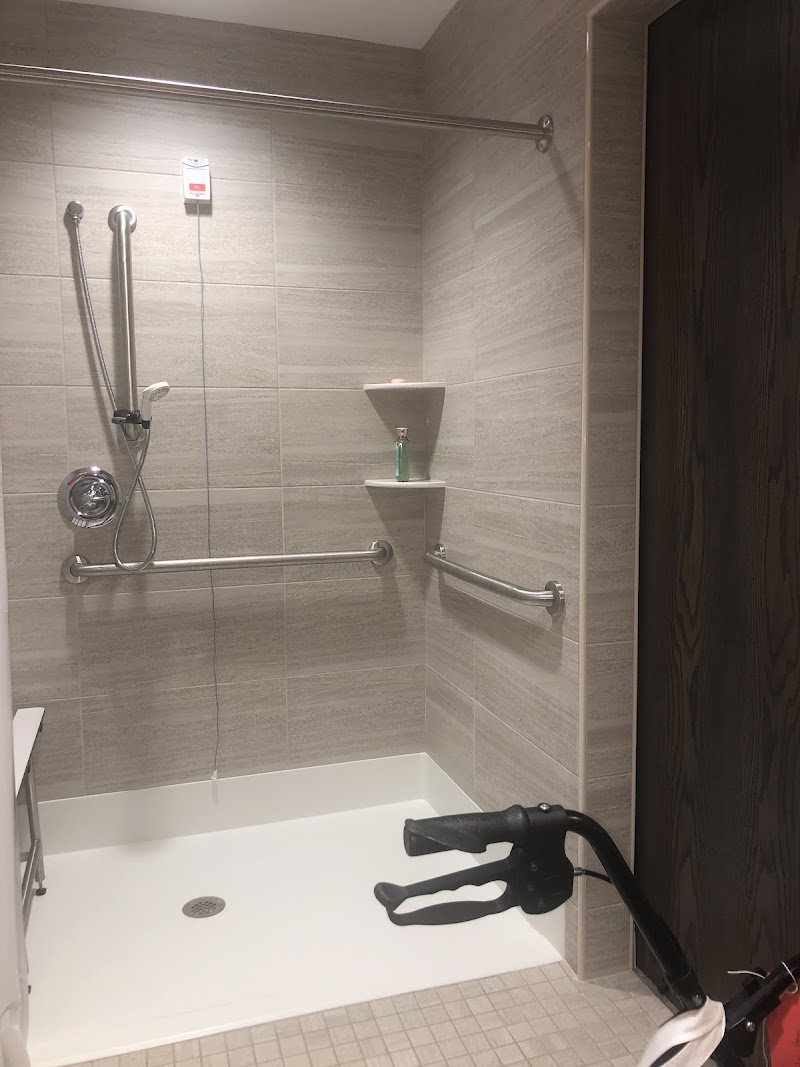
How is Woodward Hills Health And Rehabilitation Center Staffed?

CMS rates Woodward Hills Health and Rehabilitation Center's staffing level at 3 out of 5 stars, which is average compared to other nursing homes. Staff turnover is 53%, compared to the Michigan average of 46%.

What Have Inspectors Found at Woodward Hills Health And Rehabilitation Center?

State health inspectors documented 75 deficiencies at Woodward Hills Health and Rehabilitation Center during 2022 to 2025. These included: 6 that caused actual resident harm, 68 with potential for harm, and 1 minor or isolated issues. Deficiencies causing actual harm indicate documented cases where residents experienced negative health consequences.
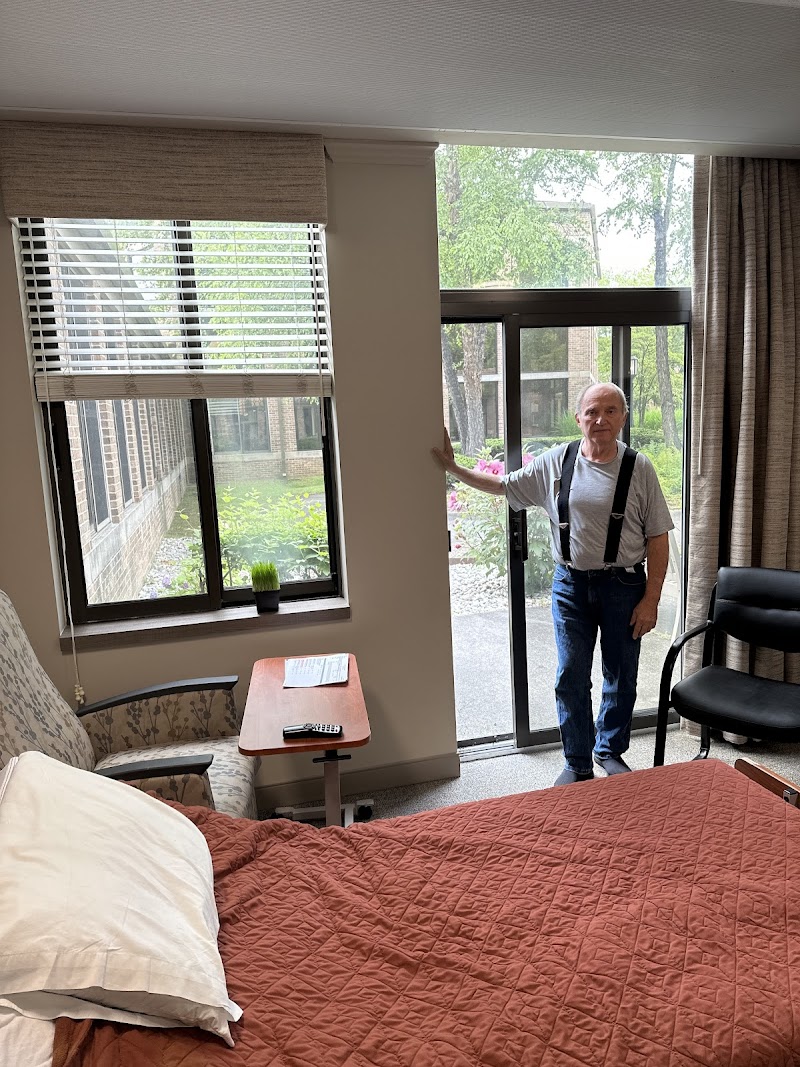
Who Owns and Operates Woodward Hills Health And Rehabilitation Center?

Woodward Hills Health and Rehabilitation Center is owned by a for-profit company. For-profit facilities operate as businesses with obligations to shareholders or private owners. The facility is operated by OPTALIS HEALTH & REHABILITATION, a chain that manages multiple nursing homes. With 190 certified beds and approximately 140 residents (about 74% occupancy), it is a mid-sized facility located in Bloomfield Hills, Michigan.

How Does Woodward Hills Health And Rehabilitation Center Compare to Other Michigan Nursing Homes?

Compared to the 100 nursing homes in Michigan, Woodward Hills Health and Rehabilitation Center's overall rating (2 stars) is below the state average of 3.1, staff turnover (53%) is near the state average of 46%, and health inspection rating (1 stars) is much below the national benchmark.

What Should Families Ask When Visiting Woodward Hills Health And Rehabilitation Center?

Based on this facility's data, families visiting should ask: "Can I visit during a mealtime to observe dining assistance and food quality?" "How do you handle medical emergencies, and what is your hospital transfer rate?" "Can I speak with family members of current residents about their experience?"

Is Woodward Hills Health And Rehabilitation Center Safe?

Based on CMS inspection data, Woodward Hills Health and Rehabilitation Center has a clean safety record: no substantiated abuse findings (meaning no confirmed cases of resident harm), no Immediate Jeopardy citations (the most serious violation level indicating risk of serious injury or death), and is not on the Special Focus Facility watch list (a federal program monitoring the lowest-performing 1% of nursing homes). The facility has a 2-star overall rating and ranks #100 of 100 nursing homes in Michigan. While no facility is perfect, families should still ask about staff-to-resident ratios and recent inspection results during their visit.

Do Nurses at Woodward Hills Health And Rehabilitation Center Stick Around?

Woodward Hills Health and Rehabilitation Center has a staff turnover rate of 53%, which is 7 percentage points above the Michigan average of 46%. Moderate turnover is common in nursing homes, but families should still ask about staff tenure and how the facility maintains care continuity when employees leave.

Was Woodward Hills Health And Rehabilitation Center Ever Fined?

Woodward Hills Health and Rehabilitation Center has been fined $38,727 across 1 penalty action. The Michigan average is $33,466. While any fine indicates a compliance issue, fines under $50,000 are relatively common and typically reflect isolated problems that were subsequently corrected. Families should ask what specific issues led to these fines and confirm they've been resolved.

Is Woodward Hills Health And Rehabilitation Center on Any Federal Watch List?

Woodward Hills Health and Rehabilitation Center is not on any federal watch list. The most significant is the Special Focus Facility (SFF) program, which identifies the bottom 1% of nursing homes nationally based on persistent, serious quality problems. Not being on this list means the facility has avoided the pattern of deficiencies that triggers enhanced federal oversight. This is a positive indicator, though families should still review the facility's inspection history directly.