The Oaks at Byron Center
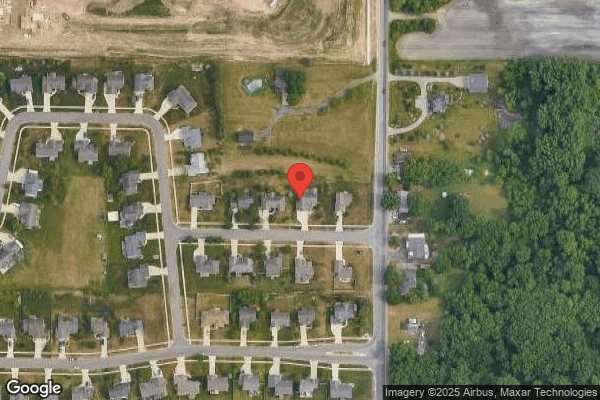
2280 Byron View Dr SW, Byron Center, MI 49315 (616) 949-7310
For profit - Corporation 60 Beds TRILOGY HEALTH SERVICES Data: November 2025
Trust Grade
80/100
#89 of 422 in MI
Last Inspection: October 2024

Within standard 12-15 month inspection cycle. Federal law requires annual inspections.

Overview

The Oaks at Byron Center has a Trust Grade of B+, which means it is above average and generally recommended for families considering care options. In Michigan, it ranks #89 out of 422 facilities, placing it in the top half, and #14 out of 28 in Kent County, indicating that there are only a few better local options available. However, the facility's trend is concerning as the number of issues found during inspections has increased from 5 in 2023 to 9 in 2024. Staffing is an average point, with a 3/5 star rating and a turnover rate of 49%, which is similar to the state average, while they have good RN coverage compared to 83% of other Michigan facilities. There have been no fines, which is a positive sign, but recent inspections revealed serious concerns: one resident developed a pressure ulcer due to insufficient care, and there were issues with food safety practices, such as using inappropriate methods to clean hands during food preparation and failing to discard expired food items. Overall, while the facility has strong aspects like excellent quality measures, the rise in issues and specific incidents of care lapses should be carefully considered by families.

Trust Score
B+
80/100
In Michigan
#89/422
Top 21%
Safety Record
Moderate
Needs review
Inspections
Getting Worse
5 → 9 violations
Staff Stability
⚠ Watch
49% turnover. Above average. Higher turnover means staff may not know residents' routines.
Penalties
✓ Good
No fines on record. Clean compliance history, better than most Michigan facilities.
Skilled Nurses
✓ Good
Each resident gets 60 minutes of Registered Nurse (RN) attention daily — more than 97% of Michigan nursing homes. RNs are the most trained staff who catch health problems before they become serious.
Violations
⚠ Watch
19 deficiencies on record. Higher than average. Multiple issues found across inspections.
★★★★★
5.0
Overall Rating
★★★☆☆
3.0
Staff Levels
★★★★★
5.0
Care Quality
★★★★☆
4.0
Inspection Score
Stable
2023: 5 issues
2024: 9 issues

The Good

  • 5-Star Quality Measures · Strong clinical quality outcomes
  • Full Sprinkler Coverage · Fire safety systems throughout facility
  • No fines on record

Facility shows strength in quality measures, fire safety.

The Bad

Staff Turnover: 49%

Near Michigan avg (46%)

Higher turnover may affect care consistency

Chain: TRILOGY HEALTH SERVICES

Part of a multi-facility chain

Ask about local staffing decisions and management

The Ugly 19 deficiencies on record

1 actual harm
Oct 2024 9 deficiencies
CONCERN (D)

Potential for Harm - no one hurt, but risky conditions existed

Deficiency F0561 (Tag F0561)

Could have caused harm · This affected 1 resident

**NOTE- TERMS IN BRACKETS HAVE BEEN EDITED TO PROTECT CONFIDENTIALITY** Based on observation, interview, and record review, the facility failed to accommodate resident choice regarding morning schedul...

Read full inspector narrative →
**NOTE- TERMS IN BRACKETS HAVE BEEN EDITED TO PROTECT CONFIDENTIALITY** Based on observation, interview, and record review, the facility failed to accommodate resident choice regarding morning schedule for 1 (Resident #8) of 14 sampled residents reviewed for resident choices, resulting in feelings of frustration and the potential for Resident #8 being unable to meet their highest practicable level of well-being. Findings include: Resident # 8 Review of an admission Record revealed Resident #8 was originally admitted to the facility on [DATE] with pertinent diagnoses which included muscle weakness. Review of a Minimum Data Set (MDS) assessment for Resident #8, with a reference date of 8/23/24 revealed a Brief Interview for Mental Status (BIMS) score of 14/15 which indicated Resident #8 was cognitively intact. Review of Resident #8's Care Plan revealed, Profile Care Guide: Approach: Prefers to be up by 8:00 AM all days to have breakfast in AL (Assisted Living). Approach Start Dare: 6/23/22 . Review of Resident #8 Concern Forms revealed, Date 10/15/24 . Concerned Person: (Resident #8). Nature of Concern: (Resident #8) not being out of bed in morning. (Resident #8) requests to have her morning care started early. Resolution: Satisfactory. Will educate staff on (Resident #8's) request for care to start early morning. Profile care updated. Resolved by Director of Nursing (DON) B on 10/15/24 Review of Resident #8 Concern Forms revealed, Date: 9/25/24: Concerned Person: (Resident #8). Nature of Concern: Getting up for breakfast. (Resident #8) reports that she would like to be up and in her chair so that she can go over to AL to eat breakfast (as she does for lunch and dinner), but that she usually isn't up and in her chair until much later in the morning. (Resident #8) is requesting to be up in her chair by 7 am or at least have nursing staff in getting her up at 7 am . Resolution: Satisfactorily- Daily huddles are being done. Apologized to (Resident #8). Will continue with educating staff on providing good service. Resolved by DON B on 10/2/24 . During an observation and interview on 10/15/24 at 9:46 AM, Resident #8 was lying in her bed. It was noted that Resident #8 was in her pajamas and had not had morning care yet. Resident #8 reported that she liked to get up around 8:00 AM to eat breakfast, but she often had to wait until much later in the morning for staff to come assist her. Resident #8 reported that she had talked to the facility management about her desire to be up earlier in the morning several times. Resident #8 reported that the facility would accommodate her request for a few weeks but that the facility would always return to getting her up later than she desired. Resident #8 voiced frustration with being stuck in bed and waiting for staff assistance late in the morning, and missing the opportunity to eat breakfast in the dining room. During an interview on 10/17/24 at 11:21 AM, Licensed Practical Nurse (LPN) N reported that getting Resident #8 up at the time she desired was challenging for staff because the hall that Resident #8 was on had several residents that required assistance and staff struggled to get to residents on time. LPN N was not sure what interventions the facility had tried to accommodate Resident #8's request of getting up by 8:00 AM. LPN N confirmed that Resident #8 had voiced concern over not getting up at the time she would like multiple times, and that this was an ongoing issue for Resident #8 and the facility. During an interview on 10/17/24 at 12:36 PM, DON B reported that Resident #8's care profile directed staff to get Resident #8 up by 8:00 AM. DON B confirmed that she had completed a concern form for Resident #8 on 9/25/24 related to Resident #8's concern that her morning care was being given much later than she desired. DON B reported that she had educated staff regarding Resident #8's desire to be up for the day by 8:00 AM. DON B could not recall how she educated staff. DON B was not able to report why Resident #8 had not been provided morning care until after 9:45 AM on 10/15/24. DON B reported that she did not feel that the staffing on Resident #8's hall was an issue, and that staff were able to accommodate Resident #8's request if they prioritized resident care appropriately. DON B reported that the facility had not looked into any other interventions to assist with ensuring Resident #8 was receiving morning care at her desired time, as she (DON B) did not feel there was anything else that needed to be done.
CONCERN (D)

Potential for Harm - no one hurt, but risky conditions existed

Transfer Notice (Tag F0623)

Could have caused harm · This affected 1 resident

**NOTE- TERMS IN BRACKETS HAVE BEEN EDITED TO PROTECT CONFIDENTIALITY** Based on interview and record review, the facility failed to provide a written notice of transfer for one resident (Resident #15...

Read full inspector narrative →
**NOTE- TERMS IN BRACKETS HAVE BEEN EDITED TO PROTECT CONFIDENTIALITY** Based on interview and record review, the facility failed to provide a written notice of transfer for one resident (Resident #15) of two residents reviewed for hospitalizations, resulting in the potential of residents and/or resident representatives being uninformed of the reason for transfer and their rights. Findings include: Resident #15 (R15) Review of the Face Sheet and Minimum Data Set (MDS) dated [DATE] revealed R15's admission date was 3/26/2019. Brief Interview for Mental Status (BIMS) score was a 99 which indicated her BIMS couldn't be completed due to her cognition level. R15 was discharged to the emergency room on 6/28/2024 due to chest pain and shortness of breath and returned to the facility on 7/4/2024. Review of R15's chart revealed she had a guardian and there was no evidence that R15/her guardian received a written notice of transfer when she went to the hospital and which included the following information: (i) The reason for transfer or discharge; (ii) The effective date of transfer or discharge; (iii) The location to which the resident is transferred or discharged ; (iv) A statement of the resident's appeal rights, including the name, address (mailing and email), and telephone number of the entity which receives such requests; and information on how to obtain an appeal form and assistance in completing the form and submitting the appeal hearing request; (v) The name, address (mailing and email) and telephone number of the Office of the State Long-Term Care Ombudsman; (vi) For nursing facility residents with intellectual and developmental disabilities or related disabilities, the mailing and email address and telephone number of the agency responsible for the protection and advocacy of individuals with developmental disabilities established under Part C of the Developmental Disabilities Assistance and [NAME] of Rights Act of 2000 (Pub. L. 106-402, codified at 42 U.S.C. 15001 et seq.); and (vii) For nursing facility residents with a mental disorder or related disabilities, the mailing and email address and telephone number of the agency responsible for the protection and advocacy of individuals with a mental disorder established under the Protection and Advocacy for Mentally Ill Individuals Act. During an interview on 10/17/2024 at 1:12 PM, Nursing Home Administrator (NHA) A stated that R15's transfer notice wasn't completed and was forgotten by the nurse when she was sent out to the hospital on 6/28/2024.
CONCERN (D)

Potential for Harm - no one hurt, but risky conditions existed

Deficiency F0625 (Tag F0625)

Could have caused harm · This affected 1 resident

**NOTE- TERMS IN BRACKETS HAVE BEEN EDITED TO PROTECT CONFIDENTIALITY** Based on interview and record review, the facility failed to notify the resident/resident representative of the facility bed hol...

Read full inspector narrative →
**NOTE- TERMS IN BRACKETS HAVE BEEN EDITED TO PROTECT CONFIDENTIALITY** Based on interview and record review, the facility failed to notify the resident/resident representative of the facility bed hold policy and provide a written copy upon hospital transfer for one resident (Resident #15) of two residents reviewed for hospitalizations, resulting in the potential of residents and/or resident representatives being uninformed of the bed hold policy. Findings include: Resident #15 (R15) Review of the Face Sheet and Minimum Data Set (MDS) dated [DATE] revealed R15's admission date was 3/26/2019. Brief Interview for Mental Status (BIMS) score was a 99 which indicated her BIMS couldn't be completed due to cognition level. R15 was discharged to the emergency room on 6/28/2024 due to chest pain and shortness of breath and returned to the facility on 7/4/2024. Review of the R15's chart revealed she had a guardian in place and there was no documentation that R15/her guardian received a written bed hold notice upon transfer to the hospital. During an interview on 10/17/2024 at 1:12 PM, Nursing Home Administrator (NHA) A stated that she couldn't find that a bed hold notice was given to R15/her guardian in her chart upon her transfer to the hospital on 6/28/2024. NHA A stated that it should have been given.
CONCERN (D)

Potential for Harm - no one hurt, but risky conditions existed

Tube Feeding (Tag F0693)

Could have caused harm · This affected 1 resident

Based on observation and interview the facility failed to discard expired tube feeding supplements. These conditions resulted in an increased risk for contaminated foods and an increased risk of food ...

Read full inspector narrative →
Based on observation and interview the facility failed to discard expired tube feeding supplements. These conditions resulted in an increased risk for contaminated foods and an increased risk of food borne illness for residents who might be prescribed these specific supplements. Findings include: During a tour of the 500 hall central supply storage room, at 11:15 AM on 10/16/24, it was observed that 35 bolus containers of Jevity supplement were found to all have a manufactures expiration date of 1MAY2024. At this time, Scheduling Coordinator G was going through the room discarding some expired product. An interview with Scheduling Coordinator G found that sometimes the facility doesn't have a resident who needs these items, and we don't end up going through them.
CONCERN (D)

Potential for Harm - no one hurt, but risky conditions existed

Deficiency F0883 (Tag F0883)

Could have caused harm · This affected 1 resident

**NOTE- TERMS IN BRACKETS HAVE BEEN EDITED TO PROTECT CONFIDENTIALITY** Based on interview and record review, the facility failed to ensure residents were screened for eligibility to receive pneumococ...

Read full inspector narrative →
**NOTE- TERMS IN BRACKETS HAVE BEEN EDITED TO PROTECT CONFIDENTIALITY** Based on interview and record review, the facility failed to ensure residents were screened for eligibility to receive pneumococcal and influenza vaccinations and receive vaccination if eligible for 2 (Resident #8 and #10) of 5 residents reviewed for vaccinations, resulting in the potential of acquiring, transmitting, or experiencing complications from pneumococcal pneumonia and/or influenza. Findings include: Resident #8 Review of an admission Record revealed Resident #8 was originally admitted to the facility on [DATE] with pertinent diagnoses which included muscle weakness. Review of Resident #8's Electronic Health Record (EHR) did not reveal Resident #8's pnuemococcal immunization administration record. During an interview on 10/16/24 at 2:00 PM, Infection Preventionist (IP) CC reported that Resident #8 had last received the PVC 13 (pneumococcal vaccine) on 11/8/22. IP CC reported that Resident #8 was due for the PVC 20 (pneumococcal vaccine). IP CC was not able to confirm if Resident #8 had been offered to receive the PVC 20 vaccine. Resident #10 Review of an admission Record revealed Resident #10 was originally admitted to the facility on [DATE] with pertinent diagnoses which included need for assistance with personal care. Review of Resident #10's Electronic Health Record (EHR) did not reveal Resident #10's influenza immunization administration record. During an interview on 10/16/24 at 2:00 PM, Infection Preventionist (IP) CC reported that Resident #10 had last received an influenza vaccine on 10/6/22. IP CC was not able to confirm if Resident #10 had been offered an influenza vaccine in 2023. IP CC reported that she had been working through getting all of the residents caught up on vaccines, as this was something that had been missed with multiple changes in staff that were monitoring the infection control program. A request for Resident #8 and Resident #10's immunization record was made to Nursing Home Administrator (NHA) A on 10/17/24 at 3:08 PM via email. On 10/17/24 at 3:10 PM, NHA A reported via email that the facility did not have immunization records for Resident #8 and #10. Review of the facility's Guidelines for Influenza, Pneumococcal, & COVID-19 Immunizations policy last revised 12/31/23 revealed, . PURPOSE: To establish an immunization program that facilitates providing education to residents and resident representative allowing them to make an informed decision regarding immunization and to follow through per their decision to receive or not to receive immunization unless medically contraindicated. PROCEDURES: 1. Upon admission each resident/resident representative will be provided with information regarding the risk and benefits of influenza, pneumococcal, and COVID-19 immunization. A copy will be retained in the medical record. 2. Upon admission, each resident/resident representative will sign an informed consent form indicating the acceptance/refusal of immunization. A copy will be retained in the medical record and results added to preventative health record in EHR .4. Each resident/responsible party will be provided annually with information regarding the risk and benefits of influenza vaccine and receive the immunization per their request, unless medically contraindicated .6. Each resident will be offered, unless medically contraindicated, or already vaccinated, a pneumococcal vaccine per attending physician ' s orders. a. The campus will make efforts to determine if the resident has already received a pneumococcal vaccine and date received. b.If a date and type of vaccine cannot be determined, the facility will offer to restart the series per the CDC recommendations .
CONCERN (D)

Potential for Harm - no one hurt, but risky conditions existed

Deficiency F0887 (Tag F0887)

Could have caused harm · This affected 1 resident

**NOTE- TERMS IN BRACKETS HAVE BEEN EDITED TO PROTECT CONFIDENTIALITY** Based on interview and record review, the facility failed to ensure COVID-19 immunization were offered to 1 (Resident # 25) of 5...

Read full inspector narrative →
**NOTE- TERMS IN BRACKETS HAVE BEEN EDITED TO PROTECT CONFIDENTIALITY** Based on interview and record review, the facility failed to ensure COVID-19 immunization were offered to 1 (Resident # 25) of 5 residents, reviewed for COVID-19 immunizations, resulting in the higher likelihood of infection and complications from COVID-19. Findings include: Resident #25 Review of an admission Record revealed Resident #25 was originally admitted to the facility on [DATE] with pertinent diagnoses which included end stage renal disease. Review of Resident #25's Electronic Health Record (EHR) did not reveal Resident #25's Covid-19 immunization administration record. During an interview on 10/16/24 at 2:00 PM, Infection Preventionist (IP) CC reported that Resident #25 had last received a Covid-19 immunization on 10/6/22. IP CC was not able to report if Resident #25 had been offered a Covid-19 immunization in 2023. IP CC reported that she was currently trying to catch up all resident vaccines in the facility, as this was something that had been missed with multiple changes in staff covering the infection preventionist role. A request for Resident #8 and Resident #25's immunization record was made to Nursing Home Administrator (NHA) A on 10/17/24 at 3:08 PM via email. On 10/17/24 at 3:10 PM, NHA A reported via email that the facility did not have immunization records for Resident #25. Review of the facility's Guidelines for Influenza, Pneumococcal, & COVID-19 Immunizations policy last revised 12/31/23 revealed, PURPOSE: To establish an immunization program that facilitates providing education to residents and resident representative allowing them to make an informed decision regarding immunization and to follow through per their decision to receive or not to receive immunization unless medically contraindicated. PROCEDURES 1. Upon admission each resident/resident representative will be provided with information regarding the risk and benefits of influenza, pneumococcal, and COVID-19 immunization. A copy will be retained in the medical record .3. The campus Medical Director and/or Provider should review with the resident and/or resident representative recommendations for Influenza, pneumococcal, and COVID-19 vaccinations .13. COVID-19 Boosters will be offered and given based on current CDC recommendations .
CONCERN (D)

Potential for Harm - no one hurt, but risky conditions existed

Deficiency F0919 (Tag F0919)

Could have caused harm · This affected 1 resident

**NOTE- TERMS IN BRACKETS HAVE BEEN EDITED TO PROTECT CONFIDENTIALITY** Based on observation, interview, and record review, the facility failed to make sure the call light for two residents (Resident ...

Read full inspector narrative →
**NOTE- TERMS IN BRACKETS HAVE BEEN EDITED TO PROTECT CONFIDENTIALITY** Based on observation, interview, and record review, the facility failed to make sure the call light for two residents (Resident #35, Resident #5) of 14 residents reviewed had an operable call light, which could potentially result in delayed response and negative resident outcomes. Findings include: Resident #35 (R35) Review of the Face Sheet and Minimum Data Set (MDS) dated [DATE] revealed R35 admitted to the facility on [DATE] with diagnoses of heart failure, depression, weakness and insomnia (difficulty falling and staying asleep). Brief Interview for Mental Status (BIMS) reflected a score of 15 out of 15 which indicated she was cognitively intact (13 to 15 cognitively intact). During an interview on 10/15/2024 at 11:01 AM, R35 stated that her call light wasn't working. This surveyor turned on her call light and observed that it wasn't turning on to alert staff she needed help. R35 said that her call light works and then doesn't work at times. During an observation on 10/15/2024 at 11:23 AM, Certified Nursing Assistant (CNA) C pressed R35's call light multiple times before it worked. CNA C' notified a nurse that the call light wasn't working and it was replaced. During an interview on 10/16/2024 at 8:39 AM, Director of Plant Operations (DPO) E stated that he gets work orders for call lights every now and then and has looked at R35's call light a few times and hasn't found a problem. DPO E said he received work orders for her in the past and would go in there and didn't find it wasn't working. DPO E stated that he had to replace the call light cord once but hasn't found an issue since then. When asked if he conducts audits on call lights, DPO E stated that he has not done any since he started working at the facility. During another interview on 10/16/2024 at 8:59 AM, DPO E clarified that he doesn't have any work orders regarding the call light for R35. DPO E said most concerns from staff are verbal and it's hard to get staff to fill out work orders. During another interview on 10/16/2024 at 9:08 AM, R35 stated that when she had an issue with call lights in the past, it took days for someone to come and check it out and she wasn't given a call bell. She stated that the communication to pass it on from the nurse to maintenance to get it fixed is not good. When asked what she does when she needs help when the call light isn't working, R35 stated that she grabs her walker and goes down the hall to find help but she said she was worried about other residents who can't do that. During an interview on 10/16/2024 at 9:39 AM, CNA O stated that R35 has told her about call light issues in the past. During an interview on 10/16/2024 at 11:05 AM, Nursing Home Administrator (NHA) A stated that there weren't any grievances regarding R35's call light until 10/15/2024 when this surveyor identified it wasn't working. Review of the Guidelines for Inoperable Light System Policy with an effective date of 5/11/2016 and a review date of 12/31/2023 revealed PROCEDURES: .3. A bell or other sound making device shall be provided for residents that are able to use the call system. 4. A staff member shall be assigned to round in the campus to identify residents requiring assistance. An interview with Director of Plant Operations (DPO) E, at 2:45 PM on 10/16/24, found that call lights are on a wireless system and that DPO E gets notifications when there is an issue with some parts of the system not working, such as the battery dying on the wall mounted unit. DPO E went on to state that when the cord or light bulb is not working, that he only finds out through staff submitting work orders. When asked if he has ever come to fix a call light and found that the cord has been found partially pulled out of the socket and needed to be reinserted a fraction to work, DPO E stated its happened sometimes. When asked about other issues with call lights, DPO E stated that on occasion he has found that some residents are confused about how to use the call system and don't press the button and instead press the side of the handheld unit of the call system that doesn't engage the light. They also use back up bells when there are issues with call lights they are working on. Resident #5 Review of an admission Record revealed Resident # 5 was originally admitted to the facility on [DATE] with pertinent diagnoses which included: paralysis of the right side after a stroke. Review of a Minimum Data Set (MDS) assessment for Resident #5 with a reference date of 7/19/24 revealed a Brief Interview for Mental Status (BIMS) score of 14/15 which indicated Resident #5 was cognitively intact. In an interview on 10/16/24 at 03:01 PM., Resident #5 reported she had fallen a weeks ago in her bedroom because the call light was not working. Resident #5 reported she had to yell out help help while she was on the floor after the fall. Resident #5 reported she had initially pressed the call light it to get up but no one came until she called for help. In an interview on 10/16/24 03:07 PM CNA GG reported a few weeks ago Resident #5 had fallen trying to get to get into her bed. CNA GG reported she recalled the call light was not working at the time of Resident #5's fall. CNA GG reported the call light had to be replaced after Resident #5 was assisted and assessed for injuries. CNA GG reported Resident #5 had no injuries from the fall. Review of Resident #5's Electronic Medical Record (EMR) nursing progress note revealed Nursing progress note-10/05/2024 07:37 PM., (Resident #5) was observed in supine position on floor, next to right side of bed. Her (Resident #5) head was at the foot of bed, with her feet facing head of bed. (Resident #5) did not have any socks or shoes on at the time of fall, as she removed them prior to self transferring. (Resident #5) stated she pushed her call light for assistance. Call light was not on at the time of fall, and it was noted to not be working properly when this nurse tested it. Call light was immediately exchanged for one that is functioning properly. Head to toe assessment completed on (Resident #5) with no apparent injuries observed (Resident #5) denies pain/discomfort r/t (related to) fall. With multiple staff assistance (Resident #5) was removed from floor and assisted to bed Review of Resident #5's Electronic Medical Record (EMR) nursing progress note revealed Nursing progress note-10/07/2024 IDT (Interdisciplinary Team) met on 10/7/24 to review fall that occurred on 10/5/24. (Resident #5) was observed on floor in her room next to her bed. IDT was informed by nurse that (Resident #5) was trying to self transfer from wheelchair into her bed and ended up falling. Nurse observed resident to have bare feet with no socks or shoes on at time of fall. (Resident #5) did state that she activated her call light but no one came to help her. Nurse assessed call light and observed that it was not functioning properly. (Resident #5) denied having any pain. A head to toe assessment done. No injuries observed. Neuros and vitals taken. Provider and family were notified. (Resident #5) has a BIMS of 14/15. She is diagnosed with hemiplegia and hemiparesis following cerebral infarction affecting right dominant side, dysarthria following cerebral infarction vascular dementia Root Cause Analysis: (Resident #5) self transferred. She is a two person assist using sit to stand for transfers and is aware of this. Resident did not have on proper footwear during self transfer. Immediate intervention: Call light was immediately exchanged for one that is functioning properly. Intervention: Ensure resident has her grippy socks on or shoes with staff member assisting her with transfers. Intervention in place and care plan updated .
CONCERN (E)

Potential for Harm - no one hurt, but risky conditions existed

Infection Control (Tag F0880)

Could have caused harm · This affected multiple residents

Based on interview and record review, the facility failed to implement a system of infection control surveillance to identify possible infections or communicable diseases resulting in the potential fo...

Read full inspector narrative →
Based on interview and record review, the facility failed to implement a system of infection control surveillance to identify possible infections or communicable diseases resulting in the potential for the development and transmission of communicable diseases and infections. Findings include: In an interview on 10/16/24 at 2:00 PM, Infection Preventionist (IP) CC reported that she was recently hired as the facility's full time infection preventionist. IP CC and Clinical Regional Support (CRS) AA reported that multiple staff members had been covering the Infection Preventionist Role over the last year. IP CC was asked to show and discuss what kind of infection prevention education had been provided to staff over the last year, and IP CC and CRS AA were not able to provide any evidence that the staff that had been covering the IP role over the last year had provided the staff with any education on infection prevention. CRS AA reported that all facility staff were provided with education at orientation and annually via the facility's online learning platform, but they did not know if any other education had been provided to staff. IP CC was asked to show and discuss the facility's infection control surveillance data for the last year. IP CC reported that she had not been keeping track of all residents with infections or possible infection symptoms, and only had a list of residents that had been prescribed an antibiotics to review. CRS AA reported that the facility had a way to run an infection event tracking report in the facility's EHR (Electronic Health Record). IP CC reported that any time the facility had a resident admitted or diagnosed with an infection, the event would be opened and tracking would occur through the EHR. IP CC confirmed that the infection even tracking was not created for residents with possible infection symptoms. IP CC was asked to show and discuss infection control audits that had been completed in the last year by the facility, and IP CC reported that she had not been documenting the audits that she had done. IP CC and CRS AA were not able to provide evidence of any infection control audits that had been completed in the last year. IP CC confirmed that she was still being trained by CRS AA, Director of Nursing (DON) B and an Infection Preventionist that had transferred to another building. IP AA reported that she had been trained on infection control surveillance and the process of monitoring infections and possible infections. During this interview, this surveyor requested documentation of infection surveillance, infection prevention and control education provided to staff in the last year, and infection prevention and control audits from the last year. CRS AA and IP CC reported that they would try to find the requested documents for this surveyor to review. During a follow up interview on 10/17/24 at 12:14 PM, IP CC showed this surveyor a binder the facility had used for 2024 which included line listings and mappings for infections. IP CC confirmed that the line listings and maps were not something IP CC had utilized. IP CC also provided a huddle note from 10/04/2024 that revealed Nurse topic: Infection prevention- medication and treatment cart : 1. Keep area clean and presentable. 2. Avoid personal belongings on stations such as food or drink. 3. When leaving station lock/close computer and medication drawers. 4. Label daily applesauce, pudding, water, cooler. 5. Check sharps container and change if full. 6. Night shift to stock straws, cups, spoons, med cups, ice, pudding, apple sauce . IP CC was not able to provide any other evidence of staff infection prevention education or infection control audits from the last year. During a follow up interview on 10/17/24 at 12:36 PM, this surveyor requested verification of staff infection prevention education and infection control audits from the last year to CRS AA. This surveyor queried CRS AA about the staff that had been responsible for the infection control program over the last year, and CRS AA reported that there had been several staff covering the program at different times, and she was not sure what each staff members method was for documenting infection control surveillance. On 8/17/24 at 3:16 PM, the facility provided additional documentation that the facility had educated staff on Enhanced Barrier Precautions on 4/2/24. The facility also provided a sign in sheet titled Education Huddle on Infection Control but there was no additional information included on what type of infection control education was provided. The facility did not provide any documentation of infection control audits prior to survey exit. Review of the facility's Infection Prevention and Control Program policy dated 12/31/23 revealed, .PURPOSE: To establish and maintain an infection prevention and control program designed to provide a safe, sanitary and comfortable environment and to help prevent the development and transmission of communicable diseases and infections . 2. The campus shall designate a member of the clinical team to monitor the campus IPCP program to perform surveillance to identify, investigate, control, and prevent the spread of infection and reporting for the IPCP .b.Surveillance activities to identify, investigate, control, and prevent the spread of infection. Infections shall be tracked per hall/unit, type of infection, and monitor lab reports to identify organism(s). c. Reviews and critiques infection surveillance reports and statistics, recommending appropriate action for Healthcare Associated Infections (HAI) and Community Acquired Infections (CAI).Not limited to, documentation in resident ' s Electronic Health Record, reports available from lab vendor, and other reports available implementations and effectiveness of recommended actions. e. Monitors compliance with infection control practices and procedures. f. Ensures timely infection control education and training at orientation, regularly scheduled in-services and as needed in response to identified problems health status of residents (i.e., identifies those at risk for infection; reviews immunization status, etc.) .
CONCERN (F)

Potential for Harm - no one hurt, but risky conditions existed

Food Safety (Tag F0812)

Could have caused harm · This affected most or all residents

Based on observation, interview, and record review, the facility failed to prepare food in accordance with professional standards for food service safety. This deficient practice has the potential to ...

Read full inspector narrative →
Based on observation, interview, and record review, the facility failed to prepare food in accordance with professional standards for food service safety. This deficient practice has the potential to result in food borne illness among all residents that consume food in the kitchen. Findings include: During a tour of the facility, at 8:40 AM on 10/16/24, an interview with Food Service Director (FSD) F, found that hand washing should take place for 20 seconds. During an observation of lunch service, starting at 12:14 PM on 10/16/24, it was observed that [NAME] EE, was on the serving line going through the process of making and plating alternates and puree menu items. At this time, it was observed that [NAME] EE would occasionally use his apron for wiping his gloves off as they got soiled. It was also observed that [NAME] EE used a towel on a preparation table as well as a towel he placed on his apron, to occasionally wipe his gloved hands. Over the course of service, it was observed that [NAME] EE changed his gloves twice without washing his hands in between gloves changes. After the third time [NAME] EE changed his gloves, he was observed at the hand sink washing his hands for roughly five seconds before drying them with paper towel, donning gloves, and getting back on the line to plate more meals. According to the 2017 FDA Food Code section 2-301.12 Cleaning Procedure. (A) Except as specified in (D) of this section, FOOD EMPLOYEES shall clean their hands and exposed portions of their arms, including surrogate prosthetic devices for hands or arms for at least 20 seconds, using a cleaning compound in a HANDWASHING SINK that is equipped as specified under § 5-202.12 and Subpart 6-301.(B) FOOD EMPLOYEES shall use the following cleaning procedure in the order stated to clean their hands and exposed portions of their arms, including surrogate prosthetic devices for hands and arms: (1) Rinse under clean, running warm water; (2) Apply an amount of cleaning compound recommended by the cleaning compound manufacturer; (3) Rub together vigorously for at least 10 to 15 seconds while: (a) Paying particular attention to removing soil from underneath the fingernails during the cleaning procedure, and (b) Creating friction on the surfaces of the hands and arms or surrogate prosthetic devices for hands and arms, finger tips, and areas between the fingers; (4) Thoroughly rinse under clean, running warm water; and (5) Immediately follow the cleaning procedure with thorough drying using a method as specified under § 6-301.12 . According to the 2017 FDA Food Code section 2-301.14 When to Wash. FOOD EMPLOYEES shall clean their hands and exposed portions of their arms as specified under § 2-301.12 immediately before engaging in FOOD preparation including working with exposed FOOD, clean EQUIPMENT and UTENSILS, and unwrapped SINGLE-SERVICE and SINGLE-USE ARTICLES and: .(F) During FOOD preparation, as often as necessary to remove soil and contamination and to prevent cross contamination when changing tasks; .(H) Before donning gloves to initiate a task that involves working with FOOD; and (I) After engaging in other activities that contaminate the hands. During a tour of the kitchen, at 9:05 AM on 10/16/24, it was observed that underneath the preparation sink area was found with an increased amount of debris and with an accumulation of yellow staining. During a tour of the kitchen, at 9:18 AM on 10/16/24, it was observed that under and behind the ice machine was found with increased dirt and debris. Observation of some kitchen utensils, including a fork, dessert cup, and plastic ramekin were found under and behind the machine. During a tour of the pop closet, at 9:30 AM on 10/16/24, found that the floor in this area had a heavy accumulation of syrup and sticky debris on the floor and under the syrup storage rack. During a tour of the drink station, at 9:32 AM on 10/16/24, it was found that non-food contact portions of the underside of the juice dispensers were found with orange and brown sticky debris accumulation. When asked how often this area gets cleaned, FSD F stated the spouts are cleaned every day. Further observation found brown and black accumulation on the backside of the ice machine spout. Unsure of how the ice spout gets taken off, FSD F stated he would have to reach out to the vendor and see how to service that part. According to the 2017 FDA Food Code section 4-601.11 Equipment, Food-Contact Surfaces, Nonfood-Contact Surfaces, and Utensils. (A) EQUIPMENT FOOD-CONTACT SURFACES and UTENSILS shall be clean to sight and touch. (B) The FOOD-CONTACT SURFACES of cooking EQUIPMENT and pans shall be kept free of encrusted grease deposits and other soil accumulations. (C) NonFOOD-CONTACT SURFACES of EQUIPMENT shall be kept free of an accumulation of dust, dirt, FOOD residue, and other debris. According to the 2017 FDA Food Code section 6-501.12 Cleaning, Frequency and Restrictions. (A)PHYSICAL FACILITIES shall be cleaned as often as necessary to keep them clean . Dish Machine - During a tour of the dish machine area, at 9:25 AM on 10/16/24, an interview with FSD F found that staff record the temperatures of the machine every morning to ensure it is working properly. No issues were noted on the October log, with the machine being checked once a day around 6:30 AM. Observation of the dish machine's data plate found that it stated the wash cycle temperature needed to be 160F or higher and the rinse temperature needed to be a minimum of 180F. At this time, the surveyor tested the machine with a dish plate thermometer and ran the unit three times. The unit was found to only achieve a wash temperature between 148F-155F and a rinse temperature of 175F-180F between the three full cycles observed. The dish plate thermometer, with a minimum contact of 160F, reached between 145F-152F during the three cycles. FSD F stated that they were getting someone out to service the machine. During a tour of the kitchen at 11:55 AM on 10/16/24, an interview with Dish Machine Vendor FF found that a thermostat in the unit was burned out and needed to be replaced. According to the 2017 FDA Food Code section 4-501.112 Mechanical Warewashing Equipment, Hot Water Sanitization Temperatures. (A) Except as specified in (B) of this section, in a mechanical operation, the temperature of the fresh hot water SANITIZING rinse as it enters the manifold may not be more than 90C (194F), or less than: .(2) For all other machines, 82C (180F). According to the 2017 FDA Food Code section 4-501.15 Warewashing Machines, Manufacturers' Operating Instructions. (A) A WAREWASHING machine and its auxiliary components shall be operated in accordance with the machine's data plate and other manufacturer's instructions. Observation of the 500 Hall central supply room, with Regional Director of Plant Operations DD and Director of Plant Operations E, at 2:28 PM on 10/16/24, found two bottles of Uti-Stat urinary tract supplement with a manufacture's expiration date of 17MARCH2024. One of the bottles was observed with an open date of today, 10/16/24. Regional Director of Plant Operations DD discarded both bottles. According to the 2017 FDA Food Code section 3-501.17 Ready-to-Eat, Time/Temperature Control for Safety Food, Date Marking. (2) The day or date marked by the FOOD ESTABLISHMENT may not exceed a manufacturer's use-by date if the manufacturer determined the use-by date based on FOOD safety .
Sept 2023 5 deficiencies
CONCERN (D)

Potential for Harm - no one hurt, but risky conditions existed

Comprehensive Care Plan (Tag F0656)

Could have caused harm · This affected 1 resident

**NOTE- TERMS IN BRACKETS HAVE BEEN EDITED TO PROTECT CONFIDENTIALITY** Resident #40 Review of an admission Record revealed Resident #40 was originally admitted to the facility on [DATE] with pertinen...

Read full inspector narrative →
**NOTE- TERMS IN BRACKETS HAVE BEEN EDITED TO PROTECT CONFIDENTIALITY** Resident #40 Review of an admission Record revealed Resident #40 was originally admitted to the facility on [DATE] with pertinent diagnoses which included atrial fibrillation (an irregular, often rapid heart rate that commonly causes poor blood flow). Review of Resident #40's Orders revealed, eliquis (Anticoagulant medication) 5 mg twice a day. Order start date 4/27/23. Review of Resident #40's Orders did not reveal orders for nursing to monitor Resident #40 for possible side effects from eliquis. Review of Resident #40's Care Plan did not reveal a care plan related to Resident #40's use of an anticoagulant medication. During an interview on 9/21/23 at 12:36 PM, Director of Nursing (DON) B reported that residents in the facility that were taking anticoagulant medications should have an order in place for nursing staff to monitor for potential side effects related to anticoagulant use and a care plan that specifically addressed anticoagulant use. DON B reported that Resident #40 did not have an anticoagulant care plan in place or any orders for nursing staff to monitor for potential side effects from anticoagulants. DON B reported that MDS Coordinator CC created care plans for each resident. DON B reported that the order for nursing staff to monitor for potential side effects was missed. During an interview on 9/21/23 at 12:49 PM, MDS Registered Nurse (MDS- RN) CC reported that nurses were responsible for entering the order for monitoring related to anticoagulant use, and that she (MDS-RN CC) was responsible for creating an anticoagulant care plan. MDS- RN CC reported that Resident #40 did not have an anticoagulant care plan in place, and that it was missed. Based on observation, interview, and record review, the facility failed to develop and/or implement a person-centered care plan for 2 of 14 residents (Resident #25 and Resident #40) reviewed for care planning, resulting in unmet nutritional needs, feelings of frustration, and a potential for unmet needs related to the use of an anticoagulant. Findings include: Resident #25 Review of a Face Sheet for Resident #25 dated 5/15/22 revealed allergies to green/red peppers and pertinent diagnoses that included: Multiple Sclerosis (chronic, progressive disease resulting in nerve damage, numbness, slurred speech, and impaired muscle coordination), and Major Depressive Disorder with Psychotic Symptoms. Review of a Minimum Data Set (MDS) assessment for Resident #25 dated 8/4/23 revealed the resident scored 15/15 on a Brief Interview for Mental Status (BIMS) assessment which indicated he was cognitively intact. Review of a Care Plan for Resident #25 dated 2/13/20 revealed a problem/goal/approach as follows: Problem: Resident has potential for alteration in nutritional status related to .diet .Goal: Resident will have food and dining preferences met .Approach: Provide diet as ordered . The care plan did not identify Resident #25's food allergies, preventative steps to avoid exposure to food allergens, approaches to implement if an allergen exposure occurred. Review of Physician orders for Resident #25 dated 4/15/22 revealed listed within the category of allergies, green/red peppers. In an interview on 9/19/23 at 9:45am, Resident #25 reported he felt frustrated and angry after he received a meal that contained one of his known food allergens. Resident #25 reported the staff weren't always aware of his allergies when his food prepared and served. Resident #25 reported he had no obvious physical reaction after his recent exposure to a food allergen but didn't feel well, and was emotionally upset by the situation. In an interview on 9/20/23 at 2:24pm, Director of Food Services S reported Resident #25 received an evening meal that contained green peppers (food allergen) on 9/2/23. Director of Food Services S reported a new staff member, who was not aware of Resident #25's allergy, made an unapproved substitution during food preparation of the evening meal on 9/2/23. In an interview on 9/20/23 at 2:49pm, Licensed Practical Nurse (LPN) FF reported she assisted Resident #25 with eating during his evening meal on 9/2/23. LPN FF reported Resident #25 ate one bite of the main course and immediately voiced the food tasted like it had one of his allergens in it. LPN FF stopped feeding Resident #25 and approached dietary staff to determine if an error had been made. LPN FF confirmed the meal mistakenly contained a known food allergen for Resident #25 and contacted the provider for further instructions. LPN FF reported Resident #25 was upset but had no physical reaction to the food. LPN FF reported Resident #25's food allergens were listed on his meal ticket but did not know what information was in his care plan. In an interview on 9/21/23 at 11:49am, Director of Nursing (DON) B confirmed that Resident #25 received a meal that contained one of his known food allergens on 9/2/23. DON B reported the staff followed the appropriate protocol by contacting the provider for instruction, administering an antihistamine, and initiating monitoring of the Resident every 30 minutes for 24 hours. DON B acknowledged documentation of Resident #25's food allergens was on his meal ticket but not on his care plan. In an interview, Family Member (FM) NN reported Resident #25 typically had gastric upset following ingestion of food allergens and that it would be helpful for staff to know this information as they provided care to Resident #25.
CONCERN (D) 📢 Someone Reported This

A family member, employee, or ombudsman was alarmed enough to file a formal complaint

Potential for Harm - no one hurt, but risky conditions existed

Deficiency F0658 (Tag F0658)

Could have caused harm · This affected 1 resident

**NOTE- TERMS IN BRACKETS HAVE BEEN EDITED TO PROTECT CONFIDENTIALITY** Based on observation, interview, and record review the facility failed to: 1.) notify a physician of missed medication doses and...

Read full inspector narrative →
**NOTE- TERMS IN BRACKETS HAVE BEEN EDITED TO PROTECT CONFIDENTIALITY** Based on observation, interview, and record review the facility failed to: 1.) notify a physician of missed medication doses and changed medication administration time, 2.) failed to assess a residents oxygen flow rate, and 3.) label and date oxygen tubing in 3 of 3 residents (Resident #10, Resident #307, and Resident #27) reviewed for standards of practice, resulting in the potential for worsening of health conditions. Findings include: Resident #10 Review of an admission Record revealed Resident #10, was originally admitted to the facility on [DATE] with pertinent diagnoses which included age-related osteoporosis without current pathological fracture (a condition which bones become weak and brittle). During an observation and interview on 9/20/23 at 7:44 AM, Registered Nurse (RN) T reported that she was missing several medications for Resident #10, and planned to call pharmacy to check on the medications. During a subsequent interview on 9/20/23 at 12:34 PM, RN T reported that Resident #10 had received all of her scheduled medications except for her Calcium Citrate-Vitamin D3 supplement and Vitamin D3 supplement. RN T reported that nurses were able to request a refill in the electronic charting system or call pharmacy if there was a missing medication. RN T reported that all medications were automatically filled weekly by the pharmacy, so nursing staff should have contacted pharmacy if a medication was missing. RN T' reported that pharmacy would bring medications the following day after ordered, or they could drop ship an urgent order the same day. RN T did not know if anyone else had called the pharmacy prior to 9/20/23 to inquire about Resident #10's missing medications Review of Resident #10's Medication Administration Record revealed, Aspirin 81 mg; 1 tablet; twice a day. administration time: between 6:00 AM and 10:100 AM and between 6:00 PM- 10:00 PM. On 9/16/23 between 6:00 AM and 10:00 AM, the order was documented as Not administered: Drug/item unavailable. Comment: Pharmacy notified to send. On 9/16/23 between 6:00 PM and 10:00 PM, the order was documented as Not administered: Drug/item unavailable. Review of Resident #10's Medication Administration Record revealed, Atorvastatin (medication for high cholesterol) 10 mg tablet; once a day; administration time: between 6:00 AM and 10:00 AM. On 9/14/23 between 6:00 and 10:00 AM, the medication order was documented as Not Administered: Drug/item unavailable. On 9/16/23 between 6:00 and 10:00 AM, the medication order was documented as Not Administered: Drug/item unavailable. Comment: Pharmacy notified to send. Review of Resident #10's Medication Administration Record revealed, Calcium Citrate-Vitamin D3 315-6.25 mcg (250 units) 2 tablets; twice a day; administration time: between 6:00 AM and 10:00 AM and between 6:00 PM and 10:00 PM. On 9/14/23, between 6:00 AM and 10:00 AM the medication order was documented as Not administered: Drug/item unavailable. On 9/14/23, between 6:00 PM and 10:00 PM the medication order was documented as Not administered: Drug/item unavailable. On 9/15/23, between 6:00 AM and 10:00 AM the medication order was documented as Not administered: Drug/item unavailable. On 9/15/23, between 6:00 PM and 10:00 PM the medication order was documented as Not administered: Drug/item unavailable. On 9/16/23, between 6:00 AM and 10:00 AM the medication order was documented as Not administered: Drug/item unavailable. Comment: Pharmacy notified to send. On 9/16/23, between 6:00 PM and 10:00 PM the medication order was documented as Not administered: Drug/item unavailable. On 9/17/23, between 6:00 AM and 10:00 AM the medication order was documented as Not administered: Drug/item unavailable. On 9/17/23, between 6:00 PM and 10:00 PM the medication order was documented as Not administered: Drug/item unavailable. On 9/18/23, between 6:00 AM and 10:00 AM the medication order was documented as Not administered: Drug/item unavailable. Comment: Not delivered. On 9/20/23, between 6:00 AM and 10:00 AM the medication order was documented as Not administered: Drug/item unavailable. Review of Resident #10's Medication Administration Record revealed, Cholecalciferol (Vitamin D3) capsule; 25 mcg (1,000 units); 2 tablets; Once a day; administration time: between 6:00 AM- 10:00 AM. On 9/14/23, between 6:00 AM and 10:00 AM, the medication order was documented as Not administered: Drug/item unavailable. On 9/15/23, between 6:00 AM and 10:00 AM, the medication order was documented as Not administered: Drug/item unavailable. On 9/16/23, between 6:00 AM and 10:00 AM, the medication order was documented as Not administered: Drug/item unavailable. Comment: Pharmacy notified to send. On 9/17/23, between 6:00 AM and 10:00 AM, the medication order was documented as Not administered: Drug/item unavailable. Comment: Pharmacy notified to send. On 9/18/23, between 6:00 AM and 10:00 AM, the medication order was documented as Not administered: Drug/item unavailable. Comment: Not delivered 9/20/23, between 6:00 AM and 10:00 AM, the medication order was documented as Not administered: Drug/item unavailable. Review of Resident #10's Medication Administration Record revealed, Clopidogrel (anticoagulant medication) tablet; 75 mg; once a day; medication administration time: between 6:00 AM and 10:00 AM. On 9/16/23, between 6:00 AM and 10:00 AM the medication order was documented as not administered: Drug/item unavailable to send. Comment: Pharmacy notified to send. During an interview on 9/21/23 at 11:17 AM, Licensed Practical Nurse (LPN) FF reported that it was common for residents to miss doses of supplements and vitamins because the facility did not have access to vitamins or supplements in the back up supply. LPN FF reported all other medications were available in the back up supply so that residents would not have to miss a dose of medications. LPN FF reported that the provider should be notified if a resident were to miss a a dose of any medication, including supplements and vitamins. LPN FF' did not recall documenting that Resident #10 did not have the Calcium Citrate-Vitamin D3 315-6.25 or Vitamin D3 supplement. LPN FF reported that nurses did have access in the electronic health chart to review how many times a medication had been documented as missed due to being unavailable. LPN FF reported that she did not recall noticing a pattern of Resident #10 missing several doses of medications. LPN FF reported that the nurses were responsible for ensuring that residents received all medications, and ordering medications that were not available. During an interview on 9/20/23 at 1:55 PM, Director of Nursing (DON) B reported that the pharmacy that the facility utilized automatically refilled orders weekly, and that the pharmacy delivered medications daily. DON B reported that the facility expectation was for nurses to ensure that if a resident had not received a medication because it was unavailable, that they reach out to the pharmacy to ensure the medication is ordered. DON B reviewed Resident #10's medication administration record and reported that the nurses had missed ensuring that Resident #10 did not miss several doses of her medication because the medications were unavailable. During an interview on 9/20/23 at 3:50 PM, Pharmacist I reported that Resident #10's Calcium Citrate-Vitamin D3 315-6.25 was refilled on 9/5/23, so the medication order would have ran out on 9/13/23. Pharmacist I reported that the medication was not set for auto refill, so the medication was not refilled after 9/5/23. Pharmacist I reported that he did not see any notes regarding the facility reaching out to request refills for Resident #10's Calcium Citrate-Vitamin D3 315-6.25 or Vitamin D3 prior to 9/20/23. Pharmacist I reported that if the pharmacy had been contacted, any medications needed would have been sent within a day. Resident #307 Review of an admission Record revealed Resident #307 was originally admitted to the facility on [DATE] with pertinent diagnoses which included acute chronic combined systolic and diastolic heart failure (a condition that develops when the heart cannot pump enough blood for the body's needs). Review of Resident #307's Medication Administration Record (MAR) revealed, lasix; 40 mg; Amount to administer: 1 tablet; Twice a day. Start date 9/19/23. End date 9/23/23. Resident #307's MAR indicated the medication order was documented as administered on the following dates: 9/19/23 between 6:00 PM-10:00 PM and 9/20/23 between 6:00 AM-10:00 AM. On 9/20/23 the order was documented as not given between 12:00 PM-2:00 PM. During an interview on 9/21/23 at 10:44 AM, LPN R reported that she had documented the lasix order on 09/20/23 between 12:00 PM-2:00 PM as not administered because the order was originally ordered to be given between 6:00 PM-10:00 PM, and the facility did not give lasix after 2:00 PM. LPN R reported that she changed the order for the medication to be administered between 12:00 PM-2:00 PM, and then skipped the dose. LPN R reported that she did not contact the provider on call to request permission to change the order time, or to inform that she was not administering the medication as ordered. LPN R reported that she should have contacted the provider to inform that she had omitted the medication, and changed the medication administration time. R27 According to the Minimum Data Set (MDS) dated [DATE], R27 scored 9/15 (cognitively impaired) on her BIMS (Brief Interview Mental Status). The resident required extensive assistance of two-persons for positioning in bed and one-person for dressing and personal hygiene. Diagnoses included anxiety, depression, and chronic lung disease with Klebsiella pneumoniae [K. pneumoniae] as the cause of diseases classified elsewhere. Review of R27's Orders dated 11/23/2022 (open ended) revealed Order Set O2- Oxygen @ 2L per nasal canula continuous Three Times A Day 06:00 AM - 06:00 PM, 06:00 PM - 10:00 PM, 10:00 PM - 06:00 AM. It was noted there was not an order for oxygen tubing to be changed. Review of R27's Care Plan Potential for SOB while lying flat r/t: interstitial pulmonary disease, oxygen dependent. The goal for the resident was to be free of complications from SOB (shortness of breath). Interventions to meet this goal included administering oxygen per MD (Medical Doctor) order and as needed and meds (medications) per MD order (12/28/2022). Review of R27's Care Plan Potential for Complications, functional and cognitive status decline related to respiratory disease r/t (related to) COPD, hx (history) respiratory failure with hypoxia, O2 (oxygen) dependent. The goal for the resident was to be free from complications and declines in functional and cognitive status related to respiratory disease. Interventions to meet this goal included administering oxygen per orders. During an observation on 9/19/23 at 12:17 PM R27 was supine in bed eyes closed, softly snoring. wearing oxygen delivered at 1.5 LPM (liters per minute) via nasal canula (tubing into nose). Oxygen tubing was not dated. During an observation on 9/20/2023 at 8:45 AM R27 was in bed wearing oxygen via nasal canula set at 1.5 LPM. The tubing had tape attached to it where it was connected to the concentrator dated 9-5-23. The labeling was not there the day before, 9/19/2023 at 12:17 PM. During an observation on 09/20/23 at 1:32 PM, R27 was in bed wearing oxygen via nasal canula running at 1.5 LPM. The tubing was dated 9/5/23. During an observation on 9/21/2023 at 8:20 AM, R27 was in her bed wearing oxygen via nasal canula set at 1.5 LPM. The tubing was dated was dated 9/5/23 Observed, interviewed, and reviewed R27's medical records on 9/21/2023 at 8:30 AM with Registered Nurse (RN) T regarding R27's oxygen delivery. The RN looked at the resident's oxygen concentrator stating, The oxygen flow is set at 1.5 LPM. The tubing is dated 9/5/2023. I do not know when tubing is to be changed. Reviewed R27's Orders with RN T. RN stated, (R27's) oxygen should be set at 2 LPM. I checked her oxygen saturation this morning and it was 94%. I did not think to check what her oxygen was set at on the concentrator. I should have checked it. She needs to wear the oxygen continuously. During an interview on 9/21/2023 at 10:30 AM, Director of Nursing (DON)/Infection Control Preventionist B stated, It is on (R27's) MAR that the tubing should be changed monthly and as needed by a nurse. The tubing should be dated for infection control purposes. When a nurse checks a resident's oxygen level they should be checking the concentrator as well to make sure the resident is getting their prescribed amount of oxygen. It was noted, the DON was not looking at the resident's medical records to verify information. During an interview on 9//21/2023 at 10:40 AM, Nursing Home Administrator (NHA) A stated, Staff noticed on rounds when the survey started that (R27) did not have her tubing dated so it was corrected at that time. It was noted the survey started on 9/19/2023. During an interview and record review on 9/21/2023 at 12:00 PM of R27's MAR/TAR September 2023 with DON B who stated, I looked back at (R27's) MAR/TAR for September (2023) and there was no order for her oxygen tubing to be changed. I do not know the last time it was changed or the date it was changed. When she came back from the hospital the order must have gotten missed. Further review of R27's MAR/TAR September 2023 reported that all nurses assigned to provide care and treatment for R27 had documented oxygen was set as prescribed rate of 2 LPM.
CONCERN (D)

Potential for Harm - no one hurt, but risky conditions existed

Respiratory Care (Tag F0695)

Could have caused harm · This affected 1 resident

**NOTE- TERMS IN BRACKETS HAVE BEEN EDITED TO PROTECT CONFIDENTIALITY** Based on observation, interview, and record review, the facility failed to provide appropriate and adequate oxygen management an...

Read full inspector narrative →
**NOTE- TERMS IN BRACKETS HAVE BEEN EDITED TO PROTECT CONFIDENTIALITY** Based on observation, interview, and record review, the facility failed to provide appropriate and adequate oxygen management and tubing care for 1 of 1 residents (R27) reviewed for respiratory and oxygen care, resulting in the potential of a vulnerable population being at risk for infection and harm. Findings include: According to the Minimum Data Set (MDS) dated [DATE], R27 scored 9/15 (cognitively impaired) on her BIMS (Brief Interview Mental Status). The resident required extensive assistance of two-persons for positioning in bed and one-person for dressing and personal hygiene. Diagnoses included anxiety, depression, and chronic lung disease with Klebsiella pneumoniae [K. pneumoniae] as the cause of diseases classified elsewhere. Review of R27's Orders dated 11/23/2022 revealed Order Set O2- Oxygen @ 2L per nasal canola continuous Three Times A Day 06:00 AM - 06:00 PM, 06:00 PM - 10:00 PM, 10:00 PM - 06:00 AM. It was noted there was not an order for oxygen tubing to be changed. Review of R27's Care Plan Potential for SOB while lying flat r/t: interstitial pulmonary disease, oxygen dependent. The goal for the resident was to be free of complications from SOB (shortness of breath). Interventions to meet this goal included administering oxygen per MD (Medical Doctor) order and as needed and meds (medications) per MD order (12/28/2022). Review of R27's Care Plan Potential for Complications, functional and cognitive status decline related to respiratory disease r/t (related to) COPD, hx (history) respiratory failure with hypoxia, O2 (oxygen) dependent. The goal for the resident was to be free from complications and declines in functional and cognitive status related to respiratory disease. Interventions to meet this goal included administering oxygen per orders. During an observation on 9/19/23 at 12:17 PM R27 was supine in bed eyes closed, softly snoring. wearing oxygen delivered at 1.5 LPM (liters per minute) via nasal canula (tubing into nose). Oxygen tubing was not dated. The filter on the back of the oxygen concentrator was covered with lint and dust. During an observation on 9/20/2023 at 8:45 AM R27 was in bed wearing oxygen via nasal canula set at 1.5 LPM. The tubing had tape attached to it where it was connected to the concentrator dated 9-5-23. The labeling was not there the day before, 9/19/2023 at 12:17 PM. The filter on the back of the oxygen concentrator was covered with lint and dust. During an observation on 09/20/23 at 1:32 PM, R27 was in bed wearing oxygen via nasal canula running at 1.5 LPM. The tubing was dated 9/5/23. The filter on the back of the oxygen concentrator was covered with lint and dust. During an observation on 9/21/2023 at 8:20 AM, R27 was in her bed wearing oxygen via nasal canula set at 1.5 LPM. The tubing was dated was dated 9/5/23 The filter on the back of the oxygen concentrator was covered with lint and dust. Observed, interviewed, and reviewed R27's medical records on 9/21/2023 at 8:30 AM with Registered Nurse (RN) T regarding R27's oxygen delivery. The RN looked at the resident's oxygen concentrator stating, The oxygen flow is set at 1.5 LPM. The tubing is dated 9/5/2023. The filter does have lint and dust on it. I do not know when tubing is to be changed. Reviewed R27's Orders with RN T. RN stated, (R27's) oxygen should be set at 2 LPM. I checked her oxygen saturation this morning and it was 94%. I did not think to check what her oxygen was set at. I should have checked it. She needs to wear the oxygen continuously. During an interview on 9/21/2023 at 10:30 AM, Director of Nursing (DON)/Infection Control Preventionist B stated, It is on (R27's) MAR that the tubing should be changed monthly and as needed by a nurse. The tubing should be dated for infection control purposes. When a nurse checks a resident's oxygen level they should be checking the concentrator as well to make sure the resident is getting their prescribed amount of oxygen. It was noted, the DON was not looking at the resident's medical records to verify information. During an interview on 9//21/2023 at 10:40 AM, Nursing Home Administrator (NHA) A stated, Staff noticed on rounds when the survey started that (R27) did not have her tubing dated so it was corrected at that time. It was noted the survey started on 9/19/2023. During an interview and record review on 9/21/2023 at 12:00 PM of R27's MAR/TAR September 2023 with DON B who stated, I looked back at (R27's) MAR/TAR for September (2023) and there was no order for her oxygen tubing to be changed. I do not know the last time it was changed or the date it was changed. When she came back from the hospital the order must have gotten missed. Review of facility policy Oxygen Administration reviewed 12/21/2022, revealed, .Verify physician's order for the procedure .date the tubing for the date it was initiated .tubing should be changed monthly and PRN (as needed) .
CONCERN (D)

Potential for Harm - no one hurt, but risky conditions existed

Deficiency F0760 (Tag F0760)

Could have caused harm · This affected 1 resident

**NOTE- TERMS IN BRACKETS HAVE BEEN EDITED TO PROTECT CONFIDENTIALITY** Based on interview and record review, the facility failed to prevent a significant medication error in 1 (Resident #307) of 4 re...

Read full inspector narrative →
**NOTE- TERMS IN BRACKETS HAVE BEEN EDITED TO PROTECT CONFIDENTIALITY** Based on interview and record review, the facility failed to prevent a significant medication error in 1 (Resident #307) of 4 residents reviewed for medication errors, resulting in Resident #307 receiving furosemide (a diuretic medication that treats fluid retention) at a greater dose than ordered. Findings include: Resident #307 Review of an admission Record revealed Resident #307 was originally admitted to the facility on [DATE] with pertinent diagnoses which included acute chronic combined systolic and diastolic heart failure (a condition that develops when the heart cannot pump enough blood for the body's needs). During an observation and interview on 9/21/23 at 7:56 AM, Licensed Practical Nurse (LPN) Q reported that Resident #307 had two orders in place for furosemide (lasix) and the orders did not make sense to her, so she was going to investigate the orders before administering the medication to Resident #307. LPN Q reported that the first lasix order was 40 mg to be administered between 6 AM to 10 AM. The second order was lasix 40 mg to be administered twice a day, once between 6 AM to 10 AM, and once between 12:00 PM to 2:00 PM. Review of Resident #307's Medication Administration Record (MAR) revealed, lasix; 40 mg; Amount to administer: 1 tablet; Twice a day. Start date 9/19/23. End date 9/23/23. Resident #307's MAR indicated the medication order was documented as administered on the following dates: 9/19/23 between 6:00 PM-10:00 PM and 9/20/23 between 6:00 AM-10:00 AM. On 9/20/23 the order was documented as not given between 12:00 PM-2:00 PM. Review of Resident #307's Medication Administration Record (MAR) revealed, furosemide (lasix);40 mg; amount to administer 1 tablet, Once a day. Start date 9/19/23. End date 10/13/2023. Resident #307's MAR indicated that the medication order was documented as administered on 9/20/23 between 6:00 AM and 10:00 AM. Review of Resident #307's Hospital Discharge Summary which was printed on 9/19/23, revealed Discharge Medication list: furosemide 40 mg tablet. Take 1 tablet by mouth 2 times daily for 5 days, then 1 tablet daily for 25 days . During a subsequent interview on 9/21/23 at 10:16 AM, LPN Q reported that she had reviewed Resident #307's orders from the hospital, and discovered that the facility had entered the lasix order incorrectly, which resulted in Resident #307 receiving the incorrect dose of lasix on 9/20/23. LPN Q reported that Resident #307's orders were supposed to begin with lasix 40 mg twice a day for five days, and then decrease to lasix 40 mg daily on 9/24/23. LPN Q reported that Registered Nurse T had administered two doses of lasix on 9/20/23 between 6:00-10:00 AM. LPN Q reported that she notified MDS Registered Nurse (MDS-RN) CC of the error. During an interview on 9/21/23 at 11:27 AM, MDS-RN CC reported that she had been notified by LPN Q that a medication error had occurred. MDS-RN CC reported that she had reviewed the admission orders and discovered that the orders should have not been ordered to start on the same date. MDS-RN CC reported that Resident #307 should have received 40 mg of lasix twice daily for five days, and then the order should have been discontinued. MDS-RN CC reported that the second order for lasix 40 mg daily should have been ordered to begin on 9/24/23. MDS-RN CC reported that two nurses were suppose to verify the orders and initial the hospital discharge summary to verify that two nurses reviewed the orders. MDS-RN CC reported that nurses were not always initialing the hospital discharge summaries, so she was unable to identify if there was a second nurse that had reviewed Resident #307's medication orders. During an interview on 9/21/23 at 10:54 AM, LPN GG reported that she had entered Resident #307's admission medication orders. LPN GG reported that she had reviewed Resident #307's Hospital Discharge Summary with Nurse Practitioner (NP) K, and that NP K had approved the orders. LPN GG reported that there should have only been one order for lasix, which was supposed to be 40 mg twice daily for five days. LPN GG reported that after five days, the order was suppose to end, and the second order of lasix 40 mg daily would begin. LPN GG reported that she entered the orders incorrectly, and must have entered the start dates wrong so that both orders had started on the same day. LPN GG reported that a second nurse should have verified the orders after they were entered. LPN GG could not recall who the second nurse was that had verified Resident #307's orders. During an interview on 9/21/23 at 10:26 AM, RN T reported that she had administered two doses of lasix ,which was a total of 80 mg, to Resident #307 on 9/20/23 during the morning medication pass. RN T reported that she thought that 80 mg of lasix was a high dose, but she did not question it. RN T reported that she would usually question if an order was a duplicate if the order contained the same dose of medication to be given at the same time, but she did not question this order. During an interview on 9/21/23 at 10:44 AM, LPN R reported that she had documented the lasix on 9/20/23 order between 12:00 PM-2:00 PM as not administered because the order was originally ordered to be given between 6:00 PM-10:00 PM, and the facility did not give lasix after 2:00 PM. LPN R reported that she changed the order for the medication to be administered between 12:00 PM-2:00 PM, and then skipped the dose. LPN R reported that she did not contact the provider on call to request permission to change the order time, or to inform that she was not administering the medication as ordered. LPN R reported that she should have contacted to provider to inform that she had skipped Resident #307's lasix dose. LPN R reported that she did not notice that Resident #307 had two orders for lasix, but that if she had noticed, she would have questioned the order. During an interview on 9/21/23 at 12:15 PM, Nurse Practitioner (NP) K reported that she had approved Resident #307's admission orders. NP K reported that she had reviewed Resident #307's hospital discharge summary, and had marked a check mark next to lasix order to indicate that she wanted this order to be ordered as the hospital discharge summary noted, which was lasix 40 mg twice daily for five daily, then decreased to 40 mg daily. NP K reported that she did not review the orders in the electronic health chart (EHR). NP K reported that the lasix orders entered by LPN GG did not reflect what she had ordered. During an interview on 9/21/23 at 11:50 AM, Pharmacist L reported that the pharmacist that verified Resident #307's admission orders was on vacation. Pharmacist L reported that he would question the two separate lasix orders, especially since Resident #307 was newly admitted to the facility. Pharmacist L reported that he did not see any notes indicating the the pharmacist that verified Resident #307's orders had questioned the orders.
CONCERN (D)

Potential for Harm - no one hurt, but risky conditions existed

Menu Adequacy (Tag F0803)

Could have caused harm · This affected 1 resident

Based on observation, interview, and record review, the facility failed to ensure food provided met nutritional needs for 1 (Resident #25) of 14 residents reviewed for nutrition, resulting in Resident...

Read full inspector narrative →
Based on observation, interview, and record review, the facility failed to ensure food provided met nutritional needs for 1 (Resident #25) of 14 residents reviewed for nutrition, resulting in Resident #25 ingesting a known food allergen resulting in a potential for more than minimal harm. Findings include: Review of a Face Sheet for Resident #25 dated 5/15/22 revealed allergies to green/red peppers and pertinent diagnoses that included: Multiple Sclerosis (chronic, progressive disease resulting in nerve damage, numbness, slurred speech, and impaired muscle coordination), and Major Depressive Disorder with Psychotic Symptoms. Review of a Minimum Data Set (MDS) assessment for Resident #25 dated 8/4/23 revealed a Brief Interview for Mental Status (BIMS) score of 15/15 which indicated the resident was cognitively intact. Section D revealed Resident #25 felt tired and had little energy 12-14 days during the 14 day assessment period. Section I of the MDS revealed Resident #25 had a diagnosis of depression. Review of a Care Plan for Resident #25 dated 2/13/20 revealed problem/goal/approach as follows: Problem: Resident has potential for alteration in nutritional status, Goal: Resident have personal food and dining preferences met, Approaches: Provide diet . as ordered. Review of Physician orders for Resident #25 dated 4/15/22 revealed listed within the category of allergies, green/red peppers. In an interview on 9/19/23 at 9:45am, Resident #25 reported feeling frustrated about having a meal served to him that contained his known food allergen. The resident reported he recognized the flavor of the allergen right away, asked the nurse who was assisting him to ask the kitchen staff about the content of the food, and received confirmed that the food allergen was mistakenly served to him. The resident reported he did not feel well after eating the allergen, had no obvious physical symptoms, but was worried he might develop a severe reaction. Resident #25 reported he felt helpless because he depended on the staff to ensure he didn't receive food might make him ill. During an observation on 9/20/23 at 12:25pm, Resident #25 sat supported in bed and was assisted with eating by a Certified Nursing Assistant (CENA) AA. Resident #25's meal ticket was on his lunch tray. Listed on the back of the meal ticket were Resident #25's food allergies: green/red peppers. In an interview on 9/20/23 at 2:18pm, Certified Nursing Assistant (CENA) AA (who fed Resident #25 lunch on this day) reported she was not aware of any residents who had food allergies. In an interview on 9/20/23 at 2:49pm Licensed Practical Nurse (LPN) FF reported she assisted Resident #25 with eating his meal on 9/2/23, during which the resident reported he suspected the meal contained his food allergen. LPN FF reported she was aware of Resident #25's food allergies,and immediately questioned dietary staff who confirmed the meal contained the food allergen. LPN FF assessed Resident #25, contacted the provider, received orders and provided medication as ordered to Resident #25. LPN FF reported Resident #25 was asymptomatic following ingestion of the allergen. In an interview on 9/21/23 at 11:49am, Director of Nursing (DON) B confirmed that Resident #25 received a meal that contained one of his known food allergens on 9/2/23. DON B reported the staff followed the appropriate protocol by contacting the provider for instruction, administering an antihistamine, and initiating monitoring of the Resident every 30 minutes for 24 hours. DON B reported Resident #25 was emotionally upset by the incident. In an interview on 9/21/23 at 11:16 am, Certified Nursing Assistant (CENA) MM reported she provided care to Resident #25 on 9/2/23 and did not observe the resident having any difficulty breathing, facial swelling or obvious effects related to his meal. CENA MM reported Resident #25's food allergy was listed on the back of his meal ticket at the time of the incident, and that Resident #25 worried about receiving meals that contained green/red peppers. In an interview, Family Member (FM) NN reported Resident #25 typically had gastric upset following ingestion of food allergens, and that it would be helpful for staff to know this information as they provided care to Resident #25. FM NN was not aware of Resident #25 having any more serious reaction to ingestion of food allergens, but reported Resident #25 preferred to avoid the food allergens and was frustrated by the situation on 9/2/23.
Jul 2022 5 deficiencies 1 Harm
SERIOUS (G)

Actual Harm - a resident was hurt due to facility failures

Pressure Ulcer Prevention (Tag F0686)

A resident was harmed · This affected 1 resident

**NOTE- TERMS IN BRACKETS HAVE BEEN EDITED TO PROTECT CONFIDENTIALITY** Based on observation, interview and record review, the facility failed to provide care to prevent the development and/or worseni...

Read full inspector narrative →
**NOTE- TERMS IN BRACKETS HAVE BEEN EDITED TO PROTECT CONFIDENTIALITY** Based on observation, interview and record review, the facility failed to provide care to prevent the development and/or worsening of pressure ulcers, consistent with professional standards of practice in 2 of 3 residents (Resident #46 and #50) reviewed for pressure injuries, resulting in the development of a pressure ulcer for Resident #46, and the potential for infection and overall deterioration in health status for all residents at risk for deterioration in skin integrity. Findings include: Resident #46 Review of a Face Sheet revealed Resident #46 was originally admitted to the facility with pertinent diagnoses which included: acute and chronic respiratory failure. Review of a Minimum Data Set (MDS) assessment for Resident #46, with a reference date of 6/20/22 revealed a Brief Interview for Mental Status (BIMS) score of 1, out of a total possible score of 15, which indicated Resident #46 was cognitively impaired. Review of the Functional Status revealed that Resident #46 required extensive assistance of 2 people for bed mobility (how resident moves to and from lying positions, turns side to side, and positions body while in bed or other alternate sleep furniture) and was completely dependant on staff for transfers. Review of Resident #46's Care Plan revealed, Skin Integrity: At risk for skin breakdown R/T (related to): decreased mobility and incontinence .Problem start date 12/20/2018. Approach (intervention): Blue Boots to Bilateral feet/heels while in bed, Encourage to float heels, Approach Start Date 5/4/2021 .Avoid shearing skin during positioning, turning, and transferring, Conduct weekly skin assessment. Pay particular attention to bony prominences, Encourage and assist to turn and reposition for comfort and as needed, Keep linens clean and dry, Keep resident as clean and dry as possible, Minimize skin exposure to moisture, Pressure reducing cushion to chair, Pressure reducing mattress to bed, Use lifting device as needed for bed mobility (e.g. lift sheet, etc.), Use moisture barrier product to perineal area as needed, Approach Start Date 12/20/2018 Review of Resident #46's current Physician Orders revealed, Apply A/D (protective ointment) with each incontinent episode to Right Buttock open area .Start date 12/22/21, Blue Boots to Bilateral feet/heels while in bed. Special Instructions: Blue Boots to bilateral feet/heels while in bed. Preventative cares .Start date 12/13/20 Review of Resident #46's Braden Scale for Predicting Pressure Sore Risk dated 3/24/22 indicated that Resident #46 was at moderate risk. During an observation on 7/12/22 at 8:46 A.M. Resident #46 was sitting in her broda chair (specialty wheelchair to assist with positioning), in her room, slightly leaning to her right with a blanket over her legs. During an observation on 7/12/22 at 10:05 A.M. Resident #46 was sitting in her broda chair, in her room. During an observation on 7/12/22 at 11:20 A.M. Resident #46 was sitting in her broda chair in her room. During an observation on 7/12/22 at 11:46 A.M. Resident #46 was sitting in her broda chair in the dining room. Resident #46 had been observed in the same position and without incontinence care for approximately 3 hours. During an observation on 7/12/22 at 1:00 P.M. Resident #46 was sitting in her broda chair in the dining room. During an observation on 7/12/22 at 1:50 P.M. Resident #46 was sitting in her broda chair in the activities room, and leaning more to her right side than previously observed. Resident #46 had been observed in the same position and without incontinence care for approximately 5 hours. During an interview on 7/12/22 at 1:50 P.M., Certified Resident Care Assistant (CRCA) U reported that Resident #46 is always the first resident up in the morning, then she gets put in bed for incontinence care just before lunch, then right back up in her chair, until second shift lays her down after supper. CRCA U reported that the start of first shift is 6:00 A.M. CRCA U provided this surveyor with clarification and reported yes that Resident #46 stays in her chair for all of first shift, except for incontinence care just before lunch and stated, .her bottom looks good .no wounds . CRCA U reported that Resident #46 is a 2 person assist for cares. CRCA U reported that he did not provide incontinence care to Resident #46 before lunch today and stated, .I hope that (Resident Care Aide (RCA K) did . During an interview on 7/12/22 at 1:59 P.M. RCA K reported that she did not provide cares to Resident #46 today and reported that CRCA U had the resident today. During an observation and interview on 7/12/22 at 2:55 P.M., Resident #46 was still sitting in her broda chair in the activity room, and was noted slumped over to her right side. Resident #46 gave no verbal response to this surveyor. Based on the interview above with CRCA U, Resident #46 had been in the same position and without incontinence care for 8-9 hours. During an interview on 7/12/22 at 2:56 P.M., Licensed Practical Nurse (LPN) W reported that she would find someone to provide cares for Resident #46. During an observation and interview on 7/12/22 at 3:09 P.M. CRCA C and CRCA F (second shift staff) entered Resident #46's room to transfer her into bed and provide incontinence care. During the transfer it was observed that Resident #46's broda chair had no added cushion or padding on the seat for comfort or pressure relief as noted in care plan. During incontinence care Resident #46's pants were observed wet with urine and her incontinence brief was heavily saturated with urine. Resident #46's buttocks and mid-back were observed red with deep [NAME] from pressure. Resident #46's left coccyx was observed with a dark red wound approximately 3 cm in diameter with a small open area covered in slough (whitish yellow dead tissue), and 3 dark purple papules within the wound. When the CRCA's cleaned the skin near the wound, Resident #46 winced in pain and jerked her body away from the touch. CRCA C applied skin barrier cream to the wound, a clean brief and then transferred Resident #46 back into her broda chair. CRCA C reported that she would notify the nurse of Resident #46's new wound. Review of Resident #46's Weekly Skin Observation Record from 6/14/22-7/14/22 indicated no new skin impairments. Review of Resident #46's Wound Management Record indicated no wounds as of 7/12/22 at 3:45 P.M. During an interview on 7/12/22 at 3:47 P.M., Resident #46's Power of Attorney (POA) BB reported that it is difficult to get information from facility staff and stated, .like when the last time someone has checked on (Resident #46) .to reposition .give her water .we don't know if she is getting assistance . POA BB reported that she has not received any notification about any wounds on Resident #46's buttocks. Review of Resident #46's Progress Note dated 7/12/22 at 5:18 P.M. revealed, CRCA notified this nurse of skin change on resident. Skin assessed and noted 1 x 2 cm open area to right (sic) sacrum with slough. Peri (surrounding) would intact with surrounding blanchable redness. Provider, hospice, and family notified. Provider order Calmoseptine (Dermaseptin: topical moisture barrier) to wound with Mepilex (padded bandage) dressing daily. Hospice will come to evaluate and order air mattress. Treatment completed and tolerated well by resident. Resident currently resting in bed. Discussed risk vs benefits with family from keeping resident up in chair for a long periods of time. Family is okay with resident lying down after breakfast and dinner. Family does like to visit around 2pm-7pm and prefers resident to be up in chair during this time. Review of Resident #46's Wound Management Detail Report dated 7/14/22 at 7:40 A.M. revealed, .Wound Type: Unstageable, Location: sacrum, Present on admission/readmission: No, Date identified: 7/12/22 at 4:15 P.M . Review of Resident #46's newly developed Pressure Ulcer Care Plan revealed, Resident has a pressure ulcer to sacrum. Problem Start Date: 07/12/2022. Approach: Administer analgesics per MD order .Assess and record the condition of the skin surrounding the pressure ulcer .Encourage fluids unless contraindicated .Observe and report signs of infection (e.g., localized pain, redness, swelling, tenderness, drainage, odor, and fever) .Observe for and report signs of pain r/t (related to) pressure ulcer .Obtain a dietary consult .Pressure reducing cushion to chair .Pressure reducing mattress .Provide diet, supplements, vitamins and minerals as ordered .Treatment per MD order. Notify MD if treatment is not effective .Weekly skin assessment, measurement, and observation of the pressure ulcer and record. Approach Start Date: 07/12/2022. During an observation on 7/13/22 at 8:00 A.M. Resident #46 was sitting in her broda chair in her room. During an observation and interview on 7/13/22 at 10:43 A.M. Resident #46 was still sitting in her broda chair in her room. Registered Nurse (RN) P offered Resident #46 a drink of ensure and the resident drank the entire container. RN P reported that she was waiting for the aide to transfer Resident #46 into bed, so that she could look at the wounds on Resident #46's buttocks and back and stated, .(Resident #46) has been up in her chair since before 7:00 A.M . During an observation on 7/13/22 at 11:20 A.M., Resident #46 was still sitting in her broda chair in her room. During an observation and interview on 7/13/22 at 12:05 P.M., Medication Technician (MT) X, Assistant Director of Health Services (ADHS) S and Hospice Nurse (HN) Z transferred Resident #46 into bed. Resident #46 had been sitting in her broda chair for more than 5 hours. Resident #46's left coccyx and mid back were observed both with wound bandages covering the areas. ADHS S reported that there was some redness on her back and that the bandage was just there to protect the area from worsening. HN Z removed the bandage from Resident #46's coccyx and reported that it was a Stage 3 pressure ulcer. ADHS S cleansed the wound, applied Santyl (topical used to remove dead tissue from wounds), and a new dressing. During an interview on 7/13/22 at 12:05 P.M., HN Z reported that she has been visiting Resident #46 regularly for the last year and Resident #46 did not have a wound on her coccyx prior to today. During an observation on 7/13/22 at 1:46 P.M. Resident #46 was sitting in her broda chair in her room. It was noted that an air mattress was being set up in the room. During an interview on 7/13/22 at 2:50 P.M., Director of Health Services (DHS) B reported that it is an expectation of RCRA's and a standard of care, to provide incontinence care and repositioning for dependent residents at least every 2 hours. DHS B reported that Resident #46's family preferred that the resident was up and about for meals and activities, but that regular incontinence care and repositioning for pressure relief should still provided. During an observation on 7/14/22 at 8:26 A.M. Resident #46 was lying flat on her back in her bed with a pillow under her right arm. There were no other pillows observed for positioning and she was not wearing her blue boots (protection against pressure). The blue boots were observed next to the bed on the dresser. During an observation on 7/14/22 at 9:02 A.M. Resident #46 was lying flat on her back in her bed with a pillow under her right arm. There were no other pillows observed for positioning and she was not wearing her blue boots. During an observation on 7/14/22 at 10:08 A.M. Resident #46 was lying flat on her back in her bed with a pillow under her right arm. There were no other pillows observed for positioning and she was not wearing her blue boots. During an observation on 7/14/22 at 11:09 A.M. Resident #46 was lying flat on her back in her bed with a pillow under her right arm. There were no other pillows observed for positioning and she was not wearing her blue boots. During an observation on 7/14/22 at 11:30 A.M. Resident #46 was lying flat on her back in her bed with a pillow under her right arm. There were no other pillows observed for positioning and she was not wearing her blue boots. The blue boots were observed next to the bed on the dresser. During an observation and interview on 7/14/22 at 12:00 P.M. Director of Health Services (DHS) B, Regional Consultant (RC) CC, CRCA V and CRCA J were all present in Resident #46's room and preparing to transfer the resident into her broda chair. DHS B reported that incontinence care had been provided prior to this surveyor entering the residents room. CRCA J was changing Resident #46's socks; Resident #46's feet were observed with red round pressure areas visible on both heels. Resident #46 was heard reporting to DHS B that her feet were sore. CRCA V reported that Resident #46's blue protective boots were removed with morning cares at the beginning of the shift. There was no protective cushion observed in Resident #46's broda chair. Resident #46's care plan indicated blue boots to be on while in bed. Resident #50 Review of a Face Sheet revealed Resident #50 was originally admitted to the facility on [DATE], with pertinent diagnoses which included: Stage 3 pressure ulcer sacral (coccyx) region, acute kidney failure, chronic kidney disease, and sepsis (life-threatening condition due to infection). Review of a Minimum Data Set (MDS) assessment for Resident #50, with a reference date of 6/21/22 revealed a Brief Interview for Mental Status (BIMS) score of 11, out of a total possible score of 15, which indicated Resident #50 was cognitively impaired. Review of the Functional Status revealed that Resident #50 required extensive assistance of 2 people for bed mobility. Review of Resident #50's Care Plan revealed, Resident admitted to facility with pressure ulcer to left buttock. Problem Start Date: 6/20/2022. Approach (Intervention): Administer analgesics per MD order, Assess and record the condition of the skin surrounding the pressure ulcer, Encourage fluids unless contraindicated, Observe and report signs of infection (e.g., localized pain, redness, swelling, tenderness, drainage, odor, and fever), Observe for and report signs of pain r/t pressure ulcer, Obtain a dietary consult as needed, Pressure reducing cushion to chair, Pressure reducing mattress, Provide diet, supplements, vitamins and minerals as ordered, Treatment per MD order. Notify MD if treatment is not effective, Weekly skin assessment, measurement, and observation of the pressure ulcer and record. Approach Start Date: 6/20/2022. Review of Resident #50's Care Plan revealed, Resident admitted to facility with a pressure ulcer to right buttock. Problem Start Date: 7/12/2022. The approaches were exactly the same as the previous care plan for the pressure ulcer on the left buttock. The approach start date was 7/12/22. Review of Resident #50's Care Plan revealed, Resident admitted to facility with pressure ulcer to sacrum. Problem Start Date: 7/12/2022. The approaches were exactly the same as for the previous care plans. The approach start date was 7/12/22. Review of Resident #50's Care Plan revealed, Resident experiences episodes of incontinence R/T (related to)diagnosis of sequelae of cerebral infarction, Muscle weakness, limited mobility. Problem Start Date: 11/19/2021. Approach: Encourage Fluids unless contraindicated, Observe for signs and symptoms of UTI and notify MD as needed, Observe skin and report any signs of breakdown as needed, Offer and assist with toileting as needed and/or per request, Provide incontinence care as needed, Provide incontinence products as needed. Approach Start date 11/19/21. Review of Resident #50's Care Plan revealed, Category: Skin Integrity At risk for skin breakdown R/T limited mobility, incontinence, diagnosis of Type 2 diabetes with diabetic chronic kidney disease. Problem Start Date: 11/19/2021. Approach: Avoid shearing skin during positioning, turning, and transferring, Conduct weekly skin assessment, Pay particular attention to bony prominences, Encourage and assist to turn and reposition for comfort and as needed, Float heels as needed, Keep linens clean and dry, Keep resident as clean and dry as possible, Minimize skin exposure to moisture, Pressure reducing cushion to chair, Pressure reducing mattress to bed, Use lifting device as needed for bed mobility (e.g. lift sheet, etc.), Use moisture barrier product to perineal area as needed. Approach Start Date 11/19/21 Review of Resident #50's Braden Scale for Predicting Pressure Sore Risk dated 6/19/22 indicated that Resident #50 was at high risk. During an observation and interview on 7/13/22 at 10:53 A.M., Resident #50 was lying on his back in his bed, there were no pillows observed for positioning or off loading of his coccyx wound. Resident #50 reported that he had sores on his bottom and stated, .no they don't take care of them .there's pain .I think I am wet I need some kind of medication for the pain .I have no problem laying on my side, I just need some help . During an observation and interview on 7/13/22 at 11:01 A.M. Physical Therapy Assistant (PTA) AA entered Resident #50's room to get the resident up for therapy. PTA AA checked Resident #50's brief and reported that Resident #50 was not wet, therefore PTA AA would proceed with therapy. PTA AA assisted Resident #50 to sit on the edge of the bed; Resident #50's back was observed red and covered with wrinkled skin from pressure. When Resident #50 was transferred into the wheelchair, his brief was observed soiled with urine and a light red spot that had soaked through on the back of the brief. At 11:10 A.M. RC CC assisted PTA AA to removed Resident #50's brief; there was BM (feces) in the brief and on Resident #50's buttocks. RC CC reported that the light red spot in the brief was from the resident's pink barrier cream soaking through the brief. RC CC reported that she would find CRCA U to further assist and provide incontinence care to Resident #50. During an observation and interview on 7/13/22 at 11:32 A.M. Resident #50 was in his bathroom and CRCA U was cleaning his bottom, and PTA AA was assisting. Resident #50's pressure wound on the coccyx was not covered with a dressing. At 11:44 A.M. Resident #50 was transferred into bed to finish incontinence care, due to him becoming too weak to stand. CRCA U reported that Resident #50 was supposed to have a new cream for his bottom, but that it had not came in yet. DHS B was in the room and reported that she would go check to see if the cream had arrived, so that they could use in after incontinence care. During an interview on 7/13/22 at 11:53 A.M. CRCA U reported that Resident #50 had slept through his morning incontinence cares earlier in the day, and that Resident #50's wound was very red and stated, .it was not open .but maybe going to open soon . CRCA U reported that he had applied the blue colored EPC (extra protective cream) to Resident #50's coccyx that morning, but that the cream was being changed to something different today. CRCA U then reported that he did not actually provide care to Resident #50 himself, but that the other CRCA I did Resident #50's care that morning. During a subsequent observation on 7/13/22 at 11:58 A.M. in Resident #50's room, DHS B provided a new tube of Dermaseptin ointment (pink skin barrier) to CRCA U. Resident #50's pressure wound on the coccyx was observed covering the entire surface of the coccyx, dark red, denuded (top layer of skin gone), with multiple areas of superficial bleeding. CRCA U applied the Dermaseptin (pink in color) to the entire area. During an interview on 7/13/22 at 12:38 P.M., CRCA I reported that she completed Resident #50's morning cares and stated, he was very awake and responsive through it all .his bottom looked a little red on the top .no open wounds . CRCA I reported that she applied the blue EPC cream to Resident #50's buttocks just before 7:00 A.M. this morning and stated, .I didn't know about a pink cream . It was noted that Resident #50's last incontinence care was more than 5 hours prior. During an observation on 7/14/22 at 8:26 A.M. Resident #50 was lying in bed on his back with his eyes closed and the HOB (head of bed) at approximately 20 degrees. There was a pillow observed slightly positioned under Resident #50's left buttock. There was a blue foot cushion observed sitting at the bottom of the bed and not being used. During an observation on 7/14/22 at 9:11 A.M. Resident #50 was lying in bed on his back with his eyes closed and the HOB at approximately 20 degrees. There was a pillow observed slightly positioned under Resident #50's left buttock. There was a blue foot cushion observed sitting at the bottom of the bed and not being used. During an observation and interview on 7/14/22 at 9:20 A.M. CRCA V came out of Resident #50's room with his breakfast tray and reported that Resident #50 ate a banana, watermelon and drank his water. During an observation at 7/14/22 at 9:25 A.M. Resident #50 was observed in bed with HOB at 90 degrees and his feet pressed firmly again the foot board at the end of the bed. During an observation and interview at 7/14/22 at 9:31 A.M. Resident #50 was observed in the same position in his bed. Resident #50 reported that he was uncomfortable and could not lift his arms to push his call light. During an observation on 7/14/22 at 9:54 A.M., Resident #50 was in the same position in his bed. During an observation and interview on 7/14/22 at 10:08 A.M., Licensed Practical Nurse (LPN) Y and CRCA V entered Resident #50's room to check his brief and reposition him in bed. CRCA V was observed to feel and look at the outside of the incontinence brief and stated, .he is dry . Resident #50's incontinence brief was then removed at this surveyors request, and revealed 2 additional thick disposable incontinence pads placed inside of the incontinence brief. CRCA V reported that she and CRCA J had provided incontinence care earlier in the day and placed the pads inside of the brief. Resident #50's pressure ulcer on his coccyx was observed covered in pink barrier cream, but still with visible dark red fragile intact skin over the coccyx and surrounding tissue. LPN Y reported that she needed to talk with DHS B regarding Resident #50's wound and the use of double pads inside of the brief and stated, .that is not O.K . Review of Resident #50's Physician Progress Note dated 7/12/22 11:08 A.M. revealed, .UTI (urinary tract infection) Was recently diagnosed in hospital, Continue on keflex (antibiotic) until 7/12 .Buttocks Wound .Continue q2h turns, daily monitoring .Ointment to be placed to sores .Patient is seen today for follow up evaluation. He is resting in bed and appears in no acute distress. He reports that he is having some pain in his buttocks. Per nursing, he has areas of pressure and was seen at the wound clinic. Per nursing, family no longer wants him to go to wound clinic and would like this to be managed here .
CONCERN (D)

Potential for Harm - no one hurt, but risky conditions existed

Incontinence Care (Tag F0690)

Could have caused harm · This affected 1 resident

**NOTE- TERMS IN BRACKETS HAVE BEEN EDITED TO PROTECT CONFIDENTIALITY** Based on observation, interview, and record review, the facility failed to maintain professional standards, provide adequate inc...

Read full inspector narrative →
**NOTE- TERMS IN BRACKETS HAVE BEEN EDITED TO PROTECT CONFIDENTIALITY** Based on observation, interview, and record review, the facility failed to maintain professional standards, provide adequate incontinence care, and proper infection control practices during incontinence care in 3 of 3 residents (Resident #46, #50 and #42) reviewed for bowel and bladder incontinence, resulting in an increased risk for UTI (urinary tract infection) and sepsis (life threatening condition caused by an infection), and the potential for skin breakdown. Findings include: Resident #46 Review of a Face Sheet revealed Resident #46 was originally admitted to the facility on [DATE], with pertinent diagnoses which included: acute and chronic respiratory failure. Review of Resident #46's Care Plan revealed, Skin Integrity: At risk for skin breakdown R/T (related to): decreased mobility and incontinence .Problem start date 12/20/2018. Approach (intervention): .Encourage and assist to turn and reposition for comfort and as needed, Keep linens clean and dry, Keep resident as clean and dry as possible, Minimize skin exposure to moisture .Use moisture barrier product to perineal area as needed, Approach Start Date 12/20/2018 During an observation on 7/12/22 at 8:46 A.M. Resident #46 was sitting in her broda chair (specialty wheelchair to assist with positioning), in her room, slightly leaning to her right with a blanket over her legs. During an observation on 7/12/22 at 10:05 A.M. Resident #46 was sitting in her broda chair, in her room. During an observation on 7/12/22 at 11:20 A.M. Resident #46 was sitting in her broda chair in her room. During an observation on 7/12/22 at 11:46 A.M. Resident #46 was sitting in her broda chair in the dining room. Resident #46 had been observed in the same position and without incontinence care for approximately 3 hours. During an observation on 7/12/22 at 1:00 P.M. Resident #46 was sitting in her broda chair in the dining room. During an observation on 7/12/22 at 1:50 P.M. Resident #46 was sitting in her broda chair in the activities room. Resident #46 had been observed in the same position and without incontinence care for approximately 5 hours. During an interview on 7/12/22 at 1:50 P.M., Certified Resident Care Assistant (CRCA) U reported that Resident #46 is always the first resident up in the morning, then she gets put in bed for incontinence care just before lunch, then right back up in her chair, until second shift lays her down after supper. CRCA U reported that the start of first shift is 6:00 A.M. CRCA U provided this surveyor with clarification and reported yes that Resident #46 stays in her chair for all of first shift, except for incontinence care just before lunch and stated, .her bottom looks good .no wounds . CRCA U reported that Resident #46 is a 2 person assist for cares. CRCA U reported that he did not provide incontinence care to Resident #46 before lunch today and stated, .I hope that (Resident Care Aide (RCA K) did . During an interview on 7/12/22 at 1:59 P.M. RCA K reported that she did not provide cares to Resident #46 today and reported that CRCA U had the resident today. During an observation and interview on 7/12/22 at 2:55 P.M., Resident #46 was still sitting in her broda chair in the activity room, and was noted slumped over to her right side. Resident #46 gave no verbal response to this surveyor. Based on the interview above with CRCA U, Resident #46 had been in the same position and without incontinence care for 8-9 hours. During an interview on 7/12/22 at 2:56 P.M., Licensed Practical Nurse (LPN) W reported that she would find someone to provide cares for Resident #46. During an observation and interview on 7/12/22 at 3:09 P.M. CRCA C and CRCA F (second shift staff) entered Resident #46's room to transfer her into bed and provide incontinence care. During the transfer it was observed that Resident #46's broda chair had no added cushion or padding on the seat for comfort or pressure relief as noted in care plan. During incontinence care Resident #46's pants were observed wet with urine and her incontinence brief was heavily saturated with urine. During an interview on 7/12/22 at 3:47 P.M., Resident #46's Power of Attorney (POA) BB reported that it is difficult to get information from facility staff and stated, .like when the last time someone has checked on (Resident #46) .to reposition .give her water .we don't know if she is getting assistance . During an observation on 7/13/22 at 8:00 A.M. Resident #46 is sitting in her broda chair in her room. During an observation and interview on 7/13/22 at 10:43 A.M. Resident #46 was still sitting in her broda chair in her room. Registered Nurse (RN) P offered Resident #46 a drink of ensure and the resident drank the entire container. RN P reported that she was waiting for the aide to transfer Resident #46 into bed, so that she could look at the wounds on Resident #46's buttocks and back and stated, .(Resident #46) has been up in her chair since before 7:00 A.M . During an observation on 7/13/22 at 11:20 A.M., Resident #46 was still sitting in her broda chair in her room. During an observation and interview on 7/13/22 at 12:05 P.M., Medication Technician (MT) X, Assistant Director of Health Services (ADHS) S and Hospice Nurse (HN) Z transferred Resident #46 into bed to provide incontinence and wound care. Resident #46 had been without incontinence care for more than 5 hours. During an interview on 7/13/22 at 2:50 P.M., Director of Health Services (DHS) B reported that it is an expectation of CRCA's and a standard of care, to provide incontinence care and repositioning for dependent residents at least every 2 hours. DHS B reported that Resident #46's family preferred that the resident was up and about for meals and activities, but that regular incontinence care and repositioning for pressure relief should still provided. Resident #50 Review of a Face Sheet revealed Resident #50 was originally admitted to the facility on [DATE], with pertinent diagnoses which included: Stage 3 pressure ulcer sacral (coccyx) region, acute kidney failure, chronic kidney disease, and sepsis. Review of Resident #50's Care Plan revealed, Resident experiences episodes of incontinence R/T (related to)diagnosis of sequelae (resulting from) of cerebral infarction, Muscle weakness, limited mobility. Problem Start Date: 11/19/2021. Approach: Encourage Fluids unless contraindicated, Observe for signs and symptoms of UTI and notify MD as needed, Observe skin and report any signs of breakdown as needed, Offer and assist with toileting as needed and/or per request, Provide incontinence care as needed, Provide incontinence products as needed. Approach Start date 11/19/21. Review of Resident #50's Care Plan revealed, Category: Skin Integrity At risk for skin breakdown R/T limited mobility, incontinence, diagnosis of Type 2 diabetes with diabetic chronic kidney disease. Problem Start Date: 11/19/2021. Approach: .Keep linens clean and dry, Keep resident as clean and dry as possible, Minimize skin exposure to moisture Use moisture barrier product to perineal area as needed. Approach Start Date 11/19/21 During an observation and interview on 7/13/22 at 10:53 A.M., Resident #50 was lying on his back in his bed. Resident #50 reported that he had sores on his bottom and stated, .no they don't take care of them .there's pain .I think I am wet I need some kind of medication for the pain .I have no problem laying on my side, I just need some help . During an observation and interview on 7/13/22 at 11:01 A.M. Physical Therapy Assistant (PTA) AA entered Resident #50's room to get the resident up for therapy. PTA AA checked Resident #50's brief and reported that Resident #50 was not wet, therefore PTA AA would proceed with therapy. PTA AA assisted Resident #50 to sit on the edge of the bed; Resident #50's back was observed red and covered with wrinkled skin from pressure. When Resident #50 was transferred into the wheelchair, his brief was observed soiled with urine and a light red spot that had soaked through on the back of the brief. At 11:10 A.M. RC CC assisted PTA AA to removed Resident #50's brief; there was BM (feces) in the brief and on Resident #50's buttocks. RC CC reported that the light red spot in the brief was from the resident's pink barrier cream soaking through the brief. RC CC reported that she would find CRCA U to further assist and provide incontinence care to Resident #50. During an observation and interview on 7/13/22 at 11:32 A.M. Resident #50 was in his bathroom and CRCA U was cleaning his bottom. At 11:44 A.M. Resident #50 was transferred into bed to finish incontinence care, due to him becoming too weak to stand. During an interview on 7/13/22 at 11:53 A.M. CRCA U reported that Resident #50 had slept through his morning incontinence cares earlier in the day. CRCA U then reported that he did not actually provide care to Resident #50 himself, but that the other CRCA I did Resident #50's cares that morning. During an interview on 7/13/22 at 12:38 P.M., CRCA I reported that she completed Resident #50's morning cares just before 7:00 A.M. and stated, he was very awake and responsive through it all .his bottom looked a little red on the top .no open wounds . Resident #50 had been without incontinence care for more than 4 hours. During an observation and interview on 7/14/22 at 10:08 A.M., Licensed Practical Nurse (LPN) Y and CRCA V entered Resident #50's room to check his brief and reposition him in bed. CRCA V was observed to feel and look at the outside of the incontinence brief and stated, .he is dry . Resident #50's incontinence brief was then removed at this surveyors request, and revealed 2 additional thick disposable incontinence pads placed inside of the incontinence brief. CRCA V reported that she and CRCA J had provided incontinence care earlier in the day and placed the pads inside of Resident #50's brief. LPN Y reported that she needed to talk with DHS B regarding the use of double pads inside of the brief and stated, .that is not O.K . During an interview on 7/14/22 at 10:19 A.M., CRCA V reported that Resident #50 last had incontinence care about 8:00 A.M. CRCA V reported that staff frequently use the double pads inside of the incontinence brief and stated, .I don't think it is necessary . Review of Resident #50's Physician Progress Note dated 7/12/22 11:08 A.M. revealed, .UTI Was recently diagnosed in hospital, Continue on keflex (antibiotic) until 7/12 . Resident #42 Review of a Face Sheet revealed Resident #42 was originally admitted to the facility on [DATE], with pertinent diagnoses which included: sepsis, UTI, and calculus (stone) of kidney. Review of Resident #42's Care Plan revealed, Resident has potential for UTI related to history of urinary tract infection. Problem Start Date: 6/06/19. Approach: .If resident is incontinent, provide peri care as needed and cleanse from front to back, Keep perineal area clean and dry. Use a front to back wiping technique .Use principles of infection control and universal/standard precautions. Approach Start Date: 6/06/19 . Review of Resident #42's Care Plan revealed, Bowel and Bladder Resident experiences episodes of incontinence R/T decreased mobility and diagnosis of dementia. Problem Start Date: 8/11/17. Approach: .Offer and assist with toileting frequently with rounding and as needed. Check for and change incontinence episodes frequently with rounding and as needed, Provide incontinence care as needed .Approach Start Date: 8/11/17 . During an interview on 7/14/22 at 11:12 A.M., CRCA V reported that Resident #42 was completely incontinent of bowel and bladder. CRCA V reported that she herself provided Resident #42 incontinence care early this morning, before breakfast and that CRCA J had provided Resident #42 incontinence care at 11:00 A.M. During an interview on 7/14/22 at 11:13 A.M., CRCA J reported that she had not provided incontinence care to Resident #42 today. CRCA J and CRCA V did not have a clear understanding of Resident #42's last incontinence care. It had been greater than 2 hours since Resident #42 last had incontinence care. During an observation on 7/14/22 at 11:14 A.M. Resident #42 was lying in her bed and CRCA V and CRCA J were preparing to provide incontinence care. Both CRCA's donned gloves. CRCA J pulled down the front of Resident #42's incontinence brief and pushed it between Resident #42's legs. Resident #42's front groin area was bright red, with a whitish cheesy drainage observed in the creases and folds of skin. Resident #42's brief was heavily saturated with urine. CRCA V wash, rinsed, and dried Resident #42's front groin and vaginal area. Resident #42 was positioned on her left side; BM (feces) was noted on Resident #42's buttocks and brief. CRCA V washed, rinsed, and dried Resident #42's buttocks and rectal area. CRCA V did not remove her soiled gloves, then applied A & D ointment (skin protectant) and a clean brief to Resident #42. CRCA V had soiled gloves on this entire time, and did not remove them until she was exiting Resident #42's room. During an interview on 7/14/22 at 11:25 A.M., CRCA V reported that she should have removed her gloves when they became visibly soiled and stated, .after cleaning up the BM . CRCA V reported that she should not have applied the ointment with soiled gloves. CRCA V reported that she had removed her gloves after handling the soiled linen and will perform hand hygiene after bringing the soiled linen to the utility room. Review of Resident #42's Progress Note dated 6/30/22 at 2:45 P.M. revealed, .Resident arrived at approximately 2:45PM via Ambucab from (hospital name omitted). Resident was dx (diagnosed) with sepsis secondary to UTI and continues to receive abx (antibiotic) . Review of Resident #42's Progress Note dated 6/27/2022 at 9:39 A.M. revealed, .IDT (interdisciplinary team): resident admitted to hospital with dx of sepsis.
CONCERN (D)

Potential for Harm - no one hurt, but risky conditions existed

Tube Feeding (Tag F0693)

Could have caused harm · This affected 1 resident

**NOTE- TERMS IN BRACKETS HAVE BEEN EDITED TO PROTECT CONFIDENTIALITY** Resident #28 Review of an admission Record revealed Resident #28 admitted to the facility on [DATE] with pertinent diagnoses whi...

Read full inspector narrative →
**NOTE- TERMS IN BRACKETS HAVE BEEN EDITED TO PROTECT CONFIDENTIALITY** Resident #28 Review of an admission Record revealed Resident #28 admitted to the facility on [DATE] with pertinent diagnoses which included right sided weakness and paralysis following cerebral infarction, dysphagia (difficulty forming speech), and contractures of right hip and hand. Review of a Minimum Data Set (MDS) assessment for Resident #28, with a reference date of 5/27/2022 revealed Resident #28 was severely cognitively impaired and unable to complete a Brief Interview for Mental Status (BIMS). In an observation on 7/13/22 at 8:23 A.M., observed Resident #28 in his bed in room [ROOM NUMBER] with feeding tube hooked up to feeding pump, not yet disconnected by nursing staff after his prescribed tube feeding had finished. Observed that Resident #28's head of bed was elevated to 23 degrees (verified by phone level application). In an observation and interview on 7/13/2022 at 8:39 A.M., Registered Nurse (RN) Assistant Director of Health Services (ADHS) S reported that she was not sure what facility policy required for head of bed elevation during tube feeding. Registered Nurse S reported that Resident #28's head of bed should be higher than the current level. Registered Nurse S immediately elevated Resident #28's head of bed. In an interview on 7/13/2022 at 8:41 A.M., Licensed Practical Nurse (LPN) Y reported that the bed should be elevated during tube feeding to at least 30 degrees. In an interview on 7/13/2022 at 8:41 A.M., Licensed Practical Nurse (LPN) Y reported that the only way she has to determine the head of bed degree of elevation is by looking. Review of facility policy/procedure Administering Gastric/Jejunostomy Tube Medications, reviewed 9/17/2018, revealed .assist the resident to semi or high-Fowler's position (30 to 45 degrees), if tolerated by the resident's physical or medical condition . have the resident maintain the semi or high-Fowler's position for at least 30 minutes, if tolerated by the resident's physical or medical condition . Based on observation, interview, and record review the facility failed to ensure tube feeding was labeled appropriately and that the head of the bed was at the appropriate angle for 2 of 2 residents (Resident #34 and 28) reviewed for tube feeding, resulting in the potential for food-borne illness, receiving the incorrect formula amount or flow rate, or aspiration. Findings include: Resident #34: During an observation on 07/12/22 at 08:33 AM, Resident #34 was laying with the head of the bed elevated as the ready to hang tube feeding formula container was actively infusing into the resident. There were approximately 250 milliliters of formula remaining and the feeding pump was on. The ready to hang tube feeding formula container had no label or writing on the manufacturer's label. There was nothing to indicate the resident name, room, formula flow rate, date, or time the feeding was initiated/hung. The free water bag was hanging with approximately 375 milliliters remaining and there was no label to indicate when (date or time) this water was hung. During an observation on 07/13/22 at 08:16 AM, Resident #34 was laying with the head of the bed elevated as the ready to hang tube feeding formula container was actively infusing into the resident. There were approximately 350 milliliters of formula remaining and the feeding pump was on. The ready to hang tube feeding formula container had no label or writing on the manufacturer's label. There was nothing to indicate the resident name, room, formula flow rate, date, or time the feeding was initiated/hung. The areas on the manufacturer's label on the ready to hang tube feeding formula container were blank for resident name, room, date, start time, and rate (milliliters per hour). Review of Resident #34's physician order, dated 2/6/22, stated, Order Set TF (tube feeding)- Enteral Feeding: Formula: [Name Brand of Formula] Strength: 1.5 (calories per milliliter) Flow Rate: 60 mls (milliliters) x (for) 18hr (hour) Flush with 45ml H20 (water) q 1 hr (every hour) during TF run time, Special Instructions: ON at 1700 (5:00 PM), Off at 1100 (11:00 AM). Review of the tube feeding formula manufacturer's ready to hang instructions, dated 1/2015, stated, Fill in information on label (ie (that is), patient name, room, date, start time, and rate). Also mark feeding set with start date and time . IMPORTANT: Proper identification and dating are essential for patient safety. Use formula, container, and tubing for 24 hours, or up to 48 hours after initial connection, when clean technique and only one new feeding set are used. Review of Resident #34's nutrition care plan, dated 1/24/22, stated, Resident requires a feeding tube to meet their nutrition and hydration needs and to support overall metabolic demands. with an intervention of Administer tube feeding as ordered by physician.
CONCERN (D)

Potential for Harm - no one hurt, but risky conditions existed

Infection Control (Tag F0880)

Could have caused harm · This affected 1 resident

**NOTE- TERMS IN BRACKETS HAVE BEEN EDITED TO PROTECT CONFIDENTIALITY** Based on observation, interview, and record review, the facility failed to (1) ensure proper cleaning of shared medical equipmen...

Read full inspector narrative →
**NOTE- TERMS IN BRACKETS HAVE BEEN EDITED TO PROTECT CONFIDENTIALITY** Based on observation, interview, and record review, the facility failed to (1) ensure proper cleaning of shared medical equipment in between resident use for one resident (Resident #46) out of a total sample of 16 residents, and (2) ensure proper use of gloves during incontinence care for one resident (Resident #42) out of a total sample of 16 residents, resulting in the potential for cross-contamination, disease exposure, and the development and spread of infection to a vulnerable population. Findings include: Shared Medical Equipment In an observation on 7/14/2022 at 9:07 A.M., observed Licensed Practical Nurse (LPN) Y enter room [ROOM NUMBER] with a shared vitals machine without first sanitizing the shared vitals machine, obtain vital signs of resident prior to administering medication, and return the shared vitals machine to the hallway without sanitizing the shared vitals machine. In an interview on 7/14/2022 at 9:28 A.M., Licensed Practical Nurse (LPN) Y reported that shared medical equipment should be sanitized after resident use. In an interview on 7/14/2022 at 9:36 A.M., when asked about the facility policy regarding sanitizing of shared medical equipment Director of Nursing (DON) B reported that she would look up that policy and forward it to me. In an interview on 7/14/2022 at 10:15 A.M. Regional Consultant CC reported that there is no facility policy regarding the sanitizing of shared medical equipment. Regional Consultant CC reported that shared medical equipment should be disinfected in between resident use. Resident #46 Review of a Face Sheet revealed Resident #46 was originally admitted to the facility on [DATE], with pertinent diagnoses which included: acute and chronic respiratory failure. During an observation on 7/14/22 at 8:54 A.M. Registered Nurse (RN) L was observed retrieving the wheeled vital signs cart from the hallway and bringing it into Resident #46's room. RN L obtained Resident #46's vital signs and then wheeled the cart back out into the hall. RN L was not observed disinfecting the vital signs cart before or after obtaining Resident #46's vital signs. Resident #42 Review of a Face Sheet revealed Resident #42 was originally admitted to the facility on [DATE], with pertinent diagnoses which included: sepsis, UTI, and calculus (stone) of kidney. Review of Resident #42's Care Plan revealed, Resident has potential for UTI related to history of urinary tract infection. Problem Start Date: 6/06/19. Approach: .If resident is incontinent, provide peri care as needed and cleanse from front to back, Keep perineal area clean and dry. Use a front to back wiping technique .Use principles of infection control and universal/standard precautions. Approach Start Date: 6/06/19 . During an observation on 7/14/22 at 11:14 A.M. Resident #42 was lying in her bed and Certified Resident Care Assistant (CRCA) V and CRCA J were preparing to provide incontinence care. Both CRCA's donned gloves. CRCA J pulled down the front of Resident #42's incontinence brief and pushed it between Resident #42's legs. Resident #42's front groin area was bright red, with a whitish cheesy drainage observed in the creases and folds of skin. Resident #42's brief was heavily saturated with urine. CRCA V wash, rinsed, and dried Resident #42's front groin and vaginal area. Resident #42 was positioned on her left side; BM (feces) was noted on Resident #42's buttocks and brief. CRCA V washed, rinsed, and dried Resident #42's buttocks and rectal area. CRCA V did not remove her soiled gloves, then applied A & D ointment (skin protectant) and a clean brief to Resident #42. CRCA V then assisted in boosting Resident #42 in bed, covered her with a blanket, opened the privacy curtain, placed the tray table in front of the resident, and then gave the resident a drink of water. CRCA V had soiled gloves on this entire time, and did not remove them until she was exiting Resident #42's room. During an interview on 7/14/22 at 11:25 A.M., CRCA V reported that she should have removed her gloves when they became visibly soiled and stated, .after cleaning up the BM . CRCA V reported that she should not have applied the ointment with soiled gloves. CRCA V reported that she had removed her gloves after handling the soiled linen and will perform hand hygiene after bringing the soiled linen to the utility room.
CONCERN (F)

Potential for Harm - no one hurt, but risky conditions existed

Food Safety (Tag F0812)

Could have caused harm · This affected most or all residents

Based on observation, interview, and record review the facility failed to ensure food items were discarded after the use by date and ensure kitchen equipment was maintained in a sanitary manner with t...

Read full inspector narrative →
Based on observation, interview, and record review the facility failed to ensure food items were discarded after the use by date and ensure kitchen equipment was maintained in a sanitary manner with the potential to affect those consuming food or fluids from the kitchen out of the facility census of 53 resulting in the potential for food-borne illness or physical contamination of food. Findings include: Food Dating: During an observation and interview on 07/12/22 07:22 AM, in the walk-in refrigerator in the kitchen a container labeled cranberry sauce had an opened on/prepared date of 6/28/22 and discard date of 7/5/22. Director of Nutrition Services D confirmed the cranberry sauce was last used on Thursday (7/7/22). During an observation on 07/12/22 at 07:25 AM, a container of beef base, with a lid that didn't cover the opening completely, had a label that indicated it was opened on 5/20/22 and was to be used by 6/19/22. During an observation on 07/12/22 at 07:33 AM, in the kitchen in the bottom shelf of the sandwich station's cooler there was a container of food labeled Brunch prep, which appeared to have roasted red pepper in it, with prepared date 6/30/22 and use by date of 7/7/22. During an observation on 07/12/22 at 07:46 AM, the refrigerator in the kitchenette just outside the kitchen had an unopened [Carbohydrate controlled name brand of oral nutritional supplement] with a use by date of 7/1/2022 and on the label it stated USE BY DATE ON TOP OF CARTON. There was an unopened blueberry Greek yogurt on the top shelf with a use by date of 7/7/22. During an interview on 07/12/22 at 11:41 AM, Director of Nutrition Services D confirmed both the nutrition supplement and the Greek yogurt from the kitchenette were expired. Unsanitary Equipment: During an observation and interview on 07/12/22 at 07:25 AM, in the kitchen the microwave near the ice cream freezer was visibly soiled with red and white debris on all interior walls including the top that could fall into food. Director of Nutrition Services D confirmed the microwave wasn't used to make anything for breakfast that morning and stated, They should have cleaned it last night before they left. During an observation on 07/12/22 at 07:31 AM, in the kitchen the microwave on the preparation table across from the grill/stove area was visibly soiled with white and red debris on all surfaces included the inside top above the food cooking area. During an observation on 07/13/22 at 11:04 AM, in the kitchen the microwave near the ice cream freezer had the upper inner surface area visibly soiled with white and red debris. The area was wiped with a clean paper towel and debris came off onto the paper towel. During an interview on 07/13/22 at 11:07 AM, in the kitchen the microwave near the preparation table across from the grill/stove area was visibly soiled with unknown food debris varying in color including white, gray, and red. During an observation on 07/12/22 at 07:27 AM, the food processor's lid's inside (which comes in contact with food) next to the microwave on the food preparation table was soiled with white build up. During an observation and interview on 07/12/22 at 07:28 AM, the blender next to the food processor on the food preparation table in the kitchen had some, unknown number of milliliters, standing water in the bottom of the blender container. The blades were still visibly wet and was set out ready for use. Director of Nutrition Services D confirmed food preparation items are to be air dried in the kitchen. During an observation on 07/12/22 at 07:40 AM, an ice cream scoop next to the label CLEAN SCOOP above the ice cream freezer had standing water, unknown number of milliliters, in the scoop. During an observation on 07/12/22 at 07:43 AM, in the black built-up silverware bin on the bottom shelf of the food preparation table four utensils were still visibly wet. During an observation on 07/13/22 at 11:12 AM, in the black built-up silverware bin on the bottom shelf of the food preparation table there was standing water, unknown number of milliliters, in direct contact with utensils. Review of the 2013 Food and Drug Administration's Food Code stated, 4-602.11 Equipment Food-Contact Surfaces and Utensils. (5) At any time during the operation when contamination may have occurred. Review of the 2013 Food and Drug Administration's Food Code stated, 4-602.13 Nonfood-Contact Surfaces. NonFOOD-CONTACT SURFACES of EQUIPMENT shall be cleaned at a frequency necessary to preclude accumulation of soil residues. Review of the 2013 Food and Drug Administration's Food Code stated, 4-903.11 Equipment, Utensils, Linens, and Single Service and Single-Use Articles .(B) Clean EQUIPMENT and UTENSILS shall be stored as specified under (A) of this section and shall be stored: .In a self-draining position that allows air drying . Review of the 2013 Food and Drug Administration's Food Code stated, 3-501.17 Ready-to-Eat, Time/Temperature Control for Safety Food, Date Marking .(A) . refrigerated, READY-TO-EAT, TIME/TEMPERATURE CONTROL FOR SAFETY FOOD prepared and held in a FOOD ESTABLISHMENT for more than 24 hours shall be clearly marked to indicate the date or day by which the FOOD shall be consumed on the PREMISES, sold, or discarded .for a maximum of 7 days. The day of preparation shall be counted as Day 1 .(B) .refrigerated, READY-TO-EAT TIME/TEMPERATURE CONTROL FOR SAFETY FOOD prepared and PACKAGED by a FOOD PROCESSING PLANT shall be clearly marked, at the time the original container is opened in a FOOD ESTABLISHMENT and if the FOOD is held for more than 24 hours, to indicate the date or day by which the FOOD shall be consumed on the PREMISES, sold, or discarded .and: . (2) The day or date marked by the FOOD ESTABLISHMENT may not exceed a manufacturer's use-by date if the manufacturer determined the use-by date based on FOOD safety.
Understanding Severity Codes (click to expand)
Life-Threatening (Immediate Jeopardy)
J - Isolated K - Pattern L - Widespread
Actual Harm
G - Isolated H - Pattern I - Widespread
Potential for Harm
D - Isolated E - Pattern F - Widespread
No Harm (Minor)
A - Isolated B - Pattern C - Widespread

Questions to Ask on Your Visit

  • "Can I speak with families of current residents?"
  • "What's your RN coverage like on weekends and overnight?"

Our Honest Assessment

Strengths
  • • Grade B+ (80/100). Above average facility, better than most options in Michigan.
  • • No fines on record. Clean compliance history, better than most Michigan facilities.
Concerns
  • • 19 deficiencies on record, including 1 serious (caused harm) violation. Ask about corrective actions taken.
Bottom line: Generally positive indicators. Standard due diligence and a personal visit recommended.

About This Facility

What is The Oaks At Byron Center's CMS Rating?

CMS assigns The Oaks at Byron Center an overall rating of 5 out of 5 stars, which is considered much above average nationally. Within Michigan, this rating places the facility higher than 99% of the state's 100 nursing homes. This rating reflects solid performance across the metrics CMS uses to evaluate nursing home quality.

How is The Oaks At Byron Center Staffed?

CMS rates The Oaks at Byron Center's staffing level at 3 out of 5 stars, which is average compared to other nursing homes. Staff turnover is 49%, compared to the Michigan average of 46%. RN turnover specifically is 61%, which is notably high. RNs provide skilled clinical oversight, so turnover in this role can affect medical care quality.

What Have Inspectors Found at The Oaks At Byron Center?

State health inspectors documented 19 deficiencies at The Oaks at Byron Center during 2022 to 2024. These included: 1 that caused actual resident harm and 18 with potential for harm. Deficiencies causing actual harm indicate documented cases where residents experienced negative health consequences.

Who Owns and Operates The Oaks At Byron Center?

The Oaks at Byron Center is owned by a for-profit company. For-profit facilities operate as businesses with obligations to shareholders or private owners. The facility is operated by TRILOGY HEALTH SERVICES, a chain that manages multiple nursing homes. With 60 certified beds and approximately 55 residents (about 92% occupancy), it is a smaller facility located in Byron Center, Michigan.

How Does The Oaks At Byron Center Compare to Other Michigan Nursing Homes?

Compared to the 100 nursing homes in Michigan, The Oaks at Byron Center's overall rating (5 stars) is above the state average of 3.2, staff turnover (49%) is near the state average of 46%, and health inspection rating (4 stars) is above the national benchmark.

What Should Families Ask When Visiting The Oaks At Byron Center?

Based on this facility's data, families visiting should ask: "Can I visit during a mealtime to observe dining assistance and food quality?" "How do you handle medical emergencies, and what is your hospital transfer rate?" "Can I speak with family members of current residents about their experience?"

Is The Oaks At Byron Center Safe?

Based on CMS inspection data, The Oaks at Byron Center has a clean safety record: no substantiated abuse findings (meaning no confirmed cases of resident harm), no Immediate Jeopardy citations (the most serious violation level indicating risk of serious injury or death), and is not on the Special Focus Facility watch list (a federal program monitoring the lowest-performing 1% of nursing homes). The facility has a 5-star overall rating and ranks #1 of 100 nursing homes in Michigan. While no facility is perfect, families should still ask about staff-to-resident ratios and recent inspection results during their visit.

Do Nurses at The Oaks At Byron Center Stick Around?

The Oaks at Byron Center has a staff turnover rate of 49%, which is about average for Michigan nursing homes (state average: 46%). Moderate turnover is common in nursing homes, but families should still ask about staff tenure and how the facility maintains care continuity when employees leave.

Was The Oaks At Byron Center Ever Fined?

The Oaks at Byron Center has no federal fines on record. CMS issues fines when nursing homes fail to meet care standards or don't correct problems found during inspections. The absence of fines suggests the facility has either maintained compliance or corrected any issues before penalties were assessed. This is a positive indicator, though families should still review recent inspection reports for the full picture.

Is The Oaks At Byron Center on Any Federal Watch List?

The Oaks at Byron Center is not on any federal watch list. The most significant is the Special Focus Facility (SFF) program, which identifies the bottom 1% of nursing homes nationally based on persistent, serious quality problems. Not being on this list means the facility has avoided the pattern of deficiencies that triggers enhanced federal oversight. This is a positive indicator, though families should still review the facility's inspection history directly.