Mission Point Nursing & Physical Rehabilitation Ce
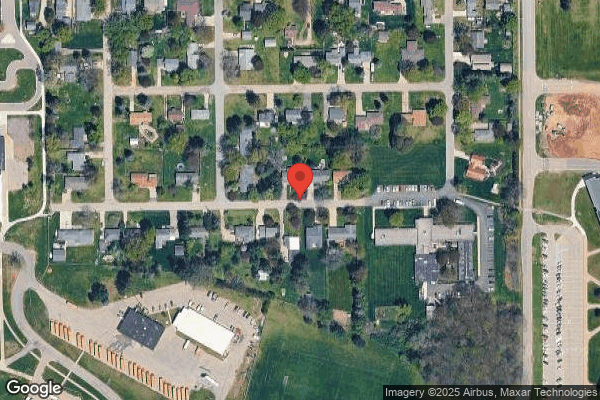
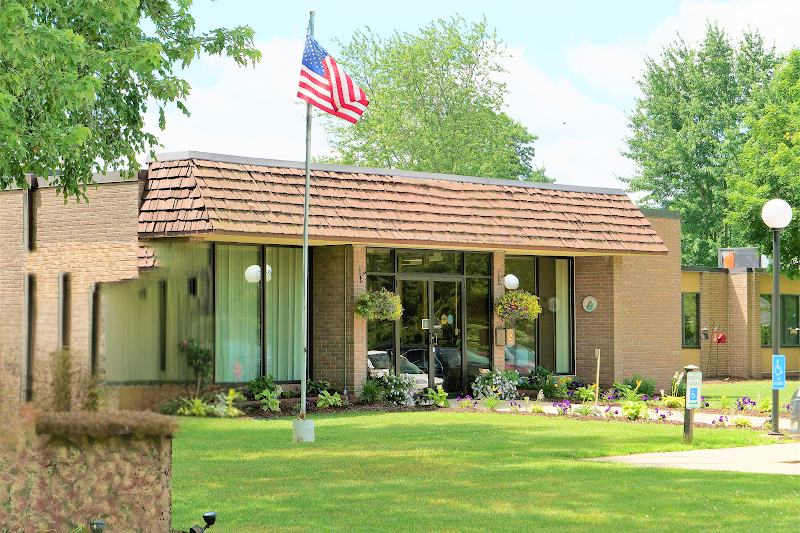
400 Jeffrey, Cedar Springs, MI 49319 (616) 696-0170
For profit - Corporation 77 Beds MISSION POINT HEALTHCARE SERVICES Data: November 2025
Trust Grade
18/100
#214 of 422 in MI
Last Inspection: December 2024

Within standard 12-15 month inspection cycle. Federal law requires annual inspections.

Overview

Mission Point Nursing & Physical Rehabilitation Center in Cedar Springs, Michigan, has received a Trust Grade of F, indicating significant concerns about the facility's care quality. Ranked #216 out of 422 in Michigan, they are in the bottom half of facilities statewide, and #18 out of 28 in Kent County, meaning only a few local options are better. While the facility is improving, with issues decreasing from 13 in 2024 to 8 in 2025, it still faces serious challenges, including $69,905 in fines, which is higher than 84% of Michigan facilities, suggesting repeated compliance problems. Staffing levels are average with a turnover rate of 25%, which is good compared to the state average of 44%. However, specific incidents of concern include failures to protect residents from mental and sexual abuse, as well as inadequate supervision leading to a resident sustaining a fracture from a fall. Overall, while there are some strengths, such as good staffing retention, the serious issues raised in inspections should be carefully considered by families.

Trust Score
F
18/100
In Michigan
#214/422
Top 50%
Safety Record
High Risk
Review needed
Inspections
Getting Better
13 → 8 violations
Staff Stability
✓ Good
25% annual turnover. Excellent stability, 23 points below Michigan's 48% average. Staff who stay learn residents' needs.
Penalties
✓ Good
$69,905 in fines. Lower than most Michigan facilities. Relatively clean record.
Skilled Nurses
○ Average
Each resident gets 41 minutes of Registered Nurse (RN) attention daily — about average for Michigan. RNs are the most trained staff who monitor for health changes.
Violations
⚠ Watch
28 deficiencies on record. Higher than average. Multiple issues found across inspections.
★★★☆☆
3.0
Overall Rating
★★★☆☆
3.0
Staff Levels
★★★★★
5.0
Care Quality
★★☆☆☆
2.0
Inspection Score
Stable
2024: 13 issues
2025: 8 issues

The Good

  • 5-Star Quality Measures · Strong clinical quality outcomes
  • Low Staff Turnover (25%) · Staff stability means consistent care
  • Full Sprinkler Coverage · Fire safety systems throughout facility
  • No fines on record
  • Staff turnover is low (25%)

    23 points below Michigan average of 48%

Facility shows strength in quality measures, staff retention, fire safety.

The Bad

3-Star Overall Rating

Near Michigan average (3.1)

Meets federal standards, typical of most facilities

Federal Fines: $69,905

Well above median ($33,413)

Moderate penalties - review what triggered them

Chain: MISSION POINT HEALTHCARE SERVICES

Part of a multi-facility chain

Ask about local staffing decisions and management

The Ugly 28 deficiencies on record

4 actual harm
Mar 2025 8 deficiencies 2 Harm
SERIOUS (G) 📢 Someone Reported This

A family member, employee, or ombudsman was alarmed enough to file a formal complaint

Actual Harm - a resident was hurt due to facility failures

Free from Abuse/Neglect (Tag F0600)

A resident was harmed · This affected 1 resident

**NOTE- TERMS IN BRACKETS HAVE BEEN EDITED TO PROTECT CONFIDENTIALITY** This citation pertains to intake MI00150276 Based on observation, interview, and record review, the facility failed to protect a...

Read full inspector narrative →
**NOTE- TERMS IN BRACKETS HAVE BEEN EDITED TO PROTECT CONFIDENTIALITY** This citation pertains to intake MI00150276 Based on observation, interview, and record review, the facility failed to protect a resident's right to be free from resident-to-resident mental and psychosocial abuse for 1 (Resident #106) of 4 residents reviewed for abuse, resulting in Resident #106 experiencing mental anguish, intimidation, and fear. Findings include: Review of Signs and Symptoms of Mental Abuse, Sanjana [NAME], 5/8/23, www.verywellmind.com revealed Mental abuse, also known as psychological or emotional abuse, involves deliberately . causing .emotional pain, or trying to control or manipulate them through verbal or non-verbal communication. These are some of the different types of mental abuse .Intimidation .Harassment .Controlling behaviors .Verbal displays of anger, such as yelling .Mental abuse .can cause deep emotional wounds that take time to heal. Resident #106 Review of an admission Record revealed Resident #106 was originally admitted to the facility on [DATE] with pertinent diagnoses which included: weakness and nontraumatic intracerebral hemorrhage (rupture of blood vessels causing bleeding in the brain). Review of a Minimum Data Set (MDS) assessment for Resident #106 with a reference date of 1/7/25, revealed a Brief Interview for Mental Status (BIMS) score of 15/15 which indicated Resident #106 was cognitively intact. In an interview on 3/3/25 at 11:53am, Registered Nurse (RN) F reported she saw Resident #105 watching Resident #106 when Resident #106 was seated in the doorway of her room. RN F reported Resident #105 regularly sat in the doorway of the café in recent months and watched Resident #106 through the windows of the double doors that separated the 2 hallways. RN F described Resident #105's behavior as stalking other residents, including Resident #106. In an interview on 3/3/25 at 3:09pm, Resident #106 reported she noticed Resident #105 staring at her many times in recent months and as a result, she no longer sat in her doorway or in the hallway. Resident #106 stated most of the time I just stay in my room because I feel like I can't go in the hallway because he'll watch me. Resident #106 reported she felt uncomfortable because of Resident #105 behavior of watching her but has become more fearful of him. Resident #106 reported she was walking down the hall with a therapist approximately 1 week earlier when Resident #105 moved toward her abruptly and began repeatedly saying in an aggressive, loud tone of voice, Can I be with you?! Do I need to give you space?! Can I talk to you?!. Resident #106 reported Resident #105 was in her face and would not stop asking her those questions despite staff directing him to stop. Resident #106 reported the confrontational and aggressive behavior of Resident #105 made her think he was going to hit her, and she instinctively drew her forearms up by her face. Resident #106 reported staff attempted to redirect Resident #105 but he would not stop. Resident #106 reported when verbal redirection did not stop Resident #105, Licensed Practical Nurse (LPN) H placed herself between her and Resident #105 which seemed to get his attention, and he began wheeling his wheelchair toward his room. However, a few minutes later while Resident #106 continued therapy, now in the therapy gym, Resident #105 approached her aggressively for a second time, and asked the same questions in a growly voice while glaring at her. Resident #106 reported after the incident, she feels more fearful and worried Resident #105 might come into her room at night. Resident #106 reported she continues to feel harassed by Resident #105. During an observation from the south hall, on 3/3/25 at 3:17pm, it was noted that Resident #106's doorway could be seen through the windows of the double doors that separated the east hall (where Resident #106 resided) and the south hall (where Resident #105 resided). During the same observation, it was noted that Resident#106's doorway could be seen from the doorway of the café on the south hall. In an interview on 3/4/25 at 10:25am, Certified Nursing Assistant (CNA) G reported Resident #105 frequently appeared to stare hard at Resident #106 and tried to go through the double doors toward her room at times. CNA G described Resident #105's behaviors as targeting toward Resident #106. CNA G reported seeing Resident #105 waiting in the café and watching Resident #106 when she came down the hall for therapy. When further queried, CNA G reported he worried about the safety of certain residents, including Resident #106, because the facility did not provide enough supervision for Resident #105, who had demonstrated sexually abusive behavior toward a resident in the past. In an interview on 3/4/25 at 10:43am, LPN H reported she intervened during both incidents in which Resident #105 approached Resident #106 in an aggressive manner. LPN H reported she immediately directed Resident #105 to leave the area because he was in her face (Resident #106) and Resident #106 appeared scared. LPN H reported Resident #105 continued to direct aggressive comments to Resident #106 until LPN H physically intervened and moved his wheelchair. LPN H reported Resident #105 had been preoccupied with Resident #106 and directing his attention to her for several weeks. LPN H reported she did not feel the facility had provided enough supervision to Resident #105 given his behaviors. LPN H reported although she did not report the incident immediately, she felt it constituted abuse and when she told Nursing Home Administrator (NHA) A about the incident the following morning, and offered to write a late entry behavioral note summarizing the incident, NHA A told her not to do so because the note might have a negative impact on admission referrals the facility had made to other facilities for Resident #105. In an interview on 3/4/25 at 2:53pm, Unit Manager (UM) E reported the facility's policy regarding accusations of abuse was that the NHA would be immediately notified, and an investigation would begin to determine if the accusation should be reported to the state agency. UM E reported she was told to err on the side of caution if there was any concern of potential abuse and report it immediately. When further queried about types of abuse, UM E stated a lot of things can fall under abuse, any violation of the resident's right to be respected, to be care for, to have their property, to be treated like a human. UM E confirmed that if one resident's actions directed toward another caused the resident to be fearful, it could be considered abuse. In an interview on 3/4/25 at 3:14pm, NHA A reported he did not conduct an abuse investigation after the incident between Resident #105 and Resident #106 on 2/26/25. NHA A reported he felt some staff were overly reactive to Resident #105's behaviors and were more upset about the incident than Resident #106 was. When further queried about what action he would have taken if he had completed an investigation and Resident #106 had told him she was fearful, NHA A stated I would have talked to Resident #105. NHA A stated regarding Resident #106's behaviors, I don't think he's going to do anything. NHA A confirmed Resident #105 had sexually abused another resident of the facility within the last six months. In an interview on 3/5/25 at 12:14pm, Physical Therapy Assistant PTA L reported on 2/26/25, during a therapy session with Resident #106, Resident #105 approached them in the hallway and began speaking to Resident #106 in a verbally aggressive manner and began repeating Do I need to give you your space?! PTA L reported staff intervened and after several attempts were able to redirect Resident #105 to his room. PTA L confirmed that approximately 10 minutes later, while Resident #106's therapy continued, now in the therapy gym, Resident #105 again approached Resident #106 aggressively and this time had to be physically removed from the area. PTA L reported she felt she had to act when Resident #105 was in her face (Resident #106). PTA L reported Resident #106 was physically shaking after the incident and reported she felt scared. Resident #106 voiced to PTA L that she was worried Resident#105 was going to attempt to touch her inappropriately in the future. PTA L reported she told her immediate supervisor about the incident. In an interview on 3/5/25 at 1:32pm, Resident #106 she was concerned she might be viewed as a troublemaker, so she was hesitant to talk about the incident involving Resident #105. Resident #106 became tearful and stated, sometimes I'm losing sleep over worrying about him getting into my room at night. Resident #106 reported she was worried Resident #105 might try to touch her inappropriately and she might not have the physical strength to fight him off. Resident #106 reported she had been harassed by men several times throughout her life and this situation felt the same way. Resident #106 balled up her fist and stated, I'm trying to get stronger in therapy, but I'm still weak. In an interview on 3/5/25 at 11:47am, CNA I reported Resident #105 was supposed to be supervised if he left the south hall, but she has found him in the east hall unattended. CNA I reported Resident #105's attention was fixated on females and often could not be redirected. CNA I reported Resident #105 became confrontational when his thoughts were fixated. In an interview on 3/5/25 at 12:14pm, Rehab Director (RD) M reported she was informed of the incident that happened between Resident #106 and Resident #105 on 2/26/25 and saw Resident #106 while she was still in the therapy gym that day. RD M reported Resident #106 voiced that she did not trust Resident #105 and concerned he that he had ill intent toward her. RD M reported the Interdisciplinary Team (IDT) was aware of the incident and discussed additional interventions to supervise Resident #105, but none had been implemented. In an interview on 3/5/25 at 2:37pm, Director of Nursing (DON) B reported the IDT discussed the incident that occurred on 2/26/25 between Resident #106 and Resident #105 as well as staff concerns that Resident #105 appears preoccupied with Resident #106. IDT determined it was necessary to place an alarm on the double doors of the south hallway that would sound only when Resident #105 exited. IDT planned to provide additional supervision for Resident #105 by alerting staff when he left the area. However, at the time of this interview, the door alarm had not been installed. Resident #105 Review of an admission Record revealed Resident #105 was originally admitted to the facility on [DATE] with pertinent diagnoses which included: depression and anxiety. Review of a Minimum Data Set (MDS) assessment for Resident #105 with a reference date of 1/14/25, revealed a Brief Interview for Mental Status (BIMS) score of 15/15 which indicated Resident #105 was cognitively intact. Further review of the MDS revealed Resident #105 exhibited verbal behaviors e.g. threatening others, screaming at others, cursing at others and received an antipsychotic medication. Review of a Care Plan for Resident # 105 with a reference date of 9/27/24, revealed a focuses/goals/interventions of: Focus: I have a history of physical touching myself and others inappropriately. Goal: I will not have behaviors that cause harm to myself or others .Interventions: 2 staff with personal care .motion sensor doorbell in my room .encourage me to stay on my unit .I may make sexual statements or ask .other residents to join me in sexual acts . Review of a Behavioral Health Provider Note for Resident #105 with a reference date of 10/10/24 revealed Since the last visit the resident had episodes of sexual behaviors .masturbating, verbal behaviors and auditory hallucinations .nursing notes report on 9/12 was reported to this nurse that this resident exposed himself and started to masturbate in front of minor staff .9/15 .talking about paying people for sex .physician note 10/8 he has auditory hallucinations and delusional thinking. He is talking to himself or an imaginary person frequently .behavior log review for past 30 days .episodes of sexually inappropriate behaviors x12 .Assessment and plan .4. Add dx (diagnosis) paraphilia (intense or recurring sexual arousal from atypical situations, objects, fantasies, behaviors, individuals or places). Review of a Behavioral Health Provider Note for Resident #105 with a reference date of 1/23/25, revealed Nursing notes: 1/03 while using his wheelchair for ambulation he would look into (sic) all the female rooms .1/4/25 resident roaming the hallway, stalking family members and watching younger children closely .lurking in hallway. going in and out of the small dining room looking towards East hall (Resident #106's room) for about 2 minutes, several times for about 2 hours. Review of a Behavior Log for Resident #105 with a reference date of 2/3-3/4/25 revealed Resident #105 was observed wandering 6 times during that time frame. Review of an Abuse, Neglect and Exploitation policy with a reference date of 10/24 revealed Policy: It is the policy of this facility to provide protections for the health, welfare and rights of each resident .Definitions: Abuse means the willful infection of .intimidation .mental anguish . which can include resident to resident altercations .mental abuse includes .harassment . Prevention The facility will implement policies and procedures to prevent and prohibit all types of abuse .and that achieves: .care planning for appropriate interventions and monitoring of residents with needs and behaviors which might lead to conflict .
SERIOUS (G) 📢 Someone Reported This

A family member, employee, or ombudsman was alarmed enough to file a formal complaint

Actual Harm - a resident was hurt due to facility failures

Accident Prevention (Tag F0689)

A resident was harmed · This affected 1 resident

**NOTE- TERMS IN BRACKETS HAVE BEEN EDITED TO PROTECT CONFIDENTIALITY** This citation pertains to intake #MI00150233 Based on observation, interview and record review, the facility failed to provide a...

Read full inspector narrative →
**NOTE- TERMS IN BRACKETS HAVE BEEN EDITED TO PROTECT CONFIDENTIALITY** This citation pertains to intake #MI00150233 Based on observation, interview and record review, the facility failed to provide adequate supervision and implement effective interventions to prevent falls with injury for a resident with a history of multiple falls in 1 (Resident #100) of 3 residents reviewed for falls, resulting in Resident #100 falling and sustaining a humerus (bone of the upper arm) fracture and significant pain. Findings include: Review of an admission Record revealed Resident #100 was originally admitted to the facility on [DATE] with pertinent diagnoses which included: unsteadiness on feet, repeated falls, cognitive communication deficit, weakness, and need for assistance with personal care. Review of a Minimum Data Set (MDS) assessment for Resident #100 with a reference date of 2/11/25, revealed a Brief Interview for Mental Status (BIMS) score of 1/15 which indicated Resident #100 was severely cognitively impaired. Section A of the MDS revealed Resident #100 was admitted to the facility from a short-term general hospital. Section GG revealed Resident #100 required maximal (helper does more than half the effort) assistance to come to a standing position and was dependent (helper does all the effort) to transfer from the bed to a chair. Review of a Care Plan for Resident # 100 with a reference date of 2/5/25, revealed focuses/goals/interventions of: Focus: I am at an increased risk for falls .Goal: My risk for falls will be reduced through the next review. Interventions: Be sure my call light in within reach. I need prompt response to all requests .ensure that I am wearing non-skid footwear . Review of a an admission Assessment for Resident #100 with a reference date of 2/5/25 revealed the resident had a history of falls, had fallen within the last month, and had suffered a fracture because of a fall in the last 6 months. Further review revealed Resident #100 had symptoms of orthostatic hypotension (low blood pressure which may cause dizziness or fainting upon rising), and restlessness. During an observation, it was determined that the room in which Resident #100 resided, was at the far end of the south hall, near an emergency exit, approximately 100' from the common areas and nurses station for the unit. Review of a Daily Staffing document with a reference date of 2/6/25 revealed 2 staff were scheduled to provide cares on Resident #100's hall from 11pm-7am. Review of a Census Report for 2/7/25 revealed 21 residents resided on Resident #100's hall. Review of an Incident Report with a reference date of 2/7/25 revealed: Nursing Description: Resident was found on the ground after an unwitnessed fall. Resident was unable to lift right arm post fall. Resident stated they fell onto their right arm/shoulder. Injuries observed at time of incident: unable to determine type of injury, injury location right shoulder. Review of a section labeled Predisposing Situation Factors revealed Resident #100 displayed increased behaviors, increased agitation, poor safety awareness and transferring without assistance prior to his fall. Review of an Emergency Department Provider Note for Resident #100 with a reference date of 2/7/25 at 6:33am revealed: Diagnosis at time of disposition: 1. Other closed nondisplaced fracture of proximal end of right humerus (break in the upper arm bone near the shoulder joint) initial encounter (first time a patient is seen by a healthcare provider for a specific condition or injury). 2. Fall, initial encounter. 3. Other closed fracture of twelfth thoracic vertebra, initial encounter. Review of a History and Physical physician assessment for Resident #100 with a reference date of 2/7/25 revealed he (Resident #100) was hospitalized at (name of hospital omitted) from 2/3/25 to 2/5/25 for multiple falls. He has memory loss. He said his legs buckle. He was sent to (name of skilled nursing facility omitted). On 2/7/25 he fell out of bed and fractured his R (right) humerus and T10 (thoracic vertebrae). Review of a Post Fall Documentation note for Resident #100, with a reference date 2/8/25 revealed Pain Assessment: c/o (complained of) RUE (right upper extremity) once during the night 10 (worst pain possible on pain scale) (name of opioid medication omitted) given with good relief. In an interview on 3/3/25, at 11:53am, Registered Nurse (RN) F reported on 2/7/25 she was standing at the medication cart at approximately 4:00am, when she heard Resident #100's roommate calling to her from the far end of the hall. The roommate reported Resident #100 needed help. RN F found Resident #100 on the floor near his bed when she arrived in his room. RN F reported Resident #100 was unable to say what he was trying to do, but he did say he fell and hit his right arm. RN F reported Resident #100's roommate had activated the call light. RN F reported she noted a decrease in Resident #100's ability to move his right arm and a complaint of pain. RN F reported she was new to the hall and did not know if Resident #100 was considered at risk for falls at that time. RN F reported the facility staffed Resident #100's hall with 1 nurse and 1 Certified Nursing Assistant (CNA) from 11pm-7am and staff were not able to provide close supervision/frequent checks to him. In an interview on 3/3/25 at 12:40pm, Family Member (FM) R reported he was present when Resident #100 was admitted to the facility and told the resident's nurse that he (Resident #100) became confused and restless at night and frequently needed close supervision to remain safe. FM R reported he stressed to the facility that Resident #100 was unsafe without close supervision and an immediate response to his needs during the nighttime hours. FM R reported Resident #100 resided in his own home prior to his recent fall and was not used to using a call light for assistance. In an interview on 3/4/25 at 11:47am, CNA I reported she and 1 other staff member were responsible for providing cares to all the residents on Resident #100's hall on 2/7/25. CNA I reported Resident #100 was very confused during the night of 2/6-2/7/25. CNA I reported Resident #100 was constantly talking about trying to leave, did not understand where he was, didn't use a call light, and was unaware that he could not safely walk on his own. CNA I reported she found Resident #100 sitting at the edge of his bed trying to get up at which time she lowered is bed as far as it would go. CNA I described Resident #100 as restless and anxious throughout the night. CNA I reported it was inevitable that Resident #100 was going to fall that night because he needed more supervision than the staff could provide. CNA I reported she tried to provide frequent checks to Resident #100, who's room was at the far end of the hall, but was also had to provide cares to other residents and she had last seen Resident #100 about 30 minutes before his roommate came into the hall and notified staff he had fallen. CNA I reported she was in another room providing cares at the time of Resident #100's fall. CNA I reported several residents on the hall required the assistance of 2 staff members for cares that night. CNA I reported she was not aware of any actions the facility had taken to provide increased supervision to Resident #100. In an interview on 3/5/25 at 2:37pm, Director of Nursing (DON) B reported Resident #100 came to the facility on 2/5/25 after having multiple falls at home. DON B described Resident #100 as very restless from the time of his admission to the facility. Review of a Fall Reduction Policy with a reference date of 4/23 revealed Policy: Our residents have the right to be free from falls, or to sustain no or minimal injury from falls. Compliance Guidelines: 1. The facility utilizes a standardized risk assessment for determining a resident's fall risk upon admission .2. The nurse will initiate interventions on the resident's baseline care plan, in accordance with the resident's identified risks.
CONCERN (D) 📢 Someone Reported This

A family member, employee, or ombudsman was alarmed enough to file a formal complaint

Potential for Harm - no one hurt, but risky conditions existed

Notification of Changes (Tag F0580)

Could have caused harm · This affected 1 resident

**NOTE- TERMS IN BRACKETS HAVE BEEN EDITED TO PROTECT CONFIDENTIALITY** This citation pertains to intake number MI00150233. Based on interview and record review, the facility failed to notify a respon...

Read full inspector narrative →
**NOTE- TERMS IN BRACKETS HAVE BEEN EDITED TO PROTECT CONFIDENTIALITY** This citation pertains to intake number MI00150233. Based on interview and record review, the facility failed to notify a responsible party of a change in care/condition for 1 of 3 residents (Resident #102) reviewed for notification of change, resulting in the responsible party not participating in medical decisions regarding care and treatment. Findings include: Review of a Change of Condition policy with a reference date of 7/24 revealed: Policy: It is the policy of this facility to inform residents/legal representative, attending physician or designee of a change in a resident's condition. 2. The facility will inform the .resident representative (s) when there is- .b. a deterioration in health . Review of an admission Record revealed Resident #102 was originally admitted to the facility on [DATE] with pertinent diagnoses which included: huntington's disease (an inherited disorder that causes nerve cells in parts of the brain to gradually break down and die), dementia (disease that causes a progress decline in cognitive skills) and adult failure to thrive (syndrome in older adults characterized by a decline in physical or mental functioning). Review of a Minimum Data Set (MDS) assessment for Resident #102 with a reference date of 2/4/25, revealed a Brief Interview for Mental Status (BIMS) could not be conducted. Section C revealed the resident had short- and long-term memory problems. Review of a Weekly Skin Sweep with a reference date of 3/2/25 revealed Resident #102 was found to have an open area on right ankle. Review of diagnoses list for Resident #102 revealed the resident was diagnosed with localized edema on 1/10/25. In an interview on 3/4/25, at 9:05am, Family Member/Durable Power of Attorney (FM/DPOA) P reported the facility had not called to inform her of any change in the resident's condition since her admission. FM/DPOA P denied having any knowledge of recent diagnoses including localized edema or an open area on Resident #102's right ankle. FM/DPOA P reported she only was made aware of Resident #102's new health issues (other than quarterly care conferences) when she asked the resident's nurse while at the facility. FM/DPOA P reported she frustrated by the lack of communication. In an interview on 3/5/25 at 2:37pm, Director of Nursing (DON) B reported a resident's DPOA should be informed by the floor nurse or by the provider when there is an acute change in their health.
CONCERN (D) 📢 Someone Reported This

A family member, employee, or ombudsman was alarmed enough to file a formal complaint

Potential for Harm - no one hurt, but risky conditions existed

Abuse Prevention Policies (Tag F0607)

Could have caused harm · This affected 1 resident

**NOTE- TERMS IN BRACKETS HAVE BEEN EDITED TO PROTECT CONFIDENTIALITY** This citation pertains to intake #MI00150276 Based on interview and record review, the facility failed to operationalize its abu...

Read full inspector narrative →
**NOTE- TERMS IN BRACKETS HAVE BEEN EDITED TO PROTECT CONFIDENTIALITY** This citation pertains to intake #MI00150276 Based on interview and record review, the facility failed to operationalize its abuse policy and procedure for 3 residents (Resident #105, Resident #106 and Resident#107) of 3 residents reviewed for resident-to-resident abuse, resulting in 1.staff not reporting resident to resident observations of abuse to the Nursing Home Administrator immediately, 2. the facility not initiating a thorough investigation 3. the facility not reporting allegations of abuse to the state agency,and the potential for further resident to resident observations of abuse to go unreported and uninvestigated. Findings include: Resident #105 Review of an admission Record revealed Resident #105 was originally admitted to the facility on [DATE] with pertinent diagnoses which included: depression, paraphilia (intense or recurring sexual arousal from atypical situations, objects, fantasies, behaviors, individuals or places), unspecified dementia with psychotic disturbance (loss of contact with reality), and anxiety. Review of a Minimum Data Set (MDS) assessment for Resident #105 with a reference date of 1/14/25, revealed a Brief Interview for Mental Status (BIMS) score of 15/15 which indicated Resident #105 was cognitively intact. Further review of the MDS revealed Resident #105 exhibited verbal behaviors e.g. threatening others, screaming at others, cursing at others and received an antipsychotic medication. Review of a Care Plan for Resident # 105 with a reference date of 9/27/24, revealed a focuses/goals/interventions of: Focus: I have a history of physical touching myself and others inappropriately. Goal: I will not have behaviors that cause harm to myself or others .Interventions: 2 staff with personal care .motion sensor doorbell in my room .encourage me to stay on my unit .I may make sexual statements or ask .other residents to join me in sexual acts . In an interview on 3/4/25 at 10:43am, LPN H reported she intervened during two incidents in which Resident #105 approached Resident #106 in an aggressive manner on 2/26/25. LPN H reported she immediately directed Resident #105 to leave the area because he was in her face (Resident #106) and Resident #106 appeared scared. LPN H reported Resident #105 continued to direct aggressive comments to Resident #106 until LPN H physically intervened and moved his wheelchair. LPN H reported Resident #105 had been preoccupied with Resident #106 and directed his attention to her for several weeks. LPN H reported she did not report the incident immediately, but she felt it constituted abuse and she told Nursing Home Administrator (NHA) A about the incident the following morning. LPN H reported she offered to write a late entry behavioral note summarizing the incident, but NHA A told her not to do so because the note might have a negative impact on admission referrals the facility had made to other facilities for Resident #105. LPN H reported documentation of the incident in a behavioral note would have ensured the provider was aware of the incident. In an interview on 3/4/25 at 2:53pm, Unit Manager (UM) E reported the facility's policy regarding accusations of abuse was that the NHA would be immediately notified, and an investigation would begin to determine if the accusation should be reported to the state agency. UM E reported she was told to err on the side of caution if there was any concern of potential abuse and report it immediately. When further queried about types of abuse, UM E stated a lot of things can fall under abuse, any violation of the resident's right to be respected, to be care for, to have their property, to be treated like a human. UM E confirmed that if one resident's actions directed toward another caused the resident to be fearful, it could be considered abuse. In an interview on 3/4/25 at 3:14pm, NHA A reported he did not conduct an abuse investigation after the incident between Resident #105 and Resident #106 on 2/26/25. NHA A reported he felt some staff were overly reactive to Resident #105's behaviors and were more upset about the incident than Resident #106 was. When further queried about what action he would have taken if he had completed an investigation and Resident #106 had told him she was fearful, NHA A stated I would have talked to Resident #105. NHA A stated regarding Resident #106's behaviors, I don't think he's going to do anything. In an interview on 3/5/25 at 12:14pm, Physical Therapy Assistant PTA L reported on 2/26/25, during a therapy session with Resident #106, Resident #105 approached them in the hallway and began speaking to Resident #106 in a verbally aggressive manner and began repeating Do I need to give you your space?! PTA L reported staff intervened and after several attempts were able to redirect Resident #105 to his room. PTA L confirmed that approximately 10 minutes later, while Resident #106's therapy continued, now in the therapy gym, Resident #105 again approached Resident #106 aggressively and this time had to be physically removed from the area. PTA L reported she felt she had to act when Resident #105 was in her face (Resident #106). PTA L reported Resident #106 was physically shaking after the incident and reported she felt scared. Resident #106 voiced to PTA L that she was worried Resident#105 was going to attempt to touch her inappropriately in the future. PTA L reported she told her immediate supervisor about the incident. In an interview on 3/5/25 at 2:37pm, Director of Nursing (DON) B reported it was expected that any staff member who witnessed a potential situation of resident abuse would immediately report it to NHA A. DON B reported she did not know why this incident wasn't reported or documented. Resident #106 Review of a Minimum Data Set (MDS) assessment for Resident #106 with a reference date of 1/7/25, revealed a Brief Interview for Mental Status (BIMS) score of 15/15 which indicated Resident #106 was cognitively intact. In an interview on 3/3/25 at 3:09pm, Resident #106 reported she was walking down the hall with a therapist approximately 1 week earlier when Resident #105 moved toward her abruptly and began repeatedly saying in an aggressive, loud tone of voice, Can I be with you?! Do I need to give you space?! Can I talk to you?!. Resident #106 reported Resident #105 was in her face and would not stop asking her those questions despite staff directing him to stop. Resident #106 reported the confrontational and aggressive behavior of Resident #105 made her think he was going to hit her, and she instinctively drew her forearms up by her face. Resident #106 reported staff intervened and diffused the situation but a few minutes later while Resident #106 continued therapy, now in the therapy gym, Resident #105 approached her aggressively for a second time, and asked the same questions in a growly voice while glaring at her. Resident #106 reported the second altercation didn't end until staff physically moved Resident #105 out of the area. Resident #106 reported after the incidents, she began to feel more fearful and worried Resident #105 might come into her room at night. Resident #106 reported she felt harassed by Resident #105. Resident #107 Review of an admission Record revealed Resident #107 was originally admitted to the facility on [DATE] with pertinent diagnoses which included: vascular dementia (progressive disease resulting in loss of cognitive skills), anxiety disorder, and major depressive disorder(persistent sad mood impacting daily life). Review of a Minimum Data Set (MDS) assessment for Resident #107with a reference date of 12/3/24, revealed a Brief Interview for Mental Status (BIMS) score of 7/15 which indicated Resident #107 was severely cognitively impaired. Review of a Care Plan for Resident # 107 with a reference date of 5/4/23, revealed a focus/goal/interventions of: Focus: I have severe(sic) impaired cognitive function. Goal: I will be able to communicate basic needs . In an interview on 3/3/25, at 3:40pm, Family Member (FM) O reported she regularly visited Resident #107's roommate. FM O reported Resident #107's roommate voiced concerns during several different visits that a male staff member was sexually assaulting Resident #107. FM O reported this information to Unit Manager (UM) E so the concerns could be investigated. In an interview on 3/4/25 at 2:53pm, UM E reported when FM O informed her about the concern of a potential sexual abuse of Resident #107, she contacted a manager for further instruction. UM E reported she verified that Resident #107 felt safe per instructions and because there were limited male staff in the facility at that time, it was determined there was no concern for sexual abuse and the incident was not reported to the state agency or further investigated. In an interview on 3/4/25 at 3:19pm Director of Nursing (DON) B confirmed the facility abuse policy was not followed because there was no obvious sign of injury, the resident stated they felt safe, and the reporting resident was suspected of having an acute illness. Review of an Abuse, Neglect and Exploitation policy with a reference date of 10/24 revealed Policy: It is the policy of this facility to provide protections for the health, welfare and rights of each resident .Definitions: Abuse means the willful infection of injury (including sexual intercourse by force or incapacitation) .intimidation .mental anguish . which can include resident to resident altercations .mental abuse includes .harassment .(V.) Investigation A. An immediate investigation is warranted when suspicion of abuse .or reports of abuse .occur. (VI.) The facility will make efforts to ensure all residents are protected .during the investigation .A. Responding immediately to protect the alleged victim .B. Examining the alleged victim for any sign of injury, including .psychosocial assessment .C. Increased supervision of the alleged victim and residents .F. provide emotional support and counseling to the resident during the investigation .VII. The facility will implement the following: 1. Reporting of all alleged violations to the facility Administrator immediately. 2. Reporting of all alleged violations to the state agency .4. Promoting a culture of safety and open communication in the work environment .
CONCERN (D) 📢 Someone Reported This

A family member, employee, or ombudsman was alarmed enough to file a formal complaint

Potential for Harm - no one hurt, but risky conditions existed

Report Alleged Abuse (Tag F0609)

Could have caused harm · This affected 1 resident

**NOTE- TERMS IN BRACKETS HAVE BEEN EDITED TO PROTECT CONFIDENTIALITY** This citation pertains to Intake # MI00150276. Based on interview, and record review, the facility failed to report allegations ...

Read full inspector narrative →
**NOTE- TERMS IN BRACKETS HAVE BEEN EDITED TO PROTECT CONFIDENTIALITY** This citation pertains to Intake # MI00150276. Based on interview, and record review, the facility failed to report allegations of abuse to the State Agency in a timely manner in 3 of 3 residents (Resident #105, Resident #106 and Resident #107) reviewed for abuse and reporting, resulting in the potential for additional allegations of abuse and to go unreported and delayed investigation. Findings include: Review of an Abuse, Neglect and Exploitation policy with a reference date of 10/24 revealed Policy: It is the policy of this facility to provide protections for the health, welfare and rights of each resident .Definitions: Abuse means the willful infection of .intimidation .mental anguish . which can include resident to resident altercations .mental abuse includes .harassment .VII. Reporting/Response .2. Reporting of all alleged violations to the state agency .within the specified timeframes: a. Immediately, but not later than 2 hours after the allegation is made, if the events that cause the allegation involve abuse . Resident #105 Review of an admission Record revealed Resident #105 was originally admitted to the facility on [DATE] with pertinent diagnoses which included: depression, paraphilia (intense or recurring sexual arousal from atypical situations, objects, fantasies, behaviors, individuals or places), unspecified dementia with psychotic disturbance (loss of contact with reality), and anxiety. Review of a Care Plan for Resident # 105 with a reference date of 9/27/24, revealed a focuses/goals/interventions of: Focus: I have a history of physical touching myself and others inappropriately. Goal: I will not have behaviors that cause harm to myself or others .Interventions: 2 staff with personal care .motion sensor doorbell in my room .encourage me to stay on my unit .I may make sexual statements or ask .other residents to join me in sexual acts . In an interview on 3/4/25 at 10:43am, LPN H reported she observed Resident #105 approach Resident #106 in an aggressive manner twice within a few minutes on 2/26/25. LPN H reported she immediately directed Resident #105 to leave the area because he was in her face (Resident #106) and Resident #106 appeared scared. LPN H reported Resident #105 continued to direct aggressive comments to Resident #106 until LPN H physically intervened and moved his wheelchair. LPN H reported she did not report the incident immediately, but she felt it constituted abuse. In an interview on 3/5/25 at 12:14pm, Physical Therapy Assistant PTA L reported on 2/26/25, during a therapy session with Resident #106, Resident #105 approached them in the hallway and began speaking to Resident #106 in a verbally aggressive/confrontational manner and began repeating Do I need to give you your space?! PTA L reported staff intervened and after several attempts were able to redirect Resident #105 to his room. PTA L confirmed that approximately 10 minutes later, while Resident #106's therapy continued, now in the therapy gym, Resident #105 again approached Resident #106 aggressively and this time had to be physically removed from the area. PTA L reported she felt she had to act when Resident #105 was in her face (Resident #106). PTA L reported Resident #106 was physically shaking after the incident and reported she felt scared. Resident #106 In an interview on 3/3/25 at 3:09pm, Resident #106 reported she was walking down the hall with a therapist approximately 1 week earlier when Resident #105 moved toward her abruptly and began repeatedly saying in an aggressive, loud tone of voice, Can I be with you?! Do I need to give you space?! Can I talk to you?!. Resident #106 reported Resident #105 was in her face and would not stop asking her those questions despite staff directing him to stop. Resident #106 reported the confrontational and aggressive behavior of Resident #105 made her think he was going to hit her, and she instinctively drew her forearms up by her face. Resident #106 reported staff intervened and diffused the situation but a few minutes later while Resident #106 continued therapy, now in the therapy gym, Resident #105 approached her aggressively for a second time, and asked the same questions in a growly voice while glaring at her. Resident #106 reported the second altercation didn't end until staff physically moved Resident #105 out of the area. Resident #106 reported after the incidents, she began to feel more fearful and worried Resident #105 might come into her room at night. Resident #106 reported she felt harassed by Resident #105. In an interview on 3/4/25 at 2:53pm, Unit Manager (UM) E reported the facility's policy regarding accusations of abuse was that the NHA would be immediately notified, and an investigation would begin to determine if the accusation should be reported to the state agency. UM E reported she was told to err on the side of caution if there was any concern of potential abuse and report it immediately. UM E confirmed that if one resident's actions directed toward another caused the resident to be fearful, it could be considered abuse. In an interview on 3/4/25 at 3:14pm, NHA A reported he did not conduct an abuse investigation or file a report with the state agency after an incident between Resident #105 and Resident #106 on 2/26/25. NHA A reported he was not aware of any abuse concerns related to that incident. NHA A reported he felt some staff were overly reactive to Resident #105's behaviors and were more upset about the incident than Resident #106 was. NHA A reported he was aware that Resident #106 was not comfortable being around Resident #105. Resident #107 Review of an admission Record revealed Resident #107 was originally admitted to the facility on [DATE] with pertinent diagnoses which included: vascular dementia (progressive disease resulting in loss of cognitive skills), anxiety disorder, and major depressive disorder (persistent sad mood impacting daily life). Review of a Minimum Data Set (MDS) assessment for Resident #107with a reference date of 12/3/24, revealed a Brief Interview for Mental Status (BIMS) score of 7/15 which indicated Resident #107 was severely cognitively impaired. Review of a Care Plan for Resident # 107 with a reference date of 5/4/23, revealed a focus/goal/interventions of: Focus: I have severe(sic) impaired cognitive function. Goal: I will be able to communicate basic needs . In an interview on 3/3/25, at 3:40pm, Family Member (FM) O reported she regularly visited Resident #107's roommate. FM O reported Resident #107's roommate voiced comments during several different visits that a male staff member was sexually assaulting Resident #107. FM O reported this information to Unit Manager (UM) E so the concerns could be investigated. In an interview on 3/4/25 at 2:53pm, UM E reported when FM O informed her about the concern of a potential sexual abuse of Resident #107, she contacted a manager for further instruction. UM E reported she verified that Resident #107 felt safe per instructions and because there were limited male staff in the facility at that time, it was determined there was no concern for sexual abuse and the incident was not reported to the state agency or further investigated. In an interview on 3/4/25 at 3:19pm Director of Nursing (DON) B confirmed that the facility did not report the allegation of abuse to the state agency. Review of an Abuse, Neglect and Exploitation policy with a reference date of 10/24 revealed Policy: It is the policy of this facility to provide protections for the health, welfare and rights of each resident .Definitions: Abuse means the willful infection of injury (including sexual intercourse by force or incapacitation) .intimidation .mental anguish . which can include resident to resident altercations .mental abuse includes .harassment .(V.) Investigation A. An immediate investigation is warranted when suspicion of abuse .or reports of abuse .occur. (VI.) The facility will make efforts to ensure all residents are protected .during the investigation .A. Responding immediately to protect the alleged victim .B. Examining the alleged victim for any sign of injury, including physical assessment .psychosocial assessment .C. Increased supervision of the alleged victim and residents .F. provide emotional support and counseling to the resident during the investigation .VII. The facility will implement the following: 1. Reporting of all alleged violations to the facility Administrator immediately. 2. Reporting of all alleged violations to the state agency .4. Promoting a culture of safety and open communication in the work environment .
CONCERN (D) 📢 Someone Reported This

A family member, employee, or ombudsman was alarmed enough to file a formal complaint

Potential for Harm - no one hurt, but risky conditions existed

Investigate Abuse (Tag F0610)

Could have caused harm · This affected 1 resident

**NOTE- TERMS IN BRACKETS HAVE BEEN EDITED TO PROTECT CONFIDENTIALITY** This citation pertains to intakes MI0015276 Based on interview and record review, the facility failed to investigate an allegat...

Read full inspector narrative →
**NOTE- TERMS IN BRACKETS HAVE BEEN EDITED TO PROTECT CONFIDENTIALITY** This citation pertains to intakes MI0015276 Based on interview and record review, the facility failed to investigate an allegation of abuse for 3 residents (Resident #105, Resident #106 and Resident #107) of 3 total residents reviewed for abuse resulting in the potential for the allegation to not be thoroughly investigated and further abuse to occur. Findings include: Resident #105 & Resident #106 Review of an admission Record revealed Resident #105 was originally admitted to the facility on [DATE] with pertinent diagnoses which included: depression, paraphilia (intense or recurring sexual arousal from atypical situations, objects, fantasies, behaviors, individuals or places), unspecified dementia with psychotic disturbance (loss of contact with reality), and anxiety. In an interview on 3/3/25 at 3:09pm, Resident #106 reported she was walking down the hall with a therapist approximately 1 week earlier when Resident #105 moved toward her abruptly and began repeatedly saying in an aggressive, loud tone of voice, Can I be with you?! Do I need to give you space?! Can I talk to you?!. Resident #106 reported Resident #105 was in her face and would not stop asking her those questions despite staff directing him to stop. Resident #106 reported the confrontational and aggressive behavior of Resident #105 made her think he was going to hit her, and she instinctively drew her forearms up by her face. Resident #106 reported staff intervened and diffused the situation but a few minutes later while Resident #106 continued therapy, now in the therapy gym, Resident #105 approached her aggressively for a second time, and asked the same questions in a growly voice while glaring at her. Resident #106 reported the second altercation didn't end until staff physically moved Resident #105 out of the area. Resident #106 reported after the incidents, she began to feel more fearful and was worried Resident #105 might come into her room at night. Resident #106 reported she felt harassed by Resident #105. In an interview on 3/4/25 at 10:43am, LPN H reported she intervened during two incidents in which Resident #105 approached Resident #106 in an aggressive manner on 2/26/25. LPN H reported she immediately directed Resident #105 to leave the area because he was in her face y (Resident #106) yelling and Resident #106 appeared scared. LPN H reported Resident #105 continued to direct aggressive comments to Resident #106 until LPN H physically intervened and moved his wheelchair. LPN H reported Resident #105 had been preoccupied with Resident #106 and directing his attention to her for several weeks. LPN H reported she did not report the incident immediately but should have. LPN H reported she felt the incident constituted abuse and she told Nursing Home Administrator (NHA) A about the incident the following morning. LPN H reported she offered to write a late entry behavioral note summarizing the incident, but NHA A told her not to do so because the note might have a negative impact on admission referrals the facility had made to other facilities for Resident #105. In an interview on 3/4/25 at 2:53pm, Unit Manager (UM) E reported the facility's policy regarding accusations of abuse was that the NHA would be immediately notified, and an investigation would begin to determine if the accusation should be reported to the state agency. UM E confirmed that if one resident's actions directed toward another caused the first resident to be fearful, it could be considered abuse. In an interview on 3/4/25 at 3:14pm, NHA A reported he did not conduct an abuse investigation after the incident between Resident #105 and Resident #106 on 2/26/25. NHA A reported he felt some staff were overly reactive to Resident #105's behaviors and were more upset about the incident than Resident #106 was. When further queried about what action he would have taken if he had completed an investigation and Resident #106 had told him she was fearful, NHA A stated I would have talked to Resident #105. NHA A stated regarding Resident #106's behaviors, I don't think he's going to do anything. Resident #107 In an interview on 3/3/25, at 3:40pm, Family Member (FM) O reported she regularly visited Resident #107's roommate. FM O reported Resident #107's roommate voiced concerns during several different visits that a male staff member was sexually assaulting Resident #107. FM O reported this information to Unit Manager (UM) E so the concerns could be investigated. In an interview on 3/4/25 at 2:53pm, UM E reported when FM O informed her about the concern of a potential sexual abuse of Resident #107, she contacted a manager for further instruction. UM E reported she verified that Resident #107 felt safe per instructions and because there were limited male staff in the facility at that time, it was determined there was no concern for sexual abuse and the incident was not reported to the state agency or further investigated. In an interview on 3/4/25 at 3:19pm Director of Nursing (DON) B confirmed that a full investigation of the sexual abuse concerns for Resident #107 was not completed. Review of an Abuse, Neglect and Exploitation policy with a reference date of 10/24 revealed Policy: It is the policy of this facility to provide protections for the health, welfare and rights of each resident .Definitions: Abuse means the willful infection of injury (including sexual intercourse by force or incapacitation) .intimidation .mental anguish . which can include resident to resident altercations .mental abuse includes .harassment .(V.) Investigation A. An immediate investigation is warranted when suspicion of abuse .or reports of abuse .occur. (VI.) The facility will make efforts to ensure all residents are protected .during the investigation .A. Responding immediately to protect the alleged victim .B. Examining the alleged victim for any sign of injury, including physical assessment .psychosocial assessment .C. Increased supervision of the alleged victim and residents .F. provide emotional support and counseling to the resident during the investigation .VII. The facility will implement the following: 1. Reporting of all alleged violations to the facility Administrator immediately. 2. Reporting of all alleged violations to the state agency .4. Promoting a culture of safety and open communication in the work environment .
CONCERN (D) 📢 Someone Reported This

A family member, employee, or ombudsman was alarmed enough to file a formal complaint

Potential for Harm - no one hurt, but risky conditions existed

Deficiency F0645 (Tag F0645)

Could have caused harm · This affected 1 resident

**NOTE- TERMS IN BRACKETS HAVE BEEN EDITED TO PROTECT CONFIDENTIALITY** This citation pertains to intake #MI00150276 Based on interview and record review, the facility failed to ensure a referral was ...

Read full inspector narrative →
**NOTE- TERMS IN BRACKETS HAVE BEEN EDITED TO PROTECT CONFIDENTIALITY** This citation pertains to intake #MI00150276 Based on interview and record review, the facility failed to ensure a referral was made for a level II evaluation (a comprehensive evaluation completed by the local (state mental health authority) for one (Resident #105) of one resident reviewed for PASARR (Preadmission Screening/Annual Resident Review) screenings, resulting in a potential for unmet behavioral health needs. Findings include: Review of a facility policy Resident Assessment-Coordination with PASARR Program with a reference date of 9/24 revealed Policy: This facility coordinates assessments with the preadmission screening and resident review (PASARR) program under Medicaid to ensure that individuals with a mental health disorder, intellectual disability, or a related condition receives care and services in the most integrated setting appropriate to their needs .9. Any resident who exhibits a newly evident or possible serious mental disorder .will be referred promptly to the state mental health authority for a level II review . Resident #105 Review of an admission Record revealed Resident #105 was originally admitted to the facility on [DATE] with pertinent diagnoses which included: depression and anxiety. Review of a Minimum Data Set (MDS) assessment for Resident #105 with a reference date of 1/14/25, revealed a Brief Interview for Mental Status (BIMS) score of 15/15 which indicated Resident #105 was cognitively intact. Further review of the MDS revealed Resident #105 exhibited verbal behaviors e.g. threatening others, screaming at others, cursing at others and received an antipsychotic medication. Review of a Care Plan for Resident # 105 with a reference date of 9/27/24, revealed a focuses/goals/interventions of: 1. Focus: I use an anti-psychotic medication r/t (related to) psychoses. Goal: I will utilize the lowest effective dosage of my psychotropic medication without significant side effects .Interventions: Consult with pharmacy. 2. Focus: I have a history of physical touching myself and other inappropriately. Goal: I will not have behaviors that cause harm to myself or others .Interventions: 2 staff with personal care .motion sensor doorbell in my room .encourage me to stay on my unit .I may make sexual statements or ask .other residents to join me in sexual acts . Review of an OBRA PASARR CORRESPONDENCE document regarding Resident #105 with a reference date of 5/29/24 revealed Based on a review of available information, the recipient does not meet criteria for a serious mental illness .the recipient may be admitted to or remain in the nursing facility .Further PASARR Level II Evaluations are not required unless a significant change has been reported by the nursing facility .This does not alter the facility's requirement for .reporting significant changes to (mental health authority). Review of Physician Orders for Resident #105 revealed the resident was started an antipsychotic medication on 9/27/24. Review of a Behavioral Health Provider Note for Resident #105 with a reference date of 10/10/24 revealed Since the last visit the resident had episodes of sexual behaviors .masturbating, verbal behaviors and auditory hallucinations .nursing notes report on 9/12 was reported to this nurse that this resident exposed himself and started to masturbate in front of minor staff .9/15 .talking about paying people for sex .physician note 10/8 he has auditory hallucinations and delusional thinking. He is talking to himself or an imaginary person frequently .behavior log review for past 30 days .episodes of sexually inappropriate behaviors x12 .Assessment and plan .4. Add dx (diagnosis) paraphilia. Review of a list of medical diagnoses for Resident #105 revealed the resident was diagnosed with paraphilia (intense or recurring sexual arousal from atypical situations, objects, fantasies, behaviors, individuals or places) on 12/12/24. In an interview on 3/5/25, at 1:31pm, Licensed Medical Social Worker (LMSW) T from mental health authority reported the facility should promptly refer any nursing home resident who begins taking an antipsychotic medication and/or begins to display symptoms of a significant mental health issue to the agency for a PASARR Level II assessment. LMSW T reported a PASARR Level II assessment provides an in-depth evaluation of resident needs, determination of appropriate setting, and a set of recommendations for services for the individual. LMSW T reported he had no referral for a PASARR Level II evaluation for Resident #105. In an interview on 3/5/25 at 2:37pm, Director of Nursing (DON) B reported the facility had struggled to determine how to address Resident #105's psychosocial needs and behaviors and was concerned that a skilled nursing facility may not be the most appropriate placement for him. DON B reported to her knowledge a referral for a PASARR Level II assessment had not been completed.
CONCERN (D) 📢 Someone Reported This

A family member, employee, or ombudsman was alarmed enough to file a formal complaint

Potential for Harm - no one hurt, but risky conditions existed

Medical Records (Tag F0842)

Could have caused harm · This affected 1 resident

This citation pertains to intake #MI00150276 Based on interview, and record review, the facility failed to maintain complete and accurate medical records in 1 of 3 residents (Resident #105) reviewed f...

Read full inspector narrative →
This citation pertains to intake #MI00150276 Based on interview, and record review, the facility failed to maintain complete and accurate medical records in 1 of 3 residents (Resident #105) reviewed for complete documentation, resulting in the lack of proper documentation of evaluation of abusive behaviors. Findings include: Review of Principles for Nursing Documentation published by the American Nurses Association, 2010, revealed Clear, accurate, and accessible documentation is an essential element of safe, quality, evidence-based nursing practice. Review of Resident #105's progress notes, incident reports and behavioral logs revealed no documentation of resident-to-resident altercations on 2/26/25. In an interview on 3/4/25 at 10:43am, LPN H reported she witnessed Resident #105 aggressively confront Resident #105 in the hallway and again in the therapy gym on 2/2/6/25. LPN H reported Resident #106 appeared scared as Resident #105 got in her face and made comments about wanting to spend time with her. LPN reported she was concerned for Resident #106's wellbeing and initially tried to verbally redirect Resident #105 but when that didn't resolve Resident #105's behaviors, she had to physically remove Resident #105 from the situation. LPN H reported she felt Resident #105 behavior toward Resident #106 was abusive in nature and that she should have immediately reported it to Nursing Home Administrator (NHA) A. LPN H confirmed she did not document the incident in Resident #105's chart at the time. LPN H reported she informed NHA A of the incident the following day and planned to enter a late entry note in Resident #105's medical chart regarding the incident that took place on 2/26/25. LPN H reported NHA A told her not to enter the incident because it could negatively impact the outstanding transfer referrals for Resident #105. LPN H reported if the incident had been entered in a behavioral note, it would have ensured the provider was aware of Resident #105's behavior that day. In an interview on 3/5/25 at 12:14pm, Physical Therapy Assistant PTA L reported on 2/26/25, during a therapy session with Resident #106, Resident #105 approached them in the hallway and began speaking to Resident #106 in a verbally aggressive manner and began repeating Do I need to give you your space?! PTA L reported LPN H intervened and after several attempts she and LPN H were able to redirect Resident #105 to his room. PTA L confirmed that approximately 10 minutes later, while Resident #106's therapy continued, now in the therapy gym, Resident #105 again approached Resident #106 aggressively and this time had to be physically removed from the area. PTA L reported she felt she had to act when Resident #105 was in her face (Resident #106). PTA L reported Resident #105 was physically assisted out of the gym by LPN H. PTA L reported Resident #106 was physically shaking after the incident and reported she felt scared. Resident #106 voiced to PTA L that she was worried Resident#105 was going to attempt to touch her inappropriately in the future. PTA L reported she told her immediate supervisor about the incident. In an interview on 3/5/25 at 10:47am, Physician's Assistant (PA) N reported she was responsible for managing medical interventions to reduce Resident #105's inappropriate behaviors. PA N reported to her knowledge, the interventions in place for Resident #105 were effective. PA N reported she was not aware of any recent resident to resident altercations involving Resident #105. PA N reported it was very important that staff document Resident #105's behaviors so she could review precipitating factors and evaluate the situation that arose. When further queried, PA N reported she would be concerned for the safety of other residents if Resident #105's behaviors were not appropriately documented and monitored. In an interview on 3/5/25 at 2:37pm, Director of Nursing (DON) B reported it was expected that any staff member who witnessed a potential situation of resident abuse would immediately report it to NHA A. DON B reported she did not know why this incident wasn't reported or documented.
Dec 2024 9 deficiencies 1 Harm
SERIOUS (G) 📢 Someone Reported This

A family member, employee, or ombudsman was alarmed enough to file a formal complaint

Actual Harm - a resident was hurt due to facility failures

Free from Abuse/Neglect (Tag F0600)

A resident was harmed · This affected 1 resident

This citation pertains to intake #MI00148287 Based on interview andrecord review, the facility failed to protect the residents right to be free from resident to resident sexual abuse in 1 of 1 residen...

Read full inspector narrative →
This citation pertains to intake #MI00148287 Based on interview andrecord review, the facility failed to protect the residents right to be free from resident to resident sexual abuse in 1 of 1 residents (Resident #30) by Resident #58 Findings include: Review of Incident Report dated 11/3/24 revealed Reported resident (Resident #30) was outside the south cafe door when another male resident (Resident #58) was seen with his hand in her pants. It is reported by witness resident (Former Resident (FR) VV) that resident (Resident #30) tried to roll away and male resident (Resident #58) grabbed her (Resident #30) hair and pulled her back. Resident #30 Review of an admission Record revealed Resident #30 had pertinent diagnoses which included: dementia and anxiety. Review of a Minimum Data Set (MDS) assessment for Resident #30, with a reference date of 11/19/24 revealed a Brief Interview for Mental Status (BIMS) score of 2/15 which indicated Resident #30 was severely cognitively impaired. Review of Care Plan for Resident #30 revealed Focus, Goals, and Interventions: I have severe impaired cognitive function r/t (related to) dementia; I have difficulty understanding situations: please encourage me to stay on East/West unit. I have communication problem r/t sometimes not understanding verbal communication r/t advance dementia. I will attempt to sit away from male residents at meal times and group activities, I do propel myself around the room. monitor behavior symptoms that include wandering. No noted care plan related to trauma informed care. Review of Kardex (a document that instructs workers how to care for the resident) for Resident #30 dated 12/10/24 revealed safety - wandering; please remove me from stressful situations. Resident #58 Review of an admission Record revealed Resident #58 had pertinent diagnoses which included: dementia and anxiety. Review of a Minimum Data Set (MDS) assessment for Resident #58, with a reference date of 10/15/24 revealed a Brief Interview for Mental Status (BIMS) score of 15/15 which indicated Resident #58 was cognitively intact. Review of Care Plan for Resident #58 revealed Focus, goal and interventions: I have the potential to exhibit behaviors that sound or appear sexual in nature. I have a hx (history) of requesting others give me oral pleasure (10/8/2024) I also have a history of touching myself and others inappropriately: I will not engage in behaviors that sound or appear sexual in nature in a public place. I make statements or ask staff/other residents to join me in sexual acts. Interventions: two staff with all personal care, I may make sexual statements or ask staff/other residents to join me in sexual acts. Please inform me this in inappropriate: initiated 9/13/2024 Review of Progress Note for Resident #58 dated 9/12/24 revealed was reported to this nurse that resident exposed himself and started to masturbate in front of a minor staff who was delivering dinner trays . Review of Progress Note for Resident #58 dated 9/14/24 revealed .cna went in to help resident and he said, 'would $20 make you get freaky with me? Review of Progress Note for Resident #58 dated 9/29/24 revealed resident asked CNA 2 times if she would take $200 in exchange for sexual favors with resident. Review of Progress Note for Resident #58 dated 10/8/24 revealed A resident .was passing out crafts to other resident. When she entered this resident's room, he asked her to suck my cock for $5 . Review of Progress Note for Resident #58 dated 10/16/24 revealed .resident's sexual behaviors are not stopping even after medication adjustments . Review of Progress Note for Resident #58 dated 11/3/24 revealed resident was witnessed by another resident putting his hands in a female residents pants. In an interview on 12/9/24 at 5:32 PM., Resident #58 stated I did an inappropriate to her and they called the police on me. Resident #58 stated she made me feel good, and a guy saw us and told on us. This surveyor asked Resident #58 how she (Resident #30) made him feel good and Resident #58 stated She let me touch her and that made me feel good. Resident #58 stated I did not rape her, I just touched her. In an attempted interview on 12/8/24 at 9:41 AM., Resident #30 was in bed in her room, eating breakfast, and did not engage in any meaningful conversation with this surveyor. In a telephone interview on 12/9/24 at 12:07 PM., Former Resident (FR) VV reported he observed Resident #58 blocking Resident #30 in the hallway near the cafe on the south unit and Resident #58 had his hand down Resident #30's pants. FR VV reported he pulled Resident #58 away from Resident #30 and Resident #58 went right back to Resident #30 and put his hand up her shorts along her leg, grabbed her hair, and was pulling her in her wheelchair to him. FR VV reported he then yelled for help. FR VV reported Resident #30's face was grim, she was crying, and she appeared to be completely helpless. In an interview on 12/8/24 at 11:52 AM., Certified Nurse Assistant (CNA) D reported Resident #58 was alert and oriented and aware of what he was doing. CNA D reported Resident #58 did grab Resident #30, pull her to him, and put his hand down her pants. CNA D reported she heard Resident #58 state he was giving her (Resident #30) what she was asking for. CNA D reported Resident #30 was mostly non-verbal, did not speak much, if at all, was confused and unaware of what was going on around her. In an interview on 12/8/24 at 2:56 PM., Unit Manager (UM) C reported Resident #58 has had many behaviors during his stay, he had a resident-to-resident incident, and he had asked staff for oral sex in exchange for money. UM C reported Resident #58 had been observed by staff exposing his genitalia and masturbating in the open doorway of his room. UM C reported when the incident on 11/3/2024 between Resident #30 and Resident #58 occurred Resident #58 was touching Resident #30 inappropriately (Resident #58 had his hand in Resident #30's pants), Resident #30 tried to escape, and Resident #58 grabbed Resident #30 by the hair and pulled her back to him. In an interview on 12/9/24 at 9:11 AM., CNA QQ reported Resident #30 did wander around the facility while sitting in her wheelchair and she was very confused. CNA QQ reported Resident #58 had offered her (CNA QQ) 200 dollars cash to get freaky with him while she was assisting him with personal care. In an interview on 12/9/24 at 9:25 AM CNA QQ reported staffing on the south unit during meals was one CNA and one nurse. The second assigned CNA to the unit was required to assist with the dining room. In an interview on 12/9/24 at 12:22 PM., Licensed Practical Nurse (LPN) DD reported Resident #58 had escalating behaviors prior to the incident with Resident #30 and Resident #58 continues to display inappropriate behaviors including exposing himself to others. LPN DD reported on 11/3/24 FR VV yelled out for her and when she rounded the corner near the cafe on the south unit, she saw Resident #58 aggressively trying to get ahold of Resident #30. LPN DD reported she made herself a barrier between the two residents as Resident #58 aggressively continued to grab Resident #30. LPN DD reported she separated Resident #30 and Resident #58. LPN DD reported Resident #58 was taken to his room and Resident #30 was taken to her room. In an interview on 12/9/24 at 12:35 PM., LPN DD reported staffing on the south unit during meals was one CNA and one nurse. The second assigned CNA to the unit was required to assist with the dining room. LPN DD reported the incident that occurred on 11/3/24 between Resident #30 and Resident #58 occurred during breakfast and staffing was only one nurse and one CNA, who was assisting a resident in a room, on the unit at that time. In an interview on 12/9/24 at 1:29 PM., Scheduler (S) T reported Resident #30 would wander around the facility in her wheelchair. S T reported Resident #58 would fixate on sex and his behavior would escalate. S T stated we are doing our best to keep the environment safe. S T reported staffing on the south unit during meals was one CNA and one nurse. The second assigned CNA to the unit was required to assist with the dining room. During an interview on 12/9/2024 at 2:34 PM., Director of Nursing (DON) B reported her expectations were that one of the two CNAs scheduled on the South unit assisted with the main dining room during meals. DON B reported the staffing on south unit during meals was one CNA and one nurse. In an interview on 12/9/24 at 2:48 PM., Physician Assistant (PA) XX reported she recognized when Resident #58 admitted that something was off with him, he would talk to himself, he would hallucinate, and it progressed to behaviors sexual in nature. PA XX reported medications have been adjusted for Resident #58 and the sexual behaviors have lessened but were not eliminated. In an interview on 12/10/24 at 10:26 AM., Social Services Manager (SSM) X reported Resident #58 was observed by another resident with his hand down Resident #30's pants. SSM X reported Resident #30 did not verbalized anything during follow up sessions with her. SSM 'X reported Resident #58 did not recall the incident on the first of three follow up sessions, but did recall the incident on the second and third follow up session. SSM X reported Resident #58 appeared unphased by the incident. SSM X reported Resident #58 was aware of his actions. In an interview on 12/10/24 at 12:56 PM., CNA Z reported Resident #30 was touched inappropriately by Resident #58, and that incident was the second time Resident #30 had been touched inappropriately by a male resident. CNA Z reported Resident #58 had put his hand in Resident #30's pants and when it happened Resident #30 was crying. CNA Z reported staffing on the south unit during meals was one CNA and one nurse. The second assigned CNA to the unit was required to assist with the dining room. Using the reasonable person concept, though Resident #30 had decreased ability to verbally express her own thoughts due to mental diagnosis, witness accounts of Resident #30 crying during the incident with Resident #58 on 11/3/24 clearly indicated she was upset. This emotional response has the potential to continue well past the date of the incident based on the reasonable person concept. During a telephone conversation on 12/9/24 at 4:45 PM., Family Member (FM) WW (a family member of Resident #30) reported Resident #30 would have been upset, angry, and wound have tried to slap Resident #58 during the altercation.
CONCERN (D)

Potential for Harm - no one hurt, but risky conditions existed

Resident Rights (Tag F0550)

Could have caused harm · This affected 1 resident

Resident #60 Review of an admission Record revealed Resident #60 was a female, with pertinent diagnoses which included: muscle weakness, generalized. In an interview on 12/8/24 at 10:01 AM, Resident ...

Read full inspector narrative →
Resident #60 Review of an admission Record revealed Resident #60 was a female, with pertinent diagnoses which included: muscle weakness, generalized. In an interview on 12/8/24 at 10:01 AM, Resident #60 reported when she turned on her call light, sometimes it takes a while for staff to respond. Resident #60 reported it could sometimes take up to an hour before staff answered. Review of Resident Council Minutes dated 12/4/24 revealed concerns with length of time it took for call light response. In an interview on 12/10/24 at 10:31 AM, Certified Nurse Aide (CNA) KK reported the expectation was that a resident's call light be answered within 3 minutes or as soon as possible. CNA KK reported residents had complained to her about long call light wait times. In an interview on 12/10/24 at 12:15 PM, Director of Nursing DON B reported the standard for call light response time was 3 minutes or as soon as possible. Based on observation, interview, and record review, the facility failed to ensure timely care and services to promote dignity and ensure a dignified environment during meal times in 3 of 3 residents (Resident #14, #17, & #60) reviewed for dignity/respect, resulting in long call light wait times and the potential for feelings of diminished self-worth, sadness, and frustration. Findings include: In an observation on 12/9/24 at 12:11 PM, lunch service was in progress in the main dining room. Noted a total of five tables in the main dining room. Observed 4 of 6 residents were served at the first table (near the television), with two still waiting to be served their lunch meal. Observed 2 of 5 residents were served at the center table, with three still waiting to be served their lunch meal. Observed 2 of 7 residents were served at the far table (near the window), with five still waiting to be served their lunch. Observed Resident #14 and Resident #17 in the main dining room, at the far table near the window. Noted Resident #14 had not yet been served her lunch meal. In an observation on 12/9/24 at 12:14 PM, the two remaining residents at the first table (near the television) were served their lunch meals. Observed one resident served a lunch meal at the center table (now 3 of 5 residents served), and one resident served at the far table near the window (now 3 of 7 residents served). Noted staff were not serving all residents at a table their lunch meal before moving on to the next table. No apparent pattern for meal service noted in the main dining room. In an observation on 12/9/24 at 12:15 PM, two residents were served lunch at the far table near the window (now 5 of 7 residents served). Noted Resident #14 had not yet been served. In an observation on 12/9/24 at 12:18 PM, one resident (Resident #14) was served lunch at the far table near the window (now 6 of 7 residents served), and one resident was served at the center table (now 4 of 5 residents served). In an observation on 12/9/24 at 12:22 PM, the remaining resident at the center table was served a lunch meal. In an observation on 12/9/24 at 12:24 PM, the remaining resident at the far table near the window was served a lunch meal. Observed a female resident at the center table finish her meal and exit the main dining room. In an interview on 12/9/24 at 12:34 PM, Certified Nursing Assistant (CNA) QQ reported the order residents are served in the main dining room depends on order the trays are sent out from the kitchen. Resident #14 Review of an admission Record revealed Resident #14 was a female, with pertinent diagnoses which included Alzheimer's disease, anemia, depression, and anxiety. Review of a Minimum Data Set (MDS) assessment for Resident #14, with a reference date of 9/24/24, revealed a Brief Interview for Mental Status (BIMS) score of 8, out of a total possible score of 15, which indicated moderate cognitive impairment. In an interview on 12/10/24 at 10:02 AM, Resident #14 reported there is generally no specific pattern/order for meal service in the main dining room. Resident #14 reported staff often do not finish serving one table in the main dining room before moving onto the next. Resident #14 reported she would prefer meals to be served one table at a time, so everyone gets to eat together. Resident #17 Review of an admission Record revealed Resident #17 was a female, with pertinent diagnoses which included depression. Review of a Minimum Data Set (MDS) assessment for Resident #17, with a reference date of 10/17/24, revealed a Brief Interview for Mental Status (BIMS) score of 15, out of a total possible score of 15, which indicated she was cognitively intact. In an interview on 12/10/24 at 10:07 AM, Resident #17 stated in regard to meal service in the main dining room .you could be the first one in there but the last to be served . Resident #17 reported it bothers her when everyone else at a table is served and a couple people have to wait, and stated .you see the whole table got theirs and you're just waiting. They (other residents at the table) are pretty much done by the time you get your plate . Resident #17 reported she would prefer meals to be served one table at a time, so everyone gets to eat together. In an interview on 12/10/24 at 1:49 PM, Unit Manager GG reported staff are supposed to serve one table at a time in the main dining room before moving on to the next.
CONCERN (D)

Potential for Harm - no one hurt, but risky conditions existed

Deficiency F0657 (Tag F0657)

Could have caused harm · This affected 1 resident

Based on interview and record review the facility failed to update a care plan following a new diagnosis in 1 (Resident #58) of 17 residents reviewed for care plans, resulting in an incomplete depicti...

Read full inspector narrative →
Based on interview and record review the facility failed to update a care plan following a new diagnosis in 1 (Resident #58) of 17 residents reviewed for care plans, resulting in an incomplete depiction of a resident's status and the potential for unmet care needs. Findings include: Review of an admission Record revealed Resident #58 had pertinent diagnoses which included: dementia and anxiety. Review of a Minimum Data Set (MDS) assessment for Resident #58, with a reference date of 10/15/24 revealed a Brief Interview for Mental Status (BIMS) score of 15/15 which indicated Resident #58 was cognitively intact. Review of Care Plan for Resident #58 revealed no noted documentation regarding Resident #58's diagnosis of dementia. In an interview on 12/10/24 at 12:42 PM., Unit Manager (UM) C reported Resident #58 had received a diagnosis of dementia on 10/8/24. UM C reviewed Resident #58's care plan and confirmed there was no mention of dementia in Resident #58's care plan. UM C reported she should have updated the care plan to include Resident #58's diagnosis of dementia. On 12/10/24 at 12:45 PM., UM C was noted to add a dementia diagnosis to Resident #58's care plan.
CONCERN (D)

Potential for Harm - no one hurt, but risky conditions existed

Deficiency F0688 (Tag F0688)

Could have caused harm · This affected 1 resident

**NOTE- TERMS IN BRACKETS HAVE BEEN EDITED TO PROTECT CONFIDENTIALITY** Based on observation, interview and record review the facility failed consistently apply a positioning device (a brace) for 1 re...

Read full inspector narrative →
**NOTE- TERMS IN BRACKETS HAVE BEEN EDITED TO PROTECT CONFIDENTIALITY** Based on observation, interview and record review the facility failed consistently apply a positioning device (a brace) for 1 resident (R#55) of 2 residents reviewed for limited range of motion (ROM), resulting in the potential for decreased range of motion, contractures (hardening of the muscles, tendons, and other tissues), and pain. Findings include: Resident #55 (R55): Review of an admission Record for R55 revealed she was admitted to the facility on [DATE] with pertinent diagnoses of stroke, paralysis of right dominant side, lack of coordination, muscle weakness, cognitive communication deficit ((progressive degenerative brain disorder resulting in difficulty with thinking and how someone uses language), dysphagia (damage to the brain responsible for production and comprehension of speech), and aphasia (loss of the ability to understand or express speech caused by brain damage, like with a stroke). Review of a Care Plan with the focus initiated on 10/17/24, revealed, .I have an ADL (Activities of daily living) Self Care Performance Deficit r/t (related to) disease process, cerebral infarction (stroke)with limited mobility . with the intervention .PROM (passive range of motion) to right hand & wrist prior to applying right resting hand splint. On in AM and off around lunch as tolerated . Review of Orders dated 11/5/24, revealed, .Monitor right hand/wrist for skin breakdown under brace. Notify provider with any abnormal findings .Every shift . During an observation on 12/08/24 at 10:32 AM, R55 was observed seated in her wheelchair, there was a tray for the right side of the wheelchair. R55 was observed without her right resting hand splint. It was observed on top of the night stand next to her bed. During an observation on 12/09/24 at 09:15 AM, R55 was observed in her room with her tray on her wheelchair and she did have the right resting hand splint but her hand was not placed correctly. During an observation and interview on 12/09/24 at 09:17 AM, Rehab Director YY was observed entering the room and placed a photo in the resident's closet. Rehab Director YY reported she brought in a new picture of how R55's brace was supposed to be applied. Rehab Director YY was attempting to readjust R55's fingers and hand in the brace for her right hand. Rehab Director YY reported the CNA was unable to place the brace and her fingers were not placed in the brace appropriately and she had come in to help fix it up. Rehab Director YY' reported the brace was to be placed each day by the CNAs. Rehab Director YY began to perform range of motion with R55's fingers and she reported she was completing the ROM to help loosen her fingers up a little. Rehab Director YY reported this was to be completed each day before the brace was placed as it helps to loosen up her fingers and makes the brace fit better too. Rehab Director YY reported she might have to pick R55 back up for therapy as she was having some contracture of her fingers. Rehab Director YY reported if the resident was refusing her brace, staff would notify her, and she had not received any notification of R55 refusing to wear her brace or that she was not tolerating it as long. Rehab Director YY reported the brace was to put on in the morning and removed around lunch time every day. During an observation 12/10/24 at 09:50 AM, R55 was observed seated in her room and she had her tray on her wheelchair, but her brace was lying on her night stand. Review of policy, Restorative Nursing Program revised on 6/23, revealed, .It is the policy of this facility to provide maintenance and restorative services designed to maintain or improve a resident's abilities to the highest practicable level .e. Assisting residents in adjustment to their disabilities and use of any assistive devices .f. Assisting residents with range of motion exercises, performing passive range of motion for residents unable to actively participate .4. All residents will receive maintenance restorative nursing services as described above, as needed, by certified nursing assistants .
CONCERN (D)

Potential for Harm - no one hurt, but risky conditions existed

Infection Control (Tag F0880)

Could have caused harm · This affected 1 resident

**NOTE- TERMS IN BRACKETS HAVE BEEN EDITED TO PROTECT CONFIDENTIALITY** Based on observation, interview, and record review the facility failed to ensure appropriate personal protective equipment (PPE)...

Read full inspector narrative →
**NOTE- TERMS IN BRACKETS HAVE BEEN EDITED TO PROTECT CONFIDENTIALITY** Based on observation, interview, and record review the facility failed to ensure appropriate personal protective equipment (PPE) was utilized as required when providing care for 2 (Resident #40 and #17) of 6 residents reviewed for infection control practices resulting in the potential for the spread of disease and infection. Findings include: During an observation on 12/08/24 at 09:20 AM, this surveyor was informed surgical masks were required in the building due to a COVID-19 outbreak. This writer observed multiple staff members who did not have surgical masks on with only Certified Nursing Assistant (CNA) V who did have on a surgical mask. Resident #40 (R40) Review of an admission Record for Resident #40 (R40) revealed he admitted to the facility on [DATE] with pertinent diagnoses of dementia, contracture of muscle, muscle weakness, age-related physical debility, and COVID-19. Review of Nursing Progress Notes dated 11/29/24 at 11:40 AM, revealed, .Tested for covid. Positive results . Review of Droplet/Contact Precautions signage revealed, .Everyone must follow the following infection control guidelines: Clean hands before entering room/applying PPE, Gown, N95 Mask, Eye Protection (Face shield), and Gloves . During an observation on 12/08/24 at 09:34 AM, Registered Nurse (RN) S reported R40 was the only resident with COVID, and he would be removed tomorrow from precautions. Certified Nursing Assistant (CNA) N observed donning (putting on) personal protective equipment (PPE) and placed the N95 over the surgical mask. CNA N was observed to not don goggles or other eye protection when she entered the room. During an observation on 12/08/24 at 09:38 AM, CNA N was removing the PPE and kept the surgical mask on upon exit, which was under the N95 when in the room with R40 and headed down the hallway. During an observation on 12/08/24 at 09:40 AM, CNA Y was observed doffing her PPE and she had an N95 over her surgical mask. She removed the N95 and left the surgical mask on. During an observation on 12/08/24 at 03:08 PM, Licensed Practical Nurse (LPN) CC was observed at the medication cart and she had on a black N95 with the mask not covering her nose. During an observation on 12/09/24 at 01:02 PM, Registered Dietician (RD) RR was carrying the lunch tray for R40 and she entered the room without donning PPE. The sign on the door indicated .Droplet Precautions .observation/isolation period ends: 12/9/24 at 23:59 . RD AAA reported the staff were to still use PPE until later as R40 did not come off precautions until midnight tonight. She reported the Director of Nursing (DON) B had told them they still needed to use personal protective equipment (PPE) until then even though staff were not required to wear a mask any longer. In an interview on 12/09/24 at 01:19 PM, CNA Z reported the staff were still required to wear PPE when entering R40's room. In an interview on 12/09/24 at 01:02 PM, Director of Nursing (DON) B reported the staff were not required to wear a mask any longer today as the facility had completed a third outbreak testing with no new COVID positive. DON B reported the facility had gone to surgical masks and last Friday, 12/6/24 as there were no new positive resident after a second outbreak testing. DON B reported the facility used a messaging system in which all staff were notified of any changes, such as the switch to surgical masks, and they were expected to review the messages. DON B reported R40 would not come off isolation precautions until 11:59 PM this evening as indicated by the sign on the door as well. Resident #17 Review of an admission Record revealed Resident #17 was a female, with pertinent diagnoses which included hemiplegia (paralysis on one side of the body), muscle weakness, and a stage two sacral (area near the bottom of the spin and the tailbone) pressure ulcer. Review of an Order Summary Report for Resident #17 revealed the active physician order .Enhanced Barrier Precautions while performing high contact care activities .every shift for Infection control . with a start date of 12/6/24. Review of a current Care Plan for Resident #17 revealed the focus .I am at risk for impaired skin integrity r/t (related to) risk for moisture d/t (due to) incontinence, risk for immobility, risk for shear & friction, require assistance with my ADLs (Activities of Daily Living) .I have a pressure injury to coccyx acquired in house on 12/4/24 . with interventions which included .Enhanced barrier precautions . initiated 12/6/24. In an observation on 12/10/24 at 11:02 AM, Licensed Practical Nurse (LPN) P and Certified Nursing Assistant (CNA) Z provided care to Resident #17 in her room. Noted a sign on Resident #17's door which indicated Enhanced Barrier Precautions (EBP) were in place. Observed LPN P and CNA Z assist Resident #17 with incontinence care and a brief change. LPN P noted Resident #17's sacral dressing was no longer adhered to the skin and would need to be changed. Observed LPN P perform a wound dressing change with the assistance of CNA Z. Noted LPN P and CNA Z did not don gowns prior to providing direct care to Resident #17. In an interview on 12/10/24 at 12:33 PM, LPN P reported for a resident on EBP, gowns and gloves are required for direct care. LPN P reported they were not aware that Resident #17 was on EBP. In an interview on 12/10/24 at 12:47 PM, CNA Z reported they were not aware of any additional precautions currently in place for Resident #17. CNA Z stated .I guess yesterday was the last day for that . In an interview on 12/10/24 at 12:55 PM, CNA KK reported for a resident on EBP, gowns and gloves are required for direct care. CNA KK reported EBP are usually put in place for residents with catheters or open wounds. In an interview on 12/10/24 at 1:49 PM, Unit Manager GG reported they put EBP in place if a resident develops a new wound. Unit Manager GG reported EBP were initiated for Resident #17 due to a new sacral pressure ulcer. Unit Manager GG reported when EBP are initiated, a physician order is obtained, the care plan is updated, and a sign is placed on the resident's door. Review of the policy/procedure Enhanced Barrier Precautions, dated 3/2024, revealed .It is the policy of this facility to implement enhanced barrier precautions for the prevention of transmission of multidrug-resistant organisms .Enhanced barrier precautions (EBP) refers to an infection control intervention designed to reduce transmission of multidrug-resistant organisms that employs targeted gown and gloves use during high contact resident care activities .High-contact resident care activities include .Changing briefs or assisting with toileting .Wound care: any skin opening requiring a dressing .
CONCERN (D)

Potential for Harm - no one hurt, but risky conditions existed

Deficiency F0919 (Tag F0919)

Could have caused harm · This affected 1 resident

**NOTE- TERMS IN BRACKETS HAVE BEEN EDITED TO PROTECT CONFIDENTIALITY** Based on observation, interview and record review the facility failed to maintain a functioning call light for 1 of 2 residents ...

Read full inspector narrative →
**NOTE- TERMS IN BRACKETS HAVE BEEN EDITED TO PROTECT CONFIDENTIALITY** Based on observation, interview and record review the facility failed to maintain a functioning call light for 1 of 2 residents (Resident #39) reviewed for call lights which could potentially result in delayed response and negative resident outcomes. Findings include: According to website: https://www.ncbi.nlm.nih.gov/pmc/articles/PMC71 48550/, dated March 27, 2020, .In conclusion, the call light system is critical for interactions between the nursing home staff and residents. Research conducted in other health care settings has demonstrated that the call light system not only significantly improves the communication between staff and patients together but also helps ensure the safety of patients .In this study, it has been observed that the call light system is perceived to be an important factor affecting the outcomes of the care process and the satisfaction of both residents and staff as well in addition to the staffs' performance . Resident #39 (R39): Review of an admission Record for R39 revealed she admitted to the facility on [DATE] with pertinent diagnoses of history of fracture of right femur, unsteadiness of feet, chronic pain, muscle weakness, osteoporosis (bones were weak and brittle), hard of hearing, history of falling, kyphosis (abnormally curved spine), and limitation of activities due to disability. During an observation on 12/08/24 at 10:41 AM, R39 was observed lying in bed, offset from right side, contracted upper body, still in a gown, eyes closed, and she had a lanyard around her neck with a round disc on the end. R39's call light was not in reach. In an interview on 12/08/24 at 02:39 PM, R39 reported she had concerns with staff not answering her call light and she had to wait for a long time for anyone to respond to her. R39 reported she can't hear, and staff have to write questions down for her and she never gets out of bed. This writer had R39 press the button on the disc around her neck and was able to hear a doorbell ding in the hallway, it only had one ding before becoming silent. The activation of the disc did not illuminate the light above the door to the room. The dinging could be confused with the doorbell for the front door. R39 did not have her room call light near here, it was lying on the night stand out of reach. In an interview on 12/08/24 at 02:47 PM, Registered Nurse (RN) BBB reported the disc system only dings once. This writer had RN BBB press the disc and confirmed if no one was in the hallway they wouldn't hear it unless R39 pressed the button again. In an interview on 12/09/24 at 12:38 PM, Unit Manager (UM) GG reported the doorbell disc was plugged into the wall in the hallway. UM GG reported the facility believed there was a short in the call light system. They could not get the call light fixed, and it would turn on and would work and then it wouldn't work. UM GG reported the facility gave the disc doorbell pendant to the resident to use to alert staff to her needs. In an interview on 12/09/24 at 12:31 PM Certified Nursing Assistant (CNA) HH reported she had the disc doorbell alarm due to her call light not working. During an observation on 12/09/24 at 12:32 PM, This writer and CNA HH entered R39's room, the call light cords split off from the plug in at the wall and went to each resident in the room. We tested the call light system, and the call light did illuminate and indicated in the hallway above the resident's door. Observed the call light was not in reach at the time and CNA HH provided the call light to R39. In an interview on 12/09/24 at 12:52 PM, Environmental Services Manager (ESM) H reported the call light for R39 had not been working since at least last week> ESM H reported he just started back a few weeks ago and he had received a request to have it fixed and he had not gotten around to fixing it yet. ESM H reported the facility does have the plug for the wall to replace if need be. In an interview on 12/10/24 at 09:52 AM, Licensed Practical Nurse (LPN) K reported R39 still had doorbell disc around her neck. R39's doorbell alert button was plugged into the wall in the hallway. LPN K reported R39 lied only on her left side, facing the window. During an observation on 12/10/24 at 10:05 AM, R39 was calling for help and NHA in Training E went to her room to assist her. NHA in Training E reported she didn't have her call light and it did not work, but now it works (as she pressed the call light and it illuminated in the hallway). NHA in Training E reported the facility had to plug the call light in and unplug it multiple times, they changed out the cords multiple times. NHA in Training E reported the facility thinks it was in the wall that keeps shorting the call light out. During an observation on 12/10/24 at 3:00 PM, this writer heard the doorbell alert system for R39 alert and LPN K heard the alert and went to the front of the hallway to observe the front door to determine if it was the front door or for R39. LPN K reported she checked the door first before determining whether it was the front door or R39 calling for assistance. Review of Work Order #56 dated 11/25/24, revealed, Light not working, Room #, Notes: Keep replacing the call light I believe the issue is the electrical within the wall .Priority: Medium .Due Date: Dec. 6, 2024 .
CONCERN (E)

Potential for Harm - no one hurt, but risky conditions existed

Deficiency F0804 (Tag F0804)

Could have caused harm · This affected multiple residents

**NOTE- TERMS IN BRACKETS HAVE BEEN EDITED TO PROTECT CONFIDENTIALITY** Resident #22 Review of an admission Record revealed Resident #22 was a male, with pertinent diagnoses which included: Type 2 Dia...

Read full inspector narrative →
**NOTE- TERMS IN BRACKETS HAVE BEEN EDITED TO PROTECT CONFIDENTIALITY** Resident #22 Review of an admission Record revealed Resident #22 was a male, with pertinent diagnoses which included: Type 2 Diabetes Mellitus, without complications (a condition where the body is not able to properly use sugar from the blood). Review of a Brief Interview for Mental Status (BIMS) assessment for Resident #22, with a reference date of 9/18/24 revealed a score of 15, out of a total possible score of 15, which indicated Resident #22 was cognitively intact. In an interview on 12/8/24 at 10:11 AM, Resident #22 reported their biggest complaint at the facility was that the food served was not consistently hot enough (not served at a palatable temperature) and the meat was tough. Resident #22 reported they ate in their room stated it was hard to get a hot meal here. Resident #22 reported everybody complained about the food temperature. In a follow-up interview on 12/9/24 at 2:53 PM, Resident #22 reported the lunch meal that day was actually warm but not hot. Resident #22 stated at least it was not cold this time. Resident #22 reported unpalatable food temperatures had been an ongoing problem. Resident #4: (R4) Review of a admission Record for R4 revealed she admitted to the facility on [DATE] with pertinent diagnoses of cognitive communication deficit (progressive degenerative brain disorder resulting in difficulty with thinking and how someone uses language), dementia, heart disease, dysphagia (damage to the brain responsible for production and comprehension of speech), hydrocephalus (build up of fluid on the brain). Review of Orders dated 9/13/24, revealed, .NAS (No added salt) diet 6-soft and bite sized texture, Thin consistency, 2L (liters) fluid restriction 12 oz with meals and 920 cc by nursing daily. For breads ok . Note: Level 6 diet was small, soft, tender, and moist pieces of food. Required moderate chewing before swallowing. In an interview on 12/08/24 at 03:12 PM, R4 reported she does not like her food, it does not look very good or taste very good. R4 reported when she looked at it, she feels like throwing up. R4 reported they only give them salt and pepper for seasoning and that does nothing to make it taste better. R4 reported her food was also cold all the time. She reported if it was warmer if might taste a little better but she was unsure of that. Resident #12: (R12) Review of a admission Record for R12 revealed she admitted to the facility on [DATE] with pertinent diagnoses of parkinson's disease, malnutrition, GERD, and dysphagia (damage to the brain responsible for production and comprehension of speech). Review of Orders dated 1/19/24, revealed, .NAS (No Added Salt) diet 5-Minced and moist texture, Mildly thick/Nectar consistency, FR 2L Fluid distribution plan: 8 oz with breakfast and 12 oz with lunch/dinner from dietary; 1040 cc from nursing daily . Note: level 5 diet is a texture modified diet for people who have difficulty swallowing or chewing .consists of soft, most foods that are easy to mash or break into pieces and are coated with a thick sauce or gravy. Review of Care Plan with the focus, initiated on 7/26/22, revealed, .I have the potential for a nutritional/hydration problem r/t (related to) parkinson's disease, fall risk, R (right) hip pain, HTN (high blood pressure) .dysphagia .other voice/resonance disorder . with the intervention .Per SLP (Speech language pathologist) and NP (Nurse Practitioner) resident diagnosis will have further declines in ability to swallow. Family and resident have been educated . In an interview on 12/08/24 at 11:28 AM, Family Member ZZ reported there were many complaints about the food that were not corrected before. The food doesn't taste very good, it was cold, and there were not enough options for the softer foods. Family Member ZZ reported the facility grinded her foods up and she won't eat it at all. Based on interview, and record review, the facility failed to provide palatable food products in 5 of 7 residents (Resident #8, #9, #4, #12, & #22) reviewed for food palatability, resulting in dissatisfaction with meals and the potential for nutritional decline. Findings include: Review of the Resident Council Minutes, dated 11/25/24, revealed concerns regarding cold food and a lack of flavor. Review of the Resident Council Minutes, dated 12/4/24, revealed concerns regarding cold food. Resident #8 Review of an admission Record revealed Resident #8 was a female, with pertinent diagnoses which included stroke, protein-calorie malnutrition, and diabetes. Review of a Minimum Data Set (MDS) assessment for Resident #8, with a reference date of 12/3/24, revealed a Brief Interview for Mental Status (BIMS) score of 15, out of a total possible score of 15, which indicated she was cognitively intact. In an interview on 12/8/24 at 12:03 PM, Resident #8 reported the food served at the facility is often cold when it gets to her room. Resident #8 reported the cart used to transport the meal trays is not insulated. Resident #8 reported the coffee at the facility is .terrible . and tastes like .road sludge . Resident #8 reported a lot of the foods served are dry, and gave examples which included the fried chicken, and the waffles served for breakfast recently which were .rock hard . In an interview on 12/9/24 at 11:15 AM, Resident #8 reported she tried to drink a cup of coffee this morning and wasn't able to finish it. Resident #8 stated .the taste of it was horrible . Resident #8 reported the oatmeal served for breakfast was watery/runny. Resident #9 Review of an admission Record revealed Resident #9 was a female, with pertinent diagnoses which included stroke, dysphagia (difficulty swallowing), diabetes, depression, and anemia. Review of a Minimum Data Set (MDS) assessment for Resident #9, with a reference date of 9/10/24, revealed a Brief Interview for Mental Status (BIMS) score of 15, out of a total possible score of 15, which indicated she was cognitively intact. In an interview on 12/8/24 at 11:20 AM, Resident #9 reported the food served at the facility is .kind of iffy . Resident #9 reported the quality of the food varies depending on who is cooking in the kitchen. Resident #9 reported she usually eats her meals in her room, and stated .some days the food is cold . Resident #9 reported she has talked to staff about her concerns with the food, but nothing has changed. In an interview on 12/10/24 at 1:55 PM, Resident #9 reported the potatoes served for dinner the previous night were hard and cold.
CONCERN (E) 📢 Someone Reported This

A family member, employee, or ombudsman was alarmed enough to file a formal complaint

Potential for Harm - no one hurt, but risky conditions existed

Deficiency F0943 (Tag F0943)

Could have caused harm · This affected multiple residents

Based on interview and record review the facility failed to ensure that an effective training program for abuse prevention for all staff was maintained and monitored for completion, resulting in the p...

Read full inspector narrative →
Based on interview and record review the facility failed to ensure that an effective training program for abuse prevention for all staff was maintained and monitored for completion, resulting in the potential for decreased resident safety. Findings include: In an interview on 12/9/24 at 2:30 PM., Director of Nursing (DON) B reported the facility does not have a staff development role. DON B reported she was responsible for monitoring completion of assigned online trainings. DON B reported the facility no longer had an employee in the role of human resources present in the facility. DON B reported employee training records were maintained by human resource at the corporate level. In a telephone interview on 12/9/24 at 4:45 PM., Former Nursing Home Administrator (FNHA) UU reported abuse education was completed online annually, and the facility had completed the topic of abuse sometime during the summer. Review of Course Completion History for Module - Abuse, Neglect, and Exploitation provided by the facility on 12/9/24 and dated 12/9/24 revealed Abuse, Neglect, and Exploitation course was due on 7/31/2024. 66 total employees from all departments were listed, and 11 had not yet started the module. Also, Unit Manager (UM) C and DON B status for assigned module, Abuse, Neglect, and Exploitation with a due date of 7/31/24 was noted to be listed as in progress. The facility did not provide documentation for the completion of abuse training by all employees by the time of exit.
CONCERN (F)

Potential for Harm - no one hurt, but risky conditions existed

Safe Environment (Tag F0921)

Could have caused harm · This affected most or all residents

Resident #22 Review of an admission Record revealed Resident #22 was a male, with pertinent diagnoses which included: chronic obstructive pulmonary disease, unspecified (a lung disease that results in...

Read full inspector narrative →
Resident #22 Review of an admission Record revealed Resident #22 was a male, with pertinent diagnoses which included: chronic obstructive pulmonary disease, unspecified (a lung disease that results in difficulty breathing). Review of a Brief Interview for Mental Status (BIMS) assessment for Resident #22, with a reference date of 9/18/24 revealed a score of 15, out of a total possible score of 15, which indicated Resident #22 was cognitively intact. During an observation and interview on 12/8/24 at 10:11 AM, it was noted that the personal fan in Resident #22's room was caked with a moderate amount of dust and debris on the grates and blades of the fan. Resident #22 reported the facility usually got around to cleaning it once a month or so but that it needed to be cleaned. The privacy curtain in Resident #22's room was soiled with multiple specks of dirt and debris as well as two stains of a dried brown substance toward the top of the curtain. Resident #22 reported the curtain had been hanging in the room for a while and had not been washed or changed. The windowsill in the room was overall dusty and had a small collection of dust in the corners. During an observation on 12/9/24 at 12:29 PM in Resident #22's room, noted the fan remained dusty, the curtain remained soiled, and the windowsill remained dusty. In an interview on 12/9/24 at 1:08 PM, Housekeeper (Hsk) L reported resident rooms were cleaned daily. Hsk L reported room cleaning involved cleaning the bathrooms; wiping down all the surface areas, remote controls, bedside tables, and windowsills; sweeping the room; taking out the trash, and mopping the entire room and the bathroom. Hsk L reported housekeepers were also supposed to inspect privacy curtains for tears and stains and remove and replace them when needed. Hsk L reported during room cleaning, housekeepers were also supposed to wipe down fans and if the inside of the fan was dusty, it should be removed and cleaned. During an observation and interview on 12/9/24 at 1:13 PM, Hsk G reported she had cleaned Resident #22's room earlier that morning. Resident #22 granted permission for this surveyor to enter the room with Hsk G at which time this surveyor showed Hsk G the privacy curtain. Hsk G reported the privacy curtain should have been removed and replaced. This surveyor, along with Hsk G then observed the buildup of dust and debris on the grates and blade of the fan. Hsk G reported the fan should have been cleaned. This surveyor, along with Hsk G then observed the windowsill. Hsk G reported the windowsill should have been dusted. A review of the facilities Room Clean / Deep Clean / Discharge Check Off Sheet, not dated, found that staff should, 4. Clean and dust ceilings, vents, light fixtures, light pull cords, sprinkler pipe. and 5. Clean windows, windowsills, and blinds. Replace room curtains if necessary. Based on observation, interview, and record review the facility failed to maintain a safe, functional, sanitary, and comfortable environment for residents 1 of 66 residents as well as staff, and the public. This resulted in an increased potential for contamination and a possible decrease in the satisfaction of living, affecting all residents. Findings Include: During a tour of central supply storage, at 2:53 PM on 12/9/24, with Environmental Services Manager (ESM) H, found that raw wood shelving was being used for storage of clean and sanitary supplies. Raw wood was observed with numerous stains, chipping, and pitting in areas. Items observed stored on these shelves were: gauze, oxygen supplies, personal hygiene products. During a tour of the outside storage barn, at 3:00 PM on 12/9/24, it was observed that numerous outer openings were found near the entrance door and front garage door. Large rusted areas around the bottom perimeter were found that would allow the entrance of pests into the pole barn. Currently the pole barn is heated and some equipment and emergency supplies are stored in the barn. During a tour of the outside storage shed, at 3:04 PM on 12/9/24, found a portion of the roof, on the back left of the shed, was deteriorating and dropping wet building debris onto wheelchairs and walkers stored for later use. During a tour of the facility, at 9:54 AM on 12/10/24, with ESM H, observation of the main hall soiled utility room found brown water discharged from the hot an old water lines for the hopper fixture. When asked if this is an area that gets flushed, ESM H stated he had only been here a week and was not sure. During a tour of the west hall spa room, at 10:01 AM on 12/10/24, it was observed that two privacy curtains covering the commode and sink areas were found with four golf ball to baseball size brown stains on the inside of the curtain. When asked how often privacy curtains were cleaned, ESM H stated that they should get cleaned every three months or as needed. During a tour of the East Hall spa room, at 10:05 AM on 12/10/24, observation of the spa room found a shower chair with brown and tan crusty debris around the seams and crevice's of the chair. Bolts on the back of the chair were found with black and brown debris over the screws that hold the back support on. During a tour of the cafe, at 10:10 AM on 12/10/24, observation of the inside of the microwave found areas of pitting and scuffing on the inside ceiling. During a tour of the South hall spa room, at 10:16 AM on 12/10/24, it was observed that a large shower chair was found with a disposable wipe on the back. The wipe was smeared with black, brown, and red, and was stuck to the back bar of the chair. During a tour of the South Hall soiled utility room, at 10:19 AM on 12/10/24, it was observed that a small amount of brown tinged water came out of the hopper faucet when the cold and hot water taps were turned on.
Aug 2024 3 deficiencies
CONCERN (D) 📢 Someone Reported This

A family member, employee, or ombudsman was alarmed enough to file a formal complaint

Potential for Harm - no one hurt, but risky conditions existed

Free from Abuse/Neglect (Tag F0600)

Could have caused harm · This affected 1 resident

**NOTE- TERMS IN BRACKETS HAVE BEEN EDITED TO PROTECT CONFIDENTIALITY** This citation pertains to intake MI00145713. Based on interview and record review, the facility failed to protect the resident's...

Read full inspector narrative →
**NOTE- TERMS IN BRACKETS HAVE BEEN EDITED TO PROTECT CONFIDENTIALITY** This citation pertains to intake MI00145713. Based on interview and record review, the facility failed to protect the resident's right to be free from resident to resident sexual abuse in 3 (Resident #101, #103, #104) of 4 residents reviewed for abuse resulting in the potential for a decline in physical, mental, and psychosocial well-being. Findings include: Resident #101 Review of an admission Record revealed Resident #101 was originally admitted to the facility on [DATE] with pertinent diagnoses which included unspecified dementia. Review of a Minimum Data Set (MDS) assessment for Resident #101, with a reference date of 5/21/24 revealed a Brief Interview for Mental Status (BIMS) score of 00/15 which indicated Resident #101 was severely cognitively impaired. Resident #102 Review of an admission Record revealed Resident #102 was originally admitted to the facility on [DATE] with pertinent diagnoses which included type 2 diabetes. Review of a Minimum Data Set (MDS) assessment for Resident #102, with a reference date of 5/28/24 revealed a Brief Interview for Mental Status (BIMS) score of 14/15 which indicated Resident #102 was cognitively intact. Review of the Facility Reported Incident (FRI) dated 6/21/24 revealed, At 10:15 am, a CNA (Certified Nursing Assistant) approached DON (Director of Nursing) and stated she saw perpetrator (Resident #102) sitting next to (Resident #101) with his hand up her shorts. CNA immediately separated the residents and told perpetrator (Resident #102) to knock that off. Reported to DON right away . During an interview on 8/21/24 at 12:06 PM, CNA P reported that she was the staff member that had observed Resident #102 with his hands up Resident #101's shorts in the corner of a common area in the facility. CNA P reported that Resident #102's hand was underneath Resident #101's shorts. CNA P reported that she could not see Resident #102's hand at all. CNA P reported that she immediately yelled knock that off as soon as she realized that Resident #102's hands were up Resident #101's shorts, but that she did not think that Resident #102 heard her because he appeared startled when CNA P approached him. CNA P reported that Resident #102 removed his hand from underneath Resident #102's shorts when he realized that CNA P was approaching him. CNA P reported that Resident #101 appeared confused and did not seem to have any idea what was happening to her. CNA P reported that she was the only staff member that had witnessed the interaction between Resident #101 and Resident #102. During an interview on 8/21/24 at 3:32 PM, DON B reported that she had been notified of the incident between Resident #101 and Resident #102 immediately after it was witnessed by CNA P. DON B reported that they immediately separated the residents and informed Resident #102 he needed to stay away from Resident #101. During an interview on 8/22/24 at 11:42 AM, Physician Assistant (PA) U reported that she assessed Resident #101 after the incident and confirmed that Resident #101 was unable to report or understand what had happened between her and Resident #102. Resident #103 Review of an admission Record revealed Resident #103 was originally admitted to the facility on [DATE] with pertinent diagnoses which included alzheimers disease with late onset. Review of a Minimum Data Set (MDS) assessment for Resident #103, with a reference date of 5/28/24 revealed a Brief Interview for Mental Status (BIMS) score of 7/15 which indicated Resident #103 was moderately cognitively impaired. Review of Resident #103's Letters of Guardianship dated 7/20/21 revealed that Resident #103 had been appointed a full guardian. Review of Resident #103's Care Plan revealed, I have the potential to exhibit behaviors that sound or appear sexual in nature r/t (related to) ineffective coping skill. (Resident #103) will remain in the common areas of the facility when visiting female residents. Date initiated :4/18/22. Goals: I will not engage in behaviors that sound or appear sexual in nature in a public place. Date initiated: 4/18/22. I will not have behaviors that cause harm to myself or others through the review date. Date initiated: 4/18/22. Interventions: Do not react emotionally to my behavior. Date initiated: 4/18/22. I will be provided a private place to engage in behaviors that appear sexual in nature. Date initiated: 4/18/22. Analyze of key times, places, circumstances, triggers, and what de-escalates behavior and document. Behavior Management review as needed. Date initiated: 4/18/22. Assess and anticipate my needs: food, thirst, toileting needs comfort level, body positioning, pain ect Date initiated: 4/18/22. Assess my coping skills and support system. Date initiated: 4/18/22. Assess my understanding of the situation. Allow time for me to express self and feelings toward the situation. Date initiated: 4/18/22. Evaluate for side effects of medication. Date initiated: 4/18/22. Give me as many choices as possible about care and activities. Date initiated: 4/18/22. Behavior- Appear or sound sexual in nature (See [NAME] for additional interventions) (Resident #103) will often search for secluded areas of the facility when visiting female residents. Date initiated: 4/18/22 . Review of Resident #103's [NAME] (Care area indicators/orders for nursing staff ) revealed, . There is a female resident that I like to spend a lot of time with. Please encourage me to try and develop more independent leisure pursuits rather than be alone with her Review of Resident#103's Care Conference note dated 6/11/24 revealed, IDT (Interdisciplinary team) called guardian and informed her of friendship/relationship with another resident. Per my (sic) guardian, r/t my romantic interest in a female resident, it is OK for me to be involved with harmless physical contact w/ her. However, if I start to make other staff uncomfortable or things become sexual, staff should separate us and inform us it is inappropriate. Review of Resident #103's Nursing Progress Note dated 8/14/24 revealed, As this nurse was counting narcs (narcotic medication) with outgoing nurse this nurse observed a female's hand right under an afghan that res (Resident #103) had covering his legs. This nurse asked the female res three times to see both hands. On the third time the female res showed this nurse both of her hands. After several minutes the res (Resident #103) went to his room for the night. Review of Resident #103's Nursing Progress Note dated 7/31/24, revealed, At approximately 2325 (11:25 PM) this nurse checked in on another res (Resident #104) to ask when she would like to be washed up . and observed res (Resident #104) wheeling herself to the light switch near the door to the room and observed a (sic) this res (Resident #103) leg's behind her with his wheelchair backed up to her bed next to the night stand. I called out to this res (Resident #103) to come of the female's room and he said ok. The female res (Resident #104) wheeled herself out to the hallway to make room for this res (Resident #103) to come out. Resident #104 Review of an admission Record revealed Resident #104 was originally admitted to the facility on [DATE] with pertinent diagnoses which included cognitive communication deficit and wernickes encephalopathy (neurological disorder marked by mental confusion). Review of a Minimum Data Set (MDS) assessment for Resident #104, with a reference date of 8/8/24 revealed a Brief Interview for Mental Status (BIMS) score of 8/15 which indicated Resident #104 was moderately cognitively impaired. Review of Resident #104's Letters of guardianship dated 4/20/23 revealed that Resident #104 had been appointed a full guardian. Review of Resident #104's Certification of Incapacity/Activation of Power of Attorney for Heath Care dated 3/9/23 indicated that two physicians had personally examined Resident #104 and determined that Resident #104 was unable to to receive and evaluate information effectively, and communicate decisions necessary to manage their healthcare . Review of Resident #104's Care Plan revealed, I (Resident #104) have the potential to exhibit behaviors that sound or appear sexual in nature r/t dementia. Date initiated: 10/5/23. Goals: I will not engage in behaviors that sound or appear sexual in nature in a public place. Date initiated: 10/5/23. I will not less (sic) episodes of verbal sexual statements. Date initiated:10/5/23. I will not have behaviors that will cause harm to myself or others through the review date. Date initiated: 10/5/23. Interventions: Analyze of key times, places, circumstances, triggers and what de-escalates behavior and document. Behavior Management review as needed. Date initiated: 10/5/23. Assess and anticipate my needs: food, thirst, toileting needs, comfort level, body positioning, pain etc Date Initiated: 10/5/2023. Assess my coping skills and support system. Date Initiated: 10/5/2023. Assess my understanding of the situation. Allow time for the me to express self and feelings towards the situation. Date Initiated: 10/5/2023. Do not react emotionally to my behavior Date Initiated: 10/5/2023. Evaluate for side effects of Medications. Date Initiated: 10/5/2023. Give me as many choices as possible about care and activities. Date Initiated: 10/5/2023. If I am asking you to engage in sexual behaviors, please answer matter-of-factly that staff to not do those types of things here. (Please don't call it inappropriate and make me feel less than human).Date Initiated: 10/5/2023. If I am living in a different reality than yours, please join mine as I am unable to join yours. Date Initiated: 10/5/2023. If these behaviors occur during toileting / showering / dressing, I may be confused about what we are doing. Explain to me matter-of-factly that we are here so I can use the bathroom / toilet / get dressed Date Initiated: 10/5/2023. Monitor me frequently and document observed behaviors and attempted interventions on my POC (plan of care).Date Initiated: 10/5/2023. Provide me positive feedback and emphasize the positive aspects of following behavioral recommendations. Date Initiated: 10/5/2023. Redirect with Activity. Date Initiated: 10/5/2023. When I become agitated: Intervene before agitation escalates; guide away from source of distress; engage calmly in conversation; if response is aggressive, staff need to walk away calmly and approach later. Date Initiated: 10/5/2023. Behavior - Appear or Sound Sexual in Nature (See [NAME] for Additional Interventions)Date Initiated: 06/11/2024 . Review of Resident #104's Progress Notes dated 8/14/24 revealed, As this nurse was counting the narcs with outgoing nurse this nurse observed res' (Resident #104) right hand under an afghan that (Resident #103) had covering his legs. This nurse asked (Resident #104) three times to see both hands. On the third time res (Resident #104) showed the nurse both of her hands. After several minutes (Resident #103) went to his room for the night. Review of Resident #104's Progress Notes dated 7/31/24 revealed, At approximately 23:25 (11:25 PM) this nurse checked in on res to ask when she would like to be washed up .and observed Resident #104 wheeling herself to the light switch near thr door to the room and observed (Resident #103's) legs behind (Resident #104) with his wheelchair backed up to her bed next to her night stand. I called out to (Resident #103) to come out of Resident #104's room and he said ok Review of Resident #104's Physician Progress Note dated 8/16/24 and documented by Physician Assistant (PA) U revealed, .Details: Evaluation after resident to resident sexual interaction (Resident #104) was seen today for evaluation after resident to resident sexual encounter. This resident (Resident #104) is in a relationship with another resident. DPOA/Guardians of both parties are aware of and have boundaries set for interactions that allow hand holding and small kissing. Per nursing note (Resident #103) found in (Resident #104's room) at 4:30 AM with his pants half down, fondling each other. (Resident #103) was asked to please leave the room. I am able to educate on her on the situation and rules that are in place. (Resident #104) had a room change as an intervention to prevent further incidents . During an interview on 8/21/24 at 12:06 PM, CNA P reported that she had been told by facility management that Resident #103 and Resident #104 were supposed to be kept separated because Resident #103 has been sneaking into Resident #104's room at night. CNA P was not able to report what boundaries were in place for Resident #103 and Resident #104 or what type of interactions their guardians had approved or disapproved of. During an interview on 8/21/24 at 1:50 PM, Licensed Practical Nurse (LPN) S reported that she had observed Resident #103 fondling Resident #104's breasts recently, but she could not recall the date. LPN S reported that when she observed Resident #103 fondling Resident #104's breast, she told them to keep their hands to themselves. LPN S reported that at the time that she had observed this interaction she was under the impression that the residents were allowed to have sexual interactions. LPN S reported that she had never dealt with residents in a relationship before and that she was unclear on what she was supposed to document, report, or allow/not allow between residents. LPN S reported that she had found Resident #103 in Resident #104's room within the last week and had recently observed Resident #104's hands under a blanket which was on Resident #103's lap. LPN S reported that she was not able to determine if the residents were having sexual contact, but that it did take her asking Resident #104 three times to show her hands before she removed them from under the blanket on Resident #104's lap. During an interview on 8/21/24 at 12:24 PM, CNA T reported that she had observed Resident #103 and Resident #104 have sexual contact within the past month. CNA T reported she was providing care for a resident when the resident stated that someone needs to do something about those two and pointed outside to the courtyard outside of her room window. CNA T reported that she observed Resident #103 with his fingers in Resident #104's pants and it appeared that Resident #103 was penetrating Resident #104 with his fingers. CNA T reported that she immediately went to her RN Unit Manager (RN-UM) C who advised her to go break them up and have them go somewhere private. CNA T reported that she went out to the courtyard with CNA L and separated the residents. CNA T reported that she did not report this to anyone else because she was under the impression that Resident #103 and Resident #104 were allowed to have sexual interactions. CNA T reported that the facility had allowed them to go into a private room together on multiple occasions and would place a do not disturb sign on that door. During an interview on 8/21/24 at 4:30 PM, CNA L reported that she had observed Resident #103 and Resident #104's sexual interaction with each other within the last month, but she also did not recall the date. CNA L reported that she had observed Resident #103 kissing Resident #104 and putting his fingers his Resident #104's pants, where it appeared that he was penetrating Resident #104 with his fingers. CNA L confirmed that the encounter was immediately reported to RN-UM C who advised them to go break the residents up. CNA L reported that Resident #103 and Resident #104 stopped the interaction when they (CNA T and CNA L) entered the courtyard. CNA L reported that she did not report the interaction to anyone else, and believed that the residents were allowed to have sexual interactions, but that staff were supposed to intervene when the interactions occurred in public settings. During an interview on 8/21/24 at 12:50 PM, CNA O reported that she had heard from other staff members that Resident #103 and Resident #104 were suppose to remain arm's length away from each other because Resident #103 was caught sneaking into Resident #104's room. CNA O reported that Resident #103 and Resident #104 were previously allowed to be as close as they wanted together, and that staff were supposed to intervene if they were having sexual interactions in public areas and have them go to a private area. During an interview on 8/22/24 at 9:58 AM, CNA I reported that she had observed Resident #103 and Resident #104 fondling each other multiple occasions, and that she had also witnessed Resident #103 in Resident #104's room with his hands in Resident #104's pants in July 2024. CNA I reported that until the end of July the facility had allowed Resident #103 and Resident #104 to go into the conference room together with a sign on the door to not disturb the residents. During an interview on 8/22/24 at 4:38 PM, RN-UM C reported that she had thought that Resident #103 and Resident #104's guardians had initially allowed them to have whatever kind of contact they wanted, but then they changed the boundaries in July 2024. RN-UM C reported that several staff members had observed Resident #103 and #104 in the courtyard with their hands in each other's pants. RM-UM C confirmed that the facility was offering for the residents to go into a private room with a sign to not disturb them until the end of July 2024. During a follow up interview on 8/22/24 at 2:39 PM RN-UM C reported that she had instructed staff to redirect Resident #103 and Resident #104 to the private room any time that they were found in public and engaging each other. RN-UM C reported that she did have one resident complain about witnessing Resident #103 and Resident #104 engaging in sexual interactions in the courtyard. RN-UM C reported that sometime in late July or early August she had observed Resident #103 standing over Resident #104 with his pants down to his thighs and in a position that looked as if they were about to engage in some kind of intercourse. During an interview on 8/22/24 at 9:28 AM, LPN Unit Manager (LPN-UM) K reported that the facility had allowed Resident #103 and Resident #104 to go into a private room together until recently when one the resident's guardians changed their minds on what interactions were allowed. LPN-UM K reviewed Resident #103 and #104's care plans and orders with the surveyor and reported that there was not documentation for Resident #103 or Resident #104 that instructed staff on what kind of interactions their guardians had given consent to. LPN-UM K reported that the care plan and orders is where facility staff would go to find this information, and social work must have missed this. During an interview on 8/22/24 at 11:42 AM, Physician Assistant (PA) U reported that she had assessed Resident #104 after discovering an alert in the electronic health record (EHR) about Resident #103 being found in Resident #104's room. PA U' reported that she had not been notified about the interaction from facility staff. PA U showed the surveyor the alert in EHR which stated (Resident #103) found in (Resident #104's room) at 4:30 AM with his pants half down, fondling each other. (Resident #103) was asked to please leave the room. PA U reported that she assessed Resident #104 for distress and reiterated to Resident #104 that Resident #104's guardian did not consent to Resident #104 having a sexual relationship with Resident #103. During an interview on 8/22/24 at 3:31 PM, Nursing Home Administrator A reported that he had been made aware of the EHR alert on 8/16/24 regarding Resident #103 being found in Resident #104's room fondling each other with Resident #103's pants down. NHA A reported that he interviewed the CNA that witnessed the resident's and the nurse that placed the alert in EHR. NHA A reported that CNA F reported that she had found Resident #103 in Resident #104's room overnight and she had observed Resident #104's hand on Resident #103's leg, and that his pants were down, but it did not seem sexual. NHA A reported that LPN E had reported that she was made aware of CNA F' observation and placed the alert in the chart. NHA A reported that LPN E' used the word fondling but that she had not witnessed fondling. NHA A reported that he did not report this interaction because he could not substantiate that it had occurred. This surveyor attempted to contact CNA F and LPN E to discuss the details of the interaction between Resident #103 and Resident #104 that was witnessed by CNA F and documented by LPN E on 8/16/24, but they could not be reached by survey exit. During an interview on 8/22/24 at 8:25 AM, Guardian Q reported that she had been made aware of the relationship between Resident #103 and Resident #104 by the facility in May 2024. Guardian Q reported that she had met with Guardian R and they had decided together to consent to Resident #103 and Resident #104 holding hands and kissing. Guardian Q reported that she did not consent to any other type of contact. Guardian Q reported that she had never given the facility consent to allow Resident #103 and Resident #104 to spend time together privately, and she had never consented to a sexual relationship between Resident #103 and Resident #104. Guardian Q reported that on July 5th, 2024 she had called to check on Resident #103 and was informed by the staff member that she spoke with that Resident #103 was currently in a private locked room with Resident #104. Guardian Q reported that she requested that staff immediately remove Resident #103 and Resident #104 from the room because she had not given her consent for that kind of an interaction. Guardian Q reported that she had not heard from the facility since she called that day, and she never received any follow up. During an interview on 8/22/24 at 9:00 AM, Guardian R reported that she had been made aware of the relationship between Resident #103 and Resident #104 in May 2024. Guardian R reported that she had consented to Resident #103 and Resident #104 holding hands and kissing. Guardian R reported that she had informed the facility that she did not consent to excessive public displays of affection, or any kind of interaction that would make others uncomfortable. Guardian R reported that the facility had never discussed consent for a sexual relationship between Resident #103 and Resident #104 and that she had no idea at the time that it would get to that point. Guardian R reported that she had been informed by Guardian Q that Resident #103 and Resident #104 had been allowed to go into a locked private room, so she followed up with the facility to let staff know that she was not okay with any kind of sexual relationship between Resident #103 and Resident #104. During an interview on 8/22/24 at 12:01 PM, Social Services Manager (SSM) J reported that she reached out to Resident #103 and Resident #104's guardians when she had discovered they were interested in pursuing a relationship together in June 2024. SSM J reported she and former NHA H met with Resident #103 and Resident #104's guardians to establish what kind of interactions the guardians would consent to. SSM J reported that Guardian Q was agreeable to consenting to what Guardian R was comfortable with. SSM J reported that Guardian R had consented to harmless physical contact but that she did not want Resident #103 and Resident #104 making other people uncomfortable. SSM J confirmed that she did not clarify with Guardian R if she gave consent for Resident #104 to have sexual interactions with Resident #103. SSM J reported that she should have discussed consent for sexual interactions between Resident #103 and Resident #104, but she did not. SSM J reported SSM J reported that she did not update Resident #103 or Resident #104 care plan or orders to reflect what kind of interactions Resident #103 and Resident #104's guardian had consented to. During an interview on 8/22/24 at 2:26 PM, Former Nursing Home Administrator (NHA) H reported that he was part of the conversation between Guardians Q and Guardians R with SSM J. NHA H confirmed that Guardian Q had given consent to whatever Guardian R consented to. NHA H confirmed that they did not ask for consent for sexual encounters between Resident #103 and Resident #104. NHA H reported that he did not think it was necessary to ask about sexual encounters because he did not think that Resident #103 and Resident #104 were showing interest in a sexual relationship. Review of the facility's Abuse policy last revised 6/23, revealed, Policy: It is the policy of this facility to provide protections for the health, welfare and rights of each resident by developing and implementing written policies and procedures that prohibit and prevent abuse, neglect, exploitation and misappropriation of resident property Definitions: .Sexual Abuse is non-consensual sexual contact of any type with a resident .III. Prevention A. The facility will establish a safe environment that supports, to the extent possible, a resident ' s consensual sexual relationship and by establishing policies for preventing sexual abuse .
CONCERN (D) 📢 Someone Reported This

A family member, employee, or ombudsman was alarmed enough to file a formal complaint

Potential for Harm - no one hurt, but risky conditions existed

Investigate Abuse (Tag F0610)

Could have caused harm · This affected 1 resident

**NOTE- TERMS IN BRACKETS HAVE BEEN EDITED TO PROTECT CONFIDENTIALITY** This citation pertains to intake MI00145713. Based on interview and record review, the facility failed to: 1.) thoroughly inves...

Read full inspector narrative →
**NOTE- TERMS IN BRACKETS HAVE BEEN EDITED TO PROTECT CONFIDENTIALITY** This citation pertains to intake MI00145713. Based on interview and record review, the facility failed to: 1.) thoroughly investigate an allegation of resident to resident sexual abuse, and 2.) prevent the potential for further resident to resident sexual abuse 1 (Resident #101) of 4 residents reviewed for abuse, resulting in the potential for additional abuse and abuse allegations. Findings include: Resident #101 Review of an admission Record revealed Resident #101 was originally admitted to the facility on [DATE] with pertinent diagnoses which included unspecified dementia. Review of a Minimum Data Set (MDS) assessment for Resident #101, with a reference date of 5/21/24 revealed a Brief Interview for Mental Status (BIMS) score of 00/15 which indicated Resident #101 was severely cognitively impaired. Resident #102 Review of an admission Record revealed Resident #102 was originally admitted to the facility on [DATE] with pertinent diagnoses which included type 2 diabetes. Review of a Minimum Data Set (MDS) assessment for Resident #102, with a reference date of 5/28/24 revealed a Brief Interview for Mental Status (BIMS) score of 14/15 which indicated Resident #102 was cognitively intact. Review of the Facility Reported Incident (FRI) dated 6/21/24 revealed, At 10:15 am, a CNA (Certified Nursing Assistant) approached DON (Director of Nursing) and stated she saw perpetrator (Resident #102) sitting next to (Resident #101) with his hand up her shorts. CNA immediately separated the residents and told perpetrator (Resident #102) to knock that off. Reported to DON right away . During an interview on 8/21/24 at 12:06 PM, CNA P reported that she was the staff member that had observed Resident #102 with his hands up Resident #101's shorts in the corner of a common area in the facility. CNA P reported that Resident #102's hand was underneath Resident #101's shorts. CNA P reported that she could not see Resident #102's hand at all. CNA P reported that she immediately yelled knock that off as soon as she realized that Resident #102's hands were up Resident #101's shorts, but that she did not think that Resident #102 heard her because he appeared startled when CNA P approached him. CNA P reported that Resident #102 removed his hand from underneath Resident #102's shorts when he realized that CNA P was approaching him. CNA P reported that Resident #101 appeared confused and did not seem to have any idea what was happening to her. CNA P reported that she was the only staff member that had witnessed the interaction between Resident #101 and Resident #102. CNA P reported that the only intervention that she was aware of that was in place after the interaction was to keep Resident #102 away from Resident #101. During an interview on 8/21/24 at 3:32 PM, DON B reported that she had been notified of the incident between Resident #101 and Resident #102 immediately after it was witnessed by CNA P. DON B reported that she had completed the initial interventions for the incident, and that and that Nursing Home Administrator (NHA) H completed the remainder of the investigation. DON B reported that they immediately separated the residents and informed Resident #102 he needed to stay away from Resident #101. DON B reported that the facility placed both residents on 15 minute checks and moved Resident #101 to another room away from Resident #102. DON B reported that she took the witness statement, had nursing and the facility provider assess Resident #101 and contacted the police. DON B confirmed that in July 2024 two additional residents in the facility reported allegations of sexual abuse by Resident #102 two days after the facility discontinued the 15 minute checks on Resident #102. During an interview on 8/21/24 at 12:24 PM, CNA T reported that after the incident between Resident #101 and Resident #102 that Resident #102 was placed on 15 minute checks. CNA T reported that she felt like the 15 minute checks were helpful for Resident #101 but it seemed like Resident #102 began turn his attention to other female residents in the facility and she noticed that Resident #102 began to spend a lot more time at the puzzle table where female residents congregated. CNA T reported that she was not aware of any other interventions in place for Resident #102 other than the 15 minute checks. CNA T reported that the 15 minute checks were not easy to complete when the facility was short staffed. During an interview on 8/22/24 at 1:50 PM, Licensed Practical Nurse (LPN) S reported that she had been made aware of the incident between Resident #101 and Resident #102 in June 2024. LPN S reported that the only intervention in place that she was aware of was 15 minute checks for Resident #102. LPN S reported that the 15 minute checks for Resident #102 were sometimes an issue because when the facility was short staffed it was hard to monitor Resident #102. During an interview on 8/22/24 at 8:29 AM, LPN M reported that the only intervention that she was aware of the that the facility had in place after the incident between Resident #101 and Resident #102 was 15 minute checks on Resident #102. During an interview on 8/21/24 at 9:28 AM, LPN Unit Manger K reported that the only intervention that she was aware of after the incident between Resident #101 and Resident #102 was 15 minute checks for Resident #102 and to move Resident #101 away from Resident #102. During an interview on 8/22/24 at 9:58 AM, CNA I reported that the only intervention that she was aware of that were in place after the incident between Resident #101 and Resident #102 was 15 minute checks for Resident #102. CNA I reported that she did not feel like the 15 minute checks for Resident #102 were helpful because the facility could not adequately monitor him when they were short staffed. During an interview on 8/22/24 at 11:42 AM, Physician Assistant (PA) U reported that she did not assess Resident #102 after the incident between Resident #101 and Resident #102. PA U reported that the only interventions that she was aware of after the incident was to place Resident #102 on 15 minute checks. During an interview on 8/22/24 at 12:01 PM, Social Services Manager (SSM) J reported that the only interventions that the facility had in place after the incident between Resident #101 and Resident #102 was to move Resident #101 to a room away from Resident #102 and place Resident #102 on 15 minute checks. SSM J reported that she felt that the incident between Resident #101 and Resident #102 was an isolated incident so she did not think there was a need to put more interventions in place. SSM J reported that the facility had not considered interventions to keep Resident #102 from assaulting other residents. SSM J confirmed that she had not assessed Resident #101 after the incident to determine if there were any underlying behaviors or triggers that needed to be addressed. SSM J reviewed Resident #102's care plan and orders with this surveyor and confirmed that the only order in place was to keep Resident #102 away from Resident #101.SSM J confirmed that she did not review or update Resident #102's care plan or orders after the incident to alert staff to this incident or Resident #102's potential to assault another resident. SSM J confirmed that the facility missed assessing and implementing interventions for Resident #102 after the incident to prevent further incidents of abuse by Resident #102 towards other residents. During an interview on 8/22/24 at 2:54 PM, DON B reported that Resident #102 had been tasked to monitor for sexual behaviors since admission as part of the standard admission orders. DON B reviewed Resident #102's EHR with surveyor and confirmed that staff had not documented sexual behaviors under this charting. DON B confirmed that the only interventions in place for Resident #102 after the incident were 15 minute checks on Resident #102. DON B confirmed that the facility did not complete any assessments on Resident #102. DON B reported that the facility did not feel that they needed to put interventions in place to decrease the likelihood that Resident #102 assaulted any other residents because the facility did not substantiate abuse in their investigation,and therefore did not think it was necessary. DON B confirmed that the investigation was completed by Former NHA H. During an interview on 8/22/24 at 2:26 PM, Former NHA H reported that DON B completed the reporting and the investigation of the incident between Resident #101 and Resident #102. Former NHA H reported that the only intervention he was aware of in place for Resident #102 after the incident was to keep Resident #101 and Resident #102 away from each other and 15 minute checks for Resident #102. NHA H reported that he did not know if Resident #102 was assessed by social work or the facility provider. NHA H could not report any interventions that were in place to prevent Resident #102 from potentially assaulting other residents.
CONCERN (D) 📢 Someone Reported This

A family member, employee, or ombudsman was alarmed enough to file a formal complaint

Potential for Harm - no one hurt, but risky conditions existed

Medical Records (Tag F0842)

Could have caused harm · This affected 1 resident

**NOTE- TERMS IN BRACKETS HAVE BEEN EDITED TO PROTECT CONFIDENTIALITY** Based on interview and record review, the facility failed to maintain complete and accurate medical records for 2 (Resident #103...

Read full inspector narrative →
**NOTE- TERMS IN BRACKETS HAVE BEEN EDITED TO PROTECT CONFIDENTIALITY** Based on interview and record review, the facility failed to maintain complete and accurate medical records for 2 (Resident #103 and Resident #104 ) of 5 residents reviewed for medical records, resulting in inaccurate and incomplete medical records and the potential for facility staff and providers not having all of the pertinent information to care for residents. Findings include: Resident #103 Review of an admission Record revealed Resident #103 was originally admitted to the facility on [DATE] with pertinent diagnoses which included alzheimers disease with late onset. Review of a Minimum Data Set (MDS) assessment for Resident #, with a reference date of 5/28/24 revealed a Brief Interview for Mental Status (BIMS) score of 7/15 which indicated Resident #103 was moderately cognitively impaired. Review of Resident #103's Care Plan revealed, I have the potential to exhibit behaviors that sound or appear sexual in nature r/t (related to) ineffective coping skill. (Resident #103) will remain in the common areas of the facility when visiting female residents. Date initiated :4/18/22. Goals: I will not engage in behaviors that sound or appear sexual in nature in a public place. Date initiated: 4/18/22. I will not have behaviors that cause harm to myself or others through the review date. Date initiated: 4/18/22. Interventions: Do not react emotionally to my behavior. Date initiated: 4/18/22. I will be provided a private place to engage in behaviors that appear sexual in nature. Date initiated: 4/18/22. Analyze of key times, places, circumstances, triggers, and what de-escalates behavior and document. Behavior Management review as needed. Date initiated: 4/18/22. Assess and anticipate my needs: food, thirst, toileting needs comfort level, body positioning, pain ect Date initiated: 4/18/22. Assess my coping skills and support system. Date initiated: 4/18/22. Assess my understanding of the situation. Allow time for me to express self and feelings toward the situation. Date initiated: 4/18/22. Evaluate for side effects of medication. Date initiated: 4/18/22. Give me as many choices as possible about care and activities. Date initiated: 4/18/22. Behavior- Appear or sound sexual in nature (See [NAME] for additional interventions) (Resident #103) will often search for secluded areas of the facility when visiting female residents. Date initiated: 4/18/22 . Resident #104 Review of an admission Record revealed Resident #104 was originally admitted to the facility on [DATE] with pertinent diagnoses which included cognitive communication deficit and wernickes encephalopathy (neurological disorder marked by mental confusion). Review of a Minimum Data Set (MDS) assessment for Resident #104, with a reference date of 8/8/24 revealed a Brief Interview for Mental Status (BIMS) score of 8/15 which indicated Resident #104 was moderately cognitively impaired. Review of Resident #104's Care Plan revealed, I (Resident #104) have the potential to exhibit behaviors that sound or appear sexual in nature r/t dementia. Date initiated: 10/5/23. Goals: I will not engage in behaviors that sound or appear sexual in nature in a public place. Date initiated: 10/5/23. I will not less (sic) episodes of verbal sexual statements. Date initiated:10/5/23. I will not have behaviors that will cause harm to myself or others through the review date. Date initiated: 10/5/23. Interventions: Analyze of key times, places, circumstances, triggers and what de-escalates behavior and document. Behavior Management review as needed. Date initiated: 10/5/23. Assess and anticipate my needs: food, thirst, toileting needs, comfort level, body positioning, pain etc Date Initiated: 10/5/2023. Assess my coping skills and support system. Date Initiated: 10/5/2023. Assess my understanding of the situation. Allow time for the me to express self and feelings towards the situation. Date Initiated: 10/5/2023. Do not react emotionally to my behavior Date Initiated: 10/5/2023. Evaluate for side effects of Medications. Date Initiated: 10/5/2023. Give me as many choices as possible about care and activities. Date Initiated: 10/5/2023. If I am asking you to engage in sexual behaviors, please answer matter-of-factly that staff to not do those types of things here. (Please don't call it inappropriate and make me feel less than human).Date Initiated: 10/5/2023. If I am living in a different reality than yours, please join mine as I am unable to join yours. Date Initiated: 10/5/2023. If these behaviors occur during toileting / showering / dressing, I may be confused about what we are doing. Explain to me matter-of-factly that we are here so I can use the bathroom / toilet / get dressed Date Initiated: 10/5/2023. Monitor me frequently and document observed behaviors and attempted interventions on my POC (plan of care).Date Initiated: 10/5/2023. Provide me positive feedback and emphasize the positive aspects of following behavioral recommendations. Date Initiated: 10/5/2023. Redirect with Activity. Date Initiated: 10/5/2023. When I become agitated: Intervene before agitation escalates; guide away from source of distress; engage calmly in conversation; if response is aggressive, staff need to walk away calmly and approach later. Date Initiated: 10/5/2023. Behavior - Appear or Sound Sexual in Nature (See [NAME] for Additional Interventions)Date Initiated: 06/11/2024 . During an interview on 8/21/24 at 12:24 PM, Certified Nursing Assistant (CNA) T reported that she had observed Resident #103 and Resident #104 engaging in a sexual interaction in the courtyard of the facility, and she went into the courtyard with CNA L to break the residents up. CNA T could not recall the date that this incident occurred, but stated it had happened with the last month. CNA T reported that she immediately reported the interaction she had observed to her unit manager, but she did not document the incident in Resident #103 or Resident #104's electronic health record (EHR). During an interview on 8/21/24 at 4:30 PM, CNA L' reported that had observed Resident #103 and Resident #104 engaging in a sexual interaction in the courtyard of the facility, and she had went into the courtyard with CNA T to break the residents up. CNA L could not recall the date that this incident occurred. CNA L confirmed that she did not document the incident in Resident #103 and Resident #104's EHR. During an interview on 8/21/24 at 4:38 PM, Registered Nurse Unit Manager (RN-UM) C reported that she had been made aware by staff members on multiple occasions that Resident #103 and Resident #104 had been observed in the courtyard engaging in sexual acts, making out, and fondling each other. RN-UM C reported that she had not documented the incidents in Resident #103 and Resident #104 EHR. RN-UM C confirmed that she had gone out to the courtyard to break up Resident #103 and Resident #104 in late July or early August but she could not recall the date. During a follow up interview on 8/22/24 at 2:39 PM, RN-UM C reported that she did not think that staff needed to document the incidents between Resident #103 and Resident #104 because the residents care plans indicated that they needed to be redirected, so she did not see the need for staff to document these observations. During an interview on 8/22/24 at 9:58 AM, CNA I reported that she had observed Resident #103 with his hands in Resident #104's pants in July 2024. CNA I reported that she had reported it to the administrator, but she did not document the incident in Resident #103 or Resident #104's EHR. During an interview on 8/22/24 at 12:01 PM, Social Services Manager (SSM) J reported that she had spoke with Resident #104's guardian on June 27, 2024 and discussed that Resident #104's regarding consent that was given for what kind of interactions were allowed between Resident #103 and Resident #104. SSM J reported that she did not document the conversation she had with Resident #104's guardian in Resident #103 and Resident #104's EHR. SSM J confirmed that she did not update Resident #103 and Resident #104's care plans or orders to make staff aware of boundaries set forth by Resident #104's guardian. During an interview on 8/22/24 at 3:31 PM, Nursing Home Administrator (NHA) A reported that on 8/16/24 he had read an alert placed in the facility EHR dashboard by Licensed Practical Nurse (LPN) E about Resident #103 being found in Resident #104's room fondling Resident #104. NHA A reported that he followed up with LPN E about the alert in the chart and was told that she had entered that alert did not witness Resident #103 fondling Resident #104, but she had heard that from CNA F. NHA A reported that CNA F reported that she did not witness Resident #103 fondling Resident #104, but he was in her room. NHA A reported that the documentation from LPN E was inaccurate. This surveyor attempted to contact CNA F and LPN E to discuss the details of the interaction between Resident #103 and Resident #104 that was witnessed by CNA F and documented by LPN E on 8/16/24, but they could not be reached by survey exit.
Jan 2024 1 deficiency
CONCERN (D) 📢 Someone Reported This

A family member, employee, or ombudsman was alarmed enough to file a formal complaint

Potential for Harm - no one hurt, but risky conditions existed

Incontinence Care (Tag F0690)

Could have caused harm · This affected 1 resident

**NOTE- TERMS IN BRACKETS HAVE BEEN EDITED TO PROTECT CONFIDENTIALITY** This citation pertains to intake MI00140252. Based on interview and record review, the facility failed to provide urinary cathet...

Read full inspector narrative →
**NOTE- TERMS IN BRACKETS HAVE BEEN EDITED TO PROTECT CONFIDENTIALITY** This citation pertains to intake MI00140252. Based on interview and record review, the facility failed to provide urinary catheter care per physician orders in 2 of 3 residents (Resident #101 and #103) reviewed for catheter care, resulting in an increased risk of infection and the potential for residents to not meet their highest practicable physical, mental, and psychosocial well-being. Findings include: Resident #101 Review of an admission Record revealed Resident #101 admitted to the facility on [DATE] with pertinent diagnoses which included urinary retention and neuromuscular dysfunction of the bladder. Review of current indwelling catheter Care Plan interventions for Resident #101, initiated 1/27/2023, directed staff to change Resident #101's urinary catheter as directed by the physician. Review of Resident #101's Consultation Form from his urology appointment, dated 9/29/2023, revealed the urology Nurse Practitioner recommended to continue chronic use of the foley catheter and schedule monthly catheter changes either at the urology office or the facility. Review of Resident #101's Nursing Progress Note, dated 9/29/2023 at 11:21 AM, revealed .Resident returned from appointment with the following orders: Continue chronic use of 18 french foley for atonic bladder. Schedule monthly changes at the urologist with an RN or completed at the facility . Review of Resident #101's Physician's Order, dated 10/2/2023 at 8:20 AM, revealed an order created by Nursing Home Administrator (NHA) A to .continue use of 18 french foley for atonic bladder. Schedule monthly catheter changes at the urologist with an RN or completed at the facility . Review of Resident #101's Electronic Medical Record on 1/2/2024 at 1:30 PM revealed his urinary catheter was not changed after his urology appointment on 9/29/2023 until 12/12/2023. In an interview on 1/2/2024 at 1:55 PM, NHA A reported he placed an order for Resident #101 to have monthly catheter changes upon his return from the urology appointment per urology recommendations but did not schedule this correctly. NHA A reported this was caught by Registered Nurse (RN) Unit Manager C in December and the catheter was changed on 12/12/2023. NHA A reported the catheter was not changed from 9/29/2023 until 12/12/2023. In an interview on 1/3/2024 at 9:00 AM, RN Unit Manager C reported Resident #101's urinary catheter was changed on 12/12/2023 when Resident #101 questioned why it had not been changed. RN Unit Manager C reported the order had been placed for his catheter to be changed monthly after his urology appointment but not scheduled correctly so it did not generate for nursing staff to complete this on the Treatment Administration Record. Resident #103 Review of an admission Record revealed Resident #103 admitted to the facility on [DATE] with pertinent diagnoses which included acute kidney failure and a bladder infection. Review of Resident #103's Progress Notes, Secure Conversations dated 12/28/2023 at 8:15 AM, revealed correspondence between medical providers describing that urine was collected from Resident #101's foley catheter, unsure of when urinary catheter was placed, and sent for culture and sensitivity. Review of Resident #103's electronic medical record on 1/2/2024 at 3:30 PM revealed no documentation that the urinary catheter was changed since it was initially placed on 11/29/2023. In an interview on 1/3/2024 at 10:12 AM, Licensed Practical Nurse (LPN) M reported she would change a urinary catheter when collecting a urine sample for concern of infection to ensure a clean urine sample was obtained. In an interview on 1/3/2024 at 10:30 AM, LPN Unit Manager G reported she was unsure when Resident #103's urinary catheter was last changed. LPN Unit Manager G reported the progress note made it appear the culture and sensitivity urine sample was sent from a sample obtained from the existing foley catheter. LPN Unit Manager G reported the urinary catheter should have been changed prior to sending the urine sample to ensure a clean sample. In an interview on 1/3/2024 at 10:55 AM, Physician K reported he would expect a urinary catheter to be changed prior to sending a urine sample for culture and sensitivity. In a telephone interview on 1/3/2024 at 11:38 AM, Nurse Practitioner (NP) L reported she was not sure how nursing staff collected Resident #103's urine sample for the culture and sensitivity. NP L reported the urinary catheter should be replaced at the time the sample was taken if it had been in over 30 days, or whatever policy states. In an interview on 1/3/2024 at 1:10 PM, Director of Nursing (DON) B reported Resident #103's urinary catheter was placed on 11/29/2023. DON B reported there was no documentation that the urinary catheter was changed at the time the urine sample was sent for culture and sensitivity. Review of facility policy/procedure Urine Sample Collection, reviewed December of 2020, revealed .Indwelling catheter specimen for urine culture . If the catheter has been in place greater than 14 days, replace the catheter prior to specimen collection .
Oct 2023 1 deficiency
CONCERN (D)

Potential for Harm - no one hurt, but risky conditions existed

Deficiency F0658 (Tag F0658)

Could have caused harm · This affected 1 resident

**NOTE- TERMS IN BRACKETS HAVE BEEN EDITED TO PROTECT CONFIDENTIALITY** Based on interview, and record review the facility failed to ensure anti-depressant medication orders were implemented as direct...

Read full inspector narrative →
**NOTE- TERMS IN BRACKETS HAVE BEEN EDITED TO PROTECT CONFIDENTIALITY** Based on interview, and record review the facility failed to ensure anti-depressant medication orders were implemented as directed by the physician in 1 (Resident #21) of 4 residents reviewed during medication administration, resulting in the potential for residents to be unable to attain their highest practicable mental and psychosocial well-being. Findings include: Review of an admission Record revealed Resident #21 was originally admitted to the facility on [DATE], with pertinent diagnoses which included: depression. Review of a Minimum Data Set (MDS) assessment for Resident #21, with a reference date of 9/19/23 revealed a Brief Interview for Mental Status (BIMS) score of 15, out of a total possible score of 15, which indicated Resident #21 was cognitively intact. Review of Resident #21's Care Plan revealed, .I use antidepressant medication r/t (related to) depression .Date created 6/21/23 . Review of Resident #21's Behavioral Care Solutions (BCS) visit note dated 10/6/23 revealed, .Mirtazapine (antidepressant) 15 mg 1 po (by mouth) qhs (bedtime) started 7/28/23 .GDR (gradual dose reduction) will be attempted and noted in residents chart .Assessment and Plan: .1. DC (discontinue) Mirtazapine 15 mg. 2. Start Mirtazapine 7.5 mg 1 po 7 days. 3. Monitor resident for changes in mood and behaviors . Review of Resident #21's Medication Administration Record (MAR) from October 2023 indicated orders for Mirtazapine 7.5 mg to be administered daily for 7 days and then DC, with a start date of 10/9/23. This order was marked pending confirmation, and had not been administered. There was also an order for Mirtazapine 15mg 1 pill at bedtime that was DC'd on 10/9/23. In an interview on 10/18/23 at 12:08 PM, Unit Manager (UM) U reported that Resident #21's order for Mirtazapine 7.5 mg was not signed in the computer and therefore still pending. UM U reported that Physician Assistant (PA) HH had ordered the medication change to start on 10/9/23, but that she (UM U) had not noticed that the order was still pending. UM U reported that she had notes about the change in medication and would have reviewed the records on 10/23/23 (14 days following the change) to determine if the GDR had worked. UM U reported that the facilities Social Worker is currently on leave, therefore the NHA and PA HH are following the BCS residents. In an interview on 10/18/23 at 01:24 PM, NHA reported that Resident #21's order for Mirtazapine 7.5mg was not completed in the computer. NHA reported that PA HH was expected to complete the order herself and not enter it as pending confirmation. NHA could not explain how the pending order had not been identified prior to that day. In an interview on 10/18/23 at 02:19 PM, PA HH reported that she had ordered a GDR for Resident #21's Mirtazapine on 10/6/23 because she felt that it was an unnecessary medication and stated, .he denied depression symptoms .but I didn't want to stop it abruptly due to his age . PA HH reported that the medication is commonly used off label to increase appetite; Resident #21 did not have trouble with a poor appetite and his weight was stable. PA HH reported that she herself was not able to confirm medication orders in the computer, and that it was her understanding that medication orders were confirmed after the nursing team reviewed the orders.
Nov 2022 6 deficiencies 1 Harm
SERIOUS (G)

Actual Harm - a resident was hurt due to facility failures

Accident Prevention (Tag F0689)

A resident was harmed · This affected 1 resident

**NOTE- TERMS IN BRACKETS HAVE BEEN EDITED TO PROTECT CONFIDENTIALITY** Based on observation, interview, and record review, the facility failed to implement interventions to prevent falls, in one of f...

Read full inspector narrative →
**NOTE- TERMS IN BRACKETS HAVE BEEN EDITED TO PROTECT CONFIDENTIALITY** Based on observation, interview, and record review, the facility failed to implement interventions to prevent falls, in one of four residents reviewed for accidents (Resident #57), resulting in an additional fall with fracture. Findings include: Resident #57 (R57) In an observation and interview on 11/01/22 at 2:13 PM, R57 was observed sitting in her wheelchair in her room. R57 stated she fell at the facility and sustained a back fracture that required surgery. Review of R57's Minimum Data Set (MDS) assessment dated [DATE] indicated she admitted to the facility on [DATE], and had the diagnoses of cerebral palsy, anxiety, depression, and pulmonary disease. R57 had a Brief Interview for Mental Status (BIMS, a short performance-based cognitive assessment) score of 15 (13-15 cognitively intact). The same MDS assessment revealed R57 required extensive assist of two plus persons physical assistance, for bed mobility, transfer, and toilet use. The same MDS revealed R57 fell in the last two to six months prior to admission. The Centers for Medicare and Medicaid Services (CMS's) Long-Term Care Facility Resident Assessment Instrument (RAI) 3.0, Version 1.17.1, October 2019, manual indicated a previous fall, especially a recent fall, recurrent falls, and falls with significant injury were the most important predictors of risk for future falls and injurious falls. A previous fall was the most important predictor of risk for future falls. And the same source revealed a fall should stimulate evaluation of the resident's need for rehabilitation, ambulation aids, modification of the physical environment, or additional monitoring (e.g., toileting, to avoid incontinence). Review of a Physical Therapy Evaluation and Plan of Treatment dated 6/22/22 through 7/21/22 indicated R57 demonstrated good rehabilitation potential and her goal was to be able to walk to and from the dining room with her walker without having to take rest breaks. Review of a Progress Note dated 7/12/22 at 2:10 PM, indicated the note was a late entry, documented on 8/04/22 at 11:36 AM, that R57 fell on 7/12/22 at 2:10 PM. R57's roommate was in the hall yelling help, she fell, the writer documented she and another staff member arrived in the room and found R57 on the floor in front of her bed laying on her left side. Review of a Progress Note dated 7/13/22 at 9:59 AM, originated as a secure conversation note, sent to the nurse practitioner on 7/12/2022 at 3:14 PM, indicated R57 fell at 2:10 PM and she did not have injuries; the nurse practitioner sent a reply the message was noted on 7/13/22 at 9:48 AM. Review of a Post-Fall/Fall Risk assessment dated [DATE] at 2:10 PM and signed on 8/04/22 at 11:36 AM indicated R57's immediate intervention (new or revised) implemented to help prevent additional accidents included to be in sitting position in bed, in the lowest position if coughing was uncontrolled. This intervention was not included in R57's care plan. Review of R57's increased risk for falls care plan initiated 6/13/22 instructed to review fall risk factors and root cause(s) of falls to remove any potential. Review of fall risk factors and the root cause of fall from 7/12/22 was not completed per care plan. In an interview on 11/3/22 at 10:25 AM, Licensed Practical Nurse (LPN) S stated she recalled R57's fall on 7/12/22. LPN S was asked why the fall from 7/12/22 was documented late on 8/04/22; LPN S stated she had started her employment as a full-time nurse in January 2022 and only received one and one-half days of training due to staffing issues. LPN S stated she had notified the physician, family, and clinical coordinator of R57's fall on 7/12/22. LPN S stated she had received fall documentation education after this fall. Review of a Progress Note dated 7/15/22 at 8:15 PM indicated R57 was sitting on the edge of her bed and fell forward onto the floor. R57 reported she had a sharp back spasm that led to leaning too far forward and falling. Review of a Progress Note dated 7/15/22 at 10:04 PM, originated as a secure conversation note, revealed the fall on 7/15/22 at 8:15 PM was witnessed and R57 had hit her left jaw on the over-the-bed table, resulting in a bruise on her left jaw. Review of a Progress note dated 7/17/22 at 11:04 PM indicated R57 had called 911 to request transfer to the hospital due to severe back pain, muscle spasm and shortness of breath. Review of a Progress note dated 7/18/22 at 7:12 AM revealed the hospital notified the facility that R57 had a thoracic vertebra (T7) back fracture and was hypoxic (absence of enough oxygen in the tissues to sustain bodily functions) upon arrival to the emergency room. Review of a Progress Note dated 7/18/22 at 10:40 AM revealed the nurse sent a message on 7/15/22 at 10:04 PM, regarding R57's fall and the nurse practitioner sent a message back at 7/18/22 at 8:34 AM indicating the communication was noted, and fall likely contributed to the fracture she sustained. Noted that she was admitted to hospital. Review of a Hospital Discharge summary dated [DATE] revealed R57 had an acute compression fracture of the T7 vertebra and chronic obstructive pulmonary disease (COPD, lung disease) on 7/17/22, spine surgery was recommended and completed on 7/22/22. R57 returned to the facility on 7/24/22. In an interview on 11/03/22 at 9:43 AM Director of Nursing (DON) B stated the nurse on duty on 7/12/22 that was R57's nurse was no longer employed at the facility. DON B stated risk management did not investigate R57's fall from 7/12/22, because the nurse did not trigger risk management documents. In an interview and record review on 11/03/22 at 10:55 AM Nursing Home Administrator (NHA) A presented a document titled Record of Verbal Counseling Session, dated 7/28/22, that revealed LPN S received counseling because the risk management piece for two incidents (not involving R57) that occurred on 7/25/22 and 7/27/22 were not completed. The same form indicated LPN S was not completely familiar with the risk management process. In an interview on 11/03/22 at 11:20 AM Clinical Coordinator (CC) BB stated she wrote the Progress Note after the physician responded to the nurse communication following a fall. CC BB stated she was head of the fall meeting, and the team meets every week. CC BB stated she was not responsible for ensuring the nurse triggered the appropriate risk documentation after a fall, that was the DON's responsibility. In an interview on 11/03/22 at 1:00 PM Nurse Consultant W and DON B stated the nurse on 7/12/22 did not complete R57's incident report or update R57's care plan with an immediate intervention. Nurse Consultant W and DON B confirmed the Interdisciplinary Team (IDT) did not review R57's fall from 7/12/22.
CONCERN (D)

Potential for Harm - no one hurt, but risky conditions existed

Grievances (Tag F0585)

Could have caused harm · This affected 1 resident

**NOTE- TERMS IN BRACKETS HAVE BEEN EDITED TO PROTECT CONFIDENTIALITY** Based on observation, interview, and record review the facility failed to address grievances timely for two residents (Resident ...

Read full inspector narrative →
**NOTE- TERMS IN BRACKETS HAVE BEEN EDITED TO PROTECT CONFIDENTIALITY** Based on observation, interview, and record review the facility failed to address grievances timely for two residents (Resident #54 (R54) and Resident #31 (R31)) resulting in the Resident grievances not being addressed timely and the Residents not being informed of the grievance resolutions and the potential for all facility residents and responsible parties to not have their grievances addressed timely and not informed of the resolution. Findings: Resident #54 (R54) R54 was originally admitted to the facility 9/17/22 with diagnoses that included: End Stage Renal Disease on Dialysis, Heart Failure and Severely Impaired Vision. The Minimum Data Set (MDS) dated [DATE] reflected R54 was cognitively intact, was non-ambulatory and required extensive assistance with toileting. On 11/1/22 at 4:34 PM an interview was conducted with R54 in her room. R54 reported that about one month prior she had initiated a call light for bathroom assistance. R54 reported Certified Nurse Aide (CNA) I came to the door but refused to help her. R54 reported that that CNA was not a regular on her hallway. R54 reported that another staff member eventually assisted her to the bathroom. R54 reported that she had filed a grievance with an unknown staff member who she dictated her complaint to and had it read back to ensure accuracy. R54 reported that this was the last she heard of the grievance. R54 reported that she later learned that CNA I was kept on another hall but only found this out by asking. On 11/2/22 at 4:40 PM an email was sent to the Nursing Home Administrator (NHA) requesting any grievance or concern forms for (R54). On 11/3/22 at 9:21 AM a response to the above request from the NHA that stated, No Concern forms for (R54). On 11/3/22 at 10:30 AM R54 reported that she believed she had submitted the grievance to Recreation Aide (RA) X. On 11/3/22 at 12:40 PM a telephone interview was conducted with RA X. RA X reported that she had completed the Grievance Form with R54 approximately three weeks prior. RA X reported that R54 complained that a CNA refused to assist her to the bathroom for an unknown reason but that another staff member did help R54. RA X reported that she gave the form to Activities Director (AD) K and took no further action stating, I just completed the form, I'm not a Social Worker. On 11/3/22 at 1:19 PM AD K reported that she did not receive a grievance from RA X concerning R54. AD K reported that if she had she would have given to the NHA who is the Grievance Coordinator. On 11/03/22 1:21 PM the NHA was informed that a staff member had confirmed that a R54 had filed a grievance but that the grievance does not appear to have been addressed. The NHA reported that he would send a staff member to see R54 right away to resolve the concern. On 11/3/22 at 4:01 PM a copy of the facility form titled (facility) Resident Assistance Form was received in an email from the NHA. Page one of two pages of the facility form reflected documentation by RA X of a concern of R54 that occurred on 10/5/22 at 10:00 PM and was signed by R54. Page two of the Resident Assistance Form reflected a resolution of the grievance and was signed by the NHA and R54 on 11/3/22. The policy provided by the facility titled Resident and Family Grievance last revised 12/20 was reviewed. The policy reflected, It is the policy of this facility to support each resident's and family member's right to voice grievances without discrimination, reprisal or fear of discrimination or reprisal. And Prompt efforts to resolve include facility acknowledgement of a complaint/grievance and actively working toward resolution of that complaint/grievance. And 10. Procedure: c. Forward the grievance form to the Grievance Officer as soon as practicable, d. The Grievance Officer will take steps to resolve the grievance ., and 12. The facility will make prompt efforts to resolve grievances. Resident #31 (R31) On 11/01/22 at 12:03 PM R31 was observed sitting in her room in her wheelchair. R31 expressed the Nursing Home Administrator had told her last week that he would get her a shelf in the bathroom so she could set her toothbrush on it, to assist her in brushing her teeth. R31 stated that she had requested a shelf in her bathroom a few months ago. Review of R31's Minimum Data Set (MDS) assessment dated [DATE], revealed a Brief Interview for Mental Status (BIMS, a short performance-based cognitive screener) score of 15 (13-15 Cognitively intact); and she required extensive assistance of one person for personal hygiene (combing hair, brushing teeth, washing/drying face and hands, or applying makeup). In review of the Resident Council Minutes dated 7/26/22, R31 requested a shelf for her bathroom that was at an appropriate height for her use. In review of the Resident Council Minutes dated 9/30/22, R31 was noted as reporting she still had not received a low shelf in her bathroom. In an interview on 11/03/22 at 3:35 PM, Nursing Home Administrator (NHA) A confirmed he had discussed R31's request for a shelf in her bathroom with her last week but was not aware of her same request in the July and September Resident Council meetings. NHA A stated he would order the shelf on the same day as this interview, on 11/03/22.
CONCERN (D)

Potential for Harm - no one hurt, but risky conditions existed

Comprehensive Care Plan (Tag F0656)

Could have caused harm · This affected 1 resident

**NOTE- TERMS IN BRACKETS HAVE BEEN EDITED TO PROTECT CONFIDENTIALITY** Based on observation, interview, and record review, the facility failed to implement care plan interventions in 1 of 19 resident...

Read full inspector narrative →
**NOTE- TERMS IN BRACKETS HAVE BEEN EDITED TO PROTECT CONFIDENTIALITY** Based on observation, interview, and record review, the facility failed to implement care plan interventions in 1 of 19 residents (Resident #12) reviewed for comprehensive care plans, resulting in discomfort and the potential for skin breakdown and worsened wound status. Findings include: Review of an admission Record revealed Resident #12 was a female, with pertinent diagnoses which included diabetes, heart disease, anemia, kidney disease, high blood pressure, and an unstageable pressure ulcer to her right heel. Review of a Minimum Data Set (MDS) assessment for Resident #12, with a reference date of 10/18/22, revealed a Brief Interview for Mental Status (BIMS) score of 13, out of a total possible score of 15, which indicated she was cognitively intact. Further review of this MDS Assessment, dated 10/18/22, revealed Resident #12 required two person extensive assistance with bed mobility. Review of a Braden Scale for Determining Pressure Ulcer Risk assessment, dated 10/7/22, revealed Resident #12 was at moderate risk for pressure ulcers. Review of a current Care Plan for Resident #12 revealed the focus .I am at risk for impaired skin integrity r/t (related to) poor safety awareness, risk for sensory perception, risk for moisture d/t (due to) incontinence, risk for decreased activity d/t bedfast most or all of the time, risk for immobility, nutritionally at risk, risk for shear & friction, history of pressure injuries, cognitive impairment, diabetic neuropathy, lack of sensation to lower extremity, require assistance with my ADLs (Activities of Daily Living), HTN (high blood pressure), Diabetes, Psychotropic drug use and bilateral leg braces . initiated 7/19/22, with interventions which included .Alternating Pressure Mattress . initiated 9/12/22. In an observation and interview on 11/1/22 at 2:54 p.m., Resident #12 was noted in bed in her room. Observed Certified Nursing Assistant (CNA) M and CNA D provide incontinence care to Resident #12. Noted Resident #12 appeared stiff when turned from side to side, and required extensive assistance of two staff members for bed mobility. Observed Resident #12 had an alternating pressure mattress in place, however the pump was shut off and the mattress appeared concave and deflated. Observed Resident #12 verbalize, in the presence of CNA M and CNA D that her mattress was uncomfortable. Observed CNA M and CNA D complete incontinence care and exit Resident #12's room, without checking Resident #12's alternating pressure mattress pump to ensure functioning. Resident #12 stated her mattress was .kind of lumpy . and reported she first noticed the change in her mattress one day prior. In an observation and interview on 11/1/22 at 4:37 p.m., Licensed Practical Nurse (LPN) O reported Resident #12 has an alternating pressure mattress in place due to her history of pressure ulcers. Observed Resident #12 in her room with LPN O. Noted Resident #12's alternating pressure mattress pump was shut off and the mattress appeared concave and deflated. Observed LPN O turn the alternating pressure mattress pump on, which then began to re-inflate the mattress. In an observation and interview on 11/2/22 at 1:43 p.m., Resident #12 was noted in bed in her room. Observed Resident #12's alternating pressure mattress was in place and functional. Resident #12 stated the mattress feels .better . today. In an interview on 11/3/22 at 2:54 p.m., CNA V reported CNA staff are responsible to ensure that the mattress pumps are on and in place. CNA V reported if there is an issue with a mattress pump, nursing and maintenance staff should be informed. In an interview on 11/3/22 at 2:58 p.m., Agency CNA Y reported checking bed pumps for placement/functioning is not the responsibility of the CNA staff. In an interview on 11/3/22 at 3:02 p.m., LPN O reported Resident #12 does not have an order in the system to check placement or functioning of her alternating pressure mattress. Review of the Tasks list for Resident #12, accessed 11/3/22, revealed the task .Pressure Reducing Device Inspection. Assure it is plugged in and functioning .Every Shift . was assigned to the CNA staff. Review of the Long-Term Care Facility Resident Assessment Instrument 3.0 User's Manual, v1.17.1, Chapter 4: Care Area Assessment (CAA) Process and Care Planning, revealed .the comprehensive care plan is an interdisciplinary communication tool. It must include measurable objectives and time frames and must describe the services that are to be furnished to attain or maintain the resident's highest practicable physical, mental, and psychosocial well-being. The care plan must be reviewed and revised periodically, and the services provided or arranged must be consistent with each resident's written plan of care . According to [NAME], [NAME] A.; [NAME], [NAME] Griffin; Stockert, [NAME]; Hall, [NAME]. Fundamentals of Nursing, Tenth Edition - E-Book (Kindle Location 15861 of 76897). Elsevier Health Sciences.A nursing care plan includes nursing diagnoses, goals and/or expected outcomes, individualized nursing interventions, and a section for evaluation findings .The plan promotes continuity of care and better communication because it informs all health care providers about a patient's needs and interventions and reduces the risk for incomplete, incorrect, or inappropriate care measures. Nurses revise a plan when a patient's status changes .The plan of care communicates nursing care priorities to nurses and other health care providers. It also identifies and coordinates resources for delivering nursing care .
CONCERN (D)

Potential for Harm - no one hurt, but risky conditions existed

Incontinence Care (Tag F0690)

Could have caused harm · This affected 1 resident

**NOTE- TERMS IN BRACKETS HAVE BEEN EDITED TO PROTECT CONFIDENTIALITY** Based on observation, interview, and record review, the facility failed to perform incontinence care per standards of practice i...

Read full inspector narrative →
**NOTE- TERMS IN BRACKETS HAVE BEEN EDITED TO PROTECT CONFIDENTIALITY** Based on observation, interview, and record review, the facility failed to perform incontinence care per standards of practice in 1 of 1 resident (Resident #12) reviewed for incontinence care, resulting in the potential for skin irritation, skin breakdown, and infection. Findings include: Review of an admission Record revealed Resident #12 was a female, with pertinent diagnoses which included diabetes, heart disease, anemia, kidney disease, high blood pressure, and an frequent urination. Review of a Minimum Data Set (MDS) assessment for Resident #12, with a reference date of 10/18/22, revealed a Brief Interview for Mental Status (BIMS) score of 13, out of a total possible score of 15, which indicated she was cognitively intact. Further review of this MDS Assessment, dated 10/18/22, revealed Resident #12 required two person extensive assistance with toileting, was frequently incontinent of urine, and always incontinent of bowel. Review of a current Care Plan for Resident #12 revealed the focus .I experience bladder incontinence with bowel incontinence r/t (related to) Activity Intolerance, Confusion, Impaired Mobility, Physical limitations and Poor fluid and food intake . initiated 7/19/22, with interventions which included .INCONTINENT: Check me every (approximately) 2 hours and as needed for episodes of incontinence. Encourage use of barrier cream during cares . initiated 7/19/22. In an observation on 11/1/22 at 2:54 p.m., Certified Nursing Assistant (CNA) M and CNA D performed incontinence care for Resident #12, in the resident's room. Observed CNA M and CNA D perform hand washing in Resident #12's bathroom at the sink, and don gloves prior to care. Observed CNA D prepare two wet wash cloths and two dry towels, and place the prepared linens on the tray table beside Resident #12's bed. Observed CNA D perform perineal care by wiping the front of Resident #12's perineal area with one wet wash cloth. CNA D stated .I didn't put any soap on it . and then dried the area with a clean towel. CNA M and CNA D then turned Resident #12 on her right side, and removed Resident #12's brief, which was visibly soiled with urine and bowel movement. Observed CNA D wipe Resident #12's bottom with the second wet wash cloth, and dry with a clean towel. No soap or perineal cleanser utilized for incontinence care. Observed CNA M and CNA D place a clean brief on Resident #12, bag the soiled trash/linens, perform hand hygiene and exit Resident #12's room. No barrier cream utilized during incontinence care. In an interview on 11/1/22 at 3:14 p.m., CNA D reported soap was not utilized for incontinence care because .There wasn't any soap in the bathroom . CNA D reported Resident #12 should have a bottle of soap in her room for incontinence care. In an interview on 11/3/22 at 2:54 p.m., CNA V reported the facility supplies both perineal spray and soap for incontinence care. CNA V reported the product utilized is based on the resident's preference. CNA V reported soap should be utilized for incontinence care for Resident #12. In an interview on 11/3/22 at 2:58 p.m., Agency CNA Y reported for perineal care, the resident's perineal area should first be washed with soap, then rinsed with a wet wash cloth, and dried with a clean towel. Agency CNA Y reported soap and incontinence care supplies (such as soap and perineal spray) are available in the storage room. In an interview on 11/3/22 at 1:56 p.m., Administrator A reported soap should be utilized for incontinence care .If they (the resident) were visibly soiled . Review of the policy/procedure Incontinence, dated 12/2020, revealed .Based on the resident's comprehensive assessment, all residents that are incontinent will receive appropriate treatment and services .Residents that are incontinent of bladder or bowel will receive appropriate treatment to prevent infections and to restore continence to the extent possible . According to [NAME], [NAME] Griffin; [NAME], [NAME] A. Clinical Nursing Skills & Techniques. 9th Edition.PROCEDURAL GUIDELINE 18.1 Perineal Care .Perineal care involves thorough cleaning of the patient's external genitalia and surrounding skin. A patient routinely receives perineal care during a complete bed bath (see Skill 18.1). However, patients who have fecal or urinary incontinence .may need more frequent perineal care .Procedural Steps .Perform hand hygiene. Apply clean gloves. Place basin with warm water and cleansing solution on over-bed table .Wash and dry patient's upper thighs .Wash labia majora .Wipe in direction from perineum to rectum (front to back) .Rinse and dry area thoroughly .
CONCERN (D)

Potential for Harm - no one hurt, but risky conditions existed

Medical Records (Tag F0842)

Could have caused harm · This affected 1 resident

**NOTE- TERMS IN BRACKETS HAVE BEEN EDITED TO PROTECT CONFIDENTIALITY** Based on observation, interview, and record review, the facility to maintain complete and accurate medical records for 1 (Reside...

Read full inspector narrative →
**NOTE- TERMS IN BRACKETS HAVE BEEN EDITED TO PROTECT CONFIDENTIALITY** Based on observation, interview, and record review, the facility to maintain complete and accurate medical records for 1 (Resident #51) of 4 sampled residents reviewed, resulting in inaccurate and incomplete medical records and the potential for providers not having an accurate picture of the resident's condition and staff unable to meet the resident's needs. Findings include: According to [NAME], [NAME] A.; [NAME], [NAME] Griffin; Stockert, [NAME]; Hall, [NAME]. Fundamentals of Nursing.High-quality documentation is necessary to enhance efficient, individualized patient care. Quality documentation has five important characteristics: it is factual, accurate, complete, current, and organized . Accessed from: Kindle Locations 24106-24108). Elsevier Health Sciences. Kindle Edition. Review of an admission Record revealed Resident #51, was originally admitted to the facility on [DATE] with pertinent diagnoses which included: history of stroke and down syndrome. Review of a Minimum Data Set (MDS) assessment for Resident #51, with a reference date of 9/20/22, revealed a Brief Interview for Mental Status (BIMS) score of 00/15 which indicated Resident #51 was severely cognitively impaired. In an observation on 11/2/22 at 12:10 PM, Resident #51 was observed awake in his bed watching TV. In an observation on 11/2/22 at 12:12 PM, noted staff (assigned to Resident #51) out in the hallway preparing drinks for lunch, answering call lights and tending to resident needs. Review of Resident #51's Current Care Guide (CCG) at 12:20 PM, dated 11/2/22, revealed Frequent Checks (documentation areas on CCG were set at every 15 minutes for staff to complete). This surveyor noted the areas to be documented for 15 minute checks (Resident #51 visual check) were completed for the times of 12:15 PM, 12:30 PM, 12:45 PM, 1:00 PM, and 1:15 PM. These times were noted to be completed at 12:17 PM. Review of Resident #51's Progress Notes revealed on 10/05/2022 5:11 AM (Resident #51) had his call light wrapped around his neck and stated he wanted to kill himself call light was removed from his room and he is placed on 15 min checks . In an interview/record review on 11/2/22 at 12:25 PM, Certified Nurse Aide (CNA) M reported the CNA's are not necessarily assigned individual residents on the units to care for. CNA M reported the CNA's and nursing staff work together to complete the daily tasks for each resident. CNA M reported she was unsure if Resident #51 was on 15 minute checks. CNA 'M reported (when looking at the CCG with this surveyor) that the initials for the documentation belonged to (CNA I), and were completed at 12:17 PM for the 15 minute checks marked on the CCG for Resident #51. CNA M reported the checks should not be documented for the time slots of 12:30 PM, 12:45 PM, 1:00 PM, and 1:15 PM because that time has not yet come. In an interview/record review on 11/2/22 at 12:45 PM, CNA I reported she documented on Resident #51's CCG for his 15 minute checks for the times of 12:15 PM., 12:30 PM, 12:45 PM, 1:00 PM, and 1:15 PM. CNA I reported she should not have documented that she checked on Resident #51 for those times when the task had not been completed yet. CNA I and this surveyor reviewed Resident #51's CCG on the facility staff tablet documentation device. CNA I reviewed Resident #51's CCG. CNA I reported when a task needs to be completed such as 15 minute checks usually it is because of a safety reason such as fall risks and behaviors. CNA I reported when the task needs to be completed it is yellow in color, when the task is overdue it turns red, and once completed it turns green and moves off the screen as complete. CNA 'I reported she marked the 15 minute checks as complete because she was late on her charting, and wanted to get caught up. In an interview on 11/3/22 at 3:30 PM, Director of Nursing (DON) B reported staff should not document any resident task as completed if it is not completed. DON B reported Resident #51 was no longer on 15 minutes checks and she (DON B) should have informed staff two weeks ago when she resolved the 15 minute checks.
CONCERN (E)

Potential for Harm - no one hurt, but risky conditions existed

Infection Control (Tag F0880)

Could have caused harm · This affected multiple residents

**NOTE- TERMS IN BRACKETS HAVE BEEN EDITED TO PROTECT CONFIDENTIALITY** In an observation on 11/1/22 at 12:49 p.m., Certified Nursing Assistant (CNA) F delivered a lunch tray to a resident in room [RO...

Read full inspector narrative →
**NOTE- TERMS IN BRACKETS HAVE BEEN EDITED TO PROTECT CONFIDENTIALITY** In an observation on 11/1/22 at 12:49 p.m., Certified Nursing Assistant (CNA) F delivered a lunch tray to a resident in room [ROOM NUMBER]-A and provided setup assistance. Observed CNA F exit the room, obtain another lunch tray from the hall cart, and deliver the lunch tray to room [ROOM NUMBER]-B. Noted no hand hygiene was completed by CNA F between residents. Observed CNA F then exit room [ROOM NUMBER], obtain another lunch tray from the hall cart, and deliver the lunch tray to room [ROOM NUMBER]-B. Observed CNA F provide setup assistance with the lunch meal, and touch the skin of the sweet potato on the tray with bare hands. Noted no hand hygiene was completed by CNA F between residents. In an observation on 11/1/22 at 1:02 p.m., CNA F delivered a lunch tray to a resident in room [ROOM NUMBER]-A and provided setup assistance. Observed CNA F exit the room, obtain another lunch tray from the hall cart, and deliver the lunch tray to room [ROOM NUMBER]-A. Noted no hand hygiene was completed by CNA F between residents. In an observation on 11/1/22 at 1:06 p.m., CNA F delivered a lunch tray to a resident in room [ROOM NUMBER]-A and provided setup assistance. Observed CNA F exit the room, obtain another lunch tray from the hall cart, and deliver the lunch tray to room [ROOM NUMBER]-B. Noted no hand hygiene was completed by CNA F between residents. In an interview on 11/1/22 at 1:13 p.m., CNA F reported hand hygiene should be performed between residents. Review of the policy/procedure Dining Service, dated 1/5/21, revealed .It is the policy of this facility to provide a positive dining experience .Staff will be educated on hygienic practices such as .No bare hand to food contact . Based on observation, interview, and record review, the facility failed to follow the standards of infection control for hand hygiene, and glove use for 1 out of 4 residents (Resident #28) reviewed for infections, and overall hand hygiene resulting in the potential for cross-contamination and bacterial harborage, which placed a vulnerable population at high risk for infections. Findings include: Review of a facility Policy with a revision date of 12/20 titled Hand Hygiene revealed: All staff will perform proper hand hygiene procedures to prevent the spread of infection to other personnel, residents, and visitors. Definitions: Hand hygiene is a general term for cleaning your hands by handwashing with soap and water or the use of an antiseptic hand rub, also known as alcohol-based hand rub (ABHR). Policy Explanation and Compliance Guidelines: 1. Staff will perform hand hygiene when indicated, using proper technique consistent with accepted standards of practice .2. Alcohol-based hand rub is the preferred method for cleaning hands in most clinical situations. Wash hands with soap and water whenever they are visibly soiled .3. Hand hygiene technique when using an alcohol-based hand rub: a. Apply ABHR to the palm of one hand. b. Rub hands together, covering all surfaces of hands and fingers until hands feel dry. c. This should take about 15-20 seconds .4. Hand hygiene technique when using soap and water: a. Wet hands with water. b. Apply soap to hands. c. Rub hands together vigorously for at least 15-20 seconds, covering all surfaces of the hands and fingers. d. Rinse hands with water. e. Dry thoroughly with a single-use paper towel. f. Use paper towel to turn off the faucet .5. Additional considerations: a. The use of gloves does not replace hand hygiene. If your task requires gloves, perform hand hygiene prior to donning gloves, and immediately after removing gloves. b. Bar soap is approved for a resident's personal use only. Keep bar soap clean and dry in protective containers (i.e. plastic case or bag) . In an observation on 11/01/22 at 12:57 PM, noted Certified Nurse Aide (CNA) M deliver a lunch tray to a resident in the lounge on the west hall placing it on a table. CNA M came out of the lounge, walked across the hall into the resident's room, grabbing a bedside table which was visibly soiled. CNA M brought the table into the lounge area, placed the meal tray on the bedside table, took the cover off plate, and returned it to the 3 shelf meal cart. CNA M did not use hand sanitizer when entering or exiting the lounge or resident's room and did not use hand sanitizer prior to placing the meal on the bedside table for the resident. In an interview on 11/1/22 at 1:00 PM, CNA M reported hand hygiene should be completed before and after exiting resident rooms. CNA M reported she didn't realize she hadn't used hand sanitizer because she was so busy during lunch. In an observation on 11/01/22 at 1:03 PM, noted Dietary Staff (DS) N walking down the [NAME] Hall (Rooms 1-16) entering rooms and taking meal orders for dinner carrying a clipboard, and a pen. DS N went in an out of each room without using hand sanitizer, or hand hygiene. In an interview on 11/01/22 at 1:05 PM, DS N reported staff (she) should have used the proper hand hygiene when she entered and exited resident rooms on the [NAME] Hall. DS N reported it is the policy and procedure to wash in/wash out using hand sanitizer before entering and after exiting each resident's room. Resident #28 Review of an admission Record revealed Resident #28, was originally admitted to the facility on [DATE] with pertinent diagnoses which included: Dementia. Review of a Minimum Data Set (MDS) assessment for Resident #28, with a reference date of 10/4/22 revealed a Brief Interview for Mental Status (BIMS) score of 9/15 which indicated Resident #28 had mild cognitive impairment. In an observation on 11/02/22 at 12:53 PM, Certified Nurse Aide (CNA) I was observed assisting Resident #28 with toileting in his shared bathroom. CNA I and Resident #28 came out of the shared bathroom. CNA I had a pair of blue gloves on. CNA I proceeded to touch the door handle of the shared bathroom and Resident #28's bedside table. CNA I then grabbed the urine soiled blue pad on Resident #28's bed and proceeded to touch Resident #28's side rail, remote control for bed, and call light with the same gloves CNA I had on to toilet Resident #28. In an interview on 11/02/11 at 1:10 PM, CNA I reported after toileting a resident with gloves on, the gloves would be considered unclean. CNA I reported used/unclean gloves should not touch anything like equipment, door handles, light switches or resident objects such as bedside tables, call lights or remote controls. CNA I reported she just forgot to take them off and use hand sanitizer after toileting Resident #28. In an interview on 11/03/22 at 8:50 AM, Registered Nurse (RN) G reported hand hygiene should be completed before entering and after exiting resident rooms. RN G reported the facility has a wash in/wash out policy. In an interview on 11/03/22 at 9:53 AM, Director of Nursing (DON) B reported the policy for hand hygiene was wash in and wash out when going in and out of resident rooms. DON B reported staff should dispose of gloves after toileting a resident. DON B reported if hands are soiled staff should be washing 20 seconds with soap and water, staff may use hand sanitizer if the contact is limited or does not warrant actual hand washing.
Understanding Severity Codes (click to expand)
Life-Threatening (Immediate Jeopardy)
J - Isolated K - Pattern L - Widespread
Actual Harm
G - Isolated H - Pattern I - Widespread
Potential for Harm
D - Isolated E - Pattern F - Widespread
No Harm (Minor)
A - Isolated B - Pattern C - Widespread

Questions to Ask on Your Visit

  • "What safeguards are in place to prevent abuse and neglect?"
  • "Can I speak with families of current residents?"
  • "What's your RN coverage like on weekends and overnight?"

Our Honest Assessment

Strengths
  • • 25% annual turnover. Excellent stability, 23 points below Michigan's 48% average. Staff who stay learn residents' needs.
Concerns
  • • Multiple safety concerns identified: Federal abuse finding, 4 harm violation(s), $69,905 in fines, Payment denial on record. Review inspection reports carefully.
  • • 28 deficiencies on record, including 4 serious (caused harm) violations. Ask about corrective actions taken.
  • • $69,905 in fines. Extremely high, among the most fined facilities in Michigan. Major compliance failures.
  • • Grade F (18/100). Below average facility with significant concerns.
Bottom line: This facility has a substantiated abuse finding. Extreme caution advised. Explore alternatives.

About This Facility

What is Mission Point Nursing & Physical Rehabilitation Ce's CMS Rating?

CMS assigns Mission Point Nursing & Physical Rehabilitation Ce an overall rating of 3 out of 5 stars, which is considered average nationally. Within Michigan, this rating places the facility higher than 0% of the state's 100 nursing homes. This mid-range rating indicates the facility meets federal standards but may have areas for improvement.
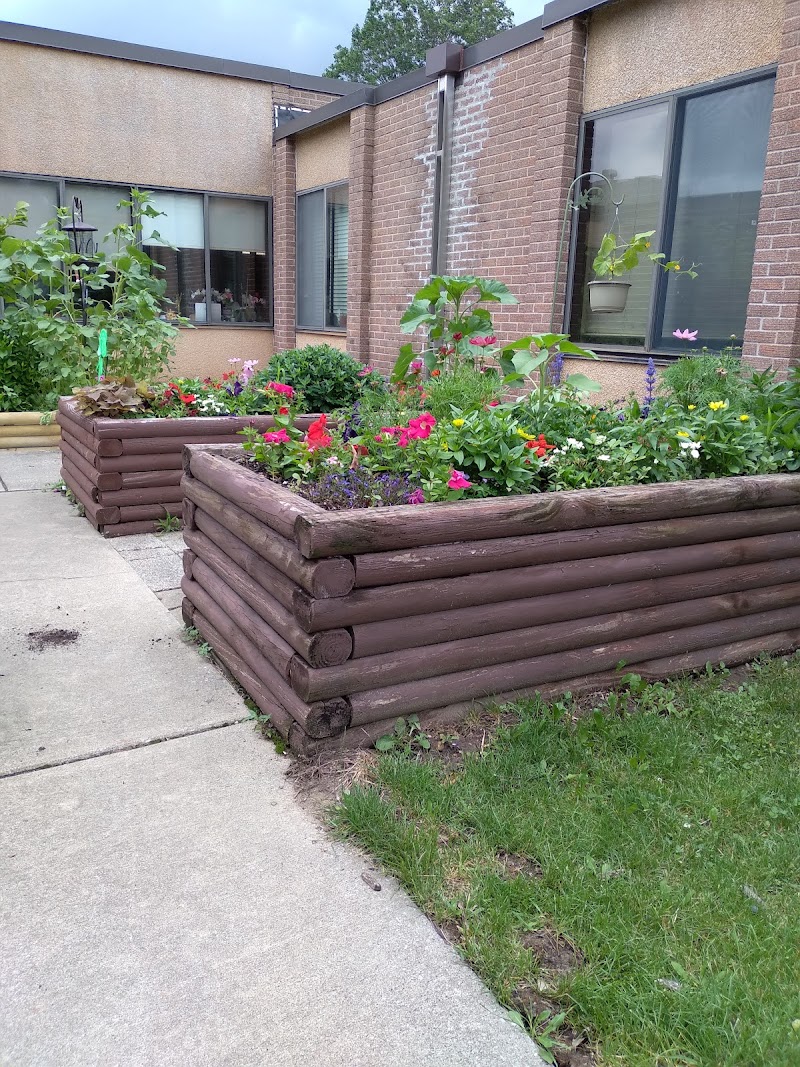
How is Mission Point Nursing & Physical Rehabilitation Ce Staffed?
CMS rates Mission Point Nursing & Physical Rehabilitation Ce's staffing level at 3 out of 5 stars, which is average compared to other nursing homes. Staff turnover is 25%, compared to the Michigan average of 46%. This relatively stable workforce can support continuity of care.

What Have Inspectors Found at Mission Point Nursing & Physical Rehabilitation Ce?

State health inspectors documented 28 deficiencies at Mission Point Nursing & Physical Rehabilitation Ce during 2022 to 2025. These included: 4 that caused actual resident harm and 24 with potential for harm. Deficiencies causing actual harm indicate documented cases where residents experienced negative health consequences.
Who Owns and Operates Mission Point Nursing & Physical Rehabilitation Ce?

Mission Point Nursing & Physical Rehabilitation Ce is owned by a for-profit company. For-profit facilities operate as businesses with obligations to shareholders or private owners. The facility is operated by MISSION POINT HEALTHCARE SERVICES, a chain that manages multiple nursing homes. With 77 certified beds and approximately 68 residents (about 88% occupancy), it is a smaller facility located in Cedar Springs, Michigan.

How Does Mission Point Nursing & Physical Rehabilitation Ce Compare to Other Michigan Nursing Homes?

Compared to the 100 nursing homes in Michigan, Mission Point Nursing & Physical Rehabilitation Ce's overall rating (3 stars) is below the state average of 3.1, staff turnover (25%) is significantly lower than the state average of 46%, and health inspection rating (2 stars) is below the national benchmark.

What Should Families Ask When Visiting Mission Point Nursing & Physical Rehabilitation Ce?

Based on this facility's data, families visiting should ask: "What safeguards and monitoring systems are in place to protect residents from abuse or neglect?" "Can I visit during a mealtime to observe dining assistance and food quality?" "How do you handle medical emergencies, and what is your hospital transfer rate?" "Can I speak with family members of current residents about their experience?" These questions are particularly relevant given the substantiated abuse finding on record.

Is Mission Point Nursing & Physical Rehabilitation Ce Safe?

Based on CMS inspection data, Mission Point Nursing & Physical Rehabilitation Ce has documented safety concerns. The facility has 1 substantiated abuse finding (meaning confirmed case of resident harm by staff or other residents). The facility has a 3-star overall rating and ranks #100 of 100 nursing homes in Michigan. Families considering this facility should ask detailed questions about what corrective actions have been taken since these incidents.

Do Nurses at Mission Point Nursing & Physical Rehabilitation Ce Stick Around?

Staff at Mission Point Nursing & Physical Rehabilitation Ce tend to stick around. With a turnover rate of 25%, the facility is 21 percentage points below the Michigan average of 46%. Low turnover is a positive sign. It means caregivers have time to learn each resident's needs, medications, and personal preferences. Consistent staff also notice subtle changes in a resident's condition more quickly. Registered Nurse turnover is also low at 20%, meaning experienced RNs are available to handle complex medical needs.

Was Mission Point Nursing & Physical Rehabilitation Ce Ever Fined?

Mission Point Nursing & Physical Rehabilitation Ce has been fined $69,905 across 1 penalty action. This is above the Michigan average of $33,778. Fines in this range indicate compliance issues significant enough for CMS to impose meaningful financial consequences. Common causes include delayed correction of deficiencies, repeat violations, or care failures affecting resident safety. Families should ask facility leadership what changes have been made since these penalties.

Is Mission Point Nursing & Physical Rehabilitation Ce on Any Federal Watch List?

Mission Point Nursing & Physical Rehabilitation Ce is not on any federal watch list. The most significant is the Special Focus Facility (SFF) program, which identifies the bottom 1% of nursing homes nationally based on persistent, serious quality problems. Not being on this list means the facility has avoided the pattern of deficiencies that triggers enhanced federal oversight. This is a positive indicator, though families should still review the facility's inspection history directly.