Father Murray, A Villa Center
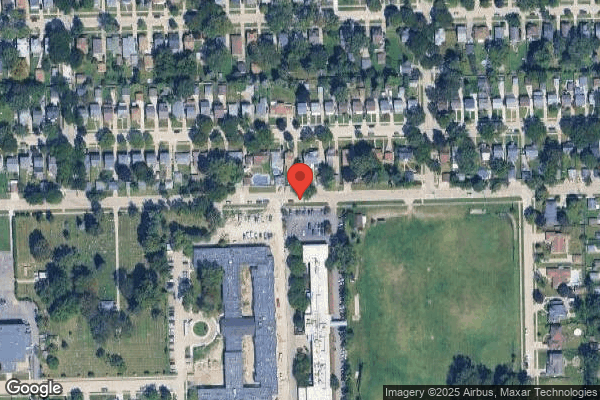
8444 Engleman, Center Line, MI 48015 (586) 755-2400
For profit - Corporation 231 Beds VILLA HEALTHCARE Data: November 2025
Trust Grade
50/100
#197 of 422 in MI
Last Inspection: April 2025

Within standard 12-15 month inspection cycle. Federal law requires annual inspections.

Overview

Father Murray, A Villa Center in Center Line, Michigan has a Trust Grade of C, indicating that it is average compared to other facilities. It ranks #197 out of 422 statewide, placing it in the top half of Michigan nursing homes, and #14 out of 30 in Macomb County, meaning only a few local options are better. The facility is showing improvement, with issues decreasing from 16 in 2024 to 10 in 2025. Staffing is rated as average with a turnover rate of 43%, slightly below the state average, but it has concerning RN coverage, being lower than 95% of Michigan facilities, which could affect care quality. There are serious issues highlighted by inspectors, including a resident experiencing physical and psychosocial harm due to staff abuse and another resident who suffered skin breakdown from inadequate ostomy care, leading to hospitalization. While there are strengths such as no fines and an improving trend, these serious incidents raise significant concerns for potential residents and their families.

Trust Score
C
50/100
In Michigan
#197/422
Top 46%
Safety Record
Moderate
Needs review
Inspections
Getting Better
16 → 10 violations
Staff Stability
○ Average
43% turnover. Near Michigan's 48% average. Typical for the industry.
Penalties
✓ Good
No fines on record. Clean compliance history, better than most Michigan facilities.
Skilled Nurses
⚠ Watch
Each resident gets only 15 minutes of Registered Nurse (RN) attention daily — below average for Michigan. Fewer RN minutes means fewer trained eyes watching for problems.
Violations
⚠ Watch
44 deficiencies on record. Higher than average. Multiple issues found across inspections.
★★★☆☆
3.0
Overall Rating
★★★☆☆
3.0
Staff Levels
★★★★☆
4.0
Care Quality
★★★☆☆
3.0
Inspection Score
Stable
2024: 16 issues
2025: 10 issues

The Good

  • 4-Star Quality Measures · Strong clinical quality outcomes
  • Full Sprinkler Coverage · Fire safety systems throughout facility
  • No fines on record
  • Staff turnover below average (43%)

    5 points below Michigan average of 48%

Facility shows strength in quality measures, fire safety.

The Bad

3-Star Overall Rating

Near Michigan average (3.1)

Meets federal standards, typical of most facilities

Staff Turnover: 43%

Near Michigan avg (46%)

Typical for the industry

Chain: VILLA HEALTHCARE

Part of a multi-facility chain

Ask about local staffing decisions and management

The Ugly 44 deficiencies on record

2 actual harm
Aug 2025 1 deficiency
CONCERN (D) 📢 Someone Reported This

A family member, employee, or ombudsman was alarmed enough to file a formal complaint

Potential for Harm - no one hurt, but risky conditions existed

Resident Rights (Tag F0550)

Could have caused harm · This affected 1 resident

**NOTE- TERMS IN BRACKETS HAVE BEEN EDITED TO PROTECT CONFIDENTIALITY** This citation pertains to Intake: 2567551Based on observation, interview, and record review, the facility failed to honor one re...

Read full inspector narrative →
**NOTE- TERMS IN BRACKETS HAVE BEEN EDITED TO PROTECT CONFIDENTIALITY** This citation pertains to Intake: 2567551Based on observation, interview, and record review, the facility failed to honor one resident's self-determination rights (R701) of one reviewed for resident rights. Findings include:A review of R701's medical record revealed they were admitted into the facility on [DATE] with diagnoses which included Unspecified Dementia, Muscle Weakness, and Hypertension. Further review revealed the resident had a moderate cognitive impairment, and was independent for bed mobility, dressing, and required minimal assistance for bathing. On 8/11/25 at 10:19 AM, R701 was observed lying in bed and asked about their stay in the facility. They expressed dissatisfaction with the facility food and medication regimen, in addition to their frustration with remaining in the facility. R701 explained their son has guardianship over them and have been feeling powerless as if they are incapable of living independently. Further review of the medical record revealed the following progress notes: 11/22/2024 12:25 Social Service Note .Resident is a recent admission into the facility .admitted into the facility related to [their] mental and healthcare needs. Resident has reported that [they want] to return home however [their] son has stated [they] will remain LTC (long-term care). Resident had conversation related to [their] life and does state [they do] not feel like [R701] has family support in the lifestyle [they want] to have which is to live alone. Resident stated that [they do] feel some slight depression/mood issues related to [them] having to reside in the facility . 12/6/2024 14:27 (2:27pm) Social Service Note .spoke to resident who continues to make accusatory comments about [their] son who is [their] Legal guardian. Resident stated [they were] abused by [their] son and consistently stated he has been stealing [their] money. Resident states [they do not] want [their] son for [their] Guardian and wants a public Guardian. Resident will be assisted to have a modification of Guardianship started, after [they] has been seen by psychological services to ensure [they were] not having an intermittent episode, or if [they are] is consistent in wanting a change. Will continue to follow. A review of R701's Omnibus Budget Reconciliation Act (OBRA) assessment (used to determine a resident's level of care) dated 4/8/25 revealed the following, .1. Determination: No Nursing Facility-Specialized Mental Health Services. The individual does NOT qualify for the level of services provided by a nursing facility but requires specialized mental health/developmental disabilities services .2. Result of Determination: The individual may no longer continue to reside in a nursing facility .Recommendations: Writer recommends a No Nursing Facility placed as [R701's] medical, physical and psychiatric needs can most appropriately be met in a less restrictive community placement Any referrals needed related to discharge should be made by the NF (nursing facility) Social Worker .Writer recommends exploring the possible modification of the guardianship after a capacity exam has been completed . Further review of R701's medical record revealed a Psychological Evaluation dated 4/21/25 revealing the following, .Based on previous evaluation on 4/1/2025, client displays MILD changes in thinking and memory but RETAINS the capacity to make decision .Client would likely benefit from a LESS RESTRICTIVR ENVIRONMENT, and recommend client move outside the locked memory ward if medical team agrees. Further review revealed the following progress note, 4/11/2025 18:24 (6:24pm) Social Service Note .Writer contacted resident's son to inform him that resident had had a competency evaluation and had been deemed competent to make [their] own decisions. Resident's son was informed that resident does have the right to request [their] guardianship however [they] can wish to have [them] remain as [their] guardian. He has requested a second opinion. Writer will have psychiatrist to do an evaluation. 6/3/2025 14:28 (2:28pm) Physician/PA (physician assistant)/NP (nurse practitioner) - Progress Note.Date of Visit: 6/3/2025. Reason for visit: follow-up chronic illness. Subjective: Patient is seen today in follow-up to [their] chronic illness. [R701] is seen on memory care, complains that people are stealing from [them] including [their] family. Requesting to be moved to another unit. 6/20/2025 20:46 (8:46pm) Physician/PA/NP - Progress Note (Narrative).[R701] has been very agitated and depressed with anxiety over the last few weeks. Patient has been complaining about the fact that [their] son who is the guardian has been stealing money from [them] and not doing right by [them]. Apparently [R701] wishes to file a case in court to change guardianship. [R701] also wishes to be [their]own guardian. Patient continues to be seen by psychiatry who are managing [their] medications. Further review of the medical record did not reveal follow-up regarding R701's capacity, guardianship modification, or referrals related to discharge. On 8/11/25 at 1:35 PM, the Nursing Home Administrator (NHA) was asked if she had any information concerning follow-up regarding the resident's modified guardianship/capacity, and explained that she didn't, and was unable to provide additional information as the Director of Social Work was out of the building. A review of the facility's Resident Rights policy revealed the following, .Exercise of Rights .Residents retain the ability to exercise any rights not delegated to a representative
Jul 2025 1 deficiency
CONCERN (D) 📢 Someone Reported This

A family member, employee, or ombudsman was alarmed enough to file a formal complaint

Potential for Harm - no one hurt, but risky conditions existed

Deficiency F0552 (Tag F0552)

Could have caused harm · This affected 1 resident

This citation pertains to Intake MI00153991. Based on interview and record review, the facility failed to document and inform resident representative about changes in skin integrity for one sampled re...

Read full inspector narrative →
This citation pertains to Intake MI00153991. Based on interview and record review, the facility failed to document and inform resident representative about changes in skin integrity for one sampled resident (R901) of three residents reviewed for informed rights. Findings include: On 7/8/25 at 10:16 AM, confidential Family Member A explained that upon visiting R901 on 6/28/25, they observed the resident with bandages on their right foot. Family Member A explained they were not informed the resident had open wounds to their foot, and the wounds were not present during their last visitation on 6/9/25. A review of R901's medical record revealed they were admitted into the facility on 4/29/25 with diagnoses which included Dementia, Hypertension and Diabetes. Further review revealed the resident had a moderate cognitive impairment and required 1-2-person assistance for Activities of Daily Living. Further review of the medical record revealed the following progress note: 6/13/2025 19:01 (7:01pm) Health Status Note .Writer observed a small open sore, slightly bleeding. Writer notified Wound director. Normal Saline Pay (pat) dry apply calcium alginate with 4x4 cotton pad and gauze QD (once a day). Writer also contacted resident's DR (doctor), no new orders noted. Writer carried out ordered with applying TX (treatment). Resident tolerated TX well. Writer will continue with plan of care. Further review of the medical record of R901 revealed Active Wounds and revealed on 6/17/25, a vascular wound on the resident's right heel was identified. Further review of the medical record did not reveal documented communication the resident's representative had been contacted to inform them of the new wounds. On 7/8/25 at 1:56 PM, the Director of Nursing (DON) was asked about the missing documentation and acknowledged it is missing. A review of the facility's Resident Rights policy revealed the following, Planning and Implementing Care. Residents and/or resident representatives have the right to be fully informed of the medical condition in a language you they can understand, and to participate in your person-centered care planning and treatment, including the type of caregiver who provides services. Residents have the right to refuse and/or discontinue medications and treatments and to be fully informed of the risks and benefits, and to formulate an advanced directive, an informed decision. The right to be informed, in advance of changes to the plan of care .
Apr 2025 8 deficiencies
CONCERN (D) 📢 Someone Reported This

A family member, employee, or ombudsman was alarmed enough to file a formal complaint

Potential for Harm - no one hurt, but risky conditions existed

Safe Environment (Tag F0584)

Could have caused harm · This affected 1 resident

Based on observation, interview, and record review, the facility failed to provide a clean, comfortable, homelike environment for one (R121) of eight residents reviewed for homelike environment. Findi...

Read full inspector narrative →
Based on observation, interview, and record review, the facility failed to provide a clean, comfortable, homelike environment for one (R121) of eight residents reviewed for homelike environment. Findings include: Review of the facility record for R121 revealed an admission date of 01/15/21 with diagnoses including Cerebrovascular Accident, Hemiplegia, and Diabetes Mellitus. On 04/07/25 at 11:12 AM, R121 was observed laying in bed. They did not respond to verbal greeting. The wallpaper under the window adjacent to the resident's right side was peeled off in a large (approx. two feet by two feet) area with a portion of the peeled paper hanging and another portion missing. There were multiple smears on the wall in the same area that appeared to be food or drink. On 04/08/25 at 9:05 AM, R121 was observed laying in bed. The wall adjacent to the bed was in the same condition as noted the previous day. R121 was asked about the condition of the room and they stated The clock doesn't work either, it needs a battery. I told them and they haven't fixed it. The clock was observed to be not working. On 04/09/25 at 9:39 AM, R121's room was observed to remain in the condition previously described and the clock was still not working. R121 stated It hasn't worked for about six weeks. R121 reported they told staff about the clock but they couldn't recall who the staff was. On 04/09/25 at 10:39 AM, R121's room was observed with the facility Administrator (NHA) present. The NHA acknowledged the condition of the wall under the window with the torn/hanging and missing wallpaper as well as the clock without a battery. The NHA reported the expectation is the condition of the wall and the function of the clock should be addressed in a timely manner. Review of the facility policy Quality of Life-Homelike Environment dated 04/14 includes under the section Characteristics of a personalized, homelike setting: .a. cleanliness and order .c. inviting colors and decor.
CONCERN (D) 📢 Someone Reported This

A family member, employee, or ombudsman was alarmed enough to file a formal complaint

Potential for Harm - no one hurt, but risky conditions existed

MDS Data Transmission (Tag F0640)

Could have caused harm · This affected 1 resident

**NOTE- TERMS IN BRACKETS HAVE BEEN EDITED TO PROTECT CONFIDENTIALITY** Based on interview and record review, the facility failed to submit a Minimum Data Set Assessment (MDS-a form to be completed fo...

Read full inspector narrative →
**NOTE- TERMS IN BRACKETS HAVE BEEN EDITED TO PROTECT CONFIDENTIALITY** Based on interview and record review, the facility failed to submit a Minimum Data Set Assessment (MDS-a form to be completed for all residents Medicare/Medicaid information) in a timely manner for one (R157) of one residents reviewed for assessments. Findings include: A review of the Electronic Medical Record (EMR) revealed R157 did not have a discharge MDS assessment. The review of the EMR revealed R157 was admitted on [DATE] and was discharged on 12/10/2024. On 4/9/2025 at 9:29 AM, an inquiry was made regarding the submission of a discharge MDS. MDS Nurse E revealed they were unaware of a missing submission and would look into the concern. At 11:29 AM, MDS Nurse E confirmed the discharge MDS submission was overlooked. On 4/9/2025 at 12:15 PM, an interview with the Director of Nursing (DON) revealed the MDS should be submitted in a timely manner.
CONCERN (D) 📢 Someone Reported This

A family member, employee, or ombudsman was alarmed enough to file a formal complaint

Potential for Harm - no one hurt, but risky conditions existed

PASARR Coordination (Tag F0644)

Could have caused harm · This affected 1 resident

**NOTE- TERMS IN BRACKETS HAVE BEEN EDITED TO PROTECT CONFIDENTIALITY** Based on interview and record review, the facility failed to complete an annual OBRA (Omnibus Budget Reconciliation Act) Level I...

Read full inspector narrative →
**NOTE- TERMS IN BRACKETS HAVE BEEN EDITED TO PROTECT CONFIDENTIALITY** Based on interview and record review, the facility failed to complete an annual OBRA (Omnibus Budget Reconciliation Act) Level II Evaluation for three residents (R3, R8, R13) of eight residents reviewed for PASARR (Preadmission Screen and Resident Review). Findings include: R3 A clinical record review revealed R3 was admitted to the facility on [DATE] and readmitted on [DATE] with the following diagnoses of Major Depressive Disorder, Anxiety Disorder, and Congestive Heart Failure. A Minimum Data Set (MDS) assessment dated [DATE] revealed a Brief Interview for Mental Status (BIMS) score of 7/15 indicating R3 was cognitively impaired. Further review of R3's medical record revealed a PASARR dated 3/25/24. R8 A clinical record review revealed R8 was originally admitted into the facility on [DATE], with a recent readmission date of 3/17/25 and with the following diagnoses of Adjustment Disorder, Anxiety Disorder, Hoarding Disorder and Hemiplegia and Hemiparesis following cerebral infarction. A Minimum Data Set (MDS) assessment dated [DATE] and a Brief Interview for Mental Status (BIMS) score of 13/15, indicating intact cognition. Further review of R8's medical record revealed a PASARR dated 3/19/24. R13 A clinical record review revealed R13 was admitted to the facility on [DATE] and readmitted on [DATE] with the following diagnoses of Major Depressive Disorder, Manic Episode without Psychotic Symptoms, Developmental Disorder of Scholastic Skills and Calculus of Kidney. A Minimum Data Set (MDS) assessment dated [DATE] revealed a Brief Interview for Mental Status (BIMS) score totaled 6/15 indicating R13 has severe cognitive impairments. Further review of R13's medical record revealed a PASARR dated 3/20/24. On 4/9/25 at 12:35 PM, an interview occurred with Social Worker J regarding missing updated PASARRs' for R3, R8, and R13 (due to previous one being completed in 2024). Social Worker J stated he thought all of the 3877s were updated for March but it appeared that some were missed. Social Worker J confirmed that PASARRs should be updated annually and when there is a change in condition. On 4/9/25 at 3:23 PM, the Director of Nursing (DON) was asked about her expectation regarding PASARR, she explained that her expectation is that PASARR assessments are completed timely as required per policy. A review of the facility policy titled, PASARR Guideline dated 12/28/17 revealed the following: This facility promotes and supports a resident centered approach to care. The purpose of this guideline is to define and set expectations regarding the appropriate preadmission assessment of all individuals with a mental disorder and individuals with intellectual disability. It is the practice of the facility to coordinate the assessment process with the preadmission screening and annual resident review (PASARR) program under Medicaid in Subpart C to the extent practicable to avoid duplicative testing and effort. This includes incorporating the recommendations from the PASARR level II determination and evaluation in the residents' assessment, care plan, and transition of care; and referring all level II residents and all residents with new or evident conditions related to Level II review upon significant change in status assessment.
CONCERN (D) 📢 Someone Reported This

A family member, employee, or ombudsman was alarmed enough to file a formal complaint

Potential for Harm - no one hurt, but risky conditions existed

ADL Care (Tag F0677)

Could have caused harm · This affected 1 resident

**NOTE- TERMS IN BRACKETS HAVE BEEN EDITED TO PROTECT CONFIDENTIALITY** Based on observation, interview, and record review, the facility failed to ensure mouth care was provided for one resident (R137...

Read full inspector narrative →
**NOTE- TERMS IN BRACKETS HAVE BEEN EDITED TO PROTECT CONFIDENTIALITY** Based on observation, interview, and record review, the facility failed to ensure mouth care was provided for one resident (R137) of four dependent residents reviewed for oral hygiene. Findings include: A review of the Electronic Medical Record (EMR) revealed R137 was most recently admitted on [DATE]. The EMR revealed R137 had a pertinent diagnoses of Developmental Disorder of Speech and Language, Cerebral Infarction (Stroke) affecting non-dominant side, Dysphagia (Swallowing Difficulty) and a Percutaneous Endoscopic Gastric (PEG tube) insertion for nutritional support. The EMR revealed R137 is non-verbal and on nutritional support via a tube-feeding only. R137 is not to have anything by mouth. The EMR further revealed that R137 was unable to complete the Basic Inventory for Mental Status and was also dependent for all Activities of Daily Living. On 4/7/25 at 10:13 AM, R137 was observed in bed on their back with the legs drawn up to a 90 degrees angle to body. An observation of R137's mouth revealed thick and dried mucus over their teeth which appeared thick. R137's upper lips were cracked and had some dried scabs. R137's lower lip had dry pieces of skin sticking up. R137's mouth was only open about ½ inch. When queried whether mouth care was done the resident would open their eyes and softly said no. On 4/07/2025 at 12:30 PM, R137 was observed with their mouth in the same condition and in the same position. On 4/8/2025 at 12:14 PM and 3:28 PM, R137 was observed with more crusty layers of mucus across their teeth. Additional observations included pinkish dried mucus around the dried wounds on R137's lips. At 3:30 PM, an interview with Licensed Practical Nurse (LPN) B indicated R137 is non-verbal, and resists care at times. At 3:34 PM, an observation with LPN B confirmed R137 was in need of mouth care and could not confirm if mouth care had been done. A review of the EMR revealed R137 is dependent for personal hygiene including oral hygiene. Further review of the EMR did not reveal R137 had refused any oral care for the past 30 days. On 4/8/2025 at 12:15 PM, an interview with the Director of Nursing (DON) revealed their expectation that residents should receive oral hygiene whenever it is needed and is often on a schedule. A review of the ADL policy, under description of ADL services include: Oral Care: clean mouth, brush teeth, provide moisture to lips .: IX: Check resident throughout the shift for care and hygiene needs; and .Report prolonged absence of ADL care or resident resistance or non0-adherence of hygiene activities to Licensed Nurse .
CONCERN (D) 📢 Someone Reported This

A family member, employee, or ombudsman was alarmed enough to file a formal complaint

Potential for Harm - no one hurt, but risky conditions existed

Deficiency F0761 (Tag F0761)

Could have caused harm · This affected 1 resident

**NOTE- TERMS IN BRACKETS HAVE BEEN EDITED TO PROTECT CONFIDENTIALITY** Based on observation, interview, and record review, the facility failed to ensure resident medications were not left at the beds...

Read full inspector narrative →
**NOTE- TERMS IN BRACKETS HAVE BEEN EDITED TO PROTECT CONFIDENTIALITY** Based on observation, interview, and record review, the facility failed to ensure resident medications were not left at the bedside for one resident (R5) of one resident and failed to store/date medication in one of two medication carts reviewed for medication storage. Findings include: R5 On 4/7/25 at 10:46 AM, R5 was observed lying in their bed. A medication cup of seven pills were observed sitting on the resident's bedside table. At this time, the unit manager of the memory care unit, Unit Manager F was asked to enter the resident's room and explain why the medications had been left at the bedside. Unit Manager F explained that the medications should not have been left at the bedside and would talk to the administering nurse. A review of R5's medical record revealed they were admitted into the facility on [DATE] with diagnoses that included Dementia, Delusional Disorders, and Muscle Weakness. Further review revealed the resident was cognitively intact, and required minimal assistance for activities of daily living. Further review of the medical record did not reveal an assessment for the self-administration of medications. On 4/9/25 at 2:41 PM, the Director of Nursing (DON) was asked for her expectations regarding medications left at the bedside, and explained medications should not be left at the bedside. On 04/8/25 at 9:14 AM, the two south back medication cart was observed with Licensed Practical Nurse (LPN) H and a Trelegy inhaler was found with no date or resident identifier on the actual inhaler and a glucose strips container was not dated when opened. On 4/9/2025 at 2:40 PM, an interview with the Director of Nursing (DON) revealed glucose strips and medications should be appropriately labeled and dated when opened. The DON also revealed glucose strips and medications should be appropriately labeled when opened. A review of the facility's Medication Storage policy revealed the following, The facility shall store all medications and biologicals in a safe, secure, and orderly manner .
CONCERN (D) 📢 Someone Reported This

A family member, employee, or ombudsman was alarmed enough to file a formal complaint

Potential for Harm - no one hurt, but risky conditions existed

Infection Control (Tag F0880)

Could have caused harm · This affected 1 resident

**NOTE- TERMS IN BRACKETS HAVE BEEN EDITED TO PROTECT CONFIDENTIALITY** Based on observation, interview, and record review, the facility failed to store oxygen mask and tubing in a sanitary manner for...

Read full inspector narrative →
**NOTE- TERMS IN BRACKETS HAVE BEEN EDITED TO PROTECT CONFIDENTIALITY** Based on observation, interview, and record review, the facility failed to store oxygen mask and tubing in a sanitary manner for one (R98) of four residents reviewed for supplemental oxygen use. Findings include: A review of the facility record revealed R98 was admitted to the facility on [DATE] with diagnoses including Respiratory Failure and Seizure Disorder. On 04/07/25 at 2:48 PM, R98's oxygen mask and tubing was observed laying on the concentrator not covered or bagged. On 04/08/25 at 8:55 AM, R98 was observed laying in bed wearing a nasal cannula. The oxygen mask/tubing and a second nasal cannula/tubing were observed laying in the open top drawer of the nightstand on top of other items uncovered and not bagged. On 04/09/25 at 10:48 AM, the facility Director of Nursing (DON) was interviewed and made aware of the observations of the oxygen mask/tubing and nasal cannula/tubing being stored uncovered and not bagged. The DON reported the expectation is that they should be bagged when not in use. A review of the facility policy Oxygen Administration dated 03/20 revealed the entry f. Oxygen tubing will be covered and stored when not in use.
CONCERN (D) 📢 Someone Reported This

A family member, employee, or ombudsman was alarmed enough to file a formal complaint

Potential for Harm - no one hurt, but risky conditions existed

Deficiency F0883 (Tag F0883)

Could have caused harm · This affected 1 resident

Based on interview and record review, the facility failed to immunize per acceptable and/or declination for influenza immunizations for one resident (R81) of five sampled residents reviewed for immuni...

Read full inspector narrative →
Based on interview and record review, the facility failed to immunize per acceptable and/or declination for influenza immunizations for one resident (R81) of five sampled residents reviewed for immunizations. Findings Include: A review of R81's medical record revealed they were admitted into the facility on 2/1/24. During a review Infection Control program, the influenza acceptance/declination for R81 was requested and revealed a consent to receive the influenza immunization dated for 10/4/24. Reviewed was a second document dated for 10/10/24 declining the influenza vaccine. A review of the resident's medical record revealed the resident received the influenza immunization on 10/14/24 (four days after declining it). On 4/8/25 at 4:19 PM, the Director of Nursing (DON) was asked about her expectation regarding immunizations being provided per consent, she explained her expectation is that immunizations are provided per acceptance/declination. A review of the facility's Influenza Vaccination Guideline did not reveal information regarding a resident receiving a vaccine after signing a declination.
CONCERN (D) 📢 Someone Reported This

A family member, employee, or ombudsman was alarmed enough to file a formal complaint

Potential for Harm - no one hurt, but risky conditions existed

Deficiency F0887 (Tag F0887)

Could have caused harm · This affected 1 resident

**NOTE- TERMS IN BRACKETS HAVE BEEN EDITED TO PROTECT CONFIDENTIALITY** Based on interview and record review, the facility failed to document the education regarding benefits and offering of immunizat...

Read full inspector narrative →
**NOTE- TERMS IN BRACKETS HAVE BEEN EDITED TO PROTECT CONFIDENTIALITY** Based on interview and record review, the facility failed to document the education regarding benefits and offering of immunizations (COVID vaccine), and immunize per acceptable and/or declination for three residents (R7, R13, and R63) of five sampled residents reviewed for immunizations. Findings Include: During a review of the Infection Control program, acceptance/declinations of the COVID vaccine were requested for R7, R13, and R63. R7 A review of R7's medical record revealed they were admitted into the facility on 7/16/16. A review of R7's COVID declination was signed by the resident during the survey on 4/8/25 however, the resident has a guardian responsible for making medical decisions on their behalf. R13 A review of R13's medical record revealed they were admitted into the facility on [DATE]. A review of their medical record revealed the resident refused the vaccine however, the resident completed a COVID acceptance consent. R63 A review of R63's medical record revealed they were admitted into the facility on 1/11/17. A review of their COVID acceptance was completed on 10/24/24 however, their medical record did not indicate the vaccine had been provided. On 4/9/25 at 8:54 AM, Infection Control Preventionist G was asked about the incomplete documentation and acknowledged the documentation was missing and would work on correcting the concerns. On 4/9/25 at 3:19 PM, the Director of Nursing (DON) was asked about her expectation regarding immunizations being provided per consent, she explained her expectation is that immunizations are provided per acceptance/declination. A review of the facility's Clinical Documentation Process for COVID-19 Vaccinations-Residents revealed, .Immunization tab Check to see if the consent was already documented for the COVID-19 vaccine .For residents that decline the COVID-19 vaccination. Ensure each resident declining the COVID-19 vaccination has been educated on vaccine indications and ramification of refusing administration of the vaccine. Documentation of the declination in the clinical record .
Sept 2024 1 deficiency
CONCERN (D) 📢 Someone Reported This

A family member, employee, or ombudsman was alarmed enough to file a formal complaint

Potential for Harm - no one hurt, but risky conditions existed

Safe Environment (Tag F0584)

Could have caused harm · This affected 1 resident

**NOTE- TERMS IN BRACKETS HAVE BEEN EDITED TO PROTECT CONFIDENTIALITY** This citation is related to Intake MI100147010. Based on observation, interview, and record review, the facility failed to provi...

Read full inspector narrative →
**NOTE- TERMS IN BRACKETS HAVE BEEN EDITED TO PROTECT CONFIDENTIALITY** This citation is related to Intake MI100147010. Based on observation, interview, and record review, the facility failed to provide a safe, clean, and comfortable homelike environment in one bathroom for two (R907) of two residents assigned to the same room. Findings include: On 9/26/24 at 10:56 AM, in an observation of the bathroom shared between rooms [ROOM NUMBERS] the following was observed: -The faucet handles are broken, the cold handle was missing, and the hot water handle was hanging so that the water could not be turned off. -The warm temperatured water was dripping heavily. -The soap dispenser is not working. -There was no toilet paper available in the room and the toilet paper holder rusty. -The toilet seat was loose and slides easily side to side. -There was feces in the toilet and the bowl was not clean. -The tank lid hung over the flush handle making it difficult to access. -There is no trash can in the bathroom or in room [ROOM NUMBER]. On 09/26/24 at 09:10 AM, an interview with R907 was attempted. R907 primary language is Greek and was unable to answer any questions. A review of the facility record revealed R907 was admitted to the facility on [DATE]. R907's diagnoses include the following: Dementia without Behavioral Disturbance, Hydronephrosis, Obstructive and Reflux Uropathy, Constipation, Type 2 Diabetes Mellitus, Hypertension, Other symptoms involving Cognitive Functions and Awareness, Muscle Weakness, and need for assistance with personal care. On 09/26/24 at 09:24 AM, an interview was conducted with R907's daughter and legal guardian (LG). R907's legal guardian revealed they had reported this issue to the floor nurse in August and several times since then. The LG revealed they were unable to provide the identity of the staff spoken to. On 9/26/24 an interview with the Director of Nursing (DON) revealed the expectation that each bathroom should have functioning sinks and toilets. On 09/26/24 a review of the record revealed a work order was entered into the facilities (name of) website system (where issues for the facility maintenance team are entered) on 08/16/24 at 6:42 AM. The record further reviewed the order was closed on 8/16/24 at 4:47 PM. The order priority was listed as Medium Priority. The policy, Quality of Life - Homelike Environment, QAPI Reviewed on February 28, 2024, revealed, Residents are provided with a safe, clean, comfortable and homelike environment . and 2. a. Cleanliness and order.
Jun 2024 1 deficiency
CONCERN (D) 📢 Someone Reported This

A family member, employee, or ombudsman was alarmed enough to file a formal complaint

Potential for Harm - no one hurt, but risky conditions existed

Quality of Care (Tag F0684)

Could have caused harm · This affected 1 resident

This citation pertains to MI00145143, MI00145149, and MI00145155. Based on interview, and record review the facility failed to ensure timely follow up by social work and psychiatric services and physi...

Read full inspector narrative →
This citation pertains to MI00145143, MI00145149, and MI00145155. Based on interview, and record review the facility failed to ensure timely follow up by social work and psychiatric services and physician notification for suicidal ideations for one (903) of one residents reviewed for mental health disorders. Findings include: R903 A review of the medical record revealed that R903 admitted into the facility on 3/5/24 with the following diagnoses: schizoaffective disorder and bipolar type. A review of the Minimum Data Set assessment (MDS) revealed, a Brief Interview for Mental Status score of 15/15, which indicated R903 with an intact cognition. R903's medical record also noted R903 with a history of multiple suicide attempts. The MDS also revealed a resident mood interview (PHQ depression screen) which revealed, R903 answered they had thoughts of feeling down depressed or hopeless and that they would be better off dead, or of hurting themselves, nearly every day. A consult to psychiatry was ordered on 3/5/24 for schizoaffective disorder and another consult to psychiatry was ordered on 3/12/24 for depression. Psychiatry visits were made on 3/14/24, 3/19/24 and 5/30/24. The visit note dated 3/14/24 documented R903 had a history of multiple suicide attempts and a recent suicide attempt. Further record review revealed a progress note by Licensed Practical Nurse (LPN) M on 6/2/24 as follows: Writer entered resident room for daily rounds and medication pass. Upon entering resident begin crying yelling out stating 'family gave up on (R903) and that (they) want to kill (themselves)'. Resident refused medication and told writer to 'get out of (their) room and leave me alone'. Writer left room and returned a few hours later. Resident calmed down and took medication. SW (Social Worker) is aware of behaviors. Psych consult in place. Will continue plan of care. Record review of R903's care plan revealed a behavioral care plan focus as follows: Behavior: (R903) is/has potential to be verbally aggressive and physical aggression towards staff r/t (related to) poor impulse control. Dx (diagnosis) of schizoaffective disorder, bipolar 1 disorder, depression and anxiety. Long psychiatric history, prior to admission. Prone to catastrophic reactions. Mood: (R903) has a mood problem r/t schizoaffective disorder, bipolar type. The resident will have improved sleep pattern by reporting adequate rest or fewer documented episodes of insomnia through the review date. The care plan did not include suicidal ideations nor interventions addressing suicidal ideations. On 6/20/24 during an interview with LPN M, when asked about the progress note they wrote on 6/2/24, stated R903 had to wait for their medication, and they got verbally aggressive and verbalized suicidal ideations. LPN M stated the nurse on the previous shift reported to LPN M that R903 was also verbalizing suicidal ideations to them on the previous shift. When asked if LPN M notified the doctor, they confrimed that R903 already had psychiatry consult in place and the social work was aware of the behaviors. Record review of progress notes revealed there was no visit by or notification to the primary physician, psychiatry, or social worker. A Psychiatry visit progress note dated 6/17/24 stated: Follow up visit .reviewed the resident's conditions of Behaviors due to Psychiatric condition, which are unresolved and unstable. The current plan of care was established at over 2 months ago. Changes in psychiatric and/or other relevant medications include the following: Added Seroquel 100 mg (milligrams) po (by mouth) one time only. Writer met with resident in person today. Resident was agreeable to visit and was alert and talkative, though worried and anxious throughout visit. Discussed mood and resident reported worsening depressive sx (symptoms), increased anxiety, and says described delusions that are worsening and distressing. People are after (R903), and scaring (R903), and (R903) wants to go to the hospital. Says Seroquel is not helping. To be sent to hospital. Further record review revealed that on 6/17/24 R903 was petitioned and sent to the hospital following a suicide attempt at the facility. On 6/20/24, during an interview, Certified Nurse Assistant (CNA) K stated that R903 has good days and bad days. CNA K stated that she has heard R903 say they wish they could die. On 6/20/24, during an interview, Unit Manager L (UM L) said R903 had suicidal ideations before but not to the degree of being hospitalized . UM L stated R903 was seeing psychiatry, the psychiatry nurse practitioner comes weekly, and the psychiatry doctor writes R903 med orders. On 6/20/24, during an interview, UM B stated that if a resident verbalizes suicidal ideations they expect the nurse to notify a doctor and a social worker. On 6/20/24 at 1:09 PM, the Director of Nursing (DON) stated that R903's behaviors should be addressed on the care plan. The DON also stated the physician should be notified when a resident verbalizes suicidal ideations and someone should monitor the resident during that time. On 6/20/24 at 3:47 PM, during an interview, Social Worker E stated they see R903 two to three times per week and they were familiar with R903's history of suicide attempts and ideations. SW E also stated they had overheard R903 mention self-harm once during their stay at the facility. SW E also stated when a resident verbalizes suicidal ideations it is their expectation a staff member stay with the resident and not to leave the resident by themselves. SW E says they were not notified of R903's suicidal ideations on 6/2/24 and they would have monitored and checked in with R903 at least five times per week following the verbalization of suicidal ideations. The progress note by SW E dated 6/4/24 did not indicate knowledge of the suicidal ideations on 6/2/24. A review of the facility's policy titled Behavior Management noted the following: It is the policy of this facility to provide specialized interventions for those residents who consistently demonstrate significant behavior problems. These behaviors are determined as behaviors that are unsafe or impact others with a potential for a negative outcome. Interventions will be accomplished through referral to appropriate sources such as: the Attending Physician, Psychiatrist, Social Services Department and/or community mental health and consultation services. The goal of the behavior management program is to determine causes of particular behavior, address/reduce problematic behavior, increase well-being and enhance quality of life. Examples of behaviors focused on in the Behavior management Program: Unsafe Behavior: This can manifest as physical hitting, throwing self onto the floor or statements of self-harm. In these instances, focus must be made on potential for harm, or credibility of threats to self-harm. In addition to the above, care givers should be alert to: 1. Mental health histories. Procedures for behavior management techniques 1.Individualized care plans will be developed for residents identified with behavior problems, by way of the assessment process. This assessment includes the resident's history of behavior, lifestyle history and information obtained from the family and caregivers. 7. Staff who identify unsafe or behaviors that impact others will take immediate action. This includes alerting the nurse/social worker, providing TLC and observation and providing space to self-calm and self-correct. 12. Resident identified with behavioral disturbances will be referred to clinical and behavioral programs including the contracted psychiatric behavioral group as an additional resource to aide in pharmacological and psychiatric therapies as needed. Residents on psychotropic medications will be reviewed by the social worker and referred to the staff psychiatrist, as needed, to determine if the specific medication is effective.
May 2024 2 deficiencies
CONCERN (D) 📢 Someone Reported This

A family member, employee, or ombudsman was alarmed enough to file a formal complaint

Potential for Harm - no one hurt, but risky conditions existed

Free from Abuse/Neglect (Tag F0600)

Could have caused harm · This affected 1 resident

**NOTE- TERMS IN BRACKETS HAVE BEEN EDITED TO PROTECT CONFIDENTIALITY** This citation pertains to intake MI00144520. Based on observation, interview, and record review, the facility failed to protect ...

Read full inspector narrative →
**NOTE- TERMS IN BRACKETS HAVE BEEN EDITED TO PROTECT CONFIDENTIALITY** This citation pertains to intake MI00144520. Based on observation, interview, and record review, the facility failed to protect one resident's (R703) right to be free from physical abuse by another resident (R704), of three residents reviewed for abuse. Findings include: A complaint submitted to the State Agency (SA) indicated the following, Resident [R703] was attacked by another resident [R704] .Resident has facial bandages from the attack .Attacker has been removed from the facility temporarily .Unknown if anyone was notified .Staff and residents are fearful of the attacking resident. Date of incident involving R703 and R704 was indicated to be 5/13/24. A review of R704's electronic medical record (EMR) revealed a progress noted dated, 5/7/24 10:27 AM, revealed the following, Resident reviewed in risk meeting r/t (regarding) behaviors. Resident displays increased aggression. behaviors. On 1:1 monitoring to maintain all resident's safety. Social work is currently seeking alternative placement that will fit resident's needs. IDT (Interdisciplinary team) will continue to monitor and assist. A review of R704's care plan revealed the following, Focus: The Resident has a behavior problem .Date Initiated: 04/05/2024. Goal: Resident will show a decrease in negative behaviors .Date Initiated: 04/05/2024 Target Date: 06/11/2024. Interventions: Monitor around vulnerable residents 1-1 monitoring if needed by staff to assure safety .Date Initiated: 04/05/2024. Further review of R704's EMR revealed that R704 was originally admitted to the facility on [DATE] with diagnoses that included UTI (Urinary tract infection) and Dementia. R704's most recent minimum data set assessment (MDS) dated [DATE] revealed that R704 had a severely impaired cognition. R704 was discharged from the facility and transferred to the hospital on 5/13/24 following the incident with R703. A review of R703's EMR revealed the following progress note, 5/13/2024 17:59 (5:59 PM) Skin observation: Note Text: Resident has new skin issue(s) observed .Face - small abrasion on right cheek and under left eye Skin turgor with good elasticity. Further review of R703's EMR revealed that R703 was originally admitted to the facility on [DATE] with diagnoses that included Schizoaffective disorder and Dementia. R703's most recent MDS dated [DATE] revealed that R703 had a severely impaired cognition. On 5/16/23 at 11:15 AM, R703 was interviewed about the incident which occurred between themselves and R704 on 5/13/24. R703 was unable to answer any questions regarding the incident. During the interview it was observed that R703 had red scratches on their left cheek. On 5/16/23 at 11:30 AM, certified nursing assistant (CNA) C was interviewed regarding the incident involving R703 and R704. CNA C indicated they witnessed [R704] approach [R703] and [R704] began to scream, then [R704] swore at [R703] and told [R703] to shut up. I intervened and [R704] began to walk away from [R703]. CNA C further indicated they heard [R703] screaming. I looked up and [R704] had [R703] in a head lock. Myself and other staff intervened and seperated the two residents. CNA C confirmed that R704 had been on one to one monitoring and said they had no one to one monitoring on the date the incident occurred. On 5/16/24 at 11:45 AM, Unit Nurse Manager, Licensed Practical Nurse (LPN) D was interviewed regarding the incident involving R703 and R704 on 5/13/24. LPN D indicated that they witnessed Resident and staff commotion on the unit and went down to intervene. The residents were separated and [R704] was placed on a one to one and taken into the dinning room where it was quiet. LPN D confirmed the red scratches on R703's face were the result of the incident between R703 and R704. LPN D indicated that R704 had received one to one monitoring in the past but was not on one to one monitoring at the time of the incident between themselves and R703. On 5/16/24 at 1:00 PM, the Administrator (NHA) was interviewed regarding the incident which occurred between R703 and R704. The Administrator indicated that based on what was reported to them, they felt R704 had a Catastrophic reaction which was triggered by R703's screaming. A facility policy titled Abuse .Effective Date: 9.11.2020 was reviewed and stated the following, It is the policy of the facility that each resident will be free from Abuse. Abuse can include .physical abuse .No abuse or harm of any type will be tolorated, all residents .will be monitored for protection .4. Population a. The facility's population presents the following factors which could result in maltreatment of residents: The assessment, Planning of Care and Service, and monitoring of residents with needs and behaviors which might lead to conflict .such as residents with a history of cognitive deficits .aggressive behaviors .b. The facility will ensure a comprehensive dementia management program to prevent resident abuse. staff intervened and separated the residents. Asked JB if R704 had a history of aggressive behavior towards residents. JC stated, Noise triggered R704. Asked JC about any special monitoring required for R703. JC stated, Yes, 1:1 monitoring. No 1:1 incident had 1:1 in past but taken off because of improved behavior. NHA indicated upon R704 hospitalization, determined R704 had a UTI. Asked NHA about reporting to SA and expectations/reasoning for not reporting R:R incident. NHA indicated that when incident was reported to her by staff she determined that incident did not need to be reported to SA. NHA indicated that she felt R704 had a catastrophic reaction to the noise made by R703. RR IDT note 5/7/24 10:49 AM: indicated: Resident reviewed in risk meeting r/t behaviors. Resident displays increased aggression. behaviors. On 1:1 monitoring to maintain all resident's safety. Social work is currently seeking alternative placement that will fit resident's needs. IDT will continue to monitor and assist. 5/7/24 10:27 AM: Resident reviewed in risk meeting r/t behaviors. Resident displays increased aggression. behaviors. On 1:1 monitoring to maintain all resident's safety. Social work is currently seeking alternative placement that will fit resident's needs. IDT will continue to monitor and assist. RR: R704 AD: 3/11/24; D/C: 5/13/24; Dx: UTI, Dementia, COPD. MDS 3/23/24: Severely impaired cog. RR R703: AD: D/C: Schizoaffective Disorder, Dementia, Dysphagia. MDS: 5/3/24 Severely impaired cog. R703 progress note: /13/2024 17:59 *Skin Observation Note Text: Resident has NEW skin issue(s) observed. 1 Face - small abrasion on right cheek and under left eye Skin turgor with good elasticity. Skin color is normal for ethnic group. Skin temperature is warm (normal). Skin moisture is normal. Skin condition is normal. Above note dated 5/13/24 17:59 (5:59 PM). Intake MI00144520 substantiated
CONCERN (D) 📢 Someone Reported This

A family member, employee, or ombudsman was alarmed enough to file a formal complaint

Potential for Harm - no one hurt, but risky conditions existed

Report Alleged Abuse (Tag F0609)

Could have caused harm · This affected 1 resident

**NOTE- TERMS IN BRACKETS HAVE BEEN EDITED TO PROTECT CONFIDENTIALITY** This citation pertains to Intake MI00144520. Based on interview and record review, the facility failed to implement policies and...

Read full inspector narrative →
**NOTE- TERMS IN BRACKETS HAVE BEEN EDITED TO PROTECT CONFIDENTIALITY** This citation pertains to Intake MI00144520. Based on interview and record review, the facility failed to implement policies and procedures for ensuring the reporting of a reasonable suspicion of a crime in accordance with section 1150B of the Act for one resident (R703) of three residents reviewed for abuse. Findings include: A complaint submitted to the State Agency (SA) indicated the following, Resident [R703] was attacked by another resident [R704] .Resident has facial bandages from the attack .Attacker has been removed from the facility temporarily .Unknown if anyone was notified .Staff and residents are fearful of the attacking resident. Date of incident involving R703 and R704 was indicated to be 5/13/24. A review of R704's electronic medical revealed that R704 was originally admitted to the facility on [DATE] with diagnoses that included UTI (Urinary tract infection) and Dementia. R704's most recent minimum data set assessment (MDS) dated [DATE] revealed that R704 had a severely impaired cognition. R704 was discharged from the facility and transferred to the hospital on 5/13/24 following the incident with R703. A review of R703's EMR revealed that R703 was originally admitted to the facility on [DATE] with diagnoses that included Schizoaffective disorder and Dementia. R703's most recent MDS dated [DATE] revealed that R703 had a severely impaired cognition. On 5/16/23 at 11:15 AM, R703 was interviewed about the incident which occurred between themselves and R704 on 5/13/24. R703 was unable to answer any questions regarding the incident. During the interview it was observed that R703 had red scratches on their left cheek. On 5/16/24 at 11:45 AM, Unit Nurse Manager, Licensed Practical Nurse (LPN) D was interviewed regarding the incident involving R703 and R704 on 5/13/24. LPN D indicated that they witnessed Resident and staff commotion on the unit and went down to intervene. The residents were separated and [R704] was placed on a one to one and taken into the dinning room where it was quiet. LPN D confirmed the red scratches on R703's face were the result of the incident between R703 and R704. LPN D indicated that R704 had received one to one monitoring in the past but was not on one to one monitoring at the time of the incident between themselves and R703. LPN D indicated the incident involving R703 and R704 was Immediately reported to the Administrator/Abuse Coordinator. On 5/16/24 at 1:00 PM, the Administrator (NHA) was interviewed regarding the incident which occurred between R703 and R704. The NHA was further interviewed regarding their expectations for reporting these types of incidents to the SA. The NHA indicated that based on what was reported to them they made a decision to not report the incident to the SA. A facility policy titled Abuse .Effective Date: 9.11.2020 was reviewed and stated the following, External Reporting Each covered individual shall report to the State Agency .any reasonable suspicion of a crime against any individual who is a resident or is receiving care from the facility .Initial reporting of allegations: If an incident or allegation is considered reportable, the Administrator or designee will make an initial report to the State Agency .
Feb 2024 12 deficiencies 1 Harm
SERIOUS (G) 📢 Someone Reported This

A family member, employee, or ombudsman was alarmed enough to file a formal complaint

Actual Harm - a resident was hurt due to facility failures

Free from Abuse/Neglect (Tag F0600)

A resident was harmed · This affected 1 resident

**NOTE- TERMS IN BRACKETS HAVE BEEN EDITED TO PROTECT CONFIDENTIALITY** This citation pertains to Intake Number MI00142477 Based on observation, interview, and record review, the facility failed to pr...

Read full inspector narrative →
**NOTE- TERMS IN BRACKETS HAVE BEEN EDITED TO PROTECT CONFIDENTIALITY** This citation pertains to Intake Number MI00142477 Based on observation, interview, and record review, the facility failed to protect the resident's right to be free from verbal and physical abuse by staff, affecting one resident (Resident #135) of five residents reviewed for abuse, resulting in R135 experiencing physical and psychosocial harm as determined by the reasonable person concept. Findings include: Resident #135 (R135): An allegation of staff-to-resident abuse involving Staff N and R135 was submitted to the state agency. On 2/27/24 at 3:49 PM, R135 was observed lying in bed. R135's room was observed to be located near the locked visitor bathrooms and near the front lobby. The resident when asked if they remembered the incident involving security guard (Staff N) on or around 1/29/24. R135 stated, No and shook their head side to side. Resident did not remember anything about the incident. On 02/28/24 at 09:25 AM, Certified Nursing Assistant (CNA L), who was a witness to the incident was interviewed. CNA L was asked to state what happened. CNA L explained, It was around 10:30 PM that I saw (Staff N) at (R135's) door. I had heard noises; [Staff N] was correcting resident about using the public bathroom. Resident has been told about that before. They [both] were at (R135's) door calling each other names. [R135] called (Staff N) names like B***, C*** and N****. (R135) was trying to close the door but (Staff Ns) foot was in the door. CNA L explained that (R135) kicked Staff N, who balled up their fist and hit R135 about 3-4 times in the face. CNA L stated, I separated them right away and called my supervisor (Nurse M) for more assistance. (Nurse M) and I made sure that (R135) was okay in the room. CNA L was asked about Staff Ns demeanor and CNA L replied, I could tell (Staff N) was irritated by their tone. [Staff N] had told (R135) that if( R135) kicked them then they would hit (R135). Even after the incident I heard [Staff N] in the hallway stating, 'I hit that M**f**'. [R135] told [Nurse M] to call the police because [Staff N] hit them. On 02/28/24 at 11:00 AM, Licensed Practical Nurse (LPN M), who was the nurse on the night of the incident, was interviewed via phone. Nurse M was asked to state what happened. Nurse M explained, I had just finished my night medication pass and I heard [CNA L] yelling my name. I jumped up and was told to come here, (R135) was just hit by a staff member. I went down the hallway and saw [Staff N] standing in the hallway. I asked what happened and [Staff N] replied, 'Nothing - (R135) is okay.' LPN M continued I went into (R135's) room, and (R135) was sitting in their wheelchair with head down. I said what happened and [R135] stated 'that B***hit me and went crazy. She hit me in my f*** face. Call the police, I want that B*** arrested.' Nurse M explained that R135's face was reddened and did a skin assessment, and the Director of Nursing and administrator were notified about the incident. Nurse M stated, The maintenance director came in and reviewed the cameras. On 2/28/24 at 12:45 PM, Staff N was interviewed via telephone. Staff N was asked to state what happened on the night of the incident involving R135. Staff N replied, (R135) is not allowed to use the visitor bathrooms because of stuffing the toilet with items. (R135) comes to the lobby to try and take the key to use the visitor toilet. When I stated 'no' [R135] called me out of my name. I went to the room to ask why was [R135] calling me out of my name. I was in the room and I used my foot in the door when (R135) was trying to close it. (R135) kicked me in my shin and I admit it, I hit them, it was a direct reaction. I stayed at work for a few hours before I was dismissed and sent home. Then I was suspended and terminated. The police came to the facility but they didn't take a statement from me. Staff N was asked if she received any training on abuse and how to handle resident behaviors? Staff N replied NO. On 2/28/24 at 11:37 AM, Maintenance Director (Staff O) was interviewed. Staff O acknowledged an awareness of the incident involving Staff N and R135 and that he had reviewed camera footage that night. When asked what he saw, Staff O replied Not too much of nothing; my officer (Staff N) stated they had words with the resident. Camera is in a 'dead spot'. Staff O indicated he could not see incident outside of the lobby. Staff O stated, (Staff N) was discharged that day. She had escalated it too far. On 2/29/24 at 11:30 AM, the Nursing Home Administrator (NHA) was interviewed in her office. When asked what were the findings of the investigation involving R135 and Staff N and how did you get to that result, NHA replied, I was informed about the incident in the middle of the night on 1/29/24 - it was reported by the nurse. Resident and (Staff N) were separated. (Staff N) was suspended that night. I interviewed [Staff N] and she denied contact but stated situation could have been handled better. We decided to terminate [Staff N] based on conduct, we don't argue with residents. I spoke with the DON, and nurse was going to do skin assessment and notify the resident's guardian. I did attempt an interview with (R135) on 1/30/24 but they could not recall incident. I interviewed the parties involved. The NHA added, The abuse was not substantiated due to (Staff N) stating that there was no contact and the resident could not recall the incident. We couldn't see anything on the cameras. The police were called, report was made, and I reported to the state. The NHA was asked what is her expectation regarding residents and abuse. The NHA replied, All residents should be free from abuse and neglect. On 2/29/24 at 2:47 PM, the Director of Nursing was interviewed. DON stated an awareness of the alleged incident between Staff N and R135. When asked what her expectation for residents and abuse. The DON replied, My expectation is that resident will be free from abuse and neglect. R135 record was reviewed and revealed the resident was admitted to the facility on [DATE] and had diagnoses of Alzheimer's disease with early onset, Dementia, Difficulty with Walking and Muscle Weakness. R135's Brief Interview for Mental status assessment dated [DATE] was a 9/15 indicating moderately impaired cognition. A review of the Abuse, Neglect, Exploitation, Mistreatment and Misappropriation of Resident Property policy dated 9/11/2020 revealed, 'it is the policy of the facility that each resident will be free from Abuse. Abuse can include verbal, mental, sexual, or physical abuse, corporal punishment or involuntary seclusion. Additionally, residents will be protected from abuse, neglect, and harm while they are residing at the facility. No abuse or harm of any type will be tolerated, and residents and staff will be monitored for protection.'
CONCERN (D) 📢 Someone Reported This

A family member, employee, or ombudsman was alarmed enough to file a formal complaint

Potential for Harm - no one hurt, but risky conditions existed

Resident Rights (Tag F0550)

Could have caused harm · This affected 1 resident

Based on observation, interview and record review, the facility failed to ensure full visual privacy during the care of two residents (R43 and R87), resulting in the exposure of sensitive parts of the...

Read full inspector narrative →
Based on observation, interview and record review, the facility failed to ensure full visual privacy during the care of two residents (R43 and R87), resulting in the exposure of sensitive parts of the residents' bodies to other residents and the potential for embarrassment. Findings include: R87: On 02/27/24 at 4:35 PM, R87 was observed to be in bed covered with a blanket. Certified Nursing Assistant (CNA) R entered the room, pulled back the covers of the resident to reveal the top of their bare thighs and incontinence brief and moved a pillow from one side of the torso to the other. The door was not closed and the privacy curtain was not drawn. The actions of the CNA were visible from the hallway. CNA R was asked about the observation and CNA R acknowledged they should have drawn the curtain or closed the door. R43: On 02/28/24 at 9:39 AM, an observation of wound care was completed with the wound care nurse and two additional staff. The drape between the beds was open beyond the halfway point of the two resident beds. There was a resident laying in the next bed. During care of the wounds to the lower extremities the resident in the next bed sat up beyond the edge of the drape, looked around and returned to a lying position. The concern for the open drape was reviewed with and was acknowledged by the wound care nurse. On 02/29/24 at 2:29 PM, the Director of Nursing was asked about privacy during resident care and reported privacy should be provided at all times during care. A review of the facility policy titled Resident Rights dated 11/28/17 revealed, Purpose: It is the practice of this facility to provide for an environment in which residents may exercise their rights, each day. Our residents have certain rights and protections under Federal law. Our facility meets and provides these rights through care and related services at all times .Our facility will treat each resident with respect and dignity and care for each resident in a manner an in an environment that promotes maintenance or enhancement of his or her quality of life, recognizing each resident ' s individuality.
CONCERN (D) 📢 Someone Reported This

A family member, employee, or ombudsman was alarmed enough to file a formal complaint

Potential for Harm - no one hurt, but risky conditions existed

Safe Environment (Tag F0584)

Could have caused harm · This affected 1 resident

**NOTE- TERMS IN BRACKETS HAVE BEEN EDITED TO PROTECT CONFIDENTIALITY** This citation pertains in part to Intake Numbers MI00140365 and MI00141049. Based on observation, interview, and record review, ...

Read full inspector narrative →
**NOTE- TERMS IN BRACKETS HAVE BEEN EDITED TO PROTECT CONFIDENTIALITY** This citation pertains in part to Intake Numbers MI00140365 and MI00141049. Based on observation, interview, and record review, the facility failed to provide a clean and kempt environment affecting one resident (Resident 144) of six residents reviewed for environment, and three resident bathrooms. Findings include: On 02/27/24 at 10:51 AM, R144 was observed lying in bed in their room. Areas of large brown stains were observed on the wall behind the bed, on the ceiling, on the curtains and on the heater. On 02/28/24 at 10:07 AM, R144 was observed lying bed. Areas of large brown stains were observed on the wall behind the bed, on the ceiling, on the curtains and on the heater. On 02/29/24 at 11:00 AM, R144 was observed lying in bed. Areas of large brown stains were observed on the wall behind the bed, on the ceiling, on the curtains and on the heater. On 02/29/24 at 11:04 AM, a interview was held with Nurse T and was asked their expectation for the cleanliness of the room. Nurse P stated, My expectation is that the room would be clean. It (Tube feeding formula) would have been cleaned up after it happens. The walls should be clean. A record review revealed that R144 was admitted on [DATE] with the following medical diagnoses of Cerebral Infarction, Dysphagia, Cognitive Communication Deficit, Acute Respiratory Failure and Dysphonia. R144 is nonverbal and unable to communicate their needs. On 02/27/24 at 11:58 AM, a review of the resident rooms on the two north unit revealed: No soap in the soap dispenser and no paper towels in the towel dispenser in the adjoining bathroom for rooms [ROOM NUMBERS]. A bottle of body wash had been left; In the adjoining bathroom for rooms [ROOM NUMBERS] the right arm of the (porcelain) toilet tissue dispenser was broken off on right side and had left a sharp edge. The toilet was running and the soap did not dispense from soap dispenser; In room [ROOM NUMBER] the exhaust vent was hanging down on one side and there was no soap in soap dispenser. Plastic bottles of body wash had been left in the bathroom. The top cap for the bathroom corner guard was missing. A review of the Villa policy titled Resident Rights policy dated 11/28/17 revealed that residents have the right to a safe, clean, comfortable and home-like environment that allows independence as possible.
CONCERN (D)

Potential for Harm - no one hurt, but risky conditions existed

Transfer Notice (Tag F0623)

Could have caused harm · This affected 1 resident

Based on interview and record review the facility failed to notify the Ombudsman of hospital transfer for one resident, (R201) of one resident reviewed for discharge/transfer. Findings include: A rec...

Read full inspector narrative →
Based on interview and record review the facility failed to notify the Ombudsman of hospital transfer for one resident, (R201) of one resident reviewed for discharge/transfer. Findings include: A record review revealed that a notification was not sent to the Ombudsman of R201's transfer to the hospital. On 2/29/24 at 2:22 PM, the Nursing Home Administrator (NHA) emailed, I am not able to provide you with the requested document [notification to Ombudsman] as I do not have access to my former social worker director's email who was emailing the discharges/transfers. On 02/29/2024, the policy for Transfers and Discharges was requested. It was not provided.
CONCERN (D)

Potential for Harm - no one hurt, but risky conditions existed

PASARR Coordination (Tag F0644)

Could have caused harm · This affected 1 resident

Based on interview and record review, the facility failed to complete PASARR II (Preadmission Screening and Resident Review II) in a timely manner for two (R73 and R101) of three residents reviewed. ...

Read full inspector narrative →
Based on interview and record review, the facility failed to complete PASARR II (Preadmission Screening and Resident Review II) in a timely manner for two (R73 and R101) of three residents reviewed. Findings include: On 2/28/2024 a record review revealed that R73 did not have a current PASARR II that was due January, 2024. Relevant diagnoses for R73 include: Generalized Anxiety Disorder, Schizophrenia, and Bi-Polar Disorder. On 2/28/2024 a record review revealed that R101 did not have a current PASARR II, that was due August, 2023. Relevant diagnoses for R101 include: Generalized Anxiety Disorder and Bi-Polar Disorder On 2/28/2024, Social Workers (SW E and SW F), were interviewed regarding how PASARR II's are kept track of. SW E related that he is responsible for PASARR II updates and that there is a tickler file on an Excel sheet that is used to keep track of PASARR I and II due dates. SW E acknowledged that PASARR II's were not completed. SW F agreed with that process. On 2/29/24, Social Workers (SW G (Corporate Social Worker) , SW E and SW F), were interviewed for further clarification. SW G indicated that the usual department head left one month ago and both employees were new. They agreed with the process previously described. On 2/28/2024, the PASARR II policy was requested. It was not provided.
CONCERN (D) 📢 Someone Reported This

A family member, employee, or ombudsman was alarmed enough to file a formal complaint

Potential for Harm - no one hurt, but risky conditions existed

Comprehensive Care Plan (Tag F0656)

Could have caused harm · This affected 1 resident

**NOTE- TERMS IN BRACKETS HAVE BEEN EDITED TO PROTECT CONFIDENTIALITY** This citation pertains to Intake Number MI00140365. Based on observation, interview and record review the facility failed to en...

Read full inspector narrative →
**NOTE- TERMS IN BRACKETS HAVE BEEN EDITED TO PROTECT CONFIDENTIALITY** This citation pertains to Intake Number MI00140365. Based on observation, interview and record review the facility failed to ensure that a resident was repositioned timely and appropriately for one resident (R87) of three residents reviewed with wound care needs, resulting in the increased potential for delayed wound healing and wound deterioration. Findings include: Resident #87 (R87): On 02/27/24 at 10:05 AM, 10:49 AM, 11:11 AM, 12:06 PM, 12:31 PM, R87 was observed to be out of bed and seated in a wheelchair in the north dining room. R87 was seated with their buttocks forward from the back of the chair so that the spine curved slightly when R87's shoulders touched the back of the chair. R87 was observed to grip the arms of the wheelchair and rock forward at the shoulders three to five times in succession intermittently while seated in the wheelchair. R87 did not appear to be able to lift their body from the chair or move away from the seat of the wheelchair. At 12:31 PM R87 was pulled up straighter and more upright in the wheelchair for lunch. R87 drank their juice and was seen to have a bite of a bread stick and the picked up one green bean with their fingers and ate it. On 02/27/24 at 2:25 PM, a family interview revealed concerns for a wound on the buttocks that had become worse and had not gone away and the need for encouragement and or assistance to eat and drink. On 02/28/24 at 9:18 AM, R87 was observed to be out of bed dressed and seated in a wheelchair at a table in the north dining room. R87 leaned forward and back at their shoulders greater than five times in succession and continued with intermittent movement of the shoulders. At 10:27 AM, R87 continued up in the wheelchair and faced out toward the center of the room during an activity. R87 leaned over toward the right so that their armpit was over the arm of the wheelchair. On 02/28/24 at 12:54 PM, R87 was returned to bed and appeared to be on their back asleep. On 02/28/24 At 1:05 PM, Certified Nurse Assistant (CNA) C was asked about the care and routine of R87. CNA C reported they had laid down R87 about 15 minutes prior. CNA C further noted R87 eats breakfast in bed and was then up for lunch and back to bed after. CNA C reported R87 feeds themselves, eats about 25-50 % of meals and does not drink a full cup up water during their eight hour shift. CNA C also reported R87 had a patch/dressing on their buttocks but did not have any heel wounds. It was reported R87 did not reposition themselves and devices were used. On 02/29/24 at 8:16 AM, the wounds to the buttocks of R87 were observed with Licensed Practical Nurse (LPN) P. R87 had wounds to both buttocks and the tailbone area. the right buttock had a larger open area than the tailbone. The dressing dated for 02/29/24 appeared moderately saturated. Small scabs appeared on the right wound and tailbone areas and were surrounded by pink tissue. A dime to nickel size wound was observed on the left buttock. This appeared closed but moist with an area of yellow in the middle. A deep red slanted line was also noted on the left upper buttock. R87 was transferred to a wheelchair by staff and taken to the dining/day area. On 02/29/24 at 8:28 AM, the wound pictures and documentation dated for 02/27/24 were reviewed with the wound care nurse who reported the dressing had just been changed on wound rounds reported the wound to be an abrasion and was acquired at the facility. The wound nurse indicated the pictures made the wounds appear worse than they were. The picture revealed an irregular wound surrounded by pink tissue, of which some appeared to be scar tissue or recently healed areas, The open areas appeared moist. The wound measurement was 4.19 centimeters (cm) long and 1.56 cm wide. A depth was not noted. The left wound reported as resolved was visible in the same picture and appeared as a kidney bean red color with a yellow area in the center. The notes documented the wound as an abrasion, present on admission and the dressing as saturated. Interventions included reposition every two hours and to provide moisture control. A skin/wound note for the right buttock wound dated 02/29/24 at 9:26 AM, documented measurements at 1.7 cm long. 0.5 cm wide and 0.01 cm depth. The wound was documented as a chronic partial thickness abrasion and to avoid direct pressure to wound site . A further review of the wound care consultant notes revealed a note dated 02/01/24 which indicated the right buttock wound was an abrasion and first noted on 08/07/23. The measurements were 1.4 cm long, 0.5 cm wide and 0.01 cm deep. The additional orders section revealed, .avoid direct pressure to wound site . A review of the right buttock wound picture and documentation for 02/20/24 revealed to wound was 1.17 cm long and .47 cm wide with no depth. The picture appeared to show the wound had depth. The surrounding tissue was documented as fragile. The wound was indicated as improving. On 02/29/24 at 11:04 AM and 12:13 PM, R87 was observed up in a wheelchair with a blanket over their lap and a lift sling behind and under the resident. At 11:04 AM staff was observed to shift the resident more onto their right buttock. At 12:13 R87 was seated at a table in the dining room for lunch. R87 was observed to lean their shoulders forward and back intermittently. On 02/29/24 at 11:20 AM, the Director of Nursing (DON) was asked about the care of a resident with buttock and sacral wounds and reported these residents should be repositioned a minimum of every two hours and every hour while seated in a chair. A review of the facility record for R87 revealed, R87 was admitted into the facility on [DATE]. Diagnoses included Diabetes, High Blood Pressure and Dementia. A review of the Minimum Data Set (MDS) dated [DATE] indicated impaired cognition and did not indicate a wound was present. A review of the care plan .has actual impairment to skin integrity dated 05/09/23 documented, .avoid positioning on areas of swelling or pressure injury . A review of the facility policy titled, Care Plan Standard Guideline dated 11/28/17 revealed, The facility must develop and implement a comprehensive person-centered care plan for each resident, consistent with resident rights, that includes measurable objectives and timeframes to meet a resident ' s medical, nursing and mental and psychosocial needs that are identified in the comprehensive assessment. A review of the facility policy titled, Skin Management Guideline dated 11/28/17 revealed, It is the practice of this facility to properly identify and evaluate residents whose clinical conditions increase the risk for impaired skin integrity, and pressure ulcers; to implement preventative measures; and to provide appropriate treatment modalities for wounds according to industry standards of are .Pressure is the primary cause of pressure ulcers. An effective turning and repositioning schedule can help reduce the risk of developing a pressure ulcer. Tissue tolerance (the ability of the skin and its supporting structures to endure the effects of pressure without breakdown), may vary. Therefore, it is important to individualize each resident ' s turning and repositioning schedule .
CONCERN (D) 📢 Someone Reported This

A family member, employee, or ombudsman was alarmed enough to file a formal complaint

Potential for Harm - no one hurt, but risky conditions existed

ADL Care (Tag F0677)

Could have caused harm · This affected 1 resident

**NOTE- TERMS IN BRACKETS HAVE BEEN EDITED TO PROTECT CONFIDENTIALITY** This citation pertains to Intake Numbers: MI00140260, MI00140264, and MI00142715. Based on observation, interview, and record re...

Read full inspector narrative →
**NOTE- TERMS IN BRACKETS HAVE BEEN EDITED TO PROTECT CONFIDENTIALITY** This citation pertains to Intake Numbers: MI00140260, MI00140264, and MI00142715. Based on observation, interview, and record review, the facility failed to provide timely incontinence care for one resident (R175) out of 11 residents reviewed for Activities of Daily Living (ADL). Findings Include: Resident #175 (R175): On 2/28/24 at 8:57 AM, R175 reported that they have to wait a long time to have their brief changed. R175 stated, It's worse on midnights. R175 explained, that one time they pressed the call light at 1:00 am and didn't get help until almost 9:00 am. R175 further explained, that they have impaired skin on their backside and that a wet brief makes their skin burn. On 2/28/24 at 1:16 PM, R175 was observed lying in bed. The bed sheet was observed to have a large wet circle around R175. The wet circle reached the middle of R175 back to the lower part of R175's legs. R175 was asked how long they had been lying this way. R175 explained they had pressed the call light for assistance, and no one had come in yet. On 2/28/24 at 1:20 PM, Certified Nursing Assistant (CNA U) was in R175's room with supplies to assist R175. CNA U was later asked when was the last time R175 was checked and changed. CNA U explained that they changed R175 around 8:00 am and 12:00 PM. On 2/28/24 at 1:24 PM, during a skin observation R175 was observed to be in bed laying on their left side wearing an incontinence brief. The brief appeared small for the resident as a large area of the hip and thigh were exposed. R175 reported that some staff are better than others in how R175 was cared for and they are not always changed timely. The left buttock was observed to have a few pimples/acne with white heads. Staff were observed to provide incontinence care/peri care. The crease along both sides of the groin area was pink with a few pin head size openings. The private area was also pink from the midline posteriorly. R175 complained of burning and pain when the groin and private areas were wiped by the staff. R175 was also observed to have a wound to the lower right buttock. The wound was around the size of tennis ball at the widest part of the rim and slightly conical shaped toward the base. The wound bed was pink. R175 revealed they had pictures of the wound (reported as a boil/abscess) which indicated the wound was necrotic looking (with black and yellow non-viable tissue). On 2/28/24 at 2:17 PM, LPN T was asked about the observation of R175's bed. LPN T explained that they believe the CNA's had just been in R175's room. A review of R175's medical record revealed, R175 was admitted to the facility on [DATE] and readmitted [DATE] with diagnosis of Hypertension. A review of R175's Minimum Data Set assessment noted R175 with an intact cognition. On 2/29/24 at 2:38 PM, the Director of nursing was asked about the observation of R175's bed. The DON explained that residents are to be checked every two hours.
CONCERN (D) 📢 Someone Reported This

A family member, employee, or ombudsman was alarmed enough to file a formal complaint

Potential for Harm - no one hurt, but risky conditions existed

Quality of Care (Tag F0684)

Could have caused harm · This affected 1 resident

Based on observation, interview, and record review the facility failed to initiate wound care interventions for one resident (R352) of four residents reviewed for skin management. Findings include: R...

Read full inspector narrative →
Based on observation, interview, and record review the facility failed to initiate wound care interventions for one resident (R352) of four residents reviewed for skin management. Findings include: Resident #352 (R352): On 2/27/24 at 9:27 AM, R352 was observed lying in bed with their feet lying flat on the mattress. They were asked about their stay in the facility and explained that they were admitted the week prior, and had not had anyone wrap or take care of the wounds on their legs until yesterday, 2/26/24. A review of R352's medical record revealed that they were admitted into the facility on 2/21/24 with diagnoses that included Peripheral Vascular Disease, Cerebral infarction, Hypertension, and Chronic Obstructive Pulmonary Disease. Further review of the medical record revealed that the resident was alert and oriented x 4 (person, place, time, & situation), and required extensive assistance for Activities of Daily Living. Further review of the medical record revealed that R352 had the following wounds: Wound #1 Right, Anterior Lower Leg, acute Partial Thickness Venous Ulcer Wound #2 Right, Lateral Lower Leg, acute Partial Thickness Venous Ulcer Wound #3 Right, Lateral Ankle, acute Partial Thickness Venous Ulcer Wound #4 Left, Medial Lower Leg, acute Partial Thickness Venous Ulcer Wound #5 Left, Lateral Ankle, acute Partial Thickness Venous Ulcer Further review of R352's medical record revealed the following orders were not initiated until 2/26/24: Wound Cleansing. Cleanse wound with Normal Saline. Treatment(s) Apply Santyl (a nickel thick layer) + Calcium Alginate QDay/ PRN (every day and as needed) - R (right) Anterior Leg, R Lateral Leg, R Lateral Ankle, L (left) Medial Leg, L Lateral Ankle Secondary Dressing(s). Cover with secondary dressing(s). Off-Loading Turn/reposition every 2 hours. Avoid direct pressure to wound site Facility pressure injury prevention/relief protocol. Offload Bilateral Heels. A review of R352's February Treatment Administration Record revealed that the resident did not receive treatments for their wounds until 2/26/24. On 2/29/24 at 10:50 AM, and interview was completed with Wound Care Nurse I (WCN I) regarding a delay in R352's treatments, and she reported that the admission nurse puts the treatment orders in place, and that she follows up with a skin assessment and treatment however, she was unable to explain why R352's treatments were documented as incomplete for five days post R352's admission. WCN I indicated that she would get back with the surveyor however, no additional information was provided prior to survey exit. On 2/29/24 at 2:42 PM, the Director of Nursing was asked about their expectation for the initiation of wound care treatments, and she explained that her expectation is that treatments should be initiated timely. A review of the facility's Skin Management Guidelines revealed the following, .11. When a pressure ulcer is present, daily wound monitoring should include: o An evaluation of the ulcer, if no drainage is present o An evaluation of the status of the dressing, if present o The status of the area surrounding the ulcer (that can be observed without removing the dressing) o The presence of the possible complications, such as signs of infections o Whether pain, if present, is being adequately controlled .
CONCERN (D)

Potential for Harm - no one hurt, but risky conditions existed

Accident Prevention (Tag F0689)

Could have caused harm · This affected 1 resident

**NOTE- TERMS IN BRACKETS HAVE BEEN EDITED TO PROTECT CONFIDENTIALITY** Based on interview and record review the facility failed to provide adequate supervision to prevent a fall for one resident (R10...

Read full inspector narrative →
**NOTE- TERMS IN BRACKETS HAVE BEEN EDITED TO PROTECT CONFIDENTIALITY** Based on interview and record review the facility failed to provide adequate supervision to prevent a fall for one resident (R109) of four residents reviewed for falls. Findings include: Resident #109 (R109): On 2/29/24 at 11:00 AM, a review of R109's incident and accident reports (I/As) since their admission to the facility were reviewed and revealed the following, Incident Description: 2/1/2024 18:29 (6:30 PM) Nurse Description: Resident was placed in dinning room sitting in their w/c (Wheelchair) getting prepared for dinner, resident's CNA (Certified Nursing Assistant) walked out of the dinning room leaving resident sitting at the table. Another resident stated to writer that resident attempted to stand in front of their w/c and tried to walk and fell onto the floor .Immediate Action Taken: Head to toe assessment .Placed back in wheelchair with two staff assist . On 2/29/24 at 11:12 AM, a review of R109's fall care plan interventions revealed the following, When resident attempts to stand or is observed ambulating, ask what they would like to do and then assist them to complete their desired task. Date initiated: 1/12/24. On 2/29/24 at 11:15 AM, a review of R109's electronic medical record (EMR) revealed that R109 was admitted to the facility on [DATE] with diagnoses that included, Dementia and Muscle weakness. R109's most recent minimum data set assessment (MDS) dated [DATE] revealed that R109 had a severely impaired cognition and required partial to moderate assistance to come to a standing position from a sitting position. On 2/29/24 at 12:31 PM, Nurse/LPN J was interviewed about the fall involving R109 on 2/1/24 at 6:29 PM. Nurse J indicated that CNA K should have monitored R109 and assisted them when they stood up out of their wheelchair. Nurse J stated, I educated the CNA on this. [CNA] got distracted. On 2/29/24 at 12:44 PM, CNA K was contacted by phone regarding the fall involving R109. CNA K did not answer their phone and a voice mail message was unable to be left for them. On 2/29/24 at 1:05 PM, the Director of Nursing (DON) was interviewed about the fall involving R109 on 2/1/24. The DON indicated that CNA K should have stayed with R109 in the dinning room and monitored them. The DON stated, Nurse J provided education to the CNA. On 2/29/24 at 1:30 PM, a facility policy titled Fall Evaluation Safety Guideline Effective Date: 11.28.17 was reviewed and stated the following, Purpose: To consistently identify and evaluate residents at risk for falls and those who have fallen to treat or refer for treatment appropriately .To prevent or reduce injuries related to falls. Fall prevention is achieved through an IDT (Interdisciplinary team) approach of managing predicting factors and implementing appropriate interventions to reduce risk for falls.
CONCERN (D) 📢 Someone Reported This

A family member, employee, or ombudsman was alarmed enough to file a formal complaint

Potential for Harm - no one hurt, but risky conditions existed

Deficiency F0699 (Tag F0699)

Could have caused harm · This affected 1 resident

**NOTE- TERMS IN BRACKETS HAVE BEEN EDITED TO PROTECT CONFIDENTIALITY** Based on observation, interview and record review, the facility failed to ensure that the care plan included interventions for o...

Read full inspector narrative →
**NOTE- TERMS IN BRACKETS HAVE BEEN EDITED TO PROTECT CONFIDENTIALITY** Based on observation, interview and record review, the facility failed to ensure that the care plan included interventions for one resident (R21) with a diagnosis of Post Traumatic Stress Disorder (PTSD), resulting in the potential for staff to trigger episodes of aggression, re-traumatization and unmet care needs. Findings include: Resident #21 (R21): On 02/27/24 at 9:51 AM, R21 was observed to be in bed. R21 awakened upon call of their name and sat up to the side of the bed. R21 appeared groggy. R21 answered queries and promptly returned to sleeping on their back in bed. R21 was not observed to be out of their room on 02/27/24. On 02/28/24 at 7:52 AM, R21 was in bed dressed asleep in bed and did not awaken to a call of their name. R21 was not observed to out of their room on 02/28/24. On 02/29/24 at 9:50 AM, R21 was observed to be in bed. R21 was not observed to be out of their room on 02/29/24. A review of the record for R21 revealed R21 was admitted into the facility on [DATE]. Diagnoses included PTSD, Major Depression, Anxiety Disorder and Traumatic Brain Injury. A review of a psych note dated 02/07/24 documented, .Reported poor childhood, history of abuse. Able to discuss career and adult life. Reported some information about family life. Discussed residents sleep patterns, appetite The note also documented the PTSD diagnosis. A review of the Minimum Data Set (MDS) assessment dated [DATE] indicated intact cognition with a 15/15 Brief Interview for Mental Status score. A review of the care plan initiated 02/02/24 and with interventions last dated 02/05/24 revealed no care plan for the PTSD diagnosis to identify potential triggers and interventions and no care plan for the prescribed anti depressant, the Anxiety nor the Major Depression. On 02/28/24 at 4:16 PM, the missing care plans related to diagnoses were reviewed with Social Workers SW E and SW F. When asked about the need for a care plan related to identified diagnoses and PTSD they reported there was not a care plan, but there should be. On 02/29/24 at 11:20 PM, the Director of Nursing was asked about the need for a care plan related to PTSD and indicated there should be a care plan and it should address triggers and interventions. A review of the facility policy titled, Care Plan Standard Guideline date 11/28/17 revealed, Guideline: All resident/client will be evaluated for individual risk factors which may increase the chance of hospitalization. Myocardial Infarction, Congestive Heart Failure, Pneumonia, Sepsis, and Urinary Tract Infection have been identified as high risk diagnoses, however, all potential conditions that could increase the chance of hospitalization should be identified for care planning needs. The resident care plan will incorporate risk factors identified in preadmission assessment, hospital records and admission evaluations, with changes in condition, reviewed and updated quarterly .The facility must develop and implement a comprehensive person-centered care plan for each resident, consistent with resident rights, that includes measurable objectives and timeframes to meet a resident ' s medical, nursing and mental and psychosocial needs that are identified in the comprehensive assessment.
CONCERN (D) 📢 Someone Reported This

A family member, employee, or ombudsman was alarmed enough to file a formal complaint

Potential for Harm - no one hurt, but risky conditions existed

Deficiency F0761 (Tag F0761)

Could have caused harm · This affected 1 resident

**NOTE- TERMS IN BRACKETS HAVE BEEN EDITED TO PROTECT CONFIDENTIALITY** Resident #119 (R119): On 2/27/24 at 9:27 AM, R119 was observed in bed, the over bed table was observed with a medication cup wit...

Read full inspector narrative →
**NOTE- TERMS IN BRACKETS HAVE BEEN EDITED TO PROTECT CONFIDENTIALITY** Resident #119 (R119): On 2/27/24 at 9:27 AM, R119 was observed in bed, the over bed table was observed with a medication cup with three pills inside the cup. There were two round pills and one oval shaped pill. R119 was asked how long the medication had been sitting on the table. R119 stated This morning. On 2/27/24 at 9:30 AM, R119 was observed to close their eyes and appeared sleep. The medication cup with the pills remained at the bedside on the table. On 2/27/24 at 9:33 AM, R119 was observed with the medication cup in their hand while closing their eyes. On 2/27/24 at 9:41 AM, the medication cup was observed to be empty. A review of R119's medical record revealed, R119 was admitted to the facility on [DATE] with diagnoses of Type II Diabetes with diabetic polyneuopathy and Major depressive disorder. A review of R119's Minimum Data Set (MDS) assessment noted, R119 with an impaired cognition. Resident #191 (R191): On 2/27/24 at 12:16 PM, R191 was observed in bed with an over bed table next to them. The table was observed with a blue inhaler on the table. On 2/27/24 at 2:13 PM, the inhaler remained on the bedside table. A review of R191's medical record revealed, R191 was admitted to the facility on [DATE] with diagnoses of End Stage Renal Disease and Shortness of Breath. R191 MDS noted R191 with an impaired cognition. Resident #603 (R603): On 2/27/23 at 12:03 AM, R603 was observed in bed with an inhaler on the over bed table. On 2/29/24 at 1:33 PM, R603's inhaler remained on the over bed table. R603 was asked if they had been assessed for self-administering their inhaler. R603 stated, No. R603 was asked if they keep it at bedside and stated, Yes. I need it to stay with me. A review of R603's medical record revealed, R603 was admitted to the facility on [DATE] with diagnosis of Unilateral Secondary osteoarthritis of knee. On 2/29/24 at 2:00 PM, the Infection Control Nurse (IC Nurse) reported that R603 brought the inhaler from the hospital and that they did not know that R603 had the inhaler. The IC Nurse was told that the inhaler had been on R603's over bed table during the survey. On 2/29/24 at 2:37 PM, the Director of Nursing (DON) was asked if there were any residents that had been assessed for self-administration of medication. The DON stated, No. The DON was asked the facility's expectations regarding medications and inhalers in the resident's rooms and stated, That the Nurses administer the medications and store in med car when not in use. A review of facility's policy titled, Medication Storage In the Facility dated April 2018, revealed, Policy: Medications and biological's are stored safely, securely, and properly, following manufacturer's recommendations or those of the supplier. The medications supply is accessible only to licensed nursing personnel, pharmacy personnel, or staff members lawfully authorized to administer medications B. Only licensed nurses, pharmacy personnel, and those lawfully authorized to administer medications (such as medication aides) permitted to access medications. Medication rooms, carts, and medications supplies are locked when not attended by persons with authorized access . Based on observation, observation and interview the facility failed to ensure that medications were properly tabled and stored in one medication cup and three residents' rooms (R119, R191, and R603) resulting in the potential for diversion of the medication and or misuse. Findings include: On 02/28/24 at 8:10 AM, during a medication pass observation with Licensed Practical Nurse (LPN) S , three round , blue pills were observed in a medication cup in the top drawer of the medication cart. LPN S indicated they were not from them and had left them in the drawer. The pills were identified on www.drugs.com as alprazolam/xanax one milligram with the code 031 on the pill.
CONCERN (D) 📢 Someone Reported This

A family member, employee, or ombudsman was alarmed enough to file a formal complaint

Potential for Harm - no one hurt, but risky conditions existed

Deficiency F0806 (Tag F0806)

Could have caused harm · This affected 1 resident

This citation pertains to Intake Number MI00140264. Based on observation, interview, and record review the facility failed to honor food preferences for one resident (R160) of two residents reviewed f...

Read full inspector narrative →
This citation pertains to Intake Number MI00140264. Based on observation, interview, and record review the facility failed to honor food preferences for one resident (R160) of two residents reviewed for food preferences resulting in resident verbalized frustration. Findings include: Resident #160 (R160): On 02/27/24 at 9:45 AM, R160 (Resident 160) reported they do not get what was on the meal ticket. The meal ticket read: Standard (indication of the standard meal for all residents and for items desired on tray) Double portions 2 x 1 Hard boiled eggs with whole slices toast, 8 oz milk 1%. The meal ticket also indicated R160's dislikes of: pancakes/waffles, oatmeal. R160 did not received double portions and the following was noted on the tray: two pancakes, two sausage links, no syrup, one four oz apple juice, and no coffee. R160 was asked if they requested replacements, and R160 stated it is useless to ask, it takes an hour to answer call-lights during meal times. Resident further stated, I want a large coffee, hard-boiled egg, and toast uncut in order to make a sandwich, and they keep cutting it in half. R160 exhibited frustration their loud, grumbling speech and cursing. On 02/28/24 at 9:26 AM, R160's breakfast was observed to consist of cut toast, scrambled eggs, potatoes, and no coffee or other drink. R160 was observed to throw the whole breakfast in the waste basket. R160 was then swearing and frustrated. R160 was asked if they would request a replacement, they stated, no use. On 02/29/24 at 10:14 AM, R160 was observed received two biscuits with sausage gravy and a large scoop of scrambled eggs. R160 had to ask for coffee. When unidentified Certified Nursing Assistant (CNA) returned with coffee, R160 asked it to be poured into a large Styrofoam cup (20 ounce), The CNA refused and stated, I cannot put coffee in a Styrofoam cup for you. A second CNA also entered the room and was asked to put the coffee in the Styrofoam cup. That second unidentified CNA told R160 they could not put hot coffee in the Styrofoam cup because it was a safety issue. R160 loudly stated, B _ _ _ S _ _ _! On 02/29/24 at 12:58 PM, R160's tray contained the Standard: 8 oz milk, sweet potatoes, turkey, green beans, (1%), and 2 cookies. R160 stated I did not ask for substitute because they don't usually have it. On 02/29/24 at 1:10 PM, Certified Nursing Assistant, CNA C was asked what is the process when passing trays to residents. CNA C reported the tray is removed from tray cart by the CNA; the CNA are then to review the meal ticket for accuracy by comparing to the food on tray. If it is wrong, they are to call dietary and request the resident's preferences. The dietary department then is to prepare a new tray with the corrected items and deliver it to the resident. On 02/29/24 at 1:15 PM Certified Nursing Assistant, CNA D was asked what is the process when passing trays to residents. CNA D reported the tray is removed from tray cart by the CNA; the CNA's are then to review the meal ticket for accuracy by comparing to the food on tray. If it is wrong, they are to call dietary and request the resident's preferences. The dietary department then is to prepare a new tray with the corrected items and deliver it to the resident. On 02/29/24 at 1:20 PM, an interview was conducted with the Registered Dietician (RD) and Certified Dietary Manager (CDM). They reported that all residents get a menu with planned meals; these menus are also posted around the facility in convenient areas; residents can always request something from the alternative menu; meal tickets only have specific everyday requests and dislikes; and residents can ask a CNA to contact dietary for any substitutions. The RD also reported that occasionally they may not have a requested substitution but it is unusual not to have it and if the requested substitute is not available, other alternatives are identified. A review of the facility guideline Hot Liquid Handling Guideline stated 2. Resident ability to manage hot liquids will be evaluated upon admission/readmission, quarterly and with a change in condition. There was not a policy indicating what type of vessel could or should be used for coffee (hot liquid). There was not a care plan indicating anything about resident preferences regarding food or liquids in particular vessels.
Jul 2023 2 deficiencies
CONCERN (D) 📢 Someone Reported This

A family member, employee, or ombudsman was alarmed enough to file a formal complaint

Potential for Harm - no one hurt, but risky conditions existed

Pharmacy Services (Tag F0755)

Could have caused harm · This affected 1 resident

**NOTE- TERMS IN BRACKETS HAVE BEEN EDITED TO PROTECT CONFIDENTIALITY** Based on interview and record review, the facility failed to administer a controlled medication with an active physician order f...

Read full inspector narrative →
**NOTE- TERMS IN BRACKETS HAVE BEEN EDITED TO PROTECT CONFIDENTIALITY** Based on interview and record review, the facility failed to administer a controlled medication with an active physician order for one resident (R903) of four reviewed for medications, resulting in the potential for inadequate assessment and monitoring. Findings include: A review of R903's record revealed that the resident was admitted into the facility on 2/13/23. Review of the Minimu8m Data Set Assessment (MDS) assessment dated [DATE] indicated that R903 was cognitively intact. Further review of R903's record revealed the following Physician/Provider progress note dated 7/26/2023: - .Notified re: ongoing anxiety .Seen by Psych (mental health provider) with meds added and seen by psychotherapist .Pt. (patient) adamant on receiving Klonopin (Clonazepam, brand name Klonopin, is a benzodiazepine (sedative) medication. It is classified by the U.S. Food and Drug Administration as a Schedule IV controlled substance with the potential for abuse and addiction) discontinued since 7/19 with doses given since then. Discussed with nursing to remove packet from cart and investigate when pt. received extended doses . Further review of R903's medical record revealed the following physician order: -Clonazepam Oral Tablet 0.5 MG (milligrams) Give 1 tablet by mouth every 12 hours as needed for Anxiety, agitation related to generalized anxiety disorder .for 14 Days Use if non pharm interventions are ineffective. Start Date: 07/05/2023 End Date: 07/19/2023. A review of the corresponding Medication Monitoring/Control Record for the above Clonazepam order revealed that despite being discontinued on 7/19/23, R903 was administered Clonazepam 0.5 mg on 7/20/23, 7/21/23, 7/22/23, 7/23/23, 7/24/23, and 7/25/23 without an active physician order. No corresponding progress notes or medication administration documentation was found to indicate the excess Clonazepam administrations were being monitored by nursing staff. On 7/31/23 at 12:58 PM, the Director of Nursing (DON) and Nurse Manager A were queried regarding R903 receiving Clonazepam without an active order. The DON and Manager A both indicated they were unaware of this being a concern and stated they would review R903's controlled medication records. At 2:45 PM, the DON approached and confirmed that R903 had continued to receive Clonazepam after the order was discontinued on 7/19/23. The DON added that the medication should have been re-ordered or reviewed, and was unable to explain why multiple nurses continued to administer the medication to the resident without an active order. At 3:02 PM, the Nursing Home Administrator (NHA) was interviewed and stated that R903 receiving Clonazepam without an active order is a concern since it is a controlled medication. The NHA stated, Nurses should be giving medications only if they have an order. The NHA was unable to say why nursing management had been unaware of the issue and indicated they should have reviewed the situation. A review of the facility's policy/procedure titled, Medication Orders: Controlled Substance Prescriptions, dated August 2019, revealed, Medications included in the Drug Enforcement Administration (DEA) classification as controlled substances, and medications classified as controlled substance by state law, are subject to special ordering, receipt, and recordkeeping requirements in the facility, in accordance with federal and state laws and regulations .The Director of Nursing and the contracted consultant pharmacist maintain the facility's compliance with federal and state laws and regulations in the handling of controlled medications .The prescriber is contacted to verify or clarify a prescription when needed .Each controlled substance prescription is documented in the resident's medical record .
CONCERN (D) 📢 Someone Reported This

A family member, employee, or ombudsman was alarmed enough to file a formal complaint

Potential for Harm - no one hurt, but risky conditions existed

Deficiency F0925 (Tag F0925)

Could have caused harm · This affected 1 resident

**NOTE- TERMS IN BRACKETS HAVE BEEN EDITED TO PROTECT CONFIDENTIALITY** This citation pertains to Intake MI00138482. Based on observation, interview, and record review, the facility failed to maintain...

Read full inspector narrative →
**NOTE- TERMS IN BRACKETS HAVE BEEN EDITED TO PROTECT CONFIDENTIALITY** This citation pertains to Intake MI00138482. Based on observation, interview, and record review, the facility failed to maintain an effective pest control program, affecting two sampled residents (R903 and R907) as well as the 1 North Unit, resulting in ants and/or gnats observed in multiple areas and resident dissatisfaction. Findings include: A review of Intake called into the State Agency revealed the following: It was alleged the facility failed to keep the building free of insects and pests. R907 On 7/31/23 at 9:15 AM, R907 was interviewed in their room. R907 stated that ants are, everywhere in their room. R907 stated that they have seen ants in their dresser drawers, in their bed, and on their glasses of juice after breakfast. R907 pointed towards the floor behind their bed as well as the wall and floor underneath their window. Multiple live ants were observed crawling on the floor near R907's bed and dresser; most of the ants were observed in a corner. No open food containers or food debris were seen on the floor and no ant traps were noted in the room. R907 explained that they had informed multiple staff about the issue. R907 claimed that a staff member on the night shift came in at some point and sprayed the ants with something. R907 stated that since then, nothing has been done to address the ongoing issue and that, it's been like this for weeks. A live ant then crawled onto this surveyor's shoe while still interviewing the resident. At 9:30 AM, the Maintenance Director was brought into R907's room and confirmed the observation of live ants. R907 again stated that they had reported the concern to, 10 or so staff members. The Maintenance Director stated that the facility has a pest control company that does regular inspections and treatments but had not been made aware of an issue with ants. The Maintenance Director was then interviewed at the 1 North nurses' station and indicated that he relies on direct care staff to report pest issues found in resident rooms. The pest log at the 1 North nurses' station was reviewed with the Maintenance Director, however, no entries for pest issues were logged by staff for the year 2023. A review of R907's record revealed that the resident was admitted into the facility on 6/8/23. Review of the Minimum Data Set (MDS) assessment dated [DATE] indicated that R907 is cognitively intact. R903 At 9:37 AM, R903 was interviewed in their room. When queried regarding pest concerns at the facility, R903 stated that they have seen ants in their bathroom. R903's roommate was heard from behind their privacy curtain and agreed with the statement about the ants. A review of R903's record revealed that the resident was admitted into the facility on 2/13/23. Review of the MDS assessment dated [DATE] indicated that R903 is cognitively intact. At 9:50 AM, a gnat flew in front of this surveyor's face at the 1 North nurses' station and needed to be swatted away. The Maintenance Director stated at this time that he was going to be contacting a pest control company to come address the ants as soon as possible. At 12:45 PM, gnats were observed flying in multiple areas of room [ROOM NUMBER], on the 1 North Unit. The room was observed to be occupied by two male residents who were calling various staff members into the room to point out the pests. At 3:02 PM, the Nursing Home Administrator (NHA) was interviewed and stated that direct care staff, such as nurses and aides, should notify her or the Maintenance Director regarding pest issues either seen by them or brought to their attention by residents. The NHA indicated she was not made aware of any issues with ants or gnats in the facility prior to today. A review of the facility's policy/procedure titled, Pest Control, dated 2017, revealed, .1. On-going measures are taken to prevent, contain, and eradicate common household pests such as roaches, ants, mosquitoes, flies, mice, and rats .9. Employees handling pesticides must be knowledgeable on the regulatory requirements. The employee was trained on the use of the chemical and application of appropriate personal protective equipment .
Mar 2023 3 deficiencies 1 Harm
SERIOUS (G) 📢 Someone Reported This

A family member, employee, or ombudsman was alarmed enough to file a formal complaint

Actual Harm - a resident was hurt due to facility failures

Deficiency F0691 (Tag F0691)

A resident was harmed · This affected 1 resident

**NOTE- TERMS IN BRACKETS HAVE BEEN EDITED TO PROTECT CONFIDENTIALITY** This citation pertains to Intake MI00132939. Based on interview and record review, the facility failed to adequately assess, mon...

Read full inspector narrative →
**NOTE- TERMS IN BRACKETS HAVE BEEN EDITED TO PROTECT CONFIDENTIALITY** This citation pertains to Intake MI00132939. Based on interview and record review, the facility failed to adequately assess, monitor and document provided care to an ileostomy (last part of small intestine has an opening through the abdominal wall to collect waste) and surrounding skin for one resident (R700) of one residents reviewed for ostomy care, resulting in unmet care needs, and inadequate assessment and treatment of skin breakdown resulting in hospitalization. Findings include: A complaint filed to the State Agency was reviewed and included the following: [R700] .has a Colostomy (ileostomy) Bag .[and] was brought into the emergency room (ER) today via ambulance for Medical Device Malfunction. There was not a malfunction, [R700] has a colostomy (ileostomy) with no bag on it. [R700] has been sitting in [their] own feces for long enough to cause horrendous skin breakdowns throughout [their] abdominal area. [R700] will be kept in the hospital for at least a couple of days. Upon [their] discharge, [R700] will have a full colostomy device. A review of R700's record revealed that the resident was admitted into the facility on [DATE] and discharged to an acute care hospital on [DATE]. R700's medical diagnoses included Ileostomy Status, Anxiety Disorder, Respiratory Failure, Protein-Calorie Malnutrition, and Metabolic Encephalopathy. Further review of R700's record revealed that the resident was cognitively intact and required the assistance of one staff for most activities of daily living (ADLs). R700 was also noted to be receiving oral antibiotic treatment for Clostridium difficile (C. Diff) infection (gastrointestinal infection causing diarrhea) upon admission into the facility. A review of R700's physician orders (typically generate to a medication (MAR)/treatment (TAR) administration record) did not include any related to ileostomy care or monitoring. The following order was found: -Skin Checks Weekly - complete Skin Evaluation in (electronic medical record system) on admission and weekly on assigned day one time a day every Mon, Thu. This order was checked off in the MAR/TAR as being completed on 11/14/22, however, no corresponding assessment nor progress note related to it was found in the record. A review of R700's care plan revealed: -Focus: The resident has actual impairment to skin integrity r/t (related to) colostomy (ileostomy) with loose stool coming in contact with surrounding skin. Date Initiated: 11/10/2022 . -Interventions: Evaluate and treat per physicians orders. Date Initiated: 11/10/2022 . Evaluate resident for S/SX (signs/symptoms) of possible infections. Date Initiated: 11/10/2022 . -Monitor skin surrounding site q/ (every) shift and complete dressing change as ordered. Date Initiated: 11/10/2022 . -Avoid scratching and keep hands and body parts from excessive moisture. Keep fingernails short. Date Initiated: 11/15/2022 . -Educate resident/family/caregivers of causative factors and measures to prevent skin injury. Date Initiated: 11/15/2022 . -Monitor/document location, size and treatment of skin injury. Report abnormalities, failure to heal, s/sx of infection, maceration (breaking down of skin) etc. to MD (physician). Date Initiated: 11/15/2022. A review of R700's progress notes revealed the following: -11/11/22 02:09 (AM) .Skin Observation Note Text: Resident has new skin issue(s) observed. 1 Vertebrae (upper-mid) - wound to L (left) 8 or 9th rib, Sacrum - small opening to coccyx. Abdomen - RUQ (Right Upper Quadrant) iliosteomy (sic). Skin turgor with good elasticity .Skin condition is normal. -11/11/22 11:18 (AM) .Comprehensive Nutrition Assessment .General appearance is: thin, Resident is not well nourished .Resident has severe fat loss .has severe muscle loss .There is presence of skin alteration/s .Stage 3 (full thickness skin loss) PU (pressure ulcer) spine .recent total colectomy with ileostomy . -11/11/22 18:39 (6:39 PM) .Physician/PA/NP - Progress Note (Narrative) .s/p (status post) .end ileostomy, abdominal closure 9/28(/22) .Physical Examination: .Skin: Intact. No visualized rash .s/p SBO (small bowel obstruction) ileostomy. Continue to monitor output . (Written by Nurse Practitioner (NP) I). A review of R700's progress notes and assessments dated 11/12/22, 11/13/22, and 11/14/22 did not indicate that staff assessed the resident's skin nor provided ileostomy care/monitoring. Continued review of R700's progress notes revealed: -11/15/22 15:25 (3:25 PM) .Physician/PA/NP - Progress Note (Narrative) .Infectious Disease Initial Evaluation .Physical Exam: Skin: warm, dry, right upper quadrant ileostomy with surrounding erythema tenderness extending to lateral flanks no open areas or drainage . -11/15/22 16:33 (4:33 PM) .eMar - Medication Administration Note Text: Acetaminophen Capsule 500 MG (milligram) Give 2 tabled by mouth every 6 hours as needed for Mild pain c/o (complaints of) ab (abdominal) pain. -11/16/22 06:59 (AM) .Health Status Note (nurses note) .Upon arrival of shift, resident was cleaned by this writer new brief applied, and colostomy bag changed as well, resident later stated that [they] did not want to wear colostomy bag due to red irritated skin and .was going (sic) to take the bag off .this writer removed bag and cleaned area and left towel over per residents request, upon end of shift bag was reapplied. -11/16/22 10:45 (AM) .Health Status Note (nurses note) .Resident has history of refusing care to .ileostomy site. Risk vs benefits explained to resident in terms that [they] could understand. Resident was explained the benefits of allowing staff to apply barrier to peri-stoma site and what could potentially happen to skin if care is not rendered. Resident voiced understanding of receiving good skin care, will continue to monitor skin and encourage resident to allow staff to render care. Pain medication will be offered prior to care. -11/16/2022 14:43 (2:43 PM) .Physician/PA/NP (Nurse Practitioner) - Progress Note (Narrative) .SUBJECTIVE: Patient seen today as a follow up and request by staff due to ostomy not staying on and patients request to go to ER due to skin irritation .Continues to have watery diarrhea from stoma that is getting on .abdomen which is excoriated from flank to flank. Wound care and staff have been working .since admission on trying to keep the skin clean, dry and free of stool. It is reported by staff that [R700] has been picking at .dressing and loosening it causing more problems. Due the severity of the irritation requested patient be sent to ER for evaluation and wound care evaluation . -11/16/22 14:57 (PM) .Health Status Note (nurses note) .Pt (patient) transferred to [hospital] at 2:50 PM .r/t (related to) complications w/ (with) ileostomy .Pt aware of ostomy site but continues to tamper w/ (with) bag at times stating that its uncomfortable .Ostomy changed multiple times throughout shift. Skin irritated d/t (due to) fecal matter causing breakdown and constant ostomy changes . A review of R700's care plan, progress notes, and administration records did not reveal documentation indicating R700 refused ostomy care or tampered with their ostomy bag until the day the resident was discharged from the facility with skin breakdown. On 3/27/23 at 3:15 PM, wound care nurse, Licensed Practical Nurse (LPN) E was interviewed and queried regarding the expected process for caring for a resident with an ostomy in the facility. LPN E indicated that orders for ostomy care/monitoring are put into place by the floor nurses, and documentation of the provision of ostomy care would be on the MAR/TAR. When queried regarding the lack of ostomy care documentation/orders for R700, LPN E was unable to provide any further information. On 3/28/23 at 10:22 AM, NP I was interviewed via phone regarding R700. NP I stated she was familiar with the resident and followed R700's care over the course of multiple facilities. When asked if R700 came into the facility with skin irritation and breakdown on their abdomen, NP I stated, No. [R700] was having very liquid stools .makes it hard for the bag to stick .[the resident] was taking [the bag] off [themselves] .and staff was having to re-apply it almost daily. When queried regarding the lack of documentation in R700's record prior to the day of discharge to support that claim, NP I was unable to provide any further information. On 3/28/23 at 11:22 AM, the Director of Nursing (DON) was interviewed regarding R700. The DON indicated that there are normally orders put into place in the resident's record for ostomy care. The DON acknowledged the lack of documentation related to ostomy care and assessment/monitoring/treatment of R700's skin surrounding their ostomy and did not provide any further information. A review of the facility's policy/procedure titled, Colostomy, Urostomy or Ileostomy Caret dated 6/29/21, revealed, Purpose: To ensure residents who require colostomy, urostomy, or ileostomy services receive care consistent with professional standards of practice and person-centered goals and preferences .It is essential that a pouch be placed over a stoma correctly so the output from the stoma is contained, the skin around the stoma is protected and a patient free from odor or leakage .Peritoneal skin: Presence of blisters, rash and excoriated skin is abnormal .Observe pouch for leakage and length of time in place .When pouch leaks, skin damage from effluent causes more skin trauma than early removal of the wafer .
CONCERN (D) 📢 Someone Reported This

A family member, employee, or ombudsman was alarmed enough to file a formal complaint

Potential for Harm - no one hurt, but risky conditions existed

Pressure Ulcer Prevention (Tag F0686)

Could have caused harm · This affected 1 resident

This citation pertains to intake MI00135089. Based on interview and record review, the facility failed to initiate wound treatment orders upon admission for one resident (R702) of five reviewed for pr...

Read full inspector narrative →
This citation pertains to intake MI00135089. Based on interview and record review, the facility failed to initiate wound treatment orders upon admission for one resident (R702) of five reviewed for pressure ulcers/skin alterations, resulting in the potential for infection and worsening of an existing wound. Findings include: A review of R702's record revealed that the resident was admitted into the facility on 1/27/23 and discharged on 2/8/23. R702's medical diagnoses included Acute Respiratory Failure with Hypoxia, Diabetes Mellitus Type 2, Pressure Ulcer of Buttocks, Muscle Weakness, Morbid Obesity, Ventricular Tachycardia, Hypokalemia, Constipation, Hypertension, Atrial Fibrillation, Acute on Chronic Heart Failure, and Retention of Urine. Further review of R702's record revealed that the resident was cognitively intact and required substantial/max assistance for bed mobility. A review of R702's admission progress note dated 1/27/23 at 19:50 (7:50 PM) revealed, .[S]kin assessment showed pressure wounds on bilateral buttocks, open wound with drainage, unstageable .functional assessment documented extensive assist on toileting, bathing, transfers, ambulation . A review of R702's medical record revealed two photos taken on 1/28/23 of a large wound located on R702's sacrococcyx/bilateral buttocks. The assessments accompanying the photos, also dated 1/28/23, indicated that the nurse who had taken the photos, Licensed Practical Nurse (LPN) F, had cleansed the wound with normal saline and applied an antimicrobial treatment covered with a dry dressing. A review of a progress note dated 2/2/23 and written by the facility's visiting wound care practitioner revealed, . Procedures: Wound #1 (Pressure Ulcer) is located on the sacrococcyx/bilateral buttocks. A non-selective mechanical debridement was performed by [practitioner]. Non-viable tissue was removed. The procedure was tolerated well. Post Debridement Measurements: 14.7 cm (centimeter) length x 10.5 cm width x 0.2 cm depth; .post debridement Stage notes as Stage 4 Pressure Injury (skin damage into muscle and/or bone) . Plan: Wound Orders: Wound #1 Sacrococcyx/Bilateral Buttocks .Cleanse wound with Normal Saline .Apply Dakins moist gauze (1/4) strength) BID (twice a day) / PRN (as needed) x 7 days . A review of R702's physician orders revealed that a treatment order for R702's sacrococcyx wound was not entered into the record until 2/6/23. The treatment initiated on 2/6/23 for R702's wound was the one recommended by the wound care practitioner on 2/2/23. Additional review of R702's progress notes, assessments, and record revealed no additional documentation that indicated regular and consistent wound treatments and dressing changes were being performed for R702's wound after admission and prior to entry of the 2/6/23 treatment order. On 3/27/23 at 2:05 PM, LPN E and LPN F, two of the facility's wound care nurses, were interviewed regarding R702. LPN F indicated she does not work on Fridays (R702's day of admission was a Friday), and therefore ended up taking photos of R702's wound on Saturday 1/28/23. LPN F confirmed she changed the resident's wound dressing when she took the photos, and stated that she put the wound treatment orders in the record. LPN F added that she recalled that she could not get R702's wound to stop bleeding. When queried regarding where to find R702's admission wound treatment orders, the nurses indicated they would look in the record and report back. LPN E stated that residents typically, Get wound care orders .as soon as they walk in the door, and the treatments are documented on the TAR (treatment administration record). A review of R702's TAR revealed only the wound treatment ordered on 2/6/23. On 3/27/23 at 2:42 PM, LPN E approached and stated she, Looked everywhere, but couldn't find [R702's] wound care order, upon admission and thereafter. LPN E insisted that wound care treatments were performed for R702 prior to 2/6/23 but acknowledged the lack of documentation to support that statement. On 3/28/23 at 11:27 AM, the Director of Nursing (DON) was interviewed and queried regarding R702's wound treatment orders. The DON indicated that it is her expectation that wound care orders are entered into a resident's record upon admission. A review of the facility's policy/procedure titled, Skin Management Guideline, dated 11/28/17 revealed, .It is the practice of this facility to properly identify and evaluate residents whose clinical conditions increase the risk for impaired skin integrity, and pressure ulcers; to implement preventative measures; and to provide appropriate treatment modalities for wounds according to industry standards of care .When a pressure ulcer is present, daily wound monitoring should include: an evaluation of the ulcer, if no drainage is present; an evaluation of the status of the dressing, if present .
CONCERN (D) 📢 Someone Reported This

A family member, employee, or ombudsman was alarmed enough to file a formal complaint

Potential for Harm - no one hurt, but risky conditions existed

Pharmacy Services (Tag F0755)

Could have caused harm · This affected 1 resident

**NOTE- TERMS IN BRACKETS HAVE BEEN EDITED TO PROTECT CONFIDENTIALITY** This citation pertains to intake MI00134206. Based on interview and record review, the facility failed to accurately reconcile m...

Read full inspector narrative →
**NOTE- TERMS IN BRACKETS HAVE BEEN EDITED TO PROTECT CONFIDENTIALITY** This citation pertains to intake MI00134206. Based on interview and record review, the facility failed to accurately reconcile medications upon admission for one resident (R701) of four reviewed for medications, resulting in the potential for the exacerbation of acute or chronic health conditions. Findings include: A review of R701's record revealed that the resident was admitted into the facility on [DATE] and discharged on 1/14/23. R701's medical diagnoses included Systolic Congestive Heart Failure, Hypertension, Anemia, Kidney Failure, and Muscle Weakness. Further review of R701's record revealed that the resident was cognitively impaired and required substantial/max assistance for most activities of daily living (ADLs). A review of R701's Patient Discharge Summary, dated 12/29/22, included the following medications to be continued upon the resident's transfer to the facility: -Carvedilol (Coreg oral tablet), 3.125 mg (milligram), by mouth, 2 times a day (with meals), hold for SBP (systolic blood pressure) < (less than)110, HR <55, prescription sent to (pharmacy) .Next dose due: 12/29/22 Evening. This medication is used to treat high blood pressure and heart failure. -Esomeprazole (used to treat certain stomach and esophagus problems such as acid reflux and ulcers) 40 mg oral delayed release capsule, 40 mg, by mouth, once a day .Next dose due: 12/30/22 Morning. A review of R701's orders upon and after admission into the facility on [DATE] revealed that neither medication was ever ordered for this resident. The order, Metoprolol Tartrate Tablet 25 MG Give 1 tablet by mouth one time a day for HTN (Hypertension), was not entered in the resident's record until 1/4/23 with a start date of 1/5/23 for the medication. Further review of R701's record reveal an EKG (electrocardiogram, also known as ECG) was ordered on 1/4/23 due to increased pulse but was not completed until 1/13/23. The EKG noted, FINDINGS: sinus tachycardia NSTT (non-specific ST-T) wave abnormality. Abnormal ECG. On 3/28/23 at 10:32 AM, Licensed Practical Nurse (LPN) H was interviewed, as she was noted to have entered in R701's medication orders upon admission. LPN H confirmed that she was the one who transcribed R701's admission orders, and when queried regarding the expected process for doing so, LPN H explained that staff is to talk with the doctor, make sure the ordered medications are the same as what the hospital has written, and to copy the medication orders from the hospital paperwork. LPN H indicated she did not believe the doctor wanted any of R701's hospital medications to be different from what was on the paperwork. When queried as to why the Carvedilol and Esomeprazole were not ordered, LPN H was unable to provide an explanation. LPN H added that she may have been helping with the admission during shift change. On 3/28/23 at 11:29 AM, the Director of Nursing (DON) was interviewed and queried as to why R701's medications were not ordered as indicated by their hospital discharge paperwork. The DON explained that she can understand where the error was made, as the hospital paperwork had the medication orders split into two sections, but acknowledged that someone should've caught the missed medications after the initial transcription. A review of the facility's policy/procedure titled, Medication Monitoring and Management dated August 2019, did not reveal information regarding medication reconciliation on admission.
Mar 2023 1 deficiency
CONCERN (D) 📢 Someone Reported This

A family member, employee, or ombudsman was alarmed enough to file a formal complaint

Potential for Harm - no one hurt, but risky conditions existed

Deficiency F0602 (Tag F0602)

Could have caused harm · This affected 1 resident

**NOTE- TERMS IN BRACKETS HAVE BEEN EDITED TO PROTECT CONFIDENTIALITY** This citation pertains to Intake: MI00134487. Based on observation, interview, and record review, the facility failed to prevent...

Read full inspector narrative →
**NOTE- TERMS IN BRACKETS HAVE BEEN EDITED TO PROTECT CONFIDENTIALITY** This citation pertains to Intake: MI00134487. Based on observation, interview, and record review, the facility failed to prevent misappropriation of property for one sampled resident (R801) reviewed, resulting in unauthorized debit card attempts and charges by facility staff. Findings include: A review of a complaint called into the State Agency revealed, It was alleged the facility staff stole the resident's debit card and made multiple charges. On 3/7/23 at 11:11 AM, the Assistant Nursing Home Administrator (ANHA) was asked about the incident and stated, I didn't get the report until the 25th (January 2023). The son called and reported what was going on. Then I told [NHA] and we started the investigation. We went and talked with the resident [R801], [R801] said it (the card) was missing since the 18th (January 18, 2023). The son told us the name that showed up on the cash app, it was [CNA A]. On 3/7/23 at 1:00 PM, the NHA explained, January 25, 2023, we called the police, and that CNA A was at work, and they went to the unit to find CNA A, but CNA A had left the building. The NHA called CNA A and explained what was going on and asked for CNA A to come back to the facility. CNA A agreed to return to the facility and the police returned also. CNA A reported to the NHA that she found the debit card and made the charges. It was explained that CNA A was then initially arrested by the police for driving on a suspended license. The NHA stated, We told the daughter that we would pay, if the card company didn't pay it back, we would pay it. A review of R801's medical record revealed, R801 was admitted to the facility on [DATE] with diagnosis of Disease of Spinal Cord and was discharged on 3/2/2023. A review of R801's admission Minimum Data Set (MDS) assessment dated [DATE] noted, R801 with an intact cognition and to require assistance with daily living from one staff. A review of R801's progress notes revealed, 1/25/2023 15:35 (3:35 PM) IDT (Interdisciplinary Team) Note Text: Resident reported missing debit card. Writer has initiated investigation with intent to resolve any fraudulent charges. Writer to file police report on resident's behalf. [Name of local police] police dept (department) is not making onsite visits at this time. Plan to file police report after facts obtained on 1/26/2023. Resident reports debit card missing after hanging it up in closet on 1/18/2023. Did not report concern until today 1/25/2023. Family has secured resident's [bag] and no other debit card remains in facility. Writer has ordered lock box for resident's belongings. On 3/7/23 at 11:58 AM, CNA A returned a call and was asked about the incident. CNA A stated, I found the card and started using it. I used it about 10 times, I should've turned it in. I held on to it for a couple days. CNA A was asked if they had found other cards from residents at the facility and stated, No it was the first time. CNA A was asked if the police contacted her and stated, Yes they arrested me. CNA A was asked if she was arrested for this incident and stated, Yes, I guess because it was a crime against the elders, so the facility had to call the police. CNA A was asked if they are pressing charges and stated, Yes, they are pressing charges. I am supposed to get something in the mail to tell me what's next. I know it was wrong and I apologize for doing that. I know I shouldn't have done it. A review of the facility's document titled, Investigative Resident Interview Form revealed, Residents Name [801]. Reason for interview: Missing belonging. Concierge met with [R801] on 1/25/23 @ (at) 3pm. Resident stated [R801] was missing [their] debit card when was located in [their bag] in the closet [R801] suspected [their] CNA (CNA A) to have it . Assessment of Resident's Mood/Physical Appearance/Response to Interview: [R801] was very tearful at the time of the interview . On 3/7/23 at 1:05 PM, a review of a facility's email revealed the following transactions with R801's debit card: January 18, 2023. $1.85 vending machine $5.00 vending machine $24.23 [fast food restaurant] $15.89 [pizza restaurant] $60 cash app $500 cash app- [unknown person] $200 cash app- [unknown person] $241.58 [department store] $16.50 [gas station] $13.64 [fast food restaurant] $1.50 vending machine January 19, 2023. $39.17 [online store] $147.82 [online store] January 20, 2023. $1.85 vending machine $1.50 vending machine $2.65 vending machine $1.50 vending machine $2.65 vending machine $1.50 vending machine $13.64 [fast food restaurant] $10.15 [fast food restaurant] $33.00 [local animal hospital January 21, 2023 $16.50 [gas station] $90.09 [online store] January 22, 2023. $15.89 [pizza restaurant] $60 cash app- [CNA A] total= $1,513.95, also noted there were attempts to withdraw $600.00 and $100.00, but it was denied. A review of the facility's policy titled Abuse, Neglect, Exploitation, Mistreatment and Misappropriation of Resident Property, dated 9/11/2020, revealed, Purpose: It is the practice of the facility to encourage and support all residents, staff, families, visitors, volunteers and resident representatives in reporting any suspected acts of abuse, neglect, exploitation, involuntary seclusion or misappropriation of resident property from abuse, neglect, misappropriation of resident property, and exploitation. This includes but is not limited to freedom from corporal punishment, involuntary seclusion and any physical or chemical restraint not required to treat the resident ' s medical symptoms. The term abuse (abuse, neglect, exploitation, involuntary seclusion or misappropriation of resident property from abuse, neglect, misappropriation of resident property, and exploitation) will be used throughout this policy unless specifically indicated . d. Misappropriation of resident property means the deliberate misplacement,exploitation, or wrongful, temporary, or permanent use of a resident ' s belongings or money without the resident ' s consent .
Nov 2022 12 deficiencies
CONCERN (D) 📢 Someone Reported This

A family member, employee, or ombudsman was alarmed enough to file a formal complaint

Potential for Harm - no one hurt, but risky conditions existed

Deficiency F0558 (Tag F0558)

Could have caused harm · This affected 1 resident

**NOTE- TERMS IN BRACKETS HAVE BEEN EDITED TO PROTECT CONFIDENTIALITY** This citation pertains in part to MI00132326. Deficient Practice Statement #2. Based on observation, interview, and record revie...

Read full inspector narrative →
**NOTE- TERMS IN BRACKETS HAVE BEEN EDITED TO PROTECT CONFIDENTIALITY** This citation pertains in part to MI00132326. Deficient Practice Statement #2. Based on observation, interview, and record review, the facility failed to ensure the call light and/or adequate hydration was accessible for two residents (R354 and R183) of four reviewed for accommodation of needs, resulting in the inability to call for assistance and the potential for loss of dignity and comfort. Findings include: Resident #354 On 11/17/22 at 9:51 AM, R354 was observed lying in bed. R354 had no shirt on, was receiving oxygen via nasal cannula (no humidification noted), and was asking for water in a quiet, raspy voice. R354's lips appeared dry, shriveled, and peeling. R354's call light was observed on the floor, behind the resident's bed and widely out of R354's reach. A review of R354's record revealed that the resident had been admitted to the facility on [DATE] with a stage 4 metastatic colon cancer diagnosis. R354 was admitted to hospice services on 11/16/22. R354 was observed with two cups of water on the bedside table. One cup was half full and the other was almost completely full. Both cups had a lid but neither had a straw. On 11/17/22 at 10:08 AM, an unidentified staff member brought R354's roommate a fresh water with a straw but did not bring a new water or straws for R354. The resident's call light remained on the floor, out of reach. On 11/17/22 at 2:06 PM, R354 remained in bed. The resident's lips still appeared dry, shriveled, and peeling. R354 indicated that they finally got something to drink and ate some lunch. The resident's call light remained on the floor, out of reach. On 11/18/22 at 9:27 AM, R354 was observed lying in bed. A cup of ice water was noted to be spilled on the resident's left side, wetting their blanket and sheets. A loud radio was playing next to R354's bed and the resident's roommate's TV was playing at high volume. R354 pointed to a cup of water on their table. The cup was noted to only have ice and a straw. R354 repeatedly asked this surveyor for water. R354 was noted to attempt to shift in bed. The resident grimaced and appeared uncomfortable. On 11/18/22 at 10:10 AM, staff was noted to have entered R354's room to tend to the resident. On 11/22/22 at 12:07 PM, the Director of Nursing (DON) was interviewed and indicated that call lights should be placed within reach of residents, at all times, when they are in bed. This citation has 2 deficient practice statements. Deficient practice statement #1. Based on observation, interview, and record review the facility failed to ensure an adaptive communication device/communication board was present and within reach for one resident (R173) of three residents reviewed for accommodation of needs, resulting in the potential for impaired communication, lack of ability to communicate care needs, and dissatisfaction with services. Findings include: On 11/16/22 at 9:30 AM, during an initial tour of the facility R173 was attempted to be interviewed in their room regarding care at the facility. R173 was unable to respond to any questions. On 11/16/22 at 9:34 AM, An unidentified staff member entered the room and stated, The resident is non-verbal. The unidentified staff member then left the room. No adaptive communication device/communication board was observed to be present and/or within reach of the resident. On 11/17/22 at 2:34 PM, R173's care plan in their electronic medical record (EMR) was reviewed and revealed the following, Focus: The resident has a communication problem r/t (related to) dx (diagnosis) of developmental disorder of speech and language. Date Initiated: 01/06/2022. Goal: The resident will maintain current level of communication function by .using communication board .Date Initiated: 01/06/2022 Target Date: 11/29/2022. On 11/17/22 at 3:00 PM, a further review of R173's EMR revealed that R173 had diagnoses of Metabolic encephalopathy (cerebral dysfunction) and Cognitive communication deficient. R173's most recent minimum data set assessment (MDS) revealed that R173 had a severely impaired cognition and required extensive assistance with all activities of daily living (ADLs). On 11/17/22 at 3:48 PM, Unit Nurse Manager (UNM) B was interviewed regarding the location of R173's communication board. UNM B was observed to enter R173's room and search for R173's communication board. UNM B stated, I'm sorry I am going to have activities make up a communication board for [R173]. On 11/17/22 at 4:15 PM, the Director of Nursing (DON) was interviewed regarding their expectations for accommodating the needs of residents who have communication deficits. The DON stated, If the resident is under our care, we should provide a communication board for them. It should be by the resident's bedside. On 11/17/22 at 5:27 PM, a facility policy regarding adaptive communication and accommodation of resident's communication needs was requested and the Administrator (NHA) indicated that the facility did not have a policy which specifically addressed this care area. R183 On 11/16/22 at 1:55 PM, the call button and cord were observed to be on the floor under the head of the bed. R183 was observed to be in bed dressed in a hospital style gown. A foam wedge was under the right side of the torso so R183 faced toward the left. R183 reported they had been in the facility a few months and had wounds to their heels and buttocks area. R183 was asked if they could press a button style call light. The fingers of both hands appeared with raised yellow patches and swollen and did not flex fully when attempted by R183. On 11/18/22 at 8:16 AM, the call light cord ran across the top part of the mattress frame and down the left side where the call button rested on the floor. R183 was observed to be in bed dressed in a hospital style gown. The head of the bed was up 30-45 degrees and the breakfast tray was along the left side of the bed on the over bed table. R183 reported they required assistance to eat. Staff entered the room to assist with the meal and exited without adjustment to the call light. At 9:24 AM, the Unit Manager entered R183's area and exited without an adjustment in the call light placement. On 11/18/22 at 9:28 AM, CNA M was asked about call light placement and reported it should be in reach of R183. A review of the facility record for R183 revealed R183 was admitted into the facility on [DATE]. Diagnoses included Depression, Diabetes and Pressure Ulcers. The MDS dated [DATE] indicated intact cognition and the need for the extensive assistance of two persons for transfer, bed mobility, dressing, personal hygiene and toilet use. The care plan dated 06/10/22 documented, The resident has actual/potential for an ADL self care performance deficit. The care plan dated 06/10/22 also documented, The resident has an alteration in musculoskeletal status related to generalized muscle weakness related to prolonged hospitalization and deconditioning. A review of the facility's policy/procedure titled, Resident Call System (Call-Lights), dated 10/12/21, revealed, .The facility must have adequately equipped communications systems to allow residents to call for staff assistance. The system must relay the call directly to a staff member or to a centralized location where staff are working, such as a nurses ' station .Staff cannot be everywhere all the time. Therefore, to assure resident safety and well-being, residents must be able to call for help when they need it .PROCEDURE: 1. Check call light placement at the beginning of the shift to assure it is clipped within reach .4. Do not place call cords out of reach of resident . A review of the facility's policy/procedure titled, Hydration Management, revised 10/16/2017, revealed, Guideline: The elderly have a diminished sense of thirst and decreased kidney function. The amount of fluid needed to maintain health and prevent dehydration is specific to each resident and may fluctuate as resident conditions fluctuate. Therefore, healthcare staff will ensure adequate fluid intake by: Licensed staff observation of hydration status every shift during meals, medication passes and other staff/resident interactions, Keeping fluids accessible, Cuing to drink with meals and medications and assisting and / or cuing drinking as needed .
CONCERN (D)

Potential for Harm - no one hurt, but risky conditions existed

Deficiency F0645 (Tag F0645)

Could have caused harm · This affected 1 resident

**NOTE- TERMS IN BRACKETS HAVE BEEN EDITED TO PROTECT CONFIDENTIALITY** Based on interview and record review, the facility failed to follow up on the preadmission screening/annual resident review (PAS...

Read full inspector narrative →
**NOTE- TERMS IN BRACKETS HAVE BEEN EDITED TO PROTECT CONFIDENTIALITY** Based on interview and record review, the facility failed to follow up on the preadmission screening/annual resident review (PASARR) form 3877 for one resident (R148) out of two reviewed for PASSAR requirements, resulting in the potential for unmet mental health needs. Findings Include: A review of the medical record revealed that R148 was admitted into the facility on 1/15/2021 with the following diagnoses, Anxiety, Schizophrenia, and Major Depressive Disorder. A review of the Minimum Data Set Assessment (MDS) dated [DATE] revealed a Brief Interview for Mental Status score of 13/15 indicating intact cognition. R148 also required extensive two-person assistance with bed mobility and transfers. Further review of the medical record revealed a positive Level 1 screening for the reasons as stated, Schizophrenia, Seroquel (antipsychotic medication), and Risperdal (antipsychotic medication). The PASSAR was dated for June 2021. Additional review revealed another positive Level 1 screening for the reasons stated, Schizophrenia, Seroquel, and Risperdal. The PASSAR was dated for August 2022. A Level II screening was not noted in the medical record. On 11/17/2022 at 4:00 PM, an interview was conducted with Social Service Director (SSD) C regarding R148's level II screening not being completed for two years. SSD stated that they know that the agency that completes the Level II screening (OBRA) is behind and that they will have to call and see when they will be out. On 11/18/2022 at 3:03 PM, an email correspondence between OBRA and the SSD was received via email that stated the following, [R148]: received original 3877 in June of 2021, we have progress notes stating that [R148] is in need of a guardian or DPOA (Durable Power of Attorney) and notified your facility to resend 3877 when [R148] had one. Recent referral 8/22/22, states DPOA on 3877 but no papers were in chart .need papers to continue with assessment. Please send them. The SSD stated, I have forwarded the requested document, DPOA (not activated) patient is still [their] own responsible party. No further information was provided regarding why this was not completed in 2021. On 11/22/2022 at 1:33 PM, an interview was conducted with the Nursing Home Administrator (NHA) regarding R148 not having a Level II screening completed since admission despite two positive 3877's. The NHA stated that they are aware of the issue with the PASARRS and are working on it. A review of a facility policy titled, PASARR Guideline noted the following, Level I and Level II Screen-In brief, the PASARR process requires that all applicants to Medicaid-certified Nursing Facilities be given a preliminary assessment to determine whether they might have SMI/SMD or ID. This is called a Level I screen. Those individuals who test positive at Level I are then evaluated in depth, called Level II PASARR. The results of this evaluation result in a determination of need, determination of appropriate setting, and a set of recommendations for services to inform the individual's plan of care.
CONCERN (D) 📢 Someone Reported This

A family member, employee, or ombudsman was alarmed enough to file a formal complaint

Potential for Harm - no one hurt, but risky conditions existed

Deficiency F0655 (Tag F0655)

Could have caused harm · This affected 1 resident

**NOTE- TERMS IN BRACKETS HAVE BEEN EDITED TO PROTECT CONFIDENTIALITY** Based on interview and record review, the facility failed to care plan the use of an antipsychotic medication for one resident (...

Read full inspector narrative →
**NOTE- TERMS IN BRACKETS HAVE BEEN EDITED TO PROTECT CONFIDENTIALITY** Based on interview and record review, the facility failed to care plan the use of an antipsychotic medication for one resident (R43) of five residents reviewed for mood/behavior/ psychiatric care, resulting in the lack of intervention for psychiatric health. Findings include: On 11/18/22 at 11:15 AM, R43's electronic medical record was reviewed and revealed the following, R43 was originally admitted to the facility on [DATE] with diagnoses that included Schizophrenia unspecified and Unspecified fracture of shaft of right tibia (shinbone). R43's minimum data set assessment (MDS) dated [DATE] was reviewed and indicated that R43 had an intact cognition. On 11/18/22 at 11:19 AM, R43's medication orders were reviewed and revealed that R43 was prescribed, Olanzapine (Zyprexa) 10mg (milligrams)/Give 1 tablet by mouth at bedtime. Order date: 11/4/22. On 11/18/22 at 11:23 AM, a review of, Wikipedia revealed that, Olanzapine is an atypical antipsychotic primarily used to treat schizophrenia . On 11/18/22 a review of R43's care plan revealed the following, Focus: The resident has a mood problem Date Initiated: 10/28/22. Goal: The resident will have improved sleep pattern by reporting (Specify adequate rest or fewer documented episodes of insomnia) through the review date Date Initiated: 10/28/22 Target Date: 02/01/2023. Interventions: Evaluate resident for possible sleep pattern changes .Date Initiated: 10/28/2022. On 11/18/22 at 11:48 AM, R43's baseline care plan was reviewed with Social Services Director (SSD) C and SSD C was interviewed about their expectations for R43 having a psychiatric goal on their baseline care plan. SSD C stated, Yes they should. SSD C indicated that they would revise R43's baseline care plan to reflect a psychiatric goal. On 11/18/22 at 12:41 PM, the Director of Nursing (DON) was interviewed about their expectations for resident goals and care areas being reflected on resident's baseline care plans. The DON indicated that resident's initial care areas should be reflected as goals on their baseline care plan. On 11/22/22 at 1:00 PM, a facility policy titled Careplan Standard Guideline Effective Date: 11.28.2017 was reviewed and stated the following, .The resident care plan will incorporate risk factors identified in preadmission assessment, hospital records and admission evaluations .Procedure 1) The interdisciplinary team will collect and record data within 24 hours for the .baseline Care Plan. Baseline Care Plan: It is the practice of this facility to develop and implement a baseline care plan for each resident that includes instructions needed to provide effective and person centered care of the resident .
CONCERN (D) 📢 Someone Reported This

A family member, employee, or ombudsman was alarmed enough to file a formal complaint

Potential for Harm - no one hurt, but risky conditions existed

Comprehensive Care Plan (Tag F0656)

Could have caused harm · This affected 1 resident

**NOTE- TERMS IN BRACKETS HAVE BEEN EDITED TO PROTECT CONFIDENTIALITY** R68 Review of the facility record for R68 revealed an admission date of 3/21/22 with diagnoses that included arthritis, morbid o...

Read full inspector narrative →
**NOTE- TERMS IN BRACKETS HAVE BEEN EDITED TO PROTECT CONFIDENTIALITY** R68 Review of the facility record for R68 revealed an admission date of 3/21/22 with diagnoses that included arthritis, morbid obesity and depression. Minimum Data Set assessment (MDS) indicated R68 required total assistance of two persons for transfers and total/maximum assistance for mobility. On 11/16/22 at 11:20 AM, R68 reported that approximately three weeks ago an agency certified nursing assistant (CNA) suggested the resident transfer from the wheelchair back to bed via a sliding board transfer rather than using the hoyer lift. R68 reported having informed the CNA that transfers had only been completed using a hoyer lift and that the resident did not feel able to complete a sliding board transfer. R68 reported feeling pressured to attempt the sliding board transfer as the CNA seemed rushed and did not want to take the time to locate and use the Hoyer lift. R68 reported onset of left shoulder pain during the attempted board transfer and stated that the board transfer was stopped at that point at the resident's insistence. R68 reported not knowing the name of the CNA and had not seen this CNA since the incident. On 11/17/22 at 9:37 AM, R68 stated that the incident of the attempted sliding board transfer had been reported within the week of occurrance to the resident council president and to the rehab director. R68 stated that since reporting the incident no known follow up intervention had been completed until earlier this morning when an Xray of the left shoulder was completed. In response to a request for an incident report related to this occurrance the facility administrator indicated no incident report could be located. On 11/17/22 at 2:36 PM, R68's care plan was reviewed and verified that the resident's transfer status was documented as requiring mechanical lift with two person assistance. On 11/17/22 at 2:50 PM, The rehab director was interviewed and acknowledged that the incident had been reported by the resident and was then reported to the resident's unit manager. The rehab director was not able to recall the date of receiving the report or produce documentation of the report being communicated to the unit manager. On 11/17/22 at 3:33 PM, R68's unit manager was interviewed and reported not being made aware of this incident until earlier today and that in response, an incident report had been completed. The unit manager reported that due to not being aware of the incident date, it is likely that the involved CNA will not be identified. The unit manager reported that the expectation is that staff will follow the documented care plan and R68 will only be transferred using the Hoyer lift with 2 person assistance. On 11/18/22 at 11:30 AM, the facility administrator indicated the expectation is that the resident's care plan for transfer status/assistance is followed as documented. On 11/22/22 at 11:48 AM, the facility Director of Nursing (DON) indicated the expectation is that the resident's care plan for transfer status/assistance is followed as documented. On 11/22/22 at 1:00 PM, a facility policy titled Careplan Standard Guideline Effective Date: 11.28.2017 was reviewed and stated the following, .The resident care plan will incorporate risk factors identified in preadmission assessment, hospital records and admission evaluations .reviewed and updated quarterly .Comprehensive CarePlan: The facility must develop and implement a comprehensive person-centered Care plan for each resident . Resident 136 On 11/17/2022 at 9:15 AM, R136 was observed walking to the nurse's station. R136 appeared to be unsteady and holding up their pants as they were walking. A certified nursing assistant was observed redirecting R136 to their bed and asking them to lay down. Further review of the medical record of the last six months revealed that R136 had falls on the following dates, 6/26/2022, 8/1/2022, 8/23/2022, 9/2/2022, 9/21/2022, 10/16/2022, and 11/16/2022. A review of the care plan revealed the following fall interventions: Date Initiated: 6/26/2022. Perimeter Mattress. Date Initiated: 1/6/2022. Resident has floor mat on right side of bed, able to get out of. On 11/18/2022 at 11:00 AM, R136 was observed laying in bed. No perimeter mattress or floor mat was noted. On 11/2/2022 at 11:13 AM, an interview was conducted with Unit Manager (UM) N regarding the fall interventions not being implemented for R136. UM N stated that they were going to fix it. Resident 148 On 11/17/2022 at 1:52 PM, R148 was observed in their room laying in bed on an air mattress. A review of the medical record revealed that R148 was admitted into the facility on 1/15/2021 with the following diagnoses, Anxiety, Schizophrenia, and Major Depressive Disorder. A review of the Minimum Data Set Assessment (MDS) dated [DATE] revealed a Brief Interview for Mental Status score of 13/15 which indicated intact cognition. R148 also required extensive two-person assistance with bed mobility and transfers. A review of their care plan revealed the following fall intervention: Date Initiated: 10/11/2022. Perimeter Mattress. On 11/18/2022 at 9:40 AM, R148 was observed in their bed. No perimeter mattress was observed to be in place. On 11/18/2022 at 9:44 AM, an interview was conducted with Unit Manager (UM) N regarding R148 not having a perimeter mattress. UM N stated that they are waiting for the perimeter overlay that goes over the air mattress. On 11/18/2022 at 10:53 AM, an interview was conducted with the Director of Nursing (DON) regarding the perimeter mattress being ordered in October and still not being in place. The DON stated that an intervention such as a perimeter mattress should be in place 24-48 hours after the order is put in. The DON stated that they did not know why it was not completed earlier. Resident 455 A review of R455 falls from the last six months revealed that R455 had falls on the following dates, 7/20/2022, 8/4/2022, 9/30/2022, and 10/31/2022. Further review of the physician orders revealed the following, Date ordered: 12/3/2021-Soft Helmet when out of bed. A review of their care plan revealed the following fall intervention, Date Initiated:11/17/2022. Apply soft helmet when out of bed as tolerated. On 11/17/2022 at 9:40 AM, R455 was observed in their room sitting up in their wheelchair. No helmet was observed on R455. On 11/17/2022 at 1:42 PM, R455 was observed in their wheelchair going up and down the hallway. No helmet was observed on R455. On 11/18/2022 at 11:29 AM, R455 was observed in their wheelchair going up and down the hallway. No helmet was observed on R455. On 11/22/2022 at 11:13 AM, R455 was observed up in their wheelchair. No helmet was observed on R455. On 11/22/2022 at 11:14 AM, an interview was conducted with Unit Manager (UM) N regarding R455 helmet. UM N stated that R455 had the helmet on this morning, but the certified nursing assistant sent it to laundry because R455 had gotten oatmeal on it. UM N was queried regarding the earlier observations of R455 not having a helmet on. UM N stated that the order is as tolerated because of R455 having a diagnosis of Dementia. UM N was queried as to how they monitor if R455 is tolerating the soft helmet and is it documented when R455 does not tolerate it. UM N stated that they do not document it, the staff just tells them verbally. A review of a facility policy titled, Fall Evaluation Safety Guideline noted the following, 3. Initiate, review and revise the fall care plan as appropriate, with new or discontinued interventions. Resident #173 (R173) On 11/16/22 at 9:30 AM, during an initial tour of the facility R173 was attempted to be interviewed in their room regarding care at the facility. R173 was unable to respond to any questions. On 11/16/22 at 9:34 AM, an unidentified staff member entered the room and stated, The resident is non-verbal. The unidentified staff member then left the room. No adaptive commumication device/communication board was observed to be present and/or within reach of the resident. On 11/17/22 at 2:34 PM, R173's care plan in their electronic medical record (EMR) was reviewed and revealed the following, Focus: The resident has a communication problem r/t (related to) dx (diagnosis) of developmental disorder of speech and language. Date Initiated: 01/06/2022. Goal: The resident will maintain current level of communication function by .using communication board .Date Initiated: 01/06/2022 Target Date: 11/29/2022. On 11/17/22 at 3:00 PM, a further review of R173's EMR revealed that R173 had diagnoses of Metabolic encephalopathy (cerebral dysfunction) and Cognitive communication deficient. R173's most recent minimum data set assessment (MDS) revealed that R173 had a severely impaired cognition and required extensive assistance with all activities of daily living (ADLs). On 11/17/22 at 3:48 PM, Unit Nurse Manager (UNM) B was interviewed regarding the location of R173's communication board. UNM B was observed to enter R173's room and search for R173's communication board. UNM B stated, I'm sorry, I am going to have activities make up a communication board for [R173]. On 11/17/22 at 4:15 PM, the Director of Nursing (DON) was interviewed regarding their expectations in regards to staff following goals/ interventions on resident's care plans. The DON stated, It should be implemented and followed. This citation pertains to intake MI00131657 and MI00132326. Based on obervation, interview, and record review the facility failed to revise and implement goals on the care plan to address falls, communication, transfers and/or application of devices, for five sampled residents (R68, R136, R173, R455, and R604), reviewed for comprehensive care plans. Findings include: A review of the intake noted, It was alleged the resident fell multiple times and sustained injuries. It was alleged that the facility failed to notify the resident's responsible party of the resident's falls/change in condition. A review of R604's electronic medical record noted, R604 was admitted to the facility on [DATE] and readmitted on [DATE] with diagnoses of Hypertension, Respiratory failure with Hypoxia, and Muscle Weakness. A review of R604's Minimum Data Set (MDS) assessment noted, R604's cognition as moderately impaired and activities of daily living as total dependence of two staff physical assist. R604 discharged from the facility on 10/3/2022. A review of R604's incident and accident reports revealed, two incidents Type: Fall. Incident location: Resident Room. Activity: laying in bed. Resident Representative Notified: Name, 9/8/22 09:45 PM. Conclusion: Resident repositions self-off and moves self-off of bed. Resident unable to feel edge of bed. Perimeter mattress placed. No evidence of abuse, neglect or mistreatment. Resident was found (on) floor. Resident moves in bed, did not realize edge of bed. poor cognition, poor safety awareness, unable to redirect. Root Cause: Resident has dementia, moves in bed, repositions self, takes off clothes. Unable to feel edge of bed. Type: Fall. Incident location: Resident Room. Activity: resting in bed. Resident Representative Notified: Name, 9/27/22 06:20 AM. Conclusion: Writer observed res (resident) laying on the mat next to the right side of [R604's] bed on [R604's] stomach leaning on [R604's] left side. No injury noted. Res assisted back to [R604's] bed. ROM (range of motion) performed. No new s/s (signs or symptoms) or C/O (complaint of) pain noted r/t (related to) fall. No changes to skin noted, This is a behavior for the resident, putting [themselves] on floor. Continue with helmets, frequent checks and floor matts. A review of R604's care plan and the [NAME] did not reveal an updated care plan intervention after the fall on 09/27/22, it also did not address the R604's behavior. On 11/22/22 at 3:13 PM, Director of Nursing (DON) was asked the facility's expectation for care plans after a fall and explained that the care plan would be updated with a new intervention. The DON was asked if R604's care plan was updated after the fall and to reflect the behavior and stated, Unfortunately it was not.
CONCERN (D) 📢 Someone Reported This

A family member, employee, or ombudsman was alarmed enough to file a formal complaint

Potential for Harm - no one hurt, but risky conditions existed

ADL Care (Tag F0677)

Could have caused harm · This affected 1 resident

**NOTE- TERMS IN BRACKETS HAVE BEEN EDITED TO PROTECT CONFIDENTIALITY** R1 Review of the facility record for R1 revealed an admission date of 2/12/19 with diagnoses including acute respiratory failure...

Read full inspector narrative →
**NOTE- TERMS IN BRACKETS HAVE BEEN EDITED TO PROTECT CONFIDENTIALITY** R1 Review of the facility record for R1 revealed an admission date of 2/12/19 with diagnoses including acute respiratory failure, morbid obesity and depression. R1's minimum data set (MDS) assessment indicated R1 required two person assistance with mechanical lift for transfers and total assistance for self care and mobility. On 11/17/22 at 10:15 AM during the resident council meeting R1 reported not receiving showers on a regular basis. On 11/18/22 at 9:24 AM, R1 reported receiving only one shower in approximately the past month. R1 reported sitting in the wheelchair for the most recent shower. R1 described showering in the wheelchair as acceptable and preferable to only having bed baths. R1 stated that this shower was completed prior to bedtime and therefore the wheelchair was able to air dry during the night. R1 reported that use of a shower chair was unsuccessful due to a lack of leg/foot support and a consistent feeling of slipping forward out of the shower chair. R1 reported receiving showers in a shower bed in the past and stateed that this had not happened in about two years. R1 reported being told that the shower bed was broken but reported seeing it used with other residents. R1 reported feeling that staff view use of the shower bed as too troublesome in the resident's case due to resident's weight. On 11/18/22 at 2:36 PM, the facility administrator reported that use of a shower bed for R1 was discontinued as the shower bed was not considered safe for this resident and that the facility does not have an alternate shower bed that will accommodate the resident. The administrator reported that use of the residents wheelchair for showering prior to bedtime is acceptable if it is acceptable to the resident's. On 11/22/22 at 10:12 AM, R1 reported that a shower was not offered or received since last discussing the issue on 11/18/22. R1 reported a preference for having showers more frequently and denies any consistent pattern of refusing offered showers. R1 acknowledged occasionally requesting an alternate to R1's scheduled time for bathing/showering. On 11/22/22 further review of R1's bathing/showering task record for the past 30 days indicated R1 received one shower on 11/5/22, received no bathing on 10/29/22 and 11/12/22 which are documented as Not Applicable and received a bed bath on all other scheduled bathing days. No scheduled bathing days are documented as Resident Refused. Review of R1's care plan for bathing/showering states shower Wednesday day shift, Saturday afternoon shift and as needed. Provide sponge bath when a full bath or shower cannot be tolerated. On 11/22/22 at 11:35 AM, the Director of Nursing(DON) reported that the expectation is that the resident's preference for showering rather than bed bathing should be accommodated if the option of showering is in the care plan. A review of the facility policy titled, ADL (Activities of Daily Living), Functional Mobility & Resident Care Issued/Revised: September 27, 2021 revealed, Activities of Daily Living are routine activities that individuals normally complete daily without assistance. In the long-term care and short-term rehabilitative care environment, we recognize that residents are admitted with physical and/or cognitive impairments that limit their ability to complete these tasks independently. Therefore, assistance from Certified and Licensed personnel is needed to assure the resident reaches their highest level of functioning and well-being. ADL services include the tasks of the following nature: personal hygiene (combing hair, brushing teeth/oral care, shaving, washing/drying face and hands; excluding baths and showers) dressing, toileting, peritoneal care, preventative skin care, transfers/repositioning and eating/hydration assistance. Nurses, nursing assistants and therapy staff assist residents in their activities of daily living as appropriate. Anticipatory care is provided to residents with cognitive impairments in an effort to maintain dignity .Showers/Bed Baths: Follow shower schedule, which requires regular showering at least 2x weekly. Should showering be contraindicated, complete bed bath and provide shower on resident ' s next scheduled shower day . This citation pertains in part to MI00132326. Based upon observation, interview and record review the facility failed to provide timely incontinence care or provide a resident with showers at a frequency consistent with the resident's care plan and preference for two sampled residents (R1, R85) of ten reviewed for Activities of Daily Living (ADL) care resulting in resident dissatisfaction with care, discomfort and the potential for skin irritation and breakdown. Findings include: R85 On 11/16/22 at 1:40 PM, R85 was queried about how care needs are met by the facility and reported that staff come, shut the call light off, say they will come back but don't or staff just turn the call light off and leave. R85 reported that they usually put the light on to be changed or for ice water. R85 then reported they had been laying in bed wet from incontinence for the the last 30-40 minutes and a staff person had come in then but left without changing them and had not returned. R85 then activated their call light again. R85 was asked to rate how wet they felt on a scale of one to ten with ten being soaked and rated their wetness at a five. R85 then reported it was very hot in their room. R85 appeared warm and reported they had not received a shower but a bed bath instead and their preference was for a shower. The hair on the back of R85's was matted from laying on a pillow and the face appeared to be sweating. The unit manager Nurse K entered and ask what R85 needed and informed them that they would get them help while they turned off the call light. A certified nursing assistant (CNA) entered the room brought in a brief and towels and reported R85's aide was busy and they would help them get changed but needed to get additional supplies and left the room. On 11/16/22 at 2:08 PM, Nurse H entered the room and gave R85 some medication but did not provide additional care. At 2:23 PM, Nurse K reentered the room, walked across the room the R85's roommate at the window but did not assist R85. The brief and towels remained at the foot of the bed. R85 put the call light on again and CNA I entered the room, spoke with R85, turned the call light off, pulled the privacy curtain to the foot of the bed and then exited the room. At 2:32 PM, CNA I then returned with CNA J and assisted R85 with incontinence care. 52 minutes or more later. Nurse H had been in the room an additional time to assist the resident in bed three. A review of the facility record for R85 revealed R85 was admitted into the facility on [DATE]. Diagnoses included Need for Assistance with Personal Care, Muscle Weakness and Pulmonary Disease. The nursing evaluation dated 09/28/22 documented R85 was alert to person, place, time, and situation. The Minimum Data Set (MDS) assessment dated [DATE] indicated the need for total assistance for bed mobility, transfer, toilet use, bathing, personal hygiene and dressing. The crae plan date 08/21/22 documented, The resident has actual for an ADL self care performance deficit related to weakness. On 11/16/22 at 2:42 PM, the care concern was reviewed with the Infection Control Nurse and Administrator. They commented on the need for education and timely care. The brief was noted with three lines of blue to indicate the brief was wet. On 11/18/20 at 12:20 PM, the Administrator reported there were educational gaps with agency staff. Upon a review of a resident's shower documentation NA (not applicable) was noted as marked for a resident's designated shower day and it was noted that the aide was an employee of the facility.
CONCERN (D) 📢 Someone Reported This

A family member, employee, or ombudsman was alarmed enough to file a formal complaint

Potential for Harm - no one hurt, but risky conditions existed

Quality of Care (Tag F0684)

Could have caused harm · This affected 1 resident

**NOTE- TERMS IN BRACKETS HAVE BEEN EDITED TO PROTECT CONFIDENTIALITY** Based on interview and record review, the facility failed to follow physician orders for two residents (R166 and R454) out of tw...

Read full inspector narrative →
**NOTE- TERMS IN BRACKETS HAVE BEEN EDITED TO PROTECT CONFIDENTIALITY** Based on interview and record review, the facility failed to follow physician orders for two residents (R166 and R454) out of two reviewed for quality of care, resulting in the potential for unmet care needs and worsening health conditions. Findings Include: Resident 166 On 11/16/202 at 9:40 AM, an interview was conducted with R166 regarding their stay in the facility. R166 stated that they were working to discharge and had been doing things to make the transition easier, such as learning how to take care of themselves and doing their own exercises. A review of the medical record revealed that R166 admitted into the facility on 9/2/2021 with the following diagnoses, Long Term Current Use of Insulin, Hemiplegia, and Type Two Diabetes Mellitus. A review of the Minimum Data Set, dated [DATE] revealed a Brief Interview for Mental Status score of 15/15 indicating intact cognition. R166 also required one-person extensive assist with bed mobility and transfer. Further review of the medical record revealed the following order, Ordered: 2/21/2022. Status: Active. Order: Accucheck (Checking of blood sugar levels) once daily in the AM. Further review of R166's blood sugars revealed that their last accucheck was performed on 10/28/2022. On 11/17/2022 at 2:44 PM, an interview was conducted with Unit Manager (UM) P regarding R166's accuchecks. UM P stated that whoever put the order in did not trigger it to show up on the medication administration record (MAR) so it's not popping up for the nurses to see it. UM P stated that they were going to call the physician and get clarification on the order. On 11/17/2022 at 3:51 PM, an interview was conducted with UM P. UM P stated that after reviewing the order it was not put in correctly and that they corrected it. UM P stated that they called the physician and updated the order. On 11/22/2022 at 1:33 PM, an interview was conducted with the Nursing Home Administrator (NHA) regarding physician orders. The NHA stated that the person that put the order in does not come to the facility anymore, so they could not provide education. The NHA stated that they should be following physician orders. Resident 454 On 11/16/2022 at 9:30 AM, an interview was conducted with R454 regarding their stay in the facility. R454 stated that they had cancer and was receiving treatment at the facility. R454 stated that they had a scan coming up to see if the cancer is getting better or not. A review of the medical record revealed that R454 was admitted into the facility on [DATE] with the following diagnoses, Personal History of Malignant Neoplasm of Breasts, Muscle Weakness, and Hypertension. A review of the Minimum Data Set, dated [DATE] revealed a Brief Mental Status Score of 15/15 indicating an intact cognition. R454 also required two-person extensive assistance with bed mobility and transfers. Further review of the physician orders revealed the following orders: Order: Faslodex Intramuscular Solution prefilled syringe 250 MG/5ML. Directions: Inject 500 MG intramuscularly one time a day every 28 day(s) related to Personal History of Malignant Neoplasm of Breast. Administer 500 mg dose as two 5 ML IM injections (one in each buttock (gluteal area) slowly over 1 to 2 minutes per injection. Status: Active. Date Ordered: 10/20/2022. Order: Xgeva Subcutaneous Solution 120 MG/1.7 ML. Directions: Inject 120 mg subcutaneously one time a day every 28 day(s) related to Personal History of Malignant Neoplasm of Breast. Allow to stand at room temperature for 15 to 30 minutes, in original container, prior to administration. Administer via Sub Q (subcutaneously) injection in the upper arm/ upper thigh/abdomen .Status: Active. Date Ordered: 10/20/2022. A review of the Medication Administration Record (MAR) from October revealed an entry on 10/20/2022 documenting, 9 (indicating Other/See Note). No corresponding progress note was observed to explain why the injections were not given. A review of the MAR from November revealed a blank space on 11/17/2022, indicating that the injections were not documented as given. On 11/17/2022 at 12:30 PM, an interview was conducted with R454 and Family Member Q regarding their injections. R454 stated that they were told they were receiving their medications, but they don't think they have been. R454 stated that they would have to contact their oncologists and they hope this does not affect their scan. On 11/17/2022 at 2:36 PM, an interview was conducted with UM P regarding R454 chemotherapy injections. UM P stated that to their knowledge R454 had received their medications. UM P stated that they know one of the injections was in the medication room refrigerator and the other one was ordered. UM P stated that they would look further into it. On 11/17/2022 at 3:45 PM, an interview was conducted with UM P regarding the injections. UM P stated that the only thing they could find is that when the medication triggered on the MAR, the medication may not have been here. The UM P stated that the nurse should have contacted them and the physician and put a progress note in as well. On 11/18/2022 at 10:54 AM, an interview was conducted with the Director of Nursing (DON) regarding R454 not receiving their medications. The DON stated that both the medications were administered. The DON stated that the nurse that marked the 9 on the MAR was an agency nurse, but their expectation is for the nurse to call the physician, alert the next nurse and notify the unit manager. A review of a facility policy titled, Physician Orders noted the following, .Orders given by a physician or state permitted health care professional must be accepted by a licensed nurse and documented in the EMR (Electronic Medical Record) and must be confirmed by the ordering physician or state permitted health care professional per state guidelines.
CONCERN (D)

Potential for Harm - no one hurt, but risky conditions existed

Deficiency F0688 (Tag F0688)

Could have caused harm · This affected 1 resident

**NOTE- TERMS IN BRACKETS HAVE BEEN EDITED TO PROTECT CONFIDENTIALITY** Based upon observation, interview and record review, the facility failed to apply and document the application of a physician or...

Read full inspector narrative →
**NOTE- TERMS IN BRACKETS HAVE BEEN EDITED TO PROTECT CONFIDENTIALITY** Based upon observation, interview and record review, the facility failed to apply and document the application of a physician ordered splint for two (R140 and R54) residents reviewed for range of motion (ROM) resulting in the potential for a decline in range of motion and progression of contracture. Findings include: Review of the facility record for R104 revealed an admission date of 7/29/19 with diagnoses that included CVA (cerebral vascular accident) with left hemiplegia (weakness), viral hepatitis and depression. R104's minimum data set (MDS) assessment indicated resident required total/maximum assistance with all care. On 11/16/22 at 2:40 PM, R104 demonstrated left hand range of motion (ROM) limitation and limited ability to manually open the hand using the right hand. R104 denies ever having a splint for the hand and reports receiving no therapy following their stroke. R104's nails on the left hand are noted to be long. When queried regarding the nail length R104 reported a preference for having the nails long and stated that the nails do not dig into the left palm. Upon closer observation the nails were not in contact with the palm. R104 did not have a left hand splint in place and one was not observed in the room. On 11/17/22 at 3:04 PM, review of R104's occupational therapy (OT) evaluation dated 8/16/22 indicated resident was evaluated in 2019 following admission but did not receive therapy due to insurance issues. The evaluation indicated R104's left hand range of motion was impaired and that functional impairment was present due to contracture. Regarding a splint for the left upper extremity the evaluation stated to further assess and order/fabricate. Upon further observation R104 does not have a left hand splint in place and reports a splint was not offered today. On 11/17/22 at 3:20 PM, during interview with the Director of Rehab (DOR), an OT discharge summary associated with the 8/16/22 OT evaluation was requested. The DOR indicated the resident had not been discharged as authorization for further treatment and left upper extremity splint was pending. The DOR stated that during this hold period the resident was referred to the nursing management program. The DOR stated that the nursing management program is not the restorative program. On 11/17/22 at 4:08 PM, during interview the unit manager for R104 expressed belief that there was a left hand splint and associated restorative program for the resident however this could not be verified and would require further review of the resident record. On 11/17/22 at 4:31 PM, further review of R104's restorative care plan dated 10/24/22 indicated a plan for hand orthosis use and completion of ROM. On 11/18/22 at 9:46 AM, R104 reported that they may now have a hand splint in their nightstand. Upon permission to look further, right and left hand palm protectors were present in the nightstand. They appeared to have no wear. R104 reported not having worn the palm protectors and denied refusing to wear them. R104 reported that the palm protectors were brought to them today. On 11/18/22 at 10:46 AM, further record review of R104 revealed an OT order dated 8/16/22 which indicated Pt will also work on RUE/LUE(right upper extremity and left upper extremity) contracture relief. No documentation of resident refusal of splint use or range of motion programming is identified. On 11/22/22 at 10:07 AM, Upon observation R104 did not have a left hand splint or palm protector in place. R104 reported that the palm protectors have not been put on since last discussing the issue on 11/18/22. The palm protectors remain available in the nightstand upon visual check. On 11/22/22 at 10:30 AM, further record review revealed an order entered by the Director of Nursing (DON) dated 11/21/22 for placement of R104 palm protectors and completion of hand range of motion. On 11/22/22 at 2:30 PM, DON was interviewed and indicated that the expectation is that orders for splint application and associated restorative programming will be carried out and resident refusal documented. Resident 54 On 11/17/2022 at 11:17 AM, R54 was observed sitting up in their bed. Their right hand appeared to be contracted. A review of the medical record revealed that R54 admitted into the facility on 6/29/2020 with the following diagnoses, Acute Kidney Failure, Muscle Weakness and Dementia. A review of the Minimum Data Set, dated [DATE] revealed a Brief Interview for Mental Status score of 99 indicating that R54 was unable to complete the assessment. R54 also required extensive one-person assistance with bed mobility and transfers. Further review of the medical record revealed the following orders: Order: Resident Splint: Apply right resting hand splint up to 4 hours as tolerated. Unless medically contradicted .Status: Active. Order: Initiation of splinting for Left hand completed today. Therapists begin trial of palm protector splint for three hours today, and increasing each subsequent day, Nursing staff apprised of the situation and given wearing schedule and was educated on hand hygiene. Staff educated on noting any adverse effects of splinting and to report to therapy immediately. Status: Active. A review of the care plan revealed the following, Focus: Splint/Brace: Resident requires use of right resting hand splint for positioning or contracture management. Date Initiated: 4/27/2021. Goal: Resident will not experience any contracture progression by continued ability to wear current splint comfortably and without complication through next review date. Date Initiated:4/27/2021. Goal: Resident will wear splint on their right resting hand splint up to 4 hours or to tolerance to prevent contractures/increase PROM/decrease pain/reduce muscle tightness and allow participation in ADLs by next review date. Date Initiated: 4/27/2021. Interventions: Splint: Apply right resting hand splint daily up to 4 hrs or as tolerated .Date Initiated: 10/25/2022. On 11/17/2022 at 1:43 PM, R54 was observed up in their wheelchair. No brace was noted on their right hand. On 11/18/2022 at 10:38 AM, an interview was conducted with Director of Rehabilitation (DOR) R regarding the splint process. DOR R stated that once a resident has completed therapy, the therapist completes the education with the staff and puts the order in for the schedule. DOR R stated that after that the floor staff documents and oversees the splint application. On 11/18/2022 at 11:31 AM, R54 was observed up in their wheelchair. A blue splint was noted on their right hand. On 11/22/2022 at 11:10 AM, R54 was observed up in their wheelchair in the hallway. A palm protector was observed on their right hand. On 11/22/2022 at 11:13 AM, an interview was conducted with Unit Manager (UM) N regarding R54's splint application. UM N stated that R54 should be wearing the blue splint on their right hand, not the palm protector. UM N then went in the room to get R54's blue splint. UM N was queried as to why R54 was observed without the splint during the survey period. UM N stated that sometimes R54 does not want to wear the splint, but its not always documented. UM N was also queried regarding the left-hand palm protector. UM N stated that they do not believe it is applicable because that is the only hand R54 uses to get around. UM N stated that they will follow up with therapy. A review of the splint task revealed the documentation of Not Applicable (N/A) on the following the dates, 10/24,10/28, 11/2,11/3,11/4,11/9,11/10,11/13, and 11/16. On 11/22/2022 at 1:33 PM, an interview was conducted with the Director of Nursing (DON) regarding splint application with R54. The DON stated that once they get the recommendation from therapy, they place the order, task, and care plan. The DON stated that the staff receives education regarding the splint application and removal. A review of a facility policy titled, Rehabilitative Services noted the following, Splint/Brace Assistance: Focus is on providing verbal or physical guidance and direction to a resident on how to care for a splint or brace, including application. Also includes a program in which staff are directly involved in the application / removal of the splint or brace and providing ROM and care. The resident must take an active role in this type of program. Routine splinting programs follow a 4 hr on/4hr off schedule based on the resident's tolerance for the device. Monitoring for braces and splints will occur q shift to provide early identification of pain, skin issues and continued need for device.
CONCERN (D)

Potential for Harm - no one hurt, but risky conditions existed

Pharmacy Services (Tag F0755)

Could have caused harm · This affected 1 resident

**NOTE- TERMS IN BRACKETS HAVE BEEN EDITED TO PROTECT CONFIDENTIALITY** Based on observation, interview, and record review, the facility failed to check serum blood glucose and administer insulin per ...

Read full inspector narrative →
**NOTE- TERMS IN BRACKETS HAVE BEEN EDITED TO PROTECT CONFIDENTIALITY** Based on observation, interview, and record review, the facility failed to check serum blood glucose and administer insulin per order and professional standards of practice for one resident (R355) of three reviewed during the medication administration task, resulting in the potential for unnecessary administration of insulin, dysglycemia (blood sugars too low or too high), and/or adverse side effects: On 11/18/22 at 9:34 AM, Licensed Practical Nurse (LPN) F was observed passing medications on the high 200 hall (even numbered rooms). LPN F indicated she needed to obtain R355's blood sugar and administer the resident their scheduled morning medications. On 11/18/22 at 9:44 AM, LPN F entered R355's room. R355 was observed to be lying in bed and appeared very thin. When queried, R355 indicated they has just finished eating breakfast. R355 also indicated their blood sugar had not been checked yet this morning. The last noted blood sugar level entered into R355's chart read, 11/17/2022 [at] 20:12 (8:12 PM) - 152.0 mg (milligram)/dL (decilitre). LPN F obtained R355's blood sugar via glucometer and it was noted to be 201 mg/dL. LPN F was queried regarding the timing of the blood sugar reading and indicated that she normally would have obtained the level before the resident ate breakfast, not after. LPN F admitted that she had started her shift a little late. R355's insulin order was reviewed with LPN F and revealed the following: -HumaLOG (Insulin lispro- fast-acting insulin) KwikPen 100 UNIT/ML Solution pen-injector Inject as per sliding scale: if 201 - 250 = 2u (units); 251 - 300 = 4u; 301 - 350 = 6u; 351 - 400 = 8u Notify the physician for anything greater than 400, subcutaneously before meals and at bedtime for DM (Diabetes Mellitus) -Order Date- 10/14/2022. LPN F was then observed to administer two units of Humalog insulin to R355 per the above sliding scale. On 11/18/22 at 10:54 AM, the Director of Nursing (DON) was queried regarding when resident blood sugars are expected to be obtained in the morning. The DON stated, Before breakfast/meals unless the order specifies otherwise .Follow the order for specification. A review of R355's medical record revealed that the resident was admitted into the facility on [DATE] with medical diagnoses of Type 1 Diabetes Mellitus with other specified complication, Hypovolemia, Muscle Weakness, Dependence on Renal Dialysis, and Anemia in Chronic Kidney Disease. A review of the facility's policy/procedure titled, Specific Medication Administration Procedures, dated April 2018, revealed, .Review and confirm medication orders for each individual resident on the Medication Administration Record PRIOR to administering medications to each resident. Review medication administration record for any tests or vital signs that need to be determined prior to preparing the medications .Obtain and record any vital signs or other monitoring parameters ordered or deemed necessary prior to medication administration .
CONCERN (D)

Potential for Harm - no one hurt, but risky conditions existed

Deficiency F0761 (Tag F0761)

Could have caused harm · This affected 1 resident

Deficient Practice #2. Based on observation, interview, and record review, the facility failed to label and store medications per standard of care for the dementia unit, resulting in the potential for...

Read full inspector narrative →
Deficient Practice #2. Based on observation, interview, and record review, the facility failed to label and store medications per standard of care for the dementia unit, resulting in the potential for medication administration errors. Finding Include: On 11/18/2022 at 11:43 AM, the 2 Nort front cart was observed for medication storage with Nurse S. Upon opening the top drawer, there was one Humalog (Insulin pen), as well a Flonase (Nose Spray) with no open date and expiration date on the bottles. In 11/18/2022 at 11:46 AM, an interview was conducted with Nurse S about the unlabeled medications. Nurse S stated that the medications should have been labeled with the open and expiration dates. On 11/22/2022 at 1:47 PM, an interview was held with the Nursing Home Administrator (NHA) regarding labeling medications. The NHA stated that it is in their policy that medications should be labeled and dated. A review of a facility policy titled, Medication Ordering and Receiving from Pharmacy did not address storage and labeling of medications. R48 On 11/16/22 at 11:13 AM and 1:32 PM, R48 was observed sleeping in bed. An inhaler was observed on the resident's bedside table. A review of R48's medical record revealed that they were admitted into the facility on 1/30/2020 with diagnoses that included Chronic Obstructive Pulmonary Disease, Heart Failure and Depression. Further review revealed that the resident was moderately cognitively impaired and required Supervision with Activities of Daily Living. Further review of R48's medical record did not reveal any progress notes or assessments/evaluations indicating that the resident was able to self-administer or keep their inhaler/medications at the bedside. On 11/17/22 at 8:45 AM, R48 was not observed in their room, but their inhaler was observed on the floor next to their bed. R176 On 11/22/22 at 8:20 AM, R176 was observed lying in bed, their inhaler was observed sitting on their bedside table. A review of R176's medical record revealed that the resident was admitted into the facility on 7/1/22 with diagnoses that included Malnutrition, Anxiety and Chronic Obstructive Pulmonary Disease. Further review revealed that the resident is cognitively intact and required independent to extensive assistance for Activities of Daily Living. Further review of R176's medical record did not reveal any progress notes or assessments/evaluations indicating that the resident was able to self-administer or keep their inhaler/medications at the bedside. On 11/22/22 at 10:00 AM, R176 was observed lying in bed asleep, inhaler observed on the bedside table. On 11/22/22 at 1:44 PM, the Nursing Home Administrator (NHA) was asked about inhalers at the beside. The NHA indicated that the respiratory therapist usually places the assessment in the progress notes, and if not so, there should be an evaluation for the self-administration of medications located in the medical record. This ciation has two deficient practices. Deficient Practice #1. Based on observation, interview, and record review the facility failed to ensure medication were secured in a locked medication cart and ensure medication in the Nurse carts on the 2 North unit were properly labeled. Findings included: On 11/18/22 at 11:39 AM, a observation was made of the 2 North back Nurse medication cart. The cart was observed to have two inhalers with a label on the outside bag and not the inhaler device. The Nurse was asked the facility's procedure for labeling and reported they were not sure because they were from a agency.
CONCERN (D)

Potential for Harm - no one hurt, but risky conditions existed

Dental Services (Tag F0791)

Could have caused harm · This affected 1 resident

**NOTE- TERMS IN BRACKETS HAVE BEEN EDITED TO PROTECT CONFIDENTIALITY** Based on observation, interview, and record review, the facility failed to offer/provide routine dental services for one residen...

Read full inspector narrative →
**NOTE- TERMS IN BRACKETS HAVE BEEN EDITED TO PROTECT CONFIDENTIALITY** Based on observation, interview, and record review, the facility failed to offer/provide routine dental services for one resident (R139) of one reviewed for dental services, resulting in the potential for untreated and unmet dental needs or desires. Findings include: On 11/17/22 at 9:22 AM, R139 was observed lying in bed. During an interview regarding the care they receive at the facility, the resident was observed to be missing most of their teeth. When queried regarding the last time they were seen by a dentist, R139 indicated they did not know. R139 stated, I want some teeth! (Indicating they wish they had dentures). Upon asking the facility for any/all of R139's dental visits and documentation of such, the facility provided only a consultation for a modified barium swallow study and nothing further. R139's medical record was reviewed and revealed no dental visits, dental consults, nor documentation of such. R139's personal belonging inventory sheets were also reviewed and did not reveal any indication that the resident owned dentures. On 11/18/22 at 11:44 AM, the Social Services Director (SSD) C was interviewed and asked if the social work department coordinated resident dental visits. SSD C stated, No .[Staff G] does ancillary services .She is not here today. On 11/18/2022 at 12:48 PM, a final request for R139's dental visit information was sent to the Nursing Home Administrator (NHA) via email. On 11/18/2022 at 3:47 PM, the Nursing Home Administrator (NHA) replied, No recent dental evaluation for [R139] that I can see. I have instructed to schedule now. On 11/22/22 at 9:32 AM, R139 was observed lying in bed. When queried, R139 showed this surveyor the inside of their mouth where there were only a couple of remaining teeth noted. R139 once again indicated that they would like to have dentures. A review of R139's Minimum Data Set (MDS) assessment dated [DATE] revealed that the resident was moderately cognitively impaired, initially admitted into the facility on 6/26/20, and re-admitted [DATE]. Section L - Oral/Dental Status in the MDS was noted to be blank. R139's medical diagnoses included Unspecified Psychosis, Difficulty in Walking, Vascular Dementia, Type 2 Diabetes Mellitus, Muscle Weakness, Dysphagia, Anarthria/Dysarthria, Essential Tremor, Need for Assistance with Personal Care, and Nutritional Deficiency. A review of the facility's policy/procedure titled, Appointments, revised 8/1/2022, revealed, It is the policy of this facility that the Nursing Department will communicate on a consistent basis with outside agencies consulted for ancillary services and/or medical appointments. Appointments include ancillary providers (such as dental, vision and audiology services) scheduled within the facility. Consultation appointments require a physician's order. This information will be used to personalize and enhance the comprehensive assessment and assure continuity of care. Appointments that are medically necessary will be scheduled by staff. Elective appointments will be scheduled with the assistance of staff to the extent practicable and with the discretion of the attending physician.
CONCERN (D)

Potential for Harm - no one hurt, but risky conditions existed

Safe Environment (Tag F0921)

Could have caused harm · This affected 1 resident

**NOTE- TERMS IN BRACKETS HAVE BEEN EDITED TO PROTECT CONFIDENTIALITY** Deficient Practice Statement #2. Based on observation, interview and record review the facility failed to maintain a privacy cur...

Read full inspector narrative →
**NOTE- TERMS IN BRACKETS HAVE BEEN EDITED TO PROTECT CONFIDENTIALITY** Deficient Practice Statement #2. Based on observation, interview and record review the facility failed to maintain a privacy curtain in a sanitary condition for one room (221) observed, resulting in an unpleasant, non-homelike environment, and the potential for resident dissatisfaction. Findings include: On 11/16/22 at 11:38AM, during the initial tour of the facility, room [ROOM NUMBER] was observed to have a privacy curtain covered in an unknown brown substance that appeared to have saturated and stained the privacy curtain covering a very large area of the curtain. The resident who was lying in bed was asked about the stain and stated, I know it's dirty. Further attempts to interview the resident were unsuccessful. On 11/17/22 at 9:09AM, 11/18/22 at 9:43AM, and 11/22/22 at 8:41AM, the same dirty privacy curtain remained hung in room [ROOM NUMBER]. On 11/22/22 at 1:44PM, the Nursing Home Administrator (NHA) was asked about the schedule for which privacy curtains are to be cleaned, and she explained that housekeeping has a deep cleaning schedule when the privacy curtains come down, in addition to them being cleaned PRN (as needed). A review of the facility's Daily Cleaning Procedures policy revealed the following, .6) Spot clean walls and inspect privacy curtains. Work your way clockwise around the room (starting at the door and finishing at the door) spot cleaning walls and vertical surfaces that are visibly soiled. Pay close attention to the walls near waste baskets, beds and soap or sanitizer dispensers. Inspect all privacy curtains in room. If soiled, please notify your supervisor and curtains will changed. Tip: wrote down the room and bed # on your job routine so you don't forget . This citation has two deficient practices. Deficient Practice #1. Based on observation, interview and record review the facility failed to ensure a resident room was maintained at a preferred and comfortable temperature for two residents (R85, R183) at a comfortable temperature resulting in resident discomfort and a temperature greater than 81 degrees Fahrenheit (F). Findings include: R85 On 11/16/22 at 1:40 PM, was observed to be in bed dressed in a hospital style gown. R85 was queried about how care needs are met by the facility and reported they usually put the light on to be changed or for ice water. R85 then reported they had been laying in bed wet from incontinence. R85 then reported it was very hot in their room and had difficulty sleeping due to the resident in bed one and the temperature. The room felt physically warmer than the air in the hallway. The roommate had a specialty air bed and oxygen concentrator which potentially add warm air to the room during normal operation. R85 indicated they had told staff that the room was too hot On 11/17/22 8:22 AM, R85 observed to be in bed uncovered and dressed in a hospital style gown. R85 reported on query that things did not go well last night as their roommate was up all night making noise and was still too hot. Two staff entered the room and asked R85 about getting dressed and R85 refused as it was still too warm in the room. A review of the facility record for R85 revealed R85 was admitted into the facility on [DATE]. Diagnoses included Need for Assistance with Personal Care, Muscle Weakness and Pulmonary Disease. The nursing evaluation dated 09/28/22 documented R85 was alert to person place time and situation. The Minimum Data Set (MDS) assessment dated [DATE] indicated the need for total assistance for bed mobility, transfer, toilet use, bathing, personal hygiene and dressing. The care plan date 08/21/22 documented, The resident has actual for an ADL self care performance deficit related to weakness. R183 On 11/16/22 at 1:55 PM, the roommate of R85 was interviewed. R183 was observed to be in bed, dressed in a hospital style gown, a foam wedge had been placed behind their back on the right side. R 183 was covered with a sheet and a blanket. R183 was on a specialty air bed and had on puffy nylon covered boots which wrapped around and covered part of the lower leg and the entire foot. A small personal size fan was clipped to the tube feeding pole and was blowing air directly on R183. R 183 reported on query that it was fricken hot in here and complained that it had been too hot for a few days. R183's hair appeared greasy and the skin on the face and arms glistened. On 11/18/22 at 8:16 AM, R183 was observed to be in bed dressed in a hospital style gown. The head of the bed was up 30-45 degrees and the breakfast tray was along the left side of the bed on the over bed table. R183 reported they did not feel the air temperature had changed and was too warm still. The personal fan had been removed from the pole for the tube feeding. A review of the facility record for R183 revealed R183 was admitted into the facility on [DATE]. Diagnoses included Depression, Diabetes and Pressure Ulcers. The MDS dated [DATE] indicated intact cognition and the need for the extensive assistance of two persons for transfer, bed mobility, dressing, personal hygiene and toilet use. The care plan dated 06/10/22 documented, The resident has actual/potential for an ADL self care performance deficit. The care plan dated 06/10/22 also documented, The resident has an alteration in musculoskeletal status related to generalized muscle weakness elated to prolonged hospitalization and deconditioning. On 11/17/22 at 10:31 AM, a check of the temperature for the unit R85 and R183 resided on was conducted with Maintenance Person L. On entry to the unit the hall was 82 degrees F. The nurse station was at 80 degrees. The room of R85 and R183 was tested and was 87 degrees F at the vent. Around the bed of R85 the temperatures were 84 at the floor level and 85 up above the bed. The temperatures for R183 were 86 degrees F at the mattress and 85 degrees F above the bed. The far end of the hallway for the unit revealed a temperature in the hall way of 78 and 79 degrees. room [ROOM NUMBER] was 84 degrees F. Around the thermostat for the unit the temperature was 85 degrees. The temperature on the unit above was 78 to 83 degrees. A review of the temperature settings revealed control was made by computer and set by the Maintenance Director. The Maintenance Director reported they had made some adjustments though it would take a day or two to settle out. It was further reported that maintenance was not aware of the temperature in the room of R85 and R183. It was acknowledged that the temperature was to be maintained between 71 degrees F and 81 degrees F. On 11/18/22 at 8:27 AM, the Maintenance Director reported temperatures on the unit for R85 and R183 were 78 and 80 Degrees F. R85 maintained that the room was too hot.
CONCERN (E) 📢 Someone Reported This

A family member, employee, or ombudsman was alarmed enough to file a formal complaint

Potential for Harm - no one hurt, but risky conditions existed

Deficiency F0804 (Tag F0804)

Could have caused harm · This affected multiple residents

**NOTE- TERMS IN BRACKETS HAVE BEEN EDITED TO PROTECT CONFIDENTIALITY** This citation pertains to Intake number MI00128493. Based on observation, interview, and record review, the facility failed to s...

Read full inspector narrative →
**NOTE- TERMS IN BRACKETS HAVE BEEN EDITED TO PROTECT CONFIDENTIALITY** This citation pertains to Intake number MI00128493. Based on observation, interview, and record review, the facility failed to serve food in a palatable manner and at the preferred temperature for two residents (R161 and R355) and seven confidential group residents of twelve reviewed for food palatability, resulting in dissatisfaction during meals. Findings include: On 11/16/22 at 11:39 AM, during an initial tour of the facility R161 was interviewed about food palatability at the facility and stated, The food is always cold. On 11/16/22 at 11:47 AM, a review of R161's medical record and most recent minimum data set assessment dated [DATE] revealed that R161 had an intact cognition. On 11/17/22 at 10:15 AM, seven confidential residents met for a group meeting and were interviewed/asked about food palatability at the facility and indicated that the food typically did not taste good and was usually cold. The group indicated that the food served to them yesterday (11/16/22) was The best we have ever had and stated, They must have known you were coming. On 11/22/22 at 8:22 AM, R355 was interviewed regarding the food in the facility. They indicated that the food has been worse the last few days, and that this past weekend, they were not offered an alternative aside from a hotdog. On 11/22/22 at 8:26 AM, confidential Family Member O explained that they cook all meals for their loved one in the facility because the food is so bad. Confidential Family Member O showed the surveyor a picture of this past Sunday's dinner which was a tuna salad sandwich and a small spinach salad that appeared wilted. Confidential Family Member O further also explained that the only alternative meal was a hotdog. On 11/22/22 at 12:23 PM, a random food tray was temperature tested by Dietary Supervisor (DS) D and revealed the following, turkey casserole: 123.6 Degrees Fahrenheit; peas: 124.0 Degrees Fahrenheit, and sweet potatoes: 128.7 Degrees Fahrenheit. DS D was interviewed regarding their expectations for temperatures for hot food items and stated, I like to see them over 175 Degrees Fahrenheit. On 11/22/22 at 12:26 PM, a taste test of the food tray revealed the following, the turkey casserole was unappetizing in appearance, liquidy, and was difficult to recognize as being a casserole. The turkey casserole was tepid and the meat in the casserole did not taste like turkey and tasted highly processed. The peas were [NAME] warm which negatively impacted their palatability. The sweet potatoes were also [NAME] warm which negatively impacted the palatability as well. On 11/22/22 at 2:45 PM, a facility policy with no title Revised 11/22/2022 stated the following, Procedure: 1) All hot food items held and served at a temperature of at least 135 F .Foods sent to the units for distribution (such as meals .) will be transported and delivered to maintain temperatures at .or above 135F for hot foods.
Understanding Severity Codes (click to expand)
Life-Threatening (Immediate Jeopardy)
J - Isolated K - Pattern L - Widespread
Actual Harm
G - Isolated H - Pattern I - Widespread
Potential for Harm
D - Isolated E - Pattern F - Widespread
No Harm (Minor)
A - Isolated B - Pattern C - Widespread

Questions to Ask on Your Visit

  • "Can I speak with families of current residents?"
  • "What's your RN coverage like on weekends and overnight?"

Our Honest Assessment

Strengths
  • • No fines on record. Clean compliance history, better than most Michigan facilities.
  • • 43% turnover. Below Michigan's 48% average. Good staff retention means consistent care.
Concerns
  • • 44 deficiencies on record, including 2 serious (caused harm) violations. Ask about corrective actions taken.
  • • Grade C (50/100). Below average facility with significant concerns.
Bottom line: Mixed indicators with Trust Score of 50/100. Visit in person and ask pointed questions.

About This Facility

What is Father Murray, A Villa Center's CMS Rating?

CMS assigns Father Murray, A Villa Center an overall rating of 3 out of 5 stars, which is considered average nationally. Within Michigan, this rating places the facility higher than 0% of the state's 100 nursing homes. This mid-range rating indicates the facility meets federal standards but may have areas for improvement.

How is Father Murray, A Villa Center Staffed?

CMS rates Father Murray, A Villa Center's staffing level at 3 out of 5 stars, which is average compared to other nursing homes. Staff turnover is 43%, compared to the Michigan average of 46%. This relatively stable workforce can support continuity of care.

What Have Inspectors Found at Father Murray, A Villa Center?

State health inspectors documented 44 deficiencies at Father Murray, A Villa Center during 2022 to 2025. These included: 2 that caused actual resident harm and 42 with potential for harm. Deficiencies causing actual harm indicate documented cases where residents experienced negative health consequences.

Who Owns and Operates Father Murray, A Villa Center?

Father Murray, A Villa Center is owned by a for-profit company. For-profit facilities operate as businesses with obligations to shareholders or private owners. The facility is operated by VILLA HEALTHCARE, a chain that manages multiple nursing homes. With 231 certified beds and approximately 200 residents (about 87% occupancy), it is a large facility located in Center Line, Michigan.

How Does Father Murray, A Villa Center Compare to Other Michigan Nursing Homes?

Compared to the 100 nursing homes in Michigan, Father Murray, A Villa Center's overall rating (3 stars) is below the state average of 3.1, staff turnover (43%) is near the state average of 46%, and health inspection rating (3 stars) is at the national benchmark.

What Should Families Ask When Visiting Father Murray, A Villa Center?

Based on this facility's data, families visiting should ask: "Can I visit during a mealtime to observe dining assistance and food quality?" "How do you handle medical emergencies, and what is your hospital transfer rate?" "Can I speak with family members of current residents about their experience?"

Is Father Murray, A Villa Center Safe?

Based on CMS inspection data, Father Murray, A Villa Center has a clean safety record: no substantiated abuse findings (meaning no confirmed cases of resident harm), no Immediate Jeopardy citations (the most serious violation level indicating risk of serious injury or death), and is not on the Special Focus Facility watch list (a federal program monitoring the lowest-performing 1% of nursing homes). The facility has a 3-star overall rating and ranks #100 of 100 nursing homes in Michigan. While no facility is perfect, families should still ask about staff-to-resident ratios and recent inspection results during their visit.

Do Nurses at Father Murray, A Villa Center Stick Around?

Father Murray, A Villa Center has a staff turnover rate of 43%, which is about average for Michigan nursing homes (state average: 46%). Moderate turnover is common in nursing homes, but families should still ask about staff tenure and how the facility maintains care continuity when employees leave.

Was Father Murray, A Villa Center Ever Fined?

Father Murray, A Villa Center has no federal fines on record. CMS issues fines when nursing homes fail to meet care standards or don't correct problems found during inspections. The absence of fines suggests the facility has either maintained compliance or corrected any issues before penalties were assessed. This is a positive indicator, though families should still review recent inspection reports for the full picture.

Is Father Murray, A Villa Center on Any Federal Watch List?

Father Murray, A Villa Center is not on any federal watch list. The most significant is the Special Focus Facility (SFF) program, which identifies the bottom 1% of nursing homes nationally based on persistent, serious quality problems. Not being on this list means the facility has avoided the pattern of deficiencies that triggers enhanced federal oversight. This is a positive indicator, though families should still review the facility's inspection history directly.